window.__IS_SSR__=true
window.__INITIAL_STATE__={
"attachmentsReducer": {
"audio_0": {
"type": "attachments",
"id": "audio_0",
"imgSizes": {
"kqedFullSize": {
"file": "https://ww2.kqed.org/news/wp-content/themes/KQED-unified/img/audio_bgs/background0.jpg"
}
}
},
"audio_1": {
"type": "attachments",
"id": "audio_1",
"imgSizes": {
"kqedFullSize": {
"file": "https://ww2.kqed.org/news/wp-content/themes/KQED-unified/img/audio_bgs/background1.jpg"
}
}
},
"audio_2": {
"type": "attachments",
"id": "audio_2",
"imgSizes": {
"kqedFullSize": {
"file": "https://ww2.kqed.org/news/wp-content/themes/KQED-unified/img/audio_bgs/background2.jpg"
}
}
},
"audio_3": {
"type": "attachments",
"id": "audio_3",
"imgSizes": {
"kqedFullSize": {
"file": "https://ww2.kqed.org/news/wp-content/themes/KQED-unified/img/audio_bgs/background3.jpg"
}
}
},
"audio_4": {
"type": "attachments",
"id": "audio_4",
"imgSizes": {
"kqedFullSize": {
"file": "https://ww2.kqed.org/news/wp-content/themes/KQED-unified/img/audio_bgs/background4.jpg"
}
}
},
"placeholder": {
"type": "attachments",
"id": "placeholder",
"imgSizes": {
"thumbnail": {
"file": "https://cdn.kqed.org/wp-content/uploads/2024/12/KQED-Default-Image-816638274-2000x1333-1-160x107.jpg",
"width": 160,
"height": 107,
"mimeType": "image/jpeg"
},
"medium": {
"file": "https://cdn.kqed.org/wp-content/uploads/2024/12/KQED-Default-Image-816638274-2000x1333-1-800x533.jpg",
"width": 800,
"height": 533,
"mimeType": "image/jpeg"
},
"medium_large": {
"file": "https://cdn.kqed.org/wp-content/uploads/2024/12/KQED-Default-Image-816638274-2000x1333-1-768x512.jpg",
"width": 768,
"height": 512,
"mimeType": "image/jpeg"
},
"large": {
"file": "https://cdn.kqed.org/wp-content/uploads/2024/12/KQED-Default-Image-816638274-2000x1333-1-1020x680.jpg",
"width": 1020,
"height": 680,
"mimeType": "image/jpeg"
},
"1536x1536": {
"file": "https://cdn.kqed.org/wp-content/uploads/2024/12/KQED-Default-Image-816638274-2000x1333-1-1536x1024.jpg",
"width": 1536,
"height": 1024,
"mimeType": "image/jpeg"
},
"fd-lrg": {
"file": "https://cdn.kqed.org/wp-content/uploads/2024/12/KQED-Default-Image-816638274-2000x1333-1-1536x1024.jpg",
"width": 1536,
"height": 1024,
"mimeType": "image/jpeg"
},
"fd-med": {
"file": "https://cdn.kqed.org/wp-content/uploads/2024/12/KQED-Default-Image-816638274-2000x1333-1-1020x680.jpg",
"width": 1020,
"height": 680,
"mimeType": "image/jpeg"
},
"fd-sm": {
"file": "https://cdn.kqed.org/wp-content/uploads/2024/12/KQED-Default-Image-816638274-2000x1333-1-800x533.jpg",
"width": 800,
"height": 533,
"mimeType": "image/jpeg"
},
"post-thumbnail": {
"file": "https://cdn.kqed.org/wp-content/uploads/2024/12/KQED-Default-Image-816638274-2000x1333-1-672x372.jpg",
"width": 672,
"height": 372,
"mimeType": "image/jpeg"
},
"twentyfourteen-full-width": {
"file": "https://cdn.kqed.org/wp-content/uploads/2024/12/KQED-Default-Image-816638274-2000x1333-1-1038x576.jpg",
"width": 1038,
"height": 576,
"mimeType": "image/jpeg"
},
"xxsmall": {
"file": "https://cdn.kqed.org/wp-content/uploads/2024/12/KQED-Default-Image-816638274-2000x1333-1-160x107.jpg",
"width": 160,
"height": 107,
"mimeType": "image/jpeg"
},
"xsmall": {
"file": "https://cdn.kqed.org/wp-content/uploads/2024/12/KQED-Default-Image-816638274-2000x1333-1-672x372.jpg",
"width": 672,
"height": 372,
"mimeType": "image/jpeg"
},
"small": {
"file": "https://cdn.kqed.org/wp-content/uploads/2024/12/KQED-Default-Image-816638274-2000x1333-1-672x372.jpg",
"width": 672,
"height": 372,
"mimeType": "image/jpeg"
},
"xlarge": {
"file": "https://cdn.kqed.org/wp-content/uploads/2024/12/KQED-Default-Image-816638274-2000x1333-1-1020x680.jpg",
"width": 1020,
"height": 680,
"mimeType": "image/jpeg"
},
"full-width": {
"file": "https://cdn.kqed.org/wp-content/uploads/2024/12/KQED-Default-Image-816638274-2000x1333-1-1920x1280.jpg",
"width": 1920,
"height": 1280,
"mimeType": "image/jpeg"
},
"guest-author-32": {
"file": "https://cdn.kqed.org/wp-content/uploads/2025/01/KQED-Default-Image-816638274-1333x1333-1-160x160.jpg",
"width": 32,
"height": 32,
"mimeType": "image/jpeg"
},
"guest-author-50": {
"file": "https://cdn.kqed.org/wp-content/uploads/2025/01/KQED-Default-Image-816638274-1333x1333-1-160x160.jpg",
"width": 50,
"height": 50,
"mimeType": "image/jpeg"
},
"guest-author-64": {
"file": "https://cdn.kqed.org/wp-content/uploads/2025/01/KQED-Default-Image-816638274-1333x1333-1-160x160.jpg",
"width": 64,
"height": 64,
"mimeType": "image/jpeg"
},
"guest-author-96": {
"file": "https://cdn.kqed.org/wp-content/uploads/2025/01/KQED-Default-Image-816638274-1333x1333-1-160x160.jpg",
"width": 96,
"height": 96,
"mimeType": "image/jpeg"
},
"guest-author-128": {
"file": "https://cdn.kqed.org/wp-content/uploads/2025/01/KQED-Default-Image-816638274-1333x1333-1-160x160.jpg",
"width": 128,
"height": 128,
"mimeType": "image/jpeg"
},
"detail": {
"file": "https://cdn.kqed.org/wp-content/uploads/2025/01/KQED-Default-Image-816638274-1333x1333-1-160x160.jpg",
"width": 160,
"height": 160,
"mimeType": "image/jpeg"
},
"kqedFullSize": {
"file": "https://cdn.kqed.org/wp-content/uploads/2024/12/KQED-Default-Image-816638274-2000x1333-1.jpg",
"width": 2000,
"height": 1333
}
}
},
"news_12077679": {
"type": "attachments",
"id": "news_12077679",
"meta": {
"index": "attachments_1716263798",
"site": "news",
"id": "12077679",
"found": true
},
"title": "050422-SAN-JOSE-HOMELESS-SJM-DS-CM",
"publishDate": 1774552662,
"status": "inherit",
"parent": 12077674,
"modified": 1774552713,
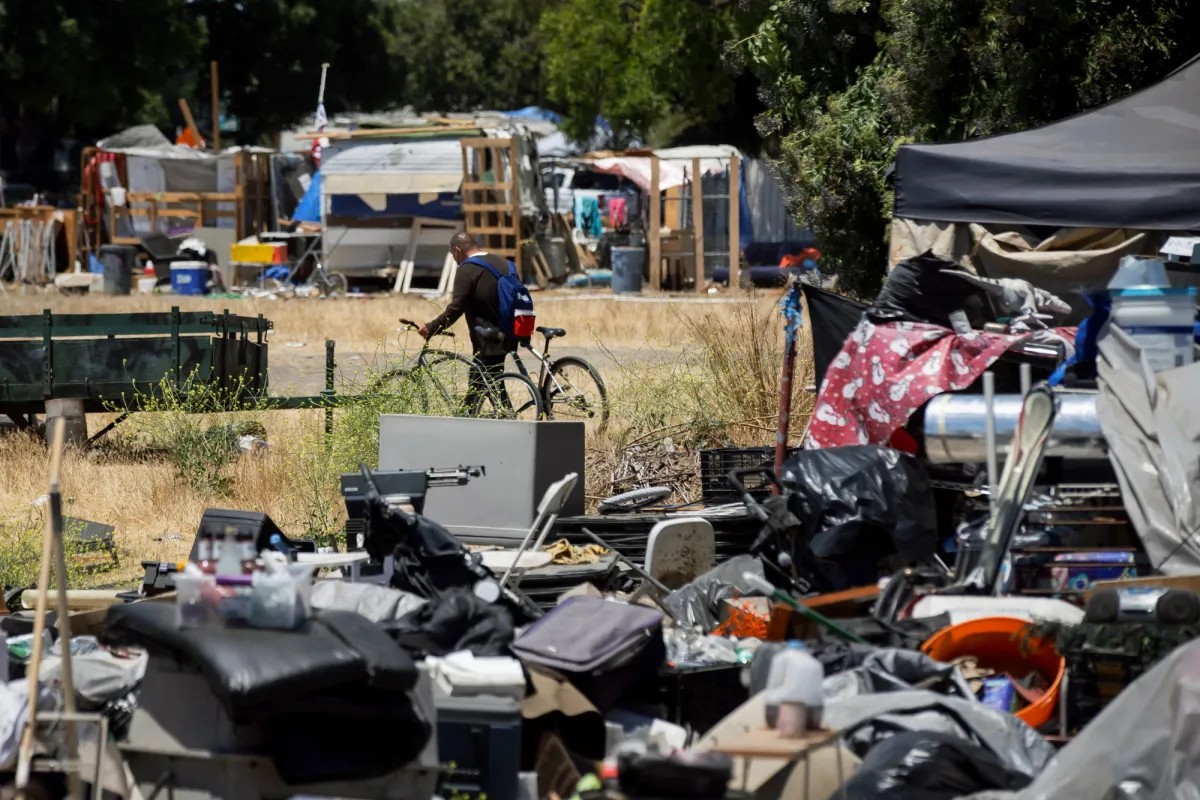
"caption": "A man walks at the homeless encampment located along Coleman Avenue between West Hedding Street and Asbury Street in San Jose on June 22, 2021. ",
"credit": "Dai Sugano/Bay Area News Group",
"altTag": null,
"description": null,
"imgSizes": {
"thumbnail": {
"file": "https://cdn.kqed.org/wp-content/uploads/sites/10/2026/03/050422-SAN-JOSE-HOMELESS-SJM-DS-CM-160x107.jpg",
"width": 160,
"height": 107,
"mimeType": "image/jpeg"
},
"post-thumbnail": {
"file": "https://cdn.kqed.org/wp-content/uploads/sites/10/2026/03/050422-SAN-JOSE-HOMELESS-SJM-DS-CM-672x372.jpg",
"width": 672,
"height": 372,
"mimeType": "image/jpeg"
},
"twentyfourteen-full-width": {
"file": "https://cdn.kqed.org/wp-content/uploads/sites/10/2026/03/050422-SAN-JOSE-HOMELESS-SJM-DS-CM-1038x576.jpg",
"width": 1038,
"height": 576,
"mimeType": "image/jpeg"
},
"npr-cds-wide": {
"file": "https://cdn.kqed.org/wp-content/uploads/sites/10/2026/03/050422-SAN-JOSE-HOMELESS-SJM-DS-CM-1200x675.jpg",
"width": 1200,
"height": 675,
"mimeType": "image/jpeg"
},
"npr-cds-square": {
"file": "https://cdn.kqed.org/wp-content/uploads/sites/10/2026/03/050422-SAN-JOSE-HOMELESS-SJM-DS-CM-600x600.jpg",
"width": 600,
"height": 600,
"mimeType": "image/jpeg"
},
"kqedFullSize": {
"file": "https://cdn.kqed.org/wp-content/uploads/sites/10/2026/03/050422-SAN-JOSE-HOMELESS-SJM-DS-CM.jpg",
"width": 1200,
"height": 800
}
},
"isLoading": false,
"fetchFailed": false
},
"news_12077425": {
"type": "attachments",
"id": "news_12077425",
"meta": {
"index": "attachments_1716263798",
"site": "news",
"id": "12077425",
"found": true
},
"title": "022425-Chad-Bianco-MB-Rueters-01-CM",
"publishDate": 1774391412,
"status": "inherit",
"parent": 12077421,
"modified": 1774391457,
"caption": "Riverside County Sheriff Chad Bianco speaks at a press conference in support of changing California's \"sanctuary city\" law after announcing that he is running for governor of California in 2026, becoming the first major Republican to announce a bid for the office in San Diego, on Feb. 21, 2025. ",
"credit": "Mike Blake/Reuters",
"altTag": null,
"description": null,
"imgSizes": {
"thumbnail": {
"file": "https://cdn.kqed.org/wp-content/uploads/sites/10/2026/03/022425-Chad-Bianco-MB-Rueters-01-CM-160x107.jpg",
"width": 160,
"height": 107,
"mimeType": "image/jpeg"
},
"1536x1536": {
"file": "https://cdn.kqed.org/wp-content/uploads/sites/10/2026/03/022425-Chad-Bianco-MB-Rueters-01-CM-1536x1024.jpg",
"width": 1536,
"height": 1024,
"mimeType": "image/jpeg"
},
"post-thumbnail": {
"file": "https://cdn.kqed.org/wp-content/uploads/sites/10/2026/03/022425-Chad-Bianco-MB-Rueters-01-CM-672x372.jpg",
"width": 672,
"height": 372,
"mimeType": "image/jpeg"
},
"twentyfourteen-full-width": {
"file": "https://cdn.kqed.org/wp-content/uploads/sites/10/2026/03/022425-Chad-Bianco-MB-Rueters-01-CM-1038x576.jpg",
"width": 1038,
"height": 576,
"mimeType": "image/jpeg"
},
"npr-cds-wide": {
"file": "https://cdn.kqed.org/wp-content/uploads/sites/10/2026/03/022425-Chad-Bianco-MB-Rueters-01-CM-1200x675.jpg",
"width": 1200,
"height": 675,
"mimeType": "image/jpeg"
},
"npr-cds-square": {
"file": "https://cdn.kqed.org/wp-content/uploads/sites/10/2026/03/022425-Chad-Bianco-MB-Rueters-01-CM-600x600.jpg",
"width": 600,
"height": 600,
"mimeType": "image/jpeg"
},
"kqedFullSize": {
"file": "https://cdn.kqed.org/wp-content/uploads/sites/10/2026/03/022425-Chad-Bianco-MB-Rueters-01-CM.jpg",
"width": 2000,
"height": 1333
}
},
"isLoading": false,
"fetchFailed": false
},
"news_12077285": {
"type": "attachments",
"id": "news_12077285",
"meta": {
"index": "attachments_1716263798",
"site": "news",
"id": "12077285",
"found": true
},
"title": "042924_State-Capitol-Session-MG_CM_25",
"publishDate": 1774285685,
"status": "inherit",
"parent": 12077281,
"modified": 1774285788,
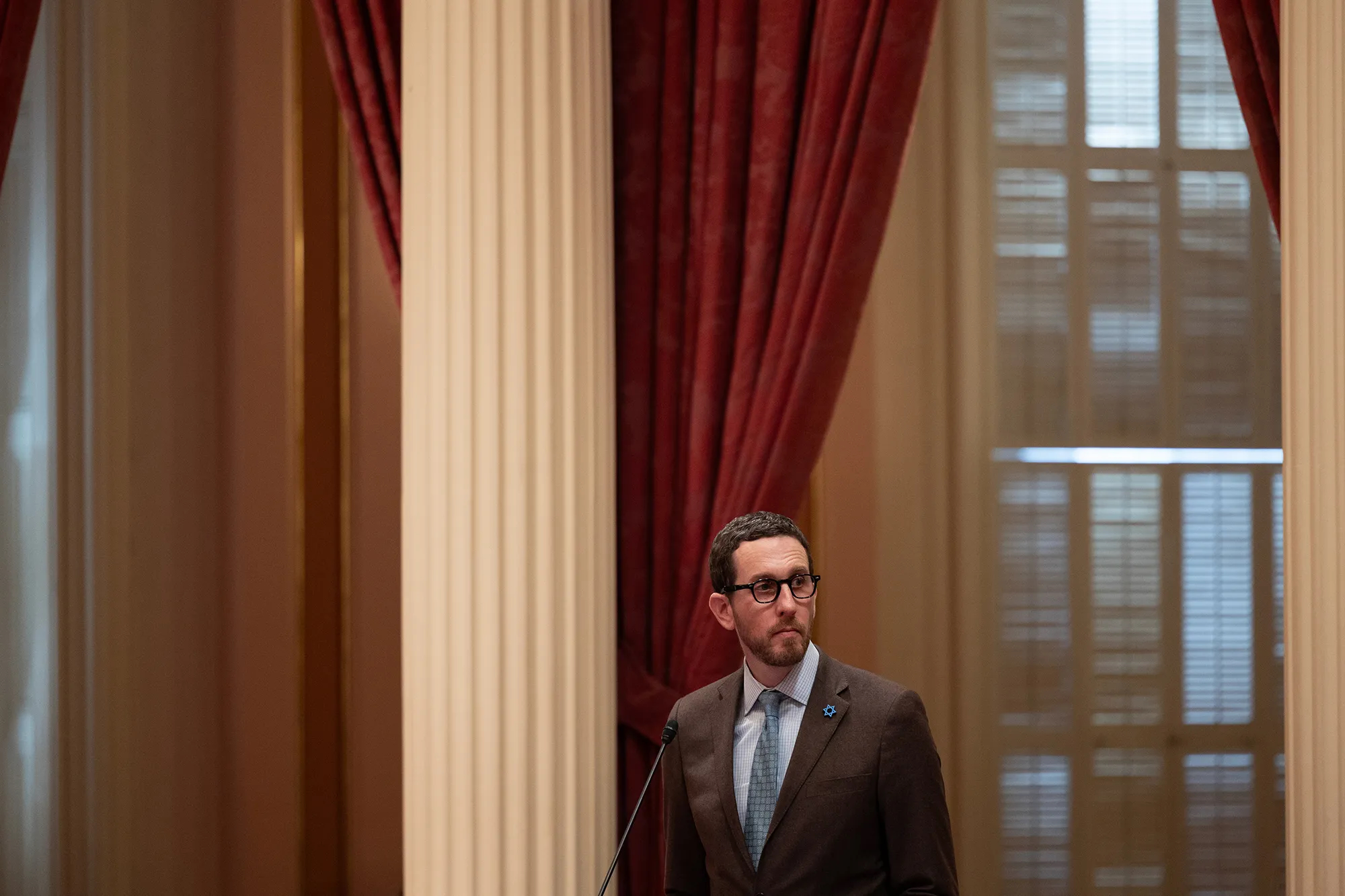
"caption": "State Sen. Scott Wiener on the Senate floor at the state Capitol in Sacramento on April 29, 2024. ",
"credit": "Miguel Gutierrez Jr./CalMatters",
"altTag": null,
"description": null,
"imgSizes": {
"thumbnail": {
"file": "https://cdn.kqed.org/wp-content/uploads/sites/10/2026/03/042924_State-Capitol-Session-MG_CM_25-160x107.jpeg",
"width": 160,
"height": 107,
"mimeType": "image/jpeg"
},
"1536x1536": {
"file": "https://cdn.kqed.org/wp-content/uploads/sites/10/2026/03/042924_State-Capitol-Session-MG_CM_25-1536x1024.jpeg",
"width": 1536,
"height": 1024,
"mimeType": "image/jpeg"
},
"post-thumbnail": {
"file": "https://cdn.kqed.org/wp-content/uploads/sites/10/2026/03/042924_State-Capitol-Session-MG_CM_25-672x372.jpeg",
"width": 672,
"height": 372,
"mimeType": "image/jpeg"
},
"twentyfourteen-full-width": {
"file": "https://cdn.kqed.org/wp-content/uploads/sites/10/2026/03/042924_State-Capitol-Session-MG_CM_25-1038x576.jpeg",
"width": 1038,
"height": 576,
"mimeType": "image/jpeg"
},
"npr-cds-wide": {
"file": "https://cdn.kqed.org/wp-content/uploads/sites/10/2026/03/042924_State-Capitol-Session-MG_CM_25-1200x675.jpeg",
"width": 1200,
"height": 675,
"mimeType": "image/jpeg"
},
"kqedFullSize": {
"file": "https://cdn.kqed.org/wp-content/uploads/sites/10/2026/03/042924_State-Capitol-Session-MG_CM_25.jpeg",
"width": 2000,
"height": 1333
}
},
"isLoading": false,
"fetchFailed": false
},
"news_12040943": {
"type": "attachments",
"id": "news_12040943",
"meta": {
"index": "attachments_1716263798",
"site": "news",
"id": "12040943",
"found": true
},
"title": "250509-BeniciaRefinery-30-BL_qed",
"publishDate": 1747770634,
"status": "inherit",
"parent": 12040941,
"modified": 1747783605,
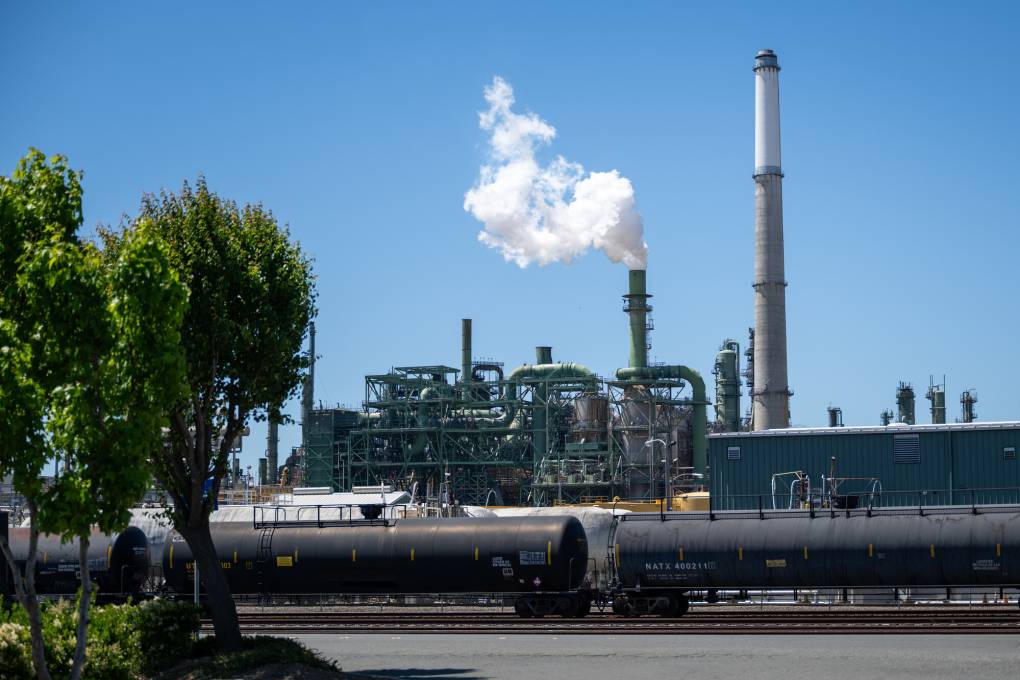
"caption": "The Valero Benicia Refinery in Benicia, on May 8, 2025, processes up to 170,000 barrels of oil a day, making gasoline, diesel, and other fuels for California. Valero plans to shut down the Benicia refinery by April 2026, citing high costs and strict environmental rules.",
"credit": "Beth LaBerge/KQED",
"altTag": null,
"description": null,
"imgSizes": {
"medium": {
"file": "https://cdn.kqed.org/wp-content/uploads/sites/10/2025/05/250509-BeniciaRefinery-30-BL_qed-800x533.jpg",
"width": 800,
"height": 533,
"mimeType": "image/jpeg"
},
"large": {
"file": "https://cdn.kqed.org/wp-content/uploads/sites/10/2025/05/250509-BeniciaRefinery-30-BL_qed-1020x680.jpg",
"width": 1020,
"height": 680,
"mimeType": "image/jpeg"
},
"thumbnail": {
"file": "https://cdn.kqed.org/wp-content/uploads/sites/10/2025/05/250509-BeniciaRefinery-30-BL_qed-160x107.jpg",
"width": 160,
"height": 107,
"mimeType": "image/jpeg"
},
"1536x1536": {
"file": "https://cdn.kqed.org/wp-content/uploads/sites/10/2025/05/250509-BeniciaRefinery-30-BL_qed-1536x1024.jpg",
"width": 1536,
"height": 1024,
"mimeType": "image/jpeg"
},
"post-thumbnail": {
"file": "https://cdn.kqed.org/wp-content/uploads/sites/10/2025/05/250509-BeniciaRefinery-30-BL_qed-672x372.jpg",
"width": 672,
"height": 372,
"mimeType": "image/jpeg"
},
"twentyfourteen-full-width": {
"file": "https://cdn.kqed.org/wp-content/uploads/sites/10/2025/05/250509-BeniciaRefinery-30-BL_qed-1038x576.jpg",
"width": 1038,
"height": 576,
"mimeType": "image/jpeg"
},
"full-width": {
"file": "https://cdn.kqed.org/wp-content/uploads/sites/10/2025/05/250509-BeniciaRefinery-30-BL_qed-1920x1280.jpg",
"width": 1920,
"height": 1280,
"mimeType": "image/jpeg"
},
"kqedFullSize": {
"file": "https://cdn.kqed.org/wp-content/uploads/sites/10/2025/05/250509-BeniciaRefinery-30-BL_qed.jpg",
"width": 1999,
"height": 1333
}
},
"isLoading": false,
"fetchFailed": false
},
"news_12076082": {
"type": "attachments",
"id": "news_12076082",
"meta": {
"index": "attachments_1716263798",
"site": "news",
"id": "12076082",
"found": true
},
"title": "120324_CivicsClass_FM_CM_11",
"publishDate": 1773252657,
"status": "inherit",
"parent": 12076079,
"modified": 1773252690,
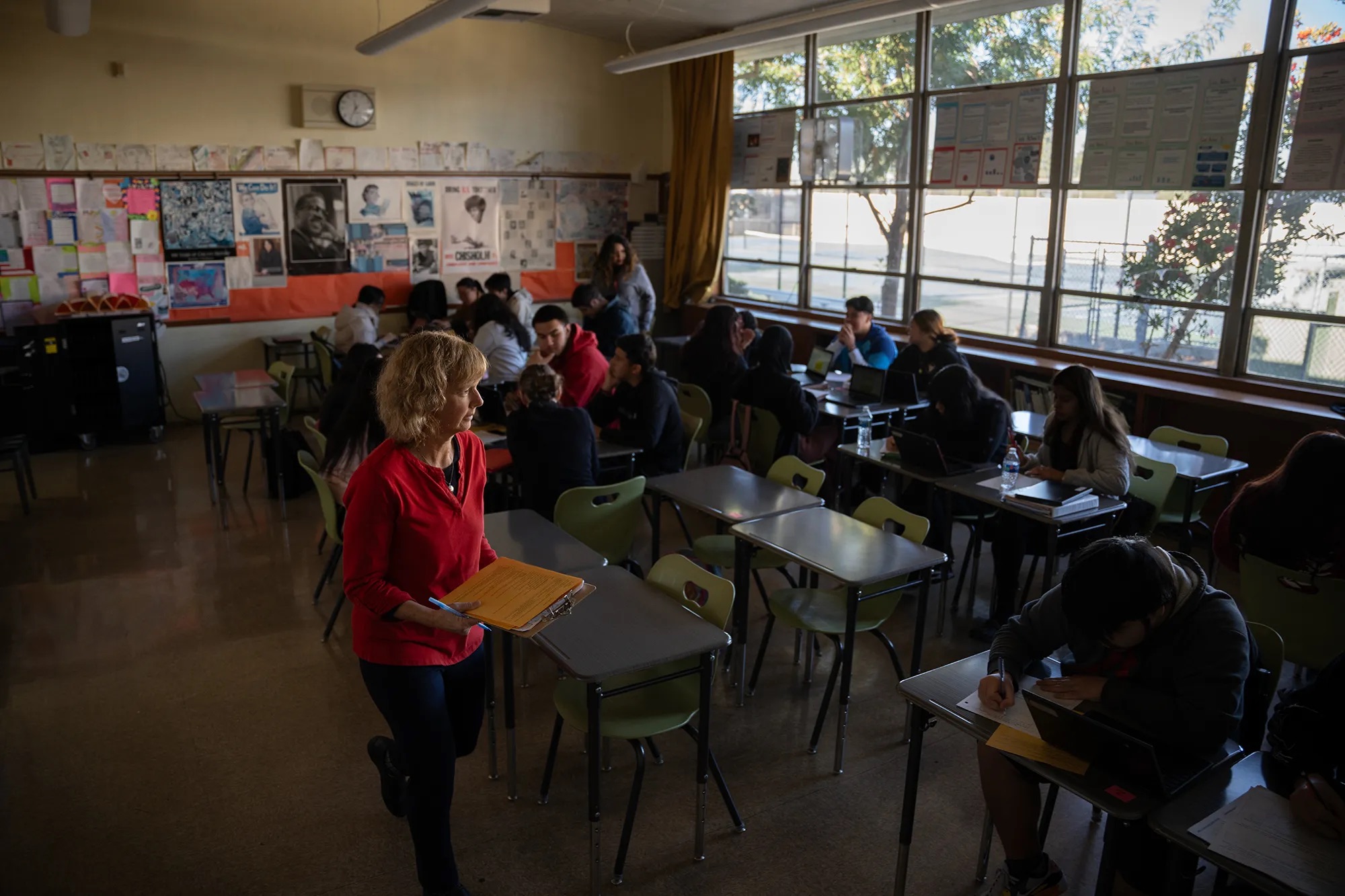
"caption": "San Lorenzo High School teacher Judy Smith teaches her third period government class in San Lorenzo on Dec. 3, 2024, as they develop civic action infographics on topics ranging from gun violence to vaping. Smith’s students will submit their final projects to the KQED Youth Media Challenge which will publish the infographics online to share how students see themselves, their world and their future. ",
"credit": "Florence Middleton, CalMatters",
"altTag": null,
"description": null,
"imgSizes": {
"thumbnail": {
"file": "https://cdn.kqed.org/wp-content/uploads/sites/10/2026/03/120324_CivicsClass_FM_CM_11-160x107.jpeg",
"width": 160,
"height": 107,
"mimeType": "image/jpeg"
},
"1536x1536": {
"file": "https://cdn.kqed.org/wp-content/uploads/sites/10/2026/03/120324_CivicsClass_FM_CM_11-1536x1024.jpeg",
"width": 1536,
"height": 1024,
"mimeType": "image/jpeg"
},
"post-thumbnail": {
"file": "https://cdn.kqed.org/wp-content/uploads/sites/10/2026/03/120324_CivicsClass_FM_CM_11-672x372.jpeg",
"width": 672,
"height": 372,
"mimeType": "image/jpeg"
},
"twentyfourteen-full-width": {
"file": "https://cdn.kqed.org/wp-content/uploads/sites/10/2026/03/120324_CivicsClass_FM_CM_11-1038x576.jpeg",
"width": 1038,
"height": 576,
"mimeType": "image/jpeg"
},
"npr-cds-wide": {
"file": "https://cdn.kqed.org/wp-content/uploads/sites/10/2026/03/120324_CivicsClass_FM_CM_11-1200x675.jpeg",
"width": 1200,
"height": 675,
"mimeType": "image/jpeg"
},
"kqedFullSize": {
"file": "https://cdn.kqed.org/wp-content/uploads/sites/10/2026/03/120324_CivicsClass_FM_CM_11.jpeg",
"width": 2000,
"height": 1333
}
},
"isLoading": false,
"fetchFailed": false
},
"news_12074055": {
"type": "attachments",
"id": "news_12074055",
"meta": {
"index": "attachments_1716263798",
"site": "news",
"id": "12074055",
"found": true
},
"title": "LA-Senior-Center-IK-CM-01",
"publishDate": 1771614951,
"status": "inherit",
"parent": 12074051,
"modified": 1771614976,
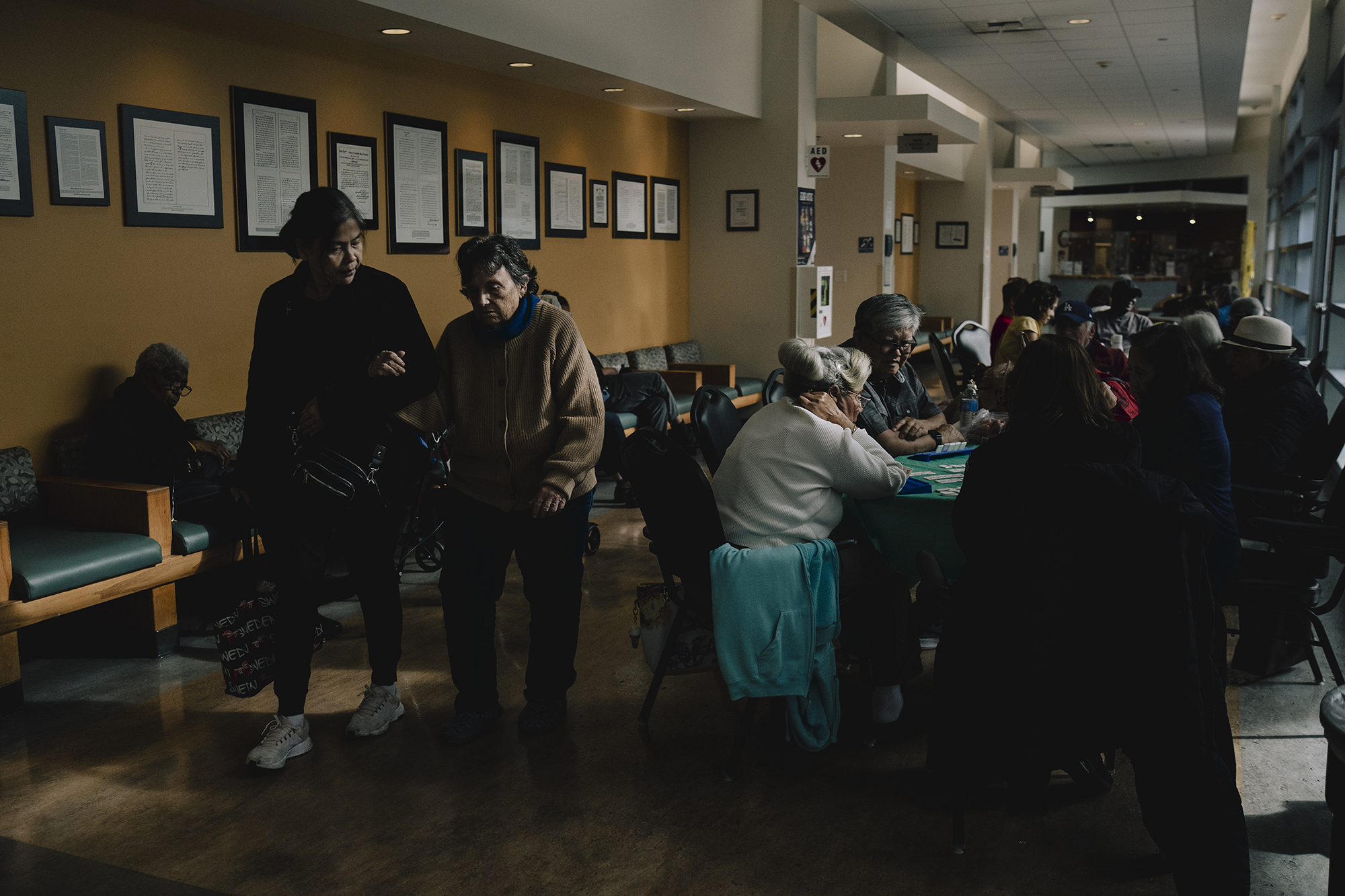
"caption": "Members gather in the main hallway at the Culver City Senior Center, which serves adults 50 years of age and older with a variety of classes and programs. In 2024, the Center had 4,000 registered members. ",
"credit": "Isadora Kosofsky for CalMatters/CatchLight",
"altTag": null,
"description": null,
"imgSizes": {
"thumbnail": {
"file": "https://cdn.kqed.org/wp-content/uploads/sites/10/2026/02/LA-Senior-Center-IK-CM-01-160x107.jpg",
"width": 160,
"height": 107,
"mimeType": "image/jpeg"
},
"1536x1536": {
"file": "https://cdn.kqed.org/wp-content/uploads/sites/10/2026/02/LA-Senior-Center-IK-CM-01-1536x1024.jpg",
"width": 1536,
"height": 1024,
"mimeType": "image/jpeg"
},
"post-thumbnail": {
"file": "https://cdn.kqed.org/wp-content/uploads/sites/10/2026/02/LA-Senior-Center-IK-CM-01-672x372.jpg",
"width": 672,
"height": 372,
"mimeType": "image/jpeg"
},
"twentyfourteen-full-width": {
"file": "https://cdn.kqed.org/wp-content/uploads/sites/10/2026/02/LA-Senior-Center-IK-CM-01-1038x576.jpg",
"width": 1038,
"height": 576,
"mimeType": "image/jpeg"
},
"npr-cds-wide": {
"file": "https://cdn.kqed.org/wp-content/uploads/sites/10/2026/02/LA-Senior-Center-IK-CM-01-1200x675.jpg",
"width": 1200,
"height": 675,
"mimeType": "image/jpeg"
},
"kqedFullSize": {
"file": "https://cdn.kqed.org/wp-content/uploads/sites/10/2026/02/LA-Senior-Center-IK-CM-01.jpg",
"width": 2000,
"height": 1333
}
},
"isLoading": false,
"fetchFailed": false
},
"news_12073545": {
"type": "attachments",
"id": "news_12073545",
"meta": {
"index": "attachments_1716263798",
"site": "news",
"id": "12073545",
"found": true
},
"title": "020726_FactoryHousing_JK_CM_02",
"publishDate": 1771024429,
"status": "inherit",
"parent": 12073544,
"modified": 1771024454,
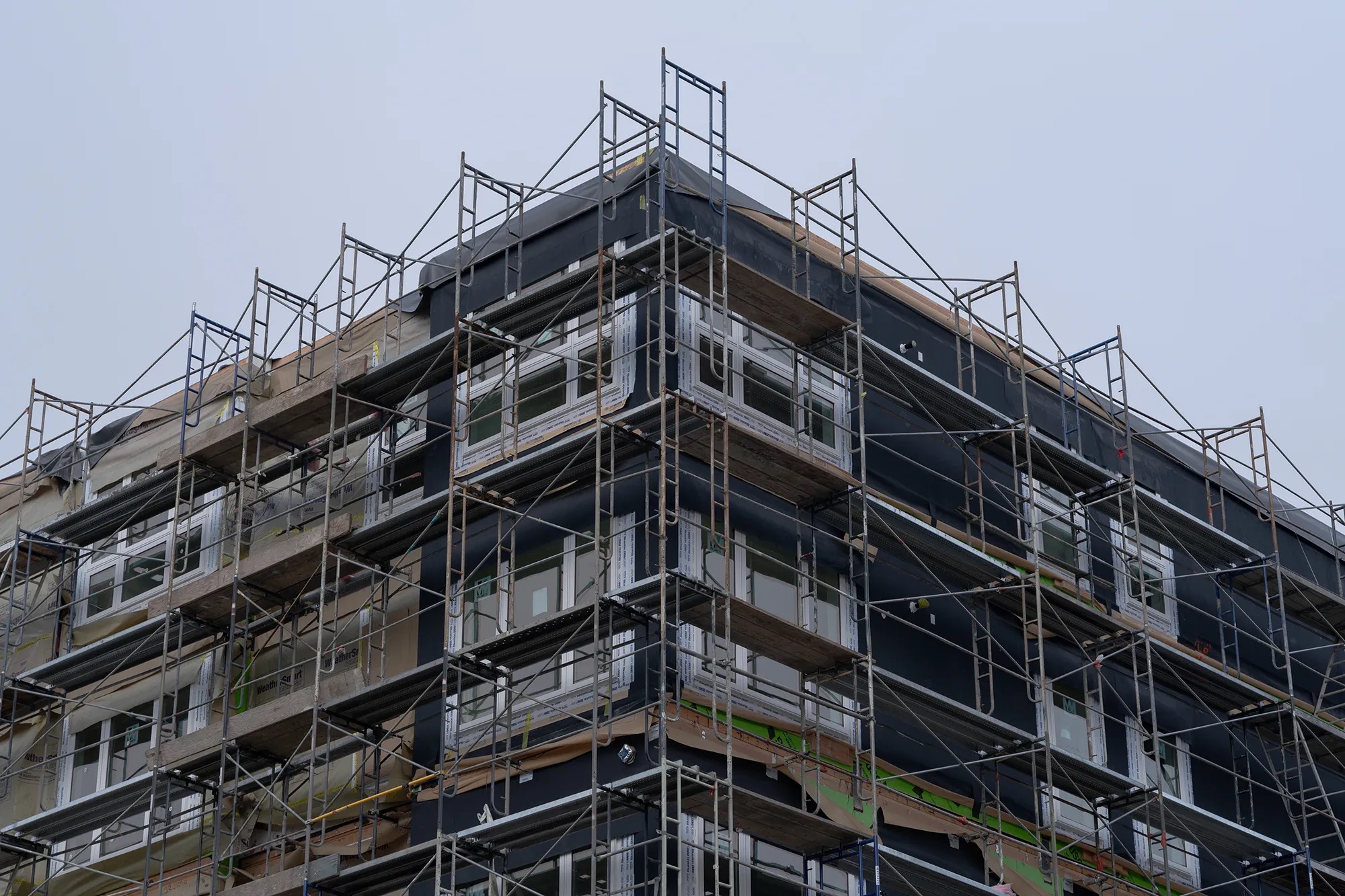
"caption": "Scaffolding adorns the facade of factory-built housing Drake Avenue Apartments at 825 Drake Avenue in Marin City on Feb. 7, 2026. ",
"credit": "Jungho Kim for CalMatters",
"altTag": null,
"description": null,
"imgSizes": {
"thumbnail": {
"file": "https://cdn.kqed.org/wp-content/uploads/sites/10/2026/02/020726_FactoryHousing_JK_CM_02-160x107.jpeg",
"width": 160,
"height": 107,
"mimeType": "image/jpeg"
},
"1536x1536": {
"file": "https://cdn.kqed.org/wp-content/uploads/sites/10/2026/02/020726_FactoryHousing_JK_CM_02-1536x1024.jpeg",
"width": 1536,
"height": 1024,
"mimeType": "image/jpeg"
},
"post-thumbnail": {
"file": "https://cdn.kqed.org/wp-content/uploads/sites/10/2026/02/020726_FactoryHousing_JK_CM_02-672x372.jpeg",
"width": 672,
"height": 372,
"mimeType": "image/jpeg"
},
"twentyfourteen-full-width": {
"file": "https://cdn.kqed.org/wp-content/uploads/sites/10/2026/02/020726_FactoryHousing_JK_CM_02-1038x576.jpeg",
"width": 1038,
"height": 576,
"mimeType": "image/jpeg"
},
"npr-cds-wide": {
"file": "https://cdn.kqed.org/wp-content/uploads/sites/10/2026/02/020726_FactoryHousing_JK_CM_02-1200x675.jpeg",
"width": 1200,
"height": 675,
"mimeType": "image/jpeg"
},
"kqedFullSize": {
"file": "https://cdn.kqed.org/wp-content/uploads/sites/10/2026/02/020726_FactoryHousing_JK_CM_02.jpeg",
"width": 2000,
"height": 1333
}
},
"isLoading": false,
"fetchFailed": false
},
"news_12073471": {
"type": "attachments",
"id": "news_12073471",
"meta": {
"index": "attachments_1716263798",
"site": "news",
"id": "12073471",
"found": true
},
"title": "021226-Mountain-Lions-NPS-CM-03",
"publishDate": 1771006587,
"status": "inherit",
"parent": 12073470,
"modified": 1771006607,
"caption": "Kittens from a local mountain lion population tracked by the National Park Service and UCLA in 2015. ",
"credit": "Photo via National Park Service",
"altTag": null,
"description": null,
"imgSizes": {
"thumbnail": {
"file": "https://cdn.kqed.org/wp-content/uploads/sites/10/2026/02/021226-Mountain-Lions-NPS-CM-03-160x107.jpeg",
"width": 160,
"height": 107,
"mimeType": "image/jpeg"
},
"1536x1536": {
"file": "https://cdn.kqed.org/wp-content/uploads/sites/10/2026/02/021226-Mountain-Lions-NPS-CM-03-1536x1024.jpeg",
"width": 1536,
"height": 1024,
"mimeType": "image/jpeg"
},
"post-thumbnail": {
"file": "https://cdn.kqed.org/wp-content/uploads/sites/10/2026/02/021226-Mountain-Lions-NPS-CM-03-672x372.jpeg",
"width": 672,
"height": 372,
"mimeType": "image/jpeg"
},
"twentyfourteen-full-width": {
"file": "https://cdn.kqed.org/wp-content/uploads/sites/10/2026/02/021226-Mountain-Lions-NPS-CM-03-1038x576.jpeg",
"width": 1038,
"height": 576,
"mimeType": "image/jpeg"
},
"npr-cds-wide": {
"file": "https://cdn.kqed.org/wp-content/uploads/sites/10/2026/02/021226-Mountain-Lions-NPS-CM-03-1200x675.jpeg",
"width": 1200,
"height": 675,
"mimeType": "image/jpeg"
},
"kqedFullSize": {
"file": "https://cdn.kqed.org/wp-content/uploads/sites/10/2026/02/021226-Mountain-Lions-NPS-CM-03.jpeg",
"width": 2000,
"height": 1333
}
},
"isLoading": false,
"fetchFailed": false
},
"news_12073336": {
"type": "attachments",
"id": "news_12073336",
"meta": {
"index": "attachments_1716263798",
"site": "news",
"id": "12073336",
"found": true
},
"title": "TrucksCM1",
"publishDate": 1770927961,
"status": "inherit",
"parent": 12073333,
"modified": 1770928000,
"caption": "A truck driver prepares to leave after receiving a shipping container at Yusen Terminals at the Port of Los Angeles in San Pedro on Feb. 11, 2025.",
"credit": "Joel Angel Juarez for CalMatters",
"altTag": null,
"description": null,
"imgSizes": {
"thumbnail": {
"file": "https://cdn.kqed.org/wp-content/uploads/sites/10/2026/02/TrucksCM1-160x107.jpg",
"width": 160,
"height": 107,
"mimeType": "image/jpeg"
},
"1536x1536": {
"file": "https://cdn.kqed.org/wp-content/uploads/sites/10/2026/02/TrucksCM1-1536x1024.jpg",
"width": 1536,
"height": 1024,
"mimeType": "image/jpeg"
},
"post-thumbnail": {
"file": "https://cdn.kqed.org/wp-content/uploads/sites/10/2026/02/TrucksCM1-672x372.jpg",
"width": 672,
"height": 372,
"mimeType": "image/jpeg"
},
"twentyfourteen-full-width": {
"file": "https://cdn.kqed.org/wp-content/uploads/sites/10/2026/02/TrucksCM1-1038x576.jpg",
"width": 1038,
"height": 576,
"mimeType": "image/jpeg"
},
"npr-cds-wide": {
"file": "https://cdn.kqed.org/wp-content/uploads/sites/10/2026/02/TrucksCM1-1200x675.jpg",
"width": 1200,
"height": 675,
"mimeType": "image/jpeg"
},
"kqedFullSize": {
"file": "https://cdn.kqed.org/wp-content/uploads/sites/10/2026/02/TrucksCM1.jpg",
"width": 2000,
"height": 1333
}
},
"isLoading": false,
"fetchFailed": false
},
"news_12072642": {
"type": "attachments",
"id": "news_12072642",
"meta": {
"index": "attachments_1716263798",
"site": "news",
"id": "12072642",
"found": true
},
"title": "072922-Tesla-EV-Charging-RL-CM-18",
"publishDate": 1770406233,
"status": "inherit",
"parent": 12072633,
"modified": 1770406253,
"caption": "A Tesla charging at a station in Sacramento, on July 29, 2022. ",
"credit": "Rahul Lal/CalMatters",
"altTag": null,
"description": null,
"imgSizes": {
"thumbnail": {
"file": "https://cdn.kqed.org/wp-content/uploads/sites/10/2026/02/072922-Tesla-EV-Charging-RL-CM-18-160x107.jpeg",
"width": 160,
"height": 107,
"mimeType": "image/jpeg"
},
"1536x1536": {
"file": "https://cdn.kqed.org/wp-content/uploads/sites/10/2026/02/072922-Tesla-EV-Charging-RL-CM-18-1536x1024.jpeg",
"width": 1536,
"height": 1024,
"mimeType": "image/jpeg"
},
"post-thumbnail": {
"file": "https://cdn.kqed.org/wp-content/uploads/sites/10/2026/02/072922-Tesla-EV-Charging-RL-CM-18-672x372.jpeg",
"width": 672,
"height": 372,
"mimeType": "image/jpeg"
},
"twentyfourteen-full-width": {
"file": "https://cdn.kqed.org/wp-content/uploads/sites/10/2026/02/072922-Tesla-EV-Charging-RL-CM-18-1038x576.jpeg",
"width": 1038,
"height": 576,
"mimeType": "image/jpeg"
},
"npr-cds-wide": {
"file": "https://cdn.kqed.org/wp-content/uploads/sites/10/2026/02/072922-Tesla-EV-Charging-RL-CM-18-1200x675.jpeg",
"width": 1200,
"height": 675,
"mimeType": "image/jpeg"
},
"kqedFullSize": {
"file": "https://cdn.kqed.org/wp-content/uploads/sites/10/2026/02/072922-Tesla-EV-Charging-RL-CM-18.jpeg",
"width": 2000,
"height": 1333
}
},
"isLoading": false,
"fetchFailed": false
},
"news_12072622": {
"type": "attachments",
"id": "news_12072622",
"meta": {
"index": "attachments_1716263798",
"site": "news",
"id": "12072622",
"found": true
},
"title": "020325_Day-Without-Immigrants_JWH_CM_26",
"publishDate": 1770405218,
"status": "inherit",
"parent": 12072603,
"modified": 1770405234,
"caption": "Protesters gather in Downtown Los Angeles for a march to support immigrants on Feb. 3, 2025. A liberal contingent of LA council members wants to protect undocumented immigrants.",
"credit": " Photo by J.W. Hendricks/CalMatters",
"altTag": null,
"description": null,
"imgSizes": {
"thumbnail": {
"file": "https://cdn.kqed.org/wp-content/uploads/sites/10/2026/02/020325_Day-Without-Immigrants_JWH_CM_26-160x107.jpeg",
"width": 160,
"height": 107,
"mimeType": "image/jpeg"
},
"1536x1536": {
"file": "https://cdn.kqed.org/wp-content/uploads/sites/10/2026/02/020325_Day-Without-Immigrants_JWH_CM_26-1536x1024.jpeg",
"width": 1536,
"height": 1024,
"mimeType": "image/jpeg"
},
"post-thumbnail": {
"file": "https://cdn.kqed.org/wp-content/uploads/sites/10/2026/02/020325_Day-Without-Immigrants_JWH_CM_26-672x372.jpeg",
"width": 672,
"height": 372,
"mimeType": "image/jpeg"
},
"twentyfourteen-full-width": {
"file": "https://cdn.kqed.org/wp-content/uploads/sites/10/2026/02/020325_Day-Without-Immigrants_JWH_CM_26-1038x576.jpeg",
"width": 1038,
"height": 576,
"mimeType": "image/jpeg"
},
"npr-cds-wide": {
"file": "https://cdn.kqed.org/wp-content/uploads/sites/10/2026/02/020325_Day-Without-Immigrants_JWH_CM_26-1200x675.jpeg",
"width": 1200,
"height": 675,
"mimeType": "image/jpeg"
},
"kqedFullSize": {
"file": "https://cdn.kqed.org/wp-content/uploads/sites/10/2026/02/020325_Day-Without-Immigrants_JWH_CM_26.jpeg",
"width": 2000,
"height": 1333
}
},
"isLoading": false,
"fetchFailed": false
},
"news_12072222": {
"type": "attachments",
"id": "news_12072222",
"meta": {
"index": "attachments_1716263798",
"site": "news",
"id": "12072222",
"found": true
},
"title": "031124-Dolphin-Trucking-School-ZS-CM-8",
"publishDate": 1770226199,
"status": "inherit",
"parent": 12072221,
"modified": 1770226227,
"caption": "An instructor teaches students about air brake releases at Dolphin Trucking School in the city of Vernon on March 11, 2024. ",
"credit": "Photo by Zaydee Sanchez/CalMatters",
"altTag": null,
"description": null,
"imgSizes": {
"thumbnail": {
"file": "https://cdn.kqed.org/wp-content/uploads/sites/10/2026/02/031124-Dolphin-Trucking-School-ZS-CM-8-160x107.jpeg",
"width": 160,
"height": 107,
"mimeType": "image/jpeg"
},
"1536x1536": {
"file": "https://cdn.kqed.org/wp-content/uploads/sites/10/2026/02/031124-Dolphin-Trucking-School-ZS-CM-8-1536x1024.jpeg",
"width": 1536,
"height": 1024,
"mimeType": "image/jpeg"
},
"post-thumbnail": {
"file": "https://cdn.kqed.org/wp-content/uploads/sites/10/2026/02/031124-Dolphin-Trucking-School-ZS-CM-8-672x372.jpeg",
"width": 672,
"height": 372,
"mimeType": "image/jpeg"
},
"twentyfourteen-full-width": {
"file": "https://cdn.kqed.org/wp-content/uploads/sites/10/2026/02/031124-Dolphin-Trucking-School-ZS-CM-8-1038x576.jpeg",
"width": 1038,
"height": 576,
"mimeType": "image/jpeg"
},
"npr-cds-wide": {
"file": "https://cdn.kqed.org/wp-content/uploads/sites/10/2026/02/031124-Dolphin-Trucking-School-ZS-CM-8-1200x675.jpeg",
"width": 1200,
"height": 675,
"mimeType": "image/jpeg"
},
"kqedFullSize": {
"file": "https://cdn.kqed.org/wp-content/uploads/sites/10/2026/02/031124-Dolphin-Trucking-School-ZS-CM-8.jpeg",
"width": 2000,
"height": 1333
}
},
"isLoading": false,
"fetchFailed": false
}
},
"audioPlayerReducer": {
"postId": "stream_live",
"isPaused": true,
"isPlaying": false,
"pfsActive": false,
"pledgeModalIsOpen": true,
"playerDrawerIsOpen": false,
"liveAudioPlayStartedAt": 0,
"liveAudioPlayContext": ""
},
"authorsReducer": {
"byline_news_12077674": {
"type": "authors",
"id": "byline_news_12077674",
"meta": {
"override": true
},
"slug": "byline_news_12077674",
"name": "\u003ca href=\"https://calmatters.org/author/marisa-kendall/\">Marisa Kendall\u003c/a>, CalMatters",
"isLoading": false
},
"byline_news_12077421": {
"type": "authors",
"id": "byline_news_12077421",
"meta": {
"override": true
},
"slug": "byline_news_12077421",
"name": "Cayla Mihalovich and Jeanne Kuang, CalMatters",
"isLoading": false
},
"byline_news_12077281": {
"type": "authors",
"id": "byline_news_12077281",
"meta": {
"override": true
},
"slug": "byline_news_12077281",
"name": "\u003ca href=\"https://calmatters.org/author/ben-christopher/\">Ben Christopher\u003c/a>, CalMatters",
"isLoading": false
},
"byline_news_12076643": {
"type": "authors",
"id": "byline_news_12076643",
"meta": {
"override": true
},
"slug": "byline_news_12076643",
"name": "Alejandro Lazo, CalMatters",
"isLoading": false
},
"byline_news_12076079": {
"type": "authors",
"id": "byline_news_12076079",
"meta": {
"override": true
},
"slug": "byline_news_12076079",
"name": "Carolyn Jones, CalMatters",
"isLoading": false
},
"byline_news_12074051": {
"type": "authors",
"id": "byline_news_12074051",
"meta": {
"override": true
},
"slug": "byline_news_12074051",
"name": "Joe Garcia, CalMatters",
"isLoading": false
},
"byline_news_12073544": {
"type": "authors",
"id": "byline_news_12073544",
"meta": {
"override": true
},
"slug": "byline_news_12073544",
"name": "Ben Christopher, CalMatters",
"isLoading": false
},
"byline_news_12073470": {
"type": "authors",
"id": "byline_news_12073470",
"meta": {
"override": true
},
"slug": "byline_news_12073470",
"name": "Rachel Becker, CalMatters",
"isLoading": false
},
"byline_news_12073333": {
"type": "authors",
"id": "byline_news_12073333",
"meta": {
"override": true
},
"slug": "byline_news_12073333",
"name": "Alejandro Lazo, CalMatters",
"isLoading": false
},
"byline_news_12072633": {
"type": "authors",
"id": "byline_news_12072633",
"meta": {
"override": true
},
"slug": "byline_news_12072633",
"name": "\u003ca href=\"https://calmatters.org/author/alejandro-lazo/\">Alejandro Lazo\u003c/a>, CalMatters",
"isLoading": false
},
"byline_news_12072603": {
"type": "authors",
"id": "byline_news_12072603",
"meta": {
"override": true
},
"slug": "byline_news_12072603",
"name": "\u003ca href=\"https://calmatters.org/author/jim-newton/\">Jim Newton\u003c/a>, CalMatters",
"isLoading": false
},
"byline_news_12072221": {
"type": "authors",
"id": "byline_news_12072221",
"meta": {
"override": true
},
"slug": "byline_news_12072221",
"name": "\u003ca href=\"https://calmatters.org/author/adam-echelman/\">Adam Echelman\u003c/a>, \u003ca href=\"https://calmatters.org/author/ericayee/\">Erica Yee\u003c/a>, CalMatters",
"isLoading": false
}
},
"pagesReducer": {
"news_affiliate_calmatters": {
"type": "terms",
"id": "news_18481",
"meta": {
"index": "terms_1716263798",
"site": "news",
"id": "18481",
"score": 15.355904
},
"featImg": null,
"name": "CALmatters",
"description": null,
"taxonomy": "affiliate",
"headData": {
"twImgId": null,
"twTitle": null,
"ogTitle": null,
"ogImgId": null,
"twDescription": null,
"description": null,
"title": "CALmatters Archives | KQED Arts",
"ogDescription": null
},
"ttid": 18515,
"slug": "calmatters",
"isLoading": false,
"title": "CALmatters",
"pageMeta": {
"site": "news",
"WpPageTemplate": "page-topic-editorial",
"currentPage": 7
},
"blocks": [
{
"blockName": "kqed/post-list",
"attrs": {
"layout": "cardArticle2",
"query": "posts/news?affiliate=calmatters",
"seeMore": false,
"paginated": true,
"page": 7
}
},
{
"blockName": "kqed/ad"
}
]
}
},
"pfsSessionReducer": {},
"postsReducer": {
"stream_live": {
"type": "live",
"id": "stream_live",
"audioUrl": "https://streams.kqed.org/kqedradio",
"title": "Live Stream",
"excerpt": "Live Stream information currently unavailable.",
"link": "/radio",
"featImg": "",
"label": {
"name": "KQED Live",
"link": "/"
}
},
"stream_kqedNewscast": {
"type": "posts",
"id": "stream_kqedNewscast",
"audioUrl": "https://www.kqed.org/.stream/anon/radio/RDnews/newscast.mp3?_=1",
"title": "KQED Newscast",
"featImg": "",
"label": {
"name": "88.5 FM",
"link": "/"
}
},
"news_12077674": {
"type": "posts",
"id": "news_12077674",
"meta": {
"index": "posts_1716263798",
"site": "news",
"id": "12077674",
"score": null,
"sort": [
1774553219000
]
},
"guestAuthors": [],
"slug": "a-new-homelessness-strategy-with-roots-in-the-south-bay-is-sweeping-california",
"title": "A New Homelessness Strategy With Roots in the South Bay Is Sweeping California",
"publishDate": 1774553219,
"format": "standard",
"headTitle": "A New Homelessness Strategy With Roots in the South Bay Is Sweeping California | KQED",
"labelTerm": {
"term": 18481,
"site": "news"
},
"content": "\u003cp>\u003cem>This story was originally published by \u003ca href=\"https://calmatters.org/\">CalMatters\u003c/a>. \u003ca href=\"https://calmatters.org/subscribe-to-calmatters/\">Sign up\u003c/a> for their newsletters.\u003c/em>\u003c/p>\n\u003cp>Maybe the way out of \u003ca href=\"https://www.kqed.org/housing\">California’s homelessness \u003c/a>crisis is to prevent it in the first place, rather than focusing only on people who have already lost their housing.\u003c/p>\n\u003cp>That’s the thinking behind a program in \u003ca href=\"https://www.kqed.org/news/tag/santa-clara-county\">Santa Clara County\u003c/a> — and others like it around the state — that has gained traction and will soon test its strategy beyond California.\u003c/p>\n\u003cp>[ad fullwidth]\u003c/p>\n\u003cp>These prevention programs have found that with a payment of several thousand dollars, aid organizations can head off someone’s homelessness. That both prevents the trauma that comes with losing a home, and saves the state or local government the potentially tens of thousands of dollars it takes to help someone after they become homeless.\u003c/p>\n\u003cp>The Santa Clara County program by nonprofit Destination: Home recently inspired the launch of \u003ca href=\"https://rightathomeusa.org/\">10 more pilot projects\u003c/a> throughout the country, marking the first large-scale, multi-state test of this strategy. If it works in those test counties, advocates will push for a nationwide program.\u003c/p>\n\u003cfigure id=\"attachment_12015960\" class=\"wp-caption aligncenter\" style=\"max-width: 2000px\">\u003ca href=\"https://cdn.kqed.org/wp-content/uploads/sites/10/2024/11/SantaClaraCountyHomelessnessGetty1.jpg\">\u003cimg loading=\"lazy\" decoding=\"async\" class=\"size-full wp-image-12015960\" src=\"https://cdn.kqed.org/wp-content/uploads/sites/10/2024/11/SantaClaraCountyHomelessnessGetty1.jpg\" alt=\"\" width=\"2000\" height=\"1333\" srcset=\"https://cdn.kqed.org/wp-content/uploads/sites/10/2024/11/SantaClaraCountyHomelessnessGetty1.jpg 2000w, https://cdn.kqed.org/wp-content/uploads/sites/10/2024/11/SantaClaraCountyHomelessnessGetty1-800x533.jpg 800w, https://cdn.kqed.org/wp-content/uploads/sites/10/2024/11/SantaClaraCountyHomelessnessGetty1-1020x680.jpg 1020w, https://cdn.kqed.org/wp-content/uploads/sites/10/2024/11/SantaClaraCountyHomelessnessGetty1-160x107.jpg 160w, https://cdn.kqed.org/wp-content/uploads/sites/10/2024/11/SantaClaraCountyHomelessnessGetty1-1536x1024.jpg 1536w, https://cdn.kqed.org/wp-content/uploads/sites/10/2024/11/SantaClaraCountyHomelessnessGetty1-1920x1280.jpg 1920w\" sizes=\"auto, (max-width: 2000px) 100vw, 2000px\">\u003c/a>\u003cfigcaption class=\"wp-caption-text\">Clusters of tents belonging to unhoused residents line the banks of Coyote Creek near Tully Road on Jan. 4, 2023, in San José, California. \u003ccite>(Dai Sugano/MediaNews Group/The Mercury News via Getty Images)\u003c/cite>\u003c/figcaption>\u003c/figure>\n\u003cp>Meanwhile, \u003ca href=\"https://calmatters.digitaldemocracy.org/bills/ca_202520260ab1924\">a bill\u003c/a> introduced this year in California would require the state to come up with a broad homelessness prevention strategy.\u003c/p>\n\u003cp>“The single most obvious answer to homelessness is to not let it happen in the first place,” said Jennifer Loving, CEO of Destination: Home.\u003c/p>\n\u003cp>Focusing on prevention marks a significant shift in thinking. Traditionally, cities, counties and the state reserve their resources for helping the people in most dire need — those currently living on the street — get back on their feet. The problem with that strategy is that for every one person they move into housing, multiple other people fall into homelessness. That leaves cities spinning their wheels without meaningfully lessening the problem.\u003c/p>\n\u003cp>But prevention has its own challenges: The aid is most effective when it goes to people imminently at risk of losing their housing, and determining exactly who that is can be tricky. Several Bay Area communities use a questionnaire to evaluate how likely someone is to wind up homeless unless they get help. A Los Angeles County program \u003ca href=\"https://calmatters.org/housing/homelessness/2024/03/california-homeless-los-angeles-ai/\">uses artificial intelligence\u003c/a>.\u003c/p>\n\u003cp>“The risk is you give out a lot of precious resources to people who otherwise would be able to prevent homelessness on their own, and that takes away from things like emergency shelters or transitional shelters or permanent supportive housing,” said Jim Sullivan, director of the University of Notre Dame’s Lab for Economic Opportunities. His team evaluated Santa Clara County’s prevention program and found that people who received prevention funds were 78% less likely to become homeless than people in similar situations who got no funds.\u003c/p>\n\u003cp>Even among the people who didn’t get prevention funds, the overall rate of homelessness in these studies tends to be small (in Santa Clara County, 4.1% of people who didn’t get help became homeless, compared to 0.9% who did get help). That’s because, despite the very visible humanitarian crisis on the streets of California, statistically speaking, homelessness is still extremely rare, said Janey Rountree, executive director of the California Policy Lab at UCLA, which helped develop a similar program in Los Angeles County. The vast majority of people are able to keep a roof over their head by getting help from family or friends.\u003c/p>\n\u003ch2>How homelessness prevention works\u003c/h2>\n\u003cp>Destination: Home helped launch Santa Clara County’s first homelessness prevention program in 2017. At the time, there wasn’t much help available for people on the brink of homelessness. Families staring down looming evictions were told to call back once they actually ended up on the street.\u003c/p>\n\u003cp>With a budget of $1 million secured through donations, the program helped 200 households that first year. Over the following years, the nonprofit got results — and buy-in from county officials. Now, the program has an annual budget of $30 million (most of which is publicly funded) and serves 2,500 households per year. [aside postID=news_12077101 hero='https://cdn.kqed.org/wp-content/uploads/sites/10/2026/03/260310-UnhousedMail-02-BL_qed.jpg'] The program appears to be making a dent. Prior to its existence, for every homeless person who got housing, another three lost their homes. Now, for every one person housed, the math works out to 1.7 people losing their homes, according to Destination: Home.\u003c/p>\n\u003cp>People who apply to the program hear about it in different ways, including through food banks and other service providers, by word of mouth and through outreach workers in eviction court. Then they fill out a questionnaire designed to assess how likely they are to become homeless. Multiple factors could put them at greater risk: if they have experienced domestic violence, have been homeless before or are disabled, for example. If they check off enough risk factors, they qualify for aid.\u003c/p>\n\u003cp>Over the past year, people accepted into the program received an average of about $6,500 (including if they returned multiple times for help), most of which went directly to rent, security deposits and other housing expenses. Participants can use the money to address whatever problem is threatening their housing, including fixing their car so they can get to work, paying for a hotel while they are between apartments, covering medical expenses or paying down a credit card debt if the large monthly payment is hurting their ability to pay rent.\u003c/p>\n\u003cp>Participants can come back for help multiple times if they need, and many do.\u003c/p>\n\u003cp>“We’re providing temporary assistance to folks that are facing long-term, systemic problems, and we don’t expect that hanging out with us for a few months is all of a sudden going to increase the supply of affordable housing or living-wage jobs,” said Erin Stanton, director of family assistance at Sacred Heart Community Service, which coordinates the aid.\u003c/p>\n\u003cp>Now, Destination: Home is expanding its prevention model to 10 new places across the country, including San Mateo County in California, as well as Miami-Dade County, Florida; Atlanta, Georgia; Austin-Travis County, Texas; communities in Alaska and multiple tribal communities in Minnesota. The idea is to see if the model can be successful outside of Santa Clara County and to see how it might be tweaked depending on the community it is serving. The needs in an economically depressed community, or one saturated by addiction, will be different from those in a rapidly gentrifying area, for example.\u003c/p>\n\u003cblockquote>\u003cp>\u003cstrong>\u003cem>California is an expensive place to live. Are you feeling the pinch? \u003ca href=\"#Shareyourstory\">Share your story\u003c/a> with KQED by leaving us a voicemail at \u003ca href=\"tel:4155532115\">415-553-2115\u003c/a> or \u003ca href=\"https://docs.google.com/forms/d/e/1FAIpQLSe5v6Atf-zIWjJr8ZXgyOmDSRVu2kSdv4_RdPTIWLdBmnVoXg/viewform?usp=header\">clicking here\u003c/a>.\u003c/em>\u003c/strong>\u003c/p>\u003c/blockquote>\n\u003cp>Destination: Home, which raised nearly $80 million for this effort from private donors, is giving each community $500,000 to plan their own homelessness prevention program modeled after Santa Clara County’s, and then at least $5 million to run the program for three years. The first programs are expected to launch this fall.\u003c/p>\n\u003cp>The University of Notre Dame will evaluate the programs to see if they work. If they do, Destination: Home plans to push for a nationwide prevention strategy.\u003c/p>\n\u003cp>San Mateo County signed on to be a test community because it’s an “exciting opportunity,” said Amy Davidson, director of the county’s Center on Homelessness. The county already runs an emergency financial assistance program, but it doesn’t screen participants to determine who is most likely to end up on the street. With Destination: Home’s help, the county will launch a second program that more specifically targets people at risk of homelessness.\u003c/p>\n\u003cp>“It seemed like a really great learning experience for us to try to learn what works really well, and what haven’t we done that we could consider doing,” Davidson said.\u003c/p>\n\u003ch2>Lower rates of homelessness\u003c/h2>\n\u003cp>Five other Bay Area communities, including San Francisco and Oakland, already have \u003ca href=\"https://www.allhomeca.org/regional-homelessness-prevention-2/\">similar prevention programs\u003c/a>, which together have served more than 30,000 people. They’re supported by the organizations All Home and Bay Area Community Services, which helped fund the programs and developed a standardized online form that evaluates each applicant’s risk of homelessness. A sixth program in Marin County is set to launch later this year.\u003c/p>\n\u003cp>In San Francisco, participants were \u003ca href=\"https://focusstrategies.net/wp-content/uploads/2025/12/SF-ERAP-Evaluation-Brief_Focus-Strategies.pdf\">40% less likely\u003c/a> to end up homeless than those in similar circumstances who didn’t get help. Between March 2023 and February 2025, less than 5% of program participants became homeless within a year of receiving prevention funds, compared with 8% of similarly situated people who didn’t receive funds.\u003c/p>\n\u003cfigure id=\"attachment_12072190\" class=\"wp-caption aligncenter\" style=\"max-width: 2000px\">\u003ca href=\"https://cdn.kqed.org/wp-content/uploads/sites/10/2026/02/260127-SUPERBOWLHOMELESSNESS-11-BL-KQED.jpg\">\u003cimg loading=\"lazy\" decoding=\"async\" class=\"size-full wp-image-12072190\" src=\"https://cdn.kqed.org/wp-content/uploads/sites/10/2026/02/260127-SUPERBOWLHOMELESSNESS-11-BL-KQED.jpg\" alt=\"\" width=\"2000\" height=\"1333\" srcset=\"https://cdn.kqed.org/wp-content/uploads/sites/10/2026/02/260127-SUPERBOWLHOMELESSNESS-11-BL-KQED.jpg 2000w, https://cdn.kqed.org/wp-content/uploads/sites/10/2026/02/260127-SUPERBOWLHOMELESSNESS-11-BL-KQED-160x107.jpg 160w, https://cdn.kqed.org/wp-content/uploads/sites/10/2026/02/260127-SUPERBOWLHOMELESSNESS-11-BL-KQED-1536x1024.jpg 1536w\" sizes=\"auto, (max-width: 2000px) 100vw, 2000px\">\u003c/a>\u003cfigcaption class=\"wp-caption-text\">Jacob Miles pets the dogs he helps care for after moving his belongings from Merlin Street to nearby Fifth Street in San Francisco on Jan. 27, 2026, following a scheduled encampment sweep. \u003ccite>(Beth LaBerge/KQED)\u003c/cite>\u003c/figcaption>\u003c/figure>\n\u003cp>In Los Angeles County, people helped by the Homelessness Prevention Unit were \u003ca href=\"https://capolicylab.org/wp-content/uploads/2025/07/HPU-Early-Outcomes-Report.pdf\">71% less likely\u003c/a> to later end up in a homeless shelter or use street outreach services. As in Santa Clara County, the overall rates of homelessness are still small: Less than 2% of people enrolled in the program became homeless and used street or shelter services within 18 months, compared to a little more than 6% of people in similar circumstances but not enrolled in the program.\u003c/p>\n\u003cp>Los Angeles County’s tool is unique because it \u003ca href=\"https://calmatters.org/housing/homelessness/2024/03/california-homeless-los-angeles-ai/\">uses AI to predict\u003c/a> who is most likely to become homeless. Participants don’t apply to the program. If the AI model picks them out, program staff cold-call them and invite them to participate.\u003c/p>\n\u003cp>The county is still testing the program, and a detailed analysis is expected next year. In the meantime, local leaders have thrown their support behind it. The county recently poured additional Measure A funding into the program, and is launching a new prevention program focused on young people.\u003c/p>\n\u003cp>Feeding off the momentum generated by these efforts, a bill introduced this year would require the state to establish a statewide homelessness prevention strategy by July 2027. The state is expecting a budget deficit this year, and \u003ca href=\"https://calmatters.digitaldemocracy.org/bills/ca_202520260ab1924\">Assembly Bill 1924\u003c/a> doesn’t come with funding. But supporters say it’s still a step forward.\u003c/p>\n\u003cp>“Now that we have proven models from the Bay Area and LA, we believe that it’s time for the state to be doing more to articulate goals and strategies for having a prevention program, with the hope that in the future if there’s more budget surplus those strategies could get better funding,” said Irene Farnsworth, director of regional homelessness prevention for All Home, which is co-sponsoring the bill by \u003ca href=\"https://calmatters.digitaldemocracy.org/legislators/jesse-gabriel-160858\">Assemblymember Jesse Gabriel\u003c/a>, a Democrat from Encino.\u003c/p>\n\u003ch2>‘They won’t just leave you hanging’\u003c/h2>\n\u003cp>Desiré Campusano knows how to hustle. She’s crashed with relatives when she couldn’t afford rent and worked multiple jobs at once. But in 2021, something unexpected happened: She became an emergency foster parent to two of her young relatives. She felt herself foundering.\u003c/p>\n\u003cp>That’s when she found Santa Clara County’s homelessness prevention program. It helped her stay afloat as she navigated moving into her own apartment in Milpitas, changing jobs and suddenly becoming a single guardian to two children.\u003c/p>\n\u003cp>She asked for help twice that year, once receiving her full rent payment of $1,575, and once receiving $1,000 to help her get by. The next year, her rent increased and she asked for help each time she couldn’t quite make the payment — for example when the kids got COVID and couldn’t go to day care, so she had to miss work and not get paid. She got help four times that year.\u003c/p>\n\u003cp>“I’d be fine for a month or two, and then I’d need it again,” Campusano said.\u003c/p>\n\u003cp>In 2023, her rent went up again and she had to move out. She went to stay with her godfather in Hollister, but that meant a grueling commute to San Jose for work every day. Then, at the start of 2025, Campusano moved into a subsidized apartment in San Jose. The county’s homelessness prevention program helped her secure the apartment by paying her first and last month’s rent.\u003c/p>\n\u003cp>That ongoing support was a gamechanger for Campusano, who finally feels like she’s back on her feet. She’s now teaching sociology and Mexican-American history at San Jose City College.\u003c/p>\n\u003cp>“They won’t just leave you hanging,” she said. “They’ll make sure you feel stable.”\u003c/p>\n\u003cp>\u003cem>This article was \u003ca href=\"https://calmatters.org/housing/homelessness/2026/03/homelessness-prevention-pilot/\">originally published on CalMatters\u003c/a> and was republished under the \u003ca href=\"https://creativecommons.org/licenses/by-nc-nd/4.0/\">Creative Commons Attribution-NonCommercial-NoDerivatives\u003c/a> license.\u003c/em>\u003c/p>\n\u003ch2>\u003ca id=\"Shareyourstory\">\u003c/a>California is expensive. Share your story of how you get by\u003c/h2>\n\u003cp>https://docs.google.com/forms/d/e/1FAIpQLSe5v6Atf-zIWjJr8ZXgyOmDSRVu2kSdv4_RdPTIWLdBmnVoXg/viewform?usp=header\u003c/p>\n\u003cp>[ad floatright]\u003c/p>\n",
"blocks": [],
"excerpt": "Homelessness prevention shows promising results in California, as advocates push to spread it statewide and nationally.\r\n\r\n",
"status": "publish",
"parent": 0,
"modified": 1774556559,
"stats": {
"hasAudio": false,
"hasVideo": false,
"hasChartOrMap": false,
"iframeSrcs": [],
"hasGoogleForm": true,
"hasGallery": false,
"hasHearkenModule": false,
"hasPolis": false,
"paragraphCount": 40,
"wordCount": 2196
},
"headData": {
"title": "A New Homelessness Strategy With Roots in the South Bay Is Sweeping California | KQED",
"description": "Homelessness prevention shows promising results in California, as advocates push to spread it statewide and nationally.\r\n\r\n",
"ogTitle": "",
"ogDescription": "",
"ogImgId": "",
"twTitle": "",
"twDescription": "",
"twImgId": "",
"schema": {
"@context": "https://schema.org",
"@type": "NewsArticle",
"headline": "A New Homelessness Strategy With Roots in the South Bay Is Sweeping California",
"datePublished": "2026-03-26T12:26:59-07:00",
"dateModified": "2026-03-26T13:22:39-07:00",
"image": "https://cdn.kqed.org/wp-content/uploads/2020/02/KQED-OG-Image@1x.png",
"isAccessibleForFree": "True",
"publisher": {
"@type": "NewsMediaOrganization",
"@id": "https://www.kqed.org/#organization",
"name": "KQED",
"logo": "https://cdn.kqed.org/wp-content/uploads/2020/02/KQED-OG-Image@1x.png",
"url": "https://www.kqed.org",
"sameAs": [
"https://www.facebook.com/KQED",
"https://twitter.com/KQED",
"https://www.instagram.com/kqed/",
"https://www.tiktok.com/@kqedofficial",
"https://www.linkedin.com/company/kqed",
"https://www.youtube.com/channel/UCeC0IOo7i1P_61zVUWbJ4nw"
]
}
}
},
"primaryCategory": {
"termId": 6266,
"slug": "housing",
"name": "Housing"
},
"sticky": false,
"nprByline": "\u003ca href=\"https://calmatters.org/author/marisa-kendall/\">Marisa Kendall\u003c/a>, CalMatters",
"nprStoryId": "kqed-12077674",
"templateType": "standard",
"featuredImageType": "standard",
"excludeFromSiteSearch": "Include",
"showOnAuthorArchivePages": "No",
"articleAge": "0",
"path": "/news/12077674/a-new-homelessness-strategy-with-roots-in-the-south-bay-is-sweeping-california",
"audioTrackLength": null,
"parsedContent": [
{
"type": "contentString",
"content": "\u003cdiv class=\"post-body\">\u003cp>\u003cp>\u003cem>This story was originally published by \u003ca href=\"https://calmatters.org/\">CalMatters\u003c/a>. \u003ca href=\"https://calmatters.org/subscribe-to-calmatters/\">Sign up\u003c/a> for their newsletters.\u003c/em>\u003c/p>\n\u003cp>Maybe the way out of \u003ca href=\"https://www.kqed.org/housing\">California’s homelessness \u003c/a>crisis is to prevent it in the first place, rather than focusing only on people who have already lost their housing.\u003c/p>\n\u003cp>That’s the thinking behind a program in \u003ca href=\"https://www.kqed.org/news/tag/santa-clara-county\">Santa Clara County\u003c/a> — and others like it around the state — that has gained traction and will soon test its strategy beyond California.\u003c/p>\n\u003cp>\u003c/p>\u003c/div>",
"attributes": {
"named": {},
"numeric": []
}
},
{
"type": "component",
"content": "",
"name": "ad",
"attributes": {
"named": {
"label": "fullwidth"
},
"numeric": [
"fullwidth"
]
}
},
{
"type": "contentString",
"content": "\u003cdiv class=\"post-body\">\u003cp>\u003c/p>\n\u003cp>These prevention programs have found that with a payment of several thousand dollars, aid organizations can head off someone’s homelessness. That both prevents the trauma that comes with losing a home, and saves the state or local government the potentially tens of thousands of dollars it takes to help someone after they become homeless.\u003c/p>\n\u003cp>The Santa Clara County program by nonprofit Destination: Home recently inspired the launch of \u003ca href=\"https://rightathomeusa.org/\">10 more pilot projects\u003c/a> throughout the country, marking the first large-scale, multi-state test of this strategy. If it works in those test counties, advocates will push for a nationwide program.\u003c/p>\n\u003cfigure id=\"attachment_12015960\" class=\"wp-caption aligncenter\" style=\"max-width: 2000px\">\u003ca href=\"https://cdn.kqed.org/wp-content/uploads/sites/10/2024/11/SantaClaraCountyHomelessnessGetty1.jpg\">\u003cimg loading=\"lazy\" decoding=\"async\" class=\"size-full wp-image-12015960\" src=\"https://cdn.kqed.org/wp-content/uploads/sites/10/2024/11/SantaClaraCountyHomelessnessGetty1.jpg\" alt=\"\" width=\"2000\" height=\"1333\" srcset=\"https://cdn.kqed.org/wp-content/uploads/sites/10/2024/11/SantaClaraCountyHomelessnessGetty1.jpg 2000w, https://cdn.kqed.org/wp-content/uploads/sites/10/2024/11/SantaClaraCountyHomelessnessGetty1-800x533.jpg 800w, https://cdn.kqed.org/wp-content/uploads/sites/10/2024/11/SantaClaraCountyHomelessnessGetty1-1020x680.jpg 1020w, https://cdn.kqed.org/wp-content/uploads/sites/10/2024/11/SantaClaraCountyHomelessnessGetty1-160x107.jpg 160w, https://cdn.kqed.org/wp-content/uploads/sites/10/2024/11/SantaClaraCountyHomelessnessGetty1-1536x1024.jpg 1536w, https://cdn.kqed.org/wp-content/uploads/sites/10/2024/11/SantaClaraCountyHomelessnessGetty1-1920x1280.jpg 1920w\" sizes=\"auto, (max-width: 2000px) 100vw, 2000px\">\u003c/a>\u003cfigcaption class=\"wp-caption-text\">Clusters of tents belonging to unhoused residents line the banks of Coyote Creek near Tully Road on Jan. 4, 2023, in San José, California. \u003ccite>(Dai Sugano/MediaNews Group/The Mercury News via Getty Images)\u003c/cite>\u003c/figcaption>\u003c/figure>\n\u003cp>Meanwhile, \u003ca href=\"https://calmatters.digitaldemocracy.org/bills/ca_202520260ab1924\">a bill\u003c/a> introduced this year in California would require the state to come up with a broad homelessness prevention strategy.\u003c/p>\n\u003cp>“The single most obvious answer to homelessness is to not let it happen in the first place,” said Jennifer Loving, CEO of Destination: Home.\u003c/p>\n\u003cp>Focusing on prevention marks a significant shift in thinking. Traditionally, cities, counties and the state reserve their resources for helping the people in most dire need — those currently living on the street — get back on their feet. The problem with that strategy is that for every one person they move into housing, multiple other people fall into homelessness. That leaves cities spinning their wheels without meaningfully lessening the problem.\u003c/p>\n\u003cp>But prevention has its own challenges: The aid is most effective when it goes to people imminently at risk of losing their housing, and determining exactly who that is can be tricky. Several Bay Area communities use a questionnaire to evaluate how likely someone is to wind up homeless unless they get help. A Los Angeles County program \u003ca href=\"https://calmatters.org/housing/homelessness/2024/03/california-homeless-los-angeles-ai/\">uses artificial intelligence\u003c/a>.\u003c/p>\n\u003cp>“The risk is you give out a lot of precious resources to people who otherwise would be able to prevent homelessness on their own, and that takes away from things like emergency shelters or transitional shelters or permanent supportive housing,” said Jim Sullivan, director of the University of Notre Dame’s Lab for Economic Opportunities. His team evaluated Santa Clara County’s prevention program and found that people who received prevention funds were 78% less likely to become homeless than people in similar situations who got no funds.\u003c/p>\n\u003cp>Even among the people who didn’t get prevention funds, the overall rate of homelessness in these studies tends to be small (in Santa Clara County, 4.1% of people who didn’t get help became homeless, compared to 0.9% who did get help). That’s because, despite the very visible humanitarian crisis on the streets of California, statistically speaking, homelessness is still extremely rare, said Janey Rountree, executive director of the California Policy Lab at UCLA, which helped develop a similar program in Los Angeles County. The vast majority of people are able to keep a roof over their head by getting help from family or friends.\u003c/p>\n\u003ch2>How homelessness prevention works\u003c/h2>\n\u003cp>Destination: Home helped launch Santa Clara County’s first homelessness prevention program in 2017. At the time, there wasn’t much help available for people on the brink of homelessness. Families staring down looming evictions were told to call back once they actually ended up on the street.\u003c/p>\n\u003cp>With a budget of $1 million secured through donations, the program helped 200 households that first year. Over the following years, the nonprofit got results — and buy-in from county officials. Now, the program has an annual budget of $30 million (most of which is publicly funded) and serves 2,500 households per year. \u003c/p>\u003c/div>",
"attributes": {
"named": {},
"numeric": []
}
},
{
"type": "component",
"content": "",
"name": "aside",
"attributes": {
"named": {
"postid": "news_12077101",
"hero": "https://cdn.kqed.org/wp-content/uploads/sites/10/2026/03/260310-UnhousedMail-02-BL_qed.jpg",
"label": ""
},
"numeric": []
}
},
{
"type": "contentString",
"content": "\u003cdiv class=\"post-body\">\u003cp> The program appears to be making a dent. Prior to its existence, for every homeless person who got housing, another three lost their homes. Now, for every one person housed, the math works out to 1.7 people losing their homes, according to Destination: Home.\u003c/p>\n\u003cp>People who apply to the program hear about it in different ways, including through food banks and other service providers, by word of mouth and through outreach workers in eviction court. Then they fill out a questionnaire designed to assess how likely they are to become homeless. Multiple factors could put them at greater risk: if they have experienced domestic violence, have been homeless before or are disabled, for example. If they check off enough risk factors, they qualify for aid.\u003c/p>\n\u003cp>Over the past year, people accepted into the program received an average of about $6,500 (including if they returned multiple times for help), most of which went directly to rent, security deposits and other housing expenses. Participants can use the money to address whatever problem is threatening their housing, including fixing their car so they can get to work, paying for a hotel while they are between apartments, covering medical expenses or paying down a credit card debt if the large monthly payment is hurting their ability to pay rent.\u003c/p>\n\u003cp>Participants can come back for help multiple times if they need, and many do.\u003c/p>\n\u003cp>“We’re providing temporary assistance to folks that are facing long-term, systemic problems, and we don’t expect that hanging out with us for a few months is all of a sudden going to increase the supply of affordable housing or living-wage jobs,” said Erin Stanton, director of family assistance at Sacred Heart Community Service, which coordinates the aid.\u003c/p>\n\u003cp>Now, Destination: Home is expanding its prevention model to 10 new places across the country, including San Mateo County in California, as well as Miami-Dade County, Florida; Atlanta, Georgia; Austin-Travis County, Texas; communities in Alaska and multiple tribal communities in Minnesota. The idea is to see if the model can be successful outside of Santa Clara County and to see how it might be tweaked depending on the community it is serving. The needs in an economically depressed community, or one saturated by addiction, will be different from those in a rapidly gentrifying area, for example.\u003c/p>\n\u003cblockquote>\u003cp>\u003cstrong>\u003cem>California is an expensive place to live. Are you feeling the pinch? \u003ca href=\"#Shareyourstory\">Share your story\u003c/a> with KQED by leaving us a voicemail at \u003ca href=\"tel:4155532115\">415-553-2115\u003c/a> or \u003ca href=\"https://docs.google.com/forms/d/e/1FAIpQLSe5v6Atf-zIWjJr8ZXgyOmDSRVu2kSdv4_RdPTIWLdBmnVoXg/viewform?usp=header\">clicking here\u003c/a>.\u003c/em>\u003c/strong>\u003c/p>\u003c/blockquote>\n\u003cp>Destination: Home, which raised nearly $80 million for this effort from private donors, is giving each community $500,000 to plan their own homelessness prevention program modeled after Santa Clara County’s, and then at least $5 million to run the program for three years. The first programs are expected to launch this fall.\u003c/p>\n\u003cp>The University of Notre Dame will evaluate the programs to see if they work. If they do, Destination: Home plans to push for a nationwide prevention strategy.\u003c/p>\n\u003cp>San Mateo County signed on to be a test community because it’s an “exciting opportunity,” said Amy Davidson, director of the county’s Center on Homelessness. The county already runs an emergency financial assistance program, but it doesn’t screen participants to determine who is most likely to end up on the street. With Destination: Home’s help, the county will launch a second program that more specifically targets people at risk of homelessness.\u003c/p>\n\u003cp>“It seemed like a really great learning experience for us to try to learn what works really well, and what haven’t we done that we could consider doing,” Davidson said.\u003c/p>\n\u003ch2>Lower rates of homelessness\u003c/h2>\n\u003cp>Five other Bay Area communities, including San Francisco and Oakland, already have \u003ca href=\"https://www.allhomeca.org/regional-homelessness-prevention-2/\">similar prevention programs\u003c/a>, which together have served more than 30,000 people. They’re supported by the organizations All Home and Bay Area Community Services, which helped fund the programs and developed a standardized online form that evaluates each applicant’s risk of homelessness. A sixth program in Marin County is set to launch later this year.\u003c/p>\n\u003cp>In San Francisco, participants were \u003ca href=\"https://focusstrategies.net/wp-content/uploads/2025/12/SF-ERAP-Evaluation-Brief_Focus-Strategies.pdf\">40% less likely\u003c/a> to end up homeless than those in similar circumstances who didn’t get help. Between March 2023 and February 2025, less than 5% of program participants became homeless within a year of receiving prevention funds, compared with 8% of similarly situated people who didn’t receive funds.\u003c/p>\n\u003cfigure id=\"attachment_12072190\" class=\"wp-caption aligncenter\" style=\"max-width: 2000px\">\u003ca href=\"https://cdn.kqed.org/wp-content/uploads/sites/10/2026/02/260127-SUPERBOWLHOMELESSNESS-11-BL-KQED.jpg\">\u003cimg loading=\"lazy\" decoding=\"async\" class=\"size-full wp-image-12072190\" src=\"https://cdn.kqed.org/wp-content/uploads/sites/10/2026/02/260127-SUPERBOWLHOMELESSNESS-11-BL-KQED.jpg\" alt=\"\" width=\"2000\" height=\"1333\" srcset=\"https://cdn.kqed.org/wp-content/uploads/sites/10/2026/02/260127-SUPERBOWLHOMELESSNESS-11-BL-KQED.jpg 2000w, https://cdn.kqed.org/wp-content/uploads/sites/10/2026/02/260127-SUPERBOWLHOMELESSNESS-11-BL-KQED-160x107.jpg 160w, https://cdn.kqed.org/wp-content/uploads/sites/10/2026/02/260127-SUPERBOWLHOMELESSNESS-11-BL-KQED-1536x1024.jpg 1536w\" sizes=\"auto, (max-width: 2000px) 100vw, 2000px\">\u003c/a>\u003cfigcaption class=\"wp-caption-text\">Jacob Miles pets the dogs he helps care for after moving his belongings from Merlin Street to nearby Fifth Street in San Francisco on Jan. 27, 2026, following a scheduled encampment sweep. \u003ccite>(Beth LaBerge/KQED)\u003c/cite>\u003c/figcaption>\u003c/figure>\n\u003cp>In Los Angeles County, people helped by the Homelessness Prevention Unit were \u003ca href=\"https://capolicylab.org/wp-content/uploads/2025/07/HPU-Early-Outcomes-Report.pdf\">71% less likely\u003c/a> to later end up in a homeless shelter or use street outreach services. As in Santa Clara County, the overall rates of homelessness are still small: Less than 2% of people enrolled in the program became homeless and used street or shelter services within 18 months, compared to a little more than 6% of people in similar circumstances but not enrolled in the program.\u003c/p>\n\u003cp>Los Angeles County’s tool is unique because it \u003ca href=\"https://calmatters.org/housing/homelessness/2024/03/california-homeless-los-angeles-ai/\">uses AI to predict\u003c/a> who is most likely to become homeless. Participants don’t apply to the program. If the AI model picks them out, program staff cold-call them and invite them to participate.\u003c/p>\n\u003cp>The county is still testing the program, and a detailed analysis is expected next year. In the meantime, local leaders have thrown their support behind it. The county recently poured additional Measure A funding into the program, and is launching a new prevention program focused on young people.\u003c/p>\n\u003cp>Feeding off the momentum generated by these efforts, a bill introduced this year would require the state to establish a statewide homelessness prevention strategy by July 2027. The state is expecting a budget deficit this year, and \u003ca href=\"https://calmatters.digitaldemocracy.org/bills/ca_202520260ab1924\">Assembly Bill 1924\u003c/a> doesn’t come with funding. But supporters say it’s still a step forward.\u003c/p>\n\u003cp>“Now that we have proven models from the Bay Area and LA, we believe that it’s time for the state to be doing more to articulate goals and strategies for having a prevention program, with the hope that in the future if there’s more budget surplus those strategies could get better funding,” said Irene Farnsworth, director of regional homelessness prevention for All Home, which is co-sponsoring the bill by \u003ca href=\"https://calmatters.digitaldemocracy.org/legislators/jesse-gabriel-160858\">Assemblymember Jesse Gabriel\u003c/a>, a Democrat from Encino.\u003c/p>\n\u003ch2>‘They won’t just leave you hanging’\u003c/h2>\n\u003cp>Desiré Campusano knows how to hustle. She’s crashed with relatives when she couldn’t afford rent and worked multiple jobs at once. But in 2021, something unexpected happened: She became an emergency foster parent to two of her young relatives. She felt herself foundering.\u003c/p>\n\u003cp>That’s when she found Santa Clara County’s homelessness prevention program. It helped her stay afloat as she navigated moving into her own apartment in Milpitas, changing jobs and suddenly becoming a single guardian to two children.\u003c/p>\n\u003cp>She asked for help twice that year, once receiving her full rent payment of $1,575, and once receiving $1,000 to help her get by. The next year, her rent increased and she asked for help each time she couldn’t quite make the payment — for example when the kids got COVID and couldn’t go to day care, so she had to miss work and not get paid. She got help four times that year.\u003c/p>\n\u003cp>“I’d be fine for a month or two, and then I’d need it again,” Campusano said.\u003c/p>\n\u003cp>In 2023, her rent went up again and she had to move out. She went to stay with her godfather in Hollister, but that meant a grueling commute to San Jose for work every day. Then, at the start of 2025, Campusano moved into a subsidized apartment in San Jose. The county’s homelessness prevention program helped her secure the apartment by paying her first and last month’s rent.\u003c/p>\n\u003cp>That ongoing support was a gamechanger for Campusano, who finally feels like she’s back on her feet. She’s now teaching sociology and Mexican-American history at San Jose City College.\u003c/p>\n\u003cp>“They won’t just leave you hanging,” she said. “They’ll make sure you feel stable.”\u003c/p>\n\u003cp>\u003cem>This article was \u003ca href=\"https://calmatters.org/housing/homelessness/2026/03/homelessness-prevention-pilot/\">originally published on CalMatters\u003c/a> and was republished under the \u003ca href=\"https://creativecommons.org/licenses/by-nc-nd/4.0/\">Creative Commons Attribution-NonCommercial-NoDerivatives\u003c/a> license.\u003c/em>\u003c/p>\n\u003ch2>\u003ca id=\"Shareyourstory\">\u003c/a>California is expensive. Share your story of how you get by\u003c/h2>\u003c/p>\u003cp>\u003cdiv class='utils-parseShortcode-shortcodes-__shortcodes__shortcodeWrapper'>\n \u003ciframe\n src='https://docs.google.com/forms/d/e/1FAIpQLSe5v6Atf-zIWjJr8ZXgyOmDSRVu2kSdv4_RdPTIWLdBmnVoXg/viewform?usp=header?embedded=true'\n title='https://docs.google.com/forms/d/e/1FAIpQLSe5v6Atf-zIWjJr8ZXgyOmDSRVu2kSdv4_RdPTIWLdBmnVoXg/viewform?usp=header'\n width='760' height='500'\n frameborder='0'\n marginheight='0' marginwidth='0'>\u003c/iframe>\u003c/div>\u003c/p>\u003cp>\u003cp>\u003c/p>\u003c/div>",
"attributes": {
"named": {},
"numeric": []
}
},
{
"type": "component",
"content": "",
"name": "ad",
"attributes": {
"named": {
"label": "floatright"
},
"numeric": [
"floatright"
]
}
},
{
"type": "contentString",
"content": "\u003cdiv class=\"post-body\">\u003cp>\u003c/p>\n\u003c/div>\u003c/p>",
"attributes": {
"named": {},
"numeric": []
}
}
],
"link": "/news/12077674/a-new-homelessness-strategy-with-roots-in-the-south-bay-is-sweeping-california",
"authors": [
"byline_news_12077674"
],
"categories": [
"news_31795",
"news_6266",
"news_8",
"news_13"
],
"tags": [
"news_3921",
"news_32945",
"news_18538",
"news_22772",
"news_18188"
],
"affiliates": [
"news_18481"
],
"featImg": "news_12077679",
"label": "news_18481"
},
"news_12077421": {
"type": "posts",
"id": "news_12077421",
"meta": {
"index": "posts_1716263798",
"site": "news",
"id": "12077421",
"score": null,
"sort": [
1774447238000
]
},
"guestAuthors": [],
"slug": "california-asks-court-to-halt-riverside-sheriffs-recount-of-2025-election-ballots",
"title": "Court Denies California Bid to Halt Riverside Sheriff’s Recount of 2025 Election Ballots",
"publishDate": 1774447238,
"format": "standard",
"headTitle": "Court Denies California Bid to Halt Riverside Sheriff’s Recount of 2025 Election Ballots | KQED",
"labelTerm": {},
"content": "\u003cp>\u003c!-- Creative Commons Attribution-NonCommercial-NoDerivatives https://creativecommons.org/licenses/by-nc-nd/4.0/ -->\u003c/p>\n\u003cp>\u003cem>This story was originally published by \u003ca href=\"https://calmatters.org/\">CalMatters\u003c/a>. \u003ca href=\"https://calmatters.org/subscribe-to-calmatters/\">Sign up\u003c/a> for their newsletters.\u003c/em>\u003c/p>\n\u003cp>A \u003ca href=\"https://www.kqed.org/news/tag/california\">California\u003c/a> court on Tuesday quickly denied Attorney General \u003ca href=\"https://www.kqed.org/news/tag/rob-bonta\">Rob Bonta’s\u003c/a> request to halt the Riverside County Sheriff Department’s effort to recount ballots from the November 2025 special election.\u003c/p>\n\u003cp>In an unprecedented move, Riverside County Sheriff \u003ca href=\"https://www.kqed.org/news/tag/chad-bianco\">Chad Bianco\u003c/a>, a Republican who is \u003ca href=\"https://www.kqed.org/news/tag/california-governors-race\">running for governor\u003c/a>, seized roughly 650,000 ballots and began conducting a recount of votes. At a press conference Friday, he characterized the investigation as a “fact-finding mission” that is intended “just as much to prove the election is accurate as it is to show otherwise.”\u003c/p>\n\u003cp>Bianco is neck-and-neck with Republican Steve Hilton for lead in the race for governor, polls show.\u003c/p>\n\u003cp>Bonta’s office this month ordered Bianco and the Riverside County Sheriff Department to pause its work, citing “grave concerns” over the legality of the criminal investigation.\u003c/p>\n\u003cp>[ad fullwidth]\u003c/p>\n\u003cp>The state Justice Department instructed the sheriff’s department to share any information that could substantiate its concerns in order to understand the basis for the investigation.\u003c/p>\n\u003cp>Those orders went unheeded, according to court filings. The lawsuit in the 4th District Court of Appeal, filed Monday, asked that the court intervene in order “to prevent further abuse of the criminal process.”\u003c/p>\n\u003cp>“The Sheriff has not identified any particular crime that may have been committed by anyone — a necessary predicate to obtain a criminal search warrant,” said the attorney general’s office in a statement to CalMatters. “The Riverside County Sheriff’s Office is not equipped nor legally authorized to play the role of elections monitor. By all appearances, this investigation is little more than a fishing expedition meant to sow distrust and undermine public confidence in our elections.”\u003c/p>\n\u003cfigure id=\"attachment_12063671\" class=\"wp-caption aligncenter\" style=\"max-width: 2000px\">\u003cimg loading=\"lazy\" decoding=\"async\" class=\"size-full wp-image-12063671\" src=\"https://cdn.kqed.org/wp-content/uploads/sites/10/2025/11/RobBontaAP.jpg\" alt=\"\" width=\"2000\" height=\"1333\" srcset=\"https://cdn.kqed.org/wp-content/uploads/sites/10/2025/11/RobBontaAP.jpg 2000w, https://cdn.kqed.org/wp-content/uploads/sites/10/2025/11/RobBontaAP-160x107.jpg 160w, https://cdn.kqed.org/wp-content/uploads/sites/10/2025/11/RobBontaAP-1536x1024.jpg 1536w\" sizes=\"auto, (max-width: 2000px) 100vw, 2000px\">\u003cfigcaption class=\"wp-caption-text\">California Attorney General Rob Bonta speaks to reporters as Arizona Attorney General Kris Mayes, left, and Oregon Attorney General Dan Rayfield, right, listen outside the Supreme Court on Wednesday, Nov. 5, 2025, in Washington, D.C. \u003ccite>(Mark Schiefelbein/AP Photo)\u003c/cite>\u003c/figcaption>\u003c/figure>\n\u003cp>Bonta had taken particular issue with the sworn statements that Bianco has made to a Riverside County judge to obtain warrants allowing him to seize the ballots. The sheriff got two warrants in February and another last week after receiving a complaint about ballot discrepancies from a Riverside County citizens’ group. Bonta has said the sheriff’s department statements his office reviewed did not establish enough probable cause to justify seizing election materials.\u003c/p>\n\u003cp>None of the sworn statements or the evidence Bianco presented can be judged by the public because the warrants are under seal in the Riverside County Superior Court and redacted in Bonta’s court filings over the issue. The warrants were approved by Judge Jay Kiel, a former prosecutor who ran for the seat in 2022 with Bianco’s endorsement.\u003c/p>\n\u003cp>The citizens’ group claimed Riverside County elections officials overstated the number of ballots counted in the November special election over Democrat-drawn congressional maps. Registrar of Voters Art Tinoco has denied the group’s claims and told county supervisors last month the group was using incomplete data that did not include confidential, provisional and other ballots his office received.\u003c/p>\n\u003cp>In a statement to CalMatters, Bianco criticized Bonta, a Democrat who has been the state’s top law enforcement officer since 2021.[aside postID=news_12075174 hero='https://cdn.kqed.org/wp-content/uploads/sites/10/2026/03/260226-GovRaceForum-14-BL_qed.jpg']“The questions should be directed only toward Bonta. Why would you interfere and obstruct an investigation instead of assist? What are you afraid of? Bonta is a corrupt political activist put in place by Gavin Newsom to run cover for the corruption in Sacramento,” Bianco said.\u003c/p>\n\u003cp>Voter fraud is rare in California, and nationwide, studies have consistently \u003ca href=\"https://www.pnas.org/doi/abs/10.1073/pnas.2103619118\">found\u003c/a>. A database maintained by the Heritage Foundation, a conservative organization that often highlights the issue, shows just 71 cases of voter fraud convictions in California over the past 32 years. California counted more than 11.5 million ballots in the November special election alone.\u003c/p>\n\u003cp>Bianco last week said that his own yearslong probe of election systems in Riverside County has “not found any mass fraud.” He said he had uncovered “isolated incidents” that he’s referred to local prosecutors. It was unclear if any had resulted in charges.\u003c/p>\n\u003cp>Kim Nalder, a political science professor at Sacramento State University, called Bianco’s seizure of the ballots “extremely concerning, to see a local sheriff interceding in an area that is not really supposed to be his jurisdiction.” In particular, she pointed out that election officials typically have rules over who can handle ballots, but the seizure broke that “chain of custody.”\u003c/p>\n\u003cp>“Any recount would have lots of safeguards for manipulation,” she said. “There’s no guarantee of that at this point, even if the state succeeds in stopping them from going forward.”\u003c/p>\n\u003cp>\u003cem>Cayla Mihalovich is a California Local News fellow.\u003c/em>\u003c/p>\n\u003cp>\u003cem>This article was \u003ca href=\"https://calmatters.org/politics/2026/03/bonta-chad-bianco-ballots/\">originally published on CalMatters\u003c/a> and was republished under the \u003ca href=\"https://creativecommons.org/licenses/by-nc-nd/4.0/\">Creative Commons Attribution-NonCommercial-NoDerivatives\u003c/a> license.\u003c/em>\u003c/p>\n\u003cp>\u003c/p>\n",
"blocks": [],
"excerpt": "Chad Bianco, a Republican sheriff running for governor, seized 2025 ballots as part of a voter fraud investigation, but California Attorney General Rob Bonta argues — citing Bianco’s own sworn statements — that the sheriff has failed to establish probable cause.",
"status": "publish",
"parent": 0,
"modified": 1774456498,
"stats": {
"hasAudio": false,
"hasVideo": false,
"hasChartOrMap": false,
"iframeSrcs": [],
"hasGoogleForm": false,
"hasGallery": false,
"hasHearkenModule": false,
"hasPolis": false,
"paragraphCount": 21,
"wordCount": 869
},
"headData": {
"title": "Court Denies California Bid to Halt Riverside Sheriff’s Recount of 2025 Election Ballots | KQED",
"description": "Chad Bianco, a Republican sheriff running for governor, seized 2025 ballots as part of a voter fraud investigation, but California Attorney General Rob Bonta argues — citing Bianco’s own sworn statements — that the sheriff has failed to establish probable cause.",
"ogTitle": "",
"ogDescription": "",
"ogImgId": "",
"twTitle": "",
"twDescription": "",
"twImgId": "",
"schema": {
"@context": "https://schema.org",
"@type": "NewsArticle",
"headline": "Court Denies California Bid to Halt Riverside Sheriff’s Recount of 2025 Election Ballots",
"datePublished": "2026-03-25T07:00:38-07:00",
"dateModified": "2026-03-25T09:34:58-07:00",
"image": "https://cdn.kqed.org/wp-content/uploads/2020/02/KQED-OG-Image@1x.png",
"isAccessibleForFree": "True",
"publisher": {
"@type": "NewsMediaOrganization",
"@id": "https://www.kqed.org/#organization",
"name": "KQED",
"logo": "https://cdn.kqed.org/wp-content/uploads/2020/02/KQED-OG-Image@1x.png",
"url": "https://www.kqed.org",
"sameAs": [
"https://www.facebook.com/KQED",
"https://twitter.com/KQED",
"https://www.instagram.com/kqed/",
"https://www.tiktok.com/@kqedofficial",
"https://www.linkedin.com/company/kqed",
"https://www.youtube.com/channel/UCeC0IOo7i1P_61zVUWbJ4nw"
]
}
}
},
"primaryCategory": {
"termId": 13,
"slug": "politics",
"name": "Politics"
},
"source": "CalMatters",
"sourceUrl": "https://calmatters.org/",
"sticky": false,
"nprByline": "Cayla Mihalovich and Jeanne Kuang, CalMatters",
"nprStoryId": "kqed-12077421",
"templateType": "standard",
"featuredImageType": "standard",
"excludeFromSiteSearch": "Include",
"showOnAuthorArchivePages": "No",
"articleAge": "0",
"path": "/news/12077421/california-asks-court-to-halt-riverside-sheriffs-recount-of-2025-election-ballots",
"audioTrackLength": null,
"parsedContent": [
{
"type": "contentString",
"content": "\u003cdiv class=\"post-body\">\u003cp>\u003cp>\u003c!-- Creative Commons Attribution-NonCommercial-NoDerivatives https://creativecommons.org/licenses/by-nc-nd/4.0/ -->\u003c/p>\n\u003cp>\u003cem>This story was originally published by \u003ca href=\"https://calmatters.org/\">CalMatters\u003c/a>. \u003ca href=\"https://calmatters.org/subscribe-to-calmatters/\">Sign up\u003c/a> for their newsletters.\u003c/em>\u003c/p>\n\u003cp>A \u003ca href=\"https://www.kqed.org/news/tag/california\">California\u003c/a> court on Tuesday quickly denied Attorney General \u003ca href=\"https://www.kqed.org/news/tag/rob-bonta\">Rob Bonta’s\u003c/a> request to halt the Riverside County Sheriff Department’s effort to recount ballots from the November 2025 special election.\u003c/p>\n\u003cp>In an unprecedented move, Riverside County Sheriff \u003ca href=\"https://www.kqed.org/news/tag/chad-bianco\">Chad Bianco\u003c/a>, a Republican who is \u003ca href=\"https://www.kqed.org/news/tag/california-governors-race\">running for governor\u003c/a>, seized roughly 650,000 ballots and began conducting a recount of votes. At a press conference Friday, he characterized the investigation as a “fact-finding mission” that is intended “just as much to prove the election is accurate as it is to show otherwise.”\u003c/p>\n\u003cp>Bianco is neck-and-neck with Republican Steve Hilton for lead in the race for governor, polls show.\u003c/p>\n\u003cp>Bonta’s office this month ordered Bianco and the Riverside County Sheriff Department to pause its work, citing “grave concerns” over the legality of the criminal investigation.\u003c/p>\n\u003cp>\u003c/p>\u003c/div>",
"attributes": {
"named": {},
"numeric": []
}
},
{
"type": "component",
"content": "",
"name": "ad",
"attributes": {
"named": {
"label": "fullwidth"
},
"numeric": [
"fullwidth"
]
}
},
{
"type": "contentString",
"content": "\u003cdiv class=\"post-body\">\u003cp>\u003c/p>\n\u003cp>The state Justice Department instructed the sheriff’s department to share any information that could substantiate its concerns in order to understand the basis for the investigation.\u003c/p>\n\u003cp>Those orders went unheeded, according to court filings. The lawsuit in the 4th District Court of Appeal, filed Monday, asked that the court intervene in order “to prevent further abuse of the criminal process.”\u003c/p>\n\u003cp>“The Sheriff has not identified any particular crime that may have been committed by anyone — a necessary predicate to obtain a criminal search warrant,” said the attorney general’s office in a statement to CalMatters. “The Riverside County Sheriff’s Office is not equipped nor legally authorized to play the role of elections monitor. By all appearances, this investigation is little more than a fishing expedition meant to sow distrust and undermine public confidence in our elections.”\u003c/p>\n\u003cfigure id=\"attachment_12063671\" class=\"wp-caption aligncenter\" style=\"max-width: 2000px\">\u003cimg loading=\"lazy\" decoding=\"async\" class=\"size-full wp-image-12063671\" src=\"https://cdn.kqed.org/wp-content/uploads/sites/10/2025/11/RobBontaAP.jpg\" alt=\"\" width=\"2000\" height=\"1333\" srcset=\"https://cdn.kqed.org/wp-content/uploads/sites/10/2025/11/RobBontaAP.jpg 2000w, https://cdn.kqed.org/wp-content/uploads/sites/10/2025/11/RobBontaAP-160x107.jpg 160w, https://cdn.kqed.org/wp-content/uploads/sites/10/2025/11/RobBontaAP-1536x1024.jpg 1536w\" sizes=\"auto, (max-width: 2000px) 100vw, 2000px\">\u003cfigcaption class=\"wp-caption-text\">California Attorney General Rob Bonta speaks to reporters as Arizona Attorney General Kris Mayes, left, and Oregon Attorney General Dan Rayfield, right, listen outside the Supreme Court on Wednesday, Nov. 5, 2025, in Washington, D.C. \u003ccite>(Mark Schiefelbein/AP Photo)\u003c/cite>\u003c/figcaption>\u003c/figure>\n\u003cp>Bonta had taken particular issue with the sworn statements that Bianco has made to a Riverside County judge to obtain warrants allowing him to seize the ballots. The sheriff got two warrants in February and another last week after receiving a complaint about ballot discrepancies from a Riverside County citizens’ group. Bonta has said the sheriff’s department statements his office reviewed did not establish enough probable cause to justify seizing election materials.\u003c/p>\n\u003cp>None of the sworn statements or the evidence Bianco presented can be judged by the public because the warrants are under seal in the Riverside County Superior Court and redacted in Bonta’s court filings over the issue. The warrants were approved by Judge Jay Kiel, a former prosecutor who ran for the seat in 2022 with Bianco’s endorsement.\u003c/p>\n\u003cp>The citizens’ group claimed Riverside County elections officials overstated the number of ballots counted in the November special election over Democrat-drawn congressional maps. Registrar of Voters Art Tinoco has denied the group’s claims and told county supervisors last month the group was using incomplete data that did not include confidential, provisional and other ballots his office received.\u003c/p>\n\u003cp>In a statement to CalMatters, Bianco criticized Bonta, a Democrat who has been the state’s top law enforcement officer since 2021.\u003c/p>\u003c/div>",
"attributes": {
"named": {},
"numeric": []
}
},
{
"type": "component",
"content": "",
"name": "aside",
"attributes": {
"named": {
"postid": "news_12075174",
"hero": "https://cdn.kqed.org/wp-content/uploads/sites/10/2026/03/260226-GovRaceForum-14-BL_qed.jpg",
"label": ""
},
"numeric": []
}
},
{
"type": "contentString",
"content": "\u003cdiv class=\"post-body\">\u003cp>“The questions should be directed only toward Bonta. Why would you interfere and obstruct an investigation instead of assist? What are you afraid of? Bonta is a corrupt political activist put in place by Gavin Newsom to run cover for the corruption in Sacramento,” Bianco said.\u003c/p>\n\u003cp>Voter fraud is rare in California, and nationwide, studies have consistently \u003ca href=\"https://www.pnas.org/doi/abs/10.1073/pnas.2103619118\">found\u003c/a>. A database maintained by the Heritage Foundation, a conservative organization that often highlights the issue, shows just 71 cases of voter fraud convictions in California over the past 32 years. California counted more than 11.5 million ballots in the November special election alone.\u003c/p>\n\u003cp>Bianco last week said that his own yearslong probe of election systems in Riverside County has “not found any mass fraud.” He said he had uncovered “isolated incidents” that he’s referred to local prosecutors. It was unclear if any had resulted in charges.\u003c/p>\n\u003cp>Kim Nalder, a political science professor at Sacramento State University, called Bianco’s seizure of the ballots “extremely concerning, to see a local sheriff interceding in an area that is not really supposed to be his jurisdiction.” In particular, she pointed out that election officials typically have rules over who can handle ballots, but the seizure broke that “chain of custody.”\u003c/p>\n\u003cp>“Any recount would have lots of safeguards for manipulation,” she said. “There’s no guarantee of that at this point, even if the state succeeds in stopping them from going forward.”\u003c/p>\n\u003cp>\u003cem>Cayla Mihalovich is a California Local News fellow.\u003c/em>\u003c/p>\n\u003cp>\u003cem>This article was \u003ca href=\"https://calmatters.org/politics/2026/03/bonta-chad-bianco-ballots/\">originally published on CalMatters\u003c/a> and was republished under the \u003ca href=\"https://creativecommons.org/licenses/by-nc-nd/4.0/\">Creative Commons Attribution-NonCommercial-NoDerivatives\u003c/a> license.\u003c/em>\u003c/p>\n\u003cp>\u003c/p>\n\u003c/div>\u003c/p>",
"attributes": {
"named": {},
"numeric": []
}
}
],
"link": "/news/12077421/california-asks-court-to-halt-riverside-sheriffs-recount-of-2025-election-ballots",
"authors": [
"byline_news_12077421"
],
"categories": [
"news_31795",
"news_8",
"news_13"
],
"tags": [
"news_35700",
"news_18538",
"news_35699",
"news_35040",
"news_2601",
"news_19954",
"news_17968",
"news_3674"
],
"affiliates": [
"news_18481"
],
"featImg": "news_12077425",
"label": "source_news_12077421"
},
"news_12077281": {
"type": "posts",
"id": "news_12077281",
"meta": {
"index": "posts_1716263798",
"site": "news",
"id": "12077281",
"score": null,
"sort": [
1774287013000
]
},
"guestAuthors": [],
"slug": "scott-wiener-passed-laws-making-it-easier-to-build-in-california-can-he-do-the-same-in-congress",
"title": "Scott Wiener Passed Laws Making It Easier to Build in California. Can He Do the Same in Congress?",
"publishDate": 1774287013,
"format": "standard",
"headTitle": "Scott Wiener Passed Laws Making It Easier to Build in California. Can He Do the Same in Congress? | KQED",
"labelTerm": {
"term": 18481,
"site": "news"
},
"content": "\u003cp>\u003cem>This story was originally published by \u003ca href=\"https://calmatters.org/\">CalMatters\u003c/a>. \u003ca href=\"https://calmatters.org/subscribe-to-calmatters/\">Sign up\u003c/a> for their newsletters.\u003c/em>\u003c/p>\n\u003cp>In the shaded courtyard of a \u003ca href=\"https://www.kqed.org/news/tag/san-francisco\">San Francisco\u003c/a> affordable housing complex in early March, California’s most prolific Yes In My Backyard legislator rolled out his congressional campaign’s new housing platform.\u003c/p>\n\u003cp>For \u003ca href=\"https://www.kqed.org/news/tag/scott-wiener\">Sen. Scott Wiener\u003c/a>, it was all very on brand.\u003c/p>\n\u003cp>Flanked by union construction workers, campaign volunteers and some of the YIMBY advocates who have been on “Team Wiener” since his days on the city’s Board of Supervisors, Wiener ticked through the housing policy highlights.\u003c/p>\n\u003cp>[ad fullwidth]\u003c/p>\n\u003cp>The package was a mix of hyperambitious spending proposals — the type that rarely make it beyond campaign literature — wonky left-of-center objectives and a raft of the kind of pro-development, deregulatory proposals upon which Wiener has built his political reputation.\u003c/p>\n\u003cp>Proposals to cut red tape might seem an odd fit for Congress, which has historically steered clear of local land-use and construction rules. Wiener was happy to address the apparent mismatch.\u003c/p>\n\u003cp>“It was also an area, first of all, that the state traditionally was not involved in — and we changed that,” he said.\u003c/p>\n\u003cfigure>\u003cimg decoding=\"async\" src=\"https://calmatters.org/wp-content/uploads/2026/03/100724_Senate-Special_FG_CM_07-1024x682.jpg\" alt=\"A small group of people face each other as they talk on the side of a room, where other people gather for a hearing.\">\u003cfigcaption>Left to right, State senators Scott Wiener, Henry Stern, and Benjamin Allen talk before the start of the Senate floor session at the Capitol Annex Swing Space in Sacramento on Oct. 7, 2024. (Fred Greaves/CalMatters)\u003c/figcaption>\u003c/figure>\n\u003cp>Since Wiener joined the state Senate in 2017, California’s legislature has undergone a historic pivot on housing. Majorities now embrace the notion, at least rhetorically, that the state has an active role to play in promoting the construction of more homes, even if that means bigfooting local governments and neighborhood groups. More so than any other legislator, Wiener has been the hinge of that pivot.\u003c/p>\n\u003cp>The question now is whether Wiener, if elected, could help orchestrate the same feat of political reengineering in Congress, given its longstanding aversion to legislating on his policy issue of choice — or, as is increasingly the case, to doing much of anything.\u003c/p>\n\u003ch2>‘Where everything good goes to die’\u003c/h2>\n\u003cp>On the one hand, of course Wiener wants to go to Washington.\u003c/p>\n\u003cp>Former Speaker Nancy Pelosi’s decision last year to \u003ca href=\"https://calmatters.org/politics/2025/11/california-nancy-pelosi-retirement/\">step aside\u003c/a> after holding the seat for nearly four decades created a once-in-a-generation opportunity in San Francisco, a city brimming with Democratic political talent and few empty rungs further up the electoral ladder. Wiener has been a professional politician going on 16 years and is possessed of a professional politician’s career ambitions. He’s also termed out of the state legislature in 2028. When he announced his candidacy \u003ca href=\"https://calmatters.org/politics/2025/10/scott-wiener-nancy-pelosi-election/\">last October\u003c/a>, it was a \u003ca href=\"https://www.nytimes.com/2022/08/13/us/politics/pelosi-house-race-san-francisco.html\">well-foreshadowed\u003c/a> decision that caught virtually no one in the political world by surprise.[aside postID=news_12076862 hero='https://cdn.kqed.org/wp-content/uploads/sites/10/2026/03/031826-Wiener-Tan-KQED.jpg']\u003c/p>\n\u003cp>On the other hand … really, Congress?\u003c/p>\n\u003cp>While the legislative branch of the federal government is not a body known for its productivity, Wiener is an exceptionally productive lawmaker. He is the rare California state legislator who can plausibly claim a degree of public name recognition not just outside of his district, but outside the state. That’s in part thanks to his knack for taking up \u003ca href=\"https://www.sfchronicle.com/politics/article/scott-wiener-right-wing-hatred-17880318.php\">searingly controversial\u003c/a>, headline-baiting bills – \u003ca href=\"https://calmatters.org/politics/2025/12/controversial-bills-california-legislature/#:~:text=Lots%20to%20say%20about%20ICE%20agent%20masks\">banning ICE agents from wearing masks\u003c/a>, decriminalizing \u003ca href=\"https://calmatters.org/digital-democracy/2024/02/wiener-waldron-psychedelic-alliance/\">psychedelics\u003c/a>, \u003ca href=\"https://calmatters.org/economy/technology/2025/12/new-ai-regulation/\">regulating AI\u003c/a>, forcing corporations to publicize their \u003ca href=\"https://calmatters.org/environment/2023/09/california-corporate-climate-impacts-bill/\">carbon footprints\u003c/a> and repealing penalties for activities \u003ca href=\"https://www.cnn.com/2022/07/02/us/california-prostitution-loitering-law\">related to sex work\u003c/a>.\u003c/p>\n\u003cp>But it’s also because he has a habit of actually getting a lot of them passed.\u003c/p>\n\u003cp>The \u003ca href=\"https://thelawmakers.org/\">Center for Effective Lawmaking\u003c/a>, run jointly out of the University of Virginia and Vanderbilt University, regularly rank lawmakers on a “State Legislative Effectiveness Score” based on the number of bills authored, how far those bills go and how substantive they are. In California’s Senate last legislative session, Wiener came first, and has spent his entire Senate tenure in the top five.\u003c/p>\n\u003cp>Wiener has been particularly effective at pushing legislation aimed at boosting the construction of new housing. He has authored bills to speed up the \u003ca href=\"https://calmatters.digitaldemocracy.org/bills/ca_202320240sb423\">building of apartment buildings\u003c/a>, \u003ca href=\"https://calmatters.digitaldemocracy.org/bills/ca_201720180sb828\">tighten the screws\u003c/a> on uncooperative local governments and \u003ca href=\"https://calmatters.org/environment/2025/06/california-budget-sweeping-environmental-law-rollbacks-manufacturing/\">limit environmental review\u003c/a> for new development. In an ideological grand finale last year, Gov. Newsom signed a Wiener bill that \u003ca href=\"https://calmatters.org/housing/2025/10/newsom-signs-massive-california-housing-overhaul/\">legalizes mid-rise apartments\u003c/a> around major public transportation stops. That’s been a policy priority of Wiener’s since his \u003ca href=\"https://www.motherjones.com/politics/2025/11/scott-wiener-defeated-californias-nimbys-can-he-fix-americas-housing-crisis/#:~:text=%E2%80%9CScott%20responded%2C%20%E2%80%98I%E2%80%99ll%20take%20it%2C%E2%80%99%E2%80%9D%20Hanlon%20says\">first year\u003c/a> in the Legislature.\u003c/p>\n\u003cp>It might be some time before anyone can say conclusively whether those bills have actually resulted in significantly more homes getting built or if the state has become more affordable as a result. But love him as the state’s most prolific housing champion or hate him as a developer shill — there are plenty who fall into either camp — no one can deny that Wiener gets bills passed.\u003c/p>\n\u003cp>Congress, where he hopes to serve, does not.\u003c/p>\n\u003cp>By some measures, 2025 may be \u003ca href=\"https://www.nytimes.com/interactive/2026/01/17/us/politics/house-republicans-majority-productivity.html\">among the least productive years\u003c/a> in recent congressional memory and legislative productivity has been on a \u003ca href=\"https://www.govtrack.us/congress/bills/statistics\">downward slope\u003c/a> for decades. That makes it an odd place for Wiener to take his next career step.\u003c/p>\n\u003cp>“I gave him that same speech when he was running for state Senate,” said Laura Foote, executive director of YIMBY Action and longtime Wiener ally, describing Wiener’s 2016 legislative run while still on the San Francisco board. “I was like ‘Scott, the state is a garbage hole. You’re gonna leave us here when we’re actually making some progress here locally. You’re gonna go up to the state level where everything good goes to die.’”\u003c/p>\n\u003cp>“So there’s a lesson learned there,” she said.\u003c/p>\n\u003cp>Wiener pushed back on the caricature of a “Do Nothing” Congress, pointing to an expansion of the Child Tax Credit during the pandemic and massive clean energy spending programs enacted under the Biden administration.\u003c/p>\n\u003cp>“Is Congress a tough place? Absolutely. But am I excited about the prospect of being able to take our work federal? I’m very excited about that,” he said.\u003c/p>\n\u003cfigure>\u003cimg decoding=\"async\" src=\"https://calmatters.org/wp-content/uploads/2025/10/012325_Capitol-Session_FG_CM_35-1024x682.jpg\" alt=\"A lawmaker, wearing a light blue suit and patterned tie, stands in front of a microphone, while surrounded by other lawmakers sitting at their desks inside a legislative room of the state Capitol.\">\u003cfigcaption>State Sen. Scott Wiener addresses lawmakers during a Senate floor session at the state Capitol in Sacramento on Jan. 23, 2025. Photo by Fred Greaves for CalMatters\u003c/figcaption>\u003c/figure>\n\u003cp>He also stressed that his plan would not be to simply re-run his state legislative playbook at the federal level.\u003c/p>\n\u003cp>“At the state level, what we learned and acted on was that the state has dramatic power to shape zoning and permitting,” he said. But other barriers, like the high cost of construction, a relative shortage of construction workers and costly financing, are well within Congress’ wheelhouse, he added.\u003c/p>\n\u003cp>Other big ticket items from his platform include the creation of a federal revolving loan fund for mixed-income “\u003ca href=\"https://www.nytimes.com/2023/08/25/business/affordable-housing-montgomery-county.html\">social housing\u003c/a>” projects, a proposed boost in funding for rental assistance programs and more federal support for trade schools.\u003c/p>\n\u003cp>“The proposals that I’m making for Congress strongly complement the land use reforms at the state level,” he said.\u003c/p>\n\u003cp>But there are also some Wiener classics in the mix. They include tweaking construction regulations and building codes to allow for cheaper development, rewriting the National Environmental Policy Act so that it won’t impede “climate friendly housing” and the creating a “Prohousing Incentive Fund” to reward the governments of localities where more housing is getting built.\u003c/p>\n\u003ch2>Is Congress going YIMBY?\u003c/h2>\n\u003cp>Congress does appear to be coming around slowly to Wiener’s view on housing.\u003c/p>\n\u003cp>A year-and-a-half ago, a bipartisan group of House members formed the chamber’s \u003ca href=\"https://www.politico.com/newsletters/california-playbook/2024/11/21/scoop-the-yimbys-are-coming-to-congress-00190812\">first YIMBY Caucus\u003c/a>. No coincidence that many of them, like Democratic co-chairs Robert Garcia from Long Beach and Scott Peters from San Diego, hail from California, the political \u003ca href=\"https://www.penguinrandomhouse.com/books/585765/golden-gates-by-conor-dougherty/\">birthplace\u003c/a> of the movement and Patient Zero of what has now become a national housing affordability crisis.\u003c/p>\n\u003cblockquote>\u003cp>\u003cstrong>\u003cem>California is an expensive place to live. Are you feeling the pinch? \u003ca href=\"#Shareyourstory\">Share your story\u003c/a> with KQED by leaving us a voicemail at \u003ca href=\"tel:4155532115\">415-553-2115\u003c/a> or \u003ca href=\"https://docs.google.com/forms/d/e/1FAIpQLSe5v6Atf-zIWjJr8ZXgyOmDSRVu2kSdv4_RdPTIWLdBmnVoXg/viewform?usp=header\">clicking here\u003c/a>.\u003c/em>\u003c/strong>\u003c/p>\u003c/blockquote>\n\u003cp>“California is a little ahead of the curve because we had our crisis hit 10 years ago,” said Rep. Laura Friedman, a Burbank Democrat and former Assemblymember who ran for Congress under the YIMBY mantle in 2024. It’s only in the last few years that once-affordable refuges across the country are \u003ca href=\"https://www.theatlantic.com/economy/archive/2025/06/zoning-sun-belt-housing-shortage/683352/\">starting to look a bit Californian\u003c/a>.\u003c/p>\n\u003cp>Leading the pack in unaffordability also gave California’s lawmakers an early headstart in trying to tackle the problem, she said. “California has become a testing ground for a lot of these solutions.”\u003c/p>\n\u003cp>Last Thursday, the U.S. Senate passed what is widely seen as the \u003ca href=\"https://www.nytimes.com/2026/03/12/us/politics/senate-housing-bill.html\">largest housing bill\u003c/a> in a generation. The legislation includes \u003ca href=\"https://bipartisanpolicy.org/explainer/whats-in-the-21st-century-road-to-housing-act/\">measures\u003c/a> that would be at home in Wiener’s platform, including tying federal grants to local housing production and adding new tools to speed up or bypass federal environmental review. (The House still needs to pass the bill.)\u003c/p>\n\u003cp>The bill represents an unusual development in Congress, where housing was thought of as a “silent crisis,” said Dennis Shea, who oversees housing policy at the Bipartisan Policy Center, a Washington D.C.-based thinktank. “Now you can’t go a day without being bombarded by three or four stories about housing affordability.”\u003c/p>\n\u003cp>As in California, housing has become an issue that cuts across partisan and ideological lines, making it one of the more dealmaking-friendly topics in Congress.\u003c/p>\n\u003cp>“Housing has been a bit of an island of bipartisanship in a sea of division,” said Shea. Case in point: The Senate bill is co-authored by Massachusetts Sen. Elizabeth Warren, a progressive, and South Carolina Republican Sen. Tim Scott.\u003c/p>\n\u003cp>Even so, policymaking in Congress looks a little different than it does in Sacramento, said Friedman, who served in the Assembly between 2016 and 2024. That can make it challenging for former state lawmakers eager to pick up where they left off in Congress.\u003c/p>\n\u003cfigure>\u003cimg decoding=\"async\" src=\"https://calmatters.org/wp-content/uploads/2026/03/032016-Scott-Wiener-Campaign-BC-CM-01-1024x682.jpg\" alt=\"A candidate speaks at a podium during a campaign event while supporters stand behind them holding “Scott Wiener for Congress” signs. The group gathers outside a residential building under a clear sky.\">\u003cfigcaption>State Sen. Scott Wiener speaks to supporters during a campaign event at an affordable senior housing complex in San Francisco’s Hayes Valley neighborhood, on March 9, 2026. (Ben Christopher/CalMatters)\u003c/figcaption>\u003c/figure>\n\u003cp>“The skills are transferable because the skills are really about building consensus, but also being strategic about how you can get things moved through. But the process is much harder,” she said. A Democrat in the much smaller California legislature can expect most of their bills to at least get a hearing. Not so in Congress, said Friedman, which has five times the membership and where leadership plays a more assertive role in elevating or throttling legislative proposals.\u003c/p>\n\u003cp>The flavor of housing policy is a bit different too.\u003c/p>\n\u003cp>In California, lawmakers have passed a raft of bills over the last decade, steamrolling the preferences and prerogatives of local governments over issues of development.\u003c/p>\n\u003cp>“The federal government has never played that role,” said David Garcia, deputy director of policy at UC Berkeley’s Terner Center for Housing Innovation. Nor is it likely to anytime soon. The bill awaiting a vote in the House is heavy on carrots and light on sticks.\u003c/p>\n\u003cp>Still, it remains unusual in its aim to promote new housing construction more broadly.\u003c/p>\n\u003cp>“The speed with which it has become accepted that the federal government should do more on supply is shocking,” Garcia said.\u003c/p>\n\u003cp>Good timing, it would seem, for California’s YIMBY-in-chief to run for Congress.\u003c/p>\n\u003cp>\u003cem>This article was \u003ca href=\"https://calmatters.org/housing/2026/03/scott-wiener-congress-legislation/\">originally published on CalMatters\u003c/a> and was republished under the \u003ca href=\"https://creativecommons.org/licenses/by-nc-nd/4.0/\">Creative Commons Attribution-NonCommercial-NoDerivatives\u003c/a> license.\u003c/em>\u003c/p>\n\u003ch2>\u003ca id=\"Shareyourstory\">\u003c/a>California is expensive. Share your story of how you get by\u003c/h2>\n\u003cp>https://docs.google.com/forms/d/e/1FAIpQLSe5v6Atf-zIWjJr8ZXgyOmDSRVu2kSdv4_RdPTIWLdBmnVoXg/viewform?usp=header\u003c/p>\n\u003cp>[ad floatright]\u003c/p>\n",
"blocks": [],
"excerpt": "Scott Wiener has a reputation for producing and passing a lot of legislation. Congress has a reputation for doing nothing. If elected, will Wiener get housing laws passed at a national level?",
"status": "publish",
"parent": 0,
"modified": 1774286526,
"stats": {
"hasAudio": false,
"hasVideo": false,
"hasChartOrMap": false,
"iframeSrcs": [],
"hasGoogleForm": true,
"hasGallery": false,
"hasHearkenModule": false,
"hasPolis": false,
"paragraphCount": 48,
"wordCount": 2000
},
"headData": {
"title": "Scott Wiener Passed Laws Making It Easier to Build in California. Can He Do the Same in Congress? | KQED",
"description": "Scott Wiener has a reputation for producing and passing a lot of legislation. Congress has a reputation for doing nothing. If elected, will Wiener get housing laws passed at a national level?",
"ogTitle": "",
"ogDescription": "",
"ogImgId": "",
"twTitle": "",
"twDescription": "",
"twImgId": "",
"schema": {
"@context": "https://schema.org",
"@type": "NewsArticle",
"headline": "Scott Wiener Passed Laws Making It Easier to Build in California. Can He Do the Same in Congress?",
"datePublished": "2026-03-23T10:30:13-07:00",
"dateModified": "2026-03-23T10:22:06-07:00",
"image": "https://cdn.kqed.org/wp-content/uploads/2020/02/KQED-OG-Image@1x.png",
"isAccessibleForFree": "True",
"publisher": {
"@type": "NewsMediaOrganization",
"@id": "https://www.kqed.org/#organization",
"name": "KQED",
"logo": "https://cdn.kqed.org/wp-content/uploads/2020/02/KQED-OG-Image@1x.png",
"url": "https://www.kqed.org",
"sameAs": [
"https://www.facebook.com/KQED",
"https://twitter.com/KQED",
"https://www.instagram.com/kqed/",
"https://www.tiktok.com/@kqedofficial",
"https://www.linkedin.com/company/kqed",
"https://www.youtube.com/channel/UCeC0IOo7i1P_61zVUWbJ4nw"
]
}
}
},
"primaryCategory": {
"termId": 13,
"slug": "politics",
"name": "Politics"
},
"sticky": false,
"nprByline": "\u003ca href=\"https://calmatters.org/author/ben-christopher/\">Ben Christopher\u003c/a>, CalMatters",
"nprStoryId": "kqed-12072633",
"templateType": "standard",
"featuredImageType": "standard",
"excludeFromSiteSearch": "Include",
"showOnAuthorArchivePages": "No",
"articleAge": "0",
"path": "/news/12077281/scott-wiener-passed-laws-making-it-easier-to-build-in-california-can-he-do-the-same-in-congress",
"audioTrackLength": null,
"parsedContent": [
{
"type": "contentString",
"content": "\u003cdiv class=\"post-body\">\u003cp>\u003cp>\u003cem>This story was originally published by \u003ca href=\"https://calmatters.org/\">CalMatters\u003c/a>. \u003ca href=\"https://calmatters.org/subscribe-to-calmatters/\">Sign up\u003c/a> for their newsletters.\u003c/em>\u003c/p>\n\u003cp>In the shaded courtyard of a \u003ca href=\"https://www.kqed.org/news/tag/san-francisco\">San Francisco\u003c/a> affordable housing complex in early March, California’s most prolific Yes In My Backyard legislator rolled out his congressional campaign’s new housing platform.\u003c/p>\n\u003cp>For \u003ca href=\"https://www.kqed.org/news/tag/scott-wiener\">Sen. Scott Wiener\u003c/a>, it was all very on brand.\u003c/p>\n\u003cp>Flanked by union construction workers, campaign volunteers and some of the YIMBY advocates who have been on “Team Wiener” since his days on the city’s Board of Supervisors, Wiener ticked through the housing policy highlights.\u003c/p>\n\u003cp>\u003c/p>\u003c/div>",
"attributes": {
"named": {},
"numeric": []
}
},
{
"type": "component",
"content": "",
"name": "ad",
"attributes": {
"named": {
"label": "fullwidth"
},
"numeric": [
"fullwidth"
]
}
},
{
"type": "contentString",
"content": "\u003cdiv class=\"post-body\">\u003cp>\u003c/p>\n\u003cp>The package was a mix of hyperambitious spending proposals — the type that rarely make it beyond campaign literature — wonky left-of-center objectives and a raft of the kind of pro-development, deregulatory proposals upon which Wiener has built his political reputation.\u003c/p>\n\u003cp>Proposals to cut red tape might seem an odd fit for Congress, which has historically steered clear of local land-use and construction rules. Wiener was happy to address the apparent mismatch.\u003c/p>\n\u003cp>“It was also an area, first of all, that the state traditionally was not involved in — and we changed that,” he said.\u003c/p>\n\u003cfigure>\u003cimg decoding=\"async\" src=\"https://calmatters.org/wp-content/uploads/2026/03/100724_Senate-Special_FG_CM_07-1024x682.jpg\" alt=\"A small group of people face each other as they talk on the side of a room, where other people gather for a hearing.\">\u003cfigcaption>Left to right, State senators Scott Wiener, Henry Stern, and Benjamin Allen talk before the start of the Senate floor session at the Capitol Annex Swing Space in Sacramento on Oct. 7, 2024. (Fred Greaves/CalMatters)\u003c/figcaption>\u003c/figure>\n\u003cp>Since Wiener joined the state Senate in 2017, California’s legislature has undergone a historic pivot on housing. Majorities now embrace the notion, at least rhetorically, that the state has an active role to play in promoting the construction of more homes, even if that means bigfooting local governments and neighborhood groups. More so than any other legislator, Wiener has been the hinge of that pivot.\u003c/p>\n\u003cp>The question now is whether Wiener, if elected, could help orchestrate the same feat of political reengineering in Congress, given its longstanding aversion to legislating on his policy issue of choice — or, as is increasingly the case, to doing much of anything.\u003c/p>\n\u003ch2>‘Where everything good goes to die’\u003c/h2>\n\u003cp>On the one hand, of course Wiener wants to go to Washington.\u003c/p>\n\u003cp>Former Speaker Nancy Pelosi’s decision last year to \u003ca href=\"https://calmatters.org/politics/2025/11/california-nancy-pelosi-retirement/\">step aside\u003c/a> after holding the seat for nearly four decades created a once-in-a-generation opportunity in San Francisco, a city brimming with Democratic political talent and few empty rungs further up the electoral ladder. Wiener has been a professional politician going on 16 years and is possessed of a professional politician’s career ambitions. He’s also termed out of the state legislature in 2028. When he announced his candidacy \u003ca href=\"https://calmatters.org/politics/2025/10/scott-wiener-nancy-pelosi-election/\">last October\u003c/a>, it was a \u003ca href=\"https://www.nytimes.com/2022/08/13/us/politics/pelosi-house-race-san-francisco.html\">well-foreshadowed\u003c/a> decision that caught virtually no one in the political world by surprise.\u003c/p>\u003c/div>",
"attributes": {
"named": {},
"numeric": []
}
},
{
"type": "component",
"content": "",
"name": "aside",
"attributes": {
"named": {
"postid": "news_12076862",
"hero": "https://cdn.kqed.org/wp-content/uploads/sites/10/2026/03/031826-Wiener-Tan-KQED.jpg",
"label": ""
},
"numeric": []
}
},
{
"type": "contentString",
"content": "\u003cdiv class=\"post-body\">\u003cp>\u003c/p>\n\u003cp>On the other hand … really, Congress?\u003c/p>\n\u003cp>While the legislative branch of the federal government is not a body known for its productivity, Wiener is an exceptionally productive lawmaker. He is the rare California state legislator who can plausibly claim a degree of public name recognition not just outside of his district, but outside the state. That’s in part thanks to his knack for taking up \u003ca href=\"https://www.sfchronicle.com/politics/article/scott-wiener-right-wing-hatred-17880318.php\">searingly controversial\u003c/a>, headline-baiting bills – \u003ca href=\"https://calmatters.org/politics/2025/12/controversial-bills-california-legislature/#:~:text=Lots%20to%20say%20about%20ICE%20agent%20masks\">banning ICE agents from wearing masks\u003c/a>, decriminalizing \u003ca href=\"https://calmatters.org/digital-democracy/2024/02/wiener-waldron-psychedelic-alliance/\">psychedelics\u003c/a>, \u003ca href=\"https://calmatters.org/economy/technology/2025/12/new-ai-regulation/\">regulating AI\u003c/a>, forcing corporations to publicize their \u003ca href=\"https://calmatters.org/environment/2023/09/california-corporate-climate-impacts-bill/\">carbon footprints\u003c/a> and repealing penalties for activities \u003ca href=\"https://www.cnn.com/2022/07/02/us/california-prostitution-loitering-law\">related to sex work\u003c/a>.\u003c/p>\n\u003cp>But it’s also because he has a habit of actually getting a lot of them passed.\u003c/p>\n\u003cp>The \u003ca href=\"https://thelawmakers.org/\">Center for Effective Lawmaking\u003c/a>, run jointly out of the University of Virginia and Vanderbilt University, regularly rank lawmakers on a “State Legislative Effectiveness Score” based on the number of bills authored, how far those bills go and how substantive they are. In California’s Senate last legislative session, Wiener came first, and has spent his entire Senate tenure in the top five.\u003c/p>\n\u003cp>Wiener has been particularly effective at pushing legislation aimed at boosting the construction of new housing. He has authored bills to speed up the \u003ca href=\"https://calmatters.digitaldemocracy.org/bills/ca_202320240sb423\">building of apartment buildings\u003c/a>, \u003ca href=\"https://calmatters.digitaldemocracy.org/bills/ca_201720180sb828\">tighten the screws\u003c/a> on uncooperative local governments and \u003ca href=\"https://calmatters.org/environment/2025/06/california-budget-sweeping-environmental-law-rollbacks-manufacturing/\">limit environmental review\u003c/a> for new development. In an ideological grand finale last year, Gov. Newsom signed a Wiener bill that \u003ca href=\"https://calmatters.org/housing/2025/10/newsom-signs-massive-california-housing-overhaul/\">legalizes mid-rise apartments\u003c/a> around major public transportation stops. That’s been a policy priority of Wiener’s since his \u003ca href=\"https://www.motherjones.com/politics/2025/11/scott-wiener-defeated-californias-nimbys-can-he-fix-americas-housing-crisis/#:~:text=%E2%80%9CScott%20responded%2C%20%E2%80%98I%E2%80%99ll%20take%20it%2C%E2%80%99%E2%80%9D%20Hanlon%20says\">first year\u003c/a> in the Legislature.\u003c/p>\n\u003cp>It might be some time before anyone can say conclusively whether those bills have actually resulted in significantly more homes getting built or if the state has become more affordable as a result. But love him as the state’s most prolific housing champion or hate him as a developer shill — there are plenty who fall into either camp — no one can deny that Wiener gets bills passed.\u003c/p>\n\u003cp>Congress, where he hopes to serve, does not.\u003c/p>\n\u003cp>By some measures, 2025 may be \u003ca href=\"https://www.nytimes.com/interactive/2026/01/17/us/politics/house-republicans-majority-productivity.html\">among the least productive years\u003c/a> in recent congressional memory and legislative productivity has been on a \u003ca href=\"https://www.govtrack.us/congress/bills/statistics\">downward slope\u003c/a> for decades. That makes it an odd place for Wiener to take his next career step.\u003c/p>\n\u003cp>“I gave him that same speech when he was running for state Senate,” said Laura Foote, executive director of YIMBY Action and longtime Wiener ally, describing Wiener’s 2016 legislative run while still on the San Francisco board. “I was like ‘Scott, the state is a garbage hole. You’re gonna leave us here when we’re actually making some progress here locally. You’re gonna go up to the state level where everything good goes to die.’”\u003c/p>\n\u003cp>“So there’s a lesson learned there,” she said.\u003c/p>\n\u003cp>Wiener pushed back on the caricature of a “Do Nothing” Congress, pointing to an expansion of the Child Tax Credit during the pandemic and massive clean energy spending programs enacted under the Biden administration.\u003c/p>\n\u003cp>“Is Congress a tough place? Absolutely. But am I excited about the prospect of being able to take our work federal? I’m very excited about that,” he said.\u003c/p>\n\u003cfigure>\u003cimg decoding=\"async\" src=\"https://calmatters.org/wp-content/uploads/2025/10/012325_Capitol-Session_FG_CM_35-1024x682.jpg\" alt=\"A lawmaker, wearing a light blue suit and patterned tie, stands in front of a microphone, while surrounded by other lawmakers sitting at their desks inside a legislative room of the state Capitol.\">\u003cfigcaption>State Sen. Scott Wiener addresses lawmakers during a Senate floor session at the state Capitol in Sacramento on Jan. 23, 2025. Photo by Fred Greaves for CalMatters\u003c/figcaption>\u003c/figure>\n\u003cp>He also stressed that his plan would not be to simply re-run his state legislative playbook at the federal level.\u003c/p>\n\u003cp>“At the state level, what we learned and acted on was that the state has dramatic power to shape zoning and permitting,” he said. But other barriers, like the high cost of construction, a relative shortage of construction workers and costly financing, are well within Congress’ wheelhouse, he added.\u003c/p>\n\u003cp>Other big ticket items from his platform include the creation of a federal revolving loan fund for mixed-income “\u003ca href=\"https://www.nytimes.com/2023/08/25/business/affordable-housing-montgomery-county.html\">social housing\u003c/a>” projects, a proposed boost in funding for rental assistance programs and more federal support for trade schools.\u003c/p>\n\u003cp>“The proposals that I’m making for Congress strongly complement the land use reforms at the state level,” he said.\u003c/p>\n\u003cp>But there are also some Wiener classics in the mix. They include tweaking construction regulations and building codes to allow for cheaper development, rewriting the National Environmental Policy Act so that it won’t impede “climate friendly housing” and the creating a “Prohousing Incentive Fund” to reward the governments of localities where more housing is getting built.\u003c/p>\n\u003ch2>Is Congress going YIMBY?\u003c/h2>\n\u003cp>Congress does appear to be coming around slowly to Wiener’s view on housing.\u003c/p>\n\u003cp>A year-and-a-half ago, a bipartisan group of House members formed the chamber’s \u003ca href=\"https://www.politico.com/newsletters/california-playbook/2024/11/21/scoop-the-yimbys-are-coming-to-congress-00190812\">first YIMBY Caucus\u003c/a>. No coincidence that many of them, like Democratic co-chairs Robert Garcia from Long Beach and Scott Peters from San Diego, hail from California, the political \u003ca href=\"https://www.penguinrandomhouse.com/books/585765/golden-gates-by-conor-dougherty/\">birthplace\u003c/a> of the movement and Patient Zero of what has now become a national housing affordability crisis.\u003c/p>\n\u003cblockquote>\u003cp>\u003cstrong>\u003cem>California is an expensive place to live. Are you feeling the pinch? \u003ca href=\"#Shareyourstory\">Share your story\u003c/a> with KQED by leaving us a voicemail at \u003ca href=\"tel:4155532115\">415-553-2115\u003c/a> or \u003ca href=\"https://docs.google.com/forms/d/e/1FAIpQLSe5v6Atf-zIWjJr8ZXgyOmDSRVu2kSdv4_RdPTIWLdBmnVoXg/viewform?usp=header\">clicking here\u003c/a>.\u003c/em>\u003c/strong>\u003c/p>\u003c/blockquote>\n\u003cp>“California is a little ahead of the curve because we had our crisis hit 10 years ago,” said Rep. Laura Friedman, a Burbank Democrat and former Assemblymember who ran for Congress under the YIMBY mantle in 2024. It’s only in the last few years that once-affordable refuges across the country are \u003ca href=\"https://www.theatlantic.com/economy/archive/2025/06/zoning-sun-belt-housing-shortage/683352/\">starting to look a bit Californian\u003c/a>.\u003c/p>\n\u003cp>Leading the pack in unaffordability also gave California’s lawmakers an early headstart in trying to tackle the problem, she said. “California has become a testing ground for a lot of these solutions.”\u003c/p>\n\u003cp>Last Thursday, the U.S. Senate passed what is widely seen as the \u003ca href=\"https://www.nytimes.com/2026/03/12/us/politics/senate-housing-bill.html\">largest housing bill\u003c/a> in a generation. The legislation includes \u003ca href=\"https://bipartisanpolicy.org/explainer/whats-in-the-21st-century-road-to-housing-act/\">measures\u003c/a> that would be at home in Wiener’s platform, including tying federal grants to local housing production and adding new tools to speed up or bypass federal environmental review. (The House still needs to pass the bill.)\u003c/p>\n\u003cp>The bill represents an unusual development in Congress, where housing was thought of as a “silent crisis,” said Dennis Shea, who oversees housing policy at the Bipartisan Policy Center, a Washington D.C.-based thinktank. “Now you can’t go a day without being bombarded by three or four stories about housing affordability.”\u003c/p>\n\u003cp>As in California, housing has become an issue that cuts across partisan and ideological lines, making it one of the more dealmaking-friendly topics in Congress.\u003c/p>\n\u003cp>“Housing has been a bit of an island of bipartisanship in a sea of division,” said Shea. Case in point: The Senate bill is co-authored by Massachusetts Sen. Elizabeth Warren, a progressive, and South Carolina Republican Sen. Tim Scott.\u003c/p>\n\u003cp>Even so, policymaking in Congress looks a little different than it does in Sacramento, said Friedman, who served in the Assembly between 2016 and 2024. That can make it challenging for former state lawmakers eager to pick up where they left off in Congress.\u003c/p>\n\u003cfigure>\u003cimg decoding=\"async\" src=\"https://calmatters.org/wp-content/uploads/2026/03/032016-Scott-Wiener-Campaign-BC-CM-01-1024x682.jpg\" alt=\"A candidate speaks at a podium during a campaign event while supporters stand behind them holding “Scott Wiener for Congress” signs. The group gathers outside a residential building under a clear sky.\">\u003cfigcaption>State Sen. Scott Wiener speaks to supporters during a campaign event at an affordable senior housing complex in San Francisco’s Hayes Valley neighborhood, on March 9, 2026. (Ben Christopher/CalMatters)\u003c/figcaption>\u003c/figure>\n\u003cp>“The skills are transferable because the skills are really about building consensus, but also being strategic about how you can get things moved through. But the process is much harder,” she said. A Democrat in the much smaller California legislature can expect most of their bills to at least get a hearing. Not so in Congress, said Friedman, which has five times the membership and where leadership plays a more assertive role in elevating or throttling legislative proposals.\u003c/p>\n\u003cp>The flavor of housing policy is a bit different too.\u003c/p>\n\u003cp>In California, lawmakers have passed a raft of bills over the last decade, steamrolling the preferences and prerogatives of local governments over issues of development.\u003c/p>\n\u003cp>“The federal government has never played that role,” said David Garcia, deputy director of policy at UC Berkeley’s Terner Center for Housing Innovation. Nor is it likely to anytime soon. The bill awaiting a vote in the House is heavy on carrots and light on sticks.\u003c/p>\n\u003cp>Still, it remains unusual in its aim to promote new housing construction more broadly.\u003c/p>\n\u003cp>“The speed with which it has become accepted that the federal government should do more on supply is shocking,” Garcia said.\u003c/p>\n\u003cp>Good timing, it would seem, for California’s YIMBY-in-chief to run for Congress.\u003c/p>\n\u003cp>\u003cem>This article was \u003ca href=\"https://calmatters.org/housing/2026/03/scott-wiener-congress-legislation/\">originally published on CalMatters\u003c/a> and was republished under the \u003ca href=\"https://creativecommons.org/licenses/by-nc-nd/4.0/\">Creative Commons Attribution-NonCommercial-NoDerivatives\u003c/a> license.\u003c/em>\u003c/p>\n\u003ch2>\u003ca id=\"Shareyourstory\">\u003c/a>California is expensive. Share your story of how you get by\u003c/h2>\u003c/p>\u003cp>\u003cdiv class='utils-parseShortcode-shortcodes-__shortcodes__shortcodeWrapper'>\n \u003ciframe\n src='https://docs.google.com/forms/d/e/1FAIpQLSe5v6Atf-zIWjJr8ZXgyOmDSRVu2kSdv4_RdPTIWLdBmnVoXg/viewform?usp=header?embedded=true'\n title='https://docs.google.com/forms/d/e/1FAIpQLSe5v6Atf-zIWjJr8ZXgyOmDSRVu2kSdv4_RdPTIWLdBmnVoXg/viewform?usp=header'\n width='760' height='500'\n frameborder='0'\n marginheight='0' marginwidth='0'>\u003c/iframe>\u003c/div>\u003c/p>\u003cp>\u003cp>\u003c/p>\u003c/div>",
"attributes": {
"named": {},
"numeric": []
}
},
{
"type": "component",
"content": "",
"name": "ad",
"attributes": {
"named": {
"label": "floatright"
},
"numeric": [
"floatright"
]
}
},
{
"type": "contentString",
"content": "\u003cdiv class=\"post-body\">\u003cp>\u003c/p>\n\u003c/div>\u003c/p>",
"attributes": {
"named": {},
"numeric": []
}
}
],
"link": "/news/12077281/scott-wiener-passed-laws-making-it-easier-to-build-in-california-can-he-do-the-same-in-congress",
"authors": [
"byline_news_12077281"
],
"categories": [
"news_31795",
"news_6266",
"news_8",
"news_13"
],
"tags": [
"news_18538",
"news_22772",
"news_1775",
"news_17968",
"news_1217"
],
"affiliates": [
"news_18481"
],
"featImg": "news_12077285",
"label": "news_18481"
},
"news_12076643": {
"type": "posts",
"id": "news_12076643",
"meta": {
"index": "posts_1716263798",
"site": "news",
"id": "12076643",
"score": null,
"sort": [
1773702711000
]
},
"guestAuthors": [],
"slug": "california-passed-a-law-to-curb-spikes-in-gas-prices-why-isnt-it-using-those-powers-now",
"title": "California Passed a Law to Curb Spikes in Gas Prices. Why Isn’t It Using Those Powers Now?",
"publishDate": 1773702711,
"format": "standard",
"headTitle": "California Passed a Law to Curb Spikes in Gas Prices. Why Isn’t It Using Those Powers Now? | KQED",
"labelTerm": {},
"content": "\u003cp>\u003c!-- Creative Commons Attribution-NonCommercial-NoDerivatives https://creativecommons.org/licenses/by-nc-nd/4.0/ -->\u003c/p>\n\u003cp>\u003cem>This story was originally published by \u003ca href=\"https://calmatters.org/\">CalMatters\u003c/a>. \u003ca href=\"https://calmatters.org/subscribe-to-calmatters/\">Sign up\u003c/a> for their newsletters.\u003c/em>\u003c/p>\n\u003cp>Three years ago, California built a first-in-the-nation system aimed at protecting drivers when oil \u003ca href=\"https://www.kqed.org/news/tag/economy\">markets turn calamitous\u003c/a>. The Legislature passed it. Gov. Gavin Newsom signed it. He proclaimed “California took on Big Oil and won.”\u003c/p>\n\u003cp>Its author, then-Sen. Nancy Skinner called it a “landmark law” that “will allow us to hold oil companies accountable if they pad their profits at the expense of hard-working families.”\u003c/p>\n\u003cp>[ad fullwidth]\u003c/p>\n\u003cp>But the law — which gave regulators the power to cap refinery profits and penalize oil companies for price gouging — has never been used. Instead, last year, the California Energy Commission voted to delay the rules for five years. Skinner – who wrote the law as a Senator – was absent when her own commission voted to delay it.\u003c/p>\n\u003cp>Now, with gas \u003ca href=\"https://www.theguardian.com/us-news/2026/mar/09/california-gas-prices-iran-war\">topping $5.30 a gallon\u003c/a> statewide, that decision is under a new spotlight. The Iran war has sent global oil prices soaring — but the war is only part of the story. California has a structural problem: fewer refineries, a captive market and no easy outside supply options. When prices rise nationally, they can rise even more here.\u003c/p>\n\u003cfigure id=\"attachment_11944934\" class=\"wp-caption aligncenter\" style=\"max-width: 1980px\">\u003cimg loading=\"lazy\" decoding=\"async\" class=\"size-full wp-image-11944934\" src=\"https://cdn.kqed.org/wp-content/uploads/sites/10/2023/03/AP23086788063121-scaled-e1770414780894.jpg\" alt=\"A sign at a gas station shows very high gas prices, approaching $6 a gallon. The Bay Bridge can be scene in the background.\" width=\"1980\" height=\"1319\">\u003cfigcaption class=\"wp-caption-text\">The Bay Bridge rises behind the price board of a gas station in San Francisco on July 20, 2022. \u003ccite>(Jeff Chiu/AP)\u003c/cite>\u003c/figcaption>\u003c/figure>\n\u003cp>Proponents say this is precisely the moment the 2023 law was designed for. The commissioners last year left the door open to rescind the delay — and move forward with the rule before the five years — if they change their minds.\u003c/p>\n\u003cp>“These are the moments we need them, because when the price of a commodity goes through the roof — be it crude oil or refined gasoline — that’s when companies make outrageous profits,” said Jamie Court, president of Consumer Watchdog.\u003c/p>\n\u003cp>But those who backed the delay argue it was a necessary concession — that penalizing refiners risked driving them out of the state entirely. It’s a tension that cuts to the heart of California’s energy predicament: how to protect consumers today from an industry the state can’t yet afford to lose, while still making good on its promise to leave that industry behind.\u003c/p>\n\u003ch2>\u003cstrong>California’s unused gas-price tools\u003c/strong>\u003c/h2>\n\u003cp>When the California Energy Commission met last August Newsom was already retreating from his confrontation with the oil industry. The question before commissioners was whether to move ahead with aggressive rules targeting refinery profits — or step back, \u003ca href=\"https://calmatters.org/politics/2025/08/oil-compromise-california-legislature/\">as the governor was doing\u003c/a>.\u003c/p>\n\u003cfigure id=\"attachment_12076525\" class=\"wp-caption aligncenter\" style=\"max-width: 2000px\">\u003cimg loading=\"lazy\" decoding=\"async\" class=\"size-full wp-image-12076525\" src=\"https://cdn.kqed.org/wp-content/uploads/sites/10/2026/03/260116-NewsomLuriePresser-33-BL_qed.jpg\" alt=\"\" width=\"2000\" height=\"1333\" srcset=\"https://cdn.kqed.org/wp-content/uploads/sites/10/2026/03/260116-NewsomLuriePresser-33-BL_qed.jpg 2000w, https://cdn.kqed.org/wp-content/uploads/sites/10/2026/03/260116-NewsomLuriePresser-33-BL_qed-160x107.jpg 160w, https://cdn.kqed.org/wp-content/uploads/sites/10/2026/03/260116-NewsomLuriePresser-33-BL_qed-1536x1024.jpg 1536w\" sizes=\"auto, (max-width: 2000px) 100vw, 2000px\">\u003cfigcaption class=\"wp-caption-text\">Gov. Gavin Newsom speaks during a press conference at the Friendship House Association of American Indians in San Francisco on Jan. 16, 2026.\u003c/figcaption>\u003c/figure>\n\u003cp>It was a sharp reversal. Newsom had declared \u003ca href=\"https://calmatters.org/politics/2024/08/california-gas-prices-newsom-special-session/\">special legislative sessions\u003c/a> in 2022 and 2024, pushing through sweeping new powers to curb gasoline price spikes — including requirements that refiners store more fuel and replace lost supply during maintenance, and the profit-cap rules now sitting dormant. A new energy commission oversight division created by the law found an unexplained gasoline premium of about 41 cents per gallon between 2015 and 2024, costing drivers \u003ca href=\"https://www.energy.ca.gov/sites/default/files/2025-10/CEC-900-2025-001.pdf\">an estimated $59 billion\u003c/a>.\u003c/p>\n\u003cp>“Those are critically important laws,” said Kassie Siegel, director of the Climate Law Institute at the Center for Biological Diversity. “What that information shows is that Californians are at the mercy of a very few refiners with immense power.”\u003c/p>\n\u003cp>California’s oil industry strongly opposed the measures, and some economists remain skeptical of them. UC Berkeley energy economist Severin Borenstein warned that capping refinery profits during shortages could backfire.[aside postID=news_12076523 hero='https://cdn.kqed.org/wp-content/uploads/sites/10/2026/03/GettyImages-2264208891-2000x1465.jpg']“The last thing we need is to start trying to regulate refinery margins,” he said. “As much as people don’t like high gasoline prices, they really, really hate gas lines.”\u003c/p>\n\u003cp>By last August, refinery closures were looming and warnings of $8-a-gallon gasoline circulated in Sacramento. Newsom and Democratic leaders were negotiating with the oil industry to boost production in Kern County — talks that produced a law that has since driven an uptick in drilling permits.\u003c/p>\n\u003cp>After Valero said it would close its Benicia refinery, \u003ca href=\"https://www.gov.ca.gov/wp-content/uploads/2025/05/Newsom-Gupta-Letter-4.21.pdf\">Newsom directed Siva Gunda\u003c/a>, vice chair of the California Energy Commission, to “redouble the state’s efforts to work closely with refiners on short- and long-term planning” and ensure a “reliable supply of transportation fuels.”\u003c/p>\n\u003cp>Gunda responded with a \u003ca href=\"https://www.energy.ca.gov/sites/default/files/2025-07/CEC%27s_Respone_to_Governor_Newsom%27s_Letter_June-27-2025_ada.pdf\">series of recommendations\u003c/a> that aligned largely with industry’s desires — among them a pause in the state’s profit-cap rule.\u003c/p>\n\u003cp>Against that backdrop, energy commissioners \u003ca href=\"https://www.energy.ca.gov/filebrowser/download/7958?fid=7958\">voted on Aug. 29\u003c/a> to delay the rules for five years. Ahead of the vote, Gunda said the delay would help boost “investor confidence” in the state’s oil refiners, “thereby ensuring a reliable in-state refining capacity.”\u003c/p>\n\u003cfigure id=\"attachment_12037671\" class=\"wp-caption aligncenter\" style=\"max-width: 2000px\">\u003cimg loading=\"lazy\" decoding=\"async\" class=\"size-full wp-image-12037671\" src=\"https://cdn.kqed.org/wp-content/uploads/sites/10/2025/04/230921-VALERO-BENICIA-REFINERY-MD-02_qed.jpg\" alt=\"\" width=\"2000\" height=\"1333\" srcset=\"https://cdn.kqed.org/wp-content/uploads/sites/10/2025/04/230921-VALERO-BENICIA-REFINERY-MD-02_qed.jpg 2000w, https://cdn.kqed.org/wp-content/uploads/sites/10/2025/04/230921-VALERO-BENICIA-REFINERY-MD-02_qed-800x533.jpg 800w, https://cdn.kqed.org/wp-content/uploads/sites/10/2025/04/230921-VALERO-BENICIA-REFINERY-MD-02_qed-1020x680.jpg 1020w, https://cdn.kqed.org/wp-content/uploads/sites/10/2025/04/230921-VALERO-BENICIA-REFINERY-MD-02_qed-160x107.jpg 160w, https://cdn.kqed.org/wp-content/uploads/sites/10/2025/04/230921-VALERO-BENICIA-REFINERY-MD-02_qed-1536x1024.jpg 1536w, https://cdn.kqed.org/wp-content/uploads/sites/10/2025/04/230921-VALERO-BENICIA-REFINERY-MD-02_qed-1920x1280.jpg 1920w\" sizes=\"auto, (max-width: 2000px) 100vw, 2000px\">\u003cfigcaption class=\"wp-caption-text\">The Valero refinery in Benicia on Sept. 21, 2023. \u003ccite>(Martin do Nascimento/KQED)\u003c/cite>\u003c/figcaption>\u003c/figure>\n\u003cp>Oil industry representatives say the decision made sense – the profit-cap measures, they argued, miss the real problem.\u003c/p>\n\u003cp>“The real problem is California is an energy island — we’re losing 17% of our refining capacity,” said Zachary Leary, a lobbyist for the Western States Petroleum Association.\u003c/p>\n\u003cp>But Court, of Consumer Watchdog, said the governor “panicked,” leaving the state without the “hammer” it now needs.\u003c/p>\n\u003cp>“When you have this type of level of gas run up, you’re going to need those tools,” Court said.\u003c/p>\n\u003ch2>\u003cstrong>The difficult middle of the energy transition\u003c/strong>\u003c/h2>\n\u003cp>California has committed to phasing out fossil fuels by 2045 — but it still depends heavily on gasoline, and it is losing the refineries that produce it.\u003c/p>\n\u003cp>Phillips 66 last year shut its Los Angeles refinery, citing concerns about the sustainability of the California market. Valero is closing its Benicia refinery next month, pointing to a challenging regulatory environment.\u003c/p>\n\u003cfigure id=\"attachment_11960711\" class=\"wp-caption aligncenter\" style=\"max-width: 2000px\">\u003cimg loading=\"lazy\" decoding=\"async\" class=\"size-full wp-image-11960711\" src=\"https://cdn.kqed.org/wp-content/uploads/sites/10/2023/09/239011-OIL-AIR-QUALITY-Getty-MT-KQED.jpg\" alt=\"The silhouettes of several smokestacks emit fumes into the air.\" width=\"2000\" height=\"1333\" srcset=\"https://cdn.kqed.org/wp-content/uploads/sites/10/2023/09/239011-OIL-AIR-QUALITY-Getty-MT-KQED.jpg 2000w, https://cdn.kqed.org/wp-content/uploads/sites/10/2023/09/239011-OIL-AIR-QUALITY-Getty-MT-KQED-800x533.jpg 800w, https://cdn.kqed.org/wp-content/uploads/sites/10/2023/09/239011-OIL-AIR-QUALITY-Getty-MT-KQED-1020x680.jpg 1020w, https://cdn.kqed.org/wp-content/uploads/sites/10/2023/09/239011-OIL-AIR-QUALITY-Getty-MT-KQED-160x107.jpg 160w, https://cdn.kqed.org/wp-content/uploads/sites/10/2023/09/239011-OIL-AIR-QUALITY-Getty-MT-KQED-1536x1024.jpg 1536w, https://cdn.kqed.org/wp-content/uploads/sites/10/2023/09/239011-OIL-AIR-QUALITY-Getty-MT-KQED-1920x1280.jpg 1920w\" sizes=\"auto, (max-width: 2000px) 100vw, 2000px\">\u003cfigcaption class=\"wp-caption-text\">The Phillips 66 Los Angeles Refinery Wilmington Plant stands beyond a residential street on November 28, 2022 in Wilmington. \u003ccite>(Mario Tama/Getty Images)\u003c/cite>\u003c/figcaption>\u003c/figure>\n\u003cp>“If you start losing refineries — as we are going to — and you don’t have an alternative source of supply, we’re going to start getting price spikes when there’s any sort of disruption at one of our refineries,” Borenstein said. “Or just during high demand periods.”\u003c/p>\n\u003cp>The challenge of reducing fossil fuel use while maintaining adequate supply has created what Gunda — Newsom’s point person in negotiations with the oil industry — calls the “mid-transition.\u003c/p>\n\u003cp>“This is not going to be a smooth transition,” Gunda said last month in testimony to a state Senate committee. “Every time you lose a refinery, it’s going to be a double-digit percent of refined fuel lost in California. So that abrupt transition will mean an abrupt increase in imports.”\u003c/p>\n\u003ch2>\u003cstrong>A global oil shock hits California\u003c/strong>\u003c/h2>\n\u003cp>The recent jump in gasoline prices reflects a global oil shock tied to the war with Iran — not a policy change unique to California, experts said. But the surge highlights how exposed the state remains to global energy markets as it loses refining capacity and \u003ca href=\"https://www.eia.gov/todayinenergy/detail.php?id=65704\">imports more crude\u003c/a> and \u003ca href=\"https://www.spglobal.com/energy/en/news-research/latest-news/crude-oil/112525-californias-gasoline-demand-met-with-increased-global-supply-as-refineries-close\">gasoline\u003c/a>.\u003c/p>\n\u003cp>Since the conflict began, the international benchmark for crude oil has climbed more than $25 a barrel — a shift that typically translates to about 60 cents per gallon at the pump, in line with the increase in California retail prices, argues Borenstein, of UC Berkeley.\u003c/p>\n\u003cfigure id=\"attachment_12075007\" class=\"wp-caption aligncenter\" style=\"max-width: 2000px\">\u003cimg loading=\"lazy\" decoding=\"async\" class=\"size-full wp-image-12075007\" src=\"https://cdn.kqed.org/wp-content/uploads/sites/10/2026/02/022826_IRAN-BAY-AREA-RESPONSE_GH_011-KQED.jpg\" alt=\"\" width=\"2000\" height=\"1333\" srcset=\"https://cdn.kqed.org/wp-content/uploads/sites/10/2026/02/022826_IRAN-BAY-AREA-RESPONSE_GH_011-KQED.jpg 2000w, https://cdn.kqed.org/wp-content/uploads/sites/10/2026/02/022826_IRAN-BAY-AREA-RESPONSE_GH_011-KQED-160x107.jpg 160w, https://cdn.kqed.org/wp-content/uploads/sites/10/2026/02/022826_IRAN-BAY-AREA-RESPONSE_GH_011-KQED-1536x1024.jpg 1536w\" sizes=\"auto, (max-width: 2000px) 100vw, 2000px\">\u003cfigcaption class=\"wp-caption-text\">Hundreds of demonstrators march along Market Street during a “Hands Off Iran” rally on Feb. 28, 2026, in San Francisco. Protesters took over the roadway while calling for an arms embargo and an end to U.S. participation in the strikes. \u003ccite>(Gustavo Hernandez/KQED)\u003c/cite>\u003c/figcaption>\u003c/figure>\n\u003cp>“All of the change we’ve seen in the last couple of weeks is in line with the change in crude oil prices, and therefore is not California specific,” he said.\u003c/p>\n\u003cp>Newsom has made a similar argument, \u003ca href=\"https://www.gov.ca.gov/2026/03/10/governor-newsom-blasts-trump-for-raising-gasoline-prices-on-americans-with-no-plan-and-no-accountability/\">blaming the spike\u003c/a> on global oil markets and the war with Iran rather than California policies. But analysts note that the state’s shrinking refinery base means global shocks land harder here than elsewhere.\u003c/p>\n\u003cp>A key concern is the Strait of Hormuz. Before the conflict, the narrow waterway carried \u003ca href=\"https://www.eia.gov/todayinenergy/detail.php?id=65504#:~:text=The%20Strait%20of%20Hormuz%2C%20located,of%20global%20petroleum%20liquids%20consumption.\">more than 20 million barrels of oil a day\u003c/a> — roughly one-fifth of global supply. Traffic is now at a standstill, and crude prices topped $100 a barrel again — even after more than 30 countries \u003ca href=\"https://www.iea.org/news/iea-member-countries-to-carry-out-largest-ever-oil-stock-release-amid-market-disruptions-from-middle-east-conflict\">announced\u003c/a> releases from emergency reserves.\u003c/p>\n\u003cp>Ryan Cummings, chief of staff at the Stanford Institute for Economic Policymaking, said a prolonged closure could push crude prices above $130 or $140 per barrel — driving California prices closer to $7, with a worst-case scenario approaching $10 at some stations.\u003c/p>\n\u003cfigure id=\"attachment_12076648\" class=\"wp-caption aligncenter\" style=\"max-width: 1980px\">\u003cimg loading=\"lazy\" decoding=\"async\" class=\"size-full wp-image-12076648\" src=\"https://cdn.kqed.org/wp-content/uploads/sites/10/2026/03/GettyImages-639787574.jpg\" alt=\"\" width=\"1980\" height=\"1320\" srcset=\"https://cdn.kqed.org/wp-content/uploads/sites/10/2026/03/GettyImages-639787574.jpg 1980w, https://cdn.kqed.org/wp-content/uploads/sites/10/2026/03/GettyImages-639787574-160x107.jpg 160w, https://cdn.kqed.org/wp-content/uploads/sites/10/2026/03/GettyImages-639787574-1536x1024.jpg 1536w\" sizes=\"auto, (max-width: 1980px) 100vw, 1980px\">\u003cfigcaption class=\"wp-caption-text\">The port city of Gwadar balochistan on the southwestern coast of Pakistan, just outside the Strait of Hormuz near key shipping routes in and out of the Persian Gulf. \u003ccite>(SM Rafiq Photography via Getty Images)\u003c/cite>\u003c/figcaption>\u003c/figure>\n\u003cp>Most analysts consider that outcome unlikely but no longer unthinkable.\u003c/p>\n\u003cp>“Right now, this doesn’t appear likely, but it is a worst-case scenario that is growing by the day,” Cummings said.\u003c/p>\n\u003ch2>\u003cstrong>Competing ideas for what comes next\u003c/strong>\u003c/h2>\n\u003cp>Siegel, of the Center for Biological Diversity, said California should move forward immediately to implement the profit-cap rules and require companies to hold larger fuel inventories.\u003c/p>\n\u003cp>“Our leaders shouldn’t rest until the rules are in place to prevent price gouging on top of volatility, and should not rest until people get their money back,” she said.\u003c/p>\n\u003cp>Economists say California’s biggest challenge may be infrastructure. Valero plans to close its Benicia refinery, which produces about 10% of the state’s gasoline, next month.\u003c/p>\n\u003cfigure id=\"attachment_12051503\" class=\"wp-caption aligncenter\" style=\"max-width: 2000px\">\u003cimg loading=\"lazy\" decoding=\"async\" class=\"size-full wp-image-12051503\" src=\"https://cdn.kqed.org/wp-content/uploads/sites/10/2025/08/250808-CAP-AND-TRADE-ENVIRO-JUSTICE-MD-01-KQED.jpg\" alt=\"\" width=\"2000\" height=\"1333\" srcset=\"https://cdn.kqed.org/wp-content/uploads/sites/10/2025/08/250808-CAP-AND-TRADE-ENVIRO-JUSTICE-MD-01-KQED.jpg 2000w, https://cdn.kqed.org/wp-content/uploads/sites/10/2025/08/250808-CAP-AND-TRADE-ENVIRO-JUSTICE-MD-01-KQED-160x107.jpg 160w, https://cdn.kqed.org/wp-content/uploads/sites/10/2025/08/250808-CAP-AND-TRADE-ENVIRO-JUSTICE-MD-01-KQED-1536x1024.jpg 1536w\" sizes=\"auto, (max-width: 2000px) 100vw, 2000px\">\u003cfigcaption class=\"wp-caption-text\">Luna Angulo looks at the Chevron Refinery from the Wildcat Marsh Staging Area in Richmond on Aug. 8, 2025. \u003ccite>(Martin do Nascimento/KQED)\u003c/cite>\u003c/figcaption>\u003c/figure>\n\u003cp>In an \u003ca href=\"https://nealemahoney.substack.com/p/an-analysis-of-the-valero-benicia\">analysis posted last year\u003c/a>, Stanford economist Neale Mahoney and Cummings said California could offset lost refinery production with gasoline imports – if permitting allows refineries like Benicia to convert to fuel import terminals.\u003c/p>\n\u003cp>Newsom said in January his administration is \u003ca href=\"https://www.gov.ca.gov/2026/01/06/governor-newsoms-statement-on-valeros-benicia-refinery-update/\">working with the company\u003c/a> to continue importing gasoline into Northern California after its refinery operations close.\u003c/p>\n\u003cp>“If I was in the Legislature right now, all of my energies and effort would be built on, one, making sure that Benicia gets turned into an import terminal — and two, making sure whoever owns or operates that is not an incumbent,” Cummings said.[aside postID=news_12075522 hero='https://cdn.kqed.org/wp-content/uploads/sites/10/2025/11/RobBontaAP.jpg']Court, of Consumer Watchdog, pointed to \u003ca href=\"https://www.phillips66.com/newsroom/western-gateway-pipeline/\">a proposed Phillips 66 pipeline\u003c/a> that could bring refined gasoline from Midwest refineries into the state – something California has never had, relying instead on in-state refining and marine imports.\u003c/p>\n\u003cp>Dubbed the Western Gateway Pipeline, the project would build a new pipeline and reverse an existing one to move gasoline and diesel from central U.S. refineries to Arizona and California.\u003c/p>\n\u003cp>One state lawmaker has \u003ca href=\"https://ransom.asmdc.org/press-releases/20260219-assemblymember-rhodesia-ransom-introduces-bill-gives-access-cheaper\">proposed expanding access to E85\u003c/a>, a cheaper ethanol blend. Both ideas remain proposals without clear timelines.\u003c/p>\n\u003cp>Meanwhile, \u003ca href=\"https://www.documentcloud.org/documents/27873034-mpc-proposed-cap-and-invest-amendments-concerns-30926/\">some oil companies\u003c/a> and \u003ca href=\"https://www.documentcloud.org/documents/27813814-asm-member-letter-carb-ci-regs-concerns-march-9/\">even some Democrats\u003c/a> are warning California’s climate policies could raise production costs enough that refineries reconsider operating in California — adding another pressure point to an already strained supply picture.\u003c/p>\n\u003cp>The profit-cap rules that could penalize oil companies remain on hold until 2029. By then, California may have lost more refineries — and may still be grappling with the problem Newsom once promised to solve: gasoline price shocks in the country’s most unaffordable market.\u003c/p>\n\u003cp>\u003cem>This article was \u003ca href=\"https://calmatters.org/environment/2026/03/california-iran-oil-profit-spike/\">originally published on CalMatters\u003c/a> and was republished under the \u003ca href=\"https://creativecommons.org/licenses/by-nc-nd/4.0/\">Creative Commons Attribution-NonCommercial-NoDerivatives\u003c/a> license.\u003c/em>\u003c/p>\n\u003cp>[ad floatright]\u003c/p>\n",
"blocks": [],
"excerpt": "California built a first-in-the-nation system to police refinery profits during price spikes. Regulators delayed it for five years.",
"status": "publish",
"parent": 0,
"modified": 1773702711,
"stats": {
"hasAudio": false,
"hasVideo": false,
"hasChartOrMap": false,
"iframeSrcs": [],
"hasGoogleForm": false,
"hasGallery": false,
"hasHearkenModule": false,
"hasPolis": false,
"paragraphCount": 47,
"wordCount": 2015
},
"headData": {
"title": "California Passed a Law to Curb Spikes in Gas Prices. Why Isn’t It Using Those Powers Now? | KQED",
"description": "California built a first-in-the-nation system to police refinery profits during price spikes. Regulators delayed it for five years.",
"ogTitle": "",
"ogDescription": "",
"ogImgId": "",
"twTitle": "",
"twDescription": "",
"twImgId": "",
"schema": {
"@context": "https://schema.org",
"@type": "NewsArticle",
"headline": "California Passed a Law to Curb Spikes in Gas Prices. Why Isn’t It Using Those Powers Now?",
"datePublished": "2026-03-16T16:11:51-07:00",
"dateModified": "2026-03-16T16:11:51-07:00",
"image": "https://cdn.kqed.org/wp-content/uploads/2020/02/KQED-OG-Image@1x.png",
"isAccessibleForFree": "True",
"publisher": {
"@type": "NewsMediaOrganization",
"@id": "https://www.kqed.org/#organization",
"name": "KQED",
"logo": "https://cdn.kqed.org/wp-content/uploads/2020/02/KQED-OG-Image@1x.png",
"url": "https://www.kqed.org",
"sameAs": [
"https://www.facebook.com/KQED",
"https://twitter.com/KQED",
"https://www.instagram.com/kqed/",
"https://www.tiktok.com/@kqedofficial",
"https://www.linkedin.com/company/kqed",
"https://www.youtube.com/channel/UCeC0IOo7i1P_61zVUWbJ4nw"
]
}
}
},
"primaryCategory": {
"termId": 31795,
"slug": "california",
"name": "California"
},
"source": "CalMatters",
"sourceUrl": "https://calmatters.org/",
"sticky": false,
"nprByline": "Alejandro Lazo, CalMatters",
"templateType": "standard",
"featuredImageType": "standard",
"excludeFromSiteSearch": "Include",
"showOnAuthorArchivePages": "No",
"articleAge": "0",
"path": "/news/12076643/california-passed-a-law-to-curb-spikes-in-gas-prices-why-isnt-it-using-those-powers-now",
"audioTrackLength": null,
"parsedContent": [
{
"type": "contentString",
"content": "\u003cdiv class=\"post-body\">\u003cp>\u003cp>\u003c!-- Creative Commons Attribution-NonCommercial-NoDerivatives https://creativecommons.org/licenses/by-nc-nd/4.0/ -->\u003c/p>\n\u003cp>\u003cem>This story was originally published by \u003ca href=\"https://calmatters.org/\">CalMatters\u003c/a>. \u003ca href=\"https://calmatters.org/subscribe-to-calmatters/\">Sign up\u003c/a> for their newsletters.\u003c/em>\u003c/p>\n\u003cp>Three years ago, California built a first-in-the-nation system aimed at protecting drivers when oil \u003ca href=\"https://www.kqed.org/news/tag/economy\">markets turn calamitous\u003c/a>. The Legislature passed it. Gov. Gavin Newsom signed it. He proclaimed “California took on Big Oil and won.”\u003c/p>\n\u003cp>Its author, then-Sen. Nancy Skinner called it a “landmark law” that “will allow us to hold oil companies accountable if they pad their profits at the expense of hard-working families.”\u003c/p>\n\u003cp>\u003c/p>\u003c/div>",
"attributes": {
"named": {},
"numeric": []
}
},
{
"type": "component",
"content": "",
"name": "ad",
"attributes": {
"named": {
"label": "fullwidth"
},
"numeric": [
"fullwidth"
]
}
},
{
"type": "contentString",
"content": "\u003cdiv class=\"post-body\">\u003cp>\u003c/p>\n\u003cp>But the law — which gave regulators the power to cap refinery profits and penalize oil companies for price gouging — has never been used. Instead, last year, the California Energy Commission voted to delay the rules for five years. Skinner – who wrote the law as a Senator – was absent when her own commission voted to delay it.\u003c/p>\n\u003cp>Now, with gas \u003ca href=\"https://www.theguardian.com/us-news/2026/mar/09/california-gas-prices-iran-war\">topping $5.30 a gallon\u003c/a> statewide, that decision is under a new spotlight. The Iran war has sent global oil prices soaring — but the war is only part of the story. California has a structural problem: fewer refineries, a captive market and no easy outside supply options. When prices rise nationally, they can rise even more here.\u003c/p>\n\u003cfigure id=\"attachment_11944934\" class=\"wp-caption aligncenter\" style=\"max-width: 1980px\">\u003cimg loading=\"lazy\" decoding=\"async\" class=\"size-full wp-image-11944934\" src=\"https://cdn.kqed.org/wp-content/uploads/sites/10/2023/03/AP23086788063121-scaled-e1770414780894.jpg\" alt=\"A sign at a gas station shows very high gas prices, approaching $6 a gallon. The Bay Bridge can be scene in the background.\" width=\"1980\" height=\"1319\">\u003cfigcaption class=\"wp-caption-text\">The Bay Bridge rises behind the price board of a gas station in San Francisco on July 20, 2022. \u003ccite>(Jeff Chiu/AP)\u003c/cite>\u003c/figcaption>\u003c/figure>\n\u003cp>Proponents say this is precisely the moment the 2023 law was designed for. The commissioners last year left the door open to rescind the delay — and move forward with the rule before the five years — if they change their minds.\u003c/p>\n\u003cp>“These are the moments we need them, because when the price of a commodity goes through the roof — be it crude oil or refined gasoline — that’s when companies make outrageous profits,” said Jamie Court, president of Consumer Watchdog.\u003c/p>\n\u003cp>But those who backed the delay argue it was a necessary concession — that penalizing refiners risked driving them out of the state entirely. It’s a tension that cuts to the heart of California’s energy predicament: how to protect consumers today from an industry the state can’t yet afford to lose, while still making good on its promise to leave that industry behind.\u003c/p>\n\u003ch2>\u003cstrong>California’s unused gas-price tools\u003c/strong>\u003c/h2>\n\u003cp>When the California Energy Commission met last August Newsom was already retreating from his confrontation with the oil industry. The question before commissioners was whether to move ahead with aggressive rules targeting refinery profits — or step back, \u003ca href=\"https://calmatters.org/politics/2025/08/oil-compromise-california-legislature/\">as the governor was doing\u003c/a>.\u003c/p>\n\u003cfigure id=\"attachment_12076525\" class=\"wp-caption aligncenter\" style=\"max-width: 2000px\">\u003cimg loading=\"lazy\" decoding=\"async\" class=\"size-full wp-image-12076525\" src=\"https://cdn.kqed.org/wp-content/uploads/sites/10/2026/03/260116-NewsomLuriePresser-33-BL_qed.jpg\" alt=\"\" width=\"2000\" height=\"1333\" srcset=\"https://cdn.kqed.org/wp-content/uploads/sites/10/2026/03/260116-NewsomLuriePresser-33-BL_qed.jpg 2000w, https://cdn.kqed.org/wp-content/uploads/sites/10/2026/03/260116-NewsomLuriePresser-33-BL_qed-160x107.jpg 160w, https://cdn.kqed.org/wp-content/uploads/sites/10/2026/03/260116-NewsomLuriePresser-33-BL_qed-1536x1024.jpg 1536w\" sizes=\"auto, (max-width: 2000px) 100vw, 2000px\">\u003cfigcaption class=\"wp-caption-text\">Gov. Gavin Newsom speaks during a press conference at the Friendship House Association of American Indians in San Francisco on Jan. 16, 2026.\u003c/figcaption>\u003c/figure>\n\u003cp>It was a sharp reversal. Newsom had declared \u003ca href=\"https://calmatters.org/politics/2024/08/california-gas-prices-newsom-special-session/\">special legislative sessions\u003c/a> in 2022 and 2024, pushing through sweeping new powers to curb gasoline price spikes — including requirements that refiners store more fuel and replace lost supply during maintenance, and the profit-cap rules now sitting dormant. A new energy commission oversight division created by the law found an unexplained gasoline premium of about 41 cents per gallon between 2015 and 2024, costing drivers \u003ca href=\"https://www.energy.ca.gov/sites/default/files/2025-10/CEC-900-2025-001.pdf\">an estimated $59 billion\u003c/a>.\u003c/p>\n\u003cp>“Those are critically important laws,” said Kassie Siegel, director of the Climate Law Institute at the Center for Biological Diversity. “What that information shows is that Californians are at the mercy of a very few refiners with immense power.”\u003c/p>\n\u003cp>California’s oil industry strongly opposed the measures, and some economists remain skeptical of them. UC Berkeley energy economist Severin Borenstein warned that capping refinery profits during shortages could backfire.\u003c/p>\u003c/div>",
"attributes": {
"named": {},
"numeric": []
}
},
{
"type": "component",
"content": "",
"name": "aside",
"attributes": {
"named": {
"postid": "news_12076523",
"hero": "https://cdn.kqed.org/wp-content/uploads/sites/10/2026/03/GettyImages-2264208891-2000x1465.jpg",
"label": ""
},
"numeric": []
}
},
{
"type": "contentString",
"content": "\u003cdiv class=\"post-body\">\u003cp>“The last thing we need is to start trying to regulate refinery margins,” he said. “As much as people don’t like high gasoline prices, they really, really hate gas lines.”\u003c/p>\n\u003cp>By last August, refinery closures were looming and warnings of $8-a-gallon gasoline circulated in Sacramento. Newsom and Democratic leaders were negotiating with the oil industry to boost production in Kern County — talks that produced a law that has since driven an uptick in drilling permits.\u003c/p>\n\u003cp>After Valero said it would close its Benicia refinery, \u003ca href=\"https://www.gov.ca.gov/wp-content/uploads/2025/05/Newsom-Gupta-Letter-4.21.pdf\">Newsom directed Siva Gunda\u003c/a>, vice chair of the California Energy Commission, to “redouble the state’s efforts to work closely with refiners on short- and long-term planning” and ensure a “reliable supply of transportation fuels.”\u003c/p>\n\u003cp>Gunda responded with a \u003ca href=\"https://www.energy.ca.gov/sites/default/files/2025-07/CEC%27s_Respone_to_Governor_Newsom%27s_Letter_June-27-2025_ada.pdf\">series of recommendations\u003c/a> that aligned largely with industry’s desires — among them a pause in the state’s profit-cap rule.\u003c/p>\n\u003cp>Against that backdrop, energy commissioners \u003ca href=\"https://www.energy.ca.gov/filebrowser/download/7958?fid=7958\">voted on Aug. 29\u003c/a> to delay the rules for five years. Ahead of the vote, Gunda said the delay would help boost “investor confidence” in the state’s oil refiners, “thereby ensuring a reliable in-state refining capacity.”\u003c/p>\n\u003cfigure id=\"attachment_12037671\" class=\"wp-caption aligncenter\" style=\"max-width: 2000px\">\u003cimg loading=\"lazy\" decoding=\"async\" class=\"size-full wp-image-12037671\" src=\"https://cdn.kqed.org/wp-content/uploads/sites/10/2025/04/230921-VALERO-BENICIA-REFINERY-MD-02_qed.jpg\" alt=\"\" width=\"2000\" height=\"1333\" srcset=\"https://cdn.kqed.org/wp-content/uploads/sites/10/2025/04/230921-VALERO-BENICIA-REFINERY-MD-02_qed.jpg 2000w, https://cdn.kqed.org/wp-content/uploads/sites/10/2025/04/230921-VALERO-BENICIA-REFINERY-MD-02_qed-800x533.jpg 800w, https://cdn.kqed.org/wp-content/uploads/sites/10/2025/04/230921-VALERO-BENICIA-REFINERY-MD-02_qed-1020x680.jpg 1020w, https://cdn.kqed.org/wp-content/uploads/sites/10/2025/04/230921-VALERO-BENICIA-REFINERY-MD-02_qed-160x107.jpg 160w, https://cdn.kqed.org/wp-content/uploads/sites/10/2025/04/230921-VALERO-BENICIA-REFINERY-MD-02_qed-1536x1024.jpg 1536w, https://cdn.kqed.org/wp-content/uploads/sites/10/2025/04/230921-VALERO-BENICIA-REFINERY-MD-02_qed-1920x1280.jpg 1920w\" sizes=\"auto, (max-width: 2000px) 100vw, 2000px\">\u003cfigcaption class=\"wp-caption-text\">The Valero refinery in Benicia on Sept. 21, 2023. \u003ccite>(Martin do Nascimento/KQED)\u003c/cite>\u003c/figcaption>\u003c/figure>\n\u003cp>Oil industry representatives say the decision made sense – the profit-cap measures, they argued, miss the real problem.\u003c/p>\n\u003cp>“The real problem is California is an energy island — we’re losing 17% of our refining capacity,” said Zachary Leary, a lobbyist for the Western States Petroleum Association.\u003c/p>\n\u003cp>But Court, of Consumer Watchdog, said the governor “panicked,” leaving the state without the “hammer” it now needs.\u003c/p>\n\u003cp>“When you have this type of level of gas run up, you’re going to need those tools,” Court said.\u003c/p>\n\u003ch2>\u003cstrong>The difficult middle of the energy transition\u003c/strong>\u003c/h2>\n\u003cp>California has committed to phasing out fossil fuels by 2045 — but it still depends heavily on gasoline, and it is losing the refineries that produce it.\u003c/p>\n\u003cp>Phillips 66 last year shut its Los Angeles refinery, citing concerns about the sustainability of the California market. Valero is closing its Benicia refinery next month, pointing to a challenging regulatory environment.\u003c/p>\n\u003cfigure id=\"attachment_11960711\" class=\"wp-caption aligncenter\" style=\"max-width: 2000px\">\u003cimg loading=\"lazy\" decoding=\"async\" class=\"size-full wp-image-11960711\" src=\"https://cdn.kqed.org/wp-content/uploads/sites/10/2023/09/239011-OIL-AIR-QUALITY-Getty-MT-KQED.jpg\" alt=\"The silhouettes of several smokestacks emit fumes into the air.\" width=\"2000\" height=\"1333\" srcset=\"https://cdn.kqed.org/wp-content/uploads/sites/10/2023/09/239011-OIL-AIR-QUALITY-Getty-MT-KQED.jpg 2000w, https://cdn.kqed.org/wp-content/uploads/sites/10/2023/09/239011-OIL-AIR-QUALITY-Getty-MT-KQED-800x533.jpg 800w, https://cdn.kqed.org/wp-content/uploads/sites/10/2023/09/239011-OIL-AIR-QUALITY-Getty-MT-KQED-1020x680.jpg 1020w, https://cdn.kqed.org/wp-content/uploads/sites/10/2023/09/239011-OIL-AIR-QUALITY-Getty-MT-KQED-160x107.jpg 160w, https://cdn.kqed.org/wp-content/uploads/sites/10/2023/09/239011-OIL-AIR-QUALITY-Getty-MT-KQED-1536x1024.jpg 1536w, https://cdn.kqed.org/wp-content/uploads/sites/10/2023/09/239011-OIL-AIR-QUALITY-Getty-MT-KQED-1920x1280.jpg 1920w\" sizes=\"auto, (max-width: 2000px) 100vw, 2000px\">\u003cfigcaption class=\"wp-caption-text\">The Phillips 66 Los Angeles Refinery Wilmington Plant stands beyond a residential street on November 28, 2022 in Wilmington. \u003ccite>(Mario Tama/Getty Images)\u003c/cite>\u003c/figcaption>\u003c/figure>\n\u003cp>“If you start losing refineries — as we are going to — and you don’t have an alternative source of supply, we’re going to start getting price spikes when there’s any sort of disruption at one of our refineries,” Borenstein said. “Or just during high demand periods.”\u003c/p>\n\u003cp>The challenge of reducing fossil fuel use while maintaining adequate supply has created what Gunda — Newsom’s point person in negotiations with the oil industry — calls the “mid-transition.\u003c/p>\n\u003cp>“This is not going to be a smooth transition,” Gunda said last month in testimony to a state Senate committee. “Every time you lose a refinery, it’s going to be a double-digit percent of refined fuel lost in California. So that abrupt transition will mean an abrupt increase in imports.”\u003c/p>\n\u003ch2>\u003cstrong>A global oil shock hits California\u003c/strong>\u003c/h2>\n\u003cp>The recent jump in gasoline prices reflects a global oil shock tied to the war with Iran — not a policy change unique to California, experts said. But the surge highlights how exposed the state remains to global energy markets as it loses refining capacity and \u003ca href=\"https://www.eia.gov/todayinenergy/detail.php?id=65704\">imports more crude\u003c/a> and \u003ca href=\"https://www.spglobal.com/energy/en/news-research/latest-news/crude-oil/112525-californias-gasoline-demand-met-with-increased-global-supply-as-refineries-close\">gasoline\u003c/a>.\u003c/p>\n\u003cp>Since the conflict began, the international benchmark for crude oil has climbed more than $25 a barrel — a shift that typically translates to about 60 cents per gallon at the pump, in line with the increase in California retail prices, argues Borenstein, of UC Berkeley.\u003c/p>\n\u003cfigure id=\"attachment_12075007\" class=\"wp-caption aligncenter\" style=\"max-width: 2000px\">\u003cimg loading=\"lazy\" decoding=\"async\" class=\"size-full wp-image-12075007\" src=\"https://cdn.kqed.org/wp-content/uploads/sites/10/2026/02/022826_IRAN-BAY-AREA-RESPONSE_GH_011-KQED.jpg\" alt=\"\" width=\"2000\" height=\"1333\" srcset=\"https://cdn.kqed.org/wp-content/uploads/sites/10/2026/02/022826_IRAN-BAY-AREA-RESPONSE_GH_011-KQED.jpg 2000w, https://cdn.kqed.org/wp-content/uploads/sites/10/2026/02/022826_IRAN-BAY-AREA-RESPONSE_GH_011-KQED-160x107.jpg 160w, https://cdn.kqed.org/wp-content/uploads/sites/10/2026/02/022826_IRAN-BAY-AREA-RESPONSE_GH_011-KQED-1536x1024.jpg 1536w\" sizes=\"auto, (max-width: 2000px) 100vw, 2000px\">\u003cfigcaption class=\"wp-caption-text\">Hundreds of demonstrators march along Market Street during a “Hands Off Iran” rally on Feb. 28, 2026, in San Francisco. Protesters took over the roadway while calling for an arms embargo and an end to U.S. participation in the strikes. \u003ccite>(Gustavo Hernandez/KQED)\u003c/cite>\u003c/figcaption>\u003c/figure>\n\u003cp>“All of the change we’ve seen in the last couple of weeks is in line with the change in crude oil prices, and therefore is not California specific,” he said.\u003c/p>\n\u003cp>Newsom has made a similar argument, \u003ca href=\"https://www.gov.ca.gov/2026/03/10/governor-newsom-blasts-trump-for-raising-gasoline-prices-on-americans-with-no-plan-and-no-accountability/\">blaming the spike\u003c/a> on global oil markets and the war with Iran rather than California policies. But analysts note that the state’s shrinking refinery base means global shocks land harder here than elsewhere.\u003c/p>\n\u003cp>A key concern is the Strait of Hormuz. Before the conflict, the narrow waterway carried \u003ca href=\"https://www.eia.gov/todayinenergy/detail.php?id=65504#:~:text=The%20Strait%20of%20Hormuz%2C%20located,of%20global%20petroleum%20liquids%20consumption.\">more than 20 million barrels of oil a day\u003c/a> — roughly one-fifth of global supply. Traffic is now at a standstill, and crude prices topped $100 a barrel again — even after more than 30 countries \u003ca href=\"https://www.iea.org/news/iea-member-countries-to-carry-out-largest-ever-oil-stock-release-amid-market-disruptions-from-middle-east-conflict\">announced\u003c/a> releases from emergency reserves.\u003c/p>\n\u003cp>Ryan Cummings, chief of staff at the Stanford Institute for Economic Policymaking, said a prolonged closure could push crude prices above $130 or $140 per barrel — driving California prices closer to $7, with a worst-case scenario approaching $10 at some stations.\u003c/p>\n\u003cfigure id=\"attachment_12076648\" class=\"wp-caption aligncenter\" style=\"max-width: 1980px\">\u003cimg loading=\"lazy\" decoding=\"async\" class=\"size-full wp-image-12076648\" src=\"https://cdn.kqed.org/wp-content/uploads/sites/10/2026/03/GettyImages-639787574.jpg\" alt=\"\" width=\"1980\" height=\"1320\" srcset=\"https://cdn.kqed.org/wp-content/uploads/sites/10/2026/03/GettyImages-639787574.jpg 1980w, https://cdn.kqed.org/wp-content/uploads/sites/10/2026/03/GettyImages-639787574-160x107.jpg 160w, https://cdn.kqed.org/wp-content/uploads/sites/10/2026/03/GettyImages-639787574-1536x1024.jpg 1536w\" sizes=\"auto, (max-width: 1980px) 100vw, 1980px\">\u003cfigcaption class=\"wp-caption-text\">The port city of Gwadar balochistan on the southwestern coast of Pakistan, just outside the Strait of Hormuz near key shipping routes in and out of the Persian Gulf. \u003ccite>(SM Rafiq Photography via Getty Images)\u003c/cite>\u003c/figcaption>\u003c/figure>\n\u003cp>Most analysts consider that outcome unlikely but no longer unthinkable.\u003c/p>\n\u003cp>“Right now, this doesn’t appear likely, but it is a worst-case scenario that is growing by the day,” Cummings said.\u003c/p>\n\u003ch2>\u003cstrong>Competing ideas for what comes next\u003c/strong>\u003c/h2>\n\u003cp>Siegel, of the Center for Biological Diversity, said California should move forward immediately to implement the profit-cap rules and require companies to hold larger fuel inventories.\u003c/p>\n\u003cp>“Our leaders shouldn’t rest until the rules are in place to prevent price gouging on top of volatility, and should not rest until people get their money back,” she said.\u003c/p>\n\u003cp>Economists say California’s biggest challenge may be infrastructure. Valero plans to close its Benicia refinery, which produces about 10% of the state’s gasoline, next month.\u003c/p>\n\u003cfigure id=\"attachment_12051503\" class=\"wp-caption aligncenter\" style=\"max-width: 2000px\">\u003cimg loading=\"lazy\" decoding=\"async\" class=\"size-full wp-image-12051503\" src=\"https://cdn.kqed.org/wp-content/uploads/sites/10/2025/08/250808-CAP-AND-TRADE-ENVIRO-JUSTICE-MD-01-KQED.jpg\" alt=\"\" width=\"2000\" height=\"1333\" srcset=\"https://cdn.kqed.org/wp-content/uploads/sites/10/2025/08/250808-CAP-AND-TRADE-ENVIRO-JUSTICE-MD-01-KQED.jpg 2000w, https://cdn.kqed.org/wp-content/uploads/sites/10/2025/08/250808-CAP-AND-TRADE-ENVIRO-JUSTICE-MD-01-KQED-160x107.jpg 160w, https://cdn.kqed.org/wp-content/uploads/sites/10/2025/08/250808-CAP-AND-TRADE-ENVIRO-JUSTICE-MD-01-KQED-1536x1024.jpg 1536w\" sizes=\"auto, (max-width: 2000px) 100vw, 2000px\">\u003cfigcaption class=\"wp-caption-text\">Luna Angulo looks at the Chevron Refinery from the Wildcat Marsh Staging Area in Richmond on Aug. 8, 2025. \u003ccite>(Martin do Nascimento/KQED)\u003c/cite>\u003c/figcaption>\u003c/figure>\n\u003cp>In an \u003ca href=\"https://nealemahoney.substack.com/p/an-analysis-of-the-valero-benicia\">analysis posted last year\u003c/a>, Stanford economist Neale Mahoney and Cummings said California could offset lost refinery production with gasoline imports – if permitting allows refineries like Benicia to convert to fuel import terminals.\u003c/p>\n\u003cp>Newsom said in January his administration is \u003ca href=\"https://www.gov.ca.gov/2026/01/06/governor-newsoms-statement-on-valeros-benicia-refinery-update/\">working with the company\u003c/a> to continue importing gasoline into Northern California after its refinery operations close.\u003c/p>\n\u003cp>“If I was in the Legislature right now, all of my energies and effort would be built on, one, making sure that Benicia gets turned into an import terminal — and two, making sure whoever owns or operates that is not an incumbent,” Cummings said.\u003c/p>\u003c/div>",
"attributes": {
"named": {},
"numeric": []
}
},
{
"type": "component",
"content": "",
"name": "aside",
"attributes": {
"named": {
"postid": "news_12075522",
"hero": "https://cdn.kqed.org/wp-content/uploads/sites/10/2025/11/RobBontaAP.jpg",
"label": ""
},
"numeric": []
}
},
{
"type": "contentString",
"content": "\u003cdiv class=\"post-body\">\u003cp>Court, of Consumer Watchdog, pointed to \u003ca href=\"https://www.phillips66.com/newsroom/western-gateway-pipeline/\">a proposed Phillips 66 pipeline\u003c/a> that could bring refined gasoline from Midwest refineries into the state – something California has never had, relying instead on in-state refining and marine imports.\u003c/p>\n\u003cp>Dubbed the Western Gateway Pipeline, the project would build a new pipeline and reverse an existing one to move gasoline and diesel from central U.S. refineries to Arizona and California.\u003c/p>\n\u003cp>One state lawmaker has \u003ca href=\"https://ransom.asmdc.org/press-releases/20260219-assemblymember-rhodesia-ransom-introduces-bill-gives-access-cheaper\">proposed expanding access to E85\u003c/a>, a cheaper ethanol blend. Both ideas remain proposals without clear timelines.\u003c/p>\n\u003cp>Meanwhile, \u003ca href=\"https://www.documentcloud.org/documents/27873034-mpc-proposed-cap-and-invest-amendments-concerns-30926/\">some oil companies\u003c/a> and \u003ca href=\"https://www.documentcloud.org/documents/27813814-asm-member-letter-carb-ci-regs-concerns-march-9/\">even some Democrats\u003c/a> are warning California’s climate policies could raise production costs enough that refineries reconsider operating in California — adding another pressure point to an already strained supply picture.\u003c/p>\n\u003cp>The profit-cap rules that could penalize oil companies remain on hold until 2029. By then, California may have lost more refineries — and may still be grappling with the problem Newsom once promised to solve: gasoline price shocks in the country’s most unaffordable market.\u003c/p>\n\u003cp>\u003cem>This article was \u003ca href=\"https://calmatters.org/environment/2026/03/california-iran-oil-profit-spike/\">originally published on CalMatters\u003c/a> and was republished under the \u003ca href=\"https://creativecommons.org/licenses/by-nc-nd/4.0/\">Creative Commons Attribution-NonCommercial-NoDerivatives\u003c/a> license.\u003c/em>\u003c/p>\n\u003cp>\u003c/p>\u003c/div>",
"attributes": {
"named": {},
"numeric": []
}
},
{
"type": "component",
"content": "",
"name": "ad",
"attributes": {
"named": {
"label": "floatright"
},
"numeric": [
"floatright"
]
}
},
{
"type": "contentString",
"content": "\u003cdiv class=\"post-body\">\u003cp>\u003c/p>\n\u003c/div>\u003c/p>",
"attributes": {
"named": {},
"numeric": []
}
}
],
"link": "/news/12076643/california-passed-a-law-to-curb-spikes-in-gas-prices-why-isnt-it-using-those-powers-now",
"authors": [
"byline_news_12076643"
],
"categories": [
"news_31795",
"news_1758",
"news_8"
],
"tags": [
"news_1323",
"news_18545",
"news_641",
"news_339",
"news_21107",
"news_17968"
],
"affiliates": [
"news_18481"
],
"featImg": "news_12040943",
"label": "source_news_12076643"
},
"news_12076079": {
"type": "posts",
"id": "news_12076079",
"meta": {
"index": "posts_1716263798",
"site": "news",
"id": "12076079",
"score": null,
"sort": [
1773597638000
]
},
"guestAuthors": [],
"slug": "california-teachers-tread-lightly-for-americas-250th-as-they-navigate-competing-narratives",
"title": "California Teachers ‘Tread Lightly’ for America’s 250th as They Navigate Competing Narratives",
"publishDate": 1773597638,
"format": "standard",
"headTitle": "California Teachers ‘Tread Lightly’ for America’s 250th as They Navigate Competing Narratives | KQED",
"labelTerm": {},
"content": "\u003cp>\u003c!-- Creative Commons Attribution-NonCommercial-NoDerivatives https://creativecommons.org/licenses/by-nc-nd/4.0/ -->\u003c/p>\n\u003cp>\u003cem>This story was originally published by \u003ca href=\"https://calmatters.org/\">CalMatters\u003c/a>. \u003ca href=\"https://calmatters.org/subscribe-to-calmatters/\">Sign up\u003c/a> for their newsletters.\u003c/em>\u003c/p>\n\u003cp>The \u003ca href=\"https://www.kqed.org/politics\">national political climate\u003c/a> may be polarized and combative, but California is taking steps to ensure K-12 students learn to have respectful debates, get involved in their communities and understand their rights.\u003c/p>\n\u003cp>[ad fullwidth]\u003c/p>\n\u003cp>The State Board of Education is poised on March 11 to add civics to the \u003ca href=\"https://www.caschooldashboard.org\">California School Dashboard\u003c/a>, the primary accountability tool for the state’s public K-12 schools.\u003c/p>\n\u003cp>The aim is to encourage more students to excel in their government classes, show a strong understanding of the Constitution and the foundations of democracy, and get involved in civics-related extracurricular or community activities.\u003c/p>\n\u003cfigure id=\"attachment_12047499\" class=\"wp-caption aligncenter\" style=\"max-width: 2000px\">\u003cimg loading=\"lazy\" decoding=\"async\" class=\"size-full wp-image-12047499\" src=\"https://cdn.kqed.org/wp-content/uploads/sites/10/2025/07/DepartofEducation.jpg\" alt=\"\" width=\"2000\" height=\"1333\" srcset=\"https://cdn.kqed.org/wp-content/uploads/sites/10/2025/07/DepartofEducation.jpg 2000w, https://cdn.kqed.org/wp-content/uploads/sites/10/2025/07/DepartofEducation-160x107.jpg 160w, https://cdn.kqed.org/wp-content/uploads/sites/10/2025/07/DepartofEducation-1536x1024.jpg 1536w\" sizes=\"auto, (max-width: 2000px) 100vw, 2000px\">\u003cfigcaption class=\"wp-caption-text\">The U.S. Department of Education on April 29, 2025 in Washington, D.C. \u003ccite>(Pete Kiehart for The Washington Post via Getty Images)\u003c/cite>\u003c/figcaption>\u003c/figure>\n\u003cp>In addition, the state is \u003ca href=\"https://www.celebrate.ca.gov\">promoting a wide range of civics\u003c/a> activities commemorating the 250th anniversary of the United States and the 175th anniversary of California becoming a state.\u003c/p>\n\u003cp>Gov. Gavin Newsom’s office has convened a group of experts to come up with lessons, events, field trips and other activities for students and communities. The idea is to inspire students to get involved, become regular voters or even run for public office.\u003c/p>\n\u003ch2>‘Something that has to be taught’\u003c/h2>\n\u003cp>The moves couldn’t come at a better time, advocates said.\u003c/p>\n\u003cp>“The issue is urgent. There’s a lot of concern right now about the state of democracy and the role of schools,” said Michael Matsuda, former superintendent of Anaheim Union High School District. He’s long been a champion of civics education. “Who’s responsible for making sure the next generation upholds democracy? It’s not in the air — it’s something that has to be taught, and schools have to teach it.”\u003c/p>\n\u003cfigure id=\"attachment_11982448\" class=\"wp-caption aligncenter\" style=\"max-width: 1920px\">\u003cimg loading=\"lazy\" decoding=\"async\" class=\"size-full wp-image-11982448\" src=\"https://cdn.kqed.org/wp-content/uploads/sites/10/2024/04/240409-SJEncampmentBan-020-BL_qut.jpg\" alt=\"A yellow school bus on the road near an RV.\" width=\"1920\" height=\"1280\" srcset=\"https://cdn.kqed.org/wp-content/uploads/sites/10/2024/04/240409-SJEncampmentBan-020-BL_qut.jpg 1920w, https://cdn.kqed.org/wp-content/uploads/sites/10/2024/04/240409-SJEncampmentBan-020-BL_qut-800x533.jpg 800w, https://cdn.kqed.org/wp-content/uploads/sites/10/2024/04/240409-SJEncampmentBan-020-BL_qut-1020x680.jpg 1020w, https://cdn.kqed.org/wp-content/uploads/sites/10/2024/04/240409-SJEncampmentBan-020-BL_qut-160x107.jpg 160w, https://cdn.kqed.org/wp-content/uploads/sites/10/2024/04/240409-SJEncampmentBan-020-BL_qut-1536x1024.jpg 1536w\" sizes=\"auto, (max-width: 1920px) 100vw, 1920px\">\u003cfigcaption class=\"wp-caption-text\">A school bus passes an RV on Educational Park Drive near Independence High School in San José on April 9, 2024. \u003ccite>(Beth LaBerge/KQED)\u003c/cite>\u003c/figcaption>\u003c/figure>\n\u003cp>For decades, civics education has been sidelined in California schools, largely due to the intense focus on reading and math brought forth by the No Child Left Behind initiative in the early 2000s.\u003c/p>\n\u003cp>Even though it’s \u003ca href=\"https://www.cde.ca.gov/ci/hs/cf/documents/hssframeworkwhole.pdf\">woven throughout\u003c/a> the state’s History-Social Science Framework, civics is not included on standardized tests and only required for one semester senior year. Some schools and individual teachers have strong, vibrant programs, but many don’t.\u003c/p>\n\u003cp>To boost civics education, Gov. Jerry Brown \u003ca href=\"https://leginfo.legislature.ca.gov/faces/billNavClient.xhtml?bill_id=201720180AB24\">signed a bill\u003c/a> in 2017 creating the Seal of Civic Engagement, similar to the state’s Seal of Biliteracy, recognizing students who excel in the subject. Students who earn the seal receive a gold seal on their diploma or transcript.\u003c/p>\n\u003cdiv class=\"mceTemp\">\u003c/div>\n\u003cfigure id=\"attachment_11795070\" class=\"wp-caption aligncenter\" style=\"max-width: 2000px\">\u003cimg loading=\"lazy\" decoding=\"async\" class=\"size-full wp-image-11795070\" src=\"https://cdn.kqed.org/wp-content/uploads/sites/10/2020/01/THE-EYE-e1772668642917.jpg\" alt=\"\" width=\"2000\" height=\"1500\">\u003cfigcaption class=\"wp-caption-text\">Jerry Brown as governor of California in the 1970’s. \u003ccite>(Courtesy of the Office of Governor Edmund G. Brown Jr.)\u003c/cite>\u003c/figcaption>\u003c/figure>\n\u003cp>The program got off to \u003ca href=\"https://calmatters.org/education/k-12-education/2024/12/civics-education/\">a slow start\u003c/a>, as researchers found that lower-income students and those in politically “purple” areas typically had fewer options for a robust civics education.\u003c/p>\n\u003cp>In politically mixed communities, teachers were reluctant to discuss current events or bring up controversial topics for fear of parent pushback. And low-income schools were less likely to have student governments, student newspapers, field trips to the Capitol or other activities that enhance civic learning.\u003c/p>\n\u003cp>In the first year of the program, just 1% of high school graduates earned a seal and only 103 high schools — out of 1,200 — offered it. But the numbers have been climbing. Last year, more than 23,000 students earned a seal, representing just under half of all high schools.\u003c/p>\n\u003ch2>Boosting accountability\u003c/h2>\n\u003cp>Under the proposed dashboard changes, civics will be part of schools’ accountability measurement for the first time. Schools will receive credit under the “college and career” metric depending on the success of their Seal of Civic Engagement program.\u003c/p>\n\u003cp>But it won’t be obvious to the public: civics will be part of a larger stew of metrics that include the number of students who complete a career pathway or finish the courses required for admission to California’s public universities.\u003c/p>\n\u003cfigure id=\"attachment_12058103\" class=\"wp-caption aligncenter\" style=\"max-width: 2000px\">\u003cimg loading=\"lazy\" decoding=\"async\" class=\"size-full wp-image-12058103\" src=\"https://cdn.kqed.org/wp-content/uploads/sites/10/2025/09/20250929_UCBERKELEY_GC-11-KQED.jpg\" alt=\"\" width=\"2000\" height=\"1333\" srcset=\"https://cdn.kqed.org/wp-content/uploads/sites/10/2025/09/20250929_UCBERKELEY_GC-11-KQED.jpg 2000w, https://cdn.kqed.org/wp-content/uploads/sites/10/2025/09/20250929_UCBERKELEY_GC-11-KQED-160x107.jpg 160w, https://cdn.kqed.org/wp-content/uploads/sites/10/2025/09/20250929_UCBERKELEY_GC-11-KQED-1536x1024.jpg 1536w\" sizes=\"auto, (max-width: 2000px) 100vw, 2000px\">\u003cfigcaption class=\"wp-caption-text\">Sather Tower at UC Berkeley in Berkeley on Sept. 29, 2025. \u003ccite>(Gina Castro/KQED)\u003c/cite>\u003c/figcaption>\u003c/figure>\n\u003cp>Still, it’s a step forward for a subject that some say rarely gets the attention it deserves.\u003c/p>\n\u003cp>“Civic engagement is an important skill for any adult in a democracy,” said Elizabeth Sanders, spokesperson for the state Department of Education. “(By boosting the Seal of Civic Engagement) we can engage in an important conversation about what it means to prepare our young adults for full, empowered participation in our communities and society.”\u003c/p>\n\u003ch2>Competing curricula\u003c/h2>\n\u003cp>Meanwhile, at the federal level, policy shifts have led to some confusion as to what constitutes civics, what patriotism is, and what the foundational principles of the country are.\u003c/p>\n\u003cp>Civics education has traditionally been nonpartisan, but the Trump administration has steered funding and curriculum-creation to right-leaning advocacy groups while \u003ca href=\"https://www.ed.gov/about/news/press-release/us-department-of-education-cuts-over-600-million-divisive-teacher-training-grants\">eliminating funding\u003c/a> for long-established organizations it deemed “divisive.”\u003c/p>\n\u003cfigure id=\"attachment_12048527\" class=\"wp-caption aligncenter\" style=\"max-width: 2000px\">\u003cimg loading=\"lazy\" decoding=\"async\" class=\"size-full wp-image-12048527\" src=\"https://cdn.kqed.org/wp-content/uploads/sites/10/2025/07/GettyImages-2206133236-scaled-e1773253186922.jpg\" alt=\"\" width=\"2000\" height=\"1382\">\u003cfigcaption class=\"wp-caption-text\">President Donald Trump holding up a signed executive order poses with U.S. Education Secretary Linda McMahon at the White House on March 20, 2025 in Washington, DC. Trump on March 20 signed an executive order to formally begin the process of dismantling the Education Department, saying that his administration is returning education back to the states. \u003ccite>(Chen Mengtong via Getty Images)\u003c/cite>\u003c/figcaption>\u003c/figure>\n\u003cp>Along the same lines, the U.S. Department of Education in September convened a coalition of about 50 conservative groups to come up with patriotic ways for schools to commemorate the country’s 250th anniversary.\u003c/p>\n\u003cp>The group is led by the America First Policy Institute, which pushes schools to \u003ca href=\"https://agenda.americafirstpolicy.com/education/advocate-for-teaching-the-truth-about-americas-history\">minimize the role of slavery and racism\u003c/a> when teaching U.S. history. Other groups in the coalition promote religion in public schools and want restrictions on the rights of transgender students.\u003c/p>\n\u003cp>The effort draws largely from the \u003ca href=\"https://freedom250.org\">Freedom 250\u003c/a>, one of two federally created organizations to commemorate the country’s semiquincentennial. Freedom 250, backed by the White House, offers a conservative take on American history, with a focus on God and the values set forth in the Declaration of Independence.[aside postID=news_12075913 hero='https://cdn.kqed.org/wp-content/uploads/sites/10/2026/01/GETTYIMAGES-2179630055-KQED.jpg']The other federal organization, \u003ca href=\"https://america250.org\">America250\u003c/a>, is a nonpartisan group created by Congress. Less political than Freedom 250, America 250 encourages students and others to visit American landmarks, volunteer in their communities and contribute videos documenting their own “American story.”\u003c/p>\n\u003cp>California is weighing in with its own website and lesson ideas. Newsom invited a group of experts to create a California version, wrapping in the state’s 175th anniversary.\u003c/p>\n\u003cp>So far, the \u003ca href=\"https://www.celebrate.ca.gov\">175 Years of California Dreaming\u003c/a> website includes a summary of the state’s history, videos focusing on different regions of the state, ways to volunteer, and text about what California has meant to the country and world.\u003c/p>\n\u003cp>Eventually it will include lessons and activities for classrooms and community resources, Marissa Saldivar, assistant deputy director for communications in the governor’s office, said.\u003c/p>\n\u003cp>The multiple America at 250 curricula only make life harder for civics teachers, who are already “treading lightly” in the current era of hyper-polarization, said Michelle Herczog, former history and social science coordinator for the Los Angeles County Office of Education and former president of the National Council for Social Studies.\u003c/p>\n\u003cfigure id=\"attachment_12032461\" class=\"wp-caption aligncenter\" style=\"max-width: 1800px\">\u003cimg loading=\"lazy\" decoding=\"async\" class=\"size-full wp-image-12032461\" src=\"https://cdn.kqed.org/wp-content/uploads/sites/10/2025/03/npr.brightspotcdn-copy-8.jpg\" alt=\"\" width=\"1800\" height=\"1173\" srcset=\"https://cdn.kqed.org/wp-content/uploads/sites/10/2025/03/npr.brightspotcdn-copy-8.jpg 1800w, https://cdn.kqed.org/wp-content/uploads/sites/10/2025/03/npr.brightspotcdn-copy-8-800x521.jpg 800w, https://cdn.kqed.org/wp-content/uploads/sites/10/2025/03/npr.brightspotcdn-copy-8-1020x665.jpg 1020w, https://cdn.kqed.org/wp-content/uploads/sites/10/2025/03/npr.brightspotcdn-copy-8-160x104.jpg 160w, https://cdn.kqed.org/wp-content/uploads/sites/10/2025/03/npr.brightspotcdn-copy-8-1536x1001.jpg 1536w\" sizes=\"auto, (max-width: 1800px) 100vw, 1800px\">\u003cfigcaption class=\"wp-caption-text\">The federal student loan portfolio — which manages about $1.6 trillion in loans for roughly 43 million borrowers — is currently overseen by the Education Department’s office of Federal Student Aid. \u003ccite>(Mario Tama/Getty Images)\u003c/cite>\u003c/figcaption>\u003c/figure>\n\u003cp>“How do you talk about the elephant in the room without mentioning the elephant?” said Herczog, referring to the Trump administration. “It requires a very special skill set for teachers to stay out of the political fray.”\u003c/p>\n\u003cp>Ideally, she said, students can learn about the promise of the Constitution and then ask themselves if the founders’ goals have actually been realized, and where should the country go from here.\u003c/p>\n\u003cp>“Do we really have liberty and justice for all? Do all Americans really have the right to life, liberty and the pursuit of happiness?” she said. “How can we keep the fight going? I want them to commit to that.”\u003c/p>\n\u003ch2>Giving students a voice\u003c/h2>\n\u003cp>Civics teachers interviewed by CalMatters said they were sidestepping the America 250 hoopla and focusing instead on the ideas they’ve always taught: why the Constitution matters, how to think critically about policies and ideas, why it’s important to vote and how to get involved in their communities. There simply isn’t enough time in a one-semester class to delve deeply into new curriculum, some said.\u003c/p>\n\u003cp>At Cypress High School in Anaheim, government teacher Teresa Shimogawa has her students examine a problem in their community and explore solutions. Students also participate in \u003ca href=\"https://www.instagram.com/p/DVM21s2j4ND/\">Social Justice Day\u003c/a>, a science-fair type of event where they give speeches, do art projects and create exhibits inspired by policies they’re interested in.\u003c/p>\n\u003cfigure id=\"attachment_12019077\" class=\"wp-caption aligncenter\" style=\"max-width: 2000px\">\u003cimg loading=\"lazy\" decoding=\"async\" class=\"size-full wp-image-12019077\" src=\"https://cdn.kqed.org/wp-content/uploads/sites/10/2024/12/120324_CivicsClass_FM_CM_1.jpg\" alt=\"\" width=\"2000\" height=\"1333\" srcset=\"https://cdn.kqed.org/wp-content/uploads/sites/10/2024/12/120324_CivicsClass_FM_CM_1.jpg 2000w, https://cdn.kqed.org/wp-content/uploads/sites/10/2024/12/120324_CivicsClass_FM_CM_1-800x533.jpg 800w, https://cdn.kqed.org/wp-content/uploads/sites/10/2024/12/120324_CivicsClass_FM_CM_1-1020x680.jpg 1020w, https://cdn.kqed.org/wp-content/uploads/sites/10/2024/12/120324_CivicsClass_FM_CM_1-160x107.jpg 160w, https://cdn.kqed.org/wp-content/uploads/sites/10/2024/12/120324_CivicsClass_FM_CM_1-1536x1024.jpg 1536w, https://cdn.kqed.org/wp-content/uploads/sites/10/2024/12/120324_CivicsClass_FM_CM_1-1920x1280.jpg 1920w\" sizes=\"auto, (max-width: 2000px) 100vw, 2000px\">\u003cfigcaption class=\"wp-caption-text\">Posters on the wall in the classroom of government and economics teacher, Judy Smith, at San Lorenzo High School in San Lorenzo on Dec. 3, 2024. All California high school students are required to take civics, but how it is taught varies widely throughout the state. \u003ccite>(Florence Middleton for CalMatters)\u003c/cite>\u003c/figcaption>\u003c/figure>\n\u003cp>“I don’t focus too much on what Congress did this week, or what the president said. It’s too depressing, and kids feel hopeless,” Shimogawa said. “Instead, I try to make them feel like they have a voice, and give them the tools to advocate for good.”\u003c/p>\n\u003cp>Amber Bradley, who teaches government at River City High School in West Sacramento, said that regardless of the dueling America-at-250 curricula, it’s a stressful time to be a civics teacher.\u003c/p>\n\u003cp>“Being a civics teacher right now is complicated,” Bradley said. “We teach kids about their rights, but then they see the federal government ignore those rights. It’s discouraging for everyone.”\u003c/p>\n\u003cp>Like Shimogawa, Bradley gives her students plenty of hands-on projects that allow them to feel empowered. And she tries to keep her classroom nonpartisan, so students feel comfortable expressing their opinions and ideas — no matter what they are.\u003c/p>\n\u003cp>“It’s an overwhelming time for them and me,” Bradley said. “But I know my kids will make a difference. They’re going to change things for the better.”\u003c/p>\n\u003ch2>Free speech and open inquiry\u003c/h2>\n\u003cp>At Futures High School in Rio Linda, a charter high school north of Sacramento, students said they want civics class to be a place where they can ask questions about current events and express their opinions freely, without feeling attacked or embarrassed. They also want to learn what their rights are, how the legal system works and how they can protect them.\u003c/p>\n\u003cp>More than half the students at Futures are immigrants, with most coming from Russia and Ukraine. Nikita Artemov, a senior who immigrated from Russia, said that he highly values free speech and wants to hear other students’ viewpoints, not just in civics but in all classes.\u003c/p>\n\u003cfigure id=\"attachment_10901015\" class=\"wp-caption aligncenter\" style=\"max-width: 1920px\">\u003cimg loading=\"lazy\" decoding=\"async\" class=\"size-full wp-image-10901015\" src=\"https://cdn.kqed.org/wp-content/uploads/sites/10/2016/03/HandballWall.jpg\" alt='A handball court is decorated with school pride at Oak Ridge Elementary, one of seven \"priority schools\" in the Sacramento Unified School District.' width=\"1920\" height=\"1134\" srcset=\"https://cdn.kqed.org/wp-content/uploads/sites/10/2016/03/HandballWall.jpg 1920w, https://cdn.kqed.org/wp-content/uploads/sites/10/2016/03/HandballWall-400x236.jpg 400w, https://cdn.kqed.org/wp-content/uploads/sites/10/2016/03/HandballWall-800x473.jpg 800w, https://cdn.kqed.org/wp-content/uploads/sites/10/2016/03/HandballWall-1180x697.jpg 1180w, https://cdn.kqed.org/wp-content/uploads/sites/10/2016/03/HandballWall-960x567.jpg 960w\" sizes=\"auto, (max-width: 1920px) 100vw, 1920px\">\u003cfigcaption class=\"wp-caption-text\">A handball court is decorated with school pride at Oak Ridge Elementary, one of seven “priority schools” in the Sacramento Unified School District. \u003ccite>(Gabriel Salcedo/KQED)\u003c/cite>\u003c/figcaption>\u003c/figure>\n\u003cp>“I want teachers to encourage discussion between students, promote an open environment,” said Artemov, who along with his classmates attended a civics education conference in Sacramento recently. “I want to hear students from different countries with different perspectives.”\u003c/p>\n\u003cp>His classmate Zinat Nabizada, an immigrant from Afghanistan, agreed.\u003c/p>\n\u003cp>“Just hearing someone else’s opinion is a really big thing,” she said. “If people want to ask a question or say what they think, they should be able to.”\u003c/p>\n\u003ch2>A personal quest\u003c/h2>\n\u003cp>Matsuda, the former Anaheim superintendent, now devotes himself full time to promoting civics education. For him, it’s a personal passion: his parents, U.S. citizens of Japanese ancestry, were interned during World War II.\u003c/p>\n\u003cp>He sees similar threats to civil liberties happening now in the U.S., making civics education all the more important at this point in history.\u003c/p>\n\u003cfigure id=\"attachment_12053670\" class=\"wp-caption aligncenter\" style=\"max-width: 2000px\">\u003cimg loading=\"lazy\" decoding=\"async\" class=\"size-full wp-image-12053670\" src=\"https://cdn.kqed.org/wp-content/uploads/sites/10/2025/08/250825_ROSIE-THE-RIVETER-PROTEST-_-0008_GH-KQED.jpg\" alt=\"\" width=\"2000\" height=\"1333\" srcset=\"https://cdn.kqed.org/wp-content/uploads/sites/10/2025/08/250825_ROSIE-THE-RIVETER-PROTEST-_-0008_GH-KQED.jpg 2000w, https://cdn.kqed.org/wp-content/uploads/sites/10/2025/08/250825_ROSIE-THE-RIVETER-PROTEST-_-0008_GH-KQED-160x107.jpg 160w, https://cdn.kqed.org/wp-content/uploads/sites/10/2025/08/250825_ROSIE-THE-RIVETER-PROTEST-_-0008_GH-KQED-1536x1024.jpg 1536w\" sizes=\"auto, (max-width: 2000px) 100vw, 2000px\">\u003cfigcaption class=\"wp-caption-text\">Event attendees march toward Rosie the Riveter/WWII Home Front National Historical Park carrying an upside-down American flag and protest signs on Aug. 25, 2025. \u003ccite>(Gustavo Hernandez/KQED)\u003c/cite>\u003c/figcaption>\u003c/figure>\n\u003cp>Students need to learn about real-world problems, who is responsible, and how to use democratic systems to address those problems, he said.\u003c/p>\n\u003cp>“The Constitution is being challenged almost every day. It’s easy to talk about democracy, but what does it mean on the ground?” Matsuda said. “We need to teach civics in a way that is non-partisan and not imposing adult opinions. If that doesn’t happen, our country will become more divisive than ever. This is absolutely vital for the next 250 years.”\u003c/p>\n\u003cp>\u003cem>This article was \u003ca href=\"https://calmatters.org/education/k-12-education/2026/03/high-school-civics-california/\">originally published on CalMatters\u003c/a> and was republished under the \u003ca href=\"https://creativecommons.org/licenses/by-nc-nd/4.0/\">Creative Commons Attribution-NonCommercial-NoDerivatives\u003c/a> license.\u003c/em>\u003c/p>\n\u003cp>[ad floatright]\u003c/p>\n",
"blocks": [],
"excerpt": "California is strengthening civics education as America marks it 250th birthday. Teachers have to navigate a polarized political environment as they guide lessons on the Constitution.",
"status": "publish",
"parent": 0,
"modified": 1773255475,
"stats": {
"hasAudio": false,
"hasVideo": false,
"hasChartOrMap": false,
"iframeSrcs": [],
"hasGoogleForm": false,
"hasGallery": false,
"hasHearkenModule": false,
"hasPolis": false,
"paragraphCount": 50,
"wordCount": 2228
},
"headData": {
"title": "California Teachers ‘Tread Lightly’ for America’s 250th as They Navigate Competing Narratives | KQED",
"description": "California is strengthening civics education as America marks it 250th birthday. Teachers have to navigate a polarized political environment as they guide lessons on the Constitution.",
"ogTitle": "",
"ogDescription": "",
"ogImgId": "",
"twTitle": "",
"twDescription": "",
"twImgId": "",
"schema": {
"@context": "https://schema.org",
"@type": "NewsArticle",
"headline": "California Teachers ‘Tread Lightly’ for America’s 250th as They Navigate Competing Narratives",
"datePublished": "2026-03-15T11:00:38-07:00",
"dateModified": "2026-03-11T11:57:55-07:00",
"image": "https://cdn.kqed.org/wp-content/uploads/2020/02/KQED-OG-Image@1x.png",
"isAccessibleForFree": "True",
"publisher": {
"@type": "NewsMediaOrganization",
"@id": "https://www.kqed.org/#organization",
"name": "KQED",
"logo": "https://cdn.kqed.org/wp-content/uploads/2020/02/KQED-OG-Image@1x.png",
"url": "https://www.kqed.org",
"sameAs": [
"https://www.facebook.com/KQED",
"https://twitter.com/KQED",
"https://www.instagram.com/kqed/",
"https://www.tiktok.com/@kqedofficial",
"https://www.linkedin.com/company/kqed",
"https://www.youtube.com/channel/UCeC0IOo7i1P_61zVUWbJ4nw"
]
}
}
},
"primaryCategory": {
"termId": 18540,
"slug": "education",
"name": "Education"
},
"source": "CalMatters",
"sourceUrl": "https://calmatters.org/",
"sticky": false,
"nprByline": "Carolyn Jones, CalMatters",
"templateType": "standard",
"featuredImageType": "standard",
"excludeFromSiteSearch": "Include",
"showOnAuthorArchivePages": "No",
"articleAge": "0",
"path": "/news/12076079/california-teachers-tread-lightly-for-americas-250th-as-they-navigate-competing-narratives",
"audioTrackLength": null,
"parsedContent": [
{
"type": "contentString",
"content": "\u003cdiv class=\"post-body\">\u003cp>\u003cp>\u003c!-- Creative Commons Attribution-NonCommercial-NoDerivatives https://creativecommons.org/licenses/by-nc-nd/4.0/ -->\u003c/p>\n\u003cp>\u003cem>This story was originally published by \u003ca href=\"https://calmatters.org/\">CalMatters\u003c/a>. \u003ca href=\"https://calmatters.org/subscribe-to-calmatters/\">Sign up\u003c/a> for their newsletters.\u003c/em>\u003c/p>\n\u003cp>The \u003ca href=\"https://www.kqed.org/politics\">national political climate\u003c/a> may be polarized and combative, but California is taking steps to ensure K-12 students learn to have respectful debates, get involved in their communities and understand their rights.\u003c/p>\n\u003cp>\u003c/p>\u003c/div>",
"attributes": {
"named": {},
"numeric": []
}
},
{
"type": "component",
"content": "",
"name": "ad",
"attributes": {
"named": {
"label": "fullwidth"
},
"numeric": [
"fullwidth"
]
}
},
{
"type": "contentString",
"content": "\u003cdiv class=\"post-body\">\u003cp>\u003c/p>\n\u003cp>The State Board of Education is poised on March 11 to add civics to the \u003ca href=\"https://www.caschooldashboard.org\">California School Dashboard\u003c/a>, the primary accountability tool for the state’s public K-12 schools.\u003c/p>\n\u003cp>The aim is to encourage more students to excel in their government classes, show a strong understanding of the Constitution and the foundations of democracy, and get involved in civics-related extracurricular or community activities.\u003c/p>\n\u003cfigure id=\"attachment_12047499\" class=\"wp-caption aligncenter\" style=\"max-width: 2000px\">\u003cimg loading=\"lazy\" decoding=\"async\" class=\"size-full wp-image-12047499\" src=\"https://cdn.kqed.org/wp-content/uploads/sites/10/2025/07/DepartofEducation.jpg\" alt=\"\" width=\"2000\" height=\"1333\" srcset=\"https://cdn.kqed.org/wp-content/uploads/sites/10/2025/07/DepartofEducation.jpg 2000w, https://cdn.kqed.org/wp-content/uploads/sites/10/2025/07/DepartofEducation-160x107.jpg 160w, https://cdn.kqed.org/wp-content/uploads/sites/10/2025/07/DepartofEducation-1536x1024.jpg 1536w\" sizes=\"auto, (max-width: 2000px) 100vw, 2000px\">\u003cfigcaption class=\"wp-caption-text\">The U.S. Department of Education on April 29, 2025 in Washington, D.C. \u003ccite>(Pete Kiehart for The Washington Post via Getty Images)\u003c/cite>\u003c/figcaption>\u003c/figure>\n\u003cp>In addition, the state is \u003ca href=\"https://www.celebrate.ca.gov\">promoting a wide range of civics\u003c/a> activities commemorating the 250th anniversary of the United States and the 175th anniversary of California becoming a state.\u003c/p>\n\u003cp>Gov. Gavin Newsom’s office has convened a group of experts to come up with lessons, events, field trips and other activities for students and communities. The idea is to inspire students to get involved, become regular voters or even run for public office.\u003c/p>\n\u003ch2>‘Something that has to be taught’\u003c/h2>\n\u003cp>The moves couldn’t come at a better time, advocates said.\u003c/p>\n\u003cp>“The issue is urgent. There’s a lot of concern right now about the state of democracy and the role of schools,” said Michael Matsuda, former superintendent of Anaheim Union High School District. He’s long been a champion of civics education. “Who’s responsible for making sure the next generation upholds democracy? It’s not in the air — it’s something that has to be taught, and schools have to teach it.”\u003c/p>\n\u003cfigure id=\"attachment_11982448\" class=\"wp-caption aligncenter\" style=\"max-width: 1920px\">\u003cimg loading=\"lazy\" decoding=\"async\" class=\"size-full wp-image-11982448\" src=\"https://cdn.kqed.org/wp-content/uploads/sites/10/2024/04/240409-SJEncampmentBan-020-BL_qut.jpg\" alt=\"A yellow school bus on the road near an RV.\" width=\"1920\" height=\"1280\" srcset=\"https://cdn.kqed.org/wp-content/uploads/sites/10/2024/04/240409-SJEncampmentBan-020-BL_qut.jpg 1920w, https://cdn.kqed.org/wp-content/uploads/sites/10/2024/04/240409-SJEncampmentBan-020-BL_qut-800x533.jpg 800w, https://cdn.kqed.org/wp-content/uploads/sites/10/2024/04/240409-SJEncampmentBan-020-BL_qut-1020x680.jpg 1020w, https://cdn.kqed.org/wp-content/uploads/sites/10/2024/04/240409-SJEncampmentBan-020-BL_qut-160x107.jpg 160w, https://cdn.kqed.org/wp-content/uploads/sites/10/2024/04/240409-SJEncampmentBan-020-BL_qut-1536x1024.jpg 1536w\" sizes=\"auto, (max-width: 1920px) 100vw, 1920px\">\u003cfigcaption class=\"wp-caption-text\">A school bus passes an RV on Educational Park Drive near Independence High School in San José on April 9, 2024. \u003ccite>(Beth LaBerge/KQED)\u003c/cite>\u003c/figcaption>\u003c/figure>\n\u003cp>For decades, civics education has been sidelined in California schools, largely due to the intense focus on reading and math brought forth by the No Child Left Behind initiative in the early 2000s.\u003c/p>\n\u003cp>Even though it’s \u003ca href=\"https://www.cde.ca.gov/ci/hs/cf/documents/hssframeworkwhole.pdf\">woven throughout\u003c/a> the state’s History-Social Science Framework, civics is not included on standardized tests and only required for one semester senior year. Some schools and individual teachers have strong, vibrant programs, but many don’t.\u003c/p>\n\u003cp>To boost civics education, Gov. Jerry Brown \u003ca href=\"https://leginfo.legislature.ca.gov/faces/billNavClient.xhtml?bill_id=201720180AB24\">signed a bill\u003c/a> in 2017 creating the Seal of Civic Engagement, similar to the state’s Seal of Biliteracy, recognizing students who excel in the subject. Students who earn the seal receive a gold seal on their diploma or transcript.\u003c/p>\n\u003cdiv class=\"mceTemp\">\u003c/div>\n\u003cfigure id=\"attachment_11795070\" class=\"wp-caption aligncenter\" style=\"max-width: 2000px\">\u003cimg loading=\"lazy\" decoding=\"async\" class=\"size-full wp-image-11795070\" src=\"https://cdn.kqed.org/wp-content/uploads/sites/10/2020/01/THE-EYE-e1772668642917.jpg\" alt=\"\" width=\"2000\" height=\"1500\">\u003cfigcaption class=\"wp-caption-text\">Jerry Brown as governor of California in the 1970’s. \u003ccite>(Courtesy of the Office of Governor Edmund G. Brown Jr.)\u003c/cite>\u003c/figcaption>\u003c/figure>\n\u003cp>The program got off to \u003ca href=\"https://calmatters.org/education/k-12-education/2024/12/civics-education/\">a slow start\u003c/a>, as researchers found that lower-income students and those in politically “purple” areas typically had fewer options for a robust civics education.\u003c/p>\n\u003cp>In politically mixed communities, teachers were reluctant to discuss current events or bring up controversial topics for fear of parent pushback. And low-income schools were less likely to have student governments, student newspapers, field trips to the Capitol or other activities that enhance civic learning.\u003c/p>\n\u003cp>In the first year of the program, just 1% of high school graduates earned a seal and only 103 high schools — out of 1,200 — offered it. But the numbers have been climbing. Last year, more than 23,000 students earned a seal, representing just under half of all high schools.\u003c/p>\n\u003ch2>Boosting accountability\u003c/h2>\n\u003cp>Under the proposed dashboard changes, civics will be part of schools’ accountability measurement for the first time. Schools will receive credit under the “college and career” metric depending on the success of their Seal of Civic Engagement program.\u003c/p>\n\u003cp>But it won’t be obvious to the public: civics will be part of a larger stew of metrics that include the number of students who complete a career pathway or finish the courses required for admission to California’s public universities.\u003c/p>\n\u003cfigure id=\"attachment_12058103\" class=\"wp-caption aligncenter\" style=\"max-width: 2000px\">\u003cimg loading=\"lazy\" decoding=\"async\" class=\"size-full wp-image-12058103\" src=\"https://cdn.kqed.org/wp-content/uploads/sites/10/2025/09/20250929_UCBERKELEY_GC-11-KQED.jpg\" alt=\"\" width=\"2000\" height=\"1333\" srcset=\"https://cdn.kqed.org/wp-content/uploads/sites/10/2025/09/20250929_UCBERKELEY_GC-11-KQED.jpg 2000w, https://cdn.kqed.org/wp-content/uploads/sites/10/2025/09/20250929_UCBERKELEY_GC-11-KQED-160x107.jpg 160w, https://cdn.kqed.org/wp-content/uploads/sites/10/2025/09/20250929_UCBERKELEY_GC-11-KQED-1536x1024.jpg 1536w\" sizes=\"auto, (max-width: 2000px) 100vw, 2000px\">\u003cfigcaption class=\"wp-caption-text\">Sather Tower at UC Berkeley in Berkeley on Sept. 29, 2025. \u003ccite>(Gina Castro/KQED)\u003c/cite>\u003c/figcaption>\u003c/figure>\n\u003cp>Still, it’s a step forward for a subject that some say rarely gets the attention it deserves.\u003c/p>\n\u003cp>“Civic engagement is an important skill for any adult in a democracy,” said Elizabeth Sanders, spokesperson for the state Department of Education. “(By boosting the Seal of Civic Engagement) we can engage in an important conversation about what it means to prepare our young adults for full, empowered participation in our communities and society.”\u003c/p>\n\u003ch2>Competing curricula\u003c/h2>\n\u003cp>Meanwhile, at the federal level, policy shifts have led to some confusion as to what constitutes civics, what patriotism is, and what the foundational principles of the country are.\u003c/p>\n\u003cp>Civics education has traditionally been nonpartisan, but the Trump administration has steered funding and curriculum-creation to right-leaning advocacy groups while \u003ca href=\"https://www.ed.gov/about/news/press-release/us-department-of-education-cuts-over-600-million-divisive-teacher-training-grants\">eliminating funding\u003c/a> for long-established organizations it deemed “divisive.”\u003c/p>\n\u003cfigure id=\"attachment_12048527\" class=\"wp-caption aligncenter\" style=\"max-width: 2000px\">\u003cimg loading=\"lazy\" decoding=\"async\" class=\"size-full wp-image-12048527\" src=\"https://cdn.kqed.org/wp-content/uploads/sites/10/2025/07/GettyImages-2206133236-scaled-e1773253186922.jpg\" alt=\"\" width=\"2000\" height=\"1382\">\u003cfigcaption class=\"wp-caption-text\">President Donald Trump holding up a signed executive order poses with U.S. Education Secretary Linda McMahon at the White House on March 20, 2025 in Washington, DC. Trump on March 20 signed an executive order to formally begin the process of dismantling the Education Department, saying that his administration is returning education back to the states. \u003ccite>(Chen Mengtong via Getty Images)\u003c/cite>\u003c/figcaption>\u003c/figure>\n\u003cp>Along the same lines, the U.S. Department of Education in September convened a coalition of about 50 conservative groups to come up with patriotic ways for schools to commemorate the country’s 250th anniversary.\u003c/p>\n\u003cp>The group is led by the America First Policy Institute, which pushes schools to \u003ca href=\"https://agenda.americafirstpolicy.com/education/advocate-for-teaching-the-truth-about-americas-history\">minimize the role of slavery and racism\u003c/a> when teaching U.S. history. Other groups in the coalition promote religion in public schools and want restrictions on the rights of transgender students.\u003c/p>\n\u003cp>The effort draws largely from the \u003ca href=\"https://freedom250.org\">Freedom 250\u003c/a>, one of two federally created organizations to commemorate the country’s semiquincentennial. Freedom 250, backed by the White House, offers a conservative take on American history, with a focus on God and the values set forth in the Declaration of Independence.\u003c/p>\u003c/div>",
"attributes": {
"named": {},
"numeric": []
}
},
{
"type": "component",
"content": "",
"name": "aside",
"attributes": {
"named": {
"postid": "news_12075913",
"hero": "https://cdn.kqed.org/wp-content/uploads/sites/10/2026/01/GETTYIMAGES-2179630055-KQED.jpg",
"label": ""
},
"numeric": []
}
},
{
"type": "contentString",
"content": "\u003cdiv class=\"post-body\">\u003cp>The other federal organization, \u003ca href=\"https://america250.org\">America250\u003c/a>, is a nonpartisan group created by Congress. Less political than Freedom 250, America 250 encourages students and others to visit American landmarks, volunteer in their communities and contribute videos documenting their own “American story.”\u003c/p>\n\u003cp>California is weighing in with its own website and lesson ideas. Newsom invited a group of experts to create a California version, wrapping in the state’s 175th anniversary.\u003c/p>\n\u003cp>So far, the \u003ca href=\"https://www.celebrate.ca.gov\">175 Years of California Dreaming\u003c/a> website includes a summary of the state’s history, videos focusing on different regions of the state, ways to volunteer, and text about what California has meant to the country and world.\u003c/p>\n\u003cp>Eventually it will include lessons and activities for classrooms and community resources, Marissa Saldivar, assistant deputy director for communications in the governor’s office, said.\u003c/p>\n\u003cp>The multiple America at 250 curricula only make life harder for civics teachers, who are already “treading lightly” in the current era of hyper-polarization, said Michelle Herczog, former history and social science coordinator for the Los Angeles County Office of Education and former president of the National Council for Social Studies.\u003c/p>\n\u003cfigure id=\"attachment_12032461\" class=\"wp-caption aligncenter\" style=\"max-width: 1800px\">\u003cimg loading=\"lazy\" decoding=\"async\" class=\"size-full wp-image-12032461\" src=\"https://cdn.kqed.org/wp-content/uploads/sites/10/2025/03/npr.brightspotcdn-copy-8.jpg\" alt=\"\" width=\"1800\" height=\"1173\" srcset=\"https://cdn.kqed.org/wp-content/uploads/sites/10/2025/03/npr.brightspotcdn-copy-8.jpg 1800w, https://cdn.kqed.org/wp-content/uploads/sites/10/2025/03/npr.brightspotcdn-copy-8-800x521.jpg 800w, https://cdn.kqed.org/wp-content/uploads/sites/10/2025/03/npr.brightspotcdn-copy-8-1020x665.jpg 1020w, https://cdn.kqed.org/wp-content/uploads/sites/10/2025/03/npr.brightspotcdn-copy-8-160x104.jpg 160w, https://cdn.kqed.org/wp-content/uploads/sites/10/2025/03/npr.brightspotcdn-copy-8-1536x1001.jpg 1536w\" sizes=\"auto, (max-width: 1800px) 100vw, 1800px\">\u003cfigcaption class=\"wp-caption-text\">The federal student loan portfolio — which manages about $1.6 trillion in loans for roughly 43 million borrowers — is currently overseen by the Education Department’s office of Federal Student Aid. \u003ccite>(Mario Tama/Getty Images)\u003c/cite>\u003c/figcaption>\u003c/figure>\n\u003cp>“How do you talk about the elephant in the room without mentioning the elephant?” said Herczog, referring to the Trump administration. “It requires a very special skill set for teachers to stay out of the political fray.”\u003c/p>\n\u003cp>Ideally, she said, students can learn about the promise of the Constitution and then ask themselves if the founders’ goals have actually been realized, and where should the country go from here.\u003c/p>\n\u003cp>“Do we really have liberty and justice for all? Do all Americans really have the right to life, liberty and the pursuit of happiness?” she said. “How can we keep the fight going? I want them to commit to that.”\u003c/p>\n\u003ch2>Giving students a voice\u003c/h2>\n\u003cp>Civics teachers interviewed by CalMatters said they were sidestepping the America 250 hoopla and focusing instead on the ideas they’ve always taught: why the Constitution matters, how to think critically about policies and ideas, why it’s important to vote and how to get involved in their communities. There simply isn’t enough time in a one-semester class to delve deeply into new curriculum, some said.\u003c/p>\n\u003cp>At Cypress High School in Anaheim, government teacher Teresa Shimogawa has her students examine a problem in their community and explore solutions. Students also participate in \u003ca href=\"https://www.instagram.com/p/DVM21s2j4ND/\">Social Justice Day\u003c/a>, a science-fair type of event where they give speeches, do art projects and create exhibits inspired by policies they’re interested in.\u003c/p>\n\u003cfigure id=\"attachment_12019077\" class=\"wp-caption aligncenter\" style=\"max-width: 2000px\">\u003cimg loading=\"lazy\" decoding=\"async\" class=\"size-full wp-image-12019077\" src=\"https://cdn.kqed.org/wp-content/uploads/sites/10/2024/12/120324_CivicsClass_FM_CM_1.jpg\" alt=\"\" width=\"2000\" height=\"1333\" srcset=\"https://cdn.kqed.org/wp-content/uploads/sites/10/2024/12/120324_CivicsClass_FM_CM_1.jpg 2000w, https://cdn.kqed.org/wp-content/uploads/sites/10/2024/12/120324_CivicsClass_FM_CM_1-800x533.jpg 800w, https://cdn.kqed.org/wp-content/uploads/sites/10/2024/12/120324_CivicsClass_FM_CM_1-1020x680.jpg 1020w, https://cdn.kqed.org/wp-content/uploads/sites/10/2024/12/120324_CivicsClass_FM_CM_1-160x107.jpg 160w, https://cdn.kqed.org/wp-content/uploads/sites/10/2024/12/120324_CivicsClass_FM_CM_1-1536x1024.jpg 1536w, https://cdn.kqed.org/wp-content/uploads/sites/10/2024/12/120324_CivicsClass_FM_CM_1-1920x1280.jpg 1920w\" sizes=\"auto, (max-width: 2000px) 100vw, 2000px\">\u003cfigcaption class=\"wp-caption-text\">Posters on the wall in the classroom of government and economics teacher, Judy Smith, at San Lorenzo High School in San Lorenzo on Dec. 3, 2024. All California high school students are required to take civics, but how it is taught varies widely throughout the state. \u003ccite>(Florence Middleton for CalMatters)\u003c/cite>\u003c/figcaption>\u003c/figure>\n\u003cp>“I don’t focus too much on what Congress did this week, or what the president said. It’s too depressing, and kids feel hopeless,” Shimogawa said. “Instead, I try to make them feel like they have a voice, and give them the tools to advocate for good.”\u003c/p>\n\u003cp>Amber Bradley, who teaches government at River City High School in West Sacramento, said that regardless of the dueling America-at-250 curricula, it’s a stressful time to be a civics teacher.\u003c/p>\n\u003cp>“Being a civics teacher right now is complicated,” Bradley said. “We teach kids about their rights, but then they see the federal government ignore those rights. It’s discouraging for everyone.”\u003c/p>\n\u003cp>Like Shimogawa, Bradley gives her students plenty of hands-on projects that allow them to feel empowered. And she tries to keep her classroom nonpartisan, so students feel comfortable expressing their opinions and ideas — no matter what they are.\u003c/p>\n\u003cp>“It’s an overwhelming time for them and me,” Bradley said. “But I know my kids will make a difference. They’re going to change things for the better.”\u003c/p>\n\u003ch2>Free speech and open inquiry\u003c/h2>\n\u003cp>At Futures High School in Rio Linda, a charter high school north of Sacramento, students said they want civics class to be a place where they can ask questions about current events and express their opinions freely, without feeling attacked or embarrassed. They also want to learn what their rights are, how the legal system works and how they can protect them.\u003c/p>\n\u003cp>More than half the students at Futures are immigrants, with most coming from Russia and Ukraine. Nikita Artemov, a senior who immigrated from Russia, said that he highly values free speech and wants to hear other students’ viewpoints, not just in civics but in all classes.\u003c/p>\n\u003cfigure id=\"attachment_10901015\" class=\"wp-caption aligncenter\" style=\"max-width: 1920px\">\u003cimg loading=\"lazy\" decoding=\"async\" class=\"size-full wp-image-10901015\" src=\"https://cdn.kqed.org/wp-content/uploads/sites/10/2016/03/HandballWall.jpg\" alt='A handball court is decorated with school pride at Oak Ridge Elementary, one of seven \"priority schools\" in the Sacramento Unified School District.' width=\"1920\" height=\"1134\" srcset=\"https://cdn.kqed.org/wp-content/uploads/sites/10/2016/03/HandballWall.jpg 1920w, https://cdn.kqed.org/wp-content/uploads/sites/10/2016/03/HandballWall-400x236.jpg 400w, https://cdn.kqed.org/wp-content/uploads/sites/10/2016/03/HandballWall-800x473.jpg 800w, https://cdn.kqed.org/wp-content/uploads/sites/10/2016/03/HandballWall-1180x697.jpg 1180w, https://cdn.kqed.org/wp-content/uploads/sites/10/2016/03/HandballWall-960x567.jpg 960w\" sizes=\"auto, (max-width: 1920px) 100vw, 1920px\">\u003cfigcaption class=\"wp-caption-text\">A handball court is decorated with school pride at Oak Ridge Elementary, one of seven “priority schools” in the Sacramento Unified School District. \u003ccite>(Gabriel Salcedo/KQED)\u003c/cite>\u003c/figcaption>\u003c/figure>\n\u003cp>“I want teachers to encourage discussion between students, promote an open environment,” said Artemov, who along with his classmates attended a civics education conference in Sacramento recently. “I want to hear students from different countries with different perspectives.”\u003c/p>\n\u003cp>His classmate Zinat Nabizada, an immigrant from Afghanistan, agreed.\u003c/p>\n\u003cp>“Just hearing someone else’s opinion is a really big thing,” she said. “If people want to ask a question or say what they think, they should be able to.”\u003c/p>\n\u003ch2>A personal quest\u003c/h2>\n\u003cp>Matsuda, the former Anaheim superintendent, now devotes himself full time to promoting civics education. For him, it’s a personal passion: his parents, U.S. citizens of Japanese ancestry, were interned during World War II.\u003c/p>\n\u003cp>He sees similar threats to civil liberties happening now in the U.S., making civics education all the more important at this point in history.\u003c/p>\n\u003cfigure id=\"attachment_12053670\" class=\"wp-caption aligncenter\" style=\"max-width: 2000px\">\u003cimg loading=\"lazy\" decoding=\"async\" class=\"size-full wp-image-12053670\" src=\"https://cdn.kqed.org/wp-content/uploads/sites/10/2025/08/250825_ROSIE-THE-RIVETER-PROTEST-_-0008_GH-KQED.jpg\" alt=\"\" width=\"2000\" height=\"1333\" srcset=\"https://cdn.kqed.org/wp-content/uploads/sites/10/2025/08/250825_ROSIE-THE-RIVETER-PROTEST-_-0008_GH-KQED.jpg 2000w, https://cdn.kqed.org/wp-content/uploads/sites/10/2025/08/250825_ROSIE-THE-RIVETER-PROTEST-_-0008_GH-KQED-160x107.jpg 160w, https://cdn.kqed.org/wp-content/uploads/sites/10/2025/08/250825_ROSIE-THE-RIVETER-PROTEST-_-0008_GH-KQED-1536x1024.jpg 1536w\" sizes=\"auto, (max-width: 2000px) 100vw, 2000px\">\u003cfigcaption class=\"wp-caption-text\">Event attendees march toward Rosie the Riveter/WWII Home Front National Historical Park carrying an upside-down American flag and protest signs on Aug. 25, 2025. \u003ccite>(Gustavo Hernandez/KQED)\u003c/cite>\u003c/figcaption>\u003c/figure>\n\u003cp>Students need to learn about real-world problems, who is responsible, and how to use democratic systems to address those problems, he said.\u003c/p>\n\u003cp>“The Constitution is being challenged almost every day. It’s easy to talk about democracy, but what does it mean on the ground?” Matsuda said. “We need to teach civics in a way that is non-partisan and not imposing adult opinions. If that doesn’t happen, our country will become more divisive than ever. This is absolutely vital for the next 250 years.”\u003c/p>\n\u003cp>\u003cem>This article was \u003ca href=\"https://calmatters.org/education/k-12-education/2026/03/high-school-civics-california/\">originally published on CalMatters\u003c/a> and was republished under the \u003ca href=\"https://creativecommons.org/licenses/by-nc-nd/4.0/\">Creative Commons Attribution-NonCommercial-NoDerivatives\u003c/a> license.\u003c/em>\u003c/p>\n\u003cp>\u003c/p>\u003c/div>",
"attributes": {
"named": {},
"numeric": []
}
},
{
"type": "component",
"content": "",
"name": "ad",
"attributes": {
"named": {
"label": "floatright"
},
"numeric": [
"floatright"
]
}
},
{
"type": "contentString",
"content": "\u003cdiv class=\"post-body\">\u003cp>\u003c/p>\n\u003c/div>\u003c/p>",
"attributes": {
"named": {},
"numeric": []
}
}
],
"link": "/news/12076079/california-teachers-tread-lightly-for-americas-250th-as-they-navigate-competing-narratives",
"authors": [
"byline_news_12076079"
],
"categories": [
"news_18540",
"news_8",
"news_13"
],
"tags": [
"news_18538",
"news_20149",
"news_1323",
"news_20013",
"news_27626",
"news_160",
"news_17996",
"news_95"
],
"affiliates": [
"news_18481"
],
"featImg": "news_12076082",
"label": "source_news_12076079"
},
"news_12074051": {
"type": "posts",
"id": "news_12074051",
"meta": {
"index": "posts_1716263798",
"site": "news",
"id": "12074051",
"score": null,
"sort": [
1771790405000
]
},
"guestAuthors": [],
"slug": "how-an-aging-california-is-turning-to-senior-centers-for-romance-community-and-health",
"title": "How an Aging California Is Turning to Senior Centers for Romance, Community and Health",
"publishDate": 1771790405,
"format": "image",
"headTitle": "How an Aging California Is Turning to Senior Centers for Romance, Community and Health | KQED",
"labelTerm": {},
"content": "\u003cp>\u003cem>This story was originally published by \u003ca href=\"https://calmatters.org/\">CalMatters\u003c/a>. \u003ca href=\"https://calmatters.org/subscribe-to-calmatters/\">Sign up\u003c/a> for their newsletters.\u003c/em>\u003c/p>\n\u003cp>[dropcap]A[/dropcap]lmeter Carroll sits alone on a couch inside the Watts Senior Citizen Community Center.\u003c/p>\n\u003cp>It’s almost noon, but the place is nearly empty. Fitness mats and other workout gear lay stacked in a distant corner. No one shows up for a morning gym class except her.\u003c/p>\n\u003cp>[ad fullwidth]\u003c/p>\n\u003cp>She points across the room to a wall covered with photos of smiling, well-dressed Black men and women gathered at events throughout the years. “They’re all gone. Everyone on that wall. Passed away.”\u003c/p>\n\u003cp>It’s the same in her personal life. Widowed once, Almeter lost a second partner years later to COVID. For the most part, she likes being independent and taking care of herself.\u003c/p>\n\u003cp>“Of course, I get lonely,” she says. “I miss my husband. I miss my boyfriend.”\u003c/p>\n\u003cfigure id=\"attachment_12074089\" class=\"wp-caption aligncenter\" style=\"max-width: 2500px\">\u003cimg loading=\"lazy\" decoding=\"async\" class=\"size-full wp-image-12074089\" src=\"https://cdn.kqed.org/wp-content/uploads/sites/10/2026/02/021326-LA-Senior-Center-IK-CM-01-DIP-1-KQED.jpg\" alt=\"\" width=\"2500\" height=\"823\" srcset=\"https://cdn.kqed.org/wp-content/uploads/sites/10/2026/02/021326-LA-Senior-Center-IK-CM-01-DIP-1-KQED.jpg 2500w, https://cdn.kqed.org/wp-content/uploads/sites/10/2026/02/021326-LA-Senior-Center-IK-CM-01-DIP-1-KQED-2000x658.jpg 2000w, https://cdn.kqed.org/wp-content/uploads/sites/10/2026/02/021326-LA-Senior-Center-IK-CM-01-DIP-1-KQED-160x53.jpg 160w, https://cdn.kqed.org/wp-content/uploads/sites/10/2026/02/021326-LA-Senior-Center-IK-CM-01-DIP-1-KQED-1536x506.jpg 1536w, https://cdn.kqed.org/wp-content/uploads/sites/10/2026/02/021326-LA-Senior-Center-IK-CM-01-DIP-1-KQED-2048x674.jpg 2048w\" sizes=\"auto, (max-width: 2500px) 100vw, 2500px\">\u003cfigcaption class=\"wp-caption-text\">Left: A memorial wall honoring past members at the Watts Senior Center in Los Angeles. Right: Almeter Carroll, 87, sits at the Watts Senior Center in Los Angeles. “I like coming here, I like getting together with the group and playing cards,” said Ms. Carroll. “People come for fellowship. To talk.” She added, “The pandemic did a lot to this place and to my church.” \u003ccite>(Isadora Kosofsky for CatchLight/CalMatters)\u003c/cite>\u003c/figcaption>\u003c/figure>\n\u003cp>She speaks of these things matter-of-factly, but still holds a positive outlook and carries a knowing smile.\u003c/p>\n\u003cp>Quiet as it may be at the moment, the Watts Center will begin to buzz with activity come lunchtime. Almeter will be surrounded by friends soon enough.\u003c/p>\n\u003cfigure id=\"attachment_12074063\" class=\"wp-caption aligncenter\" style=\"max-width: 2000px\">\u003cimg loading=\"lazy\" decoding=\"async\" class=\"size-full wp-image-12074063\" src=\"https://cdn.kqed.org/wp-content/uploads/sites/10/2026/02/221326-LA-Senior-Center-IK-CM-04.jpeg\" alt=\"\" width=\"2000\" height=\"1333\" srcset=\"https://cdn.kqed.org/wp-content/uploads/sites/10/2026/02/221326-LA-Senior-Center-IK-CM-04.jpeg 2000w, https://cdn.kqed.org/wp-content/uploads/sites/10/2026/02/221326-LA-Senior-Center-IK-CM-04-160x107.jpeg 160w, https://cdn.kqed.org/wp-content/uploads/sites/10/2026/02/221326-LA-Senior-Center-IK-CM-04-1536x1024.jpeg 1536w\" sizes=\"auto, (max-width: 2000px) 100vw, 2000px\">\u003cfigcaption class=\"wp-caption-text\">Shane Shabad, 90, sits at Palisades Park in Santa Monica. Shane has lived alone for over a decade and struggles with vision loss associated with macular degeneration. He became increasingly socially isolated during the pandemic. \u003ccite>(Isadora Kosofsky for CalMatters/CatchLight)\u003c/cite>\u003c/figcaption>\u003c/figure>\n\u003cp>\u003ca href=\"https://www.kqed.org/news/tag/seniors\">Older adults\u003c/a> represent a significantly expanding portion of California’s population. By 2030, individuals over age 65 will begin to outnumber those under 18. But living longer also means people will see more loss, experience more grief and face more isolation.\u003c/p>\n\u003cp>\u003ca href=\"https://calmatters.org/health/mental-health/2026/02/look-inside-los-angeles-senior-centers/\">Neighborhood senior centers\u003c/a> may offer a good solution. They localize important resources and provide a safe, accessible space where older adults can go to find community and friendship.\u003c/p>\n\u003cp>“They’re absolutely essential and critical and part of the backbone of older adult services in our state,” said California Department of Aging Director Susan DeMarois. “They’re integral to our communities.”\u003c/p>\n\u003cfigure id=\"attachment_12074090\" class=\"wp-caption aligncenter\" style=\"max-width: 2021px\">\u003cimg loading=\"lazy\" decoding=\"async\" class=\"wp-image-12074090 size-full\" src=\"https://cdn.kqed.org/wp-content/uploads/sites/10/2026/02/021326-LA-Senior-Center-IK-CM-01-DIP-2-KQED.jpg\" alt=\"\" width=\"2021\" height=\"1500\" srcset=\"https://cdn.kqed.org/wp-content/uploads/sites/10/2026/02/021326-LA-Senior-Center-IK-CM-01-DIP-2-KQED.jpg 2021w, https://cdn.kqed.org/wp-content/uploads/sites/10/2026/02/021326-LA-Senior-Center-IK-CM-01-DIP-2-KQED-2000x1484.jpg 2000w, https://cdn.kqed.org/wp-content/uploads/sites/10/2026/02/021326-LA-Senior-Center-IK-CM-01-DIP-2-KQED-160x119.jpg 160w, https://cdn.kqed.org/wp-content/uploads/sites/10/2026/02/021326-LA-Senior-Center-IK-CM-01-DIP-2-KQED-1536x1140.jpg 1536w\" sizes=\"auto, (max-width: 2021px) 100vw, 2021px\">\u003cfigcaption class=\"wp-caption-text\">Left: Beverlee Kelly, 70, spends time at Kenneth Hahn State Recreation Area in Los Angeles. Ms. Kelly used to be active at a senior center near her home before the pandemic. She has not returned since the shutdown in 2020 due to health concerns, as she is unvaccinated. Right: Shane Shabad, 90, stands in his apartment in Santa Monica. \u003ccite>(Isadora Kosofsky for CalMatters/CatchLight)\u003c/cite>\u003c/figcaption>\u003c/figure>\n\u003cp>Under Gov. Gavin Newsom, the aging department drew up a 10-year master plan that lays out five “bold” goals essential for sustaining longevity — housing, health care, inclusion, caregiving and affordability.\u003c/p>\n\u003cp>Senior centers can address the inclusion component, although how exactly remains unclear.\u003c/p>\n\u003cp>\u003ca href=\"https://calmatters.org/health/mental-health/2026/02/senior-centers-what-we-learned/\">No two senior centers are alike\u003c/a>. Local demographics and economic factors shape each center’s unique dynamics. With hardly any state oversight, most are largely left to themselves to figure out their own best practices.\u003c/p>\n\u003cp>In fact, no one can even say how many are operating in the state.\u003c/p>\n\u003cfigure id=\"attachment_12074094\" class=\"wp-caption aligncenter\" style=\"max-width: 2500px\">\u003cimg loading=\"lazy\" decoding=\"async\" class=\"wp-image-12074094 size-full\" src=\"https://cdn.kqed.org/wp-content/uploads/sites/10/2026/02/021326-LA-Senior-Center-IK-CM-01-DIP-3-KQED.jpg\" alt=\"\" width=\"2500\" height=\"823\" srcset=\"https://cdn.kqed.org/wp-content/uploads/sites/10/2026/02/021326-LA-Senior-Center-IK-CM-01-DIP-3-KQED.jpg 2500w, https://cdn.kqed.org/wp-content/uploads/sites/10/2026/02/021326-LA-Senior-Center-IK-CM-01-DIP-3-KQED-2000x658.jpg 2000w, https://cdn.kqed.org/wp-content/uploads/sites/10/2026/02/021326-LA-Senior-Center-IK-CM-01-DIP-3-KQED-160x53.jpg 160w, https://cdn.kqed.org/wp-content/uploads/sites/10/2026/02/021326-LA-Senior-Center-IK-CM-01-DIP-3-KQED-1536x506.jpg 1536w, https://cdn.kqed.org/wp-content/uploads/sites/10/2026/02/021326-LA-Senior-Center-IK-CM-01-DIP-3-KQED-2048x674.jpg 2048w\" sizes=\"auto, (max-width: 2500px) 100vw, 2500px\">\u003cfigcaption class=\"wp-caption-text\">Left: Lewis Brown, 80, Director, sits in his office at the Tehachapi Senior Center. Right: Tony Kotch, 86, sits at a table for lunch at the Tehachapi Senior Center. The Tehachapi Senior Center is volunteer-run, and the older adults cover costs through donations. Older adults residing in rural areas are at an increased risk of social isolation. \u003ccite>(Isadora Kosofsky for CalMatters/CatchLight)\u003c/cite>\u003c/figcaption>\u003c/figure>\n\u003cp>Former Surgeon General Dr. Vivek Murthy sounded an alarm in naming loneliness and social isolation a national epidemic in a \u003ca href=\"https://www.hhs.gov/sites/default/files/surgeon-general-social-connection-advisory.pdf\">2023 report\u003c/a> — equating the long-term health effects with smoking 15 cigarettes a day. One in five older Californians like Almeter live alone, making it even more difficult for them to maintain social connections.\u003c/p>\n\u003cp>Going to the senior center may benefit a person’s mental and physical health, according to a 2025 study by researchers from California State University, Northridge, and Kaiser Permanente. They distributed surveys at 23 Los Angeles-area senior centers to gauge how attendance affected the well-being of participants.\u003c/p>\n\u003cp>People who attended frequently — several times a week — or over long periods of time had better mental health and felt less lonely. Frequent senior center attendance was associated with a greater reduction in loneliness among users under age 75, while the positive relationship between senior center attendance and physical health was more evident among users over age 75. Based on those findings, the authors encouraged local officials and doctors “to promote” senior centers as a healthy resource.\u003c/p>\n\u003cfigure id=\"attachment_12074062\" class=\"wp-caption aligncenter\" style=\"max-width: 2000px\">\u003cimg loading=\"lazy\" decoding=\"async\" class=\"size-full wp-image-12074062\" src=\"https://cdn.kqed.org/wp-content/uploads/sites/10/2026/02/3LA-Senior-Center-IK-CM-09.jpeg\" alt=\"\" width=\"2000\" height=\"1333\" srcset=\"https://cdn.kqed.org/wp-content/uploads/sites/10/2026/02/3LA-Senior-Center-IK-CM-09.jpeg 2000w, https://cdn.kqed.org/wp-content/uploads/sites/10/2026/02/3LA-Senior-Center-IK-CM-09-160x107.jpeg 160w, https://cdn.kqed.org/wp-content/uploads/sites/10/2026/02/3LA-Senior-Center-IK-CM-09-1536x1024.jpeg 1536w\" sizes=\"auto, (max-width: 2000px) 100vw, 2000px\">\u003cfigcaption class=\"wp-caption-text\">Residents of an affordable senior housing complex in Santa Monica stand in a hallway in 2020. \u003ccite>(Isadora Kosofsky for CalMatters/CatchLight)\u003c/cite>\u003c/figcaption>\u003c/figure>\n\u003cp>Hit hard by the social distancing impacts of COVID, community-based centers faced significant challenges when things began to return to normal. Older adults stayed away for some time out of caution.\u003c/p>\n\u003cp>But some returned to centers with a renewed focus on health and well-being. Rather than look for traditional recreation like bingo, post-COVID older adults wanted to see fitness classes and longevity training.\u003c/p>\n\u003cp>“As the population changes, as the opportunities change, as the needs change — senior centers evolve with that,” said Dianne Stone of the National Council on Aging. “At the core of it, senior centers are highly social places. It’s all about creating opportunities for social engagement.\u003c/p>\n\u003cp>“That might be just sitting around having a cup of coffee. It might be taking a class and finding people that are interested in the same things you’re interested in. But all of it is an opportunity to come in and meet people.”\u003c/p>\n\u003ch2>\u003cstrong>Karaoke, tai chi and romance\u003c/strong>\u003c/h2>\n\u003cp>Less than 20 miles from Watts, the Culver City Senior Center surges with energy and enthusiasm. Sunlight filters through large glass windows onto tables bustling with Mah Jong and other games. For $20 a year, participants get daily access to rooms filled with exercise classes, arts and crafts workshops and movie screenings.\u003c/p>\n\u003cp>Members gather early to hit the gym as soon as doors open at 9 a.m. Billiards players bring their own cues to shoot pool. Twice a week, packed-house karaoke sessions involve not just free-spirited singing, but also plenty of dancing.\u003c/p>\n\u003cfigure id=\"attachment_12074091\" class=\"wp-caption aligncenter\" style=\"max-width: 2019px\">\u003cimg loading=\"lazy\" decoding=\"async\" class=\"wp-image-12074091 size-full\" src=\"https://cdn.kqed.org/wp-content/uploads/sites/10/2026/02/021326-LA-Senior-Center-IK-CM-01-DIP-4-KQED.jpg\" alt=\"\" width=\"2019\" height=\"1500\" srcset=\"https://cdn.kqed.org/wp-content/uploads/sites/10/2026/02/021326-LA-Senior-Center-IK-CM-01-DIP-4-KQED.jpg 2019w, https://cdn.kqed.org/wp-content/uploads/sites/10/2026/02/021326-LA-Senior-Center-IK-CM-01-DIP-4-KQED-2000x1486.jpg 2000w, https://cdn.kqed.org/wp-content/uploads/sites/10/2026/02/021326-LA-Senior-Center-IK-CM-01-DIP-4-KQED-160x119.jpg 160w, https://cdn.kqed.org/wp-content/uploads/sites/10/2026/02/021326-LA-Senior-Center-IK-CM-01-DIP-4-KQED-1536x1141.jpg 1536w\" sizes=\"auto, (max-width: 2019px) 100vw, 2019px\">\u003cfigcaption class=\"wp-caption-text\">Members dance during weekly karaoke at the Culver City Senior Center. Some older adults attend the center with their caregivers, who are also members. \u003ccite>(Isadora Kosofsky for CalMatters/CatchLight)\u003c/cite>\u003c/figcaption>\u003c/figure>\n\u003cp>On a sunny, gorgeous day in mid-November, the karaoke team brought microphones and speakers out into the fresh air of Culver’s spacious central courtyard.\u003c/p>\n\u003cp>Selvee Provost bounced around and chatted knowingly with almost every person sitting under the verandas and shade umbrellas. As people took turns singing, she danced intermittently with different friends. Her simple social activity appeared to come naturally, but it was in the aftermath of loss and loneliness.\u003c/p>\n\u003cfigure id=\"attachment_12074059\" class=\"wp-caption aligncenter\" style=\"max-width: 2000px\">\u003cimg loading=\"lazy\" decoding=\"async\" class=\"size-full wp-image-12074059\" src=\"https://cdn.kqed.org/wp-content/uploads/sites/10/2026/02/1-LA-Senior-Center-IK-CM-12.jpeg\" alt=\"\" width=\"2000\" height=\"1333\" srcset=\"https://cdn.kqed.org/wp-content/uploads/sites/10/2026/02/1-LA-Senior-Center-IK-CM-12.jpeg 2000w, https://cdn.kqed.org/wp-content/uploads/sites/10/2026/02/1-LA-Senior-Center-IK-CM-12-160x107.jpeg 160w, https://cdn.kqed.org/wp-content/uploads/sites/10/2026/02/1-LA-Senior-Center-IK-CM-12-1536x1024.jpeg 1536w\" sizes=\"auto, (max-width: 2000px) 100vw, 2000px\">\u003cfigcaption class=\"wp-caption-text\">Toni DiModica, 84, and Jim Diego, 82, dance during karaoke, as Verna Akwa, 77, sings, and Lee Karol, 69, and Stan Kamens, 78, manage the program at the Culver City Senior Center. \u003ccite>(Isadora Kosofsky for CalMatters/CatchLight)\u003c/cite>\u003c/figcaption>\u003c/figure>\n\u003cp>Selvee first came to the Culver Center with her husband, Jim, in 2018. When COVID hit, things shut down. Then Jim died, and Selvee felt utterly alone. She could feel herself spiraling down in isolation.\u003c/p>\n\u003cp>“I knew if I sit at home and keep thinking about Jim, I’m gonna get more and more depressed,” she said. “That’s what motivated me to come here and try a class or something — just try anything.”\u003c/p>\n\u003cfigure id=\"attachment_12074092\" class=\"wp-caption aligncenter\" style=\"max-width: 2019px\">\u003cimg loading=\"lazy\" decoding=\"async\" class=\"size-full wp-image-12074092\" src=\"https://cdn.kqed.org/wp-content/uploads/sites/10/2026/02/021326-LA-Senior-Center-IK-CM-01-DIP-5-KQED.jpg\" alt=\"\" width=\"2019\" height=\"1500\" srcset=\"https://cdn.kqed.org/wp-content/uploads/sites/10/2026/02/021326-LA-Senior-Center-IK-CM-01-DIP-5-KQED.jpg 2019w, https://cdn.kqed.org/wp-content/uploads/sites/10/2026/02/021326-LA-Senior-Center-IK-CM-01-DIP-5-KQED-2000x1486.jpg 2000w, https://cdn.kqed.org/wp-content/uploads/sites/10/2026/02/021326-LA-Senior-Center-IK-CM-01-DIP-5-KQED-160x119.jpg 160w, https://cdn.kqed.org/wp-content/uploads/sites/10/2026/02/021326-LA-Senior-Center-IK-CM-01-DIP-5-KQED-1536x1141.jpg 1536w\" sizes=\"auto, (max-width: 2019px) 100vw, 2019px\">\u003cfigcaption class=\"wp-caption-text\">Left: Cristina Guevara, 78, embraces Julia Sedana, 82, at the Lincoln Heights Senior Center. Right: Selvee Provost, 67, bows during a Tai-Chi class at the Culver City Senior Center. \u003ccite>(Isadora Kosofsky for CalMatters/CatchLight)\u003c/cite>\u003c/figcaption>\u003c/figure>\n\u003cp>Tai chi became her pathway to community. “I didn’t know anybody, really. But by going to this class, I met people and learned they have a group about dealing with grief.”\u003c/p>\n\u003cp>That’s where she met Daniel Kerson. He’d lost his wife at almost the same time as Selvee lost Jim. “Both of us really needed to find companionship to survive,” she said. They moved in together right away and now come to the center throughout the week for classes, events and to socialize.\u003c/p>\n\u003cfigure id=\"attachment_12074060\" class=\"wp-caption aligncenter\" style=\"max-width: 2000px\">\u003cimg loading=\"lazy\" decoding=\"async\" class=\"size-full wp-image-12074060\" src=\"https://cdn.kqed.org/wp-content/uploads/sites/10/2026/02/NOT4FILE-021326-LA-Senior-Center-IK-CM-15.jpeg\" alt=\"\" width=\"2000\" height=\"1333\" srcset=\"https://cdn.kqed.org/wp-content/uploads/sites/10/2026/02/NOT4FILE-021326-LA-Senior-Center-IK-CM-15.jpeg 2000w, https://cdn.kqed.org/wp-content/uploads/sites/10/2026/02/NOT4FILE-021326-LA-Senior-Center-IK-CM-15-160x107.jpeg 160w, https://cdn.kqed.org/wp-content/uploads/sites/10/2026/02/NOT4FILE-021326-LA-Senior-Center-IK-CM-15-1536x1024.jpeg 1536w\" sizes=\"auto, (max-width: 2000px) 100vw, 2000px\">\u003cfigcaption class=\"wp-caption-text\">Steve Gelb, 78, brushes his hair while seated in the courtyard at the Culver City Senior Center. \u003ccite>(Isadora Kosofsky for CatchLight/CalMatters)\u003c/cite>\u003c/figcaption>\u003c/figure>\n\u003cp>Louis Cangemi, a newcomer over the last few months, mingled with Selvee and made his own rounds amongst the outdoor karaoke singers and dancers.\u003c/p>\n\u003cp>“I heard about this place and came to meet more people,” said the energetic 80-year-old. “I’m still a bachelor, so I hope to hit it off here with more women.”\u003c/p>\n\u003cp>But he might encounter a bit of competition. Other men like Jim Diego, 82, have been dancing and courting at Culver for years ahead of Cangemi.\u003c/p>\n\u003cp>\u003c!-- iframe plugin v.4.3 wordpress.org/plugins/iframe/ -->\u003cbr>\n\u003ciframe loading=\"lazy\" title=\"Find a public senior center in Los Angeles\" aria-label=\"Locator map\" id=\"datawrapper-chart-cMgPL\" src=\"https://datawrapper.dwcdn.net/cMgPL/4/\" scrolling=\"no\" frameborder=\"0\" style=\"width: 0; min-width: 100% !important; border: none;\" height=\"695\" data-external=\"1\" width=\"100%\" class=\"iframe-class\">\u003c/iframe>\u003c/p>\n\u003cp>Coffee, tea and art — “Cafe, te y arte” — are the kind of social opportunities that begin each weekday at the Lincoln Heights Senior Citizen Center, all gratis for the mostly Spanish-speaking older adults who make themselves at home here. In one large community room, they share galletas and pasteles along with the free coffee.\u003c/p>\n\u003cp>As mid-morning hits, fitness classes like chair yoga and Latin dance entice a dozen or so participants — predominantly women — to move, smile and laugh together beside the room’s raised performance stage. The men mostly sit and watch.\u003c/p>\n\u003cp>Twice a week, la lotería keeps the tables full for a couple of hours. Holiday dances draw crowds of over a hundred and feature DJs and live musicians.\u003c/p>\n\u003cfigure id=\"attachment_12074064\" class=\"wp-caption aligncenter\" style=\"max-width: 2000px\">\u003cimg loading=\"lazy\" decoding=\"async\" class=\"size-full wp-image-12074064\" src=\"https://cdn.kqed.org/wp-content/uploads/sites/10/2026/02/NOT4FILE-021326-LA-Senior-Center-IK-CM-16.jpeg\" alt=\"\" width=\"2000\" height=\"1333\" srcset=\"https://cdn.kqed.org/wp-content/uploads/sites/10/2026/02/NOT4FILE-021326-LA-Senior-Center-IK-CM-16.jpeg 2000w, https://cdn.kqed.org/wp-content/uploads/sites/10/2026/02/NOT4FILE-021326-LA-Senior-Center-IK-CM-16-160x107.jpeg 160w, https://cdn.kqed.org/wp-content/uploads/sites/10/2026/02/NOT4FILE-021326-LA-Senior-Center-IK-CM-16-1536x1024.jpeg 1536w\" sizes=\"auto, (max-width: 2000px) 100vw, 2000px\">\u003cfigcaption class=\"wp-caption-text\">Chris Garcia, 78, dances with Eva De La Torre, 75, alongside other members of the Lincoln Heights Senior Center during a Halloween party in the Lincoln Heights neighborhood in Los Angeles. \u003ccite>(Isadora Kosofsky for CalMatters/CatchLight)\u003c/cite>\u003c/figcaption>\u003c/figure>\n\u003cp>“It’s such a lovely community,” said the Lincoln Heights director and one-man staff, Anthony Montiel. “I’m really fortunate to be part of this.”\u003c/p>\n\u003cp>As director, he maintains the schedule of classes and fills in wherever necessary. People are asked to contribute a few dollars per class, if they can afford it.\u003c/p>\n\u003cp>In his backroom office, he logs in and accounts for handfuls of dog-eared $1 bills.\u003c/p>\n\u003cp>A lone ping pong player looks for the director in the afternoons. If he’s not too busy with his other duties, he’ll take a break for a quick match. “We have practically a brand new table,” said Montiel. “It’s nice equipment, but the guy usually has no one to play with but me.”\u003c/p>\n\u003ch2>\u003cstrong>Shared meals, shared space, shared community\u003c/strong>\u003c/h2>\n\u003cp>Putting a finger on the pulse of how senior centers maintain relevance, adapt and thrive is no easy task. Each center relies on a mix of different funding and resources.\u003c/p>\n\u003cp>Besides the classes and activities, subsidized lunch programs at all these centers play a crucial role in helping older adults stay healthy. The nutritionally balanced meals provide free or low-cost sustenance, but offering the food in a shared, congregate space might be equally just as vital.\u003c/p>\n\u003cfigure id=\"attachment_12074065\" class=\"wp-caption aligncenter\" style=\"max-width: 2000px\">\u003cimg loading=\"lazy\" decoding=\"async\" class=\"size-full wp-image-12074065\" src=\"https://cdn.kqed.org/wp-content/uploads/sites/10/2026/02/NOT4FILE-021326-LA-Senior-Center-IK-CM-17.jpg\" alt=\"\" width=\"2000\" height=\"1333\" srcset=\"https://cdn.kqed.org/wp-content/uploads/sites/10/2026/02/NOT4FILE-021326-LA-Senior-Center-IK-CM-17.jpg 2000w, https://cdn.kqed.org/wp-content/uploads/sites/10/2026/02/NOT4FILE-021326-LA-Senior-Center-IK-CM-17-160x107.jpg 160w, https://cdn.kqed.org/wp-content/uploads/sites/10/2026/02/NOT4FILE-021326-LA-Senior-Center-IK-CM-17-1536x1024.jpg 1536w\" sizes=\"auto, (max-width: 2000px) 100vw, 2000px\">\u003cfigcaption class=\"wp-caption-text\">Members gather at different tables in the afternoon at the Lincoln Heights Senior Center in Los Angeles. \u003ccite>(Isadora Kosofsky for CalMatters/CatchLight)\u003c/cite>\u003c/figcaption>\u003c/figure>\n\u003cp>“When people are able to go to a setting like a senior center to enjoy a meal in the company of others, possibly to have music and entertainment and activities, that can be really good for people’s mental health,” said DeMarois of the Department of Aging. “That’s a big part of it — just trying to foster that connection and engagement on the preventive side.”\u003c/p>\n\u003cp>Congregate setting meal programs accounted for over 2.3 million older adult meals in the City of Los Angeles and in L.A. County in 2024, according to California Department of Aging records. But this data is not specific to senior centers, as it also includes meals in senior care facilities and other older adult group spaces.\u003c/p>\n\u003cp>“When it comes to senior centers, there is not good data,” said Stone. “There is not that central database of senior centers or community-based organizations, and there’s not even a shared definition of what they are.\u003c/p>\n\u003cfigure id=\"attachment_12074093\" class=\"wp-caption aligncenter\" style=\"max-width: 2500px\">\u003cimg loading=\"lazy\" decoding=\"async\" class=\"wp-image-12074093 size-full\" src=\"https://cdn.kqed.org/wp-content/uploads/sites/10/2026/02/021326-LA-Senior-Center-IK-CM-01-DIP-6-KQED.jpg\" alt=\"\" width=\"2500\" height=\"823\" srcset=\"https://cdn.kqed.org/wp-content/uploads/sites/10/2026/02/021326-LA-Senior-Center-IK-CM-01-DIP-6-KQED.jpg 2500w, https://cdn.kqed.org/wp-content/uploads/sites/10/2026/02/021326-LA-Senior-Center-IK-CM-01-DIP-6-KQED-2000x658.jpg 2000w, https://cdn.kqed.org/wp-content/uploads/sites/10/2026/02/021326-LA-Senior-Center-IK-CM-01-DIP-6-KQED-160x53.jpg 160w, https://cdn.kqed.org/wp-content/uploads/sites/10/2026/02/021326-LA-Senior-Center-IK-CM-01-DIP-6-KQED-1536x506.jpg 1536w, https://cdn.kqed.org/wp-content/uploads/sites/10/2026/02/021326-LA-Senior-Center-IK-CM-01-DIP-6-KQED-2048x674.jpg 2048w\" sizes=\"auto, (max-width: 2500px) 100vw, 2500px\">\u003cfigcaption class=\"wp-caption-text\">Left: Maudell Robinson, 95, at the Watts Senior Center in Los Angeles. Right: A member of the Watts Senior Center prepares to depart for the day in Los Angeles. \u003ccite>(Isadora Kosofsky for CalMatters/CatchLight)\u003c/cite>\u003c/figcaption>\u003c/figure>\n\u003cp>“Senior centers are community responses to community aging. No two are the same because no two communities are the same.”\u003c/p>\n\u003cp>Speaking anecdotally from her own experience, Stone sees the bulk of most senior center populations as being between 75 and 85 years old. But that age range is evolving as older adult communities expand.[aside postID=news_12050210 hero='https://cdn.kqed.org/wp-content/uploads/sites/10/2025/07/la-seniors-688a20454f1fc.jpg']DeMarois sees the same dynamics taking shape. “When we talk about people 60-plus, we’re experiencing the greatest longevity ever right now,” she said. “The fastest growing demographic in California is 85-plus. We’re talking about four decades of life for many people from 60 to 100, so their needs and preferences will change over time.”\u003c/p>\n\u003cp>Back in Watts, Almeter’s not much interested in a free meal. “I eat my own food.” She sits around as other older adults filter into the center one by one. Many grab their subsidized lunch in styrofoam containers and soon walk right back out the door.\u003c/p>\n\u003cp>She waits patiently for her friends to arrive — women like Luretha Muckelroy, Maudell Robinson and Watts advisory board member Linda Cleveland. They gather here two or three times each week to play Spades or Bid Whist, card games that evoke plenty of smack talking and mirth.\u003c/p>\n\u003cp>“We need more men around here,” said Linda, as she noted the all-female crowd. Older adult males show up for some functions and events, but women seem to comprise most of the Watts Center attendance.\u003c/p>\n\u003cfigure id=\"attachment_12074066\" class=\"wp-caption aligncenter\" style=\"max-width: 2000px\">\u003cimg loading=\"lazy\" decoding=\"async\" class=\"size-full wp-image-12074066\" src=\"https://cdn.kqed.org/wp-content/uploads/sites/10/2026/02/NOT4FILE-021326-LA-Senior-Center-IK-CM-20.jpeg\" alt=\"\" width=\"2000\" height=\"1333\" srcset=\"https://cdn.kqed.org/wp-content/uploads/sites/10/2026/02/NOT4FILE-021326-LA-Senior-Center-IK-CM-20.jpeg 2000w, https://cdn.kqed.org/wp-content/uploads/sites/10/2026/02/NOT4FILE-021326-LA-Senior-Center-IK-CM-20-160x107.jpeg 160w, https://cdn.kqed.org/wp-content/uploads/sites/10/2026/02/NOT4FILE-021326-LA-Senior-Center-IK-CM-20-1536x1024.jpeg 1536w\" sizes=\"auto, (max-width: 2000px) 100vw, 2000px\">\u003cfigcaption class=\"wp-caption-text\">Sharron Robinson, 80, Laura Shroder, 89, and Johnnie Devereaux, 86, hold hands and dance as other members sing karaoke at the Culver City Senior Center. \u003ccite>(Isadora Kosofsky for CatchLight/CalMatters)\u003c/cite>\u003c/figcaption>\u003c/figure>\n\u003cp>For a few hours, the close-knit group makes the place come alive. Four players compete in two-person teams, while others keep tally. The losing team must vacate their seats.\u003c/p>\n\u003cp>They laugh, point fingers and chastise one another — all in good fun. The games can sometimes get heated. In between hands and shuffles, they share snacks and pour sodas.\u003c/p>\n\u003cp>When asked how she feels about aging alone, Almeter answers without hesitation. “Oh, I love being 87. It’s great to be alive.”\u003c/p>\n\u003cp>\u003cem>Joe Garcia is a California Local News fellow. \u003c/em>\u003cem>This story was produced jointly by CalMatters and CatchLight as part of our \u003c/em>\u003ca href=\"https://www.catchlight.io/mental-health\">\u003cem>mental health initiative\u003c/em>\u003c/a>\u003cem>.\u003c/em>\u003c/p>\n\u003cp>\u003cem>This article was \u003ca href=\"https://calmatters.org/health/mental-health/2026/02/senior-centers-aging-health/\">originally published on CalMatters\u003c/a> and was republished under the \u003ca href=\"https://creativecommons.org/licenses/by-nc-nd/4.0/\">Creative Commons Attribution-NonCommercial-NoDerivatives\u003c/a> license.\u003c/em>\u003c/p>\n\u003cp>[ad floatright]\u003c/p>\n",
"blocks": [],
"excerpt": "No two senior centers are alike. We visited three very different venues in L.A. to learn how they’re changing for California’s aging population.",
"status": "publish",
"parent": 0,
"modified": 1772219529,
"stats": {
"hasAudio": false,
"hasVideo": false,
"hasChartOrMap": true,
"iframeSrcs": [
"https://datawrapper.dwcdn.net/cMgPL/4/"
],
"hasGoogleForm": false,
"hasGallery": false,
"hasHearkenModule": false,
"hasPolis": false,
"paragraphCount": 58,
"wordCount": 2632
},
"headData": {
"title": "How an Aging California Is Turning to Senior Centers for Romance, Community and Health | KQED",
"description": "No two senior centers are alike. We visited three very different venues in L.A. to learn how they’re changing for California’s aging population.",
"ogTitle": "",
"ogDescription": "",
"ogImgId": "",
"twTitle": "",
"twDescription": "",
"twImgId": "",
"schema": {
"@context": "https://schema.org",
"@type": "NewsArticle",
"headline": "How an Aging California Is Turning to Senior Centers for Romance, Community and Health",
"datePublished": "2026-02-22T12:00:05-08:00",
"dateModified": "2026-02-27T11:12:09-08:00",
"image": "https://cdn.kqed.org/wp-content/uploads/2020/02/KQED-OG-Image@1x.png",
"isAccessibleForFree": "True",
"publisher": {
"@type": "NewsMediaOrganization",
"@id": "https://www.kqed.org/#organization",
"name": "KQED",
"logo": "https://cdn.kqed.org/wp-content/uploads/2020/02/KQED-OG-Image@1x.png",
"url": "https://www.kqed.org",
"sameAs": [
"https://www.facebook.com/KQED",
"https://twitter.com/KQED",
"https://www.instagram.com/kqed/",
"https://www.tiktok.com/@kqedofficial",
"https://www.linkedin.com/company/kqed",
"https://www.youtube.com/channel/UCeC0IOo7i1P_61zVUWbJ4nw"
]
}
}
},
"primaryCategory": {
"termId": 31795,
"slug": "california",
"name": "California"
},
"source": "CalMatters",
"sourceUrl": "https://calmatters.org/",
"sticky": false,
"nprByline": "Joe Garcia, CalMatters",
"nprStoryId": "kqed-12074051",
"templateType": "standard",
"featuredImageType": "standard",
"excludeFromSiteSearch": "Include",
"showOnAuthorArchivePages": "No",
"articleAge": "0",
"path": "/news/12074051/how-an-aging-california-is-turning-to-senior-centers-for-romance-community-and-health",
"audioTrackLength": null,
"parsedContent": [
{
"type": "contentString",
"content": "\u003cdiv class=\"post-body\">\u003cp>\u003cp>\u003cem>This story was originally published by \u003ca href=\"https://calmatters.org/\">CalMatters\u003c/a>. \u003ca href=\"https://calmatters.org/subscribe-to-calmatters/\">Sign up\u003c/a> for their newsletters.\u003c/em>\u003c/p>\n\u003cp>\u003c/p>\u003cp>\u003cspan class=\"utils-parseShortcode-shortcodes-__dropcapShortcode__dropcap\">A\u003c/span>\u003c/p>\u003cp>lmeter Carroll sits alone on a couch inside the Watts Senior Citizen Community Center.\u003c/p>\n\u003cp>It’s almost noon, but the place is nearly empty. Fitness mats and other workout gear lay stacked in a distant corner. No one shows up for a morning gym class except her.\u003c/p>\n\u003cp>\u003c/p>\u003c/div>",
"attributes": {
"named": {},
"numeric": []
}
},
{
"type": "component",
"content": "",
"name": "ad",
"attributes": {
"named": {
"label": "fullwidth"
},
"numeric": [
"fullwidth"
]
}
},
{
"type": "contentString",
"content": "\u003cdiv class=\"post-body\">\u003cp>\u003c/p>\n\u003cp>She points across the room to a wall covered with photos of smiling, well-dressed Black men and women gathered at events throughout the years. “They’re all gone. Everyone on that wall. Passed away.”\u003c/p>\n\u003cp>It’s the same in her personal life. Widowed once, Almeter lost a second partner years later to COVID. For the most part, she likes being independent and taking care of herself.\u003c/p>\n\u003cp>“Of course, I get lonely,” she says. “I miss my husband. I miss my boyfriend.”\u003c/p>\n\u003cfigure id=\"attachment_12074089\" class=\"wp-caption aligncenter\" style=\"max-width: 2500px\">\u003cimg loading=\"lazy\" decoding=\"async\" class=\"size-full wp-image-12074089\" src=\"https://cdn.kqed.org/wp-content/uploads/sites/10/2026/02/021326-LA-Senior-Center-IK-CM-01-DIP-1-KQED.jpg\" alt=\"\" width=\"2500\" height=\"823\" srcset=\"https://cdn.kqed.org/wp-content/uploads/sites/10/2026/02/021326-LA-Senior-Center-IK-CM-01-DIP-1-KQED.jpg 2500w, https://cdn.kqed.org/wp-content/uploads/sites/10/2026/02/021326-LA-Senior-Center-IK-CM-01-DIP-1-KQED-2000x658.jpg 2000w, https://cdn.kqed.org/wp-content/uploads/sites/10/2026/02/021326-LA-Senior-Center-IK-CM-01-DIP-1-KQED-160x53.jpg 160w, https://cdn.kqed.org/wp-content/uploads/sites/10/2026/02/021326-LA-Senior-Center-IK-CM-01-DIP-1-KQED-1536x506.jpg 1536w, https://cdn.kqed.org/wp-content/uploads/sites/10/2026/02/021326-LA-Senior-Center-IK-CM-01-DIP-1-KQED-2048x674.jpg 2048w\" sizes=\"auto, (max-width: 2500px) 100vw, 2500px\">\u003cfigcaption class=\"wp-caption-text\">Left: A memorial wall honoring past members at the Watts Senior Center in Los Angeles. Right: Almeter Carroll, 87, sits at the Watts Senior Center in Los Angeles. “I like coming here, I like getting together with the group and playing cards,” said Ms. Carroll. “People come for fellowship. To talk.” She added, “The pandemic did a lot to this place and to my church.” \u003ccite>(Isadora Kosofsky for CatchLight/CalMatters)\u003c/cite>\u003c/figcaption>\u003c/figure>\n\u003cp>She speaks of these things matter-of-factly, but still holds a positive outlook and carries a knowing smile.\u003c/p>\n\u003cp>Quiet as it may be at the moment, the Watts Center will begin to buzz with activity come lunchtime. Almeter will be surrounded by friends soon enough.\u003c/p>\n\u003cfigure id=\"attachment_12074063\" class=\"wp-caption aligncenter\" style=\"max-width: 2000px\">\u003cimg loading=\"lazy\" decoding=\"async\" class=\"size-full wp-image-12074063\" src=\"https://cdn.kqed.org/wp-content/uploads/sites/10/2026/02/221326-LA-Senior-Center-IK-CM-04.jpeg\" alt=\"\" width=\"2000\" height=\"1333\" srcset=\"https://cdn.kqed.org/wp-content/uploads/sites/10/2026/02/221326-LA-Senior-Center-IK-CM-04.jpeg 2000w, https://cdn.kqed.org/wp-content/uploads/sites/10/2026/02/221326-LA-Senior-Center-IK-CM-04-160x107.jpeg 160w, https://cdn.kqed.org/wp-content/uploads/sites/10/2026/02/221326-LA-Senior-Center-IK-CM-04-1536x1024.jpeg 1536w\" sizes=\"auto, (max-width: 2000px) 100vw, 2000px\">\u003cfigcaption class=\"wp-caption-text\">Shane Shabad, 90, sits at Palisades Park in Santa Monica. Shane has lived alone for over a decade and struggles with vision loss associated with macular degeneration. He became increasingly socially isolated during the pandemic. \u003ccite>(Isadora Kosofsky for CalMatters/CatchLight)\u003c/cite>\u003c/figcaption>\u003c/figure>\n\u003cp>\u003ca href=\"https://www.kqed.org/news/tag/seniors\">Older adults\u003c/a> represent a significantly expanding portion of California’s population. By 2030, individuals over age 65 will begin to outnumber those under 18. But living longer also means people will see more loss, experience more grief and face more isolation.\u003c/p>\n\u003cp>\u003ca href=\"https://calmatters.org/health/mental-health/2026/02/look-inside-los-angeles-senior-centers/\">Neighborhood senior centers\u003c/a> may offer a good solution. They localize important resources and provide a safe, accessible space where older adults can go to find community and friendship.\u003c/p>\n\u003cp>“They’re absolutely essential and critical and part of the backbone of older adult services in our state,” said California Department of Aging Director Susan DeMarois. “They’re integral to our communities.”\u003c/p>\n\u003cfigure id=\"attachment_12074090\" class=\"wp-caption aligncenter\" style=\"max-width: 2021px\">\u003cimg loading=\"lazy\" decoding=\"async\" class=\"wp-image-12074090 size-full\" src=\"https://cdn.kqed.org/wp-content/uploads/sites/10/2026/02/021326-LA-Senior-Center-IK-CM-01-DIP-2-KQED.jpg\" alt=\"\" width=\"2021\" height=\"1500\" srcset=\"https://cdn.kqed.org/wp-content/uploads/sites/10/2026/02/021326-LA-Senior-Center-IK-CM-01-DIP-2-KQED.jpg 2021w, https://cdn.kqed.org/wp-content/uploads/sites/10/2026/02/021326-LA-Senior-Center-IK-CM-01-DIP-2-KQED-2000x1484.jpg 2000w, https://cdn.kqed.org/wp-content/uploads/sites/10/2026/02/021326-LA-Senior-Center-IK-CM-01-DIP-2-KQED-160x119.jpg 160w, https://cdn.kqed.org/wp-content/uploads/sites/10/2026/02/021326-LA-Senior-Center-IK-CM-01-DIP-2-KQED-1536x1140.jpg 1536w\" sizes=\"auto, (max-width: 2021px) 100vw, 2021px\">\u003cfigcaption class=\"wp-caption-text\">Left: Beverlee Kelly, 70, spends time at Kenneth Hahn State Recreation Area in Los Angeles. Ms. Kelly used to be active at a senior center near her home before the pandemic. She has not returned since the shutdown in 2020 due to health concerns, as she is unvaccinated. Right: Shane Shabad, 90, stands in his apartment in Santa Monica. \u003ccite>(Isadora Kosofsky for CalMatters/CatchLight)\u003c/cite>\u003c/figcaption>\u003c/figure>\n\u003cp>Under Gov. Gavin Newsom, the aging department drew up a 10-year master plan that lays out five “bold” goals essential for sustaining longevity — housing, health care, inclusion, caregiving and affordability.\u003c/p>\n\u003cp>Senior centers can address the inclusion component, although how exactly remains unclear.\u003c/p>\n\u003cp>\u003ca href=\"https://calmatters.org/health/mental-health/2026/02/senior-centers-what-we-learned/\">No two senior centers are alike\u003c/a>. Local demographics and economic factors shape each center’s unique dynamics. With hardly any state oversight, most are largely left to themselves to figure out their own best practices.\u003c/p>\n\u003cp>In fact, no one can even say how many are operating in the state.\u003c/p>\n\u003cfigure id=\"attachment_12074094\" class=\"wp-caption aligncenter\" style=\"max-width: 2500px\">\u003cimg loading=\"lazy\" decoding=\"async\" class=\"wp-image-12074094 size-full\" src=\"https://cdn.kqed.org/wp-content/uploads/sites/10/2026/02/021326-LA-Senior-Center-IK-CM-01-DIP-3-KQED.jpg\" alt=\"\" width=\"2500\" height=\"823\" srcset=\"https://cdn.kqed.org/wp-content/uploads/sites/10/2026/02/021326-LA-Senior-Center-IK-CM-01-DIP-3-KQED.jpg 2500w, https://cdn.kqed.org/wp-content/uploads/sites/10/2026/02/021326-LA-Senior-Center-IK-CM-01-DIP-3-KQED-2000x658.jpg 2000w, https://cdn.kqed.org/wp-content/uploads/sites/10/2026/02/021326-LA-Senior-Center-IK-CM-01-DIP-3-KQED-160x53.jpg 160w, https://cdn.kqed.org/wp-content/uploads/sites/10/2026/02/021326-LA-Senior-Center-IK-CM-01-DIP-3-KQED-1536x506.jpg 1536w, https://cdn.kqed.org/wp-content/uploads/sites/10/2026/02/021326-LA-Senior-Center-IK-CM-01-DIP-3-KQED-2048x674.jpg 2048w\" sizes=\"auto, (max-width: 2500px) 100vw, 2500px\">\u003cfigcaption class=\"wp-caption-text\">Left: Lewis Brown, 80, Director, sits in his office at the Tehachapi Senior Center. Right: Tony Kotch, 86, sits at a table for lunch at the Tehachapi Senior Center. The Tehachapi Senior Center is volunteer-run, and the older adults cover costs through donations. Older adults residing in rural areas are at an increased risk of social isolation. \u003ccite>(Isadora Kosofsky for CalMatters/CatchLight)\u003c/cite>\u003c/figcaption>\u003c/figure>\n\u003cp>Former Surgeon General Dr. Vivek Murthy sounded an alarm in naming loneliness and social isolation a national epidemic in a \u003ca href=\"https://www.hhs.gov/sites/default/files/surgeon-general-social-connection-advisory.pdf\">2023 report\u003c/a> — equating the long-term health effects with smoking 15 cigarettes a day. One in five older Californians like Almeter live alone, making it even more difficult for them to maintain social connections.\u003c/p>\n\u003cp>Going to the senior center may benefit a person’s mental and physical health, according to a 2025 study by researchers from California State University, Northridge, and Kaiser Permanente. They distributed surveys at 23 Los Angeles-area senior centers to gauge how attendance affected the well-being of participants.\u003c/p>\n\u003cp>People who attended frequently — several times a week — or over long periods of time had better mental health and felt less lonely. Frequent senior center attendance was associated with a greater reduction in loneliness among users under age 75, while the positive relationship between senior center attendance and physical health was more evident among users over age 75. Based on those findings, the authors encouraged local officials and doctors “to promote” senior centers as a healthy resource.\u003c/p>\n\u003cfigure id=\"attachment_12074062\" class=\"wp-caption aligncenter\" style=\"max-width: 2000px\">\u003cimg loading=\"lazy\" decoding=\"async\" class=\"size-full wp-image-12074062\" src=\"https://cdn.kqed.org/wp-content/uploads/sites/10/2026/02/3LA-Senior-Center-IK-CM-09.jpeg\" alt=\"\" width=\"2000\" height=\"1333\" srcset=\"https://cdn.kqed.org/wp-content/uploads/sites/10/2026/02/3LA-Senior-Center-IK-CM-09.jpeg 2000w, https://cdn.kqed.org/wp-content/uploads/sites/10/2026/02/3LA-Senior-Center-IK-CM-09-160x107.jpeg 160w, https://cdn.kqed.org/wp-content/uploads/sites/10/2026/02/3LA-Senior-Center-IK-CM-09-1536x1024.jpeg 1536w\" sizes=\"auto, (max-width: 2000px) 100vw, 2000px\">\u003cfigcaption class=\"wp-caption-text\">Residents of an affordable senior housing complex in Santa Monica stand in a hallway in 2020. \u003ccite>(Isadora Kosofsky for CalMatters/CatchLight)\u003c/cite>\u003c/figcaption>\u003c/figure>\n\u003cp>Hit hard by the social distancing impacts of COVID, community-based centers faced significant challenges when things began to return to normal. Older adults stayed away for some time out of caution.\u003c/p>\n\u003cp>But some returned to centers with a renewed focus on health and well-being. Rather than look for traditional recreation like bingo, post-COVID older adults wanted to see fitness classes and longevity training.\u003c/p>\n\u003cp>“As the population changes, as the opportunities change, as the needs change — senior centers evolve with that,” said Dianne Stone of the National Council on Aging. “At the core of it, senior centers are highly social places. It’s all about creating opportunities for social engagement.\u003c/p>\n\u003cp>“That might be just sitting around having a cup of coffee. It might be taking a class and finding people that are interested in the same things you’re interested in. But all of it is an opportunity to come in and meet people.”\u003c/p>\n\u003ch2>\u003cstrong>Karaoke, tai chi and romance\u003c/strong>\u003c/h2>\n\u003cp>Less than 20 miles from Watts, the Culver City Senior Center surges with energy and enthusiasm. Sunlight filters through large glass windows onto tables bustling with Mah Jong and other games. For $20 a year, participants get daily access to rooms filled with exercise classes, arts and crafts workshops and movie screenings.\u003c/p>\n\u003cp>Members gather early to hit the gym as soon as doors open at 9 a.m. Billiards players bring their own cues to shoot pool. Twice a week, packed-house karaoke sessions involve not just free-spirited singing, but also plenty of dancing.\u003c/p>\n\u003cfigure id=\"attachment_12074091\" class=\"wp-caption aligncenter\" style=\"max-width: 2019px\">\u003cimg loading=\"lazy\" decoding=\"async\" class=\"wp-image-12074091 size-full\" src=\"https://cdn.kqed.org/wp-content/uploads/sites/10/2026/02/021326-LA-Senior-Center-IK-CM-01-DIP-4-KQED.jpg\" alt=\"\" width=\"2019\" height=\"1500\" srcset=\"https://cdn.kqed.org/wp-content/uploads/sites/10/2026/02/021326-LA-Senior-Center-IK-CM-01-DIP-4-KQED.jpg 2019w, https://cdn.kqed.org/wp-content/uploads/sites/10/2026/02/021326-LA-Senior-Center-IK-CM-01-DIP-4-KQED-2000x1486.jpg 2000w, https://cdn.kqed.org/wp-content/uploads/sites/10/2026/02/021326-LA-Senior-Center-IK-CM-01-DIP-4-KQED-160x119.jpg 160w, https://cdn.kqed.org/wp-content/uploads/sites/10/2026/02/021326-LA-Senior-Center-IK-CM-01-DIP-4-KQED-1536x1141.jpg 1536w\" sizes=\"auto, (max-width: 2019px) 100vw, 2019px\">\u003cfigcaption class=\"wp-caption-text\">Members dance during weekly karaoke at the Culver City Senior Center. Some older adults attend the center with their caregivers, who are also members. \u003ccite>(Isadora Kosofsky for CalMatters/CatchLight)\u003c/cite>\u003c/figcaption>\u003c/figure>\n\u003cp>On a sunny, gorgeous day in mid-November, the karaoke team brought microphones and speakers out into the fresh air of Culver’s spacious central courtyard.\u003c/p>\n\u003cp>Selvee Provost bounced around and chatted knowingly with almost every person sitting under the verandas and shade umbrellas. As people took turns singing, she danced intermittently with different friends. Her simple social activity appeared to come naturally, but it was in the aftermath of loss and loneliness.\u003c/p>\n\u003cfigure id=\"attachment_12074059\" class=\"wp-caption aligncenter\" style=\"max-width: 2000px\">\u003cimg loading=\"lazy\" decoding=\"async\" class=\"size-full wp-image-12074059\" src=\"https://cdn.kqed.org/wp-content/uploads/sites/10/2026/02/1-LA-Senior-Center-IK-CM-12.jpeg\" alt=\"\" width=\"2000\" height=\"1333\" srcset=\"https://cdn.kqed.org/wp-content/uploads/sites/10/2026/02/1-LA-Senior-Center-IK-CM-12.jpeg 2000w, https://cdn.kqed.org/wp-content/uploads/sites/10/2026/02/1-LA-Senior-Center-IK-CM-12-160x107.jpeg 160w, https://cdn.kqed.org/wp-content/uploads/sites/10/2026/02/1-LA-Senior-Center-IK-CM-12-1536x1024.jpeg 1536w\" sizes=\"auto, (max-width: 2000px) 100vw, 2000px\">\u003cfigcaption class=\"wp-caption-text\">Toni DiModica, 84, and Jim Diego, 82, dance during karaoke, as Verna Akwa, 77, sings, and Lee Karol, 69, and Stan Kamens, 78, manage the program at the Culver City Senior Center. \u003ccite>(Isadora Kosofsky for CalMatters/CatchLight)\u003c/cite>\u003c/figcaption>\u003c/figure>\n\u003cp>Selvee first came to the Culver Center with her husband, Jim, in 2018. When COVID hit, things shut down. Then Jim died, and Selvee felt utterly alone. She could feel herself spiraling down in isolation.\u003c/p>\n\u003cp>“I knew if I sit at home and keep thinking about Jim, I’m gonna get more and more depressed,” she said. “That’s what motivated me to come here and try a class or something — just try anything.”\u003c/p>\n\u003cfigure id=\"attachment_12074092\" class=\"wp-caption aligncenter\" style=\"max-width: 2019px\">\u003cimg loading=\"lazy\" decoding=\"async\" class=\"size-full wp-image-12074092\" src=\"https://cdn.kqed.org/wp-content/uploads/sites/10/2026/02/021326-LA-Senior-Center-IK-CM-01-DIP-5-KQED.jpg\" alt=\"\" width=\"2019\" height=\"1500\" srcset=\"https://cdn.kqed.org/wp-content/uploads/sites/10/2026/02/021326-LA-Senior-Center-IK-CM-01-DIP-5-KQED.jpg 2019w, https://cdn.kqed.org/wp-content/uploads/sites/10/2026/02/021326-LA-Senior-Center-IK-CM-01-DIP-5-KQED-2000x1486.jpg 2000w, https://cdn.kqed.org/wp-content/uploads/sites/10/2026/02/021326-LA-Senior-Center-IK-CM-01-DIP-5-KQED-160x119.jpg 160w, https://cdn.kqed.org/wp-content/uploads/sites/10/2026/02/021326-LA-Senior-Center-IK-CM-01-DIP-5-KQED-1536x1141.jpg 1536w\" sizes=\"auto, (max-width: 2019px) 100vw, 2019px\">\u003cfigcaption class=\"wp-caption-text\">Left: Cristina Guevara, 78, embraces Julia Sedana, 82, at the Lincoln Heights Senior Center. Right: Selvee Provost, 67, bows during a Tai-Chi class at the Culver City Senior Center. \u003ccite>(Isadora Kosofsky for CalMatters/CatchLight)\u003c/cite>\u003c/figcaption>\u003c/figure>\n\u003cp>Tai chi became her pathway to community. “I didn’t know anybody, really. But by going to this class, I met people and learned they have a group about dealing with grief.”\u003c/p>\n\u003cp>That’s where she met Daniel Kerson. He’d lost his wife at almost the same time as Selvee lost Jim. “Both of us really needed to find companionship to survive,” she said. They moved in together right away and now come to the center throughout the week for classes, events and to socialize.\u003c/p>\n\u003cfigure id=\"attachment_12074060\" class=\"wp-caption aligncenter\" style=\"max-width: 2000px\">\u003cimg loading=\"lazy\" decoding=\"async\" class=\"size-full wp-image-12074060\" src=\"https://cdn.kqed.org/wp-content/uploads/sites/10/2026/02/NOT4FILE-021326-LA-Senior-Center-IK-CM-15.jpeg\" alt=\"\" width=\"2000\" height=\"1333\" srcset=\"https://cdn.kqed.org/wp-content/uploads/sites/10/2026/02/NOT4FILE-021326-LA-Senior-Center-IK-CM-15.jpeg 2000w, https://cdn.kqed.org/wp-content/uploads/sites/10/2026/02/NOT4FILE-021326-LA-Senior-Center-IK-CM-15-160x107.jpeg 160w, https://cdn.kqed.org/wp-content/uploads/sites/10/2026/02/NOT4FILE-021326-LA-Senior-Center-IK-CM-15-1536x1024.jpeg 1536w\" sizes=\"auto, (max-width: 2000px) 100vw, 2000px\">\u003cfigcaption class=\"wp-caption-text\">Steve Gelb, 78, brushes his hair while seated in the courtyard at the Culver City Senior Center. \u003ccite>(Isadora Kosofsky for CatchLight/CalMatters)\u003c/cite>\u003c/figcaption>\u003c/figure>\n\u003cp>Louis Cangemi, a newcomer over the last few months, mingled with Selvee and made his own rounds amongst the outdoor karaoke singers and dancers.\u003c/p>\n\u003cp>“I heard about this place and came to meet more people,” said the energetic 80-year-old. “I’m still a bachelor, so I hope to hit it off here with more women.”\u003c/p>\n\u003cp>But he might encounter a bit of competition. Other men like Jim Diego, 82, have been dancing and courting at Culver for years ahead of Cangemi.\u003c/p>\n\u003cp>\u003c!-- iframe plugin v.4.3 wordpress.org/plugins/iframe/ -->\u003cbr>\n\u003ciframe loading=\"lazy\" title=\"Find a public senior center in Los Angeles\" aria-label=\"Locator map\" id=\"datawrapper-chart-cMgPL\" src=\"https://datawrapper.dwcdn.net/cMgPL/4/\" scrolling=\"no\" frameborder=\"0\" style=\"width: 0; min-width: 100% !important; border: none;\" height=\"695\" data-external=\"1\" width=\"100%\" class=\"iframe-class\">\u003c/iframe>\u003c/p>\n\u003cp>Coffee, tea and art — “Cafe, te y arte” — are the kind of social opportunities that begin each weekday at the Lincoln Heights Senior Citizen Center, all gratis for the mostly Spanish-speaking older adults who make themselves at home here. In one large community room, they share galletas and pasteles along with the free coffee.\u003c/p>\n\u003cp>As mid-morning hits, fitness classes like chair yoga and Latin dance entice a dozen or so participants — predominantly women — to move, smile and laugh together beside the room’s raised performance stage. The men mostly sit and watch.\u003c/p>\n\u003cp>Twice a week, la lotería keeps the tables full for a couple of hours. Holiday dances draw crowds of over a hundred and feature DJs and live musicians.\u003c/p>\n\u003cfigure id=\"attachment_12074064\" class=\"wp-caption aligncenter\" style=\"max-width: 2000px\">\u003cimg loading=\"lazy\" decoding=\"async\" class=\"size-full wp-image-12074064\" src=\"https://cdn.kqed.org/wp-content/uploads/sites/10/2026/02/NOT4FILE-021326-LA-Senior-Center-IK-CM-16.jpeg\" alt=\"\" width=\"2000\" height=\"1333\" srcset=\"https://cdn.kqed.org/wp-content/uploads/sites/10/2026/02/NOT4FILE-021326-LA-Senior-Center-IK-CM-16.jpeg 2000w, https://cdn.kqed.org/wp-content/uploads/sites/10/2026/02/NOT4FILE-021326-LA-Senior-Center-IK-CM-16-160x107.jpeg 160w, https://cdn.kqed.org/wp-content/uploads/sites/10/2026/02/NOT4FILE-021326-LA-Senior-Center-IK-CM-16-1536x1024.jpeg 1536w\" sizes=\"auto, (max-width: 2000px) 100vw, 2000px\">\u003cfigcaption class=\"wp-caption-text\">Chris Garcia, 78, dances with Eva De La Torre, 75, alongside other members of the Lincoln Heights Senior Center during a Halloween party in the Lincoln Heights neighborhood in Los Angeles. \u003ccite>(Isadora Kosofsky for CalMatters/CatchLight)\u003c/cite>\u003c/figcaption>\u003c/figure>\n\u003cp>“It’s such a lovely community,” said the Lincoln Heights director and one-man staff, Anthony Montiel. “I’m really fortunate to be part of this.”\u003c/p>\n\u003cp>As director, he maintains the schedule of classes and fills in wherever necessary. People are asked to contribute a few dollars per class, if they can afford it.\u003c/p>\n\u003cp>In his backroom office, he logs in and accounts for handfuls of dog-eared $1 bills.\u003c/p>\n\u003cp>A lone ping pong player looks for the director in the afternoons. If he’s not too busy with his other duties, he’ll take a break for a quick match. “We have practically a brand new table,” said Montiel. “It’s nice equipment, but the guy usually has no one to play with but me.”\u003c/p>\n\u003ch2>\u003cstrong>Shared meals, shared space, shared community\u003c/strong>\u003c/h2>\n\u003cp>Putting a finger on the pulse of how senior centers maintain relevance, adapt and thrive is no easy task. Each center relies on a mix of different funding and resources.\u003c/p>\n\u003cp>Besides the classes and activities, subsidized lunch programs at all these centers play a crucial role in helping older adults stay healthy. The nutritionally balanced meals provide free or low-cost sustenance, but offering the food in a shared, congregate space might be equally just as vital.\u003c/p>\n\u003cfigure id=\"attachment_12074065\" class=\"wp-caption aligncenter\" style=\"max-width: 2000px\">\u003cimg loading=\"lazy\" decoding=\"async\" class=\"size-full wp-image-12074065\" src=\"https://cdn.kqed.org/wp-content/uploads/sites/10/2026/02/NOT4FILE-021326-LA-Senior-Center-IK-CM-17.jpg\" alt=\"\" width=\"2000\" height=\"1333\" srcset=\"https://cdn.kqed.org/wp-content/uploads/sites/10/2026/02/NOT4FILE-021326-LA-Senior-Center-IK-CM-17.jpg 2000w, https://cdn.kqed.org/wp-content/uploads/sites/10/2026/02/NOT4FILE-021326-LA-Senior-Center-IK-CM-17-160x107.jpg 160w, https://cdn.kqed.org/wp-content/uploads/sites/10/2026/02/NOT4FILE-021326-LA-Senior-Center-IK-CM-17-1536x1024.jpg 1536w\" sizes=\"auto, (max-width: 2000px) 100vw, 2000px\">\u003cfigcaption class=\"wp-caption-text\">Members gather at different tables in the afternoon at the Lincoln Heights Senior Center in Los Angeles. \u003ccite>(Isadora Kosofsky for CalMatters/CatchLight)\u003c/cite>\u003c/figcaption>\u003c/figure>\n\u003cp>“When people are able to go to a setting like a senior center to enjoy a meal in the company of others, possibly to have music and entertainment and activities, that can be really good for people’s mental health,” said DeMarois of the Department of Aging. “That’s a big part of it — just trying to foster that connection and engagement on the preventive side.”\u003c/p>\n\u003cp>Congregate setting meal programs accounted for over 2.3 million older adult meals in the City of Los Angeles and in L.A. County in 2024, according to California Department of Aging records. But this data is not specific to senior centers, as it also includes meals in senior care facilities and other older adult group spaces.\u003c/p>\n\u003cp>“When it comes to senior centers, there is not good data,” said Stone. “There is not that central database of senior centers or community-based organizations, and there’s not even a shared definition of what they are.\u003c/p>\n\u003cfigure id=\"attachment_12074093\" class=\"wp-caption aligncenter\" style=\"max-width: 2500px\">\u003cimg loading=\"lazy\" decoding=\"async\" class=\"wp-image-12074093 size-full\" src=\"https://cdn.kqed.org/wp-content/uploads/sites/10/2026/02/021326-LA-Senior-Center-IK-CM-01-DIP-6-KQED.jpg\" alt=\"\" width=\"2500\" height=\"823\" srcset=\"https://cdn.kqed.org/wp-content/uploads/sites/10/2026/02/021326-LA-Senior-Center-IK-CM-01-DIP-6-KQED.jpg 2500w, https://cdn.kqed.org/wp-content/uploads/sites/10/2026/02/021326-LA-Senior-Center-IK-CM-01-DIP-6-KQED-2000x658.jpg 2000w, https://cdn.kqed.org/wp-content/uploads/sites/10/2026/02/021326-LA-Senior-Center-IK-CM-01-DIP-6-KQED-160x53.jpg 160w, https://cdn.kqed.org/wp-content/uploads/sites/10/2026/02/021326-LA-Senior-Center-IK-CM-01-DIP-6-KQED-1536x506.jpg 1536w, https://cdn.kqed.org/wp-content/uploads/sites/10/2026/02/021326-LA-Senior-Center-IK-CM-01-DIP-6-KQED-2048x674.jpg 2048w\" sizes=\"auto, (max-width: 2500px) 100vw, 2500px\">\u003cfigcaption class=\"wp-caption-text\">Left: Maudell Robinson, 95, at the Watts Senior Center in Los Angeles. Right: A member of the Watts Senior Center prepares to depart for the day in Los Angeles. \u003ccite>(Isadora Kosofsky for CalMatters/CatchLight)\u003c/cite>\u003c/figcaption>\u003c/figure>\n\u003cp>“Senior centers are community responses to community aging. No two are the same because no two communities are the same.”\u003c/p>\n\u003cp>Speaking anecdotally from her own experience, Stone sees the bulk of most senior center populations as being between 75 and 85 years old. But that age range is evolving as older adult communities expand.\u003c/p>\u003c/div>",
"attributes": {
"named": {},
"numeric": []
}
},
{
"type": "component",
"content": "",
"name": "aside",
"attributes": {
"named": {
"postid": "news_12050210",
"hero": "https://cdn.kqed.org/wp-content/uploads/sites/10/2025/07/la-seniors-688a20454f1fc.jpg",
"label": ""
},
"numeric": []
}
},
{
"type": "contentString",
"content": "\u003cdiv class=\"post-body\">\u003cp>DeMarois sees the same dynamics taking shape. “When we talk about people 60-plus, we’re experiencing the greatest longevity ever right now,” she said. “The fastest growing demographic in California is 85-plus. We’re talking about four decades of life for many people from 60 to 100, so their needs and preferences will change over time.”\u003c/p>\n\u003cp>Back in Watts, Almeter’s not much interested in a free meal. “I eat my own food.” She sits around as other older adults filter into the center one by one. Many grab their subsidized lunch in styrofoam containers and soon walk right back out the door.\u003c/p>\n\u003cp>She waits patiently for her friends to arrive — women like Luretha Muckelroy, Maudell Robinson and Watts advisory board member Linda Cleveland. They gather here two or three times each week to play Spades or Bid Whist, card games that evoke plenty of smack talking and mirth.\u003c/p>\n\u003cp>“We need more men around here,” said Linda, as she noted the all-female crowd. Older adult males show up for some functions and events, but women seem to comprise most of the Watts Center attendance.\u003c/p>\n\u003cfigure id=\"attachment_12074066\" class=\"wp-caption aligncenter\" style=\"max-width: 2000px\">\u003cimg loading=\"lazy\" decoding=\"async\" class=\"size-full wp-image-12074066\" src=\"https://cdn.kqed.org/wp-content/uploads/sites/10/2026/02/NOT4FILE-021326-LA-Senior-Center-IK-CM-20.jpeg\" alt=\"\" width=\"2000\" height=\"1333\" srcset=\"https://cdn.kqed.org/wp-content/uploads/sites/10/2026/02/NOT4FILE-021326-LA-Senior-Center-IK-CM-20.jpeg 2000w, https://cdn.kqed.org/wp-content/uploads/sites/10/2026/02/NOT4FILE-021326-LA-Senior-Center-IK-CM-20-160x107.jpeg 160w, https://cdn.kqed.org/wp-content/uploads/sites/10/2026/02/NOT4FILE-021326-LA-Senior-Center-IK-CM-20-1536x1024.jpeg 1536w\" sizes=\"auto, (max-width: 2000px) 100vw, 2000px\">\u003cfigcaption class=\"wp-caption-text\">Sharron Robinson, 80, Laura Shroder, 89, and Johnnie Devereaux, 86, hold hands and dance as other members sing karaoke at the Culver City Senior Center. \u003ccite>(Isadora Kosofsky for CatchLight/CalMatters)\u003c/cite>\u003c/figcaption>\u003c/figure>\n\u003cp>For a few hours, the close-knit group makes the place come alive. Four players compete in two-person teams, while others keep tally. The losing team must vacate their seats.\u003c/p>\n\u003cp>They laugh, point fingers and chastise one another — all in good fun. The games can sometimes get heated. In between hands and shuffles, they share snacks and pour sodas.\u003c/p>\n\u003cp>When asked how she feels about aging alone, Almeter answers without hesitation. “Oh, I love being 87. It’s great to be alive.”\u003c/p>\n\u003cp>\u003cem>Joe Garcia is a California Local News fellow. \u003c/em>\u003cem>This story was produced jointly by CalMatters and CatchLight as part of our \u003c/em>\u003ca href=\"https://www.catchlight.io/mental-health\">\u003cem>mental health initiative\u003c/em>\u003c/a>\u003cem>.\u003c/em>\u003c/p>\n\u003cp>\u003cem>This article was \u003ca href=\"https://calmatters.org/health/mental-health/2026/02/senior-centers-aging-health/\">originally published on CalMatters\u003c/a> and was republished under the \u003ca href=\"https://creativecommons.org/licenses/by-nc-nd/4.0/\">Creative Commons Attribution-NonCommercial-NoDerivatives\u003c/a> license.\u003c/em>\u003c/p>\n\u003cp>\u003c/p>\u003c/div>",
"attributes": {
"named": {},
"numeric": []
}
},
{
"type": "component",
"content": "",
"name": "ad",
"attributes": {
"named": {
"label": "floatright"
},
"numeric": [
"floatright"
]
}
},
{
"type": "contentString",
"content": "\u003cdiv class=\"post-body\">\u003cp>\u003c/p>\n\u003c/div>\u003c/p>",
"attributes": {
"named": {},
"numeric": []
}
}
],
"link": "/news/12074051/how-an-aging-california-is-turning-to-senior-centers-for-romance-community-and-health",
"authors": [
"byline_news_12074051"
],
"categories": [
"news_31795",
"news_34169",
"news_457",
"news_8"
],
"tags": [
"news_18538",
"news_22960",
"news_27626",
"news_16",
"news_18543",
"news_17996",
"news_2672",
"news_25798"
],
"affiliates": [
"news_18481"
],
"featImg": "news_12074055",
"label": "source_news_12074051"
},
"news_12073544": {
"type": "posts",
"id": "news_12073544",
"meta": {
"index": "posts_1716263798",
"site": "news",
"id": "12073544",
"score": null,
"sort": [
1771167615000
]
},
"guestAuthors": [],
"slug": "factory-built-housing-hasnt-taken-off-in-california-yet-but-this-year-might-be-different",
"title": "Factory-Built Housing Hasn’t Taken Off in California Yet, but This Year Might Be Different",
"publishDate": 1771167615,
"format": "standard",
"headTitle": "Factory-Built Housing Hasn’t Taken Off in California Yet, but This Year Might Be Different | KQED",
"labelTerm": {},
"content": "\u003cp>\u003c!-- Creative Commons Attribution-NonCommercial-NoDerivatives https://creativecommons.org/licenses/by-nc-nd/4.0/ -->\u003c/p>\n\u003cp>\u003cem>This story was originally published by \u003ca href=\"https://calmatters.org/\">CalMatters\u003c/a>. \u003ca href=\"https://calmatters.org/subscribe-to-calmatters/\">Sign up\u003c/a> for their newsletters.\u003c/em>\u003c/p>\n\u003cp>As the first home rolled off the factory floor in Kalamazoo, Michigan — “like a boxcar with picture windows,” according to a journalist on the scene — the Secretary of Housing and Urban Development proclaimed it “the coming of a real revolution in housing.”\u003c/p>\n\u003cp>For decades engineers, architects, futurists, industrialists, investors and politicians have been pining for a better, faster and cheaper way to \u003ca href=\"https://www.kqed.org/news/12068746/2025-was-a-blockbuster-year-for-housing-laws-what-does-that-mean-for-2026\">build homes\u003c/a>.\u003c/p>\n\u003cp>Now, amid a national housing shortage, the question felt as pressing as ever: What if construction could harness the speed, efficiency, quality control and cost-savings of the assembly line?\u003c/p>\n\u003cp>[ad fullwidth]\u003c/p>\n\u003cp>What if, rather than building homes on-site from the ground up, they were cranked out of factories, one unit after another, shipped to where they were needed and dropped into place? What if the United States could mass-produce its way out of a housing crisis?\u003c/p>\n\u003cp>\u003ca href=\"https://www.nytimes.com/1971/05/20/archives/first-unit-built-in-housing-plan-button-pushed-by-romney-at-factory.html\">In Kalamazoo\u003c/a>, that vision finally seemed a reality. The HUD chief predicted that within a decade two-thirds of all \u003ca href=\"https://www.huduser.gov/portal/portal/sites/default/files/pdf/HUD-Challenge-November-December-1969.pdf#page=6\">housing construction\u003c/a> across the United States “would be industrialized.”\u003c/p>\n\u003cp>The year was 1971, the HUD Secretary was George Romney (father of future Utah senator, Mitt), and the prediction was wildly off.\u003c/p>\n\u003cfigure id=\"attachment_12073550\" class=\"wp-caption aligncenter\" style=\"max-width: 2000px\">\u003cimg loading=\"lazy\" decoding=\"async\" class=\"size-full wp-image-12073550\" src=\"https://cdn.kqed.org/wp-content/uploads/sites/10/2026/02/020726_FactoryHousing_JK_CM_12.jpeg\" alt=\"\" width=\"2000\" height=\"1333\" srcset=\"https://cdn.kqed.org/wp-content/uploads/sites/10/2026/02/020726_FactoryHousing_JK_CM_12.jpeg 2000w, https://cdn.kqed.org/wp-content/uploads/sites/10/2026/02/020726_FactoryHousing_JK_CM_12-160x107.jpeg 160w, https://cdn.kqed.org/wp-content/uploads/sites/10/2026/02/020726_FactoryHousing_JK_CM_12-1536x1024.jpeg 1536w\" sizes=\"auto, (max-width: 2000px) 100vw, 2000px\">\u003cfigcaption class=\"wp-caption-text\">Factory-built housing Drake Avenue Apartments sits under construction at 825 Drake Avenue in Marin City on Feb. 7, 2026. \u003ccite>(Jungho Kim for CalMatters)\u003c/cite>\u003c/figcaption>\u003c/figure>\n\u003cp>Within five years, \u003ca href=\"https://www.huduser.gov/portal/Operation-Breakthrough.html\">Operation Breakthrough\u003c/a>, the ambitious, but ultimately costly, delay-ridden and politically unpopular federal initiative that had propped up the Kalamazoo factory and eight others like it across the country, ran out of money. The dream of the factory-built house was dead — not for the first time, nor the last.\u003c/p>\n\u003cp>By some definitions, the \u003ca href=\"https://www.survivorlibrary.com/library/the_prefabrication_of_houses_1951.pdf#page=35\">first prefabricated house\u003c/a> was built, shipped and re-assembled in the 1620s. Factory-built homes made of wood and iron were a mainstay of the \u003ca href=\"http://vhd.heritage.vic.gov.au/search/nattrust_result_detail/66817\">colonial\u003c/a> \u003ca href=\"https://archive.org/details/SkillingsFlintCCA196560/page/n9/mode/2up\">enterprises\u003c/a> of the 19th Century. Housing and construction-worker shortages during the Second World War prompted a wave of (ultimately unsuccessful) attempts to mass-produce starter homes in the United States. The modern era is full of those predicting that the industrialization of the housing industry is just a few years away, only to be proven wrong.\u003c/p>\n\u003cp>This year, state legislators in California believe the turning-point might actually be here. With a little state assistance, they want to make 2026 the Year of the Housing Factory. At long last.\u003c/p>\n\u003ch2>California gets ‘modular-curious’\u003c/h2>\n\u003cp>Assemblymember Buffy Wicks, an Oakland Democrat and one of the legislature’s most influential policy makers on housing issues, is leading the charge.\u003c/p>\n\u003cp>Since the beginning of the year, she has organized two select committee hearings under the general banner of “\u003ca href=\"https://calmatters.digitaldemocracy.org/committees/1700\">housing construction innovation\u003c/a>.” The bulk of the committee’s attention has been on factory-based building — why it might be a fix worth promoting and what the state could do to actually make it work this time.\u003c/p>\n\u003cp>The hearings are ostensibly intended to gather information, all of which will be summarized in a white paper being written by researchers at the Terner Center for Housing Innovation at UC Berkeley.\u003c/p>\n\u003cfigure id=\"attachment_12073370\" class=\"wp-caption aligncenter\" style=\"max-width: 2000px\">\u003cimg loading=\"lazy\" decoding=\"async\" class=\"size-full wp-image-12073370\" src=\"https://cdn.kqed.org/wp-content/uploads/sites/10/2026/02/250519-AffordableHousingFile-04-BL_qed.jpg\" alt=\"\" width=\"2000\" height=\"1333\" srcset=\"https://cdn.kqed.org/wp-content/uploads/sites/10/2026/02/250519-AffordableHousingFile-04-BL_qed.jpg 2000w, https://cdn.kqed.org/wp-content/uploads/sites/10/2026/02/250519-AffordableHousingFile-04-BL_qed-160x107.jpg 160w, https://cdn.kqed.org/wp-content/uploads/sites/10/2026/02/250519-AffordableHousingFile-04-BL_qed-1536x1024.jpg 1536w\" sizes=\"auto, (max-width: 2000px) 100vw, 2000px\">\u003cfigcaption class=\"wp-caption-text\">Construction is underway on an affordable housing apartment building at 2550 Irving Street in San Francisco’s Sunset District on May 19, 2025. \u003ccite>(Beth LaBerge/KQED)\u003c/cite>\u003c/figcaption>\u003c/figure>\n\u003cp>But they’re also meant to build political momentum and legislative buy-in for a coming package of bills. Both the paper and bills are due to be released in the coming weeks.\u003c/p>\n\u003cp>Wicks has “select committee’d” her way to major policy change before.\u003c/p>\n\u003cp>In late 2024, she cobbled together a series of state-spanning meetings on “\u003ca href=\"https://calmatters.org/housing/2025/03/california-construction-permitting-wicks/\">permitting reform\u003c/a>.” Those provided the fodder for \u003ca href=\"https://calmatters.org/housing/2025/03/ceqa-infill-housing-wicks/\">nearly two dozen bills\u003c/a> the following year, all written with the goal of making it easier to build things in California, especially homes.\u003c/p>\n\u003cp>The most significant of the bunch: Legislation \u003ca href=\"https://calmatters.org/housing/2025/06/ceqa-urban-development-infill-budget/\">exempting most urban apartment buildings\u003c/a> from environmental litigation. Gov. Gavin Newsom enthusiastically signed it into law last summer.[aside postID=news_12073193 hero='https://cdn.kqed.org/wp-content/uploads/sites/10/2026/02/250519-AffordableHousingFile-04-BL_qed.jpg']Now comes phase two. Last year’s blitz of bills, capping off years of gradual legislative efforts to remove regulatory barriers to building dense housing across California, has, in Wicks’ view, teed up this next big swing.\u003c/p>\n\u003cp>“Over the last eight to 10 years or so the Legislature and the governor have really taken a bulldozer to a lot of the bureaucratic hurdles when it comes to housing,” said Wicks. “But one of the issues that we haven’t fundamentally tackled is the cost of construction.”\u003c/p>\n\u003cp>Factory-built housing can arrive on a construction site in varying levels of completeness. There are prefabricated panels (imagine the baked slabs of a gingerbread house) and fully three-dimensional modules (think, Legos).\u003c/p>\n\u003cp>Interest in the use of both for apartment buildings has been steadily growing in California over the last decade. Investors have poured billions of dollars into the nascent sector, albeit with \u003ca href=\"https://www.fastcompany.com/90643381/this-prefab-builder-raised-more-than-2-billion-why-did-it-crash\">famously mixed results\u003c/a>. In California’s major urban areas, but especially in the San Francisco Bay Area, cranes delicately assembling factory-built modules into apartment blocks has become a more familiar feature of the skyline.\u003c/p>\n\u003cp>Randall Thompson, who runs the prefabrication division of Nibbi Brothers General Contractors, said he’s seen attitudes shift radically just in the last couple of years. Not long ago, pitching a developer on factory-built construction was a tough sell. But a few years ago he noted a growing number of “modular-curious” clients willing to run the numbers. Now many are coming to him committed to the idea from the get-go.\u003c/p>\n\u003cfigure id=\"attachment_12068866\" class=\"wp-caption aligncenter\" style=\"max-width: 2000px\">\u003cimg loading=\"lazy\" decoding=\"async\" class=\"size-full wp-image-12068866\" src=\"https://cdn.kqed.org/wp-content/uploads/sites/10/2026/01/250618-NewTeacherHousing-18-BL_qed.jpg\" alt=\"\" width=\"2000\" height=\"1333\" srcset=\"https://cdn.kqed.org/wp-content/uploads/sites/10/2026/01/250618-NewTeacherHousing-18-BL_qed.jpg 2000w, https://cdn.kqed.org/wp-content/uploads/sites/10/2026/01/250618-NewTeacherHousing-18-BL_qed-160x107.jpg 160w, https://cdn.kqed.org/wp-content/uploads/sites/10/2026/01/250618-NewTeacherHousing-18-BL_qed-1536x1024.jpg 1536w\" sizes=\"auto, (max-width: 2000px) 100vw, 2000px\">\u003cfigcaption class=\"wp-caption-text\">Construction workers build at 750 Golden Gate Ave., in San Francisco, on June 18, 2025, during a groundbreaking ceremony marking the start of two affordable housing projects. One will deliver 75 units prioritized for SFUSD and City College educators, and the other at 850 Turk will add 92 family apartments. \u003ccite>(Beth LaBerge/KQED)\u003c/cite>\u003c/figcaption>\u003c/figure>\n\u003cp>Policymakers are interested too, debating whether public policy and taxpayer money should be used to propel off-site construction from niche application to a regular, if not dominant, feature of the industry.\u003c/p>\n\u003cp>Evidence from abroad is fueling that optimism: In Sweden, where Wicks and a gaggle of other lawmakers visited last fall, \u003ca href=\"https://www.nytimes.com/2024/06/08/headway/how-an-american-dream-of-housing-became-a-reality-in-sweden.html\">nearly half of residential construction\u003c/a> takes place in a factory.\u003c/p>\n\u003cp>The renewed national interest is part of a “back to the drawingboard” energy that has pervaded policy circles at every level of government in the face of a national affordability crisis, said Chad Maisel, a Center for American Progress fellow and a former Biden administration housing policy advisor.\u003c/p>\n\u003cp>Yes, the country has tried and failed at this before, most notably with Operation Breakthrough. Yes, individual companies have gone bust trying to make off-site happen at scale. “But we haven’t really given it our all,” Maisel said.\u003c/p>\n\u003ch2>Henry Ford, but for housing\u003c/h2>\n\u003cp>If the goal is to bring down building costs, rethinking the basics of the construction process is an obvious place to start.\u003c/p>\n\u003cp>Over the last century, economic sectors across the United States have seen explosions in labor productivity, with industries using technological innovation, fine-tuned production processes and globe-spanning supply chains to squeeze ever more stuff out of the same number of workers.\u003c/p>\n\u003cp>Construction has been a stagnant outlier. Since the 1970s, labor productivity has actually declined sector-wide, according to \u003ca href=\"https://www.richmondfed.org/publications/research/economic_brief/2025/eb_25-31\">official government statistics\u003c/a>. In 2023 the average American construction worker added about as much value on a construction site as one in 1948.\u003c/p>\n\u003cp>“When you go to buy a car, you don’t get 6,000 parts shipped to your house and then someone comes and builds it for you,” said Ryan Cassidy, vice president of real estate development at Mutual Housing California, an affordable housing developer based in Sacramento that committed last year to build its next five projects with factory-built units.\u003c/p>\n\u003cfigure id=\"attachment_12044255\" class=\"wp-caption aligncenter\" style=\"max-width: 1800px\">\u003cimg loading=\"lazy\" decoding=\"async\" class=\"size-full wp-image-12044255\" src=\"https://cdn.kqed.org/wp-content/uploads/sites/10/2025/06/npr.brightspotcdn-2-copy.jpg\" alt=\"\" width=\"1800\" height=\"1200\" srcset=\"https://cdn.kqed.org/wp-content/uploads/sites/10/2025/06/npr.brightspotcdn-2-copy.jpg 1800w, https://cdn.kqed.org/wp-content/uploads/sites/10/2025/06/npr.brightspotcdn-2-copy-160x107.jpg 160w, https://cdn.kqed.org/wp-content/uploads/sites/10/2025/06/npr.brightspotcdn-2-copy-1536x1024.jpg 1536w\" sizes=\"auto, (max-width: 1800px) 100vw, 1800px\">\u003cfigcaption class=\"wp-caption-text\">A truck is piled with planks salvaged by Perks Deconstruction from an old farmhouse in Aurora. The wood will be transported to the company’s warehouse, where it will be sorted and priced for sale. \u003ccite>(Hart Van Denburg/CPR News)\u003c/cite>\u003c/figcaption>\u003c/figure>\n\u003cp>In theory, breaking down the building process into a series of discrete, repeatable tasks can mean fewer highly trained workers are needed per unit. Standardized panels and modules allow factories to buy materials in bulk at discount.\u003c/p>\n\u003cp>The work can be done faster, because it’s centralized, tightly choreographed, closely monitored and possibly automated — but also because multiple things can happen at the same time. Framers don’t have to wait for a foundation to set before getting started on the bedrooms.\u003c/p>\n\u003cp>Off-site construction reliably cuts construction timelines by \u003ca href=\"https://ternercenter.berkeley.edu/wp-content/uploads/2022/01/Southern-California-Off-Site-Construction-February-2022.pdf\">10 to 30 percent\u003c/a>, according to an analysis by the Terner Center. Some even rosier \u003ca href=\"https://www.mckinsey.com/capabilities/operations/our-insights/modular-construction-from-projects-to-products\">estimates\u003c/a> have put the figure closer to 50%.\u003c/p>\n\u003cp>That can translate into real savings. “Factory-built housing has the potential to reduce hard (labor, material and equipment) costs by 10 to 25% — at least under the right conditions,” Terner’s director, Ben Metcalf, said at the select committee’s first \u003ca href=\"https://calmatters.digitaldemocracy.org/hearings/278391?t=1525&f=f7440a2ebdd25e14a09f1f72e544107e\">hearing\u003c/a> in early January.\u003c/p>\n\u003cp>But historically, it’s been very hard to get those conditions right.\u003c/p>\n\u003ch2>The ghost of Katerra\u003c/h2>\n\u003cp>The main hitch is an obvious one: Factories are hugely expensive to set up and run. Off-site construction companies only stand to make up those costs if they can run continuously and at full capacity. Mass production only pencils out if it massively produces.\u003c/p>\n\u003cp>That means factory production isn’t especially well-suited to industries that boom and bust, in which surplus production can’t be stockpiled in a warehouse and everything is made to order and where local variations in climate, topography and regulation require bespoke products of varying materials, designs, configurations and sizes.\u003c/p>\n\u003cp>All of which describes the current real estate sector.\u003c/p>\n\u003cp>“In a world in which housing projects are approved one at a time under various local rules and designs and sometimes after years of piecing together financing sources, it’s hard to build out that pipeline for a factory,” said Metcalf at the early January hearing.\u003c/p>\n\u003cfigure id=\"attachment_12059484\" class=\"wp-caption aligncenter\" style=\"max-width: 2000px\">\u003cimg loading=\"lazy\" decoding=\"async\" class=\"size-full wp-image-12059484\" src=\"https://cdn.kqed.org/wp-content/uploads/sites/10/2025/10/251007-SACRAMENTOMIDDLEHOUSING_00145_TV-KQED.jpg\" alt=\"\" width=\"2000\" height=\"1333\" srcset=\"https://cdn.kqed.org/wp-content/uploads/sites/10/2025/10/251007-SACRAMENTOMIDDLEHOUSING_00145_TV-KQED.jpg 2000w, https://cdn.kqed.org/wp-content/uploads/sites/10/2025/10/251007-SACRAMENTOMIDDLEHOUSING_00145_TV-KQED-160x107.jpg 160w, https://cdn.kqed.org/wp-content/uploads/sites/10/2025/10/251007-SACRAMENTOMIDDLEHOUSING_00145_TV-KQED-1536x1024.jpg 1536w\" sizes=\"auto, (max-width: 2000px) 100vw, 2000px\">\u003cfigcaption class=\"wp-caption-text\">A construction worker operates machinery to move dirt at the site of new middle housing units at 2824 D Street in Sacramento on October 7, 2025. Developers are reviving “middle housing” such as duplexes and cottage clusters, but say California’s rollout of the new rules has been anything but smooth. \u003ccite>(Tâm Vũ/KQED)\u003c/cite>\u003c/figcaption>\u003c/figure>\n\u003cp>The particular financial needs of a factory also upend business as usual for developers and real estate funders.\u003c/p>\n\u003cp>Industrial construction “costs less overall but costs more in the short term. Everything is frontloaded,” said Jan Lindenthal-Cox, chief investment officer at the San Francisco Housing Accelerator Fund. All design, engineering and material decisions have to be finalized long before the factory gears start turning. Real estate investors and lenders tend to be wary of putting up quite so much money so early in the process.\u003c/p>\n\u003cp>The Accelerator Fund, a privately-backed non-profit, is hoping to ease some of those concerns by providing short-term, low-cost loans to developers in order to cover those higher-than-usual early costs. The hope is that traditional funders — namely, banks and investors — will eventually feel confident enough to take over that role “once this is a more proven approach,” said Lindenthal-Cox.\u003c/p>\n\u003cp>Such skittishness pervades every step of the off-site development process, said Apoorva Pasricha, chief operation officer at Cloud Apartments, a San Francisco-based start-up.\u003c/p>\n\u003cfigure id=\"attachment_12073551\" class=\"wp-caption aligncenter\" style=\"max-width: 2000px\">\u003cimg loading=\"lazy\" decoding=\"async\" class=\"size-full wp-image-12073551\" src=\"https://cdn.kqed.org/wp-content/uploads/sites/10/2026/02/020726_FactoryHousing_JK_CM_05.jpg\" alt=\"\" width=\"2000\" height=\"1333\" srcset=\"https://cdn.kqed.org/wp-content/uploads/sites/10/2026/02/020726_FactoryHousing_JK_CM_05.jpg 2000w, https://cdn.kqed.org/wp-content/uploads/sites/10/2026/02/020726_FactoryHousing_JK_CM_05-160x107.jpg 160w, https://cdn.kqed.org/wp-content/uploads/sites/10/2026/02/020726_FactoryHousing_JK_CM_05-1536x1024.jpg 1536w\" sizes=\"auto, (max-width: 2000px) 100vw, 2000px\">\u003cfigcaption class=\"wp-caption-text\">Scaffolding sits in front of a weather-resistant barrier on the exterior of Drake Avenue Apartments at the site of the factory housing complex at 825 Drake Avenue in Marin City on Feb. 7, 2026. \u003ccite>(Scaffolding sits in front of a weather-resistant barrier on the exterior of factory-built housing, Drake Avenue Apartments, at 825 Drake Avenue in Marin City on Feb. 7, 2026. Photo by Jungho Kim for CalMatters)\u003c/cite>\u003c/figcaption>\u003c/figure>\n\u003cfigure>\u003c/figure>\n\u003cp>A subcontractor unfamiliar with modular construction might bid a project higher than they otherwise would to compensate for the uncertainty. Building code officials might be extra cautious or extra slow in approving a project for the same reason.\u003c/p>\n\u003cp>As the industry grows, “creating familiarity with the process helps drive that risk down,” said Pasricha. “The question is, who is going to be willing to pay the price to learn?”\u003c/p>\n\u003cp>Some would-be pioneers have paid it. In 2021, the Silicon Valley-based modular start up Katerra went \u003ca href=\"https://www.architectmagazine.com/technology/katerras-2-billion-legacy_o\">spectacularly bankrupt\u003c/a> after spending $2 billion in a hyperambitious gambit to disrupt the building industry. Katerra still hangs over the industry like a specter.\u003c/p>\n\u003cp>Brian Potter, a former Katerra engineer who now writes the widely-read \u003ca href=\"https://www.construction-physics.com/\">Construction Physics\u003c/a> newsletter, said he too was once wooed by the idea that “‘we’ll just move this into a factory and we will yield enormous improvements.’”[aside postID=news_12072999 hero='https://cdn.kqed.org/wp-content/uploads/sites/10/2026/02/020526SJ-TINY-HOMES_GH_025-KQED.jpg']These days, he strenuously avoids terms like “impossible” and “doomed to fail” when asked about the potential of off-site construction. But he does stress that it’s a very hard nut to crack with limited upside.\u003c/p>\n\u003cp>“Beyond just the regulatory issues, which are real, there are just fundamental nature of the market, nature of the process, things that you have to cope with,” said Potter, whose recent book, \u003cem>The Origins of Efficiency\u003c/em>, digs into how and why modern society has succeeded at making certain things much faster and cheaper — and not others.\u003c/p>\n\u003cp>Certain markets in California could be a good fit for factory-built construction, he added, but not for the reasons that off-site boosters typically lead with.\u003c/p>\n\u003cp>Construction costs in the Bay Area, specifically, are notoriously expensive. Many of the region’s most productive housing factories are located in Idaho. That arrangement might make financial sense, said Potter, not because of anything inherently cost-saving in the industrialized process, but because wages in the Boise area are just \u003ca href=\"https://www.bls.gov/regions/west/news-release/occupationalemploymentandwages_sanfrancisco.htm\">a lot\u003c/a> \u003ca href=\"https://www.bls.gov/regions/west/news-release/occupationalemploymentandwages_boisecity.htm\">lower\u003c/a>.\u003c/p>\n\u003cp>That raises another potential impediment for state lawmakers hoping to goose the factory-built model: Organized labor. In a \u003ca href=\"https://calmatters.org/politics/2025/07/california-construction-unions-housing/\">familiar political split\u003c/a>, while California’s carpenters union has historically been open to the idea of off-site construction, the influential State Building & Construction Trades Council has been \u003ca href=\"https://www.sfchronicle.com/bayarea/article/San-Francisco-trade-unions-at-odds-over-modular-15755264.php\">hostile\u003c/a>.\u003c/p>\n\u003ch2>Will the state step in?\u003c/h2>\n\u003cp>Neither Wicks, nor any other legislator, has released legislative language yet aimed at supporting the industry. But in committee hearings, developers, labor leaders, academics and other off-site construction supporters have repeatedly pitched lawmakers on the same three themes.\u003c/p>\n\u003cp>Building out the pipeline is one. The state, supporters say, could keep the factories humming either by nudging affordable developers that way when they apply for state subsidies or by out-and-out requiring public entities, like state universities, to at least consider off-site when they build, say, student housing.\u003c/p>\n\u003cp>Insuring factories against the risk of a developer going bankrupt (and vice versa) is another common proposal. Developers and investors are hesitant to schedule a spot on a factory line if that factory’s bankruptcy will leave them in the lurch.\u003c/p>\n\u003cfigure id=\"attachment_12042674\" class=\"wp-caption aligncenter\" style=\"max-width: 2000px\">\u003cimg loading=\"lazy\" decoding=\"async\" class=\"size-full wp-image-12042674\" src=\"https://cdn.kqed.org/wp-content/uploads/sites/10/2025/06/008_KQED_Housing_Oakland_02212020_3485_qed.jpg\" alt=\"\" width=\"2000\" height=\"1333\" srcset=\"https://cdn.kqed.org/wp-content/uploads/sites/10/2025/06/008_KQED_Housing_Oakland_02212020_3485_qed.jpg 2000w, https://cdn.kqed.org/wp-content/uploads/sites/10/2025/06/008_KQED_Housing_Oakland_02212020_3485_qed-800x533.jpg 800w, https://cdn.kqed.org/wp-content/uploads/sites/10/2025/06/008_KQED_Housing_Oakland_02212020_3485_qed-1020x680.jpg 1020w, https://cdn.kqed.org/wp-content/uploads/sites/10/2025/06/008_KQED_Housing_Oakland_02212020_3485_qed-160x107.jpg 160w, https://cdn.kqed.org/wp-content/uploads/sites/10/2025/06/008_KQED_Housing_Oakland_02212020_3485_qed-1536x1024.jpg 1536w, https://cdn.kqed.org/wp-content/uploads/sites/10/2025/06/008_KQED_Housing_Oakland_02212020_3485_qed-1920x1280.jpg 1920w\" sizes=\"auto, (max-width: 2000px) 100vw, 2000px\">\u003cfigcaption class=\"wp-caption-text\">Apartment buildings under construction near Macarthur BART station in Oakland, on Feb. 21, 2020. \u003ccite>(Beth LaBerge/KQED)\u003c/cite>\u003c/figcaption>\u003c/figure>\n\u003cp>Likewise, factories tend to charge high deposits to make up for the fact that developers go out of business or get hit with months-long delays. One solution could involve the taxpayer playing the role of insurer.\u003c/p>\n\u003cp>Third: Standardizing building code requirements. The state’s Housing and Community Development department already regulates factory-built housing units. But once a module is shipped to a site, local inspectors will often do their own once-over.\u003c/p>\n\u003cp>Some of these proposed fixes are specific to the industry. But some are regulatory changes that would make it easier to build more generally.\u003c/p>\n\u003cp>That might suggest that policy should ideally focus on making it easier to build stuff more generally, “not on a specific goal,” said Stephen Smith, director of the Center for Building in North America, which advocates for cost-cutting changes to building codes. For all the emphasis on building entire studio apartments inside factories, he noted that plenty of steps in the construction process have entered the modern era.\u003c/p>\n\u003cfigure id=\"attachment_12023647\" class=\"wp-caption aligncenter\" style=\"max-width: 2000px\">\u003cimg loading=\"lazy\" decoding=\"async\" class=\"size-full wp-image-12023647\" src=\"https://cdn.kqed.org/wp-content/uploads/sites/10/3000/01/20250114_Mare-Island_DMB_00211.jpg\" alt=\"\" width=\"2000\" height=\"1333\" srcset=\"https://cdn.kqed.org/wp-content/uploads/sites/10/3000/01/20250114_Mare-Island_DMB_00211.jpg 2000w, https://cdn.kqed.org/wp-content/uploads/sites/10/3000/01/20250114_Mare-Island_DMB_00211-800x533.jpg 800w, https://cdn.kqed.org/wp-content/uploads/sites/10/3000/01/20250114_Mare-Island_DMB_00211-1020x680.jpg 1020w, https://cdn.kqed.org/wp-content/uploads/sites/10/3000/01/20250114_Mare-Island_DMB_00211-160x107.jpg 160w, https://cdn.kqed.org/wp-content/uploads/sites/10/3000/01/20250114_Mare-Island_DMB_00211-1536x1024.jpg 1536w, https://cdn.kqed.org/wp-content/uploads/sites/10/3000/01/20250114_Mare-Island_DMB_00211-1920x1280.jpg 1920w\" sizes=\"auto, (max-width: 2000px) 100vw, 2000px\">\u003cfigcaption class=\"wp-caption-text\">A line of old factory buildings on Mare Island in the city of Vallejo, Tuesday, Jan. 14, 2025. \u003ccite>(David M. Barreda/KQED)\u003c/cite>\u003c/figcaption>\u003c/figure>\n\u003cp>“You find walls built in factories, you see elevators, you see escalators,” said Smith. “You need to consider the small victories and think of it as a general process of (regulatory) hygiene.”\u003c/p>\n\u003cp>Wicks has heard all of the arguments for why emphasizing factory-based construction won’t work.\u003c/p>\n\u003cp>“I don’t think factory-built housing is going to solve all of our problems. I think it’s a piece of the solution,” she said. “We’re not talking about actually funding the building of factories. We’re talking about creating a streamlined environment for these types of housing units to be built.”\u003c/p>\n\u003cp>In other words, it can’t hurt to try again.\u003c/p>\n\u003cp>\u003cem>This article was \u003ca href=\"https://calmatters.org/housing/2026/02/factory-built-housing-california-wicks/\">originally published on CalMatters\u003c/a> and was republished under the \u003ca href=\"https://creativecommons.org/licenses/by-nc-nd/4.0/\">Creative Commons Attribution-NonCommercial-NoDerivatives\u003c/a> license.\u003c/em>\u003c/p>\n\u003cp>[ad floatright]\u003c/p>\n",
"blocks": [],
"excerpt": "Building homes inside a factory has long been seen as a way to revolutionize the American housing industry, ushering in a new era of higher quality homes at lower price. That dream has never quite panned out. Can California finally make it happen?",
"status": "publish",
"parent": 0,
"modified": 1771025818,
"stats": {
"hasAudio": false,
"hasVideo": false,
"hasChartOrMap": false,
"iframeSrcs": [],
"hasGoogleForm": false,
"hasGallery": false,
"hasHearkenModule": false,
"hasPolis": false,
"paragraphCount": 65,
"wordCount": 2950
},
"headData": {
"title": "Factory-Built Housing Hasn’t Taken Off in California Yet, but This Year Might Be Different | KQED",
"description": "Building homes inside a factory has long been seen as a way to revolutionize the American housing industry, ushering in a new era of higher quality homes at lower price. That dream has never quite panned out. Can California finally make it happen?",
"ogTitle": "",
"ogDescription": "",
"ogImgId": "",
"twTitle": "",
"twDescription": "",
"twImgId": "",
"schema": {
"@context": "https://schema.org",
"@type": "NewsArticle",
"headline": "Factory-Built Housing Hasn’t Taken Off in California Yet, but This Year Might Be Different",
"datePublished": "2026-02-15T07:00:15-08:00",
"dateModified": "2026-02-13T15:36:58-08:00",
"image": "https://cdn.kqed.org/wp-content/uploads/2020/02/KQED-OG-Image@1x.png",
"isAccessibleForFree": "True",
"publisher": {
"@type": "NewsMediaOrganization",
"@id": "https://www.kqed.org/#organization",
"name": "KQED",
"logo": "https://cdn.kqed.org/wp-content/uploads/2020/02/KQED-OG-Image@1x.png",
"url": "https://www.kqed.org",
"sameAs": [
"https://www.facebook.com/KQED",
"https://twitter.com/KQED",
"https://www.instagram.com/kqed/",
"https://www.tiktok.com/@kqedofficial",
"https://www.linkedin.com/company/kqed",
"https://www.youtube.com/channel/UCeC0IOo7i1P_61zVUWbJ4nw"
]
}
}
},
"primaryCategory": {
"termId": 6266,
"slug": "housing",
"name": "Housing"
},
"source": "CalMatters",
"sourceUrl": "https://calmatters.org/",
"sticky": false,
"nprByline": "Ben Christopher, CalMatters",
"templateType": "standard",
"featuredImageType": "standard",
"excludeFromSiteSearch": "Include",
"showOnAuthorArchivePages": "No",
"articleAge": "0",
"path": "/news/12073544/factory-built-housing-hasnt-taken-off-in-california-yet-but-this-year-might-be-different",
"audioTrackLength": null,
"parsedContent": [
{
"type": "contentString",
"content": "\u003cdiv class=\"post-body\">\u003cp>\u003cp>\u003c!-- Creative Commons Attribution-NonCommercial-NoDerivatives https://creativecommons.org/licenses/by-nc-nd/4.0/ -->\u003c/p>\n\u003cp>\u003cem>This story was originally published by \u003ca href=\"https://calmatters.org/\">CalMatters\u003c/a>. \u003ca href=\"https://calmatters.org/subscribe-to-calmatters/\">Sign up\u003c/a> for their newsletters.\u003c/em>\u003c/p>\n\u003cp>As the first home rolled off the factory floor in Kalamazoo, Michigan — “like a boxcar with picture windows,” according to a journalist on the scene — the Secretary of Housing and Urban Development proclaimed it “the coming of a real revolution in housing.”\u003c/p>\n\u003cp>For decades engineers, architects, futurists, industrialists, investors and politicians have been pining for a better, faster and cheaper way to \u003ca href=\"https://www.kqed.org/news/12068746/2025-was-a-blockbuster-year-for-housing-laws-what-does-that-mean-for-2026\">build homes\u003c/a>.\u003c/p>\n\u003cp>Now, amid a national housing shortage, the question felt as pressing as ever: What if construction could harness the speed, efficiency, quality control and cost-savings of the assembly line?\u003c/p>\n\u003cp>\u003c/p>\u003c/div>",
"attributes": {
"named": {},
"numeric": []
}
},
{
"type": "component",
"content": "",
"name": "ad",
"attributes": {
"named": {
"label": "fullwidth"
},
"numeric": [
"fullwidth"
]
}
},
{
"type": "contentString",
"content": "\u003cdiv class=\"post-body\">\u003cp>\u003c/p>\n\u003cp>What if, rather than building homes on-site from the ground up, they were cranked out of factories, one unit after another, shipped to where they were needed and dropped into place? What if the United States could mass-produce its way out of a housing crisis?\u003c/p>\n\u003cp>\u003ca href=\"https://www.nytimes.com/1971/05/20/archives/first-unit-built-in-housing-plan-button-pushed-by-romney-at-factory.html\">In Kalamazoo\u003c/a>, that vision finally seemed a reality. The HUD chief predicted that within a decade two-thirds of all \u003ca href=\"https://www.huduser.gov/portal/portal/sites/default/files/pdf/HUD-Challenge-November-December-1969.pdf#page=6\">housing construction\u003c/a> across the United States “would be industrialized.”\u003c/p>\n\u003cp>The year was 1971, the HUD Secretary was George Romney (father of future Utah senator, Mitt), and the prediction was wildly off.\u003c/p>\n\u003cfigure id=\"attachment_12073550\" class=\"wp-caption aligncenter\" style=\"max-width: 2000px\">\u003cimg loading=\"lazy\" decoding=\"async\" class=\"size-full wp-image-12073550\" src=\"https://cdn.kqed.org/wp-content/uploads/sites/10/2026/02/020726_FactoryHousing_JK_CM_12.jpeg\" alt=\"\" width=\"2000\" height=\"1333\" srcset=\"https://cdn.kqed.org/wp-content/uploads/sites/10/2026/02/020726_FactoryHousing_JK_CM_12.jpeg 2000w, https://cdn.kqed.org/wp-content/uploads/sites/10/2026/02/020726_FactoryHousing_JK_CM_12-160x107.jpeg 160w, https://cdn.kqed.org/wp-content/uploads/sites/10/2026/02/020726_FactoryHousing_JK_CM_12-1536x1024.jpeg 1536w\" sizes=\"auto, (max-width: 2000px) 100vw, 2000px\">\u003cfigcaption class=\"wp-caption-text\">Factory-built housing Drake Avenue Apartments sits under construction at 825 Drake Avenue in Marin City on Feb. 7, 2026. \u003ccite>(Jungho Kim for CalMatters)\u003c/cite>\u003c/figcaption>\u003c/figure>\n\u003cp>Within five years, \u003ca href=\"https://www.huduser.gov/portal/Operation-Breakthrough.html\">Operation Breakthrough\u003c/a>, the ambitious, but ultimately costly, delay-ridden and politically unpopular federal initiative that had propped up the Kalamazoo factory and eight others like it across the country, ran out of money. The dream of the factory-built house was dead — not for the first time, nor the last.\u003c/p>\n\u003cp>By some definitions, the \u003ca href=\"https://www.survivorlibrary.com/library/the_prefabrication_of_houses_1951.pdf#page=35\">first prefabricated house\u003c/a> was built, shipped and re-assembled in the 1620s. Factory-built homes made of wood and iron were a mainstay of the \u003ca href=\"http://vhd.heritage.vic.gov.au/search/nattrust_result_detail/66817\">colonial\u003c/a> \u003ca href=\"https://archive.org/details/SkillingsFlintCCA196560/page/n9/mode/2up\">enterprises\u003c/a> of the 19th Century. Housing and construction-worker shortages during the Second World War prompted a wave of (ultimately unsuccessful) attempts to mass-produce starter homes in the United States. The modern era is full of those predicting that the industrialization of the housing industry is just a few years away, only to be proven wrong.\u003c/p>\n\u003cp>This year, state legislators in California believe the turning-point might actually be here. With a little state assistance, they want to make 2026 the Year of the Housing Factory. At long last.\u003c/p>\n\u003ch2>California gets ‘modular-curious’\u003c/h2>\n\u003cp>Assemblymember Buffy Wicks, an Oakland Democrat and one of the legislature’s most influential policy makers on housing issues, is leading the charge.\u003c/p>\n\u003cp>Since the beginning of the year, she has organized two select committee hearings under the general banner of “\u003ca href=\"https://calmatters.digitaldemocracy.org/committees/1700\">housing construction innovation\u003c/a>.” The bulk of the committee’s attention has been on factory-based building — why it might be a fix worth promoting and what the state could do to actually make it work this time.\u003c/p>\n\u003cp>The hearings are ostensibly intended to gather information, all of which will be summarized in a white paper being written by researchers at the Terner Center for Housing Innovation at UC Berkeley.\u003c/p>\n\u003cfigure id=\"attachment_12073370\" class=\"wp-caption aligncenter\" style=\"max-width: 2000px\">\u003cimg loading=\"lazy\" decoding=\"async\" class=\"size-full wp-image-12073370\" src=\"https://cdn.kqed.org/wp-content/uploads/sites/10/2026/02/250519-AffordableHousingFile-04-BL_qed.jpg\" alt=\"\" width=\"2000\" height=\"1333\" srcset=\"https://cdn.kqed.org/wp-content/uploads/sites/10/2026/02/250519-AffordableHousingFile-04-BL_qed.jpg 2000w, https://cdn.kqed.org/wp-content/uploads/sites/10/2026/02/250519-AffordableHousingFile-04-BL_qed-160x107.jpg 160w, https://cdn.kqed.org/wp-content/uploads/sites/10/2026/02/250519-AffordableHousingFile-04-BL_qed-1536x1024.jpg 1536w\" sizes=\"auto, (max-width: 2000px) 100vw, 2000px\">\u003cfigcaption class=\"wp-caption-text\">Construction is underway on an affordable housing apartment building at 2550 Irving Street in San Francisco’s Sunset District on May 19, 2025. \u003ccite>(Beth LaBerge/KQED)\u003c/cite>\u003c/figcaption>\u003c/figure>\n\u003cp>But they’re also meant to build political momentum and legislative buy-in for a coming package of bills. Both the paper and bills are due to be released in the coming weeks.\u003c/p>\n\u003cp>Wicks has “select committee’d” her way to major policy change before.\u003c/p>\n\u003cp>In late 2024, she cobbled together a series of state-spanning meetings on “\u003ca href=\"https://calmatters.org/housing/2025/03/california-construction-permitting-wicks/\">permitting reform\u003c/a>.” Those provided the fodder for \u003ca href=\"https://calmatters.org/housing/2025/03/ceqa-infill-housing-wicks/\">nearly two dozen bills\u003c/a> the following year, all written with the goal of making it easier to build things in California, especially homes.\u003c/p>\n\u003cp>The most significant of the bunch: Legislation \u003ca href=\"https://calmatters.org/housing/2025/06/ceqa-urban-development-infill-budget/\">exempting most urban apartment buildings\u003c/a> from environmental litigation. Gov. Gavin Newsom enthusiastically signed it into law last summer.\u003c/p>\u003c/div>",
"attributes": {
"named": {},
"numeric": []
}
},
{
"type": "component",
"content": "",
"name": "aside",
"attributes": {
"named": {
"postid": "news_12073193",
"hero": "https://cdn.kqed.org/wp-content/uploads/sites/10/2026/02/250519-AffordableHousingFile-04-BL_qed.jpg",
"label": ""
},
"numeric": []
}
},
{
"type": "contentString",
"content": "\u003cdiv class=\"post-body\">\u003cp>Now comes phase two. Last year’s blitz of bills, capping off years of gradual legislative efforts to remove regulatory barriers to building dense housing across California, has, in Wicks’ view, teed up this next big swing.\u003c/p>\n\u003cp>“Over the last eight to 10 years or so the Legislature and the governor have really taken a bulldozer to a lot of the bureaucratic hurdles when it comes to housing,” said Wicks. “But one of the issues that we haven’t fundamentally tackled is the cost of construction.”\u003c/p>\n\u003cp>Factory-built housing can arrive on a construction site in varying levels of completeness. There are prefabricated panels (imagine the baked slabs of a gingerbread house) and fully three-dimensional modules (think, Legos).\u003c/p>\n\u003cp>Interest in the use of both for apartment buildings has been steadily growing in California over the last decade. Investors have poured billions of dollars into the nascent sector, albeit with \u003ca href=\"https://www.fastcompany.com/90643381/this-prefab-builder-raised-more-than-2-billion-why-did-it-crash\">famously mixed results\u003c/a>. In California’s major urban areas, but especially in the San Francisco Bay Area, cranes delicately assembling factory-built modules into apartment blocks has become a more familiar feature of the skyline.\u003c/p>\n\u003cp>Randall Thompson, who runs the prefabrication division of Nibbi Brothers General Contractors, said he’s seen attitudes shift radically just in the last couple of years. Not long ago, pitching a developer on factory-built construction was a tough sell. But a few years ago he noted a growing number of “modular-curious” clients willing to run the numbers. Now many are coming to him committed to the idea from the get-go.\u003c/p>\n\u003cfigure id=\"attachment_12068866\" class=\"wp-caption aligncenter\" style=\"max-width: 2000px\">\u003cimg loading=\"lazy\" decoding=\"async\" class=\"size-full wp-image-12068866\" src=\"https://cdn.kqed.org/wp-content/uploads/sites/10/2026/01/250618-NewTeacherHousing-18-BL_qed.jpg\" alt=\"\" width=\"2000\" height=\"1333\" srcset=\"https://cdn.kqed.org/wp-content/uploads/sites/10/2026/01/250618-NewTeacherHousing-18-BL_qed.jpg 2000w, https://cdn.kqed.org/wp-content/uploads/sites/10/2026/01/250618-NewTeacherHousing-18-BL_qed-160x107.jpg 160w, https://cdn.kqed.org/wp-content/uploads/sites/10/2026/01/250618-NewTeacherHousing-18-BL_qed-1536x1024.jpg 1536w\" sizes=\"auto, (max-width: 2000px) 100vw, 2000px\">\u003cfigcaption class=\"wp-caption-text\">Construction workers build at 750 Golden Gate Ave., in San Francisco, on June 18, 2025, during a groundbreaking ceremony marking the start of two affordable housing projects. One will deliver 75 units prioritized for SFUSD and City College educators, and the other at 850 Turk will add 92 family apartments. \u003ccite>(Beth LaBerge/KQED)\u003c/cite>\u003c/figcaption>\u003c/figure>\n\u003cp>Policymakers are interested too, debating whether public policy and taxpayer money should be used to propel off-site construction from niche application to a regular, if not dominant, feature of the industry.\u003c/p>\n\u003cp>Evidence from abroad is fueling that optimism: In Sweden, where Wicks and a gaggle of other lawmakers visited last fall, \u003ca href=\"https://www.nytimes.com/2024/06/08/headway/how-an-american-dream-of-housing-became-a-reality-in-sweden.html\">nearly half of residential construction\u003c/a> takes place in a factory.\u003c/p>\n\u003cp>The renewed national interest is part of a “back to the drawingboard” energy that has pervaded policy circles at every level of government in the face of a national affordability crisis, said Chad Maisel, a Center for American Progress fellow and a former Biden administration housing policy advisor.\u003c/p>\n\u003cp>Yes, the country has tried and failed at this before, most notably with Operation Breakthrough. Yes, individual companies have gone bust trying to make off-site happen at scale. “But we haven’t really given it our all,” Maisel said.\u003c/p>\n\u003ch2>Henry Ford, but for housing\u003c/h2>\n\u003cp>If the goal is to bring down building costs, rethinking the basics of the construction process is an obvious place to start.\u003c/p>\n\u003cp>Over the last century, economic sectors across the United States have seen explosions in labor productivity, with industries using technological innovation, fine-tuned production processes and globe-spanning supply chains to squeeze ever more stuff out of the same number of workers.\u003c/p>\n\u003cp>Construction has been a stagnant outlier. Since the 1970s, labor productivity has actually declined sector-wide, according to \u003ca href=\"https://www.richmondfed.org/publications/research/economic_brief/2025/eb_25-31\">official government statistics\u003c/a>. In 2023 the average American construction worker added about as much value on a construction site as one in 1948.\u003c/p>\n\u003cp>“When you go to buy a car, you don’t get 6,000 parts shipped to your house and then someone comes and builds it for you,” said Ryan Cassidy, vice president of real estate development at Mutual Housing California, an affordable housing developer based in Sacramento that committed last year to build its next five projects with factory-built units.\u003c/p>\n\u003cfigure id=\"attachment_12044255\" class=\"wp-caption aligncenter\" style=\"max-width: 1800px\">\u003cimg loading=\"lazy\" decoding=\"async\" class=\"size-full wp-image-12044255\" src=\"https://cdn.kqed.org/wp-content/uploads/sites/10/2025/06/npr.brightspotcdn-2-copy.jpg\" alt=\"\" width=\"1800\" height=\"1200\" srcset=\"https://cdn.kqed.org/wp-content/uploads/sites/10/2025/06/npr.brightspotcdn-2-copy.jpg 1800w, https://cdn.kqed.org/wp-content/uploads/sites/10/2025/06/npr.brightspotcdn-2-copy-160x107.jpg 160w, https://cdn.kqed.org/wp-content/uploads/sites/10/2025/06/npr.brightspotcdn-2-copy-1536x1024.jpg 1536w\" sizes=\"auto, (max-width: 1800px) 100vw, 1800px\">\u003cfigcaption class=\"wp-caption-text\">A truck is piled with planks salvaged by Perks Deconstruction from an old farmhouse in Aurora. The wood will be transported to the company’s warehouse, where it will be sorted and priced for sale. \u003ccite>(Hart Van Denburg/CPR News)\u003c/cite>\u003c/figcaption>\u003c/figure>\n\u003cp>In theory, breaking down the building process into a series of discrete, repeatable tasks can mean fewer highly trained workers are needed per unit. Standardized panels and modules allow factories to buy materials in bulk at discount.\u003c/p>\n\u003cp>The work can be done faster, because it’s centralized, tightly choreographed, closely monitored and possibly automated — but also because multiple things can happen at the same time. Framers don’t have to wait for a foundation to set before getting started on the bedrooms.\u003c/p>\n\u003cp>Off-site construction reliably cuts construction timelines by \u003ca href=\"https://ternercenter.berkeley.edu/wp-content/uploads/2022/01/Southern-California-Off-Site-Construction-February-2022.pdf\">10 to 30 percent\u003c/a>, according to an analysis by the Terner Center. Some even rosier \u003ca href=\"https://www.mckinsey.com/capabilities/operations/our-insights/modular-construction-from-projects-to-products\">estimates\u003c/a> have put the figure closer to 50%.\u003c/p>\n\u003cp>That can translate into real savings. “Factory-built housing has the potential to reduce hard (labor, material and equipment) costs by 10 to 25% — at least under the right conditions,” Terner’s director, Ben Metcalf, said at the select committee’s first \u003ca href=\"https://calmatters.digitaldemocracy.org/hearings/278391?t=1525&f=f7440a2ebdd25e14a09f1f72e544107e\">hearing\u003c/a> in early January.\u003c/p>\n\u003cp>But historically, it’s been very hard to get those conditions right.\u003c/p>\n\u003ch2>The ghost of Katerra\u003c/h2>\n\u003cp>The main hitch is an obvious one: Factories are hugely expensive to set up and run. Off-site construction companies only stand to make up those costs if they can run continuously and at full capacity. Mass production only pencils out if it massively produces.\u003c/p>\n\u003cp>That means factory production isn’t especially well-suited to industries that boom and bust, in which surplus production can’t be stockpiled in a warehouse and everything is made to order and where local variations in climate, topography and regulation require bespoke products of varying materials, designs, configurations and sizes.\u003c/p>\n\u003cp>All of which describes the current real estate sector.\u003c/p>\n\u003cp>“In a world in which housing projects are approved one at a time under various local rules and designs and sometimes after years of piecing together financing sources, it’s hard to build out that pipeline for a factory,” said Metcalf at the early January hearing.\u003c/p>\n\u003cfigure id=\"attachment_12059484\" class=\"wp-caption aligncenter\" style=\"max-width: 2000px\">\u003cimg loading=\"lazy\" decoding=\"async\" class=\"size-full wp-image-12059484\" src=\"https://cdn.kqed.org/wp-content/uploads/sites/10/2025/10/251007-SACRAMENTOMIDDLEHOUSING_00145_TV-KQED.jpg\" alt=\"\" width=\"2000\" height=\"1333\" srcset=\"https://cdn.kqed.org/wp-content/uploads/sites/10/2025/10/251007-SACRAMENTOMIDDLEHOUSING_00145_TV-KQED.jpg 2000w, https://cdn.kqed.org/wp-content/uploads/sites/10/2025/10/251007-SACRAMENTOMIDDLEHOUSING_00145_TV-KQED-160x107.jpg 160w, https://cdn.kqed.org/wp-content/uploads/sites/10/2025/10/251007-SACRAMENTOMIDDLEHOUSING_00145_TV-KQED-1536x1024.jpg 1536w\" sizes=\"auto, (max-width: 2000px) 100vw, 2000px\">\u003cfigcaption class=\"wp-caption-text\">A construction worker operates machinery to move dirt at the site of new middle housing units at 2824 D Street in Sacramento on October 7, 2025. Developers are reviving “middle housing” such as duplexes and cottage clusters, but say California’s rollout of the new rules has been anything but smooth. \u003ccite>(Tâm Vũ/KQED)\u003c/cite>\u003c/figcaption>\u003c/figure>\n\u003cp>The particular financial needs of a factory also upend business as usual for developers and real estate funders.\u003c/p>\n\u003cp>Industrial construction “costs less overall but costs more in the short term. Everything is frontloaded,” said Jan Lindenthal-Cox, chief investment officer at the San Francisco Housing Accelerator Fund. All design, engineering and material decisions have to be finalized long before the factory gears start turning. Real estate investors and lenders tend to be wary of putting up quite so much money so early in the process.\u003c/p>\n\u003cp>The Accelerator Fund, a privately-backed non-profit, is hoping to ease some of those concerns by providing short-term, low-cost loans to developers in order to cover those higher-than-usual early costs. The hope is that traditional funders — namely, banks and investors — will eventually feel confident enough to take over that role “once this is a more proven approach,” said Lindenthal-Cox.\u003c/p>\n\u003cp>Such skittishness pervades every step of the off-site development process, said Apoorva Pasricha, chief operation officer at Cloud Apartments, a San Francisco-based start-up.\u003c/p>\n\u003cfigure id=\"attachment_12073551\" class=\"wp-caption aligncenter\" style=\"max-width: 2000px\">\u003cimg loading=\"lazy\" decoding=\"async\" class=\"size-full wp-image-12073551\" src=\"https://cdn.kqed.org/wp-content/uploads/sites/10/2026/02/020726_FactoryHousing_JK_CM_05.jpg\" alt=\"\" width=\"2000\" height=\"1333\" srcset=\"https://cdn.kqed.org/wp-content/uploads/sites/10/2026/02/020726_FactoryHousing_JK_CM_05.jpg 2000w, https://cdn.kqed.org/wp-content/uploads/sites/10/2026/02/020726_FactoryHousing_JK_CM_05-160x107.jpg 160w, https://cdn.kqed.org/wp-content/uploads/sites/10/2026/02/020726_FactoryHousing_JK_CM_05-1536x1024.jpg 1536w\" sizes=\"auto, (max-width: 2000px) 100vw, 2000px\">\u003cfigcaption class=\"wp-caption-text\">Scaffolding sits in front of a weather-resistant barrier on the exterior of Drake Avenue Apartments at the site of the factory housing complex at 825 Drake Avenue in Marin City on Feb. 7, 2026. \u003ccite>(Scaffolding sits in front of a weather-resistant barrier on the exterior of factory-built housing, Drake Avenue Apartments, at 825 Drake Avenue in Marin City on Feb. 7, 2026. Photo by Jungho Kim for CalMatters)\u003c/cite>\u003c/figcaption>\u003c/figure>\n\u003cfigure>\u003c/figure>\n\u003cp>A subcontractor unfamiliar with modular construction might bid a project higher than they otherwise would to compensate for the uncertainty. Building code officials might be extra cautious or extra slow in approving a project for the same reason.\u003c/p>\n\u003cp>As the industry grows, “creating familiarity with the process helps drive that risk down,” said Pasricha. “The question is, who is going to be willing to pay the price to learn?”\u003c/p>\n\u003cp>Some would-be pioneers have paid it. In 2021, the Silicon Valley-based modular start up Katerra went \u003ca href=\"https://www.architectmagazine.com/technology/katerras-2-billion-legacy_o\">spectacularly bankrupt\u003c/a> after spending $2 billion in a hyperambitious gambit to disrupt the building industry. Katerra still hangs over the industry like a specter.\u003c/p>\n\u003cp>Brian Potter, a former Katerra engineer who now writes the widely-read \u003ca href=\"https://www.construction-physics.com/\">Construction Physics\u003c/a> newsletter, said he too was once wooed by the idea that “‘we’ll just move this into a factory and we will yield enormous improvements.’”\u003c/p>\u003c/div>",
"attributes": {
"named": {},
"numeric": []
}
},
{
"type": "component",
"content": "",
"name": "aside",
"attributes": {
"named": {
"postid": "news_12072999",
"hero": "https://cdn.kqed.org/wp-content/uploads/sites/10/2026/02/020526SJ-TINY-HOMES_GH_025-KQED.jpg",
"label": ""
},
"numeric": []
}
},
{
"type": "contentString",
"content": "\u003cdiv class=\"post-body\">\u003cp>These days, he strenuously avoids terms like “impossible” and “doomed to fail” when asked about the potential of off-site construction. But he does stress that it’s a very hard nut to crack with limited upside.\u003c/p>\n\u003cp>“Beyond just the regulatory issues, which are real, there are just fundamental nature of the market, nature of the process, things that you have to cope with,” said Potter, whose recent book, \u003cem>The Origins of Efficiency\u003c/em>, digs into how and why modern society has succeeded at making certain things much faster and cheaper — and not others.\u003c/p>\n\u003cp>Certain markets in California could be a good fit for factory-built construction, he added, but not for the reasons that off-site boosters typically lead with.\u003c/p>\n\u003cp>Construction costs in the Bay Area, specifically, are notoriously expensive. Many of the region’s most productive housing factories are located in Idaho. That arrangement might make financial sense, said Potter, not because of anything inherently cost-saving in the industrialized process, but because wages in the Boise area are just \u003ca href=\"https://www.bls.gov/regions/west/news-release/occupationalemploymentandwages_sanfrancisco.htm\">a lot\u003c/a> \u003ca href=\"https://www.bls.gov/regions/west/news-release/occupationalemploymentandwages_boisecity.htm\">lower\u003c/a>.\u003c/p>\n\u003cp>That raises another potential impediment for state lawmakers hoping to goose the factory-built model: Organized labor. In a \u003ca href=\"https://calmatters.org/politics/2025/07/california-construction-unions-housing/\">familiar political split\u003c/a>, while California’s carpenters union has historically been open to the idea of off-site construction, the influential State Building & Construction Trades Council has been \u003ca href=\"https://www.sfchronicle.com/bayarea/article/San-Francisco-trade-unions-at-odds-over-modular-15755264.php\">hostile\u003c/a>.\u003c/p>\n\u003ch2>Will the state step in?\u003c/h2>\n\u003cp>Neither Wicks, nor any other legislator, has released legislative language yet aimed at supporting the industry. But in committee hearings, developers, labor leaders, academics and other off-site construction supporters have repeatedly pitched lawmakers on the same three themes.\u003c/p>\n\u003cp>Building out the pipeline is one. The state, supporters say, could keep the factories humming either by nudging affordable developers that way when they apply for state subsidies or by out-and-out requiring public entities, like state universities, to at least consider off-site when they build, say, student housing.\u003c/p>\n\u003cp>Insuring factories against the risk of a developer going bankrupt (and vice versa) is another common proposal. Developers and investors are hesitant to schedule a spot on a factory line if that factory’s bankruptcy will leave them in the lurch.\u003c/p>\n\u003cfigure id=\"attachment_12042674\" class=\"wp-caption aligncenter\" style=\"max-width: 2000px\">\u003cimg loading=\"lazy\" decoding=\"async\" class=\"size-full wp-image-12042674\" src=\"https://cdn.kqed.org/wp-content/uploads/sites/10/2025/06/008_KQED_Housing_Oakland_02212020_3485_qed.jpg\" alt=\"\" width=\"2000\" height=\"1333\" srcset=\"https://cdn.kqed.org/wp-content/uploads/sites/10/2025/06/008_KQED_Housing_Oakland_02212020_3485_qed.jpg 2000w, https://cdn.kqed.org/wp-content/uploads/sites/10/2025/06/008_KQED_Housing_Oakland_02212020_3485_qed-800x533.jpg 800w, https://cdn.kqed.org/wp-content/uploads/sites/10/2025/06/008_KQED_Housing_Oakland_02212020_3485_qed-1020x680.jpg 1020w, https://cdn.kqed.org/wp-content/uploads/sites/10/2025/06/008_KQED_Housing_Oakland_02212020_3485_qed-160x107.jpg 160w, https://cdn.kqed.org/wp-content/uploads/sites/10/2025/06/008_KQED_Housing_Oakland_02212020_3485_qed-1536x1024.jpg 1536w, https://cdn.kqed.org/wp-content/uploads/sites/10/2025/06/008_KQED_Housing_Oakland_02212020_3485_qed-1920x1280.jpg 1920w\" sizes=\"auto, (max-width: 2000px) 100vw, 2000px\">\u003cfigcaption class=\"wp-caption-text\">Apartment buildings under construction near Macarthur BART station in Oakland, on Feb. 21, 2020. \u003ccite>(Beth LaBerge/KQED)\u003c/cite>\u003c/figcaption>\u003c/figure>\n\u003cp>Likewise, factories tend to charge high deposits to make up for the fact that developers go out of business or get hit with months-long delays. One solution could involve the taxpayer playing the role of insurer.\u003c/p>\n\u003cp>Third: Standardizing building code requirements. The state’s Housing and Community Development department already regulates factory-built housing units. But once a module is shipped to a site, local inspectors will often do their own once-over.\u003c/p>\n\u003cp>Some of these proposed fixes are specific to the industry. But some are regulatory changes that would make it easier to build more generally.\u003c/p>\n\u003cp>That might suggest that policy should ideally focus on making it easier to build stuff more generally, “not on a specific goal,” said Stephen Smith, director of the Center for Building in North America, which advocates for cost-cutting changes to building codes. For all the emphasis on building entire studio apartments inside factories, he noted that plenty of steps in the construction process have entered the modern era.\u003c/p>\n\u003cfigure id=\"attachment_12023647\" class=\"wp-caption aligncenter\" style=\"max-width: 2000px\">\u003cimg loading=\"lazy\" decoding=\"async\" class=\"size-full wp-image-12023647\" src=\"https://cdn.kqed.org/wp-content/uploads/sites/10/3000/01/20250114_Mare-Island_DMB_00211.jpg\" alt=\"\" width=\"2000\" height=\"1333\" srcset=\"https://cdn.kqed.org/wp-content/uploads/sites/10/3000/01/20250114_Mare-Island_DMB_00211.jpg 2000w, https://cdn.kqed.org/wp-content/uploads/sites/10/3000/01/20250114_Mare-Island_DMB_00211-800x533.jpg 800w, https://cdn.kqed.org/wp-content/uploads/sites/10/3000/01/20250114_Mare-Island_DMB_00211-1020x680.jpg 1020w, https://cdn.kqed.org/wp-content/uploads/sites/10/3000/01/20250114_Mare-Island_DMB_00211-160x107.jpg 160w, https://cdn.kqed.org/wp-content/uploads/sites/10/3000/01/20250114_Mare-Island_DMB_00211-1536x1024.jpg 1536w, https://cdn.kqed.org/wp-content/uploads/sites/10/3000/01/20250114_Mare-Island_DMB_00211-1920x1280.jpg 1920w\" sizes=\"auto, (max-width: 2000px) 100vw, 2000px\">\u003cfigcaption class=\"wp-caption-text\">A line of old factory buildings on Mare Island in the city of Vallejo, Tuesday, Jan. 14, 2025. \u003ccite>(David M. Barreda/KQED)\u003c/cite>\u003c/figcaption>\u003c/figure>\n\u003cp>“You find walls built in factories, you see elevators, you see escalators,” said Smith. “You need to consider the small victories and think of it as a general process of (regulatory) hygiene.”\u003c/p>\n\u003cp>Wicks has heard all of the arguments for why emphasizing factory-based construction won’t work.\u003c/p>\n\u003cp>“I don’t think factory-built housing is going to solve all of our problems. I think it’s a piece of the solution,” she said. “We’re not talking about actually funding the building of factories. We’re talking about creating a streamlined environment for these types of housing units to be built.”\u003c/p>\n\u003cp>In other words, it can’t hurt to try again.\u003c/p>\n\u003cp>\u003cem>This article was \u003ca href=\"https://calmatters.org/housing/2026/02/factory-built-housing-california-wicks/\">originally published on CalMatters\u003c/a> and was republished under the \u003ca href=\"https://creativecommons.org/licenses/by-nc-nd/4.0/\">Creative Commons Attribution-NonCommercial-NoDerivatives\u003c/a> license.\u003c/em>\u003c/p>\n\u003cp>\u003c/p>\u003c/div>",
"attributes": {
"named": {},
"numeric": []
}
},
{
"type": "component",
"content": "",
"name": "ad",
"attributes": {
"named": {
"label": "floatright"
},
"numeric": [
"floatright"
]
}
},
{
"type": "contentString",
"content": "\u003cdiv class=\"post-body\">\u003cp>\u003c/p>\n\u003c/div>\u003c/p>",
"attributes": {
"named": {},
"numeric": []
}
}
],
"link": "/news/12073544/factory-built-housing-hasnt-taken-off-in-california-yet-but-this-year-might-be-different",
"authors": [
"byline_news_12073544"
],
"categories": [
"news_31795",
"news_1758",
"news_6266",
"news_8"
],
"tags": [
"news_18538",
"news_32695",
"news_18545",
"news_27626",
"news_21358",
"news_34417",
"news_17996"
],
"affiliates": [
"news_18481"
],
"featImg": "news_12073545",
"label": "source_news_12073544"
},
"news_12073470": {
"type": "posts",
"id": "news_12073470",
"meta": {
"index": "posts_1716263798",
"site": "news",
"id": "12073470",
"score": null,
"sort": [
1771007722000
]
},
"guestAuthors": [],
"slug": "california-mountain-lions-are-now-considered-threatened-but-only-in-certain-regions",
"title": "California Mountain Lions Are Now Considered ‘Threatened,’ but Only in Certain Regions",
"publishDate": 1771007722,
"format": "standard",
"headTitle": "California Mountain Lions Are Now Considered ‘Threatened,’ but Only in Certain Regions | KQED",
"labelTerm": {},
"content": "\u003cp>\u003c!-- Creative Commons Attribution-NonCommercial-NoDerivatives https://creativecommons.org/licenses/by-nc-nd/4.0/ -->\u003c/p>\n\u003cp>\u003cem>This story was originally published by \u003ca href=\"https://calmatters.org/\">CalMatters\u003c/a>. \u003ca href=\"https://calmatters.org/subscribe-to-calmatters/\">Sign up\u003c/a> for their newsletters.\u003c/em>\u003c/p>\n\u003cp>Just weeks after a \u003ca href=\"https://www.kqed.org/news/12071216/san-francisco-mountain-lion-is-tranquilized-as-officials-work-to-capture-the-cougar\">mountain lion wandered\u003c/a> into San Francisco, state officials voted to permanently protect populations of the charismatic predators that prowl the coastal mountains between the Bay Area and the Mexican border.\u003c/p>\n\u003cp>Mountain lions are one of the last big predators keeping \u003ca href=\"https://home.nps.gov/articles/000/mountain-lions-are-keystone-species.htm#:~:text=By%20Bryan%20Hamilton%2C%20acting%20Integrated,et%20al.%2C%202015)\">ecosystems in balance. They feed \u003c/a>on deer and other animals, leave scavengers, raptors and other wildlife the remains, and help maintain equilibrium among plants, prey and predator.\u003c/p>\n\u003cp>[ad fullwidth]\u003c/p>\n\u003cp>But, caged by concrete, killed by cars and sickened by rat poison, the isolated mountain lions along California’s coast risk inbreeding themselves into extinction, scientists and state wildlife officials say.\u003c/p>\n\u003cp>Members of the California Fish and Game Commission on Thursday voted unanimously to list six groups of Central Coast and Southern California mountain lions as threatened under the California Endangered Species Act.\u003c/p>\n\u003cp>These mountain lions account for about one-third of the roughly 4,200 solitary, tawny cats thought to roam California.\u003c/p>\n\u003cfigure id=\"attachment_147557\" class=\"wp-caption aligncenter\" style=\"max-width: 4712px\">\u003cimg loading=\"lazy\" decoding=\"async\" class=\"size-full wp-image-147557\" src=\"https://cdn.kqed.org/wp-content/uploads/sites/10/2014/09/mountain-lion.jpg\" alt=\"Mountain lions typically avoid interaction with humans, and attacks are rare. An estimated 4,000 to 6,000 live in California. This one, however, was living at the Berlin Zoo in 2012. (Stephanie Pilick/AFP/Getty Images)\" width=\"4712\" height=\"3096\" srcset=\"https://cdn.kqed.org/wp-content/uploads/sites/10/2014/09/mountain-lion.jpg 4712w, https://cdn.kqed.org/wp-content/uploads/sites/10/2014/09/mountain-lion-640x420.jpg 640w, https://cdn.kqed.org/wp-content/uploads/sites/10/2014/09/mountain-lion-1028x675.jpg 1028w\" sizes=\"auto, (max-width: 4712px) 100vw, 4712px\">\u003cfigcaption class=\"wp-caption-text\">Mountain lions typically avoid interaction with humans, and attacks are rare. An estimated 4,000 to 6,000 live in California. This one, however, was living at the Berlin Zoo in 2012. \u003ccite>(Stephanie Pilick/AFP via Getty Images)\u003c/cite>\u003c/figcaption>\u003c/figure>\n\u003cp>Dozens of people spoke before the board today, from ardent supporters of wildlife to fierce opponents of free roaming predators and residents of rural areas concerned for their livestock and livelihoods.\u003c/p>\n\u003cp>Listing the mountain lions aligns with the state’s existing ban on hunting mountain lions for sport and prohibits harming, or “taking”, them except with a permit under certain conditions.\u003c/p>\n\u003cp>It could also increase their priority for limited conservation grants and other funds. More importantly, advocates say, it will trigger habitat protections — including under the landmark California Environmental Quality Act.\u003c/p>\n\u003ch2>Builders push back\u003c/h2>\n\u003cp>State and local planning agencies must determine whether projects such as new roads, buildings or other developments could harm protected species and their habitats, and require developers to reduce that harm when possible.\u003c/p>\n\u003cp>For mountain lions, advocates and scientists hope that the listing will reduce further habitat loss and fragmentation in areas already carved into isolated pockets by roads and cities.\u003c/p>\n\u003cp>“If we want to maintain mountain lion populations in these coastal regions, then we’ve got some work to do,” said \u003ca href=\"https://wildlife.ucsc.edu/\">Chris Wilmers\u003c/a>, a professor of wildlife ecology at the University of California, Santa Cruz and lead investigator of the Santa Cruz Puma Project.\u003c/p>\n\u003cdiv class=\"mceTemp\">\u003c/div>\n\u003cfigure id=\"attachment_12073474\" class=\"wp-caption aligncenter\" style=\"max-width: 2000px\">\u003cimg loading=\"lazy\" decoding=\"async\" class=\"size-full wp-image-12073474\" src=\"https://cdn.kqed.org/wp-content/uploads/sites/10/2026/02/260127-mountainlion00970_TV_qed.jpg\" alt=\"\" width=\"2000\" height=\"1333\" srcset=\"https://cdn.kqed.org/wp-content/uploads/sites/10/2026/02/260127-mountainlion00970_TV_qed.jpg 2000w, https://cdn.kqed.org/wp-content/uploads/sites/10/2026/02/260127-mountainlion00970_TV_qed-160x107.jpg 160w, https://cdn.kqed.org/wp-content/uploads/sites/10/2026/02/260127-mountainlion00970_TV_qed-1536x1024.jpg 1536w\" sizes=\"auto, (max-width: 2000px) 100vw, 2000px\">\u003cfigcaption class=\"wp-caption-text\">California Department of Fish and Wildlife members load the cage containing the juvenile mountain lion onto a truck outside an apartment building on Octavia and California Street in San Francisco on Jan. 27, 2026. \u003ccite>(Tâm Vũ / KQED)\u003c/cite>\u003c/figcaption>\u003c/figure>\n\u003cp>Builders have challenged some of the details of the listing, but did not oppose granting the mountain lions protected status.\u003c/p>\n\u003cp>In a letter, the California Building Industry Association and the Building Industry Association of Southern California warned that the state’s current habitat maps could force developers in urban areas into studies and mitigation efforts that “would significantly increase project costs and schedules.”\u003c/p>\n\u003cp>Protecting mountain lions is a card that one wealthy Bay Area enclave \u003ca href=\"https://calmatters.org/housing/2022/02/california-zoning-housing-podcast/\">has already tried to play\u003c/a> in a gambit to block denser housing — to the scorn of housing and wildlife advocates alike.\u003c/p>\n\u003ch2>Conflict over wildlife conflict\u003c/h2>\n\u003cp>Ranchers and residents of hilly, remote Bay Area and Central Coast suburbs also argued that more protections could spur more mountain lion attacks on people and livestock, and harm ranchers’ livelihoods. Some sent the commission photographs of mauled cattle.\u003c/p>\n\u003cp>“People have them on cameras all the time eating house cats off peoples’ porches, dogs dragged off in broad daylight right in front of their owners, and children being mauled,” Greg Fontana, whose family has ranched the coastal reaches of San Mateo county for generations, wrote in a letter to the board.\u003c/p>\n\u003cp>It’s rare for the reclusive cats to attack people — rarer still for the attacks to be fatal. Cougars are known to have killed six people \u003ca href=\"https://wildlife.ca.gov/Conservation/Mammals/Mountain-Lion\">in the last 136 years\u003c/a> — most recently \u003ca href=\"https://wildlife.ca.gov/News/Archive/dna-is-a-match-in-fatal-mountain-lion-attack-in-el-dorado-county\">a young man in 2024 in El Dorado County\u003c/a>, outside the area where mountain lions are now listed as threatened.\u003c/p>\n\u003cfigure id=\"attachment_12071220\" class=\"wp-caption aligncenter\" style=\"max-width: 2000px\">\u003cimg loading=\"lazy\" decoding=\"async\" class=\"size-full wp-image-12071220\" src=\"https://cdn.kqed.org/wp-content/uploads/sites/10/2026/01/SFMountainLionAP.jpg\" alt=\"\" width=\"2000\" height=\"1333\" srcset=\"https://cdn.kqed.org/wp-content/uploads/sites/10/2026/01/SFMountainLionAP.jpg 2000w, https://cdn.kqed.org/wp-content/uploads/sites/10/2026/01/SFMountainLionAP-160x107.jpg 160w, https://cdn.kqed.org/wp-content/uploads/sites/10/2026/01/SFMountainLionAP-1536x1024.jpg 1536w\" sizes=\"auto, (max-width: 2000px) 100vw, 2000px\">\u003cfigcaption class=\"wp-caption-text\">A sign warns of mountain lions in a neighborhood on Tuesday, Jan. 27, 2026, in San Francisco. \u003ccite>(Andy Bao/AP Photo)\u003c/cite>\u003c/figcaption>\u003c/figure>\n\u003cp>Attacks on livestock and pets, however, have trended upward in recent decades, according to a state report. But state wildlife officials also note that such attacks rise for every mountain lion killed or relocated in the prior year. One theory is that younger males move into the emptied territory, where the less proficient hunters go after slower pets and livestock.\u003c/p>\n\u003cp>Listing mountain lions under the state’s endangered species act doesn’t prevent wildlife officials from intervening in conflicts, either, according to Stephen Gonzalez, a spokesperson for the California Department of Fish and Wildlife. The act still allows the department to “issue permits for take of a … listed species for ‘management’ purposes,” which could include managing mountain lions that kill pets and livestock.\u003c/p>\n\u003cp>Mountain lions have had temporary protections under the state’s endangered species act while the state weighed whether to list them. Even in that time, Gonzalez said the department has issued such permits to scare off troublesome mountain lions. It “anticipates it will continue to do so … evaluating each situation on a case-by-case basis and continuing to prioritize non-lethal methods.”\u003c/p>\n\u003ch2>Inbreeding to extinction\u003c/h2>\n\u003cp>Scientists and advocates say that mountain lions are running out of time: physical signs of inbreeding, including \u003ca href=\"https://www.nps.gov/samo/learn/news/southern-california-mountain-lions-show-first-reproductive-effects-of-inbreeding-according-to-ucla-led-study.htm\">kinked tails, testicular defects and malformed sperm\u003c/a>, have already cropped up in cougars corralled by freeways in the \u003ca href=\"https://pubmed.ncbi.nlm.nih.gov/34710647/\">mountains of Southern California\u003c/a>.\u003c/p>\n\u003cp>Having a kinked tail, where the end is \u003ca href=\"https://www.nps.gov/articles/000/puma-profiles-p-81.htm\">sharply bent like an ‘L’,\u003c/a> doesn’t seem to harm a mountain lion, Wilmers said. But they’re an ominous sign that a population is reaching alarming levels of inbreeding.[aside postID=news_12052044 hero='https://cdn.kqed.org/wp-content/uploads/sites/10/2025/08/Mountain-Lion.png']Without fresh gametes swimming in the gene pool, the iconic cougars of the Santa Ana and Santa Monica mountains risk dying out in the coming decades when inbreeding starts affecting reproduction and survival, \u003ca href=\"https://esajournals.onlinelibrary.wiley.com/doi/abs/10.1002/eap.1868\">scientists warn\u003c/a>.\u003c/p>\n\u003cp>Even populations further north are struggling to find mates that aren’t related to them. Wilmers recalls the first time he saw a kinked tail on a trail cam in the Santa Cruz mountains. “It was definitely an ‘Oh shit’ moment,” Wilmers said. “This is really happening.”\u003c/p>\n\u003cp>To combat the array of threats — from inbreeding and car accidents to rat poisons and wildfires — the Center for Biological Diversity and the Mountain Lion Foundation petitioned in 2019 to add Central Coast and Southern California Mountain Lions to the state’s endangered species list.\u003c/p>\n\u003cp>“These populations are facing an extinction vortex,” said Tiffany Yap, urban wildlands science director at the Center for Biological Diversity. “We need these protections to get more connectivity on our roads, in our development, so that they can roam freely.”\u003c/p>\n\u003cp>More than six years later, the California Department of Fish and Wildlife agreed. In December, a staff report recommended that, with some tweaks to the protected area, California list these mountain lions as threatened.\u003c/p>\n\u003ch2>Room to roam\u003c/h2>\n\u003cp>California is already taking steps to connect cougars’ habitats — sinking \u003ca href=\"https://calmatters.org/politics/2021/07/california-wildlife-crossings/\">millions of dollars\u003c/a> into highway crossings to give wildlife safe passage \u003ca href=\"https://www.gov.ca.gov/2026/02/02/california-closes-in-on-completing-the-worlds-largest-wildlife-crossing/\">over\u003c/a> or \u003ca href=\"https://s3.us-west-2.amazonaws.com/craft-landtrust/uploads/Highway-17-Laurel-Wildlife-Crossing-Study-2023-2024-1.pdf\">under the cars and trucks\u003c/a> that scientists report \u003ca href=\"https://www.vetmed.ucdavis.edu/news/mountain-lion-mortality-maps-show-rough-road-cougars\">killed hundreds of mountain lions\u003c/a> over a seven year stretch.\u003c/p>\n\u003cp>Yap says it’s not enough — and San Francisco’s recent visit from a cougar is a prime example. Young males disperse to find new territory and mates away from their relatives and other more dominant males.\u003c/p>\n\u003cp>But without paths to suitable habitat, they can find their way to Yap’s neighborhood in Pacific Heights, where the 80-pound cat ended up sandwiched in a narrow space between two apartment buildings.\u003c/p>\n\u003cfigure id=\"attachment_12073475\" class=\"wp-caption aligncenter\" style=\"max-width: 2000px\">\u003cimg loading=\"lazy\" decoding=\"async\" class=\"size-full wp-image-12073475\" src=\"https://cdn.kqed.org/wp-content/uploads/sites/10/2026/02/260127-mountainlion00797_TV_qed.jpg\" alt=\"\" width=\"2000\" height=\"1333\" srcset=\"https://cdn.kqed.org/wp-content/uploads/sites/10/2026/02/260127-mountainlion00797_TV_qed.jpg 2000w, https://cdn.kqed.org/wp-content/uploads/sites/10/2026/02/260127-mountainlion00797_TV_qed-160x107.jpg 160w, https://cdn.kqed.org/wp-content/uploads/sites/10/2026/02/260127-mountainlion00797_TV_qed-1536x1024.jpg 1536w\" sizes=\"auto, (max-width: 2000px) 100vw, 2000px\">\u003cfigcaption class=\"wp-caption-text\">A member of San Francisco Animal Care & Control opens their car door outside the apartment building where a juvenile mountain lion was caught on Octavia and California Street in San Francisco on January 27, 2026. \u003ccite>(Tâm Vũ / KQED)\u003c/cite>\u003c/figcaption>\u003c/figure>\n\u003cp>Yap was across the street watching \u003ca href=\"https://www.facebook.com/CaliforniaDFW/posts/pfbid02ny6XBu8F1VMvKLWL7BoBJ9d9vrPVZFsdjnVD9SJVbCytKkuCDPxqPJ6ouo5XEuuJl\">California Fish and Wildlife biologists and veterinarians\u003c/a> from the San Francisco Zoo trying to catch the cougar, which they eventually tranquilized and released into the Santa Cruz Mountains.\u003c/p>\n\u003cp>To her, it drove home the importance of protecting — and connecting — the mountains the lions call home.\u003c/p>\n\u003cp>Wilmers agreed. “There’s always going to be mountain lions bumping into San Francisco. But right now, that’s all they can do,” he said. “We’d like to get to the place where they can find ways through this maze of urban and suburban development, to the next mountain range over.”\u003c/p>\n\u003cp>\u003cem>This article was \u003ca href=\"https://calmatters.org/environment/2026/02/facing-extinction-vortex-california-grants-new-protections-to-more-mountain-lions/\">originally published on CalMatters\u003c/a> and was republished under the \u003ca href=\"https://creativecommons.org/licenses/by-nc-nd/4.0/\">Creative Commons Attribution-NonCommercial-NoDerivatives\u003c/a> license.\u003c/em>\u003c/p>\n\u003cp>[ad floatright]\u003c/p>\n",
"blocks": [],
"excerpt": "State fish and game officials declared mountain lions in the Central Coast and Southern California threatened under the state’s endangered species act.",
"status": "publish",
"parent": 0,
"modified": 1771007857,
"stats": {
"hasAudio": false,
"hasVideo": false,
"hasChartOrMap": false,
"iframeSrcs": [],
"hasGoogleForm": false,
"hasGallery": false,
"hasHearkenModule": false,
"hasPolis": false,
"paragraphCount": 37,
"wordCount": 1538
},
"headData": {
"title": "California Mountain Lions Are Now Considered ‘Threatened,’ but Only in Certain Regions | KQED",
"description": "State fish and game officials declared mountain lions in the Central Coast and Southern California threatened under the state’s endangered species act.",
"ogTitle": "",
"ogDescription": "",
"ogImgId": "",
"twTitle": "",
"twDescription": "",
"twImgId": "",
"schema": {
"@context": "https://schema.org",
"@type": "NewsArticle",
"headline": "California Mountain Lions Are Now Considered ‘Threatened,’ but Only in Certain Regions",
"datePublished": "2026-02-13T10:35:22-08:00",
"dateModified": "2026-02-13T10:37:37-08:00",
"image": "https://cdn.kqed.org/wp-content/uploads/2020/02/KQED-OG-Image@1x.png",
"isAccessibleForFree": "True",
"publisher": {
"@type": "NewsMediaOrganization",
"@id": "https://www.kqed.org/#organization",
"name": "KQED",
"logo": "https://cdn.kqed.org/wp-content/uploads/2020/02/KQED-OG-Image@1x.png",
"url": "https://www.kqed.org",
"sameAs": [
"https://www.facebook.com/KQED",
"https://twitter.com/KQED",
"https://www.instagram.com/kqed/",
"https://www.tiktok.com/@kqedofficial",
"https://www.linkedin.com/company/kqed",
"https://www.youtube.com/channel/UCeC0IOo7i1P_61zVUWbJ4nw"
]
}
}
},
"primaryCategory": {
"termId": 19906,
"slug": "environment",
"name": "Environment"
},
"source": "CalMatters",
"sourceUrl": "https://calmatters.org/",
"sticky": false,
"nprByline": "Rachel Becker, CalMatters",
"nprStoryId": "kqed-12073470",
"templateType": "standard",
"featuredImageType": "standard",
"excludeFromSiteSearch": "Include",
"showOnAuthorArchivePages": "No",
"articleAge": "0",
"path": "/news/12073470/california-mountain-lions-are-now-considered-threatened-but-only-in-certain-regions",
"audioTrackLength": null,
"parsedContent": [
{
"type": "contentString",
"content": "\u003cdiv class=\"post-body\">\u003cp>\u003cp>\u003c!-- Creative Commons Attribution-NonCommercial-NoDerivatives https://creativecommons.org/licenses/by-nc-nd/4.0/ -->\u003c/p>\n\u003cp>\u003cem>This story was originally published by \u003ca href=\"https://calmatters.org/\">CalMatters\u003c/a>. \u003ca href=\"https://calmatters.org/subscribe-to-calmatters/\">Sign up\u003c/a> for their newsletters.\u003c/em>\u003c/p>\n\u003cp>Just weeks after a \u003ca href=\"https://www.kqed.org/news/12071216/san-francisco-mountain-lion-is-tranquilized-as-officials-work-to-capture-the-cougar\">mountain lion wandered\u003c/a> into San Francisco, state officials voted to permanently protect populations of the charismatic predators that prowl the coastal mountains between the Bay Area and the Mexican border.\u003c/p>\n\u003cp>Mountain lions are one of the last big predators keeping \u003ca href=\"https://home.nps.gov/articles/000/mountain-lions-are-keystone-species.htm#:~:text=By%20Bryan%20Hamilton%2C%20acting%20Integrated,et%20al.%2C%202015)\">ecosystems in balance. They feed \u003c/a>on deer and other animals, leave scavengers, raptors and other wildlife the remains, and help maintain equilibrium among plants, prey and predator.\u003c/p>\n\u003cp>\u003c/p>\u003c/div>",
"attributes": {
"named": {},
"numeric": []
}
},
{
"type": "component",
"content": "",
"name": "ad",
"attributes": {
"named": {
"label": "fullwidth"
},
"numeric": [
"fullwidth"
]
}
},
{
"type": "contentString",
"content": "\u003cdiv class=\"post-body\">\u003cp>\u003c/p>\n\u003cp>But, caged by concrete, killed by cars and sickened by rat poison, the isolated mountain lions along California’s coast risk inbreeding themselves into extinction, scientists and state wildlife officials say.\u003c/p>\n\u003cp>Members of the California Fish and Game Commission on Thursday voted unanimously to list six groups of Central Coast and Southern California mountain lions as threatened under the California Endangered Species Act.\u003c/p>\n\u003cp>These mountain lions account for about one-third of the roughly 4,200 solitary, tawny cats thought to roam California.\u003c/p>\n\u003cfigure id=\"attachment_147557\" class=\"wp-caption aligncenter\" style=\"max-width: 4712px\">\u003cimg loading=\"lazy\" decoding=\"async\" class=\"size-full wp-image-147557\" src=\"https://cdn.kqed.org/wp-content/uploads/sites/10/2014/09/mountain-lion.jpg\" alt=\"Mountain lions typically avoid interaction with humans, and attacks are rare. An estimated 4,000 to 6,000 live in California. This one, however, was living at the Berlin Zoo in 2012. (Stephanie Pilick/AFP/Getty Images)\" width=\"4712\" height=\"3096\" srcset=\"https://cdn.kqed.org/wp-content/uploads/sites/10/2014/09/mountain-lion.jpg 4712w, https://cdn.kqed.org/wp-content/uploads/sites/10/2014/09/mountain-lion-640x420.jpg 640w, https://cdn.kqed.org/wp-content/uploads/sites/10/2014/09/mountain-lion-1028x675.jpg 1028w\" sizes=\"auto, (max-width: 4712px) 100vw, 4712px\">\u003cfigcaption class=\"wp-caption-text\">Mountain lions typically avoid interaction with humans, and attacks are rare. An estimated 4,000 to 6,000 live in California. This one, however, was living at the Berlin Zoo in 2012. \u003ccite>(Stephanie Pilick/AFP via Getty Images)\u003c/cite>\u003c/figcaption>\u003c/figure>\n\u003cp>Dozens of people spoke before the board today, from ardent supporters of wildlife to fierce opponents of free roaming predators and residents of rural areas concerned for their livestock and livelihoods.\u003c/p>\n\u003cp>Listing the mountain lions aligns with the state’s existing ban on hunting mountain lions for sport and prohibits harming, or “taking”, them except with a permit under certain conditions.\u003c/p>\n\u003cp>It could also increase their priority for limited conservation grants and other funds. More importantly, advocates say, it will trigger habitat protections — including under the landmark California Environmental Quality Act.\u003c/p>\n\u003ch2>Builders push back\u003c/h2>\n\u003cp>State and local planning agencies must determine whether projects such as new roads, buildings or other developments could harm protected species and their habitats, and require developers to reduce that harm when possible.\u003c/p>\n\u003cp>For mountain lions, advocates and scientists hope that the listing will reduce further habitat loss and fragmentation in areas already carved into isolated pockets by roads and cities.\u003c/p>\n\u003cp>“If we want to maintain mountain lion populations in these coastal regions, then we’ve got some work to do,” said \u003ca href=\"https://wildlife.ucsc.edu/\">Chris Wilmers\u003c/a>, a professor of wildlife ecology at the University of California, Santa Cruz and lead investigator of the Santa Cruz Puma Project.\u003c/p>\n\u003cdiv class=\"mceTemp\">\u003c/div>\n\u003cfigure id=\"attachment_12073474\" class=\"wp-caption aligncenter\" style=\"max-width: 2000px\">\u003cimg loading=\"lazy\" decoding=\"async\" class=\"size-full wp-image-12073474\" src=\"https://cdn.kqed.org/wp-content/uploads/sites/10/2026/02/260127-mountainlion00970_TV_qed.jpg\" alt=\"\" width=\"2000\" height=\"1333\" srcset=\"https://cdn.kqed.org/wp-content/uploads/sites/10/2026/02/260127-mountainlion00970_TV_qed.jpg 2000w, https://cdn.kqed.org/wp-content/uploads/sites/10/2026/02/260127-mountainlion00970_TV_qed-160x107.jpg 160w, https://cdn.kqed.org/wp-content/uploads/sites/10/2026/02/260127-mountainlion00970_TV_qed-1536x1024.jpg 1536w\" sizes=\"auto, (max-width: 2000px) 100vw, 2000px\">\u003cfigcaption class=\"wp-caption-text\">California Department of Fish and Wildlife members load the cage containing the juvenile mountain lion onto a truck outside an apartment building on Octavia and California Street in San Francisco on Jan. 27, 2026. \u003ccite>(Tâm Vũ / KQED)\u003c/cite>\u003c/figcaption>\u003c/figure>\n\u003cp>Builders have challenged some of the details of the listing, but did not oppose granting the mountain lions protected status.\u003c/p>\n\u003cp>In a letter, the California Building Industry Association and the Building Industry Association of Southern California warned that the state’s current habitat maps could force developers in urban areas into studies and mitigation efforts that “would significantly increase project costs and schedules.”\u003c/p>\n\u003cp>Protecting mountain lions is a card that one wealthy Bay Area enclave \u003ca href=\"https://calmatters.org/housing/2022/02/california-zoning-housing-podcast/\">has already tried to play\u003c/a> in a gambit to block denser housing — to the scorn of housing and wildlife advocates alike.\u003c/p>\n\u003ch2>Conflict over wildlife conflict\u003c/h2>\n\u003cp>Ranchers and residents of hilly, remote Bay Area and Central Coast suburbs also argued that more protections could spur more mountain lion attacks on people and livestock, and harm ranchers’ livelihoods. Some sent the commission photographs of mauled cattle.\u003c/p>\n\u003cp>“People have them on cameras all the time eating house cats off peoples’ porches, dogs dragged off in broad daylight right in front of their owners, and children being mauled,” Greg Fontana, whose family has ranched the coastal reaches of San Mateo county for generations, wrote in a letter to the board.\u003c/p>\n\u003cp>It’s rare for the reclusive cats to attack people — rarer still for the attacks to be fatal. Cougars are known to have killed six people \u003ca href=\"https://wildlife.ca.gov/Conservation/Mammals/Mountain-Lion\">in the last 136 years\u003c/a> — most recently \u003ca href=\"https://wildlife.ca.gov/News/Archive/dna-is-a-match-in-fatal-mountain-lion-attack-in-el-dorado-county\">a young man in 2024 in El Dorado County\u003c/a>, outside the area where mountain lions are now listed as threatened.\u003c/p>\n\u003cfigure id=\"attachment_12071220\" class=\"wp-caption aligncenter\" style=\"max-width: 2000px\">\u003cimg loading=\"lazy\" decoding=\"async\" class=\"size-full wp-image-12071220\" src=\"https://cdn.kqed.org/wp-content/uploads/sites/10/2026/01/SFMountainLionAP.jpg\" alt=\"\" width=\"2000\" height=\"1333\" srcset=\"https://cdn.kqed.org/wp-content/uploads/sites/10/2026/01/SFMountainLionAP.jpg 2000w, https://cdn.kqed.org/wp-content/uploads/sites/10/2026/01/SFMountainLionAP-160x107.jpg 160w, https://cdn.kqed.org/wp-content/uploads/sites/10/2026/01/SFMountainLionAP-1536x1024.jpg 1536w\" sizes=\"auto, (max-width: 2000px) 100vw, 2000px\">\u003cfigcaption class=\"wp-caption-text\">A sign warns of mountain lions in a neighborhood on Tuesday, Jan. 27, 2026, in San Francisco. \u003ccite>(Andy Bao/AP Photo)\u003c/cite>\u003c/figcaption>\u003c/figure>\n\u003cp>Attacks on livestock and pets, however, have trended upward in recent decades, according to a state report. But state wildlife officials also note that such attacks rise for every mountain lion killed or relocated in the prior year. One theory is that younger males move into the emptied territory, where the less proficient hunters go after slower pets and livestock.\u003c/p>\n\u003cp>Listing mountain lions under the state’s endangered species act doesn’t prevent wildlife officials from intervening in conflicts, either, according to Stephen Gonzalez, a spokesperson for the California Department of Fish and Wildlife. The act still allows the department to “issue permits for take of a … listed species for ‘management’ purposes,” which could include managing mountain lions that kill pets and livestock.\u003c/p>\n\u003cp>Mountain lions have had temporary protections under the state’s endangered species act while the state weighed whether to list them. Even in that time, Gonzalez said the department has issued such permits to scare off troublesome mountain lions. It “anticipates it will continue to do so … evaluating each situation on a case-by-case basis and continuing to prioritize non-lethal methods.”\u003c/p>\n\u003ch2>Inbreeding to extinction\u003c/h2>\n\u003cp>Scientists and advocates say that mountain lions are running out of time: physical signs of inbreeding, including \u003ca href=\"https://www.nps.gov/samo/learn/news/southern-california-mountain-lions-show-first-reproductive-effects-of-inbreeding-according-to-ucla-led-study.htm\">kinked tails, testicular defects and malformed sperm\u003c/a>, have already cropped up in cougars corralled by freeways in the \u003ca href=\"https://pubmed.ncbi.nlm.nih.gov/34710647/\">mountains of Southern California\u003c/a>.\u003c/p>\n\u003cp>Having a kinked tail, where the end is \u003ca href=\"https://www.nps.gov/articles/000/puma-profiles-p-81.htm\">sharply bent like an ‘L’,\u003c/a> doesn’t seem to harm a mountain lion, Wilmers said. But they’re an ominous sign that a population is reaching alarming levels of inbreeding.\u003c/p>\u003c/div>",
"attributes": {
"named": {},
"numeric": []
}
},
{
"type": "component",
"content": "",
"name": "aside",
"attributes": {
"named": {
"postid": "news_12052044",
"hero": "https://cdn.kqed.org/wp-content/uploads/sites/10/2025/08/Mountain-Lion.png",
"label": ""
},
"numeric": []
}
},
{
"type": "contentString",
"content": "\u003cdiv class=\"post-body\">\u003cp>Without fresh gametes swimming in the gene pool, the iconic cougars of the Santa Ana and Santa Monica mountains risk dying out in the coming decades when inbreeding starts affecting reproduction and survival, \u003ca href=\"https://esajournals.onlinelibrary.wiley.com/doi/abs/10.1002/eap.1868\">scientists warn\u003c/a>.\u003c/p>\n\u003cp>Even populations further north are struggling to find mates that aren’t related to them. Wilmers recalls the first time he saw a kinked tail on a trail cam in the Santa Cruz mountains. “It was definitely an ‘Oh shit’ moment,” Wilmers said. “This is really happening.”\u003c/p>\n\u003cp>To combat the array of threats — from inbreeding and car accidents to rat poisons and wildfires — the Center for Biological Diversity and the Mountain Lion Foundation petitioned in 2019 to add Central Coast and Southern California Mountain Lions to the state’s endangered species list.\u003c/p>\n\u003cp>“These populations are facing an extinction vortex,” said Tiffany Yap, urban wildlands science director at the Center for Biological Diversity. “We need these protections to get more connectivity on our roads, in our development, so that they can roam freely.”\u003c/p>\n\u003cp>More than six years later, the California Department of Fish and Wildlife agreed. In December, a staff report recommended that, with some tweaks to the protected area, California list these mountain lions as threatened.\u003c/p>\n\u003ch2>Room to roam\u003c/h2>\n\u003cp>California is already taking steps to connect cougars’ habitats — sinking \u003ca href=\"https://calmatters.org/politics/2021/07/california-wildlife-crossings/\">millions of dollars\u003c/a> into highway crossings to give wildlife safe passage \u003ca href=\"https://www.gov.ca.gov/2026/02/02/california-closes-in-on-completing-the-worlds-largest-wildlife-crossing/\">over\u003c/a> or \u003ca href=\"https://s3.us-west-2.amazonaws.com/craft-landtrust/uploads/Highway-17-Laurel-Wildlife-Crossing-Study-2023-2024-1.pdf\">under the cars and trucks\u003c/a> that scientists report \u003ca href=\"https://www.vetmed.ucdavis.edu/news/mountain-lion-mortality-maps-show-rough-road-cougars\">killed hundreds of mountain lions\u003c/a> over a seven year stretch.\u003c/p>\n\u003cp>Yap says it’s not enough — and San Francisco’s recent visit from a cougar is a prime example. Young males disperse to find new territory and mates away from their relatives and other more dominant males.\u003c/p>\n\u003cp>But without paths to suitable habitat, they can find their way to Yap’s neighborhood in Pacific Heights, where the 80-pound cat ended up sandwiched in a narrow space between two apartment buildings.\u003c/p>\n\u003cfigure id=\"attachment_12073475\" class=\"wp-caption aligncenter\" style=\"max-width: 2000px\">\u003cimg loading=\"lazy\" decoding=\"async\" class=\"size-full wp-image-12073475\" src=\"https://cdn.kqed.org/wp-content/uploads/sites/10/2026/02/260127-mountainlion00797_TV_qed.jpg\" alt=\"\" width=\"2000\" height=\"1333\" srcset=\"https://cdn.kqed.org/wp-content/uploads/sites/10/2026/02/260127-mountainlion00797_TV_qed.jpg 2000w, https://cdn.kqed.org/wp-content/uploads/sites/10/2026/02/260127-mountainlion00797_TV_qed-160x107.jpg 160w, https://cdn.kqed.org/wp-content/uploads/sites/10/2026/02/260127-mountainlion00797_TV_qed-1536x1024.jpg 1536w\" sizes=\"auto, (max-width: 2000px) 100vw, 2000px\">\u003cfigcaption class=\"wp-caption-text\">A member of San Francisco Animal Care & Control opens their car door outside the apartment building where a juvenile mountain lion was caught on Octavia and California Street in San Francisco on January 27, 2026. \u003ccite>(Tâm Vũ / KQED)\u003c/cite>\u003c/figcaption>\u003c/figure>\n\u003cp>Yap was across the street watching \u003ca href=\"https://www.facebook.com/CaliforniaDFW/posts/pfbid02ny6XBu8F1VMvKLWL7BoBJ9d9vrPVZFsdjnVD9SJVbCytKkuCDPxqPJ6ouo5XEuuJl\">California Fish and Wildlife biologists and veterinarians\u003c/a> from the San Francisco Zoo trying to catch the cougar, which they eventually tranquilized and released into the Santa Cruz Mountains.\u003c/p>\n\u003cp>To her, it drove home the importance of protecting — and connecting — the mountains the lions call home.\u003c/p>\n\u003cp>Wilmers agreed. “There’s always going to be mountain lions bumping into San Francisco. But right now, that’s all they can do,” he said. “We’d like to get to the place where they can find ways through this maze of urban and suburban development, to the next mountain range over.”\u003c/p>\n\u003cp>\u003cem>This article was \u003ca href=\"https://calmatters.org/environment/2026/02/facing-extinction-vortex-california-grants-new-protections-to-more-mountain-lions/\">originally published on CalMatters\u003c/a> and was republished under the \u003ca href=\"https://creativecommons.org/licenses/by-nc-nd/4.0/\">Creative Commons Attribution-NonCommercial-NoDerivatives\u003c/a> license.\u003c/em>\u003c/p>\n\u003cp>\u003c/p>\u003c/div>",
"attributes": {
"named": {},
"numeric": []
}
},
{
"type": "component",
"content": "",
"name": "ad",
"attributes": {
"named": {
"label": "floatright"
},
"numeric": [
"floatright"
]
}
},
{
"type": "contentString",
"content": "\u003cdiv class=\"post-body\">\u003cp>\u003c/p>\n\u003c/div>\u003c/p>",
"attributes": {
"named": {},
"numeric": []
}
}
],
"link": "/news/12073470/california-mountain-lions-are-now-considered-threatened-but-only-in-certain-regions",
"authors": [
"byline_news_12073470"
],
"categories": [
"news_31795",
"news_34165",
"news_19906",
"news_8"
],
"tags": [
"news_1386",
"news_18538",
"news_18245",
"news_1838",
"news_17996",
"news_1421"
],
"affiliates": [
"news_18481"
],
"featImg": "news_12073471",
"label": "source_news_12073470"
},
"news_12073333": {
"type": "posts",
"id": "news_12073333",
"meta": {
"index": "posts_1716263798",
"site": "news",
"id": "12073333",
"score": null,
"sort": [
1770928725000
]
},
"guestAuthors": [],
"slug": "trump-scraps-a-cornerstone-climate-finding-as-california-prepares-for-court",
"title": "Trump Scraps a Cornerstone Climate Finding, as California Prepares for Court",
"publishDate": 1770928725,
"format": "standard",
"headTitle": "Trump Scraps a Cornerstone Climate Finding, as California Prepares for Court | KQED",
"labelTerm": {},
"content": "\u003cp>\u003cem>This story was originally published by \u003ca href=\"https://calmatters.org/\">CalMatters\u003c/a>. \u003ca href=\"https://calmatters.org/subscribe-to-calmatters/\">Sign up\u003c/a> for their newsletters.\u003c/em>\u003c/p>\n\u003cp>The \u003ca href=\"https://www.kqed.org/news/tag/donald-trump\">Trump\u003c/a> administration formally rescinded the legal foundation of federal climate policy Thursday — setting up a new front in California’s long-running battle with Washington over emissions rules.\u003c/p>\n\u003cp>“Today, the Trump EPA has finalized the single largest act of deregulation in the history of the United States of America,” EPA Administrator Lee Zeldin said at a White House press conference. “Referred to by some as the holy grail of federal regulatory overreach, the 2009 Obama EPA endangerment finding is now eliminated.”\u003c/p>\n\u003cp>After the U.S. Supreme Court ruled the federal government may regulate greenhouse gases if they were found to endanger public health, the U.S. Environmental Protection Agency issued a scientific determination that greenhouse gases indeed were a threat. By withdrawing its own so-called “endangerment finding,” the EPA is abandoning its justification for federal tailpipe standards, power plant rules and fuel economy regulations.\u003c/p>\n\u003cp>[ad fullwidth]\u003c/p>\n\u003cp>California opposed the withdrawal of the endangerment finding when it was proposed last year, and is expected to sue over the decision.\u003c/p>\n\u003cp>California Air Resources Board executive director Steven Cliff \u003ca href=\"https://ww2.arb.ca.gov/news/carb-executive-officer-rips-u-s-epa-proposal-reverse-decades-proven-climate-science\">testified\u003c/a> at the time that the move ignored settled science.\u003c/p>\n\u003cp>“Thousands of scientists from around the world are not wrong,” Cliff said in his testimony. “In this proposal, EPA is denying reality and telling every victim of climate-driven fires and floods not to believe what’s right before their eyes.”\u003c/p>\n\u003cfigure id=\"attachment_12070630\" class=\"wp-caption aligncenter\" style=\"max-width: 2000px\">\u003cimg loading=\"lazy\" decoding=\"async\" class=\"size-full wp-image-12070630\" src=\"https://cdn.kqed.org/wp-content/uploads/sites/10/2026/01/260116-NewsomLuriePresser-32-BL_qed.jpg\" alt=\"\" width=\"2000\" height=\"1333\" srcset=\"https://cdn.kqed.org/wp-content/uploads/sites/10/2026/01/260116-NewsomLuriePresser-32-BL_qed.jpg 2000w, https://cdn.kqed.org/wp-content/uploads/sites/10/2026/01/260116-NewsomLuriePresser-32-BL_qed-160x107.jpg 160w, https://cdn.kqed.org/wp-content/uploads/sites/10/2026/01/260116-NewsomLuriePresser-32-BL_qed-1536x1024.jpg 1536w\" sizes=\"auto, (max-width: 2000px) 100vw, 2000px\">\u003cfigcaption class=\"wp-caption-text\">Gov. Gavin Newsom speaks during a press conference at the Friendship House Association of American Indians in San Francisco on Jan. 16, 2026. \u003ccite>(Beth LaBerge/KQED)\u003c/cite>\u003c/figcaption>\u003c/figure>\n\u003cp>Gov. Gavin Newsom said in a statement Thursday that California would take the Trump administration to court over the decision.\u003c/p>\n\u003cp>“Donald Trump may put corporate greed ahead of communities and families, but California will not stand by,” Newsom said. “We will continue to lead because the lives and livelihoods of our people depend on it.”[aside postID=news_12072843 hero='https://cdn.kqed.org/wp-content/uploads/sites/10/2026/02/20251105_URBANSTRATEGY_PL_01-KQED.jpg']Other states and environmental groups have also indicated they could sue. They include Massachusetts, which was part of the coalition of states that sued to force the federal government to curb greenhouse gases nearly two decades ago.\u003c/p>\n\u003cp>Eliminating the federal basis for regulating planet-warming gases will not halt California’s climate policies, most of which – from California’s market-based approach to cutting carbon pollution to clean energy mandates for utilities — rest on state law.\u003c/p>\n\u003cp>In fact, the decision may open the door for California to set its own greenhouse gas standards for vehicles, a possibility that lawmakers and regulators are actively weighing.\u003c/p>\n\u003cp>The reversal in federal policy could also undercut arguments that federal law blocks state lawsuits against oil companies and boosts interest in expanding California’s authority over planet-warming pollution within its borders.\u003c/p>\n\u003ch2>California prepares for a fight\u003c/h2>\n\u003cp>Ann Carlson, a UCLA law professor and former federal transportation official, has argued that aggressive federal action against climate policy “could, ironically, provide states with authority they’ve never had before.”\u003c/p>\n\u003cp>Writing in the law journal Environmental Forum, Carlson theorized that California could attempt to regulate greenhouse gas emissions from cars and trucks directly under state law.\u003c/p>\n\u003cp>Federal law has preempted most states from setting local vehicle emission standards; California has, through a series of waivers granted under federal clean air law, obtained permission to set stricter standards than the federal government does.\u003c/p>\n\u003cfigure id=\"attachment_12073339\" class=\"wp-caption aligncenter\" style=\"max-width: 2000px\">\u003cimg loading=\"lazy\" decoding=\"async\" class=\"size-full wp-image-12073339\" src=\"https://cdn.kqed.org/wp-content/uploads/sites/10/2026/02/WaterTowerCM2.jpg\" alt=\"\" width=\"2000\" height=\"1333\" srcset=\"https://cdn.kqed.org/wp-content/uploads/sites/10/2026/02/WaterTowerCM2.jpg 2000w, https://cdn.kqed.org/wp-content/uploads/sites/10/2026/02/WaterTowerCM2-160x107.jpg 160w, https://cdn.kqed.org/wp-content/uploads/sites/10/2026/02/WaterTowerCM2-1536x1024.jpg 1536w\" sizes=\"auto, (max-width: 2000px) 100vw, 2000px\">\u003cfigcaption class=\"wp-caption-text\">Campbell Power Plant in Sacramento on Aug. 31, 2022. \u003ccite>(Rahul Lal/CalMatters)\u003c/cite>\u003c/figcaption>\u003c/figure>\n\u003cp>This could help California’s efforts “in the long run,” Carlson wrote in an email Wednesday, “but of course, withdrawing the United States from all efforts to tackle climate change is a terrible move. We should be leading the global effort, not retreating.”\u003c/p>\n\u003cp>In California, where cars and trucks account for more than a third of the state’s greenhouse gas emissions, California regulators at the air board and lawmakers are weighing in. When asked last year by CalMatters whether the air board would consider writing its own rules, Chair Lauren Sanchez said, “All options are currently on the table.”\u003c/p>\n\u003cp>“This is definitely a conversation,” Assemblymember \u003ca href=\"https://calmatters.digitaldemocracy.org/legislators/cottie-petrie-norris-165040\">Cottie Petrie-Norris\u003c/a>, a Democrat from Irvine, said during a Wednesday press conference held by the California Environmental Voters. “So stay tuned.”\u003c/p>\n\u003ch2>Ripple effects in court and Sacramento\u003c/h2>\n\u003cp>If Washington formally exits the field of carbon regulation, states may argue they have broader room to pursue liability claims tied to wildfire costs and other climate impacts, experts said.\u003c/p>\n\u003cp>California has \u003ca href=\"https://calmatters.org/environment/climate-change/2025/03/climate-change-california-oil-industry-legal-strategy/\">sued major oil companies\u003c/a> as recently as 2023, in an attempt to hold them responsible for climate impacts. Oil companies have frequently cited federal oversight as a reason to dismiss climate-damage lawsuits against them.[aside postID=news_12052390 hero='https://cdn.kqed.org/wp-content/uploads/sites/10/2025/08/230928-EAGLE-ROCK-SETTLE-MD-07_qed.jpg']“California is struggling with wildfire costs, for example, which are linked strongly to a warming climate,” said Ethan Elkind, a climate law expert at UC Berkeley. “I think that opens up a lot of legal avenues for states like California.”\u003c/p>\n\u003cp>The federal pullback has prompted lawmakers to consider expanding the Air Resources Board’s powers.\u003c/p>\n\u003cp>Assemblymember \u003ca href=\"https://calmatters.digitaldemocracy.org/legislators/robert-garcia-109905\">Robert Garcia\u003c/a>, a Democrat from Rancho Cucamonga, this week introduced \u003ca href=\"https://calmatters.digitaldemocracy.org/bills/ca_202520260ab1777\">a bill\u003c/a> aimed at affirming the state’s power to curb pollution from large facilities that generate heavy truck traffic, such as warehouses and ports, which concentrate diesel exhaust in nearby communities.\u003c/p>\n\u003cp>“It’s no secret that the federal government and California are not seeing eye to eye — we’re not on the same page,” Garcia said at Wednesday’s news conference. “This is an opportunity for our state, for California, to step in.”\u003c/p>\n\u003cp>\u003cem>This article was \u003ca href=\"https://calmatters.org/environment/2026/02/endangerment-climate-policy-trump-lawsuit/\">originally published on CalMatters\u003c/a> and was republished under the \u003ca href=\"https://creativecommons.org/licenses/by-nc-nd/4.0/\">Creative Commons Attribution-NonCommercial-NoDerivatives\u003c/a> license.\u003c/em>\u003c/p>\n\u003cp>\u003c/p>\n",
"blocks": [],
"excerpt": "Trump rescinded the legal foundation for U.S. climate policy. California is preparing to sue — and may try to write its own rules.",
"status": "publish",
"parent": 0,
"modified": 1770928725,
"stats": {
"hasAudio": false,
"hasVideo": false,
"hasChartOrMap": false,
"iframeSrcs": [],
"hasGoogleForm": false,
"hasGallery": false,
"hasHearkenModule": false,
"hasPolis": false,
"paragraphCount": 26,
"wordCount": 1019
},
"headData": {
"title": "Trump Scraps a Cornerstone Climate Finding, as California Prepares for Court | KQED",
"description": "Trump rescinded the legal foundation for U.S. climate policy. California is preparing to sue — and may try to write its own rules.",
"ogTitle": "",
"ogDescription": "",
"ogImgId": "",
"twTitle": "",
"twDescription": "",
"twImgId": "",
"schema": {
"@context": "https://schema.org",
"@type": "NewsArticle",
"headline": "Trump Scraps a Cornerstone Climate Finding, as California Prepares for Court",
"datePublished": "2026-02-12T12:38:45-08:00",
"dateModified": "2026-02-12T12:38:45-08:00",
"image": "https://cdn.kqed.org/wp-content/uploads/2020/02/KQED-OG-Image@1x.png",
"isAccessibleForFree": "True",
"publisher": {
"@type": "NewsMediaOrganization",
"@id": "https://www.kqed.org/#organization",
"name": "KQED",
"logo": "https://cdn.kqed.org/wp-content/uploads/2020/02/KQED-OG-Image@1x.png",
"url": "https://www.kqed.org",
"sameAs": [
"https://www.facebook.com/KQED",
"https://twitter.com/KQED",
"https://www.instagram.com/kqed/",
"https://www.tiktok.com/@kqedofficial",
"https://www.linkedin.com/company/kqed",
"https://www.youtube.com/channel/UCeC0IOo7i1P_61zVUWbJ4nw"
]
}
}
},
"primaryCategory": {
"termId": 34165,
"slug": "climate",
"name": "Climate"
},
"source": "CalMatters",
"sourceUrl": "https://calmatters.org/",
"sticky": false,
"nprByline": "Alejandro Lazo, CalMatters",
"nprStoryId": "kqed-12073333",
"templateType": "standard",
"featuredImageType": "standard",
"excludeFromSiteSearch": "Include",
"showOnAuthorArchivePages": "No",
"articleAge": "0",
"path": "/news/12073333/trump-scraps-a-cornerstone-climate-finding-as-california-prepares-for-court",
"audioTrackLength": null,
"parsedContent": [
{
"type": "contentString",
"content": "\u003cdiv class=\"post-body\">\u003cp>\u003cp>\u003cem>This story was originally published by \u003ca href=\"https://calmatters.org/\">CalMatters\u003c/a>. \u003ca href=\"https://calmatters.org/subscribe-to-calmatters/\">Sign up\u003c/a> for their newsletters.\u003c/em>\u003c/p>\n\u003cp>The \u003ca href=\"https://www.kqed.org/news/tag/donald-trump\">Trump\u003c/a> administration formally rescinded the legal foundation of federal climate policy Thursday — setting up a new front in California’s long-running battle with Washington over emissions rules.\u003c/p>\n\u003cp>“Today, the Trump EPA has finalized the single largest act of deregulation in the history of the United States of America,” EPA Administrator Lee Zeldin said at a White House press conference. “Referred to by some as the holy grail of federal regulatory overreach, the 2009 Obama EPA endangerment finding is now eliminated.”\u003c/p>\n\u003cp>After the U.S. Supreme Court ruled the federal government may regulate greenhouse gases if they were found to endanger public health, the U.S. Environmental Protection Agency issued a scientific determination that greenhouse gases indeed were a threat. By withdrawing its own so-called “endangerment finding,” the EPA is abandoning its justification for federal tailpipe standards, power plant rules and fuel economy regulations.\u003c/p>\n\u003cp>\u003c/p>\u003c/div>",
"attributes": {
"named": {},
"numeric": []
}
},
{
"type": "component",
"content": "",
"name": "ad",
"attributes": {
"named": {
"label": "fullwidth"
},
"numeric": [
"fullwidth"
]
}
},
{
"type": "contentString",
"content": "\u003cdiv class=\"post-body\">\u003cp>\u003c/p>\n\u003cp>California opposed the withdrawal of the endangerment finding when it was proposed last year, and is expected to sue over the decision.\u003c/p>\n\u003cp>California Air Resources Board executive director Steven Cliff \u003ca href=\"https://ww2.arb.ca.gov/news/carb-executive-officer-rips-u-s-epa-proposal-reverse-decades-proven-climate-science\">testified\u003c/a> at the time that the move ignored settled science.\u003c/p>\n\u003cp>“Thousands of scientists from around the world are not wrong,” Cliff said in his testimony. “In this proposal, EPA is denying reality and telling every victim of climate-driven fires and floods not to believe what’s right before their eyes.”\u003c/p>\n\u003cfigure id=\"attachment_12070630\" class=\"wp-caption aligncenter\" style=\"max-width: 2000px\">\u003cimg loading=\"lazy\" decoding=\"async\" class=\"size-full wp-image-12070630\" src=\"https://cdn.kqed.org/wp-content/uploads/sites/10/2026/01/260116-NewsomLuriePresser-32-BL_qed.jpg\" alt=\"\" width=\"2000\" height=\"1333\" srcset=\"https://cdn.kqed.org/wp-content/uploads/sites/10/2026/01/260116-NewsomLuriePresser-32-BL_qed.jpg 2000w, https://cdn.kqed.org/wp-content/uploads/sites/10/2026/01/260116-NewsomLuriePresser-32-BL_qed-160x107.jpg 160w, https://cdn.kqed.org/wp-content/uploads/sites/10/2026/01/260116-NewsomLuriePresser-32-BL_qed-1536x1024.jpg 1536w\" sizes=\"auto, (max-width: 2000px) 100vw, 2000px\">\u003cfigcaption class=\"wp-caption-text\">Gov. Gavin Newsom speaks during a press conference at the Friendship House Association of American Indians in San Francisco on Jan. 16, 2026. \u003ccite>(Beth LaBerge/KQED)\u003c/cite>\u003c/figcaption>\u003c/figure>\n\u003cp>Gov. Gavin Newsom said in a statement Thursday that California would take the Trump administration to court over the decision.\u003c/p>\n\u003cp>“Donald Trump may put corporate greed ahead of communities and families, but California will not stand by,” Newsom said. “We will continue to lead because the lives and livelihoods of our people depend on it.”\u003c/p>\u003c/div>",
"attributes": {
"named": {},
"numeric": []
}
},
{
"type": "component",
"content": "",
"name": "aside",
"attributes": {
"named": {
"postid": "news_12072843",
"hero": "https://cdn.kqed.org/wp-content/uploads/sites/10/2026/02/20251105_URBANSTRATEGY_PL_01-KQED.jpg",
"label": ""
},
"numeric": []
}
},
{
"type": "contentString",
"content": "\u003cdiv class=\"post-body\">\u003cp>Other states and environmental groups have also indicated they could sue. They include Massachusetts, which was part of the coalition of states that sued to force the federal government to curb greenhouse gases nearly two decades ago.\u003c/p>\n\u003cp>Eliminating the federal basis for regulating planet-warming gases will not halt California’s climate policies, most of which – from California’s market-based approach to cutting carbon pollution to clean energy mandates for utilities — rest on state law.\u003c/p>\n\u003cp>In fact, the decision may open the door for California to set its own greenhouse gas standards for vehicles, a possibility that lawmakers and regulators are actively weighing.\u003c/p>\n\u003cp>The reversal in federal policy could also undercut arguments that federal law blocks state lawsuits against oil companies and boosts interest in expanding California’s authority over planet-warming pollution within its borders.\u003c/p>\n\u003ch2>California prepares for a fight\u003c/h2>\n\u003cp>Ann Carlson, a UCLA law professor and former federal transportation official, has argued that aggressive federal action against climate policy “could, ironically, provide states with authority they’ve never had before.”\u003c/p>\n\u003cp>Writing in the law journal Environmental Forum, Carlson theorized that California could attempt to regulate greenhouse gas emissions from cars and trucks directly under state law.\u003c/p>\n\u003cp>Federal law has preempted most states from setting local vehicle emission standards; California has, through a series of waivers granted under federal clean air law, obtained permission to set stricter standards than the federal government does.\u003c/p>\n\u003cfigure id=\"attachment_12073339\" class=\"wp-caption aligncenter\" style=\"max-width: 2000px\">\u003cimg loading=\"lazy\" decoding=\"async\" class=\"size-full wp-image-12073339\" src=\"https://cdn.kqed.org/wp-content/uploads/sites/10/2026/02/WaterTowerCM2.jpg\" alt=\"\" width=\"2000\" height=\"1333\" srcset=\"https://cdn.kqed.org/wp-content/uploads/sites/10/2026/02/WaterTowerCM2.jpg 2000w, https://cdn.kqed.org/wp-content/uploads/sites/10/2026/02/WaterTowerCM2-160x107.jpg 160w, https://cdn.kqed.org/wp-content/uploads/sites/10/2026/02/WaterTowerCM2-1536x1024.jpg 1536w\" sizes=\"auto, (max-width: 2000px) 100vw, 2000px\">\u003cfigcaption class=\"wp-caption-text\">Campbell Power Plant in Sacramento on Aug. 31, 2022. \u003ccite>(Rahul Lal/CalMatters)\u003c/cite>\u003c/figcaption>\u003c/figure>\n\u003cp>This could help California’s efforts “in the long run,” Carlson wrote in an email Wednesday, “but of course, withdrawing the United States from all efforts to tackle climate change is a terrible move. We should be leading the global effort, not retreating.”\u003c/p>\n\u003cp>In California, where cars and trucks account for more than a third of the state’s greenhouse gas emissions, California regulators at the air board and lawmakers are weighing in. When asked last year by CalMatters whether the air board would consider writing its own rules, Chair Lauren Sanchez said, “All options are currently on the table.”\u003c/p>\n\u003cp>“This is definitely a conversation,” Assemblymember \u003ca href=\"https://calmatters.digitaldemocracy.org/legislators/cottie-petrie-norris-165040\">Cottie Petrie-Norris\u003c/a>, a Democrat from Irvine, said during a Wednesday press conference held by the California Environmental Voters. “So stay tuned.”\u003c/p>\n\u003ch2>Ripple effects in court and Sacramento\u003c/h2>\n\u003cp>If Washington formally exits the field of carbon regulation, states may argue they have broader room to pursue liability claims tied to wildfire costs and other climate impacts, experts said.\u003c/p>\n\u003cp>California has \u003ca href=\"https://calmatters.org/environment/climate-change/2025/03/climate-change-california-oil-industry-legal-strategy/\">sued major oil companies\u003c/a> as recently as 2023, in an attempt to hold them responsible for climate impacts. Oil companies have frequently cited federal oversight as a reason to dismiss climate-damage lawsuits against them.\u003c/p>\u003c/div>",
"attributes": {
"named": {},
"numeric": []
}
},
{
"type": "component",
"content": "",
"name": "aside",
"attributes": {
"named": {
"postid": "news_12052390",
"hero": "https://cdn.kqed.org/wp-content/uploads/sites/10/2025/08/230928-EAGLE-ROCK-SETTLE-MD-07_qed.jpg",
"label": ""
},
"numeric": []
}
},
{
"type": "contentString",
"content": "\u003cdiv class=\"post-body\">\u003cp>“California is struggling with wildfire costs, for example, which are linked strongly to a warming climate,” said Ethan Elkind, a climate law expert at UC Berkeley. “I think that opens up a lot of legal avenues for states like California.”\u003c/p>\n\u003cp>The federal pullback has prompted lawmakers to consider expanding the Air Resources Board’s powers.\u003c/p>\n\u003cp>Assemblymember \u003ca href=\"https://calmatters.digitaldemocracy.org/legislators/robert-garcia-109905\">Robert Garcia\u003c/a>, a Democrat from Rancho Cucamonga, this week introduced \u003ca href=\"https://calmatters.digitaldemocracy.org/bills/ca_202520260ab1777\">a bill\u003c/a> aimed at affirming the state’s power to curb pollution from large facilities that generate heavy truck traffic, such as warehouses and ports, which concentrate diesel exhaust in nearby communities.\u003c/p>\n\u003cp>“It’s no secret that the federal government and California are not seeing eye to eye — we’re not on the same page,” Garcia said at Wednesday’s news conference. “This is an opportunity for our state, for California, to step in.”\u003c/p>\n\u003cp>\u003cem>This article was \u003ca href=\"https://calmatters.org/environment/2026/02/endangerment-climate-policy-trump-lawsuit/\">originally published on CalMatters\u003c/a> and was republished under the \u003ca href=\"https://creativecommons.org/licenses/by-nc-nd/4.0/\">Creative Commons Attribution-NonCommercial-NoDerivatives\u003c/a> license.\u003c/em>\u003c/p>\n\u003cp>\u003c/p>\n\u003c/div>\u003c/p>",
"attributes": {
"named": {},
"numeric": []
}
}
],
"link": "/news/12073333/trump-scraps-a-cornerstone-climate-finding-as-california-prepares-for-court",
"authors": [
"byline_news_12073333"
],
"categories": [
"news_31795",
"news_34165",
"news_8",
"news_13"
],
"tags": [
"news_18538",
"news_23716",
"news_19204",
"news_1323",
"news_21506",
"news_16",
"news_6402",
"news_3899",
"news_21891",
"news_3187"
],
"affiliates": [
"news_18481"
],
"featImg": "news_12073336",
"label": "source_news_12073333"
},
"news_12072633": {
"type": "posts",
"id": "news_12072633",
"meta": {
"index": "posts_1716263798",
"site": "news",
"id": "12072633",
"score": null,
"sort": [
1770573620000
]
},
"guestAuthors": [],
"slug": "californias-instant-ev-rebates-would-require-automakers-to-match-state-funds",
"title": "California’s Instant EV Rebates Would Require Automakers to Match State Funds",
"publishDate": 1770573620,
"format": "standard",
"headTitle": "California’s Instant EV Rebates Would Require Automakers to Match State Funds | KQED",
"labelTerm": {
"term": 18481,
"site": "news"
},
"content": "\u003cp>\u003cem>This commentary was originally published by \u003ca href=\"https://calmatters.org/\">CalMatters\u003c/a>. \u003ca href=\"https://calmatters.org/subscribe-to-calmatters/\">Sign up\u003c/a> for their newsletters.\u003c/em>\u003c/p>\n\u003cp>Californians could get \u003ca href=\"https://www.kqed.org/news/12015764/newsom-vows-bring-back-california-ev-rebates-trump-cuts-federal-credit\">instant rebates on electric vehicle purchases\u003c/a> under Gov. Gavin Newsom’s $200 million plan, which would require automakers to match state incentives dollar-for-dollar.\u003c/p>\n\u003cp>The \u003ca href=\"https://trailerbill.dof.ca.gov/public/trailerBill/pdf/1367\">plan\u003c/a>, which the Legislature must still approve, lays out for the first time how the governor plans to steer a California-specific rebate program to bolster a \u003ca href=\"https://calmatters.org/environment/climate-change/2026/01/california-ev-rebates-trump/\">slowing electric car market\u003c/a> after the Trump administration \u003ca href=\"https://www.cnbc.com/2025/07/01/trump-big-beautiful-bill-axes-7500-ev-tax-credit-after-september.html\">cancelled federal incentives\u003c/a> last year.\u003c/p>\n\u003cp>[ad fullwidth]\u003c/p>\n\u003cp>The California Air Resources Board would oversee the program, offering rebates at the point of sale to lower upfront costs for buyers instead of reimbursing them later. The draft does not specify rebate amounts, which the air board will determine during program design and discuss at a public workshop this spring, said Lindsay Buckley, a spokesperson for the agency.\u003c/p>\n\u003cp>The proposal exempts the program from the state’s usual rule-making requirements, allowing California to design and launch the rebates more quickly than typical for new programs.\u003c/p>\n\u003cfigure id=\"attachment_12070782\" class=\"wp-caption aligncenter\" style=\"max-width: 1980px\">\u003ca href=\"https://cdn.kqed.org/wp-content/uploads/sites/10/2026/01/GettyImages-2256657926.jpg\">\u003cimg loading=\"lazy\" decoding=\"async\" class=\"size-full wp-image-12070782\" src=\"https://cdn.kqed.org/wp-content/uploads/sites/10/2026/01/GettyImages-2256657926.jpg\" alt=\"\" width=\"1980\" height=\"1320\" srcset=\"https://cdn.kqed.org/wp-content/uploads/sites/10/2026/01/GettyImages-2256657926.jpg 1980w, https://cdn.kqed.org/wp-content/uploads/sites/10/2026/01/GettyImages-2256657926-160x107.jpg 160w, https://cdn.kqed.org/wp-content/uploads/sites/10/2026/01/GettyImages-2256657926-1536x1024.jpg 1536w\" sizes=\"auto, (max-width: 1980px) 100vw, 1980px\">\u003c/a>\u003cfigcaption class=\"wp-caption-text\">Gov. Gavin Newsom speaks to the press on the sidelines of the World Economic Forum (WEF) annual meeting in Davos on Jan. 20, 2026. \u003ccite>(Fabrice Coffrini/AFP)\u003c/cite>\u003c/figcaption>\u003c/figure>\n\u003cp>Newsom first unveiled the incentive proposal as part of his \u003ca href=\"https://calmatters.org/politics/2026/01/california-newsom-last-state-budget/\">January budget plan\u003c/a> but released few initial details. State officials cast the subsidy as a response to President Donald Trump’s dismantling of incentives and \u003ca href=\"https://calmatters.org/environment/2025/05/california-electric-car-mandate-senate-revoke-waiver/\">blocking\u003c/a> of California’s clean-vehicle mandate.\u003c/p>\n\u003ch2>How the rebates would work\u003c/h2>\n\u003cp>Outside experts and clean vehicle advocates said the details raise new questions about how the program would work in practice and who would benefit.\u003c/p>\n\u003cp>Ethan Elkind, a climate law expert at UC Berkeley, said structuring the incentives as grants allows the state to set the terms automakers must meet to access the money, giving California leverage over manufacturers.\u003c/p>\n\u003cblockquote>\u003cp>\u003cstrong>\u003cem>California is an expensive place to live. Are you feeling the pinch? \u003ca href=\"#Shareyourstory\">Share your story\u003c/a> with KQED by leaving us a voicemail at \u003ca href=\"tel:4155532115\">415-553-2115\u003c/a> or \u003ca href=\"https://docs.google.com/forms/d/e/1FAIpQLSe5v6Atf-zIWjJr8ZXgyOmDSRVu2kSdv4_RdPTIWLdBmnVoXg/viewform?usp=header\">clicking here\u003c/a>.\u003c/em>\u003c/strong>\u003c/p>\u003c/blockquote>\n\u003cp>But Mars Wu, a senior program manager with the Greenlining Institute, which advocates for investments in communities of color, said the draft plans fall short on equity, arguing the proposal does little to ensure the incentives reach the Californians who need them most.\u003c/p>\n\u003cp>“[The] proposal sets up a first-come, first-serve free-for-all scenario, which is not a prudent use of extremely limited public dollars in a deficit year,” she wrote in an email.\u003c/p>\n\u003ch2>How far could the money go?\u003c/h2>\n\u003cp>The proposal limits eligibility by vehicle price, not buyer income. New passenger cars qualify only if priced at or below $55,000, while vans, SUVs and pickup trucks are capped at $80,000. [aside postID=science_1999931 hero='https://cdn.kqed.org/wp-content/uploads/sites/35/2026/01/GETTYIMAGES-2258202432-KQED.jpg']Used vehicles are limited to a sales price of $25,000. All vehicles must be registered to California residents.\u003c/p>\n\u003cp>The newly released details also add context about the size of the program. A \u003ca href=\"https://calmatters.org/environment/climate-change/2026/01/california-ev-rebates-trump/\">CalMatters estimate\u003c/a> of the governor’s initial proposal found that the $200 million would cover rebates for only about 20% of last year’s electric vehicle sales.\u003c/p>\n\u003cp>The proposed matching funds from auto manufacturers could allow the program to cover a larger share of buyers or provide larger point-of-sale rebates, depending on how the incentives are structured.\u003c/p>\n\u003cp>One clean car advocate said the details aren’t locked in yet — including how the rebates could be targeted. Wu said the state could move quickly without abandoning equity by deciding who qualifies in advance while still offering rebates at the dealership. “There is a way to balance equity and expediency,” Wu wrote.\u003c/p>\n\u003cp>\u003cem>This article was \u003ca href=\"https://calmatters.org/environment/2026/02/newsom-ev-rebates-automakers-trump/\">originally published on CalMatters\u003c/a> and was republished under the \u003ca href=\"https://creativecommons.org/licenses/by-nc-nd/4.0/\">Creative Commons Attribution-NonCommercial-NoDerivatives\u003c/a> license.\u003c/em>\u003c/p>\n\u003ch2>\u003ca id=\"Shareyourstory\">\u003c/a>California is expensive. Share your story of how you get by\u003c/h2>\n\u003cp>https://docs.google.com/forms/d/e/1FAIpQLSe5v6Atf-zIWjJr8ZXgyOmDSRVu2kSdv4_RdPTIWLdBmnVoXg/viewform?usp=header\u003c/p>\n\u003cp>\u003c/p>\n",
"blocks": [],
"excerpt": "New budget language lays out how Gov. Gavin Newsom plans to structure a $200 million electric vehicle rebate program, including price caps, automaker matching funds and a focus on first-time buyers.",
"status": "publish",
"parent": 0,
"modified": 1770658947,
"stats": {
"hasAudio": false,
"hasVideo": false,
"hasChartOrMap": false,
"iframeSrcs": [],
"hasGoogleForm": true,
"hasGallery": false,
"hasHearkenModule": false,
"hasPolis": false,
"paragraphCount": 18,
"wordCount": 663
},
"headData": {
"title": "California’s Instant EV Rebates Would Require Automakers to Match State Funds | KQED",
"description": "New budget language lays out how Gov. Gavin Newsom plans to structure a $200 million electric vehicle rebate program, including price caps, automaker matching funds and a focus on first-time buyers.",
"ogTitle": "",
"ogDescription": "",
"ogImgId": "",
"twTitle": "",
"twDescription": "",
"twImgId": "",
"schema": {
"@context": "https://schema.org",
"@type": "NewsArticle",
"headline": "California’s Instant EV Rebates Would Require Automakers to Match State Funds",
"datePublished": "2026-02-08T10:00:20-08:00",
"dateModified": "2026-02-09T09:42:27-08:00",
"image": "https://cdn.kqed.org/wp-content/uploads/2020/02/KQED-OG-Image@1x.png",
"isAccessibleForFree": "True",
"publisher": {
"@type": "NewsMediaOrganization",
"@id": "https://www.kqed.org/#organization",
"name": "KQED",
"logo": "https://cdn.kqed.org/wp-content/uploads/2020/02/KQED-OG-Image@1x.png",
"url": "https://www.kqed.org",
"sameAs": [
"https://www.facebook.com/KQED",
"https://twitter.com/KQED",
"https://www.instagram.com/kqed/",
"https://www.tiktok.com/@kqedofficial",
"https://www.linkedin.com/company/kqed",
"https://www.youtube.com/channel/UCeC0IOo7i1P_61zVUWbJ4nw"
]
}
}
},
"primaryCategory": {
"termId": 34165,
"slug": "climate",
"name": "Climate"
},
"sticky": false,
"nprByline": "\u003ca href=\"https://calmatters.org/author/alejandro-lazo/\">Alejandro Lazo\u003c/a>, CalMatters",
"nprStoryId": "kqed-12072633",
"templateType": "standard",
"featuredImageType": "standard",
"excludeFromSiteSearch": "Include",
"showOnAuthorArchivePages": "No",
"articleAge": "0",
"path": "/news/12072633/californias-instant-ev-rebates-would-require-automakers-to-match-state-funds",
"audioTrackLength": null,
"parsedContent": [
{
"type": "contentString",
"content": "\u003cdiv class=\"post-body\">\u003cp>\u003cp>\u003cem>This commentary was originally published by \u003ca href=\"https://calmatters.org/\">CalMatters\u003c/a>. \u003ca href=\"https://calmatters.org/subscribe-to-calmatters/\">Sign up\u003c/a> for their newsletters.\u003c/em>\u003c/p>\n\u003cp>Californians could get \u003ca href=\"https://www.kqed.org/news/12015764/newsom-vows-bring-back-california-ev-rebates-trump-cuts-federal-credit\">instant rebates on electric vehicle purchases\u003c/a> under Gov. Gavin Newsom’s $200 million plan, which would require automakers to match state incentives dollar-for-dollar.\u003c/p>\n\u003cp>The \u003ca href=\"https://trailerbill.dof.ca.gov/public/trailerBill/pdf/1367\">plan\u003c/a>, which the Legislature must still approve, lays out for the first time how the governor plans to steer a California-specific rebate program to bolster a \u003ca href=\"https://calmatters.org/environment/climate-change/2026/01/california-ev-rebates-trump/\">slowing electric car market\u003c/a> after the Trump administration \u003ca href=\"https://www.cnbc.com/2025/07/01/trump-big-beautiful-bill-axes-7500-ev-tax-credit-after-september.html\">cancelled federal incentives\u003c/a> last year.\u003c/p>\n\u003cp>\u003c/p>\u003c/div>",
"attributes": {
"named": {},
"numeric": []
}
},
{
"type": "component",
"content": "",
"name": "ad",
"attributes": {
"named": {
"label": "fullwidth"
},
"numeric": [
"fullwidth"
]
}
},
{
"type": "contentString",
"content": "\u003cdiv class=\"post-body\">\u003cp>\u003c/p>\n\u003cp>The California Air Resources Board would oversee the program, offering rebates at the point of sale to lower upfront costs for buyers instead of reimbursing them later. The draft does not specify rebate amounts, which the air board will determine during program design and discuss at a public workshop this spring, said Lindsay Buckley, a spokesperson for the agency.\u003c/p>\n\u003cp>The proposal exempts the program from the state’s usual rule-making requirements, allowing California to design and launch the rebates more quickly than typical for new programs.\u003c/p>\n\u003cfigure id=\"attachment_12070782\" class=\"wp-caption aligncenter\" style=\"max-width: 1980px\">\u003ca href=\"https://cdn.kqed.org/wp-content/uploads/sites/10/2026/01/GettyImages-2256657926.jpg\">\u003cimg loading=\"lazy\" decoding=\"async\" class=\"size-full wp-image-12070782\" src=\"https://cdn.kqed.org/wp-content/uploads/sites/10/2026/01/GettyImages-2256657926.jpg\" alt=\"\" width=\"1980\" height=\"1320\" srcset=\"https://cdn.kqed.org/wp-content/uploads/sites/10/2026/01/GettyImages-2256657926.jpg 1980w, https://cdn.kqed.org/wp-content/uploads/sites/10/2026/01/GettyImages-2256657926-160x107.jpg 160w, https://cdn.kqed.org/wp-content/uploads/sites/10/2026/01/GettyImages-2256657926-1536x1024.jpg 1536w\" sizes=\"auto, (max-width: 1980px) 100vw, 1980px\">\u003c/a>\u003cfigcaption class=\"wp-caption-text\">Gov. Gavin Newsom speaks to the press on the sidelines of the World Economic Forum (WEF) annual meeting in Davos on Jan. 20, 2026. \u003ccite>(Fabrice Coffrini/AFP)\u003c/cite>\u003c/figcaption>\u003c/figure>\n\u003cp>Newsom first unveiled the incentive proposal as part of his \u003ca href=\"https://calmatters.org/politics/2026/01/california-newsom-last-state-budget/\">January budget plan\u003c/a> but released few initial details. State officials cast the subsidy as a response to President Donald Trump’s dismantling of incentives and \u003ca href=\"https://calmatters.org/environment/2025/05/california-electric-car-mandate-senate-revoke-waiver/\">blocking\u003c/a> of California’s clean-vehicle mandate.\u003c/p>\n\u003ch2>How the rebates would work\u003c/h2>\n\u003cp>Outside experts and clean vehicle advocates said the details raise new questions about how the program would work in practice and who would benefit.\u003c/p>\n\u003cp>Ethan Elkind, a climate law expert at UC Berkeley, said structuring the incentives as grants allows the state to set the terms automakers must meet to access the money, giving California leverage over manufacturers.\u003c/p>\n\u003cblockquote>\u003cp>\u003cstrong>\u003cem>California is an expensive place to live. Are you feeling the pinch? \u003ca href=\"#Shareyourstory\">Share your story\u003c/a> with KQED by leaving us a voicemail at \u003ca href=\"tel:4155532115\">415-553-2115\u003c/a> or \u003ca href=\"https://docs.google.com/forms/d/e/1FAIpQLSe5v6Atf-zIWjJr8ZXgyOmDSRVu2kSdv4_RdPTIWLdBmnVoXg/viewform?usp=header\">clicking here\u003c/a>.\u003c/em>\u003c/strong>\u003c/p>\u003c/blockquote>\n\u003cp>But Mars Wu, a senior program manager with the Greenlining Institute, which advocates for investments in communities of color, said the draft plans fall short on equity, arguing the proposal does little to ensure the incentives reach the Californians who need them most.\u003c/p>\n\u003cp>“[The] proposal sets up a first-come, first-serve free-for-all scenario, which is not a prudent use of extremely limited public dollars in a deficit year,” she wrote in an email.\u003c/p>\n\u003ch2>How far could the money go?\u003c/h2>\n\u003cp>The proposal limits eligibility by vehicle price, not buyer income. New passenger cars qualify only if priced at or below $55,000, while vans, SUVs and pickup trucks are capped at $80,000. \u003c/p>\u003c/div>",
"attributes": {
"named": {},
"numeric": []
}
},
{
"type": "component",
"content": "",
"name": "aside",
"attributes": {
"named": {
"postid": "science_1999931",
"hero": "https://cdn.kqed.org/wp-content/uploads/sites/35/2026/01/GETTYIMAGES-2258202432-KQED.jpg",
"label": ""
},
"numeric": []
}
},
{
"type": "contentString",
"content": "\u003cdiv class=\"post-body\">\u003cp>Used vehicles are limited to a sales price of $25,000. All vehicles must be registered to California residents.\u003c/p>\n\u003cp>The newly released details also add context about the size of the program. A \u003ca href=\"https://calmatters.org/environment/climate-change/2026/01/california-ev-rebates-trump/\">CalMatters estimate\u003c/a> of the governor’s initial proposal found that the $200 million would cover rebates for only about 20% of last year’s electric vehicle sales.\u003c/p>\n\u003cp>The proposed matching funds from auto manufacturers could allow the program to cover a larger share of buyers or provide larger point-of-sale rebates, depending on how the incentives are structured.\u003c/p>\n\u003cp>One clean car advocate said the details aren’t locked in yet — including how the rebates could be targeted. Wu said the state could move quickly without abandoning equity by deciding who qualifies in advance while still offering rebates at the dealership. “There is a way to balance equity and expediency,” Wu wrote.\u003c/p>\n\u003cp>\u003cem>This article was \u003ca href=\"https://calmatters.org/environment/2026/02/newsom-ev-rebates-automakers-trump/\">originally published on CalMatters\u003c/a> and was republished under the \u003ca href=\"https://creativecommons.org/licenses/by-nc-nd/4.0/\">Creative Commons Attribution-NonCommercial-NoDerivatives\u003c/a> license.\u003c/em>\u003c/p>\n\u003ch2>\u003ca id=\"Shareyourstory\">\u003c/a>California is expensive. Share your story of how you get by\u003c/h2>\u003c/p>\u003cp>\u003cdiv class='utils-parseShortcode-shortcodes-__shortcodes__shortcodeWrapper'>\n \u003ciframe\n src='https://docs.google.com/forms/d/e/1FAIpQLSe5v6Atf-zIWjJr8ZXgyOmDSRVu2kSdv4_RdPTIWLdBmnVoXg/viewform?usp=header?embedded=true'\n title='https://docs.google.com/forms/d/e/1FAIpQLSe5v6Atf-zIWjJr8ZXgyOmDSRVu2kSdv4_RdPTIWLdBmnVoXg/viewform?usp=header'\n width='760' height='500'\n frameborder='0'\n marginheight='0' marginwidth='0'>\u003c/iframe>\u003c/div>\u003c/p>\u003cp>\u003cp>\u003c/p>\n\u003c/div>\u003c/p>",
"attributes": {
"named": {},
"numeric": []
}
}
],
"link": "/news/12072633/californias-instant-ev-rebates-would-require-automakers-to-match-state-funds",
"authors": [
"byline_news_12072633"
],
"categories": [
"news_31795",
"news_34165",
"news_19906",
"news_8"
],
"tags": [
"news_22772",
"news_19204",
"news_22457",
"news_35477",
"news_16"
],
"affiliates": [
"news_18481"
],
"featImg": "news_12072642",
"label": "news_18481"
},
"news_12072603": {
"type": "posts",
"id": "news_12072603",
"meta": {
"index": "posts_1716263798",
"site": "news",
"id": "12072603",
"score": null,
"sort": [
1770487240000
]
},
"guestAuthors": [],
"slug": "los-angeles-voters-are-moving-ever-leftward-shifting-election-politics-in-americas-second-largest-city",
"title": "Los Angeles Voters Are Moving Ever Leftward, Shifting Election Politics in America’s Second-Largest City",
"publishDate": 1770487240,
"format": "standard",
"headTitle": "Los Angeles Voters Are Moving Ever Leftward, Shifting Election Politics in America’s Second-Largest City | KQED",
"labelTerm": {
"term": 18481,
"site": "news"
},
"content": "\u003cp>\u003cem>This commentary was originally published by \u003ca href=\"https://calmatters.org/\">CalMatters\u003c/a>. \u003ca href=\"https://calmatters.org/subscribe-to-calmatters/\">Sign up\u003c/a> for their newsletters.\u003c/em>\u003c/p>\n\u003cp>How liberal is \u003ca href=\"https://www.kqed.org/news/tag/los-angeles-county\">Los Angeles\u003c/a>?\u003c/p>\n\u003cp>That question is very much on the minds of political insiders and observers these days as the city turns to its municipal elections and makes important decisions about its future: how much to invest in public safety, how much to tax its wealthiest residents, how to treat those who live here but without formal immigration documents.\u003c/p>\n\u003cp>One trend is clear: Los Angeles leans ever further to the left, a phenomenon that has implications for this year’s elections, which include \u003ca href=\"https://calmatters.org/commentary/2025/11/la-mayors-race-karen-bass/\">a mayor’s race\u003c/a> along with campaigns for two other citywide offices and eight seats on the 15-member council that governs America’s second-largest city.\u003c/p>\n\u003cp>[ad fullwidth]\u003c/p>\n\u003cp>Once the bulwark of conservative politics under the protection of a Republican business leadership and a Republican newspaper, LA has moved steadily leftward in recent decades. The days when Richard Riordan, a moderate Republican, could win the support of the electorate are far behind today’s Los Angeles.\u003c/p>\n\u003cp>Some of that is evident in voter registration. When Riordan was elected in 1993, more than 30% of the city’s registered voters were Republicans. Today, the number is somewhere around half that. As measured by voter registration, Los Angeles is significantly more Democratic — and less Republican — than New York City, which recently elected Democratic Socialist Zohran Mamdani as its mayor.\u003c/p>\n\u003cp>But voter registration is just a first cut at the question. Some of the evidence of LA’s shifting political center is more localized and impressionistic.\u003c/p>\n\u003ch2>Rising liberalism\u003c/h2>\n\u003cp>Always a city of neighborhoods, Los Angeles in recent years has seen the rise of more liberal activism in many of those communities, some of it owing to vastly improved outreach and voter contact work by the region’s Democratic Socialists.\u003c/p>\n\u003cp>The result has been a surge in liberal representation on the City Council, where Democratic Socialists Eunisses Hernandez, Hugo Soto-Martinez and Nithya Raman anchor a council that is well to the left of many mainstream Democrats. Those members and a growing number of their colleagues are skeptical of spending more for police and are eager to find new sources of taxation that tap the wealthy. They’re also committed to higher wages for working people and are fiercely protective of LA residents, regardless of immigration status.[aside postID=news_12072234 hero='https://cdn.kqed.org/wp-content/uploads/sites/10/2026/02/CAGovDebateAP1.jpg']That program, backed by grass-roots organizing and sophisticated political leadership, has touched voters and made the left far more viable in local elections.\u003c/p>\n\u003cp>The political muscle of Los Angeles’ rising liberal faction is demonstrated not just in the number of candidates who identify with the Democratic Socialists, but more broadly in the way it helps shape the policies and priorities of the city generally.\u003c/p>\n\u003cp>It was not long ago that support for increased LAPD spending was a unifying city objective. Conservatives favored the idea of stricter enforcement of the law, while liberals saw it as a way to pay for police reform and to empower its oversight. No more.\u003c/p>\n\u003cp>Although “defund the police” is a bygone slogan, the LAPD’s critics are plentiful and are unwilling to acquiesce to once-routine budget requests to maintain or expand police ranks. The department today employs about 8,500 officers, well below peak staffing levels and far below the long-sought goal of 10,000. Nevertheless, Mayor Karen Bass’s recent request for additional funding ran into opposition at the City Council.\u003c/p>\n\u003cp>The council ultimately approved a cut-down version of the mayor’s request, but the compromise will barely allow the LAPD to hold its own against retirements and other attrition. Four council members – Hernandez, Soto-Martinez, Raman and Councilmember Ysabel Jurado – opposed even that.\u003c/p>\n\u003ch2>Taxing the rich\u003c/h2>\n\u003cp>Some of those same forces are at work in the debate over a “\u003ca href=\"https://calmatters.org/housing/2026/01/measure-ula-raman-dead/\">mansion tax\u003c/a>,” a favorite idea of the LA left. The tax, which voters approved in 2022, applies to multimillion dollar real estate transactions, adding a 4% levy to sales over $5.1 million and 5% to properties over $10.3 million (the thresholds are indexed, hence the unusual threshold numbers). The tax revenue goes for \u003ca href=\"https://calmatters.org/wp-content/uploads/2026/01/ULA-Motion.pdf\">construction of affordable housing\u003c/a>.\u003c/p>\n\u003cp>Taxing the rich is always good populist politics, but here it helped frame the city’s changing politics. Bass, for instance, sought to exempt properties affected by the Palisades fire, as she worked to balance her support for affordable housing with her \u003ca href=\"https://calmatters.org/commentary/2026/01/la-fires-bass-leaders-california/\">commitment to rebuilding from the fire\u003c/a>.\u003c/p>\n\u003cfigure id=\"attachment_12071076\" class=\"wp-caption aligncenter\" style=\"max-width: 2000px\">\u003ca href=\"https://cdn.kqed.org/wp-content/uploads/sites/10/2026/01/012426-LA-ICE-Protest-TS-CM-01.jpeg\">\u003cimg loading=\"lazy\" decoding=\"async\" class=\"size-full wp-image-12071076\" src=\"https://cdn.kqed.org/wp-content/uploads/sites/10/2026/01/012426-LA-ICE-Protest-TS-CM-01.jpeg\" alt=\"\" width=\"2000\" height=\"1333\" srcset=\"https://cdn.kqed.org/wp-content/uploads/sites/10/2026/01/012426-LA-ICE-Protest-TS-CM-01.jpeg 2000w, https://cdn.kqed.org/wp-content/uploads/sites/10/2026/01/012426-LA-ICE-Protest-TS-CM-01-160x107.jpeg 160w, https://cdn.kqed.org/wp-content/uploads/sites/10/2026/01/012426-LA-ICE-Protest-TS-CM-01-1536x1024.jpeg 1536w\" sizes=\"auto, (max-width: 2000px) 100vw, 2000px\">\u003c/a>\u003cfigcaption class=\"wp-caption-text\">Demonstrators, gathering in support of Minneapolis residents following recent ICE actions, hold a vigil and rally in Los Angeles on Jan. 24, 2026. \u003ccite>(Photo by Ted Soqui for CalMatters)\u003c/cite>\u003c/figcaption>\u003c/figure>\n\u003cp>The result has been more confusion than clarity, a testament to the challenges of managing a shifting electorate — especially in an election year.\u003c/p>\n\u003cp>The fight over the tax goes on, but its very persistence says something about the city’s leftward drift. It’s inconceivable that Mayor Riordan, for instance, would have supported the mansion tax and hard to imagine voters 20 years ago approving it. Riordan lived in Brentwood in a home that would have qualified for the surcharge, and the emphasis of much of the city’s politics in those days was on safety and job creation, rather than equity or government-backed affordable housing.\u003c/p>\n\u003cp>There are many reasons for the leftward shift, and not all of them are specific to Los Angeles. The nation’s economic \u003ca href=\"https://inequality.org/facts/income-inequality/#income-inequality\">inequality continues to expand\u003c/a>, and the plight of those left out of economic growth grows increasingly dire and visible in big cities, where opulence and poverty live side by side.\u003c/p>\n\u003cp>That’s inescapable in modern Los Angeles, with its grand homes, flashy boutiques and grinding homelessness.\u003c/p>\n\u003ch2>Trump and the election year\u003c/h2>\n\u003cp>The local left also has clearly thrived in the era of President Donald Trump. The president, who is fond of denigrating Los Angeles and California, is reviled in Los Angeles. His influence has radicalized liberals, making them willing to vote for new Congressional maps — Los Angeles County \u003ca href=\"https://calmatters.org/politics/elections/2025/11/proposition-50-live-results-map/\">favored last year’s Prop. 50\u003c/a> by a staggering 74% to 25% — and rise to the defense of undocumented migrants.\u003c/p>\n\u003cp>More purely political changes have contributed as well. Los Angeles in 2015 switched its election schedule from voting in odd-numbered years to coinciding with the gubernatorial and presidential election cycles.\u003c/p>\n\u003cfigure>\u003cimg decoding=\"async\" src=\"https://calmatters.org/wp-content/uploads/2026/01/012126_ICE-WillowBrook_TS_CM_19-1024x682.jpg\" alt=\"\">\u003cfigcaption>Federal immigration agents in Willowbrook on Jan. 21, 2026. Some were involved in a shooting during an early-morning operation in the Los Angeles neighborhood. ICE actions in LA have galvanized many voters on the political left. Photo by Ted Soqui for CalMatters\u003c/figcaption>\u003c/figure>\n\u003cp>That’s been a change with mixed results, but one clear consequence has been to broaden the participants in city elections. An electorate once dominated by homeowners and wealthier interests now increasingly includes lower-income voters and renters, whose interests tend to pull the city toward programs such as rent control and away from priorities such as forceful police protection.\u003c/p>\n\u003cp>And so 2026 is a notable election year for Los Angeles.\u003c/p>\n\u003cp>One marker of the cycle spinning up came this week, as Mayor Bass held the first of two State of the City addresses to present her view of where the city stands at this moment.\u003c/p>\n\u003cp>The gathering was illustrative in many ways: Held near the Los Angeles Memorial Coliseum in one of the city’s most Black and Brown communities, it anchored Bass among some of her most loyal supporters. The location also highlighted Los Angeles’ role as host of the World Cup and, in 2028, the Summer Olympics. In a gesture toward civic unity, Bass’ presentation even featured performances by the marching bands of UCLA and USC.\u003c/p>\n\u003ch2>The State of the City\u003c/h2>\n\u003cp>The audience’s response to Bass’ remarks also said something. She was politely applauded when she highlighted the \u003ca href=\"https://www.latimes.com/california/story/2026-01-06/la-me-homicide-stats\">city’s historic progress against crime\u003c/a>: Los Angeles had 230 homicides last year, the lowest number since the 1960s and a startling change from the 1990s, when it tallied more than 1,000 homicides several years in a row.[aside postID=news_12072492 hero='https://cdn.kqed.org/wp-content/uploads/sites/10/2026/02/GettyImages-2260093274.jpg']The audience cheered Bass’s promises to encourage affordability and her record at \u003ca href=\"https://calmatters.org/commentary/2025/12/la-mayor-bass-homelessness-reelection/\">confronting street homelessness\u003c/a>, which has modestly declined for two consecutive years — small steps but at least steps in the right direction.\u003c/p>\n\u003cp>The day’s biggest cheers, however, came when Bass struck her most strident tones. Denouncing Trump’s ICE raids and the “devastating losses of life” caused by its agents, Bass urged her audience to stand up to Washington.\u003c/p>\n\u003cp>“Staying silent or minimizing what is happening is not an option,” she said. “This senseless death, lawlessness and violence must end. And so must the presence of ICE in Los Angeles.”\u003c/p>\n\u003cp>The audience leapt to its feet at that, giving literal voice to the fact that in today’s Los Angeles, defiance of Trump and Washington are acts of popular politics, not extremism.\u003c/p>\n\u003cp>\u003cem>This article was \u003ca href=\"https://calmatters.org/education/2026/02/child-care-california-2/\">originally published on CalMatters\u003c/a> and was republished under the \u003ca href=\"https://creativecommons.org/licenses/by-nc-nd/4.0/\">Creative Commons Attribution-NonCommercial-NoDerivatives\u003c/a> license.\u003c/em>\u003c/p>\n\u003cp>[ad floatright]\u003c/p>\n",
"blocks": [],
"excerpt": "Once the bulwark of conservative politics in California, under the protection of a Republican business leadership and a Republican newspaper, LA has moved steadily leftward in recent decades.\r\n",
"status": "publish",
"parent": 0,
"modified": 1770406112,
"stats": {
"hasAudio": false,
"hasVideo": false,
"hasChartOrMap": false,
"iframeSrcs": [],
"hasGoogleForm": false,
"hasGallery": false,
"hasHearkenModule": false,
"hasPolis": false,
"paragraphCount": 32,
"wordCount": 1567
},
"headData": {
"title": "Los Angeles Voters Are Moving Ever Leftward, Shifting Election Politics in America’s Second-Largest City | KQED",
"description": "Once the bulwark of conservative politics in California, under the protection of a Republican business leadership and a Republican newspaper, LA has moved steadily leftward in recent decades.\r\n",
"ogTitle": "",
"ogDescription": "",
"ogImgId": "",
"twTitle": "",
"twDescription": "",
"twImgId": "",
"schema": {
"@context": "https://schema.org",
"@type": "NewsArticle",
"headline": "Los Angeles Voters Are Moving Ever Leftward, Shifting Election Politics in America’s Second-Largest City",
"datePublished": "2026-02-07T10:00:40-08:00",
"dateModified": "2026-02-06T11:28:32-08:00",
"image": "https://cdn.kqed.org/wp-content/uploads/2020/02/KQED-OG-Image@1x.png",
"isAccessibleForFree": "True",
"publisher": {
"@type": "NewsMediaOrganization",
"@id": "https://www.kqed.org/#organization",
"name": "KQED",
"logo": "https://cdn.kqed.org/wp-content/uploads/2020/02/KQED-OG-Image@1x.png",
"url": "https://www.kqed.org",
"sameAs": [
"https://www.facebook.com/KQED",
"https://twitter.com/KQED",
"https://www.instagram.com/kqed/",
"https://www.tiktok.com/@kqedofficial",
"https://www.linkedin.com/company/kqed",
"https://www.youtube.com/channel/UCeC0IOo7i1P_61zVUWbJ4nw"
]
}
}
},
"primaryCategory": {
"termId": 13,
"slug": "politics",
"name": "Politics"
},
"sticky": false,
"nprByline": "\u003ca href=\"https://calmatters.org/author/jim-newton/\">Jim Newton\u003c/a>, CalMatters",
"nprStoryId": "kqed-12072221",
"templateType": "standard",
"featuredImageType": "standard",
"excludeFromSiteSearch": "Include",
"showOnAuthorArchivePages": "No",
"articleAge": "0",
"path": "/news/12072603/los-angeles-voters-are-moving-ever-leftward-shifting-election-politics-in-americas-second-largest-city",
"audioTrackLength": null,
"parsedContent": [
{
"type": "contentString",
"content": "\u003cdiv class=\"post-body\">\u003cp>\u003cp>\u003cem>This commentary was originally published by \u003ca href=\"https://calmatters.org/\">CalMatters\u003c/a>. \u003ca href=\"https://calmatters.org/subscribe-to-calmatters/\">Sign up\u003c/a> for their newsletters.\u003c/em>\u003c/p>\n\u003cp>How liberal is \u003ca href=\"https://www.kqed.org/news/tag/los-angeles-county\">Los Angeles\u003c/a>?\u003c/p>\n\u003cp>That question is very much on the minds of political insiders and observers these days as the city turns to its municipal elections and makes important decisions about its future: how much to invest in public safety, how much to tax its wealthiest residents, how to treat those who live here but without formal immigration documents.\u003c/p>\n\u003cp>One trend is clear: Los Angeles leans ever further to the left, a phenomenon that has implications for this year’s elections, which include \u003ca href=\"https://calmatters.org/commentary/2025/11/la-mayors-race-karen-bass/\">a mayor’s race\u003c/a> along with campaigns for two other citywide offices and eight seats on the 15-member council that governs America’s second-largest city.\u003c/p>\n\u003cp>\u003c/p>\u003c/div>",
"attributes": {
"named": {},
"numeric": []
}
},
{
"type": "component",
"content": "",
"name": "ad",
"attributes": {
"named": {
"label": "fullwidth"
},
"numeric": [
"fullwidth"
]
}
},
{
"type": "contentString",
"content": "\u003cdiv class=\"post-body\">\u003cp>\u003c/p>\n\u003cp>Once the bulwark of conservative politics under the protection of a Republican business leadership and a Republican newspaper, LA has moved steadily leftward in recent decades. The days when Richard Riordan, a moderate Republican, could win the support of the electorate are far behind today’s Los Angeles.\u003c/p>\n\u003cp>Some of that is evident in voter registration. When Riordan was elected in 1993, more than 30% of the city’s registered voters were Republicans. Today, the number is somewhere around half that. As measured by voter registration, Los Angeles is significantly more Democratic — and less Republican — than New York City, which recently elected Democratic Socialist Zohran Mamdani as its mayor.\u003c/p>\n\u003cp>But voter registration is just a first cut at the question. Some of the evidence of LA’s shifting political center is more localized and impressionistic.\u003c/p>\n\u003ch2>Rising liberalism\u003c/h2>\n\u003cp>Always a city of neighborhoods, Los Angeles in recent years has seen the rise of more liberal activism in many of those communities, some of it owing to vastly improved outreach and voter contact work by the region’s Democratic Socialists.\u003c/p>\n\u003cp>The result has been a surge in liberal representation on the City Council, where Democratic Socialists Eunisses Hernandez, Hugo Soto-Martinez and Nithya Raman anchor a council that is well to the left of many mainstream Democrats. Those members and a growing number of their colleagues are skeptical of spending more for police and are eager to find new sources of taxation that tap the wealthy. They’re also committed to higher wages for working people and are fiercely protective of LA residents, regardless of immigration status.\u003c/p>\u003c/div>",
"attributes": {
"named": {},
"numeric": []
}
},
{
"type": "component",
"content": "",
"name": "aside",
"attributes": {
"named": {
"postid": "news_12072234",
"hero": "https://cdn.kqed.org/wp-content/uploads/sites/10/2026/02/CAGovDebateAP1.jpg",
"label": ""
},
"numeric": []
}
},
{
"type": "contentString",
"content": "\u003cdiv class=\"post-body\">\u003cp>That program, backed by grass-roots organizing and sophisticated political leadership, has touched voters and made the left far more viable in local elections.\u003c/p>\n\u003cp>The political muscle of Los Angeles’ rising liberal faction is demonstrated not just in the number of candidates who identify with the Democratic Socialists, but more broadly in the way it helps shape the policies and priorities of the city generally.\u003c/p>\n\u003cp>It was not long ago that support for increased LAPD spending was a unifying city objective. Conservatives favored the idea of stricter enforcement of the law, while liberals saw it as a way to pay for police reform and to empower its oversight. No more.\u003c/p>\n\u003cp>Although “defund the police” is a bygone slogan, the LAPD’s critics are plentiful and are unwilling to acquiesce to once-routine budget requests to maintain or expand police ranks. The department today employs about 8,500 officers, well below peak staffing levels and far below the long-sought goal of 10,000. Nevertheless, Mayor Karen Bass’s recent request for additional funding ran into opposition at the City Council.\u003c/p>\n\u003cp>The council ultimately approved a cut-down version of the mayor’s request, but the compromise will barely allow the LAPD to hold its own against retirements and other attrition. Four council members – Hernandez, Soto-Martinez, Raman and Councilmember Ysabel Jurado – opposed even that.\u003c/p>\n\u003ch2>Taxing the rich\u003c/h2>\n\u003cp>Some of those same forces are at work in the debate over a “\u003ca href=\"https://calmatters.org/housing/2026/01/measure-ula-raman-dead/\">mansion tax\u003c/a>,” a favorite idea of the LA left. The tax, which voters approved in 2022, applies to multimillion dollar real estate transactions, adding a 4% levy to sales over $5.1 million and 5% to properties over $10.3 million (the thresholds are indexed, hence the unusual threshold numbers). The tax revenue goes for \u003ca href=\"https://calmatters.org/wp-content/uploads/2026/01/ULA-Motion.pdf\">construction of affordable housing\u003c/a>.\u003c/p>\n\u003cp>Taxing the rich is always good populist politics, but here it helped frame the city’s changing politics. Bass, for instance, sought to exempt properties affected by the Palisades fire, as she worked to balance her support for affordable housing with her \u003ca href=\"https://calmatters.org/commentary/2026/01/la-fires-bass-leaders-california/\">commitment to rebuilding from the fire\u003c/a>.\u003c/p>\n\u003cfigure id=\"attachment_12071076\" class=\"wp-caption aligncenter\" style=\"max-width: 2000px\">\u003ca href=\"https://cdn.kqed.org/wp-content/uploads/sites/10/2026/01/012426-LA-ICE-Protest-TS-CM-01.jpeg\">\u003cimg loading=\"lazy\" decoding=\"async\" class=\"size-full wp-image-12071076\" src=\"https://cdn.kqed.org/wp-content/uploads/sites/10/2026/01/012426-LA-ICE-Protest-TS-CM-01.jpeg\" alt=\"\" width=\"2000\" height=\"1333\" srcset=\"https://cdn.kqed.org/wp-content/uploads/sites/10/2026/01/012426-LA-ICE-Protest-TS-CM-01.jpeg 2000w, https://cdn.kqed.org/wp-content/uploads/sites/10/2026/01/012426-LA-ICE-Protest-TS-CM-01-160x107.jpeg 160w, https://cdn.kqed.org/wp-content/uploads/sites/10/2026/01/012426-LA-ICE-Protest-TS-CM-01-1536x1024.jpeg 1536w\" sizes=\"auto, (max-width: 2000px) 100vw, 2000px\">\u003c/a>\u003cfigcaption class=\"wp-caption-text\">Demonstrators, gathering in support of Minneapolis residents following recent ICE actions, hold a vigil and rally in Los Angeles on Jan. 24, 2026. \u003ccite>(Photo by Ted Soqui for CalMatters)\u003c/cite>\u003c/figcaption>\u003c/figure>\n\u003cp>The result has been more confusion than clarity, a testament to the challenges of managing a shifting electorate — especially in an election year.\u003c/p>\n\u003cp>The fight over the tax goes on, but its very persistence says something about the city’s leftward drift. It’s inconceivable that Mayor Riordan, for instance, would have supported the mansion tax and hard to imagine voters 20 years ago approving it. Riordan lived in Brentwood in a home that would have qualified for the surcharge, and the emphasis of much of the city’s politics in those days was on safety and job creation, rather than equity or government-backed affordable housing.\u003c/p>\n\u003cp>There are many reasons for the leftward shift, and not all of them are specific to Los Angeles. The nation’s economic \u003ca href=\"https://inequality.org/facts/income-inequality/#income-inequality\">inequality continues to expand\u003c/a>, and the plight of those left out of economic growth grows increasingly dire and visible in big cities, where opulence and poverty live side by side.\u003c/p>\n\u003cp>That’s inescapable in modern Los Angeles, with its grand homes, flashy boutiques and grinding homelessness.\u003c/p>\n\u003ch2>Trump and the election year\u003c/h2>\n\u003cp>The local left also has clearly thrived in the era of President Donald Trump. The president, who is fond of denigrating Los Angeles and California, is reviled in Los Angeles. His influence has radicalized liberals, making them willing to vote for new Congressional maps — Los Angeles County \u003ca href=\"https://calmatters.org/politics/elections/2025/11/proposition-50-live-results-map/\">favored last year’s Prop. 50\u003c/a> by a staggering 74% to 25% — and rise to the defense of undocumented migrants.\u003c/p>\n\u003cp>More purely political changes have contributed as well. Los Angeles in 2015 switched its election schedule from voting in odd-numbered years to coinciding with the gubernatorial and presidential election cycles.\u003c/p>\n\u003cfigure>\u003cimg decoding=\"async\" src=\"https://calmatters.org/wp-content/uploads/2026/01/012126_ICE-WillowBrook_TS_CM_19-1024x682.jpg\" alt=\"\">\u003cfigcaption>Federal immigration agents in Willowbrook on Jan. 21, 2026. Some were involved in a shooting during an early-morning operation in the Los Angeles neighborhood. ICE actions in LA have galvanized many voters on the political left. Photo by Ted Soqui for CalMatters\u003c/figcaption>\u003c/figure>\n\u003cp>That’s been a change with mixed results, but one clear consequence has been to broaden the participants in city elections. An electorate once dominated by homeowners and wealthier interests now increasingly includes lower-income voters and renters, whose interests tend to pull the city toward programs such as rent control and away from priorities such as forceful police protection.\u003c/p>\n\u003cp>And so 2026 is a notable election year for Los Angeles.\u003c/p>\n\u003cp>One marker of the cycle spinning up came this week, as Mayor Bass held the first of two State of the City addresses to present her view of where the city stands at this moment.\u003c/p>\n\u003cp>The gathering was illustrative in many ways: Held near the Los Angeles Memorial Coliseum in one of the city’s most Black and Brown communities, it anchored Bass among some of her most loyal supporters. The location also highlighted Los Angeles’ role as host of the World Cup and, in 2028, the Summer Olympics. In a gesture toward civic unity, Bass’ presentation even featured performances by the marching bands of UCLA and USC.\u003c/p>\n\u003ch2>The State of the City\u003c/h2>\n\u003cp>The audience’s response to Bass’ remarks also said something. She was politely applauded when she highlighted the \u003ca href=\"https://www.latimes.com/california/story/2026-01-06/la-me-homicide-stats\">city’s historic progress against crime\u003c/a>: Los Angeles had 230 homicides last year, the lowest number since the 1960s and a startling change from the 1990s, when it tallied more than 1,000 homicides several years in a row.\u003c/p>\u003c/div>",
"attributes": {
"named": {},
"numeric": []
}
},
{
"type": "component",
"content": "",
"name": "aside",
"attributes": {
"named": {
"postid": "news_12072492",
"hero": "https://cdn.kqed.org/wp-content/uploads/sites/10/2026/02/GettyImages-2260093274.jpg",
"label": ""
},
"numeric": []
}
},
{
"type": "contentString",
"content": "\u003cdiv class=\"post-body\">\u003cp>The audience cheered Bass’s promises to encourage affordability and her record at \u003ca href=\"https://calmatters.org/commentary/2025/12/la-mayor-bass-homelessness-reelection/\">confronting street homelessness\u003c/a>, which has modestly declined for two consecutive years — small steps but at least steps in the right direction.\u003c/p>\n\u003cp>The day’s biggest cheers, however, came when Bass struck her most strident tones. Denouncing Trump’s ICE raids and the “devastating losses of life” caused by its agents, Bass urged her audience to stand up to Washington.\u003c/p>\n\u003cp>“Staying silent or minimizing what is happening is not an option,” she said. “This senseless death, lawlessness and violence must end. And so must the presence of ICE in Los Angeles.”\u003c/p>\n\u003cp>The audience leapt to its feet at that, giving literal voice to the fact that in today’s Los Angeles, defiance of Trump and Washington are acts of popular politics, not extremism.\u003c/p>\n\u003cp>\u003cem>This article was \u003ca href=\"https://calmatters.org/education/2026/02/child-care-california-2/\">originally published on CalMatters\u003c/a> and was republished under the \u003ca href=\"https://creativecommons.org/licenses/by-nc-nd/4.0/\">Creative Commons Attribution-NonCommercial-NoDerivatives\u003c/a> license.\u003c/em>\u003c/p>\n\u003cp>\u003c/p>\u003c/div>",
"attributes": {
"named": {},
"numeric": []
}
},
{
"type": "component",
"content": "",
"name": "ad",
"attributes": {
"named": {
"label": "floatright"
},
"numeric": [
"floatright"
]
}
},
{
"type": "contentString",
"content": "\u003cdiv class=\"post-body\">\u003cp>\u003c/p>\n\u003c/div>\u003c/p>",
"attributes": {
"named": {},
"numeric": []
}
}
],
"link": "/news/12072603/los-angeles-voters-are-moving-ever-leftward-shifting-election-politics-in-americas-second-largest-city",
"authors": [
"byline_news_12072603"
],
"categories": [
"news_31795",
"news_8",
"news_13"
],
"tags": [
"news_22772",
"news_1323",
"news_20013",
"news_4",
"news_21238"
],
"affiliates": [
"news_18481"
],
"featImg": "news_12072622",
"label": "news_18481"
},
"news_12072221": {
"type": "posts",
"id": "news_12072221",
"meta": {
"index": "posts_1716263798",
"site": "news",
"id": "12072221",
"score": null,
"sort": [
1770228047000
]
},
"guestAuthors": [],
"slug": "these-california-trucking-schools-broke-state-laws-regulators-couldnt-do-anything-about-it",
"title": "These California Trucking Schools Broke State Laws. Regulators Couldn’t Do Anything About It",
"publishDate": 1770228047,
"format": "standard",
"headTitle": "These California Trucking Schools Broke State Laws. Regulators Couldn’t Do Anything About It | KQED",
"labelTerm": {
"term": 18481,
"site": "news"
},
"content": "\u003cp>\u003cem>This story was originally published by \u003ca href=\"https://calmatters.org/\">CalMatters\u003c/a>. \u003ca href=\"https://calmatters.org/subscribe-to-calmatters/\">Sign up\u003c/a> for their newsletters.\u003c/em>\u003c/p>\n\u003cp>When commercial truck drivers are speeding down \u003ca href=\"https://www.kqed.org/news/tag/california\">California’s\u003c/a> highways and interstates with thousands of pounds of cargo in tow, a single mistake can be catastrophic.\u003c/p>\n\u003cp>Yet California fails to regulate most of the schools that train truck drivers, allowing nearly 200 unlicensed schools to operate with effectively no oversight, according to a CalMatters analysis of state and federal records. And when the state has tried to use its limited authority to discipline schools for shortchanging students or flouting the law, its regulators are often powerless, according to the analysis.\u003c/p>\n\u003cp>Without regulatory oversight, industry experts say there is no way to know whether students coming out of those schools are prepared to operate a big rig safely.\u003c/p>\n\u003cp>[ad fullwidth]\u003c/p>\n\u003cp>All aspiring truckers are required to attend specialized driving schools, where they study a dense curriculum — learning what to do, for instance, in the event of a skid or when the trailer swings out uncontrollably from the cab. Only then can they take the necessary exams at the California Department of Motor Vehicles.\u003c/p>\n\u003cp>Both the federal government and the state of California have systems for regulating trucking schools, making sure that they adhere to the curriculum, that the tuition costs are fair and that students are ultimately prepared to get behind the wheel of a truck.\u003c/p>\n\u003cfigure id=\"attachment_12067538\" class=\"wp-caption aligncenter\" style=\"max-width: 2000px\">\u003ca href=\"https://cdn.kqed.org/wp-content/uploads/sites/10/2025/12/20251216_REVOKE-OF-COMMERCIAL-DRIVERS-LICENSES_DECEMBER_GH-9-KQED.jpg\">\u003cimg loading=\"lazy\" decoding=\"async\" class=\"size-full wp-image-12067538\" src=\"https://cdn.kqed.org/wp-content/uploads/sites/10/2025/12/20251216_REVOKE-OF-COMMERCIAL-DRIVERS-LICENSES_DECEMBER_GH-9-KQED.jpg\" alt=\"\" width=\"2000\" height=\"1333\" srcset=\"https://cdn.kqed.org/wp-content/uploads/sites/10/2025/12/20251216_REVOKE-OF-COMMERCIAL-DRIVERS-LICENSES_DECEMBER_GH-9-KQED.jpg 2000w, https://cdn.kqed.org/wp-content/uploads/sites/10/2025/12/20251216_REVOKE-OF-COMMERCIAL-DRIVERS-LICENSES_DECEMBER_GH-9-KQED-160x107.jpg 160w, https://cdn.kqed.org/wp-content/uploads/sites/10/2025/12/20251216_REVOKE-OF-COMMERCIAL-DRIVERS-LICENSES_DECEMBER_GH-9-KQED-1536x1024.jpg 1536w\" sizes=\"auto, (max-width: 2000px) 100vw, 2000px\">\u003c/a>\u003cfigcaption class=\"wp-caption-text\">The view from inside Amarjit Singh’s truck in Livermore, on Dec. 16, 2025. Advocates are calling on California officials to halt the planned license revocations. \u003ccite>(Gustavo Hernandez/KQED)\u003c/cite>\u003c/figcaption>\u003c/figure>\n\u003cp>But in California there is a loophole: Private trucking schools that charge students $2,500 or less don’t need state licenses, effectively exempting them from oversight.\u003c/p>\n\u003cp>When the state has tried to discipline schools, some reduced their tuition to $2,500 or less, at which point they no longer needed to heed the state’s orders. Other schools just disregarded the state’s orders altogether, the analysis shows.\u003c/p>\n\u003cp>The state has “more limited” tools for pursuing disciplinary action against trucking schools once they claim an exemption, said Monica Vargas, a spokesperson for California’s Bureau for Private Postsecondary Education, which is in charge of monitoring most private trade schools. She said the bureau can fine schools for violations, but if they refuse to pay, the state has no additional leverage beyond sending the fine to a collections agency.\u003c/p>\n\u003cp>The bureau told the Legislature in a report last year that it gave licenses to 42 trucking schools. The total number of trucking schools could be roughly three times that, the bureau said, and Vargas later clarified that “exact numbers could not be known.”\u003c/p>\n\u003cp>To determine a more accurate estimate of schools, CalMatters used a \u003ca href=\"https://tpr.fmcsa.dot.gov/\">federal database\u003c/a> that lists all trucking schools, regardless of their tuition rate. But it’s not clear how accurate or comprehensive that list is. The federal government asks schools to self-register, and it doesn’t “approve or certify” the information that schools provide.\u003c/p>\n\u003cp>Using the federal list, CalMatters found at least 184 California trucking schools that are not regulated by the state, including at least nine schools the bureau has tried — and failed — to regulate or shut down.\u003c/p>\n\u003cfigure>\u003cimg decoding=\"async\" src=\"https://calmatters.org/wp-content/uploads/2026/01/100124-Floor-Session-FG-63-CM-1024x683.jpg\" alt=\"A close-up view of a lawmaker wearing a black suit and red tie as he smiles and looks towards another person off-frame.\">\u003cfigcaption>Lawmaker Mike Fong before the start of an Assembly floor session at the state Capitol in Sacramento on Oct. 1, 2024. Photo by Fred Greaves for CalMatters\u003c/figcaption>\u003c/figure>\n\u003cp>Last year, \u003ca href=\"https://calmatters.digitaldemocracy.org/legislators/mike-fong-165455\">Assemblymember Mike Fong\u003c/a>, an Alhambra Democrat, proposed \u003ca href=\"https://calmatters.digitaldemocracy.org/bills/ca_202520260ab714\">a bill\u003c/a> to close the state’s tuition loophole for trucking schools. In his testimony for the bill, Fong said increased regulation of exempt trucking schools could make California’s highways safer for everyone. He cited federal data showing \u003ca href=\"https://crashstats.nhtsa.dot.gov/Api/Public/ViewPublication/813588.pdf\">more than 400 people died\u003c/a> on California’s roads in truck-related crashes in 2022 but in an interview, he acknowledged that there’s “no data to directly correlate” any of those crashes with the volume of unlicensed schools.\u003c/p>\n\u003cp>The exemptions to licensing laws were intended for companies offering SAT or LSAT test prep courses, Fong said in an interview — those that “do not affect public safety,” he added. “This bill is really to close a loophole in current law.”\u003c/p>\n\u003cp>Steve Gold, the founder and CEO of 160 Driving Academy, a chain of trucking schools, was a leader behind the development of the bill. “Because I’m (bureau) certified, my curriculum is on file. I have a surety bond in the state of California. I can’t rip you off as a student. I have insurance. The state of California has approved and walked my site,” he said in an interview with CalMatters, noting that approval took 18 months. Gold said his commercial trucking programs charge $6,000 and require about four weeks or 160 hours of training, a far cry from unlicensed programs that tell students they can finish in as little as 15 hours.\u003c/p>\n\u003cp>“Unsuspecting everyday drivers have no idea the 80,000 pound truck on the highway is operated by an individual who’s not properly trained,” said Gold during his testimony for the bill last year. The California Association of Highway Patrolmen, a labor union representing CHP officers, also spoke in support.\u003c/p>\n\u003cp>The bill failed, though no one publicly opposed it.\u003c/p>\n\u003ch2>‘Fly-by-night’ schools\u003c/h2>\n\u003cp>Most of the unlicensed trucking schools consist of just a parking lot, a few trucks that students can practice on and a room or two for self-study. Some trucking school owners call these unlicensed programs “fly-by-night” schools — because they are small and unlicensed they can open anywhere or suddenly close and change owners or names with little notice.\u003c/p>\n\u003cp>That’s what happened with the Truck Nation School in Modesto. On Aug. 19, Ricardo Chavez, who was enrolled at the school, was headed there to prepare for his DMV exam, scheduled just two days later. He showed up to find the gates to the parking lot locked and a sign that simply said the school had shut down.[aside postID=news_12069236 hero='https://cdn.kqed.org/wp-content/uploads/sites/10/2026/01/SoCalHwyAP.jpg']The sudden closure derailed his career plans. A trucking job was a path forward, he said, a way to earn a better living than his current rotation of gig jobs, such as putting up blinds and detailing cars. He had quit working, paid about $2,000 in tuition and fees to attend the trucking school and was hiring a babysitter to take care of his two kids so he could attend class for a few hours each day.\u003c/p>\n\u003cp>In the days after the school closed, he failed the DMV exam and failed it again on the second try. He finally passed on the third attempt, almost three weeks later and after paying about $300 to a different school, but he still doesn’t have a trucking job.\u003c/p>\n\u003cp>The state has a special program designed to refund students who lose their money when a school abruptly closes, but to qualify the student must attend a school licensed by the bureau. Since it charged $2,500 or less, the Truck Nation School was exempt.\u003c/p>\n\u003cp>“It’s been horrible,” said Chavez, who was planning to work as an agricultural truck driver. Because it took him so long to get the license, he said he missed the window to work during the peak of harvest season.\u003c/p>\n\u003cp>Repeated attempts to reach representatives of Truck Nation for comment were unsuccessful.\u003c/p>\n\u003cp>Vargas, the state spokesperson, said the bureau investigates an exempt school if someone files a complaint about it or if there’s an “internal tip.” Citations are rare. In the 2024-25 academic year, Vargas said the bureau issued citations to 15 unlicensed trucking schools.\u003c/p>\n\u003ch2>How trucking schools avoid discipline\u003c/h2>\n\u003cp>Even when schools are licensed, state enforcement is limited. A 2024 CalMatters investigation found that state employees and contractors were referring students to Dolphin Trucking School, which received tuition subsidies through a federal job training program. While the Los Angeles school was \u003ca href=\"https://calmatters.org/economy/2024/08/job-training-california-for-profit-schools/\">pocketing thousands of dollars in subsidies \u003c/a>for many of its students, it was in the midst of a state investigation that included accusations of unqualified teachers and hazardous learning conditions.\u003c/p>\n\u003cp>The bureau stripped the school of its license in August 2024 following inquiries from CalMatters, but now the family that owned it is operating a new school, \u003ca href=\"https://www.dtstechnicalcollege.com/\">“DTS Technical, Inc.,”\u003c/a> with the same office location. The logo even has a dolphin on it, a nod to its former name. On its website, DTS Technical, Inc. lists tuition at $2,500, plus a required $500 fee, for its comprehensive commercial driver’s license course and says that students can use public subsidies from the state’s Department of Rehabilitation to pay tuition.\u003c/p>\n\u003cfigure>\n\u003cfigure>\u003cimg decoding=\"async\" src=\"https://calmatters.org/wp-content/uploads/2024/08/031124-Dolphin-Trucking-School-ZS-CM-30-1024x682.jpg\" alt=\"From behind a driver and passenger seat, the driver's hand is on the vehicle's gear stick while another arm in a yellow safety jacket extends out to guide the gear stick.\">\u003c/figure>\n\u003cfigure>\u003cimg decoding=\"async\" src=\"https://calmatters.org/wp-content/uploads/2024/08/031124-Dolphin-Trucking-School-ZS-CM-4-1024x682.jpg\" alt=\"A person wearing black pants and a yellow sweater looks towards a yellow and black semi-trailer pulling a white cargo trailer.\">\u003c/figure>\u003cfigcaption>\u003cstrong>First:\u003c/strong> A Dolphin Trucking School instructor guides a student through a gear shift. \u003cstrong>Last: \u003c/strong>Orange cones divide the yard at Dolphin Trucking School in Vernon, where students practice driving trucks on March 11, 2024. Photos by Zaydee Sanchez for CalMatters\u003c/figcaption>\u003c/figure>\n\u003cfigure>\u003cimg decoding=\"async\" src=\"https://calmatters.org/wp-content/uploads/2024/08/031124-Dolphin-Trucking-School-ZS-CM-11-1024x682.jpg\" alt=\"A person dressed in a green and orange safety vest stands next to the engine compartment of a semi-trailer while addressing students as they look-on.\">\u003cfigcaption>Students at Dolphin Trucking School listen attentively as their instructor reviews the truck’s engine parts in Vernon on March 11, 2024. Photo by Zaydee Sanchez for CalMatters\u003c/figcaption>\u003c/figure>\n\u003cp>Carla Galvez, the owner of the now-closed Dolphin Trucking School, said she has no affiliation with DTS Technical, Inc. and refused to answer any questions on behalf of the family members who are listed as the owners of the new school. CalMatters called and emailed DTS, Technical Inc. but received no response.\u003c/p>\n\u003cp>In another instance, the state issued a letter to El Monte Truck Driving School in the San Gabriel Valley in April 2021, telling it to cease operations for failing to document tuition costs and keep appropriate records, among other violations. The school kept operating anyway. More than three years later, the state issued another order to close and fined the school $100,000 for disregarding the previous order. The only way it can stay open and continue operating, the state wrote, is if it qualifies for an exemption, such as charging $2,500 or less.\u003c/p>\n\u003cp>The school is still operating as of this month and charges students $4,000, according to the school’s secretary, who spoke to CalMatters on the phone. She refused to answer other questions, such as whether the school qualifies for another exemption. Certain religious schools, nonprofit organizations and apprenticeship programs are exempt from state oversight.\u003c/p>\n\u003cp>Vargas, the state spokesperson, said El Monte Truck Driving School is making payments on a payment plan for the $100,000 fine.\u003c/p>\n\u003cp>In some cases federal officials have gone after trucking schools for criminal activity. In a series of cases dating back to 2011, the U.S. Attorney General’s Office prosecuted 20 trucking school owners, California DMV employees, and intermediaries who conspired to give trucking licenses to unqualified drivers, many of whom never took a DMV exam. In an announcement in 2022, the attorney general stated the school owners bribed DMV employees to help “failing or unqualified students” get their licenses. “In total, hundreds of fraudulent commercial driver license permits and licenses were issued as a part of \u003ca href=\"https://www.justice.gov/usao-edca/pr/eastern-district-california-completes-prosecution-20-defendants-dmv-corruption-cases\">these schemes\u003c/a>, jeopardizing public safety,” the office wrote in its statement.\u003c/p>\n\u003ch2>Are schools properly training tomorrow’s truck drivers?\u003c/h2>\n\u003cp>The state exemptions and the lack of federal vetting mean there are few records on whether schools are adequately preparing drivers. Along with DMV exams, California state law says that trucking students need to spend \u003ca href=\"https://law.justia.com/codes/california/code-veh/division-6/chapter-7/article-5/section-15250-1/\">at least 15 hours\u003c/a> behind the wheel of a truck before they can receive a license. Since 2022, federal law also \u003ca href=\"https://www.ecfr.gov/current/title-49/subtitle-B/chapter-III/subchapter-B/part-380#se49.5.380_1703\">requires\u003c/a> trucking schools to teach a specific curriculum that involves learning the parts of a truck and ways to operate it safely.\u003c/p>\n\u003cp>Students at some exempt schools interviewed by CalMatters said they struggled to get time behind the wheel and that they often had to teach themselves.[aside postID=news_12071380 hero='https://cdn.kqed.org/wp-content/uploads/sites/10/2021/10/GettyImages-450371215-1020x680.jpg']Aramis Andrews told CalMatters he paid more than $3,000 to attend Premier Trucking School in Red Bluff, which is unlicensed. Andrews said the instructor expected him to teach himself online before attending class, after which he was promised 20 hours of behind-the-wheel practice. But when he showed up to the school, the instructor was upset that Andrews wasn’t more prepared and kicked him out of the program on the second day. “He (the instructor) wanted me to go to the school and already know everything and just drive around some and make sure I was good at it,” Andrews said. “I feel like it was just a scam to be honest.”\u003c/p>\n\u003cp>Joe German, the school’s owner, said he kicked Andrews out because he “didn’t take the course seriously.” German said he gave Andrews a refund for the remainder of the program, which Andrews disputes.\u003c/p>\n\u003cp>In December, the bureau fined Premier Trucking School $12,500 for \u003ca href=\"https://www.bppe.ca.gov/enforcement/actions/settl_of_affir_cit_premier_trucking_school_20251229.pdf\">operating without a license\u003c/a> or a valid exemption. German said he paid the fine, though he denied any intentional wrongdoing. He said he was unaware of the bureau’s rules and that the full licensing process “would bankrupt us.” The bureau “is set up for universities or big, big schools,” he said, “not a school that’s one or two trucks.”\u003c/p>\n\u003cp>For Gold, the CEO of 160 Driving Academy, the lack of regulation is the main reason for the poor training some students receive. “These schools do not have a comprehensive approved training curriculum and there’s no way they are compliant with the federal rules. Who knows the level of training they are conducting?” he said during his testimony for Fong’s bill last year. “The unsuspecting consumer has no idea.”\u003c/p>\n\u003cp>Fong said he would not comment on why his bill did not pass, but he noted the state had a “tough budget last year.” The bill died in the Assembly Appropriations Committee, where fiscal matters are addressed. One estimate by the Bureau for Private Postsecondary Education said it would cost more than $800,000 a year to hire five new staff members to regulate all trucking schools, though registration fees paid by the schools could recoup roughly half of those costs. The Legislature is considering the bill again this year.\u003c/p>\n\u003ch2>The trucking school ‘mill’\u003c/h2>\n\u003cp>U.S. Transportation Secretary Sean Duffy, appointed by President Donald Trump, has made cracking down on trucking schools a central piece of his agenda. He argues — with \u003ca href=\"https://calmatters.org/economy/2025/11/immigrant-drivers/\">only anecdotal evidence\u003c/a> — that many schools, especially those in California, are graduating immigrants who don’t speak English and who drive more dangerously than other truckers.\u003c/p>\n\u003cp>In December, Duffy said the department \u003ca href=\"https://www.transportation.gov/briefing-room/trumps-transportation-secretary-sean-p-duffy-cracks-down-illegal-providers-commercial\">had removed\u003c/a> nearly 3,000 trucking schools from its national registry for falsifying data, neglecting the federally required curriculum or refusing to provide certain records. The department also notified an additional 4,500 schools about “potential noncompliance,” though it did not respond to CalMatters questions about the specifics of those violations. Duffy has said repeatedly that some trucking schools are “mills,” helping students receive driver’s licenses even when they \u003ca href=\"https://www.youtube.com/watch?v=ib2u4mDnH6E\">lack the qualifications\u003c/a>.\u003c/p>\n\u003cfigure>\u003cimg decoding=\"async\" src=\"https://calmatters.org/wp-content/uploads/2026/01/011526-Trucking-School-Modesto-LV-15-CM-1024x682.jpg\" alt=\"A semi-truck with a trailer reading “The Truck Master School” drives out the gated driveway of a parking lot to a trucking school with a giant banner on the gate.\">\u003cfigcaption>A truck drives out of the practice lot of The Truck Master School in Modesto on Jan. 15, 2026. Photo by Larry Valenzuela, CalMatters\u003c/figcaption>\u003c/figure>\n\u003cp>Despite Duffy’s efforts, institutions with repeated violations still appear on the national registry. The Fresno Truck Driving School Inc. was inspected six times in the last two years, with the U.S. Transportation Department repeatedly finding that the emergency brakes on its trucks weren’t properly operating. It also reported that the school had a driver who could not “read or speak the English language sufficiently to respond to official inquiries.”\u003c/p>\n\u003cp>“If you’re getting an inspection (from the federal government), that means something has gone terribly wrong,” said Zach Cahalan, the executive director of the Truck Safety Coalition, which advocates for truck safety and the victims of truck-related crashes. Still, he said trucks often are cited for multiple violations before the federal government tries to shut down the carrier.\u003c/p>\n\u003cp>The transportation department proposed removing Premier Trucking School from its registry, and the school is now closed. DTS Technical, Inc. is still on the federal list. So is the Truck Nation School in Modesto, even though it’s been closed for months.\u003c/p>\n\u003cp>A different school, the Truck Master School, took over the lease of Truck Nation, where Chavez used to practice. Truck Master charges just under $2,500, and like its predecessor, it’s exempt from state oversight.\u003c/p>\n\u003ch2>About the data\u003c/h2>\n\u003cp>To estimate the number of trucking schools that are not regulated by California’s Bureau for Private Postsecondary Education, CalMatters cross-checked state and federal datasets. The Federal Motor Carrier Safety Administration maintains the \u003ca href=\"https://tpr.fmcsa.dot.gov/Search\">Training Provider Registry\u003c/a>, which allows providers to self-certify they meet federal and state requirements. The registry also allows students to find commercial driver’s license training. But the department \u003ca href=\"https://tpr.fmcsa.dot.gov/Provider\">specifies\u003c/a> it does not “approve or certify” those providers.\u003c/p>\n\u003cp>In order to compile a comparable list of providers that may also be under the purview of the state bureau, CalMatters cleaned a list of 2,676 locations found in the federal database where providers conducted training in California as of Jan. 8, 2026.\u003c/p>\n\u003cp>CalMatters first filtered out providers registered as “private enrollment only” (such as employer-based training programs). We then manually filtered out providers whose names and online presence indicated they were likely one of the following and not primarily a commercial driver training school that charges tuition:\u003c/p>\n\u003cul>\n\u003cli>Public school district;\u003c/li>\n\u003cli>Community college;\u003c/li>\n\u003cli>Municipal, utility, state or federal agency;\u003c/li>\n\u003cli>Individual instructor;\u003c/li>\n\u003cli>Chauffeur, logistics or similar company.\u003c/li>\n\u003c/ul>\n\u003cp>Because the federal database lists all locations separately, CalMatters consolidated branch locations of the same school based on name and contact information. We then matched schools to the state bureau’s list of approved private postsecondary educational institutions based on name, location and contact information.\u003c/p>\n\u003cp>After compiling a comparable list, our analysis found at least 184 training providers listed on the federal registry that appear to be primarily operating as private trucking schools but were not approved by California’s Bureau for Private Postsecondary Education to operate as of Jan. 8, 2026. To confirm whether a school is still operating, we used recent reviews and online listings, though some listings may be outdated, or we contacted the school directly.\u003c/p>\n\u003cp>\u003ca href=\"https://github.com/CalMatters/data-trucking-schools\">\u003cem>See the list of schools\u003c/em>\u003c/a>.\u003c/p>\n\u003cp>\u003cem>This article was \u003ca href=\"https://calmatters.org/education/2026/02/child-care-california-2/\">originally published on CalMatters\u003c/a> and was republished under the \u003ca href=\"https://creativecommons.org/licenses/by-nc-nd/4.0/\">Creative Commons Attribution-NonCommercial-NoDerivatives\u003c/a> license.\u003c/em>\u003c/p>\n\u003cp>[ad floatright]\u003c/p>\n",
"blocks": [],
"excerpt": "In California, almost 40% of the workforce is foreign-born and more than a million parents — immigrant and otherwise — rely on child care providers so they can go to work.\r\n\r\n",
"status": "publish",
"parent": 0,
"modified": 1770230409,
"stats": {
"hasAudio": false,
"hasVideo": false,
"hasChartOrMap": false,
"iframeSrcs": [],
"hasGoogleForm": false,
"hasGallery": false,
"hasHearkenModule": false,
"hasPolis": false,
"paragraphCount": 52,
"wordCount": 3161
},
"headData": {
"title": "These California Trucking Schools Broke State Laws. Regulators Couldn’t Do Anything About It | KQED",
"description": "In California, almost 40% of the workforce is foreign-born and more than a million parents — immigrant and otherwise — rely on child care providers so they can go to work.\r\n\r\n",
"ogTitle": "",
"ogDescription": "",
"ogImgId": "",
"twTitle": "",
"twDescription": "",
"twImgId": "",
"schema": {
"@context": "https://schema.org",
"@type": "NewsArticle",
"headline": "These California Trucking Schools Broke State Laws. Regulators Couldn’t Do Anything About It",
"datePublished": "2026-02-04T10:00:47-08:00",
"dateModified": "2026-02-04T10:40:09-08:00",
"image": "https://cdn.kqed.org/wp-content/uploads/2020/02/KQED-OG-Image@1x.png",
"isAccessibleForFree": "True",
"publisher": {
"@type": "NewsMediaOrganization",
"@id": "https://www.kqed.org/#organization",
"name": "KQED",
"logo": "https://cdn.kqed.org/wp-content/uploads/2020/02/KQED-OG-Image@1x.png",
"url": "https://www.kqed.org",
"sameAs": [
"https://www.facebook.com/KQED",
"https://twitter.com/KQED",
"https://www.instagram.com/kqed/",
"https://www.tiktok.com/@kqedofficial",
"https://www.linkedin.com/company/kqed",
"https://www.youtube.com/channel/UCeC0IOo7i1P_61zVUWbJ4nw"
]
}
}
},
"primaryCategory": {
"termId": 1169,
"slug": "immigration",
"name": "Immigration"
},
"sticky": false,
"nprByline": "\u003ca href=\"https://calmatters.org/author/adam-echelman/\">Adam Echelman\u003c/a>, \u003ca href=\"https://calmatters.org/author/ericayee/\">Erica Yee\u003c/a>, CalMatters",
"nprStoryId": "kqed-12072221",
"templateType": "standard",
"featuredImageType": "standard",
"excludeFromSiteSearch": "Include",
"showOnAuthorArchivePages": "No",
"articleAge": "0",
"path": "/news/12072221/these-california-trucking-schools-broke-state-laws-regulators-couldnt-do-anything-about-it",
"audioTrackLength": null,
"parsedContent": [
{
"type": "contentString",
"content": "\u003cdiv class=\"post-body\">\u003cp>\u003cp>\u003cem>This story was originally published by \u003ca href=\"https://calmatters.org/\">CalMatters\u003c/a>. \u003ca href=\"https://calmatters.org/subscribe-to-calmatters/\">Sign up\u003c/a> for their newsletters.\u003c/em>\u003c/p>\n\u003cp>When commercial truck drivers are speeding down \u003ca href=\"https://www.kqed.org/news/tag/california\">California’s\u003c/a> highways and interstates with thousands of pounds of cargo in tow, a single mistake can be catastrophic.\u003c/p>\n\u003cp>Yet California fails to regulate most of the schools that train truck drivers, allowing nearly 200 unlicensed schools to operate with effectively no oversight, according to a CalMatters analysis of state and federal records. And when the state has tried to use its limited authority to discipline schools for shortchanging students or flouting the law, its regulators are often powerless, according to the analysis.\u003c/p>\n\u003cp>Without regulatory oversight, industry experts say there is no way to know whether students coming out of those schools are prepared to operate a big rig safely.\u003c/p>\n\u003cp>\u003c/p>\u003c/div>",
"attributes": {
"named": {},
"numeric": []
}
},
{
"type": "component",
"content": "",
"name": "ad",
"attributes": {
"named": {
"label": "fullwidth"
},
"numeric": [
"fullwidth"
]
}
},
{
"type": "contentString",
"content": "\u003cdiv class=\"post-body\">\u003cp>\u003c/p>\n\u003cp>All aspiring truckers are required to attend specialized driving schools, where they study a dense curriculum — learning what to do, for instance, in the event of a skid or when the trailer swings out uncontrollably from the cab. Only then can they take the necessary exams at the California Department of Motor Vehicles.\u003c/p>\n\u003cp>Both the federal government and the state of California have systems for regulating trucking schools, making sure that they adhere to the curriculum, that the tuition costs are fair and that students are ultimately prepared to get behind the wheel of a truck.\u003c/p>\n\u003cfigure id=\"attachment_12067538\" class=\"wp-caption aligncenter\" style=\"max-width: 2000px\">\u003ca href=\"https://cdn.kqed.org/wp-content/uploads/sites/10/2025/12/20251216_REVOKE-OF-COMMERCIAL-DRIVERS-LICENSES_DECEMBER_GH-9-KQED.jpg\">\u003cimg loading=\"lazy\" decoding=\"async\" class=\"size-full wp-image-12067538\" src=\"https://cdn.kqed.org/wp-content/uploads/sites/10/2025/12/20251216_REVOKE-OF-COMMERCIAL-DRIVERS-LICENSES_DECEMBER_GH-9-KQED.jpg\" alt=\"\" width=\"2000\" height=\"1333\" srcset=\"https://cdn.kqed.org/wp-content/uploads/sites/10/2025/12/20251216_REVOKE-OF-COMMERCIAL-DRIVERS-LICENSES_DECEMBER_GH-9-KQED.jpg 2000w, https://cdn.kqed.org/wp-content/uploads/sites/10/2025/12/20251216_REVOKE-OF-COMMERCIAL-DRIVERS-LICENSES_DECEMBER_GH-9-KQED-160x107.jpg 160w, https://cdn.kqed.org/wp-content/uploads/sites/10/2025/12/20251216_REVOKE-OF-COMMERCIAL-DRIVERS-LICENSES_DECEMBER_GH-9-KQED-1536x1024.jpg 1536w\" sizes=\"auto, (max-width: 2000px) 100vw, 2000px\">\u003c/a>\u003cfigcaption class=\"wp-caption-text\">The view from inside Amarjit Singh’s truck in Livermore, on Dec. 16, 2025. Advocates are calling on California officials to halt the planned license revocations. \u003ccite>(Gustavo Hernandez/KQED)\u003c/cite>\u003c/figcaption>\u003c/figure>\n\u003cp>But in California there is a loophole: Private trucking schools that charge students $2,500 or less don’t need state licenses, effectively exempting them from oversight.\u003c/p>\n\u003cp>When the state has tried to discipline schools, some reduced their tuition to $2,500 or less, at which point they no longer needed to heed the state’s orders. Other schools just disregarded the state’s orders altogether, the analysis shows.\u003c/p>\n\u003cp>The state has “more limited” tools for pursuing disciplinary action against trucking schools once they claim an exemption, said Monica Vargas, a spokesperson for California’s Bureau for Private Postsecondary Education, which is in charge of monitoring most private trade schools. She said the bureau can fine schools for violations, but if they refuse to pay, the state has no additional leverage beyond sending the fine to a collections agency.\u003c/p>\n\u003cp>The bureau told the Legislature in a report last year that it gave licenses to 42 trucking schools. The total number of trucking schools could be roughly three times that, the bureau said, and Vargas later clarified that “exact numbers could not be known.”\u003c/p>\n\u003cp>To determine a more accurate estimate of schools, CalMatters used a \u003ca href=\"https://tpr.fmcsa.dot.gov/\">federal database\u003c/a> that lists all trucking schools, regardless of their tuition rate. But it’s not clear how accurate or comprehensive that list is. The federal government asks schools to self-register, and it doesn’t “approve or certify” the information that schools provide.\u003c/p>\n\u003cp>Using the federal list, CalMatters found at least 184 California trucking schools that are not regulated by the state, including at least nine schools the bureau has tried — and failed — to regulate or shut down.\u003c/p>\n\u003cfigure>\u003cimg decoding=\"async\" src=\"https://calmatters.org/wp-content/uploads/2026/01/100124-Floor-Session-FG-63-CM-1024x683.jpg\" alt=\"A close-up view of a lawmaker wearing a black suit and red tie as he smiles and looks towards another person off-frame.\">\u003cfigcaption>Lawmaker Mike Fong before the start of an Assembly floor session at the state Capitol in Sacramento on Oct. 1, 2024. Photo by Fred Greaves for CalMatters\u003c/figcaption>\u003c/figure>\n\u003cp>Last year, \u003ca href=\"https://calmatters.digitaldemocracy.org/legislators/mike-fong-165455\">Assemblymember Mike Fong\u003c/a>, an Alhambra Democrat, proposed \u003ca href=\"https://calmatters.digitaldemocracy.org/bills/ca_202520260ab714\">a bill\u003c/a> to close the state’s tuition loophole for trucking schools. In his testimony for the bill, Fong said increased regulation of exempt trucking schools could make California’s highways safer for everyone. He cited federal data showing \u003ca href=\"https://crashstats.nhtsa.dot.gov/Api/Public/ViewPublication/813588.pdf\">more than 400 people died\u003c/a> on California’s roads in truck-related crashes in 2022 but in an interview, he acknowledged that there’s “no data to directly correlate” any of those crashes with the volume of unlicensed schools.\u003c/p>\n\u003cp>The exemptions to licensing laws were intended for companies offering SAT or LSAT test prep courses, Fong said in an interview — those that “do not affect public safety,” he added. “This bill is really to close a loophole in current law.”\u003c/p>\n\u003cp>Steve Gold, the founder and CEO of 160 Driving Academy, a chain of trucking schools, was a leader behind the development of the bill. “Because I’m (bureau) certified, my curriculum is on file. I have a surety bond in the state of California. I can’t rip you off as a student. I have insurance. The state of California has approved and walked my site,” he said in an interview with CalMatters, noting that approval took 18 months. Gold said his commercial trucking programs charge $6,000 and require about four weeks or 160 hours of training, a far cry from unlicensed programs that tell students they can finish in as little as 15 hours.\u003c/p>\n\u003cp>“Unsuspecting everyday drivers have no idea the 80,000 pound truck on the highway is operated by an individual who’s not properly trained,” said Gold during his testimony for the bill last year. The California Association of Highway Patrolmen, a labor union representing CHP officers, also spoke in support.\u003c/p>\n\u003cp>The bill failed, though no one publicly opposed it.\u003c/p>\n\u003ch2>‘Fly-by-night’ schools\u003c/h2>\n\u003cp>Most of the unlicensed trucking schools consist of just a parking lot, a few trucks that students can practice on and a room or two for self-study. Some trucking school owners call these unlicensed programs “fly-by-night” schools — because they are small and unlicensed they can open anywhere or suddenly close and change owners or names with little notice.\u003c/p>\n\u003cp>That’s what happened with the Truck Nation School in Modesto. On Aug. 19, Ricardo Chavez, who was enrolled at the school, was headed there to prepare for his DMV exam, scheduled just two days later. He showed up to find the gates to the parking lot locked and a sign that simply said the school had shut down.\u003c/p>\u003c/div>",
"attributes": {
"named": {},
"numeric": []
}
},
{
"type": "component",
"content": "",
"name": "aside",
"attributes": {
"named": {
"postid": "news_12069236",
"hero": "https://cdn.kqed.org/wp-content/uploads/sites/10/2026/01/SoCalHwyAP.jpg",
"label": ""
},
"numeric": []
}
},
{
"type": "contentString",
"content": "\u003cdiv class=\"post-body\">\u003cp>The sudden closure derailed his career plans. A trucking job was a path forward, he said, a way to earn a better living than his current rotation of gig jobs, such as putting up blinds and detailing cars. He had quit working, paid about $2,000 in tuition and fees to attend the trucking school and was hiring a babysitter to take care of his two kids so he could attend class for a few hours each day.\u003c/p>\n\u003cp>In the days after the school closed, he failed the DMV exam and failed it again on the second try. He finally passed on the third attempt, almost three weeks later and after paying about $300 to a different school, but he still doesn’t have a trucking job.\u003c/p>\n\u003cp>The state has a special program designed to refund students who lose their money when a school abruptly closes, but to qualify the student must attend a school licensed by the bureau. Since it charged $2,500 or less, the Truck Nation School was exempt.\u003c/p>\n\u003cp>“It’s been horrible,” said Chavez, who was planning to work as an agricultural truck driver. Because it took him so long to get the license, he said he missed the window to work during the peak of harvest season.\u003c/p>\n\u003cp>Repeated attempts to reach representatives of Truck Nation for comment were unsuccessful.\u003c/p>\n\u003cp>Vargas, the state spokesperson, said the bureau investigates an exempt school if someone files a complaint about it or if there’s an “internal tip.” Citations are rare. In the 2024-25 academic year, Vargas said the bureau issued citations to 15 unlicensed trucking schools.\u003c/p>\n\u003ch2>How trucking schools avoid discipline\u003c/h2>\n\u003cp>Even when schools are licensed, state enforcement is limited. A 2024 CalMatters investigation found that state employees and contractors were referring students to Dolphin Trucking School, which received tuition subsidies through a federal job training program. While the Los Angeles school was \u003ca href=\"https://calmatters.org/economy/2024/08/job-training-california-for-profit-schools/\">pocketing thousands of dollars in subsidies \u003c/a>for many of its students, it was in the midst of a state investigation that included accusations of unqualified teachers and hazardous learning conditions.\u003c/p>\n\u003cp>The bureau stripped the school of its license in August 2024 following inquiries from CalMatters, but now the family that owned it is operating a new school, \u003ca href=\"https://www.dtstechnicalcollege.com/\">“DTS Technical, Inc.,”\u003c/a> with the same office location. The logo even has a dolphin on it, a nod to its former name. On its website, DTS Technical, Inc. lists tuition at $2,500, plus a required $500 fee, for its comprehensive commercial driver’s license course and says that students can use public subsidies from the state’s Department of Rehabilitation to pay tuition.\u003c/p>\n\u003cfigure>\n\u003cfigure>\u003cimg decoding=\"async\" src=\"https://calmatters.org/wp-content/uploads/2024/08/031124-Dolphin-Trucking-School-ZS-CM-30-1024x682.jpg\" alt=\"From behind a driver and passenger seat, the driver's hand is on the vehicle's gear stick while another arm in a yellow safety jacket extends out to guide the gear stick.\">\u003c/figure>\n\u003cfigure>\u003cimg decoding=\"async\" src=\"https://calmatters.org/wp-content/uploads/2024/08/031124-Dolphin-Trucking-School-ZS-CM-4-1024x682.jpg\" alt=\"A person wearing black pants and a yellow sweater looks towards a yellow and black semi-trailer pulling a white cargo trailer.\">\u003c/figure>\u003cfigcaption>\u003cstrong>First:\u003c/strong> A Dolphin Trucking School instructor guides a student through a gear shift. \u003cstrong>Last: \u003c/strong>Orange cones divide the yard at Dolphin Trucking School in Vernon, where students practice driving trucks on March 11, 2024. Photos by Zaydee Sanchez for CalMatters\u003c/figcaption>\u003c/figure>\n\u003cfigure>\u003cimg decoding=\"async\" src=\"https://calmatters.org/wp-content/uploads/2024/08/031124-Dolphin-Trucking-School-ZS-CM-11-1024x682.jpg\" alt=\"A person dressed in a green and orange safety vest stands next to the engine compartment of a semi-trailer while addressing students as they look-on.\">\u003cfigcaption>Students at Dolphin Trucking School listen attentively as their instructor reviews the truck’s engine parts in Vernon on March 11, 2024. Photo by Zaydee Sanchez for CalMatters\u003c/figcaption>\u003c/figure>\n\u003cp>Carla Galvez, the owner of the now-closed Dolphin Trucking School, said she has no affiliation with DTS Technical, Inc. and refused to answer any questions on behalf of the family members who are listed as the owners of the new school. CalMatters called and emailed DTS, Technical Inc. but received no response.\u003c/p>\n\u003cp>In another instance, the state issued a letter to El Monte Truck Driving School in the San Gabriel Valley in April 2021, telling it to cease operations for failing to document tuition costs and keep appropriate records, among other violations. The school kept operating anyway. More than three years later, the state issued another order to close and fined the school $100,000 for disregarding the previous order. The only way it can stay open and continue operating, the state wrote, is if it qualifies for an exemption, such as charging $2,500 or less.\u003c/p>\n\u003cp>The school is still operating as of this month and charges students $4,000, according to the school’s secretary, who spoke to CalMatters on the phone. She refused to answer other questions, such as whether the school qualifies for another exemption. Certain religious schools, nonprofit organizations and apprenticeship programs are exempt from state oversight.\u003c/p>\n\u003cp>Vargas, the state spokesperson, said El Monte Truck Driving School is making payments on a payment plan for the $100,000 fine.\u003c/p>\n\u003cp>In some cases federal officials have gone after trucking schools for criminal activity. In a series of cases dating back to 2011, the U.S. Attorney General’s Office prosecuted 20 trucking school owners, California DMV employees, and intermediaries who conspired to give trucking licenses to unqualified drivers, many of whom never took a DMV exam. In an announcement in 2022, the attorney general stated the school owners bribed DMV employees to help “failing or unqualified students” get their licenses. “In total, hundreds of fraudulent commercial driver license permits and licenses were issued as a part of \u003ca href=\"https://www.justice.gov/usao-edca/pr/eastern-district-california-completes-prosecution-20-defendants-dmv-corruption-cases\">these schemes\u003c/a>, jeopardizing public safety,” the office wrote in its statement.\u003c/p>\n\u003ch2>Are schools properly training tomorrow’s truck drivers?\u003c/h2>\n\u003cp>The state exemptions and the lack of federal vetting mean there are few records on whether schools are adequately preparing drivers. Along with DMV exams, California state law says that trucking students need to spend \u003ca href=\"https://law.justia.com/codes/california/code-veh/division-6/chapter-7/article-5/section-15250-1/\">at least 15 hours\u003c/a> behind the wheel of a truck before they can receive a license. Since 2022, federal law also \u003ca href=\"https://www.ecfr.gov/current/title-49/subtitle-B/chapter-III/subchapter-B/part-380#se49.5.380_1703\">requires\u003c/a> trucking schools to teach a specific curriculum that involves learning the parts of a truck and ways to operate it safely.\u003c/p>\n\u003cp>Students at some exempt schools interviewed by CalMatters said they struggled to get time behind the wheel and that they often had to teach themselves.\u003c/p>\u003c/div>",
"attributes": {
"named": {},
"numeric": []
}
},
{
"type": "component",
"content": "",
"name": "aside",
"attributes": {
"named": {
"postid": "news_12071380",
"hero": "https://cdn.kqed.org/wp-content/uploads/sites/10/2021/10/GettyImages-450371215-1020x680.jpg",
"label": ""
},
"numeric": []
}
},
{
"type": "contentString",
"content": "\u003cdiv class=\"post-body\">\u003cp>Aramis Andrews told CalMatters he paid more than $3,000 to attend Premier Trucking School in Red Bluff, which is unlicensed. Andrews said the instructor expected him to teach himself online before attending class, after which he was promised 20 hours of behind-the-wheel practice. But when he showed up to the school, the instructor was upset that Andrews wasn’t more prepared and kicked him out of the program on the second day. “He (the instructor) wanted me to go to the school and already know everything and just drive around some and make sure I was good at it,” Andrews said. “I feel like it was just a scam to be honest.”\u003c/p>\n\u003cp>Joe German, the school’s owner, said he kicked Andrews out because he “didn’t take the course seriously.” German said he gave Andrews a refund for the remainder of the program, which Andrews disputes.\u003c/p>\n\u003cp>In December, the bureau fined Premier Trucking School $12,500 for \u003ca href=\"https://www.bppe.ca.gov/enforcement/actions/settl_of_affir_cit_premier_trucking_school_20251229.pdf\">operating without a license\u003c/a> or a valid exemption. German said he paid the fine, though he denied any intentional wrongdoing. He said he was unaware of the bureau’s rules and that the full licensing process “would bankrupt us.” The bureau “is set up for universities or big, big schools,” he said, “not a school that’s one or two trucks.”\u003c/p>\n\u003cp>For Gold, the CEO of 160 Driving Academy, the lack of regulation is the main reason for the poor training some students receive. “These schools do not have a comprehensive approved training curriculum and there’s no way they are compliant with the federal rules. Who knows the level of training they are conducting?” he said during his testimony for Fong’s bill last year. “The unsuspecting consumer has no idea.”\u003c/p>\n\u003cp>Fong said he would not comment on why his bill did not pass, but he noted the state had a “tough budget last year.” The bill died in the Assembly Appropriations Committee, where fiscal matters are addressed. One estimate by the Bureau for Private Postsecondary Education said it would cost more than $800,000 a year to hire five new staff members to regulate all trucking schools, though registration fees paid by the schools could recoup roughly half of those costs. The Legislature is considering the bill again this year.\u003c/p>\n\u003ch2>The trucking school ‘mill’\u003c/h2>\n\u003cp>U.S. Transportation Secretary Sean Duffy, appointed by President Donald Trump, has made cracking down on trucking schools a central piece of his agenda. He argues — with \u003ca href=\"https://calmatters.org/economy/2025/11/immigrant-drivers/\">only anecdotal evidence\u003c/a> — that many schools, especially those in California, are graduating immigrants who don’t speak English and who drive more dangerously than other truckers.\u003c/p>\n\u003cp>In December, Duffy said the department \u003ca href=\"https://www.transportation.gov/briefing-room/trumps-transportation-secretary-sean-p-duffy-cracks-down-illegal-providers-commercial\">had removed\u003c/a> nearly 3,000 trucking schools from its national registry for falsifying data, neglecting the federally required curriculum or refusing to provide certain records. The department also notified an additional 4,500 schools about “potential noncompliance,” though it did not respond to CalMatters questions about the specifics of those violations. Duffy has said repeatedly that some trucking schools are “mills,” helping students receive driver’s licenses even when they \u003ca href=\"https://www.youtube.com/watch?v=ib2u4mDnH6E\">lack the qualifications\u003c/a>.\u003c/p>\n\u003cfigure>\u003cimg decoding=\"async\" src=\"https://calmatters.org/wp-content/uploads/2026/01/011526-Trucking-School-Modesto-LV-15-CM-1024x682.jpg\" alt=\"A semi-truck with a trailer reading “The Truck Master School” drives out the gated driveway of a parking lot to a trucking school with a giant banner on the gate.\">\u003cfigcaption>A truck drives out of the practice lot of The Truck Master School in Modesto on Jan. 15, 2026. Photo by Larry Valenzuela, CalMatters\u003c/figcaption>\u003c/figure>\n\u003cp>Despite Duffy’s efforts, institutions with repeated violations still appear on the national registry. The Fresno Truck Driving School Inc. was inspected six times in the last two years, with the U.S. Transportation Department repeatedly finding that the emergency brakes on its trucks weren’t properly operating. It also reported that the school had a driver who could not “read or speak the English language sufficiently to respond to official inquiries.”\u003c/p>\n\u003cp>“If you’re getting an inspection (from the federal government), that means something has gone terribly wrong,” said Zach Cahalan, the executive director of the Truck Safety Coalition, which advocates for truck safety and the victims of truck-related crashes. Still, he said trucks often are cited for multiple violations before the federal government tries to shut down the carrier.\u003c/p>\n\u003cp>The transportation department proposed removing Premier Trucking School from its registry, and the school is now closed. DTS Technical, Inc. is still on the federal list. So is the Truck Nation School in Modesto, even though it’s been closed for months.\u003c/p>\n\u003cp>A different school, the Truck Master School, took over the lease of Truck Nation, where Chavez used to practice. Truck Master charges just under $2,500, and like its predecessor, it’s exempt from state oversight.\u003c/p>\n\u003ch2>About the data\u003c/h2>\n\u003cp>To estimate the number of trucking schools that are not regulated by California’s Bureau for Private Postsecondary Education, CalMatters cross-checked state and federal datasets. The Federal Motor Carrier Safety Administration maintains the \u003ca href=\"https://tpr.fmcsa.dot.gov/Search\">Training Provider Registry\u003c/a>, which allows providers to self-certify they meet federal and state requirements. The registry also allows students to find commercial driver’s license training. But the department \u003ca href=\"https://tpr.fmcsa.dot.gov/Provider\">specifies\u003c/a> it does not “approve or certify” those providers.\u003c/p>\n\u003cp>In order to compile a comparable list of providers that may also be under the purview of the state bureau, CalMatters cleaned a list of 2,676 locations found in the federal database where providers conducted training in California as of Jan. 8, 2026.\u003c/p>\n\u003cp>CalMatters first filtered out providers registered as “private enrollment only” (such as employer-based training programs). We then manually filtered out providers whose names and online presence indicated they were likely one of the following and not primarily a commercial driver training school that charges tuition:\u003c/p>\n\u003cul>\n\u003cli>Public school district;\u003c/li>\n\u003cli>Community college;\u003c/li>\n\u003cli>Municipal, utility, state or federal agency;\u003c/li>\n\u003cli>Individual instructor;\u003c/li>\n\u003cli>Chauffeur, logistics or similar company.\u003c/li>\n\u003c/ul>\n\u003cp>Because the federal database lists all locations separately, CalMatters consolidated branch locations of the same school based on name and contact information. We then matched schools to the state bureau’s list of approved private postsecondary educational institutions based on name, location and contact information.\u003c/p>\n\u003cp>After compiling a comparable list, our analysis found at least 184 training providers listed on the federal registry that appear to be primarily operating as private trucking schools but were not approved by California’s Bureau for Private Postsecondary Education to operate as of Jan. 8, 2026. To confirm whether a school is still operating, we used recent reviews and online listings, though some listings may be outdated, or we contacted the school directly.\u003c/p>\n\u003cp>\u003ca href=\"https://github.com/CalMatters/data-trucking-schools\">\u003cem>See the list of schools\u003c/em>\u003c/a>.\u003c/p>\n\u003cp>\u003cem>This article was \u003ca href=\"https://calmatters.org/education/2026/02/child-care-california-2/\">originally published on CalMatters\u003c/a> and was republished under the \u003ca href=\"https://creativecommons.org/licenses/by-nc-nd/4.0/\">Creative Commons Attribution-NonCommercial-NoDerivatives\u003c/a> license.\u003c/em>\u003c/p>\n\u003cp>\u003c/p>\u003c/div>",
"attributes": {
"named": {},
"numeric": []
}
},
{
"type": "component",
"content": "",
"name": "ad",
"attributes": {
"named": {
"label": "floatright"
},
"numeric": [
"floatright"
]
}
},
{
"type": "contentString",
"content": "\u003cdiv class=\"post-body\">\u003cp>\u003c/p>\n\u003c/div>\u003c/p>",
"attributes": {
"named": {},
"numeric": []
}
}
],
"link": "/news/12072221/these-california-trucking-schools-broke-state-laws-regulators-couldnt-do-anything-about-it",
"authors": [
"byline_news_12072221"
],
"categories": [
"news_31795",
"news_18540",
"news_1169",
"news_8",
"news_13"
],
"tags": [
"news_22772",
"news_20013",
"news_36267",
"news_20202"
],
"affiliates": [
"news_18481"
],
"featImg": "news_12072222",
"label": "news_18481"
}
},
"podcastsReducer": {
"isFetching": false,
"fetchFailed": false,
"hasFetched": false,
"podcasts": {}
},
"radioProgramsReducer": {
"isFetching": false,
"fetchFailed": false,
"hasFetched": false,
"radioPrograms": {}
},
"radioSearchSegmentsReducer": {},
"programsReducer": {
"all-things-considered": {
"id": "all-things-considered",
"title": "All Things Considered",
"info": "Every weekday, \u003cem>All Things Considered\u003c/em> hosts Robert Siegel, Audie Cornish, Ari Shapiro, and Kelly McEvers present the program's trademark mix of news, interviews, commentaries, reviews, and offbeat features. Michel Martin hosts on the weekends.",
"airtime": "MON-FRI 1pm-2pm, 4:30pm-6:30pm\u003cbr />SAT-SUN 5pm-6pm",
"imageSrc": "https://cdn.kqed.org/wp-content/uploads/2024/04/All-Things-Considered-Podcast-Tile-360x360-1.jpg",
"officialWebsiteLink": "https://www.npr.org/programs/all-things-considered/",
"meta": {
"site": "news",
"source": "npr"
},
"link": "/radio/program/all-things-considered"
},
"american-suburb-podcast": {
"id": "american-suburb-podcast",
"title": "American Suburb: The Podcast",
"tagline": "The flip side of gentrification, told through one town",
"info": "Gentrification is changing cities across America, forcing people from neighborhoods they have long called home. Call them the displaced. Now those priced out of the Bay Area are looking for a better life in an unlikely place. American Suburb follows this migration to one California town along the Delta, 45 miles from San Francisco. But is this once sleepy suburb ready for them?",
"imageSrc": "https://cdn.kqed.org/wp-content/uploads/2024/04/American-Suburb-Podcast-Tile-703x703-1.jpg",
"officialWebsiteLink": "/news/series/american-suburb-podcast",
"meta": {
"site": "news",
"source": "kqed",
"order": 19
},
"link": "/news/series/american-suburb-podcast/",
"subscribe": {
"npr": "https://rpb3r.app.goo.gl/RBrW",
"apple": "https://itunes.apple.com/WebObjects/MZStore.woa/wa/viewPodcast?mt=2&id=1287748328",
"tuneIn": "https://tunein.com/radio/American-Suburb-p1086805/",
"rss": "https://ww2.kqed.org/news/series/american-suburb-podcast/feed/podcast",
"google": "https://podcasts.google.com/feed/aHR0cHM6Ly9mZWVkcy5tZWdhcGhvbmUuZm0vS1FJTkMzMDExODgxNjA5"
}
},
"baycurious": {
"id": "baycurious",
"title": "Bay Curious",
"tagline": "Exploring the Bay Area, one question at a time",
"info": "KQED’s new podcast, Bay Curious, gets to the bottom of the mysteries — both profound and peculiar — that give the Bay Area its unique identity. And we’ll do it with your help! You ask the questions. You decide what Bay Curious investigates. And you join us on the journey to find the answers.",
"imageSrc": "https://cdn.kqed.org/wp-content/uploads/2024/04/Bay-Curious-Podcast-Tile-703x703-1.jpg",
"imageAlt": "KQED Bay Curious",
"officialWebsiteLink": "/news/series/baycurious",
"meta": {
"site": "news",
"source": "kqed",
"order": 3
},
"link": "/podcasts/baycurious",
"subscribe": {
"apple": "https://podcasts.apple.com/us/podcast/bay-curious/id1172473406",
"npr": "https://www.npr.org/podcasts/500557090/bay-curious",
"rss": "https://ww2.kqed.org/news/category/bay-curious-podcast/feed/podcast",
"amazon": "https://music.amazon.com/podcasts/9a90d476-aa04-455d-9a4c-0871ed6216d4/bay-curious",
"stitcher": "https://www.stitcher.com/podcast/kqed/bay-curious",
"spotify": "https://open.spotify.com/show/6O76IdmhixfijmhTZLIJ8k"
}
},
"bbc-world-service": {
"id": "bbc-world-service",
"title": "BBC World Service",
"info": "The day's top stories from BBC News compiled twice daily in the week, once at weekends.",
"airtime": "MON-FRI 9pm-10pm, TUE-FRI 1am-2am",
"imageSrc": "https://cdn.kqed.org/wp-content/uploads/2024/04/BBC-World-Service-Podcast-Tile-360x360-1.jpg",
"officialWebsiteLink": "https://www.bbc.co.uk/sounds/play/live:bbc_world_service",
"meta": {
"site": "news",
"source": "BBC World Service"
},
"link": "/radio/program/bbc-world-service",
"subscribe": {
"apple": "https://itunes.apple.com/us/podcast/global-news-podcast/id135067274?mt=2",
"tuneIn": "https://tunein.com/radio/BBC-World-Service-p455581/",
"rss": "https://podcasts.files.bbci.co.uk/p02nq0gn.rss"
}
},
"californiareport": {
"id": "californiareport",
"title": "The California Report",
"tagline": "California, day by day",
"info": "KQED’s statewide radio news program providing daily coverage of issues, trends and public policy decisions.",
"imageSrc": "https://cdn.kqed.org/wp-content/uploads/2024/04/The-California-Report-Podcast-Tile-703x703-1.jpg",
"imageAlt": "KQED The California Report",
"officialWebsiteLink": "/californiareport",
"meta": {
"site": "news",
"source": "kqed",
"order": 8
},
"link": "/californiareport",
"subscribe": {
"apple": "https://podcasts.apple.com/us/podcast/kqeds-the-california-report/id79681292",
"amazon": "https://music.amazon.com/podcasts/26099305-72af-4542-9dde-ac1807fe36d5/kqed-s-the-california-report",
"npr": "https://www.npr.org/podcasts/432285393/the-california-report",
"stitcher": "https://www.stitcher.com/podcast/kqedfm-kqeds-the-california-report-podcast-8838",
"rss": "https://ww2.kqed.org/news/tag/tcram/feed/podcast"
}
},
"californiareportmagazine": {
"id": "californiareportmagazine",
"title": "The California Report Magazine",
"tagline": "Your state, your stories",
"info": "Every week, The California Report Magazine takes you on a road trip for the ears: to visit the places and meet the people who make California unique. The in-depth storytelling podcast from the California Report.",
"airtime": "FRI 4:30pm-5pm, 6:30pm-7pm, 11pm-11:30pm",
"imageSrc": "https://cdn.kqed.org/wp-content/uploads/2024/04/The-California-Report-Magazine-Podcast-Tile-703x703-1.jpg",
"imageAlt": "KQED The California Report Magazine",
"officialWebsiteLink": "/californiareportmagazine",
"meta": {
"site": "news",
"source": "kqed",
"order": 10
},
"link": "/californiareportmagazine",
"subscribe": {
"apple": "https://podcasts.apple.com/us/podcast/the-california-report-magazine/id1314750545",
"google": "https://podcasts.google.com/feed/aHR0cHM6Ly9mZWVkcy5tZWdhcGhvbmUuZm0vS1FJTkM3NjkwNjk1OTAz",
"npr": "https://www.npr.org/podcasts/564733126/the-california-report-magazine",
"stitcher": "https://www.stitcher.com/podcast/kqed/the-california-report-magazine",
"rss": "https://ww2.kqed.org/news/tag/tcrmag/feed/podcast"
}
},
"city-arts": {
"id": "city-arts",
"title": "City Arts & Lectures",
"info": "A one-hour radio program to hear celebrated writers, artists and thinkers address contemporary ideas and values, often discussing the creative process. Please note: tapes or transcripts are not available",
"imageSrc": "https://ww2.kqed.org/radio/wp-content/uploads/sites/50/2018/05/cityartsandlecture-300x300.jpg",
"officialWebsiteLink": "https://www.cityarts.net/",
"airtime": "SUN 1pm-2pm, TUE 10pm, WED 1am",
"meta": {
"site": "news",
"source": "City Arts & Lectures"
},
"link": "https://www.cityarts.net",
"subscribe": {
"tuneIn": "https://tunein.com/radio/City-Arts-and-Lectures-p692/",
"rss": "https://www.cityarts.net/feed/"
}
},
"closealltabs": {
"id": "closealltabs",
"title": "Close All Tabs",
"tagline": "Your irreverent guide to the trends redefining our world",
"info": "Close All Tabs breaks down how digital culture shapes our world through thoughtful insights and irreverent humor.",
"imageSrc": "https://cdn.kqed.org/wp-content/uploads/2025/02/CAT_2_Tile-scaled.jpg",
"imageAlt": "KQED Close All Tabs",
"officialWebsiteLink": "/podcasts/closealltabs",
"meta": {
"site": "news",
"source": "kqed",
"order": 1
},
"link": "/podcasts/closealltabs",
"subscribe": {
"apple": "https://podcasts.apple.com/us/podcast/close-all-tabs/id214663465",
"rss": "https://feeds.megaphone.fm/KQINC6993880386",
"amazon": "https://music.amazon.com/podcasts/92d9d4ac-67a3-4eed-b10a-fb45d45b1ef2/close-all-tabs",
"spotify": "https://open.spotify.com/show/6LAJFHnGK1pYXYzv6SIol6?si=deb0cae19813417c"
}
},
"code-switch-life-kit": {
"id": "code-switch-life-kit",
"title": "Code Switch / Life Kit",
"info": "\u003cem>Code Switch\u003c/em>, which listeners will hear in the first part of the hour, has fearless and much-needed conversations about race. Hosted by journalists of color, the show tackles the subject of race head-on, exploring how it impacts every part of society — from politics and pop culture to history, sports and more.\u003cbr />\u003cbr />\u003cem>Life Kit\u003c/em>, which will be in the second part of the hour, guides you through spaces and feelings no one prepares you for — from finances to mental health, from workplace microaggressions to imposter syndrome, from relationships to parenting. The show features experts with real world experience and shares their knowledge. Because everyone needs a little help being human.\u003cbr />\u003cbr />\u003ca href=\"https://www.npr.org/podcasts/510312/codeswitch\">\u003cem>Code Switch\u003c/em> offical site and podcast\u003c/a>\u003cbr />\u003ca href=\"https://www.npr.org/lifekit\">\u003cem>Life Kit\u003c/em> offical site and podcast\u003c/a>\u003cbr />",
"airtime": "SUN 9pm-10pm",
"imageSrc": "https://cdn.kqed.org/wp-content/uploads/2024/04/Code-Switch-Life-Kit-Podcast-Tile-360x360-1.jpg",
"meta": {
"site": "radio",
"source": "npr"
},
"link": "/radio/program/code-switch-life-kit",
"subscribe": {
"apple": "https://podcasts.apple.com/podcast/1112190608?mt=2&at=11l79Y&ct=nprdirectory",
"google": "https://podcasts.google.com/feed/aHR0cHM6Ly93d3cubnByLm9yZy9yc3MvcG9kY2FzdC5waHA_aWQ9NTEwMzEy",
"spotify": "https://open.spotify.com/show/3bExJ9JQpkwNhoHvaIIuyV",
"rss": "https://feeds.npr.org/510312/podcast.xml"
}
},
"commonwealth-club": {
"id": "commonwealth-club",
"title": "Commonwealth Club of California Podcast",
"info": "The Commonwealth Club of California is the nation's oldest and largest public affairs forum. As a non-partisan forum, The Club brings to the public airwaves diverse viewpoints on important topics. The Club's weekly radio broadcast - the oldest in the U.S., dating back to 1924 - is carried across the nation on public radio stations and is now podcasting. Our website archive features audio of our recent programs, as well as selected speeches from our long and distinguished history. This podcast feed is usually updated twice a week and is always un-edited.",
"airtime": "THU 10pm, FRI 1am",
"imageSrc": "https://cdn.kqed.org/wp-content/uploads/2024/04/Commonwealth-Club-Podcast-Tile-360x360-1.jpg",
"officialWebsiteLink": "https://www.commonwealthclub.org/podcasts",
"meta": {
"site": "news",
"source": "Commonwealth Club of California"
},
"link": "/radio/program/commonwealth-club",
"subscribe": {
"apple": "https://itunes.apple.com/us/podcast/commonwealth-club-of-california-podcast/id976334034?mt=2",
"google": "https://podcasts.google.com/feed/aHR0cDovL3d3dy5jb21tb253ZWFsdGhjbHViLm9yZy9hdWRpby9wb2RjYXN0L3dlZWtseS54bWw",
"tuneIn": "https://tunein.com/radio/Commonwealth-Club-of-California-p1060/"
}
},
"forum": {
"id": "forum",
"title": "Forum",
"tagline": "The conversation starts here",
"info": "KQED’s live call-in program discussing local, state, national and international issues, as well as in-depth interviews.",
"airtime": "MON-FRI 9am-11am, 10pm-11pm",
"imageSrc": "https://cdn.kqed.org/wp-content/uploads/2024/04/Forum-Podcast-Tile-703x703-1.jpg",
"imageAlt": "KQED Forum with Mina Kim and Alexis Madrigal",
"officialWebsiteLink": "/forum",
"meta": {
"site": "news",
"source": "kqed",
"order": 9
},
"link": "/forum",
"subscribe": {
"apple": "https://podcasts.apple.com/us/podcast/kqeds-forum/id73329719",
"google": "https://podcasts.google.com/feed/aHR0cHM6Ly9mZWVkcy5tZWdhcGhvbmUuZm0vS1FJTkM5NTU3MzgxNjMz",
"npr": "https://www.npr.org/podcasts/432307980/forum",
"stitcher": "https://www.stitcher.com/podcast/kqedfm-kqeds-forum-podcast",
"rss": "https://feeds.megaphone.fm/KQINC9557381633"
}
},
"freakonomics-radio": {
"id": "freakonomics-radio",
"title": "Freakonomics Radio",
"info": "Freakonomics Radio is a one-hour award-winning podcast and public-radio project hosted by Stephen Dubner, with co-author Steve Levitt as a regular guest. It is produced in partnership with WNYC.",
"imageSrc": "https://ww2.kqed.org/news/wp-content/uploads/sites/10/2018/05/freakonomicsRadio.png",
"officialWebsiteLink": "http://freakonomics.com/",
"airtime": "SUN 1am-2am, SAT 3pm-4pm",
"meta": {
"site": "radio",
"source": "WNYC"
},
"link": "/radio/program/freakonomics-radio",
"subscribe": {
"npr": "https://rpb3r.app.goo.gl/4s8b",
"apple": "https://itunes.apple.com/us/podcast/freakonomics-radio/id354668519",
"tuneIn": "https://tunein.com/podcasts/WNYC-Podcasts/Freakonomics-Radio-p272293/",
"rss": "https://feeds.feedburner.com/freakonomicsradio"
}
},
"fresh-air": {
"id": "fresh-air",
"title": "Fresh Air",
"info": "Hosted by Terry Gross, \u003cem>Fresh Air from WHYY\u003c/em> is the Peabody Award-winning weekday magazine of contemporary arts and issues. One of public radio's most popular programs, Fresh Air features intimate conversations with today's biggest luminaries.",
"airtime": "MON-FRI 7pm-8pm",
"imageSrc": "https://cdn.kqed.org/wp-content/uploads/2024/04/Fresh-Air-Podcast-Tile-360x360-1.jpg",
"officialWebsiteLink": "https://www.npr.org/programs/fresh-air/",
"meta": {
"site": "radio",
"source": "npr"
},
"link": "/radio/program/fresh-air",
"subscribe": {
"npr": "https://rpb3r.app.goo.gl/4s8b",
"apple": "https://itunes.apple.com/WebObjects/MZStore.woa/wa/viewPodcast?s=143441&mt=2&id=214089682&at=11l79Y&ct=nprdirectory",
"tuneIn": "https://tunein.com/radio/Fresh-Air-p17/",
"rss": "https://feeds.npr.org/381444908/podcast.xml"
}
},
"here-and-now": {
"id": "here-and-now",
"title": "Here & Now",
"info": "A live production of NPR and WBUR Boston, in collaboration with stations across the country, Here & Now reflects the fluid world of news as it's happening in the middle of the day, with timely, in-depth news, interviews and conversation. Hosted by Robin Young, Jeremy Hobson and Tonya Mosley.",
"airtime": "MON-THU 11am-12pm",
"imageSrc": "https://cdn.kqed.org/wp-content/uploads/2024/04/Here-And-Now-Podcast-Tile-360x360-1.jpg",
"officialWebsiteLink": "http://www.wbur.org/hereandnow",
"meta": {
"site": "news",
"source": "npr"
},
"link": "/radio/program/here-and-now",
"subsdcribe": {
"apple": "https://itunes.apple.com/WebObjects/MZStore.woa/wa/viewPodcast?mt=2&id=426698661",
"tuneIn": "https://tunein.com/radio/Here--Now-p211/",
"rss": "https://feeds.npr.org/510051/podcast.xml"
}
},
"hidden-brain": {
"id": "hidden-brain",
"title": "Hidden Brain",
"info": "Shankar Vedantam uses science and storytelling to reveal the unconscious patterns that drive human behavior, shape our choices and direct our relationships.",
"imageSrc": "https://ww2.kqed.org/radio/wp-content/uploads/sites/50/2018/05/hiddenbrain.jpg",
"officialWebsiteLink": "https://www.npr.org/series/423302056/hidden-brain",
"airtime": "SUN 7pm-8pm",
"meta": {
"site": "news",
"source": "NPR"
},
"link": "/radio/program/hidden-brain",
"subscribe": {
"apple": "https://itunes.apple.com/us/podcast/hidden-brain/id1028908750?mt=2",
"tuneIn": "https://tunein.com/podcasts/Science-Podcasts/Hidden-Brain-p787503/",
"rss": "https://feeds.npr.org/510308/podcast.xml"
}
},
"how-i-built-this": {
"id": "how-i-built-this",
"title": "How I Built This with Guy Raz",
"info": "Guy Raz dives into the stories behind some of the world's best known companies. How I Built This weaves a narrative journey about innovators, entrepreneurs and idealists—and the movements they built.",
"imageSrc": "https://ww2.kqed.org/news/wp-content/uploads/sites/10/2018/05/howIBuiltThis.png",
"officialWebsiteLink": "https://www.npr.org/podcasts/510313/how-i-built-this",
"airtime": "SUN 7:30pm-8pm",
"meta": {
"site": "news",
"source": "npr"
},
"link": "/radio/program/how-i-built-this",
"subscribe": {
"npr": "https://rpb3r.app.goo.gl/3zxy",
"apple": "https://itunes.apple.com/us/podcast/how-i-built-this-with-guy-raz/id1150510297?mt=2",
"tuneIn": "https://tunein.com/podcasts/Arts--Culture-Podcasts/How-I-Built-This-p910896/",
"rss": "https://feeds.npr.org/510313/podcast.xml"
}
},
"hyphenacion": {
"id": "hyphenacion",
"title": "Hyphenación",
"tagline": "Where conversation and cultura meet",
"info": "What kind of no sabo word is Hyphenación? For us, it’s about living within a hyphenation. Like being a third-gen Mexican-American from the Texas border now living that Bay Area Chicano life. Like Xorje! Each week we bring together a couple of hyphenated Latinos to talk all about personal life choices: family, careers, relationships, belonging … everything is on the table. ",
"imageSrc": "https://cdn.kqed.org/wp-content/uploads/2025/03/Hyphenacion_FinalAssets_PodcastTile.png",
"imageAlt": "KQED Hyphenación",
"officialWebsiteLink": "/podcasts/hyphenacion",
"meta": {
"site": "news",
"source": "kqed",
"order": 15
},
"link": "/podcasts/hyphenacion",
"subscribe": {
"apple": "https://podcasts.apple.com/us/podcast/hyphenaci%C3%B3n/id1191591838",
"spotify": "https://open.spotify.com/show/2p3Fifq96nw9BPcmFdIq0o?si=39209f7b25774f38",
"youtube": "https://www.youtube.com/c/kqedarts",
"amazon": "https://music.amazon.com/podcasts/6c3dd23c-93fb-4aab-97ba-1725fa6315f1/hyphenaci%C3%B3n",
"rss": "https://feeds.megaphone.fm/KQINC2275451163"
}
},
"jerrybrown": {
"id": "jerrybrown",
"title": "The Political Mind of Jerry Brown",
"tagline": "Lessons from a lifetime in politics",
"info": "The Political Mind of Jerry Brown brings listeners the wisdom of the former Governor, Mayor, and presidential candidate. Scott Shafer interviewed Brown for more than 40 hours, covering the former governor's life and half-century in the political game – and Brown has some lessons he'd like to share. ",
"imageSrc": "https://cdn.kqed.org/wp-content/uploads/2024/04/The-Political-Mind-of-Jerry-Brown-Podcast-Tile-703x703-1.jpg",
"imageAlt": "KQED The Political Mind of Jerry Brown",
"officialWebsiteLink": "/podcasts/jerrybrown",
"meta": {
"site": "news",
"source": "kqed",
"order": 18
},
"link": "/podcasts/jerrybrown",
"subscribe": {
"npr": "https://www.npr.org/podcasts/790253322/the-political-mind-of-jerry-brown",
"apple": "https://itunes.apple.com/us/podcast/id1492194549",
"rss": "https://ww2.kqed.org/news/series/jerrybrown/feed/podcast/",
"tuneIn": "http://tun.in/pjGcK",
"stitcher": "https://www.stitcher.com/podcast/kqed/the-political-mind-of-jerry-brown",
"spotify": "https://open.spotify.com/show/54C1dmuyFyKMFttY6X2j6r?si=K8SgRCoISNK6ZbjpXrX5-w",
"amazon": "https://music.amazon.com/podcasts/44420f75-3b0e-4301-ab3b-16da6b09e543/the-political-mind-of-jerry-brown"
}
},
"latino-usa": {
"id": "latino-usa",
"title": "Latino USA",
"airtime": "MON 1am-2am, SUN 6pm-7pm",
"info": "Latino USA, the radio journal of news and culture, is the only national, English-language radio program produced from a Latino perspective.",
"imageSrc": "https://ww2.kqed.org/radio/wp-content/uploads/sites/50/2018/04/latinoUsa.jpg",
"officialWebsiteLink": "http://latinousa.org/",
"meta": {
"site": "news",
"source": "npr"
},
"link": "/radio/program/latino-usa",
"subscribe": {
"npr": "https://rpb3r.app.goo.gl/xtTd",
"apple": "https://itunes.apple.com/WebObjects/MZStore.woa/wa/viewPodcast?s=143441&mt=2&id=79681317&at=11l79Y&ct=nprdirectory",
"tuneIn": "https://tunein.com/radio/Latino-USA-p621/",
"rss": "https://feeds.npr.org/510016/podcast.xml"
}
},
"marketplace": {
"id": "marketplace",
"title": "Marketplace",
"info": "Our flagship program, helmed by Kai Ryssdal, examines what the day in money delivered, through stories, conversations, newsworthy numbers and more. Updated Monday through Friday at about 3:30 p.m. PT.",
"airtime": "MON-FRI 4pm-4:30pm, MON-WED 6:30pm-7pm",
"imageSrc": "https://cdn.kqed.org/wp-content/uploads/2024/04/Marketplace-Podcast-Tile-360x360-1.jpg",
"officialWebsiteLink": "https://www.marketplace.org/",
"meta": {
"site": "news",
"source": "American Public Media"
},
"link": "/radio/program/marketplace",
"subscribe": {
"apple": "https://itunes.apple.com/WebObjects/MZStore.woa/wa/viewPodcast?s=143441&mt=2&id=201853034&at=11l79Y&ct=nprdirectory",
"tuneIn": "https://tunein.com/radio/APM-Marketplace-p88/",
"rss": "https://feeds.publicradio.org/public_feeds/marketplace-pm/rss/rss"
}
},
"masters-of-scale": {
"id": "masters-of-scale",
"title": "Masters of Scale",
"info": "Masters of Scale is an original podcast in which LinkedIn co-founder and Greylock Partner Reid Hoffman sets out to describe and prove theories that explain how great entrepreneurs take their companies from zero to a gazillion in ingenious fashion.",
"airtime": "Every other Wednesday June 12 through October 16 at 8pm (repeats Thursdays at 2am)",
"imageSrc": "https://cdn.kqed.org/wp-content/uploads/2024/04/Masters-of-Scale-Podcast-Tile-360x360-1.jpg",
"officialWebsiteLink": "https://mastersofscale.com/",
"meta": {
"site": "radio",
"source": "WaitWhat"
},
"link": "/radio/program/masters-of-scale",
"subscribe": {
"apple": "http://mastersofscale.app.link/",
"rss": "https://rss.art19.com/masters-of-scale"
}
},
"mindshift": {
"id": "mindshift",
"title": "MindShift",
"tagline": "A podcast about the future of learning and how we raise our kids",
"info": "The MindShift podcast explores the innovations in education that are shaping how kids learn. Hosts Ki Sung and Katrina Schwartz introduce listeners to educators, researchers, parents and students who are developing effective ways to improve how kids learn. We cover topics like how fed-up administrators are developing surprising tactics to deal with classroom disruptions; how listening to podcasts are helping kids develop reading skills; the consequences of overparenting; and why interdisciplinary learning can engage students on all ends of the traditional achievement spectrum. This podcast is part of the MindShift education site, a division of KQED News. KQED is an NPR/PBS member station based in San Francisco. You can also visit the MindShift website for episodes and supplemental blog posts or tweet us \u003ca href=\"https://twitter.com/MindShiftKQED\">@MindShiftKQED\u003c/a> or visit us at \u003ca href=\"/mindshift\">MindShift.KQED.org\u003c/a>",
"imageSrc": "https://cdn.kqed.org/wp-content/uploads/2024/04/Mindshift-Podcast-Tile-703x703-1.jpg",
"imageAlt": "KQED MindShift: How We Will Learn",
"officialWebsiteLink": "/mindshift/",
"meta": {
"site": "news",
"source": "kqed",
"order": 12
},
"link": "/podcasts/mindshift",
"subscribe": {
"apple": "https://podcasts.apple.com/us/podcast/mindshift-podcast/id1078765985",
"google": "https://podcasts.google.com/feed/aHR0cHM6Ly9mZWVkcy5tZWdhcGhvbmUuZm0vS1FJTkM1NzY0NjAwNDI5",
"npr": "https://www.npr.org/podcasts/464615685/mind-shift-podcast",
"stitcher": "https://www.stitcher.com/podcast/kqed/stories-teachers-share",
"spotify": "https://open.spotify.com/show/0MxSpNYZKNprFLCl7eEtyx"
}
},
"morning-edition": {
"id": "morning-edition",
"title": "Morning Edition",
"info": "\u003cem>Morning Edition\u003c/em> takes listeners around the country and the world with multi-faceted stories and commentaries every weekday. Hosts Steve Inskeep, David Greene and Rachel Martin bring you the latest breaking news and features to prepare you for the day.",
"airtime": "MON-FRI 3am-9am",
"imageSrc": "https://cdn.kqed.org/wp-content/uploads/2024/04/Morning-Edition-Podcast-Tile-360x360-1.jpg",
"officialWebsiteLink": "https://www.npr.org/programs/morning-edition/",
"meta": {
"site": "news",
"source": "npr"
},
"link": "/radio/program/morning-edition"
},
"onourwatch": {
"id": "onourwatch",
"title": "On Our Watch",
"tagline": "Deeply-reported investigative journalism",
"info": "For decades, the process for how police police themselves has been inconsistent – if not opaque. In some states, like California, these proceedings were completely hidden. After a new police transparency law unsealed scores of internal affairs files, our reporters set out to examine these cases and the shadow world of police discipline. On Our Watch brings listeners into the rooms where officers are questioned and witnesses are interrogated to find out who this system is really protecting. Is it the officers, or the public they've sworn to serve?",
"imageSrc": "https://cdn.kqed.org/wp-content/uploads/2024/04/On-Our-Watch-Podcast-Tile-703x703-1.jpg",
"imageAlt": "On Our Watch from NPR and KQED",
"officialWebsiteLink": "/podcasts/onourwatch",
"meta": {
"site": "news",
"source": "kqed",
"order": 11
},
"link": "/podcasts/onourwatch",
"subscribe": {
"apple": "https://podcasts.apple.com/podcast/id1567098962",
"google": "https://podcasts.google.com/feed/aHR0cHM6Ly9mZWVkcy5ucHIub3JnLzUxMDM2MC9wb2RjYXN0LnhtbD9zYz1nb29nbGVwb2RjYXN0cw",
"npr": "https://rpb3r.app.goo.gl/onourwatch",
"spotify": "https://open.spotify.com/show/0OLWoyizopu6tY1XiuX70x",
"tuneIn": "https://tunein.com/radio/On-Our-Watch-p1436229/",
"stitcher": "https://www.stitcher.com/show/on-our-watch",
"rss": "https://feeds.npr.org/510360/podcast.xml"
}
},
"on-the-media": {
"id": "on-the-media",
"title": "On The Media",
"info": "Our weekly podcast explores how the media 'sausage' is made, casts an incisive eye on fluctuations in the marketplace of ideas, and examines threats to the freedom of information and expression in America and abroad. For one hour a week, the show tries to lift the veil from the process of \"making media,\" especially news media, because it's through that lens that we see the world and the world sees us",
"airtime": "SUN 2pm-3pm, MON 12am-1am",
"imageSrc": "https://ww2.kqed.org/radio/wp-content/uploads/sites/50/2018/04/onTheMedia.png",
"officialWebsiteLink": "https://www.wnycstudios.org/shows/otm",
"meta": {
"site": "news",
"source": "wnyc"
},
"link": "/radio/program/on-the-media",
"subscribe": {
"apple": "https://itunes.apple.com/us/podcast/on-the-media/id73330715?mt=2",
"tuneIn": "https://tunein.com/radio/On-the-Media-p69/",
"rss": "http://feeds.wnyc.org/onthemedia"
}
},
"pbs-newshour": {
"id": "pbs-newshour",
"title": "PBS NewsHour",
"info": "Analysis, background reports and updates from the PBS NewsHour putting today's news in context.",
"airtime": "MON-FRI 3pm-4pm",
"imageSrc": "https://cdn.kqed.org/wp-content/uploads/2024/04/PBS-News-Hour-Podcast-Tile-360x360-1.jpg",
"officialWebsiteLink": "https://www.pbs.org/newshour/",
"meta": {
"site": "news",
"source": "pbs"
},
"link": "/radio/program/pbs-newshour",
"subscribe": {
"apple": "https://itunes.apple.com/us/podcast/pbs-newshour-full-show/id394432287?mt=2",
"tuneIn": "https://tunein.com/radio/PBS-NewsHour---Full-Show-p425698/",
"rss": "https://www.pbs.org/newshour/feeds/rss/podcasts/show"
}
},
"perspectives": {
"id": "perspectives",
"title": "Perspectives",
"tagline": "KQED's series of daily listener commentaries since 1991",
"info": "KQED's series of daily listener commentaries since 1991.",
"imageSrc": "https://cdn.kqed.org/wp-content/uploads/2025/01/Perspectives_Tile_Final.jpg",
"imageAlt": "KQED Perspectives",
"officialWebsiteLink": "/perspectives/",
"meta": {
"site": "radio",
"source": "kqed",
"order": 14
},
"link": "/perspectives",
"subscribe": {
"apple": "https://podcasts.apple.com/us/podcast/id73801135",
"npr": "https://www.npr.org/podcasts/432309616/perspectives",
"rss": "https://ww2.kqed.org/perspectives/category/perspectives/feed/",
"google": "https://podcasts.google.com/feed/aHR0cHM6Ly93dzIua3FlZC5vcmcvcGVyc3BlY3RpdmVzL2NhdGVnb3J5L3BlcnNwZWN0aXZlcy9mZWVkLw"
}
},
"planet-money": {
"id": "planet-money",
"title": "Planet Money",
"info": "The economy explained. Imagine you could call up a friend and say, Meet me at the bar and tell me what's going on with the economy. Now imagine that's actually a fun evening.",
"airtime": "SUN 3pm-4pm",
"imageSrc": "https://ww2.kqed.org/radio/wp-content/uploads/sites/50/2018/04/planetmoney.jpg",
"officialWebsiteLink": "https://www.npr.org/sections/money/",
"meta": {
"site": "news",
"source": "npr"
},
"link": "/radio/program/planet-money",
"subscribe": {
"npr": "https://rpb3r.app.goo.gl/M4f5",
"apple": "https://itunes.apple.com/us/podcast/planet-money/id290783428?mt=2",
"tuneIn": "https://tunein.com/podcasts/Business--Economics-Podcasts/Planet-Money-p164680/",
"rss": "https://feeds.npr.org/510289/podcast.xml"
}
},
"politicalbreakdown": {
"id": "politicalbreakdown",
"title": "Political Breakdown",
"tagline": "Politics from a personal perspective",
"info": "Political Breakdown is a new series that explores the political intersection of California and the nation. Each week hosts Scott Shafer and Marisa Lagos are joined with a new special guest to unpack politics -- with personality — and offer an insider’s glimpse at how politics happens.",
"airtime": "THU 6:30pm-7pm",
"imageSrc": "https://cdn.kqed.org/wp-content/uploads/2024/04/Political-Breakdown-2024-Podcast-Tile-703x703-1.jpg",
"imageAlt": "KQED Political Breakdown",
"officialWebsiteLink": "/podcasts/politicalbreakdown",
"meta": {
"site": "radio",
"source": "kqed",
"order": 5
},
"link": "/podcasts/politicalbreakdown",
"subscribe": {
"apple": "https://podcasts.apple.com/us/podcast/political-breakdown/id1327641087",
"amazon": "https://music.amazon.com/podcasts/e0c2d153-ad36-4c8d-901d-f1da6a724824/political-breakdown",
"npr": "https://www.npr.org/podcasts/572155894/political-breakdown",
"stitcher": "https://www.stitcher.com/podcast/kqed/political-breakdown",
"spotify": "https://open.spotify.com/show/07RVyIjIdk2WDuVehvBMoN",
"rss": "https://ww2.kqed.org/news/tag/political-breakdown/feed/podcast"
}
},
"possible": {
"id": "possible",
"title": "Possible",
"info": "Possible is hosted by entrepreneur Reid Hoffman and writer Aria Finger. Together in Possible, Hoffman and Finger lead enlightening discussions about building a brighter collective future. The show features interviews with visionary guests like Trevor Noah, Sam Altman and Janette Sadik-Khan. Possible paints an optimistic portrait of the world we can create through science, policy, business, art and our shared humanity. It asks: What if everything goes right for once? How can we get there? Each episode also includes a short fiction story generated by advanced AI GPT-4, serving as a thought-provoking springboard to speculate how humanity could leverage technology for good.",
"airtime": "SUN 2pm",
"imageSrc": "https://cdn.kqed.org/wp-content/uploads/2024/04/Possible-Podcast-Tile-360x360-1.jpg",
"officialWebsiteLink": "https://www.possible.fm/",
"meta": {
"site": "news",
"source": "Possible"
},
"link": "/radio/program/possible",
"subscribe": {
"apple": "https://podcasts.apple.com/us/podcast/possible/id1677184070",
"spotify": "https://open.spotify.com/show/730YpdUSNlMyPQwNnyjp4k"
}
},
"pri-the-world": {
"id": "pri-the-world",
"title": "PRI's The World: Latest Edition",
"info": "Each weekday, host Marco Werman and his team of producers bring you the world's most interesting stories in an hour of radio that reminds us just how small our planet really is.",
"airtime": "MON-FRI 2pm-3pm",
"imageSrc": "https://cdn.kqed.org/wp-content/uploads/2024/04/The-World-Podcast-Tile-360x360-1.jpg",
"officialWebsiteLink": "https://www.pri.org/programs/the-world",
"meta": {
"site": "news",
"source": "PRI"
},
"link": "/radio/program/pri-the-world",
"subscribe": {
"apple": "https://itunes.apple.com/us/podcast/pris-the-world-latest-edition/id278196007?mt=2",
"tuneIn": "https://tunein.com/podcasts/News--Politics-Podcasts/PRIs-The-World-p24/",
"rss": "http://feeds.feedburner.com/pri/theworld"
}
},
"radiolab": {
"id": "radiolab",
"title": "Radiolab",
"info": "A two-time Peabody Award-winner, Radiolab is an investigation told through sounds and stories, and centered around one big idea. In the Radiolab world, information sounds like music and science and culture collide. Hosted by Jad Abumrad and Robert Krulwich, the show is designed for listeners who demand skepticism, but appreciate wonder. WNYC Studios is the producer of other leading podcasts including Freakonomics Radio, Death, Sex & Money, On the Media and many more.",
"airtime": "SUN 12am-1am, SAT 2pm-3pm",
"imageSrc": "https://ww2.kqed.org/radio/wp-content/uploads/sites/50/2018/04/radiolab1400.png",
"officialWebsiteLink": "https://www.wnycstudios.org/shows/radiolab/",
"meta": {
"site": "science",
"source": "WNYC"
},
"link": "/radio/program/radiolab",
"subscribe": {
"apple": "https://itunes.apple.com/us/podcast/radiolab/id152249110?mt=2",
"tuneIn": "https://tunein.com/radio/RadioLab-p68032/",
"rss": "https://feeds.wnyc.org/radiolab"
}
},
"reveal": {
"id": "reveal",
"title": "Reveal",
"info": "Created by The Center for Investigative Reporting and PRX, Reveal is public radios first one-hour weekly radio show and podcast dedicated to investigative reporting. Credible, fact based and without a partisan agenda, Reveal combines the power and artistry of driveway moment storytelling with data-rich reporting on critically important issues. The result is stories that inform and inspire, arming our listeners with information to right injustices, hold the powerful accountable and improve lives.Reveal is hosted by Al Letson and showcases the award-winning work of CIR and newsrooms large and small across the nation. In a radio and podcast market crowded with choices, Reveal focuses on important and often surprising stories that illuminate the world for our listeners.",
"airtime": "SAT 4pm-5pm",
"imageSrc": "https://ww2.kqed.org/radio/wp-content/uploads/sites/50/2018/04/reveal300px.png",
"officialWebsiteLink": "https://www.revealnews.org/episodes/",
"meta": {
"site": "news",
"source": "npr"
},
"link": "/radio/program/reveal",
"subscribe": {
"apple": "https://itunes.apple.com/us/podcast/reveal/id886009669",
"tuneIn": "https://tunein.com/radio/Reveal-p679597/",
"rss": "http://feeds.revealradio.org/revealpodcast"
}
},
"rightnowish": {
"id": "rightnowish",
"title": "Rightnowish",
"tagline": "Art is where you find it",
"info": "Rightnowish digs into life in the Bay Area right now… ish. Journalist Pendarvis Harshaw takes us to galleries painted on the sides of liquor stores in West Oakland. We'll dance in warehouses in the Bayview, make smoothies with kids in South Berkeley, and listen to classical music in a 1984 Cutlass Supreme in Richmond. Every week, Pen talks to movers and shakers about how the Bay Area shapes what they create, and how they shape the place we call home.",
"imageSrc": "https://cdn.kqed.org/wp-content/uploads/2024/04/Rightnowish-Podcast-Tile-500x500-1.jpg",
"imageAlt": "KQED Rightnowish with Pendarvis Harshaw",
"officialWebsiteLink": "/podcasts/rightnowish",
"meta": {
"site": "arts",
"source": "kqed",
"order": 16
},
"link": "/podcasts/rightnowish",
"subscribe": {
"npr": "https://www.npr.org/podcasts/721590300/rightnowish",
"rss": "https://ww2.kqed.org/arts/programs/rightnowish/feed/podcast",
"apple": "https://podcasts.apple.com/us/podcast/rightnowish/id1482187648",
"stitcher": "https://www.stitcher.com/podcast/kqed/rightnowish",
"google": "https://podcasts.google.com/feed/aHR0cHM6Ly9mZWVkcy5tZWdhcGhvbmUuZm0vS1FJTkMxMjU5MTY3NDc4",
"spotify": "https://open.spotify.com/show/7kEJuafTzTVan7B78ttz1I"
}
},
"science-friday": {
"id": "science-friday",
"title": "Science Friday",
"info": "Science Friday is a weekly science talk show, broadcast live over public radio stations nationwide. Each week, the show focuses on science topics that are in the news and tries to bring an educated, balanced discussion to bear on the scientific issues at hand. Panels of expert guests join host Ira Flatow, a veteran science journalist, to discuss science and to take questions from listeners during the call-in portion of the program.",
"airtime": "FRI 11am-1pm",
"imageSrc": "https://cdn.kqed.org/wp-content/uploads/2024/04/Science-Friday-Podcast-Tile-360x360-1.jpg",
"officialWebsiteLink": "https://www.wnycstudios.org/shows/science-friday",
"meta": {
"site": "news",
"source": "npr"
},
"link": "/radio/program/science-friday",
"subscribe": {
"apple": "https://itunes.apple.com/WebObjects/MZStore.woa/wa/viewPodcast?s=143441&mt=2&id=73329284&at=11l79Y&ct=nprdirectory",
"tuneIn": "https://tunein.com/radio/Science-Friday-p394/",
"rss": "http://feeds.wnyc.org/science-friday"
}
},
"snap-judgment": {
"id": "snap-judgment",
"title": "Snap Judgment",
"tagline": "Real stories with killer beats",
"info": "The Snap Judgment radio show and podcast mixes real stories with killer beats to produce cinematic, dramatic radio. Snap's musical brand of storytelling dares listeners to see the world through the eyes of another. This is storytelling... with a BEAT!! Snap first aired on public radio stations nationwide in July 2010. Today, Snap Judgment airs on over 450 public radio stations and is brought to the airwaves by KQED & PRX.",
"airtime": "SAT 1pm-2pm, 9pm-10pm",
"imageSrc": "https://cdn.kqed.org/wp-content/uploads/2024/05/Snap-Judgment-Podcast-Tile-703x703-1.jpg",
"imageAlt": "KQED Snap Judgment",
"officialWebsiteLink": "https://snapjudgment.org",
"meta": {
"site": "arts",
"source": "kqed",
"order": 4
},
"link": "https://snapjudgment.org",
"subscribe": {
"apple": "https://podcasts.apple.com/us/podcast/snap-judgment/id283657561",
"npr": "https://www.npr.org/podcasts/449018144/snap-judgment",
"stitcher": "https://www.pandora.com/podcast/snap-judgment/PC:241?source=stitcher-sunset",
"spotify": "https://open.spotify.com/show/3Cct7ZWmxHNAtLgBTqjC5v",
"rss": "https://snap.feed.snapjudgment.org/"
}
},
"soldout": {
"id": "soldout",
"title": "SOLD OUT: Rethinking Housing in America",
"tagline": "A new future for housing",
"info": "Sold Out: Rethinking Housing in America",
"imageSrc": "https://cdn.kqed.org/wp-content/uploads/2024/04/Sold-Out-Podcast-Tile-703x703-1.jpg",
"imageAlt": "KQED Sold Out: Rethinking Housing in America",
"officialWebsiteLink": "/podcasts/soldout",
"meta": {
"site": "news",
"source": "kqed",
"order": 13
},
"link": "/podcasts/soldout",
"subscribe": {
"npr": "https://www.npr.org/podcasts/911586047/s-o-l-d-o-u-t-a-new-future-for-housing",
"apple": "https://podcasts.apple.com/us/podcast/introducing-sold-out-rethinking-housing-in-america/id1531354937",
"rss": "https://feeds.megaphone.fm/soldout",
"spotify": "https://open.spotify.com/show/38dTBSk2ISFoPiyYNoKn1X",
"stitcher": "https://www.stitcher.com/podcast/kqed/sold-out-rethinking-housing-in-america",
"tunein": "https://tunein.com/radio/SOLD-OUT-Rethinking-Housing-in-America-p1365871/"
}
},
"spooked": {
"id": "spooked",
"title": "Spooked",
"tagline": "True-life supernatural stories",
"info": "",
"imageSrc": "https://cdn.kqed.org/wp-content/uploads/2024/10/Spooked-Podcast-Tile-703x703-1.jpg",
"imageAlt": "KQED Spooked",
"officialWebsiteLink": "https://spookedpodcast.org/",
"meta": {
"site": "news",
"source": "kqed",
"order": 7
},
"link": "https://spookedpodcast.org/",
"subscribe": {
"apple": "https://podcasts.apple.com/us/podcast/spooked/id1279361017",
"npr": "https://www.npr.org/podcasts/549547848/snap-judgment-presents-spooked",
"spotify": "https://open.spotify.com/show/76571Rfl3m7PLJQZKQIGCT",
"rss": "https://feeds.simplecast.com/TBotaapn"
}
},
"tech-nation": {
"id": "tech-nation",
"title": "Tech Nation Radio Podcast",
"info": "Tech Nation is a weekly public radio program, hosted by Dr. Moira Gunn. Founded in 1993, it has grown from a simple interview show to a multi-faceted production, featuring conversations with noted technology and science leaders, and a weekly science and technology-related commentary.",
"airtime": "FRI 10pm",
"imageSrc": "https://cdn.kqed.org/wp-content/uploads/2024/04/Tech-Nation-Radio-Podcast-Tile-360x360-1.jpg",
"officialWebsiteLink": "http://technation.podomatic.com/",
"meta": {
"site": "science",
"source": "Tech Nation Media"
},
"link": "/radio/program/tech-nation",
"subscribe": {
"rss": "https://technation.podomatic.com/rss2.xml"
}
},
"ted-radio-hour": {
"id": "ted-radio-hour",
"title": "TED Radio Hour",
"info": "The TED Radio Hour is a journey through fascinating ideas, astonishing inventions, fresh approaches to old problems, and new ways to think and create.",
"airtime": "SUN 3pm-4pm, SAT 10pm-11pm",
"imageSrc": "https://ww2.kqed.org/radio/wp-content/uploads/sites/50/2018/04/tedRadioHour.jpg",
"officialWebsiteLink": "https://www.npr.org/programs/ted-radio-hour/?showDate=2018-06-22",
"meta": {
"site": "news",
"source": "npr"
},
"link": "/radio/program/ted-radio-hour",
"subscribe": {
"npr": "https://rpb3r.app.goo.gl/8vsS",
"apple": "https://itunes.apple.com/WebObjects/MZStore.woa/wa/viewPodcast?s=143441&mt=2&id=523121474&at=11l79Y&ct=nprdirectory",
"tuneIn": "https://tunein.com/radio/TED-Radio-Hour-p418021/",
"rss": "https://feeds.npr.org/510298/podcast.xml"
}
},
"thebay": {
"id": "thebay",
"title": "The Bay",
"tagline": "Local news to keep you rooted",
"info": "Host Devin Katayama walks you through the biggest story of the day with reporters and newsmakers.",
"imageSrc": "https://cdn.kqed.org/wp-content/uploads/2024/04/The-Bay-Podcast-Tile-703x703-1.jpg",
"imageAlt": "KQED The Bay",
"officialWebsiteLink": "/podcasts/thebay",
"meta": {
"site": "radio",
"source": "kqed",
"order": 2
},
"link": "/podcasts/thebay",
"subscribe": {
"apple": "https://podcasts.apple.com/us/podcast/the-bay/id1350043452",
"amazon": "https://music.amazon.com/podcasts/d800ea4c-7a2c-42f2-b861-edaf78a5db0b/the-bay",
"npr": "https://www.npr.org/podcasts/586725995/the-bay",
"stitcher": "https://www.stitcher.com/podcast/kqed/the-bay",
"spotify": "https://open.spotify.com/show/4BIKBKIujizLHlIlBNaAqQ",
"rss": "https://feeds.megaphone.fm/KQINC8259786327"
}
},
"thelatest": {
"id": "thelatest",
"title": "The Latest",
"tagline": "Trusted local news in real time",
"info": "",
"imageSrc": "https://cdn.kqed.org/wp-content/uploads/2025/05/The-Latest-2025-Podcast-Tile-703x703-1.jpg",
"imageAlt": "KQED The Latest",
"officialWebsiteLink": "/thelatest",
"meta": {
"site": "news",
"source": "kqed",
"order": 6
},
"link": "/thelatest",
"subscribe": {
"apple": "https://podcasts.apple.com/us/podcast/the-latest-from-kqed/id1197721799",
"npr": "https://www.npr.org/podcasts/1257949365/the-latest-from-k-q-e-d",
"spotify": "https://open.spotify.com/show/5KIIXMgM9GTi5AepwOYvIZ?si=bd3053fec7244dba",
"rss": "https://feeds.megaphone.fm/KQINC9137121918"
}
},
"theleap": {
"id": "theleap",
"title": "The Leap",
"tagline": "What if you closed your eyes, and jumped?",
"info": "Stories about people making dramatic, risky changes, told by award-winning public radio reporter Judy Campbell.",
"imageSrc": "https://cdn.kqed.org/wp-content/uploads/2024/04/The-Leap-Podcast-Tile-703x703-1.jpg",
"imageAlt": "KQED The Leap",
"officialWebsiteLink": "/podcasts/theleap",
"meta": {
"site": "news",
"source": "kqed",
"order": 17
},
"link": "/podcasts/theleap",
"subscribe": {
"apple": "https://podcasts.apple.com/us/podcast/the-leap/id1046668171",
"npr": "https://www.npr.org/podcasts/447248267/the-leap",
"stitcher": "https://www.stitcher.com/podcast/kqed/the-leap",
"spotify": "https://open.spotify.com/show/3sSlVHHzU0ytLwuGs1SD1U",
"rss": "https://ww2.kqed.org/news/programs/the-leap/feed/podcast"
}
},
"the-moth-radio-hour": {
"id": "the-moth-radio-hour",
"title": "The Moth Radio Hour",
"info": "Since its launch in 1997, The Moth has presented thousands of true stories, told live and without notes, to standing-room-only crowds worldwide. Moth storytellers stand alone, under a spotlight, with only a microphone and a roomful of strangers. The storyteller and the audience embark on a high-wire act of shared experience which is both terrifying and exhilarating. Since 2008, The Moth podcast has featured many of our favorite stories told live on Moth stages around the country. For information on all of our programs and live events, visit themoth.org.",
"airtime": "SAT 8pm-9pm and SUN 11am-12pm",
"imageSrc": "https://ww2.kqed.org/radio/wp-content/uploads/sites/50/2018/04/theMoth.jpg",
"officialWebsiteLink": "https://themoth.org/",
"meta": {
"site": "arts",
"source": "prx"
},
"link": "/radio/program/the-moth-radio-hour",
"subscribe": {
"apple": "https://itunes.apple.com/us/podcast/the-moth-podcast/id275699983?mt=2",
"tuneIn": "https://tunein.com/radio/The-Moth-p273888/",
"rss": "http://feeds.themoth.org/themothpodcast"
}
},
"the-new-yorker-radio-hour": {
"id": "the-new-yorker-radio-hour",
"title": "The New Yorker Radio Hour",
"info": "The New Yorker Radio Hour is a weekly program presented by the magazine's editor, David Remnick, and produced by WNYC Studios and The New Yorker. Each episode features a diverse mix of interviews, profiles, storytelling, and an occasional burst of humor inspired by the magazine, and shaped by its writers, artists, and editors. This isn't a radio version of a magazine, but something all its own, reflecting the rich possibilities of audio storytelling and conversation. Theme music for the show was composed and performed by Merrill Garbus of tUnE-YArDs.",
"airtime": "SAT 10am-11am",
"imageSrc": "https://cdn.kqed.org/wp-content/uploads/2024/04/The-New-Yorker-Podcast-Tile-360x360-1.jpg",
"officialWebsiteLink": "https://www.wnycstudios.org/shows/tnyradiohour",
"meta": {
"site": "arts",
"source": "WNYC"
},
"link": "/radio/program/the-new-yorker-radio-hour",
"subscribe": {
"apple": "https://itunes.apple.com/us/podcast/id1050430296",
"tuneIn": "https://tunein.com/podcasts/WNYC-Podcasts/New-Yorker-Radio-Hour-p803804/",
"rss": "https://feeds.feedburner.com/newyorkerradiohour"
}
},
"the-sam-sanders-show": {
"id": "the-sam-sanders-show",
"title": "The Sam Sanders Show",
"info": "One of public radio's most dynamic voices, Sam Sanders helped launch The NPR Politics Podcast and hosted NPR's hit show It's Been A Minute. Now, the award-winning host returns with something brand new, The Sam Sanders Show. Every week, Sam Sanders and friends dig into the culture that shapes our lives: what's driving the biggest trends, how artists really think, and even the memes you can't stop scrolling past. Sam is beloved for his way of unpacking the world and bringing you up close to fresh currents and engaging conversations. The Sam Sanders Show is smart, funny and always a good time.",
"airtime": "FRI 12-1pm AND SAT 11am-12pm",
"imageSrc": "https://cdn.kqed.org/wp-content/uploads/2025/11/The-Sam-Sanders-Show-Podcast-Tile-400x400-1.jpg",
"officialWebsiteLink": "https://www.kcrw.com/shows/the-sam-sanders-show/latest",
"meta": {
"site": "arts",
"source": "KCRW"
},
"link": "https://www.kcrw.com/shows/the-sam-sanders-show/latest",
"subscribe": {
"rss": "https://feed.cdnstream1.com/zjb/feed/download/ac/28/59/ac28594c-e1d0-4231-8728-61865cdc80e8.xml"
}
},
"the-splendid-table": {
"id": "the-splendid-table",
"title": "The Splendid Table",
"info": "\u003cem>The Splendid Table\u003c/em> hosts our nation's conversations about cooking, sustainability and food culture.",
"imageSrc": "https://cdn.kqed.org/wp-content/uploads/2024/04/The-Splendid-Table-Podcast-Tile-360x360-1.jpg",
"officialWebsiteLink": "https://www.splendidtable.org/",
"airtime": "SUN 10-11 pm",
"meta": {
"site": "radio",
"source": "npr"
},
"link": "/radio/program/the-splendid-table"
},
"this-american-life": {
"id": "this-american-life",
"title": "This American Life",
"info": "This American Life is a weekly public radio show, heard by 2.2 million people on more than 500 stations. Another 2.5 million people download the weekly podcast. It is hosted by Ira Glass, produced in collaboration with Chicago Public Media, delivered to stations by PRX The Public Radio Exchange, and has won all of the major broadcasting awards.",
"airtime": "SAT 12pm-1pm, 7pm-8pm",
"imageSrc": "https://ww2.kqed.org/radio/wp-content/uploads/sites/50/2018/04/thisAmericanLife.png",
"officialWebsiteLink": "https://www.thisamericanlife.org/",
"meta": {
"site": "news",
"source": "wbez"
},
"link": "/radio/program/this-american-life",
"subscribe": {
"apple": "https://itunes.apple.com/WebObjects/MZStore.woa/wa/viewPodcast?s=143441&mt=2&id=201671138&at=11l79Y&ct=nprdirectory",
"rss": "https://www.thisamericanlife.org/podcast/rss.xml"
}
},
"tinydeskradio": {
"id": "tinydeskradio",
"title": "Tiny Desk Radio",
"info": "We're bringing the best of Tiny Desk to the airwaves, only on public radio.",
"airtime": "SUN 8pm and SAT 9pm",
"imageSrc": "https://cdn.kqed.org/wp-content/uploads/2025/04/300x300-For-Member-Station-Logo-Tiny-Desk-Radio-@2x.png",
"officialWebsiteLink": "https://www.npr.org/series/g-s1-52030/tiny-desk-radio",
"meta": {
"site": "news",
"source": "npr"
},
"link": "/radio/program/tinydeskradio",
"subscribe": {
"rss": "https://feeds.npr.org/g-s1-52030/rss.xml"
}
},
"wait-wait-dont-tell-me": {
"id": "wait-wait-dont-tell-me",
"title": "Wait Wait... Don't Tell Me!",
"info": "Peter Sagal and Bill Kurtis host the weekly NPR News quiz show alongside some of the best and brightest news and entertainment personalities.",
"airtime": "SUN 10am-11am, SAT 11am-12pm, SAT 6pm-7pm",
"imageSrc": "https://cdn.kqed.org/wp-content/uploads/2024/04/Wait-Wait-Podcast-Tile-300x300-1.jpg",
"officialWebsiteLink": "https://www.npr.org/programs/wait-wait-dont-tell-me/",
"meta": {
"site": "news",
"source": "npr"
},
"link": "/radio/program/wait-wait-dont-tell-me",
"subscribe": {
"npr": "https://rpb3r.app.goo.gl/Xogv",
"apple": "https://itunes.apple.com/WebObjects/MZStore.woa/wa/viewPodcast?s=143441&mt=2&id=121493804&at=11l79Y&ct=nprdirectory",
"tuneIn": "https://tunein.com/radio/Wait-Wait-Dont-Tell-Me-p46/",
"rss": "https://feeds.npr.org/344098539/podcast.xml"
}
},
"weekend-edition-saturday": {
"id": "weekend-edition-saturday",
"title": "Weekend Edition Saturday",
"info": "Weekend Edition Saturday wraps up the week's news and offers a mix of analysis and features on a wide range of topics, including arts, sports, entertainment, and human interest stories. The two-hour program is hosted by NPR's Peabody Award-winning Scott Simon.",
"airtime": "SAT 5am-10am",
"imageSrc": "https://cdn.kqed.org/wp-content/uploads/2024/04/Weekend-Edition-Podcast-Tile-360x360-1.jpg",
"officialWebsiteLink": "https://www.npr.org/programs/weekend-edition-saturday/",
"meta": {
"site": "news",
"source": "npr"
},
"link": "/radio/program/weekend-edition-saturday"
},
"weekend-edition-sunday": {
"id": "weekend-edition-sunday",
"title": "Weekend Edition Sunday",
"info": "Weekend Edition Sunday features interviews with newsmakers, artists, scientists, politicians, musicians, writers, theologians and historians. The program has covered news events from Nelson Mandela's 1990 release from a South African prison to the capture of Saddam Hussein.",
"airtime": "SUN 5am-10am",
"imageSrc": "https://cdn.kqed.org/wp-content/uploads/2024/04/Weekend-Edition-Podcast-Tile-360x360-1.jpg",
"officialWebsiteLink": "https://www.npr.org/programs/weekend-edition-sunday/",
"meta": {
"site": "news",
"source": "npr"
},
"link": "/radio/program/weekend-edition-sunday"
}
},
"racesReducer": {},
"racesGenElectionReducer": {},
"racesGenElection2026Reducer": {},
"racesGenElection2026PresidentialReducer": {},
"radioSchedulesReducer": {},
"listsReducer": {
"posts/news?affiliate=calmatters": {
"isFetching": false,
"latestQuery": {
"from": 72,
"size": 12
},
"vitalsOnly": false,
"totalRequested": 12,
"isLoading": false,
"isLoadingMore": true,
"total": {
"value": 1004,
"relation": "eq"
},
"items": [
"news_12077674",
"news_12077421",
"news_12077281",
"news_12076643",
"news_12076079",
"news_12074051",
"news_12073544",
"news_12073470",
"news_12073333",
"news_12072633",
"news_12072603",
"news_12072221"
],
"complete": true
}
},
"recallGuideReducer": {
"intros": {},
"policy": {},
"candidates": {}
},
"savedArticleReducer": {
"articles": [],
"status": {}
},
"newslettersReducer": {
"isFetching": false,
"fetchFailed": false,
"hasFetched": false,
"newsletters": {},
"isSubscribing": false,
"isUnsubscribing": false,
"subscribedNewsletters": {}
},
"termsReducer": {
"about": {
"name": "About",
"type": "terms",
"id": "about",
"slug": "about",
"link": "/about",
"taxonomy": "site"
},
"arts": {
"name": "Arts & Culture",
"grouping": [
"arts",
"pop",
"trulyca"
],
"description": "KQED Arts provides daily in-depth coverage of the Bay Area's music, art, film, performing arts, literature and arts news, as well as cultural commentary and criticism.",
"type": "terms",
"id": "arts",
"slug": "arts",
"link": "/arts",
"taxonomy": "site"
},
"artschool": {
"name": "Art School",
"parent": "arts",
"type": "terms",
"id": "artschool",
"slug": "artschool",
"link": "/artschool",
"taxonomy": "site"
},
"bayareabites": {
"name": "KQED food",
"grouping": [
"food",
"bayareabites",
"checkplease"
],
"parent": "food",
"type": "terms",
"id": "bayareabites",
"slug": "bayareabites",
"link": "/food",
"taxonomy": "site"
},
"bayareahiphop": {
"name": "Bay Area Hiphop",
"type": "terms",
"id": "bayareahiphop",
"slug": "bayareahiphop",
"link": "/bayareahiphop",
"taxonomy": "site"
},
"campaign21": {
"name": "Campaign 21",
"type": "terms",
"id": "campaign21",
"slug": "campaign21",
"link": "/campaign21",
"taxonomy": "site"
},
"careers": {
"name": "Careers",
"type": "terms",
"id": "careers",
"slug": "careers",
"link": "/careers",
"taxonomy": "site"
},
"checkplease": {
"name": "KQED food",
"grouping": [
"food",
"bayareabites",
"checkplease"
],
"parent": "food",
"type": "terms",
"id": "checkplease",
"slug": "checkplease",
"link": "/food",
"taxonomy": "site"
},
"education": {
"name": "Education",
"grouping": [
"education"
],
"type": "terms",
"id": "education",
"slug": "education",
"link": "/education",
"taxonomy": "site"
},
"elections": {
"name": "Elections",
"type": "terms",
"id": "elections",
"slug": "elections",
"link": "/elections",
"taxonomy": "site"
},
"events": {
"name": "Events",
"type": "terms",
"id": "events",
"slug": "events",
"link": "/events",
"taxonomy": "site"
},
"event": {
"name": "Event",
"alias": "events",
"type": "terms",
"id": "event",
"slug": "event",
"link": "/event",
"taxonomy": "site"
},
"filmschoolshorts": {
"name": "Film School Shorts",
"type": "terms",
"id": "filmschoolshorts",
"slug": "filmschoolshorts",
"link": "/filmschoolshorts",
"taxonomy": "site"
},
"food": {
"name": "KQED food",
"grouping": [
"food",
"bayareabites",
"checkplease"
],
"type": "terms",
"id": "food",
"slug": "food",
"link": "/food",
"taxonomy": "site"
},
"forum": {
"name": "Forum",
"relatedContentQuery": "posts/forum?",
"parent": "news",
"type": "terms",
"id": "forum",
"slug": "forum",
"link": "/forum",
"taxonomy": "site"
},
"futureofyou": {
"name": "Future of You",
"grouping": [
"science",
"futureofyou"
],
"parent": "science",
"type": "terms",
"id": "futureofyou",
"slug": "futureofyou",
"link": "/futureofyou",
"taxonomy": "site"
},
"jpepinheart": {
"name": "KQED food",
"relatedContentQuery": "posts/food,bayareabites,checkplease",
"parent": "food",
"type": "terms",
"id": "jpepinheart",
"slug": "jpepinheart",
"link": "/food",
"taxonomy": "site"
},
"liveblog": {
"name": "Live Blog",
"type": "terms",
"id": "liveblog",
"slug": "liveblog",
"link": "/liveblog",
"taxonomy": "site"
},
"livetv": {
"name": "Live TV",
"parent": "tv",
"type": "terms",
"id": "livetv",
"slug": "livetv",
"link": "/livetv",
"taxonomy": "site"
},
"lowdown": {
"name": "The Lowdown",
"relatedContentQuery": "posts/lowdown?",
"parent": "news",
"type": "terms",
"id": "lowdown",
"slug": "lowdown",
"link": "/lowdown",
"taxonomy": "site"
},
"mindshift": {
"name": "Mindshift",
"parent": "news",
"description": "MindShift explores the future of education by highlighting the innovative – and sometimes counterintuitive – ways educators and parents are helping all children succeed.",
"type": "terms",
"id": "mindshift",
"slug": "mindshift",
"link": "/mindshift",
"taxonomy": "site"
},
"news": {
"name": "News",
"grouping": [
"news",
"forum"
],
"type": "terms",
"id": "news",
"slug": "news",
"link": "/news",
"taxonomy": "site"
},
"newsletters": {
"name": "newsletters",
"type": "terms",
"id": "newsletters",
"slug": "newsletters",
"link": "/newsletters",
"taxonomy": "site"
},
"perspectives": {
"name": "Perspectives",
"parent": "radio",
"type": "terms",
"id": "perspectives",
"slug": "perspectives",
"link": "/perspectives",
"taxonomy": "site"
},
"podcasts": {
"name": "Podcasts",
"type": "terms",
"id": "podcasts",
"slug": "podcasts",
"link": "/podcasts",
"taxonomy": "site"
},
"pop": {
"name": "Pop",
"parent": "arts",
"type": "terms",
"id": "pop",
"slug": "pop",
"link": "/pop",
"taxonomy": "site"
},
"pressroom": {
"name": "Pressroom",
"type": "terms",
"id": "pressroom",
"slug": "pressroom",
"link": "/pressroom",
"taxonomy": "site"
},
"quest": {
"name": "Quest",
"parent": "science",
"type": "terms",
"id": "quest",
"slug": "quest",
"link": "/quest",
"taxonomy": "site"
},
"radio": {
"name": "Radio",
"grouping": [
"forum",
"perspectives"
],
"description": "Listen to KQED Public Radio – home of Forum and The California Report – on 88.5 FM in San Francisco, 89.3 FM in Sacramento, 88.3 FM in Santa Rosa and 88.1 FM in Martinez.",
"type": "terms",
"id": "radio",
"slug": "radio",
"link": "/radio",
"taxonomy": "site"
},
"root": {
"name": "KQED",
"image": "https://ww2.kqed.org/app/uploads/2020/02/KQED-OG-Image@1x.png",
"imageWidth": 1200,
"imageHeight": 630,
"headData": {
"title": "KQED | News, Radio, Podcasts, TV | Public Media for Northern California",
"description": "KQED provides public radio, television, and independent reporting on issues that matter to the Bay Area. We’re the NPR and PBS member station for Northern California."
},
"type": "terms",
"id": "root",
"slug": "root",
"link": "/root",
"taxonomy": "site"
},
"science": {
"name": "Science",
"grouping": [
"science",
"futureofyou"
],
"description": "KQED Science brings you award-winning science and environment coverage from the Bay Area and beyond.",
"type": "terms",
"id": "science",
"slug": "science",
"link": "/science",
"taxonomy": "site"
},
"stateofhealth": {
"name": "State of Health",
"parent": "science",
"type": "terms",
"id": "stateofhealth",
"slug": "stateofhealth",
"link": "/stateofhealth",
"taxonomy": "site"
},
"support": {
"name": "Support",
"type": "terms",
"id": "support",
"slug": "support",
"link": "/support",
"taxonomy": "site"
},
"thedolist": {
"name": "The Do List",
"parent": "arts",
"type": "terms",
"id": "thedolist",
"slug": "thedolist",
"link": "/thedolist",
"taxonomy": "site"
},
"trulyca": {
"name": "Truly CA",
"grouping": [
"arts",
"pop",
"trulyca"
],
"parent": "arts",
"type": "terms",
"id": "trulyca",
"slug": "trulyca",
"link": "/trulyca",
"taxonomy": "site"
},
"tv": {
"name": "TV",
"type": "terms",
"id": "tv",
"slug": "tv",
"link": "/tv",
"taxonomy": "site"
},
"voterguide": {
"name": "Voter Guide",
"parent": "elections",
"alias": "elections",
"type": "terms",
"id": "voterguide",
"slug": "voterguide",
"link": "/voterguide",
"taxonomy": "site"
},
"guiaelectoral": {
"name": "Guia Electoral",
"parent": "elections",
"alias": "elections",
"type": "terms",
"id": "guiaelectoral",
"slug": "guiaelectoral",
"link": "/guiaelectoral",
"taxonomy": "site"
},
"news_affiliate_calmatters": {
"isLoading": true
},
"news_18481": {
"type": "terms",
"id": "news_18481",
"meta": {
"index": "terms_1716263798",
"site": "news",
"id": "18481",
"found": true
},
"relationships": {},
"featImg": null,
"name": "CALmatters",
"description": null,
"taxonomy": "affiliate",
"headData": {
"twImgId": null,
"twTitle": null,
"ogTitle": null,
"ogImgId": null,
"twDescription": null,
"description": null,
"title": "CALmatters Archives | KQED Arts",
"ogDescription": null
},
"ttid": 18515,
"slug": "calmatters",
"isLoading": false,
"link": "/news/affiliate/calmatters"
},
"source_news_12077421": {
"type": "terms",
"id": "source_news_12077421",
"meta": {
"override": true
},
"name": "CalMatters",
"link": "https://calmatters.org/",
"isLoading": false
},
"source_news_12076643": {
"type": "terms",
"id": "source_news_12076643",
"meta": {
"override": true
},
"name": "CalMatters",
"link": "https://calmatters.org/",
"isLoading": false
},
"source_news_12076079": {
"type": "terms",
"id": "source_news_12076079",
"meta": {
"override": true
},
"name": "CalMatters",
"link": "https://calmatters.org/",
"isLoading": false
},
"source_news_12074051": {
"type": "terms",
"id": "source_news_12074051",
"meta": {
"override": true
},
"name": "CalMatters",
"link": "https://calmatters.org/",
"isLoading": false
},
"source_news_12073544": {
"type": "terms",
"id": "source_news_12073544",
"meta": {
"override": true
},
"name": "CalMatters",
"link": "https://calmatters.org/",
"isLoading": false
},
"source_news_12073470": {
"type": "terms",
"id": "source_news_12073470",
"meta": {
"override": true
},
"name": "CalMatters",
"link": "https://calmatters.org/",
"isLoading": false
},
"source_news_12073333": {
"type": "terms",
"id": "source_news_12073333",
"meta": {
"override": true
},
"name": "CalMatters",
"link": "https://calmatters.org/",
"isLoading": false
},
"news_31795": {
"type": "terms",
"id": "news_31795",
"meta": {
"index": "terms_1716263798",
"site": "news",
"id": "31795",
"found": true
},
"relationships": {},
"featImg": null,
"name": "California",
"description": null,
"taxonomy": "category",
"headData": {
"twImgId": null,
"twTitle": null,
"ogTitle": null,
"ogImgId": null,
"twDescription": null,
"description": null,
"title": "California Archives | KQED News",
"ogDescription": null
},
"ttid": 31812,
"slug": "california",
"isLoading": false,
"link": "/news/category/california"
},
"news_6266": {
"type": "terms",
"id": "news_6266",
"meta": {
"index": "terms_1716263798",
"site": "news",
"id": "6266",
"found": true
},
"relationships": {},
"featImg": null,
"name": "Housing",
"description": null,
"taxonomy": "category",
"headData": {
"twImgId": null,
"twTitle": null,
"ogTitle": null,
"ogImgId": null,
"twDescription": null,
"description": null,
"title": "Housing Archives | KQED News",
"ogDescription": null
},
"ttid": 6290,
"slug": "housing",
"isLoading": false,
"link": "/news/category/housing"
},
"news_8": {
"type": "terms",
"id": "news_8",
"meta": {
"index": "terms_1716263798",
"site": "news",
"id": "8",
"found": true
},
"relationships": {},
"featImg": null,
"name": "News",
"description": null,
"taxonomy": "category",
"headData": {
"twImgId": null,
"twTitle": null,
"ogTitle": null,
"ogImgId": null,
"twDescription": null,
"description": null,
"title": "News Archives | KQED News",
"ogDescription": null
},
"ttid": 8,
"slug": "news",
"isLoading": false,
"link": "/news/category/news"
},
"news_13": {
"type": "terms",
"id": "news_13",
"meta": {
"index": "terms_1716263798",
"site": "news",
"id": "13",
"found": true
},
"relationships": {},
"name": "Politics",
"slug": "politics",
"taxonomy": "category",
"description": null,
"featImg": null,
"headData": {
"title": "Politics | KQED News",
"description": null,
"ogTitle": null,
"ogDescription": null,
"ogImgId": null,
"twTitle": null,
"twDescription": null,
"twImgId": null
},
"ttid": 13,
"isLoading": false,
"link": "/news/category/politics"
},
"news_3921": {
"type": "terms",
"id": "news_3921",
"meta": {
"index": "terms_1716263798",
"site": "news",
"id": "3921",
"found": true
},
"relationships": {},
"featImg": null,
"name": "affordable housing",
"description": null,
"taxonomy": "tag",
"headData": {
"twImgId": null,
"twTitle": null,
"ogTitle": null,
"ogImgId": null,
"twDescription": null,
"description": null,
"title": "affordable housing Archives | KQED News",
"ogDescription": null
},
"ttid": 3940,
"slug": "affordable-housing",
"isLoading": false,
"link": "/news/tag/affordable-housing"
},
"news_32945": {
"type": "terms",
"id": "news_32945",
"meta": {
"index": "terms_1716263798",
"site": "news",
"id": "32945",
"found": true
},
"relationships": {},
"featImg": null,
"name": "bay area housing",
"description": null,
"taxonomy": "tag",
"headData": {
"twImgId": null,
"twTitle": null,
"ogTitle": null,
"ogImgId": null,
"twDescription": null,
"description": null,
"title": "bay area housing Archives | KQED News",
"ogDescription": null
},
"ttid": 32962,
"slug": "bay-area-housing",
"isLoading": false,
"link": "/news/tag/bay-area-housing"
},
"news_18538": {
"type": "terms",
"id": "news_18538",
"meta": {
"index": "terms_1716263798",
"site": "news",
"id": "18538",
"found": true
},
"relationships": {},
"featImg": null,
"name": "California",
"description": null,
"taxonomy": "tag",
"headData": {
"twImgId": null,
"twTitle": null,
"ogTitle": null,
"ogImgId": null,
"twDescription": null,
"description": null,
"title": "California Archives | KQED News",
"ogDescription": null
},
"ttid": 31,
"slug": "california",
"isLoading": false,
"link": "/news/tag/california"
},
"news_22772": {
"type": "terms",
"id": "news_22772",
"meta": {
"index": "terms_1716263798",
"site": "news",
"id": "22772",
"found": true
},
"relationships": {},
"featImg": null,
"name": "CALmatters",
"description": null,
"taxonomy": "tag",
"headData": {
"twImgId": null,
"twTitle": null,
"ogTitle": null,
"ogImgId": null,
"twDescription": null,
"description": null,
"title": "CALmatters Archives | KQED News",
"ogDescription": null
},
"ttid": 22789,
"slug": "calmatters",
"isLoading": false,
"link": "/news/tag/calmatters"
},
"news_18188": {
"type": "terms",
"id": "news_18188",
"meta": {
"index": "terms_1716263798",
"site": "news",
"id": "18188",
"found": true
},
"relationships": {},
"featImg": null,
"name": "Santa Clara County",
"description": null,
"taxonomy": "tag",
"headData": {
"twImgId": null,
"twTitle": null,
"ogTitle": null,
"ogImgId": null,
"twDescription": null,
"description": null,
"title": "Santa Clara County Archives | KQED News",
"ogDescription": null
},
"ttid": 18222,
"slug": "santa-clara-county",
"isLoading": false,
"link": "/news/tag/santa-clara-county"
},
"news_33738": {
"type": "terms",
"id": "news_33738",
"meta": {
"index": "terms_1716263798",
"site": "news",
"id": "33738",
"found": true
},
"relationships": {},
"featImg": null,
"name": "California",
"description": null,
"taxonomy": "interest",
"headData": {
"twImgId": null,
"twTitle": null,
"ogTitle": null,
"ogImgId": null,
"twDescription": null,
"description": null,
"title": "California Archives | KQED News",
"ogDescription": null
},
"ttid": 33755,
"slug": "california",
"isLoading": false,
"link": "/news/interest/california"
},
"news_33739": {
"type": "terms",
"id": "news_33739",
"meta": {
"index": "terms_1716263798",
"site": "news",
"id": "33739",
"found": true
},
"relationships": {},
"featImg": null,
"name": "Housing",
"description": null,
"taxonomy": "interest",
"headData": {
"twImgId": null,
"twTitle": null,
"ogTitle": null,
"ogImgId": null,
"twDescription": null,
"description": null,
"title": "Housing Archives | KQED News",
"ogDescription": null
},
"ttid": 33756,
"slug": "housing",
"isLoading": false,
"link": "/news/interest/housing"
},
"news_33733": {
"type": "terms",
"id": "news_33733",
"meta": {
"index": "terms_1716263798",
"site": "news",
"id": "33733",
"found": true
},
"relationships": {},
"featImg": null,
"name": "News",
"description": null,
"taxonomy": "interest",
"headData": {
"twImgId": null,
"twTitle": null,
"ogTitle": null,
"ogImgId": null,
"twDescription": null,
"description": null,
"title": "News Archives | KQED News",
"ogDescription": null
},
"ttid": 33750,
"slug": "news",
"isLoading": false,
"link": "/news/interest/news"
},
"news_35700": {
"type": "terms",
"id": "news_35700",
"meta": {
"index": "terms_1716263798",
"site": "news",
"id": "35700",
"found": true
},
"relationships": {},
"name": "2026 governor's race",
"slug": "2026-governors-race",
"taxonomy": "tag",
"description": null,
"featImg": null,
"headData": {
"title": "2026 governor's race | KQED News",
"description": null,
"ogTitle": null,
"ogDescription": null,
"ogImgId": null,
"twTitle": null,
"twDescription": null,
"twImgId": null
},
"ttid": 35717,
"isLoading": false,
"link": "/news/tag/2026-governors-race"
},
"news_35699": {
"type": "terms",
"id": "news_35699",
"meta": {
"index": "terms_1716263798",
"site": "news",
"id": "35699",
"found": true
},
"relationships": {},
"name": "california governor's race",
"slug": "california-governors-race",
"taxonomy": "tag",
"description": null,
"featImg": null,
"headData": {
"title": "california governor's race | KQED News",
"description": null,
"ogTitle": null,
"ogDescription": null,
"ogImgId": null,
"twTitle": null,
"twDescription": null,
"twImgId": null
},
"ttid": 35716,
"isLoading": false,
"link": "/news/tag/california-governors-race"
},
"news_35040": {
"type": "terms",
"id": "news_35040",
"meta": {
"index": "terms_1716263798",
"site": "news",
"id": "35040",
"found": true
},
"relationships": {},
"name": "chad bianco",
"slug": "chad-bianco",
"taxonomy": "tag",
"description": null,
"featImg": null,
"headData": {
"title": "chad bianco | KQED News",
"description": null,
"ogTitle": null,
"ogDescription": null,
"ogImgId": null,
"twTitle": null,
"twDescription": null,
"twImgId": null
},
"ttid": 35057,
"isLoading": false,
"link": "/news/tag/chad-bianco"
},
"news_2601": {
"type": "terms",
"id": "news_2601",
"meta": {
"index": "terms_1716263798",
"site": "news",
"id": "2601",
"found": true
},
"relationships": {},
"name": "Governor",
"slug": "governor",
"taxonomy": "tag",
"description": null,
"featImg": null,
"headData": {
"title": "Governor | KQED News",
"description": null,
"ogTitle": null,
"ogDescription": null,
"ogImgId": null,
"twTitle": null,
"twDescription": null,
"twImgId": null
},
"ttid": 2617,
"isLoading": false,
"link": "/news/tag/governor"
},
"news_19954": {
"type": "terms",
"id": "news_19954",
"meta": {
"index": "terms_1716263798",
"site": "news",
"id": "19954",
"found": true
},
"relationships": {},
"featImg": null,
"name": "Law and Justice",
"description": null,
"taxonomy": "tag",
"headData": {
"twImgId": null,
"twTitle": null,
"ogTitle": null,
"ogImgId": null,
"twDescription": null,
"description": null,
"title": "Law and Justice Archives | KQED News",
"ogDescription": null
},
"ttid": 19971,
"slug": "law-and-justice",
"isLoading": false,
"link": "/news/tag/law-and-justice"
},
"news_17968": {
"type": "terms",
"id": "news_17968",
"meta": {
"index": "terms_1716263798",
"site": "news",
"id": "17968",
"found": true
},
"relationships": {},
"name": "Politics",
"slug": "politics",
"taxonomy": "tag",
"description": null,
"featImg": null,
"headData": {
"title": "Politics | KQED News",
"description": null,
"ogTitle": null,
"ogDescription": null,
"ogImgId": null,
"twTitle": null,
"twDescription": null,
"twImgId": null
},
"ttid": 18002,
"isLoading": false,
"link": "/news/tag/politics"
},
"news_3674": {
"type": "terms",
"id": "news_3674",
"meta": {
"index": "terms_1716263798",
"site": "news",
"id": "3674",
"found": true
},
"relationships": {},
"featImg": null,
"name": "Rob Bonta",
"description": null,
"taxonomy": "tag",
"headData": {
"twImgId": null,
"twTitle": null,
"ogTitle": null,
"ogImgId": null,
"twDescription": null,
"description": null,
"title": "Rob Bonta Archives | KQED News",
"ogDescription": null
},
"ttid": 3692,
"slug": "rob-bonta",
"isLoading": false,
"link": "/news/tag/rob-bonta"
},
"news_33734": {
"type": "terms",
"id": "news_33734",
"meta": {
"index": "terms_1716263798",
"site": "news",
"id": "33734",
"found": true
},
"relationships": {},
"featImg": null,
"name": "Local Politics",
"description": null,
"taxonomy": "interest",
"headData": {
"twImgId": null,
"twTitle": null,
"ogTitle": null,
"ogImgId": null,
"twDescription": null,
"description": null,
"title": "Local Politics Archives | KQED News",
"ogDescription": null
},
"ttid": 33751,
"slug": "local-politics",
"isLoading": false,
"link": "/news/interest/local-politics"
},
"news_1775": {
"type": "terms",
"id": "news_1775",
"meta": {
"index": "terms_1716263798",
"site": "news",
"id": "1775",
"found": true
},
"relationships": {},
"featImg": null,
"name": "housing",
"description": null,
"taxonomy": "tag",
"headData": {
"twImgId": null,
"twTitle": null,
"ogTitle": null,
"ogImgId": null,
"twDescription": null,
"description": null,
"title": "housing Archives | KQED News",
"ogDescription": null
},
"ttid": 1790,
"slug": "housing",
"isLoading": false,
"link": "/news/tag/housing"
},
"news_1217": {
"type": "terms",
"id": "news_1217",
"meta": {
"index": "terms_1716263798",
"site": "news",
"id": "1217",
"found": true
},
"relationships": {},
"featImg": null,
"name": "Scott Wiener",
"description": null,
"taxonomy": "tag",
"headData": {
"twImgId": null,
"twTitle": null,
"ogTitle": null,
"ogImgId": null,
"twDescription": null,
"description": null,
"title": "Scott Wiener Archives | KQED News",
"ogDescription": null
},
"ttid": 1229,
"slug": "scott-wiener",
"isLoading": false,
"link": "/news/tag/scott-wiener"
},
"news_1758": {
"type": "terms",
"id": "news_1758",
"meta": {
"index": "terms_1716263798",
"site": "news",
"id": "1758",
"found": true
},
"relationships": {},
"featImg": null,
"name": "Economy",
"description": null,
"taxonomy": "category",
"headData": {
"twImgId": null,
"twTitle": null,
"ogTitle": null,
"ogImgId": null,
"twDescription": null,
"description": "Full coverage of the economy",
"title": "Economy Archives | KQED News",
"ogDescription": null
},
"ttid": 2648,
"slug": "economy",
"isLoading": false,
"link": "/news/category/economy"
},
"news_1323": {
"type": "terms",
"id": "news_1323",
"meta": {
"index": "terms_1716263798",
"site": "news",
"id": "1323",
"found": true
},
"relationships": {},
"featImg": null,
"name": "Donald Trump",
"description": null,
"taxonomy": "tag",
"headData": {
"twImgId": null,
"twTitle": null,
"ogTitle": null,
"ogImgId": null,
"twDescription": null,
"description": null,
"title": "Donald Trump Archives | KQED News",
"ogDescription": null
},
"ttid": 1335,
"slug": "donald-trump",
"isLoading": false,
"link": "/news/tag/donald-trump"
},
"news_18545": {
"type": "terms",
"id": "news_18545",
"meta": {
"index": "terms_1716263798",
"site": "news",
"id": "18545",
"found": true
},
"relationships": {},
"featImg": null,
"name": "Economy",
"description": null,
"taxonomy": "tag",
"headData": {
"twImgId": null,
"twTitle": null,
"ogTitle": null,
"ogImgId": null,
"twDescription": null,
"description": null,
"title": "Economy Archives | KQED News",
"ogDescription": null
},
"ttid": 1771,
"slug": "economy",
"isLoading": false,
"link": "/news/tag/economy"
},
"news_641": {
"type": "terms",
"id": "news_641",
"meta": {
"index": "terms_1716263798",
"site": "news",
"id": "641",
"found": true
},
"relationships": {},
"featImg": null,
"name": "gas prices",
"description": null,
"taxonomy": "tag",
"headData": {
"twImgId": null,
"twTitle": null,
"ogTitle": null,
"ogImgId": null,
"twDescription": null,
"description": null,
"title": "gas prices Archives | KQED News",
"ogDescription": null
},
"ttid": 650,
"slug": "gas-prices",
"isLoading": false,
"link": "/news/tag/gas-prices"
},
"news_339": {
"type": "terms",
"id": "news_339",
"meta": {
"index": "terms_1716263798",
"site": "news",
"id": "339",
"found": true
},
"relationships": {},
"featImg": null,
"name": "Iran",
"description": null,
"taxonomy": "tag",
"headData": {
"twImgId": null,
"twTitle": null,
"ogTitle": null,
"ogImgId": null,
"twDescription": null,
"description": null,
"title": "Iran Archives | KQED News",
"ogDescription": null
},
"ttid": 347,
"slug": "iran",
"isLoading": false,
"link": "/news/tag/iran"
},
"news_21107": {
"type": "terms",
"id": "news_21107",
"meta": {
"index": "terms_1716263798",
"site": "news",
"id": "21107",
"found": true
},
"relationships": {},
"featImg": null,
"name": "oil refineries",
"description": null,
"taxonomy": "tag",
"headData": {
"twImgId": null,
"twTitle": null,
"ogTitle": null,
"ogImgId": null,
"twDescription": null,
"description": null,
"title": "oil refineries Archives | KQED News",
"ogDescription": null
},
"ttid": 21124,
"slug": "oil-refineries",
"isLoading": false,
"link": "/news/tag/oil-refineries"
},
"news_18540": {
"type": "terms",
"id": "news_18540",
"meta": {
"index": "terms_1716263798",
"site": "news",
"id": "18540",
"found": true
},
"relationships": {},
"featImg": null,
"name": "Education",
"description": null,
"taxonomy": "category",
"headData": {
"twImgId": null,
"twTitle": null,
"ogTitle": null,
"ogImgId": null,
"twDescription": null,
"description": null,
"title": "Education Archives | KQED News",
"ogDescription": null
},
"ttid": 2595,
"slug": "education",
"isLoading": false,
"link": "/news/category/education"
},
"news_20149": {
"type": "terms",
"id": "news_20149",
"meta": {
"index": "terms_1716263798",
"site": "news",
"id": "20149",
"found": true
},
"relationships": {},
"featImg": null,
"name": "Congress",
"description": null,
"taxonomy": "tag",
"headData": {
"twImgId": null,
"twTitle": null,
"ogTitle": null,
"ogImgId": null,
"twDescription": null,
"description": null,
"title": "Congress Archives | KQED News",
"ogDescription": null
},
"ttid": 20166,
"slug": "congress",
"isLoading": false,
"link": "/news/tag/congress"
},
"news_20013": {
"type": "terms",
"id": "news_20013",
"meta": {
"index": "terms_1716263798",
"site": "news",
"id": "20013",
"found": true
},
"relationships": {},
"featImg": null,
"name": "education",
"description": null,
"taxonomy": "tag",
"headData": {
"twImgId": null,
"twTitle": null,
"ogTitle": null,
"ogImgId": null,
"twDescription": null,
"description": null,
"title": "education Archives | KQED News",
"ogDescription": null
},
"ttid": 20030,
"slug": "education",
"isLoading": false,
"link": "/news/tag/education"
},
"news_27626": {
"type": "terms",
"id": "news_27626",
"meta": {
"index": "terms_1716263798",
"site": "news",
"id": "27626",
"found": true
},
"relationships": {},
"featImg": null,
"name": "featured-news",
"description": null,
"taxonomy": "tag",
"headData": {
"twImgId": null,
"twTitle": null,
"ogTitle": null,
"ogImgId": null,
"twDescription": null,
"description": null,
"title": "featured-news Archives | KQED News",
"ogDescription": null
},
"ttid": 27643,
"slug": "featured-news",
"isLoading": false,
"link": "/news/tag/featured-news"
},
"news_160": {
"type": "terms",
"id": "news_160",
"meta": {
"index": "terms_1716263798",
"site": "news",
"id": "160",
"found": true
},
"relationships": {},
"featImg": null,
"name": "history",
"description": null,
"taxonomy": "tag",
"headData": {
"twImgId": null,
"twTitle": null,
"ogTitle": null,
"ogImgId": null,
"twDescription": null,
"description": null,
"title": "history Archives | KQED News",
"ogDescription": null
},
"ttid": 167,
"slug": "history",
"isLoading": false,
"link": "/news/tag/history"
},
"news_17996": {
"type": "terms",
"id": "news_17996",
"meta": {
"index": "terms_1716263798",
"site": "news",
"id": "17996",
"found": true
},
"relationships": {},
"featImg": null,
"name": "News",
"description": null,
"taxonomy": "tag",
"headData": {
"twImgId": null,
"twTitle": null,
"ogTitle": null,
"ogImgId": null,
"twDescription": null,
"description": null,
"title": "News Archives | KQED News",
"ogDescription": null
},
"ttid": 18030,
"slug": "news",
"isLoading": false,
"link": "/news/tag/news"
},
"news_95": {
"type": "terms",
"id": "news_95",
"meta": {
"index": "terms_1716263798",
"site": "news",
"id": "95",
"found": true
},
"relationships": {},
"featImg": null,
"name": "Sacramento",
"description": null,
"taxonomy": "tag",
"headData": {
"twImgId": null,
"twTitle": null,
"ogTitle": null,
"ogImgId": null,
"twDescription": null,
"description": null,
"title": "Sacramento Archives | KQED News",
"ogDescription": null
},
"ttid": 411,
"slug": "sacramento",
"isLoading": false,
"link": "/news/tag/sacramento"
},
"news_34169": {
"type": "terms",
"id": "news_34169",
"meta": {
"index": "terms_1716263798",
"site": "news",
"id": "34169",
"found": true
},
"relationships": {},
"name": "Cultural Commentary",
"slug": "cultural-commentary",
"taxonomy": "category",
"description": null,
"featImg": null,
"headData": {
"title": "Cultural Commentary Archives | KQED News",
"description": null,
"ogTitle": null,
"ogDescription": null,
"ogImgId": null,
"twTitle": null,
"twDescription": null,
"twImgId": null
},
"ttid": 34186,
"isLoading": false,
"link": "/news/category/cultural-commentary"
},
"news_457": {
"type": "terms",
"id": "news_457",
"meta": {
"index": "terms_1716263798",
"site": "news",
"id": "457",
"found": true
},
"relationships": {},
"featImg": null,
"name": "Health",
"description": null,
"taxonomy": "category",
"headData": {
"twImgId": null,
"twTitle": null,
"ogTitle": null,
"ogImgId": null,
"twDescription": null,
"description": null,
"title": "Health Archives | KQED News",
"ogDescription": null
},
"ttid": 16998,
"slug": "health",
"isLoading": false,
"link": "/news/category/health"
},
"news_22960": {
"type": "terms",
"id": "news_22960",
"meta": {
"index": "terms_1716263798",
"site": "news",
"id": "22960",
"found": true
},
"relationships": {},
"featImg": null,
"name": "community",
"description": null,
"taxonomy": "tag",
"headData": {
"twImgId": null,
"twTitle": null,
"ogTitle": null,
"ogImgId": null,
"twDescription": null,
"description": null,
"title": "community Archives | KQED News",
"ogDescription": null
},
"ttid": 22977,
"slug": "community",
"isLoading": false,
"link": "/news/tag/community"
},
"news_16": {
"type": "terms",
"id": "news_16",
"meta": {
"index": "terms_1716263798",
"site": "news",
"id": "16",
"found": true
},
"relationships": {},
"featImg": null,
"name": "Gavin Newsom",
"description": null,
"taxonomy": "tag",
"headData": {
"twImgId": null,
"twTitle": null,
"ogTitle": null,
"ogImgId": null,
"twDescription": null,
"description": null,
"title": "Gavin Newsom Archives | KQED News",
"ogDescription": null
},
"ttid": 16,
"slug": "gavin-newsom",
"isLoading": false,
"link": "/news/tag/gavin-newsom"
},
"news_18543": {
"type": "terms",
"id": "news_18543",
"meta": {
"index": "terms_1716263798",
"site": "news",
"id": "18543",
"found": true
},
"relationships": {},
"featImg": null,
"name": "Health",
"description": null,
"taxonomy": "tag",
"headData": {
"twImgId": null,
"twTitle": null,
"ogTitle": null,
"ogImgId": null,
"twDescription": null,
"description": null,
"title": "Health Archives | KQED News",
"ogDescription": null
},
"ttid": 466,
"slug": "health",
"isLoading": false,
"link": "/news/tag/health"
},
"news_2672": {
"type": "terms",
"id": "news_2672",
"meta": {
"index": "terms_1716263798",
"site": "news",
"id": "2672",
"found": true
},
"relationships": {},
"featImg": null,
"name": "Photography",
"description": "Witness the Bay Area through captivating images and compelling narratives. Explore the latest visually-driven storytelling by KQED and immerse yourself in the heart of our community.",
"taxonomy": "tag",
"headData": {
"twImgId": null,
"twTitle": null,
"ogTitle": null,
"ogImgId": null,
"twDescription": null,
"description": "Witness the Bay Area through captivating images and compelling narratives. Explore the latest visually-driven storytelling by KQED and immerse yourself in the heart of our community.",
"title": "Photography Archives | KQED News",
"ogDescription": null
},
"ttid": 2689,
"slug": "photography",
"isLoading": false,
"link": "/news/tag/photography"
},
"news_25798": {
"type": "terms",
"id": "news_25798",
"meta": {
"index": "terms_1716263798",
"site": "news",
"id": "25798",
"found": true
},
"relationships": {},
"featImg": null,
"name": "senior citizens",
"description": null,
"taxonomy": "tag",
"headData": {
"twImgId": null,
"twTitle": null,
"ogTitle": null,
"ogImgId": null,
"twDescription": null,
"description": null,
"title": "senior citizens Archives | KQED News",
"ogDescription": null
},
"ttid": 25815,
"slug": "senior-citizens",
"isLoading": false,
"link": "/news/tag/senior-citizens"
},
"news_33747": {
"type": "terms",
"id": "news_33747",
"meta": {
"index": "terms_1716263798",
"site": "news",
"id": "33747",
"found": true
},
"relationships": {},
"featImg": null,
"name": "Health",
"description": null,
"taxonomy": "interest",
"headData": {
"twImgId": null,
"twTitle": null,
"ogTitle": null,
"ogImgId": null,
"twDescription": null,
"description": null,
"title": "Health Archives | KQED News",
"ogDescription": null
},
"ttid": 33764,
"slug": "health",
"isLoading": false,
"link": "/news/interest/health"
},
"news_32695": {
"type": "terms",
"id": "news_32695",
"meta": {
"index": "terms_1716263798",
"site": "news",
"id": "32695",
"found": true
},
"relationships": {},
"featImg": null,
"name": "construction",
"description": null,
"taxonomy": "tag",
"headData": {
"twImgId": null,
"twTitle": null,
"ogTitle": null,
"ogImgId": null,
"twDescription": null,
"description": null,
"title": "construction Archives | KQED News",
"ogDescription": null
},
"ttid": 32712,
"slug": "construction",
"isLoading": false,
"link": "/news/tag/construction"
},
"news_21358": {
"type": "terms",
"id": "news_21358",
"meta": {
"index": "terms_1716263798",
"site": "news",
"id": "21358",
"found": true
},
"relationships": {},
"featImg": null,
"name": "housing crisis",
"description": null,
"taxonomy": "tag",
"headData": {
"twImgId": null,
"twTitle": null,
"ogTitle": null,
"ogImgId": null,
"twDescription": null,
"description": null,
"title": "housing crisis Archives | KQED News",
"ogDescription": null
},
"ttid": 21375,
"slug": "housing-crisis",
"isLoading": false,
"link": "/news/tag/housing-crisis"
},
"news_34417": {
"type": "terms",
"id": "news_34417",
"meta": {
"index": "terms_1716263798",
"site": "news",
"id": "34417",
"found": true
},
"relationships": {},
"name": "housing shortage",
"slug": "housing-shortage",
"taxonomy": "tag",
"description": null,
"featImg": null,
"headData": {
"title": "housing shortage | KQED News",
"description": null,
"ogTitle": null,
"ogDescription": null,
"ogImgId": null,
"twTitle": null,
"twDescription": null,
"twImgId": null
},
"ttid": 34434,
"isLoading": false,
"link": "/news/tag/housing-shortage"
},
"news_34165": {
"type": "terms",
"id": "news_34165",
"meta": {
"index": "terms_1716263798",
"site": "news",
"id": "34165",
"found": true
},
"relationships": {},
"name": "Climate",
"slug": "climate",
"taxonomy": "category",
"description": null,
"featImg": null,
"headData": {
"title": "Climate Archives | KQED News",
"description": null,
"ogTitle": null,
"ogDescription": null,
"ogImgId": null,
"twTitle": null,
"twDescription": null,
"twImgId": null
},
"ttid": 34182,
"isLoading": false,
"link": "/news/category/climate"
},
"news_19906": {
"type": "terms",
"id": "news_19906",
"meta": {
"index": "terms_1716263798",
"site": "news",
"id": "19906",
"found": true
},
"relationships": {},
"featImg": null,
"name": "Environment",
"description": null,
"taxonomy": "category",
"headData": {
"twImgId": null,
"twTitle": null,
"ogTitle": null,
"ogImgId": null,
"twDescription": null,
"description": null,
"title": "Environment Archives | KQED News",
"ogDescription": null
},
"ttid": 19923,
"slug": "environment",
"isLoading": false,
"link": "/news/category/environment"
},
"news_1386": {
"type": "terms",
"id": "news_1386",
"meta": {
"index": "terms_1716263798",
"site": "news",
"id": "1386",
"found": true
},
"relationships": {},
"featImg": null,
"name": "Bay Area",
"description": null,
"taxonomy": "tag",
"headData": {
"twImgId": null,
"twTitle": null,
"ogTitle": null,
"ogImgId": null,
"twDescription": null,
"description": null,
"title": "Bay Area Archives | KQED News",
"ogDescription": null
},
"ttid": 1398,
"slug": "bay-area",
"isLoading": false,
"link": "/news/tag/bay-area"
},
"news_18245": {
"type": "terms",
"id": "news_18245",
"meta": {
"index": "terms_1716263798",
"site": "news",
"id": "18245",
"found": true
},
"relationships": {},
"featImg": null,
"name": "endangered species",
"description": null,
"taxonomy": "tag",
"headData": {
"twImgId": null,
"twTitle": null,
"ogTitle": null,
"ogImgId": null,
"twDescription": null,
"description": null,
"title": "endangered species Archives | KQED News",
"ogDescription": null
},
"ttid": 18279,
"slug": "endangered-species",
"isLoading": false,
"link": "/news/tag/endangered-species"
},
"news_1838": {
"type": "terms",
"id": "news_1838",
"meta": {
"index": "terms_1716263798",
"site": "news",
"id": "1838",
"found": true
},
"relationships": {},
"featImg": null,
"name": "mountain lions",
"description": null,
"taxonomy": "tag",
"headData": {
"twImgId": null,
"twTitle": null,
"ogTitle": null,
"ogImgId": null,
"twDescription": null,
"description": null,
"title": "mountain lions Archives | KQED News",
"ogDescription": null
},
"ttid": 1853,
"slug": "mountain-lions",
"isLoading": false,
"link": "/news/tag/mountain-lions"
},
"news_1421": {
"type": "terms",
"id": "news_1421",
"meta": {
"index": "terms_1716263798",
"site": "news",
"id": "1421",
"found": true
},
"relationships": {},
"featImg": null,
"name": "wildlife",
"description": null,
"taxonomy": "tag",
"headData": {
"twImgId": null,
"twTitle": null,
"ogTitle": null,
"ogImgId": null,
"twDescription": null,
"description": null,
"title": "wildlife Archives | KQED News",
"ogDescription": null
},
"ttid": 1433,
"slug": "wildlife",
"isLoading": false,
"link": "/news/tag/wildlife"
},
"news_33750": {
"type": "terms",
"id": "news_33750",
"meta": {
"index": "terms_1716263798",
"site": "news",
"id": "33750",
"found": true
},
"relationships": {},
"featImg": null,
"name": "Climate",
"description": null,
"taxonomy": "interest",
"headData": {
"twImgId": null,
"twTitle": null,
"ogTitle": null,
"ogImgId": null,
"twDescription": null,
"description": null,
"title": "Climate Archives | KQED News",
"ogDescription": null
},
"ttid": 33767,
"slug": "climate",
"isLoading": false,
"link": "/news/interest/climate"
},
"news_23716": {
"type": "terms",
"id": "news_23716",
"meta": {
"index": "terms_1716263798",
"site": "news",
"id": "23716",
"found": true
},
"relationships": {},
"featImg": null,
"name": "carbon emissions",
"description": null,
"taxonomy": "tag",
"headData": {
"twImgId": null,
"twTitle": null,
"ogTitle": null,
"ogImgId": null,
"twDescription": null,
"description": null,
"title": "carbon emissions Archives | KQED News",
"ogDescription": null
},
"ttid": 23733,
"slug": "carbon-emissions",
"isLoading": false,
"link": "/news/tag/carbon-emissions"
},
"news_19204": {
"type": "terms",
"id": "news_19204",
"meta": {
"index": "terms_1716263798",
"site": "news",
"id": "19204",
"found": true
},
"relationships": {},
"featImg": null,
"name": "climate",
"description": null,
"taxonomy": "tag",
"headData": {
"twImgId": null,
"twTitle": null,
"ogTitle": null,
"ogImgId": null,
"twDescription": null,
"description": null,
"title": "climate Archives | KQED News",
"ogDescription": null
},
"ttid": 19221,
"slug": "climate",
"isLoading": false,
"link": "/news/tag/climate"
},
"news_21506": {
"type": "terms",
"id": "news_21506",
"meta": {
"index": "terms_1716263798",
"site": "news",
"id": "21506",
"found": true
},
"relationships": {},
"featImg": null,
"name": "Environmental Protection Agency",
"description": null,
"taxonomy": "tag",
"headData": {
"twImgId": null,
"twTitle": null,
"ogTitle": null,
"ogImgId": null,
"twDescription": null,
"description": null,
"title": "Environmental Protection Agency Archives | KQED News",
"ogDescription": null
},
"ttid": 21523,
"slug": "environmental-protection-agency",
"isLoading": false,
"link": "/news/tag/environmental-protection-agency"
},
"news_6402": {
"type": "terms",
"id": "news_6402",
"meta": {
"index": "terms_1716263798",
"site": "news",
"id": "6402",
"found": true
},
"relationships": {},
"featImg": null,
"name": "greenhouse emissions",
"description": null,
"taxonomy": "tag",
"headData": {
"twImgId": null,
"twTitle": null,
"ogTitle": null,
"ogImgId": null,
"twDescription": null,
"description": null,
"title": "greenhouse emissions Archives | KQED News",
"ogDescription": null
},
"ttid": 6426,
"slug": "greenhouse-emissions",
"isLoading": false,
"link": "/news/tag/greenhouse-emissions"
},
"news_3899": {
"type": "terms",
"id": "news_3899",
"meta": {
"index": "terms_1716263798",
"site": "news",
"id": "3899",
"found": true
},
"relationships": {},
"featImg": null,
"name": "greenhouse gases",
"description": null,
"taxonomy": "tag",
"headData": {
"twImgId": null,
"twTitle": null,
"ogTitle": null,
"ogImgId": null,
"twDescription": null,
"description": null,
"title": "greenhouse gases Archives | KQED News",
"ogDescription": null
},
"ttid": 3918,
"slug": "greenhouse-gases",
"isLoading": false,
"link": "/news/tag/greenhouse-gases"
},
"news_21891": {
"type": "terms",
"id": "news_21891",
"meta": {
"index": "terms_1716263798",
"site": "news",
"id": "21891",
"found": true
},
"relationships": {},
"featImg": null,
"name": "lawsuits",
"description": null,
"taxonomy": "tag",
"headData": {
"twImgId": null,
"twTitle": null,
"ogTitle": null,
"ogImgId": null,
"twDescription": null,
"description": null,
"title": "lawsuits Archives | KQED News",
"ogDescription": null
},
"ttid": 21908,
"slug": "lawsuits",
"isLoading": false,
"link": "/news/tag/lawsuits"
},
"news_3187": {
"type": "terms",
"id": "news_3187",
"meta": {
"index": "terms_1716263798",
"site": "news",
"id": "3187",
"found": true
},
"relationships": {},
"featImg": null,
"name": "science",
"description": null,
"taxonomy": "tag",
"headData": {
"twImgId": null,
"twTitle": null,
"ogTitle": null,
"ogImgId": null,
"twDescription": null,
"description": null,
"title": "science Archives | KQED News",
"ogDescription": null
},
"ttid": 3205,
"slug": "science-2",
"isLoading": false,
"link": "/news/tag/science-2"
},
"news_22457": {
"type": "terms",
"id": "news_22457",
"meta": {
"index": "terms_1716263798",
"site": "news",
"id": "22457",
"found": true
},
"relationships": {},
"featImg": null,
"name": "electric cars",
"description": null,
"taxonomy": "tag",
"headData": {
"twImgId": null,
"twTitle": null,
"ogTitle": null,
"ogImgId": null,
"twDescription": null,
"description": null,
"title": "electric cars Archives | KQED News",
"ogDescription": null
},
"ttid": 22474,
"slug": "electric-cars",
"isLoading": false,
"link": "/news/tag/electric-cars"
},
"news_35477": {
"type": "terms",
"id": "news_35477",
"meta": {
"index": "terms_1716263798",
"site": "news",
"id": "35477",
"found": true
},
"relationships": {},
"name": "electric vehicle",
"slug": "electric-vehicle",
"taxonomy": "tag",
"description": null,
"featImg": null,
"headData": {
"title": "electric vehicle | KQED News",
"description": null,
"ogTitle": null,
"ogDescription": null,
"ogImgId": null,
"twTitle": null,
"twDescription": null,
"twImgId": null
},
"ttid": 35494,
"isLoading": false,
"link": "/news/tag/electric-vehicle"
},
"news_4": {
"type": "terms",
"id": "news_4",
"meta": {
"index": "terms_1716263798",
"site": "news",
"id": "4",
"found": true
},
"relationships": {},
"featImg": null,
"name": "los angeles",
"description": null,
"taxonomy": "tag",
"headData": {
"twImgId": null,
"twTitle": null,
"ogTitle": null,
"ogImgId": null,
"twDescription": null,
"description": null,
"title": "los angeles Archives | KQED News",
"ogDescription": null
},
"ttid": 4,
"slug": "los-angeles",
"isLoading": false,
"link": "/news/tag/los-angeles"
},
"news_21238": {
"type": "terms",
"id": "news_21238",
"meta": {
"index": "terms_1716263798",
"site": "news",
"id": "21238",
"found": true
},
"relationships": {},
"featImg": null,
"name": "Los Angeles County",
"description": null,
"taxonomy": "tag",
"headData": {
"twImgId": null,
"twTitle": null,
"ogTitle": null,
"ogImgId": null,
"twDescription": null,
"description": null,
"title": "Los Angeles County Archives | KQED News",
"ogDescription": null
},
"ttid": 21255,
"slug": "los-angeles-county",
"isLoading": false,
"link": "/news/tag/los-angeles-county"
},
"news_1169": {
"type": "terms",
"id": "news_1169",
"meta": {
"index": "terms_1716263798",
"site": "news",
"id": "1169",
"found": true
},
"relationships": {},
"featImg": null,
"name": "Immigration",
"description": null,
"taxonomy": "category",
"headData": {
"twImgId": null,
"twTitle": null,
"ogTitle": null,
"ogImgId": null,
"twDescription": null,
"description": null,
"title": "Immigration Archives | KQED News",
"ogDescription": null
},
"ttid": 1180,
"slug": "immigration",
"isLoading": false,
"link": "/news/category/immigration"
},
"news_36267": {
"type": "terms",
"id": "news_36267",
"meta": {
"index": "terms_1716263798",
"site": "news",
"id": "36267",
"found": true
},
"relationships": {},
"name": "immigrant truck drivers",
"slug": "immigrant-truck-drivers",
"taxonomy": "tag",
"description": null,
"featImg": null,
"headData": {
"title": "immigrant truck drivers | KQED News",
"description": null,
"ogTitle": null,
"ogDescription": null,
"ogImgId": null,
"twTitle": null,
"twDescription": null,
"twImgId": null
},
"ttid": 36284,
"isLoading": false,
"link": "/news/tag/immigrant-truck-drivers"
},
"news_20202": {
"type": "terms",
"id": "news_20202",
"meta": {
"index": "terms_1716263798",
"site": "news",
"id": "20202",
"found": true
},
"relationships": {},
"featImg": null,
"name": "immigration",
"description": null,
"taxonomy": "tag",
"headData": {
"twImgId": null,
"twTitle": null,
"ogTitle": null,
"ogImgId": null,
"twDescription": null,
"description": null,
"title": "immigration Archives | KQED News",
"ogDescription": null
},
"ttid": 20219,
"slug": "immigration",
"isLoading": false,
"link": "/news/tag/immigration"
},
"news_33748": {
"type": "terms",
"id": "news_33748",
"meta": {
"index": "terms_1716263798",
"site": "news",
"id": "33748",
"found": true
},
"relationships": {},
"featImg": null,
"name": "Immigration",
"description": null,
"taxonomy": "interest",
"headData": {
"twImgId": null,
"twTitle": null,
"ogTitle": null,
"ogImgId": null,
"twDescription": null,
"description": null,
"title": "Immigration Archives | KQED News",
"ogDescription": null
},
"ttid": 33765,
"slug": "immigration",
"isLoading": false,
"link": "/news/interest/immigration"
}
},
"userPermissionsReducer": {
"wpLoggedIn": false
},
"eventsReducer": {},
"fssReducer": {},
"tvDailyScheduleReducer": {},
"tvWeeklyScheduleReducer": {},
"tvPrimetimeScheduleReducer": {},
"tvMonthlyScheduleReducer": {},
"userAccountReducer": {
"user": {
"email": null,
"emailStatus": "EMAIL_UNVALIDATED",
"loggedStatus": "LOGGED_OUT",
"loggingChecked": false,
"articles": [],
"firstName": null,
"lastName": null,
"phoneNumber": null,
"fetchingMembership": false,
"membershipError": false,
"memberships": [
{
"id": null,
"startDate": null,
"firstName": null,
"lastName": null,
"familyNumber": null,
"memberNumber": null,
"memberSince": null,
"expirationDate": null,
"pfsEligible": false,
"isSustaining": false,
"membershipLevel": "Prospect",
"membershipStatus": "Non Member",
"lastGiftDate": null,
"renewalDate": null,
"lastDonationAmount": null
}
]
},
"authModal": {
"isOpen": false,
"view": "LANDING_VIEW"
},
"error": null
},
"youthMediaReducer": {},
"checkPleaseReducer": {
"filterData": {
"region": {
"key": "Restaurant Region",
"filters": [
"Any Region"
]
},
"cuisine": {
"key": "Restaurant Cuisine",
"filters": [
"Any Cuisine"
]
}
},
"restaurantDataById": {},
"restaurantIdsSorted": [],
"error": null
},
"userAgentReducer": {
"userAgent": "Mozilla/5.0 AppleWebKit/537.36 (KHTML, like Gecko; compatible; ClaudeBot/1.0; +claudebot@anthropic.com)",
"isBot": true
},
"requestOutcomesReducer": {
"notFound": []
}
}