window.__IS_SSR__=true
window.__INITIAL_STATE__={
"attachmentsReducer": {
"audio_0": {
"type": "attachments",
"id": "audio_0",
"imgSizes": {
"kqedFullSize": {
"file": "https://ww2.kqed.org/news/wp-content/themes/KQED-unified/img/audio_bgs/background0.jpg"
}
}
},
"audio_1": {
"type": "attachments",
"id": "audio_1",
"imgSizes": {
"kqedFullSize": {
"file": "https://ww2.kqed.org/news/wp-content/themes/KQED-unified/img/audio_bgs/background1.jpg"
}
}
},
"audio_2": {
"type": "attachments",
"id": "audio_2",
"imgSizes": {
"kqedFullSize": {
"file": "https://ww2.kqed.org/news/wp-content/themes/KQED-unified/img/audio_bgs/background2.jpg"
}
}
},
"audio_3": {
"type": "attachments",
"id": "audio_3",
"imgSizes": {
"kqedFullSize": {
"file": "https://ww2.kqed.org/news/wp-content/themes/KQED-unified/img/audio_bgs/background3.jpg"
}
}
},
"audio_4": {
"type": "attachments",
"id": "audio_4",
"imgSizes": {
"kqedFullSize": {
"file": "https://ww2.kqed.org/news/wp-content/themes/KQED-unified/img/audio_bgs/background4.jpg"
}
}
},
"placeholder": {
"type": "attachments",
"id": "placeholder",
"imgSizes": {
"thumbnail": {
"file": "https://cdn.kqed.org/wp-content/uploads/2024/12/KQED-Default-Image-816638274-2000x1333-1-160x107.jpg",
"width": 160,
"height": 107,
"mimeType": "image/jpeg"
},
"medium": {
"file": "https://cdn.kqed.org/wp-content/uploads/2024/12/KQED-Default-Image-816638274-2000x1333-1-800x533.jpg",
"width": 800,
"height": 533,
"mimeType": "image/jpeg"
},
"medium_large": {
"file": "https://cdn.kqed.org/wp-content/uploads/2024/12/KQED-Default-Image-816638274-2000x1333-1-768x512.jpg",
"width": 768,
"height": 512,
"mimeType": "image/jpeg"
},
"large": {
"file": "https://cdn.kqed.org/wp-content/uploads/2024/12/KQED-Default-Image-816638274-2000x1333-1-1020x680.jpg",
"width": 1020,
"height": 680,
"mimeType": "image/jpeg"
},
"1536x1536": {
"file": "https://cdn.kqed.org/wp-content/uploads/2024/12/KQED-Default-Image-816638274-2000x1333-1-1536x1024.jpg",
"width": 1536,
"height": 1024,
"mimeType": "image/jpeg"
},
"fd-lrg": {
"file": "https://cdn.kqed.org/wp-content/uploads/2024/12/KQED-Default-Image-816638274-2000x1333-1-1536x1024.jpg",
"width": 1536,
"height": 1024,
"mimeType": "image/jpeg"
},
"fd-med": {
"file": "https://cdn.kqed.org/wp-content/uploads/2024/12/KQED-Default-Image-816638274-2000x1333-1-1020x680.jpg",
"width": 1020,
"height": 680,
"mimeType": "image/jpeg"
},
"fd-sm": {
"file": "https://cdn.kqed.org/wp-content/uploads/2024/12/KQED-Default-Image-816638274-2000x1333-1-800x533.jpg",
"width": 800,
"height": 533,
"mimeType": "image/jpeg"
},
"post-thumbnail": {
"file": "https://cdn.kqed.org/wp-content/uploads/2024/12/KQED-Default-Image-816638274-2000x1333-1-672x372.jpg",
"width": 672,
"height": 372,
"mimeType": "image/jpeg"
},
"twentyfourteen-full-width": {
"file": "https://cdn.kqed.org/wp-content/uploads/2024/12/KQED-Default-Image-816638274-2000x1333-1-1038x576.jpg",
"width": 1038,
"height": 576,
"mimeType": "image/jpeg"
},
"xxsmall": {
"file": "https://cdn.kqed.org/wp-content/uploads/2024/12/KQED-Default-Image-816638274-2000x1333-1-160x107.jpg",
"width": 160,
"height": 107,
"mimeType": "image/jpeg"
},
"xsmall": {
"file": "https://cdn.kqed.org/wp-content/uploads/2024/12/KQED-Default-Image-816638274-2000x1333-1-672x372.jpg",
"width": 672,
"height": 372,
"mimeType": "image/jpeg"
},
"small": {
"file": "https://cdn.kqed.org/wp-content/uploads/2024/12/KQED-Default-Image-816638274-2000x1333-1-672x372.jpg",
"width": 672,
"height": 372,
"mimeType": "image/jpeg"
},
"xlarge": {
"file": "https://cdn.kqed.org/wp-content/uploads/2024/12/KQED-Default-Image-816638274-2000x1333-1-1020x680.jpg",
"width": 1020,
"height": 680,
"mimeType": "image/jpeg"
},
"full-width": {
"file": "https://cdn.kqed.org/wp-content/uploads/2024/12/KQED-Default-Image-816638274-2000x1333-1-1920x1280.jpg",
"width": 1920,
"height": 1280,
"mimeType": "image/jpeg"
},
"guest-author-32": {
"file": "https://cdn.kqed.org/wp-content/uploads/2025/01/KQED-Default-Image-816638274-1333x1333-1-160x160.jpg",
"width": 32,
"height": 32,
"mimeType": "image/jpeg"
},
"guest-author-50": {
"file": "https://cdn.kqed.org/wp-content/uploads/2025/01/KQED-Default-Image-816638274-1333x1333-1-160x160.jpg",
"width": 50,
"height": 50,
"mimeType": "image/jpeg"
},
"guest-author-64": {
"file": "https://cdn.kqed.org/wp-content/uploads/2025/01/KQED-Default-Image-816638274-1333x1333-1-160x160.jpg",
"width": 64,
"height": 64,
"mimeType": "image/jpeg"
},
"guest-author-96": {
"file": "https://cdn.kqed.org/wp-content/uploads/2025/01/KQED-Default-Image-816638274-1333x1333-1-160x160.jpg",
"width": 96,
"height": 96,
"mimeType": "image/jpeg"
},
"guest-author-128": {
"file": "https://cdn.kqed.org/wp-content/uploads/2025/01/KQED-Default-Image-816638274-1333x1333-1-160x160.jpg",
"width": 128,
"height": 128,
"mimeType": "image/jpeg"
},
"detail": {
"file": "https://cdn.kqed.org/wp-content/uploads/2025/01/KQED-Default-Image-816638274-1333x1333-1-160x160.jpg",
"width": 160,
"height": 160,
"mimeType": "image/jpeg"
},
"kqedFullSize": {
"file": "https://cdn.kqed.org/wp-content/uploads/2024/12/KQED-Default-Image-816638274-2000x1333-1.jpg",
"width": 2000,
"height": 1333
}
}
},
"news_11748644": {
"type": "attachments",
"id": "news_11748644",
"meta": {
"index": "attachments_1716263798",
"site": "news",
"id": "11748644",
"found": true
},
"parent": 11748537,
"imgSizes": {
"apple_news_ca_landscape_5_5": {
"file": "https://ww2.kqed.org/app/uploads/sites/10/2019/05/GettyImages-1044550076-1044x783.jpg",
"width": 1044,
"mimeType": "image/jpeg",
"height": 783
},
"apple_news_ca_square_4_0": {
"file": "https://ww2.kqed.org/app/uploads/sites/10/2019/05/GettyImages-1044550076-470x470.jpg",
"width": 470,
"mimeType": "image/jpeg",
"height": 470
},
"twentyfourteen-full-width": {
"file": "https://ww2.kqed.org/app/uploads/sites/10/2019/05/GettyImages-1044550076-1038x576.jpg",
"width": 1038,
"mimeType": "image/jpeg",
"height": 576
},
"thumbnail": {
"file": "https://ww2.kqed.org/app/uploads/sites/10/2019/05/GettyImages-1044550076-160x107.jpg",
"width": 160,
"mimeType": "image/jpeg",
"height": 107
},
"post-thumbnail": {
"file": "https://ww2.kqed.org/app/uploads/sites/10/2019/05/GettyImages-1044550076-672x372.jpg",
"width": 672,
"mimeType": "image/jpeg",
"height": 372
},
"kqedFullSize": {
"file": "https://ww2.kqed.org/app/uploads/sites/10/2019/05/GettyImages-1044550076.jpg",
"width": 1920,
"height": 1280
},
"apple_news_ca_landscape_4_7": {
"file": "https://ww2.kqed.org/app/uploads/sites/10/2019/05/GettyImages-1044550076-632x474.jpg",
"width": 632,
"mimeType": "image/jpeg",
"height": 474
},
"large": {
"file": "https://ww2.kqed.org/app/uploads/sites/10/2019/05/GettyImages-1044550076-1020x680.jpg",
"width": 1020,
"mimeType": "image/jpeg",
"height": 680
},
"complete_open_graph": {
"file": "https://ww2.kqed.org/app/uploads/sites/10/2019/05/GettyImages-1044550076-1200x800.jpg",
"width": 1200,
"mimeType": "image/jpeg",
"height": 800
},
"apple_news_ca_landscape_4_0": {
"file": "https://ww2.kqed.org/app/uploads/sites/10/2019/05/GettyImages-1044550076-536x402.jpg",
"width": 536,
"mimeType": "image/jpeg",
"height": 402
},
"apple_news_ca_portrait_12_9": {
"file": "https://ww2.kqed.org/app/uploads/sites/10/2019/05/GettyImages-1044550076-1122x1280.jpg",
"width": 1122,
"mimeType": "image/jpeg",
"height": 1280
},
"medium": {
"file": "https://ww2.kqed.org/app/uploads/sites/10/2019/05/GettyImages-1044550076-800x533.jpg",
"width": 800,
"mimeType": "image/jpeg",
"height": 533
},
"apple_news_ca_portrait_4_0": {
"file": "https://ww2.kqed.org/app/uploads/sites/10/2019/05/GettyImages-1044550076-354x472.jpg",
"width": 354,
"mimeType": "image/jpeg",
"height": 472
},
"apple_news_ca_portrait_9_7": {
"file": "https://ww2.kqed.org/app/uploads/sites/10/2019/05/GettyImages-1044550076-840x1120.jpg",
"width": 840,
"mimeType": "image/jpeg",
"height": 1120
},
"apple_news_ca_landscape_12_9": {
"file": "https://ww2.kqed.org/app/uploads/sites/10/2019/05/GettyImages-1044550076-1832x1280.jpg",
"width": 1832,
"mimeType": "image/jpeg",
"height": 1280
},
"apple_news_ca_square_9_7": {
"file": "https://ww2.kqed.org/app/uploads/sites/10/2019/05/GettyImages-1044550076-1104x1104.jpg",
"width": 1104,
"mimeType": "image/jpeg",
"height": 1104
},
"apple_news_ca_portrait_4_7": {
"file": "https://ww2.kqed.org/app/uploads/sites/10/2019/05/GettyImages-1044550076-414x552.jpg",
"width": 414,
"mimeType": "image/jpeg",
"height": 552
},
"apple_news_ca_square_12_9": {
"file": "https://ww2.kqed.org/app/uploads/sites/10/2019/05/GettyImages-1044550076-1472x1280.jpg",
"width": 1472,
"mimeType": "image/jpeg",
"height": 1280
},
"apple_news_ca_portrait_5_5": {
"file": "https://ww2.kqed.org/app/uploads/sites/10/2019/05/GettyImages-1044550076-687x916.jpg",
"width": 687,
"mimeType": "image/jpeg",
"height": 916
},
"full-width": {
"file": "https://ww2.kqed.org/app/uploads/sites/10/2019/05/GettyImages-1044550076-1920x1280.jpg",
"width": 1920,
"mimeType": "image/jpeg",
"height": 1280
},
"apple_news_ca_square_4_7": {
"file": "https://ww2.kqed.org/app/uploads/sites/10/2019/05/GettyImages-1044550076-550x550.jpg",
"width": 550,
"mimeType": "image/jpeg",
"height": 550
},
"apple_news_ca_landscape_9_7": {
"file": "https://ww2.kqed.org/app/uploads/sites/10/2019/05/GettyImages-1044550076-1376x1032.jpg",
"width": 1376,
"mimeType": "image/jpeg",
"height": 1032
},
"apple_news_ca_square_5_5": {
"file": "https://ww2.kqed.org/app/uploads/sites/10/2019/05/GettyImages-1044550076-912x912.jpg",
"width": 912,
"mimeType": "image/jpeg",
"height": 912
}
},
"publishDate": 1558395257,
"modified": 1558395448,
"caption": "Tobacco money is nothing new in Sacramento, but now companies like San Francisco-based Juul Labs are targeting members of an influential committee. ",
"description": "An illustration shows a man exhaling smoke from an electronic cigarette in Washington, DC on October 2, 2018. ",
"title": "DOUNIAMAG-US-INDUSTRY-TOBACCO-HEALTH-TEENS",
"credit": "Eva Hambach/AFP/Getty Images",
"status": "inherit",
"isLoading": false,
"fetchFailed": false
},
"news_11156764": {
"type": "attachments",
"id": "news_11156764",
"meta": {
"index": "attachments_1716263798",
"site": "news",
"id": "11156764",
"found": true
},
"parent": 11156678,
"imgSizes": {
"small": {
"file": "https://ww2.kqed.org/app/uploads/sites/10/2016/11/Bingo-520x293.jpg",
"width": 520,
"mimeType": "image/jpeg",
"height": 293
},
"twentyfourteen-full-width": {
"file": "https://ww2.kqed.org/app/uploads/sites/10/2016/11/Bingo-1038x576.jpg",
"width": 1038,
"mimeType": "image/jpeg",
"height": 576
},
"thumbnail": {
"file": "https://ww2.kqed.org/app/uploads/sites/10/2016/11/Bingo-160x90.jpg",
"width": 160,
"mimeType": "image/jpeg",
"height": 90
},
"fd-sm": {
"file": "https://ww2.kqed.org/app/uploads/sites/10/2016/11/Bingo-960x540.jpg",
"width": 960,
"mimeType": "image/jpeg",
"height": 540
},
"post-thumbnail": {
"file": "https://ww2.kqed.org/app/uploads/sites/10/2016/11/Bingo-672x372.jpg",
"width": 672,
"mimeType": "image/jpeg",
"height": 372
},
"xsmall": {
"file": "https://ww2.kqed.org/app/uploads/sites/10/2016/11/Bingo-375x211.jpg",
"width": 375,
"mimeType": "image/jpeg",
"height": 211
},
"kqedFullSize": {
"file": "https://ww2.kqed.org/app/uploads/sites/10/2016/11/Bingo.jpg",
"width": 1920,
"height": 1080
},
"large": {
"file": "https://ww2.kqed.org/app/uploads/sites/10/2016/11/Bingo-1020x574.jpg",
"width": 1020,
"mimeType": "image/jpeg",
"height": 574
},
"xlarge": {
"file": "https://ww2.kqed.org/app/uploads/sites/10/2016/11/Bingo-1180x664.jpg",
"width": 1180,
"mimeType": "image/jpeg",
"height": 664
},
"guest-author-50": {
"file": "https://ww2.kqed.org/app/uploads/sites/10/2016/11/Bingo-50x50.jpg",
"width": 50,
"mimeType": "image/jpeg",
"height": 50
},
"guest-author-96": {
"file": "https://ww2.kqed.org/app/uploads/sites/10/2016/11/Bingo-96x96.jpg",
"width": 96,
"mimeType": "image/jpeg",
"height": 96
},
"medium": {
"file": "https://ww2.kqed.org/app/uploads/sites/10/2016/11/Bingo-800x450.jpg",
"width": 800,
"mimeType": "image/jpeg",
"height": 450
},
"guest-author-64": {
"file": "https://ww2.kqed.org/app/uploads/sites/10/2016/11/Bingo-64x64.jpg",
"width": 64,
"mimeType": "image/jpeg",
"height": 64
},
"guest-author-32": {
"file": "https://ww2.kqed.org/app/uploads/sites/10/2016/11/Bingo-32x32.jpg",
"width": 32,
"mimeType": "image/jpeg",
"height": 32
},
"jmtc-small-thumb": {
"file": "https://ww2.kqed.org/app/uploads/sites/10/2016/11/Bingo-280x150.jpg",
"width": 280,
"mimeType": "image/jpeg",
"height": 150
},
"fd-lrg": {
"file": "https://ww2.kqed.org/app/uploads/sites/10/2016/11/Bingo-1920x1080.jpg",
"width": 1920,
"mimeType": "image/jpeg",
"height": 1080
},
"fd-med": {
"file": "https://ww2.kqed.org/app/uploads/sites/10/2016/11/Bingo-1180x664.jpg",
"width": 1180,
"mimeType": "image/jpeg",
"height": 664
},
"full-width": {
"file": "https://ww2.kqed.org/app/uploads/sites/10/2016/11/Bingo-1920x1080.jpg",
"width": 1920,
"mimeType": "image/jpeg",
"height": 1080
},
"detail": {
"file": "https://ww2.kqed.org/app/uploads/sites/10/2016/11/Bingo-150x150.jpg",
"width": 150,
"mimeType": "image/jpeg",
"height": 150
},
"guest-author-128": {
"file": "https://ww2.kqed.org/app/uploads/sites/10/2016/11/Bingo-128x128.jpg",
"width": 128,
"mimeType": "image/jpeg",
"height": 128
},
"xxsmall": {
"file": "https://ww2.kqed.org/app/uploads/sites/10/2016/11/Bingo-240x135.jpg",
"width": 240,
"mimeType": "image/jpeg",
"height": 135
}
},
"publishDate": 1478121357,
"modified": 1478121388,
"caption": "Seniors play bingo at the Neil Orchard Senior Activities Center in Sacramento.",
"description": "Seniors play bingo at the Neil Orchard Senior Activities Center in Sacramento.",
"title": "bingo",
"credit": "Katie Orr/KQED",
"status": "inherit",
"isLoading": false,
"fetchFailed": false
},
"news_11744921": {
"type": "attachments",
"id": "news_11744921",
"meta": {
"index": "attachments_1716263798",
"site": "news",
"id": "11744921",
"found": true
},
"parent": 11744919,
"imgSizes": {
"twentyfourteen-full-width": {
"file": "https://ww2.kqed.org/app/uploads/sites/10/2019/05/Hibernate_2-e1556821548611-1000x689-1000x576.jpg",
"width": 1000,
"mimeType": "image/jpeg",
"height": 576
},
"thumbnail": {
"file": "https://ww2.kqed.org/app/uploads/sites/10/2019/05/Hibernate_2-e1556821548611-1000x689-160x110.jpg",
"width": 160,
"mimeType": "image/jpeg",
"height": 110
},
"post-thumbnail": {
"file": "https://ww2.kqed.org/app/uploads/sites/10/2019/05/Hibernate_2-e1556821548611-1000x689-672x372.jpg",
"width": 672,
"mimeType": "image/jpeg",
"height": 372
},
"kqedFullSize": {
"file": "https://ww2.kqed.org/app/uploads/sites/10/2019/05/Hibernate_2-e1556821548611-1000x689.jpg",
"width": 1000,
"height": 689
},
"medium": {
"file": "https://ww2.kqed.org/app/uploads/sites/10/2019/05/Hibernate_2-e1556821548611-1000x689-800x551.jpg",
"width": 800,
"mimeType": "image/jpeg",
"height": 551
}
},
"publishDate": 1556913528,
"modified": 1556925004,
"caption": "California is fat and happy, but a downturn could wipe out even this year's massive surplus. ",
"description": null,
"title": "Hibernate_2-e1556821548611-1000x689",
"credit": "Illustration by Val Mina/CALmatters",
"status": "inherit",
"isLoading": false,
"fetchFailed": false
},
"news_11744589": {
"type": "attachments",
"id": "news_11744589",
"meta": {
"index": "attachments_1716263798",
"site": "news",
"id": "11744589",
"found": true
},
"parent": 11744587,
"imgSizes": {
"twentyfourteen-full-width": {
"file": "https://ww2.kqed.org/app/uploads/sites/10/2019/05/05022019_2020-census_census-qut-1038x576.jpg",
"width": 1038,
"mimeType": "image/jpeg",
"height": 576
},
"thumbnail": {
"file": "https://ww2.kqed.org/app/uploads/sites/10/2019/05/05022019_2020-census_census-qut-160x107.jpg",
"width": 160,
"mimeType": "image/jpeg",
"height": 107
},
"post-thumbnail": {
"file": "https://ww2.kqed.org/app/uploads/sites/10/2019/05/05022019_2020-census_census-qut-672x372.jpg",
"width": 672,
"mimeType": "image/jpeg",
"height": 372
},
"kqedFullSize": {
"file": "https://ww2.kqed.org/app/uploads/sites/10/2019/05/05022019_2020-census_census-qut.jpg",
"width": 1920,
"height": 1280
},
"large": {
"file": "https://ww2.kqed.org/app/uploads/sites/10/2019/05/05022019_2020-census_census-qut-1020x680.jpg",
"width": 1020,
"mimeType": "image/jpeg",
"height": 680
},
"complete_open_graph": {
"file": "https://ww2.kqed.org/app/uploads/sites/10/2019/05/05022019_2020-census_census-qut-1200x800.jpg",
"width": 1200,
"mimeType": "image/jpeg",
"height": 800
},
"full-width": {
"file": "https://ww2.kqed.org/app/uploads/sites/10/2019/05/05022019_2020-census_census-qut-1920x1280.jpg",
"width": 1920,
"mimeType": "image/jpeg",
"height": 1280
},
"medium": {
"file": "https://ww2.kqed.org/app/uploads/sites/10/2019/05/05022019_2020-census_census-qut-800x533.jpg",
"width": 800,
"mimeType": "image/jpeg",
"height": 533
}
},
"publishDate": 1556828783,
"modified": 1556828863,
"caption": "Demonstrators rally at the U.S. Supreme Court in Washington, D.C., on April 23, 2019, to protest a proposal to add a citizenship question in the 2020 census.",
"description": "Demonstrators rally at the U.S. Supreme Court in Washington, D.C., on April 23, 2019, to protest a proposal to add a citizenship question in the 2020 census.",
"title": "us-politics-census-protests-rally-demonstration",
"credit": "MANDEL NGAN/AFP/Getty Images",
"status": "inherit",
"isLoading": false,
"fetchFailed": false
},
"news_11744216": {
"type": "attachments",
"id": "news_11744216",
"meta": {
"index": "attachments_1716263798",
"site": "news",
"id": "11744216",
"found": true
},
"parent": 11744204,
"imgSizes": {
"twentyfourteen-full-width": {
"file": "https://ww2.kqed.org/app/uploads/sites/10/2019/05/Empty-California-Assembly-Chambers-1038x576.jpg",
"width": 1038,
"mimeType": "image/jpeg",
"height": 576
},
"thumbnail": {
"file": "https://ww2.kqed.org/app/uploads/sites/10/2019/05/Empty-California-Assembly-Chambers-160x107.jpg",
"width": 160,
"mimeType": "image/jpeg",
"height": 107
},
"post-thumbnail": {
"file": "https://ww2.kqed.org/app/uploads/sites/10/2019/05/Empty-California-Assembly-Chambers-672x372.jpg",
"width": 672,
"mimeType": "image/jpeg",
"height": 372
},
"kqedFullSize": {
"file": "https://ww2.kqed.org/app/uploads/sites/10/2019/05/Empty-California-Assembly-Chambers.jpg",
"width": 1280,
"height": 853
},
"large": {
"file": "https://ww2.kqed.org/app/uploads/sites/10/2019/05/Empty-California-Assembly-Chambers-1020x680.jpg",
"width": 1020,
"mimeType": "image/jpeg",
"height": 680
},
"complete_open_graph": {
"file": "https://ww2.kqed.org/app/uploads/sites/10/2019/05/Empty-California-Assembly-Chambers-1200x800.jpg",
"width": 1200,
"mimeType": "image/jpeg",
"height": 800
},
"medium": {
"file": "https://ww2.kqed.org/app/uploads/sites/10/2019/05/Empty-California-Assembly-Chambers-800x533.jpg",
"width": 800,
"mimeType": "image/jpeg",
"height": 533
}
},
"publishDate": 1556736952,
"modified": 1557859744,
"caption": "The empty chamber of the California Assembly.",
"description": null,
"title": "Empty-California-Assembly-Chambers",
"credit": "Wikimedia Commons",
"status": "inherit",
"isLoading": false,
"fetchFailed": false
},
"news_11741458": {
"type": "attachments",
"id": "news_11741458",
"meta": {
"index": "attachments_1716263798",
"site": "news",
"id": "11741458",
"found": true
},
"parent": 11741446,
"imgSizes": {
"twentyfourteen-full-width": {
"file": "https://ww2.kqed.org/app/uploads/sites/10/2019/04/Becerra1-1280x800-1038x576.jpg",
"width": 1038,
"mimeType": "image/jpeg",
"height": 576
},
"thumbnail": {
"file": "https://ww2.kqed.org/app/uploads/sites/10/2019/04/Becerra1-1280x800-160x100.jpg",
"width": 160,
"mimeType": "image/jpeg",
"height": 100
},
"post-thumbnail": {
"file": "https://ww2.kqed.org/app/uploads/sites/10/2019/04/Becerra1-1280x800-672x372.jpg",
"width": 672,
"mimeType": "image/jpeg",
"height": 372
},
"kqedFullSize": {
"file": "https://ww2.kqed.org/app/uploads/sites/10/2019/04/Becerra1-1280x800.jpg",
"width": 1280,
"height": 800
},
"large": {
"file": "https://ww2.kqed.org/app/uploads/sites/10/2019/04/Becerra1-1280x800-1020x638.jpg",
"width": 1020,
"mimeType": "image/jpeg",
"height": 638
},
"complete_open_graph": {
"file": "https://ww2.kqed.org/app/uploads/sites/10/2019/04/Becerra1-1280x800-1200x750.jpg",
"width": 1200,
"mimeType": "image/jpeg",
"height": 750
},
"medium": {
"file": "https://ww2.kqed.org/app/uploads/sites/10/2019/04/Becerra1-1280x800-800x500.jpg",
"width": 800,
"mimeType": "image/jpeg",
"height": 500
}
},
"publishDate": 1555696793,
"modified": 1555697103,
"caption": "Attorney General Xavier Becerra announcing a lawsuit against for-profit Ashford University at San Francisco State University, Nov. 29, 2017.",
"description": "Attorney General Xavier Becerra announcing a lawsuit against for-profit Ashford University at San Francisco State University, Nov. 29, 2017.",
"title": "Becerra1-1280x800",
"credit": "Ben Christopher/CALmatters",
"status": "inherit",
"isLoading": false,
"fetchFailed": false
},
"news_11741225": {
"type": "attachments",
"id": "news_11741225",
"meta": {
"index": "attachments_1716263798",
"site": "news",
"id": "11741225",
"found": true
},
"parent": 11741220,
"imgSizes": {
"twentyfourteen-full-width": {
"file": "https://ww2.kqed.org/app/uploads/sites/10/2019/04/sacramento-house-1000x576.jpg",
"width": 1000,
"mimeType": "image/jpeg",
"height": 576
},
"thumbnail": {
"file": "https://ww2.kqed.org/app/uploads/sites/10/2019/04/sacramento-house-160x120.jpg",
"width": 160,
"mimeType": "image/jpeg",
"height": 120
},
"post-thumbnail": {
"file": "https://ww2.kqed.org/app/uploads/sites/10/2019/04/sacramento-house-672x372.jpg",
"width": 672,
"mimeType": "image/jpeg",
"height": 372
},
"kqedFullSize": {
"file": "https://ww2.kqed.org/app/uploads/sites/10/2019/04/sacramento-house.jpg",
"width": 1000,
"height": 750
},
"medium": {
"file": "https://ww2.kqed.org/app/uploads/sites/10/2019/04/sacramento-house-800x600.jpg",
"width": 800,
"mimeType": "image/jpeg",
"height": 600
}
},
"publishDate": 1555611002,
"modified": 1555611052,
"caption": " A Sacramento property owned by Assembly Speaker Anthony Rendon's wife. Rendon, who state documents show derives income from rental properties, has nonetheless supported some tenants' rights legislation.",
"description": null,
"title": "sacramento-house",
"credit": "Matt Levin/CALmatters ",
"status": "inherit",
"isLoading": false,
"fetchFailed": false
},
"news_11739610": {
"type": "attachments",
"id": "news_11739610",
"meta": {
"index": "attachments_1716263798",
"site": "news",
"id": "11739610",
"found": true
},
"parent": 11739606,
"imgSizes": {
"apple_news_ca_square_4_0": {
"file": "https://ww2.kqed.org/app/uploads/sites/10/2019/04/Jarvis1-1000x667-470x470.jpg",
"width": 470,
"mimeType": "image/jpeg",
"height": 470
},
"twentyfourteen-full-width": {
"file": "https://ww2.kqed.org/app/uploads/sites/10/2019/04/Jarvis1-1000x667-1000x576.jpg",
"width": 1000,
"mimeType": "image/jpeg",
"height": 576
},
"thumbnail": {
"file": "https://ww2.kqed.org/app/uploads/sites/10/2019/04/Jarvis1-1000x667-160x107.jpg",
"width": 160,
"mimeType": "image/jpeg",
"height": 107
},
"post-thumbnail": {
"file": "https://ww2.kqed.org/app/uploads/sites/10/2019/04/Jarvis1-1000x667-672x372.jpg",
"width": 672,
"mimeType": "image/jpeg",
"height": 372
},
"kqedFullSize": {
"file": "https://ww2.kqed.org/app/uploads/sites/10/2019/04/Jarvis1-1000x667.jpg",
"width": 1000,
"height": 667
},
"apple_news_ca_landscape_4_7": {
"file": "https://ww2.kqed.org/app/uploads/sites/10/2019/04/Jarvis1-1000x667-632x474.jpg",
"width": 632,
"mimeType": "image/jpeg",
"height": 474
},
"guest-author-50": {
"file": "https://ww2.kqed.org/app/uploads/sites/10/2019/04/Jarvis1-1000x667-50x50.jpg",
"width": 50,
"mimeType": "image/jpeg",
"height": 50
},
"guest-author-96": {
"file": "https://ww2.kqed.org/app/uploads/sites/10/2019/04/Jarvis1-1000x667-96x96.jpg",
"width": 96,
"mimeType": "image/jpeg",
"height": 96
},
"apple_news_ca_landscape_4_0": {
"file": "https://ww2.kqed.org/app/uploads/sites/10/2019/04/Jarvis1-1000x667-536x402.jpg",
"width": 536,
"mimeType": "image/jpeg",
"height": 402
},
"medium": {
"file": "https://ww2.kqed.org/app/uploads/sites/10/2019/04/Jarvis1-1000x667-800x534.jpg",
"width": 800,
"mimeType": "image/jpeg",
"height": 534
},
"guest-author-64": {
"file": "https://ww2.kqed.org/app/uploads/sites/10/2019/04/Jarvis1-1000x667-64x64.jpg",
"width": 64,
"mimeType": "image/jpeg",
"height": 64
},
"guest-author-32": {
"file": "https://ww2.kqed.org/app/uploads/sites/10/2019/04/Jarvis1-1000x667-32x32.jpg",
"width": 32,
"mimeType": "image/jpeg",
"height": 32
},
"apple_news_ca_portrait_4_0": {
"file": "https://ww2.kqed.org/app/uploads/sites/10/2019/04/Jarvis1-1000x667-354x472.jpg",
"width": 354,
"mimeType": "image/jpeg",
"height": 472
},
"apple_news_ca_portrait_9_7": {
"file": "https://ww2.kqed.org/app/uploads/sites/10/2019/04/Jarvis1-1000x667-840x667.jpg",
"width": 840,
"mimeType": "image/jpeg",
"height": 667
},
"apple_news_ca_portrait_4_7": {
"file": "https://ww2.kqed.org/app/uploads/sites/10/2019/04/Jarvis1-1000x667-414x552.jpg",
"width": 414,
"mimeType": "image/jpeg",
"height": 552
},
"apple_news_ca_portrait_5_5": {
"file": "https://ww2.kqed.org/app/uploads/sites/10/2019/04/Jarvis1-1000x667-687x667.jpg",
"width": 687,
"mimeType": "image/jpeg",
"height": 667
},
"apple_news_ca_square_4_7": {
"file": "https://ww2.kqed.org/app/uploads/sites/10/2019/04/Jarvis1-1000x667-550x550.jpg",
"width": 550,
"mimeType": "image/jpeg",
"height": 550
},
"guest-author-128": {
"file": "https://ww2.kqed.org/app/uploads/sites/10/2019/04/Jarvis1-1000x667-128x128.jpg",
"width": 128,
"mimeType": "image/jpeg",
"height": 128
},
"apple_news_ca_square_5_5": {
"file": "https://ww2.kqed.org/app/uploads/sites/10/2019/04/Jarvis1-1000x667-912x667.jpg",
"width": 912,
"mimeType": "image/jpeg",
"height": 667
}
},
"publishDate": 1555081733,
"modified": 1555081773,
"caption": " Inglewood taxpayers Jason and June Cao Jarvis, shown here at home with their 15-month-old son Kellar, say the federal tax cut actually increased their tax bill.",
"description": " Inglewood taxpayers Jason and June Cao Jarvis, shown here at home with their 15-month-old son Kellar, say the federal tax cut actually increased their tax bill.",
"title": "Jarvis1-1000x667",
"credit": "Iris Schneider/CALmatters",
"status": "inherit",
"isLoading": false,
"fetchFailed": false
},
"news_11739069": {
"type": "attachments",
"id": "news_11739069",
"meta": {
"index": "attachments_1716263798",
"site": "news",
"id": "11739069",
"found": true
},
"parent": 11739068,
"imgSizes": {
"apple_news_ca_square_4_0": {
"file": "https://ww2.kqed.org/app/uploads/sites/10/2019/04/RB-Bus-Stop_4-1-1000x667-470x470.jpg",
"width": 470,
"mimeType": "image/jpeg",
"height": 470
},
"twentyfourteen-full-width": {
"file": "https://ww2.kqed.org/app/uploads/sites/10/2019/04/RB-Bus-Stop_4-1-1000x667-1000x576.jpg",
"width": 1000,
"mimeType": "image/jpeg",
"height": 576
},
"thumbnail": {
"file": "https://ww2.kqed.org/app/uploads/sites/10/2019/04/RB-Bus-Stop_4-1-1000x667-160x107.jpg",
"width": 160,
"mimeType": "image/jpeg",
"height": 107
},
"post-thumbnail": {
"file": "https://ww2.kqed.org/app/uploads/sites/10/2019/04/RB-Bus-Stop_4-1-1000x667-672x372.jpg",
"width": 672,
"mimeType": "image/jpeg",
"height": 372
},
"kqedFullSize": {
"file": "https://ww2.kqed.org/app/uploads/sites/10/2019/04/RB-Bus-Stop_4-1-1000x667.jpg",
"width": 1000,
"height": 667
},
"apple_news_ca_landscape_4_7": {
"file": "https://ww2.kqed.org/app/uploads/sites/10/2019/04/RB-Bus-Stop_4-1-1000x667-632x474.jpg",
"width": 632,
"mimeType": "image/jpeg",
"height": 474
},
"guest-author-50": {
"file": "https://ww2.kqed.org/app/uploads/sites/10/2019/04/RB-Bus-Stop_4-1-1000x667-50x50.jpg",
"width": 50,
"mimeType": "image/jpeg",
"height": 50
},
"guest-author-96": {
"file": "https://ww2.kqed.org/app/uploads/sites/10/2019/04/RB-Bus-Stop_4-1-1000x667-96x96.jpg",
"width": 96,
"mimeType": "image/jpeg",
"height": 96
},
"apple_news_ca_landscape_4_0": {
"file": "https://ww2.kqed.org/app/uploads/sites/10/2019/04/RB-Bus-Stop_4-1-1000x667-536x402.jpg",
"width": 536,
"mimeType": "image/jpeg",
"height": 402
},
"medium": {
"file": "https://ww2.kqed.org/app/uploads/sites/10/2019/04/RB-Bus-Stop_4-1-1000x667-800x534.jpg",
"width": 800,
"mimeType": "image/jpeg",
"height": 534
},
"guest-author-64": {
"file": "https://ww2.kqed.org/app/uploads/sites/10/2019/04/RB-Bus-Stop_4-1-1000x667-64x64.jpg",
"width": 64,
"mimeType": "image/jpeg",
"height": 64
},
"guest-author-32": {
"file": "https://ww2.kqed.org/app/uploads/sites/10/2019/04/RB-Bus-Stop_4-1-1000x667-32x32.jpg",
"width": 32,
"mimeType": "image/jpeg",
"height": 32
},
"apple_news_ca_portrait_4_0": {
"file": "https://ww2.kqed.org/app/uploads/sites/10/2019/04/RB-Bus-Stop_4-1-1000x667-354x472.jpg",
"width": 354,
"mimeType": "image/jpeg",
"height": 472
},
"apple_news_ca_portrait_9_7": {
"file": "https://ww2.kqed.org/app/uploads/sites/10/2019/04/RB-Bus-Stop_4-1-1000x667-840x667.jpg",
"width": 840,
"mimeType": "image/jpeg",
"height": 667
},
"apple_news_ca_portrait_4_7": {
"file": "https://ww2.kqed.org/app/uploads/sites/10/2019/04/RB-Bus-Stop_4-1-1000x667-414x552.jpg",
"width": 414,
"mimeType": "image/jpeg",
"height": 552
},
"apple_news_ca_portrait_5_5": {
"file": "https://ww2.kqed.org/app/uploads/sites/10/2019/04/RB-Bus-Stop_4-1-1000x667-687x667.jpg",
"width": 687,
"mimeType": "image/jpeg",
"height": 667
},
"apple_news_ca_square_4_7": {
"file": "https://ww2.kqed.org/app/uploads/sites/10/2019/04/RB-Bus-Stop_4-1-1000x667-550x550.jpg",
"width": 550,
"mimeType": "image/jpeg",
"height": 550
},
"guest-author-128": {
"file": "https://ww2.kqed.org/app/uploads/sites/10/2019/04/RB-Bus-Stop_4-1-1000x667-128x128.jpg",
"width": 128,
"mimeType": "image/jpeg",
"height": 128
},
"apple_news_ca_square_5_5": {
"file": "https://ww2.kqed.org/app/uploads/sites/10/2019/04/RB-Bus-Stop_4-1-1000x667-912x667.jpg",
"width": 912,
"mimeType": "image/jpeg",
"height": 667
}
},
"publishDate": 1554905014,
"modified": 1554905103,
"caption": "“I made more money without my cosmetology license than I do with it,” says Jeanny Morris, an El Dorado Hills mother of two whose for-profit college investment left her unemployed and $22,000 in debt. Here she waits at the school bus stop with son Ethan, 9, and daughter Mia, 4.",
"description": "“I made more money without my cosmetology license than I do with it,” says Jeanny Morris, an El Dorado Hills mother of two whose for-profit college investment left her unemployed and $22,000 in debt. Here she waits at the school bus stop with son Ethan, 9, and daughter Mia, 4.",
"title": "RB-Bus-Stop_4-1-1000x667",
"credit": "Randall Benton/CALmatters",
"status": "inherit",
"isLoading": false,
"fetchFailed": false
},
"news_11738839": {
"type": "attachments",
"id": "news_11738839",
"meta": {
"index": "attachments_1716263798",
"site": "news",
"id": "11738839",
"found": true
},
"parent": 11738831,
"imgSizes": {
"post-thumbnail": {
"file": "https://ww2.kqed.org/app/uploads/sites/10/2019/04/Gavin-Newsom-El-Salvador-672x372.jpg",
"width": 672,
"mimeType": "image/jpeg",
"height": 372
},
"kqedFullSize": {
"file": "https://ww2.kqed.org/app/uploads/sites/10/2019/04/Gavin-Newsom-El-Salvador.jpg",
"width": 1920,
"height": 1341
},
"guest-author-50": {
"file": "https://ww2.kqed.org/app/uploads/sites/10/2019/04/Gavin-Newsom-El-Salvador-50x50.jpg",
"width": 50,
"mimeType": "image/jpeg",
"height": 50
},
"guest-author-96": {
"file": "https://ww2.kqed.org/app/uploads/sites/10/2019/04/Gavin-Newsom-El-Salvador-96x96.jpg",
"width": 96,
"mimeType": "image/jpeg",
"height": 96
},
"apple_news_ca_portrait_12_9": {
"file": "https://ww2.kqed.org/app/uploads/sites/10/2019/04/Gavin-Newsom-El-Salvador-1122x1341.jpg",
"width": 1122,
"mimeType": "image/jpeg",
"height": 1341
},
"medium": {
"file": "https://ww2.kqed.org/app/uploads/sites/10/2019/04/Gavin-Newsom-El-Salvador-800x559.jpg",
"width": 800,
"mimeType": "image/jpeg",
"height": 559
},
"guest-author-32": {
"file": "https://ww2.kqed.org/app/uploads/sites/10/2019/04/Gavin-Newsom-El-Salvador-32x32.jpg",
"width": 32,
"mimeType": "image/jpeg",
"height": 32
},
"apple_news_ca_portrait_9_7": {
"file": "https://ww2.kqed.org/app/uploads/sites/10/2019/04/Gavin-Newsom-El-Salvador-840x1120.jpg",
"width": 840,
"mimeType": "image/jpeg",
"height": 1120
},
"apple_news_ca_square_9_7": {
"file": "https://ww2.kqed.org/app/uploads/sites/10/2019/04/Gavin-Newsom-El-Salvador-1104x1104.jpg",
"width": 1104,
"mimeType": "image/jpeg",
"height": 1104
},
"apple_news_ca_portrait_4_7": {
"file": "https://ww2.kqed.org/app/uploads/sites/10/2019/04/Gavin-Newsom-El-Salvador-414x552.jpg",
"width": 414,
"mimeType": "image/jpeg",
"height": 552
},
"apple_news_ca_square_12_9": {
"file": "https://ww2.kqed.org/app/uploads/sites/10/2019/04/Gavin-Newsom-El-Salvador-1472x1341.jpg",
"width": 1472,
"mimeType": "image/jpeg",
"height": 1341
},
"apple_news_ca_portrait_5_5": {
"file": "https://ww2.kqed.org/app/uploads/sites/10/2019/04/Gavin-Newsom-El-Salvador-687x916.jpg",
"width": 687,
"mimeType": "image/jpeg",
"height": 916
},
"apple_news_ca_square_4_7": {
"file": "https://ww2.kqed.org/app/uploads/sites/10/2019/04/Gavin-Newsom-El-Salvador-550x550.jpg",
"width": 550,
"mimeType": "image/jpeg",
"height": 550
},
"apple_news_ca_square_5_5": {
"file": "https://ww2.kqed.org/app/uploads/sites/10/2019/04/Gavin-Newsom-El-Salvador-912x912.jpg",
"width": 912,
"mimeType": "image/jpeg",
"height": 912
},
"apple_news_ca_landscape_5_5": {
"file": "https://ww2.kqed.org/app/uploads/sites/10/2019/04/Gavin-Newsom-El-Salvador-1044x783.jpg",
"width": 1044,
"mimeType": "image/jpeg",
"height": 783
},
"apple_news_ca_square_4_0": {
"file": "https://ww2.kqed.org/app/uploads/sites/10/2019/04/Gavin-Newsom-El-Salvador-470x470.jpg",
"width": 470,
"mimeType": "image/jpeg",
"height": 470
},
"twentyfourteen-full-width": {
"file": "https://ww2.kqed.org/app/uploads/sites/10/2019/04/Gavin-Newsom-El-Salvador-1038x576.jpg",
"width": 1038,
"mimeType": "image/jpeg",
"height": 576
},
"thumbnail": {
"file": "https://ww2.kqed.org/app/uploads/sites/10/2019/04/Gavin-Newsom-El-Salvador-160x112.jpg",
"width": 160,
"mimeType": "image/jpeg",
"height": 112
},
"apple_news_ca_landscape_4_7": {
"file": "https://ww2.kqed.org/app/uploads/sites/10/2019/04/Gavin-Newsom-El-Salvador-632x474.jpg",
"width": 632,
"mimeType": "image/jpeg",
"height": 474
},
"large": {
"file": "https://ww2.kqed.org/app/uploads/sites/10/2019/04/Gavin-Newsom-El-Salvador-1020x712.jpg",
"width": 1020,
"mimeType": "image/jpeg",
"height": 712
},
"complete_open_graph": {
"file": "https://ww2.kqed.org/app/uploads/sites/10/2019/04/Gavin-Newsom-El-Salvador-1200x838.jpg",
"width": 1200,
"mimeType": "image/jpeg",
"height": 838
},
"apple_news_ca_landscape_4_0": {
"file": "https://ww2.kqed.org/app/uploads/sites/10/2019/04/Gavin-Newsom-El-Salvador-536x402.jpg",
"width": 536,
"mimeType": "image/jpeg",
"height": 402
},
"guest-author-64": {
"file": "https://ww2.kqed.org/app/uploads/sites/10/2019/04/Gavin-Newsom-El-Salvador-64x64.jpg",
"width": 64,
"mimeType": "image/jpeg",
"height": 64
},
"apple_news_ca_portrait_4_0": {
"file": "https://ww2.kqed.org/app/uploads/sites/10/2019/04/Gavin-Newsom-El-Salvador-354x472.jpg",
"width": 354,
"mimeType": "image/jpeg",
"height": 472
},
"apple_news_ca_landscape_12_9": {
"file": "https://ww2.kqed.org/app/uploads/sites/10/2019/04/Gavin-Newsom-El-Salvador-1832x1341.jpg",
"width": 1832,
"mimeType": "image/jpeg",
"height": 1341
},
"full-width": {
"file": "https://ww2.kqed.org/app/uploads/sites/10/2019/04/Gavin-Newsom-El-Salvador-1920x1341.jpg",
"width": 1920,
"mimeType": "image/jpeg",
"height": 1341
},
"guest-author-128": {
"file": "https://ww2.kqed.org/app/uploads/sites/10/2019/04/Gavin-Newsom-El-Salvador-128x128.jpg",
"width": 128,
"mimeType": "image/jpeg",
"height": 128
},
"apple_news_ca_landscape_9_7": {
"file": "https://ww2.kqed.org/app/uploads/sites/10/2019/04/Gavin-Newsom-El-Salvador-1376x1032.jpg",
"width": 1376,
"mimeType": "image/jpeg",
"height": 1032
}
},
"publishDate": 1554835776,
"modified": 1554835855,
"caption": "California Gov. Gavin Newsom and his wife, Jennifer Siebel Newsom (R), listen to a recital of violins by young Salvadorans who belong to a music academy in Panchimalco, El Salvador, on Monday, April 8, 2019.",
"description": "California Gov. Gavin Newsom and his wife, Jennifer Siebel Newsom (R), listen to a recital of violins by young Salvadorans who belong to a music academy in Panchimalco, El Salvador, on Monday, April 8, 2019.",
"title": "Gavin-Newsom-El-Salvador",
"credit": "Salvador Melendez/AP/Pool",
"status": "inherit",
"isLoading": false,
"fetchFailed": false
},
"news_11737079": {
"type": "attachments",
"id": "news_11737079",
"meta": {
"index": "attachments_1716263798",
"site": "news",
"id": "11737079",
"found": true
},
"parent": 11737070,
"imgSizes": {
"post-thumbnail": {
"file": "https://ww2.kqed.org/app/uploads/sites/10/2019/04/052607-014-DohenyLibrary-USC-672x372.jpg",
"width": 672,
"mimeType": "image/jpeg",
"height": 372
},
"kqedFullSize": {
"file": "https://ww2.kqed.org/app/uploads/sites/10/2019/04/052607-014-DohenyLibrary-USC-e1554147655381.jpg",
"width": 1920,
"height": 1440
},
"guest-author-50": {
"file": "https://ww2.kqed.org/app/uploads/sites/10/2019/04/052607-014-DohenyLibrary-USC-50x50.jpg",
"width": 50,
"mimeType": "image/jpeg",
"height": 50
},
"guest-author-96": {
"file": "https://ww2.kqed.org/app/uploads/sites/10/2019/04/052607-014-DohenyLibrary-USC-96x96.jpg",
"width": 96,
"mimeType": "image/jpeg",
"height": 96
},
"apple_news_ca_portrait_12_9": {
"file": "https://ww2.kqed.org/app/uploads/sites/10/2019/04/052607-014-DohenyLibrary-USC-1122x1496.jpg",
"width": 1122,
"mimeType": "image/jpeg",
"height": 1496
},
"medium": {
"file": "https://ww2.kqed.org/app/uploads/sites/10/2019/04/052607-014-DohenyLibrary-USC-800x600.jpg",
"width": 800,
"mimeType": "image/jpeg",
"height": 600
},
"guest-author-32": {
"file": "https://ww2.kqed.org/app/uploads/sites/10/2019/04/052607-014-DohenyLibrary-USC-32x32.jpg",
"width": 32,
"mimeType": "image/jpeg",
"height": 32
},
"apple_news_ca_portrait_9_7": {
"file": "https://ww2.kqed.org/app/uploads/sites/10/2019/04/052607-014-DohenyLibrary-USC-840x1120.jpg",
"width": 840,
"mimeType": "image/jpeg",
"height": 1120
},
"apple_news_ca_square_9_7": {
"file": "https://ww2.kqed.org/app/uploads/sites/10/2019/04/052607-014-DohenyLibrary-USC-1104x1104.jpg",
"width": 1104,
"mimeType": "image/jpeg",
"height": 1104
},
"apple_news_ca_portrait_4_7": {
"file": "https://ww2.kqed.org/app/uploads/sites/10/2019/04/052607-014-DohenyLibrary-USC-414x552.jpg",
"width": 414,
"mimeType": "image/jpeg",
"height": 552
},
"apple_news_ca_square_12_9": {
"file": "https://ww2.kqed.org/app/uploads/sites/10/2019/04/052607-014-DohenyLibrary-USC-1472x1472.jpg",
"width": 1472,
"mimeType": "image/jpeg",
"height": 1472
},
"apple_news_ca_portrait_5_5": {
"file": "https://ww2.kqed.org/app/uploads/sites/10/2019/04/052607-014-DohenyLibrary-USC-687x916.jpg",
"width": 687,
"mimeType": "image/jpeg",
"height": 916
},
"apple_news_ca_square_4_7": {
"file": "https://ww2.kqed.org/app/uploads/sites/10/2019/04/052607-014-DohenyLibrary-USC-550x550.jpg",
"width": 550,
"mimeType": "image/jpeg",
"height": 550
},
"apple_news_ca_square_5_5": {
"file": "https://ww2.kqed.org/app/uploads/sites/10/2019/04/052607-014-DohenyLibrary-USC-912x912.jpg",
"width": 912,
"mimeType": "image/jpeg",
"height": 912
},
"apple_news_ca_landscape_5_5": {
"file": "https://ww2.kqed.org/app/uploads/sites/10/2019/04/052607-014-DohenyLibrary-USC-1044x783.jpg",
"width": 1044,
"mimeType": "image/jpeg",
"height": 783
},
"apple_news_ca_square_4_0": {
"file": "https://ww2.kqed.org/app/uploads/sites/10/2019/04/052607-014-DohenyLibrary-USC-470x470.jpg",
"width": 470,
"mimeType": "image/jpeg",
"height": 470
},
"twentyfourteen-full-width": {
"file": "https://ww2.kqed.org/app/uploads/sites/10/2019/04/052607-014-DohenyLibrary-USC-1038x576.jpg",
"width": 1038,
"mimeType": "image/jpeg",
"height": 576
},
"thumbnail": {
"file": "https://ww2.kqed.org/app/uploads/sites/10/2019/04/052607-014-DohenyLibrary-USC-160x120.jpg",
"width": 160,
"mimeType": "image/jpeg",
"height": 120
},
"apple_news_ca_landscape_4_7": {
"file": "https://ww2.kqed.org/app/uploads/sites/10/2019/04/052607-014-DohenyLibrary-USC-632x474.jpg",
"width": 632,
"mimeType": "image/jpeg",
"height": 474
},
"large": {
"file": "https://ww2.kqed.org/app/uploads/sites/10/2019/04/052607-014-DohenyLibrary-USC-1020x765.jpg",
"width": 1020,
"mimeType": "image/jpeg",
"height": 765
},
"complete_open_graph": {
"file": "https://ww2.kqed.org/app/uploads/sites/10/2019/04/052607-014-DohenyLibrary-USC-1200x900.jpg",
"width": 1200,
"mimeType": "image/jpeg",
"height": 900
},
"apple_news_ca_landscape_4_0": {
"file": "https://ww2.kqed.org/app/uploads/sites/10/2019/04/052607-014-DohenyLibrary-USC-536x402.jpg",
"width": 536,
"mimeType": "image/jpeg",
"height": 402
},
"guest-author-64": {
"file": "https://ww2.kqed.org/app/uploads/sites/10/2019/04/052607-014-DohenyLibrary-USC-64x64.jpg",
"width": 64,
"mimeType": "image/jpeg",
"height": 64
},
"apple_news_ca_portrait_4_0": {
"file": "https://ww2.kqed.org/app/uploads/sites/10/2019/04/052607-014-DohenyLibrary-USC-354x472.jpg",
"width": 354,
"mimeType": "image/jpeg",
"height": 472
},
"apple_news_ca_landscape_12_9": {
"file": "https://ww2.kqed.org/app/uploads/sites/10/2019/04/052607-014-DohenyLibrary-USC-1832x1374.jpg",
"width": 1832,
"mimeType": "image/jpeg",
"height": 1374
},
"full-width": {
"file": "https://ww2.kqed.org/app/uploads/sites/10/2019/04/052607-014-DohenyLibrary-USC-1920x1440.jpg",
"width": 1920,
"mimeType": "image/jpeg",
"height": 1440
},
"guest-author-128": {
"file": "https://ww2.kqed.org/app/uploads/sites/10/2019/04/052607-014-DohenyLibrary-USC-128x128.jpg",
"width": 128,
"mimeType": "image/jpeg",
"height": 128
},
"apple_news_ca_landscape_9_7": {
"file": "https://ww2.kqed.org/app/uploads/sites/10/2019/04/052607-014-DohenyLibrary-USC-1376x1032.jpg",
"width": 1376,
"mimeType": "image/jpeg",
"height": 1032
}
},
"publishDate": 1554147622,
"modified": 1556123278,
"caption": "Doheny Library University of Southern California",
"description": null,
"title": "Doheny Library USC",
"credit": "Bobak Ha'Eri/Wikimedia Commons",
"status": "inherit",
"isLoading": false,
"fetchFailed": false
}
},
"audioPlayerReducer": {
"postId": "stream_live",
"isPaused": true,
"isPlaying": false,
"pfsActive": false,
"pledgeModalIsOpen": true,
"playerDrawerIsOpen": false,
"liveAudioPlayStartedAt": 0,
"liveAudioPlayContext": ""
},
"authorsReducer": {
"byline_news_11748537": {
"type": "authors",
"id": "byline_news_11748537",
"meta": {
"override": true
},
"slug": "byline_news_11748537",
"name": "\u003ca href=\"https://calmatters.org/articles/author/elizabeth-aguilera/\">Elizabeth Aguilera\u003c/a>\u003cbr />\u003ca href=\"https://calmatters.org/\">CALmatters\u003c/a>",
"isLoading": false
},
"byline_news_11745655": {
"type": "authors",
"id": "byline_news_11745655",
"meta": {
"override": true
},
"slug": "byline_news_11745655",
"name": "Matt Levin",
"isLoading": false
},
"byline_news_11744919": {
"type": "authors",
"id": "byline_news_11744919",
"meta": {
"override": true
},
"slug": "byline_news_11744919",
"name": "\u003cstrong>\u003ca href=\"https://calmatters.org/articles/author/judy-lin/\">Judy Lin\u003c/a>\u003cbr />\u003ca href=\"https://calmatters.org/\">CALmatters\u003c/a>\u003c/strong>",
"isLoading": false
},
"byline_news_11744587": {
"type": "authors",
"id": "byline_news_11744587",
"meta": {
"override": true
},
"slug": "byline_news_11744587",
"name": "\u003cstrong>Martha Groves\u003c/strong>",
"isLoading": false
},
"byline_news_11744204": {
"type": "authors",
"id": "byline_news_11744204",
"meta": {
"override": true
},
"slug": "byline_news_11744204",
"name": "\u003ca href=\"https://calmatters.org/articles/author/laurel-rosenhall/\">Laurel Rosenhall\u003c/a>\u003cbr>\u003ca href=\"https://calmatters.org/\">CALmatters\u003c/a>",
"isLoading": false
},
"byline_news_11741446": {
"type": "authors",
"id": "byline_news_11741446",
"meta": {
"override": true
},
"slug": "byline_news_11741446",
"name": "\u003ca href=\"https://calmatters.org/articles/author/ben-christopher/\">Ben Christopher\u003c/a>\u003cbr>\u003cstrong>\u003ca href=\"https://calmatters.org/articles/california-sues-trump-more-becerra-lawsuit-tracker-update/\">CALmatters\u003c/strong>\u003c/a>",
"isLoading": false
},
"byline_news_11741220": {
"type": "authors",
"id": "byline_news_11741220",
"meta": {
"override": true
},
"slug": "byline_news_11741220",
"name": "\u003cstrong>\u003ca href=\"https://calmatters.org/articles/author/matt-levin/\">Matt Levin\u003c/a> and \u003ca href=\"https://calmatters.org/articles/author/elizabeth-castillo/\">Elizabeth Castillo\u003c/a>\u003cbr />\u003ca href=\"https://calmatters.org/\">CALmatters\u003c/a>\u003c/strong>",
"isLoading": false
},
"byline_news_11739606": {
"type": "authors",
"id": "byline_news_11739606",
"meta": {
"override": true
},
"slug": "byline_news_11739606",
"name": "\u003cstrong>\u003ca href=\"https://calmatters.org/articles/author/judy-lin/\">Judy Lin\u003c/a>\u003cbr />\u003ca href=\"https://calmatters.org/\">CALmatters\u003c/a>\u003c/strong>",
"isLoading": false
},
"byline_news_11739068": {
"type": "authors",
"id": "byline_news_11739068",
"meta": {
"override": true
},
"slug": "byline_news_11739068",
"name": "\u003cstrong>\u003ca href=\"https://calmatters.org/articles/author/feliciacalmatters-org/\">Felicia Mello\u003cbr />\u003ca href=\"https://calmatters.org/\">CALmatters\u003c/a>\u003c/strong>",
"isLoading": false
},
"byline_news_11738831": {
"type": "authors",
"id": "byline_news_11738831",
"meta": {
"override": true
},
"slug": "byline_news_11738831",
"name": "\u003cstrong>\u003ca href=\"https://calmatters.org/articles/author/elizabeth-aguilera/\">Elizabeth Aguilera\u003c/a>\u003c/strong>\u003cbr>CALmatters",
"isLoading": false
},
"byline_news_11738288": {
"type": "authors",
"id": "byline_news_11738288",
"meta": {
"override": true
},
"slug": "byline_news_11738288",
"name": "\u003cstrong>\u003ca href=”XXX”>Martha Groves\u003c/a>\u003cbr />\u003ca href=”https://calmatters.org/”>CALmatters\u003c/a>\u003c/strong>",
"isLoading": false
},
"byline_news_11737070": {
"type": "authors",
"id": "byline_news_11737070",
"meta": {
"override": true
},
"slug": "byline_news_11737070",
"name": "\u003ca href=\"https://calmatters.org/articles/author/feliciacalmatters-org/\">\u003cstrong>Felicia Mello\u003c/strong>\u003c/a>",
"isLoading": false
}
},
"pagesReducer": {
"news_affiliate_calmatters": {
"type": "terms",
"id": "news_18481",
"meta": {
"index": "terms_1716263798",
"site": "news",
"id": "18481",
"score": 15.355862
},
"featImg": null,
"name": "CALmatters",
"description": null,
"taxonomy": "affiliate",
"headData": {
"twImgId": null,
"twTitle": null,
"ogTitle": null,
"ogImgId": null,
"twDescription": null,
"description": null,
"title": "CALmatters Archives | KQED Arts",
"ogDescription": null
},
"ttid": 18515,
"slug": "calmatters",
"isLoading": false,
"title": "CALmatters",
"pageMeta": {
"site": "news",
"WpPageTemplate": "page-topic-editorial",
"currentPage": 66
},
"blocks": [
{
"blockName": "kqed/post-list",
"attrs": {
"layout": "cardArticle2",
"query": "posts/news?affiliate=calmatters",
"seeMore": false,
"paginated": true,
"page": 66
}
},
{
"blockName": "kqed/ad"
}
]
}
},
"pfsSessionReducer": {},
"postsReducer": {
"stream_live": {
"type": "live",
"id": "stream_live",
"audioUrl": "https://streams.kqed.org/kqedradio",
"title": "Live Stream",
"excerpt": "Live Stream information currently unavailable.",
"link": "/radio",
"featImg": "",
"label": {
"name": "KQED Live",
"link": "/"
}
},
"stream_kqedNewscast": {
"type": "posts",
"id": "stream_kqedNewscast",
"audioUrl": "https://www.kqed.org/.stream/anon/radio/RDnews/newscast.mp3?_=1",
"title": "KQED Newscast",
"featImg": "",
"label": {
"name": "88.5 FM",
"link": "/"
}
},
"news_11748537": {
"type": "posts",
"id": "news_11748537",
"meta": {
"index": "posts_1716263798",
"site": "news",
"id": "11748537",
"score": null,
"sort": [
1558395542000
]
},
"parent": 0,
"labelTerm": {
"site": "news",
"term": 18481
},
"blocks": [],
"publishDate": 1558395542,
"format": "standard",
"disqusTitle": "Industry Aims to Snuff Out First Statewide Ban on Flavored Tobacco",
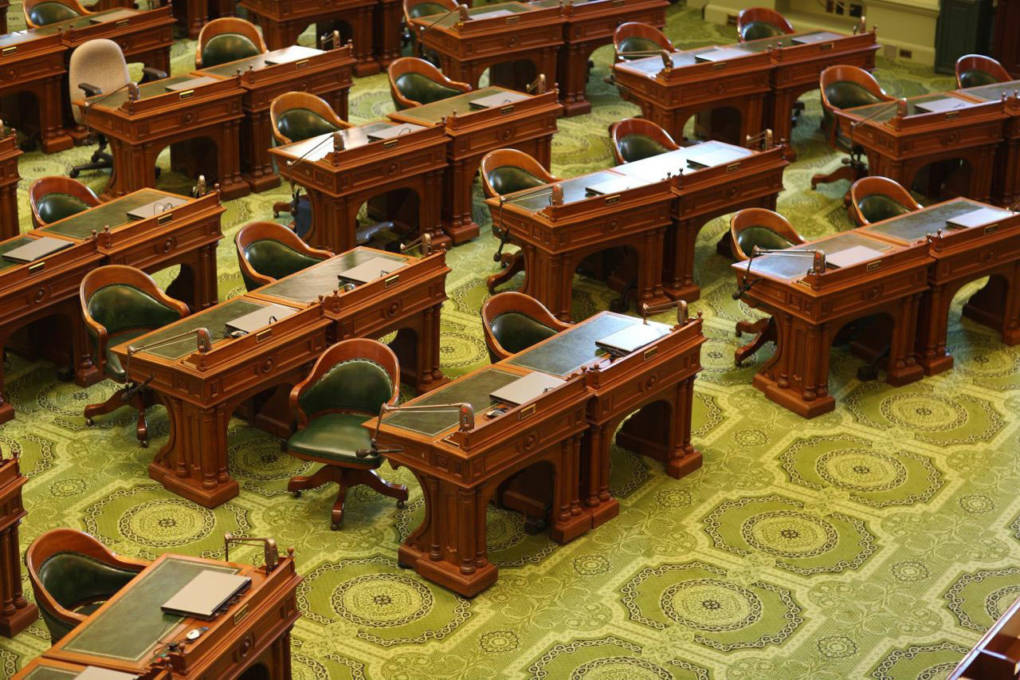
"title": "Industry Aims to Snuff Out First Statewide Ban on Flavored Tobacco",
"headTitle": "CALmatters | KQED News",
"content": "\u003cp>Despite skyrocketing teen use of e-cigarettes, a proposal to make California the nation’s first state to ban flavored tobacco is struggling in the Legislature — and health advocates blame the political potency of the tobacco industry.\u003c/p>\n\u003cp>With negotiations underway behind-the-scenes, vaping interests hope to at least weaken the legislation, if not turn it in the industry’s favor.[aside label=\"More on E-Cigarettes\" tag=\"e-cigarettes\"]On the Assembly side, all tobacco-related bills were effectively snuffed out last month when a key committee \u003ca href=\"https://calmatters.org/articles/blog/california-legislators-killing-bills-committee-democrats/\" target=\"_blank\" rel=\"noopener\">opted not to hear them\u003c/a>. The committee’s chairman, Merced Democrat Adam Gray, declined to be interviewed. In an email, he wrote that “the authors of the various proposals and the committee are working together to develop a comprehensive proposal that addresses the issue from all sides. We will develop a thoughtful package of reforms and move legislation forward this year.”\u003c/p>\n\u003cp>In the state Senate, \u003ca href=\"http://leginfo.legislature.ca.gov/faces/billNavClient.xhtml?bill_id=201920200SB38\" target=\"_blank\" rel=\"noopener\">a flavored-tobacco ban\u003c/a> has advanced and is heading for a Senate floor vote, but only after it was amended to exempt hookah products and products patented before 2000, except menthol cigarettes. Even if it passes the Senate, its future in the Assembly is doubtful.\u003c/p>\n\u003cp>“What you are seeing there is the influence of big money,” said Kati Phillips of California Common Cause, a government watchdog. “When you can afford to have direct access to lawmakers, they tend to listen to you.”\u003c/p>\n\u003cp>Tobacco money is nothing new in Sacramento, but now San Francisco-based Juul Labs, the largest electronic cigarette maker, is also moving thousands of dollars to elected officials — particularly targeting members of the Assembly’s Governmental Organization Committee that Gray chairs.\u003c/p>\n\u003cp>[ad fullwidth]\u003c/p>\n\u003cp>Electronic cigarettes — known as e-cigarettes or vape pens — heat, for purposes of inhaling, a liquid that typically contains nicotine.\u003c/p>\n\u003cp>Health advocates say California needs to ban flavored tobacco because these products, with flavors such as cotton candy, mango and green apple, lure teenagers and young adults into using e-cigarettes, or vaping, and then to smoking combustible cigarettes and, ultimately, nicotine addiction. Manufacturers and other opponents of a ban insist the products are not targeted to or intended for young people, and that flavored e-cigarettes help long-time smokers quit traditional cigarettes.\u003cbr>\n[pullquote size='small' align='right' citation='Tim Gibbs, American Cancer Society Cancer Action Network']'[The Governmental Organization committee] has a long and sordid history of bottling up tobacco bills.'[/pullquote]It’s unclear exactly what compromise might emerge from negotiations. Gray mentioned alternatives in his email, suggesting “retailer penalties for selling to kids, penalties for youth in possession, advertising restrictions, age verified online sales, track and trace systems, regulated packaging and flavors are all areas where we need to take a good look at how the current law is failing. There is no single solution to this problem.”\u003c/p>\n\u003cp>Gray’s committee “has a long and sordid history of bottling up tobacco bills,” countered Tim Gibbs, senior director of government relations for the \u003ca href=\"https://www.fightcancer.org/\" target=\"_blank\" rel=\"noopener\">American Cancer Society Cancer Action Network\u003c/a>. “That’s often where good tobacco bills go to die. There is no mystery why the tobacco companies disproportionately target their campaign contributions to that committee.”\u003c/p>\n\u003cp>Gibbs said no one has invited the network, the American Heart Association or the American Lung Association to be a part of negotiations to create a package of tobacco bills.\u003c/p>\n\u003cp>“It’s telling that the deadlines were missed and that they haven’t invited public health stakeholders to any broader negotiation,” he said. “I would go further and say that it’s a farce, a charade, to try and avoid the real issue — to avoid doing anything to hurt the tobacco companies’ bottom line.”\u003c/p>\n\u003cp>Health advocates reject the idea of criminalizing youth possession, but say they welcome stricter penalties on retailers who sell vaping products to kids. Still, they maintain, that’s not enough.\u003c/p>\n\u003cp>“It’s a way to pretend that something was done without actually doing anything,” Gibbs said. “We are all in favor of stepping up enforcement and making sure retailers are not selling tobacco products to minors. However, it’s not sufficient. Prohibiting the sale of flavored tobacco products is the most important thing we can do to halt the use of teenage e-cigarette use.”\u003c/p>\n\u003cp>The Cancer Action Network has created a \u003ca href=\"http://action.fightcancer.org/site/PageNavigator/CA_tobacco_money_home.html\" target=\"_blank\" rel=\"noopener\">tracker of elected officials\u003c/a> who accept tobacco money, and those who refuse. Of the 21 members of Gray’s committee, 11 didn’t receive tobacco money.\u003cbr>\n[pullquote size='large' citation='Lindsey Freitas, American Lung Association']'We need more folks to stand up and say no to the tobacco industry.'[/pullquote]Another possibility: The vaping industry might agree to weaker state restriction if the Legislature simultaneously preempts stricter local bans. It’s the same strategy the soda industry used last year, when it escaped city soda taxes \u003ca href=\"https://calmatters.org/articles/special-interests-win-as-lawmakers-cut-last-minute-deals-to-pull-initiatives-off-your-ballot/\" target=\"_blank\" rel=\"noopener\">by convincing the Legislature\u003c/a> to pass a statewide prohibition on local soda taxes.\u003c/p>\n\u003cp>So far, at least 26 counties and cities \u003ca href=\"https://www.tobaccofreekids.org/assets/factsheets/0398.pdf\" target=\"_blank\" rel=\"noopener\">have restricted flavored tobacco\u003c/a> in some fashion, after Hayward became the first by prohibiting its sale within 500 feet of schools. San Francisco banned its sale entirely — and city voters then overwhelmingly \u003ca href=\"https://www.cnbc.com/2018/06/06/san-francisco-approves-ban-on-menthol-cigarettes-and-flavored-e-cigarette-liquids.html\" target=\"_blank\" rel=\"noopener\">rejected a ballot initiative\u003c/a> to overturn the ban. Campaign mailers and TV commercials advocating the overturn were required to acknowledge the source of funding behind the campaign to cancel the ban.\u003c/p>\n\u003cp>“The local campaigns can backfire because the more they do, the more you know it’s paid for by the tobacco industry. And it turns voters off at the local level,” said Larry Tramutola, a campaign consultant who defended the ban. “More money spent at the Sacramento level, who cares? It’s just more money for politicians.”\u003c/p>\n\u003cp>Gray insisted the contributions are irrelevant to his actions. “If you want to support my agenda, my voting record and the things I stand for, I’m happy to receive that support,” he wrote. “But it has zero role in how I represent my district or how I make decisions on public policy.”\u003c/p>\n\u003cp>“We need more folks to stand up and say no to the tobacco industry,” said Lindsey Freitas, senior director of advocacy in California for the \u003ca href=\"https://www.lung.org/\" target=\"_blank\" rel=\"noopener\">American Lung Association\u003c/a>. “This is how they get the next generation of people addicted to their products, they entice them with these sweet flavors.”\u003c/p>\n\u003cp>But Greg Conley, president of the \u003ca href=\"https://vaping.org/\" target=\"_blank\" rel=\"noopener\">American Vaping Association\u003c/a>, credited watermelon-flavored tobacco for getting him to quit traditional cigarettes.\u003c/p>\n\u003cp>“Vaping products are essential to helping adult smokers quit,” said Conley. “Some members may not want to hear this bill because it will shut down multiple small businesses in their districts. This bans 90% of the nicotine-containing products sold at vape shops.”\u003c/p>\n\u003cp>If the Senate bill, \u003ca href=\"http://leginfo.legislature.ca.gov/faces/billNavClient.xhtml?bill_id=201920200SB38\" target=\"_blank\" rel=\"noopener\">SB 38\u003c/a> introduced by San Mateo Democratic Senator Jerry Hill, passes the full Senate by the end of the month, it will go to the Assembly, where it’s likely to land in Gray’s committee. That’s the same committee where a similar ban on tobacco-flavored products, \u003ca href=\"http://leginfo.legislature.ca.gov/faces/billNavClient.xhtml?bill_id=201920200AB739\" target=\"_blank\" rel=\"noopener\">Assembly Bill 739\u003c/a> introduced by Sacramento Democratic Assemblyman Kevin McCarty, stalled without even a vote. McCarty declined to be interviewed about his bill.\u003c/p>\n\u003cp>So far this year, Governmental Organization committee members \u003ca href=\"http://cal-access.sos.ca.gov/PDFGen/pdfgen.prg?filingid=2381476&amendid=0\" target=\"_blank\" rel=\"noopener\">have received $23,500 from Juul Labs\u003c/a>, the maker of e-cigarettes and flavored pods, in political contributions. Those members have also \u003ca href=\"http://cal-access.sos.ca.gov/PDFGen/pdfgen.prg?filingid=2379898&amendid=0\" target=\"_blank\" rel=\"noopener\">taken in $89,300 from the R.J. Reynolds Tobacco Company\u003c/a>, which makes the popular Newport brand of menthol cigarettes. In addition, the “Valley Solutions Ballot Measure Committee,” an initiative committee Gray controls, took in $25,000 from Philip Morris, a tobacco subsidiary of Altria, last year. Altria also has a stake in Juul Labs.\u003cimg class=\"alignright wp-image-11748544\" src=\"https://ww2.kqed.org/news/wp-content/uploads/sites/10/2019/05/vaping-graphic-1-1020x1881.jpg\" alt=\"tobacco money\" width=\"510\" height=\"940\" srcset=\"https://ww2.kqed.org/app/uploads/sites/10/2019/05/vaping-graphic-1-1020x1881.jpg 1020w, https://ww2.kqed.org/app/uploads/sites/10/2019/05/vaping-graphic-1-160x295.jpg 160w, https://ww2.kqed.org/app/uploads/sites/10/2019/05/vaping-graphic-1-800x1475.jpg 800w, https://ww2.kqed.org/app/uploads/sites/10/2019/05/vaping-graphic-1-651x1200.jpg 651w, https://ww2.kqed.org/app/uploads/sites/10/2019/05/vaping-graphic-1.jpg 1111w\" sizes=\"(max-width: 510px) 100vw, 510px\">\u003c/p>\n\u003cp>“Our philosophy,” Juul spokesman Ted Kwong wrote in an email, “is to support people and organizations to improve the lives of the world’s one billion smokers and to combat underage uses we keep Juul products out of the hands of young people.”\u003c/p>\n\u003cp>Last year, the \u003ca href=\"https://e-cigarettes.surgeongeneral.gov/documents/surgeon-generals-advisory-on-e-cigarette-use-among-youth-2018.pdf\" target=\"_blank\" rel=\"noopener\">U.S. Surgeon General issued an advisory\u003c/a> about youth use of e-cigarettes, calling out Juul for making an e-cigarette that looks like a sleek USB flash drive.\u003c/p>\n\u003cp>“We must take aggressive steps to protect our children from these highly potent products that risk exposing a new generation of young people to nicotine,” the advisory said.\u003c/p>\n\u003cp>Last year, use of e-cigarettes among middle and high schoolers soared 78% over the year before, according to the federal Centers for Disease Control. The agency \u003ca href=\"https://www.cdc.gov/vitalsigns/youth-tobacco-use/\" target=\"_blank\" rel=\"noopener\">reported that more than 1 in 5 students\u003c/a> were now using them. The popularity of e-cigarettes alone drove a 36% annual rise in tobacco use among those students.\u003c/p>\n\u003cp>Juul \u003ca href=\"https://newsroom.juul.com/2018/11/13/juul-labs-action-plan/\" target=\"_blank\" rel=\"noopener\">contends\u003c/a> it has never intended for its products to be used by youth. The company said that in the fall, it stopped selling its flavored product through retailers and now offers them only online, which it says is more secure because of a third-party age verification process.\u003c/p>\n\u003cp>And the company has been working to educate legislators about its youth prevention efforts, emphasizing that it is focused on adult smokers who are using vaping to quit combustible cigarettes. Juul has been running full-page ads in The Sacramento Bee and prominent ads in Politico’s California newsletter, both read by Sacramento insiders.\u003c/p>\n\u003cp>The company also said it is being mixed up with other smaller players that make candy-flavored pods, which can be used in Juul’s USB-looking vape pens. Juul makes four flavors: mint, mango, creme and fruit.\u003c/p>\n\u003cp>“While we do not and will not sell flavors which are clearly targeted to youth, we also understand that flavors that drive adults from cigarettes have the potential to appeal to youth,” said Kwong in an email.\u003c/p>\n\u003cp>Sen. Hill said in an email that his focus is on the Senate floor vote, and that he remains “committed to protecting children and teens from the health risks of flavored tobacco products.”\u003c/p>\n\u003cp>[ad floatright]\u003c/p>\n\u003cp>\u003cem>\u003ca href=\"https://calmatters.org/\" target=\"_blank\" rel=\"noopener\">CALmatters.org\u003c/a> is a nonprofit, nonpartisan media venture explaining California policies and politics.\u003c/em>\u003c/p>\n\n",
"disqusIdentifier": "11748537 https://ww2.kqed.org/news/?p=11748537",
"disqusUrl": "https://ww2.kqed.org/news/2019/05/20/industry-aims-to-snuff-out-first-statewide-ban-on-flavored-tobacco/",
"stats": {
"hasVideo": false,
"hasChartOrMap": false,
"hasAudio": false,
"hasPolis": false,
"wordCount": 1759,
"hasGoogleForm": false,
"hasGallery": false,
"hasHearkenModule": false,
"iframeSrcs": [],
"paragraphCount": 33
},
"modified": 1558395542,
"excerpt": "Proposed legislation is struggling to find support, a sign that the tobacco industry is flexing its political muscle.",
"headData": {
"twImgId": "",
"twTitle": "",
"ogTitle": "",
"ogImgId": "",
"twDescription": "",
"description": "Proposed legislation is struggling to find support, a sign that the tobacco industry is flexing its political muscle.",
"title": "Industry Aims to Snuff Out First Statewide Ban on Flavored Tobacco | KQED",
"ogDescription": "",
"schema": {
"@context": "https://schema.org",
"@type": "NewsArticle",
"headline": "Industry Aims to Snuff Out First Statewide Ban on Flavored Tobacco",
"datePublished": "2019-05-20T16:39:02-07:00",
"dateModified": "2019-05-20T16:39:02-07:00",
"image": "https://cdn.kqed.org/wp-content/uploads/2020/02/KQED-OG-Image@1x.png",
"isAccessibleForFree": "True",
"publisher": {
"@type": "NewsMediaOrganization",
"@id": "https://www.kqed.org/#organization",
"name": "KQED",
"logo": "https://cdn.kqed.org/wp-content/uploads/2020/02/KQED-OG-Image@1x.png",
"url": "https://www.kqed.org",
"sameAs": [
"https://www.facebook.com/KQED",
"https://twitter.com/KQED",
"https://www.instagram.com/kqed/",
"https://www.tiktok.com/@kqedofficial",
"https://www.linkedin.com/company/kqed",
"https://www.youtube.com/channel/UCeC0IOo7i1P_61zVUWbJ4nw"
]
}
}
},
"guestAuthors": [],
"slug": "industry-aims-to-snuff-out-first-statewide-ban-on-flavored-tobacco",
"status": "publish",
"nprByline": "\u003ca href=\"https://calmatters.org/articles/author/elizabeth-aguilera/\">Elizabeth Aguilera\u003c/a>\u003cbr />\u003ca href=\"https://calmatters.org/\">CALmatters\u003c/a>",
"path": "/news/11748537/industry-aims-to-snuff-out-first-statewide-ban-on-flavored-tobacco",
"audioTrackLength": null,
"parsedContent": [
{
"type": "contentString",
"content": "\u003cdiv class=\"post-body\">\u003cp>\u003cp>Despite skyrocketing teen use of e-cigarettes, a proposal to make California the nation’s first state to ban flavored tobacco is struggling in the Legislature — and health advocates blame the political potency of the tobacco industry.\u003c/p>\n\u003cp>With negotiations underway behind-the-scenes, vaping interests hope to at least weaken the legislation, if not turn it in the industry’s favor.\u003c/p>\u003c/div>",
"attributes": {
"named": {},
"numeric": []
}
},
{
"type": "component",
"content": "",
"name": "aside",
"attributes": {
"named": {
"label": "More on E-Cigarettes ",
"tag": "e-cigarettes"
},
"numeric": []
}
},
{
"type": "contentString",
"content": "\u003cdiv class=\"post-body\">\u003cp>On the Assembly side, all tobacco-related bills were effectively snuffed out last month when a key committee \u003ca href=\"https://calmatters.org/articles/blog/california-legislators-killing-bills-committee-democrats/\" target=\"_blank\" rel=\"noopener\">opted not to hear them\u003c/a>. The committee’s chairman, Merced Democrat Adam Gray, declined to be interviewed. In an email, he wrote that “the authors of the various proposals and the committee are working together to develop a comprehensive proposal that addresses the issue from all sides. We will develop a thoughtful package of reforms and move legislation forward this year.”\u003c/p>\n\u003cp>In the state Senate, \u003ca href=\"http://leginfo.legislature.ca.gov/faces/billNavClient.xhtml?bill_id=201920200SB38\" target=\"_blank\" rel=\"noopener\">a flavored-tobacco ban\u003c/a> has advanced and is heading for a Senate floor vote, but only after it was amended to exempt hookah products and products patented before 2000, except menthol cigarettes. Even if it passes the Senate, its future in the Assembly is doubtful.\u003c/p>\n\u003cp>“What you are seeing there is the influence of big money,” said Kati Phillips of California Common Cause, a government watchdog. “When you can afford to have direct access to lawmakers, they tend to listen to you.”\u003c/p>\n\u003cp>Tobacco money is nothing new in Sacramento, but now San Francisco-based Juul Labs, the largest electronic cigarette maker, is also moving thousands of dollars to elected officials — particularly targeting members of the Assembly’s Governmental Organization Committee that Gray chairs.\u003c/p>\n\u003cp>\u003c/p>\u003c/div>",
"attributes": {
"named": {},
"numeric": []
}
},
{
"type": "component",
"content": "",
"name": "ad",
"attributes": {
"named": {
"label": "fullwidth"
},
"numeric": [
"fullwidth"
]
}
},
{
"type": "contentString",
"content": "\u003cdiv class=\"post-body\">\u003cp>\u003c/p>\n\u003cp>Electronic cigarettes — known as e-cigarettes or vape pens — heat, for purposes of inhaling, a liquid that typically contains nicotine.\u003c/p>\n\u003cp>Health advocates say California needs to ban flavored tobacco because these products, with flavors such as cotton candy, mango and green apple, lure teenagers and young adults into using e-cigarettes, or vaping, and then to smoking combustible cigarettes and, ultimately, nicotine addiction. Manufacturers and other opponents of a ban insist the products are not targeted to or intended for young people, and that flavored e-cigarettes help long-time smokers quit traditional cigarettes.\u003cbr>\n\u003c/p>\u003c/div>",
"attributes": {
"named": {},
"numeric": []
}
},
{
"type": "component",
"content": "'[The Governmental Organization committee] has a long and sordid history of bottling up tobacco bills.'",
"name": "pullquote",
"attributes": {
"named": {
"size": "small",
"align": "right",
"citation": "Tim Gibbs, American Cancer Society Cancer Action Network",
"label": ""
},
"numeric": []
}
},
{
"type": "contentString",
"content": "\u003cdiv class=\"post-body\">\u003cp>It’s unclear exactly what compromise might emerge from negotiations. Gray mentioned alternatives in his email, suggesting “retailer penalties for selling to kids, penalties for youth in possession, advertising restrictions, age verified online sales, track and trace systems, regulated packaging and flavors are all areas where we need to take a good look at how the current law is failing. There is no single solution to this problem.”\u003c/p>\n\u003cp>Gray’s committee “has a long and sordid history of bottling up tobacco bills,” countered Tim Gibbs, senior director of government relations for the \u003ca href=\"https://www.fightcancer.org/\" target=\"_blank\" rel=\"noopener\">American Cancer Society Cancer Action Network\u003c/a>. “That’s often where good tobacco bills go to die. There is no mystery why the tobacco companies disproportionately target their campaign contributions to that committee.”\u003c/p>\n\u003cp>Gibbs said no one has invited the network, the American Heart Association or the American Lung Association to be a part of negotiations to create a package of tobacco bills.\u003c/p>\n\u003cp>“It’s telling that the deadlines were missed and that they haven’t invited public health stakeholders to any broader negotiation,” he said. “I would go further and say that it’s a farce, a charade, to try and avoid the real issue — to avoid doing anything to hurt the tobacco companies’ bottom line.”\u003c/p>\n\u003cp>Health advocates reject the idea of criminalizing youth possession, but say they welcome stricter penalties on retailers who sell vaping products to kids. Still, they maintain, that’s not enough.\u003c/p>\n\u003cp>“It’s a way to pretend that something was done without actually doing anything,” Gibbs said. “We are all in favor of stepping up enforcement and making sure retailers are not selling tobacco products to minors. However, it’s not sufficient. Prohibiting the sale of flavored tobacco products is the most important thing we can do to halt the use of teenage e-cigarette use.”\u003c/p>\n\u003cp>The Cancer Action Network has created a \u003ca href=\"http://action.fightcancer.org/site/PageNavigator/CA_tobacco_money_home.html\" target=\"_blank\" rel=\"noopener\">tracker of elected officials\u003c/a> who accept tobacco money, and those who refuse. Of the 21 members of Gray’s committee, 11 didn’t receive tobacco money.\u003cbr>\n\u003c/p>\u003c/div>",
"attributes": {
"named": {},
"numeric": []
}
},
{
"type": "component",
"content": "'We need more folks to stand up and say no to the tobacco industry.'",
"name": "pullquote",
"attributes": {
"named": {
"size": "large",
"citation": "Lindsey Freitas, American Lung Association",
"label": ""
},
"numeric": []
}
},
{
"type": "contentString",
"content": "\u003cdiv class=\"post-body\">\u003cp>Another possibility: The vaping industry might agree to weaker state restriction if the Legislature simultaneously preempts stricter local bans. It’s the same strategy the soda industry used last year, when it escaped city soda taxes \u003ca href=\"https://calmatters.org/articles/special-interests-win-as-lawmakers-cut-last-minute-deals-to-pull-initiatives-off-your-ballot/\" target=\"_blank\" rel=\"noopener\">by convincing the Legislature\u003c/a> to pass a statewide prohibition on local soda taxes.\u003c/p>\n\u003cp>So far, at least 26 counties and cities \u003ca href=\"https://www.tobaccofreekids.org/assets/factsheets/0398.pdf\" target=\"_blank\" rel=\"noopener\">have restricted flavored tobacco\u003c/a> in some fashion, after Hayward became the first by prohibiting its sale within 500 feet of schools. San Francisco banned its sale entirely — and city voters then overwhelmingly \u003ca href=\"https://www.cnbc.com/2018/06/06/san-francisco-approves-ban-on-menthol-cigarettes-and-flavored-e-cigarette-liquids.html\" target=\"_blank\" rel=\"noopener\">rejected a ballot initiative\u003c/a> to overturn the ban. Campaign mailers and TV commercials advocating the overturn were required to acknowledge the source of funding behind the campaign to cancel the ban.\u003c/p>\n\u003cp>“The local campaigns can backfire because the more they do, the more you know it’s paid for by the tobacco industry. And it turns voters off at the local level,” said Larry Tramutola, a campaign consultant who defended the ban. “More money spent at the Sacramento level, who cares? It’s just more money for politicians.”\u003c/p>\n\u003cp>Gray insisted the contributions are irrelevant to his actions. “If you want to support my agenda, my voting record and the things I stand for, I’m happy to receive that support,” he wrote. “But it has zero role in how I represent my district or how I make decisions on public policy.”\u003c/p>\n\u003cp>“We need more folks to stand up and say no to the tobacco industry,” said Lindsey Freitas, senior director of advocacy in California for the \u003ca href=\"https://www.lung.org/\" target=\"_blank\" rel=\"noopener\">American Lung Association\u003c/a>. “This is how they get the next generation of people addicted to their products, they entice them with these sweet flavors.”\u003c/p>\n\u003cp>But Greg Conley, president of the \u003ca href=\"https://vaping.org/\" target=\"_blank\" rel=\"noopener\">American Vaping Association\u003c/a>, credited watermelon-flavored tobacco for getting him to quit traditional cigarettes.\u003c/p>\n\u003cp>“Vaping products are essential to helping adult smokers quit,” said Conley. “Some members may not want to hear this bill because it will shut down multiple small businesses in their districts. This bans 90% of the nicotine-containing products sold at vape shops.”\u003c/p>\n\u003cp>If the Senate bill, \u003ca href=\"http://leginfo.legislature.ca.gov/faces/billNavClient.xhtml?bill_id=201920200SB38\" target=\"_blank\" rel=\"noopener\">SB 38\u003c/a> introduced by San Mateo Democratic Senator Jerry Hill, passes the full Senate by the end of the month, it will go to the Assembly, where it’s likely to land in Gray’s committee. That’s the same committee where a similar ban on tobacco-flavored products, \u003ca href=\"http://leginfo.legislature.ca.gov/faces/billNavClient.xhtml?bill_id=201920200AB739\" target=\"_blank\" rel=\"noopener\">Assembly Bill 739\u003c/a> introduced by Sacramento Democratic Assemblyman Kevin McCarty, stalled without even a vote. McCarty declined to be interviewed about his bill.\u003c/p>\n\u003cp>So far this year, Governmental Organization committee members \u003ca href=\"http://cal-access.sos.ca.gov/PDFGen/pdfgen.prg?filingid=2381476&amendid=0\" target=\"_blank\" rel=\"noopener\">have received $23,500 from Juul Labs\u003c/a>, the maker of e-cigarettes and flavored pods, in political contributions. Those members have also \u003ca href=\"http://cal-access.sos.ca.gov/PDFGen/pdfgen.prg?filingid=2379898&amendid=0\" target=\"_blank\" rel=\"noopener\">taken in $89,300 from the R.J. Reynolds Tobacco Company\u003c/a>, which makes the popular Newport brand of menthol cigarettes. In addition, the “Valley Solutions Ballot Measure Committee,” an initiative committee Gray controls, took in $25,000 from Philip Morris, a tobacco subsidiary of Altria, last year. Altria also has a stake in Juul Labs.\u003cimg class=\"alignright wp-image-11748544\" src=\"https://ww2.kqed.org/news/wp-content/uploads/sites/10/2019/05/vaping-graphic-1-1020x1881.jpg\" alt=\"tobacco money\" width=\"510\" height=\"940\" srcset=\"https://ww2.kqed.org/app/uploads/sites/10/2019/05/vaping-graphic-1-1020x1881.jpg 1020w, https://ww2.kqed.org/app/uploads/sites/10/2019/05/vaping-graphic-1-160x295.jpg 160w, https://ww2.kqed.org/app/uploads/sites/10/2019/05/vaping-graphic-1-800x1475.jpg 800w, https://ww2.kqed.org/app/uploads/sites/10/2019/05/vaping-graphic-1-651x1200.jpg 651w, https://ww2.kqed.org/app/uploads/sites/10/2019/05/vaping-graphic-1.jpg 1111w\" sizes=\"(max-width: 510px) 100vw, 510px\">\u003c/p>\n\u003cp>“Our philosophy,” Juul spokesman Ted Kwong wrote in an email, “is to support people and organizations to improve the lives of the world’s one billion smokers and to combat underage uses we keep Juul products out of the hands of young people.”\u003c/p>\n\u003cp>Last year, the \u003ca href=\"https://e-cigarettes.surgeongeneral.gov/documents/surgeon-generals-advisory-on-e-cigarette-use-among-youth-2018.pdf\" target=\"_blank\" rel=\"noopener\">U.S. Surgeon General issued an advisory\u003c/a> about youth use of e-cigarettes, calling out Juul for making an e-cigarette that looks like a sleek USB flash drive.\u003c/p>\n\u003cp>“We must take aggressive steps to protect our children from these highly potent products that risk exposing a new generation of young people to nicotine,” the advisory said.\u003c/p>\n\u003cp>Last year, use of e-cigarettes among middle and high schoolers soared 78% over the year before, according to the federal Centers for Disease Control. The agency \u003ca href=\"https://www.cdc.gov/vitalsigns/youth-tobacco-use/\" target=\"_blank\" rel=\"noopener\">reported that more than 1 in 5 students\u003c/a> were now using them. The popularity of e-cigarettes alone drove a 36% annual rise in tobacco use among those students.\u003c/p>\n\u003cp>Juul \u003ca href=\"https://newsroom.juul.com/2018/11/13/juul-labs-action-plan/\" target=\"_blank\" rel=\"noopener\">contends\u003c/a> it has never intended for its products to be used by youth. The company said that in the fall, it stopped selling its flavored product through retailers and now offers them only online, which it says is more secure because of a third-party age verification process.\u003c/p>\n\u003cp>And the company has been working to educate legislators about its youth prevention efforts, emphasizing that it is focused on adult smokers who are using vaping to quit combustible cigarettes. Juul has been running full-page ads in The Sacramento Bee and prominent ads in Politico’s California newsletter, both read by Sacramento insiders.\u003c/p>\n\u003cp>The company also said it is being mixed up with other smaller players that make candy-flavored pods, which can be used in Juul’s USB-looking vape pens. Juul makes four flavors: mint, mango, creme and fruit.\u003c/p>\n\u003cp>“While we do not and will not sell flavors which are clearly targeted to youth, we also understand that flavors that drive adults from cigarettes have the potential to appeal to youth,” said Kwong in an email.\u003c/p>\n\u003cp>Sen. Hill said in an email that his focus is on the Senate floor vote, and that he remains “committed to protecting children and teens from the health risks of flavored tobacco products.”\u003c/p>\n\u003cp>\u003c/p>\u003c/div>",
"attributes": {
"named": {},
"numeric": []
}
},
{
"type": "component",
"content": "",
"name": "ad",
"attributes": {
"named": {
"label": "floatright"
},
"numeric": [
"floatright"
]
}
},
{
"type": "contentString",
"content": "\u003cdiv class=\"post-body\">\u003cp>\u003c/p>\n\u003cp>\u003cem>\u003ca href=\"https://calmatters.org/\" target=\"_blank\" rel=\"noopener\">CALmatters.org\u003c/a> is a nonprofit, nonpartisan media venture explaining California policies and politics.\u003c/em>\u003c/p>\n\n\u003c/div>\u003c/p>",
"attributes": {
"named": {},
"numeric": []
}
}
],
"link": "/news/11748537/industry-aims-to-snuff-out-first-statewide-ban-on-flavored-tobacco",
"authors": [
"byline_news_11748537"
],
"categories": [
"news_457",
"news_8",
"news_13"
],
"tags": [
"news_22856",
"news_23477",
"news_3172",
"news_23596"
],
"affiliates": [
"news_18481"
],
"featImg": "news_11748644",
"label": "news_18481"
},
"news_11745655": {
"type": "posts",
"id": "news_11745655",
"meta": {
"index": "posts_1716263798",
"site": "news",
"id": "11745655",
"score": null,
"sort": [
1557259365000
]
},
"parent": 0,
"labelTerm": {
"site": "news",
"term": 18481
},
"blocks": [],
"publishDate": 1557259365,
"format": "standard",
"disqusTitle": "Parents in My Backyard",
"title": "Parents in My Backyard",
"headTitle": "CALmatters | KQED News",
"content": "\u003cp>If you’ve been following California’s housing crisis, you’ve probably heard of NIMBY, or, \"Not In My Backyard.\" And you might have heard of YIMBY, or, “Yes In My Backyard.\"\u003c/p>\n\u003cp>This morning, we've got another one to add to your housing vocabulary, PIMBY. That's \"Parents In My Backyard.\"\u003c/p>\n\u003cp>More and more California seniors are turning to Accessory Dwelling Units, or ADU's, as they age.\u003c/p>\n\u003cp>As part of our \u003ca href=\"https://grayingcalifornia.org/\" target=\"_blank\" rel=\"noopener\">Graying California\u003c/a> series, Matt Levin of CALmatters brings us this profile.\u003c/p>\n\u003cp>[ad fullwidth]\u003c/p>\u003cp>\u003c/p>\n",
"disqusIdentifier": "11745655 https://ww2.kqed.org/news/?p=11745655",
"disqusUrl": "https://ww2.kqed.org/news/2019/05/07/parents-in-my-backyard/",
"stats": {
"hasVideo": false,
"hasChartOrMap": false,
"hasAudio": false,
"hasPolis": false,
"wordCount": 90,
"hasGoogleForm": false,
"hasGallery": false,
"hasHearkenModule": false,
"iframeSrcs": [],
"paragraphCount": 6
},
"modified": 1557259390,
"excerpt": "More and more California seniors are turning to Accessory Dwelling Units, or ADU's, as they age.",
"headData": {
"twImgId": "",
"twTitle": "",
"ogTitle": "",
"ogImgId": "",
"twDescription": "",
"description": "More and more California seniors are turning to Accessory Dwelling Units, or ADU's, as they age.",
"title": "Parents in My Backyard | KQED",
"ogDescription": "",
"schema": {
"@context": "https://schema.org",
"@type": "NewsArticle",
"headline": "Parents in My Backyard",
"datePublished": "2019-05-07T13:02:45-07:00",
"dateModified": "2019-05-07T13:03:10-07:00",
"image": "https://cdn.kqed.org/wp-content/uploads/2020/02/KQED-OG-Image@1x.png",
"isAccessibleForFree": "True",
"publisher": {
"@type": "NewsMediaOrganization",
"@id": "https://www.kqed.org/#organization",
"name": "KQED",
"logo": "https://cdn.kqed.org/wp-content/uploads/2020/02/KQED-OG-Image@1x.png",
"url": "https://www.kqed.org",
"sameAs": [
"https://www.facebook.com/KQED",
"https://twitter.com/KQED",
"https://www.instagram.com/kqed/",
"https://www.tiktok.com/@kqedofficial",
"https://www.linkedin.com/company/kqed",
"https://www.youtube.com/channel/UCeC0IOo7i1P_61zVUWbJ4nw"
]
}
}
},
"guestAuthors": [],
"slug": "parents-in-my-backyard",
"status": "publish",
"audioUrl": "https://www.kqed.org/.stream/anon/radio/tcr/2019/05/LevinCADreamPIMBY.mp3",
"nprByline": "Matt Levin",
"audioTrackLength": 224,
"path": "/news/11745655/parents-in-my-backyard",
"audioDuration": 223000,
"parsedContent": [
{
"type": "contentString",
"content": "\u003cdiv class=\"post-body\">\u003cp>\u003cp>If you’ve been following California’s housing crisis, you’ve probably heard of NIMBY, or, \"Not In My Backyard.\" And you might have heard of YIMBY, or, “Yes In My Backyard.\"\u003c/p>\n\u003cp>This morning, we've got another one to add to your housing vocabulary, PIMBY. That's \"Parents In My Backyard.\"\u003c/p>\n\u003cp>More and more California seniors are turning to Accessory Dwelling Units, or ADU's, as they age.\u003c/p>\n\u003cp>As part of our \u003ca href=\"https://grayingcalifornia.org/\" target=\"_blank\" rel=\"noopener\">Graying California\u003c/a> series, Matt Levin of CALmatters brings us this profile.\u003c/p>\n\u003cp>\u003c/p>\u003c/div>",
"attributes": {
"named": {},
"numeric": []
}
},
{
"type": "component",
"content": "",
"name": "ad",
"attributes": {
"named": {
"label": "fullwidth"
},
"numeric": [
"fullwidth"
]
}
},
{
"type": "contentString",
"content": "\u003cdiv class=\"post-body\">\u003cp>\u003c/p>\u003cp>\u003c/p>\n\u003c/div>\u003c/p>",
"attributes": {
"named": {},
"numeric": []
}
}
],
"link": "/news/11745655/parents-in-my-backyard",
"authors": [
"byline_news_11745655"
],
"categories": [
"news_6266"
],
"affiliates": [
"news_18481"
],
"featImg": "news_11156764",
"label": "news_18481"
},
"news_11744919": {
"type": "posts",
"id": "news_11744919",
"meta": {
"index": "posts_1716263798",
"site": "news",
"id": "11744919",
"score": null,
"sort": [
1556919286000
]
},
"parent": 0,
"labelTerm": {},
"blocks": [],
"publishDate": 1556919286,
"format": "standard",
"disqusTitle": "When the Next Recession Hits, Will California Be Able to Count on Washington?",
"title": "When the Next Recession Hits, Will California Be Able to Count on Washington?",
"headTitle": "CALmatters | KQED News",
"content": "\u003cp>They don’t call it the Golden State for nothing, at least not lately. California’s fiscal health is in extraordinary shape.\u003c/p>\n\u003cp>Income tax receipts \u003ca href=\"https://sco.ca.gov/2019_personal_income_tax_tracker.html\" target=\"_blank\" rel=\"noopener\">surpassed\u003c/a> expectations for the pivotal month of April. Projections of a $21 billion-plus surplus are not out of the question. Nearly \u003ca href=\"https://www.labormarketinfo.edd.ca.gov/data/Top-Statistics.html#EMP\" target=\"_blank\" rel=\"noopener\">3 million\u003c/a> jobs have been added since the depths of the Great Recession, yielding record low unemployment. And having already \u003ca href=\"http://www.ebudget.ca.gov/2019-20/pdf/BudgetSummary/Introduction.pdf#page=5\" target=\"_blank\" rel=\"noopener\">met\u003c/a> a 10% rainy day fund requirement, the state is socking away billions in additional reserves to buffer against the next downturn. Impending Silicon Valley \u003ca href=\"https://finance.yahoo.com/news/lyft-uber-slack-airbnb-ipo-millionaires-123523288.html\" target=\"_blank\" rel=\"noopener\">IPOs\u003c/a> could provide an even bigger windfall.\u003c/p>\n\u003cp>Yet California isn’t as prepared as it may seem for the next recession — and, economists say, there will be a next one. Because voters have willingly taxed the rich, California’s $209 billion budget is \u003ca href=\"https://calmatters.org/articles/the-open-secret-about-california-taxes/#Theres-instability-\" target=\"_blank\" rel=\"noopener\">more volatile\u003c/a> than ever, overly reliant on top earners whose fortunes are tied to Wall Street.\u003c/p>\n\u003cp>And what’s different this time — and perhaps more worrisome — is that when the next pullback hits, California may have to fight off red ink without a historically crucial ally: Washington, D.C.\u003c/p>\n\u003cp>\u003c!-- iframe plugin v.4.3 wordpress.org/plugins/iframe/ -->\u003cbr>\n\u003ciframe src=\"https://e.infogram.com/b8a5afbc-d178-40d5-8e1d-490dd349cb4c?src=embed\" title=\"Capital gains\" width=\"550\" height=\"758\" scrolling=\"no\" frameborder=\"0\" style=\"border:none;\" allowfullscreen=\"allowfullscreen\" class=\"iframe-class\">\u003c/iframe>\u003c/p>\n\u003cp>It’s not just that there’s no love lost between President Trump and California leaders, or that Congress is gridlocked in its political divisions. Fiscal choices that have been made in the past couple of years may make it tough for the federal government to help states much in the next recession, even if Congress and the Trump administration want to.\u003c/p>\n\u003cp>Fiscal analysts warn, for example, that the federal deficit is soaring just as historically low interest rates are limiting the Federal Reserve’s monetary firepower.\u003c/p>\n\u003cp>[ad fullwidth]\u003c/p>\n\u003cp>“Whether it’s because of a worsening fiscal picture at the federal level or just the politics, I wouldn’t be counting on them coming to some agreement about helping out states,” said Gabriel Petek, the Legislature’s nonpartisan budget analyst.\u003c/p>\n\u003cp>“If you go from that premise, then the state has to be thinking about contingency planning for the next recession and getting through it on its own.”\u003c/p>\n\u003ch2>The Macro View\u003c/h2>\n\u003cp>During the economic downturn that followed the Sept. 11, 2001, terrorist attack and the financial crisis that struck in late 2008, the federal government poured billions of dollars into state coffers by enhancing support for anti-poverty programs, health care and infrastructure.\u003c/p>\n\u003cp>But Petek and other analysts warn that with U.S. government coffers drawn down by Trump’s tax cuts — and without an extraordinary and unifying cause like a terrorist attack or near-Depression — California and other states may not be able to count on the federal government again to backfill fiscally.\u003c/p>\n\u003cp>Given political priorities, casualties could easily include services that impact millions of Californians: anti-poverty programs such as CalWORKS for working parents, in-home supportive services for low-income seniors or the state’s Medicaid program known as Medi-Cal, which serves one in three residents.\u003c/p>\n\u003cp>\u003c!-- iframe plugin v.4.3 wordpress.org/plugins/iframe/ -->\u003cbr>\n\u003ciframe src=\"https://e.infogram.com/6adf6b59-9f26-41db-8969-5b79bc5ebf8f?src=embed\" title=\"Rainy day fund rank by states\" width=\"550\" height=\"826\" scrolling=\"no\" frameborder=\"0\" style=\"border:none;\" allowfullscreen=\"allowfullscreen\" class=\"iframe-class\">\u003c/iframe>\u003c/p>\n\u003cp>“Gabe is not alone in having those thoughts,” said John Hicks, executive director of the National Association of State Budget Officers in Washington, D.C. “States did get assistance in the Great Recession and a smaller version of that in the early 2000s. That prevented them from having to make more significant cuts in education or other priority areas or have to raise revenues more.”\u003c/p>\n\u003cp>Petek, who was appointed in February after two decades at S&P Global Ratings, estimated the state will need \u003ca href=\"https://lao.ca.gov/Publications/Report/4003\" target=\"_blank\" rel=\"noopener\">$25 billion\u003c/a> just to weather a moderate recession. That would wipe out everything the state has been able to save.\u003c/p>\n\u003cp>According to the Department of Finance, for instance, the state’s general fund spending on Medi-Cal alone is $22 billion, and trimming that line item in a recession would threaten the $100 billion a year in matching federal money that underpins health care for the poor in California.\u003c/p>\n\u003cp>“It’s a huge part of how we fund our health care system,” said Gov. Gavin Newsom’s finance director, Keely Bosler. And that’s just one need among many that would soon be competing for the state’s surplus should the economy turn.\u003c/p>\n\u003cp>In addition to the unpredictable economy, Bosler worries about the federal support that hinges on the fate of the Affordable Care Act, which is facing a legal challenge, and the next \u003ca href=\"https://calmatters.org/articles/census-california-hard-to-count-immigrants-2020-stakes/\" target=\"_blank\" rel=\"noopener\">census\u003c/a>, which would be dramatically impacted if California residents are spooked by a proposed citizenship question.\u003c/p>\n\u003ch2>Recalling the Recession\u003c/h2>\n\u003cp>So as California strides toward the longest economic expansion in state history this July, Newsom and his fiscal advisers are keenly aware of what could happen. Many of them, longtime government staffers, were tasked with making cuts during the last recession and are steering the governor to limit his commitment to ongoing spending.\u003c/p>\n\u003cp>Bosler, who was a staff consultant in the Senate in 2010, recalls emotional daylong committee hearings a decade ago when developmentally disabled children, working mothers and destitute patients suffering from chronic illnesses lined up, pleading with state lawmakers to spare them from cuts.\u003c/p>\n\u003cp>“I remember it so clearly because it was really, really hard,” said Bosler, who later joined former Gov. Jerry Brown’s finance team.\u003c/p>\n\u003cp>[pullquote size='medium' align='right' citation='Keely Bosler, director of the California Department of Finance']'No program was spared. Significant damage was done to core state services.'[/pullquote]he said\u003c/p>\n\u003cp>On the brink of becoming a failed state, California drastically reduced spending on the poor then — with particularly long-lasting impacts on \u003ca href=\"https://calbudgetcenter.org/wp-content/uploads/120201_Falling_Behind.pdf\" target=\"_blank\" rel=\"noopener\">women\u003c/a>. From cutting programs that provide child care assistance to preschool subsidies for mothers holding low-income jobs, the pullback made the dream of self-sufficiency that much harder. For older women and women with disabilities, the state reduced safety-net programs intended to help them stay in their own homes by paying someone to help with housework, shopping and cooking.\u003c/p>\n\u003cp>In health, California slashed payments to doctors, dentists and clinics seeing patients covered by Medi-Cal, a move that discouraged providers from seeing them. The developmentally disabled were told to take generic drugs and were prevented from participating in experimental treatments. And podiatry and optometry were no longer covered because they were deemed optional.\u003c/p>\n\u003cp>Those cuts have lasting impacts. “No program was spared,” recalled Bosler. “Significant damage was done to core state services.” Welfare advocates are still \u003ca href=\"https://calmatters.org/articles/california-eyeglasses-medi-cal-restoring-benefitsr/\" target=\"_blank\" rel=\"noopener\">fighting\u003c/a> today to restore medical benefits slashed during the recession.\u003c/p>\n\u003cp>So the Democratic governor and the Democratic-controlled Legislature are making a conscious choice to build reserves now.\u003c/p>\n\u003ch2>Building Resiliency\u003c/h2>\n\u003cp>When Newsom updates his spending plan in mid-May, he is expected to maintain his three-pronged \u003ca href=\"https://calmatters.org/articles/blog/newsom-california-spend-budget-surplus/\" target=\"_blank\" rel=\"noopener\">approach\u003c/a> for savings, paying down debt and making targeted investments in affordable housing and early education.\u003c/p>\n\u003cp>One bucket of about $3 billion would be used to expand ongoing services for the poor, particularly in-home supportive services programs and CalWORKs. A portion would be used to boost higher education to stave off a tuition hike in the University of California and California State University systems, as well as fund a second year of free community college.\u003c/p>\n\u003cp>The second bucket would be targeted for affordable housing and to confront California’s homeless epidemic, lay the groundwork for extending full-day kindergarten to all Californians and provide an extra $3 billion toward districts’ teacher pension payments.\u003c/p>\n\u003cp>The last and largest bucket would be used to help the state weather a potential economic downturn for what Newsom has termed “budget resiliency.” He would finish paying off the state’s Wall of Debt that had accumulated from years of internal borrowing and undo a 9-year-old accounting trick that pushed the June state payroll into July so it looked like the state was spending less.\u003c/p>\n\u003ch2>A Safety Net Reserve\u003c/h2>\n\u003cp>Last year, the state put $200 million toward seeding a new account intended to protect anti-poverty programs in a downturn. Newsom has embraced the safety net reserve by proposing to increase the fund to $900 million.\u003c/p>\n\u003cp>Senate President Pro Tem Toni Atkins, a Democrat from San Diego, told a crowd of policy advocates in Sacramento in March that even though Newsom’s style is much different from his predecessor's, their underlying strategy is similar.\u003c/p>\n\u003cp>https://youtu.be/f9EsgXuLxYg\u003c/p>\n\u003cp>“If you look at what Gov. Newsom has done in terms of the rainy day fund, paying down debt, and those kinds of issues, and if you extrapolate that, then what you see is a fairly conservative approach to resources to make sure that we are trying to keep a sustainable, resilient foundation of a budget going forward,” Atkins \u003ca href=\"https://www.youtube.com/watch?v=f9EsgXuLxYg&feature=youtu.be&t=5889\" target=\"_blank\" rel=\"noopener\">said\u003c/a>.\u003c/p>\n\u003cp>Atkins credits that extra safety net reserve to the Senate’s budget committee chair, Sen. Holly Mitchell. Both lawmakers indicated they would like to go beyond $900 million, because the money would protect just a fraction of those in need.\u003c/p>\n\u003cp>If the state were to set aside $900 million, it would protect roughly 435,000 Medi-Cal recipients or 132,000 CalWORKS families for a year, based on the state’s average spending on those programs. Currently, about 13 million people are on Medi-Cal and nearly 400,000 families rely on CalWORKS with demand growing when people fall on hard times.\u003c/p>\n\u003cp>Lawmakers haven’t said how much they will try to set aside. “It’s a technical term: A whole lot of money,” Atkins quipped.\u003c/p>\n\u003ch2>The Course Ahead\u003c/h2>\n\u003cp>Petek, the Legislature’s budget analyst, suggests lawmakers could do even more. He notes, for example, that while paying off California’s so-called Wall of Debt sounds nice, lawmakers may not want to undo that payroll accounting trick because it’s administratively burdensome to do it again if the state needs to free up cash.\u003c/p>\n\u003cp>All this prevention is ironic, said Jeffrey Michael, director of the Center for Business and Policy Research at the University of the Pacific in Stockton. If the state is overly reactive to economic cycles, Californians have no one to blame but themselves.\u003c/p>\n\u003cp>It’s voters, he notes, who have decided again and again to tax the rich, a choice that has made the system more reliant on the investment income of high earners and therefore more volatile.\u003c/p>\n\u003cp>And for the record, he doubts that California will have any more or less to worry about than any state should a recession hit during the Trump administration.\u003c/p>\n\u003cp>“While California is acting to oppose or counteract the president’s policies in many areas, I don’t believe the federal fiscal response to a downturn is an area where California needs to take special precautions against the actions of Congress or the president,” he said.\u003c/p>\n\u003cp>[pullquote size='medium' align='right' citation='Charles McLaughlin, Ventura County Taxpayers Association Board']'If they're not going to give it back in a refund, then they should save it for a rainy day.'[/pullquote]\u003c/p>\n\u003cp>But polls show the state is generally in sync with Newsom’s mix of priorities for the current surplus. A recent survey by the \u003ca href=\"https://www.ppic.org/wp-content/uploads/ppic-statewide-survey-californians-and-their-government-march-2019.pdf\" target=\"_blank\" rel=\"noopener\">Public Policy Institute of California\u003c/a> found majorities support additional funding for working-poor tax credits, wildfire preparedness and developing more housing. Only 47 percent approved of one-time spending to pay down unfunded pension liabilities.\u003c/p>\n\u003cp>And, like the governor, a lot of taxpayers remember the last two recessions, and remain cautious.\u003c/p>\n\u003cp>“If they’re not going to give [the surplus] back in a refund,” said Charles McLaughlin, a board member of the Ventura County Taxpayers Association, “then they should save it for a rainy day.”\u003c/p>\n\u003cp>[ad floatright]\u003c/p>\n",
"disqusIdentifier": "11744919 https://ww2.kqed.org/news/?p=11744919",
"disqusUrl": "https://ww2.kqed.org/news/2019/05/03/when-the-next-recession-hits-will-california-be-able-to-count-on-washington/",
"stats": {
"hasVideo": false,
"hasChartOrMap": false,
"hasAudio": false,
"hasPolis": false,
"wordCount": 1964,
"hasGoogleForm": false,
"hasGallery": false,
"hasHearkenModule": false,
"iframeSrcs": [],
"paragraphCount": 47
},
"modified": 1556925101,
"excerpt": "California isn’t as prepared as it may seem for the next recession. And when the next pullback hits, the state may have to fight off red ink without a historically crucial ally: Washington, D.C.",
"headData": {
"twImgId": "",
"twTitle": "",
"ogTitle": "",
"ogImgId": "",
"twDescription": "",
"description": "California isn’t as prepared as it may seem for the next recession. And when the next pullback hits, the state may have to fight off red ink without a historically crucial ally: Washington, D.C.",
"title": "When the Next Recession Hits, Will California Be Able to Count on Washington? | KQED",
"ogDescription": "",
"schema": {
"@context": "https://schema.org",
"@type": "NewsArticle",
"headline": "When the Next Recession Hits, Will California Be Able to Count on Washington?",
"datePublished": "2019-05-03T14:34:46-07:00",
"dateModified": "2019-05-03T16:11:41-07:00",
"image": "https://cdn.kqed.org/wp-content/uploads/2020/02/KQED-OG-Image@1x.png",
"isAccessibleForFree": "True",
"publisher": {
"@type": "NewsMediaOrganization",
"@id": "https://www.kqed.org/#organization",
"name": "KQED",
"logo": "https://cdn.kqed.org/wp-content/uploads/2020/02/KQED-OG-Image@1x.png",
"url": "https://www.kqed.org",
"sameAs": [
"https://www.facebook.com/KQED",
"https://twitter.com/KQED",
"https://www.instagram.com/kqed/",
"https://www.tiktok.com/@kqedofficial",
"https://www.linkedin.com/company/kqed",
"https://www.youtube.com/channel/UCeC0IOo7i1P_61zVUWbJ4nw"
]
}
}
},
"guestAuthors": [],
"slug": "when-the-next-recession-hits-will-california-be-able-to-count-on-washington",
"status": "publish",
"nprByline": "\u003cstrong>\u003ca href=\"https://calmatters.org/articles/author/judy-lin/\">Judy Lin\u003c/a>\u003cbr />\u003ca href=\"https://calmatters.org/\">CALmatters\u003c/a>\u003c/strong>",
"source": "CALmatters",
"path": "/news/11744919/when-the-next-recession-hits-will-california-be-able-to-count-on-washington",
"audioTrackLength": null,
"parsedContent": [
{
"type": "contentString",
"content": "\u003cdiv class=\"post-body\">\u003cp>\u003cp>They don’t call it the Golden State for nothing, at least not lately. California’s fiscal health is in extraordinary shape.\u003c/p>\n\u003cp>Income tax receipts \u003ca href=\"https://sco.ca.gov/2019_personal_income_tax_tracker.html\" target=\"_blank\" rel=\"noopener\">surpassed\u003c/a> expectations for the pivotal month of April. Projections of a $21 billion-plus surplus are not out of the question. Nearly \u003ca href=\"https://www.labormarketinfo.edd.ca.gov/data/Top-Statistics.html#EMP\" target=\"_blank\" rel=\"noopener\">3 million\u003c/a> jobs have been added since the depths of the Great Recession, yielding record low unemployment. And having already \u003ca href=\"http://www.ebudget.ca.gov/2019-20/pdf/BudgetSummary/Introduction.pdf#page=5\" target=\"_blank\" rel=\"noopener\">met\u003c/a> a 10% rainy day fund requirement, the state is socking away billions in additional reserves to buffer against the next downturn. Impending Silicon Valley \u003ca href=\"https://finance.yahoo.com/news/lyft-uber-slack-airbnb-ipo-millionaires-123523288.html\" target=\"_blank\" rel=\"noopener\">IPOs\u003c/a> could provide an even bigger windfall.\u003c/p>\n\u003cp>Yet California isn’t as prepared as it may seem for the next recession — and, economists say, there will be a next one. Because voters have willingly taxed the rich, California’s $209 billion budget is \u003ca href=\"https://calmatters.org/articles/the-open-secret-about-california-taxes/#Theres-instability-\" target=\"_blank\" rel=\"noopener\">more volatile\u003c/a> than ever, overly reliant on top earners whose fortunes are tied to Wall Street.\u003c/p>\n\u003cp>And what’s different this time — and perhaps more worrisome — is that when the next pullback hits, California may have to fight off red ink without a historically crucial ally: Washington, D.C.\u003c/p>\n\u003cp>\u003c!-- iframe plugin v.4.3 wordpress.org/plugins/iframe/ -->\u003cbr>\n\u003ciframe src=\"https://e.infogram.com/b8a5afbc-d178-40d5-8e1d-490dd349cb4c?src=embed\" title=\"Capital gains\" width=\"550\" height=\"758\" scrolling=\"no\" frameborder=\"0\" style=\"border:none;\" allowfullscreen=\"allowfullscreen\" class=\"iframe-class\">\u003c/iframe>\u003c/p>\n\u003cp>It’s not just that there’s no love lost between President Trump and California leaders, or that Congress is gridlocked in its political divisions. Fiscal choices that have been made in the past couple of years may make it tough for the federal government to help states much in the next recession, even if Congress and the Trump administration want to.\u003c/p>\n\u003cp>Fiscal analysts warn, for example, that the federal deficit is soaring just as historically low interest rates are limiting the Federal Reserve’s monetary firepower.\u003c/p>\n\u003cp>\u003c/p>\u003c/div>",
"attributes": {
"named": {},
"numeric": []
}
},
{
"type": "component",
"content": "",
"name": "ad",
"attributes": {
"named": {
"label": "fullwidth"
},
"numeric": [
"fullwidth"
]
}
},
{
"type": "contentString",
"content": "\u003cdiv class=\"post-body\">\u003cp>\u003c/p>\n\u003cp>“Whether it’s because of a worsening fiscal picture at the federal level or just the politics, I wouldn’t be counting on them coming to some agreement about helping out states,” said Gabriel Petek, the Legislature’s nonpartisan budget analyst.\u003c/p>\n\u003cp>“If you go from that premise, then the state has to be thinking about contingency planning for the next recession and getting through it on its own.”\u003c/p>\n\u003ch2>The Macro View\u003c/h2>\n\u003cp>During the economic downturn that followed the Sept. 11, 2001, terrorist attack and the financial crisis that struck in late 2008, the federal government poured billions of dollars into state coffers by enhancing support for anti-poverty programs, health care and infrastructure.\u003c/p>\n\u003cp>But Petek and other analysts warn that with U.S. government coffers drawn down by Trump’s tax cuts — and without an extraordinary and unifying cause like a terrorist attack or near-Depression — California and other states may not be able to count on the federal government again to backfill fiscally.\u003c/p>\n\u003cp>Given political priorities, casualties could easily include services that impact millions of Californians: anti-poverty programs such as CalWORKS for working parents, in-home supportive services for low-income seniors or the state’s Medicaid program known as Medi-Cal, which serves one in three residents.\u003c/p>\n\u003cp>\u003c!-- iframe plugin v.4.3 wordpress.org/plugins/iframe/ -->\u003cbr>\n\u003ciframe src=\"https://e.infogram.com/6adf6b59-9f26-41db-8969-5b79bc5ebf8f?src=embed\" title=\"Rainy day fund rank by states\" width=\"550\" height=\"826\" scrolling=\"no\" frameborder=\"0\" style=\"border:none;\" allowfullscreen=\"allowfullscreen\" class=\"iframe-class\">\u003c/iframe>\u003c/p>\n\u003cp>“Gabe is not alone in having those thoughts,” said John Hicks, executive director of the National Association of State Budget Officers in Washington, D.C. “States did get assistance in the Great Recession and a smaller version of that in the early 2000s. That prevented them from having to make more significant cuts in education or other priority areas or have to raise revenues more.”\u003c/p>\n\u003cp>Petek, who was appointed in February after two decades at S&P Global Ratings, estimated the state will need \u003ca href=\"https://lao.ca.gov/Publications/Report/4003\" target=\"_blank\" rel=\"noopener\">$25 billion\u003c/a> just to weather a moderate recession. That would wipe out everything the state has been able to save.\u003c/p>\n\u003cp>According to the Department of Finance, for instance, the state’s general fund spending on Medi-Cal alone is $22 billion, and trimming that line item in a recession would threaten the $100 billion a year in matching federal money that underpins health care for the poor in California.\u003c/p>\n\u003cp>“It’s a huge part of how we fund our health care system,” said Gov. Gavin Newsom’s finance director, Keely Bosler. And that’s just one need among many that would soon be competing for the state’s surplus should the economy turn.\u003c/p>\n\u003cp>In addition to the unpredictable economy, Bosler worries about the federal support that hinges on the fate of the Affordable Care Act, which is facing a legal challenge, and the next \u003ca href=\"https://calmatters.org/articles/census-california-hard-to-count-immigrants-2020-stakes/\" target=\"_blank\" rel=\"noopener\">census\u003c/a>, which would be dramatically impacted if California residents are spooked by a proposed citizenship question.\u003c/p>\n\u003ch2>Recalling the Recession\u003c/h2>\n\u003cp>So as California strides toward the longest economic expansion in state history this July, Newsom and his fiscal advisers are keenly aware of what could happen. Many of them, longtime government staffers, were tasked with making cuts during the last recession and are steering the governor to limit his commitment to ongoing spending.\u003c/p>\n\u003cp>Bosler, who was a staff consultant in the Senate in 2010, recalls emotional daylong committee hearings a decade ago when developmentally disabled children, working mothers and destitute patients suffering from chronic illnesses lined up, pleading with state lawmakers to spare them from cuts.\u003c/p>\n\u003cp>“I remember it so clearly because it was really, really hard,” said Bosler, who later joined former Gov. Jerry Brown’s finance team.\u003c/p>\n\u003cp>\u003c/p>\u003c/div>",
"attributes": {
"named": {},
"numeric": []
}
},
{
"type": "component",
"content": "'No program was spared. Significant damage was done to core state services.'",
"name": "pullquote",
"attributes": {
"named": {
"size": "medium",
"align": "right",
"citation": "Keely Bosler, director of the California Department of Finance",
"label": ""
},
"numeric": []
}
},
{
"type": "contentString",
"content": "\u003cdiv class=\"post-body\">\u003cp>he said\u003c/p>\n\u003cp>On the brink of becoming a failed state, California drastically reduced spending on the poor then — with particularly long-lasting impacts on \u003ca href=\"https://calbudgetcenter.org/wp-content/uploads/120201_Falling_Behind.pdf\" target=\"_blank\" rel=\"noopener\">women\u003c/a>. From cutting programs that provide child care assistance to preschool subsidies for mothers holding low-income jobs, the pullback made the dream of self-sufficiency that much harder. For older women and women with disabilities, the state reduced safety-net programs intended to help them stay in their own homes by paying someone to help with housework, shopping and cooking.\u003c/p>\n\u003cp>In health, California slashed payments to doctors, dentists and clinics seeing patients covered by Medi-Cal, a move that discouraged providers from seeing them. The developmentally disabled were told to take generic drugs and were prevented from participating in experimental treatments. And podiatry and optometry were no longer covered because they were deemed optional.\u003c/p>\n\u003cp>Those cuts have lasting impacts. “No program was spared,” recalled Bosler. “Significant damage was done to core state services.” Welfare advocates are still \u003ca href=\"https://calmatters.org/articles/california-eyeglasses-medi-cal-restoring-benefitsr/\" target=\"_blank\" rel=\"noopener\">fighting\u003c/a> today to restore medical benefits slashed during the recession.\u003c/p>\n\u003cp>So the Democratic governor and the Democratic-controlled Legislature are making a conscious choice to build reserves now.\u003c/p>\n\u003ch2>Building Resiliency\u003c/h2>\n\u003cp>When Newsom updates his spending plan in mid-May, he is expected to maintain his three-pronged \u003ca href=\"https://calmatters.org/articles/blog/newsom-california-spend-budget-surplus/\" target=\"_blank\" rel=\"noopener\">approach\u003c/a> for savings, paying down debt and making targeted investments in affordable housing and early education.\u003c/p>\n\u003cp>One bucket of about $3 billion would be used to expand ongoing services for the poor, particularly in-home supportive services programs and CalWORKs. A portion would be used to boost higher education to stave off a tuition hike in the University of California and California State University systems, as well as fund a second year of free community college.\u003c/p>\n\u003cp>The second bucket would be targeted for affordable housing and to confront California’s homeless epidemic, lay the groundwork for extending full-day kindergarten to all Californians and provide an extra $3 billion toward districts’ teacher pension payments.\u003c/p>\n\u003cp>The last and largest bucket would be used to help the state weather a potential economic downturn for what Newsom has termed “budget resiliency.” He would finish paying off the state’s Wall of Debt that had accumulated from years of internal borrowing and undo a 9-year-old accounting trick that pushed the June state payroll into July so it looked like the state was spending less.\u003c/p>\n\u003ch2>A Safety Net Reserve\u003c/h2>\n\u003cp>Last year, the state put $200 million toward seeding a new account intended to protect anti-poverty programs in a downturn. Newsom has embraced the safety net reserve by proposing to increase the fund to $900 million.\u003c/p>\n\u003cp>Senate President Pro Tem Toni Atkins, a Democrat from San Diego, told a crowd of policy advocates in Sacramento in March that even though Newsom’s style is much different from his predecessor's, their underlying strategy is similar.\u003c/p>\u003c/p>\u003cp>\u003cspan class='utils-parseShortcode-shortcodes-__youtubeShortcode__embedYoutube'>\n \u003cspan class='utils-parseShortcode-shortcodes-__youtubeShortcode__embedYoutubeInside'>\n \u003ciframe\n loading='lazy'\n class='utils-parseShortcode-shortcodes-__youtubeShortcode__youtubePlayer'\n type='text/html'\n src='//www.youtube.com/embed/f9EsgXuLxYg'\n title='//www.youtube.com/embed/f9EsgXuLxYg'\n allowfullscreen='true'\n style='border:0;'>\u003c/iframe>\n \u003c/span>\n \u003c/span>\u003c/p>\u003cp>\u003cp>“If you look at what Gov. Newsom has done in terms of the rainy day fund, paying down debt, and those kinds of issues, and if you extrapolate that, then what you see is a fairly conservative approach to resources to make sure that we are trying to keep a sustainable, resilient foundation of a budget going forward,” Atkins \u003ca href=\"https://www.youtube.com/watch?v=f9EsgXuLxYg&feature=youtu.be&t=5889\" target=\"_blank\" rel=\"noopener\">said\u003c/a>.\u003c/p>\n\u003cp>Atkins credits that extra safety net reserve to the Senate’s budget committee chair, Sen. Holly Mitchell. Both lawmakers indicated they would like to go beyond $900 million, because the money would protect just a fraction of those in need.\u003c/p>\n\u003cp>If the state were to set aside $900 million, it would protect roughly 435,000 Medi-Cal recipients or 132,000 CalWORKS families for a year, based on the state’s average spending on those programs. Currently, about 13 million people are on Medi-Cal and nearly 400,000 families rely on CalWORKS with demand growing when people fall on hard times.\u003c/p>\n\u003cp>Lawmakers haven’t said how much they will try to set aside. “It’s a technical term: A whole lot of money,” Atkins quipped.\u003c/p>\n\u003ch2>The Course Ahead\u003c/h2>\n\u003cp>Petek, the Legislature’s budget analyst, suggests lawmakers could do even more. He notes, for example, that while paying off California’s so-called Wall of Debt sounds nice, lawmakers may not want to undo that payroll accounting trick because it’s administratively burdensome to do it again if the state needs to free up cash.\u003c/p>\n\u003cp>All this prevention is ironic, said Jeffrey Michael, director of the Center for Business and Policy Research at the University of the Pacific in Stockton. If the state is overly reactive to economic cycles, Californians have no one to blame but themselves.\u003c/p>\n\u003cp>It’s voters, he notes, who have decided again and again to tax the rich, a choice that has made the system more reliant on the investment income of high earners and therefore more volatile.\u003c/p>\n\u003cp>And for the record, he doubts that California will have any more or less to worry about than any state should a recession hit during the Trump administration.\u003c/p>\n\u003cp>“While California is acting to oppose or counteract the president’s policies in many areas, I don’t believe the federal fiscal response to a downturn is an area where California needs to take special precautions against the actions of Congress or the president,” he said.\u003c/p>\n\u003cp>\u003c/p>\u003c/div>",
"attributes": {
"named": {},
"numeric": []
}
},
{
"type": "component",
"content": "'If they're not going to give it back in a refund, then they should save it for a rainy day.'",
"name": "pullquote",
"attributes": {
"named": {
"size": "medium",
"align": "right",
"citation": "Charles McLaughlin, Ventura County Taxpayers Association Board",
"label": ""
},
"numeric": []
}
},
{
"type": "contentString",
"content": "\u003cdiv class=\"post-body\">\u003cp>\u003c/p>\n\u003cp>But polls show the state is generally in sync with Newsom’s mix of priorities for the current surplus. A recent survey by the \u003ca href=\"https://www.ppic.org/wp-content/uploads/ppic-statewide-survey-californians-and-their-government-march-2019.pdf\" target=\"_blank\" rel=\"noopener\">Public Policy Institute of California\u003c/a> found majorities support additional funding for working-poor tax credits, wildfire preparedness and developing more housing. Only 47 percent approved of one-time spending to pay down unfunded pension liabilities.\u003c/p>\n\u003cp>And, like the governor, a lot of taxpayers remember the last two recessions, and remain cautious.\u003c/p>\n\u003cp>“If they’re not going to give [the surplus] back in a refund,” said Charles McLaughlin, a board member of the Ventura County Taxpayers Association, “then they should save it for a rainy day.”\u003c/p>\n\u003cp>\u003c/p>\u003c/div>",
"attributes": {
"named": {},
"numeric": []
}
},
{
"type": "component",
"content": "",
"name": "ad",
"attributes": {
"named": {
"label": "floatright"
},
"numeric": [
"floatright"
]
}
},
{
"type": "contentString",
"content": "\u003cdiv class=\"post-body\">\u003cp>\u003c/p>\n\u003c/div>\u003c/p>",
"attributes": {
"named": {},
"numeric": []
}
}
],
"link": "/news/11744919/when-the-next-recession-hits-will-california-be-able-to-count-on-washington",
"authors": [
"byline_news_11744919"
],
"categories": [
"news_1758",
"news_8",
"news_13"
],
"affiliates": [
"news_18481"
],
"featImg": "news_11744921",
"label": "source_news_11744919"
},
"news_11744587": {
"type": "posts",
"id": "news_11744587",
"meta": {
"index": "posts_1716263798",
"site": "news",
"id": "11744587",
"score": null,
"sort": [
1556831112000
]
},
"parent": 0,
"labelTerm": {},
"blocks": [],
"publishDate": 1556831112,
"format": "standard",
"disqusTitle": "For ‘Hard-to-Count’ California, 2020 Census Poses Challenges and High Stakes",
"title": "For ‘Hard-to-Count’ California, 2020 Census Poses Challenges and High Stakes",
"headTitle": "The California Report | KQED News",
"content": "\u003cp>Diego San Luis Ortega was a toddler when his parents brought him to California from Veracruz, Mexico. Now 22 and a “Dreamer” who is protected from deportation under the Deferred Action for Childhood Arrivals policy, he is a political activist and a community college student in Visalia who hopes to become a history teacher.\u003c/p>\n\u003cp>He is also gung-ho about standing up to be counted in the 2020 census, despite the concerns of many friends and relatives that participation could put their ability to remain in the United States in jeopardy.\u003c/p>\n\u003cp>“At the end of the day,” Ortega said, “if it’s to better my community, I’ll do it. If I get hurt, I get hurt.”\u003c/p>\n\u003cp>The U.S. Constitution mandates an “actual enumeration” of each state’s population every 10 years. The U.S. Census Bureau, part of the U.S. Commerce Department, conducts the decennial count, which aims to determine how many people reside in the United States and where they live.\u003c/p>\n\u003cp>The answers determine, among other things, how many congressional seats each state will have for the coming decade and where hundreds of billions of federal dollars will be spent on medical and nutritional programs, the national school lunch program, housing vouchers, Head Start, highway construction and myriad other programs. The information also is used to redraw congressional and state legislative district boundaries.\u003c/p>\n\u003cp>[ad fullwidth]\u003c/p>\n\u003cp>A significant element of the 2020 census remains unresolved, awaiting a U.S. Supreme Court decision: Will the Trump administration be allowed to add a question about citizenship?\u003c/p>\n\u003cp>[pullquote size='small' align='right' citation='Sarah Bohn, Public Policy Institute of California']'If there’s a bad count overall and immigrant communities are undercounted, it would be entirely possible for us to lose a seat in Congress.'[/pullquote]\u003c/p>\n\u003cp>The administration has argued that Commerce Secretary Wilbur Ross, who oversees the Census Bureau, added the question to collect detailed data to enforce the Voting Rights Act. District court judges concluded that enforcement of the voting law was a pretext. Many legal analysts have concluded that the question was politically motivated, designed to limit the political power of immigrant communities, areas that typically prefer to vote for Democrats.\u003c/p>\n\u003cp>At issue is how the citizenship question came to be added and whether Ross ignored administrative review processes. U.S. Solicitor General Noel Francisco argued in part that the courts should not meddle in the Commerce Department’s decisions regarding the census. President Trump broke with the Justice Department’s official line last Wednesday, writing on Twitter that “the American people deserve to know who is in this country.”\u003c/p>\n\u003cp>But grassroots activists and social science researchers contend that if the question is added, immigrants and their families — whether documented or unauthorized — would be less likely to respond or might respond inaccurately because of fears that the information would be used for immigration enforcement.\u003c/p>\n\u003cfigure id=\"attachment_11744595\" class=\"wp-caption alignnone\" style=\"max-width: 800px\">\u003cimg class=\"size-medium wp-image-11744595\" src=\"https://ww2.kqed.org/news/wp-content/uploads/sites/10/2019/05/05022019_2020-census_US-census_California-800x760.png\" alt=\"Diego San Luis Ortega — Visalia community college student, activist and Mexican-born Dreamer — says he plans to participate in the 2020 census, regardless of the risk to himself as an immigrant.\" width=\"800\" height=\"760\" srcset=\"https://ww2.kqed.org/app/uploads/sites/10/2019/05/05022019_2020-census_US-census_California-800x760.png 800w, https://ww2.kqed.org/app/uploads/sites/10/2019/05/05022019_2020-census_US-census_California-160x152.png 160w, https://ww2.kqed.org/app/uploads/sites/10/2019/05/05022019_2020-census_US-census_California-1020x969.png 1020w, https://ww2.kqed.org/app/uploads/sites/10/2019/05/05022019_2020-census_US-census_California-1200x1140.png 1200w, https://ww2.kqed.org/app/uploads/sites/10/2019/05/05022019_2020-census_US-census_California.png 1920w\" sizes=\"(max-width: 800px) 100vw, 800px\">\u003cfigcaption class=\"wp-caption-text\">Diego San Luis Ortega — Visalia community college student, activist and Mexican-born Dreamer — says he plans to participate in the 2020 census, regardless of the risk to himself as an immigrant. \u003ccite>(Endrich Sanchez for CALmatters)\u003c/cite>\u003c/figcaption>\u003c/figure>\n\u003cp>California and other states with high immigrant populations stand to lose big. Migrants, particularly Latinos and Asian Americans, have grown to fear the federal government after years of hearing anti-immigrant rhetoric from Trump and like-minded Republicans.\u003c/p>\n\u003cp>“We think Californians will be less likely to fully answer the form if this question is included,” said Sarah Bohn, director of research and a senior fellow at the Public Policy Institute of California in San Francisco. “If there’s a bad count overall and immigrant communities are undercounted, it would be entirely possible for us to lose a seat in Congress.”\u003c/p>\n\u003cp>[pullquote size='small' align='right' citation='Karthick Ramakrishnan, a political science professor helping to direct the California Complete Count Committee ']'The Supreme Court appears to be weighing in on the constitutionality of the policy, not the wisdom.'[/pullquote]\u003c/p>\n\u003cp>In lawsuits brought by dozens of states, cities and groups, three federal judges at U.S. district courts in California, New York and Maryland have issued rulings blocking the administration’s plan to add the question, which asks: “Is this person a citizen of the United States?” The last time such a question appeared on the form was 1950. Since then, citizenship data has been gathered through surveys of a small sample of households.\u003c/p>\n\u003cp>Last Tuesday, the U.S. Supreme Court heard arguments in U.S. Department of Commerce vs. New York, a case challenging the citizenship question as “arbitrary and capricious.”\u003c/p>\n\u003cp>Based on the justices’ questions, it appears that the court’s conservative majority is prepared to back the administration’s plan, even though the Census Bureau’s own statisticians project that as many as 6.5 million people could go uncounted if the question is allowed.\u003c/p>\n\u003cp>The high court is expected to decide by late June, just as census forms are to be printed.\u003c/p>\n\u003cp>[aside tag='census' label='More Coverage of the 2020 Census']\u003c/p>\n\u003cp>Esperanza Guevara, 29, a graduate of Stanford University, has experienced the census challenges firsthand. She recently became the census campaign manager for the Coalition for Humane Immigrant Rights in Los Angeles, or CHIRLA, part of a coalition that launched a get-out-the-count campaign on Monday.\u003c/p>\n\u003cp>Guevara’s parents immigrated to California more than 30 years ago and eventually became naturalized citizens, but they have never participated in a census. “It took me getting this job and having a conversation with my mom for her to learn about this for the first time,” Guevara said.\u003c/p>\n\u003cp>California has already earmarked $100.3 million for census outreach, and Gov. Gavin Newsom has proposed that an additional $54 million be allocated. On a per-person basis, California is investing more than any other state to get out the count, according to the Legislative Analyst’s Office in Sacramento.\u003c/p>\n\u003cp>Many factors conspire to make California the nation’s hardest-to-count state. They include the high immigrant population, many residents’ limited English proficiency, the high number of renters and multiple-family households with children 5 and under, homeless people, couch surfers and those with limited access to technology. For the first time, this census is expected to be conducted, for the most part, electronically.\u003c/p>\n\u003cp>[pullquote size='small' align='right' citation='Diego San Luis Ortega, political activist, Dreamer and college student in Visalia']'If it’s to better my community, I’ll do it. If I get hurt, I get hurt.'[/pullquote]\u003c/p>\n\u003cp>The high stakes and California’s notoriously hard-to-count citizenry have propelled dozens of grassroots, municipal and statewide organizations to brainstorm strategies.\u003c/p>\n\u003cp>The California Complete Count Committee is an advisory panel of 26 members appointed by former Gov. Jerry Brown and state legislators. Similar organizations exist in counties, cities and regions including the Central Valley and the Inland Empire in Southern California.\u003c/p>\n\u003cp>Using funds from the state or philanthropic organizations, groups are plotting multiple outreach efforts. In rural areas of California, Communities for a New California Education Fund — a civil rights organization with offices in Sacramento, Fresno, Merced and Coachella Valley — plans to send teams door to door and to run phone banks. Language will be an issue for volunteers and staff members. The San Joaquin Valley, where many of the efforts will be concentrated, has migrants who speak Spanish, Hmong, Punjabi and indigenous languages of Central America.\u003c/p>\n\u003cp>All of these programs are intended to spread the word that “by filling out the form, you are representing your community,” said Diana Crofts-Pelayo, a spokeswoman for the Sacramento-based California Complete Count — Census 2020, which is coordinating the census outreach strategy. “Waiting for 10 years from now isn’t an option.”\u003c/p>\n\u003cp>California Complete Count is partnering with county offices of education, tribal governments and regional community-based organizations to encourage people to participate.\u003c/p>\n\u003cp>Other groups will pass out census information to families who visit social service agencies, hold town halls and sponsor mobile centers where people will be able to complete the census online.\u003c/p>\n\u003cp>Cindy Quezada, director of research and special projects with the Central Valley Immigrant Integration Collaborative, has held meetings in community centers, day care centers and people’s apartments. “If you speak to people and help them understand [the importance of participating], they get it,” she said. “[But] the inclusion of the citizenship question will be a big deterrent.”\u003c/p>\n\u003cp>In the Los Angeles region, the Census Bureau plans to gather data from homeless-service providers and provide explicit instructions in mailed materials about including young children. Digital advertising will be enlisted to get the attention of renters.\u003c/p>\n\u003cp>Lisa Hershey, who is on the California Complete Count Committee, said that in some areas, properties might house several families, living in garages, tents or trailers — knowledge that must be gained from on-site visits.\u003c/p>\n\u003cp>“We have so many boots on the ground right now … [because] we want to identify where people might live,” said Hershey, executive director of Housing California, a Sacramento nonprofit that seeks to find housing for all Californians.\u003c/p>\n\u003cp>Edward Kissam, a longtime researcher on immigrant issues and a trustee of the WKF Charitable Giving Fund, which supports immigrant integration initiatives, said the addition of the citizenship question would put pressure on the Census Bureau to hire enumerators who could interact “culturally and linguistically” with reluctant households.\u003c/p>\n\u003cp>Karthick Ramakrishnan, a professor of political science and public policy at UC Riverside who is directing the complete count committee for the Inland Empire counties of San Bernardino and Riverside, expressed dismay that the high court appeared to be leaning toward approving the citizenship query.\u003c/p>\n\u003cp>“The Supreme Court appears to be weighing in on the constitutionality of the policy, not the wisdom,” said Ramakrishnan, who is also founding director of the university’s Center for Social Innovation.\u003c/p>\n\u003cp>If the high court allows the question, the next move would be up to Congress, he added.\u003c/p>\n\u003cp>“The House could play hardball with the administration and say: ‘We will not give another dime for the 2020 census until you take that question away,’ ” he said.\u003c/p>\n\u003cp>[ad floatright]\u003c/p>\n\u003cp>\u003cem>CALmatters.org is a nonprofit, nonpartisan media venture explaining California policies and politics.\u003c/em>\u003c/p>\n\n",
"disqusIdentifier": "11744587 https://ww2.kqed.org/news/?p=11744587",
"disqusUrl": "https://ww2.kqed.org/news/2019/05/02/for-hard-to-count-california-2020-census-poses-challenges-and-high-stakes/",
"stats": {
"hasVideo": false,
"hasChartOrMap": false,
"hasAudio": false,
"hasPolis": false,
"wordCount": 1757,
"hasGoogleForm": false,
"hasGallery": false,
"hasHearkenModule": false,
"iframeSrcs": [],
"paragraphCount": 41
},
"modified": 1556832964,
"excerpt": "'If there’s a bad count overall and immigrant communities are undercounted, it would be entirely possible for us to lose a seat in Congress,' said Sarah Bohn, of the Public Policy Institute of California.",
"headData": {
"twImgId": "",
"twTitle": "",
"ogTitle": "",
"ogImgId": "",
"twDescription": "",
"description": "'If there’s a bad count overall and immigrant communities are undercounted, it would be entirely possible for us to lose a seat in Congress,' said Sarah Bohn, of the Public Policy Institute of California.",
"title": "For ‘Hard-to-Count’ California, 2020 Census Poses Challenges and High Stakes | KQED",
"ogDescription": "",
"schema": {
"@context": "https://schema.org",
"@type": "NewsArticle",
"headline": "For ‘Hard-to-Count’ California, 2020 Census Poses Challenges and High Stakes",
"datePublished": "2019-05-02T14:05:12-07:00",
"dateModified": "2019-05-02T14:36:04-07:00",
"image": "https://cdn.kqed.org/wp-content/uploads/2020/02/KQED-OG-Image@1x.png",
"isAccessibleForFree": "True",
"publisher": {
"@type": "NewsMediaOrganization",
"@id": "https://www.kqed.org/#organization",
"name": "KQED",
"logo": "https://cdn.kqed.org/wp-content/uploads/2020/02/KQED-OG-Image@1x.png",
"url": "https://www.kqed.org",
"sameAs": [
"https://www.facebook.com/KQED",
"https://twitter.com/KQED",
"https://www.instagram.com/kqed/",
"https://www.tiktok.com/@kqedofficial",
"https://www.linkedin.com/company/kqed",
"https://www.youtube.com/channel/UCeC0IOo7i1P_61zVUWbJ4nw"
]
}
}
},
"guestAuthors": [],
"slug": "for-hard-to-count-california-2020-census-poses-challenges-and-high-stakes",
"status": "publish",
"sourceUrl": "https://calmatters.org",
"nprByline": "\u003cstrong>Martha Groves\u003c/strong>",
"source": "CALmatters",
"path": "/news/11744587/for-hard-to-count-california-2020-census-poses-challenges-and-high-stakes",
"audioTrackLength": null,
"parsedContent": [
{
"type": "contentString",
"content": "\u003cdiv class=\"post-body\">\u003cp>\u003cp>Diego San Luis Ortega was a toddler when his parents brought him to California from Veracruz, Mexico. Now 22 and a “Dreamer” who is protected from deportation under the Deferred Action for Childhood Arrivals policy, he is a political activist and a community college student in Visalia who hopes to become a history teacher.\u003c/p>\n\u003cp>He is also gung-ho about standing up to be counted in the 2020 census, despite the concerns of many friends and relatives that participation could put their ability to remain in the United States in jeopardy.\u003c/p>\n\u003cp>“At the end of the day,” Ortega said, “if it’s to better my community, I’ll do it. If I get hurt, I get hurt.”\u003c/p>\n\u003cp>The U.S. Constitution mandates an “actual enumeration” of each state’s population every 10 years. The U.S. Census Bureau, part of the U.S. Commerce Department, conducts the decennial count, which aims to determine how many people reside in the United States and where they live.\u003c/p>\n\u003cp>The answers determine, among other things, how many congressional seats each state will have for the coming decade and where hundreds of billions of federal dollars will be spent on medical and nutritional programs, the national school lunch program, housing vouchers, Head Start, highway construction and myriad other programs. The information also is used to redraw congressional and state legislative district boundaries.\u003c/p>\n\u003cp>\u003c/p>\u003c/div>",
"attributes": {
"named": {},
"numeric": []
}
},
{
"type": "component",
"content": "",
"name": "ad",
"attributes": {
"named": {
"label": "fullwidth"
},
"numeric": [
"fullwidth"
]
}
},
{
"type": "contentString",
"content": "\u003cdiv class=\"post-body\">\u003cp>\u003c/p>\n\u003cp>A significant element of the 2020 census remains unresolved, awaiting a U.S. Supreme Court decision: Will the Trump administration be allowed to add a question about citizenship?\u003c/p>\n\u003cp>\u003c/p>\u003c/div>",
"attributes": {
"named": {},
"numeric": []
}
},
{
"type": "component",
"content": "'If there’s a bad count overall and immigrant communities are undercounted, it would be entirely possible for us to lose a seat in Congress.'",
"name": "pullquote",
"attributes": {
"named": {
"size": "small",
"align": "right",
"citation": "Sarah Bohn, Public Policy Institute of California",
"label": ""
},
"numeric": []
}
},
{
"type": "contentString",
"content": "\u003cdiv class=\"post-body\">\u003cp>\u003c/p>\n\u003cp>The administration has argued that Commerce Secretary Wilbur Ross, who oversees the Census Bureau, added the question to collect detailed data to enforce the Voting Rights Act. District court judges concluded that enforcement of the voting law was a pretext. Many legal analysts have concluded that the question was politically motivated, designed to limit the political power of immigrant communities, areas that typically prefer to vote for Democrats.\u003c/p>\n\u003cp>At issue is how the citizenship question came to be added and whether Ross ignored administrative review processes. U.S. Solicitor General Noel Francisco argued in part that the courts should not meddle in the Commerce Department’s decisions regarding the census. President Trump broke with the Justice Department’s official line last Wednesday, writing on Twitter that “the American people deserve to know who is in this country.”\u003c/p>\n\u003cp>But grassroots activists and social science researchers contend that if the question is added, immigrants and their families — whether documented or unauthorized — would be less likely to respond or might respond inaccurately because of fears that the information would be used for immigration enforcement.\u003c/p>\n\u003cfigure id=\"attachment_11744595\" class=\"wp-caption alignnone\" style=\"max-width: 800px\">\u003cimg class=\"size-medium wp-image-11744595\" src=\"https://ww2.kqed.org/news/wp-content/uploads/sites/10/2019/05/05022019_2020-census_US-census_California-800x760.png\" alt=\"Diego San Luis Ortega — Visalia community college student, activist and Mexican-born Dreamer — says he plans to participate in the 2020 census, regardless of the risk to himself as an immigrant.\" width=\"800\" height=\"760\" srcset=\"https://ww2.kqed.org/app/uploads/sites/10/2019/05/05022019_2020-census_US-census_California-800x760.png 800w, https://ww2.kqed.org/app/uploads/sites/10/2019/05/05022019_2020-census_US-census_California-160x152.png 160w, https://ww2.kqed.org/app/uploads/sites/10/2019/05/05022019_2020-census_US-census_California-1020x969.png 1020w, https://ww2.kqed.org/app/uploads/sites/10/2019/05/05022019_2020-census_US-census_California-1200x1140.png 1200w, https://ww2.kqed.org/app/uploads/sites/10/2019/05/05022019_2020-census_US-census_California.png 1920w\" sizes=\"(max-width: 800px) 100vw, 800px\">\u003cfigcaption class=\"wp-caption-text\">Diego San Luis Ortega — Visalia community college student, activist and Mexican-born Dreamer — says he plans to participate in the 2020 census, regardless of the risk to himself as an immigrant. \u003ccite>(Endrich Sanchez for CALmatters)\u003c/cite>\u003c/figcaption>\u003c/figure>\n\u003cp>California and other states with high immigrant populations stand to lose big. Migrants, particularly Latinos and Asian Americans, have grown to fear the federal government after years of hearing anti-immigrant rhetoric from Trump and like-minded Republicans.\u003c/p>\n\u003cp>“We think Californians will be less likely to fully answer the form if this question is included,” said Sarah Bohn, director of research and a senior fellow at the Public Policy Institute of California in San Francisco. “If there’s a bad count overall and immigrant communities are undercounted, it would be entirely possible for us to lose a seat in Congress.”\u003c/p>\n\u003cp>\u003c/p>\u003c/div>",
"attributes": {
"named": {},
"numeric": []
}
},
{
"type": "component",
"content": "'The Supreme Court appears to be weighing in on the constitutionality of the policy, not the wisdom.'",
"name": "pullquote",
"attributes": {
"named": {
"size": "small",
"align": "right",
"citation": "Karthick Ramakrishnan, a political science professor helping to direct the California Complete Count Committee ",
"label": ""
},
"numeric": []
}
},
{
"type": "contentString",
"content": "\u003cdiv class=\"post-body\">\u003cp>\u003c/p>\n\u003cp>In lawsuits brought by dozens of states, cities and groups, three federal judges at U.S. district courts in California, New York and Maryland have issued rulings blocking the administration’s plan to add the question, which asks: “Is this person a citizen of the United States?” The last time such a question appeared on the form was 1950. Since then, citizenship data has been gathered through surveys of a small sample of households.\u003c/p>\n\u003cp>Last Tuesday, the U.S. Supreme Court heard arguments in U.S. Department of Commerce vs. New York, a case challenging the citizenship question as “arbitrary and capricious.”\u003c/p>\n\u003cp>Based on the justices’ questions, it appears that the court’s conservative majority is prepared to back the administration’s plan, even though the Census Bureau’s own statisticians project that as many as 6.5 million people could go uncounted if the question is allowed.\u003c/p>\n\u003cp>The high court is expected to decide by late June, just as census forms are to be printed.\u003c/p>\n\u003cp>\u003c/p>\u003c/div>",
"attributes": {
"named": {},
"numeric": []
}
},
{
"type": "component",
"content": "",
"name": "aside",
"attributes": {
"named": {
"tag": "census",
"label": "More Coverage of the 2020 Census "
},
"numeric": []
}
},
{
"type": "contentString",
"content": "\u003cdiv class=\"post-body\">\u003cp>\u003c/p>\n\u003cp>Esperanza Guevara, 29, a graduate of Stanford University, has experienced the census challenges firsthand. She recently became the census campaign manager for the Coalition for Humane Immigrant Rights in Los Angeles, or CHIRLA, part of a coalition that launched a get-out-the-count campaign on Monday.\u003c/p>\n\u003cp>Guevara’s parents immigrated to California more than 30 years ago and eventually became naturalized citizens, but they have never participated in a census. “It took me getting this job and having a conversation with my mom for her to learn about this for the first time,” Guevara said.\u003c/p>\n\u003cp>California has already earmarked $100.3 million for census outreach, and Gov. Gavin Newsom has proposed that an additional $54 million be allocated. On a per-person basis, California is investing more than any other state to get out the count, according to the Legislative Analyst’s Office in Sacramento.\u003c/p>\n\u003cp>Many factors conspire to make California the nation’s hardest-to-count state. They include the high immigrant population, many residents’ limited English proficiency, the high number of renters and multiple-family households with children 5 and under, homeless people, couch surfers and those with limited access to technology. For the first time, this census is expected to be conducted, for the most part, electronically.\u003c/p>\n\u003cp>\u003c/p>\u003c/div>",
"attributes": {
"named": {},
"numeric": []
}
},
{
"type": "component",
"content": "'If it’s to better my community, I’ll do it. If I get hurt, I get hurt.'",
"name": "pullquote",
"attributes": {
"named": {
"size": "small",
"align": "right",
"citation": "Diego San Luis Ortega, political activist, Dreamer and college student in Visalia",
"label": ""
},
"numeric": []
}
},
{
"type": "contentString",
"content": "\u003cdiv class=\"post-body\">\u003cp>\u003c/p>\n\u003cp>The high stakes and California’s notoriously hard-to-count citizenry have propelled dozens of grassroots, municipal and statewide organizations to brainstorm strategies.\u003c/p>\n\u003cp>The California Complete Count Committee is an advisory panel of 26 members appointed by former Gov. Jerry Brown and state legislators. Similar organizations exist in counties, cities and regions including the Central Valley and the Inland Empire in Southern California.\u003c/p>\n\u003cp>Using funds from the state or philanthropic organizations, groups are plotting multiple outreach efforts. In rural areas of California, Communities for a New California Education Fund — a civil rights organization with offices in Sacramento, Fresno, Merced and Coachella Valley — plans to send teams door to door and to run phone banks. Language will be an issue for volunteers and staff members. The San Joaquin Valley, where many of the efforts will be concentrated, has migrants who speak Spanish, Hmong, Punjabi and indigenous languages of Central America.\u003c/p>\n\u003cp>All of these programs are intended to spread the word that “by filling out the form, you are representing your community,” said Diana Crofts-Pelayo, a spokeswoman for the Sacramento-based California Complete Count — Census 2020, which is coordinating the census outreach strategy. “Waiting for 10 years from now isn’t an option.”\u003c/p>\n\u003cp>California Complete Count is partnering with county offices of education, tribal governments and regional community-based organizations to encourage people to participate.\u003c/p>\n\u003cp>Other groups will pass out census information to families who visit social service agencies, hold town halls and sponsor mobile centers where people will be able to complete the census online.\u003c/p>\n\u003cp>Cindy Quezada, director of research and special projects with the Central Valley Immigrant Integration Collaborative, has held meetings in community centers, day care centers and people’s apartments. “If you speak to people and help them understand [the importance of participating], they get it,” she said. “[But] the inclusion of the citizenship question will be a big deterrent.”\u003c/p>\n\u003cp>In the Los Angeles region, the Census Bureau plans to gather data from homeless-service providers and provide explicit instructions in mailed materials about including young children. Digital advertising will be enlisted to get the attention of renters.\u003c/p>\n\u003cp>Lisa Hershey, who is on the California Complete Count Committee, said that in some areas, properties might house several families, living in garages, tents or trailers — knowledge that must be gained from on-site visits.\u003c/p>\n\u003cp>“We have so many boots on the ground right now … [because] we want to identify where people might live,” said Hershey, executive director of Housing California, a Sacramento nonprofit that seeks to find housing for all Californians.\u003c/p>\n\u003cp>Edward Kissam, a longtime researcher on immigrant issues and a trustee of the WKF Charitable Giving Fund, which supports immigrant integration initiatives, said the addition of the citizenship question would put pressure on the Census Bureau to hire enumerators who could interact “culturally and linguistically” with reluctant households.\u003c/p>\n\u003cp>Karthick Ramakrishnan, a professor of political science and public policy at UC Riverside who is directing the complete count committee for the Inland Empire counties of San Bernardino and Riverside, expressed dismay that the high court appeared to be leaning toward approving the citizenship query.\u003c/p>\n\u003cp>“The Supreme Court appears to be weighing in on the constitutionality of the policy, not the wisdom,” said Ramakrishnan, who is also founding director of the university’s Center for Social Innovation.\u003c/p>\n\u003cp>If the high court allows the question, the next move would be up to Congress, he added.\u003c/p>\n\u003cp>“The House could play hardball with the administration and say: ‘We will not give another dime for the 2020 census until you take that question away,’ ” he said.\u003c/p>\n\u003cp>\u003c/p>\u003c/div>",
"attributes": {
"named": {},
"numeric": []
}
},
{
"type": "component",
"content": "",
"name": "ad",
"attributes": {
"named": {
"label": "floatright"
},
"numeric": [
"floatright"
]
}
},
{
"type": "contentString",
"content": "\u003cdiv class=\"post-body\">\u003cp>\u003c/p>\n\u003cp>\u003cem>CALmatters.org is a nonprofit, nonpartisan media venture explaining California policies and politics.\u003c/em>\u003c/p>\n\n\u003c/div>\u003c/p>",
"attributes": {
"named": {},
"numeric": []
}
}
],
"link": "/news/11744587/for-hard-to-count-california-2020-census-poses-challenges-and-high-stakes",
"authors": [
"byline_news_11744587"
],
"programs": [
"news_72"
],
"categories": [
"news_1169",
"news_6188",
"news_8",
"news_13"
],
"tags": [
"news_25535",
"news_994"
],
"affiliates": [
"news_18481"
],
"featImg": "news_11744589",
"label": "source_news_11744587"
},
"news_11744204": {
"type": "posts",
"id": "news_11744204",
"meta": {
"index": "posts_1716263798",
"site": "news",
"id": "11744204",
"score": null,
"sort": [
1556743940000
]
},
"parent": 0,
"labelTerm": {},
"blocks": [],
"publishDate": 1556743940,
"format": "image",
"disqusTitle": "How Powerful Lawmakers Are Killing California Bills — Without a Peep",
"title": "How Powerful Lawmakers Are Killing California Bills — Without a Peep",
"headTitle": "The California Report | KQED News",
"content": "\u003cp>Gun control, school spending, curbs on greenhouse gases: With Democrats holding more power at the Capitol than they’ve had since the 19th century, California’s legislative pipeline is full this year with big, blue-state ideas.\u003c/p>\n\u003cp>In theory, no Democrat’s bill should be left behind. But that’s not what’s happening, and the reason is roiling both sides of the aisle in Sacramento.\u003c/p>\n\u003cp>The complaint? Democrats who lead legislative committees are using a powerful tool to kill bills before they even get a vote.\u003c/p>\n\u003cp>The tool? Simply doing nothing.\u003c/p>\n\u003cp>[pullquote size=\"medium\" align=”right” citation=\"GOP Assemblywoman Melissa Melendez\"]'When you don’t allow that bill to be heard then you don’t even have the discussion. The opportunity for a healthy debate is taken away.'[/pullquote]\u003c/p>\n\u003cp>Under a rule the California Assembly put in place at the start of the current session, committee chairs can decide whether to bring a bill assigned to their committee up for consideration. As key deadlines came and went this month for bills to move out of committee, chairs used the new power to quash bills by just not scheduling them for a public hearing.\u003c/p>\n\u003cp>No hearing, no debate, no vote.\u003c/p>\n\u003cp>Democrats — who hold all the chairmanships because of their party’s mega-majority in the Legislature — flexed their muscle not only to bury GOP legislation, but also to silently sideline bills by fellow Democrats that might be embarrassing to publicly vote down.\u003c/p>\n\u003cp>Among the victims?\u003c/p>\n\u003cul>\n\u003cli>Democratic legislation to alter the formula for funding public schools to devote more money to low-achieving students (a complex plan that stresses racial inequities)\u003c/li>\n\u003cli>A bill to develop a strategy to phase out sales of gas-powered cars in favor of cleaner vehicles (guaranteed to create conflicts for Democrats whose constituents work in the oil industry)\u003c/li>\n\u003cli>A potentially divisive proposal requiring that gun owners lock up their weapons when they leave home\u003c/li>\n\u003c/ul>\n\u003cp>“I was very frustrated,” said Assemblywoman Laura Friedman, a Democrat from Glendale whose \u003ca href=\"https://calmatters.org/articles/commentary/safe-gun-storage/\">bill on gun storage\u003c/a> was shelved without a hearing.\u003c/p>\n\u003cp>“The committee is there to discuss areas of policy. If the chair has concerns about the policy, it’s my opinion that having it discussed in committee is the right approach.”\u003c/p>\n\u003cp>It’s the latest sign that Democrats’ growing majority in Sacramento \u003ca href=\"https://calmatters.org/articles/blog/dem-domination-california-legislature-is-turning-many-shades-of-blue/\">doesn’t necessarily mean more unity\u003c/a>. Democrats now hold about three-quarters of the Legislature’s seats — a margin that gives the party the potential for great power, but also makes it vulnerable to fracture under the weight of its ideological, geographic and socio-economic diversity.\u003c/p>\n\u003cp>[ad fullwidth]\u003c/p>\n\u003cp>Refusing to set a hearing for a bill isn’t the only way Dems are quietly killing Democratic legislation. Several progressive bills stalled this month because their authors knew they would fail in committee and so opted not to bring them up for a vote. They included measures to expand \u003ca href=\"https://calmatters.org/articles/blog/rent-gouging-bill-advances-california-not-tighter-rent-control/\">rent control\u003c/a>, broaden \u003ca href=\"https://calmatters.org/articles/newsletters/flood-fire-california-pge-snowpack-data-privacy/\">data privacy\u003c/a> protections and ban super-sized servings of \u003ca href=\"https://www.sfchronicle.com/politics/article/No-Big-Gulp-ban-in-California-this-year-SF-13754080.php\">soda\u003c/a>.\u003c/p>\n\u003cp>But lawmakers have long had the face-saving authority to pull their own bill if they could tell it wasn’t going to pass. The change this year is in the Assembly, where members are grappling with the committee chairs’ new authority to not hear a bill. (The state Senate did not enact a similar rule change this year. Its custom has been to let chairs decide whether to set hearings.)\u003c/p>\n\u003cp>The lower house adopted new rules when the legislative session began, explicitly giving committee chairs the power to choose whether to hear legislation. Previously, committees generally heard all bills if the author wanted them heard, and it was unusual for a chair not to extend that courtesy.\u003c/p>\n\u003cp>The Assembly’s move to clarify that chairs can decide whether to set a hearing is in keeping with Speaker Anthony Rendon’s long-stated philosophy that committee chairs should have more power.\u003c/p>\n\u003cfigure id=\"attachment_11654449\" class=\"wp-caption aligncenter\" style=\"max-width: 800px\">\u003cimg src=\"https://ww2.kqed.org/news/wp-content/uploads/sites/10/2018/03/Rendon-1-800x539.jpg\" alt=\"Assembly Speaker Anthony Rendon, right, calls the Assembly to order before the State of the State address at the State Capitol in Sacramento on Jan. 25, 2018.\" width=\"800\" height=\"539\" class=\"size-medium wp-image-11654449\" srcset=\"https://ww2.kqed.org/app/uploads/sites/10/2018/03/Rendon-1-800x539.jpg 800w, https://ww2.kqed.org/app/uploads/sites/10/2018/03/Rendon-1-160x108.jpg 160w, https://ww2.kqed.org/app/uploads/sites/10/2018/03/Rendon-1-1020x687.jpg 1020w, https://ww2.kqed.org/app/uploads/sites/10/2018/03/Rendon-1-960x647.jpg 960w, https://ww2.kqed.org/app/uploads/sites/10/2018/03/Rendon-1-240x162.jpg 240w, https://ww2.kqed.org/app/uploads/sites/10/2018/03/Rendon-1-375x253.jpg 375w, https://ww2.kqed.org/app/uploads/sites/10/2018/03/Rendon-1-520x350.jpg 520w, https://ww2.kqed.org/app/uploads/sites/10/2018/03/Rendon-1.jpg 1164w\" sizes=\"(max-width: 800px) 100vw, 800px\">\u003cfigcaption class=\"wp-caption-text\">Assembly Speaker Anthony Rendon, right, calls the Assembly to order before the State of the State address at the State Capitol in Sacramento on Jan. 25, 2018. \u003ccite>(Max Whittaker/CALmatters)\u003c/cite>\u003c/figcaption>\u003c/figure>\n\u003cp>Assembly Republicans quickly jumped on the change as something that could doom their bills, and voted against the rule.\u003c/p>\n\u003cp>“Chairmen under these new rules would have the power to essentially kill a bill by denying it a hearing,” GOP Assemblyman Jay Obernolte said in December as the Assembly voted on the new rules. “And they would be able to do this… without a vote of the members of that committee and without any testimony from the public. That is a violation not only of the longstanding practice of this chamber, but also of the principles of democracy itself.”\u003c/p>\n\u003cp>Democratic Assemblyman Reggie Jones-Sawyer, who chairs the public safety committee that held Friedman’s gun storage bill, said that by not hearing it he’s giving supporters more time to resolve problems and bring it back next year. He wouldn’t say why he objected to the gun storage policy, though his \u003ca href=\"http://leginfo.legislature.ca.gov/faces/billAnalysisClient.xhtml?bill_id=201920200AB276\">committee’s analysis\u003c/a> says it could conflict with local ordinances.\u003c/p>\n\u003cp>\"I want to see if we can come together and make the bill much better so it’s not a contentious bill and we can get it through,\" Jones-Sawyer said. \"I’m trying to make sure the committee as a whole doesn’t kill the bill.\"\u003c/p>\n\u003cp>[aside postID=news_11741220,news_11717433 label='More from CALmatters']\u003c/p>\n\u003cp>Democratic Assemblywoman Shirley Weber said that in her more than six years in the Legislature — during which she’s carried plenty of controversial legislation — this month was the first time a committee chair has refused to hear one of her bills. Her legislation to \u003ca href=\"http://leginfo.legislature.ca.gov/faces/billTextClient.xhtml?bill_id=201920200AB575\">change the formula\u003c/a> for funding public schools so that more money would be devoted to student groups that post the lowest test scores was one of several measures related to the funding formula that were not heard in the education committee.\u003c/p>\n\u003cp>“Generally even if the chair opposes a bill they will set the bill for a hearing, and then people can vote it up or down,” Weber said.\u003c/p>\n\u003cp>The new way, she said, amounts to “a one-person decision.”\u003c/p>\n\u003cp>It’s striking a nerve across the political spectrum, from a Sierra Club lobbyist who’s angry that a \u003ca href=\"https://calmatters.org/articles/commentary/oil-influence/\">clean-cars bill\u003c/a> wasn’t heard, to a conservative Republican who’s fuming because her campus \u003ca href=\"http://leginfo.legislature.ca.gov/faces/billNavClient.xhtml?bill_id=201920200AB1358\">free-speech bill\u003c/a> — making it harder for colleges to restrict who can speak at campus events — wasn’t brought up for a vote.\u003c/p>\n\u003cp>“When you don’t allow that bill to be heard then you don’t even have the discussion,” said GOP Assemblywoman Melissa Melendez. “The opportunity for a healthy debate is taken away.”\u003c/p>\n\u003cp>\u003ca href=\"http://calmatters.org/\">\u003cem>CALmatters.org\u003c/em>\u003c/a>\u003cem> is a nonprofit, nonpartisan media venture explaining California policies and politics.\u003c/em>\u003c/p>\n\u003cp>[ad floatright]\u003c/p>\n",
"disqusIdentifier": "11744204 https://ww2.kqed.org/news/?p=11744204",
"disqusUrl": "https://ww2.kqed.org/news/2019/05/01/how-powerful-lawmakers-are-killing-california-bills-without-a-peep/",
"stats": {
"hasVideo": false,
"hasChartOrMap": false,
"hasAudio": false,
"hasPolis": false,
"wordCount": 1192,
"hasGoogleForm": false,
"hasGallery": false,
"hasHearkenModule": false,
"iframeSrcs": [],
"paragraphCount": 29
},
"modified": 1556744126,
"excerpt": "Democrats hold more power in Sacramento than they’ve had since the 19th century. In theory, no Democrat’s bill should get left behind. But that’s not what’s happening, and the reason is roiling both sides of the aisle.",
"headData": {
"twImgId": "",
"twTitle": "",
"ogTitle": "",
"ogImgId": "",
"twDescription": "",
"description": "Democrats hold more power in Sacramento than they’ve had since the 19th century. In theory, no Democrat’s bill should get left behind. But that’s not what’s happening, and the reason is roiling both sides of the aisle.",
"title": "How Powerful Lawmakers Are Killing California Bills — Without a Peep | KQED",
"ogDescription": "",
"schema": {
"@context": "https://schema.org",
"@type": "NewsArticle",
"headline": "How Powerful Lawmakers Are Killing California Bills — Without a Peep",
"datePublished": "2019-05-01T13:52:20-07:00",
"dateModified": "2019-05-01T13:55:26-07:00",
"image": "https://cdn.kqed.org/wp-content/uploads/2020/02/KQED-OG-Image@1x.png",
"isAccessibleForFree": "True",
"publisher": {
"@type": "NewsMediaOrganization",
"@id": "https://www.kqed.org/#organization",
"name": "KQED",
"logo": "https://cdn.kqed.org/wp-content/uploads/2020/02/KQED-OG-Image@1x.png",
"url": "https://www.kqed.org",
"sameAs": [
"https://www.facebook.com/KQED",
"https://twitter.com/KQED",
"https://www.instagram.com/kqed/",
"https://www.tiktok.com/@kqedofficial",
"https://www.linkedin.com/company/kqed",
"https://www.youtube.com/channel/UCeC0IOo7i1P_61zVUWbJ4nw"
]
}
}
},
"guestAuthors": [],
"slug": "how-powerful-lawmakers-are-killing-california-bills-without-a-peep",
"status": "publish",
"sourceUrl": "https://calmatters.org/",
"nprByline": "\u003ca href=\"https://calmatters.org/articles/author/laurel-rosenhall/\">Laurel Rosenhall\u003c/a>\u003cbr>\u003ca href=\"https://calmatters.org/\">CALmatters\u003c/a>",
"source": "CALmatters",
"path": "/news/11744204/how-powerful-lawmakers-are-killing-california-bills-without-a-peep",
"audioTrackLength": null,
"parsedContent": [
{
"type": "contentString",
"content": "\u003cdiv class=\"post-body\">\u003cp>\u003cp>Gun control, school spending, curbs on greenhouse gases: With Democrats holding more power at the Capitol than they’ve had since the 19th century, California’s legislative pipeline is full this year with big, blue-state ideas.\u003c/p>\n\u003cp>In theory, no Democrat’s bill should be left behind. But that’s not what’s happening, and the reason is roiling both sides of the aisle in Sacramento.\u003c/p>\n\u003cp>The complaint? Democrats who lead legislative committees are using a powerful tool to kill bills before they even get a vote.\u003c/p>\n\u003cp>The tool? Simply doing nothing.\u003c/p>\n\u003cp>\u003c/p>\u003c/div>",
"attributes": {
"named": {},
"numeric": []
}
},
{
"type": "component",
"content": "'When you don’t allow that bill to be heard then you don’t even have the discussion. The opportunity for a healthy debate is taken away.'",
"name": "pullquote",
"attributes": {
"named": {
"size": "medium",
"align": "”right”",
"citation": "GOP Assemblywoman Melissa Melendez",
"label": ""
},
"numeric": []
}
},
{
"type": "contentString",
"content": "\u003cdiv class=\"post-body\">\u003cp>\u003c/p>\n\u003cp>Under a rule the California Assembly put in place at the start of the current session, committee chairs can decide whether to bring a bill assigned to their committee up for consideration. As key deadlines came and went this month for bills to move out of committee, chairs used the new power to quash bills by just not scheduling them for a public hearing.\u003c/p>\n\u003cp>No hearing, no debate, no vote.\u003c/p>\n\u003cp>Democrats — who hold all the chairmanships because of their party’s mega-majority in the Legislature — flexed their muscle not only to bury GOP legislation, but also to silently sideline bills by fellow Democrats that might be embarrassing to publicly vote down.\u003c/p>\n\u003cp>Among the victims?\u003c/p>\n\u003cul>\n\u003cli>Democratic legislation to alter the formula for funding public schools to devote more money to low-achieving students (a complex plan that stresses racial inequities)\u003c/li>\n\u003cli>A bill to develop a strategy to phase out sales of gas-powered cars in favor of cleaner vehicles (guaranteed to create conflicts for Democrats whose constituents work in the oil industry)\u003c/li>\n\u003cli>A potentially divisive proposal requiring that gun owners lock up their weapons when they leave home\u003c/li>\n\u003c/ul>\n\u003cp>“I was very frustrated,” said Assemblywoman Laura Friedman, a Democrat from Glendale whose \u003ca href=\"https://calmatters.org/articles/commentary/safe-gun-storage/\">bill on gun storage\u003c/a> was shelved without a hearing.\u003c/p>\n\u003cp>“The committee is there to discuss areas of policy. If the chair has concerns about the policy, it’s my opinion that having it discussed in committee is the right approach.”\u003c/p>\n\u003cp>It’s the latest sign that Democrats’ growing majority in Sacramento \u003ca href=\"https://calmatters.org/articles/blog/dem-domination-california-legislature-is-turning-many-shades-of-blue/\">doesn’t necessarily mean more unity\u003c/a>. Democrats now hold about three-quarters of the Legislature’s seats — a margin that gives the party the potential for great power, but also makes it vulnerable to fracture under the weight of its ideological, geographic and socio-economic diversity.\u003c/p>\n\u003cp>\u003c/p>\u003c/div>",
"attributes": {
"named": {},
"numeric": []
}
},
{
"type": "component",
"content": "",
"name": "ad",
"attributes": {
"named": {
"label": "fullwidth"
},
"numeric": [
"fullwidth"
]
}
},
{
"type": "contentString",
"content": "\u003cdiv class=\"post-body\">\u003cp>\u003c/p>\n\u003cp>Refusing to set a hearing for a bill isn’t the only way Dems are quietly killing Democratic legislation. Several progressive bills stalled this month because their authors knew they would fail in committee and so opted not to bring them up for a vote. They included measures to expand \u003ca href=\"https://calmatters.org/articles/blog/rent-gouging-bill-advances-california-not-tighter-rent-control/\">rent control\u003c/a>, broaden \u003ca href=\"https://calmatters.org/articles/newsletters/flood-fire-california-pge-snowpack-data-privacy/\">data privacy\u003c/a> protections and ban super-sized servings of \u003ca href=\"https://www.sfchronicle.com/politics/article/No-Big-Gulp-ban-in-California-this-year-SF-13754080.php\">soda\u003c/a>.\u003c/p>\n\u003cp>But lawmakers have long had the face-saving authority to pull their own bill if they could tell it wasn’t going to pass. The change this year is in the Assembly, where members are grappling with the committee chairs’ new authority to not hear a bill. (The state Senate did not enact a similar rule change this year. Its custom has been to let chairs decide whether to set hearings.)\u003c/p>\n\u003cp>The lower house adopted new rules when the legislative session began, explicitly giving committee chairs the power to choose whether to hear legislation. Previously, committees generally heard all bills if the author wanted them heard, and it was unusual for a chair not to extend that courtesy.\u003c/p>\n\u003cp>The Assembly’s move to clarify that chairs can decide whether to set a hearing is in keeping with Speaker Anthony Rendon’s long-stated philosophy that committee chairs should have more power.\u003c/p>\n\u003cfigure id=\"attachment_11654449\" class=\"wp-caption aligncenter\" style=\"max-width: 800px\">\u003cimg src=\"https://ww2.kqed.org/news/wp-content/uploads/sites/10/2018/03/Rendon-1-800x539.jpg\" alt=\"Assembly Speaker Anthony Rendon, right, calls the Assembly to order before the State of the State address at the State Capitol in Sacramento on Jan. 25, 2018.\" width=\"800\" height=\"539\" class=\"size-medium wp-image-11654449\" srcset=\"https://ww2.kqed.org/app/uploads/sites/10/2018/03/Rendon-1-800x539.jpg 800w, https://ww2.kqed.org/app/uploads/sites/10/2018/03/Rendon-1-160x108.jpg 160w, https://ww2.kqed.org/app/uploads/sites/10/2018/03/Rendon-1-1020x687.jpg 1020w, https://ww2.kqed.org/app/uploads/sites/10/2018/03/Rendon-1-960x647.jpg 960w, https://ww2.kqed.org/app/uploads/sites/10/2018/03/Rendon-1-240x162.jpg 240w, https://ww2.kqed.org/app/uploads/sites/10/2018/03/Rendon-1-375x253.jpg 375w, https://ww2.kqed.org/app/uploads/sites/10/2018/03/Rendon-1-520x350.jpg 520w, https://ww2.kqed.org/app/uploads/sites/10/2018/03/Rendon-1.jpg 1164w\" sizes=\"(max-width: 800px) 100vw, 800px\">\u003cfigcaption class=\"wp-caption-text\">Assembly Speaker Anthony Rendon, right, calls the Assembly to order before the State of the State address at the State Capitol in Sacramento on Jan. 25, 2018. \u003ccite>(Max Whittaker/CALmatters)\u003c/cite>\u003c/figcaption>\u003c/figure>\n\u003cp>Assembly Republicans quickly jumped on the change as something that could doom their bills, and voted against the rule.\u003c/p>\n\u003cp>“Chairmen under these new rules would have the power to essentially kill a bill by denying it a hearing,” GOP Assemblyman Jay Obernolte said in December as the Assembly voted on the new rules. “And they would be able to do this… without a vote of the members of that committee and without any testimony from the public. That is a violation not only of the longstanding practice of this chamber, but also of the principles of democracy itself.”\u003c/p>\n\u003cp>Democratic Assemblyman Reggie Jones-Sawyer, who chairs the public safety committee that held Friedman’s gun storage bill, said that by not hearing it he’s giving supporters more time to resolve problems and bring it back next year. He wouldn’t say why he objected to the gun storage policy, though his \u003ca href=\"http://leginfo.legislature.ca.gov/faces/billAnalysisClient.xhtml?bill_id=201920200AB276\">committee’s analysis\u003c/a> says it could conflict with local ordinances.\u003c/p>\n\u003cp>\"I want to see if we can come together and make the bill much better so it’s not a contentious bill and we can get it through,\" Jones-Sawyer said. \"I’m trying to make sure the committee as a whole doesn’t kill the bill.\"\u003c/p>\n\u003cp>\u003c/p>\u003c/div>",
"attributes": {
"named": {},
"numeric": []
}
},
{
"type": "component",
"content": "",
"name": "aside",
"attributes": {
"named": {
"postid": "news_11741220,news_11717433",
"label": "More from CALmatters "
},
"numeric": []
}
},
{
"type": "contentString",
"content": "\u003cdiv class=\"post-body\">\u003cp>\u003c/p>\n\u003cp>Democratic Assemblywoman Shirley Weber said that in her more than six years in the Legislature — during which she’s carried plenty of controversial legislation — this month was the first time a committee chair has refused to hear one of her bills. Her legislation to \u003ca href=\"http://leginfo.legislature.ca.gov/faces/billTextClient.xhtml?bill_id=201920200AB575\">change the formula\u003c/a> for funding public schools so that more money would be devoted to student groups that post the lowest test scores was one of several measures related to the funding formula that were not heard in the education committee.\u003c/p>\n\u003cp>“Generally even if the chair opposes a bill they will set the bill for a hearing, and then people can vote it up or down,” Weber said.\u003c/p>\n\u003cp>The new way, she said, amounts to “a one-person decision.”\u003c/p>\n\u003cp>It’s striking a nerve across the political spectrum, from a Sierra Club lobbyist who’s angry that a \u003ca href=\"https://calmatters.org/articles/commentary/oil-influence/\">clean-cars bill\u003c/a> wasn’t heard, to a conservative Republican who’s fuming because her campus \u003ca href=\"http://leginfo.legislature.ca.gov/faces/billNavClient.xhtml?bill_id=201920200AB1358\">free-speech bill\u003c/a> — making it harder for colleges to restrict who can speak at campus events — wasn’t brought up for a vote.\u003c/p>\n\u003cp>“When you don’t allow that bill to be heard then you don’t even have the discussion,” said GOP Assemblywoman Melissa Melendez. “The opportunity for a healthy debate is taken away.”\u003c/p>\n\u003cp>\u003ca href=\"http://calmatters.org/\">\u003cem>CALmatters.org\u003c/em>\u003c/a>\u003cem> is a nonprofit, nonpartisan media venture explaining California policies and politics.\u003c/em>\u003c/p>\n\u003cp>\u003c/p>\u003c/div>",
"attributes": {
"named": {},
"numeric": []
}
},
{
"type": "component",
"content": "",
"name": "ad",
"attributes": {
"named": {
"label": "floatright"
},
"numeric": [
"floatright"
]
}
},
{
"type": "contentString",
"content": "\u003cdiv class=\"post-body\">\u003cp>\u003c/p>\n\u003c/div>\u003c/p>",
"attributes": {
"named": {},
"numeric": []
}
}
],
"link": "/news/11744204/how-powerful-lawmakers-are-killing-california-bills-without-a-peep",
"authors": [
"byline_news_11744204"
],
"programs": [
"news_72"
],
"categories": [
"news_457",
"news_6266",
"news_6188",
"news_8",
"news_13"
],
"tags": [
"news_19113",
"news_913",
"news_17041"
],
"affiliates": [
"news_18481"
],
"featImg": "news_11744216",
"label": "source_news_11744204"
},
"news_11741446": {
"type": "posts",
"id": "news_11741446",
"meta": {
"index": "posts_1716263798",
"site": "news",
"id": "11741446",
"score": null,
"sort": [
1555700441000
]
},
"parent": 0,
"labelTerm": {},
"blocks": [],
"publishDate": 1555700441,
"format": "standard",
"disqusTitle": "Fastest Litigant in the West: California’s on Verge of Suing Trump More Than Texas Ever Sued Obama",
"title": "Fastest Litigant in the West: California’s on Verge of Suing Trump More Than Texas Ever Sued Obama",
"headTitle": "The California Report | KQED News",
"content": "\u003cp>California Attorney General Xavier Becerra, like the reporters who cover him, has had a busy two years.\u003c/p>\n\u003cp>At a brisk clip of two new legal challenges every month, the state’s top law enforcement officer has turned the California Justice Department into one of the country’s most influential and prodigious battle stations of resistance to Washington policy. It’s not an original strategy. During the Obama presidency, attorneys general in Texas, Oklahoma and West Virginia regularly made an effort to trip up the White House in court (and made names for themselves in the process).\u003c/p>\n\u003cp>But under Becerra’s legal stewardship, California is now outgunning even Texas.\u003c/p>\n\u003cp>At last count, his office has sued the Trump administration 47 times (you can read about each \u003ca href=\"https://calmatters.org/articles/becerra-v-trump-california-using-courts-fight-administration/\" target=\"_blank\" rel=\"noopener\">here\u003c/a>). That doesn’t include California’s legal requests that the court enforce prior victories against the federal government, nor cases in which the state came to the defense of Obama-era programs that the Trump administration declined to defend (counting those brings the total to 49, the number cited by Becerra’s office). Nor does it include, for instance, \u003ca href=\"http://universityofcalifornia.edu/sites/default/files/UC-DACA-Complaint.pdf\" target=\"_blank\" rel=\"noopener\">a suit\u003c/a> filed by the University of California to block the Trump administration from rescinding protections for immigrants without legal status.\u003c/p>\n\u003cp>\u003ca href=\"https://ww2.kqed.org/news/wp-content/uploads/sites/10/2019/04/total-lawsuits-becerra-trump-1-e1555628319528.jpg\">\u003cimg class=\"wp-image-11741460 alignright\" src=\"https://ww2.kqed.org/news/wp-content/uploads/sites/10/2019/04/total-lawsuits-becerra-trump-1-e1555628319528-1020x1556.jpg\" alt=\"\" width=\"450\" height=\"687\" srcset=\"https://ww2.kqed.org/app/uploads/sites/10/2019/04/total-lawsuits-becerra-trump-1-e1555628319528-1020x1556.jpg 1020w, https://ww2.kqed.org/app/uploads/sites/10/2019/04/total-lawsuits-becerra-trump-1-e1555628319528-160x244.jpg 160w, https://ww2.kqed.org/app/uploads/sites/10/2019/04/total-lawsuits-becerra-trump-1-e1555628319528-800x1221.jpg 800w, https://ww2.kqed.org/app/uploads/sites/10/2019/04/total-lawsuits-becerra-trump-1-e1555628319528-786x1200.jpg 786w, https://ww2.kqed.org/app/uploads/sites/10/2019/04/total-lawsuits-becerra-trump-1-e1555628319528.jpg 1280w\" sizes=\"(max-width: 450px) 100vw, 450px\">\u003c/a>That’s to say nothing of the many “friends of the court” briefs, official regulatory comments and many other public declarations of California’s disapproval of D.C. policy.\u003c/p>\n\u003cp>It took Texas, reviled by Democrats as a symbol of vexatious legal obstructionism, eight years to file that many suits against Obama.\u003c/p>\n\u003cp>And so far, Becerra’s legal strategy has been successful.\u003c/p>\n\u003cp>“As an advocate on these issues it’s really quite amazing what he has accomplished,” said Christopher Gray, a spokesperson for the State Energy and Environmental Impact Center at New York University’s school of law. As of now, Becerra has won 16 cases and only lost two. Twenty-six more are pending, a testament to how slowly the wheels of justice turn.\u003c/p>\n\u003cp>But experts say the legal battle between blue states and the Trump administration may be entering a new phase. Many of the initial challenges by Becerra and other state attorneys general have hinged on questions of regulatory process—whether a federal agency followed the rules of administrative procedure as it set about transforming U.S. immigration law or environmental regulations. But now that the Trump administration has had time to correct errors or to move on from simply delaying implementation of Obama-era rules to introducing regulations of its own, a new round of battles over the future of environmental regulation, immigration enforcement, health policy and consumer protection are set to begin.\u003c/p>\n\u003cp>[ad fullwidth]\u003c/p>\n\u003cp>Becerra’s unprecedented show of legal force is part of a nationwide trend. According to data collected by Paul Nolette, a political scientist at Marquette University, states have filed 71 joint lawsuits against the administration in just two years. That’s at least 10 more than all the state challenges filed against the White House during the entirety of Obama’s two-term presidency.\u003c/p>\n\u003cp>Democrats argue this is proof of the Trump administration’s disregard for the rule of law. Nolette sees it as part of a larger trend in which attorneys general have become partisan figures of increasing national importance.\u003c/p>\n\u003cp>Prior to the Obama administration, state attorneys general “saw themselves as legal representatives of their own states,” said Nolette. “Now it’s far more about taking actions consistent with their party and what their policy priorities are.”\u003c/p>\n\u003cp>[aside postID=\"news_11727216,forum_2010101869879,science_1919045\" label=\"Some of California's lawsuits\"]Constantly suing the White House has been a successful political strategy for Becerra too. Despite taking some \u003ca href=\"https://calmatters.org/articles/xavier-becerra-police-accountability-progressives/\">positions\u003c/a> at home that put him at odds with many progressives, California’s soft-spoken attorney general has become a regularly featured talking head on MSNBC, a figurehead of blue America’s opposition to the president. Earlier this year he was tapped to give the Spanish language rebuttal to President Trump’s state of the union speech.\u003c/p>\n\u003cp>Republicans have slammed Becerra for using the office to advance his political brand—a common line of attack from Becerra’s general election challenger, Republican Steven Bailey, last year. Alas, Becerra won by nearly 30 percentage points.\u003c/p>\n\u003cp>For a Democrat in California, suing the Trump administration is “almost all upside,” said Nolette. “You get media attention, (and) of course, you could win.”\u003c/p>\n\u003cp>Becerra’s office has been doing plenty of that. But as even some political allies concede, that has as much to do with the Trump administration’s rapid-fire approach to de-regulation as Becerra’s legal strategizing.\u003c/p>\n\u003cp>Becerra “has been very effective” in pushing back against the White House, said Gray from New York University. But “the Trump administration is just so incompetent you almost lose that story because losing on administrative procedure is such a low bar.”\u003c/p>\n\u003cp>Since the 1940s, federal rulemaking has been governed by the Administrative Procedure Act, which requires agencies to be transparent about how they come up with new regulations and to offer reasonable justifications for why those new rules are necessary. Becerra and his Democratic counterparts in other states have regularly attacked the Trump administration in court for, they argue, failing to check those boxes.\u003c/p>\n\u003cp>That has been particularly true in areas of environmental policy, where both the Interior Department and the Environmental Protection Agency have much broader rulemaking authority than many other federal agencies. Just under half of all the challenges filed by California against the administration relate to environmental regulation.\u003c/p>\n\u003cp>\u003ca href=\"https://ww2.kqed.org/news/wp-content/uploads/sites/10/2019/04/lawsuits-by-type-1-e1555628448114.jpg\">\u003cimg class=\"wp-image-11741459 alignright\" src=\"https://ww2.kqed.org/news/wp-content/uploads/sites/10/2019/04/lawsuits-by-type-1-e1555628448114-1020x1617.jpg\" alt=\"\" width=\"450\" height=\"713\" srcset=\"https://ww2.kqed.org/app/uploads/sites/10/2019/04/lawsuits-by-type-1-e1555628448114-1020x1617.jpg 1020w, https://ww2.kqed.org/app/uploads/sites/10/2019/04/lawsuits-by-type-1-e1555628448114-160x254.jpg 160w, https://ww2.kqed.org/app/uploads/sites/10/2019/04/lawsuits-by-type-1-e1555628448114-800x1268.jpg 800w, https://ww2.kqed.org/app/uploads/sites/10/2019/04/lawsuits-by-type-1-e1555628448114-757x1200.jpg 757w, https://ww2.kqed.org/app/uploads/sites/10/2019/04/lawsuits-by-type-1-e1555628448114.jpg 1280w\" sizes=\"(max-width: 450px) 100vw, 450px\">\u003c/a>In the last year, efforts by the Trump administration to \u003ca href=\"https://www.nytimes.com/2019/03/28/us/politics/trump-judge-health-care.html\">weaken\u003c/a> the Affordable Care Act, place a citizenship \u003ca href=\"http://www.abajournal.com/news/article/judge-blocks-citizenship-question-on-2020-census-cites-veritable-smorgasbord-of-legal-violations\">question\u003c/a> on the 2020 Census, and overhaul a \u003ca href=\"https://calmatters.org/articles/becerra-v-trump-california-using-courts-fight-administration/\">series\u003c/a> of environmental laws were all swatted down in court over procedural objections.\u003c/p>\n\u003cp>But some experts say that once the Trump administration deals with those procedural complaints, it’s possible that California will have a harder time finding plausible legal justifications to sue.\u003c/p>\n\u003cp>“We’re waiting on a couple of big ones,” said Gray. “We’re in a bit of a holding pattern right now.”\u003c/p>\n\u003cp>Whether the administration fares better in court depends on whether their new policies are as “substantively sloppy as the procedural moves they’ve made,” said Ann Carlson, an environmental law professor at UCLA.\u003c/p>\n\u003cp>It will also depend on the courts, which are growing ever more likely to rule in the president’s favor. According to the conservative Heritage Foundation, the president has \u003ca href=\"https://www.heritage.org/judicialtracker\">appointed\u003c/a> 96 judges, including two Supreme Court Justices. That’s compared to 78 judicial appointments by Obama over eight years.\u003c/p>\n\u003cp>Still, the raft of lawsuits filed by Becerra and other state attorneys general may have already achieved their intended effect.\u003c/p>\n\u003cp>\"The procedural battles are significantly slowing down Trump’s regulatory assault,\" said Carlson, \"and by the time the rules gets passed we’re going to be very close to a new election.\"\u003c/p>\n\u003cp>\u003cem>\u003ca href=\"https://calmatters.org/\" target=\"_blank\" rel=\"noopener\">CALmatters.org\u003c/a> is a nonprofit, nonpartisan media venture explaining California policies and politics.\u003c/em>\u003c/p>\n\u003cp>[ad floatright]\u003c/p>\n",
"disqusIdentifier": "11741446 https://ww2.kqed.org/news/?p=11741446",
"disqusUrl": "https://ww2.kqed.org/news/2019/04/19/fastest-litigant-in-the-west-californias-on-verge-of-suing-trump-more-than-texas-ever-sued-obama/",
"stats": {
"hasVideo": false,
"hasChartOrMap": false,
"hasAudio": false,
"hasPolis": false,
"wordCount": 1225,
"hasGoogleForm": false,
"hasGallery": false,
"hasHearkenModule": false,
"iframeSrcs": [],
"paragraphCount": 29
},
"modified": 1555698998,
"excerpt": "At last count, Xavier Becerra's office has sued the Trump administration 47 times.",
"headData": {
"twImgId": "",
"twTitle": "",
"ogTitle": "",
"ogImgId": "",
"twDescription": "",
"description": "At last count, Xavier Becerra's office has sued the Trump administration 47 times.",
"title": "Fastest Litigant in the West: California’s on Verge of Suing Trump More Than Texas Ever Sued Obama | KQED",
"ogDescription": "",
"schema": {
"@context": "https://schema.org",
"@type": "NewsArticle",
"headline": "Fastest Litigant in the West: California’s on Verge of Suing Trump More Than Texas Ever Sued Obama",
"datePublished": "2019-04-19T12:00:41-07:00",
"dateModified": "2019-04-19T11:36:38-07:00",
"image": "https://cdn.kqed.org/wp-content/uploads/2020/02/KQED-OG-Image@1x.png",
"isAccessibleForFree": "True",
"publisher": {
"@type": "NewsMediaOrganization",
"@id": "https://www.kqed.org/#organization",
"name": "KQED",
"logo": "https://cdn.kqed.org/wp-content/uploads/2020/02/KQED-OG-Image@1x.png",
"url": "https://www.kqed.org",
"sameAs": [
"https://www.facebook.com/KQED",
"https://twitter.com/KQED",
"https://www.instagram.com/kqed/",
"https://www.tiktok.com/@kqedofficial",
"https://www.linkedin.com/company/kqed",
"https://www.youtube.com/channel/UCeC0IOo7i1P_61zVUWbJ4nw"
]
}
}
},
"guestAuthors": [],
"slug": "fastest-litigant-in-the-west-californias-on-verge-of-suing-trump-more-than-texas-ever-sued-obama",
"status": "publish",
"sourceUrl": "https://calmatters.org/articles/california-sues-trump-more-becerra-lawsuit-tracker-update/",
"nprByline": "\u003ca href=\"https://calmatters.org/articles/author/ben-christopher/\">Ben Christopher\u003c/a>\u003cbr>\u003cstrong>\u003ca href=\"https://calmatters.org/articles/california-sues-trump-more-becerra-lawsuit-tracker-update/\">CALmatters\u003c/strong>\u003c/a>",
"source": "CALmatters",
"path": "/news/11741446/fastest-litigant-in-the-west-californias-on-verge-of-suing-trump-more-than-texas-ever-sued-obama",
"audioTrackLength": null,
"parsedContent": [
{
"type": "contentString",
"content": "\u003cdiv class=\"post-body\">\u003cp>\u003cp>California Attorney General Xavier Becerra, like the reporters who cover him, has had a busy two years.\u003c/p>\n\u003cp>At a brisk clip of two new legal challenges every month, the state’s top law enforcement officer has turned the California Justice Department into one of the country’s most influential and prodigious battle stations of resistance to Washington policy. It’s not an original strategy. During the Obama presidency, attorneys general in Texas, Oklahoma and West Virginia regularly made an effort to trip up the White House in court (and made names for themselves in the process).\u003c/p>\n\u003cp>But under Becerra’s legal stewardship, California is now outgunning even Texas.\u003c/p>\n\u003cp>At last count, his office has sued the Trump administration 47 times (you can read about each \u003ca href=\"https://calmatters.org/articles/becerra-v-trump-california-using-courts-fight-administration/\" target=\"_blank\" rel=\"noopener\">here\u003c/a>). That doesn’t include California’s legal requests that the court enforce prior victories against the federal government, nor cases in which the state came to the defense of Obama-era programs that the Trump administration declined to defend (counting those brings the total to 49, the number cited by Becerra’s office). Nor does it include, for instance, \u003ca href=\"http://universityofcalifornia.edu/sites/default/files/UC-DACA-Complaint.pdf\" target=\"_blank\" rel=\"noopener\">a suit\u003c/a> filed by the University of California to block the Trump administration from rescinding protections for immigrants without legal status.\u003c/p>\n\u003cp>\u003ca href=\"https://ww2.kqed.org/news/wp-content/uploads/sites/10/2019/04/total-lawsuits-becerra-trump-1-e1555628319528.jpg\">\u003cimg class=\"wp-image-11741460 alignright\" src=\"https://ww2.kqed.org/news/wp-content/uploads/sites/10/2019/04/total-lawsuits-becerra-trump-1-e1555628319528-1020x1556.jpg\" alt=\"\" width=\"450\" height=\"687\" srcset=\"https://ww2.kqed.org/app/uploads/sites/10/2019/04/total-lawsuits-becerra-trump-1-e1555628319528-1020x1556.jpg 1020w, https://ww2.kqed.org/app/uploads/sites/10/2019/04/total-lawsuits-becerra-trump-1-e1555628319528-160x244.jpg 160w, https://ww2.kqed.org/app/uploads/sites/10/2019/04/total-lawsuits-becerra-trump-1-e1555628319528-800x1221.jpg 800w, https://ww2.kqed.org/app/uploads/sites/10/2019/04/total-lawsuits-becerra-trump-1-e1555628319528-786x1200.jpg 786w, https://ww2.kqed.org/app/uploads/sites/10/2019/04/total-lawsuits-becerra-trump-1-e1555628319528.jpg 1280w\" sizes=\"(max-width: 450px) 100vw, 450px\">\u003c/a>That’s to say nothing of the many “friends of the court” briefs, official regulatory comments and many other public declarations of California’s disapproval of D.C. policy.\u003c/p>\n\u003cp>It took Texas, reviled by Democrats as a symbol of vexatious legal obstructionism, eight years to file that many suits against Obama.\u003c/p>\n\u003cp>And so far, Becerra’s legal strategy has been successful.\u003c/p>\n\u003cp>“As an advocate on these issues it’s really quite amazing what he has accomplished,” said Christopher Gray, a spokesperson for the State Energy and Environmental Impact Center at New York University’s school of law. As of now, Becerra has won 16 cases and only lost two. Twenty-six more are pending, a testament to how slowly the wheels of justice turn.\u003c/p>\n\u003cp>But experts say the legal battle between blue states and the Trump administration may be entering a new phase. Many of the initial challenges by Becerra and other state attorneys general have hinged on questions of regulatory process—whether a federal agency followed the rules of administrative procedure as it set about transforming U.S. immigration law or environmental regulations. But now that the Trump administration has had time to correct errors or to move on from simply delaying implementation of Obama-era rules to introducing regulations of its own, a new round of battles over the future of environmental regulation, immigration enforcement, health policy and consumer protection are set to begin.\u003c/p>\n\u003cp>\u003c/p>\u003c/div>",
"attributes": {
"named": {},
"numeric": []
}
},
{
"type": "component",
"content": "",
"name": "ad",
"attributes": {
"named": {
"label": "fullwidth"
},
"numeric": [
"fullwidth"
]
}
},
{
"type": "contentString",
"content": "\u003cdiv class=\"post-body\">\u003cp>\u003c/p>\n\u003cp>Becerra’s unprecedented show of legal force is part of a nationwide trend. According to data collected by Paul Nolette, a political scientist at Marquette University, states have filed 71 joint lawsuits against the administration in just two years. That’s at least 10 more than all the state challenges filed against the White House during the entirety of Obama’s two-term presidency.\u003c/p>\n\u003cp>Democrats argue this is proof of the Trump administration’s disregard for the rule of law. Nolette sees it as part of a larger trend in which attorneys general have become partisan figures of increasing national importance.\u003c/p>\n\u003cp>Prior to the Obama administration, state attorneys general “saw themselves as legal representatives of their own states,” said Nolette. “Now it’s far more about taking actions consistent with their party and what their policy priorities are.”\u003c/p>\n\u003cp>\u003c/p>\u003c/div>",
"attributes": {
"named": {},
"numeric": []
}
},
{
"type": "component",
"content": "",
"name": "aside",
"attributes": {
"named": {
"postid": "news_11727216,forum_2010101869879,science_1919045",
"label": "Some of California's lawsuits "
},
"numeric": []
}
},
{
"type": "contentString",
"content": "\u003cdiv class=\"post-body\">\u003cp>Constantly suing the White House has been a successful political strategy for Becerra too. Despite taking some \u003ca href=\"https://calmatters.org/articles/xavier-becerra-police-accountability-progressives/\">positions\u003c/a> at home that put him at odds with many progressives, California’s soft-spoken attorney general has become a regularly featured talking head on MSNBC, a figurehead of blue America’s opposition to the president. Earlier this year he was tapped to give the Spanish language rebuttal to President Trump’s state of the union speech.\u003c/p>\n\u003cp>Republicans have slammed Becerra for using the office to advance his political brand—a common line of attack from Becerra’s general election challenger, Republican Steven Bailey, last year. Alas, Becerra won by nearly 30 percentage points.\u003c/p>\n\u003cp>For a Democrat in California, suing the Trump administration is “almost all upside,” said Nolette. “You get media attention, (and) of course, you could win.”\u003c/p>\n\u003cp>Becerra’s office has been doing plenty of that. But as even some political allies concede, that has as much to do with the Trump administration’s rapid-fire approach to de-regulation as Becerra’s legal strategizing.\u003c/p>\n\u003cp>Becerra “has been very effective” in pushing back against the White House, said Gray from New York University. But “the Trump administration is just so incompetent you almost lose that story because losing on administrative procedure is such a low bar.”\u003c/p>\n\u003cp>Since the 1940s, federal rulemaking has been governed by the Administrative Procedure Act, which requires agencies to be transparent about how they come up with new regulations and to offer reasonable justifications for why those new rules are necessary. Becerra and his Democratic counterparts in other states have regularly attacked the Trump administration in court for, they argue, failing to check those boxes.\u003c/p>\n\u003cp>That has been particularly true in areas of environmental policy, where both the Interior Department and the Environmental Protection Agency have much broader rulemaking authority than many other federal agencies. Just under half of all the challenges filed by California against the administration relate to environmental regulation.\u003c/p>\n\u003cp>\u003ca href=\"https://ww2.kqed.org/news/wp-content/uploads/sites/10/2019/04/lawsuits-by-type-1-e1555628448114.jpg\">\u003cimg class=\"wp-image-11741459 alignright\" src=\"https://ww2.kqed.org/news/wp-content/uploads/sites/10/2019/04/lawsuits-by-type-1-e1555628448114-1020x1617.jpg\" alt=\"\" width=\"450\" height=\"713\" srcset=\"https://ww2.kqed.org/app/uploads/sites/10/2019/04/lawsuits-by-type-1-e1555628448114-1020x1617.jpg 1020w, https://ww2.kqed.org/app/uploads/sites/10/2019/04/lawsuits-by-type-1-e1555628448114-160x254.jpg 160w, https://ww2.kqed.org/app/uploads/sites/10/2019/04/lawsuits-by-type-1-e1555628448114-800x1268.jpg 800w, https://ww2.kqed.org/app/uploads/sites/10/2019/04/lawsuits-by-type-1-e1555628448114-757x1200.jpg 757w, https://ww2.kqed.org/app/uploads/sites/10/2019/04/lawsuits-by-type-1-e1555628448114.jpg 1280w\" sizes=\"(max-width: 450px) 100vw, 450px\">\u003c/a>In the last year, efforts by the Trump administration to \u003ca href=\"https://www.nytimes.com/2019/03/28/us/politics/trump-judge-health-care.html\">weaken\u003c/a> the Affordable Care Act, place a citizenship \u003ca href=\"http://www.abajournal.com/news/article/judge-blocks-citizenship-question-on-2020-census-cites-veritable-smorgasbord-of-legal-violations\">question\u003c/a> on the 2020 Census, and overhaul a \u003ca href=\"https://calmatters.org/articles/becerra-v-trump-california-using-courts-fight-administration/\">series\u003c/a> of environmental laws were all swatted down in court over procedural objections.\u003c/p>\n\u003cp>But some experts say that once the Trump administration deals with those procedural complaints, it’s possible that California will have a harder time finding plausible legal justifications to sue.\u003c/p>\n\u003cp>“We’re waiting on a couple of big ones,” said Gray. “We’re in a bit of a holding pattern right now.”\u003c/p>\n\u003cp>Whether the administration fares better in court depends on whether their new policies are as “substantively sloppy as the procedural moves they’ve made,” said Ann Carlson, an environmental law professor at UCLA.\u003c/p>\n\u003cp>It will also depend on the courts, which are growing ever more likely to rule in the president’s favor. According to the conservative Heritage Foundation, the president has \u003ca href=\"https://www.heritage.org/judicialtracker\">appointed\u003c/a> 96 judges, including two Supreme Court Justices. That’s compared to 78 judicial appointments by Obama over eight years.\u003c/p>\n\u003cp>Still, the raft of lawsuits filed by Becerra and other state attorneys general may have already achieved their intended effect.\u003c/p>\n\u003cp>\"The procedural battles are significantly slowing down Trump’s regulatory assault,\" said Carlson, \"and by the time the rules gets passed we’re going to be very close to a new election.\"\u003c/p>\n\u003cp>\u003cem>\u003ca href=\"https://calmatters.org/\" target=\"_blank\" rel=\"noopener\">CALmatters.org\u003c/a> is a nonprofit, nonpartisan media venture explaining California policies and politics.\u003c/em>\u003c/p>\n\u003cp>\u003c/p>\u003c/div>",
"attributes": {
"named": {},
"numeric": []
}
},
{
"type": "component",
"content": "",
"name": "ad",
"attributes": {
"named": {
"label": "floatright"
},
"numeric": [
"floatright"
]
}
},
{
"type": "contentString",
"content": "\u003cdiv class=\"post-body\">\u003cp>\u003c/p>\n\u003c/div>\u003c/p>",
"attributes": {
"named": {},
"numeric": []
}
}
],
"link": "/news/11741446/fastest-litigant-in-the-west-californias-on-verge-of-suing-trump-more-than-texas-ever-sued-obama",
"authors": [
"byline_news_11741446"
],
"programs": [
"news_72"
],
"categories": [
"news_6188",
"news_8",
"news_13"
],
"tags": [
"news_1323",
"news_21891",
"news_20378"
],
"affiliates": [
"news_18481"
],
"featImg": "news_11741458",
"label": "source_news_11741446"
},
"news_11741220": {
"type": "posts",
"id": "news_11741220",
"meta": {
"index": "posts_1716263798",
"site": "news",
"id": "11741220",
"score": null,
"sort": [
1555614473000
]
},
"parent": 0,
"labelTerm": {},
"blocks": [],
"publishDate": 1555614473,
"format": "standard",
"disqusTitle": "Lawmakers and Landlords: More Than a Quarter of California Legislators Are Both",
"title": "Lawmakers and Landlords: More Than a Quarter of California Legislators Are Both",
"headTitle": "CALmatters | KQED News",
"content": "\u003cp>In a quiet neighborhood on the outskirts of south Sacramento, the property looks like any other on the block: a single-story house that could use a new paint job, a large front yard that could use a little tidying, a chain-link fence surrounding the lot.\u003c/p>\n\u003cp>The tenants inside have no complaints — they have a good relationship with the property manager, and broken things get fixed on time. But like millions of renters in this increasingly costly state, they say that if their landlord raised the rent, they couldn’t afford to stay.\u003c/p>\n\u003cp>State law doesn’t do much to protect against such a scenario. Because they rent a single-family home, they wouldn’t benefit from rent control even if Sacramento votes to adopt it \u003ca href=\"https://www.sacbee.com/latest-news/article219885625.html\" rel=\"noopener\" target=\"_blank\">next year\u003c/a>. They could be evicted without being given a specific reason why.\u003c/p>\n\u003cp>The tenants — who declined to be identified for this story — were unaware their monthly rent checks were going to the wife of a man with significant sway over whether those state laws will change this year: state Assembly Speaker Anthony Rendon. A Democrat from Los Angeles, Rendon and his wife collect rental income from four properties: three single-family homes in Sacramento and a condominium in downtown L.A.\u003c/p>\n\u003cp>Rendon declined to be interviewed for this story. A spokesman wrote via email that Rendon “is aware of the cost pressure that many tenants face and has voted for a host of tenants’ protection bills that have been before him in the Assembly.” He emphasized that the speaker’s wife owned three of the rental properties well before marrying Rendon.\u003c/p>\n\u003cp>[ad fullwidth]\u003c/p>\n\u003cp>He’s not the only lawmaker to double as a landlord. A \u003ca href=\"https://calmatters.org/articles/california-legislature-lawmakers-who-are-landlords/#interactive\" rel=\"noopener\" target=\"_blank\">CALmatters analysis\u003c/a> of state-required financial disclosure documents reveals that at least 30 lawmakers — more than 25 percent of the Legislature — own one or more properties that generate income from tenants. Six sit on one of the Legislature’s housing committees. Many are renting out multiple homes, receiving at a minimum tens of thousands of dollars a year in rent checks.\u003c/p>\n\u003cfigure id=\"attachment_11741226\" class=\"wp-caption alignright\" style=\"max-width: 450px\">\u003cimg src=\"https://ww2.kqed.org/news/wp-content/uploads/sites/10/2019/04/IMG-4907-450x600.jpg\" alt=\"Lobby of a Los Angeles condominium building housing a unit being rented out by Assembly Speaker Anthony Rendon.\" width=\"450\" height=\"600\" class=\"size-full wp-image-11741226\" srcset=\"https://ww2.kqed.org/app/uploads/sites/10/2019/04/IMG-4907-450x600.jpg 450w, https://ww2.kqed.org/app/uploads/sites/10/2019/04/IMG-4907-450x600-160x213.jpg 160w\" sizes=\"(max-width: 450px) 100vw, 450px\">\u003cfigcaption class=\"wp-caption-text\">Lobby of a Los Angeles condominium building housing a unit being rented out by Assembly Speaker Anthony Rendon. \u003ccite>(Julie Cart/CALmatters)\u003c/cite>\u003c/figcaption>\u003c/figure>\n\u003cp>While comprehensive data on legislator living arrangements is hard to obtain, CALmatters could locate only one lawmaker who did not own a home: Assemblyman Todd Gloria, Democrat from San Diego. (\u003ca href=\"https://calmatters.org/articles/author/matt-levin/\" rel=\"noopener\" target=\"_blank\">Email us if we missed one\u003c/a>, and check out our updated “California legislators: Just like you?” interactive below this story to find out if the lawmakers representing you are landlords.)\u003c/p>\n\u003cp>Over the past three years, bills to \u003ca href=\"https://calmatters.org/articles/gimme-shelter-podcast-rent-control-died-capitol-assemblyman-david-chiu/\" rel=\"noopener\" target=\"_blank\">expand rent control\u003c/a>, require \u003ca href=\"http://leginfo.legislature.ca.gov/faces/billVotesClient.xhtml?bill_id=201720180AB2925\" rel=\"noopener\" target=\"_blank\">“just cause” evictions\u003c/a> and provide other tenant protections have failed to make it out of the Capitol. Tenant advocacy groups say that while the influence of the landlord and developer lobby is their biggest obstacle in convincing lawmakers to support their legislation, the fact that so many lawmakers are landlords themselves probably doesn’t help.\u003c/p>\n\u003cp>“In a very real sense, they’d be taking money out of their own pockets,” said Elliot Stevenson of the Sacramento Tenants Union, an advocacy group for Sacramento renters.\u003c/p>\n\u003ch2>Where the “mom and pop landlord” narrative resonates\u003c/h2>\n\u003cp>Debra Carlton, a spokeswoman for the California Apartment Association, a prominent landlord interest group, said legislators who are are also landlords aren’t necessarily biased against tenant legislation.\u003c/p>\n\u003cp>“I don’t know if it’s anything different than a legislator who has a tax benefit from owning a home,” said Carlton. “I think they just better understand what the issues are.”\u003c/p>\n\u003cp>Carlton’s group opposes a suite of pro-tenant legislation — bills that a group of progressive lawmakers say will help California renters struggling to afford to stay in their homes. A \u003ca href=\"http://leginfo.legislature.ca.gov/faces/billNavClient.xhtml?bill_id=201920200AB1482\" rel=\"noopener\" target=\"_blank\">bill\u003c/a> from Assemblyman David Chiu, Democrat from San Francisco, would impose a \u003ca href=\"https://calmatters.org/articles/rent-control-cap-california-housing-gouging/\" rel=\"noopener\" target=\"_blank\">“rent-gouging” cap\u003c/a> on allowable rent increases. \u003ca href=\"http://leginfo.legislature.ca.gov/faces/billNavClient.xhtml?bill_id=201920200AB36\" rel=\"noopener\" target=\"_blank\">Another\u003c/a> from Assemblyman Richard Bloom, Democrat from Santa Monica, would allow cities to apply rent control to single-family homes and apartments built after 1995.\u003c/p>\n\u003cp>Assemblyman Rob Bonta, Democrat from Alameda, has reintroduced a \u003ca href=\"http://leginfo.legislature.ca.gov/faces/billNavClient.xhtml?bill_id=201920200AB1481\" rel=\"noopener\" target=\"_blank\">bill\u003c/a> that would require landlords to give tenants a “just cause” for terminating their lease. Supporters say “just cause” protections prevent arbitrary and discriminatory evictions while preventing landlords from circumventing local rent control protections.\u003c/p>\n\u003cp>Last year, that bill received only 16 votes in the Democrat-controlled Assembly — it needed 41 to pass. Bonta said he had conversations with fellow lawmakers who would cite their own personal experience as landlords in explaining their reluctance to vote for the bill.\u003c/p>\n\u003cp>“We’re all shaped by experiences,” Bonta said. “If they had a really bad experience with someone who really shouldn’t be a tenant because of all the things they were doing, violating the lease ... that could color their view.”\u003c/p>\n\u003cfigure id=\"attachment_11741228\" class=\"wp-caption alignleft\" style=\"max-width: 600px\">\u003cimg src=\"https://ww2.kqed.org/news/wp-content/uploads/sites/10/2019/04/IMG_0245-600x450.jpg\" alt=\"State lawmakers own properties across California that generate income—including this Sacramento house rented out by Democratic Assemblyman Kevin McCarty of Sacramento.\" width=\"600\" height=\"450\" class=\"size-full wp-image-11741228\" srcset=\"https://ww2.kqed.org/app/uploads/sites/10/2019/04/IMG_0245-600x450.jpg 600w, https://ww2.kqed.org/app/uploads/sites/10/2019/04/IMG_0245-600x450-160x120.jpg 160w\" sizes=\"(max-width: 600px) 100vw, 600px\">\u003cfigcaption class=\"wp-caption-text\">State lawmakers own properties across California that generate income — including this Sacramento house rented out by Democratic Assemblyman Kevin McCarty of Sacramento. \u003ccite>(Matt Levin/CALmatters)\u003c/cite>\u003c/figcaption>\u003c/figure>\n\u003cp>But Bonta, who himself rents a unit in Alameda to a family member, stresses that just because some legislators are landlords doesn’t mean they won’t support sensible tenant protections, and that being a landlord helps them understand the particularities of the law. Plus, most lawmakers were tenants at some point in their lives.\u003c/p>\n\u003cp>Speaker Rendon voted for Bonta’s bill last year, and Bonta calls Rendon a staunch supporter of tenant rights.\u003c/p>\n\u003cp>But he also says that if the Legislature was more tipped toward renters than landlords, his bill probably would have stood a better chance at passing.\u003c/p>\n\u003cp>“Well, if (the Legislature were) 100 percent currently renters, I probably would have got more than 16 votes,” Bonta said.\u003c/p>\n\u003cp>Tenant advocates say that lawmakers who are also small landlords may be more easily swayed by the opponents’ narrative.\u003c/p>\n\u003cp>“The opposition is spinning this narrative to make it look like tenant protections would go after the poor, small mom-and-pop owner just trying to get by,” said Shanti Singh of Tenants Together, a statewide coalition of tenant advocates. “And I think when those legislators are small mom-and-pop landlords themselves, that probably resonates with them.”\u003c/p>\n\u003ch2>The missing renters’ voice\u003c/h2>\n\u003cp>Bonta says more than anything else, the lack of a powerful statewide renters’ advocacy group is what keeps tenant protections from getting through the Legislature. Lawmakers are reluctant to touch controversial topics such as rent control, especially because renters are disproportionately less likely to vote than homeowners.\u003c/p>\n\u003cp>Many lawmakers with districts far from the Capitol rent properties in Sacramento but own in their home districts. Aside from Gloria, no legislator or staffer interviewed by CALmatters could point to a lawmaker who rents without owning a home somewhere.\u003c/p>\n\u003cp>\u003c!-- iframe plugin v.4.3 wordpress.org/plugins/iframe/ -->\u003cbr>\n\u003ciframe src=\"https://e.infogram.com/97630762-fa94-473f-a943-df67502a73ee?src=embed\" title=\"Leg Landlords\" width=\"650\" height=\"858\" scrolling=\"no\" frameborder=\"0\" style=\"border:none;\" allowfullscreen=\"allowfullscreen\" class=\"iframe-class\">\u003c/iframe>\u003c/p>\n\u003cp>Assemblyman Ian Calderon, a Democrat from Whittier, was a renter his first few years in office before buying a home in his district three years ago. Calderon said he was self-conscious of not owning a home when running for his seat.\u003c/p>\n\u003cp>“I was always worried I might be judged negatively because I was a renter and not a homeowner,” said Calderon. “People tend to feel that you aren’t invested in your community if you were a renter and not a homeowner.”\u003c/p>\n\u003cp>But Calderon cautions that he never felt out of place while serving in the Legislature. And he abstained from voting on Bonta’s tenant protection bill last year.\u003c/p>\n\u003cp>“I don’t know if I would go so far as to say (renters) are not adequately represented,” he said.\u003c/p>\n\u003cp>Singh of Tenants Together pointed out that not all landlords are problematic, and that simultaneously being a lawmaker and a landlord doesn’t have to be a conflict of interest.\u003c/p>\n\u003cp>“We’re not trying to say everyone is evil by being a landlord,” she said.\u003c/p>\n\u003cp>\u003cem>\u003ca href=\"https://calmatters.org/\" rel=\"noopener\" target=\"_blank\">CALmatters.org\u003c/a> is a nonprofit, nonpartisan media venture explaining California policies and politics.\u003c/em>\u003c/p>\n\u003cp>[ad floatright]\u003c/p>\n\u003cp>\u003c!-- iframe plugin v.4.3 wordpress.org/plugins/iframe/ -->\u003cbr>\n\u003ciframe src=\"https://projects.calmatters.org/2019/california-legislators-like-you/cm_embed.html\" width=\"100%\" height=\"3200\" frameborder=\"0\" scrolling=\"no\" class=\"iframe-class\">\u003c/iframe>\u003c/p>\n\n",
"disqusIdentifier": "11741220 https://ww2.kqed.org/news/?p=11741220",
"disqusUrl": "https://ww2.kqed.org/news/2019/04/18/lawmakers-and-landlords-more-than-a-quarter-of-california-legislators-are-both/",
"stats": {
"hasVideo": false,
"hasChartOrMap": false,
"hasAudio": false,
"hasPolis": false,
"wordCount": 1367,
"hasGoogleForm": false,
"hasGallery": false,
"hasHearkenModule": false,
"iframeSrcs": [],
"paragraphCount": 34
},
"modified": 1555614473,
"excerpt": "A CALmatters analysis reveals that at least 30 lawmakers — more than a quarter of the California Legislature — own at least one property that generates rental income.",
"headData": {
"twImgId": "",
"twTitle": "",
"ogTitle": "",
"ogImgId": "",
"twDescription": "",
"description": "A CALmatters analysis reveals that at least 30 lawmakers — more than a quarter of the California Legislature — own at least one property that generates rental income.",
"title": "Lawmakers and Landlords: More Than a Quarter of California Legislators Are Both | KQED",
"ogDescription": "",
"schema": {
"@context": "https://schema.org",
"@type": "NewsArticle",
"headline": "Lawmakers and Landlords: More Than a Quarter of California Legislators Are Both",
"datePublished": "2019-04-18T12:07:53-07:00",
"dateModified": "2019-04-18T12:07:53-07:00",
"image": "https://cdn.kqed.org/wp-content/uploads/2020/02/KQED-OG-Image@1x.png",
"isAccessibleForFree": "True",
"publisher": {
"@type": "NewsMediaOrganization",
"@id": "https://www.kqed.org/#organization",
"name": "KQED",
"logo": "https://cdn.kqed.org/wp-content/uploads/2020/02/KQED-OG-Image@1x.png",
"url": "https://www.kqed.org",
"sameAs": [
"https://www.facebook.com/KQED",
"https://twitter.com/KQED",
"https://www.instagram.com/kqed/",
"https://www.tiktok.com/@kqedofficial",
"https://www.linkedin.com/company/kqed",
"https://www.youtube.com/channel/UCeC0IOo7i1P_61zVUWbJ4nw"
]
}
}
},
"guestAuthors": [],
"slug": "lawmakers-and-landlords-more-than-a-quarter-of-california-legislators-are-both",
"status": "publish",
"sourceUrl": "https://calmatters.org/",
"nprByline": "\u003cstrong>\u003ca href=\"https://calmatters.org/articles/author/matt-levin/\">Matt Levin\u003c/a> and \u003ca href=\"https://calmatters.org/articles/author/elizabeth-castillo/\">Elizabeth Castillo\u003c/a>\u003cbr />\u003ca href=\"https://calmatters.org/\">CALmatters\u003c/a>\u003c/strong>",
"source": "CALmatters",
"path": "/news/11741220/lawmakers-and-landlords-more-than-a-quarter-of-california-legislators-are-both",
"audioTrackLength": null,
"parsedContent": [
{
"type": "contentString",
"content": "\u003cdiv class=\"post-body\">\u003cp>\u003cp>In a quiet neighborhood on the outskirts of south Sacramento, the property looks like any other on the block: a single-story house that could use a new paint job, a large front yard that could use a little tidying, a chain-link fence surrounding the lot.\u003c/p>\n\u003cp>The tenants inside have no complaints — they have a good relationship with the property manager, and broken things get fixed on time. But like millions of renters in this increasingly costly state, they say that if their landlord raised the rent, they couldn’t afford to stay.\u003c/p>\n\u003cp>State law doesn’t do much to protect against such a scenario. Because they rent a single-family home, they wouldn’t benefit from rent control even if Sacramento votes to adopt it \u003ca href=\"https://www.sacbee.com/latest-news/article219885625.html\" rel=\"noopener\" target=\"_blank\">next year\u003c/a>. They could be evicted without being given a specific reason why.\u003c/p>\n\u003cp>The tenants — who declined to be identified for this story — were unaware their monthly rent checks were going to the wife of a man with significant sway over whether those state laws will change this year: state Assembly Speaker Anthony Rendon. A Democrat from Los Angeles, Rendon and his wife collect rental income from four properties: three single-family homes in Sacramento and a condominium in downtown L.A.\u003c/p>\n\u003cp>Rendon declined to be interviewed for this story. A spokesman wrote via email that Rendon “is aware of the cost pressure that many tenants face and has voted for a host of tenants’ protection bills that have been before him in the Assembly.” He emphasized that the speaker’s wife owned three of the rental properties well before marrying Rendon.\u003c/p>\n\u003cp>\u003c/p>\u003c/div>",
"attributes": {
"named": {},
"numeric": []
}
},
{
"type": "component",
"content": "",
"name": "ad",
"attributes": {
"named": {
"label": "fullwidth"
},
"numeric": [
"fullwidth"
]
}
},
{
"type": "contentString",
"content": "\u003cdiv class=\"post-body\">\u003cp>\u003c/p>\n\u003cp>He’s not the only lawmaker to double as a landlord. A \u003ca href=\"https://calmatters.org/articles/california-legislature-lawmakers-who-are-landlords/#interactive\" rel=\"noopener\" target=\"_blank\">CALmatters analysis\u003c/a> of state-required financial disclosure documents reveals that at least 30 lawmakers — more than 25 percent of the Legislature — own one or more properties that generate income from tenants. Six sit on one of the Legislature’s housing committees. Many are renting out multiple homes, receiving at a minimum tens of thousands of dollars a year in rent checks.\u003c/p>\n\u003cfigure id=\"attachment_11741226\" class=\"wp-caption alignright\" style=\"max-width: 450px\">\u003cimg src=\"https://ww2.kqed.org/news/wp-content/uploads/sites/10/2019/04/IMG-4907-450x600.jpg\" alt=\"Lobby of a Los Angeles condominium building housing a unit being rented out by Assembly Speaker Anthony Rendon.\" width=\"450\" height=\"600\" class=\"size-full wp-image-11741226\" srcset=\"https://ww2.kqed.org/app/uploads/sites/10/2019/04/IMG-4907-450x600.jpg 450w, https://ww2.kqed.org/app/uploads/sites/10/2019/04/IMG-4907-450x600-160x213.jpg 160w\" sizes=\"(max-width: 450px) 100vw, 450px\">\u003cfigcaption class=\"wp-caption-text\">Lobby of a Los Angeles condominium building housing a unit being rented out by Assembly Speaker Anthony Rendon. \u003ccite>(Julie Cart/CALmatters)\u003c/cite>\u003c/figcaption>\u003c/figure>\n\u003cp>While comprehensive data on legislator living arrangements is hard to obtain, CALmatters could locate only one lawmaker who did not own a home: Assemblyman Todd Gloria, Democrat from San Diego. (\u003ca href=\"https://calmatters.org/articles/author/matt-levin/\" rel=\"noopener\" target=\"_blank\">Email us if we missed one\u003c/a>, and check out our updated “California legislators: Just like you?” interactive below this story to find out if the lawmakers representing you are landlords.)\u003c/p>\n\u003cp>Over the past three years, bills to \u003ca href=\"https://calmatters.org/articles/gimme-shelter-podcast-rent-control-died-capitol-assemblyman-david-chiu/\" rel=\"noopener\" target=\"_blank\">expand rent control\u003c/a>, require \u003ca href=\"http://leginfo.legislature.ca.gov/faces/billVotesClient.xhtml?bill_id=201720180AB2925\" rel=\"noopener\" target=\"_blank\">“just cause” evictions\u003c/a> and provide other tenant protections have failed to make it out of the Capitol. Tenant advocacy groups say that while the influence of the landlord and developer lobby is their biggest obstacle in convincing lawmakers to support their legislation, the fact that so many lawmakers are landlords themselves probably doesn’t help.\u003c/p>\n\u003cp>“In a very real sense, they’d be taking money out of their own pockets,” said Elliot Stevenson of the Sacramento Tenants Union, an advocacy group for Sacramento renters.\u003c/p>\n\u003ch2>Where the “mom and pop landlord” narrative resonates\u003c/h2>\n\u003cp>Debra Carlton, a spokeswoman for the California Apartment Association, a prominent landlord interest group, said legislators who are are also landlords aren’t necessarily biased against tenant legislation.\u003c/p>\n\u003cp>“I don’t know if it’s anything different than a legislator who has a tax benefit from owning a home,” said Carlton. “I think they just better understand what the issues are.”\u003c/p>\n\u003cp>Carlton’s group opposes a suite of pro-tenant legislation — bills that a group of progressive lawmakers say will help California renters struggling to afford to stay in their homes. A \u003ca href=\"http://leginfo.legislature.ca.gov/faces/billNavClient.xhtml?bill_id=201920200AB1482\" rel=\"noopener\" target=\"_blank\">bill\u003c/a> from Assemblyman David Chiu, Democrat from San Francisco, would impose a \u003ca href=\"https://calmatters.org/articles/rent-control-cap-california-housing-gouging/\" rel=\"noopener\" target=\"_blank\">“rent-gouging” cap\u003c/a> on allowable rent increases. \u003ca href=\"http://leginfo.legislature.ca.gov/faces/billNavClient.xhtml?bill_id=201920200AB36\" rel=\"noopener\" target=\"_blank\">Another\u003c/a> from Assemblyman Richard Bloom, Democrat from Santa Monica, would allow cities to apply rent control to single-family homes and apartments built after 1995.\u003c/p>\n\u003cp>Assemblyman Rob Bonta, Democrat from Alameda, has reintroduced a \u003ca href=\"http://leginfo.legislature.ca.gov/faces/billNavClient.xhtml?bill_id=201920200AB1481\" rel=\"noopener\" target=\"_blank\">bill\u003c/a> that would require landlords to give tenants a “just cause” for terminating their lease. Supporters say “just cause” protections prevent arbitrary and discriminatory evictions while preventing landlords from circumventing local rent control protections.\u003c/p>\n\u003cp>Last year, that bill received only 16 votes in the Democrat-controlled Assembly — it needed 41 to pass. Bonta said he had conversations with fellow lawmakers who would cite their own personal experience as landlords in explaining their reluctance to vote for the bill.\u003c/p>\n\u003cp>“We’re all shaped by experiences,” Bonta said. “If they had a really bad experience with someone who really shouldn’t be a tenant because of all the things they were doing, violating the lease ... that could color their view.”\u003c/p>\n\u003cfigure id=\"attachment_11741228\" class=\"wp-caption alignleft\" style=\"max-width: 600px\">\u003cimg src=\"https://ww2.kqed.org/news/wp-content/uploads/sites/10/2019/04/IMG_0245-600x450.jpg\" alt=\"State lawmakers own properties across California that generate income—including this Sacramento house rented out by Democratic Assemblyman Kevin McCarty of Sacramento.\" width=\"600\" height=\"450\" class=\"size-full wp-image-11741228\" srcset=\"https://ww2.kqed.org/app/uploads/sites/10/2019/04/IMG_0245-600x450.jpg 600w, https://ww2.kqed.org/app/uploads/sites/10/2019/04/IMG_0245-600x450-160x120.jpg 160w\" sizes=\"(max-width: 600px) 100vw, 600px\">\u003cfigcaption class=\"wp-caption-text\">State lawmakers own properties across California that generate income — including this Sacramento house rented out by Democratic Assemblyman Kevin McCarty of Sacramento. \u003ccite>(Matt Levin/CALmatters)\u003c/cite>\u003c/figcaption>\u003c/figure>\n\u003cp>But Bonta, who himself rents a unit in Alameda to a family member, stresses that just because some legislators are landlords doesn’t mean they won’t support sensible tenant protections, and that being a landlord helps them understand the particularities of the law. Plus, most lawmakers were tenants at some point in their lives.\u003c/p>\n\u003cp>Speaker Rendon voted for Bonta’s bill last year, and Bonta calls Rendon a staunch supporter of tenant rights.\u003c/p>\n\u003cp>But he also says that if the Legislature was more tipped toward renters than landlords, his bill probably would have stood a better chance at passing.\u003c/p>\n\u003cp>“Well, if (the Legislature were) 100 percent currently renters, I probably would have got more than 16 votes,” Bonta said.\u003c/p>\n\u003cp>Tenant advocates say that lawmakers who are also small landlords may be more easily swayed by the opponents’ narrative.\u003c/p>\n\u003cp>“The opposition is spinning this narrative to make it look like tenant protections would go after the poor, small mom-and-pop owner just trying to get by,” said Shanti Singh of Tenants Together, a statewide coalition of tenant advocates. “And I think when those legislators are small mom-and-pop landlords themselves, that probably resonates with them.”\u003c/p>\n\u003ch2>The missing renters’ voice\u003c/h2>\n\u003cp>Bonta says more than anything else, the lack of a powerful statewide renters’ advocacy group is what keeps tenant protections from getting through the Legislature. Lawmakers are reluctant to touch controversial topics such as rent control, especially because renters are disproportionately less likely to vote than homeowners.\u003c/p>\n\u003cp>Many lawmakers with districts far from the Capitol rent properties in Sacramento but own in their home districts. Aside from Gloria, no legislator or staffer interviewed by CALmatters could point to a lawmaker who rents without owning a home somewhere.\u003c/p>\n\u003cp>\u003c!-- iframe plugin v.4.3 wordpress.org/plugins/iframe/ -->\u003cbr>\n\u003ciframe src=\"https://e.infogram.com/97630762-fa94-473f-a943-df67502a73ee?src=embed\" title=\"Leg Landlords\" width=\"650\" height=\"858\" scrolling=\"no\" frameborder=\"0\" style=\"border:none;\" allowfullscreen=\"allowfullscreen\" class=\"iframe-class\">\u003c/iframe>\u003c/p>\n\u003cp>Assemblyman Ian Calderon, a Democrat from Whittier, was a renter his first few years in office before buying a home in his district three years ago. Calderon said he was self-conscious of not owning a home when running for his seat.\u003c/p>\n\u003cp>“I was always worried I might be judged negatively because I was a renter and not a homeowner,” said Calderon. “People tend to feel that you aren’t invested in your community if you were a renter and not a homeowner.”\u003c/p>\n\u003cp>But Calderon cautions that he never felt out of place while serving in the Legislature. And he abstained from voting on Bonta’s tenant protection bill last year.\u003c/p>\n\u003cp>“I don’t know if I would go so far as to say (renters) are not adequately represented,” he said.\u003c/p>\n\u003cp>Singh of Tenants Together pointed out that not all landlords are problematic, and that simultaneously being a lawmaker and a landlord doesn’t have to be a conflict of interest.\u003c/p>\n\u003cp>“We’re not trying to say everyone is evil by being a landlord,” she said.\u003c/p>\n\u003cp>\u003cem>\u003ca href=\"https://calmatters.org/\" rel=\"noopener\" target=\"_blank\">CALmatters.org\u003c/a> is a nonprofit, nonpartisan media venture explaining California policies and politics.\u003c/em>\u003c/p>\n\u003cp>\u003c/p>\u003c/div>",
"attributes": {
"named": {},
"numeric": []
}
},
{
"type": "component",
"content": "",
"name": "ad",
"attributes": {
"named": {
"label": "floatright"
},
"numeric": [
"floatright"
]
}
},
{
"type": "contentString",
"content": "\u003cdiv class=\"post-body\">\u003cp>\u003c/p>\n\u003cp>\u003c!-- iframe plugin v.4.3 wordpress.org/plugins/iframe/ -->\u003cbr>\n\u003ciframe src=\"https://projects.calmatters.org/2019/california-legislators-like-you/cm_embed.html\" width=\"100%\" height=\"3200\" frameborder=\"0\" scrolling=\"no\" class=\"iframe-class\">\u003c/iframe>\u003c/p>\n\n\u003c/div>\u003c/p>",
"attributes": {
"named": {},
"numeric": []
}
}
],
"link": "/news/11741220/lawmakers-and-landlords-more-than-a-quarter-of-california-legislators-are-both",
"authors": [
"byline_news_11741220"
],
"categories": [
"news_6266",
"news_6188",
"news_8"
],
"tags": [
"news_1852"
],
"affiliates": [
"news_18481"
],
"featImg": "news_11741225",
"label": "source_news_11741220"
},
"news_11739606": {
"type": "posts",
"id": "news_11739606",
"meta": {
"index": "posts_1716263798",
"site": "news",
"id": "11739606",
"score": null,
"sort": [
1555085331000
]
},
"parent": 0,
"labelTerm": {},
"blocks": [],
"publishDate": 1555085331,
"format": "standard",
"disqusTitle": "‘The Federal Government Really Jacked Us’: How Trump’s Tax Cuts Are Working Out for Californians",
"title": "‘The Federal Government Really Jacked Us’: How Trump’s Tax Cuts Are Working Out for Californians",
"headTitle": "The California Report | KQED News",
"content": "\u003cp>For communications professor Jason Jarvis and his wife, Jun, California just got more expensive. The Inglewood couple, who last year paid $16,000 in state and local taxes, were only able to deduct $10,000 of it from their federal taxes this year.\u003c/p>\n\u003cp>The federal Tax Cuts and Jobs Act — signed last year by President Trump and cheered by Republicans in Congress — cost the Jarvis family between $4,500 and $5,000 in deductions, raising their bill from the Internal Revenue Service even after a larger child tax credit for their 15-month-old son, Kellar.\u003c/p>\n\u003cp>[pullquote size='medium' align='right']'As the Golden State’s first Tax Day without the old SALT break approaches, that dear, departed deduction has been Topic A in California.'[/pullquote]\u003c/p>\n\u003cp>The financial hit came with political bruises for Jarvis, a 45-year-old Democrat who disliked how the Republican plan slashed taxes for corporations and people making a lot more than he does.\u003c/p>\n\u003cp>“The federal government really jacked us,” he said. “I don’t have a problem with my tax dollars going toward education, homelessness, I’m in favor of all that. But a tax cut for billionaires off my back? That’s too much.”\u003c/p>\n\u003cp>While millions of California families saw their federal taxes fall this tax season, the Jarvis family is among an estimated \u003ca href=\"https://www.ftb.ca.gov/law/legis/Federal-Tax-Changes/CAPreliminaryReport3Provisions-Revise.pdf\" rel=\"noopener\" target=\"_blank\">1 million households\u003c/a> who are paying more — actually some $12 billion more, according to the Franchise Tax Board. That’s because the cap on state and local tax (SALT) deductions disproportionately impacted progressive states with high taxes by limiting the amount residents used to be able to deduct from their federal filings.\u003c/p>\n\u003cp>Now, as the Golden State’s first Tax Day without the old SALT break approaches, that dear, departed deduction has been Topic A in California.\u003c/p>\n\u003cp>[ad fullwidth]\u003c/p>\n\u003cp>“As taxpayers are filing their returns this month, many of them are discovering the bite the federally imposed SALT cap is taking out of their wallet,” state Controller Betty Yee, a Democrat, noted. In fact, the topic recently and randomly popped up in the middle of a discussion on the state economy sponsored by the Sacramento Press Club featuring Yee, state Treasurer Fiona Ma and Lt. Gov. Eleni Kounalakis.\u003c/p>\n\u003cp>“It’s just scandalous that the Trump administration did away with our SALT deduction,” Kounalakis declared to a round of hearty applause from the Capitol audience.\u003c/p>\n\u003cp>[aside label='CALmatters Explains' link1='https://calmatters.org/articles/the-open-secret-about-california-taxes/?utm_source=explainer&utm_medium=promo-embed&utm_campaign=taxes,The Open Secrets About California Taxes: Read More About How Taxes in the Golden State Work']\u003c/p>\n\u003ch2>Who Took the SALT Hit\u003c/h2>\n\u003cp>California ranks 10th in overall taxation and has the highest personal income tax rate at 13.3 percent for millionaires. It used to be that affluent Californians could salve that wound by capitalizing on unlimited SALT deductions to lower their federal obligations. No more.\u003c/p>\n\u003cp>Now — as the lieutenant governor noted at the Press Club conversation — that lost haven has not only set off statewide grousing, but also could give wealthier people an incentive to flee, threatening California’s finances since the state relies for half of its personal income taxes on people making \u003ca href=\"https://calmatters.org/articles/the-open-secret-about-california-taxes/#Theres-instability-\" rel=\"noopener\" target=\"_blank\">$500,000 or more\u003c/a>.\u003c/p>\n\u003cp>“This is a real existential threat to our ability to ensure that our tax collection is going to result in what we need to fund our general fund,” Kounalakis said.\u003c/p>\n\u003cp>Steve Levy, director and senior economist of the Center for Continuing Study of the California Economy, begs to differ: The overall federal personal income tax changes aren’t really that dramatic, and the households paying more in 2018 can afford to pay more, he said.\u003c/p>\n\u003cp>This is true. California’s progressive tax structure means about 43,000 top-bracket residents earning more than $1 million a year will pay the lion’s share of the SALT cap by contributing $9 billion more to Uncle Sam, according to FTB.\u003c/p>\n\u003cp>\u003c!-- iframe plugin v.4.3 wordpress.org/plugins/iframe/ -->\u003cbr>\n\u003ciframe src=\"https://e.infogram.com/e56b0004-7938-460b-97e4-e3c35f212260?src=embed\" title=\"SALT cap\" width=\"550\" height=\"820\" scrolling=\"no\" frameborder=\"0\" style=\"border:none;\" allowfullscreen=\"allowfullscreen\" class=\"iframe-class\">\u003c/iframe>\u003c/p>\n\u003cp>Levy said he and his wife paid more this year because they were hurt by the SALT cap. However, his son paid less as a result of the increased child tax credit and benefited from a 20 percent deduction on self-employed income.\u003c/p>\n\u003cp>“Overall,” Levy said, “the personal income tax changes are not a big deal.”\u003c/p>\n\u003cp>However, there’s a band of 619,000 taxpayers earning between $100,000 and $250,000 who are being particularly hurt by the loss of the full deduction, especially those who purchased in recent years during a strong real estate market. The median home price in California is \u003ca href=\"https://www.car.org/aboutus/mediacenter/newsreleases/2019releases/december2018sales\" rel=\"noopener\" target=\"_blank\">$534,140\u003c/a> compared to \u003ca href=\"https://www.nar.realtor/research-and-statistics\" rel=\"noopener\" target=\"_blank\">$249,500\u003c/a> nationally, according to the National Association of Realtors.\u003c/p>\n\u003cp>This upper middle group is relatively affluent, but California is a high-cost state. And members of the cohort not only pay a significant amount to the state through income taxes but contribute the most of any group on property taxes since they tend to be homeowners.\u003c/p>\n\u003cp>According to the FTB, 5.9 million taxpayers reported itemized deductions on federal income taxes in 2015. Of them, 2.1 million made between $100,000 and $250,000. This group claimed $11 billion in real estate tax deductions, more than any other group.\u003c/p>\n\u003cp>“Why them?” asks Darien Shanske, a law professor at UC Davis. “It’s hard to understand why they should be the ones to get a big tax increase. A very wealthy real estate investor in Texas doesn’t get a tax increase. And that’s the arbitrariness of it, right?”\u003c/p>\n\u003cfigure id=\"attachment_11739614\" class=\"wp-caption alignleft\" style=\"max-width: 572px\">\u003cimg src=\"https://ww2.kqed.org/news/wp-content/uploads/sites/10/2019/04/YeeEleni.jpg\" alt=\"Lt. Gov. Eleni Kounalakis, right, told a Sacramento audience that the loss of the SALT deduction is “scandalous.” Treasurer Betty Yee, center, says that as Tax Day approaches, Californians are “discovering the bite.”\" width=\"572\" height=\"480\" class=\"size-full wp-image-11739614\" srcset=\"https://ww2.kqed.org/app/uploads/sites/10/2019/04/YeeEleni.jpg 572w, https://ww2.kqed.org/app/uploads/sites/10/2019/04/YeeEleni-160x134.jpg 160w\" sizes=\"(max-width: 572px) 100vw, 572px\">\u003cfigcaption class=\"wp-caption-text\">Lt. Gov. Eleni Kounalakis, right, told a Sacramento audience that the loss of the SALT deduction is “scandalous.” Treasurer Betty Yee, center, says that as Tax Day approaches, Californians are “discovering the bite.” \u003ccite>(Courtesy of Sacramento Press Club)\u003c/cite>\u003c/figcaption>\u003c/figure>\n\u003cp>Shanske was among a group of legal experts supportive of a state workaround. Former Senate President Pro Tem Kevin de León proposed legislation last year that would have sidestepped the $10,000 limit by offering state tax credits in such a way that California taxpayers could then claim charitable deductions on their federal filings. The tax maneuver was nixed by former Gov. Jerry Brown as too complex at the same time the Internal Revenue Service proposed regulations banning such state workarounds.\u003c/p>\n\u003cp>Currently, the SALT cap will expire at the end of 2025, meaning the loss of the full deduction is temporary. If political winds shift and there’s an effort to make it permanent, the professor says California may need to rethink its own tax structure.\u003c/p>\n\u003cp>“If it’s temporary, I don’t know there’s much to be done,” Shanske said. “If it’s permanent, then it is something that California has to take seriously.”\u003c/p>\n\u003ch2>Who’s Getting the Blame\u003c/h2>\n\u003cp>New York Gov. Andrew Cuomo has \u003ca href=\"https://www.wamc.org/post/cuomo-contends-rich-are-fleeing-new-york-over-salt\" rel=\"noopener\" target=\"_blank\">suggested\u003c/a> that changes to the federal tax code are causing some high-income earners to flee that high-cost state. However, a new \u003ca href=\"https://www.nj.com/politics/2019/04/trumps-curb-on-property-tax-breaks-isnt-prompting-residents-to-flee-nj-for-lower-tax-states-not-yet-at-least-report-says.html\" rel=\"noopener\" target=\"_blank\">report\u003c/a> from Moody’s this week says it hasn’t found the SALT cap is causing New Yorkers or Californians to flee just yet.\u003c/p>\n\u003cp>“The impact of the SALT cap enacted in 2017 will be felt widely for the first time this tax season and possibly spur some out-migration, but jobs and demographic trends will continue to influence relocation patterns more than tax burdens,” Moody’s stated.\u003c/p>\n\u003cp>Professor Shanske said one way to give this upper-middle group relief is to raise the SALT cap to $20,000. This would allow the federal government to continue reaping taxes from the very wealthy.\u003c/p>\n\u003cp>[pullquote size='medium' align='right' citation='San Diego County taxpayer Darrel Lawrence']'The thing that drives me bananas about this is not only did my tax bill go up $2,000, services are getting slashed and the federal deficit is exploding.'[/pullquote]\u003c/p>\n\u003cp>The Jarvis family is typical of this band of people who feel middle class even if they don’t fit the description of middle class. Last year, the Pew Research Center pinpointed the middle of the middle class as \u003ca href=\"https://www.pewresearch.org/fact-tank/2018/09/06/the-american-middle-class-is-stable-in-size-but-losing-ground-financially-to-upper-income-families/\" rel=\"noopener\" target=\"_blank\">$78,442\u003c/a> for a household of three.\u003c/p>\n\u003cp>By comparison, Jarvis and his wife, Jun, a buyer for a tool importing company, made a combined $125,000 last year. They have an 800-square-foot home in Inglewood to be close to Jarvis’ work at Loyola Marymount University.\u003c/p>\n\u003cp>Still, they are on a budget.\u003c/p>\n\u003cp>“The tax changes hurt us,” said Jarvis. “Between mortgage, child care, paying off student loans, the credit cards. Look, there’s plenty of people in this state who are way worse off than we are, but that money mattered.”\u003c/p>\n\u003cp>Indeed, many families who purchased homes in recent years say they factored the tax deductions into their monthly finances. Darrel Lawrence, 43, and his wife rolled all the equity they gained on a two-bedroom starter home in Poway that they bought for $315,000 in 2011 into a $750,000 home four years later in an unincorporated part of San Diego County once their daughter arrived.\u003c/p>\n\u003cp>“We wanted something a little newer and nicer so we rolled everything into a bigger house knowing it would be a big mortgage payment but the interest was all deductible,” said the technology worker. “We had property taxes and Mello Roos (fees) but that was all deductible. ... I always assumed that it would be grandfathered in. I just never thought they would change the rules on us when everybody budgets for this.”\u003c/p>\n\u003cp>Lawrence, a Democrat, said he places blame squarely on Republicans.\u003c/p>\n\u003cp>“The thing that drives me bananas about this is not only did my tax bill go up $2,000, services are getting slashed and the federal deficit is exploding,” he said. “It just feels like there’s this incredible graft going on where you’re taking more money from me. You’re giving it away to these really wealthy people and you’re increasing the debt.”\u003c/p>\n\u003ch2>Where the Votes Are\u003c/h2>\n\u003cp>Californians could be voting their pocketbooks on this issue. Polling data suggested the $10,000 SALT deduction along with the $750,000 cap on mortgage interest deduction \u003ca href=\"https://www.nytimes.com/2018/11/19/us/politics/trump-tax-cut-republican.html\" rel=\"noopener\" target=\"_blank\">factored\u003c/a> into Republican losses when Democrats swept all seven U.S. House seats in Orange County.\u003c/p>\n\u003cp>Then again, a state with 18.5 million personal income tax returns, each household has a different experience.\u003c/p>\n\u003cp>[pullquote size='medium' align='left' citation='Retired Cal Fire Capt. Peter Antonell of Monterey County']'The new law certainly accentuates that taxes in blue states are pretty high.'[/pullquote]\u003c/p>\n\u003cp>Peter Antonell, a 64-year-old retired Cal Fire captain who lives in north Monterey County, said his partner made $30,000 more last year than in 2017 but their marginal tax rate fell to 24 percent from 28 percent, causing them to pay the same amount of taxes as last year.\u003c/p>\n\u003cp>“In dollar terms, the federal taxes for 2018 were almost identical even though we made considerably more money,” Antonell said.\u003c/p>\n\u003cp>The couple also made large charitable donations in the aftermath of the Camp Fire in Butte County so they were able to itemize deductions rather than take the $24,000 standard deduction for joint filers.\u003c/p>\n\u003cp>Antonell said it wasn’t fair of congressional Republicans to target California for revenue by limiting the SALT deduction, but he also doesn’t like California’s high income and sales taxes.\u003c/p>\n\u003cp>“The new law certainly accentuates that taxes in blue states are pretty high,” he said.\u003c/p>\n\u003cp>As a Republican retiree who left his presidential vote blank in 2016, Antonell said he entertains the idea of moving to Carson Valley, Nevada, where there’s no state income tax.\u003c/p>\n\u003cp>“If we end up determining that the tax burden at the state and local level becomes too burdensome, then we’ll leave,” he said.\u003c/p>\n\u003cp>\u003cem>\u003ca href=\"https://calmatters.org/\" rel=\"noopener\" target=\"_blank\">CALmatters.org\u003c/a> is a nonprofit, nonpartisan media venture explaining California policies and politics.\u003c/em>\u003c/p>\n\u003cp>[ad floatright]\u003c/p>\n",
"disqusIdentifier": "11739606 https://ww2.kqed.org/news/?p=11739606",
"disqusUrl": "https://ww2.kqed.org/news/2019/04/12/the-federal-government-really-jacked-us-how-trumps-tax-cuts-are-working-out-for-californians/",
"stats": {
"hasVideo": false,
"hasChartOrMap": false,
"hasAudio": false,
"hasPolis": false,
"wordCount": 2040,
"hasGoogleForm": false,
"hasGallery": false,
"hasHearkenModule": false,
"iframeSrcs": [],
"paragraphCount": 50
},
"modified": 1555087206,
"excerpt": "As California's first Tax Day without the old state and local tax deduction approaches, that dear, departed tax break has been Topic A among some residents in the Golden State.",
"headData": {
"twImgId": "",
"twTitle": "",
"ogTitle": "",
"ogImgId": "",
"twDescription": "",
"description": "As California's first Tax Day without the old state and local tax deduction approaches, that dear, departed tax break has been Topic A among some residents in the Golden State.",
"title": "‘The Federal Government Really Jacked Us’: How Trump’s Tax Cuts Are Working Out for Californians | KQED",
"ogDescription": "",
"schema": {
"@context": "https://schema.org",
"@type": "NewsArticle",
"headline": "‘The Federal Government Really Jacked Us’: How Trump’s Tax Cuts Are Working Out for Californians",
"datePublished": "2019-04-12T09:08:51-07:00",
"dateModified": "2019-04-12T09:40:06-07:00",
"image": "https://cdn.kqed.org/wp-content/uploads/2020/02/KQED-OG-Image@1x.png",
"isAccessibleForFree": "True",
"publisher": {
"@type": "NewsMediaOrganization",
"@id": "https://www.kqed.org/#organization",
"name": "KQED",
"logo": "https://cdn.kqed.org/wp-content/uploads/2020/02/KQED-OG-Image@1x.png",
"url": "https://www.kqed.org",
"sameAs": [
"https://www.facebook.com/KQED",
"https://twitter.com/KQED",
"https://www.instagram.com/kqed/",
"https://www.tiktok.com/@kqedofficial",
"https://www.linkedin.com/company/kqed",
"https://www.youtube.com/channel/UCeC0IOo7i1P_61zVUWbJ4nw"
]
}
}
},
"guestAuthors": [],
"slug": "the-federal-government-really-jacked-us-how-trumps-tax-cuts-are-working-out-for-californians",
"status": "publish",
"sourceUrl": "https://calmatters.org/",
"nprByline": "\u003cstrong>\u003ca href=\"https://calmatters.org/articles/author/judy-lin/\">Judy Lin\u003c/a>\u003cbr />\u003ca href=\"https://calmatters.org/\">CALmatters\u003c/a>\u003c/strong>",
"source": "CALmatters",
"path": "/news/11739606/the-federal-government-really-jacked-us-how-trumps-tax-cuts-are-working-out-for-californians",
"audioTrackLength": null,
"parsedContent": [
{
"type": "contentString",
"content": "\u003cdiv class=\"post-body\">\u003cp>\u003cp>For communications professor Jason Jarvis and his wife, Jun, California just got more expensive. The Inglewood couple, who last year paid $16,000 in state and local taxes, were only able to deduct $10,000 of it from their federal taxes this year.\u003c/p>\n\u003cp>The federal Tax Cuts and Jobs Act — signed last year by President Trump and cheered by Republicans in Congress — cost the Jarvis family between $4,500 and $5,000 in deductions, raising their bill from the Internal Revenue Service even after a larger child tax credit for their 15-month-old son, Kellar.\u003c/p>\n\u003cp>\u003c/p>\u003c/div>",
"attributes": {
"named": {},
"numeric": []
}
},
{
"type": "component",
"content": "'As the Golden State’s first Tax Day without the old SALT break approaches, that dear, departed deduction has been Topic A in California.'",
"name": "pullquote",
"attributes": {
"named": {
"size": "medium",
"align": "right",
"label": ""
},
"numeric": []
}
},
{
"type": "contentString",
"content": "\u003cdiv class=\"post-body\">\u003cp>\u003c/p>\n\u003cp>The financial hit came with political bruises for Jarvis, a 45-year-old Democrat who disliked how the Republican plan slashed taxes for corporations and people making a lot more than he does.\u003c/p>\n\u003cp>“The federal government really jacked us,” he said. “I don’t have a problem with my tax dollars going toward education, homelessness, I’m in favor of all that. But a tax cut for billionaires off my back? That’s too much.”\u003c/p>\n\u003cp>While millions of California families saw their federal taxes fall this tax season, the Jarvis family is among an estimated \u003ca href=\"https://www.ftb.ca.gov/law/legis/Federal-Tax-Changes/CAPreliminaryReport3Provisions-Revise.pdf\" rel=\"noopener\" target=\"_blank\">1 million households\u003c/a> who are paying more — actually some $12 billion more, according to the Franchise Tax Board. That’s because the cap on state and local tax (SALT) deductions disproportionately impacted progressive states with high taxes by limiting the amount residents used to be able to deduct from their federal filings.\u003c/p>\n\u003cp>Now, as the Golden State’s first Tax Day without the old SALT break approaches, that dear, departed deduction has been Topic A in California.\u003c/p>\n\u003cp>\u003c/p>\u003c/div>",
"attributes": {
"named": {},
"numeric": []
}
},
{
"type": "component",
"content": "",
"name": "ad",
"attributes": {
"named": {
"label": "fullwidth"
},
"numeric": [
"fullwidth"
]
}
},
{
"type": "contentString",
"content": "\u003cdiv class=\"post-body\">\u003cp>\u003c/p>\n\u003cp>“As taxpayers are filing their returns this month, many of them are discovering the bite the federally imposed SALT cap is taking out of their wallet,” state Controller Betty Yee, a Democrat, noted. In fact, the topic recently and randomly popped up in the middle of a discussion on the state economy sponsored by the Sacramento Press Club featuring Yee, state Treasurer Fiona Ma and Lt. Gov. Eleni Kounalakis.\u003c/p>\n\u003cp>“It’s just scandalous that the Trump administration did away with our SALT deduction,” Kounalakis declared to a round of hearty applause from the Capitol audience.\u003c/p>\n\u003cp>\u003c/p>\u003c/div>",
"attributes": {
"named": {},
"numeric": []
}
},
{
"type": "component",
"content": "",
"name": "aside",
"attributes": {
"named": {
"label": "CALmatters Explains ",
"link1": "https://calmatters.org/articles/the-open-secret-about-california-taxes/?utm_source=explainer&utm_medium=promo-embed&utm_campaign=taxes,The Open Secrets About California Taxes: Read More About How Taxes in the Golden State Work"
},
"numeric": []
}
},
{
"type": "contentString",
"content": "\u003cdiv class=\"post-body\">\u003cp>\u003c/p>\n\u003ch2>Who Took the SALT Hit\u003c/h2>\n\u003cp>California ranks 10th in overall taxation and has the highest personal income tax rate at 13.3 percent for millionaires. It used to be that affluent Californians could salve that wound by capitalizing on unlimited SALT deductions to lower their federal obligations. No more.\u003c/p>\n\u003cp>Now — as the lieutenant governor noted at the Press Club conversation — that lost haven has not only set off statewide grousing, but also could give wealthier people an incentive to flee, threatening California’s finances since the state relies for half of its personal income taxes on people making \u003ca href=\"https://calmatters.org/articles/the-open-secret-about-california-taxes/#Theres-instability-\" rel=\"noopener\" target=\"_blank\">$500,000 or more\u003c/a>.\u003c/p>\n\u003cp>“This is a real existential threat to our ability to ensure that our tax collection is going to result in what we need to fund our general fund,” Kounalakis said.\u003c/p>\n\u003cp>Steve Levy, director and senior economist of the Center for Continuing Study of the California Economy, begs to differ: The overall federal personal income tax changes aren’t really that dramatic, and the households paying more in 2018 can afford to pay more, he said.\u003c/p>\n\u003cp>This is true. California’s progressive tax structure means about 43,000 top-bracket residents earning more than $1 million a year will pay the lion’s share of the SALT cap by contributing $9 billion more to Uncle Sam, according to FTB.\u003c/p>\n\u003cp>\u003c!-- iframe plugin v.4.3 wordpress.org/plugins/iframe/ -->\u003cbr>\n\u003ciframe src=\"https://e.infogram.com/e56b0004-7938-460b-97e4-e3c35f212260?src=embed\" title=\"SALT cap\" width=\"550\" height=\"820\" scrolling=\"no\" frameborder=\"0\" style=\"border:none;\" allowfullscreen=\"allowfullscreen\" class=\"iframe-class\">\u003c/iframe>\u003c/p>\n\u003cp>Levy said he and his wife paid more this year because they were hurt by the SALT cap. However, his son paid less as a result of the increased child tax credit and benefited from a 20 percent deduction on self-employed income.\u003c/p>\n\u003cp>“Overall,” Levy said, “the personal income tax changes are not a big deal.”\u003c/p>\n\u003cp>However, there’s a band of 619,000 taxpayers earning between $100,000 and $250,000 who are being particularly hurt by the loss of the full deduction, especially those who purchased in recent years during a strong real estate market. The median home price in California is \u003ca href=\"https://www.car.org/aboutus/mediacenter/newsreleases/2019releases/december2018sales\" rel=\"noopener\" target=\"_blank\">$534,140\u003c/a> compared to \u003ca href=\"https://www.nar.realtor/research-and-statistics\" rel=\"noopener\" target=\"_blank\">$249,500\u003c/a> nationally, according to the National Association of Realtors.\u003c/p>\n\u003cp>This upper middle group is relatively affluent, but California is a high-cost state. And members of the cohort not only pay a significant amount to the state through income taxes but contribute the most of any group on property taxes since they tend to be homeowners.\u003c/p>\n\u003cp>According to the FTB, 5.9 million taxpayers reported itemized deductions on federal income taxes in 2015. Of them, 2.1 million made between $100,000 and $250,000. This group claimed $11 billion in real estate tax deductions, more than any other group.\u003c/p>\n\u003cp>“Why them?” asks Darien Shanske, a law professor at UC Davis. “It’s hard to understand why they should be the ones to get a big tax increase. A very wealthy real estate investor in Texas doesn’t get a tax increase. And that’s the arbitrariness of it, right?”\u003c/p>\n\u003cfigure id=\"attachment_11739614\" class=\"wp-caption alignleft\" style=\"max-width: 572px\">\u003cimg src=\"https://ww2.kqed.org/news/wp-content/uploads/sites/10/2019/04/YeeEleni.jpg\" alt=\"Lt. Gov. Eleni Kounalakis, right, told a Sacramento audience that the loss of the SALT deduction is “scandalous.” Treasurer Betty Yee, center, says that as Tax Day approaches, Californians are “discovering the bite.”\" width=\"572\" height=\"480\" class=\"size-full wp-image-11739614\" srcset=\"https://ww2.kqed.org/app/uploads/sites/10/2019/04/YeeEleni.jpg 572w, https://ww2.kqed.org/app/uploads/sites/10/2019/04/YeeEleni-160x134.jpg 160w\" sizes=\"(max-width: 572px) 100vw, 572px\">\u003cfigcaption class=\"wp-caption-text\">Lt. Gov. Eleni Kounalakis, right, told a Sacramento audience that the loss of the SALT deduction is “scandalous.” Treasurer Betty Yee, center, says that as Tax Day approaches, Californians are “discovering the bite.” \u003ccite>(Courtesy of Sacramento Press Club)\u003c/cite>\u003c/figcaption>\u003c/figure>\n\u003cp>Shanske was among a group of legal experts supportive of a state workaround. Former Senate President Pro Tem Kevin de León proposed legislation last year that would have sidestepped the $10,000 limit by offering state tax credits in such a way that California taxpayers could then claim charitable deductions on their federal filings. The tax maneuver was nixed by former Gov. Jerry Brown as too complex at the same time the Internal Revenue Service proposed regulations banning such state workarounds.\u003c/p>\n\u003cp>Currently, the SALT cap will expire at the end of 2025, meaning the loss of the full deduction is temporary. If political winds shift and there’s an effort to make it permanent, the professor says California may need to rethink its own tax structure.\u003c/p>\n\u003cp>“If it’s temporary, I don’t know there’s much to be done,” Shanske said. “If it’s permanent, then it is something that California has to take seriously.”\u003c/p>\n\u003ch2>Who’s Getting the Blame\u003c/h2>\n\u003cp>New York Gov. Andrew Cuomo has \u003ca href=\"https://www.wamc.org/post/cuomo-contends-rich-are-fleeing-new-york-over-salt\" rel=\"noopener\" target=\"_blank\">suggested\u003c/a> that changes to the federal tax code are causing some high-income earners to flee that high-cost state. However, a new \u003ca href=\"https://www.nj.com/politics/2019/04/trumps-curb-on-property-tax-breaks-isnt-prompting-residents-to-flee-nj-for-lower-tax-states-not-yet-at-least-report-says.html\" rel=\"noopener\" target=\"_blank\">report\u003c/a> from Moody’s this week says it hasn’t found the SALT cap is causing New Yorkers or Californians to flee just yet.\u003c/p>\n\u003cp>“The impact of the SALT cap enacted in 2017 will be felt widely for the first time this tax season and possibly spur some out-migration, but jobs and demographic trends will continue to influence relocation patterns more than tax burdens,” Moody’s stated.\u003c/p>\n\u003cp>Professor Shanske said one way to give this upper-middle group relief is to raise the SALT cap to $20,000. This would allow the federal government to continue reaping taxes from the very wealthy.\u003c/p>\n\u003cp>\u003c/p>\u003c/div>",
"attributes": {
"named": {},
"numeric": []
}
},
{
"type": "component",
"content": "'The thing that drives me bananas about this is not only did my tax bill go up $2,000, services are getting slashed and the federal deficit is exploding.'",
"name": "pullquote",
"attributes": {
"named": {
"size": "medium",
"align": "right",
"citation": "San Diego County taxpayer Darrel Lawrence",
"label": ""
},
"numeric": []
}
},
{
"type": "contentString",
"content": "\u003cdiv class=\"post-body\">\u003cp>\u003c/p>\n\u003cp>The Jarvis family is typical of this band of people who feel middle class even if they don’t fit the description of middle class. Last year, the Pew Research Center pinpointed the middle of the middle class as \u003ca href=\"https://www.pewresearch.org/fact-tank/2018/09/06/the-american-middle-class-is-stable-in-size-but-losing-ground-financially-to-upper-income-families/\" rel=\"noopener\" target=\"_blank\">$78,442\u003c/a> for a household of three.\u003c/p>\n\u003cp>By comparison, Jarvis and his wife, Jun, a buyer for a tool importing company, made a combined $125,000 last year. They have an 800-square-foot home in Inglewood to be close to Jarvis’ work at Loyola Marymount University.\u003c/p>\n\u003cp>Still, they are on a budget.\u003c/p>\n\u003cp>“The tax changes hurt us,” said Jarvis. “Between mortgage, child care, paying off student loans, the credit cards. Look, there’s plenty of people in this state who are way worse off than we are, but that money mattered.”\u003c/p>\n\u003cp>Indeed, many families who purchased homes in recent years say they factored the tax deductions into their monthly finances. Darrel Lawrence, 43, and his wife rolled all the equity they gained on a two-bedroom starter home in Poway that they bought for $315,000 in 2011 into a $750,000 home four years later in an unincorporated part of San Diego County once their daughter arrived.\u003c/p>\n\u003cp>“We wanted something a little newer and nicer so we rolled everything into a bigger house knowing it would be a big mortgage payment but the interest was all deductible,” said the technology worker. “We had property taxes and Mello Roos (fees) but that was all deductible. ... I always assumed that it would be grandfathered in. I just never thought they would change the rules on us when everybody budgets for this.”\u003c/p>\n\u003cp>Lawrence, a Democrat, said he places blame squarely on Republicans.\u003c/p>\n\u003cp>“The thing that drives me bananas about this is not only did my tax bill go up $2,000, services are getting slashed and the federal deficit is exploding,” he said. “It just feels like there’s this incredible graft going on where you’re taking more money from me. You’re giving it away to these really wealthy people and you’re increasing the debt.”\u003c/p>\n\u003ch2>Where the Votes Are\u003c/h2>\n\u003cp>Californians could be voting their pocketbooks on this issue. Polling data suggested the $10,000 SALT deduction along with the $750,000 cap on mortgage interest deduction \u003ca href=\"https://www.nytimes.com/2018/11/19/us/politics/trump-tax-cut-republican.html\" rel=\"noopener\" target=\"_blank\">factored\u003c/a> into Republican losses when Democrats swept all seven U.S. House seats in Orange County.\u003c/p>\n\u003cp>Then again, a state with 18.5 million personal income tax returns, each household has a different experience.\u003c/p>\n\u003cp>\u003c/p>\u003c/div>",
"attributes": {
"named": {},
"numeric": []
}
},
{
"type": "component",
"content": "'The new law certainly accentuates that taxes in blue states are pretty high.'",
"name": "pullquote",
"attributes": {
"named": {
"size": "medium",
"align": "left",
"citation": "Retired Cal Fire Capt. Peter Antonell of Monterey County",
"label": ""
},
"numeric": []
}
},
{
"type": "contentString",
"content": "\u003cdiv class=\"post-body\">\u003cp>\u003c/p>\n\u003cp>Peter Antonell, a 64-year-old retired Cal Fire captain who lives in north Monterey County, said his partner made $30,000 more last year than in 2017 but their marginal tax rate fell to 24 percent from 28 percent, causing them to pay the same amount of taxes as last year.\u003c/p>\n\u003cp>“In dollar terms, the federal taxes for 2018 were almost identical even though we made considerably more money,” Antonell said.\u003c/p>\n\u003cp>The couple also made large charitable donations in the aftermath of the Camp Fire in Butte County so they were able to itemize deductions rather than take the $24,000 standard deduction for joint filers.\u003c/p>\n\u003cp>Antonell said it wasn’t fair of congressional Republicans to target California for revenue by limiting the SALT deduction, but he also doesn’t like California’s high income and sales taxes.\u003c/p>\n\u003cp>“The new law certainly accentuates that taxes in blue states are pretty high,” he said.\u003c/p>\n\u003cp>As a Republican retiree who left his presidential vote blank in 2016, Antonell said he entertains the idea of moving to Carson Valley, Nevada, where there’s no state income tax.\u003c/p>\n\u003cp>“If we end up determining that the tax burden at the state and local level becomes too burdensome, then we’ll leave,” he said.\u003c/p>\n\u003cp>\u003cem>\u003ca href=\"https://calmatters.org/\" rel=\"noopener\" target=\"_blank\">CALmatters.org\u003c/a> is a nonprofit, nonpartisan media venture explaining California policies and politics.\u003c/em>\u003c/p>\n\u003cp>\u003c/p>\u003c/div>",
"attributes": {
"named": {},
"numeric": []
}
},
{
"type": "component",
"content": "",
"name": "ad",
"attributes": {
"named": {
"label": "floatright"
},
"numeric": [
"floatright"
]
}
},
{
"type": "contentString",
"content": "\u003cdiv class=\"post-body\">\u003cp>\u003c/p>\n\u003c/div>\u003c/p>",
"attributes": {
"named": {},
"numeric": []
}
}
],
"link": "/news/11739606/the-federal-government-really-jacked-us-how-trumps-tax-cuts-are-working-out-for-californians",
"authors": [
"byline_news_11739606"
],
"programs": [
"news_72"
],
"categories": [
"news_1758",
"news_8"
],
"tags": [
"news_1323",
"news_423"
],
"affiliates": [
"news_18481"
],
"featImg": "news_11739610",
"label": "source_news_11739606"
},
"news_11739068": {
"type": "posts",
"id": "news_11739068",
"meta": {
"index": "posts_1716263798",
"site": "news",
"id": "11739068",
"score": null,
"sort": [
1554910536000
]
},
"guestAuthors": [],
"slug": "fewer-schools-more-accountability-how-for-profit-college-bills-could-affect-california",
"title": "Fewer Schools, More Accountability: How For-Profit College Bills Could Affect California",
"publishDate": 1554910536,
"format": "standard",
"headTitle": "Fewer Schools, More Accountability: How For-Profit College Bills Could Affect California | KQED",
"labelTerm": {},
"content": "\u003cp>Jeanny Morris had a 1-year-old baby and a resume of dead-end retail jobs when she enrolled in the Marinello Schools of Beauty cosmetology program in 2012. She used her welfare benefits to pay for transportation to and from school where, she says, staff pressured her to take out student loans to pay for supplies they had previously promised to provide, such as books, drapes and combs.\u003c/p>\n\u003cp>[aside postID='news_11729667' label='More Coverage of For-Profit Colleges']\u003c/p>\n\u003cp>Classes intended to prepare students to pass the state’s licensing exam were chaotic, Morris said, neglecting basic skills such as giving perms. Teachers often left students alone to watch YouTube videos. Fights broke out in the parking lot.\u003c/p>\n\u003cp>“It was like [the movie] ‘Dangerous Minds,’ minus the good teacher,” the El Dorado Hills resident said.\u003c/p>\n\u003cp>Morris graduated from the 10-month program with more than $22,000 in student debt, but today is unemployed, saying she’s been unable to find work that pays more than minimum wage.\u003c/p>\n\u003cp>[ad fullwidth]\u003c/p>\n\u003cp>“I made more money without my cosmetology license than I do with it,” she said.\u003c/p>\n\u003cp>A federal regulation called the gainful employment rule aims to protect students like Morris from incurring large debts for career education that doesn’t pay off. But with the Trump administration vowing to repeal the Obama-era rule, California could soon put in place its own law requiring vocational programs to demonstrate that they can place students in jobs that pay well enough to cover their loans.\u003c/p>\n\u003cp>[pullquote size='medium' align='right' citation='Assemblyman David Chiu, D-San Francisco']‘The Trump administration has fueled the growth of predatory schools and abandoned safeguards. We have to protect our students by whatever means we can.’[/pullquote]\u003c/p>\n\u003cp>Representatives of for-profit colleges, which would likely be most impacted by the first-of-its-kind legislation, decry it as impractical and say it would punish schools for results that are beyond their control. They’re fighting it and a related proposal to bar private colleges from deriving more than 85 percent of their tuition revenue from government financial aid programs. Both bills passed in the Assembly’s higher education committee Tuesday.\u003c/p>\n\u003cp>“Gainful employment has been a failure,” said Robert Johnson, executive director of the California Association of Private Postsecondary Schools. “It assumes everyone goes to work 40 hours a week, they don’t get into a car crash, they don’t go to jail. That’s crazy to put that [responsibility] back on the school.”\u003c/p>\n\u003cp>Consumer advocates, however, see the proposals as necessary restraints on a for-profit career training industry that relies heavily on public money but has been plagued by poor outcomes and, in some cases, outright fraud. Students at for-profit colleges, which often focus on vocational training, are nearly four times as likely to default on a student loan as their counterparts at community colleges, a \u003ca href=\"https://www.brookings.edu/bpea-articles/a-crisis-in-student-loans-how-changes-in-the-characteristics-of-borrowers-and-in-the-institutions-they-attended-contributed-to-rising-loan-defaults/\" rel=\"noopener\" target=\"_blank\">Brookings Institution analysis\u003c/a> of Department of Education data found.\u003c/p>\n\u003cp>Under the \u003ca href=\"https://calmatters.org/articles/california-gainful-employment-for-profit-colleges-veterans/\" rel=\"noopener\" target=\"_blank\">gainful employment rule\u003c/a> proposed by Assemblyman David Chiu, D-San Francisco, career education programs in which graduates spend more than 8 percent of their total earnings on student loans would not be able to increase the number of new California residents they enroll from year to year. If average student loan payments exceed 12 percent of graduates’ incomes, the program would be banned from enrolling Californians at all.\u003c/p>\n\u003cp>The standards mirror those set by the Obama administration in 2014, when it threatened to withhold federal financial aid dollars from poor-performing programs. Education Secretary Betsy DeVos \u003ca href=\"https://www.nytimes.com/2018/08/10/us/politics/betsy-devos-for-profit-colleges.html\" rel=\"noopener\" target=\"_blank\">has said\u003c/a> she plans to scrap the rule and has stopped publishing schools’ debt-to-earnings data.\u003c/p>\n\u003cp>“The Trump administration has fueled the growth of predatory schools and abandoned safeguards,” Chiu said. “We have to protect our students by whatever means we can.”\u003c/p>\n\u003ch2>Scandal-Plagued Schools\u003c/h2>\n\u003cp>While it’s unclear how many schools would be affected by Chiu’s bill, at least 266 California programs failed to pass the federal debt-to-earnings test in 2015, the last year for which data were released. All but four of the programs were at for-profit schools.\u003c/p>\n\u003cfigure id=\"attachment_11739070\" class=\"wp-caption alignleft\" style=\"max-width: 600px\">\u003cimg loading=\"lazy\" decoding=\"async\" src=\"https://ww2.kqed.org/news/wp-content/uploads/sites/10/2019/04/2018.08.06_Legislature_Robbie-Short_041-600x400.jpg\" alt=\"\" width=\"600\" height=\"400\" class=\"size-full wp-image-11739070\" srcset=\"https://cdn.kqed.org/wp-content/uploads/sites/10/2019/04/2018.08.06_Legislature_Robbie-Short_041-600x400.jpg 600w, https://cdn.kqed.org/wp-content/uploads/sites/10/2019/04/2018.08.06_Legislature_Robbie-Short_041-600x400-160x107.jpg 160w\" sizes=\"(max-width: 600px) 100vw, 600px\">\u003cfigcaption class=\"wp-caption-text\">Bills by Assemblyman David Chiu, seated, and Assemblywoman Susan Eggman, center, would tighten state regulations on for-profit colleges as the Trump administration rolls back Obama-era rules. \u003ccite>(Robbie Short/CALmatters)\u003c/cite>\u003c/figcaption>\u003c/figure>\n\u003cp>At Marinello’s Moreno Valley campus, cosmetology graduates were earning an average of just under $11,000 per year and paying more than $1,300 of that in student loans. The school’s 56 campuses shut down in 2016 after federal regulators cut them off from receiving financial aid, finding the school had mismanaged the funds.\u003c/p>\n\u003cp>The list of failing and near-failing programs also included criminal justice and medical assistant programs at Brightwood College, which abruptly closed its doors last year, displacing thousands of students nationwide. Argosy University, which shuttered last month amid revelations that it had withheld millions in students’ financial aid refunds to pay its expenses, had 24 programs on the list.\u003c/p>\n\u003cp>The presence of scandal-plagued schools on the list shows that gainful employment data is an early indicator for programs that may be at risk of imploding, said Debbie Cochrane, vice president of The Institute for College Access and Success, a bill sponsor.\u003c/p>\n\u003cp>“If we don’t have rules in place that would shut the bad actors down or force them to improve, there will be nothing to stop them from proliferating,” she said.\u003c/p>\n\u003cp>Reputable schools had already begun using the federal gainful employment data to make improvements that would bring them into compliance, Cochrane said. “They were investing in career services, lowering tuition.”\u003c/p>\n\u003cp>[pullquote size='left' align='right' citation='Scott Govenar, lobbyist for the for-profit University of Phoenix, in a letter to state lawmakers']‘California’s gainful employment proposal “sets a dangerous precedent that could lead to a patchwork of state-based bills.”’[/pullquote]\u003c/p>\n\u003cp>If the bill passes, California could prove a test case for other states that want to develop their own gainful employment rules — a ripple effect that a lobbyist for the national, for-profit University of Phoenix described as a bureaucratic nightmare.\u003c/p>\n\u003cp>The bill “sets a dangerous precedent that could lead to a patchwork of state-based bills with different debt to earnings as well as different state data sources that will likely … create inconsistent results,” the lobbyist, Scott Govenar, wrote in a letter to lawmakers.\u003c/p>\n\u003cp>California already collects information on the percentage of students in vocational programs who take out federal student loans. Under the proposed gainful employment rule, California’s Bureau for Private Postsecondary Education would need to find out how much debt those students take on, then compare it with wage data from the state’s Employment Development Department.\u003c/p>\n\u003cp>Yet the bureau itself has struggled to enforce existing state laws, a recent \u003ca href=\"https://calmatters.org/articles/california-for-profit-colleges-investigation/\" rel=\"noopener\" target=\"_blank\">investigation by CALmatters and the Sacramento Bee found\u003c/a>, and is not inspecting schools as often as it is legally required to do.\u003c/p>\n\u003ch2>Veterans Call for Reform\u003c/h2>\n\u003cp>The gainful employment bill is one of seven introduced by Democratic lawmakers last month in a bid to tighten oversight of for-profit colleges. Veterans groups are lining up in support of another proposal that would limit the schools’ ability to rely on public funding, including students’ GI Bill benefits.\u003c/p>\n\u003cp>Federal law currently bars for-profit colleges from receiving more than 90 percent of their revenue in public financial aid. But that doesn’t include the generous benefits veteran students receive under the GI bill, which can include tuition, a housing allowance and money for books. Veteran and consumer advocates say the loophole gives for-profit colleges an incentive to target veterans with aggressive and sometimes misleading recruiting.\u003c/p>\n\u003cp>“It’s a cash cow,” said Ramond Curtis, state policy manager for Veterans Education Success, which is supporting similar bills in Oregon and Maine. “They’ve got a business model around recruiting and defrauding veterans. It has nothing to do with education.”\u003c/p>\n\u003cp>[pullquote size='medium' align='right' citation='Ramond Curtis, state policy manager for Veterans Education Success']‘It’s a cash cow. They’ve got a business model around recruiting and defrauding veterans. It has nothing to do with education.’[/pullquote]\u003c/p>\n\u003cp>\u003ca href=\"https://www.va.gov/oig/pubs/VAOIG-16-00862-179.pdf\" rel=\"noopener\" target=\"_blank\">A 2018 audit\u003c/a> by the Department of Veterans Affairs’ Office of the Inspector General found that nearly $474 million was improperly awarded in a single year to for-profit colleges that either didn’t pass program reviews or had used deceptive advertising.\u003c/p>\n\u003cp>By reducing the amount of financial aid colleges can receive to 85 percent of revenue and including state and GI Bill funds, the \u003ca href=\"http://leginfo.legislature.ca.gov/faces/billTextClient.xhtml?bill_id=201920200AB1343\" rel=\"noopener\" target=\"_blank\">legislation by Assemblywoman Susan Eggman\u003c/a>, D-Stockton, could force some schools to close. How many is in dispute: Johnson said about two-thirds of his organization’s membership could shut down if the legislation passes. A spokesperson for the University of Phoenix said it would likely close its brick-and-mortar California campuses, which enroll about 12,000 students.\u003c/p>\n\u003cp>The Century Foundation, a progressive think tank that supports the bill, estimates 90 percent of for-profit colleges either already comply with the requirements or come close.\u003c/p>\n\u003cp>The backlash shows how heavily some for-profit colleges depend on public funds. Lobbyists for the colleges argue that the low-income students they serve simply have no other way to pay tuition.\u003c/p>\n\u003cp>“Apparently, our grave sin is that we enroll people who aren’t rich,” Johnson said.\u003c/p>\n\u003cp>But proponents of the crackdown say schools that offer effective training would attract at least some investment from individuals and employers. They point to the University of California Extension, which offers flexible courses for adult learners and is self-supporting — though most of its students already have bachelor’s degrees.\u003c/p>\n\u003cp>“Programs should rely on at least a modest investment of private dollars to ensure that they have value in a market not fully subsidized by taxpayers and veterans,” said Eggman, who is herself a veteran.\u003c/p>\n\u003cp>She also noted another provision in the bill that exempts colleges if they spend at least half of their revenue on instruction, as public community colleges must legally do.\u003c/p>\n\u003cp>\u003cem>This story and other higher education coverage are supported by the College Futures Foundation.\u003c/em>\u003c/p>\n\u003cp>[ad floatright]\u003c/p>\n\u003cp>\u003ca href=\"https://calmatters.org/\" rel=\"noopener\" target=\"_blank\">CALmatters.org\u003c/a> is a nonprofit, nonpartisan media venture explaining California policies and politics.\u003c/p>\n\n",
"blocks": [],
"excerpt": "California could soon put in place its own law requiring vocational programs to demonstrate that they can place students in jobs that pay well enough to cover their loans.",
"status": "publish",
"parent": 0,
"modified": 1721120700,
"stats": {
"hasAudio": false,
"hasVideo": false,
"hasChartOrMap": false,
"iframeSrcs": [],
"hasGoogleForm": false,
"hasGallery": false,
"hasHearkenModule": false,
"hasPolis": false,
"paragraphCount": 41,
"wordCount": 1766
},
"headData": {
"title": "Fewer Schools, More Accountability: How For-Profit College Bills Could Affect California | KQED",
"description": "California could soon put in place its own law requiring vocational programs to demonstrate that they can place students in jobs that pay well enough to cover their loans.",
"ogTitle": "",
"ogDescription": "",
"ogImgId": "",
"twTitle": "",
"twDescription": "",
"twImgId": "",
"schema": {
"@context": "https://schema.org",
"@type": "NewsArticle",
"headline": "Fewer Schools, More Accountability: How For-Profit College Bills Could Affect California",
"datePublished": "2019-04-10T08:35:36-07:00",
"dateModified": "2024-07-16T02:05:00-07:00",
"image": "https://cdn.kqed.org/wp-content/uploads/2020/02/KQED-OG-Image@1x.png",
"isAccessibleForFree": "True",
"publisher": {
"@type": "NewsMediaOrganization",
"@id": "https://www.kqed.org/#organization",
"name": "KQED",
"logo": "https://cdn.kqed.org/wp-content/uploads/2020/02/KQED-OG-Image@1x.png",
"url": "https://www.kqed.org",
"sameAs": [
"https://www.facebook.com/KQED",
"https://twitter.com/KQED",
"https://www.instagram.com/kqed/",
"https://www.tiktok.com/@kqedofficial",
"https://www.linkedin.com/company/kqed",
"https://www.youtube.com/channel/UCeC0IOo7i1P_61zVUWbJ4nw"
]
}
}
},
"source": "CALmatters",
"sourceUrl": "https://calmatters.org/",
"sticky": false,
"nprByline": "\u003cstrong>\u003ca href=\"https://calmatters.org/articles/author/feliciacalmatters-org/\">Felicia Mello\u003cbr />\u003ca href=\"https://calmatters.org/\">CALmatters\u003c/a>\u003c/strong>",
"path": "/news/11739068/fewer-schools-more-accountability-how-for-profit-college-bills-could-affect-california",
"audioTrackLength": null,
"parsedContent": [
{
"type": "contentString",
"content": "\u003cdiv class=\"post-body\">\u003cp>\u003cp>Jeanny Morris had a 1-year-old baby and a resume of dead-end retail jobs when she enrolled in the Marinello Schools of Beauty cosmetology program in 2012. She used her welfare benefits to pay for transportation to and from school where, she says, staff pressured her to take out student loans to pay for supplies they had previously promised to provide, such as books, drapes and combs.\u003c/p>\n\u003cp>\u003c/p>\u003c/div>",
"attributes": {
"named": {},
"numeric": []
}
},
{
"type": "component",
"content": "",
"name": "aside",
"attributes": {
"named": {
"postid": "news_11729667",
"label": "More Coverage of For-Profit Colleges "
},
"numeric": []
}
},
{
"type": "contentString",
"content": "\u003cdiv class=\"post-body\">\u003cp>\u003c/p>\n\u003cp>Classes intended to prepare students to pass the state’s licensing exam were chaotic, Morris said, neglecting basic skills such as giving perms. Teachers often left students alone to watch YouTube videos. Fights broke out in the parking lot.\u003c/p>\n\u003cp>“It was like [the movie] ‘Dangerous Minds,’ minus the good teacher,” the El Dorado Hills resident said.\u003c/p>\n\u003cp>Morris graduated from the 10-month program with more than $22,000 in student debt, but today is unemployed, saying she’s been unable to find work that pays more than minimum wage.\u003c/p>\n\u003cp>\u003c/p>\u003c/div>",
"attributes": {
"named": {},
"numeric": []
}
},
{
"type": "component",
"content": "",
"name": "ad",
"attributes": {
"named": {
"label": "fullwidth"
},
"numeric": [
"fullwidth"
]
}
},
{
"type": "contentString",
"content": "\u003cdiv class=\"post-body\">\u003cp>\u003c/p>\n\u003cp>“I made more money without my cosmetology license than I do with it,” she said.\u003c/p>\n\u003cp>A federal regulation called the gainful employment rule aims to protect students like Morris from incurring large debts for career education that doesn’t pay off. But with the Trump administration vowing to repeal the Obama-era rule, California could soon put in place its own law requiring vocational programs to demonstrate that they can place students in jobs that pay well enough to cover their loans.\u003c/p>\n\u003cp>\u003c/p>\u003c/div>",
"attributes": {
"named": {},
"numeric": []
}
},
{
"type": "component",
"content": "‘The Trump administration has fueled the growth of predatory schools and abandoned safeguards. We have to protect our students by whatever means we can.’",
"name": "pullquote",
"attributes": {
"named": {
"size": "medium",
"align": "right",
"citation": "Assemblyman David Chiu, D-San Francisco",
"label": ""
},
"numeric": []
}
},
{
"type": "contentString",
"content": "\u003cdiv class=\"post-body\">\u003cp>\u003c/p>\n\u003cp>Representatives of for-profit colleges, which would likely be most impacted by the first-of-its-kind legislation, decry it as impractical and say it would punish schools for results that are beyond their control. They’re fighting it and a related proposal to bar private colleges from deriving more than 85 percent of their tuition revenue from government financial aid programs. Both bills passed in the Assembly’s higher education committee Tuesday.\u003c/p>\n\u003cp>“Gainful employment has been a failure,” said Robert Johnson, executive director of the California Association of Private Postsecondary Schools. “It assumes everyone goes to work 40 hours a week, they don’t get into a car crash, they don’t go to jail. That’s crazy to put that [responsibility] back on the school.”\u003c/p>\n\u003cp>Consumer advocates, however, see the proposals as necessary restraints on a for-profit career training industry that relies heavily on public money but has been plagued by poor outcomes and, in some cases, outright fraud. Students at for-profit colleges, which often focus on vocational training, are nearly four times as likely to default on a student loan as their counterparts at community colleges, a \u003ca href=\"https://www.brookings.edu/bpea-articles/a-crisis-in-student-loans-how-changes-in-the-characteristics-of-borrowers-and-in-the-institutions-they-attended-contributed-to-rising-loan-defaults/\" rel=\"noopener\" target=\"_blank\">Brookings Institution analysis\u003c/a> of Department of Education data found.\u003c/p>\n\u003cp>Under the \u003ca href=\"https://calmatters.org/articles/california-gainful-employment-for-profit-colleges-veterans/\" rel=\"noopener\" target=\"_blank\">gainful employment rule\u003c/a> proposed by Assemblyman David Chiu, D-San Francisco, career education programs in which graduates spend more than 8 percent of their total earnings on student loans would not be able to increase the number of new California residents they enroll from year to year. If average student loan payments exceed 12 percent of graduates’ incomes, the program would be banned from enrolling Californians at all.\u003c/p>\n\u003cp>The standards mirror those set by the Obama administration in 2014, when it threatened to withhold federal financial aid dollars from poor-performing programs. Education Secretary Betsy DeVos \u003ca href=\"https://www.nytimes.com/2018/08/10/us/politics/betsy-devos-for-profit-colleges.html\" rel=\"noopener\" target=\"_blank\">has said\u003c/a> she plans to scrap the rule and has stopped publishing schools’ debt-to-earnings data.\u003c/p>\n\u003cp>“The Trump administration has fueled the growth of predatory schools and abandoned safeguards,” Chiu said. “We have to protect our students by whatever means we can.”\u003c/p>\n\u003ch2>Scandal-Plagued Schools\u003c/h2>\n\u003cp>While it’s unclear how many schools would be affected by Chiu’s bill, at least 266 California programs failed to pass the federal debt-to-earnings test in 2015, the last year for which data were released. All but four of the programs were at for-profit schools.\u003c/p>\n\u003cfigure id=\"attachment_11739070\" class=\"wp-caption alignleft\" style=\"max-width: 600px\">\u003cimg loading=\"lazy\" decoding=\"async\" src=\"https://ww2.kqed.org/news/wp-content/uploads/sites/10/2019/04/2018.08.06_Legislature_Robbie-Short_041-600x400.jpg\" alt=\"\" width=\"600\" height=\"400\" class=\"size-full wp-image-11739070\" srcset=\"https://cdn.kqed.org/wp-content/uploads/sites/10/2019/04/2018.08.06_Legislature_Robbie-Short_041-600x400.jpg 600w, https://cdn.kqed.org/wp-content/uploads/sites/10/2019/04/2018.08.06_Legislature_Robbie-Short_041-600x400-160x107.jpg 160w\" sizes=\"(max-width: 600px) 100vw, 600px\">\u003cfigcaption class=\"wp-caption-text\">Bills by Assemblyman David Chiu, seated, and Assemblywoman Susan Eggman, center, would tighten state regulations on for-profit colleges as the Trump administration rolls back Obama-era rules. \u003ccite>(Robbie Short/CALmatters)\u003c/cite>\u003c/figcaption>\u003c/figure>\n\u003cp>At Marinello’s Moreno Valley campus, cosmetology graduates were earning an average of just under $11,000 per year and paying more than $1,300 of that in student loans. The school’s 56 campuses shut down in 2016 after federal regulators cut them off from receiving financial aid, finding the school had mismanaged the funds.\u003c/p>\n\u003cp>The list of failing and near-failing programs also included criminal justice and medical assistant programs at Brightwood College, which abruptly closed its doors last year, displacing thousands of students nationwide. Argosy University, which shuttered last month amid revelations that it had withheld millions in students’ financial aid refunds to pay its expenses, had 24 programs on the list.\u003c/p>\n\u003cp>The presence of scandal-plagued schools on the list shows that gainful employment data is an early indicator for programs that may be at risk of imploding, said Debbie Cochrane, vice president of The Institute for College Access and Success, a bill sponsor.\u003c/p>\n\u003cp>“If we don’t have rules in place that would shut the bad actors down or force them to improve, there will be nothing to stop them from proliferating,” she said.\u003c/p>\n\u003cp>Reputable schools had already begun using the federal gainful employment data to make improvements that would bring them into compliance, Cochrane said. “They were investing in career services, lowering tuition.”\u003c/p>\n\u003cp>\u003c/p>\u003c/div>",
"attributes": {
"named": {},
"numeric": []
}
},
{
"type": "component",
"content": "‘California’s gainful employment proposal “sets a dangerous precedent that could lead to a patchwork of state-based bills.”’",
"name": "pullquote",
"attributes": {
"named": {
"size": "left",
"align": "right",
"citation": "Scott Govenar, lobbyist for the for-profit University of Phoenix, in a letter to state lawmakers",
"label": ""
},
"numeric": []
}
},
{
"type": "contentString",
"content": "\u003cdiv class=\"post-body\">\u003cp>\u003c/p>\n\u003cp>If the bill passes, California could prove a test case for other states that want to develop their own gainful employment rules — a ripple effect that a lobbyist for the national, for-profit University of Phoenix described as a bureaucratic nightmare.\u003c/p>\n\u003cp>The bill “sets a dangerous precedent that could lead to a patchwork of state-based bills with different debt to earnings as well as different state data sources that will likely … create inconsistent results,” the lobbyist, Scott Govenar, wrote in a letter to lawmakers.\u003c/p>\n\u003cp>California already collects information on the percentage of students in vocational programs who take out federal student loans. Under the proposed gainful employment rule, California’s Bureau for Private Postsecondary Education would need to find out how much debt those students take on, then compare it with wage data from the state’s Employment Development Department.\u003c/p>\n\u003cp>Yet the bureau itself has struggled to enforce existing state laws, a recent \u003ca href=\"https://calmatters.org/articles/california-for-profit-colleges-investigation/\" rel=\"noopener\" target=\"_blank\">investigation by CALmatters and the Sacramento Bee found\u003c/a>, and is not inspecting schools as often as it is legally required to do.\u003c/p>\n\u003ch2>Veterans Call for Reform\u003c/h2>\n\u003cp>The gainful employment bill is one of seven introduced by Democratic lawmakers last month in a bid to tighten oversight of for-profit colleges. Veterans groups are lining up in support of another proposal that would limit the schools’ ability to rely on public funding, including students’ GI Bill benefits.\u003c/p>\n\u003cp>Federal law currently bars for-profit colleges from receiving more than 90 percent of their revenue in public financial aid. But that doesn’t include the generous benefits veteran students receive under the GI bill, which can include tuition, a housing allowance and money for books. Veteran and consumer advocates say the loophole gives for-profit colleges an incentive to target veterans with aggressive and sometimes misleading recruiting.\u003c/p>\n\u003cp>“It’s a cash cow,” said Ramond Curtis, state policy manager for Veterans Education Success, which is supporting similar bills in Oregon and Maine. “They’ve got a business model around recruiting and defrauding veterans. It has nothing to do with education.”\u003c/p>\n\u003cp>\u003c/p>\u003c/div>",
"attributes": {
"named": {},
"numeric": []
}
},
{
"type": "component",
"content": "‘It’s a cash cow. They’ve got a business model around recruiting and defrauding veterans. It has nothing to do with education.’",
"name": "pullquote",
"attributes": {
"named": {
"size": "medium",
"align": "right",
"citation": "Ramond Curtis, state policy manager for Veterans Education Success",
"label": ""
},
"numeric": []
}
},
{
"type": "contentString",
"content": "\u003cdiv class=\"post-body\">\u003cp>\u003c/p>\n\u003cp>\u003ca href=\"https://www.va.gov/oig/pubs/VAOIG-16-00862-179.pdf\" rel=\"noopener\" target=\"_blank\">A 2018 audit\u003c/a> by the Department of Veterans Affairs’ Office of the Inspector General found that nearly $474 million was improperly awarded in a single year to for-profit colleges that either didn’t pass program reviews or had used deceptive advertising.\u003c/p>\n\u003cp>By reducing the amount of financial aid colleges can receive to 85 percent of revenue and including state and GI Bill funds, the \u003ca href=\"http://leginfo.legislature.ca.gov/faces/billTextClient.xhtml?bill_id=201920200AB1343\" rel=\"noopener\" target=\"_blank\">legislation by Assemblywoman Susan Eggman\u003c/a>, D-Stockton, could force some schools to close. How many is in dispute: Johnson said about two-thirds of his organization’s membership could shut down if the legislation passes. A spokesperson for the University of Phoenix said it would likely close its brick-and-mortar California campuses, which enroll about 12,000 students.\u003c/p>\n\u003cp>The Century Foundation, a progressive think tank that supports the bill, estimates 90 percent of for-profit colleges either already comply with the requirements or come close.\u003c/p>\n\u003cp>The backlash shows how heavily some for-profit colleges depend on public funds. Lobbyists for the colleges argue that the low-income students they serve simply have no other way to pay tuition.\u003c/p>\n\u003cp>“Apparently, our grave sin is that we enroll people who aren’t rich,” Johnson said.\u003c/p>\n\u003cp>But proponents of the crackdown say schools that offer effective training would attract at least some investment from individuals and employers. They point to the University of California Extension, which offers flexible courses for adult learners and is self-supporting — though most of its students already have bachelor’s degrees.\u003c/p>\n\u003cp>“Programs should rely on at least a modest investment of private dollars to ensure that they have value in a market not fully subsidized by taxpayers and veterans,” said Eggman, who is herself a veteran.\u003c/p>\n\u003cp>She also noted another provision in the bill that exempts colleges if they spend at least half of their revenue on instruction, as public community colleges must legally do.\u003c/p>\n\u003cp>\u003cem>This story and other higher education coverage are supported by the College Futures Foundation.\u003c/em>\u003c/p>\n\u003cp>\u003c/p>\u003c/div>",
"attributes": {
"named": {},
"numeric": []
}
},
{
"type": "component",
"content": "",
"name": "ad",
"attributes": {
"named": {
"label": "floatright"
},
"numeric": [
"floatright"
]
}
},
{
"type": "contentString",
"content": "\u003cdiv class=\"post-body\">\u003cp>\u003c/p>\n\u003cp>\u003ca href=\"https://calmatters.org/\" rel=\"noopener\" target=\"_blank\">CALmatters.org\u003c/a> is a nonprofit, nonpartisan media venture explaining California policies and politics.\u003c/p>\n\n\u003c/div>\u003c/p>",
"attributes": {
"named": {},
"numeric": []
}
}
],
"link": "/news/11739068/fewer-schools-more-accountability-how-for-profit-college-bills-could-affect-california",
"authors": [
"byline_news_11739068"
],
"categories": [
"news_18540",
"news_6188",
"news_8"
],
"tags": [
"news_167",
"news_20013"
],
"affiliates": [
"news_18481"
],
"featImg": "news_11739069",
"label": "source_news_11739068"
},
"news_11738831": {
"type": "posts",
"id": "news_11738831",
"meta": {
"index": "posts_1716263798",
"site": "news",
"id": "11738831",
"score": null,
"sort": [
1554849939000
]
},
"parent": 0,
"labelTerm": {},
"blocks": [],
"publishDate": 1554849939,
"format": "standard",
"disqusTitle": "Gov. Newsom Says California Deserves Bigger Say in U.S. Immigration Policy",
"title": "Gov. Newsom Says California Deserves Bigger Say in U.S. Immigration Policy",
"headTitle": "The California Report | KQED News",
"content": "\u003cp>SAN SALVADOR — California Gov. Gavin Newsom says he intends to help steer U.S. immigration policy just as former Gov. Jerry Brown influenced climate change policy — because California’s size, robust economy, diversity and political clout allow the state to “punch above our weight.”\u003c/p>\n\u003cp>“The one area that California should do more is on immigration policy,” he said Tuesday, the second of his three days on an official visit to El Salvador. Newsom added that in the last decade, the state ceded that role to governors from more conservative border states. “That’s why I’m down here. That’s what I want to bring back in terms of the leadership that we want to advance for our state.”\u003c/p>\n\u003cp>The stated purpose of his trip: to learn more about the root causes driving Central Americans to migrate by the thousands in the last year and how California could help here or at home. It also raises his political profile as a counterpoint to President Donald Trump.\u003c/p>\n\u003cp>[pullquote size=\"medium\" align=”right” citation=\"Gov. Gavin Newsom\"]'We have a unique responsibility and an opportunity to advance a different conversation.'[/pullquote]\u003c/p>\n\u003cp>Newsom said he’s relying on the powerful California congressional delegation — which includes Democratic House Speaker Nancy Pelosi of San Francisco and GOP House Minority Leader Kevin McCarthy of Bakersfield — and local leaders to work from the bottom up to compel changes in the Trump administration’s hostile approach to Central American immigration.\u003c/p>\n\u003cp>“We have a unique responsibility and an opportunity to advance a different conversation,” he said after a session with humanitarian, LBGT and women’s rights advocates in the small town of Panchimalco, about an hour outside of San Salvador.\u003c/p>\n\u003cp>Since arriving on Sunday, Newsom has met with El Salvador’s President Salvador Sánchez Cerén; U.S. ambassador Jean Manes, a career diplomat stationed at the embassy since the Obama administration; Salvadoran mayors and community members.\u003c/p>\n\u003cp>While Newsom focuses on “managing up” to impact federal immigration policy in the remaining years of the Trump administration, humanitarian advocates on the ground in El Salvador say they hope he will have a positive impact on economic opportunities and human rights.\u003c/p>\n\u003cp>“He can influence the El Salvador government, the El Salvador legislators, to get them interested in how to reform workplace regulations, how to ratify codes that protect the rights of women,” said Montserrat Arevalo Alvarado. She’s executive director of Mujeres Transformando, an organization pushing for better working conditions for the 70,000 women who work in clothing factories, and make clothes mostly exported to the U.S.\u003c/p>\n\u003cp>“He can send letters, bring delegations and spotlight what is happening here,” she said. “I believe he can because our leaders go to the United States, too, and it’s important they listen to him.”\u003c/p>\n\u003cp>[ad fullwidth]\u003c/p>\n\u003cp>Traveling with only his wife Jennifer Siebel Newsom, Assemblywoman Wendy Carrillo, some staff and reporters — as well as a security contingent from the California Highway Patrol — the governor has received a warm welcome here.\u003c/p>\n\u003cp>People in the mountain town of Panchimalco were waiting for him when he arrived Tuesday afternoon. Salvadoran children adorned in colorful costumes danced, and boys in white played traditional instruments — part of a cultural arts program intended to help the children avoid gangs and possibly create a path to future jobs through traditional artisanry.\u003c/p>\n\u003ch3>Salvadorans Share Their Stories\u003c/h3>\n\u003cp>Earlier in the day the Newsoms toured a deportee processing center, where Salvadorans who have been returned to the country are fingerprinted, interviewed and offered assistance if they need it. Several returned migrants shared their stories with the governor, telling him they left El Salvador because they lacked jobs and feared for their safety. Two were detained in Mexico and deported. A third made it to Houston, but returned after six months for a family reason.\u003c/p>\n\u003cp>David Escobar Fuentes fled El Salvador because gangs were extorting his ranching family, while Bryon Melgar Menjivar wanted to escape pressure to join a gang that started when he was 15. Sandra Monroy headed north for a good job.\u003c/p>\n\u003cp>Fuentes and Monroy, his aunt, left for the U.S. in a caravan last October.\u003c/p>\n\u003cp>\"We were so excited because we were going to go to the United States — the wish all Salvadorans have,\" Monroy said.\u003c/p>\n\u003cp>[aside label=\"Central American Immigration\" tag=\"central-america\"]\u003c/p>\n\u003cp>But they never made it. Authorities in Mexico stopped them, held them for three days and then bused them back to El Salvador. They did not share details about why they were stopped.\u003c/p>\n\u003cp>Menjivar successfully made it to an aunt's home in Houston several years ago but returned home voluntarily when his mother needed help. He had crossed the border illegally with help from a human smuggler and hopes to return because of the violence at home.\u003c/p>\n\u003cp>Violence by gangs has made El Salvador one of the most dangerous countries in the world, with 50 homicides for every 100,000 people. By contrast, the U.S. rate is about five per 100,000.\u003c/p>\n\u003cp>\"I never leave my house because it's so insecure outside,\" said Menjivar, who is 18.\u003c/p>\n\u003cp>The three met with Newsom privately after sharing their stories with reporters. The International Organization for Migration chose them to meet with the governor.\u003c/p>\n\u003cp>Fuentes, 26, said his family used to own a farm with cattle and goats but was forced to sell many of them off as gangs demanded much of their profits.\u003c/p>\n\u003cp>\"Here, the struggle is day by day, you have to survive one day for the other,\" he said of El Salvador.\u003c/p>\n\u003cp>Monroy said some people in the caravans may be affiliated with gangs but most are trying to escape violence.\u003c/p>\n\u003cp>The Newsoms and Carillo also met privately with President Cerén and the U.S. Ambassador Manes. Afterward the governor said little about the meetings, but did report that both expressed concern about having just met with Trump administration officials to discuss U.S. humanitarian aid — more than $450 million — only to have President Trump \u003ca href=\"https://www.apnews.com/0d61a99f032c49f89828c6c140ad2ab3\">move to cut off\u003c/a> the aid.\u003c/p>\n\u003cp>“The U.S. aid we are providing is making a real difference in people’s lives, not just from a security perspective but from an economic perspective,” he said he learned. “The absurdity of the U.S. would pull back from something that is working and would create a problem they want to fix.”\u003c/p>\n\u003cp>He said his wife asked President Cerén about the situation for women in El Salvador, and particularly women in prison. The issue is important to Salvadoran American leaders in Los Angeles, who say many women in El Salvador face incredible violence and abuse, which often propels their migration.\u003c/p>\n\u003cp>“Their American dream, as part of America, is to stay in their home and in their community,” said Angelica Salas, executive director of the Coalition for Human Rights Los Angeles. “Nobody comes because they want to.”\u003c/p>\n\u003cp>Newsom didn’t disclose the president’s response.\u003c/p>\n\u003cp>\u003cem>This story includes reporting by Kathleen Ronayne of The Associated Press.\u003c/em>\u003c/p>\n\u003cp>\u003cem>\u003ca href=\"http://calmatters.org/\">CALmatters.org\u003c/a> is a nonprofit, nonpartisan media venture explaining California policies and politics.\u003c/em>\u003c/p>\n\u003cp>[ad floatright]\u003c/p>\n",
"disqusIdentifier": "11738831 https://ww2.kqed.org/news/?p=11738831",
"disqusUrl": "https://ww2.kqed.org/news/2019/04/09/gov-newsom-says-california-deserves-bigger-say-in-u-s-immigration-policy/",
"stats": {
"hasVideo": false,
"hasChartOrMap": false,
"hasAudio": false,
"hasPolis": false,
"wordCount": 1232,
"hasGoogleForm": false,
"hasGallery": false,
"hasHearkenModule": false,
"iframeSrcs": [],
"paragraphCount": 34
},
"modified": 1554849939,
"excerpt": "On his official visit to El Salvador, Gavin Newsom said he intends to help steer U.S. immigration policy because California’s size, robust economy, diversity and political clout allow the state to “punch above our weight.”",
"headData": {
"twImgId": "",
"twTitle": "",
"ogTitle": "",
"ogImgId": "",
"twDescription": "",
"description": "On his official visit to El Salvador, Gavin Newsom said he intends to help steer U.S. immigration policy because California’s size, robust economy, diversity and political clout allow the state to “punch above our weight.”",
"title": "Gov. Newsom Says California Deserves Bigger Say in U.S. Immigration Policy | KQED",
"ogDescription": "",
"schema": {
"@context": "https://schema.org",
"@type": "NewsArticle",
"headline": "Gov. Newsom Says California Deserves Bigger Say in U.S. Immigration Policy",
"datePublished": "2019-04-09T15:45:39-07:00",
"dateModified": "2019-04-09T15:45:39-07:00",
"image": "https://cdn.kqed.org/wp-content/uploads/2020/02/KQED-OG-Image@1x.png",
"isAccessibleForFree": "True",
"publisher": {
"@type": "NewsMediaOrganization",
"@id": "https://www.kqed.org/#organization",
"name": "KQED",
"logo": "https://cdn.kqed.org/wp-content/uploads/2020/02/KQED-OG-Image@1x.png",
"url": "https://www.kqed.org",
"sameAs": [
"https://www.facebook.com/KQED",
"https://twitter.com/KQED",
"https://www.instagram.com/kqed/",
"https://www.tiktok.com/@kqedofficial",
"https://www.linkedin.com/company/kqed",
"https://www.youtube.com/channel/UCeC0IOo7i1P_61zVUWbJ4nw"
]
}
}
},
"guestAuthors": [],
"slug": "gov-newsom-says-california-deserves-bigger-say-in-u-s-immigration-policy",
"status": "publish",
"sourceUrl": "https://calmatters.org/",
"nprByline": "\u003cstrong>\u003ca href=\"https://calmatters.org/articles/author/elizabeth-aguilera/\">Elizabeth Aguilera\u003c/a>\u003c/strong>\u003cbr>CALmatters",
"source": "CALmatters",
"path": "/news/11738831/gov-newsom-says-california-deserves-bigger-say-in-u-s-immigration-policy",
"audioTrackLength": null,
"parsedContent": [
{
"type": "contentString",
"content": "\u003cdiv class=\"post-body\">\u003cp>\u003cp>SAN SALVADOR — California Gov. Gavin Newsom says he intends to help steer U.S. immigration policy just as former Gov. Jerry Brown influenced climate change policy — because California’s size, robust economy, diversity and political clout allow the state to “punch above our weight.”\u003c/p>\n\u003cp>“The one area that California should do more is on immigration policy,” he said Tuesday, the second of his three days on an official visit to El Salvador. Newsom added that in the last decade, the state ceded that role to governors from more conservative border states. “That’s why I’m down here. That’s what I want to bring back in terms of the leadership that we want to advance for our state.”\u003c/p>\n\u003cp>The stated purpose of his trip: to learn more about the root causes driving Central Americans to migrate by the thousands in the last year and how California could help here or at home. It also raises his political profile as a counterpoint to President Donald Trump.\u003c/p>\n\u003cp>\u003c/p>\u003c/div>",
"attributes": {
"named": {},
"numeric": []
}
},
{
"type": "component",
"content": "'We have a unique responsibility and an opportunity to advance a different conversation.'",
"name": "pullquote",
"attributes": {
"named": {
"size": "medium",
"align": "”right”",
"citation": "Gov. Gavin Newsom",
"label": ""
},
"numeric": []
}
},
{
"type": "contentString",
"content": "\u003cdiv class=\"post-body\">\u003cp>\u003c/p>\n\u003cp>Newsom said he’s relying on the powerful California congressional delegation — which includes Democratic House Speaker Nancy Pelosi of San Francisco and GOP House Minority Leader Kevin McCarthy of Bakersfield — and local leaders to work from the bottom up to compel changes in the Trump administration’s hostile approach to Central American immigration.\u003c/p>\n\u003cp>“We have a unique responsibility and an opportunity to advance a different conversation,” he said after a session with humanitarian, LBGT and women’s rights advocates in the small town of Panchimalco, about an hour outside of San Salvador.\u003c/p>\n\u003cp>Since arriving on Sunday, Newsom has met with El Salvador’s President Salvador Sánchez Cerén; U.S. ambassador Jean Manes, a career diplomat stationed at the embassy since the Obama administration; Salvadoran mayors and community members.\u003c/p>\n\u003cp>While Newsom focuses on “managing up” to impact federal immigration policy in the remaining years of the Trump administration, humanitarian advocates on the ground in El Salvador say they hope he will have a positive impact on economic opportunities and human rights.\u003c/p>\n\u003cp>“He can influence the El Salvador government, the El Salvador legislators, to get them interested in how to reform workplace regulations, how to ratify codes that protect the rights of women,” said Montserrat Arevalo Alvarado. She’s executive director of Mujeres Transformando, an organization pushing for better working conditions for the 70,000 women who work in clothing factories, and make clothes mostly exported to the U.S.\u003c/p>\n\u003cp>“He can send letters, bring delegations and spotlight what is happening here,” she said. “I believe he can because our leaders go to the United States, too, and it’s important they listen to him.”\u003c/p>\n\u003cp>\u003c/p>\u003c/div>",
"attributes": {
"named": {},
"numeric": []
}
},
{
"type": "component",
"content": "",
"name": "ad",
"attributes": {
"named": {
"label": "fullwidth"
},
"numeric": [
"fullwidth"
]
}
},
{
"type": "contentString",
"content": "\u003cdiv class=\"post-body\">\u003cp>\u003c/p>\n\u003cp>Traveling with only his wife Jennifer Siebel Newsom, Assemblywoman Wendy Carrillo, some staff and reporters — as well as a security contingent from the California Highway Patrol — the governor has received a warm welcome here.\u003c/p>\n\u003cp>People in the mountain town of Panchimalco were waiting for him when he arrived Tuesday afternoon. Salvadoran children adorned in colorful costumes danced, and boys in white played traditional instruments — part of a cultural arts program intended to help the children avoid gangs and possibly create a path to future jobs through traditional artisanry.\u003c/p>\n\u003ch3>Salvadorans Share Their Stories\u003c/h3>\n\u003cp>Earlier in the day the Newsoms toured a deportee processing center, where Salvadorans who have been returned to the country are fingerprinted, interviewed and offered assistance if they need it. Several returned migrants shared their stories with the governor, telling him they left El Salvador because they lacked jobs and feared for their safety. Two were detained in Mexico and deported. A third made it to Houston, but returned after six months for a family reason.\u003c/p>\n\u003cp>David Escobar Fuentes fled El Salvador because gangs were extorting his ranching family, while Bryon Melgar Menjivar wanted to escape pressure to join a gang that started when he was 15. Sandra Monroy headed north for a good job.\u003c/p>\n\u003cp>Fuentes and Monroy, his aunt, left for the U.S. in a caravan last October.\u003c/p>\n\u003cp>\"We were so excited because we were going to go to the United States — the wish all Salvadorans have,\" Monroy said.\u003c/p>\n\u003cp>\u003c/p>\u003c/div>",
"attributes": {
"named": {},
"numeric": []
}
},
{
"type": "component",
"content": "",
"name": "aside",
"attributes": {
"named": {
"label": "Central American Immigration ",
"tag": "central-america"
},
"numeric": []
}
},
{
"type": "contentString",
"content": "\u003cdiv class=\"post-body\">\u003cp>\u003c/p>\n\u003cp>But they never made it. Authorities in Mexico stopped them, held them for three days and then bused them back to El Salvador. They did not share details about why they were stopped.\u003c/p>\n\u003cp>Menjivar successfully made it to an aunt's home in Houston several years ago but returned home voluntarily when his mother needed help. He had crossed the border illegally with help from a human smuggler and hopes to return because of the violence at home.\u003c/p>\n\u003cp>Violence by gangs has made El Salvador one of the most dangerous countries in the world, with 50 homicides for every 100,000 people. By contrast, the U.S. rate is about five per 100,000.\u003c/p>\n\u003cp>\"I never leave my house because it's so insecure outside,\" said Menjivar, who is 18.\u003c/p>\n\u003cp>The three met with Newsom privately after sharing their stories with reporters. The International Organization for Migration chose them to meet with the governor.\u003c/p>\n\u003cp>Fuentes, 26, said his family used to own a farm with cattle and goats but was forced to sell many of them off as gangs demanded much of their profits.\u003c/p>\n\u003cp>\"Here, the struggle is day by day, you have to survive one day for the other,\" he said of El Salvador.\u003c/p>\n\u003cp>Monroy said some people in the caravans may be affiliated with gangs but most are trying to escape violence.\u003c/p>\n\u003cp>The Newsoms and Carillo also met privately with President Cerén and the U.S. Ambassador Manes. Afterward the governor said little about the meetings, but did report that both expressed concern about having just met with Trump administration officials to discuss U.S. humanitarian aid — more than $450 million — only to have President Trump \u003ca href=\"https://www.apnews.com/0d61a99f032c49f89828c6c140ad2ab3\">move to cut off\u003c/a> the aid.\u003c/p>\n\u003cp>“The U.S. aid we are providing is making a real difference in people’s lives, not just from a security perspective but from an economic perspective,” he said he learned. “The absurdity of the U.S. would pull back from something that is working and would create a problem they want to fix.”\u003c/p>\n\u003cp>He said his wife asked President Cerén about the situation for women in El Salvador, and particularly women in prison. The issue is important to Salvadoran American leaders in Los Angeles, who say many women in El Salvador face incredible violence and abuse, which often propels their migration.\u003c/p>\n\u003cp>“Their American dream, as part of America, is to stay in their home and in their community,” said Angelica Salas, executive director of the Coalition for Human Rights Los Angeles. “Nobody comes because they want to.”\u003c/p>\n\u003cp>Newsom didn’t disclose the president’s response.\u003c/p>\n\u003cp>\u003cem>This story includes reporting by Kathleen Ronayne of The Associated Press.\u003c/em>\u003c/p>\n\u003cp>\u003cem>\u003ca href=\"http://calmatters.org/\">CALmatters.org\u003c/a> is a nonprofit, nonpartisan media venture explaining California policies and politics.\u003c/em>\u003c/p>\n\u003cp>\u003c/p>\u003c/div>",
"attributes": {
"named": {},
"numeric": []
}
},
{
"type": "component",
"content": "",
"name": "ad",
"attributes": {
"named": {
"label": "floatright"
},
"numeric": [
"floatright"
]
}
},
{
"type": "contentString",
"content": "\u003cdiv class=\"post-body\">\u003cp>\u003c/p>\n\u003c/div>\u003c/p>",
"attributes": {
"named": {},
"numeric": []
}
}
],
"link": "/news/11738831/gov-newsom-says-california-deserves-bigger-say-in-u-s-immigration-policy",
"authors": [
"byline_news_11738831"
],
"programs": [
"news_72"
],
"categories": [
"news_1169",
"news_6188",
"news_8",
"news_13"
],
"tags": [
"news_20446",
"news_20575",
"news_24082",
"news_1323",
"news_22334",
"news_16",
"news_23138",
"news_244"
],
"affiliates": [
"news_18481"
],
"featImg": "news_11738839",
"label": "source_news_11738831"
},
"news_11738288": {
"type": "posts",
"id": "news_11738288",
"meta": {
"index": "posts_1716263798",
"site": "news",
"id": "11738288",
"score": null,
"sort": [
1554576300000
]
},
"guestAuthors": [],
"slug": "a-year-into-trumps-trade-turmoil-an-iconic-california-industry-struggles-to-resist",
"title": "A Year into Trump’s Trade Turmoil, an Iconic California Industry Struggles to Resist",
"publishDate": 1554576300,
"format": "standard",
"headTitle": "A Year into Trump’s Trade Turmoil, an Iconic California Industry Struggles to Resist | KQED",
"labelTerm": {},
"content": "\u003cp>The old joke about the California lieutenant governor’s office has been that its occupant’s main duty is to wake up in the morning, see whether the governor is still alive and, if so, go back to bed.\u003c/p>\n\u003cp>But that was before Gov. Gavin Newsom made Eleni Kounalakis his \u003ca href=\"https://www.gov.ca.gov/2019/02/28/international-affairs-and-trade/\" target=\"_blank\" rel=\"noopener\">point woman\u003c/a> on President Donald Trump’s trade wars.\u003c/p>\n\u003cp>Now, California’s lieutenant governor is among the busier officeholders in Sacramento—hustling to meet with members of Congress, federal agencies and trade organizations and deploying \u003ca href=\"https://calmatters.org/articles/commentary/california-foreign-trade/\" target=\"_blank\" rel=\"noopener\">whatever influence she can\u003c/a> to protect California’s place in the world market.\u003c/p>\n\u003cp>She has her work cut out for her. It has been a year since Trump sent a collective shudder through California’s economy, imposing taxes on imported steel and aluminum that in turn prompted China to impose new tariffs on agricultural products.\u003c/p>\n\u003cp>India and other countries soon followed suit, setting tariffs as high as 100% on some of California’s high-value crops. Since then, the Trump administration has engaged in trade brinkmanship on many fronts—including on-again, off-again threats to \u003ca href=\"https://www.latimes.com/politics/la-na-pol-trump-border-closing-calexico-california-20190404-story.html\" target=\"_blank\" rel=\"noopener\">close the Mexican border\u003c/a>. Meanwhile, a bevy of signature California products—almonds, pistachios, walnuts, wine grapes, oranges, dairy—have teetered on the verge of becoming collateral damage.\u003c/p>\n\u003cp>[ad fullwidth]\u003c/p>\n\u003cp>So far, the worst-case scenario has not come to pass, and some products, such as pistachios, have survived relatively unscathed, at least for now. But the damage has not been insignificant, either.\u003c/p>\n\u003cp>In a \u003ca href=\"https://aic.ucdavis.edu/2018/08/08/new-tariffs-tax-economic-prospects-of-tree-nut-and-fruit-industries/\" target=\"_blank\" rel=\"noopener\">report last August\u003c/a>, Daniel A. Sumner, an economist with UC Davis’ Agricultural Issues Center and Department of Agricultural and Resource Economics, projected that higher tariffs could cost major U.S. fruit and nut industries $2.64 billion per year in exports to countries imposing the higher levies; the economic blow could rise to as much as $3.34 billion because of lower prices in alternative markets.\u003c/p>\n\u003cp>And some fears have been entirely realized. Sales of California oranges to China are off by more than half, broader problems in the state dairy industry have been exacerbated by trade tussles, and the almond and wine industries have struggled to cope with price pressures and punishing tariffs.\u003c/p>\n\u003cp>“Whenever you have an atmosphere of uncertainty, it creates a chilling effect,” Kounalakis said in an interview. “Customers in Asia will look for alternatives elsewhere.”\u003c/p>\n\u003cp>And, she added, if customers find suppliers in other countries—say, Turkey for pistachios or New Zealand for wine—it could be hard for California to win them back.\u003c/p>\n\u003ch2>‘America First’\u003c/h2>\n\u003cp>As he had vowed on the campaign trail, Trump since taking office has hewed to an “America first” protectionist stance, pushing back against Republicans’ traditional embrace of open markets. He pulled out of the 12-country Trans-Pacific Partnership and pushed for a reboot of the North American Free Trade Agreement. The resulting United States-Mexico-Canada Agreement (USMCA)—what some describe as NAFTA 2.0—faces an uphill battle for ratification in the now Democratic-controlled House.\u003c/p>\n\u003cp>In January 2018, Trump—saying he wanted to protect U.S. manufacturers from unfair trade practices and to reduce the $375-billion trade deficit with China—slapped steep tariffs on imports of washing machines and solar energy cells and panels from nations including China and South Korea. He warned of and subsequently delivered on tariffs on steel, aluminum and other products from China.\u003c/p>\n\u003cp>China ratcheted things up by imposing bruising tariffs on agricultural products, including commodities such as soybeans and corn (which come primarily from the Midwest) and products for which California is revered.\u003c/p>\n\u003cp>To ease the burden on hard-hit farmers throughout the country, the U.S. Department of Agriculture has paid out billions of dollars in aid, mostly to producers of soybean, corn and other commodities. Most California growers did not qualify for direct payments, but some sold products to the federal food-purchase program, which feeds needy U.S. residents; some grower groups received funds to help market their products overseas.\u003c/p>\n\u003cp>\u003cimg loading=\"lazy\" decoding=\"async\" class=\"alignleft size-medium wp-image-11738309\" src=\"https://ww2.kqed.org/news/wp-content/uploads/sites/10/2019/04/TRADE-Graphic-800x1151.jpg\" alt=\"\" width=\"800\" height=\"1151\" srcset=\"https://cdn.kqed.org/wp-content/uploads/sites/10/2019/04/TRADE-Graphic-800x1151.jpg 800w, https://cdn.kqed.org/wp-content/uploads/sites/10/2019/04/TRADE-Graphic-160x230.jpg 160w, https://cdn.kqed.org/wp-content/uploads/sites/10/2019/04/TRADE-Graphic-1020x1467.jpg 1020w, https://cdn.kqed.org/wp-content/uploads/sites/10/2019/04/TRADE-Graphic-834x1200.jpg 834w, https://cdn.kqed.org/wp-content/uploads/sites/10/2019/04/TRADE-Graphic-1920x2761.jpg 1920w, https://cdn.kqed.org/wp-content/uploads/sites/10/2019/04/TRADE-Graphic.jpg 1424w\" sizes=\"auto, (max-width: 800px) 100vw, 800px\">\u003c/p>\n\u003cp>When it comes to trade with China, a huge and growing market, billions of dollars and tens of thousands of jobs are at stake in California. According to the UC Davis Agricultural Issues Center, the state’s top five agricultural exports in 2017 just to China and Hong Kong amounted to more than $1.6 billion.\u003c/p>\n\u003cp>Overall, almonds are California’s leading agricultural export, with a value of nearly $4.5 billion in foreign sales in 2017; 70% of the almond crop grown in the state is exported. Almond exports now face a 50% tariff in China.\u003c/p>\n\u003cp>California has 6,800 almond growers, most of them small to medium-size, family-run enterprises. A study by the Almond Board of California found that the crop generated more than 100,000 jobs, mostly in the Central Valley. The industry contributes about $11 billion annually to the state’s economy.\u003c/p>\n\u003cp>Because China is the state’s third-largest export destination, the industry is seeing ill effects, said Julie Adams, vice president of global technical and regulatory affairs for the Almond Board of California.\u003c/p>\n\u003cp>“A 10 percent tariff went to 50 percent,” she said. “The uncertainty and concern about how long these retaliatory tariffs would be in place caused the industry to be more cautious in commitments and purchasing.”\u003c/p>\n\u003ch2>Lost Hours, Lucky Breaks\u003c/h2>\n\u003cp>Monte Vista Farming Co. in the Central Valley town of Denair, Calif., is a vertically integrated company that grows, hulls, processes and markets almonds and almond products.\u003c/p>\n\u003cp>“What China has been for our industry for a long time was a sponge to absorb additional supply,” Monte Vista Chief Executive Jonathan Hoff said in an interview. “We can typically rely on them to take large amounts of volume in a short time when we have excess volume to ship. So not knowing whether or not we’ll be able to rely on that market … really influences our forecast for net earnings on the farm.”\u003c/p>\n\u003cp>Moreover, he said, because China did not take large amounts of volume during the September-to-December selling window, Hoff’s company has been forced to rent warehouses and buy additional storage bins to hold unsold crop. The company has also reduced employees’ hours at hulling facilities. The circumstances have put pressure on pricing, and Hoff expects the average return per acre to decline significantly.\u003c/p>\n\u003cp>California pistachio growers, who produce 99% of the nation’s crop, bemoan the ongoing uncertainty, but they got a couple of lucky breaks. China for years had imposed a 5% tariff on the state’s pistachios. In retaliation, it raised the level to 15% and then 45%.\u003c/p>\n\u003cp>For unknown reasons, China left the tariff on roasted pistachios at 15%. Meanwhile, Iran, another source, lost much of its crop to a freeze. Although Chinese buyers typically prefer to buy raw pistachios and do the roasting themselves, they switched their allegiance. Shipments to China from California were up 9.5% for the start of the new fiscal year, said Richard Matoian, executive director of the American Pistachio Growers, a trade group in Fresno.\u003c/p>\n\u003cp>Orange growers weren’t so fortunate. China started with a 15%tariff that hit apple, cherry and grape “guys right between the eyes,” said Joel Nelsen, strategic advisor and past president of California Citrus Mutual, an advocacy group in Exeter for the state’s 2,500 family citrus growers. Then the Chinese added hefty tariffs to oranges and other commodities. Prices headed out of sight, with the result that business is off by more than half.\u003c/p>\n\u003cp>For wine grape growers, tariffs have been a double whammy. U.S.-imposed levies have raised significantly the cost of steel products—wire, stakes, metal posts—needed to establish vineyards.\u003c/p>\n\u003cp>Under the Trump administration, “things have gotten a lot more bumpy,” said John Aguirre, president of the California Assn. of Winegrape Growers in Sacramento. “We see a much softer market for wine grapes.”\u003c/p>\n\u003cp>The industry is concerned about continued access to China, which had been a growing market. Last September, China added a 10% tariff on U.S. wine imports, atop a previous 15% tariff increase implemented in April 2018.\u003c/p>\n\u003cp>Then there’s the uncertainty surrounding the renegotiated North American Free Trade Agreement, given that Canada is the industry’s largest export market. “Our thoughts have been: Do no harm,” Aguirre said.\u003c/p>\n\u003ch2>A State Trade Policy?\u003c/h2>\n\u003cp>Since trade policy is mostly determined at the federal level, California officials such as Kounalakis have only a limited ability to make a difference. Still, the lieutenant governor—a former ambassador to Hungary during the Obama administration—notes that the state’s size and stake in the market make it critical that California strive to be heard.\u003c/p>\n\u003cfigure id=\"attachment_11738312\" class=\"wp-caption aligncenter\" style=\"max-width: 800px\">\u003cimg loading=\"lazy\" decoding=\"async\" class=\"wp-image-11738312 size-medium\" src=\"https://ww2.kqed.org/news/wp-content/uploads/sites/10/2019/04/RS36427_trade-Photo-2-qut-800x552.jpg\" alt=\"\" width=\"800\" height=\"552\" srcset=\"https://cdn.kqed.org/wp-content/uploads/sites/10/2019/04/RS36427_trade-Photo-2-qut-800x552.jpg 800w, https://cdn.kqed.org/wp-content/uploads/sites/10/2019/04/RS36427_trade-Photo-2-qut-160x110.jpg 160w, https://cdn.kqed.org/wp-content/uploads/sites/10/2019/04/RS36427_trade-Photo-2-qut-1020x703.jpg 1020w, https://cdn.kqed.org/wp-content/uploads/sites/10/2019/04/RS36427_trade-Photo-2-qut-1200x828.jpg 1200w, https://cdn.kqed.org/wp-content/uploads/sites/10/2019/04/RS36427_trade-Photo-2-qut.jpg 1920w\" sizes=\"auto, (max-width: 800px) 100vw, 800px\">\u003cfigcaption class=\"wp-caption-text\">Lt. Gov. Eleni Kounalakis and Chief Business and Economic Advisor Lenny Mendonca flank Gov. Gavin Newsom. (Michael Miller/ California Department of Water Resources)\u003c/figcaption>\u003c/figure>\n\u003cp>Officially, Kounalakis will head a new interagency committee on state development on trade and work with Newsom’s economic advisor, Lenny Mendonca, “to strengthen our foreign relations and advance our interests abroad,” as Newsom put it in \u003ca href=\"https://www.gov.ca.gov/2019/02/28/international-affairs-and-trade/\" target=\"_blank\" rel=\"noopener\">announcing her post\u003c/a>.\u003c/p>\n\u003cp>Practically, what that means is that she has been meeting with the California congressional delegation and officials from the U.S. Department of Agriculture and other relevant agencies to educate them about the importance of the state’s agriculture and to lobby for free-flowing markets.\u003c/p>\n\u003cp>Among her priorities will be improving coordination among state agencies that deal with trade and reopening a trade office in Mexico to expand California’s presence.\u003cbr>\nAnd, she notes, she has a vote of confidence that \u003ca href=\"https://www.latimes.com/politics/la-pol-ca-road-map-jerry-brown-gavin-newsom-connection-20190106-story.html\" target=\"_blank\" rel=\"noopener\">Newsom didn’t get\u003c/a> when, during California’s 2011 climb out of the recession, he put forward his own statewide economic plan as Gov. Jerry Brown’s lieutenant governor. (Brown, consumed with a statewide budget deficit, took issue and appointed a statewide jobs czar, pre-empting Newsom’s plans.)\u003c/p>\n\u003cp>But the economic landscape under Trump is a far cry from the one California faced in 2011, with even more uncertainty in the near future. Will the president continue to waffle on his threat to close the southern border with Mexico, a move that observers say could wreak havoc with daily economic back-and-forth? Will Congress, with its new Democratic House majority, approve the USMCA? Will Trump and Chinese President Xi Jinping come to terms?\u003c/p>\n\u003cp>“We don’t know what the long-term strategy is,” said Sara Neagu-Reed, associate director of the California Farm Bureau Federation’s federal policy division. “There is some sense of hope with future trade negotiations. … The more markets we can open up, the better. … With that said, [we must] continue to present the administration with the impacts our growers are seeing in China, Canada and the European Union.”\u003cbr>\nThat, says the Almond Board’s Adams, is why California needs all the help it can get—even from historically underutilized statewide offices—and why “the fact that the governor is making trade a focus of the lieutenant governor is important.”\u003cbr>\nKounalakis agrees.\u003c/p>\n\u003cp>“For anyone who thinks that this international portfolio is, you know, having tea and going on trips,” Kounalakis recently joked during a panel discussion in Sacramento, “that’s not what this is about.”\u003c/p>\n\u003cp>[ad floatright]\u003c/p>\n\u003cp>\u003cem>CALmatters.org is a nonprofit, nonpartisan media venture explaining California policies and politics.\u003c/em>\u003c/p>\n\n",
"blocks": [],
"excerpt": "Signature California products—almonds, pistachios, walnuts, wine grapes, oranges, dairy—have teetered on the verge of becoming collateral damage.",
"status": "publish",
"parent": 0,
"modified": 1738179005,
"stats": {
"hasAudio": false,
"hasVideo": false,
"hasChartOrMap": false,
"iframeSrcs": [],
"hasGoogleForm": false,
"hasGallery": false,
"hasHearkenModule": false,
"hasPolis": false,
"paragraphCount": 40,
"wordCount": 1953
},
"headData": {
"title": "A Year into Trump’s Trade Turmoil, an Iconic California Industry Struggles to Resist | KQED",
"description": "Signature California products—almonds, pistachios, walnuts, wine grapes, oranges, dairy—have teetered on the verge of becoming collateral damage.",
"ogTitle": "",
"ogDescription": "",
"ogImgId": "",
"twTitle": "",
"twDescription": "",
"twImgId": "",
"schema": {
"@context": "https://schema.org",
"@type": "NewsArticle",
"headline": "A Year into Trump’s Trade Turmoil, an Iconic California Industry Struggles to Resist",
"datePublished": "2019-04-06T11:45:00-07:00",
"dateModified": "2025-01-29T11:30:05-08:00",
"image": "https://cdn.kqed.org/wp-content/uploads/2020/02/KQED-OG-Image@1x.png",
"isAccessibleForFree": "True",
"publisher": {
"@type": "NewsMediaOrganization",
"@id": "https://www.kqed.org/#organization",
"name": "KQED",
"logo": "https://cdn.kqed.org/wp-content/uploads/2020/02/KQED-OG-Image@1x.png",
"url": "https://www.kqed.org",
"sameAs": [
"https://www.facebook.com/KQED",
"https://twitter.com/KQED",
"https://www.instagram.com/kqed/",
"https://www.tiktok.com/@kqedofficial",
"https://www.linkedin.com/company/kqed",
"https://www.youtube.com/channel/UCeC0IOo7i1P_61zVUWbJ4nw"
]
}
}
},
"source": "CALmatters",
"sourceUrl": "https://calmatters.org/",
"sticky": false,
"nprByline": "\u003cstrong>\u003ca href=”XXX”>Martha Groves\u003c/a>\u003cbr />\u003ca href=”https://calmatters.org/”>CALmatters\u003c/a>\u003c/strong>",
"path": "/news/11738288/a-year-into-trumps-trade-turmoil-an-iconic-california-industry-struggles-to-resist",
"audioTrackLength": null,
"parsedContent": [
{
"type": "contentString",
"content": "\u003cdiv class=\"post-body\">\u003cp>\u003cp>The old joke about the California lieutenant governor’s office has been that its occupant’s main duty is to wake up in the morning, see whether the governor is still alive and, if so, go back to bed.\u003c/p>\n\u003cp>But that was before Gov. Gavin Newsom made Eleni Kounalakis his \u003ca href=\"https://www.gov.ca.gov/2019/02/28/international-affairs-and-trade/\" target=\"_blank\" rel=\"noopener\">point woman\u003c/a> on President Donald Trump’s trade wars.\u003c/p>\n\u003cp>Now, California’s lieutenant governor is among the busier officeholders in Sacramento—hustling to meet with members of Congress, federal agencies and trade organizations and deploying \u003ca href=\"https://calmatters.org/articles/commentary/california-foreign-trade/\" target=\"_blank\" rel=\"noopener\">whatever influence she can\u003c/a> to protect California’s place in the world market.\u003c/p>\n\u003cp>She has her work cut out for her. It has been a year since Trump sent a collective shudder through California’s economy, imposing taxes on imported steel and aluminum that in turn prompted China to impose new tariffs on agricultural products.\u003c/p>\n\u003cp>India and other countries soon followed suit, setting tariffs as high as 100% on some of California’s high-value crops. Since then, the Trump administration has engaged in trade brinkmanship on many fronts—including on-again, off-again threats to \u003ca href=\"https://www.latimes.com/politics/la-na-pol-trump-border-closing-calexico-california-20190404-story.html\" target=\"_blank\" rel=\"noopener\">close the Mexican border\u003c/a>. Meanwhile, a bevy of signature California products—almonds, pistachios, walnuts, wine grapes, oranges, dairy—have teetered on the verge of becoming collateral damage.\u003c/p>\n\u003cp>\u003c/p>\u003c/div>",
"attributes": {
"named": {},
"numeric": []
}
},
{
"type": "component",
"content": "",
"name": "ad",
"attributes": {
"named": {
"label": "fullwidth"
},
"numeric": [
"fullwidth"
]
}
},
{
"type": "contentString",
"content": "\u003cdiv class=\"post-body\">\u003cp>\u003c/p>\n\u003cp>So far, the worst-case scenario has not come to pass, and some products, such as pistachios, have survived relatively unscathed, at least for now. But the damage has not been insignificant, either.\u003c/p>\n\u003cp>In a \u003ca href=\"https://aic.ucdavis.edu/2018/08/08/new-tariffs-tax-economic-prospects-of-tree-nut-and-fruit-industries/\" target=\"_blank\" rel=\"noopener\">report last August\u003c/a>, Daniel A. Sumner, an economist with UC Davis’ Agricultural Issues Center and Department of Agricultural and Resource Economics, projected that higher tariffs could cost major U.S. fruit and nut industries $2.64 billion per year in exports to countries imposing the higher levies; the economic blow could rise to as much as $3.34 billion because of lower prices in alternative markets.\u003c/p>\n\u003cp>And some fears have been entirely realized. Sales of California oranges to China are off by more than half, broader problems in the state dairy industry have been exacerbated by trade tussles, and the almond and wine industries have struggled to cope with price pressures and punishing tariffs.\u003c/p>\n\u003cp>“Whenever you have an atmosphere of uncertainty, it creates a chilling effect,” Kounalakis said in an interview. “Customers in Asia will look for alternatives elsewhere.”\u003c/p>\n\u003cp>And, she added, if customers find suppliers in other countries—say, Turkey for pistachios or New Zealand for wine—it could be hard for California to win them back.\u003c/p>\n\u003ch2>‘America First’\u003c/h2>\n\u003cp>As he had vowed on the campaign trail, Trump since taking office has hewed to an “America first” protectionist stance, pushing back against Republicans’ traditional embrace of open markets. He pulled out of the 12-country Trans-Pacific Partnership and pushed for a reboot of the North American Free Trade Agreement. The resulting United States-Mexico-Canada Agreement (USMCA)—what some describe as NAFTA 2.0—faces an uphill battle for ratification in the now Democratic-controlled House.\u003c/p>\n\u003cp>In January 2018, Trump—saying he wanted to protect U.S. manufacturers from unfair trade practices and to reduce the $375-billion trade deficit with China—slapped steep tariffs on imports of washing machines and solar energy cells and panels from nations including China and South Korea. He warned of and subsequently delivered on tariffs on steel, aluminum and other products from China.\u003c/p>\n\u003cp>China ratcheted things up by imposing bruising tariffs on agricultural products, including commodities such as soybeans and corn (which come primarily from the Midwest) and products for which California is revered.\u003c/p>\n\u003cp>To ease the burden on hard-hit farmers throughout the country, the U.S. Department of Agriculture has paid out billions of dollars in aid, mostly to producers of soybean, corn and other commodities. Most California growers did not qualify for direct payments, but some sold products to the federal food-purchase program, which feeds needy U.S. residents; some grower groups received funds to help market their products overseas.\u003c/p>\n\u003cp>\u003cimg loading=\"lazy\" decoding=\"async\" class=\"alignleft size-medium wp-image-11738309\" src=\"https://ww2.kqed.org/news/wp-content/uploads/sites/10/2019/04/TRADE-Graphic-800x1151.jpg\" alt=\"\" width=\"800\" height=\"1151\" srcset=\"https://cdn.kqed.org/wp-content/uploads/sites/10/2019/04/TRADE-Graphic-800x1151.jpg 800w, https://cdn.kqed.org/wp-content/uploads/sites/10/2019/04/TRADE-Graphic-160x230.jpg 160w, https://cdn.kqed.org/wp-content/uploads/sites/10/2019/04/TRADE-Graphic-1020x1467.jpg 1020w, https://cdn.kqed.org/wp-content/uploads/sites/10/2019/04/TRADE-Graphic-834x1200.jpg 834w, https://cdn.kqed.org/wp-content/uploads/sites/10/2019/04/TRADE-Graphic-1920x2761.jpg 1920w, https://cdn.kqed.org/wp-content/uploads/sites/10/2019/04/TRADE-Graphic.jpg 1424w\" sizes=\"auto, (max-width: 800px) 100vw, 800px\">\u003c/p>\n\u003cp>When it comes to trade with China, a huge and growing market, billions of dollars and tens of thousands of jobs are at stake in California. According to the UC Davis Agricultural Issues Center, the state’s top five agricultural exports in 2017 just to China and Hong Kong amounted to more than $1.6 billion.\u003c/p>\n\u003cp>Overall, almonds are California’s leading agricultural export, with a value of nearly $4.5 billion in foreign sales in 2017; 70% of the almond crop grown in the state is exported. Almond exports now face a 50% tariff in China.\u003c/p>\n\u003cp>California has 6,800 almond growers, most of them small to medium-size, family-run enterprises. A study by the Almond Board of California found that the crop generated more than 100,000 jobs, mostly in the Central Valley. The industry contributes about $11 billion annually to the state’s economy.\u003c/p>\n\u003cp>Because China is the state’s third-largest export destination, the industry is seeing ill effects, said Julie Adams, vice president of global technical and regulatory affairs for the Almond Board of California.\u003c/p>\n\u003cp>“A 10 percent tariff went to 50 percent,” she said. “The uncertainty and concern about how long these retaliatory tariffs would be in place caused the industry to be more cautious in commitments and purchasing.”\u003c/p>\n\u003ch2>Lost Hours, Lucky Breaks\u003c/h2>\n\u003cp>Monte Vista Farming Co. in the Central Valley town of Denair, Calif., is a vertically integrated company that grows, hulls, processes and markets almonds and almond products.\u003c/p>\n\u003cp>“What China has been for our industry for a long time was a sponge to absorb additional supply,” Monte Vista Chief Executive Jonathan Hoff said in an interview. “We can typically rely on them to take large amounts of volume in a short time when we have excess volume to ship. So not knowing whether or not we’ll be able to rely on that market … really influences our forecast for net earnings on the farm.”\u003c/p>\n\u003cp>Moreover, he said, because China did not take large amounts of volume during the September-to-December selling window, Hoff’s company has been forced to rent warehouses and buy additional storage bins to hold unsold crop. The company has also reduced employees’ hours at hulling facilities. The circumstances have put pressure on pricing, and Hoff expects the average return per acre to decline significantly.\u003c/p>\n\u003cp>California pistachio growers, who produce 99% of the nation’s crop, bemoan the ongoing uncertainty, but they got a couple of lucky breaks. China for years had imposed a 5% tariff on the state’s pistachios. In retaliation, it raised the level to 15% and then 45%.\u003c/p>\n\u003cp>For unknown reasons, China left the tariff on roasted pistachios at 15%. Meanwhile, Iran, another source, lost much of its crop to a freeze. Although Chinese buyers typically prefer to buy raw pistachios and do the roasting themselves, they switched their allegiance. Shipments to China from California were up 9.5% for the start of the new fiscal year, said Richard Matoian, executive director of the American Pistachio Growers, a trade group in Fresno.\u003c/p>\n\u003cp>Orange growers weren’t so fortunate. China started with a 15%tariff that hit apple, cherry and grape “guys right between the eyes,” said Joel Nelsen, strategic advisor and past president of California Citrus Mutual, an advocacy group in Exeter for the state’s 2,500 family citrus growers. Then the Chinese added hefty tariffs to oranges and other commodities. Prices headed out of sight, with the result that business is off by more than half.\u003c/p>\n\u003cp>For wine grape growers, tariffs have been a double whammy. U.S.-imposed levies have raised significantly the cost of steel products—wire, stakes, metal posts—needed to establish vineyards.\u003c/p>\n\u003cp>Under the Trump administration, “things have gotten a lot more bumpy,” said John Aguirre, president of the California Assn. of Winegrape Growers in Sacramento. “We see a much softer market for wine grapes.”\u003c/p>\n\u003cp>The industry is concerned about continued access to China, which had been a growing market. Last September, China added a 10% tariff on U.S. wine imports, atop a previous 15% tariff increase implemented in April 2018.\u003c/p>\n\u003cp>Then there’s the uncertainty surrounding the renegotiated North American Free Trade Agreement, given that Canada is the industry’s largest export market. “Our thoughts have been: Do no harm,” Aguirre said.\u003c/p>\n\u003ch2>A State Trade Policy?\u003c/h2>\n\u003cp>Since trade policy is mostly determined at the federal level, California officials such as Kounalakis have only a limited ability to make a difference. Still, the lieutenant governor—a former ambassador to Hungary during the Obama administration—notes that the state’s size and stake in the market make it critical that California strive to be heard.\u003c/p>\n\u003cfigure id=\"attachment_11738312\" class=\"wp-caption aligncenter\" style=\"max-width: 800px\">\u003cimg loading=\"lazy\" decoding=\"async\" class=\"wp-image-11738312 size-medium\" src=\"https://ww2.kqed.org/news/wp-content/uploads/sites/10/2019/04/RS36427_trade-Photo-2-qut-800x552.jpg\" alt=\"\" width=\"800\" height=\"552\" srcset=\"https://cdn.kqed.org/wp-content/uploads/sites/10/2019/04/RS36427_trade-Photo-2-qut-800x552.jpg 800w, https://cdn.kqed.org/wp-content/uploads/sites/10/2019/04/RS36427_trade-Photo-2-qut-160x110.jpg 160w, https://cdn.kqed.org/wp-content/uploads/sites/10/2019/04/RS36427_trade-Photo-2-qut-1020x703.jpg 1020w, https://cdn.kqed.org/wp-content/uploads/sites/10/2019/04/RS36427_trade-Photo-2-qut-1200x828.jpg 1200w, https://cdn.kqed.org/wp-content/uploads/sites/10/2019/04/RS36427_trade-Photo-2-qut.jpg 1920w\" sizes=\"auto, (max-width: 800px) 100vw, 800px\">\u003cfigcaption class=\"wp-caption-text\">Lt. Gov. Eleni Kounalakis and Chief Business and Economic Advisor Lenny Mendonca flank Gov. Gavin Newsom. (Michael Miller/ California Department of Water Resources)\u003c/figcaption>\u003c/figure>\n\u003cp>Officially, Kounalakis will head a new interagency committee on state development on trade and work with Newsom’s economic advisor, Lenny Mendonca, “to strengthen our foreign relations and advance our interests abroad,” as Newsom put it in \u003ca href=\"https://www.gov.ca.gov/2019/02/28/international-affairs-and-trade/\" target=\"_blank\" rel=\"noopener\">announcing her post\u003c/a>.\u003c/p>\n\u003cp>Practically, what that means is that she has been meeting with the California congressional delegation and officials from the U.S. Department of Agriculture and other relevant agencies to educate them about the importance of the state’s agriculture and to lobby for free-flowing markets.\u003c/p>\n\u003cp>Among her priorities will be improving coordination among state agencies that deal with trade and reopening a trade office in Mexico to expand California’s presence.\u003cbr>\nAnd, she notes, she has a vote of confidence that \u003ca href=\"https://www.latimes.com/politics/la-pol-ca-road-map-jerry-brown-gavin-newsom-connection-20190106-story.html\" target=\"_blank\" rel=\"noopener\">Newsom didn’t get\u003c/a> when, during California’s 2011 climb out of the recession, he put forward his own statewide economic plan as Gov. Jerry Brown’s lieutenant governor. (Brown, consumed with a statewide budget deficit, took issue and appointed a statewide jobs czar, pre-empting Newsom’s plans.)\u003c/p>\n\u003cp>But the economic landscape under Trump is a far cry from the one California faced in 2011, with even more uncertainty in the near future. Will the president continue to waffle on his threat to close the southern border with Mexico, a move that observers say could wreak havoc with daily economic back-and-forth? Will Congress, with its new Democratic House majority, approve the USMCA? Will Trump and Chinese President Xi Jinping come to terms?\u003c/p>\n\u003cp>“We don’t know what the long-term strategy is,” said Sara Neagu-Reed, associate director of the California Farm Bureau Federation’s federal policy division. “There is some sense of hope with future trade negotiations. … The more markets we can open up, the better. … With that said, [we must] continue to present the administration with the impacts our growers are seeing in China, Canada and the European Union.”\u003cbr>\nThat, says the Almond Board’s Adams, is why California needs all the help it can get—even from historically underutilized statewide offices—and why “the fact that the governor is making trade a focus of the lieutenant governor is important.”\u003cbr>\nKounalakis agrees.\u003c/p>\n\u003cp>“For anyone who thinks that this international portfolio is, you know, having tea and going on trips,” Kounalakis recently joked during a panel discussion in Sacramento, “that’s not what this is about.”\u003c/p>\n\u003cp>\u003c/p>\u003c/div>",
"attributes": {
"named": {},
"numeric": []
}
},
{
"type": "component",
"content": "",
"name": "ad",
"attributes": {
"named": {
"label": "floatright"
},
"numeric": [
"floatright"
]
}
},
{
"type": "contentString",
"content": "\u003cdiv class=\"post-body\">\u003cp>\u003c/p>\n\u003cp>\u003cem>CALmatters.org is a nonprofit, nonpartisan media venture explaining California policies and politics.\u003c/em>\u003c/p>\n\n\u003c/div>\u003c/p>",
"attributes": {
"named": {},
"numeric": []
}
}
],
"link": "/news/11738288/a-year-into-trumps-trade-turmoil-an-iconic-california-industry-struggles-to-resist",
"authors": [
"byline_news_11738288"
],
"programs": [
"news_72"
],
"categories": [
"news_24114",
"news_8",
"news_33520"
],
"tags": [
"news_1323",
"news_19542",
"news_17041",
"news_18696",
"news_22934"
],
"affiliates": [
"news_18481"
],
"featImg": "news_11738290",
"label": "source_news_11738288"
},
"news_11737070": {
"type": "posts",
"id": "news_11737070",
"meta": {
"index": "posts_1716263798",
"site": "news",
"id": "11737070",
"score": null,
"sort": [
1554148348000
]
},
"guestAuthors": [],
"slug": "private-colleges-wary-as-california-legislator-calls-for-crackdown-on-legacy-admits",
"title": "Private Colleges Wary as California Legislator Calls for Crackdown on Legacy Admissions",
"publishDate": 1554148348,
"format": "standard",
"headTitle": "Private Colleges Wary as California Legislator Calls for Crackdown on Legacy Admissions | KQED",
"labelTerm": {},
"content": "\u003cp>The nationwide scandal involving bribery in college admissions has also illuminated all the legal ways wealthy families can game the system. Now the debate over how to respond has \u003ca href=\"https://calmatters.org/articles/california-college-admissions-scandal-uc-legislature-sat-athletes/\" target=\"_blank\" rel=\"noopener\">hit the California Legislature\u003c/a>, and struck a nerve not just with the state’s public higher education system but also with private colleges.\u003c/p>\n\u003cp>[aside label=\"More on College Admissions\" tag=\"college-admissions\"]\u003c/p>\n\u003cp>\u003ca href=\"https://leginfo.legislature.ca.gov/faces/billTextClient.xhtml?bill_id=201920200AB697\" target=\"_blank\" rel=\"noopener\">A bill\u003c/a> by Assemblyman Phil Ting, D-San Francisco, would bar colleges and universities from receiving state financial aid dollars if they give preference to applicants with ties to alumni or donors. Proposed just last week, it’s already raising alarm among the state’s private colleges, some of which use so-called “legacy admissions” to cultivate stronger ties with their alumni communities, and the donations that come with them.\u003c/p>\n\u003cp>Critics of legacy preferences say they amount to affirmative action for the privileged, giving an edge to children of college-educated parents who are already more equipped to navigate the admissions process.\u003c/p>\n\u003cp>“This door of legacy admits is completely legal and has been used for centuries to get a certain type of person into the school,” Ting said Thursday in announcing the proposal. One of six measures introduced by a group of Democratic lawmakers racing to respond to the scandal, it’s likely to be the most controversial.\u003c/p>\n\u003cp>While California’s public universities officially ban admissions preferences for alumni and donors, Ting’s bill threatens to curtail private colleges’ access to the Cal Grant scholarships they receive from the state and distribute to needy students.\u003c/p>\n\u003cp>“There are serious consequences and potentially a major fallout among especially some of the smaller, more vulnerable institutions in our sector,” said Aram Nadjarian, a spokesperson for the Association of Independent California Colleges and Universities. The association also \u003ca href=\"https://www.aiccu.edu/2019/03/28/kristen-soares-statement-regarding-newly-proposed-legislation-harm-low-income-students/\" target=\"_blank\" rel=\"noopener\">released a statement\u003c/a> saying that legacy applicants “have a unique connection to the institution” and that colleges should retain the right to consider that as part of their application.\u003c/p>\n\u003cp>\u003ca href=\"https://ww2.kqed.org/news/wp-content/uploads/sites/10/2019/04/CALmatters-CALGRANT-Graphic.jpg\">\u003cimg loading=\"lazy\" decoding=\"async\" class=\"alignnone wp-image-11737080 size-full\" src=\"https://ww2.kqed.org/news/wp-content/uploads/sites/10/2019/04/CALmatters-CALGRANT-Graphic.jpg\" alt=\"\" width=\"2048\" height=\"1817\" srcset=\"https://cdn.kqed.org/wp-content/uploads/sites/10/2019/04/CALmatters-CALGRANT-Graphic.jpg 2048w, https://cdn.kqed.org/wp-content/uploads/sites/10/2019/04/CALmatters-CALGRANT-Graphic-160x142.jpg 160w, https://cdn.kqed.org/wp-content/uploads/sites/10/2019/04/CALmatters-CALGRANT-Graphic-800x710.jpg 800w, https://cdn.kqed.org/wp-content/uploads/sites/10/2019/04/CALmatters-CALGRANT-Graphic-1020x905.jpg 1020w, https://cdn.kqed.org/wp-content/uploads/sites/10/2019/04/CALmatters-CALGRANT-Graphic-1200x1065.jpg 1200w, https://cdn.kqed.org/wp-content/uploads/sites/10/2019/04/CALmatters-CALGRANT-Graphic-1920x1703.jpg 1920w\" sizes=\"(max-width: 2048px) 100vw, 2048px\">\u003c/a>The state doled out $237 million in Cal Grant aid to private, nonprofit colleges and universities in the 2017-18 academic year. Just over $21 million of that aid — more than for any other college on the list — went to the University of Southern California, a school at the center of the cheating scandal.\u003c/p>\n\u003cp>The university declined to comment on its policies related to legacy admits but said in a statement that it was “currently reviewing all admissions procedures” and analyzing Ting’s bill. Legacy students made up about 19 percent of USC’s 2017-18 entering class, \u003ca href=\"https://admissionblog.usc.edu/the-trojan-family-legacy-students-applying-to-usc/\" target=\"_blank\" rel=\"noopener\">according to a post\u003c/a> on the university’s admissions blog; the university refers to them as “Scions.”\u003c/p>\n\u003cp>“It’s important to us that our population of Scions is represented among the entering class,” the blog post reads, while noting that “there will always be legacy students … with very strong applications who don’t receive an offer of admission.”\u003c/p>\n\u003cp>Stanford University, which accepted only 4 percent of applicants last year, includes legacy status in a range of factors that make up its holistic review process, spokesperson E.J. Miranda said in an email.\u003c/p>\n\u003cp>“We are studying the proposed legislation and look forward to engaging with the Legislature on this topic,” Miranda said.\u003c/p>\n\u003cp>Some private colleges and universities in the state, including the California Institute of Technology, eschew legacy preferences.\u003c/p>\n\u003cp>At Holy Names University in Oakland, more than 70 percent of the 1,000-member student body receive Cal Grants, said spokesperson Sonia Caltvedt. But the legislation wouldn’t affect Holy Names, Caltvedt said, because its admissions process does not favor donors’ children, alumni children or athletes.\u003c/p>\n\u003cp>“Our mission from the start has been all about access,” she said.\u003c/p>\n\u003cp>If the bill were to pass, it would likely pose the most problems for highly selective colleges that want to foster alumni relationships but also rely on Cal Grant dollars to provide better financial aid packages to low-income students than they could fund on their own, said Jerome Lucido, director of the Center for Enrollment Research, Policy and Practice at USC.\u003c/p>\n\u003cp>“They would have to decide, ‘Are we going to lose our aid, or are we going to lose this eager, full-paying constituency?’ ” said Lucido, who formerly oversaw admissions for USC and the University of North Carolina at Chapel Hill.\u003c/p>\n\u003cp>Banning legacy admits on its own isn’t sufficient to ensure equity, Lucido said, because other admissions categories also favor families with more resources. He cited the early decision process, which requires applicants to be well-informed about their options and, in some cases, able to make a decision without comparing financial aid offers. Some colleges also measure students’ “demonstrated interest” in the school, which they can show by visiting in person, a trip that can cost too much for low-income families.\u003c/p>\n\u003cp>The extra boost that an applicant gets from being a child of an alumnus, Lucido added, may actually matter less than the simple advantage of coming from a home where college is seen as a priority.\u003c/p>\n\u003cp>“That said, should [colleges] be practicing affirmative action for the wealthy?” he said. “I think, on the face of it, you have to say no.”\u003c/p>\n\u003cp>\u003cem>This story and other higher education coverage are supported by the College Futures Foundation.\u003c/em>\u003c/p>\n\u003cp>\u003cem>CALmatters.org is a nonprofit, nonpartisan media venture explaining California policies and politics.\u003c/em>\u003cbr>\n[ad fullwidth]\u003c/p>\n\u003cp>\u003c/p>\n",
"blocks": [],
"excerpt": "The recently proposed bill is already raising alarm among the state’s private colleges.\r\n",
"status": "publish",
"parent": 0,
"modified": 1721120305,
"stats": {
"hasAudio": false,
"hasVideo": false,
"hasChartOrMap": false,
"iframeSrcs": [],
"hasGoogleForm": false,
"hasGallery": false,
"hasHearkenModule": false,
"hasPolis": false,
"paragraphCount": 23,
"wordCount": 933
},
"headData": {
"title": "Private Colleges Wary as California Legislator Calls for Crackdown on Legacy Admissions | KQED",
"description": "The recently proposed bill is already raising alarm among the state’s private colleges.\r\n",
"ogTitle": "",
"ogDescription": "",
"ogImgId": "",
"twTitle": "",
"twDescription": "",
"twImgId": "",
"schema": {
"@context": "https://schema.org",
"@type": "NewsArticle",
"headline": "Private Colleges Wary as California Legislator Calls for Crackdown on Legacy Admissions",
"datePublished": "2019-04-01T12:52:28-07:00",
"dateModified": "2024-07-16T01:58:25-07:00",
"image": "https://cdn.kqed.org/wp-content/uploads/2020/02/KQED-OG-Image@1x.png",
"isAccessibleForFree": "True",
"publisher": {
"@type": "NewsMediaOrganization",
"@id": "https://www.kqed.org/#organization",
"name": "KQED",
"logo": "https://cdn.kqed.org/wp-content/uploads/2020/02/KQED-OG-Image@1x.png",
"url": "https://www.kqed.org",
"sameAs": [
"https://www.facebook.com/KQED",
"https://twitter.com/KQED",
"https://www.instagram.com/kqed/",
"https://www.tiktok.com/@kqedofficial",
"https://www.linkedin.com/company/kqed",
"https://www.youtube.com/channel/UCeC0IOo7i1P_61zVUWbJ4nw"
]
}
}
},
"source": "CALmatters",
"sourceUrl": "https://calmatters.org/",
"sticky": false,
"nprByline": "\u003ca href=\"https://calmatters.org/articles/author/feliciacalmatters-org/\">\u003cstrong>Felicia Mello\u003c/strong>\u003c/a>",
"path": "/news/11737070/private-colleges-wary-as-california-legislator-calls-for-crackdown-on-legacy-admits",
"audioTrackLength": null,
"parsedContent": [
{
"type": "contentString",
"content": "\u003cdiv class=\"post-body\">\u003cp>\u003cp>The nationwide scandal involving bribery in college admissions has also illuminated all the legal ways wealthy families can game the system. Now the debate over how to respond has \u003ca href=\"https://calmatters.org/articles/california-college-admissions-scandal-uc-legislature-sat-athletes/\" target=\"_blank\" rel=\"noopener\">hit the California Legislature\u003c/a>, and struck a nerve not just with the state’s public higher education system but also with private colleges.\u003c/p>\n\u003cp>\u003c/p>\u003c/div>",
"attributes": {
"named": {},
"numeric": []
}
},
{
"type": "component",
"content": "",
"name": "aside",
"attributes": {
"named": {
"label": "More on College Admissions ",
"tag": "college-admissions"
},
"numeric": []
}
},
{
"type": "contentString",
"content": "\u003cdiv class=\"post-body\">\u003cp>\u003c/p>\n\u003cp>\u003ca href=\"https://leginfo.legislature.ca.gov/faces/billTextClient.xhtml?bill_id=201920200AB697\" target=\"_blank\" rel=\"noopener\">A bill\u003c/a> by Assemblyman Phil Ting, D-San Francisco, would bar colleges and universities from receiving state financial aid dollars if they give preference to applicants with ties to alumni or donors. Proposed just last week, it’s already raising alarm among the state’s private colleges, some of which use so-called “legacy admissions” to cultivate stronger ties with their alumni communities, and the donations that come with them.\u003c/p>\n\u003cp>Critics of legacy preferences say they amount to affirmative action for the privileged, giving an edge to children of college-educated parents who are already more equipped to navigate the admissions process.\u003c/p>\n\u003cp>“This door of legacy admits is completely legal and has been used for centuries to get a certain type of person into the school,” Ting said Thursday in announcing the proposal. One of six measures introduced by a group of Democratic lawmakers racing to respond to the scandal, it’s likely to be the most controversial.\u003c/p>\n\u003cp>While California’s public universities officially ban admissions preferences for alumni and donors, Ting’s bill threatens to curtail private colleges’ access to the Cal Grant scholarships they receive from the state and distribute to needy students.\u003c/p>\n\u003cp>“There are serious consequences and potentially a major fallout among especially some of the smaller, more vulnerable institutions in our sector,” said Aram Nadjarian, a spokesperson for the Association of Independent California Colleges and Universities. The association also \u003ca href=\"https://www.aiccu.edu/2019/03/28/kristen-soares-statement-regarding-newly-proposed-legislation-harm-low-income-students/\" target=\"_blank\" rel=\"noopener\">released a statement\u003c/a> saying that legacy applicants “have a unique connection to the institution” and that colleges should retain the right to consider that as part of their application.\u003c/p>\n\u003cp>\u003ca href=\"https://ww2.kqed.org/news/wp-content/uploads/sites/10/2019/04/CALmatters-CALGRANT-Graphic.jpg\">\u003cimg loading=\"lazy\" decoding=\"async\" class=\"alignnone wp-image-11737080 size-full\" src=\"https://ww2.kqed.org/news/wp-content/uploads/sites/10/2019/04/CALmatters-CALGRANT-Graphic.jpg\" alt=\"\" width=\"2048\" height=\"1817\" srcset=\"https://cdn.kqed.org/wp-content/uploads/sites/10/2019/04/CALmatters-CALGRANT-Graphic.jpg 2048w, https://cdn.kqed.org/wp-content/uploads/sites/10/2019/04/CALmatters-CALGRANT-Graphic-160x142.jpg 160w, https://cdn.kqed.org/wp-content/uploads/sites/10/2019/04/CALmatters-CALGRANT-Graphic-800x710.jpg 800w, https://cdn.kqed.org/wp-content/uploads/sites/10/2019/04/CALmatters-CALGRANT-Graphic-1020x905.jpg 1020w, https://cdn.kqed.org/wp-content/uploads/sites/10/2019/04/CALmatters-CALGRANT-Graphic-1200x1065.jpg 1200w, https://cdn.kqed.org/wp-content/uploads/sites/10/2019/04/CALmatters-CALGRANT-Graphic-1920x1703.jpg 1920w\" sizes=\"(max-width: 2048px) 100vw, 2048px\">\u003c/a>The state doled out $237 million in Cal Grant aid to private, nonprofit colleges and universities in the 2017-18 academic year. Just over $21 million of that aid — more than for any other college on the list — went to the University of Southern California, a school at the center of the cheating scandal.\u003c/p>\n\u003cp>The university declined to comment on its policies related to legacy admits but said in a statement that it was “currently reviewing all admissions procedures” and analyzing Ting’s bill. Legacy students made up about 19 percent of USC’s 2017-18 entering class, \u003ca href=\"https://admissionblog.usc.edu/the-trojan-family-legacy-students-applying-to-usc/\" target=\"_blank\" rel=\"noopener\">according to a post\u003c/a> on the university’s admissions blog; the university refers to them as “Scions.”\u003c/p>\n\u003cp>“It’s important to us that our population of Scions is represented among the entering class,” the blog post reads, while noting that “there will always be legacy students … with very strong applications who don’t receive an offer of admission.”\u003c/p>\n\u003cp>Stanford University, which accepted only 4 percent of applicants last year, includes legacy status in a range of factors that make up its holistic review process, spokesperson E.J. Miranda said in an email.\u003c/p>\n\u003cp>“We are studying the proposed legislation and look forward to engaging with the Legislature on this topic,” Miranda said.\u003c/p>\n\u003cp>Some private colleges and universities in the state, including the California Institute of Technology, eschew legacy preferences.\u003c/p>\n\u003cp>At Holy Names University in Oakland, more than 70 percent of the 1,000-member student body receive Cal Grants, said spokesperson Sonia Caltvedt. But the legislation wouldn’t affect Holy Names, Caltvedt said, because its admissions process does not favor donors’ children, alumni children or athletes.\u003c/p>\n\u003cp>“Our mission from the start has been all about access,” she said.\u003c/p>\n\u003cp>If the bill were to pass, it would likely pose the most problems for highly selective colleges that want to foster alumni relationships but also rely on Cal Grant dollars to provide better financial aid packages to low-income students than they could fund on their own, said Jerome Lucido, director of the Center for Enrollment Research, Policy and Practice at USC.\u003c/p>\n\u003cp>“They would have to decide, ‘Are we going to lose our aid, or are we going to lose this eager, full-paying constituency?’ ” said Lucido, who formerly oversaw admissions for USC and the University of North Carolina at Chapel Hill.\u003c/p>\n\u003cp>Banning legacy admits on its own isn’t sufficient to ensure equity, Lucido said, because other admissions categories also favor families with more resources. He cited the early decision process, which requires applicants to be well-informed about their options and, in some cases, able to make a decision without comparing financial aid offers. Some colleges also measure students’ “demonstrated interest” in the school, which they can show by visiting in person, a trip that can cost too much for low-income families.\u003c/p>\n\u003cp>The extra boost that an applicant gets from being a child of an alumnus, Lucido added, may actually matter less than the simple advantage of coming from a home where college is seen as a priority.\u003c/p>\n\u003cp>“That said, should [colleges] be practicing affirmative action for the wealthy?” he said. “I think, on the face of it, you have to say no.”\u003c/p>\n\u003cp>\u003cem>This story and other higher education coverage are supported by the College Futures Foundation.\u003c/em>\u003c/p>\n\u003cp>\u003cem>CALmatters.org is a nonprofit, nonpartisan media venture explaining California policies and politics.\u003c/em>\u003cbr>\n\u003c/p>\u003c/div>",
"attributes": {
"named": {},
"numeric": []
}
},
{
"type": "component",
"content": "",
"name": "ad",
"attributes": {
"named": {
"label": "fullwidth"
},
"numeric": [
"fullwidth"
]
}
},
{
"type": "contentString",
"content": "\u003cdiv class=\"post-body\">\u003cp>\u003c/p>\n\u003cp>\u003c/p>\n\u003c/div>\u003c/p>",
"attributes": {
"named": {},
"numeric": []
}
}
],
"link": "/news/11737070/private-colleges-wary-as-california-legislator-calls-for-crackdown-on-legacy-admits",
"authors": [
"byline_news_11737070"
],
"programs": [
"news_72"
],
"categories": [
"news_18540",
"news_8",
"news_13"
],
"tags": [
"news_22809",
"news_25197",
"news_17968",
"news_23346"
],
"affiliates": [
"news_18481"
],
"featImg": "news_11737079",
"label": "source_news_11737070"
}
},
"podcastsReducer": {
"isFetching": false,
"fetchFailed": false,
"hasFetched": false,
"podcasts": {}
},
"radioProgramsReducer": {
"isFetching": false,
"fetchFailed": false,
"hasFetched": false,
"radioPrograms": {}
},
"radioSearchSegmentsReducer": {},
"programsReducer": {
"all-things-considered": {
"id": "all-things-considered",
"title": "All Things Considered",
"info": "Every weekday, \u003cem>All Things Considered\u003c/em> hosts Robert Siegel, Audie Cornish, Ari Shapiro, and Kelly McEvers present the program's trademark mix of news, interviews, commentaries, reviews, and offbeat features. Michel Martin hosts on the weekends.",
"airtime": "MON-FRI 1pm-2pm, 4:30pm-6:30pm\u003cbr />SAT-SUN 5pm-6pm",
"imageSrc": "https://cdn.kqed.org/wp-content/uploads/2024/04/All-Things-Considered-Podcast-Tile-360x360-1.jpg",
"officialWebsiteLink": "https://www.npr.org/programs/all-things-considered/",
"meta": {
"site": "news",
"source": "npr"
},
"link": "/radio/program/all-things-considered"
},
"american-suburb-podcast": {
"id": "american-suburb-podcast",
"title": "American Suburb: The Podcast",
"tagline": "The flip side of gentrification, told through one town",
"info": "Gentrification is changing cities across America, forcing people from neighborhoods they have long called home. Call them the displaced. Now those priced out of the Bay Area are looking for a better life in an unlikely place. American Suburb follows this migration to one California town along the Delta, 45 miles from San Francisco. But is this once sleepy suburb ready for them?",
"imageSrc": "https://cdn.kqed.org/wp-content/uploads/2024/04/American-Suburb-Podcast-Tile-703x703-1.jpg",
"officialWebsiteLink": "/news/series/american-suburb-podcast",
"meta": {
"site": "news",
"source": "kqed",
"order": 19
},
"link": "/news/series/american-suburb-podcast/",
"subscribe": {
"npr": "https://rpb3r.app.goo.gl/RBrW",
"apple": "https://itunes.apple.com/WebObjects/MZStore.woa/wa/viewPodcast?mt=2&id=1287748328",
"tuneIn": "https://tunein.com/radio/American-Suburb-p1086805/",
"rss": "https://ww2.kqed.org/news/series/american-suburb-podcast/feed/podcast",
"google": "https://podcasts.google.com/feed/aHR0cHM6Ly9mZWVkcy5tZWdhcGhvbmUuZm0vS1FJTkMzMDExODgxNjA5"
}
},
"baycurious": {
"id": "baycurious",
"title": "Bay Curious",
"tagline": "Exploring the Bay Area, one question at a time",
"info": "KQED’s new podcast, Bay Curious, gets to the bottom of the mysteries — both profound and peculiar — that give the Bay Area its unique identity. And we’ll do it with your help! You ask the questions. You decide what Bay Curious investigates. And you join us on the journey to find the answers.",
"imageSrc": "https://cdn.kqed.org/wp-content/uploads/2024/04/Bay-Curious-Podcast-Tile-703x703-1.jpg",
"imageAlt": "KQED Bay Curious",
"officialWebsiteLink": "/news/series/baycurious",
"meta": {
"site": "news",
"source": "kqed",
"order": 3
},
"link": "/podcasts/baycurious",
"subscribe": {
"apple": "https://podcasts.apple.com/us/podcast/bay-curious/id1172473406",
"npr": "https://www.npr.org/podcasts/500557090/bay-curious",
"rss": "https://ww2.kqed.org/news/category/bay-curious-podcast/feed/podcast",
"amazon": "https://music.amazon.com/podcasts/9a90d476-aa04-455d-9a4c-0871ed6216d4/bay-curious",
"stitcher": "https://www.stitcher.com/podcast/kqed/bay-curious",
"spotify": "https://open.spotify.com/show/6O76IdmhixfijmhTZLIJ8k"
}
},
"bbc-world-service": {
"id": "bbc-world-service",
"title": "BBC World Service",
"info": "The day's top stories from BBC News compiled twice daily in the week, once at weekends.",
"airtime": "MON-FRI 9pm-10pm, TUE-FRI 1am-2am",
"imageSrc": "https://cdn.kqed.org/wp-content/uploads/2024/04/BBC-World-Service-Podcast-Tile-360x360-1.jpg",
"officialWebsiteLink": "https://www.bbc.co.uk/sounds/play/live:bbc_world_service",
"meta": {
"site": "news",
"source": "BBC World Service"
},
"link": "/radio/program/bbc-world-service",
"subscribe": {
"apple": "https://itunes.apple.com/us/podcast/global-news-podcast/id135067274?mt=2",
"tuneIn": "https://tunein.com/radio/BBC-World-Service-p455581/",
"rss": "https://podcasts.files.bbci.co.uk/p02nq0gn.rss"
}
},
"californiareport": {
"id": "californiareport",
"title": "The California Report",
"tagline": "California, day by day",
"info": "KQED’s statewide radio news program providing daily coverage of issues, trends and public policy decisions.",
"imageSrc": "https://cdn.kqed.org/wp-content/uploads/2024/04/The-California-Report-Podcast-Tile-703x703-1.jpg",
"imageAlt": "KQED The California Report",
"officialWebsiteLink": "/californiareport",
"meta": {
"site": "news",
"source": "kqed",
"order": 8
},
"link": "/californiareport",
"subscribe": {
"apple": "https://podcasts.apple.com/us/podcast/kqeds-the-california-report/id79681292",
"amazon": "https://music.amazon.com/podcasts/26099305-72af-4542-9dde-ac1807fe36d5/kqed-s-the-california-report",
"npr": "https://www.npr.org/podcasts/432285393/the-california-report",
"stitcher": "https://www.stitcher.com/podcast/kqedfm-kqeds-the-california-report-podcast-8838",
"rss": "https://ww2.kqed.org/news/tag/tcram/feed/podcast"
}
},
"californiareportmagazine": {
"id": "californiareportmagazine",
"title": "The California Report Magazine",
"tagline": "Your state, your stories",
"info": "Every week, The California Report Magazine takes you on a road trip for the ears: to visit the places and meet the people who make California unique. The in-depth storytelling podcast from the California Report.",
"airtime": "FRI 4:30pm-5pm, 6:30pm-7pm, 11pm-11:30pm",
"imageSrc": "https://cdn.kqed.org/wp-content/uploads/2024/04/The-California-Report-Magazine-Podcast-Tile-703x703-1.jpg",
"imageAlt": "KQED The California Report Magazine",
"officialWebsiteLink": "/californiareportmagazine",
"meta": {
"site": "news",
"source": "kqed",
"order": 10
},
"link": "/californiareportmagazine",
"subscribe": {
"apple": "https://podcasts.apple.com/us/podcast/the-california-report-magazine/id1314750545",
"google": "https://podcasts.google.com/feed/aHR0cHM6Ly9mZWVkcy5tZWdhcGhvbmUuZm0vS1FJTkM3NjkwNjk1OTAz",
"npr": "https://www.npr.org/podcasts/564733126/the-california-report-magazine",
"stitcher": "https://www.stitcher.com/podcast/kqed/the-california-report-magazine",
"rss": "https://ww2.kqed.org/news/tag/tcrmag/feed/podcast"
}
},
"city-arts": {
"id": "city-arts",
"title": "City Arts & Lectures",
"info": "A one-hour radio program to hear celebrated writers, artists and thinkers address contemporary ideas and values, often discussing the creative process. Please note: tapes or transcripts are not available",
"imageSrc": "https://ww2.kqed.org/radio/wp-content/uploads/sites/50/2018/05/cityartsandlecture-300x300.jpg",
"officialWebsiteLink": "https://www.cityarts.net/",
"airtime": "SUN 1pm-2pm, TUE 10pm, WED 1am",
"meta": {
"site": "news",
"source": "City Arts & Lectures"
},
"link": "https://www.cityarts.net",
"subscribe": {
"tuneIn": "https://tunein.com/radio/City-Arts-and-Lectures-p692/",
"rss": "https://www.cityarts.net/feed/"
}
},
"closealltabs": {
"id": "closealltabs",
"title": "Close All Tabs",
"tagline": "Your irreverent guide to the trends redefining our world",
"info": "Close All Tabs breaks down how digital culture shapes our world through thoughtful insights and irreverent humor.",
"imageSrc": "https://cdn.kqed.org/wp-content/uploads/2025/02/CAT_2_Tile-scaled.jpg",
"imageAlt": "KQED Close All Tabs",
"officialWebsiteLink": "/podcasts/closealltabs",
"meta": {
"site": "news",
"source": "kqed",
"order": 1
},
"link": "/podcasts/closealltabs",
"subscribe": {
"apple": "https://podcasts.apple.com/us/podcast/close-all-tabs/id214663465",
"rss": "https://feeds.megaphone.fm/KQINC6993880386",
"amazon": "https://music.amazon.com/podcasts/92d9d4ac-67a3-4eed-b10a-fb45d45b1ef2/close-all-tabs",
"spotify": "https://open.spotify.com/show/6LAJFHnGK1pYXYzv6SIol6?si=deb0cae19813417c"
}
},
"code-switch-life-kit": {
"id": "code-switch-life-kit",
"title": "Code Switch / Life Kit",
"info": "\u003cem>Code Switch\u003c/em>, which listeners will hear in the first part of the hour, has fearless and much-needed conversations about race. Hosted by journalists of color, the show tackles the subject of race head-on, exploring how it impacts every part of society — from politics and pop culture to history, sports and more.\u003cbr />\u003cbr />\u003cem>Life Kit\u003c/em>, which will be in the second part of the hour, guides you through spaces and feelings no one prepares you for — from finances to mental health, from workplace microaggressions to imposter syndrome, from relationships to parenting. The show features experts with real world experience and shares their knowledge. Because everyone needs a little help being human.\u003cbr />\u003cbr />\u003ca href=\"https://www.npr.org/podcasts/510312/codeswitch\">\u003cem>Code Switch\u003c/em> offical site and podcast\u003c/a>\u003cbr />\u003ca href=\"https://www.npr.org/lifekit\">\u003cem>Life Kit\u003c/em> offical site and podcast\u003c/a>\u003cbr />",
"airtime": "SUN 9pm-10pm",
"imageSrc": "https://cdn.kqed.org/wp-content/uploads/2024/04/Code-Switch-Life-Kit-Podcast-Tile-360x360-1.jpg",
"meta": {
"site": "radio",
"source": "npr"
},
"link": "/radio/program/code-switch-life-kit",
"subscribe": {
"apple": "https://podcasts.apple.com/podcast/1112190608?mt=2&at=11l79Y&ct=nprdirectory",
"google": "https://podcasts.google.com/feed/aHR0cHM6Ly93d3cubnByLm9yZy9yc3MvcG9kY2FzdC5waHA_aWQ9NTEwMzEy",
"spotify": "https://open.spotify.com/show/3bExJ9JQpkwNhoHvaIIuyV",
"rss": "https://feeds.npr.org/510312/podcast.xml"
}
},
"commonwealth-club": {
"id": "commonwealth-club",
"title": "Commonwealth Club of California Podcast",
"info": "The Commonwealth Club of California is the nation's oldest and largest public affairs forum. As a non-partisan forum, The Club brings to the public airwaves diverse viewpoints on important topics. The Club's weekly radio broadcast - the oldest in the U.S., dating back to 1924 - is carried across the nation on public radio stations and is now podcasting. Our website archive features audio of our recent programs, as well as selected speeches from our long and distinguished history. This podcast feed is usually updated twice a week and is always un-edited.",
"airtime": "THU 10pm, FRI 1am",
"imageSrc": "https://cdn.kqed.org/wp-content/uploads/2024/04/Commonwealth-Club-Podcast-Tile-360x360-1.jpg",
"officialWebsiteLink": "https://www.commonwealthclub.org/podcasts",
"meta": {
"site": "news",
"source": "Commonwealth Club of California"
},
"link": "/radio/program/commonwealth-club",
"subscribe": {
"apple": "https://itunes.apple.com/us/podcast/commonwealth-club-of-california-podcast/id976334034?mt=2",
"google": "https://podcasts.google.com/feed/aHR0cDovL3d3dy5jb21tb253ZWFsdGhjbHViLm9yZy9hdWRpby9wb2RjYXN0L3dlZWtseS54bWw",
"tuneIn": "https://tunein.com/radio/Commonwealth-Club-of-California-p1060/"
}
},
"forum": {
"id": "forum",
"title": "Forum",
"tagline": "The conversation starts here",
"info": "KQED’s live call-in program discussing local, state, national and international issues, as well as in-depth interviews.",
"airtime": "MON-FRI 9am-11am, 10pm-11pm",
"imageSrc": "https://cdn.kqed.org/wp-content/uploads/2024/04/Forum-Podcast-Tile-703x703-1.jpg",
"imageAlt": "KQED Forum with Mina Kim and Alexis Madrigal",
"officialWebsiteLink": "/forum",
"meta": {
"site": "news",
"source": "kqed",
"order": 9
},
"link": "/forum",
"subscribe": {
"apple": "https://podcasts.apple.com/us/podcast/kqeds-forum/id73329719",
"google": "https://podcasts.google.com/feed/aHR0cHM6Ly9mZWVkcy5tZWdhcGhvbmUuZm0vS1FJTkM5NTU3MzgxNjMz",
"npr": "https://www.npr.org/podcasts/432307980/forum",
"stitcher": "https://www.stitcher.com/podcast/kqedfm-kqeds-forum-podcast",
"rss": "https://feeds.megaphone.fm/KQINC9557381633"
}
},
"freakonomics-radio": {
"id": "freakonomics-radio",
"title": "Freakonomics Radio",
"info": "Freakonomics Radio is a one-hour award-winning podcast and public-radio project hosted by Stephen Dubner, with co-author Steve Levitt as a regular guest. It is produced in partnership with WNYC.",
"imageSrc": "https://ww2.kqed.org/news/wp-content/uploads/sites/10/2018/05/freakonomicsRadio.png",
"officialWebsiteLink": "http://freakonomics.com/",
"airtime": "SUN 1am-2am, SAT 3pm-4pm",
"meta": {
"site": "radio",
"source": "WNYC"
},
"link": "/radio/program/freakonomics-radio",
"subscribe": {
"npr": "https://rpb3r.app.goo.gl/4s8b",
"apple": "https://itunes.apple.com/us/podcast/freakonomics-radio/id354668519",
"tuneIn": "https://tunein.com/podcasts/WNYC-Podcasts/Freakonomics-Radio-p272293/",
"rss": "https://feeds.feedburner.com/freakonomicsradio"
}
},
"fresh-air": {
"id": "fresh-air",
"title": "Fresh Air",
"info": "Hosted by Terry Gross, \u003cem>Fresh Air from WHYY\u003c/em> is the Peabody Award-winning weekday magazine of contemporary arts and issues. One of public radio's most popular programs, Fresh Air features intimate conversations with today's biggest luminaries.",
"airtime": "MON-FRI 7pm-8pm",
"imageSrc": "https://cdn.kqed.org/wp-content/uploads/2024/04/Fresh-Air-Podcast-Tile-360x360-1.jpg",
"officialWebsiteLink": "https://www.npr.org/programs/fresh-air/",
"meta": {
"site": "radio",
"source": "npr"
},
"link": "/radio/program/fresh-air",
"subscribe": {
"npr": "https://rpb3r.app.goo.gl/4s8b",
"apple": "https://itunes.apple.com/WebObjects/MZStore.woa/wa/viewPodcast?s=143441&mt=2&id=214089682&at=11l79Y&ct=nprdirectory",
"tuneIn": "https://tunein.com/radio/Fresh-Air-p17/",
"rss": "https://feeds.npr.org/381444908/podcast.xml"
}
},
"here-and-now": {
"id": "here-and-now",
"title": "Here & Now",
"info": "A live production of NPR and WBUR Boston, in collaboration with stations across the country, Here & Now reflects the fluid world of news as it's happening in the middle of the day, with timely, in-depth news, interviews and conversation. Hosted by Robin Young, Jeremy Hobson and Tonya Mosley.",
"airtime": "MON-THU 11am-12pm",
"imageSrc": "https://cdn.kqed.org/wp-content/uploads/2024/04/Here-And-Now-Podcast-Tile-360x360-1.jpg",
"officialWebsiteLink": "http://www.wbur.org/hereandnow",
"meta": {
"site": "news",
"source": "npr"
},
"link": "/radio/program/here-and-now",
"subsdcribe": {
"apple": "https://itunes.apple.com/WebObjects/MZStore.woa/wa/viewPodcast?mt=2&id=426698661",
"tuneIn": "https://tunein.com/radio/Here--Now-p211/",
"rss": "https://feeds.npr.org/510051/podcast.xml"
}
},
"hidden-brain": {
"id": "hidden-brain",
"title": "Hidden Brain",
"info": "Shankar Vedantam uses science and storytelling to reveal the unconscious patterns that drive human behavior, shape our choices and direct our relationships.",
"imageSrc": "https://ww2.kqed.org/radio/wp-content/uploads/sites/50/2018/05/hiddenbrain.jpg",
"officialWebsiteLink": "https://www.npr.org/series/423302056/hidden-brain",
"airtime": "SUN 7pm-8pm",
"meta": {
"site": "news",
"source": "NPR"
},
"link": "/radio/program/hidden-brain",
"subscribe": {
"apple": "https://itunes.apple.com/us/podcast/hidden-brain/id1028908750?mt=2",
"tuneIn": "https://tunein.com/podcasts/Science-Podcasts/Hidden-Brain-p787503/",
"rss": "https://feeds.npr.org/510308/podcast.xml"
}
},
"how-i-built-this": {
"id": "how-i-built-this",
"title": "How I Built This with Guy Raz",
"info": "Guy Raz dives into the stories behind some of the world's best known companies. How I Built This weaves a narrative journey about innovators, entrepreneurs and idealists—and the movements they built.",
"imageSrc": "https://ww2.kqed.org/news/wp-content/uploads/sites/10/2018/05/howIBuiltThis.png",
"officialWebsiteLink": "https://www.npr.org/podcasts/510313/how-i-built-this",
"airtime": "SUN 7:30pm-8pm",
"meta": {
"site": "news",
"source": "npr"
},
"link": "/radio/program/how-i-built-this",
"subscribe": {
"npr": "https://rpb3r.app.goo.gl/3zxy",
"apple": "https://itunes.apple.com/us/podcast/how-i-built-this-with-guy-raz/id1150510297?mt=2",
"tuneIn": "https://tunein.com/podcasts/Arts--Culture-Podcasts/How-I-Built-This-p910896/",
"rss": "https://feeds.npr.org/510313/podcast.xml"
}
},
"hyphenacion": {
"id": "hyphenacion",
"title": "Hyphenación",
"tagline": "Where conversation and cultura meet",
"info": "What kind of no sabo word is Hyphenación? For us, it’s about living within a hyphenation. Like being a third-gen Mexican-American from the Texas border now living that Bay Area Chicano life. Like Xorje! Each week we bring together a couple of hyphenated Latinos to talk all about personal life choices: family, careers, relationships, belonging … everything is on the table. ",
"imageSrc": "https://cdn.kqed.org/wp-content/uploads/2025/03/Hyphenacion_FinalAssets_PodcastTile.png",
"imageAlt": "KQED Hyphenación",
"officialWebsiteLink": "/podcasts/hyphenacion",
"meta": {
"site": "news",
"source": "kqed",
"order": 15
},
"link": "/podcasts/hyphenacion",
"subscribe": {
"apple": "https://podcasts.apple.com/us/podcast/hyphenaci%C3%B3n/id1191591838",
"spotify": "https://open.spotify.com/show/2p3Fifq96nw9BPcmFdIq0o?si=39209f7b25774f38",
"youtube": "https://www.youtube.com/c/kqedarts",
"amazon": "https://music.amazon.com/podcasts/6c3dd23c-93fb-4aab-97ba-1725fa6315f1/hyphenaci%C3%B3n",
"rss": "https://feeds.megaphone.fm/KQINC2275451163"
}
},
"jerrybrown": {
"id": "jerrybrown",
"title": "The Political Mind of Jerry Brown",
"tagline": "Lessons from a lifetime in politics",
"info": "The Political Mind of Jerry Brown brings listeners the wisdom of the former Governor, Mayor, and presidential candidate. Scott Shafer interviewed Brown for more than 40 hours, covering the former governor's life and half-century in the political game – and Brown has some lessons he'd like to share. ",
"imageSrc": "https://cdn.kqed.org/wp-content/uploads/2024/04/The-Political-Mind-of-Jerry-Brown-Podcast-Tile-703x703-1.jpg",
"imageAlt": "KQED The Political Mind of Jerry Brown",
"officialWebsiteLink": "/podcasts/jerrybrown",
"meta": {
"site": "news",
"source": "kqed",
"order": 18
},
"link": "/podcasts/jerrybrown",
"subscribe": {
"npr": "https://www.npr.org/podcasts/790253322/the-political-mind-of-jerry-brown",
"apple": "https://itunes.apple.com/us/podcast/id1492194549",
"rss": "https://ww2.kqed.org/news/series/jerrybrown/feed/podcast/",
"tuneIn": "http://tun.in/pjGcK",
"stitcher": "https://www.stitcher.com/podcast/kqed/the-political-mind-of-jerry-brown",
"spotify": "https://open.spotify.com/show/54C1dmuyFyKMFttY6X2j6r?si=K8SgRCoISNK6ZbjpXrX5-w",
"amazon": "https://music.amazon.com/podcasts/44420f75-3b0e-4301-ab3b-16da6b09e543/the-political-mind-of-jerry-brown"
}
},
"latino-usa": {
"id": "latino-usa",
"title": "Latino USA",
"airtime": "MON 1am-2am, SUN 6pm-7pm",
"info": "Latino USA, the radio journal of news and culture, is the only national, English-language radio program produced from a Latino perspective.",
"imageSrc": "https://ww2.kqed.org/radio/wp-content/uploads/sites/50/2018/04/latinoUsa.jpg",
"officialWebsiteLink": "http://latinousa.org/",
"meta": {
"site": "news",
"source": "npr"
},
"link": "/radio/program/latino-usa",
"subscribe": {
"npr": "https://rpb3r.app.goo.gl/xtTd",
"apple": "https://itunes.apple.com/WebObjects/MZStore.woa/wa/viewPodcast?s=143441&mt=2&id=79681317&at=11l79Y&ct=nprdirectory",
"tuneIn": "https://tunein.com/radio/Latino-USA-p621/",
"rss": "https://feeds.npr.org/510016/podcast.xml"
}
},
"marketplace": {
"id": "marketplace",
"title": "Marketplace",
"info": "Our flagship program, helmed by Kai Ryssdal, examines what the day in money delivered, through stories, conversations, newsworthy numbers and more. Updated Monday through Friday at about 3:30 p.m. PT.",
"airtime": "MON-FRI 4pm-4:30pm, MON-WED 6:30pm-7pm",
"imageSrc": "https://cdn.kqed.org/wp-content/uploads/2024/04/Marketplace-Podcast-Tile-360x360-1.jpg",
"officialWebsiteLink": "https://www.marketplace.org/",
"meta": {
"site": "news",
"source": "American Public Media"
},
"link": "/radio/program/marketplace",
"subscribe": {
"apple": "https://itunes.apple.com/WebObjects/MZStore.woa/wa/viewPodcast?s=143441&mt=2&id=201853034&at=11l79Y&ct=nprdirectory",
"tuneIn": "https://tunein.com/radio/APM-Marketplace-p88/",
"rss": "https://feeds.publicradio.org/public_feeds/marketplace-pm/rss/rss"
}
},
"masters-of-scale": {
"id": "masters-of-scale",
"title": "Masters of Scale",
"info": "Masters of Scale is an original podcast in which LinkedIn co-founder and Greylock Partner Reid Hoffman sets out to describe and prove theories that explain how great entrepreneurs take their companies from zero to a gazillion in ingenious fashion.",
"airtime": "Every other Wednesday June 12 through October 16 at 8pm (repeats Thursdays at 2am)",
"imageSrc": "https://cdn.kqed.org/wp-content/uploads/2024/04/Masters-of-Scale-Podcast-Tile-360x360-1.jpg",
"officialWebsiteLink": "https://mastersofscale.com/",
"meta": {
"site": "radio",
"source": "WaitWhat"
},
"link": "/radio/program/masters-of-scale",
"subscribe": {
"apple": "http://mastersofscale.app.link/",
"rss": "https://rss.art19.com/masters-of-scale"
}
},
"mindshift": {
"id": "mindshift",
"title": "MindShift",
"tagline": "A podcast about the future of learning and how we raise our kids",
"info": "The MindShift podcast explores the innovations in education that are shaping how kids learn. Hosts Ki Sung and Katrina Schwartz introduce listeners to educators, researchers, parents and students who are developing effective ways to improve how kids learn. We cover topics like how fed-up administrators are developing surprising tactics to deal with classroom disruptions; how listening to podcasts are helping kids develop reading skills; the consequences of overparenting; and why interdisciplinary learning can engage students on all ends of the traditional achievement spectrum. This podcast is part of the MindShift education site, a division of KQED News. KQED is an NPR/PBS member station based in San Francisco. You can also visit the MindShift website for episodes and supplemental blog posts or tweet us \u003ca href=\"https://twitter.com/MindShiftKQED\">@MindShiftKQED\u003c/a> or visit us at \u003ca href=\"/mindshift\">MindShift.KQED.org\u003c/a>",
"imageSrc": "https://cdn.kqed.org/wp-content/uploads/2024/04/Mindshift-Podcast-Tile-703x703-1.jpg",
"imageAlt": "KQED MindShift: How We Will Learn",
"officialWebsiteLink": "/mindshift/",
"meta": {
"site": "news",
"source": "kqed",
"order": 12
},
"link": "/podcasts/mindshift",
"subscribe": {
"apple": "https://podcasts.apple.com/us/podcast/mindshift-podcast/id1078765985",
"google": "https://podcasts.google.com/feed/aHR0cHM6Ly9mZWVkcy5tZWdhcGhvbmUuZm0vS1FJTkM1NzY0NjAwNDI5",
"npr": "https://www.npr.org/podcasts/464615685/mind-shift-podcast",
"stitcher": "https://www.stitcher.com/podcast/kqed/stories-teachers-share",
"spotify": "https://open.spotify.com/show/0MxSpNYZKNprFLCl7eEtyx"
}
},
"morning-edition": {
"id": "morning-edition",
"title": "Morning Edition",
"info": "\u003cem>Morning Edition\u003c/em> takes listeners around the country and the world with multi-faceted stories and commentaries every weekday. Hosts Steve Inskeep, David Greene and Rachel Martin bring you the latest breaking news and features to prepare you for the day.",
"airtime": "MON-FRI 3am-9am",
"imageSrc": "https://cdn.kqed.org/wp-content/uploads/2024/04/Morning-Edition-Podcast-Tile-360x360-1.jpg",
"officialWebsiteLink": "https://www.npr.org/programs/morning-edition/",
"meta": {
"site": "news",
"source": "npr"
},
"link": "/radio/program/morning-edition"
},
"onourwatch": {
"id": "onourwatch",
"title": "On Our Watch",
"tagline": "Deeply-reported investigative journalism",
"info": "For decades, the process for how police police themselves has been inconsistent – if not opaque. In some states, like California, these proceedings were completely hidden. After a new police transparency law unsealed scores of internal affairs files, our reporters set out to examine these cases and the shadow world of police discipline. On Our Watch brings listeners into the rooms where officers are questioned and witnesses are interrogated to find out who this system is really protecting. Is it the officers, or the public they've sworn to serve?",
"imageSrc": "https://cdn.kqed.org/wp-content/uploads/2024/04/On-Our-Watch-Podcast-Tile-703x703-1.jpg",
"imageAlt": "On Our Watch from NPR and KQED",
"officialWebsiteLink": "/podcasts/onourwatch",
"meta": {
"site": "news",
"source": "kqed",
"order": 11
},
"link": "/podcasts/onourwatch",
"subscribe": {
"apple": "https://podcasts.apple.com/podcast/id1567098962",
"google": "https://podcasts.google.com/feed/aHR0cHM6Ly9mZWVkcy5ucHIub3JnLzUxMDM2MC9wb2RjYXN0LnhtbD9zYz1nb29nbGVwb2RjYXN0cw",
"npr": "https://rpb3r.app.goo.gl/onourwatch",
"spotify": "https://open.spotify.com/show/0OLWoyizopu6tY1XiuX70x",
"tuneIn": "https://tunein.com/radio/On-Our-Watch-p1436229/",
"stitcher": "https://www.stitcher.com/show/on-our-watch",
"rss": "https://feeds.npr.org/510360/podcast.xml"
}
},
"on-the-media": {
"id": "on-the-media",
"title": "On The Media",
"info": "Our weekly podcast explores how the media 'sausage' is made, casts an incisive eye on fluctuations in the marketplace of ideas, and examines threats to the freedom of information and expression in America and abroad. For one hour a week, the show tries to lift the veil from the process of \"making media,\" especially news media, because it's through that lens that we see the world and the world sees us",
"airtime": "SUN 2pm-3pm, MON 12am-1am",
"imageSrc": "https://ww2.kqed.org/radio/wp-content/uploads/sites/50/2018/04/onTheMedia.png",
"officialWebsiteLink": "https://www.wnycstudios.org/shows/otm",
"meta": {
"site": "news",
"source": "wnyc"
},
"link": "/radio/program/on-the-media",
"subscribe": {
"apple": "https://itunes.apple.com/us/podcast/on-the-media/id73330715?mt=2",
"tuneIn": "https://tunein.com/radio/On-the-Media-p69/",
"rss": "http://feeds.wnyc.org/onthemedia"
}
},
"pbs-newshour": {
"id": "pbs-newshour",
"title": "PBS NewsHour",
"info": "Analysis, background reports and updates from the PBS NewsHour putting today's news in context.",
"airtime": "MON-FRI 3pm-4pm",
"imageSrc": "https://cdn.kqed.org/wp-content/uploads/2024/04/PBS-News-Hour-Podcast-Tile-360x360-1.jpg",
"officialWebsiteLink": "https://www.pbs.org/newshour/",
"meta": {
"site": "news",
"source": "pbs"
},
"link": "/radio/program/pbs-newshour",
"subscribe": {
"apple": "https://itunes.apple.com/us/podcast/pbs-newshour-full-show/id394432287?mt=2",
"tuneIn": "https://tunein.com/radio/PBS-NewsHour---Full-Show-p425698/",
"rss": "https://www.pbs.org/newshour/feeds/rss/podcasts/show"
}
},
"perspectives": {
"id": "perspectives",
"title": "Perspectives",
"tagline": "KQED's series of daily listener commentaries since 1991",
"info": "KQED's series of daily listener commentaries since 1991.",
"imageSrc": "https://cdn.kqed.org/wp-content/uploads/2025/01/Perspectives_Tile_Final.jpg",
"imageAlt": "KQED Perspectives",
"officialWebsiteLink": "/perspectives/",
"meta": {
"site": "radio",
"source": "kqed",
"order": 14
},
"link": "/perspectives",
"subscribe": {
"apple": "https://podcasts.apple.com/us/podcast/id73801135",
"npr": "https://www.npr.org/podcasts/432309616/perspectives",
"rss": "https://ww2.kqed.org/perspectives/category/perspectives/feed/",
"google": "https://podcasts.google.com/feed/aHR0cHM6Ly93dzIua3FlZC5vcmcvcGVyc3BlY3RpdmVzL2NhdGVnb3J5L3BlcnNwZWN0aXZlcy9mZWVkLw"
}
},
"planet-money": {
"id": "planet-money",
"title": "Planet Money",
"info": "The economy explained. Imagine you could call up a friend and say, Meet me at the bar and tell me what's going on with the economy. Now imagine that's actually a fun evening.",
"airtime": "SUN 3pm-4pm",
"imageSrc": "https://ww2.kqed.org/radio/wp-content/uploads/sites/50/2018/04/planetmoney.jpg",
"officialWebsiteLink": "https://www.npr.org/sections/money/",
"meta": {
"site": "news",
"source": "npr"
},
"link": "/radio/program/planet-money",
"subscribe": {
"npr": "https://rpb3r.app.goo.gl/M4f5",
"apple": "https://itunes.apple.com/us/podcast/planet-money/id290783428?mt=2",
"tuneIn": "https://tunein.com/podcasts/Business--Economics-Podcasts/Planet-Money-p164680/",
"rss": "https://feeds.npr.org/510289/podcast.xml"
}
},
"politicalbreakdown": {
"id": "politicalbreakdown",
"title": "Political Breakdown",
"tagline": "Politics from a personal perspective",
"info": "Political Breakdown is a new series that explores the political intersection of California and the nation. Each week hosts Scott Shafer and Marisa Lagos are joined with a new special guest to unpack politics -- with personality — and offer an insider’s glimpse at how politics happens.",
"airtime": "THU 6:30pm-7pm",
"imageSrc": "https://cdn.kqed.org/wp-content/uploads/2024/04/Political-Breakdown-2024-Podcast-Tile-703x703-1.jpg",
"imageAlt": "KQED Political Breakdown",
"officialWebsiteLink": "/podcasts/politicalbreakdown",
"meta": {
"site": "radio",
"source": "kqed",
"order": 5
},
"link": "/podcasts/politicalbreakdown",
"subscribe": {
"apple": "https://podcasts.apple.com/us/podcast/political-breakdown/id1327641087",
"amazon": "https://music.amazon.com/podcasts/e0c2d153-ad36-4c8d-901d-f1da6a724824/political-breakdown",
"npr": "https://www.npr.org/podcasts/572155894/political-breakdown",
"stitcher": "https://www.stitcher.com/podcast/kqed/political-breakdown",
"spotify": "https://open.spotify.com/show/07RVyIjIdk2WDuVehvBMoN",
"rss": "https://ww2.kqed.org/news/tag/political-breakdown/feed/podcast"
}
},
"possible": {
"id": "possible",
"title": "Possible",
"info": "Possible is hosted by entrepreneur Reid Hoffman and writer Aria Finger. Together in Possible, Hoffman and Finger lead enlightening discussions about building a brighter collective future. The show features interviews with visionary guests like Trevor Noah, Sam Altman and Janette Sadik-Khan. Possible paints an optimistic portrait of the world we can create through science, policy, business, art and our shared humanity. It asks: What if everything goes right for once? How can we get there? Each episode also includes a short fiction story generated by advanced AI GPT-4, serving as a thought-provoking springboard to speculate how humanity could leverage technology for good.",
"airtime": "SUN 2pm",
"imageSrc": "https://cdn.kqed.org/wp-content/uploads/2024/04/Possible-Podcast-Tile-360x360-1.jpg",
"officialWebsiteLink": "https://www.possible.fm/",
"meta": {
"site": "news",
"source": "Possible"
},
"link": "/radio/program/possible",
"subscribe": {
"apple": "https://podcasts.apple.com/us/podcast/possible/id1677184070",
"spotify": "https://open.spotify.com/show/730YpdUSNlMyPQwNnyjp4k"
}
},
"pri-the-world": {
"id": "pri-the-world",
"title": "PRI's The World: Latest Edition",
"info": "Each weekday, host Marco Werman and his team of producers bring you the world's most interesting stories in an hour of radio that reminds us just how small our planet really is.",
"airtime": "MON-FRI 2pm-3pm",
"imageSrc": "https://cdn.kqed.org/wp-content/uploads/2024/04/The-World-Podcast-Tile-360x360-1.jpg",
"officialWebsiteLink": "https://www.pri.org/programs/the-world",
"meta": {
"site": "news",
"source": "PRI"
},
"link": "/radio/program/pri-the-world",
"subscribe": {
"apple": "https://itunes.apple.com/us/podcast/pris-the-world-latest-edition/id278196007?mt=2",
"tuneIn": "https://tunein.com/podcasts/News--Politics-Podcasts/PRIs-The-World-p24/",
"rss": "http://feeds.feedburner.com/pri/theworld"
}
},
"radiolab": {
"id": "radiolab",
"title": "Radiolab",
"info": "A two-time Peabody Award-winner, Radiolab is an investigation told through sounds and stories, and centered around one big idea. In the Radiolab world, information sounds like music and science and culture collide. Hosted by Jad Abumrad and Robert Krulwich, the show is designed for listeners who demand skepticism, but appreciate wonder. WNYC Studios is the producer of other leading podcasts including Freakonomics Radio, Death, Sex & Money, On the Media and many more.",
"airtime": "SUN 12am-1am, SAT 2pm-3pm",
"imageSrc": "https://ww2.kqed.org/radio/wp-content/uploads/sites/50/2018/04/radiolab1400.png",
"officialWebsiteLink": "https://www.wnycstudios.org/shows/radiolab/",
"meta": {
"site": "science",
"source": "WNYC"
},
"link": "/radio/program/radiolab",
"subscribe": {
"apple": "https://itunes.apple.com/us/podcast/radiolab/id152249110?mt=2",
"tuneIn": "https://tunein.com/radio/RadioLab-p68032/",
"rss": "https://feeds.wnyc.org/radiolab"
}
},
"reveal": {
"id": "reveal",
"title": "Reveal",
"info": "Created by The Center for Investigative Reporting and PRX, Reveal is public radios first one-hour weekly radio show and podcast dedicated to investigative reporting. Credible, fact based and without a partisan agenda, Reveal combines the power and artistry of driveway moment storytelling with data-rich reporting on critically important issues. The result is stories that inform and inspire, arming our listeners with information to right injustices, hold the powerful accountable and improve lives.Reveal is hosted by Al Letson and showcases the award-winning work of CIR and newsrooms large and small across the nation. In a radio and podcast market crowded with choices, Reveal focuses on important and often surprising stories that illuminate the world for our listeners.",
"airtime": "SAT 4pm-5pm",
"imageSrc": "https://ww2.kqed.org/radio/wp-content/uploads/sites/50/2018/04/reveal300px.png",
"officialWebsiteLink": "https://www.revealnews.org/episodes/",
"meta": {
"site": "news",
"source": "npr"
},
"link": "/radio/program/reveal",
"subscribe": {
"apple": "https://itunes.apple.com/us/podcast/reveal/id886009669",
"tuneIn": "https://tunein.com/radio/Reveal-p679597/",
"rss": "http://feeds.revealradio.org/revealpodcast"
}
},
"rightnowish": {
"id": "rightnowish",
"title": "Rightnowish",
"tagline": "Art is where you find it",
"info": "Rightnowish digs into life in the Bay Area right now… ish. Journalist Pendarvis Harshaw takes us to galleries painted on the sides of liquor stores in West Oakland. We'll dance in warehouses in the Bayview, make smoothies with kids in South Berkeley, and listen to classical music in a 1984 Cutlass Supreme in Richmond. Every week, Pen talks to movers and shakers about how the Bay Area shapes what they create, and how they shape the place we call home.",
"imageSrc": "https://cdn.kqed.org/wp-content/uploads/2024/04/Rightnowish-Podcast-Tile-500x500-1.jpg",
"imageAlt": "KQED Rightnowish with Pendarvis Harshaw",
"officialWebsiteLink": "/podcasts/rightnowish",
"meta": {
"site": "arts",
"source": "kqed",
"order": 16
},
"link": "/podcasts/rightnowish",
"subscribe": {
"npr": "https://www.npr.org/podcasts/721590300/rightnowish",
"rss": "https://ww2.kqed.org/arts/programs/rightnowish/feed/podcast",
"apple": "https://podcasts.apple.com/us/podcast/rightnowish/id1482187648",
"stitcher": "https://www.stitcher.com/podcast/kqed/rightnowish",
"google": "https://podcasts.google.com/feed/aHR0cHM6Ly9mZWVkcy5tZWdhcGhvbmUuZm0vS1FJTkMxMjU5MTY3NDc4",
"spotify": "https://open.spotify.com/show/7kEJuafTzTVan7B78ttz1I"
}
},
"science-friday": {
"id": "science-friday",
"title": "Science Friday",
"info": "Science Friday is a weekly science talk show, broadcast live over public radio stations nationwide. Each week, the show focuses on science topics that are in the news and tries to bring an educated, balanced discussion to bear on the scientific issues at hand. Panels of expert guests join host Ira Flatow, a veteran science journalist, to discuss science and to take questions from listeners during the call-in portion of the program.",
"airtime": "FRI 11am-1pm",
"imageSrc": "https://cdn.kqed.org/wp-content/uploads/2024/04/Science-Friday-Podcast-Tile-360x360-1.jpg",
"officialWebsiteLink": "https://www.wnycstudios.org/shows/science-friday",
"meta": {
"site": "news",
"source": "npr"
},
"link": "/radio/program/science-friday",
"subscribe": {
"apple": "https://itunes.apple.com/WebObjects/MZStore.woa/wa/viewPodcast?s=143441&mt=2&id=73329284&at=11l79Y&ct=nprdirectory",
"tuneIn": "https://tunein.com/radio/Science-Friday-p394/",
"rss": "http://feeds.wnyc.org/science-friday"
}
},
"snap-judgment": {
"id": "snap-judgment",
"title": "Snap Judgment",
"tagline": "Real stories with killer beats",
"info": "The Snap Judgment radio show and podcast mixes real stories with killer beats to produce cinematic, dramatic radio. Snap's musical brand of storytelling dares listeners to see the world through the eyes of another. This is storytelling... with a BEAT!! Snap first aired on public radio stations nationwide in July 2010. Today, Snap Judgment airs on over 450 public radio stations and is brought to the airwaves by KQED & PRX.",
"airtime": "SAT 1pm-2pm, 9pm-10pm",
"imageSrc": "https://cdn.kqed.org/wp-content/uploads/2024/05/Snap-Judgment-Podcast-Tile-703x703-1.jpg",
"imageAlt": "KQED Snap Judgment",
"officialWebsiteLink": "https://snapjudgment.org",
"meta": {
"site": "arts",
"source": "kqed",
"order": 4
},
"link": "https://snapjudgment.org",
"subscribe": {
"apple": "https://podcasts.apple.com/us/podcast/snap-judgment/id283657561",
"npr": "https://www.npr.org/podcasts/449018144/snap-judgment",
"stitcher": "https://www.pandora.com/podcast/snap-judgment/PC:241?source=stitcher-sunset",
"spotify": "https://open.spotify.com/show/3Cct7ZWmxHNAtLgBTqjC5v",
"rss": "https://snap.feed.snapjudgment.org/"
}
},
"soldout": {
"id": "soldout",
"title": "SOLD OUT: Rethinking Housing in America",
"tagline": "A new future for housing",
"info": "Sold Out: Rethinking Housing in America",
"imageSrc": "https://cdn.kqed.org/wp-content/uploads/2024/04/Sold-Out-Podcast-Tile-703x703-1.jpg",
"imageAlt": "KQED Sold Out: Rethinking Housing in America",
"officialWebsiteLink": "/podcasts/soldout",
"meta": {
"site": "news",
"source": "kqed",
"order": 13
},
"link": "/podcasts/soldout",
"subscribe": {
"npr": "https://www.npr.org/podcasts/911586047/s-o-l-d-o-u-t-a-new-future-for-housing",
"apple": "https://podcasts.apple.com/us/podcast/introducing-sold-out-rethinking-housing-in-america/id1531354937",
"rss": "https://feeds.megaphone.fm/soldout",
"spotify": "https://open.spotify.com/show/38dTBSk2ISFoPiyYNoKn1X",
"stitcher": "https://www.stitcher.com/podcast/kqed/sold-out-rethinking-housing-in-america",
"tunein": "https://tunein.com/radio/SOLD-OUT-Rethinking-Housing-in-America-p1365871/"
}
},
"spooked": {
"id": "spooked",
"title": "Spooked",
"tagline": "True-life supernatural stories",
"info": "",
"imageSrc": "https://cdn.kqed.org/wp-content/uploads/2024/10/Spooked-Podcast-Tile-703x703-1.jpg",
"imageAlt": "KQED Spooked",
"officialWebsiteLink": "https://spookedpodcast.org/",
"meta": {
"site": "news",
"source": "kqed",
"order": 7
},
"link": "https://spookedpodcast.org/",
"subscribe": {
"apple": "https://podcasts.apple.com/us/podcast/spooked/id1279361017",
"npr": "https://www.npr.org/podcasts/549547848/snap-judgment-presents-spooked",
"spotify": "https://open.spotify.com/show/76571Rfl3m7PLJQZKQIGCT",
"rss": "https://feeds.simplecast.com/TBotaapn"
}
},
"tech-nation": {
"id": "tech-nation",
"title": "Tech Nation Radio Podcast",
"info": "Tech Nation is a weekly public radio program, hosted by Dr. Moira Gunn. Founded in 1993, it has grown from a simple interview show to a multi-faceted production, featuring conversations with noted technology and science leaders, and a weekly science and technology-related commentary.",
"airtime": "FRI 10pm",
"imageSrc": "https://cdn.kqed.org/wp-content/uploads/2024/04/Tech-Nation-Radio-Podcast-Tile-360x360-1.jpg",
"officialWebsiteLink": "http://technation.podomatic.com/",
"meta": {
"site": "science",
"source": "Tech Nation Media"
},
"link": "/radio/program/tech-nation",
"subscribe": {
"rss": "https://technation.podomatic.com/rss2.xml"
}
},
"ted-radio-hour": {
"id": "ted-radio-hour",
"title": "TED Radio Hour",
"info": "The TED Radio Hour is a journey through fascinating ideas, astonishing inventions, fresh approaches to old problems, and new ways to think and create.",
"airtime": "SUN 3pm-4pm, SAT 10pm-11pm",
"imageSrc": "https://ww2.kqed.org/radio/wp-content/uploads/sites/50/2018/04/tedRadioHour.jpg",
"officialWebsiteLink": "https://www.npr.org/programs/ted-radio-hour/?showDate=2018-06-22",
"meta": {
"site": "news",
"source": "npr"
},
"link": "/radio/program/ted-radio-hour",
"subscribe": {
"npr": "https://rpb3r.app.goo.gl/8vsS",
"apple": "https://itunes.apple.com/WebObjects/MZStore.woa/wa/viewPodcast?s=143441&mt=2&id=523121474&at=11l79Y&ct=nprdirectory",
"tuneIn": "https://tunein.com/radio/TED-Radio-Hour-p418021/",
"rss": "https://feeds.npr.org/510298/podcast.xml"
}
},
"thebay": {
"id": "thebay",
"title": "The Bay",
"tagline": "Local news to keep you rooted",
"info": "Host Devin Katayama walks you through the biggest story of the day with reporters and newsmakers.",
"imageSrc": "https://cdn.kqed.org/wp-content/uploads/2024/04/The-Bay-Podcast-Tile-703x703-1.jpg",
"imageAlt": "KQED The Bay",
"officialWebsiteLink": "/podcasts/thebay",
"meta": {
"site": "radio",
"source": "kqed",
"order": 2
},
"link": "/podcasts/thebay",
"subscribe": {
"apple": "https://podcasts.apple.com/us/podcast/the-bay/id1350043452",
"amazon": "https://music.amazon.com/podcasts/d800ea4c-7a2c-42f2-b861-edaf78a5db0b/the-bay",
"npr": "https://www.npr.org/podcasts/586725995/the-bay",
"stitcher": "https://www.stitcher.com/podcast/kqed/the-bay",
"spotify": "https://open.spotify.com/show/4BIKBKIujizLHlIlBNaAqQ",
"rss": "https://feeds.megaphone.fm/KQINC8259786327"
}
},
"thelatest": {
"id": "thelatest",
"title": "The Latest",
"tagline": "Trusted local news in real time",
"info": "",
"imageSrc": "https://cdn.kqed.org/wp-content/uploads/2025/05/The-Latest-2025-Podcast-Tile-703x703-1.jpg",
"imageAlt": "KQED The Latest",
"officialWebsiteLink": "/thelatest",
"meta": {
"site": "news",
"source": "kqed",
"order": 6
},
"link": "/thelatest",
"subscribe": {
"apple": "https://podcasts.apple.com/us/podcast/the-latest-from-kqed/id1197721799",
"npr": "https://www.npr.org/podcasts/1257949365/the-latest-from-k-q-e-d",
"spotify": "https://open.spotify.com/show/5KIIXMgM9GTi5AepwOYvIZ?si=bd3053fec7244dba",
"rss": "https://feeds.megaphone.fm/KQINC9137121918"
}
},
"theleap": {
"id": "theleap",
"title": "The Leap",
"tagline": "What if you closed your eyes, and jumped?",
"info": "Stories about people making dramatic, risky changes, told by award-winning public radio reporter Judy Campbell.",
"imageSrc": "https://cdn.kqed.org/wp-content/uploads/2024/04/The-Leap-Podcast-Tile-703x703-1.jpg",
"imageAlt": "KQED The Leap",
"officialWebsiteLink": "/podcasts/theleap",
"meta": {
"site": "news",
"source": "kqed",
"order": 17
},
"link": "/podcasts/theleap",
"subscribe": {
"apple": "https://podcasts.apple.com/us/podcast/the-leap/id1046668171",
"npr": "https://www.npr.org/podcasts/447248267/the-leap",
"stitcher": "https://www.stitcher.com/podcast/kqed/the-leap",
"spotify": "https://open.spotify.com/show/3sSlVHHzU0ytLwuGs1SD1U",
"rss": "https://ww2.kqed.org/news/programs/the-leap/feed/podcast"
}
},
"the-moth-radio-hour": {
"id": "the-moth-radio-hour",
"title": "The Moth Radio Hour",
"info": "Since its launch in 1997, The Moth has presented thousands of true stories, told live and without notes, to standing-room-only crowds worldwide. Moth storytellers stand alone, under a spotlight, with only a microphone and a roomful of strangers. The storyteller and the audience embark on a high-wire act of shared experience which is both terrifying and exhilarating. Since 2008, The Moth podcast has featured many of our favorite stories told live on Moth stages around the country. For information on all of our programs and live events, visit themoth.org.",
"airtime": "SAT 8pm-9pm and SUN 11am-12pm",
"imageSrc": "https://ww2.kqed.org/radio/wp-content/uploads/sites/50/2018/04/theMoth.jpg",
"officialWebsiteLink": "https://themoth.org/",
"meta": {
"site": "arts",
"source": "prx"
},
"link": "/radio/program/the-moth-radio-hour",
"subscribe": {
"apple": "https://itunes.apple.com/us/podcast/the-moth-podcast/id275699983?mt=2",
"tuneIn": "https://tunein.com/radio/The-Moth-p273888/",
"rss": "http://feeds.themoth.org/themothpodcast"
}
},
"the-new-yorker-radio-hour": {
"id": "the-new-yorker-radio-hour",
"title": "The New Yorker Radio Hour",
"info": "The New Yorker Radio Hour is a weekly program presented by the magazine's editor, David Remnick, and produced by WNYC Studios and The New Yorker. Each episode features a diverse mix of interviews, profiles, storytelling, and an occasional burst of humor inspired by the magazine, and shaped by its writers, artists, and editors. This isn't a radio version of a magazine, but something all its own, reflecting the rich possibilities of audio storytelling and conversation. Theme music for the show was composed and performed by Merrill Garbus of tUnE-YArDs.",
"airtime": "SAT 10am-11am",
"imageSrc": "https://cdn.kqed.org/wp-content/uploads/2024/04/The-New-Yorker-Podcast-Tile-360x360-1.jpg",
"officialWebsiteLink": "https://www.wnycstudios.org/shows/tnyradiohour",
"meta": {
"site": "arts",
"source": "WNYC"
},
"link": "/radio/program/the-new-yorker-radio-hour",
"subscribe": {
"apple": "https://itunes.apple.com/us/podcast/id1050430296",
"tuneIn": "https://tunein.com/podcasts/WNYC-Podcasts/New-Yorker-Radio-Hour-p803804/",
"rss": "https://feeds.feedburner.com/newyorkerradiohour"
}
},
"the-sam-sanders-show": {
"id": "the-sam-sanders-show",
"title": "The Sam Sanders Show",
"info": "One of public radio's most dynamic voices, Sam Sanders helped launch The NPR Politics Podcast and hosted NPR's hit show It's Been A Minute. Now, the award-winning host returns with something brand new, The Sam Sanders Show. Every week, Sam Sanders and friends dig into the culture that shapes our lives: what's driving the biggest trends, how artists really think, and even the memes you can't stop scrolling past. Sam is beloved for his way of unpacking the world and bringing you up close to fresh currents and engaging conversations. The Sam Sanders Show is smart, funny and always a good time.",
"airtime": "FRI 12-1pm AND SAT 11am-12pm",
"imageSrc": "https://cdn.kqed.org/wp-content/uploads/2025/11/The-Sam-Sanders-Show-Podcast-Tile-400x400-1.jpg",
"officialWebsiteLink": "https://www.kcrw.com/shows/the-sam-sanders-show/latest",
"meta": {
"site": "arts",
"source": "KCRW"
},
"link": "https://www.kcrw.com/shows/the-sam-sanders-show/latest",
"subscribe": {
"rss": "https://feed.cdnstream1.com/zjb/feed/download/ac/28/59/ac28594c-e1d0-4231-8728-61865cdc80e8.xml"
}
},
"the-splendid-table": {
"id": "the-splendid-table",
"title": "The Splendid Table",
"info": "\u003cem>The Splendid Table\u003c/em> hosts our nation's conversations about cooking, sustainability and food culture.",
"imageSrc": "https://cdn.kqed.org/wp-content/uploads/2024/04/The-Splendid-Table-Podcast-Tile-360x360-1.jpg",
"officialWebsiteLink": "https://www.splendidtable.org/",
"airtime": "SUN 10-11 pm",
"meta": {
"site": "radio",
"source": "npr"
},
"link": "/radio/program/the-splendid-table"
},
"this-american-life": {
"id": "this-american-life",
"title": "This American Life",
"info": "This American Life is a weekly public radio show, heard by 2.2 million people on more than 500 stations. Another 2.5 million people download the weekly podcast. It is hosted by Ira Glass, produced in collaboration with Chicago Public Media, delivered to stations by PRX The Public Radio Exchange, and has won all of the major broadcasting awards.",
"airtime": "SAT 12pm-1pm, 7pm-8pm",
"imageSrc": "https://ww2.kqed.org/radio/wp-content/uploads/sites/50/2018/04/thisAmericanLife.png",
"officialWebsiteLink": "https://www.thisamericanlife.org/",
"meta": {
"site": "news",
"source": "wbez"
},
"link": "/radio/program/this-american-life",
"subscribe": {
"apple": "https://itunes.apple.com/WebObjects/MZStore.woa/wa/viewPodcast?s=143441&mt=2&id=201671138&at=11l79Y&ct=nprdirectory",
"rss": "https://www.thisamericanlife.org/podcast/rss.xml"
}
},
"tinydeskradio": {
"id": "tinydeskradio",
"title": "Tiny Desk Radio",
"info": "We're bringing the best of Tiny Desk to the airwaves, only on public radio.",
"airtime": "SUN 8pm and SAT 9pm",
"imageSrc": "https://cdn.kqed.org/wp-content/uploads/2025/04/300x300-For-Member-Station-Logo-Tiny-Desk-Radio-@2x.png",
"officialWebsiteLink": "https://www.npr.org/series/g-s1-52030/tiny-desk-radio",
"meta": {
"site": "news",
"source": "npr"
},
"link": "/radio/program/tinydeskradio",
"subscribe": {
"rss": "https://feeds.npr.org/g-s1-52030/rss.xml"
}
},
"wait-wait-dont-tell-me": {
"id": "wait-wait-dont-tell-me",
"title": "Wait Wait... Don't Tell Me!",
"info": "Peter Sagal and Bill Kurtis host the weekly NPR News quiz show alongside some of the best and brightest news and entertainment personalities.",
"airtime": "SUN 10am-11am, SAT 11am-12pm, SAT 6pm-7pm",
"imageSrc": "https://cdn.kqed.org/wp-content/uploads/2024/04/Wait-Wait-Podcast-Tile-300x300-1.jpg",
"officialWebsiteLink": "https://www.npr.org/programs/wait-wait-dont-tell-me/",
"meta": {
"site": "news",
"source": "npr"
},
"link": "/radio/program/wait-wait-dont-tell-me",
"subscribe": {
"npr": "https://rpb3r.app.goo.gl/Xogv",
"apple": "https://itunes.apple.com/WebObjects/MZStore.woa/wa/viewPodcast?s=143441&mt=2&id=121493804&at=11l79Y&ct=nprdirectory",
"tuneIn": "https://tunein.com/radio/Wait-Wait-Dont-Tell-Me-p46/",
"rss": "https://feeds.npr.org/344098539/podcast.xml"
}
},
"weekend-edition-saturday": {
"id": "weekend-edition-saturday",
"title": "Weekend Edition Saturday",
"info": "Weekend Edition Saturday wraps up the week's news and offers a mix of analysis and features on a wide range of topics, including arts, sports, entertainment, and human interest stories. The two-hour program is hosted by NPR's Peabody Award-winning Scott Simon.",
"airtime": "SAT 5am-10am",
"imageSrc": "https://cdn.kqed.org/wp-content/uploads/2024/04/Weekend-Edition-Podcast-Tile-360x360-1.jpg",
"officialWebsiteLink": "https://www.npr.org/programs/weekend-edition-saturday/",
"meta": {
"site": "news",
"source": "npr"
},
"link": "/radio/program/weekend-edition-saturday"
},
"weekend-edition-sunday": {
"id": "weekend-edition-sunday",
"title": "Weekend Edition Sunday",
"info": "Weekend Edition Sunday features interviews with newsmakers, artists, scientists, politicians, musicians, writers, theologians and historians. The program has covered news events from Nelson Mandela's 1990 release from a South African prison to the capture of Saddam Hussein.",
"airtime": "SUN 5am-10am",
"imageSrc": "https://cdn.kqed.org/wp-content/uploads/2024/04/Weekend-Edition-Podcast-Tile-360x360-1.jpg",
"officialWebsiteLink": "https://www.npr.org/programs/weekend-edition-sunday/",
"meta": {
"site": "news",
"source": "npr"
},
"link": "/radio/program/weekend-edition-sunday"
}
},
"racesReducer": {},
"racesGenElectionReducer": {},
"racesGenElection2026Reducer": {},
"racesGenElection2026PresidentialReducer": {},
"radioSchedulesReducer": {},
"listsReducer": {
"posts/news?affiliate=calmatters": {
"isFetching": false,
"latestQuery": {
"from": 780,
"size": 12
},
"vitalsOnly": false,
"totalRequested": 12,
"isLoading": false,
"isLoadingMore": true,
"total": {
"value": 1005,
"relation": "eq"
},
"items": [
"news_11748537",
"news_11745655",
"news_11744919",
"news_11744587",
"news_11744204",
"news_11741446",
"news_11741220",
"news_11739606",
"news_11739068",
"news_11738831",
"news_11738288",
"news_11737070"
],
"complete": true
}
},
"recallGuideReducer": {
"intros": {},
"policy": {},
"candidates": {}
},
"savedArticleReducer": {
"articles": [],
"status": {}
},
"newslettersReducer": {
"isFetching": false,
"fetchFailed": false,
"hasFetched": false,
"newsletters": {},
"isSubscribing": false,
"isUnsubscribing": false,
"subscribedNewsletters": {}
},
"termsReducer": {
"about": {
"name": "About",
"type": "terms",
"id": "about",
"slug": "about",
"link": "/about",
"taxonomy": "site"
},
"arts": {
"name": "Arts & Culture",
"grouping": [
"arts",
"pop",
"trulyca"
],
"description": "KQED Arts provides daily in-depth coverage of the Bay Area's music, art, film, performing arts, literature and arts news, as well as cultural commentary and criticism.",
"type": "terms",
"id": "arts",
"slug": "arts",
"link": "/arts",
"taxonomy": "site"
},
"artschool": {
"name": "Art School",
"parent": "arts",
"type": "terms",
"id": "artschool",
"slug": "artschool",
"link": "/artschool",
"taxonomy": "site"
},
"bayareabites": {
"name": "KQED food",
"grouping": [
"food",
"bayareabites",
"checkplease"
],
"parent": "food",
"type": "terms",
"id": "bayareabites",
"slug": "bayareabites",
"link": "/food",
"taxonomy": "site"
},
"bayareahiphop": {
"name": "Bay Area Hiphop",
"type": "terms",
"id": "bayareahiphop",
"slug": "bayareahiphop",
"link": "/bayareahiphop",
"taxonomy": "site"
},
"campaign21": {
"name": "Campaign 21",
"type": "terms",
"id": "campaign21",
"slug": "campaign21",
"link": "/campaign21",
"taxonomy": "site"
},
"careers": {
"name": "Careers",
"type": "terms",
"id": "careers",
"slug": "careers",
"link": "/careers",
"taxonomy": "site"
},
"checkplease": {
"name": "KQED food",
"grouping": [
"food",
"bayareabites",
"checkplease"
],
"parent": "food",
"type": "terms",
"id": "checkplease",
"slug": "checkplease",
"link": "/food",
"taxonomy": "site"
},
"education": {
"name": "Education",
"grouping": [
"education"
],
"type": "terms",
"id": "education",
"slug": "education",
"link": "/education",
"taxonomy": "site"
},
"elections": {
"name": "Elections",
"type": "terms",
"id": "elections",
"slug": "elections",
"link": "/elections",
"taxonomy": "site"
},
"events": {
"name": "Events",
"type": "terms",
"id": "events",
"slug": "events",
"link": "/events",
"taxonomy": "site"
},
"event": {
"name": "Event",
"alias": "events",
"type": "terms",
"id": "event",
"slug": "event",
"link": "/event",
"taxonomy": "site"
},
"filmschoolshorts": {
"name": "Film School Shorts",
"type": "terms",
"id": "filmschoolshorts",
"slug": "filmschoolshorts",
"link": "/filmschoolshorts",
"taxonomy": "site"
},
"food": {
"name": "KQED food",
"grouping": [
"food",
"bayareabites",
"checkplease"
],
"type": "terms",
"id": "food",
"slug": "food",
"link": "/food",
"taxonomy": "site"
},
"forum": {
"name": "Forum",
"relatedContentQuery": "posts/forum?",
"parent": "news",
"type": "terms",
"id": "forum",
"slug": "forum",
"link": "/forum",
"taxonomy": "site"
},
"futureofyou": {
"name": "Future of You",
"grouping": [
"science",
"futureofyou"
],
"parent": "science",
"type": "terms",
"id": "futureofyou",
"slug": "futureofyou",
"link": "/futureofyou",
"taxonomy": "site"
},
"jpepinheart": {
"name": "KQED food",
"relatedContentQuery": "posts/food,bayareabites,checkplease",
"parent": "food",
"type": "terms",
"id": "jpepinheart",
"slug": "jpepinheart",
"link": "/food",
"taxonomy": "site"
},
"liveblog": {
"name": "Live Blog",
"type": "terms",
"id": "liveblog",
"slug": "liveblog",
"link": "/liveblog",
"taxonomy": "site"
},
"livetv": {
"name": "Live TV",
"parent": "tv",
"type": "terms",
"id": "livetv",
"slug": "livetv",
"link": "/livetv",
"taxonomy": "site"
},
"lowdown": {
"name": "The Lowdown",
"relatedContentQuery": "posts/lowdown?",
"parent": "news",
"type": "terms",
"id": "lowdown",
"slug": "lowdown",
"link": "/lowdown",
"taxonomy": "site"
},
"mindshift": {
"name": "Mindshift",
"parent": "news",
"description": "MindShift explores the future of education by highlighting the innovative – and sometimes counterintuitive – ways educators and parents are helping all children succeed.",
"type": "terms",
"id": "mindshift",
"slug": "mindshift",
"link": "/mindshift",
"taxonomy": "site"
},
"news": {
"name": "News",
"grouping": [
"news",
"forum"
],
"type": "terms",
"id": "news",
"slug": "news",
"link": "/news",
"taxonomy": "site"
},
"newsletters": {
"name": "newsletters",
"type": "terms",
"id": "newsletters",
"slug": "newsletters",
"link": "/newsletters",
"taxonomy": "site"
},
"perspectives": {
"name": "Perspectives",
"parent": "radio",
"type": "terms",
"id": "perspectives",
"slug": "perspectives",
"link": "/perspectives",
"taxonomy": "site"
},
"podcasts": {
"name": "Podcasts",
"type": "terms",
"id": "podcasts",
"slug": "podcasts",
"link": "/podcasts",
"taxonomy": "site"
},
"pop": {
"name": "Pop",
"parent": "arts",
"type": "terms",
"id": "pop",
"slug": "pop",
"link": "/pop",
"taxonomy": "site"
},
"pressroom": {
"name": "Pressroom",
"type": "terms",
"id": "pressroom",
"slug": "pressroom",
"link": "/pressroom",
"taxonomy": "site"
},
"quest": {
"name": "Quest",
"parent": "science",
"type": "terms",
"id": "quest",
"slug": "quest",
"link": "/quest",
"taxonomy": "site"
},
"radio": {
"name": "Radio",
"grouping": [
"forum",
"perspectives"
],
"description": "Listen to KQED Public Radio – home of Forum and The California Report – on 88.5 FM in San Francisco, 89.3 FM in Sacramento, 88.3 FM in Santa Rosa and 88.1 FM in Martinez.",
"type": "terms",
"id": "radio",
"slug": "radio",
"link": "/radio",
"taxonomy": "site"
},
"root": {
"name": "KQED",
"image": "https://ww2.kqed.org/app/uploads/2020/02/KQED-OG-Image@1x.png",
"imageWidth": 1200,
"imageHeight": 630,
"headData": {
"title": "KQED | News, Radio, Podcasts, TV | Public Media for Northern California",
"description": "KQED provides public radio, television, and independent reporting on issues that matter to the Bay Area. We’re the NPR and PBS member station for Northern California."
},
"type": "terms",
"id": "root",
"slug": "root",
"link": "/root",
"taxonomy": "site"
},
"science": {
"name": "Science",
"grouping": [
"science",
"futureofyou"
],
"description": "KQED Science brings you award-winning science and environment coverage from the Bay Area and beyond.",
"type": "terms",
"id": "science",
"slug": "science",
"link": "/science",
"taxonomy": "site"
},
"stateofhealth": {
"name": "State of Health",
"parent": "science",
"type": "terms",
"id": "stateofhealth",
"slug": "stateofhealth",
"link": "/stateofhealth",
"taxonomy": "site"
},
"support": {
"name": "Support",
"type": "terms",
"id": "support",
"slug": "support",
"link": "/support",
"taxonomy": "site"
},
"thedolist": {
"name": "The Do List",
"parent": "arts",
"type": "terms",
"id": "thedolist",
"slug": "thedolist",
"link": "/thedolist",
"taxonomy": "site"
},
"trulyca": {
"name": "Truly CA",
"grouping": [
"arts",
"pop",
"trulyca"
],
"parent": "arts",
"type": "terms",
"id": "trulyca",
"slug": "trulyca",
"link": "/trulyca",
"taxonomy": "site"
},
"tv": {
"name": "TV",
"type": "terms",
"id": "tv",
"slug": "tv",
"link": "/tv",
"taxonomy": "site"
},
"voterguide": {
"name": "Voter Guide",
"parent": "elections",
"alias": "elections",
"type": "terms",
"id": "voterguide",
"slug": "voterguide",
"link": "/voterguide",
"taxonomy": "site"
},
"guiaelectoral": {
"name": "Guia Electoral",
"parent": "elections",
"alias": "elections",
"type": "terms",
"id": "guiaelectoral",
"slug": "guiaelectoral",
"link": "/guiaelectoral",
"taxonomy": "site"
},
"news_affiliate_calmatters": {
"isLoading": true
},
"news_18481": {
"type": "terms",
"id": "news_18481",
"meta": {
"index": "terms_1716263798",
"site": "news",
"id": "18481",
"found": true
},
"relationships": {},
"featImg": null,
"name": "CALmatters",
"description": null,
"taxonomy": "affiliate",
"headData": {
"twImgId": null,
"twTitle": null,
"ogTitle": null,
"ogImgId": null,
"twDescription": null,
"description": null,
"title": "CALmatters Archives | KQED Arts",
"ogDescription": null
},
"ttid": 18515,
"slug": "calmatters",
"isLoading": false,
"link": "/news/affiliate/calmatters"
},
"source_news_11744919": {
"type": "terms",
"id": "source_news_11744919",
"meta": {
"override": true
},
"name": "CALmatters",
"isLoading": false
},
"source_news_11744587": {
"type": "terms",
"id": "source_news_11744587",
"meta": {
"override": true
},
"name": "CALmatters",
"link": "https://calmatters.org",
"isLoading": false
},
"source_news_11744204": {
"type": "terms",
"id": "source_news_11744204",
"meta": {
"override": true
},
"name": "CALmatters",
"link": "https://calmatters.org/",
"isLoading": false
},
"source_news_11741446": {
"type": "terms",
"id": "source_news_11741446",
"meta": {
"override": true
},
"name": "CALmatters",
"link": "https://calmatters.org/articles/california-sues-trump-more-becerra-lawsuit-tracker-update/",
"isLoading": false
},
"source_news_11741220": {
"type": "terms",
"id": "source_news_11741220",
"meta": {
"override": true
},
"name": "CALmatters",
"link": "https://calmatters.org/",
"isLoading": false
},
"source_news_11739606": {
"type": "terms",
"id": "source_news_11739606",
"meta": {
"override": true
},
"name": "CALmatters",
"link": "https://calmatters.org/",
"isLoading": false
},
"source_news_11739068": {
"type": "terms",
"id": "source_news_11739068",
"meta": {
"override": true
},
"name": "CALmatters",
"link": "https://calmatters.org/",
"isLoading": false
},
"source_news_11738831": {
"type": "terms",
"id": "source_news_11738831",
"meta": {
"override": true
},
"name": "CALmatters",
"link": "https://calmatters.org/",
"isLoading": false
},
"source_news_11738288": {
"type": "terms",
"id": "source_news_11738288",
"meta": {
"override": true
},
"name": "CALmatters",
"link": "https://calmatters.org/",
"isLoading": false
},
"source_news_11737070": {
"type": "terms",
"id": "source_news_11737070",
"meta": {
"override": true
},
"name": "CALmatters",
"link": "https://calmatters.org/",
"isLoading": false
},
"news_457": {
"type": "terms",
"id": "news_457",
"meta": {
"index": "terms_1716263798",
"site": "news",
"id": "457",
"found": true
},
"relationships": {},
"featImg": null,
"name": "Health",
"description": null,
"taxonomy": "category",
"headData": {
"twImgId": null,
"twTitle": null,
"ogTitle": null,
"ogImgId": null,
"twDescription": null,
"description": null,
"title": "Health Archives | KQED News",
"ogDescription": null
},
"ttid": 16998,
"slug": "health",
"isLoading": false,
"link": "/news/category/health"
},
"news_8": {
"type": "terms",
"id": "news_8",
"meta": {
"index": "terms_1716263798",
"site": "news",
"id": "8",
"found": true
},
"relationships": {},
"featImg": null,
"name": "News",
"description": null,
"taxonomy": "category",
"headData": {
"twImgId": null,
"twTitle": null,
"ogTitle": null,
"ogImgId": null,
"twDescription": null,
"description": null,
"title": "News Archives | KQED News",
"ogDescription": null
},
"ttid": 8,
"slug": "news",
"isLoading": false,
"link": "/news/category/news"
},
"news_13": {
"type": "terms",
"id": "news_13",
"meta": {
"index": "terms_1716263798",
"site": "news",
"id": "13",
"found": true
},
"relationships": {},
"name": "Politics",
"slug": "politics",
"taxonomy": "category",
"description": null,
"featImg": null,
"headData": {
"title": "Politics | KQED News",
"description": null,
"ogTitle": null,
"ogDescription": null,
"ogImgId": null,
"twTitle": null,
"twDescription": null,
"twImgId": null
},
"ttid": 13,
"isLoading": false,
"link": "/news/category/politics"
},
"news_22856": {
"type": "terms",
"id": "news_22856",
"meta": {
"index": "terms_1716263798",
"site": "news",
"id": "22856",
"found": true
},
"relationships": {},
"featImg": null,
"name": "e-cigarettes",
"description": null,
"taxonomy": "tag",
"headData": {
"twImgId": null,
"twTitle": null,
"ogTitle": null,
"ogImgId": null,
"twDescription": null,
"description": null,
"title": "e-cigarettes Archives | KQED News",
"ogDescription": null
},
"ttid": 22873,
"slug": "e-cigarettes",
"isLoading": false,
"link": "/news/tag/e-cigarettes"
},
"news_23477": {
"type": "terms",
"id": "news_23477",
"meta": {
"index": "terms_1716263798",
"site": "news",
"id": "23477",
"found": true
},
"relationships": {},
"featImg": null,
"name": "flavored tobacco",
"description": null,
"taxonomy": "tag",
"headData": {
"twImgId": null,
"twTitle": null,
"ogTitle": null,
"ogImgId": null,
"twDescription": null,
"description": null,
"title": "flavored tobacco Archives | KQED News",
"ogDescription": null
},
"ttid": 23494,
"slug": "flavored-tobacco",
"isLoading": false,
"link": "/news/tag/flavored-tobacco"
},
"news_3172": {
"type": "terms",
"id": "news_3172",
"meta": {
"index": "terms_1716263798",
"site": "news",
"id": "3172",
"found": true
},
"relationships": {},
"featImg": null,
"name": "lobbying",
"description": null,
"taxonomy": "tag",
"headData": {
"twImgId": null,
"twTitle": null,
"ogTitle": null,
"ogImgId": null,
"twDescription": null,
"description": null,
"title": "lobbying Archives | KQED News",
"ogDescription": null
},
"ttid": 3190,
"slug": "lobbying",
"isLoading": false,
"link": "/news/tag/lobbying"
},
"news_23596": {
"type": "terms",
"id": "news_23596",
"meta": {
"index": "terms_1716263798",
"site": "news",
"id": "23596",
"found": true
},
"relationships": {},
"featImg": null,
"name": "State Legislature",
"description": null,
"taxonomy": "tag",
"headData": {
"twImgId": null,
"twTitle": null,
"ogTitle": null,
"ogImgId": null,
"twDescription": null,
"description": null,
"title": "State Legislature Archives | KQED News",
"ogDescription": null
},
"ttid": 23613,
"slug": "state-legislature",
"isLoading": false,
"link": "/news/tag/state-legislature"
},
"news_6266": {
"type": "terms",
"id": "news_6266",
"meta": {
"index": "terms_1716263798",
"site": "news",
"id": "6266",
"found": true
},
"relationships": {},
"featImg": null,
"name": "Housing",
"description": null,
"taxonomy": "category",
"headData": {
"twImgId": null,
"twTitle": null,
"ogTitle": null,
"ogImgId": null,
"twDescription": null,
"description": null,
"title": "Housing Archives | KQED News",
"ogDescription": null
},
"ttid": 6290,
"slug": "housing",
"isLoading": false,
"link": "/news/category/housing"
},
"news_1758": {
"type": "terms",
"id": "news_1758",
"meta": {
"index": "terms_1716263798",
"site": "news",
"id": "1758",
"found": true
},
"relationships": {},
"featImg": null,
"name": "Economy",
"description": null,
"taxonomy": "category",
"headData": {
"twImgId": null,
"twTitle": null,
"ogTitle": null,
"ogImgId": null,
"twDescription": null,
"description": "Full coverage of the economy",
"title": "Economy Archives | KQED News",
"ogDescription": null
},
"ttid": 2648,
"slug": "economy",
"isLoading": false,
"link": "/news/category/economy"
},
"news_72": {
"type": "terms",
"id": "news_72",
"meta": {
"index": "terms_1716263798",
"site": "news",
"id": "72",
"found": true
},
"relationships": {},
"featImg": "https://ww2.kqed.org/app/uploads/sites/10/2014/10/TCR-2-Logo-Web-Banners-03.png",
"name": "The California Report",
"description": null,
"taxonomy": "program",
"headData": {
"twImgId": null,
"twTitle": null,
"ogTitle": null,
"ogImgId": null,
"twDescription": null,
"description": null,
"title": "The California Report Archives | KQED News",
"ogDescription": null
},
"ttid": 6969,
"slug": "the-california-report",
"isLoading": false,
"link": "/news/program/the-california-report"
},
"news_1169": {
"type": "terms",
"id": "news_1169",
"meta": {
"index": "terms_1716263798",
"site": "news",
"id": "1169",
"found": true
},
"relationships": {},
"featImg": null,
"name": "Immigration",
"description": null,
"taxonomy": "category",
"headData": {
"twImgId": null,
"twTitle": null,
"ogTitle": null,
"ogImgId": null,
"twDescription": null,
"description": null,
"title": "Immigration Archives | KQED News",
"ogDescription": null
},
"ttid": 1180,
"slug": "immigration",
"isLoading": false,
"link": "/news/category/immigration"
},
"news_6188": {
"type": "terms",
"id": "news_6188",
"meta": {
"index": "terms_1716263798",
"site": "news",
"id": "6188",
"found": true
},
"relationships": {},
"featImg": null,
"name": "Law and Justice",
"description": null,
"taxonomy": "category",
"headData": {
"twImgId": null,
"twTitle": null,
"ogTitle": null,
"ogImgId": null,
"twDescription": null,
"description": null,
"title": "Law and Justice Archives | KQED News",
"ogDescription": null
},
"ttid": 6212,
"slug": "law-and-justice",
"isLoading": false,
"link": "/news/category/law-and-justice"
},
"news_25535": {
"type": "terms",
"id": "news_25535",
"meta": {
"index": "terms_1716263798",
"site": "news",
"id": "25535",
"found": true
},
"relationships": {},
"featImg": null,
"name": "Census 2020",
"description": null,
"taxonomy": "tag",
"headData": {
"twImgId": null,
"twTitle": null,
"ogTitle": null,
"ogImgId": null,
"twDescription": null,
"description": null,
"title": "Census 2020 Archives | KQED News",
"ogDescription": null
},
"ttid": 25552,
"slug": "census-2020",
"isLoading": false,
"link": "/news/tag/census-2020"
},
"news_994": {
"type": "terms",
"id": "news_994",
"meta": {
"index": "terms_1716263798",
"site": "news",
"id": "994",
"found": true
},
"relationships": {},
"featImg": null,
"name": "U.S. Census",
"description": null,
"taxonomy": "tag",
"headData": {
"twImgId": null,
"twTitle": null,
"ogTitle": null,
"ogImgId": null,
"twDescription": null,
"description": null,
"title": "U.S. Census Archives | KQED News",
"ogDescription": null
},
"ttid": 1004,
"slug": "u-s-census",
"isLoading": false,
"link": "/news/tag/u-s-census"
},
"news_19113": {
"type": "terms",
"id": "news_19113",
"meta": {
"index": "terms_1716263798",
"site": "news",
"id": "19113",
"found": true
},
"relationships": {},
"featImg": null,
"name": "assembly",
"description": null,
"taxonomy": "tag",
"headData": {
"twImgId": null,
"twTitle": null,
"ogTitle": null,
"ogImgId": null,
"twDescription": null,
"description": null,
"title": "assembly Archives | KQED News",
"ogDescription": null
},
"ttid": 19130,
"slug": "assembly",
"isLoading": false,
"link": "/news/tag/assembly"
},
"news_913": {
"type": "terms",
"id": "news_913",
"meta": {
"index": "terms_1716263798",
"site": "news",
"id": "913",
"found": true
},
"relationships": {},
"featImg": null,
"name": "California Assembly",
"description": null,
"taxonomy": "tag",
"headData": {
"twImgId": null,
"twTitle": null,
"ogTitle": null,
"ogImgId": null,
"twDescription": null,
"description": null,
"title": "California Assembly Archives | KQED News",
"ogDescription": null
},
"ttid": 923,
"slug": "california-assembly",
"isLoading": false,
"link": "/news/tag/california-assembly"
},
"news_17041": {
"type": "terms",
"id": "news_17041",
"meta": {
"index": "terms_1716263798",
"site": "news",
"id": "17041",
"found": true
},
"relationships": {},
"featImg": null,
"name": "the-california-report-featured",
"description": null,
"taxonomy": "tag",
"headData": {
"twImgId": null,
"twTitle": null,
"ogTitle": null,
"ogImgId": null,
"twDescription": null,
"description": null,
"title": "the-california-report-featured Archives | KQED News",
"ogDescription": null
},
"ttid": 17067,
"slug": "the-california-report-featured",
"isLoading": false,
"link": "/news/tag/the-california-report-featured"
},
"news_1323": {
"type": "terms",
"id": "news_1323",
"meta": {
"index": "terms_1716263798",
"site": "news",
"id": "1323",
"found": true
},
"relationships": {},
"featImg": null,
"name": "Donald Trump",
"description": null,
"taxonomy": "tag",
"headData": {
"twImgId": null,
"twTitle": null,
"ogTitle": null,
"ogImgId": null,
"twDescription": null,
"description": null,
"title": "Donald Trump Archives | KQED News",
"ogDescription": null
},
"ttid": 1335,
"slug": "donald-trump",
"isLoading": false,
"link": "/news/tag/donald-trump"
},
"news_21891": {
"type": "terms",
"id": "news_21891",
"meta": {
"index": "terms_1716263798",
"site": "news",
"id": "21891",
"found": true
},
"relationships": {},
"featImg": null,
"name": "lawsuits",
"description": null,
"taxonomy": "tag",
"headData": {
"twImgId": null,
"twTitle": null,
"ogTitle": null,
"ogImgId": null,
"twDescription": null,
"description": null,
"title": "lawsuits Archives | KQED News",
"ogDescription": null
},
"ttid": 21908,
"slug": "lawsuits",
"isLoading": false,
"link": "/news/tag/lawsuits"
},
"news_20378": {
"type": "terms",
"id": "news_20378",
"meta": {
"index": "terms_1716263798",
"site": "news",
"id": "20378",
"found": true
},
"relationships": {},
"featImg": null,
"name": "Xavier Becerra",
"description": null,
"taxonomy": "tag",
"headData": {
"twImgId": null,
"twTitle": null,
"ogTitle": null,
"ogImgId": null,
"twDescription": null,
"description": null,
"title": "Xavier Becerra Archives | KQED News",
"ogDescription": null
},
"ttid": 20395,
"slug": "xavier-becerra",
"isLoading": false,
"link": "/news/tag/xavier-becerra"
},
"news_1852": {
"type": "terms",
"id": "news_1852",
"meta": {
"index": "terms_1716263798",
"site": "news",
"id": "1852",
"found": true
},
"relationships": {},
"featImg": null,
"name": "legislature",
"description": null,
"taxonomy": "tag",
"headData": {
"twImgId": null,
"twTitle": null,
"ogTitle": null,
"ogImgId": null,
"twDescription": null,
"description": null,
"title": "legislature Archives | KQED News",
"ogDescription": null
},
"ttid": 1867,
"slug": "legislature",
"isLoading": false,
"link": "/news/tag/legislature"
},
"news_423": {
"type": "terms",
"id": "news_423",
"meta": {
"index": "terms_1716263798",
"site": "news",
"id": "423",
"found": true
},
"relationships": {},
"featImg": null,
"name": "taxes",
"description": null,
"taxonomy": "tag",
"headData": {
"twImgId": null,
"twTitle": null,
"ogTitle": null,
"ogImgId": null,
"twDescription": null,
"description": null,
"title": "taxes Archives | KQED News",
"ogDescription": null
},
"ttid": 432,
"slug": "taxes",
"isLoading": false,
"link": "/news/tag/taxes"
},
"news_18540": {
"type": "terms",
"id": "news_18540",
"meta": {
"index": "terms_1716263798",
"site": "news",
"id": "18540",
"found": true
},
"relationships": {},
"featImg": null,
"name": "Education",
"description": null,
"taxonomy": "category",
"headData": {
"twImgId": null,
"twTitle": null,
"ogTitle": null,
"ogImgId": null,
"twDescription": null,
"description": null,
"title": "Education Archives | KQED News",
"ogDescription": null
},
"ttid": 2595,
"slug": "education",
"isLoading": false,
"link": "/news/category/education"
},
"news_167": {
"type": "terms",
"id": "news_167",
"meta": {
"index": "terms_1716263798",
"site": "news",
"id": "167",
"found": true
},
"relationships": {},
"featImg": null,
"name": "David Chiu",
"description": null,
"taxonomy": "tag",
"headData": {
"twImgId": null,
"twTitle": null,
"ogTitle": null,
"ogImgId": null,
"twDescription": null,
"description": null,
"title": "David Chiu Archives | KQED News",
"ogDescription": null
},
"ttid": 174,
"slug": "david-chiu",
"isLoading": false,
"link": "/news/tag/david-chiu"
},
"news_20013": {
"type": "terms",
"id": "news_20013",
"meta": {
"index": "terms_1716263798",
"site": "news",
"id": "20013",
"found": true
},
"relationships": {},
"featImg": null,
"name": "education",
"description": null,
"taxonomy": "tag",
"headData": {
"twImgId": null,
"twTitle": null,
"ogTitle": null,
"ogImgId": null,
"twDescription": null,
"description": null,
"title": "education Archives | KQED News",
"ogDescription": null
},
"ttid": 20030,
"slug": "education",
"isLoading": false,
"link": "/news/tag/education"
},
"news_20446": {
"type": "terms",
"id": "news_20446",
"meta": {
"index": "terms_1716263798",
"site": "news",
"id": "20446",
"found": true
},
"relationships": {},
"featImg": null,
"name": "Border Wall",
"description": null,
"taxonomy": "tag",
"headData": {
"twImgId": null,
"twTitle": null,
"ogTitle": null,
"ogImgId": null,
"twDescription": null,
"description": null,
"title": "Border Wall Archives | KQED News",
"ogDescription": null
},
"ttid": 20463,
"slug": "border-wall",
"isLoading": false,
"link": "/news/tag/border-wall"
},
"news_20575": {
"type": "terms",
"id": "news_20575",
"meta": {
"index": "terms_1716263798",
"site": "news",
"id": "20575",
"found": true
},
"relationships": {},
"featImg": null,
"name": "Central America",
"description": null,
"taxonomy": "tag",
"headData": {
"twImgId": null,
"twTitle": null,
"ogTitle": null,
"ogImgId": null,
"twDescription": null,
"description": null,
"title": "Central America Archives | KQED News",
"ogDescription": null
},
"ttid": 20592,
"slug": "central-america",
"isLoading": false,
"link": "/news/tag/central-america"
},
"news_24082": {
"type": "terms",
"id": "news_24082",
"meta": {
"index": "terms_1716263798",
"site": "news",
"id": "24082",
"found": true
},
"relationships": {},
"featImg": null,
"name": "child migrants",
"description": null,
"taxonomy": "tag",
"headData": {
"twImgId": null,
"twTitle": null,
"ogTitle": null,
"ogImgId": null,
"twDescription": null,
"description": null,
"title": "child migrants Archives | KQED News",
"ogDescription": null
},
"ttid": 24099,
"slug": "child-migrants",
"isLoading": false,
"link": "/news/tag/child-migrants"
},
"news_22334": {
"type": "terms",
"id": "news_22334",
"meta": {
"index": "terms_1716263798",
"site": "news",
"id": "22334",
"found": true
},
"relationships": {},
"featImg": null,
"name": "El Salvador",
"description": null,
"taxonomy": "tag",
"headData": {
"twImgId": null,
"twTitle": null,
"ogTitle": null,
"ogImgId": null,
"twDescription": null,
"description": null,
"title": "El Salvador Archives | KQED News",
"ogDescription": null
},
"ttid": 22351,
"slug": "el-salvador",
"isLoading": false,
"link": "/news/tag/el-salvador"
},
"news_16": {
"type": "terms",
"id": "news_16",
"meta": {
"index": "terms_1716263798",
"site": "news",
"id": "16",
"found": true
},
"relationships": {},
"featImg": null,
"name": "Gavin Newsom",
"description": null,
"taxonomy": "tag",
"headData": {
"twImgId": null,
"twTitle": null,
"ogTitle": null,
"ogImgId": null,
"twDescription": null,
"description": null,
"title": "Gavin Newsom Archives | KQED News",
"ogDescription": null
},
"ttid": 16,
"slug": "gavin-newsom",
"isLoading": false,
"link": "/news/tag/gavin-newsom"
},
"news_23138": {
"type": "terms",
"id": "news_23138",
"meta": {
"index": "terms_1716263798",
"site": "news",
"id": "23138",
"found": true
},
"relationships": {},
"featImg": null,
"name": "migrant caravan",
"description": null,
"taxonomy": "tag",
"headData": {
"twImgId": null,
"twTitle": null,
"ogTitle": null,
"ogImgId": null,
"twDescription": null,
"description": null,
"title": "migrant caravan Archives | KQED News",
"ogDescription": null
},
"ttid": 23155,
"slug": "migrant-caravan",
"isLoading": false,
"link": "/news/tag/migrant-caravan"
},
"news_244": {
"type": "terms",
"id": "news_244",
"meta": {
"index": "terms_1716263798",
"site": "news",
"id": "244",
"found": true
},
"relationships": {},
"featImg": null,
"name": "undocumented immigrants",
"description": null,
"taxonomy": "tag",
"headData": {
"twImgId": null,
"twTitle": null,
"ogTitle": null,
"ogImgId": null,
"twDescription": null,
"description": null,
"title": "undocumented immigrants Archives | KQED News",
"ogDescription": null
},
"ttid": 252,
"slug": "undocumented-immigrants",
"isLoading": false,
"link": "/news/tag/undocumented-immigrants"
},
"news_24114": {
"type": "terms",
"id": "news_24114",
"meta": {
"index": "terms_1716263798",
"site": "news",
"id": "24114",
"found": true
},
"relationships": {},
"featImg": null,
"name": "Food",
"description": null,
"taxonomy": "category",
"headData": {
"twImgId": null,
"twTitle": null,
"ogTitle": null,
"ogImgId": null,
"twDescription": null,
"description": null,
"title": "Food Archives | KQED News",
"ogDescription": null
},
"ttid": 24131,
"slug": "food",
"isLoading": false,
"link": "/news/category/food"
},
"news_33520": {
"type": "terms",
"id": "news_33520",
"meta": {
"index": "terms_1716263798",
"site": "news",
"id": "33520",
"found": true
},
"relationships": {},
"featImg": null,
"name": "Podcast",
"description": null,
"taxonomy": "category",
"headData": {
"twImgId": null,
"twTitle": null,
"ogTitle": null,
"ogImgId": null,
"twDescription": null,
"description": null,
"title": "Podcast Archives | KQED News",
"ogDescription": null
},
"ttid": 33537,
"slug": "podcast",
"isLoading": false,
"link": "/news/category/podcast"
},
"news_19542": {
"type": "terms",
"id": "news_19542",
"meta": {
"index": "terms_1716263798",
"site": "news",
"id": "19542",
"found": true
},
"relationships": {},
"featImg": null,
"name": "featured",
"description": null,
"taxonomy": "tag",
"headData": {
"twImgId": null,
"twTitle": null,
"ogTitle": null,
"ogImgId": null,
"twDescription": null,
"description": null,
"title": "featured Archives | KQED News",
"ogDescription": null
},
"ttid": 19559,
"slug": "featured",
"isLoading": false,
"link": "/news/tag/featured"
},
"news_18696": {
"type": "terms",
"id": "news_18696",
"meta": {
"index": "terms_1716263798",
"site": "news",
"id": "18696",
"found": true
},
"relationships": {},
"featImg": null,
"name": "trade",
"description": null,
"taxonomy": "tag",
"headData": {
"twImgId": null,
"twTitle": null,
"ogTitle": null,
"ogImgId": null,
"twDescription": null,
"description": null,
"title": "trade Archives | KQED News",
"ogDescription": null
},
"ttid": 18713,
"slug": "trade",
"isLoading": false,
"link": "/news/tag/trade"
},
"news_22934": {
"type": "terms",
"id": "news_22934",
"meta": {
"index": "terms_1716263798",
"site": "news",
"id": "22934",
"found": true
},
"relationships": {},
"featImg": null,
"name": "trade war",
"description": null,
"taxonomy": "tag",
"headData": {
"twImgId": null,
"twTitle": null,
"ogTitle": null,
"ogImgId": null,
"twDescription": null,
"description": null,
"title": "trade war Archives | KQED News",
"ogDescription": null
},
"ttid": 22951,
"slug": "trade-war",
"isLoading": false,
"link": "/news/tag/trade-war"
},
"news_22809": {
"type": "terms",
"id": "news_22809",
"meta": {
"index": "terms_1716263798",
"site": "news",
"id": "22809",
"found": true
},
"relationships": {},
"featImg": null,
"name": "college admissions",
"description": null,
"taxonomy": "tag",
"headData": {
"twImgId": null,
"twTitle": null,
"ogTitle": null,
"ogImgId": null,
"twDescription": null,
"description": null,
"title": "college admissions Archives | KQED News",
"ogDescription": null
},
"ttid": 22826,
"slug": "college-admissions",
"isLoading": false,
"link": "/news/tag/college-admissions"
},
"news_25197": {
"type": "terms",
"id": "news_25197",
"meta": {
"index": "terms_1716263798",
"site": "news",
"id": "25197",
"found": true
},
"relationships": {},
"featImg": null,
"name": "college admissions scandal",
"description": null,
"taxonomy": "tag",
"headData": {
"twImgId": null,
"twTitle": null,
"ogTitle": null,
"ogImgId": null,
"twDescription": null,
"description": null,
"title": "college admissions scandal Archives | KQED News",
"ogDescription": null
},
"ttid": 25214,
"slug": "college-admissions-scandal",
"isLoading": false,
"link": "/news/tag/college-admissions-scandal"
},
"news_17968": {
"type": "terms",
"id": "news_17968",
"meta": {
"index": "terms_1716263798",
"site": "news",
"id": "17968",
"found": true
},
"relationships": {},
"name": "Politics",
"slug": "politics",
"taxonomy": "tag",
"description": null,
"featImg": null,
"headData": {
"title": "Politics | KQED News",
"description": null,
"ogTitle": null,
"ogDescription": null,
"ogImgId": null,
"twTitle": null,
"twDescription": null,
"twImgId": null
},
"ttid": 18002,
"isLoading": false,
"link": "/news/tag/politics"
},
"news_23346": {
"type": "terms",
"id": "news_23346",
"meta": {
"index": "terms_1716263798",
"site": "news",
"id": "23346",
"found": true
},
"relationships": {},
"featImg": null,
"name": "University of Southern California",
"description": null,
"taxonomy": "tag",
"headData": {
"twImgId": null,
"twTitle": null,
"ogTitle": null,
"ogImgId": null,
"twDescription": null,
"description": null,
"title": "University of Southern California Archives | KQED News",
"ogDescription": null
},
"ttid": 23363,
"slug": "university-of-southern-california",
"isLoading": false,
"link": "/news/tag/university-of-southern-california"
}
},
"userPermissionsReducer": {
"wpLoggedIn": false
},
"eventsReducer": {},
"fssReducer": {},
"tvDailyScheduleReducer": {},
"tvWeeklyScheduleReducer": {},
"tvPrimetimeScheduleReducer": {},
"tvMonthlyScheduleReducer": {},
"userAccountReducer": {
"user": {
"email": null,
"emailStatus": "EMAIL_UNVALIDATED",
"loggedStatus": "LOGGED_OUT",
"loggingChecked": false,
"articles": [],
"firstName": null,
"lastName": null,
"phoneNumber": null,
"fetchingMembership": false,
"membershipError": false,
"memberships": [
{
"id": null,
"startDate": null,
"firstName": null,
"lastName": null,
"familyNumber": null,
"memberNumber": null,
"memberSince": null,
"expirationDate": null,
"pfsEligible": false,
"isSustaining": false,
"membershipLevel": "Prospect",
"membershipStatus": "Non Member",
"lastGiftDate": null,
"renewalDate": null,
"lastDonationAmount": null
}
]
},
"authModal": {
"isOpen": false,
"view": "LANDING_VIEW"
},
"error": null
},
"youthMediaReducer": {},
"checkPleaseReducer": {
"filterData": {
"region": {
"key": "Restaurant Region",
"filters": [
"Any Region"
]
},
"cuisine": {
"key": "Restaurant Cuisine",
"filters": [
"Any Cuisine"
]
}
},
"restaurantDataById": {},
"restaurantIdsSorted": [],
"error": null
},
"userAgentReducer": {
"userAgent": "Mozilla/5.0 AppleWebKit/537.36 (KHTML, like Gecko; compatible; ClaudeBot/1.0; +claudebot@anthropic.com)",
"isBot": true
},
"requestOutcomesReducer": {
"notFound": []
}
}