window.__IS_SSR__=true
window.__INITIAL_STATE__={
"attachmentsReducer": {
"audio_0": {
"type": "attachments",
"id": "audio_0",
"imgSizes": {
"kqedFullSize": {
"file": "https://ww2.kqed.org/news/wp-content/themes/KQED-unified/img/audio_bgs/background0.jpg"
}
}
},
"audio_1": {
"type": "attachments",
"id": "audio_1",
"imgSizes": {
"kqedFullSize": {
"file": "https://ww2.kqed.org/news/wp-content/themes/KQED-unified/img/audio_bgs/background1.jpg"
}
}
},
"audio_2": {
"type": "attachments",
"id": "audio_2",
"imgSizes": {
"kqedFullSize": {
"file": "https://ww2.kqed.org/news/wp-content/themes/KQED-unified/img/audio_bgs/background2.jpg"
}
}
},
"audio_3": {
"type": "attachments",
"id": "audio_3",
"imgSizes": {
"kqedFullSize": {
"file": "https://ww2.kqed.org/news/wp-content/themes/KQED-unified/img/audio_bgs/background3.jpg"
}
}
},
"audio_4": {
"type": "attachments",
"id": "audio_4",
"imgSizes": {
"kqedFullSize": {
"file": "https://ww2.kqed.org/news/wp-content/themes/KQED-unified/img/audio_bgs/background4.jpg"
}
}
},
"placeholder": {
"type": "attachments",
"id": "placeholder",
"imgSizes": {
"thumbnail": {
"file": "https://cdn.kqed.org/wp-content/uploads/2024/12/KQED-Default-Image-816638274-2000x1333-1-160x107.jpg",
"width": 160,
"height": 107,
"mimeType": "image/jpeg"
},
"medium": {
"file": "https://cdn.kqed.org/wp-content/uploads/2024/12/KQED-Default-Image-816638274-2000x1333-1-800x533.jpg",
"width": 800,
"height": 533,
"mimeType": "image/jpeg"
},
"medium_large": {
"file": "https://cdn.kqed.org/wp-content/uploads/2024/12/KQED-Default-Image-816638274-2000x1333-1-768x512.jpg",
"width": 768,
"height": 512,
"mimeType": "image/jpeg"
},
"large": {
"file": "https://cdn.kqed.org/wp-content/uploads/2024/12/KQED-Default-Image-816638274-2000x1333-1-1020x680.jpg",
"width": 1020,
"height": 680,
"mimeType": "image/jpeg"
},
"1536x1536": {
"file": "https://cdn.kqed.org/wp-content/uploads/2024/12/KQED-Default-Image-816638274-2000x1333-1-1536x1024.jpg",
"width": 1536,
"height": 1024,
"mimeType": "image/jpeg"
},
"fd-lrg": {
"file": "https://cdn.kqed.org/wp-content/uploads/2024/12/KQED-Default-Image-816638274-2000x1333-1-1536x1024.jpg",
"width": 1536,
"height": 1024,
"mimeType": "image/jpeg"
},
"fd-med": {
"file": "https://cdn.kqed.org/wp-content/uploads/2024/12/KQED-Default-Image-816638274-2000x1333-1-1020x680.jpg",
"width": 1020,
"height": 680,
"mimeType": "image/jpeg"
},
"fd-sm": {
"file": "https://cdn.kqed.org/wp-content/uploads/2024/12/KQED-Default-Image-816638274-2000x1333-1-800x533.jpg",
"width": 800,
"height": 533,
"mimeType": "image/jpeg"
},
"post-thumbnail": {
"file": "https://cdn.kqed.org/wp-content/uploads/2024/12/KQED-Default-Image-816638274-2000x1333-1-672x372.jpg",
"width": 672,
"height": 372,
"mimeType": "image/jpeg"
},
"twentyfourteen-full-width": {
"file": "https://cdn.kqed.org/wp-content/uploads/2024/12/KQED-Default-Image-816638274-2000x1333-1-1038x576.jpg",
"width": 1038,
"height": 576,
"mimeType": "image/jpeg"
},
"xxsmall": {
"file": "https://cdn.kqed.org/wp-content/uploads/2024/12/KQED-Default-Image-816638274-2000x1333-1-160x107.jpg",
"width": 160,
"height": 107,
"mimeType": "image/jpeg"
},
"xsmall": {
"file": "https://cdn.kqed.org/wp-content/uploads/2024/12/KQED-Default-Image-816638274-2000x1333-1-672x372.jpg",
"width": 672,
"height": 372,
"mimeType": "image/jpeg"
},
"small": {
"file": "https://cdn.kqed.org/wp-content/uploads/2024/12/KQED-Default-Image-816638274-2000x1333-1-672x372.jpg",
"width": 672,
"height": 372,
"mimeType": "image/jpeg"
},
"xlarge": {
"file": "https://cdn.kqed.org/wp-content/uploads/2024/12/KQED-Default-Image-816638274-2000x1333-1-1020x680.jpg",
"width": 1020,
"height": 680,
"mimeType": "image/jpeg"
},
"full-width": {
"file": "https://cdn.kqed.org/wp-content/uploads/2024/12/KQED-Default-Image-816638274-2000x1333-1-1920x1280.jpg",
"width": 1920,
"height": 1280,
"mimeType": "image/jpeg"
},
"guest-author-32": {
"file": "https://cdn.kqed.org/wp-content/uploads/2025/01/KQED-Default-Image-816638274-1333x1333-1-160x160.jpg",
"width": 32,
"height": 32,
"mimeType": "image/jpeg"
},
"guest-author-50": {
"file": "https://cdn.kqed.org/wp-content/uploads/2025/01/KQED-Default-Image-816638274-1333x1333-1-160x160.jpg",
"width": 50,
"height": 50,
"mimeType": "image/jpeg"
},
"guest-author-64": {
"file": "https://cdn.kqed.org/wp-content/uploads/2025/01/KQED-Default-Image-816638274-1333x1333-1-160x160.jpg",
"width": 64,
"height": 64,
"mimeType": "image/jpeg"
},
"guest-author-96": {
"file": "https://cdn.kqed.org/wp-content/uploads/2025/01/KQED-Default-Image-816638274-1333x1333-1-160x160.jpg",
"width": 96,
"height": 96,
"mimeType": "image/jpeg"
},
"guest-author-128": {
"file": "https://cdn.kqed.org/wp-content/uploads/2025/01/KQED-Default-Image-816638274-1333x1333-1-160x160.jpg",
"width": 128,
"height": 128,
"mimeType": "image/jpeg"
},
"detail": {
"file": "https://cdn.kqed.org/wp-content/uploads/2025/01/KQED-Default-Image-816638274-1333x1333-1-160x160.jpg",
"width": 160,
"height": 160,
"mimeType": "image/jpeg"
},
"kqedFullSize": {
"file": "https://cdn.kqed.org/wp-content/uploads/2024/12/KQED-Default-Image-816638274-2000x1333-1.jpg",
"width": 2000,
"height": 1333
}
}
},
"news_12030811": {
"type": "attachments",
"id": "news_12030811",
"meta": {
"index": "attachments_1716263798",
"site": "news",
"id": "12030811",
"found": true
},
"title": "012625_Eaton-Fire-Rain_JH_CM_56 copy",
"publishDate": 1741732342,
"status": "inherit",
"parent": 12030810,
"modified": 1741732358,
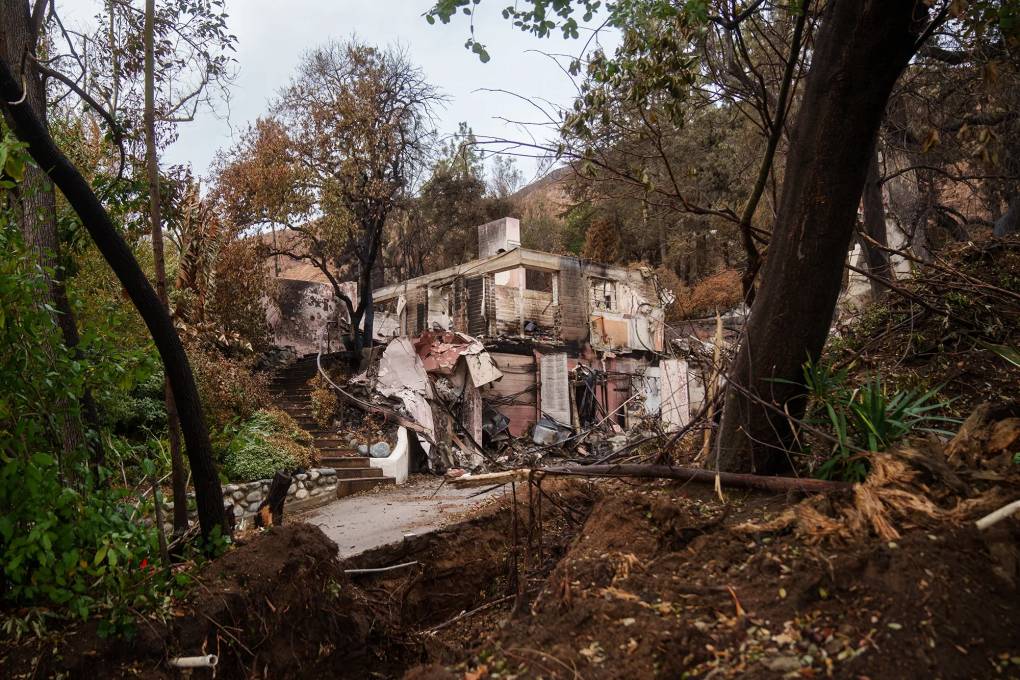
"caption": "Insurance market problems highlighted by the Los Angeles-area fires have legislators rushing to offer up possible solutions. A house burned by the Eaton Fire in Altadena, Jan. 26, 2025. \n",
"credit": "Jules Hotz for CalMatters",
"altTag": null,
"description": null,
"imgSizes": {
"medium": {
"file": "https://cdn.kqed.org/wp-content/uploads/sites/10/2025/03/012625_Eaton-Fire-Rain_JH_CM_56-copy-800x533.jpg",
"width": 800,
"height": 533,
"mimeType": "image/jpeg"
},
"large": {
"file": "https://cdn.kqed.org/wp-content/uploads/sites/10/2025/03/012625_Eaton-Fire-Rain_JH_CM_56-copy-1020x680.jpg",
"width": 1020,
"height": 680,
"mimeType": "image/jpeg"
},
"thumbnail": {
"file": "https://cdn.kqed.org/wp-content/uploads/sites/10/2025/03/012625_Eaton-Fire-Rain_JH_CM_56-copy-160x107.jpg",
"width": 160,
"height": 107,
"mimeType": "image/jpeg"
},
"1536x1536": {
"file": "https://cdn.kqed.org/wp-content/uploads/sites/10/2025/03/012625_Eaton-Fire-Rain_JH_CM_56-copy-1536x1024.jpg",
"width": 1536,
"height": 1024,
"mimeType": "image/jpeg"
},
"post-thumbnail": {
"file": "https://cdn.kqed.org/wp-content/uploads/sites/10/2025/03/012625_Eaton-Fire-Rain_JH_CM_56-copy-672x372.jpg",
"width": 672,
"height": 372,
"mimeType": "image/jpeg"
},
"twentyfourteen-full-width": {
"file": "https://cdn.kqed.org/wp-content/uploads/sites/10/2025/03/012625_Eaton-Fire-Rain_JH_CM_56-copy-1038x576.jpg",
"width": 1038,
"height": 576,
"mimeType": "image/jpeg"
},
"full-width": {
"file": "https://cdn.kqed.org/wp-content/uploads/sites/10/2025/03/012625_Eaton-Fire-Rain_JH_CM_56-copy-1920x1280.jpg",
"width": 1920,
"height": 1280,
"mimeType": "image/jpeg"
},
"kqedFullSize": {
"file": "https://cdn.kqed.org/wp-content/uploads/sites/10/2025/03/012625_Eaton-Fire-Rain_JH_CM_56-copy.jpg",
"width": 2000,
"height": 1333
}
},
"isLoading": false,
"fetchFailed": false
},
"news_12030519": {
"type": "attachments",
"id": "news_12030519",
"meta": {
"index": "attachments_1716263798",
"site": "news",
"id": "12030519",
"found": true
},
"title": "carddeck_mentlahealthparity_AW_082119_01",
"publishDate": 1741546520,
"status": "inherit",
"parent": 12030516,
"modified": 1741546586,
"caption": "Humboldt County Department of Health and Human Services 24-hour mental health crisis services on August 21, 2019. Photo by Anne Wernikoff for CalMatters",
"credit": "Anne Wernikoff/CalMatters",
"altTag": "A white and blue sign that reads \"Crisis Services Press button next to door once and wait.\" There is a blue arrow pointing right.",
"description": null,
"imgSizes": {
"medium": {
"file": "https://cdn.kqed.org/wp-content/uploads/sites/10/2025/03/carddeck_mentlahealthparity_AW_082119_01-800x533.jpg",
"width": 800,
"height": 533,
"mimeType": "image/jpeg"
},
"large": {
"file": "https://cdn.kqed.org/wp-content/uploads/sites/10/2025/03/carddeck_mentlahealthparity_AW_082119_01-1020x680.jpg",
"width": 1020,
"height": 680,
"mimeType": "image/jpeg"
},
"thumbnail": {
"file": "https://cdn.kqed.org/wp-content/uploads/sites/10/2025/03/carddeck_mentlahealthparity_AW_082119_01-160x107.jpg",
"width": 160,
"height": 107,
"mimeType": "image/jpeg"
},
"1536x1536": {
"file": "https://cdn.kqed.org/wp-content/uploads/sites/10/2025/03/carddeck_mentlahealthparity_AW_082119_01-1536x1024.jpg",
"width": 1536,
"height": 1024,
"mimeType": "image/jpeg"
},
"post-thumbnail": {
"file": "https://cdn.kqed.org/wp-content/uploads/sites/10/2025/03/carddeck_mentlahealthparity_AW_082119_01-672x372.jpg",
"width": 672,
"height": 372,
"mimeType": "image/jpeg"
},
"twentyfourteen-full-width": {
"file": "https://cdn.kqed.org/wp-content/uploads/sites/10/2025/03/carddeck_mentlahealthparity_AW_082119_01-1038x576.jpg",
"width": 1038,
"height": 576,
"mimeType": "image/jpeg"
},
"full-width": {
"file": "https://cdn.kqed.org/wp-content/uploads/sites/10/2025/03/carddeck_mentlahealthparity_AW_082119_01-1920x1280.jpg",
"width": 1920,
"height": 1280,
"mimeType": "image/jpeg"
},
"kqedFullSize": {
"file": "https://cdn.kqed.org/wp-content/uploads/sites/10/2025/03/carddeck_mentlahealthparity_AW_082119_01.jpg",
"width": 2000,
"height": 1333
}
},
"isLoading": false,
"fetchFailed": false
},
"news_12030127": {
"type": "attachments",
"id": "news_12030127",
"meta": {
"index": "attachments_1716263798",
"site": "news",
"id": "12030127",
"found": true
},
"title": "020525_Annikah-Shah_JLB_CM_14 copy",
"publishDate": 1741292151,
"status": "inherit",
"parent": 12030126,
"modified": 1741292222,
"caption": "Not all NIL deals are high-rolling: Cal Poly San Luis Obispo senior Annika Shah got her first sponsorship through a local Indian restaurant, from which she gets free food. ",
"credit": "Julie Leopo-Bermudez for CalMatters",
"altTag": "A female basketballer looks at the hoop, ready for a jump shot, she's wearing a green outfit with empty bleachers behind her and other players in the background.",
"description": null,
"imgSizes": {
"medium": {
"file": "https://cdn.kqed.org/wp-content/uploads/sites/10/2025/03/020525_Annikah-Shah_JLB_CM_14-copy-800x533.jpg",
"width": 800,
"height": 533,
"mimeType": "image/jpeg"
},
"large": {
"file": "https://cdn.kqed.org/wp-content/uploads/sites/10/2025/03/020525_Annikah-Shah_JLB_CM_14-copy-1020x680.jpg",
"width": 1020,
"height": 680,
"mimeType": "image/jpeg"
},
"thumbnail": {
"file": "https://cdn.kqed.org/wp-content/uploads/sites/10/2025/03/020525_Annikah-Shah_JLB_CM_14-copy-160x107.jpg",
"width": 160,
"height": 107,
"mimeType": "image/jpeg"
},
"1536x1536": {
"file": "https://cdn.kqed.org/wp-content/uploads/sites/10/2025/03/020525_Annikah-Shah_JLB_CM_14-copy-1536x1024.jpg",
"width": 1536,
"height": 1024,
"mimeType": "image/jpeg"
},
"post-thumbnail": {
"file": "https://cdn.kqed.org/wp-content/uploads/sites/10/2025/03/020525_Annikah-Shah_JLB_CM_14-copy-672x372.jpg",
"width": 672,
"height": 372,
"mimeType": "image/jpeg"
},
"twentyfourteen-full-width": {
"file": "https://cdn.kqed.org/wp-content/uploads/sites/10/2025/03/020525_Annikah-Shah_JLB_CM_14-copy-1038x576.jpg",
"width": 1038,
"height": 576,
"mimeType": "image/jpeg"
},
"full-width": {
"file": "https://cdn.kqed.org/wp-content/uploads/sites/10/2025/03/020525_Annikah-Shah_JLB_CM_14-copy-1920x1280.jpg",
"width": 1920,
"height": 1280,
"mimeType": "image/jpeg"
},
"kqedFullSize": {
"file": "https://cdn.kqed.org/wp-content/uploads/sites/10/2025/03/020525_Annikah-Shah_JLB_CM_14-copy.jpg",
"width": 2000,
"height": 1333
}
},
"isLoading": false,
"fetchFailed": false
},
"news_12029865": {
"type": "attachments",
"id": "news_12029865",
"meta": {
"index": "attachments_1716263798",
"site": "news",
"id": "12029865",
"found": true
},
"title": "021325_CHLA-Gender-Affirming-Care-Demo_JWH_CM_14 copy",
"publishDate": 1741207959,
"status": "inherit",
"parent": 12029864,
"modified": 1741207979,
"caption": "Protesters gather in front of Children's Hospital Los Angeles to protest the hospital's decision to halt the intake of patients under the age of 19 seeking gender affirming care, on Feb. 13, 2025. ",
"credit": "J.W. Hendricks for CalMatters",
"altTag": null,
"description": null,
"imgSizes": {
"medium": {
"file": "https://cdn.kqed.org/wp-content/uploads/sites/10/2025/03/021325_CHLA-Gender-Affirming-Care-Demo_JWH_CM_14-copy-800x533.jpg",
"width": 800,
"height": 533,
"mimeType": "image/jpeg"
},
"large": {
"file": "https://cdn.kqed.org/wp-content/uploads/sites/10/2025/03/021325_CHLA-Gender-Affirming-Care-Demo_JWH_CM_14-copy-1020x680.jpg",
"width": 1020,
"height": 680,
"mimeType": "image/jpeg"
},
"thumbnail": {
"file": "https://cdn.kqed.org/wp-content/uploads/sites/10/2025/03/021325_CHLA-Gender-Affirming-Care-Demo_JWH_CM_14-copy-160x107.jpg",
"width": 160,
"height": 107,
"mimeType": "image/jpeg"
},
"1536x1536": {
"file": "https://cdn.kqed.org/wp-content/uploads/sites/10/2025/03/021325_CHLA-Gender-Affirming-Care-Demo_JWH_CM_14-copy-1536x1024.jpg",
"width": 1536,
"height": 1024,
"mimeType": "image/jpeg"
},
"post-thumbnail": {
"file": "https://cdn.kqed.org/wp-content/uploads/sites/10/2025/03/021325_CHLA-Gender-Affirming-Care-Demo_JWH_CM_14-copy-672x372.jpg",
"width": 672,
"height": 372,
"mimeType": "image/jpeg"
},
"twentyfourteen-full-width": {
"file": "https://cdn.kqed.org/wp-content/uploads/sites/10/2025/03/021325_CHLA-Gender-Affirming-Care-Demo_JWH_CM_14-copy-1038x576.jpg",
"width": 1038,
"height": 576,
"mimeType": "image/jpeg"
},
"full-width": {
"file": "https://cdn.kqed.org/wp-content/uploads/sites/10/2025/03/021325_CHLA-Gender-Affirming-Care-Demo_JWH_CM_14-copy-1920x1280.jpg",
"width": 1920,
"height": 1280,
"mimeType": "image/jpeg"
},
"kqedFullSize": {
"file": "https://cdn.kqed.org/wp-content/uploads/sites/10/2025/03/021325_CHLA-Gender-Affirming-Care-Demo_JWH_CM_14-copy.jpg",
"width": 2000,
"height": 1333
}
},
"isLoading": false,
"fetchFailed": false
},
"news_12029662": {
"type": "attachments",
"id": "news_12029662",
"meta": {
"index": "attachments_1716263798",
"site": "news",
"id": "12029662",
"found": true
},
"title": "020624_No-Place-Like-Home_CC_CM_12 copy",
"publishDate": 1741122373,
"status": "inherit",
"parent": 12029661,
"modified": 1741122397,
"caption": "Framers work to build the Ruby Street apartments in Castro Valley on Feb. 6, 2024. The construction project is funded by the No Place Like Home bond, which passed in 2018 to create affordable housing for homeless residents experiencing mental health issues.\n",
"credit": "Camille Cohen for CalMatters",
"altTag": null,
"description": null,
"imgSizes": {
"medium": {
"file": "https://cdn.kqed.org/wp-content/uploads/sites/10/2025/03/020624_No-Place-Like-Home_CC_CM_12-copy-800x533.jpg",
"width": 800,
"height": 533,
"mimeType": "image/jpeg"
},
"large": {
"file": "https://cdn.kqed.org/wp-content/uploads/sites/10/2025/03/020624_No-Place-Like-Home_CC_CM_12-copy-1020x680.jpg",
"width": 1020,
"height": 680,
"mimeType": "image/jpeg"
},
"thumbnail": {
"file": "https://cdn.kqed.org/wp-content/uploads/sites/10/2025/03/020624_No-Place-Like-Home_CC_CM_12-copy-160x107.jpg",
"width": 160,
"height": 107,
"mimeType": "image/jpeg"
},
"1536x1536": {
"file": "https://cdn.kqed.org/wp-content/uploads/sites/10/2025/03/020624_No-Place-Like-Home_CC_CM_12-copy-1536x1024.jpg",
"width": 1536,
"height": 1024,
"mimeType": "image/jpeg"
},
"post-thumbnail": {
"file": "https://cdn.kqed.org/wp-content/uploads/sites/10/2025/03/020624_No-Place-Like-Home_CC_CM_12-copy-672x372.jpg",
"width": 672,
"height": 372,
"mimeType": "image/jpeg"
},
"twentyfourteen-full-width": {
"file": "https://cdn.kqed.org/wp-content/uploads/sites/10/2025/03/020624_No-Place-Like-Home_CC_CM_12-copy-1038x576.jpg",
"width": 1038,
"height": 576,
"mimeType": "image/jpeg"
},
"full-width": {
"file": "https://cdn.kqed.org/wp-content/uploads/sites/10/2025/03/020624_No-Place-Like-Home_CC_CM_12-copy-1920x1280.jpg",
"width": 1920,
"height": 1280,
"mimeType": "image/jpeg"
},
"kqedFullSize": {
"file": "https://cdn.kqed.org/wp-content/uploads/sites/10/2025/03/020624_No-Place-Like-Home_CC_CM_12-copy.jpg",
"width": 2000,
"height": 1333
}
},
"isLoading": false,
"fetchFailed": false
},
"news_12029409": {
"type": "attachments",
"id": "news_12029409",
"meta": {
"index": "attachments_1716263798",
"site": "news",
"id": "12029409",
"found": true
},
"title": "110423_Donna-Yutzy_MO_CM_01",
"publishDate": 1740946983,
"status": "inherit",
"parent": 12029400,
"modified": 1740947073,
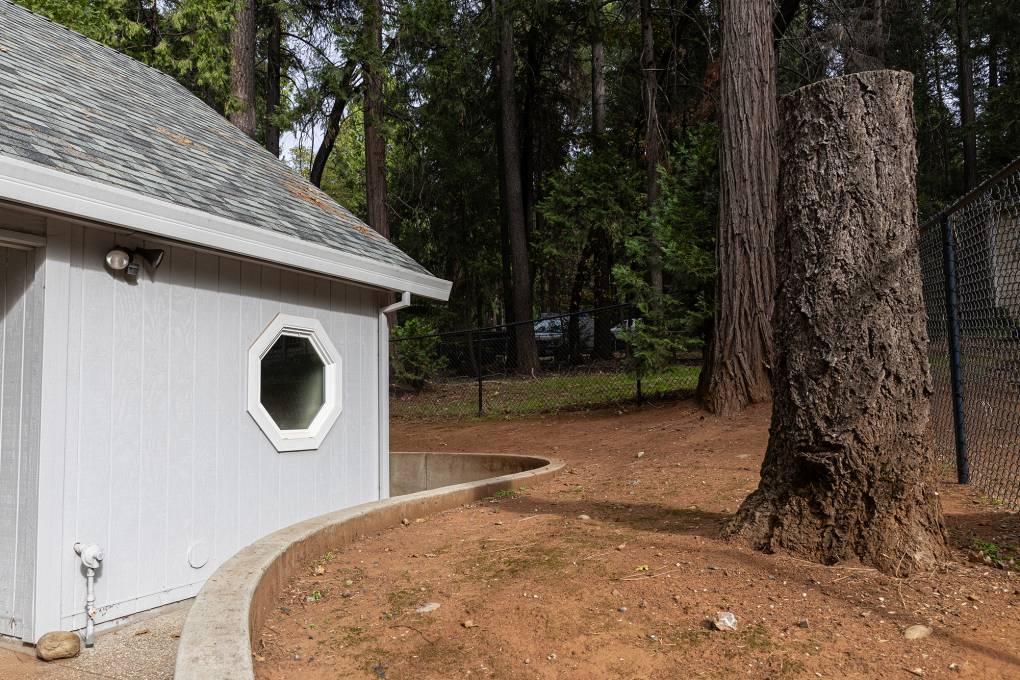
"caption": "A cement sidewalk was built within five feet of Donna Yutzy’s house to meet state regulations. Nov. 4, 2023.",
"credit": "Manuel Orbegozo/CalMatters",
"altTag": "A view of the side of a home with a forest full of trees to the right.",
"description": null,
"imgSizes": {
"medium": {
"file": "https://cdn.kqed.org/wp-content/uploads/sites/10/2025/03/110423_Donna-Yutzy_MO_CM_01-800x533.jpg",
"width": 800,
"height": 533,
"mimeType": "image/jpeg"
},
"large": {
"file": "https://cdn.kqed.org/wp-content/uploads/sites/10/2025/03/110423_Donna-Yutzy_MO_CM_01-1020x680.jpg",
"width": 1020,
"height": 680,
"mimeType": "image/jpeg"
},
"thumbnail": {
"file": "https://cdn.kqed.org/wp-content/uploads/sites/10/2025/03/110423_Donna-Yutzy_MO_CM_01-160x107.jpg",
"width": 160,
"height": 107,
"mimeType": "image/jpeg"
},
"1536x1536": {
"file": "https://cdn.kqed.org/wp-content/uploads/sites/10/2025/03/110423_Donna-Yutzy_MO_CM_01-1536x1024.jpg",
"width": 1536,
"height": 1024,
"mimeType": "image/jpeg"
},
"post-thumbnail": {
"file": "https://cdn.kqed.org/wp-content/uploads/sites/10/2025/03/110423_Donna-Yutzy_MO_CM_01-672x372.jpg",
"width": 672,
"height": 372,
"mimeType": "image/jpeg"
},
"twentyfourteen-full-width": {
"file": "https://cdn.kqed.org/wp-content/uploads/sites/10/2025/03/110423_Donna-Yutzy_MO_CM_01-1038x576.jpg",
"width": 1038,
"height": 576,
"mimeType": "image/jpeg"
},
"full-width": {
"file": "https://cdn.kqed.org/wp-content/uploads/sites/10/2025/03/110423_Donna-Yutzy_MO_CM_01-1920x1280.jpg",
"width": 1920,
"height": 1280,
"mimeType": "image/jpeg"
},
"kqedFullSize": {
"file": "https://cdn.kqed.org/wp-content/uploads/sites/10/2025/03/110423_Donna-Yutzy_MO_CM_01.jpg",
"width": 2000,
"height": 1333
}
},
"isLoading": false,
"fetchFailed": false
},
"news_12029302": {
"type": "attachments",
"id": "news_12029302",
"meta": {
"index": "attachments_1716263798",
"site": "news",
"id": "12029302",
"found": true
},
"title": "072820-Doctor-Pediatrician-Kid-GETTY-CM-01 copy",
"publishDate": 1740777322,
"status": "inherit",
"parent": 12029294,
"modified": 1752270887,
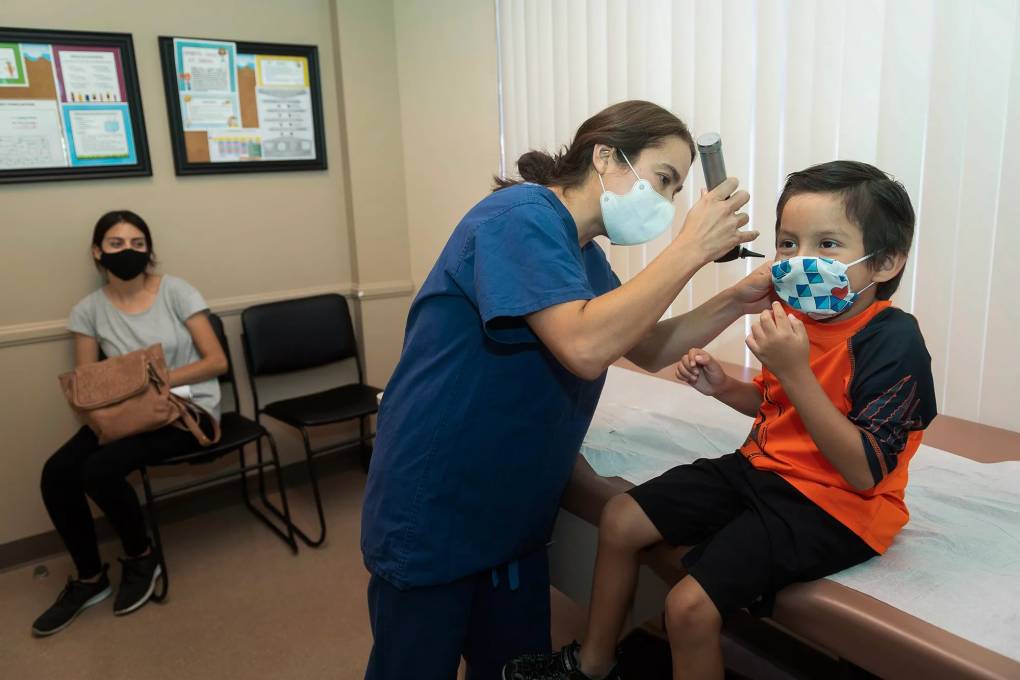
"caption": "A doctor examines a child at Southern Orange County Pediatric Associates in Ladera Ranch on July 28, 2020.",
"credit": "Paul Bersebach/Orange County Register via Getty Images",
"altTag": null,
"description": null,
"imgSizes": {
"medium": {
"file": "https://cdn.kqed.org/wp-content/uploads/sites/10/2025/03/072820-Doctor-Pediatrician-Kid-GETTY-CM-01-copy-800x533.jpg",
"width": 800,
"height": 533,
"mimeType": "image/jpeg"
},
"large": {
"file": "https://cdn.kqed.org/wp-content/uploads/sites/10/2025/03/072820-Doctor-Pediatrician-Kid-GETTY-CM-01-copy-1020x680.jpg",
"width": 1020,
"height": 680,
"mimeType": "image/jpeg"
},
"thumbnail": {
"file": "https://cdn.kqed.org/wp-content/uploads/sites/10/2025/03/072820-Doctor-Pediatrician-Kid-GETTY-CM-01-copy-160x107.jpg",
"width": 160,
"height": 107,
"mimeType": "image/jpeg"
},
"1536x1536": {
"file": "https://cdn.kqed.org/wp-content/uploads/sites/10/2025/03/072820-Doctor-Pediatrician-Kid-GETTY-CM-01-copy-1536x1024.jpg",
"width": 1536,
"height": 1024,
"mimeType": "image/jpeg"
},
"post-thumbnail": {
"file": "https://cdn.kqed.org/wp-content/uploads/sites/10/2025/03/072820-Doctor-Pediatrician-Kid-GETTY-CM-01-copy-672x372.jpg",
"width": 672,
"height": 372,
"mimeType": "image/jpeg"
},
"twentyfourteen-full-width": {
"file": "https://cdn.kqed.org/wp-content/uploads/sites/10/2025/03/072820-Doctor-Pediatrician-Kid-GETTY-CM-01-copy-1038x576.jpg",
"width": 1038,
"height": 576,
"mimeType": "image/jpeg"
},
"full-width": {
"file": "https://cdn.kqed.org/wp-content/uploads/sites/10/2025/03/072820-Doctor-Pediatrician-Kid-GETTY-CM-01-copy-1920x1280.jpg",
"width": 1920,
"height": 1280,
"mimeType": "image/jpeg"
},
"kqedFullSize": {
"file": "https://cdn.kqed.org/wp-content/uploads/sites/10/2025/03/072820-Doctor-Pediatrician-Kid-GETTY-CM-01-copy.jpg",
"width": 2000,
"height": 1333
}
},
"isLoading": false,
"fetchFailed": false
},
"news_12029251": {
"type": "attachments",
"id": "news_12029251",
"meta": {
"index": "attachments_1716263798",
"site": "news",
"id": "12029251",
"found": true
},
"title": "111524_Anatomy-Of-A-Sweep-JK_CM_05 copy",
"publishDate": 1740773938,
"status": "inherit",
"parent": 12029249,
"modified": 1740773975,
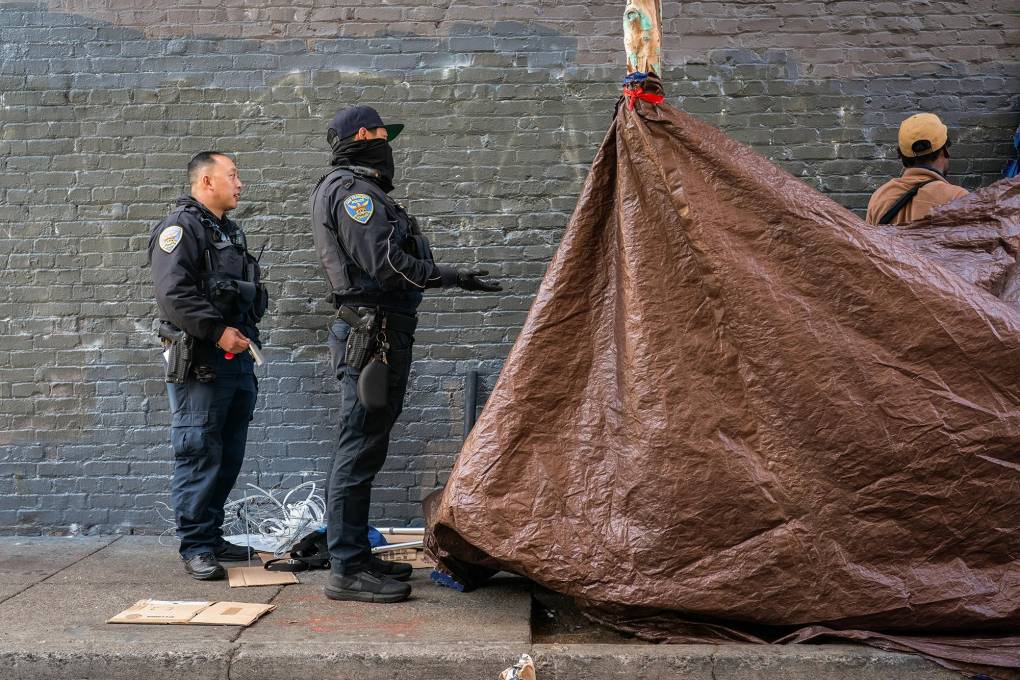
"caption": "San Francisco police officers instruct an unhoused person to move personal items that are blocking the sidewalk on Cedar Street in San Francisco on Nov. 15, 2024. Unhoused people on Cedar Street are forced to move their shelters and belongings on a regular basis by San Francisco city workers.",
"credit": "Jungho Kim for CalMatters",
"altTag": null,
"description": null,
"imgSizes": {
"medium": {
"file": "https://cdn.kqed.org/wp-content/uploads/sites/10/2025/02/111524_Anatomy-Of-A-Sweep-JK_CM_05-copy-800x533.jpg",
"width": 800,
"height": 533,
"mimeType": "image/jpeg"
},
"large": {
"file": "https://cdn.kqed.org/wp-content/uploads/sites/10/2025/02/111524_Anatomy-Of-A-Sweep-JK_CM_05-copy-1020x680.jpg",
"width": 1020,
"height": 680,
"mimeType": "image/jpeg"
},
"thumbnail": {
"file": "https://cdn.kqed.org/wp-content/uploads/sites/10/2025/02/111524_Anatomy-Of-A-Sweep-JK_CM_05-copy-160x107.jpg",
"width": 160,
"height": 107,
"mimeType": "image/jpeg"
},
"1536x1536": {
"file": "https://cdn.kqed.org/wp-content/uploads/sites/10/2025/02/111524_Anatomy-Of-A-Sweep-JK_CM_05-copy-1536x1024.jpg",
"width": 1536,
"height": 1024,
"mimeType": "image/jpeg"
},
"post-thumbnail": {
"file": "https://cdn.kqed.org/wp-content/uploads/sites/10/2025/02/111524_Anatomy-Of-A-Sweep-JK_CM_05-copy-672x372.jpg",
"width": 672,
"height": 372,
"mimeType": "image/jpeg"
},
"twentyfourteen-full-width": {
"file": "https://cdn.kqed.org/wp-content/uploads/sites/10/2025/02/111524_Anatomy-Of-A-Sweep-JK_CM_05-copy-1038x576.jpg",
"width": 1038,
"height": 576,
"mimeType": "image/jpeg"
},
"full-width": {
"file": "https://cdn.kqed.org/wp-content/uploads/sites/10/2025/02/111524_Anatomy-Of-A-Sweep-JK_CM_05-copy-1920x1280.jpg",
"width": 1920,
"height": 1280,
"mimeType": "image/jpeg"
},
"kqedFullSize": {
"file": "https://cdn.kqed.org/wp-content/uploads/sites/10/2025/02/111524_Anatomy-Of-A-Sweep-JK_CM_05-copy.jpg",
"width": 2000,
"height": 1333
}
},
"isLoading": false,
"fetchFailed": false
},
"news_12028290": {
"type": "attachments",
"id": "news_12028290",
"meta": {
"index": "attachments_1716263798",
"site": "news",
"id": "12028290",
"found": true
},
"title": "Scene setters of local refineries",
"publishDate": 1740340799,
"status": "inherit",
"parent": 12028289,
"modified": 1740340868,
"caption": "Traffic streams past the Marathon Refinery in Carson. ",
"credit": "Luis Sinco / Los Angeles Times via Getty Images",
"altTag": "A view of traffic with an oil refinery in the background.",
"description": null,
"imgSizes": {
"medium": {
"file": "https://cdn.kqed.org/wp-content/uploads/sites/10/2025/02/GettyImages-1243753400-800x534.jpg",
"width": 800,
"height": 534,
"mimeType": "image/jpeg"
},
"large": {
"file": "https://cdn.kqed.org/wp-content/uploads/sites/10/2025/02/GettyImages-1243753400-1020x681.jpg",
"width": 1020,
"height": 681,
"mimeType": "image/jpeg"
},
"thumbnail": {
"file": "https://cdn.kqed.org/wp-content/uploads/sites/10/2025/02/GettyImages-1243753400-160x107.jpg",
"width": 160,
"height": 107,
"mimeType": "image/jpeg"
},
"post-thumbnail": {
"file": "https://cdn.kqed.org/wp-content/uploads/sites/10/2025/02/GettyImages-1243753400-672x372.jpg",
"width": 672,
"height": 372,
"mimeType": "image/jpeg"
},
"twentyfourteen-full-width": {
"file": "https://cdn.kqed.org/wp-content/uploads/sites/10/2025/02/GettyImages-1243753400-1024x576.jpg",
"width": 1024,
"height": 576,
"mimeType": "image/jpeg"
},
"kqedFullSize": {
"file": "https://cdn.kqed.org/wp-content/uploads/sites/10/2025/02/GettyImages-1243753400.jpg",
"width": 1024,
"height": 684
}
},
"isLoading": false,
"fetchFailed": false
},
"news_12028077": {
"type": "attachments",
"id": "news_12028077",
"meta": {
"index": "attachments_1716263798",
"site": "news",
"id": "12028077",
"found": true
},
"title": "021125-ICE-Schools-Salinas-LV_27 copy",
"publishDate": 1740101066,
"status": "inherit",
"parent": 12028076,
"modified": 1740101230,
"caption": "Two students walk through the main building at Sherwood Elementary School in Salinas on Feb. 11, 2025. ",
"credit": "Larry Valenzuela/CalMatters/CatchLight Local",
"altTag": null,
"description": null,
"imgSizes": {
"medium": {
"file": "https://cdn.kqed.org/wp-content/uploads/sites/10/2025/02/021125-ICE-Schools-Salinas-LV_27-copy-800x533.jpg",
"width": 800,
"height": 533,
"mimeType": "image/jpeg"
},
"large": {
"file": "https://cdn.kqed.org/wp-content/uploads/sites/10/2025/02/021125-ICE-Schools-Salinas-LV_27-copy-1020x680.jpg",
"width": 1020,
"height": 680,
"mimeType": "image/jpeg"
},
"thumbnail": {
"file": "https://cdn.kqed.org/wp-content/uploads/sites/10/2025/02/021125-ICE-Schools-Salinas-LV_27-copy-160x107.jpg",
"width": 160,
"height": 107,
"mimeType": "image/jpeg"
},
"1536x1536": {
"file": "https://cdn.kqed.org/wp-content/uploads/sites/10/2025/02/021125-ICE-Schools-Salinas-LV_27-copy-1536x1024.jpg",
"width": 1536,
"height": 1024,
"mimeType": "image/jpeg"
},
"post-thumbnail": {
"file": "https://cdn.kqed.org/wp-content/uploads/sites/10/2025/02/021125-ICE-Schools-Salinas-LV_27-copy-672x372.jpg",
"width": 672,
"height": 372,
"mimeType": "image/jpeg"
},
"twentyfourteen-full-width": {
"file": "https://cdn.kqed.org/wp-content/uploads/sites/10/2025/02/021125-ICE-Schools-Salinas-LV_27-copy-1038x576.jpg",
"width": 1038,
"height": 576,
"mimeType": "image/jpeg"
},
"full-width": {
"file": "https://cdn.kqed.org/wp-content/uploads/sites/10/2025/02/021125-ICE-Schools-Salinas-LV_27-copy-1920x1280.jpg",
"width": 1920,
"height": 1280,
"mimeType": "image/jpeg"
},
"kqedFullSize": {
"file": "https://cdn.kqed.org/wp-content/uploads/sites/10/2025/02/021125-ICE-Schools-Salinas-LV_27-copy.jpg",
"width": 2000,
"height": 1333
}
},
"isLoading": false,
"fetchFailed": false
},
"news_12028159": {
"type": "attachments",
"id": "news_12028159",
"meta": {
"index": "attachments_1716263798",
"site": "news",
"id": "12028159",
"found": true
},
"title": "021025-Data-Center-GM-AP-01-CM copy",
"publishDate": 1740169598,
"status": "inherit",
"parent": 12028158,
"modified": 1740169621,
"caption": "Transfer switches take up space at One Wilshire, a high-rise office building almost entirely converted into a server farm or data center in downtown Los Angeles on Sept. 10, 2024. Some California lawmakers worry utility customers may end up paying higher rates due to the proliferation of data centers.",
"credit": "Genaro Molina/Los Angeles Times via Getty Images",
"altTag": null,
"description": null,
"imgSizes": {
"medium": {
"file": "https://cdn.kqed.org/wp-content/uploads/sites/10/2025/02/021025-Data-Center-GM-AP-01-CM-copy-800x533.jpg",
"width": 800,
"height": 533,
"mimeType": "image/jpeg"
},
"large": {
"file": "https://cdn.kqed.org/wp-content/uploads/sites/10/2025/02/021025-Data-Center-GM-AP-01-CM-copy-1020x680.jpg",
"width": 1020,
"height": 680,
"mimeType": "image/jpeg"
},
"thumbnail": {
"file": "https://cdn.kqed.org/wp-content/uploads/sites/10/2025/02/021025-Data-Center-GM-AP-01-CM-copy-160x107.jpg",
"width": 160,
"height": 107,
"mimeType": "image/jpeg"
},
"1536x1536": {
"file": "https://cdn.kqed.org/wp-content/uploads/sites/10/2025/02/021025-Data-Center-GM-AP-01-CM-copy-1536x1024.jpg",
"width": 1536,
"height": 1024,
"mimeType": "image/jpeg"
},
"post-thumbnail": {
"file": "https://cdn.kqed.org/wp-content/uploads/sites/10/2025/02/021025-Data-Center-GM-AP-01-CM-copy-672x372.jpg",
"width": 672,
"height": 372,
"mimeType": "image/jpeg"
},
"twentyfourteen-full-width": {
"file": "https://cdn.kqed.org/wp-content/uploads/sites/10/2025/02/021025-Data-Center-GM-AP-01-CM-copy-1038x576.jpg",
"width": 1038,
"height": 576,
"mimeType": "image/jpeg"
},
"full-width": {
"file": "https://cdn.kqed.org/wp-content/uploads/sites/10/2025/02/021025-Data-Center-GM-AP-01-CM-copy-1920x1280.jpg",
"width": 1920,
"height": 1280,
"mimeType": "image/jpeg"
},
"kqedFullSize": {
"file": "https://cdn.kqed.org/wp-content/uploads/sites/10/2025/02/021025-Data-Center-GM-AP-01-CM-copy.jpg",
"width": 2000,
"height": 1333
}
},
"isLoading": false,
"fetchFailed": false
},
"news_12027221": {
"type": "attachments",
"id": "news_12027221",
"meta": {
"index": "attachments_1716263798",
"site": "news",
"id": "12027221",
"found": true
},
"title": "02282023_COLISEUMELEMENTARY_CM_PU23-CM copy",
"publishDate": 1739565416,
"status": "inherit",
"parent": 12027218,
"modified": 1739565448,
"caption": "Students collaborate on solving addition problems inside Bridgette Donald-Blue’s classroom at Coliseum Street Elementary in Los Angeles on Feb. 28, 2023.\n",
"credit": "Pablo Unzueta for CalMatters",
"altTag": null,
"description": null,
"imgSizes": {
"medium": {
"file": "https://cdn.kqed.org/wp-content/uploads/sites/10/2025/02/02282023_COLISEUMELEMENTARY_CM_PU23-CM-copy-800x533.jpg",
"width": 800,
"height": 533,
"mimeType": "image/jpeg"
},
"large": {
"file": "https://cdn.kqed.org/wp-content/uploads/sites/10/2025/02/02282023_COLISEUMELEMENTARY_CM_PU23-CM-copy-1020x680.jpg",
"width": 1020,
"height": 680,
"mimeType": "image/jpeg"
},
"thumbnail": {
"file": "https://cdn.kqed.org/wp-content/uploads/sites/10/2025/02/02282023_COLISEUMELEMENTARY_CM_PU23-CM-copy-160x107.jpg",
"width": 160,
"height": 107,
"mimeType": "image/jpeg"
},
"1536x1536": {
"file": "https://cdn.kqed.org/wp-content/uploads/sites/10/2025/02/02282023_COLISEUMELEMENTARY_CM_PU23-CM-copy-1536x1024.jpg",
"width": 1536,
"height": 1024,
"mimeType": "image/jpeg"
},
"post-thumbnail": {
"file": "https://cdn.kqed.org/wp-content/uploads/sites/10/2025/02/02282023_COLISEUMELEMENTARY_CM_PU23-CM-copy-672x372.jpg",
"width": 672,
"height": 372,
"mimeType": "image/jpeg"
},
"twentyfourteen-full-width": {
"file": "https://cdn.kqed.org/wp-content/uploads/sites/10/2025/02/02282023_COLISEUMELEMENTARY_CM_PU23-CM-copy-1038x576.jpg",
"width": 1038,
"height": 576,
"mimeType": "image/jpeg"
},
"full-width": {
"file": "https://cdn.kqed.org/wp-content/uploads/sites/10/2025/02/02282023_COLISEUMELEMENTARY_CM_PU23-CM-copy-1920x1280.jpg",
"width": 1920,
"height": 1280,
"mimeType": "image/jpeg"
},
"kqedFullSize": {
"file": "https://cdn.kqed.org/wp-content/uploads/sites/10/2025/02/02282023_COLISEUMELEMENTARY_CM_PU23-CM-copy.jpg",
"width": 2000,
"height": 1333
}
},
"isLoading": false,
"fetchFailed": false
}
},
"audioPlayerReducer": {
"postId": "stream_live",
"isPaused": true,
"isPlaying": false,
"pfsActive": false,
"pledgeModalIsOpen": true,
"playerDrawerIsOpen": false,
"liveAudioPlayStartedAt": 0,
"liveAudioPlayContext": ""
},
"authorsReducer": {
"byline_news_12030810": {
"type": "authors",
"id": "byline_news_12030810",
"meta": {
"override": true
},
"slug": "byline_news_12030810",
"name": "\u003ca href=\"https://calmatters.org/author/levi-sumagaysay/\">Levi Sumagaysay\u003c/a>, CalMatters",
"isLoading": false
},
"byline_news_12030516": {
"type": "authors",
"id": "byline_news_12030516",
"meta": {
"override": true
},
"slug": "byline_news_12030516",
"name": "\u003ca href=\"https://calmatters.org/author/kristen-hwang\">Kristen Hwang, \u003c/a>CalMatters",
"isLoading": false
},
"byline_news_12030126": {
"type": "authors",
"id": "byline_news_12030126",
"meta": {
"override": true
},
"slug": "byline_news_12030126",
"name": "\u003ca href=\"https://calmatters.org/author/adam-echelman/\">Adam Echelman\u003c/a> and \u003ca href=\"https://calmatters.org/author/ericayee/\">Erica Yee\u003c/a>, CalMatters",
"isLoading": false
},
"byline_news_12029864": {
"type": "authors",
"id": "byline_news_12029864",
"meta": {
"override": true
},
"slug": "byline_news_12029864",
"name": "\u003ca href=\"https://calmatters.org/author/jocelyn-wiener/\">Jocelyn Wiener\u003c/a> and \u003ca />Kristen Hwang\u003c/a>, CalMatters",
"isLoading": false
},
"byline_news_12029661": {
"type": "authors",
"id": "byline_news_12029661",
"meta": {
"override": true
},
"slug": "byline_news_12029661",
"name": "\u003ca href=\"https://calmatters.org/author/ben-christopher/\">Ben Christopher\u003c/a>, CalMatters",
"isLoading": false
},
"byline_news_12029400": {
"type": "authors",
"id": "byline_news_12029400",
"meta": {
"override": true
},
"slug": "byline_news_12029400",
"name": "\u003ca href=\"https://calmatters.org/author/sameea-kamal/\">Sameea Kamal, \u003c/a>CalMatters",
"isLoading": false
},
"byline_news_12029294": {
"type": "authors",
"id": "byline_news_12029294",
"meta": {
"override": true
},
"slug": "byline_news_12029294",
"name": "\u003ca href=\"https://calmatters.org/author/anaibarra/\">Ana B. Ibarra\u003c/a>, CalMatters",
"isLoading": false
},
"byline_news_12029249": {
"type": "authors",
"id": "byline_news_12029249",
"meta": {
"override": true
},
"slug": "byline_news_12029249",
"name": "\u003ca href=\"https://calmatters.org/author/marisa-kendall/\">Marisa Kendall\u003c/a> and \u003ca href=\"https://calmatters.org/author/katie-anastas/\">Katie Anastas\u003c/a>, CalMatters",
"isLoading": false
},
"byline_news_12028289": {
"type": "authors",
"id": "byline_news_12028289",
"meta": {
"override": true
},
"slug": "byline_news_12028289",
"name": "\u003ca href=\"https://calmatters.org/author/alejandro-lazo/\">Alejandro Lazo, \u003c/a>CalMatters",
"isLoading": false
},
"byline_news_12028076": {
"type": "authors",
"id": "byline_news_12028076",
"meta": {
"override": true
},
"slug": "byline_news_12028076",
"name": "\u003ca href=\"https://calmatters.org/author/carolyn-jones/\">Carolyn Jones\u003c/a>, CalMatters",
"isLoading": false
},
"byline_news_12028158": {
"type": "authors",
"id": "byline_news_12028158",
"meta": {
"override": true
},
"slug": "byline_news_12028158",
"name": "\u003ca href=\"https://calmatters.org/author/khari-johnson/\">Khari Johnson\u003c/a>, CalMatters",
"isLoading": false
},
"byline_news_12027218": {
"type": "authors",
"id": "byline_news_12027218",
"meta": {
"override": true
},
"slug": "byline_news_12027218",
"name": "\u003ca href=\"https://calmatters.org/author/carolyn-jones/\">Carolyn Jones\u003c/a>, CalMatters",
"isLoading": false
}
},
"pagesReducer": {
"news_affiliate_calmatters": {
"type": "terms",
"id": "news_18481",
"meta": {
"index": "terms_1716263798",
"site": "news",
"id": "18481",
"score": 15.355904
},
"featImg": null,
"name": "CALmatters",
"description": null,
"taxonomy": "affiliate",
"headData": {
"twImgId": null,
"twTitle": null,
"ogTitle": null,
"ogImgId": null,
"twDescription": null,
"description": null,
"title": "CALmatters Archives | KQED Arts",
"ogDescription": null
},
"ttid": 18515,
"slug": "calmatters",
"isLoading": false,
"title": "CALmatters",
"pageMeta": {
"site": "news",
"WpPageTemplate": "page-topic-editorial",
"currentPage": 17
},
"blocks": [
{
"blockName": "kqed/post-list",
"attrs": {
"layout": "cardArticle2",
"query": "posts/news?affiliate=calmatters",
"seeMore": false,
"paginated": true,
"page": 17
}
},
{
"blockName": "kqed/ad"
}
]
}
},
"pfsSessionReducer": {},
"postsReducer": {
"stream_live": {
"type": "live",
"id": "stream_live",
"audioUrl": "https://streams.kqed.org/kqedradio",
"title": "Live Stream",
"excerpt": "Live Stream information currently unavailable.",
"link": "/radio",
"featImg": "",
"label": {
"name": "KQED Live",
"link": "/"
}
},
"stream_kqedNewscast": {
"type": "posts",
"id": "stream_kqedNewscast",
"audioUrl": "https://www.kqed.org/.stream/anon/radio/RDnews/newscast.mp3?_=1",
"title": "KQED Newscast",
"featImg": "",
"label": {
"name": "88.5 FM",
"link": "/"
}
},
"news_12030810": {
"type": "posts",
"id": "news_12030810",
"meta": {
"index": "posts_1716263798",
"site": "news",
"id": "12030810",
"score": null,
"sort": [
1741733094000
]
},
"guestAuthors": [],
"slug": "california-lawmakers-propose-fixes-for-insurance-industry-in-shambles",
"title": "California Lawmakers Propose Fixes for ‘Insurance Industry in Shambles’",
"publishDate": 1741733094,
"format": "standard",
"headTitle": "California Lawmakers Propose Fixes for ‘Insurance Industry in Shambles’ | KQED",
"labelTerm": {
"term": 18481,
"site": "news"
},
"content": "\u003cp>The fires that reduced Altadena, Pacific Palisades and other Los Angeles-area neighborhoods to rubble have also shined a harsh light on California’s raging insurance crisis.\u003c/p>\n\u003cp>Lawmakers have proposed a variety of bills to address the issues illuminated by the disaster, plus others that predate it. Some of the legislation would be the first of its kind in the nation.\u003c/p>\n\u003ch2>The fire-insurance provider of last resort\u003c/h2>\n\u003cp>One measure would put the state’s top two lawmakers on the governing committee of the FAIR Plan, the association of insurance companies that’s required by law to provide fire insurance to property owners who can’t find it anywhere else.\u003c/p>\n\u003cp>The FAIR Plan \u003ca href=\"https://calmatters.org/economy/2025/02/homeowners-insurance-costs-rising-in-california-fair-plan/\">said last month that it was at risk of running out of money\u003c/a> due to claims from the L.A. fires and asked for a $1 billion lifeline. Its member insurance companies were on the hook for that amount, and could try to pass along up to half of the cost to their customers.\u003c/p>\n\u003cp>[ad fullwidth]\u003c/p>\n\u003cp>The plan has become more important over the past several years as insurance companies have stopped renewing or writing new policies in California, so state officials have a keen interest in its solvency and ability to serve a growing number of customers. But the plan is not run by the state, it is run by a management team that’s accountable to the pool of insurers.\u003c/p>\n\u003cp>Lawmakers hope that adding state officials to the group of people overseeing the FAIR Plan will help it run better and improve the lives of its customers.\u003c/p>\n\u003cp>“The association has grown to such an extent that its financial capacity to pay claims after a catastrophic fire is unlikely,” says \u003ca href=\"https://calmatters.digitaldemocracy.org/bills/ca_202520260ab234\">Assembly Bill 234\u003c/a>, a bill by Assemblymember Lisa Calderon, a Democrat from the Los Angeles area. “Increased transparency is imperative.”\u003c/p>\n\u003cp>Calderon’s bill calls for the speaker of the Assembly and the chairperson of the Senate Committee on Rules to immediately become non-voting members of the FAIR Plan’s governing committee. Insurance Commissioner Ricardo Lara, who has limited authority over the plan, backs the bill. The FAIR Plan has not taken a position on the legislation, according to plan spokesperson Hilary McLean.\u003c/p>\n\u003cp>If the bill passes, California could be the first state to put lawmakers on a FAIR Plan board, although several states have insurance department representatives on boards for their own FAIR Plan equivalents, said Stephen Jablonski, president of Property Insurance Plans Service Office, a nonprofit that tracks state residual property insurance plans.[aside postID=news_12021019 hero='https://cdn.kqed.org/wp-content/uploads/sites/10/2025/01/CAWildfireSoCal4AP-1020x680.jpg']California’s FAIR Plan would not disclose the members of its governing board.\u003c/p>\n\u003cp>Concerns about the FAIR Plan go beyond its financial stability. As the fire insurance provider of last resort, issues surrounding the way it serves its customers have come up again and again. Placing state officials on the plan’s board could help address some of those issues.\u003c/p>\n\u003cp>In early February, Betty Ryder and her husband received a renewal notice for one policy on their Los Angeles-area home but not for their FAIR Plan policy, which is when they discovered that they did not have fire insurance on the property all of last year despite paying for it.\u003c/p>\n\u003cp>That meant the couple was uninsured at a time when their home was particularly vulnerable: Ryder and her husband live in Tujunga, a neighborhood that Ryder said was “right between the three fires” that burned in Los Angeles County earlier this year.\u003c/p>\n\u003cp>Ryder got on the phone with her broker, her mortgage company and a representative from the FAIR Plan to figure out what happened. The agent for the FAIR Plan told her the plan had incorrectly applied someone else’s payment to her account and that it canceled her policy after that realization.\u003c/p>\n\u003cp>So she started writing letters: to the president of the FAIR Plan, to Lara, to her mortgage company, to her broker.\u003c/p>\n\u003cp>“I was in tears,” she said. “We’re old, we’re in our 70s,” she added, referring to herself and her husband, William.\u003c/p>\n\u003cp>A week later, a representative from the FAIR Plan told her they found the correct check issued by her mortgage company last year, and that the amount has been applied to her reinstated policy. A relief, but there’s a remaining problem: The Ryders have already paid into their mortgage company’s escrow account for this year’s policy. They have not received a refund for the $5,300 check her mortgage company issued to the FAIR Plan last year, so as of now they have paid double for this year’s policy.\u003c/p>\n\u003cp>Ryder has not heard back from the FAIR Plan about a possible refund, nor has she received a response from Lara’s insurance department. The department said it has assigned someone to her case.\u003c/p>\n\u003cp>McLean said she would not discuss individual cases with CalMatters. “In the limited instances where the California FAIR Plan is regretfully in error, it works to correct the mistake in its customer’s favor,” McLean wrote in an email. “If the FAIR Plan receives a duplicate payment, the FAIR Plan will refund the duplicate payment with interest.”\u003c/p>\n\u003cp>But Lili Thompson, an account manager for an insurance agency in Chico, told CalMatters that the FAIR Plan often makes errors, and that she has customers who have had experiences similar to Ryder’s. When they do, it’s hard to get those issues resolved because it’s tough to get the plan to address problems in a timely manner, Thompson said.\u003c/p>\n\u003cp>“We don’t have access to billing information, which is constantly incorrect,” Thompson said. “Payments aren’t applied. Or there’s a balance of 3 cents, or $4 or $10, and they cancel (policies).”\u003c/p>\n\u003cp>In fact, Thompson submitted a complaint about the FAIR Plan to the Insurance Department in January. It read in part: “Our agency is having significant problems with the FAIR Plan as a whole. Issues with billing, renewals, cancellations have been reoccurring at an alarming rate.”[aside postID=news_12024206 hero='https://cdn.kqed.org/wp-content/uploads/sites/10/2025/01/240109-CAWindStorm-038-1020x680.jpg']In an emailed response seen by CalMatters, an insurance department compliance officer urged Thompson to tell her clients to file complaints with the department “so we can address their specific situation.”\u003c/p>\n\u003cp>\u003ca href=\"https://calmatters.org/economy/2024/01/california-fire-insurance-2/\">CalMatters wrote about\u003c/a> similar complaints against the FAIR Plan — delays in payments, slow response times, poor customer service — about a year ago. At the time, McLean said the plan was dealing with increased volume and had hired more staff to deal with it all. She also mentioned that the FAIR Plan had transitioned to a new software system and insurance agents and brokers were still learning it.\u003c/p>\n\u003cp>Asked what the FAIR Plan has changed in the past year, and why the same types of complaints persist, McLean again pointed to the plan’s “historic growth over the past several years,” and mentioned that it has hired even more staff to deal with claims from the January Palisades and Eaton fires.\u003c/p>\n\u003cp>Another bill that addresses the FAIR Plan’s financial stability is \u003ca href=\"https://calmatters.digitaldemocracy.org/bills/ca_202520260ab226\">Assembly Bill 226\u003c/a>, aimed at allowing it to spread out claims payments over time. It would do that by allowing the FAIR Plan to obtain bond financing through the California Infrastructure and Economic Development Bank.\u003c/p>\n\u003cp>Assemblymember David Alvarez, co-author of the bill with Calderon and Democrat from Chula Vista, told CalMatters: “We wanted to make sure if there was an event of (the L.A. fires’) magnitude, insurance companies wouldn’t use that as a reason to not cover California.”\u003c/p>\n\u003cp>He added that this legislation is just another “tool” to “maintain insurers in California, and get claims paid in a way that doesn’t cost consumers.” Alvarez also noted that the bill, which was first introduced last year, had no opposition. The FAIR Plan supports it.\u003c/p>\n\u003ch2>Paying claims without full inventories\u003c/h2>\n\u003cp>\u003ca href=\"https://calmatters.digitaldemocracy.org/bills/ca_202520260sb495\">\u003cstrong>Senate Bill 495\u003c/strong>\u003c/a>, by Sen. Ben Allen, a Democrat from El Segundo, would make California the only state in the nation to require insurers to pay claims in full without first seeing itemized inventories from policyholders.\u003c/p>\n\u003cp>It also gives consumers at least 180 days, up from 60 days, to provide proof of loss to their insurance companies after a declared state of emergency.\u003c/p>\n\u003cp>“A lot of insurance companies have already been doing this,” the senator said in an interview with CalMatters. “It’s a hassle for them to go through all the (inventory) lists, too.”\u003c/p>\n\u003cp>Allen said he has been going to town halls in his L.A.-area community and hearing from “people who have lost everything.” Getting rid of the inventory requirement “really cuts out an important barrier for a lot of people especially during a very difficult moment,” he said.\u003c/p>\n\u003cp>Lara backs the bill, and last week his department released a list of insurance companies that have agreed to pay at least 75% of contents coverage without a detailed inventory. A majority of companies operating in the state have — with some agreeing to provide 100%.\u003c/p>\n\u003cp>Insurance industry representatives opposed a similar bill in the 2004–05 legislative session and plan to do so again. Rex Frazier, president of the Personal Insurance Federation of California, said the bill could raise costs for insurance companies, which would pass the higher costs on to consumers. “Why require overpayment and require insurers to increase rates when people are already worried about the affordability of property insurance?” he said.\u003c/p>\n\u003ch2>Insurance premium tax write-offs\u003c/h2>\n\u003cp>\u003ca href=\"https://calmatters.digitaldemocracy.org/bills/ca_202520260ab1354\">\u003cstrong>Assembly Bill 1354\u003c/strong>\u003c/a>, by Assemblymembers Heath Flora and Greg Wallis, would allow California taxpayers to write off the rising costs of their fire insurance premiums for the next five years. Flora, of Ripon, and Wallis, of Rancho Mirage, are Republicans.\u003c/p>\n\u003cp>The tax credits would reduce the amount of personal income taxes people would pay to the state. They would be based on the difference between their current premiums and their premiums from 2023, plus any current assessments or charges.\u003cstrong> \u003c/strong>If passed, the tax credit would apply to individuals with annual adjusted gross incomes not exceeding $150,000, with the limit being $300,000 for joint taxpayers. Owners of individual homes and properties with four dwelling units or less, and individual condos and mobile homes, would qualify as long as their property values do not exceed $3.3 million.\u003c/p>\n\u003cp>Flora told CalMatters he expects premiums to rise in the short term as the insurance department’s \u003ca href=\"https://calmatters.org/economy/2024/03/california-home-insurance-market/\">new regulations\u003c/a> are implemented, but that he hopes it all means insurers will start writing policies in the state again.\u003c/p>\n\u003cp>“Our insurance industry is in shambles right now,” he said. “For the next few years it’s not going to be great. If we can allow our constituents to write off some of that increase, maybe they can get some sort of relief.”\u003c/p>\n\u003cp>But he doesn’t yet know what it would cost the state — and its taxpayers. Flora said he plans to ask the Legislative Analyst’s Office to look into it.\u003c/p>\n\u003cp>“There will be a hit to the general fund,” Flora acknowledged, adding that “in California, we spend a lot of money on a lot of different things. But fundamentally, people cannot buy homes without insurance.”\u003c/p>\n\u003cp>Amy Bach, executive director of the consumer advocacy group United Policyholders, does not support the bill and said “if we’re going to have insurance companies benefit from taxpayer funds paid toward premiums,” the state should extract some concessions from insurance companies, including getting them to write more policies. Bach said what she is in favor of is tax credits for mitigation expenses. For example, one bill would establish \u003ca href=\"https://calmatters.digitaldemocracy.org/bills/ca_202520260ab888\">state grants\u003c/a> for fire-rated roofs and other expenses, while another would allow for \u003ca href=\"https://calmatters.digitaldemocracy.org/bills/ca_202520260ab232\">tax-free savings accounts\u003c/a> for the purposes of mitigation or deductibles in case of a disaster.\u003c/p>\n\u003cp>Douglas Heller, director of insurance at Consumer Federation of America, agreed, saying taxpayer dollars would be better used preventing catastrophe and loss in the state.\u003c/p>\n\u003ch2>Fossil-fuel company liability\u003c/h2>\n\u003cp>\u003ca href=\"https://calmatters.digitaldemocracy.org/bills/ca_202520260sb222\">Senate Bill 222\u003c/a>, by Sen. Scott Wiener and several co-authors, would allow insurance companies and individuals to sue fossil-fuel companies over damages from climate-related disasters — part of \u003ca href=\"https://calmatters.org/environment/climate-change/2025/03/climate-change-california-oil-industry-legal-strategy/\">a wave of efforts\u003c/a> to hold the industry responsible for climate change. Hawaii is also considering \u003ca href=\"https://data.capitol.hawaii.gov/sessions/session2025/Bills/SB1166_SD2_.HTM\">a similar bill\u003c/a>.\u003c/p>\n\u003cp>“Disasters that are so much more frequent and so much bigger in scale than five to 10 years ago (are) not random,” said Wiener, a Democrat from San Francisco, during a press conference. “That’s because of climate change being fueled by companies.”\u003c/p>\n\u003cp>The idea is that allowing individuals, insurers and the FAIR Plan to try to recoup some costs from disasters would provide an alternative to insurance companies simply raising their rates.\u003c/p>\n\u003cp>A business group that represents insurance companies warned against the legislation, \u003ca href=\"https://centerforjobs.org/ca/special-reports/consumer-fiscal-impacts-of-sb-222\">saying it could lead to increased costs\u003c/a> for consumers. Though California Business Roundtable does not publicly disclose all its members, it does include executives from the insurance and fossil-fuel industries, said Brooke Armour, president of the California Center for Jobs & the Economy, the group’s information arm.\u003c/p>\n\u003cp>Center for Climate Integrity, a co-sponsor of Wiener’s bill, has been trying for almost a decade to hold the fossil fuel industry accountable for climate change. Iyla Shornstein, political director at the group, said if nobody holds the oil industry responsible for disaster costs, insurance rates will only continue to “skyrocket and overburden victims.”\u003c/p>\n\u003cp>[ad floatright]\u003c/p>\n",
"blocks": [],
"excerpt": "From pushing for oversight of the FAIR Plan to providing tax breaks for premiums, California lawmakers try to fix insurance market problems.",
"status": "publish",
"parent": 0,
"modified": 1741733094,
"stats": {
"hasAudio": false,
"hasVideo": false,
"hasChartOrMap": false,
"iframeSrcs": [],
"hasGoogleForm": false,
"hasGallery": false,
"hasHearkenModule": false,
"hasPolis": false,
"paragraphCount": 47,
"wordCount": 2355
},
"headData": {
"title": "California Lawmakers Propose Fixes for ‘Insurance Industry in Shambles’ | KQED",
"description": "From pushing for oversight of the FAIR Plan to providing tax breaks for premiums, California lawmakers try to fix insurance market problems.",
"ogTitle": "",
"ogDescription": "",
"ogImgId": "",
"twTitle": "",
"twDescription": "",
"twImgId": "",
"schema": {
"@context": "https://schema.org",
"@type": "NewsArticle",
"headline": "California Lawmakers Propose Fixes for ‘Insurance Industry in Shambles’",
"datePublished": "2025-03-11T15:44:54-07:00",
"dateModified": "2025-03-11T15:44:54-07:00",
"image": "https://cdn.kqed.org/wp-content/uploads/2020/02/KQED-OG-Image@1x.png",
"isAccessibleForFree": "True",
"publisher": {
"@type": "NewsMediaOrganization",
"@id": "https://www.kqed.org/#organization",
"name": "KQED",
"logo": "https://cdn.kqed.org/wp-content/uploads/2020/02/KQED-OG-Image@1x.png",
"url": "https://www.kqed.org",
"sameAs": [
"https://www.facebook.com/KQED",
"https://twitter.com/KQED",
"https://www.instagram.com/kqed/",
"https://www.tiktok.com/@kqedofficial",
"https://www.linkedin.com/company/kqed",
"https://www.youtube.com/channel/UCeC0IOo7i1P_61zVUWbJ4nw"
]
}
}
},
"sticky": false,
"nprByline": "\u003ca href=\"https://calmatters.org/author/levi-sumagaysay/\">Levi Sumagaysay\u003c/a>, CalMatters",
"nprStoryId": "kqed-12030810",
"templateType": "standard",
"featuredImageType": "standard",
"excludeFromSiteSearch": "Include",
"showOnAuthorArchivePages": "No",
"articleAge": "0",
"path": "/news/12030810/california-lawmakers-propose-fixes-for-insurance-industry-in-shambles",
"audioTrackLength": null,
"parsedContent": [
{
"type": "contentString",
"content": "\u003cdiv class=\"post-body\">\u003cp>\u003cp>The fires that reduced Altadena, Pacific Palisades and other Los Angeles-area neighborhoods to rubble have also shined a harsh light on California’s raging insurance crisis.\u003c/p>\n\u003cp>Lawmakers have proposed a variety of bills to address the issues illuminated by the disaster, plus others that predate it. Some of the legislation would be the first of its kind in the nation.\u003c/p>\n\u003ch2>The fire-insurance provider of last resort\u003c/h2>\n\u003cp>One measure would put the state’s top two lawmakers on the governing committee of the FAIR Plan, the association of insurance companies that’s required by law to provide fire insurance to property owners who can’t find it anywhere else.\u003c/p>\n\u003cp>The FAIR Plan \u003ca href=\"https://calmatters.org/economy/2025/02/homeowners-insurance-costs-rising-in-california-fair-plan/\">said last month that it was at risk of running out of money\u003c/a> due to claims from the L.A. fires and asked for a $1 billion lifeline. Its member insurance companies were on the hook for that amount, and could try to pass along up to half of the cost to their customers.\u003c/p>\n\u003cp>\u003c/p>\u003c/div>",
"attributes": {
"named": {},
"numeric": []
}
},
{
"type": "component",
"content": "",
"name": "ad",
"attributes": {
"named": {
"label": "fullwidth"
},
"numeric": [
"fullwidth"
]
}
},
{
"type": "contentString",
"content": "\u003cdiv class=\"post-body\">\u003cp>\u003c/p>\n\u003cp>The plan has become more important over the past several years as insurance companies have stopped renewing or writing new policies in California, so state officials have a keen interest in its solvency and ability to serve a growing number of customers. But the plan is not run by the state, it is run by a management team that’s accountable to the pool of insurers.\u003c/p>\n\u003cp>Lawmakers hope that adding state officials to the group of people overseeing the FAIR Plan will help it run better and improve the lives of its customers.\u003c/p>\n\u003cp>“The association has grown to such an extent that its financial capacity to pay claims after a catastrophic fire is unlikely,” says \u003ca href=\"https://calmatters.digitaldemocracy.org/bills/ca_202520260ab234\">Assembly Bill 234\u003c/a>, a bill by Assemblymember Lisa Calderon, a Democrat from the Los Angeles area. “Increased transparency is imperative.”\u003c/p>\n\u003cp>Calderon’s bill calls for the speaker of the Assembly and the chairperson of the Senate Committee on Rules to immediately become non-voting members of the FAIR Plan’s governing committee. Insurance Commissioner Ricardo Lara, who has limited authority over the plan, backs the bill. The FAIR Plan has not taken a position on the legislation, according to plan spokesperson Hilary McLean.\u003c/p>\n\u003cp>If the bill passes, California could be the first state to put lawmakers on a FAIR Plan board, although several states have insurance department representatives on boards for their own FAIR Plan equivalents, said Stephen Jablonski, president of Property Insurance Plans Service Office, a nonprofit that tracks state residual property insurance plans.\u003c/p>\u003c/div>",
"attributes": {
"named": {},
"numeric": []
}
},
{
"type": "component",
"content": "",
"name": "aside",
"attributes": {
"named": {
"postid": "news_12021019",
"hero": "https://cdn.kqed.org/wp-content/uploads/sites/10/2025/01/CAWildfireSoCal4AP-1020x680.jpg",
"label": ""
},
"numeric": []
}
},
{
"type": "contentString",
"content": "\u003cdiv class=\"post-body\">\u003cp>California’s FAIR Plan would not disclose the members of its governing board.\u003c/p>\n\u003cp>Concerns about the FAIR Plan go beyond its financial stability. As the fire insurance provider of last resort, issues surrounding the way it serves its customers have come up again and again. Placing state officials on the plan’s board could help address some of those issues.\u003c/p>\n\u003cp>In early February, Betty Ryder and her husband received a renewal notice for one policy on their Los Angeles-area home but not for their FAIR Plan policy, which is when they discovered that they did not have fire insurance on the property all of last year despite paying for it.\u003c/p>\n\u003cp>That meant the couple was uninsured at a time when their home was particularly vulnerable: Ryder and her husband live in Tujunga, a neighborhood that Ryder said was “right between the three fires” that burned in Los Angeles County earlier this year.\u003c/p>\n\u003cp>Ryder got on the phone with her broker, her mortgage company and a representative from the FAIR Plan to figure out what happened. The agent for the FAIR Plan told her the plan had incorrectly applied someone else’s payment to her account and that it canceled her policy after that realization.\u003c/p>\n\u003cp>So she started writing letters: to the president of the FAIR Plan, to Lara, to her mortgage company, to her broker.\u003c/p>\n\u003cp>“I was in tears,” she said. “We’re old, we’re in our 70s,” she added, referring to herself and her husband, William.\u003c/p>\n\u003cp>A week later, a representative from the FAIR Plan told her they found the correct check issued by her mortgage company last year, and that the amount has been applied to her reinstated policy. A relief, but there’s a remaining problem: The Ryders have already paid into their mortgage company’s escrow account for this year’s policy. They have not received a refund for the $5,300 check her mortgage company issued to the FAIR Plan last year, so as of now they have paid double for this year’s policy.\u003c/p>\n\u003cp>Ryder has not heard back from the FAIR Plan about a possible refund, nor has she received a response from Lara’s insurance department. The department said it has assigned someone to her case.\u003c/p>\n\u003cp>McLean said she would not discuss individual cases with CalMatters. “In the limited instances where the California FAIR Plan is regretfully in error, it works to correct the mistake in its customer’s favor,” McLean wrote in an email. “If the FAIR Plan receives a duplicate payment, the FAIR Plan will refund the duplicate payment with interest.”\u003c/p>\n\u003cp>But Lili Thompson, an account manager for an insurance agency in Chico, told CalMatters that the FAIR Plan often makes errors, and that she has customers who have had experiences similar to Ryder’s. When they do, it’s hard to get those issues resolved because it’s tough to get the plan to address problems in a timely manner, Thompson said.\u003c/p>\n\u003cp>“We don’t have access to billing information, which is constantly incorrect,” Thompson said. “Payments aren’t applied. Or there’s a balance of 3 cents, or $4 or $10, and they cancel (policies).”\u003c/p>\n\u003cp>In fact, Thompson submitted a complaint about the FAIR Plan to the Insurance Department in January. It read in part: “Our agency is having significant problems with the FAIR Plan as a whole. Issues with billing, renewals, cancellations have been reoccurring at an alarming rate.”\u003c/p>\u003c/div>",
"attributes": {
"named": {},
"numeric": []
}
},
{
"type": "component",
"content": "",
"name": "aside",
"attributes": {
"named": {
"postid": "news_12024206",
"hero": "https://cdn.kqed.org/wp-content/uploads/sites/10/2025/01/240109-CAWindStorm-038-1020x680.jpg",
"label": ""
},
"numeric": []
}
},
{
"type": "contentString",
"content": "\u003cdiv class=\"post-body\">\u003cp>In an emailed response seen by CalMatters, an insurance department compliance officer urged Thompson to tell her clients to file complaints with the department “so we can address their specific situation.”\u003c/p>\n\u003cp>\u003ca href=\"https://calmatters.org/economy/2024/01/california-fire-insurance-2/\">CalMatters wrote about\u003c/a> similar complaints against the FAIR Plan — delays in payments, slow response times, poor customer service — about a year ago. At the time, McLean said the plan was dealing with increased volume and had hired more staff to deal with it all. She also mentioned that the FAIR Plan had transitioned to a new software system and insurance agents and brokers were still learning it.\u003c/p>\n\u003cp>Asked what the FAIR Plan has changed in the past year, and why the same types of complaints persist, McLean again pointed to the plan’s “historic growth over the past several years,” and mentioned that it has hired even more staff to deal with claims from the January Palisades and Eaton fires.\u003c/p>\n\u003cp>Another bill that addresses the FAIR Plan’s financial stability is \u003ca href=\"https://calmatters.digitaldemocracy.org/bills/ca_202520260ab226\">Assembly Bill 226\u003c/a>, aimed at allowing it to spread out claims payments over time. It would do that by allowing the FAIR Plan to obtain bond financing through the California Infrastructure and Economic Development Bank.\u003c/p>\n\u003cp>Assemblymember David Alvarez, co-author of the bill with Calderon and Democrat from Chula Vista, told CalMatters: “We wanted to make sure if there was an event of (the L.A. fires’) magnitude, insurance companies wouldn’t use that as a reason to not cover California.”\u003c/p>\n\u003cp>He added that this legislation is just another “tool” to “maintain insurers in California, and get claims paid in a way that doesn’t cost consumers.” Alvarez also noted that the bill, which was first introduced last year, had no opposition. The FAIR Plan supports it.\u003c/p>\n\u003ch2>Paying claims without full inventories\u003c/h2>\n\u003cp>\u003ca href=\"https://calmatters.digitaldemocracy.org/bills/ca_202520260sb495\">\u003cstrong>Senate Bill 495\u003c/strong>\u003c/a>, by Sen. Ben Allen, a Democrat from El Segundo, would make California the only state in the nation to require insurers to pay claims in full without first seeing itemized inventories from policyholders.\u003c/p>\n\u003cp>It also gives consumers at least 180 days, up from 60 days, to provide proof of loss to their insurance companies after a declared state of emergency.\u003c/p>\n\u003cp>“A lot of insurance companies have already been doing this,” the senator said in an interview with CalMatters. “It’s a hassle for them to go through all the (inventory) lists, too.”\u003c/p>\n\u003cp>Allen said he has been going to town halls in his L.A.-area community and hearing from “people who have lost everything.” Getting rid of the inventory requirement “really cuts out an important barrier for a lot of people especially during a very difficult moment,” he said.\u003c/p>\n\u003cp>Lara backs the bill, and last week his department released a list of insurance companies that have agreed to pay at least 75% of contents coverage without a detailed inventory. A majority of companies operating in the state have — with some agreeing to provide 100%.\u003c/p>\n\u003cp>Insurance industry representatives opposed a similar bill in the 2004–05 legislative session and plan to do so again. Rex Frazier, president of the Personal Insurance Federation of California, said the bill could raise costs for insurance companies, which would pass the higher costs on to consumers. “Why require overpayment and require insurers to increase rates when people are already worried about the affordability of property insurance?” he said.\u003c/p>\n\u003ch2>Insurance premium tax write-offs\u003c/h2>\n\u003cp>\u003ca href=\"https://calmatters.digitaldemocracy.org/bills/ca_202520260ab1354\">\u003cstrong>Assembly Bill 1354\u003c/strong>\u003c/a>, by Assemblymembers Heath Flora and Greg Wallis, would allow California taxpayers to write off the rising costs of their fire insurance premiums for the next five years. Flora, of Ripon, and Wallis, of Rancho Mirage, are Republicans.\u003c/p>\n\u003cp>The tax credits would reduce the amount of personal income taxes people would pay to the state. They would be based on the difference between their current premiums and their premiums from 2023, plus any current assessments or charges.\u003cstrong> \u003c/strong>If passed, the tax credit would apply to individuals with annual adjusted gross incomes not exceeding $150,000, with the limit being $300,000 for joint taxpayers. Owners of individual homes and properties with four dwelling units or less, and individual condos and mobile homes, would qualify as long as their property values do not exceed $3.3 million.\u003c/p>\n\u003cp>Flora told CalMatters he expects premiums to rise in the short term as the insurance department’s \u003ca href=\"https://calmatters.org/economy/2024/03/california-home-insurance-market/\">new regulations\u003c/a> are implemented, but that he hopes it all means insurers will start writing policies in the state again.\u003c/p>\n\u003cp>“Our insurance industry is in shambles right now,” he said. “For the next few years it’s not going to be great. If we can allow our constituents to write off some of that increase, maybe they can get some sort of relief.”\u003c/p>\n\u003cp>But he doesn’t yet know what it would cost the state — and its taxpayers. Flora said he plans to ask the Legislative Analyst’s Office to look into it.\u003c/p>\n\u003cp>“There will be a hit to the general fund,” Flora acknowledged, adding that “in California, we spend a lot of money on a lot of different things. But fundamentally, people cannot buy homes without insurance.”\u003c/p>\n\u003cp>Amy Bach, executive director of the consumer advocacy group United Policyholders, does not support the bill and said “if we’re going to have insurance companies benefit from taxpayer funds paid toward premiums,” the state should extract some concessions from insurance companies, including getting them to write more policies. Bach said what she is in favor of is tax credits for mitigation expenses. For example, one bill would establish \u003ca href=\"https://calmatters.digitaldemocracy.org/bills/ca_202520260ab888\">state grants\u003c/a> for fire-rated roofs and other expenses, while another would allow for \u003ca href=\"https://calmatters.digitaldemocracy.org/bills/ca_202520260ab232\">tax-free savings accounts\u003c/a> for the purposes of mitigation or deductibles in case of a disaster.\u003c/p>\n\u003cp>Douglas Heller, director of insurance at Consumer Federation of America, agreed, saying taxpayer dollars would be better used preventing catastrophe and loss in the state.\u003c/p>\n\u003ch2>Fossil-fuel company liability\u003c/h2>\n\u003cp>\u003ca href=\"https://calmatters.digitaldemocracy.org/bills/ca_202520260sb222\">Senate Bill 222\u003c/a>, by Sen. Scott Wiener and several co-authors, would allow insurance companies and individuals to sue fossil-fuel companies over damages from climate-related disasters — part of \u003ca href=\"https://calmatters.org/environment/climate-change/2025/03/climate-change-california-oil-industry-legal-strategy/\">a wave of efforts\u003c/a> to hold the industry responsible for climate change. Hawaii is also considering \u003ca href=\"https://data.capitol.hawaii.gov/sessions/session2025/Bills/SB1166_SD2_.HTM\">a similar bill\u003c/a>.\u003c/p>\n\u003cp>“Disasters that are so much more frequent and so much bigger in scale than five to 10 years ago (are) not random,” said Wiener, a Democrat from San Francisco, during a press conference. “That’s because of climate change being fueled by companies.”\u003c/p>\n\u003cp>The idea is that allowing individuals, insurers and the FAIR Plan to try to recoup some costs from disasters would provide an alternative to insurance companies simply raising their rates.\u003c/p>\n\u003cp>A business group that represents insurance companies warned against the legislation, \u003ca href=\"https://centerforjobs.org/ca/special-reports/consumer-fiscal-impacts-of-sb-222\">saying it could lead to increased costs\u003c/a> for consumers. Though California Business Roundtable does not publicly disclose all its members, it does include executives from the insurance and fossil-fuel industries, said Brooke Armour, president of the California Center for Jobs & the Economy, the group’s information arm.\u003c/p>\n\u003cp>Center for Climate Integrity, a co-sponsor of Wiener’s bill, has been trying for almost a decade to hold the fossil fuel industry accountable for climate change. Iyla Shornstein, political director at the group, said if nobody holds the oil industry responsible for disaster costs, insurance rates will only continue to “skyrocket and overburden victims.”\u003c/p>\n\u003cp>\u003c/p>\u003c/div>",
"attributes": {
"named": {},
"numeric": []
}
},
{
"type": "component",
"content": "",
"name": "ad",
"attributes": {
"named": {
"label": "floatright"
},
"numeric": [
"floatright"
]
}
},
{
"type": "contentString",
"content": "\u003cdiv class=\"post-body\">\u003cp>\u003c/p>\n\u003c/div>\u003c/p>",
"attributes": {
"named": {},
"numeric": []
}
}
],
"link": "/news/12030810/california-lawmakers-propose-fixes-for-insurance-industry-in-shambles",
"authors": [
"byline_news_12030810"
],
"categories": [
"news_31795",
"news_34165",
"news_6266",
"news_8"
],
"tags": [
"news_34178",
"news_18159"
],
"affiliates": [
"news_18481"
],
"featImg": "news_12030811",
"label": "news_18481"
},
"news_12030516": {
"type": "posts",
"id": "news_12030516",
"meta": {
"index": "posts_1716263798",
"site": "news",
"id": "12030516",
"score": null,
"sort": [
1741554017000
]
},
"guestAuthors": [],
"slug": "california-is-spending-6-4-billion-on-mental-health-housing-will-it-reach-those-who-need-it-most",
"title": "California Is Spending $6.4 Billion on Mental Health Housing. Will It Reach Those Who Need It Most?",
"publishDate": 1741554017,
"format": "standard",
"headTitle": "California Is Spending $6.4 Billion on Mental Health Housing. Will It Reach Those Who Need It Most? | KQED",
"labelTerm": {
"term": 18481,
"site": "news"
},
"content": "\u003cp>The Newsom administration is moving swiftly to distribute by May billions of dollars from the 2024 mental health bond narrowly approved by voters, but concerns are emerging about whether areas of the state that have the greatest need will be left behind, according to testimony at legislative oversight hearing this week.\u003c/p>\n\u003cp>\u003ca href=\"https://calmatters.org/health/mental-health/2024/03/proposition-1-gavin-newsom-2/\" target=\"_blank\" rel=\"noreferrer noopener\">Proposition 1\u003c/a>, championed by Gov. Gavin Newsom, pledged to inject $6.4 billion into the state’s overburdened mental health and addiction treatment system. Newsom promised voters the move would help the state address its \u003ca href=\"https://calmatters.org/housing/homelessness/2025/01/hud-pit-count-2024/#:~:text=The%20number%20of%20homeless%20Californians,state%20as%20of%20January%202024.\" target=\"_blank\" rel=\"noreferrer noopener\">homelessness crisis\u003c/a>, which is often publicly associated with \u003ca href=\"https://calmatters.org/housing/homelessness/2024/07/california-homelessness-myths/\" target=\"_blank\" rel=\"noreferrer noopener\">unaddressed mental health and substance use issues\u003c/a>.\u003c/p>\n\u003cp>A majority of the money, $4.4 billion, would be used to build treatment facilities to help meet the state’s estimated \u003ca href=\"https://www.rand.org/pubs/research_reports/RRA1824-1-v2.html\" target=\"_blank\" rel=\"noreferrer noopener\">10,000-bed shortage\u003c/a>. The rest of the bond money would be used on housing and managed by the state’s housing department.\u003c/p>\n\u003cp>[ad fullwidth]\u003c/p>\n\u003cp>Newsom wanted to move as fast as possible. Last year, he announced the state would \u003ca href=\"https://calmatters.org/health/mental-health/2024/05/mental-health-housing-proposition-1/\" target=\"_blank\" rel=\"noreferrer noopener\">release the bond money months ahead of schedule\u003c/a>. During a press conference last year, Newsom told counties to move with a “sense of urgency.”\u003c/p>\n\u003cp>“You’re either part of the problem or you’re not. Period,” he said at the time.\u003c/p>\n\u003cp>But that timeline could neglect counties that have the fewest mental health resources.\u003c/p>\n\u003cp>“Moving this money out fast does come at a cost, because there will be some who are left behind,” said Susan Holt, Fresno County Behavioral Health director, during the Tuesday Assembly Health Committee hearing.\u003c/p>\n\u003cp>Small and rural counties say they simply don’t have the manpower or expertise to navigate the complex grant requirements governing this one-time, multibillion-dollar investment. A recent \u003ca href=\"https://lao.ca.gov/reports/2025/4954/Building-CA-Behavorial-Health-Infrastructure-Progress-Update-020525.pdf\">Legislative Analyst’s Office report (PDF)\u003c/a> found that a majority of money distributed from programs similar to Prop. 1 in the past went to regions of the state that need it least. The area with the highest unmet need, the southern San Joaquin Valley, didn’t get any state money in previous rounds of funding.\u003c/p>\n\u003cp>To meet the population need, the region needs to nearly triple its capacity.\u003c/p>\n\u003cp>Prior to Prop. 1, Holt testified that Fresno County submitted nine grant applications for primarily acute care beds and did not receive any money from the state.\u003c/p>\n\u003cp>“I can speak with conviction and assurance that we understand the urgency,” Holt said. “Sometimes with this much money we need to go a little bit slower in order to go faster in the end.”\u003c/p>\n\u003cp>Counties are also concerned that the state has provided money for treatment facilities but not for workforce or services.\u003c/p>\n\u003cp>Ryan Miller, an analyst from the Legislative Analyst’s Office, examined how the state spent similar building funds in the past. His analysis found that the state has historically awarded funds to “launch ready” projects that can be completed on a quick timeline, a criteria that gives an advantage to more sophisticated counties.\u003c/p>\n\u003ch2>Which regions got more mental health funding?\u003c/h2>\n\u003cp>For example, a 2022 RAND study found that Los Angeles and the greater Sacramento region have sufficient adult acute care capacity, yet collectively those areas received nearly three-fourths of the funding distributed for acute care beds, roughly $130 million, according to the analyst’s office. Instead, those areas have a higher need for sub-acute care and community residential treatment.\u003c/p>\n\u003cp>“A great deal of resources and staff are needed to put together a compelling launch ready project,” Miller said.\u003c/p>\n\u003cp>Other areas of the state that received less money than expected based on need were the Inland Empire, Central Coast and Bay Area, Miller said.\u003c/p>\n\u003cp>Assemblymember Jacqui Irwin, who authored the legislation that put Prop. 1 on the ballot, said voters were very skeptical about how the state spends its money and that promises were made to get the money to counties quickly. But the Democrat from Thousand Oaks also questioned whether the accelerated timeline was sensible.\u003c/p>\n\u003cp>\u003ca href=\"https://calmatters.org/politics/elections/2024/03/election-result-proposition-1/\" target=\"_blank\" rel=\"noreferrer noopener\">Prop. 1 passed\u003c/a> by the narrowest of margins last year, 50.2% to 49.8%.\u003c/p>\n\u003cp>“Do you think the administration’s … implementation has been too aggressive, or are the goals realistic?” Irwin said.\u003c/p>\n\u003ch2>State backs projects it believes will succeed\u003c/h2>\n\u003cp>Marlise Perez, a division chief for the Department of Health Care Services, pushed back against the notion that awards would leave small counties behind.\u003c/p>\n\u003cp>“I don’t want it to appear that we’re only awarding the shiniest applications,” Perez said, pointing to almost $200 million in grants that were awarded to small counties prior to Prop. 1.\u003c/p>\n\u003cp>At the same time, the administration must support projects that can actually be completed, Perez said.\u003c/p>\n\u003cp>According to the analyst’s office, 18 small counties received no funding in previous grant rounds. According to Perez, 16 of them didn’t apply. [aside postID=\"science_1995393,news_11986218,news_11980415\" label=\"Related Stories\"]\u003c/p>\n\u003cp>“Unfortunately we can only award who applies. That has been a challenge,” Perez said.\u003c/p>\n\u003cp>Her office is helping those counties with the application and now expects seven to apply for the next round of funding. One of the more difficult grant requirements is that facilities guarantee they can provide services for the next 30 years.\u003c/p>\n\u003cp>Still with more than $3.3 billion rolling out in two months, there’s little room to pivot how the money will be targeted. This round of grants will focus once again on “launch ready” projects. The remaining $1.1 billion will be awarded by early 2026.\u003c/p>\n\u003cp>Applicants have submitted projects totaling more than $8.8 billion, double the amount of money available, an indication of the severe needs across the state.\u003c/p>\n\u003cp>Assemblymember Joaquin Arambula, a Fresno Democrat, said when the system rewards those who have historically been able to provide services there is a risk of “baking in historical inequities and disparities.”\u003c/p>\n\u003cp>\u003c/p>\n",
"blocks": [],
"excerpt": "Gov. Gavin Newsom wants to see tangible results from the $6.4 billion mental health bond voters approved last year. Moving fast carries a risk of neglecting under-resourced communities.",
"status": "publish",
"parent": 0,
"modified": 1742597926,
"stats": {
"hasAudio": false,
"hasVideo": false,
"hasChartOrMap": false,
"iframeSrcs": [],
"hasGoogleForm": false,
"hasGallery": false,
"hasHearkenModule": false,
"hasPolis": false,
"paragraphCount": 30,
"wordCount": 992
},
"headData": {
"title": "California Is Spending $6.4 Billion on Mental Health Housing. Will It Reach Those Who Need It Most? | KQED",
"description": "Gov. Gavin Newsom wants to see tangible results from the $6.4 billion mental health bond voters approved last year. Moving fast carries a risk of neglecting under-resourced communities.",
"ogTitle": "",
"ogDescription": "",
"ogImgId": "",
"twTitle": "",
"twDescription": "",
"twImgId": "",
"schema": {
"@context": "https://schema.org",
"@type": "NewsArticle",
"headline": "California Is Spending $6.4 Billion on Mental Health Housing. Will It Reach Those Who Need It Most?",
"datePublished": "2025-03-09T14:00:17-07:00",
"dateModified": "2025-03-21T15:58:46-07:00",
"image": "https://cdn.kqed.org/wp-content/uploads/2020/02/KQED-OG-Image@1x.png",
"isAccessibleForFree": "True",
"publisher": {
"@type": "NewsMediaOrganization",
"@id": "https://www.kqed.org/#organization",
"name": "KQED",
"logo": "https://cdn.kqed.org/wp-content/uploads/2020/02/KQED-OG-Image@1x.png",
"url": "https://www.kqed.org",
"sameAs": [
"https://www.facebook.com/KQED",
"https://twitter.com/KQED",
"https://www.instagram.com/kqed/",
"https://www.tiktok.com/@kqedofficial",
"https://www.linkedin.com/company/kqed",
"https://www.youtube.com/channel/UCeC0IOo7i1P_61zVUWbJ4nw"
]
}
}
},
"sticky": false,
"nprByline": "\u003ca href=\"https://calmatters.org/author/kristen-hwang\">Kristen Hwang, \u003c/a>CalMatters",
"nprStoryId": "kqed-12030516",
"templateType": "standard",
"featuredImageType": "standard",
"excludeFromSiteSearch": "Include",
"showOnAuthorArchivePages": "No",
"articleAge": "0",
"path": "/news/12030516/california-is-spending-6-4-billion-on-mental-health-housing-will-it-reach-those-who-need-it-most",
"audioTrackLength": null,
"parsedContent": [
{
"type": "contentString",
"content": "\u003cdiv class=\"post-body\">\u003cp>\u003cp>The Newsom administration is moving swiftly to distribute by May billions of dollars from the 2024 mental health bond narrowly approved by voters, but concerns are emerging about whether areas of the state that have the greatest need will be left behind, according to testimony at legislative oversight hearing this week.\u003c/p>\n\u003cp>\u003ca href=\"https://calmatters.org/health/mental-health/2024/03/proposition-1-gavin-newsom-2/\" target=\"_blank\" rel=\"noreferrer noopener\">Proposition 1\u003c/a>, championed by Gov. Gavin Newsom, pledged to inject $6.4 billion into the state’s overburdened mental health and addiction treatment system. Newsom promised voters the move would help the state address its \u003ca href=\"https://calmatters.org/housing/homelessness/2025/01/hud-pit-count-2024/#:~:text=The%20number%20of%20homeless%20Californians,state%20as%20of%20January%202024.\" target=\"_blank\" rel=\"noreferrer noopener\">homelessness crisis\u003c/a>, which is often publicly associated with \u003ca href=\"https://calmatters.org/housing/homelessness/2024/07/california-homelessness-myths/\" target=\"_blank\" rel=\"noreferrer noopener\">unaddressed mental health and substance use issues\u003c/a>.\u003c/p>\n\u003cp>A majority of the money, $4.4 billion, would be used to build treatment facilities to help meet the state’s estimated \u003ca href=\"https://www.rand.org/pubs/research_reports/RRA1824-1-v2.html\" target=\"_blank\" rel=\"noreferrer noopener\">10,000-bed shortage\u003c/a>. The rest of the bond money would be used on housing and managed by the state’s housing department.\u003c/p>\n\u003cp>\u003c/p>\u003c/div>",
"attributes": {
"named": {},
"numeric": []
}
},
{
"type": "component",
"content": "",
"name": "ad",
"attributes": {
"named": {
"label": "fullwidth"
},
"numeric": [
"fullwidth"
]
}
},
{
"type": "contentString",
"content": "\u003cdiv class=\"post-body\">\u003cp>\u003c/p>\n\u003cp>Newsom wanted to move as fast as possible. Last year, he announced the state would \u003ca href=\"https://calmatters.org/health/mental-health/2024/05/mental-health-housing-proposition-1/\" target=\"_blank\" rel=\"noreferrer noopener\">release the bond money months ahead of schedule\u003c/a>. During a press conference last year, Newsom told counties to move with a “sense of urgency.”\u003c/p>\n\u003cp>“You’re either part of the problem or you’re not. Period,” he said at the time.\u003c/p>\n\u003cp>But that timeline could neglect counties that have the fewest mental health resources.\u003c/p>\n\u003cp>“Moving this money out fast does come at a cost, because there will be some who are left behind,” said Susan Holt, Fresno County Behavioral Health director, during the Tuesday Assembly Health Committee hearing.\u003c/p>\n\u003cp>Small and rural counties say they simply don’t have the manpower or expertise to navigate the complex grant requirements governing this one-time, multibillion-dollar investment. A recent \u003ca href=\"https://lao.ca.gov/reports/2025/4954/Building-CA-Behavorial-Health-Infrastructure-Progress-Update-020525.pdf\">Legislative Analyst’s Office report (PDF)\u003c/a> found that a majority of money distributed from programs similar to Prop. 1 in the past went to regions of the state that need it least. The area with the highest unmet need, the southern San Joaquin Valley, didn’t get any state money in previous rounds of funding.\u003c/p>\n\u003cp>To meet the population need, the region needs to nearly triple its capacity.\u003c/p>\n\u003cp>Prior to Prop. 1, Holt testified that Fresno County submitted nine grant applications for primarily acute care beds and did not receive any money from the state.\u003c/p>\n\u003cp>“I can speak with conviction and assurance that we understand the urgency,” Holt said. “Sometimes with this much money we need to go a little bit slower in order to go faster in the end.”\u003c/p>\n\u003cp>Counties are also concerned that the state has provided money for treatment facilities but not for workforce or services.\u003c/p>\n\u003cp>Ryan Miller, an analyst from the Legislative Analyst’s Office, examined how the state spent similar building funds in the past. His analysis found that the state has historically awarded funds to “launch ready” projects that can be completed on a quick timeline, a criteria that gives an advantage to more sophisticated counties.\u003c/p>\n\u003ch2>Which regions got more mental health funding?\u003c/h2>\n\u003cp>For example, a 2022 RAND study found that Los Angeles and the greater Sacramento region have sufficient adult acute care capacity, yet collectively those areas received nearly three-fourths of the funding distributed for acute care beds, roughly $130 million, according to the analyst’s office. Instead, those areas have a higher need for sub-acute care and community residential treatment.\u003c/p>\n\u003cp>“A great deal of resources and staff are needed to put together a compelling launch ready project,” Miller said.\u003c/p>\n\u003cp>Other areas of the state that received less money than expected based on need were the Inland Empire, Central Coast and Bay Area, Miller said.\u003c/p>\n\u003cp>Assemblymember Jacqui Irwin, who authored the legislation that put Prop. 1 on the ballot, said voters were very skeptical about how the state spends its money and that promises were made to get the money to counties quickly. But the Democrat from Thousand Oaks also questioned whether the accelerated timeline was sensible.\u003c/p>\n\u003cp>\u003ca href=\"https://calmatters.org/politics/elections/2024/03/election-result-proposition-1/\" target=\"_blank\" rel=\"noreferrer noopener\">Prop. 1 passed\u003c/a> by the narrowest of margins last year, 50.2% to 49.8%.\u003c/p>\n\u003cp>“Do you think the administration’s … implementation has been too aggressive, or are the goals realistic?” Irwin said.\u003c/p>\n\u003ch2>State backs projects it believes will succeed\u003c/h2>\n\u003cp>Marlise Perez, a division chief for the Department of Health Care Services, pushed back against the notion that awards would leave small counties behind.\u003c/p>\n\u003cp>“I don’t want it to appear that we’re only awarding the shiniest applications,” Perez said, pointing to almost $200 million in grants that were awarded to small counties prior to Prop. 1.\u003c/p>\n\u003cp>At the same time, the administration must support projects that can actually be completed, Perez said.\u003c/p>\n\u003cp>According to the analyst’s office, 18 small counties received no funding in previous grant rounds. According to Perez, 16 of them didn’t apply. \u003c/p>\u003c/div>",
"attributes": {
"named": {},
"numeric": []
}
},
{
"type": "component",
"content": "",
"name": "aside",
"attributes": {
"named": {
"postid": "science_1995393,news_11986218,news_11980415",
"label": "Related Stories "
},
"numeric": []
}
},
{
"type": "contentString",
"content": "\u003cdiv class=\"post-body\">\u003cp>\u003c/p>\n\u003cp>“Unfortunately we can only award who applies. That has been a challenge,” Perez said.\u003c/p>\n\u003cp>Her office is helping those counties with the application and now expects seven to apply for the next round of funding. One of the more difficult grant requirements is that facilities guarantee they can provide services for the next 30 years.\u003c/p>\n\u003cp>Still with more than $3.3 billion rolling out in two months, there’s little room to pivot how the money will be targeted. This round of grants will focus once again on “launch ready” projects. The remaining $1.1 billion will be awarded by early 2026.\u003c/p>\n\u003cp>Applicants have submitted projects totaling more than $8.8 billion, double the amount of money available, an indication of the severe needs across the state.\u003c/p>\n\u003cp>Assemblymember Joaquin Arambula, a Fresno Democrat, said when the system rewards those who have historically been able to provide services there is a risk of “baking in historical inequities and disparities.”\u003c/p>\n\u003cp>\u003c/p>\n\u003c/div>\u003c/p>",
"attributes": {
"named": {},
"numeric": []
}
}
],
"link": "/news/12030516/california-is-spending-6-4-billion-on-mental-health-housing-will-it-reach-those-who-need-it-most",
"authors": [
"byline_news_12030516"
],
"categories": [
"news_6266",
"news_8"
],
"tags": [
"news_16",
"news_1775",
"news_2109",
"news_17101"
],
"affiliates": [
"news_18481"
],
"featImg": "news_12030519",
"label": "news_18481"
},
"news_12030126": {
"type": "posts",
"id": "news_12030126",
"meta": {
"index": "posts_1716263798",
"site": "news",
"id": "12030126",
"score": null,
"sort": [
1741539643000
]
},
"guestAuthors": [],
"slug": "college-athletes-can-now-make-millions-off-sponsorship-deals-heres-californias-numbers",
"title": "College Athletes Can Now Make Millions Off Sponsorship Deals. Here Are California’s Numbers",
"publishDate": 1741539643,
"format": "standard",
"headTitle": "College Athletes Can Now Make Millions Off Sponsorship Deals. Here Are California’s Numbers | KQED",
"labelTerm": {
"term": 18481,
"site": "news"
},
"content": "\u003cp>Jaylon Tyson, a former basketball guard at UC Berkeley, gets $390,000 from a group of private donors.\u003c/p>\n\u003cp>Jordan Chiles, a UCLA gymnast and Olympic gold-medal winner, is paid $3,000 by Grammarly, an AI writing company.\u003c/p>\n\u003cp>Mekhi Mays, a former Cal State Long Beach sprinter, makes $390 from a local barbecue joint.\u003c/p>\n\u003cp>These payments — derived from data that public universities provided to CalMatters — were part of “name, image and likeness deals” requiring students to create \u003ca href=\"https://www.facebook.com/story.php/?story_fbid=271783325357651&id=100075779560692&_rdr\">favorable posts\u003c/a> on social media.\u003c/p>\n\u003cp>Such sponsorship deals were unheard of just four years ago. In 2021, California enacted a law allowing athletes to make these kinds of brand deals. It was the first state to pass such a law, prompting \u003ca href=\"https://calmatters.org/education/higher-education/2024/10/name-image-likeness/\">similar changes\u003c/a> across the country.\u003c/p>\n\u003cp>[ad fullwidth]\u003c/p>\n\u003cp>This is the first-ever look at what many California athletes have actually made. University records show that money is flowing, but how much college athletes earn depends largely on the popularity of the sport, the gender and star power of its players and the fanbase of the university. While UCLA gymnasts earned over $2 million in the last three school years, university records show that players on the UCLA women’s water polo team earned just $152 during the same time frame, despite winning the national championship last year.\u003c/p>\n\u003cp>For companies, these name, image and likeness deals are akin to paying any other celebrity or professional athlete to promote a product. University alumni and sports fans can’t give money directly to a student athlete — at least not yet — but they are allowed to make name, image and likeness deals. Many universities have private donor groups, known as collectives or booster clubs, that offer athletes money, sometimes more than $400,000 in a single transaction, in exchange for an autograph or participation in a brief charity event. Often, those deals are a pretext to send money to top-tier players and discourage them from seeking better deals at other colleges.[aside postID=news_12029450 hero='https://cdn.kqed.org/wp-content/uploads/sites/10/2025/03/BoxingGetty-1020x701.jpg']CalMatters reached out to every public and private university in the state with Division 1 teams, where the potential for profit is typically highest, and requested data that shows how much money each of its student athletes have made since 2021. State law requires all student athletes to report to their school any compensation they receive from their name, image and likeness, and public universities are required to disclose certain kinds of data upon request. Private universities, such as Stanford University and the University of Southern California, are not required to disclose any data about their students’ earnings.\u003c/p>\n\u003cp>All of the public Division 1 universities responded to CalMatters’ inquiry, though they did not all provide the same degree of transparency. San Jose State and Cal State Northridge said they had no records of any deals.\u003c/p>\n\u003cp>There’s no consequence for students who fail to report what are known as NIL deals, so the data from public institutions may be incomplete. Still, certain trends emerge:\u003c/p>\n\u003cul class=\"wp-block-list\">\n\u003cli>College athletes at the state’s public universities received millions of dollars from collectives or booster clubs. At four University of California schools, around 70% or more of all compensation came from these collectives, according to university records. That’s just below national trends, according to \u003ca href=\"https://calmatters.org/wp-content/uploads/2025/02/The_Annual_Opendorse_Report_-Version-2.pdf#page=3\">a report (PDF)\u003c/a> by Opendorse, a tech company that tracks students’ deals.\u003c/li>\n\u003cli>Male basketball players earned the most. While football is more popular and lucrative, nationally, many public Division 1 schools in California lack a football team. The football data may also be incomplete. For instance, all football players at UC Berkeley reported making a total of just over $113,000 since 2021 — less than what all San Diego State players made — even though Berkeley is in a more prominent conference.\u003c/li>\n\u003cli>For high-profile football or basketball players in particular, it’s becoming more common for students to transfer multiple times, often in search of better name, image and likeness deals. Some California institutions, such as UC Davis and Cal Poly San Luis Obispo, have seen top athletes transfer colleges or threaten to transfer in order to attain better compensation elsewhere.\u003c/li>\n\u003cli>Except for a few star players, such as Chiles, most female college athletes made very little, according to the data provided to CalMatters.\u003c/li>\n\u003cli>Collectively, athletes at UCLA and UC Berkeley earned more than double what those attending other UC and California State University campuses made. Some donors, such as those supporting Sacramento State and UC San Diego, have rapidly raised money to compete, while at other schools, athletic directors say they’ll never be able to guarantee such high-dollar deals.\u003c/li>\n\u003c/ul>\n\u003cp>Schools often removed any information that could identify an individual student. While UCLA generally did not provide the individual names of its athletes, the school was more transparent than most and shared the date of each transaction, the name of the brand or company, the amount of money it gave, and the sport. In February, a UCLA gymnast reported receiving $250,000 from the beverage company Bubbl’r. Since then, Chiles has \u003ca href=\"https://www.instagram.com/jordanchiles/reel/C9TAj5XRfwa/\">promoted\u003c/a> that brand, \u003ca href=\"https://www.tiktok.com/@jordanchiles/video/7420501352352058654\">repeatedly\u003c/a>. In May, a UCLA gymnast reported receiving $210,000 from the cosmetic brand Milani for “social media” — just a few months before Chiles posted a video on Instagram, \u003ca href=\"https://www.instagram.com/jordanchiles/reel/C9gUkFYxOZ7/?hl=en\">promoting its makeup\u003c/a>. One or more members of the UCLA gymnastics team have also reported deals with the food company Danone for $300,000 and with the health care company Sanofi for $285,000.\u003c/p>\n\u003cp>Fresno State shared less information. In the 2021–22 academic year, the Fresno State women’s basketball team raked in over $1.1 million from multiple name, image and likeness deals, but the university did not disclose which players were involved or how many were paid. After influencers and former basketball players \u003ca href=\"https://www.instagram.com/haleycavinder/?hl=en\">Haley\u003c/a> and \u003ca href=\"https://www.instagram.com/hanna.cavinder/?hl=en\">Hanna Cavinder\u003c/a> transferred to the University of Miami in April 2022, the number and dollar amount of deals for the Fresno team diminished. In the 2023–24 academic year, the team made just over $1,000 from 10 different deals.\u003c/p>\n\u003cfigure id=\"attachment_12030132\" class=\"wp-caption aligncenter\" style=\"max-width: 1568px\">\u003cimg loading=\"lazy\" decoding=\"async\" class=\"size-full wp-image-12030132\" src=\"https://cdn.kqed.org/wp-content/uploads/sites/10/2025/03/122023-Fresno-State-Basketball-AP-CM-01-copy.jpg\" alt=\"Two women college basketball players from different teams vie for the ball during a game with other players and full bleachers around and behind them.\" width=\"1568\" height=\"1045\" srcset=\"https://cdn.kqed.org/wp-content/uploads/sites/10/2025/03/122023-Fresno-State-Basketball-AP-CM-01-copy.jpg 1568w, https://cdn.kqed.org/wp-content/uploads/sites/10/2025/03/122023-Fresno-State-Basketball-AP-CM-01-copy-800x533.jpg 800w, https://cdn.kqed.org/wp-content/uploads/sites/10/2025/03/122023-Fresno-State-Basketball-AP-CM-01-copy-1020x680.jpg 1020w, https://cdn.kqed.org/wp-content/uploads/sites/10/2025/03/122023-Fresno-State-Basketball-AP-CM-01-copy-160x107.jpg 160w, https://cdn.kqed.org/wp-content/uploads/sites/10/2025/03/122023-Fresno-State-Basketball-AP-CM-01-copy-1536x1024.jpg 1536w\" sizes=\"auto, (max-width: 1568px) 100vw, 1568px\">\u003cfigcaption class=\"wp-caption-text\">Fresno State Bulldogs forward Mia Jacobs #23 attempts to block the shot of an Arizona State Sun Devils forward during a game in Phoenix on Dec. 20, 2023. During their most lucrative year to date, Fresno women on the team collected over $1.1 million in NIL deals. \u003ccite>(Christopher Hook/Icon Sportswire via AP Images)\u003c/cite>\u003c/figcaption>\u003c/figure>\n\u003cp>Money from boosters or collectives is the hardest to trace. In May, for example, a group of UCLA donors gave an undisclosed football player $450,000 for “social media.”\u003c/p>\n\u003cp>While private universities are not required to disclose students’ earnings, market estimates from \u003ca href=\"https://www.on3.com/nil/rankings/player/nil-valuations/\">On3\u003c/a>, a media and technology company focused on college sports, say the highest-earning Stanford University athlete, basketball player \u003ca href=\"https://www.on3.com/db/maxime-raynaud-152092/\">Maxime Raynaud\u003c/a>, could collect $1.5 million in the next 12 months. The top USC athlete, football player \u003ca href=\"https://www.on3.com/db/jayden-maiava-58668/\">Jayden Maiava\u003c/a>, could make $603,000 in the next year, according to the same estimates. These numbers are based on an algorithm that uses aggregate deals from college athletes across the country. Nationwide, the Opendorse report estimates that college athletes will earn $1.65 billion in the 2024–25 academic year.\u003c/p>\n\u003cp>Soon, college athletes may make even more. A high-profile \u003ca href=\"https://calmatters.org/wp-content/uploads/2024/10/House-v.-NCAA-Original-Complaint.pdf\">class-action lawsuit (PDF)\u003c/a> will likely allow schools to pay athletes directly, while still classifying them as students, not employees. If the proposed settlement agreement goes into effect, students could see payouts as early as this fall.\u003c/p>\n\u003cp>If a school pays a student directly, the money should be divided roughly proportional to the number of male and female athletes, the Biden administration said in a U.S. Department of Education \u003ca href=\"https://calmatters.org/wp-content/uploads/2025/02/ocr-factsheet-benefits-student-athletes.pdf\">fact sheet (PDF)\u003c/a> issued in January. The page \u003ca href=\"https://www.ed.gov/media/document/ocr-factsheet-benefits-student-athletes\">no longer exists\u003c/a>.\u003c/p>\n\u003cp>In the last few months, attorneys have rescinded federal labor petitions asking that USC and Dartmouth College student athletes be reclassified as employees, but new cases are likely on the horizon, said Mit Winter, an attorney who specializes in name, image and likeness law: “I do think at some point — two years, five years, whatever it is — at least some college athletes will be employees.”\u003c/p>\n\u003ch2>A Times Square billboard reads: NIL has begun\u003c/h2>\n\u003cp>For decades, college sports have been a big business, though most of the money flowed to universities, not students. Nationally, Division 1 universities reported \u003ca href=\"https://www.ncaa.org/sports/2022/10/14/finances-of-intercollegiate-athletics-division-i-dashboard.aspx\">$17.5 billion in athletic revenue\u003c/a> in 2022, according to the National Collegiate Athletic Association (NCAA). That’s more than the gross domestic product of \u003ca href=\"https://data.worldbank.org/indicator/NY.GDP.MKTP.CD\">83 countries\u003c/a>. For schools with top-performing football programs, such as UCLA and Berkeley, \u003ca href=\"https://ncaaorg.s3.amazonaws.com/research/Finances/2023RES_DI-RevExpReport_FINAL.pdf\">broadcast deals (PDF)\u003c/a> and other kinds of marketing represent over a third of total revenue.\u003c/p>\n\u003cp>Before California’s law went into effect, college athletes weren’t allowed to profit off their sport, though they frequently received scholarships equal to the cost of college tuition. On July 1, 2021 the new law took effect, and Haley and Hanna Cavinder were the first to benefit, \u003ca href=\"https://abc30.com/ncaa-name-image-likeness-nil-student-athletes/10849337/\">signing deals \u003c/a>with Boost Mobile, a cell phone company, and Sixstar, a nutrition company, just after the stroke of midnight. A\u003ca href=\"https://x.com/CavinderHanna/status/1410636794908057604\"> Times Square billboard\u003c/a> proclaimed they were the first such deals in the country.\u003c/p>\n\u003cp>\u003c!-- iframe plugin v.4.3 wordpress.org/plugins/iframe/ -->\u003cbr>\n\u003ciframe loading=\"lazy\" title=\"Student athletes have reported at least $11.9 million in name, image and likeness compensation\" aria-label=\"Bar Chart\" id=\"datawrapper-chart-1xezO\" src=\"https://datawrapper.dwcdn.net/1xezO/8/\" scrolling=\"no\" frameborder=\"0\" style=\"width: 0; min-width: 100% !important; border: none;\" height=\"517\" data-external=\"1\" width=\"100%\" class=\"iframe-class\">\u003c/iframe>\u003c/p>\n\u003cp>Over the past four years, other California college athletes have signed advertising deals with clothing brands such as Crocs, Heelys and Aeropostale and food brands such as Liquid I.V. and Jack in the Box. FTX, the now-bankrupt cryptocurrency exchange, signed contracts with \u003ca href=\"https://x.com/DominiqueOnu/status/1468324467533234176?ref_src=twsrc%5Etfw%7Ctwcamp%5Etweetembed%7Ctwterm%5E1468324467533234176%7Ctwgr%5Ea9a79c13c1bc7d717d0e88e987e66747e6b4989d%7Ctwcon%5Es1_&ref_url=https%3A%2F%2Fwww.si.com%2Fcollege%2Fucla%2Fnews%2Ftracking-every-ucla-student-athlete-name-image-likeness-nil-deal\">at least six players\u003c/a> on the UCLA women’s basketball team in 2021. In 2022, the Biden campaign gave a UCLA gymnast $7,000, but public records did not disclose the purpose of the transaction. No other politicians appeared in any university’s data.\u003c/p>\n\u003cp>Last year, Visit Fresno County, a nonprofit that promotes tourism, paid former Fresno State football players \u003ca href=\"https://gobulldogs.com/sports/football/roster/dean-clark/14671\">Dean Clark\u003c/a> and \u003ca href=\"https://gobulldogs.com/sports/football/roster/kosi-agina/14651\">Kosi Agina\u003c/a> just under $10,000 to post Instagram videos about \u003ca href=\"https://www.instagram.com/kosiaagina/reel/C5hEuyxv3uh/\">a local farmer’s market\u003c/a> and \u003ca href=\"https://www.instagram.com/p/C6Hjh9oSDVG/\">a minor league baseball team\u003c/a>, according to President and CEO Lisa Oliveira. She said the posts were so successful that she asked Agina to make another video, promoting a \u003ca href=\"https://www.instagram.com/kosiaagina/reel/C51uJhfPs67/\">hiking trail in the Sierra National Forest\u003c/a>.\u003c/p>\n\u003cp>But much of the money for students’ name, image and likeness doesn’t come from brands at all — it’s from private donors. Philanthropist and entertainment lawyer Mark Kalmansohn has given nearly $150,000 in 12 different transactions to athletes on UCLA’s volleyball, softball and women’s basketball teams since 2022, according to the data, which runs through May of last year. In an interview with CalMatters, Kalmansohn said he’s given more than $175,000 since May. “Women’s sports were almost always treated in a second-hand nature and given inferior resources,” he said, adding that his philanthropy is about “women’s rights.”\u003c/p>\n\u003cp>In exchange for money, he asks each recipient to issue a free license of their name, image and likeness to a nonprofit organization that’s relevant to the athlete’s sport. But he said that’s not the norm. “In men’s football and men’s basketball, it’s pretty obvious that money is not for an ‘appearance.’” Instead, he explained that it’s a way to support the player and keep the team competitive.\u003c/p>\n\u003cp>Most donors give money to specific athletes through a collective, where the donors’ identities are largely hidden. At UCLA, public data through the 2023–24 academic year shows that a collective known as the Men of Westwood channeled nearly $2 million in private donations to the football, basketball and baseball teams. At Berkeley, collectives gave over $1.3 million to athletes since the 2022–23 academic year — the vast majority of which went to the men’s basketball team.\u003c/p>\n\u003ch2>Supporting ‘elite talent’ at UC and Cal State\u003c/h2>\n\u003cp>For years, NCAA rules made it difficult for college athletes to transfer schools, but in 2021, right around the time that California started to allow name, image and likeness deals, the NCAA eased \u003ca href=\"https://www.ncaa.org/news/2021/4/15/di-council-adopts-new-transfer-legislation.aspx\">those rules\u003c/a>. The number of students who transfer suddenly \u003ca href=\"https://web.archive.org/web/20220425163915/https://www.ncaa.org/sports/2022/4/25/transfer-portal-data-division-i-student-athlete-transfer-trends.aspx\">jumped in 2021\u003c/a> and \u003ca href=\"https://www.ncaa.org/sports/2022/4/25/transfer-portal-data-division-i-student-athlete-transfer-trends.aspx\">has ticked up each year since\u003c/a>, according to NCAA data. In practice, the new rules means that a well-endowed collective can lure athletes who want to make more money.\u003c/p>\n\u003cp>This year, over 11% of all Division 1 football players have tried to transfer colleges, an increase from the previous year, said Matt Kraemer, whose organization, \u003ca href=\"https://theportalreport.com/about/#\">The Portal Report\u003c/a>, uses social media posts and tips from insiders to gauge college athletes’ transfer activity. Quarterbacks are even more likely to try to transfer, Kraemer said.\u003c/p>\n\u003cp>For institutions like UC Davis, the threat of losing a top athlete can be costly. Late in the 2023–24 academic year, donors from other universities promised top athletes lucrative deals if they agreed to transfer, so UC Davis formed a collective, \u003ca href=\"https://www.aggieedge.com/\">Aggie Edge\u003c/a>, to make counter-offers, said Athletic Director Rocko DeLuca. “It’s a means to retain elite talent here at Davis.”\u003c/p>\n\u003cp>DeLuca said the collective gave men’s basketball guard \u003ca href=\"https://ucdavisaggies.com/sports/mens-basketball/roster/ty-johnson/18342\">TY Johnson\u003c/a> $50,000 and UC Davis running back \u003ca href=\"https://ucdavisaggies.com/sports/football/roster/lan-larison/18128\">Lan Larison\u003c/a> $25,000. Those transactions were for “social media, appearances, autographs,” according to the university’s data.\u003c/p>\n\u003cfigure id=\"attachment_12030134\" class=\"wp-caption aligncenter\" style=\"max-width: 1568px\">\u003cimg loading=\"lazy\" decoding=\"async\" class=\"size-full wp-image-12030134\" src=\"https://cdn.kqed.org/wp-content/uploads/sites/10/2025/03/012623-UC-Davis-Ty-Johnson-AP-CM-01-copy.jpg\" alt=\"A male basketball player dribbles toward a player from the opposing team during a game.\" width=\"1568\" height=\"1098\" srcset=\"https://cdn.kqed.org/wp-content/uploads/sites/10/2025/03/012623-UC-Davis-Ty-Johnson-AP-CM-01-copy.jpg 1568w, https://cdn.kqed.org/wp-content/uploads/sites/10/2025/03/012623-UC-Davis-Ty-Johnson-AP-CM-01-copy-800x560.jpg 800w, https://cdn.kqed.org/wp-content/uploads/sites/10/2025/03/012623-UC-Davis-Ty-Johnson-AP-CM-01-copy-1020x714.jpg 1020w, https://cdn.kqed.org/wp-content/uploads/sites/10/2025/03/012623-UC-Davis-Ty-Johnson-AP-CM-01-copy-160x112.jpg 160w, https://cdn.kqed.org/wp-content/uploads/sites/10/2025/03/012623-UC-Davis-Ty-Johnson-AP-CM-01-copy-1536x1076.jpg 1536w\" sizes=\"auto, (max-width: 1568px) 100vw, 1568px\">\u003cfigcaption class=\"wp-caption-text\">UC Davis Aggies guard TY Johnson dribbles up the court during a game against Cal State Bakersfield in Bakersfield on Jan. 26, 2023. The UC Davis athletic director said a collective gave Johnson $50,000 for what university records describe as ‘social media, appearances, autographs.’ \u003ccite>(David Dennis/Icon Sportswire via AP Images)\u003c/cite>\u003c/figcaption>\u003c/figure>\n\u003cp>So far, all other UC Davis athletes — more than 700 students over 25 sports — have reported just under $19,000 in deals since 2021. A few other athletes received products, such as a free cryotherapy session or a commission based on sales.\u003c/p>\n\u003cp>In December, former UC Berkeley quarterback Fernando Mendoza transferred to Indiana University, where he later signed \u003ca href=\"https://www.instagram.com/hoosiersconnect/p/DFNwwqQuWAP/\">a name, image and likeness deal\u003c/a> with a collective for an undisclosed amount. UC Berkeley then recruited former Ohio State quarterback Devin Brown \u003ca href=\"https://www.si.com/college-football/ohio-state-quarterback-transfers-acc-program-after-national-title\">the day after he won a national championship.\u003c/a> It’s not clear if the Berkeley collective offered Brown a deal, since the university’s data doesn’t name Brown.\u003c/p>\n\u003cp>Justin DiTolla, Berkeley’s associate athletic director, said the university is “not affiliated with the collective” and that the university provides “equal support to all student athletes.” “We recognize that there is a difference in NIL support,” he said, “But it isn’t under our scope or umbrella.” The Berkeley collective, California Legends, declined to comment.\u003c/p>\n\u003cp>At Cal Poly San Luis Obispo, some football players sought more money through a name, image and likeness deal by transferring to another school, but they didn’t all succeed, said Don Oberhelman, the university’s athletic director. “That’s the dirty little secret of all of this: the number of kids who blow an opportunity.”\u003c/p>\n\u003cp>This fall, nine football players at Cal Poly San Luis Obispo announced their intention to transfer, he said. Six of them found a new university, he said, including University of Texas El Paso, San Diego State, Stanford, and Washington State — but three of them never received an offer from another school.\u003c/p>\n\u003cp>Oberhelman said that his football coach begins recruiting a replacement the moment a player announces his intention to transfer. If that student doesn’t end up transferring, he may lose his spot on the football team and the entirety of his athletic scholarship, which can be up to $30,000 a year.\u003c/p>\n\u003cp>“There’s raw emotion involved in these kinds of decisions,” he said. “I don’t think that’s how we would operate, but I can see a lot of people say, ‘You broke up with us.’”\u003c/p>\n\u003cp>Oberhelman said he doesn’t know what happened to the three players from the football team who failed to transfer. “For me, it would boil down to: Did we promise that money to someone else? Did we find another transfer or a high school person to replace you? If we did, that would put your future financial aid with us in jeopardy.”\u003c/p>\n\u003ch2>Small-town name, image and likeness deals\u003c/h2>\n\u003cp>Outside of top football and men’s basketball programs, many of California’s college athletes vie for smaller name, image and likeness deals, often with local businesses, lesser-known clothing or athletic brands, or anything else they can find.\u003c/p>\n\u003cp>Former Berkeley softball player \u003ca href=\"https://georgiadogs.com/sports/softball/roster/randi-roelling/8621\">Randi Roelling\u003c/a> got $50 from one woman to give a pitching lesson to her daughter. In July 2023, chiropractor Lance Casazza started giving out free sessions to at least one Sacramento State football player in exchange for social media posts.\u003c/p>\n\u003cp>\u003ca href=\"https://gopoly.com/sports/womens-basketball/roster/annika-shah/9572\">Annika Shah\u003c/a>, a basketball player at Cal Poly San Luis Obispo, got her first deal through a local restaurant, Jewel of India, which occasionally has a pop-up tent outside the college gym. “I just said, ‘Hey I can market you. Let’s think of a cool slogan to put out.’” Customers who ask to “swish with Shah” at the checkout counter get a discount on their meal, she said. Shah doesn’t get any money, she said, but she does get free food whenever she visits.\u003c/p>\n\u003cp>“It was just a cool relationship and connection that I made with this family and the owners of Jewel of India, where they just want to help me out and I want to help them.”\u003c/p>\n\u003cfigure id=\"attachment_12030136\" class=\"wp-caption aligncenter\" style=\"max-width: 1568px\">\u003cimg loading=\"lazy\" decoding=\"async\" class=\"size-full wp-image-12030136\" src=\"https://cdn.kqed.org/wp-content/uploads/sites/10/2025/03/020525_Annikah-Shah_JLB_CM_07-copy.jpg\" alt=\"A woman of South Asian ethnicity wearing a green basketball outfit looks at the camera.\" width=\"1568\" height=\"1045\" srcset=\"https://cdn.kqed.org/wp-content/uploads/sites/10/2025/03/020525_Annikah-Shah_JLB_CM_07-copy.jpg 1568w, https://cdn.kqed.org/wp-content/uploads/sites/10/2025/03/020525_Annikah-Shah_JLB_CM_07-copy-800x533.jpg 800w, https://cdn.kqed.org/wp-content/uploads/sites/10/2025/03/020525_Annikah-Shah_JLB_CM_07-copy-1020x680.jpg 1020w, https://cdn.kqed.org/wp-content/uploads/sites/10/2025/03/020525_Annikah-Shah_JLB_CM_07-copy-160x107.jpg 160w, https://cdn.kqed.org/wp-content/uploads/sites/10/2025/03/020525_Annikah-Shah_JLB_CM_07-copy-1536x1024.jpg 1536w\" sizes=\"auto, (max-width: 1568px) 100vw, 1568px\">\u003cfigcaption class=\"wp-caption-text\">Annika Shah, a senior business administration student and basketball player, at Cal Poly in San Luis Obispo on Feb. 3, 2025. \u003ccite>(Julie Leopo-Bermudez for CalMatters)\u003c/cite>\u003c/figcaption>\u003c/figure>\n\u003cp>Walking around campus, friends jokingly refer to Shah as their own “Jewel of India” and she likes it. “It’s such a marketable slogan now, and it kind of identifies who I am.”\u003c/p>\n\u003cp>Many Division 1 schools have their own websites where customers can buy gear with an athlete’s name on it, but last fall, no such platform existed at Cal Poly San Luis Obispo, said Shah, so she created her own. She partnered with a company, Cloud 9 Sports, and launched her own apparel brand. It’s brought in about $2,000 in sales so far, but after the university and Cloud 9 Sports take a cut, Shah said she’s left with about $800.\u003c/p>\n\u003cp>Shah said she was never told to report any of her monetary or in-kind contributions. After CalMatters asked, Oberhelman, the athletic director, said the school is now requiring it. “We haven’t done a great job following up because we’re just not going to have student athletes that are getting even five-figure deals,” he said.\u003c/p>\n\u003cp>Oberhelman said he only knew of eight deals, each for $2,000, all to the men’s football team from a group of private donors.\u003c/p>\n\u003cp>Fresno State provided more data than Cal Poly San Luis Obispo, but it did not designate which deals came from its collective, known as Bulldog Bread. On \u003ca href=\"https://bulldogbread.com/\">its website\u003c/a> the collective says it has raised more than $690,000 in corporate donations for Fresno State. At the top tier, that includes money from former Fresno State quarterbacks David and Derek Carr, property developer Lance Kashian, and construction company Tarlton and Son, Inc. The collective recently launched a vodka brand in partnership with a distillery, where a portion of all proceeds support students’ name, image and likeness deals.\u003c/p>\n\u003cp>Athletes at UC Santa Barbara have reported $1,800 from their collective, Gold & Blue, but many other transactions reported by the school provide few details. According to the school’s data, an unnamed person or group made 15 deals with one or more members of the UC Santa Barbara men’s basketball team, totaling over $50,000 in “appearance fees” for an event last August associated with Heal the Ocean, a local environmental nonprofit.\u003c/p>\n\u003cp>The organization’s executive director, Hillary Hauser, said the nonprofit made no such contribution and had no events in August. University spokesperson Kiki Reyes said it’s “possible” that a collective made those payments, but she refused to respond to CalMatters’ questions regarding Hauser’s statement the event never occurred.\u003c/p>\n\u003cp>From August 2023 to August 2024, male basketball and baseball athletes at UC Santa Barbara reported roughly $500,000 in compensation for appearance fees related to various charities. Over the same time frame, all other athletes reported receiving free products, sales referrals, and cash payments totaling about $1,000.\u003c/p>\n\u003cp>At UCLA, the CEO of the Men of Westwood collective, Ken Graiwer, is listed in university records as the “point of contact” for a $450,000 contribution, distributed over six transactions in the 2023–24 academic year, to the men’s basketball team for “public appearances.” For each of those transactions, the university’s data lists the Team First Foundation, a sports nonprofit, as the vendor. Neither UCLA nor the Team First Foundation responded to questions about who made the payment.\u003c/p>\n\u003cp>A few months before those transactions, the Men of Westwood posted a few photos on its Instagram account, showing UCLA men’s basketball players on the court with smiling children from the Team First Foundation programs. In the post, the Men of Westwood said it was \u003ca href=\"https://www.instagram.com/menofwestwood/p/CvY5lpZO-Ab/?img_index=2\">“NIL outreach.”\u003c/a>\u003c/p>\n\u003ch2>California universities try to ‘stay competitive’\u003c/h2>\n\u003cp>Since becoming legal in 2021, the market for name, image and likeness compensation has exploded. Sports commentators, attorneys, and athletic directors say the landscape is a kind of “wild West” or “gold rush”: The money is pouring in, but the regulations are sparse or evolving.\u003c/p>\n\u003cp>CalMatters has partial data from the 2024–25 academic year, but early indicators suggest that even more cash will soon flow to players. In September, a group of Sacramento State alumni, including some state lawmakers, said they \u003ca href=\"https://sactownsports.com/ncaa-sacramento-state-football-nil-funds-pac-12-mountain-west/\">raised over $35 million in one day\u003c/a> for name, image and likeness deals. Cal State Bakersfield and UC San Diego recently formed their own collectives too.\u003c/p>\n\u003cp>Last year, former Democratic Sen. Nancy Skinner of Berkeley — one of the co-authors of the \u003ca href=\"https://leginfo.legislature.ca.gov/faces/billTextClient.xhtml?bill_id=201920200SB206\">watershed name, image and likeness law\u003c/a> — proposed \u003ca href=\"https://calmatters.digitaldemocracy.org/bills/ca_202320240sb906?slug=CA_202320240SB906\">a new bill\u003c/a> to gather more data about spending by collectives and its impact on women’s sports. Newsom vetoed the bill, saying “Further changes to this dynamic should be done nationally.”\u003c/p>\n\u003cp>\u003c!-- iframe plugin v.4.3 wordpress.org/plugins/iframe/ -->\u003cbr>\n\u003ciframe loading=\"lazy\" title=\"Basketball, women’s gymnastics and football lead name, image and likeness compensation\" aria-label=\"Table\" id=\"datawrapper-chart-6HWwF\" src=\"https://datawrapper.dwcdn.net/6HWwF/8/\" scrolling=\"no\" frameborder=\"0\" style=\"width: 0; min-width: 100% !important; border: none;\" height=\"622\" data-external=\"1\" width=\"100%\" class=\"iframe-class\">\u003c/iframe>\u003c/p>\n\u003cp>Initially, the NCAA tried to prevent colleges from directly assisting athletes with deals, but the association has \u003ca href=\"https://www.ncaa.org/news/2024/4/22/media-center-division-i-board-of-directors-ratifies-transfer-nil-rule-changes.aspx\">eased those regulations recently\u003c/a>, blurring the lines between universities and the private collectives that support them. Many states have passed laws explicitly allowing universities to make deals directly with students. In October, Skinner and former Democratic Sen. Steven Bradford wrote \u003ca href=\"https://sd09.senate.ca.gov/sites/sd09.senate.ca.gov/files/pdf/10-9-24%20Open%20Letter%20to%20Stakeholders%20about%20California%20NIL%20Law.pdf\">a letter (PDF)\u003c/a> to California universities, encouraging them to do the same.\u003c/p>\n\u003cp>“I strongly urge California schools to make full use of (the watershed law) to stay competitive in college sports, especially now that other states are copying California and allowing their schools to make direct NIL deals with their student athletes,” said Skinner in a press release about the letter.\u003c/p>\n\u003cp>This spring, California District Judge Claudia Wilken is expected to approve a settlement between athletes and the NCAA that would further expand the ways universities can pay their players. In \u003ca href=\"https://www.ncaa.org/news/2024/7/26/media-center-settlement-documents-filed-in-college-athletics-class-action-lawsuits.aspx\">the proposed settlement\u003c/a>, a college could directly spend up to a combined $20.5 million per year on payments to all of its athletes. The spending limit would grow over time.\u003c/p>\n\u003cp>Regardless of the settlement, athletic directors at many of California’s public institutions, such as Cal Poly San Luis Obispo and Cal State Bakersfield, said they don’t plan on giving any more money directly to students because their athletic programs lack the cash. “They’re already on full scholarship, so there aren’t any more existing dollars we can really offer that person,” said Oberhelman, with Cal Poly San Luis Obispo. Even if the university did have the money, he said he’s concerned about the legal implications of paying students directly. “Are they going to get a W-2 now? Are we paying workers comp? Nobody seems to have answered a lot of these questions.”\u003c/p>\n\u003cfigure id=\"attachment_12030138\" class=\"wp-caption aligncenter\" style=\"max-width: 1568px\">\u003cimg loading=\"lazy\" decoding=\"async\" class=\"size-full wp-image-12030138\" src=\"https://cdn.kqed.org/wp-content/uploads/sites/10/2025/03/020525_Annikah-Shah_JLB_CM_13-copy.jpg\" alt='An empty basketball court with a banner behind the hoop that reads \"Cal Poly\"' width=\"1568\" height=\"1045\" srcset=\"https://cdn.kqed.org/wp-content/uploads/sites/10/2025/03/020525_Annikah-Shah_JLB_CM_13-copy.jpg 1568w, https://cdn.kqed.org/wp-content/uploads/sites/10/2025/03/020525_Annikah-Shah_JLB_CM_13-copy-800x533.jpg 800w, https://cdn.kqed.org/wp-content/uploads/sites/10/2025/03/020525_Annikah-Shah_JLB_CM_13-copy-1020x680.jpg 1020w, https://cdn.kqed.org/wp-content/uploads/sites/10/2025/03/020525_Annikah-Shah_JLB_CM_13-copy-160x107.jpg 160w, https://cdn.kqed.org/wp-content/uploads/sites/10/2025/03/020525_Annikah-Shah_JLB_CM_13-copy-1536x1024.jpg 1536w\" sizes=\"auto, (max-width: 1568px) 100vw, 1568px\">\u003cfigcaption class=\"wp-caption-text\">Mott Athletics Center at Cal Poly in San Luis Obispo on Feb. 3, 2025. \u003ccite>(Julie Leopo-Bermudez for CalMatters)\u003c/cite>\u003c/figcaption>\u003c/figure>\n\u003cp>DiTolla, at Berkeley, said the university will start paying its athletes once the settlement is finalized. UC San Diego joined Division 1 sports last year, and Athletic Director Earl Edwards said it is “seriously considering” paying its athletes too “if that’s what we need to do to be competitive.” UCLA refused to comment on the proposed settlement.\u003c/p>\n\u003cp>USC Senior Associate Athletic Director Cody Worsham said the university will “invest the full permissible $20.5 million in 2025–26.” Stanford refused to answer any questions.\u003c/p>\n\u003cp>While no Division 1 school in California has shared details about how it plans to pay its athletes, experts, such as attorney Mit Winter, say the proposed settlement is unlikely to change the current disparities in college sports, especially within the four most lucrative and dominant athletic conferences, known as the Power Four. Stanford, USC, UC Berkeley and UCLA are all in the Power Four.\u003c/p>\n\u003cp>For female rowers like \u003ca href=\"https://uclabruins.com/sports/womens-rowing/roster/anaiya-singer/15078\">Anaiya Singer\u003c/a>, a freshman at UCLA, the disparities among men’s and women’s sports — and between football, basketball and everyone else — are no surprise. “Those big sports do bring in the most revenue, and they’re the most watched,” she said, while acknowledging that other athletes, such as fellow rowers, “deserve much more than we’re getting.”\u003c/p>\n\u003cp>Singer said she’s been working on building her social media brand and has nearly 3,000 followers on \u003ca href=\"https://www.tiktok.com/@anaiya_singer\">TikTok\u003c/a> and just over 1,300 on \u003ca href=\"https://www.instagram.com/anaiya_singer/\">Instagram\u003c/a>. A few “very small companies” reached out to her through TikTok about promoting beauty products, but none of the brands felt like a good fit, she said. She has yet to agree to any deals or receive any funding from a collective.\u003c/p>\n\u003cp>Neither have most of her peers. The UCLA women’s rowing team has reported less than $500 in name, image and likeness compensation since 2021.\u003c/p>\n\u003cp>In the proposed settlement, each school will each be able to independently determine how to distribute their funds, but Winter said universities will likely follow their peers. “If you’re in UCLA, Berkeley … you’re in the Power Four and you’re going to have to stay competitive in recruiting,” he said.\u003c/p>\n\u003cp>“Most of the Power Four schools have all sort of landed on a similar way they’re going to pay that money out,” he added: 75% to the football team, 15% to the basketball team, around 5% to women’s basketball, and 5% to all other sports.\u003c/p>\n\u003cp>[ad floatright]\u003c/p>\n",
"blocks": [],
"excerpt": "In 2021, California allowed college athletes to earn money, profiting off their name, image and likeness. University records show which student athletes are benefitting and how, including Bay Area universities.",
"status": "publish",
"parent": 0,
"modified": 1741546506,
"stats": {
"hasAudio": false,
"hasVideo": false,
"hasChartOrMap": true,
"iframeSrcs": [
"https://datawrapper.dwcdn.net/1xezO/8/",
"https://datawrapper.dwcdn.net/6HWwF/8/"
],
"hasGoogleForm": false,
"hasGallery": false,
"hasHearkenModule": false,
"hasPolis": false,
"paragraphCount": 68,
"wordCount": 4668
},
"headData": {
"title": "College Athletes Can Now Make Millions Off Sponsorship Deals. Here Are California’s Numbers | KQED",
"description": "In 2021, California allowed college athletes to earn money, profiting off their name, image and likeness. University records show which student athletes are benefitting and how, including Bay Area universities.",
"ogTitle": "",
"ogDescription": "",
"ogImgId": "",
"twTitle": "",
"twDescription": "",
"twImgId": "",
"schema": {
"@context": "https://schema.org",
"@type": "NewsArticle",
"headline": "College Athletes Can Now Make Millions Off Sponsorship Deals. Here Are California’s Numbers",
"datePublished": "2025-03-09T10:00:43-07:00",
"dateModified": "2025-03-09T11:55:06-07:00",
"image": "https://cdn.kqed.org/wp-content/uploads/2020/02/KQED-OG-Image@1x.png",
"isAccessibleForFree": "True",
"publisher": {
"@type": "NewsMediaOrganization",
"@id": "https://www.kqed.org/#organization",
"name": "KQED",
"logo": "https://cdn.kqed.org/wp-content/uploads/2020/02/KQED-OG-Image@1x.png",
"url": "https://www.kqed.org",
"sameAs": [
"https://www.facebook.com/KQED",
"https://twitter.com/KQED",
"https://www.instagram.com/kqed/",
"https://www.tiktok.com/@kqedofficial",
"https://www.linkedin.com/company/kqed",
"https://www.youtube.com/channel/UCeC0IOo7i1P_61zVUWbJ4nw"
]
}
}
},
"sticky": false,
"nprByline": "\u003ca href=\"https://calmatters.org/author/adam-echelman/\">Adam Echelman\u003c/a> and \u003ca href=\"https://calmatters.org/author/ericayee/\">Erica Yee\u003c/a>, CalMatters",
"nprStoryId": "kqed-12030126",
"templateType": "standard",
"featuredImageType": "standard",
"excludeFromSiteSearch": "Include",
"showOnAuthorArchivePages": "No",
"articleAge": "0",
"path": "/news/12030126/college-athletes-can-now-make-millions-off-sponsorship-deals-heres-californias-numbers",
"audioTrackLength": null,
"parsedContent": [
{
"type": "contentString",
"content": "\u003cdiv class=\"post-body\">\u003cp>\u003cp>Jaylon Tyson, a former basketball guard at UC Berkeley, gets $390,000 from a group of private donors.\u003c/p>\n\u003cp>Jordan Chiles, a UCLA gymnast and Olympic gold-medal winner, is paid $3,000 by Grammarly, an AI writing company.\u003c/p>\n\u003cp>Mekhi Mays, a former Cal State Long Beach sprinter, makes $390 from a local barbecue joint.\u003c/p>\n\u003cp>These payments — derived from data that public universities provided to CalMatters — were part of “name, image and likeness deals” requiring students to create \u003ca href=\"https://www.facebook.com/story.php/?story_fbid=271783325357651&id=100075779560692&_rdr\">favorable posts\u003c/a> on social media.\u003c/p>\n\u003cp>Such sponsorship deals were unheard of just four years ago. In 2021, California enacted a law allowing athletes to make these kinds of brand deals. It was the first state to pass such a law, prompting \u003ca href=\"https://calmatters.org/education/higher-education/2024/10/name-image-likeness/\">similar changes\u003c/a> across the country.\u003c/p>\n\u003cp>\u003c/p>\u003c/div>",
"attributes": {
"named": {},
"numeric": []
}
},
{
"type": "component",
"content": "",
"name": "ad",
"attributes": {
"named": {
"label": "fullwidth"
},
"numeric": [
"fullwidth"
]
}
},
{
"type": "contentString",
"content": "\u003cdiv class=\"post-body\">\u003cp>\u003c/p>\n\u003cp>This is the first-ever look at what many California athletes have actually made. University records show that money is flowing, but how much college athletes earn depends largely on the popularity of the sport, the gender and star power of its players and the fanbase of the university. While UCLA gymnasts earned over $2 million in the last three school years, university records show that players on the UCLA women’s water polo team earned just $152 during the same time frame, despite winning the national championship last year.\u003c/p>\n\u003cp>For companies, these name, image and likeness deals are akin to paying any other celebrity or professional athlete to promote a product. University alumni and sports fans can’t give money directly to a student athlete — at least not yet — but they are allowed to make name, image and likeness deals. Many universities have private donor groups, known as collectives or booster clubs, that offer athletes money, sometimes more than $400,000 in a single transaction, in exchange for an autograph or participation in a brief charity event. Often, those deals are a pretext to send money to top-tier players and discourage them from seeking better deals at other colleges.\u003c/p>\u003c/div>",
"attributes": {
"named": {},
"numeric": []
}
},
{
"type": "component",
"content": "",
"name": "aside",
"attributes": {
"named": {
"postid": "news_12029450",
"hero": "https://cdn.kqed.org/wp-content/uploads/sites/10/2025/03/BoxingGetty-1020x701.jpg",
"label": ""
},
"numeric": []
}
},
{
"type": "contentString",
"content": "\u003cdiv class=\"post-body\">\u003cp>CalMatters reached out to every public and private university in the state with Division 1 teams, where the potential for profit is typically highest, and requested data that shows how much money each of its student athletes have made since 2021. State law requires all student athletes to report to their school any compensation they receive from their name, image and likeness, and public universities are required to disclose certain kinds of data upon request. Private universities, such as Stanford University and the University of Southern California, are not required to disclose any data about their students’ earnings.\u003c/p>\n\u003cp>All of the public Division 1 universities responded to CalMatters’ inquiry, though they did not all provide the same degree of transparency. San Jose State and Cal State Northridge said they had no records of any deals.\u003c/p>\n\u003cp>There’s no consequence for students who fail to report what are known as NIL deals, so the data from public institutions may be incomplete. Still, certain trends emerge:\u003c/p>\n\u003cul class=\"wp-block-list\">\n\u003cli>College athletes at the state’s public universities received millions of dollars from collectives or booster clubs. At four University of California schools, around 70% or more of all compensation came from these collectives, according to university records. That’s just below national trends, according to \u003ca href=\"https://calmatters.org/wp-content/uploads/2025/02/The_Annual_Opendorse_Report_-Version-2.pdf#page=3\">a report (PDF)\u003c/a> by Opendorse, a tech company that tracks students’ deals.\u003c/li>\n\u003cli>Male basketball players earned the most. While football is more popular and lucrative, nationally, many public Division 1 schools in California lack a football team. The football data may also be incomplete. For instance, all football players at UC Berkeley reported making a total of just over $113,000 since 2021 — less than what all San Diego State players made — even though Berkeley is in a more prominent conference.\u003c/li>\n\u003cli>For high-profile football or basketball players in particular, it’s becoming more common for students to transfer multiple times, often in search of better name, image and likeness deals. Some California institutions, such as UC Davis and Cal Poly San Luis Obispo, have seen top athletes transfer colleges or threaten to transfer in order to attain better compensation elsewhere.\u003c/li>\n\u003cli>Except for a few star players, such as Chiles, most female college athletes made very little, according to the data provided to CalMatters.\u003c/li>\n\u003cli>Collectively, athletes at UCLA and UC Berkeley earned more than double what those attending other UC and California State University campuses made. Some donors, such as those supporting Sacramento State and UC San Diego, have rapidly raised money to compete, while at other schools, athletic directors say they’ll never be able to guarantee such high-dollar deals.\u003c/li>\n\u003c/ul>\n\u003cp>Schools often removed any information that could identify an individual student. While UCLA generally did not provide the individual names of its athletes, the school was more transparent than most and shared the date of each transaction, the name of the brand or company, the amount of money it gave, and the sport. In February, a UCLA gymnast reported receiving $250,000 from the beverage company Bubbl’r. Since then, Chiles has \u003ca href=\"https://www.instagram.com/jordanchiles/reel/C9TAj5XRfwa/\">promoted\u003c/a> that brand, \u003ca href=\"https://www.tiktok.com/@jordanchiles/video/7420501352352058654\">repeatedly\u003c/a>. In May, a UCLA gymnast reported receiving $210,000 from the cosmetic brand Milani for “social media” — just a few months before Chiles posted a video on Instagram, \u003ca href=\"https://www.instagram.com/jordanchiles/reel/C9gUkFYxOZ7/?hl=en\">promoting its makeup\u003c/a>. One or more members of the UCLA gymnastics team have also reported deals with the food company Danone for $300,000 and with the health care company Sanofi for $285,000.\u003c/p>\n\u003cp>Fresno State shared less information. In the 2021–22 academic year, the Fresno State women’s basketball team raked in over $1.1 million from multiple name, image and likeness deals, but the university did not disclose which players were involved or how many were paid. After influencers and former basketball players \u003ca href=\"https://www.instagram.com/haleycavinder/?hl=en\">Haley\u003c/a> and \u003ca href=\"https://www.instagram.com/hanna.cavinder/?hl=en\">Hanna Cavinder\u003c/a> transferred to the University of Miami in April 2022, the number and dollar amount of deals for the Fresno team diminished. In the 2023–24 academic year, the team made just over $1,000 from 10 different deals.\u003c/p>\n\u003cfigure id=\"attachment_12030132\" class=\"wp-caption aligncenter\" style=\"max-width: 1568px\">\u003cimg loading=\"lazy\" decoding=\"async\" class=\"size-full wp-image-12030132\" src=\"https://cdn.kqed.org/wp-content/uploads/sites/10/2025/03/122023-Fresno-State-Basketball-AP-CM-01-copy.jpg\" alt=\"Two women college basketball players from different teams vie for the ball during a game with other players and full bleachers around and behind them.\" width=\"1568\" height=\"1045\" srcset=\"https://cdn.kqed.org/wp-content/uploads/sites/10/2025/03/122023-Fresno-State-Basketball-AP-CM-01-copy.jpg 1568w, https://cdn.kqed.org/wp-content/uploads/sites/10/2025/03/122023-Fresno-State-Basketball-AP-CM-01-copy-800x533.jpg 800w, https://cdn.kqed.org/wp-content/uploads/sites/10/2025/03/122023-Fresno-State-Basketball-AP-CM-01-copy-1020x680.jpg 1020w, https://cdn.kqed.org/wp-content/uploads/sites/10/2025/03/122023-Fresno-State-Basketball-AP-CM-01-copy-160x107.jpg 160w, https://cdn.kqed.org/wp-content/uploads/sites/10/2025/03/122023-Fresno-State-Basketball-AP-CM-01-copy-1536x1024.jpg 1536w\" sizes=\"auto, (max-width: 1568px) 100vw, 1568px\">\u003cfigcaption class=\"wp-caption-text\">Fresno State Bulldogs forward Mia Jacobs #23 attempts to block the shot of an Arizona State Sun Devils forward during a game in Phoenix on Dec. 20, 2023. During their most lucrative year to date, Fresno women on the team collected over $1.1 million in NIL deals. \u003ccite>(Christopher Hook/Icon Sportswire via AP Images)\u003c/cite>\u003c/figcaption>\u003c/figure>\n\u003cp>Money from boosters or collectives is the hardest to trace. In May, for example, a group of UCLA donors gave an undisclosed football player $450,000 for “social media.”\u003c/p>\n\u003cp>While private universities are not required to disclose students’ earnings, market estimates from \u003ca href=\"https://www.on3.com/nil/rankings/player/nil-valuations/\">On3\u003c/a>, a media and technology company focused on college sports, say the highest-earning Stanford University athlete, basketball player \u003ca href=\"https://www.on3.com/db/maxime-raynaud-152092/\">Maxime Raynaud\u003c/a>, could collect $1.5 million in the next 12 months. The top USC athlete, football player \u003ca href=\"https://www.on3.com/db/jayden-maiava-58668/\">Jayden Maiava\u003c/a>, could make $603,000 in the next year, according to the same estimates. These numbers are based on an algorithm that uses aggregate deals from college athletes across the country. Nationwide, the Opendorse report estimates that college athletes will earn $1.65 billion in the 2024–25 academic year.\u003c/p>\n\u003cp>Soon, college athletes may make even more. A high-profile \u003ca href=\"https://calmatters.org/wp-content/uploads/2024/10/House-v.-NCAA-Original-Complaint.pdf\">class-action lawsuit (PDF)\u003c/a> will likely allow schools to pay athletes directly, while still classifying them as students, not employees. If the proposed settlement agreement goes into effect, students could see payouts as early as this fall.\u003c/p>\n\u003cp>If a school pays a student directly, the money should be divided roughly proportional to the number of male and female athletes, the Biden administration said in a U.S. Department of Education \u003ca href=\"https://calmatters.org/wp-content/uploads/2025/02/ocr-factsheet-benefits-student-athletes.pdf\">fact sheet (PDF)\u003c/a> issued in January. The page \u003ca href=\"https://www.ed.gov/media/document/ocr-factsheet-benefits-student-athletes\">no longer exists\u003c/a>.\u003c/p>\n\u003cp>In the last few months, attorneys have rescinded federal labor petitions asking that USC and Dartmouth College student athletes be reclassified as employees, but new cases are likely on the horizon, said Mit Winter, an attorney who specializes in name, image and likeness law: “I do think at some point — two years, five years, whatever it is — at least some college athletes will be employees.”\u003c/p>\n\u003ch2>A Times Square billboard reads: NIL has begun\u003c/h2>\n\u003cp>For decades, college sports have been a big business, though most of the money flowed to universities, not students. Nationally, Division 1 universities reported \u003ca href=\"https://www.ncaa.org/sports/2022/10/14/finances-of-intercollegiate-athletics-division-i-dashboard.aspx\">$17.5 billion in athletic revenue\u003c/a> in 2022, according to the National Collegiate Athletic Association (NCAA). That’s more than the gross domestic product of \u003ca href=\"https://data.worldbank.org/indicator/NY.GDP.MKTP.CD\">83 countries\u003c/a>. For schools with top-performing football programs, such as UCLA and Berkeley, \u003ca href=\"https://ncaaorg.s3.amazonaws.com/research/Finances/2023RES_DI-RevExpReport_FINAL.pdf\">broadcast deals (PDF)\u003c/a> and other kinds of marketing represent over a third of total revenue.\u003c/p>\n\u003cp>Before California’s law went into effect, college athletes weren’t allowed to profit off their sport, though they frequently received scholarships equal to the cost of college tuition. On July 1, 2021 the new law took effect, and Haley and Hanna Cavinder were the first to benefit, \u003ca href=\"https://abc30.com/ncaa-name-image-likeness-nil-student-athletes/10849337/\">signing deals \u003c/a>with Boost Mobile, a cell phone company, and Sixstar, a nutrition company, just after the stroke of midnight. A\u003ca href=\"https://x.com/CavinderHanna/status/1410636794908057604\"> Times Square billboard\u003c/a> proclaimed they were the first such deals in the country.\u003c/p>\n\u003cp>\u003c!-- iframe plugin v.4.3 wordpress.org/plugins/iframe/ -->\u003cbr>\n\u003ciframe loading=\"lazy\" title=\"Student athletes have reported at least $11.9 million in name, image and likeness compensation\" aria-label=\"Bar Chart\" id=\"datawrapper-chart-1xezO\" src=\"https://datawrapper.dwcdn.net/1xezO/8/\" scrolling=\"no\" frameborder=\"0\" style=\"width: 0; min-width: 100% !important; border: none;\" height=\"517\" data-external=\"1\" width=\"100%\" class=\"iframe-class\">\u003c/iframe>\u003c/p>\n\u003cp>Over the past four years, other California college athletes have signed advertising deals with clothing brands such as Crocs, Heelys and Aeropostale and food brands such as Liquid I.V. and Jack in the Box. FTX, the now-bankrupt cryptocurrency exchange, signed contracts with \u003ca href=\"https://x.com/DominiqueOnu/status/1468324467533234176?ref_src=twsrc%5Etfw%7Ctwcamp%5Etweetembed%7Ctwterm%5E1468324467533234176%7Ctwgr%5Ea9a79c13c1bc7d717d0e88e987e66747e6b4989d%7Ctwcon%5Es1_&ref_url=https%3A%2F%2Fwww.si.com%2Fcollege%2Fucla%2Fnews%2Ftracking-every-ucla-student-athlete-name-image-likeness-nil-deal\">at least six players\u003c/a> on the UCLA women’s basketball team in 2021. In 2022, the Biden campaign gave a UCLA gymnast $7,000, but public records did not disclose the purpose of the transaction. No other politicians appeared in any university’s data.\u003c/p>\n\u003cp>Last year, Visit Fresno County, a nonprofit that promotes tourism, paid former Fresno State football players \u003ca href=\"https://gobulldogs.com/sports/football/roster/dean-clark/14671\">Dean Clark\u003c/a> and \u003ca href=\"https://gobulldogs.com/sports/football/roster/kosi-agina/14651\">Kosi Agina\u003c/a> just under $10,000 to post Instagram videos about \u003ca href=\"https://www.instagram.com/kosiaagina/reel/C5hEuyxv3uh/\">a local farmer’s market\u003c/a> and \u003ca href=\"https://www.instagram.com/p/C6Hjh9oSDVG/\">a minor league baseball team\u003c/a>, according to President and CEO Lisa Oliveira. She said the posts were so successful that she asked Agina to make another video, promoting a \u003ca href=\"https://www.instagram.com/kosiaagina/reel/C51uJhfPs67/\">hiking trail in the Sierra National Forest\u003c/a>.\u003c/p>\n\u003cp>But much of the money for students’ name, image and likeness doesn’t come from brands at all — it’s from private donors. Philanthropist and entertainment lawyer Mark Kalmansohn has given nearly $150,000 in 12 different transactions to athletes on UCLA’s volleyball, softball and women’s basketball teams since 2022, according to the data, which runs through May of last year. In an interview with CalMatters, Kalmansohn said he’s given more than $175,000 since May. “Women’s sports were almost always treated in a second-hand nature and given inferior resources,” he said, adding that his philanthropy is about “women’s rights.”\u003c/p>\n\u003cp>In exchange for money, he asks each recipient to issue a free license of their name, image and likeness to a nonprofit organization that’s relevant to the athlete’s sport. But he said that’s not the norm. “In men’s football and men’s basketball, it’s pretty obvious that money is not for an ‘appearance.’” Instead, he explained that it’s a way to support the player and keep the team competitive.\u003c/p>\n\u003cp>Most donors give money to specific athletes through a collective, where the donors’ identities are largely hidden. At UCLA, public data through the 2023–24 academic year shows that a collective known as the Men of Westwood channeled nearly $2 million in private donations to the football, basketball and baseball teams. At Berkeley, collectives gave over $1.3 million to athletes since the 2022–23 academic year — the vast majority of which went to the men’s basketball team.\u003c/p>\n\u003ch2>Supporting ‘elite talent’ at UC and Cal State\u003c/h2>\n\u003cp>For years, NCAA rules made it difficult for college athletes to transfer schools, but in 2021, right around the time that California started to allow name, image and likeness deals, the NCAA eased \u003ca href=\"https://www.ncaa.org/news/2021/4/15/di-council-adopts-new-transfer-legislation.aspx\">those rules\u003c/a>. The number of students who transfer suddenly \u003ca href=\"https://web.archive.org/web/20220425163915/https://www.ncaa.org/sports/2022/4/25/transfer-portal-data-division-i-student-athlete-transfer-trends.aspx\">jumped in 2021\u003c/a> and \u003ca href=\"https://www.ncaa.org/sports/2022/4/25/transfer-portal-data-division-i-student-athlete-transfer-trends.aspx\">has ticked up each year since\u003c/a>, according to NCAA data. In practice, the new rules means that a well-endowed collective can lure athletes who want to make more money.\u003c/p>\n\u003cp>This year, over 11% of all Division 1 football players have tried to transfer colleges, an increase from the previous year, said Matt Kraemer, whose organization, \u003ca href=\"https://theportalreport.com/about/#\">The Portal Report\u003c/a>, uses social media posts and tips from insiders to gauge college athletes’ transfer activity. Quarterbacks are even more likely to try to transfer, Kraemer said.\u003c/p>\n\u003cp>For institutions like UC Davis, the threat of losing a top athlete can be costly. Late in the 2023–24 academic year, donors from other universities promised top athletes lucrative deals if they agreed to transfer, so UC Davis formed a collective, \u003ca href=\"https://www.aggieedge.com/\">Aggie Edge\u003c/a>, to make counter-offers, said Athletic Director Rocko DeLuca. “It’s a means to retain elite talent here at Davis.”\u003c/p>\n\u003cp>DeLuca said the collective gave men’s basketball guard \u003ca href=\"https://ucdavisaggies.com/sports/mens-basketball/roster/ty-johnson/18342\">TY Johnson\u003c/a> $50,000 and UC Davis running back \u003ca href=\"https://ucdavisaggies.com/sports/football/roster/lan-larison/18128\">Lan Larison\u003c/a> $25,000. Those transactions were for “social media, appearances, autographs,” according to the university’s data.\u003c/p>\n\u003cfigure id=\"attachment_12030134\" class=\"wp-caption aligncenter\" style=\"max-width: 1568px\">\u003cimg loading=\"lazy\" decoding=\"async\" class=\"size-full wp-image-12030134\" src=\"https://cdn.kqed.org/wp-content/uploads/sites/10/2025/03/012623-UC-Davis-Ty-Johnson-AP-CM-01-copy.jpg\" alt=\"A male basketball player dribbles toward a player from the opposing team during a game.\" width=\"1568\" height=\"1098\" srcset=\"https://cdn.kqed.org/wp-content/uploads/sites/10/2025/03/012623-UC-Davis-Ty-Johnson-AP-CM-01-copy.jpg 1568w, https://cdn.kqed.org/wp-content/uploads/sites/10/2025/03/012623-UC-Davis-Ty-Johnson-AP-CM-01-copy-800x560.jpg 800w, https://cdn.kqed.org/wp-content/uploads/sites/10/2025/03/012623-UC-Davis-Ty-Johnson-AP-CM-01-copy-1020x714.jpg 1020w, https://cdn.kqed.org/wp-content/uploads/sites/10/2025/03/012623-UC-Davis-Ty-Johnson-AP-CM-01-copy-160x112.jpg 160w, https://cdn.kqed.org/wp-content/uploads/sites/10/2025/03/012623-UC-Davis-Ty-Johnson-AP-CM-01-copy-1536x1076.jpg 1536w\" sizes=\"auto, (max-width: 1568px) 100vw, 1568px\">\u003cfigcaption class=\"wp-caption-text\">UC Davis Aggies guard TY Johnson dribbles up the court during a game against Cal State Bakersfield in Bakersfield on Jan. 26, 2023. The UC Davis athletic director said a collective gave Johnson $50,000 for what university records describe as ‘social media, appearances, autographs.’ \u003ccite>(David Dennis/Icon Sportswire via AP Images)\u003c/cite>\u003c/figcaption>\u003c/figure>\n\u003cp>So far, all other UC Davis athletes — more than 700 students over 25 sports — have reported just under $19,000 in deals since 2021. A few other athletes received products, such as a free cryotherapy session or a commission based on sales.\u003c/p>\n\u003cp>In December, former UC Berkeley quarterback Fernando Mendoza transferred to Indiana University, where he later signed \u003ca href=\"https://www.instagram.com/hoosiersconnect/p/DFNwwqQuWAP/\">a name, image and likeness deal\u003c/a> with a collective for an undisclosed amount. UC Berkeley then recruited former Ohio State quarterback Devin Brown \u003ca href=\"https://www.si.com/college-football/ohio-state-quarterback-transfers-acc-program-after-national-title\">the day after he won a national championship.\u003c/a> It’s not clear if the Berkeley collective offered Brown a deal, since the university’s data doesn’t name Brown.\u003c/p>\n\u003cp>Justin DiTolla, Berkeley’s associate athletic director, said the university is “not affiliated with the collective” and that the university provides “equal support to all student athletes.” “We recognize that there is a difference in NIL support,” he said, “But it isn’t under our scope or umbrella.” The Berkeley collective, California Legends, declined to comment.\u003c/p>\n\u003cp>At Cal Poly San Luis Obispo, some football players sought more money through a name, image and likeness deal by transferring to another school, but they didn’t all succeed, said Don Oberhelman, the university’s athletic director. “That’s the dirty little secret of all of this: the number of kids who blow an opportunity.”\u003c/p>\n\u003cp>This fall, nine football players at Cal Poly San Luis Obispo announced their intention to transfer, he said. Six of them found a new university, he said, including University of Texas El Paso, San Diego State, Stanford, and Washington State — but three of them never received an offer from another school.\u003c/p>\n\u003cp>Oberhelman said that his football coach begins recruiting a replacement the moment a player announces his intention to transfer. If that student doesn’t end up transferring, he may lose his spot on the football team and the entirety of his athletic scholarship, which can be up to $30,000 a year.\u003c/p>\n\u003cp>“There’s raw emotion involved in these kinds of decisions,” he said. “I don’t think that’s how we would operate, but I can see a lot of people say, ‘You broke up with us.’”\u003c/p>\n\u003cp>Oberhelman said he doesn’t know what happened to the three players from the football team who failed to transfer. “For me, it would boil down to: Did we promise that money to someone else? Did we find another transfer or a high school person to replace you? If we did, that would put your future financial aid with us in jeopardy.”\u003c/p>\n\u003ch2>Small-town name, image and likeness deals\u003c/h2>\n\u003cp>Outside of top football and men’s basketball programs, many of California’s college athletes vie for smaller name, image and likeness deals, often with local businesses, lesser-known clothing or athletic brands, or anything else they can find.\u003c/p>\n\u003cp>Former Berkeley softball player \u003ca href=\"https://georgiadogs.com/sports/softball/roster/randi-roelling/8621\">Randi Roelling\u003c/a> got $50 from one woman to give a pitching lesson to her daughter. In July 2023, chiropractor Lance Casazza started giving out free sessions to at least one Sacramento State football player in exchange for social media posts.\u003c/p>\n\u003cp>\u003ca href=\"https://gopoly.com/sports/womens-basketball/roster/annika-shah/9572\">Annika Shah\u003c/a>, a basketball player at Cal Poly San Luis Obispo, got her first deal through a local restaurant, Jewel of India, which occasionally has a pop-up tent outside the college gym. “I just said, ‘Hey I can market you. Let’s think of a cool slogan to put out.’” Customers who ask to “swish with Shah” at the checkout counter get a discount on their meal, she said. Shah doesn’t get any money, she said, but she does get free food whenever she visits.\u003c/p>\n\u003cp>“It was just a cool relationship and connection that I made with this family and the owners of Jewel of India, where they just want to help me out and I want to help them.”\u003c/p>\n\u003cfigure id=\"attachment_12030136\" class=\"wp-caption aligncenter\" style=\"max-width: 1568px\">\u003cimg loading=\"lazy\" decoding=\"async\" class=\"size-full wp-image-12030136\" src=\"https://cdn.kqed.org/wp-content/uploads/sites/10/2025/03/020525_Annikah-Shah_JLB_CM_07-copy.jpg\" alt=\"A woman of South Asian ethnicity wearing a green basketball outfit looks at the camera.\" width=\"1568\" height=\"1045\" srcset=\"https://cdn.kqed.org/wp-content/uploads/sites/10/2025/03/020525_Annikah-Shah_JLB_CM_07-copy.jpg 1568w, https://cdn.kqed.org/wp-content/uploads/sites/10/2025/03/020525_Annikah-Shah_JLB_CM_07-copy-800x533.jpg 800w, https://cdn.kqed.org/wp-content/uploads/sites/10/2025/03/020525_Annikah-Shah_JLB_CM_07-copy-1020x680.jpg 1020w, https://cdn.kqed.org/wp-content/uploads/sites/10/2025/03/020525_Annikah-Shah_JLB_CM_07-copy-160x107.jpg 160w, https://cdn.kqed.org/wp-content/uploads/sites/10/2025/03/020525_Annikah-Shah_JLB_CM_07-copy-1536x1024.jpg 1536w\" sizes=\"auto, (max-width: 1568px) 100vw, 1568px\">\u003cfigcaption class=\"wp-caption-text\">Annika Shah, a senior business administration student and basketball player, at Cal Poly in San Luis Obispo on Feb. 3, 2025. \u003ccite>(Julie Leopo-Bermudez for CalMatters)\u003c/cite>\u003c/figcaption>\u003c/figure>\n\u003cp>Walking around campus, friends jokingly refer to Shah as their own “Jewel of India” and she likes it. “It’s such a marketable slogan now, and it kind of identifies who I am.”\u003c/p>\n\u003cp>Many Division 1 schools have their own websites where customers can buy gear with an athlete’s name on it, but last fall, no such platform existed at Cal Poly San Luis Obispo, said Shah, so she created her own. She partnered with a company, Cloud 9 Sports, and launched her own apparel brand. It’s brought in about $2,000 in sales so far, but after the university and Cloud 9 Sports take a cut, Shah said she’s left with about $800.\u003c/p>\n\u003cp>Shah said she was never told to report any of her monetary or in-kind contributions. After CalMatters asked, Oberhelman, the athletic director, said the school is now requiring it. “We haven’t done a great job following up because we’re just not going to have student athletes that are getting even five-figure deals,” he said.\u003c/p>\n\u003cp>Oberhelman said he only knew of eight deals, each for $2,000, all to the men’s football team from a group of private donors.\u003c/p>\n\u003cp>Fresno State provided more data than Cal Poly San Luis Obispo, but it did not designate which deals came from its collective, known as Bulldog Bread. On \u003ca href=\"https://bulldogbread.com/\">its website\u003c/a> the collective says it has raised more than $690,000 in corporate donations for Fresno State. At the top tier, that includes money from former Fresno State quarterbacks David and Derek Carr, property developer Lance Kashian, and construction company Tarlton and Son, Inc. The collective recently launched a vodka brand in partnership with a distillery, where a portion of all proceeds support students’ name, image and likeness deals.\u003c/p>\n\u003cp>Athletes at UC Santa Barbara have reported $1,800 from their collective, Gold & Blue, but many other transactions reported by the school provide few details. According to the school’s data, an unnamed person or group made 15 deals with one or more members of the UC Santa Barbara men’s basketball team, totaling over $50,000 in “appearance fees” for an event last August associated with Heal the Ocean, a local environmental nonprofit.\u003c/p>\n\u003cp>The organization’s executive director, Hillary Hauser, said the nonprofit made no such contribution and had no events in August. University spokesperson Kiki Reyes said it’s “possible” that a collective made those payments, but she refused to respond to CalMatters’ questions regarding Hauser’s statement the event never occurred.\u003c/p>\n\u003cp>From August 2023 to August 2024, male basketball and baseball athletes at UC Santa Barbara reported roughly $500,000 in compensation for appearance fees related to various charities. Over the same time frame, all other athletes reported receiving free products, sales referrals, and cash payments totaling about $1,000.\u003c/p>\n\u003cp>At UCLA, the CEO of the Men of Westwood collective, Ken Graiwer, is listed in university records as the “point of contact” for a $450,000 contribution, distributed over six transactions in the 2023–24 academic year, to the men’s basketball team for “public appearances.” For each of those transactions, the university’s data lists the Team First Foundation, a sports nonprofit, as the vendor. Neither UCLA nor the Team First Foundation responded to questions about who made the payment.\u003c/p>\n\u003cp>A few months before those transactions, the Men of Westwood posted a few photos on its Instagram account, showing UCLA men’s basketball players on the court with smiling children from the Team First Foundation programs. In the post, the Men of Westwood said it was \u003ca href=\"https://www.instagram.com/menofwestwood/p/CvY5lpZO-Ab/?img_index=2\">“NIL outreach.”\u003c/a>\u003c/p>\n\u003ch2>California universities try to ‘stay competitive’\u003c/h2>\n\u003cp>Since becoming legal in 2021, the market for name, image and likeness compensation has exploded. Sports commentators, attorneys, and athletic directors say the landscape is a kind of “wild West” or “gold rush”: The money is pouring in, but the regulations are sparse or evolving.\u003c/p>\n\u003cp>CalMatters has partial data from the 2024–25 academic year, but early indicators suggest that even more cash will soon flow to players. In September, a group of Sacramento State alumni, including some state lawmakers, said they \u003ca href=\"https://sactownsports.com/ncaa-sacramento-state-football-nil-funds-pac-12-mountain-west/\">raised over $35 million in one day\u003c/a> for name, image and likeness deals. Cal State Bakersfield and UC San Diego recently formed their own collectives too.\u003c/p>\n\u003cp>Last year, former Democratic Sen. Nancy Skinner of Berkeley — one of the co-authors of the \u003ca href=\"https://leginfo.legislature.ca.gov/faces/billTextClient.xhtml?bill_id=201920200SB206\">watershed name, image and likeness law\u003c/a> — proposed \u003ca href=\"https://calmatters.digitaldemocracy.org/bills/ca_202320240sb906?slug=CA_202320240SB906\">a new bill\u003c/a> to gather more data about spending by collectives and its impact on women’s sports. Newsom vetoed the bill, saying “Further changes to this dynamic should be done nationally.”\u003c/p>\n\u003cp>\u003c!-- iframe plugin v.4.3 wordpress.org/plugins/iframe/ -->\u003cbr>\n\u003ciframe loading=\"lazy\" title=\"Basketball, women’s gymnastics and football lead name, image and likeness compensation\" aria-label=\"Table\" id=\"datawrapper-chart-6HWwF\" src=\"https://datawrapper.dwcdn.net/6HWwF/8/\" scrolling=\"no\" frameborder=\"0\" style=\"width: 0; min-width: 100% !important; border: none;\" height=\"622\" data-external=\"1\" width=\"100%\" class=\"iframe-class\">\u003c/iframe>\u003c/p>\n\u003cp>Initially, the NCAA tried to prevent colleges from directly assisting athletes with deals, but the association has \u003ca href=\"https://www.ncaa.org/news/2024/4/22/media-center-division-i-board-of-directors-ratifies-transfer-nil-rule-changes.aspx\">eased those regulations recently\u003c/a>, blurring the lines between universities and the private collectives that support them. Many states have passed laws explicitly allowing universities to make deals directly with students. In October, Skinner and former Democratic Sen. Steven Bradford wrote \u003ca href=\"https://sd09.senate.ca.gov/sites/sd09.senate.ca.gov/files/pdf/10-9-24%20Open%20Letter%20to%20Stakeholders%20about%20California%20NIL%20Law.pdf\">a letter (PDF)\u003c/a> to California universities, encouraging them to do the same.\u003c/p>\n\u003cp>“I strongly urge California schools to make full use of (the watershed law) to stay competitive in college sports, especially now that other states are copying California and allowing their schools to make direct NIL deals with their student athletes,” said Skinner in a press release about the letter.\u003c/p>\n\u003cp>This spring, California District Judge Claudia Wilken is expected to approve a settlement between athletes and the NCAA that would further expand the ways universities can pay their players. In \u003ca href=\"https://www.ncaa.org/news/2024/7/26/media-center-settlement-documents-filed-in-college-athletics-class-action-lawsuits.aspx\">the proposed settlement\u003c/a>, a college could directly spend up to a combined $20.5 million per year on payments to all of its athletes. The spending limit would grow over time.\u003c/p>\n\u003cp>Regardless of the settlement, athletic directors at many of California’s public institutions, such as Cal Poly San Luis Obispo and Cal State Bakersfield, said they don’t plan on giving any more money directly to students because their athletic programs lack the cash. “They’re already on full scholarship, so there aren’t any more existing dollars we can really offer that person,” said Oberhelman, with Cal Poly San Luis Obispo. Even if the university did have the money, he said he’s concerned about the legal implications of paying students directly. “Are they going to get a W-2 now? Are we paying workers comp? Nobody seems to have answered a lot of these questions.”\u003c/p>\n\u003cfigure id=\"attachment_12030138\" class=\"wp-caption aligncenter\" style=\"max-width: 1568px\">\u003cimg loading=\"lazy\" decoding=\"async\" class=\"size-full wp-image-12030138\" src=\"https://cdn.kqed.org/wp-content/uploads/sites/10/2025/03/020525_Annikah-Shah_JLB_CM_13-copy.jpg\" alt='An empty basketball court with a banner behind the hoop that reads \"Cal Poly\"' width=\"1568\" height=\"1045\" srcset=\"https://cdn.kqed.org/wp-content/uploads/sites/10/2025/03/020525_Annikah-Shah_JLB_CM_13-copy.jpg 1568w, https://cdn.kqed.org/wp-content/uploads/sites/10/2025/03/020525_Annikah-Shah_JLB_CM_13-copy-800x533.jpg 800w, https://cdn.kqed.org/wp-content/uploads/sites/10/2025/03/020525_Annikah-Shah_JLB_CM_13-copy-1020x680.jpg 1020w, https://cdn.kqed.org/wp-content/uploads/sites/10/2025/03/020525_Annikah-Shah_JLB_CM_13-copy-160x107.jpg 160w, https://cdn.kqed.org/wp-content/uploads/sites/10/2025/03/020525_Annikah-Shah_JLB_CM_13-copy-1536x1024.jpg 1536w\" sizes=\"auto, (max-width: 1568px) 100vw, 1568px\">\u003cfigcaption class=\"wp-caption-text\">Mott Athletics Center at Cal Poly in San Luis Obispo on Feb. 3, 2025. \u003ccite>(Julie Leopo-Bermudez for CalMatters)\u003c/cite>\u003c/figcaption>\u003c/figure>\n\u003cp>DiTolla, at Berkeley, said the university will start paying its athletes once the settlement is finalized. UC San Diego joined Division 1 sports last year, and Athletic Director Earl Edwards said it is “seriously considering” paying its athletes too “if that’s what we need to do to be competitive.” UCLA refused to comment on the proposed settlement.\u003c/p>\n\u003cp>USC Senior Associate Athletic Director Cody Worsham said the university will “invest the full permissible $20.5 million in 2025–26.” Stanford refused to answer any questions.\u003c/p>\n\u003cp>While no Division 1 school in California has shared details about how it plans to pay its athletes, experts, such as attorney Mit Winter, say the proposed settlement is unlikely to change the current disparities in college sports, especially within the four most lucrative and dominant athletic conferences, known as the Power Four. Stanford, USC, UC Berkeley and UCLA are all in the Power Four.\u003c/p>\n\u003cp>For female rowers like \u003ca href=\"https://uclabruins.com/sports/womens-rowing/roster/anaiya-singer/15078\">Anaiya Singer\u003c/a>, a freshman at UCLA, the disparities among men’s and women’s sports — and between football, basketball and everyone else — are no surprise. “Those big sports do bring in the most revenue, and they’re the most watched,” she said, while acknowledging that other athletes, such as fellow rowers, “deserve much more than we’re getting.”\u003c/p>\n\u003cp>Singer said she’s been working on building her social media brand and has nearly 3,000 followers on \u003ca href=\"https://www.tiktok.com/@anaiya_singer\">TikTok\u003c/a> and just over 1,300 on \u003ca href=\"https://www.instagram.com/anaiya_singer/\">Instagram\u003c/a>. A few “very small companies” reached out to her through TikTok about promoting beauty products, but none of the brands felt like a good fit, she said. She has yet to agree to any deals or receive any funding from a collective.\u003c/p>\n\u003cp>Neither have most of her peers. The UCLA women’s rowing team has reported less than $500 in name, image and likeness compensation since 2021.\u003c/p>\n\u003cp>In the proposed settlement, each school will each be able to independently determine how to distribute their funds, but Winter said universities will likely follow their peers. “If you’re in UCLA, Berkeley … you’re in the Power Four and you’re going to have to stay competitive in recruiting,” he said.\u003c/p>\n\u003cp>“Most of the Power Four schools have all sort of landed on a similar way they’re going to pay that money out,” he added: 75% to the football team, 15% to the basketball team, around 5% to women’s basketball, and 5% to all other sports.\u003c/p>\n\u003cp>\u003c/p>\u003c/div>",
"attributes": {
"named": {},
"numeric": []
}
},
{
"type": "component",
"content": "",
"name": "ad",
"attributes": {
"named": {
"label": "floatright"
},
"numeric": [
"floatright"
]
}
},
{
"type": "contentString",
"content": "\u003cdiv class=\"post-body\">\u003cp>\u003c/p>\n\u003c/div>\u003c/p>",
"attributes": {
"named": {},
"numeric": []
}
}
],
"link": "/news/12030126/college-athletes-can-now-make-millions-off-sponsorship-deals-heres-californias-numbers",
"authors": [
"byline_news_12030126"
],
"categories": [
"news_31795",
"news_18540",
"news_8",
"news_10"
],
"tags": [
"news_34547",
"news_2399",
"news_34078",
"news_17597",
"news_697",
"news_2792",
"news_206",
"news_23345"
],
"affiliates": [
"news_18481"
],
"featImg": "news_12030127",
"label": "news_18481"
},
"news_12029864": {
"type": "posts",
"id": "news_12029864",
"meta": {
"index": "posts_1716263798",
"site": "news",
"id": "12029864",
"score": null,
"sort": [
1741284011000
]
},
"guestAuthors": [],
"slug": "will-i-be-safe-transgender-california-youth-feel-threatened-by-trumps-executive-orders",
"title": "‘Will I Be Safe’? Transgender California Youth Feel Threatened by Trump’s Executive Orders",
"publishDate": 1741284011,
"format": "standard",
"headTitle": "‘Will I Be Safe’? Transgender California Youth Feel Threatened by Trump’s Executive Orders | KQED",
"labelTerm": {
"term": 18481,
"site": "news"
},
"content": "\u003cp>A spate of recent policy decisions by the Trump administration targeting transgender youth has led to an escalating mental health crisis among an already vulnerable population, experts and advocates say.\u003c/p>\n\u003cp>Even in California, where top state leaders have championed policies to protect transgender people, nonprofit leaders and case workers say they are seeing sharp increases in depression, anxiety, self-harm and suicidal thoughts among the young people they serve.\u003c/p>\n\u003cp>\u003cstrong>“\u003c/strong>Kids and families are scared to death. It’s like they’re terrorized, that’s what it feels like,” said Jill Jacobs, chief executive officer of the Bay Area-based Family Builders, which works with young people in the child welfare system, including LGBTQ youth and their families.\u003c/p>\n\u003cp>Jacobs points to data from The Trevor Project, a nonprofit organization dedicated to suicide prevention among this population\u003cstrong>. \u003c/strong>The organization documented a nearly \u003ca href=\"https://www.thetrevorproject.org/blog/the-trevor-project-shares-post-election-day-crisis-contact-volume-data/\">700% increase\u003c/a> in contacts to its mental health crisis\u003cstrong> \u003c/strong>hotline the day after the election.\u003c/p>\n\u003cp>[ad fullwidth]\u003c/p>\n\u003cp>Anti-trans policies at the federal level have also led to some normalization of prejudice that would previously have been considered taboo, she and other advocates said. In recent years, some local communities have been emboldened to pass their own anti-trans policies. That includes cities in California, where a handful of school boards began requiring staff to tell parents if their child identified as a gender other than that listed in their official records. \u003ca href=\"https://calmatters.org/education/k-12-education/2024/12/california-forced-outing-lgbtq-new-laws-2025/#:~:text=New%20California%20law%20prevents%20schools,what's%20in%20their%20official%20files.\" target=\"_blank\" rel=\"noreferrer noopener\">The state has since outlawed such policies.\u003c/a>\u003c/p>\n\u003cp>At the same time, previously outspoken advocates have begun to worry that drawing attention to their organizations will lead the Trump administration to target them for funding cuts.[aside postID=news_12029428 hero='https://cdn.kqed.org/wp-content/uploads/sites/10/2025/03/250226-NAMEGENDERMARKERS-12-BL-KQED-1020x680.jpg']These threats have not been lost on transgender youth, Jacobs said. While many of the children she serves are remarkably resilient, she said, hearing the president of the United States threaten their rights is terrifying them.\u003c/p>\n\u003cp>“What’s happening now is this overt hatred that’s being endorsed and supported,” she said, saying vitriol against the transgender community is the worst that she’s seen in her 29 years leading the organization.\u003c/p>\n\u003cp>Last fall, the Trevor Project published a peer-reviewed study that found that states with laws negatively targeting transgender youth saw suicide attempts among that population increase by as much as 72%.\u003c/p>\n\u003cp>In response to such laws elsewhere, California secured its status two years ago as a \u003ca href=\"https://www.kqed.org/news/11929233/california-becomes-first-sanctuary-state-for-transgender-youth-seeking-medical-care\" target=\"_blank\" rel=\"noreferrer noopener\">sanctuary state for transgender health care\u003c/a>, implementing a law allowing out-of-state youth and their families to seek hormones and puberty blockers here. Other recent laws require California insurers to cover transgender health services and protect the medical licenses of doctors who provide the care.\u003c/p>\n\u003cp>With the Trump presidency, that sanctuary status is now being tested.\u003c/p>\n\u003cp>Among the executive orders targeting transgender people: one \u003ca href=\"https://www.whitehouse.gov/presidential-actions/2025/01/defending-women-from-gender-ideology-extremism-and-restoring-biological-truth-to-the-federal-government/\" target=\"_blank\" rel=\"noreferrer noopener\">recognizes only two biological sexes\u003c/a>, another\u003ca href=\"https://www.whitehouse.gov/presidential-actions/2025/01/ending-radical-indoctrination-in-k-12-schooling/\" target=\"_blank\" rel=\"noreferrer noopener\"> threatens funding of schools\u003c/a> that support transgender students, and another \u003ca href=\"https://www.whitehouse.gov/presidential-actions/2025/02/keeping-men-out-of-womens-sports/\" target=\"_blank\" rel=\"noreferrer noopener\">prevents transgender girls and women\u003c/a> from participating in women’s sports.\u003c/p>\n\u003cp>Another executive order seeks to end the use of hormone therapy, puberty blockers and other gender-affirming care among people younger than 19, including by prohibiting federal funding for such care. It characterized this care as\u003ca href=\"https://www.whitehouse.gov/Presidential-Actions/2025/01/Protecting-Children-From-Chemical-And-Surgical-Mutilation/\" target=\"_blank\" rel=\"noreferrer noopener\"> “chemical and surgical mutilation”\u003c/a> despite the fact that \u003ca href=\"https://www.psychologytoday.com/us/blog/political-minds/202201/the-evidence-trans-youth-gender-affirming-medical-care\" target=\"_blank\" rel=\"noreferrer noopener\">dozens of studies\u003c/a> show that gender-affirming care positively impacts youth mental health and decreases suicidality.\u003c/p>\n\u003cp>In response to the order, Children’s Hospital Los Angeles temporarily stopped transgender health services for \u003ca href=\"https://www.latimes.com/california/story/2025-02-21/chla-lift-pause-hormonal-therapy-transgender-youth\" target=\"_blank\" rel=\"noreferrer noopener\">anyone under the age of 19\u003c/a>, only reversing course after California’s Department of Justice sent them a \u003ca href=\"https://oag.ca.gov/system/files/attachments/press-docs/Letter%20to%20Children%27s%20Hospital%20dated%20February%205%202025_Redacted.pdf\" target=\"_blank\" rel=\"noreferrer noopener\">warning letter\u003c/a>.\u003c/p>\n\u003cp>The Trump administration has also \u003ca href=\"https://www.kcra.com/article/department-of-education-california-transgender-students-sports/63790627\" target=\"_blank\" rel=\"noreferrer noopener\">launched an investigation\u003c/a> into the governing body that oversees high school sports in California, criticizing the organization’s policies that support transgender student athletes\u003c/p>\n\u003cp>California Attorney General Rob Bonta has issued statements reminding hospitals and clinics of the state law prohibiting discrimination based on sexual orientation and gender identity.\u003c/p>\n\u003ch2 id=\"h-new-bill-to-strengthen-protections-for-transgender-care\" class=\"wp-block-heading\">New bill to strengthen protections for transgender care\u003c/h2>\n\u003cp>Democratic state Sen. Scott Wiener of San Francisco, who authored a \u003ca href=\"https://sd11.senate.ca.gov/news/senator-wieners-historic-bill-provide-refuge-trans-kids-and-their-families-signed-law\" target=\"_blank\" rel=\"noreferrer noopener\">2022 law to make California a safe refuge\u003c/a> for transgender youth, introduced a new bill in February to \u003ca href=\"https://sd11.senate.ca.gov/news/senator-wiener-introduces-legislation-strengthen-landmark-state-refuge-protections-transgender\" target=\"_blank\" rel=\"noreferrer noopener\">strengthen those protections.\u003c/a>\u003c/p>\n\u003cp>In an interview, he decried the “scapegoating” of what he describes as a tiny, vulnerable population.\u003c/p>\n\u003cp>“It should not surprise anyone that with this kind of toxic, horrific environment targeting trans people, that it would lead to mental health issues,” he said.[aside postID=news_12021521 hero='https://cdn.kqed.org/wp-content/uploads/sites/10/2025/01/GettyImages-1158696624-1020x681.jpg']Joscelyn Inton-Campbell, a youth program manager at\u003cstrong> \u003c/strong>the San Diego-based\u003cstrong> \u003c/strong>TransFamily Support Services, said the support sessions her organization offers have been marked by increasing fear and hopelessness.\u003c/p>\n\u003cp>When the first executive orders hit in January, more than 300 people logged into a zoom meeting hosted by the organization, said Inton-Campbell, who uses she/they pronouns.\u003c/p>\n\u003cp>“A lot of the responses are ‘Do I have a future? Are they going to try and take away my access to my medical care? When I go to school are they going to deadname me, bully me, misgender me?” Inton-Campbell said.\u003c/p>\n\u003ch2 id=\"h-can-i-be-myself-and-will-i-be-safe\" class=\"wp-block-heading\">‘Can I be myself and will I be safe’?\u003c/h2>\n\u003cp>Daniella, a 20-year-old community college student in the San Diego area who identifies as transgender, said a man recently burst into her classroom and began verbally harassing students and the professor over their decision to voluntarily list their gender pronouns. The man was not enrolled in the class and was reported to college authorities, Daniella said.\u003c/p>\n\u003cp>“It was literally terrifying,” she said. “This is the new normal. That is what this society is coming to because that is what people see from leadership.”\u003c/p>\n\u003cp>Daniella is only being identified by first name because she is not out to her parents.\u003c/p>\n\u003cp>Even knowing about California’s state protections, Daniella said her mental health has declined. For safety, she has changed the way she dresses. She has also increased the dose she takes of psychiatric medication.\u003c/p>\n\u003cp>“I really have to ask myself the question ‘Can I be myself, and will I be safe?’” she said.\u003c/p>\n\u003cfigure id=\"attachment_12029866\" class=\"wp-caption aligncenter\" style=\"max-width: 1568px\">\u003cimg loading=\"lazy\" decoding=\"async\" class=\"size-full wp-image-12029866\" src=\"https://cdn.kqed.org/wp-content/uploads/sites/10/2025/03/021325_CHLA-Gender-Affirming-Care-Demo_JWH_CM_09-copy.jpg\" alt=\"\" width=\"1568\" height=\"1045\" srcset=\"https://cdn.kqed.org/wp-content/uploads/sites/10/2025/03/021325_CHLA-Gender-Affirming-Care-Demo_JWH_CM_09-copy.jpg 1568w, https://cdn.kqed.org/wp-content/uploads/sites/10/2025/03/021325_CHLA-Gender-Affirming-Care-Demo_JWH_CM_09-copy-800x533.jpg 800w, https://cdn.kqed.org/wp-content/uploads/sites/10/2025/03/021325_CHLA-Gender-Affirming-Care-Demo_JWH_CM_09-copy-1020x680.jpg 1020w, https://cdn.kqed.org/wp-content/uploads/sites/10/2025/03/021325_CHLA-Gender-Affirming-Care-Demo_JWH_CM_09-copy-160x107.jpg 160w, https://cdn.kqed.org/wp-content/uploads/sites/10/2025/03/021325_CHLA-Gender-Affirming-Care-Demo_JWH_CM_09-copy-1536x1024.jpg 1536w\" sizes=\"auto, (max-width: 1568px) 100vw, 1568px\">\u003cfigcaption class=\"wp-caption-text\">Protesters gather in front of Children’s Hospital Los Angeles to protest the hospital’s decision to halt the intake of patients under the age of 19 seeking gender affirming care, on Feb. 13, 2025. \u003ccite>(J.W. Hendricks for CalMatters)\u003c/cite>\u003c/figcaption>\u003c/figure>\n\u003cp>L Tuiletufuga, a therapist who works at the San Diego LGBT Community Center, said the trans youth that they counsel feel “specifically and uniquely targeted by this administration.” This has led to increasing concerns about personal and physical safety as well as feelings of isolation, said Tuiletufuga, who uses they/them pronouns.\u003c/p>\n\u003cp>The center is in the crosshairs of the federal government as a result of \u003ca href=\"https://www.reuters.com/world/us/trump-blocked-imposing-sweeping-federal-funding-freeze-2025-02-25/\">Trump’s attempted federal funding freeze\u003c/a>, which paused $3 trillion of federal spending before it was blocked by court order. Another attempt by the president to \u003ca href=\"https://apnews.com/article/dei-diversity-equity-inclusion-trump-federal-judge-5b04fbc742bd32adf98ca108b4b12b37\">defund diversity, equity and inclusion programs\u003c/a>, which was also blocked by court order, has LGBTQ groups worried. Dozens of community centers, universities, and clinics in California receive federal grants specifically supporting transgender services. Some of the center’s grants are in jeopardy, Tuiletufuga said, however they are going to keep supporting San Diego’s LGBTQ community.\u003c/p>\n\u003cp>“The center isn’t folding, the center isn’t hiding,” Tuiletufuga said.\u003c/p>\n\u003cp>Ilan Meyer, a professor at UCLA’s law school who studies the impact of social stressors on mental LGBTQ mental health, said part of what’s being lost for transgender youth right now is a sense of progress, even here in California.\u003c/p>\n\u003cp>“We’ve always felt that we’re working towards progress and I think that is what is being attacked here,” Meyer said.\u003c/p>\n\u003cp>Inton-Campbell, with TransFamily Support Services, said she reminds the youth she serves that the transgender community has survived attacks before and that there are safe adults in their lives who care. That’s one factor that has been shown to reduce suicide risk, Inton-Campbell said.\u003c/p>\n\u003cp>For her, the worst part about Trump’s executive order on trans health care is that it targets children.\u003c/p>\n\u003cp>“It’s easy to bully a child,” she said. “That’s the thing that makes me the most infuriated. These are grown-ass adults picking on children.”\u003c/p>\n\u003cp>Kathie Moehlig, the organization’s executive director, had a message for state leaders:\u003c/p>\n\u003cp>“California lawmakers made California a sanctuary state at a time when it was easy for them to do it,” she said. “Now that it is harder, we’re going to hold them to it.”\u003c/p>\n\u003cp>\u003cem>Supported by the California Health Care Foundation (CHCF), which works to ensure that people have access to the care they need, when they need it, at a price they can afford. Visit www.chcf.org to learn more.\u003c/em>\u003c/p>\n\u003cp>[ad floatright]\u003c/p>\n",
"blocks": [],
"excerpt": "Calls to LGBTQ crisis lines spiked after President Donald Trump’s election. His policies target health care for young transgender people, creating uncertainty for a vulnerable community.",
"status": "publish",
"parent": 0,
"modified": 1741286507,
"stats": {
"hasAudio": false,
"hasVideo": false,
"hasChartOrMap": false,
"iframeSrcs": [],
"hasGoogleForm": false,
"hasGallery": false,
"hasHearkenModule": false,
"hasPolis": false,
"paragraphCount": 38,
"wordCount": 1552
},
"headData": {
"title": "‘Will I Be Safe’? Transgender California Youth Feel Threatened by Trump’s Executive Orders | KQED",
"description": "Calls to LGBTQ crisis lines spiked after President Donald Trump’s election. His policies target health care for young transgender people, creating uncertainty for a vulnerable community.",
"ogTitle": "",
"ogDescription": "",
"ogImgId": "",
"twTitle": "",
"twDescription": "",
"twImgId": "",
"schema": {
"@context": "https://schema.org",
"@type": "NewsArticle",
"headline": "‘Will I Be Safe’? Transgender California Youth Feel Threatened by Trump’s Executive Orders",
"datePublished": "2025-03-06T10:00:11-08:00",
"dateModified": "2025-03-06T10:41:47-08:00",
"image": "https://cdn.kqed.org/wp-content/uploads/2020/02/KQED-OG-Image@1x.png",
"isAccessibleForFree": "True",
"publisher": {
"@type": "NewsMediaOrganization",
"@id": "https://www.kqed.org/#organization",
"name": "KQED",
"logo": "https://cdn.kqed.org/wp-content/uploads/2020/02/KQED-OG-Image@1x.png",
"url": "https://www.kqed.org",
"sameAs": [
"https://www.facebook.com/KQED",
"https://twitter.com/KQED",
"https://www.instagram.com/kqed/",
"https://www.tiktok.com/@kqedofficial",
"https://www.linkedin.com/company/kqed",
"https://www.youtube.com/channel/UCeC0IOo7i1P_61zVUWbJ4nw"
]
}
}
},
"sticky": false,
"nprByline": "\u003ca href=\"https://calmatters.org/author/jocelyn-wiener/\">Jocelyn Wiener\u003c/a> and \u003ca />Kristen Hwang\u003c/a>, CalMatters",
"nprStoryId": "kqed-12029864",
"templateType": "standard",
"featuredImageType": "standard",
"excludeFromSiteSearch": "Include",
"showOnAuthorArchivePages": "No",
"articleAge": "0",
"path": "/news/12029864/will-i-be-safe-transgender-california-youth-feel-threatened-by-trumps-executive-orders",
"audioTrackLength": null,
"parsedContent": [
{
"type": "contentString",
"content": "\u003cdiv class=\"post-body\">\u003cp>\u003cp>A spate of recent policy decisions by the Trump administration targeting transgender youth has led to an escalating mental health crisis among an already vulnerable population, experts and advocates say.\u003c/p>\n\u003cp>Even in California, where top state leaders have championed policies to protect transgender people, nonprofit leaders and case workers say they are seeing sharp increases in depression, anxiety, self-harm and suicidal thoughts among the young people they serve.\u003c/p>\n\u003cp>\u003cstrong>“\u003c/strong>Kids and families are scared to death. It’s like they’re terrorized, that’s what it feels like,” said Jill Jacobs, chief executive officer of the Bay Area-based Family Builders, which works with young people in the child welfare system, including LGBTQ youth and their families.\u003c/p>\n\u003cp>Jacobs points to data from The Trevor Project, a nonprofit organization dedicated to suicide prevention among this population\u003cstrong>. \u003c/strong>The organization documented a nearly \u003ca href=\"https://www.thetrevorproject.org/blog/the-trevor-project-shares-post-election-day-crisis-contact-volume-data/\">700% increase\u003c/a> in contacts to its mental health crisis\u003cstrong> \u003c/strong>hotline the day after the election.\u003c/p>\n\u003cp>\u003c/p>\u003c/div>",
"attributes": {
"named": {},
"numeric": []
}
},
{
"type": "component",
"content": "",
"name": "ad",
"attributes": {
"named": {
"label": "fullwidth"
},
"numeric": [
"fullwidth"
]
}
},
{
"type": "contentString",
"content": "\u003cdiv class=\"post-body\">\u003cp>\u003c/p>\n\u003cp>Anti-trans policies at the federal level have also led to some normalization of prejudice that would previously have been considered taboo, she and other advocates said. In recent years, some local communities have been emboldened to pass their own anti-trans policies. That includes cities in California, where a handful of school boards began requiring staff to tell parents if their child identified as a gender other than that listed in their official records. \u003ca href=\"https://calmatters.org/education/k-12-education/2024/12/california-forced-outing-lgbtq-new-laws-2025/#:~:text=New%20California%20law%20prevents%20schools,what's%20in%20their%20official%20files.\" target=\"_blank\" rel=\"noreferrer noopener\">The state has since outlawed such policies.\u003c/a>\u003c/p>\n\u003cp>At the same time, previously outspoken advocates have begun to worry that drawing attention to their organizations will lead the Trump administration to target them for funding cuts.\u003c/p>\u003c/div>",
"attributes": {
"named": {},
"numeric": []
}
},
{
"type": "component",
"content": "",
"name": "aside",
"attributes": {
"named": {
"postid": "news_12029428",
"hero": "https://cdn.kqed.org/wp-content/uploads/sites/10/2025/03/250226-NAMEGENDERMARKERS-12-BL-KQED-1020x680.jpg",
"label": ""
},
"numeric": []
}
},
{
"type": "contentString",
"content": "\u003cdiv class=\"post-body\">\u003cp>These threats have not been lost on transgender youth, Jacobs said. While many of the children she serves are remarkably resilient, she said, hearing the president of the United States threaten their rights is terrifying them.\u003c/p>\n\u003cp>“What’s happening now is this overt hatred that’s being endorsed and supported,” she said, saying vitriol against the transgender community is the worst that she’s seen in her 29 years leading the organization.\u003c/p>\n\u003cp>Last fall, the Trevor Project published a peer-reviewed study that found that states with laws negatively targeting transgender youth saw suicide attempts among that population increase by as much as 72%.\u003c/p>\n\u003cp>In response to such laws elsewhere, California secured its status two years ago as a \u003ca href=\"https://www.kqed.org/news/11929233/california-becomes-first-sanctuary-state-for-transgender-youth-seeking-medical-care\" target=\"_blank\" rel=\"noreferrer noopener\">sanctuary state for transgender health care\u003c/a>, implementing a law allowing out-of-state youth and their families to seek hormones and puberty blockers here. Other recent laws require California insurers to cover transgender health services and protect the medical licenses of doctors who provide the care.\u003c/p>\n\u003cp>With the Trump presidency, that sanctuary status is now being tested.\u003c/p>\n\u003cp>Among the executive orders targeting transgender people: one \u003ca href=\"https://www.whitehouse.gov/presidential-actions/2025/01/defending-women-from-gender-ideology-extremism-and-restoring-biological-truth-to-the-federal-government/\" target=\"_blank\" rel=\"noreferrer noopener\">recognizes only two biological sexes\u003c/a>, another\u003ca href=\"https://www.whitehouse.gov/presidential-actions/2025/01/ending-radical-indoctrination-in-k-12-schooling/\" target=\"_blank\" rel=\"noreferrer noopener\"> threatens funding of schools\u003c/a> that support transgender students, and another \u003ca href=\"https://www.whitehouse.gov/presidential-actions/2025/02/keeping-men-out-of-womens-sports/\" target=\"_blank\" rel=\"noreferrer noopener\">prevents transgender girls and women\u003c/a> from participating in women’s sports.\u003c/p>\n\u003cp>Another executive order seeks to end the use of hormone therapy, puberty blockers and other gender-affirming care among people younger than 19, including by prohibiting federal funding for such care. It characterized this care as\u003ca href=\"https://www.whitehouse.gov/Presidential-Actions/2025/01/Protecting-Children-From-Chemical-And-Surgical-Mutilation/\" target=\"_blank\" rel=\"noreferrer noopener\"> “chemical and surgical mutilation”\u003c/a> despite the fact that \u003ca href=\"https://www.psychologytoday.com/us/blog/political-minds/202201/the-evidence-trans-youth-gender-affirming-medical-care\" target=\"_blank\" rel=\"noreferrer noopener\">dozens of studies\u003c/a> show that gender-affirming care positively impacts youth mental health and decreases suicidality.\u003c/p>\n\u003cp>In response to the order, Children’s Hospital Los Angeles temporarily stopped transgender health services for \u003ca href=\"https://www.latimes.com/california/story/2025-02-21/chla-lift-pause-hormonal-therapy-transgender-youth\" target=\"_blank\" rel=\"noreferrer noopener\">anyone under the age of 19\u003c/a>, only reversing course after California’s Department of Justice sent them a \u003ca href=\"https://oag.ca.gov/system/files/attachments/press-docs/Letter%20to%20Children%27s%20Hospital%20dated%20February%205%202025_Redacted.pdf\" target=\"_blank\" rel=\"noreferrer noopener\">warning letter\u003c/a>.\u003c/p>\n\u003cp>The Trump administration has also \u003ca href=\"https://www.kcra.com/article/department-of-education-california-transgender-students-sports/63790627\" target=\"_blank\" rel=\"noreferrer noopener\">launched an investigation\u003c/a> into the governing body that oversees high school sports in California, criticizing the organization’s policies that support transgender student athletes\u003c/p>\n\u003cp>California Attorney General Rob Bonta has issued statements reminding hospitals and clinics of the state law prohibiting discrimination based on sexual orientation and gender identity.\u003c/p>\n\u003ch2 id=\"h-new-bill-to-strengthen-protections-for-transgender-care\" class=\"wp-block-heading\">New bill to strengthen protections for transgender care\u003c/h2>\n\u003cp>Democratic state Sen. Scott Wiener of San Francisco, who authored a \u003ca href=\"https://sd11.senate.ca.gov/news/senator-wieners-historic-bill-provide-refuge-trans-kids-and-their-families-signed-law\" target=\"_blank\" rel=\"noreferrer noopener\">2022 law to make California a safe refuge\u003c/a> for transgender youth, introduced a new bill in February to \u003ca href=\"https://sd11.senate.ca.gov/news/senator-wiener-introduces-legislation-strengthen-landmark-state-refuge-protections-transgender\" target=\"_blank\" rel=\"noreferrer noopener\">strengthen those protections.\u003c/a>\u003c/p>\n\u003cp>In an interview, he decried the “scapegoating” of what he describes as a tiny, vulnerable population.\u003c/p>\n\u003cp>“It should not surprise anyone that with this kind of toxic, horrific environment targeting trans people, that it would lead to mental health issues,” he said.\u003c/p>\u003c/div>",
"attributes": {
"named": {},
"numeric": []
}
},
{
"type": "component",
"content": "",
"name": "aside",
"attributes": {
"named": {
"postid": "news_12021521",
"hero": "https://cdn.kqed.org/wp-content/uploads/sites/10/2025/01/GettyImages-1158696624-1020x681.jpg",
"label": ""
},
"numeric": []
}
},
{
"type": "contentString",
"content": "\u003cdiv class=\"post-body\">\u003cp>Joscelyn Inton-Campbell, a youth program manager at\u003cstrong> \u003c/strong>the San Diego-based\u003cstrong> \u003c/strong>TransFamily Support Services, said the support sessions her organization offers have been marked by increasing fear and hopelessness.\u003c/p>\n\u003cp>When the first executive orders hit in January, more than 300 people logged into a zoom meeting hosted by the organization, said Inton-Campbell, who uses she/they pronouns.\u003c/p>\n\u003cp>“A lot of the responses are ‘Do I have a future? Are they going to try and take away my access to my medical care? When I go to school are they going to deadname me, bully me, misgender me?” Inton-Campbell said.\u003c/p>\n\u003ch2 id=\"h-can-i-be-myself-and-will-i-be-safe\" class=\"wp-block-heading\">‘Can I be myself and will I be safe’?\u003c/h2>\n\u003cp>Daniella, a 20-year-old community college student in the San Diego area who identifies as transgender, said a man recently burst into her classroom and began verbally harassing students and the professor over their decision to voluntarily list their gender pronouns. The man was not enrolled in the class and was reported to college authorities, Daniella said.\u003c/p>\n\u003cp>“It was literally terrifying,” she said. “This is the new normal. That is what this society is coming to because that is what people see from leadership.”\u003c/p>\n\u003cp>Daniella is only being identified by first name because she is not out to her parents.\u003c/p>\n\u003cp>Even knowing about California’s state protections, Daniella said her mental health has declined. For safety, she has changed the way she dresses. She has also increased the dose she takes of psychiatric medication.\u003c/p>\n\u003cp>“I really have to ask myself the question ‘Can I be myself, and will I be safe?’” she said.\u003c/p>\n\u003cfigure id=\"attachment_12029866\" class=\"wp-caption aligncenter\" style=\"max-width: 1568px\">\u003cimg loading=\"lazy\" decoding=\"async\" class=\"size-full wp-image-12029866\" src=\"https://cdn.kqed.org/wp-content/uploads/sites/10/2025/03/021325_CHLA-Gender-Affirming-Care-Demo_JWH_CM_09-copy.jpg\" alt=\"\" width=\"1568\" height=\"1045\" srcset=\"https://cdn.kqed.org/wp-content/uploads/sites/10/2025/03/021325_CHLA-Gender-Affirming-Care-Demo_JWH_CM_09-copy.jpg 1568w, https://cdn.kqed.org/wp-content/uploads/sites/10/2025/03/021325_CHLA-Gender-Affirming-Care-Demo_JWH_CM_09-copy-800x533.jpg 800w, https://cdn.kqed.org/wp-content/uploads/sites/10/2025/03/021325_CHLA-Gender-Affirming-Care-Demo_JWH_CM_09-copy-1020x680.jpg 1020w, https://cdn.kqed.org/wp-content/uploads/sites/10/2025/03/021325_CHLA-Gender-Affirming-Care-Demo_JWH_CM_09-copy-160x107.jpg 160w, https://cdn.kqed.org/wp-content/uploads/sites/10/2025/03/021325_CHLA-Gender-Affirming-Care-Demo_JWH_CM_09-copy-1536x1024.jpg 1536w\" sizes=\"auto, (max-width: 1568px) 100vw, 1568px\">\u003cfigcaption class=\"wp-caption-text\">Protesters gather in front of Children’s Hospital Los Angeles to protest the hospital’s decision to halt the intake of patients under the age of 19 seeking gender affirming care, on Feb. 13, 2025. \u003ccite>(J.W. Hendricks for CalMatters)\u003c/cite>\u003c/figcaption>\u003c/figure>\n\u003cp>L Tuiletufuga, a therapist who works at the San Diego LGBT Community Center, said the trans youth that they counsel feel “specifically and uniquely targeted by this administration.” This has led to increasing concerns about personal and physical safety as well as feelings of isolation, said Tuiletufuga, who uses they/them pronouns.\u003c/p>\n\u003cp>The center is in the crosshairs of the federal government as a result of \u003ca href=\"https://www.reuters.com/world/us/trump-blocked-imposing-sweeping-federal-funding-freeze-2025-02-25/\">Trump’s attempted federal funding freeze\u003c/a>, which paused $3 trillion of federal spending before it was blocked by court order. Another attempt by the president to \u003ca href=\"https://apnews.com/article/dei-diversity-equity-inclusion-trump-federal-judge-5b04fbc742bd32adf98ca108b4b12b37\">defund diversity, equity and inclusion programs\u003c/a>, which was also blocked by court order, has LGBTQ groups worried. Dozens of community centers, universities, and clinics in California receive federal grants specifically supporting transgender services. Some of the center’s grants are in jeopardy, Tuiletufuga said, however they are going to keep supporting San Diego’s LGBTQ community.\u003c/p>\n\u003cp>“The center isn’t folding, the center isn’t hiding,” Tuiletufuga said.\u003c/p>\n\u003cp>Ilan Meyer, a professor at UCLA’s law school who studies the impact of social stressors on mental LGBTQ mental health, said part of what’s being lost for transgender youth right now is a sense of progress, even here in California.\u003c/p>\n\u003cp>“We’ve always felt that we’re working towards progress and I think that is what is being attacked here,” Meyer said.\u003c/p>\n\u003cp>Inton-Campbell, with TransFamily Support Services, said she reminds the youth she serves that the transgender community has survived attacks before and that there are safe adults in their lives who care. That’s one factor that has been shown to reduce suicide risk, Inton-Campbell said.\u003c/p>\n\u003cp>For her, the worst part about Trump’s executive order on trans health care is that it targets children.\u003c/p>\n\u003cp>“It’s easy to bully a child,” she said. “That’s the thing that makes me the most infuriated. These are grown-ass adults picking on children.”\u003c/p>\n\u003cp>Kathie Moehlig, the organization’s executive director, had a message for state leaders:\u003c/p>\n\u003cp>“California lawmakers made California a sanctuary state at a time when it was easy for them to do it,” she said. “Now that it is harder, we’re going to hold them to it.”\u003c/p>\n\u003cp>\u003cem>Supported by the California Health Care Foundation (CHCF), which works to ensure that people have access to the care they need, when they need it, at a price they can afford. Visit www.chcf.org to learn more.\u003c/em>\u003c/p>\n\u003cp>\u003c/p>\u003c/div>",
"attributes": {
"named": {},
"numeric": []
}
},
{
"type": "component",
"content": "",
"name": "ad",
"attributes": {
"named": {
"label": "floatright"
},
"numeric": [
"floatright"
]
}
},
{
"type": "contentString",
"content": "\u003cdiv class=\"post-body\">\u003cp>\u003c/p>\n\u003c/div>\u003c/p>",
"attributes": {
"named": {},
"numeric": []
}
}
],
"link": "/news/12029864/will-i-be-safe-transgender-california-youth-feel-threatened-by-trumps-executive-orders",
"authors": [
"byline_news_12029864"
],
"categories": [
"news_8",
"news_13"
],
"tags": [
"news_20004",
"news_20003",
"news_19345",
"news_32549",
"news_2486"
],
"affiliates": [
"news_18481"
],
"featImg": "news_12029865",
"label": "news_18481"
},
"news_12029661": {
"type": "posts",
"id": "news_12029661",
"meta": {
"index": "posts_1716263798",
"site": "news",
"id": "12029661",
"score": null,
"sort": [
1741124548000
]
},
"guestAuthors": [],
"slug": "california-lawmakers-push-for-speedier-construction-in-housing-and-other-infrastructure-projects",
"title": "California Lawmakers Push for Speedier Construction in Housing and Other Infrastructure Projects",
"publishDate": 1741124548,
"format": "standard",
"headTitle": "California Lawmakers Push for Speedier Construction in Housing and Other Infrastructure Projects | KQED",
"labelTerm": {
"term": 18481,
"site": "news"
},
"content": "\u003cp>A California legislator wants to solve the state’s housing crisis, juice its economy, fight climate change and save the Democratic Party with one “excruciatingly non-sexy” idea.\u003c/p>\n\u003cp>Oakland Democratic Assemblymember Buffy Wicks sees the slow, occasionally redundant, often litigious process of getting construction projects okayed by federal, state and local governments as a chief roadblock to fixing California’s most pressing problems, from \u003ca href=\"https://calmatters.org/explainers/california-housing-costs-explainer/\">housing\u003c/a> to \u003ca href=\"https://calmatters.org/environment/water/2025/02/california-groundwater-depleted-slow-recharge/\">water\u003c/a> to \u003ca href=\"https://calmatters.org/politics/capitol/2023/04/public-transit-california/\">public transportation\u003c/a> to \u003ca href=\"https://calmatters.org/environment/climate-change/2024/08/california-clean-power-progress-grid/\">climate change\u003c/a>.\u003c/p>\n\u003cp>Last year, Wicks helmed a \u003ca href=\"https://calmatters.digitaldemocracy.org/committees/1470#bills-and-hearings\">select committee\u003c/a> on “permitting reform” — a catch-all term for speeding up government review at all stages of a project’s development, not just its literal permits. The committee went on a \u003ca href=\"https://calmatters.org/environment/2024/12/california-clean-energy-red-tape/\">state-hopping fact-finding mission\u003c/a>, taking testimony from experts, builders and advocates on why it takes so long to build apartment buildings, wind farms, water storage and public transit, to name a few notoriously slow and desperately needed project types.\u003c/p>\n\u003cp>[ad fullwidth]\u003c/p>\n\u003cp>Today, that committee released its \u003ca href=\"https://a14.asmdc.org/select-committee-permitting-reform\">final report\u003c/a>. The summary, per Wicks, is that “it is too damn hard to build anything in California.”\u003c/p>\n\u003cp>The report stresses the need for the state to build \u003ca href=\"https://calmatters.org/housing/2023/05/california-exodus-housing-cost/\">millions of new housing units\u003c/a> and electric vehicle chargers; thousands of miles of transit; drought, flooding and sea level rise projects; and renewable energy projects “built and interconnected at three times the historical rate.”\u003c/p>\n\u003cp>Though the jargon-laden technical analysis isn’t likely to go viral, the report tees up what could be one of the biggest legislative battles of the coming year. Wicks said lawmakers in both chambers are hammering out 20 bills on permitting snags for housing construction alone. Other bills to speed approvals for transit, clean energy and water projects are reportedly in the works too.\u003c/p>\n\u003cp>Lawmakers regularly pass one-off bills aimed at making it easier for favored projects to get built. Nearly every legislative session for the last decade has seen at least a handful of “streamlining” bills for dense housing.\u003c/p>\n\u003cp>This political moment may be primed for something bigger, said Wicks. In the capitol, an aggressive red-tape snipping mood seems to have set in. More California officials, \u003ca href=\"https://calmatters.org/housing/2025/02/la-fires-building-permits/\">especially in Los Angeles and especially in the wake of January’s wildfires\u003c/a>, want to re-examine how buildings get permitted.\u003c/p>\n\u003cp>President Trump’s unambiguous, if modest, electoral victory in November, riding a wave of public anger over Biden-era inflation, has pushed many Democrats to reorient their policy platforms toward cost of living issues.[aside postID=news_12014710 hero='https://cdn.kqed.org/wp-content/uploads/sites/10/2024/11/GettyImages-2167671875-1020x702.jpg']Assembly Speaker Robert Rivas, a Salinas Democrat, kicked off this year’s legislative session by \u003ca href=\"https://speaker.asmdc.org/press-releases/20241202-speaker-robert-rivas-charts-new-path-forward-california-directs-urgent-and\">urging lawmakers\u003c/a> to “consider every bill through the lens” of affordability. Gov. Gavin Newsom more recently acknowledged “the inability of the state of California to \u003ca href=\"https://calmatters.org/politics/2025/02/california-affordability-housing-costs-legislation/\">get out of its own way\u003c/a>” on big, important projects. He suspended certain environmental regulations for fire prevention projects \u003ca href=\"https://www.latimes.com/california/story/2025-03-01/newsom-suspends-environmental-laws-for-wildfire-prevention\">last Saturday\u003c/a>.\u003c/p>\n\u003cp>In California and across the country, concurrent housing and climate crises have convinced \u003ca href=\"https://www.axios.com/pro/energy-policy/2024/11/14/rep-peters-presses-for-permitting-bill\">many lawmakers\u003c/a> and Democratic-leaning \u003ca href=\"https://www.theatlantic.com/ideas/archive/2022/10/environmentalists-nimby-permitting-reform-nepa/671775/\">policy\u003c/a> \u003ca href=\"https://www.nytimes.com/2023/06/18/opinion/newsom-california-building-permitting-procurement.html\">commentators\u003c/a> to prioritize building lots and lots of things: apartment buildings, EV charging stations, electric transmission lines, solar and wind farms, rail lines and bus networks. The quicker the better.\u003c/p>\n\u003cp>The catastrophic Los Angeles firestorms from January highlighted just how difficult it can be to rebuild. Newsom has named cutting environmental regulations and speeding up entitlement and permitting processes in the burned areas as \u003ca href=\"https://calmatters.org/politics/2025/02/gavin-newsom-la-fires-test/\">his top priority\u003c/a>.\u003c/p>\n\u003cp>In Sacramento, a new batch of state lawmakers, elected partly by mad-as-hell voters and unscarred by past legislative battles over permitting changes, may be newly receptive to making big changes too.\u003c/p>\n\u003cp>“All of that combined makes, I think, a unique opportunity for us to actually have some pretty significant change,” said Wicks.\u003c/p>\n\u003cp>The report itself does not offer precise recommendations, but its analysis is often tellingly specific, offering clues about the changes that lawmakers can expect to debate this spring.\u003c/p>\n\u003cp>Described as “opportunities for reform,” these are, in Wicks’ words, often “excruciatingly non-sexy.” For example, the report notes that lawmakers could be more specific about when a certain type of housing application is deemed “complete” in order to shield developers from future legal changes. Another “opportunity”: \u003ca href=\"https://calmatters.org/housing/2025/02/la-fires-building-permits/\">Allow for third-party experts\u003c/a> to sign off on a project’s plans.[aside postID=news_12012489 hero='https://cdn.kqed.org/wp-content/uploads/sites/10/2023/12/002_KQED_Housing_MountainView_02192020_3308-qut-1020x680.jpg']Current policies that could be a template for regulatory revamping, according to the report: the state’s bolstering of accessory dwelling units, electric vehicle charging stations and certain environmental restoration projects.\u003c/p>\n\u003cp>But those “success stories” share a trait that points to what could be the most contentious aspect of the coming legislative package. All three are exempt from the California Environmental Quality Act, a 1970 law that requires governments to study and publish findings on the environmental impact of any decision they make, including the approval of new housing, transit or energy projects.\u003c/p>\n\u003cp>The act, pronounced \u003cem>see-kwah\u003c/em>, is among the most fiercely debated in California politics. Opponents contend that the law is regularly hijacked by special interest groups, such as NIMBY property owners or organized labor unions, to stall projects for decidedly non-environmental reasons. They point to high profile court battles as examples of the act’s abuse, such as the case \u003ca href=\"https://calmatters.org/housing/2024/06/berkeley-peoples-park-ceqa-supreme-court/\">resolved by the state Supreme Court last year\u003c/a> in which Berkeley neighborhood groups argued that the noise predicted to come from college student housing amounted to a pollutant under the law.\u003c/p>\n\u003cp>“If we want to reach our climate change goals, CEQA needs to be reformed,” Wicks said. “If we want to reach our housing goals, CEQA needs to be reformed.”\u003c/p>\n\u003cp>Defenders of the law say it is vital to deliberation, public input and transparency, keeping local and state governments and developers from running roughshod over vulnerable communities.\u003c/p>\n\u003cp>“Sometimes, for vulnerable communities, the act is the only tool available to have a seat at the decision making table,” said J.P. Rose, a policy director at the Center for Biological Diversity. “To brush all of that aside to say ‘that’s just permitting,’ I think that’s a misguided lens to address this issue.”\u003c/p>\n\u003cp>Lawmakers often carve specific exemptions into the law, but historically, making across-the-board changes to CEQA has been a heavy lift in Sacramento. Two years ago, Newsom rolled out plans to overhaul the law in order to \u003ca href=\"https://calmatters.org/environment/2023/05/gavin-newsom-ceqa-reform/\">speed up the approval of big, infrastructure projects\u003c/a>. Many of its most ambitious proposals \u003ca href=\"https://calmatters.org/housing/2023/05/gavin-newsom-ceqa-setback/\">were sidelined\u003c/a>. Last year, the Legislature tried to rush through a bill aimed at getting \u003ca href=\"https://calmatters.org/environment/2024/08/california-legislature-governor-energy-package-solar-wind/\">clean energy projects\u003c/a> up and running more quickly (\u003ca href=\"https://calmatters.digitaldemocracy.org/bills/ca_202320240sb1272?slug=CA_202320240SB1272\">it failed\u003c/a>).\u003c/p>\n\u003cp>Lawmakers are likely to spend plenty of time arguing about the act, no matter what happens to the permitting package. \u003ca href=\"https://calmatters.digitaldemocracy.org/bills/ca_202520260sb607\">One bill\u003c/a>, already in print, by San Francisco Democratic Sen. Scott Wiener, would make it easier for urban housing projects to exempt themselves from the law and for local and state governments to avoid having to conduct full environmental reviews for every aspect of each project. The senator dubbed it “the fast and focused CEQA Act.”\u003c/p>\n\u003cp>Rose, at the Center for Biological Diversity, said the bill “fires a shotgun at the heart of CEQA.”\u003c/p>\n\u003cp>Carter Rubin, a public transportation advocate with the Natural Resources Defense Council who testified to the select committee last year, said there ought to be a difference between the way regulators review projects that help achieve the state’s housing and climate goals and those that emphatically do not.\u003c/p>\n\u003cp>“We certainly would not support streamlining highway expansion or sprawl development that impacts ecosystems,” he said in a phone interview. “It’s really important that the Legislature focuses on shovel-worthy projects, not just shovel-ready projects.”\u003c/p>\n\u003cp>Wicks said she will put forward a housing bill on CEQA as part of the overall package.\u003c/p>\n\u003cp>“Right now, there are too many opportunities in the process to put a wrench in the gears,” she said. “There will be a cost for us Democrats on the ballot in the future if we don’t fix that problem.”\u003c/p>\n\u003cp>[ad floatright]\u003c/p>\n",
"blocks": [],
"excerpt": "Oakland Democrat Buffy Wicks said lawmakers will soon see 20 bills to speed up housing construction, along with more on energy, water and transit.",
"status": "publish",
"parent": 0,
"modified": 1741124713,
"stats": {
"hasAudio": false,
"hasVideo": false,
"hasChartOrMap": false,
"iframeSrcs": [],
"hasGoogleForm": false,
"hasGallery": false,
"hasHearkenModule": false,
"hasPolis": false,
"paragraphCount": 29,
"wordCount": 1442
},
"headData": {
"title": "California Lawmakers Push for Speedier Construction in Housing and Other Infrastructure Projects | KQED",
"description": "Oakland Democrat Buffy Wicks said lawmakers will soon see 20 bills to speed up housing construction, along with more on energy, water and transit.",
"ogTitle": "",
"ogDescription": "",
"ogImgId": "",
"twTitle": "",
"twDescription": "",
"twImgId": "",
"schema": {
"@context": "https://schema.org",
"@type": "NewsArticle",
"headline": "California Lawmakers Push for Speedier Construction in Housing and Other Infrastructure Projects",
"datePublished": "2025-03-04T13:42:28-08:00",
"dateModified": "2025-03-04T13:45:13-08:00",
"image": "https://cdn.kqed.org/wp-content/uploads/2020/02/KQED-OG-Image@1x.png",
"isAccessibleForFree": "True",
"publisher": {
"@type": "NewsMediaOrganization",
"@id": "https://www.kqed.org/#organization",
"name": "KQED",
"logo": "https://cdn.kqed.org/wp-content/uploads/2020/02/KQED-OG-Image@1x.png",
"url": "https://www.kqed.org",
"sameAs": [
"https://www.facebook.com/KQED",
"https://twitter.com/KQED",
"https://www.instagram.com/kqed/",
"https://www.tiktok.com/@kqedofficial",
"https://www.linkedin.com/company/kqed",
"https://www.youtube.com/channel/UCeC0IOo7i1P_61zVUWbJ4nw"
]
}
}
},
"sticky": false,
"nprByline": "\u003ca href=\"https://calmatters.org/author/ben-christopher/\">Ben Christopher\u003c/a>, CalMatters",
"nprStoryId": "kqed-12029661",
"templateType": "standard",
"featuredImageType": "standard",
"excludeFromSiteSearch": "Include",
"showOnAuthorArchivePages": "No",
"articleAge": "0",
"path": "/news/12029661/california-lawmakers-push-for-speedier-construction-in-housing-and-other-infrastructure-projects",
"audioTrackLength": null,
"parsedContent": [
{
"type": "contentString",
"content": "\u003cdiv class=\"post-body\">\u003cp>\u003cp>A California legislator wants to solve the state’s housing crisis, juice its economy, fight climate change and save the Democratic Party with one “excruciatingly non-sexy” idea.\u003c/p>\n\u003cp>Oakland Democratic Assemblymember Buffy Wicks sees the slow, occasionally redundant, often litigious process of getting construction projects okayed by federal, state and local governments as a chief roadblock to fixing California’s most pressing problems, from \u003ca href=\"https://calmatters.org/explainers/california-housing-costs-explainer/\">housing\u003c/a> to \u003ca href=\"https://calmatters.org/environment/water/2025/02/california-groundwater-depleted-slow-recharge/\">water\u003c/a> to \u003ca href=\"https://calmatters.org/politics/capitol/2023/04/public-transit-california/\">public transportation\u003c/a> to \u003ca href=\"https://calmatters.org/environment/climate-change/2024/08/california-clean-power-progress-grid/\">climate change\u003c/a>.\u003c/p>\n\u003cp>Last year, Wicks helmed a \u003ca href=\"https://calmatters.digitaldemocracy.org/committees/1470#bills-and-hearings\">select committee\u003c/a> on “permitting reform” — a catch-all term for speeding up government review at all stages of a project’s development, not just its literal permits. The committee went on a \u003ca href=\"https://calmatters.org/environment/2024/12/california-clean-energy-red-tape/\">state-hopping fact-finding mission\u003c/a>, taking testimony from experts, builders and advocates on why it takes so long to build apartment buildings, wind farms, water storage and public transit, to name a few notoriously slow and desperately needed project types.\u003c/p>\n\u003cp>\u003c/p>\u003c/div>",
"attributes": {
"named": {},
"numeric": []
}
},
{
"type": "component",
"content": "",
"name": "ad",
"attributes": {
"named": {
"label": "fullwidth"
},
"numeric": [
"fullwidth"
]
}
},
{
"type": "contentString",
"content": "\u003cdiv class=\"post-body\">\u003cp>\u003c/p>\n\u003cp>Today, that committee released its \u003ca href=\"https://a14.asmdc.org/select-committee-permitting-reform\">final report\u003c/a>. The summary, per Wicks, is that “it is too damn hard to build anything in California.”\u003c/p>\n\u003cp>The report stresses the need for the state to build \u003ca href=\"https://calmatters.org/housing/2023/05/california-exodus-housing-cost/\">millions of new housing units\u003c/a> and electric vehicle chargers; thousands of miles of transit; drought, flooding and sea level rise projects; and renewable energy projects “built and interconnected at three times the historical rate.”\u003c/p>\n\u003cp>Though the jargon-laden technical analysis isn’t likely to go viral, the report tees up what could be one of the biggest legislative battles of the coming year. Wicks said lawmakers in both chambers are hammering out 20 bills on permitting snags for housing construction alone. Other bills to speed approvals for transit, clean energy and water projects are reportedly in the works too.\u003c/p>\n\u003cp>Lawmakers regularly pass one-off bills aimed at making it easier for favored projects to get built. Nearly every legislative session for the last decade has seen at least a handful of “streamlining” bills for dense housing.\u003c/p>\n\u003cp>This political moment may be primed for something bigger, said Wicks. In the capitol, an aggressive red-tape snipping mood seems to have set in. More California officials, \u003ca href=\"https://calmatters.org/housing/2025/02/la-fires-building-permits/\">especially in Los Angeles and especially in the wake of January’s wildfires\u003c/a>, want to re-examine how buildings get permitted.\u003c/p>\n\u003cp>President Trump’s unambiguous, if modest, electoral victory in November, riding a wave of public anger over Biden-era inflation, has pushed many Democrats to reorient their policy platforms toward cost of living issues.\u003c/p>\u003c/div>",
"attributes": {
"named": {},
"numeric": []
}
},
{
"type": "component",
"content": "",
"name": "aside",
"attributes": {
"named": {
"postid": "news_12014710",
"hero": "https://cdn.kqed.org/wp-content/uploads/sites/10/2024/11/GettyImages-2167671875-1020x702.jpg",
"label": ""
},
"numeric": []
}
},
{
"type": "contentString",
"content": "\u003cdiv class=\"post-body\">\u003cp>Assembly Speaker Robert Rivas, a Salinas Democrat, kicked off this year’s legislative session by \u003ca href=\"https://speaker.asmdc.org/press-releases/20241202-speaker-robert-rivas-charts-new-path-forward-california-directs-urgent-and\">urging lawmakers\u003c/a> to “consider every bill through the lens” of affordability. Gov. Gavin Newsom more recently acknowledged “the inability of the state of California to \u003ca href=\"https://calmatters.org/politics/2025/02/california-affordability-housing-costs-legislation/\">get out of its own way\u003c/a>” on big, important projects. He suspended certain environmental regulations for fire prevention projects \u003ca href=\"https://www.latimes.com/california/story/2025-03-01/newsom-suspends-environmental-laws-for-wildfire-prevention\">last Saturday\u003c/a>.\u003c/p>\n\u003cp>In California and across the country, concurrent housing and climate crises have convinced \u003ca href=\"https://www.axios.com/pro/energy-policy/2024/11/14/rep-peters-presses-for-permitting-bill\">many lawmakers\u003c/a> and Democratic-leaning \u003ca href=\"https://www.theatlantic.com/ideas/archive/2022/10/environmentalists-nimby-permitting-reform-nepa/671775/\">policy\u003c/a> \u003ca href=\"https://www.nytimes.com/2023/06/18/opinion/newsom-california-building-permitting-procurement.html\">commentators\u003c/a> to prioritize building lots and lots of things: apartment buildings, EV charging stations, electric transmission lines, solar and wind farms, rail lines and bus networks. The quicker the better.\u003c/p>\n\u003cp>The catastrophic Los Angeles firestorms from January highlighted just how difficult it can be to rebuild. Newsom has named cutting environmental regulations and speeding up entitlement and permitting processes in the burned areas as \u003ca href=\"https://calmatters.org/politics/2025/02/gavin-newsom-la-fires-test/\">his top priority\u003c/a>.\u003c/p>\n\u003cp>In Sacramento, a new batch of state lawmakers, elected partly by mad-as-hell voters and unscarred by past legislative battles over permitting changes, may be newly receptive to making big changes too.\u003c/p>\n\u003cp>“All of that combined makes, I think, a unique opportunity for us to actually have some pretty significant change,” said Wicks.\u003c/p>\n\u003cp>The report itself does not offer precise recommendations, but its analysis is often tellingly specific, offering clues about the changes that lawmakers can expect to debate this spring.\u003c/p>\n\u003cp>Described as “opportunities for reform,” these are, in Wicks’ words, often “excruciatingly non-sexy.” For example, the report notes that lawmakers could be more specific about when a certain type of housing application is deemed “complete” in order to shield developers from future legal changes. Another “opportunity”: \u003ca href=\"https://calmatters.org/housing/2025/02/la-fires-building-permits/\">Allow for third-party experts\u003c/a> to sign off on a project’s plans.\u003c/p>\u003c/div>",
"attributes": {
"named": {},
"numeric": []
}
},
{
"type": "component",
"content": "",
"name": "aside",
"attributes": {
"named": {
"postid": "news_12012489",
"hero": "https://cdn.kqed.org/wp-content/uploads/sites/10/2023/12/002_KQED_Housing_MountainView_02192020_3308-qut-1020x680.jpg",
"label": ""
},
"numeric": []
}
},
{
"type": "contentString",
"content": "\u003cdiv class=\"post-body\">\u003cp>Current policies that could be a template for regulatory revamping, according to the report: the state’s bolstering of accessory dwelling units, electric vehicle charging stations and certain environmental restoration projects.\u003c/p>\n\u003cp>But those “success stories” share a trait that points to what could be the most contentious aspect of the coming legislative package. All three are exempt from the California Environmental Quality Act, a 1970 law that requires governments to study and publish findings on the environmental impact of any decision they make, including the approval of new housing, transit or energy projects.\u003c/p>\n\u003cp>The act, pronounced \u003cem>see-kwah\u003c/em>, is among the most fiercely debated in California politics. Opponents contend that the law is regularly hijacked by special interest groups, such as NIMBY property owners or organized labor unions, to stall projects for decidedly non-environmental reasons. They point to high profile court battles as examples of the act’s abuse, such as the case \u003ca href=\"https://calmatters.org/housing/2024/06/berkeley-peoples-park-ceqa-supreme-court/\">resolved by the state Supreme Court last year\u003c/a> in which Berkeley neighborhood groups argued that the noise predicted to come from college student housing amounted to a pollutant under the law.\u003c/p>\n\u003cp>“If we want to reach our climate change goals, CEQA needs to be reformed,” Wicks said. “If we want to reach our housing goals, CEQA needs to be reformed.”\u003c/p>\n\u003cp>Defenders of the law say it is vital to deliberation, public input and transparency, keeping local and state governments and developers from running roughshod over vulnerable communities.\u003c/p>\n\u003cp>“Sometimes, for vulnerable communities, the act is the only tool available to have a seat at the decision making table,” said J.P. Rose, a policy director at the Center for Biological Diversity. “To brush all of that aside to say ‘that’s just permitting,’ I think that’s a misguided lens to address this issue.”\u003c/p>\n\u003cp>Lawmakers often carve specific exemptions into the law, but historically, making across-the-board changes to CEQA has been a heavy lift in Sacramento. Two years ago, Newsom rolled out plans to overhaul the law in order to \u003ca href=\"https://calmatters.org/environment/2023/05/gavin-newsom-ceqa-reform/\">speed up the approval of big, infrastructure projects\u003c/a>. Many of its most ambitious proposals \u003ca href=\"https://calmatters.org/housing/2023/05/gavin-newsom-ceqa-setback/\">were sidelined\u003c/a>. Last year, the Legislature tried to rush through a bill aimed at getting \u003ca href=\"https://calmatters.org/environment/2024/08/california-legislature-governor-energy-package-solar-wind/\">clean energy projects\u003c/a> up and running more quickly (\u003ca href=\"https://calmatters.digitaldemocracy.org/bills/ca_202320240sb1272?slug=CA_202320240SB1272\">it failed\u003c/a>).\u003c/p>\n\u003cp>Lawmakers are likely to spend plenty of time arguing about the act, no matter what happens to the permitting package. \u003ca href=\"https://calmatters.digitaldemocracy.org/bills/ca_202520260sb607\">One bill\u003c/a>, already in print, by San Francisco Democratic Sen. Scott Wiener, would make it easier for urban housing projects to exempt themselves from the law and for local and state governments to avoid having to conduct full environmental reviews for every aspect of each project. The senator dubbed it “the fast and focused CEQA Act.”\u003c/p>\n\u003cp>Rose, at the Center for Biological Diversity, said the bill “fires a shotgun at the heart of CEQA.”\u003c/p>\n\u003cp>Carter Rubin, a public transportation advocate with the Natural Resources Defense Council who testified to the select committee last year, said there ought to be a difference between the way regulators review projects that help achieve the state’s housing and climate goals and those that emphatically do not.\u003c/p>\n\u003cp>“We certainly would not support streamlining highway expansion or sprawl development that impacts ecosystems,” he said in a phone interview. “It’s really important that the Legislature focuses on shovel-worthy projects, not just shovel-ready projects.”\u003c/p>\n\u003cp>Wicks said she will put forward a housing bill on CEQA as part of the overall package.\u003c/p>\n\u003cp>“Right now, there are too many opportunities in the process to put a wrench in the gears,” she said. “There will be a cost for us Democrats on the ballot in the future if we don’t fix that problem.”\u003c/p>\n\u003cp>\u003c/p>\u003c/div>",
"attributes": {
"named": {},
"numeric": []
}
},
{
"type": "component",
"content": "",
"name": "ad",
"attributes": {
"named": {
"label": "floatright"
},
"numeric": [
"floatright"
]
}
},
{
"type": "contentString",
"content": "\u003cdiv class=\"post-body\">\u003cp>\u003c/p>\n\u003c/div>\u003c/p>",
"attributes": {
"named": {},
"numeric": []
}
}
],
"link": "/news/12029661/california-lawmakers-push-for-speedier-construction-in-housing-and-other-infrastructure-projects",
"authors": [
"byline_news_12029661"
],
"categories": [
"news_31795",
"news_6266",
"news_8"
],
"tags": [
"news_20472",
"news_32695",
"news_1775",
"news_21358"
],
"affiliates": [
"news_18481"
],
"featImg": "news_12029662",
"label": "news_18481"
},
"news_12029400": {
"type": "posts",
"id": "news_12029400",
"meta": {
"index": "posts_1716263798",
"site": "news",
"id": "12029400",
"score": null,
"sort": [
1740952855000
]
},
"guestAuthors": [],
"slug": "californians-approved-1-5-billion-for-wildfire-prevention-how-will-the-state-spend-it",
"title": "Californians Approved $1.5 Billion for Wildfire Prevention. How Will the State Spend it?",
"publishDate": 1740952855,
"format": "standard",
"headTitle": "Californians Approved $1.5 Billion for Wildfire Prevention. How Will the State Spend it? | KQED",
"labelTerm": {
"term": 18481,
"site": "news"
},
"content": "\u003cp>Go broad or go deep? That’s one of the big questions state lawmakers are debating as they grapple with how to most effectively use $\u003ca href=\"https://lao.ca.gov/Publications/Report/4958\">1.5 billion \u003c/a>that voters approved last year for projects to reduce the impact of California wildfires.\u003c/p>\n\u003cp>That money comes from \u003ca href=\"https://calmatters.org/politics/elections/2024/11/california-election-news-proposition-4-environment/\">Proposition 4\u003c/a>, the November ballot measure that authorized a $10 billion bond to pay for climate-related projects such as water systems and wildfire mitigation.\u003c/p>\n\u003cp>In his January budget proposal, Gov. \u003ca href=\"https://calmatters.org/tag/gavin-newsom/\">Gavin Newsom\u003c/a> recommended that $325 million of the bond money should be allocated in the upcoming fiscal year to a variety of wildfire prevention programs. The remainder would be spent over the next five years.\u003c/p>\n\u003cp>But Democratic Assemblymember \u003ca href=\"https://calmatters.digitaldemocracy.org/legislators/steve-bennett-165417\">Steve Bennett\u003c/a>, chair of the budget subcommittee on climate, energy and transportation, told the administration in a hearing on Wednesday that the state should pursue a focused strategy to make the most use of limited resources.\u003c/p>\n\u003cp>“It can’t be a little bit here, and a little bit here, and a little bit here,” said Bennett, who represents Oxnard. “We need a comprehensive plan to say these are the resources we have; by linking these things together, this is how we could maximize our effectiveness.”\u003c/p>\n\u003cp>[ad fullwidth]\u003c/p>\n\u003cp>Robyn Fennig, assistant director for Hazard Mitigation for the state’s Office of Emergency Services, described the proposal for the upcoming fiscal year as one part of a broader strategy that might include trying to secure matching federal funds.\u003c/p>\n\u003cp>Bennett also noted that the state faces an enormous challenge to address the threats from climate change.\u003c/p>\n\u003cp>“There has been a sea change in terms of what’s happening as a result of climate change,” Bennett said. “The home insurance crisis was serious, but it’s now going to be unmanageable for California if we don’t find a way to decrease our losses when these wildfires sweep it near or into communities.”\u003c/p>\n\u003cp>State Fire Marshal Daniel Berlant, defended the administration’s approach.\u003c/p>\n\u003cp>“I completely agree that [home-hardening] has to be a focal point, but our strategy has to be doing all of these things together,” he told lawmakers. “If we’re not managing the forest, we’re going to have large forest fires that burn right into our communities. ”\u003c/p>\n\u003cp>The bond measure language, approved by the Legislature last year, offers some flexibility on how to spend the money, Rachel Ehlers, a policy analyst with the Legislative Analyst’s Office, said at the hearing.\u003c/p>\n\u003cp>But that flexibility leaves some questions for lawmakers, she said, flagging a proposal in the governor’s budget plan to add an additional $9 million to a pilot program that gives homeowners financial assistance to make their homes more fire-resistant. [aside postID=\"news_12016417,news_12023814\" label=\"Related Stories\"]\u003c/p>\n\u003cp>“Do you want the funding to go deep and have fewer structures that are protected, but have more of them covered? Or do you want it wide, where you’re giving smaller grants that won’t protect the whole structure, but maybe more properties get access to it? What regions of the state do you want to focus on?”\u003c/p>\n\u003cp>For the pilot program, established in 2019,the administration’s approach was to target the most vulnerable communities, Berlant said.\u003c/p>\n\u003cp>Six counties currently are participating in it, based on factors including population health and age, as well as wildfire risk and other climate data. The state reports 17 homes have completed the fire-proofing process and another 23 are in progress. The additional money could expand the program to two more counties.\u003c/p>\n\u003cp>The selection process could be similar for one of the new programs proposed under the Prop. 4 funding: providing financial assistance to vulnerable Californians to create a five-foot zone around their home that could protect it from burning down.\u003c/p>\n\u003cp>“You talked about, how do we prioritize? We can’t help everybody,” said Berlant. “We can educate everybody, but those that are most vulnerable who can’t physically do this work, who can’t financially afford to do this work, this program will provide funding to assist them.”\u003c/p>\n\u003cp>The administration noted that Newsom’s budget proposal is a work in progress — one that was drafted prior to the Southern California wildfires.\u003c/p>\n\u003cp>\u003c/p>\n\u003cp>“I recognize we have to do all the above and I recognize it is fiendishly difficult to try to figure out, “Do we do 10% here, etcetera there,” Bennett said at the hearing. “In my mind, there has not been enough focus yet on (home) hardening and I think we’re starting to recognize that.”\u003c/p>\n\n",
"blocks": [],
"excerpt": "The governor has proposed spending climate bond money dedicated to wildfire mitigation in various ways. Some lawmakers think a focused strategy would be more effective.",
"status": "publish",
"parent": 0,
"modified": 1740948124,
"stats": {
"hasAudio": false,
"hasVideo": false,
"hasChartOrMap": false,
"iframeSrcs": [],
"hasGoogleForm": false,
"hasGallery": false,
"hasHearkenModule": false,
"hasPolis": false,
"paragraphCount": 21,
"wordCount": 796
},
"headData": {
"title": "Californians Approved $1.5 Billion for Wildfire Prevention. How Will the State Spend it? | KQED",
"description": "The governor has proposed spending climate bond money dedicated to wildfire mitigation in various ways. Some lawmakers think a focused strategy would be more effective.",
"ogTitle": "",
"ogDescription": "",
"ogImgId": "",
"twTitle": "",
"twDescription": "",
"twImgId": "",
"schema": {
"@context": "https://schema.org",
"@type": "NewsArticle",
"headline": "Californians Approved $1.5 Billion for Wildfire Prevention. How Will the State Spend it?",
"datePublished": "2025-03-02T14:00:55-08:00",
"dateModified": "2025-03-02T12:42:04-08:00",
"image": "https://cdn.kqed.org/wp-content/uploads/2020/02/KQED-OG-Image@1x.png",
"isAccessibleForFree": "True",
"publisher": {
"@type": "NewsMediaOrganization",
"@id": "https://www.kqed.org/#organization",
"name": "KQED",
"logo": "https://cdn.kqed.org/wp-content/uploads/2020/02/KQED-OG-Image@1x.png",
"url": "https://www.kqed.org",
"sameAs": [
"https://www.facebook.com/KQED",
"https://twitter.com/KQED",
"https://www.instagram.com/kqed/",
"https://www.tiktok.com/@kqedofficial",
"https://www.linkedin.com/company/kqed",
"https://www.youtube.com/channel/UCeC0IOo7i1P_61zVUWbJ4nw"
]
}
}
},
"sticky": false,
"nprByline": "\u003ca href=\"https://calmatters.org/author/sameea-kamal/\">Sameea Kamal, \u003c/a>CalMatters",
"templateType": "standard",
"featuredImageType": "standard",
"excludeFromSiteSearch": "Include",
"showOnAuthorArchivePages": "No",
"articleAge": "0",
"path": "/news/12029400/californians-approved-1-5-billion-for-wildfire-prevention-how-will-the-state-spend-it",
"audioTrackLength": null,
"parsedContent": [
{
"type": "contentString",
"content": "\u003cdiv class=\"post-body\">\u003cp>\u003cp>Go broad or go deep? That’s one of the big questions state lawmakers are debating as they grapple with how to most effectively use $\u003ca href=\"https://lao.ca.gov/Publications/Report/4958\">1.5 billion \u003c/a>that voters approved last year for projects to reduce the impact of California wildfires.\u003c/p>\n\u003cp>That money comes from \u003ca href=\"https://calmatters.org/politics/elections/2024/11/california-election-news-proposition-4-environment/\">Proposition 4\u003c/a>, the November ballot measure that authorized a $10 billion bond to pay for climate-related projects such as water systems and wildfire mitigation.\u003c/p>\n\u003cp>In his January budget proposal, Gov. \u003ca href=\"https://calmatters.org/tag/gavin-newsom/\">Gavin Newsom\u003c/a> recommended that $325 million of the bond money should be allocated in the upcoming fiscal year to a variety of wildfire prevention programs. The remainder would be spent over the next five years.\u003c/p>\n\u003cp>But Democratic Assemblymember \u003ca href=\"https://calmatters.digitaldemocracy.org/legislators/steve-bennett-165417\">Steve Bennett\u003c/a>, chair of the budget subcommittee on climate, energy and transportation, told the administration in a hearing on Wednesday that the state should pursue a focused strategy to make the most use of limited resources.\u003c/p>\n\u003cp>“It can’t be a little bit here, and a little bit here, and a little bit here,” said Bennett, who represents Oxnard. “We need a comprehensive plan to say these are the resources we have; by linking these things together, this is how we could maximize our effectiveness.”\u003c/p>\n\u003cp>\u003c/p>\u003c/div>",
"attributes": {
"named": {},
"numeric": []
}
},
{
"type": "component",
"content": "",
"name": "ad",
"attributes": {
"named": {
"label": "fullwidth"
},
"numeric": [
"fullwidth"
]
}
},
{
"type": "contentString",
"content": "\u003cdiv class=\"post-body\">\u003cp>\u003c/p>\n\u003cp>Robyn Fennig, assistant director for Hazard Mitigation for the state’s Office of Emergency Services, described the proposal for the upcoming fiscal year as one part of a broader strategy that might include trying to secure matching federal funds.\u003c/p>\n\u003cp>Bennett also noted that the state faces an enormous challenge to address the threats from climate change.\u003c/p>\n\u003cp>“There has been a sea change in terms of what’s happening as a result of climate change,” Bennett said. “The home insurance crisis was serious, but it’s now going to be unmanageable for California if we don’t find a way to decrease our losses when these wildfires sweep it near or into communities.”\u003c/p>\n\u003cp>State Fire Marshal Daniel Berlant, defended the administration’s approach.\u003c/p>\n\u003cp>“I completely agree that [home-hardening] has to be a focal point, but our strategy has to be doing all of these things together,” he told lawmakers. “If we’re not managing the forest, we’re going to have large forest fires that burn right into our communities. ”\u003c/p>\n\u003cp>The bond measure language, approved by the Legislature last year, offers some flexibility on how to spend the money, Rachel Ehlers, a policy analyst with the Legislative Analyst’s Office, said at the hearing.\u003c/p>\n\u003cp>But that flexibility leaves some questions for lawmakers, she said, flagging a proposal in the governor’s budget plan to add an additional $9 million to a pilot program that gives homeowners financial assistance to make their homes more fire-resistant. \u003c/p>\u003c/div>",
"attributes": {
"named": {},
"numeric": []
}
},
{
"type": "component",
"content": "",
"name": "aside",
"attributes": {
"named": {
"postid": "news_12016417,news_12023814",
"label": "Related Stories "
},
"numeric": []
}
},
{
"type": "contentString",
"content": "\u003cdiv class=\"post-body\">\u003cp>\u003c/p>\n\u003cp>“Do you want the funding to go deep and have fewer structures that are protected, but have more of them covered? Or do you want it wide, where you’re giving smaller grants that won’t protect the whole structure, but maybe more properties get access to it? What regions of the state do you want to focus on?”\u003c/p>\n\u003cp>For the pilot program, established in 2019,the administration’s approach was to target the most vulnerable communities, Berlant said.\u003c/p>\n\u003cp>Six counties currently are participating in it, based on factors including population health and age, as well as wildfire risk and other climate data. The state reports 17 homes have completed the fire-proofing process and another 23 are in progress. The additional money could expand the program to two more counties.\u003c/p>\n\u003cp>The selection process could be similar for one of the new programs proposed under the Prop. 4 funding: providing financial assistance to vulnerable Californians to create a five-foot zone around their home that could protect it from burning down.\u003c/p>\n\u003cp>“You talked about, how do we prioritize? We can’t help everybody,” said Berlant. “We can educate everybody, but those that are most vulnerable who can’t physically do this work, who can’t financially afford to do this work, this program will provide funding to assist them.”\u003c/p>\n\u003cp>The administration noted that Newsom’s budget proposal is a work in progress — one that was drafted prior to the Southern California wildfires.\u003c/p>\n\u003cp>\u003c/p>\n\u003cp>“I recognize we have to do all the above and I recognize it is fiendishly difficult to try to figure out, “Do we do 10% here, etcetera there,” Bennett said at the hearing. “In my mind, there has not been enough focus yet on (home) hardening and I think we’re starting to recognize that.”\u003c/p>\n\n\u003c/div>\u003c/p>",
"attributes": {
"named": {},
"numeric": []
}
}
],
"link": "/news/12029400/californians-approved-1-5-billion-for-wildfire-prevention-how-will-the-state-spend-it",
"authors": [
"byline_news_12029400"
],
"categories": [
"news_19906",
"news_8"
],
"tags": [
"news_402",
"news_16",
"news_34559",
"news_34684"
],
"affiliates": [
"news_18481"
],
"featImg": "news_12029409",
"label": "news_18481"
},
"news_12029294": {
"type": "posts",
"id": "news_12029294",
"meta": {
"index": "posts_1716263798",
"site": "news",
"id": "12029294",
"score": null,
"sort": [
1740929406000
]
},
"guestAuthors": [],
"slug": "california-has-a-lot-to-lose-if-trump-slashes-medicaid-seniors-kids-could-face-coverage-cuts",
"title": "California Has a Lot to Lose if Trump Slashes Medicaid. Seniors, Kids Could Face Coverage Cuts",
"publishDate": 1740929406,
"format": "standard",
"headTitle": "California Has a Lot to Lose if Trump Slashes Medicaid. Seniors, Kids Could Face Coverage Cuts | KQED",
"labelTerm": {
"term": 18481,
"site": "news"
},
"content": "\u003cp>Perhaps no state has more to lose than California in the federal budget proposal House Republicans passed this week.\u003c/p>\n\u003cp>That spending plan sets up significant cuts to Medicaid, the health insurance program for people with low income. California has taken just about every route and opportunity to expand the Medicaid program. Today, 14.9 million Californians are enrolled in it, and federal funding cuts would almost certainly roll back services and coverage for some of them.\u003c/p>\n\u003cp>Looking for a way to offset the cost of extending President Donald Trump’s 2017 tax cuts, the House advanced a bill Tuesday that directs the Energy and Commerce Committee to find $880 billion in spending cuts over the next 10 years. Those cuts, budget and health policy experts say, would largely have to come from Medicaid, also known as \u003ca href=\"https://calmatters.org/tag/medi-cal/\">Medi-Cal in California\u003c/a>.\u003c/p>\n\u003cp>The Senate voted for its own, narrower budget bill last week. Next, both chambers have to work out their differences and agree on one budget.\u003c/p>\n\u003cp>[ad fullwidth]\u003c/p>\n\u003cp>At this point, it’s not clear which Medicaid services would be cut or how many people exactly would lose coverage because lawmakers can hit the spending reductions in a number of ways.\u003c/p>\n\u003cp>Still, enrollees, health advocates and providers in California and across the country are now grappling with what the cuts would mean for them and the people they care for. In press conferences and online meetings, they’ve called the proposed cuts a “five-alarm fire” and Republicans’ vote “the ultimate betrayal” of their constituents.\u003c/p>\n\u003cp>Their outcries echo the first Trump administration, when in 2017 House Republicans voted to repeal the Affordable Care Act. The law ultimately survived, but that health care vote \u003ca href=\"https://calmatters.org/politics/2018/11/hidden-dem-shifts-beneath-blue-wave-california/\">helped stir up the “blue wave”\u003c/a> that flipped Republican House seats in the 2018 election.\u003c/p>\n\u003cp>“These cuts would rip care away from children, seniors, disabled Californians, and more while raising costs for everyone, all to give tax breaks to the ultra-wealthy,” Amanda McAllister-Wallner, interim executive director of Health Access California, a health consumer advocacy group, said in a statement following the House vote. “This is just the beginning — we will be pushing our California congress members at every turn to put the health of their constituents first.”\u003c/p>\n\u003cp>Medicaid is the backbone of California’s social safety net. It covers half of all children and 40% of all births. It \u003ca href=\"https://www.medicare.gov/coverage/long-term-care\">also covers long-term care\u003c/a> services for seniors and disabled people.\u003c/p>\n\u003cp>Since 2014, the state \u003ca href=\"https://calmatters.org/explainers/california-health-care-coverage/\">has expanded the program big time\u003c/a> — first to more adults allowed in the Medicaid expansion under the Affordable Care Act, and gradually to low-income immigrants, regardless of their legal status. Cuts to the scale that Republicans in Congress are proposing, advocates and providers say, would be harmful across the board.\u003c/p>\n\u003cp>Hospitals, doctors and \u003ca href=\"https://news.santaclaracounty.gov/statement-county-executive-james-r-williams-impact-proposed-federal-funding-cuts-santa-clara-county\">county officials\u003c/a> are also speaking out against the proposed cuts because Medicaid is a key payer, especially for those located in rural areas or communities with high poverty rates. If these facilities can’t keep their doors open, entire communities, not just people enrolled in Medicaid, could lose access.\u003c/p>\n\u003cp>House Speaker Mike Johnson, a Louisiana Republican, has said savings could be accomplished through eliminating Medicaid fraud and waste — although that would only get Republicans so far. \u003ca href=\"https://www.washingtonpost.com/politics/2025/02/26/republicans-could-be-touching-third-rail-medicaid/\">Johnson has cited about $50 billion in alleged fraud\u003c/a>, a small slice of the GOP’s goal total, the Washington Post reports.\u003c/p>\n\u003ch2>Cuts would leave big budget hole for state\u003c/h2>\n\u003cp>Medicaid accounts for a significant portion of states’ budgets. The program is jointly funded by the federal government and states, meaning federal cuts would leave major budget gaps that would force reductions in services and enrollment, and also could trigger cuts to other state programs. California’s budget includes \u003ca href=\"https://ebudget.ca.gov/2024-25/pdf/Enacted/BudgetSummary/HealthandHumanServices.pdf\">$161 billion for Medi-Cal (PDF)\u003c/a>, of which more than half is paid for with federal funds.\u003c/p>\n\u003cp>Based on proposals that Republicans in Congress are considering, \u003ca href=\"https://calbudgetcenter.org/resources/california-at-risk-proposed-federal-funding-cuts-jeopardize-key-services/\">California could lose $10 billion to $20 billion a year\u003c/a>, the California Budget Policy Center estimates.\u003c/p>\n\u003cfigure id=\"attachment_12029304\" class=\"wp-caption aligncenter\" style=\"max-width: 1568px\">\u003cimg loading=\"lazy\" decoding=\"async\" class=\"size-full wp-image-12029304\" src=\"https://cdn.kqed.org/wp-content/uploads/sites/10/2025/03/022625-Mike-Johnson-REUTERS-CM-01-copy.jpg\" alt=\"\" width=\"1568\" height=\"1045\" srcset=\"https://cdn.kqed.org/wp-content/uploads/sites/10/2025/03/022625-Mike-Johnson-REUTERS-CM-01-copy.jpg 1568w, https://cdn.kqed.org/wp-content/uploads/sites/10/2025/03/022625-Mike-Johnson-REUTERS-CM-01-copy-800x533.jpg 800w, https://cdn.kqed.org/wp-content/uploads/sites/10/2025/03/022625-Mike-Johnson-REUTERS-CM-01-copy-1020x680.jpg 1020w, https://cdn.kqed.org/wp-content/uploads/sites/10/2025/03/022625-Mike-Johnson-REUTERS-CM-01-copy-160x107.jpg 160w, https://cdn.kqed.org/wp-content/uploads/sites/10/2025/03/022625-Mike-Johnson-REUTERS-CM-01-copy-1536x1024.jpg 1536w\" sizes=\"auto, (max-width: 1568px) 100vw, 1568px\">\u003cfigcaption class=\"wp-caption-text\">Speaker of the House Mike Johnson speaks at the Conservative Political Action Conference (CPAC) at the Gaylord National Resort and Convention Center in National Harbor, Maryland on Feb. 20, 2025. \u003ccite>(Jack Gruber/USA TODAY via Reuters)\u003c/cite>\u003c/figcaption>\u003c/figure>\n\u003cp>A big question mark is how exactly Congress will meet its savings goal — Republican lawmakers have floated a number of proposals, but it’s unclear yet what could stick.\u003c/p>\n\u003cp>They’ve proposed imposing work requirements, for example. The idea behind that is enrollment would drop as people who don’t meet the requirements get kicked off the program. But the spending reductions from such a policy would not get Republicans all the way to their target, said Edwin Park, a research professor at the Georgetown University McCourt School of Public Policy.\u003c/p>\n\u003cp>A second proposal would require restructuring the program so that instead of the federal government paying states a fixed percentage of Medicaid costs, it could set a spending cap per enrollee.\u003c/p>\n\u003cp>Under the Affordable Care Act, California opened up its Medi-Cal roll to low-income adults who had previously not been covered. The federal government pays California 90% of the cost for this expansion group — \u003ca href=\"https://www.kff.org/medicaid/state-indicator/federal-matching-rate-and-multiplier/?currentTimeframe=2&sortModel=%7B%22colId%22:%22Location%22,%22sort%22:%22asc%22%7D\">that’s up from the state’s 50% regular match rate\u003c/a>. Republicans may also choose to eliminate the increased match rate for adults covered under this expansion.\u003c/p>\n\u003cp>“One reason that these types of cuts are popular among federal policy makers is because…it really allows the blame to be placed on governors and state legislatures,” Park said. “The federal government is cutting federal funding, making it harder for states to finance their share of the cost of Medicaid, but it’s not actually saying ‘You have to cut eligibility in this way or cut provider rates in this way.’”\u003c/p>\n\u003cp>“It’s really, ‘States, you figure it out, you have to balance your budget,’” Park added. “And you know, there’s only three choices: higher taxes, cutting the rest of the budget, which is primarily education in California, and then, most likely, really dramatically cutting Medi-Cal in the state.”\u003c/p>\n\u003ch2>Coverage for seniors and people with disabilities\u003c/h2>\n\u003cp>President Trump and Republicans have promised to not touch seniors’ Medicare, but millions of seniors also rely on Medicaid. In California, about 2.2 million seniors and people with disabilities are enrolled in Medi-Cal, according to data from the state’s Department of Health Care Services.\u003c/p>\n\u003cp>Traditional Medicare does not cover services including dental, vision and hearing benefits. Seniors typically have to buy into a Medicare Advantage plan to get that covered. Low-income seniors in California can access those services with no or at a low-cost through Medi-Cal.[aside label=\"Related Stories\" postID=\"news_12022068,forum_2010101908967,news_12028454\"]\u003cbr>\nNursing home stays and in-home care are also largely covered by Medicaid. Nationally, \u003ca href=\"https://www.kff.org/medicaid/issue-brief/a-look-at-nursing-facility-characteristics/\">about 6 in 10 nursing home residents\u003c/a> are covered by Medicaid, according to an analysis by KFF, a health polling and research organization.\u003c/p>\n\u003cp>“Medicare has huge gaps in coverage and Medicare is really expensive,” said Amber Christ, managing director of health advocacy at Justice in Aging, which advocates on behalf of older adults. “It is Medicaid, not Medicare, that is the primary payer of long-term care in this country.”\u003c/p>\n\u003cp>Because of their high needs, seniors and people with disabilities are the most costly population. In California, they make up about \u003ca href=\"https://www.dhcs.ca.gov/provgovpart/Documents/SPD-Final-Evaluation-Report.pdf\">15% of the people enrolled in Medi-Cal (PDF)\u003c/a>, but account for roughly half of all the program’s spending.\u003c/p>\n\u003cp>“So if the state wants to go where the money is, that’s seniors and people with disabilities. That’s long-term care, nursing home care, community-based services,” said Park. To protect the coverage of this population, he said, the state would have to consider potentially making larger cuts for other groups of people.\u003c/p>\n\u003ch2>A safety net for California kids\u003c/h2>\n\u003cp>More than 5 million kids in California are insured through Medi-Cal and the accompanying \u003ca href=\"https://www.medicaid.gov/chip/index.html\">Children’s Health Insurance Program\u003c/a>. It pays for their preventive care, such as immunizations and screenings, but it also covers support services, such as counseling and therapy. For about 160,000 children in the foster care system and who have been adopted, it also pays for an array of social services.\u003c/p>\n\u003cp>Getting kids insured has long been a priority for California. When the state began expanding Medi-Cal to undocumented people in 2016, children were first in line.\u003c/p>\n\u003cp>Perhaps less known is that Medi-Cal is also a big player in services provided at schools. It helps fund services and equipment for students with disabilities, such as hearing aids and specialty transportation. It reimburses school districts for certain providers, including psychologists and social workers, for example. Across the state, some districts also provide physical and mental health care to children and their families through school-based health centers that also draw down on Medi-Cal funding.\u003c/p>\n\u003cp>“The rates of depression and anxiety among youth are rising at alarming rates, and for many, Medi-Cal services are their only option for care,” said Michele Cantwell-Copher, the Fresno County Superintendent of Schools, on a media call with advocates and parents on Thursday. “Ensuring that children have access to the mental health support they need is critical to their well-being and their success in schools.”\u003c/p>\n\u003cp>Medi-Cal is a keystone program for many kids but also for their birthing parent — it pays for about 40% of the state’s births. California offers coverage for pregnant people at slightly higher income levels than the regular cut-off, allowing more to qualify. It provides coverage during their pregnancy and 12 months postpartum, paying for standard obstetric visits, prescriptions, laboratory services, doula services and hospital care.\u003c/p>\n\u003cp>“If we want kids to have a healthy start, that means making sure that their birthing parent has access to health care,” said Mike Odeh, health policy director at Children Now. “Those early years really are important for both babies and parents. There are a lot of services in that time period that really are critical, and any reduction in those services could have very bad effects.”\u003c/p>\n\u003cp>\u003cem>Supported by the California Health Care Foundation (CHCF), which works to ensure that people have access to the care they need, when they need it, at a price they can afford. Visit www.chcf.org to learn more.\u003c/em>\u003c/p>\n\u003cp>[ad floatright]\u003c/p>\n",
"blocks": [],
"excerpt": "Almost 15 million Californians have health care coverage through Medi-Cal, a program that stands to lose billions of dollars if Republicans follow through on proposed cuts.",
"status": "publish",
"parent": 0,
"modified": 1740934390,
"stats": {
"hasAudio": false,
"hasVideo": false,
"hasChartOrMap": false,
"iframeSrcs": [],
"hasGoogleForm": false,
"hasGallery": false,
"hasHearkenModule": false,
"hasPolis": false,
"paragraphCount": 34,
"wordCount": 1792
},
"headData": {
"title": "California Has a Lot to Lose if Trump Slashes Medicaid. Seniors, Kids Could Face Coverage Cuts | KQED",
"description": "Almost 15 million Californians have health care coverage through Medi-Cal, a program that stands to lose billions of dollars if Republicans follow through on proposed cuts.",
"ogTitle": "",
"ogDescription": "",
"ogImgId": "",
"twTitle": "",
"twDescription": "",
"twImgId": "",
"schema": {
"@context": "https://schema.org",
"@type": "NewsArticle",
"headline": "California Has a Lot to Lose if Trump Slashes Medicaid. Seniors, Kids Could Face Coverage Cuts",
"datePublished": "2025-03-02T07:30:06-08:00",
"dateModified": "2025-03-02T08:53:10-08:00",
"image": "https://cdn.kqed.org/wp-content/uploads/2020/02/KQED-OG-Image@1x.png",
"isAccessibleForFree": "True",
"publisher": {
"@type": "NewsMediaOrganization",
"@id": "https://www.kqed.org/#organization",
"name": "KQED",
"logo": "https://cdn.kqed.org/wp-content/uploads/2020/02/KQED-OG-Image@1x.png",
"url": "https://www.kqed.org",
"sameAs": [
"https://www.facebook.com/KQED",
"https://twitter.com/KQED",
"https://www.instagram.com/kqed/",
"https://www.tiktok.com/@kqedofficial",
"https://www.linkedin.com/company/kqed",
"https://www.youtube.com/channel/UCeC0IOo7i1P_61zVUWbJ4nw"
]
}
}
},
"sticky": false,
"nprByline": "\u003ca href=\"https://calmatters.org/author/anaibarra/\">Ana B. Ibarra\u003c/a>, CalMatters",
"nprStoryId": "kqed-12029294",
"templateType": "standard",
"featuredImageType": "standard",
"excludeFromSiteSearch": "Include",
"showOnAuthorArchivePages": "No",
"articleAge": "0",
"path": "/news/12029294/california-has-a-lot-to-lose-if-trump-slashes-medicaid-seniors-kids-could-face-coverage-cuts",
"audioTrackLength": null,
"parsedContent": [
{
"type": "contentString",
"content": "\u003cdiv class=\"post-body\">\u003cp>\u003cp>Perhaps no state has more to lose than California in the federal budget proposal House Republicans passed this week.\u003c/p>\n\u003cp>That spending plan sets up significant cuts to Medicaid, the health insurance program for people with low income. California has taken just about every route and opportunity to expand the Medicaid program. Today, 14.9 million Californians are enrolled in it, and federal funding cuts would almost certainly roll back services and coverage for some of them.\u003c/p>\n\u003cp>Looking for a way to offset the cost of extending President Donald Trump’s 2017 tax cuts, the House advanced a bill Tuesday that directs the Energy and Commerce Committee to find $880 billion in spending cuts over the next 10 years. Those cuts, budget and health policy experts say, would largely have to come from Medicaid, also known as \u003ca href=\"https://calmatters.org/tag/medi-cal/\">Medi-Cal in California\u003c/a>.\u003c/p>\n\u003cp>The Senate voted for its own, narrower budget bill last week. Next, both chambers have to work out their differences and agree on one budget.\u003c/p>\n\u003cp>\u003c/p>\u003c/div>",
"attributes": {
"named": {},
"numeric": []
}
},
{
"type": "component",
"content": "",
"name": "ad",
"attributes": {
"named": {
"label": "fullwidth"
},
"numeric": [
"fullwidth"
]
}
},
{
"type": "contentString",
"content": "\u003cdiv class=\"post-body\">\u003cp>\u003c/p>\n\u003cp>At this point, it’s not clear which Medicaid services would be cut or how many people exactly would lose coverage because lawmakers can hit the spending reductions in a number of ways.\u003c/p>\n\u003cp>Still, enrollees, health advocates and providers in California and across the country are now grappling with what the cuts would mean for them and the people they care for. In press conferences and online meetings, they’ve called the proposed cuts a “five-alarm fire” and Republicans’ vote “the ultimate betrayal” of their constituents.\u003c/p>\n\u003cp>Their outcries echo the first Trump administration, when in 2017 House Republicans voted to repeal the Affordable Care Act. The law ultimately survived, but that health care vote \u003ca href=\"https://calmatters.org/politics/2018/11/hidden-dem-shifts-beneath-blue-wave-california/\">helped stir up the “blue wave”\u003c/a> that flipped Republican House seats in the 2018 election.\u003c/p>\n\u003cp>“These cuts would rip care away from children, seniors, disabled Californians, and more while raising costs for everyone, all to give tax breaks to the ultra-wealthy,” Amanda McAllister-Wallner, interim executive director of Health Access California, a health consumer advocacy group, said in a statement following the House vote. “This is just the beginning — we will be pushing our California congress members at every turn to put the health of their constituents first.”\u003c/p>\n\u003cp>Medicaid is the backbone of California’s social safety net. It covers half of all children and 40% of all births. It \u003ca href=\"https://www.medicare.gov/coverage/long-term-care\">also covers long-term care\u003c/a> services for seniors and disabled people.\u003c/p>\n\u003cp>Since 2014, the state \u003ca href=\"https://calmatters.org/explainers/california-health-care-coverage/\">has expanded the program big time\u003c/a> — first to more adults allowed in the Medicaid expansion under the Affordable Care Act, and gradually to low-income immigrants, regardless of their legal status. Cuts to the scale that Republicans in Congress are proposing, advocates and providers say, would be harmful across the board.\u003c/p>\n\u003cp>Hospitals, doctors and \u003ca href=\"https://news.santaclaracounty.gov/statement-county-executive-james-r-williams-impact-proposed-federal-funding-cuts-santa-clara-county\">county officials\u003c/a> are also speaking out against the proposed cuts because Medicaid is a key payer, especially for those located in rural areas or communities with high poverty rates. If these facilities can’t keep their doors open, entire communities, not just people enrolled in Medicaid, could lose access.\u003c/p>\n\u003cp>House Speaker Mike Johnson, a Louisiana Republican, has said savings could be accomplished through eliminating Medicaid fraud and waste — although that would only get Republicans so far. \u003ca href=\"https://www.washingtonpost.com/politics/2025/02/26/republicans-could-be-touching-third-rail-medicaid/\">Johnson has cited about $50 billion in alleged fraud\u003c/a>, a small slice of the GOP’s goal total, the Washington Post reports.\u003c/p>\n\u003ch2>Cuts would leave big budget hole for state\u003c/h2>\n\u003cp>Medicaid accounts for a significant portion of states’ budgets. The program is jointly funded by the federal government and states, meaning federal cuts would leave major budget gaps that would force reductions in services and enrollment, and also could trigger cuts to other state programs. California’s budget includes \u003ca href=\"https://ebudget.ca.gov/2024-25/pdf/Enacted/BudgetSummary/HealthandHumanServices.pdf\">$161 billion for Medi-Cal (PDF)\u003c/a>, of which more than half is paid for with federal funds.\u003c/p>\n\u003cp>Based on proposals that Republicans in Congress are considering, \u003ca href=\"https://calbudgetcenter.org/resources/california-at-risk-proposed-federal-funding-cuts-jeopardize-key-services/\">California could lose $10 billion to $20 billion a year\u003c/a>, the California Budget Policy Center estimates.\u003c/p>\n\u003cfigure id=\"attachment_12029304\" class=\"wp-caption aligncenter\" style=\"max-width: 1568px\">\u003cimg loading=\"lazy\" decoding=\"async\" class=\"size-full wp-image-12029304\" src=\"https://cdn.kqed.org/wp-content/uploads/sites/10/2025/03/022625-Mike-Johnson-REUTERS-CM-01-copy.jpg\" alt=\"\" width=\"1568\" height=\"1045\" srcset=\"https://cdn.kqed.org/wp-content/uploads/sites/10/2025/03/022625-Mike-Johnson-REUTERS-CM-01-copy.jpg 1568w, https://cdn.kqed.org/wp-content/uploads/sites/10/2025/03/022625-Mike-Johnson-REUTERS-CM-01-copy-800x533.jpg 800w, https://cdn.kqed.org/wp-content/uploads/sites/10/2025/03/022625-Mike-Johnson-REUTERS-CM-01-copy-1020x680.jpg 1020w, https://cdn.kqed.org/wp-content/uploads/sites/10/2025/03/022625-Mike-Johnson-REUTERS-CM-01-copy-160x107.jpg 160w, https://cdn.kqed.org/wp-content/uploads/sites/10/2025/03/022625-Mike-Johnson-REUTERS-CM-01-copy-1536x1024.jpg 1536w\" sizes=\"auto, (max-width: 1568px) 100vw, 1568px\">\u003cfigcaption class=\"wp-caption-text\">Speaker of the House Mike Johnson speaks at the Conservative Political Action Conference (CPAC) at the Gaylord National Resort and Convention Center in National Harbor, Maryland on Feb. 20, 2025. \u003ccite>(Jack Gruber/USA TODAY via Reuters)\u003c/cite>\u003c/figcaption>\u003c/figure>\n\u003cp>A big question mark is how exactly Congress will meet its savings goal — Republican lawmakers have floated a number of proposals, but it’s unclear yet what could stick.\u003c/p>\n\u003cp>They’ve proposed imposing work requirements, for example. The idea behind that is enrollment would drop as people who don’t meet the requirements get kicked off the program. But the spending reductions from such a policy would not get Republicans all the way to their target, said Edwin Park, a research professor at the Georgetown University McCourt School of Public Policy.\u003c/p>\n\u003cp>A second proposal would require restructuring the program so that instead of the federal government paying states a fixed percentage of Medicaid costs, it could set a spending cap per enrollee.\u003c/p>\n\u003cp>Under the Affordable Care Act, California opened up its Medi-Cal roll to low-income adults who had previously not been covered. The federal government pays California 90% of the cost for this expansion group — \u003ca href=\"https://www.kff.org/medicaid/state-indicator/federal-matching-rate-and-multiplier/?currentTimeframe=2&sortModel=%7B%22colId%22:%22Location%22,%22sort%22:%22asc%22%7D\">that’s up from the state’s 50% regular match rate\u003c/a>. Republicans may also choose to eliminate the increased match rate for adults covered under this expansion.\u003c/p>\n\u003cp>“One reason that these types of cuts are popular among federal policy makers is because…it really allows the blame to be placed on governors and state legislatures,” Park said. “The federal government is cutting federal funding, making it harder for states to finance their share of the cost of Medicaid, but it’s not actually saying ‘You have to cut eligibility in this way or cut provider rates in this way.’”\u003c/p>\n\u003cp>“It’s really, ‘States, you figure it out, you have to balance your budget,’” Park added. “And you know, there’s only three choices: higher taxes, cutting the rest of the budget, which is primarily education in California, and then, most likely, really dramatically cutting Medi-Cal in the state.”\u003c/p>\n\u003ch2>Coverage for seniors and people with disabilities\u003c/h2>\n\u003cp>President Trump and Republicans have promised to not touch seniors’ Medicare, but millions of seniors also rely on Medicaid. In California, about 2.2 million seniors and people with disabilities are enrolled in Medi-Cal, according to data from the state’s Department of Health Care Services.\u003c/p>\n\u003cp>Traditional Medicare does not cover services including dental, vision and hearing benefits. Seniors typically have to buy into a Medicare Advantage plan to get that covered. Low-income seniors in California can access those services with no or at a low-cost through Medi-Cal.\u003c/p>\u003c/div>",
"attributes": {
"named": {},
"numeric": []
}
},
{
"type": "component",
"content": "",
"name": "aside",
"attributes": {
"named": {
"label": "Related Stories ",
"postid": "news_12022068,forum_2010101908967,news_12028454"
},
"numeric": []
}
},
{
"type": "contentString",
"content": "\u003cdiv class=\"post-body\">\u003cp>\u003cbr>\nNursing home stays and in-home care are also largely covered by Medicaid. Nationally, \u003ca href=\"https://www.kff.org/medicaid/issue-brief/a-look-at-nursing-facility-characteristics/\">about 6 in 10 nursing home residents\u003c/a> are covered by Medicaid, according to an analysis by KFF, a health polling and research organization.\u003c/p>\n\u003cp>“Medicare has huge gaps in coverage and Medicare is really expensive,” said Amber Christ, managing director of health advocacy at Justice in Aging, which advocates on behalf of older adults. “It is Medicaid, not Medicare, that is the primary payer of long-term care in this country.”\u003c/p>\n\u003cp>Because of their high needs, seniors and people with disabilities are the most costly population. In California, they make up about \u003ca href=\"https://www.dhcs.ca.gov/provgovpart/Documents/SPD-Final-Evaluation-Report.pdf\">15% of the people enrolled in Medi-Cal (PDF)\u003c/a>, but account for roughly half of all the program’s spending.\u003c/p>\n\u003cp>“So if the state wants to go where the money is, that’s seniors and people with disabilities. That’s long-term care, nursing home care, community-based services,” said Park. To protect the coverage of this population, he said, the state would have to consider potentially making larger cuts for other groups of people.\u003c/p>\n\u003ch2>A safety net for California kids\u003c/h2>\n\u003cp>More than 5 million kids in California are insured through Medi-Cal and the accompanying \u003ca href=\"https://www.medicaid.gov/chip/index.html\">Children’s Health Insurance Program\u003c/a>. It pays for their preventive care, such as immunizations and screenings, but it also covers support services, such as counseling and therapy. For about 160,000 children in the foster care system and who have been adopted, it also pays for an array of social services.\u003c/p>\n\u003cp>Getting kids insured has long been a priority for California. When the state began expanding Medi-Cal to undocumented people in 2016, children were first in line.\u003c/p>\n\u003cp>Perhaps less known is that Medi-Cal is also a big player in services provided at schools. It helps fund services and equipment for students with disabilities, such as hearing aids and specialty transportation. It reimburses school districts for certain providers, including psychologists and social workers, for example. Across the state, some districts also provide physical and mental health care to children and their families through school-based health centers that also draw down on Medi-Cal funding.\u003c/p>\n\u003cp>“The rates of depression and anxiety among youth are rising at alarming rates, and for many, Medi-Cal services are their only option for care,” said Michele Cantwell-Copher, the Fresno County Superintendent of Schools, on a media call with advocates and parents on Thursday. “Ensuring that children have access to the mental health support they need is critical to their well-being and their success in schools.”\u003c/p>\n\u003cp>Medi-Cal is a keystone program for many kids but also for their birthing parent — it pays for about 40% of the state’s births. California offers coverage for pregnant people at slightly higher income levels than the regular cut-off, allowing more to qualify. It provides coverage during their pregnancy and 12 months postpartum, paying for standard obstetric visits, prescriptions, laboratory services, doula services and hospital care.\u003c/p>\n\u003cp>“If we want kids to have a healthy start, that means making sure that their birthing parent has access to health care,” said Mike Odeh, health policy director at Children Now. “Those early years really are important for both babies and parents. There are a lot of services in that time period that really are critical, and any reduction in those services could have very bad effects.”\u003c/p>\n\u003cp>\u003cem>Supported by the California Health Care Foundation (CHCF), which works to ensure that people have access to the care they need, when they need it, at a price they can afford. Visit www.chcf.org to learn more.\u003c/em>\u003c/p>\n\u003cp>\u003c/p>\u003c/div>",
"attributes": {
"named": {},
"numeric": []
}
},
{
"type": "component",
"content": "",
"name": "ad",
"attributes": {
"named": {
"label": "floatright"
},
"numeric": [
"floatright"
]
}
},
{
"type": "contentString",
"content": "\u003cdiv class=\"post-body\">\u003cp>\u003c/p>\n\u003c/div>\u003c/p>",
"attributes": {
"named": {},
"numeric": []
}
}
],
"link": "/news/12029294/california-has-a-lot-to-lose-if-trump-slashes-medicaid-seniors-kids-could-face-coverage-cuts",
"authors": [
"byline_news_12029294"
],
"categories": [
"news_8"
],
"tags": [
"news_2409",
"news_1323",
"news_27626",
"news_3037",
"news_18543",
"news_35118",
"news_2605",
"news_20666",
"news_386"
],
"affiliates": [
"news_18481"
],
"featImg": "news_12029302",
"label": "news_18481"
},
"news_12029249": {
"type": "posts",
"id": "news_12029249",
"meta": {
"index": "posts_1716263798",
"site": "news",
"id": "12029249",
"score": null,
"sort": [
1740843059000
]
},
"guestAuthors": [],
"slug": "look-theres-nowhere-else-to-go-inside-californias-crackdown-on-homeless-camps",
"title": "‘Look, There’s Nowhere Else to Go’: Inside California’s Crackdown on Homeless Camps",
"publishDate": 1740843059,
"format": "standard",
"headTitle": "‘Look, There’s Nowhere Else to Go’: Inside California’s Crackdown on Homeless Camps | KQED",
"labelTerm": {
"term": 18481,
"site": "news"
},
"content": "\u003cp>It’s been eight months since the U.S. Supreme Court \u003ca href=\"https://calmatters.org/housing/2024/06/california-homeless-camps-grants-pass-ruling/\">fundamentally changed\u003c/a> how cities in California and beyond can respond to homeless encampments, allowing them to clear camps and arrest people for sleeping outside — even when there’s nowhere else to sleep.\u003c/p>\n\u003cp>The \u003ca href=\"https://calmatters.org/housing/2024/06/california-homeless-camps-grants-pass-ruling/\">July ruling\u003c/a> in the case \u003ca href=\"https://www.supremecourt.gov/docket/docketfiles/html/public/23-175.html\">Grants Pass v. Johnson\u003c/a> upended six years of protections for unhoused people. It was a radical change, and it came as many Californians, from small business owners to Gov. Gavin Newsom, were fed up with regularly seeing tent camps that stretched for blocks, human feces smeared on sidewalks and people injecting drugs in the open. Once the Supreme Court gave the green light, even liberal strongholds such as San Francisco were quick to start removing camps — despite a collective outcry from activists supporting the rights of homeless Californians.\u003c/p>\n\u003cp>What has that meant for people living outside?\u003c/p>\n\u003cp>CalMatters spent four months interviewing experts, requesting data and making a dozen visits to encampments in San Francisco and Fresno to document enforcement efforts and follow the unhoused people displaced when their camps were cleared. Our public media partner, KPBS, did extensive reporting and visits to encampments in San Diego.\u003c/p>\n\u003cp>[ad fullwidth]\u003c/p>\n\u003cp>Experts agree clearing or “sweeping” encampments alone can’t end \u003ca href=\"https://calmatters.org/category/housing/homelessness/\">homelessness\u003c/a>. But here’s what we did see over and over as a result of sweeps in those cities: people becoming more likely to lose touch with support services, people losing essential items they need to get into housing (such as birth certificates) or to survive the elements (such as tents) and people still stuck on the streets — sometimes in new locations.\u003c/p>\n\u003cp>In some cases, cities try to pair enforcement with \u003ca href=\"https://calmatters.org/housing/2025/02/california-homeless-shelters-purgatory/\">offers of a shelter bed\u003c/a> or other services. But shelter is generally in short supply, and the types of programs available often don’t work for everyone on the street.\u003c/p>\n\u003cp>Cities are continuing with enforcement, anyway. Here’s what that looks like.\u003c/p>\n\u003ch2>San Francisco\u003c/h2>\n\u003cp>Linda Vazquez sat cross-legged on the sidewalk during an afternoon last fall, with two dogs in her lap and her hands cuffed behind her back. A police officer stood over her.\u003c/p>\n\u003cp>Beside her, balanced on a camp stove, sat the pot of chicharrones she’d been cooking for lunch.\u003c/p>\n\u003cp>Vazquez, 52, was clearly upset. “Because I did \u003cem>so \u003c/em>bad,” she yelled sarcastically at the officer, who was citing her for “unauthorized lodging,” a misdemeanor under California’s penal code. “This is the biggest crime ever.”[aside postID=news_12028502 hero='https://cdn.kqed.org/wp-content/uploads/sites/10/2025/02/Evelyn-Alfred-3.jpg']\u003c/p>\n\u003cp>The police didn’t end up taking Vazquez to jail, and instead gave her a slip of paper with a date to show up in court. They did confiscate the tarp she was sheltering under as “evidence,” making it harder for her to survive on the street.\u003c/p>\n\u003cp>The \u003ca href=\"https://calmatters.org/housing/homelessness/2025/02/california-homeless-camping-citation-trials/\">citation \u003c/a>was Vazquez’s second in two weeks.\u003c/p>\n\u003cp>Within hours, Vazquez was back, setting up camp in the same spot — a block that had essentially become hers. Vazquez was known throughout the neighborhood, always surrounded by dogs and friends. On any given day, you might find her cooking meals to share, giving away blankets and other provisions to her unhoused neighbors or hitting people who caused trouble on the block with a blast of water from her Super Soaker squirt gun. At night, she watched horror movies on a tablet in her tent.\u003c/p>\n\u003cp>Vazquez continued to camp there for the next three months and received at least one more citation.\u003c/p>\n\u003cp>“I said, ‘look, there’s nowhere else to go,’” Vazquez said. ‘“All the other places are doing the same thing. So where do you want me to go? Where do you want me to hide out?’”\u003c/p>\n\u003cp>A California native, Vazquez grew up bouncing between Modesto, Santa Cruz, Gilroy, Monterey and other places as her mother found work on different farms. Her life took a turn for the worse in her 20s when, she says, her former partner became abusive. She fled to San Francisco in 1998, and for the past few years has been bouncing between the street, shelters and subsidized housing placements.\u003c/p>\n\u003cp>Encampment removals in Vazquez’s neighborhood — a handful of alleys that run between Van Ness Avenue and Larkin Street at the edge of San Francisco’s Tenderloin neighborhood — have fallen into a predictable rhythm. There are sweeps nearly every Monday and Friday, regular as clockwork.\u003c/p>\n\u003cfigure id=\"attachment_12029253\" class=\"wp-caption aligncenter\" style=\"max-width: 1568px\">\u003cimg loading=\"lazy\" decoding=\"async\" class=\"size-full wp-image-12029253\" src=\"https://cdn.kqed.org/wp-content/uploads/sites/10/2025/02/111924_Anatomy-Of-A-Sweep-JK_CM_04-copy.jpg\" alt=\"\" width=\"1568\" height=\"1045\" srcset=\"https://cdn.kqed.org/wp-content/uploads/sites/10/2025/02/111924_Anatomy-Of-A-Sweep-JK_CM_04-copy.jpg 1568w, https://cdn.kqed.org/wp-content/uploads/sites/10/2025/02/111924_Anatomy-Of-A-Sweep-JK_CM_04-copy-800x533.jpg 800w, https://cdn.kqed.org/wp-content/uploads/sites/10/2025/02/111924_Anatomy-Of-A-Sweep-JK_CM_04-copy-1020x680.jpg 1020w, https://cdn.kqed.org/wp-content/uploads/sites/10/2025/02/111924_Anatomy-Of-A-Sweep-JK_CM_04-copy-160x107.jpg 160w, https://cdn.kqed.org/wp-content/uploads/sites/10/2025/02/111924_Anatomy-Of-A-Sweep-JK_CM_04-copy-1536x1024.jpg 1536w\" sizes=\"auto, (max-width: 1568px) 100vw, 1568px\">\u003cfigcaption class=\"wp-caption-text\">‘It’s ridiculous because, if it was actually sweeping, then I’d understand, but since it’s not actually sweeping, the fuck are you moving me for? Then I got to deal with all this shit, then all the toppings you want to put on it, like getting citations, going to jail and all that. Why?’ said Linda Vazquez, 52. Above, Vazquez tidies her belongings outside of her tent on Cedar Street in San Francisco on Nov. 19, 2024. \u003ccite>(Jungho Kim for CalMatters)\u003c/cite>\u003c/figcaption>\u003c/figure>\n\u003cfigure id=\"attachment_12029259\" class=\"wp-caption aligncenter\" style=\"max-width: 2500px\">\u003cimg loading=\"lazy\" decoding=\"async\" class=\"size-full wp-image-12029259\" src=\"https://cdn.kqed.org/wp-content/uploads/sites/10/2025/03/Copy-of-KQED-side-by-side-downpage-image.jpg\" alt=\"\" width=\"2500\" height=\"833\" srcset=\"https://cdn.kqed.org/wp-content/uploads/sites/10/2025/03/Copy-of-KQED-side-by-side-downpage-image.jpg 2500w, https://cdn.kqed.org/wp-content/uploads/sites/10/2025/03/Copy-of-KQED-side-by-side-downpage-image-800x267.jpg 800w, https://cdn.kqed.org/wp-content/uploads/sites/10/2025/03/Copy-of-KQED-side-by-side-downpage-image-1020x340.jpg 1020w, https://cdn.kqed.org/wp-content/uploads/sites/10/2025/03/Copy-of-KQED-side-by-side-downpage-image-160x53.jpg 160w, https://cdn.kqed.org/wp-content/uploads/sites/10/2025/03/Copy-of-KQED-side-by-side-downpage-image-1536x512.jpg 1536w, https://cdn.kqed.org/wp-content/uploads/sites/10/2025/03/Copy-of-KQED-side-by-side-downpage-image-2048x682.jpg 2048w, https://cdn.kqed.org/wp-content/uploads/sites/10/2025/03/Copy-of-KQED-side-by-side-downpage-image-1920x640.jpg 1920w\" sizes=\"auto, (max-width: 2500px) 100vw, 2500px\">\u003cfigcaption class=\"wp-caption-text\">Left: Linda Vazquez holds a citation for ‘unauthorized lodging’ from the San Francisco Police Department in San Francisco on Nov. 15, 2024. Right: An encampment on Cedar Street in San Francisco on Nov. 19, 2024. \u003ccite>(Jungho Kim for CalMatters)\u003c/cite>\u003c/figcaption>\u003c/figure>\n\u003cp>CalMatters visited that area about twice a week for five weeks last fall. During that time, city outreach teams spoke with people camping there 138 times, according to Jackie Thornhill, spokesperson for the city’s Department of Emergency Management. They placed people in shelter 27 times, and placed one person in permanent housing. Police made 16 arrests.\u003c/p>\n\u003cp>On most days during that five-week span, CalMatters saw several people camped on each block, despite the frequent sweeps. Their reasons for living on the street varied. Many couldn’t stand being in a shelter. One man said he once saw a fellow shelter resident get raped, and since then, he’s avoided those facilities at all costs. A woman CalMatters spoke with said she already had housing in a city-funded SRO, but she’s a victim of domestic violence, and her abuser found out where she lives. Now, she doesn’t feel safe going back.\u003c/p>\n\u003cp>A recent \u003ca href=\"https://calmatters.org/housing/2025/02/california-homeless-shelters-purgatory/\">CalMatters investigation\u003c/a> revealed that many California shelters are a purgatory — plagued by unsanitary and unsafe conditions, and operating with next-to-no oversight.\u003c/p>\n\u003cp>Many people opt to sleep on the street and try to be gone in the morning before the city shows up to kick them out.\u003c/p>\n\u003cp>It’s not uncommon for as many as a dozen city workers to participate in an encampment removal, including police, fire department paramedics and staff from the city’s Department of Emergency Management, Homeless Outreach Team and Encampment Resolution Team.\u003c/p>\n\u003cp>That work is coordinated by Mary Ellen Carroll, executive director of the city’s Department of Emergency Management. The goal, she said, is to clean up and offer people services.\u003c/p>\n\u003cp>“Sometimes people will get up and move around and come back after,” said Carroll, who was on site as her team cleaned up encampments in Vazquez’s neighborhood on a Friday afternoon last fall. “But…it’s a matter of consistency, to just keep coming and addressing.”\u003c/p>\n\u003cp>On that Friday, Carroll’s team spoke with 13 people camping in the alleyways between Van Ness and Larkin. None of them accepted a shelter bed. From January through early November 2024, her team engaged with people in that area 930 times, and referred people to shelter 180 times. In another 47 cases, the person already had housing or shelter.\u003c/p>\n\u003cp>Typically, only between 20% and 30% of people accept a shelter bed when it’s offered, according to the city.\u003c/p>\n\u003cp>With those low placement numbers, and with people returning over and over to camp on the same streets, are the city’s efforts helping?\u003c/p>\n\u003cp>“I think that it is helping, overall,” Carroll said. Clearing encampments is just part of a broader strategy that includes outreach and services, but it’s an important piece, she said.\u003c/p>\n\u003cp>To David Schmitz, a 60-year-old photographer who lives in an apartment overlooking the street where Vazquez camps, the encampment sweeps have made a difference. When he first moved in, about four months earlier, it was common to see at least a dozen tents on the street. People frequently urinated against his garage door, he said.\u003c/p>\n\u003cp>On the November afternoon that he spoke to CalMatters, the city had just finished a clean-up that left the street spotless — not a tent or piece of trash in sight. Schmitz said he’d never seen it so clean.\u003c/p>\n\u003cfigure id=\"attachment_12029262\" class=\"wp-caption aligncenter\" style=\"max-width: 1568px\">\u003cimg loading=\"lazy\" decoding=\"async\" class=\"size-full wp-image-12029262\" src=\"https://cdn.kqed.org/wp-content/uploads/sites/10/2025/03/111524_Anatomy-Of-A-Sweep-JK_CM_06-copy.jpg\" alt=\"\" width=\"1568\" height=\"1045\" srcset=\"https://cdn.kqed.org/wp-content/uploads/sites/10/2025/03/111524_Anatomy-Of-A-Sweep-JK_CM_06-copy.jpg 1568w, https://cdn.kqed.org/wp-content/uploads/sites/10/2025/03/111524_Anatomy-Of-A-Sweep-JK_CM_06-copy-800x533.jpg 800w, https://cdn.kqed.org/wp-content/uploads/sites/10/2025/03/111524_Anatomy-Of-A-Sweep-JK_CM_06-copy-1020x680.jpg 1020w, https://cdn.kqed.org/wp-content/uploads/sites/10/2025/03/111524_Anatomy-Of-A-Sweep-JK_CM_06-copy-160x107.jpg 160w, https://cdn.kqed.org/wp-content/uploads/sites/10/2025/03/111524_Anatomy-Of-A-Sweep-JK_CM_06-copy-1536x1024.jpg 1536w\" sizes=\"auto, (max-width: 1568px) 100vw, 1568px\">\u003cfigcaption class=\"wp-caption-text\">An unhoused man carries a tarp and some of his belongings across Polk Street during a homeless encampment sweep in San Francisco on Nov. 15, 2024. Unhoused people on Cedar Street are forced to move their shelters and belongings on a regular basis by San Francisco city workers. \u003ccite>(Jungho Kim for CalMatters)\u003c/cite>\u003c/figcaption>\u003c/figure>\n\u003cp>“I was euphoric,” he said. “I was like, this is amazing. This is what it could be like, you know. If it were like this … I would see my neighbors more. It wouldn’t be such an apocalyptic feeling to come out here.”\u003c/p>\n\u003cp>Not everyone caught camping gets cited or arrested. Police typically give people citations if they have pitched a tent or strung up a tarp, like Vazquez did, to use as shelter, but not if they are sleeping in the open on just a blanket, said Sgt. J. Ellison with the police department’s Healthy Streets Operation Center.\u003c/p>\n\u003cp>Ellison sees Vazquez frequently because many of the city’s shelter and transitional housing programs won’t allow all of Vazquez’s dogs. She has three, and she’s unwilling to give any up.\u003c/p>\n\u003cp>“I can’t leave them,” Vazquez said, “because I’ve had them since they were the size of my hand.”\u003c/p>\n\u003cp>Instead, nearly every Monday and Friday, Vazquez and her friends packed up everything they owned and moved around the corner, waiting there until the police and other city personnel left and they could return.\u003c/p>\n\u003cp>On a recent rainy Monday afternoon, Vazquez was sick, huddling in a small tent with a hairdryer on (using jumper cables to siphon power from a nearby street light) to keep warm. The city came three days earlier and took her larger, gray tent, tarps, portable heater and other belongings, she said. It was raining then, too, and Vazquez said she stood outside in the rain for hours until a friend could give her a new tent. All her clothes got soaked — as did the two paper camping citations that told her when she was supposed to appear in court.\u003c/p>\n\u003cp>The city was coming again that afternoon to clear the street.\u003c/p>\n\u003cp>“I don’t have no energy at all,” Vazquez said, sniffling and coughing. “But I have to move.”\u003c/p>\n\u003cp>Not long after, Vazquez found a hotel in San Francisco that agreed to take her and her three dogs. A room there costs $70 a day — money Vazquez pays with her disability benefits. She found the place on her own, without the city’s help, she said.\u003c/p>\n\u003cp>Vazquez isn’t sure how long she’ll be able to keep up with the payments. But she has a more pressing concern: The hotel is making her leave temporarily, so that it doesn’t have to grant her tenant’s rights.\u003c/p>\n\u003cp>Where will she go until she can return?\u003c/p>\n\u003cp>“I guess I’m going to be in a tent for three days,” she said. “And then I’m going to come back.”\u003c/p>\n\u003ch2>San Diego\u003c/h2>\n\u003cp>San Diego’s \u003ca href=\"https://www.kpbs.org/news/local/2023/07/31/san-diegos-unsafe-camping-ordinance-enforcement-begins\">unsafe camping ordinance\u003c/a> went into effect nearly a year before the U.S. Supreme Court’s Grants Pass decision. It prohibits tent camping in all public spaces if shelter beds are available, and near homeless shelters, schools, parks and transit centers regardless of shelter availability.\u003c/p>\n\u003cp>It also outlined the process for clearing encampments, reducing \u003ca href=\"https://www.sandiego.gov/homelessness-strategies-and-solutions/about/legal-settlements#:~:text=Isaiah%20Settlement%20(2011)&text=A%20one%2Dtime%20settlement%20payment,individuals%20could%20store%20personal%20belongings.\">a previous 72-hour\u003c/a> notice to just 24 hours. Part of the process includes the city’s Environmental Services Department posting neon green notices prior to clearing an encampment.\u003c/p>\n\u003cp>Aldea Secory has gotten used to it.\u003c/p>\n\u003cp>“Every other day, pretty much, they make us clean up and move,” she said. She and her husband found they could avoid the sweeps for a while if they stayed near the freeway, on state property the California Department of Transportation oversees.\u003c/p>\n\u003cp>“We were on the side of the freeway for, like, a month,” Secory said. Then, she said, the California Highway Patrol swept that site.\u003c/p>\n\u003cp>“That’s the last time we lost all our stuff,” she said. “It’s heartbreaking to come back to that. You have to start over again and again and again.”\u003c/p>\n\u003cp>Twenty-four hours after the green notices get posted on fences, light posts, tents or nearby vegetation, city staff take photos of the site and look through any remaining bags, boxes and other items that might contain valuable belongings, such as paperwork or medication.\u003c/p>\n\u003cfigure id=\"attachment_12029263\" class=\"wp-caption aligncenter\" style=\"max-width: 1568px\">\u003cimg loading=\"lazy\" decoding=\"async\" class=\"size-full wp-image-12029263\" src=\"https://cdn.kqed.org/wp-content/uploads/sites/10/2025/03/012125-NoticeSignEncampment-KPBS-CM-01-copy.jpg\" alt=\"\" width=\"1568\" height=\"1027\" srcset=\"https://cdn.kqed.org/wp-content/uploads/sites/10/2025/03/012125-NoticeSignEncampment-KPBS-CM-01-copy.jpg 1568w, https://cdn.kqed.org/wp-content/uploads/sites/10/2025/03/012125-NoticeSignEncampment-KPBS-CM-01-copy-800x524.jpg 800w, https://cdn.kqed.org/wp-content/uploads/sites/10/2025/03/012125-NoticeSignEncampment-KPBS-CM-01-copy-1020x668.jpg 1020w, https://cdn.kqed.org/wp-content/uploads/sites/10/2025/03/012125-NoticeSignEncampment-KPBS-CM-01-copy-160x105.jpg 160w, https://cdn.kqed.org/wp-content/uploads/sites/10/2025/03/012125-NoticeSignEncampment-KPBS-CM-01-copy-1536x1006.jpg 1536w\" sizes=\"auto, (max-width: 1568px) 100vw, 1568px\">\u003cfigcaption class=\"wp-caption-text\">A flyer giving 24 hours’ notice before an encampment cleanup hangs in Downtown San Diego on Jan. 21, 2025. \u003ccite>(Katie Anastas/KPBS)\u003c/cite>\u003c/figcaption>\u003c/figure>\n\u003cp>Franklin Coopersmith, deputy director of the Environmental Services Department’s Clean SD Division, said cleanup can take around 10 to 30 minutes in places with frequent sweeps, such as downtown surface streets. In more remote areas, like canyons, it can take several days.\u003c/p>\n\u003cp>Secory said she’s had valuable items discarded.\u003c/p>\n\u003cp>“They’ve thrown brand new things away,” she said. “I had a brand new $35, $40 bag of dog food just thrown away. Beds, clothes, it doesn’t matter. Birth certificates, medication. Doesn’t matter. They just throw it away.”\u003c/p>\n\u003cp>Personal items can get discarded for a few reasons, Coopersmith said.\u003c/p>\n\u003cp>Sometimes, he said, they’re in pockets or containers city employees might miss.\u003c/p>\n\u003cp>“A lot of times, too, people are storing them with food that’s spoiled or bags that have gotten wet and they’ve turned moldy,” he said. “We’re not going to be searching a moldy bag that might have a birth certificate at the very bottom of it. If they’re putting their ID or something next to a meth pipe, our code officers aren’t going to be going through that stuff to figure it out.”\u003c/p>\n\u003cp>“Any remaining items soiled with moisture, food, human waste, pet waste, insect infestation, drug paraphernalia or in disrepair are then discarded,” \u003ca href=\"https://www.sandiego.gov/homelessness-strategies-and-solutions/services/abatement\">their policy reads\u003c/a>.[aside postID=news_12026580 hero='https://cdn.kqed.org/wp-content/uploads/sites/10/2025/02/20250210_Unhoused-Ban_DMB_00250.jpg']\u003c/p>\n\u003cp>“Most people that are out there on the streets know that if it’s something important, they need to keep it close to them or in a place that’s easy for them to grab,” Coopersmith said.\u003c/p>\n\u003cp>After the cleanup, the city posts a yellow flyer with information on how to get those non-discarded items back. Coopersmith said they put the notices close to where they found the items. They’ll keep things in storage for up to 90 days and deliver them back to the owner, according to the city.\u003c/p>\n\u003cp>Secory and her husband now live in a tent at one of two campgrounds the city has created on vacant land. The sites, known as Safe Sleeping sites, are operated by Dreams for Change, a nonprofit that provides homeless services and food distribution. The\u003ca href=\"https://www.sandiego.gov/sites/default/files/dfc-safe-sleeping-program.pdf\"> city provides restrooms and wash stations\u003c/a> and pays the nonprofit to provide outdoor sleeping arrangements, a daily meal and a snack. San Diego Mayor Todd Gloria has \u003ca href=\"https://www.kpbs.org/news/public-safety/2024/09/20/providers-city-leaders-and-researchers-say-safe-parking-fills-critical-gap-in-shelter-services\">asked the U.S. Department of Housing and Urban Development\u003c/a> to consider those sites as shelters.\u003c/p>\n\u003cp>“Having somewhere to keep your stuff and not worry about it getting stolen or messed up, it’s a big help,” Secory said.\u003c/p>\n\u003cp>San Diego’s camping ordinance has made it more difficult for service providers like Jenni Wilkens to stay in contact with unhoused people. She manages the street health program at Father Joe’s Villages, a nonprofit that runs shelters and does outreach work. Staff from their Village Health Center visit encampments weekly to provide help such as wound care, substance use disorder counseling and prescription management.\u003c/p>\n\u003cp>“Prior to the ordinance going into effect, we had very, very tight relationships with the community members we were serving,” Wilkens said. “We always knew where we could find them. Follow-up was much, much easier. They knew where to expect us, and we just knew we were going to be able to find our folks. Since the camping ordinance passed, the abatement sweeps have been much more frequent and much more aggressive. So we have not been able to provide that quality follow-up care that we used to be able to provide, just because everybody is moving. We lose track of our patients.”\u003c/p>\n\u003cp>One of the patients, Lee Alirez, has high blood pressure. She’d been dealing with headaches, blurred vision and chest pain before she got diagnosed. Moving her camp frequently has made it hard to stay in contact with the health team.\u003c/p>\n\u003cp>“There was a couple of different times they couldn’t find me, and I was just literally across the street and around the corner,” Alirez said. “And that was in the midst of all that, trying to figure out what was going on with my blood pressure.”\u003c/p>\n\u003cfigure id=\"attachment_12029266\" class=\"wp-caption aligncenter\" style=\"max-width: 1568px\">\u003cimg loading=\"lazy\" decoding=\"async\" class=\"size-full wp-image-12029266\" src=\"https://cdn.kqed.org/wp-content/uploads/sites/10/2025/03/012825-MB_HOMELESS_MEDICAL-KPBS-CM-06-copy.jpg\" alt=\"\" width=\"1568\" height=\"1046\" srcset=\"https://cdn.kqed.org/wp-content/uploads/sites/10/2025/03/012825-MB_HOMELESS_MEDICAL-KPBS-CM-06-copy.jpg 1568w, https://cdn.kqed.org/wp-content/uploads/sites/10/2025/03/012825-MB_HOMELESS_MEDICAL-KPBS-CM-06-copy-800x534.jpg 800w, https://cdn.kqed.org/wp-content/uploads/sites/10/2025/03/012825-MB_HOMELESS_MEDICAL-KPBS-CM-06-copy-1020x680.jpg 1020w, https://cdn.kqed.org/wp-content/uploads/sites/10/2025/03/012825-MB_HOMELESS_MEDICAL-KPBS-CM-06-copy-160x107.jpg 160w, https://cdn.kqed.org/wp-content/uploads/sites/10/2025/03/012825-MB_HOMELESS_MEDICAL-KPBS-CM-06-copy-1536x1025.jpg 1536w\" sizes=\"auto, (max-width: 1568px) 100vw, 1568px\">\u003cfigcaption class=\"wp-caption-text\">Lee Alirez sits with her dog on Jan. 28, 2025. \u003ccite>(Matt Bowler/KPBS)\u003c/cite>\u003c/figcaption>\u003c/figure>\n\u003cp>In some cases, Wilkens said, the frequent movement has made people more likely to accept shelter. But many others have moved to state property — freeway onramps and offramps, overpasses and under bridges.\u003c/p>\n\u003cp>“My team can’t put themselves at risk to reach our patients,” she said. “We also can’t go to a location and ask them to cross back over the freeway to see us. So they’re just getting further and further away from resources.”\u003c/p>\n\u003cp>Steve Shebloski, a captain with the San Diego Police Department’s Neighborhood Policing Division, said the city’s police don’t have the resources or authority to enforce city ordinances on state land.\u003c/p>\n\u003cp>“I understand the frustration when people see an encampment go from city property, where it feels like officers are doing their job, and it goes right over the state property. That’s frustrating,” he said. “We can only do so much, and we have to focus on city property. And I don’t know if we can get into the world of policing 151 miles of state highways within the city.”\u003c/p>\n\u003cp>In July, Gov. Gavin Newsom \u003ca href=\"https://www.gov.ca.gov/wp-content/uploads/2024/07/2024-Encampments-EO-7-24.pdf\">ordered state agencies (PDF)\u003c/a> to clear encampments from state property.\u003c/p>\n\u003cp>A spokesperson for Caltrans District 11, which includes San Diego, wrote in an email that they prioritize removing encampments that present “a threat to infrastructure or people.” The agency gives a 48-hour notice to people in an encampment before a sweep, unless there’s an imminent safety risk, and gives social service providers and local governments two weeks’ notice so they can reach out to people staying there.\u003c/p>\n\u003cp>Shebloski said SDPD has been meeting with California Highway Patrol on how they can work together. But while the city’s neighborhood policing division has been active since 2018, Newsom’s executive order is less than a year old.\u003c/p>\n\u003cp>“When you look at Caltrans and CHP, they have commuters. We have residents,” he said. “I think this is kind of a new thing for them to dive into.”\u003c/p>\n\u003ch2>Fresno\u003c/h2>\n\u003cp>It’s become less common these days to see large homeless encampments in and around downtown Fresno.\u003c/p>\n\u003cp>But spend any time there, and you’ll see something else: People walking the streets, pushing carts and strollers loaded with blankets and other necessities.\u003c/p>\n\u003cp>The \u003ca href=\"https://www.kqed.org/news/12005898/fresno-rolls-out-one-of-californias-most-aggressive-camping-bans\">city\u003c/a> and \u003ca href=\"https://www.fresnobee.com/news/local/article291219750.html\">county\u003c/a> banned camping on all public property last year, but the area still struggles with a shortage of shelter beds. Now Robert Fox, 32, sleeps on the ground with no tent because it makes it easier to leave when the police come.\u003c/p>\n\u003cp>“If I gotta leave, all I gotta do is push the cart and get out of here,” Fox said. “Every morning we pack up and have our stuff ready to go. You can’t get attached to anything. You can’t get comfortable. You’re always on the move.”\u003c/p>\n\u003cp>Fox ended up outside after getting kicked out of a drug treatment program. He said he was selling drugs to raise money for new lodgings as the program’s end date approached. He spent a few nights at the nearby shelters, but to get a spot, he has to get in line early and spend hours waiting. If he does get a bed, he can’t bring all his belongings with him — so he worries about someone stealing what he has to leave on the street. It’s not worth it for one night inside, he said.\u003c/p>\n\u003cfigure id=\"attachment_12029269\" class=\"wp-caption aligncenter\" style=\"max-width: 1568px\">\u003cimg loading=\"lazy\" decoding=\"async\" class=\"size-full wp-image-12029269\" src=\"https://cdn.kqed.org/wp-content/uploads/sites/10/2025/03/020525-Homeless-Encampment-Sweep-Fresno-LV_CM_22-copy.jpg\" alt=\"\" width=\"1568\" height=\"1045\" srcset=\"https://cdn.kqed.org/wp-content/uploads/sites/10/2025/03/020525-Homeless-Encampment-Sweep-Fresno-LV_CM_22-copy.jpg 1568w, https://cdn.kqed.org/wp-content/uploads/sites/10/2025/03/020525-Homeless-Encampment-Sweep-Fresno-LV_CM_22-copy-800x533.jpg 800w, https://cdn.kqed.org/wp-content/uploads/sites/10/2025/03/020525-Homeless-Encampment-Sweep-Fresno-LV_CM_22-copy-1020x680.jpg 1020w, https://cdn.kqed.org/wp-content/uploads/sites/10/2025/03/020525-Homeless-Encampment-Sweep-Fresno-LV_CM_22-copy-160x107.jpg 160w, https://cdn.kqed.org/wp-content/uploads/sites/10/2025/03/020525-Homeless-Encampment-Sweep-Fresno-LV_CM_22-copy-1536x1024.jpg 1536w\" sizes=\"auto, (max-width: 1568px) 100vw, 1568px\">\u003cfigcaption class=\"wp-caption-text\">Fresno Police and city workers conduct a homeless encampment sweep under a highway overpass in downtown on Feb. 3, 2025. \u003ccite>(Larry Valenzuela/CalMatters/CatchLight Local)\u003c/cite>\u003c/figcaption>\u003c/figure>\n\u003cp>Instead, he now sleeps on an empty dirt lot behind the Poverello House and Fresno Mission shelters, next to a set of railroad tracks and beneath an overpass. It’s near the methadone clinic he visits daily to keep himself off heroin and fentanyl.\u003c/p>\n\u003cp>“If I had somewhere else to go, I wouldn’t be here,” Fox said. “Because they don’t really want us here.”\u003c/p>\n\u003cp>More than 100 people used to camp in the area around the Poverello House and Fresno Mission, and police mostly used to leave them alone, said advocates and people who live on the streets of Fresno.[aside postID=news_12019944 hero='https://cdn.kqed.org/wp-content/uploads/sites/10/2024/12/241203-FresnoCampingBan-74-BL_qed-1020x680.jpg']“Over time, people have gotten more scared to go down there,” said Dez Martinez, a formerly homeless advocate who founded the grassroots organization We Are Not Invisible. She said people worried about getting arrested as police began enforcing the new camping ordinance. “Ever since the ordinance went into effect, (there are) a lot less people. Now everybody’s going to ‘abandos’ (abandoned buildings).”\u003c/p>\n\u003cp>Last fall, the city removed a large homeless encampment that had spread across streets surrounding the shelters.\u003c/p>\n\u003cp>“It was not a very healthy and safe place for those that were camping there and for those nearby,” said Phil Skei, assistant director of the city’s Planning & Development Department.\u003c/p>\n\u003cp>The operation received a lot of fanfare — Mayor Jerry Dyer attended and \u003ca href=\"https://www.instagram.com/mayorjerrydyer/p/DB2N_R0yFNq/?img_index=1\">posted about it\u003c/a> on Instagram — and the city held dozens of shelter beds for people displaced from that area. Skei said the city brought 52 people into temporary shelter that day. Another roughly 30 left before the clean-up, and the city doesn’t know where they went.\u003c/p>\n\u003cp>While Skei says the city had a bed for everyone who wanted one that day, that’s not always the case.\u003c/p>\n\u003cp>“It’s a common occurrence where we show up to a place where there’s one person camping or two people camping and we don’t have shelter beds available that day,” Skei said.\u003c/p>\n\u003cfigure id=\"attachment_12029272\" class=\"wp-caption aligncenter\" style=\"max-width: 2500px\">\u003cimg loading=\"lazy\" decoding=\"async\" class=\"size-full wp-image-12029272\" src=\"https://cdn.kqed.org/wp-content/uploads/sites/10/2025/03/Copy-of-KQED-side-by-side-downpage-image-1.jpg\" alt=\"\" width=\"2500\" height=\"833\" srcset=\"https://cdn.kqed.org/wp-content/uploads/sites/10/2025/03/Copy-of-KQED-side-by-side-downpage-image-1.jpg 2500w, https://cdn.kqed.org/wp-content/uploads/sites/10/2025/03/Copy-of-KQED-side-by-side-downpage-image-1-800x267.jpg 800w, https://cdn.kqed.org/wp-content/uploads/sites/10/2025/03/Copy-of-KQED-side-by-side-downpage-image-1-1020x340.jpg 1020w, https://cdn.kqed.org/wp-content/uploads/sites/10/2025/03/Copy-of-KQED-side-by-side-downpage-image-1-160x53.jpg 160w, https://cdn.kqed.org/wp-content/uploads/sites/10/2025/03/Copy-of-KQED-side-by-side-downpage-image-1-1536x512.jpg 1536w, https://cdn.kqed.org/wp-content/uploads/sites/10/2025/03/Copy-of-KQED-side-by-side-downpage-image-1-2048x682.jpg 2048w, https://cdn.kqed.org/wp-content/uploads/sites/10/2025/03/Copy-of-KQED-side-by-side-downpage-image-1-1920x640.jpg 1920w\" sizes=\"auto, (max-width: 2500px) 100vw, 2500px\">\u003cfigcaption class=\"wp-caption-text\">Left: Activist Dez Martinez uses her phone to record police officers as they detain an unhoused person for questioning off the highway in Fresno on Jan. 30, 2025. Right: A homeless encampment located on a dirt lot in West Fresno on Jan. 30, 2025. \u003ccite>(Larry Valenzuela/CalMatters/CatchLight Local)\u003c/cite>\u003c/figcaption>\u003c/figure>\n\u003cp>By late January, three months after the Poverello House operation, the surrounding streets were still mostly clear. Martinez said she knows of people arrested after coming back to that area. Skei said in “a minority of cases,” the city does resort to arrests to keep areas from getting re-encamped.\u003c/p>\n\u003cp>But though the streets were empty, Fox wasn’t the only one sleeping on the dirt lot behind the shelters.\u003c/p>\n\u003cp>Leron Bell, 39, said officers with the California Highway Patrol make him move every few days. They usually give a warning of up to 20 minutes, he said, and if he doesn’t move fast enough, they start confiscating things he hasn’t packed up yet. So far, he’s lost a tent, a bicycle, a gas stove, his ID and his birth certificate, which he’s still having a hard time replacing.\u003c/p>\n\u003cp>“I try to rush,” Bell said, “hurry up and try to put as much as I can in either my shopping cart or my wagon.”\u003c/p>\n\u003cp>Once he’s packed, he goes to the other side of the railroad tracks and waits until the officers leave. He’s been in and out of shelters, but the strict rules make him feel like he’s in jail, he said.\u003c/p>\n\u003cp>“I hate having to start over,” Bell said, “but, it’s like, I’m doing my best as I can being homeless.”\u003c/p>\n\u003cp>Four miles away, another group of tents, makeshift shelters and vehicles was scattered across an empty dirt lot behind a Family Dollar store. That’s where Roy Tellez, 62, was living when CalMatters spoke to him this winter.\u003c/p>\n\u003cp>Recently, the police told him to pack up and leave his campside, so he did, he said. HHe was thirsty and needed water for his dog, so he pushed his cart, loaded with his belongings, to a store across the street. But police found him there and arrested him for camping, Tellez said.\u003c/p>\n\u003cp>He said he spent about four hours in jail — just long enough for people to steal all his belongings from where he left them on the street.\u003c/p>\n\u003cp>“What was the whole point?” he asked. “What was the inconvenience about?”\u003c/p>\n\u003cp>[ad floatright]\u003c/p>\n",
"blocks": [],
"excerpt": "CalMatters spent four months interviewing experts, requesting data and making a dozen visits to encampments in San Francisco and Fresno to document enforcement efforts and follow the unhoused people displaced when their camps were cleared. ",
"status": "publish",
"parent": 0,
"modified": 1741111529,
"stats": {
"hasAudio": false,
"hasVideo": false,
"hasChartOrMap": false,
"iframeSrcs": [],
"hasGoogleForm": false,
"hasGallery": false,
"hasHearkenModule": false,
"hasPolis": false,
"paragraphCount": 97,
"wordCount": 4506
},
"headData": {
"title": "‘Look, There’s Nowhere Else to Go’: Inside California’s Crackdown on Homeless Camps | KQED",
"description": "CalMatters spent four months interviewing experts, requesting data and making a dozen visits to encampments in San Francisco and Fresno to document enforcement efforts and follow the unhoused people displaced when their camps were cleared. ",
"ogTitle": "",
"ogDescription": "",
"ogImgId": "",
"twTitle": "",
"twDescription": "",
"twImgId": "",
"schema": {
"@context": "https://schema.org",
"@type": "NewsArticle",
"headline": "‘Look, There’s Nowhere Else to Go’: Inside California’s Crackdown on Homeless Camps",
"datePublished": "2025-03-01T07:30:59-08:00",
"dateModified": "2025-03-04T10:05:29-08:00",
"image": "https://cdn.kqed.org/wp-content/uploads/2020/02/KQED-OG-Image@1x.png",
"isAccessibleForFree": "True",
"publisher": {
"@type": "NewsMediaOrganization",
"@id": "https://www.kqed.org/#organization",
"name": "KQED",
"logo": "https://cdn.kqed.org/wp-content/uploads/2020/02/KQED-OG-Image@1x.png",
"url": "https://www.kqed.org",
"sameAs": [
"https://www.facebook.com/KQED",
"https://twitter.com/KQED",
"https://www.instagram.com/kqed/",
"https://www.tiktok.com/@kqedofficial",
"https://www.linkedin.com/company/kqed",
"https://www.youtube.com/channel/UCeC0IOo7i1P_61zVUWbJ4nw"
]
}
}
},
"sticky": false,
"nprByline": "\u003ca href=\"https://calmatters.org/author/marisa-kendall/\">Marisa Kendall\u003c/a> and \u003ca href=\"https://calmatters.org/author/katie-anastas/\">Katie Anastas\u003c/a>, CalMatters",
"nprStoryId": "kqed-12029249",
"templateType": "standard",
"featuredImageType": "standard",
"excludeFromSiteSearch": "Include",
"showOnAuthorArchivePages": "No",
"articleAge": "0",
"path": "/news/12029249/look-theres-nowhere-else-to-go-inside-californias-crackdown-on-homeless-camps",
"audioTrackLength": null,
"parsedContent": [
{
"type": "contentString",
"content": "\u003cdiv class=\"post-body\">\u003cp>\u003cp>It’s been eight months since the U.S. Supreme Court \u003ca href=\"https://calmatters.org/housing/2024/06/california-homeless-camps-grants-pass-ruling/\">fundamentally changed\u003c/a> how cities in California and beyond can respond to homeless encampments, allowing them to clear camps and arrest people for sleeping outside — even when there’s nowhere else to sleep.\u003c/p>\n\u003cp>The \u003ca href=\"https://calmatters.org/housing/2024/06/california-homeless-camps-grants-pass-ruling/\">July ruling\u003c/a> in the case \u003ca href=\"https://www.supremecourt.gov/docket/docketfiles/html/public/23-175.html\">Grants Pass v. Johnson\u003c/a> upended six years of protections for unhoused people. It was a radical change, and it came as many Californians, from small business owners to Gov. Gavin Newsom, were fed up with regularly seeing tent camps that stretched for blocks, human feces smeared on sidewalks and people injecting drugs in the open. Once the Supreme Court gave the green light, even liberal strongholds such as San Francisco were quick to start removing camps — despite a collective outcry from activists supporting the rights of homeless Californians.\u003c/p>\n\u003cp>What has that meant for people living outside?\u003c/p>\n\u003cp>CalMatters spent four months interviewing experts, requesting data and making a dozen visits to encampments in San Francisco and Fresno to document enforcement efforts and follow the unhoused people displaced when their camps were cleared. Our public media partner, KPBS, did extensive reporting and visits to encampments in San Diego.\u003c/p>\n\u003cp>\u003c/p>\u003c/div>",
"attributes": {
"named": {},
"numeric": []
}
},
{
"type": "component",
"content": "",
"name": "ad",
"attributes": {
"named": {
"label": "fullwidth"
},
"numeric": [
"fullwidth"
]
}
},
{
"type": "contentString",
"content": "\u003cdiv class=\"post-body\">\u003cp>\u003c/p>\n\u003cp>Experts agree clearing or “sweeping” encampments alone can’t end \u003ca href=\"https://calmatters.org/category/housing/homelessness/\">homelessness\u003c/a>. But here’s what we did see over and over as a result of sweeps in those cities: people becoming more likely to lose touch with support services, people losing essential items they need to get into housing (such as birth certificates) or to survive the elements (such as tents) and people still stuck on the streets — sometimes in new locations.\u003c/p>\n\u003cp>In some cases, cities try to pair enforcement with \u003ca href=\"https://calmatters.org/housing/2025/02/california-homeless-shelters-purgatory/\">offers of a shelter bed\u003c/a> or other services. But shelter is generally in short supply, and the types of programs available often don’t work for everyone on the street.\u003c/p>\n\u003cp>Cities are continuing with enforcement, anyway. Here’s what that looks like.\u003c/p>\n\u003ch2>San Francisco\u003c/h2>\n\u003cp>Linda Vazquez sat cross-legged on the sidewalk during an afternoon last fall, with two dogs in her lap and her hands cuffed behind her back. A police officer stood over her.\u003c/p>\n\u003cp>Beside her, balanced on a camp stove, sat the pot of chicharrones she’d been cooking for lunch.\u003c/p>\n\u003cp>Vazquez, 52, was clearly upset. “Because I did \u003cem>so \u003c/em>bad,” she yelled sarcastically at the officer, who was citing her for “unauthorized lodging,” a misdemeanor under California’s penal code. “This is the biggest crime ever.”\u003c/p>\u003c/div>",
"attributes": {
"named": {},
"numeric": []
}
},
{
"type": "component",
"content": "",
"name": "aside",
"attributes": {
"named": {
"postid": "news_12028502",
"hero": "https://cdn.kqed.org/wp-content/uploads/sites/10/2025/02/Evelyn-Alfred-3.jpg",
"label": ""
},
"numeric": []
}
},
{
"type": "contentString",
"content": "\u003cdiv class=\"post-body\">\u003cp>\u003c/p>\n\u003cp>The police didn’t end up taking Vazquez to jail, and instead gave her a slip of paper with a date to show up in court. They did confiscate the tarp she was sheltering under as “evidence,” making it harder for her to survive on the street.\u003c/p>\n\u003cp>The \u003ca href=\"https://calmatters.org/housing/homelessness/2025/02/california-homeless-camping-citation-trials/\">citation \u003c/a>was Vazquez’s second in two weeks.\u003c/p>\n\u003cp>Within hours, Vazquez was back, setting up camp in the same spot — a block that had essentially become hers. Vazquez was known throughout the neighborhood, always surrounded by dogs and friends. On any given day, you might find her cooking meals to share, giving away blankets and other provisions to her unhoused neighbors or hitting people who caused trouble on the block with a blast of water from her Super Soaker squirt gun. At night, she watched horror movies on a tablet in her tent.\u003c/p>\n\u003cp>Vazquez continued to camp there for the next three months and received at least one more citation.\u003c/p>\n\u003cp>“I said, ‘look, there’s nowhere else to go,’” Vazquez said. ‘“All the other places are doing the same thing. So where do you want me to go? Where do you want me to hide out?’”\u003c/p>\n\u003cp>A California native, Vazquez grew up bouncing between Modesto, Santa Cruz, Gilroy, Monterey and other places as her mother found work on different farms. Her life took a turn for the worse in her 20s when, she says, her former partner became abusive. She fled to San Francisco in 1998, and for the past few years has been bouncing between the street, shelters and subsidized housing placements.\u003c/p>\n\u003cp>Encampment removals in Vazquez’s neighborhood — a handful of alleys that run between Van Ness Avenue and Larkin Street at the edge of San Francisco’s Tenderloin neighborhood — have fallen into a predictable rhythm. There are sweeps nearly every Monday and Friday, regular as clockwork.\u003c/p>\n\u003cfigure id=\"attachment_12029253\" class=\"wp-caption aligncenter\" style=\"max-width: 1568px\">\u003cimg loading=\"lazy\" decoding=\"async\" class=\"size-full wp-image-12029253\" src=\"https://cdn.kqed.org/wp-content/uploads/sites/10/2025/02/111924_Anatomy-Of-A-Sweep-JK_CM_04-copy.jpg\" alt=\"\" width=\"1568\" height=\"1045\" srcset=\"https://cdn.kqed.org/wp-content/uploads/sites/10/2025/02/111924_Anatomy-Of-A-Sweep-JK_CM_04-copy.jpg 1568w, https://cdn.kqed.org/wp-content/uploads/sites/10/2025/02/111924_Anatomy-Of-A-Sweep-JK_CM_04-copy-800x533.jpg 800w, https://cdn.kqed.org/wp-content/uploads/sites/10/2025/02/111924_Anatomy-Of-A-Sweep-JK_CM_04-copy-1020x680.jpg 1020w, https://cdn.kqed.org/wp-content/uploads/sites/10/2025/02/111924_Anatomy-Of-A-Sweep-JK_CM_04-copy-160x107.jpg 160w, https://cdn.kqed.org/wp-content/uploads/sites/10/2025/02/111924_Anatomy-Of-A-Sweep-JK_CM_04-copy-1536x1024.jpg 1536w\" sizes=\"auto, (max-width: 1568px) 100vw, 1568px\">\u003cfigcaption class=\"wp-caption-text\">‘It’s ridiculous because, if it was actually sweeping, then I’d understand, but since it’s not actually sweeping, the fuck are you moving me for? Then I got to deal with all this shit, then all the toppings you want to put on it, like getting citations, going to jail and all that. Why?’ said Linda Vazquez, 52. Above, Vazquez tidies her belongings outside of her tent on Cedar Street in San Francisco on Nov. 19, 2024. \u003ccite>(Jungho Kim for CalMatters)\u003c/cite>\u003c/figcaption>\u003c/figure>\n\u003cfigure id=\"attachment_12029259\" class=\"wp-caption aligncenter\" style=\"max-width: 2500px\">\u003cimg loading=\"lazy\" decoding=\"async\" class=\"size-full wp-image-12029259\" src=\"https://cdn.kqed.org/wp-content/uploads/sites/10/2025/03/Copy-of-KQED-side-by-side-downpage-image.jpg\" alt=\"\" width=\"2500\" height=\"833\" srcset=\"https://cdn.kqed.org/wp-content/uploads/sites/10/2025/03/Copy-of-KQED-side-by-side-downpage-image.jpg 2500w, https://cdn.kqed.org/wp-content/uploads/sites/10/2025/03/Copy-of-KQED-side-by-side-downpage-image-800x267.jpg 800w, https://cdn.kqed.org/wp-content/uploads/sites/10/2025/03/Copy-of-KQED-side-by-side-downpage-image-1020x340.jpg 1020w, https://cdn.kqed.org/wp-content/uploads/sites/10/2025/03/Copy-of-KQED-side-by-side-downpage-image-160x53.jpg 160w, https://cdn.kqed.org/wp-content/uploads/sites/10/2025/03/Copy-of-KQED-side-by-side-downpage-image-1536x512.jpg 1536w, https://cdn.kqed.org/wp-content/uploads/sites/10/2025/03/Copy-of-KQED-side-by-side-downpage-image-2048x682.jpg 2048w, https://cdn.kqed.org/wp-content/uploads/sites/10/2025/03/Copy-of-KQED-side-by-side-downpage-image-1920x640.jpg 1920w\" sizes=\"auto, (max-width: 2500px) 100vw, 2500px\">\u003cfigcaption class=\"wp-caption-text\">Left: Linda Vazquez holds a citation for ‘unauthorized lodging’ from the San Francisco Police Department in San Francisco on Nov. 15, 2024. Right: An encampment on Cedar Street in San Francisco on Nov. 19, 2024. \u003ccite>(Jungho Kim for CalMatters)\u003c/cite>\u003c/figcaption>\u003c/figure>\n\u003cp>CalMatters visited that area about twice a week for five weeks last fall. During that time, city outreach teams spoke with people camping there 138 times, according to Jackie Thornhill, spokesperson for the city’s Department of Emergency Management. They placed people in shelter 27 times, and placed one person in permanent housing. Police made 16 arrests.\u003c/p>\n\u003cp>On most days during that five-week span, CalMatters saw several people camped on each block, despite the frequent sweeps. Their reasons for living on the street varied. Many couldn’t stand being in a shelter. One man said he once saw a fellow shelter resident get raped, and since then, he’s avoided those facilities at all costs. A woman CalMatters spoke with said she already had housing in a city-funded SRO, but she’s a victim of domestic violence, and her abuser found out where she lives. Now, she doesn’t feel safe going back.\u003c/p>\n\u003cp>A recent \u003ca href=\"https://calmatters.org/housing/2025/02/california-homeless-shelters-purgatory/\">CalMatters investigation\u003c/a> revealed that many California shelters are a purgatory — plagued by unsanitary and unsafe conditions, and operating with next-to-no oversight.\u003c/p>\n\u003cp>Many people opt to sleep on the street and try to be gone in the morning before the city shows up to kick them out.\u003c/p>\n\u003cp>It’s not uncommon for as many as a dozen city workers to participate in an encampment removal, including police, fire department paramedics and staff from the city’s Department of Emergency Management, Homeless Outreach Team and Encampment Resolution Team.\u003c/p>\n\u003cp>That work is coordinated by Mary Ellen Carroll, executive director of the city’s Department of Emergency Management. The goal, she said, is to clean up and offer people services.\u003c/p>\n\u003cp>“Sometimes people will get up and move around and come back after,” said Carroll, who was on site as her team cleaned up encampments in Vazquez’s neighborhood on a Friday afternoon last fall. “But…it’s a matter of consistency, to just keep coming and addressing.”\u003c/p>\n\u003cp>On that Friday, Carroll’s team spoke with 13 people camping in the alleyways between Van Ness and Larkin. None of them accepted a shelter bed. From January through early November 2024, her team engaged with people in that area 930 times, and referred people to shelter 180 times. In another 47 cases, the person already had housing or shelter.\u003c/p>\n\u003cp>Typically, only between 20% and 30% of people accept a shelter bed when it’s offered, according to the city.\u003c/p>\n\u003cp>With those low placement numbers, and with people returning over and over to camp on the same streets, are the city’s efforts helping?\u003c/p>\n\u003cp>“I think that it is helping, overall,” Carroll said. Clearing encampments is just part of a broader strategy that includes outreach and services, but it’s an important piece, she said.\u003c/p>\n\u003cp>To David Schmitz, a 60-year-old photographer who lives in an apartment overlooking the street where Vazquez camps, the encampment sweeps have made a difference. When he first moved in, about four months earlier, it was common to see at least a dozen tents on the street. People frequently urinated against his garage door, he said.\u003c/p>\n\u003cp>On the November afternoon that he spoke to CalMatters, the city had just finished a clean-up that left the street spotless — not a tent or piece of trash in sight. Schmitz said he’d never seen it so clean.\u003c/p>\n\u003cfigure id=\"attachment_12029262\" class=\"wp-caption aligncenter\" style=\"max-width: 1568px\">\u003cimg loading=\"lazy\" decoding=\"async\" class=\"size-full wp-image-12029262\" src=\"https://cdn.kqed.org/wp-content/uploads/sites/10/2025/03/111524_Anatomy-Of-A-Sweep-JK_CM_06-copy.jpg\" alt=\"\" width=\"1568\" height=\"1045\" srcset=\"https://cdn.kqed.org/wp-content/uploads/sites/10/2025/03/111524_Anatomy-Of-A-Sweep-JK_CM_06-copy.jpg 1568w, https://cdn.kqed.org/wp-content/uploads/sites/10/2025/03/111524_Anatomy-Of-A-Sweep-JK_CM_06-copy-800x533.jpg 800w, https://cdn.kqed.org/wp-content/uploads/sites/10/2025/03/111524_Anatomy-Of-A-Sweep-JK_CM_06-copy-1020x680.jpg 1020w, https://cdn.kqed.org/wp-content/uploads/sites/10/2025/03/111524_Anatomy-Of-A-Sweep-JK_CM_06-copy-160x107.jpg 160w, https://cdn.kqed.org/wp-content/uploads/sites/10/2025/03/111524_Anatomy-Of-A-Sweep-JK_CM_06-copy-1536x1024.jpg 1536w\" sizes=\"auto, (max-width: 1568px) 100vw, 1568px\">\u003cfigcaption class=\"wp-caption-text\">An unhoused man carries a tarp and some of his belongings across Polk Street during a homeless encampment sweep in San Francisco on Nov. 15, 2024. Unhoused people on Cedar Street are forced to move their shelters and belongings on a regular basis by San Francisco city workers. \u003ccite>(Jungho Kim for CalMatters)\u003c/cite>\u003c/figcaption>\u003c/figure>\n\u003cp>“I was euphoric,” he said. “I was like, this is amazing. This is what it could be like, you know. If it were like this … I would see my neighbors more. It wouldn’t be such an apocalyptic feeling to come out here.”\u003c/p>\n\u003cp>Not everyone caught camping gets cited or arrested. Police typically give people citations if they have pitched a tent or strung up a tarp, like Vazquez did, to use as shelter, but not if they are sleeping in the open on just a blanket, said Sgt. J. Ellison with the police department’s Healthy Streets Operation Center.\u003c/p>\n\u003cp>Ellison sees Vazquez frequently because many of the city’s shelter and transitional housing programs won’t allow all of Vazquez’s dogs. She has three, and she’s unwilling to give any up.\u003c/p>\n\u003cp>“I can’t leave them,” Vazquez said, “because I’ve had them since they were the size of my hand.”\u003c/p>\n\u003cp>Instead, nearly every Monday and Friday, Vazquez and her friends packed up everything they owned and moved around the corner, waiting there until the police and other city personnel left and they could return.\u003c/p>\n\u003cp>On a recent rainy Monday afternoon, Vazquez was sick, huddling in a small tent with a hairdryer on (using jumper cables to siphon power from a nearby street light) to keep warm. The city came three days earlier and took her larger, gray tent, tarps, portable heater and other belongings, she said. It was raining then, too, and Vazquez said she stood outside in the rain for hours until a friend could give her a new tent. All her clothes got soaked — as did the two paper camping citations that told her when she was supposed to appear in court.\u003c/p>\n\u003cp>The city was coming again that afternoon to clear the street.\u003c/p>\n\u003cp>“I don’t have no energy at all,” Vazquez said, sniffling and coughing. “But I have to move.”\u003c/p>\n\u003cp>Not long after, Vazquez found a hotel in San Francisco that agreed to take her and her three dogs. A room there costs $70 a day — money Vazquez pays with her disability benefits. She found the place on her own, without the city’s help, she said.\u003c/p>\n\u003cp>Vazquez isn’t sure how long she’ll be able to keep up with the payments. But she has a more pressing concern: The hotel is making her leave temporarily, so that it doesn’t have to grant her tenant’s rights.\u003c/p>\n\u003cp>Where will she go until she can return?\u003c/p>\n\u003cp>“I guess I’m going to be in a tent for three days,” she said. “And then I’m going to come back.”\u003c/p>\n\u003ch2>San Diego\u003c/h2>\n\u003cp>San Diego’s \u003ca href=\"https://www.kpbs.org/news/local/2023/07/31/san-diegos-unsafe-camping-ordinance-enforcement-begins\">unsafe camping ordinance\u003c/a> went into effect nearly a year before the U.S. Supreme Court’s Grants Pass decision. It prohibits tent camping in all public spaces if shelter beds are available, and near homeless shelters, schools, parks and transit centers regardless of shelter availability.\u003c/p>\n\u003cp>It also outlined the process for clearing encampments, reducing \u003ca href=\"https://www.sandiego.gov/homelessness-strategies-and-solutions/about/legal-settlements#:~:text=Isaiah%20Settlement%20(2011)&text=A%20one%2Dtime%20settlement%20payment,individuals%20could%20store%20personal%20belongings.\">a previous 72-hour\u003c/a> notice to just 24 hours. Part of the process includes the city’s Environmental Services Department posting neon green notices prior to clearing an encampment.\u003c/p>\n\u003cp>Aldea Secory has gotten used to it.\u003c/p>\n\u003cp>“Every other day, pretty much, they make us clean up and move,” she said. She and her husband found they could avoid the sweeps for a while if they stayed near the freeway, on state property the California Department of Transportation oversees.\u003c/p>\n\u003cp>“We were on the side of the freeway for, like, a month,” Secory said. Then, she said, the California Highway Patrol swept that site.\u003c/p>\n\u003cp>“That’s the last time we lost all our stuff,” she said. “It’s heartbreaking to come back to that. You have to start over again and again and again.”\u003c/p>\n\u003cp>Twenty-four hours after the green notices get posted on fences, light posts, tents or nearby vegetation, city staff take photos of the site and look through any remaining bags, boxes and other items that might contain valuable belongings, such as paperwork or medication.\u003c/p>\n\u003cfigure id=\"attachment_12029263\" class=\"wp-caption aligncenter\" style=\"max-width: 1568px\">\u003cimg loading=\"lazy\" decoding=\"async\" class=\"size-full wp-image-12029263\" src=\"https://cdn.kqed.org/wp-content/uploads/sites/10/2025/03/012125-NoticeSignEncampment-KPBS-CM-01-copy.jpg\" alt=\"\" width=\"1568\" height=\"1027\" srcset=\"https://cdn.kqed.org/wp-content/uploads/sites/10/2025/03/012125-NoticeSignEncampment-KPBS-CM-01-copy.jpg 1568w, https://cdn.kqed.org/wp-content/uploads/sites/10/2025/03/012125-NoticeSignEncampment-KPBS-CM-01-copy-800x524.jpg 800w, https://cdn.kqed.org/wp-content/uploads/sites/10/2025/03/012125-NoticeSignEncampment-KPBS-CM-01-copy-1020x668.jpg 1020w, https://cdn.kqed.org/wp-content/uploads/sites/10/2025/03/012125-NoticeSignEncampment-KPBS-CM-01-copy-160x105.jpg 160w, https://cdn.kqed.org/wp-content/uploads/sites/10/2025/03/012125-NoticeSignEncampment-KPBS-CM-01-copy-1536x1006.jpg 1536w\" sizes=\"auto, (max-width: 1568px) 100vw, 1568px\">\u003cfigcaption class=\"wp-caption-text\">A flyer giving 24 hours’ notice before an encampment cleanup hangs in Downtown San Diego on Jan. 21, 2025. \u003ccite>(Katie Anastas/KPBS)\u003c/cite>\u003c/figcaption>\u003c/figure>\n\u003cp>Franklin Coopersmith, deputy director of the Environmental Services Department’s Clean SD Division, said cleanup can take around 10 to 30 minutes in places with frequent sweeps, such as downtown surface streets. In more remote areas, like canyons, it can take several days.\u003c/p>\n\u003cp>Secory said she’s had valuable items discarded.\u003c/p>\n\u003cp>“They’ve thrown brand new things away,” she said. “I had a brand new $35, $40 bag of dog food just thrown away. Beds, clothes, it doesn’t matter. Birth certificates, medication. Doesn’t matter. They just throw it away.”\u003c/p>\n\u003cp>Personal items can get discarded for a few reasons, Coopersmith said.\u003c/p>\n\u003cp>Sometimes, he said, they’re in pockets or containers city employees might miss.\u003c/p>\n\u003cp>“A lot of times, too, people are storing them with food that’s spoiled or bags that have gotten wet and they’ve turned moldy,” he said. “We’re not going to be searching a moldy bag that might have a birth certificate at the very bottom of it. If they’re putting their ID or something next to a meth pipe, our code officers aren’t going to be going through that stuff to figure it out.”\u003c/p>\n\u003cp>“Any remaining items soiled with moisture, food, human waste, pet waste, insect infestation, drug paraphernalia or in disrepair are then discarded,” \u003ca href=\"https://www.sandiego.gov/homelessness-strategies-and-solutions/services/abatement\">their policy reads\u003c/a>.\u003c/p>\u003c/div>",
"attributes": {
"named": {},
"numeric": []
}
},
{
"type": "component",
"content": "",
"name": "aside",
"attributes": {
"named": {
"postid": "news_12026580",
"hero": "https://cdn.kqed.org/wp-content/uploads/sites/10/2025/02/20250210_Unhoused-Ban_DMB_00250.jpg",
"label": ""
},
"numeric": []
}
},
{
"type": "contentString",
"content": "\u003cdiv class=\"post-body\">\u003cp>\u003c/p>\n\u003cp>“Most people that are out there on the streets know that if it’s something important, they need to keep it close to them or in a place that’s easy for them to grab,” Coopersmith said.\u003c/p>\n\u003cp>After the cleanup, the city posts a yellow flyer with information on how to get those non-discarded items back. Coopersmith said they put the notices close to where they found the items. They’ll keep things in storage for up to 90 days and deliver them back to the owner, according to the city.\u003c/p>\n\u003cp>Secory and her husband now live in a tent at one of two campgrounds the city has created on vacant land. The sites, known as Safe Sleeping sites, are operated by Dreams for Change, a nonprofit that provides homeless services and food distribution. The\u003ca href=\"https://www.sandiego.gov/sites/default/files/dfc-safe-sleeping-program.pdf\"> city provides restrooms and wash stations\u003c/a> and pays the nonprofit to provide outdoor sleeping arrangements, a daily meal and a snack. San Diego Mayor Todd Gloria has \u003ca href=\"https://www.kpbs.org/news/public-safety/2024/09/20/providers-city-leaders-and-researchers-say-safe-parking-fills-critical-gap-in-shelter-services\">asked the U.S. Department of Housing and Urban Development\u003c/a> to consider those sites as shelters.\u003c/p>\n\u003cp>“Having somewhere to keep your stuff and not worry about it getting stolen or messed up, it’s a big help,” Secory said.\u003c/p>\n\u003cp>San Diego’s camping ordinance has made it more difficult for service providers like Jenni Wilkens to stay in contact with unhoused people. She manages the street health program at Father Joe’s Villages, a nonprofit that runs shelters and does outreach work. Staff from their Village Health Center visit encampments weekly to provide help such as wound care, substance use disorder counseling and prescription management.\u003c/p>\n\u003cp>“Prior to the ordinance going into effect, we had very, very tight relationships with the community members we were serving,” Wilkens said. “We always knew where we could find them. Follow-up was much, much easier. They knew where to expect us, and we just knew we were going to be able to find our folks. Since the camping ordinance passed, the abatement sweeps have been much more frequent and much more aggressive. So we have not been able to provide that quality follow-up care that we used to be able to provide, just because everybody is moving. We lose track of our patients.”\u003c/p>\n\u003cp>One of the patients, Lee Alirez, has high blood pressure. She’d been dealing with headaches, blurred vision and chest pain before she got diagnosed. Moving her camp frequently has made it hard to stay in contact with the health team.\u003c/p>\n\u003cp>“There was a couple of different times they couldn’t find me, and I was just literally across the street and around the corner,” Alirez said. “And that was in the midst of all that, trying to figure out what was going on with my blood pressure.”\u003c/p>\n\u003cfigure id=\"attachment_12029266\" class=\"wp-caption aligncenter\" style=\"max-width: 1568px\">\u003cimg loading=\"lazy\" decoding=\"async\" class=\"size-full wp-image-12029266\" src=\"https://cdn.kqed.org/wp-content/uploads/sites/10/2025/03/012825-MB_HOMELESS_MEDICAL-KPBS-CM-06-copy.jpg\" alt=\"\" width=\"1568\" height=\"1046\" srcset=\"https://cdn.kqed.org/wp-content/uploads/sites/10/2025/03/012825-MB_HOMELESS_MEDICAL-KPBS-CM-06-copy.jpg 1568w, https://cdn.kqed.org/wp-content/uploads/sites/10/2025/03/012825-MB_HOMELESS_MEDICAL-KPBS-CM-06-copy-800x534.jpg 800w, https://cdn.kqed.org/wp-content/uploads/sites/10/2025/03/012825-MB_HOMELESS_MEDICAL-KPBS-CM-06-copy-1020x680.jpg 1020w, https://cdn.kqed.org/wp-content/uploads/sites/10/2025/03/012825-MB_HOMELESS_MEDICAL-KPBS-CM-06-copy-160x107.jpg 160w, https://cdn.kqed.org/wp-content/uploads/sites/10/2025/03/012825-MB_HOMELESS_MEDICAL-KPBS-CM-06-copy-1536x1025.jpg 1536w\" sizes=\"auto, (max-width: 1568px) 100vw, 1568px\">\u003cfigcaption class=\"wp-caption-text\">Lee Alirez sits with her dog on Jan. 28, 2025. \u003ccite>(Matt Bowler/KPBS)\u003c/cite>\u003c/figcaption>\u003c/figure>\n\u003cp>In some cases, Wilkens said, the frequent movement has made people more likely to accept shelter. But many others have moved to state property — freeway onramps and offramps, overpasses and under bridges.\u003c/p>\n\u003cp>“My team can’t put themselves at risk to reach our patients,” she said. “We also can’t go to a location and ask them to cross back over the freeway to see us. So they’re just getting further and further away from resources.”\u003c/p>\n\u003cp>Steve Shebloski, a captain with the San Diego Police Department’s Neighborhood Policing Division, said the city’s police don’t have the resources or authority to enforce city ordinances on state land.\u003c/p>\n\u003cp>“I understand the frustration when people see an encampment go from city property, where it feels like officers are doing their job, and it goes right over the state property. That’s frustrating,” he said. “We can only do so much, and we have to focus on city property. And I don’t know if we can get into the world of policing 151 miles of state highways within the city.”\u003c/p>\n\u003cp>In July, Gov. Gavin Newsom \u003ca href=\"https://www.gov.ca.gov/wp-content/uploads/2024/07/2024-Encampments-EO-7-24.pdf\">ordered state agencies (PDF)\u003c/a> to clear encampments from state property.\u003c/p>\n\u003cp>A spokesperson for Caltrans District 11, which includes San Diego, wrote in an email that they prioritize removing encampments that present “a threat to infrastructure or people.” The agency gives a 48-hour notice to people in an encampment before a sweep, unless there’s an imminent safety risk, and gives social service providers and local governments two weeks’ notice so they can reach out to people staying there.\u003c/p>\n\u003cp>Shebloski said SDPD has been meeting with California Highway Patrol on how they can work together. But while the city’s neighborhood policing division has been active since 2018, Newsom’s executive order is less than a year old.\u003c/p>\n\u003cp>“When you look at Caltrans and CHP, they have commuters. We have residents,” he said. “I think this is kind of a new thing for them to dive into.”\u003c/p>\n\u003ch2>Fresno\u003c/h2>\n\u003cp>It’s become less common these days to see large homeless encampments in and around downtown Fresno.\u003c/p>\n\u003cp>But spend any time there, and you’ll see something else: People walking the streets, pushing carts and strollers loaded with blankets and other necessities.\u003c/p>\n\u003cp>The \u003ca href=\"https://www.kqed.org/news/12005898/fresno-rolls-out-one-of-californias-most-aggressive-camping-bans\">city\u003c/a> and \u003ca href=\"https://www.fresnobee.com/news/local/article291219750.html\">county\u003c/a> banned camping on all public property last year, but the area still struggles with a shortage of shelter beds. Now Robert Fox, 32, sleeps on the ground with no tent because it makes it easier to leave when the police come.\u003c/p>\n\u003cp>“If I gotta leave, all I gotta do is push the cart and get out of here,” Fox said. “Every morning we pack up and have our stuff ready to go. You can’t get attached to anything. You can’t get comfortable. You’re always on the move.”\u003c/p>\n\u003cp>Fox ended up outside after getting kicked out of a drug treatment program. He said he was selling drugs to raise money for new lodgings as the program’s end date approached. He spent a few nights at the nearby shelters, but to get a spot, he has to get in line early and spend hours waiting. If he does get a bed, he can’t bring all his belongings with him — so he worries about someone stealing what he has to leave on the street. It’s not worth it for one night inside, he said.\u003c/p>\n\u003cfigure id=\"attachment_12029269\" class=\"wp-caption aligncenter\" style=\"max-width: 1568px\">\u003cimg loading=\"lazy\" decoding=\"async\" class=\"size-full wp-image-12029269\" src=\"https://cdn.kqed.org/wp-content/uploads/sites/10/2025/03/020525-Homeless-Encampment-Sweep-Fresno-LV_CM_22-copy.jpg\" alt=\"\" width=\"1568\" height=\"1045\" srcset=\"https://cdn.kqed.org/wp-content/uploads/sites/10/2025/03/020525-Homeless-Encampment-Sweep-Fresno-LV_CM_22-copy.jpg 1568w, https://cdn.kqed.org/wp-content/uploads/sites/10/2025/03/020525-Homeless-Encampment-Sweep-Fresno-LV_CM_22-copy-800x533.jpg 800w, https://cdn.kqed.org/wp-content/uploads/sites/10/2025/03/020525-Homeless-Encampment-Sweep-Fresno-LV_CM_22-copy-1020x680.jpg 1020w, https://cdn.kqed.org/wp-content/uploads/sites/10/2025/03/020525-Homeless-Encampment-Sweep-Fresno-LV_CM_22-copy-160x107.jpg 160w, https://cdn.kqed.org/wp-content/uploads/sites/10/2025/03/020525-Homeless-Encampment-Sweep-Fresno-LV_CM_22-copy-1536x1024.jpg 1536w\" sizes=\"auto, (max-width: 1568px) 100vw, 1568px\">\u003cfigcaption class=\"wp-caption-text\">Fresno Police and city workers conduct a homeless encampment sweep under a highway overpass in downtown on Feb. 3, 2025. \u003ccite>(Larry Valenzuela/CalMatters/CatchLight Local)\u003c/cite>\u003c/figcaption>\u003c/figure>\n\u003cp>Instead, he now sleeps on an empty dirt lot behind the Poverello House and Fresno Mission shelters, next to a set of railroad tracks and beneath an overpass. It’s near the methadone clinic he visits daily to keep himself off heroin and fentanyl.\u003c/p>\n\u003cp>“If I had somewhere else to go, I wouldn’t be here,” Fox said. “Because they don’t really want us here.”\u003c/p>\n\u003cp>More than 100 people used to camp in the area around the Poverello House and Fresno Mission, and police mostly used to leave them alone, said advocates and people who live on the streets of Fresno.\u003c/p>\u003c/div>",
"attributes": {
"named": {},
"numeric": []
}
},
{
"type": "component",
"content": "",
"name": "aside",
"attributes": {
"named": {
"postid": "news_12019944",
"hero": "https://cdn.kqed.org/wp-content/uploads/sites/10/2024/12/241203-FresnoCampingBan-74-BL_qed-1020x680.jpg",
"label": ""
},
"numeric": []
}
},
{
"type": "contentString",
"content": "\u003cdiv class=\"post-body\">\u003cp>“Over time, people have gotten more scared to go down there,” said Dez Martinez, a formerly homeless advocate who founded the grassroots organization We Are Not Invisible. She said people worried about getting arrested as police began enforcing the new camping ordinance. “Ever since the ordinance went into effect, (there are) a lot less people. Now everybody’s going to ‘abandos’ (abandoned buildings).”\u003c/p>\n\u003cp>Last fall, the city removed a large homeless encampment that had spread across streets surrounding the shelters.\u003c/p>\n\u003cp>“It was not a very healthy and safe place for those that were camping there and for those nearby,” said Phil Skei, assistant director of the city’s Planning & Development Department.\u003c/p>\n\u003cp>The operation received a lot of fanfare — Mayor Jerry Dyer attended and \u003ca href=\"https://www.instagram.com/mayorjerrydyer/p/DB2N_R0yFNq/?img_index=1\">posted about it\u003c/a> on Instagram — and the city held dozens of shelter beds for people displaced from that area. Skei said the city brought 52 people into temporary shelter that day. Another roughly 30 left before the clean-up, and the city doesn’t know where they went.\u003c/p>\n\u003cp>While Skei says the city had a bed for everyone who wanted one that day, that’s not always the case.\u003c/p>\n\u003cp>“It’s a common occurrence where we show up to a place where there’s one person camping or two people camping and we don’t have shelter beds available that day,” Skei said.\u003c/p>\n\u003cfigure id=\"attachment_12029272\" class=\"wp-caption aligncenter\" style=\"max-width: 2500px\">\u003cimg loading=\"lazy\" decoding=\"async\" class=\"size-full wp-image-12029272\" src=\"https://cdn.kqed.org/wp-content/uploads/sites/10/2025/03/Copy-of-KQED-side-by-side-downpage-image-1.jpg\" alt=\"\" width=\"2500\" height=\"833\" srcset=\"https://cdn.kqed.org/wp-content/uploads/sites/10/2025/03/Copy-of-KQED-side-by-side-downpage-image-1.jpg 2500w, https://cdn.kqed.org/wp-content/uploads/sites/10/2025/03/Copy-of-KQED-side-by-side-downpage-image-1-800x267.jpg 800w, https://cdn.kqed.org/wp-content/uploads/sites/10/2025/03/Copy-of-KQED-side-by-side-downpage-image-1-1020x340.jpg 1020w, https://cdn.kqed.org/wp-content/uploads/sites/10/2025/03/Copy-of-KQED-side-by-side-downpage-image-1-160x53.jpg 160w, https://cdn.kqed.org/wp-content/uploads/sites/10/2025/03/Copy-of-KQED-side-by-side-downpage-image-1-1536x512.jpg 1536w, https://cdn.kqed.org/wp-content/uploads/sites/10/2025/03/Copy-of-KQED-side-by-side-downpage-image-1-2048x682.jpg 2048w, https://cdn.kqed.org/wp-content/uploads/sites/10/2025/03/Copy-of-KQED-side-by-side-downpage-image-1-1920x640.jpg 1920w\" sizes=\"auto, (max-width: 2500px) 100vw, 2500px\">\u003cfigcaption class=\"wp-caption-text\">Left: Activist Dez Martinez uses her phone to record police officers as they detain an unhoused person for questioning off the highway in Fresno on Jan. 30, 2025. Right: A homeless encampment located on a dirt lot in West Fresno on Jan. 30, 2025. \u003ccite>(Larry Valenzuela/CalMatters/CatchLight Local)\u003c/cite>\u003c/figcaption>\u003c/figure>\n\u003cp>By late January, three months after the Poverello House operation, the surrounding streets were still mostly clear. Martinez said she knows of people arrested after coming back to that area. Skei said in “a minority of cases,” the city does resort to arrests to keep areas from getting re-encamped.\u003c/p>\n\u003cp>But though the streets were empty, Fox wasn’t the only one sleeping on the dirt lot behind the shelters.\u003c/p>\n\u003cp>Leron Bell, 39, said officers with the California Highway Patrol make him move every few days. They usually give a warning of up to 20 minutes, he said, and if he doesn’t move fast enough, they start confiscating things he hasn’t packed up yet. So far, he’s lost a tent, a bicycle, a gas stove, his ID and his birth certificate, which he’s still having a hard time replacing.\u003c/p>\n\u003cp>“I try to rush,” Bell said, “hurry up and try to put as much as I can in either my shopping cart or my wagon.”\u003c/p>\n\u003cp>Once he’s packed, he goes to the other side of the railroad tracks and waits until the officers leave. He’s been in and out of shelters, but the strict rules make him feel like he’s in jail, he said.\u003c/p>\n\u003cp>“I hate having to start over,” Bell said, “but, it’s like, I’m doing my best as I can being homeless.”\u003c/p>\n\u003cp>Four miles away, another group of tents, makeshift shelters and vehicles was scattered across an empty dirt lot behind a Family Dollar store. That’s where Roy Tellez, 62, was living when CalMatters spoke to him this winter.\u003c/p>\n\u003cp>Recently, the police told him to pack up and leave his campside, so he did, he said. HHe was thirsty and needed water for his dog, so he pushed his cart, loaded with his belongings, to a store across the street. But police found him there and arrested him for camping, Tellez said.\u003c/p>\n\u003cp>He said he spent about four hours in jail — just long enough for people to steal all his belongings from where he left them on the street.\u003c/p>\n\u003cp>“What was the whole point?” he asked. “What was the inconvenience about?”\u003c/p>\n\u003cp>\u003c/p>\u003c/div>",
"attributes": {
"named": {},
"numeric": []
}
},
{
"type": "component",
"content": "",
"name": "ad",
"attributes": {
"named": {
"label": "floatright"
},
"numeric": [
"floatright"
]
}
},
{
"type": "contentString",
"content": "\u003cdiv class=\"post-body\">\u003cp>\u003c/p>\n\u003c/div>\u003c/p>",
"attributes": {
"named": {},
"numeric": []
}
}
],
"link": "/news/12029249/look-theres-nowhere-else-to-go-inside-californias-crackdown-on-homeless-camps",
"authors": [
"byline_news_12029249"
],
"categories": [
"news_6266",
"news_6188",
"news_8"
],
"tags": [
"news_37",
"news_21214",
"news_4020",
"news_1775",
"news_4486",
"news_38",
"news_29607"
],
"affiliates": [
"news_18481"
],
"featImg": "news_12029251",
"label": "news_18481"
},
"news_12028289": {
"type": "posts",
"id": "news_12028289",
"meta": {
"index": "posts_1716263798",
"site": "news",
"id": "12028289",
"score": null,
"sort": [
1740348057000
]
},
"guestAuthors": [],
"slug": "californias-controversial-new-fuel-rules-stalled-due-to-lack-of-clarity",
"title": "California’s Controversial New Fuel Rules Stalled Due to Lack of Clarity",
"publishDate": 1740348057,
"format": "standard",
"headTitle": "California’s Controversial New Fuel Rules Stalled Due to Lack of Clarity | KQED",
"labelTerm": {
"term": 18481,
"site": "news"
},
"content": "\u003cp>In a surprising twist, California’s controversial new fuel standard — a key part of its effort to replace fossil fuels — has been rejected by the state agency that reviews the legality of state regulations.\u003c/p>\n\u003cp>The \u003ca href=\"https://ww2.arb.ca.gov/our-work/programs/low-carbon-fuel-standard\">fuel standard\u003c/a> enacted by the Air Resources Board last year was the subject of a \u003ca href=\"https://calmatters.org/environment/climate-change/2024/11/california-fuels-standard-gas-prices-climate-change/\">rancorous debate\u003c/a>, largely because it will potentially increase the price of gasoline and diesel fuels by an unknown amount.\u003c/p>\n\u003cp>The rules were rejected by the state Office of Administrative Law, a state agency whose mandate is to ensure “regulations are clear, necessary, legally valid, and available to the public.” The law office \u003ca href=\"https://ww2.arb.ca.gov/sites/default/files/2025-02/LCFS_OALMarketNotice.pdf\">informed the air board\u003c/a> that the rule does not conform with a \u003ca href=\"https://calcivilrights.ca.gov/wp-content/uploads/sites/32/2017/06/ATTACHC-2013Sep16.pdf\">provision \u003c/a>in state code that requires “clarity” in rulemaking “so that the meaning of regulations will be easily understood by those persons directly affected by them.”\u003c/p>\n\u003cp>The air board said it would review the order and then resubmit the rules, which would be required within 120 days. Any substantial changes, however, would require a delay, including a public comment period.\u003c/p>\n\u003cp>The low carbon fuels program, which offers financial incentives to companies to produce cleaner transportation fuels, aims to help transition the state away from fossil fuels that contribute to smog and other air pollution and greenhouse gases that warm the planet.\u003c/p>\n\u003cp>[ad fullwidth]\u003c/p>\n\u003cp>The program, which has existed since 2011, is a $2-billion credit trading system that requires fuels sold in California to become progressively cleaner, while giving companies financial incentives to produce less-polluting fuels, such as biofuels made from soybeans or cow manure.\u003c/p>\n\u003cp>In an \u003ca href=\"https://ww2.arb.ca.gov/sites/default/files/barcu/regact/2024/lcfs2024/appc-1.pdf#page=66\">initial assessment\u003c/a> released in 2023, the air board projected that the new rules could potentially raise the price of diesel by 59 cents per gallon and gasoline by 47 cents. But air board officials later disavowed that estimate, saying that the analysis “should not be misconstrued \u003ca href=\"https://ww2.arb.ca.gov/sites/default/files/2024-10/LCFS_Fuel_FAQ.pdf#page=2\">as a prediction of the future credit price nor as a direct impact on prices at the pump.\u003c/a>” [aside postID=\"news_12019188,news_12011785\" label=\"Related Stories\"]\u003c/p>\n\u003cp>A report by the University of Pennsylvania’s Kleinman Center for Energy Policy predicted that the fuel standard changes \u003ca href=\"https://kleinmanenergy.upenn.edu/research/publications/californias-low-carbon-fuel-standard/\">could increase the cost of gas by 85 cents a gallon through 2030.\u003c/a>\u003c/p>\n\u003cp>Republican legislators, who protested the rule and introduced a bill to repeal it, applauded the law office’s decision to reject them.\u003c/p>\n\u003cp>“Families in this state are already grappling with soaring living costs, and a gas price hike of 65 cents or more will only deepen their financial strain,” Sen. \u003ca href=\"https://calmatters.digitaldemocracy.org/legislators/rosilicie-ochoa-bogh-165450\">Rosilicie Ochoa Bogh\u003c/a>, a Republican from Redlands, said in a statement. “It’s deeply frustrating that the governor’s administration ignored calls for reconsideration from the start.”\u003c/p>\n\u003cp>Supporters say the new rules are necessary to keep California on track for its ambitious climate goals, including net-zero emissions by 2045. But critics have warned that the new standards could push gas prices even higher in a state where drivers already pay some of the highest fuel costs in the nation.\u003c/p>\n\u003cp>\u003c/p>\n\u003cp>The air board last month was \u003ca href=\"https://calmatters.org/environment/2025/01/trump-california-withdraws-diesel-clean-air-rules/\">forced to abandon other climate and air pollution rules\u003c/a> that would have cleaned up truck and train emissions because the Trump administration would reject granting them waivers.\u003c/p>\n\n",
"blocks": [],
"excerpt": "California’s new Low Carbon Fuel Standard has been stalled because it lacks ”clarity.” The new standard, which offers incentives for cleaner fuels, is highly controversial because it would raise gas prices.",
"status": "publish",
"parent": 0,
"modified": 1740348312,
"stats": {
"hasAudio": false,
"hasVideo": false,
"hasChartOrMap": false,
"iframeSrcs": [],
"hasGoogleForm": false,
"hasGallery": false,
"hasHearkenModule": false,
"hasPolis": false,
"paragraphCount": 14,
"wordCount": 547
},
"headData": {
"title": "California’s Controversial New Fuel Rules Stalled Due to Lack of Clarity | KQED",
"description": "California’s new Low Carbon Fuel Standard has been stalled because it lacks ”clarity.” The new standard, which offers incentives for cleaner fuels, is highly controversial because it would raise gas prices.",
"ogTitle": "",
"ogDescription": "",
"ogImgId": "",
"twTitle": "",
"twDescription": "",
"twImgId": "",
"schema": {
"@context": "https://schema.org",
"@type": "NewsArticle",
"headline": "California’s Controversial New Fuel Rules Stalled Due to Lack of Clarity",
"datePublished": "2025-02-23T14:00:57-08:00",
"dateModified": "2025-02-23T14:05:12-08:00",
"image": "https://cdn.kqed.org/wp-content/uploads/2020/02/KQED-OG-Image@1x.png",
"isAccessibleForFree": "True",
"publisher": {
"@type": "NewsMediaOrganization",
"@id": "https://www.kqed.org/#organization",
"name": "KQED",
"logo": "https://cdn.kqed.org/wp-content/uploads/2020/02/KQED-OG-Image@1x.png",
"url": "https://www.kqed.org",
"sameAs": [
"https://www.facebook.com/KQED",
"https://twitter.com/KQED",
"https://www.instagram.com/kqed/",
"https://www.tiktok.com/@kqedofficial",
"https://www.linkedin.com/company/kqed",
"https://www.youtube.com/channel/UCeC0IOo7i1P_61zVUWbJ4nw"
]
}
}
},
"sticky": false,
"WpOldSlug": "californias-controversial-new-fuel-rules-rejected-by-state-legal-office",
"nprByline": "\u003ca href=\"https://calmatters.org/author/alejandro-lazo/\">Alejandro Lazo, \u003c/a>CalMatters",
"nprStoryId": "kqed-12028289",
"excludeFromSiteSearch": "Include",
"showOnAuthorArchivePages": "No",
"articleAge": "0",
"path": "/news/12028289/californias-controversial-new-fuel-rules-stalled-due-to-lack-of-clarity",
"audioTrackLength": null,
"parsedContent": [
{
"type": "contentString",
"content": "\u003cdiv class=\"post-body\">\u003cp>\u003cp>In a surprising twist, California’s controversial new fuel standard — a key part of its effort to replace fossil fuels — has been rejected by the state agency that reviews the legality of state regulations.\u003c/p>\n\u003cp>The \u003ca href=\"https://ww2.arb.ca.gov/our-work/programs/low-carbon-fuel-standard\">fuel standard\u003c/a> enacted by the Air Resources Board last year was the subject of a \u003ca href=\"https://calmatters.org/environment/climate-change/2024/11/california-fuels-standard-gas-prices-climate-change/\">rancorous debate\u003c/a>, largely because it will potentially increase the price of gasoline and diesel fuels by an unknown amount.\u003c/p>\n\u003cp>The rules were rejected by the state Office of Administrative Law, a state agency whose mandate is to ensure “regulations are clear, necessary, legally valid, and available to the public.” The law office \u003ca href=\"https://ww2.arb.ca.gov/sites/default/files/2025-02/LCFS_OALMarketNotice.pdf\">informed the air board\u003c/a> that the rule does not conform with a \u003ca href=\"https://calcivilrights.ca.gov/wp-content/uploads/sites/32/2017/06/ATTACHC-2013Sep16.pdf\">provision \u003c/a>in state code that requires “clarity” in rulemaking “so that the meaning of regulations will be easily understood by those persons directly affected by them.”\u003c/p>\n\u003cp>The air board said it would review the order and then resubmit the rules, which would be required within 120 days. Any substantial changes, however, would require a delay, including a public comment period.\u003c/p>\n\u003cp>The low carbon fuels program, which offers financial incentives to companies to produce cleaner transportation fuels, aims to help transition the state away from fossil fuels that contribute to smog and other air pollution and greenhouse gases that warm the planet.\u003c/p>\n\u003cp>\u003c/p>\u003c/div>",
"attributes": {
"named": {},
"numeric": []
}
},
{
"type": "component",
"content": "",
"name": "ad",
"attributes": {
"named": {
"label": "fullwidth"
},
"numeric": [
"fullwidth"
]
}
},
{
"type": "contentString",
"content": "\u003cdiv class=\"post-body\">\u003cp>\u003c/p>\n\u003cp>The program, which has existed since 2011, is a $2-billion credit trading system that requires fuels sold in California to become progressively cleaner, while giving companies financial incentives to produce less-polluting fuels, such as biofuels made from soybeans or cow manure.\u003c/p>\n\u003cp>In an \u003ca href=\"https://ww2.arb.ca.gov/sites/default/files/barcu/regact/2024/lcfs2024/appc-1.pdf#page=66\">initial assessment\u003c/a> released in 2023, the air board projected that the new rules could potentially raise the price of diesel by 59 cents per gallon and gasoline by 47 cents. But air board officials later disavowed that estimate, saying that the analysis “should not be misconstrued \u003ca href=\"https://ww2.arb.ca.gov/sites/default/files/2024-10/LCFS_Fuel_FAQ.pdf#page=2\">as a prediction of the future credit price nor as a direct impact on prices at the pump.\u003c/a>” \u003c/p>\u003c/div>",
"attributes": {
"named": {},
"numeric": []
}
},
{
"type": "component",
"content": "",
"name": "aside",
"attributes": {
"named": {
"postid": "news_12019188,news_12011785",
"label": "Related Stories "
},
"numeric": []
}
},
{
"type": "contentString",
"content": "\u003cdiv class=\"post-body\">\u003cp>\u003c/p>\n\u003cp>A report by the University of Pennsylvania’s Kleinman Center for Energy Policy predicted that the fuel standard changes \u003ca href=\"https://kleinmanenergy.upenn.edu/research/publications/californias-low-carbon-fuel-standard/\">could increase the cost of gas by 85 cents a gallon through 2030.\u003c/a>\u003c/p>\n\u003cp>Republican legislators, who protested the rule and introduced a bill to repeal it, applauded the law office’s decision to reject them.\u003c/p>\n\u003cp>“Families in this state are already grappling with soaring living costs, and a gas price hike of 65 cents or more will only deepen their financial strain,” Sen. \u003ca href=\"https://calmatters.digitaldemocracy.org/legislators/rosilicie-ochoa-bogh-165450\">Rosilicie Ochoa Bogh\u003c/a>, a Republican from Redlands, said in a statement. “It’s deeply frustrating that the governor’s administration ignored calls for reconsideration from the start.”\u003c/p>\n\u003cp>Supporters say the new rules are necessary to keep California on track for its ambitious climate goals, including net-zero emissions by 2045. But critics have warned that the new standards could push gas prices even higher in a state where drivers already pay some of the highest fuel costs in the nation.\u003c/p>\n\u003cp>\u003c/p>\n\u003cp>The air board last month was \u003ca href=\"https://calmatters.org/environment/2025/01/trump-california-withdraws-diesel-clean-air-rules/\">forced to abandon other climate and air pollution rules\u003c/a> that would have cleaned up truck and train emissions because the Trump administration would reject granting them waivers.\u003c/p>\n\n\u003c/div>\u003c/p>",
"attributes": {
"named": {},
"numeric": []
}
}
],
"link": "/news/12028289/californias-controversial-new-fuel-rules-stalled-due-to-lack-of-clarity",
"authors": [
"byline_news_12028289"
],
"categories": [
"news_19906",
"news_8"
],
"tags": [
"news_2036",
"news_246",
"news_226"
],
"affiliates": [
"news_18481"
],
"featImg": "news_12028290",
"label": "news_18481"
},
"news_12028076": {
"type": "posts",
"id": "news_12028076",
"meta": {
"index": "posts_1716263798",
"site": "news",
"id": "12028076",
"score": null,
"sort": [
1740324627000
]
},
"guestAuthors": [],
"slug": "afraid-to-go-to-school-immigrant-families-in-the-salinas-valley-are-gripped-by-fear",
"title": "‘Afraid to Go to School’: Immigrant Families in the Salinas Valley Are Gripped by Fear",
"publishDate": 1740324627,
"format": "standard",
"headTitle": "‘Afraid to Go to School’: Immigrant Families in the Salinas Valley Are Gripped by Fear | KQED",
"labelTerm": {
"term": 18481,
"site": "news"
},
"content": "\u003cp>\u003cem>Lea esta historia en \u003ca href=\"https://calmatters.org/calmatters-en-espanol/2025/02/con-temor-de-ir-a-la-escuela-el-miedo-se-apodera-de-las-familias-inmigrantes-en-la-zona-central-de-california/\">Español.\u003c/a>\u003c/em>\u003c/p>\n\u003cp>E., a mother of three in Salinas, is extra careful when she takes her kids to school. She switches up her routes, leaves at different times, and is always on the lookout for immigration agents, especially during pick-ups and drop-offs.\u003c/p>\n\u003cp>President Donald Trump’s threat of mass deportations is never far from her mind, but it’s not her own welfare she’s concerned about.\u003c/p>\n\u003cp>“I’m not worried about going back to Mexico. I’m afraid of being separated from my kids,” said E., who asked not to be identified because she and her husband’s immigration status puts them at risk of being deported. “My worst fear is that my 6-year-old will end up in a camp. … I don’t know what I would do.”\u003c/p>\n\u003cp>Although there have been few, if any, reports of immigration arrests at or near schools recently, E. and countless other parents are gripped with fear that if they go to the store, work or school, they’ll never see their families again. The fear stems from Trump’s heated anti-immigrant rhetoric, as well as his recent removal of schools, hospitals, courts and other “sensitive locations” as safe zones for undocumented immigrants.\u003c/p>\n\u003cp>[ad fullwidth]\u003c/p>\n\u003cp>In Salinas, known as “the salad bowl of the world” for its rich agricultural fields, fear is everywhere. Although there have been no raids since the inauguration, rumors about ICE sweeps abound. At schools, there’s a heightened sense of awareness. Office staff know to ask immigration agents for judicial warrants and to immediately alert the superintendent. Volunteers walk students home from school, so parents don’t have to risk going outside.\u003c/p>\n\u003cp>“This is an immigrant city, and just the threat is enough to scare people,” said Mary Duan, spokesperson for Salinas City Elementary School District. “The specter of deportation is driving people underground.”\u003c/p>\n\u003cp>Salinas has one of the highest concentrations of immigrants in California. In 2023, \u003ca href=\"https://www.census.gov/quickfacts/fact/table/sandiegocitycalifornia,tularecitycalifornia,fresnocitycalifornia,mercedcitycalifornia,salinascitycalifornia/PST045223\">more than a third of the population\u003c/a> was born in another country, according to the U.S. Census, and more than 80% are Latino. Immigrants have been a part of Salinas for generations, and nearly everyone is related to someone who was foreign-born.\u003c/p>\n\u003cp>The district’s attendance has dropped steadily the past few months. In August, about 95% of the district’s 8,200 students showed up for class every day, but by mid-January the number had dropped to just over 91%, according to district data.\u003c/p>\n\u003ch2>Historic farming community\u003c/h2>\n\u003cp>The birthplace of John Steinbeck and the setting for his classic, \u003cem>East of Eden\u003c/em>, Salinas has long been a working-class farming community. It sits at the northern end of the Salinas Valley, flanked by mountains to the east and west, with ocean breezes wafting in from Monterey Bay ensuring mild temperatures almost year-round — perfect conditions for growing lettuce.\u003c/p>\n\u003cfigure id=\"attachment_12028078\" class=\"wp-caption aligncenter\" style=\"max-width: 1568px\">\u003cimg loading=\"lazy\" decoding=\"async\" class=\"size-full wp-image-12028078\" src=\"https://cdn.kqed.org/wp-content/uploads/sites/10/2025/02/021125-ICE-Schools-Salinas-LV_34-copy.jpg\" alt=\"\" width=\"1568\" height=\"1045\" srcset=\"https://cdn.kqed.org/wp-content/uploads/sites/10/2025/02/021125-ICE-Schools-Salinas-LV_34-copy.jpg 1568w, https://cdn.kqed.org/wp-content/uploads/sites/10/2025/02/021125-ICE-Schools-Salinas-LV_34-copy-800x533.jpg 800w, https://cdn.kqed.org/wp-content/uploads/sites/10/2025/02/021125-ICE-Schools-Salinas-LV_34-copy-1020x680.jpg 1020w, https://cdn.kqed.org/wp-content/uploads/sites/10/2025/02/021125-ICE-Schools-Salinas-LV_34-copy-160x107.jpg 160w, https://cdn.kqed.org/wp-content/uploads/sites/10/2025/02/021125-ICE-Schools-Salinas-LV_34-copy-1536x1024.jpg 1536w\" sizes=\"auto, (max-width: 1568px) 100vw, 1568px\">\u003cfigcaption class=\"wp-caption-text\">A person drives a tractor through a field of crops on farmland near Salinas on Feb. 11, 2025. \u003ccite>(Larry Valenzuela/CalMatters/CatchLight Local)\u003c/cite>\u003c/figcaption>\u003c/figure>\n\u003cp>Vegetable fields — tidy, bright green rows of lettuce, broccoli, spinach and other crops — stretch miles across the valley, from the outskirts of town to the foothills of the nearby Gabilan and Sierra de Salinas ranges. Packing plants and nurseries dot the edges of the city.\u003c/p>\n\u003cp>Schools have always played a central role in Salinas. But in the past few months, that role has expanded, as schools have reassured parents, provided information and comforted anxious children. The district has trained office staff to ask for judicial — not administrative — warrants from immigration agents if they come on campus. It’s considering expanding its virtual academies, like those that operated during COVID, for children whose parents feel safer keeping them home. And it’s been taking extra steps to make students feel welcome and safe on campus.\u003c/p>\n\u003cp>“We want our schools to be places of joy, connection and belonging,” said Superintendent Rebecca Andrade. “The unknown is what causes anxiety. So we try to stay focused on our role, which is educating and supporting students.”\u003c/p>\n\u003ch2>From the onion fields to the classroom\u003c/h2>\n\u003cp>It helps that many teachers, counselors and other school staff grew up in the area and themselves come from undocumented families. They know what it’s like to pick lettuce on chilly August mornings, hear the cries of “la migra” when immigration agents are nearby, and live with the constant knowledge that friends or family members could be deported.\u003c/p>\n\u003cp>Oscar Ramos, a second grade teacher at Sherwood Elementary, came from Jalisco, Mexico to Hollister, about 30 miles northwest of Salinas, when he was 4 years old with his family. By the time he was 8, he was picking onions and garlic with his family, working 10-hour days throughout the summers. He remembers when, in the 1980s, his babysitter was arrested at the labor camp where his family lived.\u003c/p>\n\u003cp>“There was a knock at the door, and they just took her. There was no warning,” Ramos recalled. “I was 6 years old. I never saw her again.”\u003c/p>\n\u003cp>His own parents were never arrested, but he knows all too well the fear children experience when they think they might not see their parents again. In his classroom, the topic comes up daily, despite his efforts to keep his students focused on schoolwork.\u003c/p>\n\u003cfigure id=\"attachment_12028080\" class=\"wp-caption aligncenter\" style=\"max-width: 1568px\">\u003cimg loading=\"lazy\" decoding=\"async\" class=\"size-full wp-image-12028080\" src=\"https://cdn.kqed.org/wp-content/uploads/sites/10/2025/02/021125-ICE-Schools-Salinas-LV_21-copy.jpg\" alt=\"\" width=\"1568\" height=\"1045\" srcset=\"https://cdn.kqed.org/wp-content/uploads/sites/10/2025/02/021125-ICE-Schools-Salinas-LV_21-copy.jpg 1568w, https://cdn.kqed.org/wp-content/uploads/sites/10/2025/02/021125-ICE-Schools-Salinas-LV_21-copy-800x533.jpg 800w, https://cdn.kqed.org/wp-content/uploads/sites/10/2025/02/021125-ICE-Schools-Salinas-LV_21-copy-1020x680.jpg 1020w, https://cdn.kqed.org/wp-content/uploads/sites/10/2025/02/021125-ICE-Schools-Salinas-LV_21-copy-160x107.jpg 160w, https://cdn.kqed.org/wp-content/uploads/sites/10/2025/02/021125-ICE-Schools-Salinas-LV_21-copy-1536x1024.jpg 1536w\" sizes=\"auto, (max-width: 1568px) 100vw, 1568px\">\u003cfigcaption class=\"wp-caption-text\">Teacher Oscar Ramos in his classroom at Sherwood Elementary School in Salinas on Feb. 11, 2025. \u003ccite>(Larry Valenzuela/CalMatters/CatchLight Local)\u003c/cite>\u003c/figcaption>\u003c/figure>\n\u003cp>“When I read them stories, they’d make random comments about their pets or their friends or what they’re doing this weekend,” Ramos said. “Now, they talk about ICE. ‘My parents said we can’t go to Walmart because that’s where they’ll pick you up.’ ‘I got sick but we couldn’t go to the hospital because immigration might be there.’ There’s just so much fear.”\u003c/p>\n\u003cp>Although immigration raids have always been part of life in Salinas, “this time feels different,” Ramos said. “The mood seems more hateful, unpredictable. How far will (Trump) go? How far will he push the limits? Will he send us back? Put us in giant prisons? Separate families? It seems like he doesn’t care. We see it and we feel it.”\u003c/p>\n\u003cp>That unpredictability has left even those with legal status on edge. Stories abound about citizens being caught in immigration sweeps and detained or sent to Mexico. People worry about losing their visas, or about loved ones getting wrongfully arrested.\u003c/p>\n\u003ch2>‘I could lose everything’\u003c/h2>\n\u003cp>Cecilia, 28, came to the U.S. from Mexico at age 2, with her mother and sister. She has legal status through the Deferred Action for Childhood Arrivals program and works in a family resource center for immigrants. When she can afford to, she takes classes at Hartnell Community College in hopes of earning a degree in accounting or business. With a knack for math, she hopes to someday work in a payroll office.\u003c/p>\n\u003cp>Everyone in her family has visas, but she now worries that those could be taken away.\u003c/p>\n\u003cp>“I never used to carry my DACA papers, but since the election I always do,” said Cecilia, who asked that her full name not be used because she fears her DACA status may be revoked. “If I lose my visa, I would lose my job, I could lose everything. I know other people have it way worse, but it’s still scary.”\u003c/p>\n\u003cfigure id=\"attachment_12028081\" class=\"wp-caption aligncenter\" style=\"max-width: 2500px\">\u003cimg loading=\"lazy\" decoding=\"async\" class=\"size-full wp-image-12028081\" src=\"https://cdn.kqed.org/wp-content/uploads/sites/10/2025/02/Copy-of-KQED-side-by-side-downpage-image-1.jpg\" alt=\"\" width=\"2500\" height=\"833\" srcset=\"https://cdn.kqed.org/wp-content/uploads/sites/10/2025/02/Copy-of-KQED-side-by-side-downpage-image-1.jpg 2500w, https://cdn.kqed.org/wp-content/uploads/sites/10/2025/02/Copy-of-KQED-side-by-side-downpage-image-1-800x267.jpg 800w, https://cdn.kqed.org/wp-content/uploads/sites/10/2025/02/Copy-of-KQED-side-by-side-downpage-image-1-1020x340.jpg 1020w, https://cdn.kqed.org/wp-content/uploads/sites/10/2025/02/Copy-of-KQED-side-by-side-downpage-image-1-160x53.jpg 160w, https://cdn.kqed.org/wp-content/uploads/sites/10/2025/02/Copy-of-KQED-side-by-side-downpage-image-1-1536x512.jpg 1536w, https://cdn.kqed.org/wp-content/uploads/sites/10/2025/02/Copy-of-KQED-side-by-side-downpage-image-1-2048x682.jpg 2048w, https://cdn.kqed.org/wp-content/uploads/sites/10/2025/02/Copy-of-KQED-side-by-side-downpage-image-1-1920x640.jpg 1920w\" sizes=\"auto, (max-width: 2500px) 100vw, 2500px\">\u003cfigcaption class=\"wp-caption-text\">Left: Campus counselor Ismael Del Real points at posters showing a range of emotions. Right: The Calming Room in the counselor’s office at Los Padres Elementary School in Salinas on Feb. 11, 2025. \u003ccite>(Larry Valenzuela/CalMatters/CatchLight Local)\u003c/cite>\u003c/figcaption>\u003c/figure>\n\u003cp>Ismael Del Real, a counselor at Los Padres Elementary School, is busy these days. There’s a steady stream of students who visit the “calming corner” in his office, seeking a moment’s escape from their anxiety. He tells them to take deep breaths, count to 10, draw, squeeze a stress ball, talk about their fears.\u003c/p>\n\u003cp>But mostly, he just listens.\u003c/p>\n\u003cp>“It’s not about having the perfect words, because there’s nothing perfect about any of this,” said Del Real, who grew up in Salinas and whose parents are immigrants from Mexico. “I just try to be there for them. I tell them, ‘You’re right, this is scary, and it makes sense to feel anxious.’”[aside label='Related Coverage' tag='immigration']Every day, teachers ask each of the school’s 680 students to pick an emoji to describe their mood. Until recently, nearly all the children picked “happy.” Now, an increasing number pick “sad” or “angry.” Del Real visits with these students personally and tries to offer comfort and coping strategies.\u003c/p>\n\u003cp>Sometimes, it’s parents who show up at his office, located in a tidy portable next to the school garden. The walls are adorned with inspirational slogans in Spanish, such as “\u003cem>No hay mal que bien no venga\u003c/em>,” or “Every cloud has a silver lining,” and the furniture is a cheerful bright blue.\u003c/p>\n\u003cp>He advises them to keep a supply of \u003ca href=\"https://www.ilrc.org/red-cards-tarjetas-rojas\">red cards\u003c/a> that outline their rights to immigration officials, go to community events to get reliable information about what’s happening and what resources are available, and have a plan. Decide who will pick up the children if the parent is arrested, and give the school that person’s phone number.\u003c/p>\n\u003cp>In some ways, the fear of deportation has brought families together, and motivated them to speak out — even anonymously. During a recent protest, more than 200 parents at Los Padres kept their children home from school as a show of solidarity. And they are quick to help each other and support those who need assistance, he said.\u003c/p>\n\u003cfigure id=\"attachment_12028082\" class=\"wp-caption aligncenter\" style=\"max-width: 1568px\">\u003cimg loading=\"lazy\" decoding=\"async\" class=\"size-full wp-image-12028082\" src=\"https://cdn.kqed.org/wp-content/uploads/sites/10/2025/02/021125-ICE-Schools-Salinas-LV_13-copy.jpg\" alt=\"\" width=\"1568\" height=\"1045\" srcset=\"https://cdn.kqed.org/wp-content/uploads/sites/10/2025/02/021125-ICE-Schools-Salinas-LV_13-copy.jpg 1568w, https://cdn.kqed.org/wp-content/uploads/sites/10/2025/02/021125-ICE-Schools-Salinas-LV_13-copy-800x533.jpg 800w, https://cdn.kqed.org/wp-content/uploads/sites/10/2025/02/021125-ICE-Schools-Salinas-LV_13-copy-1020x680.jpg 1020w, https://cdn.kqed.org/wp-content/uploads/sites/10/2025/02/021125-ICE-Schools-Salinas-LV_13-copy-160x107.jpg 160w, https://cdn.kqed.org/wp-content/uploads/sites/10/2025/02/021125-ICE-Schools-Salinas-LV_13-copy-1536x1024.jpg 1536w\" sizes=\"auto, (max-width: 1568px) 100vw, 1568px\">\u003cfigcaption class=\"wp-caption-text\">Two students walk to class at Los Padres Elementary School in Salinas on Feb. 11, 2025. \u003ccite>(Larry Valenzuela/CalMatters/CatchLight Local)\u003c/cite>\u003c/figcaption>\u003c/figure>\n\u003cp>“I can’t imagine what these parents are going through. These are humble people who work hard, and they just want what’s best for their kids,” Del Real said. “I just want them to have a sense of peace.”\u003c/p>\n\u003ch2>Help for families\u003c/h2>\n\u003cp>At Los Padres, well over half of the students are immigrants or the children of immigrants. Vice Principal Christina Perez, who grew up in Salinas, knows exactly the hardships those families face. Her parents were immigrants from Michoacan, Mexico, and her father, who didn’t have legal status in the U.S., was deported several times when Perez was a child.\u003c/p>\n\u003cp>Like all schools in the district, Los Padres offers a slew of resources for immigrant families. The district operates four centers for families to get food, clothing and other supplies, counseling, referrals for legal advice and other needs. Nearly 4,000 families visit the centers annually.\u003c/p>\n\u003cp>Perez adds a personal touch, reaching out directly to parents who are worried about being separated from their children. Her message is that the school will do everything in its power to protect students and ensure they feel safe and comfortable.\u003c/p>\n\u003cp>“I can imagine what these families are going through. It’s ugly to live in that fear. You’re afraid to go to work, afraid to go to school, you wonder how you’ll support your family,” she said. “That was my family, years ago. You think things are going to get better, but here we are.”\u003c/p>\n\u003cp>E., the Salinas mother of three, said she tries to protect her children from the news, but they overhear snippets and know that their parents are at risk. Her husband supports the family by working at a nursery, and she worries about their livelihood if he gets detained.\u003c/p>\n\u003cp>“I’m doing the best I can,” she said. “But right now it feels hopeless.”\u003c/p>\n\u003cp>[ad floatright]\u003c/p>\n",
"blocks": [],
"excerpt": "Threats of deportation have caused anxiety among immigrants, but schools in the Salinas Valley are helping comfort children and easing parents’ fears.",
"status": "publish",
"parent": 0,
"modified": 1740181548,
"stats": {
"hasAudio": false,
"hasVideo": false,
"hasChartOrMap": false,
"iframeSrcs": [],
"hasGoogleForm": false,
"hasGallery": false,
"hasHearkenModule": false,
"hasPolis": false,
"paragraphCount": 38,
"wordCount": 2068
},
"headData": {
"title": "‘Afraid to Go to School’: Immigrant Families in the Salinas Valley Are Gripped by Fear | KQED",
"description": "Threats of deportation have caused anxiety among immigrants, but schools in the Salinas Valley are helping comfort children and easing parents’ fears.",
"ogTitle": "",
"ogDescription": "",
"ogImgId": "",
"twTitle": "",
"twDescription": "",
"twImgId": "",
"schema": {
"@context": "https://schema.org",
"@type": "NewsArticle",
"headline": "‘Afraid to Go to School’: Immigrant Families in the Salinas Valley Are Gripped by Fear",
"datePublished": "2025-02-23T07:30:27-08:00",
"dateModified": "2025-02-21T15:45:48-08:00",
"image": "https://cdn.kqed.org/wp-content/uploads/2020/02/KQED-OG-Image@1x.png",
"isAccessibleForFree": "True",
"publisher": {
"@type": "NewsMediaOrganization",
"@id": "https://www.kqed.org/#organization",
"name": "KQED",
"logo": "https://cdn.kqed.org/wp-content/uploads/2020/02/KQED-OG-Image@1x.png",
"url": "https://www.kqed.org",
"sameAs": [
"https://www.facebook.com/KQED",
"https://twitter.com/KQED",
"https://www.instagram.com/kqed/",
"https://www.tiktok.com/@kqedofficial",
"https://www.linkedin.com/company/kqed",
"https://www.youtube.com/channel/UCeC0IOo7i1P_61zVUWbJ4nw"
]
}
}
},
"sticky": false,
"nprByline": "\u003ca href=\"https://calmatters.org/author/carolyn-jones/\">Carolyn Jones\u003c/a>, CalMatters",
"excludeFromSiteSearch": "Include",
"showOnAuthorArchivePages": "No",
"articleAge": "0",
"path": "/news/12028076/afraid-to-go-to-school-immigrant-families-in-the-salinas-valley-are-gripped-by-fear",
"audioTrackLength": null,
"parsedContent": [
{
"type": "contentString",
"content": "\u003cdiv class=\"post-body\">\u003cp>\u003cp>\u003cem>Lea esta historia en \u003ca href=\"https://calmatters.org/calmatters-en-espanol/2025/02/con-temor-de-ir-a-la-escuela-el-miedo-se-apodera-de-las-familias-inmigrantes-en-la-zona-central-de-california/\">Español.\u003c/a>\u003c/em>\u003c/p>\n\u003cp>E., a mother of three in Salinas, is extra careful when she takes her kids to school. She switches up her routes, leaves at different times, and is always on the lookout for immigration agents, especially during pick-ups and drop-offs.\u003c/p>\n\u003cp>President Donald Trump’s threat of mass deportations is never far from her mind, but it’s not her own welfare she’s concerned about.\u003c/p>\n\u003cp>“I’m not worried about going back to Mexico. I’m afraid of being separated from my kids,” said E., who asked not to be identified because she and her husband’s immigration status puts them at risk of being deported. “My worst fear is that my 6-year-old will end up in a camp. … I don’t know what I would do.”\u003c/p>\n\u003cp>Although there have been few, if any, reports of immigration arrests at or near schools recently, E. and countless other parents are gripped with fear that if they go to the store, work or school, they’ll never see their families again. The fear stems from Trump’s heated anti-immigrant rhetoric, as well as his recent removal of schools, hospitals, courts and other “sensitive locations” as safe zones for undocumented immigrants.\u003c/p>\n\u003cp>\u003c/p>\u003c/div>",
"attributes": {
"named": {},
"numeric": []
}
},
{
"type": "component",
"content": "",
"name": "ad",
"attributes": {
"named": {
"label": "fullwidth"
},
"numeric": [
"fullwidth"
]
}
},
{
"type": "contentString",
"content": "\u003cdiv class=\"post-body\">\u003cp>\u003c/p>\n\u003cp>In Salinas, known as “the salad bowl of the world” for its rich agricultural fields, fear is everywhere. Although there have been no raids since the inauguration, rumors about ICE sweeps abound. At schools, there’s a heightened sense of awareness. Office staff know to ask immigration agents for judicial warrants and to immediately alert the superintendent. Volunteers walk students home from school, so parents don’t have to risk going outside.\u003c/p>\n\u003cp>“This is an immigrant city, and just the threat is enough to scare people,” said Mary Duan, spokesperson for Salinas City Elementary School District. “The specter of deportation is driving people underground.”\u003c/p>\n\u003cp>Salinas has one of the highest concentrations of immigrants in California. In 2023, \u003ca href=\"https://www.census.gov/quickfacts/fact/table/sandiegocitycalifornia,tularecitycalifornia,fresnocitycalifornia,mercedcitycalifornia,salinascitycalifornia/PST045223\">more than a third of the population\u003c/a> was born in another country, according to the U.S. Census, and more than 80% are Latino. Immigrants have been a part of Salinas for generations, and nearly everyone is related to someone who was foreign-born.\u003c/p>\n\u003cp>The district’s attendance has dropped steadily the past few months. In August, about 95% of the district’s 8,200 students showed up for class every day, but by mid-January the number had dropped to just over 91%, according to district data.\u003c/p>\n\u003ch2>Historic farming community\u003c/h2>\n\u003cp>The birthplace of John Steinbeck and the setting for his classic, \u003cem>East of Eden\u003c/em>, Salinas has long been a working-class farming community. It sits at the northern end of the Salinas Valley, flanked by mountains to the east and west, with ocean breezes wafting in from Monterey Bay ensuring mild temperatures almost year-round — perfect conditions for growing lettuce.\u003c/p>\n\u003cfigure id=\"attachment_12028078\" class=\"wp-caption aligncenter\" style=\"max-width: 1568px\">\u003cimg loading=\"lazy\" decoding=\"async\" class=\"size-full wp-image-12028078\" src=\"https://cdn.kqed.org/wp-content/uploads/sites/10/2025/02/021125-ICE-Schools-Salinas-LV_34-copy.jpg\" alt=\"\" width=\"1568\" height=\"1045\" srcset=\"https://cdn.kqed.org/wp-content/uploads/sites/10/2025/02/021125-ICE-Schools-Salinas-LV_34-copy.jpg 1568w, https://cdn.kqed.org/wp-content/uploads/sites/10/2025/02/021125-ICE-Schools-Salinas-LV_34-copy-800x533.jpg 800w, https://cdn.kqed.org/wp-content/uploads/sites/10/2025/02/021125-ICE-Schools-Salinas-LV_34-copy-1020x680.jpg 1020w, https://cdn.kqed.org/wp-content/uploads/sites/10/2025/02/021125-ICE-Schools-Salinas-LV_34-copy-160x107.jpg 160w, https://cdn.kqed.org/wp-content/uploads/sites/10/2025/02/021125-ICE-Schools-Salinas-LV_34-copy-1536x1024.jpg 1536w\" sizes=\"auto, (max-width: 1568px) 100vw, 1568px\">\u003cfigcaption class=\"wp-caption-text\">A person drives a tractor through a field of crops on farmland near Salinas on Feb. 11, 2025. \u003ccite>(Larry Valenzuela/CalMatters/CatchLight Local)\u003c/cite>\u003c/figcaption>\u003c/figure>\n\u003cp>Vegetable fields — tidy, bright green rows of lettuce, broccoli, spinach and other crops — stretch miles across the valley, from the outskirts of town to the foothills of the nearby Gabilan and Sierra de Salinas ranges. Packing plants and nurseries dot the edges of the city.\u003c/p>\n\u003cp>Schools have always played a central role in Salinas. But in the past few months, that role has expanded, as schools have reassured parents, provided information and comforted anxious children. The district has trained office staff to ask for judicial — not administrative — warrants from immigration agents if they come on campus. It’s considering expanding its virtual academies, like those that operated during COVID, for children whose parents feel safer keeping them home. And it’s been taking extra steps to make students feel welcome and safe on campus.\u003c/p>\n\u003cp>“We want our schools to be places of joy, connection and belonging,” said Superintendent Rebecca Andrade. “The unknown is what causes anxiety. So we try to stay focused on our role, which is educating and supporting students.”\u003c/p>\n\u003ch2>From the onion fields to the classroom\u003c/h2>\n\u003cp>It helps that many teachers, counselors and other school staff grew up in the area and themselves come from undocumented families. They know what it’s like to pick lettuce on chilly August mornings, hear the cries of “la migra” when immigration agents are nearby, and live with the constant knowledge that friends or family members could be deported.\u003c/p>\n\u003cp>Oscar Ramos, a second grade teacher at Sherwood Elementary, came from Jalisco, Mexico to Hollister, about 30 miles northwest of Salinas, when he was 4 years old with his family. By the time he was 8, he was picking onions and garlic with his family, working 10-hour days throughout the summers. He remembers when, in the 1980s, his babysitter was arrested at the labor camp where his family lived.\u003c/p>\n\u003cp>“There was a knock at the door, and they just took her. There was no warning,” Ramos recalled. “I was 6 years old. I never saw her again.”\u003c/p>\n\u003cp>His own parents were never arrested, but he knows all too well the fear children experience when they think they might not see their parents again. In his classroom, the topic comes up daily, despite his efforts to keep his students focused on schoolwork.\u003c/p>\n\u003cfigure id=\"attachment_12028080\" class=\"wp-caption aligncenter\" style=\"max-width: 1568px\">\u003cimg loading=\"lazy\" decoding=\"async\" class=\"size-full wp-image-12028080\" src=\"https://cdn.kqed.org/wp-content/uploads/sites/10/2025/02/021125-ICE-Schools-Salinas-LV_21-copy.jpg\" alt=\"\" width=\"1568\" height=\"1045\" srcset=\"https://cdn.kqed.org/wp-content/uploads/sites/10/2025/02/021125-ICE-Schools-Salinas-LV_21-copy.jpg 1568w, https://cdn.kqed.org/wp-content/uploads/sites/10/2025/02/021125-ICE-Schools-Salinas-LV_21-copy-800x533.jpg 800w, https://cdn.kqed.org/wp-content/uploads/sites/10/2025/02/021125-ICE-Schools-Salinas-LV_21-copy-1020x680.jpg 1020w, https://cdn.kqed.org/wp-content/uploads/sites/10/2025/02/021125-ICE-Schools-Salinas-LV_21-copy-160x107.jpg 160w, https://cdn.kqed.org/wp-content/uploads/sites/10/2025/02/021125-ICE-Schools-Salinas-LV_21-copy-1536x1024.jpg 1536w\" sizes=\"auto, (max-width: 1568px) 100vw, 1568px\">\u003cfigcaption class=\"wp-caption-text\">Teacher Oscar Ramos in his classroom at Sherwood Elementary School in Salinas on Feb. 11, 2025. \u003ccite>(Larry Valenzuela/CalMatters/CatchLight Local)\u003c/cite>\u003c/figcaption>\u003c/figure>\n\u003cp>“When I read them stories, they’d make random comments about their pets or their friends or what they’re doing this weekend,” Ramos said. “Now, they talk about ICE. ‘My parents said we can’t go to Walmart because that’s where they’ll pick you up.’ ‘I got sick but we couldn’t go to the hospital because immigration might be there.’ There’s just so much fear.”\u003c/p>\n\u003cp>Although immigration raids have always been part of life in Salinas, “this time feels different,” Ramos said. “The mood seems more hateful, unpredictable. How far will (Trump) go? How far will he push the limits? Will he send us back? Put us in giant prisons? Separate families? It seems like he doesn’t care. We see it and we feel it.”\u003c/p>\n\u003cp>That unpredictability has left even those with legal status on edge. Stories abound about citizens being caught in immigration sweeps and detained or sent to Mexico. People worry about losing their visas, or about loved ones getting wrongfully arrested.\u003c/p>\n\u003ch2>‘I could lose everything’\u003c/h2>\n\u003cp>Cecilia, 28, came to the U.S. from Mexico at age 2, with her mother and sister. She has legal status through the Deferred Action for Childhood Arrivals program and works in a family resource center for immigrants. When she can afford to, she takes classes at Hartnell Community College in hopes of earning a degree in accounting or business. With a knack for math, she hopes to someday work in a payroll office.\u003c/p>\n\u003cp>Everyone in her family has visas, but she now worries that those could be taken away.\u003c/p>\n\u003cp>“I never used to carry my DACA papers, but since the election I always do,” said Cecilia, who asked that her full name not be used because she fears her DACA status may be revoked. “If I lose my visa, I would lose my job, I could lose everything. I know other people have it way worse, but it’s still scary.”\u003c/p>\n\u003cfigure id=\"attachment_12028081\" class=\"wp-caption aligncenter\" style=\"max-width: 2500px\">\u003cimg loading=\"lazy\" decoding=\"async\" class=\"size-full wp-image-12028081\" src=\"https://cdn.kqed.org/wp-content/uploads/sites/10/2025/02/Copy-of-KQED-side-by-side-downpage-image-1.jpg\" alt=\"\" width=\"2500\" height=\"833\" srcset=\"https://cdn.kqed.org/wp-content/uploads/sites/10/2025/02/Copy-of-KQED-side-by-side-downpage-image-1.jpg 2500w, https://cdn.kqed.org/wp-content/uploads/sites/10/2025/02/Copy-of-KQED-side-by-side-downpage-image-1-800x267.jpg 800w, https://cdn.kqed.org/wp-content/uploads/sites/10/2025/02/Copy-of-KQED-side-by-side-downpage-image-1-1020x340.jpg 1020w, https://cdn.kqed.org/wp-content/uploads/sites/10/2025/02/Copy-of-KQED-side-by-side-downpage-image-1-160x53.jpg 160w, https://cdn.kqed.org/wp-content/uploads/sites/10/2025/02/Copy-of-KQED-side-by-side-downpage-image-1-1536x512.jpg 1536w, https://cdn.kqed.org/wp-content/uploads/sites/10/2025/02/Copy-of-KQED-side-by-side-downpage-image-1-2048x682.jpg 2048w, https://cdn.kqed.org/wp-content/uploads/sites/10/2025/02/Copy-of-KQED-side-by-side-downpage-image-1-1920x640.jpg 1920w\" sizes=\"auto, (max-width: 2500px) 100vw, 2500px\">\u003cfigcaption class=\"wp-caption-text\">Left: Campus counselor Ismael Del Real points at posters showing a range of emotions. Right: The Calming Room in the counselor’s office at Los Padres Elementary School in Salinas on Feb. 11, 2025. \u003ccite>(Larry Valenzuela/CalMatters/CatchLight Local)\u003c/cite>\u003c/figcaption>\u003c/figure>\n\u003cp>Ismael Del Real, a counselor at Los Padres Elementary School, is busy these days. There’s a steady stream of students who visit the “calming corner” in his office, seeking a moment’s escape from their anxiety. He tells them to take deep breaths, count to 10, draw, squeeze a stress ball, talk about their fears.\u003c/p>\n\u003cp>But mostly, he just listens.\u003c/p>\n\u003cp>“It’s not about having the perfect words, because there’s nothing perfect about any of this,” said Del Real, who grew up in Salinas and whose parents are immigrants from Mexico. “I just try to be there for them. I tell them, ‘You’re right, this is scary, and it makes sense to feel anxious.’”\u003c/p>\u003c/div>",
"attributes": {
"named": {},
"numeric": []
}
},
{
"type": "component",
"content": "",
"name": "aside",
"attributes": {
"named": {
"label": "Related Coverage ",
"tag": "immigration"
},
"numeric": []
}
},
{
"type": "contentString",
"content": "\u003cdiv class=\"post-body\">\u003cp>Every day, teachers ask each of the school’s 680 students to pick an emoji to describe their mood. Until recently, nearly all the children picked “happy.” Now, an increasing number pick “sad” or “angry.” Del Real visits with these students personally and tries to offer comfort and coping strategies.\u003c/p>\n\u003cp>Sometimes, it’s parents who show up at his office, located in a tidy portable next to the school garden. The walls are adorned with inspirational slogans in Spanish, such as “\u003cem>No hay mal que bien no venga\u003c/em>,” or “Every cloud has a silver lining,” and the furniture is a cheerful bright blue.\u003c/p>\n\u003cp>He advises them to keep a supply of \u003ca href=\"https://www.ilrc.org/red-cards-tarjetas-rojas\">red cards\u003c/a> that outline their rights to immigration officials, go to community events to get reliable information about what’s happening and what resources are available, and have a plan. Decide who will pick up the children if the parent is arrested, and give the school that person’s phone number.\u003c/p>\n\u003cp>In some ways, the fear of deportation has brought families together, and motivated them to speak out — even anonymously. During a recent protest, more than 200 parents at Los Padres kept their children home from school as a show of solidarity. And they are quick to help each other and support those who need assistance, he said.\u003c/p>\n\u003cfigure id=\"attachment_12028082\" class=\"wp-caption aligncenter\" style=\"max-width: 1568px\">\u003cimg loading=\"lazy\" decoding=\"async\" class=\"size-full wp-image-12028082\" src=\"https://cdn.kqed.org/wp-content/uploads/sites/10/2025/02/021125-ICE-Schools-Salinas-LV_13-copy.jpg\" alt=\"\" width=\"1568\" height=\"1045\" srcset=\"https://cdn.kqed.org/wp-content/uploads/sites/10/2025/02/021125-ICE-Schools-Salinas-LV_13-copy.jpg 1568w, https://cdn.kqed.org/wp-content/uploads/sites/10/2025/02/021125-ICE-Schools-Salinas-LV_13-copy-800x533.jpg 800w, https://cdn.kqed.org/wp-content/uploads/sites/10/2025/02/021125-ICE-Schools-Salinas-LV_13-copy-1020x680.jpg 1020w, https://cdn.kqed.org/wp-content/uploads/sites/10/2025/02/021125-ICE-Schools-Salinas-LV_13-copy-160x107.jpg 160w, https://cdn.kqed.org/wp-content/uploads/sites/10/2025/02/021125-ICE-Schools-Salinas-LV_13-copy-1536x1024.jpg 1536w\" sizes=\"auto, (max-width: 1568px) 100vw, 1568px\">\u003cfigcaption class=\"wp-caption-text\">Two students walk to class at Los Padres Elementary School in Salinas on Feb. 11, 2025. \u003ccite>(Larry Valenzuela/CalMatters/CatchLight Local)\u003c/cite>\u003c/figcaption>\u003c/figure>\n\u003cp>“I can’t imagine what these parents are going through. These are humble people who work hard, and they just want what’s best for their kids,” Del Real said. “I just want them to have a sense of peace.”\u003c/p>\n\u003ch2>Help for families\u003c/h2>\n\u003cp>At Los Padres, well over half of the students are immigrants or the children of immigrants. Vice Principal Christina Perez, who grew up in Salinas, knows exactly the hardships those families face. Her parents were immigrants from Michoacan, Mexico, and her father, who didn’t have legal status in the U.S., was deported several times when Perez was a child.\u003c/p>\n\u003cp>Like all schools in the district, Los Padres offers a slew of resources for immigrant families. The district operates four centers for families to get food, clothing and other supplies, counseling, referrals for legal advice and other needs. Nearly 4,000 families visit the centers annually.\u003c/p>\n\u003cp>Perez adds a personal touch, reaching out directly to parents who are worried about being separated from their children. Her message is that the school will do everything in its power to protect students and ensure they feel safe and comfortable.\u003c/p>\n\u003cp>“I can imagine what these families are going through. It’s ugly to live in that fear. You’re afraid to go to work, afraid to go to school, you wonder how you’ll support your family,” she said. “That was my family, years ago. You think things are going to get better, but here we are.”\u003c/p>\n\u003cp>E., the Salinas mother of three, said she tries to protect her children from the news, but they overhear snippets and know that their parents are at risk. Her husband supports the family by working at a nursery, and she worries about their livelihood if he gets detained.\u003c/p>\n\u003cp>“I’m doing the best I can,” she said. “But right now it feels hopeless.”\u003c/p>\n\u003cp>\u003c/p>\u003c/div>",
"attributes": {
"named": {},
"numeric": []
}
},
{
"type": "component",
"content": "",
"name": "ad",
"attributes": {
"named": {
"label": "floatright"
},
"numeric": [
"floatright"
]
}
},
{
"type": "contentString",
"content": "\u003cdiv class=\"post-body\">\u003cp>\u003c/p>\n\u003c/div>\u003c/p>",
"attributes": {
"named": {},
"numeric": []
}
}
],
"link": "/news/12028076/afraid-to-go-to-school-immigrant-families-in-the-salinas-valley-are-gripped-by-fear",
"authors": [
"byline_news_12028076"
],
"categories": [
"news_18540",
"news_1169",
"news_6188",
"news_8",
"news_13"
],
"tags": [
"news_30911",
"news_1323",
"news_27626",
"news_20202",
"news_20857",
"news_23121",
"news_2403",
"news_4084",
"news_4889"
],
"affiliates": [
"news_18481"
],
"featImg": "news_12028077",
"label": "news_18481"
},
"news_12028158": {
"type": "posts",
"id": "news_12028158",
"meta": {
"index": "posts_1716263798",
"site": "news",
"id": "12028158",
"score": null,
"sort": [
1740254409000
]
},
"guestAuthors": [],
"slug": "crackdown-on-power-guzzling-data-centers-may-soon-come-online-in-california",
"title": "Crackdown on Power-Guzzling Data Centers May Soon Come Online in California",
"publishDate": 1740254409,
"format": "standard",
"headTitle": "Crackdown on Power-Guzzling Data Centers May Soon Come Online in California | KQED",
"labelTerm": {
"term": 18481,
"site": "news"
},
"content": "\u003cp>California residents now pay the highest price for electricity in the continental U.S., \u003ca href=\"https://lao.ca.gov/Publications/Report/4950#Why_Are_California.2019s_Electricity_Rates_High.3F\">state analysts reported last month\u003c/a>. Costs have been driven in part by levies to \u003ca href=\"https://calmatters.org/environment/2024/12/pge-utilities-wildfire-prevention-customer-bills-california/\">prevent and insure against wildfires\u003c/a>, but the analysts anticipate a less conspicuous source of pressure on power bills going forward: growing electricity demand from data centers.\u003c/p>\n\u003cp>Tucked away in nondescript buildings, data centers store and transmit the contents of the internet. At least one is involved every time you watch a TikTok video or shop on Amazon. But in recent years, artificial intelligence, and especially new general purpose systems like ChatGPT, has caused server farms to multiply.\u003c/p>\n\u003cp>That means more power plants to build and more transmission lines to run, leaving state regulators increasingly concerned that the general public will be on the hook for Big Tech’s electricity binge.\u003c/p>\n\u003cp>In response, California lawmakers have in recent weeks proposed bills to ensure that electricity customers don’t pay for the infrastructure that utility companies build to serve data centers — and to encourage more energy efficiency or use of clean energy on the part of the tech companies, entrepreneurs, and IT departments that utilize the centers.\u003c/p>\n\u003cp>[ad fullwidth]\u003c/p>\n\u003cp>\u003ca href=\"https://calmatters.digitaldemocracy.org/bills/ca_202520260ab222\">One measure\u003c/a>, from Democratic Assemblymember \u003ca href=\"https://calmatters.digitaldemocracy.org/legislators/rebecca-bauer-kahan-165035\">Rebecca Bauer-Kahan\u003c/a> of San Ramon, would require data centers and the developers of large AI models to publicly share how much energy they use. It would also make state energy regulators adopt efficiency standards for data centers.\u003c/p>\n\u003cp>Another, from Democratic State Sen. \u003ca href=\"https://calmatters.digitaldemocracy.org/legislators/steve-padilla-165435\">Steve Padilla\u003c/a> of Chula Vista, \u003ca href=\"https://calmatters.digitaldemocracy.org/bills/ca_202520260sb57\">would require utility regulators\u003c/a> to draw up an electricity rate structure specifically for data centers. A \u003ca href=\"https://leginfo.legislature.ca.gov/faces/billNavClient.xhtml?bill_id=202320240SB58\">different bill from the senator\u003c/a> would give data center operators a tax cut if they create at least 20 jobs and draw 70% of their energy from zero-emission sources.\u003c/p>\n\u003cp>The California legislators join lawmakers from tech hubs across the country in proposing data center power regulations.\u003c/p>\n\u003cp>In Virginia, the busiest place in the world for data center internet traffic, a state legislator earlier this year \u003ca href=\"https://lis.virginia.gov/bill-details/20251/SB1243\">proposed prohibiting\u003c/a> utilities from passing construction and energy infrastructure costs on to customers. Another has reintroduced a bill to require data center projects meet certain energy efficiency standards \u003ca href=\"https://lis.virginia.gov/bill-details/20251/HB2578\">in order to receive tax credits\u003c/a>. Lawmakers in the state are also \u003ca href=\"https://lis.virginia.gov/bill-details/20251/SB960\">considering examining\u003c/a> whether ratepayers are subsidizing the data center industry.\u003c/p>\n\u003cp>In Texas, legislators are drafting a bill backed by the nonprofit Environment Texas to tie a sales tax break for data centers to energy efficiency standards.\u003c/p>\n\u003cp>Elsewhere, the Ohio Public Utilities Commission is \u003ca href=\"https://dis.puc.state.oh.us/CaseRecord.aspx?CaseNo=24-0508\">considering requiring\u003c/a> data centers to pay more of the upfront costs associated with long-term energy contracts. In Oregon, lawmakers are considering a bill that would \u003ca href=\"https://www.oregonlive.com/silicon-forest/2025/01/oregon-lawmakers-craft-bill-to-shield-consumers-from-the-cost-of-powering-data-centers.html#:~:text=The%20legislation%20would%20give%20the,to%20other%20retail%20electricity%20consumers.%E2%80%9D\">prevent utility companies from passing costs on to ratepayers\u003c/a> and another that would require all data centers to use renewable energy by 2040.\u003c/p>\n\u003cp>Taken together, the state-level regulations could, if approved, have a global impact. Most data centers in the world are in the U.S., with the greatest number of those in California, Texas, and Virginia. The laws would also represent something of a legislative vibe shift: \u003ca href=\"https://www.bloomberg.com/news/articles/2024-05-09/ai-boom-has-some-states-rethinking-subsidies-for-data-centers\">More than half of U.S. states\u003c/a> court data centers — and the revenue they bring — by offering them tax breaks.\u003c/p>\n\u003ch2>As data centers spread, so do costs\u003c/h2>\n\u003cp>Though coming to the fore now, data center power demands have been a concern for years. The U.S. Department of Energy launched an initiative \u003ca href=\"https://www.energystar.gov/ia/partners/prod_development/downloads/NDCFactSheet.pdf?18d4-b6e9\">in 2008 (PDF)\u003c/a> to help get the issue under control. But the spread of general purpose artificial intelligence made by companies like Google and OpenAI, whose development relies on power-hungry graphical processors, is making the problem worse. The data centers that trained a recent version of the AI model behind ChatGPT use as much electricity as 30 Walmart stores, researchers recently \u003ca href=\"https://www.wsj.com/tech/ai/ai-energy-electricity-use-what-to-know-8c9e64b7\">told the \u003cem>Wall Street Journal\u003c/em>\u003c/a>.\u003c/p>\n\u003cp>A Chinese company, DeepSeek, offered some hope for efficiency in recent weeks when its app \u003ca href=\"https://techcrunch.com/2025/01/28/deepseek-reaches-no-1-on-us-play-store/\">reached #1 on Apple and Google stores\u003c/a>. The chat tool is powered by an AI model developed with a fraction of the resources required by major American models, its creators claim. U.S. companies are also under pressure from tech researchers pushing them to abandon their quest for AI to accomplish virtually any task and instead make models for specific tasks. Doing so would \u003ca href=\"https://www.proofnews.org/general-purpose-ai-uses-20-to-30-times-more-energy-than-task-specific-ai/\">greatly reduce energy and water demands\u003c/a>.\u003c/p>\n\u003cp>But, so far, data center expansion shows no signs of slowing in California, said Sylvie Ashford, an energy and policy analyst at The Utility Reform Network. Ashford said the need to run transmission lines to data centers could hike prices for California ratepayers, one in five of whom are already \u003ca href=\"https://calmatters.org/commentary/2024/02/utility-bills-reform-income-based/\">behind on paying their electricity bill\u003c/a>.\u003c/p>\n\u003cp>“Regulators need to shield residential and small business customers from shouldering the brunt of these new data center costs,” Ashford said. “California needs to be proactive and develop equitable solutions for cost recovery and electric rate design, so that data centers are paying their fair share for system improvements.”\u003c/p>\n\u003cp>In the southeastern United States, “ratepayers are subsidizing the cost of electrical infrastructure being built to serve data centers,” including gas power plants and pipelines, according to a \u003ca href=\"https://ieefa.org/resources/data-centers-drive-buildout-gas-power-plants-and-pipelines-southeast\">report published last month\u003c/a> by the Institute for Energy Economics and Financial Analysis. Data centers are referred to as \u003ca href=\"https://www.washingtonpost.com/business/2024/11/01/ai-data-centers-electricity-bills-google-amazon/\">a root cause for a rise in energy costs this year\u003c/a> in the mid-Atlantic region of the U.S., according to energy industry analysts who spoke with the \u003cem>Washington Post\u003c/em>.\u003c/p>\n\u003cfigure id=\"attachment_12028161\" class=\"wp-caption aligncenter\" style=\"max-width: 1568px\">\u003cimg loading=\"lazy\" decoding=\"async\" class=\"size-full wp-image-12028161\" src=\"https://cdn.kqed.org/wp-content/uploads/sites/10/2025/02/091024-Data-Canter-LA-GETTY-CM-01-copy.jpg\" alt=\"\" width=\"1568\" height=\"1045\" srcset=\"https://cdn.kqed.org/wp-content/uploads/sites/10/2025/02/091024-Data-Canter-LA-GETTY-CM-01-copy.jpg 1568w, https://cdn.kqed.org/wp-content/uploads/sites/10/2025/02/091024-Data-Canter-LA-GETTY-CM-01-copy-800x533.jpg 800w, https://cdn.kqed.org/wp-content/uploads/sites/10/2025/02/091024-Data-Canter-LA-GETTY-CM-01-copy-1020x680.jpg 1020w, https://cdn.kqed.org/wp-content/uploads/sites/10/2025/02/091024-Data-Canter-LA-GETTY-CM-01-copy-160x107.jpg 160w, https://cdn.kqed.org/wp-content/uploads/sites/10/2025/02/091024-Data-Canter-LA-GETTY-CM-01-copy-1536x1024.jpg 1536w\" sizes=\"auto, (max-width: 1568px) 100vw, 1568px\">\u003cfigcaption class=\"wp-caption-text\">Electrician Oscar Rivas works on a new generator system on the third floor of One Wilshire, a high-rise office building that has been almost entirely converted into a server farm or data center in downtown Los Angeles on Sept. 10, 2024. \u003ccite>(Genaro Molina/Los Angeles Times via Getty Images)\u003c/cite>\u003c/figcaption>\u003c/figure>\n\u003cp>The California lawmakers trying to regulate data centers were unable to point to a particular example of when utilities pass data center costs on to consumers. But Padilla said that similar data center regulations are under consideration in multiple states because “People realize the very real ratcheting up of costs and what that does to people’s ability to thrive and live and invest. We should be very clear eyed about what are the impacts and how do we get ahead of that.”\u003c/p>\n\u003cp>Bauer-Kahan said her measure aims to address problems that could surface in the future.\u003c/p>\n\u003cp>“If you put these huge data centers on the grid, soak up some of that energy, and the demand continues to rise, we need to make sure those costs are not being borne by the ratepayers in order to enrich these private companies,” she said.\u003c/p>\n\u003cp>There is evidence, albeit inconclusive, that California data centers could already be fueling higher costs and plans to incur them.\u003c/p>\n\u003cp>Recent presentations to investors by Pacific Gas & Electric and Southern California Edison detail an influx of large projects and costly infrastructure investments. Pacific Gas & Electric received dozens of data center proposals last year, according to the \u003ca href=\"https://www.latimes.com/environment/story/2024-08-12/california-data-centers-could-derail-clean-energy-goals\">Los Angeles Times\u003c/a>.\u003c/p>\n\u003cp>Last month the municipal utility company in Santa Clara announced a \u003ca href=\"https://www.siliconvalleypower.com/Home/Components/News/News/45154/6271?backlist=/residents/save-energy#:~:text=5%%20Rate%20Increase%20for%202025%20Approved&text=19,%202024%20City%20Council%20meeting,reflected%20in%20their%20February%20bills\"> 5% increase in rates for all customers due to “critical infrastructure projects.”\u003c/a> Santa Clara is the busiest city in California for data center activity, with \u003ca href=\"https://www.latimes.com/environment/story/2024-08-12/california-data-centers-could-derail-clean-energy-goals\">more than 50 server farms\u003c/a> gobbling up 60% of energy from the utility. The increase was for projects that benefit everyone, an executive with the utility, Manueal Pineda of Silicon Valley Power, told CalMatters.\u003c/p>\n\u003cp>Just as increased traffic on roads leads to congestion and delays, the addition of large data center loads to the power grid can, in theory, drive up overall electricity demand and exacerbate transmission congestion, said UC Riverside professor Shaolei Ren, who studies the environmental impact of data centers. But he said the connection between data centers and higher utility rates for residential customers isn’t always straightforward. While utility rates have risen steadily, these increases are the result of a complex mix of factors including inflation.\u003c/p>\n\u003cp>“That said, precautionary legislation and regulations are still valuable,” Ren added. “These can help protect residential customers from potential rate spikes as more data centers come online, ensuring that households aren’t suddenly burdened by sharp increases in electricity costs.”\u003c/p>\n\u003ch2>How data centers impact the environment, health, and housing\u003c/h2>\n\u003cp>Costs to electricity ratepayers are just one potential consequence from high energy consumption by data centers.\u003c/p>\n\u003cp>By 2030, data centers could contribute to 1,300 premature deaths in California, carry $20 billion in health care costs, and rival greenhouse gas emissions of every car in California as a cause of health costs, according to an \u003ca href=\"https://arxiv.org/abs/2412.06288\">evaluation published last month\u003c/a> by the California Institute of Technology and UC Riverside researchers including Ren.\u003c/p>\n\u003cp>A \u003ca href=\"https://eta-publications.lbl.gov/sites/default/files/2024-12/lbnl-2024-united-states-data-center-energy-usage-report.pdf\">Lawrence Berkeley National Laboratory report\u003c/a> compiled for the Department of Energy estimates that data center energy use has tripled over the past decade and is projected to double or triple by 2028. A Morgan Stanley report released last fall found that within five years, the global data center industry could produce \u003ca href=\"https://www.reuters.com/markets/carbon/global-data-center-industry-emit-25-billion-tons-co2-through-2030-morgan-stanley-2024-09-03/\">40% of annual U.S. emissions\u003c/a>.[aside label=\"Related Stories\" postID=\"news_12027878,news_12026604,news_12024817\"]Analysis of power company activity in the United States shows the rapid growth of data centers is getting in the way of initiatives to reduce greenhouse gas emissions, according to a forthcoming report from the Center for Biological Diversity, a nonprofit conservation group that filed the lawsuit to block the construction of a data center in California in December 2024.\u003c/p>\n\u003cp>Lauren Bridges, an assistant professor at the University of Virginia who studies the societal impact of data centers, is concerned they could drive up housing costs in the U.S. \u003ca href=\"https://www.tandfonline.com/doi/full/10.1080/1369118X.2024.2331765\">Research she conducted\u003c/a> found their consumption of energy resources near London contributed to the local housing crisis. Noise pollution is also a \u003ca href=\"https://www.wusa9.com/article/news/verify/verify-whats-all-the-data-center-noise-about/65-0a695ecf-9eac-44bc-93f8-9fd7f4bbfd88\">common concern\u003c/a>, and \u003ca href=\"https://www.fastcompany.com/91265352/california-needs-more-data-centers-but-builders-are-using-a-legal-loophole-to-power-them-with-diesel\">backup generators in California burning diesel fuel\u003c/a> and \u003ca href=\"https://www.memphisflyer.com/colossus\">methane gas in Tennessee\u003c/a> harming air quality for nearby communities. Bridges is also alarmed by \u003ca href=\"https://calmatters.org/economy/technology/2025/01/artificial-intelligence-is-bringing-nuclear-power-back-from-the-dead-maybe-even-in-california/\">rising interest by companies\u003c/a> like Microsoft in \u003ca href=\"https://www.npr.org/2024/09/20/nx-s1-5120581/three-mile-island-nuclear-power-plant-microsoft-ai\">reopening nuclear power plants\u003c/a> to feed power to data centers.\u003c/p>\n\u003cp>Data centers are often attractive to local politicians because they pay sales and use tax on assets within data centers, but costs associated with building them are often passed on to consumers, she said, and that particularly hurts lower-income people, who pay a larger percentage of their income for electricity than those with higher incomes.\u003c/p>\n\u003cp>Efforts by state and local lawmakers to regulate data centers come at the same time that the White House and companies like Oracle, OpenAI, and SoftBank launched \u003ca href=\"https://openai.com/index/announcing-the-stargate-project/\">Stargate Project\u003c/a>, a $500 billion joint venture for the creation of data centers and associated infrastructure. Support for data center construction is a bipartisan issue: In his final days in office, President Joe Biden signed an executive order that permits building data centers on federal land.\u003c/p>\n\u003cp>Bridges believes Stargate Project may place pressure on lawmakers to extend tax breaks to data centers and oppose regulations on them but they still have to engage with long-term planning of water and energy needs and confront problems the centers create for their constituents..\u003c/p>\n\u003cp>”It would not be wise for state and local policymakers to take a stance of unbridled growth without considering how it’s going to impact all of the issues that come with having data centers,” she said. “I think there’s a disconnect between the federal government priorities and the reality that this development is going to happen in local areas.”\u003c/p>\n\u003cp>[ad floatright]\u003c/p>\n",
"blocks": [],
"excerpt": "A spate of new bills in California and other states would protect consumers from electricity rate hikes that subsidize data centers.",
"status": "publish",
"parent": 0,
"modified": 1740171558,
"stats": {
"hasAudio": false,
"hasVideo": false,
"hasChartOrMap": false,
"iframeSrcs": [],
"hasGoogleForm": false,
"hasGallery": false,
"hasHearkenModule": false,
"hasPolis": false,
"paragraphCount": 34,
"wordCount": 1966
},
"headData": {
"title": "Crackdown on Power-Guzzling Data Centers May Soon Come Online in California | KQED",
"description": "A spate of new bills in California and other states would protect consumers from electricity rate hikes that subsidize data centers.",
"ogTitle": "",
"ogDescription": "",
"ogImgId": "",
"twTitle": "",
"twDescription": "",
"twImgId": "",
"schema": {
"@context": "https://schema.org",
"@type": "NewsArticle",
"headline": "Crackdown on Power-Guzzling Data Centers May Soon Come Online in California",
"datePublished": "2025-02-22T12:00:09-08:00",
"dateModified": "2025-02-21T12:59:18-08:00",
"image": "https://cdn.kqed.org/wp-content/uploads/2020/02/KQED-OG-Image@1x.png",
"isAccessibleForFree": "True",
"publisher": {
"@type": "NewsMediaOrganization",
"@id": "https://www.kqed.org/#organization",
"name": "KQED",
"logo": "https://cdn.kqed.org/wp-content/uploads/2020/02/KQED-OG-Image@1x.png",
"url": "https://www.kqed.org",
"sameAs": [
"https://www.facebook.com/KQED",
"https://twitter.com/KQED",
"https://www.instagram.com/kqed/",
"https://www.tiktok.com/@kqedofficial",
"https://www.linkedin.com/company/kqed",
"https://www.youtube.com/channel/UCeC0IOo7i1P_61zVUWbJ4nw"
]
}
}
},
"sticky": false,
"nprByline": "\u003ca href=\"https://calmatters.org/author/khari-johnson/\">Khari Johnson\u003c/a>, CalMatters",
"excludeFromSiteSearch": "Include",
"showOnAuthorArchivePages": "No",
"articleAge": "0",
"path": "/news/12028158/crackdown-on-power-guzzling-data-centers-may-soon-come-online-in-california",
"audioTrackLength": null,
"parsedContent": [
{
"type": "contentString",
"content": "\u003cdiv class=\"post-body\">\u003cp>\u003cp>California residents now pay the highest price for electricity in the continental U.S., \u003ca href=\"https://lao.ca.gov/Publications/Report/4950#Why_Are_California.2019s_Electricity_Rates_High.3F\">state analysts reported last month\u003c/a>. Costs have been driven in part by levies to \u003ca href=\"https://calmatters.org/environment/2024/12/pge-utilities-wildfire-prevention-customer-bills-california/\">prevent and insure against wildfires\u003c/a>, but the analysts anticipate a less conspicuous source of pressure on power bills going forward: growing electricity demand from data centers.\u003c/p>\n\u003cp>Tucked away in nondescript buildings, data centers store and transmit the contents of the internet. At least one is involved every time you watch a TikTok video or shop on Amazon. But in recent years, artificial intelligence, and especially new general purpose systems like ChatGPT, has caused server farms to multiply.\u003c/p>\n\u003cp>That means more power plants to build and more transmission lines to run, leaving state regulators increasingly concerned that the general public will be on the hook for Big Tech’s electricity binge.\u003c/p>\n\u003cp>In response, California lawmakers have in recent weeks proposed bills to ensure that electricity customers don’t pay for the infrastructure that utility companies build to serve data centers — and to encourage more energy efficiency or use of clean energy on the part of the tech companies, entrepreneurs, and IT departments that utilize the centers.\u003c/p>\n\u003cp>\u003c/p>\u003c/div>",
"attributes": {
"named": {},
"numeric": []
}
},
{
"type": "component",
"content": "",
"name": "ad",
"attributes": {
"named": {
"label": "fullwidth"
},
"numeric": [
"fullwidth"
]
}
},
{
"type": "contentString",
"content": "\u003cdiv class=\"post-body\">\u003cp>\u003c/p>\n\u003cp>\u003ca href=\"https://calmatters.digitaldemocracy.org/bills/ca_202520260ab222\">One measure\u003c/a>, from Democratic Assemblymember \u003ca href=\"https://calmatters.digitaldemocracy.org/legislators/rebecca-bauer-kahan-165035\">Rebecca Bauer-Kahan\u003c/a> of San Ramon, would require data centers and the developers of large AI models to publicly share how much energy they use. It would also make state energy regulators adopt efficiency standards for data centers.\u003c/p>\n\u003cp>Another, from Democratic State Sen. \u003ca href=\"https://calmatters.digitaldemocracy.org/legislators/steve-padilla-165435\">Steve Padilla\u003c/a> of Chula Vista, \u003ca href=\"https://calmatters.digitaldemocracy.org/bills/ca_202520260sb57\">would require utility regulators\u003c/a> to draw up an electricity rate structure specifically for data centers. A \u003ca href=\"https://leginfo.legislature.ca.gov/faces/billNavClient.xhtml?bill_id=202320240SB58\">different bill from the senator\u003c/a> would give data center operators a tax cut if they create at least 20 jobs and draw 70% of their energy from zero-emission sources.\u003c/p>\n\u003cp>The California legislators join lawmakers from tech hubs across the country in proposing data center power regulations.\u003c/p>\n\u003cp>In Virginia, the busiest place in the world for data center internet traffic, a state legislator earlier this year \u003ca href=\"https://lis.virginia.gov/bill-details/20251/SB1243\">proposed prohibiting\u003c/a> utilities from passing construction and energy infrastructure costs on to customers. Another has reintroduced a bill to require data center projects meet certain energy efficiency standards \u003ca href=\"https://lis.virginia.gov/bill-details/20251/HB2578\">in order to receive tax credits\u003c/a>. Lawmakers in the state are also \u003ca href=\"https://lis.virginia.gov/bill-details/20251/SB960\">considering examining\u003c/a> whether ratepayers are subsidizing the data center industry.\u003c/p>\n\u003cp>In Texas, legislators are drafting a bill backed by the nonprofit Environment Texas to tie a sales tax break for data centers to energy efficiency standards.\u003c/p>\n\u003cp>Elsewhere, the Ohio Public Utilities Commission is \u003ca href=\"https://dis.puc.state.oh.us/CaseRecord.aspx?CaseNo=24-0508\">considering requiring\u003c/a> data centers to pay more of the upfront costs associated with long-term energy contracts. In Oregon, lawmakers are considering a bill that would \u003ca href=\"https://www.oregonlive.com/silicon-forest/2025/01/oregon-lawmakers-craft-bill-to-shield-consumers-from-the-cost-of-powering-data-centers.html#:~:text=The%20legislation%20would%20give%20the,to%20other%20retail%20electricity%20consumers.%E2%80%9D\">prevent utility companies from passing costs on to ratepayers\u003c/a> and another that would require all data centers to use renewable energy by 2040.\u003c/p>\n\u003cp>Taken together, the state-level regulations could, if approved, have a global impact. Most data centers in the world are in the U.S., with the greatest number of those in California, Texas, and Virginia. The laws would also represent something of a legislative vibe shift: \u003ca href=\"https://www.bloomberg.com/news/articles/2024-05-09/ai-boom-has-some-states-rethinking-subsidies-for-data-centers\">More than half of U.S. states\u003c/a> court data centers — and the revenue they bring — by offering them tax breaks.\u003c/p>\n\u003ch2>As data centers spread, so do costs\u003c/h2>\n\u003cp>Though coming to the fore now, data center power demands have been a concern for years. The U.S. Department of Energy launched an initiative \u003ca href=\"https://www.energystar.gov/ia/partners/prod_development/downloads/NDCFactSheet.pdf?18d4-b6e9\">in 2008 (PDF)\u003c/a> to help get the issue under control. But the spread of general purpose artificial intelligence made by companies like Google and OpenAI, whose development relies on power-hungry graphical processors, is making the problem worse. The data centers that trained a recent version of the AI model behind ChatGPT use as much electricity as 30 Walmart stores, researchers recently \u003ca href=\"https://www.wsj.com/tech/ai/ai-energy-electricity-use-what-to-know-8c9e64b7\">told the \u003cem>Wall Street Journal\u003c/em>\u003c/a>.\u003c/p>\n\u003cp>A Chinese company, DeepSeek, offered some hope for efficiency in recent weeks when its app \u003ca href=\"https://techcrunch.com/2025/01/28/deepseek-reaches-no-1-on-us-play-store/\">reached #1 on Apple and Google stores\u003c/a>. The chat tool is powered by an AI model developed with a fraction of the resources required by major American models, its creators claim. U.S. companies are also under pressure from tech researchers pushing them to abandon their quest for AI to accomplish virtually any task and instead make models for specific tasks. Doing so would \u003ca href=\"https://www.proofnews.org/general-purpose-ai-uses-20-to-30-times-more-energy-than-task-specific-ai/\">greatly reduce energy and water demands\u003c/a>.\u003c/p>\n\u003cp>But, so far, data center expansion shows no signs of slowing in California, said Sylvie Ashford, an energy and policy analyst at The Utility Reform Network. Ashford said the need to run transmission lines to data centers could hike prices for California ratepayers, one in five of whom are already \u003ca href=\"https://calmatters.org/commentary/2024/02/utility-bills-reform-income-based/\">behind on paying their electricity bill\u003c/a>.\u003c/p>\n\u003cp>“Regulators need to shield residential and small business customers from shouldering the brunt of these new data center costs,” Ashford said. “California needs to be proactive and develop equitable solutions for cost recovery and electric rate design, so that data centers are paying their fair share for system improvements.”\u003c/p>\n\u003cp>In the southeastern United States, “ratepayers are subsidizing the cost of electrical infrastructure being built to serve data centers,” including gas power plants and pipelines, according to a \u003ca href=\"https://ieefa.org/resources/data-centers-drive-buildout-gas-power-plants-and-pipelines-southeast\">report published last month\u003c/a> by the Institute for Energy Economics and Financial Analysis. Data centers are referred to as \u003ca href=\"https://www.washingtonpost.com/business/2024/11/01/ai-data-centers-electricity-bills-google-amazon/\">a root cause for a rise in energy costs this year\u003c/a> in the mid-Atlantic region of the U.S., according to energy industry analysts who spoke with the \u003cem>Washington Post\u003c/em>.\u003c/p>\n\u003cfigure id=\"attachment_12028161\" class=\"wp-caption aligncenter\" style=\"max-width: 1568px\">\u003cimg loading=\"lazy\" decoding=\"async\" class=\"size-full wp-image-12028161\" src=\"https://cdn.kqed.org/wp-content/uploads/sites/10/2025/02/091024-Data-Canter-LA-GETTY-CM-01-copy.jpg\" alt=\"\" width=\"1568\" height=\"1045\" srcset=\"https://cdn.kqed.org/wp-content/uploads/sites/10/2025/02/091024-Data-Canter-LA-GETTY-CM-01-copy.jpg 1568w, https://cdn.kqed.org/wp-content/uploads/sites/10/2025/02/091024-Data-Canter-LA-GETTY-CM-01-copy-800x533.jpg 800w, https://cdn.kqed.org/wp-content/uploads/sites/10/2025/02/091024-Data-Canter-LA-GETTY-CM-01-copy-1020x680.jpg 1020w, https://cdn.kqed.org/wp-content/uploads/sites/10/2025/02/091024-Data-Canter-LA-GETTY-CM-01-copy-160x107.jpg 160w, https://cdn.kqed.org/wp-content/uploads/sites/10/2025/02/091024-Data-Canter-LA-GETTY-CM-01-copy-1536x1024.jpg 1536w\" sizes=\"auto, (max-width: 1568px) 100vw, 1568px\">\u003cfigcaption class=\"wp-caption-text\">Electrician Oscar Rivas works on a new generator system on the third floor of One Wilshire, a high-rise office building that has been almost entirely converted into a server farm or data center in downtown Los Angeles on Sept. 10, 2024. \u003ccite>(Genaro Molina/Los Angeles Times via Getty Images)\u003c/cite>\u003c/figcaption>\u003c/figure>\n\u003cp>The California lawmakers trying to regulate data centers were unable to point to a particular example of when utilities pass data center costs on to consumers. But Padilla said that similar data center regulations are under consideration in multiple states because “People realize the very real ratcheting up of costs and what that does to people’s ability to thrive and live and invest. We should be very clear eyed about what are the impacts and how do we get ahead of that.”\u003c/p>\n\u003cp>Bauer-Kahan said her measure aims to address problems that could surface in the future.\u003c/p>\n\u003cp>“If you put these huge data centers on the grid, soak up some of that energy, and the demand continues to rise, we need to make sure those costs are not being borne by the ratepayers in order to enrich these private companies,” she said.\u003c/p>\n\u003cp>There is evidence, albeit inconclusive, that California data centers could already be fueling higher costs and plans to incur them.\u003c/p>\n\u003cp>Recent presentations to investors by Pacific Gas & Electric and Southern California Edison detail an influx of large projects and costly infrastructure investments. Pacific Gas & Electric received dozens of data center proposals last year, according to the \u003ca href=\"https://www.latimes.com/environment/story/2024-08-12/california-data-centers-could-derail-clean-energy-goals\">Los Angeles Times\u003c/a>.\u003c/p>\n\u003cp>Last month the municipal utility company in Santa Clara announced a \u003ca href=\"https://www.siliconvalleypower.com/Home/Components/News/News/45154/6271?backlist=/residents/save-energy#:~:text=5%%20Rate%20Increase%20for%202025%20Approved&text=19,%202024%20City%20Council%20meeting,reflected%20in%20their%20February%20bills\"> 5% increase in rates for all customers due to “critical infrastructure projects.”\u003c/a> Santa Clara is the busiest city in California for data center activity, with \u003ca href=\"https://www.latimes.com/environment/story/2024-08-12/california-data-centers-could-derail-clean-energy-goals\">more than 50 server farms\u003c/a> gobbling up 60% of energy from the utility. The increase was for projects that benefit everyone, an executive with the utility, Manueal Pineda of Silicon Valley Power, told CalMatters.\u003c/p>\n\u003cp>Just as increased traffic on roads leads to congestion and delays, the addition of large data center loads to the power grid can, in theory, drive up overall electricity demand and exacerbate transmission congestion, said UC Riverside professor Shaolei Ren, who studies the environmental impact of data centers. But he said the connection between data centers and higher utility rates for residential customers isn’t always straightforward. While utility rates have risen steadily, these increases are the result of a complex mix of factors including inflation.\u003c/p>\n\u003cp>“That said, precautionary legislation and regulations are still valuable,” Ren added. “These can help protect residential customers from potential rate spikes as more data centers come online, ensuring that households aren’t suddenly burdened by sharp increases in electricity costs.”\u003c/p>\n\u003ch2>How data centers impact the environment, health, and housing\u003c/h2>\n\u003cp>Costs to electricity ratepayers are just one potential consequence from high energy consumption by data centers.\u003c/p>\n\u003cp>By 2030, data centers could contribute to 1,300 premature deaths in California, carry $20 billion in health care costs, and rival greenhouse gas emissions of every car in California as a cause of health costs, according to an \u003ca href=\"https://arxiv.org/abs/2412.06288\">evaluation published last month\u003c/a> by the California Institute of Technology and UC Riverside researchers including Ren.\u003c/p>\n\u003cp>A \u003ca href=\"https://eta-publications.lbl.gov/sites/default/files/2024-12/lbnl-2024-united-states-data-center-energy-usage-report.pdf\">Lawrence Berkeley National Laboratory report\u003c/a> compiled for the Department of Energy estimates that data center energy use has tripled over the past decade and is projected to double or triple by 2028. A Morgan Stanley report released last fall found that within five years, the global data center industry could produce \u003ca href=\"https://www.reuters.com/markets/carbon/global-data-center-industry-emit-25-billion-tons-co2-through-2030-morgan-stanley-2024-09-03/\">40% of annual U.S. emissions\u003c/a>.\u003c/p>\u003c/div>",
"attributes": {
"named": {},
"numeric": []
}
},
{
"type": "component",
"content": "",
"name": "aside",
"attributes": {
"named": {
"label": "Related Stories ",
"postid": "news_12027878,news_12026604,news_12024817"
},
"numeric": []
}
},
{
"type": "contentString",
"content": "\u003cdiv class=\"post-body\">\u003cp>Analysis of power company activity in the United States shows the rapid growth of data centers is getting in the way of initiatives to reduce greenhouse gas emissions, according to a forthcoming report from the Center for Biological Diversity, a nonprofit conservation group that filed the lawsuit to block the construction of a data center in California in December 2024.\u003c/p>\n\u003cp>Lauren Bridges, an assistant professor at the University of Virginia who studies the societal impact of data centers, is concerned they could drive up housing costs in the U.S. \u003ca href=\"https://www.tandfonline.com/doi/full/10.1080/1369118X.2024.2331765\">Research she conducted\u003c/a> found their consumption of energy resources near London contributed to the local housing crisis. Noise pollution is also a \u003ca href=\"https://www.wusa9.com/article/news/verify/verify-whats-all-the-data-center-noise-about/65-0a695ecf-9eac-44bc-93f8-9fd7f4bbfd88\">common concern\u003c/a>, and \u003ca href=\"https://www.fastcompany.com/91265352/california-needs-more-data-centers-but-builders-are-using-a-legal-loophole-to-power-them-with-diesel\">backup generators in California burning diesel fuel\u003c/a> and \u003ca href=\"https://www.memphisflyer.com/colossus\">methane gas in Tennessee\u003c/a> harming air quality for nearby communities. Bridges is also alarmed by \u003ca href=\"https://calmatters.org/economy/technology/2025/01/artificial-intelligence-is-bringing-nuclear-power-back-from-the-dead-maybe-even-in-california/\">rising interest by companies\u003c/a> like Microsoft in \u003ca href=\"https://www.npr.org/2024/09/20/nx-s1-5120581/three-mile-island-nuclear-power-plant-microsoft-ai\">reopening nuclear power plants\u003c/a> to feed power to data centers.\u003c/p>\n\u003cp>Data centers are often attractive to local politicians because they pay sales and use tax on assets within data centers, but costs associated with building them are often passed on to consumers, she said, and that particularly hurts lower-income people, who pay a larger percentage of their income for electricity than those with higher incomes.\u003c/p>\n\u003cp>Efforts by state and local lawmakers to regulate data centers come at the same time that the White House and companies like Oracle, OpenAI, and SoftBank launched \u003ca href=\"https://openai.com/index/announcing-the-stargate-project/\">Stargate Project\u003c/a>, a $500 billion joint venture for the creation of data centers and associated infrastructure. Support for data center construction is a bipartisan issue: In his final days in office, President Joe Biden signed an executive order that permits building data centers on federal land.\u003c/p>\n\u003cp>Bridges believes Stargate Project may place pressure on lawmakers to extend tax breaks to data centers and oppose regulations on them but they still have to engage with long-term planning of water and energy needs and confront problems the centers create for their constituents..\u003c/p>\n\u003cp>”It would not be wise for state and local policymakers to take a stance of unbridled growth without considering how it’s going to impact all of the issues that come with having data centers,” she said. “I think there’s a disconnect between the federal government priorities and the reality that this development is going to happen in local areas.”\u003c/p>\n\u003cp>\u003c/p>\u003c/div>",
"attributes": {
"named": {},
"numeric": []
}
},
{
"type": "component",
"content": "",
"name": "ad",
"attributes": {
"named": {
"label": "floatright"
},
"numeric": [
"floatright"
]
}
},
{
"type": "contentString",
"content": "\u003cdiv class=\"post-body\">\u003cp>\u003c/p>\n\u003c/div>\u003c/p>",
"attributes": {
"named": {},
"numeric": []
}
}
],
"link": "/news/12028158/crackdown-on-power-guzzling-data-centers-may-soon-come-online-in-california",
"authors": [
"byline_news_12028158"
],
"categories": [
"news_8"
],
"affiliates": [
"news_18481"
],
"featImg": "news_12028159",
"label": "news_18481"
},
"news_12027218": {
"type": "posts",
"id": "news_12027218",
"meta": {
"index": "posts_1716263798",
"site": "news",
"id": "12027218",
"score": null,
"sort": [
1739806220000
]
},
"guestAuthors": [],
"slug": "how-trumps-drastic-k-12-plans-will-and-wont-change-california-schools",
"title": "How Trump’s Drastic K–12 Plans Will — and Won’t — Affect California Schools",
"publishDate": 1739806220,
"format": "standard",
"headTitle": "How Trump’s Drastic K–12 Plans Will — and Won’t — Affect California Schools | KQED",
"labelTerm": {
"term": 18481,
"site": "news"
},
"content": "\u003cp>From private school vouchers to threats over “woke” curriculum, the Trump administration has launched a slew of reforms intended to reshape K–12 schools. But it’s still too soon to determine how — or if — those efforts will play out in California, experts say.\u003c/p>\n\u003cp>“There’s been a strategy of rapid-fire change, and Trump is very publicly testing his authority,” said Julie Marsh, executive faculty director at Policy Analysis for California Education. “That’s led to a lot of anxiety and uncertainty. But the state still makes most decisions about what happens in schools.”\u003c/p>\n\u003cp>In a barrage of executive orders and promises since he was inaugurated, President Donald Trump has said he wants to:\u003c/p>\n\u003cul class=\"wp-block-list\">\n\u003cli>Dismantle the U.S. Department of Education, transferring its duties to other departments;\u003c/li>\n\u003cli>Legalize school vouchers for parents to send their children to private and religious schools;\u003c/li>\n\u003cli>Withhold funding from schools that use curriculum focused on race or ethnicity, or offer protections for transgender students;\u003c/li>\n\u003cli>Overhaul Title IX, which prohibits against discrimination based on gender.\u003c/li>\n\u003c/ul>\n\u003cp>Conservatives are celebrating Trump’s efforts to reshape education. Joseph Komrosky, a member of the Temecula Valley Unified school board who was recalled in June and re-elected in November, said Trump’s orders, particularly those related to “woke” curriculum, will “protect innocent students and empower parents.”\u003c/p>\n\u003cp>“The hyper-sensitivity to LGBT issues, race, social justice — those days are over,” Komrosky said. “We need a return to common sense and a focus on the basics of reading, writing and math.”\u003c/p>\n\u003cp>[ad fullwidth]\u003c/p>\n\u003cp>Last year, Temecula’s school board was among a handful statewide to adopt a policy requiring school staff to notify parents if a student identifies as transgender. The policy was later \u003ca href=\"https://calmatters.org/education/k-12-education/2024/12/california-forced-outing-lgbtq-new-laws-2025/\">struck down by the courts\u003c/a>.\u003c/p>\n\u003cp>“This feels like vindication from the top down,” Komrosky said. “I don’t know how it’s going to play out in California, but I’m optimistic.”\u003c/p>\n\u003cp>Some of Trump’s plans have already come to pass, such as eliminating a ban on\u003ca href=\"https://calmatters.org/california-divide/2025/02/trump-executive-orders-immigration/\"> immigration raids at so-called sensitive locations\u003c/a>, including schools. Although there have been few reports of federal agents entering schools, the possibility has led to panic in many parts of California, with parents keeping their children home from school for fear of getting deported. In some areas, superintendents say attendance has declined significantly, a blow to school funding and student learning.\u003c/p>\n\u003ch2>Immigration and symbolism\u003c/h2>\n\u003cp>In Ventura County, the threat of deportation has been a top concern about the Trump presidency, said County Superintendent Cesar Morales. Schools throughout the county have seen drops in attendance over the past few weeks, and school districts are taking steps to reassure families. They’ve held community meetings and set up resource websites, and Morales has done interviews in Spanish on local radio stations.\u003c/p>\n\u003cp>But the other threats may also have equally serious consequences, particularly for the most vulnerable students, Morales said. With the proposed elimination of the Department of Education, Morales worries about disruptions to special education and Title I funding for students with low income. Special education would likely move to another federal agency, but Project 2025, the conservative policy roadmap, calls for \u003ca href=\"https://static.project2025.org/2025_MandateForLeadership_CHAPTER-11.pdf\">phasing out Title I (PDF)\u003c/a>.\u003c/p>\n\u003cp>Typically, districts use their Title I money to hire tutors, classroom aides and counselors; train teachers; and provide other services to students who need extra help. Morales fears that Title I cuts will lead to layoffs, at a time when schools are already grappling with budget uncertainty due to the end of COVID-19 relief grants.\u003c/p>\n\u003cp>But perhaps the biggest impact of Trump’s actions is symbolic, Morales said.\u003c/p>\n\u003cp>“When you have the most powerful country in the world dismantling its Department of Education, it means the interest is not there,” he said. “At a time when we need a renaissance in public education to meet the rapidly changing needs of society, we need to fortify public education, not tear it down.”\u003c/p>\n\u003ch2>Budget may be a bigger concern\u003c/h2>\n\u003cp>Andy Rotherham, a senior partner at Bellwether, an educational consulting organization, noted that most of Trump’s proposals have not happened, and may never happen. States make most decisions about schools, and receive relatively little federal funding — about 8% of their overall education budgets, even though much of that money goes to districts with high poverty.\u003c/p>\n\u003cp>A more urgent concern, he said, is whether — and how — the Republican-controlled Congress will reach a budget agreement before the mid-March deadline. A budget deal could include cuts to education, reflecting Trump’s desire to slash federal spending. That could affect everything from student loans to \u003ca href=\"https://calmatters.org/education/k-12-education/2025/01/rural-schools-2/\">funding for rural schools\u003c/a>. This week, Trump cut nearly \u003ca href=\"https://www.chalkbeat.org/2025/02/11/elon-musk-and-doge-cancel-education-department-research-contracts/\">$900 million\u003c/a> in contracts at the U.S. Department of Education, affecting research and program evaluation.\u003c/p>\n\u003cp>Curriculum changes are a little more nuanced, Rotherham said. Activists from both sides have long lobbied for curriculum changes, especially in history and social studies. In California’s ethnic studies curriculum, for example, some want lessons that include the plight of Palestinians, while others want that topic excluded because they say it could be construed as antisemitic. Other fights center on how teachers cover subjects like colonialism, segregation, slavery and capitalism.\u003c/p>\n\u003cp>Rotherham suspects those fights will continue in California and elsewhere. Also, he said, how much those arguments affect what happens in classrooms varies, because teachers have a lot of leeway in what they teach.\u003c/p>\n\u003cp>Regardless, it’s too early to predict the impacts from Trump’s proposals, he said.\u003c/p>\n\u003cp>“Although there’s a lot of chaos, many of the big-picture ideas are still outstanding,” Rotherham said.\u003c/p>\n\u003ch2>‘Hatred feels normalized’\u003c/h2>\n\u003cp>That’s not much comfort for students. Some said they’re already experiencing the aftershocks of Trump’s attacks on immigrants and transgender youth, even if the policies haven’t taken effect yet. They also worry about their futures, especially in light of Trump’s pushback against environmental policies.\u003c/p>\n\u003cp>Kayla Houston, a senior at Luther Burbank High School in Sacramento, said that since Trump was elected in November, she’s seen an uptick in racist and homophobic bullying at her school. She’s even seen swastika graffiti on the walls, she said.[aside label=\"Related Stories\" postID=\"news_12021521,news_12020519,news_12013686\"]“It affects how people feel at school,” she said. “Students need to feel safe. … Now hatred feels normalized.”\u003c/p>\n\u003cp>Damian Martinez, a sophomore at Fowler High School in Fowler, south of Fresno, said he has friends who are afraid to leave their homes, even to go to the store, for fear of being deported. The threat of immigration raids has overwhelmed the entire community, a quiet farming town known for its grapes and citrus.\u003c/p>\n\u003cp>Beyond deportations, Martinez worries about the local economy. He wonders who will pick the crops if immigrants are afraid to show up for work, and whether the upheaval in the agricultural industry will drag down the local economy.\u003c/p>\n\u003cp>“This isn’t just stuff on the news. It’s affecting the people around me,” Martinez said. “It makes me sad because it feels like we’re going in the wrong direction.”\u003c/p>\n\u003cp>Another Trump proposal is expanding school vouchers and school choice. School vouchers, which \u003ca href=\"https://www.edweek.org/policy-politics/which-states-have-private-school-choice/2024/01\">already exist in 28 states\u003c/a>, provide tax credits or other incentives for parents to send their children to private schools.\u003c/p>\n\u003cp>Vouchers, which teachers unions strongly oppose, have never been popular in California. In 2000, a ballot initiative that would have legalized vouchers \u003ca href=\"https://ballotpedia.org/California_Proposition_38,_School_Vouchers_Initiative_(2000)\">lost by 70%\u003c/a>. But school choice — families’ right to send children to schools other than their locally assigned school, including charter or magnet schools — has been legal for decades. In fact, California has more charter schools than any other state, and one of the \u003ca href=\"https://nces.ed.gov/fastfacts/display.asp?id=30\">highest enrollment percentages\u003c/a>.\u003c/p>\n\u003ch2>Confusion and resistance\u003c/h2>\n\u003cp>California officials are fighting back against many of Trump’s proposals. Attorney General Rob Bonta has \u003ca href=\"https://oag.ca.gov/news/press-releases/attorney-general-bonta-california-schools-will-remain-welcoming-inclusive-safe\">vowed to sue the federal government\u003c/a> if it interferes with the state’s protections for transgender and immigrant students, and issued guidelines for schools on how to handle potential immigration raids and attacks on LGBTQ students.\u003c/p>\n\u003cp>The Association of California School Administrators pledged its “unwavering support” for transgender students and recently urged its members to uphold state laws protecting them. The California School Boards Association recently hosted a webinar on how schools should handle immigration threats, and it was among its most well-attended ever.\u003c/p>\n\u003cp>But plenty of school board members in California support Trump’s moves to overhaul K–12 education. School boards in Chino Valley, Temecula, Roseville and a dozen other districts have voted in the past year or two to require school staff to “out” transgender students to their parents. The policies were struck down by courts, but advocates \u003ca href=\"https://calmatters.org/education/k-12-education/2024/12/california-forced-outing-lgbtq-new-laws-2025/\">vowed to continue to fight\u003c/a>.\u003c/p>\n\u003cp>“We have communities that will be enraged at what’s happening, and some that will be enthusiastic, and everything in between,” said Troy Flint, spokesperson for the school boards association. “It’s a difficult time for school boards because traditionally the federal government has stayed out of local school decisions. It adds a layer of complexity, and there’s some confusion about that.”\u003c/p>\n\u003cp>Marsh, at Policy Analysis for California Education, echoed the sentiment about confusion. Some of Trump’s policy ideas are contradictory — for example, his belief that the federal government should have a reduced role in education, while he also wants to dictate curriculum.\u003c/p>\n\u003cp>“Right now, we don’t know how this will work out,” Marsh said. “Still, it’s a lot to deal with.”\u003c/p>\n\u003cp>[ad floatright]\u003c/p>\n",
"blocks": [],
"excerpt": "Despite Trump’s plans, federal funding is a small part of California’s education budget and the state oversees curriculum.",
"status": "publish",
"parent": 0,
"modified": 1739574002,
"stats": {
"hasAudio": false,
"hasVideo": false,
"hasChartOrMap": false,
"iframeSrcs": [],
"hasGoogleForm": false,
"hasGallery": false,
"hasHearkenModule": false,
"hasPolis": false,
"paragraphCount": 34,
"wordCount": 1670
},
"headData": {
"title": "How Trump’s Drastic K–12 Plans Will — and Won’t — Affect California Schools | KQED",
"description": "Despite Trump’s plans, federal funding is a small part of California’s education budget and the state oversees curriculum.",
"ogTitle": "",
"ogDescription": "",
"ogImgId": "",
"twTitle": "",
"twDescription": "",
"twImgId": "",
"schema": {
"@context": "https://schema.org",
"@type": "NewsArticle",
"headline": "How Trump’s Drastic K–12 Plans Will — and Won’t — Affect California Schools",
"datePublished": "2025-02-17T07:30:20-08:00",
"dateModified": "2025-02-14T15:00:02-08:00",
"image": "https://cdn.kqed.org/wp-content/uploads/2020/02/KQED-OG-Image@1x.png",
"isAccessibleForFree": "True",
"publisher": {
"@type": "NewsMediaOrganization",
"@id": "https://www.kqed.org/#organization",
"name": "KQED",
"logo": "https://cdn.kqed.org/wp-content/uploads/2020/02/KQED-OG-Image@1x.png",
"url": "https://www.kqed.org",
"sameAs": [
"https://www.facebook.com/KQED",
"https://twitter.com/KQED",
"https://www.instagram.com/kqed/",
"https://www.tiktok.com/@kqedofficial",
"https://www.linkedin.com/company/kqed",
"https://www.youtube.com/channel/UCeC0IOo7i1P_61zVUWbJ4nw"
]
}
}
},
"sticky": false,
"nprByline": "\u003ca href=\"https://calmatters.org/author/carolyn-jones/\">Carolyn Jones\u003c/a>, CalMatters",
"excludeFromSiteSearch": "Include",
"showOnAuthorArchivePages": "No",
"articleAge": "0",
"path": "/news/12027218/how-trumps-drastic-k-12-plans-will-and-wont-change-california-schools",
"audioTrackLength": null,
"parsedContent": [
{
"type": "contentString",
"content": "\u003cdiv class=\"post-body\">\u003cp>\u003cp>From private school vouchers to threats over “woke” curriculum, the Trump administration has launched a slew of reforms intended to reshape K–12 schools. But it’s still too soon to determine how — or if — those efforts will play out in California, experts say.\u003c/p>\n\u003cp>“There’s been a strategy of rapid-fire change, and Trump is very publicly testing his authority,” said Julie Marsh, executive faculty director at Policy Analysis for California Education. “That’s led to a lot of anxiety and uncertainty. But the state still makes most decisions about what happens in schools.”\u003c/p>\n\u003cp>In a barrage of executive orders and promises since he was inaugurated, President Donald Trump has said he wants to:\u003c/p>\n\u003cul class=\"wp-block-list\">\n\u003cli>Dismantle the U.S. Department of Education, transferring its duties to other departments;\u003c/li>\n\u003cli>Legalize school vouchers for parents to send their children to private and religious schools;\u003c/li>\n\u003cli>Withhold funding from schools that use curriculum focused on race or ethnicity, or offer protections for transgender students;\u003c/li>\n\u003cli>Overhaul Title IX, which prohibits against discrimination based on gender.\u003c/li>\n\u003c/ul>\n\u003cp>Conservatives are celebrating Trump’s efforts to reshape education. Joseph Komrosky, a member of the Temecula Valley Unified school board who was recalled in June and re-elected in November, said Trump’s orders, particularly those related to “woke” curriculum, will “protect innocent students and empower parents.”\u003c/p>\n\u003cp>“The hyper-sensitivity to LGBT issues, race, social justice — those days are over,” Komrosky said. “We need a return to common sense and a focus on the basics of reading, writing and math.”\u003c/p>\n\u003cp>\u003c/p>\u003c/div>",
"attributes": {
"named": {},
"numeric": []
}
},
{
"type": "component",
"content": "",
"name": "ad",
"attributes": {
"named": {
"label": "fullwidth"
},
"numeric": [
"fullwidth"
]
}
},
{
"type": "contentString",
"content": "\u003cdiv class=\"post-body\">\u003cp>\u003c/p>\n\u003cp>Last year, Temecula’s school board was among a handful statewide to adopt a policy requiring school staff to notify parents if a student identifies as transgender. The policy was later \u003ca href=\"https://calmatters.org/education/k-12-education/2024/12/california-forced-outing-lgbtq-new-laws-2025/\">struck down by the courts\u003c/a>.\u003c/p>\n\u003cp>“This feels like vindication from the top down,” Komrosky said. “I don’t know how it’s going to play out in California, but I’m optimistic.”\u003c/p>\n\u003cp>Some of Trump’s plans have already come to pass, such as eliminating a ban on\u003ca href=\"https://calmatters.org/california-divide/2025/02/trump-executive-orders-immigration/\"> immigration raids at so-called sensitive locations\u003c/a>, including schools. Although there have been few reports of federal agents entering schools, the possibility has led to panic in many parts of California, with parents keeping their children home from school for fear of getting deported. In some areas, superintendents say attendance has declined significantly, a blow to school funding and student learning.\u003c/p>\n\u003ch2>Immigration and symbolism\u003c/h2>\n\u003cp>In Ventura County, the threat of deportation has been a top concern about the Trump presidency, said County Superintendent Cesar Morales. Schools throughout the county have seen drops in attendance over the past few weeks, and school districts are taking steps to reassure families. They’ve held community meetings and set up resource websites, and Morales has done interviews in Spanish on local radio stations.\u003c/p>\n\u003cp>But the other threats may also have equally serious consequences, particularly for the most vulnerable students, Morales said. With the proposed elimination of the Department of Education, Morales worries about disruptions to special education and Title I funding for students with low income. Special education would likely move to another federal agency, but Project 2025, the conservative policy roadmap, calls for \u003ca href=\"https://static.project2025.org/2025_MandateForLeadership_CHAPTER-11.pdf\">phasing out Title I (PDF)\u003c/a>.\u003c/p>\n\u003cp>Typically, districts use their Title I money to hire tutors, classroom aides and counselors; train teachers; and provide other services to students who need extra help. Morales fears that Title I cuts will lead to layoffs, at a time when schools are already grappling with budget uncertainty due to the end of COVID-19 relief grants.\u003c/p>\n\u003cp>But perhaps the biggest impact of Trump’s actions is symbolic, Morales said.\u003c/p>\n\u003cp>“When you have the most powerful country in the world dismantling its Department of Education, it means the interest is not there,” he said. “At a time when we need a renaissance in public education to meet the rapidly changing needs of society, we need to fortify public education, not tear it down.”\u003c/p>\n\u003ch2>Budget may be a bigger concern\u003c/h2>\n\u003cp>Andy Rotherham, a senior partner at Bellwether, an educational consulting organization, noted that most of Trump’s proposals have not happened, and may never happen. States make most decisions about schools, and receive relatively little federal funding — about 8% of their overall education budgets, even though much of that money goes to districts with high poverty.\u003c/p>\n\u003cp>A more urgent concern, he said, is whether — and how — the Republican-controlled Congress will reach a budget agreement before the mid-March deadline. A budget deal could include cuts to education, reflecting Trump’s desire to slash federal spending. That could affect everything from student loans to \u003ca href=\"https://calmatters.org/education/k-12-education/2025/01/rural-schools-2/\">funding for rural schools\u003c/a>. This week, Trump cut nearly \u003ca href=\"https://www.chalkbeat.org/2025/02/11/elon-musk-and-doge-cancel-education-department-research-contracts/\">$900 million\u003c/a> in contracts at the U.S. Department of Education, affecting research and program evaluation.\u003c/p>\n\u003cp>Curriculum changes are a little more nuanced, Rotherham said. Activists from both sides have long lobbied for curriculum changes, especially in history and social studies. In California’s ethnic studies curriculum, for example, some want lessons that include the plight of Palestinians, while others want that topic excluded because they say it could be construed as antisemitic. Other fights center on how teachers cover subjects like colonialism, segregation, slavery and capitalism.\u003c/p>\n\u003cp>Rotherham suspects those fights will continue in California and elsewhere. Also, he said, how much those arguments affect what happens in classrooms varies, because teachers have a lot of leeway in what they teach.\u003c/p>\n\u003cp>Regardless, it’s too early to predict the impacts from Trump’s proposals, he said.\u003c/p>\n\u003cp>“Although there’s a lot of chaos, many of the big-picture ideas are still outstanding,” Rotherham said.\u003c/p>\n\u003ch2>‘Hatred feels normalized’\u003c/h2>\n\u003cp>That’s not much comfort for students. Some said they’re already experiencing the aftershocks of Trump’s attacks on immigrants and transgender youth, even if the policies haven’t taken effect yet. They also worry about their futures, especially in light of Trump’s pushback against environmental policies.\u003c/p>\n\u003cp>Kayla Houston, a senior at Luther Burbank High School in Sacramento, said that since Trump was elected in November, she’s seen an uptick in racist and homophobic bullying at her school. She’s even seen swastika graffiti on the walls, she said.\u003c/p>\u003c/div>",
"attributes": {
"named": {},
"numeric": []
}
},
{
"type": "component",
"content": "",
"name": "aside",
"attributes": {
"named": {
"label": "Related Stories ",
"postid": "news_12021521,news_12020519,news_12013686"
},
"numeric": []
}
},
{
"type": "contentString",
"content": "\u003cdiv class=\"post-body\">\u003cp>“It affects how people feel at school,” she said. “Students need to feel safe. … Now hatred feels normalized.”\u003c/p>\n\u003cp>Damian Martinez, a sophomore at Fowler High School in Fowler, south of Fresno, said he has friends who are afraid to leave their homes, even to go to the store, for fear of being deported. The threat of immigration raids has overwhelmed the entire community, a quiet farming town known for its grapes and citrus.\u003c/p>\n\u003cp>Beyond deportations, Martinez worries about the local economy. He wonders who will pick the crops if immigrants are afraid to show up for work, and whether the upheaval in the agricultural industry will drag down the local economy.\u003c/p>\n\u003cp>“This isn’t just stuff on the news. It’s affecting the people around me,” Martinez said. “It makes me sad because it feels like we’re going in the wrong direction.”\u003c/p>\n\u003cp>Another Trump proposal is expanding school vouchers and school choice. School vouchers, which \u003ca href=\"https://www.edweek.org/policy-politics/which-states-have-private-school-choice/2024/01\">already exist in 28 states\u003c/a>, provide tax credits or other incentives for parents to send their children to private schools.\u003c/p>\n\u003cp>Vouchers, which teachers unions strongly oppose, have never been popular in California. In 2000, a ballot initiative that would have legalized vouchers \u003ca href=\"https://ballotpedia.org/California_Proposition_38,_School_Vouchers_Initiative_(2000)\">lost by 70%\u003c/a>. But school choice — families’ right to send children to schools other than their locally assigned school, including charter or magnet schools — has been legal for decades. In fact, California has more charter schools than any other state, and one of the \u003ca href=\"https://nces.ed.gov/fastfacts/display.asp?id=30\">highest enrollment percentages\u003c/a>.\u003c/p>\n\u003ch2>Confusion and resistance\u003c/h2>\n\u003cp>California officials are fighting back against many of Trump’s proposals. Attorney General Rob Bonta has \u003ca href=\"https://oag.ca.gov/news/press-releases/attorney-general-bonta-california-schools-will-remain-welcoming-inclusive-safe\">vowed to sue the federal government\u003c/a> if it interferes with the state’s protections for transgender and immigrant students, and issued guidelines for schools on how to handle potential immigration raids and attacks on LGBTQ students.\u003c/p>\n\u003cp>The Association of California School Administrators pledged its “unwavering support” for transgender students and recently urged its members to uphold state laws protecting them. The California School Boards Association recently hosted a webinar on how schools should handle immigration threats, and it was among its most well-attended ever.\u003c/p>\n\u003cp>But plenty of school board members in California support Trump’s moves to overhaul K–12 education. School boards in Chino Valley, Temecula, Roseville and a dozen other districts have voted in the past year or two to require school staff to “out” transgender students to their parents. The policies were struck down by courts, but advocates \u003ca href=\"https://calmatters.org/education/k-12-education/2024/12/california-forced-outing-lgbtq-new-laws-2025/\">vowed to continue to fight\u003c/a>.\u003c/p>\n\u003cp>“We have communities that will be enraged at what’s happening, and some that will be enthusiastic, and everything in between,” said Troy Flint, spokesperson for the school boards association. “It’s a difficult time for school boards because traditionally the federal government has stayed out of local school decisions. It adds a layer of complexity, and there’s some confusion about that.”\u003c/p>\n\u003cp>Marsh, at Policy Analysis for California Education, echoed the sentiment about confusion. Some of Trump’s policy ideas are contradictory — for example, his belief that the federal government should have a reduced role in education, while he also wants to dictate curriculum.\u003c/p>\n\u003cp>“Right now, we don’t know how this will work out,” Marsh said. “Still, it’s a lot to deal with.”\u003c/p>\n\u003cp>\u003c/p>\u003c/div>",
"attributes": {
"named": {},
"numeric": []
}
},
{
"type": "component",
"content": "",
"name": "ad",
"attributes": {
"named": {
"label": "floatright"
},
"numeric": [
"floatright"
]
}
},
{
"type": "contentString",
"content": "\u003cdiv class=\"post-body\">\u003cp>\u003c/p>\n\u003c/div>\u003c/p>",
"attributes": {
"named": {},
"numeric": []
}
}
],
"link": "/news/12027218/how-trumps-drastic-k-12-plans-will-and-wont-change-california-schools",
"authors": [
"byline_news_12027218"
],
"categories": [
"news_31795",
"news_18540",
"news_8",
"news_13"
],
"tags": [
"news_25612",
"news_30911",
"news_1323",
"news_20013",
"news_34927"
],
"affiliates": [
"news_18481"
],
"featImg": "news_12027221",
"label": "news_18481"
}
},
"podcastsReducer": {
"isFetching": false,
"fetchFailed": false,
"hasFetched": false,
"podcasts": {}
},
"radioProgramsReducer": {
"isFetching": false,
"fetchFailed": false,
"hasFetched": false,
"radioPrograms": {}
},
"radioSearchSegmentsReducer": {},
"programsReducer": {
"all-things-considered": {
"id": "all-things-considered",
"title": "All Things Considered",
"info": "Every weekday, \u003cem>All Things Considered\u003c/em> hosts Robert Siegel, Audie Cornish, Ari Shapiro, and Kelly McEvers present the program's trademark mix of news, interviews, commentaries, reviews, and offbeat features. Michel Martin hosts on the weekends.",
"airtime": "MON-FRI 1pm-2pm, 4:30pm-6:30pm\u003cbr />SAT-SUN 5pm-6pm",
"imageSrc": "https://cdn.kqed.org/wp-content/uploads/2024/04/All-Things-Considered-Podcast-Tile-360x360-1.jpg",
"officialWebsiteLink": "https://www.npr.org/programs/all-things-considered/",
"meta": {
"site": "news",
"source": "npr"
},
"link": "/radio/program/all-things-considered"
},
"american-suburb-podcast": {
"id": "american-suburb-podcast",
"title": "American Suburb: The Podcast",
"tagline": "The flip side of gentrification, told through one town",
"info": "Gentrification is changing cities across America, forcing people from neighborhoods they have long called home. Call them the displaced. Now those priced out of the Bay Area are looking for a better life in an unlikely place. American Suburb follows this migration to one California town along the Delta, 45 miles from San Francisco. But is this once sleepy suburb ready for them?",
"imageSrc": "https://cdn.kqed.org/wp-content/uploads/2024/04/American-Suburb-Podcast-Tile-703x703-1.jpg",
"officialWebsiteLink": "/news/series/american-suburb-podcast",
"meta": {
"site": "news",
"source": "kqed",
"order": 19
},
"link": "/news/series/american-suburb-podcast/",
"subscribe": {
"npr": "https://rpb3r.app.goo.gl/RBrW",
"apple": "https://itunes.apple.com/WebObjects/MZStore.woa/wa/viewPodcast?mt=2&id=1287748328",
"tuneIn": "https://tunein.com/radio/American-Suburb-p1086805/",
"rss": "https://ww2.kqed.org/news/series/american-suburb-podcast/feed/podcast",
"google": "https://podcasts.google.com/feed/aHR0cHM6Ly9mZWVkcy5tZWdhcGhvbmUuZm0vS1FJTkMzMDExODgxNjA5"
}
},
"baycurious": {
"id": "baycurious",
"title": "Bay Curious",
"tagline": "Exploring the Bay Area, one question at a time",
"info": "KQED’s new podcast, Bay Curious, gets to the bottom of the mysteries — both profound and peculiar — that give the Bay Area its unique identity. And we’ll do it with your help! You ask the questions. You decide what Bay Curious investigates. And you join us on the journey to find the answers.",
"imageSrc": "https://cdn.kqed.org/wp-content/uploads/2024/04/Bay-Curious-Podcast-Tile-703x703-1.jpg",
"imageAlt": "KQED Bay Curious",
"officialWebsiteLink": "/news/series/baycurious",
"meta": {
"site": "news",
"source": "kqed",
"order": 3
},
"link": "/podcasts/baycurious",
"subscribe": {
"apple": "https://podcasts.apple.com/us/podcast/bay-curious/id1172473406",
"npr": "https://www.npr.org/podcasts/500557090/bay-curious",
"rss": "https://ww2.kqed.org/news/category/bay-curious-podcast/feed/podcast",
"amazon": "https://music.amazon.com/podcasts/9a90d476-aa04-455d-9a4c-0871ed6216d4/bay-curious",
"stitcher": "https://www.stitcher.com/podcast/kqed/bay-curious",
"spotify": "https://open.spotify.com/show/6O76IdmhixfijmhTZLIJ8k"
}
},
"bbc-world-service": {
"id": "bbc-world-service",
"title": "BBC World Service",
"info": "The day's top stories from BBC News compiled twice daily in the week, once at weekends.",
"airtime": "MON-FRI 9pm-10pm, TUE-FRI 1am-2am",
"imageSrc": "https://cdn.kqed.org/wp-content/uploads/2024/04/BBC-World-Service-Podcast-Tile-360x360-1.jpg",
"officialWebsiteLink": "https://www.bbc.co.uk/sounds/play/live:bbc_world_service",
"meta": {
"site": "news",
"source": "BBC World Service"
},
"link": "/radio/program/bbc-world-service",
"subscribe": {
"apple": "https://itunes.apple.com/us/podcast/global-news-podcast/id135067274?mt=2",
"tuneIn": "https://tunein.com/radio/BBC-World-Service-p455581/",
"rss": "https://podcasts.files.bbci.co.uk/p02nq0gn.rss"
}
},
"californiareport": {
"id": "californiareport",
"title": "The California Report",
"tagline": "California, day by day",
"info": "KQED’s statewide radio news program providing daily coverage of issues, trends and public policy decisions.",
"imageSrc": "https://cdn.kqed.org/wp-content/uploads/2024/04/The-California-Report-Podcast-Tile-703x703-1.jpg",
"imageAlt": "KQED The California Report",
"officialWebsiteLink": "/californiareport",
"meta": {
"site": "news",
"source": "kqed",
"order": 8
},
"link": "/californiareport",
"subscribe": {
"apple": "https://podcasts.apple.com/us/podcast/kqeds-the-california-report/id79681292",
"amazon": "https://music.amazon.com/podcasts/26099305-72af-4542-9dde-ac1807fe36d5/kqed-s-the-california-report",
"npr": "https://www.npr.org/podcasts/432285393/the-california-report",
"stitcher": "https://www.stitcher.com/podcast/kqedfm-kqeds-the-california-report-podcast-8838",
"rss": "https://ww2.kqed.org/news/tag/tcram/feed/podcast"
}
},
"californiareportmagazine": {
"id": "californiareportmagazine",
"title": "The California Report Magazine",
"tagline": "Your state, your stories",
"info": "Every week, The California Report Magazine takes you on a road trip for the ears: to visit the places and meet the people who make California unique. The in-depth storytelling podcast from the California Report.",
"airtime": "FRI 4:30pm-5pm, 6:30pm-7pm, 11pm-11:30pm",
"imageSrc": "https://cdn.kqed.org/wp-content/uploads/2024/04/The-California-Report-Magazine-Podcast-Tile-703x703-1.jpg",
"imageAlt": "KQED The California Report Magazine",
"officialWebsiteLink": "/californiareportmagazine",
"meta": {
"site": "news",
"source": "kqed",
"order": 10
},
"link": "/californiareportmagazine",
"subscribe": {
"apple": "https://podcasts.apple.com/us/podcast/the-california-report-magazine/id1314750545",
"google": "https://podcasts.google.com/feed/aHR0cHM6Ly9mZWVkcy5tZWdhcGhvbmUuZm0vS1FJTkM3NjkwNjk1OTAz",
"npr": "https://www.npr.org/podcasts/564733126/the-california-report-magazine",
"stitcher": "https://www.stitcher.com/podcast/kqed/the-california-report-magazine",
"rss": "https://ww2.kqed.org/news/tag/tcrmag/feed/podcast"
}
},
"city-arts": {
"id": "city-arts",
"title": "City Arts & Lectures",
"info": "A one-hour radio program to hear celebrated writers, artists and thinkers address contemporary ideas and values, often discussing the creative process. Please note: tapes or transcripts are not available",
"imageSrc": "https://ww2.kqed.org/radio/wp-content/uploads/sites/50/2018/05/cityartsandlecture-300x300.jpg",
"officialWebsiteLink": "https://www.cityarts.net/",
"airtime": "SUN 1pm-2pm, TUE 10pm, WED 1am",
"meta": {
"site": "news",
"source": "City Arts & Lectures"
},
"link": "https://www.cityarts.net",
"subscribe": {
"tuneIn": "https://tunein.com/radio/City-Arts-and-Lectures-p692/",
"rss": "https://www.cityarts.net/feed/"
}
},
"closealltabs": {
"id": "closealltabs",
"title": "Close All Tabs",
"tagline": "Your irreverent guide to the trends redefining our world",
"info": "Close All Tabs breaks down how digital culture shapes our world through thoughtful insights and irreverent humor.",
"imageSrc": "https://cdn.kqed.org/wp-content/uploads/2025/02/CAT_2_Tile-scaled.jpg",
"imageAlt": "KQED Close All Tabs",
"officialWebsiteLink": "/podcasts/closealltabs",
"meta": {
"site": "news",
"source": "kqed",
"order": 1
},
"link": "/podcasts/closealltabs",
"subscribe": {
"apple": "https://podcasts.apple.com/us/podcast/close-all-tabs/id214663465",
"rss": "https://feeds.megaphone.fm/KQINC6993880386",
"amazon": "https://music.amazon.com/podcasts/92d9d4ac-67a3-4eed-b10a-fb45d45b1ef2/close-all-tabs",
"spotify": "https://open.spotify.com/show/6LAJFHnGK1pYXYzv6SIol6?si=deb0cae19813417c"
}
},
"code-switch-life-kit": {
"id": "code-switch-life-kit",
"title": "Code Switch / Life Kit",
"info": "\u003cem>Code Switch\u003c/em>, which listeners will hear in the first part of the hour, has fearless and much-needed conversations about race. Hosted by journalists of color, the show tackles the subject of race head-on, exploring how it impacts every part of society — from politics and pop culture to history, sports and more.\u003cbr />\u003cbr />\u003cem>Life Kit\u003c/em>, which will be in the second part of the hour, guides you through spaces and feelings no one prepares you for — from finances to mental health, from workplace microaggressions to imposter syndrome, from relationships to parenting. The show features experts with real world experience and shares their knowledge. Because everyone needs a little help being human.\u003cbr />\u003cbr />\u003ca href=\"https://www.npr.org/podcasts/510312/codeswitch\">\u003cem>Code Switch\u003c/em> offical site and podcast\u003c/a>\u003cbr />\u003ca href=\"https://www.npr.org/lifekit\">\u003cem>Life Kit\u003c/em> offical site and podcast\u003c/a>\u003cbr />",
"airtime": "SUN 9pm-10pm",
"imageSrc": "https://cdn.kqed.org/wp-content/uploads/2024/04/Code-Switch-Life-Kit-Podcast-Tile-360x360-1.jpg",
"meta": {
"site": "radio",
"source": "npr"
},
"link": "/radio/program/code-switch-life-kit",
"subscribe": {
"apple": "https://podcasts.apple.com/podcast/1112190608?mt=2&at=11l79Y&ct=nprdirectory",
"google": "https://podcasts.google.com/feed/aHR0cHM6Ly93d3cubnByLm9yZy9yc3MvcG9kY2FzdC5waHA_aWQ9NTEwMzEy",
"spotify": "https://open.spotify.com/show/3bExJ9JQpkwNhoHvaIIuyV",
"rss": "https://feeds.npr.org/510312/podcast.xml"
}
},
"commonwealth-club": {
"id": "commonwealth-club",
"title": "Commonwealth Club of California Podcast",
"info": "The Commonwealth Club of California is the nation's oldest and largest public affairs forum. As a non-partisan forum, The Club brings to the public airwaves diverse viewpoints on important topics. The Club's weekly radio broadcast - the oldest in the U.S., dating back to 1924 - is carried across the nation on public radio stations and is now podcasting. Our website archive features audio of our recent programs, as well as selected speeches from our long and distinguished history. This podcast feed is usually updated twice a week and is always un-edited.",
"airtime": "THU 10pm, FRI 1am",
"imageSrc": "https://cdn.kqed.org/wp-content/uploads/2024/04/Commonwealth-Club-Podcast-Tile-360x360-1.jpg",
"officialWebsiteLink": "https://www.commonwealthclub.org/podcasts",
"meta": {
"site": "news",
"source": "Commonwealth Club of California"
},
"link": "/radio/program/commonwealth-club",
"subscribe": {
"apple": "https://itunes.apple.com/us/podcast/commonwealth-club-of-california-podcast/id976334034?mt=2",
"google": "https://podcasts.google.com/feed/aHR0cDovL3d3dy5jb21tb253ZWFsdGhjbHViLm9yZy9hdWRpby9wb2RjYXN0L3dlZWtseS54bWw",
"tuneIn": "https://tunein.com/radio/Commonwealth-Club-of-California-p1060/"
}
},
"forum": {
"id": "forum",
"title": "Forum",
"tagline": "The conversation starts here",
"info": "KQED’s live call-in program discussing local, state, national and international issues, as well as in-depth interviews.",
"airtime": "MON-FRI 9am-11am, 10pm-11pm",
"imageSrc": "https://cdn.kqed.org/wp-content/uploads/2024/04/Forum-Podcast-Tile-703x703-1.jpg",
"imageAlt": "KQED Forum with Mina Kim and Alexis Madrigal",
"officialWebsiteLink": "/forum",
"meta": {
"site": "news",
"source": "kqed",
"order": 9
},
"link": "/forum",
"subscribe": {
"apple": "https://podcasts.apple.com/us/podcast/kqeds-forum/id73329719",
"google": "https://podcasts.google.com/feed/aHR0cHM6Ly9mZWVkcy5tZWdhcGhvbmUuZm0vS1FJTkM5NTU3MzgxNjMz",
"npr": "https://www.npr.org/podcasts/432307980/forum",
"stitcher": "https://www.stitcher.com/podcast/kqedfm-kqeds-forum-podcast",
"rss": "https://feeds.megaphone.fm/KQINC9557381633"
}
},
"freakonomics-radio": {
"id": "freakonomics-radio",
"title": "Freakonomics Radio",
"info": "Freakonomics Radio is a one-hour award-winning podcast and public-radio project hosted by Stephen Dubner, with co-author Steve Levitt as a regular guest. It is produced in partnership with WNYC.",
"imageSrc": "https://ww2.kqed.org/news/wp-content/uploads/sites/10/2018/05/freakonomicsRadio.png",
"officialWebsiteLink": "http://freakonomics.com/",
"airtime": "SUN 1am-2am, SAT 3pm-4pm",
"meta": {
"site": "radio",
"source": "WNYC"
},
"link": "/radio/program/freakonomics-radio",
"subscribe": {
"npr": "https://rpb3r.app.goo.gl/4s8b",
"apple": "https://itunes.apple.com/us/podcast/freakonomics-radio/id354668519",
"tuneIn": "https://tunein.com/podcasts/WNYC-Podcasts/Freakonomics-Radio-p272293/",
"rss": "https://feeds.feedburner.com/freakonomicsradio"
}
},
"fresh-air": {
"id": "fresh-air",
"title": "Fresh Air",
"info": "Hosted by Terry Gross, \u003cem>Fresh Air from WHYY\u003c/em> is the Peabody Award-winning weekday magazine of contemporary arts and issues. One of public radio's most popular programs, Fresh Air features intimate conversations with today's biggest luminaries.",
"airtime": "MON-FRI 7pm-8pm",
"imageSrc": "https://cdn.kqed.org/wp-content/uploads/2024/04/Fresh-Air-Podcast-Tile-360x360-1.jpg",
"officialWebsiteLink": "https://www.npr.org/programs/fresh-air/",
"meta": {
"site": "radio",
"source": "npr"
},
"link": "/radio/program/fresh-air",
"subscribe": {
"npr": "https://rpb3r.app.goo.gl/4s8b",
"apple": "https://itunes.apple.com/WebObjects/MZStore.woa/wa/viewPodcast?s=143441&mt=2&id=214089682&at=11l79Y&ct=nprdirectory",
"tuneIn": "https://tunein.com/radio/Fresh-Air-p17/",
"rss": "https://feeds.npr.org/381444908/podcast.xml"
}
},
"here-and-now": {
"id": "here-and-now",
"title": "Here & Now",
"info": "A live production of NPR and WBUR Boston, in collaboration with stations across the country, Here & Now reflects the fluid world of news as it's happening in the middle of the day, with timely, in-depth news, interviews and conversation. Hosted by Robin Young, Jeremy Hobson and Tonya Mosley.",
"airtime": "MON-THU 11am-12pm",
"imageSrc": "https://cdn.kqed.org/wp-content/uploads/2024/04/Here-And-Now-Podcast-Tile-360x360-1.jpg",
"officialWebsiteLink": "http://www.wbur.org/hereandnow",
"meta": {
"site": "news",
"source": "npr"
},
"link": "/radio/program/here-and-now",
"subsdcribe": {
"apple": "https://itunes.apple.com/WebObjects/MZStore.woa/wa/viewPodcast?mt=2&id=426698661",
"tuneIn": "https://tunein.com/radio/Here--Now-p211/",
"rss": "https://feeds.npr.org/510051/podcast.xml"
}
},
"hidden-brain": {
"id": "hidden-brain",
"title": "Hidden Brain",
"info": "Shankar Vedantam uses science and storytelling to reveal the unconscious patterns that drive human behavior, shape our choices and direct our relationships.",
"imageSrc": "https://ww2.kqed.org/radio/wp-content/uploads/sites/50/2018/05/hiddenbrain.jpg",
"officialWebsiteLink": "https://www.npr.org/series/423302056/hidden-brain",
"airtime": "SUN 7pm-8pm",
"meta": {
"site": "news",
"source": "NPR"
},
"link": "/radio/program/hidden-brain",
"subscribe": {
"apple": "https://itunes.apple.com/us/podcast/hidden-brain/id1028908750?mt=2",
"tuneIn": "https://tunein.com/podcasts/Science-Podcasts/Hidden-Brain-p787503/",
"rss": "https://feeds.npr.org/510308/podcast.xml"
}
},
"how-i-built-this": {
"id": "how-i-built-this",
"title": "How I Built This with Guy Raz",
"info": "Guy Raz dives into the stories behind some of the world's best known companies. How I Built This weaves a narrative journey about innovators, entrepreneurs and idealists—and the movements they built.",
"imageSrc": "https://ww2.kqed.org/news/wp-content/uploads/sites/10/2018/05/howIBuiltThis.png",
"officialWebsiteLink": "https://www.npr.org/podcasts/510313/how-i-built-this",
"airtime": "SUN 7:30pm-8pm",
"meta": {
"site": "news",
"source": "npr"
},
"link": "/radio/program/how-i-built-this",
"subscribe": {
"npr": "https://rpb3r.app.goo.gl/3zxy",
"apple": "https://itunes.apple.com/us/podcast/how-i-built-this-with-guy-raz/id1150510297?mt=2",
"tuneIn": "https://tunein.com/podcasts/Arts--Culture-Podcasts/How-I-Built-This-p910896/",
"rss": "https://feeds.npr.org/510313/podcast.xml"
}
},
"hyphenacion": {
"id": "hyphenacion",
"title": "Hyphenación",
"tagline": "Where conversation and cultura meet",
"info": "What kind of no sabo word is Hyphenación? For us, it’s about living within a hyphenation. Like being a third-gen Mexican-American from the Texas border now living that Bay Area Chicano life. Like Xorje! Each week we bring together a couple of hyphenated Latinos to talk all about personal life choices: family, careers, relationships, belonging … everything is on the table. ",
"imageSrc": "https://cdn.kqed.org/wp-content/uploads/2025/03/Hyphenacion_FinalAssets_PodcastTile.png",
"imageAlt": "KQED Hyphenación",
"officialWebsiteLink": "/podcasts/hyphenacion",
"meta": {
"site": "news",
"source": "kqed",
"order": 15
},
"link": "/podcasts/hyphenacion",
"subscribe": {
"apple": "https://podcasts.apple.com/us/podcast/hyphenaci%C3%B3n/id1191591838",
"spotify": "https://open.spotify.com/show/2p3Fifq96nw9BPcmFdIq0o?si=39209f7b25774f38",
"youtube": "https://www.youtube.com/c/kqedarts",
"amazon": "https://music.amazon.com/podcasts/6c3dd23c-93fb-4aab-97ba-1725fa6315f1/hyphenaci%C3%B3n",
"rss": "https://feeds.megaphone.fm/KQINC2275451163"
}
},
"jerrybrown": {
"id": "jerrybrown",
"title": "The Political Mind of Jerry Brown",
"tagline": "Lessons from a lifetime in politics",
"info": "The Political Mind of Jerry Brown brings listeners the wisdom of the former Governor, Mayor, and presidential candidate. Scott Shafer interviewed Brown for more than 40 hours, covering the former governor's life and half-century in the political game – and Brown has some lessons he'd like to share. ",
"imageSrc": "https://cdn.kqed.org/wp-content/uploads/2024/04/The-Political-Mind-of-Jerry-Brown-Podcast-Tile-703x703-1.jpg",
"imageAlt": "KQED The Political Mind of Jerry Brown",
"officialWebsiteLink": "/podcasts/jerrybrown",
"meta": {
"site": "news",
"source": "kqed",
"order": 18
},
"link": "/podcasts/jerrybrown",
"subscribe": {
"npr": "https://www.npr.org/podcasts/790253322/the-political-mind-of-jerry-brown",
"apple": "https://itunes.apple.com/us/podcast/id1492194549",
"rss": "https://ww2.kqed.org/news/series/jerrybrown/feed/podcast/",
"tuneIn": "http://tun.in/pjGcK",
"stitcher": "https://www.stitcher.com/podcast/kqed/the-political-mind-of-jerry-brown",
"spotify": "https://open.spotify.com/show/54C1dmuyFyKMFttY6X2j6r?si=K8SgRCoISNK6ZbjpXrX5-w",
"amazon": "https://music.amazon.com/podcasts/44420f75-3b0e-4301-ab3b-16da6b09e543/the-political-mind-of-jerry-brown"
}
},
"latino-usa": {
"id": "latino-usa",
"title": "Latino USA",
"airtime": "MON 1am-2am, SUN 6pm-7pm",
"info": "Latino USA, the radio journal of news and culture, is the only national, English-language radio program produced from a Latino perspective.",
"imageSrc": "https://ww2.kqed.org/radio/wp-content/uploads/sites/50/2018/04/latinoUsa.jpg",
"officialWebsiteLink": "http://latinousa.org/",
"meta": {
"site": "news",
"source": "npr"
},
"link": "/radio/program/latino-usa",
"subscribe": {
"npr": "https://rpb3r.app.goo.gl/xtTd",
"apple": "https://itunes.apple.com/WebObjects/MZStore.woa/wa/viewPodcast?s=143441&mt=2&id=79681317&at=11l79Y&ct=nprdirectory",
"tuneIn": "https://tunein.com/radio/Latino-USA-p621/",
"rss": "https://feeds.npr.org/510016/podcast.xml"
}
},
"marketplace": {
"id": "marketplace",
"title": "Marketplace",
"info": "Our flagship program, helmed by Kai Ryssdal, examines what the day in money delivered, through stories, conversations, newsworthy numbers and more. Updated Monday through Friday at about 3:30 p.m. PT.",
"airtime": "MON-FRI 4pm-4:30pm, MON-WED 6:30pm-7pm",
"imageSrc": "https://cdn.kqed.org/wp-content/uploads/2024/04/Marketplace-Podcast-Tile-360x360-1.jpg",
"officialWebsiteLink": "https://www.marketplace.org/",
"meta": {
"site": "news",
"source": "American Public Media"
},
"link": "/radio/program/marketplace",
"subscribe": {
"apple": "https://itunes.apple.com/WebObjects/MZStore.woa/wa/viewPodcast?s=143441&mt=2&id=201853034&at=11l79Y&ct=nprdirectory",
"tuneIn": "https://tunein.com/radio/APM-Marketplace-p88/",
"rss": "https://feeds.publicradio.org/public_feeds/marketplace-pm/rss/rss"
}
},
"masters-of-scale": {
"id": "masters-of-scale",
"title": "Masters of Scale",
"info": "Masters of Scale is an original podcast in which LinkedIn co-founder and Greylock Partner Reid Hoffman sets out to describe and prove theories that explain how great entrepreneurs take their companies from zero to a gazillion in ingenious fashion.",
"airtime": "Every other Wednesday June 12 through October 16 at 8pm (repeats Thursdays at 2am)",
"imageSrc": "https://cdn.kqed.org/wp-content/uploads/2024/04/Masters-of-Scale-Podcast-Tile-360x360-1.jpg",
"officialWebsiteLink": "https://mastersofscale.com/",
"meta": {
"site": "radio",
"source": "WaitWhat"
},
"link": "/radio/program/masters-of-scale",
"subscribe": {
"apple": "http://mastersofscale.app.link/",
"rss": "https://rss.art19.com/masters-of-scale"
}
},
"mindshift": {
"id": "mindshift",
"title": "MindShift",
"tagline": "A podcast about the future of learning and how we raise our kids",
"info": "The MindShift podcast explores the innovations in education that are shaping how kids learn. Hosts Ki Sung and Katrina Schwartz introduce listeners to educators, researchers, parents and students who are developing effective ways to improve how kids learn. We cover topics like how fed-up administrators are developing surprising tactics to deal with classroom disruptions; how listening to podcasts are helping kids develop reading skills; the consequences of overparenting; and why interdisciplinary learning can engage students on all ends of the traditional achievement spectrum. This podcast is part of the MindShift education site, a division of KQED News. KQED is an NPR/PBS member station based in San Francisco. You can also visit the MindShift website for episodes and supplemental blog posts or tweet us \u003ca href=\"https://twitter.com/MindShiftKQED\">@MindShiftKQED\u003c/a> or visit us at \u003ca href=\"/mindshift\">MindShift.KQED.org\u003c/a>",
"imageSrc": "https://cdn.kqed.org/wp-content/uploads/2024/04/Mindshift-Podcast-Tile-703x703-1.jpg",
"imageAlt": "KQED MindShift: How We Will Learn",
"officialWebsiteLink": "/mindshift/",
"meta": {
"site": "news",
"source": "kqed",
"order": 12
},
"link": "/podcasts/mindshift",
"subscribe": {
"apple": "https://podcasts.apple.com/us/podcast/mindshift-podcast/id1078765985",
"google": "https://podcasts.google.com/feed/aHR0cHM6Ly9mZWVkcy5tZWdhcGhvbmUuZm0vS1FJTkM1NzY0NjAwNDI5",
"npr": "https://www.npr.org/podcasts/464615685/mind-shift-podcast",
"stitcher": "https://www.stitcher.com/podcast/kqed/stories-teachers-share",
"spotify": "https://open.spotify.com/show/0MxSpNYZKNprFLCl7eEtyx"
}
},
"morning-edition": {
"id": "morning-edition",
"title": "Morning Edition",
"info": "\u003cem>Morning Edition\u003c/em> takes listeners around the country and the world with multi-faceted stories and commentaries every weekday. Hosts Steve Inskeep, David Greene and Rachel Martin bring you the latest breaking news and features to prepare you for the day.",
"airtime": "MON-FRI 3am-9am",
"imageSrc": "https://cdn.kqed.org/wp-content/uploads/2024/04/Morning-Edition-Podcast-Tile-360x360-1.jpg",
"officialWebsiteLink": "https://www.npr.org/programs/morning-edition/",
"meta": {
"site": "news",
"source": "npr"
},
"link": "/radio/program/morning-edition"
},
"onourwatch": {
"id": "onourwatch",
"title": "On Our Watch",
"tagline": "Deeply-reported investigative journalism",
"info": "For decades, the process for how police police themselves has been inconsistent – if not opaque. In some states, like California, these proceedings were completely hidden. After a new police transparency law unsealed scores of internal affairs files, our reporters set out to examine these cases and the shadow world of police discipline. On Our Watch brings listeners into the rooms where officers are questioned and witnesses are interrogated to find out who this system is really protecting. Is it the officers, or the public they've sworn to serve?",
"imageSrc": "https://cdn.kqed.org/wp-content/uploads/2024/04/On-Our-Watch-Podcast-Tile-703x703-1.jpg",
"imageAlt": "On Our Watch from NPR and KQED",
"officialWebsiteLink": "/podcasts/onourwatch",
"meta": {
"site": "news",
"source": "kqed",
"order": 11
},
"link": "/podcasts/onourwatch",
"subscribe": {
"apple": "https://podcasts.apple.com/podcast/id1567098962",
"google": "https://podcasts.google.com/feed/aHR0cHM6Ly9mZWVkcy5ucHIub3JnLzUxMDM2MC9wb2RjYXN0LnhtbD9zYz1nb29nbGVwb2RjYXN0cw",
"npr": "https://rpb3r.app.goo.gl/onourwatch",
"spotify": "https://open.spotify.com/show/0OLWoyizopu6tY1XiuX70x",
"tuneIn": "https://tunein.com/radio/On-Our-Watch-p1436229/",
"stitcher": "https://www.stitcher.com/show/on-our-watch",
"rss": "https://feeds.npr.org/510360/podcast.xml"
}
},
"on-the-media": {
"id": "on-the-media",
"title": "On The Media",
"info": "Our weekly podcast explores how the media 'sausage' is made, casts an incisive eye on fluctuations in the marketplace of ideas, and examines threats to the freedom of information and expression in America and abroad. For one hour a week, the show tries to lift the veil from the process of \"making media,\" especially news media, because it's through that lens that we see the world and the world sees us",
"airtime": "SUN 2pm-3pm, MON 12am-1am",
"imageSrc": "https://ww2.kqed.org/radio/wp-content/uploads/sites/50/2018/04/onTheMedia.png",
"officialWebsiteLink": "https://www.wnycstudios.org/shows/otm",
"meta": {
"site": "news",
"source": "wnyc"
},
"link": "/radio/program/on-the-media",
"subscribe": {
"apple": "https://itunes.apple.com/us/podcast/on-the-media/id73330715?mt=2",
"tuneIn": "https://tunein.com/radio/On-the-Media-p69/",
"rss": "http://feeds.wnyc.org/onthemedia"
}
},
"pbs-newshour": {
"id": "pbs-newshour",
"title": "PBS NewsHour",
"info": "Analysis, background reports and updates from the PBS NewsHour putting today's news in context.",
"airtime": "MON-FRI 3pm-4pm",
"imageSrc": "https://cdn.kqed.org/wp-content/uploads/2024/04/PBS-News-Hour-Podcast-Tile-360x360-1.jpg",
"officialWebsiteLink": "https://www.pbs.org/newshour/",
"meta": {
"site": "news",
"source": "pbs"
},
"link": "/radio/program/pbs-newshour",
"subscribe": {
"apple": "https://itunes.apple.com/us/podcast/pbs-newshour-full-show/id394432287?mt=2",
"tuneIn": "https://tunein.com/radio/PBS-NewsHour---Full-Show-p425698/",
"rss": "https://www.pbs.org/newshour/feeds/rss/podcasts/show"
}
},
"perspectives": {
"id": "perspectives",
"title": "Perspectives",
"tagline": "KQED's series of daily listener commentaries since 1991",
"info": "KQED's series of daily listener commentaries since 1991.",
"imageSrc": "https://cdn.kqed.org/wp-content/uploads/2025/01/Perspectives_Tile_Final.jpg",
"imageAlt": "KQED Perspectives",
"officialWebsiteLink": "/perspectives/",
"meta": {
"site": "radio",
"source": "kqed",
"order": 14
},
"link": "/perspectives",
"subscribe": {
"apple": "https://podcasts.apple.com/us/podcast/id73801135",
"npr": "https://www.npr.org/podcasts/432309616/perspectives",
"rss": "https://ww2.kqed.org/perspectives/category/perspectives/feed/",
"google": "https://podcasts.google.com/feed/aHR0cHM6Ly93dzIua3FlZC5vcmcvcGVyc3BlY3RpdmVzL2NhdGVnb3J5L3BlcnNwZWN0aXZlcy9mZWVkLw"
}
},
"planet-money": {
"id": "planet-money",
"title": "Planet Money",
"info": "The economy explained. Imagine you could call up a friend and say, Meet me at the bar and tell me what's going on with the economy. Now imagine that's actually a fun evening.",
"airtime": "SUN 3pm-4pm",
"imageSrc": "https://ww2.kqed.org/radio/wp-content/uploads/sites/50/2018/04/planetmoney.jpg",
"officialWebsiteLink": "https://www.npr.org/sections/money/",
"meta": {
"site": "news",
"source": "npr"
},
"link": "/radio/program/planet-money",
"subscribe": {
"npr": "https://rpb3r.app.goo.gl/M4f5",
"apple": "https://itunes.apple.com/us/podcast/planet-money/id290783428?mt=2",
"tuneIn": "https://tunein.com/podcasts/Business--Economics-Podcasts/Planet-Money-p164680/",
"rss": "https://feeds.npr.org/510289/podcast.xml"
}
},
"politicalbreakdown": {
"id": "politicalbreakdown",
"title": "Political Breakdown",
"tagline": "Politics from a personal perspective",
"info": "Political Breakdown is a new series that explores the political intersection of California and the nation. Each week hosts Scott Shafer and Marisa Lagos are joined with a new special guest to unpack politics -- with personality — and offer an insider’s glimpse at how politics happens.",
"airtime": "THU 6:30pm-7pm",
"imageSrc": "https://cdn.kqed.org/wp-content/uploads/2024/04/Political-Breakdown-2024-Podcast-Tile-703x703-1.jpg",
"imageAlt": "KQED Political Breakdown",
"officialWebsiteLink": "/podcasts/politicalbreakdown",
"meta": {
"site": "radio",
"source": "kqed",
"order": 5
},
"link": "/podcasts/politicalbreakdown",
"subscribe": {
"apple": "https://podcasts.apple.com/us/podcast/political-breakdown/id1327641087",
"amazon": "https://music.amazon.com/podcasts/e0c2d153-ad36-4c8d-901d-f1da6a724824/political-breakdown",
"npr": "https://www.npr.org/podcasts/572155894/political-breakdown",
"stitcher": "https://www.stitcher.com/podcast/kqed/political-breakdown",
"spotify": "https://open.spotify.com/show/07RVyIjIdk2WDuVehvBMoN",
"rss": "https://ww2.kqed.org/news/tag/political-breakdown/feed/podcast"
}
},
"possible": {
"id": "possible",
"title": "Possible",
"info": "Possible is hosted by entrepreneur Reid Hoffman and writer Aria Finger. Together in Possible, Hoffman and Finger lead enlightening discussions about building a brighter collective future. The show features interviews with visionary guests like Trevor Noah, Sam Altman and Janette Sadik-Khan. Possible paints an optimistic portrait of the world we can create through science, policy, business, art and our shared humanity. It asks: What if everything goes right for once? How can we get there? Each episode also includes a short fiction story generated by advanced AI GPT-4, serving as a thought-provoking springboard to speculate how humanity could leverage technology for good.",
"airtime": "SUN 2pm",
"imageSrc": "https://cdn.kqed.org/wp-content/uploads/2024/04/Possible-Podcast-Tile-360x360-1.jpg",
"officialWebsiteLink": "https://www.possible.fm/",
"meta": {
"site": "news",
"source": "Possible"
},
"link": "/radio/program/possible",
"subscribe": {
"apple": "https://podcasts.apple.com/us/podcast/possible/id1677184070",
"spotify": "https://open.spotify.com/show/730YpdUSNlMyPQwNnyjp4k"
}
},
"pri-the-world": {
"id": "pri-the-world",
"title": "PRI's The World: Latest Edition",
"info": "Each weekday, host Marco Werman and his team of producers bring you the world's most interesting stories in an hour of radio that reminds us just how small our planet really is.",
"airtime": "MON-FRI 2pm-3pm",
"imageSrc": "https://cdn.kqed.org/wp-content/uploads/2024/04/The-World-Podcast-Tile-360x360-1.jpg",
"officialWebsiteLink": "https://www.pri.org/programs/the-world",
"meta": {
"site": "news",
"source": "PRI"
},
"link": "/radio/program/pri-the-world",
"subscribe": {
"apple": "https://itunes.apple.com/us/podcast/pris-the-world-latest-edition/id278196007?mt=2",
"tuneIn": "https://tunein.com/podcasts/News--Politics-Podcasts/PRIs-The-World-p24/",
"rss": "http://feeds.feedburner.com/pri/theworld"
}
},
"radiolab": {
"id": "radiolab",
"title": "Radiolab",
"info": "A two-time Peabody Award-winner, Radiolab is an investigation told through sounds and stories, and centered around one big idea. In the Radiolab world, information sounds like music and science and culture collide. Hosted by Jad Abumrad and Robert Krulwich, the show is designed for listeners who demand skepticism, but appreciate wonder. WNYC Studios is the producer of other leading podcasts including Freakonomics Radio, Death, Sex & Money, On the Media and many more.",
"airtime": "SUN 12am-1am, SAT 2pm-3pm",
"imageSrc": "https://ww2.kqed.org/radio/wp-content/uploads/sites/50/2018/04/radiolab1400.png",
"officialWebsiteLink": "https://www.wnycstudios.org/shows/radiolab/",
"meta": {
"site": "science",
"source": "WNYC"
},
"link": "/radio/program/radiolab",
"subscribe": {
"apple": "https://itunes.apple.com/us/podcast/radiolab/id152249110?mt=2",
"tuneIn": "https://tunein.com/radio/RadioLab-p68032/",
"rss": "https://feeds.wnyc.org/radiolab"
}
},
"reveal": {
"id": "reveal",
"title": "Reveal",
"info": "Created by The Center for Investigative Reporting and PRX, Reveal is public radios first one-hour weekly radio show and podcast dedicated to investigative reporting. Credible, fact based and without a partisan agenda, Reveal combines the power and artistry of driveway moment storytelling with data-rich reporting on critically important issues. The result is stories that inform and inspire, arming our listeners with information to right injustices, hold the powerful accountable and improve lives.Reveal is hosted by Al Letson and showcases the award-winning work of CIR and newsrooms large and small across the nation. In a radio and podcast market crowded with choices, Reveal focuses on important and often surprising stories that illuminate the world for our listeners.",
"airtime": "SAT 4pm-5pm",
"imageSrc": "https://ww2.kqed.org/radio/wp-content/uploads/sites/50/2018/04/reveal300px.png",
"officialWebsiteLink": "https://www.revealnews.org/episodes/",
"meta": {
"site": "news",
"source": "npr"
},
"link": "/radio/program/reveal",
"subscribe": {
"apple": "https://itunes.apple.com/us/podcast/reveal/id886009669",
"tuneIn": "https://tunein.com/radio/Reveal-p679597/",
"rss": "http://feeds.revealradio.org/revealpodcast"
}
},
"rightnowish": {
"id": "rightnowish",
"title": "Rightnowish",
"tagline": "Art is where you find it",
"info": "Rightnowish digs into life in the Bay Area right now… ish. Journalist Pendarvis Harshaw takes us to galleries painted on the sides of liquor stores in West Oakland. We'll dance in warehouses in the Bayview, make smoothies with kids in South Berkeley, and listen to classical music in a 1984 Cutlass Supreme in Richmond. Every week, Pen talks to movers and shakers about how the Bay Area shapes what they create, and how they shape the place we call home.",
"imageSrc": "https://cdn.kqed.org/wp-content/uploads/2024/04/Rightnowish-Podcast-Tile-500x500-1.jpg",
"imageAlt": "KQED Rightnowish with Pendarvis Harshaw",
"officialWebsiteLink": "/podcasts/rightnowish",
"meta": {
"site": "arts",
"source": "kqed",
"order": 16
},
"link": "/podcasts/rightnowish",
"subscribe": {
"npr": "https://www.npr.org/podcasts/721590300/rightnowish",
"rss": "https://ww2.kqed.org/arts/programs/rightnowish/feed/podcast",
"apple": "https://podcasts.apple.com/us/podcast/rightnowish/id1482187648",
"stitcher": "https://www.stitcher.com/podcast/kqed/rightnowish",
"google": "https://podcasts.google.com/feed/aHR0cHM6Ly9mZWVkcy5tZWdhcGhvbmUuZm0vS1FJTkMxMjU5MTY3NDc4",
"spotify": "https://open.spotify.com/show/7kEJuafTzTVan7B78ttz1I"
}
},
"science-friday": {
"id": "science-friday",
"title": "Science Friday",
"info": "Science Friday is a weekly science talk show, broadcast live over public radio stations nationwide. Each week, the show focuses on science topics that are in the news and tries to bring an educated, balanced discussion to bear on the scientific issues at hand. Panels of expert guests join host Ira Flatow, a veteran science journalist, to discuss science and to take questions from listeners during the call-in portion of the program.",
"airtime": "FRI 11am-1pm",
"imageSrc": "https://cdn.kqed.org/wp-content/uploads/2024/04/Science-Friday-Podcast-Tile-360x360-1.jpg",
"officialWebsiteLink": "https://www.wnycstudios.org/shows/science-friday",
"meta": {
"site": "news",
"source": "npr"
},
"link": "/radio/program/science-friday",
"subscribe": {
"apple": "https://itunes.apple.com/WebObjects/MZStore.woa/wa/viewPodcast?s=143441&mt=2&id=73329284&at=11l79Y&ct=nprdirectory",
"tuneIn": "https://tunein.com/radio/Science-Friday-p394/",
"rss": "http://feeds.wnyc.org/science-friday"
}
},
"snap-judgment": {
"id": "snap-judgment",
"title": "Snap Judgment",
"tagline": "Real stories with killer beats",
"info": "The Snap Judgment radio show and podcast mixes real stories with killer beats to produce cinematic, dramatic radio. Snap's musical brand of storytelling dares listeners to see the world through the eyes of another. This is storytelling... with a BEAT!! Snap first aired on public radio stations nationwide in July 2010. Today, Snap Judgment airs on over 450 public radio stations and is brought to the airwaves by KQED & PRX.",
"airtime": "SAT 1pm-2pm, 9pm-10pm",
"imageSrc": "https://cdn.kqed.org/wp-content/uploads/2024/05/Snap-Judgment-Podcast-Tile-703x703-1.jpg",
"imageAlt": "KQED Snap Judgment",
"officialWebsiteLink": "https://snapjudgment.org",
"meta": {
"site": "arts",
"source": "kqed",
"order": 4
},
"link": "https://snapjudgment.org",
"subscribe": {
"apple": "https://podcasts.apple.com/us/podcast/snap-judgment/id283657561",
"npr": "https://www.npr.org/podcasts/449018144/snap-judgment",
"stitcher": "https://www.pandora.com/podcast/snap-judgment/PC:241?source=stitcher-sunset",
"spotify": "https://open.spotify.com/show/3Cct7ZWmxHNAtLgBTqjC5v",
"rss": "https://snap.feed.snapjudgment.org/"
}
},
"soldout": {
"id": "soldout",
"title": "SOLD OUT: Rethinking Housing in America",
"tagline": "A new future for housing",
"info": "Sold Out: Rethinking Housing in America",
"imageSrc": "https://cdn.kqed.org/wp-content/uploads/2024/04/Sold-Out-Podcast-Tile-703x703-1.jpg",
"imageAlt": "KQED Sold Out: Rethinking Housing in America",
"officialWebsiteLink": "/podcasts/soldout",
"meta": {
"site": "news",
"source": "kqed",
"order": 13
},
"link": "/podcasts/soldout",
"subscribe": {
"npr": "https://www.npr.org/podcasts/911586047/s-o-l-d-o-u-t-a-new-future-for-housing",
"apple": "https://podcasts.apple.com/us/podcast/introducing-sold-out-rethinking-housing-in-america/id1531354937",
"rss": "https://feeds.megaphone.fm/soldout",
"spotify": "https://open.spotify.com/show/38dTBSk2ISFoPiyYNoKn1X",
"stitcher": "https://www.stitcher.com/podcast/kqed/sold-out-rethinking-housing-in-america",
"tunein": "https://tunein.com/radio/SOLD-OUT-Rethinking-Housing-in-America-p1365871/"
}
},
"spooked": {
"id": "spooked",
"title": "Spooked",
"tagline": "True-life supernatural stories",
"info": "",
"imageSrc": "https://cdn.kqed.org/wp-content/uploads/2024/10/Spooked-Podcast-Tile-703x703-1.jpg",
"imageAlt": "KQED Spooked",
"officialWebsiteLink": "https://spookedpodcast.org/",
"meta": {
"site": "news",
"source": "kqed",
"order": 7
},
"link": "https://spookedpodcast.org/",
"subscribe": {
"apple": "https://podcasts.apple.com/us/podcast/spooked/id1279361017",
"npr": "https://www.npr.org/podcasts/549547848/snap-judgment-presents-spooked",
"spotify": "https://open.spotify.com/show/76571Rfl3m7PLJQZKQIGCT",
"rss": "https://feeds.simplecast.com/TBotaapn"
}
},
"tech-nation": {
"id": "tech-nation",
"title": "Tech Nation Radio Podcast",
"info": "Tech Nation is a weekly public radio program, hosted by Dr. Moira Gunn. Founded in 1993, it has grown from a simple interview show to a multi-faceted production, featuring conversations with noted technology and science leaders, and a weekly science and technology-related commentary.",
"airtime": "FRI 10pm",
"imageSrc": "https://cdn.kqed.org/wp-content/uploads/2024/04/Tech-Nation-Radio-Podcast-Tile-360x360-1.jpg",
"officialWebsiteLink": "http://technation.podomatic.com/",
"meta": {
"site": "science",
"source": "Tech Nation Media"
},
"link": "/radio/program/tech-nation",
"subscribe": {
"rss": "https://technation.podomatic.com/rss2.xml"
}
},
"ted-radio-hour": {
"id": "ted-radio-hour",
"title": "TED Radio Hour",
"info": "The TED Radio Hour is a journey through fascinating ideas, astonishing inventions, fresh approaches to old problems, and new ways to think and create.",
"airtime": "SUN 3pm-4pm, SAT 10pm-11pm",
"imageSrc": "https://ww2.kqed.org/radio/wp-content/uploads/sites/50/2018/04/tedRadioHour.jpg",
"officialWebsiteLink": "https://www.npr.org/programs/ted-radio-hour/?showDate=2018-06-22",
"meta": {
"site": "news",
"source": "npr"
},
"link": "/radio/program/ted-radio-hour",
"subscribe": {
"npr": "https://rpb3r.app.goo.gl/8vsS",
"apple": "https://itunes.apple.com/WebObjects/MZStore.woa/wa/viewPodcast?s=143441&mt=2&id=523121474&at=11l79Y&ct=nprdirectory",
"tuneIn": "https://tunein.com/radio/TED-Radio-Hour-p418021/",
"rss": "https://feeds.npr.org/510298/podcast.xml"
}
},
"thebay": {
"id": "thebay",
"title": "The Bay",
"tagline": "Local news to keep you rooted",
"info": "Host Devin Katayama walks you through the biggest story of the day with reporters and newsmakers.",
"imageSrc": "https://cdn.kqed.org/wp-content/uploads/2024/04/The-Bay-Podcast-Tile-703x703-1.jpg",
"imageAlt": "KQED The Bay",
"officialWebsiteLink": "/podcasts/thebay",
"meta": {
"site": "radio",
"source": "kqed",
"order": 2
},
"link": "/podcasts/thebay",
"subscribe": {
"apple": "https://podcasts.apple.com/us/podcast/the-bay/id1350043452",
"amazon": "https://music.amazon.com/podcasts/d800ea4c-7a2c-42f2-b861-edaf78a5db0b/the-bay",
"npr": "https://www.npr.org/podcasts/586725995/the-bay",
"stitcher": "https://www.stitcher.com/podcast/kqed/the-bay",
"spotify": "https://open.spotify.com/show/4BIKBKIujizLHlIlBNaAqQ",
"rss": "https://feeds.megaphone.fm/KQINC8259786327"
}
},
"thelatest": {
"id": "thelatest",
"title": "The Latest",
"tagline": "Trusted local news in real time",
"info": "",
"imageSrc": "https://cdn.kqed.org/wp-content/uploads/2025/05/The-Latest-2025-Podcast-Tile-703x703-1.jpg",
"imageAlt": "KQED The Latest",
"officialWebsiteLink": "/thelatest",
"meta": {
"site": "news",
"source": "kqed",
"order": 6
},
"link": "/thelatest",
"subscribe": {
"apple": "https://podcasts.apple.com/us/podcast/the-latest-from-kqed/id1197721799",
"npr": "https://www.npr.org/podcasts/1257949365/the-latest-from-k-q-e-d",
"spotify": "https://open.spotify.com/show/5KIIXMgM9GTi5AepwOYvIZ?si=bd3053fec7244dba",
"rss": "https://feeds.megaphone.fm/KQINC9137121918"
}
},
"theleap": {
"id": "theleap",
"title": "The Leap",
"tagline": "What if you closed your eyes, and jumped?",
"info": "Stories about people making dramatic, risky changes, told by award-winning public radio reporter Judy Campbell.",
"imageSrc": "https://cdn.kqed.org/wp-content/uploads/2024/04/The-Leap-Podcast-Tile-703x703-1.jpg",
"imageAlt": "KQED The Leap",
"officialWebsiteLink": "/podcasts/theleap",
"meta": {
"site": "news",
"source": "kqed",
"order": 17
},
"link": "/podcasts/theleap",
"subscribe": {
"apple": "https://podcasts.apple.com/us/podcast/the-leap/id1046668171",
"npr": "https://www.npr.org/podcasts/447248267/the-leap",
"stitcher": "https://www.stitcher.com/podcast/kqed/the-leap",
"spotify": "https://open.spotify.com/show/3sSlVHHzU0ytLwuGs1SD1U",
"rss": "https://ww2.kqed.org/news/programs/the-leap/feed/podcast"
}
},
"the-moth-radio-hour": {
"id": "the-moth-radio-hour",
"title": "The Moth Radio Hour",
"info": "Since its launch in 1997, The Moth has presented thousands of true stories, told live and without notes, to standing-room-only crowds worldwide. Moth storytellers stand alone, under a spotlight, with only a microphone and a roomful of strangers. The storyteller and the audience embark on a high-wire act of shared experience which is both terrifying and exhilarating. Since 2008, The Moth podcast has featured many of our favorite stories told live on Moth stages around the country. For information on all of our programs and live events, visit themoth.org.",
"airtime": "SAT 8pm-9pm and SUN 11am-12pm",
"imageSrc": "https://ww2.kqed.org/radio/wp-content/uploads/sites/50/2018/04/theMoth.jpg",
"officialWebsiteLink": "https://themoth.org/",
"meta": {
"site": "arts",
"source": "prx"
},
"link": "/radio/program/the-moth-radio-hour",
"subscribe": {
"apple": "https://itunes.apple.com/us/podcast/the-moth-podcast/id275699983?mt=2",
"tuneIn": "https://tunein.com/radio/The-Moth-p273888/",
"rss": "http://feeds.themoth.org/themothpodcast"
}
},
"the-new-yorker-radio-hour": {
"id": "the-new-yorker-radio-hour",
"title": "The New Yorker Radio Hour",
"info": "The New Yorker Radio Hour is a weekly program presented by the magazine's editor, David Remnick, and produced by WNYC Studios and The New Yorker. Each episode features a diverse mix of interviews, profiles, storytelling, and an occasional burst of humor inspired by the magazine, and shaped by its writers, artists, and editors. This isn't a radio version of a magazine, but something all its own, reflecting the rich possibilities of audio storytelling and conversation. Theme music for the show was composed and performed by Merrill Garbus of tUnE-YArDs.",
"airtime": "SAT 10am-11am",
"imageSrc": "https://cdn.kqed.org/wp-content/uploads/2024/04/The-New-Yorker-Podcast-Tile-360x360-1.jpg",
"officialWebsiteLink": "https://www.wnycstudios.org/shows/tnyradiohour",
"meta": {
"site": "arts",
"source": "WNYC"
},
"link": "/radio/program/the-new-yorker-radio-hour",
"subscribe": {
"apple": "https://itunes.apple.com/us/podcast/id1050430296",
"tuneIn": "https://tunein.com/podcasts/WNYC-Podcasts/New-Yorker-Radio-Hour-p803804/",
"rss": "https://feeds.feedburner.com/newyorkerradiohour"
}
},
"the-sam-sanders-show": {
"id": "the-sam-sanders-show",
"title": "The Sam Sanders Show",
"info": "One of public radio's most dynamic voices, Sam Sanders helped launch The NPR Politics Podcast and hosted NPR's hit show It's Been A Minute. Now, the award-winning host returns with something brand new, The Sam Sanders Show. Every week, Sam Sanders and friends dig into the culture that shapes our lives: what's driving the biggest trends, how artists really think, and even the memes you can't stop scrolling past. Sam is beloved for his way of unpacking the world and bringing you up close to fresh currents and engaging conversations. The Sam Sanders Show is smart, funny and always a good time.",
"airtime": "FRI 12-1pm AND SAT 11am-12pm",
"imageSrc": "https://cdn.kqed.org/wp-content/uploads/2025/11/The-Sam-Sanders-Show-Podcast-Tile-400x400-1.jpg",
"officialWebsiteLink": "https://www.kcrw.com/shows/the-sam-sanders-show/latest",
"meta": {
"site": "arts",
"source": "KCRW"
},
"link": "https://www.kcrw.com/shows/the-sam-sanders-show/latest",
"subscribe": {
"rss": "https://feed.cdnstream1.com/zjb/feed/download/ac/28/59/ac28594c-e1d0-4231-8728-61865cdc80e8.xml"
}
},
"the-splendid-table": {
"id": "the-splendid-table",
"title": "The Splendid Table",
"info": "\u003cem>The Splendid Table\u003c/em> hosts our nation's conversations about cooking, sustainability and food culture.",
"imageSrc": "https://cdn.kqed.org/wp-content/uploads/2024/04/The-Splendid-Table-Podcast-Tile-360x360-1.jpg",
"officialWebsiteLink": "https://www.splendidtable.org/",
"airtime": "SUN 10-11 pm",
"meta": {
"site": "radio",
"source": "npr"
},
"link": "/radio/program/the-splendid-table"
},
"this-american-life": {
"id": "this-american-life",
"title": "This American Life",
"info": "This American Life is a weekly public radio show, heard by 2.2 million people on more than 500 stations. Another 2.5 million people download the weekly podcast. It is hosted by Ira Glass, produced in collaboration with Chicago Public Media, delivered to stations by PRX The Public Radio Exchange, and has won all of the major broadcasting awards.",
"airtime": "SAT 12pm-1pm, 7pm-8pm",
"imageSrc": "https://ww2.kqed.org/radio/wp-content/uploads/sites/50/2018/04/thisAmericanLife.png",
"officialWebsiteLink": "https://www.thisamericanlife.org/",
"meta": {
"site": "news",
"source": "wbez"
},
"link": "/radio/program/this-american-life",
"subscribe": {
"apple": "https://itunes.apple.com/WebObjects/MZStore.woa/wa/viewPodcast?s=143441&mt=2&id=201671138&at=11l79Y&ct=nprdirectory",
"rss": "https://www.thisamericanlife.org/podcast/rss.xml"
}
},
"tinydeskradio": {
"id": "tinydeskradio",
"title": "Tiny Desk Radio",
"info": "We're bringing the best of Tiny Desk to the airwaves, only on public radio.",
"airtime": "SUN 8pm and SAT 9pm",
"imageSrc": "https://cdn.kqed.org/wp-content/uploads/2025/04/300x300-For-Member-Station-Logo-Tiny-Desk-Radio-@2x.png",
"officialWebsiteLink": "https://www.npr.org/series/g-s1-52030/tiny-desk-radio",
"meta": {
"site": "news",
"source": "npr"
},
"link": "/radio/program/tinydeskradio",
"subscribe": {
"rss": "https://feeds.npr.org/g-s1-52030/rss.xml"
}
},
"wait-wait-dont-tell-me": {
"id": "wait-wait-dont-tell-me",
"title": "Wait Wait... Don't Tell Me!",
"info": "Peter Sagal and Bill Kurtis host the weekly NPR News quiz show alongside some of the best and brightest news and entertainment personalities.",
"airtime": "SUN 10am-11am, SAT 11am-12pm, SAT 6pm-7pm",
"imageSrc": "https://cdn.kqed.org/wp-content/uploads/2024/04/Wait-Wait-Podcast-Tile-300x300-1.jpg",
"officialWebsiteLink": "https://www.npr.org/programs/wait-wait-dont-tell-me/",
"meta": {
"site": "news",
"source": "npr"
},
"link": "/radio/program/wait-wait-dont-tell-me",
"subscribe": {
"npr": "https://rpb3r.app.goo.gl/Xogv",
"apple": "https://itunes.apple.com/WebObjects/MZStore.woa/wa/viewPodcast?s=143441&mt=2&id=121493804&at=11l79Y&ct=nprdirectory",
"tuneIn": "https://tunein.com/radio/Wait-Wait-Dont-Tell-Me-p46/",
"rss": "https://feeds.npr.org/344098539/podcast.xml"
}
},
"weekend-edition-saturday": {
"id": "weekend-edition-saturday",
"title": "Weekend Edition Saturday",
"info": "Weekend Edition Saturday wraps up the week's news and offers a mix of analysis and features on a wide range of topics, including arts, sports, entertainment, and human interest stories. The two-hour program is hosted by NPR's Peabody Award-winning Scott Simon.",
"airtime": "SAT 5am-10am",
"imageSrc": "https://cdn.kqed.org/wp-content/uploads/2024/04/Weekend-Edition-Podcast-Tile-360x360-1.jpg",
"officialWebsiteLink": "https://www.npr.org/programs/weekend-edition-saturday/",
"meta": {
"site": "news",
"source": "npr"
},
"link": "/radio/program/weekend-edition-saturday"
},
"weekend-edition-sunday": {
"id": "weekend-edition-sunday",
"title": "Weekend Edition Sunday",
"info": "Weekend Edition Sunday features interviews with newsmakers, artists, scientists, politicians, musicians, writers, theologians and historians. The program has covered news events from Nelson Mandela's 1990 release from a South African prison to the capture of Saddam Hussein.",
"airtime": "SUN 5am-10am",
"imageSrc": "https://cdn.kqed.org/wp-content/uploads/2024/04/Weekend-Edition-Podcast-Tile-360x360-1.jpg",
"officialWebsiteLink": "https://www.npr.org/programs/weekend-edition-sunday/",
"meta": {
"site": "news",
"source": "npr"
},
"link": "/radio/program/weekend-edition-sunday"
}
},
"racesReducer": {},
"racesGenElectionReducer": {},
"racesGenElection2026Reducer": {},
"racesGenElection2026PresidentialReducer": {},
"radioSchedulesReducer": {},
"listsReducer": {
"posts/news?affiliate=calmatters": {
"isFetching": false,
"latestQuery": {
"from": 192,
"size": 12
},
"vitalsOnly": false,
"totalRequested": 12,
"isLoading": false,
"isLoadingMore": true,
"total": {
"value": 1005,
"relation": "eq"
},
"items": [
"news_12030810",
"news_12030516",
"news_12030126",
"news_12029864",
"news_12029661",
"news_12029400",
"news_12029294",
"news_12029249",
"news_12028289",
"news_12028076",
"news_12028158",
"news_12027218"
],
"complete": true
}
},
"recallGuideReducer": {
"intros": {},
"policy": {},
"candidates": {}
},
"savedArticleReducer": {
"articles": [],
"status": {}
},
"newslettersReducer": {
"isFetching": false,
"fetchFailed": false,
"hasFetched": false,
"newsletters": {},
"isSubscribing": false,
"isUnsubscribing": false,
"subscribedNewsletters": {}
},
"termsReducer": {
"about": {
"name": "About",
"type": "terms",
"id": "about",
"slug": "about",
"link": "/about",
"taxonomy": "site"
},
"arts": {
"name": "Arts & Culture",
"grouping": [
"arts",
"pop",
"trulyca"
],
"description": "KQED Arts provides daily in-depth coverage of the Bay Area's music, art, film, performing arts, literature and arts news, as well as cultural commentary and criticism.",
"type": "terms",
"id": "arts",
"slug": "arts",
"link": "/arts",
"taxonomy": "site"
},
"artschool": {
"name": "Art School",
"parent": "arts",
"type": "terms",
"id": "artschool",
"slug": "artschool",
"link": "/artschool",
"taxonomy": "site"
},
"bayareabites": {
"name": "KQED food",
"grouping": [
"food",
"bayareabites",
"checkplease"
],
"parent": "food",
"type": "terms",
"id": "bayareabites",
"slug": "bayareabites",
"link": "/food",
"taxonomy": "site"
},
"bayareahiphop": {
"name": "Bay Area Hiphop",
"type": "terms",
"id": "bayareahiphop",
"slug": "bayareahiphop",
"link": "/bayareahiphop",
"taxonomy": "site"
},
"campaign21": {
"name": "Campaign 21",
"type": "terms",
"id": "campaign21",
"slug": "campaign21",
"link": "/campaign21",
"taxonomy": "site"
},
"careers": {
"name": "Careers",
"type": "terms",
"id": "careers",
"slug": "careers",
"link": "/careers",
"taxonomy": "site"
},
"checkplease": {
"name": "KQED food",
"grouping": [
"food",
"bayareabites",
"checkplease"
],
"parent": "food",
"type": "terms",
"id": "checkplease",
"slug": "checkplease",
"link": "/food",
"taxonomy": "site"
},
"education": {
"name": "Education",
"grouping": [
"education"
],
"type": "terms",
"id": "education",
"slug": "education",
"link": "/education",
"taxonomy": "site"
},
"elections": {
"name": "Elections",
"type": "terms",
"id": "elections",
"slug": "elections",
"link": "/elections",
"taxonomy": "site"
},
"events": {
"name": "Events",
"type": "terms",
"id": "events",
"slug": "events",
"link": "/events",
"taxonomy": "site"
},
"event": {
"name": "Event",
"alias": "events",
"type": "terms",
"id": "event",
"slug": "event",
"link": "/event",
"taxonomy": "site"
},
"filmschoolshorts": {
"name": "Film School Shorts",
"type": "terms",
"id": "filmschoolshorts",
"slug": "filmschoolshorts",
"link": "/filmschoolshorts",
"taxonomy": "site"
},
"food": {
"name": "KQED food",
"grouping": [
"food",
"bayareabites",
"checkplease"
],
"type": "terms",
"id": "food",
"slug": "food",
"link": "/food",
"taxonomy": "site"
},
"forum": {
"name": "Forum",
"relatedContentQuery": "posts/forum?",
"parent": "news",
"type": "terms",
"id": "forum",
"slug": "forum",
"link": "/forum",
"taxonomy": "site"
},
"futureofyou": {
"name": "Future of You",
"grouping": [
"science",
"futureofyou"
],
"parent": "science",
"type": "terms",
"id": "futureofyou",
"slug": "futureofyou",
"link": "/futureofyou",
"taxonomy": "site"
},
"jpepinheart": {
"name": "KQED food",
"relatedContentQuery": "posts/food,bayareabites,checkplease",
"parent": "food",
"type": "terms",
"id": "jpepinheart",
"slug": "jpepinheart",
"link": "/food",
"taxonomy": "site"
},
"liveblog": {
"name": "Live Blog",
"type": "terms",
"id": "liveblog",
"slug": "liveblog",
"link": "/liveblog",
"taxonomy": "site"
},
"livetv": {
"name": "Live TV",
"parent": "tv",
"type": "terms",
"id": "livetv",
"slug": "livetv",
"link": "/livetv",
"taxonomy": "site"
},
"lowdown": {
"name": "The Lowdown",
"relatedContentQuery": "posts/lowdown?",
"parent": "news",
"type": "terms",
"id": "lowdown",
"slug": "lowdown",
"link": "/lowdown",
"taxonomy": "site"
},
"mindshift": {
"name": "Mindshift",
"parent": "news",
"description": "MindShift explores the future of education by highlighting the innovative – and sometimes counterintuitive – ways educators and parents are helping all children succeed.",
"type": "terms",
"id": "mindshift",
"slug": "mindshift",
"link": "/mindshift",
"taxonomy": "site"
},
"news": {
"name": "News",
"grouping": [
"news",
"forum"
],
"type": "terms",
"id": "news",
"slug": "news",
"link": "/news",
"taxonomy": "site"
},
"newsletters": {
"name": "newsletters",
"type": "terms",
"id": "newsletters",
"slug": "newsletters",
"link": "/newsletters",
"taxonomy": "site"
},
"perspectives": {
"name": "Perspectives",
"parent": "radio",
"type": "terms",
"id": "perspectives",
"slug": "perspectives",
"link": "/perspectives",
"taxonomy": "site"
},
"podcasts": {
"name": "Podcasts",
"type": "terms",
"id": "podcasts",
"slug": "podcasts",
"link": "/podcasts",
"taxonomy": "site"
},
"pop": {
"name": "Pop",
"parent": "arts",
"type": "terms",
"id": "pop",
"slug": "pop",
"link": "/pop",
"taxonomy": "site"
},
"pressroom": {
"name": "Pressroom",
"type": "terms",
"id": "pressroom",
"slug": "pressroom",
"link": "/pressroom",
"taxonomy": "site"
},
"quest": {
"name": "Quest",
"parent": "science",
"type": "terms",
"id": "quest",
"slug": "quest",
"link": "/quest",
"taxonomy": "site"
},
"radio": {
"name": "Radio",
"grouping": [
"forum",
"perspectives"
],
"description": "Listen to KQED Public Radio – home of Forum and The California Report – on 88.5 FM in San Francisco, 89.3 FM in Sacramento, 88.3 FM in Santa Rosa and 88.1 FM in Martinez.",
"type": "terms",
"id": "radio",
"slug": "radio",
"link": "/radio",
"taxonomy": "site"
},
"root": {
"name": "KQED",
"image": "https://ww2.kqed.org/app/uploads/2020/02/KQED-OG-Image@1x.png",
"imageWidth": 1200,
"imageHeight": 630,
"headData": {
"title": "KQED | News, Radio, Podcasts, TV | Public Media for Northern California",
"description": "KQED provides public radio, television, and independent reporting on issues that matter to the Bay Area. We’re the NPR and PBS member station for Northern California."
},
"type": "terms",
"id": "root",
"slug": "root",
"link": "/root",
"taxonomy": "site"
},
"science": {
"name": "Science",
"grouping": [
"science",
"futureofyou"
],
"description": "KQED Science brings you award-winning science and environment coverage from the Bay Area and beyond.",
"type": "terms",
"id": "science",
"slug": "science",
"link": "/science",
"taxonomy": "site"
},
"stateofhealth": {
"name": "State of Health",
"parent": "science",
"type": "terms",
"id": "stateofhealth",
"slug": "stateofhealth",
"link": "/stateofhealth",
"taxonomy": "site"
},
"support": {
"name": "Support",
"type": "terms",
"id": "support",
"slug": "support",
"link": "/support",
"taxonomy": "site"
},
"thedolist": {
"name": "The Do List",
"parent": "arts",
"type": "terms",
"id": "thedolist",
"slug": "thedolist",
"link": "/thedolist",
"taxonomy": "site"
},
"trulyca": {
"name": "Truly CA",
"grouping": [
"arts",
"pop",
"trulyca"
],
"parent": "arts",
"type": "terms",
"id": "trulyca",
"slug": "trulyca",
"link": "/trulyca",
"taxonomy": "site"
},
"tv": {
"name": "TV",
"type": "terms",
"id": "tv",
"slug": "tv",
"link": "/tv",
"taxonomy": "site"
},
"voterguide": {
"name": "Voter Guide",
"parent": "elections",
"alias": "elections",
"type": "terms",
"id": "voterguide",
"slug": "voterguide",
"link": "/voterguide",
"taxonomy": "site"
},
"guiaelectoral": {
"name": "Guia Electoral",
"parent": "elections",
"alias": "elections",
"type": "terms",
"id": "guiaelectoral",
"slug": "guiaelectoral",
"link": "/guiaelectoral",
"taxonomy": "site"
},
"news_affiliate_calmatters": {
"isLoading": true
},
"news_18481": {
"type": "terms",
"id": "news_18481",
"meta": {
"index": "terms_1716263798",
"site": "news",
"id": "18481",
"found": true
},
"relationships": {},
"featImg": null,
"name": "CALmatters",
"description": null,
"taxonomy": "affiliate",
"headData": {
"twImgId": null,
"twTitle": null,
"ogTitle": null,
"ogImgId": null,
"twDescription": null,
"description": null,
"title": "CALmatters Archives | KQED Arts",
"ogDescription": null
},
"ttid": 18515,
"slug": "calmatters",
"isLoading": false,
"link": "/news/affiliate/calmatters"
},
"news_31795": {
"type": "terms",
"id": "news_31795",
"meta": {
"index": "terms_1716263798",
"site": "news",
"id": "31795",
"found": true
},
"relationships": {},
"featImg": null,
"name": "California",
"description": null,
"taxonomy": "category",
"headData": {
"twImgId": null,
"twTitle": null,
"ogTitle": null,
"ogImgId": null,
"twDescription": null,
"description": null,
"title": "California Archives | KQED News",
"ogDescription": null
},
"ttid": 31812,
"slug": "california",
"isLoading": false,
"link": "/news/category/california"
},
"news_34165": {
"type": "terms",
"id": "news_34165",
"meta": {
"index": "terms_1716263798",
"site": "news",
"id": "34165",
"found": true
},
"relationships": {},
"name": "Climate",
"slug": "climate",
"taxonomy": "category",
"description": null,
"featImg": null,
"headData": {
"title": "Climate Archives | KQED News",
"description": null,
"ogTitle": null,
"ogDescription": null,
"ogImgId": null,
"twTitle": null,
"twDescription": null,
"twImgId": null
},
"ttid": 34182,
"isLoading": false,
"link": "/news/category/climate"
},
"news_6266": {
"type": "terms",
"id": "news_6266",
"meta": {
"index": "terms_1716263798",
"site": "news",
"id": "6266",
"found": true
},
"relationships": {},
"featImg": null,
"name": "Housing",
"description": null,
"taxonomy": "category",
"headData": {
"twImgId": null,
"twTitle": null,
"ogTitle": null,
"ogImgId": null,
"twDescription": null,
"description": null,
"title": "Housing Archives | KQED News",
"ogDescription": null
},
"ttid": 6290,
"slug": "housing",
"isLoading": false,
"link": "/news/category/housing"
},
"news_8": {
"type": "terms",
"id": "news_8",
"meta": {
"index": "terms_1716263798",
"site": "news",
"id": "8",
"found": true
},
"relationships": {},
"featImg": null,
"name": "News",
"description": null,
"taxonomy": "category",
"headData": {
"twImgId": null,
"twTitle": null,
"ogTitle": null,
"ogImgId": null,
"twDescription": null,
"description": null,
"title": "News Archives | KQED News",
"ogDescription": null
},
"ttid": 8,
"slug": "news",
"isLoading": false,
"link": "/news/category/news"
},
"news_34178": {
"type": "terms",
"id": "news_34178",
"meta": {
"index": "terms_1716263798",
"site": "news",
"id": "34178",
"found": true
},
"relationships": {},
"name": "home insurance",
"slug": "home-insurance",
"taxonomy": "tag",
"description": null,
"featImg": null,
"headData": {
"title": "home insurance Archives | KQED News",
"description": null,
"ogTitle": null,
"ogDescription": null,
"ogImgId": null,
"twTitle": null,
"twDescription": null,
"twImgId": null
},
"ttid": 34195,
"isLoading": false,
"link": "/news/tag/home-insurance"
},
"news_18159": {
"type": "terms",
"id": "news_18159",
"meta": {
"index": "terms_1716263798",
"site": "news",
"id": "18159",
"found": true
},
"relationships": {},
"featImg": null,
"name": "insurance",
"description": null,
"taxonomy": "tag",
"headData": {
"twImgId": null,
"twTitle": null,
"ogTitle": null,
"ogImgId": null,
"twDescription": null,
"description": null,
"title": "insurance Archives | KQED News",
"ogDescription": null
},
"ttid": 18193,
"slug": "insurance",
"isLoading": false,
"link": "/news/tag/insurance"
},
"news_33738": {
"type": "terms",
"id": "news_33738",
"meta": {
"index": "terms_1716263798",
"site": "news",
"id": "33738",
"found": true
},
"relationships": {},
"featImg": null,
"name": "California",
"description": null,
"taxonomy": "interest",
"headData": {
"twImgId": null,
"twTitle": null,
"ogTitle": null,
"ogImgId": null,
"twDescription": null,
"description": null,
"title": "California Archives | KQED News",
"ogDescription": null
},
"ttid": 33755,
"slug": "california",
"isLoading": false,
"link": "/news/interest/california"
},
"news_33750": {
"type": "terms",
"id": "news_33750",
"meta": {
"index": "terms_1716263798",
"site": "news",
"id": "33750",
"found": true
},
"relationships": {},
"featImg": null,
"name": "Climate",
"description": null,
"taxonomy": "interest",
"headData": {
"twImgId": null,
"twTitle": null,
"ogTitle": null,
"ogImgId": null,
"twDescription": null,
"description": null,
"title": "Climate Archives | KQED News",
"ogDescription": null
},
"ttid": 33767,
"slug": "climate",
"isLoading": false,
"link": "/news/interest/climate"
},
"news_33739": {
"type": "terms",
"id": "news_33739",
"meta": {
"index": "terms_1716263798",
"site": "news",
"id": "33739",
"found": true
},
"relationships": {},
"featImg": null,
"name": "Housing",
"description": null,
"taxonomy": "interest",
"headData": {
"twImgId": null,
"twTitle": null,
"ogTitle": null,
"ogImgId": null,
"twDescription": null,
"description": null,
"title": "Housing Archives | KQED News",
"ogDescription": null
},
"ttid": 33756,
"slug": "housing",
"isLoading": false,
"link": "/news/interest/housing"
},
"news_33733": {
"type": "terms",
"id": "news_33733",
"meta": {
"index": "terms_1716263798",
"site": "news",
"id": "33733",
"found": true
},
"relationships": {},
"featImg": null,
"name": "News",
"description": null,
"taxonomy": "interest",
"headData": {
"twImgId": null,
"twTitle": null,
"ogTitle": null,
"ogImgId": null,
"twDescription": null,
"description": null,
"title": "News Archives | KQED News",
"ogDescription": null
},
"ttid": 33750,
"slug": "news",
"isLoading": false,
"link": "/news/interest/news"
},
"news_16": {
"type": "terms",
"id": "news_16",
"meta": {
"index": "terms_1716263798",
"site": "news",
"id": "16",
"found": true
},
"relationships": {},
"featImg": null,
"name": "Gavin Newsom",
"description": null,
"taxonomy": "tag",
"headData": {
"twImgId": null,
"twTitle": null,
"ogTitle": null,
"ogImgId": null,
"twDescription": null,
"description": null,
"title": "Gavin Newsom Archives | KQED News",
"ogDescription": null
},
"ttid": 16,
"slug": "gavin-newsom",
"isLoading": false,
"link": "/news/tag/gavin-newsom"
},
"news_1775": {
"type": "terms",
"id": "news_1775",
"meta": {
"index": "terms_1716263798",
"site": "news",
"id": "1775",
"found": true
},
"relationships": {},
"featImg": null,
"name": "housing",
"description": null,
"taxonomy": "tag",
"headData": {
"twImgId": null,
"twTitle": null,
"ogTitle": null,
"ogImgId": null,
"twDescription": null,
"description": null,
"title": "housing Archives | KQED News",
"ogDescription": null
},
"ttid": 1790,
"slug": "housing",
"isLoading": false,
"link": "/news/tag/housing"
},
"news_2109": {
"type": "terms",
"id": "news_2109",
"meta": {
"index": "terms_1716263798",
"site": "news",
"id": "2109",
"found": true
},
"relationships": {},
"featImg": null,
"name": "mental health",
"description": null,
"taxonomy": "tag",
"headData": {
"twImgId": null,
"twTitle": null,
"ogTitle": null,
"ogImgId": null,
"twDescription": null,
"description": null,
"title": "mental health Archives | KQED News",
"ogDescription": null
},
"ttid": 2124,
"slug": "mental-health",
"isLoading": false,
"link": "/news/tag/mental-health"
},
"news_17101": {
"type": "terms",
"id": "news_17101",
"meta": {
"index": "terms_1716263798",
"site": "news",
"id": "17101",
"found": true
},
"relationships": {},
"featImg": null,
"name": "Proposition 1",
"description": null,
"taxonomy": "tag",
"headData": {
"twImgId": null,
"twTitle": null,
"ogTitle": null,
"ogImgId": null,
"twDescription": null,
"description": null,
"title": "Proposition 1 Archives | KQED News",
"ogDescription": null
},
"ttid": 17130,
"slug": "proposition-1",
"isLoading": false,
"link": "/news/tag/proposition-1"
},
"news_18540": {
"type": "terms",
"id": "news_18540",
"meta": {
"index": "terms_1716263798",
"site": "news",
"id": "18540",
"found": true
},
"relationships": {},
"featImg": null,
"name": "Education",
"description": null,
"taxonomy": "category",
"headData": {
"twImgId": null,
"twTitle": null,
"ogTitle": null,
"ogImgId": null,
"twDescription": null,
"description": null,
"title": "Education Archives | KQED News",
"ogDescription": null
},
"ttid": 2595,
"slug": "education",
"isLoading": false,
"link": "/news/category/education"
},
"news_10": {
"type": "terms",
"id": "news_10",
"meta": {
"index": "terms_1716263798",
"site": "news",
"id": "10",
"found": true
},
"relationships": {},
"featImg": null,
"name": "Sports",
"description": null,
"taxonomy": "category",
"headData": {
"twImgId": null,
"twTitle": null,
"ogTitle": null,
"ogImgId": null,
"twDescription": null,
"description": null,
"title": "Sports Archives | KQED News",
"ogDescription": null
},
"ttid": 10,
"slug": "sports",
"isLoading": false,
"link": "/news/category/sports"
},
"news_34547": {
"type": "terms",
"id": "news_34547",
"meta": {
"index": "terms_1716263798",
"site": "news",
"id": "34547",
"found": true
},
"relationships": {},
"name": "college athletics",
"slug": "college-athletics",
"taxonomy": "tag",
"description": null,
"featImg": null,
"headData": {
"title": "college athletics | KQED News",
"description": null,
"ogTitle": null,
"ogDescription": null,
"ogImgId": null,
"twTitle": null,
"twDescription": null,
"twImgId": null
},
"ttid": 34564,
"isLoading": false,
"link": "/news/tag/college-athletics"
},
"news_2399": {
"type": "terms",
"id": "news_2399",
"meta": {
"index": "terms_1716263798",
"site": "news",
"id": "2399",
"found": true
},
"relationships": {},
"featImg": null,
"name": "NCAA",
"description": null,
"taxonomy": "tag",
"headData": {
"twImgId": null,
"twTitle": null,
"ogTitle": null,
"ogImgId": null,
"twDescription": null,
"description": null,
"title": "NCAA Archives | KQED News",
"ogDescription": null
},
"ttid": 2414,
"slug": "ncaa",
"isLoading": false,
"link": "/news/tag/ncaa"
},
"news_34078": {
"type": "terms",
"id": "news_34078",
"meta": {
"index": "terms_1716263798",
"site": "news",
"id": "34078",
"found": true
},
"relationships": {},
"featImg": null,
"name": "sports",
"description": null,
"taxonomy": "tag",
"headData": {
"twImgId": null,
"twTitle": null,
"ogTitle": null,
"ogImgId": null,
"twDescription": null,
"description": null,
"title": "sports Archives | KQED News",
"ogDescription": null
},
"ttid": 34095,
"slug": "sports",
"isLoading": false,
"link": "/news/tag/sports"
},
"news_17597": {
"type": "terms",
"id": "news_17597",
"meta": {
"index": "terms_1716263798",
"site": "news",
"id": "17597",
"found": true
},
"relationships": {},
"featImg": null,
"name": "UC Berkeley",
"description": null,
"taxonomy": "tag",
"headData": {
"twImgId": null,
"twTitle": null,
"ogTitle": null,
"ogImgId": null,
"twDescription": null,
"description": null,
"title": "UC Berkeley Archives | KQED News",
"ogDescription": null
},
"ttid": 17631,
"slug": "uc-berkeley",
"isLoading": false,
"link": "/news/tag/uc-berkeley"
},
"news_697": {
"type": "terms",
"id": "news_697",
"meta": {
"index": "terms_1716263798",
"site": "news",
"id": "697",
"found": true
},
"relationships": {},
"featImg": null,
"name": "UC Davis",
"description": null,
"taxonomy": "tag",
"headData": {
"twImgId": null,
"twTitle": null,
"ogTitle": null,
"ogImgId": null,
"twDescription": null,
"description": null,
"title": "UC Davis Archives | KQED News",
"ogDescription": null
},
"ttid": 706,
"slug": "uc-davis",
"isLoading": false,
"link": "/news/tag/uc-davis"
},
"news_2792": {
"type": "terms",
"id": "news_2792",
"meta": {
"index": "terms_1716263798",
"site": "news",
"id": "2792",
"found": true
},
"relationships": {},
"featImg": null,
"name": "UCLA",
"description": null,
"taxonomy": "tag",
"headData": {
"twImgId": null,
"twTitle": null,
"ogTitle": null,
"ogImgId": null,
"twDescription": null,
"description": null,
"title": "UCLA Archives | KQED News",
"ogDescription": null
},
"ttid": 2810,
"slug": "ucla",
"isLoading": false,
"link": "/news/tag/ucla"
},
"news_206": {
"type": "terms",
"id": "news_206",
"meta": {
"index": "terms_1716263798",
"site": "news",
"id": "206",
"found": true
},
"relationships": {},
"featImg": null,
"name": "University of California",
"description": null,
"taxonomy": "tag",
"headData": {
"twImgId": null,
"twTitle": null,
"ogTitle": null,
"ogImgId": null,
"twDescription": null,
"description": null,
"title": "University of California Archives | KQED News",
"ogDescription": null
},
"ttid": 214,
"slug": "university-of-california",
"isLoading": false,
"link": "/news/tag/university-of-california"
},
"news_23345": {
"type": "terms",
"id": "news_23345",
"meta": {
"index": "terms_1716263798",
"site": "news",
"id": "23345",
"found": true
},
"relationships": {},
"featImg": null,
"name": "USC",
"description": null,
"taxonomy": "tag",
"headData": {
"twImgId": null,
"twTitle": null,
"ogTitle": null,
"ogImgId": null,
"twDescription": null,
"description": null,
"title": "USC Archives | KQED News",
"ogDescription": null
},
"ttid": 23362,
"slug": "usc",
"isLoading": false,
"link": "/news/tag/usc"
},
"news_33746": {
"type": "terms",
"id": "news_33746",
"meta": {
"index": "terms_1716263798",
"site": "news",
"id": "33746",
"found": true
},
"relationships": {},
"featImg": null,
"name": "Education",
"description": null,
"taxonomy": "interest",
"headData": {
"twImgId": null,
"twTitle": null,
"ogTitle": null,
"ogImgId": null,
"twDescription": null,
"description": null,
"title": "Education Archives | KQED News",
"ogDescription": null
},
"ttid": 33763,
"slug": "education",
"isLoading": false,
"link": "/news/interest/education"
},
"news_13": {
"type": "terms",
"id": "news_13",
"meta": {
"index": "terms_1716263798",
"site": "news",
"id": "13",
"found": true
},
"relationships": {},
"name": "Politics",
"slug": "politics",
"taxonomy": "category",
"description": null,
"featImg": null,
"headData": {
"title": "Politics | KQED News",
"description": null,
"ogTitle": null,
"ogDescription": null,
"ogImgId": null,
"twTitle": null,
"twDescription": null,
"twImgId": null
},
"ttid": 13,
"isLoading": false,
"link": "/news/category/politics"
},
"news_20004": {
"type": "terms",
"id": "news_20004",
"meta": {
"index": "terms_1716263798",
"site": "news",
"id": "20004",
"found": true
},
"relationships": {},
"featImg": null,
"name": "LGBTQ",
"description": null,
"taxonomy": "tag",
"headData": {
"twImgId": null,
"twTitle": null,
"ogTitle": null,
"ogImgId": null,
"twDescription": null,
"description": null,
"title": "LGBTQ Archives | KQED News",
"ogDescription": null
},
"ttid": 20021,
"slug": "lgbtq",
"isLoading": false,
"link": "/news/tag/lgbtq"
},
"news_20003": {
"type": "terms",
"id": "news_20003",
"meta": {
"index": "terms_1716263798",
"site": "news",
"id": "20003",
"found": true
},
"relationships": {},
"featImg": null,
"name": "LGBTQ community",
"description": null,
"taxonomy": "tag",
"headData": {
"twImgId": null,
"twTitle": null,
"ogTitle": null,
"ogImgId": null,
"twDescription": null,
"description": null,
"title": "LGBTQ community Archives | KQED News",
"ogDescription": null
},
"ttid": 20020,
"slug": "lgbtq-community",
"isLoading": false,
"link": "/news/tag/lgbtq-community"
},
"news_19345": {
"type": "terms",
"id": "news_19345",
"meta": {
"index": "terms_1716263798",
"site": "news",
"id": "19345",
"found": true
},
"relationships": {},
"featImg": null,
"name": "LGBTQ rights",
"description": null,
"taxonomy": "tag",
"headData": {
"twImgId": null,
"twTitle": null,
"ogTitle": null,
"ogImgId": null,
"twDescription": null,
"description": null,
"title": "LGBTQ rights Archives | KQED News",
"ogDescription": null
},
"ttid": 19362,
"slug": "lgbtq-rights",
"isLoading": false,
"link": "/news/tag/lgbtq-rights"
},
"news_32549": {
"type": "terms",
"id": "news_32549",
"meta": {
"index": "terms_1716263798",
"site": "news",
"id": "32549",
"found": true
},
"relationships": {},
"featImg": null,
"name": "LGBTQ youth",
"description": null,
"taxonomy": "tag",
"headData": {
"twImgId": null,
"twTitle": null,
"ogTitle": null,
"ogImgId": null,
"twDescription": null,
"description": null,
"title": "LGBTQ youth Archives | KQED News",
"ogDescription": null
},
"ttid": 32566,
"slug": "lgbtq-youth",
"isLoading": false,
"link": "/news/tag/lgbtq-youth"
},
"news_2486": {
"type": "terms",
"id": "news_2486",
"meta": {
"index": "terms_1716263798",
"site": "news",
"id": "2486",
"found": true
},
"relationships": {},
"featImg": null,
"name": "transgender",
"description": null,
"taxonomy": "tag",
"headData": {
"twImgId": null,
"twTitle": null,
"ogTitle": null,
"ogImgId": null,
"twDescription": null,
"description": null,
"title": "transgender Archives | KQED News",
"ogDescription": null
},
"ttid": 2501,
"slug": "transgender",
"isLoading": false,
"link": "/news/tag/transgender"
},
"news_20472": {
"type": "terms",
"id": "news_20472",
"meta": {
"index": "terms_1716263798",
"site": "news",
"id": "20472",
"found": true
},
"relationships": {},
"featImg": null,
"name": "california housing",
"description": null,
"taxonomy": "tag",
"headData": {
"twImgId": null,
"twTitle": null,
"ogTitle": null,
"ogImgId": null,
"twDescription": null,
"description": null,
"title": "california housing Archives | KQED News",
"ogDescription": null
},
"ttid": 20489,
"slug": "california-housing",
"isLoading": false,
"link": "/news/tag/california-housing"
},
"news_32695": {
"type": "terms",
"id": "news_32695",
"meta": {
"index": "terms_1716263798",
"site": "news",
"id": "32695",
"found": true
},
"relationships": {},
"featImg": null,
"name": "construction",
"description": null,
"taxonomy": "tag",
"headData": {
"twImgId": null,
"twTitle": null,
"ogTitle": null,
"ogImgId": null,
"twDescription": null,
"description": null,
"title": "construction Archives | KQED News",
"ogDescription": null
},
"ttid": 32712,
"slug": "construction",
"isLoading": false,
"link": "/news/tag/construction"
},
"news_21358": {
"type": "terms",
"id": "news_21358",
"meta": {
"index": "terms_1716263798",
"site": "news",
"id": "21358",
"found": true
},
"relationships": {},
"featImg": null,
"name": "housing crisis",
"description": null,
"taxonomy": "tag",
"headData": {
"twImgId": null,
"twTitle": null,
"ogTitle": null,
"ogImgId": null,
"twDescription": null,
"description": null,
"title": "housing crisis Archives | KQED News",
"ogDescription": null
},
"ttid": 21375,
"slug": "housing-crisis",
"isLoading": false,
"link": "/news/tag/housing-crisis"
},
"news_19906": {
"type": "terms",
"id": "news_19906",
"meta": {
"index": "terms_1716263798",
"site": "news",
"id": "19906",
"found": true
},
"relationships": {},
"featImg": null,
"name": "Environment",
"description": null,
"taxonomy": "category",
"headData": {
"twImgId": null,
"twTitle": null,
"ogTitle": null,
"ogImgId": null,
"twDescription": null,
"description": null,
"title": "Environment Archives | KQED News",
"ogDescription": null
},
"ttid": 19923,
"slug": "environment",
"isLoading": false,
"link": "/news/category/environment"
},
"news_402": {
"type": "terms",
"id": "news_402",
"meta": {
"index": "terms_1716263798",
"site": "news",
"id": "402",
"found": true
},
"relationships": {},
"featImg": null,
"name": "California budget",
"description": null,
"taxonomy": "tag",
"headData": {
"twImgId": null,
"twTitle": null,
"ogTitle": null,
"ogImgId": null,
"twDescription": null,
"description": null,
"title": "California budget Archives | KQED News",
"ogDescription": null
},
"ttid": 410,
"slug": "california-budget",
"isLoading": false,
"link": "/news/tag/california-budget"
},
"news_34559": {
"type": "terms",
"id": "news_34559",
"meta": {
"index": "terms_1716263798",
"site": "news",
"id": "34559",
"found": true
},
"relationships": {},
"name": "proposition 4",
"slug": "proposition-4",
"taxonomy": "tag",
"description": null,
"featImg": null,
"headData": {
"title": "proposition 4 | KQED News",
"description": null,
"ogTitle": null,
"ogDescription": null,
"ogImgId": null,
"twTitle": null,
"twDescription": null,
"twImgId": null
},
"ttid": 34576,
"isLoading": false,
"link": "/news/tag/proposition-4"
},
"news_34684": {
"type": "terms",
"id": "news_34684",
"meta": {
"index": "terms_1716263798",
"site": "news",
"id": "34684",
"found": true
},
"relationships": {},
"name": "wildfire",
"slug": "wildfire",
"taxonomy": "tag",
"description": null,
"featImg": null,
"headData": {
"title": "wildfire | KQED News",
"description": null,
"ogTitle": null,
"ogDescription": null,
"ogImgId": null,
"twTitle": null,
"twDescription": null,
"twImgId": null
},
"ttid": 34701,
"isLoading": false,
"link": "/news/tag/wildfire"
},
"news_2409": {
"type": "terms",
"id": "news_2409",
"meta": {
"index": "terms_1716263798",
"site": "news",
"id": "2409",
"found": true
},
"relationships": {},
"featImg": null,
"name": "Affordable Care Act",
"description": null,
"taxonomy": "tag",
"headData": {
"twImgId": null,
"twTitle": null,
"ogTitle": null,
"ogImgId": null,
"twDescription": null,
"description": null,
"title": "Affordable Care Act Archives | KQED News",
"ogDescription": null
},
"ttid": 2424,
"slug": "affordable-care-act",
"isLoading": false,
"link": "/news/tag/affordable-care-act"
},
"news_1323": {
"type": "terms",
"id": "news_1323",
"meta": {
"index": "terms_1716263798",
"site": "news",
"id": "1323",
"found": true
},
"relationships": {},
"featImg": null,
"name": "Donald Trump",
"description": null,
"taxonomy": "tag",
"headData": {
"twImgId": null,
"twTitle": null,
"ogTitle": null,
"ogImgId": null,
"twDescription": null,
"description": null,
"title": "Donald Trump Archives | KQED News",
"ogDescription": null
},
"ttid": 1335,
"slug": "donald-trump",
"isLoading": false,
"link": "/news/tag/donald-trump"
},
"news_27626": {
"type": "terms",
"id": "news_27626",
"meta": {
"index": "terms_1716263798",
"site": "news",
"id": "27626",
"found": true
},
"relationships": {},
"featImg": null,
"name": "featured-news",
"description": null,
"taxonomy": "tag",
"headData": {
"twImgId": null,
"twTitle": null,
"ogTitle": null,
"ogImgId": null,
"twDescription": null,
"description": null,
"title": "featured-news Archives | KQED News",
"ogDescription": null
},
"ttid": 27643,
"slug": "featured-news",
"isLoading": false,
"link": "/news/tag/featured-news"
},
"news_3037": {
"type": "terms",
"id": "news_3037",
"meta": {
"index": "terms_1716263798",
"site": "news",
"id": "3037",
"found": true
},
"relationships": {},
"featImg": null,
"name": "GOP",
"description": null,
"taxonomy": "tag",
"headData": {
"twImgId": null,
"twTitle": null,
"ogTitle": null,
"ogImgId": null,
"twDescription": null,
"description": null,
"title": "GOP Archives | KQED News",
"ogDescription": null
},
"ttid": 3055,
"slug": "gop",
"isLoading": false,
"link": "/news/tag/gop"
},
"news_18543": {
"type": "terms",
"id": "news_18543",
"meta": {
"index": "terms_1716263798",
"site": "news",
"id": "18543",
"found": true
},
"relationships": {},
"featImg": null,
"name": "Health",
"description": null,
"taxonomy": "tag",
"headData": {
"twImgId": null,
"twTitle": null,
"ogTitle": null,
"ogImgId": null,
"twDescription": null,
"description": null,
"title": "Health Archives | KQED News",
"ogDescription": null
},
"ttid": 466,
"slug": "health",
"isLoading": false,
"link": "/news/tag/health"
},
"news_35118": {
"type": "terms",
"id": "news_35118",
"meta": {
"index": "terms_1716263798",
"site": "news",
"id": "35118",
"found": true
},
"relationships": {},
"name": "health care",
"slug": "health-care",
"taxonomy": "tag",
"description": null,
"featImg": null,
"headData": {
"title": "health care | KQED News",
"description": null,
"ogTitle": null,
"ogDescription": null,
"ogImgId": null,
"twTitle": null,
"twDescription": null,
"twImgId": null
},
"ttid": 35135,
"isLoading": false,
"link": "/news/tag/health-care"
},
"news_2605": {
"type": "terms",
"id": "news_2605",
"meta": {
"index": "terms_1716263798",
"site": "news",
"id": "2605",
"found": true
},
"relationships": {},
"featImg": null,
"name": "Medi-Cal",
"description": null,
"taxonomy": "tag",
"headData": {
"twImgId": null,
"twTitle": null,
"ogTitle": null,
"ogImgId": null,
"twDescription": null,
"description": null,
"title": "Medi-Cal Archives | KQED News",
"ogDescription": null
},
"ttid": 2621,
"slug": "medi-cal",
"isLoading": false,
"link": "/news/tag/medi-cal"
},
"news_20666": {
"type": "terms",
"id": "news_20666",
"meta": {
"index": "terms_1716263798",
"site": "news",
"id": "20666",
"found": true
},
"relationships": {},
"featImg": null,
"name": "Medicaid",
"description": null,
"taxonomy": "tag",
"headData": {
"twImgId": null,
"twTitle": null,
"ogTitle": null,
"ogImgId": null,
"twDescription": null,
"description": null,
"title": "Medicaid Archives | KQED News",
"ogDescription": null
},
"ttid": 20683,
"slug": "medicaid",
"isLoading": false,
"link": "/news/tag/medicaid"
},
"news_386": {
"type": "terms",
"id": "news_386",
"meta": {
"index": "terms_1716263798",
"site": "news",
"id": "386",
"found": true
},
"relationships": {},
"featImg": null,
"name": "Republicans",
"description": null,
"taxonomy": "tag",
"headData": {
"twImgId": null,
"twTitle": null,
"ogTitle": null,
"ogImgId": null,
"twDescription": null,
"description": null,
"title": "Republicans Archives | KQED News",
"ogDescription": null
},
"ttid": 394,
"slug": "republicans",
"isLoading": false,
"link": "/news/tag/republicans"
},
"news_6188": {
"type": "terms",
"id": "news_6188",
"meta": {
"index": "terms_1716263798",
"site": "news",
"id": "6188",
"found": true
},
"relationships": {},
"featImg": null,
"name": "Law and Justice",
"description": null,
"taxonomy": "category",
"headData": {
"twImgId": null,
"twTitle": null,
"ogTitle": null,
"ogImgId": null,
"twDescription": null,
"description": null,
"title": "Law and Justice Archives | KQED News",
"ogDescription": null
},
"ttid": 6212,
"slug": "law-and-justice",
"isLoading": false,
"link": "/news/category/law-and-justice"
},
"news_37": {
"type": "terms",
"id": "news_37",
"meta": {
"index": "terms_1716263798",
"site": "news",
"id": "37",
"found": true
},
"relationships": {},
"featImg": null,
"name": "Fresno",
"description": null,
"taxonomy": "tag",
"headData": {
"twImgId": null,
"twTitle": null,
"ogTitle": null,
"ogImgId": null,
"twDescription": null,
"description": null,
"title": "Fresno Archives | KQED News",
"ogDescription": null
},
"ttid": 37,
"slug": "fresno",
"isLoading": false,
"link": "/news/tag/fresno"
},
"news_21214": {
"type": "terms",
"id": "news_21214",
"meta": {
"index": "terms_1716263798",
"site": "news",
"id": "21214",
"found": true
},
"relationships": {},
"featImg": null,
"name": "homeless encampments",
"description": null,
"taxonomy": "tag",
"headData": {
"twImgId": null,
"twTitle": null,
"ogTitle": null,
"ogImgId": null,
"twDescription": null,
"description": null,
"title": "homeless encampments Archives | KQED News",
"ogDescription": null
},
"ttid": 21231,
"slug": "homeless-encampments",
"isLoading": false,
"link": "/news/tag/homeless-encampments"
},
"news_4020": {
"type": "terms",
"id": "news_4020",
"meta": {
"index": "terms_1716263798",
"site": "news",
"id": "4020",
"found": true
},
"relationships": {},
"name": "Homelessness",
"slug": "homelessness",
"taxonomy": "tag",
"description": null,
"featImg": null,
"headData": {
"title": "Homelessness | KQED News",
"description": null,
"ogTitle": null,
"ogDescription": null,
"ogImgId": null,
"twTitle": null,
"twDescription": null,
"twImgId": null,
"metaRobotsNoIndex": "index"
},
"ttid": 4039,
"isLoading": false,
"link": "/news/tag/homelessness"
},
"news_4486": {
"type": "terms",
"id": "news_4486",
"meta": {
"index": "terms_1716263798",
"site": "news",
"id": "4486",
"found": true
},
"relationships": {},
"featImg": null,
"name": "San Diego",
"description": null,
"taxonomy": "tag",
"headData": {
"twImgId": null,
"twTitle": null,
"ogTitle": null,
"ogImgId": null,
"twDescription": null,
"description": null,
"title": "San Diego Archives | KQED News",
"ogDescription": null
},
"ttid": 4505,
"slug": "san-diego",
"isLoading": false,
"link": "/news/tag/san-diego"
},
"news_38": {
"type": "terms",
"id": "news_38",
"meta": {
"index": "terms_1716263798",
"site": "news",
"id": "38",
"found": true
},
"relationships": {},
"featImg": null,
"name": "San Francisco",
"description": null,
"taxonomy": "tag",
"headData": {
"twImgId": null,
"twTitle": null,
"ogTitle": null,
"ogImgId": null,
"twDescription": null,
"description": null,
"title": "San Francisco Archives | KQED News",
"ogDescription": null
},
"ttid": 58,
"slug": "san-francisco",
"isLoading": false,
"link": "/news/tag/san-francisco"
},
"news_29607": {
"type": "terms",
"id": "news_29607",
"meta": {
"index": "terms_1716263798",
"site": "news",
"id": "29607",
"found": true
},
"relationships": {},
"featImg": null,
"name": "unhoused",
"description": null,
"taxonomy": "tag",
"headData": {
"twImgId": null,
"twTitle": null,
"ogTitle": null,
"ogImgId": null,
"twDescription": null,
"description": null,
"title": "unhoused Archives | KQED News",
"ogDescription": null
},
"ttid": 29624,
"slug": "unhoused",
"isLoading": false,
"link": "/news/tag/unhoused"
},
"news_33729": {
"type": "terms",
"id": "news_33729",
"meta": {
"index": "terms_1716263798",
"site": "news",
"id": "33729",
"found": true
},
"relationships": {},
"featImg": null,
"name": "San Francisco",
"description": null,
"taxonomy": "interest",
"headData": {
"twImgId": null,
"twTitle": null,
"ogTitle": null,
"ogImgId": null,
"twDescription": null,
"description": null,
"title": "San Francisco Archives | KQED News",
"ogDescription": null
},
"ttid": 33746,
"slug": "san-francisco",
"isLoading": false,
"link": "/news/interest/san-francisco"
},
"news_2036": {
"type": "terms",
"id": "news_2036",
"meta": {
"index": "terms_1716263798",
"site": "news",
"id": "2036",
"found": true
},
"relationships": {},
"featImg": null,
"name": "air pollution",
"description": null,
"taxonomy": "tag",
"headData": {
"twImgId": null,
"twTitle": null,
"ogTitle": null,
"ogImgId": null,
"twDescription": null,
"description": null,
"title": "air pollution Archives | KQED News",
"ogDescription": null
},
"ttid": 2051,
"slug": "air-pollution",
"isLoading": false,
"link": "/news/tag/air-pollution"
},
"news_246": {
"type": "terms",
"id": "news_246",
"meta": {
"index": "terms_1716263798",
"site": "news",
"id": "246",
"found": true
},
"relationships": {},
"featImg": null,
"name": "California Air Resources Board",
"description": null,
"taxonomy": "tag",
"headData": {
"twImgId": null,
"twTitle": null,
"ogTitle": null,
"ogImgId": null,
"twDescription": null,
"description": null,
"title": "California Air Resources Board Archives | KQED News",
"ogDescription": null
},
"ttid": 254,
"slug": "california-air-resources-board",
"isLoading": false,
"link": "/news/tag/california-air-resources-board"
},
"news_226": {
"type": "terms",
"id": "news_226",
"meta": {
"index": "terms_1716263798",
"site": "news",
"id": "226",
"found": true
},
"relationships": {},
"featImg": null,
"name": "oil refinery",
"description": null,
"taxonomy": "tag",
"headData": {
"twImgId": null,
"twTitle": null,
"ogTitle": null,
"ogImgId": null,
"twDescription": null,
"description": null,
"title": "oil refinery Archives | KQED News",
"ogDescription": null
},
"ttid": 234,
"slug": "oil-refinery",
"isLoading": false,
"link": "/news/tag/oil-refinery"
},
"news_1169": {
"type": "terms",
"id": "news_1169",
"meta": {
"index": "terms_1716263798",
"site": "news",
"id": "1169",
"found": true
},
"relationships": {},
"featImg": null,
"name": "Immigration",
"description": null,
"taxonomy": "category",
"headData": {
"twImgId": null,
"twTitle": null,
"ogTitle": null,
"ogImgId": null,
"twDescription": null,
"description": null,
"title": "Immigration Archives | KQED News",
"ogDescription": null
},
"ttid": 1180,
"slug": "immigration",
"isLoading": false,
"link": "/news/category/immigration"
},
"news_30911": {
"type": "terms",
"id": "news_30911",
"meta": {
"index": "terms_1716263798",
"site": "news",
"id": "30911",
"found": true
},
"relationships": {},
"featImg": null,
"name": "california schools",
"description": null,
"taxonomy": "tag",
"headData": {
"twImgId": null,
"twTitle": null,
"ogTitle": null,
"ogImgId": null,
"twDescription": null,
"description": null,
"title": "california schools Archives | KQED News",
"ogDescription": null
},
"ttid": 30928,
"slug": "california-schools",
"isLoading": false,
"link": "/news/tag/california-schools"
},
"news_20202": {
"type": "terms",
"id": "news_20202",
"meta": {
"index": "terms_1716263798",
"site": "news",
"id": "20202",
"found": true
},
"relationships": {},
"featImg": null,
"name": "immigration",
"description": null,
"taxonomy": "tag",
"headData": {
"twImgId": null,
"twTitle": null,
"ogTitle": null,
"ogImgId": null,
"twDescription": null,
"description": null,
"title": "immigration Archives | KQED News",
"ogDescription": null
},
"ttid": 20219,
"slug": "immigration",
"isLoading": false,
"link": "/news/tag/immigration"
},
"news_20857": {
"type": "terms",
"id": "news_20857",
"meta": {
"index": "terms_1716263798",
"site": "news",
"id": "20857",
"found": true
},
"relationships": {},
"featImg": null,
"name": "Immigration Customs and Enforcement",
"description": null,
"taxonomy": "tag",
"headData": {
"twImgId": null,
"twTitle": null,
"ogTitle": null,
"ogImgId": null,
"twDescription": null,
"description": null,
"title": "Immigration Customs and Enforcement Archives | KQED News",
"ogDescription": null
},
"ttid": 20874,
"slug": "immigration-customs-and-enforcement",
"isLoading": false,
"link": "/news/tag/immigration-customs-and-enforcement"
},
"news_23121": {
"type": "terms",
"id": "news_23121",
"meta": {
"index": "terms_1716263798",
"site": "news",
"id": "23121",
"found": true
},
"relationships": {},
"featImg": null,
"name": "Mexican Americans",
"description": null,
"taxonomy": "tag",
"headData": {
"twImgId": null,
"twTitle": null,
"ogTitle": null,
"ogImgId": null,
"twDescription": null,
"description": null,
"title": "Mexican Americans Archives | KQED News",
"ogDescription": null
},
"ttid": 23138,
"slug": "mexican-americans",
"isLoading": false,
"link": "/news/tag/mexican-americans"
},
"news_2403": {
"type": "terms",
"id": "news_2403",
"meta": {
"index": "terms_1716263798",
"site": "news",
"id": "2403",
"found": true
},
"relationships": {},
"featImg": null,
"name": "Mexico",
"description": null,
"taxonomy": "tag",
"headData": {
"twImgId": null,
"twTitle": null,
"ogTitle": null,
"ogImgId": null,
"twDescription": null,
"description": null,
"title": "Mexico Archives | KQED News",
"ogDescription": null
},
"ttid": 2418,
"slug": "mexico",
"isLoading": false,
"link": "/news/tag/mexico"
},
"news_4084": {
"type": "terms",
"id": "news_4084",
"meta": {
"index": "terms_1716263798",
"site": "news",
"id": "4084",
"found": true
},
"relationships": {},
"featImg": null,
"name": "Monterey County",
"description": null,
"taxonomy": "tag",
"headData": {
"twImgId": null,
"twTitle": null,
"ogTitle": null,
"ogImgId": null,
"twDescription": null,
"description": null,
"title": "Monterey County Archives | KQED News",
"ogDescription": null
},
"ttid": 4103,
"slug": "monterey-county",
"isLoading": false,
"link": "/news/tag/monterey-county"
},
"news_4889": {
"type": "terms",
"id": "news_4889",
"meta": {
"index": "terms_1716263798",
"site": "news",
"id": "4889",
"found": true
},
"relationships": {},
"featImg": null,
"name": "Salinas",
"description": null,
"taxonomy": "tag",
"headData": {
"twImgId": null,
"twTitle": null,
"ogTitle": null,
"ogImgId": null,
"twDescription": null,
"description": null,
"title": "Salinas Archives | KQED News",
"ogDescription": null
},
"ttid": 4908,
"slug": "salinas",
"isLoading": false,
"link": "/news/tag/salinas"
},
"news_33748": {
"type": "terms",
"id": "news_33748",
"meta": {
"index": "terms_1716263798",
"site": "news",
"id": "33748",
"found": true
},
"relationships": {},
"featImg": null,
"name": "Immigration",
"description": null,
"taxonomy": "interest",
"headData": {
"twImgId": null,
"twTitle": null,
"ogTitle": null,
"ogImgId": null,
"twDescription": null,
"description": null,
"title": "Immigration Archives | KQED News",
"ogDescription": null
},
"ttid": 33765,
"slug": "immigration",
"isLoading": false,
"link": "/news/interest/immigration"
},
"news_25612": {
"type": "terms",
"id": "news_25612",
"meta": {
"index": "terms_1716263798",
"site": "news",
"id": "25612",
"found": true
},
"relationships": {},
"featImg": null,
"name": "California Department of Education",
"description": null,
"taxonomy": "tag",
"headData": {
"twImgId": null,
"twTitle": null,
"ogTitle": null,
"ogImgId": null,
"twDescription": null,
"description": null,
"title": "California Department of Education Archives | KQED News",
"ogDescription": null
},
"ttid": 25629,
"slug": "california-department-of-education",
"isLoading": false,
"link": "/news/tag/california-department-of-education"
},
"news_20013": {
"type": "terms",
"id": "news_20013",
"meta": {
"index": "terms_1716263798",
"site": "news",
"id": "20013",
"found": true
},
"relationships": {},
"featImg": null,
"name": "education",
"description": null,
"taxonomy": "tag",
"headData": {
"twImgId": null,
"twTitle": null,
"ogTitle": null,
"ogImgId": null,
"twDescription": null,
"description": null,
"title": "education Archives | KQED News",
"ogDescription": null
},
"ttid": 20030,
"slug": "education",
"isLoading": false,
"link": "/news/tag/education"
},
"news_34927": {
"type": "terms",
"id": "news_34927",
"meta": {
"index": "terms_1716263798",
"site": "news",
"id": "34927",
"found": true
},
"relationships": {},
"name": "federal funds",
"slug": "federal-funds",
"taxonomy": "tag",
"description": null,
"featImg": null,
"headData": {
"title": "federal funds | KQED News",
"description": null,
"ogTitle": null,
"ogDescription": null,
"ogImgId": null,
"twTitle": null,
"twDescription": null,
"twImgId": null
},
"ttid": 34944,
"isLoading": false,
"link": "/news/tag/federal-funds"
}
},
"userPermissionsReducer": {
"wpLoggedIn": false
},
"eventsReducer": {},
"fssReducer": {},
"tvDailyScheduleReducer": {},
"tvWeeklyScheduleReducer": {},
"tvPrimetimeScheduleReducer": {},
"tvMonthlyScheduleReducer": {},
"userAccountReducer": {
"user": {
"email": null,
"emailStatus": "EMAIL_UNVALIDATED",
"loggedStatus": "LOGGED_OUT",
"loggingChecked": false,
"articles": [],
"firstName": null,
"lastName": null,
"phoneNumber": null,
"fetchingMembership": false,
"membershipError": false,
"memberships": [
{
"id": null,
"startDate": null,
"firstName": null,
"lastName": null,
"familyNumber": null,
"memberNumber": null,
"memberSince": null,
"expirationDate": null,
"pfsEligible": false,
"isSustaining": false,
"membershipLevel": "Prospect",
"membershipStatus": "Non Member",
"lastGiftDate": null,
"renewalDate": null,
"lastDonationAmount": null
}
]
},
"authModal": {
"isOpen": false,
"view": "LANDING_VIEW"
},
"error": null
},
"youthMediaReducer": {},
"checkPleaseReducer": {
"filterData": {
"region": {
"key": "Restaurant Region",
"filters": [
"Any Region"
]
},
"cuisine": {
"key": "Restaurant Cuisine",
"filters": [
"Any Cuisine"
]
}
},
"restaurantDataById": {},
"restaurantIdsSorted": [],
"error": null
},
"userAgentReducer": {
"userAgent": "Mozilla/5.0 AppleWebKit/537.36 (KHTML, like Gecko; compatible; ClaudeBot/1.0; +claudebot@anthropic.com)",
"isBot": true
},
"requestOutcomesReducer": {
"notFound": []
}
}