Feds Urge California Not to Ban Countertop Material Linked to Rise in Silicosis

The nation’s top labor official is urging California to avoid restricting the use of a popular countertop material linked to an aggressive lung disease disabling and killing stonecutters, days after the largest U.S. physician group backed a near total ban of the factory-made slabs.
According to a post on X, U.S. Secretary of Labor Keith Sonderling directed federal workplace regulators to recommend the state focus instead on more enforcement of existing safety protocols and education — an approach that their California counterparts consider insufficient to stem silicosis deaths.
“Our recommendation to @CA_DIR includes increasing allocations for Health Compliance Officers in the state and enhanced accountability for employers that violate health guidance while recognizing those who follow best practices,” Sonderling, who was sworn into office last month, said.
A California workplace safety board could vote as early as next month on a first-in-the-nation regulation that would require countertop fabrication businesses to phase out their use of engineered stone slabs with 1% or more crystalline silica. The decision could reshape a multi-billion dollar industry.
In a Nov. 16 letter, Occupational Safety and Health Administration head David Keeling said the proposed prohibition is “excessive and unnecessary,” in part because a ban would treat compliant and non-compliant shops identically.
“A categorical prohibition will not solve the problem but may even exacerbate it,” said Keeling, pointing out that if engineered stone remains in the market, some non-compliant shops may move underground, making enforcement even more difficult.
The concern has also been raised by major manufacturers of artificial stone opposing a California ban and even state officials who are pushing for a prohibition but can only regulate places of employment. Congress or the state legislature could enact further controls upstream in the supply chain, such as restricting sales.

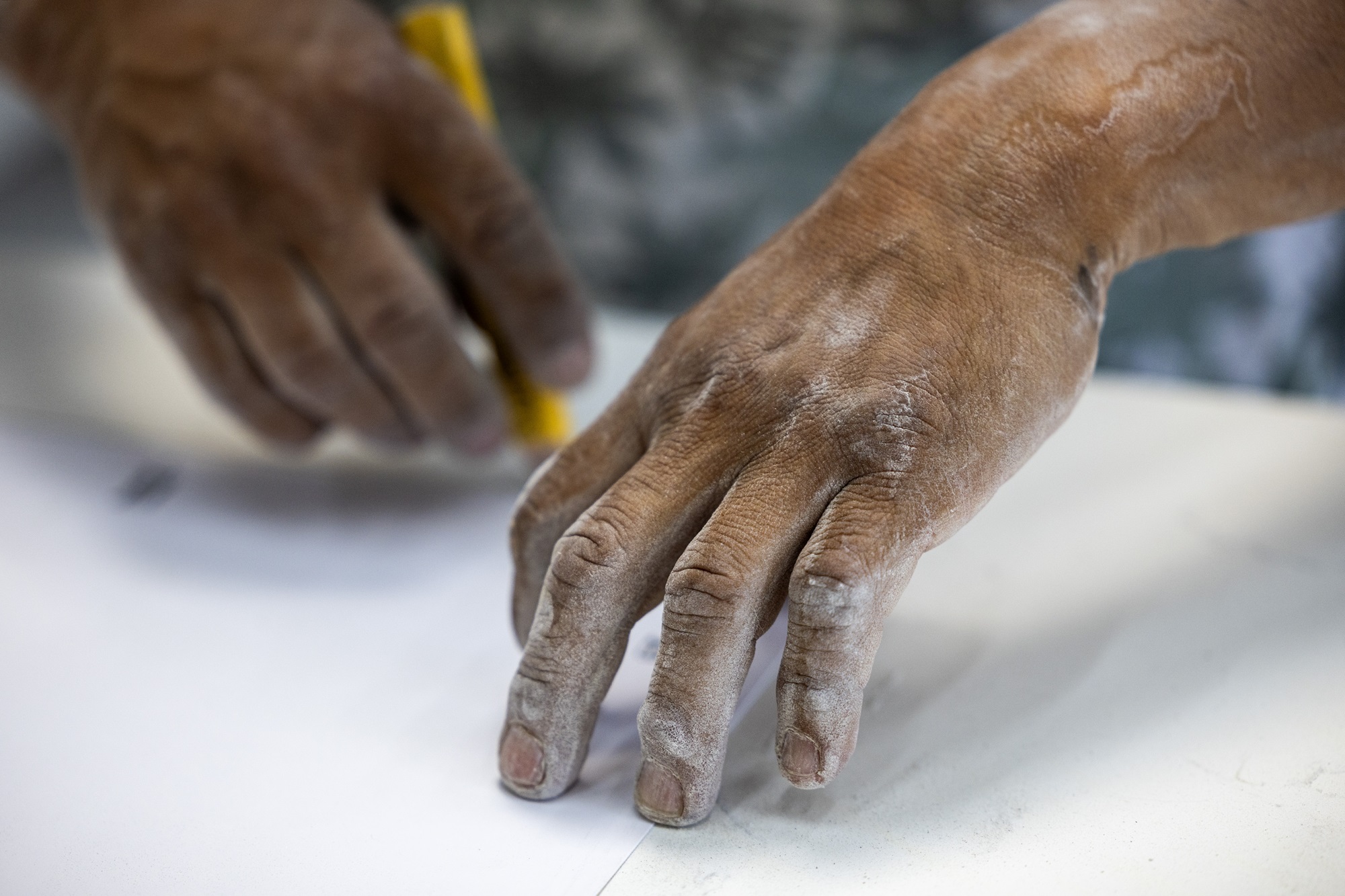
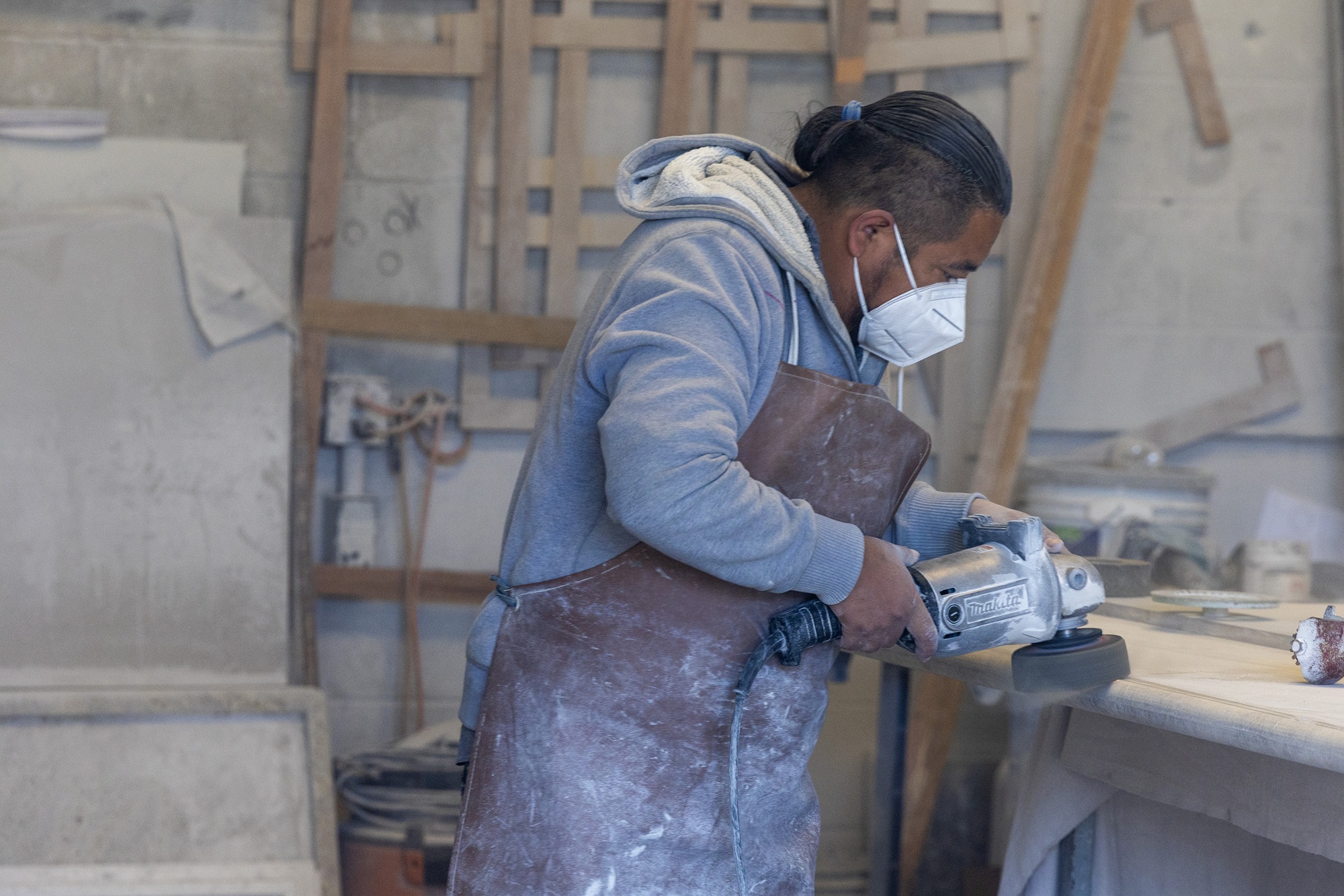
More than 690 California stoneworkers have contracted silicosis after inhaling toxic silica particles generated when cutting, grinding or polishing engineered stone, according to the California Department of Public Health. Dozens of these mostly Latino men underwent lung transplants, while 35 have died since 2019.
Keeling said his agency is not aware of a comparative increase in silicosis cases in other jurisdictions. California is the only state actively tracking the incurable disease, although doctors in Illinois, Colorado, Texas, Massachusetts and other states have also reported cases in the industry.
The factory-made slabs, also referred to as artificial stone or quartz, can contain more than 90% pulverized crystalline silica that is more lethal when airborne than previously known, according to officials with the California Division of Occupational Safety and Health, commonly known as Cal/OSHA. Artificial stone is safe for consumers once installed into kitchen and bathroom countertops and construction panels.
Dr. David Michaels, who led federal OSHA between 2009 and 2017 during the Obama administration, called Keeling’s letter “outrageous,” noting that he knew of no other instance in which the agency urged a state to adopt less-protective measures for workers than planned.
“It’s very surprising to me to see that federal OSHA would make a request of California like this one,” said Michaels, an epidemiologist and professor at George Washington University who believes silicosis cases are far higher than reported, as artificial stone is cut across the U.S. “Usually, the health and safety of workers comes first. It sure doesn’t seem that way at this time.”
The American Medical Association this month endorsed a nationwide ban of engineered stone with more than 1% crystalline silica, recommending the use of safer alternatives such as natural stones and products without crystalline silica. Australia became the first country to prohibit the supply, manufacture and installation of the material in 2024.
Keeling’s letter to California officials said Cal/OSHA’s enforcement of current rules was inadequate, as agency inspectors visited only about 10% of countertop fabrication shops in recent years, finding violations in most. Representatives for the largest U.S.-based manufacturer of engineered stone, Cambria, have also taken that position during public meetings with state regulators.
Cambria’s CEO, Marty Davis, has donated hundreds of thousands of dollars to support Republican candidates and President Donald Trump, according to Open Secrets. Trump announced steep tariffs on imports of quartz earlier this year, a move applauded by Davis and other domestic manufacturers. Most of the engineered stone slab supply has been imported into the U.S.
California requires stone fabricators to cut artificial stone using wet methods, provide workers with powered-air-purifying respirators and use sophisticated ventilation, among other measures. But the state rules, which are more stringent than federal ones, are expensive and difficult to implement and may not be enough to keep workers safe even at compliant shops, according to a Cal/OSHA analysis released in April.
“Recent research shows that even fully compliant shops may still expose workers to harmful silica levels, particularly from nanoparticles that current engineering controls cannot adequately capture,” senior safety officials at the agency wrote.
A Cal/OSHA spokesperson said the agency is reviewing federal OSHA’s letter.
In May, the Occupational Safety and Health Standards Board directed the state agency to draft an emergency regulation on the material. Cal/OSHA has since released a draft that would give fabrication businesses about six months from the date a final rule takes effect to stop using it.
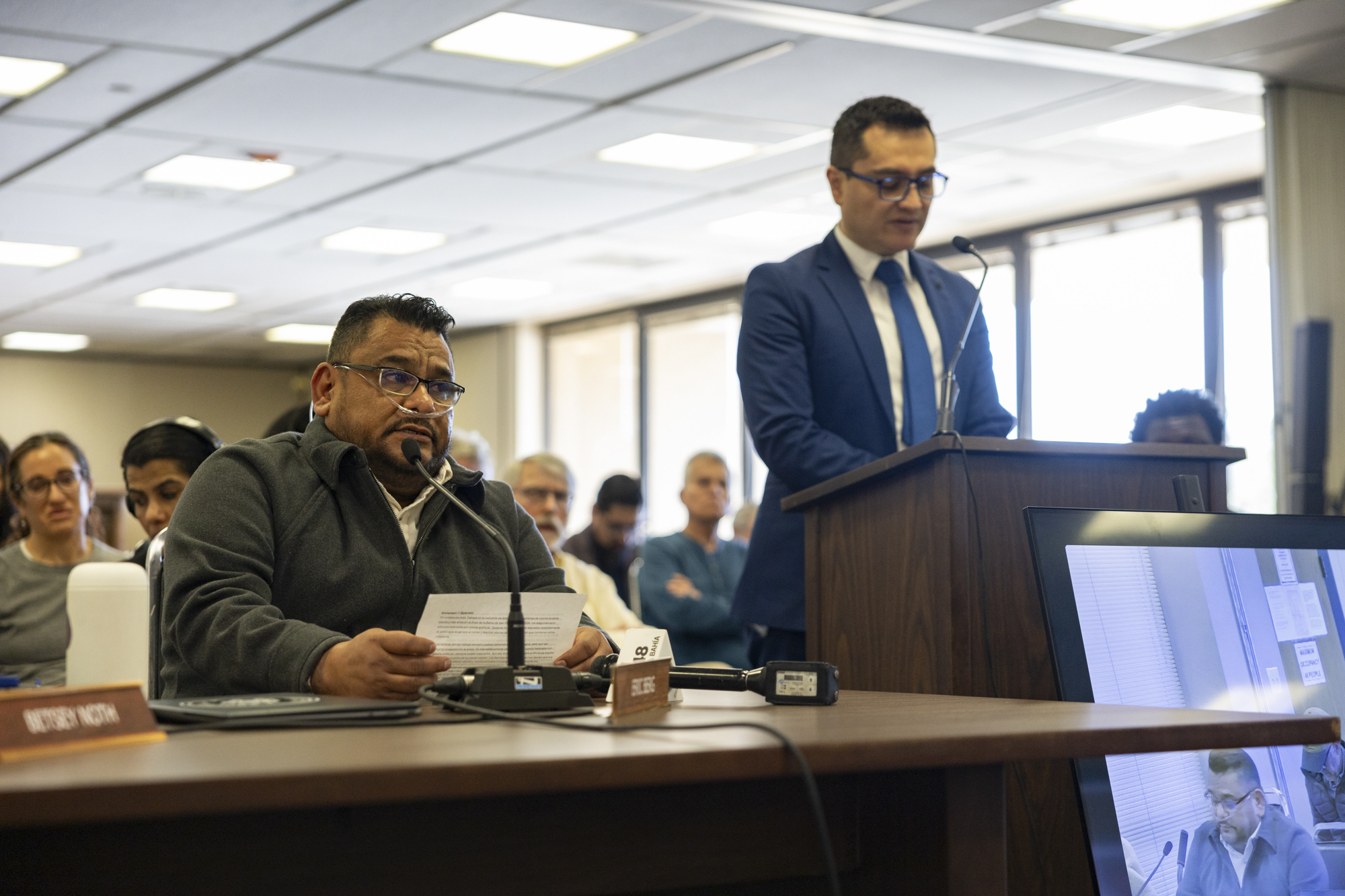
“The Standards Board’s decision reflects the urgent need to protect workers from a product that has proven uniquely hazardous,” said Denisse Gómez, a spokesperson for Cal/OSHA. “The process to develop the proposed emergency regulation remains ongoing, and stakeholder input is being reviewed as the proposal is prepared for the Board’s consideration.”
The earliest the board could take up the issue is at a Dec. 17 meeting.
Dr. Robert Cohen, a pulmonologist whose silicosis patients include a father and son in the Chicago area who both underwent lung transplants, said industrial hygiene and toxicology studies show that the dust generated by fabricating engineered stone is highly toxic. The most proven control method is to substitute the material for a less risky one, he said.
“There’s no reason to continue to use a dangerous material when there are alternatives that are safer,” said Cohen, a professor of environmental and occupational health sciences at the University of Illinois, Chicago, who hopes a California ban inspires other states to take similar action. “And so for OSHA to say, let’s use a less effective method of control… is really quite concerning. It just doesn’t make sense.”