California Regulators Unveil Plan to Ban New Quartz Countertops Amid Rising Worker Deaths
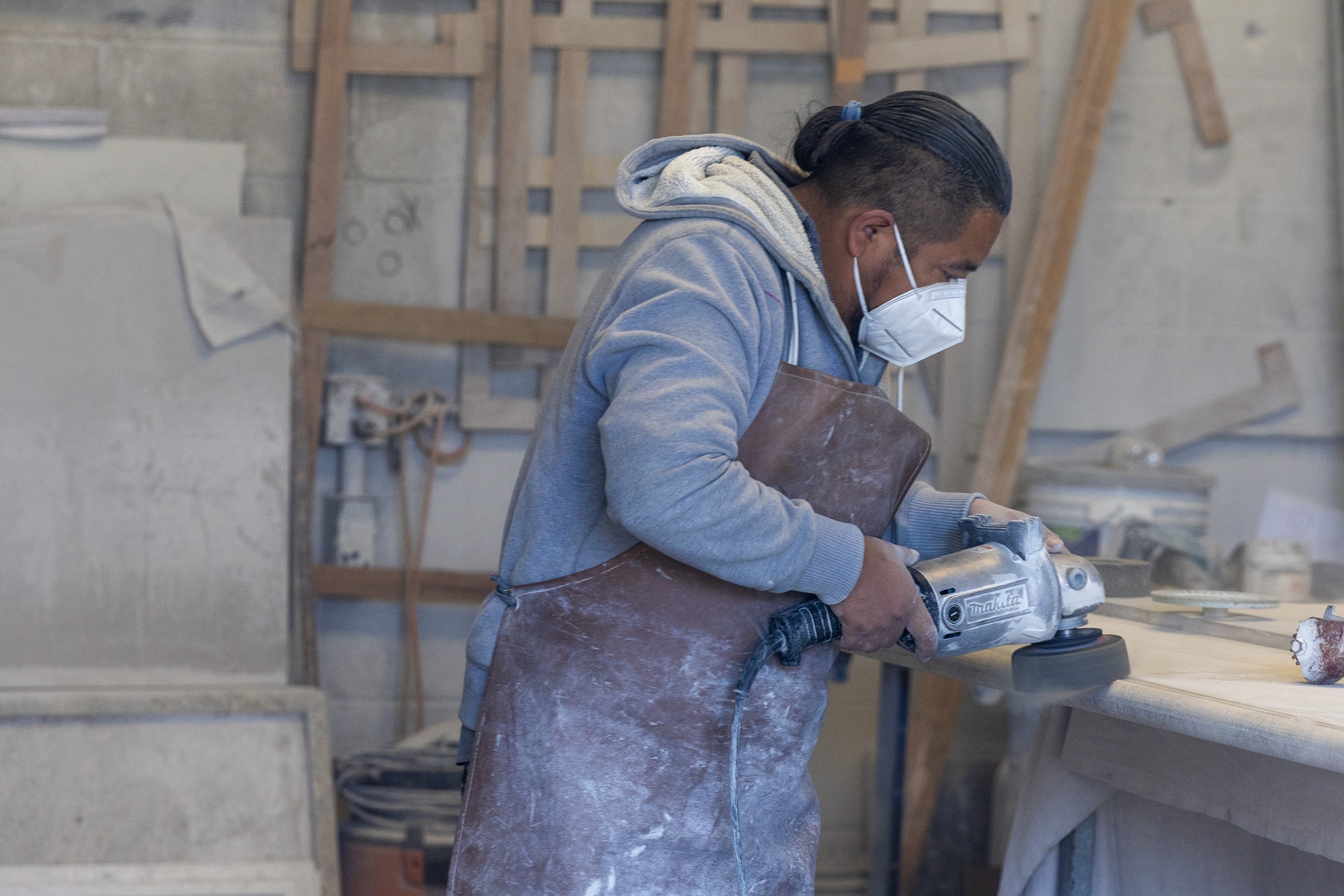
California workplace regulators pushing to ban the use of a popular countertop material linked to a deadly lung disease released a proposed roadmap, the nation’s first, on Wednesday.
Cal/OSHA’s discussion draft would give fabrication shops nearly six months from the date a final rule goes into effect to phase out their use of artificial stone with more than 1% crystalline silica, common in kitchen and bathroom countertops and other construction surfaces.
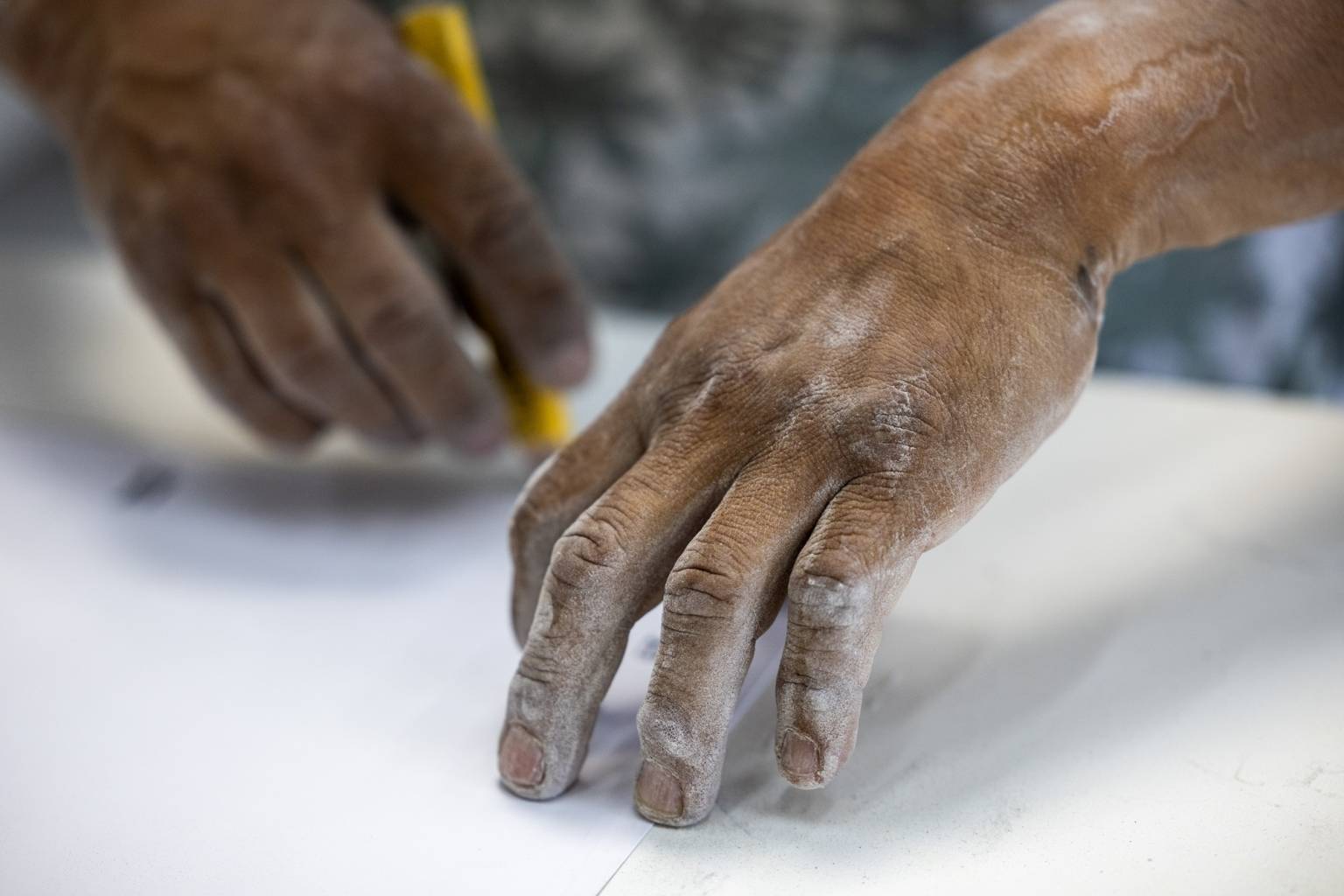
The factory-made slabs, also known as quartz or engineered stone, release ultratoxic silica particles that have sickened more than 650 stoneworkers who inhaled them while cutting or polishing the material, according to the California Department of Public Health.
Dozens of Latino men, often immigrants who didn’t know about the dangers of handling engineered stone until they got sick, have undergone lung transplants or died from silicosis since 2019.
Cal/OSHA officials estimate that without a prohibition about 1,000 more silicosis cases will develop over the next two years in California, the only state actively tracking the disease in the multibillion-dollar industry.
“I hope that we will look back at Cal/OSHA’s emergency standard as the beginning of the end of this terrible quartz countertop silicosis epidemic,” said David Michaels, a former head of federal Occupational Safety and Health Administration who teaches at the George Washington University School of Public Health.
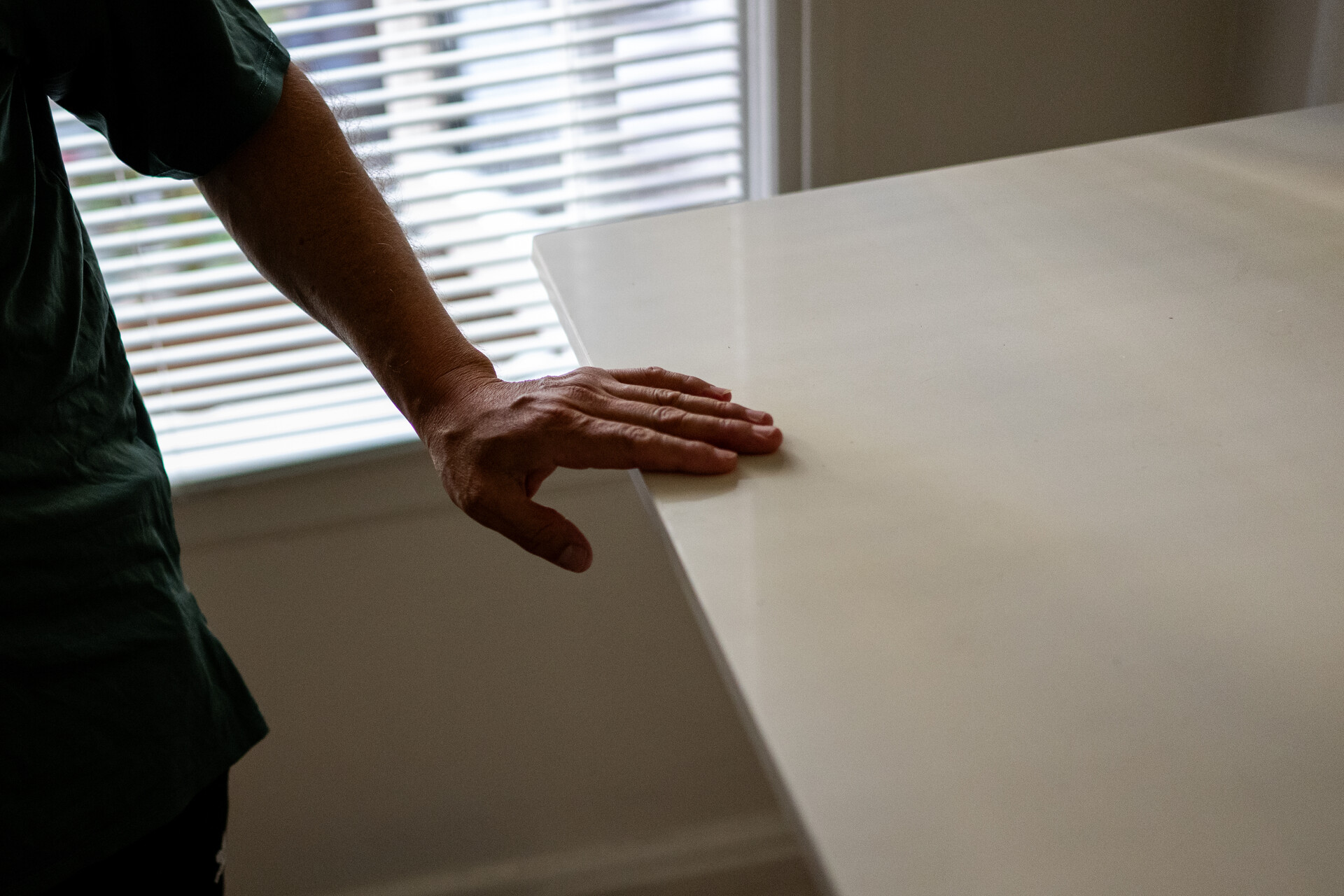
Consumers prefer quartz to lower-silica natural stones because it’s cheaper, stain-resistant and designed in attractive palettes. But its skyrocketing popularity has coincided with a deadly silicosis trail among stoneworkers in countries like Israel, Spain, the United Kingdom and Australia, which became the first to prohibit the material’s import, supply and fabrication in 2024. Australia’s ban triggered cost increases and supply-chain delays in the construction industry, according to some reports, but warnings that residential and commercial development would collapse have not proven to be true.
Some large manufacturers developed alternatives made with amorphous silica, which is considered safer for stonecutters. Public health experts like Michaels believe that California’s proposed ban would encourage more big-box stores, designers and consumers to opt for safer alternatives for the workers who shape and install countertops.
“Banning fabrication and installation of artificial stone products in California is the first step in stopping this deadly work nationally,” Michaels said.
The public has until Sept. 30 to comment on Cal/OSHA’s draft regulation before the agency can submit it to an occupational safety board for final approval, a process that could take months.
Under the draft emergency regulation, fabrication shops would be required to notify workers in English and Spanish that engineered stone with crystalline silica is dangerous and prohibited. Cal/OSHA inspectors could halt operations at businesses that work on this material after a two-month grace period. Employers would have 180 days to use up inventory they already purchased or contracted.
Some employers worry they’ll need more time to adjust, as artificial stone makes up a majority of their business. A countertop sold today may be installed four to eight months from now, said Laurie Weber, who heads the International Surface Fabricators Association.
“If the prohibition reaches repair work, warranty work, remnants and material already in distribution, then 180 days isn’t a wind-down period, it’s a cliff,” wrote Weber in an e-mail. “Slabs already ordered and in transit aren’t in anyone’s shop yet, and no one has said who absorbs that cost.”
Industry representatives have pointed out that banning artificial stone could raise prices for building and remodeling, and add expenses for fabrication shop owners who have already spent heavily to protect their workers.

Nate Kolenski, president of Black Tops Countertop Surfaces in Sacramento, told Cal/OSHA staffers at a July public meeting that his company has two years’ worth of inventory already stockpiled, valued at $1 million or less. He said the state should consider a buy-back program, akin to those related to guns, to minimize financial losses.
“If the state wants to ban this product, they should be buying back our inventory because we’ll have no use for it. It will be worthless, and thousands of fabricators will have the same situation with inventory and capital that’s sitting out there that they won’t get,” said Kolenski, who opposes a prohibition. “Plus we’ll have to buy the new product.”
The state’s plan comes as major manufacturers of high-silica quartz have pushed for a bill in Congress that would dismiss hundreds of lawsuits against them by sick stoneworkers seeking damages. Most of the handful of cases that have reached trial resulted in multimillion-dollar verdicts for workers or their families.
The largest U.S. manufacturer, Cambria, fought efforts by worker advocates and doctors to get California to take steps toward a prohibition, maintaining that their products can be handled safely if the proper precautions are followed. But growing evidence shows that the dust generated when cutting or polishing artificial stone is so toxic that it can sicken people at sophisticated fabrication shops following Cal/OSHA’s current rules, which prohibit dry cutting of the material and require advanced respiratory protection.
A representative for Cambria did not immediately return a request for comment.