The Sweet History of the Bay Area’s ‘Sugartown’
View the full episode transcript.
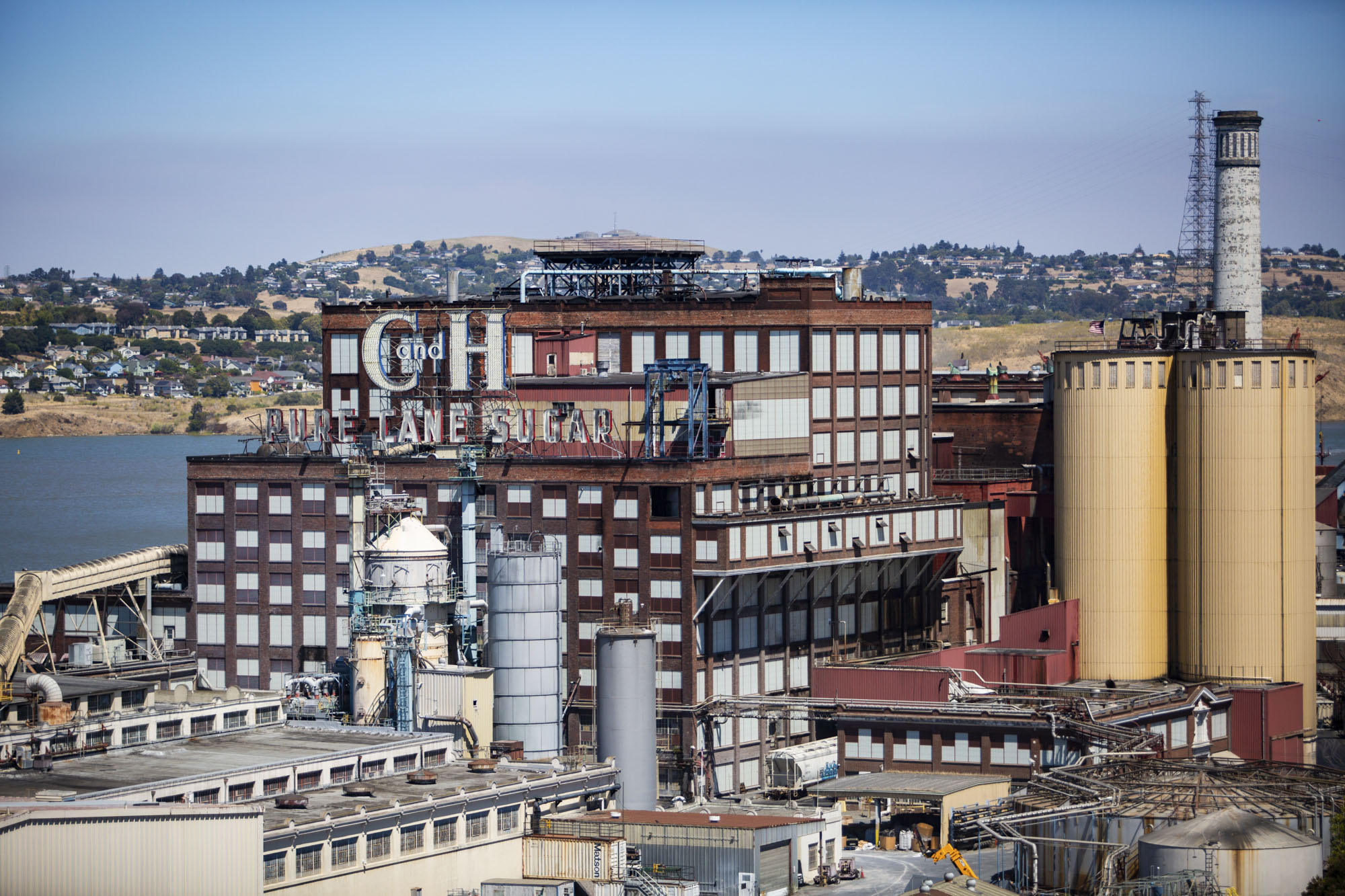
Driving over the Carquinez Bridge as he does every so often, Bay Curious listener Doug Spindler has always wondered about the brightly-lit sign that reads: C&H Pure Cane Sugar.
“Is C&H still in business there, or is the sign a relic from the past?” Spindler recently wrote into Bay Curious.
Sitting 22 feet tall and illuminated by hundreds of light bulbs, the sign — in its massive block font – is impossible to miss. But what’s the story behind the sign? Bay Area residents are probably familiar with the pink sacks of sugar typically seen on grocery store shelves, but do they still come from this one factory, in a little-known town called Crockett?
A ‘company town’
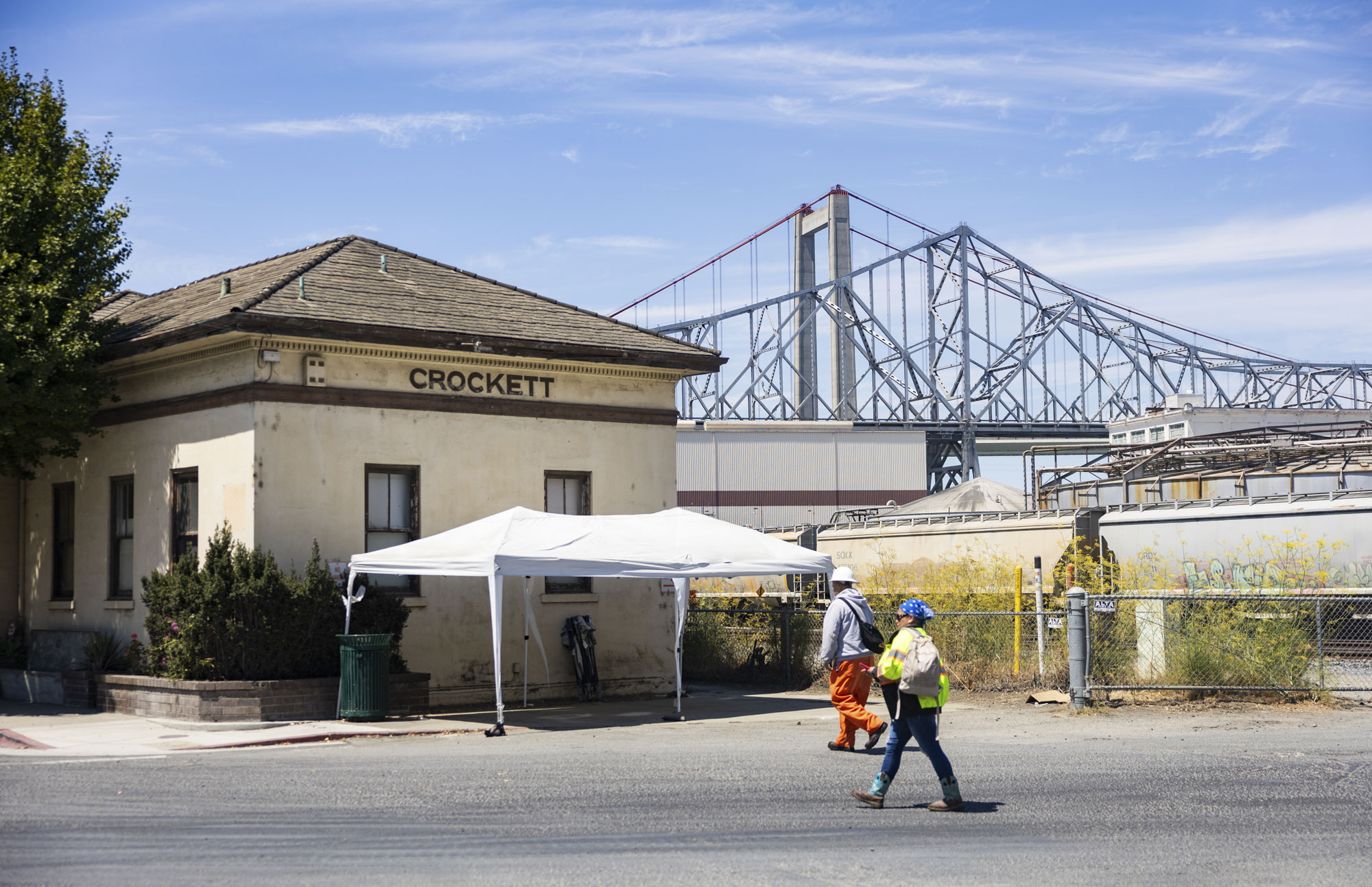
Crockett sits in the shadow of the Carquinez Bridge, its buildings spanning from the water all the way up into the hillsides surrounding I-80. Its main drag is only a few blocks long, lined with old taverns and dive bars, a cafe that looks like it’s been there for decades and a tattoo parlor.
At the town’s base, right on the water, sits the C&H factory.
The multi-story brick building looks like a pre-war industrial warehouse. But this factory is very much in operation, with big rigs cycling in and out constantly, and the sweet smell of sugar drifting through the air.
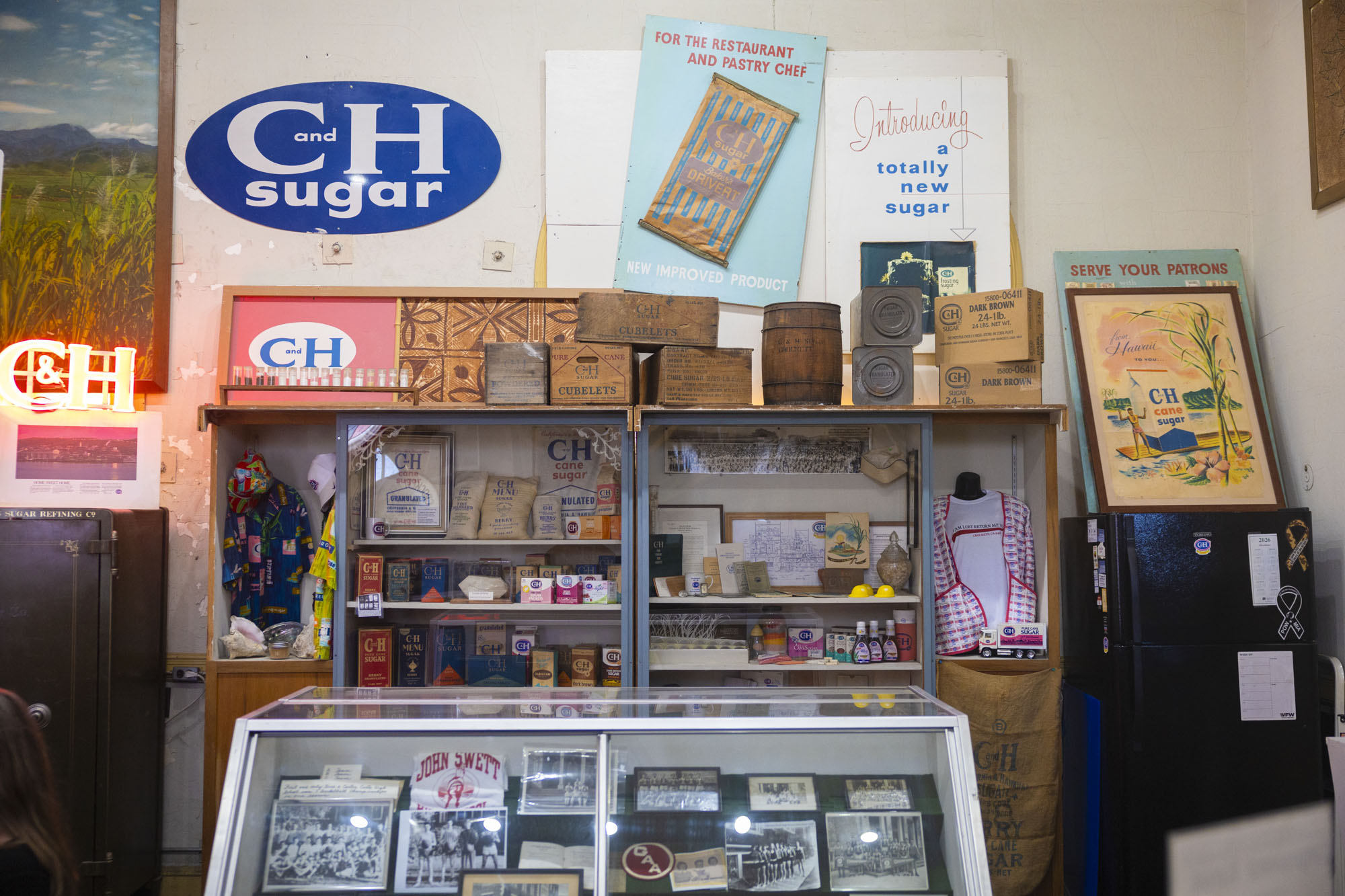
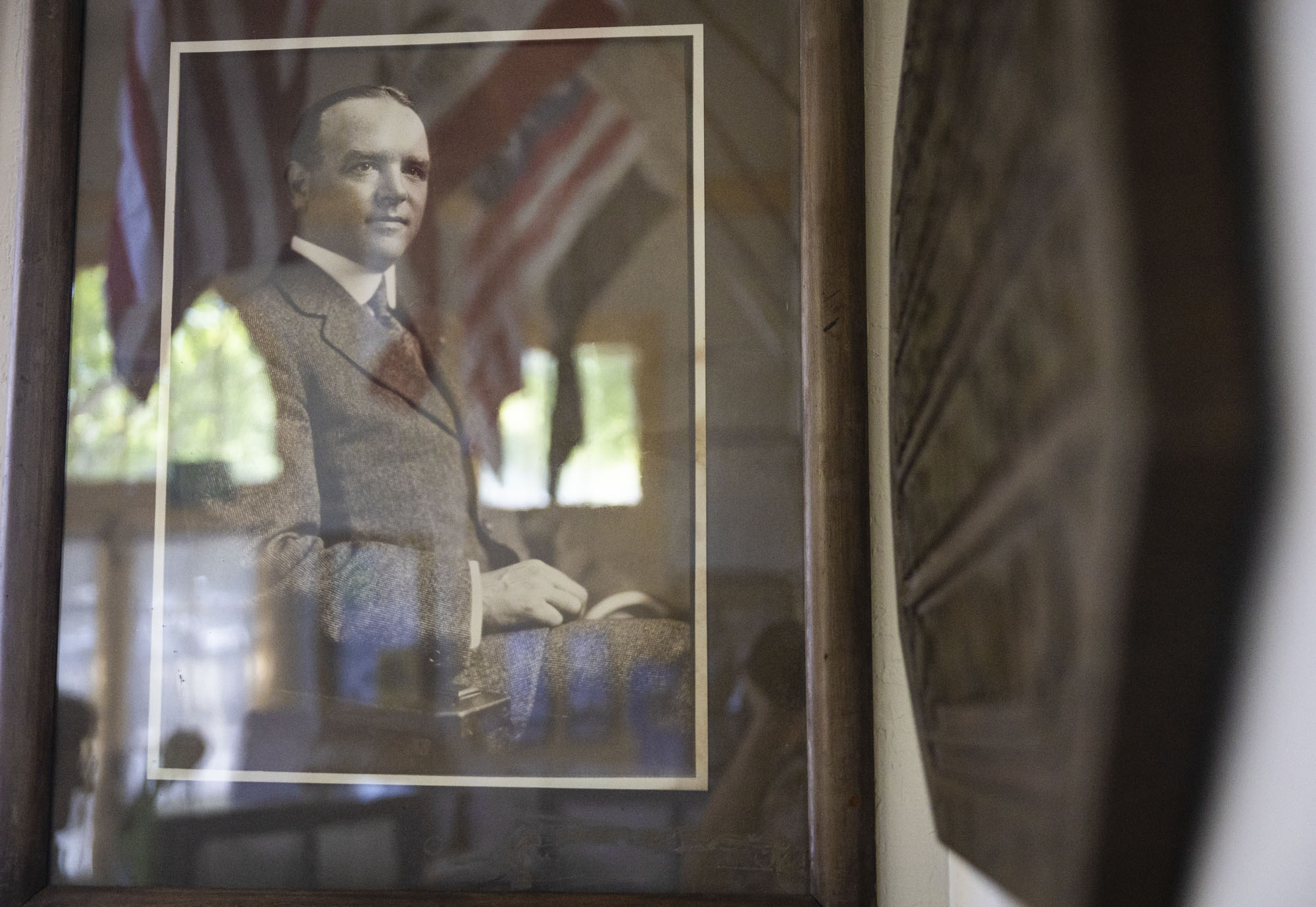
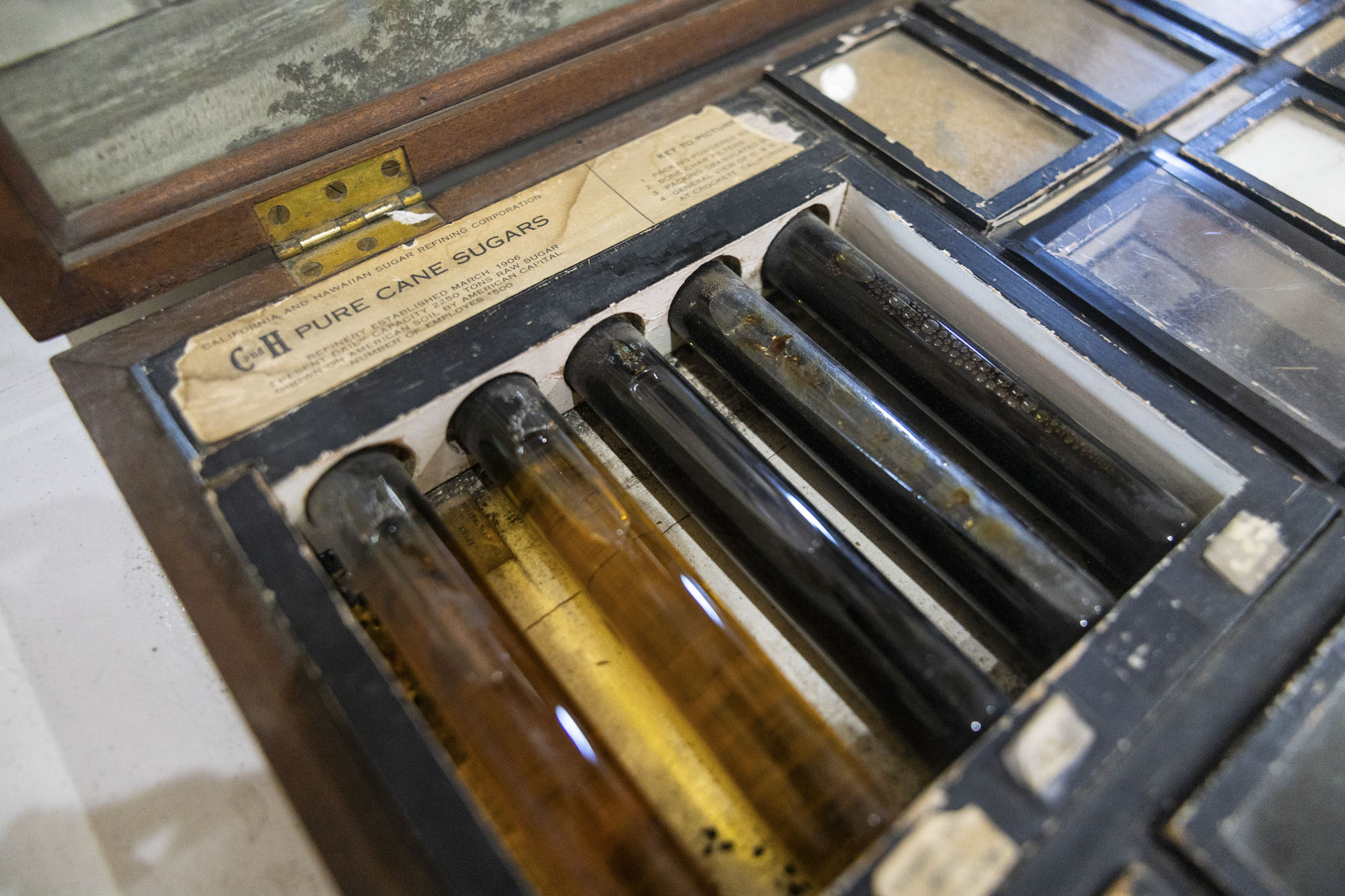
The building has sat here for more than a century, but was not always a sugar refinery. It first opened as a flour mill, when the Central Valley was one of the predominant producers of wheat. But in the late 19th century, demand for California wheat dropped, and the factory went bankrupt.
The building was quickly adopted by a new industry: sugar. It was first sold to a sugar beet refining company, but sugar beets weren’t a reliable enough source, so in 1906, a cane sugar refinery moved in.
The facility was run by a man named George Morrison Rolph, who saw potential in this new refinery for a couple of reasons: first, because of its proximity to Hawaii – which was the source of all the cane sugar (hence the name of the company: California & Hawaiian Sugar Company, or C&H for short); and second, because the deepwater channel made it easy to accommodate big ships for transport.
The critical piece missing from the puzzle was people.
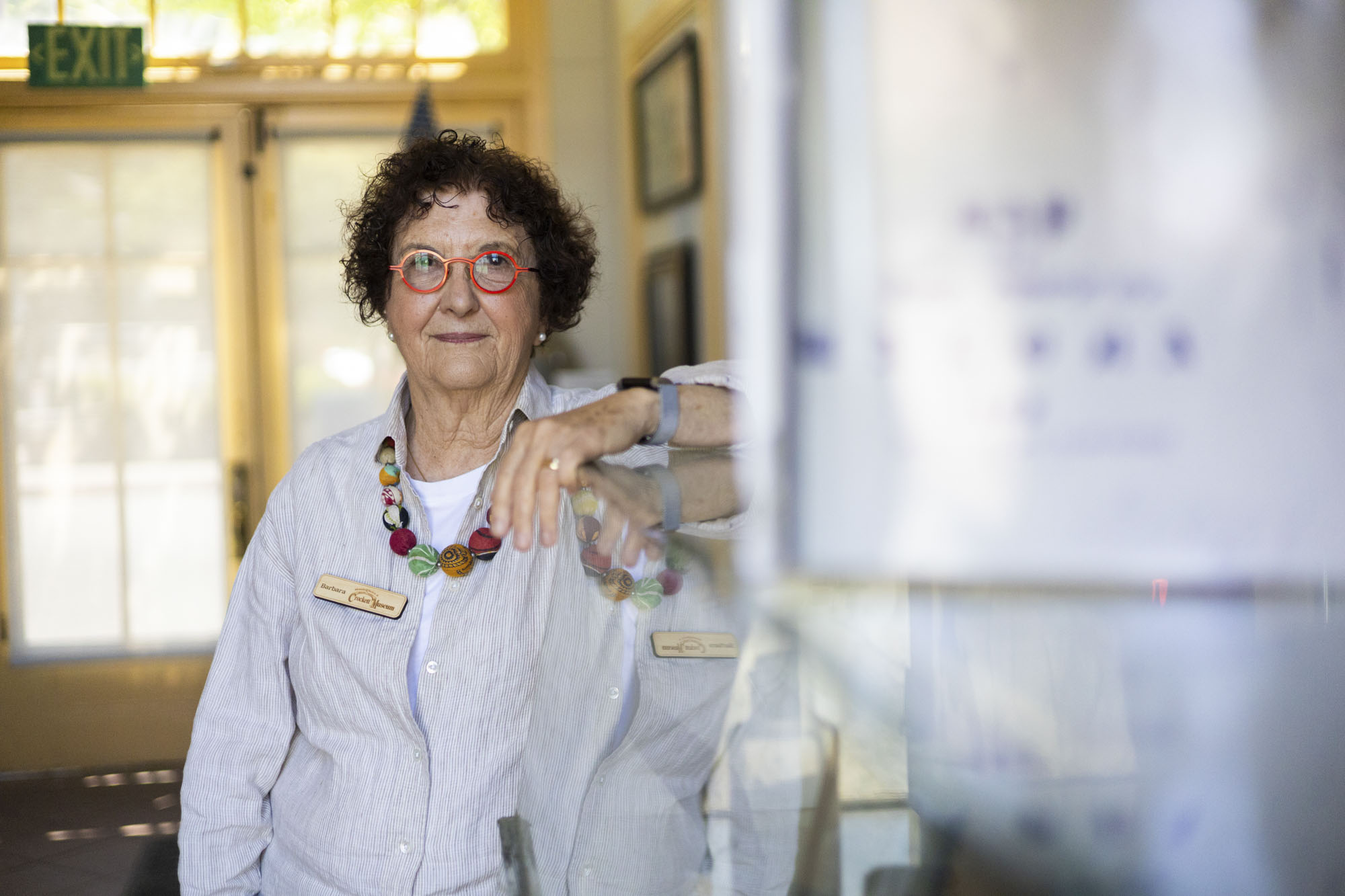
“Crockett was geographically isolated,” said Barbara Pagni Denton, a lifelong Crockett resident and volunteer at the Crockett Museum, the unofficial historical archive of the C&H factory. “There was only one road, Highway 40; there was no Interstate 80.”
That left Rolph largely without a workforce. And the few workers he did have had nowhere to stay.
“They would come here, work at the refinery, and then bed down in the fields,” Denton said.
So, Rolph set out to change that. In the early-to-mid 1900’s, he built housing, a community center and even a park for his employees and their children.
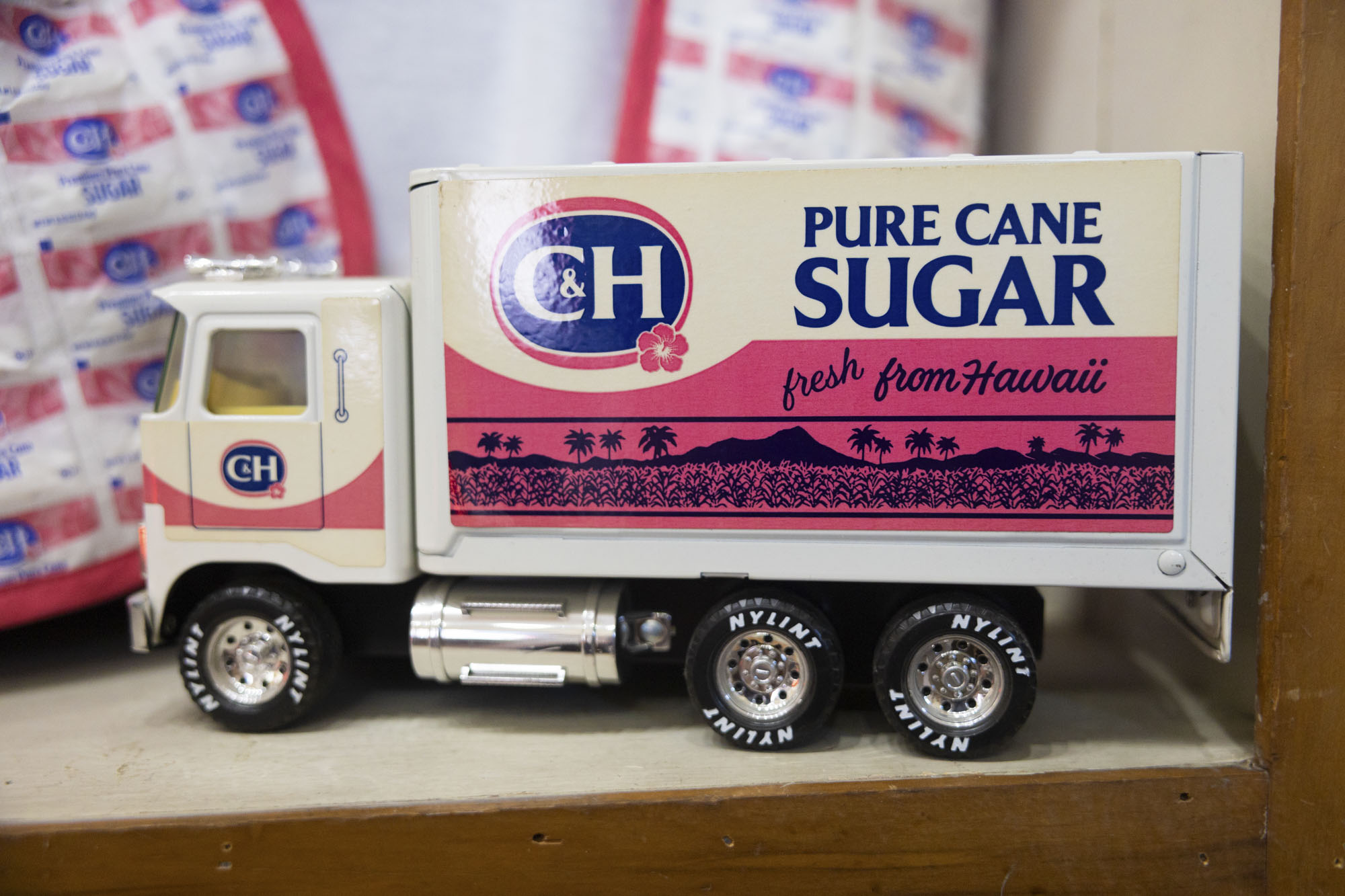
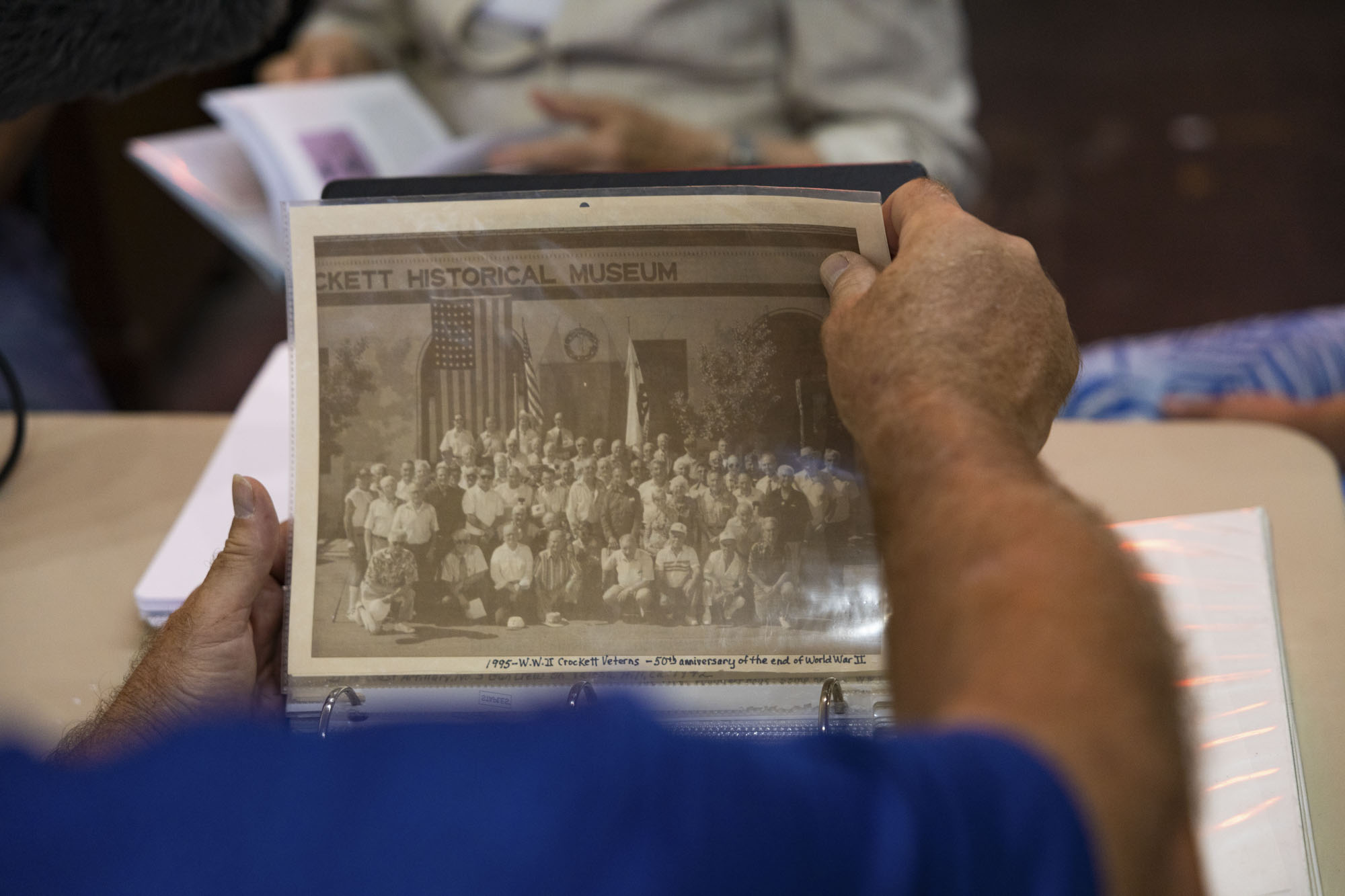
This “company town” playbook was common in this era, where an employer would develop land to attract and retain a workforce.
Denton remembers it well.
“In the summer we never got bored because there were recreation programs for the kids, music and dance and drama,” she said. “There was something for everybody.”
The strategy worked. At its peak just before World War II, C&H employed more than 2,000 people. Ninety percent of them lived in Crockett. And Denton’s grandparents were among them.
“This refinery gave my family and many families in this area … a path to economic stability and the American dream,” she said.
Working at C&H
Working at the C&H factory back then was no easy task.
The raw sugar, brown and coarse upon arrival, would come in from Hawaii on a big cargo ship, with workers ready to manually unload. Inside the factory, it was refined into the granular, white sugar we’re all familiar with, and packaged up in various forms.
Denton herself worked at the factory, beginning in the summer of 1966, right before she was set to start as a freshman at UC Berkeley.
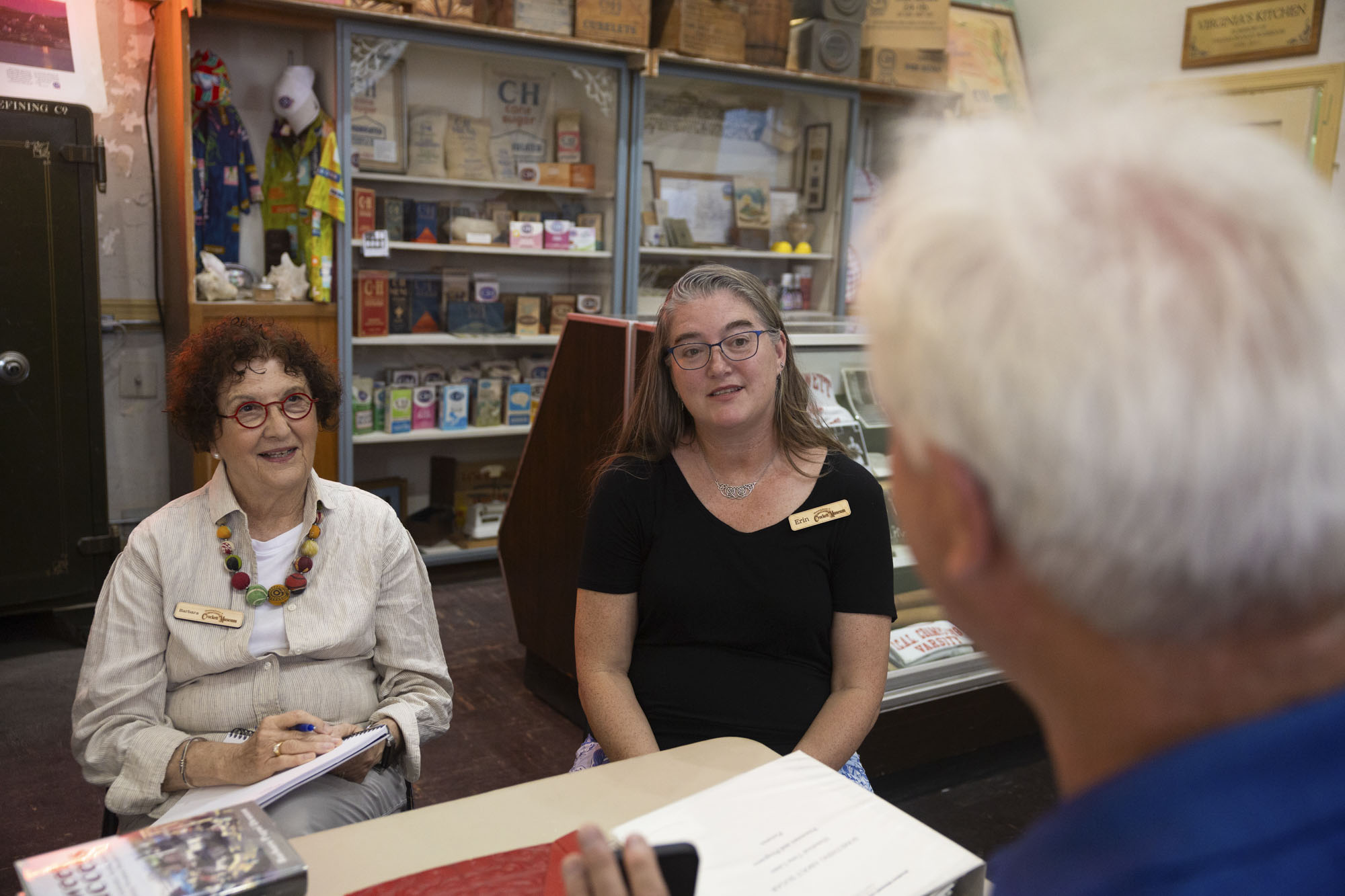
“In four months, from May to September, I made enough money to put myself through one year at Cal,” she said.
The money was fantastic. The uniforms? Not as much.
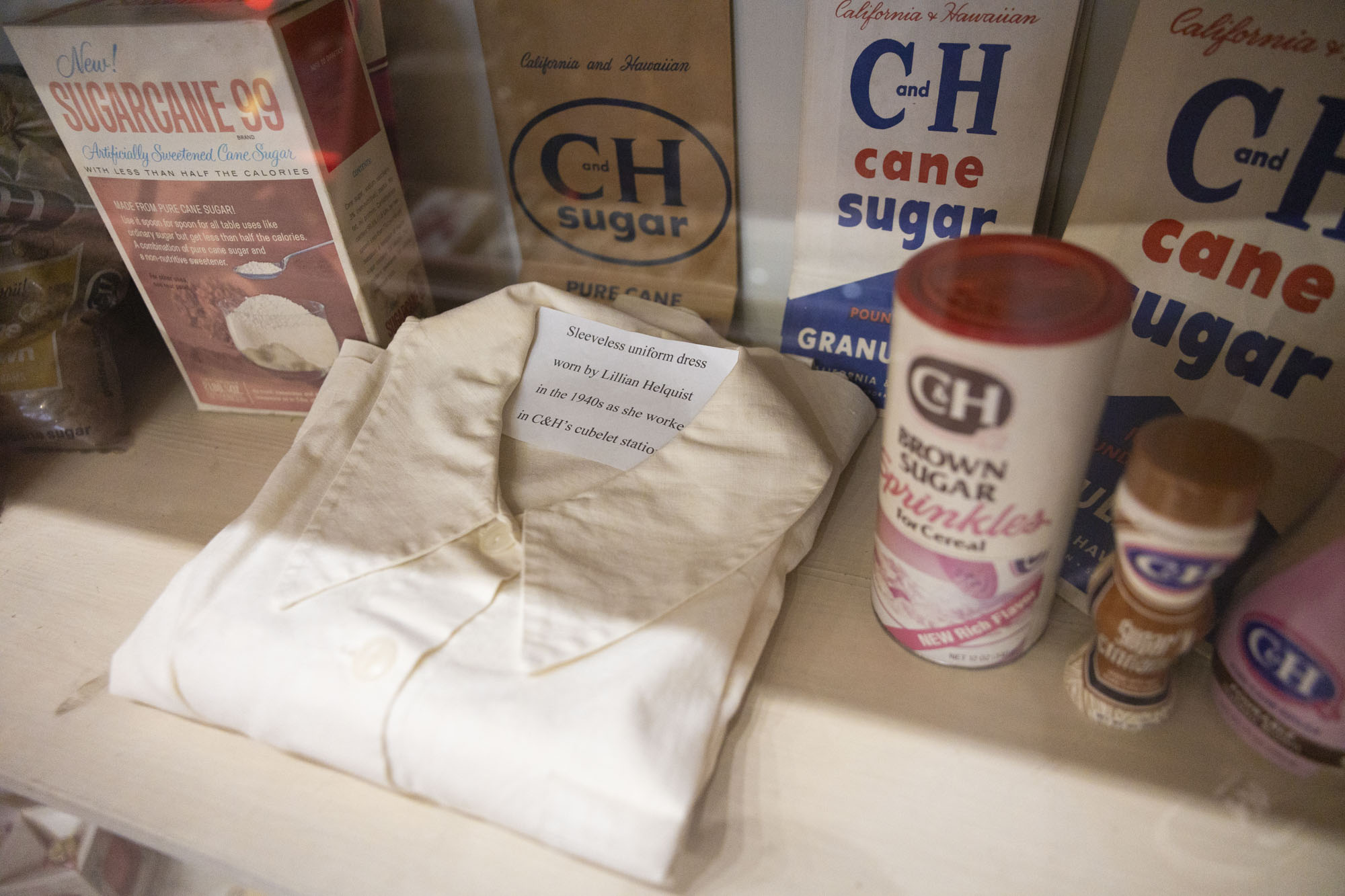
“I wore this horrendous white uniform … with a little cinch waist and an A-line skirt, all starched,” she said.
Her job was to sit by a conveyor belt that churned out individual sugar packets, and shove them in little boxes, all neat and tidy.
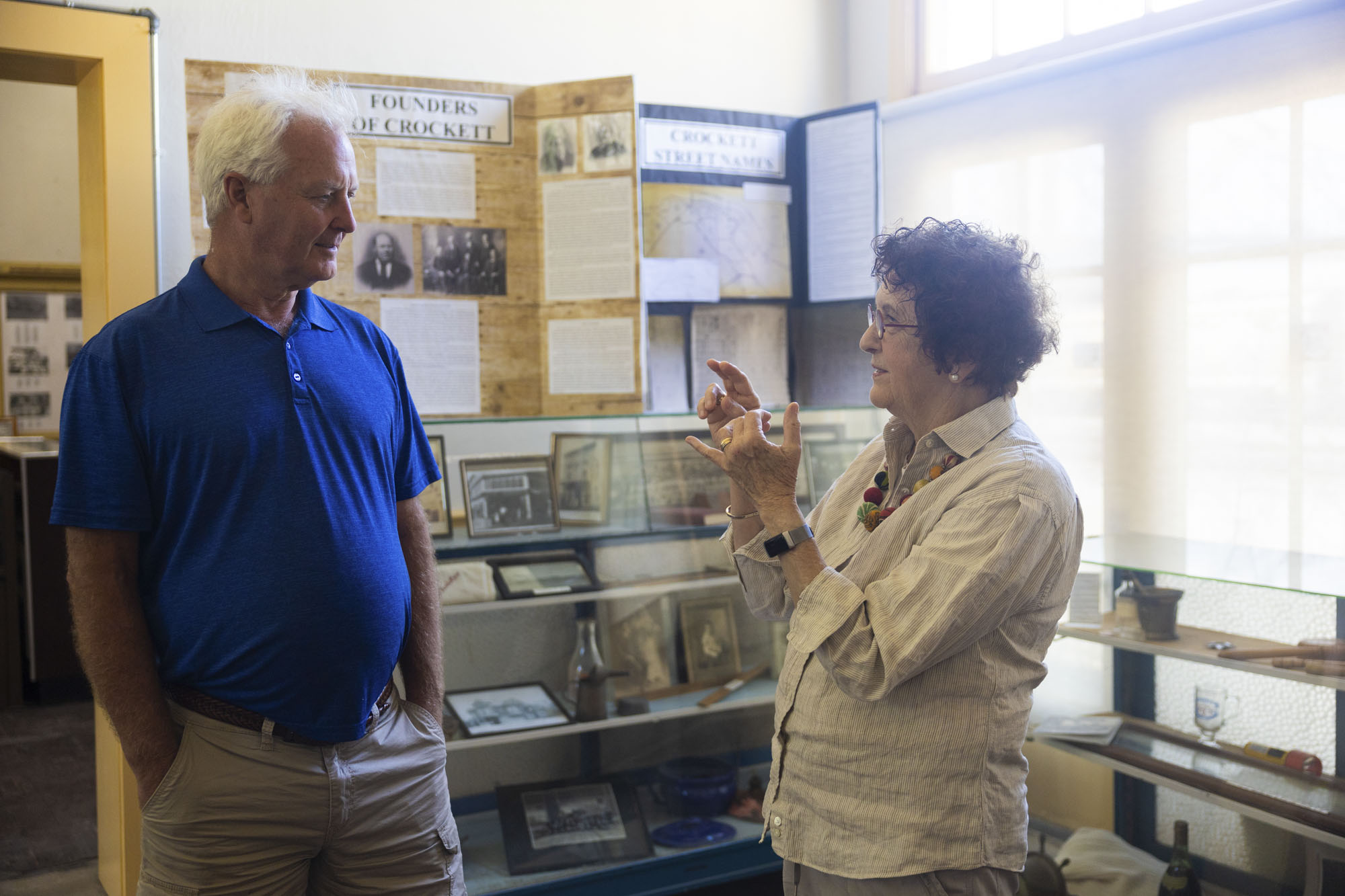
“There was sugar dust everywhere, and it’s hot in there, like 90 degrees, so you start to sweat. And then the sugar dust lays everywhere. And then it starts to cake on you,” she said. “I got dermatitis on my face, and then I had to learn that every break, go in the bathroom and wash up, get all that dust off.”
She said she would get bored during the long shifts, and to pass the time, would imagine the little sugar packets were Rockettes, dancing their routine along the conveyor belt.
Changes at C&H
Right around the time Denton began working at C&H, the factory was changing.
By that time Rolph was long gone, and the factory had changed hands numerous times. Automation was on the rise, and Interstate 80 had been constructed, making it easier for the company to recruit out-of-towners.
“That’s when C&H realized they didn’t need to do all this for the town anymore,” Denton said. “They didn’t need to support all these employees because people were coming from Martinez, Vallejo, wherever. So they started to pull out of the town.”
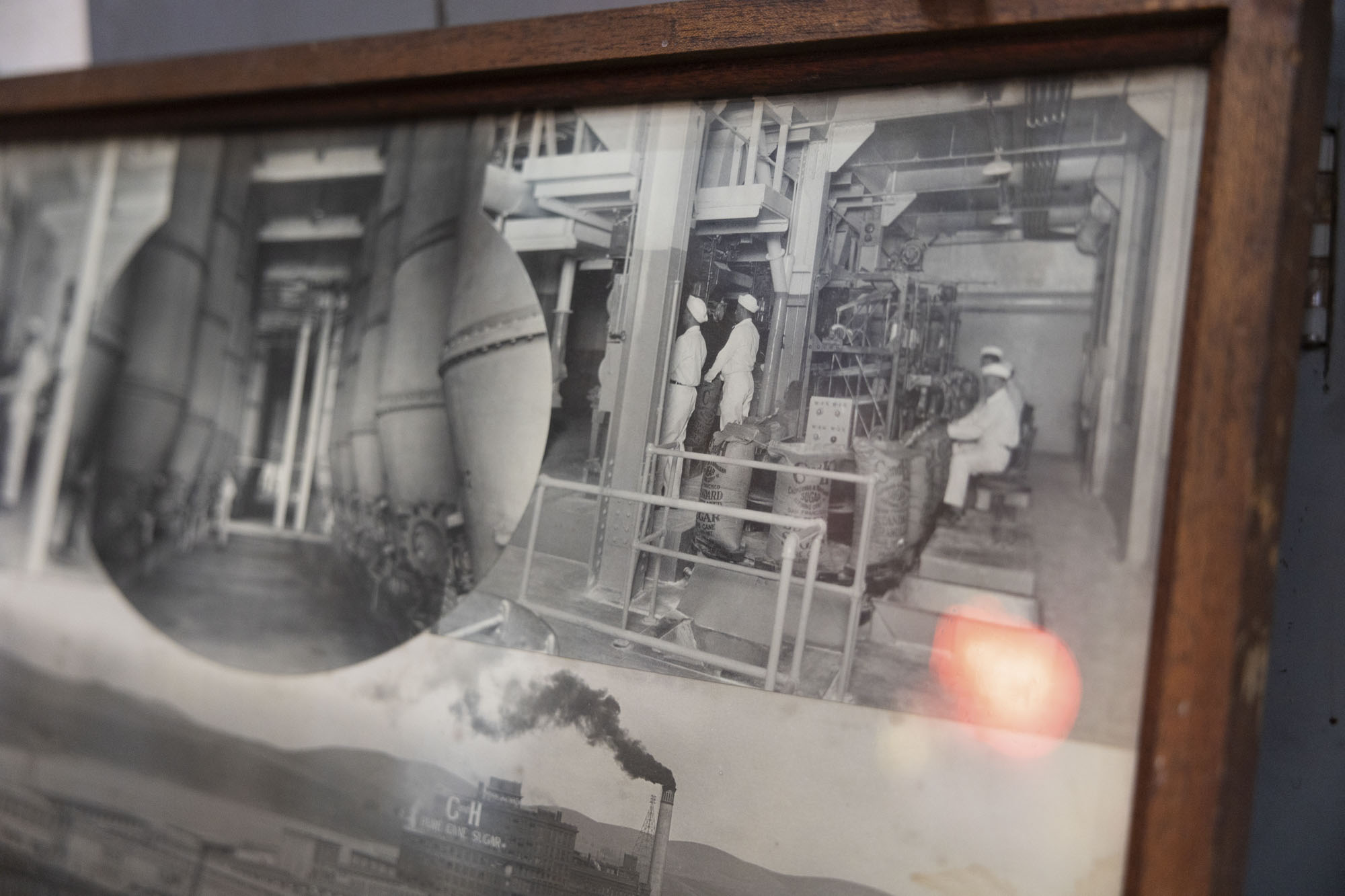
At that point, only a few buildings in Crockett were still under C&H’s control, and they were beginning to show their age. C&H decided to liquidate. Many of the buildings were either sold or torn down.
Fast-forward to today, C&H is owned by American Sugar Refining, a big sugar conglomerate based in Florida. And it no longer sources its sugar from Hawaii, but rather from Central and South America and parts of Asia.
The factory made headlines recently when a labor dispute broke out between C&H warehouse workers and ASR, the parent company. Workers went on a multi-week strike over wages, healthcare and retirement benefits.
Six weeks into the strike, tensions boiled over, with sheriff’s officials reporting rocks being thrown at trucks attempting to enter the facility and protesters blocking the roadway. All in all, nine people were arrested that day.
The workers eventually reached an agreement with the company that they said addressed their main concerns.
A proud history
Denton is proud of her town’s history, but said a lot has changed between Crockett and its once-beloved sugar factory.
“I would say [the relationship] is a little more detached,” she said. “They still support local initiatives, but not to the degree they once did. I don’t think it’s any different than, you know, the Amazons of the world.”
C&H is all business these days, she said. And the way of doing business has changed over the past century; what made sense when the factory first opened isn’t as lucrative now.
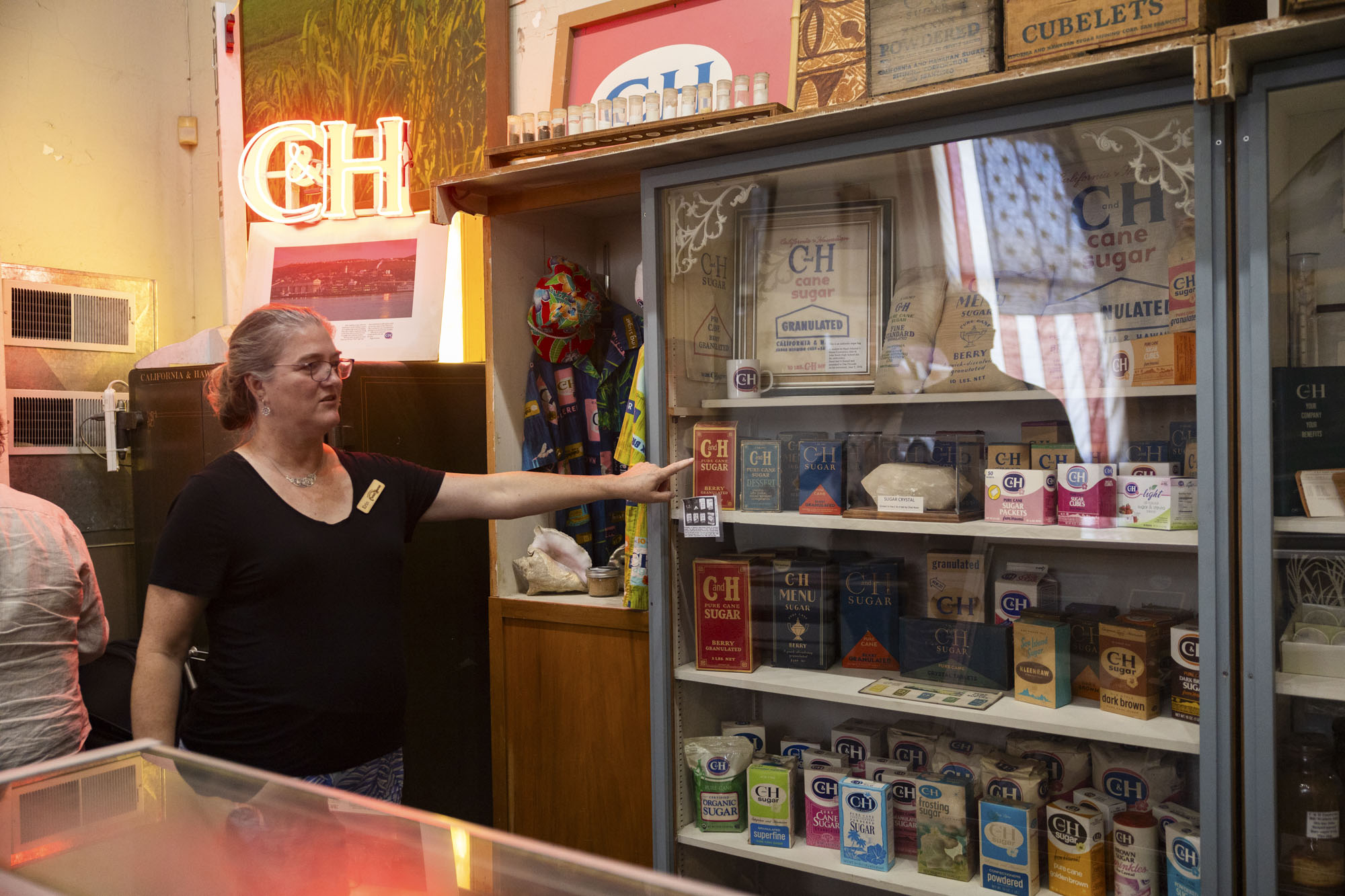
But their entangled history lives on, especially at the Crockett Museum, which C&H owns and leases to the historical society for $1 per year.
Episode transcript
Doug Spindler: So here we are driving eastbound on 80. We’re about to cross over the Carquinez Bridge.
Olivia Allen-Price: This is Bay Curious listener Doug Spindler. He lives in Oakland and this is a frequent drive for him. Every time he’s driving up north to Tahoe, Napa, Vallejo, he crosses over the Carquinez Bridge above the town of Crockett.
Doug Spindler: As I’ve done so many times, you look down at Crockett from up on the bridge, you see some houses, start to see the water, and then you see the big C&H, pure cane sugar sign.
Olivia Allen-Price: The sign is impossible to miss, C and H, in that iconic block font, lit up by hundreds of light bulbs standing 22 feet tall. Doug’s always wondered about the factory behind that brightly lit sign.
Doug Spindler: So my question was, is C&H Sugar still in business?
Olivia Allen-Price: You still see those pink sacks of sugar on grocery store shelves, of course. But do they still come from this one factory in a little-known town called Crockett?
I’m Olivia Allen-Price, and on today’s episode of Bay Curious, we take you to Sugartown, aka Crockett, aka the long-time home of the C&H Sugar Factory. We’ll hear from some people who used to work here and learn how it went from a beloved local employer to a modern-day corporate-owned factory. Reporter Dana Cronin brings us along.
Dana Cronin: Okay, first, let’s get back in the car with Doug. As we wind our way down into the town of Crockett, we first pass a quirky looking seafood restaurant.
Doug Spindler: … The Dead Fish.
Dana Cronin: Before hitting Crocket’s main drag.
Doug Spindler: Downtown Crockett is what one two three four blocks long
Dana Cronin: It’s lined with old taverns and dive bars, a small cafe that looks like it’s been there for decades, and a tattoo shop. It’s a downtown for the working class.
Then you see it, sitting right on the water with a gorgeous view of the Carquinez Bridge, the C&H factory. Doug and I park the car and get out to take in the view.
Doug Spindler: The brick building looks so old but obviously it’s modernized right now but you can sure smell the sweet smell of sugar in the air.
Dana Cronin: This factory is very much still in operation. Big rigs are constantly driving in and out.
Doug Spindler: I guess this must be a truck that’s filled with C&H sugar.
Dana Cronin: Unfortunately, we are not going inside the factory today. American Sugar Refining, which now owns the facility, denied our request to tour it. Luckily, just steps away sits the Crockett Museum, which serves as C&H’s unofficial historical archive. It’s entirely volunteer run, and in some cases, the volunteers are part of the history themselves.
Barbara Pony-Denton: I’m Barbara Pony-Denton and I was raised in Crockett.
Dana Cronin: Barbara has written a book about the history of Crockett, and she also comes from a long line of C&H factory workers.
Barbara Pony-Denton: Having lived here and having worked at the refinery, I bring some perspective.
Dana Cronin: And as soon as we arrive, Doug poses his question to Barbara.
Doug Spindler: I go across the bridge and I see the C&H sign. And I don’t know, is C&H still in business?
Barbara Pony-Denton: Absolutely.
Doug Spindler: Okay, I didn’t know that.
Dana Cronin: Okay, looks like my work here is done. Just kidding. While yes, C&H Sugar is still in business, it’s changed a lot since the factory was first built on this shoreline in 1883. It started as a flour mill back when the Central Valley was one of the big producers of wheat and Crockett was known as Wheatport.
But in the late 1800s, demand for California wheat dropped, and the flour mill went bankrupt. But the building was quickly adopted by a new industry, sugar. It was first sold to a sugar beet refining company, but sugar beets didn’t grow very well here in California. So in 1906, a cane sugar refinery moved in.
The facility was run by a man named George Morrison Rolph. Rolph saw potential in this new sugar refinery for a couple reasons. One, because of its proximity to Hawaii, which was the source of all the cane sugar at the time. Hence the name of the company. California and Hawaiian Sugar Company, C&H for short.
C&H Jingle: C and H. Pure cane sugar. From Hawaii. Growing in the sun.
Dana Cronin: The other reason this location made sense was that the deep water channel here made it possible to accommodate big ships. But the one critical piece missing from this puzzle was people.
Barbara Pony-Denton: Because Crockett was geographically isolated. There was only one road, Highway 40. There was no Interstate 80 that you mentioned you’d go over.
Dana Cronin: Rolph, the factory’s manager, realized he needed a workforce.
Barbara Pony-Denton: And he found life in Crockett abysmal because there were no amenities, no housing, no nothing.
Dana Cronin: There was so little there that the few workers he did have had nowhere to stay.
Barbara Pony-Denton: They would come here, work at the refinery, and then bed down in the fields.
Dana Cronin: So he set out to change that. In the early to mid-1900s, he built housing, a community center, even a park for his employees and their children. This “company town” playbook was common in this era, where an employer would develop land to attract and retain a workforce. Barbara remembers it well.
Barbara Pony-Denton: In the summer we never got bored because there were recreation programs for the kids, music and dance and drama.
Les Bellecci: The playground.
Barbara Pony-Denton: The playground! There was something for everybody.
Dana Cronin: That’s Les Belleci there, another volunteer here, and another lifelong Crockett resident.
Rolph’s strategy worked. At its peak, just before World War II, C&H employed more than 2,000 people and 90% of them lived in Crockett. Barbara and Les’s grandparents were among them.
Barbara Pony-Denton: So this refinery gave my family, and like many families in this area, a path to economic stability and the American dream.
Olivia Allen-Price: When we come back, we’ll hear firsthand what it was like inside the factory. Stay with us.
Olivia Allen-Price: And we’re back talking sugar with reporter Dana Cronin.
Dana Cronin: Working at the C&H factory was no easy task. The raw sugar, brown and coarse upon arrival, would come in from Hawaii on a big cargo ship with workers ready to manually unload.
Les Bellecci: This is what it looks like when they get it here.
Dana Cronin: It looks like coarse, raw sugar.
Doug Spindler: It looks like sugar.
Dana Cronin: It would then enter the factory, where it was refined into the granular white sugar we’re all familiar with and packaged up in various forms.
Barbara’s stint at C&H began in the summer of 1966, right before she was set to start as a freshman at UC Berkeley.
Barbara Pony-Denton: Four months from May to September, I made enough money to put myself through one year at Cal, everything, including all costs, room and board, tuition, books, everything.
Dana Cronin: The money was great. The uniforms? Not so much.
Barbara Pony-Denton: I wore this horrendous white uniform that we have one of here, with a little cinch waist, an A-line skirt, all starched.
Dana Cronin: Her job was to sit by a conveyor belt that churned out sugar packets, like the ones you see at restaurants, and shove them in little boxes all neat and tight.
Barbara Pony-Denton: There was sugar dust everywhere. And it’s hot in there, like 90 degrees. So you start to sweat. And then the sugar dust lays everywhere. Then it starts to cake on you. And I got dermatitis on my face. And then I had to learn that every break, go in the bathroom and wash up, get all that dust off.
Dana Cronin: She said she would get bored and would imagine that the little sugar packets were rockettes dancing their routine along the conveyor belt. But right around the time Barbara worked there, things started changing at the factory. By that time, Rolph was long gone. The factory had changed hands numerous times. Automation was on the rise and Interstate 80 had been constructed, making it easier for the factory to recruit out-of-towners.
Barbara Pony-Denton: And that’s when C&H realized, well, they didn’t need to do all this for the town anymore. They didn’t need to support all these employees because people were coming from Martinez, Vallejo, wherever. So they started to pull out of the town.
Dana Cronin: At this point, only a few buildings in Crockett were still under C&H’s control, and they were beginning to show their age. C&H decided to liquidate. Many of the buildings were either sold or torn down. It was the end of an era.
Today, C&H is owned by American Sugar Refining, a big sugar conglomerate based in Florida. And it no longer sources its sugar from Hawaii, but instead from Central and South America and parts of Asia. The factory made headlines recently when a labor dispute broke out between C&H warehouse workers and ASR, the parent company. The warehouse workers ended up on strike, escalating tensions between the company and its workforce.
Here’s one worker, Michael Villeggiante, speaking with KQED at the time.
Michael Villeggiante: I think the workers today cannot afford to take a $10,000 cut in pay, can’t afford to pay their healthcare by 30% more. Retirees cannot afford not to have benefits at all because they want to cut them out.
Dana Cronin: Six weeks into the strike, tensions boiled over, with sheriff’s officials reporting rocks being thrown at trucks attempting to enter the facility and protesters blocking the roadway. All in all, nine people were arrested that day. The workers did eventually reach an agreement with the company that they said addressed their main concerns. It’s clear that things have changed between the town of Crockett and its once beloved sugar factory.
Dana Cronin (in scene): What would you say the relationship is like with C&H now and Crocket?
Barbara Pony-Denton: I would say it’s a little more detached. They still support local initiatives, but not to the degree they once did. I don’t think it’s any different than, you know, the Amazons of the world.
Dana Cronin: Barbara says they’re more business-oriented these days, and the way of doing business has changed over the past century. What made sense when the factory first opened isn’t as lucrative now. But their entangled history lives on, especially at the Crockett Museum, which C&H technically owns and leases to the Historical Society for $1 per year.
As we drive away from Crockett and back onto the Carquinez Bridge, that giant C&H sign comes back into view. For nearly a century, Crockett was the town built by sugar, for the people who refined it. That era is long gone, replaced by the global supply chains and far-off parent companies that define American big business in the 21st century.
But as you look down from I-80… That iconic sign still glows across the strait. A brightly lit reminder of a sweeter time Crockett residents are still proud of.
C&H Jingle: Hey, kids, let’s sing that song you like, the one about the sugar cane. OK! C and H, C and H, everyone sing about C and H, it’s the only pure cane sugar from Hawaii …