California Budget Analyst Warns Stock Market Crash Poses Risk of Ballooning Deficit

Despite raking in near-record revenues, California faces a possible budget shortfall for the fifth year in a row and remains vulnerable to a downturn in the stock market, according to an annual budget report the Legislative Analyst’s Office released on Wednesday.
The report, which serves as a starting point for state budget proposals and negotiations, comes as Democratic Gov.-elect Xavier Becerra prepares to take office and work with lawmakers on his first spending plan.
While the LAO projects the state could face a $2 billion deficit for the 2027–28 budget year — modest in comparison to projections in recent years — it warns the shortfall could exceed $15 billion the following year.
That’s because the state is consistently spending more than it earns, largely on the back of personal income and corporate tax revenue.
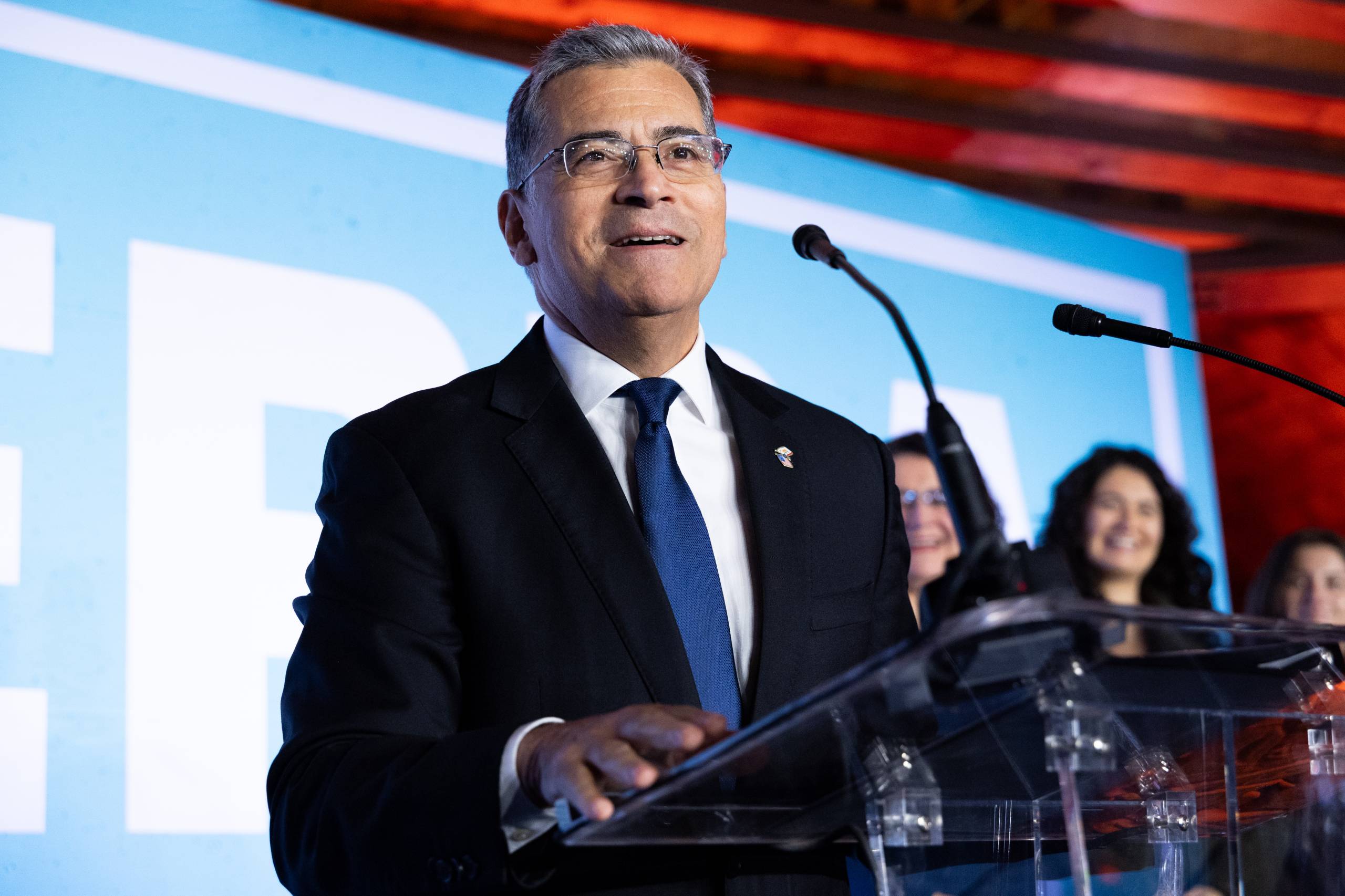
“Our central message here is that the state budget is overextended at this point,” California Legislative Analyst Gabriel Petek told reporters on Wednesday.
But the bigger concern, Petek says, is the looming threat of a stock market crash, which could push California’s annual deficits past $30 billion given the state budget’s reliance on volatile revenue streams.
For years, the LAO has warned the Legislature to be wary of a possibly overheated stock market and a speculative bubble from the booming artificial intelligence industry.

On Wednesday, Petek again encouraged careful spending and for the state to grow its reserves to prepare for a possible downturn.
“While the stock market’s recent run has been great for many investors and the state budget, it now appears to have advanced to a dangerous stage,” Petek said in the report. “The risk now facing state revenues is that this boom, like many in the past, will abruptly end in a bust.”
The warning comes amid turmoil in Silicon Valley, even as AI lab Anthropic prepares to make a massive debut on the stock market this week.
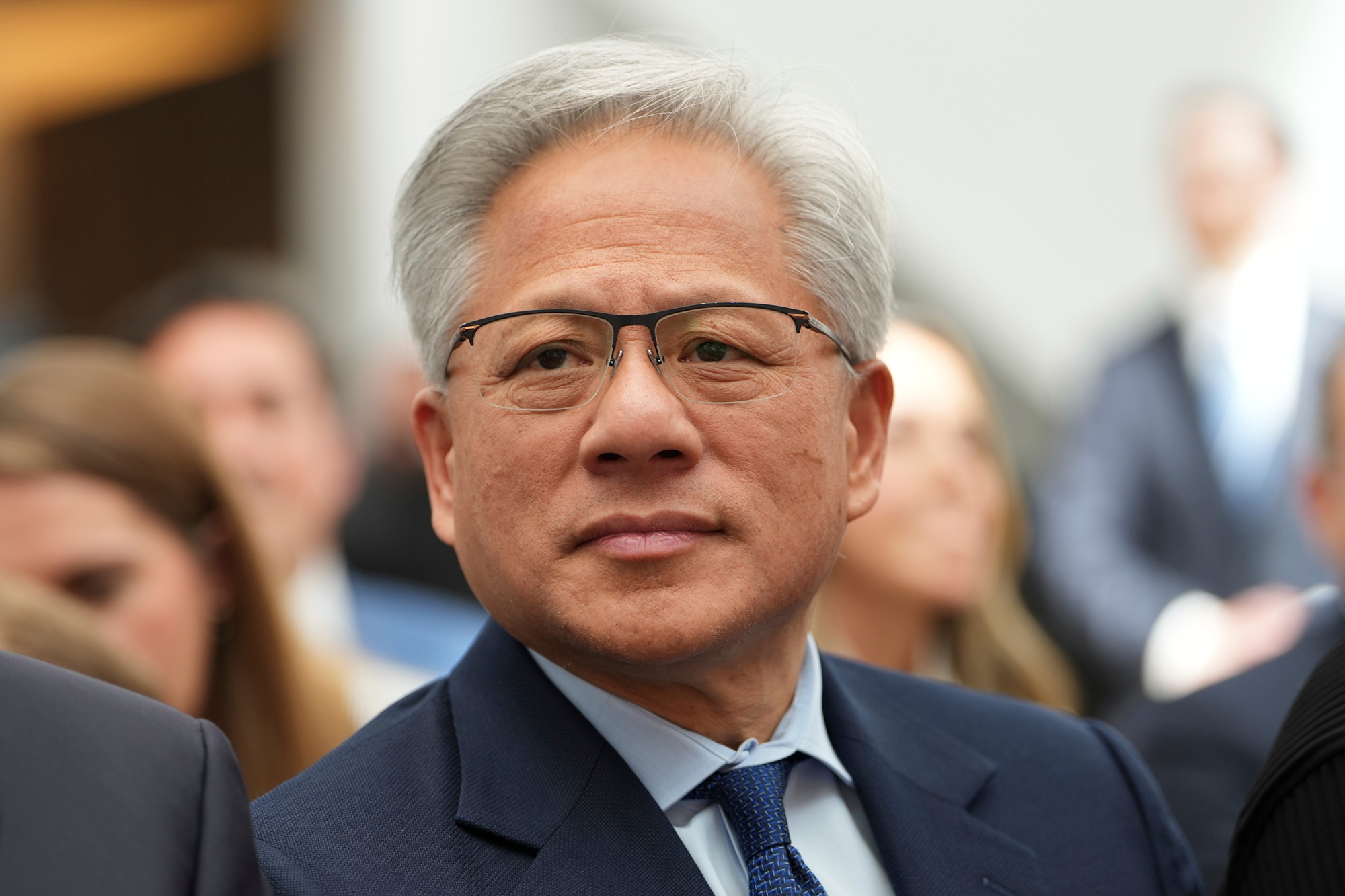
California-based chip manufacturer Nvidia saw its stock price go into a tail spin last week after CEO Jensen Huang admitted to an extramarital affair with an alleged Chinese spy and resigned.
Petek and other experts say it remains to be seen how the company’s recent fall will affect California’s projected revenues. The state’s progressive tax structure means it relies heavily on tax revenue from corporations and high-income residents.
However, experts are steadfast in the message that Nvidia’s plummeting stock price alone won’t drastically harm the state’s fiscal position.
“I don’t think that we’re likely to see any immediate impact on the state budget from their stock price falling,” said Chris Hoene, executive director of the California Budget and Policy Center. “The taxes that they pay to the state aren’t necessarily based on the stock price, they’re based on the sales of their chips.”
California has long navigated the ups and downs of individual technology companies, which haven’t moved the needle significantly for the state’s fiscal outlook.
The state’s booming, home-grown AI industry has brought an unexpected budget windfall to the tune of billions of dollars. Revenues started to soar in 2024–25 due to investor enthusiasm and a subsequent stock market rally.
The pressing question, some experts and lawmakers say, is whether Nvidia’s recent decline signals the start of a broader economic downturn, one triggered by an overvaluation of AI companies in general.
“Where it would be a concern is if it were a precursor to a broader selloff in the market,” said Petek.
If that’s the case, California could see a dramatic drop in revenue.

“Obviously there are financial consequences to what has happened with Nvidia, but those are more modest compared to what we might see if there is a broader market downturn or a broader bubble that’s burst with AI,” said Assemblymember Jesse Gabriel, D–Los Angeles, who chairs the Assembly Budget Committee.
At the same time, California could get an unexpected bump in income tax revenue from Anthropic’s initial public offering on Thursday, as many of its employees and investors are expected to suddenly become very wealthy. But the size of that bump is hard to know.
“Obviously, when some of these companies go public, when they do well, it can have important consequences for our state budget.
But again, I think it’s looking at the sector more broadly that is going to tell us the real story about where we’re headed,” Gabriel said.
Becerra is expected to release his first budget blueprint in early January. The governor’s annual budget forecast typically differs from LAO projections in terms of a possible budget deficit.