California Juvenile Halls Can Still Use Pepper Spray. These Regulators Could End That
A California regulatory body is set to vote Thursday on whether corrections officers will continue to be able to use chemical agents, such as tear gas and pepper spray, on youth incarcerated in county juvenile detention facilities.
The Board of State and Community Corrections (BSCC), a 15-member statutory agency — appointed by the governor and the state Legislature and comprised of probation department heads, sheriffs, criminal justice advocates, among others — oversees rules for the state’s adult and youth criminal justice systems, conducts regular inspections, develops training standards and administers significant public safety-related grant funding.
As part of the agency’s periodic review of conditions at juvenile halls, BSCC formed a steering committee tasked with recommending revisions and convening subject matter working groups on education, environmental health, nutrition and medical and mental health. This process took four years.
According to Tina Curiel, spokesperson with the San Francisco-based nonpartisan and nonprofit advocacy group Center on Juvenile and Criminal Justice, youth who have experience in California’s juvenile halls successfully called on the steering committee to propose new regulatory language that would guarantee more food, including two hot meals a day; expand visits from loved ones beyond relatives; and reduce how often kids are taken out of school for punishment, among a number of other changes.
“There was a bit of a surprise when every time [BSCC] was holding a meeting of their committee, they have 20, 30 youth in the audience in this out-of-the-way boardroom in northern Sacramento,” said Colin Ford, director of policy at Fresh Lifelines for Youth, or FLY, which supports Bay Area youth affected by the criminal justice system.
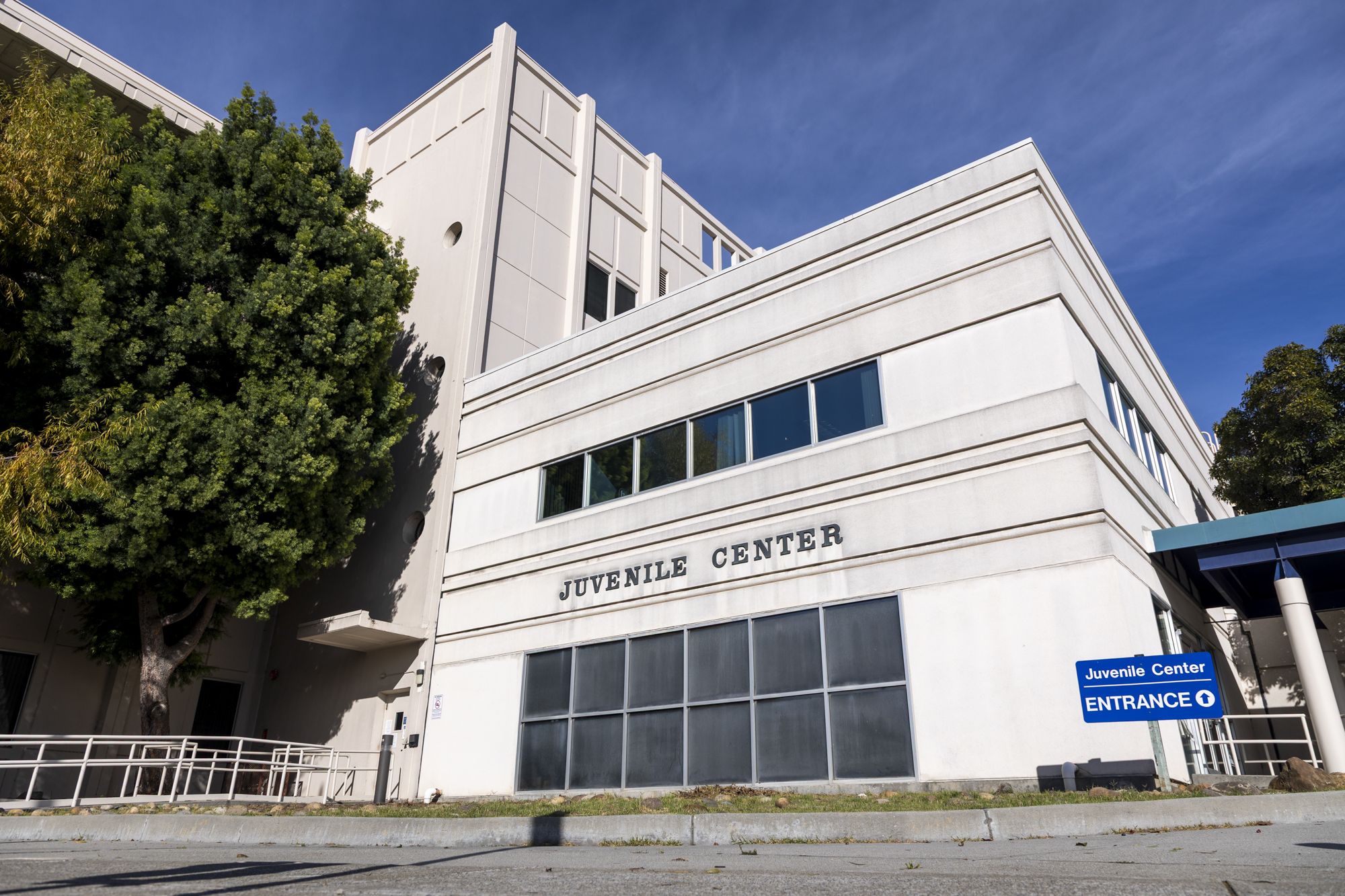
But the most controversial topic going into Thursday’s vote is the issue of chemical agents as a use-of-force tactic. At its last meeting in July, the steering committee moved to push forward two possibilities: either ban them altogether, or keep them, alongside routine reporting on all use of force.
“I asked for [the reporting element], and it was supported by everyone,” said Meredith Desautels, a member of the steering committee and an attorney with the Youth Law Center in San Francisco. “I do think it’s something that they should be pressured to prioritize because it’s an entirely county-based system with youth spending long periods of time there, and there are going to be a lot of policy decisions to be made about the youth justice system in the coming years, as we continue to improve and refine these reforms.”
To the advocates’ dismay, though, the BSCC ultimately narrowed the reporting requirement proposal to just chemical agents.
“The Board determines much of our operational direction. Our Board also has the ability to make modifications to the draft regulations during the publicly accessible meeting,” said BSCC spokesperson Jana Sanford-Miller in a statement.

Use of force tactics have fueled debates for years, and especially as the state has revamped its guidelines for juvenile confinement, which is now the total responsibility of county governments as opposed to the state. In 2023, California’s Department of Juvenile Justice closed over allegations of violence and inhumane treatment in the youth equivalent of the state prison system. The closure was meant to quell lawsuits and usher in a reimagining of youth detention and rehabilitation.
Counties largely absorbed the new population — some staying as long as seven years and up to age 25 — into their existing juvenile halls, ranches and camps. Up until now, counties have had significant discretion over their use of force tactics permitted under state law — including chemical agents.
A 2019 ACLU report reviewed more than 10,000 documents produced in response to a statewide public records request that revealed that youth were subjected to tear gas weapons more than 5,000 times between January 2015 and March 2018 in California’s juvenile justice system. The advocacy organization considered that number an undercount, noting 13 counties did not provide any data about the use of chemical agents, including Alameda, Sacramento and Monterey.
The report documented multiple disturbing cases: officers spraying pregnant youth, those attempting suicide, and kids engaged in property damage and other non-violent acts.
Probation officers have maintained that pepper spray and other chemical agents are the “great equalizer” for female staff, in particular, who can be tasked with preventing violent attacks, especially amid older youth charged with serious crimes, said Jennifer Fox, president of the San Diego County Probation Officers Association, during public comment at a BSCC steering committee hearing last year.
“Expecting our officers to physically overpower grown men without an intermediate tool is simply unsafe and unrealistic,” she added during the hearing.
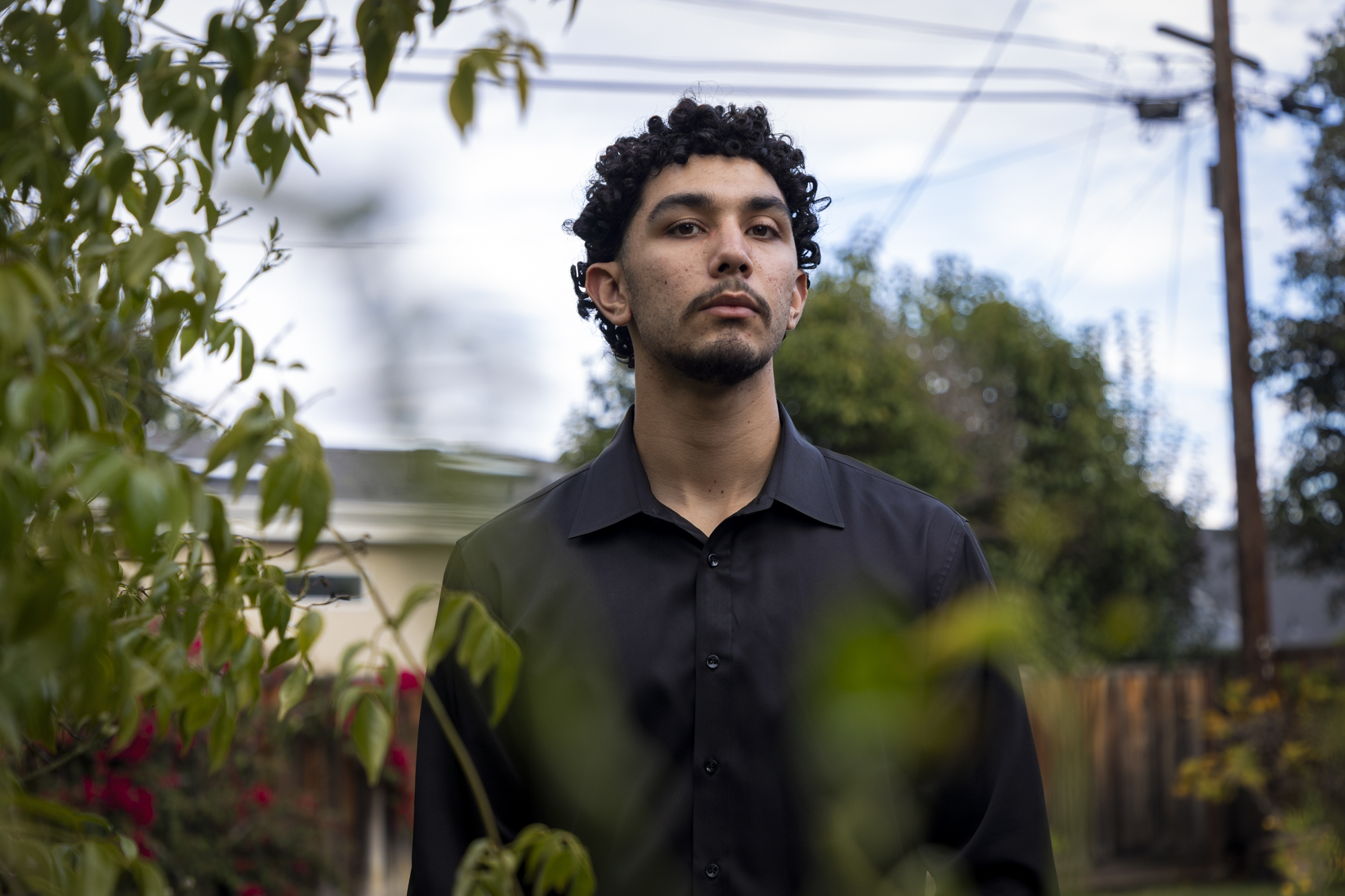
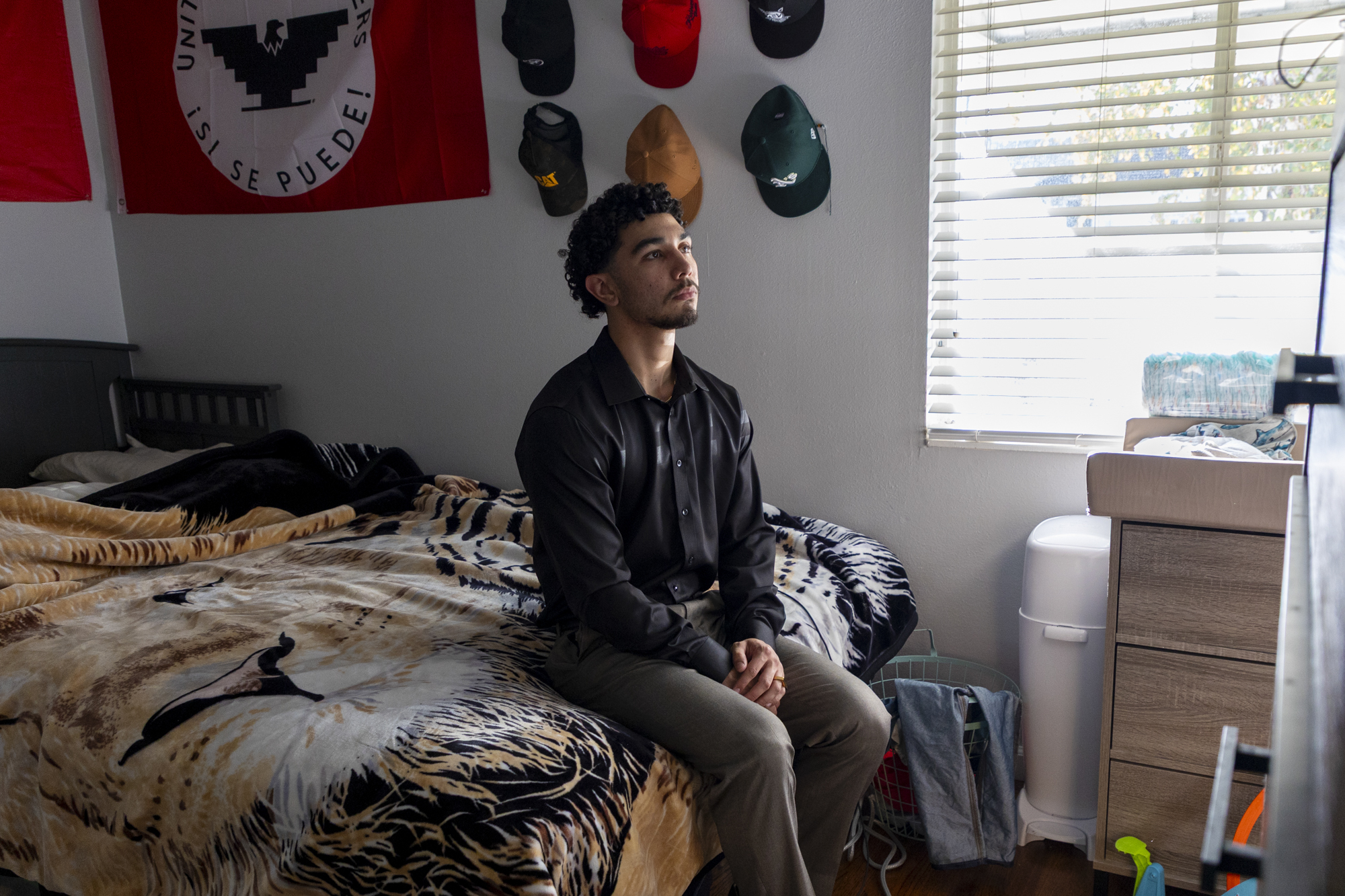
Diego Ballasteros has been pushing for the ban on chemical agents and other systemic reforms.
“It feels like it’s an attack on youth. All these people are animalistic,” said Ballasteros, a 19-year-old college student and single father, who still resides in the county.
He said he was incarcerated at Santa Clara County Juvenile Hall for property crime for two weeks when he was 16. Ballasteros considered his experience overwhelmingly negative; he recalled that some staff de-escalated situations without resorting to chemical agents and other use-of-force tactics. (In 2015, Santa Clara County’s probation department ended the use of pepper spray at its youth facilities.)
“Being incarcerated, I really felt like everything was over. Like I wouldn’t be able to see my son. I lost my employment [and] wouldn’t be able to work toward my high school diploma,” Ballasteros said. “It was a really scary time in my life, and I felt really alone. I had conversations with super young children, and they shouldn’t be in this environment.”