Survivor: Bay Area. BART Gets a Sales Tax, but Still Forecasts a Budget Deficit

At the first BART Board of Directors meeting since voters approved a regional sales tax to prevent service cuts at major Bay Area transit agencies, Director Mark Foley wore a hat and sweatshirt emblazoned with the logo for Survivor.
“The Bay Area has spoken, and we survived,” Foley said Thursday, adopting a catchphrase from the reality television show to reflect the gravity of the moment.
The approval of RTM in the Nov. 4 midterm elections infuses approximately $330 million annually into BART’s budget — sourced from a sales tax in five Bay Area counties over the next 14 years. The new funding prompted a collective sigh of relief at the agency, but board members acknowledged BART still faces a future where costs are projected to rise beyond its revenue.
The agency released a projected four-year budget deficit on Thursday of $124 million spanning fiscal years 2028-2031.
“We cannot mistake this victory for permission to continue doing business as usual. We need to fundamentally rethink both our revenue model and our cost structure to address BART’s long-term structural budget deficit,” Foley said.
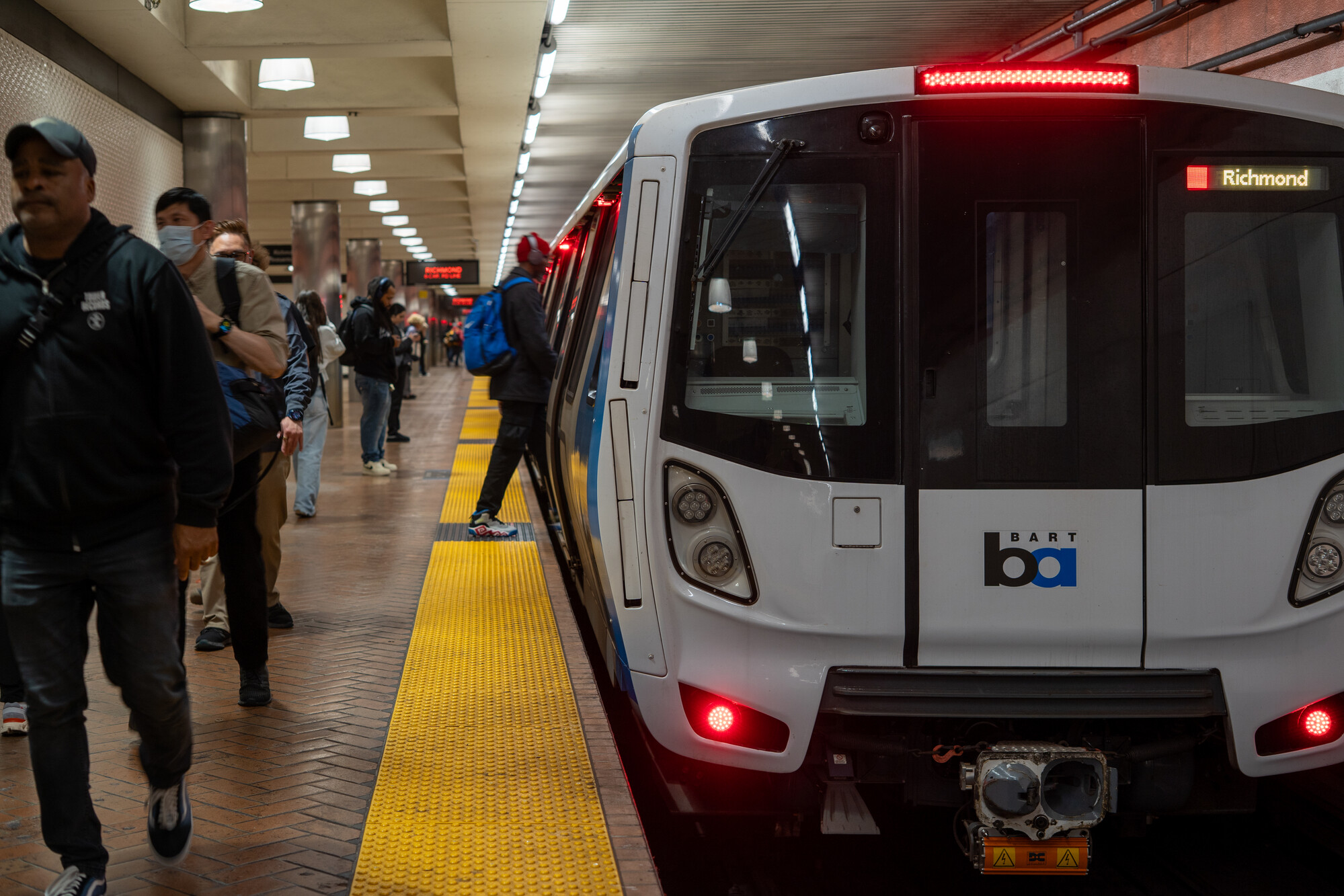
He and other agency leaders acknowledged that the long-term infusion of tax dollars from RTM won’t be enough to pay for BART’s rising operating costs, which are projected to increase by around $30 to $40 million annually over the next four fiscal years.
Labor costs are by far the most expensive line items on the agency’s budget: BART expects wages to grow by about $20 million annually over the next four fiscal years. By fiscal year 2031, total labor costs are projected to reach nearly $1 billion.
BART’s biggest non-labor operating expense is the energy to power its trains — projected to cost $72.7 million next fiscal year.
Thursday’s meeting sets up the first of months of discussions focused on balancing its budget through revenue growth and cost-cutting measures.
“It’s a runway. It’s not a source in perpetuity,” BART Board Member Victor Flores said.“There’s no guarantee that we’ll ever get this funding source back again in 14 years.”

The good news is that the four-year budget deficit is about 30% lower than the previous forecast made in June of this year, when the agency projected a four-year deficit of $189.8 million, and took into account the passage of RTM.
Michael Eiseman, director of financial planning at BART, told board members on Thursday that higher than expected ridership is driving above-budget operating revenues. BART’s October ridership was 11% above the budget forecast and 15% higher than the year before.
“ If we can continue to grow ridership at a faster rate, it will help us make up those remaining deficits,” Eiseman said.
Eiseman said the agency is committed to eliminating the deficits without impacting service quality or the customer experience.
BART Chief Communications Officer Alicia Trost said BART is considering eliminating vacant positions and evaluating labor contracts — which expire June 30, 2027, and need to be renegotiated — to reduce immediate and long-term deficits.
To help increase revenue, BART is considering how to increase ridership through new fare programs, such as Clipper BayPass, a pilot program where employers and educational institutions can purchase unlimited transit access for their members, Trost said.
During Thursday’s meeting, Foley offered a variety of ideas on how BART might innovate its funding model, including implementing dynamic parking and fare pricing and keeping the system open until 2:30 a.m. on Fridays, Saturdays and New Year’s Eve.
An upcoming state-mandated financial efficiency review by a yet-to-be-selected third-party consultant will also “play a large role” in identifying cost-saving measures, Trost said.

The review is a requirement of SB 63, the state law that authorized the new 14-year regional sales tax of 0.5% in Alameda, Contra Costa, San Mateo and Santa Clara counties, and 1% in San Francisco to fund operations and expenses at Bay Area transit agencies, as well as accessibility, wayfinding, fare discount and repaving programs throughout the region.
SB 63 mandates that AC Transit, BART, Muni and Caltrain adopt recommendations from a “menu of cost-saving measures” supplied by the financial efficiency review as a condition of receiving funds from the tax. The recommendations will be aimed at reducing costs and maximizing the revenue of properties owned by the agencies.
An oversight committee made up of members of the Metropolitan Transportation Commission, independent transit experts and transit agency board leaders will review and approve the recommendations before passing them to the agencies.
The MTC expects to issue a request for proposals for the review next week, to select a contractor by early 2027 and for the contractor to complete the study by early 2028.
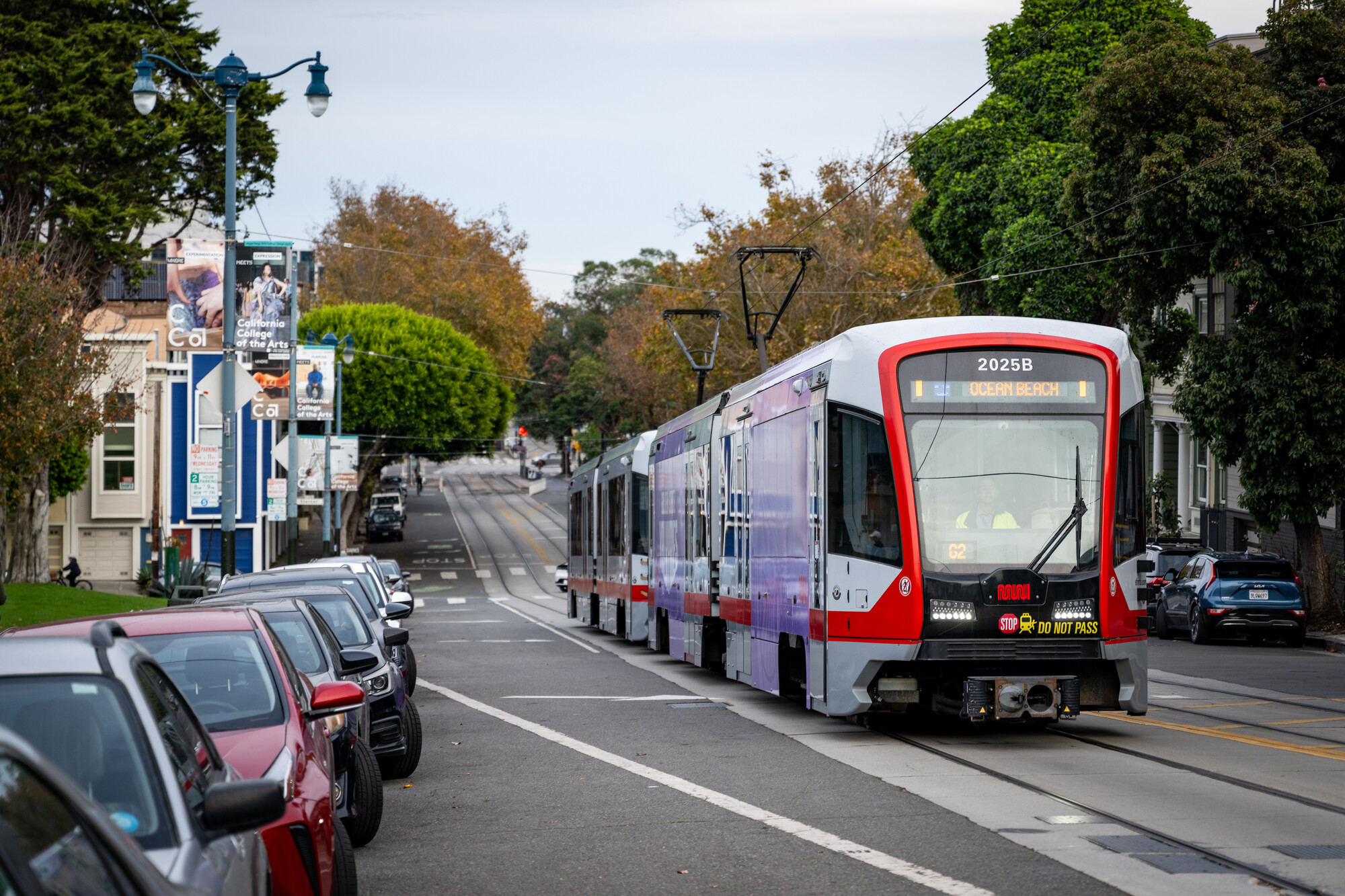
The financial efficiency review will not be completed in time to provide cost-cutting recommendations to BART for the upcoming fiscal year. BART needs to approve its budget for fiscal year 2028 by June 30, 2027 — about nine months before the review is expected.
RTM aimed to create a more sustainable funding source for Bay Area transit agencies, after shelter-in-place orders and the shift to remote work — brought on by the Covid-19 pandemic — created historic budget deficits for agencies like BART as ridership and revenue dropped precipitously. The agency said after the passage of RTM, 56% of its operating budget will depend on sales tax, as opposed to pre-pandemic, when fare revenue covered 60-70% of operating expenses.
Although ridership is growing by more than 10% month-over-month and year-over-year, BART’s average weekday ridership is still just over 50% of pre-pandemic levels.
While the passage of RTM averted service cuts, board directors acknowledged the risk of relying so heavily on a sales tax, which is sensitive to economic downturns.
“ I think it’s really important that we spend these next 14 years finding all the ways that we can diversify as much as possible,” Board Vice President Edward Wright said. “Our funding sources need to be more sustainable and more resilient to economic downturns or other changes that may happen.”