Bay Area Voters Approved More Transit Funding Through Taxes. Here's How You'll Pay for It

Expect the price of your favorite burrito or a pair of jeans to increase a few cents beginning next year — after voters in five Bay Area counties approved a sales tax measure to rescue the region’s transit agencies from historic budget deficits and significant service cuts.
In the Nov. 4 midterm elections, voters in Alameda, Contra Costa, San Francisco, San Mateo and Santa Clara counties approved the Regional Transit Measure.
This 1% sales tax in San Francisco and 0.5% sales tax in the other four counties is set to last 14 years.
But the RTM vote wasn’t the only transit measure on the ballot this month.
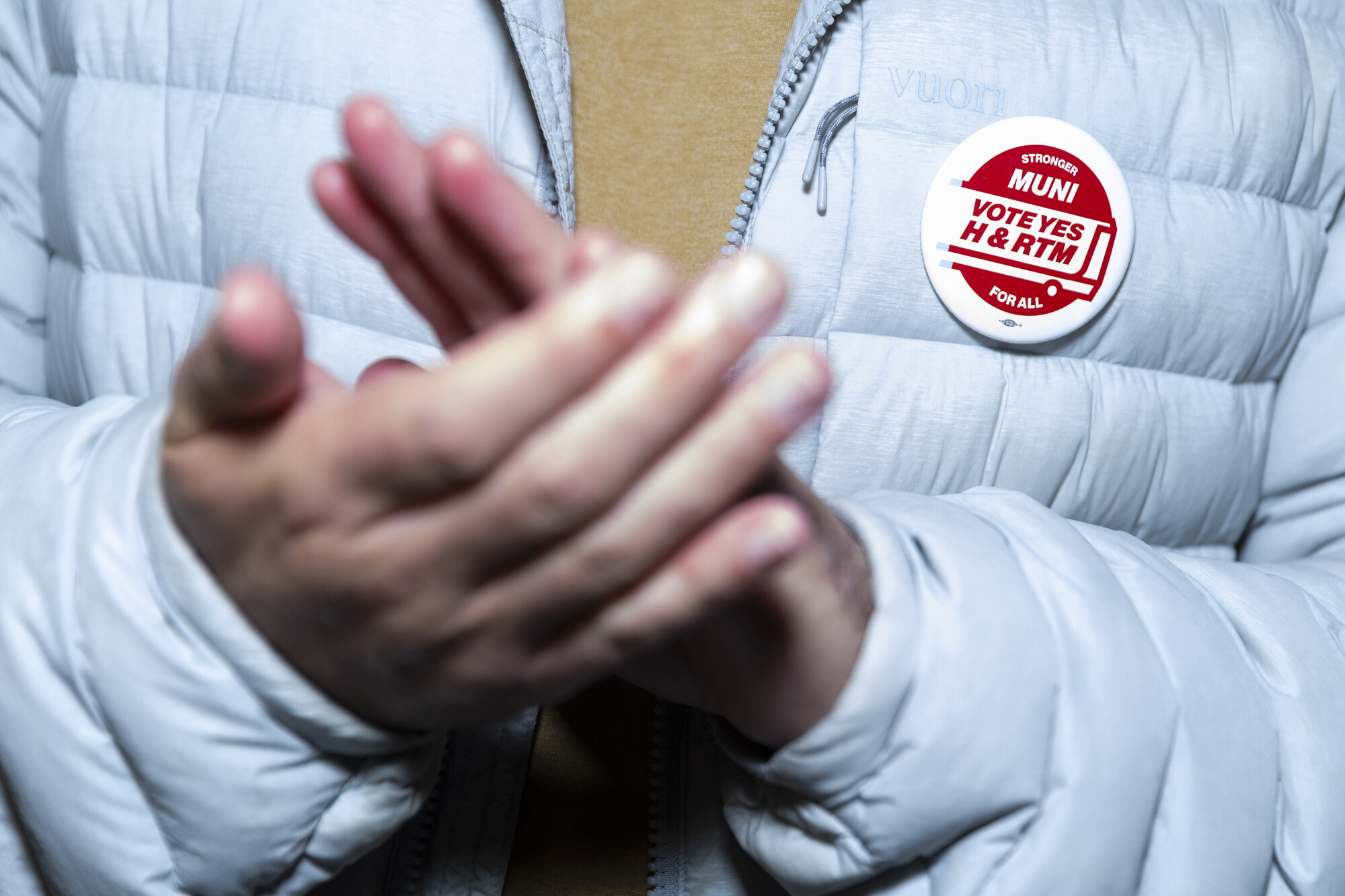
Voters in San Francisco also approved Proposition H, a 15-year parcel tax that bills property owners based on the size and type of their parcel — to fund Muni transit operations and administration.
Keep reading to find out exactly how much residents and consumers in these counties will now have to pay, where the money’s going and when you’ll start to see these taxes show up on your receipts.
When does the RTM sales tax kick in?
An additional 1% sales tax in San Francisco and 0.5% sales tax in Alameda, Contra Costa, San Mateo and Santa Clara counties is scheduled to go into effect on April 1, 2027.
Before this election, Alameda had the highest county-wide sales tax of the five, at 10.25%. Contra Costa had the lowest, at 8.75%. San Mateo and Santa Clara counties had sales taxes of 9.375% and 9.75%, respectively.
The tax in all four of these counties will go up by half a percent.
San Francisco’s sales tax, previously at 8.625%, will rise to 9.625%.
First, the Public Transit Revenue Measure District, a committee made up of the Metropolitan Transportation Committee Board of Directors, must certify the election results and adopt an ordinance imposing the tax.
This action is slated for early December, according to Rebecca Long, director of legislation and public affairs at MTC.
What does the RTM tax apply to?
The new sales tax will apply to items that are already covered by California sales tax — including hot food, clothes and furniture.
Long said the RTM tax will be added to the total sales tax on a receipt.
Currently, a $50 purchase in San Francisco generates $4.31 in sales tax. With the RTM sales tax, that same purchase will be taxed an additional 50 cents.
When will the money begin flowing to transit agencies, and what will they use it for?
The five-county sales tax is estimated to generate around $1 billion annually, and Long expects the first allocations from the tax to reach agencies by July 1, 2027.
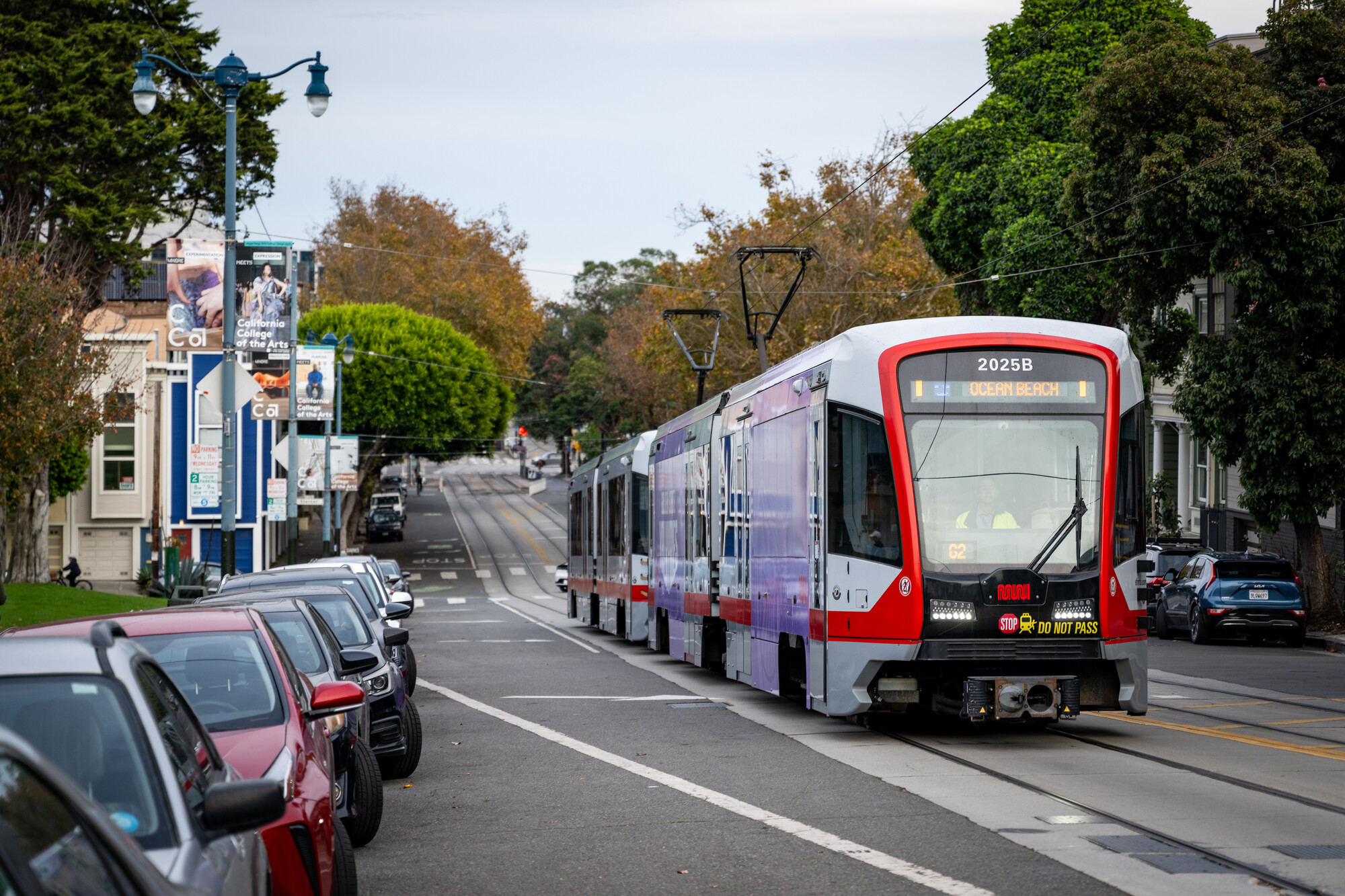
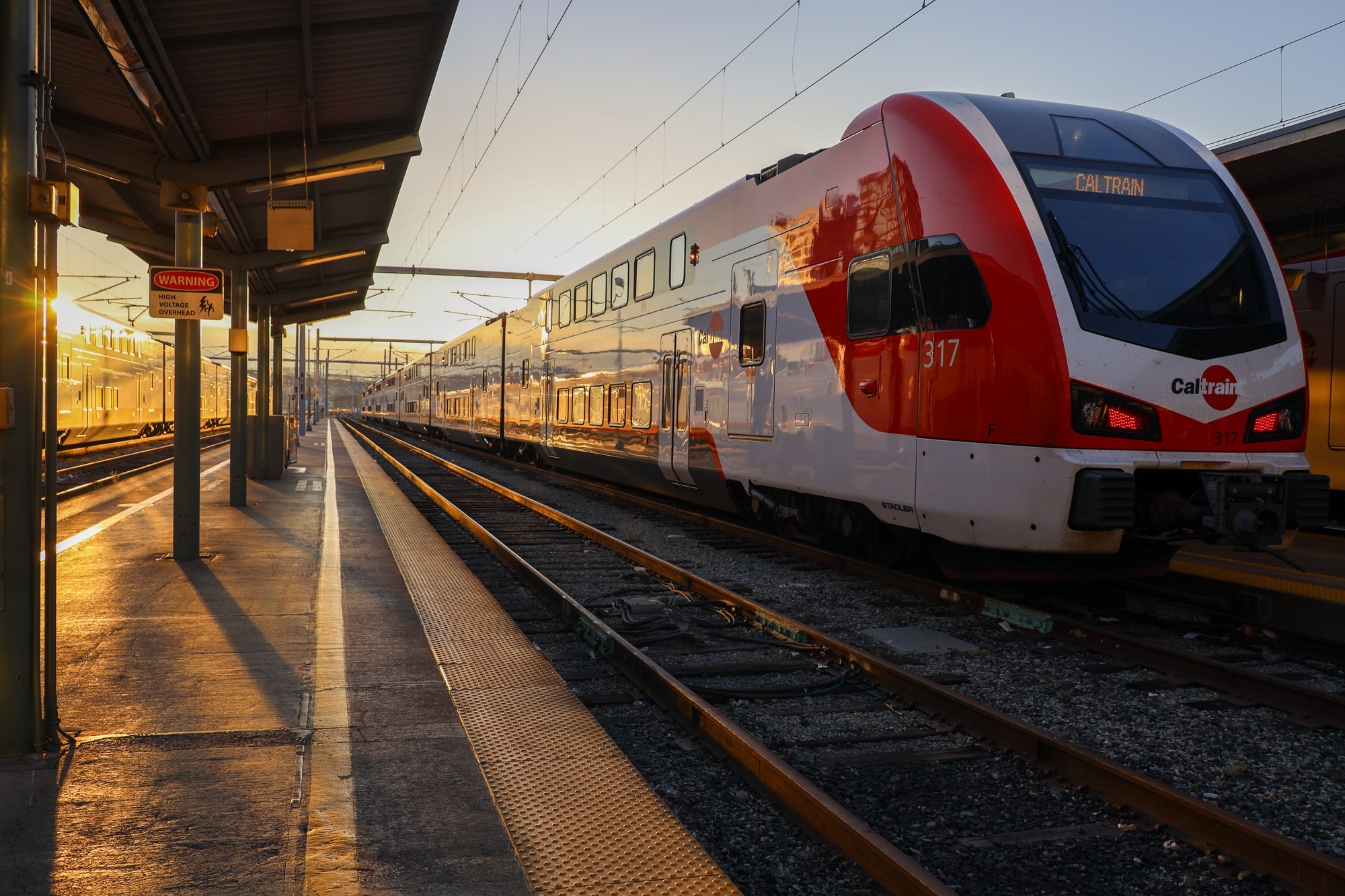
The funds will support BART, Muni, AC Transit and Caltrain — as well as smaller ones like SF Bay Ferry and some East Bay bus operators. These agencies are restricted to using the money to pay for transit operations, which include operators’ salaries and fleet maintenance. This money will make up for operating revenues lost due to pandemic-era drops in ridership.
One exception to know for the South Bay: Under SB 63, the state law that authorized the ballot measure, the Santa Clara Valley Transportation Authority is allowed to use funds generated in Santa Clara County not solely for operations, but more broadly for “public transit expenses.”
VTA officials have said the tax revenue will be used for “transit stability and service, capital projects and improvements to rider experience such as safety, affordability and wayfinding,” according to Stacey Hendler Ross, VTA spokesperson.
Ross said the VTA Board of Directors has committed to not using revenue from the RTM tax to fund its $12.7 billion BART Silicon Valley extension, a 6-mile continuation of the BART system connecting Santa Clara to North San Jose.
SB 63 also allocates a smaller portion of the funds to county transportation boards for public transit expenses and repaving roads served by buses, and to the Metropolitan Transportation Commission for fare discount, accessibility and wayfinding programs.
For San Francisco property owners: When does Proposition H kick in, and how much will you be charged?
The first parcel tax will appear on San Francisco property tax bills for the 2027-28 fiscal year, which are mailed in fall 2027, according to the San Francisco Municipal Transportation Agency.
Most single-family residential property owners will be charged $129 in the first year, and the amount will rise each year with inflation.
Under Proposition H, single-family residential parcels larger than 3,000 square feet face additional fees.
The tax also sets base rates for multifamily residential, non-residential, mixed-use, and unimproved (no buildings) parcels that get more expensive based on square footage.
Are any properties exempt from the Proposition H tax?
Yes: Seniors, owners of single-room occupancy (SRO) units and properties that already qualify for an exemption from property taxes may qualify for a discount or be entirely exempt from the tax.
But — you’ll need to apply for an exemption. The deadline to apply is June 1, 2027, for the upcoming tax year. A portal to apply for an exemption will go live here on Dec. 1, 2026.
Can renters be taxed as well?
Yes, in certain situations.
Landlords are allowed to pass 50% of the tax, up to $65 per unit per year, onto renters of rent-controlled units.
How will Muni use Proposition H funds?
Beginning in July 2027, the Bay Area’s most-used public transit agency faces a budget deficit of about $350 million.
Muni plans to use money from the two taxes combined with cost-cutting measures to maintain current levels of service.
RTM is projected to generate around $170 million annually for Muni. Proposition H is expected to put forth another $177 million annually.
The agency has said it plans to cut costs through hiring freezes, management consolidation and service adjustments, and it aims to increase revenue through fare compliance and higher parking rates.
What happens after both these taxes expire?
The RTM sales tax is set to expire on April 1, 2041, and the Proposition H parcel tax is set to expire on June 30, 2042.
Carter Lavin, co-founder of the Transbay Coalition, said he and other advocates who pushed for the two taxes plan to call for state and federal funding in the meantime.
“Our federal government, state government, and local governments all have huge opportunities to make transit in the Bay Area truly world-class,” Lavin said. “And we will continue to organize and fight for that.”