Is California’s Proposed Billionaire Tax in Trouble? New Polls Find Bad News
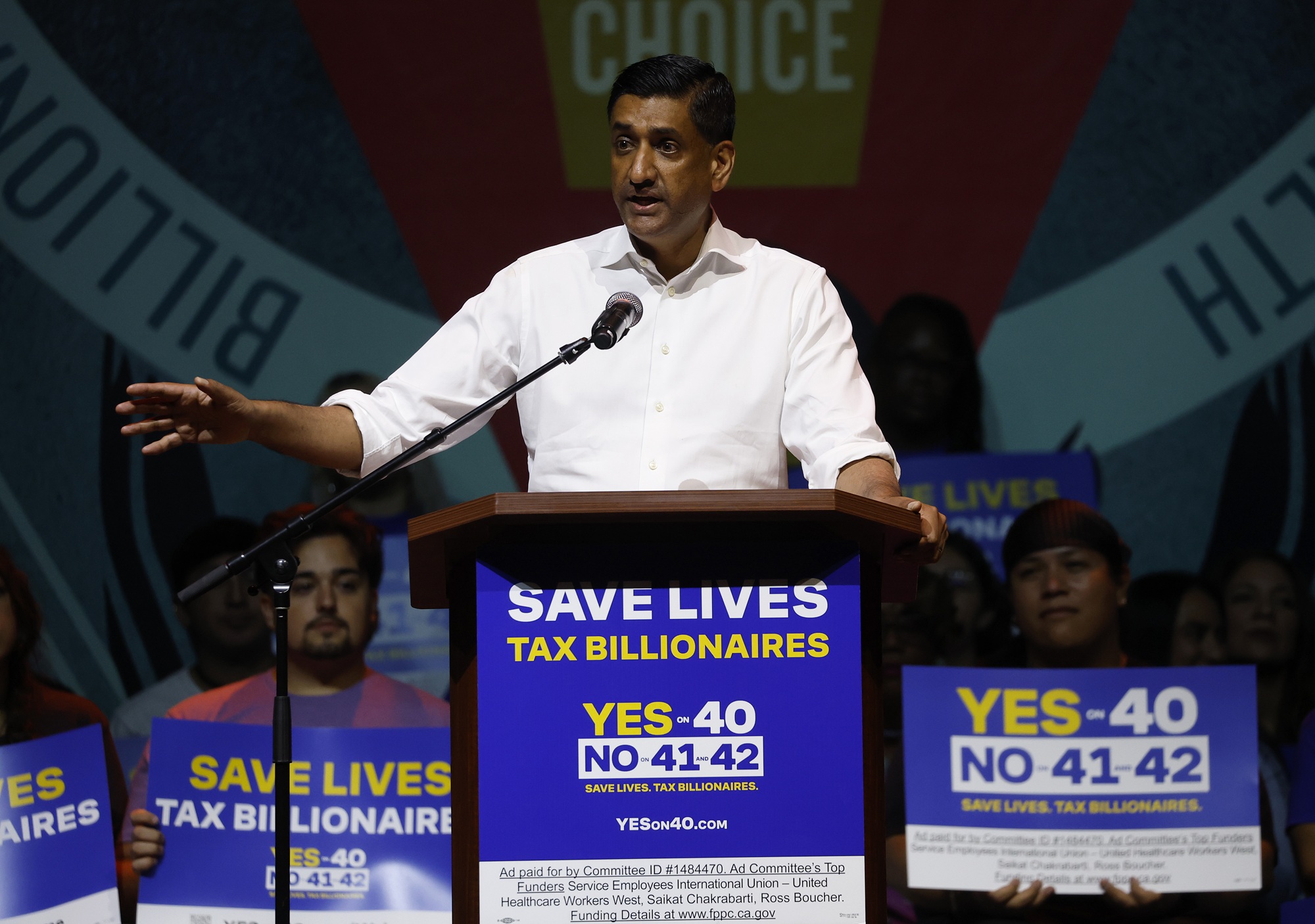
A proposal to tax California’s billionaires to fund healthcare is trailing in two public, nonpartisan polls released this week, surveys that also found strong opposition to a separate ballot measure that would require voters to show identification at the polls.
Proposition 40, which would impose a one-time, 5% tax on the overall wealth of the state’s billionaires, was tracking below the majority needed to pass in polls from both UC Berkeley’s Institute of Governmental Studies and the Public Policy Institute of California. With days left to vote in the Nov. 3 midterm election, IGS found just 8% of likely voters still undecided on the measure, which billionaires have spent more than $300 million to defeat.
Proposition 39, the voter ID initiative, was also trailing by 20 points in the IGS poll, with just 37% of likely voters saying they were voting yes and 5% undecided. PPIC’s poll found slightly stronger support for the measure, but still had it losing.
Support for Proposition 40 appears to be slipping heading into Election Day. Last month’s PPIC poll had a slim majority in favor before the slide this month.
But in the IGS poll released this week, half of likely voters said they will vote no on Proposition 40, while 42% said they are voting yes. That’s a shift from last month, when the IGS poll found 42% of voters against the measure and 45% backing it.
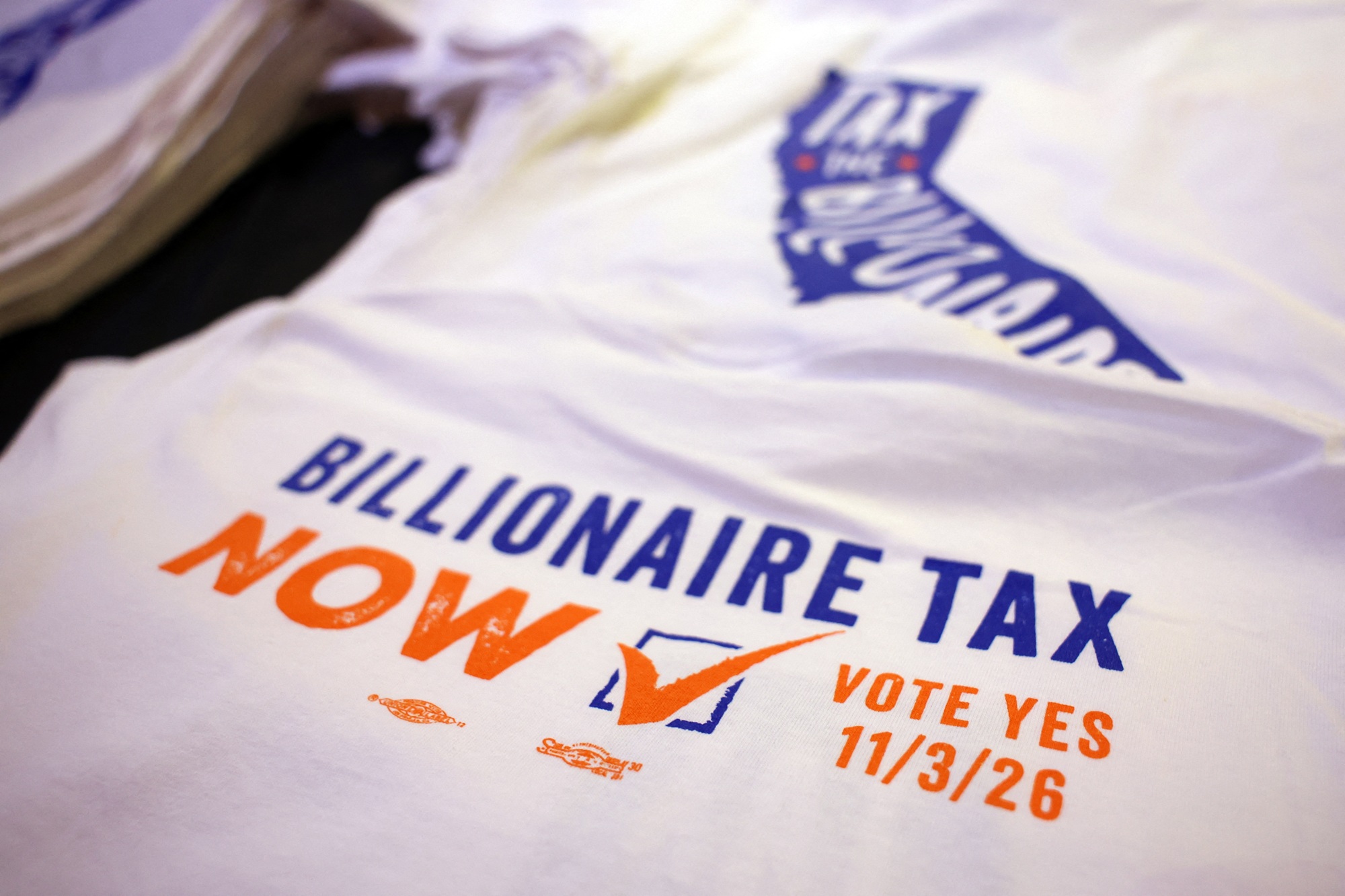
Mark DiCamillo, director of the IGS Poll, said the No on Proposition 40 side is clearly benefiting from the huge amounts of money being poured into defeating the wealth tax.
“A well-funded no side campaign usually has the advantage over yes campaigns, just because all they have to do is raise doubts,” he said.
The poll found Proposition 40 backed by strong majorities of Democrats and voters under 40, and opposed by Republicans and voters over 50. Independents are split.
DiCamillo said the disparity between how younger and older voters view the proposed tax is indicative of a growing split that did not used to exist among the California electorate.
“The generational divide is growing over time, just because the younger set is having a hard time. They can’t afford a house, they can’t reach the American dream,” he said.
“Those are the segments that are now migrating to the Democratic socialists…. They really don’t like the disparity in wealth.”
The fate of the proposed wealth tax will not swing solely on Proposition 40.
Both polls also showed close contests in Propositions 41 and 42, measures put on the ballot by billionaires with language that would nullify the tax if they pass with more votes than Proposition 40.
Proposition 41 would require ongoing audits of state programs that are funded by “special” taxes — those earmarked for a specific purpose. It also would make any new special taxes subject to the state’s existing spending limit. Proposition 42 would prohibit new taxes on financial assets — such as stocks — and other personal property, and also prohibit most retroactive taxes.
While IGS’s survey showed Propositions 41 and 42 slightly ahead, DiCamillo noted they also found double-digit percentages of likely voters still undecided — and those who have moved since IGS’s September survey have largely turned against the billionaire-backed measures.
“The no side has gained 11 [points] while the yes side is static,” DiCamillo said of Proposition 42.
Proposition 39, the voter ID measure placed on the ballot by Republican lawmakers, has also lost ground since IGS’s poll last month, with the no side gaining 7 percentage points. The survey found Republicans are the only group backing the measure. Likely voters who list no party preference are against it by a 15-point margin in the IGS poll, and majorities of voters in nearly all subgroups — age, race and gender — are opposed.
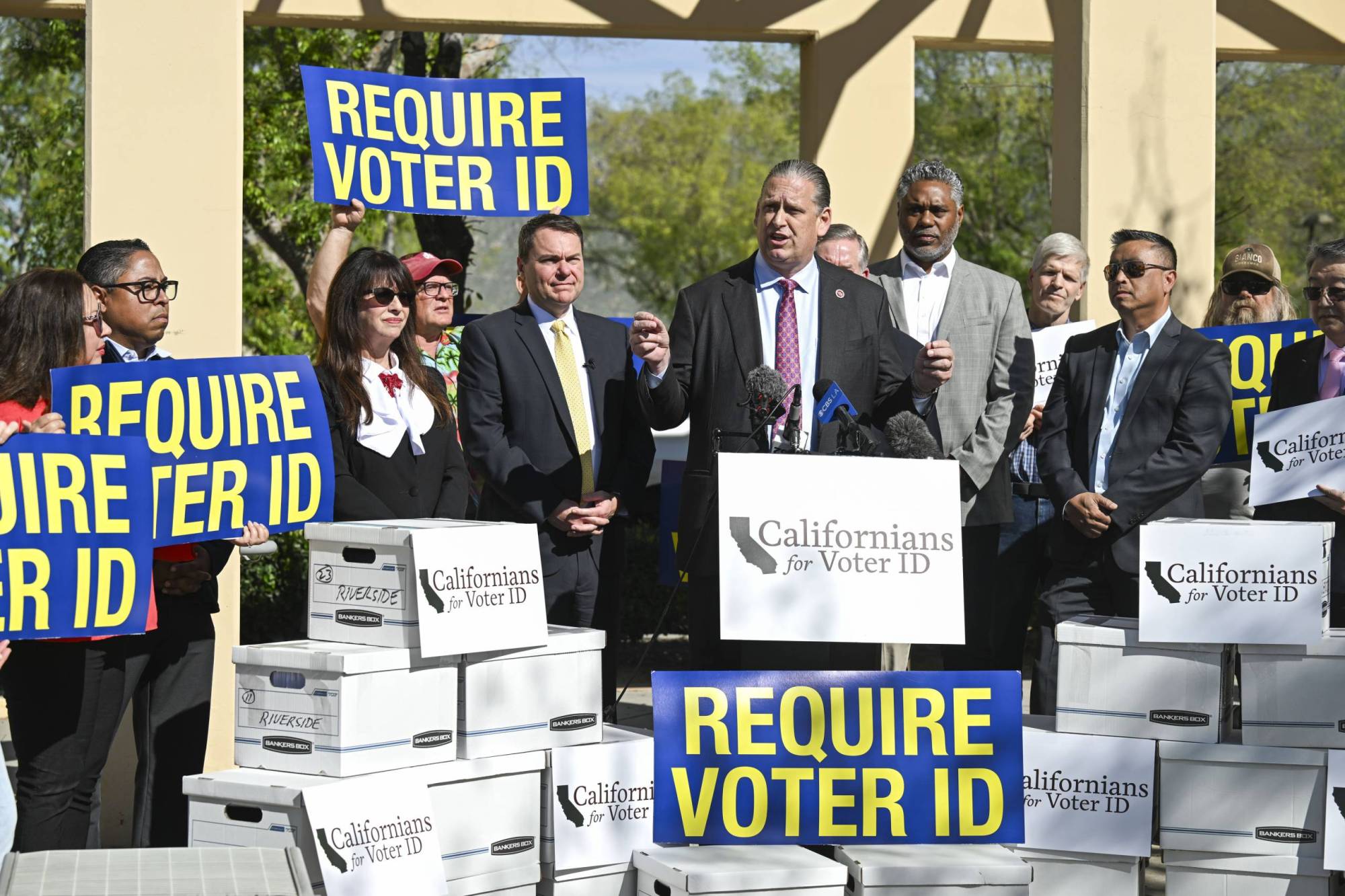
PPIC found similar opposition: That survey has Proposition 39 down by 17 points, with 58% of likely voters saying they will vote no.
DiCamillo said voters appear to be linking the voter ID measure to President Donald Trump’s push for changes to election laws, which are unpopular with Democrats and independents.
“I think Trump is a factor,” he said. “That really is the winning argument: You go after Trump.”
PPIC also polled on Proposition 45, the ballot measure written by the California Chamber of Commerce to speed up environmental reviews of construction projects. The survey found likely voters split on the changes to the California Environmental Quality Act, with 46% saying they are voting yes and 50% voting no.
The IGS poll was conducted online in English and Spanish from Oct. 19-25, and included 2,787 registered voters. The PPIC poll was conducted online in English and Spanish from Oct. 16-22 and included 1,728 California adult residents.
Both polls have a sampling error of plus or minus 3%.