Effort to Make It Harder to Pass Local Taxes Lags in Early Results
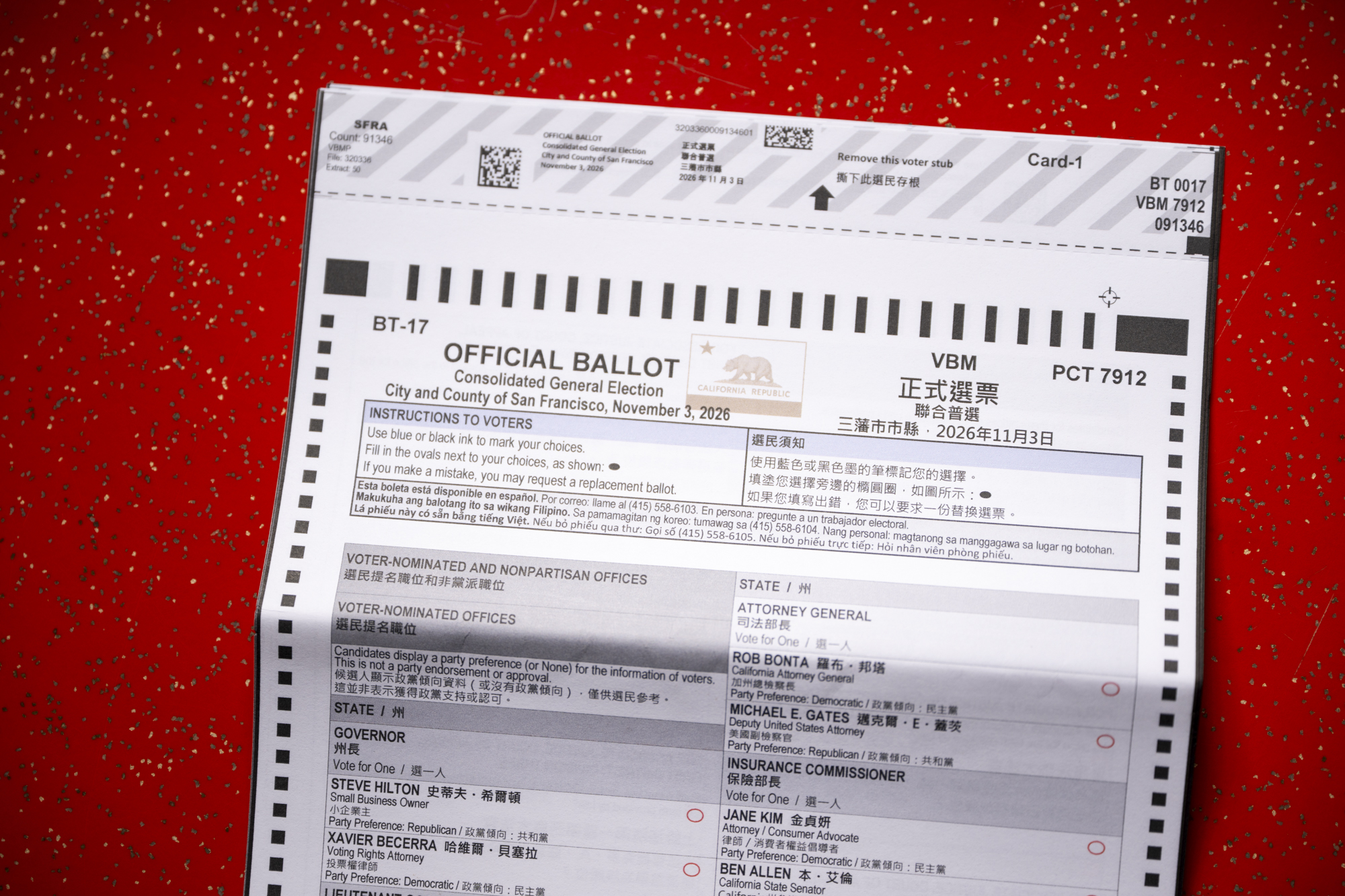
A measure that would make it more difficult to pass local tax initiatives was trailing as returns trickled in across California late Tuesday.
With about half of ballots counted, Proposition 43 was trailing with 45.3% yes to 54.6% no.
The measure would raise the vote threshold to approve citizen-led special tax measures from a simple majority to two-thirds.

Currently, tax ballot initiatives proposed by cities and counties require the two-thirds threshold to pass, but special taxes brought forth by citizens through a signature-gathering drive only require a simple majority.
The taxpayer advocates supporting Proposition 43, including the Howard-Jarvis Taxpayer Association, have argued it’s needed to protect Californians from a growing tax burden.
“The problem with California is not that our taxes are too low, it’s that we are spending way too much money, so we need to limit the taxes that people are having to pay,” San Diego Republican Assemblymember Carl DeMaio said in a video on behalf of his organization, Reform California.

DeMaio’s argument is among a chorus of Republican voices who say that California has a spending problem and is unaccountable to taxpayers.
They’ve billed Proposition 43 as a way to rein in taxes to protect Californians, especially considering the state’s high cost of living.
Democratic leaders have largely opposed the measure, warning it would limit citizens’ ability to approve special taxes to fund the local services they rely on, like transportation, infrastructure, affordable housing and public safety programs.
“What it does is it places a roadblock in front of voters, in front of citizens, in front of residents and their ability to fund vital functions in their own communities,” Oakland Mayor Barbara Lee said during a press conference held by the No on 43 campaign last month.
Proposition 43 has also faced opposition from firefighters, labor unions and counties, who have said they’re concerned it would limit essential funding streams for key public services.
“When communities cannot fund essential services, there are real consequences. Response times get longer. Services get cut. Bus and trains become less reliable, and our communities become less safe and less resilient,” San Francisco Mayor Daniel Lurie said at the same opposition press conference.