A Fight Over Farmworker Housing Is on the Ballot in This Bay Area Town
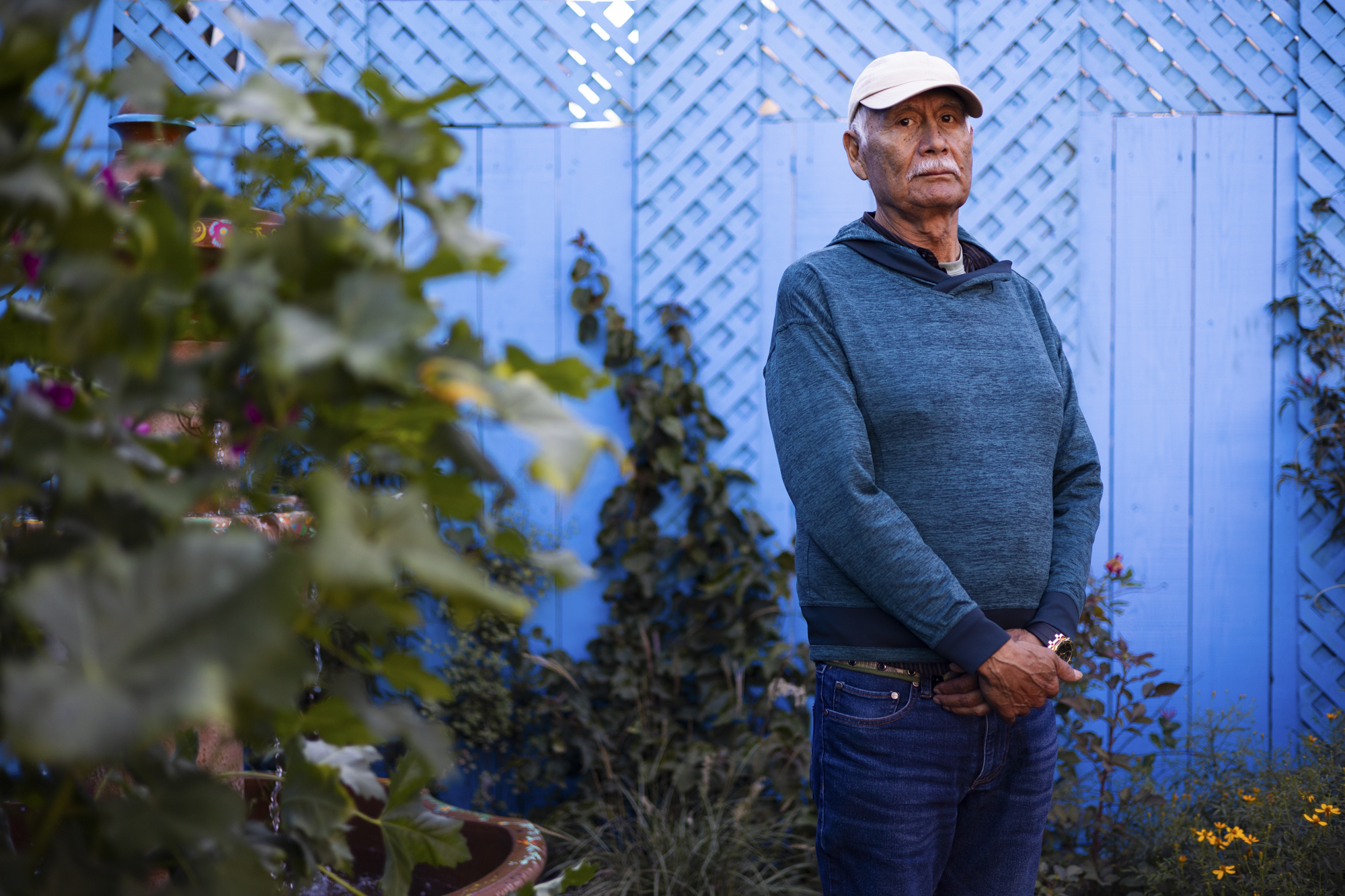
After more than a half-century of marriage, Cándido Rosales and his wife are living apart in the same town.
She recently joined him from Mexico after waiting years for her immigration paperwork to be approved. But they haven’t found a place they can afford where they could live together in Half Moon Bay. She is staying with her sister; he shares a rented room with another person.
“A family has to be together, not separated,” 67-year-old Rosales said in Spanish.
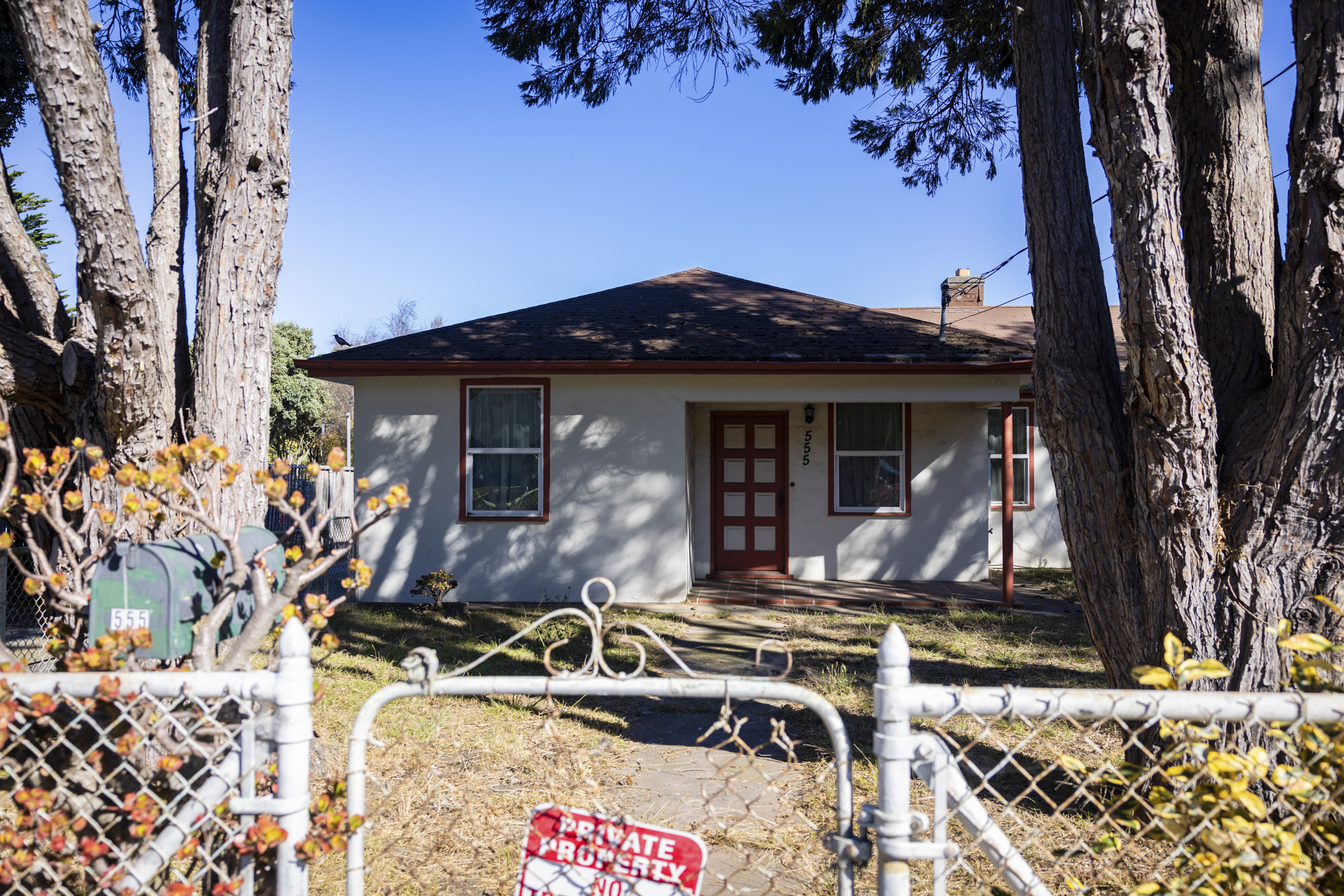
Rosales, who spent nearly 40 years working in agriculture, hopes a proposed affordable housing development at 555 Kelly Ave. in downtown Half Moon Bay will give him and his wife a place to call home.
The project, now four years in the making, was proposed a year before a 2023 mass shooting in the city exposed substandard living conditions on local farms and intensified calls for improved affordable housing for farmworkers. But it’s since become a lightning rod in city politics.
Opponents have called the five-story, 40-unit building out of character for Half Moon Bay’s quaint downtown and decried impacts to traffic and parking new residents might bring. Supporters, however, say it would help aging farmworkers remain in the community they helped nourish.
Despite concerns from some residents, the city council approved the development in May, but opponents quickly rallied to put a referendum on the ballot. Now, voters will decide on Nov. 3 whether it moves forward.
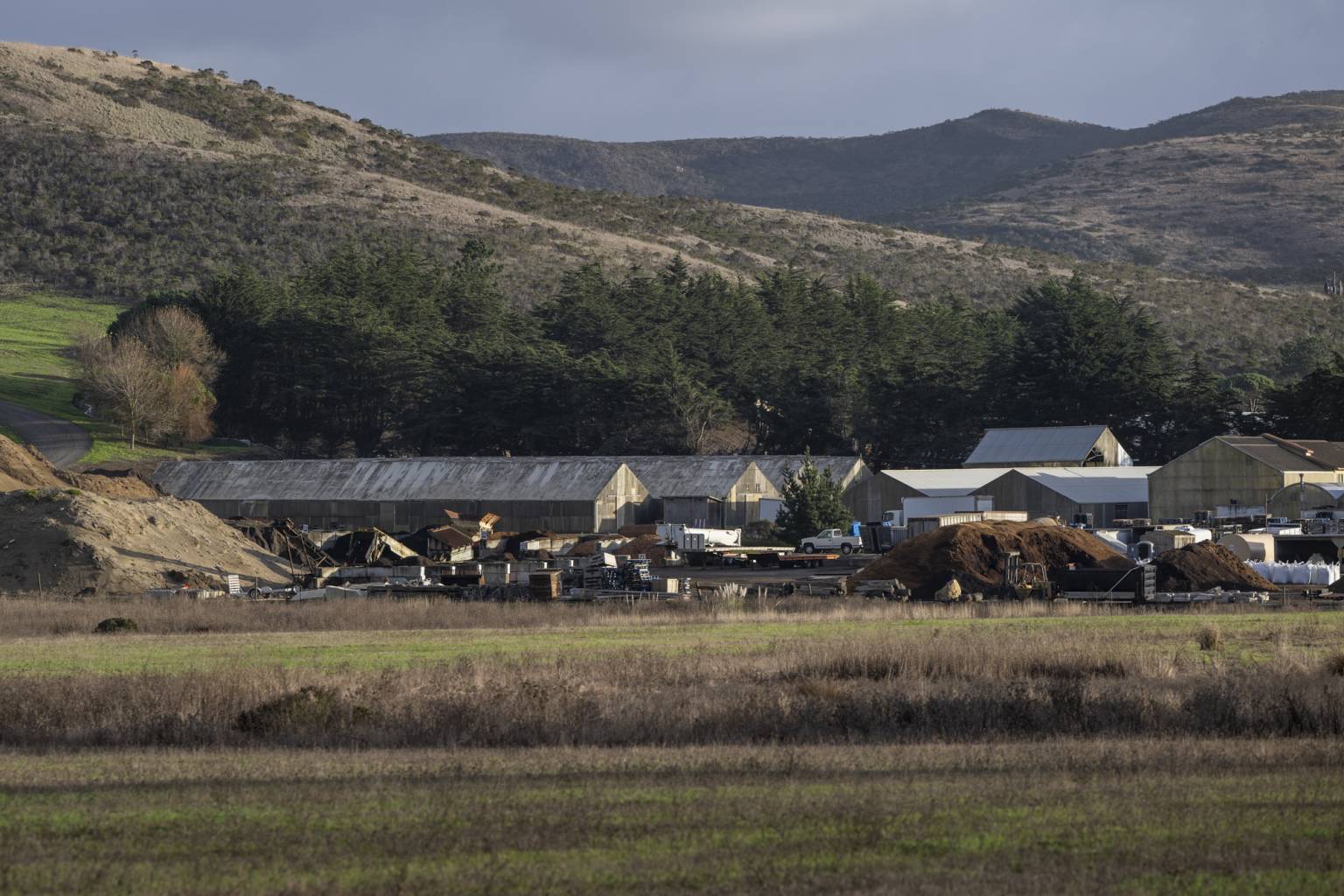
Across California, low wages and a shortage of affordable housing leave many farmworkers living in crowded homes or subpar conditions. Between 2015 and 2019, about 38% of the state’s crop workers lived in crowded housing — defined as more than one person sharing a room, according to the most recent U.S. Department of Labor’s National Agricultural Workers Survey.
For retired farmworkers, the options can be even more limited, said Rob Wiener of the California Coalition for Rural Housing. Decades of low-paid, physically demanding work often leave little money for retirement. Moving in with relatives can mean sharing an already-crowded home, while finding an affordable home elsewhere can mean leaving family and community behind, Wiener said.
It’s even more difficult for farmworkers in counties like San Mateo, he said, where the median one-bedroom apartment rents for more than $3,000 per month and families must earn a minimum salary of nearly $580,000 to afford buying a median-priced single-family home.
“Every community, in my view, should have the full life cycle of housing that’s needed,” Wiener said, “from family housing to housing for single adults and for retirees.”
Housing built for larger farmworker families may not fit the needs of older adults living alone or as couples, he said.
Belinda Hernandez-Arriaga, executive director of Ayudando Latinos A Soñar, or ALAS, said the proposal for the apartment building on Kelly Avenue grew out of the organization’s work during the pandemic, when staff at the nonprofit found agricultural workers in their 70s and 80s were still working because they could not afford to retire.
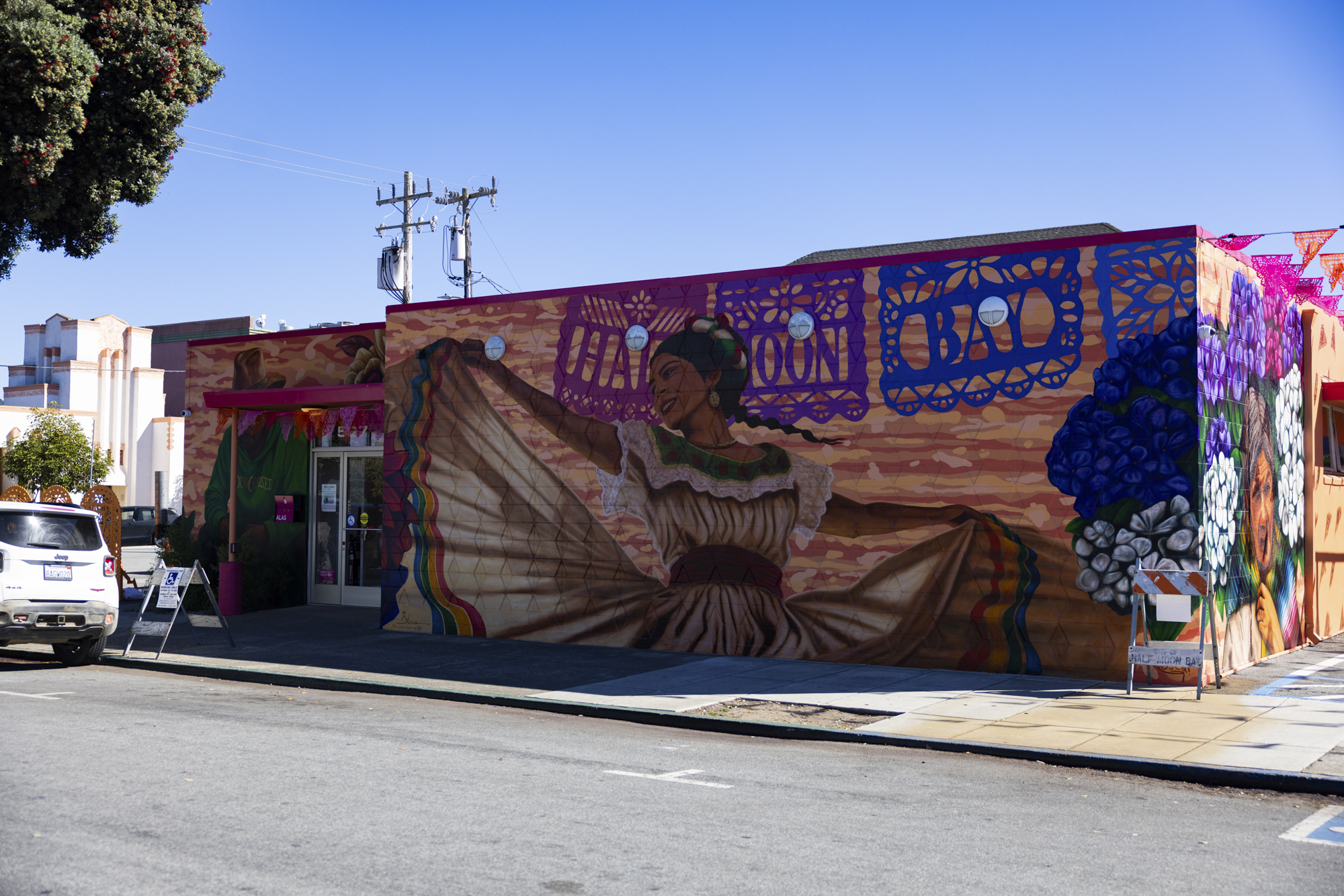
Some lived in housing tied to their jobs, meaning retirement could also cost them their homes. Others rented in the community but struggled to keep up with rising housing costs, she said.
“Our aging farm workers are telling us they can’t stop working,” Hernandez-Arriaga said. “Because if they stop working, they don’t have income.”
If voters approve the proposed apartment building in Half Moon Bay, senior farmworkers who live or work in the city would get first priority, followed by those elsewhere along the coast and in San Mateo County, according to Mercy Housing, which is partnering with ALAS on the project. The nonprofit developer said those preferences are established in its agreements with the city.
Along with apartments, the development would include a community center offering services such as health care and wellness programs. Its downtown location would put residents within walking distance of groceries, medical care, churches and organizations that already serve them, Hernandez-Arriaga said.
For Rosales, remaining close to services is important because he has never driven a car. He gets around by walking or taking the bus. He has lived in Half Moon Bay for about two decades and said he wants a home near the places he already relies on.
“What we like is having everything close at hand,” he said in Spanish.
But opponents question the building’s size — at five stories, it would be the tallest in downtown — as well as its effects on parking and traffic and the city’s obligations under the proposed 99-year lease.
Rick Hernandez, vice chair of the Half Moon Bay Planning Commission, said he supports more affordable housing but has concerns about this specific development.
“It would be the tallest in downtown,” Hernandez said, “and it’s out of character with our community.”
He said a smaller development would be a better fit for a neighborhood where people already come for the library, church and community center. He also questioned what costs the city could face over the 99-year lease and whether the proposed lease agreement is adequate to ensure local residents get priority for the apartments.
Hernandez-Arriaga sees the opposition as going beyond the building’s size. She questioned whether the older farmworkers who have been asking for housing for years are welcome downtown.
“Why aren’t they good enough to be living downtown?” she said.
But Hernandez pushed back on that assertion. He pointed to other affordable housing developments in Half Moon Bay as examples of the city’s support for farmworkers, including a manufactured housing project the city approved soon after the 2023 mass shooting.
“This is about striking the right balance,” he said.
ALAS and Mercy Housing jointly proposed the project after the city sought proposals for affordable apartments on the Kelly Avenue property in 2022. It was the only proposal submitted. But it faced opposition from the start.
When the planning commission approved the project’s land-use permits in May 2024, residents appealed. The city council upheld that approval but didn’t sign off on a final lease agreement on the city-owned land until May 2026. Opponents then gathered enough signatures to put that decision before voters, suspending the ordinance until the election.
The vote comes as the city faces pressure from the state over its broader housing obligations. In July, Attorney General Rob Bonta and Gov. Gavin Newsom’s administration sued Half Moon Bay for failing to complete zoning changes required to bring its housing plan into compliance with state law, asking a court to require compliance and impose financial penalties.
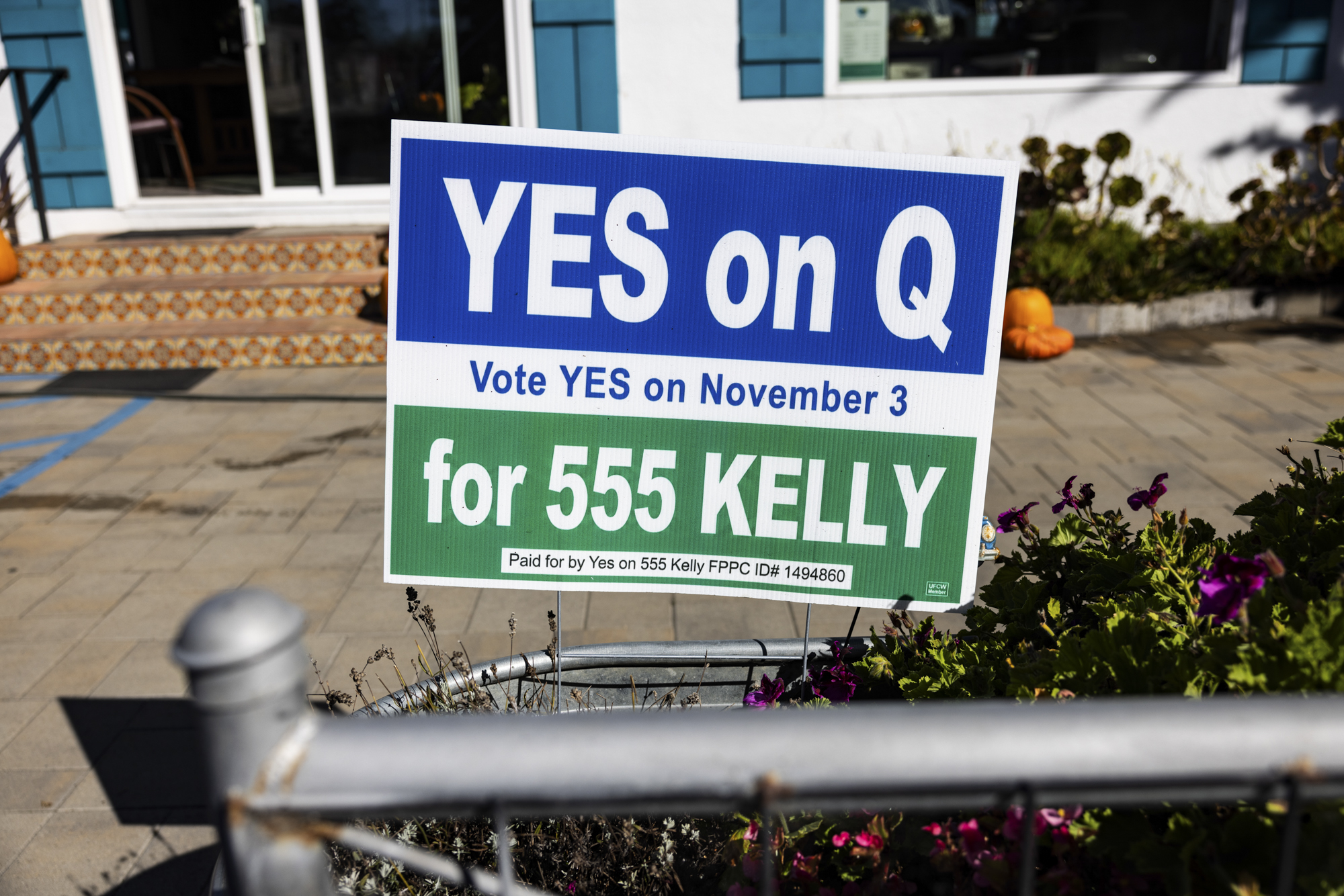
Jeff Regan, campaign organizer for Yes on 555 Kelly Ave., said rejecting the Kelly Avenue project would make it harder for the city to meet state housing goals.
Under the city’s description of the lease, Mercy Housing would be responsible for constructing and maintaining the buildings, carrying required insurance and operating resident programs.
In a statement, Mercy said about $28 million in public funding has been secured, including more than $6 million recently approved by San Mateo County. The plan anticipates covering the remaining $14 million through tax-credit financing.
Rosales has attended several meetings about the development, hoping it will move forward. For now, he visits his wife at her sister’s home, spends time talking with her, then leaves.
He wants to stay in Half Moon Bay but said they are considering returning to Mexico if they cannot find a place to live together. Still, he’s reluctant to leave the city he’s called home for two decades.
“I’d like to stay here a little longer,” he said.