‘Beyond Scary’: AC Transit Riders Brace for Potential Service Cuts
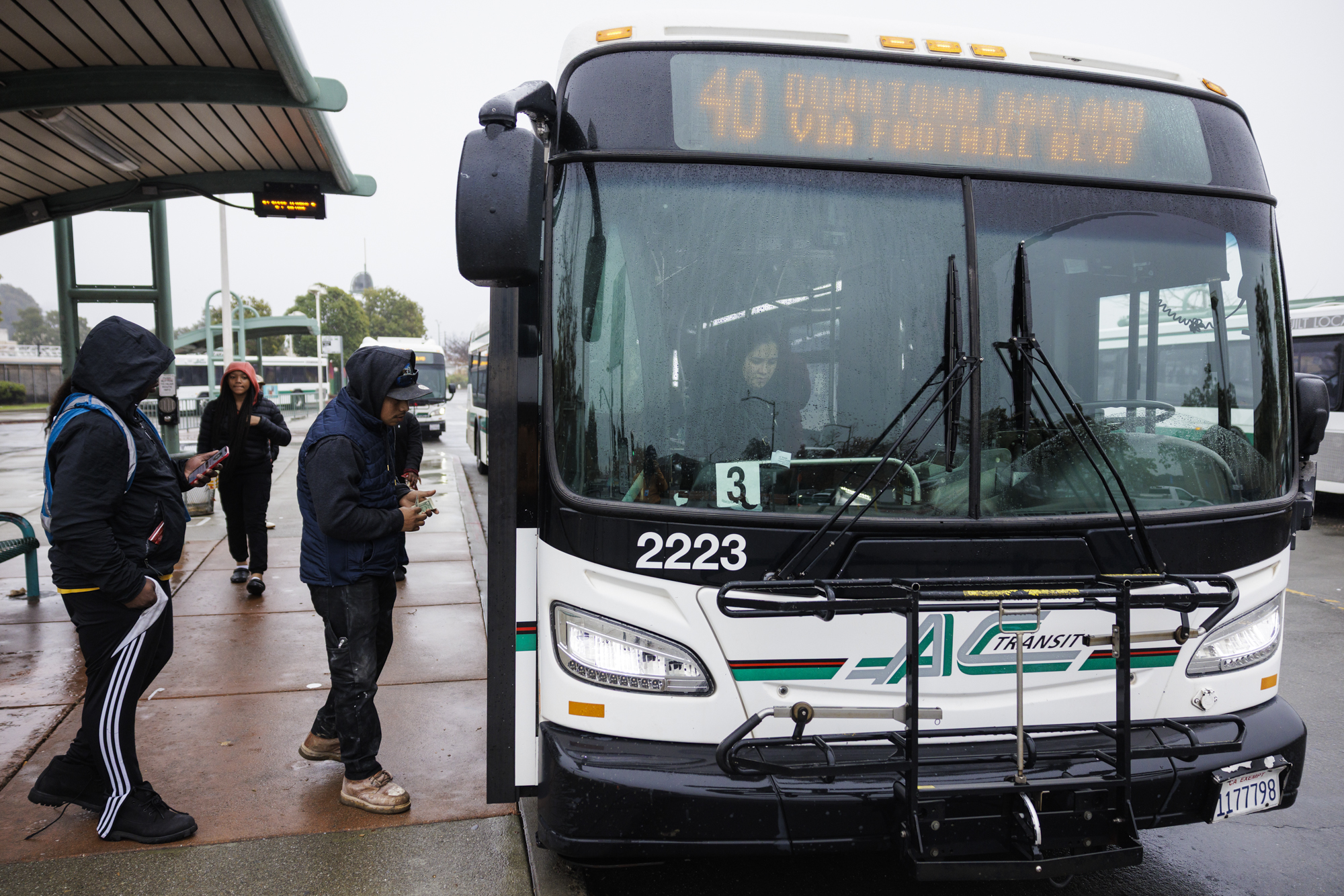
Traceé Coltes of Richmond said she relies on AC Transit, but she’s noticed that one of her usual lines, the 71, has become unreliable, forcing her to walk to take BART. She said she once missed a mammogram appointment.
“It’s beyond scary,” Coltes said. “That’s very important to my health and well-being. I couldn’t go because the bus didn’t show up.”
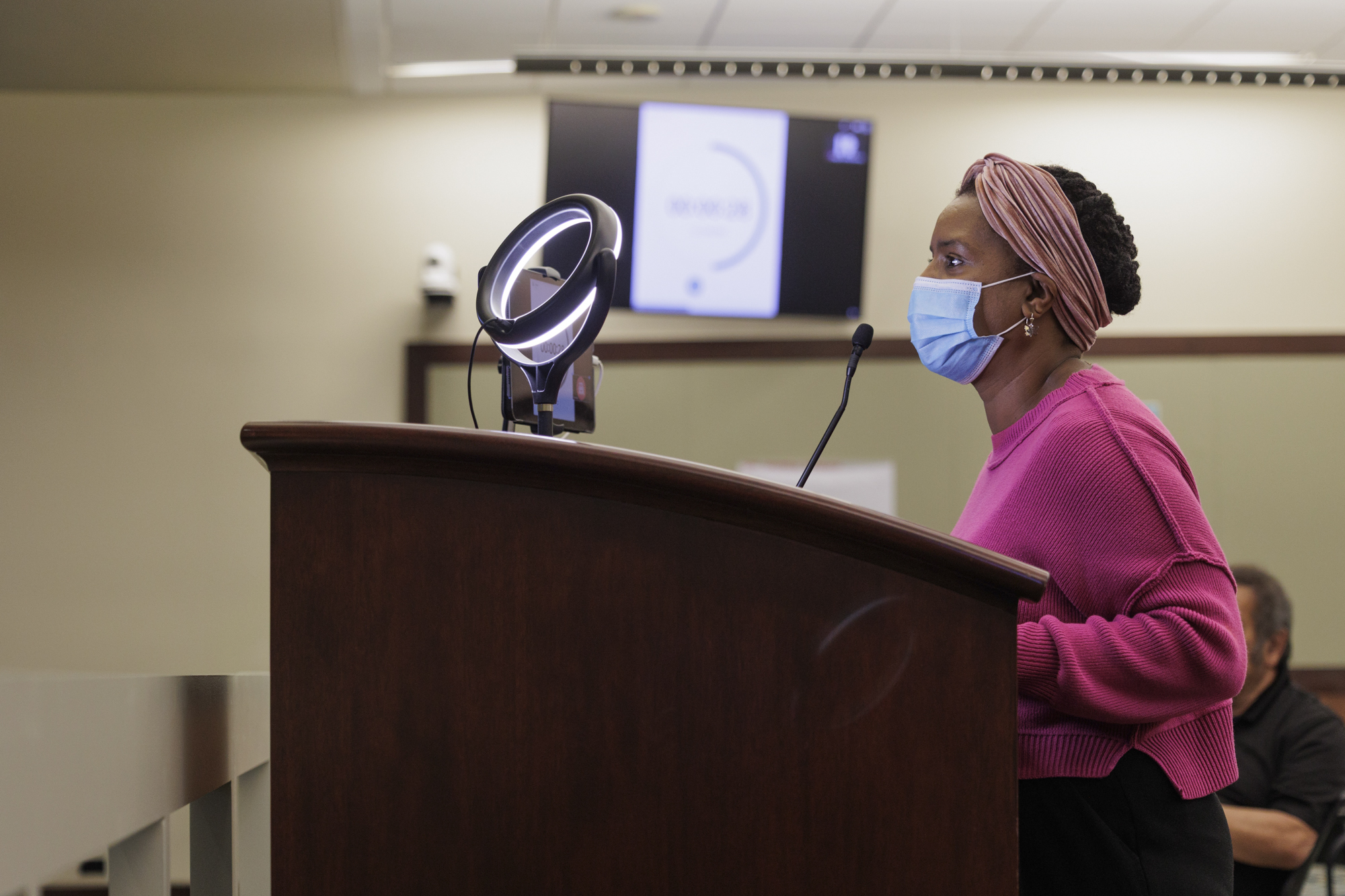
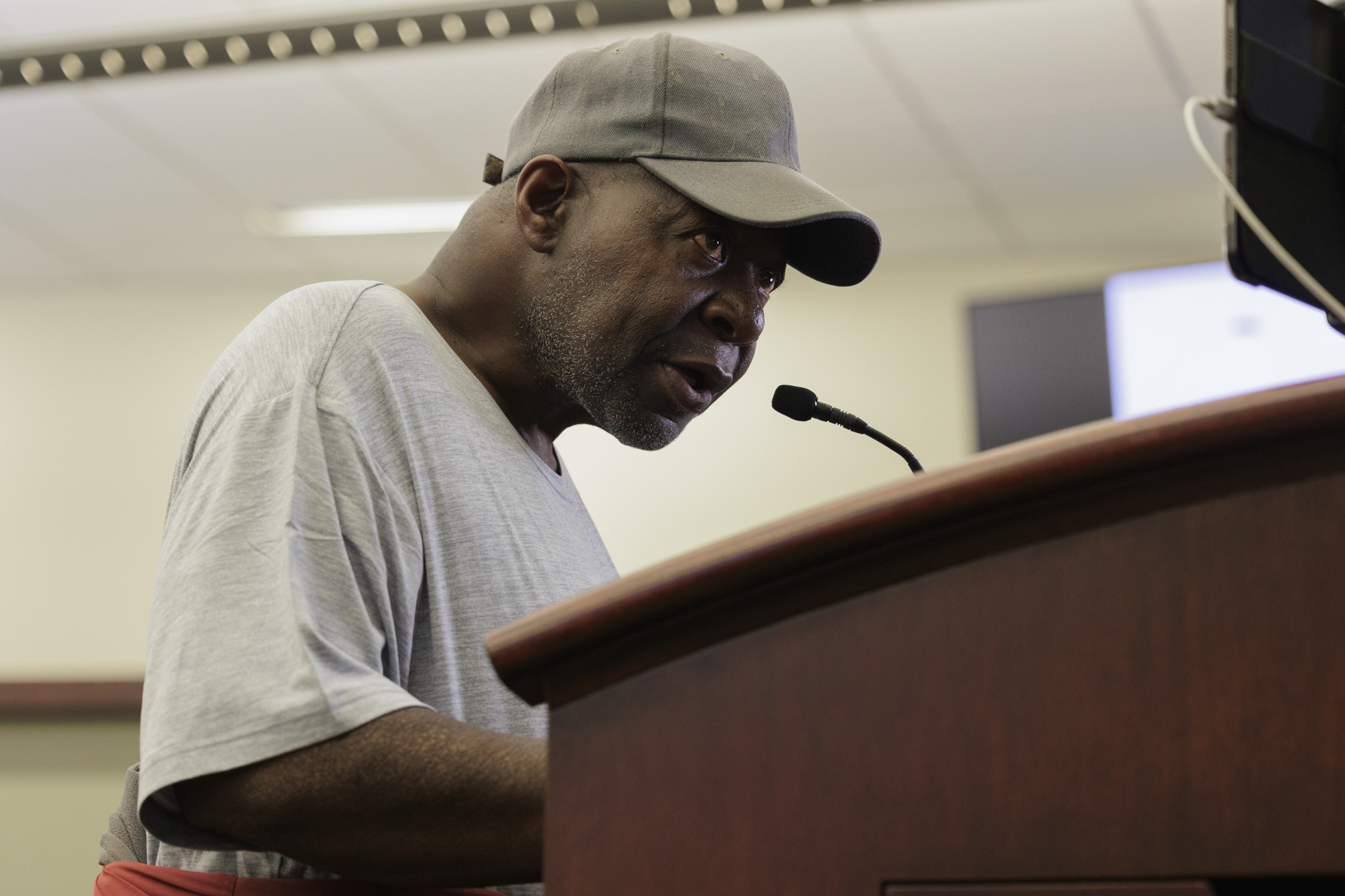
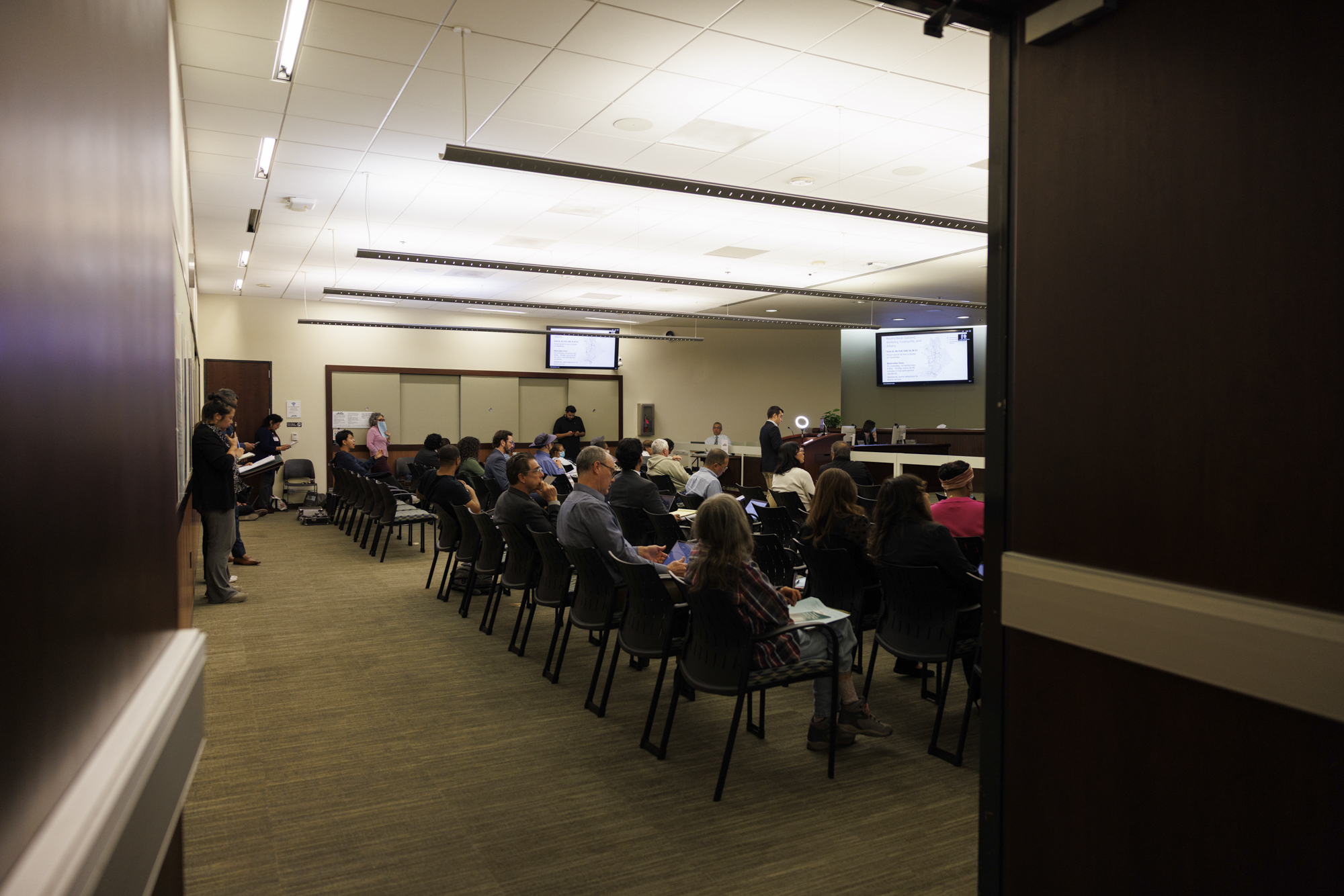
She is among many AC Transit riders who expressed fear and anxiety on Wednesday afternoon during a special AC Transit Board of Directors meeting. The public gave feedback on the agency’s Proposed Contingency Service Plan that would cut service and lay off workers if voters reject a regional transit funding ballot measure this November.
The plan calls for a 16% reduction in service — removing 100 buses — and laying off up to 300 employees, according to Robert Lyles, spokesperson for AC Transit.
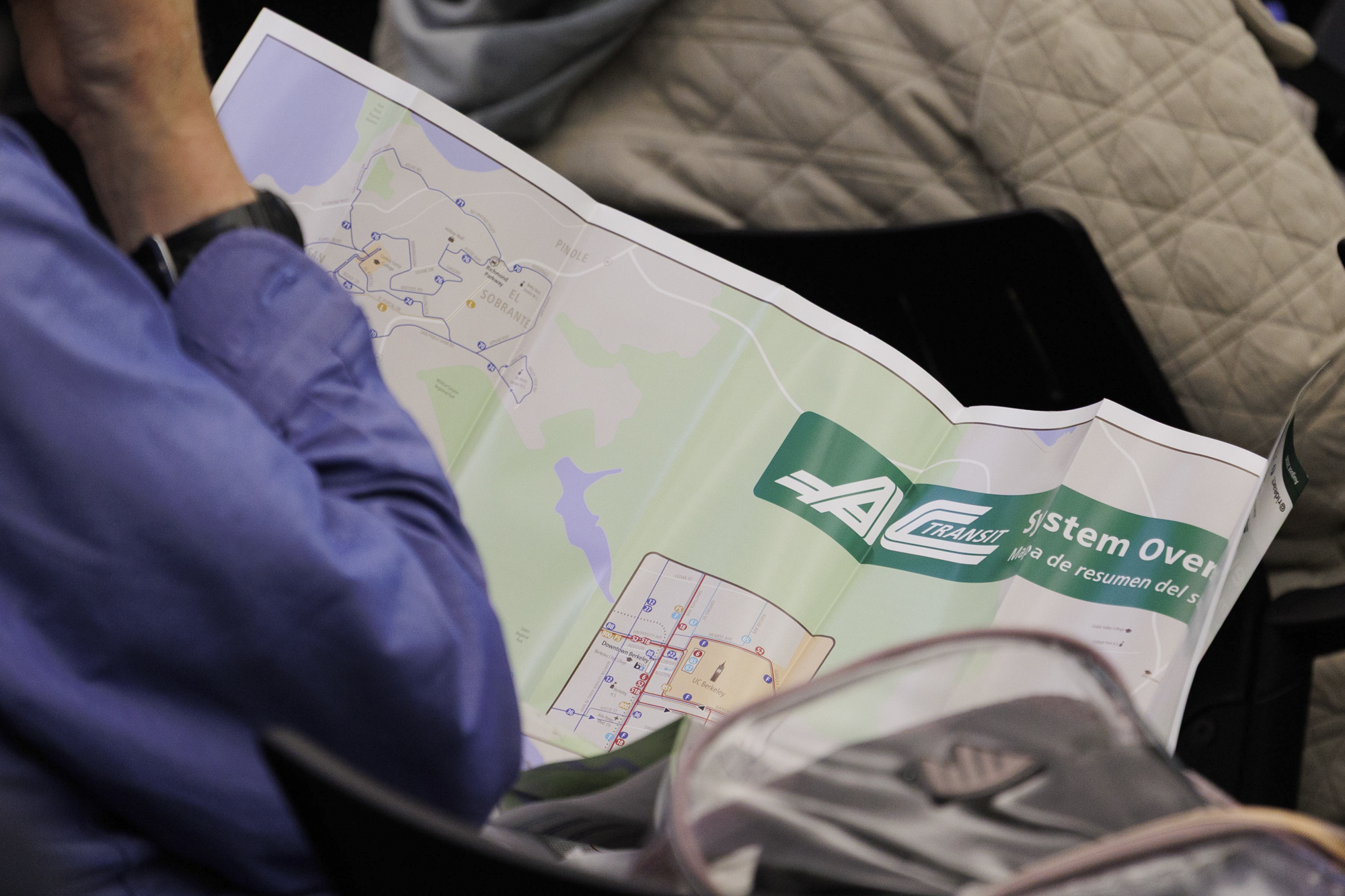
The plan preserves the agency’s “15-minute or better” weekday service on the busiest lines and major travel corridors (such as Telegraph Avenue, Foothill Boulevard and Martin Luther King Jr. Way), but it proposes other cuts.
They include later service start times, at 7 a.m., and earlier end times, at 7 p.m., on many routes, the elimination of all weekend transbay service, to name a few.

The board of directors said it will use nearly 500 pieces of public comment submitted Wednesday to inform a final vote on how to reduce service if the Regional Transit Measure does not pass. If the service reductions are needed, the board expects to consider a proposed final service plan at a Dec. 9 meeting. Service cuts would begin June 2027.
AC Transit is facing a $200 million structural deficit over the next four years due to pandemic-related drops in ridership, reduced federal, state and local funding (namely the exhaustion of federal Covid-19 relief dollars).
“ We want none of this to activate, but we cannot stick our heads in the sand and pretend that this substantial structural deficit does not exist,” Lyles said. “ The Board’s responsibility is to keep this transit agency operating.”
RTM would create a half-cent sales tax in Alameda, Contra Costa, San Mateo and Santa Clara counties, and a one-cent sales tax in San Francisco, and is estimated to generate around $1 billion annually for several Bay Area transit agencies, including BART, Muni, Caltrain and AC Transit over 14 years.
About 21% of the tax collected in Alameda County and 3% of the tax collected in Contra Costa County would support AC Transit — generating an estimated $50 million annually for the agency.
Coltes and other riders said that they’re already seeing a preview of what life will be like if AC Transit reduces service — what AC Transit Director Jean Walsh calls the agency’s “reliability crisis.”
“Far too many trips are being canceled, and the problem has been getting worse,” Walsh said in an emailed statement, speaking as an individual board member, noting that her views did not necessarily reflect the rest of the Board or AC Transit.
Walsh said a combination of absenteeism and understaffing has led to a lack of bus operators, causing “significant” rates of cancellations.
“Our goal is to run 99.5% of scheduled buses, but we have been falling far short of that goal and inconveniencing thousands of people in the process,” Walsh said.
Walsh added that the board recently approved her motion to increase reliability reporting from twice a year to monthly, which is set to begin at the end of October.
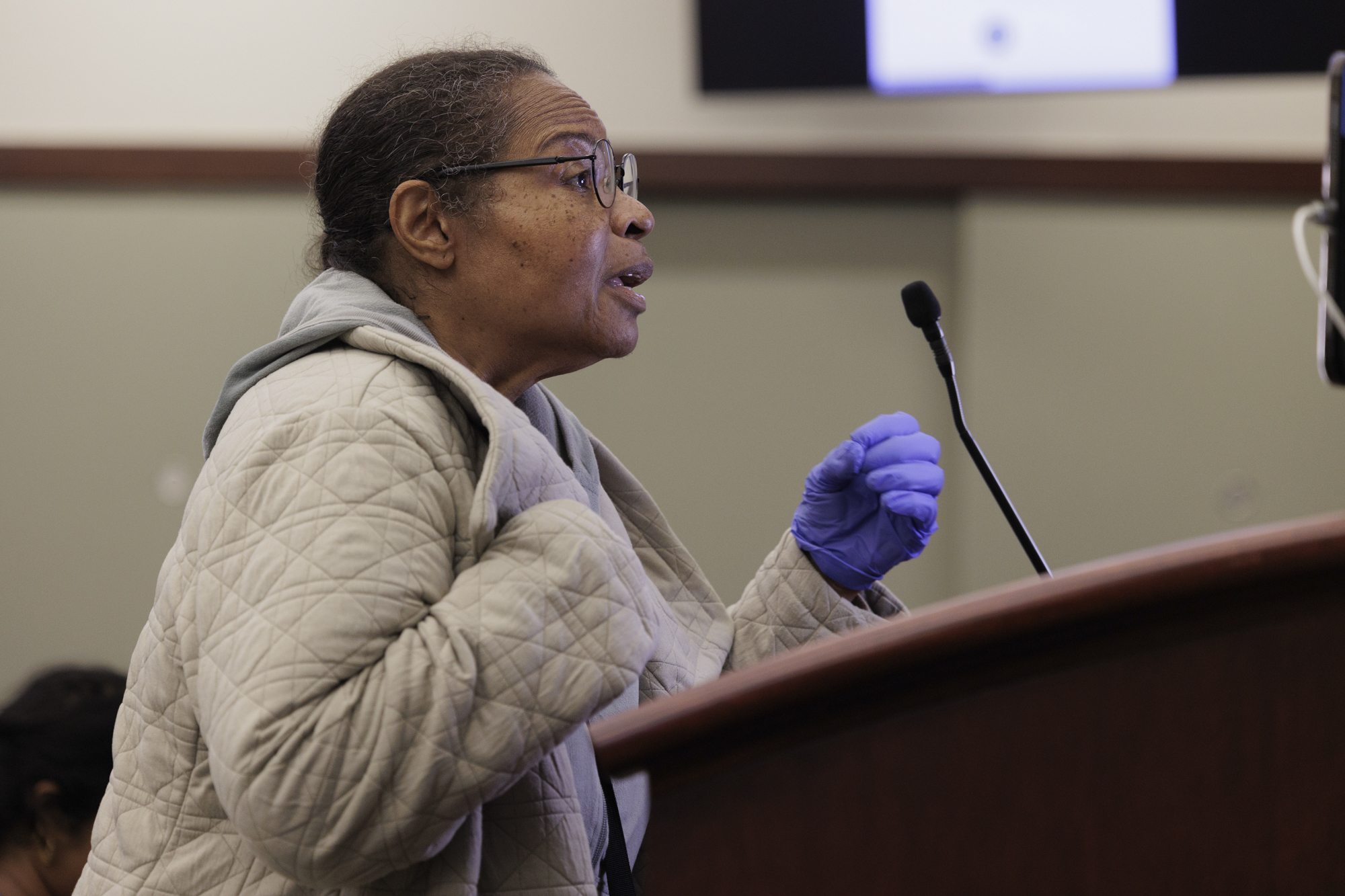
Kiwan Gore of Berkeley encouraged the board to reduce rather than eliminate weekend transbay service in its contingency plan. Born with cerebral palsy, she said she relies on AC Transit “big time,” and that other transit agencies, like BART, are “financially out of reach” for her.
“I’m in the city a lot, especially on the weekends. So for me, cutting transbay service on weekends is drastic,” Gore said. “ I’m anxious about it.”
Coltes was also concerned that the proposed cuts would affect not only her own quality of life, but also seniors, parents and working people who struggle to afford the Bay Area’s high cost of living.
“You can’t get a paycheck if you can’t even get to work, and if your means of transportation is public transportation and it’s constantly decreasing, then you see where that goes,” she said.