As of Oct. 1, There Are New Rules for Buying a Car in California
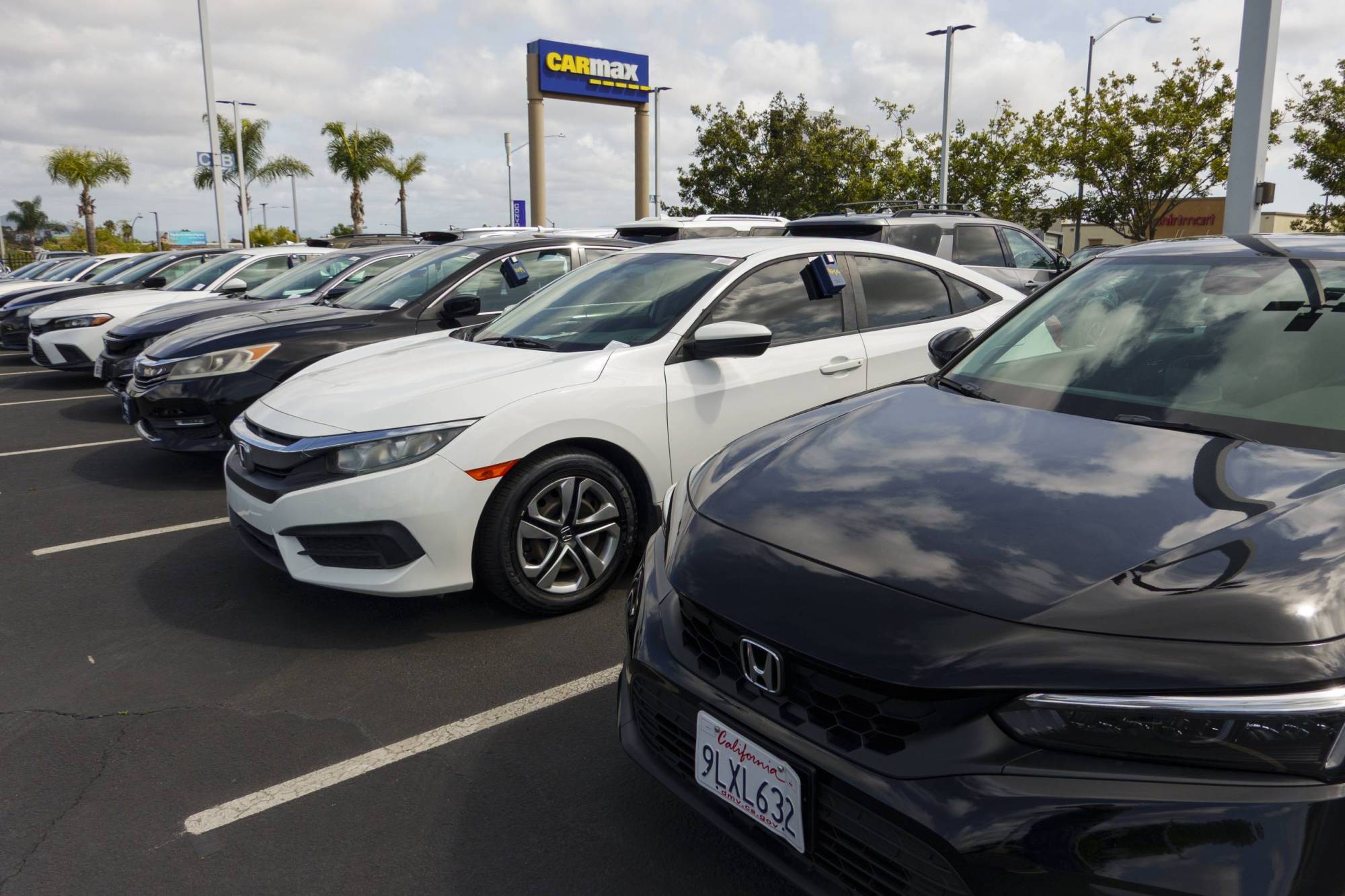
When you buy a shirt, the tag tells you the price. Whether it’s clothing, food or rent, knowing how much you will spend is a pretty straightforward question … for most items.
But buying a car — new or used — has always been trickier. The number you may see in television ads or plastered on the car’s windshield at the dealership is not always what you end up paying.
That’s because the manufacturer’s suggested retail price — or MSRP — is, as the name suggests, just a suggestion. And it doesn’t include extra costs, like government fees or markups from the dealers for certain features.
But now, a new California law limits how much dealers can add on and potentially makes things clearer for consumers.

As of Thursday, the Combating Auto Retail Scams (CARS) Act prohibits a dealer from misrepresenting the total cost of the vehicle they’re selling you. And if you’re planning to lease the car, a dealer cannot mislead you about the terms of the lease.
But what does this new law mean exactly, making your next experience at a car dealership less stressful — and potentially cheaper? Here’s what to look for if you or someone you know is buying a car after Oct. 1, 2026:
The total price, with no surprises
Car sellers must now provide you with a “total price,” which has to include “any dealer price adjustment and the cost of any item installed on the vehicle.”
According to the DMV, the total price must show up in ads or in any initial written communication, which includes “email, text, document, or any form mentioning the vehicle or financing.”
Transparency about add-ons
As you’re choosing a car, the dealer now must tell you — at least once — which add-ons are not actually required. They also have to be transparent that you can purchase or lease the vehicle without that extra feature.
This disclosure, the law states, has to be “in writing and shall be clear and conspicuous.”
Frankness about financing
When you’re talking about financing, the seller has to confirm what the total cost will be after the financing term — how much will you have paid the dealer altogether, once you’re done with all the monthly payments?
If you’re leasing the car, the dealership also has to tell you the total cost after the leasing term ends.
More clarity on leasing vs. buying
Now that this new law has passed, there cannot be any confusion about whether you are leasing or buying the car.
The seller must be straightforward with the consumer about the terms of the final agreement.
A right to change your mind
If you’re buying a used car, the law now gives you the right to a three-day “cool-down period” where the purchase can be canceled — for any reason.
However, there are a few conditions:
- The vehicle must be valued at less than $50,000
- The seller is permitted to set mileage limits (the DMV estimates around 400 miles)
- The seller can charge you a restocking fee (the DMV estimates something around $200)
The legislation has received the support of legal aid groups and bar associations.
“Car buyers will enjoy stronger consumer protections, including a clearer understanding of the total cost of the vehicle before signing the paperwork,” wrote attorney Stefan Lawrence in a bulletin for the California Lawyers Association.
However, Lawrence added that the CARS Act could add more work for car dealerships, as it “introduces a new layer of regulatory complexity with respect to advertising, sales practices, and add-on products.”
If you suspect a car dealership is not complying with the new law, the DMV recommends you file a complaint online or call 1-800-777-0133.