California AG Drops Case Against Stanford University Pro-Palestinian Protesters
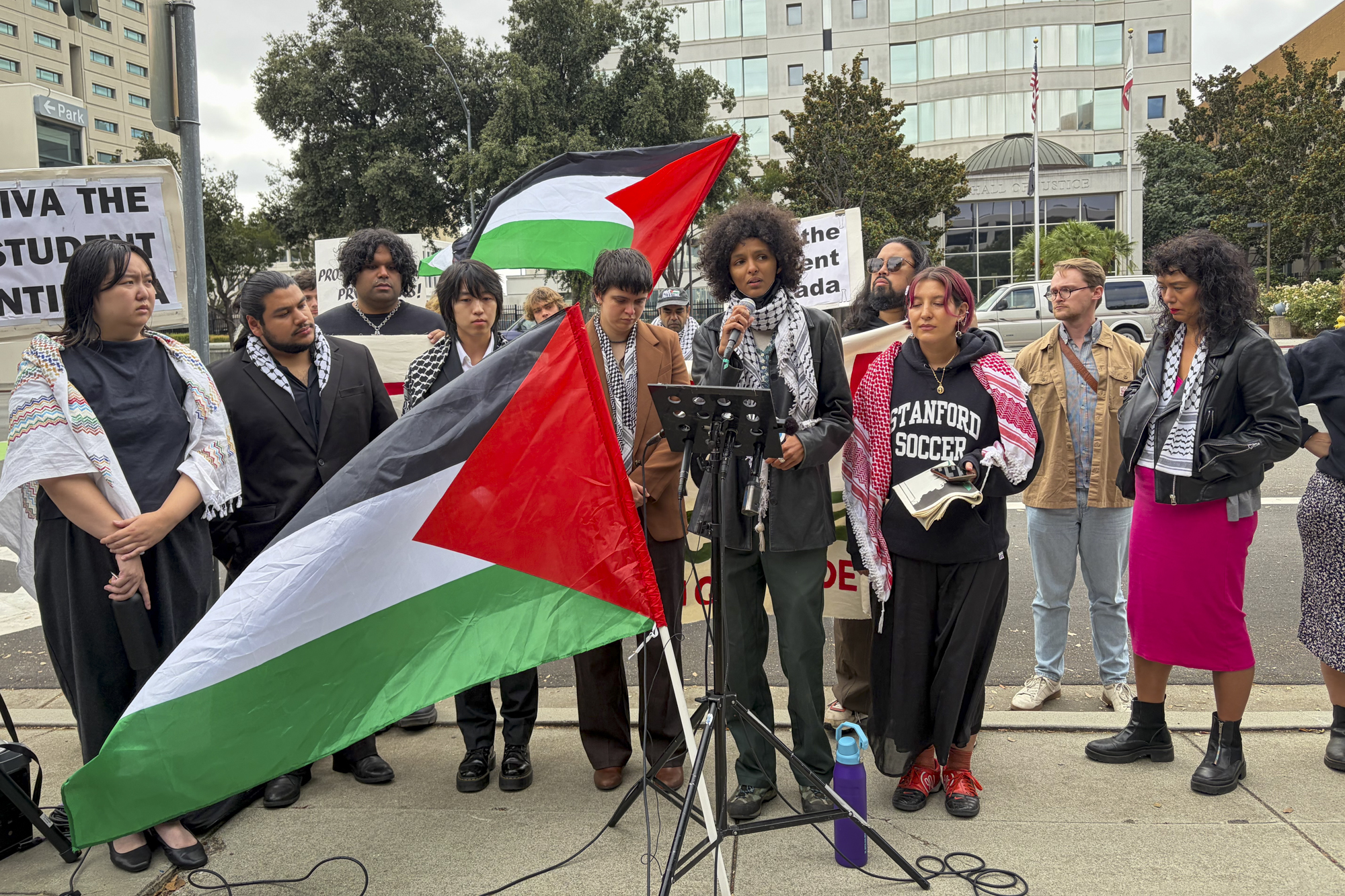
The criminal case against pro-Palestinian protesters arrested for breaking into and vandalizing the Stanford University president’s office in 2024 will be dismissed following a mistrial earlier this year.
State prosecutors said Monday they reached a deal with eight defendants. The decision comes after defense attorneys in May successfully argued for the recusal of Santa Clara District Attorney Jeff Rosen due to a conflict of interest.
“Today’s a good day,” defense attorney Tony Brass said outside the courtroom. “Today is a day [the protesters] earned and deserve.”
Defense attorneys said the California attorney general’s office agreed to dismiss the charges in exchange for a restitution payment of $51,000 and commitment to 100 hours of community service by each of the protesters.

Several of the protesters have already finished the service commitment and are expected to have their cases dismissed in October.
The deal comes more than six months after a mistrial in the case, with jurors unable to reach a consensus about whether the five individuals should be found guilty of felony conspiracy to trespass and felony vandalism.
In June 2024, a group of Stanford students and alumni broke into the university president’s office and barricaded themselves inside, saying they aimed to pressure Stanford leaders to “address their role in enabling and profiting from the ongoing genocide in Gaza.”
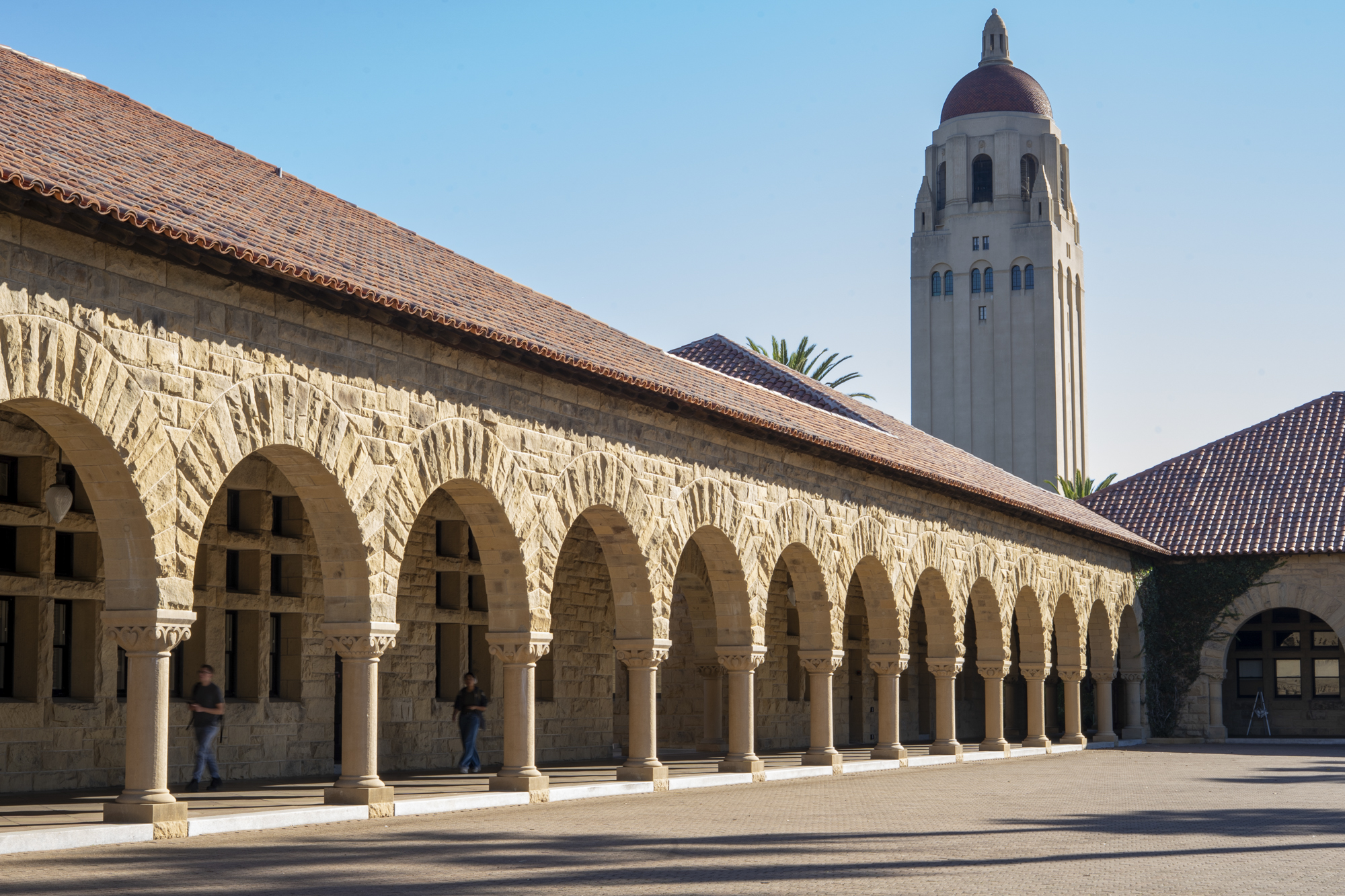
The action led to 13 arrests and the dismantling of a pro-Palestinian encampment on the campus, amid a larger wave of campus demonstrations across the U.S. intended to pressure schools to divest from companies supporting Israel’s military campaign in Gaza.
Twelve protesters were initially charged in connection with the incident, but six agreed to enter mental health diversion programs or said they planned to take a court-ordered deal that included pleading guilty to lesser misdemeanor charges.
One other protester served as a witness for prosecutors in the grand jury indictment and enrolled in a youth deferred entry of judgment program.
Monday’s deal ends a two-year saga for the five protesters who chose to go to trial: Hunter Taylor-Black, Maya Burke, Germán González, Taylor McCann and Amy Zhai. It will also affect the three who said they intended to plead guilty to misdemeanors last fall.
“I’m super relieved that I’ll be able to go to school and finish up my education without this hanging over my head,” said González, who is the only protester still currently enrolled at Stanford.
Brass said he felt that the end resolution was fair, but overdue.
“Look at the journey we had to take to get here,” he said. “Look at the risks they took to get here … all of the doxing and losing their housing, losing medical insurance, losing a quarter of school.”
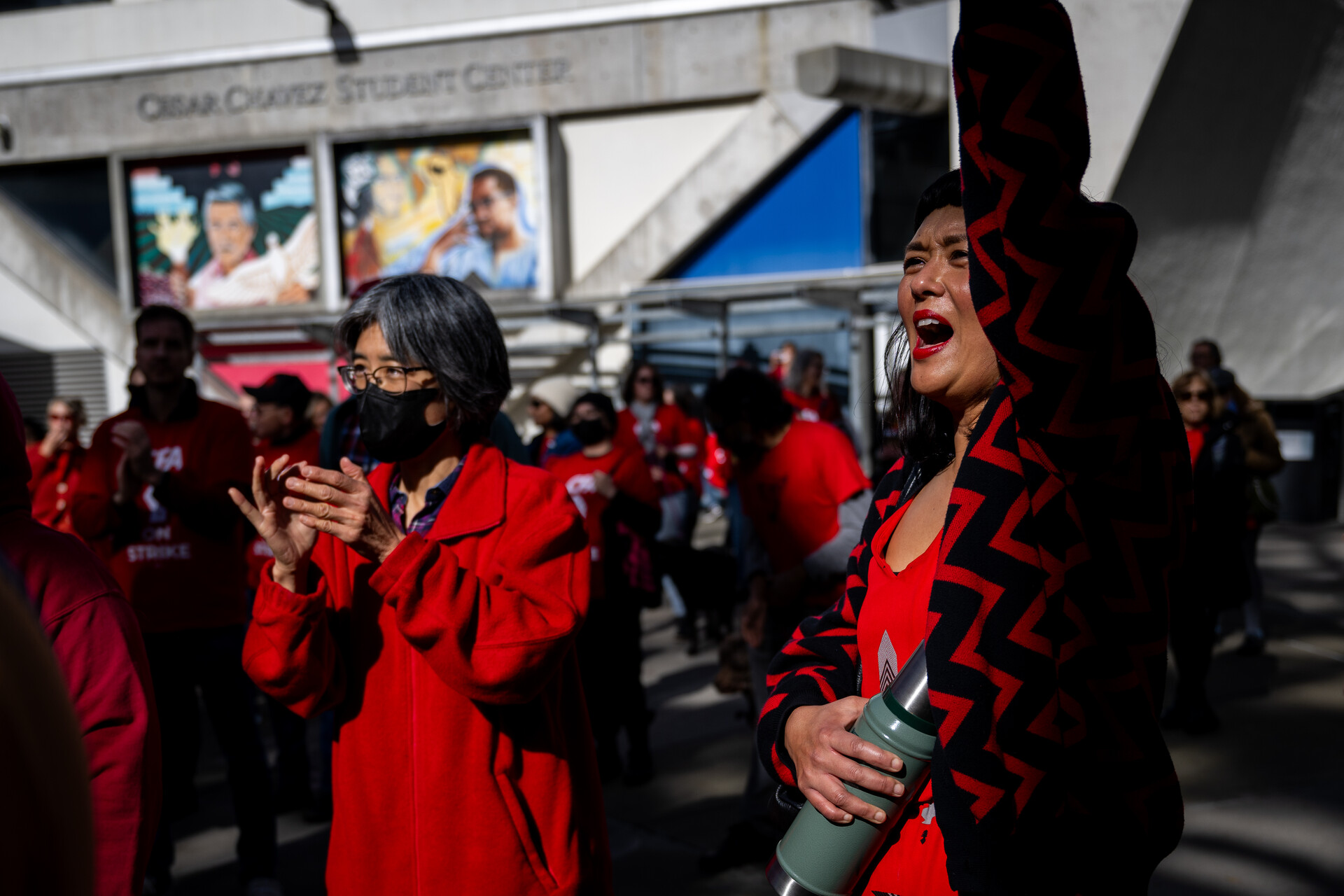
Professor Sang Hea Kil, who was fired from San José State University in connection with pro-Palestinian protests in 2024 before being reinstated in June, said the case has also harmed the wider student protest movement.
“They’ve opened the can of worms of going after students with felonies for wanting to protest an unjust genocide,” she said. That “really sends a chilling effect … It will create barriers for students to want to organize and protest because they face such high costs now.”
Stanford officials wrote in a statement after the incident that students who were arrested would be suspended, and any seniors would be barred from that spring’s graduation. The university said in a statement Monday that it has a policy of noninterference with criminal proceedings.
“The decision on how to resolve the case rested with the California Attorney General’s Office, based on the evidence gathered,” spokesperson Luisa Rapport said via email. “We respect the integrity of our justice system.”
During the protesters’ trial, which ran for three weeks in January, defense attorneys focused on their clients’ intentions: acting out of concern for what they view as an ongoing genocide in Gaza after months of protests and requests to discuss campus divestment.
“Weeks of protests went with no reaction, with no progress, and with no dialog,” Brass said Monday. “They deserved better than that. What this was, was a way to amplify their voice.”
The jury deadlocked, with 8 of 12 favoring conviction on the conspiracy charge and 9 of 12 favoring conviction for the vandalism charge. At the time, Rosen said he planned to retry the case.
“This case is about a group of people who destroyed someone else’s property and caused hundreds of thousands of dollars in damage. That is against the law,” he said in February.
In a rare move, though, his office was barred from retrying the case in May over a conflict of interest after he promoted the case on a campaign fundraising website highlighting his efforts in “fighting antisemitism.”
Santa Clara County Superior Court Judge Kelley Paul ordered Attorney General Rob Bonta’s office to take over the case.
Defense attorney Avi Singh said Monday’s deal was a result of the state’s “due diligence and a holistic review of the case.”
They “took the matter to an appropriate outcome and frankly where it should have been the whole time,” he said.
Brass called the decision a victory for free speech.
“Stanford will celebrate this 20 years from now,” he said.
KQED’s Sara Hossaini contributed to this report.