BART Reports Major Crime Drop 1 Year After New Fare Gates
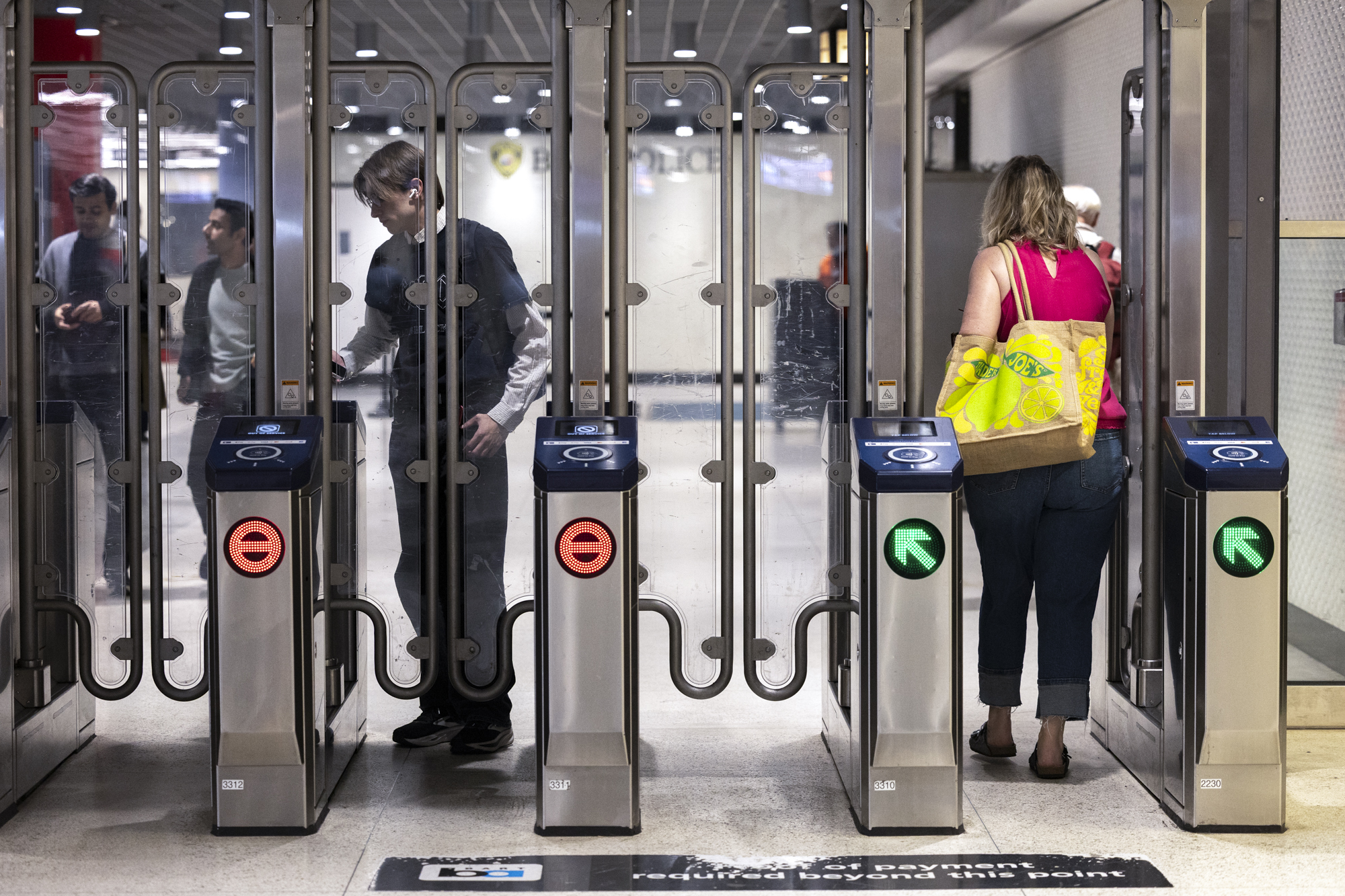
New data shows BART has seen a massive drop in crime, something the agency credits to the one-year anniversary of its next-generation fare gates.
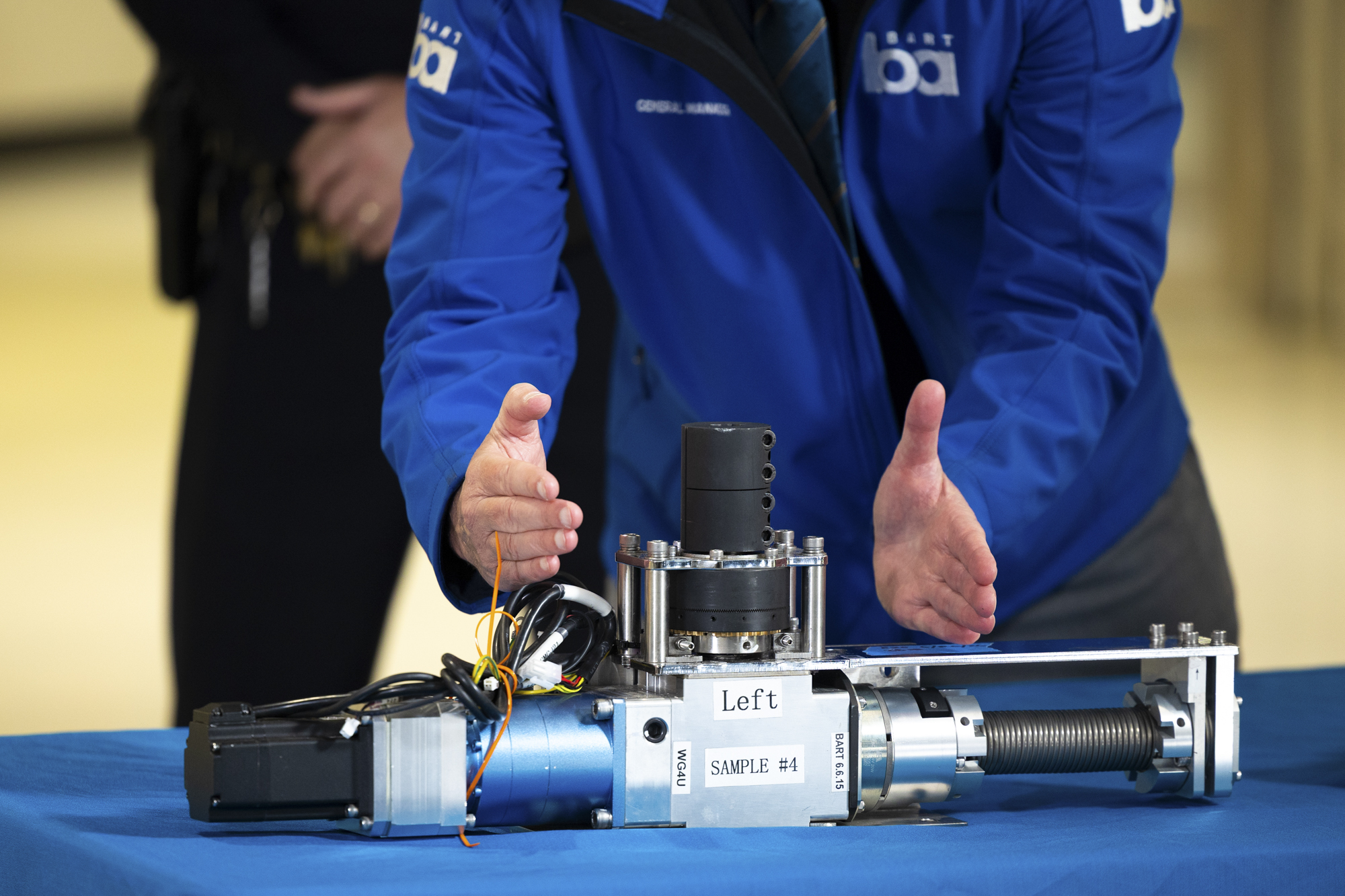
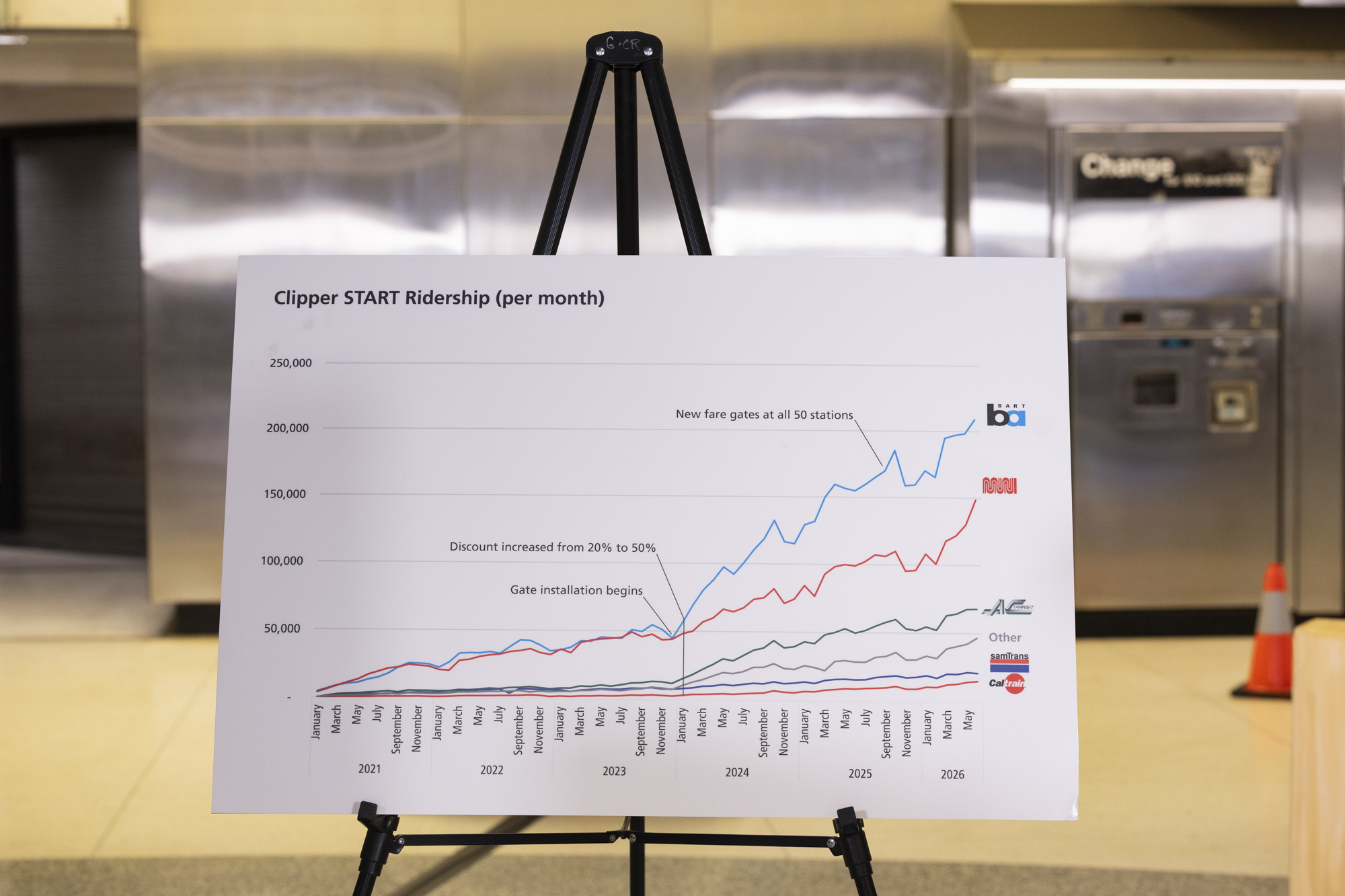
The agency reported Tuesday that, for every million trips, crimes against riders (such as robbery, aggravated assault, rape and homicide) fell 67% between December 2024 and June 2026. The improved fare gates, which are intended to reduce fare evasion, began operating at all 50 stations last year.
“They’ve been a real game changer,” BART General Manager Robert Powers said Tuesday during a news conference at San Francisco’s Powell Street station.
The agency also reported a 47% reduction in BART Police and other safety-related delays over the same time period.
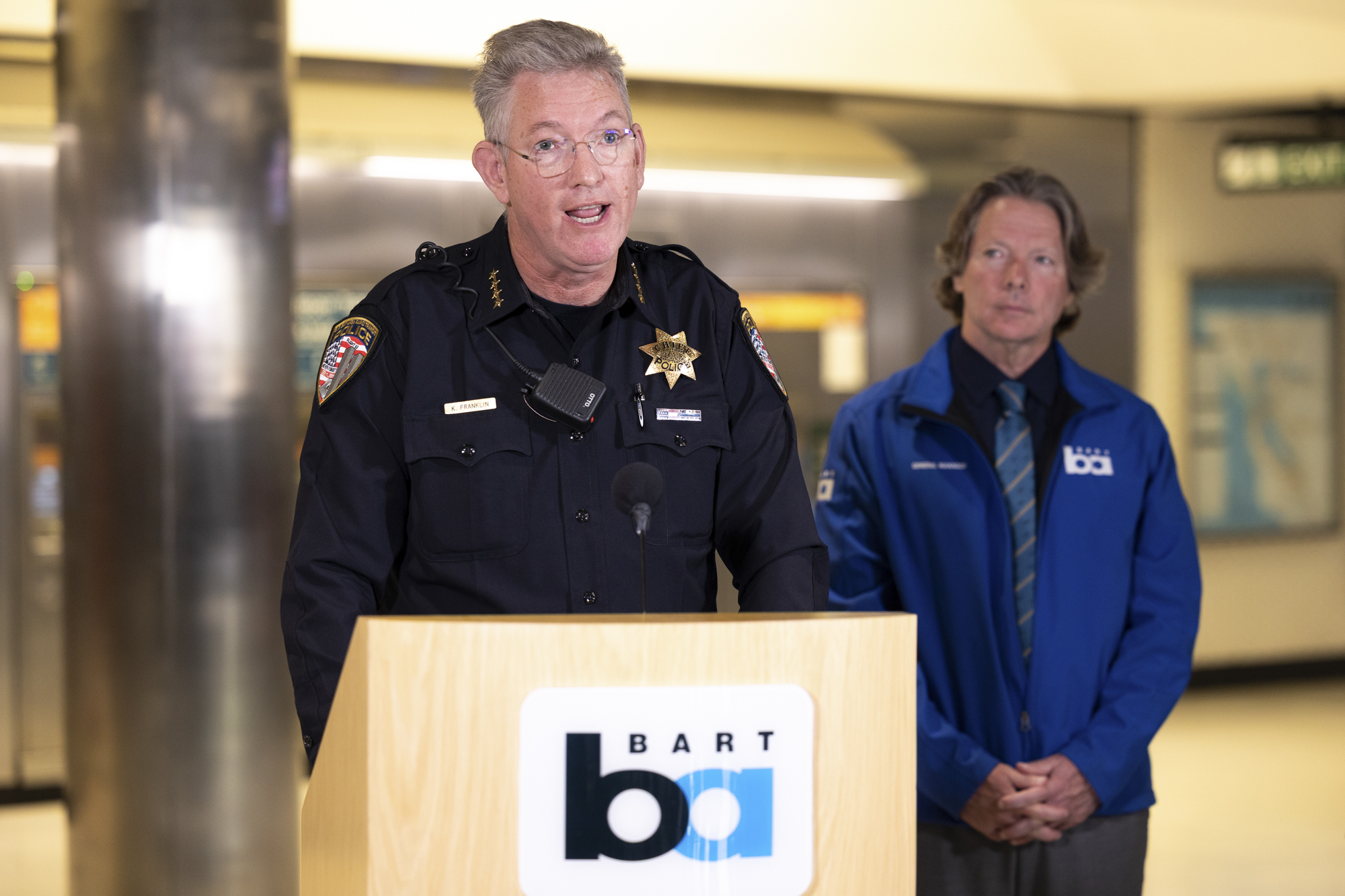
“ Not only is crime less frequent on BART, but because of that drop my officers are able to respond more quickly to the emergencies that we do need to address,” BART Police Chief Kevin Franklin said, calling the fare gates a “force multiplier.”
Franklin added that people who commit crimes on BART tend to also be fare evaders, although he did not provide a specific statistic. He acknowledged, however, that not all people who evade fares commit crimes.
The percentage of riders who said they witnessed fare evasion was down to 9% in June, Franklin said, compared with a high of 25% two years ago.
While BART touts the progress of its fare gates, the agency said fare evaders have adapted: Instead of jumping over the turnstiles of the previous gates, some daring fare evaders follow closely behind a rider, so they can sneak through the gate while it is still open, a practice BART calls “piggybacking.” BART leaders said the agency in response has increased the speed at which the gates close, and the agency also plans to install sensors as another deterrent.
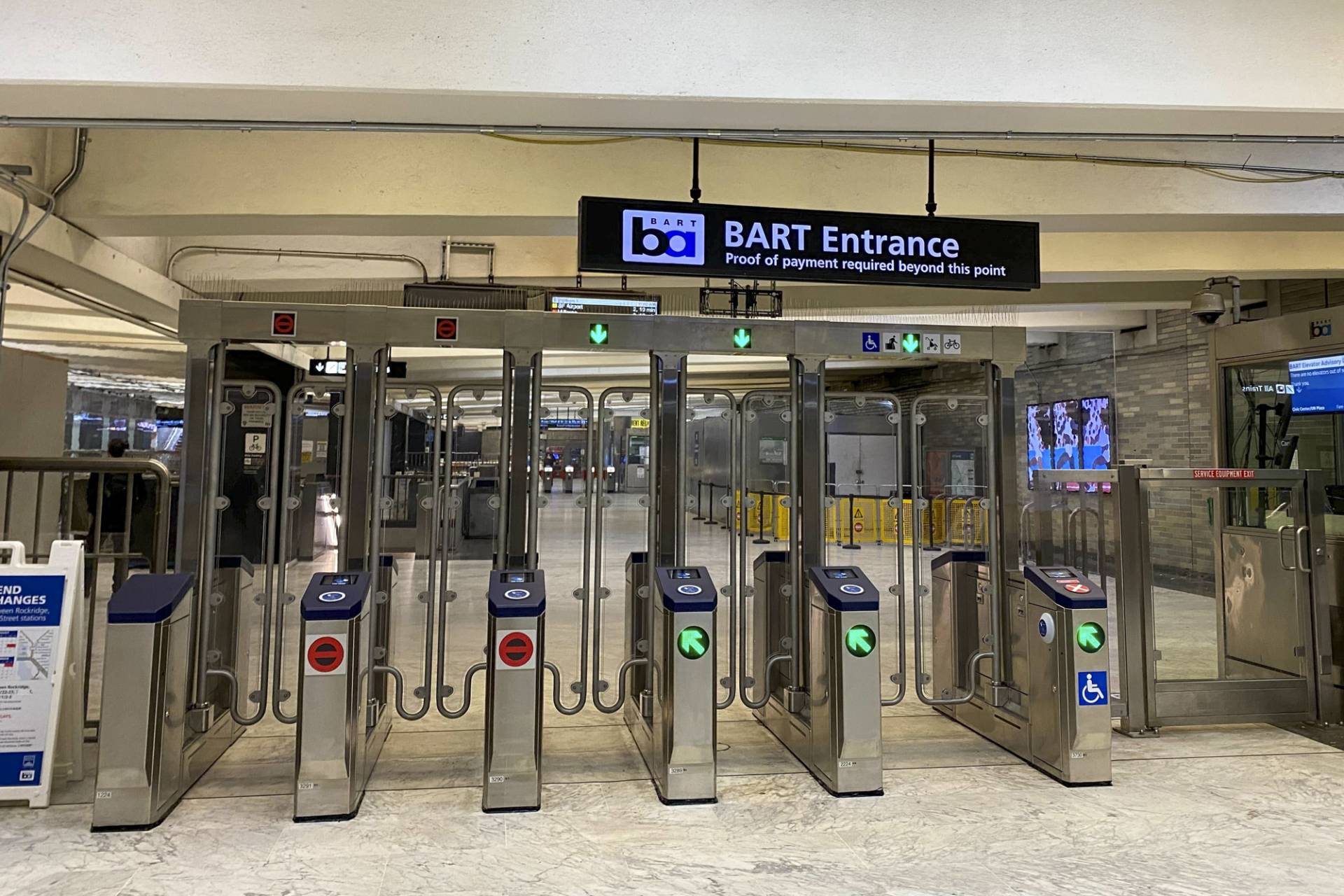
A 2023 state bill required BART to implement the new fare gates to receive emergency funding for pandemic-era losses in revenue.
BART and several other Bay Area transit agencies have been working to reduce costs, improve efficiencies and make sure riders pay their fair share, in the face of major budget deficits and a proposed tax measure on the November ballot.
Pointing to pandemic-driven drops in revenue and ridership, BART has reported an ongoing structural deficit of up to $400 million due. The agency has warned of steep service cuts, including ending service at 9 p.m. and eliminating two entire lines.
According to the agency, its early estimates indicate the latest fare gates will generate an additional $10 million annually.
“Every single decision I make right now is to improve the quality of the rider experience,” Powers said.
BART’s most recent quarterly report delivered a customer satisfaction rate of 91% — the highest ever recorded — officials said Tuesday. BART Chief Communications Officer Alicia Trost told KQED the survey is conducted by BART employees who randomly interview riders on board trains.

Deepti Prabakar, 22, commutes to San Francisco from Fremont on BART. She said she’s noticed a drop in people riding for free.
“ I’ve definitely noticed that people are nicer now and also more respectful,” Prabakar said at Powell Street station. “I feel like before there’d be a lot of people yelling, or it’d be a little bit scarier, but people now are pretty chill.”
Arman Saghafi, 25, said the experience of riding BART now is less “sketchy.” He recalled riding the system while growing up in Albany.
“The trains are a lot cleaner,” Saghafi said. “As a whole, cleaning up the system has been nice. It makes the experience of taking BART less hairy.”