Benicia Eyes $40 Million From Valero Refinery Settlement for Green Transition
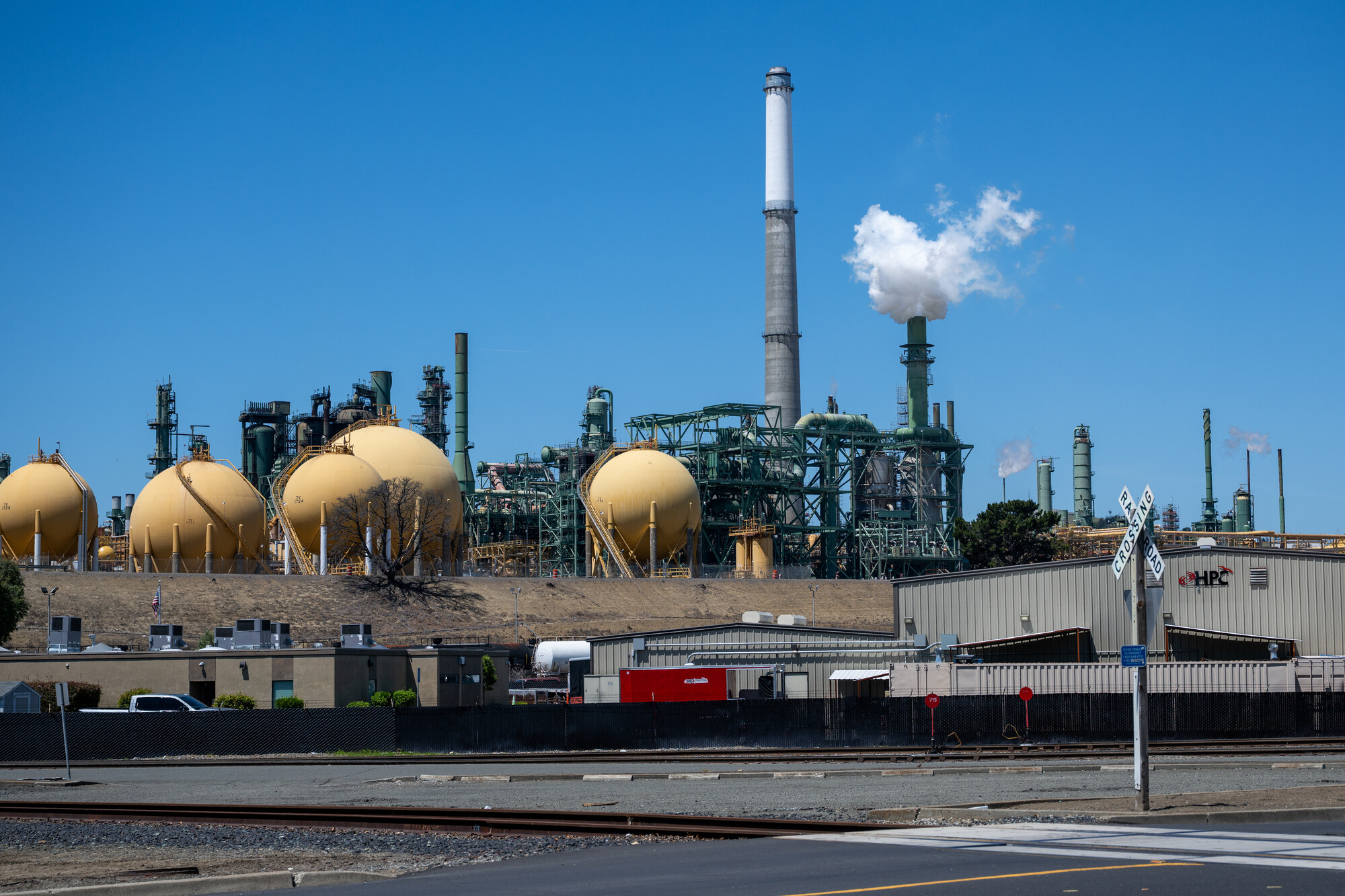
Smokestacks sit idly in Benicia as the city awaits nearly $40 million in grant funding, following a 2024 settlement between the Bay Area Air District, the California Air Resources Board and Valero.
After nearly 26 years in Benicia, a Solano County town of roughly 26,000, Valero shuttered operations there in April. The decision to close shop came after Texas-based Valero was slapped with $82 million in fines, on the grounds that it exceeded toxic emissions standards for over a decade before regulators intervened.
As city officials have noted, meanwhile, the closure left a hole in Benicia’s budget and removed hundreds of high-paying jobs.
The penalty against Valero is the largest that the Bay Area Air District ever levied, said Emi Wang, a community investments officer with the air district, and it is the first time it is sending settlement money directly to communities that have been polluted.
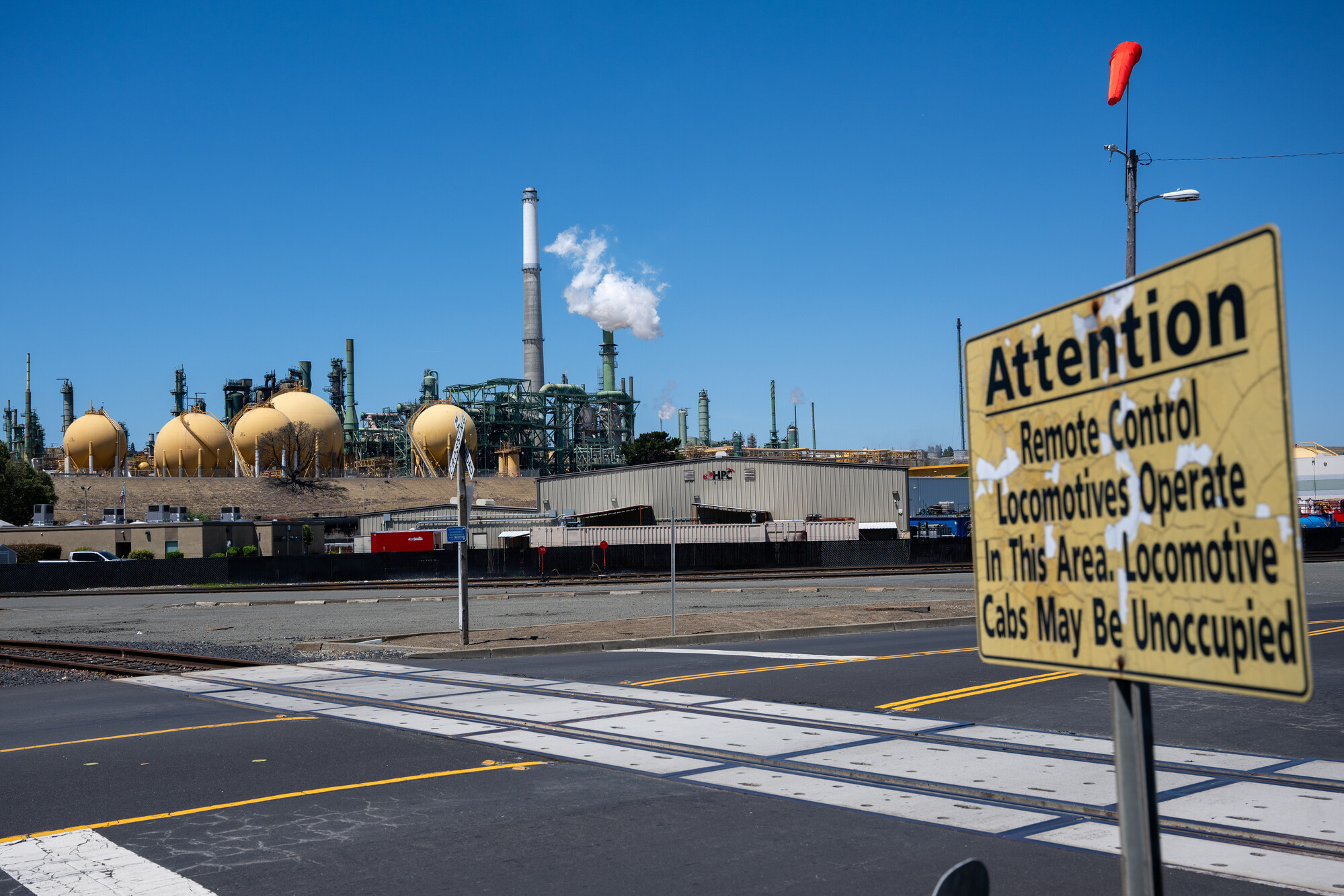
The $40 million would go toward updating school buildings and investing in clean energy infrastructure.
City Councilmember Kari Birdseye said that the next five years — the time period they have allotted for implementing the grants — will be pivotal for Benicia, which Birdseye said “can be a model for future towns that have lost their refineries.”
As of May there are still eight refineries operating in California, according to CARB.
Wang said 80% of the Valero settlement would go directly to the local communities most affected by the air quality violations, with 20% to a regional fund through the new Local Community Benefits Fund.
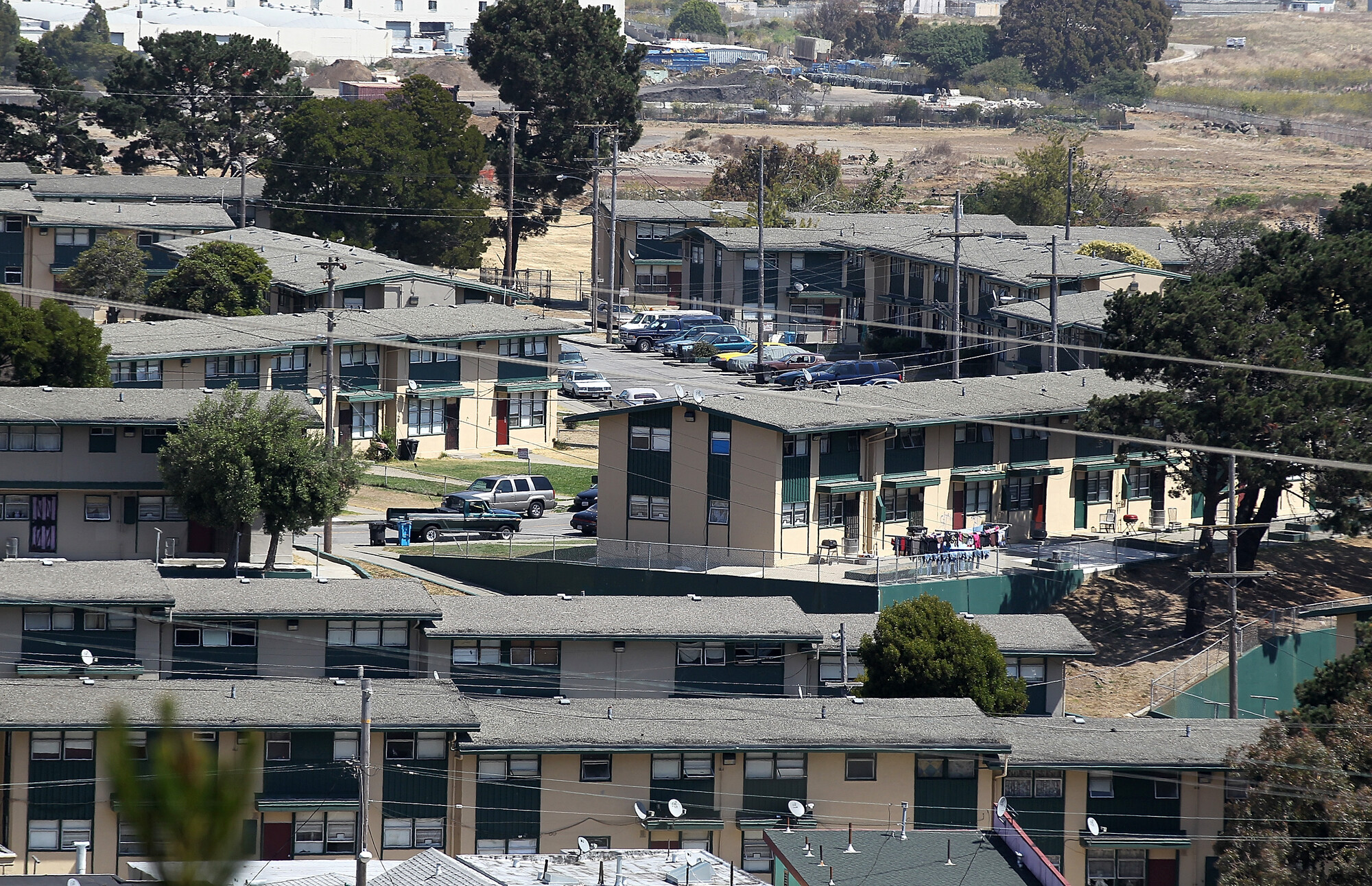
“Obviously we didn’t appreciate the 15 years of secret, toxic emissions,” Birdseye said. “But these funds will help us recover from that and transition away from depending on Valero and their tax money.”
In May, KQED reported that about 10% of Benicia’s tax money came from Valero.
Benicia Mayor Steve Young said that, while the grants cannot support general fund services like police and parks, they could help the overall budget by giving room to purchase new electric vehicles and repair solar infrastructure.
If the board approves the projects, $30 million could go to the city of Benicia to invest in clean-energy upgrades for government facilities, in electric-vehicle infrastructure, in bike and pedestrian safety, in community health, and in a just-transition roadmap.
The other $10 million would go to the school district.
Benicia Unified School District Superintendent Chris Calabrese said the funds would be used to update school facilities by installing heat pumps equipped with air filters, replacing windows for better insulation and planting trees.
“We have several schools that have the highway going right by them,” Calabrese said, explaining that the city will plant trees between the highways and the schools to absorb carbon and act as buffers.
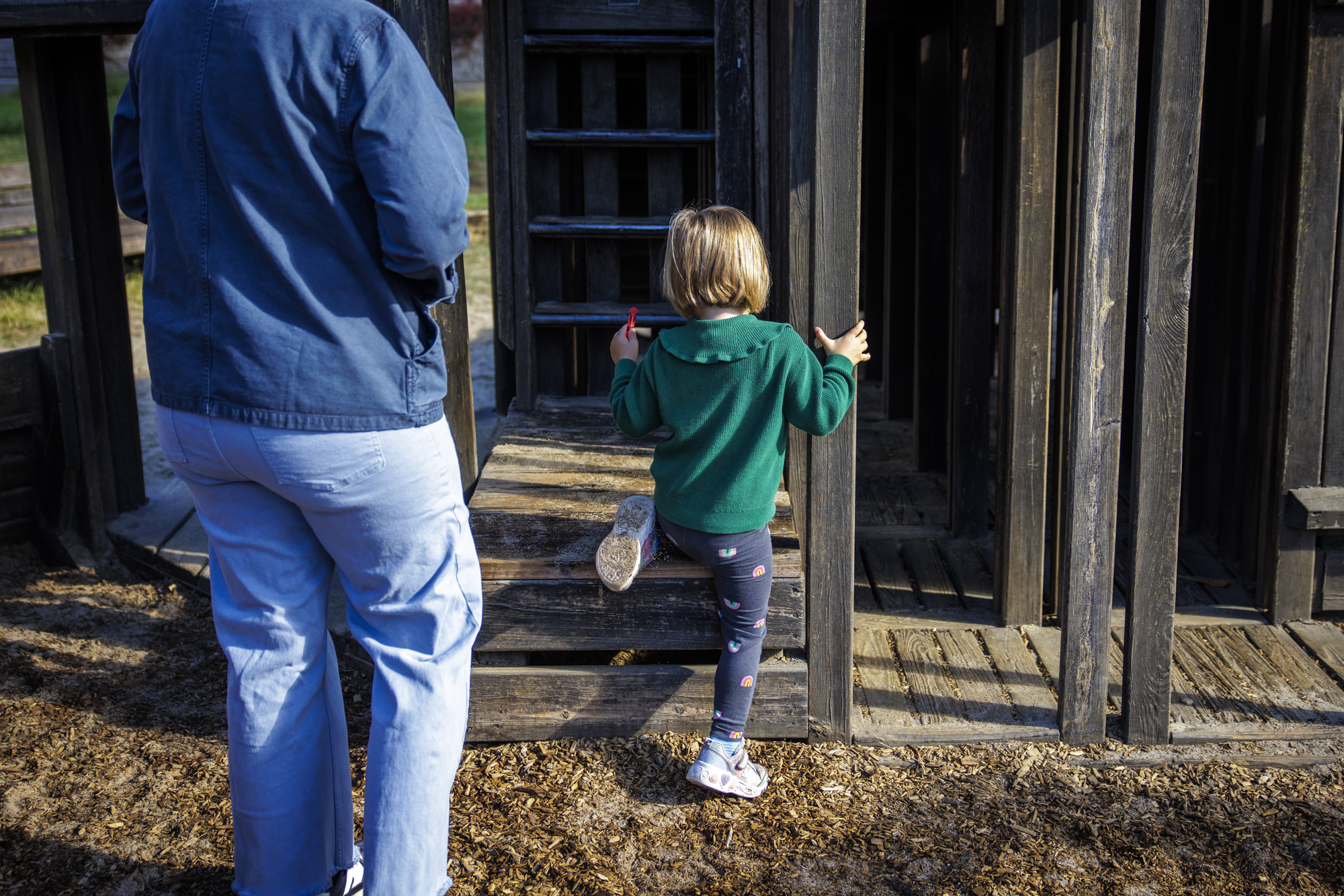
Calabrese noted that 10% of preschoolers in the district have been diagnosed with asthma — that’s more than three times the national average of 3% of children under 4.
Although Valero exited Benicia in April, it still owns the refinery land, Young noted. Birdseye said the company selected the Signature Development Group to redevelop the site over the next few years.
“As far as I understand it, the city has to engage in pretty complex partnerships and negotiations with entities like Signature,” Wang said.
Wang explained that part of the proposal will provide capacity for the city to partake in these interagency negotiations, and “to come to the table fully staffed” — especially considering the amount of tax revenue the city lost with the Valero closure.
Birdseye said she sees good things in the city’s future.
“There’s 900 acres of prime real estate that can be part of our clean-energy future, can be a part of how we grow the community of Benicia, can be part of our future diversified tax base,” Birdseye said.
The Bay Area Air District will hold a final vote on authorizing the grants at its board meeting today.