Lawmakers Send Immigration Detention Bills to Gov. Newsom
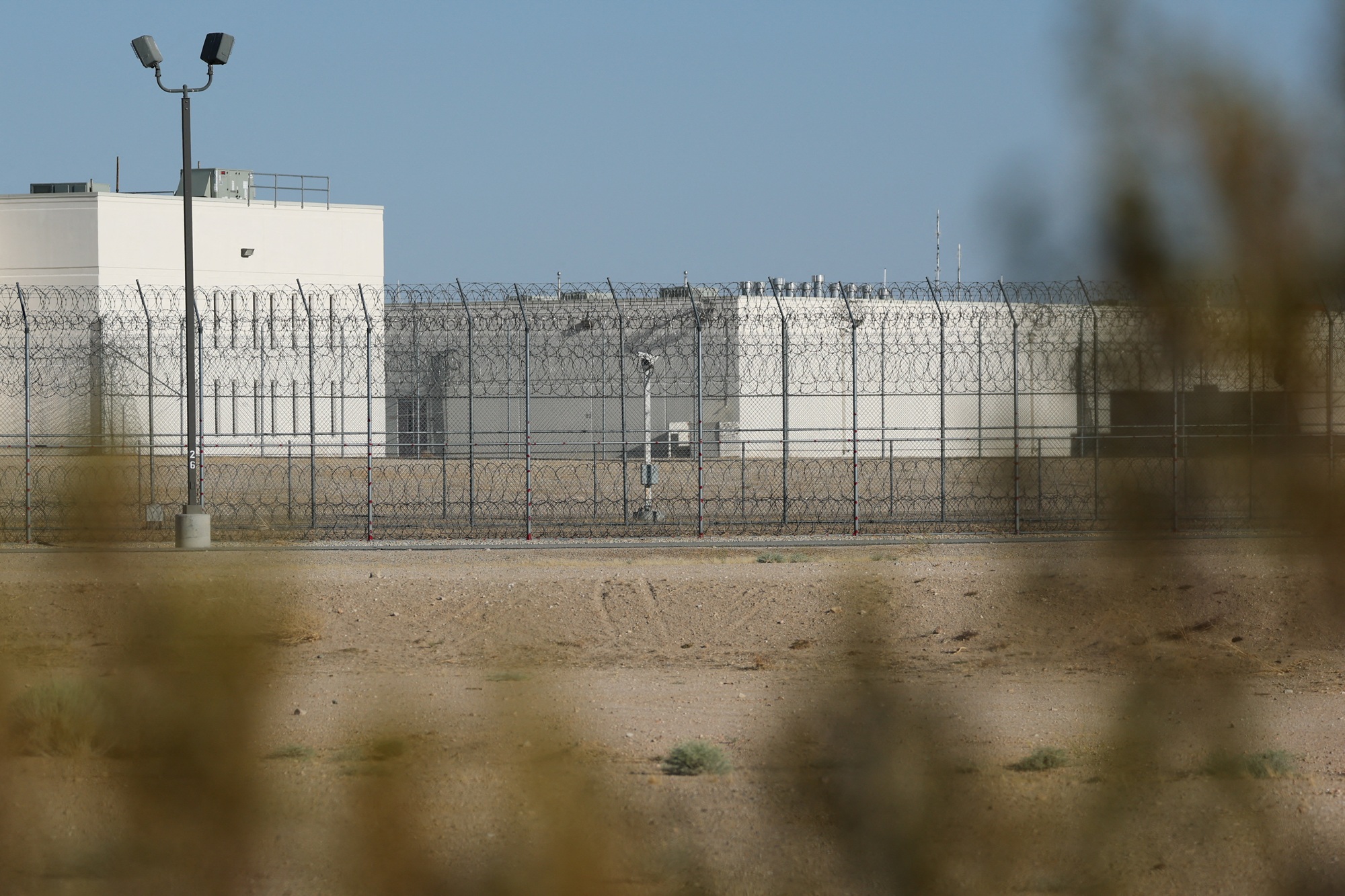
California’s Legislature this week sent a slew of bills to Gov. Gavin Newsom’s desk that aim to increase oversight of federal immigration detention in the state.
The legislation comes as U.S. Immigration and Customs Enforcement has arrested a record number of Californians, and six people have died at ICE facilities in the state — among at least 56 nationwide — since President Donald Trump returned to office in January 2025.
The bills, all authored by Democrats, include measures to increase transparency into the conditions inside immigration jails, expand the state’s power to enforce detention standards and restrict construction of new detention facilities. One bill would impose a tax on for-profit detention companies. Another would cap the profits companies can make from marking up items sold in commissaries.
Four of the bills have the backing of California Attorney General Rob Bonta, who said the measures are a response to the Trump administration’s push for mass detention and deportation of immigrants.
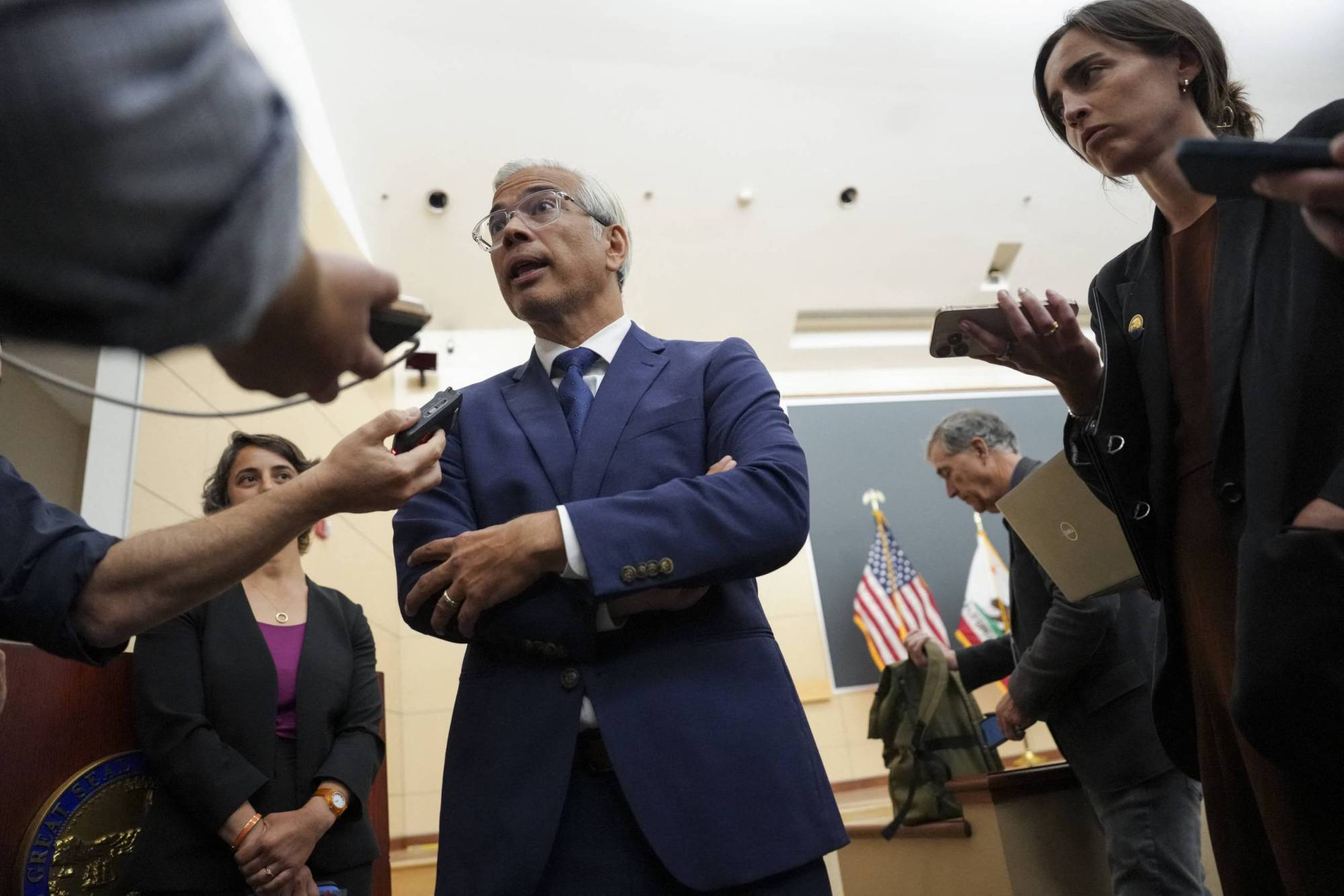
“These all help address the cruel and inhumane approach, and sometimes the unlawful conduct in terms of treatment, that’s been directed toward immigrants in California,” Bonta said.
The new legislation builds on a series of laws California lawmakers passed during the first Trump administration, said Hamid Yazdan Panah, co-director of the Sacramento-based Immigrant Defense Advocates, which helped craft several of the bills.
“California has really led the nation now for more than a decade with respect to providing meaningful avenues to try to push back on the expansion of immigration detention and also to try to find ways to support immigrant communities that are targeted by ICE enforcement,” he said.
In July, the Trump administration arrested nearly 50,000 immigrants across the country, including close to 4,300 in California, according to ICE data obtained by the Deportation Data Project at UC Berkeley. Both figures broke records dating back to at least the Obama era, analysts say.
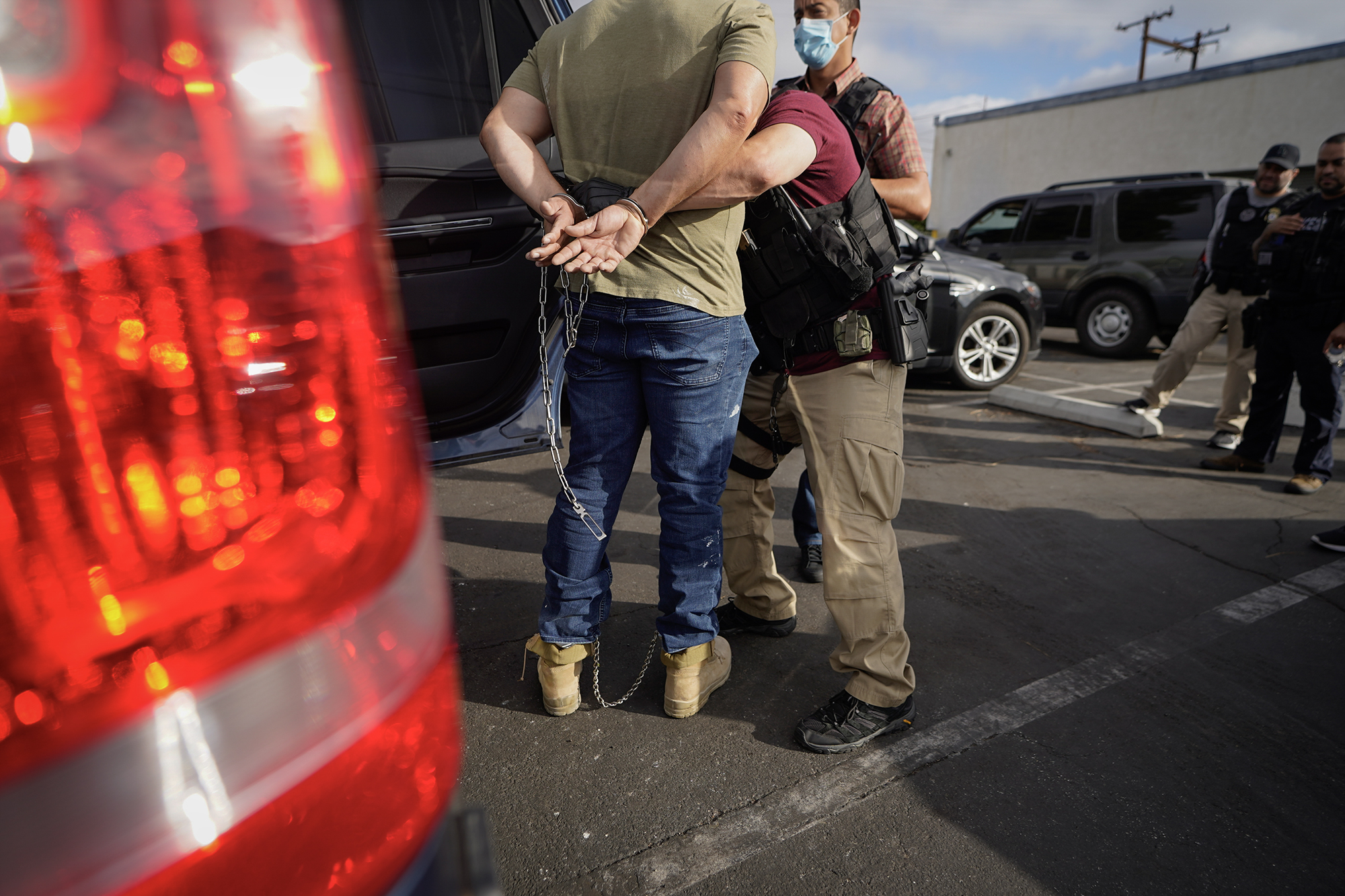
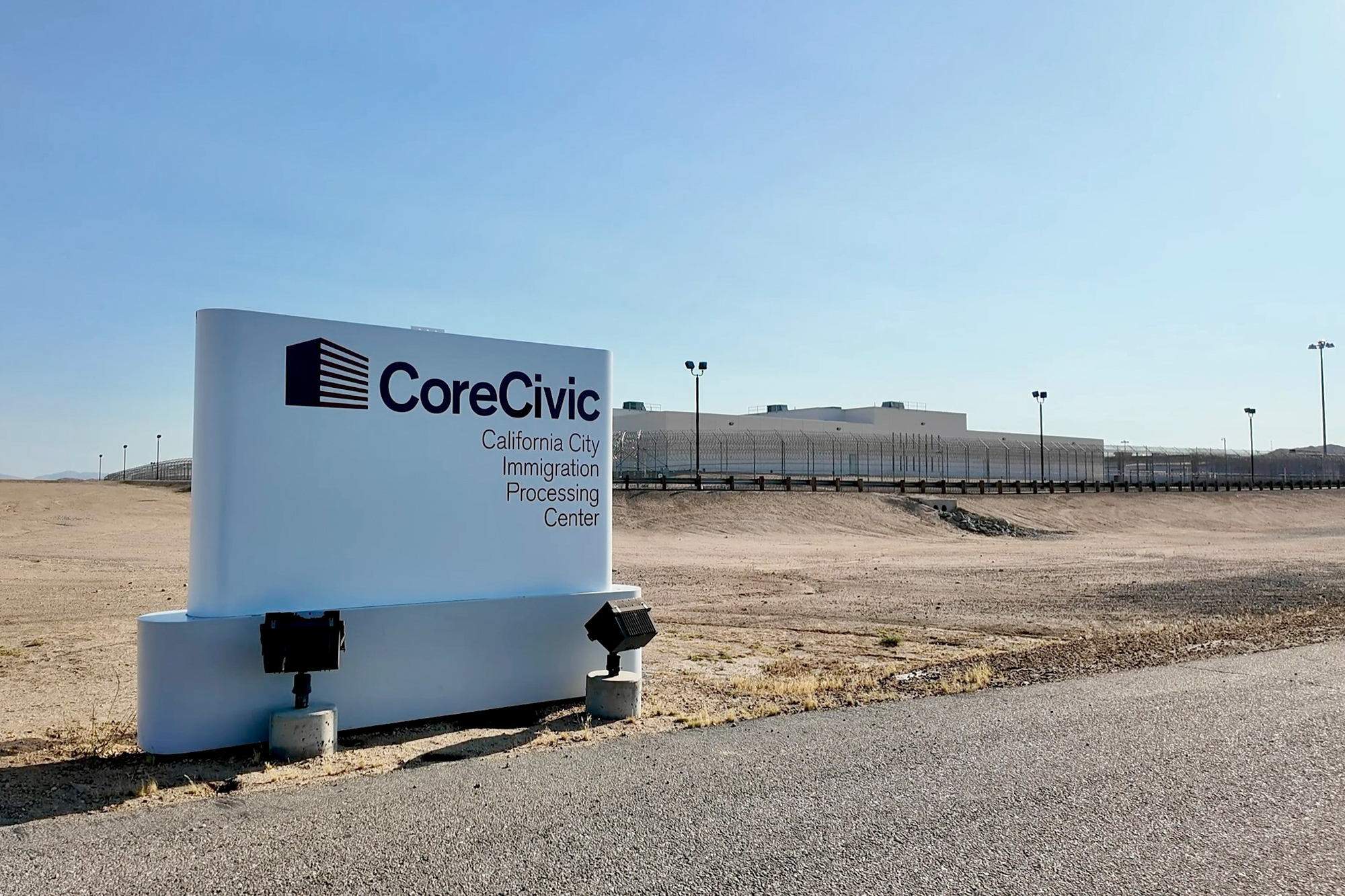
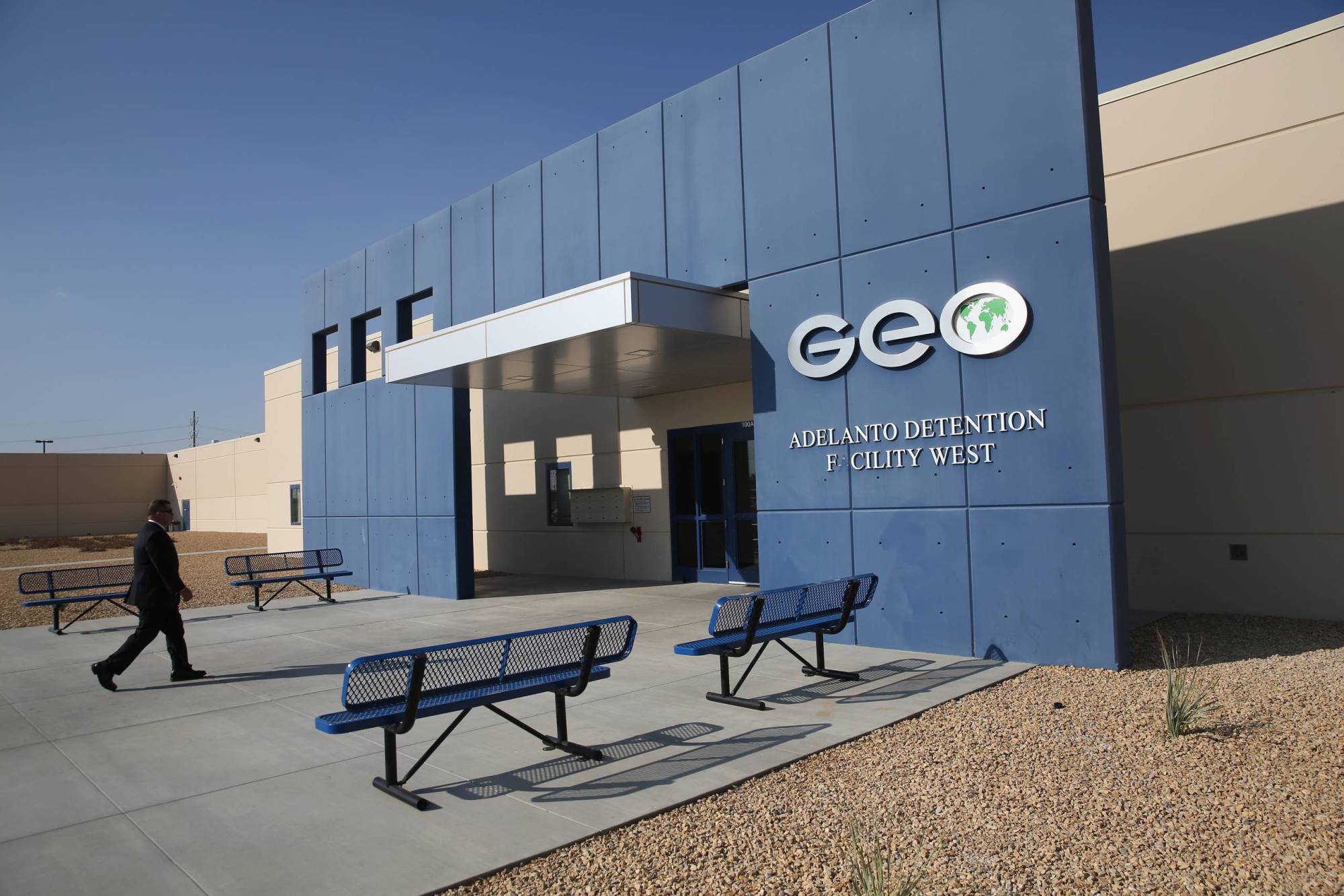
ICE is currently holding nearly 66,000 people in custody. Fewer than 30% of them have a criminal record. More than 6,800 people are housed in detention centers in California. Three corrections companies — GEO Group, CoreCivic, and Management & Training Corp. — operate all eight ICE facilities in California, most of them former prisons.
Yazdan Panah highlighted one bill that would create a “bill of rights,” setting basic standards for humane treatment for all people in civil detention in California and empowering the attorney general power to enforce it with penalties and legal action.
The Trump administration says that conditions in detention are already humane. In an emailed statement, a U.S. Department of Homeland Security spokesperson who did not identify themself said “California sanctuary politicians” are unfairly villainizing federal law enforcement.
“All detainees are provided with proper meals, quality water, blankets, medical treatment, and have opportunities to communicate with their family members and lawyers,” the spokesperson said.
Bonta called that “an outright lie,” and said state inspections have found conditions that are both cruel and unsafe.
“That’s why these bills are important because we know what the reality is,” he said. “We know what immigrants who are in detention centers are experiencing because we went in there and talked to them. … And we know that they need a bill of rights to keep them safe.”
When asked for comment on the legislation, CoreCivic’s public affairs director Ryan Gustin said his company is aware of the bills and is reviewing them. Management & Training Corp. declined to comment, saying ICE wanted to handle media inquiries. GEO Group did not respond to KQED.
Here are some of the bills:
- SB 1399 Detention Facility Oversight, from Los Angeles Sen. María Elena Durazo, would extend the existing power of the state Department of Justice to inspect immigration detention facilities in California beyond 2027, when the inspection program established by an earlier law, AB 103, was due to sunset. The bill is co-sponsored by Attorney General Bonta.
- SB 942 Civil Detainees’ Bill of Rights, from Central Valley Sen. Anna Caballero, would establish a bill of rights for people held for civil immigration proceedings in any state, local or private detention facility in California. For other civilly detained people in the state, it would extend protections that are already recognized, including the rights to dignity, privacy, prompt medical and mental health treatment, freedom from unnecessary restraint and isolation, access to religious practice, exercise, clean water and sanitary facilities, and good-quality food. The attorney general would be authorized to investigate and enforce violations through civil legal actions and penalties. Bonta is a co-sponsor.
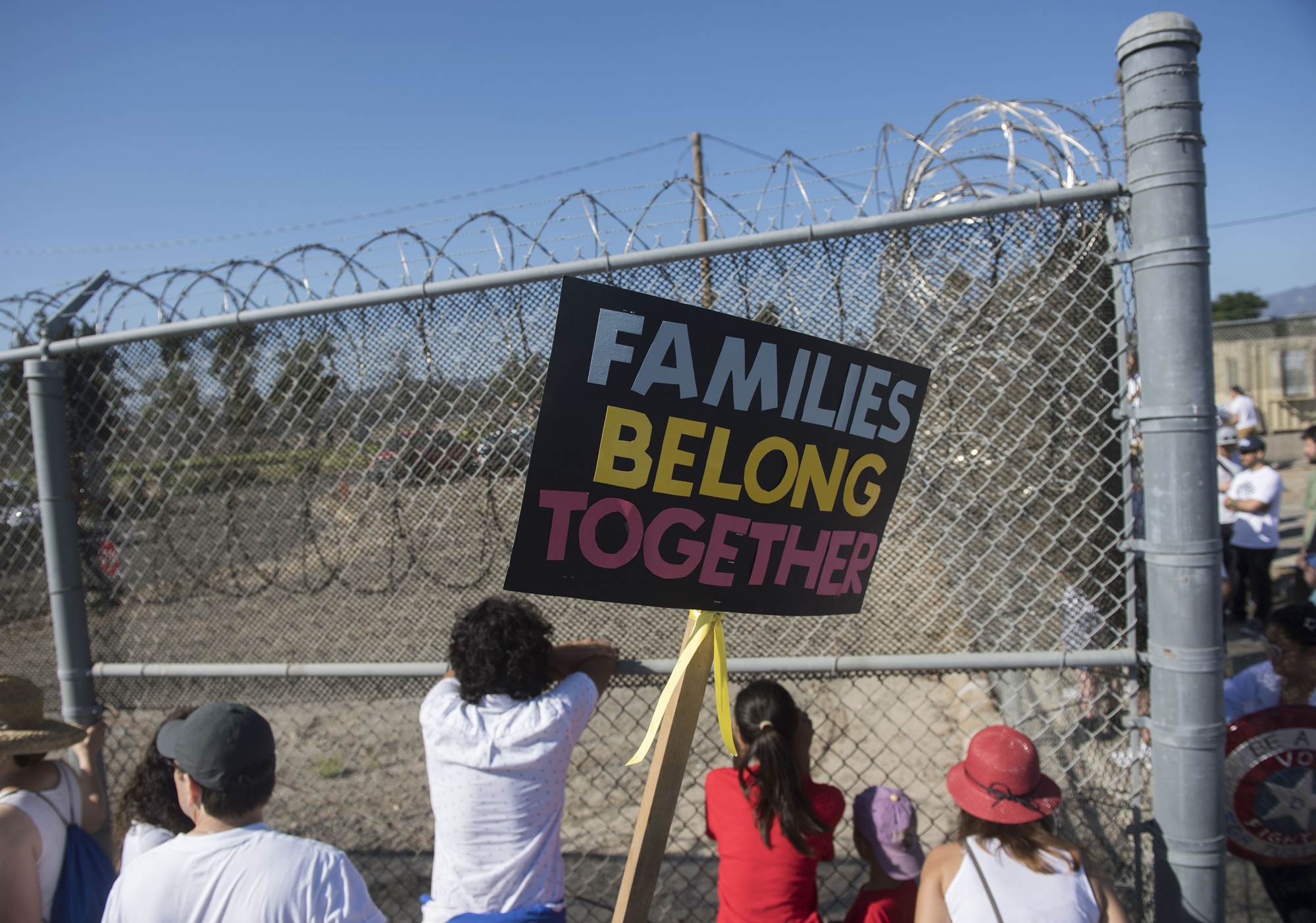
Caballero pointed to the mounting deaths in detention and the fact that immigrants can be held for months or years as their cases play out.
“I oppose mass detention, and no amount of oversight makes family separation and incarceration for civil violations justifiable,” she said. “These people are our neighbors, workers, parents, grandparents, coaches, churchgoers and volunteers. They deserve better.”
- SB 941 Commissary Protection, from San Diego Sen. Steve Padilla, would bar for-profit detention facilities from marking up commissary items by more than 35% above the vendor price. That would mirror the cap that applies in state-run correctional facilities. Advocates say it would address what they consider price gouging on essential goods like sanitary items and supplemental food. It has Bonta’s backing.
- SB 957 Protecting Vulnerable Immigrant Detainees, from Pasadena Sen. Sasha Renée Pérez, would require the California attorney general to submit an annual health and safety oversight plan for private civil detention facilities. It would align oversight of private detention with the state’s existing authority to monitor health and safety at state and local facilities.
- SB 423 Detention Facility Transparency, from Long Beach Sen. Lena Gonzalez, would require state and local agencies to disclose records related to 911 calls from private detention facilities. She said increasing public access to emergency call records would improve accountability, in the face of concerns over medical neglect and violence inside detention centers. The bill is supported by press-freedom groups, including the First Amendment Coalition.
Several other bills seek to restrict ICE’s operations in California in other ways.
- AB 1633 Private Detention Facility Tax, from San Francisco Assemblymember Matt Haney, would impose an annual 25% tax on the gross income of private detention facility operators in California.
Some analysts question whether the courts would consider such a tax legal or an “undue burden” on the federal government, which contracts with the companies.
“States do have autonomy to tax what’s going on in their borders. But states can’t tax the federal government,” said Erwin Chemerinsky, a constitutional law scholar who is dean at UC Berkeley Law School. “It’ll certainly get challenged. The question is, is it unduly interfering with federal activity?”
- AB 1801 Public Agency Detention Permitting, from South Bay Assemblymember Alex Lee, would stiffen the requirements in an existing California law, called SB 29, that requires notice and public hearings before local governments can permit a private detention facility or transfer land for one. Advocates say it would strengthen transparency in the permitting process.
- SB 1367 Detention Planning and Zoning, from Inland Empire Sen. Sabrina Cervantes, would prohibit cities and counties from approving new land uses that allow constructing detention facilities or converting existing buildings into detention centers. It would target structures not built for human habitation, such as warehouses and industrial buildings.
In addition, a bill from Sen. Caballero would build on a legal fellowship program that trains new attorneys in immigration law and places them in nonprofits located in rural areas of the state that lack sufficient immigration legal services. Attorney General Bonta is a co-sponsor.
San Francisco Sen. Scott Wiener has authored a bill, dubbed the No Kings Act, that would allow people to sue local, state and federal officers, including immigration agents, in state court if they believe their rights have been violated.
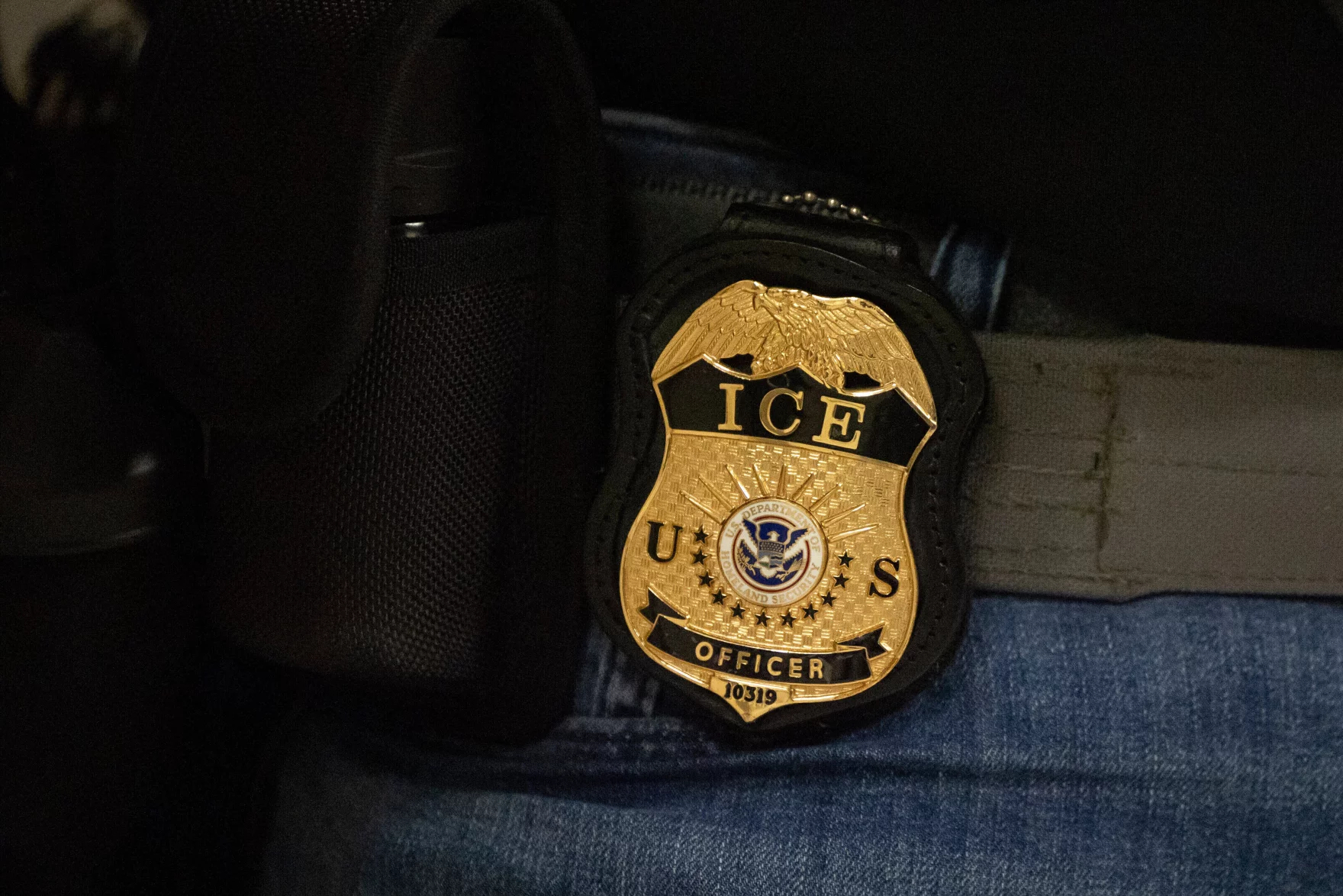
Chemerinsky said he believes the bill would stand up in court: “I think that is clearly constitutional because it’s not targeting just the federal government.”
And a bill from San Diego Assemblymember LaShae Sharp-Collins would bar law enforcement officers from using any wearable device that can deliver electric shocks, and it would block the use of state funds to purchase them. That comes in response to recent news that ICE was planning to buy thousands of Taser-like gloves.
The governor has until the end of September to sign or veto the bills on his desk.
Bonta said he had not spoken directly with the governor about the bills he has sponsored, but was optimistic that Newsom would sign them.
If the bills become law, Chemerinsky said he expects swift legal challenges by the Trump administration and the private prison companies. The Berkeley dean called state legislation an important tool at a time when, as he sees it, the Trump administration is violating constitutional laws to a degree that’s never been seen in U.S. history.
“One of the genius aspects of the American system of government, of federalism, is that, if one level of government fails, another can step in,” he said. “What California is trying to do is to step in so as to protect the rights of people in the state where the federal government is infringing them.”