As ICE Custody Deaths Rise, State Bill Would Force Release of 911 Call Data
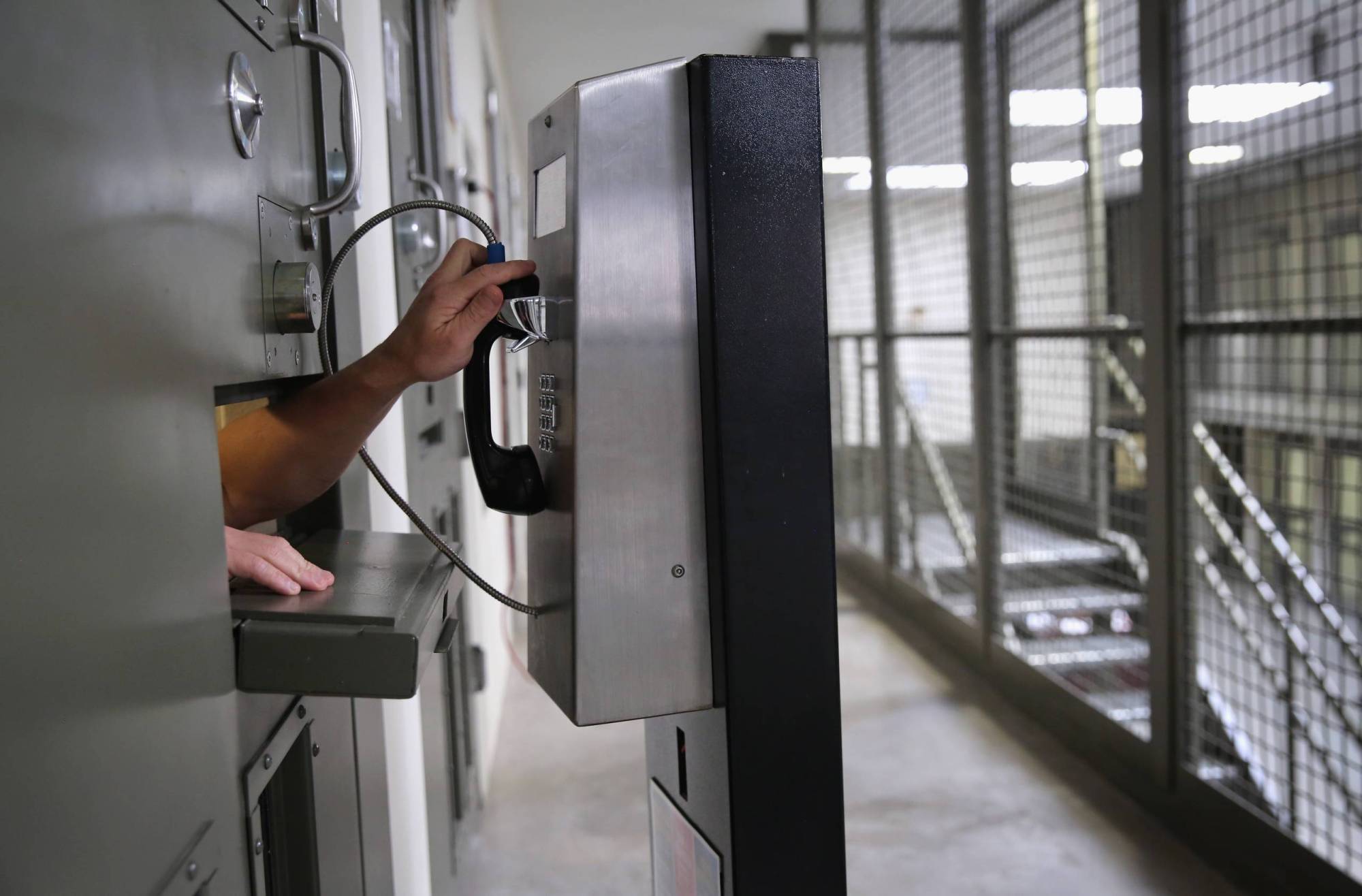
A bill that would require local agencies to release data on 911 calls originating from privately operated detention facilities is heading for a vote on the state assembly floor this week.
It’s part of a raft of new bills by state lawmakers aiming for more scrutiny of immigration detention in California, at a time when deaths in U.S. Immigration and Customs Enforcement custody have spiked, and investigations and courts have found facilities failing to provide essential medical care.
State Sen. Lena Gonzalez, D-Long Beach, said she introduced SB 423 because the number of people in ICE detention in California has grown dramatically during President Donald Trump’s second term, to more than 6,000 people, and many are held for long periods in sometimes inhumane conditions.
While she does not have an ICE facility in her district, she said she does have many immigrant constituents, including some whose family members have been incarcerated in immigration jails.
“When families’ safety, health and wellbeing are at stake, transparency is not optional—it is urgent,” she said in a statement. “No private contract or detention center wall should be used to hide dangerous conditions or silence people who have been mistreated inside these facilities.”
The bill would require local agencies to turn over recordings and written records of 911 calls from privately run detention facilities, if a member of the public requests them. It includes an exception if there’s an active investigation underway and requires the names of affected individuals to be redacted.

At least 55 people have died in ICE custody since President Trump returned to office — six of them in California. The state attorney general and other watchdog organizations have documented medical neglect and inhumane treatment in the eight facilities currently operating throughout the state.
Private prison companies operate all of those facilities. Though the federal government recently purchased two from CoreCivic — Otay Mesa Detention Center, in San Diego County, and California City Detention Facility, in Kern County — the corrections company continues to operate them. The bill’s language specifies that it applies to any privately operated detention facility.
The Immigrant Defense Advocates and the First Amendment Coalition back the bill. The coalition, a press freedom advocacy group, said the public and policymakers need this kind of transparency to better understand what’s happening inside private detention facilities, where thousands of people are being held, but authorities have restricted access by journalists and lawmakers.
Paloma Esquivel, a former Los Angeles Times reporter now at the First Amendment Coalition, said that, as a journalist, she pushed county sheriffs for 911 records after ICE and detention facility staff resisted her requests for information about emergencies, but she was often stonewalled.
“We have a very strong interest and even an obligation to understand how these facilities are functioning and what is happening inside these facilities that are being paid for with billions of dollars in taxpayer money,” Esquivel said.
The San Diego Sheriff’s Department told KQED it does not have a position on the bill. The Kern County Sheriff’s Department said it will continue to comply with California laws, “as we always do.” Other sheriffs could not be reached for comment. Private prison companies CoreCivic and GEO Group did not respond to requests for comment.
SB 423 is expected to get a vote in the full Assembly this week. If it passes, it will go back to the state senate for approval. The legislature must act on all remaining bills before it adjourns on Aug. 31. If the bill passes, it will go to Gov. Gavin Newsom’s desk, where he has until Sep. 30 to sign legislation.
It is one of several bills that would increase oversight of immigration detention in California. Here are some others:
- SB 942 would establish a “bill of rights” for people held for civil immigration proceedings, to match the rights of people in other types of civil detention in the state. It would guarantee a right to humane care and freedom from abuse, among other protections, and would empower the state attorney general to investigate and enforce them.
- SB 941 would prevent private, for-profit detention facilities from marking up commissary items by more than 35% above the vendor price, mirroring the standards for state-run correctional facilities.
- SB 1399 would extend the power of the California Department of Justice to inspect immigration facilities beyond 2027, when the current inspection program is due to sunset.
The nonprofit Immigrant Defense Advocates and Attorney General Rob Bonta cosponsor all three bills.