At This Los Angeles Rehab, Moms in Recovery Live With Their Children
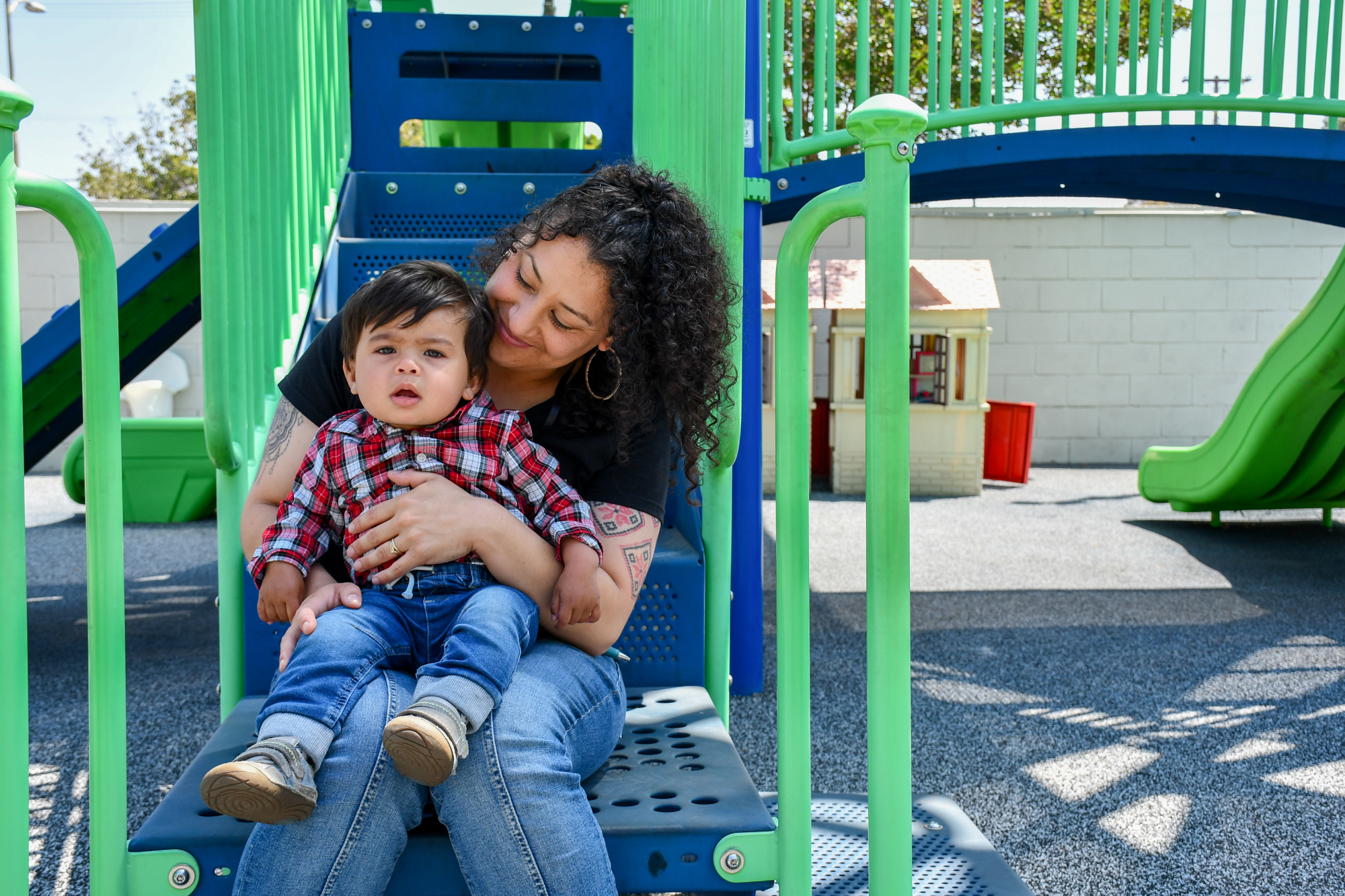
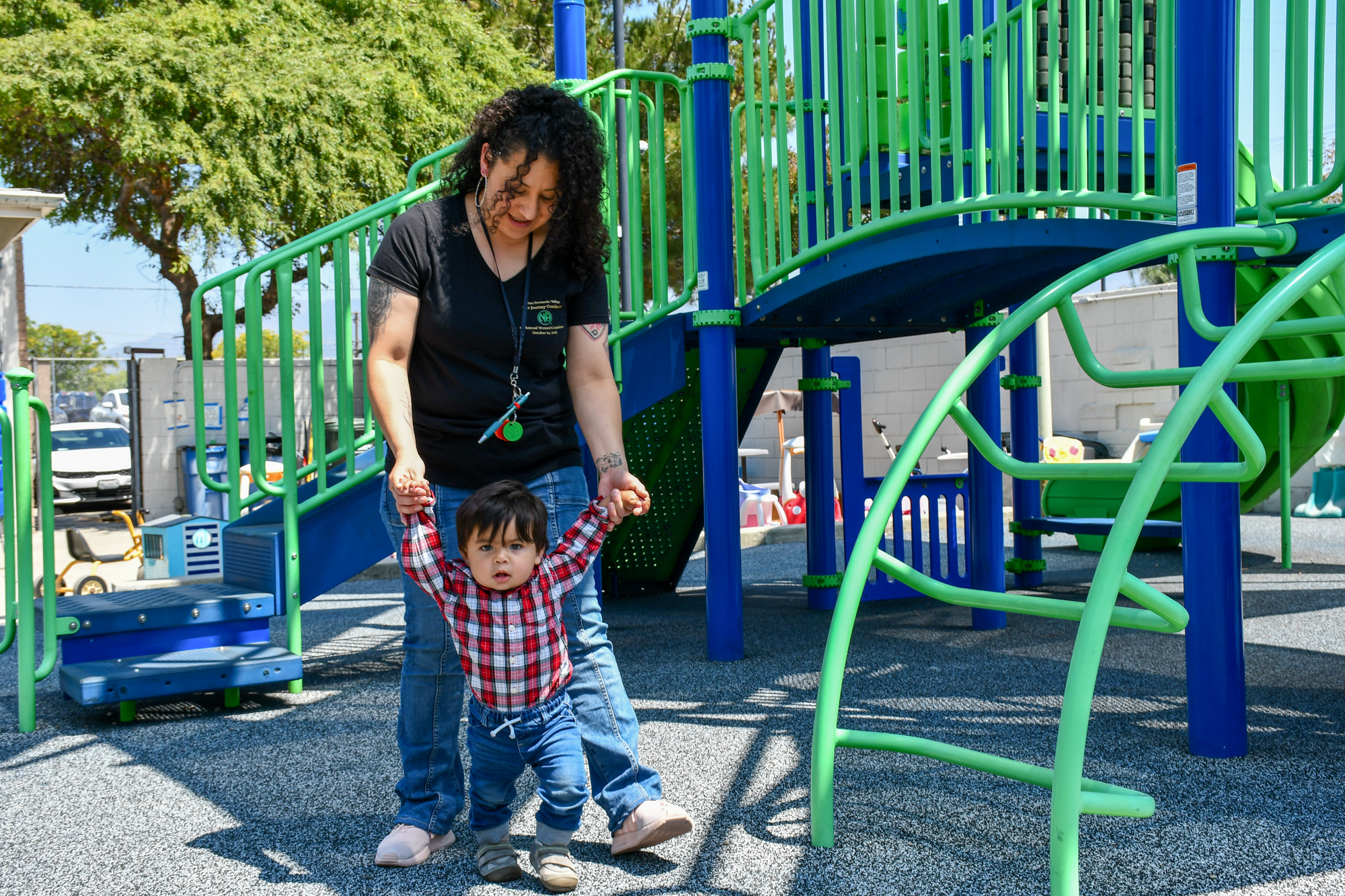
It’s only 10 in the morning at this family rehabilitation center in suburban Los Angeles, and Jasmine has already had a long day. She’s trying to put her 14-month-old son, Angel, down for a nap. But he’s teething — and fussy.
“It’s hard,” said Jasmine, who only gave her first name because her family doesn’t know she’s in treatment. But just a few weeks into her program at Via Avanta in the San Fernando Valley, she feels more equipped to face hard things. “Now I can get through my day without using, and I’m so grateful for that.”
Treatment centers that allow mothers and children to live together are hard to come by, according to a 2020 survey, even though research shows keeping the two together is better for both parent and child.
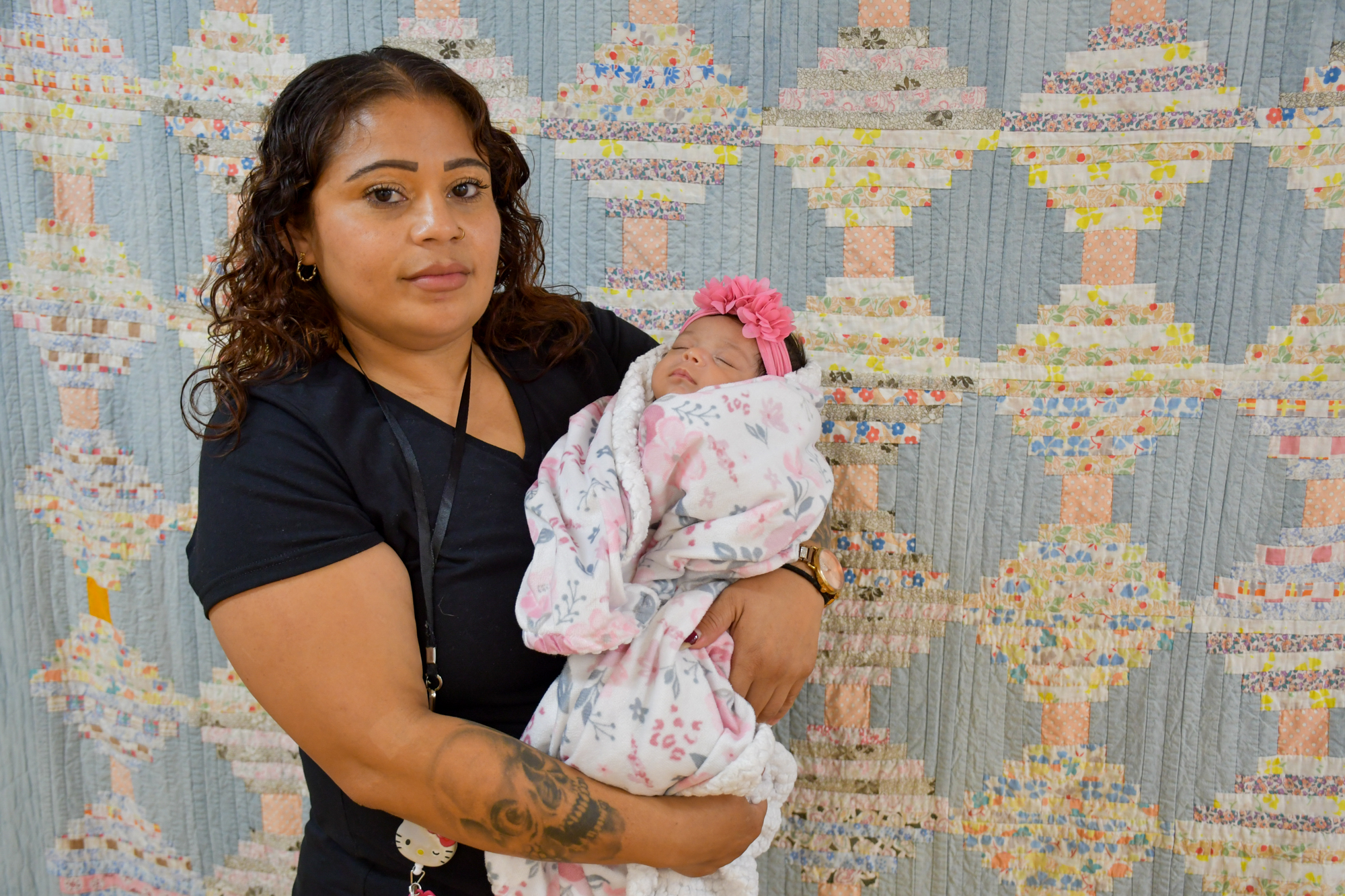
Millions of Californians —approximately 17% of state residents — meet the criteria for a substance use disorder. But the diagnosis remains taboo for mothers, and many moms avoid treatment altogether rather than leave their kids behind.
“I wanted to quit, but it was hard to admit that I was an addict,” said Jasmine, whose frequent daily drug use kept her awake for days. Her body ached, and she was always exhausted, which made it hard to take care of her baby.
“I didn’t like myself because I was using,” she said. “I felt guilt and shame.”
When Angel was eight months old, Jasmine had a fight with her partner, with whom she had a “toxic” relationship for eight years. “Something clicked in my head, and I said: ‘I don’t want this for my life. I don’t want my son to learn anything from him.’”
When Jasmine finally went to a shelter to get help, she said it was the hardest decision she ever made. But she knew it was “the right thing.”
The staff at the shelter connected Jasmine with the team at Via Avanta, where she has lived for four months with her baby while in treatment.
“Today the receptionist told me: ‘Your baby is so happy, it means you’re doing a good job,’” Jasmine said.“That feels so good.”
A family rehab, with kids in mind
Around a third of clients at Via Avanta come on their own, while the courts refer others. The Medi-Cal-funded program is for women only, but not all of them are mothers.
While Via Avanta enforces a strict daily regimen, women are free to leave if they choose. Cell phones are forbidden. Women get up at 7 a.m. to feed the children, clean their rooms and prepare meals for the day. All the clients help out with childcare, even if they have none of their own.
“The kids thrive here,” said Jennie Wyatt Coste, the center’s program coordinator and certified substance abuse counselor. “It’s the parents who take a little while to adjust to the structure.”
The family rehab is a place where parents can rebuild trust with their children that may have been lost during drug use, she said.
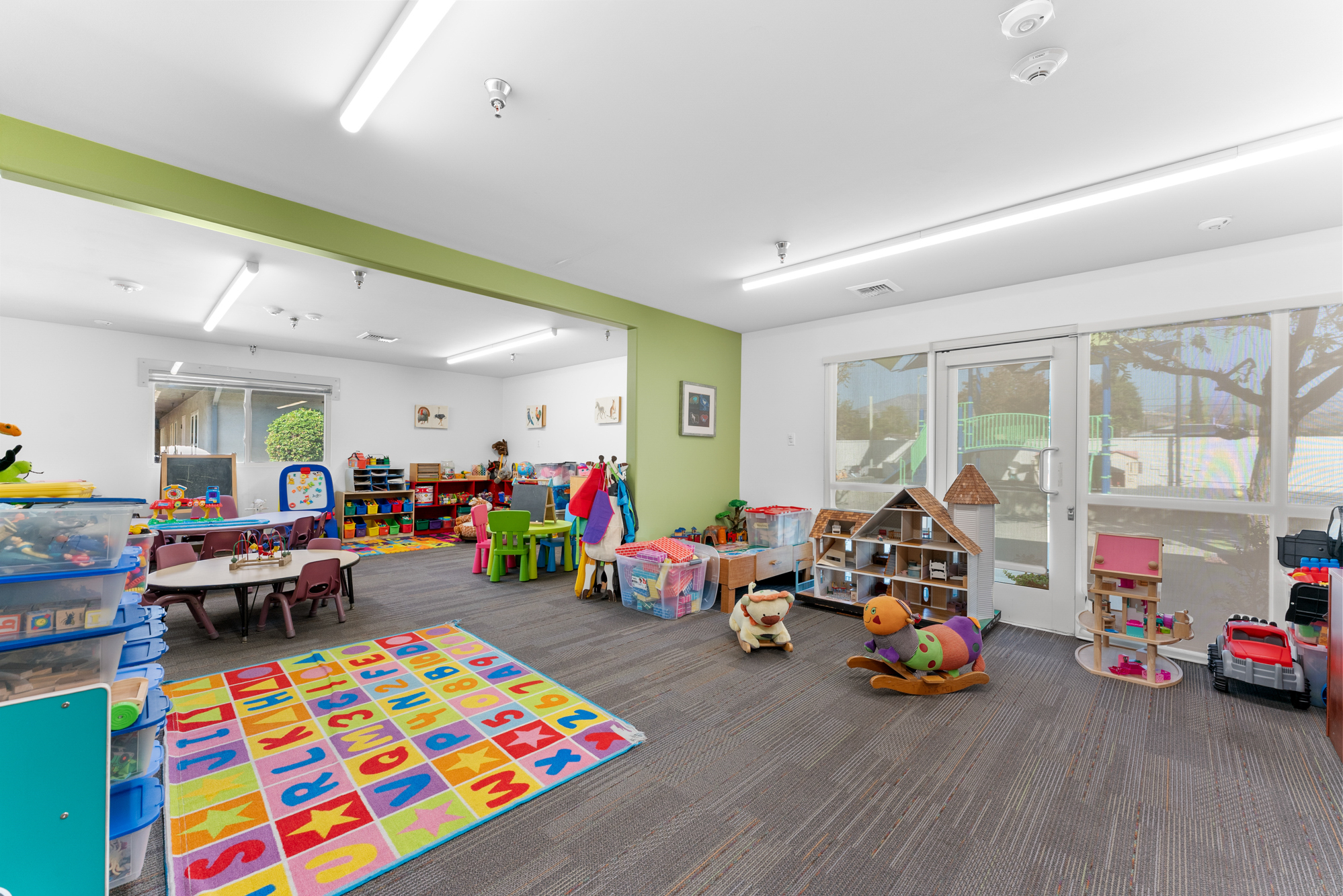
“That was my story,” said Wyatt Coste, who was a client in the program almost 40 years ago, before becoming an employee. “I would drop my daughter off at grandma’s and not come back for two or three days.”
Wyatt Coste married young, and the relationship became abusive.
By the time her daughter was four, she was facing six years in prison for selling drugs. Her probation officer told her about Via Avanta.

“I was terrified, because I didn’t know what to expect,” she said about joining the program for the first time and learning to handle her emotions. “I went through a lot of uncomfortable situations.”
Her 4-year-old daughter at the time had been staying with her grandmother. When she came to live with Wyatt Coste at Via Avanta, she acted out.
“The honeymoon was over very quickly,” Wyatt Coste said. “She was very mad that I had not been a part of her life.”
Wyatt Coste learned new parenting tactics, like patience, kindness, and using timeouts instead of spankings. As the months went on, she repaired the bond with her daughter.
“She had a right to be angry with me,” she said.
Day by day, milestone by milestone, Wyatt Coste built up her confidence.
“I wanted to be a good mother,” she said. “That is what keeps me clean still today.”
These days, Wyatt Coste has a great relationship with her kids and granddaughter, who all live together under one roof. “I hope that I’ve broken the cycle,” she said.
Life after the program
After they leave Via Avanta, some women may choose lifelong abstinence, and for others, occasional alcohol or marijuana use is more realistic.
Relapse is common, said Jessica Lasater, division director of residential substance use services at Didi Hirsch. And when that happens, moms are always welcomed back.
“This is a home. This is a community of women and staff members that is ready to support their journey, wherever they’re at,” she said.
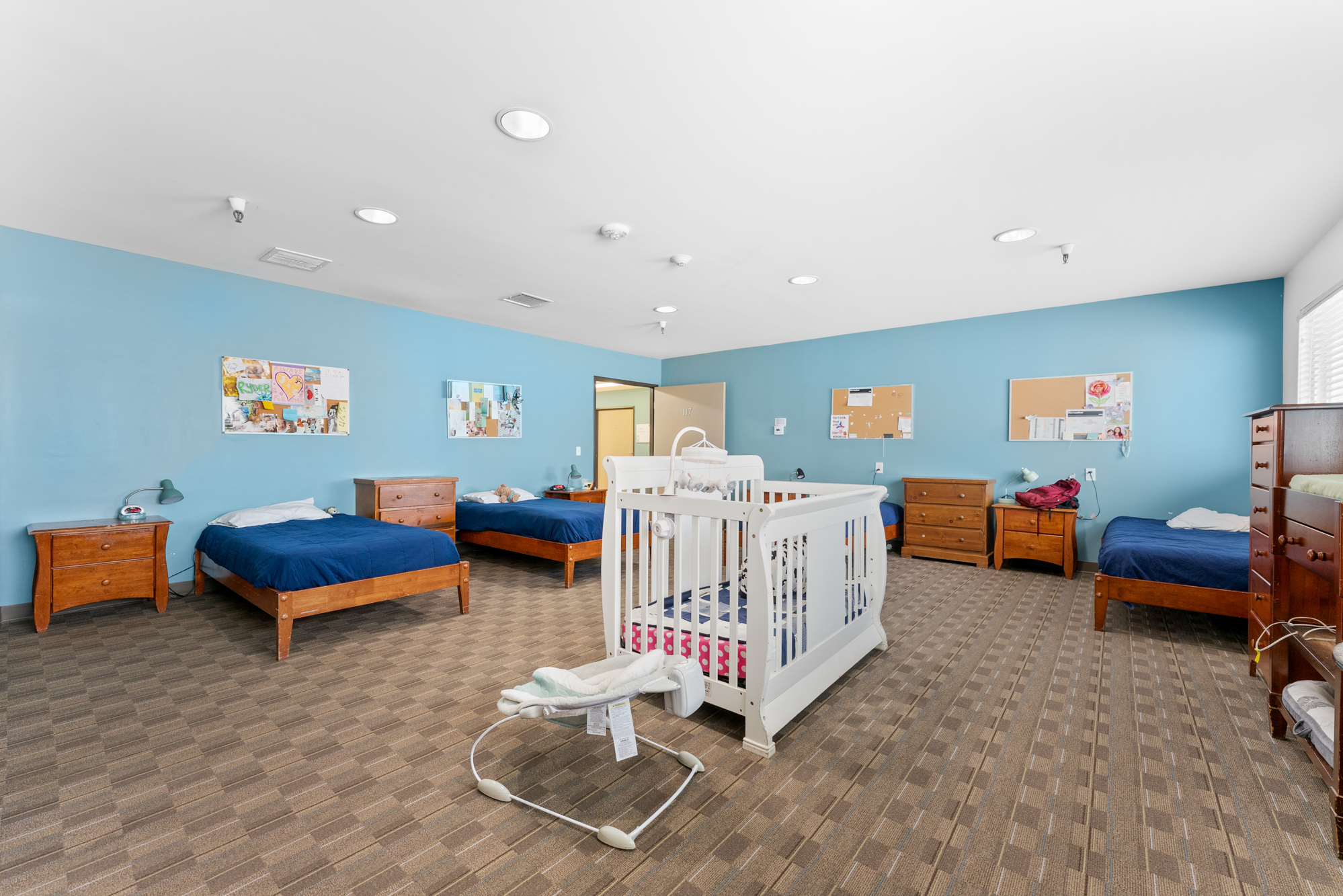
Genesis, a mother of four from Los Angeles, is at Via Avanta for the third time, after relapsing. While her baby learns to sleep through the night, Genesis attends the center’s group activities and classes on interrupted sleep.
“Living here is tough,” she said. “There’s a lot of rules.”
While Genesis goes through the Narcotic Anonymous steps, she is also learning how to respond to her children’s tantrums with patience.
“I’ve learned how to be a mother here,” she said.
Her children’s well-being is what motivates Genesis to stay in recovery: “They’re tired of me relapsing. I want them to know their mom is a fighter and a survivor.”
Research has shown that family-centered programs like Via Avanta lead to better outcomes, including less addiction severity, less parental stress, and improved behavioral and emotional functioning for children.
A 2019 study indicated that mothers are more engaged in treatment when their children stay in their care.
But residential programs for moms and kids are still few and far between, in part because stigma prevents mothers from getting treatment, Lasaster said.
“I’ve seen many women who postpone their treatment for years,” Lasaster said. When she asks the women why they didn’t come sooner, they cite their duties as both homemakers and breadwinners.
“There’s a lot of weight on women to carry it all,” she said.
Via Avanta currently has 25 women residents —even though they have room for up to 40. Lasater said leaving extended family and committing to a strict, sober daily routine is not for everyone.
“Being ready to really shake up that entire system is such a big leap,” she said.
Jasmine was able to make that radical change, with the goal of enjoying a simple life. When she finishes treatment in September, she looks forward to taking her son to the grocery store and playing at the park.
“I always thought my purpose in life was something big,” she said. “Now I just think my purpose is to enjoy life — without using.”