window.__IS_SSR__=true
window.__INITIAL_STATE__={
"attachmentsReducer": {
"audio_0": {
"type": "attachments",
"id": "audio_0",
"imgSizes": {
"kqedFullSize": {
"file": "https://ww2.kqed.org/news/wp-content/themes/KQED-unified/img/audio_bgs/background0.jpg"
}
}
},
"audio_1": {
"type": "attachments",
"id": "audio_1",
"imgSizes": {
"kqedFullSize": {
"file": "https://ww2.kqed.org/news/wp-content/themes/KQED-unified/img/audio_bgs/background1.jpg"
}
}
},
"audio_2": {
"type": "attachments",
"id": "audio_2",
"imgSizes": {
"kqedFullSize": {
"file": "https://ww2.kqed.org/news/wp-content/themes/KQED-unified/img/audio_bgs/background2.jpg"
}
}
},
"audio_3": {
"type": "attachments",
"id": "audio_3",
"imgSizes": {
"kqedFullSize": {
"file": "https://ww2.kqed.org/news/wp-content/themes/KQED-unified/img/audio_bgs/background3.jpg"
}
}
},
"audio_4": {
"type": "attachments",
"id": "audio_4",
"imgSizes": {
"kqedFullSize": {
"file": "https://ww2.kqed.org/news/wp-content/themes/KQED-unified/img/audio_bgs/background4.jpg"
}
}
},
"placeholder": {
"type": "attachments",
"id": "placeholder",
"imgSizes": {
"thumbnail": {
"file": "https://cdn.kqed.org/wp-content/uploads/2024/12/KQED-Default-Image-816638274-2000x1333-1-160x107.jpg",
"width": 160,
"height": 107,
"mimeType": "image/jpeg"
},
"medium": {
"file": "https://cdn.kqed.org/wp-content/uploads/2024/12/KQED-Default-Image-816638274-2000x1333-1-800x533.jpg",
"width": 800,
"height": 533,
"mimeType": "image/jpeg"
},
"medium_large": {
"file": "https://cdn.kqed.org/wp-content/uploads/2024/12/KQED-Default-Image-816638274-2000x1333-1-768x512.jpg",
"width": 768,
"height": 512,
"mimeType": "image/jpeg"
},
"large": {
"file": "https://cdn.kqed.org/wp-content/uploads/2024/12/KQED-Default-Image-816638274-2000x1333-1-1020x680.jpg",
"width": 1020,
"height": 680,
"mimeType": "image/jpeg"
},
"1536x1536": {
"file": "https://cdn.kqed.org/wp-content/uploads/2024/12/KQED-Default-Image-816638274-2000x1333-1-1536x1024.jpg",
"width": 1536,
"height": 1024,
"mimeType": "image/jpeg"
},
"fd-lrg": {
"file": "https://cdn.kqed.org/wp-content/uploads/2024/12/KQED-Default-Image-816638274-2000x1333-1-1536x1024.jpg",
"width": 1536,
"height": 1024,
"mimeType": "image/jpeg"
},
"fd-med": {
"file": "https://cdn.kqed.org/wp-content/uploads/2024/12/KQED-Default-Image-816638274-2000x1333-1-1020x680.jpg",
"width": 1020,
"height": 680,
"mimeType": "image/jpeg"
},
"fd-sm": {
"file": "https://cdn.kqed.org/wp-content/uploads/2024/12/KQED-Default-Image-816638274-2000x1333-1-800x533.jpg",
"width": 800,
"height": 533,
"mimeType": "image/jpeg"
},
"post-thumbnail": {
"file": "https://cdn.kqed.org/wp-content/uploads/2024/12/KQED-Default-Image-816638274-2000x1333-1-672x372.jpg",
"width": 672,
"height": 372,
"mimeType": "image/jpeg"
},
"twentyfourteen-full-width": {
"file": "https://cdn.kqed.org/wp-content/uploads/2024/12/KQED-Default-Image-816638274-2000x1333-1-1038x576.jpg",
"width": 1038,
"height": 576,
"mimeType": "image/jpeg"
},
"xxsmall": {
"file": "https://cdn.kqed.org/wp-content/uploads/2024/12/KQED-Default-Image-816638274-2000x1333-1-160x107.jpg",
"width": 160,
"height": 107,
"mimeType": "image/jpeg"
},
"xsmall": {
"file": "https://cdn.kqed.org/wp-content/uploads/2024/12/KQED-Default-Image-816638274-2000x1333-1-672x372.jpg",
"width": 672,
"height": 372,
"mimeType": "image/jpeg"
},
"small": {
"file": "https://cdn.kqed.org/wp-content/uploads/2024/12/KQED-Default-Image-816638274-2000x1333-1-672x372.jpg",
"width": 672,
"height": 372,
"mimeType": "image/jpeg"
},
"xlarge": {
"file": "https://cdn.kqed.org/wp-content/uploads/2024/12/KQED-Default-Image-816638274-2000x1333-1-1020x680.jpg",
"width": 1020,
"height": 680,
"mimeType": "image/jpeg"
},
"full-width": {
"file": "https://cdn.kqed.org/wp-content/uploads/2024/12/KQED-Default-Image-816638274-2000x1333-1-1920x1280.jpg",
"width": 1920,
"height": 1280,
"mimeType": "image/jpeg"
},
"guest-author-32": {
"file": "https://cdn.kqed.org/wp-content/uploads/2025/01/KQED-Default-Image-816638274-1333x1333-1-160x160.jpg",
"width": 32,
"height": 32,
"mimeType": "image/jpeg"
},
"guest-author-50": {
"file": "https://cdn.kqed.org/wp-content/uploads/2025/01/KQED-Default-Image-816638274-1333x1333-1-160x160.jpg",
"width": 50,
"height": 50,
"mimeType": "image/jpeg"
},
"guest-author-64": {
"file": "https://cdn.kqed.org/wp-content/uploads/2025/01/KQED-Default-Image-816638274-1333x1333-1-160x160.jpg",
"width": 64,
"height": 64,
"mimeType": "image/jpeg"
},
"guest-author-96": {
"file": "https://cdn.kqed.org/wp-content/uploads/2025/01/KQED-Default-Image-816638274-1333x1333-1-160x160.jpg",
"width": 96,
"height": 96,
"mimeType": "image/jpeg"
},
"guest-author-128": {
"file": "https://cdn.kqed.org/wp-content/uploads/2025/01/KQED-Default-Image-816638274-1333x1333-1-160x160.jpg",
"width": 128,
"height": 128,
"mimeType": "image/jpeg"
},
"detail": {
"file": "https://cdn.kqed.org/wp-content/uploads/2025/01/KQED-Default-Image-816638274-1333x1333-1-160x160.jpg",
"width": 160,
"height": 160,
"mimeType": "image/jpeg"
},
"kqedFullSize": {
"file": "https://cdn.kqed.org/wp-content/uploads/2024/12/KQED-Default-Image-816638274-2000x1333-1.jpg",
"width": 2000,
"height": 1333
}
}
},
"mindshift_38545": {
"type": "attachments",
"id": "mindshift_38545",
"meta": {
"index": "attachments_1716263798",
"site": "mindshift",
"id": "38545",
"found": true
},
"parent": 38544,
"imgSizes": {
"twentyfourteen-full-width": {
"file": "https://ww2.kqed.org/app/uploads/sites/23/2014/11/Curran-Stockton-2-1038x576.png",
"width": 1038,
"mimeType": "image/png",
"height": 576
},
"thumbnail": {
"file": "https://ww2.kqed.org/app/uploads/sites/23/2014/11/Curran-Stockton-2-400x225.png",
"width": 400,
"mimeType": "image/png",
"height": 225
},
"fd-sm": {
"file": "https://ww2.kqed.org/app/uploads/sites/23/2014/11/Curran-Stockton-2-320x180.png",
"width": 320,
"mimeType": "image/png",
"height": 180
},
"post-thumbnail": {
"file": "https://ww2.kqed.org/app/uploads/sites/23/2014/11/Curran-Stockton-2-672x372.png",
"width": 672,
"mimeType": "image/png",
"height": 372
},
"kqedFullSize": {
"file": "https://ww2.kqed.org/app/uploads/sites/23/2014/11/Curran-Stockton-2.png",
"width": 1366,
"height": 768
},
"fd-lrg": {
"file": "https://ww2.kqed.org/app/uploads/sites/23/2014/11/Curran-Stockton-2-1180x663.png",
"width": 1180,
"mimeType": "image/png",
"height": 663
},
"fd-med": {
"file": "https://ww2.kqed.org/app/uploads/sites/23/2014/11/Curran-Stockton-2-768x432.png",
"width": 768,
"mimeType": "image/png",
"height": 432
},
"guest-author-96": {
"file": "https://ww2.kqed.org/app/uploads/sites/23/2014/11/Curran-Stockton-2-96x96.png",
"width": 96,
"mimeType": "image/png",
"height": 96
},
"medium": {
"file": "https://ww2.kqed.org/app/uploads/sites/23/2014/11/Curran-Stockton-2-800x450.png",
"width": 800,
"mimeType": "image/png",
"height": 450
},
"guest-author-64": {
"file": "https://ww2.kqed.org/app/uploads/sites/23/2014/11/Curran-Stockton-2-64x64.png",
"width": 64,
"mimeType": "image/png",
"height": 64
},
"guest-author-32": {
"file": "https://ww2.kqed.org/app/uploads/sites/23/2014/11/Curran-Stockton-2-32x32.png",
"width": 32,
"mimeType": "image/png",
"height": 32
},
"guest-author-128": {
"file": "https://ww2.kqed.org/app/uploads/sites/23/2014/11/Curran-Stockton-2-128x128.png",
"width": 128,
"mimeType": "image/png",
"height": 128
}
},
"publishDate": 1416925648,
"modified": 1416925648,
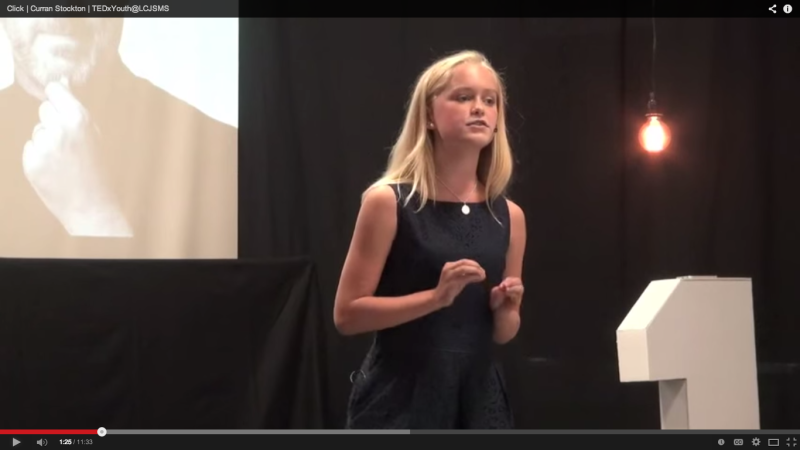
"caption": "Student Curran Stockton Gives a TEDx talk on technology and communication. ",
"description": null,
"title": "Curran Stockton ",
"credit": null,
"status": "inherit",
"isLoading": false,
"fetchFailed": false
},
"mindshift_38531": {
"type": "attachments",
"id": "mindshift_38531",
"meta": {
"index": "attachments_1716263798",
"site": "mindshift",
"id": "38531",
"found": true
},
"parent": 37944,
"imgSizes": {
"twentyfourteen-full-width": {
"file": "https://ww2.kqed.org/app/uploads/sites/23/2014/11/Maze-istock-1038x576.gif",
"width": 1038,
"mimeType": "image/gif",
"height": 576
},
"thumbnail": {
"file": "https://ww2.kqed.org/app/uploads/sites/23/2014/11/Maze-istock-400x225.gif",
"width": 400,
"mimeType": "image/gif",
"height": 225
},
"fd-sm": {
"file": "https://ww2.kqed.org/app/uploads/sites/23/2014/11/Maze-istock-320x180.gif",
"width": 320,
"mimeType": "image/gif",
"height": 180
},
"post-thumbnail": {
"file": "https://ww2.kqed.org/app/uploads/sites/23/2014/11/Maze-istock-672x372.gif",
"width": 672,
"mimeType": "image/gif",
"height": 372
},
"kqedFullSize": {
"file": "https://ww2.kqed.org/app/uploads/sites/23/2014/11/Maze-istock.gif",
"width": 1280,
"height": 720
},
"fd-lrg": {
"file": "https://ww2.kqed.org/app/uploads/sites/23/2014/11/Maze-istock-1180x664.gif",
"width": 1180,
"mimeType": "image/gif",
"height": 664
},
"fd-med": {
"file": "https://ww2.kqed.org/app/uploads/sites/23/2014/11/Maze-istock-768x432.gif",
"width": 768,
"mimeType": "image/gif",
"height": 432
},
"guest-author-96": {
"file": "https://ww2.kqed.org/app/uploads/sites/23/2014/11/Maze-istock-96x96.gif",
"width": 96,
"mimeType": "image/gif",
"height": 96
},
"medium": {
"file": "https://ww2.kqed.org/app/uploads/sites/23/2014/11/Maze-istock-800x450.gif",
"width": 800,
"mimeType": "image/gif",
"height": 450
},
"guest-author-64": {
"file": "https://ww2.kqed.org/app/uploads/sites/23/2014/11/Maze-istock-64x64.gif",
"width": 64,
"mimeType": "image/gif",
"height": 64
},
"guest-author-32": {
"file": "https://ww2.kqed.org/app/uploads/sites/23/2014/11/Maze-istock-32x32.gif",
"width": 32,
"mimeType": "image/gif",
"height": 32
},
"guest-author-128": {
"file": "https://ww2.kqed.org/app/uploads/sites/23/2014/11/Maze-istock-128x128.gif",
"width": 128,
"mimeType": "image/gif",
"height": 128
}
},
"publishDate": 1416601147,
"modified": 1416601147,
"caption": "iStock",
"description": null,
"title": "Maze-istock",
"credit": null,
"status": "inherit",
"isLoading": false,
"fetchFailed": false
},
"mindshift_38500": {
"type": "attachments",
"id": "mindshift_38500",
"meta": {
"index": "attachments_1716263798",
"site": "mindshift",
"id": "38500",
"found": true
},
"parent": 38418,
"imgSizes": {
"twentyfourteen-full-width": {
"file": "https://ww2.kqed.org/app/uploads/sites/23/2014/11/ETSY-photo-1-1038x576.gif",
"width": 1038,
"mimeType": "image/gif",
"height": 576
},
"thumbnail": {
"file": "https://ww2.kqed.org/app/uploads/sites/23/2014/11/ETSY-photo-1-400x225.gif",
"width": 400,
"mimeType": "image/gif",
"height": 225
},
"fd-sm": {
"file": "https://ww2.kqed.org/app/uploads/sites/23/2014/11/ETSY-photo-1-320x180.gif",
"width": 320,
"mimeType": "image/gif",
"height": 180
},
"post-thumbnail": {
"file": "https://ww2.kqed.org/app/uploads/sites/23/2014/11/ETSY-photo-1-672x372.gif",
"width": 672,
"mimeType": "image/gif",
"height": 372
},
"kqedFullSize": {
"file": "https://ww2.kqed.org/app/uploads/sites/23/2014/11/ETSY-photo-1.gif",
"width": 1280,
"height": 720
},
"fd-lrg": {
"file": "https://ww2.kqed.org/app/uploads/sites/23/2014/11/ETSY-photo-1-1180x664.gif",
"width": 1180,
"mimeType": "image/gif",
"height": 664
},
"fd-med": {
"file": "https://ww2.kqed.org/app/uploads/sites/23/2014/11/ETSY-photo-1-768x432.gif",
"width": 768,
"mimeType": "image/gif",
"height": 432
},
"guest-author-96": {
"file": "https://ww2.kqed.org/app/uploads/sites/23/2014/11/ETSY-photo-1-96x96.gif",
"width": 96,
"mimeType": "image/gif",
"height": 96
},
"medium": {
"file": "https://ww2.kqed.org/app/uploads/sites/23/2014/11/ETSY-photo-1-800x450.gif",
"width": 800,
"mimeType": "image/gif",
"height": 450
},
"guest-author-64": {
"file": "https://ww2.kqed.org/app/uploads/sites/23/2014/11/ETSY-photo-1-64x64.gif",
"width": 64,
"mimeType": "image/gif",
"height": 64
},
"guest-author-32": {
"file": "https://ww2.kqed.org/app/uploads/sites/23/2014/11/ETSY-photo-1-32x32.gif",
"width": 32,
"mimeType": "image/gif",
"height": 32
},
"guest-author-128": {
"file": "https://ww2.kqed.org/app/uploads/sites/23/2014/11/ETSY-photo-1-128x128.gif",
"width": 128,
"mimeType": "image/gif",
"height": 128
}
},
"publishDate": 1416493755,
"modified": 1416493755,
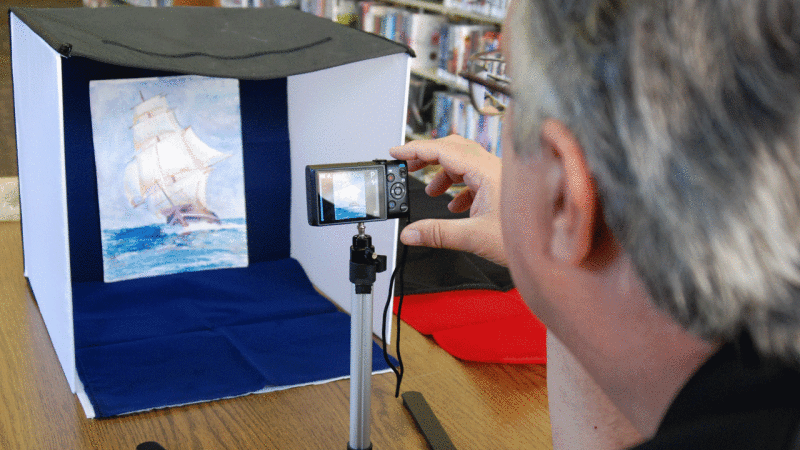
"caption": "Students learn how to take great product photographs using equipment provided by Etsy’s pilot Craft Entrepreneurship program held at the Chattanooga Public Library. (Courtesy of Mary Barnett)",
"description": null,
"title": "ETSY-photo-1",
"credit": null,
"status": "inherit",
"isLoading": false,
"fetchFailed": false
},
"mindshift_38472": {
"type": "attachments",
"id": "mindshift_38472",
"meta": {
"index": "attachments_1716263798",
"site": "mindshift",
"id": "38472",
"found": true
},
"parent": 38470,
"imgSizes": {
"twentyfourteen-full-width": {
"file": "https://ww2.kqed.org/app/uploads/sites/23/2014/11/teacher-perform2_slide-9dd15112dafe963cfaf89b76c762db832fb152dd-e1416425375796-1038x576.jpg",
"width": 1038,
"mimeType": "image/jpeg",
"height": 576
},
"thumbnail": {
"file": "https://ww2.kqed.org/app/uploads/sites/23/2014/11/teacher-perform2_slide-9dd15112dafe963cfaf89b76c762db832fb152dd-e1416425375796-400x267.jpg",
"width": 400,
"mimeType": "image/jpeg",
"height": 267
},
"fd-sm": {
"file": "https://ww2.kqed.org/app/uploads/sites/23/2014/11/teacher-perform2_slide-9dd15112dafe963cfaf89b76c762db832fb152dd-e1416425375796-320x213.jpg",
"width": 320,
"mimeType": "image/jpeg",
"height": 213
},
"post-thumbnail": {
"file": "https://ww2.kqed.org/app/uploads/sites/23/2014/11/teacher-perform2_slide-9dd15112dafe963cfaf89b76c762db832fb152dd-e1416425375796-672x372.jpg",
"width": 672,
"mimeType": "image/jpeg",
"height": 372
},
"kqedFullSize": {
"file": "https://ww2.kqed.org/app/uploads/sites/23/2014/11/teacher-perform2_slide-9dd15112dafe963cfaf89b76c762db832fb152dd-e1416425375796.jpg",
"width": 1440,
"height": 960
},
"large": {
"file": "https://ww2.kqed.org/app/uploads/sites/23/2014/11/teacher-perform2_slide-9dd15112dafe963cfaf89b76c762db832fb152dd-e1416425375796-1440x960.jpg",
"width": 1440,
"mimeType": "image/jpeg",
"height": 960
},
"guest-author-96": {
"file": "https://ww2.kqed.org/app/uploads/sites/23/2014/11/teacher-perform2_slide-9dd15112dafe963cfaf89b76c762db832fb152dd-e1416425375796-96x96.jpg",
"width": 96,
"mimeType": "image/jpeg",
"height": 96
},
"medium": {
"file": "https://ww2.kqed.org/app/uploads/sites/23/2014/11/teacher-perform2_slide-9dd15112dafe963cfaf89b76c762db832fb152dd-e1416425375796-800x533.jpg",
"width": 800,
"mimeType": "image/jpeg",
"height": 533
},
"guest-author-64": {
"file": "https://ww2.kqed.org/app/uploads/sites/23/2014/11/teacher-perform2_slide-9dd15112dafe963cfaf89b76c762db832fb152dd-e1416425375796-64x64.jpg",
"width": 64,
"mimeType": "image/jpeg",
"height": 64
},
"guest-author-32": {
"file": "https://ww2.kqed.org/app/uploads/sites/23/2014/11/teacher-perform2_slide-9dd15112dafe963cfaf89b76c762db832fb152dd-e1416425375796-32x32.jpg",
"width": 32,
"mimeType": "image/jpeg",
"height": 32
},
"fd-lrg": {
"file": "https://ww2.kqed.org/app/uploads/sites/23/2014/11/teacher-perform2_slide-9dd15112dafe963cfaf89b76c762db832fb152dd-e1416425375796-1180x787.jpg",
"width": 1180,
"mimeType": "image/jpeg",
"height": 787
},
"fd-med": {
"file": "https://ww2.kqed.org/app/uploads/sites/23/2014/11/teacher-perform2_slide-9dd15112dafe963cfaf89b76c762db832fb152dd-e1416425375796-768x512.jpg",
"width": 768,
"mimeType": "image/jpeg",
"height": 512
},
"detail": {
"file": "https://ww2.kqed.org/app/uploads/sites/23/2014/11/teacher-perform2_slide-9dd15112dafe963cfaf89b76c762db832fb152dd-e1416425375796-75x75.jpg",
"width": 75,
"mimeType": "image/jpeg",
"height": 75
},
"guest-author-128": {
"file": "https://ww2.kqed.org/app/uploads/sites/23/2014/11/teacher-perform2_slide-9dd15112dafe963cfaf89b76c762db832fb152dd-e1416425375796-128x128.jpg",
"width": 128,
"mimeType": "image/jpeg",
"height": 128
}
},
"publishDate": 1416423231,
"modified": 1416423231,
"caption": "Second-grade teacher Amanda Siepiola points to Hannah Wiener during a game at Horace Mann Elementary in Washington, DC. (Gabrielle Emanuel/NPR)",
"description": "Second-grade teacher Amanda Siepiola points to Hannah Wiener during a game at Horace Mann Elementary in Washington, DC.",
"title": "Second-grade teacher Amanda Siepiola points to Hannah Wiener during a game at Horace Mann Elementary in Washington, DC.",
"credit": null,
"status": "inherit",
"isLoading": false,
"fetchFailed": false
},
"mindshift_38464": {
"type": "attachments",
"id": "mindshift_38464",
"meta": {
"index": "attachments_1716263798",
"site": "mindshift",
"id": "38464",
"found": true
},
"parent": 38463,
"imgSizes": {
"twentyfourteen-full-width": {
"file": "https://ww2.kqed.org/app/uploads/sites/23/2014/11/MindShift-Guide-to-Digital-Games-and-Learning-Cover-Feature-Image-1038x576.gif",
"width": 1038,
"mimeType": "image/gif",
"height": 576
},
"thumbnail": {
"file": "https://ww2.kqed.org/app/uploads/sites/23/2014/11/MindShift-Guide-to-Digital-Games-and-Learning-Cover-Feature-Image-400x225.gif",
"width": 400,
"mimeType": "image/gif",
"height": 225
},
"fd-sm": {
"file": "https://ww2.kqed.org/app/uploads/sites/23/2014/11/MindShift-Guide-to-Digital-Games-and-Learning-Cover-Feature-Image-320x180.gif",
"width": 320,
"mimeType": "image/gif",
"height": 180
},
"post-thumbnail": {
"file": "https://ww2.kqed.org/app/uploads/sites/23/2014/11/MindShift-Guide-to-Digital-Games-and-Learning-Cover-Feature-Image-672x372.gif",
"width": 672,
"mimeType": "image/gif",
"height": 372
},
"kqedFullSize": {
"file": "https://ww2.kqed.org/app/uploads/sites/23/2014/11/MindShift-Guide-to-Digital-Games-and-Learning-Cover-Feature-Image.gif",
"width": 1280,
"height": 720
},
"fd-lrg": {
"file": "https://ww2.kqed.org/app/uploads/sites/23/2014/11/MindShift-Guide-to-Digital-Games-and-Learning-Cover-Feature-Image-1180x664.gif",
"width": 1180,
"mimeType": "image/gif",
"height": 664
},
"fd-med": {
"file": "https://ww2.kqed.org/app/uploads/sites/23/2014/11/MindShift-Guide-to-Digital-Games-and-Learning-Cover-Feature-Image-768x432.gif",
"width": 768,
"mimeType": "image/gif",
"height": 432
},
"guest-author-96": {
"file": "https://ww2.kqed.org/app/uploads/sites/23/2014/11/MindShift-Guide-to-Digital-Games-and-Learning-Cover-Feature-Image-96x96.gif",
"width": 96,
"mimeType": "image/gif",
"height": 96
},
"medium": {
"file": "https://ww2.kqed.org/app/uploads/sites/23/2014/11/MindShift-Guide-to-Digital-Games-and-Learning-Cover-Feature-Image-800x450.gif",
"width": 800,
"mimeType": "image/gif",
"height": 450
},
"guest-author-64": {
"file": "https://ww2.kqed.org/app/uploads/sites/23/2014/11/MindShift-Guide-to-Digital-Games-and-Learning-Cover-Feature-Image-64x64.gif",
"width": 64,
"mimeType": "image/gif",
"height": 64
},
"guest-author-32": {
"file": "https://ww2.kqed.org/app/uploads/sites/23/2014/11/MindShift-Guide-to-Digital-Games-and-Learning-Cover-Feature-Image-32x32.gif",
"width": 32,
"mimeType": "image/gif",
"height": 32
},
"guest-author-128": {
"file": "https://ww2.kqed.org/app/uploads/sites/23/2014/11/MindShift-Guide-to-Digital-Games-and-Learning-Cover-Feature-Image-128x128.gif",
"width": 128,
"mimeType": "image/gif",
"height": 128
}
},
"publishDate": 1416317220,
"modified": 1416317220,
"caption": null,
"description": null,
"title": "MindShift-Guide-to-Digital-Games-and-Learning-Cover-Feature-Image",
"credit": null,
"status": "inherit",
"isLoading": false,
"fetchFailed": false
},
"mindshift_32511": {
"type": "attachments",
"id": "mindshift_32511",
"meta": {
"index": "attachments_1716263798",
"site": "mindshift",
"id": "32511",
"found": true
},
"parent": 32503,
"imgSizes": {
"thumbnail": {
"file": "https://ww2.kqed.org/app/uploads/sites/23/2013/11/3663391435_a9edf49128_z-e1383542890924-400x226.jpg",
"width": 400,
"mimeType": "image/jpeg",
"height": 226
},
"fd-sm": {
"file": "https://ww2.kqed.org/app/uploads/sites/23/2013/11/3663391435_a9edf49128_z-e1383542890924-320x181.jpg",
"width": 320,
"mimeType": "image/jpeg",
"height": 181
},
"kqedFullSize": {
"file": "https://ww2.kqed.org/app/uploads/sites/23/2013/11/3663391435_a9edf49128_z-e1383542890924.jpg",
"width": 638,
"height": 360
},
"guest-author-96": {
"file": "https://ww2.kqed.org/app/uploads/sites/23/2013/11/3663391435_a9edf49128_z-e1383542890924-96x96.jpg",
"width": 96,
"mimeType": "image/jpeg",
"height": 96
},
"guest-author-64": {
"file": "https://ww2.kqed.org/app/uploads/sites/23/2013/11/3663391435_a9edf49128_z-e1383542890924-64x64.jpg",
"width": 64,
"mimeType": "image/jpeg",
"height": 64
},
"detail": {
"file": "https://ww2.kqed.org/app/uploads/sites/23/2013/11/3663391435_a9edf49128_z-e1383542890924-75x75.jpg",
"width": 75,
"mimeType": "image/jpeg",
"height": 75
},
"guest-author-32": {
"file": "https://ww2.kqed.org/app/uploads/sites/23/2013/11/3663391435_a9edf49128_z-e1383542890924-32x32.jpg",
"width": 32,
"mimeType": "image/jpeg",
"height": 32
},
"guest-author-128": {
"file": "https://ww2.kqed.org/app/uploads/sites/23/2013/11/3663391435_a9edf49128_z-e1383542890924-128x128.jpg",
"width": 128,
"mimeType": "image/jpeg",
"height": 128
}
},
"publishDate": 1383542837,
"modified": 1383542837,
"caption": null,
"description": null,
"title": "3663391435_a9edf49128_z",
"credit": null,
"status": "inherit",
"isLoading": false,
"fetchFailed": false
},
"mindshift_38437": {
"type": "attachments",
"id": "mindshift_38437",
"meta": {
"index": "attachments_1716263798",
"site": "mindshift",
"id": "38437",
"found": true
},
"parent": 38434,
"imgSizes": {
"twentyfourteen-full-width": {
"file": "https://ww2.kqed.org/app/uploads/sites/23/2014/11/ST-Math-1038x576.jpg",
"width": 1038,
"mimeType": "image/jpeg",
"height": 576
},
"thumbnail": {
"file": "https://ww2.kqed.org/app/uploads/sites/23/2014/11/ST-Math-400x225.jpg",
"width": 400,
"mimeType": "image/jpeg",
"height": 225
},
"fd-sm": {
"file": "https://ww2.kqed.org/app/uploads/sites/23/2014/11/ST-Math-320x180.jpg",
"width": 320,
"mimeType": "image/jpeg",
"height": 180
},
"post-thumbnail": {
"file": "https://ww2.kqed.org/app/uploads/sites/23/2014/11/ST-Math-672x372.jpg",
"width": 672,
"mimeType": "image/jpeg",
"height": 372
},
"kqedFullSize": {
"file": "https://ww2.kqed.org/app/uploads/sites/23/2014/11/ST-Math.jpg",
"width": 1440,
"height": 810
},
"large": {
"file": "https://ww2.kqed.org/app/uploads/sites/23/2014/11/ST-Math-1440x810.jpg",
"width": 1440,
"mimeType": "image/jpeg",
"height": 810
},
"guest-author-96": {
"file": "https://ww2.kqed.org/app/uploads/sites/23/2014/11/ST-Math-96x96.jpg",
"width": 96,
"mimeType": "image/jpeg",
"height": 96
},
"medium": {
"file": "https://ww2.kqed.org/app/uploads/sites/23/2014/11/ST-Math-800x450.jpg",
"width": 800,
"mimeType": "image/jpeg",
"height": 450
},
"guest-author-64": {
"file": "https://ww2.kqed.org/app/uploads/sites/23/2014/11/ST-Math-64x64.jpg",
"width": 64,
"mimeType": "image/jpeg",
"height": 64
},
"guest-author-32": {
"file": "https://ww2.kqed.org/app/uploads/sites/23/2014/11/ST-Math-32x32.jpg",
"width": 32,
"mimeType": "image/jpeg",
"height": 32
},
"fd-lrg": {
"file": "https://ww2.kqed.org/app/uploads/sites/23/2014/11/ST-Math-1180x664.jpg",
"width": 1180,
"mimeType": "image/jpeg",
"height": 664
},
"fd-med": {
"file": "https://ww2.kqed.org/app/uploads/sites/23/2014/11/ST-Math-768x432.jpg",
"width": 768,
"mimeType": "image/jpeg",
"height": 432
},
"guest-author-128": {
"file": "https://ww2.kqed.org/app/uploads/sites/23/2014/11/ST-Math-128x128.jpg",
"width": 128,
"mimeType": "image/jpeg",
"height": 128
}
},
"publishDate": 1415864285,
"modified": 1415864285,
"caption": "ST Math",
"description": null,
"title": "ST-Math",
"credit": null,
"status": "inherit",
"isLoading": false,
"fetchFailed": false
},
"mindshift_38395": {
"type": "attachments",
"id": "mindshift_38395",
"meta": {
"index": "attachments_1716263798",
"site": "mindshift",
"id": "38395",
"found": true
},
"parent": 38393,
"imgSizes": {
"twentyfourteen-full-width": {
"file": "https://ww2.kqed.org/app/uploads/sites/23/2014/11/cordell-1038x576.jpg",
"width": 1038,
"mimeType": "image/jpeg",
"height": 576
},
"thumbnail": {
"file": "https://ww2.kqed.org/app/uploads/sites/23/2014/11/cordell-400x225.jpg",
"width": 400,
"mimeType": "image/jpeg",
"height": 225
},
"fd-sm": {
"file": "https://ww2.kqed.org/app/uploads/sites/23/2014/11/cordell-320x180.jpg",
"width": 320,
"mimeType": "image/jpeg",
"height": 180
},
"post-thumbnail": {
"file": "https://ww2.kqed.org/app/uploads/sites/23/2014/11/cordell-672x372.jpg",
"width": 672,
"mimeType": "image/jpeg",
"height": 372
},
"kqedFullSize": {
"file": "https://ww2.kqed.org/app/uploads/sites/23/2014/11/cordell.jpg",
"width": 1440,
"height": 810
},
"large": {
"file": "https://ww2.kqed.org/app/uploads/sites/23/2014/11/cordell-1440x810.jpg",
"width": 1440,
"mimeType": "image/jpeg",
"height": 810
},
"guest-author-96": {
"file": "https://ww2.kqed.org/app/uploads/sites/23/2014/11/cordell-96x96.jpg",
"width": 96,
"mimeType": "image/jpeg",
"height": 96
},
"medium": {
"file": "https://ww2.kqed.org/app/uploads/sites/23/2014/11/cordell-800x450.jpg",
"width": 800,
"mimeType": "image/jpeg",
"height": 450
},
"guest-author-64": {
"file": "https://ww2.kqed.org/app/uploads/sites/23/2014/11/cordell-64x64.jpg",
"width": 64,
"mimeType": "image/jpeg",
"height": 64
},
"guest-author-32": {
"file": "https://ww2.kqed.org/app/uploads/sites/23/2014/11/cordell-32x32.jpg",
"width": 32,
"mimeType": "image/jpeg",
"height": 32
},
"fd-lrg": {
"file": "https://ww2.kqed.org/app/uploads/sites/23/2014/11/cordell-1180x664.jpg",
"width": 1180,
"mimeType": "image/jpeg",
"height": 664
},
"fd-med": {
"file": "https://ww2.kqed.org/app/uploads/sites/23/2014/11/cordell-768x432.jpg",
"width": 768,
"mimeType": "image/jpeg",
"height": 432
},
"guest-author-128": {
"file": "https://ww2.kqed.org/app/uploads/sites/23/2014/11/cordell-128x128.jpg",
"width": 128,
"mimeType": "image/jpeg",
"height": 128
}
},
"publishDate": 1415406589,
"modified": 1415406589,
"caption": "Cordell Steiner/TEDx",
"description": null,
"title": "cordell",
"credit": null,
"status": "inherit",
"isLoading": false,
"fetchFailed": false
},
"mindshift_38284": {
"type": "attachments",
"id": "mindshift_38284",
"meta": {
"index": "attachments_1716263798",
"site": "mindshift",
"id": "38284",
"found": true
},
"parent": 37765,
"imgSizes": {
"twentyfourteen-full-width": {
"file": "https://ww2.kqed.org/app/uploads/sites/23/2014/10/Simona-Math-1038x576.gif",
"width": 1038,
"mimeType": "image/gif",
"height": 576
},
"thumbnail": {
"file": "https://ww2.kqed.org/app/uploads/sites/23/2014/10/Simona-Math-400x225.gif",
"width": 400,
"mimeType": "image/gif",
"height": 225
},
"fd-sm": {
"file": "https://ww2.kqed.org/app/uploads/sites/23/2014/10/Simona-Math-320x180.gif",
"width": 320,
"mimeType": "image/gif",
"height": 180
},
"post-thumbnail": {
"file": "https://ww2.kqed.org/app/uploads/sites/23/2014/10/Simona-Math-672x372.gif",
"width": 672,
"mimeType": "image/gif",
"height": 372
},
"kqedFullSize": {
"file": "https://ww2.kqed.org/app/uploads/sites/23/2014/10/Simona-Math.gif",
"width": 1280,
"height": 720
},
"fd-lrg": {
"file": "https://ww2.kqed.org/app/uploads/sites/23/2014/10/Simona-Math-1180x664.gif",
"width": 1180,
"mimeType": "image/gif",
"height": 664
},
"fd-med": {
"file": "https://ww2.kqed.org/app/uploads/sites/23/2014/10/Simona-Math-768x432.gif",
"width": 768,
"mimeType": "image/gif",
"height": 432
},
"guest-author-96": {
"file": "https://ww2.kqed.org/app/uploads/sites/23/2014/10/Simona-Math-96x96.gif",
"width": 96,
"mimeType": "image/gif",
"height": 96
},
"medium": {
"file": "https://ww2.kqed.org/app/uploads/sites/23/2014/10/Simona-Math-800x450.gif",
"width": 800,
"mimeType": "image/gif",
"height": 450
},
"guest-author-64": {
"file": "https://ww2.kqed.org/app/uploads/sites/23/2014/10/Simona-Math-64x64.gif",
"width": 64,
"mimeType": "image/gif",
"height": 64
},
"guest-author-32": {
"file": "https://ww2.kqed.org/app/uploads/sites/23/2014/10/Simona-Math-32x32.gif",
"width": 32,
"mimeType": "image/gif",
"height": 32
},
"guest-author-128": {
"file": "https://ww2.kqed.org/app/uploads/sites/23/2014/10/Simona-Math-128x128.gif",
"width": 128,
"mimeType": "image/gif",
"height": 128
}
},
"publishDate": 1414500002,
"modified": 1414500002,
"caption": "Simona/Flickr",
"description": null,
"title": "Simona-Math",
"credit": null,
"status": "inherit",
"isLoading": false,
"fetchFailed": false
},
"mindshift_38401": {
"type": "attachments",
"id": "mindshift_38401",
"meta": {
"index": "attachments_1716263798",
"site": "mindshift",
"id": "38401",
"found": true
},
"parent": 38398,
"imgSizes": {
"twentyfourteen-full-width": {
"file": "https://ww2.kqed.org/app/uploads/sites/23/2014/11/How-to-Build-a-Better-Mooc-1038x576.gif",
"width": 1038,
"mimeType": "image/gif",
"height": 576
},
"thumbnail": {
"file": "https://ww2.kqed.org/app/uploads/sites/23/2014/11/How-to-Build-a-Better-Mooc-400x225.gif",
"width": 400,
"mimeType": "image/gif",
"height": 225
},
"fd-sm": {
"file": "https://ww2.kqed.org/app/uploads/sites/23/2014/11/How-to-Build-a-Better-Mooc-320x180.gif",
"width": 320,
"mimeType": "image/gif",
"height": 180
},
"post-thumbnail": {
"file": "https://ww2.kqed.org/app/uploads/sites/23/2014/11/How-to-Build-a-Better-Mooc-672x372.gif",
"width": 672,
"mimeType": "image/gif",
"height": 372
},
"kqedFullSize": {
"file": "https://ww2.kqed.org/app/uploads/sites/23/2014/11/How-to-Build-a-Better-Mooc.gif",
"width": 1440,
"height": 810
},
"large": {
"file": "https://ww2.kqed.org/app/uploads/sites/23/2014/11/How-to-Build-a-Better-Mooc-1440x810.gif",
"width": 1440,
"mimeType": "image/gif",
"height": 810
},
"guest-author-96": {
"file": "https://ww2.kqed.org/app/uploads/sites/23/2014/11/How-to-Build-a-Better-Mooc-96x96.gif",
"width": 96,
"mimeType": "image/gif",
"height": 96
},
"medium": {
"file": "https://ww2.kqed.org/app/uploads/sites/23/2014/11/How-to-Build-a-Better-Mooc-800x450.gif",
"width": 800,
"mimeType": "image/gif",
"height": 450
},
"guest-author-64": {
"file": "https://ww2.kqed.org/app/uploads/sites/23/2014/11/How-to-Build-a-Better-Mooc-64x64.gif",
"width": 64,
"mimeType": "image/gif",
"height": 64
},
"guest-author-32": {
"file": "https://ww2.kqed.org/app/uploads/sites/23/2014/11/How-to-Build-a-Better-Mooc-32x32.gif",
"width": 32,
"mimeType": "image/gif",
"height": 32
},
"fd-lrg": {
"file": "https://ww2.kqed.org/app/uploads/sites/23/2014/11/How-to-Build-a-Better-Mooc-1180x664.gif",
"width": 1180,
"mimeType": "image/gif",
"height": 664
},
"fd-med": {
"file": "https://ww2.kqed.org/app/uploads/sites/23/2014/11/How-to-Build-a-Better-Mooc-768x432.gif",
"width": 768,
"mimeType": "image/gif",
"height": 432
},
"guest-author-128": {
"file": "https://ww2.kqed.org/app/uploads/sites/23/2014/11/How-to-Build-a-Better-Mooc-128x128.gif",
"width": 128,
"mimeType": "image/gif",
"height": 128
}
},
"publishDate": 1415629335,
"modified": 1415629335,
"caption": "iStock",
"description": null,
"title": "How-to-Build-a-Better-Mooc",
"credit": null,
"status": "inherit",
"isLoading": false,
"fetchFailed": false
},
"mindshift_37734": {
"type": "attachments",
"id": "mindshift_37734",
"meta": {
"index": "attachments_1716263798",
"site": "mindshift",
"id": "37734",
"found": true
},
"parent": 37516,
"imgSizes": {
"thumbnail": {
"file": "https://ww2.kqed.org/app/uploads/sites/23/2014/08/games-obstacles-400x225.jpg",
"width": 400,
"mimeType": "image/jpeg",
"height": 225
},
"fd-sm": {
"file": "https://ww2.kqed.org/app/uploads/sites/23/2014/08/games-obstacles-320x180.jpg",
"width": 320,
"mimeType": "image/jpeg",
"height": 180
},
"kqedFullSize": {
"file": "https://ww2.kqed.org/app/uploads/sites/23/2014/08/games-obstacles.jpg",
"width": 640,
"height": 360
},
"guest-author-96": {
"file": "https://ww2.kqed.org/app/uploads/sites/23/2014/08/games-obstacles-96x96.jpg",
"width": 96,
"mimeType": "image/jpeg",
"height": 96
},
"guest-author-64": {
"file": "https://ww2.kqed.org/app/uploads/sites/23/2014/08/games-obstacles-64x64.jpg",
"width": 64,
"mimeType": "image/jpeg",
"height": 64
},
"guest-author-32": {
"file": "https://ww2.kqed.org/app/uploads/sites/23/2014/08/games-obstacles-32x32.jpg",
"width": 32,
"mimeType": "image/jpeg",
"height": 32
},
"guest-author-128": {
"file": "https://ww2.kqed.org/app/uploads/sites/23/2014/08/games-obstacles-128x128.jpg",
"width": 128,
"mimeType": "image/jpeg",
"height": 128
}
},
"publishDate": 1410481283,
"modified": 1410481283,
"caption": "Brad Flickinger/Flickr",
"description": null,
"title": "games-obstacles",
"credit": null,
"status": "inherit",
"isLoading": false,
"fetchFailed": false
},
"mindshift_38370": {
"type": "attachments",
"id": "mindshift_38370",
"meta": {
"index": "attachments_1716263798",
"site": "mindshift",
"id": "38370",
"found": true
},
"parent": 38359,
"imgSizes": {
"twentyfourteen-full-width": {
"file": "https://ww2.kqed.org/app/uploads/sites/23/2014/11/Raised-Hands-1038x576.gif",
"width": 1038,
"mimeType": "image/gif",
"height": 576
},
"thumbnail": {
"file": "https://ww2.kqed.org/app/uploads/sites/23/2014/11/Raised-Hands-400x225.gif",
"width": 400,
"mimeType": "image/gif",
"height": 225
},
"fd-sm": {
"file": "https://ww2.kqed.org/app/uploads/sites/23/2014/11/Raised-Hands-320x180.gif",
"width": 320,
"mimeType": "image/gif",
"height": 180
},
"post-thumbnail": {
"file": "https://ww2.kqed.org/app/uploads/sites/23/2014/11/Raised-Hands-672x372.gif",
"width": 672,
"mimeType": "image/gif",
"height": 372
},
"kqedFullSize": {
"file": "https://ww2.kqed.org/app/uploads/sites/23/2014/11/Raised-Hands.gif",
"width": 1440,
"height": 810
},
"large": {
"file": "https://ww2.kqed.org/app/uploads/sites/23/2014/11/Raised-Hands-1440x810.gif",
"width": 1440,
"mimeType": "image/gif",
"height": 810
},
"guest-author-96": {
"file": "https://ww2.kqed.org/app/uploads/sites/23/2014/11/Raised-Hands-96x96.gif",
"width": 96,
"mimeType": "image/gif",
"height": 96
},
"medium": {
"file": "https://ww2.kqed.org/app/uploads/sites/23/2014/11/Raised-Hands-800x450.gif",
"width": 800,
"mimeType": "image/gif",
"height": 450
},
"guest-author-64": {
"file": "https://ww2.kqed.org/app/uploads/sites/23/2014/11/Raised-Hands-64x64.gif",
"width": 64,
"mimeType": "image/gif",
"height": 64
},
"guest-author-32": {
"file": "https://ww2.kqed.org/app/uploads/sites/23/2014/11/Raised-Hands-32x32.gif",
"width": 32,
"mimeType": "image/gif",
"height": 32
},
"fd-lrg": {
"file": "https://ww2.kqed.org/app/uploads/sites/23/2014/11/Raised-Hands-1180x664.gif",
"width": 1180,
"mimeType": "image/gif",
"height": 664
},
"fd-med": {
"file": "https://ww2.kqed.org/app/uploads/sites/23/2014/11/Raised-Hands-768x432.gif",
"width": 768,
"mimeType": "image/gif",
"height": 432
},
"guest-author-128": {
"file": "https://ww2.kqed.org/app/uploads/sites/23/2014/11/Raised-Hands-128x128.gif",
"width": 128,
"mimeType": "image/gif",
"height": 128
}
},
"publishDate": 1415285627,
"modified": 1423493209,
"caption": "iStock\n",
"description": null,
"title": "Raised-Hands",
"credit": null,
"status": "inherit",
"isLoading": false,
"fetchFailed": false
}
},
"audioPlayerReducer": {
"postId": "stream_live",
"isPaused": true,
"isPlaying": false,
"pfsActive": false,
"pledgeModalIsOpen": true,
"playerDrawerIsOpen": false,
"liveAudioPlayStartedAt": 0,
"liveAudioPlayContext": ""
},
"authorsReducer": {
"byline_mindshift_38470": {
"type": "authors",
"id": "byline_mindshift_38470",
"meta": {
"override": true
},
"slug": "byline_mindshift_38470",
"name": "Gabrielle Emanuel",
"isLoading": false
},
"katrinaschwartz": {
"type": "authors",
"id": "234",
"meta": {
"index": "authors_1716337520",
"id": "234",
"found": true
},
"name": "Katrina Schwartz",
"firstName": "Katrina",
"lastName": "Schwartz",
"slug": "katrinaschwartz",
"email": "kschwartz@kqed.org",
"display_author_email": false,
"staff_mastheads": [
"news"
],
"title": "Producer",
"bio": "Katrina Schwartz is a journalist based in San Francisco. She's worked at KPCC public radio in LA and has reported on air and online for KQED since 2010. She covered how teaching and learning is changing for MindShift between 2012 and 2020. She is the co-host of the MindShift podcast and now produces KQED's Bay Curious podcast.",
"avatar": "https://secure.gravatar.com/avatar/edb4ee79070447a018538c9aae6eeecf28786515b8a0c30e43b6b7dce5aa44c8?s=600&d=blank&r=g",
"twitter": "kschwart",
"bluesky": null,
"facebook": null,
"instagram": null,
"linkedin": null,
"sites": [
{
"site": "",
"roles": [
"editor"
]
},
{
"site": "news",
"roles": [
"editor"
]
},
{
"site": "mindshift",
"roles": [
"administrator"
]
},
{
"site": "stateofhealth",
"roles": [
"author"
]
},
{
"site": "science",
"roles": [
"editor"
]
}
],
"headData": {
"title": "Katrina Schwartz | KQED",
"description": "Producer",
"ogImgSrc": "https://secure.gravatar.com/avatar/edb4ee79070447a018538c9aae6eeecf28786515b8a0c30e43b6b7dce5aa44c8?s=600&d=blank&r=g",
"twImgSrc": "https://secure.gravatar.com/avatar/edb4ee79070447a018538c9aae6eeecf28786515b8a0c30e43b6b7dce5aa44c8?s=600&d=blank&r=g"
},
"isLoading": false,
"link": "/author/katrinaschwartz"
},
"hollykorbey": {
"type": "authors",
"id": "4445",
"meta": {
"index": "authors_1716337520",
"id": "4445",
"found": true
},
"name": "Holly Korbey",
"firstName": "Holly",
"lastName": "Korbey",
"slug": "hollykorbey",
"email": "holly@hollykorbey.com",
"display_author_email": false,
"staff_mastheads": [],
"title": null,
"bio": "Holly Korbey's work on parenting and education has appeared in The New York Times, The Atlantic, Babble, Brain, Child Magazine, and others. She lives in Nashville with her family. Follow her on Twitter: @HKorbey",
"avatar": "https://secure.gravatar.com/avatar/f385f7a3b90e52ecd5e85c24fbd0a363?s=600&d=blank&r=g",
"twitter": null,
"facebook": null,
"instagram": null,
"linkedin": null,
"sites": [
{
"site": "mindshift",
"roles": [
"contributor"
]
}
],
"headData": {
"title": "Holly Korbey | KQED",
"description": null,
"ogImgSrc": "https://secure.gravatar.com/avatar/f385f7a3b90e52ecd5e85c24fbd0a363?s=600&d=blank&r=g",
"twImgSrc": "https://secure.gravatar.com/avatar/f385f7a3b90e52ecd5e85c24fbd0a363?s=600&d=blank&r=g"
},
"isLoading": false,
"link": "/author/hollykorbey"
},
"ksung": {
"type": "authors",
"id": "4596",
"meta": {
"index": "authors_1716337520",
"id": "4596",
"found": true
},
"name": "Ki Sung",
"firstName": "Ki",
"lastName": "Sung",
"slug": "ksung",
"email": "ksung@kqed.org",
"display_author_email": false,
"staff_mastheads": [
"news"
],
"title": "KQED Contributor",
"bio": "Ki Sung is Managing Editor of Digital News at KQED. She is former Senior Editor of MindShift and worked at NPR before joining KQED in 2014.",
"avatar": "https://secure.gravatar.com/avatar/64271e01dc95486c133be56937739045b7c00c990525bf9add12d3dd4f0433c9?s=600&d=blank&r=g",
"twitter": null,
"bluesky": null,
"facebook": null,
"instagram": null,
"linkedin": null,
"sites": [
{
"site": "arts",
"roles": [
"administrator"
]
},
{
"site": "news",
"roles": [
"administrator"
]
},
{
"site": "mindshift",
"roles": [
"administrator"
]
},
{
"site": "science",
"roles": [
"administrator"
]
},
{
"site": "forum",
"roles": [
"administrator"
]
},
{
"site": "perspectives",
"roles": [
"administrator"
]
},
{
"site": "elections",
"roles": [
"administrator"
]
}
],
"headData": {
"title": "Ki Sung | KQED",
"description": "KQED Contributor",
"ogImgSrc": "https://secure.gravatar.com/avatar/64271e01dc95486c133be56937739045b7c00c990525bf9add12d3dd4f0433c9?s=600&d=blank&r=g",
"twImgSrc": "https://secure.gravatar.com/avatar/64271e01dc95486c133be56937739045b7c00c990525bf9add12d3dd4f0433c9?s=600&d=blank&r=g"
},
"isLoading": false,
"link": "/author/ksung"
},
"lindaflan": {
"type": "authors",
"id": "4613",
"meta": {
"index": "authors_1716337520",
"id": "4613",
"found": true
},
"name": "Linda Flanagan",
"firstName": "Linda",
"lastName": "Flanagan",
"slug": "lindaflan",
"email": "lindaflan@comcast.net",
"display_author_email": false,
"staff_mastheads": [],
"title": null,
"bio": "Linda Flanagan is a freelance writer, researcher, and editor. Her work has appeared in The Atlantic, The Wall St. Journal, Newsweek, Running Times, and Mind/Shift, and she blogs regularly for the Huffington Post. Linda writes about education, culture, athletics, youth sports, mental health, politics, college admissions, and other curiosities. She also reviews books and conducts interviews.",
"avatar": "https://secure.gravatar.com/avatar/6bca04c0736bf5eaea80654019de688f?s=600&d=blank&r=g",
"twitter": "LindaFlanagan2",
"facebook": null,
"instagram": null,
"linkedin": null,
"sites": [
{
"site": "mindshift",
"roles": [
"contributor"
]
}
],
"headData": {
"title": "Linda Flanagan | KQED",
"description": null,
"ogImgSrc": "https://secure.gravatar.com/avatar/6bca04c0736bf5eaea80654019de688f?s=600&d=blank&r=g",
"twImgSrc": "https://secure.gravatar.com/avatar/6bca04c0736bf5eaea80654019de688f?s=600&d=blank&r=g"
},
"isLoading": false,
"link": "/author/lindaflan"
}
},
"pagesReducer": {
"mindshift_tag_featured": {
"type": "terms",
"id": "mindshift_20784",
"meta": {
"index": "terms_1716263798",
"site": "mindshift",
"id": "20784",
"score": 7.6562457
},
"featImg": null,
"name": "featured",
"description": null,
"taxonomy": "tag",
"headData": {
"twImgId": null,
"twTitle": null,
"ogTitle": null,
"ogImgId": null,
"twDescription": null,
"description": null,
"title": "featured Archives | KQED Mindshift",
"ogDescription": null
},
"ttid": 20061,
"slug": "featured",
"isLoading": false,
"title": "featured",
"pageMeta": {
"site": "mindshift",
"WpPageTemplate": "page-topic-editorial",
"currentPage": 90
},
"blocks": [
{
"blockName": "kqed/post-list",
"attrs": {
"layout": "cardArticle2",
"query": "posts/mindshift?tag=featured",
"seeMore": false,
"paginated": true,
"page": 90
}
},
{
"blockName": "kqed/ad"
}
]
}
},
"pfsSessionReducer": {},
"postsReducer": {
"stream_live": {
"type": "live",
"id": "stream_live",
"audioUrl": "https://hls.kqed.org/hls/kqed_app/playlist.m3u8",
"title": "Live Stream",
"excerpt": "Live Stream information currently unavailable.",
"link": "/radio",
"featImg": "",
"label": {
"name": "KQED Live",
"link": "/"
}
},
"stream_kqedNewscast": {
"type": "posts",
"id": "stream_kqedNewscast",
"audioUrl": "https://www.kqed.org/.stream/anon/radio/RDnews/newscast.mp3?_=1",
"title": "KQED Newscast",
"featImg": "",
"label": {
"name": "88.5 FM",
"link": "/"
}
},
"mindshift_38544": {
"type": "posts",
"id": "mindshift_38544",
"meta": {
"index": "posts_1716263798",
"site": "mindshift",
"id": "38544",
"score": null,
"sort": [
1416927575000
]
},
"parent": 0,
"labelTerm": {
"site": "mindshift"
},
"blocks": [],
"publishDate": 1416927575,
"format": "aside",
"disqusTitle": "What Students Can Learn from Giving TEDx Talks",
"title": "What Students Can Learn from Giving TEDx Talks",
"headTitle": "MindShift | KQED News",
"content": "\u003cfigure id=\"attachment_38545\" class=\"wp-caption alignnone\" style=\"max-width: 640px\">\u003ca href=\"http://ww2.kqed.org/mindshift/wp-content/uploads/sites/23/2014/11/Curran-Stockton-2.png\">\u003cimg src=\"http://ww2.kqed.org/mindshift/wp-content/uploads/sites/23/2014/11/Curran-Stockton-2-640x359.png\" alt=\"Student Curran Stockton Gives a TEDx talk on technology and communication. \" width=\"640\" height=\"359\" class=\"size-large wp-image-38545\">\u003c/a>\u003cfigcaption class=\"wp-caption-text\">Student Curran Stockton Gives a TEDx talk on technology and communication with the image of Steve Jobs in the background.\u003c/figcaption>\u003c/figure>\n\u003cp class=\"dropcap-serif\">When Kate Griffith brought a huge batch of homemade chocolate chip cookies into an 8th grade class, she was doing more than sharing her culinary talents with hungry kids. An 8th grader herself, Griffith was conducting an experiment as part of the background research for her upcoming TEDx presentation. The test was simple: anyone willing and able to wait an hour would be rewarded with three cookies. “One by one, the kids left,” Griffith says, until finally only five of the original 20 kids remained to claim their prize. “My research told me that we didn’t have enough capacity to delay gratification, and we weren’t striving for it.”\u003c/p>\n\u003cp>Two years ago, Griffith was one of 10 students at the Lawton C. Johnson Summit Middle School, in New Jersey, to be selected for the \u003ca href=\"http://www.ted.com/tedx/groups/7606\">school’s first TEDx program\u003c/a>. Modelled on the popular TED talks, TEDx allows community organizations, towns and schools to put on their own version of a TED talk, featuring local experts, authorities or even teenagers, rather than nationally recognized figures. \u003c/p>\n\u003caside class=\"pullquote alignleft\"> “My mind is more open to different ideas, and I have the ability to look at things in a different way than I did before.” \u003c/aside>\n\u003cp>More than 10,000 TEDx events have been held around the world since the program was launched in 2009, including those put on by schools like the one in Summit. To be recognized as an official TEDx event, organizers need to apply online for licensing and agree to TED’s detailed set of by-laws. What’s critical to the success of a youth-run TEDx program is the active participation of a teacher, says Salome Heusel, Deputy Director of TEDx. \u003c/p>\n\u003cp>At Summit, Randy Wallock provides that support. A 7th grade Language Arts teacher, Wallock had directed the school’s previous afterschool enrichment effort, known as the Scholar Laureate program, which involved writing lengthy research papers. “It had prestige to it, but the kids didn’t love it,” Wallock says. He wanted to replace it with something more dynamic and interesting, and stumbled on TEDx. “I thought it would be a good platform for enrichment,” he says. After applying for and receiving the TEDx license in the fall of 2012, he recruited teachers from special education, forensics and technology to make the program happen.\u003c/p>\n\u003cp>[youtube http://www.youtube.com/watch?v=mvCLpXkOS64&w=560&h=315]\u003c/p>\n\u003cp>Wallock recruited students that first year. “I wanted to take the kids who might not be getting A’s, but who might need a challenge,” he says. He told them that the TEDx club was a pilot program, and that together they would figure out how to develop their ideas, manage their time, and learn how to present a speech. “Collaboration was one of the biggest things,” Wallock says, “and giving kids autonomy, working at their own pace, and choice.” \u003c/p>\n\u003cp>[ad fullwidth]\u003c/p>\n\u003cp>Every Tuesday afternoon the group met for two hours or more to brainstorm and discuss their projects, and as the school year moved along, the meetings expanded to Friday nights and the occasional half day on Saturday. One constant: “we always had a ton of food,” Wallock says. Their work culminated in a June assembly in the school lobby, where every speaker got up and delivered a 10-minute presentation without notes, TED-style, before an audience of just 100, as the TED by-laws require. The talks were meant to be organic representations of the kids’ interests, and Wallock and the other adults overseeing the club were careful not to coach their public speaking styles. \u003c/p>\n\u003cp>Curran Stockton is now and a high school freshman, but she discusses her two years’ involvement in TEDx at Summit Middle School with fondness and enthusiasm. The social benefits of preparing for the speech came as a surprise. “I met some people who weren’t in my main friend group, but we all had creative ideas and liked to write and speak,” she says. “We were all so different, but everyone blended so well,” she adds. Like an athletic team or school play, the club nourished camaraderie and cohesion, this time around intellectual pursuits. “You really got to know other people through the collaborative work,” says Alexis Greenblatt, a high school sophomore, who took part in TEDx as an 8th grader.\u003c/p>\n\u003cp>Some students gained insight into learning itself. Griffith, who examined non-cognitive skills, valued the casual give-and-take among students and teachers, and credited it with deepening her understanding of the subject matter. “It was learning in a different way,” she says. “You asked more questions, you got to go deeper. And when you get to go that deep, you learn more and more,” she adds. Alexis Greenblatt brightens when she talks about her project on happiness, disputing what Epicurus considered its three prerequisites and explaining how her findings—that kids are more sentimental and less materialistic than our culture concedes—help her better understand her own friends.\u003c/p>\n\u003cp>[contextly_sidebar id=\"xFVWFGlGK3UF3VxvfO5FQqBAl0X0Mejj\"]\u003c/p>\n\u003cp>The students gained emotionally as well, starting with a boost in confidence. The idea of speaking publicly, without notes, no longer seems formidable. “I learned that I’m capable of more than I think I am,” Stockton says. She also credits her TEDx experience with opening her mind and feeding her creativity. She used to think more straightforwardly, she said, but her deeper learning experience with the TEDx club changed her perspective. “My mind is more open to different ideas, and I have the ability to look at things in a different way than I did before.” \u003c/p>\n\u003cp>Wallock was stunned by the transformations he saw, particularly among kids whose intellectual identities hadn’t been rewarded in a regular classroom. Absent distracting social undercurrents for teenagers, the students involved in TEDx were able to cultivate their curiosities. “There was a cultural expectation of brains,” Wallock says, “and being smart and articulate was celebrated.” Students receive no grades or special commendations for their work, though their talks are archived in the YouTube universe. \u003c/p>\n\u003cp>Now Wallock is into the third year of overseeing his school’s TEDx club. The first year’s success inspired more students to participate in 2013, and this year about 25 students tried out for the 10 spots, requiring the adult supervisors to hold auditions. “We put a massive amount of work into it,” Wallock says about the commitment involved. Still, grappling with middle school students over big concepts like Schadenfreude and the Socratic Method is fun for him, he says. “It’s the most intellectual stimulation I get.”\u003c/p>\n\u003cp>[ad floatright]\u003c/p>\n\u003cp>See videos of \u003ca href=\"https://www.youtube.com/watch?v=iGxBVHwvwhk\">Curran Stockton\u003c/a>, \u003ca href=\"https://www.youtube.com/watch?v=-P1K1mU_bDE\">Alexis Greenblatt\u003c/a> and \u003ca href=\"https://www.youtube.com/watch?v=PCFZSTTcNbA\">Scott Greenblatt's\u003c/a> TEDx talks. \u003c/p>\n\n",
"disqusIdentifier": "38544 http://blogs.kqed.org/mindshift/?p=38544",
"disqusUrl": "https://ww2.kqed.org/mindshift/2014/11/25/what-students-can-learn-from-giving-tedx-talks/",
"stats": {
"hasVideo": true,
"hasChartOrMap": false,
"hasAudio": false,
"hasPolis": false,
"wordCount": 1182,
"hasGoogleForm": false,
"hasGallery": false,
"hasHearkenModule": false,
"iframeSrcs": [],
"paragraphCount": 15
},
"modified": 1424825565,
"excerpt": "Creating a TED talk can be as educational as watching one. Students and teachers are taking up this activity to grow new skills and learn more about themselves. ",
"headData": {
"twImgId": "",
"twTitle": "",
"ogTitle": "",
"ogImgId": "",
"twDescription": "",
"description": "Creating a TED talk can be as educational as watching one. Students and teachers are taking up this activity to grow new skills and learn more about themselves. ",
"title": "What Students Can Learn from Giving TEDx Talks | KQED",
"ogDescription": "",
"schema": {
"@context": "https://schema.org",
"@type": "Article",
"headline": "What Students Can Learn from Giving TEDx Talks",
"datePublished": "2014-11-25T06:59:35-08:00",
"dateModified": "2015-02-24T16:52:45-08:00",
"image": "https://cdn.kqed.org/wp-content/uploads/2020/02/KQED-OG-Image@1x.png"
}
},
"guestAuthors": [],
"slug": "what-students-can-learn-from-giving-tedx-talks",
"status": "publish",
"path": "/mindshift/38544/what-students-can-learn-from-giving-tedx-talks",
"audioTrackLength": null,
"parsedContent": [
{
"type": "contentString",
"content": "\u003cdiv class=\"post-body\">\u003cp>\u003cfigure id=\"attachment_38545\" class=\"wp-caption alignnone\" style=\"max-width: 640px\">\u003ca href=\"http://ww2.kqed.org/mindshift/wp-content/uploads/sites/23/2014/11/Curran-Stockton-2.png\">\u003cimg src=\"http://ww2.kqed.org/mindshift/wp-content/uploads/sites/23/2014/11/Curran-Stockton-2-640x359.png\" alt=\"Student Curran Stockton Gives a TEDx talk on technology and communication. \" width=\"640\" height=\"359\" class=\"size-large wp-image-38545\">\u003c/a>\u003cfigcaption class=\"wp-caption-text\">Student Curran Stockton Gives a TEDx talk on technology and communication with the image of Steve Jobs in the background.\u003c/figcaption>\u003c/figure>\n\u003cp class=\"dropcap-serif\">When Kate Griffith brought a huge batch of homemade chocolate chip cookies into an 8th grade class, she was doing more than sharing her culinary talents with hungry kids. An 8th grader herself, Griffith was conducting an experiment as part of the background research for her upcoming TEDx presentation. The test was simple: anyone willing and able to wait an hour would be rewarded with three cookies. “One by one, the kids left,” Griffith says, until finally only five of the original 20 kids remained to claim their prize. “My research told me that we didn’t have enough capacity to delay gratification, and we weren’t striving for it.”\u003c/p>\n\u003cp>Two years ago, Griffith was one of 10 students at the Lawton C. Johnson Summit Middle School, in New Jersey, to be selected for the \u003ca href=\"http://www.ted.com/tedx/groups/7606\">school’s first TEDx program\u003c/a>. Modelled on the popular TED talks, TEDx allows community organizations, towns and schools to put on their own version of a TED talk, featuring local experts, authorities or even teenagers, rather than nationally recognized figures. \u003c/p>\n\u003caside class=\"pullquote alignleft\"> “My mind is more open to different ideas, and I have the ability to look at things in a different way than I did before.” \u003c/aside>\n\u003cp>More than 10,000 TEDx events have been held around the world since the program was launched in 2009, including those put on by schools like the one in Summit. To be recognized as an official TEDx event, organizers need to apply online for licensing and agree to TED’s detailed set of by-laws. What’s critical to the success of a youth-run TEDx program is the active participation of a teacher, says Salome Heusel, Deputy Director of TEDx. \u003c/p>\n\u003cp>At Summit, Randy Wallock provides that support. A 7th grade Language Arts teacher, Wallock had directed the school’s previous afterschool enrichment effort, known as the Scholar Laureate program, which involved writing lengthy research papers. “It had prestige to it, but the kids didn’t love it,” Wallock says. He wanted to replace it with something more dynamic and interesting, and stumbled on TEDx. “I thought it would be a good platform for enrichment,” he says. After applying for and receiving the TEDx license in the fall of 2012, he recruited teachers from special education, forensics and technology to make the program happen.\u003c/p>\n\u003cp>\u003c/p>\u003cp>\u003cspan class='utils-parseShortcode-shortcodes-__youtubeShortcode__embedYoutube'>\n \u003cspan class='utils-parseShortcode-shortcodes-__youtubeShortcode__embedYoutubeInside'>\n \u003ciframe\n loading='lazy'\n class='utils-parseShortcode-shortcodes-__youtubeShortcode__youtubePlayer'\n type='text/html'\n src='//www.youtube.com/embed/mvCLpXkOS64'\n title='//www.youtube.com/embed/mvCLpXkOS64'\n allowfullscreen='true'\n style='border:0;'>\u003c/iframe>\n \u003c/span>\n \u003c/span>\u003c/p>\u003cp>\u003c/p>\n\u003cp>Wallock recruited students that first year. “I wanted to take the kids who might not be getting A’s, but who might need a challenge,” he says. He told them that the TEDx club was a pilot program, and that together they would figure out how to develop their ideas, manage their time, and learn how to present a speech. “Collaboration was one of the biggest things,” Wallock says, “and giving kids autonomy, working at their own pace, and choice.” \u003c/p>\n\u003cp>\u003c/p>\u003c/div>",
"attributes": {
"named": {},
"numeric": []
}
},
{
"type": "component",
"content": "",
"name": "ad",
"attributes": {
"named": {
"label": "fullwidth"
},
"numeric": [
"fullwidth"
]
}
},
{
"type": "contentString",
"content": "\u003cdiv class=\"post-body\">\u003cp>\u003c/p>\n\u003cp>Every Tuesday afternoon the group met for two hours or more to brainstorm and discuss their projects, and as the school year moved along, the meetings expanded to Friday nights and the occasional half day on Saturday. One constant: “we always had a ton of food,” Wallock says. Their work culminated in a June assembly in the school lobby, where every speaker got up and delivered a 10-minute presentation without notes, TED-style, before an audience of just 100, as the TED by-laws require. The talks were meant to be organic representations of the kids’ interests, and Wallock and the other adults overseeing the club were careful not to coach their public speaking styles. \u003c/p>\n\u003cp>Curran Stockton is now and a high school freshman, but she discusses her two years’ involvement in TEDx at Summit Middle School with fondness and enthusiasm. The social benefits of preparing for the speech came as a surprise. “I met some people who weren’t in my main friend group, but we all had creative ideas and liked to write and speak,” she says. “We were all so different, but everyone blended so well,” she adds. Like an athletic team or school play, the club nourished camaraderie and cohesion, this time around intellectual pursuits. “You really got to know other people through the collaborative work,” says Alexis Greenblatt, a high school sophomore, who took part in TEDx as an 8th grader.\u003c/p>\n\u003cp>Some students gained insight into learning itself. Griffith, who examined non-cognitive skills, valued the casual give-and-take among students and teachers, and credited it with deepening her understanding of the subject matter. “It was learning in a different way,” she says. “You asked more questions, you got to go deeper. And when you get to go that deep, you learn more and more,” she adds. Alexis Greenblatt brightens when she talks about her project on happiness, disputing what Epicurus considered its three prerequisites and explaining how her findings—that kids are more sentimental and less materialistic than our culture concedes—help her better understand her own friends.\u003c/p>\n\u003cp>\u003c/p>\u003cp>\u003c/p>\u003cp>\u003c/p>\n\u003cp>The students gained emotionally as well, starting with a boost in confidence. The idea of speaking publicly, without notes, no longer seems formidable. “I learned that I’m capable of more than I think I am,” Stockton says. She also credits her TEDx experience with opening her mind and feeding her creativity. She used to think more straightforwardly, she said, but her deeper learning experience with the TEDx club changed her perspective. “My mind is more open to different ideas, and I have the ability to look at things in a different way than I did before.” \u003c/p>\n\u003cp>Wallock was stunned by the transformations he saw, particularly among kids whose intellectual identities hadn’t been rewarded in a regular classroom. Absent distracting social undercurrents for teenagers, the students involved in TEDx were able to cultivate their curiosities. “There was a cultural expectation of brains,” Wallock says, “and being smart and articulate was celebrated.” Students receive no grades or special commendations for their work, though their talks are archived in the YouTube universe. \u003c/p>\n\u003cp>Now Wallock is into the third year of overseeing his school’s TEDx club. The first year’s success inspired more students to participate in 2013, and this year about 25 students tried out for the 10 spots, requiring the adult supervisors to hold auditions. “We put a massive amount of work into it,” Wallock says about the commitment involved. Still, grappling with middle school students over big concepts like Schadenfreude and the Socratic Method is fun for him, he says. “It’s the most intellectual stimulation I get.”\u003c/p>\n\u003cp>\u003c/p>\u003c/div>",
"attributes": {
"named": {},
"numeric": []
}
},
{
"type": "component",
"content": "",
"name": "ad",
"attributes": {
"named": {
"label": "floatright"
},
"numeric": [
"floatright"
]
}
},
{
"type": "contentString",
"content": "\u003cdiv class=\"post-body\">\u003cp>\u003c/p>\n\u003cp>See videos of \u003ca href=\"https://www.youtube.com/watch?v=iGxBVHwvwhk\">Curran Stockton\u003c/a>, \u003ca href=\"https://www.youtube.com/watch?v=-P1K1mU_bDE\">Alexis Greenblatt\u003c/a> and \u003ca href=\"https://www.youtube.com/watch?v=PCFZSTTcNbA\">Scott Greenblatt's\u003c/a> TEDx talks. \u003c/p>\n\n\u003c/div>\u003c/p>",
"attributes": {
"named": {},
"numeric": []
}
}
],
"link": "/mindshift/38544/what-students-can-learn-from-giving-tedx-talks",
"authors": [
"4613"
],
"categories": [
"mindshift_1"
],
"tags": [
"mindshift_20784",
"mindshift_1040",
"mindshift_20787",
"mindshift_780",
"mindshift_20581"
],
"featImg": "mindshift_38545",
"label": "mindshift"
},
"mindshift_37944": {
"type": "posts",
"id": "mindshift_37944",
"meta": {
"index": "posts_1716263798",
"site": "mindshift",
"id": "37944",
"score": null,
"sort": [
1416837694000
]
},
"parent": 0,
"labelTerm": {
"site": "mindshift"
},
"blocks": [],
"publishDate": 1416837694,
"format": "aside",
"disqusTitle": "Some Struggles Teachers Face Using Games in the Classroom ",
"title": "Some Struggles Teachers Face Using Games in the Classroom ",
"headTitle": "MindShift | KQED News",
"content": "\u003cfigure id=\"attachment_38531\" class=\"wp-caption alignnone\" style=\"max-width: 640px\">\u003ca href=\"http://ww2.kqed.org/mindshift/wp-content/uploads/sites/23/2014/11/Maze-istock.gif\">\u003cimg src=\"http://ww2.kqed.org/mindshift/wp-content/uploads/sites/23/2014/11/Maze-istock-640x360.gif\" alt=\"iStock\" width=\"640\" height=\"360\" class=\"size-large wp-image-38531\">\u003c/a>\u003cfigcaption class=\"wp-caption-text\">iStock\u003c/figcaption>\u003c/figure>\n\u003cp class=\"dropcap-serif\">Teachers have long known that making content more playful can be a great way to engage students and add diversity to classroom activities. As technology becomes an ever more significant part of modern classrooms, it makes sense that teachers are using video games for everything from teaching content, to keeping tabs on learning progress, and for skills practice. In a recent survey, the Joan Ganz Cooney Center found that 74 percent of K-8 \u003ca href=\"http://ww2.kqed.org/mindshift/2014/06/surprising-insights-how-teachers-use-games-in-the-classroom/\" target=\"_blank\">teachers surveyed\u003c/a> use digital games for instruction in some way and 55 percent use them weekly.\u003c/p>\n\u003cp>While digital games are becoming more common, many teachers still use them primarily as supplemental material or as a reward when the “real work” has been accomplished, not as the main instructional tool. Many teachers are still skeptical that students will learn mandated content from digital games well enough to prove mastery on state exams.\u003c/p>\n\u003cp>\u003cstrong>TIME IS THE BIGGEST BARRIER\u003c/strong>\u003c/p>\n\u003cp>Tony Mai experimented with some digital games in his middle school English Language Arts classroom as part of a pilot project at \u003ca href=\"http://www.mckinleyis259.org\" target=\"_blank\">William McKinley IS 259, \u003c/a> a junior high school in New York City. His principal chose him to participate because he’s comfortable with technology and likes to play video games himself. The game, \u003ca href=\"http://www.classroominc.org/tsn2\" target=\"_blank\">The Sports Network 2\u003c/a>, required students to take on the roles of employees at a media company trying to market a product to a younger audience.\u003c/p>\n\u003caside class=\"pullquote alignleft\"> “Localized leadership allows me to use games during intervention time, but it’s not something that’s supported broadly.”\u003c/aside>\n\u003cp>In addition to the virtual gameplay, students had to do offline research on solutions they could use within the game. The Sports Network 2 is aligned with Common Core ELA standards but places the skills within the context of real-life tasks. “They had to read fake email and highlight important things on screen,” Mai said. “I saw improvement with students’ ability to figure out difficult vocabulary words using context clues.” He also said students stayed more motivated.\u003c/p>\n\u003cp>[ad fullwidth]\u003c/p>\n\u003cp>Still, playing the game took precious time and Mai slowly started to fall behind the other eighth-grade ELA teachers on the mandated curriculum. “It does take someone who’s willing to make sure the rest of the curriculum is covered while using these games in the classroom,” Mai said. Teachers are under a lot of pressure to make sure they cover a jampacked curriculum, and that can make any game feel like one more thing to do, something extra or supplemental.\u003c/p>\n\u003cp>“At the end of the day, if the teachers know that their curriculum already addresses all the other standards, then they won’t feel there’s a need for the game in the classroom,” Mai said. That’s why he thinks games that have robust data tracking and clear corollaries to standards will get the most teacher buy-in. “Teachers want to be able to see the gains that students are making on a specific skill and be able to link it to a specific question or part of the game,” Mai said.\u003c/p>\n\u003cp>The immersive quality of the game deeply engaged students and showed them how the skills they were learning applied to the real world, Mai said. But it was those same game qualities that made him worry that he wasn’t covering the basics. The more that a game maps exactly to the standards, the less game-like it becomes, he acknowledged, and the more it resembles educational software, not a game.\u003c/p>\n\u003cp>Concerns about time and explicit instructional standards being met are mirrored in the Cooney Center report. “Few teachers are using learning games of the immersive variety, the kind that lend themselves to deep exploration and participation in the types of activities that set digital games apart from more didactic forms of instruction,” writes Lori Takeuchi in the report’s executive summary. “Most teachers instead report using short-form games that students can finish within a single class period. While lack of time is a likely explanation, teachers may also find shorter-form games to be easier to map to curriculum standards.”\u003c/p>\n\u003cp>\u003cstrong>ADMINISTRATIVE SUPPORT\u003c/strong>\u003c/p>\n\u003cp>Heather Robertson teaches English language learners (ELL) in a K-5 school in Wisconsin.\u003cbr>\nThe district has great access to technology — they’ve gone one-to-one with Chromebooks, but the devices are mainly used for what Robertson calls “worksheets on a computer.” She'd like those setting policies and vision in schools to recognize that while online testing may have brought the devices into schools, they can be used for far more than that. “We’re so focused on our testing and we’re not going deep in our learning,” Robertson said. “We’re just really trying to get through the surface of it.”\u003c/p>\n\u003cp>[contextly_sidebar id=\"2wMxdajS31bIJqdtCmgTjDJCBtWzXWdq\"]\u003c/p>\n\u003cp>Robertson used to teach in a less conventional district in Madison where she had more freedom to explore different teaching strategies. “The most exciting thing is that research around ELLs shows that concrete experiences are the best way for them to learn,” Robertson said. But how can teachers give students concrete experiences of abstract ideas like government? Robertson has used the \u003ca href=\"http://ww2.kqed.org/mindshift/2012/10/video-games-that-bring-civics-class-to-life/\" target=\"_blank\">digital game iCivics\u003c/a> to help give students that virtual experience.\u003c/p>\n\u003cp>“Games like that allow kids to interact in an almost concrete way that is very powerful,” she said. “They take on the role of the characters and understand it in a much deeper way than they would otherwise.”\u003c/p>\n\u003cp>That \u003ca href=\"http://ww2.kqed.org/mindshift/2013/11/teaching-empathy-through-digital-game-play/\" target=\"_blank\">virtual experience, paired with conversation\u003c/a>, can be very powerful for students who are having trouble accessing the content. “I believe what English language learners need more than anything is a lot of talking and interaction,” Robertson said. “Game-playing is actually a key component of that.” She treats games a bit like she would a text, scaffolding learning around gameplay, and using students’ excitement about the game to connect more meaningfully. Kids play the game for a while and then stop and talk about it with Robertson.\u003c/p>\n\u003cp>“I think [games are] best when paired with reflective conversation,” Robertson said. “It’s developing the awareness of what you’re doing. The only way to really develop metacognition is to have a conversation with someone who can ask Socratic questions.”\u003c/p>\n\u003cp>Robertson still uses games in her classroom, because she has support from her principal, but she doesn't feel that same commitment from the district leadership. “Localized leadership allows me to use games during intervention time, but it’s not something that’s supported broadly,\" Richardson said. Despite the barriers, she pushes on with the practice because she has experienced how motivated struggling learners can be by games and how much that inspires her.\u003c/p>\n\u003cp>But without support it’s getting harder to hold onto that conviction. For example, this year Robertson put \u003ca href=\"http://ww2.kqed.org/mindshift/2012/05/teachers-transform-commercial-video-game-for-class-use/\" target=\"_blank\">MinecraftEDU\u003c/a> on her supplies list and got it approved by her principal, only to have the request held up at the district level. Another time, Robertson was invited to help develop a game-based assessment by World-Class Instructional Design and Assessement (WIDA), an assessment consortium focused on English Language Learner growth. “Which seems to me like an incredible learning experience, but I was told no because I’d already used my three professional development days,\" Robertson said.\u003c/p>\n\u003cp>It’s these experiences that make Robertson understand why so many teachers are reluctant to step out of line or try something new. Most teacher professional development focuses on the subjects that are tested -- reading, writing and math -- not tools like digital games that could provide a more engaging way of teaching those things. And teachers don’t have a lot of extra time to experiment and play with unfamiliar games, let alone find quality games that suit their needs. \u003c/p>\n\u003cp>There are \u003ca href=\"http://ww2.kqed.org/mindshift/2013/07/for-overwhelmed-educators-new-site-rates-ed-tech-tools/\" target=\"_blank\">some good game-rating sites\u003c/a> now available, but too few teachers know about them. And, when districts are actively encouraging teachers to focus on prescribed curriculum, there’s little incentive to put in the time to play around and test out more immersive games.\u003c/p>\n\u003cp>[ad floatright]\u003c/p>\n\u003cp>The obstacles to widespread teacher adoption of games as the primary means of instruction are many, but despite the struggles, many teachers do use digital games creatively to push students to think critically. Those early-adopting teachers will be the ones to inspire and teach their colleagues about what works and where the pitfalls lie as this trend grows.\u003c/p>\n\n",
"disqusIdentifier": "37944 http://blogs.kqed.org/mindshift/?p=37944",
"disqusUrl": "https://ww2.kqed.org/mindshift/2014/11/24/some-struggles-teachers-face-using-games-in-the-classroom/",
"stats": {
"hasVideo": false,
"hasChartOrMap": false,
"hasAudio": false,
"hasPolis": false,
"wordCount": 1456,
"hasGoogleForm": false,
"hasGallery": false,
"hasHearkenModule": false,
"iframeSrcs": [],
"paragraphCount": 22
},
"modified": 1416837750,
"excerpt": "Lack of time and administrative support are just some of the obstacles to using games in the classroom. ",
"headData": {
"twImgId": "",
"twTitle": "",
"ogTitle": "",
"ogImgId": "",
"twDescription": "",
"description": "Lack of time and administrative support are just some of the obstacles to using games in the classroom. ",
"title": "Some Struggles Teachers Face Using Games in the Classroom | KQED",
"ogDescription": "",
"schema": {
"@context": "https://schema.org",
"@type": "Article",
"headline": "Some Struggles Teachers Face Using Games in the Classroom ",
"datePublished": "2014-11-24T06:01:34-08:00",
"dateModified": "2014-11-24T06:02:30-08:00",
"image": "https://cdn.kqed.org/wp-content/uploads/2020/02/KQED-OG-Image@1x.png"
}
},
"guestAuthors": [],
"slug": "some-struggles-teachers-face-using-games-in-the-classroom",
"status": "publish",
"path": "/mindshift/37944/some-struggles-teachers-face-using-games-in-the-classroom",
"audioTrackLength": null,
"parsedContent": [
{
"type": "contentString",
"content": "\u003cdiv class=\"post-body\">\u003cp>\u003cfigure id=\"attachment_38531\" class=\"wp-caption alignnone\" style=\"max-width: 640px\">\u003ca href=\"http://ww2.kqed.org/mindshift/wp-content/uploads/sites/23/2014/11/Maze-istock.gif\">\u003cimg src=\"http://ww2.kqed.org/mindshift/wp-content/uploads/sites/23/2014/11/Maze-istock-640x360.gif\" alt=\"iStock\" width=\"640\" height=\"360\" class=\"size-large wp-image-38531\">\u003c/a>\u003cfigcaption class=\"wp-caption-text\">iStock\u003c/figcaption>\u003c/figure>\n\u003cp class=\"dropcap-serif\">Teachers have long known that making content more playful can be a great way to engage students and add diversity to classroom activities. As technology becomes an ever more significant part of modern classrooms, it makes sense that teachers are using video games for everything from teaching content, to keeping tabs on learning progress, and for skills practice. In a recent survey, the Joan Ganz Cooney Center found that 74 percent of K-8 \u003ca href=\"http://ww2.kqed.org/mindshift/2014/06/surprising-insights-how-teachers-use-games-in-the-classroom/\" target=\"_blank\">teachers surveyed\u003c/a> use digital games for instruction in some way and 55 percent use them weekly.\u003c/p>\n\u003cp>While digital games are becoming more common, many teachers still use them primarily as supplemental material or as a reward when the “real work” has been accomplished, not as the main instructional tool. Many teachers are still skeptical that students will learn mandated content from digital games well enough to prove mastery on state exams.\u003c/p>\n\u003cp>\u003cstrong>TIME IS THE BIGGEST BARRIER\u003c/strong>\u003c/p>\n\u003cp>Tony Mai experimented with some digital games in his middle school English Language Arts classroom as part of a pilot project at \u003ca href=\"http://www.mckinleyis259.org\" target=\"_blank\">William McKinley IS 259, \u003c/a> a junior high school in New York City. His principal chose him to participate because he’s comfortable with technology and likes to play video games himself. The game, \u003ca href=\"http://www.classroominc.org/tsn2\" target=\"_blank\">The Sports Network 2\u003c/a>, required students to take on the roles of employees at a media company trying to market a product to a younger audience.\u003c/p>\n\u003caside class=\"pullquote alignleft\"> “Localized leadership allows me to use games during intervention time, but it’s not something that’s supported broadly.”\u003c/aside>\n\u003cp>In addition to the virtual gameplay, students had to do offline research on solutions they could use within the game. The Sports Network 2 is aligned with Common Core ELA standards but places the skills within the context of real-life tasks. “They had to read fake email and highlight important things on screen,” Mai said. “I saw improvement with students’ ability to figure out difficult vocabulary words using context clues.” He also said students stayed more motivated.\u003c/p>\n\u003cp>\u003c/p>\u003c/div>",
"attributes": {
"named": {},
"numeric": []
}
},
{
"type": "component",
"content": "",
"name": "ad",
"attributes": {
"named": {
"label": "fullwidth"
},
"numeric": [
"fullwidth"
]
}
},
{
"type": "contentString",
"content": "\u003cdiv class=\"post-body\">\u003cp>\u003c/p>\n\u003cp>Still, playing the game took precious time and Mai slowly started to fall behind the other eighth-grade ELA teachers on the mandated curriculum. “It does take someone who’s willing to make sure the rest of the curriculum is covered while using these games in the classroom,” Mai said. Teachers are under a lot of pressure to make sure they cover a jampacked curriculum, and that can make any game feel like one more thing to do, something extra or supplemental.\u003c/p>\n\u003cp>“At the end of the day, if the teachers know that their curriculum already addresses all the other standards, then they won’t feel there’s a need for the game in the classroom,” Mai said. That’s why he thinks games that have robust data tracking and clear corollaries to standards will get the most teacher buy-in. “Teachers want to be able to see the gains that students are making on a specific skill and be able to link it to a specific question or part of the game,” Mai said.\u003c/p>\n\u003cp>The immersive quality of the game deeply engaged students and showed them how the skills they were learning applied to the real world, Mai said. But it was those same game qualities that made him worry that he wasn’t covering the basics. The more that a game maps exactly to the standards, the less game-like it becomes, he acknowledged, and the more it resembles educational software, not a game.\u003c/p>\n\u003cp>Concerns about time and explicit instructional standards being met are mirrored in the Cooney Center report. “Few teachers are using learning games of the immersive variety, the kind that lend themselves to deep exploration and participation in the types of activities that set digital games apart from more didactic forms of instruction,” writes Lori Takeuchi in the report’s executive summary. “Most teachers instead report using short-form games that students can finish within a single class period. While lack of time is a likely explanation, teachers may also find shorter-form games to be easier to map to curriculum standards.”\u003c/p>\n\u003cp>\u003cstrong>ADMINISTRATIVE SUPPORT\u003c/strong>\u003c/p>\n\u003cp>Heather Robertson teaches English language learners (ELL) in a K-5 school in Wisconsin.\u003cbr>\nThe district has great access to technology — they’ve gone one-to-one with Chromebooks, but the devices are mainly used for what Robertson calls “worksheets on a computer.” She'd like those setting policies and vision in schools to recognize that while online testing may have brought the devices into schools, they can be used for far more than that. “We’re so focused on our testing and we’re not going deep in our learning,” Robertson said. “We’re just really trying to get through the surface of it.”\u003c/p>\n\u003cp>\u003c/p>\u003cp>\u003c/p>\u003cp>\u003c/p>\n\u003cp>Robertson used to teach in a less conventional district in Madison where she had more freedom to explore different teaching strategies. “The most exciting thing is that research around ELLs shows that concrete experiences are the best way for them to learn,” Robertson said. But how can teachers give students concrete experiences of abstract ideas like government? Robertson has used the \u003ca href=\"http://ww2.kqed.org/mindshift/2012/10/video-games-that-bring-civics-class-to-life/\" target=\"_blank\">digital game iCivics\u003c/a> to help give students that virtual experience.\u003c/p>\n\u003cp>“Games like that allow kids to interact in an almost concrete way that is very powerful,” she said. “They take on the role of the characters and understand it in a much deeper way than they would otherwise.”\u003c/p>\n\u003cp>That \u003ca href=\"http://ww2.kqed.org/mindshift/2013/11/teaching-empathy-through-digital-game-play/\" target=\"_blank\">virtual experience, paired with conversation\u003c/a>, can be very powerful for students who are having trouble accessing the content. “I believe what English language learners need more than anything is a lot of talking and interaction,” Robertson said. “Game-playing is actually a key component of that.” She treats games a bit like she would a text, scaffolding learning around gameplay, and using students’ excitement about the game to connect more meaningfully. Kids play the game for a while and then stop and talk about it with Robertson.\u003c/p>\n\u003cp>“I think [games are] best when paired with reflective conversation,” Robertson said. “It’s developing the awareness of what you’re doing. The only way to really develop metacognition is to have a conversation with someone who can ask Socratic questions.”\u003c/p>\n\u003cp>Robertson still uses games in her classroom, because she has support from her principal, but she doesn't feel that same commitment from the district leadership. “Localized leadership allows me to use games during intervention time, but it’s not something that’s supported broadly,\" Richardson said. Despite the barriers, she pushes on with the practice because she has experienced how motivated struggling learners can be by games and how much that inspires her.\u003c/p>\n\u003cp>But without support it’s getting harder to hold onto that conviction. For example, this year Robertson put \u003ca href=\"http://ww2.kqed.org/mindshift/2012/05/teachers-transform-commercial-video-game-for-class-use/\" target=\"_blank\">MinecraftEDU\u003c/a> on her supplies list and got it approved by her principal, only to have the request held up at the district level. Another time, Robertson was invited to help develop a game-based assessment by World-Class Instructional Design and Assessement (WIDA), an assessment consortium focused on English Language Learner growth. “Which seems to me like an incredible learning experience, but I was told no because I’d already used my three professional development days,\" Robertson said.\u003c/p>\n\u003cp>It’s these experiences that make Robertson understand why so many teachers are reluctant to step out of line or try something new. Most teacher professional development focuses on the subjects that are tested -- reading, writing and math -- not tools like digital games that could provide a more engaging way of teaching those things. And teachers don’t have a lot of extra time to experiment and play with unfamiliar games, let alone find quality games that suit their needs. \u003c/p>\n\u003cp>There are \u003ca href=\"http://ww2.kqed.org/mindshift/2013/07/for-overwhelmed-educators-new-site-rates-ed-tech-tools/\" target=\"_blank\">some good game-rating sites\u003c/a> now available, but too few teachers know about them. And, when districts are actively encouraging teachers to focus on prescribed curriculum, there’s little incentive to put in the time to play around and test out more immersive games.\u003c/p>\n\u003cp>\u003c/p>\u003c/div>",
"attributes": {
"named": {},
"numeric": []
}
},
{
"type": "component",
"content": "",
"name": "ad",
"attributes": {
"named": {
"label": "floatright"
},
"numeric": [
"floatright"
]
}
},
{
"type": "contentString",
"content": "\u003cdiv class=\"post-body\">\u003cp>\u003c/p>\n\u003cp>The obstacles to widespread teacher adoption of games as the primary means of instruction are many, but despite the struggles, many teachers do use digital games creatively to push students to think critically. Those early-adopting teachers will be the ones to inspire and teach their colleagues about what works and where the pitfalls lie as this trend grows.\u003c/p>\n\n\u003c/div>\u003c/p>",
"attributes": {
"named": {},
"numeric": []
}
}
],
"link": "/mindshift/37944/some-struggles-teachers-face-using-games-in-the-classroom",
"authors": [
"234"
],
"categories": [
"mindshift_192"
],
"tags": [
"mindshift_20784",
"mindshift_1040",
"mindshift_548",
"mindshift_20902",
"mindshift_200"
],
"featImg": "mindshift_38531",
"label": "mindshift"
},
"mindshift_38418": {
"type": "posts",
"id": "mindshift_38418",
"meta": {
"index": "posts_1716263798",
"site": "mindshift",
"id": "38418",
"score": null,
"sort": [
1416510022000
]
},
"parent": 0,
"labelTerm": {
"site": "mindshift"
},
"blocks": [],
"publishDate": 1416510022,
"format": "aside",
"disqusTitle": "How Libraries are Advancing and Inspiring Schools and Communities ",
"title": "How Libraries are Advancing and Inspiring Schools and Communities ",
"headTitle": "MindShift | KQED News",
"content": "\u003cfigure id=\"attachment_38500\" class=\"wp-caption alignnone\" style=\"max-width: 1280px\">\u003ca href=\"http://ww2.kqed.org/mindshift/wp-content/uploads/sites/23/2014/11/ETSY-photo-1.gif\">\u003cimg src=\"http://ww2.kqed.org/mindshift/wp-content/uploads/sites/23/2014/11/ETSY-photo-1.gif\" alt=\"Students learn how to take great product photographs using equipment provided by Etsy’s pilot Craft Entrepreneurship program held at the Chattanooga Public Library. (Courtesy of Mary Barnett)\" width=\"1280\" height=\"720\" class=\"size-full wp-image-38500\">\u003c/a>\u003cfigcaption class=\"wp-caption-text\">Students learn how to take great product photographs using equipment provided by Etsy’s pilot Craft Entrepreneurship program held at the Chattanooga Public Library. (Courtesy of Mary Barnett)\u003c/figcaption>\u003c/figure>\n\u003cp class=\"dropcap-serif\">It's well known that public libraries are no longer just about the books -- even e-books. Many community libraries are receiving 21st century digital-age makeovers: Numerous digital technologies, maker spaces to invite creation, even video production suites and 3-D printers now inhabit many libraries across the country.\u003c/p>\n\u003cp>But a report just released by the Aspen Institute Dialogue on Public Libraries asks us again to reconsider how the library can serve communities in the 21st century. \"\u003ca href=\"http://csreports.aspeninstitute.org/documents//AspenLibrariesReport.pdf\">Rising to the Challenge: Re-Envisioning Public Libraries\u003c/a>\" aims to “capture the momentum and excitement of the innovations taking place in public libraries across the country, and the impact these are having on communities,” said the group’s director, Amy Garmer. The report asks: With all the new technology and layered networks, what can be done beyond current advancements?\u003c/p>\n\u003caside class=\"pullquote alignleft\">\"We are a place for the curious, for creativity, a place for learning, a place to experiment. It’s always been the mission of the library. We’re just using different tools.”\u003c/aside>\n\u003cp>The Dialogue on Public Libraries \u003ca href=\"http://csreports.aspeninstitute.org/Dialogue-on-Public-Libraries/2014/participants\">group\u003c/a> is supported by the Bill & Melinda Gates Foundation’s Global Libraries Program and is made up of 34 library field leaders, business executives, government officials, education experts and community development visionaries. The group aims for more than just holding up great examples of libraries working well in the digital age.\u003c/p>\n\u003cp>“We want to provide a catalyst for new thinking about libraries as platforms for learning, creativity and innovation in their communities, and the creation of new networked forms of libraries,” Garmer said. If the report could spark engagement at the local, state and national levels to rethink how to use libraries and then constructively act on it, Garmer said, then the group's goal will have been achieved.\u003c/p>\n\u003cfigure id=\"attachment_38505\" class=\"wp-caption alignnone\" style=\"max-width: 640px\">\u003ca href=\"http://ww2.kqed.org/mindshift/wp-content/uploads/sites/23/2014/11/Chattanooga-in-the-right-place.gif\">\u003cimg src=\"http://ww2.kqed.org/mindshift/wp-content/uploads/sites/23/2014/11/Chattanooga-in-the-right-place-640x606.gif\" alt=\"The Chattanooga Public Library. (Courtesy of Mary Barnett)\" width=\"640\" height=\"606\" class=\"size-large wp-image-38505\">\u003c/a>\u003cfigcaption class=\"wp-caption-text\">The Chattanooga Public Library. (Courtesy of \u003ca href=\"https://www.flickr.com/photos/chattlibrary/12351824914/in/set-72157631269756074\">Mary Barnett\u003c/a>)\u003c/figcaption>\u003c/figure>\n\u003cp>\u003cstrong>\u003cstrong>Meeting Real-World Needs\u003c/strong>\u003c/strong>\u003c/p>\n\u003cp>[ad fullwidth]\u003c/p>\n\u003cp>Two cities in the state of Tennessee, Nashville and Chattanooga, were highlighted in the report for their bold reimagining of what a library could be, and how their communities have responded in overwhelmingly positive and successful ways to the changes.\u003c/p>\n\u003cp>When Corinne Hill got appointed executive director of the Chattanooga Public Library in 2012, the city had just received a harrowing report on the state of its library. “It was a really bad report,” Hill said. “The consultant came in and basically said the system was broken.” Because the library needed rebuilding from the ground up, she said, the board was open to doing something really different, and she saw an opportunity.\u003c/p>\n\u003cfigure id=\"attachment_38507\" class=\"wp-caption alignright\" style=\"max-width: 300px\">\u003ca href=\"http://ww2.kqed.org/mindshift/wp-content/uploads/sites/23/2014/11/Chattanooga-library-loom.gif\">\u003cimg src=\"http://ww2.kqed.org/mindshift/wp-content/uploads/sites/23/2014/11/Chattanooga-library-loom-300x284.gif\" alt=\"Visitors from New Zealand check out the Chattanooga Public Library's loom, in addition to the library's digital capabilities. (Courtesy of Mary Barnett)\" width=\"300\" height=\"284\" class=\"size-medium wp-image-38507\">\u003c/a>\u003cfigcaption class=\"wp-caption-text\">Visitors from New Zealand check out the Chattanooga Public Library's loom, in addition to the library's digital capabilities. (Courtesy of Mary Barnett)\u003c/figcaption>\u003c/figure>\n\u003cp>At the same time, Chattanooga was undergoing a transformation. City leaders had recently provided the entire city with a one-gigabit-per-second Internet speed as a municipal utility, the first in the Western Hemisphere. Hill saw a great opportunity to leverage the brand-new \u003ca href=\"http://www.thegigcity.com/\">“GigCity”\u003c/a> to improve -- and expand -- the library.\u003c/p>\n\u003cp>“Having that kind of speed in a library is crazy-ridiculous-amazing,” Hill said. With the help of grants and the library’s operating budget, she invested in outfitting the downtown library with infrastructure to handle the highest-speed Internet, and then got to work on what they would offer.\u003c/p>\n\u003cp>The fourth floor of the library had historically been used as storage, but Hill decided to rip it all out and transform it into a space the community could use. “We emptied all of that [storage] out, and turned it into a raw space with all the appeal of a 1930s factory space, with concrete floors and everything that goes along with it,” she said. “It’s now a public space. If you’ve got an idea, you can develop it here.”\u003c/p>\n\u003cp>Currently, the fourth floor is home to several businesses, including a wedding-dress maker who uses the space to cut out patterns, and a writer in residence. One of Hill’s goals was not only to offer the high tech -- like a popular 3-D printer available to the public -- but the decidedly low tech, too. “We’ve got sewing classes, we’ve developed these popular programs about making stuff, which is a natural extension of the space,” she said. “And we’re now in the textile market! We brought in a loom and it’s really popular. We’re becoming where the community can come and make stuff. Yes, the gig is sexy, but this other stuff is very real, very much a maker movement.”\u003c/p>\n\u003cp class=\"p1\">And very soon, the fourth floor will be adding the GigLab, \"a separate but inclusive gig-connected space designed specifically for gigabit-related experimentation and learning,\" according the \u003ca href=\"http://blog.giglab.io/2014/09/13/begin/\">\u003cspan class=\"s1\">website\u003c/span>\u003c/a>. That level of connectivity, according to Hill, will create new opportunities. “Our job then will be to help the community figure out what to do when you got a gig,” Hill said. “It’s like back in the days when electricity was new. Once you turn the lights on, what do you want to do next? What do you do with all that electricity? We’re doing the same thing.”\u003c/p>\n\u003cp>[youtube http://www.youtube.com/watch?v=3cdGlX0jEVc&w=560&h=315]\u003c/p>\n\u003cp> \u003c/p>\n\u003cp>Nearly 700 kids and teens per day pour through the library’s second floor, which is dedicated to youth. Not only are kids enticed by the 3-D printer and video arcade, but they can also learn how to edit video using software provided by Mozilla, go to coding camp or lay down on the floor with a Chromebook and do research for a school project. Hill and her team have also joined with the online craft marketplace Etsy to help teens get their own Etsy stores off the ground. “When I was 14, I worked at a pizza place. Can you imagine if your first job can be your own shop?” Hill said.\u003c/p>\n\u003cp>While many parents and teachers worry that all the tech gadgets will draw students away from reading books, Hill said, she’s finding that reality is the opposite: So many students now associate technology with school that they find reading print books pure pleasure.\u003c/p>\n\u003cp>Much like the missions of Nashville’s Limitless Library and the Aspen Institute’s report, Hill said she hopes to transform the Chattanooga library “into a catalyst for lifelong learning, especially in the age that we live in.\"\u003c/p>\n\u003cp>“Giving people access in a public space is a great use of tax dollars,\" Hill said. \"We’re not really expanding the role of libraries. It’s doing what we’ve always done, we’re just using different stuff. We are a place for the curious, for creativity, a place for learning, a place to experiment. It’s always been the mission of the library. We’re just using different tools.”\u003c/p>\n\u003cp>\u003cstrong>Beyond Mobile Libraries\u003c/strong>\u003c/p>\n\u003cp>In Nashville, Mayor Karl Dean had an idea to “break down the walls” between the public library and the public school libraries. Dean, who is also a member of the Dialogue on Libraries group, noticed that technology changed how students received information in every area of their lives, but school libraries struggled to keep up both in the quality and relevance of the materials they could offer.\u003c/p>\n\u003cfigure id=\"attachment_38499\" class=\"wp-caption alignright\" style=\"max-width: 300px\">\u003ca href=\"http://ww2.kqed.org/mindshift/wp-content/uploads/sites/23/2014/11/Nashville-Library.gif\">\u003cimg src=\"http://ww2.kqed.org/mindshift/wp-content/uploads/sites/23/2014/11/Nashville-Library-300x300.gif\" alt=\"Nashville Mayor Karl Dean (left) with a student at Dupont Tyler Middle School. The school participates in the Limitless Library program and recently had its library renovated through the program. \" width=\"300\" height=\"300\" class=\"size-medium wp-image-38499\">\u003c/a>\u003cfigcaption class=\"wp-caption-text\">Nashville Mayor Karl Dean (left) with a student at Dupont Tyler Middle School. The school participates in the Limitless Library program and recently had its library renovated through the program.\u003c/figcaption>\u003c/figure>\n\u003cp>So together with then-Library Director Donna Nicely, Dean created the \u003ca href=\"http://www.limitlesslibraries.org/\">Limitless Libraries \u003c/a>program, a way for public school students to access the entire public library catalog without ever having to leave school. Students can check out any material the public library has to offer -- including books, music and DVDs, but also iPads and e-readers -- through their school library, and the public libraries deliver the materials directly to the schools every day.\u003c/p>\n\u003cp>Beginning as a pilot program in 2009 with just a handful of schools, Dean can proudly say that Limitless Libraries is now available in every Nashville public school. The effects on the students and the libraries have been staggering. “Out of 28,000 students who have registered [for the program],” said Dean, “15,000 have used the public library for the first time because of Limitless Libraries. And circulation at school libraries has increased by 79 percent.”\u003c/p>\n\u003cp>Limitless Libraries has also helped teachers, Dean notes, by giving students access to the millions of volumes in the public libraries, which means better access to quality materials for research papers and projects. And, above all, the program gives access to books and materials to many kids who can’t afford them on their own, or have difficulty getting to a library from home.\u003c/p>\n\u003cp>Dean said he is a “big believer” in libraries, and they are far from becoming irrelevant. “People need to have access to computers, digital books and DVDs,” Dean said. “Libraries are also gathering places for a number of reasons,” he said, which is why he’s building two new Nashville libraries, one as part of a community center inside an abandoned shopping mall. “They’re tremendously popular, every community wants one, and the demand isn’t going away,” he said. “They’ll play an even more important role in cities going forward.”\u003c/p>\n\u003cp>Garmer said Dean is a “visionary leader when it comes to connecting and supporting the public library in the community,” and a great example for the report. While schools are an obvious partner for libraries, she said, because they come out of different parts of the budget and are part of two different professional communities, their “silos” are difficult to break down. “When leaders step outside of the box and really reimagine what a library is capable of doing in the community,” she said, “the new partnerships and collaborations will start to flow naturally.”\u003c/p>\n\u003cp>[ad floatright]\u003c/p>\n\u003cp>Looking to the future, Dean has even more plans for the limitless nature of Nashville’s school libraries, investing in the physical places to make them “the coolest spaces in the school,” as well as upgrading their technology. “If what you want a city to be is filled with lifelong learners, and be a creative place, you have to have libraries,” Dean said. “Libraries are the best way to get that done.”\u003c/p>\n\n",
"disqusIdentifier": "38418 http://blogs.kqed.org/mindshift/?p=38418",
"disqusUrl": "https://ww2.kqed.org/mindshift/2014/11/20/how-libraries-are-advancing-and-inspiring-communities/",
"stats": {
"hasVideo": true,
"hasChartOrMap": false,
"hasAudio": false,
"hasPolis": false,
"wordCount": 1834,
"hasGoogleForm": false,
"hasGallery": false,
"hasHearkenModule": false,
"iframeSrcs": [],
"paragraphCount": 25
},
"modified": 1416510122,
"excerpt": "Libraries are experimenting with some exciting ways to inspire and engage the community by creating meeting and maker spaces with old technology and new. ",
"headData": {
"twImgId": "",
"twTitle": "",
"ogTitle": "",
"ogImgId": "",
"twDescription": "",
"description": "Libraries are experimenting with some exciting ways to inspire and engage the community by creating meeting and maker spaces with old technology and new. ",
"title": "How Libraries are Advancing and Inspiring Schools and Communities | KQED",
"ogDescription": "",
"schema": {
"@context": "https://schema.org",
"@type": "Article",
"headline": "How Libraries are Advancing and Inspiring Schools and Communities ",
"datePublished": "2014-11-20T11:00:22-08:00",
"dateModified": "2014-11-20T11:02:02-08:00",
"image": "https://cdn.kqed.org/wp-content/uploads/2020/02/KQED-OG-Image@1x.png"
}
},
"guestAuthors": [],
"slug": "how-libraries-are-advancing-and-inspiring-communities",
"status": "publish",
"path": "/mindshift/38418/how-libraries-are-advancing-and-inspiring-communities",
"audioTrackLength": null,
"parsedContent": [
{
"type": "contentString",
"content": "\u003cdiv class=\"post-body\">\u003cp>\u003cfigure id=\"attachment_38500\" class=\"wp-caption alignnone\" style=\"max-width: 1280px\">\u003ca href=\"http://ww2.kqed.org/mindshift/wp-content/uploads/sites/23/2014/11/ETSY-photo-1.gif\">\u003cimg src=\"http://ww2.kqed.org/mindshift/wp-content/uploads/sites/23/2014/11/ETSY-photo-1.gif\" alt=\"Students learn how to take great product photographs using equipment provided by Etsy’s pilot Craft Entrepreneurship program held at the Chattanooga Public Library. (Courtesy of Mary Barnett)\" width=\"1280\" height=\"720\" class=\"size-full wp-image-38500\">\u003c/a>\u003cfigcaption class=\"wp-caption-text\">Students learn how to take great product photographs using equipment provided by Etsy’s pilot Craft Entrepreneurship program held at the Chattanooga Public Library. (Courtesy of Mary Barnett)\u003c/figcaption>\u003c/figure>\n\u003cp class=\"dropcap-serif\">It's well known that public libraries are no longer just about the books -- even e-books. Many community libraries are receiving 21st century digital-age makeovers: Numerous digital technologies, maker spaces to invite creation, even video production suites and 3-D printers now inhabit many libraries across the country.\u003c/p>\n\u003cp>But a report just released by the Aspen Institute Dialogue on Public Libraries asks us again to reconsider how the library can serve communities in the 21st century. \"\u003ca href=\"http://csreports.aspeninstitute.org/documents//AspenLibrariesReport.pdf\">Rising to the Challenge: Re-Envisioning Public Libraries\u003c/a>\" aims to “capture the momentum and excitement of the innovations taking place in public libraries across the country, and the impact these are having on communities,” said the group’s director, Amy Garmer. The report asks: With all the new technology and layered networks, what can be done beyond current advancements?\u003c/p>\n\u003caside class=\"pullquote alignleft\">\"We are a place for the curious, for creativity, a place for learning, a place to experiment. It’s always been the mission of the library. We’re just using different tools.”\u003c/aside>\n\u003cp>The Dialogue on Public Libraries \u003ca href=\"http://csreports.aspeninstitute.org/Dialogue-on-Public-Libraries/2014/participants\">group\u003c/a> is supported by the Bill & Melinda Gates Foundation’s Global Libraries Program and is made up of 34 library field leaders, business executives, government officials, education experts and community development visionaries. The group aims for more than just holding up great examples of libraries working well in the digital age.\u003c/p>\n\u003cp>“We want to provide a catalyst for new thinking about libraries as platforms for learning, creativity and innovation in their communities, and the creation of new networked forms of libraries,” Garmer said. If the report could spark engagement at the local, state and national levels to rethink how to use libraries and then constructively act on it, Garmer said, then the group's goal will have been achieved.\u003c/p>\n\u003cfigure id=\"attachment_38505\" class=\"wp-caption alignnone\" style=\"max-width: 640px\">\u003ca href=\"http://ww2.kqed.org/mindshift/wp-content/uploads/sites/23/2014/11/Chattanooga-in-the-right-place.gif\">\u003cimg src=\"http://ww2.kqed.org/mindshift/wp-content/uploads/sites/23/2014/11/Chattanooga-in-the-right-place-640x606.gif\" alt=\"The Chattanooga Public Library. (Courtesy of Mary Barnett)\" width=\"640\" height=\"606\" class=\"size-large wp-image-38505\">\u003c/a>\u003cfigcaption class=\"wp-caption-text\">The Chattanooga Public Library. (Courtesy of \u003ca href=\"https://www.flickr.com/photos/chattlibrary/12351824914/in/set-72157631269756074\">Mary Barnett\u003c/a>)\u003c/figcaption>\u003c/figure>\n\u003cp>\u003cstrong>\u003cstrong>Meeting Real-World Needs\u003c/strong>\u003c/strong>\u003c/p>\n\u003cp>\u003c/p>\u003c/div>",
"attributes": {
"named": {},
"numeric": []
}
},
{
"type": "component",
"content": "",
"name": "ad",
"attributes": {
"named": {
"label": "fullwidth"
},
"numeric": [
"fullwidth"
]
}
},
{
"type": "contentString",
"content": "\u003cdiv class=\"post-body\">\u003cp>\u003c/p>\n\u003cp>Two cities in the state of Tennessee, Nashville and Chattanooga, were highlighted in the report for their bold reimagining of what a library could be, and how their communities have responded in overwhelmingly positive and successful ways to the changes.\u003c/p>\n\u003cp>When Corinne Hill got appointed executive director of the Chattanooga Public Library in 2012, the city had just received a harrowing report on the state of its library. “It was a really bad report,” Hill said. “The consultant came in and basically said the system was broken.” Because the library needed rebuilding from the ground up, she said, the board was open to doing something really different, and she saw an opportunity.\u003c/p>\n\u003cfigure id=\"attachment_38507\" class=\"wp-caption alignright\" style=\"max-width: 300px\">\u003ca href=\"http://ww2.kqed.org/mindshift/wp-content/uploads/sites/23/2014/11/Chattanooga-library-loom.gif\">\u003cimg src=\"http://ww2.kqed.org/mindshift/wp-content/uploads/sites/23/2014/11/Chattanooga-library-loom-300x284.gif\" alt=\"Visitors from New Zealand check out the Chattanooga Public Library's loom, in addition to the library's digital capabilities. (Courtesy of Mary Barnett)\" width=\"300\" height=\"284\" class=\"size-medium wp-image-38507\">\u003c/a>\u003cfigcaption class=\"wp-caption-text\">Visitors from New Zealand check out the Chattanooga Public Library's loom, in addition to the library's digital capabilities. (Courtesy of Mary Barnett)\u003c/figcaption>\u003c/figure>\n\u003cp>At the same time, Chattanooga was undergoing a transformation. City leaders had recently provided the entire city with a one-gigabit-per-second Internet speed as a municipal utility, the first in the Western Hemisphere. Hill saw a great opportunity to leverage the brand-new \u003ca href=\"http://www.thegigcity.com/\">“GigCity”\u003c/a> to improve -- and expand -- the library.\u003c/p>\n\u003cp>“Having that kind of speed in a library is crazy-ridiculous-amazing,” Hill said. With the help of grants and the library’s operating budget, she invested in outfitting the downtown library with infrastructure to handle the highest-speed Internet, and then got to work on what they would offer.\u003c/p>\n\u003cp>The fourth floor of the library had historically been used as storage, but Hill decided to rip it all out and transform it into a space the community could use. “We emptied all of that [storage] out, and turned it into a raw space with all the appeal of a 1930s factory space, with concrete floors and everything that goes along with it,” she said. “It’s now a public space. If you’ve got an idea, you can develop it here.”\u003c/p>\n\u003cp>Currently, the fourth floor is home to several businesses, including a wedding-dress maker who uses the space to cut out patterns, and a writer in residence. One of Hill’s goals was not only to offer the high tech -- like a popular 3-D printer available to the public -- but the decidedly low tech, too. “We’ve got sewing classes, we’ve developed these popular programs about making stuff, which is a natural extension of the space,” she said. “And we’re now in the textile market! We brought in a loom and it’s really popular. We’re becoming where the community can come and make stuff. Yes, the gig is sexy, but this other stuff is very real, very much a maker movement.”\u003c/p>\n\u003cp class=\"p1\">And very soon, the fourth floor will be adding the GigLab, \"a separate but inclusive gig-connected space designed specifically for gigabit-related experimentation and learning,\" according the \u003ca href=\"http://blog.giglab.io/2014/09/13/begin/\">\u003cspan class=\"s1\">website\u003c/span>\u003c/a>. That level of connectivity, according to Hill, will create new opportunities. “Our job then will be to help the community figure out what to do when you got a gig,” Hill said. “It’s like back in the days when electricity was new. Once you turn the lights on, what do you want to do next? What do you do with all that electricity? We’re doing the same thing.”\u003c/p>\n\u003cp>\u003c/p>\u003cp>\u003cspan class='utils-parseShortcode-shortcodes-__youtubeShortcode__embedYoutube'>\n \u003cspan class='utils-parseShortcode-shortcodes-__youtubeShortcode__embedYoutubeInside'>\n \u003ciframe\n loading='lazy'\n class='utils-parseShortcode-shortcodes-__youtubeShortcode__youtubePlayer'\n type='text/html'\n src='//www.youtube.com/embed/3cdGlX0jEVc'\n title='//www.youtube.com/embed/3cdGlX0jEVc'\n allowfullscreen='true'\n style='border:0;'>\u003c/iframe>\n \u003c/span>\n \u003c/span>\u003c/p>\u003cp>\u003c/p>\n\u003cp> \u003c/p>\n\u003cp>Nearly 700 kids and teens per day pour through the library’s second floor, which is dedicated to youth. Not only are kids enticed by the 3-D printer and video arcade, but they can also learn how to edit video using software provided by Mozilla, go to coding camp or lay down on the floor with a Chromebook and do research for a school project. Hill and her team have also joined with the online craft marketplace Etsy to help teens get their own Etsy stores off the ground. “When I was 14, I worked at a pizza place. Can you imagine if your first job can be your own shop?” Hill said.\u003c/p>\n\u003cp>While many parents and teachers worry that all the tech gadgets will draw students away from reading books, Hill said, she’s finding that reality is the opposite: So many students now associate technology with school that they find reading print books pure pleasure.\u003c/p>\n\u003cp>Much like the missions of Nashville’s Limitless Library and the Aspen Institute’s report, Hill said she hopes to transform the Chattanooga library “into a catalyst for lifelong learning, especially in the age that we live in.\"\u003c/p>\n\u003cp>“Giving people access in a public space is a great use of tax dollars,\" Hill said. \"We’re not really expanding the role of libraries. It’s doing what we’ve always done, we’re just using different stuff. We are a place for the curious, for creativity, a place for learning, a place to experiment. It’s always been the mission of the library. We’re just using different tools.”\u003c/p>\n\u003cp>\u003cstrong>Beyond Mobile Libraries\u003c/strong>\u003c/p>\n\u003cp>In Nashville, Mayor Karl Dean had an idea to “break down the walls” between the public library and the public school libraries. Dean, who is also a member of the Dialogue on Libraries group, noticed that technology changed how students received information in every area of their lives, but school libraries struggled to keep up both in the quality and relevance of the materials they could offer.\u003c/p>\n\u003cfigure id=\"attachment_38499\" class=\"wp-caption alignright\" style=\"max-width: 300px\">\u003ca href=\"http://ww2.kqed.org/mindshift/wp-content/uploads/sites/23/2014/11/Nashville-Library.gif\">\u003cimg src=\"http://ww2.kqed.org/mindshift/wp-content/uploads/sites/23/2014/11/Nashville-Library-300x300.gif\" alt=\"Nashville Mayor Karl Dean (left) with a student at Dupont Tyler Middle School. The school participates in the Limitless Library program and recently had its library renovated through the program. \" width=\"300\" height=\"300\" class=\"size-medium wp-image-38499\">\u003c/a>\u003cfigcaption class=\"wp-caption-text\">Nashville Mayor Karl Dean (left) with a student at Dupont Tyler Middle School. The school participates in the Limitless Library program and recently had its library renovated through the program.\u003c/figcaption>\u003c/figure>\n\u003cp>So together with then-Library Director Donna Nicely, Dean created the \u003ca href=\"http://www.limitlesslibraries.org/\">Limitless Libraries \u003c/a>program, a way for public school students to access the entire public library catalog without ever having to leave school. Students can check out any material the public library has to offer -- including books, music and DVDs, but also iPads and e-readers -- through their school library, and the public libraries deliver the materials directly to the schools every day.\u003c/p>\n\u003cp>Beginning as a pilot program in 2009 with just a handful of schools, Dean can proudly say that Limitless Libraries is now available in every Nashville public school. The effects on the students and the libraries have been staggering. “Out of 28,000 students who have registered [for the program],” said Dean, “15,000 have used the public library for the first time because of Limitless Libraries. And circulation at school libraries has increased by 79 percent.”\u003c/p>\n\u003cp>Limitless Libraries has also helped teachers, Dean notes, by giving students access to the millions of volumes in the public libraries, which means better access to quality materials for research papers and projects. And, above all, the program gives access to books and materials to many kids who can’t afford them on their own, or have difficulty getting to a library from home.\u003c/p>\n\u003cp>Dean said he is a “big believer” in libraries, and they are far from becoming irrelevant. “People need to have access to computers, digital books and DVDs,” Dean said. “Libraries are also gathering places for a number of reasons,” he said, which is why he’s building two new Nashville libraries, one as part of a community center inside an abandoned shopping mall. “They’re tremendously popular, every community wants one, and the demand isn’t going away,” he said. “They’ll play an even more important role in cities going forward.”\u003c/p>\n\u003cp>Garmer said Dean is a “visionary leader when it comes to connecting and supporting the public library in the community,” and a great example for the report. While schools are an obvious partner for libraries, she said, because they come out of different parts of the budget and are part of two different professional communities, their “silos” are difficult to break down. “When leaders step outside of the box and really reimagine what a library is capable of doing in the community,” she said, “the new partnerships and collaborations will start to flow naturally.”\u003c/p>\n\u003cp>\u003c/p>\u003c/div>",
"attributes": {
"named": {},
"numeric": []
}
},
{
"type": "component",
"content": "",
"name": "ad",
"attributes": {
"named": {
"label": "floatright"
},
"numeric": [
"floatright"
]
}
},
{
"type": "contentString",
"content": "\u003cdiv class=\"post-body\">\u003cp>\u003c/p>\n\u003cp>Looking to the future, Dean has even more plans for the limitless nature of Nashville’s school libraries, investing in the physical places to make them “the coolest spaces in the school,” as well as upgrading their technology. “If what you want a city to be is filled with lifelong learners, and be a creative place, you have to have libraries,” Dean said. “Libraries are the best way to get that done.”\u003c/p>\n\n\u003c/div>\u003c/p>",
"attributes": {
"named": {},
"numeric": []
}
}
],
"link": "/mindshift/38418/how-libraries-are-advancing-and-inspiring-communities",
"authors": [
"4445"
],
"categories": [
"mindshift_20523"
],
"tags": [
"mindshift_25",
"mindshift_167",
"mindshift_20784",
"mindshift_1040",
"mindshift_895"
],
"featImg": "mindshift_38500",
"label": "mindshift"
},
"mindshift_38470": {
"type": "posts",
"id": "mindshift_38470",
"meta": {
"index": "posts_1716263798",
"site": "mindshift",
"id": "38470",
"score": null,
"sort": [
1416424258000
]
},
"parent": 0,
"labelTerm": {
"site": "mindshift"
},
"blocks": [],
"publishDate": 1416424258,
"format": "aside",
"disqusTitle": "How Much Performance Pizzazz Does a Teacher Need to be Effective?",
"title": "How Much Performance Pizzazz Does a Teacher Need to be Effective?",
"headTitle": "MindShift | KQED News",
"content": "\u003cfigure id=\"attachment_38472\" class=\"wp-caption alignnone\" style=\"max-width: 640px\">\u003ca href=\"http://ww2.kqed.org/mindshift/wp-content/uploads/sites/23/2014/11/teacher-perform2_slide-9dd15112dafe963cfaf89b76c762db832fb152dd.jpg\">\u003cimg src=\"http://ww2.kqed.org/mindshift/wp-content/uploads/sites/23/2014/11/teacher-perform2_slide-9dd15112dafe963cfaf89b76c762db832fb152dd-640x426.jpg\" alt=\"Second-grade teacher Amanda Siepiola points to Hannah Wiener during a game at Horace Mann Elementary in Washington, DC. (Gabrielle Emanuel/NPR)\" width=\"640\" height=\"426\" class=\"size-large wp-image-38472\">\u003c/a>\u003cfigcaption class=\"wp-caption-text\">Second-grade teacher Amanda Siepiola points to Hannah Wiener during a game at Horace Mann Elementary in Washington, DC. (Gabrielle Emanuel/NPR)\u003c/figcaption>\u003c/figure>\n\u003cp>\u003cstrong>By GABRIELLE EMANUEL, \u003ca href=\"http://www.npr.org/blogs/ed/2014/11/17/343729767/channeling-springsteen-teachers-as-performers\">NPR\u003c/a>\u003c/strong>\u003c/p>\n\u003cp>\u003cem>This fall the NPR Ed team is celebrating great teachers and examining what makes great teaching.\u003c/em>\u003c/p>\n\u003cp class=\"dropcap-serif\">When Amanda Siepiola steps into her second-grade classroom, she channels two role models.\u003c/p>\n\u003cp>\"I'm a big Bruce Springsteen fan,\" says Siepiola, a teacher at Horace Mann Elementary School in Washington, DC. \"And when I go to his concerts, I end up leaving and saying, 'I want to teach like him.' \"\u003c/p>\n\u003cp>The other role model is Siepiola's own English teacher from the 1990s at Clinton High School in upstate New York: Ms. Hepburn.\u003c/p>\n\u003cp>[ad fullwidth]\u003c/p>\n\u003cp>\"She was a performer, where she was on all the time,\" Siepiola says. \"That made me want to stay in that chair and be there.\"\u003c/p>\n\u003cp>Siepiola has been teaching for well over a decade and says she is naturally quiet and reserved but, in the classroom, she amps up her enthusiasm. She mixes the energy of Springsteen and the drama of Ms. Hepburn.\u003c/p>\n\u003cp>Siepiola readily admits, \"I am performing.\"\u003c/p>\n\u003cp>One morning as her second-graders sit cross-legged on the rug, Siepiola whispers, \"See what makes you feel excited.\" The students are learning to browse the classroom books.\u003c/p>\n\u003cp>\"See what makes your heart race a little bit, your face get a little hot. Which book adventures do you want to go on?\" Her voice is rising as she anticipates the impending adventures.\u003c/p>\n\u003cp>One girl's hand shoots up as she blurts out, \"I know what it means by 'lost in a book.' \"\u003c/p>\n\u003cp>Siepiola swears her own energy makes the students more engaged and motivated. I spoke to a lot of teachers for this story and all of them said they feel like they're performing.\u003c/p>\n\u003cp>But here's a funny thing: this isn't something you'll find in a typical ed school curriculum. It's rarely taught.\u003c/p>\n\u003cp>\"I don't think I have ever learned any techniques in any kind of formal way,\" says Siepiola.\u003c/p>\n\u003cfigure id=\"attachment_38471\" class=\"wp-caption alignnone\" style=\"max-width: 640px\">\u003ca href=\"http://ww2.kqed.org/mindshift/wp-content/uploads/sites/23/2014/11/teacher-perform1_slide-11ba5b7ef564fb4817f6b461885dd257ec8443cb.jpg\">\u003cimg src=\"http://ww2.kqed.org/mindshift/wp-content/uploads/sites/23/2014/11/teacher-perform1_slide-11ba5b7ef564fb4817f6b461885dd257ec8443cb-640x426.jpg\" alt=\"Second-grade teacher Amanda Siepiola reads with Cornelia Blixt and Isabelle Posner-Brown. (Gabrielle Emanuel/NPR)\" width=\"640\" height=\"426\" class=\"size-large wp-image-38471\">\u003c/a>\u003cfigcaption class=\"wp-caption-text\">Second-grade teacher Amanda Siepiola reads with Cornelia Blixt and Isabelle Posner-Brown. (Gabrielle Emanuel/NPR)\u003c/figcaption>\u003c/figure>\n\u003cp>\u003cstrong>'Anyone? Anyone?'\u003c/strong>\u003c/p>\n\u003cp>In other words, a basic element of a teacher's job — the very way in which they impart information — may not be a part of their training.\u003c/p>\n\u003cp>Now, maybe that's not a surprise to anyone who's struggled to stay awake through a droning 90-minute lecture. But it raises a question: How much performance — how much pizzazz — does a teacher need?\u003c/p>\n\u003cp>For answers, let's go to the movies.\u003c/p>\n\u003cp>There is Ben Stein, master of the monotone lecture, in the 1986 classic, \u003cem>Ferris Bueller's Day Off\u003c/em>. His lifeless, \"Anyone? Anyone?\" punctuates his speaking and has earned him a spot as one of the most boring teachers in movie history.\u003c/p>\n\u003cp>At the other end of the spectrum, more in the Springsteen and Ms. Hepburn category, is the late Robin Williams in the 1989 film,\u003cem> Dead Poets Societ\u003c/em>y.\u003c/p>\n\u003cp>This prep school teacher peppers his lectures with skilled impersonations. He leaps onto his desk to demonstrate that looking at things from a new perspective is important. His excitement, his passion, his theatrics have made him a model of educational inspiration.\u003c/p>\n\u003cp>So, is Robin Williams' character all the things a great teacher should be?\u003c/p>\n\u003cp>\u003cstrong>Beyond The Lecture\u003c/strong>\u003c/p>\n\u003cp>Maybe not, says Bruce Lenthall, who runs the Center for Teaching and Learning at the University of Pennsylvania. He has seen some teachers bristle at the idea that successful teachers have to also be performers.\u003c/p>\n\u003cp>\"Remember that's not what they've signed on for and that can, in fact, be alienating to them.\" Lenthall says teachers tell him, \" 'I'm here to convey my ideas, I don't need to get into this stuff that seems ephemeral.' \"\u003c/p>\n\u003cp>But what if the teacher is really boring?\u003c/p>\n\u003cp>Lenthall says that's not his primary concern. He's worried about what students are learning, and argues that entertaining doesn't equal learning.\u003c/p>\n\u003cp>\"There is not a clear relationship between whether students enjoy paying attention to a lecture and whether they learn from the experience,\" Lenthall says.\u003c/p>\n\u003cp>So it's more complicated that Ben Stein vs. Robin Williams.\u003c/p>\n\u003cp>Lenthall and others say it's not supposed to be about the teacher. It's about the students. They are the ones who should be fired up. The teacher's role is to guide, to encourage, to prod along. And that doesn't necessarily mean standing on the desk or playing the guitar.\u003c/p>\n\u003cp>This model is called \"active learning.\" It's a popular idea that largely rejects the lecture. Instead of sitting quietly in the audience, the students experience the magic of discovering information and exploring ideas themselves.\u003c/p>\n\u003cp>\"That's where the push is going on right now in educational theory,\" says Lenthall.\u003c/p>\n\u003cp>Of course, he doesn't think teachers should be boring. But he also doesn't think lectures are the way to go.\u003c/p>\n\u003cp>In many ways, the performance question has gotten caught up in this fight between active learning and lecturing.\u003c/p>\n\u003cp>\"We assume that performance only relates to lecture, only relates to the passive delivery. And thus it should be discarded along with the lecture,\" says Robert Lue, the faculty director of Harvard University's Derek Bok Center for Teaching and Learning.\u003c/p>\n\u003cp>Lue is a big fan of honing a teacher's performance gene. He insists the absolute best active learning teachers have it too.\u003c/p>\n\u003cp>\"You look at these faculty members and you watch them. Oh boy! They are performers. They are performers. I mean you have to be,\" Lue says. \"And our failure to recognize that is a problem.\"\u003c/p>\n\u003cp>But maybe just maybe, there is another factor here too.\u003c/p>\n\u003cp>\u003c/p>\n\u003cp>Perhaps it's not just a question of which method imparts more facts or produces the highest test score. It's also about a teacher's ability to inspire. \u003c/p>\n\u003cdiv class=\"fullattribution\">Copyright 2014 NPR. To see more, visit http://www.npr.org/.\u003cimg src=\"http://www.google-analytics.com/__utm.gif?utmac=UA-5828686-4&utmdt=Channeling+Springsteen%3A+Teachers+As+Performers&utme=8(APIKey)9(MDAxOTAwOTE4MDEyMTkxMDAzNjczZDljZA004)\">\u003c/div>\n\n",
"disqusIdentifier": "38470 http://blogs.kqed.org/mindshift/?p=38470",
"disqusUrl": "https://ww2.kqed.org/mindshift/2014/11/19/how-much-performance-pizzazz-does-a-teacher-need-to-be-effective/",
"stats": {
"hasVideo": false,
"hasChartOrMap": false,
"hasAudio": false,
"hasPolis": false,
"wordCount": 1000,
"hasGoogleForm": false,
"hasGallery": false,
"hasHearkenModule": false,
"iframeSrcs": [],
"paragraphCount": 40
},
"modified": 1416424258,
"excerpt": "Does does a teacher's performance distract, or does it inspire?",
"headData": {
"twImgId": "",
"twTitle": "",
"ogTitle": "",
"ogImgId": "",
"twDescription": "",
"description": "Does does a teacher's performance distract, or does it inspire?",
"title": "How Much Performance Pizzazz Does a Teacher Need to be Effective? | KQED",
"ogDescription": "",
"schema": {
"@context": "https://schema.org",
"@type": "Article",
"headline": "How Much Performance Pizzazz Does a Teacher Need to be Effective?",
"datePublished": "2014-11-19T11:10:58-08:00",
"dateModified": "2014-11-19T11:10:58-08:00",
"image": "https://cdn.kqed.org/wp-content/uploads/2020/02/KQED-OG-Image@1x.png"
}
},
"guestAuthors": [],
"slug": "how-much-performance-pizzazz-does-a-teacher-need-to-be-effective",
"status": "publish",
"nprApiLink": "http://api.npr.org/query?id=343729767&apiKey=MDAxOTAwOTE4MDEyMTkxMDAzNjczZDljZA004",
"nprByline": "Gabrielle Emanuel",
"nprStoryDate": "Mon, 17 Nov 2014 16:18:00 -0500",
"nprLastModifiedDate": "Mon, 17 Nov 2014 17:28:54 -0500",
"nprHtmlLink": "http://www.npr.org/blogs/ed/2014/11/17/343729767/channeling-springsteen-teachers-as-performers?ft=3&f=343729767",
"nprAudio": "http://pd.npr.org/anon.npr-mp3/npr/atc/2014/11/20141117_atc_channeling_springsteen_teachers_as_performers.mp3?orgId=1&topicId=1013&aggIds=359618671&ft=3&f=343729767",
"nprAudioM3u": "http://api.npr.org/m3u/1364760970-804e3a.m3u?orgId=1&topicId=1013&aggIds=359618671&ft=3&f=343729767",
"nprStoryId": "343729767",
"nprRetrievedStory": "1",
"nprPubDate": "Mon, 17 Nov 2014 21:59:00 -0500",
"path": "/mindshift/38470/how-much-performance-pizzazz-does-a-teacher-need-to-be-effective",
"audioUrl": "http://pd.npr.org/anon.npr-mp3/npr/atc/2014/11/20141117_atc_channeling_springsteen_teachers_as_performers.mp3?orgId=1&topicId=1013&aggIds=359618671&ft=3&f=343729767",
"audioTrackLength": null,
"parsedContent": [
{
"type": "contentString",
"content": "\u003cdiv class=\"post-body\">\u003cp>\u003cfigure id=\"attachment_38472\" class=\"wp-caption alignnone\" style=\"max-width: 640px\">\u003ca href=\"http://ww2.kqed.org/mindshift/wp-content/uploads/sites/23/2014/11/teacher-perform2_slide-9dd15112dafe963cfaf89b76c762db832fb152dd.jpg\">\u003cimg src=\"http://ww2.kqed.org/mindshift/wp-content/uploads/sites/23/2014/11/teacher-perform2_slide-9dd15112dafe963cfaf89b76c762db832fb152dd-640x426.jpg\" alt=\"Second-grade teacher Amanda Siepiola points to Hannah Wiener during a game at Horace Mann Elementary in Washington, DC. (Gabrielle Emanuel/NPR)\" width=\"640\" height=\"426\" class=\"size-large wp-image-38472\">\u003c/a>\u003cfigcaption class=\"wp-caption-text\">Second-grade teacher Amanda Siepiola points to Hannah Wiener during a game at Horace Mann Elementary in Washington, DC. (Gabrielle Emanuel/NPR)\u003c/figcaption>\u003c/figure>\n\u003cp>\u003cstrong>By GABRIELLE EMANUEL, \u003ca href=\"http://www.npr.org/blogs/ed/2014/11/17/343729767/channeling-springsteen-teachers-as-performers\">NPR\u003c/a>\u003c/strong>\u003c/p>\n\u003cp>\u003cem>This fall the NPR Ed team is celebrating great teachers and examining what makes great teaching.\u003c/em>\u003c/p>\n\u003cp class=\"dropcap-serif\">When Amanda Siepiola steps into her second-grade classroom, she channels two role models.\u003c/p>\n\u003cp>\"I'm a big Bruce Springsteen fan,\" says Siepiola, a teacher at Horace Mann Elementary School in Washington, DC. \"And when I go to his concerts, I end up leaving and saying, 'I want to teach like him.' \"\u003c/p>\n\u003cp>The other role model is Siepiola's own English teacher from the 1990s at Clinton High School in upstate New York: Ms. Hepburn.\u003c/p>\n\u003cp>\u003c/p>\u003c/div>",
"attributes": {
"named": {},
"numeric": []
}
},
{
"type": "component",
"content": "",
"name": "ad",
"attributes": {
"named": {
"label": "fullwidth"
},
"numeric": [
"fullwidth"
]
}
},
{
"type": "contentString",
"content": "\u003cdiv class=\"post-body\">\u003cp>\u003c/p>\n\u003cp>\"She was a performer, where she was on all the time,\" Siepiola says. \"That made me want to stay in that chair and be there.\"\u003c/p>\n\u003cp>Siepiola has been teaching for well over a decade and says she is naturally quiet and reserved but, in the classroom, she amps up her enthusiasm. She mixes the energy of Springsteen and the drama of Ms. Hepburn.\u003c/p>\n\u003cp>Siepiola readily admits, \"I am performing.\"\u003c/p>\n\u003cp>One morning as her second-graders sit cross-legged on the rug, Siepiola whispers, \"See what makes you feel excited.\" The students are learning to browse the classroom books.\u003c/p>\n\u003cp>\"See what makes your heart race a little bit, your face get a little hot. Which book adventures do you want to go on?\" Her voice is rising as she anticipates the impending adventures.\u003c/p>\n\u003cp>One girl's hand shoots up as she blurts out, \"I know what it means by 'lost in a book.' \"\u003c/p>\n\u003cp>Siepiola swears her own energy makes the students more engaged and motivated. I spoke to a lot of teachers for this story and all of them said they feel like they're performing.\u003c/p>\n\u003cp>But here's a funny thing: this isn't something you'll find in a typical ed school curriculum. It's rarely taught.\u003c/p>\n\u003cp>\"I don't think I have ever learned any techniques in any kind of formal way,\" says Siepiola.\u003c/p>\n\u003cfigure id=\"attachment_38471\" class=\"wp-caption alignnone\" style=\"max-width: 640px\">\u003ca href=\"http://ww2.kqed.org/mindshift/wp-content/uploads/sites/23/2014/11/teacher-perform1_slide-11ba5b7ef564fb4817f6b461885dd257ec8443cb.jpg\">\u003cimg src=\"http://ww2.kqed.org/mindshift/wp-content/uploads/sites/23/2014/11/teacher-perform1_slide-11ba5b7ef564fb4817f6b461885dd257ec8443cb-640x426.jpg\" alt=\"Second-grade teacher Amanda Siepiola reads with Cornelia Blixt and Isabelle Posner-Brown. (Gabrielle Emanuel/NPR)\" width=\"640\" height=\"426\" class=\"size-large wp-image-38471\">\u003c/a>\u003cfigcaption class=\"wp-caption-text\">Second-grade teacher Amanda Siepiola reads with Cornelia Blixt and Isabelle Posner-Brown. (Gabrielle Emanuel/NPR)\u003c/figcaption>\u003c/figure>\n\u003cp>\u003cstrong>'Anyone? Anyone?'\u003c/strong>\u003c/p>\n\u003cp>In other words, a basic element of a teacher's job — the very way in which they impart information — may not be a part of their training.\u003c/p>\n\u003cp>Now, maybe that's not a surprise to anyone who's struggled to stay awake through a droning 90-minute lecture. But it raises a question: How much performance — how much pizzazz — does a teacher need?\u003c/p>\n\u003cp>For answers, let's go to the movies.\u003c/p>\n\u003cp>There is Ben Stein, master of the monotone lecture, in the 1986 classic, \u003cem>Ferris Bueller's Day Off\u003c/em>. His lifeless, \"Anyone? Anyone?\" punctuates his speaking and has earned him a spot as one of the most boring teachers in movie history.\u003c/p>\n\u003cp>At the other end of the spectrum, more in the Springsteen and Ms. Hepburn category, is the late Robin Williams in the 1989 film,\u003cem> Dead Poets Societ\u003c/em>y.\u003c/p>\n\u003cp>This prep school teacher peppers his lectures with skilled impersonations. He leaps onto his desk to demonstrate that looking at things from a new perspective is important. His excitement, his passion, his theatrics have made him a model of educational inspiration.\u003c/p>\n\u003cp>So, is Robin Williams' character all the things a great teacher should be?\u003c/p>\n\u003cp>\u003cstrong>Beyond The Lecture\u003c/strong>\u003c/p>\n\u003cp>Maybe not, says Bruce Lenthall, who runs the Center for Teaching and Learning at the University of Pennsylvania. He has seen some teachers bristle at the idea that successful teachers have to also be performers.\u003c/p>\n\u003cp>\"Remember that's not what they've signed on for and that can, in fact, be alienating to them.\" Lenthall says teachers tell him, \" 'I'm here to convey my ideas, I don't need to get into this stuff that seems ephemeral.' \"\u003c/p>\n\u003cp>But what if the teacher is really boring?\u003c/p>\n\u003cp>Lenthall says that's not his primary concern. He's worried about what students are learning, and argues that entertaining doesn't equal learning.\u003c/p>\n\u003cp>\"There is not a clear relationship between whether students enjoy paying attention to a lecture and whether they learn from the experience,\" Lenthall says.\u003c/p>\n\u003cp>So it's more complicated that Ben Stein vs. Robin Williams.\u003c/p>\n\u003cp>Lenthall and others say it's not supposed to be about the teacher. It's about the students. They are the ones who should be fired up. The teacher's role is to guide, to encourage, to prod along. And that doesn't necessarily mean standing on the desk or playing the guitar.\u003c/p>\n\u003cp>This model is called \"active learning.\" It's a popular idea that largely rejects the lecture. Instead of sitting quietly in the audience, the students experience the magic of discovering information and exploring ideas themselves.\u003c/p>\n\u003cp>\"That's where the push is going on right now in educational theory,\" says Lenthall.\u003c/p>\n\u003cp>Of course, he doesn't think teachers should be boring. But he also doesn't think lectures are the way to go.\u003c/p>\n\u003cp>In many ways, the performance question has gotten caught up in this fight between active learning and lecturing.\u003c/p>\n\u003cp>\"We assume that performance only relates to lecture, only relates to the passive delivery. And thus it should be discarded along with the lecture,\" says Robert Lue, the faculty director of Harvard University's Derek Bok Center for Teaching and Learning.\u003c/p>\n\u003cp>Lue is a big fan of honing a teacher's performance gene. He insists the absolute best active learning teachers have it too.\u003c/p>\n\u003cp>\"You look at these faculty members and you watch them. Oh boy! They are performers. They are performers. I mean you have to be,\" Lue says. \"And our failure to recognize that is a problem.\"\u003c/p>\n\u003cp>But maybe just maybe, there is another factor here too.\u003c/p>\n\u003cp>\u003c/p>\n\u003cp>Perhaps it's not just a question of which method imparts more facts or produces the highest test score. It's also about a teacher's ability to inspire. \u003c/p>\n\u003cdiv class=\"fullattribution\">Copyright 2014 NPR. To see more, visit http://www.npr.org/.\u003cimg src=\"http://www.google-analytics.com/__utm.gif?utmac=UA-5828686-4&utmdt=Channeling+Springsteen%3A+Teachers+As+Performers&utme=8(APIKey)9(MDAxOTAwOTE4MDEyMTkxMDAzNjczZDljZA004)\">\u003c/div>\n\n\u003c/div>\u003c/p>",
"attributes": {
"named": {},
"numeric": []
}
}
],
"link": "/mindshift/38470/how-much-performance-pizzazz-does-a-teacher-need-to-be-effective",
"authors": [
"byline_mindshift_38470"
],
"categories": [
"mindshift_192"
],
"tags": [
"mindshift_20786",
"mindshift_20784",
"mindshift_1040",
"mindshift_394"
],
"featImg": "mindshift_38472",
"label": "mindshift"
},
"mindshift_38463": {
"type": "posts",
"id": "mindshift_38463",
"meta": {
"index": "posts_1716263798",
"site": "mindshift",
"id": "38463",
"score": null,
"sort": [
1416317983000
]
},
"parent": 0,
"labelTerm": {
"site": "mindshift"
},
"blocks": [],
"publishDate": 1416317983,
"format": "aside",
"disqusTitle": "The MindShift Guide to Digital Games and Learning",
"title": "The MindShift Guide to Digital Games and Learning",
"headTitle": "MindShift | KQED News",
"content": "\u003cp>How can games unlock a rich world of learning? This is the big question at the heart of the growing games and learning movement that’s gaining momentum in education. \u003ca href=\"http://www.kqed.org/assets/pdf/news/MindShift-GuidetoDigitalGamesandLearning.pdf\">\u003cstrong>The MindShift Guide to Digital Games and Learning [PDF]\u003c/strong>\u003c/a> explains key ideas in game-based learning, pedagogy, implementation, and assessment. This guide makes sense of the available research and provides suggestions for practical use.\u003c/p>\n\u003cp>The MindShift Guide to Digital Games and Learning started as a \u003ca href=\"http://ww2.kqed.org/mindshift/series/guide-to-games-and-learning/\">series of blog posts\u003c/a> written by Jordan Shapiro with support from the \u003ca href=\"http://www.joanganzcooneycenter.org/\">Joan Ganz Cooney Center\u003c/a> at Sesame Workshop and the \u003ca href=\"http://www.gamesandlearning.org/\">Games and Learning Publishing Council\u003c/a>. We’ve brought together what we felt would be the most relevant highlights of Jordan’s reporting to create a dynamic, in-depth guide that answers many of the most pressing questions that educators, parents, and life-long learners have raised around using digital games for learning. While we had educators in mind when developing this guide, any lifelong learner can use it to develop a sense of how to navigate the games space in an informed and meaningful way.\u003c/p>\n\u003cp>\u003ca href=\"http://www.kqed.org/assets/pdf/news/MindShift-GuidetoDigitalGamesandLearning.pdf\">\u003cimg class=\"alignleft size-medium wp-image-38461\" src=\"http://ww2.kqed.org/mindshift/wp-content/uploads/sites/23/2014/11/MindShift-Guide-to-Digital-Games-and-Learning-Cover-300x388.gif\" alt=\"MindShift-Guide-to-Digital-Games-and-Learning-Cover\" width=\"300\" height=\"388\">\u003c/a>\u003c/p>\n\u003cp>Here's a preview of the table of contents:\u003c/p>\n\u003cp>\u003cstrong>Introduction: Getting in the Game (Page 4)\u003c/strong>\u003cbr>\nAn overview of games in the classroom from Katie Salen Tekinbaş, executive director of the Institute of Play.\u003c/p>\n\u003cp>[ad fullwidth]\u003c/p>\n\u003cp>\u003cstrong>What the Research Says About Gaming and Screen Time (Page 6)\u003c/strong>\u003cbr>\nMuch of the research around digital games and screen time is evolving. Pediatricians, academics, educators, and researchers are working to find answers to how games and technology affect learners of all ages.\u003c/p>\n\u003cp>\u003cstrong>How to Start Using Digital Games for Learning (Page 14)\u003c/strong>\u003cbr>\nSince each learning environment is unique, here are some steps to assessing your resources before committing to a particular game or platform. See how some educators are using digital games in the classroom and how they find support.\u003c/p>\n\u003cp>\u003cstrong>How to Choose a Digital Learning Game (Page 19)\u003c/strong>\u003cbr>\nThe sheer volume of games classified as educational can be overwhelming. This section gives you a starting point for game selection by providing an understanding of the types of games available in the marketplace and how to go about selecting them.\u003c/p>\n\u003cp>\u003cstrong>Overcoming Obstacles for Using Digital Games in the Classroom (Page 27)\u003c/strong>\u003cbr>\nAs game use in the classroom continues to grow, barriers to deployment also need to be addressed. A recent survey of teachers outlines exactly which obstacles get in the way of successful implementation; solutions to those concerns are outlined in this section.\u003c/p>\n\u003cp>\u003cstrong>How Teachers Are Using Games in the Classroom (Page 30)\u003c/strong>\u003cbr>\nExamples of how teachers use games are embedded throughout the guide (including video examples), but this section takes an in-depth look at how some teachers are using games in the classroom and their real-life struggles and victories.\u003c/p>\n\u003cp>\u003c/p>\n\u003cp> \u003c/p>\n\n",
"disqusIdentifier": "38463 http://blogs.kqed.org/mindshift/?p=38463",
"disqusUrl": "https://ww2.kqed.org/mindshift/2014/11/18/the-mindshift-guide-to-digital-games-and-learning/",
"stats": {
"hasVideo": false,
"hasChartOrMap": false,
"hasAudio": false,
"hasPolis": false,
"wordCount": 473,
"hasGoogleForm": false,
"hasGallery": false,
"hasHearkenModule": false,
"iframeSrcs": [],
"paragraphCount": 12
},
"modified": 1442532666,
"excerpt": "The MindShift Guide to Digital Games and Learning explains key ideas in game-based learning, pedagogy, implementation, and assessment. This guide makes sense of the available research and provides suggestions for practical use.",
"headData": {
"twImgId": "",
"twTitle": "",
"ogTitle": "",
"ogImgId": "",
"twDescription": "",
"description": "The MindShift Guide to Digital Games and Learning explains key ideas in game-based learning, pedagogy, implementation, and assessment. This guide makes sense of the available research and provides suggestions for practical use.",
"title": "The MindShift Guide to Digital Games and Learning | KQED",
"ogDescription": "",
"schema": {
"@context": "https://schema.org",
"@type": "Article",
"headline": "The MindShift Guide to Digital Games and Learning",
"datePublished": "2014-11-18T05:39:43-08:00",
"dateModified": "2015-09-17T16:31:06-07:00",
"image": "https://cdn.kqed.org/wp-content/uploads/2020/02/KQED-OG-Image@1x.png"
}
},
"guestAuthors": [],
"slug": "the-mindshift-guide-to-digital-games-and-learning",
"status": "publish",
"path": "/mindshift/38463/the-mindshift-guide-to-digital-games-and-learning",
"audioTrackLength": null,
"parsedContent": [
{
"type": "contentString",
"content": "\u003cdiv class=\"post-body\">\u003cp>\u003cp>How can games unlock a rich world of learning? This is the big question at the heart of the growing games and learning movement that’s gaining momentum in education. \u003ca href=\"http://www.kqed.org/assets/pdf/news/MindShift-GuidetoDigitalGamesandLearning.pdf\">\u003cstrong>The MindShift Guide to Digital Games and Learning [PDF]\u003c/strong>\u003c/a> explains key ideas in game-based learning, pedagogy, implementation, and assessment. This guide makes sense of the available research and provides suggestions for practical use.\u003c/p>\n\u003cp>The MindShift Guide to Digital Games and Learning started as a \u003ca href=\"http://ww2.kqed.org/mindshift/series/guide-to-games-and-learning/\">series of blog posts\u003c/a> written by Jordan Shapiro with support from the \u003ca href=\"http://www.joanganzcooneycenter.org/\">Joan Ganz Cooney Center\u003c/a> at Sesame Workshop and the \u003ca href=\"http://www.gamesandlearning.org/\">Games and Learning Publishing Council\u003c/a>. We’ve brought together what we felt would be the most relevant highlights of Jordan’s reporting to create a dynamic, in-depth guide that answers many of the most pressing questions that educators, parents, and life-long learners have raised around using digital games for learning. While we had educators in mind when developing this guide, any lifelong learner can use it to develop a sense of how to navigate the games space in an informed and meaningful way.\u003c/p>\n\u003cp>\u003ca href=\"http://www.kqed.org/assets/pdf/news/MindShift-GuidetoDigitalGamesandLearning.pdf\">\u003cimg class=\"alignleft size-medium wp-image-38461\" src=\"http://ww2.kqed.org/mindshift/wp-content/uploads/sites/23/2014/11/MindShift-Guide-to-Digital-Games-and-Learning-Cover-300x388.gif\" alt=\"MindShift-Guide-to-Digital-Games-and-Learning-Cover\" width=\"300\" height=\"388\">\u003c/a>\u003c/p>\n\u003cp>Here's a preview of the table of contents:\u003c/p>\n\u003cp>\u003cstrong>Introduction: Getting in the Game (Page 4)\u003c/strong>\u003cbr>\nAn overview of games in the classroom from Katie Salen Tekinbaş, executive director of the Institute of Play.\u003c/p>\n\u003cp>\u003c/p>\u003c/div>",
"attributes": {
"named": {},
"numeric": []
}
},
{
"type": "component",
"content": "",
"name": "ad",
"attributes": {
"named": {
"label": "fullwidth"
},
"numeric": [
"fullwidth"
]
}
},
{
"type": "contentString",
"content": "\u003cdiv class=\"post-body\">\u003cp>\u003c/p>\n\u003cp>\u003cstrong>What the Research Says About Gaming and Screen Time (Page 6)\u003c/strong>\u003cbr>\nMuch of the research around digital games and screen time is evolving. Pediatricians, academics, educators, and researchers are working to find answers to how games and technology affect learners of all ages.\u003c/p>\n\u003cp>\u003cstrong>How to Start Using Digital Games for Learning (Page 14)\u003c/strong>\u003cbr>\nSince each learning environment is unique, here are some steps to assessing your resources before committing to a particular game or platform. See how some educators are using digital games in the classroom and how they find support.\u003c/p>\n\u003cp>\u003cstrong>How to Choose a Digital Learning Game (Page 19)\u003c/strong>\u003cbr>\nThe sheer volume of games classified as educational can be overwhelming. This section gives you a starting point for game selection by providing an understanding of the types of games available in the marketplace and how to go about selecting them.\u003c/p>\n\u003cp>\u003cstrong>Overcoming Obstacles for Using Digital Games in the Classroom (Page 27)\u003c/strong>\u003cbr>\nAs game use in the classroom continues to grow, barriers to deployment also need to be addressed. A recent survey of teachers outlines exactly which obstacles get in the way of successful implementation; solutions to those concerns are outlined in this section.\u003c/p>\n\u003cp>\u003cstrong>How Teachers Are Using Games in the Classroom (Page 30)\u003c/strong>\u003cbr>\nExamples of how teachers use games are embedded throughout the guide (including video examples), but this section takes an in-depth look at how some teachers are using games in the classroom and their real-life struggles and victories.\u003c/p>\n\u003cp>\u003c/p>\n\u003cp> \u003c/p>\n\n\u003c/div>\u003c/p>",
"attributes": {
"named": {},
"numeric": []
}
}
],
"link": "/mindshift/38463/the-mindshift-guide-to-digital-games-and-learning",
"authors": [
"4596"
],
"categories": [
"mindshift_195"
],
"tags": [
"mindshift_20767",
"mindshift_281",
"mindshift_20784",
"mindshift_1040",
"mindshift_20785",
"mindshift_20902"
],
"featImg": "mindshift_38464",
"label": "mindshift"
},
"mindshift_38389": {
"type": "posts",
"id": "mindshift_38389",
"meta": {
"index": "posts_1716263798",
"site": "mindshift",
"id": "38389",
"score": null,
"sort": [
1415974438000
]
},
"parent": 0,
"labelTerm": {
"site": "mindshift"
},
"blocks": [],
"publishDate": 1415974438,
"format": "aside",
"disqusTitle": "Curiosity in Young Learners Is the Foundation of Academic Success",
"title": "Curiosity in Young Learners Is the Foundation of Academic Success",
"headTitle": "MindShift | KQED News",
"content": "\u003cp>Kids begin building the foundations for academic learning at an early age. In her \u003ca href=\"http://www.theatlantic.com/education/archive/2014/11/turning-3-year-olds-into-scientists/382304/\" target=\"_blank\">Atlantic article\u003c/a>, Alexandra Ossola explores how preschool children are beginning to make meaning out of the world around them, which translates into the ability down the line to grasp complicated math and science concepts. She writes:\u003c/p>\n\u003cp>\"Kids also begin exploring early math and science concepts by observing comparing objects. They're intuitively drawn to quantities, patterns, shapes, rhythms, symmetry, ratios— 'A lot of the informal aspects of math that appear intuitive,' Mazzocco said. Kids are really good at spatial reasoning, she added; they appreciate the ratios and patterns when building with blocks like Legos. These ideas are not as complex as the theory of relativity, obviously. But these concepts that connect the tangible to the abstract lay the foundation for scientific and mathematical thinking that later education can build upon.\"\u003c/p>\n\u003cp>http://www.theatlantic.com/education/archive/2014/11/turning-3-year-olds-into-scientists/382304/\u003c/p>\n\u003cp>[ad fullwidth]\u003c/p>\u003cp>\u003c/p>\n",
"disqusIdentifier": "38389 http://blogs.kqed.org/mindshift/?p=38389",
"disqusUrl": "https://ww2.kqed.org/mindshift/2014/11/14/curiosity-in-young-learners-is-the-foundation-of-academic-success/",
"stats": {
"hasVideo": false,
"hasChartOrMap": false,
"hasAudio": false,
"hasPolis": false,
"wordCount": 162,
"hasGoogleForm": false,
"hasGallery": false,
"hasHearkenModule": false,
"iframeSrcs": [],
"paragraphCount": 4
},
"modified": 1456260513,
"excerpt": "Early childhood education is important for nurturing academic growth later in a students' life.",
"headData": {
"twImgId": "",
"twTitle": "",
"ogTitle": "",
"ogImgId": "",
"twDescription": "",
"description": "Early childhood education is important for nurturing academic growth later in a students' life.",
"title": "Curiosity in Young Learners Is the Foundation of Academic Success | KQED",
"ogDescription": "",
"schema": {
"@context": "https://schema.org",
"@type": "Article",
"headline": "Curiosity in Young Learners Is the Foundation of Academic Success",
"datePublished": "2014-11-14T06:13:58-08:00",
"dateModified": "2016-02-23T12:48:33-08:00",
"image": "https://cdn.kqed.org/wp-content/uploads/2020/02/KQED-OG-Image@1x.png"
}
},
"guestAuthors": [],
"slug": "curiosity-in-young-learners-is-the-foundation-of-academic-success",
"status": "publish",
"path": "/mindshift/38389/curiosity-in-young-learners-is-the-foundation-of-academic-success",
"audioTrackLength": null,
"parsedContent": [
{
"type": "contentString",
"content": "\u003cdiv class=\"post-body\">\u003cp>\u003cp>Kids begin building the foundations for academic learning at an early age. In her \u003ca href=\"http://www.theatlantic.com/education/archive/2014/11/turning-3-year-olds-into-scientists/382304/\" target=\"_blank\">Atlantic article\u003c/a>, Alexandra Ossola explores how preschool children are beginning to make meaning out of the world around them, which translates into the ability down the line to grasp complicated math and science concepts. She writes:\u003c/p>\n\u003cp>\"Kids also begin exploring early math and science concepts by observing comparing objects. They're intuitively drawn to quantities, patterns, shapes, rhythms, symmetry, ratios— 'A lot of the informal aspects of math that appear intuitive,' Mazzocco said. Kids are really good at spatial reasoning, she added; they appreciate the ratios and patterns when building with blocks like Legos. These ideas are not as complex as the theory of relativity, obviously. But these concepts that connect the tangible to the abstract lay the foundation for scientific and mathematical thinking that later education can build upon.\"\u003c/p>\n\u003cp>http://www.theatlantic.com/education/archive/2014/11/turning-3-year-olds-into-scientists/382304/\u003c/p>\n\u003cp>\u003c/p>\u003c/div>",
"attributes": {
"named": {},
"numeric": []
}
},
{
"type": "component",
"content": "",
"name": "ad",
"attributes": {
"named": {
"label": "fullwidth"
},
"numeric": [
"fullwidth"
]
}
},
{
"type": "contentString",
"content": "\u003cdiv class=\"post-body\">\u003cp>\u003c/p>\u003cp>\u003c/p>\n\u003c/div>\u003c/p>",
"attributes": {
"named": {},
"numeric": []
}
}
],
"link": "/mindshift/38389/curiosity-in-young-learners-is-the-foundation-of-academic-success",
"authors": [
"4354"
],
"categories": [
"mindshift_192"
],
"tags": [
"mindshift_1020",
"mindshift_20784",
"mindshift_1040",
"mindshift_152"
],
"featImg": "mindshift_32511",
"label": "mindshift"
},
"mindshift_38434": {
"type": "posts",
"id": "mindshift_38434",
"meta": {
"index": "posts_1716263798",
"site": "mindshift",
"id": "38434",
"score": null,
"sort": [
1415919466000
]
},
"parent": 0,
"labelTerm": {
"site": "mindshift"
},
"blocks": [],
"publishDate": 1415919466,
"format": "aside",
"disqusTitle": "Research Shows Gains in ST Math Use",
"title": "Research Shows Gains in ST Math Use",
"headTitle": "MindShift | KQED News",
"content": "\u003cfigure id=\"attachment_38437\" class=\"wp-caption aligncenter\" style=\"max-width: 640px\">\u003ca href=\"http://ww2.kqed.org/mindshift/wp-content/uploads/sites/23/2014/11/ST-Math.jpg\">\u003cimg class=\"size-large wp-image-38437\" src=\"http://ww2.kqed.org/mindshift/wp-content/uploads/sites/23/2014/11/ST-Math-640x360.jpg\" alt=\"ST Math\" width=\"640\" height=\"360\">\u003c/a>\u003cfigcaption class=\"wp-caption-text\">ST Math\u003c/figcaption>\u003c/figure>\n\u003cp class=\"dropcap-serif\">Technology is making its way into many classrooms across the country, easing the way for schools to use educational software as one part of instruction. While the proliferation of ed-tech products and software programs can seem unending, the research backing up the claims made by companies has yet to catch up. This environment makes it \u003ca href=\"http://www.edweek.org/ew/articles/2014/11/13/13procurement.h34.html\" target=\"_blank\">challenging for school leaders to make informed decisions\u003c/a> about products that have a big impact on how teachers teach and students learn.\u003c/p>\n\u003cp>A \u003ca href=\"http://www.wested.org/resources/stmathevaluation2014/\" target=\"_blank\">study\u003c/a> completed by the independent, not-for-profit research and development agency \u003ca href=\"http://www.wested.org/\" target=\"_blank\">WestEd\u003c/a> is an effort by the \u003ca href=\"http://www.mindresearch.net/\" target=\"_blank\">MIND Research Institute\u003c/a> to document if its program, \u003ca href=\"http://www.mindresearch.net/play/\" target=\"_blank\">ST Math\u003c/a>, makes a measurable difference on student test scores. The institute commissioned the study to compare the state test scores of 19,980 second-to-fifth-graders in California, who had access to ST Math’s program in the 2010-2011 school year, with a comparison group of students who did not have the program. All teachers who used ST Math got the same training and teacher support from the ST Math staff on how to use the software. They also received help on how to integrate the technology for use in face-to-face teaching.\u003c/p>\n\u003caside class=\"pullquote alignleft\">'I hope this is one of what will be many scientific studies coming from the industry.'\u003c/aside>\n\u003cp>Researchers found that 65 percent of students who had access to ST Math scored proficient or advanced on the California Standards Test, as compared with 62.5 percent in the comparison group. That difference is statistically significant, but in real terms doesn’t appear to be a very big effect.\u003c/p>\n\u003cp>However, not all classrooms that used ST Math took a comprehensive approach. For grades that “fully implemented the program,” meaning at least 85 percent of the students used the program to cover at least 50 percent of the content for the class, the difference was greater. These schools invested time in program adoption, rather than just having access to the program and using it intermittently. For that group, 68 percent of students scored proficient.\u003c/p>\n\u003cp>[contextly_sidebar id=\"sQ9EU4UiaegKlqgRp5jXh0wkoRHGmnyo\"]\u003c/p>\n\u003cp>“The biggest limitation is the fact that we’re doing a matched comparison study,” said John Rice, senior research associate at WestEd. It’s a quasi-experimental research setup -- not the gold standard randomized control study by any means -- but the best that could be done in this case. Researchers adjusted for factors like race, socioeconomics and starting levels of proficiency, to make the data as even as possible, but comparing grade-level cohorts in this manner is inherently opaque.\u003c/p>\n\u003cp>[ad fullwidth]\u003c/p>\n\u003cp>“The grades that implemented ST Math selected themselves to do this, so there may have been other factors that influenced improvement besides the program,” Rice said. Still, the results indicate that teachers who invested more heavily in the program saw better results on tests. Rice said a longitudinal study that looks at individual student growth would give more detailed information about the program’s effect.\u003c/p>\n\u003cp>While tests are only one measure of learning, they are often the most public indicator of a school’s performance. For this study, WestEd researchers excluded high-performing schools from the sample, hoping to take a deeper look at how the program affects underperforming students.\u003c/p>\n\u003cp>\u003cstrong>HOW DOES THE PROGRAM WORK?\u003c/strong>\u003c/p>\n\u003cp>ST Math features a penguin that guides students through math concepts in a visual way. It doesn’t rely on language to teach math concepts the way a textbook does. “We don’t usually consider the extra cost in complexity of introducing students to math using language,” said Andrew Coulson, chief strategist at the MIND Research Institute, ST Math's publisher. He said that introducing the concepts without the burden of language allows kids to grasp the ideas before learning the vocabulary and symbols that go along with them.\u003c/p>\n\u003cp>“It has the side benefit that you don’t need to be proficient in English-language skills in order to use the program,” Coulson said. The MIND Research Institute opened its doors as a nonprofit in 1998 as a spinoff of work done by several professors at UC Irvine. Now, a combination of grants, donations and licensing revenue from schools using ST Math helps pay for research, development and even some reduced-cost licenses for schools who can’t afford to pay.\u003c/p>\n\u003cp>“I hope this is one of what will be many scientific studies coming from the industry,” Coulson said. He hopes to conduct a similar study in several years to see how effective the program is at teaching Common Core State Standards.\u003c/p>\n\u003cp>\u003c/p>\n\u003cp>“The whole industry needs to grow up and say we’re going to track what we’re doing and report out,” Coulson said. So far, that level of accountability and transparency around outcomes has been rare.\u003c/p>\n\n",
"disqusIdentifier": "38434 http://blogs.kqed.org/mindshift/?p=38434",
"disqusUrl": "https://ww2.kqed.org/mindshift/2014/11/13/research-shows-some-gains-in-st-math-use/",
"stats": {
"hasVideo": false,
"hasChartOrMap": false,
"hasAudio": false,
"hasPolis": false,
"wordCount": 823,
"hasGoogleForm": false,
"hasGallery": false,
"hasHearkenModule": false,
"iframeSrcs": [],
"paragraphCount": 14
},
"modified": 1416007585,
"excerpt": "A study of elementary school students using ST Math shows positive results on California state tests.",
"headData": {
"twImgId": "",
"twTitle": "",
"ogTitle": "",
"ogImgId": "",
"twDescription": "",
"description": "A study of elementary school students using ST Math shows positive results on California state tests.",
"title": "Research Shows Gains in ST Math Use | KQED",
"ogDescription": "",
"schema": {
"@context": "https://schema.org",
"@type": "Article",
"headline": "Research Shows Gains in ST Math Use",
"datePublished": "2014-11-13T14:57:46-08:00",
"dateModified": "2014-11-14T15:26:25-08:00",
"image": "https://cdn.kqed.org/wp-content/uploads/2020/02/KQED-OG-Image@1x.png"
}
},
"guestAuthors": [],
"slug": "research-shows-some-gains-in-st-math-use",
"status": "publish",
"path": "/mindshift/38434/research-shows-some-gains-in-st-math-use",
"audioTrackLength": null,
"parsedContent": [
{
"type": "contentString",
"content": "\u003cdiv class=\"post-body\">\u003cp>\u003cfigure id=\"attachment_38437\" class=\"wp-caption aligncenter\" style=\"max-width: 640px\">\u003ca href=\"http://ww2.kqed.org/mindshift/wp-content/uploads/sites/23/2014/11/ST-Math.jpg\">\u003cimg class=\"size-large wp-image-38437\" src=\"http://ww2.kqed.org/mindshift/wp-content/uploads/sites/23/2014/11/ST-Math-640x360.jpg\" alt=\"ST Math\" width=\"640\" height=\"360\">\u003c/a>\u003cfigcaption class=\"wp-caption-text\">ST Math\u003c/figcaption>\u003c/figure>\n\u003cp class=\"dropcap-serif\">Technology is making its way into many classrooms across the country, easing the way for schools to use educational software as one part of instruction. While the proliferation of ed-tech products and software programs can seem unending, the research backing up the claims made by companies has yet to catch up. This environment makes it \u003ca href=\"http://www.edweek.org/ew/articles/2014/11/13/13procurement.h34.html\" target=\"_blank\">challenging for school leaders to make informed decisions\u003c/a> about products that have a big impact on how teachers teach and students learn.\u003c/p>\n\u003cp>A \u003ca href=\"http://www.wested.org/resources/stmathevaluation2014/\" target=\"_blank\">study\u003c/a> completed by the independent, not-for-profit research and development agency \u003ca href=\"http://www.wested.org/\" target=\"_blank\">WestEd\u003c/a> is an effort by the \u003ca href=\"http://www.mindresearch.net/\" target=\"_blank\">MIND Research Institute\u003c/a> to document if its program, \u003ca href=\"http://www.mindresearch.net/play/\" target=\"_blank\">ST Math\u003c/a>, makes a measurable difference on student test scores. The institute commissioned the study to compare the state test scores of 19,980 second-to-fifth-graders in California, who had access to ST Math’s program in the 2010-2011 school year, with a comparison group of students who did not have the program. All teachers who used ST Math got the same training and teacher support from the ST Math staff on how to use the software. They also received help on how to integrate the technology for use in face-to-face teaching.\u003c/p>\n\u003caside class=\"pullquote alignleft\">'I hope this is one of what will be many scientific studies coming from the industry.'\u003c/aside>\n\u003cp>Researchers found that 65 percent of students who had access to ST Math scored proficient or advanced on the California Standards Test, as compared with 62.5 percent in the comparison group. That difference is statistically significant, but in real terms doesn’t appear to be a very big effect.\u003c/p>\n\u003cp>However, not all classrooms that used ST Math took a comprehensive approach. For grades that “fully implemented the program,” meaning at least 85 percent of the students used the program to cover at least 50 percent of the content for the class, the difference was greater. These schools invested time in program adoption, rather than just having access to the program and using it intermittently. For that group, 68 percent of students scored proficient.\u003c/p>\n\u003cp>\u003c/p>\u003cp>\u003c/p>\u003cp>\u003c/p>\n\u003cp>“The biggest limitation is the fact that we’re doing a matched comparison study,” said John Rice, senior research associate at WestEd. It’s a quasi-experimental research setup -- not the gold standard randomized control study by any means -- but the best that could be done in this case. Researchers adjusted for factors like race, socioeconomics and starting levels of proficiency, to make the data as even as possible, but comparing grade-level cohorts in this manner is inherently opaque.\u003c/p>\n\u003cp>\u003c/p>\u003c/div>",
"attributes": {
"named": {},
"numeric": []
}
},
{
"type": "component",
"content": "",
"name": "ad",
"attributes": {
"named": {
"label": "fullwidth"
},
"numeric": [
"fullwidth"
]
}
},
{
"type": "contentString",
"content": "\u003cdiv class=\"post-body\">\u003cp>\u003c/p>\n\u003cp>“The grades that implemented ST Math selected themselves to do this, so there may have been other factors that influenced improvement besides the program,” Rice said. Still, the results indicate that teachers who invested more heavily in the program saw better results on tests. Rice said a longitudinal study that looks at individual student growth would give more detailed information about the program’s effect.\u003c/p>\n\u003cp>While tests are only one measure of learning, they are often the most public indicator of a school’s performance. For this study, WestEd researchers excluded high-performing schools from the sample, hoping to take a deeper look at how the program affects underperforming students.\u003c/p>\n\u003cp>\u003cstrong>HOW DOES THE PROGRAM WORK?\u003c/strong>\u003c/p>\n\u003cp>ST Math features a penguin that guides students through math concepts in a visual way. It doesn’t rely on language to teach math concepts the way a textbook does. “We don’t usually consider the extra cost in complexity of introducing students to math using language,” said Andrew Coulson, chief strategist at the MIND Research Institute, ST Math's publisher. He said that introducing the concepts without the burden of language allows kids to grasp the ideas before learning the vocabulary and symbols that go along with them.\u003c/p>\n\u003cp>“It has the side benefit that you don’t need to be proficient in English-language skills in order to use the program,” Coulson said. The MIND Research Institute opened its doors as a nonprofit in 1998 as a spinoff of work done by several professors at UC Irvine. Now, a combination of grants, donations and licensing revenue from schools using ST Math helps pay for research, development and even some reduced-cost licenses for schools who can’t afford to pay.\u003c/p>\n\u003cp>“I hope this is one of what will be many scientific studies coming from the industry,” Coulson said. He hopes to conduct a similar study in several years to see how effective the program is at teaching Common Core State Standards.\u003c/p>\n\u003cp>\u003c/p>\n\u003cp>“The whole industry needs to grow up and say we’re going to track what we’re doing and report out,” Coulson said. So far, that level of accountability and transparency around outcomes has been rare.\u003c/p>\n\n\u003c/div>\u003c/p>",
"attributes": {
"named": {},
"numeric": []
}
}
],
"link": "/mindshift/38434/research-shows-some-gains-in-st-math-use",
"authors": [
"234"
],
"categories": [
"mindshift_195"
],
"tags": [
"mindshift_399",
"mindshift_20784",
"mindshift_1040",
"mindshift_20717"
],
"featImg": "mindshift_38437",
"label": "mindshift"
},
"mindshift_38393": {
"type": "posts",
"id": "mindshift_38393",
"meta": {
"index": "posts_1716263798",
"site": "mindshift",
"id": "38393",
"score": null,
"sort": [
1415797438000
]
},
"parent": 0,
"labelTerm": {
"site": "mindshift"
},
"blocks": [],
"publishDate": 1415797438,
"format": "aside",
"disqusTitle": "A Third Grader's Plea For More Game-Based Learning",
"title": "A Third Grader's Plea For More Game-Based Learning",
"headTitle": "MindShift | KQED News",
"content": "\u003cp>Third grader Cordell Steiner makes a pretty convincing argument for using \u003ca href=\"http://ww2.kqed.org/mindshift/2011/05/can-learning-really-be-fun-and-games/\" target=\"_blank\">video games in the classroom\u003c/a> in this TEDx talk. He describes feeling more motivated to learn and master new skills because of his eagerness to beat his own high score or finish before the clock runs out. He says he used to be bored in class when his teachers had to slow down to explain concepts, but now each student plays games intended to help him or her with specific skills they're trying to master. He even gives examples!\u003c/p>\n\u003cp>Check out his call to teachers, administrators, parents and students to think differently about education.\u003c/p>\n\u003cp>\u003ciframe width=\"640\" height=\"360\" src=\"//www.youtube-nocookie.com/embed/P-djW4uj7rI?rel=0\" frameborder=\"0\" allowfullscreen>\u003c/iframe>\u003c/p>\n\u003cp>[ad fullwidth]\u003c/p>\u003cp>\u003c/p>\n",
"disqusIdentifier": "38393 http://blogs.kqed.org/mindshift/?p=38393",
"disqusUrl": "https://ww2.kqed.org/mindshift/2014/11/12/a-third-graders-plea-for-more-game-based-learning/",
"stats": {
"hasVideo": false,
"hasChartOrMap": true,
"hasAudio": false,
"hasPolis": false,
"wordCount": 108,
"hasGoogleForm": false,
"hasGallery": false,
"hasHearkenModule": false,
"iframeSrcs": [
"//www.youtube-nocookie.com/embed/P-djW4uj7rI"
],
"paragraphCount": 5
},
"modified": 1415797438,
"excerpt": "One student speaks up about his experience of video games in the classroom.",
"headData": {
"twImgId": "",
"twTitle": "",
"ogTitle": "",
"ogImgId": "",
"twDescription": "",
"description": "One student speaks up about his experience of video games in the classroom.",
"title": "A Third Grader's Plea For More Game-Based Learning | KQED",
"ogDescription": "",
"schema": {
"@context": "https://schema.org",
"@type": "Article",
"headline": "A Third Grader's Plea For More Game-Based Learning",
"datePublished": "2014-11-12T05:03:58-08:00",
"dateModified": "2014-11-12T05:03:58-08:00",
"image": "https://cdn.kqed.org/wp-content/uploads/2020/02/KQED-OG-Image@1x.png"
}
},
"guestAuthors": [],
"slug": "a-third-graders-plea-for-more-game-based-learning",
"status": "publish",
"path": "/mindshift/38393/a-third-graders-plea-for-more-game-based-learning",
"audioTrackLength": null,
"parsedContent": [
{
"type": "contentString",
"content": "\u003cdiv class=\"post-body\">\u003cp>\u003cp>Third grader Cordell Steiner makes a pretty convincing argument for using \u003ca href=\"http://ww2.kqed.org/mindshift/2011/05/can-learning-really-be-fun-and-games/\" target=\"_blank\">video games in the classroom\u003c/a> in this TEDx talk. He describes feeling more motivated to learn and master new skills because of his eagerness to beat his own high score or finish before the clock runs out. He says he used to be bored in class when his teachers had to slow down to explain concepts, but now each student plays games intended to help him or her with specific skills they're trying to master. He even gives examples!\u003c/p>\n\u003cp>Check out his call to teachers, administrators, parents and students to think differently about education.\u003c/p>\n\u003cp>\u003ciframe width=\"640\" height=\"360\" src=\"//www.youtube-nocookie.com/embed/P-djW4uj7rI?rel=0\" frameborder=\"0\" allowfullscreen>\u003c/iframe>\u003c/p>\n\u003cp>\u003c/p>\u003c/div>",
"attributes": {
"named": {},
"numeric": []
}
},
{
"type": "component",
"content": "",
"name": "ad",
"attributes": {
"named": {
"label": "fullwidth"
},
"numeric": [
"fullwidth"
]
}
},
{
"type": "contentString",
"content": "\u003cdiv class=\"post-body\">\u003cp>\u003c/p>\u003cp>\u003c/p>\n\u003c/div>\u003c/p>",
"attributes": {
"named": {},
"numeric": []
}
}
],
"link": "/mindshift/38393/a-third-graders-plea-for-more-game-based-learning",
"authors": [
"4354"
],
"categories": [
"mindshift_193"
],
"tags": [
"mindshift_20784",
"mindshift_1040",
"mindshift_548",
"mindshift_20779",
"mindshift_114"
],
"featImg": "mindshift_38395",
"label": "mindshift"
},
"mindshift_38353": {
"type": "posts",
"id": "mindshift_38353",
"meta": {
"index": "posts_1716263798",
"site": "mindshift",
"id": "38353",
"score": null,
"sort": [
1415715808000
]
},
"parent": 0,
"labelTerm": {
"site": "mindshift"
},
"blocks": [],
"publishDate": 1415715808,
"format": "aside",
"disqusTitle": "What Can Programmers and Writers Learn From One Another?",
"title": "What Can Programmers and Writers Learn From One Another?",
"headTitle": "MindShift | KQED News",
"content": "\u003cfigure id=\"attachment_38284\" class=\"wp-caption aligncenter\" style=\"max-width: 640px\">\u003ca href=\"http://ww2.kqed.org/mindshift/wp-content/uploads/sites/23/2014/10/Simona-Math.gif\">\u003cimg class=\"size-large wp-image-38284\" src=\"http://ww2.kqed.org/mindshift/wp-content/uploads/sites/23/2014/10/Simona-Math-640x360.gif\" alt=\"Simona/Flickr\" width=\"640\" height=\"360\">\u003c/a>\u003cfigcaption class=\"wp-caption-text\">Simona/Flickr\u003c/figcaption>\u003c/figure>\n\u003cp class=\"dropcap-serif\">Proponents of stronger computer science and programming courses in schools generally focus on the usefulness of those skills in today’s world. Some argue that computer programming should be offered instead of a foreign language requirement, while others say it’s crucial to engineering and robotics. Rarely is coding considered a complement to the English curriculum. But what if learning to code could also make students better writers?\u003c/p>\n\u003cp>There are more similarities between coding and prose than meet the eye. “The interesting thing about writing code is you don’t really write code for the machine,” said Vikram Chandra, a professor of creative writing at UC Berkeley and author of \u003ca href=\"http://www.nytimes.com/2014/08/24/books/review/geek-sublime-by-vikram-chandra.html\" target=\"_blank\">\"Geek Sublime,\"\u003c/a> on \u003ca href=\"http://www.kqed.org/a/forum/R201410211000\" target=\"_blank\">KQED's \u003cem>Forum\u003c/em>\u003c/a>. “That’s almost an incidental byproduct. Who you really write code for is all the programmers in the future who will try to fix it, extend it and debug it.\u003c/p>\n\u003caside class=\"pullquote alignleft\">'When I give you a piece of text to read, I’m handing you a script that you will run inside your own brain, that you will perform inside your own brain, and that will transform you.'\u003c/aside>\n\u003cp>A famous programmer, Donald Knuth, championed the idea of “literate programming,” the idea that code should be written for humans, not just machines. Knuth compared the programmer with an essayist, Chandra said, paraphrasing his argument. “Somebody who sits down with a thesaurus and tries to construct a script that is best for human understanding, not for computer understanding.”\u003c/p>\n\u003cp>And code, like powerful literature, can have a long shelf life. If it is well written, it can be built upon many times over. And poorly written code could still be the cornerstone of an important software program that no one understands. To Chandra, truly elegant code solves a problem simply and within the aesthetics of functionality. And therein lies the difference between code and an art form like writing.\u003c/p>\n\u003cp>“Making something beautiful is not the same thing as being an artist,” Chandra said. “There is a substantial difference in what you are trying to do with the beauty.”\u003c/p>\n\u003cp>[ad fullwidth]\u003c/p>\n\u003cp>The difference lies in the intention behind each form of writing. Fiction tries to evoke emotion or illuminate a human truth, whereas good code strives to be as denotative as possible. If a line of code leaves something up to interpretation it is not doing its job. “Code has to be designed for change in the future,” Chandra said. Coding, unlike most fiction writing, is essentially collaborative in nature. If computer scientists can’t follow the effects of the code through the machine, it becomes incomprehensible -- a “big ball of mud,” in programmer lingo.\u003c/p>\n\u003cp>[contextly_sidebar id=\"rvcBWH6qv3du6dL08FVKEplqh6MXr8gm\"]\u003c/p>\n\u003cp>Chandra is clear that while code can be elegantly written and even beautiful in form, it does not reach the level of art. “I think you become an artist by making an object that rewards contemplation outside of functionality,” Chandra said. A poem is powerful both in what it says and what is left out; it requires the participation of the reader. “If you introduce ambiguity into code, you’re setting up a potential disaster,” Chandra said.\u003c/p>\n\u003cp>Still, as both a writer and an amateur computer programmer, Chandra sees parallels that might help blossoming writers and coders learn from one another. “When I’m writing a novel and when I’m writing code, I can see certain analogies,” he said. “For example, the composition of complexity by building simple objects and putting them together.”\u003c/p>\n\u003cp>In a work of fiction, the narrative and thematic structures are built upon paragraphs, composed of sentences, made of words. Code isn’t so different, except it has to be easier to break apart. “Each little piece of code that you write has one function that you can then test,” Chandra said. “And then you compose all these small bits of functionality to make greater functionality. It’s like putting together a mosaic or a jigsaw puzzle, but the jigsaw puzzle has to come apart very easily and then allow the replacement of some of the parts with newer parts.”\u003c/p>\n\u003cp>\u003cstrong>EARLY STAGES\u003c/strong>\u003c/p>\n\u003cp>The digital world has come a long way in the last 40 years, but in many ways it still imitates analog equivalents, especially when it comes to education materials. E-books exist, but they are just that -- electronic books -- a digital form of a concept that has been around for centuries. The first books printed after the advent of the printing press looked a lot like manuscripts until people began to experiment more liberally with the new form.\u003c/p>\n\u003cp>Similarly, Chandra believes humans are still at the beginning of the code revolution. Programmers and users are still imitating what came before, and haven’t even imagined all that could be in the future. “There are certain possibilities in making narrative within e-books, but I still don’t have the tools to do it yet. It’s too difficult,” Chandra said as one example. In another, perhaps one day lines of code will literally take a three-dimensional form, becoming sculpture.\u003c/p>\n\u003cp>One thing Chandra is sure of is that code is a type of language, based on the same logic as Sanskrit, and for the first time in history language can change the physical world. That’s something literature has been trying to do for a long time. Think about it like this, Chandra said: “When I give you a piece of text to read, I’m handing you a script that you will run inside your own brain, that you will perform inside your own brain, and that will transform you.”\u003c/p>\n\u003cp>\u003c/p>\n\u003cp>That might be just as good as transforming the physical world.\u003c/p>\n\n",
"disqusIdentifier": "38353 http://blogs.kqed.org/mindshift/?p=38353",
"disqusUrl": "https://ww2.kqed.org/mindshift/2014/11/11/what-can-programmers-and-writers-learn-from-one-another/",
"stats": {
"hasVideo": false,
"hasChartOrMap": false,
"hasAudio": false,
"hasPolis": false,
"wordCount": 986,
"hasGoogleForm": false,
"hasGallery": false,
"hasHearkenModule": false,
"iframeSrcs": [],
"paragraphCount": 16
},
"modified": 1415715808,
"excerpt": "Simple, elegant solutions work, no matter the discipline.",
"headData": {
"twImgId": "",
"twTitle": "",
"ogTitle": "",
"ogImgId": "",
"twDescription": "",
"description": "Simple, elegant solutions work, no matter the discipline.",
"title": "What Can Programmers and Writers Learn From One Another? | KQED",
"ogDescription": "",
"schema": {
"@context": "https://schema.org",
"@type": "Article",
"headline": "What Can Programmers and Writers Learn From One Another?",
"datePublished": "2014-11-11T06:23:28-08:00",
"dateModified": "2014-11-11T06:23:28-08:00",
"image": "https://cdn.kqed.org/wp-content/uploads/2020/02/KQED-OG-Image@1x.png"
}
},
"guestAuthors": [],
"slug": "what-can-programmers-and-writers-learn-from-one-another",
"status": "publish",
"path": "/mindshift/38353/what-can-programmers-and-writers-learn-from-one-another",
"audioTrackLength": null,
"parsedContent": [
{
"type": "contentString",
"content": "\u003cdiv class=\"post-body\">\u003cp>\u003cfigure id=\"attachment_38284\" class=\"wp-caption aligncenter\" style=\"max-width: 640px\">\u003ca href=\"http://ww2.kqed.org/mindshift/wp-content/uploads/sites/23/2014/10/Simona-Math.gif\">\u003cimg class=\"size-large wp-image-38284\" src=\"http://ww2.kqed.org/mindshift/wp-content/uploads/sites/23/2014/10/Simona-Math-640x360.gif\" alt=\"Simona/Flickr\" width=\"640\" height=\"360\">\u003c/a>\u003cfigcaption class=\"wp-caption-text\">Simona/Flickr\u003c/figcaption>\u003c/figure>\n\u003cp class=\"dropcap-serif\">Proponents of stronger computer science and programming courses in schools generally focus on the usefulness of those skills in today’s world. Some argue that computer programming should be offered instead of a foreign language requirement, while others say it’s crucial to engineering and robotics. Rarely is coding considered a complement to the English curriculum. But what if learning to code could also make students better writers?\u003c/p>\n\u003cp>There are more similarities between coding and prose than meet the eye. “The interesting thing about writing code is you don’t really write code for the machine,” said Vikram Chandra, a professor of creative writing at UC Berkeley and author of \u003ca href=\"http://www.nytimes.com/2014/08/24/books/review/geek-sublime-by-vikram-chandra.html\" target=\"_blank\">\"Geek Sublime,\"\u003c/a> on \u003ca href=\"http://www.kqed.org/a/forum/R201410211000\" target=\"_blank\">KQED's \u003cem>Forum\u003c/em>\u003c/a>. “That’s almost an incidental byproduct. Who you really write code for is all the programmers in the future who will try to fix it, extend it and debug it.\u003c/p>\n\u003caside class=\"pullquote alignleft\">'When I give you a piece of text to read, I’m handing you a script that you will run inside your own brain, that you will perform inside your own brain, and that will transform you.'\u003c/aside>\n\u003cp>A famous programmer, Donald Knuth, championed the idea of “literate programming,” the idea that code should be written for humans, not just machines. Knuth compared the programmer with an essayist, Chandra said, paraphrasing his argument. “Somebody who sits down with a thesaurus and tries to construct a script that is best for human understanding, not for computer understanding.”\u003c/p>\n\u003cp>And code, like powerful literature, can have a long shelf life. If it is well written, it can be built upon many times over. And poorly written code could still be the cornerstone of an important software program that no one understands. To Chandra, truly elegant code solves a problem simply and within the aesthetics of functionality. And therein lies the difference between code and an art form like writing.\u003c/p>\n\u003cp>“Making something beautiful is not the same thing as being an artist,” Chandra said. “There is a substantial difference in what you are trying to do with the beauty.”\u003c/p>\n\u003cp>\u003c/p>\u003c/div>",
"attributes": {
"named": {},
"numeric": []
}
},
{
"type": "component",
"content": "",
"name": "ad",
"attributes": {
"named": {
"label": "fullwidth"
},
"numeric": [
"fullwidth"
]
}
},
{
"type": "contentString",
"content": "\u003cdiv class=\"post-body\">\u003cp>\u003c/p>\n\u003cp>The difference lies in the intention behind each form of writing. Fiction tries to evoke emotion or illuminate a human truth, whereas good code strives to be as denotative as possible. If a line of code leaves something up to interpretation it is not doing its job. “Code has to be designed for change in the future,” Chandra said. Coding, unlike most fiction writing, is essentially collaborative in nature. If computer scientists can’t follow the effects of the code through the machine, it becomes incomprehensible -- a “big ball of mud,” in programmer lingo.\u003c/p>\n\u003cp>\u003c/p>\u003cp>\u003c/p>\u003cp>\u003c/p>\n\u003cp>Chandra is clear that while code can be elegantly written and even beautiful in form, it does not reach the level of art. “I think you become an artist by making an object that rewards contemplation outside of functionality,” Chandra said. A poem is powerful both in what it says and what is left out; it requires the participation of the reader. “If you introduce ambiguity into code, you’re setting up a potential disaster,” Chandra said.\u003c/p>\n\u003cp>Still, as both a writer and an amateur computer programmer, Chandra sees parallels that might help blossoming writers and coders learn from one another. “When I’m writing a novel and when I’m writing code, I can see certain analogies,” he said. “For example, the composition of complexity by building simple objects and putting them together.”\u003c/p>\n\u003cp>In a work of fiction, the narrative and thematic structures are built upon paragraphs, composed of sentences, made of words. Code isn’t so different, except it has to be easier to break apart. “Each little piece of code that you write has one function that you can then test,” Chandra said. “And then you compose all these small bits of functionality to make greater functionality. It’s like putting together a mosaic or a jigsaw puzzle, but the jigsaw puzzle has to come apart very easily and then allow the replacement of some of the parts with newer parts.”\u003c/p>\n\u003cp>\u003cstrong>EARLY STAGES\u003c/strong>\u003c/p>\n\u003cp>The digital world has come a long way in the last 40 years, but in many ways it still imitates analog equivalents, especially when it comes to education materials. E-books exist, but they are just that -- electronic books -- a digital form of a concept that has been around for centuries. The first books printed after the advent of the printing press looked a lot like manuscripts until people began to experiment more liberally with the new form.\u003c/p>\n\u003cp>Similarly, Chandra believes humans are still at the beginning of the code revolution. Programmers and users are still imitating what came before, and haven’t even imagined all that could be in the future. “There are certain possibilities in making narrative within e-books, but I still don’t have the tools to do it yet. It’s too difficult,” Chandra said as one example. In another, perhaps one day lines of code will literally take a three-dimensional form, becoming sculpture.\u003c/p>\n\u003cp>One thing Chandra is sure of is that code is a type of language, based on the same logic as Sanskrit, and for the first time in history language can change the physical world. That’s something literature has been trying to do for a long time. Think about it like this, Chandra said: “When I give you a piece of text to read, I’m handing you a script that you will run inside your own brain, that you will perform inside your own brain, and that will transform you.”\u003c/p>\n\u003cp>\u003c/p>\n\u003cp>That might be just as good as transforming the physical world.\u003c/p>\n\n\u003c/div>\u003c/p>",
"attributes": {
"named": {},
"numeric": []
}
}
],
"link": "/mindshift/38353/what-can-programmers-and-writers-learn-from-one-another",
"authors": [
"234"
],
"categories": [
"mindshift_192"
],
"tags": [
"mindshift_981",
"mindshift_20784",
"mindshift_1040",
"mindshift_499",
"mindshift_851"
],
"featImg": "mindshift_38284",
"label": "mindshift"
},
"mindshift_38398": {
"type": "posts",
"id": "mindshift_38398",
"meta": {
"index": "posts_1716263798",
"site": "mindshift",
"id": "38398",
"score": null,
"sort": [
1415630009000
]
},
"parent": 0,
"labelTerm": {
"site": "mindshift"
},
"blocks": [],
"publishDate": 1415630009,
"format": "aside",
"disqusTitle": "How to Build a Better MOOC",
"title": "How to Build a Better MOOC",
"headTitle": "MindShift | KQED News",
"content": "\u003cp>Report after report have revealed some of the inadequacies of massive open online courses: low completion rates, low engagement, inability to have impact with those who need education the most. So far, MOOCs have not lived up to the hype. But, as Maria Konnikova explores in the \u003ca href=\"http://www.newyorker.com/science/maria-konnikova/moocs-failure-solutions\">The New Yorker\u003c/a>, there is a methodology for massive learning that dates back to 1962: catering to the individual. It's a model already seen in GRE testing, which, among other techniques, switches up the sequence of questions based on the individual's progress. She writes: \u003c/p>\n\u003cp>\"As it is, individualized methodology has largely gotten lost in the excitement over technological capabilities and large-group approaches. According to numerous interviews I conducted, and studies I read, very few MOOCs are using anything like control theory as part of their approach to teaching.\"\u003c/p>\n\u003cp>http://www.newyorker.com/science/maria-konnikova/moocs-failure-solutions\u003c/p>\n\u003cp>[ad fullwidth]\u003c/p>\u003cp>\u003c/p>\n",
"disqusIdentifier": "38398 http://blogs.kqed.org/mindshift/?p=38398",
"disqusUrl": "https://ww2.kqed.org/mindshift/2014/11/10/how-to-build-a-better-mooc/",
"stats": {
"hasVideo": false,
"hasChartOrMap": false,
"hasAudio": false,
"hasPolis": false,
"wordCount": 150,
"hasGoogleForm": false,
"hasGallery": false,
"hasHearkenModule": false,
"iframeSrcs": [],
"paragraphCount": 4
},
"modified": 1456260541,
"excerpt": "Massive open online courses have not lived up to the hype. There are, however, 50-year-old techniques to improve the experience and reach those who need education the most. ",
"headData": {
"twImgId": "",
"twTitle": "",
"ogTitle": "",
"ogImgId": "",
"twDescription": "",
"description": "Massive open online courses have not lived up to the hype. There are, however, 50-year-old techniques to improve the experience and reach those who need education the most. ",
"title": "How to Build a Better MOOC | KQED",
"ogDescription": "",
"schema": {
"@context": "https://schema.org",
"@type": "Article",
"headline": "How to Build a Better MOOC",
"datePublished": "2014-11-10T06:33:29-08:00",
"dateModified": "2016-02-23T12:49:01-08:00",
"image": "https://cdn.kqed.org/wp-content/uploads/2020/02/KQED-OG-Image@1x.png"
}
},
"guestAuthors": [],
"slug": "how-to-build-a-better-mooc",
"status": "publish",
"path": "/mindshift/38398/how-to-build-a-better-mooc",
"audioTrackLength": null,
"parsedContent": [
{
"type": "contentString",
"content": "\u003cdiv class=\"post-body\">\u003cp>\u003cp>Report after report have revealed some of the inadequacies of massive open online courses: low completion rates, low engagement, inability to have impact with those who need education the most. So far, MOOCs have not lived up to the hype. But, as Maria Konnikova explores in the \u003ca href=\"http://www.newyorker.com/science/maria-konnikova/moocs-failure-solutions\">The New Yorker\u003c/a>, there is a methodology for massive learning that dates back to 1962: catering to the individual. It's a model already seen in GRE testing, which, among other techniques, switches up the sequence of questions based on the individual's progress. She writes: \u003c/p>\n\u003cp>\"As it is, individualized methodology has largely gotten lost in the excitement over technological capabilities and large-group approaches. According to numerous interviews I conducted, and studies I read, very few MOOCs are using anything like control theory as part of their approach to teaching.\"\u003c/p>\n\u003cp>http://www.newyorker.com/science/maria-konnikova/moocs-failure-solutions\u003c/p>\n\u003cp>\u003c/p>\u003c/div>",
"attributes": {
"named": {},
"numeric": []
}
},
{
"type": "component",
"content": "",
"name": "ad",
"attributes": {
"named": {
"label": "fullwidth"
},
"numeric": [
"fullwidth"
]
}
},
{
"type": "contentString",
"content": "\u003cdiv class=\"post-body\">\u003cp>\u003c/p>\u003cp>\u003c/p>\n\u003c/div>\u003c/p>",
"attributes": {
"named": {},
"numeric": []
}
}
],
"link": "/mindshift/38398/how-to-build-a-better-mooc",
"authors": [
"4354"
],
"categories": [
"mindshift_195"
],
"tags": [
"mindshift_20784",
"mindshift_1040",
"mindshift_124",
"mindshift_20608"
],
"featImg": "mindshift_38401",
"label": "mindshift"
},
"mindshift_37942": {
"type": "posts",
"id": "mindshift_37942",
"meta": {
"index": "posts_1716263798",
"site": "mindshift",
"id": "37942",
"score": null,
"sort": [
1415370872000
]
},
"parent": 0,
"labelTerm": {
"site": "mindshift"
},
"blocks": [],
"publishDate": 1415370872,
"format": "aside",
"disqusTitle": "How Digital Games Help Teachers Make Connections to Lessons and Students",
"title": "How Digital Games Help Teachers Make Connections to Lessons and Students",
"headTitle": "MindShift | KQED News",
"content": "\u003cfigure id=\"attachment_37734\" class=\"wp-caption alignnone\" style=\"max-width: 640px\">\u003ca href=\"http://ww2.kqed.org/mindshift/wp-content/uploads/sites/23/2014/08/games-obstacles.jpg\">\u003cimg src=\"http://ww2.kqed.org/mindshift/wp-content/uploads/sites/23/2014/08/games-obstacles.jpg\" alt=\"Brad Flickinger/Flickr\" width=\"640\" height=\"360\" class=\"size-full wp-image-37734\" srcset=\"https://ww2.kqed.org/app/uploads/sites/23/2014/08/games-obstacles.jpg 640w, https://ww2.kqed.org/app/uploads/sites/23/2014/08/games-obstacles-400x225.jpg 400w, https://ww2.kqed.org/app/uploads/sites/23/2014/08/games-obstacles-320x180.jpg 320w\" sizes=\"(max-width: 640px) 100vw, 640px\">\u003c/a>\u003cfigcaption class=\"wp-caption-text\">Brad Flickinger/Flickr\u003c/figcaption>\u003c/figure>\n\u003cp class=\"dropcap-serif\">It's not unusual for educators to use analog games in the classroom, but as more classrooms gain access to technology, digital games are also making a strong showing. A recent \u003ca href=\"http://www.joanganzcooneycenter.org/publication/level-up-learning-a-national-survey-on-teaching-with-digital-games/\">Joan Ganz Cooney Center survey\u003c/a> of 694 K-8 teachers found that 74 percent of those surveyed use digital games in the classroom, up from 50 percent two years ago. Many of the teachers finding the most success are good at creatively connecting the game back to the curriculum, while allowing it to maintain the qualities of a good game. These teachers are often more comfortable with games themselves, playing for fun in their spare time, and are thus more likely to see valuable classroom connections. It’s one thing to have empirical evidence that digital games are growing in popularity and another to get an in-depth look at how and \u003ca href=\"http://ww2.kqed.org/mindshift/2014/06/benefits-of-gaming-what-research-shows/\" target=\"_blank\">why teachers see them as a valuable use of precious class time\u003c/a>. \u003c/p>\n\u003cp>\u003cstrong>INTRODUCING GLOBAL HISTORY\u003c/strong>\u003c/p>\n\u003cp>Zack Gilbert teaches a course called \"Ancient Civilizations\" at a middle school in Normal, Illinois. He’s been using game simulations in his classroom since 1995, but when he started playing the commercial game \"Civilization IV\" for fun he immediately \u003ca href=\"http://ww2.kqed.org/mindshift/2014/07/how-teachers-can-use-video-games-in-the-humanities-classroom/\" target=\"_blank\">recognized its potential\u003c/a> to get sixth-graders hooked on history.\u003c/p>\n\u003cp>“Especially for ancient civilizations, you want to make it as exciting as you can,” Gilbert said. “This is their first real taste of history for the world; most kids have no concept of what the history is in other countries.” When playing the game, students build up their own civilizations in different time periods, making choices in five categories: government, legal, labor, economy and religion.\u003c/p>\n\u003cp>“It gives the kids a visual,” Gilbert said. “They’re actually acting out and making decisions on things that people who lived thousands of years ago would have had to make.” He acknowledges that games like \"Civilization IV\" aren't appropriate for class use all the time and he doesn’t use them exhaustively. However, getting kids excited about the high stakes that historical figures faced is a great jumping-off point for writing assignments, discussions and interactive learning.\u003c/p>\n\u003caside class=\"pullquote alignleft\">Struggling learners often come out of their shells and prove they can deliver some of the most innovative solutions. Succeeding in one area of class helps them gain confidence for other tasks, like writing and group projects.\u003c/aside>\n\u003cp>“When they’re building their first city, they have to look at the terrain around them. They have to look at the resources to see if this is a good place to build,” Gilbert said. Students often make mistakes in the game, and Gilbert has to restrain himself from trying to correct them immediately, instead letting them figure out where they went wrong. Students often build their cities on flood plains and watch as their citizens get sick and die. That experience prompts them to try a different approach next time. They now understand viscerally the devastation that choice would have brought to ancient civilizations.\u003c/p>\n\u003cp>[ad fullwidth]\u003c/p>\n\u003cp>“It \u003ca href=\"http://ww2.kqed.org/mindshift/2014/05/how-games-based-learning-teaches-problem-solving-in-context/\" target=\"_blank\">all starts connecting\u003c/a>,” Gilbert said. “When you get into the game it all connects to the state standards.” For example, if students build monuments in the game, they’re using math skills but also thinking about the artistic relevance of such a symbol. “You as the teacher need to know what your goal is for them, and then set them up so they can succeed,” Gilbert said. “If you have a good enough game, they’re going to gain more knowledge than you expect.”\u003c/p>\n\u003cp>Sandbox games are Gilbert’s favorites -- there are lots of ways to win or lose, and students get to show off their creativity and critical thinking. He also thinks commercial games are some of the best tools because of their rich graphics and strong game mechanics. \"Civilization IV\" is sometimes criticized for not being historically accurate, but Gilbert sees that flaw as a teachable moment. “You can turn the things that might not be necessarily correct into learning experiences,” he said.\u003c/p>\n\u003cp>Gilbert points out that the hardest part of any teacher’s job is reaching a variety of learners, all at different stages of development and academic skill. He’s noticed that while not all his students love playing video games for class, struggling learners often come out of their shells and prove they can deliver some of the most innovative solutions. Succeeding in one area of class helps them gain confidence for other tasks, like writing and group projects.\u003c/p>\n\u003cp>This anecdotal observation bears out in the Cooney Center research, which found that 55 percent of teachers who use digital games report they are a good tool for motivating low-performing students. Teachers see that motivation translating into academic performance. too: 78 percent of teachers using digital games saw improved performance on curricular subjects due to gameplay, and 71 percent saw improvement in extracurricular subjects.\u003c/p>\n\u003cp>Like many other teachers, Gilbert says it can be hard to integrate games into the curriculum when the focus is overwhelmingly on standards and state tests. “Things are becoming more regimented in the classroom,” he said. He understands that many teachers don’t have time to rework their whole curriculum to include games, especially if they themselves aren’t comfortable with digital gameplay.\u003c/p>\n\u003cp>\u003cstrong>GAMIFYING CLASS\u003c/strong>\u003c/p>\n\u003cp>Students in Caryn Swark’s Grade 6 class (she teaches in Alberta, Canada) come to school and immediately find themselves immersed in a fictional world where the king has been kidnapped and they must rescue him. Students have avatars and “level up” throughout the year as they master different skills. This gamified environment is part of the class DNA, so it’s no surprise that Swark is also using digital games to help students engage and connect with the material she’s teaching.\u003c/p>\n\u003cp>“There’s a lot of games that are basically worksheets in disguise,” Swark said. “I try to avoid those games as much as possible. They’re not really games and kids aren’t stupid.” Like Gilbert, Swark believes there are lots of educational merits to some commercial games, especially if teachers think expansively about how to build on game narratives and skills.\u003c/p>\n\u003cp>Swark uses Nintendo DS games like \"\u003ca href=\"http://en.wikipedia.org/wiki/Professor_Layton_and_the_Curious_Village\" target=\"_blank\">Professor Layton and the Curious Village\u003c/a>,\" a game that is basically like reading a novel embedded with math problems and puzzles. The first time she played it, Swark was struck by how similar some of the puzzles were to things she had asked students on worksheets. When kids play the game, they are doing lots of reading and math, but they like it.\u003c/p>\n\u003cp>Similarly, \"\u003ca href=\"https://www.prodigygame.com/USA/\" target=\"_blank\">Prodigy\u003c/a>,\" a commercial math computer game, is built around a wizarding world where students do battle by solving math problems. Swark wishes the math were a little more integrated, but students still find the game fun and engaging.\u003c/p>\n\u003cp>[contextly_sidebar id=\"zulTEeon8xg6R0Ol2bdivxOsLsl6uWu9\"]\u003c/p>\n\u003cp>“Instead of thinking about a checklist of curricular needs that I have to meet, I think about how this fits into what I need,” Swark said. She has found that not only are kids more interested in what they’re learning through gameplay, but they stick with tricky problems longer, work together better and are more open to trying over and over again. The stakes are lower when a student fails within the game, and she doesn’t see any of the test anxiety that has begun to plague her students.\u003c/p>\n\u003cp>“Framing things in terms of gameplay helps get through blocks for kids who get to Grade 6 and are already convinced that they can’t learn,” Swark said. She’s seen her weaker students gravitate toward gameplay and make significant gains. Games are one part of her yearlong goals to break students of the notion that they will fail even when they try.\u003c/p>\n\u003cp>As a female teacher and a “gamer,” Swark has often found bringing games into the classroom helps her connect more to her male students. And students who are alienated socially have become popular because of their abilities to help others in games like \"Minecraft.\"\u003c/p>\n\u003cp>Swark got inspired to try games in her classroom after reading Lee Sheldon’s book, \u003cem>The Multiplayer Classroom: Designing Coursework as a Game\u003c/em>, and jumped in feet first. She’s built on her success and retooled her failures, just as she’s asking her students to do with their schoolwork. Parents and administrators have been more supportive than she expected -- she’s even suggested parents expose their struggling readers to fan fiction to get them reading.\u003c/p>\n\u003cp>But not all teachers work in such supportive environments. In those cases, or when an educator is more hesitant, Swark recommends teachers check out game-rating sites like \"\u003ca href=\"http://www.graphite.org/\" target=\"_blank\">Graphite\u003c/a>,\" run by the nonprofit Common Sense Media, to choose games that clearly align with the grade and standards they teach. She also says it’s easier to start with overtly educational games and work up to the more open-ended games. Lastly, she says there’s a lot to learn from other educators.\u003c/p>\n\u003cp>[ad floatright]\u003c/p>\n\u003cp>“There’s a lot of people online who are doing this stuff,” Swark said. “They’re making lesson plans involving games, and you can find those. And then you don’t have to spend the time playing a video game for hours.”\u003c/p>\n\n",
"disqusIdentifier": "37942 http://blogs.kqed.org/mindshift/?p=37942",
"disqusUrl": "https://ww2.kqed.org/mindshift/2014/11/07/how-games-help-teachers-make-connections-to-lessons-and-students/",
"stats": {
"hasVideo": false,
"hasChartOrMap": false,
"hasAudio": false,
"hasPolis": false,
"wordCount": 1600,
"hasGoogleForm": false,
"hasGallery": false,
"hasHearkenModule": false,
"iframeSrcs": [],
"paragraphCount": 24
},
"modified": 1415372289,
"excerpt": "Teachers finding the most success are good at creatively connecting the game back to the curriculum, while allowing it to maintain the qualities of a good game. ",
"headData": {
"twImgId": "",
"twTitle": "",
"ogTitle": "",
"ogImgId": "",
"twDescription": "",
"description": "Teachers finding the most success are good at creatively connecting the game back to the curriculum, while allowing it to maintain the qualities of a good game. ",
"title": "How Digital Games Help Teachers Make Connections to Lessons and Students | KQED",
"ogDescription": "",
"schema": {
"@context": "https://schema.org",
"@type": "Article",
"headline": "How Digital Games Help Teachers Make Connections to Lessons and Students",
"datePublished": "2014-11-07T06:34:32-08:00",
"dateModified": "2014-11-07T06:58:09-08:00",
"image": "https://cdn.kqed.org/wp-content/uploads/2020/02/KQED-OG-Image@1x.png"
}
},
"guestAuthors": [],
"slug": "how-games-help-teachers-make-connections-to-lessons-and-students",
"status": "publish",
"path": "/mindshift/37942/how-games-help-teachers-make-connections-to-lessons-and-students",
"audioTrackLength": null,
"parsedContent": [
{
"type": "contentString",
"content": "\u003cdiv class=\"post-body\">\u003cp>\u003cfigure id=\"attachment_37734\" class=\"wp-caption alignnone\" style=\"max-width: 640px\">\u003ca href=\"http://ww2.kqed.org/mindshift/wp-content/uploads/sites/23/2014/08/games-obstacles.jpg\">\u003cimg src=\"http://ww2.kqed.org/mindshift/wp-content/uploads/sites/23/2014/08/games-obstacles.jpg\" alt=\"Brad Flickinger/Flickr\" width=\"640\" height=\"360\" class=\"size-full wp-image-37734\" srcset=\"https://ww2.kqed.org/app/uploads/sites/23/2014/08/games-obstacles.jpg 640w, https://ww2.kqed.org/app/uploads/sites/23/2014/08/games-obstacles-400x225.jpg 400w, https://ww2.kqed.org/app/uploads/sites/23/2014/08/games-obstacles-320x180.jpg 320w\" sizes=\"(max-width: 640px) 100vw, 640px\">\u003c/a>\u003cfigcaption class=\"wp-caption-text\">Brad Flickinger/Flickr\u003c/figcaption>\u003c/figure>\n\u003cp class=\"dropcap-serif\">It's not unusual for educators to use analog games in the classroom, but as more classrooms gain access to technology, digital games are also making a strong showing. A recent \u003ca href=\"http://www.joanganzcooneycenter.org/publication/level-up-learning-a-national-survey-on-teaching-with-digital-games/\">Joan Ganz Cooney Center survey\u003c/a> of 694 K-8 teachers found that 74 percent of those surveyed use digital games in the classroom, up from 50 percent two years ago. Many of the teachers finding the most success are good at creatively connecting the game back to the curriculum, while allowing it to maintain the qualities of a good game. These teachers are often more comfortable with games themselves, playing for fun in their spare time, and are thus more likely to see valuable classroom connections. It’s one thing to have empirical evidence that digital games are growing in popularity and another to get an in-depth look at how and \u003ca href=\"http://ww2.kqed.org/mindshift/2014/06/benefits-of-gaming-what-research-shows/\" target=\"_blank\">why teachers see them as a valuable use of precious class time\u003c/a>. \u003c/p>\n\u003cp>\u003cstrong>INTRODUCING GLOBAL HISTORY\u003c/strong>\u003c/p>\n\u003cp>Zack Gilbert teaches a course called \"Ancient Civilizations\" at a middle school in Normal, Illinois. He’s been using game simulations in his classroom since 1995, but when he started playing the commercial game \"Civilization IV\" for fun he immediately \u003ca href=\"http://ww2.kqed.org/mindshift/2014/07/how-teachers-can-use-video-games-in-the-humanities-classroom/\" target=\"_blank\">recognized its potential\u003c/a> to get sixth-graders hooked on history.\u003c/p>\n\u003cp>“Especially for ancient civilizations, you want to make it as exciting as you can,” Gilbert said. “This is their first real taste of history for the world; most kids have no concept of what the history is in other countries.” When playing the game, students build up their own civilizations in different time periods, making choices in five categories: government, legal, labor, economy and religion.\u003c/p>\n\u003cp>“It gives the kids a visual,” Gilbert said. “They’re actually acting out and making decisions on things that people who lived thousands of years ago would have had to make.” He acknowledges that games like \"Civilization IV\" aren't appropriate for class use all the time and he doesn’t use them exhaustively. However, getting kids excited about the high stakes that historical figures faced is a great jumping-off point for writing assignments, discussions and interactive learning.\u003c/p>\n\u003caside class=\"pullquote alignleft\">Struggling learners often come out of their shells and prove they can deliver some of the most innovative solutions. Succeeding in one area of class helps them gain confidence for other tasks, like writing and group projects.\u003c/aside>\n\u003cp>“When they’re building their first city, they have to look at the terrain around them. They have to look at the resources to see if this is a good place to build,” Gilbert said. Students often make mistakes in the game, and Gilbert has to restrain himself from trying to correct them immediately, instead letting them figure out where they went wrong. Students often build their cities on flood plains and watch as their citizens get sick and die. That experience prompts them to try a different approach next time. They now understand viscerally the devastation that choice would have brought to ancient civilizations.\u003c/p>\n\u003cp>\u003c/p>\u003c/div>",
"attributes": {
"named": {},
"numeric": []
}
},
{
"type": "component",
"content": "",
"name": "ad",
"attributes": {
"named": {
"label": "fullwidth"
},
"numeric": [
"fullwidth"
]
}
},
{
"type": "contentString",
"content": "\u003cdiv class=\"post-body\">\u003cp>\u003c/p>\n\u003cp>“It \u003ca href=\"http://ww2.kqed.org/mindshift/2014/05/how-games-based-learning-teaches-problem-solving-in-context/\" target=\"_blank\">all starts connecting\u003c/a>,” Gilbert said. “When you get into the game it all connects to the state standards.” For example, if students build monuments in the game, they’re using math skills but also thinking about the artistic relevance of such a symbol. “You as the teacher need to know what your goal is for them, and then set them up so they can succeed,” Gilbert said. “If you have a good enough game, they’re going to gain more knowledge than you expect.”\u003c/p>\n\u003cp>Sandbox games are Gilbert’s favorites -- there are lots of ways to win or lose, and students get to show off their creativity and critical thinking. He also thinks commercial games are some of the best tools because of their rich graphics and strong game mechanics. \"Civilization IV\" is sometimes criticized for not being historically accurate, but Gilbert sees that flaw as a teachable moment. “You can turn the things that might not be necessarily correct into learning experiences,” he said.\u003c/p>\n\u003cp>Gilbert points out that the hardest part of any teacher’s job is reaching a variety of learners, all at different stages of development and academic skill. He’s noticed that while not all his students love playing video games for class, struggling learners often come out of their shells and prove they can deliver some of the most innovative solutions. Succeeding in one area of class helps them gain confidence for other tasks, like writing and group projects.\u003c/p>\n\u003cp>This anecdotal observation bears out in the Cooney Center research, which found that 55 percent of teachers who use digital games report they are a good tool for motivating low-performing students. Teachers see that motivation translating into academic performance. too: 78 percent of teachers using digital games saw improved performance on curricular subjects due to gameplay, and 71 percent saw improvement in extracurricular subjects.\u003c/p>\n\u003cp>Like many other teachers, Gilbert says it can be hard to integrate games into the curriculum when the focus is overwhelmingly on standards and state tests. “Things are becoming more regimented in the classroom,” he said. He understands that many teachers don’t have time to rework their whole curriculum to include games, especially if they themselves aren’t comfortable with digital gameplay.\u003c/p>\n\u003cp>\u003cstrong>GAMIFYING CLASS\u003c/strong>\u003c/p>\n\u003cp>Students in Caryn Swark’s Grade 6 class (she teaches in Alberta, Canada) come to school and immediately find themselves immersed in a fictional world where the king has been kidnapped and they must rescue him. Students have avatars and “level up” throughout the year as they master different skills. This gamified environment is part of the class DNA, so it’s no surprise that Swark is also using digital games to help students engage and connect with the material she’s teaching.\u003c/p>\n\u003cp>“There’s a lot of games that are basically worksheets in disguise,” Swark said. “I try to avoid those games as much as possible. They’re not really games and kids aren’t stupid.” Like Gilbert, Swark believes there are lots of educational merits to some commercial games, especially if teachers think expansively about how to build on game narratives and skills.\u003c/p>\n\u003cp>Swark uses Nintendo DS games like \"\u003ca href=\"http://en.wikipedia.org/wiki/Professor_Layton_and_the_Curious_Village\" target=\"_blank\">Professor Layton and the Curious Village\u003c/a>,\" a game that is basically like reading a novel embedded with math problems and puzzles. The first time she played it, Swark was struck by how similar some of the puzzles were to things she had asked students on worksheets. When kids play the game, they are doing lots of reading and math, but they like it.\u003c/p>\n\u003cp>Similarly, \"\u003ca href=\"https://www.prodigygame.com/USA/\" target=\"_blank\">Prodigy\u003c/a>,\" a commercial math computer game, is built around a wizarding world where students do battle by solving math problems. Swark wishes the math were a little more integrated, but students still find the game fun and engaging.\u003c/p>\n\u003cp>\u003c/p>\u003cp>\u003c/p>\u003cp>\u003c/p>\n\u003cp>“Instead of thinking about a checklist of curricular needs that I have to meet, I think about how this fits into what I need,” Swark said. She has found that not only are kids more interested in what they’re learning through gameplay, but they stick with tricky problems longer, work together better and are more open to trying over and over again. The stakes are lower when a student fails within the game, and she doesn’t see any of the test anxiety that has begun to plague her students.\u003c/p>\n\u003cp>“Framing things in terms of gameplay helps get through blocks for kids who get to Grade 6 and are already convinced that they can’t learn,” Swark said. She’s seen her weaker students gravitate toward gameplay and make significant gains. Games are one part of her yearlong goals to break students of the notion that they will fail even when they try.\u003c/p>\n\u003cp>As a female teacher and a “gamer,” Swark has often found bringing games into the classroom helps her connect more to her male students. And students who are alienated socially have become popular because of their abilities to help others in games like \"Minecraft.\"\u003c/p>\n\u003cp>Swark got inspired to try games in her classroom after reading Lee Sheldon’s book, \u003cem>The Multiplayer Classroom: Designing Coursework as a Game\u003c/em>, and jumped in feet first. She’s built on her success and retooled her failures, just as she’s asking her students to do with their schoolwork. Parents and administrators have been more supportive than she expected -- she’s even suggested parents expose their struggling readers to fan fiction to get them reading.\u003c/p>\n\u003cp>But not all teachers work in such supportive environments. In those cases, or when an educator is more hesitant, Swark recommends teachers check out game-rating sites like \"\u003ca href=\"http://www.graphite.org/\" target=\"_blank\">Graphite\u003c/a>,\" run by the nonprofit Common Sense Media, to choose games that clearly align with the grade and standards they teach. She also says it’s easier to start with overtly educational games and work up to the more open-ended games. Lastly, she says there’s a lot to learn from other educators.\u003c/p>\n\u003cp>\u003c/p>\u003c/div>",
"attributes": {
"named": {},
"numeric": []
}
},
{
"type": "component",
"content": "",
"name": "ad",
"attributes": {
"named": {
"label": "floatright"
},
"numeric": [
"floatright"
]
}
},
{
"type": "contentString",
"content": "\u003cdiv class=\"post-body\">\u003cp>\u003c/p>\n\u003cp>“There’s a lot of people online who are doing this stuff,” Swark said. “They’re making lesson plans involving games, and you can find those. And then you don’t have to spend the time playing a video game for hours.”\u003c/p>\n\n\u003c/div>\u003c/p>",
"attributes": {
"named": {},
"numeric": []
}
}
],
"link": "/mindshift/37942/how-games-help-teachers-make-connections-to-lessons-and-students",
"authors": [
"234"
],
"categories": [
"mindshift_195"
],
"tags": [
"mindshift_20784",
"mindshift_1040",
"mindshift_20902",
"mindshift_20655",
"mindshift_20710",
"mindshift_200"
],
"featImg": "mindshift_37734",
"label": "mindshift"
},
"mindshift_38359": {
"type": "posts",
"id": "mindshift_38359",
"meta": {
"index": "posts_1716263798",
"site": "mindshift",
"id": "38359",
"score": null,
"sort": [
1415285691000
]
},
"parent": 0,
"labelTerm": {
"site": "mindshift"
},
"blocks": [],
"publishDate": 1415285691,
"format": "aside",
"disqusTitle": "How One Teacher Changed for the Good of Her Students",
"title": "How One Teacher Changed for the Good of Her Students",
"headTitle": "MindShift | KQED News",
"content": "\u003cfigure id=\"attachment_38370\" class=\"wp-caption alignnone\" style=\"max-width: 640px\">\u003ca href=\"http://ww2.kqed.org/mindshift/wp-content/uploads/sites/23/2014/11/Raised-Hands.gif\">\u003cimg class=\"size-full wp-image-38370\" src=\"http://ww2.kqed.org/mindshift/wp-content/uploads/sites/23/2014/11/Raised-Hands.gif\" alt=\"iStock \" width=\"640\" height=\"810\">\u003c/a>\u003cfigcaption class=\"wp-caption-text\">iStock\u003c/figcaption>\u003c/figure>\n\u003cp>\u003cem>The excerpt below is from the book “\u003ca href=\"https://www.amazon.com/Passionate-Learners-Empower-Students-Education/dp/1138916927/ref=as_li_ss_tl?ie=UTF8&qid=1506965766&sr=8-1&keywords=passionate+learner&linkCode=sl1&tag=blogthrothefo-20&linkId=f9e9c1720f58307b64ebc2285c4100ba\">Passionate Learners: Giving Our Classrooms Back to Our Students\u003c/a>,” by Pernille Ripp. This excerpt is from the chapter entitled “When Change Happens to Good Teachers.\"\u003c/em>\u003c/p>\n\u003cp class=\"dropcap-serif\">Four years ago, I realized that I needed to take responsibility for the damage I had done to students who came into my room loving (or at least liking) school and left diminished in some ways. Those kids who loved math until my long-winded lectures about process left them confused and bitter. Those kids that loved to read until my strict book report guidelines and reading logs devoured their curiosity for great stories.\u003c/p>\n\u003cp>I had to take responsibility for what I had done. There was no one else to blame. Just as important, I had to make sure that my future students would leave our classroom still loving school, with passionate curiosity, not afraid to try something new.\u003c/p>\n\u003cp>How do we make children hate school so much? I now teach 5th grade, and by the time they reach me, certain subjects have already landed on their top 10 list of most dreadful things to do. Math tends to top the chart, but social studies usually is close behind, and some even hate reading (but may read many books outside of school). Most students confess a love of recess, art, music, and sometimes even science. PE is always a crowd favorite as well. But math and social studies, yikes.\u003c/p>\n\u003caside class=\"pullquote alignleft\">I never marry an idea; I date it. Year after year my ideas should evolve to match my growing understanding and experience.\u003c/aside>\n\u003cp>I don’t blame the students. The system of school has taught them to feel this way. How dare I say this? Because I was that system. I think about math and how I taught it: drill and kill, lecture and lecture some more. Show them repeatedly how to do a problem, then have one or two students come up and work through a similar problem while the rest of the class watches (eyes glazing over). And finally have them practice it on their own, usually through homework. In my straight-edged classroom, students were not allowed to work ahead — they needed to pay attention to me slogging through all of the pages. We did not have much time for discussion, let alone any further exploration.\u003c/p>\n\u003cp>[ad fullwidth]\u003c/p>\n\u003cp>Substitute social studies for math in the paragraph above, leave out the problems at the board, and you have a pretty good summary of what my social studies class looked like as well. By the time I was done teaching, my students were good at putting their names on worksheets, filling them out, and following along in the textbook. Too bad about their curiosity. We just didn't have time for that.\u003c/p>\n\u003cp>So I changed. And if you want to change but haven't tried yet, take my word for it — you can too. I'm not that special; lots of teachers are changing the way they teach and how school is done. Many did not wait for permission but transformed on their own. If you would like someone’s permission, you hereby have mine. Go ahead – start to create your own classroom of passionate learners.\u003c/p>\n\u003cp>\u003ca href=\"http://ww2.kqed.org/mindshift/wp-content/uploads/sites/23/2014/11/Pernille-Rip-cover.png\">\u003cimg class=\"alignleft size-medium wp-image-38362\" src=\"http://ww2.kqed.org/mindshift/wp-content/uploads/sites/23/2014/11/Pernille-Rip-cover-300x388.png\" alt=\"Pernille Rip Passionate Learning\" width=\"300\" height=\"388\">\u003c/a>I will admit that not every kid leaves my classroom having fallen back in love with school. Sometimes that damage takes years to undo. But I mostly get them back on the path of loving learning. I take responsibility for my own actions as a teacher and realize the damage I can do. I go to school knowing that every day I can be the difference between a child embracing his or her own learning or tuning out. I accept that what I do today may make the difference a few years from now between staying in school or dropping out.\u003c/p>\n\u003cp>I believed that there was one way to do school to kids. Now I know that school needs to change, and we have to change it from within. Part of that change needs to be about including the voices of our students. School can no longer just be done to our kids, they must experience it and own it.\u003c/p>\n\u003cp>When I first started on this journey of changing the way I teach, I did not know where my path would ultimately lead. I still don’t. With every child that enters my classroom, and with every parent that comes along with something to share, that path changes and so must I.\u003c/p>\n\u003cp>I set out to give the classroom back to the students, and this remains my mission, yet I have not accomplished all of the goals I set for myself. With any change there comes resistance, and I have met my fair share. Students who did not understand why they couldn’t just be told how to do something. Parents who felt I didn't give enough homework or enough grades. Teachers who thought I wasn't doing a good enough job preparing the kids. My own doubt sneaking in whenever an idea did not work.\u003c/p>\n\u003cp>Yet, if we want to make change, we must expect to fight for what we believe in – even with ourselves sometimes. There are ways that we can change our school system from within, even though many policy makers may seem to work against us.\u003c/p>\n\u003cp>\u003cstrong>So How Do We Change?\u003c/strong>\u003c/p>\n\u003cp>The one question from teachers I seem to get the most is this: How do you change?\u003c/p>\n\u003cp>The answer for me has always been: start where you are. Once you embrace the idea that there has to be something better, you are on your way. Take stock of what makes you tick and what makes you stop. What burns you out and what do you have power over? There are many things that wear my soul down that I cannot control. So I try to focus on the things I can make decisions about. What is in my control? Homework, grades, punishment, the ways information is presented, the community building, the shared ownership.\u003c/p>\n\u003cp>Then I focus on the few things that I feel ready to change right now. I never marry an idea; I date it. Year after year my ideas should evolve to match my growing understanding and experience. I won't get stuck. I just need to stay focused on my ultimate purpose: to have students love school. Change may always be a constant, and I am at peace with that.\u003c/p>\n\u003cp>[ad floatright]\u003c/p>\n\u003cp>\u003cem>Pernille Ripp teaches 7th graders in Wisconsin and has taught 4th and 5th grade as well. She is the creator of the Global Read Aloud Project, a co-founder of EdCamp MadWI and writes at \u003ca href=\"http://pernillesripp.com/\">Blogging through the Fourth Dimension\u003c/a>. Her first book \u003ca href=\"https://www.amazon.com/Passionate-Learners-Empower-Students-Education/dp/1138916927/ref=as_li_ss_tl?ie=UTF8&qid=1506965766&sr=8-1&keywords=passionate+learner&linkCode=sl1&tag=blogthrothefo-20&linkId=f9e9c1720f58307b64ebc2285c4100ba\">Passionate Learners: Giving Our Classrooms Back to Our Students\u003c/a> is available from Powerful Learning Press. Her second book, \u003ca href=\"http://www.corwin.com/books/Book244208\">Empowered Schools, Empowered Students – Creating Connected and Invested Learners\u003c/a>, has just been published by Corwin Press. Follow her on Twitter \u003ca href=\"https://twitter.com/pernilleripp\">@PernilleRipp\u003c/a>.\u003c/em>\u003c/p>\n\n",
"disqusIdentifier": "38359 http://blogs.kqed.org/mindshift/?p=38359",
"disqusUrl": "https://ww2.kqed.org/mindshift/2014/11/06/how-one-teacher-changed-for-the-good-of-her-students/",
"stats": {
"hasVideo": false,
"hasChartOrMap": false,
"hasAudio": false,
"hasPolis": false,
"wordCount": 1173,
"hasGoogleForm": false,
"hasGallery": false,
"hasHearkenModule": false,
"iframeSrcs": [],
"paragraphCount": 18
},
"modified": 1506966659,
"excerpt": "Author and educator Pernille Ripp shares the steps she took to help her students regain a love of learning. ",
"headData": {
"twImgId": "",
"twTitle": "",
"ogTitle": "",
"ogImgId": "",
"twDescription": "",
"description": "Author and educator Pernille Ripp shares the steps she took to help her students regain a love of learning. ",
"title": "How One Teacher Changed for the Good of Her Students | KQED",
"ogDescription": "",
"schema": {
"@context": "https://schema.org",
"@type": "Article",
"headline": "How One Teacher Changed for the Good of Her Students",
"datePublished": "2014-11-06T06:54:51-08:00",
"dateModified": "2017-10-02T10:50:59-07:00",
"image": "https://cdn.kqed.org/wp-content/uploads/2020/02/KQED-OG-Image@1x.png"
}
},
"guestAuthors": [],
"slug": "how-one-teacher-changed-for-the-good-of-her-students",
"status": "publish",
"path": "/mindshift/38359/how-one-teacher-changed-for-the-good-of-her-students",
"audioTrackLength": null,
"parsedContent": [
{
"type": "contentString",
"content": "\u003cdiv class=\"post-body\">\u003cp>\u003cfigure id=\"attachment_38370\" class=\"wp-caption alignnone\" style=\"max-width: 640px\">\u003ca href=\"http://ww2.kqed.org/mindshift/wp-content/uploads/sites/23/2014/11/Raised-Hands.gif\">\u003cimg class=\"size-full wp-image-38370\" src=\"http://ww2.kqed.org/mindshift/wp-content/uploads/sites/23/2014/11/Raised-Hands.gif\" alt=\"iStock \" width=\"640\" height=\"810\">\u003c/a>\u003cfigcaption class=\"wp-caption-text\">iStock\u003c/figcaption>\u003c/figure>\n\u003cp>\u003cem>The excerpt below is from the book “\u003ca href=\"https://www.amazon.com/Passionate-Learners-Empower-Students-Education/dp/1138916927/ref=as_li_ss_tl?ie=UTF8&qid=1506965766&sr=8-1&keywords=passionate+learner&linkCode=sl1&tag=blogthrothefo-20&linkId=f9e9c1720f58307b64ebc2285c4100ba\">Passionate Learners: Giving Our Classrooms Back to Our Students\u003c/a>,” by Pernille Ripp. This excerpt is from the chapter entitled “When Change Happens to Good Teachers.\"\u003c/em>\u003c/p>\n\u003cp class=\"dropcap-serif\">Four years ago, I realized that I needed to take responsibility for the damage I had done to students who came into my room loving (or at least liking) school and left diminished in some ways. Those kids who loved math until my long-winded lectures about process left them confused and bitter. Those kids that loved to read until my strict book report guidelines and reading logs devoured their curiosity for great stories.\u003c/p>\n\u003cp>I had to take responsibility for what I had done. There was no one else to blame. Just as important, I had to make sure that my future students would leave our classroom still loving school, with passionate curiosity, not afraid to try something new.\u003c/p>\n\u003cp>How do we make children hate school so much? I now teach 5th grade, and by the time they reach me, certain subjects have already landed on their top 10 list of most dreadful things to do. Math tends to top the chart, but social studies usually is close behind, and some even hate reading (but may read many books outside of school). Most students confess a love of recess, art, music, and sometimes even science. PE is always a crowd favorite as well. But math and social studies, yikes.\u003c/p>\n\u003caside class=\"pullquote alignleft\">I never marry an idea; I date it. Year after year my ideas should evolve to match my growing understanding and experience.\u003c/aside>\n\u003cp>I don’t blame the students. The system of school has taught them to feel this way. How dare I say this? Because I was that system. I think about math and how I taught it: drill and kill, lecture and lecture some more. Show them repeatedly how to do a problem, then have one or two students come up and work through a similar problem while the rest of the class watches (eyes glazing over). And finally have them practice it on their own, usually through homework. In my straight-edged classroom, students were not allowed to work ahead — they needed to pay attention to me slogging through all of the pages. We did not have much time for discussion, let alone any further exploration.\u003c/p>\n\u003cp>\u003c/p>\u003c/div>",
"attributes": {
"named": {},
"numeric": []
}
},
{
"type": "component",
"content": "",
"name": "ad",
"attributes": {
"named": {
"label": "fullwidth"
},
"numeric": [
"fullwidth"
]
}
},
{
"type": "contentString",
"content": "\u003cdiv class=\"post-body\">\u003cp>\u003c/p>\n\u003cp>Substitute social studies for math in the paragraph above, leave out the problems at the board, and you have a pretty good summary of what my social studies class looked like as well. By the time I was done teaching, my students were good at putting their names on worksheets, filling them out, and following along in the textbook. Too bad about their curiosity. We just didn't have time for that.\u003c/p>\n\u003cp>So I changed. And if you want to change but haven't tried yet, take my word for it — you can too. I'm not that special; lots of teachers are changing the way they teach and how school is done. Many did not wait for permission but transformed on their own. If you would like someone’s permission, you hereby have mine. Go ahead – start to create your own classroom of passionate learners.\u003c/p>\n\u003cp>\u003ca href=\"http://ww2.kqed.org/mindshift/wp-content/uploads/sites/23/2014/11/Pernille-Rip-cover.png\">\u003cimg class=\"alignleft size-medium wp-image-38362\" src=\"http://ww2.kqed.org/mindshift/wp-content/uploads/sites/23/2014/11/Pernille-Rip-cover-300x388.png\" alt=\"Pernille Rip Passionate Learning\" width=\"300\" height=\"388\">\u003c/a>I will admit that not every kid leaves my classroom having fallen back in love with school. Sometimes that damage takes years to undo. But I mostly get them back on the path of loving learning. I take responsibility for my own actions as a teacher and realize the damage I can do. I go to school knowing that every day I can be the difference between a child embracing his or her own learning or tuning out. I accept that what I do today may make the difference a few years from now between staying in school or dropping out.\u003c/p>\n\u003cp>I believed that there was one way to do school to kids. Now I know that school needs to change, and we have to change it from within. Part of that change needs to be about including the voices of our students. School can no longer just be done to our kids, they must experience it and own it.\u003c/p>\n\u003cp>When I first started on this journey of changing the way I teach, I did not know where my path would ultimately lead. I still don’t. With every child that enters my classroom, and with every parent that comes along with something to share, that path changes and so must I.\u003c/p>\n\u003cp>I set out to give the classroom back to the students, and this remains my mission, yet I have not accomplished all of the goals I set for myself. With any change there comes resistance, and I have met my fair share. Students who did not understand why they couldn’t just be told how to do something. Parents who felt I didn't give enough homework or enough grades. Teachers who thought I wasn't doing a good enough job preparing the kids. My own doubt sneaking in whenever an idea did not work.\u003c/p>\n\u003cp>Yet, if we want to make change, we must expect to fight for what we believe in – even with ourselves sometimes. There are ways that we can change our school system from within, even though many policy makers may seem to work against us.\u003c/p>\n\u003cp>\u003cstrong>So How Do We Change?\u003c/strong>\u003c/p>\n\u003cp>The one question from teachers I seem to get the most is this: How do you change?\u003c/p>\n\u003cp>The answer for me has always been: start where you are. Once you embrace the idea that there has to be something better, you are on your way. Take stock of what makes you tick and what makes you stop. What burns you out and what do you have power over? There are many things that wear my soul down that I cannot control. So I try to focus on the things I can make decisions about. What is in my control? Homework, grades, punishment, the ways information is presented, the community building, the shared ownership.\u003c/p>\n\u003cp>Then I focus on the few things that I feel ready to change right now. I never marry an idea; I date it. Year after year my ideas should evolve to match my growing understanding and experience. I won't get stuck. I just need to stay focused on my ultimate purpose: to have students love school. Change may always be a constant, and I am at peace with that.\u003c/p>\n\u003cp>\u003c/p>\u003c/div>",
"attributes": {
"named": {},
"numeric": []
}
},
{
"type": "component",
"content": "",
"name": "ad",
"attributes": {
"named": {
"label": "floatright"
},
"numeric": [
"floatright"
]
}
},
{
"type": "contentString",
"content": "\u003cdiv class=\"post-body\">\u003cp>\u003c/p>\n\u003cp>\u003cem>Pernille Ripp teaches 7th graders in Wisconsin and has taught 4th and 5th grade as well. She is the creator of the Global Read Aloud Project, a co-founder of EdCamp MadWI and writes at \u003ca href=\"http://pernillesripp.com/\">Blogging through the Fourth Dimension\u003c/a>. Her first book \u003ca href=\"https://www.amazon.com/Passionate-Learners-Empower-Students-Education/dp/1138916927/ref=as_li_ss_tl?ie=UTF8&qid=1506965766&sr=8-1&keywords=passionate+learner&linkCode=sl1&tag=blogthrothefo-20&linkId=f9e9c1720f58307b64ebc2285c4100ba\">Passionate Learners: Giving Our Classrooms Back to Our Students\u003c/a> is available from Powerful Learning Press. Her second book, \u003ca href=\"http://www.corwin.com/books/Book244208\">Empowered Schools, Empowered Students – Creating Connected and Invested Learners\u003c/a>, has just been published by Corwin Press. Follow her on Twitter \u003ca href=\"https://twitter.com/pernilleripp\">@PernilleRipp\u003c/a>.\u003c/em>\u003c/p>\n\n\u003c/div>\u003c/p>",
"attributes": {
"named": {},
"numeric": []
}
}
],
"link": "/mindshift/38359/how-one-teacher-changed-for-the-good-of-her-students",
"authors": [
"4354"
],
"categories": [
"mindshift_194",
"mindshift_1"
],
"tags": [
"mindshift_20784",
"mindshift_1040",
"mindshift_20521",
"mindshift_486"
],
"featImg": "mindshift_38370",
"label": "mindshift"
}
},
"podcastsReducer": {
"isFetching": false,
"fetchFailed": false,
"hasFetched": false,
"podcasts": {}
},
"radioProgramsReducer": {
"isFetching": false,
"fetchFailed": false,
"hasFetched": false,
"radioPrograms": {}
},
"radioSearchSegmentsReducer": {},
"programsReducer": {
"all-things-considered": {
"id": "all-things-considered",
"title": "All Things Considered",
"info": "Every weekday, \u003cem>All Things Considered\u003c/em> hosts Robert Siegel, Audie Cornish, Ari Shapiro, and Kelly McEvers present the program's trademark mix of news, interviews, commentaries, reviews, and offbeat features. Michel Martin hosts on the weekends.",
"airtime": "MON-FRI 1pm-2pm, 4:30pm-6:30pm\u003cbr />SAT-SUN 5pm-6pm",
"imageSrc": "https://cdn.kqed.org/wp-content/uploads/2024/04/All-Things-Considered-Podcast-Tile-360x360-1.jpg",
"officialWebsiteLink": "https://www.npr.org/programs/all-things-considered/",
"meta": {
"site": "news",
"source": "npr"
},
"link": "/radio/program/all-things-considered"
},
"american-suburb-podcast": {
"id": "american-suburb-podcast",
"title": "American Suburb: The Podcast",
"tagline": "The flip side of gentrification, told through one town",
"info": "Gentrification is changing cities across America, forcing people from neighborhoods they have long called home. Call them the displaced. Now those priced out of the Bay Area are looking for a better life in an unlikely place. American Suburb follows this migration to one California town along the Delta, 45 miles from San Francisco. But is this once sleepy suburb ready for them?",
"imageSrc": "https://cdn.kqed.org/wp-content/uploads/2024/04/American-Suburb-Podcast-Tile-703x703-1.jpg",
"officialWebsiteLink": "/news/series/american-suburb-podcast",
"meta": {
"site": "news",
"source": "kqed",
"order": 19
},
"link": "/news/series/american-suburb-podcast/",
"subscribe": {
"npr": "https://rpb3r.app.goo.gl/RBrW",
"apple": "https://itunes.apple.com/WebObjects/MZStore.woa/wa/viewPodcast?mt=2&id=1287748328",
"tuneIn": "https://tunein.com/radio/American-Suburb-p1086805/",
"rss": "https://ww2.kqed.org/news/series/american-suburb-podcast/feed/podcast",
"google": "https://podcasts.google.com/feed/aHR0cHM6Ly9mZWVkcy5tZWdhcGhvbmUuZm0vS1FJTkMzMDExODgxNjA5"
}
},
"baycurious": {
"id": "baycurious",
"title": "Bay Curious",
"tagline": "Exploring the Bay Area, one question at a time",
"info": "KQED’s new podcast, Bay Curious, gets to the bottom of the mysteries — both profound and peculiar — that give the Bay Area its unique identity. And we’ll do it with your help! You ask the questions. You decide what Bay Curious investigates. And you join us on the journey to find the answers.",
"imageSrc": "https://cdn.kqed.org/wp-content/uploads/2024/04/Bay-Curious-Podcast-Tile-703x703-1.jpg",
"imageAlt": "KQED Bay Curious",
"officialWebsiteLink": "/news/series/baycurious",
"meta": {
"site": "news",
"source": "kqed",
"order": 3
},
"link": "/podcasts/baycurious",
"subscribe": {
"apple": "https://podcasts.apple.com/us/podcast/bay-curious/id1172473406",
"npr": "https://www.npr.org/podcasts/500557090/bay-curious",
"rss": "https://ww2.kqed.org/news/category/bay-curious-podcast/feed/podcast",
"amazon": "https://music.amazon.com/podcasts/9a90d476-aa04-455d-9a4c-0871ed6216d4/bay-curious",
"stitcher": "https://www.stitcher.com/podcast/kqed/bay-curious",
"spotify": "https://open.spotify.com/show/6O76IdmhixfijmhTZLIJ8k"
}
},
"bbc-world-service": {
"id": "bbc-world-service",
"title": "BBC World Service",
"info": "The day's top stories from BBC News compiled twice daily in the week, once at weekends.",
"airtime": "MON-FRI 9pm-10pm, TUE-FRI 1am-2am",
"imageSrc": "https://cdn.kqed.org/wp-content/uploads/2024/04/BBC-World-Service-Podcast-Tile-360x360-1.jpg",
"officialWebsiteLink": "https://www.bbc.co.uk/sounds/play/live:bbc_world_service",
"meta": {
"site": "news",
"source": "BBC World Service"
},
"link": "/radio/program/bbc-world-service",
"subscribe": {
"apple": "https://itunes.apple.com/us/podcast/global-news-podcast/id135067274?mt=2",
"tuneIn": "https://tunein.com/radio/BBC-World-Service-p455581/",
"rss": "https://podcasts.files.bbci.co.uk/p02nq0gn.rss"
}
},
"californiareport": {
"id": "californiareport",
"title": "The California Report",
"tagline": "California, day by day",
"info": "KQED’s statewide radio news program providing daily coverage of issues, trends and public policy decisions.",
"imageSrc": "https://cdn.kqed.org/wp-content/uploads/2024/04/The-California-Report-Podcast-Tile-703x703-1.jpg",
"imageAlt": "KQED The California Report",
"officialWebsiteLink": "/californiareport",
"meta": {
"site": "news",
"source": "kqed",
"order": 8
},
"link": "/californiareport",
"subscribe": {
"apple": "https://podcasts.apple.com/us/podcast/kqeds-the-california-report/id79681292",
"amazon": "https://music.amazon.com/podcasts/26099305-72af-4542-9dde-ac1807fe36d5/kqed-s-the-california-report",
"npr": "https://www.npr.org/podcasts/432285393/the-california-report",
"stitcher": "https://www.stitcher.com/podcast/kqedfm-kqeds-the-california-report-podcast-8838",
"rss": "https://ww2.kqed.org/news/tag/tcram/feed/podcast"
}
},
"californiareportmagazine": {
"id": "californiareportmagazine",
"title": "The California Report Magazine",
"tagline": "Your state, your stories",
"info": "Every week, The California Report Magazine takes you on a road trip for the ears: to visit the places and meet the people who make California unique. The in-depth storytelling podcast from the California Report.",
"airtime": "FRI 4:30pm-5pm, 6:30pm-7pm, 11pm-11:30pm",
"imageSrc": "https://cdn.kqed.org/wp-content/uploads/2024/04/The-California-Report-Magazine-Podcast-Tile-703x703-1.jpg",
"imageAlt": "KQED The California Report Magazine",
"officialWebsiteLink": "/californiareportmagazine",
"meta": {
"site": "news",
"source": "kqed",
"order": 10
},
"link": "/californiareportmagazine",
"subscribe": {
"apple": "https://podcasts.apple.com/us/podcast/the-california-report-magazine/id1314750545",
"google": "https://podcasts.google.com/feed/aHR0cHM6Ly9mZWVkcy5tZWdhcGhvbmUuZm0vS1FJTkM3NjkwNjk1OTAz",
"npr": "https://www.npr.org/podcasts/564733126/the-california-report-magazine",
"stitcher": "https://www.stitcher.com/podcast/kqed/the-california-report-magazine",
"rss": "https://ww2.kqed.org/news/tag/tcrmag/feed/podcast"
}
},
"city-arts": {
"id": "city-arts",
"title": "City Arts & Lectures",
"info": "A one-hour radio program to hear celebrated writers, artists and thinkers address contemporary ideas and values, often discussing the creative process. Please note: tapes or transcripts are not available",
"imageSrc": "https://ww2.kqed.org/radio/wp-content/uploads/sites/50/2018/05/cityartsandlecture-300x300.jpg",
"officialWebsiteLink": "https://www.cityarts.net/",
"airtime": "SUN 1pm-2pm, TUE 10pm, WED 1am",
"meta": {
"site": "news",
"source": "City Arts & Lectures"
},
"link": "https://www.cityarts.net",
"subscribe": {
"tuneIn": "https://tunein.com/radio/City-Arts-and-Lectures-p692/",
"rss": "https://www.cityarts.net/feed/"
}
},
"closealltabs": {
"id": "closealltabs",
"title": "Close All Tabs",
"tagline": "Your irreverent guide to the trends redefining our world",
"info": "Close All Tabs breaks down how digital culture shapes our world through thoughtful insights and irreverent humor.",
"imageSrc": "https://cdn.kqed.org/wp-content/uploads/2025/02/CAT_2_Tile-scaled.jpg",
"imageAlt": "KQED Close All Tabs",
"officialWebsiteLink": "/podcasts/closealltabs",
"meta": {
"site": "news",
"source": "kqed",
"order": 1
},
"link": "/podcasts/closealltabs",
"subscribe": {
"apple": "https://podcasts.apple.com/us/podcast/close-all-tabs/id214663465",
"rss": "https://feeds.megaphone.fm/KQINC6993880386",
"amazon": "https://music.amazon.com/podcasts/92d9d4ac-67a3-4eed-b10a-fb45d45b1ef2/close-all-tabs",
"spotify": "https://open.spotify.com/show/6LAJFHnGK1pYXYzv6SIol6?si=deb0cae19813417c"
}
},
"code-switch-life-kit": {
"id": "code-switch-life-kit",
"title": "Code Switch / Life Kit",
"info": "\u003cem>Code Switch\u003c/em>, which listeners will hear in the first part of the hour, has fearless and much-needed conversations about race. Hosted by journalists of color, the show tackles the subject of race head-on, exploring how it impacts every part of society — from politics and pop culture to history, sports and more.\u003cbr />\u003cbr />\u003cem>Life Kit\u003c/em>, which will be in the second part of the hour, guides you through spaces and feelings no one prepares you for — from finances to mental health, from workplace microaggressions to imposter syndrome, from relationships to parenting. The show features experts with real world experience and shares their knowledge. Because everyone needs a little help being human.\u003cbr />\u003cbr />\u003ca href=\"https://www.npr.org/podcasts/510312/codeswitch\">\u003cem>Code Switch\u003c/em> offical site and podcast\u003c/a>\u003cbr />\u003ca href=\"https://www.npr.org/lifekit\">\u003cem>Life Kit\u003c/em> offical site and podcast\u003c/a>\u003cbr />",
"airtime": "SUN 9pm-10pm",
"imageSrc": "https://cdn.kqed.org/wp-content/uploads/2024/04/Code-Switch-Life-Kit-Podcast-Tile-360x360-1.jpg",
"meta": {
"site": "radio",
"source": "npr"
},
"link": "/radio/program/code-switch-life-kit",
"subscribe": {
"apple": "https://podcasts.apple.com/podcast/1112190608?mt=2&at=11l79Y&ct=nprdirectory",
"google": "https://podcasts.google.com/feed/aHR0cHM6Ly93d3cubnByLm9yZy9yc3MvcG9kY2FzdC5waHA_aWQ9NTEwMzEy",
"spotify": "https://open.spotify.com/show/3bExJ9JQpkwNhoHvaIIuyV",
"rss": "https://feeds.npr.org/510312/podcast.xml"
}
},
"commonwealth-club": {
"id": "commonwealth-club",
"title": "Commonwealth Club of California Podcast",
"info": "The Commonwealth Club of California is the nation's oldest and largest public affairs forum. As a non-partisan forum, The Club brings to the public airwaves diverse viewpoints on important topics. The Club's weekly radio broadcast - the oldest in the U.S., dating back to 1924 - is carried across the nation on public radio stations and is now podcasting. Our website archive features audio of our recent programs, as well as selected speeches from our long and distinguished history. This podcast feed is usually updated twice a week and is always un-edited.",
"airtime": "THU 10pm, FRI 1am",
"imageSrc": "https://cdn.kqed.org/wp-content/uploads/2024/04/Commonwealth-Club-Podcast-Tile-360x360-1.jpg",
"officialWebsiteLink": "https://www.commonwealthclub.org/podcasts",
"meta": {
"site": "news",
"source": "Commonwealth Club of California"
},
"link": "/radio/program/commonwealth-club",
"subscribe": {
"apple": "https://itunes.apple.com/us/podcast/commonwealth-club-of-california-podcast/id976334034?mt=2",
"google": "https://podcasts.google.com/feed/aHR0cDovL3d3dy5jb21tb253ZWFsdGhjbHViLm9yZy9hdWRpby9wb2RjYXN0L3dlZWtseS54bWw",
"tuneIn": "https://tunein.com/radio/Commonwealth-Club-of-California-p1060/"
}
},
"forum": {
"id": "forum",
"title": "Forum",
"tagline": "The conversation starts here",
"info": "KQED’s live call-in program discussing local, state, national and international issues, as well as in-depth interviews.",
"airtime": "MON-FRI 9am-11am, 10pm-11pm",
"imageSrc": "https://cdn.kqed.org/wp-content/uploads/2024/04/Forum-Podcast-Tile-703x703-1.jpg",
"imageAlt": "KQED Forum with Mina Kim and Alexis Madrigal",
"officialWebsiteLink": "/forum",
"meta": {
"site": "news",
"source": "kqed",
"order": 9
},
"link": "/forum",
"subscribe": {
"apple": "https://podcasts.apple.com/us/podcast/kqeds-forum/id73329719",
"google": "https://podcasts.google.com/feed/aHR0cHM6Ly9mZWVkcy5tZWdhcGhvbmUuZm0vS1FJTkM5NTU3MzgxNjMz",
"npr": "https://www.npr.org/podcasts/432307980/forum",
"stitcher": "https://www.stitcher.com/podcast/kqedfm-kqeds-forum-podcast",
"rss": "https://feeds.megaphone.fm/KQINC9557381633"
}
},
"freakonomics-radio": {
"id": "freakonomics-radio",
"title": "Freakonomics Radio",
"info": "Freakonomics Radio is a one-hour award-winning podcast and public-radio project hosted by Stephen Dubner, with co-author Steve Levitt as a regular guest. It is produced in partnership with WNYC.",
"imageSrc": "https://ww2.kqed.org/news/wp-content/uploads/sites/10/2018/05/freakonomicsRadio.png",
"officialWebsiteLink": "http://freakonomics.com/",
"airtime": "SUN 1am-2am, SAT 3pm-4pm",
"meta": {
"site": "radio",
"source": "WNYC"
},
"link": "/radio/program/freakonomics-radio",
"subscribe": {
"npr": "https://rpb3r.app.goo.gl/4s8b",
"apple": "https://itunes.apple.com/us/podcast/freakonomics-radio/id354668519",
"tuneIn": "https://tunein.com/podcasts/WNYC-Podcasts/Freakonomics-Radio-p272293/",
"rss": "https://feeds.feedburner.com/freakonomicsradio"
}
},
"fresh-air": {
"id": "fresh-air",
"title": "Fresh Air",
"info": "Hosted by Terry Gross, \u003cem>Fresh Air from WHYY\u003c/em> is the Peabody Award-winning weekday magazine of contemporary arts and issues. One of public radio's most popular programs, Fresh Air features intimate conversations with today's biggest luminaries.",
"airtime": "MON-FRI 7pm-8pm",
"imageSrc": "https://cdn.kqed.org/wp-content/uploads/2024/04/Fresh-Air-Podcast-Tile-360x360-1.jpg",
"officialWebsiteLink": "https://www.npr.org/programs/fresh-air/",
"meta": {
"site": "radio",
"source": "npr"
},
"link": "/radio/program/fresh-air",
"subscribe": {
"npr": "https://rpb3r.app.goo.gl/4s8b",
"apple": "https://itunes.apple.com/WebObjects/MZStore.woa/wa/viewPodcast?s=143441&mt=2&id=214089682&at=11l79Y&ct=nprdirectory",
"tuneIn": "https://tunein.com/radio/Fresh-Air-p17/",
"rss": "https://feeds.npr.org/381444908/podcast.xml"
}
},
"here-and-now": {
"id": "here-and-now",
"title": "Here & Now",
"info": "A live production of NPR and WBUR Boston, in collaboration with stations across the country, Here & Now reflects the fluid world of news as it's happening in the middle of the day, with timely, in-depth news, interviews and conversation. Hosted by Robin Young, Jeremy Hobson and Tonya Mosley.",
"airtime": "MON-THU 11am-12pm",
"imageSrc": "https://cdn.kqed.org/wp-content/uploads/2024/04/Here-And-Now-Podcast-Tile-360x360-1.jpg",
"officialWebsiteLink": "http://www.wbur.org/hereandnow",
"meta": {
"site": "news",
"source": "npr"
},
"link": "/radio/program/here-and-now",
"subsdcribe": {
"apple": "https://itunes.apple.com/WebObjects/MZStore.woa/wa/viewPodcast?mt=2&id=426698661",
"tuneIn": "https://tunein.com/radio/Here--Now-p211/",
"rss": "https://feeds.npr.org/510051/podcast.xml"
}
},
"hidden-brain": {
"id": "hidden-brain",
"title": "Hidden Brain",
"info": "Shankar Vedantam uses science and storytelling to reveal the unconscious patterns that drive human behavior, shape our choices and direct our relationships.",
"imageSrc": "https://ww2.kqed.org/radio/wp-content/uploads/sites/50/2018/05/hiddenbrain.jpg",
"officialWebsiteLink": "https://www.npr.org/series/423302056/hidden-brain",
"airtime": "SUN 7pm-8pm",
"meta": {
"site": "news",
"source": "NPR"
},
"link": "/radio/program/hidden-brain",
"subscribe": {
"apple": "https://itunes.apple.com/us/podcast/hidden-brain/id1028908750?mt=2",
"tuneIn": "https://tunein.com/podcasts/Science-Podcasts/Hidden-Brain-p787503/",
"rss": "https://feeds.npr.org/510308/podcast.xml"
}
},
"how-i-built-this": {
"id": "how-i-built-this",
"title": "How I Built This with Guy Raz",
"info": "Guy Raz dives into the stories behind some of the world's best known companies. How I Built This weaves a narrative journey about innovators, entrepreneurs and idealists—and the movements they built.",
"imageSrc": "https://ww2.kqed.org/news/wp-content/uploads/sites/10/2018/05/howIBuiltThis.png",
"officialWebsiteLink": "https://www.npr.org/podcasts/510313/how-i-built-this",
"airtime": "SUN 7:30pm-8pm",
"meta": {
"site": "news",
"source": "npr"
},
"link": "/radio/program/how-i-built-this",
"subscribe": {
"npr": "https://rpb3r.app.goo.gl/3zxy",
"apple": "https://itunes.apple.com/us/podcast/how-i-built-this-with-guy-raz/id1150510297?mt=2",
"tuneIn": "https://tunein.com/podcasts/Arts--Culture-Podcasts/How-I-Built-This-p910896/",
"rss": "https://feeds.npr.org/510313/podcast.xml"
}
},
"hyphenacion": {
"id": "hyphenacion",
"title": "Hyphenación",
"tagline": "Where conversation and cultura meet",
"info": "What kind of no sabo word is Hyphenación? For us, it’s about living within a hyphenation. Like being a third-gen Mexican-American from the Texas border now living that Bay Area Chicano life. Like Xorje! Each week we bring together a couple of hyphenated Latinos to talk all about personal life choices: family, careers, relationships, belonging … everything is on the table. ",
"imageSrc": "https://cdn.kqed.org/wp-content/uploads/2025/03/Hyphenacion_FinalAssets_PodcastTile.png",
"imageAlt": "KQED Hyphenación",
"officialWebsiteLink": "/podcasts/hyphenacion",
"meta": {
"site": "news",
"source": "kqed",
"order": 15
},
"link": "/podcasts/hyphenacion",
"subscribe": {
"apple": "https://podcasts.apple.com/us/podcast/hyphenaci%C3%B3n/id1191591838",
"spotify": "https://open.spotify.com/show/2p3Fifq96nw9BPcmFdIq0o?si=39209f7b25774f38",
"youtube": "https://www.youtube.com/c/kqedarts",
"amazon": "https://music.amazon.com/podcasts/6c3dd23c-93fb-4aab-97ba-1725fa6315f1/hyphenaci%C3%B3n",
"rss": "https://feeds.megaphone.fm/KQINC2275451163"
}
},
"jerrybrown": {
"id": "jerrybrown",
"title": "The Political Mind of Jerry Brown",
"tagline": "Lessons from a lifetime in politics",
"info": "The Political Mind of Jerry Brown brings listeners the wisdom of the former Governor, Mayor, and presidential candidate. Scott Shafer interviewed Brown for more than 40 hours, covering the former governor's life and half-century in the political game – and Brown has some lessons he'd like to share. ",
"imageSrc": "https://cdn.kqed.org/wp-content/uploads/2024/04/The-Political-Mind-of-Jerry-Brown-Podcast-Tile-703x703-1.jpg",
"imageAlt": "KQED The Political Mind of Jerry Brown",
"officialWebsiteLink": "/podcasts/jerrybrown",
"meta": {
"site": "news",
"source": "kqed",
"order": 18
},
"link": "/podcasts/jerrybrown",
"subscribe": {
"npr": "https://www.npr.org/podcasts/790253322/the-political-mind-of-jerry-brown",
"apple": "https://itunes.apple.com/us/podcast/id1492194549",
"rss": "https://ww2.kqed.org/news/series/jerrybrown/feed/podcast/",
"tuneIn": "http://tun.in/pjGcK",
"stitcher": "https://www.stitcher.com/podcast/kqed/the-political-mind-of-jerry-brown",
"spotify": "https://open.spotify.com/show/54C1dmuyFyKMFttY6X2j6r?si=K8SgRCoISNK6ZbjpXrX5-w",
"amazon": "https://music.amazon.com/podcasts/44420f75-3b0e-4301-ab3b-16da6b09e543/the-political-mind-of-jerry-brown"
}
},
"latino-usa": {
"id": "latino-usa",
"title": "Latino USA",
"airtime": "MON 1am-2am, SUN 6pm-7pm",
"info": "Latino USA, the radio journal of news and culture, is the only national, English-language radio program produced from a Latino perspective.",
"imageSrc": "https://ww2.kqed.org/radio/wp-content/uploads/sites/50/2018/04/latinoUsa.jpg",
"officialWebsiteLink": "http://latinousa.org/",
"meta": {
"site": "news",
"source": "npr"
},
"link": "/radio/program/latino-usa",
"subscribe": {
"npr": "https://rpb3r.app.goo.gl/xtTd",
"apple": "https://itunes.apple.com/WebObjects/MZStore.woa/wa/viewPodcast?s=143441&mt=2&id=79681317&at=11l79Y&ct=nprdirectory",
"tuneIn": "https://tunein.com/radio/Latino-USA-p621/",
"rss": "https://feeds.npr.org/510016/podcast.xml"
}
},
"marketplace": {
"id": "marketplace",
"title": "Marketplace",
"info": "Our flagship program, helmed by Kai Ryssdal, examines what the day in money delivered, through stories, conversations, newsworthy numbers and more. Updated Monday through Friday at about 3:30 p.m. PT.",
"airtime": "MON-FRI 4pm-4:30pm, MON-WED 6:30pm-7pm",
"imageSrc": "https://cdn.kqed.org/wp-content/uploads/2024/04/Marketplace-Podcast-Tile-360x360-1.jpg",
"officialWebsiteLink": "https://www.marketplace.org/",
"meta": {
"site": "news",
"source": "American Public Media"
},
"link": "/radio/program/marketplace",
"subscribe": {
"apple": "https://itunes.apple.com/WebObjects/MZStore.woa/wa/viewPodcast?s=143441&mt=2&id=201853034&at=11l79Y&ct=nprdirectory",
"tuneIn": "https://tunein.com/radio/APM-Marketplace-p88/",
"rss": "https://feeds.publicradio.org/public_feeds/marketplace-pm/rss/rss"
}
},
"masters-of-scale": {
"id": "masters-of-scale",
"title": "Masters of Scale",
"info": "Masters of Scale is an original podcast in which LinkedIn co-founder and Greylock Partner Reid Hoffman sets out to describe and prove theories that explain how great entrepreneurs take their companies from zero to a gazillion in ingenious fashion.",
"airtime": "Every other Wednesday June 12 through October 16 at 8pm (repeats Thursdays at 2am)",
"imageSrc": "https://cdn.kqed.org/wp-content/uploads/2024/04/Masters-of-Scale-Podcast-Tile-360x360-1.jpg",
"officialWebsiteLink": "https://mastersofscale.com/",
"meta": {
"site": "radio",
"source": "WaitWhat"
},
"link": "/radio/program/masters-of-scale",
"subscribe": {
"apple": "http://mastersofscale.app.link/",
"rss": "https://rss.art19.com/masters-of-scale"
}
},
"mindshift": {
"id": "mindshift",
"title": "MindShift",
"tagline": "A podcast about the future of learning and how we raise our kids",
"info": "The MindShift podcast explores the innovations in education that are shaping how kids learn. Hosts Ki Sung and Katrina Schwartz introduce listeners to educators, researchers, parents and students who are developing effective ways to improve how kids learn. We cover topics like how fed-up administrators are developing surprising tactics to deal with classroom disruptions; how listening to podcasts are helping kids develop reading skills; the consequences of overparenting; and why interdisciplinary learning can engage students on all ends of the traditional achievement spectrum. This podcast is part of the MindShift education site, a division of KQED News. KQED is an NPR/PBS member station based in San Francisco. You can also visit the MindShift website for episodes and supplemental blog posts or tweet us \u003ca href=\"https://twitter.com/MindShiftKQED\">@MindShiftKQED\u003c/a> or visit us at \u003ca href=\"/mindshift\">MindShift.KQED.org\u003c/a>",
"imageSrc": "https://cdn.kqed.org/wp-content/uploads/2024/04/Mindshift-Podcast-Tile-703x703-1.jpg",
"imageAlt": "KQED MindShift: How We Will Learn",
"officialWebsiteLink": "/mindshift/",
"meta": {
"site": "news",
"source": "kqed",
"order": 12
},
"link": "/podcasts/mindshift",
"subscribe": {
"apple": "https://podcasts.apple.com/us/podcast/mindshift-podcast/id1078765985",
"google": "https://podcasts.google.com/feed/aHR0cHM6Ly9mZWVkcy5tZWdhcGhvbmUuZm0vS1FJTkM1NzY0NjAwNDI5",
"npr": "https://www.npr.org/podcasts/464615685/mind-shift-podcast",
"stitcher": "https://www.stitcher.com/podcast/kqed/stories-teachers-share",
"spotify": "https://open.spotify.com/show/0MxSpNYZKNprFLCl7eEtyx"
}
},
"morning-edition": {
"id": "morning-edition",
"title": "Morning Edition",
"info": "\u003cem>Morning Edition\u003c/em> takes listeners around the country and the world with multi-faceted stories and commentaries every weekday. Hosts Steve Inskeep, David Greene and Rachel Martin bring you the latest breaking news and features to prepare you for the day.",
"airtime": "MON-FRI 3am-9am",
"imageSrc": "https://cdn.kqed.org/wp-content/uploads/2024/04/Morning-Edition-Podcast-Tile-360x360-1.jpg",
"officialWebsiteLink": "https://www.npr.org/programs/morning-edition/",
"meta": {
"site": "news",
"source": "npr"
},
"link": "/radio/program/morning-edition"
},
"onourwatch": {
"id": "onourwatch",
"title": "On Our Watch",
"tagline": "Deeply-reported investigative journalism",
"info": "For decades, the process for how police police themselves has been inconsistent – if not opaque. In some states, like California, these proceedings were completely hidden. After a new police transparency law unsealed scores of internal affairs files, our reporters set out to examine these cases and the shadow world of police discipline. On Our Watch brings listeners into the rooms where officers are questioned and witnesses are interrogated to find out who this system is really protecting. Is it the officers, or the public they've sworn to serve?",
"imageSrc": "https://cdn.kqed.org/wp-content/uploads/2024/04/On-Our-Watch-Podcast-Tile-703x703-1.jpg",
"imageAlt": "On Our Watch from NPR and KQED",
"officialWebsiteLink": "/podcasts/onourwatch",
"meta": {
"site": "news",
"source": "kqed",
"order": 11
},
"link": "/podcasts/onourwatch",
"subscribe": {
"apple": "https://podcasts.apple.com/podcast/id1567098962",
"google": "https://podcasts.google.com/feed/aHR0cHM6Ly9mZWVkcy5ucHIub3JnLzUxMDM2MC9wb2RjYXN0LnhtbD9zYz1nb29nbGVwb2RjYXN0cw",
"npr": "https://rpb3r.app.goo.gl/onourwatch",
"spotify": "https://open.spotify.com/show/0OLWoyizopu6tY1XiuX70x",
"tuneIn": "https://tunein.com/radio/On-Our-Watch-p1436229/",
"stitcher": "https://www.stitcher.com/show/on-our-watch",
"rss": "https://feeds.npr.org/510360/podcast.xml"
}
},
"on-the-media": {
"id": "on-the-media",
"title": "On The Media",
"info": "Our weekly podcast explores how the media 'sausage' is made, casts an incisive eye on fluctuations in the marketplace of ideas, and examines threats to the freedom of information and expression in America and abroad. For one hour a week, the show tries to lift the veil from the process of \"making media,\" especially news media, because it's through that lens that we see the world and the world sees us",
"airtime": "SUN 2pm-3pm, MON 12am-1am",
"imageSrc": "https://ww2.kqed.org/radio/wp-content/uploads/sites/50/2018/04/onTheMedia.png",
"officialWebsiteLink": "https://www.wnycstudios.org/shows/otm",
"meta": {
"site": "news",
"source": "wnyc"
},
"link": "/radio/program/on-the-media",
"subscribe": {
"apple": "https://itunes.apple.com/us/podcast/on-the-media/id73330715?mt=2",
"tuneIn": "https://tunein.com/radio/On-the-Media-p69/",
"rss": "http://feeds.wnyc.org/onthemedia"
}
},
"pbs-newshour": {
"id": "pbs-newshour",
"title": "PBS NewsHour",
"info": "Analysis, background reports and updates from the PBS NewsHour putting today's news in context.",
"airtime": "MON-FRI 3pm-4pm",
"imageSrc": "https://cdn.kqed.org/wp-content/uploads/2024/04/PBS-News-Hour-Podcast-Tile-360x360-1.jpg",
"officialWebsiteLink": "https://www.pbs.org/newshour/",
"meta": {
"site": "news",
"source": "pbs"
},
"link": "/radio/program/pbs-newshour",
"subscribe": {
"apple": "https://itunes.apple.com/us/podcast/pbs-newshour-full-show/id394432287?mt=2",
"tuneIn": "https://tunein.com/radio/PBS-NewsHour---Full-Show-p425698/",
"rss": "https://www.pbs.org/newshour/feeds/rss/podcasts/show"
}
},
"perspectives": {
"id": "perspectives",
"title": "Perspectives",
"tagline": "KQED's series of daily listener commentaries since 1991",
"info": "KQED's series of daily listener commentaries since 1991.",
"imageSrc": "https://cdn.kqed.org/wp-content/uploads/2025/01/Perspectives_Tile_Final.jpg",
"imageAlt": "KQED Perspectives",
"officialWebsiteLink": "/perspectives/",
"meta": {
"site": "radio",
"source": "kqed",
"order": 14
},
"link": "/perspectives",
"subscribe": {
"apple": "https://podcasts.apple.com/us/podcast/id73801135",
"npr": "https://www.npr.org/podcasts/432309616/perspectives",
"rss": "https://ww2.kqed.org/perspectives/category/perspectives/feed/",
"google": "https://podcasts.google.com/feed/aHR0cHM6Ly93dzIua3FlZC5vcmcvcGVyc3BlY3RpdmVzL2NhdGVnb3J5L3BlcnNwZWN0aXZlcy9mZWVkLw"
}
},
"planet-money": {
"id": "planet-money",
"title": "Planet Money",
"info": "The economy explained. Imagine you could call up a friend and say, Meet me at the bar and tell me what's going on with the economy. Now imagine that's actually a fun evening.",
"airtime": "SUN 3pm-4pm",
"imageSrc": "https://ww2.kqed.org/radio/wp-content/uploads/sites/50/2018/04/planetmoney.jpg",
"officialWebsiteLink": "https://www.npr.org/sections/money/",
"meta": {
"site": "news",
"source": "npr"
},
"link": "/radio/program/planet-money",
"subscribe": {
"npr": "https://rpb3r.app.goo.gl/M4f5",
"apple": "https://itunes.apple.com/us/podcast/planet-money/id290783428?mt=2",
"tuneIn": "https://tunein.com/podcasts/Business--Economics-Podcasts/Planet-Money-p164680/",
"rss": "https://feeds.npr.org/510289/podcast.xml"
}
},
"politicalbreakdown": {
"id": "politicalbreakdown",
"title": "Political Breakdown",
"tagline": "Politics from a personal perspective",
"info": "Political Breakdown is a new series that explores the political intersection of California and the nation. Each week hosts Scott Shafer and Marisa Lagos are joined with a new special guest to unpack politics -- with personality — and offer an insider’s glimpse at how politics happens.",
"airtime": "THU 6:30pm-7pm",
"imageSrc": "https://cdn.kqed.org/wp-content/uploads/2024/04/Political-Breakdown-2024-Podcast-Tile-703x703-1.jpg",
"imageAlt": "KQED Political Breakdown",
"officialWebsiteLink": "/podcasts/politicalbreakdown",
"meta": {
"site": "radio",
"source": "kqed",
"order": 5
},
"link": "/podcasts/politicalbreakdown",
"subscribe": {
"apple": "https://podcasts.apple.com/us/podcast/political-breakdown/id1327641087",
"amazon": "https://music.amazon.com/podcasts/e0c2d153-ad36-4c8d-901d-f1da6a724824/political-breakdown",
"npr": "https://www.npr.org/podcasts/572155894/political-breakdown",
"stitcher": "https://www.stitcher.com/podcast/kqed/political-breakdown",
"spotify": "https://open.spotify.com/show/07RVyIjIdk2WDuVehvBMoN",
"rss": "https://ww2.kqed.org/news/tag/political-breakdown/feed/podcast"
}
},
"possible": {
"id": "possible",
"title": "Possible",
"info": "Possible is hosted by entrepreneur Reid Hoffman and writer Aria Finger. Together in Possible, Hoffman and Finger lead enlightening discussions about building a brighter collective future. The show features interviews with visionary guests like Trevor Noah, Sam Altman and Janette Sadik-Khan. Possible paints an optimistic portrait of the world we can create through science, policy, business, art and our shared humanity. It asks: What if everything goes right for once? How can we get there? Each episode also includes a short fiction story generated by advanced AI GPT-4, serving as a thought-provoking springboard to speculate how humanity could leverage technology for good.",
"airtime": "SUN 2pm",
"imageSrc": "https://cdn.kqed.org/wp-content/uploads/2024/04/Possible-Podcast-Tile-360x360-1.jpg",
"officialWebsiteLink": "https://www.possible.fm/",
"meta": {
"site": "news",
"source": "Possible"
},
"link": "/radio/program/possible",
"subscribe": {
"apple": "https://podcasts.apple.com/us/podcast/possible/id1677184070",
"spotify": "https://open.spotify.com/show/730YpdUSNlMyPQwNnyjp4k"
}
},
"pri-the-world": {
"id": "pri-the-world",
"title": "PRI's The World: Latest Edition",
"info": "Each weekday, host Marco Werman and his team of producers bring you the world's most interesting stories in an hour of radio that reminds us just how small our planet really is.",
"airtime": "MON-FRI 2pm-3pm",
"imageSrc": "https://cdn.kqed.org/wp-content/uploads/2024/04/The-World-Podcast-Tile-360x360-1.jpg",
"officialWebsiteLink": "https://www.pri.org/programs/the-world",
"meta": {
"site": "news",
"source": "PRI"
},
"link": "/radio/program/pri-the-world",
"subscribe": {
"apple": "https://itunes.apple.com/us/podcast/pris-the-world-latest-edition/id278196007?mt=2",
"tuneIn": "https://tunein.com/podcasts/News--Politics-Podcasts/PRIs-The-World-p24/",
"rss": "http://feeds.feedburner.com/pri/theworld"
}
},
"radiolab": {
"id": "radiolab",
"title": "Radiolab",
"info": "A two-time Peabody Award-winner, Radiolab is an investigation told through sounds and stories, and centered around one big idea. In the Radiolab world, information sounds like music and science and culture collide. Hosted by Jad Abumrad and Robert Krulwich, the show is designed for listeners who demand skepticism, but appreciate wonder. WNYC Studios is the producer of other leading podcasts including Freakonomics Radio, Death, Sex & Money, On the Media and many more.",
"airtime": "SUN 12am-1am, SAT 2pm-3pm",
"imageSrc": "https://ww2.kqed.org/radio/wp-content/uploads/sites/50/2018/04/radiolab1400.png",
"officialWebsiteLink": "https://www.wnycstudios.org/shows/radiolab/",
"meta": {
"site": "science",
"source": "WNYC"
},
"link": "/radio/program/radiolab",
"subscribe": {
"apple": "https://itunes.apple.com/us/podcast/radiolab/id152249110?mt=2",
"tuneIn": "https://tunein.com/radio/RadioLab-p68032/",
"rss": "https://feeds.wnyc.org/radiolab"
}
},
"reveal": {
"id": "reveal",
"title": "Reveal",
"info": "Created by The Center for Investigative Reporting and PRX, Reveal is public radios first one-hour weekly radio show and podcast dedicated to investigative reporting. Credible, fact based and without a partisan agenda, Reveal combines the power and artistry of driveway moment storytelling with data-rich reporting on critically important issues. The result is stories that inform and inspire, arming our listeners with information to right injustices, hold the powerful accountable and improve lives.Reveal is hosted by Al Letson and showcases the award-winning work of CIR and newsrooms large and small across the nation. In a radio and podcast market crowded with choices, Reveal focuses on important and often surprising stories that illuminate the world for our listeners.",
"airtime": "SAT 4pm-5pm",
"imageSrc": "https://ww2.kqed.org/radio/wp-content/uploads/sites/50/2018/04/reveal300px.png",
"officialWebsiteLink": "https://www.revealnews.org/episodes/",
"meta": {
"site": "news",
"source": "npr"
},
"link": "/radio/program/reveal",
"subscribe": {
"apple": "https://itunes.apple.com/us/podcast/reveal/id886009669",
"tuneIn": "https://tunein.com/radio/Reveal-p679597/",
"rss": "http://feeds.revealradio.org/revealpodcast"
}
},
"rightnowish": {
"id": "rightnowish",
"title": "Rightnowish",
"tagline": "Art is where you find it",
"info": "Rightnowish digs into life in the Bay Area right now… ish. Journalist Pendarvis Harshaw takes us to galleries painted on the sides of liquor stores in West Oakland. We'll dance in warehouses in the Bayview, make smoothies with kids in South Berkeley, and listen to classical music in a 1984 Cutlass Supreme in Richmond. Every week, Pen talks to movers and shakers about how the Bay Area shapes what they create, and how they shape the place we call home.",
"imageSrc": "https://cdn.kqed.org/wp-content/uploads/2024/04/Rightnowish-Podcast-Tile-500x500-1.jpg",
"imageAlt": "KQED Rightnowish with Pendarvis Harshaw",
"officialWebsiteLink": "/podcasts/rightnowish",
"meta": {
"site": "arts",
"source": "kqed",
"order": 16
},
"link": "/podcasts/rightnowish",
"subscribe": {
"npr": "https://www.npr.org/podcasts/721590300/rightnowish",
"rss": "https://ww2.kqed.org/arts/programs/rightnowish/feed/podcast",
"apple": "https://podcasts.apple.com/us/podcast/rightnowish/id1482187648",
"stitcher": "https://www.stitcher.com/podcast/kqed/rightnowish",
"google": "https://podcasts.google.com/feed/aHR0cHM6Ly9mZWVkcy5tZWdhcGhvbmUuZm0vS1FJTkMxMjU5MTY3NDc4",
"spotify": "https://open.spotify.com/show/7kEJuafTzTVan7B78ttz1I"
}
},
"science-friday": {
"id": "science-friday",
"title": "Science Friday",
"info": "Science Friday is a weekly science talk show, broadcast live over public radio stations nationwide. Each week, the show focuses on science topics that are in the news and tries to bring an educated, balanced discussion to bear on the scientific issues at hand. Panels of expert guests join host Ira Flatow, a veteran science journalist, to discuss science and to take questions from listeners during the call-in portion of the program.",
"airtime": "FRI 11am-1pm",
"imageSrc": "https://cdn.kqed.org/wp-content/uploads/2024/04/Science-Friday-Podcast-Tile-360x360-1.jpg",
"officialWebsiteLink": "https://www.wnycstudios.org/shows/science-friday",
"meta": {
"site": "news",
"source": "npr"
},
"link": "/radio/program/science-friday",
"subscribe": {
"apple": "https://itunes.apple.com/WebObjects/MZStore.woa/wa/viewPodcast?s=143441&mt=2&id=73329284&at=11l79Y&ct=nprdirectory",
"tuneIn": "https://tunein.com/radio/Science-Friday-p394/",
"rss": "http://feeds.wnyc.org/science-friday"
}
},
"snap-judgment": {
"id": "snap-judgment",
"title": "Snap Judgment",
"tagline": "Real stories with killer beats",
"info": "The Snap Judgment radio show and podcast mixes real stories with killer beats to produce cinematic, dramatic radio. Snap's musical brand of storytelling dares listeners to see the world through the eyes of another. This is storytelling... with a BEAT!! Snap first aired on public radio stations nationwide in July 2010. Today, Snap Judgment airs on over 450 public radio stations and is brought to the airwaves by KQED & PRX.",
"airtime": "SAT 1pm-2pm, 9pm-10pm",
"imageSrc": "https://cdn.kqed.org/wp-content/uploads/2024/05/Snap-Judgment-Podcast-Tile-703x703-1.jpg",
"imageAlt": "KQED Snap Judgment",
"officialWebsiteLink": "https://snapjudgment.org",
"meta": {
"site": "arts",
"source": "kqed",
"order": 4
},
"link": "https://snapjudgment.org",
"subscribe": {
"apple": "https://podcasts.apple.com/us/podcast/snap-judgment/id283657561",
"npr": "https://www.npr.org/podcasts/449018144/snap-judgment",
"stitcher": "https://www.pandora.com/podcast/snap-judgment/PC:241?source=stitcher-sunset",
"spotify": "https://open.spotify.com/show/3Cct7ZWmxHNAtLgBTqjC5v",
"rss": "https://snap.feed.snapjudgment.org/"
}
},
"soldout": {
"id": "soldout",
"title": "SOLD OUT: Rethinking Housing in America",
"tagline": "A new future for housing",
"info": "Sold Out: Rethinking Housing in America",
"imageSrc": "https://cdn.kqed.org/wp-content/uploads/2024/04/Sold-Out-Podcast-Tile-703x703-1.jpg",
"imageAlt": "KQED Sold Out: Rethinking Housing in America",
"officialWebsiteLink": "/podcasts/soldout",
"meta": {
"site": "news",
"source": "kqed",
"order": 13
},
"link": "/podcasts/soldout",
"subscribe": {
"npr": "https://www.npr.org/podcasts/911586047/s-o-l-d-o-u-t-a-new-future-for-housing",
"apple": "https://podcasts.apple.com/us/podcast/introducing-sold-out-rethinking-housing-in-america/id1531354937",
"rss": "https://feeds.megaphone.fm/soldout",
"spotify": "https://open.spotify.com/show/38dTBSk2ISFoPiyYNoKn1X",
"stitcher": "https://www.stitcher.com/podcast/kqed/sold-out-rethinking-housing-in-america",
"tunein": "https://tunein.com/radio/SOLD-OUT-Rethinking-Housing-in-America-p1365871/"
}
},
"spooked": {
"id": "spooked",
"title": "Spooked",
"tagline": "True-life supernatural stories",
"info": "",
"imageSrc": "https://cdn.kqed.org/wp-content/uploads/2024/10/Spooked-Podcast-Tile-703x703-1.jpg",
"imageAlt": "KQED Spooked",
"officialWebsiteLink": "https://spookedpodcast.org/",
"meta": {
"site": "news",
"source": "kqed",
"order": 7
},
"link": "https://spookedpodcast.org/",
"subscribe": {
"apple": "https://podcasts.apple.com/us/podcast/spooked/id1279361017",
"npr": "https://www.npr.org/podcasts/549547848/snap-judgment-presents-spooked",
"spotify": "https://open.spotify.com/show/76571Rfl3m7PLJQZKQIGCT",
"rss": "https://feeds.simplecast.com/TBotaapn"
}
},
"tech-nation": {
"id": "tech-nation",
"title": "Tech Nation Radio Podcast",
"info": "Tech Nation is a weekly public radio program, hosted by Dr. Moira Gunn. Founded in 1993, it has grown from a simple interview show to a multi-faceted production, featuring conversations with noted technology and science leaders, and a weekly science and technology-related commentary.",
"airtime": "FRI 10pm",
"imageSrc": "https://cdn.kqed.org/wp-content/uploads/2024/04/Tech-Nation-Radio-Podcast-Tile-360x360-1.jpg",
"officialWebsiteLink": "http://technation.podomatic.com/",
"meta": {
"site": "science",
"source": "Tech Nation Media"
},
"link": "/radio/program/tech-nation",
"subscribe": {
"rss": "https://technation.podomatic.com/rss2.xml"
}
},
"ted-radio-hour": {
"id": "ted-radio-hour",
"title": "TED Radio Hour",
"info": "The TED Radio Hour is a journey through fascinating ideas, astonishing inventions, fresh approaches to old problems, and new ways to think and create.",
"airtime": "SUN 3pm-4pm, SAT 10pm-11pm",
"imageSrc": "https://ww2.kqed.org/radio/wp-content/uploads/sites/50/2018/04/tedRadioHour.jpg",
"officialWebsiteLink": "https://www.npr.org/programs/ted-radio-hour/?showDate=2018-06-22",
"meta": {
"site": "news",
"source": "npr"
},
"link": "/radio/program/ted-radio-hour",
"subscribe": {
"npr": "https://rpb3r.app.goo.gl/8vsS",
"apple": "https://itunes.apple.com/WebObjects/MZStore.woa/wa/viewPodcast?s=143441&mt=2&id=523121474&at=11l79Y&ct=nprdirectory",
"tuneIn": "https://tunein.com/radio/TED-Radio-Hour-p418021/",
"rss": "https://feeds.npr.org/510298/podcast.xml"
}
},
"thebay": {
"id": "thebay",
"title": "The Bay",
"tagline": "Local news to keep you rooted",
"info": "Host Devin Katayama walks you through the biggest story of the day with reporters and newsmakers.",
"imageSrc": "https://cdn.kqed.org/wp-content/uploads/2024/04/The-Bay-Podcast-Tile-703x703-1.jpg",
"imageAlt": "KQED The Bay",
"officialWebsiteLink": "/podcasts/thebay",
"meta": {
"site": "radio",
"source": "kqed",
"order": 2
},
"link": "/podcasts/thebay",
"subscribe": {
"apple": "https://podcasts.apple.com/us/podcast/the-bay/id1350043452",
"amazon": "https://music.amazon.com/podcasts/d800ea4c-7a2c-42f2-b861-edaf78a5db0b/the-bay",
"npr": "https://www.npr.org/podcasts/586725995/the-bay",
"stitcher": "https://www.stitcher.com/podcast/kqed/the-bay",
"spotify": "https://open.spotify.com/show/4BIKBKIujizLHlIlBNaAqQ",
"rss": "https://feeds.megaphone.fm/KQINC8259786327"
}
},
"thelatest": {
"id": "thelatest",
"title": "The Latest",
"tagline": "Trusted local news in real time",
"info": "",
"imageSrc": "https://cdn.kqed.org/wp-content/uploads/2025/05/The-Latest-2025-Podcast-Tile-703x703-1.jpg",
"imageAlt": "KQED The Latest",
"officialWebsiteLink": "/thelatest",
"meta": {
"site": "news",
"source": "kqed",
"order": 6
},
"link": "/thelatest",
"subscribe": {
"apple": "https://podcasts.apple.com/us/podcast/the-latest-from-kqed/id1197721799",
"npr": "https://www.npr.org/podcasts/1257949365/the-latest-from-k-q-e-d",
"spotify": "https://open.spotify.com/show/5KIIXMgM9GTi5AepwOYvIZ?si=bd3053fec7244dba",
"rss": "https://feeds.megaphone.fm/KQINC9137121918"
}
},
"theleap": {
"id": "theleap",
"title": "The Leap",
"tagline": "What if you closed your eyes, and jumped?",
"info": "Stories about people making dramatic, risky changes, told by award-winning public radio reporter Judy Campbell.",
"imageSrc": "https://cdn.kqed.org/wp-content/uploads/2024/04/The-Leap-Podcast-Tile-703x703-1.jpg",
"imageAlt": "KQED The Leap",
"officialWebsiteLink": "/podcasts/theleap",
"meta": {
"site": "news",
"source": "kqed",
"order": 17
},
"link": "/podcasts/theleap",
"subscribe": {
"apple": "https://podcasts.apple.com/us/podcast/the-leap/id1046668171",
"npr": "https://www.npr.org/podcasts/447248267/the-leap",
"stitcher": "https://www.stitcher.com/podcast/kqed/the-leap",
"spotify": "https://open.spotify.com/show/3sSlVHHzU0ytLwuGs1SD1U",
"rss": "https://ww2.kqed.org/news/programs/the-leap/feed/podcast"
}
},
"the-moth-radio-hour": {
"id": "the-moth-radio-hour",
"title": "The Moth Radio Hour",
"info": "Since its launch in 1997, The Moth has presented thousands of true stories, told live and without notes, to standing-room-only crowds worldwide. Moth storytellers stand alone, under a spotlight, with only a microphone and a roomful of strangers. The storyteller and the audience embark on a high-wire act of shared experience which is both terrifying and exhilarating. Since 2008, The Moth podcast has featured many of our favorite stories told live on Moth stages around the country. For information on all of our programs and live events, visit themoth.org.",
"airtime": "SAT 8pm-9pm and SUN 11am-12pm",
"imageSrc": "https://ww2.kqed.org/radio/wp-content/uploads/sites/50/2018/04/theMoth.jpg",
"officialWebsiteLink": "https://themoth.org/",
"meta": {
"site": "arts",
"source": "prx"
},
"link": "/radio/program/the-moth-radio-hour",
"subscribe": {
"apple": "https://itunes.apple.com/us/podcast/the-moth-podcast/id275699983?mt=2",
"tuneIn": "https://tunein.com/radio/The-Moth-p273888/",
"rss": "http://feeds.themoth.org/themothpodcast"
}
},
"the-new-yorker-radio-hour": {
"id": "the-new-yorker-radio-hour",
"title": "The New Yorker Radio Hour",
"info": "The New Yorker Radio Hour is a weekly program presented by the magazine's editor, David Remnick, and produced by WNYC Studios and The New Yorker. Each episode features a diverse mix of interviews, profiles, storytelling, and an occasional burst of humor inspired by the magazine, and shaped by its writers, artists, and editors. This isn't a radio version of a magazine, but something all its own, reflecting the rich possibilities of audio storytelling and conversation. Theme music for the show was composed and performed by Merrill Garbus of tUnE-YArDs.",
"airtime": "SAT 10am-11am",
"imageSrc": "https://cdn.kqed.org/wp-content/uploads/2024/04/The-New-Yorker-Podcast-Tile-360x360-1.jpg",
"officialWebsiteLink": "https://www.wnycstudios.org/shows/tnyradiohour",
"meta": {
"site": "arts",
"source": "WNYC"
},
"link": "/radio/program/the-new-yorker-radio-hour",
"subscribe": {
"apple": "https://itunes.apple.com/us/podcast/id1050430296",
"tuneIn": "https://tunein.com/podcasts/WNYC-Podcasts/New-Yorker-Radio-Hour-p803804/",
"rss": "https://feeds.feedburner.com/newyorkerradiohour"
}
},
"the-sam-sanders-show": {
"id": "the-sam-sanders-show",
"title": "The Sam Sanders Show",
"info": "One of public radio's most dynamic voices, Sam Sanders helped launch The NPR Politics Podcast and hosted NPR's hit show It's Been A Minute. Now, the award-winning host returns with something brand new, The Sam Sanders Show. Every week, Sam Sanders and friends dig into the culture that shapes our lives: what's driving the biggest trends, how artists really think, and even the memes you can't stop scrolling past. Sam is beloved for his way of unpacking the world and bringing you up close to fresh currents and engaging conversations. The Sam Sanders Show is smart, funny and always a good time.",
"airtime": "FRI 12-1pm AND SAT 11am-12pm",
"imageSrc": "https://cdn.kqed.org/wp-content/uploads/2025/11/The-Sam-Sanders-Show-Podcast-Tile-400x400-1.jpg",
"officialWebsiteLink": "https://www.kcrw.com/shows/the-sam-sanders-show/latest",
"meta": {
"site": "arts",
"source": "KCRW"
},
"link": "https://www.kcrw.com/shows/the-sam-sanders-show/latest",
"subscribe": {
"rss": "https://feed.cdnstream1.com/zjb/feed/download/ac/28/59/ac28594c-e1d0-4231-8728-61865cdc80e8.xml"
}
},
"the-splendid-table": {
"id": "the-splendid-table",
"title": "The Splendid Table",
"info": "\u003cem>The Splendid Table\u003c/em> hosts our nation's conversations about cooking, sustainability and food culture.",
"imageSrc": "https://cdn.kqed.org/wp-content/uploads/2024/04/The-Splendid-Table-Podcast-Tile-360x360-1.jpg",
"officialWebsiteLink": "https://www.splendidtable.org/",
"airtime": "SUN 10-11 pm",
"meta": {
"site": "radio",
"source": "npr"
},
"link": "/radio/program/the-splendid-table"
},
"this-american-life": {
"id": "this-american-life",
"title": "This American Life",
"info": "This American Life is a weekly public radio show, heard by 2.2 million people on more than 500 stations. Another 2.5 million people download the weekly podcast. It is hosted by Ira Glass, produced in collaboration with Chicago Public Media, delivered to stations by PRX The Public Radio Exchange, and has won all of the major broadcasting awards.",
"airtime": "SAT 12pm-1pm, 7pm-8pm",
"imageSrc": "https://ww2.kqed.org/radio/wp-content/uploads/sites/50/2018/04/thisAmericanLife.png",
"officialWebsiteLink": "https://www.thisamericanlife.org/",
"meta": {
"site": "news",
"source": "wbez"
},
"link": "/radio/program/this-american-life",
"subscribe": {
"apple": "https://itunes.apple.com/WebObjects/MZStore.woa/wa/viewPodcast?s=143441&mt=2&id=201671138&at=11l79Y&ct=nprdirectory",
"rss": "https://www.thisamericanlife.org/podcast/rss.xml"
}
},
"tinydeskradio": {
"id": "tinydeskradio",
"title": "Tiny Desk Radio",
"info": "We're bringing the best of Tiny Desk to the airwaves, only on public radio.",
"airtime": "SUN 8pm and SAT 9pm",
"imageSrc": "https://cdn.kqed.org/wp-content/uploads/2025/04/300x300-For-Member-Station-Logo-Tiny-Desk-Radio-@2x.png",
"officialWebsiteLink": "https://www.npr.org/series/g-s1-52030/tiny-desk-radio",
"meta": {
"site": "news",
"source": "npr"
},
"link": "/radio/program/tinydeskradio",
"subscribe": {
"rss": "https://feeds.npr.org/g-s1-52030/rss.xml"
}
},
"wait-wait-dont-tell-me": {
"id": "wait-wait-dont-tell-me",
"title": "Wait Wait... Don't Tell Me!",
"info": "Peter Sagal and Bill Kurtis host the weekly NPR News quiz show alongside some of the best and brightest news and entertainment personalities.",
"airtime": "SUN 10am-11am, SAT 11am-12pm, SAT 6pm-7pm",
"imageSrc": "https://cdn.kqed.org/wp-content/uploads/2024/04/Wait-Wait-Podcast-Tile-300x300-1.jpg",
"officialWebsiteLink": "https://www.npr.org/programs/wait-wait-dont-tell-me/",
"meta": {
"site": "news",
"source": "npr"
},
"link": "/radio/program/wait-wait-dont-tell-me",
"subscribe": {
"npr": "https://rpb3r.app.goo.gl/Xogv",
"apple": "https://itunes.apple.com/WebObjects/MZStore.woa/wa/viewPodcast?s=143441&mt=2&id=121493804&at=11l79Y&ct=nprdirectory",
"tuneIn": "https://tunein.com/radio/Wait-Wait-Dont-Tell-Me-p46/",
"rss": "https://feeds.npr.org/344098539/podcast.xml"
}
},
"weekend-edition-saturday": {
"id": "weekend-edition-saturday",
"title": "Weekend Edition Saturday",
"info": "Weekend Edition Saturday wraps up the week's news and offers a mix of analysis and features on a wide range of topics, including arts, sports, entertainment, and human interest stories. The two-hour program is hosted by NPR's Peabody Award-winning Scott Simon.",
"airtime": "SAT 5am-10am",
"imageSrc": "https://cdn.kqed.org/wp-content/uploads/2024/04/Weekend-Edition-Podcast-Tile-360x360-1.jpg",
"officialWebsiteLink": "https://www.npr.org/programs/weekend-edition-saturday/",
"meta": {
"site": "news",
"source": "npr"
},
"link": "/radio/program/weekend-edition-saturday"
},
"weekend-edition-sunday": {
"id": "weekend-edition-sunday",
"title": "Weekend Edition Sunday",
"info": "Weekend Edition Sunday features interviews with newsmakers, artists, scientists, politicians, musicians, writers, theologians and historians. The program has covered news events from Nelson Mandela's 1990 release from a South African prison to the capture of Saddam Hussein.",
"airtime": "SUN 5am-10am",
"imageSrc": "https://cdn.kqed.org/wp-content/uploads/2024/04/Weekend-Edition-Podcast-Tile-360x360-1.jpg",
"officialWebsiteLink": "https://www.npr.org/programs/weekend-edition-sunday/",
"meta": {
"site": "news",
"source": "npr"
},
"link": "/radio/program/weekend-edition-sunday"
}
},
"racesReducer": {},
"racesGenElectionReducer": {},
"racesGenElection2026Reducer": {},
"racesGeneralEl2026Reducer": {},
"radioSchedulesReducer": {},
"listsReducer": {
"posts/mindshift?tag=featured": {
"isFetching": false,
"latestQuery": {
"from": 1068,
"size": 12
},
"vitalsOnly": false,
"totalRequested": 12,
"isLoading": false,
"isLoadingMore": true,
"total": {
"value": 1082,
"relation": "eq"
},
"items": [
"mindshift_38544",
"mindshift_37944",
"mindshift_38418",
"mindshift_38470",
"mindshift_38463",
"mindshift_38389",
"mindshift_38434",
"mindshift_38393",
"mindshift_38353",
"mindshift_38398",
"mindshift_37942",
"mindshift_38359"
],
"complete": true
}
},
"recallGuideReducer": {
"intros": {},
"policy": {},
"candidates": {}
},
"savedArticleReducer": {
"articles": [],
"status": {}
},
"newslettersReducer": {
"isFetching": false,
"fetchFailed": false,
"hasFetched": false,
"newsletters": {},
"isSubscribing": false,
"isUnsubscribing": false,
"subscribedNewsletters": {}
},
"termsReducer": {
"about": {
"name": "About",
"type": "terms",
"id": "about",
"slug": "about",
"link": "/about",
"taxonomy": "site"
},
"arts": {
"name": "Arts & Culture",
"grouping": [
"arts",
"pop",
"trulyca"
],
"description": "KQED Arts provides daily in-depth coverage of the Bay Area's music, art, film, performing arts, literature and arts news, as well as cultural commentary and criticism.",
"type": "terms",
"id": "arts",
"slug": "arts",
"link": "/arts",
"taxonomy": "site"
},
"artschool": {
"name": "Art School",
"parent": "arts",
"type": "terms",
"id": "artschool",
"slug": "artschool",
"link": "/artschool",
"taxonomy": "site"
},
"bayareabites": {
"name": "KQED food",
"grouping": [
"food",
"bayareabites",
"checkplease"
],
"parent": "food",
"type": "terms",
"id": "bayareabites",
"slug": "bayareabites",
"link": "/food",
"taxonomy": "site"
},
"bayareahiphop": {
"name": "Bay Area Hiphop",
"type": "terms",
"id": "bayareahiphop",
"slug": "bayareahiphop",
"link": "/bayareahiphop",
"taxonomy": "site"
},
"campaign21": {
"name": "Campaign 21",
"type": "terms",
"id": "campaign21",
"slug": "campaign21",
"link": "/campaign21",
"taxonomy": "site"
},
"careers": {
"name": "Careers",
"type": "terms",
"id": "careers",
"slug": "careers",
"link": "/careers",
"taxonomy": "site"
},
"checkplease": {
"name": "KQED food",
"grouping": [
"food",
"bayareabites",
"checkplease"
],
"parent": "food",
"type": "terms",
"id": "checkplease",
"slug": "checkplease",
"link": "/food",
"taxonomy": "site"
},
"education": {
"name": "Education",
"grouping": [
"education"
],
"type": "terms",
"id": "education",
"slug": "education",
"link": "/education",
"taxonomy": "site"
},
"elections": {
"name": "Elections",
"type": "terms",
"id": "elections",
"slug": "elections",
"link": "/elections",
"taxonomy": "site"
},
"events": {
"name": "Events",
"type": "terms",
"id": "events",
"slug": "events",
"link": "/events",
"taxonomy": "site"
},
"event": {
"name": "Event",
"alias": "events",
"type": "terms",
"id": "event",
"slug": "event",
"link": "/event",
"taxonomy": "site"
},
"filmschoolshorts": {
"name": "Film School Shorts",
"type": "terms",
"id": "filmschoolshorts",
"slug": "filmschoolshorts",
"link": "/filmschoolshorts",
"taxonomy": "site"
},
"food": {
"name": "KQED food",
"grouping": [
"food",
"bayareabites",
"checkplease"
],
"type": "terms",
"id": "food",
"slug": "food",
"link": "/food",
"taxonomy": "site"
},
"forum": {
"name": "Forum",
"relatedContentQuery": "posts/forum?",
"parent": "news",
"type": "terms",
"id": "forum",
"slug": "forum",
"link": "/forum",
"taxonomy": "site"
},
"futureofyou": {
"name": "Future of You",
"grouping": [
"science",
"futureofyou"
],
"parent": "science",
"type": "terms",
"id": "futureofyou",
"slug": "futureofyou",
"link": "/futureofyou",
"taxonomy": "site"
},
"jpepinheart": {
"name": "KQED food",
"relatedContentQuery": "posts/food,bayareabites,checkplease",
"parent": "food",
"type": "terms",
"id": "jpepinheart",
"slug": "jpepinheart",
"link": "/food",
"taxonomy": "site"
},
"liveblog": {
"name": "Live Blog",
"type": "terms",
"id": "liveblog",
"slug": "liveblog",
"link": "/liveblog",
"taxonomy": "site"
},
"livetv": {
"name": "Live TV",
"parent": "tv",
"type": "terms",
"id": "livetv",
"slug": "livetv",
"link": "/livetv",
"taxonomy": "site"
},
"lowdown": {
"name": "The Lowdown",
"relatedContentQuery": "posts/lowdown?",
"parent": "news",
"type": "terms",
"id": "lowdown",
"slug": "lowdown",
"link": "/lowdown",
"taxonomy": "site"
},
"mindshift": {
"name": "Mindshift",
"parent": "news",
"description": "MindShift explores the future of education by highlighting the innovative – and sometimes counterintuitive – ways educators and parents are helping all children succeed.",
"type": "terms",
"id": "mindshift",
"slug": "mindshift",
"link": "/mindshift",
"taxonomy": "site"
},
"news": {
"name": "News",
"grouping": [
"news",
"forum"
],
"type": "terms",
"id": "news",
"slug": "news",
"link": "/news",
"taxonomy": "site"
},
"newsletters": {
"name": "newsletters",
"type": "terms",
"id": "newsletters",
"slug": "newsletters",
"link": "/newsletters",
"taxonomy": "site"
},
"perspectives": {
"name": "Perspectives",
"parent": "radio",
"type": "terms",
"id": "perspectives",
"slug": "perspectives",
"link": "/perspectives",
"taxonomy": "site"
},
"podcasts": {
"name": "Podcasts",
"type": "terms",
"id": "podcasts",
"slug": "podcasts",
"link": "/podcasts",
"taxonomy": "site"
},
"pop": {
"name": "Pop",
"parent": "arts",
"type": "terms",
"id": "pop",
"slug": "pop",
"link": "/pop",
"taxonomy": "site"
},
"pressroom": {
"name": "Pressroom",
"type": "terms",
"id": "pressroom",
"slug": "pressroom",
"link": "/pressroom",
"taxonomy": "site"
},
"quest": {
"name": "Quest",
"parent": "science",
"type": "terms",
"id": "quest",
"slug": "quest",
"link": "/quest",
"taxonomy": "site"
},
"radio": {
"name": "Radio",
"grouping": [
"forum",
"perspectives"
],
"description": "Listen to KQED Public Radio – home of Forum and The California Report – on 88.5 FM in San Francisco, 89.3 FM in Sacramento, 88.3 FM in Santa Rosa and 88.1 FM in Martinez.",
"type": "terms",
"id": "radio",
"slug": "radio",
"link": "/radio",
"taxonomy": "site"
},
"root": {
"name": "KQED",
"image": "https://ww2.kqed.org/app/uploads/2020/02/KQED-OG-Image@1x.png",
"imageWidth": 1200,
"imageHeight": 630,
"headData": {
"title": "KQED | News, Radio, Podcasts, TV | Public Media for Northern California",
"description": "KQED provides public radio, television, and independent reporting on issues that matter to the Bay Area. We’re the NPR and PBS member station for Northern California."
},
"type": "terms",
"id": "root",
"slug": "root",
"link": "/root",
"taxonomy": "site"
},
"science": {
"name": "Science",
"grouping": [
"science",
"futureofyou"
],
"description": "KQED Science brings you award-winning science and environment coverage from the Bay Area and beyond.",
"type": "terms",
"id": "science",
"slug": "science",
"link": "/science",
"taxonomy": "site"
},
"stateofhealth": {
"name": "State of Health",
"parent": "science",
"type": "terms",
"id": "stateofhealth",
"slug": "stateofhealth",
"link": "/stateofhealth",
"taxonomy": "site"
},
"support": {
"name": "Support",
"type": "terms",
"id": "support",
"slug": "support",
"link": "/support",
"taxonomy": "site"
},
"thedolist": {
"name": "The Do List",
"parent": "arts",
"type": "terms",
"id": "thedolist",
"slug": "thedolist",
"link": "/thedolist",
"taxonomy": "site"
},
"trulyca": {
"name": "Truly CA",
"grouping": [
"arts",
"pop",
"trulyca"
],
"parent": "arts",
"type": "terms",
"id": "trulyca",
"slug": "trulyca",
"link": "/trulyca",
"taxonomy": "site"
},
"tv": {
"name": "TV",
"type": "terms",
"id": "tv",
"slug": "tv",
"link": "/tv",
"taxonomy": "site"
},
"voterguide": {
"name": "Voter Guide",
"parent": "elections",
"alias": "elections",
"type": "terms",
"id": "voterguide",
"slug": "voterguide",
"link": "/voterguide",
"taxonomy": "site"
},
"guiaelectoral": {
"name": "Guia Electoral",
"parent": "elections",
"alias": "elections",
"type": "terms",
"id": "guiaelectoral",
"slug": "guiaelectoral",
"link": "/guiaelectoral",
"taxonomy": "site"
},
"mindshift_tag_featured": {
"isLoading": true
},
"mindshift_20784": {
"type": "terms",
"id": "mindshift_20784",
"meta": {
"index": "terms_1716263798",
"site": "mindshift",
"id": "20784",
"found": true
},
"relationships": {},
"featImg": null,
"name": "featured",
"description": null,
"taxonomy": "tag",
"headData": {
"twImgId": null,
"twTitle": null,
"ogTitle": null,
"ogImgId": null,
"twDescription": null,
"description": null,
"title": "featured Archives | KQED Mindshift",
"ogDescription": null
},
"ttid": 20061,
"slug": "featured",
"isLoading": false,
"link": "/mindshift/tag/featured"
},
"mindshift_1": {
"type": "terms",
"id": "mindshift_1",
"meta": {
"index": "terms_1716263798",
"site": "mindshift",
"id": "1",
"found": true
},
"relationships": {},
"featImg": null,
"name": "Uncategorized",
"description": null,
"taxonomy": "category",
"headData": {
"twImgId": null,
"twTitle": null,
"ogTitle": null,
"ogImgId": null,
"twDescription": null,
"description": null,
"title": "Uncategorized Archives | KQED Mindshift",
"ogDescription": null
},
"ttid": 1,
"slug": "uncategorized",
"isLoading": false,
"link": "/mindshift/category/uncategorized"
},
"mindshift_1040": {
"type": "terms",
"id": "mindshift_1040",
"meta": {
"index": "terms_1716263798",
"site": "mindshift",
"id": "1040",
"found": true
},
"relationships": {},
"featImg": null,
"name": "full-image",
"description": null,
"taxonomy": "tag",
"headData": {
"twImgId": null,
"twTitle": null,
"ogTitle": null,
"ogImgId": null,
"twDescription": null,
"description": null,
"title": "full-image Archives | KQED Mindshift",
"ogDescription": null
},
"ttid": 1045,
"slug": "full-image",
"isLoading": false,
"link": "/mindshift/tag/full-image"
},
"mindshift_20787": {
"type": "terms",
"id": "mindshift_20787",
"meta": {
"index": "terms_1716263798",
"site": "mindshift",
"id": "20787",
"found": true
},
"relationships": {},
"featImg": null,
"name": "marshmallow test",
"description": null,
"taxonomy": "tag",
"headData": {
"twImgId": null,
"twTitle": null,
"ogTitle": null,
"ogImgId": null,
"twDescription": null,
"description": null,
"title": "marshmallow test Archives | KQED Mindshift",
"ogDescription": null
},
"ttid": 20064,
"slug": "marshmallow-test",
"isLoading": false,
"link": "/mindshift/tag/marshmallow-test"
},
"mindshift_780": {
"type": "terms",
"id": "mindshift_780",
"meta": {
"index": "terms_1716263798",
"site": "mindshift",
"id": "780",
"found": true
},
"relationships": {},
"featImg": null,
"name": "TED",
"description": null,
"taxonomy": "tag",
"headData": {
"twImgId": null,
"twTitle": null,
"ogTitle": null,
"ogImgId": null,
"twDescription": null,
"description": null,
"title": "TED Archives | KQED Mindshift",
"ogDescription": null
},
"ttid": 783,
"slug": "ted",
"isLoading": false,
"link": "/mindshift/tag/ted"
},
"mindshift_20581": {
"type": "terms",
"id": "mindshift_20581",
"meta": {
"index": "terms_1716263798",
"site": "mindshift",
"id": "20581",
"found": true
},
"relationships": {},
"featImg": null,
"name": "TEDYouth",
"description": null,
"taxonomy": "tag",
"headData": {
"twImgId": null,
"twTitle": null,
"ogTitle": null,
"ogImgId": null,
"twDescription": null,
"description": null,
"title": "TEDYouth Archives | KQED Mindshift",
"ogDescription": null
},
"ttid": 19858,
"slug": "tedyouth",
"isLoading": false,
"link": "/mindshift/tag/tedyouth"
},
"mindshift_192": {
"type": "terms",
"id": "mindshift_192",
"meta": {
"index": "terms_1716263798",
"site": "mindshift",
"id": "192",
"found": true
},
"relationships": {},
"featImg": null,
"name": "Big Ideas",
"description": "The latest findings from experts in the field related to the future of learning.",
"taxonomy": "category",
"headData": {
"twImgId": null,
"twTitle": null,
"ogTitle": null,
"ogImgId": null,
"twDescription": null,
"description": "The latest findings from experts in the field related to the future of learning.",
"title": "Big Ideas Archives | KQED Mindshift",
"ogDescription": null
},
"ttid": 192,
"slug": "big-ideas",
"isLoading": false,
"link": "/mindshift/category/big-ideas"
},
"mindshift_548": {
"type": "terms",
"id": "mindshift_548",
"meta": {
"index": "terms_1716263798",
"site": "mindshift",
"id": "548",
"found": true
},
"relationships": {},
"featImg": null,
"name": "game-based learning",
"description": null,
"taxonomy": "tag",
"headData": {
"twImgId": null,
"twTitle": null,
"ogTitle": null,
"ogImgId": null,
"twDescription": null,
"description": null,
"title": "game-based learning Archives | KQED Mindshift",
"ogDescription": null
},
"ttid": 551,
"slug": "game-based-learning",
"isLoading": false,
"link": "/mindshift/tag/game-based-learning"
},
"mindshift_20902": {
"type": "terms",
"id": "mindshift_20902",
"meta": {
"index": "terms_1716263798",
"site": "mindshift",
"id": "20902",
"found": true
},
"relationships": {},
"featImg": null,
"name": "Games",
"description": null,
"taxonomy": "tag",
"headData": {
"twImgId": null,
"twTitle": null,
"ogTitle": null,
"ogImgId": null,
"twDescription": null,
"description": null,
"title": "Games Archives - KQED Mindshift",
"ogDescription": null
},
"ttid": 67,
"slug": "games",
"isLoading": false,
"link": "/mindshift/tag/games"
},
"mindshift_200": {
"type": "terms",
"id": "mindshift_200",
"meta": {
"index": "terms_1716263798",
"site": "mindshift",
"id": "200",
"found": true
},
"relationships": {},
"featImg": null,
"name": "Joan Ganz Cooney Center",
"description": null,
"taxonomy": "tag",
"headData": {
"twImgId": null,
"twTitle": null,
"ogTitle": null,
"ogImgId": null,
"twDescription": null,
"description": null,
"title": "Joan Ganz Cooney Center Archives | KQED Mindshift",
"ogDescription": null
},
"ttid": 200,
"slug": "joan-ganz-cooney-center",
"isLoading": false,
"link": "/mindshift/tag/joan-ganz-cooney-center"
},
"mindshift_20523": {
"type": "terms",
"id": "mindshift_20523",
"meta": {
"index": "terms_1716263798",
"site": "mindshift",
"id": "20523",
"found": true
},
"relationships": {},
"featImg": null,
"name": "Design Thinking",
"description": null,
"taxonomy": "category",
"headData": {
"twImgId": null,
"twTitle": null,
"ogTitle": null,
"ogImgId": null,
"twDescription": null,
"description": null,
"title": "Design Thinking Archives | KQED Mindshift",
"ogDescription": null
},
"ttid": 19800,
"slug": "design-thinking-2",
"isLoading": false,
"link": "/mindshift/category/design-thinking-2"
},
"mindshift_25": {
"type": "terms",
"id": "mindshift_25",
"meta": {
"index": "terms_1716263798",
"site": "mindshift",
"id": "25",
"found": true
},
"relationships": {},
"featImg": null,
"name": "Bill and Melinda Gates Foundation",
"description": null,
"taxonomy": "tag",
"headData": {
"twImgId": null,
"twTitle": null,
"ogTitle": null,
"ogImgId": null,
"twDescription": null,
"description": null,
"title": "Bill and Melinda Gates Foundation Archives | KQED Mindshift",
"ogDescription": null
},
"ttid": 25,
"slug": "bill-melinda-gates-foundation",
"isLoading": false,
"link": "/mindshift/tag/bill-melinda-gates-foundation"
},
"mindshift_167": {
"type": "terms",
"id": "mindshift_167",
"meta": {
"index": "terms_1716263798",
"site": "mindshift",
"id": "167",
"found": true
},
"relationships": {},
"featImg": null,
"name": "design thinking",
"description": null,
"taxonomy": "tag",
"headData": {
"twImgId": null,
"twTitle": null,
"ogTitle": null,
"ogImgId": null,
"twDescription": null,
"description": null,
"title": "design thinking Archives | KQED Mindshift",
"ogDescription": null
},
"ttid": 167,
"slug": "design-thinking",
"isLoading": false,
"link": "/mindshift/tag/design-thinking"
},
"mindshift_895": {
"type": "terms",
"id": "mindshift_895",
"meta": {
"index": "terms_1716263798",
"site": "mindshift",
"id": "895",
"found": true
},
"relationships": {},
"featImg": null,
"name": "libraries",
"description": null,
"taxonomy": "tag",
"headData": {
"twImgId": null,
"twTitle": null,
"ogTitle": null,
"ogImgId": null,
"twDescription": null,
"description": null,
"title": "libraries Archives | KQED Mindshift",
"ogDescription": null
},
"ttid": 899,
"slug": "libraries",
"isLoading": false,
"link": "/mindshift/tag/libraries"
},
"mindshift_20786": {
"type": "terms",
"id": "mindshift_20786",
"meta": {
"index": "terms_1716263798",
"site": "mindshift",
"id": "20786",
"found": true
},
"relationships": {},
"featImg": null,
"name": "active learning",
"description": null,
"taxonomy": "tag",
"headData": {
"twImgId": null,
"twTitle": null,
"ogTitle": null,
"ogImgId": null,
"twDescription": null,
"description": null,
"title": "active learning Archives | KQED Mindshift",
"ogDescription": null
},
"ttid": 20063,
"slug": "active-learning",
"isLoading": false,
"link": "/mindshift/tag/active-learning"
},
"mindshift_394": {
"type": "terms",
"id": "mindshift_394",
"meta": {
"index": "terms_1716263798",
"site": "mindshift",
"id": "394",
"found": true
},
"relationships": {},
"featImg": null,
"name": "teacher resources",
"description": null,
"taxonomy": "tag",
"headData": {
"twImgId": null,
"twTitle": null,
"ogTitle": null,
"ogImgId": null,
"twDescription": null,
"description": null,
"title": "teacher resources Archives | KQED Mindshift",
"ogDescription": null
},
"ttid": 395,
"slug": "teacher-resources",
"isLoading": false,
"link": "/mindshift/tag/teacher-resources"
},
"mindshift_195": {
"type": "terms",
"id": "mindshift_195",
"meta": {
"index": "terms_1716263798",
"site": "mindshift",
"id": "195",
"found": true
},
"relationships": {},
"featImg": null,
"name": "Digital Tools",
"description": "How devices, software, and the Internet are changing the classroom dynamic.",
"taxonomy": "category",
"headData": {
"twImgId": null,
"twTitle": null,
"ogTitle": null,
"ogImgId": null,
"twDescription": null,
"description": "How devices, software, and the Internet are changing the classroom dynamic.",
"title": "Digital Tools Archives | KQED Mindshift",
"ogDescription": null
},
"ttid": 195,
"slug": "digital-tools",
"isLoading": false,
"link": "/mindshift/category/digital-tools"
},
"mindshift_20767": {
"type": "terms",
"id": "mindshift_20767",
"meta": {
"index": "terms_1716263798",
"site": "mindshift",
"id": "20767",
"found": true
},
"relationships": {},
"featImg": null,
"name": "alternate reality games",
"description": null,
"taxonomy": "tag",
"headData": {
"twImgId": null,
"twTitle": null,
"ogTitle": null,
"ogImgId": null,
"twDescription": null,
"description": null,
"title": "alternate reality games Archives | KQED Mindshift",
"ogDescription": null
},
"ttid": 20044,
"slug": "alternate-reality-games",
"isLoading": false,
"link": "/mindshift/tag/alternate-reality-games"
},
"mindshift_281": {
"type": "terms",
"id": "mindshift_281",
"meta": {
"index": "terms_1716263798",
"site": "mindshift",
"id": "281",
"found": true
},
"relationships": {},
"featImg": null,
"name": "computer games",
"description": null,
"taxonomy": "tag",
"headData": {
"twImgId": null,
"twTitle": null,
"ogTitle": null,
"ogImgId": null,
"twDescription": null,
"description": null,
"title": "computer games Archives | KQED Mindshift",
"ogDescription": null
},
"ttid": 282,
"slug": "computer-games",
"isLoading": false,
"link": "/mindshift/tag/computer-games"
},
"mindshift_20785": {
"type": "terms",
"id": "mindshift_20785",
"meta": {
"index": "terms_1716263798",
"site": "mindshift",
"id": "20785",
"found": true
},
"relationships": {},
"featImg": null,
"name": "game-based",
"description": null,
"taxonomy": "tag",
"headData": {
"twImgId": null,
"twTitle": null,
"ogTitle": null,
"ogImgId": null,
"twDescription": null,
"description": null,
"title": "game-based Archives | KQED Mindshift",
"ogDescription": null
},
"ttid": 20062,
"slug": "game-based",
"isLoading": false,
"link": "/mindshift/tag/game-based"
},
"mindshift_1020": {
"type": "terms",
"id": "mindshift_1020",
"meta": {
"index": "terms_1716263798",
"site": "mindshift",
"id": "1020",
"found": true
},
"relationships": {},
"featImg": null,
"name": "Curiosity",
"description": null,
"taxonomy": "tag",
"headData": {
"twImgId": null,
"twTitle": null,
"ogTitle": null,
"ogImgId": null,
"twDescription": null,
"description": null,
"title": "Curiosity Archives | KQED Mindshift",
"ogDescription": null
},
"ttid": 1025,
"slug": "curiosity",
"isLoading": false,
"link": "/mindshift/tag/curiosity"
},
"mindshift_152": {
"type": "terms",
"id": "mindshift_152",
"meta": {
"index": "terms_1716263798",
"site": "mindshift",
"id": "152",
"found": true
},
"relationships": {},
"featImg": null,
"name": "preschool",
"description": null,
"taxonomy": "tag",
"headData": {
"twImgId": null,
"twTitle": null,
"ogTitle": null,
"ogImgId": null,
"twDescription": null,
"description": null,
"title": "preschool Archives | KQED Mindshift",
"ogDescription": null
},
"ttid": 152,
"slug": "preschool",
"isLoading": false,
"link": "/mindshift/tag/preschool"
},
"mindshift_399": {
"type": "terms",
"id": "mindshift_399",
"meta": {
"index": "terms_1716263798",
"site": "mindshift",
"id": "399",
"found": true
},
"relationships": {},
"featImg": null,
"name": "blended learning",
"description": null,
"taxonomy": "tag",
"headData": {
"twImgId": null,
"twTitle": null,
"ogTitle": null,
"ogImgId": null,
"twDescription": null,
"description": null,
"title": "blended learning Archives | KQED Mindshift",
"ogDescription": null
},
"ttid": 400,
"slug": "blended-learning",
"isLoading": false,
"link": "/mindshift/tag/blended-learning"
},
"mindshift_20717": {
"type": "terms",
"id": "mindshift_20717",
"meta": {
"index": "terms_1716263798",
"site": "mindshift",
"id": "20717",
"found": true
},
"relationships": {},
"featImg": null,
"name": "ST Math",
"description": null,
"taxonomy": "tag",
"headData": {
"twImgId": null,
"twTitle": null,
"ogTitle": null,
"ogImgId": null,
"twDescription": null,
"description": null,
"title": "ST Math Archives | KQED Mindshift",
"ogDescription": null
},
"ttid": 19994,
"slug": "st-math",
"isLoading": false,
"link": "/mindshift/tag/st-math"
},
"mindshift_193": {
"type": "terms",
"id": "mindshift_193",
"meta": {
"index": "terms_1716263798",
"site": "mindshift",
"id": "193",
"found": true
},
"relationships": {},
"featImg": null,
"name": "Teaching Strategies",
"description": "Innovative ideas - projects, processes, curricula, and more - that are transforming how we teach and learn.",
"taxonomy": "category",
"headData": {
"twImgId": null,
"twTitle": null,
"ogTitle": null,
"ogImgId": null,
"twDescription": null,
"description": "Innovative ideas - projects, processes, curricula, and more - that are transforming how we teach and learn.",
"title": "Teaching Strategies Archives | KQED Mindshift",
"ogDescription": null
},
"ttid": 193,
"slug": "teaching-strategies",
"isLoading": false,
"link": "/mindshift/category/teaching-strategies"
},
"mindshift_20779": {
"type": "terms",
"id": "mindshift_20779",
"meta": {
"index": "terms_1716263798",
"site": "mindshift",
"id": "20779",
"found": true
},
"relationships": {},
"featImg": null,
"name": "student voice",
"description": null,
"taxonomy": "tag",
"headData": {
"twImgId": null,
"twTitle": null,
"ogTitle": null,
"ogImgId": null,
"twDescription": null,
"description": null,
"title": "student voice Archives - KQED Mindshift",
"ogDescription": null
},
"ttid": 20056,
"slug": "student-voice",
"isLoading": false,
"link": "/mindshift/tag/student-voice"
},
"mindshift_114": {
"type": "terms",
"id": "mindshift_114",
"meta": {
"index": "terms_1716263798",
"site": "mindshift",
"id": "114",
"found": true
},
"relationships": {},
"featImg": null,
"name": "video games",
"description": null,
"taxonomy": "tag",
"headData": {
"twImgId": null,
"twTitle": null,
"ogTitle": null,
"ogImgId": null,
"twDescription": null,
"description": null,
"title": "video games Archives | KQED Mindshift",
"ogDescription": null
},
"ttid": 114,
"slug": "video-games",
"isLoading": false,
"link": "/mindshift/tag/video-games"
},
"mindshift_981": {
"type": "terms",
"id": "mindshift_981",
"meta": {
"index": "terms_1716263798",
"site": "mindshift",
"id": "981",
"found": true
},
"relationships": {},
"featImg": null,
"name": "coding",
"description": null,
"taxonomy": "tag",
"headData": {
"twImgId": null,
"twTitle": null,
"ogTitle": null,
"ogImgId": null,
"twDescription": null,
"description": null,
"title": "coding Archives | KQED Mindshift",
"ogDescription": null
},
"ttid": 986,
"slug": "coding",
"isLoading": false,
"link": "/mindshift/tag/coding"
},
"mindshift_499": {
"type": "terms",
"id": "mindshift_499",
"meta": {
"index": "terms_1716263798",
"site": "mindshift",
"id": "499",
"found": true
},
"relationships": {},
"featImg": null,
"name": "programming",
"description": null,
"taxonomy": "tag",
"headData": {
"twImgId": null,
"twTitle": null,
"ogTitle": null,
"ogImgId": null,
"twDescription": null,
"description": null,
"title": "programming Archives | KQED Mindshift",
"ogDescription": null
},
"ttid": 502,
"slug": "programming",
"isLoading": false,
"link": "/mindshift/tag/programming"
},
"mindshift_851": {
"type": "terms",
"id": "mindshift_851",
"meta": {
"index": "terms_1716263798",
"site": "mindshift",
"id": "851",
"found": true
},
"relationships": {},
"featImg": null,
"name": "writing",
"description": null,
"taxonomy": "tag",
"headData": {
"twImgId": null,
"twTitle": null,
"ogTitle": null,
"ogImgId": null,
"twDescription": null,
"description": null,
"title": "writing Archives | KQED Mindshift",
"ogDescription": null
},
"ttid": 854,
"slug": "writing",
"isLoading": false,
"link": "/mindshift/tag/writing"
},
"mindshift_124": {
"type": "terms",
"id": "mindshift_124",
"meta": {
"index": "terms_1716263798",
"site": "mindshift",
"id": "124",
"found": true
},
"relationships": {},
"featImg": null,
"name": "individualized learning",
"description": null,
"taxonomy": "tag",
"headData": {
"twImgId": null,
"twTitle": null,
"ogTitle": null,
"ogImgId": null,
"twDescription": null,
"description": null,
"title": "individualized learning Archives | KQED Mindshift",
"ogDescription": null
},
"ttid": 124,
"slug": "individualized-learning",
"isLoading": false,
"link": "/mindshift/tag/individualized-learning"
},
"mindshift_20608": {
"type": "terms",
"id": "mindshift_20608",
"meta": {
"index": "terms_1716263798",
"site": "mindshift",
"id": "20608",
"found": true
},
"relationships": {},
"featImg": null,
"name": "MOOCs",
"description": null,
"taxonomy": "tag",
"headData": {
"twImgId": null,
"twTitle": null,
"ogTitle": null,
"ogImgId": null,
"twDescription": null,
"description": null,
"title": "MOOCs Archives | KQED Mindshift",
"ogDescription": null
},
"ttid": 19885,
"slug": "moocs",
"isLoading": false,
"link": "/mindshift/tag/moocs"
},
"mindshift_20655": {
"type": "terms",
"id": "mindshift_20655",
"meta": {
"index": "terms_1716263798",
"site": "mindshift",
"id": "20655",
"found": true
},
"relationships": {},
"featImg": null,
"name": "Games and learning",
"description": null,
"taxonomy": "tag",
"headData": {
"twImgId": null,
"twTitle": null,
"ogTitle": null,
"ogImgId": null,
"twDescription": null,
"description": null,
"title": "Games and learning Archives | KQED Mindshift",
"ogDescription": null
},
"ttid": 19932,
"slug": "games-and-learning",
"isLoading": false,
"link": "/mindshift/tag/games-and-learning"
},
"mindshift_20710": {
"type": "terms",
"id": "mindshift_20710",
"meta": {
"index": "terms_1716263798",
"site": "mindshift",
"id": "20710",
"found": true
},
"relationships": {},
"featImg": null,
"name": "humanities",
"description": null,
"taxonomy": "tag",
"headData": {
"twImgId": null,
"twTitle": null,
"ogTitle": null,
"ogImgId": null,
"twDescription": null,
"description": null,
"title": "humanities Archives | KQED Mindshift",
"ogDescription": null
},
"ttid": 19987,
"slug": "humanities",
"isLoading": false,
"link": "/mindshift/tag/humanities"
},
"mindshift_194": {
"type": "terms",
"id": "mindshift_194",
"meta": {
"index": "terms_1716263798",
"site": "mindshift",
"id": "194",
"found": true
},
"relationships": {},
"featImg": null,
"name": "Culture",
"description": "How trends in technology – social networks, Internet privacy, cyberbullying – influence education.",
"taxonomy": "category",
"headData": {
"twImgId": null,
"twTitle": null,
"ogTitle": null,
"ogImgId": null,
"twDescription": null,
"description": "How trends in technology – social networks, Internet privacy, cyberbullying – influence education.",
"title": "Culture Archives | KQED Mindshift",
"ogDescription": null
},
"ttid": 194,
"slug": "culture",
"isLoading": false,
"link": "/mindshift/category/culture"
},
"mindshift_20521": {
"type": "terms",
"id": "mindshift_20521",
"meta": {
"index": "terms_1716263798",
"site": "mindshift",
"id": "20521",
"found": true
},
"relationships": {},
"featImg": null,
"name": "networked teacher",
"description": null,
"taxonomy": "tag",
"headData": {
"twImgId": null,
"twTitle": null,
"ogTitle": null,
"ogImgId": null,
"twDescription": null,
"description": null,
"title": "networked teacher Archives | KQED Mindshift",
"ogDescription": null
},
"ttid": 19798,
"slug": "networked-teacher",
"isLoading": false,
"link": "/mindshift/tag/networked-teacher"
},
"mindshift_486": {
"type": "terms",
"id": "mindshift_486",
"meta": {
"index": "terms_1716263798",
"site": "mindshift",
"id": "486",
"found": true
},
"relationships": {},
"featImg": null,
"name": "school culture",
"description": null,
"taxonomy": "tag",
"headData": {
"twImgId": null,
"twTitle": null,
"ogTitle": null,
"ogImgId": null,
"twDescription": null,
"description": null,
"title": "school culture Archives | KQED Mindshift",
"ogDescription": null
},
"ttid": 489,
"slug": "school-culture",
"isLoading": false,
"link": "/mindshift/tag/school-culture"
}
},
"userPermissionsReducer": {
"wpLoggedIn": false
},
"eventsReducer": {},
"fssReducer": {},
"tvDailyScheduleReducer": {},
"tvWeeklyScheduleReducer": {},
"tvPrimetimeScheduleReducer": {},
"tvMonthlyScheduleReducer": {},
"userAccountReducer": {
"user": {
"email": null,
"emailStatus": "EMAIL_UNVALIDATED",
"loggedStatus": "LOGGED_OUT",
"loggingChecked": false,
"articles": [],
"firstName": null,
"lastName": null,
"phoneNumber": null,
"fetchingMembership": false,
"membershipError": false,
"memberships": [
{
"id": null,
"startDate": null,
"firstName": null,
"lastName": null,
"familyNumber": null,
"memberNumber": null,
"memberSince": null,
"expirationDate": null,
"pfsEligible": false,
"isSustaining": false,
"membershipLevel": "Prospect",
"membershipStatus": "Non Member",
"lastGiftDate": null,
"renewalDate": null,
"lastDonationAmount": null
}
]
},
"authModal": {
"isOpen": false,
"view": "LANDING_VIEW"
},
"error": null
},
"youthMediaReducer": {},
"checkPleaseReducer": {
"filterData": {
"region": {
"key": "Restaurant Region",
"filters": [
"Any Region"
]
},
"cuisine": {
"key": "Restaurant Cuisine",
"filters": [
"Any Cuisine"
]
}
},
"restaurantDataById": {},
"restaurantIdsSorted": [],
"error": null
},
"userAgentReducer": {
"userAgent": "Mozilla/5.0 AppleWebKit/537.36 (KHTML, like Gecko; compatible; ClaudeBot/1.0; +claudebot@anthropic.com)",
"isBot": true
},
"requestOutcomesReducer": {
"notFound": []
},
"navPromosReducer": {
"isFetching": false,
"fetchFailed": false,
"hasFetched": true,
"promos": {
"news": {},
"podcasts-radio": {},
"video-tv": {},
"events": {},
"support": {
"name": "Shop exclusive Bay Area offers",
"link": "https://shop.kqed.org/",
"imageURL": "https://cdn.kqed.org/wp-content/uploads/2026/11/Nav-Support-KQED-Marketplace@2x-e29b8111.png",
"description": "100% of net proceeds go to support KQED’s mission."
}
}
}
}