window.__IS_SSR__=true
window.__INITIAL_STATE__={
"attachmentsReducer": {
"audio_0": {
"type": "attachments",
"id": "audio_0",
"imgSizes": {
"kqedFullSize": {
"file": "https://ww2.kqed.org/news/wp-content/themes/KQED-unified/img/audio_bgs/background0.jpg"
}
}
},
"audio_1": {
"type": "attachments",
"id": "audio_1",
"imgSizes": {
"kqedFullSize": {
"file": "https://ww2.kqed.org/news/wp-content/themes/KQED-unified/img/audio_bgs/background1.jpg"
}
}
},
"audio_2": {
"type": "attachments",
"id": "audio_2",
"imgSizes": {
"kqedFullSize": {
"file": "https://ww2.kqed.org/news/wp-content/themes/KQED-unified/img/audio_bgs/background2.jpg"
}
}
},
"audio_3": {
"type": "attachments",
"id": "audio_3",
"imgSizes": {
"kqedFullSize": {
"file": "https://ww2.kqed.org/news/wp-content/themes/KQED-unified/img/audio_bgs/background3.jpg"
}
}
},
"audio_4": {
"type": "attachments",
"id": "audio_4",
"imgSizes": {
"kqedFullSize": {
"file": "https://ww2.kqed.org/news/wp-content/themes/KQED-unified/img/audio_bgs/background4.jpg"
}
}
},
"placeholder": {
"type": "attachments",
"id": "placeholder",
"imgSizes": {
"thumbnail": {
"file": "https://cdn.kqed.org/wp-content/uploads/2024/12/KQED-Default-Image-816638274-2000x1333-1-160x107.jpg",
"width": 160,
"height": 107,
"mimeType": "image/jpeg"
},
"medium": {
"file": "https://cdn.kqed.org/wp-content/uploads/2024/12/KQED-Default-Image-816638274-2000x1333-1-800x533.jpg",
"width": 800,
"height": 533,
"mimeType": "image/jpeg"
},
"medium_large": {
"file": "https://cdn.kqed.org/wp-content/uploads/2024/12/KQED-Default-Image-816638274-2000x1333-1-768x512.jpg",
"width": 768,
"height": 512,
"mimeType": "image/jpeg"
},
"large": {
"file": "https://cdn.kqed.org/wp-content/uploads/2024/12/KQED-Default-Image-816638274-2000x1333-1-1020x680.jpg",
"width": 1020,
"height": 680,
"mimeType": "image/jpeg"
},
"1536x1536": {
"file": "https://cdn.kqed.org/wp-content/uploads/2024/12/KQED-Default-Image-816638274-2000x1333-1-1536x1024.jpg",
"width": 1536,
"height": 1024,
"mimeType": "image/jpeg"
},
"fd-lrg": {
"file": "https://cdn.kqed.org/wp-content/uploads/2024/12/KQED-Default-Image-816638274-2000x1333-1-1536x1024.jpg",
"width": 1536,
"height": 1024,
"mimeType": "image/jpeg"
},
"fd-med": {
"file": "https://cdn.kqed.org/wp-content/uploads/2024/12/KQED-Default-Image-816638274-2000x1333-1-1020x680.jpg",
"width": 1020,
"height": 680,
"mimeType": "image/jpeg"
},
"fd-sm": {
"file": "https://cdn.kqed.org/wp-content/uploads/2024/12/KQED-Default-Image-816638274-2000x1333-1-800x533.jpg",
"width": 800,
"height": 533,
"mimeType": "image/jpeg"
},
"post-thumbnail": {
"file": "https://cdn.kqed.org/wp-content/uploads/2024/12/KQED-Default-Image-816638274-2000x1333-1-672x372.jpg",
"width": 672,
"height": 372,
"mimeType": "image/jpeg"
},
"twentyfourteen-full-width": {
"file": "https://cdn.kqed.org/wp-content/uploads/2024/12/KQED-Default-Image-816638274-2000x1333-1-1038x576.jpg",
"width": 1038,
"height": 576,
"mimeType": "image/jpeg"
},
"xxsmall": {
"file": "https://cdn.kqed.org/wp-content/uploads/2024/12/KQED-Default-Image-816638274-2000x1333-1-160x107.jpg",
"width": 160,
"height": 107,
"mimeType": "image/jpeg"
},
"xsmall": {
"file": "https://cdn.kqed.org/wp-content/uploads/2024/12/KQED-Default-Image-816638274-2000x1333-1-672x372.jpg",
"width": 672,
"height": 372,
"mimeType": "image/jpeg"
},
"small": {
"file": "https://cdn.kqed.org/wp-content/uploads/2024/12/KQED-Default-Image-816638274-2000x1333-1-672x372.jpg",
"width": 672,
"height": 372,
"mimeType": "image/jpeg"
},
"xlarge": {
"file": "https://cdn.kqed.org/wp-content/uploads/2024/12/KQED-Default-Image-816638274-2000x1333-1-1020x680.jpg",
"width": 1020,
"height": 680,
"mimeType": "image/jpeg"
},
"full-width": {
"file": "https://cdn.kqed.org/wp-content/uploads/2024/12/KQED-Default-Image-816638274-2000x1333-1-1920x1280.jpg",
"width": 1920,
"height": 1280,
"mimeType": "image/jpeg"
},
"guest-author-32": {
"file": "https://cdn.kqed.org/wp-content/uploads/2025/01/KQED-Default-Image-816638274-1333x1333-1-160x160.jpg",
"width": 32,
"height": 32,
"mimeType": "image/jpeg"
},
"guest-author-50": {
"file": "https://cdn.kqed.org/wp-content/uploads/2025/01/KQED-Default-Image-816638274-1333x1333-1-160x160.jpg",
"width": 50,
"height": 50,
"mimeType": "image/jpeg"
},
"guest-author-64": {
"file": "https://cdn.kqed.org/wp-content/uploads/2025/01/KQED-Default-Image-816638274-1333x1333-1-160x160.jpg",
"width": 64,
"height": 64,
"mimeType": "image/jpeg"
},
"guest-author-96": {
"file": "https://cdn.kqed.org/wp-content/uploads/2025/01/KQED-Default-Image-816638274-1333x1333-1-160x160.jpg",
"width": 96,
"height": 96,
"mimeType": "image/jpeg"
},
"guest-author-128": {
"file": "https://cdn.kqed.org/wp-content/uploads/2025/01/KQED-Default-Image-816638274-1333x1333-1-160x160.jpg",
"width": 128,
"height": 128,
"mimeType": "image/jpeg"
},
"detail": {
"file": "https://cdn.kqed.org/wp-content/uploads/2025/01/KQED-Default-Image-816638274-1333x1333-1-160x160.jpg",
"width": 160,
"height": 160,
"mimeType": "image/jpeg"
},
"kqedFullSize": {
"file": "https://cdn.kqed.org/wp-content/uploads/2024/12/KQED-Default-Image-816638274-2000x1333-1.jpg",
"width": 2000,
"height": 1333
}
}
},
"mindshift_51090": {
"type": "attachments",
"id": "mindshift_51090",
"meta": {
"index": "attachments_1716263798",
"site": "mindshift",
"id": "51090",
"found": true
},
"parent": 51089,
"imgSizes": {
"small": {
"file": "https://ww2.kqed.org/app/uploads/sites/23/2018/04/npr-apr18-college-final-v2_custom-7c7f7da745fd427469784db04bf52b4b04fe9783-520x325.jpg",
"width": 520,
"mimeType": "image/jpeg",
"height": 325
},
"twentyfourteen-full-width": {
"file": "https://ww2.kqed.org/app/uploads/sites/23/2018/04/npr-apr18-college-final-v2_custom-7c7f7da745fd427469784db04bf52b4b04fe9783-1038x576.jpg",
"width": 1038,
"mimeType": "image/jpeg",
"height": 576
},
"thumbnail": {
"file": "https://ww2.kqed.org/app/uploads/sites/23/2018/04/npr-apr18-college-final-v2_custom-7c7f7da745fd427469784db04bf52b4b04fe9783-160x100.jpg",
"width": 160,
"mimeType": "image/jpeg",
"height": 100
},
"fd-sm": {
"file": "https://ww2.kqed.org/app/uploads/sites/23/2018/04/npr-apr18-college-final-v2_custom-7c7f7da745fd427469784db04bf52b4b04fe9783-960x599.jpg",
"width": 960,
"mimeType": "image/jpeg",
"height": 599
},
"post-thumbnail": {
"file": "https://ww2.kqed.org/app/uploads/sites/23/2018/04/npr-apr18-college-final-v2_custom-7c7f7da745fd427469784db04bf52b4b04fe9783-672x372.jpg",
"width": 672,
"mimeType": "image/jpeg",
"height": 372
},
"xsmall": {
"file": "https://ww2.kqed.org/app/uploads/sites/23/2018/04/npr-apr18-college-final-v2_custom-7c7f7da745fd427469784db04bf52b4b04fe9783-375x234.jpg",
"width": 375,
"mimeType": "image/jpeg",
"height": 234
},
"kqedFullSize": {
"file": "https://ww2.kqed.org/app/uploads/sites/23/2018/04/npr-apr18-college-final-v2_custom-7c7f7da745fd427469784db04bf52b4b04fe9783.jpg",
"width": 3200,
"height": 1997
},
"large": {
"file": "https://ww2.kqed.org/app/uploads/sites/23/2018/04/npr-apr18-college-final-v2_custom-7c7f7da745fd427469784db04bf52b4b04fe9783-1020x637.jpg",
"width": 1020,
"mimeType": "image/jpeg",
"height": 637
},
"xlarge": {
"file": "https://ww2.kqed.org/app/uploads/sites/23/2018/04/npr-apr18-college-final-v2_custom-7c7f7da745fd427469784db04bf52b4b04fe9783-1180x736.jpg",
"width": 1180,
"mimeType": "image/jpeg",
"height": 736
},
"complete_open_graph": {
"file": "https://ww2.kqed.org/app/uploads/sites/23/2018/04/npr-apr18-college-final-v2_custom-7c7f7da745fd427469784db04bf52b4b04fe9783-1200x749.jpg",
"width": 1200,
"mimeType": "image/jpeg",
"height": 749
},
"guest-author-50": {
"file": "https://ww2.kqed.org/app/uploads/sites/23/2018/04/npr-apr18-college-final-v2_custom-7c7f7da745fd427469784db04bf52b4b04fe9783-50x50.jpg",
"width": 50,
"mimeType": "image/jpeg",
"height": 50
},
"guest-author-96": {
"file": "https://ww2.kqed.org/app/uploads/sites/23/2018/04/npr-apr18-college-final-v2_custom-7c7f7da745fd427469784db04bf52b4b04fe9783-96x96.jpg",
"width": 96,
"mimeType": "image/jpeg",
"height": 96
},
"medium": {
"file": "https://ww2.kqed.org/app/uploads/sites/23/2018/04/npr-apr18-college-final-v2_custom-7c7f7da745fd427469784db04bf52b4b04fe9783-800x499.jpg",
"width": 800,
"mimeType": "image/jpeg",
"height": 499
},
"guest-author-64": {
"file": "https://ww2.kqed.org/app/uploads/sites/23/2018/04/npr-apr18-college-final-v2_custom-7c7f7da745fd427469784db04bf52b4b04fe9783-64x64.jpg",
"width": 64,
"mimeType": "image/jpeg",
"height": 64
},
"guest-author-32": {
"file": "https://ww2.kqed.org/app/uploads/sites/23/2018/04/npr-apr18-college-final-v2_custom-7c7f7da745fd427469784db04bf52b4b04fe9783-32x32.jpg",
"width": 32,
"mimeType": "image/jpeg",
"height": 32
},
"fd-lrg": {
"file": "https://ww2.kqed.org/app/uploads/sites/23/2018/04/npr-apr18-college-final-v2_custom-7c7f7da745fd427469784db04bf52b4b04fe9783-1920x1198.jpg",
"width": 1920,
"mimeType": "image/jpeg",
"height": 1198
},
"fd-med": {
"file": "https://ww2.kqed.org/app/uploads/sites/23/2018/04/npr-apr18-college-final-v2_custom-7c7f7da745fd427469784db04bf52b4b04fe9783-1180x736.jpg",
"width": 1180,
"mimeType": "image/jpeg",
"height": 736
},
"full-width": {
"file": "https://ww2.kqed.org/app/uploads/sites/23/2018/04/npr-apr18-college-final-v2_custom-7c7f7da745fd427469784db04bf52b4b04fe9783-1920x1198.jpg",
"width": 1920,
"mimeType": "image/jpeg",
"height": 1198
},
"detail": {
"file": "https://ww2.kqed.org/app/uploads/sites/23/2018/04/npr-apr18-college-final-v2_custom-7c7f7da745fd427469784db04bf52b4b04fe9783-150x150.jpg",
"width": 150,
"mimeType": "image/jpeg",
"height": 150
},
"medium_large": {
"file": "https://ww2.kqed.org/app/uploads/sites/23/2018/04/npr-apr18-college-final-v2_custom-7c7f7da745fd427469784db04bf52b4b04fe9783-768x479.jpg",
"width": 768,
"mimeType": "image/jpeg",
"height": 479
},
"guest-author-128": {
"file": "https://ww2.kqed.org/app/uploads/sites/23/2018/04/npr-apr18-college-final-v2_custom-7c7f7da745fd427469784db04bf52b4b04fe9783-128x128.jpg",
"width": 128,
"mimeType": "image/jpeg",
"height": 128
},
"xxsmall": {
"file": "https://ww2.kqed.org/app/uploads/sites/23/2018/04/npr-apr18-college-final-v2_custom-7c7f7da745fd427469784db04bf52b4b04fe9783-240x150.jpg",
"width": 240,
"mimeType": "image/jpeg",
"height": 150
}
},
"publishDate": 1524078566,
"modified": 1524079195,
"caption": null,
"description": "Door to knowledg",
"title": "Door to knowledge",
"credit": "Jeannie Phan for NPR",
"status": "inherit",
"isLoading": false,
"fetchFailed": false
},
"mindshift_50924": {
"type": "attachments",
"id": "mindshift_50924",
"meta": {
"index": "attachments_1716263798",
"site": "mindshift",
"id": "50924",
"found": true
},
"parent": 50918,
"imgSizes": {
"small": {
"file": "https://ww2.kqed.org/app/uploads/sites/23/2018/04/iStock-636347770-520x368.jpg",
"width": 520,
"mimeType": "image/jpeg",
"height": 368
},
"twentyfourteen-full-width": {
"file": "https://ww2.kqed.org/app/uploads/sites/23/2018/04/iStock-636347770-1038x576.jpg",
"width": 1038,
"mimeType": "image/jpeg",
"height": 576
},
"thumbnail": {
"file": "https://ww2.kqed.org/app/uploads/sites/23/2018/04/iStock-636347770-160x113.jpg",
"width": 160,
"mimeType": "image/jpeg",
"height": 113
},
"fd-sm": {
"file": "https://ww2.kqed.org/app/uploads/sites/23/2018/04/iStock-636347770-960x679.jpg",
"width": 960,
"mimeType": "image/jpeg",
"height": 679
},
"post-thumbnail": {
"file": "https://ww2.kqed.org/app/uploads/sites/23/2018/04/iStock-636347770-672x372.jpg",
"width": 672,
"mimeType": "image/jpeg",
"height": 372
},
"xsmall": {
"file": "https://ww2.kqed.org/app/uploads/sites/23/2018/04/iStock-636347770-375x265.jpg",
"width": 375,
"mimeType": "image/jpeg",
"height": 265
},
"kqedFullSize": {
"file": "https://ww2.kqed.org/app/uploads/sites/23/2018/04/iStock-636347770-e1522863903254.jpg",
"width": 1920,
"height": 1358
},
"large": {
"file": "https://ww2.kqed.org/app/uploads/sites/23/2018/04/iStock-636347770-1020x721.jpg",
"width": 1020,
"mimeType": "image/jpeg",
"height": 721
},
"xlarge": {
"file": "https://ww2.kqed.org/app/uploads/sites/23/2018/04/iStock-636347770-1180x834.jpg",
"width": 1180,
"mimeType": "image/jpeg",
"height": 834
},
"guest-author-50": {
"file": "https://ww2.kqed.org/app/uploads/sites/23/2018/04/iStock-636347770-50x50.jpg",
"width": 50,
"mimeType": "image/jpeg",
"height": 50
},
"guest-author-96": {
"file": "https://ww2.kqed.org/app/uploads/sites/23/2018/04/iStock-636347770-96x96.jpg",
"width": 96,
"mimeType": "image/jpeg",
"height": 96
},
"medium": {
"file": "https://ww2.kqed.org/app/uploads/sites/23/2018/04/iStock-636347770-800x566.jpg",
"width": 800,
"mimeType": "image/jpeg",
"height": 566
},
"guest-author-64": {
"file": "https://ww2.kqed.org/app/uploads/sites/23/2018/04/iStock-636347770-64x64.jpg",
"width": 64,
"mimeType": "image/jpeg",
"height": 64
},
"guest-author-32": {
"file": "https://ww2.kqed.org/app/uploads/sites/23/2018/04/iStock-636347770-32x32.jpg",
"width": 32,
"mimeType": "image/jpeg",
"height": 32
},
"fd-lrg": {
"file": "https://ww2.kqed.org/app/uploads/sites/23/2018/04/iStock-636347770-1920x1358.jpg",
"width": 1920,
"mimeType": "image/jpeg",
"height": 1358
},
"fd-med": {
"file": "https://ww2.kqed.org/app/uploads/sites/23/2018/04/iStock-636347770-1180x834.jpg",
"width": 1180,
"mimeType": "image/jpeg",
"height": 834
},
"full-width": {
"file": "https://ww2.kqed.org/app/uploads/sites/23/2018/04/iStock-636347770-1920x1358.jpg",
"width": 1920,
"mimeType": "image/jpeg",
"height": 1358
},
"detail": {
"file": "https://ww2.kqed.org/app/uploads/sites/23/2018/04/iStock-636347770-150x150.jpg",
"width": 150,
"mimeType": "image/jpeg",
"height": 150
},
"medium_large": {
"file": "https://ww2.kqed.org/app/uploads/sites/23/2018/04/iStock-636347770-768x543.jpg",
"width": 768,
"mimeType": "image/jpeg",
"height": 543
},
"guest-author-128": {
"file": "https://ww2.kqed.org/app/uploads/sites/23/2018/04/iStock-636347770-128x128.jpg",
"width": 128,
"mimeType": "image/jpeg",
"height": 128
},
"xxsmall": {
"file": "https://ww2.kqed.org/app/uploads/sites/23/2018/04/iStock-636347770-240x170.jpg",
"width": 240,
"mimeType": "image/jpeg",
"height": 170
}
},
"publishDate": 1522863877,
"modified": 1522863895,
"caption": null,
"description": null,
"title": "iStock-636347770",
"credit": "iStock/SIphotography",
"status": "inherit",
"isLoading": false,
"fetchFailed": false
},
"mindshift_50988": {
"type": "attachments",
"id": "mindshift_50988",
"meta": {
"index": "attachments_1716263798",
"site": "mindshift",
"id": "50988",
"found": true
},
"parent": 50983,
"imgSizes": {
"small": {
"file": "https://ww2.kqed.org/app/uploads/sites/23/2018/04/whole-class-debate-520x260.png",
"width": 520,
"mimeType": "image/png",
"height": 260
},
"thumbnail": {
"file": "https://ww2.kqed.org/app/uploads/sites/23/2018/04/whole-class-debate-160x80.png",
"width": 160,
"mimeType": "image/png",
"height": 80
},
"post-thumbnail": {
"file": "https://ww2.kqed.org/app/uploads/sites/23/2018/04/whole-class-debate-672x372.png",
"width": 672,
"mimeType": "image/png",
"height": 372
},
"xsmall": {
"file": "https://ww2.kqed.org/app/uploads/sites/23/2018/04/whole-class-debate-375x188.png",
"width": 375,
"mimeType": "image/png",
"height": 188
},
"kqedFullSize": {
"file": "https://ww2.kqed.org/app/uploads/sites/23/2018/04/whole-class-debate.png",
"width": 895,
"height": 448
},
"guest-author-50": {
"file": "https://ww2.kqed.org/app/uploads/sites/23/2018/04/whole-class-debate-50x50.png",
"width": 50,
"mimeType": "image/png",
"height": 50
},
"guest-author-96": {
"file": "https://ww2.kqed.org/app/uploads/sites/23/2018/04/whole-class-debate-96x96.png",
"width": 96,
"mimeType": "image/png",
"height": 96
},
"medium": {
"file": "https://ww2.kqed.org/app/uploads/sites/23/2018/04/whole-class-debate-800x400.png",
"width": 800,
"mimeType": "image/png",
"height": 400
},
"guest-author-64": {
"file": "https://ww2.kqed.org/app/uploads/sites/23/2018/04/whole-class-debate-64x64.png",
"width": 64,
"mimeType": "image/png",
"height": 64
},
"guest-author-32": {
"file": "https://ww2.kqed.org/app/uploads/sites/23/2018/04/whole-class-debate-32x32.png",
"width": 32,
"mimeType": "image/png",
"height": 32
},
"detail": {
"file": "https://ww2.kqed.org/app/uploads/sites/23/2018/04/whole-class-debate-150x150.png",
"width": 150,
"mimeType": "image/png",
"height": 150
},
"medium_large": {
"file": "https://ww2.kqed.org/app/uploads/sites/23/2018/04/whole-class-debate-768x384.png",
"width": 768,
"mimeType": "image/png",
"height": 384
},
"guest-author-128": {
"file": "https://ww2.kqed.org/app/uploads/sites/23/2018/04/whole-class-debate-128x128.png",
"width": 128,
"mimeType": "image/png",
"height": 128
},
"xxsmall": {
"file": "https://ww2.kqed.org/app/uploads/sites/23/2018/04/whole-class-debate-240x120.png",
"width": 240,
"mimeType": "image/png",
"height": 120
}
},
"publishDate": 1522976623,
"modified": 1523921449,
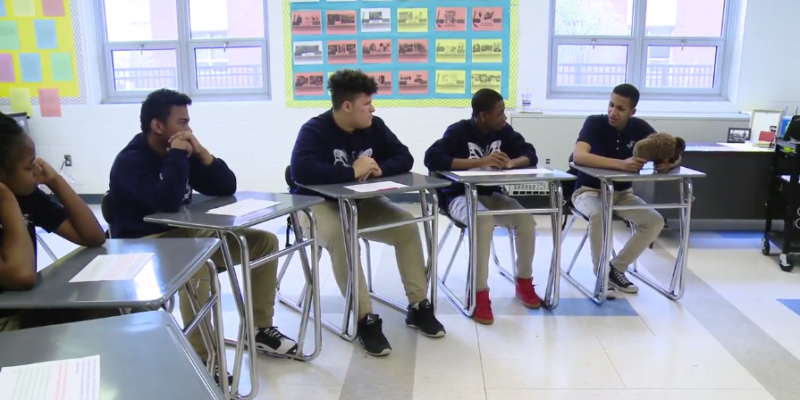
"caption": "English learners at Lawrence High School practice academic discourse by debating current events.",
"description": "English Learners at Lawrence High School practice academic discourse by debating current events.",
"title": "whole class debate",
"credit": "\u003ca href=\"https://www.teachingchannel.org/videos/academic-language\">Teaching Channel\u003c/a>",
"status": "inherit",
"isLoading": false,
"fetchFailed": false
},
"mindshift_50942": {
"type": "attachments",
"id": "mindshift_50942",
"meta": {
"index": "attachments_1716263798",
"site": "mindshift",
"id": "50942",
"found": true
},
"parent": 50939,
"imgSizes": {
"small": {
"file": "https://ww2.kqed.org/app/uploads/sites/23/2018/04/iStock-622446928-520x347.jpg",
"width": 520,
"mimeType": "image/jpeg",
"height": 347
},
"twentyfourteen-full-width": {
"file": "https://ww2.kqed.org/app/uploads/sites/23/2018/04/iStock-622446928-1038x576.jpg",
"width": 1038,
"mimeType": "image/jpeg",
"height": 576
},
"thumbnail": {
"file": "https://ww2.kqed.org/app/uploads/sites/23/2018/04/iStock-622446928-160x107.jpg",
"width": 160,
"mimeType": "image/jpeg",
"height": 107
},
"fd-sm": {
"file": "https://ww2.kqed.org/app/uploads/sites/23/2018/04/iStock-622446928-960x641.jpg",
"width": 960,
"mimeType": "image/jpeg",
"height": 641
},
"post-thumbnail": {
"file": "https://ww2.kqed.org/app/uploads/sites/23/2018/04/iStock-622446928-672x372.jpg",
"width": 672,
"mimeType": "image/jpeg",
"height": 372
},
"xsmall": {
"file": "https://ww2.kqed.org/app/uploads/sites/23/2018/04/iStock-622446928-375x250.jpg",
"width": 375,
"mimeType": "image/jpeg",
"height": 250
},
"kqedFullSize": {
"file": "https://ww2.kqed.org/app/uploads/sites/23/2018/04/iStock-622446928-e1522880970307.jpg",
"width": 1920,
"height": 1282
},
"large": {
"file": "https://ww2.kqed.org/app/uploads/sites/23/2018/04/iStock-622446928-1020x681.jpg",
"width": 1020,
"mimeType": "image/jpeg",
"height": 681
},
"xlarge": {
"file": "https://ww2.kqed.org/app/uploads/sites/23/2018/04/iStock-622446928-1180x788.jpg",
"width": 1180,
"mimeType": "image/jpeg",
"height": 788
},
"guest-author-50": {
"file": "https://ww2.kqed.org/app/uploads/sites/23/2018/04/iStock-622446928-50x50.jpg",
"width": 50,
"mimeType": "image/jpeg",
"height": 50
},
"guest-author-96": {
"file": "https://ww2.kqed.org/app/uploads/sites/23/2018/04/iStock-622446928-96x96.jpg",
"width": 96,
"mimeType": "image/jpeg",
"height": 96
},
"medium": {
"file": "https://ww2.kqed.org/app/uploads/sites/23/2018/04/iStock-622446928-800x534.jpg",
"width": 800,
"mimeType": "image/jpeg",
"height": 534
},
"guest-author-64": {
"file": "https://ww2.kqed.org/app/uploads/sites/23/2018/04/iStock-622446928-64x64.jpg",
"width": 64,
"mimeType": "image/jpeg",
"height": 64
},
"guest-author-32": {
"file": "https://ww2.kqed.org/app/uploads/sites/23/2018/04/iStock-622446928-32x32.jpg",
"width": 32,
"mimeType": "image/jpeg",
"height": 32
},
"fd-lrg": {
"file": "https://ww2.kqed.org/app/uploads/sites/23/2018/04/iStock-622446928-1920x1282.jpg",
"width": 1920,
"mimeType": "image/jpeg",
"height": 1282
},
"fd-med": {
"file": "https://ww2.kqed.org/app/uploads/sites/23/2018/04/iStock-622446928-1180x788.jpg",
"width": 1180,
"mimeType": "image/jpeg",
"height": 788
},
"full-width": {
"file": "https://ww2.kqed.org/app/uploads/sites/23/2018/04/iStock-622446928-1920x1282.jpg",
"width": 1920,
"mimeType": "image/jpeg",
"height": 1282
},
"detail": {
"file": "https://ww2.kqed.org/app/uploads/sites/23/2018/04/iStock-622446928-150x150.jpg",
"width": 150,
"mimeType": "image/jpeg",
"height": 150
},
"medium_large": {
"file": "https://ww2.kqed.org/app/uploads/sites/23/2018/04/iStock-622446928-768x513.jpg",
"width": 768,
"mimeType": "image/jpeg",
"height": 513
},
"guest-author-128": {
"file": "https://ww2.kqed.org/app/uploads/sites/23/2018/04/iStock-622446928-128x128.jpg",
"width": 128,
"mimeType": "image/jpeg",
"height": 128
},
"xxsmall": {
"file": "https://ww2.kqed.org/app/uploads/sites/23/2018/04/iStock-622446928-240x160.jpg",
"width": 240,
"mimeType": "image/jpeg",
"height": 160
}
},
"publishDate": 1522880941,
"modified": 1522880962,
"caption": null,
"description": null,
"title": null,
"credit": "iStock/Kerkez",
"status": "inherit",
"isLoading": false,
"fetchFailed": false
},
"mindshift_46884": {
"type": "attachments",
"id": "mindshift_46884",
"meta": {
"index": "attachments_1716263798",
"site": "mindshift",
"id": "46884",
"found": true
},
"parent": 46880,
"imgSizes": {
"small": {
"file": "https://ww2.kqed.org/app/uploads/sites/23/2016/11/7796922564_d3da2ab831_k-520x371.jpg",
"width": 520,
"mimeType": "image/jpeg",
"height": 371
},
"twentyfourteen-full-width": {
"file": "https://ww2.kqed.org/app/uploads/sites/23/2016/11/7796922564_d3da2ab831_k-1038x576.jpg",
"width": 1038,
"mimeType": "image/jpeg",
"height": 576
},
"thumbnail": {
"file": "https://ww2.kqed.org/app/uploads/sites/23/2016/11/7796922564_d3da2ab831_k-160x114.jpg",
"width": 160,
"mimeType": "image/jpeg",
"height": 114
},
"fd-sm": {
"file": "https://ww2.kqed.org/app/uploads/sites/23/2016/11/7796922564_d3da2ab831_k-960x686.jpg",
"width": 960,
"mimeType": "image/jpeg",
"height": 686
},
"post-thumbnail": {
"file": "https://ww2.kqed.org/app/uploads/sites/23/2016/11/7796922564_d3da2ab831_k-672x372.jpg",
"width": 672,
"mimeType": "image/jpeg",
"height": 372
},
"xsmall": {
"file": "https://ww2.kqed.org/app/uploads/sites/23/2016/11/7796922564_d3da2ab831_k-375x268.jpg",
"width": 375,
"mimeType": "image/jpeg",
"height": 268
},
"kqedFullSize": {
"file": "https://ww2.kqed.org/app/uploads/sites/23/2016/11/7796922564_d3da2ab831_k.jpg",
"width": 2048,
"height": 1463
},
"large": {
"file": "https://ww2.kqed.org/app/uploads/sites/23/2016/11/7796922564_d3da2ab831_k-1020x729.jpg",
"width": 1020,
"mimeType": "image/jpeg",
"height": 729
},
"xlarge": {
"file": "https://ww2.kqed.org/app/uploads/sites/23/2016/11/7796922564_d3da2ab831_k-1180x843.jpg",
"width": 1180,
"mimeType": "image/jpeg",
"height": 843
},
"guest-author-50": {
"file": "https://ww2.kqed.org/app/uploads/sites/23/2016/11/7796922564_d3da2ab831_k-50x50.jpg",
"width": 50,
"mimeType": "image/jpeg",
"height": 50
},
"guest-author-96": {
"file": "https://ww2.kqed.org/app/uploads/sites/23/2016/11/7796922564_d3da2ab831_k-96x96.jpg",
"width": 96,
"mimeType": "image/jpeg",
"height": 96
},
"medium": {
"file": "https://ww2.kqed.org/app/uploads/sites/23/2016/11/7796922564_d3da2ab831_k-800x571.jpg",
"width": 800,
"mimeType": "image/jpeg",
"height": 571
},
"guest-author-64": {
"file": "https://ww2.kqed.org/app/uploads/sites/23/2016/11/7796922564_d3da2ab831_k-64x64.jpg",
"width": 64,
"mimeType": "image/jpeg",
"height": 64
},
"guest-author-32": {
"file": "https://ww2.kqed.org/app/uploads/sites/23/2016/11/7796922564_d3da2ab831_k-32x32.jpg",
"width": 32,
"mimeType": "image/jpeg",
"height": 32
},
"fd-lrg": {
"file": "https://ww2.kqed.org/app/uploads/sites/23/2016/11/7796922564_d3da2ab831_k-1920x1372.jpg",
"width": 1920,
"mimeType": "image/jpeg",
"height": 1372
},
"fd-med": {
"file": "https://ww2.kqed.org/app/uploads/sites/23/2016/11/7796922564_d3da2ab831_k-1180x843.jpg",
"width": 1180,
"mimeType": "image/jpeg",
"height": 843
},
"full-width": {
"file": "https://ww2.kqed.org/app/uploads/sites/23/2016/11/7796922564_d3da2ab831_k-1920x1372.jpg",
"width": 1920,
"mimeType": "image/jpeg",
"height": 1372
},
"detail": {
"file": "https://ww2.kqed.org/app/uploads/sites/23/2016/11/7796922564_d3da2ab831_k-150x150.jpg",
"width": 150,
"mimeType": "image/jpeg",
"height": 150
},
"medium_large": {
"file": "https://ww2.kqed.org/app/uploads/sites/23/2016/11/7796922564_d3da2ab831_k-768x549.jpg",
"width": 768,
"mimeType": "image/jpeg",
"height": 549
},
"guest-author-128": {
"file": "https://ww2.kqed.org/app/uploads/sites/23/2016/11/7796922564_d3da2ab831_k-128x128.jpg",
"width": 128,
"mimeType": "image/jpeg",
"height": 128
},
"xxsmall": {
"file": "https://ww2.kqed.org/app/uploads/sites/23/2016/11/7796922564_d3da2ab831_k-240x171.jpg",
"width": 240,
"mimeType": "image/jpeg",
"height": 171
}
},
"publishDate": 1478126342,
"modified": 1478126392,
"caption": null,
"description": null,
"title": "7796922564_d3da2ab831_k",
"credit": "Jlhopgood/\u003ca href=\"https://www.flickr.com/photos/jlhopgood/7796922564/in/photolist-cSZgro-bmZyvr-acQqRt-e6THYa-8rvrWq-C758Qd-5gDrv4-fvAe1m-osFFm3-6LGBfh-az8XaT-rDWAuK-ArVvxZ-fmqSUz-eES5gd-fpuJVV-f9Ev8r-acTeMb-4Uq27p-qd3ZwG-aEeCqz-fdgsMW-acQqPn-6ZTMkm-8RW1MW-dpYr6E-P87VL-9xz23g-g2hp6B-dGvPhq-9ECTYU-5RCujF-fbbt4b-a3MD4e-csH5xs-apLrrd-b8YqZ8-9EzYTB-fqz4h9-9qK8e5-esg55f-e9a1JX-6viNU8-fh31m-d1Nuzw-a29zn6-t8oT7-9ECTFy-agdYtq-2dpSVa\">Flickr\u003c/a>",
"status": "inherit",
"isLoading": false,
"fetchFailed": false
},
"mindshift_50938": {
"type": "attachments",
"id": "mindshift_50938",
"meta": {
"index": "attachments_1716263798",
"site": "mindshift",
"id": "50938",
"found": true
},
"parent": 50925,
"imgSizes": {
"small": {
"file": "https://ww2.kqed.org/app/uploads/sites/23/2018/04/iStock-687588766-1-520x351.jpg",
"width": 520,
"mimeType": "image/jpeg",
"height": 351
},
"twentyfourteen-full-width": {
"file": "https://ww2.kqed.org/app/uploads/sites/23/2018/04/iStock-687588766-1-1038x576.jpg",
"width": 1038,
"mimeType": "image/jpeg",
"height": 576
},
"thumbnail": {
"file": "https://ww2.kqed.org/app/uploads/sites/23/2018/04/iStock-687588766-1-160x108.jpg",
"width": 160,
"mimeType": "image/jpeg",
"height": 108
},
"fd-sm": {
"file": "https://ww2.kqed.org/app/uploads/sites/23/2018/04/iStock-687588766-1-960x649.jpg",
"width": 960,
"mimeType": "image/jpeg",
"height": 649
},
"post-thumbnail": {
"file": "https://ww2.kqed.org/app/uploads/sites/23/2018/04/iStock-687588766-1-672x372.jpg",
"width": 672,
"mimeType": "image/jpeg",
"height": 372
},
"xsmall": {
"file": "https://ww2.kqed.org/app/uploads/sites/23/2018/04/iStock-687588766-1-375x253.jpg",
"width": 375,
"mimeType": "image/jpeg",
"height": 253
},
"kqedFullSize": {
"file": "https://ww2.kqed.org/app/uploads/sites/23/2018/04/iStock-687588766-1-e1522875065841.jpg",
"width": 1920,
"height": 1297
},
"large": {
"file": "https://ww2.kqed.org/app/uploads/sites/23/2018/04/iStock-687588766-1-1020x689.jpg",
"width": 1020,
"mimeType": "image/jpeg",
"height": 689
},
"xlarge": {
"file": "https://ww2.kqed.org/app/uploads/sites/23/2018/04/iStock-687588766-1-1180x797.jpg",
"width": 1180,
"mimeType": "image/jpeg",
"height": 797
},
"guest-author-50": {
"file": "https://ww2.kqed.org/app/uploads/sites/23/2018/04/iStock-687588766-1-50x50.jpg",
"width": 50,
"mimeType": "image/jpeg",
"height": 50
},
"guest-author-96": {
"file": "https://ww2.kqed.org/app/uploads/sites/23/2018/04/iStock-687588766-1-96x96.jpg",
"width": 96,
"mimeType": "image/jpeg",
"height": 96
},
"medium": {
"file": "https://ww2.kqed.org/app/uploads/sites/23/2018/04/iStock-687588766-1-800x541.jpg",
"width": 800,
"mimeType": "image/jpeg",
"height": 541
},
"guest-author-64": {
"file": "https://ww2.kqed.org/app/uploads/sites/23/2018/04/iStock-687588766-1-64x64.jpg",
"width": 64,
"mimeType": "image/jpeg",
"height": 64
},
"guest-author-32": {
"file": "https://ww2.kqed.org/app/uploads/sites/23/2018/04/iStock-687588766-1-32x32.jpg",
"width": 32,
"mimeType": "image/jpeg",
"height": 32
},
"fd-lrg": {
"file": "https://ww2.kqed.org/app/uploads/sites/23/2018/04/iStock-687588766-1-1920x1297.jpg",
"width": 1920,
"mimeType": "image/jpeg",
"height": 1297
},
"fd-med": {
"file": "https://ww2.kqed.org/app/uploads/sites/23/2018/04/iStock-687588766-1-1180x797.jpg",
"width": 1180,
"mimeType": "image/jpeg",
"height": 797
},
"full-width": {
"file": "https://ww2.kqed.org/app/uploads/sites/23/2018/04/iStock-687588766-1-1920x1297.jpg",
"width": 1920,
"mimeType": "image/jpeg",
"height": 1297
},
"detail": {
"file": "https://ww2.kqed.org/app/uploads/sites/23/2018/04/iStock-687588766-1-150x150.jpg",
"width": 150,
"mimeType": "image/jpeg",
"height": 150
},
"medium_large": {
"file": "https://ww2.kqed.org/app/uploads/sites/23/2018/04/iStock-687588766-1-768x519.jpg",
"width": 768,
"mimeType": "image/jpeg",
"height": 519
},
"guest-author-128": {
"file": "https://ww2.kqed.org/app/uploads/sites/23/2018/04/iStock-687588766-1-128x128.jpg",
"width": 128,
"mimeType": "image/jpeg",
"height": 128
},
"xxsmall": {
"file": "https://ww2.kqed.org/app/uploads/sites/23/2018/04/iStock-687588766-1-240x162.jpg",
"width": 240,
"mimeType": "image/jpeg",
"height": 162
}
},
"publishDate": 1522875039,
"modified": 1522875073,
"caption": null,
"description": null,
"title": "iStock-687588766-1",
"credit": "iStock/luaeva",
"status": "inherit",
"isLoading": false,
"fetchFailed": false
},
"mindshift_50971": {
"type": "attachments",
"id": "mindshift_50971",
"meta": {
"index": "attachments_1716263798",
"site": "mindshift",
"id": "50971",
"found": true
},
"parent": 50969,
"imgSizes": {
"small": {
"file": "https://ww2.kqed.org/app/uploads/sites/23/2018/04/iStock-807324590-520x520.jpg",
"width": 520,
"mimeType": "image/jpeg",
"height": 520
},
"twentyfourteen-full-width": {
"file": "https://ww2.kqed.org/app/uploads/sites/23/2018/04/iStock-807324590-1038x576.jpg",
"width": 1038,
"mimeType": "image/jpeg",
"height": 576
},
"thumbnail": {
"file": "https://ww2.kqed.org/app/uploads/sites/23/2018/04/iStock-807324590-160x160.jpg",
"width": 160,
"mimeType": "image/jpeg",
"height": 160
},
"fd-sm": {
"file": "https://ww2.kqed.org/app/uploads/sites/23/2018/04/iStock-807324590-960x960.jpg",
"width": 960,
"mimeType": "image/jpeg",
"height": 960
},
"post-thumbnail": {
"file": "https://ww2.kqed.org/app/uploads/sites/23/2018/04/iStock-807324590-672x372.jpg",
"width": 672,
"mimeType": "image/jpeg",
"height": 372
},
"xsmall": {
"file": "https://ww2.kqed.org/app/uploads/sites/23/2018/04/iStock-807324590-375x375.jpg",
"width": 375,
"mimeType": "image/jpeg",
"height": 375
},
"kqedFullSize": {
"file": "https://ww2.kqed.org/app/uploads/sites/23/2018/04/iStock-807324590.jpg",
"width": 1732,
"height": 1732
},
"large": {
"file": "https://ww2.kqed.org/app/uploads/sites/23/2018/04/iStock-807324590-1020x1020.jpg",
"width": 1020,
"mimeType": "image/jpeg",
"height": 1020
},
"xlarge": {
"file": "https://ww2.kqed.org/app/uploads/sites/23/2018/04/iStock-807324590-1180x1180.jpg",
"width": 1180,
"mimeType": "image/jpeg",
"height": 1180
},
"guest-author-50": {
"file": "https://ww2.kqed.org/app/uploads/sites/23/2018/04/iStock-807324590-50x50.jpg",
"width": 50,
"mimeType": "image/jpeg",
"height": 50
},
"guest-author-96": {
"file": "https://ww2.kqed.org/app/uploads/sites/23/2018/04/iStock-807324590-96x96.jpg",
"width": 96,
"mimeType": "image/jpeg",
"height": 96
},
"medium": {
"file": "https://ww2.kqed.org/app/uploads/sites/23/2018/04/iStock-807324590-800x800.jpg",
"width": 800,
"mimeType": "image/jpeg",
"height": 800
},
"guest-author-64": {
"file": "https://ww2.kqed.org/app/uploads/sites/23/2018/04/iStock-807324590-64x64.jpg",
"width": 64,
"mimeType": "image/jpeg",
"height": 64
},
"guest-author-32": {
"file": "https://ww2.kqed.org/app/uploads/sites/23/2018/04/iStock-807324590-32x32.jpg",
"width": 32,
"mimeType": "image/jpeg",
"height": 32
},
"fd-med": {
"file": "https://ww2.kqed.org/app/uploads/sites/23/2018/04/iStock-807324590-1180x1180.jpg",
"width": 1180,
"mimeType": "image/jpeg",
"height": 1180
},
"detail": {
"file": "https://ww2.kqed.org/app/uploads/sites/23/2018/04/iStock-807324590-150x150.jpg",
"width": 150,
"mimeType": "image/jpeg",
"height": 150
},
"medium_large": {
"file": "https://ww2.kqed.org/app/uploads/sites/23/2018/04/iStock-807324590-768x768.jpg",
"width": 768,
"mimeType": "image/jpeg",
"height": 768
},
"guest-author-128": {
"file": "https://ww2.kqed.org/app/uploads/sites/23/2018/04/iStock-807324590-128x128.jpg",
"width": 128,
"mimeType": "image/jpeg",
"height": 128
},
"xxsmall": {
"file": "https://ww2.kqed.org/app/uploads/sites/23/2018/04/iStock-807324590-240x240.jpg",
"width": 240,
"mimeType": "image/jpeg",
"height": 240
}
},
"publishDate": 1522955288,
"modified": 1522955306,
"caption": null,
"description": null,
"title": "iStock-807324590",
"credit": "iStock/vladystock",
"status": "inherit",
"isLoading": false,
"fetchFailed": false
},
"mindshift_50981": {
"type": "attachments",
"id": "mindshift_50981",
"meta": {
"index": "attachments_1716263798",
"site": "mindshift",
"id": "50981",
"found": true
},
"parent": 50977,
"imgSizes": {
"small": {
"file": "https://ww2.kqed.org/app/uploads/sites/23/2018/04/UN-discussion-520x272.png",
"width": 520,
"mimeType": "image/png",
"height": 272
},
"thumbnail": {
"file": "https://ww2.kqed.org/app/uploads/sites/23/2018/04/UN-discussion-160x84.png",
"width": 160,
"mimeType": "image/png",
"height": 84
},
"post-thumbnail": {
"file": "https://ww2.kqed.org/app/uploads/sites/23/2018/04/UN-discussion-672x372.png",
"width": 672,
"mimeType": "image/png",
"height": 372
},
"xsmall": {
"file": "https://ww2.kqed.org/app/uploads/sites/23/2018/04/UN-discussion-375x196.png",
"width": 375,
"mimeType": "image/png",
"height": 196
},
"kqedFullSize": {
"file": "https://ww2.kqed.org/app/uploads/sites/23/2018/04/UN-discussion.png",
"width": 896,
"height": 468
},
"guest-author-50": {
"file": "https://ww2.kqed.org/app/uploads/sites/23/2018/04/UN-discussion-50x50.png",
"width": 50,
"mimeType": "image/png",
"height": 50
},
"guest-author-96": {
"file": "https://ww2.kqed.org/app/uploads/sites/23/2018/04/UN-discussion-96x96.png",
"width": 96,
"mimeType": "image/png",
"height": 96
},
"medium": {
"file": "https://ww2.kqed.org/app/uploads/sites/23/2018/04/UN-discussion-800x418.png",
"width": 800,
"mimeType": "image/png",
"height": 418
},
"guest-author-64": {
"file": "https://ww2.kqed.org/app/uploads/sites/23/2018/04/UN-discussion-64x64.png",
"width": 64,
"mimeType": "image/png",
"height": 64
},
"guest-author-32": {
"file": "https://ww2.kqed.org/app/uploads/sites/23/2018/04/UN-discussion-32x32.png",
"width": 32,
"mimeType": "image/png",
"height": 32
},
"detail": {
"file": "https://ww2.kqed.org/app/uploads/sites/23/2018/04/UN-discussion-150x150.png",
"width": 150,
"mimeType": "image/png",
"height": 150
},
"medium_large": {
"file": "https://ww2.kqed.org/app/uploads/sites/23/2018/04/UN-discussion-768x401.png",
"width": 768,
"mimeType": "image/png",
"height": 401
},
"guest-author-128": {
"file": "https://ww2.kqed.org/app/uploads/sites/23/2018/04/UN-discussion-128x128.png",
"width": 128,
"mimeType": "image/png",
"height": 128
},
"xxsmall": {
"file": "https://ww2.kqed.org/app/uploads/sites/23/2018/04/UN-discussion-240x125.png",
"width": 240,
"mimeType": "image/png",
"height": 125
}
},
"publishDate": 1522974678,
"modified": 1522974751,
"caption": "Students discuss the three biggest effects of global climate change by taking on the identities of different affected groups.",
"description": "Students discuss the three biggest effects of global climate change by taking on the identities of different affected groups.",
"title": "UN discussion",
"credit": "\u003ca href=\"https://www.teachingchannel.org/videos/ell-language-leadership\">Teaching Channel\u003c/a>",
"status": "inherit",
"isLoading": false,
"fetchFailed": false
},
"mindshift_51005": {
"type": "attachments",
"id": "mindshift_51005",
"meta": {
"index": "attachments_1716263798",
"site": "mindshift",
"id": "51005",
"found": true
},
"parent": 50874,
"imgSizes": {
"small": {
"file": "https://ww2.kqed.org/app/uploads/sites/23/2018/03/iStock-696810722-520x347.jpg",
"width": 520,
"mimeType": "image/jpeg",
"height": 347
},
"twentyfourteen-full-width": {
"file": "https://ww2.kqed.org/app/uploads/sites/23/2018/03/iStock-696810722-1038x576.jpg",
"width": 1038,
"mimeType": "image/jpeg",
"height": 576
},
"thumbnail": {
"file": "https://ww2.kqed.org/app/uploads/sites/23/2018/03/iStock-696810722-160x107.jpg",
"width": 160,
"mimeType": "image/jpeg",
"height": 107
},
"fd-sm": {
"file": "https://ww2.kqed.org/app/uploads/sites/23/2018/03/iStock-696810722-960x640.jpg",
"width": 960,
"mimeType": "image/jpeg",
"height": 640
},
"post-thumbnail": {
"file": "https://ww2.kqed.org/app/uploads/sites/23/2018/03/iStock-696810722-672x372.jpg",
"width": 672,
"mimeType": "image/jpeg",
"height": 372
},
"xsmall": {
"file": "https://ww2.kqed.org/app/uploads/sites/23/2018/03/iStock-696810722-375x250.jpg",
"width": 375,
"mimeType": "image/jpeg",
"height": 250
},
"kqedFullSize": {
"file": "https://ww2.kqed.org/app/uploads/sites/23/2018/03/iStock-696810722-e1523169581313.jpg",
"width": 1920,
"height": 1280
},
"large": {
"file": "https://ww2.kqed.org/app/uploads/sites/23/2018/03/iStock-696810722-1020x680.jpg",
"width": 1020,
"mimeType": "image/jpeg",
"height": 680
},
"xlarge": {
"file": "https://ww2.kqed.org/app/uploads/sites/23/2018/03/iStock-696810722-1180x787.jpg",
"width": 1180,
"mimeType": "image/jpeg",
"height": 787
},
"guest-author-50": {
"file": "https://ww2.kqed.org/app/uploads/sites/23/2018/03/iStock-696810722-50x50.jpg",
"width": 50,
"mimeType": "image/jpeg",
"height": 50
},
"guest-author-96": {
"file": "https://ww2.kqed.org/app/uploads/sites/23/2018/03/iStock-696810722-96x96.jpg",
"width": 96,
"mimeType": "image/jpeg",
"height": 96
},
"medium": {
"file": "https://ww2.kqed.org/app/uploads/sites/23/2018/03/iStock-696810722-800x533.jpg",
"width": 800,
"mimeType": "image/jpeg",
"height": 533
},
"guest-author-64": {
"file": "https://ww2.kqed.org/app/uploads/sites/23/2018/03/iStock-696810722-64x64.jpg",
"width": 64,
"mimeType": "image/jpeg",
"height": 64
},
"guest-author-32": {
"file": "https://ww2.kqed.org/app/uploads/sites/23/2018/03/iStock-696810722-32x32.jpg",
"width": 32,
"mimeType": "image/jpeg",
"height": 32
},
"fd-lrg": {
"file": "https://ww2.kqed.org/app/uploads/sites/23/2018/03/iStock-696810722-1920x1280.jpg",
"width": 1920,
"mimeType": "image/jpeg",
"height": 1280
},
"fd-med": {
"file": "https://ww2.kqed.org/app/uploads/sites/23/2018/03/iStock-696810722-1180x787.jpg",
"width": 1180,
"mimeType": "image/jpeg",
"height": 787
},
"full-width": {
"file": "https://ww2.kqed.org/app/uploads/sites/23/2018/03/iStock-696810722-1920x1280.jpg",
"width": 1920,
"mimeType": "image/jpeg",
"height": 1280
},
"detail": {
"file": "https://ww2.kqed.org/app/uploads/sites/23/2018/03/iStock-696810722-150x150.jpg",
"width": 150,
"mimeType": "image/jpeg",
"height": 150
},
"medium_large": {
"file": "https://ww2.kqed.org/app/uploads/sites/23/2018/03/iStock-696810722-768x512.jpg",
"width": 768,
"mimeType": "image/jpeg",
"height": 512
},
"guest-author-128": {
"file": "https://ww2.kqed.org/app/uploads/sites/23/2018/03/iStock-696810722-128x128.jpg",
"width": 128,
"mimeType": "image/jpeg",
"height": 128
},
"xxsmall": {
"file": "https://ww2.kqed.org/app/uploads/sites/23/2018/03/iStock-696810722-240x160.jpg",
"width": 240,
"mimeType": "image/jpeg",
"height": 160
}
},
"publishDate": 1523169563,
"modified": 1523169598,
"caption": null,
"description": null,
"title": "iStock-696810722",
"credit": "iStock/Archv",
"status": "inherit",
"isLoading": false,
"fetchFailed": false
},
"mindshift_50992": {
"type": "attachments",
"id": "mindshift_50992",
"meta": {
"index": "attachments_1716263798",
"site": "mindshift",
"id": "50992",
"found": true
},
"parent": 50991,
"imgSizes": {
"small": {
"file": "https://ww2.kqed.org/app/uploads/sites/23/2018/04/robdobi_npr_aa_custom-19f9458a931b11d89bb4a6ac32d0e0997c2f42c8-520x347.jpe",
"width": 520,
"mimeType": "image/jpeg",
"height": 347
},
"twentyfourteen-full-width": {
"file": "https://ww2.kqed.org/app/uploads/sites/23/2018/04/robdobi_npr_aa_custom-19f9458a931b11d89bb4a6ac32d0e0997c2f42c8-1038x576.jpe",
"width": 1038,
"mimeType": "image/jpeg",
"height": 576
},
"thumbnail": {
"file": "https://ww2.kqed.org/app/uploads/sites/23/2018/04/robdobi_npr_aa_custom-19f9458a931b11d89bb4a6ac32d0e0997c2f42c8-160x107.jpe",
"width": 160,
"mimeType": "image/jpeg",
"height": 107
},
"fd-sm": {
"file": "https://ww2.kqed.org/app/uploads/sites/23/2018/04/robdobi_npr_aa_custom-19f9458a931b11d89bb4a6ac32d0e0997c2f42c8-960x640.jpe",
"width": 960,
"mimeType": "image/jpeg",
"height": 640
},
"post-thumbnail": {
"file": "https://ww2.kqed.org/app/uploads/sites/23/2018/04/robdobi_npr_aa_custom-19f9458a931b11d89bb4a6ac32d0e0997c2f42c8-672x372.jpe",
"width": 672,
"mimeType": "image/jpeg",
"height": 372
},
"xsmall": {
"file": "https://ww2.kqed.org/app/uploads/sites/23/2018/04/robdobi_npr_aa_custom-19f9458a931b11d89bb4a6ac32d0e0997c2f42c8-375x250.jpe",
"width": 375,
"mimeType": "image/jpeg",
"height": 250
},
"kqedFullSize": {
"file": "https://ww2.kqed.org/app/uploads/sites/23/2018/04/robdobi_npr_aa_custom-19f9458a931b11d89bb4a6ac32d0e0997c2f42c8-e1523028535820.jpe",
"width": 1920,
"height": 1280
},
"large": {
"file": "https://ww2.kqed.org/app/uploads/sites/23/2018/04/robdobi_npr_aa_custom-19f9458a931b11d89bb4a6ac32d0e0997c2f42c8-1020x680.jpe",
"width": 1020,
"mimeType": "image/jpeg",
"height": 680
},
"xlarge": {
"file": "https://ww2.kqed.org/app/uploads/sites/23/2018/04/robdobi_npr_aa_custom-19f9458a931b11d89bb4a6ac32d0e0997c2f42c8-1180x787.jpe",
"width": 1180,
"mimeType": "image/jpeg",
"height": 787
},
"guest-author-50": {
"file": "https://ww2.kqed.org/app/uploads/sites/23/2018/04/robdobi_npr_aa_custom-19f9458a931b11d89bb4a6ac32d0e0997c2f42c8-50x50.jpe",
"width": 50,
"mimeType": "image/jpeg",
"height": 50
},
"guest-author-96": {
"file": "https://ww2.kqed.org/app/uploads/sites/23/2018/04/robdobi_npr_aa_custom-19f9458a931b11d89bb4a6ac32d0e0997c2f42c8-96x96.jpe",
"width": 96,
"mimeType": "image/jpeg",
"height": 96
},
"medium": {
"file": "https://ww2.kqed.org/app/uploads/sites/23/2018/04/robdobi_npr_aa_custom-19f9458a931b11d89bb4a6ac32d0e0997c2f42c8-800x533.jpe",
"width": 800,
"mimeType": "image/jpeg",
"height": 533
},
"guest-author-64": {
"file": "https://ww2.kqed.org/app/uploads/sites/23/2018/04/robdobi_npr_aa_custom-19f9458a931b11d89bb4a6ac32d0e0997c2f42c8-64x64.jpe",
"width": 64,
"mimeType": "image/jpeg",
"height": 64
},
"guest-author-32": {
"file": "https://ww2.kqed.org/app/uploads/sites/23/2018/04/robdobi_npr_aa_custom-19f9458a931b11d89bb4a6ac32d0e0997c2f42c8-32x32.jpe",
"width": 32,
"mimeType": "image/jpeg",
"height": 32
},
"fd-lrg": {
"file": "https://ww2.kqed.org/app/uploads/sites/23/2018/04/robdobi_npr_aa_custom-19f9458a931b11d89bb4a6ac32d0e0997c2f42c8-1920x1280.jpe",
"width": 1920,
"mimeType": "image/jpeg",
"height": 1280
},
"fd-med": {
"file": "https://ww2.kqed.org/app/uploads/sites/23/2018/04/robdobi_npr_aa_custom-19f9458a931b11d89bb4a6ac32d0e0997c2f42c8-1180x787.jpe",
"width": 1180,
"mimeType": "image/jpeg",
"height": 787
},
"full-width": {
"file": "https://ww2.kqed.org/app/uploads/sites/23/2018/04/robdobi_npr_aa_custom-19f9458a931b11d89bb4a6ac32d0e0997c2f42c8-1920x1280.jpe",
"width": 1920,
"mimeType": "image/jpeg",
"height": 1280
},
"detail": {
"file": "https://ww2.kqed.org/app/uploads/sites/23/2018/04/robdobi_npr_aa_custom-19f9458a931b11d89bb4a6ac32d0e0997c2f42c8-150x150.jpe",
"width": 150,
"mimeType": "image/jpeg",
"height": 150
},
"medium_large": {
"file": "https://ww2.kqed.org/app/uploads/sites/23/2018/04/robdobi_npr_aa_custom-19f9458a931b11d89bb4a6ac32d0e0997c2f42c8-768x512.jpe",
"width": 768,
"mimeType": "image/jpeg",
"height": 512
},
"guest-author-128": {
"file": "https://ww2.kqed.org/app/uploads/sites/23/2018/04/robdobi_npr_aa_custom-19f9458a931b11d89bb4a6ac32d0e0997c2f42c8-128x128.jpe",
"width": 128,
"mimeType": "image/jpeg",
"height": 128
},
"xxsmall": {
"file": "https://ww2.kqed.org/app/uploads/sites/23/2018/04/robdobi_npr_aa_custom-19f9458a931b11d89bb4a6ac32d0e0997c2f42c8-240x160.jpe",
"width": 240,
"mimeType": "image/jpeg",
"height": 160
}
},
"publishDate": 1523028507,
"modified": 1523028548,
"caption": null,
"description": "Narrow door to college",
"title": "Narrow door to college",
"credit": "Rob Dobi for NPR",
"status": "inherit",
"isLoading": false,
"fetchFailed": false
},
"mindshift_50950": {
"type": "attachments",
"id": "mindshift_50950",
"meta": {
"index": "attachments_1716263798",
"site": "mindshift",
"id": "50950",
"found": true
},
"parent": 50949,
"imgSizes": {
"small": {
"file": "https://ww2.kqed.org/app/uploads/sites/23/2018/04/gettyimages-937327264-0ffed8630d3555e1c7389d3af280fffec4bcf9ef-520x390.jpg",
"width": 520,
"mimeType": "image/jpeg",
"height": 390
},
"twentyfourteen-full-width": {
"file": "https://ww2.kqed.org/app/uploads/sites/23/2018/04/gettyimages-937327264-0ffed8630d3555e1c7389d3af280fffec4bcf9ef-1038x576.jpg",
"width": 1038,
"mimeType": "image/jpeg",
"height": 576
},
"thumbnail": {
"file": "https://ww2.kqed.org/app/uploads/sites/23/2018/04/gettyimages-937327264-0ffed8630d3555e1c7389d3af280fffec4bcf9ef-160x120.jpg",
"width": 160,
"mimeType": "image/jpeg",
"height": 120
},
"fd-sm": {
"file": "https://ww2.kqed.org/app/uploads/sites/23/2018/04/gettyimages-937327264-0ffed8630d3555e1c7389d3af280fffec4bcf9ef-960x720.jpg",
"width": 960,
"mimeType": "image/jpeg",
"height": 720
},
"post-thumbnail": {
"file": "https://ww2.kqed.org/app/uploads/sites/23/2018/04/gettyimages-937327264-0ffed8630d3555e1c7389d3af280fffec4bcf9ef-672x372.jpg",
"width": 672,
"mimeType": "image/jpeg",
"height": 372
},
"xsmall": {
"file": "https://ww2.kqed.org/app/uploads/sites/23/2018/04/gettyimages-937327264-0ffed8630d3555e1c7389d3af280fffec4bcf9ef-375x281.jpg",
"width": 375,
"mimeType": "image/jpeg",
"height": 281
},
"kqedFullSize": {
"file": "https://ww2.kqed.org/app/uploads/sites/23/2018/04/gettyimages-937327264-0ffed8630d3555e1c7389d3af280fffec4bcf9ef.jpg",
"width": 1878,
"height": 1409
},
"large": {
"file": "https://ww2.kqed.org/app/uploads/sites/23/2018/04/gettyimages-937327264-0ffed8630d3555e1c7389d3af280fffec4bcf9ef-1020x765.jpg",
"width": 1020,
"mimeType": "image/jpeg",
"height": 765
},
"xlarge": {
"file": "https://ww2.kqed.org/app/uploads/sites/23/2018/04/gettyimages-937327264-0ffed8630d3555e1c7389d3af280fffec4bcf9ef-1180x885.jpg",
"width": 1180,
"mimeType": "image/jpeg",
"height": 885
},
"guest-author-50": {
"file": "https://ww2.kqed.org/app/uploads/sites/23/2018/04/gettyimages-937327264-0ffed8630d3555e1c7389d3af280fffec4bcf9ef-50x50.jpg",
"width": 50,
"mimeType": "image/jpeg",
"height": 50
},
"guest-author-96": {
"file": "https://ww2.kqed.org/app/uploads/sites/23/2018/04/gettyimages-937327264-0ffed8630d3555e1c7389d3af280fffec4bcf9ef-96x96.jpg",
"width": 96,
"mimeType": "image/jpeg",
"height": 96
},
"medium": {
"file": "https://ww2.kqed.org/app/uploads/sites/23/2018/04/gettyimages-937327264-0ffed8630d3555e1c7389d3af280fffec4bcf9ef-800x600.jpg",
"width": 800,
"mimeType": "image/jpeg",
"height": 600
},
"guest-author-64": {
"file": "https://ww2.kqed.org/app/uploads/sites/23/2018/04/gettyimages-937327264-0ffed8630d3555e1c7389d3af280fffec4bcf9ef-64x64.jpg",
"width": 64,
"mimeType": "image/jpeg",
"height": 64
},
"guest-author-32": {
"file": "https://ww2.kqed.org/app/uploads/sites/23/2018/04/gettyimages-937327264-0ffed8630d3555e1c7389d3af280fffec4bcf9ef-32x32.jpg",
"width": 32,
"mimeType": "image/jpeg",
"height": 32
},
"fd-med": {
"file": "https://ww2.kqed.org/app/uploads/sites/23/2018/04/gettyimages-937327264-0ffed8630d3555e1c7389d3af280fffec4bcf9ef-1180x885.jpg",
"width": 1180,
"mimeType": "image/jpeg",
"height": 885
},
"detail": {
"file": "https://ww2.kqed.org/app/uploads/sites/23/2018/04/gettyimages-937327264-0ffed8630d3555e1c7389d3af280fffec4bcf9ef-150x150.jpg",
"width": 150,
"mimeType": "image/jpeg",
"height": 150
},
"medium_large": {
"file": "https://ww2.kqed.org/app/uploads/sites/23/2018/04/gettyimages-937327264-0ffed8630d3555e1c7389d3af280fffec4bcf9ef-768x576.jpg",
"width": 768,
"mimeType": "image/jpeg",
"height": 576
},
"guest-author-128": {
"file": "https://ww2.kqed.org/app/uploads/sites/23/2018/04/gettyimages-937327264-0ffed8630d3555e1c7389d3af280fffec4bcf9ef-128x128.jpg",
"width": 128,
"mimeType": "image/jpeg",
"height": 128
},
"xxsmall": {
"file": "https://ww2.kqed.org/app/uploads/sites/23/2018/04/gettyimages-937327264-0ffed8630d3555e1c7389d3af280fffec4bcf9ef-240x180.jpg",
"width": 240,
"mimeType": "image/jpeg",
"height": 180
}
},
"publishDate": 1522944460,
"modified": 1522944460,
"caption": null,
"description": "The Japanese practice of forest bathing has been scientifically studied, and now one of its foremost experts has written a book on its benefits, says Marcelo Gleiser.",
"title": "The Japanese practice of forest bathing has been scientifically studied, and now one of its foremost experts has written a book on its benefits, says Marcelo Gleiser.",
"credit": null,
"status": "inherit",
"isLoading": false,
"fetchFailed": false
},
"mindshift_50887": {
"type": "attachments",
"id": "mindshift_50887",
"meta": {
"index": "attachments_1716263798",
"site": "mindshift",
"id": "50887",
"found": true
},
"parent": 50675,
"imgSizes": {
"small": {
"file": "https://ww2.kqed.org/app/uploads/sites/23/2018/03/iStock-140448967-520x347.jpg",
"width": 520,
"mimeType": "image/jpeg",
"height": 347
},
"twentyfourteen-full-width": {
"file": "https://ww2.kqed.org/app/uploads/sites/23/2018/03/iStock-140448967-1038x576.jpg",
"width": 1038,
"mimeType": "image/jpeg",
"height": 576
},
"thumbnail": {
"file": "https://ww2.kqed.org/app/uploads/sites/23/2018/03/iStock-140448967-160x107.jpg",
"width": 160,
"mimeType": "image/jpeg",
"height": 107
},
"fd-sm": {
"file": "https://ww2.kqed.org/app/uploads/sites/23/2018/03/iStock-140448967-960x640.jpg",
"width": 960,
"mimeType": "image/jpeg",
"height": 640
},
"post-thumbnail": {
"file": "https://ww2.kqed.org/app/uploads/sites/23/2018/03/iStock-140448967-672x372.jpg",
"width": 672,
"mimeType": "image/jpeg",
"height": 372
},
"xsmall": {
"file": "https://ww2.kqed.org/app/uploads/sites/23/2018/03/iStock-140448967-375x250.jpg",
"width": 375,
"mimeType": "image/jpeg",
"height": 250
},
"kqedFullSize": {
"file": "https://ww2.kqed.org/app/uploads/sites/23/2018/03/iStock-140448967-e1522649967645.jpg",
"width": 1920,
"height": 1280
},
"large": {
"file": "https://ww2.kqed.org/app/uploads/sites/23/2018/03/iStock-140448967-1020x680.jpg",
"width": 1020,
"mimeType": "image/jpeg",
"height": 680
},
"xlarge": {
"file": "https://ww2.kqed.org/app/uploads/sites/23/2018/03/iStock-140448967-1180x787.jpg",
"width": 1180,
"mimeType": "image/jpeg",
"height": 787
},
"guest-author-50": {
"file": "https://ww2.kqed.org/app/uploads/sites/23/2018/03/iStock-140448967-50x50.jpg",
"width": 50,
"mimeType": "image/jpeg",
"height": 50
},
"guest-author-96": {
"file": "https://ww2.kqed.org/app/uploads/sites/23/2018/03/iStock-140448967-96x96.jpg",
"width": 96,
"mimeType": "image/jpeg",
"height": 96
},
"medium": {
"file": "https://ww2.kqed.org/app/uploads/sites/23/2018/03/iStock-140448967-800x533.jpg",
"width": 800,
"mimeType": "image/jpeg",
"height": 533
},
"guest-author-64": {
"file": "https://ww2.kqed.org/app/uploads/sites/23/2018/03/iStock-140448967-64x64.jpg",
"width": 64,
"mimeType": "image/jpeg",
"height": 64
},
"guest-author-32": {
"file": "https://ww2.kqed.org/app/uploads/sites/23/2018/03/iStock-140448967-32x32.jpg",
"width": 32,
"mimeType": "image/jpeg",
"height": 32
},
"fd-lrg": {
"file": "https://ww2.kqed.org/app/uploads/sites/23/2018/03/iStock-140448967-1920x1280.jpg",
"width": 1920,
"mimeType": "image/jpeg",
"height": 1280
},
"fd-med": {
"file": "https://ww2.kqed.org/app/uploads/sites/23/2018/03/iStock-140448967-1180x787.jpg",
"width": 1180,
"mimeType": "image/jpeg",
"height": 787
},
"full-width": {
"file": "https://ww2.kqed.org/app/uploads/sites/23/2018/03/iStock-140448967-1920x1280.jpg",
"width": 1920,
"mimeType": "image/jpeg",
"height": 1280
},
"detail": {
"file": "https://ww2.kqed.org/app/uploads/sites/23/2018/03/iStock-140448967-150x150.jpg",
"width": 150,
"mimeType": "image/jpeg",
"height": 150
},
"medium_large": {
"file": "https://ww2.kqed.org/app/uploads/sites/23/2018/03/iStock-140448967-768x512.jpg",
"width": 768,
"mimeType": "image/jpeg",
"height": 512
},
"guest-author-128": {
"file": "https://ww2.kqed.org/app/uploads/sites/23/2018/03/iStock-140448967-128x128.jpg",
"width": 128,
"mimeType": "image/jpeg",
"height": 128
},
"xxsmall": {
"file": "https://ww2.kqed.org/app/uploads/sites/23/2018/03/iStock-140448967-240x160.jpg",
"width": 240,
"mimeType": "image/jpeg",
"height": 160
}
},
"publishDate": 1522649934,
"modified": 1522649953,
"caption": null,
"description": null,
"title": "Greek Columns",
"credit": "iStock/marcviln",
"status": "inherit",
"isLoading": false,
"fetchFailed": false
}
},
"audioPlayerReducer": {
"postId": "stream_live",
"isPaused": true,
"isPlaying": false,
"pfsActive": false,
"pledgeModalIsOpen": true,
"playerDrawerIsOpen": false,
"liveAudioPlayStartedAt": 0,
"liveAudioPlayContext": ""
},
"authorsReducer": {
"byline_mindshift_51089": {
"type": "authors",
"id": "byline_mindshift_51089",
"meta": {
"override": true
},
"slug": "byline_mindshift_51089",
"name": "Anya Kamenetz",
"isLoading": false
},
"byline_mindshift_50918": {
"type": "authors",
"id": "byline_mindshift_50918",
"meta": {
"override": true
},
"slug": "byline_mindshift_50918",
"name": "Larry Ferlazzo and Katie Hull Sypnieski",
"isLoading": false
},
"byline_mindshift_50925": {
"type": "authors",
"id": "byline_mindshift_50925",
"meta": {
"override": true
},
"slug": "byline_mindshift_50925",
"name": "\u003ca href=\"https://www.commonsense.org/education/\">Danny Wagner, Common Sense Education\u003c/a>",
"isLoading": false
},
"byline_mindshift_50874": {
"type": "authors",
"id": "byline_mindshift_50874",
"meta": {
"override": true
},
"slug": "byline_mindshift_50874",
"name": "Sir Ken Robinson and Lou Aronica",
"isLoading": false
},
"byline_mindshift_50991": {
"type": "authors",
"id": "byline_mindshift_50991",
"meta": {
"override": true
},
"slug": "byline_mindshift_50991",
"name": "Clare Lombardo and Elissa Nadworny",
"isLoading": false
},
"byline_mindshift_50949": {
"type": "authors",
"id": "byline_mindshift_50949",
"meta": {
"override": true
},
"slug": "byline_mindshift_50949",
"name": "Marcelo Gleiser",
"isLoading": false
},
"katrinaschwartz": {
"type": "authors",
"id": "234",
"meta": {
"index": "authors_1716337520",
"id": "234",
"found": true
},
"name": "Katrina Schwartz",
"firstName": "Katrina",
"lastName": "Schwartz",
"slug": "katrinaschwartz",
"email": "kschwartz@kqed.org",
"display_author_email": false,
"staff_mastheads": [
"news"
],
"title": "Producer",
"bio": "Katrina Schwartz is a journalist based in San Francisco. She's worked at KPCC public radio in LA and has reported on air and online for KQED since 2010. She covered how teaching and learning is changing for MindShift between 2012 and 2020. She is the co-host of the MindShift podcast and now produces KQED's Bay Curious podcast.",
"avatar": "https://secure.gravatar.com/avatar/edb4ee79070447a018538c9aae6eeecf28786515b8a0c30e43b6b7dce5aa44c8?s=600&d=blank&r=g",
"twitter": "kschwart",
"bluesky": null,
"facebook": null,
"instagram": null,
"linkedin": null,
"sites": [
{
"site": "",
"roles": [
"editor"
]
},
{
"site": "news",
"roles": [
"editor"
]
},
{
"site": "mindshift",
"roles": [
"administrator"
]
},
{
"site": "stateofhealth",
"roles": [
"author"
]
},
{
"site": "science",
"roles": [
"editor"
]
}
],
"headData": {
"title": "Katrina Schwartz | KQED",
"description": "Producer",
"ogImgSrc": "https://secure.gravatar.com/avatar/edb4ee79070447a018538c9aae6eeecf28786515b8a0c30e43b6b7dce5aa44c8?s=600&d=blank&r=g",
"twImgSrc": "https://secure.gravatar.com/avatar/edb4ee79070447a018538c9aae6eeecf28786515b8a0c30e43b6b7dce5aa44c8?s=600&d=blank&r=g"
},
"isLoading": false,
"link": "/author/katrinaschwartz"
},
"dfkris": {
"type": "authors",
"id": "11087",
"meta": {
"index": "authors_1716337520",
"id": "11087",
"found": true
},
"name": "Deborah Farmer Kris",
"firstName": "Deborah Farmer",
"lastName": "Kris",
"slug": "dfkris",
"email": "dfkris@gmail.com",
"display_author_email": false,
"staff_mastheads": [],
"title": null,
"bio": "\u003cem>\u003ca href=\"https://twitter.com/@dfkris\">Deborah Farmer Kris\u003c/a> has taught elementary, middle and high school and served as a charter school administrator. She spent a decade as an associate at Boston University’s \u003c/em>\u003cem>\u003ca href=\"http://www.bu.edu/ccsr/about-us/\">Center for Character and Social Responsibility\u003c/a>, \u003c/em>\u003cem>researching, writing, and consulting with schools. She is the mother of two young children. You can follower her on Twitter \u003ca href=\"https://twitter.com/@dfkris\">@dfkris\u003c/a>.\u003c/em>",
"avatar": "https://secure.gravatar.com/avatar/48efe6f17031ed31222b74af9605fe5a?s=600&d=blank&r=g",
"twitter": "dfkris",
"facebook": null,
"instagram": null,
"linkedin": null,
"sites": [
{
"site": "mindshift",
"roles": [
"author"
]
}
],
"headData": {
"title": "Deborah Farmer Kris | KQED",
"description": null,
"ogImgSrc": "https://secure.gravatar.com/avatar/48efe6f17031ed31222b74af9605fe5a?s=600&d=blank&r=g",
"twImgSrc": "https://secure.gravatar.com/avatar/48efe6f17031ed31222b74af9605fe5a?s=600&d=blank&r=g"
},
"isLoading": false,
"link": "/author/dfkris"
}
},
"pagesReducer": {
"mindshift_tag_featured": {
"type": "terms",
"id": "mindshift_20784",
"meta": {
"index": "terms_1716263798",
"site": "mindshift",
"id": "20784",
"score": 7.6563277
},
"featImg": null,
"name": "featured",
"description": null,
"taxonomy": "tag",
"headData": {
"twImgId": null,
"twTitle": null,
"ogTitle": null,
"ogImgId": null,
"twDescription": null,
"description": null,
"title": "featured Archives | KQED Mindshift",
"ogDescription": null
},
"ttid": 20061,
"slug": "featured",
"isLoading": false,
"title": "featured",
"pageMeta": {
"site": "mindshift",
"WpPageTemplate": "page-topic-editorial",
"currentPage": 33
},
"blocks": [
{
"blockName": "kqed/post-list",
"attrs": {
"layout": "cardArticle2",
"query": "posts/mindshift?tag=featured",
"seeMore": false,
"paginated": true,
"page": 33
}
},
{
"blockName": "kqed/ad"
}
]
}
},
"pfsSessionReducer": {},
"postsReducer": {
"stream_live": {
"type": "live",
"id": "stream_live",
"audioUrl": "https://hls.kqed.org/hls/kqed_app/playlist.m3u8",
"title": "Live Stream",
"excerpt": "Live Stream information currently unavailable.",
"link": "/radio",
"featImg": "",
"label": {
"name": "KQED Live",
"link": "/"
}
},
"stream_kqedNewscast": {
"type": "posts",
"id": "stream_kqedNewscast",
"audioUrl": "https://www.kqed.org/.stream/anon/radio/RDnews/newscast.mp3?_=1",
"title": "KQED Newscast",
"featImg": "",
"label": {
"name": "88.5 FM",
"link": "/"
}
},
"mindshift_51089": {
"type": "posts",
"id": "mindshift_51089",
"meta": {
"index": "posts_1716263798",
"site": "mindshift",
"id": "51089",
"score": null,
"sort": [
1524120648000
]
},
"parent": 0,
"labelTerm": {
"site": "mindshift"
},
"blocks": [],
"publishDate": 1524120648,
"format": "standard",
"disqusTitle": "How Universities Can Rethink Support For Growing Number Of Adult Learners",
"title": "How Universities Can Rethink Support For Growing Number Of Adult Learners",
"headTitle": "MindShift | KQED News",
"content": "\u003cp>More than 2 out of 3 college students today are not coming straight out of high school. Half are financially independent from their parents, and 1 in 4 are parents themselves.\u003c/p>\n\u003cp>David Scobey says that, as an American studies and history professor at the University of Michigan for decades, he was \"clueless\" about the needs of these adult students.\u003c/p>\n\u003cp>But then, in 2010, he became a dean at The New School, a private college in New York City, heading a division that included a bachelor's degree program designed specifically for adults and transfer students.\u003c/p>\n\u003cp>\"Those students schooled me about their needs and how poorly they were supported by higher ed,\" he says. \"I was inspired by their resilience.\"\u003c/p>\n\u003cp>You'll hear a reasonable amount of discussion about \"new traditional\" students today. But the common assumption — in Washington at least — seems to be that they require more vocational education to fill a \"skills gap,\" particularly in STEM or technical fields. Or that they need quicker, cheaper paths to a degree.\u003c/p>\n\u003cp>[ad fullwidth]\u003c/p>\n\u003cp>Scobey's prescription is different. Since 2014, when he left The New School, he has been listening to adult learners to find out their aspirations. And what they've told him is that they tend to thrive on the same kinds of high-quality learning opportunities that all college students do: small seminars, capstone projects, internships, a broad liberal arts curriculum.\u003c/p>\n\u003cp>He argues that teaching adults this way might be the most practical approach, and that they are actually less expensive to serve than traditional students.\u003c/p>\n\u003cp>Now Scobey is helping to convene a national network of innovative colleges, both new and old, that serve adult learners with much success: He calls it the Great Colleges for the New Majority.\u003c/p>\n\u003cp>He spoke via email to NPR about where adult learners fit into \"the democratic mission of higher education,\" and he included quotes from his ongoing interviews with some of these learners themselves. Our conversation has been edited for length and clarity.\u003c/p>\n\u003cp>\u003cstrong>President Trump doesn't talk much about higher education, but when he does he endorses \u003c/strong>\u003ca href=\"http://freebeacon.com/politics/devos-apprenticeships-vocational-education-top-trump-priority/\">\u003cstrong>vocational education.\u003c/strong>\u003c/a>\u003cstrong> In the \u003c/strong>\u003ca href=\"https://content.govdelivery.com/accounts/USED/bulletins/1d5ca64\">\u003cstrong>words of Education Secretary Betsy DeVos\u003c/strong>\u003c/a>\u003cstrong>, the field needs to evolve toward \"industry-recognized certificates, two-year degrees, stackable credits, credentials and licensures, badges, micro-degrees, apprenticeships.\"\u003c/strong>\u003c/p>\n\u003cp>\u003cstrong>What's wrong with this thinking in your mind? What's missing? \u003c/strong>\u003c/p>\n\u003cp>You've asked a complicated question here. Let me break it down into a couple of answers.\u003c/p>\n\u003cp>The first thing wrong with this thinking is that it prioritizes the (immediate, changing) needs of the labor market over the needs and aspirations of adult students themselves. But if you ask incoming adult community college students about their educational aspirations, more than 70 percent want to get a bachelor's or beyond.\u003c/p>\n\u003cp>But even setting aside the question of students' aspirations, something else is wrong with the \"skills gap\" model of workforce training.\u003c/p>\n\u003cp>The problem finding good hires is actually a jumble of different realities. In some sectors (for instance, advanced, digitally driven manufacturing), innovation has outpaced training, and there is truly a shortage of technically skilled workers. Higher ed needs to work with employers and government in these targeted sectors to fill a real \"skills gap.\"\u003c/p>\n\u003cp>In other sectors, employers complain they can't find workers with communications, problem-solving and other soft skills. The solution to that is more liberal learning, not more technical workforce training.\u003c/p>\n\u003cp>In still other sectors, employers can't meet their needs because of wage stagnation, part-timing, abusive scheduling and other workplace problems. Their \"skills\" gap is actually a \"wage and workplace gap.\"\u003c/p>\n\u003cp>And lurking over all of this is the ongoing juggernaut of automation. Many of the jobs for which workplace training programs prepare adults will disappear in the next five to 10 years. Employers will replace them as soon as it makes financial sense.\u003c/p>\n\u003cp>Often workers and adult learners understand this perfectly. One UAW veteran told me — after attaining his bachelor's — that most of the retraining programs were a scam: \"They train union members for fewer and fewer jobs. A couple years later, it's the same thing all over again.\"\u003c/p>\n\u003cp>\u003cstrong>You talk about a \"narrative of personal transformation\" that's important to these students. Why?\u003c/strong>\u003c/p>\n\u003cp>As I noted above, job security and economic success are key goals of college for nearly all students, young and old. But students also see college as a journey of personal growth, a way of laying claim to their lives.\u003c/p>\n\u003cp>For most nontraditional students, this dimension of \"self-authoring\" (in the words of psychologist Marcia Baxter Magolda) is not less crucial, but even more. They often feel that they have failed in some way the customary narrative of high-school-to-college that defines successful adulthood.\u003c/p>\n\u003cp>\"I always felt less-than,\" I was told by Wendy, a returning student in Washington State and a staffer at a wildlife center. \"I feel like an impostor. Coming here has helped me find my voice. It helps me move through the world.\"\u003c/p>\n\u003cp>Melissa, a graduate of an adult bachelor's program in Rhode Island, also stresses the journey of personal transformation: \"As a kid, no one ever even mentioned college in my world,\" she told me in an interview.\u003c/p>\n\u003cblockquote>\u003cp>\"... now I had my bachelor's degree, and it was like, 'Wow. Wait a minute. I have arrived.' But then I thought like, 'What did I arrive to?' This has been a lifelong journey for me. It was, like, to meet a long-term goal, that had never happened to me before.\"\u003c/p>\u003c/blockquote>\n\u003cp>\u003cstrong>What reasons do people give for returning to college or beginning as an adult?\u003c/strong>\u003c/p>\n\u003cp>Adult learners are incredibly diverse: the Iraq War veteran, the office worker breaking through a glass ceiling, the 20-something barista or construction worker who wasn't ready for college the first time. The reasons they give are often a complicated mix.\u003c/p>\n\u003cp>Dorian, another Washington State adult student, told me:\u003c/p>\n\u003cblockquote>\u003cp>\"I came back to college because I felt like an angry underling. I had a good job, but I didn't get respect at work. I felt slapped, like I didn't amount to anything without that piece of paper. So I returned to school because of career goals. But my parents are gone, and I also came back for them.\"\u003c/p>\u003c/blockquote>\n\u003cp>Policy-makers often try to separate out these motivations and prioritize the economic ones: \"So I returned to school because of career goals.\" But what matters is precisely the jumbled, human mixture of motives.\u003c/p>\n\u003cp>\u003cstrong>Many of these narratives also have a redemptive arc. Talk about what some of the students you've spoken with have told you about the obstacles they have overcome to give college another try.\u003c/strong>\u003c/p>\n\u003cp>Let me briefly describe some of The New School students who cured me of my cluelessness about the nontraditional majority. There was Mui Ying, a 30-something from a Chinese immigrant family: She paid the rent as a technician for a pharmaceutical lab, but she had started a swimwear design business on the side, selling out of her car trunk while she finished school.\u003c/p>\n\u003cp>There was Dave, an African-American veteran who got a business degree in community college but was committed to getting a liberal-arts BA. Jamara was a mom, a server at a restaurant and an aspiring spoken-word poet.\u003c/p>\n\u003cp>The obstacles they face are as diverse as their lives. But here's one key way of understanding what they share: Adult, nontraditional students have to fit their studies into complex lives with multiple roles and stressors, rather than being able to organize their work and social life around a central role as a college student.\u003c/p>\n\u003cp>\u003cstrong>What are \"Great Colleges for the New Majority\"? What do they have in common? \u003c/strong>\u003c/p>\n\u003cp>The Great Colleges For the New Majority is a self-selected network of adult-serving bachelor's programs. They often have graduation rates of 80 percent or more. Their curricula have a wide range of structures, but all of them offer an education that is transformative, that enables students to lay claim to their own lives and define their own journey. All of them are characterized by cultures of strong support — both the \"vertical support\" of mentors, advisers and teachers, and the \"horizontal support\" of strong peer community.\u003c/p>\n\u003cp>\u003cstrong>Why is that horizontal support so important? \u003c/strong>\u003c/p>\n\u003cp>As I have learned in my research and teaching, peer support turns out to be part of the secret sauce for adult success. The programs in the Great Colleges Network tend to nurture cultures of sustained peer-to-peer help; students simply won't let each other fail. This is a component of adult college-going that mass online completion colleges have trouble replicating. It's one reason for their lower rates of completion.\u003c/p>\n\u003cp>\u003cstrong>What about the argument that colleges can't afford to invest this much in adult learners? \u003c/strong>\u003c/p>\n\u003cp>Short answer No. 1: Adult learners are actually less expensive to educate, because they don't need many of the resources that late-adolescent, residential students require. Adults don't need more resources; they need colleges and universities to redesign their resources in ways that meet adult students in their lives — for instance, by offering more flexible academic calendars.\u003c/p>\n\u003cp>Short answer No. 2: Colleges understand that they cannot afford \u003cem>not\u003c/em> to invest in adult learners. Neither higher ed, nor the job market, nor our democracy can succeed if we don't do a better job of offering great, transformative opportunities to the millions of adults in college and the millions who seek to return to college.\u003c/p>\n\u003cp>[ad floatright]\u003c/p>\n\u003cp>Short answer No. 3: Let's not lowball the investment in adult students with cheap-and-dirty workforce training. Adult learners shouldn't be pushed to attain a credential simply to fulfill short-term labor market gaps or to boost policy-makers' completion goals. They should be educated because they deserve a great education.\u003c/p>\n\u003cdiv class=\"fullattribution\">Copyright 2018 NPR. To see more, visit http://www.npr.org/.\u003cimg src=\"https://www.google-analytics.com/__utm.gif?utmac=UA-5828686-4&utmdt=What+Adult+Learners+Really+Need+%28Hint%3A+It%27s+Not+Just+Job+Skills%29&utme=8(APIKey)9(MDAxOTAwOTE4MDEyMTkxMDAzNjczZDljZA004)\">\u003c/div>\n\n",
"disqusIdentifier": "51089 https://ww2.kqed.org/mindshift/?p=51089",
"disqusUrl": "https://ww2.kqed.org/mindshift/2018/04/18/how-universities-can-rethink-support-for-growing-number-of-adult-learners/",
"stats": {
"hasVideo": false,
"hasChartOrMap": false,
"hasAudio": false,
"hasPolis": false,
"wordCount": 1662,
"hasGoogleForm": false,
"hasGallery": false,
"hasHearkenModule": false,
"iframeSrcs": [],
"paragraphCount": 44
},
"modified": 1524120648,
"excerpt": "The focus shouldn't be \"quick-and-dirty\" paths to a degree, argues one scholar and activist, but deep learning experiences and strong support.",
"headData": {
"twImgId": "",
"twTitle": "",
"ogTitle": "",
"ogImgId": "",
"twDescription": "",
"description": "The focus shouldn't be "quick-and-dirty" paths to a degree, argues one scholar and activist, but deep learning experiences and strong support.",
"title": "How Universities Can Rethink Support For Growing Number Of Adult Learners | KQED",
"ogDescription": "",
"schema": {
"@context": "https://schema.org",
"@type": "Article",
"headline": "How Universities Can Rethink Support For Growing Number Of Adult Learners",
"datePublished": "2018-04-18T23:50:48-07:00",
"dateModified": "2018-04-18T23:50:48-07:00",
"image": "https://cdn.kqed.org/wp-content/uploads/2020/02/KQED-OG-Image@1x.png"
}
},
"guestAuthors": [],
"slug": "how-universities-can-rethink-support-for-growing-number-of-adult-learners",
"status": "publish",
"nprApiLink": "http://api.npr.org/query?id=600855667&apiKey=MDAxOTAwOTE4MDEyMTkxMDAzNjczZDljZA004",
"nprByline": "Anya Kamenetz",
"nprStoryDate": "Wed, 18 Apr 2018 06:36:29 -0400",
"nprLastModifiedDate": "Wed, 18 Apr 2018 11:55:19 -0400",
"nprHtmlLink": "https://www.npr.org/sections/ed/2018/04/18/600855667/what-adult-learners-really-need-hint-its-not-just-job-skills?ft=nprml&f=600855667",
"nprImageAgency": "Jeannie Phan for NPR",
"nprStoryId": "600855667",
"nprRetrievedStory": "1",
"nprPubDate": "Wed, 18 Apr 2018 11:55:00 -0400",
"path": "/mindshift/51089/how-universities-can-rethink-support-for-growing-number-of-adult-learners",
"audioTrackLength": null,
"parsedContent": [
{
"type": "contentString",
"content": "\u003cdiv class=\"post-body\">\u003cp>\u003cp>More than 2 out of 3 college students today are not coming straight out of high school. Half are financially independent from their parents, and 1 in 4 are parents themselves.\u003c/p>\n\u003cp>David Scobey says that, as an American studies and history professor at the University of Michigan for decades, he was \"clueless\" about the needs of these adult students.\u003c/p>\n\u003cp>But then, in 2010, he became a dean at The New School, a private college in New York City, heading a division that included a bachelor's degree program designed specifically for adults and transfer students.\u003c/p>\n\u003cp>\"Those students schooled me about their needs and how poorly they were supported by higher ed,\" he says. \"I was inspired by their resilience.\"\u003c/p>\n\u003cp>You'll hear a reasonable amount of discussion about \"new traditional\" students today. But the common assumption — in Washington at least — seems to be that they require more vocational education to fill a \"skills gap,\" particularly in STEM or technical fields. Or that they need quicker, cheaper paths to a degree.\u003c/p>\n\u003cp>\u003c/p>\u003c/div>",
"attributes": {
"named": {},
"numeric": []
}
},
{
"type": "component",
"content": "",
"name": "ad",
"attributes": {
"named": {
"label": "fullwidth"
},
"numeric": [
"fullwidth"
]
}
},
{
"type": "contentString",
"content": "\u003cdiv class=\"post-body\">\u003cp>\u003c/p>\n\u003cp>Scobey's prescription is different. Since 2014, when he left The New School, he has been listening to adult learners to find out their aspirations. And what they've told him is that they tend to thrive on the same kinds of high-quality learning opportunities that all college students do: small seminars, capstone projects, internships, a broad liberal arts curriculum.\u003c/p>\n\u003cp>He argues that teaching adults this way might be the most practical approach, and that they are actually less expensive to serve than traditional students.\u003c/p>\n\u003cp>Now Scobey is helping to convene a national network of innovative colleges, both new and old, that serve adult learners with much success: He calls it the Great Colleges for the New Majority.\u003c/p>\n\u003cp>He spoke via email to NPR about where adult learners fit into \"the democratic mission of higher education,\" and he included quotes from his ongoing interviews with some of these learners themselves. Our conversation has been edited for length and clarity.\u003c/p>\n\u003cp>\u003cstrong>President Trump doesn't talk much about higher education, but when he does he endorses \u003c/strong>\u003ca href=\"http://freebeacon.com/politics/devos-apprenticeships-vocational-education-top-trump-priority/\">\u003cstrong>vocational education.\u003c/strong>\u003c/a>\u003cstrong> In the \u003c/strong>\u003ca href=\"https://content.govdelivery.com/accounts/USED/bulletins/1d5ca64\">\u003cstrong>words of Education Secretary Betsy DeVos\u003c/strong>\u003c/a>\u003cstrong>, the field needs to evolve toward \"industry-recognized certificates, two-year degrees, stackable credits, credentials and licensures, badges, micro-degrees, apprenticeships.\"\u003c/strong>\u003c/p>\n\u003cp>\u003cstrong>What's wrong with this thinking in your mind? What's missing? \u003c/strong>\u003c/p>\n\u003cp>You've asked a complicated question here. Let me break it down into a couple of answers.\u003c/p>\n\u003cp>The first thing wrong with this thinking is that it prioritizes the (immediate, changing) needs of the labor market over the needs and aspirations of adult students themselves. But if you ask incoming adult community college students about their educational aspirations, more than 70 percent want to get a bachelor's or beyond.\u003c/p>\n\u003cp>But even setting aside the question of students' aspirations, something else is wrong with the \"skills gap\" model of workforce training.\u003c/p>\n\u003cp>The problem finding good hires is actually a jumble of different realities. In some sectors (for instance, advanced, digitally driven manufacturing), innovation has outpaced training, and there is truly a shortage of technically skilled workers. Higher ed needs to work with employers and government in these targeted sectors to fill a real \"skills gap.\"\u003c/p>\n\u003cp>In other sectors, employers complain they can't find workers with communications, problem-solving and other soft skills. The solution to that is more liberal learning, not more technical workforce training.\u003c/p>\n\u003cp>In still other sectors, employers can't meet their needs because of wage stagnation, part-timing, abusive scheduling and other workplace problems. Their \"skills\" gap is actually a \"wage and workplace gap.\"\u003c/p>\n\u003cp>And lurking over all of this is the ongoing juggernaut of automation. Many of the jobs for which workplace training programs prepare adults will disappear in the next five to 10 years. Employers will replace them as soon as it makes financial sense.\u003c/p>\n\u003cp>Often workers and adult learners understand this perfectly. One UAW veteran told me — after attaining his bachelor's — that most of the retraining programs were a scam: \"They train union members for fewer and fewer jobs. A couple years later, it's the same thing all over again.\"\u003c/p>\n\u003cp>\u003cstrong>You talk about a \"narrative of personal transformation\" that's important to these students. Why?\u003c/strong>\u003c/p>\n\u003cp>As I noted above, job security and economic success are key goals of college for nearly all students, young and old. But students also see college as a journey of personal growth, a way of laying claim to their lives.\u003c/p>\n\u003cp>For most nontraditional students, this dimension of \"self-authoring\" (in the words of psychologist Marcia Baxter Magolda) is not less crucial, but even more. They often feel that they have failed in some way the customary narrative of high-school-to-college that defines successful adulthood.\u003c/p>\n\u003cp>\"I always felt less-than,\" I was told by Wendy, a returning student in Washington State and a staffer at a wildlife center. \"I feel like an impostor. Coming here has helped me find my voice. It helps me move through the world.\"\u003c/p>\n\u003cp>Melissa, a graduate of an adult bachelor's program in Rhode Island, also stresses the journey of personal transformation: \"As a kid, no one ever even mentioned college in my world,\" she told me in an interview.\u003c/p>\n\u003cblockquote>\u003cp>\"... now I had my bachelor's degree, and it was like, 'Wow. Wait a minute. I have arrived.' But then I thought like, 'What did I arrive to?' This has been a lifelong journey for me. It was, like, to meet a long-term goal, that had never happened to me before.\"\u003c/p>\u003c/blockquote>\n\u003cp>\u003cstrong>What reasons do people give for returning to college or beginning as an adult?\u003c/strong>\u003c/p>\n\u003cp>Adult learners are incredibly diverse: the Iraq War veteran, the office worker breaking through a glass ceiling, the 20-something barista or construction worker who wasn't ready for college the first time. The reasons they give are often a complicated mix.\u003c/p>\n\u003cp>Dorian, another Washington State adult student, told me:\u003c/p>\n\u003cblockquote>\u003cp>\"I came back to college because I felt like an angry underling. I had a good job, but I didn't get respect at work. I felt slapped, like I didn't amount to anything without that piece of paper. So I returned to school because of career goals. But my parents are gone, and I also came back for them.\"\u003c/p>\u003c/blockquote>\n\u003cp>Policy-makers often try to separate out these motivations and prioritize the economic ones: \"So I returned to school because of career goals.\" But what matters is precisely the jumbled, human mixture of motives.\u003c/p>\n\u003cp>\u003cstrong>Many of these narratives also have a redemptive arc. Talk about what some of the students you've spoken with have told you about the obstacles they have overcome to give college another try.\u003c/strong>\u003c/p>\n\u003cp>Let me briefly describe some of The New School students who cured me of my cluelessness about the nontraditional majority. There was Mui Ying, a 30-something from a Chinese immigrant family: She paid the rent as a technician for a pharmaceutical lab, but she had started a swimwear design business on the side, selling out of her car trunk while she finished school.\u003c/p>\n\u003cp>There was Dave, an African-American veteran who got a business degree in community college but was committed to getting a liberal-arts BA. Jamara was a mom, a server at a restaurant and an aspiring spoken-word poet.\u003c/p>\n\u003cp>The obstacles they face are as diverse as their lives. But here's one key way of understanding what they share: Adult, nontraditional students have to fit their studies into complex lives with multiple roles and stressors, rather than being able to organize their work and social life around a central role as a college student.\u003c/p>\n\u003cp>\u003cstrong>What are \"Great Colleges for the New Majority\"? What do they have in common? \u003c/strong>\u003c/p>\n\u003cp>The Great Colleges For the New Majority is a self-selected network of adult-serving bachelor's programs. They often have graduation rates of 80 percent or more. Their curricula have a wide range of structures, but all of them offer an education that is transformative, that enables students to lay claim to their own lives and define their own journey. All of them are characterized by cultures of strong support — both the \"vertical support\" of mentors, advisers and teachers, and the \"horizontal support\" of strong peer community.\u003c/p>\n\u003cp>\u003cstrong>Why is that horizontal support so important? \u003c/strong>\u003c/p>\n\u003cp>As I have learned in my research and teaching, peer support turns out to be part of the secret sauce for adult success. The programs in the Great Colleges Network tend to nurture cultures of sustained peer-to-peer help; students simply won't let each other fail. This is a component of adult college-going that mass online completion colleges have trouble replicating. It's one reason for their lower rates of completion.\u003c/p>\n\u003cp>\u003cstrong>What about the argument that colleges can't afford to invest this much in adult learners? \u003c/strong>\u003c/p>\n\u003cp>Short answer No. 1: Adult learners are actually less expensive to educate, because they don't need many of the resources that late-adolescent, residential students require. Adults don't need more resources; they need colleges and universities to redesign their resources in ways that meet adult students in their lives — for instance, by offering more flexible academic calendars.\u003c/p>\n\u003cp>Short answer No. 2: Colleges understand that they cannot afford \u003cem>not\u003c/em> to invest in adult learners. Neither higher ed, nor the job market, nor our democracy can succeed if we don't do a better job of offering great, transformative opportunities to the millions of adults in college and the millions who seek to return to college.\u003c/p>\n\u003cp>\u003c/p>\u003c/div>",
"attributes": {
"named": {},
"numeric": []
}
},
{
"type": "component",
"content": "",
"name": "ad",
"attributes": {
"named": {
"label": "floatright"
},
"numeric": [
"floatright"
]
}
},
{
"type": "contentString",
"content": "\u003cdiv class=\"post-body\">\u003cp>\u003c/p>\n\u003cp>Short answer No. 3: Let's not lowball the investment in adult students with cheap-and-dirty workforce training. Adult learners shouldn't be pushed to attain a credential simply to fulfill short-term labor market gaps or to boost policy-makers' completion goals. They should be educated because they deserve a great education.\u003c/p>\n\u003cdiv class=\"fullattribution\">Copyright 2018 NPR. To see more, visit http://www.npr.org/.\u003cimg src=\"https://www.google-analytics.com/__utm.gif?utmac=UA-5828686-4&utmdt=What+Adult+Learners+Really+Need+%28Hint%3A+It%27s+Not+Just+Job+Skills%29&utme=8(APIKey)9(MDAxOTAwOTE4MDEyMTkxMDAzNjczZDljZA004)\">\u003c/div>\n\n\u003c/div>\u003c/p>",
"attributes": {
"named": {},
"numeric": []
}
}
],
"link": "/mindshift/51089/how-universities-can-rethink-support-for-growing-number-of-adult-learners",
"authors": [
"byline_mindshift_51089"
],
"categories": [
"mindshift_192"
],
"tags": [
"mindshift_37",
"mindshift_20966",
"mindshift_20784",
"mindshift_1040",
"mindshift_68"
],
"featImg": "mindshift_51090",
"label": "mindshift"
},
"mindshift_50918": {
"type": "posts",
"id": "mindshift_50918",
"meta": {
"index": "posts_1716263798",
"site": "mindshift",
"id": "50918",
"score": null,
"sort": [
1524030814000
]
},
"parent": 0,
"labelTerm": {
"site": "mindshift"
},
"blocks": [],
"publishDate": 1524030814,
"format": "standard",
"disqusTitle": "How to Use Oral Presentations to Help English Language Learners Succeed",
"title": "How to Use Oral Presentations to Help English Language Learners Succeed",
"headTitle": "MindShift | KQED News",
"content": "\u003cp>\u003cem>Excerpted from “\u003ca href=\"https://www.wiley.com/en-us/The+ELL+Teacher%27s+Toolbox%3A+Hundreds+of+Practical+Ideas+to+Support+Your+Students-p-9781119364955\">The ELL Teacher’s Toolbox: Hundreds of Practical Ideas to Support Your Students\u003c/a>,” by Larry Ferlazzo and Katie Hull Sypnieski, with permission from the authors.\u003c/em>\u003c/p>\n\u003cp>Having the confidence to speak in front of others is challenging for most people. For English Language Learners, this anxiety can be heightened because they are also speaking in a new language. We’ve found several benefits to incorporating opportunities for students to present to their peers in a positive and safe classroom environment. It helps them focus on pronunciation and clarity and also boosts their confidence. This type of practice is useful since students will surely have to make presentations in other classes, in college, and/or in their future jobs. However, what may be even more valuable is giving students the chance to take these risks in a collaborative, supportive environment.\u003c/p>\n\u003cp>Presentations also offer students the opportunity to become the teacher—something we welcome and they enjoy! They can further provide valuable listening practice for the rest of the class, especially when students are given a task to focus their listening.\u003c/p>\n\u003cp>Research confirms that in order for ELLs to acquire English they must engage in oral language practice and be given the opportunity to use language in meaningful ways for social and academic purposes (Williams & Roberts, 2011). Teaching students to design effective oral presentations has also been found to support thinking development as “the quality of presentation actually improves the quality of thought, and vice versa” (Živković, 2014, p. 474). Additionally, \u003cstrong>t\u003c/strong>he Common Core Speaking and Listening Standards specifically focus on oral presentations. These standards call for students to make effective and well-organized presentations and to use technology to enhance understanding of them.\u003c/p>\n\u003cp>\u003cstrong>GUIDELINES AND APPLICATION \u003c/strong>\u003c/p>\n\u003cp>[ad fullwidth]\u003c/p>\n\u003cp>Oral presentations can take many different forms in the ELL classroom—ranging from students briefly presenting their learning in small groups to creating a multi-slide presentation for the whole class. In this section, we give some general guidelines for oral presentations with ELLs. We then share ideas for helping students develop their presentation skills and describe specific ways we scaffold both short and long oral presentations.\u003c/p>\n\u003cp>We keep the following guidelines in mind when incorporating oral presentations into ELL instruction:\u003c/p>\n\u003cp>\u003cem>\u003ca href=\"https://www.wiley.com/en-us/The+ELL+Teacher%27s+Toolbox%3A+Hundreds+of+Practical+Ideas+to+Support+Your+Students-p-x000995532\">\u003cimg class=\"alignright size-full wp-image-50958\" src=\"https://ww2.kqed.org/mindshift/wp-content/uploads/sites/23/2018/04/toolboxbook.jpg\" alt=\"\" width=\"188\" height=\"240\" srcset=\"https://ww2.kqed.org/app/uploads/sites/23/2018/04/toolboxbook.jpg 188w, https://ww2.kqed.org/app/uploads/sites/23/2018/04/toolboxbook-160x204.jpg 160w\" sizes=\"(max-width: 188px) 100vw, 188px\">\u003c/a>Topic\u003c/em>— It can be easier and more motivating for students speaking a new language to deliver presentations on topics they find meaningful and interesting. We try to give students opportunities to select their own topics as much as possible or to choose from a list of topics. It is also helpful for student presentations to be connected to a current unit of study. This enables them to apply new vocabulary, demonstrate their learning, and feel more confident in their knowledge.\u003c/p>\n\u003cp>\u003cem>Length\u003c/em>—We have students develop and deliver short presentations (usually 2-4 minutes) on a regular basis so they can practice their presentation skills with smaller, less overwhelming tasks. These presentations are often to another student or a small group. Once or twice a semester, students do a longer presentation (usually 5-8 minutes), many times with a partner or in a small group.\u003c/p>\n\u003cp>\u003cem>Novelty\u003c/em>—Mixing up how students present (in small groups, in pairs, individually) and what they use to present (a poster, a paper placed under the document camera, props, a slide presentation, etc.) can increase engagement for students and the teacher!\u003c/p>\n\u003cp>\u003cem>Whole Class Processing\u003c/em> -- We want to avoid students “tuning out” during oral presentations. Not only can it be frustrating for the speakers, but students also miss out on valuable listening practice. During oral presentations, and in any activity, we want to maximize the probability that all students are thinking and learning all the time. Jim Peterson and Ted Appel, administrators with whom we’ve worked closely, call this “whole class processing” (Ferlazzo, 2011, August 16) and it is also known as active participation. All students can be encouraged to actively participate in oral presentations by being given a listening task-- taking notes on a graphic organizer, providing written feedback to the speaker, using a checklist to evaluate presenters, etc.\u003c/p>\n\u003cp>\u003cem>Language Support\u003c/em>—It is critical to provide ELLs, especially at the lower levels of English proficiency, with language support for oral presentations. In other words, thinking about what vocabulary, language features and organizational structures they may need, and then providing students with scaffolding, like speaking frames and graphic organizers. Oral presentations can also provide an opportunity for students to practice their summarizing skills. When students are presenting information on a topic they have researched, we remind them to summarize using their own words and to give credit when using someone else’s words.\u003c/p>\n\u003cp>\u003cem>Technology Support\u003c/em>—It can’t be assumed that students have experience using technology tools in presentations. We find it most helpful using simple tools that are easy for students to learn (like Powerpoint without all the “bells and whistles” or Google Slides). We also emphasize to students that digital media should be used to help the audience understand what they are saying and not just to make a presentation flashy or pretty. We also share with our students what is known as “The Picture Superiority Effect”-- a body of research showing that people are better able to learn and recall information presented as pictures as opposed to just being presented with words (Kagan, 2013).\u003c/p>\n\u003cp>\u003cem>Groups\u003c/em>-- Giving ELLs the opportunity to work and present in small groups is helpful in several ways. Presenting as a group (as opposed to by yourself) can help students feel less anxious. It also offers language-building opportunities as students communicate to develop and practice their presentations. Creating new knowledge as a group promotes collaboration and language acquisition--an ideal equation for a successful ELL classroom!\u003c/p>\n\u003cp>\u003cem>Teacher feedback/student evaluation\u003c/em>--The focus of oral presentations with ELL students should be on the practice and skills they are gaining, not on the grade or “score” they are earning. Teachers can give out a simple rubric before students create their presentations. Then students can keep these expectations in mind as they develop and practice their presentations. The teacher, or classmates, can then use the rubric to offer feedback to the speaker. We also often ask students to reflect on their own presentation and complete the rubric as a form of self-assessment. \u003ca href=\"https://ww2.kqed.org/mindshift/wp-content/uploads/sites/23/2018/04/Figure-30.1-The-ELL-Teacher%E2%80%99s-Toolbox-Hundreds-of-Practical-Ideas-to-Support-Your-Students.png\">Figure 30.1 – “Presentation Peer Evaluation Rubric”\u003c/a>, developed by talented student teacher Kevin Inlay (who is now a teacher in his own classroom), is a simple rubric we used to improve group presentations in our ELL World History class.\u003c/p>\n\u003cp>\u003cimg class=\"alignnone wp-image-50920 size-full\" src=\"https://ww2.kqed.org/mindshift/wp-content/uploads/sites/23/2018/04/Figure-30.1-The-ELL-Teacher%E2%80%99s-Toolbox-Hundreds-of-Practical-Ideas-to-Support-Your-Students.png\" alt=\"\" width=\"774\" height=\"926\" srcset=\"https://ww2.kqed.org/app/uploads/sites/23/2018/04/Figure-30.1-The-ELL-Teacher’s-Toolbox-Hundreds-of-Practical-Ideas-to-Support-Your-Students.png 774w, https://ww2.kqed.org/app/uploads/sites/23/2018/04/Figure-30.1-The-ELL-Teacher’s-Toolbox-Hundreds-of-Practical-Ideas-to-Support-Your-Students-160x191.png 160w, https://ww2.kqed.org/app/uploads/sites/23/2018/04/Figure-30.1-The-ELL-Teacher’s-Toolbox-Hundreds-of-Practical-Ideas-to-Support-Your-Students-768x919.png 768w, https://ww2.kqed.org/app/uploads/sites/23/2018/04/Figure-30.1-The-ELL-Teacher’s-Toolbox-Hundreds-of-Practical-Ideas-to-Support-Your-Students-240x287.png 240w, https://ww2.kqed.org/app/uploads/sites/23/2018/04/Figure-30.1-The-ELL-Teacher’s-Toolbox-Hundreds-of-Practical-Ideas-to-Support-Your-Students-375x449.png 375w, https://ww2.kqed.org/app/uploads/sites/23/2018/04/Figure-30.1-The-ELL-Teacher’s-Toolbox-Hundreds-of-Practical-Ideas-to-Support-Your-Students-520x622.png 520w\" sizes=\"(max-width: 774px) 100vw, 774px\">\u003c/p>\n\u003cp>\u003cstrong>Teaching Presentation Skills\u003c/strong>\u003c/p>\n\u003cp>We use the following two lesson ideas to explicitly teach how to develop effective presentation skills:\u003c/p>\n\u003cp>\u003cstrong>LESSON ONE: Speaking and Listening Do’s and Don’ts \u003c/strong>\u003c/p>\n\u003cp>We help our students understand and practice general presentation skills through an activity we call Speaking and Listening “Do’s and Don’ts.” We usually spread this lesson out among two class periods.\u003c/p>\n\u003cp>We first ask students to create a simple T-chart by folding a piece of paper in half and labeling one side “Do” and the other side “Don’t.” We then post \u003ca href=\"https://ww2.kqed.org/mindshift/wp-content/uploads/sites/23/2018/04/Figure-30.2-30.3-The-ELL-Teacher%E2%80%99s-Toolbox-Hundreds-of-Practical-Ideas-to-Support-Your-Students.png\">Figure 30.2\u003c/a>\u003ca href=\"https://ww2.kqed.org/mindshift/wp-content/uploads/sites/23/2018/04/Figure-30.2-30.3-The-ELL-Teacher%E2%80%99s-Toolbox-Hundreds-of-Practical-Ideas-to-Support-Your-Students.png\"> “Speaking Do’s and Don’ts”\u003c/a> on the document camera and display the first statement (the rest we cover with a blank sheet of paper).\u003c/p>\n\u003cp>We read the first statement, “Make eye contact with the audience,” and ask students if this is something they want to \u003cstrong>\u003cem>do\u003c/em>\u003c/strong> when they are giving a presentation or if it is something they \u003cstrong>\u003cem>don’t\u003c/em>\u003c/strong> want to do. Students write the statement where they think it belongs--under the “Do” column or “Don’t” Column. Students then share their answer with a partner and discuss why they put it in that column. After calling on a few pairs to share with the class, we move down the list repeating the same process of categorizing each statement as a “Do” or a “Don’t.” Students write it on their chart and discuss why it should be placed there.\u003c/p>\n\u003cp>After categorizing the statements for speaking, we give students \u003ca href=\"https://ww2.kqed.org/mindshift/wp-content/uploads/sites/23/2018/04/Figure-30.2-30.3-The-ELL-Teacher%E2%80%99s-Toolbox-Hundreds-of-Practical-Ideas-to-Support-Your-Students.png\">Figure 30.3 “Listening Do’s and Don’ts\u003c/a>.” We tell students to work in pairs to categorize the statements as something they \u003cstrong>\u003cem>do\u003c/em>\u003c/strong> or something they \u003cstrong>\u003cem>don’t\u003c/em> \u003c/strong>want to do when listening to a student presentation. This time, we ask students to make a quick poster with the headings “Do’s” and “Don’ts” for Listening. Under each heading students must list the corresponding statements--the teacher can circulate to check for accuracy. Students are asked to talk about why each statement belongs in each category and should be prepared to share their reasoning with the class. Students must also choose one “do” statement and one “don’t” statement to illustrate on their poster. Students can present their posters in small groups or with the whole class. This serves as a great opportunity to apply the speaking and listening “do’s” they just reviewed and heightens their awareness of the “don’ts!”\u003c/p>\n\u003cp>\u003cimg class=\"alignnone wp-image-50921 size-full\" src=\"https://ww2.kqed.org/mindshift/wp-content/uploads/sites/23/2018/04/Figure-30.2-30.3-The-ELL-Teacher%E2%80%99s-Toolbox-Hundreds-of-Practical-Ideas-to-Support-Your-Students.png\" alt=\"\" width=\"785\" height=\"831\" srcset=\"https://ww2.kqed.org/app/uploads/sites/23/2018/04/Figure-30.2-30.3-The-ELL-Teacher’s-Toolbox-Hundreds-of-Practical-Ideas-to-Support-Your-Students.png 785w, https://ww2.kqed.org/app/uploads/sites/23/2018/04/Figure-30.2-30.3-The-ELL-Teacher’s-Toolbox-Hundreds-of-Practical-Ideas-to-Support-Your-Students-160x169.png 160w, https://ww2.kqed.org/app/uploads/sites/23/2018/04/Figure-30.2-30.3-The-ELL-Teacher’s-Toolbox-Hundreds-of-Practical-Ideas-to-Support-Your-Students-768x813.png 768w, https://ww2.kqed.org/app/uploads/sites/23/2018/04/Figure-30.2-30.3-The-ELL-Teacher’s-Toolbox-Hundreds-of-Practical-Ideas-to-Support-Your-Students-240x254.png 240w, https://ww2.kqed.org/app/uploads/sites/23/2018/04/Figure-30.2-30.3-The-ELL-Teacher’s-Toolbox-Hundreds-of-Practical-Ideas-to-Support-Your-Students-375x397.png 375w, https://ww2.kqed.org/app/uploads/sites/23/2018/04/Figure-30.2-30.3-The-ELL-Teacher’s-Toolbox-Hundreds-of-Practical-Ideas-to-Support-Your-Students-520x550.png 520w\" sizes=\"(max-width: 785px) 100vw, 785px\">\u003c/p>\n\u003cp>A fun twist, that also serves as a good review on a subsequent day, is to ask groups of students to pick two or three “do’s” and “don’ts” from both Speaking and Listening to act out in front of the class.\u003c/p>\n\u003cp>\u003cstrong>LESSON TWO Slide Presentations Concept Attainment\u003c/strong>\u003c/p>\n\u003cp>We periodically ask students to make slide presentations using PowerPoint or Google Slides to give them practice with developing visual aids (see the Home Culture activity later in this section). We show students how to make better slides, along with giving students the language support they may need in the form of an outline or sentence starters. An easy and effective way to do this is through Concept Attainment.\u003c/p>\n\u003cp>Concept Attainment involves the teacher identifying both \"good\" and \"bad\" examples of the intended learning objective. In this case, we use a PowerPoint containing three “good” slides and three “bad” ones (see them at \u003ca href=\"http://larryferlazzo.edublogs.org/2017/08/01/the-best-resources-for-teaching-students-the-differences-between-a-good-bad-slide/\">The Best Resources For Teaching Students The Difference Between A Good and a Bad Slide\u003c/a>).\u003c/p>\n\u003cp>We start by showing students the first example of a “good” or “yes” slide (containing very little text and two images) and saying, “This is a yes.” However, we don’t explain why it is a “yes.” Then we show a “bad” or “no” example of a slide (containing multiple images randomly placed with a very “busy background”), saying, “This is a no” without explaining why. Students are then asked to think about them, and share with a partner why they think one is a \"yes\" and one is a \"no.\"\u003c/p>\n\u003cp>At this point, we make a quick chart on a large sheet of paper (students can make individual charts on a piece of paper) and ask students to list the good and bad qualities they have observed so far. For example, under the “Good/Yes” column it might say “Has less words and the background is simple” and under the “Bad/No” column “Has too many pictures and the background is distracting.”\u003c/p>\n\u003cp>We then show the second “yes” example (containing one image with a short amount of text in a clear font) and the “no” example (containing way too much text and using a less clear font style). Students repeat the “think-pair-share” process and then the class again discusses what students are noticing about the “yes” and “no” examples. Then they add these observations to their chart.\u003c/p>\n\u003cp>Students repeat the whole process a final time with the third examples. The third “yes” example slide contains one image, minimal text and one bullet point. The third “no” example, on the other hand, contains multiple bullet points.\u003c/p>\n\u003cp>To reinforce this lesson at a later date, the teacher could show students more examples, or students could look for more “yes” and “no” examples online. They could continue to add more qualities of good and bad slides to their chart. See the Technology Connections section for links to good and bad PowerPoint examples, including the PowerPoint we use for this Concept Attainment lesson.\u003c/p>\n\u003cp>You can learn more about other presentations that support public speaking, such as home culture presentations, speed dating, talking points, top 5 and PechaKucha Book talks in our book, “\u003ca href=\"https://www.wiley.com/en-us/The+ELL+Teacher%27s+Toolbox%3A+Hundreds+of+Practical+Ideas+to+Support+Your+Students-p-9781119364955\">The ELL Teacher’s Toolbox: Hundreds of Practical Ideas to Support Your Students\u003c/a>.”\u003c/p>\n\u003cp class=\"p1\">\u003cspan class=\"s1\">\u003cimg class=\"alignleft wp-image-50966\" src=\"https://ww2.kqed.org/mindshift/wp-content/uploads/sites/23/2018/04/Larry-Ferlazzo-160x166.png\" alt=\"\" width=\"200\" height=\"207\" srcset=\"https://ww2.kqed.org/app/uploads/sites/23/2018/04/Larry-Ferlazzo-160x166.png 160w, https://ww2.kqed.org/app/uploads/sites/23/2018/04/Larry-Ferlazzo-800x828.png 800w, https://ww2.kqed.org/app/uploads/sites/23/2018/04/Larry-Ferlazzo-768x795.png 768w, https://ww2.kqed.org/app/uploads/sites/23/2018/04/Larry-Ferlazzo-1020x1056.png 1020w, https://ww2.kqed.org/app/uploads/sites/23/2018/04/Larry-Ferlazzo-1180x1222.png 1180w, https://ww2.kqed.org/app/uploads/sites/23/2018/04/Larry-Ferlazzo-960x994.png 960w, https://ww2.kqed.org/app/uploads/sites/23/2018/04/Larry-Ferlazzo-240x249.png 240w, https://ww2.kqed.org/app/uploads/sites/23/2018/04/Larry-Ferlazzo-375x388.png 375w, https://ww2.kqed.org/app/uploads/sites/23/2018/04/Larry-Ferlazzo-520x538.png 520w, https://ww2.kqed.org/app/uploads/sites/23/2018/04/Larry-Ferlazzo-32x32.png 32w, https://ww2.kqed.org/app/uploads/sites/23/2018/04/Larry-Ferlazzo.png 1182w\" sizes=\"(max-width: 200px) 100vw, 200px\">\u003c/span>\u003c/p>\n\u003cp class=\"p1\">\u003cspan class=\"s1\">\u003cem>\u003ca href=\"http://larryferlazzo.edublogs.org/\">Larry Ferlazzo\u003c/a> has taught English Language Learners, mainstream and International Baccalaureate students at Luther Burbank High School in Sacramento for 15 years. He has authored eight books on education, hosts a popular blog for educators, and writes a weekly teacher advice column for \u003ca href=\"http://blogs.edweek.org/teachers/classroom_qa_with_larry_ferlazzo/\">Education Week Teacher\u003c/a>. He was a community organizer for 19 years prior to becoming a high school teacher.\u003c/em>\u003c/span>\u003c/p>\n\u003cp class=\"p1\">\u003cspan class=\"s1\">\u003cimg class=\"alignleft wp-image-50957\" src=\"https://ww2.kqed.org/mindshift/wp-content/uploads/sites/23/2018/04/Katie-Hull-Sypnieski-160x151.jpeg\" alt=\"\" width=\"200\" height=\"188\" srcset=\"https://ww2.kqed.org/app/uploads/sites/23/2018/04/Katie-Hull-Sypnieski-160x151.jpeg 160w, https://ww2.kqed.org/app/uploads/sites/23/2018/04/Katie-Hull-Sypnieski-800x753.jpeg 800w, https://ww2.kqed.org/app/uploads/sites/23/2018/04/Katie-Hull-Sypnieski-768x723.jpeg 768w, https://ww2.kqed.org/app/uploads/sites/23/2018/04/Katie-Hull-Sypnieski-240x226.jpeg 240w, https://ww2.kqed.org/app/uploads/sites/23/2018/04/Katie-Hull-Sypnieski-375x353.jpeg 375w, https://ww2.kqed.org/app/uploads/sites/23/2018/04/Katie-Hull-Sypnieski-520x490.jpeg 520w, https://ww2.kqed.org/app/uploads/sites/23/2018/04/Katie-Hull-Sypnieski.jpeg 894w\" sizes=\"(max-width: 200px) 100vw, 200px\">\u003c/span>\u003c/p>\n\u003cp>[ad floatright]\u003c/p>\n\u003cp class=\"p1\">\u003cspan class=\"s1\">\u003cem>Katie Hull Sypnieski\u003cb> \u003c/b>has worked with English Language Learners at the secondary level for over 20 years. She currently teaches middle school ELA and ELD at Rosa Parks K-8 School in Sacramento, California. She is a teaching consultant with the Area 3 Writing Project at the University of California, Davis and has leads professional development for teachers of ELLs. She is co-author (with Larry Ferlazzo) of \u003ca href=\"https://www.amazon.com/Teachers-Survival-Guide-Ready-Use/dp/1118095677\">The ESL/ELL Teacher’s Survival Guide\u003c/a> and \u003ca href=\"https://www.amazon.com/Navigating-Common-English-Language-Learners/dp/1119023009\">Navigating the Common Core with English Language Learners\u003c/a>.\u003c/em>\u003c/span>\u003c/p>\n\n",
"disqusIdentifier": "50918 https://ww2.kqed.org/mindshift/?p=50918",
"disqusUrl": "https://ww2.kqed.org/mindshift/2018/04/17/how-to-use-oral-presentations-to-help-english-language-learners-succeed/",
"stats": {
"hasVideo": false,
"hasChartOrMap": false,
"hasAudio": false,
"hasPolis": false,
"wordCount": 2311,
"hasGoogleForm": false,
"hasGallery": false,
"hasHearkenModule": false,
"iframeSrcs": [],
"paragraphCount": 36
},
"modified": 1524030814,
"excerpt": "Speaking in front of an audience in a positive and safe classroom environment can help English Language Learners practice and learn. Veteran educators share helpful strategies from their book, \"The ELL Teacher's Toolbox.\"",
"headData": {
"twImgId": "",
"twTitle": "",
"ogTitle": "",
"ogImgId": "",
"twDescription": "",
"description": "Speaking in front of an audience in a positive and safe classroom environment can help English Language Learners practice and learn. Veteran educators share helpful strategies from their book, "The ELL Teacher's Toolbox."",
"title": "How to Use Oral Presentations to Help English Language Learners Succeed | KQED",
"ogDescription": "",
"schema": {
"@context": "https://schema.org",
"@type": "Article",
"headline": "How to Use Oral Presentations to Help English Language Learners Succeed",
"datePublished": "2018-04-17T22:53:34-07:00",
"dateModified": "2018-04-17T22:53:34-07:00",
"image": "https://cdn.kqed.org/wp-content/uploads/2020/02/KQED-OG-Image@1x.png"
}
},
"guestAuthors": [],
"slug": "how-to-use-oral-presentations-to-help-english-language-learners-succeed",
"status": "publish",
"nprByline": "Larry Ferlazzo and Katie Hull Sypnieski",
"path": "/mindshift/50918/how-to-use-oral-presentations-to-help-english-language-learners-succeed",
"audioTrackLength": null,
"parsedContent": [
{
"type": "contentString",
"content": "\u003cdiv class=\"post-body\">\u003cp>\u003cp>\u003cem>Excerpted from “\u003ca href=\"https://www.wiley.com/en-us/The+ELL+Teacher%27s+Toolbox%3A+Hundreds+of+Practical+Ideas+to+Support+Your+Students-p-9781119364955\">The ELL Teacher’s Toolbox: Hundreds of Practical Ideas to Support Your Students\u003c/a>,” by Larry Ferlazzo and Katie Hull Sypnieski, with permission from the authors.\u003c/em>\u003c/p>\n\u003cp>Having the confidence to speak in front of others is challenging for most people. For English Language Learners, this anxiety can be heightened because they are also speaking in a new language. We’ve found several benefits to incorporating opportunities for students to present to their peers in a positive and safe classroom environment. It helps them focus on pronunciation and clarity and also boosts their confidence. This type of practice is useful since students will surely have to make presentations in other classes, in college, and/or in their future jobs. However, what may be even more valuable is giving students the chance to take these risks in a collaborative, supportive environment.\u003c/p>\n\u003cp>Presentations also offer students the opportunity to become the teacher—something we welcome and they enjoy! They can further provide valuable listening practice for the rest of the class, especially when students are given a task to focus their listening.\u003c/p>\n\u003cp>Research confirms that in order for ELLs to acquire English they must engage in oral language practice and be given the opportunity to use language in meaningful ways for social and academic purposes (Williams & Roberts, 2011). Teaching students to design effective oral presentations has also been found to support thinking development as “the quality of presentation actually improves the quality of thought, and vice versa” (Živković, 2014, p. 474). Additionally, \u003cstrong>t\u003c/strong>he Common Core Speaking and Listening Standards specifically focus on oral presentations. These standards call for students to make effective and well-organized presentations and to use technology to enhance understanding of them.\u003c/p>\n\u003cp>\u003cstrong>GUIDELINES AND APPLICATION \u003c/strong>\u003c/p>\n\u003cp>\u003c/p>\u003c/div>",
"attributes": {
"named": {},
"numeric": []
}
},
{
"type": "component",
"content": "",
"name": "ad",
"attributes": {
"named": {
"label": "fullwidth"
},
"numeric": [
"fullwidth"
]
}
},
{
"type": "contentString",
"content": "\u003cdiv class=\"post-body\">\u003cp>\u003c/p>\n\u003cp>Oral presentations can take many different forms in the ELL classroom—ranging from students briefly presenting their learning in small groups to creating a multi-slide presentation for the whole class. In this section, we give some general guidelines for oral presentations with ELLs. We then share ideas for helping students develop their presentation skills and describe specific ways we scaffold both short and long oral presentations.\u003c/p>\n\u003cp>We keep the following guidelines in mind when incorporating oral presentations into ELL instruction:\u003c/p>\n\u003cp>\u003cem>\u003ca href=\"https://www.wiley.com/en-us/The+ELL+Teacher%27s+Toolbox%3A+Hundreds+of+Practical+Ideas+to+Support+Your+Students-p-x000995532\">\u003cimg class=\"alignright size-full wp-image-50958\" src=\"https://ww2.kqed.org/mindshift/wp-content/uploads/sites/23/2018/04/toolboxbook.jpg\" alt=\"\" width=\"188\" height=\"240\" srcset=\"https://ww2.kqed.org/app/uploads/sites/23/2018/04/toolboxbook.jpg 188w, https://ww2.kqed.org/app/uploads/sites/23/2018/04/toolboxbook-160x204.jpg 160w\" sizes=\"(max-width: 188px) 100vw, 188px\">\u003c/a>Topic\u003c/em>— It can be easier and more motivating for students speaking a new language to deliver presentations on topics they find meaningful and interesting. We try to give students opportunities to select their own topics as much as possible or to choose from a list of topics. It is also helpful for student presentations to be connected to a current unit of study. This enables them to apply new vocabulary, demonstrate their learning, and feel more confident in their knowledge.\u003c/p>\n\u003cp>\u003cem>Length\u003c/em>—We have students develop and deliver short presentations (usually 2-4 minutes) on a regular basis so they can practice their presentation skills with smaller, less overwhelming tasks. These presentations are often to another student or a small group. Once or twice a semester, students do a longer presentation (usually 5-8 minutes), many times with a partner or in a small group.\u003c/p>\n\u003cp>\u003cem>Novelty\u003c/em>—Mixing up how students present (in small groups, in pairs, individually) and what they use to present (a poster, a paper placed under the document camera, props, a slide presentation, etc.) can increase engagement for students and the teacher!\u003c/p>\n\u003cp>\u003cem>Whole Class Processing\u003c/em> -- We want to avoid students “tuning out” during oral presentations. Not only can it be frustrating for the speakers, but students also miss out on valuable listening practice. During oral presentations, and in any activity, we want to maximize the probability that all students are thinking and learning all the time. Jim Peterson and Ted Appel, administrators with whom we’ve worked closely, call this “whole class processing” (Ferlazzo, 2011, August 16) and it is also known as active participation. All students can be encouraged to actively participate in oral presentations by being given a listening task-- taking notes on a graphic organizer, providing written feedback to the speaker, using a checklist to evaluate presenters, etc.\u003c/p>\n\u003cp>\u003cem>Language Support\u003c/em>—It is critical to provide ELLs, especially at the lower levels of English proficiency, with language support for oral presentations. In other words, thinking about what vocabulary, language features and organizational structures they may need, and then providing students with scaffolding, like speaking frames and graphic organizers. Oral presentations can also provide an opportunity for students to practice their summarizing skills. When students are presenting information on a topic they have researched, we remind them to summarize using their own words and to give credit when using someone else’s words.\u003c/p>\n\u003cp>\u003cem>Technology Support\u003c/em>—It can’t be assumed that students have experience using technology tools in presentations. We find it most helpful using simple tools that are easy for students to learn (like Powerpoint without all the “bells and whistles” or Google Slides). We also emphasize to students that digital media should be used to help the audience understand what they are saying and not just to make a presentation flashy or pretty. We also share with our students what is known as “The Picture Superiority Effect”-- a body of research showing that people are better able to learn and recall information presented as pictures as opposed to just being presented with words (Kagan, 2013).\u003c/p>\n\u003cp>\u003cem>Groups\u003c/em>-- Giving ELLs the opportunity to work and present in small groups is helpful in several ways. Presenting as a group (as opposed to by yourself) can help students feel less anxious. It also offers language-building opportunities as students communicate to develop and practice their presentations. Creating new knowledge as a group promotes collaboration and language acquisition--an ideal equation for a successful ELL classroom!\u003c/p>\n\u003cp>\u003cem>Teacher feedback/student evaluation\u003c/em>--The focus of oral presentations with ELL students should be on the practice and skills they are gaining, not on the grade or “score” they are earning. Teachers can give out a simple rubric before students create their presentations. Then students can keep these expectations in mind as they develop and practice their presentations. The teacher, or classmates, can then use the rubric to offer feedback to the speaker. We also often ask students to reflect on their own presentation and complete the rubric as a form of self-assessment. \u003ca href=\"https://ww2.kqed.org/mindshift/wp-content/uploads/sites/23/2018/04/Figure-30.1-The-ELL-Teacher%E2%80%99s-Toolbox-Hundreds-of-Practical-Ideas-to-Support-Your-Students.png\">Figure 30.1 – “Presentation Peer Evaluation Rubric”\u003c/a>, developed by talented student teacher Kevin Inlay (who is now a teacher in his own classroom), is a simple rubric we used to improve group presentations in our ELL World History class.\u003c/p>\n\u003cp>\u003cimg class=\"alignnone wp-image-50920 size-full\" src=\"https://ww2.kqed.org/mindshift/wp-content/uploads/sites/23/2018/04/Figure-30.1-The-ELL-Teacher%E2%80%99s-Toolbox-Hundreds-of-Practical-Ideas-to-Support-Your-Students.png\" alt=\"\" width=\"774\" height=\"926\" srcset=\"https://ww2.kqed.org/app/uploads/sites/23/2018/04/Figure-30.1-The-ELL-Teacher’s-Toolbox-Hundreds-of-Practical-Ideas-to-Support-Your-Students.png 774w, https://ww2.kqed.org/app/uploads/sites/23/2018/04/Figure-30.1-The-ELL-Teacher’s-Toolbox-Hundreds-of-Practical-Ideas-to-Support-Your-Students-160x191.png 160w, https://ww2.kqed.org/app/uploads/sites/23/2018/04/Figure-30.1-The-ELL-Teacher’s-Toolbox-Hundreds-of-Practical-Ideas-to-Support-Your-Students-768x919.png 768w, https://ww2.kqed.org/app/uploads/sites/23/2018/04/Figure-30.1-The-ELL-Teacher’s-Toolbox-Hundreds-of-Practical-Ideas-to-Support-Your-Students-240x287.png 240w, https://ww2.kqed.org/app/uploads/sites/23/2018/04/Figure-30.1-The-ELL-Teacher’s-Toolbox-Hundreds-of-Practical-Ideas-to-Support-Your-Students-375x449.png 375w, https://ww2.kqed.org/app/uploads/sites/23/2018/04/Figure-30.1-The-ELL-Teacher’s-Toolbox-Hundreds-of-Practical-Ideas-to-Support-Your-Students-520x622.png 520w\" sizes=\"(max-width: 774px) 100vw, 774px\">\u003c/p>\n\u003cp>\u003cstrong>Teaching Presentation Skills\u003c/strong>\u003c/p>\n\u003cp>We use the following two lesson ideas to explicitly teach how to develop effective presentation skills:\u003c/p>\n\u003cp>\u003cstrong>LESSON ONE: Speaking and Listening Do’s and Don’ts \u003c/strong>\u003c/p>\n\u003cp>We help our students understand and practice general presentation skills through an activity we call Speaking and Listening “Do’s and Don’ts.” We usually spread this lesson out among two class periods.\u003c/p>\n\u003cp>We first ask students to create a simple T-chart by folding a piece of paper in half and labeling one side “Do” and the other side “Don’t.” We then post \u003ca href=\"https://ww2.kqed.org/mindshift/wp-content/uploads/sites/23/2018/04/Figure-30.2-30.3-The-ELL-Teacher%E2%80%99s-Toolbox-Hundreds-of-Practical-Ideas-to-Support-Your-Students.png\">Figure 30.2\u003c/a>\u003ca href=\"https://ww2.kqed.org/mindshift/wp-content/uploads/sites/23/2018/04/Figure-30.2-30.3-The-ELL-Teacher%E2%80%99s-Toolbox-Hundreds-of-Practical-Ideas-to-Support-Your-Students.png\"> “Speaking Do’s and Don’ts”\u003c/a> on the document camera and display the first statement (the rest we cover with a blank sheet of paper).\u003c/p>\n\u003cp>We read the first statement, “Make eye contact with the audience,” and ask students if this is something they want to \u003cstrong>\u003cem>do\u003c/em>\u003c/strong> when they are giving a presentation or if it is something they \u003cstrong>\u003cem>don’t\u003c/em>\u003c/strong> want to do. Students write the statement where they think it belongs--under the “Do” column or “Don’t” Column. Students then share their answer with a partner and discuss why they put it in that column. After calling on a few pairs to share with the class, we move down the list repeating the same process of categorizing each statement as a “Do” or a “Don’t.” Students write it on their chart and discuss why it should be placed there.\u003c/p>\n\u003cp>After categorizing the statements for speaking, we give students \u003ca href=\"https://ww2.kqed.org/mindshift/wp-content/uploads/sites/23/2018/04/Figure-30.2-30.3-The-ELL-Teacher%E2%80%99s-Toolbox-Hundreds-of-Practical-Ideas-to-Support-Your-Students.png\">Figure 30.3 “Listening Do’s and Don’ts\u003c/a>.” We tell students to work in pairs to categorize the statements as something they \u003cstrong>\u003cem>do\u003c/em>\u003c/strong> or something they \u003cstrong>\u003cem>don’t\u003c/em> \u003c/strong>want to do when listening to a student presentation. This time, we ask students to make a quick poster with the headings “Do’s” and “Don’ts” for Listening. Under each heading students must list the corresponding statements--the teacher can circulate to check for accuracy. Students are asked to talk about why each statement belongs in each category and should be prepared to share their reasoning with the class. Students must also choose one “do” statement and one “don’t” statement to illustrate on their poster. Students can present their posters in small groups or with the whole class. This serves as a great opportunity to apply the speaking and listening “do’s” they just reviewed and heightens their awareness of the “don’ts!”\u003c/p>\n\u003cp>\u003cimg class=\"alignnone wp-image-50921 size-full\" src=\"https://ww2.kqed.org/mindshift/wp-content/uploads/sites/23/2018/04/Figure-30.2-30.3-The-ELL-Teacher%E2%80%99s-Toolbox-Hundreds-of-Practical-Ideas-to-Support-Your-Students.png\" alt=\"\" width=\"785\" height=\"831\" srcset=\"https://ww2.kqed.org/app/uploads/sites/23/2018/04/Figure-30.2-30.3-The-ELL-Teacher’s-Toolbox-Hundreds-of-Practical-Ideas-to-Support-Your-Students.png 785w, https://ww2.kqed.org/app/uploads/sites/23/2018/04/Figure-30.2-30.3-The-ELL-Teacher’s-Toolbox-Hundreds-of-Practical-Ideas-to-Support-Your-Students-160x169.png 160w, https://ww2.kqed.org/app/uploads/sites/23/2018/04/Figure-30.2-30.3-The-ELL-Teacher’s-Toolbox-Hundreds-of-Practical-Ideas-to-Support-Your-Students-768x813.png 768w, https://ww2.kqed.org/app/uploads/sites/23/2018/04/Figure-30.2-30.3-The-ELL-Teacher’s-Toolbox-Hundreds-of-Practical-Ideas-to-Support-Your-Students-240x254.png 240w, https://ww2.kqed.org/app/uploads/sites/23/2018/04/Figure-30.2-30.3-The-ELL-Teacher’s-Toolbox-Hundreds-of-Practical-Ideas-to-Support-Your-Students-375x397.png 375w, https://ww2.kqed.org/app/uploads/sites/23/2018/04/Figure-30.2-30.3-The-ELL-Teacher’s-Toolbox-Hundreds-of-Practical-Ideas-to-Support-Your-Students-520x550.png 520w\" sizes=\"(max-width: 785px) 100vw, 785px\">\u003c/p>\n\u003cp>A fun twist, that also serves as a good review on a subsequent day, is to ask groups of students to pick two or three “do’s” and “don’ts” from both Speaking and Listening to act out in front of the class.\u003c/p>\n\u003cp>\u003cstrong>LESSON TWO Slide Presentations Concept Attainment\u003c/strong>\u003c/p>\n\u003cp>We periodically ask students to make slide presentations using PowerPoint or Google Slides to give them practice with developing visual aids (see the Home Culture activity later in this section). We show students how to make better slides, along with giving students the language support they may need in the form of an outline or sentence starters. An easy and effective way to do this is through Concept Attainment.\u003c/p>\n\u003cp>Concept Attainment involves the teacher identifying both \"good\" and \"bad\" examples of the intended learning objective. In this case, we use a PowerPoint containing three “good” slides and three “bad” ones (see them at \u003ca href=\"http://larryferlazzo.edublogs.org/2017/08/01/the-best-resources-for-teaching-students-the-differences-between-a-good-bad-slide/\">The Best Resources For Teaching Students The Difference Between A Good and a Bad Slide\u003c/a>).\u003c/p>\n\u003cp>We start by showing students the first example of a “good” or “yes” slide (containing very little text and two images) and saying, “This is a yes.” However, we don’t explain why it is a “yes.” Then we show a “bad” or “no” example of a slide (containing multiple images randomly placed with a very “busy background”), saying, “This is a no” without explaining why. Students are then asked to think about them, and share with a partner why they think one is a \"yes\" and one is a \"no.\"\u003c/p>\n\u003cp>At this point, we make a quick chart on a large sheet of paper (students can make individual charts on a piece of paper) and ask students to list the good and bad qualities they have observed so far. For example, under the “Good/Yes” column it might say “Has less words and the background is simple” and under the “Bad/No” column “Has too many pictures and the background is distracting.”\u003c/p>\n\u003cp>We then show the second “yes” example (containing one image with a short amount of text in a clear font) and the “no” example (containing way too much text and using a less clear font style). Students repeat the “think-pair-share” process and then the class again discusses what students are noticing about the “yes” and “no” examples. Then they add these observations to their chart.\u003c/p>\n\u003cp>Students repeat the whole process a final time with the third examples. The third “yes” example slide contains one image, minimal text and one bullet point. The third “no” example, on the other hand, contains multiple bullet points.\u003c/p>\n\u003cp>To reinforce this lesson at a later date, the teacher could show students more examples, or students could look for more “yes” and “no” examples online. They could continue to add more qualities of good and bad slides to their chart. See the Technology Connections section for links to good and bad PowerPoint examples, including the PowerPoint we use for this Concept Attainment lesson.\u003c/p>\n\u003cp>You can learn more about other presentations that support public speaking, such as home culture presentations, speed dating, talking points, top 5 and PechaKucha Book talks in our book, “\u003ca href=\"https://www.wiley.com/en-us/The+ELL+Teacher%27s+Toolbox%3A+Hundreds+of+Practical+Ideas+to+Support+Your+Students-p-9781119364955\">The ELL Teacher’s Toolbox: Hundreds of Practical Ideas to Support Your Students\u003c/a>.”\u003c/p>\n\u003cp class=\"p1\">\u003cspan class=\"s1\">\u003cimg class=\"alignleft wp-image-50966\" src=\"https://ww2.kqed.org/mindshift/wp-content/uploads/sites/23/2018/04/Larry-Ferlazzo-160x166.png\" alt=\"\" width=\"200\" height=\"207\" srcset=\"https://ww2.kqed.org/app/uploads/sites/23/2018/04/Larry-Ferlazzo-160x166.png 160w, https://ww2.kqed.org/app/uploads/sites/23/2018/04/Larry-Ferlazzo-800x828.png 800w, https://ww2.kqed.org/app/uploads/sites/23/2018/04/Larry-Ferlazzo-768x795.png 768w, https://ww2.kqed.org/app/uploads/sites/23/2018/04/Larry-Ferlazzo-1020x1056.png 1020w, https://ww2.kqed.org/app/uploads/sites/23/2018/04/Larry-Ferlazzo-1180x1222.png 1180w, https://ww2.kqed.org/app/uploads/sites/23/2018/04/Larry-Ferlazzo-960x994.png 960w, https://ww2.kqed.org/app/uploads/sites/23/2018/04/Larry-Ferlazzo-240x249.png 240w, https://ww2.kqed.org/app/uploads/sites/23/2018/04/Larry-Ferlazzo-375x388.png 375w, https://ww2.kqed.org/app/uploads/sites/23/2018/04/Larry-Ferlazzo-520x538.png 520w, https://ww2.kqed.org/app/uploads/sites/23/2018/04/Larry-Ferlazzo-32x32.png 32w, https://ww2.kqed.org/app/uploads/sites/23/2018/04/Larry-Ferlazzo.png 1182w\" sizes=\"(max-width: 200px) 100vw, 200px\">\u003c/span>\u003c/p>\n\u003cp class=\"p1\">\u003cspan class=\"s1\">\u003cem>\u003ca href=\"http://larryferlazzo.edublogs.org/\">Larry Ferlazzo\u003c/a> has taught English Language Learners, mainstream and International Baccalaureate students at Luther Burbank High School in Sacramento for 15 years. He has authored eight books on education, hosts a popular blog for educators, and writes a weekly teacher advice column for \u003ca href=\"http://blogs.edweek.org/teachers/classroom_qa_with_larry_ferlazzo/\">Education Week Teacher\u003c/a>. He was a community organizer for 19 years prior to becoming a high school teacher.\u003c/em>\u003c/span>\u003c/p>\n\u003cp class=\"p1\">\u003cspan class=\"s1\">\u003cimg class=\"alignleft wp-image-50957\" src=\"https://ww2.kqed.org/mindshift/wp-content/uploads/sites/23/2018/04/Katie-Hull-Sypnieski-160x151.jpeg\" alt=\"\" width=\"200\" height=\"188\" srcset=\"https://ww2.kqed.org/app/uploads/sites/23/2018/04/Katie-Hull-Sypnieski-160x151.jpeg 160w, https://ww2.kqed.org/app/uploads/sites/23/2018/04/Katie-Hull-Sypnieski-800x753.jpeg 800w, https://ww2.kqed.org/app/uploads/sites/23/2018/04/Katie-Hull-Sypnieski-768x723.jpeg 768w, https://ww2.kqed.org/app/uploads/sites/23/2018/04/Katie-Hull-Sypnieski-240x226.jpeg 240w, https://ww2.kqed.org/app/uploads/sites/23/2018/04/Katie-Hull-Sypnieski-375x353.jpeg 375w, https://ww2.kqed.org/app/uploads/sites/23/2018/04/Katie-Hull-Sypnieski-520x490.jpeg 520w, https://ww2.kqed.org/app/uploads/sites/23/2018/04/Katie-Hull-Sypnieski.jpeg 894w\" sizes=\"(max-width: 200px) 100vw, 200px\">\u003c/span>\u003c/p>\n\u003cp>\u003c/p>\u003c/div>",
"attributes": {
"named": {},
"numeric": []
}
},
{
"type": "component",
"content": "",
"name": "ad",
"attributes": {
"named": {
"label": "floatright"
},
"numeric": [
"floatright"
]
}
},
{
"type": "contentString",
"content": "\u003cdiv class=\"post-body\">\u003cp>\u003c/p>\n\u003cp class=\"p1\">\u003cspan class=\"s1\">\u003cem>Katie Hull Sypnieski\u003cb> \u003c/b>has worked with English Language Learners at the secondary level for over 20 years. She currently teaches middle school ELA and ELD at Rosa Parks K-8 School in Sacramento, California. She is a teaching consultant with the Area 3 Writing Project at the University of California, Davis and has leads professional development for teachers of ELLs. She is co-author (with Larry Ferlazzo) of \u003ca href=\"https://www.amazon.com/Teachers-Survival-Guide-Ready-Use/dp/1118095677\">The ESL/ELL Teacher’s Survival Guide\u003c/a> and \u003ca href=\"https://www.amazon.com/Navigating-Common-English-Language-Learners/dp/1119023009\">Navigating the Common Core with English Language Learners\u003c/a>.\u003c/em>\u003c/span>\u003c/p>\n\n\u003c/div>\u003c/p>",
"attributes": {
"named": {},
"numeric": []
}
}
],
"link": "/mindshift/50918/how-to-use-oral-presentations-to-help-english-language-learners-succeed",
"authors": [
"byline_mindshift_50918"
],
"categories": [
"mindshift_193"
],
"tags": [
"mindshift_20851",
"mindshift_397",
"mindshift_20784",
"mindshift_1040",
"mindshift_21019",
"mindshift_21120",
"mindshift_21121"
],
"featImg": "mindshift_50924",
"label": "mindshift"
},
"mindshift_50983": {
"type": "posts",
"id": "mindshift_50983",
"meta": {
"index": "posts_1716263798",
"site": "mindshift",
"id": "50983",
"score": null,
"sort": [
1523947361000
]
},
"parent": 0,
"labelTerm": {
"site": "mindshift"
},
"blocks": [],
"publishDate": 1523947361,
"format": "standard",
"disqusTitle": "How Debate Structures Allow English Learners' Brilliance to Shine",
"title": "How Debate Structures Allow English Learners' Brilliance to Shine",
"headTitle": "MindShift | KQED News",
"content": "\u003cp>Students are often attuned to current events and world affairs. Debating topics relevant to the news can be a high-interest way to engage English language learners in academic discourse that matters to them while building language skills. Structured debate also gives students opportunities to disagree politely without attacking individuals for their opinions -- a useful life skill.\u003c/p>\n\u003cp>\"Our theme for this whole year is leadership,\" said Matt Clements, a ninth-grade teacher in the ENLACE Academy at Lawrence High School in Massachusetts. \"So as students learn the listening, the reading, the writing and the speaking skills well enough, they transition into my leadership class where they can put all those skills together.\"\u003c/p>\n\u003cp>[vimeo 262137125 w=640 h=360]\u003c/p>\n\u003cp>In his ninth-grade leadership seminar, Matt Clements established norms early on with his class about debate and finds it's a great way to get students to use strong evidence to support their opinions, even when defending an unpopular opinion. In this \u003ca href=\"https://www.teachingchannel.org/videos/academic-language\" target=\"_blank\" rel=\"noopener\">Teaching Channel video,\u003c/a> his students are debating whether world leaders made good decisions during the Syrian civil war. Clements asked students to research the war and write arguments about what they found. But throughout the debate, he also pushes them to respond to one another spontaneously, a completely different language skill they also need to practice.\u003c/p>\n\u003cp>[vimeo 262134396 w=640 h=360]\u003c/p>\n\u003cp>To help build students' argumentative writing skills, Clements uses a color-coded \"claim, evidence, reason\" \u003ca href=\"https://www.teachingchannel.org/videos/scaffolding-text-structure\" target=\"_blank\" rel=\"noopener\">text structure\u003c/a>. He started using this structure when he noticed that students weren't elaborating on their ideas when writing. The colors help students to remember the elements of a paragraph and practice it over and over again.\u003c/p>\n\u003cp>[ad fullwidth]\u003c/p>\u003cp>\u003c/p>\n",
"disqusIdentifier": "50983 https://ww2.kqed.org/mindshift/?p=50983",
"disqusUrl": "https://ww2.kqed.org/mindshift/2018/04/16/how-debate-structures-allow-english-learners-brilliance-to-shine/",
"stats": {
"hasVideo": true,
"hasChartOrMap": false,
"hasAudio": false,
"hasPolis": false,
"wordCount": 278,
"hasGoogleForm": false,
"hasGallery": false,
"hasHearkenModule": false,
"iframeSrcs": [],
"paragraphCount": 8
},
"modified": 1523947361,
"excerpt": "Debating relevant topics in the news is a high-interest way to engage students in academic discourse bolstered by evidence.",
"headData": {
"twImgId": "",
"twTitle": "",
"ogTitle": "",
"ogImgId": "",
"twDescription": "",
"description": "Debating relevant topics in the news is a high-interest way to engage students in academic discourse bolstered by evidence.",
"title": "How Debate Structures Allow English Learners' Brilliance to Shine | KQED",
"ogDescription": "",
"schema": {
"@context": "https://schema.org",
"@type": "Article",
"headline": "How Debate Structures Allow English Learners' Brilliance to Shine",
"datePublished": "2018-04-16T23:42:41-07:00",
"dateModified": "2018-04-16T23:42:41-07:00",
"image": "https://cdn.kqed.org/wp-content/uploads/2020/02/KQED-OG-Image@1x.png"
}
},
"guestAuthors": [],
"slug": "how-debate-structures-allow-english-learners-brilliance-to-shine",
"status": "publish",
"path": "/mindshift/50983/how-debate-structures-allow-english-learners-brilliance-to-shine",
"audioTrackLength": null,
"parsedContent": [
{
"type": "contentString",
"content": "\u003cdiv class=\"post-body\">\u003cp>\u003cp>Students are often attuned to current events and world affairs. Debating topics relevant to the news can be a high-interest way to engage English language learners in academic discourse that matters to them while building language skills. Structured debate also gives students opportunities to disagree politely without attacking individuals for their opinions -- a useful life skill.\u003c/p>\n\u003cp>\"Our theme for this whole year is leadership,\" said Matt Clements, a ninth-grade teacher in the ENLACE Academy at Lawrence High School in Massachusetts. \"So as students learn the listening, the reading, the writing and the speaking skills well enough, they transition into my leadership class where they can put all those skills together.\"\u003c/p>\n\u003cp>\u003c/p>\u003c/div>",
"attributes": {
"named": {},
"numeric": []
}
},
{
"type": "component",
"content": "",
"name": "vimeo",
"attributes": {
"named": {
"w": "640",
"h": "360",
"label": "262137125"
},
"numeric": [
"262137125"
]
}
},
{
"type": "contentString",
"content": "\u003cdiv class=\"post-body\">\u003cp>\u003c/p>\n\u003cp>In his ninth-grade leadership seminar, Matt Clements established norms early on with his class about debate and finds it's a great way to get students to use strong evidence to support their opinions, even when defending an unpopular opinion. In this \u003ca href=\"https://www.teachingchannel.org/videos/academic-language\" target=\"_blank\" rel=\"noopener\">Teaching Channel video,\u003c/a> his students are debating whether world leaders made good decisions during the Syrian civil war. Clements asked students to research the war and write arguments about what they found. But throughout the debate, he also pushes them to respond to one another spontaneously, a completely different language skill they also need to practice.\u003c/p>\n\u003cp>\u003c/p>\u003c/div>",
"attributes": {
"named": {},
"numeric": []
}
},
{
"type": "component",
"content": "",
"name": "vimeo",
"attributes": {
"named": {
"w": "640",
"h": "360",
"label": "262134396"
},
"numeric": [
"262134396"
]
}
},
{
"type": "contentString",
"content": "\u003cdiv class=\"post-body\">\u003cp>\u003c/p>\n\u003cp>To help build students' argumentative writing skills, Clements uses a color-coded \"claim, evidence, reason\" \u003ca href=\"https://www.teachingchannel.org/videos/scaffolding-text-structure\" target=\"_blank\" rel=\"noopener\">text structure\u003c/a>. He started using this structure when he noticed that students weren't elaborating on their ideas when writing. The colors help students to remember the elements of a paragraph and practice it over and over again.\u003c/p>\n\u003cp>\u003c/p>\u003c/div>",
"attributes": {
"named": {},
"numeric": []
}
},
{
"type": "component",
"content": "",
"name": "ad",
"attributes": {
"named": {
"label": "fullwidth"
},
"numeric": [
"fullwidth"
]
}
},
{
"type": "contentString",
"content": "\u003cdiv class=\"post-body\">\u003cp>\u003c/p>\u003cp>\u003c/p>\n\u003c/div>\u003c/p>",
"attributes": {
"named": {},
"numeric": []
}
}
],
"link": "/mindshift/50983/how-debate-structures-allow-english-learners-brilliance-to-shine",
"authors": [
"234"
],
"categories": [
"mindshift_193"
],
"tags": [
"mindshift_398",
"mindshift_20851",
"mindshift_20784",
"mindshift_1040"
],
"featImg": "mindshift_50988",
"label": "mindshift"
},
"mindshift_50939": {
"type": "posts",
"id": "mindshift_50939",
"meta": {
"index": "posts_1716263798",
"site": "mindshift",
"id": "50939",
"score": null,
"sort": [
1523858397000
]
},
"parent": 0,
"labelTerm": {
"site": "mindshift"
},
"blocks": [],
"publishDate": 1523858397,
"format": "standard",
"disqusTitle": "Helping Young Girls Find Their Voice While Developing Friendships",
"title": "Helping Young Girls Find Their Voice While Developing Friendships",
"headTitle": "MindShift | KQED News",
"content": "\u003cp>\u003cspan style=\"font-weight: 400\">Katie Hurley’s office is filled with young girls who struggle with courage, confidence and friendship skills. Hurley, a child and adolescent psychotherapist and author of the recently published \u003c/span>\u003ca href=\"https://www.penguinrandomhouse.com/books/550360/no-more-mean-girls-by-katie-hurley/9780143130864/\">\u003cspan style=\"font-weight: 400\">\"No More Mean Girls,\"\u003c/span>\u003c/a>\u003cspan style=\"font-weight: 400\"> has noticed an escalating trend: Girls right now are overwhelmed with adult-directed activities. \u003c/span>\u003c/p>\n\u003cp>\u003cspan style=\"font-weight: 400\">\"Girls no longer have time to partake in girlhood on their own,\" said Hurley. \u003c/span>\u003c/p>\n\u003cp>\u003cspan style=\"font-weight: 400\">This overly structured, overly controlled milieu leaves girls feeling anxious and uncertain about their abilities to navigate basic social challenges. \u003c/span>\u003c/p>\n\u003cp>\u003cspan style=\"font-weight: 400\">“Friendship is a process. It takes time and practice,” said Hurley. “Girls need time to work through friendship issues -- to experience conflict, negotiate and get through the natural bumps in the road. But we have them so highly scheduled that they are not using organic friendship-making skills anymore.” \u003c/span>\u003c/p>\n\u003cp>\u003cspan style=\"font-weight: 400\">When girls do have limited, adult-free time with one another, said Hurley, she’s not surprised that it’s often fraught with exclusion, triangulation, fighting or avoidance. The solution to these challenges is not more adult intervention, but rather more encouragement and opportunities for girls to tackle these problems on their own. “Our need to have all the solutions as parents is very high right now,” said Hurley, and that is backfiring.\u003c/span>\u003c/p>\n\u003cp>[ad fullwidth]\u003c/p>\n\u003cp>\u003cb>Listen and Ask Questions\u003c/b>\u003c/p>\n\u003cp>\u003cspan style=\"font-weight: 400\">When Hurley asks her patients what they want from their parents, the response is almost always the same: “Listen and ask questions.”\u003c/span>\u003c/p>\n\u003cp>\u003cspan style=\"font-weight: 400\">“As parents, we are not great listeners,” said Hurley, “We are very busy, constantly trying to multitask. And we are often disconnected from kids because we are connected digitally.” \u003c/span>\u003c/p>\n\u003cp>\u003cspan style=\"font-weight: 400\">\u003ca href=\"https://www.penguinrandomhouse.com/books/550360/no-more-mean-girls-by-katie-hurley/9780143130864/\">\u003cimg class=\"alignleft wp-image-50945\" src=\"https://ww2.kqed.org/mindshift/wp-content/uploads/sites/23/2018/04/Hurley.jpeg\" alt=\"\" width=\"250\" height=\"375\" srcset=\"https://ww2.kqed.org/app/uploads/sites/23/2018/04/Hurley.jpeg 300w, https://ww2.kqed.org/app/uploads/sites/23/2018/04/Hurley-160x240.jpeg 160w, https://ww2.kqed.org/app/uploads/sites/23/2018/04/Hurley-240x360.jpeg 240w\" sizes=\"(max-width: 250px) 100vw, 250px\">\u003c/a>When kids come to us with a problem, we tend to bounce between extremes -- either dismissing their concerns as “no big deal” or jumping in to solve their problems for them. Both take less time than the alternative: guiding and supporting them as they solve their own problems.\u003c/span>\u003c/p>\n\u003cp>\u003cspan style=\"font-weight: 400\">“They need to know that it’s totally acceptable and normal to struggle at times,” said Hurley, “and we want them to come to us with their concerns. But we need to remember that parenting is about guidance, not controlling.”\u003c/span>\u003c/p>\n\u003cp>\u003cspan style=\"font-weight: 400\">In the height of emotion -- often immediately after school ends when they are tired and hungry -- girls sometimes “go into survival mode and use language at home that is more traumatic than what is really happening at school.” If parents match that level of emotion, they can intensify the situation. \u003c/span>\u003c/p>\n\u003cp>\u003cspan style=\"font-weight: 400\">For example, says Hurley, if your child shares an unkind comment she heard on the playground, don’t respond with, “ 'That kid is mean -- stay away from her!' That ends a friendship potential and doesn’t give your daughter room to work it out.” Instead, stay calm, gather information, and respond empathetically, using phrases such as, “This sounds hard. Can you tell me more about it?” or “Sounds like you had a rotten day. I understand. I have had those days, too.” \u003c/span>\u003c/p>\n\u003cp>\u003cspan style=\"font-weight: 400\">“Once they have vented and are not so tense inside their bodies, then you can start to brainstorm together,” said Hurley. Revisit the problem when they are calm and rested, allowing them to stay in the driver’s seat. For instance, if the struggle is whom to play with at recess, encourage them to “zoom out” and reflect on the big picture, perhaps drawing a map of the playground. Where does she go? What does she like to do? What activities do other kids do at recess? What’s one thing she wants to try tomorrow? \u003c/span>\u003c/p>\n\u003cp>\u003cb>Practice Bravery\u003c/b>\u003c/p>\n\u003cp>\u003cspan style=\"font-weight: 400\">When girls think up a strategy they want to try -- such as asking a new person to play and joining a new activity at recess -- they also need to muster the courage to test it out. And that isn’t always easy.\u003c/span>\u003c/p>\n\u003cp>\u003cspan style=\"font-weight: 400\">“I have girls in my office who are petrified of taking risks,” said Hurley. “Perfectionism is on the rise, fear of failure is on the rise. Girls are socialized to be pleasers. That is a mistake. Girls should be socialized to be brave.” \u003c/span>\u003c/p>\n\u003cp>\u003cspan style=\"font-weight: 400\">It starts with our language. When young girls start climbing on the playground, do the adults reflexively say, “Be careful”? As parents, said Hurley, we can deliberately communicate the message, “We take risks to practice being brave.” For some girls, risks might look like climbing a tree and, for others, it might look like saying hello to someone new. Free time in nature, on the playground, on \u003c/span>\u003ci>\u003cspan style=\"font-weight: 400\">unstructured\u003c/span>\u003c/i>\u003cspan style=\"font-weight: 400\"> playdates, and with open-ended play materials provides an organic classroom for girls to strengthen their courage muscles and test their ideas. \u003c/span>\u003c/p>\n\u003cp>\u003cspan style=\"font-weight: 400\">They “need the time and space to try and fail again and fail again and fail again,” said Hurley. “When we step in and solve their problems for them, what we really communicate is, ‘I’m afraid you can’t do it well enough, so I’m going to do it for you.’ and that starts fear of failure.’ Step back, let them make choices.” \u003c/span>\u003c/p>\n\u003cp>\u003cb>Teach Assertive Communication\u003c/b>\u003c/p>\n\u003cp>\u003cspan style=\"font-weight: 400\">Part of courage is finding one’s “brave voice,” said Hurley. Girls often confuse assertive communication with aggressive communication and then default to the other extreme: passivity. Assertive communication -- including making eye contact, speaking in a clear, calm voice, and listening patiently to others -- communicates self-respect and respect for the other person.\u003c/span>\u003c/p>\n\u003cp>\u003cspan style=\"font-weight: 400\">Families can make a game out of teaching assertive communication skills, said Hurley. “Host little presidential debates in your home. Run for ‘Queen of the Kitchen.’ Make a speech. Have a family debate night.” When your child \u003c/span>\u003ci>\u003cspan style=\"font-weight: 400\">really\u003c/span>\u003c/i>\u003cspan style=\"font-weight: 400\"> wants something, ask them to write a speech and give you her best persuasive argument. \u003c/span>\u003c/p>\n\u003cp>\u003cspan style=\"font-weight: 400\">Practice yields dividends. “When girls get in the habit of being assertive, it feels good,” said Hurley. “They feel like people want to listen to them. They say, ‘My teacher is calling on me more. My friends are listening to ideas.’ They feel more self-confident. And when one girl stands up and is more assertive, others start to do that as well.”\u003c/span>\u003c/p>\n\u003cp>\u003cb>Model Resilience\u003c/b>\u003c/p>\n\u003cp>\u003cspan style=\"font-weight: 400\">“One of the best gifts parents can give their kids is the gift of their failures,” said Hurley. Tell your children stories about times you’ve tried and failed and bounced back. Our stories shape children’s understanding of how the world works. According to \u003c/span>\u003ca href=\"http://www.nytimes.com/2013/03/17/fashion/the-family-stories-that-bind-us-this-life.html\">\u003cspan style=\"font-weight: 400\">one study\u003c/span>\u003c/a>\u003cspan style=\"font-weight: 400\">, children who hear stories about how family members and ancestors overcame obstacles are more resilient in the face of challenges. \u003c/span>\u003c/p>\n\u003cp>[ad floatright]\u003c/p>\n\u003cp>\u003cspan style=\"font-weight: 400\">These stories can serve as an important reminder to parents as well: We became stronger by facing challenges and overcoming them. We learned by doing -- and so will our kids. “As parents, we cannot micromanage everything,” said Hurley. “They’ve got to learn how to have these conversations with friends. We can give them language and we can role-play, but let girls do things on their own. They are capable, and they have really good ideas.” \u003c/span>\u003c/p>\n\n",
"disqusIdentifier": "50939 https://ww2.kqed.org/mindshift/?p=50939",
"disqusUrl": "https://ww2.kqed.org/mindshift/2018/04/15/helping-young-girls-find-their-voice-while-developing-friendships/",
"stats": {
"hasVideo": false,
"hasChartOrMap": false,
"hasAudio": false,
"hasPolis": false,
"wordCount": 1228,
"hasGoogleForm": false,
"hasGallery": false,
"hasHearkenModule": false,
"iframeSrcs": [],
"paragraphCount": 27
},
"modified": 1523858397,
"excerpt": "When Katie Hurley asks her patients what they want from their parents, the response is almost always the same: \"Listen and ask questions.\"",
"headData": {
"twImgId": "",
"twTitle": "",
"ogTitle": "",
"ogImgId": "",
"twDescription": "",
"description": "When Katie Hurley asks her patients what they want from their parents, the response is almost always the same: "Listen and ask questions."",
"title": "Helping Young Girls Find Their Voice While Developing Friendships | KQED",
"ogDescription": "",
"schema": {
"@context": "https://schema.org",
"@type": "Article",
"headline": "Helping Young Girls Find Their Voice While Developing Friendships",
"datePublished": "2018-04-15T22:59:57-07:00",
"dateModified": "2018-04-15T22:59:57-07:00",
"image": "https://cdn.kqed.org/wp-content/uploads/2020/02/KQED-OG-Image@1x.png"
}
},
"guestAuthors": [],
"slug": "helping-young-girls-find-their-voice-while-developing-friendships",
"status": "publish",
"path": "/mindshift/50939/helping-young-girls-find-their-voice-while-developing-friendships",
"audioTrackLength": null,
"parsedContent": [
{
"type": "contentString",
"content": "\u003cdiv class=\"post-body\">\u003cp>\u003cp>\u003cspan style=\"font-weight: 400\">Katie Hurley’s office is filled with young girls who struggle with courage, confidence and friendship skills. Hurley, a child and adolescent psychotherapist and author of the recently published \u003c/span>\u003ca href=\"https://www.penguinrandomhouse.com/books/550360/no-more-mean-girls-by-katie-hurley/9780143130864/\">\u003cspan style=\"font-weight: 400\">\"No More Mean Girls,\"\u003c/span>\u003c/a>\u003cspan style=\"font-weight: 400\"> has noticed an escalating trend: Girls right now are overwhelmed with adult-directed activities. \u003c/span>\u003c/p>\n\u003cp>\u003cspan style=\"font-weight: 400\">\"Girls no longer have time to partake in girlhood on their own,\" said Hurley. \u003c/span>\u003c/p>\n\u003cp>\u003cspan style=\"font-weight: 400\">This overly structured, overly controlled milieu leaves girls feeling anxious and uncertain about their abilities to navigate basic social challenges. \u003c/span>\u003c/p>\n\u003cp>\u003cspan style=\"font-weight: 400\">“Friendship is a process. It takes time and practice,” said Hurley. “Girls need time to work through friendship issues -- to experience conflict, negotiate and get through the natural bumps in the road. But we have them so highly scheduled that they are not using organic friendship-making skills anymore.” \u003c/span>\u003c/p>\n\u003cp>\u003cspan style=\"font-weight: 400\">When girls do have limited, adult-free time with one another, said Hurley, she’s not surprised that it’s often fraught with exclusion, triangulation, fighting or avoidance. The solution to these challenges is not more adult intervention, but rather more encouragement and opportunities for girls to tackle these problems on their own. “Our need to have all the solutions as parents is very high right now,” said Hurley, and that is backfiring.\u003c/span>\u003c/p>\n\u003cp>\u003c/p>\u003c/div>",
"attributes": {
"named": {},
"numeric": []
}
},
{
"type": "component",
"content": "",
"name": "ad",
"attributes": {
"named": {
"label": "fullwidth"
},
"numeric": [
"fullwidth"
]
}
},
{
"type": "contentString",
"content": "\u003cdiv class=\"post-body\">\u003cp>\u003c/p>\n\u003cp>\u003cb>Listen and Ask Questions\u003c/b>\u003c/p>\n\u003cp>\u003cspan style=\"font-weight: 400\">When Hurley asks her patients what they want from their parents, the response is almost always the same: “Listen and ask questions.”\u003c/span>\u003c/p>\n\u003cp>\u003cspan style=\"font-weight: 400\">“As parents, we are not great listeners,” said Hurley, “We are very busy, constantly trying to multitask. And we are often disconnected from kids because we are connected digitally.” \u003c/span>\u003c/p>\n\u003cp>\u003cspan style=\"font-weight: 400\">\u003ca href=\"https://www.penguinrandomhouse.com/books/550360/no-more-mean-girls-by-katie-hurley/9780143130864/\">\u003cimg class=\"alignleft wp-image-50945\" src=\"https://ww2.kqed.org/mindshift/wp-content/uploads/sites/23/2018/04/Hurley.jpeg\" alt=\"\" width=\"250\" height=\"375\" srcset=\"https://ww2.kqed.org/app/uploads/sites/23/2018/04/Hurley.jpeg 300w, https://ww2.kqed.org/app/uploads/sites/23/2018/04/Hurley-160x240.jpeg 160w, https://ww2.kqed.org/app/uploads/sites/23/2018/04/Hurley-240x360.jpeg 240w\" sizes=\"(max-width: 250px) 100vw, 250px\">\u003c/a>When kids come to us with a problem, we tend to bounce between extremes -- either dismissing their concerns as “no big deal” or jumping in to solve their problems for them. Both take less time than the alternative: guiding and supporting them as they solve their own problems.\u003c/span>\u003c/p>\n\u003cp>\u003cspan style=\"font-weight: 400\">“They need to know that it’s totally acceptable and normal to struggle at times,” said Hurley, “and we want them to come to us with their concerns. But we need to remember that parenting is about guidance, not controlling.”\u003c/span>\u003c/p>\n\u003cp>\u003cspan style=\"font-weight: 400\">In the height of emotion -- often immediately after school ends when they are tired and hungry -- girls sometimes “go into survival mode and use language at home that is more traumatic than what is really happening at school.” If parents match that level of emotion, they can intensify the situation. \u003c/span>\u003c/p>\n\u003cp>\u003cspan style=\"font-weight: 400\">For example, says Hurley, if your child shares an unkind comment she heard on the playground, don’t respond with, “ 'That kid is mean -- stay away from her!' That ends a friendship potential and doesn’t give your daughter room to work it out.” Instead, stay calm, gather information, and respond empathetically, using phrases such as, “This sounds hard. Can you tell me more about it?” or “Sounds like you had a rotten day. I understand. I have had those days, too.” \u003c/span>\u003c/p>\n\u003cp>\u003cspan style=\"font-weight: 400\">“Once they have vented and are not so tense inside their bodies, then you can start to brainstorm together,” said Hurley. Revisit the problem when they are calm and rested, allowing them to stay in the driver’s seat. For instance, if the struggle is whom to play with at recess, encourage them to “zoom out” and reflect on the big picture, perhaps drawing a map of the playground. Where does she go? What does she like to do? What activities do other kids do at recess? What’s one thing she wants to try tomorrow? \u003c/span>\u003c/p>\n\u003cp>\u003cb>Practice Bravery\u003c/b>\u003c/p>\n\u003cp>\u003cspan style=\"font-weight: 400\">When girls think up a strategy they want to try -- such as asking a new person to play and joining a new activity at recess -- they also need to muster the courage to test it out. And that isn’t always easy.\u003c/span>\u003c/p>\n\u003cp>\u003cspan style=\"font-weight: 400\">“I have girls in my office who are petrified of taking risks,” said Hurley. “Perfectionism is on the rise, fear of failure is on the rise. Girls are socialized to be pleasers. That is a mistake. Girls should be socialized to be brave.” \u003c/span>\u003c/p>\n\u003cp>\u003cspan style=\"font-weight: 400\">It starts with our language. When young girls start climbing on the playground, do the adults reflexively say, “Be careful”? As parents, said Hurley, we can deliberately communicate the message, “We take risks to practice being brave.” For some girls, risks might look like climbing a tree and, for others, it might look like saying hello to someone new. Free time in nature, on the playground, on \u003c/span>\u003ci>\u003cspan style=\"font-weight: 400\">unstructured\u003c/span>\u003c/i>\u003cspan style=\"font-weight: 400\"> playdates, and with open-ended play materials provides an organic classroom for girls to strengthen their courage muscles and test their ideas. \u003c/span>\u003c/p>\n\u003cp>\u003cspan style=\"font-weight: 400\">They “need the time and space to try and fail again and fail again and fail again,” said Hurley. “When we step in and solve their problems for them, what we really communicate is, ‘I’m afraid you can’t do it well enough, so I’m going to do it for you.’ and that starts fear of failure.’ Step back, let them make choices.” \u003c/span>\u003c/p>\n\u003cp>\u003cb>Teach Assertive Communication\u003c/b>\u003c/p>\n\u003cp>\u003cspan style=\"font-weight: 400\">Part of courage is finding one’s “brave voice,” said Hurley. Girls often confuse assertive communication with aggressive communication and then default to the other extreme: passivity. Assertive communication -- including making eye contact, speaking in a clear, calm voice, and listening patiently to others -- communicates self-respect and respect for the other person.\u003c/span>\u003c/p>\n\u003cp>\u003cspan style=\"font-weight: 400\">Families can make a game out of teaching assertive communication skills, said Hurley. “Host little presidential debates in your home. Run for ‘Queen of the Kitchen.’ Make a speech. Have a family debate night.” When your child \u003c/span>\u003ci>\u003cspan style=\"font-weight: 400\">really\u003c/span>\u003c/i>\u003cspan style=\"font-weight: 400\"> wants something, ask them to write a speech and give you her best persuasive argument. \u003c/span>\u003c/p>\n\u003cp>\u003cspan style=\"font-weight: 400\">Practice yields dividends. “When girls get in the habit of being assertive, it feels good,” said Hurley. “They feel like people want to listen to them. They say, ‘My teacher is calling on me more. My friends are listening to ideas.’ They feel more self-confident. And when one girl stands up and is more assertive, others start to do that as well.”\u003c/span>\u003c/p>\n\u003cp>\u003cb>Model Resilience\u003c/b>\u003c/p>\n\u003cp>\u003cspan style=\"font-weight: 400\">“One of the best gifts parents can give their kids is the gift of their failures,” said Hurley. Tell your children stories about times you’ve tried and failed and bounced back. Our stories shape children’s understanding of how the world works. According to \u003c/span>\u003ca href=\"http://www.nytimes.com/2013/03/17/fashion/the-family-stories-that-bind-us-this-life.html\">\u003cspan style=\"font-weight: 400\">one study\u003c/span>\u003c/a>\u003cspan style=\"font-weight: 400\">, children who hear stories about how family members and ancestors overcame obstacles are more resilient in the face of challenges. \u003c/span>\u003c/p>\n\u003cp>\u003c/p>\u003c/div>",
"attributes": {
"named": {},
"numeric": []
}
},
{
"type": "component",
"content": "",
"name": "ad",
"attributes": {
"named": {
"label": "floatright"
},
"numeric": [
"floatright"
]
}
},
{
"type": "contentString",
"content": "\u003cdiv class=\"post-body\">\u003cp>\u003c/p>\n\u003cp>\u003cspan style=\"font-weight: 400\">These stories can serve as an important reminder to parents as well: We became stronger by facing challenges and overcoming them. We learned by doing -- and so will our kids. “As parents, we cannot micromanage everything,” said Hurley. “They’ve got to learn how to have these conversations with friends. We can give them language and we can role-play, but let girls do things on their own. They are capable, and they have really good ideas.” \u003c/span>\u003c/p>\n\n\u003c/div>\u003c/p>",
"attributes": {
"named": {},
"numeric": []
}
}
],
"link": "/mindshift/50939/helping-young-girls-find-their-voice-while-developing-friendships",
"authors": [
"11087"
],
"categories": [
"mindshift_192"
],
"tags": [
"mindshift_377",
"mindshift_20784",
"mindshift_1040",
"mindshift_20825",
"mindshift_20568",
"mindshift_21038",
"mindshift_943",
"mindshift_21159"
],
"featImg": "mindshift_50942",
"label": "mindshift"
},
"mindshift_46880": {
"type": "posts",
"id": "mindshift_46880",
"meta": {
"index": "posts_1716263798",
"site": "mindshift",
"id": "46880",
"score": null,
"sort": [
1523603019000
]
},
"parent": 0,
"labelTerm": {
"site": "mindshift"
},
"blocks": [],
"publishDate": 1523603019,
"format": "standard",
"disqusTitle": "Why Designing for Disability Leads to Better Solutions for Everyone",
"title": "Why Designing for Disability Leads to Better Solutions for Everyone",
"headTitle": "MindShift | KQED News",
"content": "\u003cp>In her \u003ca href=\"http://ed.ted.com/on/ux137uws\" target=\"_blank\" rel=\"noopener\">TEDx talk\u003c/a>, Elise Roy describes how losing her hearing when she was a child forced her to become an excellent problem solver because she was able to identify issues someone else might not have ever noticed. Growing up, she had to design innovative solutions to challenges that arose in her everyday life, picked herself up from\u003ca href=\"https://ww2.kqed.org/mindshift/2015/08/12/what-do-students-lose-by-being-perfect-valuable-failure/\" target=\"_blank\" rel=\"noopener\"> failure\u003c/a>, tried new strategies and eventually succeeded. She sees her disability as a tremendous strength now that she's a designer. She experiences the world differently from other people, and that unique perspective allows her to design innovative solutions.\u003c/p>\n\u003cp>Roy makes a strong case for designing environments and tools with disabilities in mind from the start. Solutions created this way are not only inclusive -- they're also better for everyone. Her pitch echoes calls for \u003ca href=\"http://www.cast.org/our-work/about-udl.html#.WBpdaEYrK70\" target=\"_blank\" rel=\"noopener\">Universal Design for Learning (UDL)\u003c/a> within the education community, as the entire field recognizes that children are all different and one size doesn't fit all.\u003c/p>\n\u003cp>\u003c!-- iframe plugin v.4.3 wordpress.org/plugins/iframe/ -->\u003cbr>\n\u003ciframe width=\"640\" height=\"360\" src=\"https://www.youtube.com/embed/g2m97gPI70I\" frameborder=\"0\" scrolling=\"yes\" class=\"iframe-class\">\u003c/iframe>\u003c/p>\n\u003cp>[ad fullwidth]\u003c/p>\u003cp>\u003c/p>\n",
"disqusIdentifier": "46880 http://ww2.kqed.org/mindshift/?p=46880",
"disqusUrl": "https://ww2.kqed.org/mindshift/2018/04/13/why-designing-for-disability-leads-to-better-solutions-for-everyone/",
"stats": {
"hasVideo": true,
"hasChartOrMap": true,
"hasAudio": false,
"hasPolis": false,
"wordCount": 165,
"hasGoogleForm": false,
"hasGallery": false,
"hasHearkenModule": false,
"iframeSrcs": [
"https://www.youtube.com/embed/g2m97gPI70I"
],
"paragraphCount": 5
},
"modified": 1523603020,
"excerpt": "Designing tools and learning environments for people with disabilities from the start not only creates an inclusive environment, but often results in a better experience for everyone.",
"headData": {
"twImgId": "",
"twTitle": "",
"ogTitle": "",
"ogImgId": "",
"twDescription": "",
"description": "Designing tools and learning environments for people with disabilities from the start not only creates an inclusive environment, but often results in a better experience for everyone.",
"title": "Why Designing for Disability Leads to Better Solutions for Everyone | KQED",
"ogDescription": "",
"schema": {
"@context": "https://schema.org",
"@type": "Article",
"headline": "Why Designing for Disability Leads to Better Solutions for Everyone",
"datePublished": "2018-04-13T00:03:39-07:00",
"dateModified": "2018-04-13T00:03:40-07:00",
"image": "https://cdn.kqed.org/wp-content/uploads/2020/02/KQED-OG-Image@1x.png"
}
},
"guestAuthors": [],
"slug": "why-designing-for-disability-leads-to-better-solutions-for-everyone",
"status": "publish",
"path": "/mindshift/46880/why-designing-for-disability-leads-to-better-solutions-for-everyone",
"audioTrackLength": null,
"parsedContent": [
{
"type": "contentString",
"content": "\u003cdiv class=\"post-body\">\u003cp>\u003cp>In her \u003ca href=\"http://ed.ted.com/on/ux137uws\" target=\"_blank\" rel=\"noopener\">TEDx talk\u003c/a>, Elise Roy describes how losing her hearing when she was a child forced her to become an excellent problem solver because she was able to identify issues someone else might not have ever noticed. Growing up, she had to design innovative solutions to challenges that arose in her everyday life, picked herself up from\u003ca href=\"https://ww2.kqed.org/mindshift/2015/08/12/what-do-students-lose-by-being-perfect-valuable-failure/\" target=\"_blank\" rel=\"noopener\"> failure\u003c/a>, tried new strategies and eventually succeeded. She sees her disability as a tremendous strength now that she's a designer. She experiences the world differently from other people, and that unique perspective allows her to design innovative solutions.\u003c/p>\n\u003cp>Roy makes a strong case for designing environments and tools with disabilities in mind from the start. Solutions created this way are not only inclusive -- they're also better for everyone. Her pitch echoes calls for \u003ca href=\"http://www.cast.org/our-work/about-udl.html#.WBpdaEYrK70\" target=\"_blank\" rel=\"noopener\">Universal Design for Learning (UDL)\u003c/a> within the education community, as the entire field recognizes that children are all different and one size doesn't fit all.\u003c/p>\n\u003cp>\u003c!-- iframe plugin v.4.3 wordpress.org/plugins/iframe/ -->\u003cbr>\n\u003ciframe width=\"640\" height=\"360\" src=\"https://www.youtube.com/embed/g2m97gPI70I\" frameborder=\"0\" scrolling=\"yes\" class=\"iframe-class\">\u003c/iframe>\u003c/p>\n\u003cp>\u003c/p>\u003c/div>",
"attributes": {
"named": {},
"numeric": []
}
},
{
"type": "component",
"content": "",
"name": "ad",
"attributes": {
"named": {
"label": "fullwidth"
},
"numeric": [
"fullwidth"
]
}
},
{
"type": "contentString",
"content": "\u003cdiv class=\"post-body\">\u003cp>\u003c/p>\u003cp>\u003c/p>\n\u003c/div>\u003c/p>",
"attributes": {
"named": {},
"numeric": []
}
}
],
"link": "/mindshift/46880/why-designing-for-disability-leads-to-better-solutions-for-everyone",
"authors": [
"4354"
],
"categories": [
"mindshift_192"
],
"tags": [
"mindshift_20784",
"mindshift_1040",
"mindshift_20933",
"mindshift_21050"
],
"featImg": "mindshift_46884",
"label": "mindshift"
},
"mindshift_50925": {
"type": "posts",
"id": "mindshift_50925",
"meta": {
"index": "posts_1716263798",
"site": "mindshift",
"id": "50925",
"score": null,
"sort": [
1523511091000
]
},
"parent": 0,
"labelTerm": {
"site": "mindshift"
},
"blocks": [],
"publishDate": 1523511091,
"format": "standard",
"disqusTitle": "4 Tools for Teaching Teamwork and Collaboration in the Classroom",
"title": "4 Tools for Teaching Teamwork and Collaboration in the Classroom",
"headTitle": "MindShift | KQED News",
"content": "\u003cp>\u003cspan style=\"font-weight: 400\">Everyone -- from businesses to sports franchises -- is on a quest to crack the code of the perfect team. Google spent years studying their working teams and determined that success wasn't based on \"who\" was on a team but on the \u003c/span>\u003ca href=\"https://www.nytimes.com/2016/02/28/magazine/what-google-learned-from-its-quest-to-build-the-perfect-team.html\">\u003cspan style=\"font-weight: 400\">culture created by the team\u003c/span>\u003c/a>\u003cspan style=\"font-weight: 400\"> -- for example, a group that takes turns talking vs. one in which members speak over one another. \u003c/span>\u003c/p>\n\u003cp>\u003cspan style=\"font-weight: 400\">Educators are also looking for students who work well together, both socially and academically. Our natural tendency is to rotate students until we discover the right chemistry. However, Google's research shows this isn't the right approach. Instead, we should help students understand how good teams operate and then build a shared set of skills that work, no matter the team's composition. In order for this to happen, students will have to engage in, and reflect on, a variety of collaborative experiences in the classroom. And in response, we'll foster more positive classroom climates, increase students' interpersonal skills, and better prepare them to participate in collective action for change. \u003c/span>\u003c/p>\n\u003cp>\u003cspan style=\"font-weight: 400\">Check out these picks to get students working together in teams, practicing good collaboration skills, and reflecting on what makes teamwork important.\u003c/span>\u003c/p>\n\u003cp> \u003c/p>\n\u003cp>\u003ca href=\"https://www.commonsense.org/education/website/goosechase-edu\">\u003cimg class=\"alignleft wp-image-50932\" src=\"https://ww2.kqed.org/mindshift/wp-content/uploads/sites/23/2018/04/GooseChase.png\" alt=\"\" width=\"250\" height=\"250\" srcset=\"https://ww2.kqed.org/app/uploads/sites/23/2018/04/GooseChase.png 400w, https://ww2.kqed.org/app/uploads/sites/23/2018/04/GooseChase-160x160.png 160w, https://ww2.kqed.org/app/uploads/sites/23/2018/04/GooseChase-240x240.png 240w, https://ww2.kqed.org/app/uploads/sites/23/2018/04/GooseChase-375x375.png 375w, https://ww2.kqed.org/app/uploads/sites/23/2018/04/GooseChase-32x32.png 32w, https://ww2.kqed.org/app/uploads/sites/23/2018/04/GooseChase-50x50.png 50w, https://ww2.kqed.org/app/uploads/sites/23/2018/04/GooseChase-64x64.png 64w, https://ww2.kqed.org/app/uploads/sites/23/2018/04/GooseChase-96x96.png 96w, https://ww2.kqed.org/app/uploads/sites/23/2018/04/GooseChase-128x128.png 128w, https://ww2.kqed.org/app/uploads/sites/23/2018/04/GooseChase-150x150.png 150w\" sizes=\"(max-width: 250px) 100vw, 250px\">\u003c/a>\u003c/p>\n\u003cp>[ad fullwidth]\u003c/p>\n\u003cp>\u003ca href=\"https://www.commonsense.org/education/website/goosechase-edu\">\u003cb>GooseChase EDU\u003cbr>\n\u003c/b>\u003c/a>\u003cspan style=\"font-weight: 400\">Teachers set up missions for students that include scavenger hunt clues. Students can solve the clues on their phones by submitting a video or picture, adding text information, or by being present in a specific location through GPS. Since teachers can create and monitor teams, assign start/end times, and have teams retry clues in real time, there’s no end to the creative ways teachers can get students working together. But make sure to highlight teams that exemplify good collaboration after the hunt ends. \u003c/span>\u003c/p>\n\u003cp>\u003ca href=\"https://www.commonsense.org/education/website/genius\">\u003cimg class=\"alignleft wp-image-50926\" src=\"https://ww2.kqed.org/mindshift/wp-content/uploads/sites/23/2018/04/genius.jpg\" alt=\"\" width=\"250\" height=\"250\" srcset=\"https://ww2.kqed.org/app/uploads/sites/23/2018/04/genius.jpg 630w, https://ww2.kqed.org/app/uploads/sites/23/2018/04/genius-160x160.jpg 160w, https://ww2.kqed.org/app/uploads/sites/23/2018/04/genius-240x240.jpg 240w, https://ww2.kqed.org/app/uploads/sites/23/2018/04/genius-375x375.jpg 375w, https://ww2.kqed.org/app/uploads/sites/23/2018/04/genius-520x520.jpg 520w, https://ww2.kqed.org/app/uploads/sites/23/2018/04/genius-32x32.jpg 32w, https://ww2.kqed.org/app/uploads/sites/23/2018/04/genius-50x50.jpg 50w, https://ww2.kqed.org/app/uploads/sites/23/2018/04/genius-64x64.jpg 64w, https://ww2.kqed.org/app/uploads/sites/23/2018/04/genius-96x96.jpg 96w, https://ww2.kqed.org/app/uploads/sites/23/2018/04/genius-128x128.jpg 128w, https://ww2.kqed.org/app/uploads/sites/23/2018/04/genius-150x150.jpg 150w\" sizes=\"(max-width: 250px) 100vw, 250px\">\u003c/a>\u003ca href=\"https://www.commonsense.org/education/website/genius\">\u003cb>Genius\u003c/b>\u003cspan style=\"font-weight: 400\">\u003cbr>\n\u003c/span>\u003c/a>\u003cspan style=\"font-weight: 400\">This collaborative tool lets kids analyze and annotate texts from songs, literature, historical documents and web content -- including current events and news\u003c/span>\u003cspan style=\"font-weight: 400\">. While teachers need to be aware of any inappropriate content on the site, there’s a great opportunity here for students to explore and reply to others’ annotations, as well as get replies to their own work. Working together, students can perform textual analysis for an authentic audience and perhaps learn a little about digital citizenship along the way. \u003c/span>\u003c/p>\n\u003cp>\u003cb>\u003c/b>\u003cb>\u003ca href=\"https://www.commonsense.org/education/game/minecraft-education-edition\">\u003cimg class=\"alignleft wp-image-50931\" src=\"https://ww2.kqed.org/mindshift/wp-content/uploads/sites/23/2018/04/Minecraft-Education-Edition.jpeg\" alt=\"\" width=\"250\" height=\"192\" srcset=\"https://ww2.kqed.org/app/uploads/sites/23/2018/04/Minecraft-Education-Edition.jpeg 256w, https://ww2.kqed.org/app/uploads/sites/23/2018/04/Minecraft-Education-Edition-160x123.jpeg 160w, https://ww2.kqed.org/app/uploads/sites/23/2018/04/Minecraft-Education-Edition-240x185.jpeg 240w\" sizes=\"(max-width: 250px) 100vw, 250px\">\u003c/a>\u003ca href=\"https://www.commonsense.org/education/game/minecraft-education-edition\">Minecraft: Education Edition\u003c/a>\u003c/b>\u003c/p>\n\u003cp>\u003cspan style=\"font-weight: 400\">Minecraft has always had ways for kids to team up, but this tool adds teacher controls to make it even easier to get students working together in the classroom. Whether it’s an entire class, small groups or pairs, students can collaborate on building projects that solve complex problems. Use the chat feature to provide feedback, and have the students use the camera tool to document progress. They can then go back after they’re done to see where they struggled and determine how to work better together next time. \u003c/span>\u003c/p>\n\u003cp>\u003cb>\u003c/b>\u003cb>\u003ca href=\"https://www.commonsense.org/education/website/breakout-edu\">\u003cimg class=\"alignleft wp-image-50930\" src=\"https://ww2.kqed.org/mindshift/wp-content/uploads/sites/23/2018/04/Breakout-EDU.png\" alt=\"\" width=\"250\" height=\"250\" srcset=\"https://ww2.kqed.org/app/uploads/sites/23/2018/04/Breakout-EDU.png 400w, https://ww2.kqed.org/app/uploads/sites/23/2018/04/Breakout-EDU-160x160.png 160w, https://ww2.kqed.org/app/uploads/sites/23/2018/04/Breakout-EDU-240x240.png 240w, https://ww2.kqed.org/app/uploads/sites/23/2018/04/Breakout-EDU-375x375.png 375w, https://ww2.kqed.org/app/uploads/sites/23/2018/04/Breakout-EDU-32x32.png 32w, https://ww2.kqed.org/app/uploads/sites/23/2018/04/Breakout-EDU-50x50.png 50w, https://ww2.kqed.org/app/uploads/sites/23/2018/04/Breakout-EDU-64x64.png 64w, https://ww2.kqed.org/app/uploads/sites/23/2018/04/Breakout-EDU-96x96.png 96w, https://ww2.kqed.org/app/uploads/sites/23/2018/04/Breakout-EDU-128x128.png 128w, https://ww2.kqed.org/app/uploads/sites/23/2018/04/Breakout-EDU-150x150.png 150w\" sizes=\"(max-width: 250px) 100vw, 250px\">\u003c/a>\u003ca href=\"https://www.commonsense.org/education/website/breakout-edu\">Breakout EDU\u003c/a>\u003cbr>\n\u003c/b>These physical kits -- with various locks, hint cards, a UV light, an invisible ink pen and more -- task students with solving puzzles to open a locked box (similar to an escape room). They’re certainly not as fun to play alone, so teachers will want to experiment setting up diverse groups of students. By playing, students will begin to realize how they’re able to solve complex problems through critical thinking and social and emotional skills -- all while learning the traits that make up a successful and efficient team.\u003c/p>\n\u003cp>\u003c/p>\n\u003cp>\u003cem>\u003cspan style=\"font-weight: 400\">This article’s content is an extension of the \u003c/span>\u003ca href=\"https://www.commonsense.org/education/blog/we-all-teach-sel-inspiring-activities-for-every-classroom\">\u003cspan style=\"font-weight: 400\">We All Teach SEL\u003c/span>\u003c/a>\u003cspan style=\"font-weight: 400\"> blog series from Common Sense Education. Check out Common Sense Education’s \u003c/span>\u003ca href=\"https://www.commonsense.org/education/toolkit/social-emotional-learning\">\u003cspan style=\"font-weight: 400\">Educator Toolkit for Social and Emotional Learning\u003c/span>\u003c/a>\u003cspan style=\"font-weight: 400\"> for lessons, activities, classroom tools and family resources to help students learn about character strengths and develop empathy, compassion, integrity and more.\u003c/span>\u003c/em>\u003c/p>\n\n",
"disqusIdentifier": "50925 https://ww2.kqed.org/mindshift/?p=50925",
"disqusUrl": "https://ww2.kqed.org/mindshift/2018/04/11/4-tools-for-teaching-teamwork-and-collaboration-in-the-classroom/",
"stats": {
"hasVideo": false,
"hasChartOrMap": false,
"hasAudio": false,
"hasPolis": false,
"wordCount": 619,
"hasGoogleForm": false,
"hasGallery": false,
"hasHearkenModule": false,
"iframeSrcs": [],
"paragraphCount": 12
},
"modified": 1523511091,
"excerpt": "Common Sense's Danny Wagner has a list of helpful tools that can help students better collaborate with one another while learning important skills. ",
"headData": {
"twImgId": "",
"twTitle": "",
"ogTitle": "",
"ogImgId": "",
"twDescription": "",
"description": "Common Sense's Danny Wagner has a list of helpful tools that can help students better collaborate with one another while learning important skills. ",
"title": "4 Tools for Teaching Teamwork and Collaboration in the Classroom | KQED",
"ogDescription": "",
"schema": {
"@context": "https://schema.org",
"@type": "Article",
"headline": "4 Tools for Teaching Teamwork and Collaboration in the Classroom",
"datePublished": "2018-04-11T22:31:31-07:00",
"dateModified": "2018-04-11T22:31:31-07:00",
"image": "https://cdn.kqed.org/wp-content/uploads/2020/02/KQED-OG-Image@1x.png"
}
},
"guestAuthors": [],
"slug": "4-tools-for-teaching-teamwork-and-collaboration-in-the-classroom",
"status": "publish",
"nprByline": "\u003ca href=\"https://www.commonsense.org/education/\">Danny Wagner, Common Sense Education\u003c/a>",
"path": "/mindshift/50925/4-tools-for-teaching-teamwork-and-collaboration-in-the-classroom",
"audioTrackLength": null,
"parsedContent": [
{
"type": "contentString",
"content": "\u003cdiv class=\"post-body\">\u003cp>\u003cp>\u003cspan style=\"font-weight: 400\">Everyone -- from businesses to sports franchises -- is on a quest to crack the code of the perfect team. Google spent years studying their working teams and determined that success wasn't based on \"who\" was on a team but on the \u003c/span>\u003ca href=\"https://www.nytimes.com/2016/02/28/magazine/what-google-learned-from-its-quest-to-build-the-perfect-team.html\">\u003cspan style=\"font-weight: 400\">culture created by the team\u003c/span>\u003c/a>\u003cspan style=\"font-weight: 400\"> -- for example, a group that takes turns talking vs. one in which members speak over one another. \u003c/span>\u003c/p>\n\u003cp>\u003cspan style=\"font-weight: 400\">Educators are also looking for students who work well together, both socially and academically. Our natural tendency is to rotate students until we discover the right chemistry. However, Google's research shows this isn't the right approach. Instead, we should help students understand how good teams operate and then build a shared set of skills that work, no matter the team's composition. In order for this to happen, students will have to engage in, and reflect on, a variety of collaborative experiences in the classroom. And in response, we'll foster more positive classroom climates, increase students' interpersonal skills, and better prepare them to participate in collective action for change. \u003c/span>\u003c/p>\n\u003cp>\u003cspan style=\"font-weight: 400\">Check out these picks to get students working together in teams, practicing good collaboration skills, and reflecting on what makes teamwork important.\u003c/span>\u003c/p>\n\u003cp> \u003c/p>\n\u003cp>\u003ca href=\"https://www.commonsense.org/education/website/goosechase-edu\">\u003cimg class=\"alignleft wp-image-50932\" src=\"https://ww2.kqed.org/mindshift/wp-content/uploads/sites/23/2018/04/GooseChase.png\" alt=\"\" width=\"250\" height=\"250\" srcset=\"https://ww2.kqed.org/app/uploads/sites/23/2018/04/GooseChase.png 400w, https://ww2.kqed.org/app/uploads/sites/23/2018/04/GooseChase-160x160.png 160w, https://ww2.kqed.org/app/uploads/sites/23/2018/04/GooseChase-240x240.png 240w, https://ww2.kqed.org/app/uploads/sites/23/2018/04/GooseChase-375x375.png 375w, https://ww2.kqed.org/app/uploads/sites/23/2018/04/GooseChase-32x32.png 32w, https://ww2.kqed.org/app/uploads/sites/23/2018/04/GooseChase-50x50.png 50w, https://ww2.kqed.org/app/uploads/sites/23/2018/04/GooseChase-64x64.png 64w, https://ww2.kqed.org/app/uploads/sites/23/2018/04/GooseChase-96x96.png 96w, https://ww2.kqed.org/app/uploads/sites/23/2018/04/GooseChase-128x128.png 128w, https://ww2.kqed.org/app/uploads/sites/23/2018/04/GooseChase-150x150.png 150w\" sizes=\"(max-width: 250px) 100vw, 250px\">\u003c/a>\u003c/p>\n\u003cp>\u003c/p>\u003c/div>",
"attributes": {
"named": {},
"numeric": []
}
},
{
"type": "component",
"content": "",
"name": "ad",
"attributes": {
"named": {
"label": "fullwidth"
},
"numeric": [
"fullwidth"
]
}
},
{
"type": "contentString",
"content": "\u003cdiv class=\"post-body\">\u003cp>\u003c/p>\n\u003cp>\u003ca href=\"https://www.commonsense.org/education/website/goosechase-edu\">\u003cb>GooseChase EDU\u003cbr>\n\u003c/b>\u003c/a>\u003cspan style=\"font-weight: 400\">Teachers set up missions for students that include scavenger hunt clues. Students can solve the clues on their phones by submitting a video or picture, adding text information, or by being present in a specific location through GPS. Since teachers can create and monitor teams, assign start/end times, and have teams retry clues in real time, there’s no end to the creative ways teachers can get students working together. But make sure to highlight teams that exemplify good collaboration after the hunt ends. \u003c/span>\u003c/p>\n\u003cp>\u003ca href=\"https://www.commonsense.org/education/website/genius\">\u003cimg class=\"alignleft wp-image-50926\" src=\"https://ww2.kqed.org/mindshift/wp-content/uploads/sites/23/2018/04/genius.jpg\" alt=\"\" width=\"250\" height=\"250\" srcset=\"https://ww2.kqed.org/app/uploads/sites/23/2018/04/genius.jpg 630w, https://ww2.kqed.org/app/uploads/sites/23/2018/04/genius-160x160.jpg 160w, https://ww2.kqed.org/app/uploads/sites/23/2018/04/genius-240x240.jpg 240w, https://ww2.kqed.org/app/uploads/sites/23/2018/04/genius-375x375.jpg 375w, https://ww2.kqed.org/app/uploads/sites/23/2018/04/genius-520x520.jpg 520w, https://ww2.kqed.org/app/uploads/sites/23/2018/04/genius-32x32.jpg 32w, https://ww2.kqed.org/app/uploads/sites/23/2018/04/genius-50x50.jpg 50w, https://ww2.kqed.org/app/uploads/sites/23/2018/04/genius-64x64.jpg 64w, https://ww2.kqed.org/app/uploads/sites/23/2018/04/genius-96x96.jpg 96w, https://ww2.kqed.org/app/uploads/sites/23/2018/04/genius-128x128.jpg 128w, https://ww2.kqed.org/app/uploads/sites/23/2018/04/genius-150x150.jpg 150w\" sizes=\"(max-width: 250px) 100vw, 250px\">\u003c/a>\u003ca href=\"https://www.commonsense.org/education/website/genius\">\u003cb>Genius\u003c/b>\u003cspan style=\"font-weight: 400\">\u003cbr>\n\u003c/span>\u003c/a>\u003cspan style=\"font-weight: 400\">This collaborative tool lets kids analyze and annotate texts from songs, literature, historical documents and web content -- including current events and news\u003c/span>\u003cspan style=\"font-weight: 400\">. While teachers need to be aware of any inappropriate content on the site, there’s a great opportunity here for students to explore and reply to others’ annotations, as well as get replies to their own work. Working together, students can perform textual analysis for an authentic audience and perhaps learn a little about digital citizenship along the way. \u003c/span>\u003c/p>\n\u003cp>\u003cb>\u003c/b>\u003cb>\u003ca href=\"https://www.commonsense.org/education/game/minecraft-education-edition\">\u003cimg class=\"alignleft wp-image-50931\" src=\"https://ww2.kqed.org/mindshift/wp-content/uploads/sites/23/2018/04/Minecraft-Education-Edition.jpeg\" alt=\"\" width=\"250\" height=\"192\" srcset=\"https://ww2.kqed.org/app/uploads/sites/23/2018/04/Minecraft-Education-Edition.jpeg 256w, https://ww2.kqed.org/app/uploads/sites/23/2018/04/Minecraft-Education-Edition-160x123.jpeg 160w, https://ww2.kqed.org/app/uploads/sites/23/2018/04/Minecraft-Education-Edition-240x185.jpeg 240w\" sizes=\"(max-width: 250px) 100vw, 250px\">\u003c/a>\u003ca href=\"https://www.commonsense.org/education/game/minecraft-education-edition\">Minecraft: Education Edition\u003c/a>\u003c/b>\u003c/p>\n\u003cp>\u003cspan style=\"font-weight: 400\">Minecraft has always had ways for kids to team up, but this tool adds teacher controls to make it even easier to get students working together in the classroom. Whether it’s an entire class, small groups or pairs, students can collaborate on building projects that solve complex problems. Use the chat feature to provide feedback, and have the students use the camera tool to document progress. They can then go back after they’re done to see where they struggled and determine how to work better together next time. \u003c/span>\u003c/p>\n\u003cp>\u003cb>\u003c/b>\u003cb>\u003ca href=\"https://www.commonsense.org/education/website/breakout-edu\">\u003cimg class=\"alignleft wp-image-50930\" src=\"https://ww2.kqed.org/mindshift/wp-content/uploads/sites/23/2018/04/Breakout-EDU.png\" alt=\"\" width=\"250\" height=\"250\" srcset=\"https://ww2.kqed.org/app/uploads/sites/23/2018/04/Breakout-EDU.png 400w, https://ww2.kqed.org/app/uploads/sites/23/2018/04/Breakout-EDU-160x160.png 160w, https://ww2.kqed.org/app/uploads/sites/23/2018/04/Breakout-EDU-240x240.png 240w, https://ww2.kqed.org/app/uploads/sites/23/2018/04/Breakout-EDU-375x375.png 375w, https://ww2.kqed.org/app/uploads/sites/23/2018/04/Breakout-EDU-32x32.png 32w, https://ww2.kqed.org/app/uploads/sites/23/2018/04/Breakout-EDU-50x50.png 50w, https://ww2.kqed.org/app/uploads/sites/23/2018/04/Breakout-EDU-64x64.png 64w, https://ww2.kqed.org/app/uploads/sites/23/2018/04/Breakout-EDU-96x96.png 96w, https://ww2.kqed.org/app/uploads/sites/23/2018/04/Breakout-EDU-128x128.png 128w, https://ww2.kqed.org/app/uploads/sites/23/2018/04/Breakout-EDU-150x150.png 150w\" sizes=\"(max-width: 250px) 100vw, 250px\">\u003c/a>\u003ca href=\"https://www.commonsense.org/education/website/breakout-edu\">Breakout EDU\u003c/a>\u003cbr>\n\u003c/b>These physical kits -- with various locks, hint cards, a UV light, an invisible ink pen and more -- task students with solving puzzles to open a locked box (similar to an escape room). They’re certainly not as fun to play alone, so teachers will want to experiment setting up diverse groups of students. By playing, students will begin to realize how they’re able to solve complex problems through critical thinking and social and emotional skills -- all while learning the traits that make up a successful and efficient team.\u003c/p>\n\u003cp>\u003c/p>\n\u003cp>\u003cem>\u003cspan style=\"font-weight: 400\">This article’s content is an extension of the \u003c/span>\u003ca href=\"https://www.commonsense.org/education/blog/we-all-teach-sel-inspiring-activities-for-every-classroom\">\u003cspan style=\"font-weight: 400\">We All Teach SEL\u003c/span>\u003c/a>\u003cspan style=\"font-weight: 400\"> blog series from Common Sense Education. Check out Common Sense Education’s \u003c/span>\u003ca href=\"https://www.commonsense.org/education/toolkit/social-emotional-learning\">\u003cspan style=\"font-weight: 400\">Educator Toolkit for Social and Emotional Learning\u003c/span>\u003c/a>\u003cspan style=\"font-weight: 400\"> for lessons, activities, classroom tools and family resources to help students learn about character strengths and develop empathy, compassion, integrity and more.\u003c/span>\u003c/em>\u003c/p>\n\n\u003c/div>\u003c/p>",
"attributes": {
"named": {},
"numeric": []
}
}
],
"link": "/mindshift/50925/4-tools-for-teaching-teamwork-and-collaboration-in-the-classroom",
"authors": [
"byline_mindshift_50925"
],
"categories": [
"mindshift_195"
],
"tags": [
"mindshift_20912",
"mindshift_20784",
"mindshift_1040",
"mindshift_548",
"mindshift_861"
],
"featImg": "mindshift_50938",
"label": "mindshift"
},
"mindshift_50969": {
"type": "posts",
"id": "mindshift_50969",
"meta": {
"index": "posts_1716263798",
"site": "mindshift",
"id": "50969",
"score": null,
"sort": [
1523428454000
]
},
"parent": 0,
"labelTerm": {
"site": "mindshift"
},
"blocks": [],
"publishDate": 1523428454,
"format": "standard",
"disqusTitle": "A Futuristic Look at Assessing Learning",
"title": "A Futuristic Look at Assessing Learning",
"headTitle": "MindShift | KQED News",
"content": "\u003cp>\u003cspan style=\"font-weight: 400\">“How do we enhance cognition?” \u003c/span>\u003c/p>\n\u003cp>\u003cspan style=\"font-weight: 400\">This is the question that keeps Dr. Adam Gazzaley awake at night.\u003c/span>\u003c/p>\n\u003cp>\u003cspan style=\"font-weight: 400\">At a \u003c/span>\u003ca href=\"https://www.learningandthebrain.com/education-speakers/Adam-Gazzaley\">\u003cspan style=\"font-weight: 400\">recent Learning and the Brain conference talk\u003c/span>\u003c/a>\u003cspan style=\"font-weight: 400\">, Gazzaley -- a neurology professor and co-author of \u003c/span>\u003ca href=\"https://mitpress.mit.edu/distracted\">\u003ci>\u003cspan style=\"font-weight: 400\">The Distracted Mind: Ancient Brains in a High-Tech World\u003c/span>\u003c/i>\u003c/a>\u003cspan style=\"font-weight: 400\"> -- argued that we are experiencing a “global cognition crisis.” Enhancing human cognition is not about increasing the amount of information we teach students. In fact, he said, education has been built on “transferring information content, but not really building the underlying information processing systems that this depends upon.”\u003c/span>\u003c/p>\n\u003cp>\u003cspan style=\"font-weight: 400\">In contrast, some fields “have focused in an almost frenetic way on optimizing abilities,” he said. Take physical fitness, where humans have developed specialized equipment and methods for improving balance, coordination, flexibility, strength, endurance and speed. From professional sports to rehabilitation, we have researched techniques for improving the function of muscles. \u003c/span>\u003c/p>\n\u003cp>\u003cspan style=\"font-weight: 400\">So what are we doing to improve the performance of the most central organ in the body: the brain? The brain controls the core of what makes us “most human,” said Gazzaley, “our cognition, our attention, our focus, our memory, our decision-making, our emotional regulation, and our empathy, compassion and wisdom.”\u003c/span>\u003c/p>\n\u003cp>[ad fullwidth]\u003c/p>\n\u003cp>\u003cspan style=\"font-weight: 400\">To illustrate the challenge facing education, he pointed to parallel challenges within medicine.\u003c/span>\u003c/p>\n\u003cp>\u003cspan style=\"font-weight: 400\">First, both use poor initial assessments, he said. Few doctors are utilizing brain scans, instead relying on outdated paper and pencil tests. “Similarly in education, we don’t have a starting point for understanding from each child’s cognitive abilities.”\u003c/span>\u003c/p>\n\u003cp>\u003cspan style=\"font-weight: 400\">Second, both employ poor targeting. In medicine, many pharmaceuticals target broad body systems, requiring doctors and patients to spend a lot of time monitoring and managing the side effects of medication. In education, we hope that “providing information content will develop students’ core abilities, but we don’t precisely target underlying cognitive abilities.”\u003c/span>\u003c/p>\n\u003cp>\u003cspan style=\"font-weight: 400\">Third, both systems are largely non-personalized. In medicine, he said, we write prescription dosages based on the outcomes of large studies. And in education, the curriculum rarely focuses on the individual profile of the child. “We are vaguely aiming at personalization [in both fields] but not really getting there.”\u003c/span>\u003c/p>\n\u003cp>\u003cspan style=\"font-weight: 400\">Fourth, many practitioners in both fields fall back to a unimodal approach, hoping a “one pill can solve something as complicated as depression or one model of teaching will fit all the students in the classroom.”\u003c/span>\u003c/p>\n\u003cp>\u003cspan style=\"font-weight: 400\">And finally, both systems are “open loop”: they have an imprecise, long cycle between the initial intervention and the updated intervention. In medicine, patients might take pills and subjectively monitor effects and side effects. Weeks or months later, based on their reports, their doctor may raise or lower the dosage slightly. Likewise, Gazzaley argued, the exams that students take do not quickly translate into updated methods for improving student understanding. “Open-loop systems are not an effective way to change anything, especially something as complex as the human brain.”\u003c/span>\u003c/p>\n\u003cp>\u003cspan style=\"font-weight: 400\">The current system is “not good enough,” said Gazzaley. “We don’t need to throw out what we have, but in order to remedy our cognition crisis, we need a\u003c/span>\u003ci>\u003cspan style=\"font-weight: 400\"> parallel system \u003c/span>\u003c/i>\u003cspan style=\"font-weight: 400\">that is targeted, personalized, multimodal, and closed loop.”\u003c/span>\u003c/p>\n\u003cp>\u003cspan style=\"font-weight: 400\">Enter technology. Gazzaley sees technology as both a pervasive challenge to cognition -- taxing our attention and driving us to distraction -- and a potential “game-changing” intervention. \u003c/span>\u003c/p>\n\u003cp>\u003cspan style=\"font-weight: 400\">As a neuroscientist, Gazzaley has studied “how our brains intersect with the explosion of devices, programs and software.” He said that 95 percent of people report multitasking with technology every day. This constant drain on our attention affects our cognitive control, or “the mental abilities that enable us to enact our goals.” These abilities include:\u003c/span>\u003c/p>\n\u003cul>\n\u003cli style=\"font-weight: 400\">\u003cb>Attention\u003c/b>\u003cspan style=\"font-weight: 400\">: the ability to direct limited mental resources when and where we need them\u003c/span>\u003c/li>\n\u003cli style=\"font-weight: 400\">\u003cb>Working memory:\u003c/b>\u003cspan style=\"font-weight: 400\"> the slots available in our short-term memory to problem-solve the task at hand\u003c/span>\u003c/li>\n\u003cli style=\"font-weight: 400\">\u003cb>Goal management:\u003c/b>\u003cspan style=\"font-weight: 400\"> how and when should we multitask -- or more precisely “task switch” -- knowing that every time our brain has to switch, it taxes our mental resources\u003c/span>\u003c/li>\n\u003c/ul>\n\u003cp>\u003cspan style=\"font-weight: 400\">The multitasking brain is a “distracted mind,” said Gazzaley, and “cognitive interferences affect sleep, relationships, education, emotion, working memory, decision-making and perception.”\u003c/span>\u003c/p>\n\u003cp>\u003cspan style=\"font-weight: 400\">To allow our brains to develop their full potential, “we need to take control over how we use technology,” said Gazzaley. “How do we build stronger brains so that we have less distracted minds?” This can be done by modifying our behavior, but he also believes that technology itself can play a role in enhancing cognition. \u003c/span>\u003c/p>\n\u003cp>\u003cspan style=\"font-weight: 400\">He advocates creating high-tech, closed-loop intervention systems that assess students’ cognitive abilities and target their specific needs in a personalized way. In a closed-loop system, he explained, you intervene in some way and record the impact of that intervention. You then use those data to refine that intervention. “You record, you refine, you apply ... over and over again, at each pass becoming more targeted at improving your outcome.” \u003c/span>\u003c/p>\n\u003cp>\u003cspan style=\"font-weight: 400\">This is part of the work he is engaged in at \u003c/span>\u003ca href=\"https://neuroscape.ucsf.edu/\">\u003cspan style=\"font-weight: 400\">Neuroscape\u003c/span>\u003c/a>\u003cspan style=\"font-weight: 400\">, a center at the University of California, San Francisco he co-founded, where they are developing and testing several closed-loop technologies designed to enhance cognition. \u003c/span>\u003c/p>\n\u003cp>\u003c/p>\n\u003cp>\u003cspan style=\"font-weight: 400\">“Will these developments enhance what makes us human or degrade us?” Gazzaley asked. “This should be part of our development process. We need to think about how technology interacts with us as human beings.”\u003c/span>\u003c/p>\n\n",
"disqusIdentifier": "50969 https://ww2.kqed.org/mindshift/?p=50969",
"disqusUrl": "https://ww2.kqed.org/mindshift/2018/04/10/a-futuristic-look-at-assessing-learning/",
"stats": {
"hasVideo": false,
"hasChartOrMap": false,
"hasAudio": false,
"hasPolis": false,
"wordCount": 941,
"hasGoogleForm": false,
"hasGallery": false,
"hasHearkenModule": false,
"iframeSrcs": [],
"paragraphCount": 21
},
"modified": 1523428454,
"excerpt": "Neuroscientist Dr. Adam Gazzaley is looking for better ways to improve human cognition. ",
"headData": {
"twImgId": "",
"twTitle": "",
"ogTitle": "",
"ogImgId": "",
"twDescription": "",
"description": "Neuroscientist Dr. Adam Gazzaley is looking for better ways to improve human cognition. ",
"title": "A Futuristic Look at Assessing Learning | KQED",
"ogDescription": "",
"schema": {
"@context": "https://schema.org",
"@type": "Article",
"headline": "A Futuristic Look at Assessing Learning",
"datePublished": "2018-04-10T23:34:14-07:00",
"dateModified": "2018-04-10T23:34:14-07:00",
"image": "https://cdn.kqed.org/wp-content/uploads/2020/02/KQED-OG-Image@1x.png"
}
},
"guestAuthors": [],
"slug": "a-futuristic-look-at-assessing-learning",
"status": "publish",
"path": "/mindshift/50969/a-futuristic-look-at-assessing-learning",
"audioTrackLength": null,
"parsedContent": [
{
"type": "contentString",
"content": "\u003cdiv class=\"post-body\">\u003cp>\u003cp>\u003cspan style=\"font-weight: 400\">“How do we enhance cognition?” \u003c/span>\u003c/p>\n\u003cp>\u003cspan style=\"font-weight: 400\">This is the question that keeps Dr. Adam Gazzaley awake at night.\u003c/span>\u003c/p>\n\u003cp>\u003cspan style=\"font-weight: 400\">At a \u003c/span>\u003ca href=\"https://www.learningandthebrain.com/education-speakers/Adam-Gazzaley\">\u003cspan style=\"font-weight: 400\">recent Learning and the Brain conference talk\u003c/span>\u003c/a>\u003cspan style=\"font-weight: 400\">, Gazzaley -- a neurology professor and co-author of \u003c/span>\u003ca href=\"https://mitpress.mit.edu/distracted\">\u003ci>\u003cspan style=\"font-weight: 400\">The Distracted Mind: Ancient Brains in a High-Tech World\u003c/span>\u003c/i>\u003c/a>\u003cspan style=\"font-weight: 400\"> -- argued that we are experiencing a “global cognition crisis.” Enhancing human cognition is not about increasing the amount of information we teach students. In fact, he said, education has been built on “transferring information content, but not really building the underlying information processing systems that this depends upon.”\u003c/span>\u003c/p>\n\u003cp>\u003cspan style=\"font-weight: 400\">In contrast, some fields “have focused in an almost frenetic way on optimizing abilities,” he said. Take physical fitness, where humans have developed specialized equipment and methods for improving balance, coordination, flexibility, strength, endurance and speed. From professional sports to rehabilitation, we have researched techniques for improving the function of muscles. \u003c/span>\u003c/p>\n\u003cp>\u003cspan style=\"font-weight: 400\">So what are we doing to improve the performance of the most central organ in the body: the brain? The brain controls the core of what makes us “most human,” said Gazzaley, “our cognition, our attention, our focus, our memory, our decision-making, our emotional regulation, and our empathy, compassion and wisdom.”\u003c/span>\u003c/p>\n\u003cp>\u003c/p>\u003c/div>",
"attributes": {
"named": {},
"numeric": []
}
},
{
"type": "component",
"content": "",
"name": "ad",
"attributes": {
"named": {
"label": "fullwidth"
},
"numeric": [
"fullwidth"
]
}
},
{
"type": "contentString",
"content": "\u003cdiv class=\"post-body\">\u003cp>\u003c/p>\n\u003cp>\u003cspan style=\"font-weight: 400\">To illustrate the challenge facing education, he pointed to parallel challenges within medicine.\u003c/span>\u003c/p>\n\u003cp>\u003cspan style=\"font-weight: 400\">First, both use poor initial assessments, he said. Few doctors are utilizing brain scans, instead relying on outdated paper and pencil tests. “Similarly in education, we don’t have a starting point for understanding from each child’s cognitive abilities.”\u003c/span>\u003c/p>\n\u003cp>\u003cspan style=\"font-weight: 400\">Second, both employ poor targeting. In medicine, many pharmaceuticals target broad body systems, requiring doctors and patients to spend a lot of time monitoring and managing the side effects of medication. In education, we hope that “providing information content will develop students’ core abilities, but we don’t precisely target underlying cognitive abilities.”\u003c/span>\u003c/p>\n\u003cp>\u003cspan style=\"font-weight: 400\">Third, both systems are largely non-personalized. In medicine, he said, we write prescription dosages based on the outcomes of large studies. And in education, the curriculum rarely focuses on the individual profile of the child. “We are vaguely aiming at personalization [in both fields] but not really getting there.”\u003c/span>\u003c/p>\n\u003cp>\u003cspan style=\"font-weight: 400\">Fourth, many practitioners in both fields fall back to a unimodal approach, hoping a “one pill can solve something as complicated as depression or one model of teaching will fit all the students in the classroom.”\u003c/span>\u003c/p>\n\u003cp>\u003cspan style=\"font-weight: 400\">And finally, both systems are “open loop”: they have an imprecise, long cycle between the initial intervention and the updated intervention. In medicine, patients might take pills and subjectively monitor effects and side effects. Weeks or months later, based on their reports, their doctor may raise or lower the dosage slightly. Likewise, Gazzaley argued, the exams that students take do not quickly translate into updated methods for improving student understanding. “Open-loop systems are not an effective way to change anything, especially something as complex as the human brain.”\u003c/span>\u003c/p>\n\u003cp>\u003cspan style=\"font-weight: 400\">The current system is “not good enough,” said Gazzaley. “We don’t need to throw out what we have, but in order to remedy our cognition crisis, we need a\u003c/span>\u003ci>\u003cspan style=\"font-weight: 400\"> parallel system \u003c/span>\u003c/i>\u003cspan style=\"font-weight: 400\">that is targeted, personalized, multimodal, and closed loop.”\u003c/span>\u003c/p>\n\u003cp>\u003cspan style=\"font-weight: 400\">Enter technology. Gazzaley sees technology as both a pervasive challenge to cognition -- taxing our attention and driving us to distraction -- and a potential “game-changing” intervention. \u003c/span>\u003c/p>\n\u003cp>\u003cspan style=\"font-weight: 400\">As a neuroscientist, Gazzaley has studied “how our brains intersect with the explosion of devices, programs and software.” He said that 95 percent of people report multitasking with technology every day. This constant drain on our attention affects our cognitive control, or “the mental abilities that enable us to enact our goals.” These abilities include:\u003c/span>\u003c/p>\n\u003cul>\n\u003cli style=\"font-weight: 400\">\u003cb>Attention\u003c/b>\u003cspan style=\"font-weight: 400\">: the ability to direct limited mental resources when and where we need them\u003c/span>\u003c/li>\n\u003cli style=\"font-weight: 400\">\u003cb>Working memory:\u003c/b>\u003cspan style=\"font-weight: 400\"> the slots available in our short-term memory to problem-solve the task at hand\u003c/span>\u003c/li>\n\u003cli style=\"font-weight: 400\">\u003cb>Goal management:\u003c/b>\u003cspan style=\"font-weight: 400\"> how and when should we multitask -- or more precisely “task switch” -- knowing that every time our brain has to switch, it taxes our mental resources\u003c/span>\u003c/li>\n\u003c/ul>\n\u003cp>\u003cspan style=\"font-weight: 400\">The multitasking brain is a “distracted mind,” said Gazzaley, and “cognitive interferences affect sleep, relationships, education, emotion, working memory, decision-making and perception.”\u003c/span>\u003c/p>\n\u003cp>\u003cspan style=\"font-weight: 400\">To allow our brains to develop their full potential, “we need to take control over how we use technology,” said Gazzaley. “How do we build stronger brains so that we have less distracted minds?” This can be done by modifying our behavior, but he also believes that technology itself can play a role in enhancing cognition. \u003c/span>\u003c/p>\n\u003cp>\u003cspan style=\"font-weight: 400\">He advocates creating high-tech, closed-loop intervention systems that assess students’ cognitive abilities and target their specific needs in a personalized way. In a closed-loop system, he explained, you intervene in some way and record the impact of that intervention. You then use those data to refine that intervention. “You record, you refine, you apply ... over and over again, at each pass becoming more targeted at improving your outcome.” \u003c/span>\u003c/p>\n\u003cp>\u003cspan style=\"font-weight: 400\">This is part of the work he is engaged in at \u003c/span>\u003ca href=\"https://neuroscape.ucsf.edu/\">\u003cspan style=\"font-weight: 400\">Neuroscape\u003c/span>\u003c/a>\u003cspan style=\"font-weight: 400\">, a center at the University of California, San Francisco he co-founded, where they are developing and testing several closed-loop technologies designed to enhance cognition. \u003c/span>\u003c/p>\n\u003cp>\u003c/p>\n\u003cp>\u003cspan style=\"font-weight: 400\">“Will these developments enhance what makes us human or degrade us?” Gazzaley asked. “This should be part of our development process. We need to think about how technology interacts with us as human beings.”\u003c/span>\u003c/p>\n\n\u003c/div>\u003c/p>",
"attributes": {
"named": {},
"numeric": []
}
}
],
"link": "/mindshift/50969/a-futuristic-look-at-assessing-learning",
"authors": [
"11087"
],
"categories": [
"mindshift_192"
],
"tags": [
"mindshift_108",
"mindshift_21078",
"mindshift_962",
"mindshift_20784",
"mindshift_1040",
"mindshift_21184",
"mindshift_46"
],
"featImg": "mindshift_50971",
"label": "mindshift"
},
"mindshift_50977": {
"type": "posts",
"id": "mindshift_50977",
"meta": {
"index": "posts_1716263798",
"site": "mindshift",
"id": "50977",
"score": null,
"sort": [
1523337628000
]
},
"parent": 0,
"labelTerm": {
"site": "mindshift"
},
"blocks": [],
"publishDate": 1523337628,
"format": "standard",
"disqusTitle": "Model United Nations Offers Structured Practice for English Language Learners",
"title": "Model United Nations Offers Structured Practice for English Language Learners",
"headTitle": "MindShift | KQED News",
"content": "\u003cp>One of the challenges of working with newcomer English language learners who have only basic English skills is keeping content on grade level. At the ENLACE Academy for newcomers at Lawrence High School in Massachusetts, teachers have found that the structures of Model United Nations offer a good way to get students discussing a grade-level topic with materials that support language acquisition.\u003c/p>\n\u003cp>\"We find it very important for our students to not just develop the reading and writing habits of English language learners, but also to really feel comfortable engaging in academic conversation,\" said Joe Burkett, a ninth-grade world studies teacher. \"And Model UN presents a really structured way to enter into that.\"\u003c/p>\n\u003cp>In this \u003ca href=\"https://www.teachingchannel.org/videos/ell-language-leadership\" target=\"_blank\" rel=\"noopener\">Teaching Channel video\u003c/a> Burkett explains how he prepares the materials that support students, including sentence frames, vocabulary support, language structures and listening guides. He also highlights how his students are practicing making arguments with evidence in order to persuade groups that may not agree.\u003c/p>\n\u003cp>[vimeo 262147811 w=640 h=360]\u003c/p>\n\u003cp>Academic vocabulary support is especially important for newcomers who are not only learning English for the first time, but who also may have gaps in their learning. Burkett uses a \u003ca href=\"https://www.teachingchannel.org/videos/vocabulary-for-ells\" target=\"_blank\" rel=\"noopener\">\"Seven Step Vocabulary model\"\u003c/a> for technical vocabulary words around climate change that his students may not know.\u003c/p>\n\u003cp>[ad fullwidth]\u003c/p>\n\u003cp>[vimeo 262131797 w=640 h=360]\u003c/p>\n\u003cp>\"A lot of times, through the vocabulary, you can really have the students engage with some of the content you want them to focus on,\" Burkett said.\u003c/p>\n\u003cp>\u003c/p>\n\u003cp> \u003c/p>\n\n",
"disqusIdentifier": "50977 https://ww2.kqed.org/mindshift/?p=50977",
"disqusUrl": "https://ww2.kqed.org/mindshift/2018/04/09/model-united-nations-offers-structured-practice-for-english-language-learners/",
"stats": {
"hasVideo": true,
"hasChartOrMap": false,
"hasAudio": false,
"hasPolis": false,
"wordCount": 250,
"hasGoogleForm": false,
"hasGallery": false,
"hasHearkenModule": false,
"iframeSrcs": [],
"paragraphCount": 9
},
"modified": 1523337628,
"excerpt": "The Model U.N. structure allows English learners to take on different identities and discuss from various perspectives.",
"headData": {
"twImgId": "",
"twTitle": "",
"ogTitle": "",
"ogImgId": "",
"twDescription": "",
"description": "The Model U.N. structure allows English learners to take on different identities and discuss from various perspectives.",
"title": "Model United Nations Offers Structured Practice for English Language Learners | KQED",
"ogDescription": "",
"schema": {
"@context": "https://schema.org",
"@type": "Article",
"headline": "Model United Nations Offers Structured Practice for English Language Learners",
"datePublished": "2018-04-09T22:20:28-07:00",
"dateModified": "2018-04-09T22:20:28-07:00",
"image": "https://cdn.kqed.org/wp-content/uploads/2020/02/KQED-OG-Image@1x.png"
}
},
"guestAuthors": [],
"slug": "model-united-nations-offers-structured-practice-for-english-language-learners",
"status": "publish",
"path": "/mindshift/50977/model-united-nations-offers-structured-practice-for-english-language-learners",
"audioTrackLength": null,
"parsedContent": [
{
"type": "contentString",
"content": "\u003cdiv class=\"post-body\">\u003cp>\u003cp>One of the challenges of working with newcomer English language learners who have only basic English skills is keeping content on grade level. At the ENLACE Academy for newcomers at Lawrence High School in Massachusetts, teachers have found that the structures of Model United Nations offer a good way to get students discussing a grade-level topic with materials that support language acquisition.\u003c/p>\n\u003cp>\"We find it very important for our students to not just develop the reading and writing habits of English language learners, but also to really feel comfortable engaging in academic conversation,\" said Joe Burkett, a ninth-grade world studies teacher. \"And Model UN presents a really structured way to enter into that.\"\u003c/p>\n\u003cp>In this \u003ca href=\"https://www.teachingchannel.org/videos/ell-language-leadership\" target=\"_blank\" rel=\"noopener\">Teaching Channel video\u003c/a> Burkett explains how he prepares the materials that support students, including sentence frames, vocabulary support, language structures and listening guides. He also highlights how his students are practicing making arguments with evidence in order to persuade groups that may not agree.\u003c/p>\n\u003cp>\u003c/p>\u003c/div>",
"attributes": {
"named": {},
"numeric": []
}
},
{
"type": "component",
"content": "",
"name": "vimeo",
"attributes": {
"named": {
"w": "640",
"h": "360",
"label": "262147811"
},
"numeric": [
"262147811"
]
}
},
{
"type": "contentString",
"content": "\u003cdiv class=\"post-body\">\u003cp>\u003c/p>\n\u003cp>Academic vocabulary support is especially important for newcomers who are not only learning English for the first time, but who also may have gaps in their learning. Burkett uses a \u003ca href=\"https://www.teachingchannel.org/videos/vocabulary-for-ells\" target=\"_blank\" rel=\"noopener\">\"Seven Step Vocabulary model\"\u003c/a> for technical vocabulary words around climate change that his students may not know.\u003c/p>\n\u003cp>\u003c/p>\u003c/div>",
"attributes": {
"named": {},
"numeric": []
}
},
{
"type": "component",
"content": "",
"name": "ad",
"attributes": {
"named": {
"label": "fullwidth"
},
"numeric": [
"fullwidth"
]
}
},
{
"type": "contentString",
"content": "\u003cdiv class=\"post-body\">\u003cp>\u003c/p>\n\u003cp>\u003c/p>\u003c/div>",
"attributes": {
"named": {},
"numeric": []
}
},
{
"type": "component",
"content": "",
"name": "vimeo",
"attributes": {
"named": {
"w": "640",
"h": "360",
"label": "262131797"
},
"numeric": [
"262131797"
]
}
},
{
"type": "contentString",
"content": "\u003cdiv class=\"post-body\">\u003cp>\u003c/p>\n\u003cp>\"A lot of times, through the vocabulary, you can really have the students engage with some of the content you want them to focus on,\" Burkett said.\u003c/p>\n\u003cp>\u003c/p>\n\u003cp> \u003c/p>\n\n\u003c/div>\u003c/p>",
"attributes": {
"named": {},
"numeric": []
}
}
],
"link": "/mindshift/50977/model-united-nations-offers-structured-practice-for-english-language-learners",
"authors": [
"234"
],
"categories": [
"mindshift_193"
],
"tags": [
"mindshift_398",
"mindshift_20851",
"mindshift_20784",
"mindshift_1040"
],
"featImg": "mindshift_50981",
"label": "mindshift"
},
"mindshift_50874": {
"type": "posts",
"id": "mindshift_50874",
"meta": {
"index": "posts_1716263798",
"site": "mindshift",
"id": "50874",
"score": null,
"sort": [
1523258028000
]
},
"guestAuthors": [],
"slug": "what-happens-to-student-behavior-when-schools-prioritize-art",
"title": "What Happens to Student Behavior When Schools Prioritize Art",
"publishDate": 1523258028,
"format": "standard",
"headTitle": "What Happens to Student Behavior When Schools Prioritize Art | KQED",
"labelTerm": {
"site": "mindshift"
},
"content": "\u003cp class=\"p12\">\u003cem>Excerpt from \u003ca href=\"https://www.penguinrandomhouse.com/books/315396/you-your-child-and-school-by-sir-ken-robinson-phd-and-lou-aronica/9780670016723/\">You, Your Child, and School: Navigate Your Way to the Best Education\u003c/a> by Sir Ken Robinson, Ph. D and Lou Aronica, published on March 13, 2018 by Viking, an imprint of Penguin Publishing Group, a division of Penguin Random House LLC. Copyright by Ken Robinson, 2018.\u003c/em>\u003c/p>\n\u003ch2 class=\"p2\">\u003cb>Room to Maneuver\u003c/b>\u003c/h2>\n\u003cp class=\"p3\">There’s more room to make changes within the current education system than many people think. Schools operate as they do not because they have to but because they choose to. They don’t need to be that way; they can change and many do. Innovative schools everywhere are breaking the mold of convention to meet the best interests of their students, families, and communities. As well as great teachers, what they have in common is visionary leadership. They have principals who are willing to make the changes that are needed to promote the success of all their students, whatever their circumstances and talents. A creative principal with the right powers of leadership can take a failing school and turn it into a hot spot of innovation and inclusion that benefits everyone it touches.\u003c/p>\n\u003cp class=\"p6\">Take Orchard Gardens elementary school in Roxbury, Massachusetts. Ten years ago Orchard Gardens was in the doldrums. By most measures, it was one of the most troubled schools in the state. The school had five principals in its first seven years. Each fall, half the teachers did not return. Test scores were in the bottom 5 percent of all Massachusetts schools. The students were disaffected and unruly and there was a constant threat of violence. Students weren’t allowed to carry backpacks to school for fear that they might use them to conceal weapons, and there was an expensive staff of security guards, costing more than $250,000 a year, to make sure they didn’t. Remember, this was an \u003ci>elementary\u003c/i>\u003ci> \u003c/i>school.\u003c/p>\n\u003cp class=\"p6\">Principal number six, Andrew Bott, arrived in 2010. People had told him that becoming principal at Orchard Gardens would be a career killer. He knew its reputation as one of the worst-performing schools in Massachusetts and admits that when he arrived it did feel like a prison. He had a radically different solution to its problems, which shocked many observers. He decided to eliminate the security staff altogether and invest the money in arts programs instead.\u003c/p>\n\u003cp class=\"p6\">\u003ca href=\"https://www.penguinrandomhouse.com/books/315396/you-your-child-and-school-by-sir-ken-robinson-phd-and-lou-aronica/9780670016723/\">\u003cimg loading=\"lazy\" decoding=\"async\" class=\"alignleft wp-image-50875\" src=\"https://ww2.kqed.org/mindshift/wp-content/uploads/sites/23/2018/03/Cover-e1522442201577.jpg\" alt=\"\" width=\"200\" height=\"302\">\u003c/a>The school was enlisted as one of eight pilot schools for a new plan created by President Obama’s Committee on the Arts and Humanities (PCAH). In the next two years, Bott replaced 80 percent of the teachers and recruited others with special expertise in the arts: teachers who believed in his new vision for the school. “This was a far better investment,” said Bott, than “spending a quarter of a million dollars on six people to chase a few kids around who are misbehaving.” Together they introduced strong systems to support students as individuals. They lengthened the school day and started a data-driven approach to school improvement from monitoring attendance to test scores. And they focused on reinvigorating the school culture as a whole. They bought instruments, invited artists to come into school to work with the children, and ran creative workshops for the teachers and parents. The arts classes gave the students fresh enthusiasm for learning, and the walls and corridors were soon covered with displays of their work, which itself created a more stimulating environment and sense of ownership by the children. “Kids do well,” Bott said, “when you design and build a school that they want to be in. Having great arts programs and athletics programs makes school an enjoyable place to be and that’s when you see success.”\u003c/p>\n\u003cp>[ad fullwidth]\u003c/p>\n\u003cp class=\"p9\">The school had more than eight hundred students, most of whom qualified for free or reduced lunches. Half the students were learning English as a second language, and one in five were on individual learning plans for special needs. The school’s problems were not its students, Bott said. It needed a new approach to education. Having a broader curriculum, rich in the arts, engaged the whole student and promoted higher levels of achievement across the board.\u003c/p>\n\u003cp class=\"p9\">Students who were struggling in the old system came alive and graduated with confidence to high school and beyond. For some people, abandoning security in favor of arts programs seemed like a crazy idea. Bott knew, and events proved, that it was a bold innovation rooted in a sound understanding of what really motivates young people to learn. The transformation is not yet complete, but progress has been considerable. Bott has now moved on from Orchard Gardens, but the school continues to flourish under the leadership of the current principal, Megan Webb.\u003c/p>\n\u003cp class=\"p6\">The transformation of Orchard Gardens didn’t depend on any new laws being passed. All it took was a leader with the vision to see beyond the conventional habits of schools to the opportunities to do education differently. The story of Orchard Gardens (and others like it) illustrates an essential truth in education. The problem is not usually the students; it is the system. Change the system in the right ways and many of the problems of poor behavior, low motivation, and disengagement tend to disappear. It can be the system itself that creates the problems.\u003c/p>\n\u003cfigure id=\"attachment_50877\" class=\"wp-caption alignleft\" style=\"max-width: 160px\">\u003cimg loading=\"lazy\" decoding=\"async\" class=\"wp-image-50877 size-thumbnail\" src=\"https://ww2.kqed.org/mindshift/wp-content/uploads/sites/23/2018/03/Sir-Ken-Robinson-credit-Todd-Bigelow-160x184.png\" alt=\"\" width=\"160\" height=\"184\" srcset=\"https://cdn.kqed.org/wp-content/uploads/sites/23/2018/03/Sir-Ken-Robinson-credit-Todd-Bigelow-160x184.png 160w, https://cdn.kqed.org/wp-content/uploads/sites/23/2018/03/Sir-Ken-Robinson-credit-Todd-Bigelow-800x919.png 800w, https://cdn.kqed.org/wp-content/uploads/sites/23/2018/03/Sir-Ken-Robinson-credit-Todd-Bigelow-768x882.png 768w, https://cdn.kqed.org/wp-content/uploads/sites/23/2018/03/Sir-Ken-Robinson-credit-Todd-Bigelow-1020x1172.png 1020w, https://cdn.kqed.org/wp-content/uploads/sites/23/2018/03/Sir-Ken-Robinson-credit-Todd-Bigelow-1180x1356.png 1180w, https://cdn.kqed.org/wp-content/uploads/sites/23/2018/03/Sir-Ken-Robinson-credit-Todd-Bigelow-960x1103.png 960w, https://cdn.kqed.org/wp-content/uploads/sites/23/2018/03/Sir-Ken-Robinson-credit-Todd-Bigelow-240x276.png 240w, https://cdn.kqed.org/wp-content/uploads/sites/23/2018/03/Sir-Ken-Robinson-credit-Todd-Bigelow-375x431.png 375w, https://cdn.kqed.org/wp-content/uploads/sites/23/2018/03/Sir-Ken-Robinson-credit-Todd-Bigelow-520x597.png 520w, https://cdn.kqed.org/wp-content/uploads/sites/23/2018/03/Sir-Ken-Robinson-credit-Todd-Bigelow.png 1901w\" sizes=\"auto, (max-width: 160px) 100vw, 160px\">\u003cfigcaption class=\"wp-caption-text\">Sir Ken Robinson \u003ccite>(Todd Bigelow)\u003c/cite>\u003c/figcaption>\u003c/figure>\n\u003cp>\u003cem>\u003cstrong>Sir Ken Robinson\u003c/strong>, Ph.D., is an internationally recognized leader in the development of creativity, innovation, and human potential. For twelve years, he was professor of education at the University of Warwick in the UK and is now professor emeritus. He advises governments, corporations, education systems, and some of the world’s leading cultural organizations. He is also the author of The Element (which has been translated into twenty-three languages), Finding Your Element, and Creative Schools. He lives in Los Angeles, CA.\u003c/em>\u003c/p>\n\u003cp>\u003c/p>\n\u003cp>\u003cem>\u003cstrong> \u003c/strong>\u003c/em>\u003cem>\u003cstrong>Lou Aronica \u003c/strong>is the author of four novels and coauthor of several works of nonfiction, including the national bestseller The Culture Code (with Clotaire Rapaille) and The Element, Finding Your Element, and Creative Schools, all with Ken Robinson.\u003c/em>\u003c/p>\n\n",
"blocks": [],
"excerpt": "Sir Ken Robinson and Lou Aronica explain how a school redistributed funds to bring back arts education and saw student behavior improve dramatically. ",
"status": "publish",
"parent": 0,
"modified": 1744090638,
"stats": {
"hasAudio": false,
"hasVideo": false,
"hasChartOrMap": false,
"iframeSrcs": [],
"hasGoogleForm": false,
"hasGallery": false,
"hasHearkenModule": false,
"hasPolis": false,
"paragraphCount": 3,
"wordCount": 1026
},
"headData": {
"title": "What Happens to Student Behavior When Schools Prioritize Art | KQED",
"description": "Sir Ken Robinson and Lou Aronica explain how a school redistributed funds to bring back arts education and saw student behavior improve dramatically. ",
"ogTitle": "",
"ogDescription": "",
"ogImgId": "",
"twTitle": "",
"twDescription": "",
"twImgId": "",
"schema": {
"@context": "https://schema.org",
"@type": "Article",
"headline": "What Happens to Student Behavior When Schools Prioritize Art",
"datePublished": "2018-04-09T00:13:48-07:00",
"dateModified": "2025-04-07T22:37:18-07:00",
"image": "https://cdn.kqed.org/wp-content/uploads/2020/02/KQED-OG-Image@1x.png"
}
},
"sticky": false,
"nprByline": "Sir Ken Robinson and Lou Aronica",
"templateType": "standard",
"featuredImageType": "standard",
"excludeFromSiteSearch": "Include",
"showOnAuthorArchivePages": "No",
"articleAge": "0",
"path": "/mindshift/50874/what-happens-to-student-behavior-when-schools-prioritize-art",
"audioTrackLength": null,
"parsedContent": [
{
"type": "contentString",
"content": "\u003cdiv class=\"post-body\">\u003cp>\u003cp class=\"p12\">\u003cem>Excerpt from \u003ca href=\"https://www.penguinrandomhouse.com/books/315396/you-your-child-and-school-by-sir-ken-robinson-phd-and-lou-aronica/9780670016723/\">You, Your Child, and School: Navigate Your Way to the Best Education\u003c/a> by Sir Ken Robinson, Ph. D and Lou Aronica, published on March 13, 2018 by Viking, an imprint of Penguin Publishing Group, a division of Penguin Random House LLC. Copyright by Ken Robinson, 2018.\u003c/em>\u003c/p>\n\u003ch2 class=\"p2\">\u003cb>Room to Maneuver\u003c/b>\u003c/h2>\n\u003cp class=\"p3\">There’s more room to make changes within the current education system than many people think. Schools operate as they do not because they have to but because they choose to. They don’t need to be that way; they can change and many do. Innovative schools everywhere are breaking the mold of convention to meet the best interests of their students, families, and communities. As well as great teachers, what they have in common is visionary leadership. They have principals who are willing to make the changes that are needed to promote the success of all their students, whatever their circumstances and talents. A creative principal with the right powers of leadership can take a failing school and turn it into a hot spot of innovation and inclusion that benefits everyone it touches.\u003c/p>\n\u003cp class=\"p6\">Take Orchard Gardens elementary school in Roxbury, Massachusetts. Ten years ago Orchard Gardens was in the doldrums. By most measures, it was one of the most troubled schools in the state. The school had five principals in its first seven years. Each fall, half the teachers did not return. Test scores were in the bottom 5 percent of all Massachusetts schools. The students were disaffected and unruly and there was a constant threat of violence. Students weren’t allowed to carry backpacks to school for fear that they might use them to conceal weapons, and there was an expensive staff of security guards, costing more than $250,000 a year, to make sure they didn’t. Remember, this was an \u003ci>elementary\u003c/i>\u003ci> \u003c/i>school.\u003c/p>\n\u003cp class=\"p6\">Principal number six, Andrew Bott, arrived in 2010. People had told him that becoming principal at Orchard Gardens would be a career killer. He knew its reputation as one of the worst-performing schools in Massachusetts and admits that when he arrived it did feel like a prison. He had a radically different solution to its problems, which shocked many observers. He decided to eliminate the security staff altogether and invest the money in arts programs instead.\u003c/p>\n\u003cp class=\"p6\">\u003ca href=\"https://www.penguinrandomhouse.com/books/315396/you-your-child-and-school-by-sir-ken-robinson-phd-and-lou-aronica/9780670016723/\">\u003cimg loading=\"lazy\" decoding=\"async\" class=\"alignleft wp-image-50875\" src=\"https://ww2.kqed.org/mindshift/wp-content/uploads/sites/23/2018/03/Cover-e1522442201577.jpg\" alt=\"\" width=\"200\" height=\"302\">\u003c/a>The school was enlisted as one of eight pilot schools for a new plan created by President Obama’s Committee on the Arts and Humanities (PCAH). In the next two years, Bott replaced 80 percent of the teachers and recruited others with special expertise in the arts: teachers who believed in his new vision for the school. “This was a far better investment,” said Bott, than “spending a quarter of a million dollars on six people to chase a few kids around who are misbehaving.” Together they introduced strong systems to support students as individuals. They lengthened the school day and started a data-driven approach to school improvement from monitoring attendance to test scores. And they focused on reinvigorating the school culture as a whole. They bought instruments, invited artists to come into school to work with the children, and ran creative workshops for the teachers and parents. The arts classes gave the students fresh enthusiasm for learning, and the walls and corridors were soon covered with displays of their work, which itself created a more stimulating environment and sense of ownership by the children. “Kids do well,” Bott said, “when you design and build a school that they want to be in. Having great arts programs and athletics programs makes school an enjoyable place to be and that’s when you see success.”\u003c/p>\n\u003cp>\u003c/p>\u003c/div>",
"attributes": {
"named": {},
"numeric": []
}
},
{
"type": "component",
"content": "",
"name": "ad",
"attributes": {
"named": {
"label": "fullwidth"
},
"numeric": [
"fullwidth"
]
}
},
{
"type": "contentString",
"content": "\u003cdiv class=\"post-body\">\u003cp>\u003c/p>\n\u003cp class=\"p9\">The school had more than eight hundred students, most of whom qualified for free or reduced lunches. Half the students were learning English as a second language, and one in five were on individual learning plans for special needs. The school’s problems were not its students, Bott said. It needed a new approach to education. Having a broader curriculum, rich in the arts, engaged the whole student and promoted higher levels of achievement across the board.\u003c/p>\n\u003cp class=\"p9\">Students who were struggling in the old system came alive and graduated with confidence to high school and beyond. For some people, abandoning security in favor of arts programs seemed like a crazy idea. Bott knew, and events proved, that it was a bold innovation rooted in a sound understanding of what really motivates young people to learn. The transformation is not yet complete, but progress has been considerable. Bott has now moved on from Orchard Gardens, but the school continues to flourish under the leadership of the current principal, Megan Webb.\u003c/p>\n\u003cp class=\"p6\">The transformation of Orchard Gardens didn’t depend on any new laws being passed. All it took was a leader with the vision to see beyond the conventional habits of schools to the opportunities to do education differently. The story of Orchard Gardens (and others like it) illustrates an essential truth in education. The problem is not usually the students; it is the system. Change the system in the right ways and many of the problems of poor behavior, low motivation, and disengagement tend to disappear. It can be the system itself that creates the problems.\u003c/p>\n\u003cfigure id=\"attachment_50877\" class=\"wp-caption alignleft\" style=\"max-width: 160px\">\u003cimg loading=\"lazy\" decoding=\"async\" class=\"wp-image-50877 size-thumbnail\" src=\"https://ww2.kqed.org/mindshift/wp-content/uploads/sites/23/2018/03/Sir-Ken-Robinson-credit-Todd-Bigelow-160x184.png\" alt=\"\" width=\"160\" height=\"184\" srcset=\"https://cdn.kqed.org/wp-content/uploads/sites/23/2018/03/Sir-Ken-Robinson-credit-Todd-Bigelow-160x184.png 160w, https://cdn.kqed.org/wp-content/uploads/sites/23/2018/03/Sir-Ken-Robinson-credit-Todd-Bigelow-800x919.png 800w, https://cdn.kqed.org/wp-content/uploads/sites/23/2018/03/Sir-Ken-Robinson-credit-Todd-Bigelow-768x882.png 768w, https://cdn.kqed.org/wp-content/uploads/sites/23/2018/03/Sir-Ken-Robinson-credit-Todd-Bigelow-1020x1172.png 1020w, https://cdn.kqed.org/wp-content/uploads/sites/23/2018/03/Sir-Ken-Robinson-credit-Todd-Bigelow-1180x1356.png 1180w, https://cdn.kqed.org/wp-content/uploads/sites/23/2018/03/Sir-Ken-Robinson-credit-Todd-Bigelow-960x1103.png 960w, https://cdn.kqed.org/wp-content/uploads/sites/23/2018/03/Sir-Ken-Robinson-credit-Todd-Bigelow-240x276.png 240w, https://cdn.kqed.org/wp-content/uploads/sites/23/2018/03/Sir-Ken-Robinson-credit-Todd-Bigelow-375x431.png 375w, https://cdn.kqed.org/wp-content/uploads/sites/23/2018/03/Sir-Ken-Robinson-credit-Todd-Bigelow-520x597.png 520w, https://cdn.kqed.org/wp-content/uploads/sites/23/2018/03/Sir-Ken-Robinson-credit-Todd-Bigelow.png 1901w\" sizes=\"auto, (max-width: 160px) 100vw, 160px\">\u003cfigcaption class=\"wp-caption-text\">Sir Ken Robinson \u003ccite>(Todd Bigelow)\u003c/cite>\u003c/figcaption>\u003c/figure>\n\u003cp>\u003cem>\u003cstrong>Sir Ken Robinson\u003c/strong>, Ph.D., is an internationally recognized leader in the development of creativity, innovation, and human potential. For twelve years, he was professor of education at the University of Warwick in the UK and is now professor emeritus. He advises governments, corporations, education systems, and some of the world’s leading cultural organizations. He is also the author of The Element (which has been translated into twenty-three languages), Finding Your Element, and Creative Schools. He lives in Los Angeles, CA.\u003c/em>\u003c/p>\n\u003cp>\u003c/p>\n\u003cp>\u003cem>\u003cstrong> \u003c/strong>\u003c/em>\u003cem>\u003cstrong>Lou Aronica \u003c/strong>is the author of four novels and coauthor of several works of nonfiction, including the national bestseller The Culture Code (with Clotaire Rapaille) and The Element, Finding Your Element, and Creative Schools, all with Ken Robinson.\u003c/em>\u003c/p>\n\n\u003c/div>\u003c/p>",
"attributes": {
"named": {},
"numeric": []
}
}
],
"link": "/mindshift/50874/what-happens-to-student-behavior-when-schools-prioritize-art",
"authors": [
"byline_mindshift_50874"
],
"categories": [
"mindshift_192",
"mindshift_20579",
"mindshift_21848"
],
"tags": [
"mindshift_20854",
"mindshift_21018",
"mindshift_862",
"mindshift_20784",
"mindshift_1040",
"mindshift_238",
"mindshift_20577"
],
"featImg": "mindshift_51005",
"label": "mindshift"
},
"mindshift_50991": {
"type": "posts",
"id": "mindshift_50991",
"meta": {
"index": "posts_1716263798",
"site": "mindshift",
"id": "50991",
"score": null,
"sort": [
1523028618000
]
},
"parent": 0,
"labelTerm": {
"site": "mindshift"
},
"blocks": [],
"publishDate": 1523028618,
"format": "standard",
"disqusTitle": "College Waitlists Often Waste Would-Be Students' Time",
"title": "College Waitlists Often Waste Would-Be Students' Time",
"headTitle": "MindShift | KQED News",
"content": "\u003cp>\"\u003cem>Does being waitlisted count as half an acceptance??\"\u003c/em>\u003c/p>\n\u003cp>\"\u003cem>Literally got waitlisted everywhere\"\u003c/em>\u003c/p>\n\u003cp>\"\u003cem>Being waitlisted from your top choice is the worst feeling\"\u003c/em>\u003c/p>\n\u003cp>\"\u003cem>What should one do when waitlisted at their top choice school? Asking for a friend.\"\u003c/em>\u003c/p>\n\u003cp>\u003cem> \"All these waitlisted \u003c/em>\u003ca href=\"http://www.vulture.com/2018/01/lady-bird-did-she-make-the-right-college-choice.html\">\u003cem>got me feelin like Ladybird.\u003c/em>\u003c/a>\u003cem>\" \u003c/em>\u003c/p>\n\u003cp>[ad fullwidth]\u003c/p>\n\u003cp>Those are just some of the thoughts that high school seniors have tweeted in the past few weeks. They've opened their mail — or, more likely, an online portal — to finally hear decisions from colleges. But many didn't get one. The number of students placed on college waiting lists has climbed in recent years, leaving students hoping for the best — even when they might not have any reason to hope at all.\u003c/p>\n\u003cp>\"Many students ... think they're very close to getting in, and that there's considerable hope for them to be admitted to the college,\" says Cristiana Quinn, a private college admissions counselor in Rhode Island.\u003c/p>\n\u003cp>That's not the case. In the spring of 2017, Dartmouth College, a small ivy league school in New Hampshire, offered 2,021 waitlist spots to applicants. Of the 1,345 who chose to stay on the waitlist, not a single person got in. The University of Michigan offered 11,127 potential freshman a place on their waitlist that spring — 4,124 students accepted spots on the list, and 470 eventually got in.\u003c/p>\n\u003cp>The odds aren't as slim elsewhere: At the University of Wisconsin–Eau Claire, 100 of the 450 students on the waitlist were accepted in 2017. And some schools, like North Carolina A&T State University and the University of Alabama, don't use a waitlist at all. According to 2017 numbers from the National Association of College Admission Counseling, \u003ca href=\"https://www.nacacnet.org/news%E2%80%94publications/publications/state-of-college-admission/soca-download/\">about 40 percent of colleges use waitlists.\u003c/a>\u003c/p>\n\u003cp>The schools that do make applicants wait for a final decision do so to keep their options open, says Quinn, who works with students and families during the college application process.\u003c/p>\n\u003cp>\"They want to have a very large pool to choose from — so that, for instance, if they don't have a student from South Dakota, they can pull one from South Dakota. If they don't have a student who plays the oboe, they can pick an oboe player, and on and on,\" she says. When schools keep their admission rates low, it impacts school rankings and reputation — plus, intentional or not, the more students who \u003cem>almost\u003c/em> get in are now thinking, talking and tweeting about them.\u003c/p>\n\u003cp>Quinn recently penned an open letter to college admissions officers on a private email list of admissions professionals.\u003c/p>\n\u003cp>\"I beg you to stop the insanity,\" she wrote. \"Stop what you are doing to kids and parents and move to a modicum of reality next year when you create your waiting lists.\" She says all of her students awaiting spring decisions were wait-listed at at least one school — and many of them were wait-listed at many. That hasn't happened in the past.\u003c/p>\n\u003cp>\"[Students] are not fully exploring the colleges where they have been accepted,\" she says. Instead, they hold out hope for the colleges where they've been wait-listed. For low-income students, who depend on aid for tuition assistance, holding out for an offer becomes unrealistic because colleges often have little if any financial aid left over by the time they turn to the waiting list.\u003c/p>\n\u003cp>So what should students do once they've been wait-listed?\u003c/p>\n\u003cp>Quinn encourages students she works with to write letters of continued interest to colleges — and to apply to other schools with rolling deadlines and openings.\u003c/p>\n\u003cp>\u003c/p>\n\u003cp>\"All is not lost,\" she tells them.\u003c/p>\n\u003cdiv class=\"fullattribution\">Copyright 2018 NPR. To see more, visit http://www.npr.org/.\u003cimg src=\"https://www.google-analytics.com/__utm.gif?utmac=UA-5828686-4&utmdt=College+Waitlists+Often+Waste+Would-Be+Students%27+Time+&utme=8(APIKey)9(MDAxOTAwOTE4MDEyMTkxMDAzNjczZDljZA004)\">\u003c/div>\n\n",
"disqusIdentifier": "50991 https://ww2.kqed.org/mindshift/?p=50991",
"disqusUrl": "https://ww2.kqed.org/mindshift/2018/04/06/college-waitlists-often-waste-would-be-students-time/",
"stats": {
"hasVideo": false,
"hasChartOrMap": false,
"hasAudio": false,
"hasPolis": false,
"wordCount": 627,
"hasGoogleForm": false,
"hasGallery": false,
"hasHearkenModule": false,
"iframeSrcs": [],
"paragraphCount": 19
},
"modified": 1523028618,
"excerpt": "College waitlists are growing. For many students, they offer hope of admission. That's not always the case.",
"headData": {
"twImgId": "",
"twTitle": "",
"ogTitle": "",
"ogImgId": "",
"twDescription": "",
"description": "College waitlists are growing. For many students, they offer hope of admission. That's not always the case.",
"title": "College Waitlists Often Waste Would-Be Students' Time | KQED",
"ogDescription": "",
"schema": {
"@context": "https://schema.org",
"@type": "Article",
"headline": "College Waitlists Often Waste Would-Be Students' Time",
"datePublished": "2018-04-06T08:30:18-07:00",
"dateModified": "2018-04-06T08:30:18-07:00",
"image": "https://cdn.kqed.org/wp-content/uploads/2020/02/KQED-OG-Image@1x.png"
}
},
"guestAuthors": [],
"slug": "college-waitlists-often-waste-would-be-students-time",
"status": "publish",
"nprApiLink": "http://api.npr.org/query?id=599755974&apiKey=MDAxOTAwOTE4MDEyMTkxMDAzNjczZDljZA004",
"nprByline": "Clare Lombardo and Elissa Nadworny",
"nprStoryDate": "Thu, 05 Apr 2018 17:32:00 -0400",
"nprLastModifiedDate": "Thu, 05 Apr 2018 18:05:50 -0400",
"nprHtmlLink": "https://www.npr.org/sections/ed/2018/04/05/599755974/college-waitlists-often-waste-would-be-students-time?ft=nprml&f=599755974",
"nprAudio": "https://ondemand.npr.org/anon.npr-mp3/npr/atc/2018/04/20180405_atc_the_college_waitlist_a_distraction_for_students_and_their_parents_.mp3?orgId=1&topicId=1013&d=250&p=2&story=599755974&ft=nprml&f=599755974",
"nprImageAgency": "Rob Dobi for NPR",
"nprAudioM3u": "http://api.npr.org/m3u/1599895291-0c7a3a.m3u?orgId=1&topicId=1013&d=250&p=2&story=599755974&ft=nprml&f=599755974",
"nprStoryId": "599755974",
"nprRetrievedStory": "1",
"nprPubDate": "Thu, 05 Apr 2018 20:15:00 -0400",
"path": "/mindshift/50991/college-waitlists-often-waste-would-be-students-time",
"audioUrl": "https://ondemand.npr.org/anon.npr-mp3/npr/atc/2018/04/20180405_atc_the_college_waitlist_a_distraction_for_students_and_their_parents_.mp3?orgId=1&topicId=1013&d=250&p=2&story=599755974&ft=nprml&f=599755974",
"audioTrackLength": null,
"parsedContent": [
{
"type": "contentString",
"content": "\u003cdiv class=\"post-body\">\u003cp>\u003cp>\"\u003cem>Does being waitlisted count as half an acceptance??\"\u003c/em>\u003c/p>\n\u003cp>\"\u003cem>Literally got waitlisted everywhere\"\u003c/em>\u003c/p>\n\u003cp>\"\u003cem>Being waitlisted from your top choice is the worst feeling\"\u003c/em>\u003c/p>\n\u003cp>\"\u003cem>What should one do when waitlisted at their top choice school? Asking for a friend.\"\u003c/em>\u003c/p>\n\u003cp>\u003cem> \"All these waitlisted \u003c/em>\u003ca href=\"http://www.vulture.com/2018/01/lady-bird-did-she-make-the-right-college-choice.html\">\u003cem>got me feelin like Ladybird.\u003c/em>\u003c/a>\u003cem>\" \u003c/em>\u003c/p>\n\u003cp>\u003c/p>\u003c/div>",
"attributes": {
"named": {},
"numeric": []
}
},
{
"type": "component",
"content": "",
"name": "ad",
"attributes": {
"named": {
"label": "fullwidth"
},
"numeric": [
"fullwidth"
]
}
},
{
"type": "contentString",
"content": "\u003cdiv class=\"post-body\">\u003cp>\u003c/p>\n\u003cp>Those are just some of the thoughts that high school seniors have tweeted in the past few weeks. They've opened their mail — or, more likely, an online portal — to finally hear decisions from colleges. But many didn't get one. The number of students placed on college waiting lists has climbed in recent years, leaving students hoping for the best — even when they might not have any reason to hope at all.\u003c/p>\n\u003cp>\"Many students ... think they're very close to getting in, and that there's considerable hope for them to be admitted to the college,\" says Cristiana Quinn, a private college admissions counselor in Rhode Island.\u003c/p>\n\u003cp>That's not the case. In the spring of 2017, Dartmouth College, a small ivy league school in New Hampshire, offered 2,021 waitlist spots to applicants. Of the 1,345 who chose to stay on the waitlist, not a single person got in. The University of Michigan offered 11,127 potential freshman a place on their waitlist that spring — 4,124 students accepted spots on the list, and 470 eventually got in.\u003c/p>\n\u003cp>The odds aren't as slim elsewhere: At the University of Wisconsin–Eau Claire, 100 of the 450 students on the waitlist were accepted in 2017. And some schools, like North Carolina A&T State University and the University of Alabama, don't use a waitlist at all. According to 2017 numbers from the National Association of College Admission Counseling, \u003ca href=\"https://www.nacacnet.org/news%E2%80%94publications/publications/state-of-college-admission/soca-download/\">about 40 percent of colleges use waitlists.\u003c/a>\u003c/p>\n\u003cp>The schools that do make applicants wait for a final decision do so to keep their options open, says Quinn, who works with students and families during the college application process.\u003c/p>\n\u003cp>\"They want to have a very large pool to choose from — so that, for instance, if they don't have a student from South Dakota, they can pull one from South Dakota. If they don't have a student who plays the oboe, they can pick an oboe player, and on and on,\" she says. When schools keep their admission rates low, it impacts school rankings and reputation — plus, intentional or not, the more students who \u003cem>almost\u003c/em> get in are now thinking, talking and tweeting about them.\u003c/p>\n\u003cp>Quinn recently penned an open letter to college admissions officers on a private email list of admissions professionals.\u003c/p>\n\u003cp>\"I beg you to stop the insanity,\" she wrote. \"Stop what you are doing to kids and parents and move to a modicum of reality next year when you create your waiting lists.\" She says all of her students awaiting spring decisions were wait-listed at at least one school — and many of them were wait-listed at many. That hasn't happened in the past.\u003c/p>\n\u003cp>\"[Students] are not fully exploring the colleges where they have been accepted,\" she says. Instead, they hold out hope for the colleges where they've been wait-listed. For low-income students, who depend on aid for tuition assistance, holding out for an offer becomes unrealistic because colleges often have little if any financial aid left over by the time they turn to the waiting list.\u003c/p>\n\u003cp>So what should students do once they've been wait-listed?\u003c/p>\n\u003cp>Quinn encourages students she works with to write letters of continued interest to colleges — and to apply to other schools with rolling deadlines and openings.\u003c/p>\n\u003cp>\u003c/p>\n\u003cp>\"All is not lost,\" she tells them.\u003c/p>\n\u003cdiv class=\"fullattribution\">Copyright 2018 NPR. To see more, visit http://www.npr.org/.\u003cimg src=\"https://www.google-analytics.com/__utm.gif?utmac=UA-5828686-4&utmdt=College+Waitlists+Often+Waste+Would-Be+Students%27+Time+&utme=8(APIKey)9(MDAxOTAwOTE4MDEyMTkxMDAzNjczZDljZA004)\">\u003c/div>\n\n\u003c/div>\u003c/p>",
"attributes": {
"named": {},
"numeric": []
}
}
],
"link": "/mindshift/50991/college-waitlists-often-waste-would-be-students-time",
"authors": [
"byline_mindshift_50991"
],
"categories": [
"mindshift_192"
],
"tags": [
"mindshift_20733",
"mindshift_20784",
"mindshift_1040",
"mindshift_68"
],
"featImg": "mindshift_50992",
"label": "mindshift"
},
"mindshift_50949": {
"type": "posts",
"id": "mindshift_50949",
"meta": {
"index": "posts_1716263798",
"site": "mindshift",
"id": "50949",
"score": null,
"sort": [
1522872628000
]
},
"parent": 0,
"labelTerm": {
"site": "mindshift"
},
"blocks": [],
"publishDate": 1522872628,
"format": "standard",
"disqusTitle": "Suffering From Nature Deficit Disorder? Try Forest Bathing",
"title": "Suffering From Nature Deficit Disorder? Try Forest Bathing",
"headTitle": "MindShift | KQED News",
"content": "\u003cp>There is a paradox with living as a human nowadays.\u003c/p>\n\u003cp>A 2014 \u003ca href=\"http://www.un.org/en/development/desa/news/population/world-urbanization-prospects-2014.html\">article\u003c/a> from the United Nations states that about 54 percent of the human population lives in urban areas (more by now), a proportion that is projected to increase to 66 percent by 2050. By 2045, the report says, more than six billion people will crowd cities.\u003c/p>\n\u003cp>People flock to cities for obvious reasons, all very understandable: more job opportunities; more choices; more culture and cultural diversity; larger communities. Yet, and this is the paradox, living in a crowded, concrete-walled, green-poor, urban environment takes something away from our very essence, our primal need to be close to nature.\u003c/p>\n\u003cp>An EPA study found that Americans spend approximately 90 percent of their time indoors, where the \u003ca href=\"https://cfpub.epa.gov/roe/chapter/air/indoorair.cfm\">concentrations of some air pollutants\u003c/a> can be 2 times to 5 times higher than outdoors. Essentially, we spend our lives in cages breathing bad air. Too much grey, black, and white — and not enough immersion in greens and blues.\u003c/p>\n\u003cp>It is no wonder that many large cities take landscaping seriously, adding parks and green areas wherever possible. We can't quite sever the link with our evolutionary past and part ways with our origins. We are, after all, animals, and it's hard to forget that, even if some try real hard, surrounding themselves with walls, metal, glass, and screens. Those people tend to pay a price, often with their health and quality of life.\u003c/p>\n\u003cp>[ad fullwidth]\u003c/p>\n\u003cp>\u003ca href=\"https://www.npr.org/books/titles/599436262/forest-bathing-how-trees-can-help-you-find-health-and-happiness\">\u003cimg class=\"alignright wp-image-50952\" src=\"https://ww2.kqed.org/mindshift/wp-content/uploads/sites/23/2018/04/Forest-Bathing-160x227.jpg\" alt=\"\" width=\"250\" height=\"354\" srcset=\"https://ww2.kqed.org/app/uploads/sites/23/2018/04/Forest-Bathing-160x227.jpg 160w, https://ww2.kqed.org/app/uploads/sites/23/2018/04/Forest-Bathing-240x340.jpg 240w, https://ww2.kqed.org/app/uploads/sites/23/2018/04/Forest-Bathing.jpg 300w\" sizes=\"(max-width: 250px) 100vw, 250px\">\u003c/a>In Japan, the country that has the highest population density in the world but also vast expanses of green forests (about 3,000 miles of them), an ancient tradition tries to balance out the crush from urban living. It's known as \u003cem>shinrin-yoku\u003c/em>, or \"\u003ca href=\"http://www.shinrin-yoku.org/shinrin-yoku.html\">forest bathing\u003c/a>.\" It's the practice of spending prolonged periods of time with trees in order to gain from their many health benefits. In a book hitting shelves this month, \u003ca href=\"https://www.penguinrandomhouse.com/books/579709/forest-bathing-by-dr-qing-li/9780525559856/\">Forest Bathing: How Trees Can Help You Find Health And Happiness\u003c/a>, Dr. Qing Li, the world's foremost expert in forest medicine, introduces readers to the healing practice of forest bathing — and the art and science of how trees can enrich your life. (There are other books on forest bathing that I also recommend, including the recently released \u003ca href=\"https://www.amazon.com/Your-Guide-Forest-Bathing-Experience/dp/1573247383\">Your Guide to Forest Bathing\u003c/a>, by M. Amos Clifford, focusing on the more meditative side of \u003cem>shinrin-yoku\u003c/em>.)\u003c/p>\n\u003cp>Dr. Li's book is itself a tribute to forests and the magnificence of trees, featuring more than 100 color photographs of forests around the world. One may dismiss this kind of book as yet more pseudoscience babble, but the point is that Li has not just practiced \u003cem>shinrin-yoku\u003c/em>, but has also studied its impact on people's health through numerous scientific studies. He has data to support his claims, collected in a long list of peer-reviewed articles at the end of the book. He is a medical doctor at the Tokyo's Nippon Medical School, and has been a visiting fellow at Stanford University School of Medicine, among other appointments and leadership roles.\u003c/p>\n\u003cp>Here is the scoop: Forest bathing reduces stress, anxiety, depression, and anger. The book lists studies that consistently show a substantial reduction of stress hormones. Essential tree oils, such as phytoncides found in forest air (pine trees and cypress tend to be the richest), increase energy levels by more than 30 percent. Aromatherapy enthusiasts know well that such tree oils conjure a general state of well-being, capturing the essence of forest bathing. There is improvement in sleep (an average increase by 15 percent after a two-hour forest walk), a boost of the immune system and in cardiovascular health, and better parasympathetic response (rest-and-recover). The health and emotional benefits are plentiful.\u003c/p>\n\u003cp>Lest urban-based readers feel discouraged, forest bathing doesn't require huge expanses to be effective. Walks in parks, house plants, aromatherapy focused on cypress and other tree oils, all offer a degree of benefits. Li, for example, confesses that living in Tokyo has changed his practice and he now contends with lunchtime walks in a shrine next to his work. Anyone, with some degree of effort, can find a way to mingle with nature, in a city or not. As the philosopher Alan Watts once wrote, \"You didn't come \u003cem>into\u003c/em> this world. You came \u003cem>out\u003c/em> of it, like a wave from the ocean. You are not a stranger here.\"\u003c/p>\n\u003cp>Scientific results apart, the notion of \u003cem>shinrin-yoku\u003c/em> shouldn't be so surprising. Who hasn't felt an inner sense of well-being when walking along a forest trail, the sun filtering through the leaves to create a kaleidoscope of light and shadows on the ground? We take these walks to feel rejuvenated, more attuned to our bodies, to refresh our minds. Stepping into a forest, or just into a small grove, is like pushing a life reset button, reestablishing a connection with our deepest needs. It's hard not to feel something viscerally meaningful as we surround ourselves by trees, away from the artificial sounds and smells of urban life.\u003c/p>\n\u003cp>Having spent the first decades of my life in big cities, I feel privileged to now live surrounded by trees, including lots of fragrant pines. In fact, to celebrate this wonderful book, and what seems to be a rediscovery of \u003cem>shinrin-yoku\u003c/em> in our lives, I'm going to go now — to take my forest bath.\u003c/p>\n\u003chr>\n\u003cp>\u003c/p>\n\u003cp>\u003cem>Marcelo Gleiser is a theoretical physicist and writer — and a professor of natural philosophy, physics and astronomy at Dartmouth College. He is the director of the \u003c/em>\u003ca href=\"http://ice.dartmouth.edu\">Institute for Cross-Disciplinary Engagement\u003c/a>\u003cem> at Dartmouth, co-founder of 13.7 and an active promoter of science to the general public. His latest book is \u003c/em>\u003ca href=\"http://marcelogleiser.com/books/the-simple-beauty-of-the-unexpected-a-natural-philosophers-quest-for-trout-and-the-meaning-of-everything\">The Simple Beauty of the Unexpected: A Natural Philosopher's Quest for Trout and the Meaning of Everything\u003c/a>\u003cem>. You can keep up with Marcelo on \u003c/em>\u003ca href=\"http://goo.gl/93dHI\">Facebook\u003c/a>\u003cem> and Twitter: \u003c/em>\u003ca href=\"https://twitter.com/#!/mgleiser\">@mgleiser\u003c/a>\u003c/p>\n\u003cdiv class=\"fullattribution\">Copyright 2018 NPR. To see more, visit http://www.npr.org/.\u003cimg src=\"https://www.google-analytics.com/__utm.gif?utmac=UA-5828686-4&utmdt=Suffering+From+Nature+Deficit+Disorder%3F+Try+Forest+Bathing&utme=8(APIKey)9(MDAxOTAwOTE4MDEyMTkxMDAzNjczZDljZA004)\">\u003c/div>\n\n",
"disqusIdentifier": "50949 https://ww2.kqed.org/mindshift/?p=50949",
"disqusUrl": "https://ww2.kqed.org/mindshift/2018/04/04/suffering-from-nature-deficit-disorder-try-forest-bathing/",
"stats": {
"hasVideo": false,
"hasChartOrMap": false,
"hasAudio": false,
"hasPolis": false,
"wordCount": 999,
"hasGoogleForm": false,
"hasGallery": false,
"hasHearkenModule": false,
"iframeSrcs": [],
"paragraphCount": 14
},
"modified": 1522944728,
"excerpt": "Positive scientific results aside, the idea of \u003cem>shinrin-yoku\u003c/em> shouldn't be surprising: Who hasn't felt an inner sense of well-being when walking along a forest trail? asks commentator Marcelo Gleiser.",
"headData": {
"twImgId": "",
"twTitle": "",
"ogTitle": "",
"ogImgId": "",
"twDescription": "",
"description": "Positive scientific results aside, the idea of shinrin-yoku shouldn't be surprising: Who hasn't felt an inner sense of well-being when walking along a forest trail? asks commentator Marcelo Gleiser.",
"title": "Suffering From Nature Deficit Disorder? Try Forest Bathing | KQED",
"ogDescription": "",
"schema": {
"@context": "https://schema.org",
"@type": "Article",
"headline": "Suffering From Nature Deficit Disorder? Try Forest Bathing",
"datePublished": "2018-04-04T13:10:28-07:00",
"dateModified": "2018-04-05T09:12:08-07:00",
"image": "https://cdn.kqed.org/wp-content/uploads/2020/02/KQED-OG-Image@1x.png"
}
},
"guestAuthors": [],
"slug": "suffering-from-nature-deficit-disorder-try-forest-bathing",
"status": "publish",
"nprApiLink": "http://api.npr.org/query?id=599135342&apiKey=MDAxOTAwOTE4MDEyMTkxMDAzNjczZDljZA004",
"nprByline": "Marcelo Gleiser",
"nprStoryDate": "Wed, 04 Apr 2018 11:54:07 -0400",
"nprLastModifiedDate": "Wed, 04 Apr 2018 11:54:07 -0400",
"nprHtmlLink": "https://www.npr.org/sections/13.7/2018/04/04/599135342/suffering-from-nature-deficit-disorder-try-forest-bathing?ft=nprml&f=599135342",
"nprImageAgency": "Getty Images/EyeEm",
"nprImageCredit": "Andrew Clark",
"nprStoryId": "599135342",
"nprRetrievedStory": "1",
"nprPubDate": "Wed, 04 Apr 2018 11:54:00 -0400",
"path": "/mindshift/50949/suffering-from-nature-deficit-disorder-try-forest-bathing",
"audioTrackLength": null,
"parsedContent": [
{
"type": "contentString",
"content": "\u003cdiv class=\"post-body\">\u003cp>\u003cp>There is a paradox with living as a human nowadays.\u003c/p>\n\u003cp>A 2014 \u003ca href=\"http://www.un.org/en/development/desa/news/population/world-urbanization-prospects-2014.html\">article\u003c/a> from the United Nations states that about 54 percent of the human population lives in urban areas (more by now), a proportion that is projected to increase to 66 percent by 2050. By 2045, the report says, more than six billion people will crowd cities.\u003c/p>\n\u003cp>People flock to cities for obvious reasons, all very understandable: more job opportunities; more choices; more culture and cultural diversity; larger communities. Yet, and this is the paradox, living in a crowded, concrete-walled, green-poor, urban environment takes something away from our very essence, our primal need to be close to nature.\u003c/p>\n\u003cp>An EPA study found that Americans spend approximately 90 percent of their time indoors, where the \u003ca href=\"https://cfpub.epa.gov/roe/chapter/air/indoorair.cfm\">concentrations of some air pollutants\u003c/a> can be 2 times to 5 times higher than outdoors. Essentially, we spend our lives in cages breathing bad air. Too much grey, black, and white — and not enough immersion in greens and blues.\u003c/p>\n\u003cp>It is no wonder that many large cities take landscaping seriously, adding parks and green areas wherever possible. We can't quite sever the link with our evolutionary past and part ways with our origins. We are, after all, animals, and it's hard to forget that, even if some try real hard, surrounding themselves with walls, metal, glass, and screens. Those people tend to pay a price, often with their health and quality of life.\u003c/p>\n\u003cp>\u003c/p>\u003c/div>",
"attributes": {
"named": {},
"numeric": []
}
},
{
"type": "component",
"content": "",
"name": "ad",
"attributes": {
"named": {
"label": "fullwidth"
},
"numeric": [
"fullwidth"
]
}
},
{
"type": "contentString",
"content": "\u003cdiv class=\"post-body\">\u003cp>\u003c/p>\n\u003cp>\u003ca href=\"https://www.npr.org/books/titles/599436262/forest-bathing-how-trees-can-help-you-find-health-and-happiness\">\u003cimg class=\"alignright wp-image-50952\" src=\"https://ww2.kqed.org/mindshift/wp-content/uploads/sites/23/2018/04/Forest-Bathing-160x227.jpg\" alt=\"\" width=\"250\" height=\"354\" srcset=\"https://ww2.kqed.org/app/uploads/sites/23/2018/04/Forest-Bathing-160x227.jpg 160w, https://ww2.kqed.org/app/uploads/sites/23/2018/04/Forest-Bathing-240x340.jpg 240w, https://ww2.kqed.org/app/uploads/sites/23/2018/04/Forest-Bathing.jpg 300w\" sizes=\"(max-width: 250px) 100vw, 250px\">\u003c/a>In Japan, the country that has the highest population density in the world but also vast expanses of green forests (about 3,000 miles of them), an ancient tradition tries to balance out the crush from urban living. It's known as \u003cem>shinrin-yoku\u003c/em>, or \"\u003ca href=\"http://www.shinrin-yoku.org/shinrin-yoku.html\">forest bathing\u003c/a>.\" It's the practice of spending prolonged periods of time with trees in order to gain from their many health benefits. In a book hitting shelves this month, \u003ca href=\"https://www.penguinrandomhouse.com/books/579709/forest-bathing-by-dr-qing-li/9780525559856/\">Forest Bathing: How Trees Can Help You Find Health And Happiness\u003c/a>, Dr. Qing Li, the world's foremost expert in forest medicine, introduces readers to the healing practice of forest bathing — and the art and science of how trees can enrich your life. (There are other books on forest bathing that I also recommend, including the recently released \u003ca href=\"https://www.amazon.com/Your-Guide-Forest-Bathing-Experience/dp/1573247383\">Your Guide to Forest Bathing\u003c/a>, by M. Amos Clifford, focusing on the more meditative side of \u003cem>shinrin-yoku\u003c/em>.)\u003c/p>\n\u003cp>Dr. Li's book is itself a tribute to forests and the magnificence of trees, featuring more than 100 color photographs of forests around the world. One may dismiss this kind of book as yet more pseudoscience babble, but the point is that Li has not just practiced \u003cem>shinrin-yoku\u003c/em>, but has also studied its impact on people's health through numerous scientific studies. He has data to support his claims, collected in a long list of peer-reviewed articles at the end of the book. He is a medical doctor at the Tokyo's Nippon Medical School, and has been a visiting fellow at Stanford University School of Medicine, among other appointments and leadership roles.\u003c/p>\n\u003cp>Here is the scoop: Forest bathing reduces stress, anxiety, depression, and anger. The book lists studies that consistently show a substantial reduction of stress hormones. Essential tree oils, such as phytoncides found in forest air (pine trees and cypress tend to be the richest), increase energy levels by more than 30 percent. Aromatherapy enthusiasts know well that such tree oils conjure a general state of well-being, capturing the essence of forest bathing. There is improvement in sleep (an average increase by 15 percent after a two-hour forest walk), a boost of the immune system and in cardiovascular health, and better parasympathetic response (rest-and-recover). The health and emotional benefits are plentiful.\u003c/p>\n\u003cp>Lest urban-based readers feel discouraged, forest bathing doesn't require huge expanses to be effective. Walks in parks, house plants, aromatherapy focused on cypress and other tree oils, all offer a degree of benefits. Li, for example, confesses that living in Tokyo has changed his practice and he now contends with lunchtime walks in a shrine next to his work. Anyone, with some degree of effort, can find a way to mingle with nature, in a city or not. As the philosopher Alan Watts once wrote, \"You didn't come \u003cem>into\u003c/em> this world. You came \u003cem>out\u003c/em> of it, like a wave from the ocean. You are not a stranger here.\"\u003c/p>\n\u003cp>Scientific results apart, the notion of \u003cem>shinrin-yoku\u003c/em> shouldn't be so surprising. Who hasn't felt an inner sense of well-being when walking along a forest trail, the sun filtering through the leaves to create a kaleidoscope of light and shadows on the ground? We take these walks to feel rejuvenated, more attuned to our bodies, to refresh our minds. Stepping into a forest, or just into a small grove, is like pushing a life reset button, reestablishing a connection with our deepest needs. It's hard not to feel something viscerally meaningful as we surround ourselves by trees, away from the artificial sounds and smells of urban life.\u003c/p>\n\u003cp>Having spent the first decades of my life in big cities, I feel privileged to now live surrounded by trees, including lots of fragrant pines. In fact, to celebrate this wonderful book, and what seems to be a rediscovery of \u003cem>shinrin-yoku\u003c/em> in our lives, I'm going to go now — to take my forest bath.\u003c/p>\n\u003chr>\n\u003cp>\u003c/p>\n\u003cp>\u003cem>Marcelo Gleiser is a theoretical physicist and writer — and a professor of natural philosophy, physics and astronomy at Dartmouth College. He is the director of the \u003c/em>\u003ca href=\"http://ice.dartmouth.edu\">Institute for Cross-Disciplinary Engagement\u003c/a>\u003cem> at Dartmouth, co-founder of 13.7 and an active promoter of science to the general public. His latest book is \u003c/em>\u003ca href=\"http://marcelogleiser.com/books/the-simple-beauty-of-the-unexpected-a-natural-philosophers-quest-for-trout-and-the-meaning-of-everything\">The Simple Beauty of the Unexpected: A Natural Philosopher's Quest for Trout and the Meaning of Everything\u003c/a>\u003cem>. You can keep up with Marcelo on \u003c/em>\u003ca href=\"http://goo.gl/93dHI\">Facebook\u003c/a>\u003cem> and Twitter: \u003c/em>\u003ca href=\"https://twitter.com/#!/mgleiser\">@mgleiser\u003c/a>\u003c/p>\n\u003cdiv class=\"fullattribution\">Copyright 2018 NPR. To see more, visit http://www.npr.org/.\u003cimg src=\"https://www.google-analytics.com/__utm.gif?utmac=UA-5828686-4&utmdt=Suffering+From+Nature+Deficit+Disorder%3F+Try+Forest+Bathing&utme=8(APIKey)9(MDAxOTAwOTE4MDEyMTkxMDAzNjczZDljZA004)\">\u003c/div>\n\n\u003c/div>\u003c/p>",
"attributes": {
"named": {},
"numeric": []
}
}
],
"link": "/mindshift/50949/suffering-from-nature-deficit-disorder-try-forest-bathing",
"authors": [
"byline_mindshift_50949"
],
"categories": [
"mindshift_192"
],
"tags": [
"mindshift_20784",
"mindshift_1040",
"mindshift_20865",
"mindshift_519",
"mindshift_21062",
"mindshift_20925"
],
"featImg": "mindshift_50950",
"label": "mindshift"
},
"mindshift_50675": {
"type": "posts",
"id": "mindshift_50675",
"meta": {
"index": "posts_1716263798",
"site": "mindshift",
"id": "50675",
"score": null,
"sort": [
1522650051000
]
},
"parent": 0,
"labelTerm": {
"site": "mindshift"
},
"blocks": [],
"publishDate": 1522650051,
"format": "standard",
"disqusTitle": "Five Ways to Sustain School Change Through Pushback, Struggle and Fatigue",
"title": "Five Ways to Sustain School Change Through Pushback, Struggle and Fatigue",
"headTitle": "MindShift | KQED News",
"content": "\u003cp>Teaching through projects, interrogating the value of grades, attempting to make learning more meaningful and connected to young people’s lives and interests, thoughtful ways of using technology to amplify and share student work. These are just some of the ways teaching and learning are changing. But moving to these kinds of learning environments is a big shift for many teachers, schools, and districts; it’s hard to sustain change once the shiny newness wears off. That’s when people tend to slip back into \u003ca href=\"https://ww2.kqed.org/mindshift/2017/06/23/why-unlearning-old-habits-is-an-essential-step-for-innovation/\" target=\"_blank\" rel=\"noopener\">old habits\u003c/a>, relying on what they know best. The transformation requires a leader who understands how to manage the change process.\u003c/p>\n\u003cp>“Sustained modes of change can be incredibly meaningful and yield for your community in huge ways, but you have to be incredibly intentional in order to make space for these things to happen,” said \u003ca href=\"https://twitter.com/dlaufenberg\">Diana Laufenberg\u003c/a> at an EduCon 2018 session about how to lead through change. Laufenberg is the executive director of \u003ca href=\"https://www.inquiryschools.org/\" target=\"_blank\" rel=\"noopener\">Inquiry Schools\u003c/a>, a nonprofit working with schools around the country to make these shifts. She has come to the conclusion that there are five pillars to sustaining change: permission, support, community engagement, accountability and staying the course.\u003c/p>\n\u003cp>\u003cstrong>PERMISSION\u003c/strong>\u003c/p>\n\u003cp>Many educators have become accustomed to working in a suffocating system that doesn’t allow room for their professional judgment or creativity. Leaders have to give teachers permission to try new things in their classrooms in order to gain educator support for the changes. It’s easy to say “give them permission to fail,” but much harder to be clear about exactly what that means in a teacher’s daily life.\u003c/p>\n\u003cp>“Most of these adults have been successful,” Laufenberg said, “so then when you tell them to try things they’re bad at or not successful at, you need to tell them it’s OK, and give them a structure to get better.” She suggests giving teachers specific examples.\u003c/p>\n\u003caside class=\"pullquote alignright\">'There needs to be a real timeline of three to five years, where you understand you are on a path of change, and you have to hold the line.'\u003ccite>Diana Laufenberg, Executive Director of Inquiry Schools\u003c/cite>\u003c/aside>\n\u003cp>The principal of Enosburg Falls High School in Vermont, Erik Remmers, gave several of his teachers permission to experiment with getting rid of grades in their class. Teachers wanted to do a competency-based assessment model in the hopes it would train students to focus on learning instead of grades. The teachers tested the approach by waiting until the end of the first quarter to give grades, updating students on their progress through conferences instead. Remmers made sure the two teachers clearly communicated the goals and expectations to students and parents, but then he took the heat when parents felt uncertain.\u003c/p>\n\u003cp>[ad fullwidth]\u003c/p>\n\u003cp>“I like to frame it as permission to learn,” said \u003ca href=\"https://twitter.com/MrChase\" target=\"_blank\" rel=\"noopener\">Zac Chase\u003c/a>, a Language Arts coordinator for St. Vrain Valley Schools who co-presented with Laufenberg. “We assume that people are really good at learning, but learning is really hard, especially for teachers because we’re used to making other people do it.” And learning how to teach in new ways often requires teachers to \u003ca href=\"https://ww2.kqed.org/mindshift/2017/01/03/how-one-teacher-let-go-of-control-to-focus-on-student-centered-approaches/\" target=\"_blank\" rel=\"noopener\">feel uncomfortable and disoriented\u003c/a> at times.\u003c/p>\n\u003cp>Often a leader thinks they are giving teachers permission to try, fail and learn, but teachers don’t trust that the permission won’t eventually be revoked. Laufenberg suggests that leaders and teachers forecast together how the experiment or change might play out, and what permission will be needed down the road. Naming those things early, and getting verbal agreement from a leader, can free that teacher up to confidently experiment.\u003cbr>\n\u003cstrong>\u003cbr>\nSUPPORT\u003c/strong>\u003c/p>\n\u003cp>Teachers have a lot going on, and while it’s tempting to think that setting them lose to try to fail will transform every classroom, in reality there are always bumps along the way. \u003ca href=\"https://ww2.kqed.org/mindshift/2017/10/30/when-coaching-teachers-has-curiosity-as-its-primary-goal/\" target=\"_blank\" rel=\"noopener\">Teachers need support\u003c/a> through those moments, and once again, it helps to forecast what support might be needed, confirm it is available at the start, and make sure teachers know how to ask for it.\u003c/p>\n\u003cp>In San Marcos, California, the district is pushing teachers to use technology to let kids create and showcase their work with a broader audience. There’s also a lot of \u003ca href=\"https://ww2.kqed.org/mindshift/2017/03/06/how-schools-can-face-the-bad-habits-that-inhibit-meaningful-changes/\" target=\"_blank\" rel=\"noopener\">pushback and fear from educators\u003c/a>. It’s \u003ca href=\"https://twitter.com/adinasullivan\" target=\"_blank\" rel=\"noopener\">Adina Sullivan\u003c/a>’s job to support their skill building, highlight teacher successes, and support teachers to go deeper after an initial attempt. Sullivan says it helps when teachers are willing to acknowledge their fears or concerns so she can address them. She bases her support on a strengths-based approach, pointing out brave teacher attempts and successes as often as possible.\u003c/p>\n\u003cp>The goal is to build the capacity of the teachers and leaders in the system gradually over time. That means the level of support should gradually diminish; if the changes don’t continue without the highest levels of support, something is wrong. Another way to offer support is by connecting teachers doing similar things so they can learn from one another. Whatever the support, it’s unrealistic to ask teachers or systems to change without it.\u003c/p>\n\u003cp>\u003cstrong>COMMUNITY ENGAGEMENT\u003c/strong>\u003c/p>\n\u003cp>Big school changes don’t just affect the educators in the building, so bringing students and parents into the conversation early is crucial. And as learning shifts to become more interdisciplinary, connected and real-world focused, there may also be \u003ca href=\"https://ww2.kqed.org/mindshift/2016/06/16/interests-to-internships-when-students-take-the-lead-in-learning/\" target=\"_blank\" rel=\"noopener\">community partners who can help support the vision\u003c/a>.\u003c/p>\n\u003cblockquote class=\"twitter-tweet\">\n\u003cp dir=\"ltr\" lang=\"en\">How do we help create the “Ideal Graduate”? We have to become teachers who foster those traits in our Students... \u003ca href=\"https://twitter.com/hashtag/learningmatters?src=hash&ref_src=twsrc%5Etfw\">#learningmatters\u003c/a> \u003ca href=\"https://twitter.com/hashtag/shouttheawesomeHCS?src=hash&ref_src=twsrc%5Etfw\">#shouttheawesomeHCS\u003c/a> \u003ca href=\"https://twitter.com/DFlowTeaches?ref_src=twsrc%5Etfw\">@DFlowTeaches\u003c/a> \u003ca href=\"https://twitter.com/PDamianeas?ref_src=twsrc%5Etfw\">@PDamianeas\u003c/a> \u003ca href=\"https://twitter.com/nickieducate?ref_src=twsrc%5Etfw\">@nickieducate\u003c/a> \u003ca href=\"https://t.co/DkSUkgZiRO\">pic.twitter.com/DkSUkgZiRO\u003c/a>\u003c/p>\n\u003cp>— Melissa Thomas (@melissa13thomas) \u003ca href=\"https://twitter.com/melissa13thomas/status/968217117114945536?ref_src=twsrc%5Etfw\">February 26, 2018\u003c/a>\u003c/p>\u003c/blockquote>\n\u003cp>“I walk into meetings assuming that everyone is on my side, whether they know it or not,” Chase said. Assuming good intent and getting other people excited about the vision of change helps provide energy to teachers and administrators as they slog through work that can feel hard.\u003c/p>\n\u003cp>The gradeless experiment at Enosburg Falls High School has since grown into a schoolwide effort to abandon all traditional grades. It started five years ago when teachers began moving to standards-based grading. But the more they tried to focus on learning, the more grades got in the way.\u003c/p>\n\u003cp>“We tried to use different scales to change things up,” said Gabrielle Marquette, who taught junior English at the time and is now the district innovation coach. “And the reality is kids were focused on the grade and not the learning.”\u003c/p>\n\u003cp>The whole staff decided to go to a \u003ca href=\"https://ww2.kqed.org/mindshift/2015/07/09/steps-to-help-schools-transform-to-competency-based-learning/\" target=\"_blank\" rel=\"noopener\">competency-based model \u003c/a>with the incoming ninth-grade class, but knew it would be a big change for parents. Their engagement efforts started early and focused on personal, relationship-based strategies. For example, before the year started teachers invited incoming eighth-graders and their families to come to the school, eat pizza, and talk about what learning would look like.\u003c/p>\n\u003cp>They also introduced every ninth-grade parent to the online system measuring competency individually. Teachers volunteered to walk each parent through the online portal, explained what the visualizations meant, and answered questions with nearly a hundred families. “It was way more one-on-one conversations and really just trying to be personal about it,” Marquette said.\u003c/p>\n\u003cp>Shifting to the new grading system has been hard for everyone. The competencies aren’t pegged to grade level and each assignment might include only a few competencies, so it can be hard to tell how a student is progressing. Teachers who were excited about the change initially are struggling. But despite the challenges of upending the traditional school model, the community tends to trust those working at the school. The intense community engagement and transparency around the goals and reasons for the change have given the educators some breathing room to figure out how to make it work.\u003c/p>\n\u003cp>\u003cstrong>ACCOUNTABILITY\u003c/strong>\u003c/p>\n\u003cp>“This word is fraught with peril and has all sorts of connotations,” Laufenberg acknowledged. “But if you do something, and faculty has been through all kinds of initiative burn, and there’s no wraparound to make sure it’s happening in a productive way, there’s a good chunk of faculty who will sit and wait it out until that next initiative comes through.”\u003c/p>\n\u003cp>In addition to gaining community support, giving teachers permission to try new things and supporting them as they experiment, leaders have to check in to make sure the changes are happening. Laufenberg worked for a district where all the elements of support were in place and the principal instructed teachers to leave their doors open so he could pop in and make sure things were moving forward. In rebellion, the teachers turned the lights off and taught in the dark.\u003c/p>\n\u003cp>“We had to have this massive intervention,” Laufenberg said. “We gave you all these things, you said you got it, we gave you the permission, but no one was doing it.” Especially when teachers are used to a new initiative every year, it’s important that leadership send a consistent message and ensure it is happening.\u003c/p>\n\u003cp>Henry County Schools in Georgia is a big district spanning 50 schools in urban, suburban and rural areas. For the past four years, they’ve been steadily shifting toward a more \u003ca href=\"https://ww2.kqed.org/mindshift/2015/02/02/what-do-we-really-mean-when-we-say-personalized-learning/\" target=\"_blank\" rel=\"noopener\">“personalized” approach to learning\u003c/a>. Each year eight or nine schools in the district go through a \u003ca href=\"https://ww2.kqed.org/mindshift/2016/10/24/why-a-schools-master-schedule-is-a-powerful-enabler-of-change/\" target=\"_blank\" rel=\"noopener\">redesign process\u003c/a>, so some schools haven’t started the change while others are several years down the road. It’s an unwieldy change process, but \u003ca href=\"https://schoolwires.henry.k12.ga.us/site/Default.aspx?PageID=60175\" target=\"_blank\" rel=\"noopener\">one with a clear vision\u003c/a>.\u003c/p>\n\u003cp>“For us the full answer is kids being good decision-makers about what they learn and how they learn,” said \u003ca href=\"https://twitter.com/karennole?lang=en\" target=\"_blank\" rel=\"noopener\">Karen Perry\u003c/a>, the district’s coordinator of personalized learning.\u003c/p>\n\u003cp>[youtube https://www.youtube.com/watch?v=Cp2dGeQwyAU?rel=0&w=640&h=360]\u003c/p>\n\u003cp>To keep schools accountable to the redesign plans they set forth, Perry sends teams of people representing different roles in the district to evaluate how well schools are implementing and give feedback. The school itself will have done some self-evaluation and compiled a portfolio of evidence to show how they are carrying out their vision. The district also provides a school change rubric that helps provide consistency.\u003c/p>\n\u003cp>Perry says the model is based on a long-standing district practice of “loose and tight.” Schools have always had a lot of autonomy in Henry County, and they still do, as long as they are moving toward personalized learning. For example, the district says schools must have some kind of \u003ca href=\"https://ww2.kqed.org/mindshift/2016/01/12/how-schools-build-a-positive-culture-through-advisory/\" target=\"_blank\" rel=\"noopener\">advisory\u003c/a>, but the school decides how it looks, where it fits in the schedule and what curriculum it follows. The district says \u003ca href=\"https://ww2.kqed.org/mindshift/2015/07/10/how-writing-down-specific-goals-can-empower-struggling-students/\" target=\"_blank\" rel=\"noopener\">kids need to be setting goals\u003c/a>, but the school decides what that looks like in practice.\u003c/p>\n\u003cp>The outside team highlight bright spots at the school and areas of growth, based on the school’s own plan and the district rubric. “Almost always those things come back in ways that schools already knew,” Perry said. But the advantage of having an outside group of educators present is that they may have some new ideas about how to solve the issue.\u003c/p>\n\u003cp>Perry says often the district has supportive resources that she can send to the school. For example, if a school’s teachers are struggling to make \u003ca href=\"https://ww2.kqed.org/mindshift/2018/02/22/the-six-must-have-elements-of-high-quality-project-based-learning/\" target=\"_blank\" rel=\"noopener\">projects deep and rigorous, \u003c/a>she can send them a project-based learning coach, or recommend teachers visit another school in the district that has already confronted that problem.\u003c/p>\n\u003cblockquote class=\"twitter-tweet\">\n\u003cp dir=\"ltr\" lang=\"en\">I had the opportunity to sit in on an amazing K class \u003ca href=\"https://twitter.com/MCE_HCS?ref_src=twsrc%5Etfw\">@MCE_HCS\u003c/a>! It is clear that these Ss are offered rigorous opportunities for learning and they actively monitor their progress! \u003ca href=\"https://twitter.com/hashtag/ensuringsuccess?src=hash&ref_src=twsrc%5Etfw\">#ensuringsuccess\u003c/a> \u003ca href=\"https://twitter.com/hashtag/shouttheawesomeHCS?src=hash&ref_src=twsrc%5Etfw\">#shouttheawesomeHCS\u003c/a> \u003ca href=\"https://twitter.com/mcemustang?ref_src=twsrc%5Etfw\">@mcemustang\u003c/a> \u003ca href=\"https://twitter.com/DFlowTeaches?ref_src=twsrc%5Etfw\">@DFlowTeaches\u003c/a> \u003ca href=\"https://twitter.com/JulezRulez71?ref_src=twsrc%5Etfw\">@JulezRulez71\u003c/a> \u003ca href=\"https://twitter.com/McCraryJennifer?ref_src=twsrc%5Etfw\">@McCraryJennifer\u003c/a> \u003ca href=\"https://t.co/8n9Yjdl8QT\">pic.twitter.com/8n9Yjdl8QT\u003c/a>\u003c/p>\n\u003cp>— Melissa Thomas (@melissa13thomas) \u003ca href=\"https://twitter.com/melissa13thomas/status/958509670649466884?ref_src=twsrc%5Etfw\">January 31, 2018\u003c/a>\u003c/p>\u003c/blockquote>\n\u003cp>“It’s this balance of mostly support, but some accountability as well. You’ve got to do what you said you were going to do,” Perry said.\u003c/p>\n\u003cp>This project has also created more upward accountability. For example, as the schools began to make changes, their principals made it clear they needed the ability to flexibly staff their schools. And, they want more \u003ca href=\"https://ww2.kqed.org/mindshift/2017/02/15/can-micro-credentials-create-meaningful-professional-development-for-teachers/\" target=\"_blank\" rel=\"noopener\">individualized professional development\u003c/a> keyed toward their specific redesign plans.\u003c/p>\n\u003cp>“Principals have been asking for this school redesign rubric for a long time,” Perry said. The district created it in response to principal feedback. “What they want is an outside point of view because they’re down in it all the time.”\u003c/p>\n\u003cp>The district has also recognized that in order to sustain this change, they need leaders excited about it. The \u003ca href=\"https://schoolwires.henry.k12.ga.us/Page/46561\" target=\"_blank\" rel=\"noopener\">GOLD Academy\u003c/a> is a district leadership program centered on what it means to lead change. District professionals who want to improve or assistant principals who want to become principals can enroll, challenge their beliefs, think with a systems lens, and ultimately become the “bench” that will hop into action when leadership positions open up. Kerry hopes this emphasis on leadership will help sustain the changes they’ve made.\u003c/p>\n\u003cp>\u003cstrong>STAYING THE COURSE\u003c/strong>\u003c/p>\n\u003cp>“There needs to be a real timeline of three to five years, where you understand you are on a path of change, and you have to hold the line,” Laufenberg said. “You can tweak, but the big idea, you’ve got to give it some time to take hold.”\u003c/p>\n\u003cp>She says when leaders don’t do this the staff stops trusting them. She knows that this kind of \u003ca href=\"https://ww2.kqed.org/mindshift/2017/10/22/how-school-leaders-can-attend-to-the-emotional-side-of-change/\" target=\"_blank\" rel=\"noopener\">change work is hard\u003c/a> and that at times it will feel easier to start over with something else, but she also believes that when change can be sustained it’s incredibly rewarding work.\u003c/p>\n\u003cp>After four years in Henry County, Perry is already seeing the effects of staying the course. Despite the inevitable challenges, schools that are just entering the redesign phase are still enthusiastic about the process and the goals. Even better, “the quality of their conversation is so much better than our first cohort because we’re so much farther down the road,” Perry said.\u003c/p>\n\u003cp>Schools that have gone through the process later are learning from those that came before and they’re seeing success. And it’s easier for teachers to buy into the vision when they can see a class that looks just like theirs down the road, already succeeding.\u003c/p>\n\u003cp>“The district needs to be consistent in the message that this is what we’re doing in Henry County schools,” Perry said. And despite the fact that her district is on its third superintendent since the project began, that message remains loud and clear. In fact, the new superintendent came to the district because she wanted to be part of the innovation.\u003c/p>\n\u003cp>Laufenberg cautions change leaders to attend to all five of these areas to successfully make change. “This is a constant, persistent conversation you have to have in your system when you talk about changing something,” she said. “It’s all these things in concert with each other and constant re-evaluation of the full picture.”\u003c/p>\n\u003cp>[ad floatright]\u003c/p>\n\u003cp>She suggests scheduling ways to check in with people in various roles across the district on each of these pillars to make sure the change effort stays on track. It’s possible to continue pushing forward without one of these elements in place, but it’s a lot harder.\u003c/p>\n\n",
"disqusIdentifier": "50675 https://ww2.kqed.org/mindshift/?p=50675",
"disqusUrl": "https://ww2.kqed.org/mindshift/2018/04/01/five-ways-to-sustain-school-change-through-pushback-struggle-and-fatigue/",
"stats": {
"hasVideo": true,
"hasChartOrMap": false,
"hasAudio": false,
"hasPolis": false,
"wordCount": 2616,
"hasGoogleForm": false,
"hasGallery": false,
"hasHearkenModule": false,
"iframeSrcs": [],
"paragraphCount": 46
},
"modified": 1522650051,
"excerpt": "Sustaining transformative change to complicated school systems is hard work, requiring leaders to attend to five pillars: permission, support, community engagement, accountability and staying the course.",
"headData": {
"twImgId": "",
"twTitle": "",
"ogTitle": "",
"ogImgId": "",
"twDescription": "",
"description": "Sustaining transformative change to complicated school systems is hard work, requiring leaders to attend to five pillars: permission, support, community engagement, accountability and staying the course.",
"title": "Five Ways to Sustain School Change Through Pushback, Struggle and Fatigue | KQED",
"ogDescription": "",
"schema": {
"@context": "https://schema.org",
"@type": "Article",
"headline": "Five Ways to Sustain School Change Through Pushback, Struggle and Fatigue",
"datePublished": "2018-04-01T23:20:51-07:00",
"dateModified": "2018-04-01T23:20:51-07:00",
"image": "https://cdn.kqed.org/wp-content/uploads/2020/02/KQED-OG-Image@1x.png"
}
},
"guestAuthors": [],
"slug": "five-ways-to-sustain-school-change-through-pushback-struggle-and-fatigue",
"status": "publish",
"path": "/mindshift/50675/five-ways-to-sustain-school-change-through-pushback-struggle-and-fatigue",
"audioTrackLength": null,
"parsedContent": [
{
"type": "contentString",
"content": "\u003cdiv class=\"post-body\">\u003cp>\u003cp>Teaching through projects, interrogating the value of grades, attempting to make learning more meaningful and connected to young people’s lives and interests, thoughtful ways of using technology to amplify and share student work. These are just some of the ways teaching and learning are changing. But moving to these kinds of learning environments is a big shift for many teachers, schools, and districts; it’s hard to sustain change once the shiny newness wears off. That’s when people tend to slip back into \u003ca href=\"https://ww2.kqed.org/mindshift/2017/06/23/why-unlearning-old-habits-is-an-essential-step-for-innovation/\" target=\"_blank\" rel=\"noopener\">old habits\u003c/a>, relying on what they know best. The transformation requires a leader who understands how to manage the change process.\u003c/p>\n\u003cp>“Sustained modes of change can be incredibly meaningful and yield for your community in huge ways, but you have to be incredibly intentional in order to make space for these things to happen,” said \u003ca href=\"https://twitter.com/dlaufenberg\">Diana Laufenberg\u003c/a> at an EduCon 2018 session about how to lead through change. Laufenberg is the executive director of \u003ca href=\"https://www.inquiryschools.org/\" target=\"_blank\" rel=\"noopener\">Inquiry Schools\u003c/a>, a nonprofit working with schools around the country to make these shifts. She has come to the conclusion that there are five pillars to sustaining change: permission, support, community engagement, accountability and staying the course.\u003c/p>\n\u003cp>\u003cstrong>PERMISSION\u003c/strong>\u003c/p>\n\u003cp>Many educators have become accustomed to working in a suffocating system that doesn’t allow room for their professional judgment or creativity. Leaders have to give teachers permission to try new things in their classrooms in order to gain educator support for the changes. It’s easy to say “give them permission to fail,” but much harder to be clear about exactly what that means in a teacher’s daily life.\u003c/p>\n\u003cp>“Most of these adults have been successful,” Laufenberg said, “so then when you tell them to try things they’re bad at or not successful at, you need to tell them it’s OK, and give them a structure to get better.” She suggests giving teachers specific examples.\u003c/p>\n\u003caside class=\"pullquote alignright\">'There needs to be a real timeline of three to five years, where you understand you are on a path of change, and you have to hold the line.'\u003ccite>Diana Laufenberg, Executive Director of Inquiry Schools\u003c/cite>\u003c/aside>\n\u003cp>The principal of Enosburg Falls High School in Vermont, Erik Remmers, gave several of his teachers permission to experiment with getting rid of grades in their class. Teachers wanted to do a competency-based assessment model in the hopes it would train students to focus on learning instead of grades. The teachers tested the approach by waiting until the end of the first quarter to give grades, updating students on their progress through conferences instead. Remmers made sure the two teachers clearly communicated the goals and expectations to students and parents, but then he took the heat when parents felt uncertain.\u003c/p>\n\u003cp>\u003c/p>\u003c/div>",
"attributes": {
"named": {},
"numeric": []
}
},
{
"type": "component",
"content": "",
"name": "ad",
"attributes": {
"named": {
"label": "fullwidth"
},
"numeric": [
"fullwidth"
]
}
},
{
"type": "contentString",
"content": "\u003cdiv class=\"post-body\">\u003cp>\u003c/p>\n\u003cp>“I like to frame it as permission to learn,” said \u003ca href=\"https://twitter.com/MrChase\" target=\"_blank\" rel=\"noopener\">Zac Chase\u003c/a>, a Language Arts coordinator for St. Vrain Valley Schools who co-presented with Laufenberg. “We assume that people are really good at learning, but learning is really hard, especially for teachers because we’re used to making other people do it.” And learning how to teach in new ways often requires teachers to \u003ca href=\"https://ww2.kqed.org/mindshift/2017/01/03/how-one-teacher-let-go-of-control-to-focus-on-student-centered-approaches/\" target=\"_blank\" rel=\"noopener\">feel uncomfortable and disoriented\u003c/a> at times.\u003c/p>\n\u003cp>Often a leader thinks they are giving teachers permission to try, fail and learn, but teachers don’t trust that the permission won’t eventually be revoked. Laufenberg suggests that leaders and teachers forecast together how the experiment or change might play out, and what permission will be needed down the road. Naming those things early, and getting verbal agreement from a leader, can free that teacher up to confidently experiment.\u003cbr>\n\u003cstrong>\u003cbr>\nSUPPORT\u003c/strong>\u003c/p>\n\u003cp>Teachers have a lot going on, and while it’s tempting to think that setting them lose to try to fail will transform every classroom, in reality there are always bumps along the way. \u003ca href=\"https://ww2.kqed.org/mindshift/2017/10/30/when-coaching-teachers-has-curiosity-as-its-primary-goal/\" target=\"_blank\" rel=\"noopener\">Teachers need support\u003c/a> through those moments, and once again, it helps to forecast what support might be needed, confirm it is available at the start, and make sure teachers know how to ask for it.\u003c/p>\n\u003cp>In San Marcos, California, the district is pushing teachers to use technology to let kids create and showcase their work with a broader audience. There’s also a lot of \u003ca href=\"https://ww2.kqed.org/mindshift/2017/03/06/how-schools-can-face-the-bad-habits-that-inhibit-meaningful-changes/\" target=\"_blank\" rel=\"noopener\">pushback and fear from educators\u003c/a>. It’s \u003ca href=\"https://twitter.com/adinasullivan\" target=\"_blank\" rel=\"noopener\">Adina Sullivan\u003c/a>’s job to support their skill building, highlight teacher successes, and support teachers to go deeper after an initial attempt. Sullivan says it helps when teachers are willing to acknowledge their fears or concerns so she can address them. She bases her support on a strengths-based approach, pointing out brave teacher attempts and successes as often as possible.\u003c/p>\n\u003cp>The goal is to build the capacity of the teachers and leaders in the system gradually over time. That means the level of support should gradually diminish; if the changes don’t continue without the highest levels of support, something is wrong. Another way to offer support is by connecting teachers doing similar things so they can learn from one another. Whatever the support, it’s unrealistic to ask teachers or systems to change without it.\u003c/p>\n\u003cp>\u003cstrong>COMMUNITY ENGAGEMENT\u003c/strong>\u003c/p>\n\u003cp>Big school changes don’t just affect the educators in the building, so bringing students and parents into the conversation early is crucial. And as learning shifts to become more interdisciplinary, connected and real-world focused, there may also be \u003ca href=\"https://ww2.kqed.org/mindshift/2016/06/16/interests-to-internships-when-students-take-the-lead-in-learning/\" target=\"_blank\" rel=\"noopener\">community partners who can help support the vision\u003c/a>.\u003c/p>\n\u003cblockquote class=\"twitter-tweet\">\n\u003cp dir=\"ltr\" lang=\"en\">How do we help create the “Ideal Graduate”? We have to become teachers who foster those traits in our Students... \u003ca href=\"https://twitter.com/hashtag/learningmatters?src=hash&ref_src=twsrc%5Etfw\">#learningmatters\u003c/a> \u003ca href=\"https://twitter.com/hashtag/shouttheawesomeHCS?src=hash&ref_src=twsrc%5Etfw\">#shouttheawesomeHCS\u003c/a> \u003ca href=\"https://twitter.com/DFlowTeaches?ref_src=twsrc%5Etfw\">@DFlowTeaches\u003c/a> \u003ca href=\"https://twitter.com/PDamianeas?ref_src=twsrc%5Etfw\">@PDamianeas\u003c/a> \u003ca href=\"https://twitter.com/nickieducate?ref_src=twsrc%5Etfw\">@nickieducate\u003c/a> \u003ca href=\"https://t.co/DkSUkgZiRO\">pic.twitter.com/DkSUkgZiRO\u003c/a>\u003c/p>\n\u003cp>— Melissa Thomas (@melissa13thomas) \u003ca href=\"https://twitter.com/melissa13thomas/status/968217117114945536?ref_src=twsrc%5Etfw\">February 26, 2018\u003c/a>\u003c/p>\u003c/blockquote>\n\u003cp>“I walk into meetings assuming that everyone is on my side, whether they know it or not,” Chase said. Assuming good intent and getting other people excited about the vision of change helps provide energy to teachers and administrators as they slog through work that can feel hard.\u003c/p>\n\u003cp>The gradeless experiment at Enosburg Falls High School has since grown into a schoolwide effort to abandon all traditional grades. It started five years ago when teachers began moving to standards-based grading. But the more they tried to focus on learning, the more grades got in the way.\u003c/p>\n\u003cp>“We tried to use different scales to change things up,” said Gabrielle Marquette, who taught junior English at the time and is now the district innovation coach. “And the reality is kids were focused on the grade and not the learning.”\u003c/p>\n\u003cp>The whole staff decided to go to a \u003ca href=\"https://ww2.kqed.org/mindshift/2015/07/09/steps-to-help-schools-transform-to-competency-based-learning/\" target=\"_blank\" rel=\"noopener\">competency-based model \u003c/a>with the incoming ninth-grade class, but knew it would be a big change for parents. Their engagement efforts started early and focused on personal, relationship-based strategies. For example, before the year started teachers invited incoming eighth-graders and their families to come to the school, eat pizza, and talk about what learning would look like.\u003c/p>\n\u003cp>They also introduced every ninth-grade parent to the online system measuring competency individually. Teachers volunteered to walk each parent through the online portal, explained what the visualizations meant, and answered questions with nearly a hundred families. “It was way more one-on-one conversations and really just trying to be personal about it,” Marquette said.\u003c/p>\n\u003cp>Shifting to the new grading system has been hard for everyone. The competencies aren’t pegged to grade level and each assignment might include only a few competencies, so it can be hard to tell how a student is progressing. Teachers who were excited about the change initially are struggling. But despite the challenges of upending the traditional school model, the community tends to trust those working at the school. The intense community engagement and transparency around the goals and reasons for the change have given the educators some breathing room to figure out how to make it work.\u003c/p>\n\u003cp>\u003cstrong>ACCOUNTABILITY\u003c/strong>\u003c/p>\n\u003cp>“This word is fraught with peril and has all sorts of connotations,” Laufenberg acknowledged. “But if you do something, and faculty has been through all kinds of initiative burn, and there’s no wraparound to make sure it’s happening in a productive way, there’s a good chunk of faculty who will sit and wait it out until that next initiative comes through.”\u003c/p>\n\u003cp>In addition to gaining community support, giving teachers permission to try new things and supporting them as they experiment, leaders have to check in to make sure the changes are happening. Laufenberg worked for a district where all the elements of support were in place and the principal instructed teachers to leave their doors open so he could pop in and make sure things were moving forward. In rebellion, the teachers turned the lights off and taught in the dark.\u003c/p>\n\u003cp>“We had to have this massive intervention,” Laufenberg said. “We gave you all these things, you said you got it, we gave you the permission, but no one was doing it.” Especially when teachers are used to a new initiative every year, it’s important that leadership send a consistent message and ensure it is happening.\u003c/p>\n\u003cp>Henry County Schools in Georgia is a big district spanning 50 schools in urban, suburban and rural areas. For the past four years, they’ve been steadily shifting toward a more \u003ca href=\"https://ww2.kqed.org/mindshift/2015/02/02/what-do-we-really-mean-when-we-say-personalized-learning/\" target=\"_blank\" rel=\"noopener\">“personalized” approach to learning\u003c/a>. Each year eight or nine schools in the district go through a \u003ca href=\"https://ww2.kqed.org/mindshift/2016/10/24/why-a-schools-master-schedule-is-a-powerful-enabler-of-change/\" target=\"_blank\" rel=\"noopener\">redesign process\u003c/a>, so some schools haven’t started the change while others are several years down the road. It’s an unwieldy change process, but \u003ca href=\"https://schoolwires.henry.k12.ga.us/site/Default.aspx?PageID=60175\" target=\"_blank\" rel=\"noopener\">one with a clear vision\u003c/a>.\u003c/p>\n\u003cp>“For us the full answer is kids being good decision-makers about what they learn and how they learn,” said \u003ca href=\"https://twitter.com/karennole?lang=en\" target=\"_blank\" rel=\"noopener\">Karen Perry\u003c/a>, the district’s coordinator of personalized learning.\u003c/p>\n\u003cp>\u003c/p>\u003cp>\u003cspan class='utils-parseShortcode-shortcodes-__youtubeShortcode__embedYoutube'>\n \u003cspan class='utils-parseShortcode-shortcodes-__youtubeShortcode__embedYoutubeInside'>\n \u003ciframe\n loading='lazy'\n class='utils-parseShortcode-shortcodes-__youtubeShortcode__youtubePlayer'\n type='text/html'\n src='//www.youtube.com/embed/Cp2dGeQwyAU?rel=0'\n title='//www.youtube.com/embed/Cp2dGeQwyAU?rel=0'\n allowfullscreen='true'\n style='border:0;'>\u003c/iframe>\n \u003c/span>\n \u003c/span>\u003c/p>\u003cp>\u003c/p>\n\u003cp>To keep schools accountable to the redesign plans they set forth, Perry sends teams of people representing different roles in the district to evaluate how well schools are implementing and give feedback. The school itself will have done some self-evaluation and compiled a portfolio of evidence to show how they are carrying out their vision. The district also provides a school change rubric that helps provide consistency.\u003c/p>\n\u003cp>Perry says the model is based on a long-standing district practice of “loose and tight.” Schools have always had a lot of autonomy in Henry County, and they still do, as long as they are moving toward personalized learning. For example, the district says schools must have some kind of \u003ca href=\"https://ww2.kqed.org/mindshift/2016/01/12/how-schools-build-a-positive-culture-through-advisory/\" target=\"_blank\" rel=\"noopener\">advisory\u003c/a>, but the school decides how it looks, where it fits in the schedule and what curriculum it follows. The district says \u003ca href=\"https://ww2.kqed.org/mindshift/2015/07/10/how-writing-down-specific-goals-can-empower-struggling-students/\" target=\"_blank\" rel=\"noopener\">kids need to be setting goals\u003c/a>, but the school decides what that looks like in practice.\u003c/p>\n\u003cp>The outside team highlight bright spots at the school and areas of growth, based on the school’s own plan and the district rubric. “Almost always those things come back in ways that schools already knew,” Perry said. But the advantage of having an outside group of educators present is that they may have some new ideas about how to solve the issue.\u003c/p>\n\u003cp>Perry says often the district has supportive resources that she can send to the school. For example, if a school’s teachers are struggling to make \u003ca href=\"https://ww2.kqed.org/mindshift/2018/02/22/the-six-must-have-elements-of-high-quality-project-based-learning/\" target=\"_blank\" rel=\"noopener\">projects deep and rigorous, \u003c/a>she can send them a project-based learning coach, or recommend teachers visit another school in the district that has already confronted that problem.\u003c/p>\n\u003cblockquote class=\"twitter-tweet\">\n\u003cp dir=\"ltr\" lang=\"en\">I had the opportunity to sit in on an amazing K class \u003ca href=\"https://twitter.com/MCE_HCS?ref_src=twsrc%5Etfw\">@MCE_HCS\u003c/a>! It is clear that these Ss are offered rigorous opportunities for learning and they actively monitor their progress! \u003ca href=\"https://twitter.com/hashtag/ensuringsuccess?src=hash&ref_src=twsrc%5Etfw\">#ensuringsuccess\u003c/a> \u003ca href=\"https://twitter.com/hashtag/shouttheawesomeHCS?src=hash&ref_src=twsrc%5Etfw\">#shouttheawesomeHCS\u003c/a> \u003ca href=\"https://twitter.com/mcemustang?ref_src=twsrc%5Etfw\">@mcemustang\u003c/a> \u003ca href=\"https://twitter.com/DFlowTeaches?ref_src=twsrc%5Etfw\">@DFlowTeaches\u003c/a> \u003ca href=\"https://twitter.com/JulezRulez71?ref_src=twsrc%5Etfw\">@JulezRulez71\u003c/a> \u003ca href=\"https://twitter.com/McCraryJennifer?ref_src=twsrc%5Etfw\">@McCraryJennifer\u003c/a> \u003ca href=\"https://t.co/8n9Yjdl8QT\">pic.twitter.com/8n9Yjdl8QT\u003c/a>\u003c/p>\n\u003cp>— Melissa Thomas (@melissa13thomas) \u003ca href=\"https://twitter.com/melissa13thomas/status/958509670649466884?ref_src=twsrc%5Etfw\">January 31, 2018\u003c/a>\u003c/p>\u003c/blockquote>\n\u003cp>“It’s this balance of mostly support, but some accountability as well. You’ve got to do what you said you were going to do,” Perry said.\u003c/p>\n\u003cp>This project has also created more upward accountability. For example, as the schools began to make changes, their principals made it clear they needed the ability to flexibly staff their schools. And, they want more \u003ca href=\"https://ww2.kqed.org/mindshift/2017/02/15/can-micro-credentials-create-meaningful-professional-development-for-teachers/\" target=\"_blank\" rel=\"noopener\">individualized professional development\u003c/a> keyed toward their specific redesign plans.\u003c/p>\n\u003cp>“Principals have been asking for this school redesign rubric for a long time,” Perry said. The district created it in response to principal feedback. “What they want is an outside point of view because they’re down in it all the time.”\u003c/p>\n\u003cp>The district has also recognized that in order to sustain this change, they need leaders excited about it. The \u003ca href=\"https://schoolwires.henry.k12.ga.us/Page/46561\" target=\"_blank\" rel=\"noopener\">GOLD Academy\u003c/a> is a district leadership program centered on what it means to lead change. District professionals who want to improve or assistant principals who want to become principals can enroll, challenge their beliefs, think with a systems lens, and ultimately become the “bench” that will hop into action when leadership positions open up. Kerry hopes this emphasis on leadership will help sustain the changes they’ve made.\u003c/p>\n\u003cp>\u003cstrong>STAYING THE COURSE\u003c/strong>\u003c/p>\n\u003cp>“There needs to be a real timeline of three to five years, where you understand you are on a path of change, and you have to hold the line,” Laufenberg said. “You can tweak, but the big idea, you’ve got to give it some time to take hold.”\u003c/p>\n\u003cp>She says when leaders don’t do this the staff stops trusting them. She knows that this kind of \u003ca href=\"https://ww2.kqed.org/mindshift/2017/10/22/how-school-leaders-can-attend-to-the-emotional-side-of-change/\" target=\"_blank\" rel=\"noopener\">change work is hard\u003c/a> and that at times it will feel easier to start over with something else, but she also believes that when change can be sustained it’s incredibly rewarding work.\u003c/p>\n\u003cp>After four years in Henry County, Perry is already seeing the effects of staying the course. Despite the inevitable challenges, schools that are just entering the redesign phase are still enthusiastic about the process and the goals. Even better, “the quality of their conversation is so much better than our first cohort because we’re so much farther down the road,” Perry said.\u003c/p>\n\u003cp>Schools that have gone through the process later are learning from those that came before and they’re seeing success. And it’s easier for teachers to buy into the vision when they can see a class that looks just like theirs down the road, already succeeding.\u003c/p>\n\u003cp>“The district needs to be consistent in the message that this is what we’re doing in Henry County schools,” Perry said. And despite the fact that her district is on its third superintendent since the project began, that message remains loud and clear. In fact, the new superintendent came to the district because she wanted to be part of the innovation.\u003c/p>\n\u003cp>Laufenberg cautions change leaders to attend to all five of these areas to successfully make change. “This is a constant, persistent conversation you have to have in your system when you talk about changing something,” she said. “It’s all these things in concert with each other and constant re-evaluation of the full picture.”\u003c/p>\n\u003cp>\u003c/p>\u003c/div>",
"attributes": {
"named": {},
"numeric": []
}
},
{
"type": "component",
"content": "",
"name": "ad",
"attributes": {
"named": {
"label": "floatright"
},
"numeric": [
"floatright"
]
}
},
{
"type": "contentString",
"content": "\u003cdiv class=\"post-body\">\u003cp>\u003c/p>\n\u003cp>She suggests scheduling ways to check in with people in various roles across the district on each of these pillars to make sure the change effort stays on track. It’s possible to continue pushing forward without one of these elements in place, but it’s a lot harder.\u003c/p>\n\n\u003c/div>\u003c/p>",
"attributes": {
"named": {},
"numeric": []
}
}
],
"link": "/mindshift/50675/five-ways-to-sustain-school-change-through-pushback-struggle-and-fatigue",
"authors": [
"234"
],
"categories": [
"mindshift_192"
],
"tags": [
"mindshift_21178",
"mindshift_1021",
"mindshift_20914",
"mindshift_997",
"mindshift_20784",
"mindshift_1040",
"mindshift_70",
"mindshift_1041",
"mindshift_231"
],
"featImg": "mindshift_50887",
"label": "mindshift"
}
},
"podcastsReducer": {
"isFetching": false,
"fetchFailed": false,
"hasFetched": false,
"podcasts": {}
},
"radioProgramsReducer": {
"isFetching": false,
"fetchFailed": false,
"hasFetched": false,
"radioPrograms": {}
},
"radioSearchSegmentsReducer": {},
"programsReducer": {
"all-things-considered": {
"id": "all-things-considered",
"title": "All Things Considered",
"info": "Every weekday, \u003cem>All Things Considered\u003c/em> hosts Robert Siegel, Audie Cornish, Ari Shapiro, and Kelly McEvers present the program's trademark mix of news, interviews, commentaries, reviews, and offbeat features. Michel Martin hosts on the weekends.",
"airtime": "MON-FRI 1pm-2pm, 4:30pm-6:30pm\u003cbr />SAT-SUN 5pm-6pm",
"imageSrc": "https://cdn.kqed.org/wp-content/uploads/2024/04/All-Things-Considered-Podcast-Tile-360x360-1.jpg",
"officialWebsiteLink": "https://www.npr.org/programs/all-things-considered/",
"meta": {
"site": "news",
"source": "npr"
},
"link": "/radio/program/all-things-considered"
},
"american-suburb-podcast": {
"id": "american-suburb-podcast",
"title": "American Suburb: The Podcast",
"tagline": "The flip side of gentrification, told through one town",
"info": "Gentrification is changing cities across America, forcing people from neighborhoods they have long called home. Call them the displaced. Now those priced out of the Bay Area are looking for a better life in an unlikely place. American Suburb follows this migration to one California town along the Delta, 45 miles from San Francisco. But is this once sleepy suburb ready for them?",
"imageSrc": "https://cdn.kqed.org/wp-content/uploads/2024/04/American-Suburb-Podcast-Tile-703x703-1.jpg",
"officialWebsiteLink": "/news/series/american-suburb-podcast",
"meta": {
"site": "news",
"source": "kqed",
"order": 19
},
"link": "/news/series/american-suburb-podcast/",
"subscribe": {
"npr": "https://rpb3r.app.goo.gl/RBrW",
"apple": "https://itunes.apple.com/WebObjects/MZStore.woa/wa/viewPodcast?mt=2&id=1287748328",
"tuneIn": "https://tunein.com/radio/American-Suburb-p1086805/",
"rss": "https://ww2.kqed.org/news/series/american-suburb-podcast/feed/podcast",
"google": "https://podcasts.google.com/feed/aHR0cHM6Ly9mZWVkcy5tZWdhcGhvbmUuZm0vS1FJTkMzMDExODgxNjA5"
}
},
"baycurious": {
"id": "baycurious",
"title": "Bay Curious",
"tagline": "Exploring the Bay Area, one question at a time",
"info": "KQED’s new podcast, Bay Curious, gets to the bottom of the mysteries — both profound and peculiar — that give the Bay Area its unique identity. And we’ll do it with your help! You ask the questions. You decide what Bay Curious investigates. And you join us on the journey to find the answers.",
"imageSrc": "https://cdn.kqed.org/wp-content/uploads/2024/04/Bay-Curious-Podcast-Tile-703x703-1.jpg",
"imageAlt": "KQED Bay Curious",
"officialWebsiteLink": "/news/series/baycurious",
"meta": {
"site": "news",
"source": "kqed",
"order": 3
},
"link": "/podcasts/baycurious",
"subscribe": {
"apple": "https://podcasts.apple.com/us/podcast/bay-curious/id1172473406",
"npr": "https://www.npr.org/podcasts/500557090/bay-curious",
"rss": "https://ww2.kqed.org/news/category/bay-curious-podcast/feed/podcast",
"amazon": "https://music.amazon.com/podcasts/9a90d476-aa04-455d-9a4c-0871ed6216d4/bay-curious",
"stitcher": "https://www.stitcher.com/podcast/kqed/bay-curious",
"spotify": "https://open.spotify.com/show/6O76IdmhixfijmhTZLIJ8k"
}
},
"bbc-world-service": {
"id": "bbc-world-service",
"title": "BBC World Service",
"info": "The day's top stories from BBC News compiled twice daily in the week, once at weekends.",
"airtime": "MON-FRI 9pm-10pm, TUE-FRI 1am-2am",
"imageSrc": "https://cdn.kqed.org/wp-content/uploads/2024/04/BBC-World-Service-Podcast-Tile-360x360-1.jpg",
"officialWebsiteLink": "https://www.bbc.co.uk/sounds/play/live:bbc_world_service",
"meta": {
"site": "news",
"source": "BBC World Service"
},
"link": "/radio/program/bbc-world-service",
"subscribe": {
"apple": "https://itunes.apple.com/us/podcast/global-news-podcast/id135067274?mt=2",
"tuneIn": "https://tunein.com/radio/BBC-World-Service-p455581/",
"rss": "https://podcasts.files.bbci.co.uk/p02nq0gn.rss"
}
},
"californiareport": {
"id": "californiareport",
"title": "The California Report",
"tagline": "California, day by day",
"info": "KQED’s statewide radio news program providing daily coverage of issues, trends and public policy decisions.",
"imageSrc": "https://cdn.kqed.org/wp-content/uploads/2024/04/The-California-Report-Podcast-Tile-703x703-1.jpg",
"imageAlt": "KQED The California Report",
"officialWebsiteLink": "/californiareport",
"meta": {
"site": "news",
"source": "kqed",
"order": 8
},
"link": "/californiareport",
"subscribe": {
"apple": "https://podcasts.apple.com/us/podcast/kqeds-the-california-report/id79681292",
"amazon": "https://music.amazon.com/podcasts/26099305-72af-4542-9dde-ac1807fe36d5/kqed-s-the-california-report",
"npr": "https://www.npr.org/podcasts/432285393/the-california-report",
"stitcher": "https://www.stitcher.com/podcast/kqedfm-kqeds-the-california-report-podcast-8838",
"rss": "https://ww2.kqed.org/news/tag/tcram/feed/podcast"
}
},
"californiareportmagazine": {
"id": "californiareportmagazine",
"title": "The California Report Magazine",
"tagline": "Your state, your stories",
"info": "Every week, The California Report Magazine takes you on a road trip for the ears: to visit the places and meet the people who make California unique. The in-depth storytelling podcast from the California Report.",
"airtime": "FRI 4:30pm-5pm, 6:30pm-7pm, 11pm-11:30pm",
"imageSrc": "https://cdn.kqed.org/wp-content/uploads/2024/04/The-California-Report-Magazine-Podcast-Tile-703x703-1.jpg",
"imageAlt": "KQED The California Report Magazine",
"officialWebsiteLink": "/californiareportmagazine",
"meta": {
"site": "news",
"source": "kqed",
"order": 10
},
"link": "/californiareportmagazine",
"subscribe": {
"apple": "https://podcasts.apple.com/us/podcast/the-california-report-magazine/id1314750545",
"google": "https://podcasts.google.com/feed/aHR0cHM6Ly9mZWVkcy5tZWdhcGhvbmUuZm0vS1FJTkM3NjkwNjk1OTAz",
"npr": "https://www.npr.org/podcasts/564733126/the-california-report-magazine",
"stitcher": "https://www.stitcher.com/podcast/kqed/the-california-report-magazine",
"rss": "https://ww2.kqed.org/news/tag/tcrmag/feed/podcast"
}
},
"city-arts": {
"id": "city-arts",
"title": "City Arts & Lectures",
"info": "A one-hour radio program to hear celebrated writers, artists and thinkers address contemporary ideas and values, often discussing the creative process. Please note: tapes or transcripts are not available",
"imageSrc": "https://ww2.kqed.org/radio/wp-content/uploads/sites/50/2018/05/cityartsandlecture-300x300.jpg",
"officialWebsiteLink": "https://www.cityarts.net/",
"airtime": "SUN 1pm-2pm, TUE 10pm, WED 1am",
"meta": {
"site": "news",
"source": "City Arts & Lectures"
},
"link": "https://www.cityarts.net",
"subscribe": {
"tuneIn": "https://tunein.com/radio/City-Arts-and-Lectures-p692/",
"rss": "https://www.cityarts.net/feed/"
}
},
"closealltabs": {
"id": "closealltabs",
"title": "Close All Tabs",
"tagline": "Your irreverent guide to the trends redefining our world",
"info": "Close All Tabs breaks down how digital culture shapes our world through thoughtful insights and irreverent humor.",
"imageSrc": "https://cdn.kqed.org/wp-content/uploads/2025/02/CAT_2_Tile-scaled.jpg",
"imageAlt": "KQED Close All Tabs",
"officialWebsiteLink": "/podcasts/closealltabs",
"meta": {
"site": "news",
"source": "kqed",
"order": 1
},
"link": "/podcasts/closealltabs",
"subscribe": {
"apple": "https://podcasts.apple.com/us/podcast/close-all-tabs/id214663465",
"rss": "https://feeds.megaphone.fm/KQINC6993880386",
"amazon": "https://music.amazon.com/podcasts/92d9d4ac-67a3-4eed-b10a-fb45d45b1ef2/close-all-tabs",
"spotify": "https://open.spotify.com/show/6LAJFHnGK1pYXYzv6SIol6?si=deb0cae19813417c"
}
},
"code-switch-life-kit": {
"id": "code-switch-life-kit",
"title": "Code Switch / Life Kit",
"info": "\u003cem>Code Switch\u003c/em>, which listeners will hear in the first part of the hour, has fearless and much-needed conversations about race. Hosted by journalists of color, the show tackles the subject of race head-on, exploring how it impacts every part of society — from politics and pop culture to history, sports and more.\u003cbr />\u003cbr />\u003cem>Life Kit\u003c/em>, which will be in the second part of the hour, guides you through spaces and feelings no one prepares you for — from finances to mental health, from workplace microaggressions to imposter syndrome, from relationships to parenting. The show features experts with real world experience and shares their knowledge. Because everyone needs a little help being human.\u003cbr />\u003cbr />\u003ca href=\"https://www.npr.org/podcasts/510312/codeswitch\">\u003cem>Code Switch\u003c/em> offical site and podcast\u003c/a>\u003cbr />\u003ca href=\"https://www.npr.org/lifekit\">\u003cem>Life Kit\u003c/em> offical site and podcast\u003c/a>\u003cbr />",
"airtime": "SUN 9pm-10pm",
"imageSrc": "https://cdn.kqed.org/wp-content/uploads/2024/04/Code-Switch-Life-Kit-Podcast-Tile-360x360-1.jpg",
"meta": {
"site": "radio",
"source": "npr"
},
"link": "/radio/program/code-switch-life-kit",
"subscribe": {
"apple": "https://podcasts.apple.com/podcast/1112190608?mt=2&at=11l79Y&ct=nprdirectory",
"google": "https://podcasts.google.com/feed/aHR0cHM6Ly93d3cubnByLm9yZy9yc3MvcG9kY2FzdC5waHA_aWQ9NTEwMzEy",
"spotify": "https://open.spotify.com/show/3bExJ9JQpkwNhoHvaIIuyV",
"rss": "https://feeds.npr.org/510312/podcast.xml"
}
},
"commonwealth-club": {
"id": "commonwealth-club",
"title": "Commonwealth Club of California Podcast",
"info": "The Commonwealth Club of California is the nation's oldest and largest public affairs forum. As a non-partisan forum, The Club brings to the public airwaves diverse viewpoints on important topics. The Club's weekly radio broadcast - the oldest in the U.S., dating back to 1924 - is carried across the nation on public radio stations and is now podcasting. Our website archive features audio of our recent programs, as well as selected speeches from our long and distinguished history. This podcast feed is usually updated twice a week and is always un-edited.",
"airtime": "THU 10pm, FRI 1am",
"imageSrc": "https://cdn.kqed.org/wp-content/uploads/2024/04/Commonwealth-Club-Podcast-Tile-360x360-1.jpg",
"officialWebsiteLink": "https://www.commonwealthclub.org/podcasts",
"meta": {
"site": "news",
"source": "Commonwealth Club of California"
},
"link": "/radio/program/commonwealth-club",
"subscribe": {
"apple": "https://itunes.apple.com/us/podcast/commonwealth-club-of-california-podcast/id976334034?mt=2",
"google": "https://podcasts.google.com/feed/aHR0cDovL3d3dy5jb21tb253ZWFsdGhjbHViLm9yZy9hdWRpby9wb2RjYXN0L3dlZWtseS54bWw",
"tuneIn": "https://tunein.com/radio/Commonwealth-Club-of-California-p1060/"
}
},
"forum": {
"id": "forum",
"title": "Forum",
"tagline": "The conversation starts here",
"info": "KQED’s live call-in program discussing local, state, national and international issues, as well as in-depth interviews.",
"airtime": "MON-FRI 9am-11am, 10pm-11pm",
"imageSrc": "https://cdn.kqed.org/wp-content/uploads/2024/04/Forum-Podcast-Tile-703x703-1.jpg",
"imageAlt": "KQED Forum with Mina Kim and Alexis Madrigal",
"officialWebsiteLink": "/forum",
"meta": {
"site": "news",
"source": "kqed",
"order": 9
},
"link": "/forum",
"subscribe": {
"apple": "https://podcasts.apple.com/us/podcast/kqeds-forum/id73329719",
"google": "https://podcasts.google.com/feed/aHR0cHM6Ly9mZWVkcy5tZWdhcGhvbmUuZm0vS1FJTkM5NTU3MzgxNjMz",
"npr": "https://www.npr.org/podcasts/432307980/forum",
"stitcher": "https://www.stitcher.com/podcast/kqedfm-kqeds-forum-podcast",
"rss": "https://feeds.megaphone.fm/KQINC9557381633"
}
},
"freakonomics-radio": {
"id": "freakonomics-radio",
"title": "Freakonomics Radio",
"info": "Freakonomics Radio is a one-hour award-winning podcast and public-radio project hosted by Stephen Dubner, with co-author Steve Levitt as a regular guest. It is produced in partnership with WNYC.",
"imageSrc": "https://ww2.kqed.org/news/wp-content/uploads/sites/10/2018/05/freakonomicsRadio.png",
"officialWebsiteLink": "http://freakonomics.com/",
"airtime": "SUN 1am-2am, SAT 3pm-4pm",
"meta": {
"site": "radio",
"source": "WNYC"
},
"link": "/radio/program/freakonomics-radio",
"subscribe": {
"npr": "https://rpb3r.app.goo.gl/4s8b",
"apple": "https://itunes.apple.com/us/podcast/freakonomics-radio/id354668519",
"tuneIn": "https://tunein.com/podcasts/WNYC-Podcasts/Freakonomics-Radio-p272293/",
"rss": "https://feeds.feedburner.com/freakonomicsradio"
}
},
"fresh-air": {
"id": "fresh-air",
"title": "Fresh Air",
"info": "Hosted by Terry Gross, \u003cem>Fresh Air from WHYY\u003c/em> is the Peabody Award-winning weekday magazine of contemporary arts and issues. One of public radio's most popular programs, Fresh Air features intimate conversations with today's biggest luminaries.",
"airtime": "MON-FRI 7pm-8pm",
"imageSrc": "https://cdn.kqed.org/wp-content/uploads/2024/04/Fresh-Air-Podcast-Tile-360x360-1.jpg",
"officialWebsiteLink": "https://www.npr.org/programs/fresh-air/",
"meta": {
"site": "radio",
"source": "npr"
},
"link": "/radio/program/fresh-air",
"subscribe": {
"npr": "https://rpb3r.app.goo.gl/4s8b",
"apple": "https://itunes.apple.com/WebObjects/MZStore.woa/wa/viewPodcast?s=143441&mt=2&id=214089682&at=11l79Y&ct=nprdirectory",
"tuneIn": "https://tunein.com/radio/Fresh-Air-p17/",
"rss": "https://feeds.npr.org/381444908/podcast.xml"
}
},
"here-and-now": {
"id": "here-and-now",
"title": "Here & Now",
"info": "A live production of NPR and WBUR Boston, in collaboration with stations across the country, Here & Now reflects the fluid world of news as it's happening in the middle of the day, with timely, in-depth news, interviews and conversation. Hosted by Robin Young, Jeremy Hobson and Tonya Mosley.",
"airtime": "MON-THU 11am-12pm",
"imageSrc": "https://cdn.kqed.org/wp-content/uploads/2024/04/Here-And-Now-Podcast-Tile-360x360-1.jpg",
"officialWebsiteLink": "http://www.wbur.org/hereandnow",
"meta": {
"site": "news",
"source": "npr"
},
"link": "/radio/program/here-and-now",
"subsdcribe": {
"apple": "https://itunes.apple.com/WebObjects/MZStore.woa/wa/viewPodcast?mt=2&id=426698661",
"tuneIn": "https://tunein.com/radio/Here--Now-p211/",
"rss": "https://feeds.npr.org/510051/podcast.xml"
}
},
"hidden-brain": {
"id": "hidden-brain",
"title": "Hidden Brain",
"info": "Shankar Vedantam uses science and storytelling to reveal the unconscious patterns that drive human behavior, shape our choices and direct our relationships.",
"imageSrc": "https://ww2.kqed.org/radio/wp-content/uploads/sites/50/2018/05/hiddenbrain.jpg",
"officialWebsiteLink": "https://www.npr.org/series/423302056/hidden-brain",
"airtime": "SUN 7pm-8pm",
"meta": {
"site": "news",
"source": "NPR"
},
"link": "/radio/program/hidden-brain",
"subscribe": {
"apple": "https://itunes.apple.com/us/podcast/hidden-brain/id1028908750?mt=2",
"tuneIn": "https://tunein.com/podcasts/Science-Podcasts/Hidden-Brain-p787503/",
"rss": "https://feeds.npr.org/510308/podcast.xml"
}
},
"how-i-built-this": {
"id": "how-i-built-this",
"title": "How I Built This with Guy Raz",
"info": "Guy Raz dives into the stories behind some of the world's best known companies. How I Built This weaves a narrative journey about innovators, entrepreneurs and idealists—and the movements they built.",
"imageSrc": "https://ww2.kqed.org/news/wp-content/uploads/sites/10/2018/05/howIBuiltThis.png",
"officialWebsiteLink": "https://www.npr.org/podcasts/510313/how-i-built-this",
"airtime": "SUN 7:30pm-8pm",
"meta": {
"site": "news",
"source": "npr"
},
"link": "/radio/program/how-i-built-this",
"subscribe": {
"npr": "https://rpb3r.app.goo.gl/3zxy",
"apple": "https://itunes.apple.com/us/podcast/how-i-built-this-with-guy-raz/id1150510297?mt=2",
"tuneIn": "https://tunein.com/podcasts/Arts--Culture-Podcasts/How-I-Built-This-p910896/",
"rss": "https://feeds.npr.org/510313/podcast.xml"
}
},
"hyphenacion": {
"id": "hyphenacion",
"title": "Hyphenación",
"tagline": "Where conversation and cultura meet",
"info": "What kind of no sabo word is Hyphenación? For us, it’s about living within a hyphenation. Like being a third-gen Mexican-American from the Texas border now living that Bay Area Chicano life. Like Xorje! Each week we bring together a couple of hyphenated Latinos to talk all about personal life choices: family, careers, relationships, belonging … everything is on the table. ",
"imageSrc": "https://cdn.kqed.org/wp-content/uploads/2025/03/Hyphenacion_FinalAssets_PodcastTile.png",
"imageAlt": "KQED Hyphenación",
"officialWebsiteLink": "/podcasts/hyphenacion",
"meta": {
"site": "news",
"source": "kqed",
"order": 15
},
"link": "/podcasts/hyphenacion",
"subscribe": {
"apple": "https://podcasts.apple.com/us/podcast/hyphenaci%C3%B3n/id1191591838",
"spotify": "https://open.spotify.com/show/2p3Fifq96nw9BPcmFdIq0o?si=39209f7b25774f38",
"youtube": "https://www.youtube.com/c/kqedarts",
"amazon": "https://music.amazon.com/podcasts/6c3dd23c-93fb-4aab-97ba-1725fa6315f1/hyphenaci%C3%B3n",
"rss": "https://feeds.megaphone.fm/KQINC2275451163"
}
},
"jerrybrown": {
"id": "jerrybrown",
"title": "The Political Mind of Jerry Brown",
"tagline": "Lessons from a lifetime in politics",
"info": "The Political Mind of Jerry Brown brings listeners the wisdom of the former Governor, Mayor, and presidential candidate. Scott Shafer interviewed Brown for more than 40 hours, covering the former governor's life and half-century in the political game – and Brown has some lessons he'd like to share. ",
"imageSrc": "https://cdn.kqed.org/wp-content/uploads/2024/04/The-Political-Mind-of-Jerry-Brown-Podcast-Tile-703x703-1.jpg",
"imageAlt": "KQED The Political Mind of Jerry Brown",
"officialWebsiteLink": "/podcasts/jerrybrown",
"meta": {
"site": "news",
"source": "kqed",
"order": 18
},
"link": "/podcasts/jerrybrown",
"subscribe": {
"npr": "https://www.npr.org/podcasts/790253322/the-political-mind-of-jerry-brown",
"apple": "https://itunes.apple.com/us/podcast/id1492194549",
"rss": "https://ww2.kqed.org/news/series/jerrybrown/feed/podcast/",
"tuneIn": "http://tun.in/pjGcK",
"stitcher": "https://www.stitcher.com/podcast/kqed/the-political-mind-of-jerry-brown",
"spotify": "https://open.spotify.com/show/54C1dmuyFyKMFttY6X2j6r?si=K8SgRCoISNK6ZbjpXrX5-w",
"amazon": "https://music.amazon.com/podcasts/44420f75-3b0e-4301-ab3b-16da6b09e543/the-political-mind-of-jerry-brown"
}
},
"latino-usa": {
"id": "latino-usa",
"title": "Latino USA",
"airtime": "MON 1am-2am, SUN 6pm-7pm",
"info": "Latino USA, the radio journal of news and culture, is the only national, English-language radio program produced from a Latino perspective.",
"imageSrc": "https://ww2.kqed.org/radio/wp-content/uploads/sites/50/2018/04/latinoUsa.jpg",
"officialWebsiteLink": "http://latinousa.org/",
"meta": {
"site": "news",
"source": "npr"
},
"link": "/radio/program/latino-usa",
"subscribe": {
"npr": "https://rpb3r.app.goo.gl/xtTd",
"apple": "https://itunes.apple.com/WebObjects/MZStore.woa/wa/viewPodcast?s=143441&mt=2&id=79681317&at=11l79Y&ct=nprdirectory",
"tuneIn": "https://tunein.com/radio/Latino-USA-p621/",
"rss": "https://feeds.npr.org/510016/podcast.xml"
}
},
"marketplace": {
"id": "marketplace",
"title": "Marketplace",
"info": "Our flagship program, helmed by Kai Ryssdal, examines what the day in money delivered, through stories, conversations, newsworthy numbers and more. Updated Monday through Friday at about 3:30 p.m. PT.",
"airtime": "MON-FRI 4pm-4:30pm, MON-WED 6:30pm-7pm",
"imageSrc": "https://cdn.kqed.org/wp-content/uploads/2024/04/Marketplace-Podcast-Tile-360x360-1.jpg",
"officialWebsiteLink": "https://www.marketplace.org/",
"meta": {
"site": "news",
"source": "American Public Media"
},
"link": "/radio/program/marketplace",
"subscribe": {
"apple": "https://itunes.apple.com/WebObjects/MZStore.woa/wa/viewPodcast?s=143441&mt=2&id=201853034&at=11l79Y&ct=nprdirectory",
"tuneIn": "https://tunein.com/radio/APM-Marketplace-p88/",
"rss": "https://feeds.publicradio.org/public_feeds/marketplace-pm/rss/rss"
}
},
"masters-of-scale": {
"id": "masters-of-scale",
"title": "Masters of Scale",
"info": "Masters of Scale is an original podcast in which LinkedIn co-founder and Greylock Partner Reid Hoffman sets out to describe and prove theories that explain how great entrepreneurs take their companies from zero to a gazillion in ingenious fashion.",
"airtime": "Every other Wednesday June 12 through October 16 at 8pm (repeats Thursdays at 2am)",
"imageSrc": "https://cdn.kqed.org/wp-content/uploads/2024/04/Masters-of-Scale-Podcast-Tile-360x360-1.jpg",
"officialWebsiteLink": "https://mastersofscale.com/",
"meta": {
"site": "radio",
"source": "WaitWhat"
},
"link": "/radio/program/masters-of-scale",
"subscribe": {
"apple": "http://mastersofscale.app.link/",
"rss": "https://rss.art19.com/masters-of-scale"
}
},
"mindshift": {
"id": "mindshift",
"title": "MindShift",
"tagline": "A podcast about the future of learning and how we raise our kids",
"info": "The MindShift podcast explores the innovations in education that are shaping how kids learn. Hosts Ki Sung and Katrina Schwartz introduce listeners to educators, researchers, parents and students who are developing effective ways to improve how kids learn. We cover topics like how fed-up administrators are developing surprising tactics to deal with classroom disruptions; how listening to podcasts are helping kids develop reading skills; the consequences of overparenting; and why interdisciplinary learning can engage students on all ends of the traditional achievement spectrum. This podcast is part of the MindShift education site, a division of KQED News. KQED is an NPR/PBS member station based in San Francisco. You can also visit the MindShift website for episodes and supplemental blog posts or tweet us \u003ca href=\"https://twitter.com/MindShiftKQED\">@MindShiftKQED\u003c/a> or visit us at \u003ca href=\"/mindshift\">MindShift.KQED.org\u003c/a>",
"imageSrc": "https://cdn.kqed.org/wp-content/uploads/2024/04/Mindshift-Podcast-Tile-703x703-1.jpg",
"imageAlt": "KQED MindShift: How We Will Learn",
"officialWebsiteLink": "/mindshift/",
"meta": {
"site": "news",
"source": "kqed",
"order": 12
},
"link": "/podcasts/mindshift",
"subscribe": {
"apple": "https://podcasts.apple.com/us/podcast/mindshift-podcast/id1078765985",
"google": "https://podcasts.google.com/feed/aHR0cHM6Ly9mZWVkcy5tZWdhcGhvbmUuZm0vS1FJTkM1NzY0NjAwNDI5",
"npr": "https://www.npr.org/podcasts/464615685/mind-shift-podcast",
"stitcher": "https://www.stitcher.com/podcast/kqed/stories-teachers-share",
"spotify": "https://open.spotify.com/show/0MxSpNYZKNprFLCl7eEtyx"
}
},
"morning-edition": {
"id": "morning-edition",
"title": "Morning Edition",
"info": "\u003cem>Morning Edition\u003c/em> takes listeners around the country and the world with multi-faceted stories and commentaries every weekday. Hosts Steve Inskeep, David Greene and Rachel Martin bring you the latest breaking news and features to prepare you for the day.",
"airtime": "MON-FRI 3am-9am",
"imageSrc": "https://cdn.kqed.org/wp-content/uploads/2024/04/Morning-Edition-Podcast-Tile-360x360-1.jpg",
"officialWebsiteLink": "https://www.npr.org/programs/morning-edition/",
"meta": {
"site": "news",
"source": "npr"
},
"link": "/radio/program/morning-edition"
},
"onourwatch": {
"id": "onourwatch",
"title": "On Our Watch",
"tagline": "Deeply-reported investigative journalism",
"info": "For decades, the process for how police police themselves has been inconsistent – if not opaque. In some states, like California, these proceedings were completely hidden. After a new police transparency law unsealed scores of internal affairs files, our reporters set out to examine these cases and the shadow world of police discipline. On Our Watch brings listeners into the rooms where officers are questioned and witnesses are interrogated to find out who this system is really protecting. Is it the officers, or the public they've sworn to serve?",
"imageSrc": "https://cdn.kqed.org/wp-content/uploads/2024/04/On-Our-Watch-Podcast-Tile-703x703-1.jpg",
"imageAlt": "On Our Watch from NPR and KQED",
"officialWebsiteLink": "/podcasts/onourwatch",
"meta": {
"site": "news",
"source": "kqed",
"order": 11
},
"link": "/podcasts/onourwatch",
"subscribe": {
"apple": "https://podcasts.apple.com/podcast/id1567098962",
"google": "https://podcasts.google.com/feed/aHR0cHM6Ly9mZWVkcy5ucHIub3JnLzUxMDM2MC9wb2RjYXN0LnhtbD9zYz1nb29nbGVwb2RjYXN0cw",
"npr": "https://rpb3r.app.goo.gl/onourwatch",
"spotify": "https://open.spotify.com/show/0OLWoyizopu6tY1XiuX70x",
"tuneIn": "https://tunein.com/radio/On-Our-Watch-p1436229/",
"stitcher": "https://www.stitcher.com/show/on-our-watch",
"rss": "https://feeds.npr.org/510360/podcast.xml"
}
},
"on-the-media": {
"id": "on-the-media",
"title": "On The Media",
"info": "Our weekly podcast explores how the media 'sausage' is made, casts an incisive eye on fluctuations in the marketplace of ideas, and examines threats to the freedom of information and expression in America and abroad. For one hour a week, the show tries to lift the veil from the process of \"making media,\" especially news media, because it's through that lens that we see the world and the world sees us",
"airtime": "SUN 2pm-3pm, MON 12am-1am",
"imageSrc": "https://ww2.kqed.org/radio/wp-content/uploads/sites/50/2018/04/onTheMedia.png",
"officialWebsiteLink": "https://www.wnycstudios.org/shows/otm",
"meta": {
"site": "news",
"source": "wnyc"
},
"link": "/radio/program/on-the-media",
"subscribe": {
"apple": "https://itunes.apple.com/us/podcast/on-the-media/id73330715?mt=2",
"tuneIn": "https://tunein.com/radio/On-the-Media-p69/",
"rss": "http://feeds.wnyc.org/onthemedia"
}
},
"pbs-newshour": {
"id": "pbs-newshour",
"title": "PBS NewsHour",
"info": "Analysis, background reports and updates from the PBS NewsHour putting today's news in context.",
"airtime": "MON-FRI 3pm-4pm",
"imageSrc": "https://cdn.kqed.org/wp-content/uploads/2024/04/PBS-News-Hour-Podcast-Tile-360x360-1.jpg",
"officialWebsiteLink": "https://www.pbs.org/newshour/",
"meta": {
"site": "news",
"source": "pbs"
},
"link": "/radio/program/pbs-newshour",
"subscribe": {
"apple": "https://itunes.apple.com/us/podcast/pbs-newshour-full-show/id394432287?mt=2",
"tuneIn": "https://tunein.com/radio/PBS-NewsHour---Full-Show-p425698/",
"rss": "https://www.pbs.org/newshour/feeds/rss/podcasts/show"
}
},
"perspectives": {
"id": "perspectives",
"title": "Perspectives",
"tagline": "KQED's series of daily listener commentaries since 1991",
"info": "KQED's series of daily listener commentaries since 1991.",
"imageSrc": "https://cdn.kqed.org/wp-content/uploads/2025/01/Perspectives_Tile_Final.jpg",
"imageAlt": "KQED Perspectives",
"officialWebsiteLink": "/perspectives/",
"meta": {
"site": "radio",
"source": "kqed",
"order": 14
},
"link": "/perspectives",
"subscribe": {
"apple": "https://podcasts.apple.com/us/podcast/id73801135",
"npr": "https://www.npr.org/podcasts/432309616/perspectives",
"rss": "https://ww2.kqed.org/perspectives/category/perspectives/feed/",
"google": "https://podcasts.google.com/feed/aHR0cHM6Ly93dzIua3FlZC5vcmcvcGVyc3BlY3RpdmVzL2NhdGVnb3J5L3BlcnNwZWN0aXZlcy9mZWVkLw"
}
},
"planet-money": {
"id": "planet-money",
"title": "Planet Money",
"info": "The economy explained. Imagine you could call up a friend and say, Meet me at the bar and tell me what's going on with the economy. Now imagine that's actually a fun evening.",
"airtime": "SUN 3pm-4pm",
"imageSrc": "https://ww2.kqed.org/radio/wp-content/uploads/sites/50/2018/04/planetmoney.jpg",
"officialWebsiteLink": "https://www.npr.org/sections/money/",
"meta": {
"site": "news",
"source": "npr"
},
"link": "/radio/program/planet-money",
"subscribe": {
"npr": "https://rpb3r.app.goo.gl/M4f5",
"apple": "https://itunes.apple.com/us/podcast/planet-money/id290783428?mt=2",
"tuneIn": "https://tunein.com/podcasts/Business--Economics-Podcasts/Planet-Money-p164680/",
"rss": "https://feeds.npr.org/510289/podcast.xml"
}
},
"politicalbreakdown": {
"id": "politicalbreakdown",
"title": "Political Breakdown",
"tagline": "Politics from a personal perspective",
"info": "Political Breakdown is a new series that explores the political intersection of California and the nation. Each week hosts Scott Shafer and Marisa Lagos are joined with a new special guest to unpack politics -- with personality — and offer an insider’s glimpse at how politics happens.",
"airtime": "THU 6:30pm-7pm",
"imageSrc": "https://cdn.kqed.org/wp-content/uploads/2024/04/Political-Breakdown-2024-Podcast-Tile-703x703-1.jpg",
"imageAlt": "KQED Political Breakdown",
"officialWebsiteLink": "/podcasts/politicalbreakdown",
"meta": {
"site": "radio",
"source": "kqed",
"order": 5
},
"link": "/podcasts/politicalbreakdown",
"subscribe": {
"apple": "https://podcasts.apple.com/us/podcast/political-breakdown/id1327641087",
"amazon": "https://music.amazon.com/podcasts/e0c2d153-ad36-4c8d-901d-f1da6a724824/political-breakdown",
"npr": "https://www.npr.org/podcasts/572155894/political-breakdown",
"stitcher": "https://www.stitcher.com/podcast/kqed/political-breakdown",
"spotify": "https://open.spotify.com/show/07RVyIjIdk2WDuVehvBMoN",
"rss": "https://ww2.kqed.org/news/tag/political-breakdown/feed/podcast"
}
},
"possible": {
"id": "possible",
"title": "Possible",
"info": "Possible is hosted by entrepreneur Reid Hoffman and writer Aria Finger. Together in Possible, Hoffman and Finger lead enlightening discussions about building a brighter collective future. The show features interviews with visionary guests like Trevor Noah, Sam Altman and Janette Sadik-Khan. Possible paints an optimistic portrait of the world we can create through science, policy, business, art and our shared humanity. It asks: What if everything goes right for once? How can we get there? Each episode also includes a short fiction story generated by advanced AI GPT-4, serving as a thought-provoking springboard to speculate how humanity could leverage technology for good.",
"airtime": "SUN 2pm",
"imageSrc": "https://cdn.kqed.org/wp-content/uploads/2024/04/Possible-Podcast-Tile-360x360-1.jpg",
"officialWebsiteLink": "https://www.possible.fm/",
"meta": {
"site": "news",
"source": "Possible"
},
"link": "/radio/program/possible",
"subscribe": {
"apple": "https://podcasts.apple.com/us/podcast/possible/id1677184070",
"spotify": "https://open.spotify.com/show/730YpdUSNlMyPQwNnyjp4k"
}
},
"pri-the-world": {
"id": "pri-the-world",
"title": "PRI's The World: Latest Edition",
"info": "Each weekday, host Marco Werman and his team of producers bring you the world's most interesting stories in an hour of radio that reminds us just how small our planet really is.",
"airtime": "MON-FRI 2pm-3pm",
"imageSrc": "https://cdn.kqed.org/wp-content/uploads/2024/04/The-World-Podcast-Tile-360x360-1.jpg",
"officialWebsiteLink": "https://www.pri.org/programs/the-world",
"meta": {
"site": "news",
"source": "PRI"
},
"link": "/radio/program/pri-the-world",
"subscribe": {
"apple": "https://itunes.apple.com/us/podcast/pris-the-world-latest-edition/id278196007?mt=2",
"tuneIn": "https://tunein.com/podcasts/News--Politics-Podcasts/PRIs-The-World-p24/",
"rss": "http://feeds.feedburner.com/pri/theworld"
}
},
"radiolab": {
"id": "radiolab",
"title": "Radiolab",
"info": "A two-time Peabody Award-winner, Radiolab is an investigation told through sounds and stories, and centered around one big idea. In the Radiolab world, information sounds like music and science and culture collide. Hosted by Jad Abumrad and Robert Krulwich, the show is designed for listeners who demand skepticism, but appreciate wonder. WNYC Studios is the producer of other leading podcasts including Freakonomics Radio, Death, Sex & Money, On the Media and many more.",
"airtime": "SUN 12am-1am, SAT 2pm-3pm",
"imageSrc": "https://ww2.kqed.org/radio/wp-content/uploads/sites/50/2018/04/radiolab1400.png",
"officialWebsiteLink": "https://www.wnycstudios.org/shows/radiolab/",
"meta": {
"site": "science",
"source": "WNYC"
},
"link": "/radio/program/radiolab",
"subscribe": {
"apple": "https://itunes.apple.com/us/podcast/radiolab/id152249110?mt=2",
"tuneIn": "https://tunein.com/radio/RadioLab-p68032/",
"rss": "https://feeds.wnyc.org/radiolab"
}
},
"reveal": {
"id": "reveal",
"title": "Reveal",
"info": "Created by The Center for Investigative Reporting and PRX, Reveal is public radios first one-hour weekly radio show and podcast dedicated to investigative reporting. Credible, fact based and without a partisan agenda, Reveal combines the power and artistry of driveway moment storytelling with data-rich reporting on critically important issues. The result is stories that inform and inspire, arming our listeners with information to right injustices, hold the powerful accountable and improve lives.Reveal is hosted by Al Letson and showcases the award-winning work of CIR and newsrooms large and small across the nation. In a radio and podcast market crowded with choices, Reveal focuses on important and often surprising stories that illuminate the world for our listeners.",
"airtime": "SAT 4pm-5pm",
"imageSrc": "https://ww2.kqed.org/radio/wp-content/uploads/sites/50/2018/04/reveal300px.png",
"officialWebsiteLink": "https://www.revealnews.org/episodes/",
"meta": {
"site": "news",
"source": "npr"
},
"link": "/radio/program/reveal",
"subscribe": {
"apple": "https://itunes.apple.com/us/podcast/reveal/id886009669",
"tuneIn": "https://tunein.com/radio/Reveal-p679597/",
"rss": "http://feeds.revealradio.org/revealpodcast"
}
},
"rightnowish": {
"id": "rightnowish",
"title": "Rightnowish",
"tagline": "Art is where you find it",
"info": "Rightnowish digs into life in the Bay Area right now… ish. Journalist Pendarvis Harshaw takes us to galleries painted on the sides of liquor stores in West Oakland. We'll dance in warehouses in the Bayview, make smoothies with kids in South Berkeley, and listen to classical music in a 1984 Cutlass Supreme in Richmond. Every week, Pen talks to movers and shakers about how the Bay Area shapes what they create, and how they shape the place we call home.",
"imageSrc": "https://cdn.kqed.org/wp-content/uploads/2024/04/Rightnowish-Podcast-Tile-500x500-1.jpg",
"imageAlt": "KQED Rightnowish with Pendarvis Harshaw",
"officialWebsiteLink": "/podcasts/rightnowish",
"meta": {
"site": "arts",
"source": "kqed",
"order": 16
},
"link": "/podcasts/rightnowish",
"subscribe": {
"npr": "https://www.npr.org/podcasts/721590300/rightnowish",
"rss": "https://ww2.kqed.org/arts/programs/rightnowish/feed/podcast",
"apple": "https://podcasts.apple.com/us/podcast/rightnowish/id1482187648",
"stitcher": "https://www.stitcher.com/podcast/kqed/rightnowish",
"google": "https://podcasts.google.com/feed/aHR0cHM6Ly9mZWVkcy5tZWdhcGhvbmUuZm0vS1FJTkMxMjU5MTY3NDc4",
"spotify": "https://open.spotify.com/show/7kEJuafTzTVan7B78ttz1I"
}
},
"science-friday": {
"id": "science-friday",
"title": "Science Friday",
"info": "Science Friday is a weekly science talk show, broadcast live over public radio stations nationwide. Each week, the show focuses on science topics that are in the news and tries to bring an educated, balanced discussion to bear on the scientific issues at hand. Panels of expert guests join host Ira Flatow, a veteran science journalist, to discuss science and to take questions from listeners during the call-in portion of the program.",
"airtime": "FRI 11am-1pm",
"imageSrc": "https://cdn.kqed.org/wp-content/uploads/2024/04/Science-Friday-Podcast-Tile-360x360-1.jpg",
"officialWebsiteLink": "https://www.wnycstudios.org/shows/science-friday",
"meta": {
"site": "news",
"source": "npr"
},
"link": "/radio/program/science-friday",
"subscribe": {
"apple": "https://itunes.apple.com/WebObjects/MZStore.woa/wa/viewPodcast?s=143441&mt=2&id=73329284&at=11l79Y&ct=nprdirectory",
"tuneIn": "https://tunein.com/radio/Science-Friday-p394/",
"rss": "http://feeds.wnyc.org/science-friday"
}
},
"snap-judgment": {
"id": "snap-judgment",
"title": "Snap Judgment",
"tagline": "Real stories with killer beats",
"info": "The Snap Judgment radio show and podcast mixes real stories with killer beats to produce cinematic, dramatic radio. Snap's musical brand of storytelling dares listeners to see the world through the eyes of another. This is storytelling... with a BEAT!! Snap first aired on public radio stations nationwide in July 2010. Today, Snap Judgment airs on over 450 public radio stations and is brought to the airwaves by KQED & PRX.",
"airtime": "SAT 1pm-2pm, 9pm-10pm",
"imageSrc": "https://cdn.kqed.org/wp-content/uploads/2024/05/Snap-Judgment-Podcast-Tile-703x703-1.jpg",
"imageAlt": "KQED Snap Judgment",
"officialWebsiteLink": "https://snapjudgment.org",
"meta": {
"site": "arts",
"source": "kqed",
"order": 4
},
"link": "https://snapjudgment.org",
"subscribe": {
"apple": "https://podcasts.apple.com/us/podcast/snap-judgment/id283657561",
"npr": "https://www.npr.org/podcasts/449018144/snap-judgment",
"stitcher": "https://www.pandora.com/podcast/snap-judgment/PC:241?source=stitcher-sunset",
"spotify": "https://open.spotify.com/show/3Cct7ZWmxHNAtLgBTqjC5v",
"rss": "https://snap.feed.snapjudgment.org/"
}
},
"soldout": {
"id": "soldout",
"title": "SOLD OUT: Rethinking Housing in America",
"tagline": "A new future for housing",
"info": "Sold Out: Rethinking Housing in America",
"imageSrc": "https://cdn.kqed.org/wp-content/uploads/2024/04/Sold-Out-Podcast-Tile-703x703-1.jpg",
"imageAlt": "KQED Sold Out: Rethinking Housing in America",
"officialWebsiteLink": "/podcasts/soldout",
"meta": {
"site": "news",
"source": "kqed",
"order": 13
},
"link": "/podcasts/soldout",
"subscribe": {
"npr": "https://www.npr.org/podcasts/911586047/s-o-l-d-o-u-t-a-new-future-for-housing",
"apple": "https://podcasts.apple.com/us/podcast/introducing-sold-out-rethinking-housing-in-america/id1531354937",
"rss": "https://feeds.megaphone.fm/soldout",
"spotify": "https://open.spotify.com/show/38dTBSk2ISFoPiyYNoKn1X",
"stitcher": "https://www.stitcher.com/podcast/kqed/sold-out-rethinking-housing-in-america",
"tunein": "https://tunein.com/radio/SOLD-OUT-Rethinking-Housing-in-America-p1365871/"
}
},
"spooked": {
"id": "spooked",
"title": "Spooked",
"tagline": "True-life supernatural stories",
"info": "",
"imageSrc": "https://cdn.kqed.org/wp-content/uploads/2024/10/Spooked-Podcast-Tile-703x703-1.jpg",
"imageAlt": "KQED Spooked",
"officialWebsiteLink": "https://spookedpodcast.org/",
"meta": {
"site": "news",
"source": "kqed",
"order": 7
},
"link": "https://spookedpodcast.org/",
"subscribe": {
"apple": "https://podcasts.apple.com/us/podcast/spooked/id1279361017",
"npr": "https://www.npr.org/podcasts/549547848/snap-judgment-presents-spooked",
"spotify": "https://open.spotify.com/show/76571Rfl3m7PLJQZKQIGCT",
"rss": "https://feeds.simplecast.com/TBotaapn"
}
},
"tech-nation": {
"id": "tech-nation",
"title": "Tech Nation Radio Podcast",
"info": "Tech Nation is a weekly public radio program, hosted by Dr. Moira Gunn. Founded in 1993, it has grown from a simple interview show to a multi-faceted production, featuring conversations with noted technology and science leaders, and a weekly science and technology-related commentary.",
"airtime": "FRI 10pm",
"imageSrc": "https://cdn.kqed.org/wp-content/uploads/2024/04/Tech-Nation-Radio-Podcast-Tile-360x360-1.jpg",
"officialWebsiteLink": "http://technation.podomatic.com/",
"meta": {
"site": "science",
"source": "Tech Nation Media"
},
"link": "/radio/program/tech-nation",
"subscribe": {
"rss": "https://technation.podomatic.com/rss2.xml"
}
},
"ted-radio-hour": {
"id": "ted-radio-hour",
"title": "TED Radio Hour",
"info": "The TED Radio Hour is a journey through fascinating ideas, astonishing inventions, fresh approaches to old problems, and new ways to think and create.",
"airtime": "SUN 3pm-4pm, SAT 10pm-11pm",
"imageSrc": "https://ww2.kqed.org/radio/wp-content/uploads/sites/50/2018/04/tedRadioHour.jpg",
"officialWebsiteLink": "https://www.npr.org/programs/ted-radio-hour/?showDate=2018-06-22",
"meta": {
"site": "news",
"source": "npr"
},
"link": "/radio/program/ted-radio-hour",
"subscribe": {
"npr": "https://rpb3r.app.goo.gl/8vsS",
"apple": "https://itunes.apple.com/WebObjects/MZStore.woa/wa/viewPodcast?s=143441&mt=2&id=523121474&at=11l79Y&ct=nprdirectory",
"tuneIn": "https://tunein.com/radio/TED-Radio-Hour-p418021/",
"rss": "https://feeds.npr.org/510298/podcast.xml"
}
},
"thebay": {
"id": "thebay",
"title": "The Bay",
"tagline": "Local news to keep you rooted",
"info": "Host Devin Katayama walks you through the biggest story of the day with reporters and newsmakers.",
"imageSrc": "https://cdn.kqed.org/wp-content/uploads/2024/04/The-Bay-Podcast-Tile-703x703-1.jpg",
"imageAlt": "KQED The Bay",
"officialWebsiteLink": "/podcasts/thebay",
"meta": {
"site": "radio",
"source": "kqed",
"order": 2
},
"link": "/podcasts/thebay",
"subscribe": {
"apple": "https://podcasts.apple.com/us/podcast/the-bay/id1350043452",
"amazon": "https://music.amazon.com/podcasts/d800ea4c-7a2c-42f2-b861-edaf78a5db0b/the-bay",
"npr": "https://www.npr.org/podcasts/586725995/the-bay",
"stitcher": "https://www.stitcher.com/podcast/kqed/the-bay",
"spotify": "https://open.spotify.com/show/4BIKBKIujizLHlIlBNaAqQ",
"rss": "https://feeds.megaphone.fm/KQINC8259786327"
}
},
"thelatest": {
"id": "thelatest",
"title": "The Latest",
"tagline": "Trusted local news in real time",
"info": "",
"imageSrc": "https://cdn.kqed.org/wp-content/uploads/2025/05/The-Latest-2025-Podcast-Tile-703x703-1.jpg",
"imageAlt": "KQED The Latest",
"officialWebsiteLink": "/thelatest",
"meta": {
"site": "news",
"source": "kqed",
"order": 6
},
"link": "/thelatest",
"subscribe": {
"apple": "https://podcasts.apple.com/us/podcast/the-latest-from-kqed/id1197721799",
"npr": "https://www.npr.org/podcasts/1257949365/the-latest-from-k-q-e-d",
"spotify": "https://open.spotify.com/show/5KIIXMgM9GTi5AepwOYvIZ?si=bd3053fec7244dba",
"rss": "https://feeds.megaphone.fm/KQINC9137121918"
}
},
"theleap": {
"id": "theleap",
"title": "The Leap",
"tagline": "What if you closed your eyes, and jumped?",
"info": "Stories about people making dramatic, risky changes, told by award-winning public radio reporter Judy Campbell.",
"imageSrc": "https://cdn.kqed.org/wp-content/uploads/2024/04/The-Leap-Podcast-Tile-703x703-1.jpg",
"imageAlt": "KQED The Leap",
"officialWebsiteLink": "/podcasts/theleap",
"meta": {
"site": "news",
"source": "kqed",
"order": 17
},
"link": "/podcasts/theleap",
"subscribe": {
"apple": "https://podcasts.apple.com/us/podcast/the-leap/id1046668171",
"npr": "https://www.npr.org/podcasts/447248267/the-leap",
"stitcher": "https://www.stitcher.com/podcast/kqed/the-leap",
"spotify": "https://open.spotify.com/show/3sSlVHHzU0ytLwuGs1SD1U",
"rss": "https://ww2.kqed.org/news/programs/the-leap/feed/podcast"
}
},
"the-moth-radio-hour": {
"id": "the-moth-radio-hour",
"title": "The Moth Radio Hour",
"info": "Since its launch in 1997, The Moth has presented thousands of true stories, told live and without notes, to standing-room-only crowds worldwide. Moth storytellers stand alone, under a spotlight, with only a microphone and a roomful of strangers. The storyteller and the audience embark on a high-wire act of shared experience which is both terrifying and exhilarating. Since 2008, The Moth podcast has featured many of our favorite stories told live on Moth stages around the country. For information on all of our programs and live events, visit themoth.org.",
"airtime": "SAT 8pm-9pm and SUN 11am-12pm",
"imageSrc": "https://ww2.kqed.org/radio/wp-content/uploads/sites/50/2018/04/theMoth.jpg",
"officialWebsiteLink": "https://themoth.org/",
"meta": {
"site": "arts",
"source": "prx"
},
"link": "/radio/program/the-moth-radio-hour",
"subscribe": {
"apple": "https://itunes.apple.com/us/podcast/the-moth-podcast/id275699983?mt=2",
"tuneIn": "https://tunein.com/radio/The-Moth-p273888/",
"rss": "http://feeds.themoth.org/themothpodcast"
}
},
"the-new-yorker-radio-hour": {
"id": "the-new-yorker-radio-hour",
"title": "The New Yorker Radio Hour",
"info": "The New Yorker Radio Hour is a weekly program presented by the magazine's editor, David Remnick, and produced by WNYC Studios and The New Yorker. Each episode features a diverse mix of interviews, profiles, storytelling, and an occasional burst of humor inspired by the magazine, and shaped by its writers, artists, and editors. This isn't a radio version of a magazine, but something all its own, reflecting the rich possibilities of audio storytelling and conversation. Theme music for the show was composed and performed by Merrill Garbus of tUnE-YArDs.",
"airtime": "SAT 10am-11am",
"imageSrc": "https://cdn.kqed.org/wp-content/uploads/2024/04/The-New-Yorker-Podcast-Tile-360x360-1.jpg",
"officialWebsiteLink": "https://www.wnycstudios.org/shows/tnyradiohour",
"meta": {
"site": "arts",
"source": "WNYC"
},
"link": "/radio/program/the-new-yorker-radio-hour",
"subscribe": {
"apple": "https://itunes.apple.com/us/podcast/id1050430296",
"tuneIn": "https://tunein.com/podcasts/WNYC-Podcasts/New-Yorker-Radio-Hour-p803804/",
"rss": "https://feeds.feedburner.com/newyorkerradiohour"
}
},
"the-sam-sanders-show": {
"id": "the-sam-sanders-show",
"title": "The Sam Sanders Show",
"info": "One of public radio's most dynamic voices, Sam Sanders helped launch The NPR Politics Podcast and hosted NPR's hit show It's Been A Minute. Now, the award-winning host returns with something brand new, The Sam Sanders Show. Every week, Sam Sanders and friends dig into the culture that shapes our lives: what's driving the biggest trends, how artists really think, and even the memes you can't stop scrolling past. Sam is beloved for his way of unpacking the world and bringing you up close to fresh currents and engaging conversations. The Sam Sanders Show is smart, funny and always a good time.",
"airtime": "FRI 12-1pm AND SAT 11am-12pm",
"imageSrc": "https://cdn.kqed.org/wp-content/uploads/2025/11/The-Sam-Sanders-Show-Podcast-Tile-400x400-1.jpg",
"officialWebsiteLink": "https://www.kcrw.com/shows/the-sam-sanders-show/latest",
"meta": {
"site": "arts",
"source": "KCRW"
},
"link": "https://www.kcrw.com/shows/the-sam-sanders-show/latest",
"subscribe": {
"rss": "https://feed.cdnstream1.com/zjb/feed/download/ac/28/59/ac28594c-e1d0-4231-8728-61865cdc80e8.xml"
}
},
"the-splendid-table": {
"id": "the-splendid-table",
"title": "The Splendid Table",
"info": "\u003cem>The Splendid Table\u003c/em> hosts our nation's conversations about cooking, sustainability and food culture.",
"imageSrc": "https://cdn.kqed.org/wp-content/uploads/2024/04/The-Splendid-Table-Podcast-Tile-360x360-1.jpg",
"officialWebsiteLink": "https://www.splendidtable.org/",
"airtime": "SUN 10-11 pm",
"meta": {
"site": "radio",
"source": "npr"
},
"link": "/radio/program/the-splendid-table"
},
"this-american-life": {
"id": "this-american-life",
"title": "This American Life",
"info": "This American Life is a weekly public radio show, heard by 2.2 million people on more than 500 stations. Another 2.5 million people download the weekly podcast. It is hosted by Ira Glass, produced in collaboration with Chicago Public Media, delivered to stations by PRX The Public Radio Exchange, and has won all of the major broadcasting awards.",
"airtime": "SAT 12pm-1pm, 7pm-8pm",
"imageSrc": "https://ww2.kqed.org/radio/wp-content/uploads/sites/50/2018/04/thisAmericanLife.png",
"officialWebsiteLink": "https://www.thisamericanlife.org/",
"meta": {
"site": "news",
"source": "wbez"
},
"link": "/radio/program/this-american-life",
"subscribe": {
"apple": "https://itunes.apple.com/WebObjects/MZStore.woa/wa/viewPodcast?s=143441&mt=2&id=201671138&at=11l79Y&ct=nprdirectory",
"rss": "https://www.thisamericanlife.org/podcast/rss.xml"
}
},
"tinydeskradio": {
"id": "tinydeskradio",
"title": "Tiny Desk Radio",
"info": "We're bringing the best of Tiny Desk to the airwaves, only on public radio.",
"airtime": "SUN 8pm and SAT 9pm",
"imageSrc": "https://cdn.kqed.org/wp-content/uploads/2025/04/300x300-For-Member-Station-Logo-Tiny-Desk-Radio-@2x.png",
"officialWebsiteLink": "https://www.npr.org/series/g-s1-52030/tiny-desk-radio",
"meta": {
"site": "news",
"source": "npr"
},
"link": "/radio/program/tinydeskradio",
"subscribe": {
"rss": "https://feeds.npr.org/g-s1-52030/rss.xml"
}
},
"wait-wait-dont-tell-me": {
"id": "wait-wait-dont-tell-me",
"title": "Wait Wait... Don't Tell Me!",
"info": "Peter Sagal and Bill Kurtis host the weekly NPR News quiz show alongside some of the best and brightest news and entertainment personalities.",
"airtime": "SUN 10am-11am, SAT 11am-12pm, SAT 6pm-7pm",
"imageSrc": "https://cdn.kqed.org/wp-content/uploads/2024/04/Wait-Wait-Podcast-Tile-300x300-1.jpg",
"officialWebsiteLink": "https://www.npr.org/programs/wait-wait-dont-tell-me/",
"meta": {
"site": "news",
"source": "npr"
},
"link": "/radio/program/wait-wait-dont-tell-me",
"subscribe": {
"npr": "https://rpb3r.app.goo.gl/Xogv",
"apple": "https://itunes.apple.com/WebObjects/MZStore.woa/wa/viewPodcast?s=143441&mt=2&id=121493804&at=11l79Y&ct=nprdirectory",
"tuneIn": "https://tunein.com/radio/Wait-Wait-Dont-Tell-Me-p46/",
"rss": "https://feeds.npr.org/344098539/podcast.xml"
}
},
"weekend-edition-saturday": {
"id": "weekend-edition-saturday",
"title": "Weekend Edition Saturday",
"info": "Weekend Edition Saturday wraps up the week's news and offers a mix of analysis and features on a wide range of topics, including arts, sports, entertainment, and human interest stories. The two-hour program is hosted by NPR's Peabody Award-winning Scott Simon.",
"airtime": "SAT 5am-10am",
"imageSrc": "https://cdn.kqed.org/wp-content/uploads/2024/04/Weekend-Edition-Podcast-Tile-360x360-1.jpg",
"officialWebsiteLink": "https://www.npr.org/programs/weekend-edition-saturday/",
"meta": {
"site": "news",
"source": "npr"
},
"link": "/radio/program/weekend-edition-saturday"
},
"weekend-edition-sunday": {
"id": "weekend-edition-sunday",
"title": "Weekend Edition Sunday",
"info": "Weekend Edition Sunday features interviews with newsmakers, artists, scientists, politicians, musicians, writers, theologians and historians. The program has covered news events from Nelson Mandela's 1990 release from a South African prison to the capture of Saddam Hussein.",
"airtime": "SUN 5am-10am",
"imageSrc": "https://cdn.kqed.org/wp-content/uploads/2024/04/Weekend-Edition-Podcast-Tile-360x360-1.jpg",
"officialWebsiteLink": "https://www.npr.org/programs/weekend-edition-sunday/",
"meta": {
"site": "news",
"source": "npr"
},
"link": "/radio/program/weekend-edition-sunday"
}
},
"racesReducer": {},
"racesGenElectionReducer": {},
"racesGenElection2026Reducer": {},
"racesGeneralEl2026Reducer": {},
"radioSchedulesReducer": {},
"listsReducer": {
"posts/mindshift?tag=featured": {
"isFetching": false,
"latestQuery": {
"from": 384,
"size": 12
},
"vitalsOnly": false,
"totalRequested": 12,
"isLoading": false,
"isLoadingMore": true,
"total": {
"value": 1082,
"relation": "eq"
},
"items": [
"mindshift_51089",
"mindshift_50918",
"mindshift_50983",
"mindshift_50939",
"mindshift_46880",
"mindshift_50925",
"mindshift_50969",
"mindshift_50977",
"mindshift_50874",
"mindshift_50991",
"mindshift_50949",
"mindshift_50675"
],
"complete": true
}
},
"recallGuideReducer": {
"intros": {},
"policy": {},
"candidates": {}
},
"savedArticleReducer": {
"articles": [],
"status": {}
},
"newslettersReducer": {
"isFetching": false,
"fetchFailed": false,
"hasFetched": false,
"newsletters": {},
"isSubscribing": false,
"isUnsubscribing": false,
"subscribedNewsletters": {}
},
"termsReducer": {
"about": {
"name": "About",
"type": "terms",
"id": "about",
"slug": "about",
"link": "/about",
"taxonomy": "site"
},
"arts": {
"name": "Arts & Culture",
"grouping": [
"arts",
"pop",
"trulyca"
],
"description": "KQED Arts provides daily in-depth coverage of the Bay Area's music, art, film, performing arts, literature and arts news, as well as cultural commentary and criticism.",
"type": "terms",
"id": "arts",
"slug": "arts",
"link": "/arts",
"taxonomy": "site"
},
"artschool": {
"name": "Art School",
"parent": "arts",
"type": "terms",
"id": "artschool",
"slug": "artschool",
"link": "/artschool",
"taxonomy": "site"
},
"bayareabites": {
"name": "KQED food",
"grouping": [
"food",
"bayareabites",
"checkplease"
],
"parent": "food",
"type": "terms",
"id": "bayareabites",
"slug": "bayareabites",
"link": "/food",
"taxonomy": "site"
},
"bayareahiphop": {
"name": "Bay Area Hiphop",
"type": "terms",
"id": "bayareahiphop",
"slug": "bayareahiphop",
"link": "/bayareahiphop",
"taxonomy": "site"
},
"campaign21": {
"name": "Campaign 21",
"type": "terms",
"id": "campaign21",
"slug": "campaign21",
"link": "/campaign21",
"taxonomy": "site"
},
"careers": {
"name": "Careers",
"type": "terms",
"id": "careers",
"slug": "careers",
"link": "/careers",
"taxonomy": "site"
},
"checkplease": {
"name": "KQED food",
"grouping": [
"food",
"bayareabites",
"checkplease"
],
"parent": "food",
"type": "terms",
"id": "checkplease",
"slug": "checkplease",
"link": "/food",
"taxonomy": "site"
},
"education": {
"name": "Education",
"grouping": [
"education"
],
"type": "terms",
"id": "education",
"slug": "education",
"link": "/education",
"taxonomy": "site"
},
"elections": {
"name": "Elections",
"type": "terms",
"id": "elections",
"slug": "elections",
"link": "/elections",
"taxonomy": "site"
},
"events": {
"name": "Events",
"type": "terms",
"id": "events",
"slug": "events",
"link": "/events",
"taxonomy": "site"
},
"event": {
"name": "Event",
"alias": "events",
"type": "terms",
"id": "event",
"slug": "event",
"link": "/event",
"taxonomy": "site"
},
"filmschoolshorts": {
"name": "Film School Shorts",
"type": "terms",
"id": "filmschoolshorts",
"slug": "filmschoolshorts",
"link": "/filmschoolshorts",
"taxonomy": "site"
},
"food": {
"name": "KQED food",
"grouping": [
"food",
"bayareabites",
"checkplease"
],
"type": "terms",
"id": "food",
"slug": "food",
"link": "/food",
"taxonomy": "site"
},
"forum": {
"name": "Forum",
"relatedContentQuery": "posts/forum?",
"parent": "news",
"type": "terms",
"id": "forum",
"slug": "forum",
"link": "/forum",
"taxonomy": "site"
},
"futureofyou": {
"name": "Future of You",
"grouping": [
"science",
"futureofyou"
],
"parent": "science",
"type": "terms",
"id": "futureofyou",
"slug": "futureofyou",
"link": "/futureofyou",
"taxonomy": "site"
},
"jpepinheart": {
"name": "KQED food",
"relatedContentQuery": "posts/food,bayareabites,checkplease",
"parent": "food",
"type": "terms",
"id": "jpepinheart",
"slug": "jpepinheart",
"link": "/food",
"taxonomy": "site"
},
"liveblog": {
"name": "Live Blog",
"type": "terms",
"id": "liveblog",
"slug": "liveblog",
"link": "/liveblog",
"taxonomy": "site"
},
"livetv": {
"name": "Live TV",
"parent": "tv",
"type": "terms",
"id": "livetv",
"slug": "livetv",
"link": "/livetv",
"taxonomy": "site"
},
"lowdown": {
"name": "The Lowdown",
"relatedContentQuery": "posts/lowdown?",
"parent": "news",
"type": "terms",
"id": "lowdown",
"slug": "lowdown",
"link": "/lowdown",
"taxonomy": "site"
},
"mindshift": {
"name": "Mindshift",
"parent": "news",
"description": "MindShift explores the future of education by highlighting the innovative – and sometimes counterintuitive – ways educators and parents are helping all children succeed.",
"type": "terms",
"id": "mindshift",
"slug": "mindshift",
"link": "/mindshift",
"taxonomy": "site"
},
"news": {
"name": "News",
"grouping": [
"news",
"forum"
],
"type": "terms",
"id": "news",
"slug": "news",
"link": "/news",
"taxonomy": "site"
},
"newsletters": {
"name": "newsletters",
"type": "terms",
"id": "newsletters",
"slug": "newsletters",
"link": "/newsletters",
"taxonomy": "site"
},
"perspectives": {
"name": "Perspectives",
"parent": "radio",
"type": "terms",
"id": "perspectives",
"slug": "perspectives",
"link": "/perspectives",
"taxonomy": "site"
},
"podcasts": {
"name": "Podcasts",
"type": "terms",
"id": "podcasts",
"slug": "podcasts",
"link": "/podcasts",
"taxonomy": "site"
},
"pop": {
"name": "Pop",
"parent": "arts",
"type": "terms",
"id": "pop",
"slug": "pop",
"link": "/pop",
"taxonomy": "site"
},
"pressroom": {
"name": "Pressroom",
"type": "terms",
"id": "pressroom",
"slug": "pressroom",
"link": "/pressroom",
"taxonomy": "site"
},
"quest": {
"name": "Quest",
"parent": "science",
"type": "terms",
"id": "quest",
"slug": "quest",
"link": "/quest",
"taxonomy": "site"
},
"radio": {
"name": "Radio",
"grouping": [
"forum",
"perspectives"
],
"description": "Listen to KQED Public Radio – home of Forum and The California Report – on 88.5 FM in San Francisco, 89.3 FM in Sacramento, 88.3 FM in Santa Rosa and 88.1 FM in Martinez.",
"type": "terms",
"id": "radio",
"slug": "radio",
"link": "/radio",
"taxonomy": "site"
},
"root": {
"name": "KQED",
"image": "https://ww2.kqed.org/app/uploads/2020/02/KQED-OG-Image@1x.png",
"imageWidth": 1200,
"imageHeight": 630,
"headData": {
"title": "KQED | News, Radio, Podcasts, TV | Public Media for Northern California",
"description": "KQED provides public radio, television, and independent reporting on issues that matter to the Bay Area. We’re the NPR and PBS member station for Northern California."
},
"type": "terms",
"id": "root",
"slug": "root",
"link": "/root",
"taxonomy": "site"
},
"science": {
"name": "Science",
"grouping": [
"science",
"futureofyou"
],
"description": "KQED Science brings you award-winning science and environment coverage from the Bay Area and beyond.",
"type": "terms",
"id": "science",
"slug": "science",
"link": "/science",
"taxonomy": "site"
},
"stateofhealth": {
"name": "State of Health",
"parent": "science",
"type": "terms",
"id": "stateofhealth",
"slug": "stateofhealth",
"link": "/stateofhealth",
"taxonomy": "site"
},
"support": {
"name": "Support",
"type": "terms",
"id": "support",
"slug": "support",
"link": "/support",
"taxonomy": "site"
},
"thedolist": {
"name": "The Do List",
"parent": "arts",
"type": "terms",
"id": "thedolist",
"slug": "thedolist",
"link": "/thedolist",
"taxonomy": "site"
},
"trulyca": {
"name": "Truly CA",
"grouping": [
"arts",
"pop",
"trulyca"
],
"parent": "arts",
"type": "terms",
"id": "trulyca",
"slug": "trulyca",
"link": "/trulyca",
"taxonomy": "site"
},
"tv": {
"name": "TV",
"type": "terms",
"id": "tv",
"slug": "tv",
"link": "/tv",
"taxonomy": "site"
},
"voterguide": {
"name": "Voter Guide",
"parent": "elections",
"alias": "elections",
"type": "terms",
"id": "voterguide",
"slug": "voterguide",
"link": "/voterguide",
"taxonomy": "site"
},
"guiaelectoral": {
"name": "Guia Electoral",
"parent": "elections",
"alias": "elections",
"type": "terms",
"id": "guiaelectoral",
"slug": "guiaelectoral",
"link": "/guiaelectoral",
"taxonomy": "site"
},
"mindshift_tag_featured": {
"isLoading": true
},
"mindshift_20784": {
"type": "terms",
"id": "mindshift_20784",
"meta": {
"index": "terms_1716263798",
"site": "mindshift",
"id": "20784",
"found": true
},
"relationships": {},
"featImg": null,
"name": "featured",
"description": null,
"taxonomy": "tag",
"headData": {
"twImgId": null,
"twTitle": null,
"ogTitle": null,
"ogImgId": null,
"twDescription": null,
"description": null,
"title": "featured Archives | KQED Mindshift",
"ogDescription": null
},
"ttid": 20061,
"slug": "featured",
"isLoading": false,
"link": "/mindshift/tag/featured"
},
"mindshift_192": {
"type": "terms",
"id": "mindshift_192",
"meta": {
"index": "terms_1716263798",
"site": "mindshift",
"id": "192",
"found": true
},
"relationships": {},
"featImg": null,
"name": "Big Ideas",
"description": "The latest findings from experts in the field related to the future of learning.",
"taxonomy": "category",
"headData": {
"twImgId": null,
"twTitle": null,
"ogTitle": null,
"ogImgId": null,
"twDescription": null,
"description": "The latest findings from experts in the field related to the future of learning.",
"title": "Big Ideas Archives | KQED Mindshift",
"ogDescription": null
},
"ttid": 192,
"slug": "big-ideas",
"isLoading": false,
"link": "/mindshift/category/big-ideas"
},
"mindshift_37": {
"type": "terms",
"id": "mindshift_37",
"meta": {
"index": "terms_1716263798",
"site": "mindshift",
"id": "37",
"found": true
},
"relationships": {},
"featImg": null,
"name": "Adult education",
"description": null,
"taxonomy": "tag",
"headData": {
"twImgId": null,
"twTitle": null,
"ogTitle": null,
"ogImgId": null,
"twDescription": null,
"description": null,
"title": "Adult education Archives | KQED Mindshift",
"ogDescription": null
},
"ttid": 37,
"slug": "adult-education",
"isLoading": false,
"link": "/mindshift/tag/adult-education"
},
"mindshift_20966": {
"type": "terms",
"id": "mindshift_20966",
"meta": {
"index": "terms_1716263798",
"site": "mindshift",
"id": "20966",
"found": true
},
"relationships": {},
"featImg": null,
"name": "community college",
"description": null,
"taxonomy": "tag",
"headData": {
"twImgId": null,
"twTitle": null,
"ogTitle": null,
"ogImgId": null,
"twDescription": null,
"description": null,
"title": "community college Archives | KQED Mindshift",
"ogDescription": null
},
"ttid": 20238,
"slug": "community-college",
"isLoading": false,
"link": "/mindshift/tag/community-college"
},
"mindshift_1040": {
"type": "terms",
"id": "mindshift_1040",
"meta": {
"index": "terms_1716263798",
"site": "mindshift",
"id": "1040",
"found": true
},
"relationships": {},
"featImg": null,
"name": "full-image",
"description": null,
"taxonomy": "tag",
"headData": {
"twImgId": null,
"twTitle": null,
"ogTitle": null,
"ogImgId": null,
"twDescription": null,
"description": null,
"title": "full-image Archives | KQED Mindshift",
"ogDescription": null
},
"ttid": 1045,
"slug": "full-image",
"isLoading": false,
"link": "/mindshift/tag/full-image"
},
"mindshift_68": {
"type": "terms",
"id": "mindshift_68",
"meta": {
"index": "terms_1716263798",
"site": "mindshift",
"id": "68",
"found": true
},
"relationships": {},
"featImg": null,
"name": "Higher Education",
"description": null,
"taxonomy": "tag",
"headData": {
"twImgId": null,
"twTitle": null,
"ogTitle": null,
"ogImgId": null,
"twDescription": null,
"description": null,
"title": "Higher Education Archives - KQED Mindshift",
"ogDescription": null
},
"ttid": 68,
"slug": "higher-education",
"isLoading": false,
"link": "/mindshift/tag/higher-education"
},
"mindshift_193": {
"type": "terms",
"id": "mindshift_193",
"meta": {
"index": "terms_1716263798",
"site": "mindshift",
"id": "193",
"found": true
},
"relationships": {},
"featImg": null,
"name": "Teaching Strategies",
"description": "Innovative ideas - projects, processes, curricula, and more - that are transforming how we teach and learn.",
"taxonomy": "category",
"headData": {
"twImgId": null,
"twTitle": null,
"ogTitle": null,
"ogImgId": null,
"twDescription": null,
"description": "Innovative ideas - projects, processes, curricula, and more - that are transforming how we teach and learn.",
"title": "Teaching Strategies Archives | KQED Mindshift",
"ogDescription": null
},
"ttid": 193,
"slug": "teaching-strategies",
"isLoading": false,
"link": "/mindshift/category/teaching-strategies"
},
"mindshift_20851": {
"type": "terms",
"id": "mindshift_20851",
"meta": {
"index": "terms_1716263798",
"site": "mindshift",
"id": "20851",
"found": true
},
"relationships": {},
"featImg": null,
"name": "English Language Learners",
"description": null,
"taxonomy": "tag",
"headData": {
"twImgId": null,
"twTitle": null,
"ogTitle": null,
"ogImgId": null,
"twDescription": null,
"description": null,
"title": "English Language Learners Archives | KQED Mindshift",
"ogDescription": null
},
"ttid": 20129,
"slug": "english-language-learners",
"isLoading": false,
"link": "/mindshift/tag/english-language-learners"
},
"mindshift_397": {
"type": "terms",
"id": "mindshift_397",
"meta": {
"index": "terms_1716263798",
"site": "mindshift",
"id": "397",
"found": true
},
"relationships": {},
"featImg": null,
"name": "English language learning",
"description": null,
"taxonomy": "tag",
"headData": {
"twImgId": null,
"twTitle": null,
"ogTitle": null,
"ogImgId": null,
"twDescription": null,
"description": null,
"title": "English language learning Archives | KQED Mindshift",
"ogDescription": null
},
"ttid": 398,
"slug": "english-language-learning",
"isLoading": false,
"link": "/mindshift/tag/english-language-learning"
},
"mindshift_21019": {
"type": "terms",
"id": "mindshift_21019",
"meta": {
"index": "terms_1716263798",
"site": "mindshift",
"id": "21019",
"found": true
},
"relationships": {},
"featImg": null,
"name": "Larry Ferlazzo",
"description": null,
"taxonomy": "tag",
"headData": {
"twImgId": null,
"twTitle": null,
"ogTitle": null,
"ogImgId": null,
"twDescription": null,
"description": null,
"title": "Larry Ferlazzo Archives | KQED Mindshift",
"ogDescription": null
},
"ttid": 20291,
"slug": "larry-ferlazzo",
"isLoading": false,
"link": "/mindshift/tag/larry-ferlazzo"
},
"mindshift_21120": {
"type": "terms",
"id": "mindshift_21120",
"meta": {
"index": "terms_1716263798",
"site": "mindshift",
"id": "21120",
"found": true
},
"relationships": {},
"featImg": null,
"name": "oracy",
"description": null,
"taxonomy": "tag",
"headData": {
"twImgId": null,
"twTitle": null,
"ogTitle": null,
"ogImgId": null,
"twDescription": null,
"description": null,
"title": "oracy Archives | KQED Mindshift",
"ogDescription": null
},
"ttid": 20392,
"slug": "oracy",
"isLoading": false,
"link": "/mindshift/tag/oracy"
},
"mindshift_21121": {
"type": "terms",
"id": "mindshift_21121",
"meta": {
"index": "terms_1716263798",
"site": "mindshift",
"id": "21121",
"found": true
},
"relationships": {},
"featImg": null,
"name": "oral language development",
"description": null,
"taxonomy": "tag",
"headData": {
"twImgId": null,
"twTitle": null,
"ogTitle": null,
"ogImgId": null,
"twDescription": null,
"description": null,
"title": "oral language development Archives | KQED Mindshift",
"ogDescription": null
},
"ttid": 20393,
"slug": "oral-language-development",
"isLoading": false,
"link": "/mindshift/tag/oral-language-development"
},
"mindshift_398": {
"type": "terms",
"id": "mindshift_398",
"meta": {
"index": "terms_1716263798",
"site": "mindshift",
"id": "398",
"found": true
},
"relationships": {},
"featImg": null,
"name": "ELL",
"description": null,
"taxonomy": "tag",
"headData": {
"twImgId": null,
"twTitle": null,
"ogTitle": null,
"ogImgId": null,
"twDescription": null,
"description": null,
"title": "ELL Archives | KQED Mindshift",
"ogDescription": null
},
"ttid": 399,
"slug": "ell",
"isLoading": false,
"link": "/mindshift/tag/ell"
},
"mindshift_377": {
"type": "terms",
"id": "mindshift_377",
"meta": {
"index": "terms_1716263798",
"site": "mindshift",
"id": "377",
"found": true
},
"relationships": {},
"featImg": null,
"name": "bullying",
"description": null,
"taxonomy": "tag",
"headData": {
"twImgId": null,
"twTitle": null,
"ogTitle": null,
"ogImgId": null,
"twDescription": null,
"description": null,
"title": "bullying Archives | KQED Mindshift",
"ogDescription": null
},
"ttid": 378,
"slug": "bullying",
"isLoading": false,
"link": "/mindshift/tag/bullying"
},
"mindshift_20825": {
"type": "terms",
"id": "mindshift_20825",
"meta": {
"index": "terms_1716263798",
"site": "mindshift",
"id": "20825",
"found": true
},
"relationships": {},
"featImg": null,
"name": "girls",
"description": null,
"taxonomy": "tag",
"headData": {
"twImgId": null,
"twTitle": null,
"ogTitle": null,
"ogImgId": null,
"twDescription": null,
"description": null,
"title": "girls Archives | KQED Mindshift",
"ogDescription": null
},
"ttid": 20102,
"slug": "girls",
"isLoading": false,
"link": "/mindshift/tag/girls"
},
"mindshift_20568": {
"type": "terms",
"id": "mindshift_20568",
"meta": {
"index": "terms_1716263798",
"site": "mindshift",
"id": "20568",
"found": true
},
"relationships": {},
"featImg": null,
"name": "parenting",
"description": null,
"taxonomy": "tag",
"headData": {
"twImgId": null,
"twTitle": null,
"ogTitle": null,
"ogImgId": null,
"twDescription": null,
"description": null,
"title": "parenting Archives - KQED Mindshift",
"ogDescription": null
},
"ttid": 19845,
"slug": "parenting",
"isLoading": false,
"link": "/mindshift/tag/parenting"
},
"mindshift_21038": {
"type": "terms",
"id": "mindshift_21038",
"meta": {
"index": "terms_1716263798",
"site": "mindshift",
"id": "21038",
"found": true
},
"relationships": {},
"featImg": null,
"name": "resilience",
"description": null,
"taxonomy": "tag",
"headData": {
"twImgId": null,
"twTitle": null,
"ogTitle": null,
"ogImgId": null,
"twDescription": null,
"description": null,
"title": "resilience Archives | KQED Mindshift",
"ogDescription": null
},
"ttid": 20310,
"slug": "resilience",
"isLoading": false,
"link": "/mindshift/tag/resilience"
},
"mindshift_943": {
"type": "terms",
"id": "mindshift_943",
"meta": {
"index": "terms_1716263798",
"site": "mindshift",
"id": "943",
"found": true
},
"relationships": {},
"featImg": null,
"name": "social emotional learning",
"description": null,
"taxonomy": "tag",
"headData": {
"twImgId": null,
"twTitle": null,
"ogTitle": null,
"ogImgId": null,
"twDescription": null,
"description": null,
"title": "social emotional learning Archives - KQED Mindshift",
"ogDescription": null
},
"ttid": 948,
"slug": "social-emotional-learning",
"isLoading": false,
"link": "/mindshift/tag/social-emotional-learning"
},
"mindshift_21159": {
"type": "terms",
"id": "mindshift_21159",
"meta": {
"index": "terms_1716263798",
"site": "mindshift",
"id": "21159",
"found": true
},
"relationships": {},
"featImg": null,
"name": "teenage brain",
"description": null,
"taxonomy": "tag",
"headData": {
"twImgId": null,
"twTitle": null,
"ogTitle": null,
"ogImgId": null,
"twDescription": null,
"description": null,
"title": "teenage brain Archives | KQED Mindshift",
"ogDescription": null
},
"ttid": 20431,
"slug": "teenage-brain",
"isLoading": false,
"link": "/mindshift/tag/teenage-brain"
},
"mindshift_20933": {
"type": "terms",
"id": "mindshift_20933",
"meta": {
"index": "terms_1716263798",
"site": "mindshift",
"id": "20933",
"found": true
},
"relationships": {},
"featImg": null,
"name": "special needs",
"description": null,
"taxonomy": "tag",
"headData": {
"twImgId": null,
"twTitle": null,
"ogTitle": null,
"ogImgId": null,
"twDescription": null,
"description": null,
"title": "special needs Archives | KQED Mindshift",
"ogDescription": null
},
"ttid": 20205,
"slug": "special-needs",
"isLoading": false,
"link": "/mindshift/tag/special-needs"
},
"mindshift_21050": {
"type": "terms",
"id": "mindshift_21050",
"meta": {
"index": "terms_1716263798",
"site": "mindshift",
"id": "21050",
"found": true
},
"relationships": {},
"featImg": null,
"name": "universal design for learning",
"description": null,
"taxonomy": "tag",
"headData": {
"twImgId": null,
"twTitle": null,
"ogTitle": null,
"ogImgId": null,
"twDescription": null,
"description": null,
"title": "universal design for learning Archives | KQED Mindshift",
"ogDescription": null
},
"ttid": 20322,
"slug": "universal-design-for-learning",
"isLoading": false,
"link": "/mindshift/tag/universal-design-for-learning"
},
"mindshift_195": {
"type": "terms",
"id": "mindshift_195",
"meta": {
"index": "terms_1716263798",
"site": "mindshift",
"id": "195",
"found": true
},
"relationships": {},
"featImg": null,
"name": "Digital Tools",
"description": "How devices, software, and the Internet are changing the classroom dynamic.",
"taxonomy": "category",
"headData": {
"twImgId": null,
"twTitle": null,
"ogTitle": null,
"ogImgId": null,
"twDescription": null,
"description": "How devices, software, and the Internet are changing the classroom dynamic.",
"title": "Digital Tools Archives | KQED Mindshift",
"ogDescription": null
},
"ttid": 195,
"slug": "digital-tools",
"isLoading": false,
"link": "/mindshift/category/digital-tools"
},
"mindshift_20912": {
"type": "terms",
"id": "mindshift_20912",
"meta": {
"index": "terms_1716263798",
"site": "mindshift",
"id": "20912",
"found": true
},
"relationships": {},
"featImg": null,
"name": "Common Sense",
"description": null,
"taxonomy": "tag",
"headData": {
"twImgId": null,
"twTitle": null,
"ogTitle": null,
"ogImgId": null,
"twDescription": null,
"description": null,
"title": "Common Sense Archives | KQED Mindshift",
"ogDescription": null
},
"ttid": 20184,
"slug": "common-sense",
"isLoading": false,
"link": "/mindshift/tag/common-sense"
},
"mindshift_548": {
"type": "terms",
"id": "mindshift_548",
"meta": {
"index": "terms_1716263798",
"site": "mindshift",
"id": "548",
"found": true
},
"relationships": {},
"featImg": null,
"name": "game-based learning",
"description": null,
"taxonomy": "tag",
"headData": {
"twImgId": null,
"twTitle": null,
"ogTitle": null,
"ogImgId": null,
"twDescription": null,
"description": null,
"title": "game-based learning Archives | KQED Mindshift",
"ogDescription": null
},
"ttid": 551,
"slug": "game-based-learning",
"isLoading": false,
"link": "/mindshift/tag/game-based-learning"
},
"mindshift_861": {
"type": "terms",
"id": "mindshift_861",
"meta": {
"index": "terms_1716263798",
"site": "mindshift",
"id": "861",
"found": true
},
"relationships": {},
"featImg": null,
"name": "Minecraft",
"description": null,
"taxonomy": "tag",
"headData": {
"twImgId": null,
"twTitle": null,
"ogTitle": null,
"ogImgId": null,
"twDescription": null,
"description": null,
"title": "Minecraft Archives | KQED Mindshift",
"ogDescription": null
},
"ttid": 864,
"slug": "minecraft",
"isLoading": false,
"link": "/mindshift/tag/minecraft"
},
"mindshift_108": {
"type": "terms",
"id": "mindshift_108",
"meta": {
"index": "terms_1716263798",
"site": "mindshift",
"id": "108",
"found": true
},
"relationships": {},
"featImg": null,
"name": "assessment",
"description": null,
"taxonomy": "tag",
"headData": {
"twImgId": null,
"twTitle": null,
"ogTitle": null,
"ogImgId": null,
"twDescription": null,
"description": null,
"title": "assessment Archives | KQED Mindshift",
"ogDescription": null
},
"ttid": 108,
"slug": "assessments",
"isLoading": false,
"link": "/mindshift/tag/assessments"
},
"mindshift_21078": {
"type": "terms",
"id": "mindshift_21078",
"meta": {
"index": "terms_1716263798",
"site": "mindshift",
"id": "21078",
"found": true
},
"relationships": {},
"featImg": null,
"name": "cognitive development",
"description": null,
"taxonomy": "tag",
"headData": {
"twImgId": null,
"twTitle": null,
"ogTitle": null,
"ogImgId": null,
"twDescription": null,
"description": null,
"title": "cognitive development Archives | KQED Mindshift",
"ogDescription": null
},
"ttid": 20350,
"slug": "cognitive-development",
"isLoading": false,
"link": "/mindshift/tag/cognitive-development"
},
"mindshift_962": {
"type": "terms",
"id": "mindshift_962",
"meta": {
"index": "terms_1716263798",
"site": "mindshift",
"id": "962",
"found": true
},
"relationships": {},
"featImg": null,
"name": "ed tech",
"description": null,
"taxonomy": "tag",
"headData": {
"twImgId": null,
"twTitle": null,
"ogTitle": null,
"ogImgId": null,
"twDescription": null,
"description": null,
"title": "ed tech Archives | KQED Mindshift",
"ogDescription": null
},
"ttid": 967,
"slug": "ed-tech",
"isLoading": false,
"link": "/mindshift/tag/ed-tech"
},
"mindshift_21184": {
"type": "terms",
"id": "mindshift_21184",
"meta": {
"index": "terms_1716263798",
"site": "mindshift",
"id": "21184",
"found": true
},
"relationships": {},
"featImg": null,
"name": "Learning and the Brain",
"description": null,
"taxonomy": "tag",
"headData": {
"twImgId": null,
"twTitle": null,
"ogTitle": null,
"ogImgId": null,
"twDescription": null,
"description": null,
"title": "Learning and the Brain Archives | KQED Mindshift",
"ogDescription": null
},
"ttid": 20456,
"slug": "learning-and-the-brain",
"isLoading": false,
"link": "/mindshift/tag/learning-and-the-brain"
},
"mindshift_46": {
"type": "terms",
"id": "mindshift_46",
"meta": {
"index": "terms_1716263798",
"site": "mindshift",
"id": "46",
"found": true
},
"relationships": {},
"featImg": null,
"name": "Neuroscience",
"description": null,
"taxonomy": "tag",
"headData": {
"twImgId": null,
"twTitle": null,
"ogTitle": null,
"ogImgId": null,
"twDescription": null,
"description": null,
"title": "Neuroscience Archives | KQED Mindshift",
"ogDescription": null
},
"ttid": 46,
"slug": "neuroscience",
"isLoading": false,
"link": "/mindshift/tag/neuroscience"
},
"mindshift_20579": {
"type": "terms",
"id": "mindshift_20579",
"meta": {
"index": "terms_1716263798",
"site": "mindshift",
"id": "20579",
"found": true
},
"relationships": {},
"featImg": null,
"name": "Creativity",
"description": null,
"taxonomy": "category",
"headData": {
"twImgId": null,
"twTitle": null,
"ogTitle": null,
"ogImgId": null,
"twDescription": null,
"description": null,
"title": "Creativity Archives | KQED Mindshift",
"ogDescription": null
},
"ttid": 19856,
"slug": "creativity-3",
"isLoading": false,
"link": "/mindshift/category/creativity-3"
},
"mindshift_21848": {
"type": "terms",
"id": "mindshift_21848",
"meta": {
"index": "terms_1716263798",
"site": "mindshift",
"id": "21848",
"found": true
},
"relationships": {},
"featImg": null,
"name": "Podcast",
"description": null,
"taxonomy": "category",
"headData": {
"twImgId": null,
"twTitle": null,
"ogTitle": null,
"ogImgId": null,
"twDescription": null,
"description": null,
"title": "Podcast Archives - KQED Mindshift",
"ogDescription": null
},
"ttid": 21120,
"slug": "podcast",
"isLoading": false,
"link": "/mindshift/category/podcast"
},
"mindshift_20854": {
"type": "terms",
"id": "mindshift_20854",
"meta": {
"index": "terms_1716263798",
"site": "mindshift",
"id": "20854",
"found": true
},
"relationships": {},
"featImg": null,
"name": "art education",
"description": null,
"taxonomy": "tag",
"headData": {
"twImgId": null,
"twTitle": null,
"ogTitle": null,
"ogImgId": null,
"twDescription": null,
"description": null,
"title": "art education Archives | KQED Mindshift",
"ogDescription": null
},
"ttid": 20132,
"slug": "art-education",
"isLoading": false,
"link": "/mindshift/tag/art-education"
},
"mindshift_21018": {
"type": "terms",
"id": "mindshift_21018",
"meta": {
"index": "terms_1716263798",
"site": "mindshift",
"id": "21018",
"found": true
},
"relationships": {},
"featImg": null,
"name": "arts integration",
"description": null,
"taxonomy": "tag",
"headData": {
"twImgId": null,
"twTitle": null,
"ogTitle": null,
"ogImgId": null,
"twDescription": null,
"description": null,
"title": "arts integration Archives | KQED Mindshift",
"ogDescription": null
},
"ttid": 20290,
"slug": "arts-integration",
"isLoading": false,
"link": "/mindshift/tag/arts-integration"
},
"mindshift_862": {
"type": "terms",
"id": "mindshift_862",
"meta": {
"index": "terms_1716263798",
"site": "mindshift",
"id": "862",
"found": true
},
"relationships": {},
"featImg": null,
"name": "creativity",
"description": null,
"taxonomy": "tag",
"headData": {
"twImgId": null,
"twTitle": null,
"ogTitle": null,
"ogImgId": null,
"twDescription": null,
"description": null,
"title": "creativity Archives | KQED Mindshift",
"ogDescription": null
},
"ttid": 865,
"slug": "creativity",
"isLoading": false,
"link": "/mindshift/tag/creativity"
},
"mindshift_238": {
"type": "terms",
"id": "mindshift_238",
"meta": {
"index": "terms_1716263798",
"site": "mindshift",
"id": "238",
"found": true
},
"relationships": {},
"featImg": null,
"name": "Sir Ken Robinson",
"description": null,
"taxonomy": "tag",
"headData": {
"twImgId": null,
"twTitle": null,
"ogTitle": null,
"ogImgId": null,
"twDescription": null,
"description": null,
"title": "Sir Ken Robinson Archives | KQED Mindshift",
"ogDescription": null
},
"ttid": 238,
"slug": "sir-ken-robinson",
"isLoading": false,
"link": "/mindshift/tag/sir-ken-robinson"
},
"mindshift_20577": {
"type": "terms",
"id": "mindshift_20577",
"meta": {
"index": "terms_1716263798",
"site": "mindshift",
"id": "20577",
"found": true
},
"relationships": {},
"featImg": null,
"name": "whole-child approach",
"description": null,
"taxonomy": "tag",
"headData": {
"twImgId": null,
"twTitle": null,
"ogTitle": null,
"ogImgId": null,
"twDescription": null,
"description": null,
"title": "whole-child approach Archives | KQED Mindshift",
"ogDescription": null
},
"ttid": 19854,
"slug": "whole-child-approach",
"isLoading": false,
"link": "/mindshift/tag/whole-child-approach"
},
"mindshift_20733": {
"type": "terms",
"id": "mindshift_20733",
"meta": {
"index": "terms_1716263798",
"site": "mindshift",
"id": "20733",
"found": true
},
"relationships": {},
"featImg": null,
"name": "college applications",
"description": null,
"taxonomy": "tag",
"headData": {
"twImgId": null,
"twTitle": null,
"ogTitle": null,
"ogImgId": null,
"twDescription": null,
"description": null,
"title": "college applications Archives | KQED Mindshift",
"ogDescription": null
},
"ttid": 20010,
"slug": "college-applications",
"isLoading": false,
"link": "/mindshift/tag/college-applications"
},
"mindshift_20865": {
"type": "terms",
"id": "mindshift_20865",
"meta": {
"index": "terms_1716263798",
"site": "mindshift",
"id": "20865",
"found": true
},
"relationships": {},
"featImg": null,
"name": "mental health",
"description": null,
"taxonomy": "tag",
"headData": {
"twImgId": null,
"twTitle": null,
"ogTitle": null,
"ogImgId": null,
"twDescription": null,
"description": null,
"title": "mental health Archives - KQED Mindshift",
"ogDescription": null
},
"ttid": 20143,
"slug": "mental-health",
"isLoading": false,
"link": "/mindshift/tag/mental-health"
},
"mindshift_519": {
"type": "terms",
"id": "mindshift_519",
"meta": {
"index": "terms_1716263798",
"site": "mindshift",
"id": "519",
"found": true
},
"relationships": {},
"featImg": null,
"name": "Nature Education",
"description": null,
"taxonomy": "tag",
"headData": {
"twImgId": null,
"twTitle": null,
"ogTitle": null,
"ogImgId": null,
"twDescription": null,
"description": null,
"title": "Nature Education Archives | KQED Mindshift",
"ogDescription": null
},
"ttid": 522,
"slug": "nature-education",
"isLoading": false,
"link": "/mindshift/tag/nature-education"
},
"mindshift_21062": {
"type": "terms",
"id": "mindshift_21062",
"meta": {
"index": "terms_1716263798",
"site": "mindshift",
"id": "21062",
"found": true
},
"relationships": {},
"featImg": null,
"name": "Nature-Deficit Disorder",
"description": null,
"taxonomy": "tag",
"headData": {
"twImgId": null,
"twTitle": null,
"ogTitle": null,
"ogImgId": null,
"twDescription": null,
"description": null,
"title": "Nature-Deficit Disorder Archives | KQED Mindshift",
"ogDescription": null
},
"ttid": 20334,
"slug": "nature-deficit-disorder",
"isLoading": false,
"link": "/mindshift/tag/nature-deficit-disorder"
},
"mindshift_20925": {
"type": "terms",
"id": "mindshift_20925",
"meta": {
"index": "terms_1716263798",
"site": "mindshift",
"id": "20925",
"found": true
},
"relationships": {},
"featImg": null,
"name": "stress",
"description": null,
"taxonomy": "tag",
"headData": {
"twImgId": null,
"twTitle": null,
"ogTitle": null,
"ogImgId": null,
"twDescription": null,
"description": null,
"title": "stress Archives | KQED Mindshift",
"ogDescription": null
},
"ttid": 20197,
"slug": "stress",
"isLoading": false,
"link": "/mindshift/tag/stress"
},
"mindshift_21178": {
"type": "terms",
"id": "mindshift_21178",
"meta": {
"index": "terms_1716263798",
"site": "mindshift",
"id": "21178",
"found": true
},
"relationships": {},
"featImg": null,
"name": "change",
"description": null,
"taxonomy": "tag",
"headData": {
"twImgId": null,
"twTitle": null,
"ogTitle": null,
"ogImgId": null,
"twDescription": null,
"description": null,
"title": "change Archives | KQED Mindshift",
"ogDescription": null
},
"ttid": 20450,
"slug": "change",
"isLoading": false,
"link": "/mindshift/tag/change"
},
"mindshift_1021": {
"type": "terms",
"id": "mindshift_1021",
"meta": {
"index": "terms_1716263798",
"site": "mindshift",
"id": "1021",
"found": true
},
"relationships": {},
"featImg": null,
"name": "competency-based education",
"description": null,
"taxonomy": "tag",
"headData": {
"twImgId": null,
"twTitle": null,
"ogTitle": null,
"ogImgId": null,
"twDescription": null,
"description": null,
"title": "competency-based education Archives | KQED Mindshift",
"ogDescription": null
},
"ttid": 1026,
"slug": "competency-based-education",
"isLoading": false,
"link": "/mindshift/tag/competency-based-education"
},
"mindshift_20914": {
"type": "terms",
"id": "mindshift_20914",
"meta": {
"index": "terms_1716263798",
"site": "mindshift",
"id": "20914",
"found": true
},
"relationships": {},
"featImg": null,
"name": "Diana Laufenberg",
"description": null,
"taxonomy": "tag",
"headData": {
"twImgId": null,
"twTitle": null,
"ogTitle": null,
"ogImgId": null,
"twDescription": null,
"description": null,
"title": "Diana Laufenberg Archives | KQED Mindshift",
"ogDescription": null
},
"ttid": 20186,
"slug": "diana-laufenberg",
"isLoading": false,
"link": "/mindshift/tag/diana-laufenberg"
},
"mindshift_997": {
"type": "terms",
"id": "mindshift_997",
"meta": {
"index": "terms_1716263798",
"site": "mindshift",
"id": "997",
"found": true
},
"relationships": {},
"featImg": null,
"name": "Educon",
"description": null,
"taxonomy": "tag",
"headData": {
"twImgId": null,
"twTitle": null,
"ogTitle": null,
"ogImgId": null,
"twDescription": null,
"description": null,
"title": "Educon Archives | KQED Mindshift",
"ogDescription": null
},
"ttid": 1002,
"slug": "educon",
"isLoading": false,
"link": "/mindshift/tag/educon"
},
"mindshift_70": {
"type": "terms",
"id": "mindshift_70",
"meta": {
"index": "terms_1716263798",
"site": "mindshift",
"id": "70",
"found": true
},
"relationships": {},
"featImg": null,
"name": "Innovation",
"description": null,
"taxonomy": "tag",
"headData": {
"twImgId": null,
"twTitle": null,
"ogTitle": null,
"ogImgId": null,
"twDescription": null,
"description": null,
"title": "Innovation Archives | KQED Mindshift",
"ogDescription": null
},
"ttid": 70,
"slug": "innovation",
"isLoading": false,
"link": "/mindshift/tag/innovation"
},
"mindshift_1041": {
"type": "terms",
"id": "mindshift_1041",
"meta": {
"index": "terms_1716263798",
"site": "mindshift",
"id": "1041",
"found": true
},
"relationships": {},
"featImg": null,
"name": "leadership",
"description": null,
"taxonomy": "tag",
"headData": {
"twImgId": null,
"twTitle": null,
"ogTitle": null,
"ogImgId": null,
"twDescription": null,
"description": null,
"title": "leadership Archives | KQED Mindshift",
"ogDescription": null
},
"ttid": 1046,
"slug": "leadership",
"isLoading": false,
"link": "/mindshift/tag/leadership"
},
"mindshift_231": {
"type": "terms",
"id": "mindshift_231",
"meta": {
"index": "terms_1716263798",
"site": "mindshift",
"id": "231",
"found": true
},
"relationships": {},
"featImg": null,
"name": "parent communication",
"description": null,
"taxonomy": "tag",
"headData": {
"twImgId": null,
"twTitle": null,
"ogTitle": null,
"ogImgId": null,
"twDescription": null,
"description": null,
"title": "parent communication Archives | KQED Mindshift",
"ogDescription": null
},
"ttid": 231,
"slug": "parent-communication",
"isLoading": false,
"link": "/mindshift/tag/parent-communication"
}
},
"userPermissionsReducer": {
"wpLoggedIn": false
},
"eventsReducer": {},
"fssReducer": {},
"tvDailyScheduleReducer": {},
"tvWeeklyScheduleReducer": {},
"tvPrimetimeScheduleReducer": {},
"tvMonthlyScheduleReducer": {},
"userAccountReducer": {
"user": {
"email": null,
"emailStatus": "EMAIL_UNVALIDATED",
"loggedStatus": "LOGGED_OUT",
"loggingChecked": false,
"articles": [],
"firstName": null,
"lastName": null,
"phoneNumber": null,
"fetchingMembership": false,
"membershipError": false,
"memberships": [
{
"id": null,
"startDate": null,
"firstName": null,
"lastName": null,
"familyNumber": null,
"memberNumber": null,
"memberSince": null,
"expirationDate": null,
"pfsEligible": false,
"isSustaining": false,
"membershipLevel": "Prospect",
"membershipStatus": "Non Member",
"lastGiftDate": null,
"renewalDate": null,
"lastDonationAmount": null
}
]
},
"authModal": {
"isOpen": false,
"view": "LANDING_VIEW"
},
"error": null
},
"youthMediaReducer": {},
"checkPleaseReducer": {
"filterData": {
"region": {
"key": "Restaurant Region",
"filters": [
"Any Region"
]
},
"cuisine": {
"key": "Restaurant Cuisine",
"filters": [
"Any Cuisine"
]
}
},
"restaurantDataById": {},
"restaurantIdsSorted": [],
"error": null
},
"userAgentReducer": {
"userAgent": "Mozilla/5.0 AppleWebKit/537.36 (KHTML, like Gecko; compatible; ClaudeBot/1.0; +claudebot@anthropic.com)",
"isBot": true
},
"requestOutcomesReducer": {
"notFound": []
},
"navPromosReducer": {
"isFetching": false,
"fetchFailed": false,
"hasFetched": true,
"promos": {
"news": {},
"podcasts-radio": {},
"video-tv": {},
"events": {},
"support": {
"name": "Shop exclusive Bay Area offers",
"link": "https://shop.kqed.org/",
"imageURL": "https://cdn.kqed.org/wp-content/uploads/2026/11/Nav-Support-KQED-Marketplace@2x-e29b8111.png",
"description": "100% of net proceeds go to support KQED’s mission."
}
}
}
}