window.__IS_SSR__=true
window.__INITIAL_STATE__={
"attachmentsReducer": {
"audio_0": {
"type": "attachments",
"id": "audio_0",
"imgSizes": {
"kqedFullSize": {
"file": "https://ww2.kqed.org/news/wp-content/themes/KQED-unified/img/audio_bgs/background0.jpg"
}
}
},
"audio_1": {
"type": "attachments",
"id": "audio_1",
"imgSizes": {
"kqedFullSize": {
"file": "https://ww2.kqed.org/news/wp-content/themes/KQED-unified/img/audio_bgs/background1.jpg"
}
}
},
"audio_2": {
"type": "attachments",
"id": "audio_2",
"imgSizes": {
"kqedFullSize": {
"file": "https://ww2.kqed.org/news/wp-content/themes/KQED-unified/img/audio_bgs/background2.jpg"
}
}
},
"audio_3": {
"type": "attachments",
"id": "audio_3",
"imgSizes": {
"kqedFullSize": {
"file": "https://ww2.kqed.org/news/wp-content/themes/KQED-unified/img/audio_bgs/background3.jpg"
}
}
},
"audio_4": {
"type": "attachments",
"id": "audio_4",
"imgSizes": {
"kqedFullSize": {
"file": "https://ww2.kqed.org/news/wp-content/themes/KQED-unified/img/audio_bgs/background4.jpg"
}
}
},
"placeholder": {
"type": "attachments",
"id": "placeholder",
"imgSizes": {
"thumbnail": {
"file": "https://cdn.kqed.org/wp-content/uploads/2024/12/KQED-Default-Image-816638274-2000x1333-1-160x107.jpg",
"width": 160,
"height": 107,
"mimeType": "image/jpeg"
},
"medium": {
"file": "https://cdn.kqed.org/wp-content/uploads/2024/12/KQED-Default-Image-816638274-2000x1333-1-800x533.jpg",
"width": 800,
"height": 533,
"mimeType": "image/jpeg"
},
"medium_large": {
"file": "https://cdn.kqed.org/wp-content/uploads/2024/12/KQED-Default-Image-816638274-2000x1333-1-768x512.jpg",
"width": 768,
"height": 512,
"mimeType": "image/jpeg"
},
"large": {
"file": "https://cdn.kqed.org/wp-content/uploads/2024/12/KQED-Default-Image-816638274-2000x1333-1-1020x680.jpg",
"width": 1020,
"height": 680,
"mimeType": "image/jpeg"
},
"1536x1536": {
"file": "https://cdn.kqed.org/wp-content/uploads/2024/12/KQED-Default-Image-816638274-2000x1333-1-1536x1024.jpg",
"width": 1536,
"height": 1024,
"mimeType": "image/jpeg"
},
"fd-lrg": {
"file": "https://cdn.kqed.org/wp-content/uploads/2024/12/KQED-Default-Image-816638274-2000x1333-1-1536x1024.jpg",
"width": 1536,
"height": 1024,
"mimeType": "image/jpeg"
},
"fd-med": {
"file": "https://cdn.kqed.org/wp-content/uploads/2024/12/KQED-Default-Image-816638274-2000x1333-1-1020x680.jpg",
"width": 1020,
"height": 680,
"mimeType": "image/jpeg"
},
"fd-sm": {
"file": "https://cdn.kqed.org/wp-content/uploads/2024/12/KQED-Default-Image-816638274-2000x1333-1-800x533.jpg",
"width": 800,
"height": 533,
"mimeType": "image/jpeg"
},
"post-thumbnail": {
"file": "https://cdn.kqed.org/wp-content/uploads/2024/12/KQED-Default-Image-816638274-2000x1333-1-672x372.jpg",
"width": 672,
"height": 372,
"mimeType": "image/jpeg"
},
"twentyfourteen-full-width": {
"file": "https://cdn.kqed.org/wp-content/uploads/2024/12/KQED-Default-Image-816638274-2000x1333-1-1038x576.jpg",
"width": 1038,
"height": 576,
"mimeType": "image/jpeg"
},
"xxsmall": {
"file": "https://cdn.kqed.org/wp-content/uploads/2024/12/KQED-Default-Image-816638274-2000x1333-1-160x107.jpg",
"width": 160,
"height": 107,
"mimeType": "image/jpeg"
},
"xsmall": {
"file": "https://cdn.kqed.org/wp-content/uploads/2024/12/KQED-Default-Image-816638274-2000x1333-1-672x372.jpg",
"width": 672,
"height": 372,
"mimeType": "image/jpeg"
},
"small": {
"file": "https://cdn.kqed.org/wp-content/uploads/2024/12/KQED-Default-Image-816638274-2000x1333-1-672x372.jpg",
"width": 672,
"height": 372,
"mimeType": "image/jpeg"
},
"xlarge": {
"file": "https://cdn.kqed.org/wp-content/uploads/2024/12/KQED-Default-Image-816638274-2000x1333-1-1020x680.jpg",
"width": 1020,
"height": 680,
"mimeType": "image/jpeg"
},
"full-width": {
"file": "https://cdn.kqed.org/wp-content/uploads/2024/12/KQED-Default-Image-816638274-2000x1333-1-1920x1280.jpg",
"width": 1920,
"height": 1280,
"mimeType": "image/jpeg"
},
"guest-author-32": {
"file": "https://cdn.kqed.org/wp-content/uploads/2025/01/KQED-Default-Image-816638274-1333x1333-1-160x160.jpg",
"width": 32,
"height": 32,
"mimeType": "image/jpeg"
},
"guest-author-50": {
"file": "https://cdn.kqed.org/wp-content/uploads/2025/01/KQED-Default-Image-816638274-1333x1333-1-160x160.jpg",
"width": 50,
"height": 50,
"mimeType": "image/jpeg"
},
"guest-author-64": {
"file": "https://cdn.kqed.org/wp-content/uploads/2025/01/KQED-Default-Image-816638274-1333x1333-1-160x160.jpg",
"width": 64,
"height": 64,
"mimeType": "image/jpeg"
},
"guest-author-96": {
"file": "https://cdn.kqed.org/wp-content/uploads/2025/01/KQED-Default-Image-816638274-1333x1333-1-160x160.jpg",
"width": 96,
"height": 96,
"mimeType": "image/jpeg"
},
"guest-author-128": {
"file": "https://cdn.kqed.org/wp-content/uploads/2025/01/KQED-Default-Image-816638274-1333x1333-1-160x160.jpg",
"width": 128,
"height": 128,
"mimeType": "image/jpeg"
},
"detail": {
"file": "https://cdn.kqed.org/wp-content/uploads/2025/01/KQED-Default-Image-816638274-1333x1333-1-160x160.jpg",
"width": 160,
"height": 160,
"mimeType": "image/jpeg"
},
"kqedFullSize": {
"file": "https://cdn.kqed.org/wp-content/uploads/2024/12/KQED-Default-Image-816638274-2000x1333-1.jpg",
"width": 2000,
"height": 1333
}
}
},
"mindshift_51228": {
"type": "attachments",
"id": "mindshift_51228",
"meta": {
"index": "attachments_1716263798",
"site": "mindshift",
"id": "51228",
"found": true
},
"parent": 51223,
"imgSizes": {
"small": {
"file": "https://ww2.kqed.org/app/uploads/sites/23/2018/05/Diallo_80536-1000x0-c-default-520x390.jpg",
"width": 520,
"mimeType": "image/jpeg",
"height": 390
},
"twentyfourteen-full-width": {
"file": "https://ww2.kqed.org/app/uploads/sites/23/2018/05/Diallo_80536-1000x0-c-default-1000x576.jpg",
"width": 1000,
"mimeType": "image/jpeg",
"height": 576
},
"thumbnail": {
"file": "https://ww2.kqed.org/app/uploads/sites/23/2018/05/Diallo_80536-1000x0-c-default-160x120.jpg",
"width": 160,
"mimeType": "image/jpeg",
"height": 120
},
"fd-sm": {
"file": "https://ww2.kqed.org/app/uploads/sites/23/2018/05/Diallo_80536-1000x0-c-default-960x720.jpg",
"width": 960,
"mimeType": "image/jpeg",
"height": 720
},
"post-thumbnail": {
"file": "https://ww2.kqed.org/app/uploads/sites/23/2018/05/Diallo_80536-1000x0-c-default-672x372.jpg",
"width": 672,
"mimeType": "image/jpeg",
"height": 372
},
"xsmall": {
"file": "https://ww2.kqed.org/app/uploads/sites/23/2018/05/Diallo_80536-1000x0-c-default-375x281.jpg",
"width": 375,
"mimeType": "image/jpeg",
"height": 281
},
"kqedFullSize": {
"file": "https://ww2.kqed.org/app/uploads/sites/23/2018/05/Diallo_80536-1000x0-c-default.jpg",
"width": 1000,
"height": 750
},
"guest-author-50": {
"file": "https://ww2.kqed.org/app/uploads/sites/23/2018/05/Diallo_80536-1000x0-c-default-50x50.jpg",
"width": 50,
"mimeType": "image/jpeg",
"height": 50
},
"guest-author-96": {
"file": "https://ww2.kqed.org/app/uploads/sites/23/2018/05/Diallo_80536-1000x0-c-default-96x96.jpg",
"width": 96,
"mimeType": "image/jpeg",
"height": 96
},
"medium": {
"file": "https://ww2.kqed.org/app/uploads/sites/23/2018/05/Diallo_80536-1000x0-c-default-800x600.jpg",
"width": 800,
"mimeType": "image/jpeg",
"height": 600
},
"guest-author-64": {
"file": "https://ww2.kqed.org/app/uploads/sites/23/2018/05/Diallo_80536-1000x0-c-default-64x64.jpg",
"width": 64,
"mimeType": "image/jpeg",
"height": 64
},
"guest-author-32": {
"file": "https://ww2.kqed.org/app/uploads/sites/23/2018/05/Diallo_80536-1000x0-c-default-32x32.jpg",
"width": 32,
"mimeType": "image/jpeg",
"height": 32
},
"detail": {
"file": "https://ww2.kqed.org/app/uploads/sites/23/2018/05/Diallo_80536-1000x0-c-default-150x150.jpg",
"width": 150,
"mimeType": "image/jpeg",
"height": 150
},
"medium_large": {
"file": "https://ww2.kqed.org/app/uploads/sites/23/2018/05/Diallo_80536-1000x0-c-default-768x576.jpg",
"width": 768,
"mimeType": "image/jpeg",
"height": 576
},
"guest-author-128": {
"file": "https://ww2.kqed.org/app/uploads/sites/23/2018/05/Diallo_80536-1000x0-c-default-128x128.jpg",
"width": 128,
"mimeType": "image/jpeg",
"height": 128
},
"xxsmall": {
"file": "https://ww2.kqed.org/app/uploads/sites/23/2018/05/Diallo_80536-1000x0-c-default-240x180.jpg",
"width": 240,
"mimeType": "image/jpeg",
"height": 180
}
},
"publishDate": 1526320719,
"modified": 1526320786,
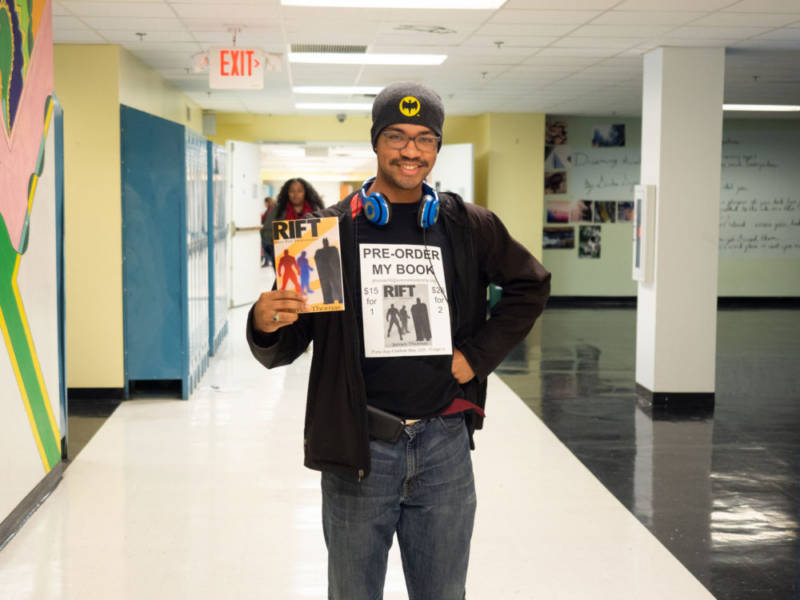
"caption": "James Thomas wrote and published a novel for his senior year Capstone project at the Science Leadership Academy. ",
"description": null,
"title": "Diallo_80536-1000x0-c-default",
"credit": "Amadou Diallo for The Hechinger Report",
"status": "inherit",
"isLoading": false,
"fetchFailed": false
},
"mindshift_51190": {
"type": "attachments",
"id": "mindshift_51190",
"meta": {
"index": "attachments_1716263798",
"site": "mindshift",
"id": "51190",
"found": true
},
"parent": 51189,
"imgSizes": {
"small": {
"file": "https://ww2.kqed.org/app/uploads/sites/23/2018/05/swong_specialneedsed_custom-0a4b203b6bf87c2178a40443b15812c3a7d19b60-520x292.jpe",
"width": 520,
"mimeType": "image/jpeg",
"height": 292
},
"twentyfourteen-full-width": {
"file": "https://ww2.kqed.org/app/uploads/sites/23/2018/05/swong_specialneedsed_custom-0a4b203b6bf87c2178a40443b15812c3a7d19b60-1038x576.jpe",
"width": 1038,
"mimeType": "image/jpeg",
"height": 576
},
"thumbnail": {
"file": "https://ww2.kqed.org/app/uploads/sites/23/2018/05/swong_specialneedsed_custom-0a4b203b6bf87c2178a40443b15812c3a7d19b60-160x90.jpe",
"width": 160,
"mimeType": "image/jpeg",
"height": 90
},
"fd-sm": {
"file": "https://ww2.kqed.org/app/uploads/sites/23/2018/05/swong_specialneedsed_custom-0a4b203b6bf87c2178a40443b15812c3a7d19b60-960x539.jpe",
"width": 960,
"mimeType": "image/jpeg",
"height": 539
},
"post-thumbnail": {
"file": "https://ww2.kqed.org/app/uploads/sites/23/2018/05/swong_specialneedsed_custom-0a4b203b6bf87c2178a40443b15812c3a7d19b60-672x372.jpe",
"width": 672,
"mimeType": "image/jpeg",
"height": 372
},
"xsmall": {
"file": "https://ww2.kqed.org/app/uploads/sites/23/2018/05/swong_specialneedsed_custom-0a4b203b6bf87c2178a40443b15812c3a7d19b60-375x211.jpe",
"width": 375,
"mimeType": "image/jpeg",
"height": 211
},
"kqedFullSize": {
"file": "https://ww2.kqed.org/app/uploads/sites/23/2018/05/swong_specialneedsed_custom-0a4b203b6bf87c2178a40443b15812c3a7d19b60-e1525895558163.jpe",
"width": 1920,
"height": 1078
},
"large": {
"file": "https://ww2.kqed.org/app/uploads/sites/23/2018/05/swong_specialneedsed_custom-0a4b203b6bf87c2178a40443b15812c3a7d19b60-1020x573.jpe",
"width": 1020,
"mimeType": "image/jpeg",
"height": 573
},
"xlarge": {
"file": "https://ww2.kqed.org/app/uploads/sites/23/2018/05/swong_specialneedsed_custom-0a4b203b6bf87c2178a40443b15812c3a7d19b60-1180x663.jpe",
"width": 1180,
"mimeType": "image/jpeg",
"height": 663
},
"complete_open_graph": {
"file": "https://ww2.kqed.org/app/uploads/sites/23/2018/05/swong_specialneedsed_custom-0a4b203b6bf87c2178a40443b15812c3a7d19b60-1200x674.jpe",
"width": 1200,
"mimeType": "image/jpeg",
"height": 674
},
"guest-author-50": {
"file": "https://ww2.kqed.org/app/uploads/sites/23/2018/05/swong_specialneedsed_custom-0a4b203b6bf87c2178a40443b15812c3a7d19b60-50x50.jpe",
"width": 50,
"mimeType": "image/jpeg",
"height": 50
},
"guest-author-96": {
"file": "https://ww2.kqed.org/app/uploads/sites/23/2018/05/swong_specialneedsed_custom-0a4b203b6bf87c2178a40443b15812c3a7d19b60-96x96.jpe",
"width": 96,
"mimeType": "image/jpeg",
"height": 96
},
"medium": {
"file": "https://ww2.kqed.org/app/uploads/sites/23/2018/05/swong_specialneedsed_custom-0a4b203b6bf87c2178a40443b15812c3a7d19b60-800x449.jpe",
"width": 800,
"mimeType": "image/jpeg",
"height": 449
},
"guest-author-64": {
"file": "https://ww2.kqed.org/app/uploads/sites/23/2018/05/swong_specialneedsed_custom-0a4b203b6bf87c2178a40443b15812c3a7d19b60-64x64.jpe",
"width": 64,
"mimeType": "image/jpeg",
"height": 64
},
"guest-author-32": {
"file": "https://ww2.kqed.org/app/uploads/sites/23/2018/05/swong_specialneedsed_custom-0a4b203b6bf87c2178a40443b15812c3a7d19b60-32x32.jpe",
"width": 32,
"mimeType": "image/jpeg",
"height": 32
},
"fd-lrg": {
"file": "https://ww2.kqed.org/app/uploads/sites/23/2018/05/swong_specialneedsed_custom-0a4b203b6bf87c2178a40443b15812c3a7d19b60-1920x1078.jpe",
"width": 1920,
"mimeType": "image/jpeg",
"height": 1078
},
"fd-med": {
"file": "https://ww2.kqed.org/app/uploads/sites/23/2018/05/swong_specialneedsed_custom-0a4b203b6bf87c2178a40443b15812c3a7d19b60-1180x663.jpe",
"width": 1180,
"mimeType": "image/jpeg",
"height": 663
},
"full-width": {
"file": "https://ww2.kqed.org/app/uploads/sites/23/2018/05/swong_specialneedsed_custom-0a4b203b6bf87c2178a40443b15812c3a7d19b60-1920x1078.jpe",
"width": 1920,
"mimeType": "image/jpeg",
"height": 1078
},
"detail": {
"file": "https://ww2.kqed.org/app/uploads/sites/23/2018/05/swong_specialneedsed_custom-0a4b203b6bf87c2178a40443b15812c3a7d19b60-150x150.jpe",
"width": 150,
"mimeType": "image/jpeg",
"height": 150
},
"medium_large": {
"file": "https://ww2.kqed.org/app/uploads/sites/23/2018/05/swong_specialneedsed_custom-0a4b203b6bf87c2178a40443b15812c3a7d19b60-768x431.jpe",
"width": 768,
"mimeType": "image/jpeg",
"height": 431
},
"guest-author-128": {
"file": "https://ww2.kqed.org/app/uploads/sites/23/2018/05/swong_specialneedsed_custom-0a4b203b6bf87c2178a40443b15812c3a7d19b60-128x128.jpe",
"width": 128,
"mimeType": "image/jpeg",
"height": 128
},
"xxsmall": {
"file": "https://ww2.kqed.org/app/uploads/sites/23/2018/05/swong_specialneedsed_custom-0a4b203b6bf87c2178a40443b15812c3a7d19b60-240x135.jpe",
"width": 240,
"mimeType": "image/jpeg",
"height": 135
}
},
"publishDate": 1525895527,
"modified": 1525895573,
"caption": "Students with special needs are being left behind.",
"description": null,
"title": "Students with special needs are being left behind.",
"credit": "Sara Ariel Wong for NPR",
"status": "inherit",
"isLoading": false,
"fetchFailed": false
},
"mindshift_51174": {
"type": "attachments",
"id": "mindshift_51174",
"meta": {
"index": "attachments_1716263798",
"site": "mindshift",
"id": "51174",
"found": true
},
"parent": 50947,
"imgSizes": {
"small": {
"file": "https://ww2.kqed.org/app/uploads/sites/23/2018/05/iStock-641755684-520x347.jpg",
"width": 520,
"mimeType": "image/jpeg",
"height": 347
},
"twentyfourteen-full-width": {
"file": "https://ww2.kqed.org/app/uploads/sites/23/2018/05/iStock-641755684-1038x576.jpg",
"width": 1038,
"mimeType": "image/jpeg",
"height": 576
},
"thumbnail": {
"file": "https://ww2.kqed.org/app/uploads/sites/23/2018/05/iStock-641755684-160x107.jpg",
"width": 160,
"mimeType": "image/jpeg",
"height": 107
},
"fd-sm": {
"file": "https://ww2.kqed.org/app/uploads/sites/23/2018/05/iStock-641755684-960x640.jpg",
"width": 960,
"mimeType": "image/jpeg",
"height": 640
},
"post-thumbnail": {
"file": "https://ww2.kqed.org/app/uploads/sites/23/2018/05/iStock-641755684-672x372.jpg",
"width": 672,
"mimeType": "image/jpeg",
"height": 372
},
"xsmall": {
"file": "https://ww2.kqed.org/app/uploads/sites/23/2018/05/iStock-641755684-375x250.jpg",
"width": 375,
"mimeType": "image/jpeg",
"height": 250
},
"kqedFullSize": {
"file": "https://ww2.kqed.org/app/uploads/sites/23/2018/05/iStock-641755684-e1525716637191.jpg",
"width": 1920,
"height": 1280
},
"large": {
"file": "https://ww2.kqed.org/app/uploads/sites/23/2018/05/iStock-641755684-1020x680.jpg",
"width": 1020,
"mimeType": "image/jpeg",
"height": 680
},
"xlarge": {
"file": "https://ww2.kqed.org/app/uploads/sites/23/2018/05/iStock-641755684-1180x787.jpg",
"width": 1180,
"mimeType": "image/jpeg",
"height": 787
},
"complete_open_graph": {
"file": "https://ww2.kqed.org/app/uploads/sites/23/2018/05/iStock-641755684-1200x800.jpg",
"width": 1200,
"mimeType": "image/jpeg",
"height": 800
},
"guest-author-50": {
"file": "https://ww2.kqed.org/app/uploads/sites/23/2018/05/iStock-641755684-50x50.jpg",
"width": 50,
"mimeType": "image/jpeg",
"height": 50
},
"guest-author-96": {
"file": "https://ww2.kqed.org/app/uploads/sites/23/2018/05/iStock-641755684-96x96.jpg",
"width": 96,
"mimeType": "image/jpeg",
"height": 96
},
"medium": {
"file": "https://ww2.kqed.org/app/uploads/sites/23/2018/05/iStock-641755684-800x533.jpg",
"width": 800,
"mimeType": "image/jpeg",
"height": 533
},
"guest-author-64": {
"file": "https://ww2.kqed.org/app/uploads/sites/23/2018/05/iStock-641755684-64x64.jpg",
"width": 64,
"mimeType": "image/jpeg",
"height": 64
},
"guest-author-32": {
"file": "https://ww2.kqed.org/app/uploads/sites/23/2018/05/iStock-641755684-32x32.jpg",
"width": 32,
"mimeType": "image/jpeg",
"height": 32
},
"fd-lrg": {
"file": "https://ww2.kqed.org/app/uploads/sites/23/2018/05/iStock-641755684-1920x1280.jpg",
"width": 1920,
"mimeType": "image/jpeg",
"height": 1280
},
"fd-med": {
"file": "https://ww2.kqed.org/app/uploads/sites/23/2018/05/iStock-641755684-1180x787.jpg",
"width": 1180,
"mimeType": "image/jpeg",
"height": 787
},
"full-width": {
"file": "https://ww2.kqed.org/app/uploads/sites/23/2018/05/iStock-641755684-1920x1280.jpg",
"width": 1920,
"mimeType": "image/jpeg",
"height": 1280
},
"detail": {
"file": "https://ww2.kqed.org/app/uploads/sites/23/2018/05/iStock-641755684-150x150.jpg",
"width": 150,
"mimeType": "image/jpeg",
"height": 150
},
"medium_large": {
"file": "https://ww2.kqed.org/app/uploads/sites/23/2018/05/iStock-641755684-768x512.jpg",
"width": 768,
"mimeType": "image/jpeg",
"height": 512
},
"guest-author-128": {
"file": "https://ww2.kqed.org/app/uploads/sites/23/2018/05/iStock-641755684-128x128.jpg",
"width": 128,
"mimeType": "image/jpeg",
"height": 128
},
"xxsmall": {
"file": "https://ww2.kqed.org/app/uploads/sites/23/2018/05/iStock-641755684-240x160.jpg",
"width": 240,
"mimeType": "image/jpeg",
"height": 160
}
},
"publishDate": 1525716600,
"modified": 1525716642,
"caption": null,
"description": null,
"title": null,
"credit": "iStock/DGLimages",
"status": "inherit",
"isLoading": false,
"fetchFailed": false
},
"mindshift_51179": {
"type": "attachments",
"id": "mindshift_51179",
"meta": {
"index": "attachments_1716263798",
"site": "mindshift",
"id": "51179",
"found": true
},
"parent": 51178,
"imgSizes": {
"small": {
"file": "https://ww2.kqed.org/app/uploads/sites/23/2018/05/adriana-vawdrey_teacher-support_slide-bfa9cc3b8e59ee0df1deb77855869875a3ef39b7-520x346.jpe",
"width": 520,
"mimeType": "image/jpeg",
"height": 346
},
"twentyfourteen-full-width": {
"file": "https://ww2.kqed.org/app/uploads/sites/23/2018/05/adriana-vawdrey_teacher-support_slide-bfa9cc3b8e59ee0df1deb77855869875a3ef39b7-1038x576.jpe",
"width": 1038,
"mimeType": "image/jpeg",
"height": 576
},
"thumbnail": {
"file": "https://ww2.kqed.org/app/uploads/sites/23/2018/05/adriana-vawdrey_teacher-support_slide-bfa9cc3b8e59ee0df1deb77855869875a3ef39b7-160x107.jpe",
"width": 160,
"mimeType": "image/jpeg",
"height": 107
},
"fd-sm": {
"file": "https://ww2.kqed.org/app/uploads/sites/23/2018/05/adriana-vawdrey_teacher-support_slide-bfa9cc3b8e59ee0df1deb77855869875a3ef39b7-960x640.jpe",
"width": 960,
"mimeType": "image/jpeg",
"height": 640
},
"post-thumbnail": {
"file": "https://ww2.kqed.org/app/uploads/sites/23/2018/05/adriana-vawdrey_teacher-support_slide-bfa9cc3b8e59ee0df1deb77855869875a3ef39b7-672x372.jpe",
"width": 672,
"mimeType": "image/jpeg",
"height": 372
},
"xsmall": {
"file": "https://ww2.kqed.org/app/uploads/sites/23/2018/05/adriana-vawdrey_teacher-support_slide-bfa9cc3b8e59ee0df1deb77855869875a3ef39b7-375x250.jpe",
"width": 375,
"mimeType": "image/jpeg",
"height": 250
},
"kqedFullSize": {
"file": "https://ww2.kqed.org/app/uploads/sites/23/2018/05/adriana-vawdrey_teacher-support_slide-bfa9cc3b8e59ee0df1deb77855869875a3ef39b7-e1525785573714.jpe",
"width": 1920,
"height": 1279
},
"large": {
"file": "https://ww2.kqed.org/app/uploads/sites/23/2018/05/adriana-vawdrey_teacher-support_slide-bfa9cc3b8e59ee0df1deb77855869875a3ef39b7-1020x680.jpe",
"width": 1020,
"mimeType": "image/jpeg",
"height": 680
},
"xlarge": {
"file": "https://ww2.kqed.org/app/uploads/sites/23/2018/05/adriana-vawdrey_teacher-support_slide-bfa9cc3b8e59ee0df1deb77855869875a3ef39b7-1180x786.jpe",
"width": 1180,
"mimeType": "image/jpeg",
"height": 786
},
"complete_open_graph": {
"file": "https://ww2.kqed.org/app/uploads/sites/23/2018/05/adriana-vawdrey_teacher-support_slide-bfa9cc3b8e59ee0df1deb77855869875a3ef39b7-1200x800.jpe",
"width": 1200,
"mimeType": "image/jpeg",
"height": 800
},
"guest-author-50": {
"file": "https://ww2.kqed.org/app/uploads/sites/23/2018/05/adriana-vawdrey_teacher-support_slide-bfa9cc3b8e59ee0df1deb77855869875a3ef39b7-50x50.jpe",
"width": 50,
"mimeType": "image/jpeg",
"height": 50
},
"guest-author-96": {
"file": "https://ww2.kqed.org/app/uploads/sites/23/2018/05/adriana-vawdrey_teacher-support_slide-bfa9cc3b8e59ee0df1deb77855869875a3ef39b7-96x96.jpe",
"width": 96,
"mimeType": "image/jpeg",
"height": 96
},
"medium": {
"file": "https://ww2.kqed.org/app/uploads/sites/23/2018/05/adriana-vawdrey_teacher-support_slide-bfa9cc3b8e59ee0df1deb77855869875a3ef39b7-800x533.jpe",
"width": 800,
"mimeType": "image/jpeg",
"height": 533
},
"guest-author-64": {
"file": "https://ww2.kqed.org/app/uploads/sites/23/2018/05/adriana-vawdrey_teacher-support_slide-bfa9cc3b8e59ee0df1deb77855869875a3ef39b7-64x64.jpe",
"width": 64,
"mimeType": "image/jpeg",
"height": 64
},
"guest-author-32": {
"file": "https://ww2.kqed.org/app/uploads/sites/23/2018/05/adriana-vawdrey_teacher-support_slide-bfa9cc3b8e59ee0df1deb77855869875a3ef39b7-32x32.jpe",
"width": 32,
"mimeType": "image/jpeg",
"height": 32
},
"fd-lrg": {
"file": "https://ww2.kqed.org/app/uploads/sites/23/2018/05/adriana-vawdrey_teacher-support_slide-bfa9cc3b8e59ee0df1deb77855869875a3ef39b7-1920x1279.jpe",
"width": 1920,
"mimeType": "image/jpeg",
"height": 1279
},
"fd-med": {
"file": "https://ww2.kqed.org/app/uploads/sites/23/2018/05/adriana-vawdrey_teacher-support_slide-bfa9cc3b8e59ee0df1deb77855869875a3ef39b7-1180x786.jpe",
"width": 1180,
"mimeType": "image/jpeg",
"height": 786
},
"full-width": {
"file": "https://ww2.kqed.org/app/uploads/sites/23/2018/05/adriana-vawdrey_teacher-support_slide-bfa9cc3b8e59ee0df1deb77855869875a3ef39b7-1920x1279.jpe",
"width": 1920,
"mimeType": "image/jpeg",
"height": 1279
},
"detail": {
"file": "https://ww2.kqed.org/app/uploads/sites/23/2018/05/adriana-vawdrey_teacher-support_slide-bfa9cc3b8e59ee0df1deb77855869875a3ef39b7-150x150.jpe",
"width": 150,
"mimeType": "image/jpeg",
"height": 150
},
"medium_large": {
"file": "https://ww2.kqed.org/app/uploads/sites/23/2018/05/adriana-vawdrey_teacher-support_slide-bfa9cc3b8e59ee0df1deb77855869875a3ef39b7-768x512.jpe",
"width": 768,
"mimeType": "image/jpeg",
"height": 512
},
"guest-author-128": {
"file": "https://ww2.kqed.org/app/uploads/sites/23/2018/05/adriana-vawdrey_teacher-support_slide-bfa9cc3b8e59ee0df1deb77855869875a3ef39b7-128x128.jpe",
"width": 128,
"mimeType": "image/jpeg",
"height": 128
},
"xxsmall": {
"file": "https://ww2.kqed.org/app/uploads/sites/23/2018/05/adriana-vawdrey_teacher-support_slide-bfa9cc3b8e59ee0df1deb77855869875a3ef39b7-240x160.jpe",
"width": 240,
"mimeType": "image/jpeg",
"height": 160
}
},
"publishDate": 1525785470,
"modified": 1525785589,
"caption": "Hundreds of people wrote to NPR about teachers they know who go above and beyond their job titles.",
"description": null,
"title": "Hundreds of people wrote to NPR about teachers they know who go above and beyond their job titles.",
"credit": "Adriana Vawdrey for NPR",
"status": "inherit",
"isLoading": false,
"fetchFailed": false
},
"mindshift_51168": {
"type": "attachments",
"id": "mindshift_51168",
"meta": {
"index": "attachments_1716263798",
"site": "mindshift",
"id": "51168",
"found": true
},
"parent": 51115,
"imgSizes": {
"small": {
"file": "https://ww2.kqed.org/app/uploads/sites/23/2018/05/iStock-954271518-520x305.jpg",
"width": 520,
"mimeType": "image/jpeg",
"height": 305
},
"twentyfourteen-full-width": {
"file": "https://ww2.kqed.org/app/uploads/sites/23/2018/05/iStock-954271518-1038x576.jpg",
"width": 1038,
"mimeType": "image/jpeg",
"height": 576
},
"thumbnail": {
"file": "https://ww2.kqed.org/app/uploads/sites/23/2018/05/iStock-954271518-160x94.jpg",
"width": 160,
"mimeType": "image/jpeg",
"height": 94
},
"fd-sm": {
"file": "https://ww2.kqed.org/app/uploads/sites/23/2018/05/iStock-954271518-960x563.jpg",
"width": 960,
"mimeType": "image/jpeg",
"height": 563
},
"post-thumbnail": {
"file": "https://ww2.kqed.org/app/uploads/sites/23/2018/05/iStock-954271518-672x372.jpg",
"width": 672,
"mimeType": "image/jpeg",
"height": 372
},
"xsmall": {
"file": "https://ww2.kqed.org/app/uploads/sites/23/2018/05/iStock-954271518-375x220.jpg",
"width": 375,
"mimeType": "image/jpeg",
"height": 220
},
"kqedFullSize": {
"file": "https://ww2.kqed.org/app/uploads/sites/23/2018/05/iStock-954271518-e1525674399327.jpg",
"width": 1920,
"height": 1126
},
"large": {
"file": "https://ww2.kqed.org/app/uploads/sites/23/2018/05/iStock-954271518-1020x598.jpg",
"width": 1020,
"mimeType": "image/jpeg",
"height": 598
},
"xlarge": {
"file": "https://ww2.kqed.org/app/uploads/sites/23/2018/05/iStock-954271518-1180x692.jpg",
"width": 1180,
"mimeType": "image/jpeg",
"height": 692
},
"complete_open_graph": {
"file": "https://ww2.kqed.org/app/uploads/sites/23/2018/05/iStock-954271518-1200x704.jpg",
"width": 1200,
"mimeType": "image/jpeg",
"height": 704
},
"guest-author-50": {
"file": "https://ww2.kqed.org/app/uploads/sites/23/2018/05/iStock-954271518-50x50.jpg",
"width": 50,
"mimeType": "image/jpeg",
"height": 50
},
"guest-author-96": {
"file": "https://ww2.kqed.org/app/uploads/sites/23/2018/05/iStock-954271518-96x96.jpg",
"width": 96,
"mimeType": "image/jpeg",
"height": 96
},
"medium": {
"file": "https://ww2.kqed.org/app/uploads/sites/23/2018/05/iStock-954271518-800x469.jpg",
"width": 800,
"mimeType": "image/jpeg",
"height": 469
},
"guest-author-64": {
"file": "https://ww2.kqed.org/app/uploads/sites/23/2018/05/iStock-954271518-64x64.jpg",
"width": 64,
"mimeType": "image/jpeg",
"height": 64
},
"guest-author-32": {
"file": "https://ww2.kqed.org/app/uploads/sites/23/2018/05/iStock-954271518-32x32.jpg",
"width": 32,
"mimeType": "image/jpeg",
"height": 32
},
"fd-lrg": {
"file": "https://ww2.kqed.org/app/uploads/sites/23/2018/05/iStock-954271518-1920x1126.jpg",
"width": 1920,
"mimeType": "image/jpeg",
"height": 1126
},
"fd-med": {
"file": "https://ww2.kqed.org/app/uploads/sites/23/2018/05/iStock-954271518-1180x692.jpg",
"width": 1180,
"mimeType": "image/jpeg",
"height": 692
},
"full-width": {
"file": "https://ww2.kqed.org/app/uploads/sites/23/2018/05/iStock-954271518-1920x1126.jpg",
"width": 1920,
"mimeType": "image/jpeg",
"height": 1126
},
"detail": {
"file": "https://ww2.kqed.org/app/uploads/sites/23/2018/05/iStock-954271518-150x150.jpg",
"width": 150,
"mimeType": "image/jpeg",
"height": 150
},
"medium_large": {
"file": "https://ww2.kqed.org/app/uploads/sites/23/2018/05/iStock-954271518-768x450.jpg",
"width": 768,
"mimeType": "image/jpeg",
"height": 450
},
"guest-author-128": {
"file": "https://ww2.kqed.org/app/uploads/sites/23/2018/05/iStock-954271518-128x128.jpg",
"width": 128,
"mimeType": "image/jpeg",
"height": 128
},
"xxsmall": {
"file": "https://ww2.kqed.org/app/uploads/sites/23/2018/05/iStock-954271518-240x141.jpg",
"width": 240,
"mimeType": "image/jpeg",
"height": 141
}
},
"publishDate": 1525674372,
"modified": 1525674387,
"caption": null,
"description": null,
"title": "iStock-954271518",
"credit": "iStock/8vFanI",
"status": "inherit",
"isLoading": false,
"fetchFailed": false
},
"mindshift_51161": {
"type": "attachments",
"id": "mindshift_51161",
"meta": {
"index": "attachments_1716263798",
"site": "mindshift",
"id": "51161",
"found": true
},
"parent": 51160,
"imgSizes": {
"small": {
"file": "https://ww2.kqed.org/app/uploads/sites/23/2018/05/npr_fakenews_kiehart_010_slide-2850bb509a3aa3c3475900e8e63bcfac932b2a79-520x347.jpg",
"width": 520,
"mimeType": "image/jpeg",
"height": 347
},
"twentyfourteen-full-width": {
"file": "https://ww2.kqed.org/app/uploads/sites/23/2018/05/npr_fakenews_kiehart_010_slide-2850bb509a3aa3c3475900e8e63bcfac932b2a79-1038x576.jpg",
"width": 1038,
"mimeType": "image/jpeg",
"height": 576
},
"thumbnail": {
"file": "https://ww2.kqed.org/app/uploads/sites/23/2018/05/npr_fakenews_kiehart_010_slide-2850bb509a3aa3c3475900e8e63bcfac932b2a79-160x107.jpg",
"width": 160,
"mimeType": "image/jpeg",
"height": 107
},
"fd-sm": {
"file": "https://ww2.kqed.org/app/uploads/sites/23/2018/05/npr_fakenews_kiehart_010_slide-2850bb509a3aa3c3475900e8e63bcfac932b2a79-960x640.jpg",
"width": 960,
"mimeType": "image/jpeg",
"height": 640
},
"post-thumbnail": {
"file": "https://ww2.kqed.org/app/uploads/sites/23/2018/05/npr_fakenews_kiehart_010_slide-2850bb509a3aa3c3475900e8e63bcfac932b2a79-672x372.jpg",
"width": 672,
"mimeType": "image/jpeg",
"height": 372
},
"xsmall": {
"file": "https://ww2.kqed.org/app/uploads/sites/23/2018/05/npr_fakenews_kiehart_010_slide-2850bb509a3aa3c3475900e8e63bcfac932b2a79-375x250.jpg",
"width": 375,
"mimeType": "image/jpeg",
"height": 250
},
"kqedFullSize": {
"file": "https://ww2.kqed.org/app/uploads/sites/23/2018/05/npr_fakenews_kiehart_010_slide-2850bb509a3aa3c3475900e8e63bcfac932b2a79-e1525366929364.jpg",
"width": 1920,
"height": 1280
},
"large": {
"file": "https://ww2.kqed.org/app/uploads/sites/23/2018/05/npr_fakenews_kiehart_010_slide-2850bb509a3aa3c3475900e8e63bcfac932b2a79-1020x680.jpg",
"width": 1020,
"mimeType": "image/jpeg",
"height": 680
},
"xlarge": {
"file": "https://ww2.kqed.org/app/uploads/sites/23/2018/05/npr_fakenews_kiehart_010_slide-2850bb509a3aa3c3475900e8e63bcfac932b2a79-1180x786.jpg",
"width": 1180,
"mimeType": "image/jpeg",
"height": 786
},
"complete_open_graph": {
"file": "https://ww2.kqed.org/app/uploads/sites/23/2018/05/npr_fakenews_kiehart_010_slide-2850bb509a3aa3c3475900e8e63bcfac932b2a79-1200x800.jpg",
"width": 1200,
"mimeType": "image/jpeg",
"height": 800
},
"guest-author-50": {
"file": "https://ww2.kqed.org/app/uploads/sites/23/2018/05/npr_fakenews_kiehart_010_slide-2850bb509a3aa3c3475900e8e63bcfac932b2a79-50x50.jpg",
"width": 50,
"mimeType": "image/jpeg",
"height": 50
},
"guest-author-96": {
"file": "https://ww2.kqed.org/app/uploads/sites/23/2018/05/npr_fakenews_kiehart_010_slide-2850bb509a3aa3c3475900e8e63bcfac932b2a79-96x96.jpg",
"width": 96,
"mimeType": "image/jpeg",
"height": 96
},
"medium": {
"file": "https://ww2.kqed.org/app/uploads/sites/23/2018/05/npr_fakenews_kiehart_010_slide-2850bb509a3aa3c3475900e8e63bcfac932b2a79-800x533.jpg",
"width": 800,
"mimeType": "image/jpeg",
"height": 533
},
"guest-author-64": {
"file": "https://ww2.kqed.org/app/uploads/sites/23/2018/05/npr_fakenews_kiehart_010_slide-2850bb509a3aa3c3475900e8e63bcfac932b2a79-64x64.jpg",
"width": 64,
"mimeType": "image/jpeg",
"height": 64
},
"guest-author-32": {
"file": "https://ww2.kqed.org/app/uploads/sites/23/2018/05/npr_fakenews_kiehart_010_slide-2850bb509a3aa3c3475900e8e63bcfac932b2a79-32x32.jpg",
"width": 32,
"mimeType": "image/jpeg",
"height": 32
},
"fd-lrg": {
"file": "https://ww2.kqed.org/app/uploads/sites/23/2018/05/npr_fakenews_kiehart_010_slide-2850bb509a3aa3c3475900e8e63bcfac932b2a79-1920x1280.jpg",
"width": 1920,
"mimeType": "image/jpeg",
"height": 1280
},
"fd-med": {
"file": "https://ww2.kqed.org/app/uploads/sites/23/2018/05/npr_fakenews_kiehart_010_slide-2850bb509a3aa3c3475900e8e63bcfac932b2a79-1180x786.jpg",
"width": 1180,
"mimeType": "image/jpeg",
"height": 786
},
"full-width": {
"file": "https://ww2.kqed.org/app/uploads/sites/23/2018/05/npr_fakenews_kiehart_010_slide-2850bb509a3aa3c3475900e8e63bcfac932b2a79-1920x1280.jpg",
"width": 1920,
"mimeType": "image/jpeg",
"height": 1280
},
"detail": {
"file": "https://ww2.kqed.org/app/uploads/sites/23/2018/05/npr_fakenews_kiehart_010_slide-2850bb509a3aa3c3475900e8e63bcfac932b2a79-150x150.jpg",
"width": 150,
"mimeType": "image/jpeg",
"height": 150
},
"medium_large": {
"file": "https://ww2.kqed.org/app/uploads/sites/23/2018/05/npr_fakenews_kiehart_010_slide-2850bb509a3aa3c3475900e8e63bcfac932b2a79-768x512.jpg",
"width": 768,
"mimeType": "image/jpeg",
"height": 512
},
"guest-author-128": {
"file": "https://ww2.kqed.org/app/uploads/sites/23/2018/05/npr_fakenews_kiehart_010_slide-2850bb509a3aa3c3475900e8e63bcfac932b2a79-128x128.jpg",
"width": 128,
"mimeType": "image/jpeg",
"height": 128
},
"xxsmall": {
"file": "https://ww2.kqed.org/app/uploads/sites/23/2018/05/npr_fakenews_kiehart_010_slide-2850bb509a3aa3c3475900e8e63bcfac932b2a79-240x160.jpg",
"width": 240,
"mimeType": "image/jpeg",
"height": 160
}
},
"publishDate": 1525365974,
"modified": 1525366939,
"caption": "Huchon writes five questions that can be used to evaluate the veracity of a news story.",
"description": null,
"title": "Huchon writes five questions that can be used to evaluate the veracity of a news story.",
"credit": "Pete Kiehart for NPR",
"status": "inherit",
"isLoading": false,
"fetchFailed": false
},
"mindshift_51156": {
"type": "attachments",
"id": "mindshift_51156",
"meta": {
"index": "attachments_1716263798",
"site": "mindshift",
"id": "51156",
"found": true
},
"parent": 51155,
"imgSizes": {
"small": {
"file": "https://ww2.kqed.org/app/uploads/sites/23/2018/05/decision-day1_custom-11a0ee7203d56c74119ca6d02a92f0056f5b7fb9-520x330.jpg",
"width": 520,
"mimeType": "image/jpeg",
"height": 330
},
"twentyfourteen-full-width": {
"file": "https://ww2.kqed.org/app/uploads/sites/23/2018/05/decision-day1_custom-11a0ee7203d56c74119ca6d02a92f0056f5b7fb9-1038x576.jpg",
"width": 1038,
"mimeType": "image/jpeg",
"height": 576
},
"thumbnail": {
"file": "https://ww2.kqed.org/app/uploads/sites/23/2018/05/decision-day1_custom-11a0ee7203d56c74119ca6d02a92f0056f5b7fb9-160x101.jpg",
"width": 160,
"mimeType": "image/jpeg",
"height": 101
},
"fd-sm": {
"file": "https://ww2.kqed.org/app/uploads/sites/23/2018/05/decision-day1_custom-11a0ee7203d56c74119ca6d02a92f0056f5b7fb9-960x609.jpg",
"width": 960,
"mimeType": "image/jpeg",
"height": 609
},
"post-thumbnail": {
"file": "https://ww2.kqed.org/app/uploads/sites/23/2018/05/decision-day1_custom-11a0ee7203d56c74119ca6d02a92f0056f5b7fb9-672x372.jpg",
"width": 672,
"mimeType": "image/jpeg",
"height": 372
},
"xsmall": {
"file": "https://ww2.kqed.org/app/uploads/sites/23/2018/05/decision-day1_custom-11a0ee7203d56c74119ca6d02a92f0056f5b7fb9-375x238.jpg",
"width": 375,
"mimeType": "image/jpeg",
"height": 238
},
"kqedFullSize": {
"file": "https://ww2.kqed.org/app/uploads/sites/23/2018/05/decision-day1_custom-11a0ee7203d56c74119ca6d02a92f0056f5b7fb9-e1525241611714.jpg",
"width": 1920,
"height": 1217
},
"large": {
"file": "https://ww2.kqed.org/app/uploads/sites/23/2018/05/decision-day1_custom-11a0ee7203d56c74119ca6d02a92f0056f5b7fb9-1020x647.jpg",
"width": 1020,
"mimeType": "image/jpeg",
"height": 647
},
"xlarge": {
"file": "https://ww2.kqed.org/app/uploads/sites/23/2018/05/decision-day1_custom-11a0ee7203d56c74119ca6d02a92f0056f5b7fb9-1180x748.jpg",
"width": 1180,
"mimeType": "image/jpeg",
"height": 748
},
"complete_open_graph": {
"file": "https://ww2.kqed.org/app/uploads/sites/23/2018/05/decision-day1_custom-11a0ee7203d56c74119ca6d02a92f0056f5b7fb9-1200x761.jpg",
"width": 1200,
"mimeType": "image/jpeg",
"height": 761
},
"guest-author-50": {
"file": "https://ww2.kqed.org/app/uploads/sites/23/2018/05/decision-day1_custom-11a0ee7203d56c74119ca6d02a92f0056f5b7fb9-50x50.jpg",
"width": 50,
"mimeType": "image/jpeg",
"height": 50
},
"guest-author-96": {
"file": "https://ww2.kqed.org/app/uploads/sites/23/2018/05/decision-day1_custom-11a0ee7203d56c74119ca6d02a92f0056f5b7fb9-96x96.jpg",
"width": 96,
"mimeType": "image/jpeg",
"height": 96
},
"medium": {
"file": "https://ww2.kqed.org/app/uploads/sites/23/2018/05/decision-day1_custom-11a0ee7203d56c74119ca6d02a92f0056f5b7fb9-800x507.jpg",
"width": 800,
"mimeType": "image/jpeg",
"height": 507
},
"guest-author-64": {
"file": "https://ww2.kqed.org/app/uploads/sites/23/2018/05/decision-day1_custom-11a0ee7203d56c74119ca6d02a92f0056f5b7fb9-64x64.jpg",
"width": 64,
"mimeType": "image/jpeg",
"height": 64
},
"guest-author-32": {
"file": "https://ww2.kqed.org/app/uploads/sites/23/2018/05/decision-day1_custom-11a0ee7203d56c74119ca6d02a92f0056f5b7fb9-32x32.jpg",
"width": 32,
"mimeType": "image/jpeg",
"height": 32
},
"fd-lrg": {
"file": "https://ww2.kqed.org/app/uploads/sites/23/2018/05/decision-day1_custom-11a0ee7203d56c74119ca6d02a92f0056f5b7fb9-1920x1217.jpg",
"width": 1920,
"mimeType": "image/jpeg",
"height": 1217
},
"fd-med": {
"file": "https://ww2.kqed.org/app/uploads/sites/23/2018/05/decision-day1_custom-11a0ee7203d56c74119ca6d02a92f0056f5b7fb9-1180x748.jpg",
"width": 1180,
"mimeType": "image/jpeg",
"height": 748
},
"full-width": {
"file": "https://ww2.kqed.org/app/uploads/sites/23/2018/05/decision-day1_custom-11a0ee7203d56c74119ca6d02a92f0056f5b7fb9-1920x1217.jpg",
"width": 1920,
"mimeType": "image/jpeg",
"height": 1217
},
"detail": {
"file": "https://ww2.kqed.org/app/uploads/sites/23/2018/05/decision-day1_custom-11a0ee7203d56c74119ca6d02a92f0056f5b7fb9-150x150.jpg",
"width": 150,
"mimeType": "image/jpeg",
"height": 150
},
"medium_large": {
"file": "https://ww2.kqed.org/app/uploads/sites/23/2018/05/decision-day1_custom-11a0ee7203d56c74119ca6d02a92f0056f5b7fb9-768x487.jpg",
"width": 768,
"mimeType": "image/jpeg",
"height": 487
},
"guest-author-128": {
"file": "https://ww2.kqed.org/app/uploads/sites/23/2018/05/decision-day1_custom-11a0ee7203d56c74119ca6d02a92f0056f5b7fb9-128x128.jpg",
"width": 128,
"mimeType": "image/jpeg",
"height": 128
},
"xxsmall": {
"file": "https://ww2.kqed.org/app/uploads/sites/23/2018/05/decision-day1_custom-11a0ee7203d56c74119ca6d02a92f0056f5b7fb9-240x152.jpg",
"width": 240,
"mimeType": "image/jpeg",
"height": 152
}
},
"publishDate": 1525241545,
"modified": 1525241632,
"caption": null,
"description": "Decisions, decisions.",
"title": "Decisions, decisions.",
"credit": "NPR/LA Johnson",
"status": "inherit",
"isLoading": false,
"fetchFailed": false
},
"mindshift_50668": {
"type": "attachments",
"id": "mindshift_50668",
"meta": {
"index": "attachments_1716263798",
"site": "mindshift",
"id": "50668",
"found": true
},
"parent": 50661,
"imgSizes": {
"small": {
"file": "https://ww2.kqed.org/app/uploads/sites/23/2018/02/reDesign1-520x309.jpg",
"width": 520,
"mimeType": "image/jpeg",
"height": 309
},
"twentyfourteen-full-width": {
"file": "https://ww2.kqed.org/app/uploads/sites/23/2018/02/reDesign1-1038x576.jpg",
"width": 1038,
"mimeType": "image/jpeg",
"height": 576
},
"thumbnail": {
"file": "https://ww2.kqed.org/app/uploads/sites/23/2018/02/reDesign1-160x95.jpg",
"width": 160,
"mimeType": "image/jpeg",
"height": 95
},
"fd-sm": {
"file": "https://ww2.kqed.org/app/uploads/sites/23/2018/02/reDesign1-960x570.jpg",
"width": 960,
"mimeType": "image/jpeg",
"height": 570
},
"post-thumbnail": {
"file": "https://ww2.kqed.org/app/uploads/sites/23/2018/02/reDesign1-672x372.jpg",
"width": 672,
"mimeType": "image/jpeg",
"height": 372
},
"xsmall": {
"file": "https://ww2.kqed.org/app/uploads/sites/23/2018/02/reDesign1-375x223.jpg",
"width": 375,
"mimeType": "image/jpeg",
"height": 223
},
"kqedFullSize": {
"file": "https://ww2.kqed.org/app/uploads/sites/23/2018/02/reDesign1.jpg",
"width": 5760,
"height": 3420
},
"large": {
"file": "https://ww2.kqed.org/app/uploads/sites/23/2018/02/reDesign1-1020x606.jpg",
"width": 1020,
"mimeType": "image/jpeg",
"height": 606
},
"xlarge": {
"file": "https://ww2.kqed.org/app/uploads/sites/23/2018/02/reDesign1-1180x701.jpg",
"width": 1180,
"mimeType": "image/jpeg",
"height": 701
},
"guest-author-50": {
"file": "https://ww2.kqed.org/app/uploads/sites/23/2018/02/reDesign1-50x50.jpg",
"width": 50,
"mimeType": "image/jpeg",
"height": 50
},
"guest-author-96": {
"file": "https://ww2.kqed.org/app/uploads/sites/23/2018/02/reDesign1-96x96.jpg",
"width": 96,
"mimeType": "image/jpeg",
"height": 96
},
"medium": {
"file": "https://ww2.kqed.org/app/uploads/sites/23/2018/02/reDesign1-800x475.jpg",
"width": 800,
"mimeType": "image/jpeg",
"height": 475
},
"guest-author-64": {
"file": "https://ww2.kqed.org/app/uploads/sites/23/2018/02/reDesign1-64x64.jpg",
"width": 64,
"mimeType": "image/jpeg",
"height": 64
},
"guest-author-32": {
"file": "https://ww2.kqed.org/app/uploads/sites/23/2018/02/reDesign1-32x32.jpg",
"width": 32,
"mimeType": "image/jpeg",
"height": 32
},
"fd-lrg": {
"file": "https://ww2.kqed.org/app/uploads/sites/23/2018/02/reDesign1-1920x1140.jpg",
"width": 1920,
"mimeType": "image/jpeg",
"height": 1140
},
"fd-med": {
"file": "https://ww2.kqed.org/app/uploads/sites/23/2018/02/reDesign1-1180x701.jpg",
"width": 1180,
"mimeType": "image/jpeg",
"height": 701
},
"full-width": {
"file": "https://ww2.kqed.org/app/uploads/sites/23/2018/02/reDesign1-1920x1140.jpg",
"width": 1920,
"mimeType": "image/jpeg",
"height": 1140
},
"detail": {
"file": "https://ww2.kqed.org/app/uploads/sites/23/2018/02/reDesign1-150x150.jpg",
"width": 150,
"mimeType": "image/jpeg",
"height": 150
},
"medium_large": {
"file": "https://ww2.kqed.org/app/uploads/sites/23/2018/02/reDesign1-768x456.jpg",
"width": 768,
"mimeType": "image/jpeg",
"height": 456
},
"guest-author-128": {
"file": "https://ww2.kqed.org/app/uploads/sites/23/2018/02/reDesign1-128x128.jpg",
"width": 128,
"mimeType": "image/jpeg",
"height": 128
},
"xxsmall": {
"file": "https://ww2.kqed.org/app/uploads/sites/23/2018/02/reDesign1-240x143.jpg",
"width": 240,
"mimeType": "image/jpeg",
"height": 143
}
},
"publishDate": 1519759205,
"modified": 1519759346,
"caption": "Students at Bronx Arena High School explore erosion through a sand table simulation.",
"description": null,
"title": "reDesign1",
"credit": "\u003ca href=\"http://eleitz.com/\">Elizabeth Leitzell\u003c/a>/reDesign",
"status": "inherit",
"isLoading": false,
"fetchFailed": false
},
"mindshift_51138": {
"type": "attachments",
"id": "mindshift_51138",
"meta": {
"index": "attachments_1716263798",
"site": "mindshift",
"id": "51138",
"found": true
},
"parent": 51137,
"imgSizes": {
"small": {
"file": "https://ww2.kqed.org/app/uploads/sites/23/2018/04/ljohnson-noteststoentry-2_custom-23163c5d7bc36591cc21e12622a2f9f44b1460f2-520x325.jpg",
"width": 520,
"mimeType": "image/jpeg",
"height": 325
},
"twentyfourteen-full-width": {
"file": "https://ww2.kqed.org/app/uploads/sites/23/2018/04/ljohnson-noteststoentry-2_custom-23163c5d7bc36591cc21e12622a2f9f44b1460f2-1038x576.jpg",
"width": 1038,
"mimeType": "image/jpeg",
"height": 576
},
"thumbnail": {
"file": "https://ww2.kqed.org/app/uploads/sites/23/2018/04/ljohnson-noteststoentry-2_custom-23163c5d7bc36591cc21e12622a2f9f44b1460f2-160x100.jpg",
"width": 160,
"mimeType": "image/jpeg",
"height": 100
},
"fd-sm": {
"file": "https://ww2.kqed.org/app/uploads/sites/23/2018/04/ljohnson-noteststoentry-2_custom-23163c5d7bc36591cc21e12622a2f9f44b1460f2-960x599.jpg",
"width": 960,
"mimeType": "image/jpeg",
"height": 599
},
"post-thumbnail": {
"file": "https://ww2.kqed.org/app/uploads/sites/23/2018/04/ljohnson-noteststoentry-2_custom-23163c5d7bc36591cc21e12622a2f9f44b1460f2-672x372.jpg",
"width": 672,
"mimeType": "image/jpeg",
"height": 372
},
"xsmall": {
"file": "https://ww2.kqed.org/app/uploads/sites/23/2018/04/ljohnson-noteststoentry-2_custom-23163c5d7bc36591cc21e12622a2f9f44b1460f2-375x234.jpg",
"width": 375,
"mimeType": "image/jpeg",
"height": 234
},
"kqedFullSize": {
"file": "https://ww2.kqed.org/app/uploads/sites/23/2018/04/ljohnson-noteststoentry-2_custom-23163c5d7bc36591cc21e12622a2f9f44b1460f2-e1524809970722.jpg",
"width": 1920,
"height": 1198
},
"large": {
"file": "https://ww2.kqed.org/app/uploads/sites/23/2018/04/ljohnson-noteststoentry-2_custom-23163c5d7bc36591cc21e12622a2f9f44b1460f2-1020x637.jpg",
"width": 1020,
"mimeType": "image/jpeg",
"height": 637
},
"xlarge": {
"file": "https://ww2.kqed.org/app/uploads/sites/23/2018/04/ljohnson-noteststoentry-2_custom-23163c5d7bc36591cc21e12622a2f9f44b1460f2-1180x736.jpg",
"width": 1180,
"mimeType": "image/jpeg",
"height": 736
},
"complete_open_graph": {
"file": "https://ww2.kqed.org/app/uploads/sites/23/2018/04/ljohnson-noteststoentry-2_custom-23163c5d7bc36591cc21e12622a2f9f44b1460f2-1200x749.jpg",
"width": 1200,
"mimeType": "image/jpeg",
"height": 749
},
"guest-author-50": {
"file": "https://ww2.kqed.org/app/uploads/sites/23/2018/04/ljohnson-noteststoentry-2_custom-23163c5d7bc36591cc21e12622a2f9f44b1460f2-50x50.jpg",
"width": 50,
"mimeType": "image/jpeg",
"height": 50
},
"guest-author-96": {
"file": "https://ww2.kqed.org/app/uploads/sites/23/2018/04/ljohnson-noteststoentry-2_custom-23163c5d7bc36591cc21e12622a2f9f44b1460f2-96x96.jpg",
"width": 96,
"mimeType": "image/jpeg",
"height": 96
},
"medium": {
"file": "https://ww2.kqed.org/app/uploads/sites/23/2018/04/ljohnson-noteststoentry-2_custom-23163c5d7bc36591cc21e12622a2f9f44b1460f2-800x499.jpg",
"width": 800,
"mimeType": "image/jpeg",
"height": 499
},
"guest-author-64": {
"file": "https://ww2.kqed.org/app/uploads/sites/23/2018/04/ljohnson-noteststoentry-2_custom-23163c5d7bc36591cc21e12622a2f9f44b1460f2-64x64.jpg",
"width": 64,
"mimeType": "image/jpeg",
"height": 64
},
"guest-author-32": {
"file": "https://ww2.kqed.org/app/uploads/sites/23/2018/04/ljohnson-noteststoentry-2_custom-23163c5d7bc36591cc21e12622a2f9f44b1460f2-32x32.jpg",
"width": 32,
"mimeType": "image/jpeg",
"height": 32
},
"fd-lrg": {
"file": "https://ww2.kqed.org/app/uploads/sites/23/2018/04/ljohnson-noteststoentry-2_custom-23163c5d7bc36591cc21e12622a2f9f44b1460f2-1920x1198.jpg",
"width": 1920,
"mimeType": "image/jpeg",
"height": 1198
},
"fd-med": {
"file": "https://ww2.kqed.org/app/uploads/sites/23/2018/04/ljohnson-noteststoentry-2_custom-23163c5d7bc36591cc21e12622a2f9f44b1460f2-1180x736.jpg",
"width": 1180,
"mimeType": "image/jpeg",
"height": 736
},
"full-width": {
"file": "https://ww2.kqed.org/app/uploads/sites/23/2018/04/ljohnson-noteststoentry-2_custom-23163c5d7bc36591cc21e12622a2f9f44b1460f2-1920x1198.jpg",
"width": 1920,
"mimeType": "image/jpeg",
"height": 1198
},
"detail": {
"file": "https://ww2.kqed.org/app/uploads/sites/23/2018/04/ljohnson-noteststoentry-2_custom-23163c5d7bc36591cc21e12622a2f9f44b1460f2-150x150.jpg",
"width": 150,
"mimeType": "image/jpeg",
"height": 150
},
"medium_large": {
"file": "https://ww2.kqed.org/app/uploads/sites/23/2018/04/ljohnson-noteststoentry-2_custom-23163c5d7bc36591cc21e12622a2f9f44b1460f2-768x479.jpg",
"width": 768,
"mimeType": "image/jpeg",
"height": 479
},
"guest-author-128": {
"file": "https://ww2.kqed.org/app/uploads/sites/23/2018/04/ljohnson-noteststoentry-2_custom-23163c5d7bc36591cc21e12622a2f9f44b1460f2-128x128.jpg",
"width": 128,
"mimeType": "image/jpeg",
"height": 128
},
"xxsmall": {
"file": "https://ww2.kqed.org/app/uploads/sites/23/2018/04/ljohnson-noteststoentry-2_custom-23163c5d7bc36591cc21e12622a2f9f44b1460f2-240x150.jpg",
"width": 240,
"mimeType": "image/jpeg",
"height": 150
}
},
"publishDate": 1524770296,
"modified": 1524809984,
"caption": null,
"description": "No more tests to enter",
"title": "No more tests to enter",
"credit": "NPR/LA Johnson",
"status": "inherit",
"isLoading": false,
"fetchFailed": false
},
"mindshift_51127": {
"type": "attachments",
"id": "mindshift_51127",
"meta": {
"index": "attachments_1716263798",
"site": "mindshift",
"id": "51127",
"found": true
},
"parent": 51118,
"imgSizes": {
"small": {
"file": "https://ww2.kqed.org/app/uploads/sites/23/2018/04/marcus-washington-vocational-6_custom-76af482c828c036f3e94685635f1e87f3bca0857-s800-c85-520x337.jpg",
"width": 520,
"mimeType": "image/jpeg",
"height": 337
},
"thumbnail": {
"file": "https://ww2.kqed.org/app/uploads/sites/23/2018/04/marcus-washington-vocational-6_custom-76af482c828c036f3e94685635f1e87f3bca0857-s800-c85-160x104.jpg",
"width": 160,
"mimeType": "image/jpeg",
"height": 104
},
"post-thumbnail": {
"file": "https://ww2.kqed.org/app/uploads/sites/23/2018/04/marcus-washington-vocational-6_custom-76af482c828c036f3e94685635f1e87f3bca0857-s800-c85-672x372.jpg",
"width": 672,
"mimeType": "image/jpeg",
"height": 372
},
"xsmall": {
"file": "https://ww2.kqed.org/app/uploads/sites/23/2018/04/marcus-washington-vocational-6_custom-76af482c828c036f3e94685635f1e87f3bca0857-s800-c85-375x243.jpg",
"width": 375,
"mimeType": "image/jpeg",
"height": 243
},
"kqedFullSize": {
"file": "https://ww2.kqed.org/app/uploads/sites/23/2018/04/marcus-washington-vocational-6_custom-76af482c828c036f3e94685635f1e87f3bca0857-s800-c85.jpg",
"width": 800,
"height": 519
},
"guest-author-50": {
"file": "https://ww2.kqed.org/app/uploads/sites/23/2018/04/marcus-washington-vocational-6_custom-76af482c828c036f3e94685635f1e87f3bca0857-s800-c85-50x50.jpg",
"width": 50,
"mimeType": "image/jpeg",
"height": 50
},
"guest-author-96": {
"file": "https://ww2.kqed.org/app/uploads/sites/23/2018/04/marcus-washington-vocational-6_custom-76af482c828c036f3e94685635f1e87f3bca0857-s800-c85-96x96.jpg",
"width": 96,
"mimeType": "image/jpeg",
"height": 96
},
"medium": {
"file": "https://ww2.kqed.org/app/uploads/sites/23/2018/04/marcus-washington-vocational-6_custom-76af482c828c036f3e94685635f1e87f3bca0857-s800-c85-800x519.jpg",
"width": 800,
"mimeType": "image/jpeg",
"height": 519
},
"guest-author-64": {
"file": "https://ww2.kqed.org/app/uploads/sites/23/2018/04/marcus-washington-vocational-6_custom-76af482c828c036f3e94685635f1e87f3bca0857-s800-c85-64x64.jpg",
"width": 64,
"mimeType": "image/jpeg",
"height": 64
},
"guest-author-32": {
"file": "https://ww2.kqed.org/app/uploads/sites/23/2018/04/marcus-washington-vocational-6_custom-76af482c828c036f3e94685635f1e87f3bca0857-s800-c85-32x32.jpg",
"width": 32,
"mimeType": "image/jpeg",
"height": 32
},
"detail": {
"file": "https://ww2.kqed.org/app/uploads/sites/23/2018/04/marcus-washington-vocational-6_custom-76af482c828c036f3e94685635f1e87f3bca0857-s800-c85-150x150.jpg",
"width": 150,
"mimeType": "image/jpeg",
"height": 150
},
"medium_large": {
"file": "https://ww2.kqed.org/app/uploads/sites/23/2018/04/marcus-washington-vocational-6_custom-76af482c828c036f3e94685635f1e87f3bca0857-s800-c85-768x498.jpg",
"width": 768,
"mimeType": "image/jpeg",
"height": 498
},
"guest-author-128": {
"file": "https://ww2.kqed.org/app/uploads/sites/23/2018/04/marcus-washington-vocational-6_custom-76af482c828c036f3e94685635f1e87f3bca0857-s800-c85-128x128.jpg",
"width": 128,
"mimeType": "image/jpeg",
"height": 128
},
"xxsmall": {
"file": "https://ww2.kqed.org/app/uploads/sites/23/2018/04/marcus-washington-vocational-6_custom-76af482c828c036f3e94685635f1e87f3bca0857-s800-c85-240x156.jpg",
"width": 240,
"mimeType": "image/jpeg",
"height": 156
}
},
"publishDate": 1524693423,
"modified": 1524693445,
"caption": "Ironworkers practice tying rebar at the Iron Workers Local Union #86 Administrative Offices in Tukwila, Wash.\n",
"description": null,
"title": "marcus-washington-vocational-6_custom-76af482c828c036f3e94685635f1e87f3bca0857-s800-c85",
"credit": "Sy Bean/The Hechinger Report",
"status": "inherit",
"isLoading": false,
"fetchFailed": false
},
"mindshift_51111": {
"type": "attachments",
"id": "mindshift_51111",
"meta": {
"index": "attachments_1716263798",
"site": "mindshift",
"id": "51111",
"found": true
},
"parent": 51110,
"imgSizes": {
"small": {
"file": "https://ww2.kqed.org/app/uploads/sites/23/2018/04/online-self-harm-01-bb9599f16fe12113fe355e257ca253e45eaef184-520x390.jpg",
"width": 520,
"mimeType": "image/jpeg",
"height": 390
},
"twentyfourteen-full-width": {
"file": "https://ww2.kqed.org/app/uploads/sites/23/2018/04/online-self-harm-01-bb9599f16fe12113fe355e257ca253e45eaef184-1038x576.jpg",
"width": 1038,
"mimeType": "image/jpeg",
"height": 576
},
"thumbnail": {
"file": "https://ww2.kqed.org/app/uploads/sites/23/2018/04/online-self-harm-01-bb9599f16fe12113fe355e257ca253e45eaef184-160x120.jpg",
"width": 160,
"mimeType": "image/jpeg",
"height": 120
},
"fd-sm": {
"file": "https://ww2.kqed.org/app/uploads/sites/23/2018/04/online-self-harm-01-bb9599f16fe12113fe355e257ca253e45eaef184-960x720.jpg",
"width": 960,
"mimeType": "image/jpeg",
"height": 720
},
"post-thumbnail": {
"file": "https://ww2.kqed.org/app/uploads/sites/23/2018/04/online-self-harm-01-bb9599f16fe12113fe355e257ca253e45eaef184-672x372.jpg",
"width": 672,
"mimeType": "image/jpeg",
"height": 372
},
"xsmall": {
"file": "https://ww2.kqed.org/app/uploads/sites/23/2018/04/online-self-harm-01-bb9599f16fe12113fe355e257ca253e45eaef184-375x281.jpg",
"width": 375,
"mimeType": "image/jpeg",
"height": 281
},
"kqedFullSize": {
"file": "https://ww2.kqed.org/app/uploads/sites/23/2018/04/online-self-harm-01-bb9599f16fe12113fe355e257ca253e45eaef184.jpg",
"width": 1776,
"height": 1332
},
"large": {
"file": "https://ww2.kqed.org/app/uploads/sites/23/2018/04/online-self-harm-01-bb9599f16fe12113fe355e257ca253e45eaef184-1020x765.jpg",
"width": 1020,
"mimeType": "image/jpeg",
"height": 765
},
"xlarge": {
"file": "https://ww2.kqed.org/app/uploads/sites/23/2018/04/online-self-harm-01-bb9599f16fe12113fe355e257ca253e45eaef184-1180x885.jpg",
"width": 1180,
"mimeType": "image/jpeg",
"height": 885
},
"complete_open_graph": {
"file": "https://ww2.kqed.org/app/uploads/sites/23/2018/04/online-self-harm-01-bb9599f16fe12113fe355e257ca253e45eaef184-1200x900.jpg",
"width": 1200,
"mimeType": "image/jpeg",
"height": 900
},
"guest-author-50": {
"file": "https://ww2.kqed.org/app/uploads/sites/23/2018/04/online-self-harm-01-bb9599f16fe12113fe355e257ca253e45eaef184-50x50.jpg",
"width": 50,
"mimeType": "image/jpeg",
"height": 50
},
"guest-author-96": {
"file": "https://ww2.kqed.org/app/uploads/sites/23/2018/04/online-self-harm-01-bb9599f16fe12113fe355e257ca253e45eaef184-96x96.jpg",
"width": 96,
"mimeType": "image/jpeg",
"height": 96
},
"medium": {
"file": "https://ww2.kqed.org/app/uploads/sites/23/2018/04/online-self-harm-01-bb9599f16fe12113fe355e257ca253e45eaef184-800x600.jpg",
"width": 800,
"mimeType": "image/jpeg",
"height": 600
},
"guest-author-64": {
"file": "https://ww2.kqed.org/app/uploads/sites/23/2018/04/online-self-harm-01-bb9599f16fe12113fe355e257ca253e45eaef184-64x64.jpg",
"width": 64,
"mimeType": "image/jpeg",
"height": 64
},
"guest-author-32": {
"file": "https://ww2.kqed.org/app/uploads/sites/23/2018/04/online-self-harm-01-bb9599f16fe12113fe355e257ca253e45eaef184-32x32.jpg",
"width": 32,
"mimeType": "image/jpeg",
"height": 32
},
"fd-med": {
"file": "https://ww2.kqed.org/app/uploads/sites/23/2018/04/online-self-harm-01-bb9599f16fe12113fe355e257ca253e45eaef184-1180x885.jpg",
"width": 1180,
"mimeType": "image/jpeg",
"height": 885
},
"detail": {
"file": "https://ww2.kqed.org/app/uploads/sites/23/2018/04/online-self-harm-01-bb9599f16fe12113fe355e257ca253e45eaef184-150x150.jpg",
"width": 150,
"mimeType": "image/jpeg",
"height": 150
},
"medium_large": {
"file": "https://ww2.kqed.org/app/uploads/sites/23/2018/04/online-self-harm-01-bb9599f16fe12113fe355e257ca253e45eaef184-768x576.jpg",
"width": 768,
"mimeType": "image/jpeg",
"height": 576
},
"guest-author-128": {
"file": "https://ww2.kqed.org/app/uploads/sites/23/2018/04/online-self-harm-01-bb9599f16fe12113fe355e257ca253e45eaef184-128x128.jpg",
"width": 128,
"mimeType": "image/jpeg",
"height": 128
},
"xxsmall": {
"file": "https://ww2.kqed.org/app/uploads/sites/23/2018/04/online-self-harm-01-bb9599f16fe12113fe355e257ca253e45eaef184-240x180.jpg",
"width": 240,
"mimeType": "image/jpeg",
"height": 180
}
},
"publishDate": 1524464533,
"modified": 1524464613,
"caption": "In a study of nearly 5,600 U.S. youths ages 12 to 17, about 6 percent say they've engaged in some sort of digital self-harm. More than half in that subgroup say they've bullied themselves this way more than once.",
"description": null,
"title": "In a study of nearly 5,600 U.S. youths ages 12 to 17, about 6 percent say they've engaged in some sort of digital self-harm. More than half in that subgroup say they've bullied themselves this way more than once.",
"credit": "Jasmin Merdan/Getty Images",
"status": "inherit",
"isLoading": false,
"fetchFailed": false
},
"mindshift_50997": {
"type": "attachments",
"id": "mindshift_50997",
"meta": {
"index": "attachments_1716263798",
"site": "mindshift",
"id": "50997",
"found": true
},
"parent": 50989,
"imgSizes": {
"small": {
"file": "https://ww2.kqed.org/app/uploads/sites/23/2018/04/math-discussions-520x267.png",
"width": 520,
"mimeType": "image/png",
"height": 267
},
"thumbnail": {
"file": "https://ww2.kqed.org/app/uploads/sites/23/2018/04/math-discussions-160x82.png",
"width": 160,
"mimeType": "image/png",
"height": 82
},
"post-thumbnail": {
"file": "https://ww2.kqed.org/app/uploads/sites/23/2018/04/math-discussions-672x372.png",
"width": 672,
"mimeType": "image/png",
"height": 372
},
"xsmall": {
"file": "https://ww2.kqed.org/app/uploads/sites/23/2018/04/math-discussions-375x193.png",
"width": 375,
"mimeType": "image/png",
"height": 193
},
"kqedFullSize": {
"file": "https://ww2.kqed.org/app/uploads/sites/23/2018/04/math-discussions.png",
"width": 895,
"height": 460
},
"guest-author-50": {
"file": "https://ww2.kqed.org/app/uploads/sites/23/2018/04/math-discussions-50x50.png",
"width": 50,
"mimeType": "image/png",
"height": 50
},
"guest-author-96": {
"file": "https://ww2.kqed.org/app/uploads/sites/23/2018/04/math-discussions-96x96.png",
"width": 96,
"mimeType": "image/png",
"height": 96
},
"medium": {
"file": "https://ww2.kqed.org/app/uploads/sites/23/2018/04/math-discussions-800x411.png",
"width": 800,
"mimeType": "image/png",
"height": 411
},
"guest-author-64": {
"file": "https://ww2.kqed.org/app/uploads/sites/23/2018/04/math-discussions-64x64.png",
"width": 64,
"mimeType": "image/png",
"height": 64
},
"guest-author-32": {
"file": "https://ww2.kqed.org/app/uploads/sites/23/2018/04/math-discussions-32x32.png",
"width": 32,
"mimeType": "image/png",
"height": 32
},
"detail": {
"file": "https://ww2.kqed.org/app/uploads/sites/23/2018/04/math-discussions-150x150.png",
"width": 150,
"mimeType": "image/png",
"height": 150
},
"medium_large": {
"file": "https://ww2.kqed.org/app/uploads/sites/23/2018/04/math-discussions-768x395.png",
"width": 768,
"mimeType": "image/png",
"height": 395
},
"guest-author-128": {
"file": "https://ww2.kqed.org/app/uploads/sites/23/2018/04/math-discussions-128x128.png",
"width": 128,
"mimeType": "image/png",
"height": 128
},
"xxsmall": {
"file": "https://ww2.kqed.org/app/uploads/sites/23/2018/04/math-discussions-240x123.png",
"width": 240,
"mimeType": "image/png",
"height": 123
}
},
"publishDate": 1523052919,
"modified": 1524180220,
"caption": "Students build English-language skills in math class by talking and writing about their understanding.",
"description": "Students build English language skills in math class by talking and writing about their understanding.",
"title": "math discussions",
"credit": "\u003ca href=\"https://www.teachingchannel.org/videos/writing-in-math-ells\">Teaching Channel\u003c/a>",
"status": "inherit",
"isLoading": false,
"fetchFailed": false
}
},
"audioPlayerReducer": {
"postId": "stream_live",
"isPaused": true,
"isPlaying": false,
"pfsActive": false,
"pledgeModalIsOpen": true,
"playerDrawerIsOpen": false,
"liveAudioPlayStartedAt": 0,
"liveAudioPlayContext": ""
},
"authorsReducer": {
"byline_mindshift_51223": {
"type": "authors",
"id": "byline_mindshift_51223",
"meta": {
"override": true
},
"slug": "byline_mindshift_51223",
"name": "\u003ca href=\"http://hechingerreport.org/author/amadou-diallo\">Amadou Diallo\u003c/a>",
"isLoading": false
},
"byline_mindshift_51189": {
"type": "authors",
"id": "byline_mindshift_51189",
"meta": {
"override": true
},
"slug": "byline_mindshift_51189",
"name": "Anya Kamenetz",
"isLoading": false
},
"byline_mindshift_51178": {
"type": "authors",
"id": "byline_mindshift_51178",
"meta": {
"override": true
},
"slug": "byline_mindshift_51178",
"name": "Clare Lombardo",
"isLoading": false
},
"byline_mindshift_51160": {
"type": "authors",
"id": "byline_mindshift_51160",
"meta": {
"override": true
},
"slug": "byline_mindshift_51160",
"name": "Eleanor Beardsley",
"isLoading": false
},
"byline_mindshift_51155": {
"type": "authors",
"id": "byline_mindshift_51155",
"meta": {
"override": true
},
"slug": "byline_mindshift_51155",
"name": "Elissa Nadworny",
"isLoading": false
},
"byline_mindshift_51137": {
"type": "authors",
"id": "byline_mindshift_51137",
"meta": {
"override": true
},
"slug": "byline_mindshift_51137",
"name": "Claudio Sanchez",
"isLoading": false
},
"byline_mindshift_51118": {
"type": "authors",
"id": "byline_mindshift_51118",
"meta": {
"override": true
},
"slug": "byline_mindshift_51118",
"name": "Ashley Gross and Jon Marcus",
"isLoading": false
},
"byline_mindshift_51110": {
"type": "authors",
"id": "byline_mindshift_51110",
"meta": {
"override": true
},
"slug": "byline_mindshift_51110",
"name": "Juli Fraga",
"isLoading": false
},
"katrinaschwartz": {
"type": "authors",
"id": "234",
"meta": {
"index": "authors_1716337520",
"id": "234",
"found": true
},
"name": "Katrina Schwartz",
"firstName": "Katrina",
"lastName": "Schwartz",
"slug": "katrinaschwartz",
"email": "kschwartz@kqed.org",
"display_author_email": false,
"staff_mastheads": [
"news"
],
"title": "Producer",
"bio": "Katrina Schwartz is a journalist based in San Francisco. She's worked at KPCC public radio in LA and has reported on air and online for KQED since 2010. She covered how teaching and learning is changing for MindShift between 2012 and 2020. She is the co-host of the MindShift podcast and now produces KQED's Bay Curious podcast.",
"avatar": "https://secure.gravatar.com/avatar/edb4ee79070447a018538c9aae6eeecf28786515b8a0c30e43b6b7dce5aa44c8?s=600&d=blank&r=g",
"twitter": "kschwart",
"bluesky": null,
"facebook": null,
"instagram": null,
"linkedin": null,
"sites": [
{
"site": "",
"roles": [
"editor"
]
},
{
"site": "news",
"roles": [
"editor"
]
},
{
"site": "mindshift",
"roles": [
"administrator"
]
},
{
"site": "stateofhealth",
"roles": [
"author"
]
},
{
"site": "science",
"roles": [
"editor"
]
}
],
"headData": {
"title": "Katrina Schwartz | KQED",
"description": "Producer",
"ogImgSrc": "https://secure.gravatar.com/avatar/edb4ee79070447a018538c9aae6eeecf28786515b8a0c30e43b6b7dce5aa44c8?s=600&d=blank&r=g",
"twImgSrc": "https://secure.gravatar.com/avatar/edb4ee79070447a018538c9aae6eeecf28786515b8a0c30e43b6b7dce5aa44c8?s=600&d=blank&r=g"
},
"isLoading": false,
"link": "/author/katrinaschwartz"
},
"lindaflan": {
"type": "authors",
"id": "4613",
"meta": {
"index": "authors_1716337520",
"id": "4613",
"found": true
},
"name": "Linda Flanagan",
"firstName": "Linda",
"lastName": "Flanagan",
"slug": "lindaflan",
"email": "lindaflan@comcast.net",
"display_author_email": false,
"staff_mastheads": [],
"title": null,
"bio": "Linda Flanagan is a freelance writer, researcher, and editor. Her work has appeared in The Atlantic, The Wall St. Journal, Newsweek, Running Times, and Mind/Shift, and she blogs regularly for the Huffington Post. Linda writes about education, culture, athletics, youth sports, mental health, politics, college admissions, and other curiosities. She also reviews books and conducts interviews.",
"avatar": "https://secure.gravatar.com/avatar/6bca04c0736bf5eaea80654019de688f?s=600&d=blank&r=g",
"twitter": "LindaFlanagan2",
"facebook": null,
"instagram": null,
"linkedin": null,
"sites": [
{
"site": "mindshift",
"roles": [
"contributor"
]
}
],
"headData": {
"title": "Linda Flanagan | KQED",
"description": null,
"ogImgSrc": "https://secure.gravatar.com/avatar/6bca04c0736bf5eaea80654019de688f?s=600&d=blank&r=g",
"twImgSrc": "https://secure.gravatar.com/avatar/6bca04c0736bf5eaea80654019de688f?s=600&d=blank&r=g"
},
"isLoading": false,
"link": "/author/lindaflan"
}
},
"pagesReducer": {
"mindshift_tag_featured": {
"type": "terms",
"id": "mindshift_20784",
"meta": {
"index": "terms_1716263798",
"site": "mindshift",
"id": "20784",
"score": 7.6563077
},
"featImg": null,
"name": "featured",
"description": null,
"taxonomy": "tag",
"headData": {
"twImgId": null,
"twTitle": null,
"ogTitle": null,
"ogImgId": null,
"twDescription": null,
"description": null,
"title": "featured Archives | KQED Mindshift",
"ogDescription": null
},
"ttid": 20061,
"slug": "featured",
"isLoading": false,
"title": "featured",
"pageMeta": {
"site": "mindshift",
"WpPageTemplate": "page-topic-editorial",
"currentPage": 32
},
"blocks": [
{
"blockName": "kqed/post-list",
"attrs": {
"layout": "cardArticle2",
"query": "posts/mindshift?tag=featured",
"seeMore": false,
"paginated": true,
"page": 32
}
},
{
"blockName": "kqed/ad"
}
]
}
},
"pfsSessionReducer": {},
"postsReducer": {
"stream_live": {
"type": "live",
"id": "stream_live",
"audioUrl": "https://hls.kqed.org/hls/kqed_app/playlist.m3u8",
"title": "Live Stream",
"excerpt": "Live Stream information currently unavailable.",
"link": "/radio",
"featImg": "",
"label": {
"name": "KQED Live",
"link": "/"
}
},
"stream_kqedNewscast": {
"type": "posts",
"id": "stream_kqedNewscast",
"audioUrl": "https://www.kqed.org/.stream/anon/radio/RDnews/newscast.mp3?_=1",
"title": "KQED Newscast",
"featImg": "",
"label": {
"name": "88.5 FM",
"link": "/"
}
},
"mindshift_51223": {
"type": "posts",
"id": "mindshift_51223",
"meta": {
"index": "posts_1716263798",
"site": "mindshift",
"id": "51223",
"score": null,
"sort": [
1526324969000
]
},
"parent": 0,
"labelTerm": {
"site": "mindshift"
},
"blocks": [],
"publishDate": 1526324969,
"format": "standard",
"disqusTitle": "Can Schools Change Measures of Success by Focusing on Meaningful Work Instead of Test Scores?",
"title": "Can Schools Change Measures of Success by Focusing on Meaningful Work Instead of Test Scores?",
"headTitle": "MindShift | KQED News",
"content": "\u003cp>\u003cem>This story about project-based learning was produced by The Hechinger Report, a nonprofit, independent news organization focused on inequality and innovation in education. Sign up for the \u003ca href=\"http://eepurl.com/hagg-/\">Hechinger newsletter.\u003c/a>\u003c/em>\u003c/p>\n\u003cp>PHILADELPHIA — In a city that’s struggled to meet the educational needs of many of its children, especially its most vulnerable ones, a select group of district high schools is shunning the traditional classroom model in which teachers dispense knowledge from the front of the room and measure progress with tests. Instead, the schools have adopted an approach that’s become increasingly popular among education advocates and funders: project-based learning.\u003c/p>\n\u003cp>In this model, students embark on in-depth investigations relevant to their lives and their communities. Projects are organized around the development of skills like student collaboration, problem-solving and self-reflection through assignments that blend research with public presentations. They’re precisely the skills that colleges and \u003ca href=\"http://www.amanet.org/uploaded/2012-Critical-Skills-Survey.pdf\">employers say graduates need for success\u003c/a>.\u003c/p>\n\u003cp>Yet, in a school district where \u003ca href=\"https://www.philasd.org/performance/programsservices/school-progress-reports/district-scorecard/#1516201963551-80237f7d-9a0d\">more than half of 8-year-olds are reading below grade level and a third of high school students don’t graduate\u003c/a>, there’s an urgency to demonstrate improved results. One of the challenges facing a project-based learning (PBL) model lies in measuring the very benefits that characterize it. “We haven’t figured out how to assess the outcomes of PBL and that is a huge issue,” said Maia Bloomfield Cucchiara, associate professor at Temple University.\u003c/p>\n\u003cp>Standardized tests don’t measure student engagement or deep thinking about relevant, meaningful content. The tests have their place, said Cucchiara, who also serves on the board of the city’s newest project-based high school, but “they don’t begin to capture all the things that we’re hoping [kids] will get out of this education.”\u003c/p>\n\u003cp>[ad fullwidth]\u003c/p>\n\u003cp>That’s a potential liability in a city looking to change the narrative of an urban school system that persistently \u003ca href=\"https://cdn.philasd.org/offices/performance/Open_Data/School_Performance/PSSA_Keystone/2016_2017_PSSA_Keystone_All_Data.zip\">lags behind\u003c/a> \u003ca href=\"http://www.education.pa.gov/Data-and-Statistics/Pages/Keystone-Exams-Results.aspx\">statewide averages\u003c/a> in academic proficiency. Philadelphia’s move toward the project-based model is part of a broader push to open alternatives to neighborhood comprehensive schools, which have struggled in the face of chronic underfunding.\u003c/p>\n\u003cp>Project-based learning advocates are confident that the model can succeed in Philadelphia by providing students with skills that translate equally to both postsecondary and career options. Less certain, however, is whether its adoption can push educators, students and families to re-examine assumptions about the very purpose of high school. Is the goal to improve test scores or prepare students for adulthood?\u003c/p>\n\u003cfigure id=\"attachment_51229\" class=\"wp-caption alignnone\" style=\"max-width: 1000px\">\u003cimg class=\"size-full wp-image-51229\" src=\"https://ww2.kqed.org/mindshift/wp-content/uploads/sites/23/2018/05/Diallo_80558-1000x0-c-default.jpg\" alt=\"\" width=\"1000\" height=\"750\" srcset=\"https://ww2.kqed.org/app/uploads/sites/23/2018/05/Diallo_80558-1000x0-c-default.jpg 1000w, https://ww2.kqed.org/app/uploads/sites/23/2018/05/Diallo_80558-1000x0-c-default-160x120.jpg 160w, https://ww2.kqed.org/app/uploads/sites/23/2018/05/Diallo_80558-1000x0-c-default-800x600.jpg 800w, https://ww2.kqed.org/app/uploads/sites/23/2018/05/Diallo_80558-1000x0-c-default-768x576.jpg 768w, https://ww2.kqed.org/app/uploads/sites/23/2018/05/Diallo_80558-1000x0-c-default-960x720.jpg 960w, https://ww2.kqed.org/app/uploads/sites/23/2018/05/Diallo_80558-1000x0-c-default-240x180.jpg 240w, https://ww2.kqed.org/app/uploads/sites/23/2018/05/Diallo_80558-1000x0-c-default-375x281.jpg 375w, https://ww2.kqed.org/app/uploads/sites/23/2018/05/Diallo_80558-1000x0-c-default-520x390.jpg 520w\" sizes=\"(max-width: 1000px) 100vw, 1000px\">\u003cfigcaption class=\"wp-caption-text\">Ninth-graders at the Science Leadership Academy work on a group project in science class. \u003ccite>(Amadou Diallo for The Hechinger Report)\u003c/cite>\u003c/figcaption>\u003c/figure>\n\u003cp>At the city’s project-based schools, the student experience is markedly different from that in more traditional high schools.\u003c/p>\n\u003cp>Spread out among the retro-chic sofas and love seats of the Bar Hygge brewpub in Philadelphia’s gentrified Fairmount neighborhood, a class of ninth-graders from Vaux Big Picture High School listens to restaurant co-owner Stew Keener talk about the collaboration and problem-solving that occurs on a daily basis in the food business. “Every meal service here is like the fourth quarter of a tie ball game,” he told them. “So when a problem comes up you can’t look for somebody to blame, you have to work together and come up with a solution.”\u003c/p>\n\u003cp>The message of teamwork and accountability, all in the service of a tangible product is, by now, a familiar one for this inaugural class of students at Vaux, the newest addition to Philadelphia’s network of recently opened small high schools designed around the project-based learning curriculum.\u003c/p>\n\u003cp>The visit to Bar Hygge is part of a required course in which freshmen spend one afternoon each week visiting a different business or community organization in order to identify internship opportunities they’d like to pursue in their sophomore year.\u003c/p>\n\u003cfigure class=\"media-mod img-container alignright inline-core-image\">\u003c/figure>\n\u003cp>The internships will serve as a linchpin of the school’s “real-world learning” academic model, said David Bromley, founder and executive director of Big Picture Philadelphia, which started the school. “For us, PBL is when they’re developing projects that they’re interested in with somebody in the community … projects that have some kind of impact. Our goal is that everything they learn in the classroom they apply in their internships.”\u003c/p>\n\u003cp>Vaux principal Gabriel Kuriloff emphasizes that the school has developed rigorous internal assessments to measure progress. “We’re getting an incredible amount of data about our students on the ground. But that doesn’t translate to a school report card,” he said, referring to the annual assessments that highlight a school’s performance on standardized tests. “There’s no [statewide] assessment for being able to look people in the eye and speak clearly.”\u003c/p>\n\u003cp>One of the barriers to measuring the effectiveness of the model is that there’s no universal standard for what constitutes a project-based learning curriculum. At Vaux, the model is designed around the internship program. Some schools have adopted a more career and technical education approach while others focus on projects tied to community needs.\u003c/p>\n\u003cfigure id=\"attachment_51226\" class=\"wp-caption alignnone\" style=\"max-width: 1000px\">\u003cimg class=\"size-full wp-image-51226\" src=\"https://ww2.kqed.org/mindshift/wp-content/uploads/sites/23/2018/05/Diallo_00451-1000x0-c-default.jpg\" alt=\"\" width=\"1000\" height=\"750\" srcset=\"https://ww2.kqed.org/app/uploads/sites/23/2018/05/Diallo_00451-1000x0-c-default.jpg 1000w, https://ww2.kqed.org/app/uploads/sites/23/2018/05/Diallo_00451-1000x0-c-default-160x120.jpg 160w, https://ww2.kqed.org/app/uploads/sites/23/2018/05/Diallo_00451-1000x0-c-default-800x600.jpg 800w, https://ww2.kqed.org/app/uploads/sites/23/2018/05/Diallo_00451-1000x0-c-default-768x576.jpg 768w, https://ww2.kqed.org/app/uploads/sites/23/2018/05/Diallo_00451-1000x0-c-default-960x720.jpg 960w, https://ww2.kqed.org/app/uploads/sites/23/2018/05/Diallo_00451-1000x0-c-default-240x180.jpg 240w, https://ww2.kqed.org/app/uploads/sites/23/2018/05/Diallo_00451-1000x0-c-default-375x281.jpg 375w, https://ww2.kqed.org/app/uploads/sites/23/2018/05/Diallo_00451-1000x0-c-default-520x390.jpg 520w\" sizes=\"(max-width: 1000px) 100vw, 1000px\">\u003cfigcaption class=\"wp-caption-text\">At The Workshop School, English teacher Swetha Narasimhan works with ninth-graders on a project in which they create an original children’s book. \u003ccite>(Amadou Diallo for The Hechinger Report)\u003c/cite>\u003c/figcaption>\u003c/figure>\n\u003cp>At The Workshop School, a project-based high school just a few miles west of Philadelphia’s Center City, more than 50 percent of each student’s day is dedicated to the research and implementation of a project, from designing a solar cellphone charger for personal use to auto repair for neighborhood clients (the school houses automotive and woodworking facilities). College-bound 18-year-old senior Miracle Townes has dreamed of owning her own businesses from an early age. She’s always been a self-motivated student, but what’s changed during her time at the school has been her ability to work with others. “When I came here,” she said, “I didn’t really want to share my work with people. I used to take the projects over and just do it myself, like ‘I’m gonna get us all an A on this project.’ But here you have to make sure everybody participates.”\u003c/p>\n\u003cp>What she’s learned, she says, is how to recognize group dynamics. “We have a few people in my class who are shy and don’t like to talk,” she explained. “If I’m placed in a group project with them I won’t say anything at the beginning even if I already have an idea because I want to hear from them. In my career I’m going to be working with other people and bringing my ideas to the table. Now I feel like I can tell when I’m talking too much, so I’ll know when to pull back.”\u003c/p>\n\u003cp>The process of learning is just as important as the resulting product, said Workshop principal Simon Hauger. “For our kids, we want the work of school to be closely tied to the work that’s going to be demanded of them as adults.”\u003c/p>\n\u003cp>Hauger doesn’t sugarcoat the challenges that his students face. “Our kids are dealing with the trauma of poverty,” he said. (Eighty-eight percent of the school’s students qualify for free or reduced-price lunch, a national measure of poverty.) Hauger believes that the project-based learning framework is flexible enough to accommodate the needs of schools serving affluent neighborhoods and those serving under-resourced neighborhoods because, at its core, he says, is the effort to build a real sense of community where kids feel safe enough to take risks, identify their passions and act on honest self-evaluations of their strengths and weaknesses. High school, he said, should be a place where students “develop a deep sense of who they are and tie that to a future vision for themselves.”\u003c/p>\n\u003cp>Education advocates say that, looking beyond test scores, a more accurate measure of success for Workshop, or any other high school, should involve following kids in the years after graduation. Are they engaged in a postsecondary experience that’s meaningful, like working at a living wage job with upward mobility or attending a college or technical school?\u003c/p>\n\u003cp>Fostering that kind of success isn’t easy. It demands unwavering commitment from teachers and stable leadership through the inevitable challenges. North Philadelphia’s The LINC High School, set in an area with \u003ca href=\"http://www.philly.com/philly/news/crime/philly-crime-decrease-homicides-over-300-ross-police-20171229.html\">one of the city’s highest violent crime rates\u003c/a>, has faced several obstacles in its short history. Designed around a project-based learning curriculum when it opened in 2014, the school’s founding principal announced she was leaving for a job in Baltimore \u003ca href=\"http://thenotebook.org/articles/2014/09/17/principal-saliyah-cruz-leaving-the-linc-for-job-in-baltimore\">just days into the first school year\u003c/a>, a move that led to an exodus of some faculty and students and a retreat to more traditional methods.\u003c/p>\n\u003cfigure id=\"attachment_51227\" class=\"wp-caption alignnone\" style=\"max-width: 1000px\">\u003cimg class=\"size-full wp-image-51227\" src=\"https://ww2.kqed.org/mindshift/wp-content/uploads/sites/23/2018/05/Diallo_10502-1000x0-c-default.jpg\" alt=\"\" width=\"1000\" height=\"750\" srcset=\"https://ww2.kqed.org/app/uploads/sites/23/2018/05/Diallo_10502-1000x0-c-default.jpg 1000w, https://ww2.kqed.org/app/uploads/sites/23/2018/05/Diallo_10502-1000x0-c-default-160x120.jpg 160w, https://ww2.kqed.org/app/uploads/sites/23/2018/05/Diallo_10502-1000x0-c-default-800x600.jpg 800w, https://ww2.kqed.org/app/uploads/sites/23/2018/05/Diallo_10502-1000x0-c-default-768x576.jpg 768w, https://ww2.kqed.org/app/uploads/sites/23/2018/05/Diallo_10502-1000x0-c-default-960x720.jpg 960w, https://ww2.kqed.org/app/uploads/sites/23/2018/05/Diallo_10502-1000x0-c-default-240x180.jpg 240w, https://ww2.kqed.org/app/uploads/sites/23/2018/05/Diallo_10502-1000x0-c-default-375x281.jpg 375w, https://ww2.kqed.org/app/uploads/sites/23/2018/05/Diallo_10502-1000x0-c-default-520x390.jpg 520w\" sizes=\"(max-width: 1000px) 100vw, 1000px\">\u003cfigcaption class=\"wp-caption-text\">At The LINC High School, students Jose Vasquez, Sevonne Brockington and Anjeline Genao review a video project in the school’s digital lab. \u003ccite>(Amadou Diallo for The Hechinger Report)\u003c/cite>\u003c/figcaption>\u003c/figure>\n\u003cp>Current principal Bridget Bujak says that following the upheaval of having three principals in a single year, the school did not begin to reintroduce the schoolwide project-based learning curriculum until 2017. “Everyone really struggled with the model,” she said, noting that as a nonselective school, she has some ninth-graders coming in at a kindergarten reading level. While the program is less hands-on than Workshop’s, student work remains focused on the surrounding community. Recent projects involved creating designs for residential construction and analysis of neighborhood crime patterns.\u003c/p>\n\u003cp>“Projects are really hard, collaboration is really hard,” said Bujak. “For this to work there has to be a culture of care for each other. And when there is friction among students or teachers we have to put it on the table. We have sit-downs, we have conversations. We can’t ignore it.”\u003c/p>\n\u003cp>Project-based learning’s student-focused approach, which values the process of learning for each child rather than simply recording test grades, forces everyone in the building to work more closely together, Philadelphia educators in the project-based learning schools say. The result has been strengthened relationships between students and teachers, helping schools be more attentive to their students’ needs beyond academics.\u003c/p>\n\u003cp>Sixteen-year-old junior, Rosbeiris Gomez, who will be taking community college classes during her senior year, says the work at LINC has been challenging and meaningful. But just as important, she adds, is the sense of care, which has allowed her to talk to school staff about personal issues in situations where she has needed outside help. “Everybody here knows each other,” she said. “There are times when I walk by Ms. Bujak in the hallway and she’s like ‘Rose, come here.’ She wants to catch up if it’s been a while since we have talked because she knows that since my first year, when I was down or feeling sad, she would be the one I would go to.”\u003c/p>\n\u003cp>Building meaningful, caring relationships like these is crucial to success, teachers and principals say, but is not something you’re rewarded for on a proficiency test. Philadelphia assistant superintendent Christina Grant, who oversees the district’s network of project-based learning high schools, stresses that while project-based learning schools may put an emphasis on difficult-to-measure metrics, they will be held to the same level of accountability as other district schools. “None of the things we measure have shifted,” she said.\u003c/p>\n\u003cp>If the project-based learning schools show measurable gains in test scores or graduation rates, she said, the district will look to them for methods that can be expanded to primary schools.\u003c/p>\n\u003cp>An unqualified success for these new schools would be results like those at Science Leadership Academy, a magnet school that is home to the district’s longest-running project-based learning program, which opened in 2006. The school combines rigorous research with student-driven projects that have impact beyond the school building. One student project involved putting on a city-wide Ultimate Frisbee tournament. In the 2016-17 school year, 99 percent of its seniors graduated, and 84 percent attended college immediately afterward. Algebra, Biology and English literature proficiency scores at the school are more than double the district high school average.\u003c/p>\n\u003cp>“As a magnet school,” said Science Leadership Academy principal Chris Lehmann, “we need to be able to prove that the learning we engage in here shows up on the test … without falling into a teach-for-the-test problem. It’s a balancing act. It always has been.”\u003c/p>\n\u003cp>It may prove difficult for other schools to replicate Science Leadership Academy’s performance, however. As a magnet school, it has selective admissions and attracts students from a wider range of socioeconomic backgrounds (fewer than half its students receive free or reduced-price lunch, for example) than the city’s other project-based learning schools.\u003c/p>\n\u003cp>Lehmann acknowledges the inherent advantages at a school that’s able to choose its students — applicants must meet minimum grade requirements and sit for an interview — but, like his counterparts at Philadelphia’s nonselective project-based learning schools, he argues that we need to be taking a more holistic view of school performance. “How you judge a school is an incredibly nuanced thing,” he said. “The way that we take care of each other and the way that we learn are intertwined.” There may not be a quantitative metric to assess whether students are being provided with meaningful work in an environment that lets them know they are cared for, but Lehmann believes that without those components, grades and test scores become an end unto themselves.\u003c/p>\n\u003cp>Tamir Harper is an 18-year-old senior at Science Leadership Academy whose passion is education reform: In 2017 he founded a \u003ca href=\"https://www.urbedadvocates.org/\">nonprofit that advocates for quality urban education\u003c/a>. He says that when he arrived at the school he was obsessed with grades. “I just wanted to know ‘How can I get an A?’ I didn’t care if I was learning, or comprehending,” he said. “Now I’m a student that wants to learn, and I don’t worry about the end result [grade]. I’m into the process.” He says a big part of that shift was the relationships he forged at school. “We’re not just project-based, we’re a community-driven school,” he said.\u003c/p>\n\u003cp>Fellow senior Madison Militello, 18, says her middle school was very strict, with no room for individual connections. “Here I don’t feel like the teachers are above me. I feel like we’re on the same level,” she said, noting that she’s still close with some teachers even though she doesn’t have their classes anymore. “You can’t teach a group of students you don’t have a connection with.”\u003c/p>\n\u003cp>That sentiment was a common refrain at Vaux, LINC and Workshop, each of which offer slightly different approaches to project-based learning in underserved communities. Educators at each are confident that the skills their students are acquiring — collaboration, critical thinking and problem-solving — will eventually manifest themselves in improved results on more traditional metrics like math and reading tests. More importantly, however, they believe that students will be much more prepared for the real world when they leave school. Whether project-based learning done on a larger scale can turn the tide in Philadelphia is another question.\u003c/p>\n\u003cp>“You can create the perfect school model and it’s still not going to solve American poverty,” Hauger said. “We’re moving the needle for every child who comes through the door and sometimes that doesn’t feel like enough.”\u003c/p>\n\u003cp>[ad floatright]\u003c/p>\n\u003cp>\u003cem>This story about project-based learning \u003c/em>\u003cem>was produced by \u003c/em>The Hechinger Report\u003cem>, a nonprofit, independent news organization focused on inequality and innovation in education. Sign up for the \u003c/em>\u003ca href=\"http://eepurl.com/hagg-/\">\u003cem>Hechinger newsletter\u003c/em>\u003c/a>\u003cem>.\u003c/em>\u003c/p>\n\n",
"disqusIdentifier": "51223 https://ww2.kqed.org/mindshift/?p=51223",
"disqusUrl": "https://ww2.kqed.org/mindshift/2018/05/14/can-schools-change-measures-of-success-by-focusing-on-meaningful-work-instead-of-test-scores/",
"stats": {
"hasVideo": false,
"hasChartOrMap": false,
"hasAudio": false,
"hasPolis": false,
"wordCount": 2801,
"hasGoogleForm": false,
"hasGallery": false,
"hasHearkenModule": false,
"iframeSrcs": [],
"paragraphCount": 37
},
"modified": 1526324969,
"excerpt": "Can the long-struggling Philadelphia school system change how we measure success by focusing on meaningful work instead of test scores?\r\n",
"headData": {
"twImgId": "",
"twTitle": "",
"ogTitle": "",
"ogImgId": "",
"twDescription": "",
"description": "Can the long-struggling Philadelphia school system change how we measure success by focusing on meaningful work instead of test scores?\r\n",
"title": "Can Schools Change Measures of Success by Focusing on Meaningful Work Instead of Test Scores? | KQED",
"ogDescription": "",
"schema": {
"@context": "https://schema.org",
"@type": "Article",
"headline": "Can Schools Change Measures of Success by Focusing on Meaningful Work Instead of Test Scores?",
"datePublished": "2018-05-14T12:09:29-07:00",
"dateModified": "2018-05-14T12:09:29-07:00",
"image": "https://cdn.kqed.org/wp-content/uploads/2020/02/KQED-OG-Image@1x.png"
}
},
"guestAuthors": [],
"slug": "can-schools-change-measures-of-success-by-focusing-on-meaningful-work-instead-of-test-scores",
"status": "publish",
"nprByline": "\u003ca href=\"http://hechingerreport.org/author/amadou-diallo\">Amadou Diallo\u003c/a>",
"path": "/mindshift/51223/can-schools-change-measures-of-success-by-focusing-on-meaningful-work-instead-of-test-scores",
"audioTrackLength": null,
"parsedContent": [
{
"type": "contentString",
"content": "\u003cdiv class=\"post-body\">\u003cp>\u003cp>\u003cem>This story about project-based learning was produced by The Hechinger Report, a nonprofit, independent news organization focused on inequality and innovation in education. Sign up for the \u003ca href=\"http://eepurl.com/hagg-/\">Hechinger newsletter.\u003c/a>\u003c/em>\u003c/p>\n\u003cp>PHILADELPHIA — In a city that’s struggled to meet the educational needs of many of its children, especially its most vulnerable ones, a select group of district high schools is shunning the traditional classroom model in which teachers dispense knowledge from the front of the room and measure progress with tests. Instead, the schools have adopted an approach that’s become increasingly popular among education advocates and funders: project-based learning.\u003c/p>\n\u003cp>In this model, students embark on in-depth investigations relevant to their lives and their communities. Projects are organized around the development of skills like student collaboration, problem-solving and self-reflection through assignments that blend research with public presentations. They’re precisely the skills that colleges and \u003ca href=\"http://www.amanet.org/uploaded/2012-Critical-Skills-Survey.pdf\">employers say graduates need for success\u003c/a>.\u003c/p>\n\u003cp>Yet, in a school district where \u003ca href=\"https://www.philasd.org/performance/programsservices/school-progress-reports/district-scorecard/#1516201963551-80237f7d-9a0d\">more than half of 8-year-olds are reading below grade level and a third of high school students don’t graduate\u003c/a>, there’s an urgency to demonstrate improved results. One of the challenges facing a project-based learning (PBL) model lies in measuring the very benefits that characterize it. “We haven’t figured out how to assess the outcomes of PBL and that is a huge issue,” said Maia Bloomfield Cucchiara, associate professor at Temple University.\u003c/p>\n\u003cp>Standardized tests don’t measure student engagement or deep thinking about relevant, meaningful content. The tests have their place, said Cucchiara, who also serves on the board of the city’s newest project-based high school, but “they don’t begin to capture all the things that we’re hoping [kids] will get out of this education.”\u003c/p>\n\u003cp>\u003c/p>\u003c/div>",
"attributes": {
"named": {},
"numeric": []
}
},
{
"type": "component",
"content": "",
"name": "ad",
"attributes": {
"named": {
"label": "fullwidth"
},
"numeric": [
"fullwidth"
]
}
},
{
"type": "contentString",
"content": "\u003cdiv class=\"post-body\">\u003cp>\u003c/p>\n\u003cp>That’s a potential liability in a city looking to change the narrative of an urban school system that persistently \u003ca href=\"https://cdn.philasd.org/offices/performance/Open_Data/School_Performance/PSSA_Keystone/2016_2017_PSSA_Keystone_All_Data.zip\">lags behind\u003c/a> \u003ca href=\"http://www.education.pa.gov/Data-and-Statistics/Pages/Keystone-Exams-Results.aspx\">statewide averages\u003c/a> in academic proficiency. Philadelphia’s move toward the project-based model is part of a broader push to open alternatives to neighborhood comprehensive schools, which have struggled in the face of chronic underfunding.\u003c/p>\n\u003cp>Project-based learning advocates are confident that the model can succeed in Philadelphia by providing students with skills that translate equally to both postsecondary and career options. Less certain, however, is whether its adoption can push educators, students and families to re-examine assumptions about the very purpose of high school. Is the goal to improve test scores or prepare students for adulthood?\u003c/p>\n\u003cfigure id=\"attachment_51229\" class=\"wp-caption alignnone\" style=\"max-width: 1000px\">\u003cimg class=\"size-full wp-image-51229\" src=\"https://ww2.kqed.org/mindshift/wp-content/uploads/sites/23/2018/05/Diallo_80558-1000x0-c-default.jpg\" alt=\"\" width=\"1000\" height=\"750\" srcset=\"https://ww2.kqed.org/app/uploads/sites/23/2018/05/Diallo_80558-1000x0-c-default.jpg 1000w, https://ww2.kqed.org/app/uploads/sites/23/2018/05/Diallo_80558-1000x0-c-default-160x120.jpg 160w, https://ww2.kqed.org/app/uploads/sites/23/2018/05/Diallo_80558-1000x0-c-default-800x600.jpg 800w, https://ww2.kqed.org/app/uploads/sites/23/2018/05/Diallo_80558-1000x0-c-default-768x576.jpg 768w, https://ww2.kqed.org/app/uploads/sites/23/2018/05/Diallo_80558-1000x0-c-default-960x720.jpg 960w, https://ww2.kqed.org/app/uploads/sites/23/2018/05/Diallo_80558-1000x0-c-default-240x180.jpg 240w, https://ww2.kqed.org/app/uploads/sites/23/2018/05/Diallo_80558-1000x0-c-default-375x281.jpg 375w, https://ww2.kqed.org/app/uploads/sites/23/2018/05/Diallo_80558-1000x0-c-default-520x390.jpg 520w\" sizes=\"(max-width: 1000px) 100vw, 1000px\">\u003cfigcaption class=\"wp-caption-text\">Ninth-graders at the Science Leadership Academy work on a group project in science class. \u003ccite>(Amadou Diallo for The Hechinger Report)\u003c/cite>\u003c/figcaption>\u003c/figure>\n\u003cp>At the city’s project-based schools, the student experience is markedly different from that in more traditional high schools.\u003c/p>\n\u003cp>Spread out among the retro-chic sofas and love seats of the Bar Hygge brewpub in Philadelphia’s gentrified Fairmount neighborhood, a class of ninth-graders from Vaux Big Picture High School listens to restaurant co-owner Stew Keener talk about the collaboration and problem-solving that occurs on a daily basis in the food business. “Every meal service here is like the fourth quarter of a tie ball game,” he told them. “So when a problem comes up you can’t look for somebody to blame, you have to work together and come up with a solution.”\u003c/p>\n\u003cp>The message of teamwork and accountability, all in the service of a tangible product is, by now, a familiar one for this inaugural class of students at Vaux, the newest addition to Philadelphia’s network of recently opened small high schools designed around the project-based learning curriculum.\u003c/p>\n\u003cp>The visit to Bar Hygge is part of a required course in which freshmen spend one afternoon each week visiting a different business or community organization in order to identify internship opportunities they’d like to pursue in their sophomore year.\u003c/p>\n\u003cfigure class=\"media-mod img-container alignright inline-core-image\">\u003c/figure>\n\u003cp>The internships will serve as a linchpin of the school’s “real-world learning” academic model, said David Bromley, founder and executive director of Big Picture Philadelphia, which started the school. “For us, PBL is when they’re developing projects that they’re interested in with somebody in the community … projects that have some kind of impact. Our goal is that everything they learn in the classroom they apply in their internships.”\u003c/p>\n\u003cp>Vaux principal Gabriel Kuriloff emphasizes that the school has developed rigorous internal assessments to measure progress. “We’re getting an incredible amount of data about our students on the ground. But that doesn’t translate to a school report card,” he said, referring to the annual assessments that highlight a school’s performance on standardized tests. “There’s no [statewide] assessment for being able to look people in the eye and speak clearly.”\u003c/p>\n\u003cp>One of the barriers to measuring the effectiveness of the model is that there’s no universal standard for what constitutes a project-based learning curriculum. At Vaux, the model is designed around the internship program. Some schools have adopted a more career and technical education approach while others focus on projects tied to community needs.\u003c/p>\n\u003cfigure id=\"attachment_51226\" class=\"wp-caption alignnone\" style=\"max-width: 1000px\">\u003cimg class=\"size-full wp-image-51226\" src=\"https://ww2.kqed.org/mindshift/wp-content/uploads/sites/23/2018/05/Diallo_00451-1000x0-c-default.jpg\" alt=\"\" width=\"1000\" height=\"750\" srcset=\"https://ww2.kqed.org/app/uploads/sites/23/2018/05/Diallo_00451-1000x0-c-default.jpg 1000w, https://ww2.kqed.org/app/uploads/sites/23/2018/05/Diallo_00451-1000x0-c-default-160x120.jpg 160w, https://ww2.kqed.org/app/uploads/sites/23/2018/05/Diallo_00451-1000x0-c-default-800x600.jpg 800w, https://ww2.kqed.org/app/uploads/sites/23/2018/05/Diallo_00451-1000x0-c-default-768x576.jpg 768w, https://ww2.kqed.org/app/uploads/sites/23/2018/05/Diallo_00451-1000x0-c-default-960x720.jpg 960w, https://ww2.kqed.org/app/uploads/sites/23/2018/05/Diallo_00451-1000x0-c-default-240x180.jpg 240w, https://ww2.kqed.org/app/uploads/sites/23/2018/05/Diallo_00451-1000x0-c-default-375x281.jpg 375w, https://ww2.kqed.org/app/uploads/sites/23/2018/05/Diallo_00451-1000x0-c-default-520x390.jpg 520w\" sizes=\"(max-width: 1000px) 100vw, 1000px\">\u003cfigcaption class=\"wp-caption-text\">At The Workshop School, English teacher Swetha Narasimhan works with ninth-graders on a project in which they create an original children’s book. \u003ccite>(Amadou Diallo for The Hechinger Report)\u003c/cite>\u003c/figcaption>\u003c/figure>\n\u003cp>At The Workshop School, a project-based high school just a few miles west of Philadelphia’s Center City, more than 50 percent of each student’s day is dedicated to the research and implementation of a project, from designing a solar cellphone charger for personal use to auto repair for neighborhood clients (the school houses automotive and woodworking facilities). College-bound 18-year-old senior Miracle Townes has dreamed of owning her own businesses from an early age. She’s always been a self-motivated student, but what’s changed during her time at the school has been her ability to work with others. “When I came here,” she said, “I didn’t really want to share my work with people. I used to take the projects over and just do it myself, like ‘I’m gonna get us all an A on this project.’ But here you have to make sure everybody participates.”\u003c/p>\n\u003cp>What she’s learned, she says, is how to recognize group dynamics. “We have a few people in my class who are shy and don’t like to talk,” she explained. “If I’m placed in a group project with them I won’t say anything at the beginning even if I already have an idea because I want to hear from them. In my career I’m going to be working with other people and bringing my ideas to the table. Now I feel like I can tell when I’m talking too much, so I’ll know when to pull back.”\u003c/p>\n\u003cp>The process of learning is just as important as the resulting product, said Workshop principal Simon Hauger. “For our kids, we want the work of school to be closely tied to the work that’s going to be demanded of them as adults.”\u003c/p>\n\u003cp>Hauger doesn’t sugarcoat the challenges that his students face. “Our kids are dealing with the trauma of poverty,” he said. (Eighty-eight percent of the school’s students qualify for free or reduced-price lunch, a national measure of poverty.) Hauger believes that the project-based learning framework is flexible enough to accommodate the needs of schools serving affluent neighborhoods and those serving under-resourced neighborhoods because, at its core, he says, is the effort to build a real sense of community where kids feel safe enough to take risks, identify their passions and act on honest self-evaluations of their strengths and weaknesses. High school, he said, should be a place where students “develop a deep sense of who they are and tie that to a future vision for themselves.”\u003c/p>\n\u003cp>Education advocates say that, looking beyond test scores, a more accurate measure of success for Workshop, or any other high school, should involve following kids in the years after graduation. Are they engaged in a postsecondary experience that’s meaningful, like working at a living wage job with upward mobility or attending a college or technical school?\u003c/p>\n\u003cp>Fostering that kind of success isn’t easy. It demands unwavering commitment from teachers and stable leadership through the inevitable challenges. North Philadelphia’s The LINC High School, set in an area with \u003ca href=\"http://www.philly.com/philly/news/crime/philly-crime-decrease-homicides-over-300-ross-police-20171229.html\">one of the city’s highest violent crime rates\u003c/a>, has faced several obstacles in its short history. Designed around a project-based learning curriculum when it opened in 2014, the school’s founding principal announced she was leaving for a job in Baltimore \u003ca href=\"http://thenotebook.org/articles/2014/09/17/principal-saliyah-cruz-leaving-the-linc-for-job-in-baltimore\">just days into the first school year\u003c/a>, a move that led to an exodus of some faculty and students and a retreat to more traditional methods.\u003c/p>\n\u003cfigure id=\"attachment_51227\" class=\"wp-caption alignnone\" style=\"max-width: 1000px\">\u003cimg class=\"size-full wp-image-51227\" src=\"https://ww2.kqed.org/mindshift/wp-content/uploads/sites/23/2018/05/Diallo_10502-1000x0-c-default.jpg\" alt=\"\" width=\"1000\" height=\"750\" srcset=\"https://ww2.kqed.org/app/uploads/sites/23/2018/05/Diallo_10502-1000x0-c-default.jpg 1000w, https://ww2.kqed.org/app/uploads/sites/23/2018/05/Diallo_10502-1000x0-c-default-160x120.jpg 160w, https://ww2.kqed.org/app/uploads/sites/23/2018/05/Diallo_10502-1000x0-c-default-800x600.jpg 800w, https://ww2.kqed.org/app/uploads/sites/23/2018/05/Diallo_10502-1000x0-c-default-768x576.jpg 768w, https://ww2.kqed.org/app/uploads/sites/23/2018/05/Diallo_10502-1000x0-c-default-960x720.jpg 960w, https://ww2.kqed.org/app/uploads/sites/23/2018/05/Diallo_10502-1000x0-c-default-240x180.jpg 240w, https://ww2.kqed.org/app/uploads/sites/23/2018/05/Diallo_10502-1000x0-c-default-375x281.jpg 375w, https://ww2.kqed.org/app/uploads/sites/23/2018/05/Diallo_10502-1000x0-c-default-520x390.jpg 520w\" sizes=\"(max-width: 1000px) 100vw, 1000px\">\u003cfigcaption class=\"wp-caption-text\">At The LINC High School, students Jose Vasquez, Sevonne Brockington and Anjeline Genao review a video project in the school’s digital lab. \u003ccite>(Amadou Diallo for The Hechinger Report)\u003c/cite>\u003c/figcaption>\u003c/figure>\n\u003cp>Current principal Bridget Bujak says that following the upheaval of having three principals in a single year, the school did not begin to reintroduce the schoolwide project-based learning curriculum until 2017. “Everyone really struggled with the model,” she said, noting that as a nonselective school, she has some ninth-graders coming in at a kindergarten reading level. While the program is less hands-on than Workshop’s, student work remains focused on the surrounding community. Recent projects involved creating designs for residential construction and analysis of neighborhood crime patterns.\u003c/p>\n\u003cp>“Projects are really hard, collaboration is really hard,” said Bujak. “For this to work there has to be a culture of care for each other. And when there is friction among students or teachers we have to put it on the table. We have sit-downs, we have conversations. We can’t ignore it.”\u003c/p>\n\u003cp>Project-based learning’s student-focused approach, which values the process of learning for each child rather than simply recording test grades, forces everyone in the building to work more closely together, Philadelphia educators in the project-based learning schools say. The result has been strengthened relationships between students and teachers, helping schools be more attentive to their students’ needs beyond academics.\u003c/p>\n\u003cp>Sixteen-year-old junior, Rosbeiris Gomez, who will be taking community college classes during her senior year, says the work at LINC has been challenging and meaningful. But just as important, she adds, is the sense of care, which has allowed her to talk to school staff about personal issues in situations where she has needed outside help. “Everybody here knows each other,” she said. “There are times when I walk by Ms. Bujak in the hallway and she’s like ‘Rose, come here.’ She wants to catch up if it’s been a while since we have talked because she knows that since my first year, when I was down or feeling sad, she would be the one I would go to.”\u003c/p>\n\u003cp>Building meaningful, caring relationships like these is crucial to success, teachers and principals say, but is not something you’re rewarded for on a proficiency test. Philadelphia assistant superintendent Christina Grant, who oversees the district’s network of project-based learning high schools, stresses that while project-based learning schools may put an emphasis on difficult-to-measure metrics, they will be held to the same level of accountability as other district schools. “None of the things we measure have shifted,” she said.\u003c/p>\n\u003cp>If the project-based learning schools show measurable gains in test scores or graduation rates, she said, the district will look to them for methods that can be expanded to primary schools.\u003c/p>\n\u003cp>An unqualified success for these new schools would be results like those at Science Leadership Academy, a magnet school that is home to the district’s longest-running project-based learning program, which opened in 2006. The school combines rigorous research with student-driven projects that have impact beyond the school building. One student project involved putting on a city-wide Ultimate Frisbee tournament. In the 2016-17 school year, 99 percent of its seniors graduated, and 84 percent attended college immediately afterward. Algebra, Biology and English literature proficiency scores at the school are more than double the district high school average.\u003c/p>\n\u003cp>“As a magnet school,” said Science Leadership Academy principal Chris Lehmann, “we need to be able to prove that the learning we engage in here shows up on the test … without falling into a teach-for-the-test problem. It’s a balancing act. It always has been.”\u003c/p>\n\u003cp>It may prove difficult for other schools to replicate Science Leadership Academy’s performance, however. As a magnet school, it has selective admissions and attracts students from a wider range of socioeconomic backgrounds (fewer than half its students receive free or reduced-price lunch, for example) than the city’s other project-based learning schools.\u003c/p>\n\u003cp>Lehmann acknowledges the inherent advantages at a school that’s able to choose its students — applicants must meet minimum grade requirements and sit for an interview — but, like his counterparts at Philadelphia’s nonselective project-based learning schools, he argues that we need to be taking a more holistic view of school performance. “How you judge a school is an incredibly nuanced thing,” he said. “The way that we take care of each other and the way that we learn are intertwined.” There may not be a quantitative metric to assess whether students are being provided with meaningful work in an environment that lets them know they are cared for, but Lehmann believes that without those components, grades and test scores become an end unto themselves.\u003c/p>\n\u003cp>Tamir Harper is an 18-year-old senior at Science Leadership Academy whose passion is education reform: In 2017 he founded a \u003ca href=\"https://www.urbedadvocates.org/\">nonprofit that advocates for quality urban education\u003c/a>. He says that when he arrived at the school he was obsessed with grades. “I just wanted to know ‘How can I get an A?’ I didn’t care if I was learning, or comprehending,” he said. “Now I’m a student that wants to learn, and I don’t worry about the end result [grade]. I’m into the process.” He says a big part of that shift was the relationships he forged at school. “We’re not just project-based, we’re a community-driven school,” he said.\u003c/p>\n\u003cp>Fellow senior Madison Militello, 18, says her middle school was very strict, with no room for individual connections. “Here I don’t feel like the teachers are above me. I feel like we’re on the same level,” she said, noting that she’s still close with some teachers even though she doesn’t have their classes anymore. “You can’t teach a group of students you don’t have a connection with.”\u003c/p>\n\u003cp>That sentiment was a common refrain at Vaux, LINC and Workshop, each of which offer slightly different approaches to project-based learning in underserved communities. Educators at each are confident that the skills their students are acquiring — collaboration, critical thinking and problem-solving — will eventually manifest themselves in improved results on more traditional metrics like math and reading tests. More importantly, however, they believe that students will be much more prepared for the real world when they leave school. Whether project-based learning done on a larger scale can turn the tide in Philadelphia is another question.\u003c/p>\n\u003cp>“You can create the perfect school model and it’s still not going to solve American poverty,” Hauger said. “We’re moving the needle for every child who comes through the door and sometimes that doesn’t feel like enough.”\u003c/p>\n\u003cp>\u003c/p>\u003c/div>",
"attributes": {
"named": {},
"numeric": []
}
},
{
"type": "component",
"content": "",
"name": "ad",
"attributes": {
"named": {
"label": "floatright"
},
"numeric": [
"floatright"
]
}
},
{
"type": "contentString",
"content": "\u003cdiv class=\"post-body\">\u003cp>\u003c/p>\n\u003cp>\u003cem>This story about project-based learning \u003c/em>\u003cem>was produced by \u003c/em>The Hechinger Report\u003cem>, a nonprofit, independent news organization focused on inequality and innovation in education. Sign up for the \u003c/em>\u003ca href=\"http://eepurl.com/hagg-/\">\u003cem>Hechinger newsletter\u003c/em>\u003c/a>\u003cem>.\u003c/em>\u003c/p>\n\n\u003c/div>\u003c/p>",
"attributes": {
"named": {},
"numeric": []
}
}
],
"link": "/mindshift/51223/can-schools-change-measures-of-success-by-focusing-on-meaningful-work-instead-of-test-scores",
"authors": [
"byline_mindshift_51223"
],
"categories": [
"mindshift_192"
],
"tags": [
"mindshift_108",
"mindshift_20891",
"mindshift_20784",
"mindshift_1040",
"mindshift_20848",
"mindshift_256",
"mindshift_956",
"mindshift_883"
],
"featImg": "mindshift_51228",
"label": "mindshift"
},
"mindshift_51189": {
"type": "posts",
"id": "mindshift_51189",
"meta": {
"index": "posts_1716263798",
"site": "mindshift",
"id": "51189",
"score": null,
"sort": [
1525936784000
]
},
"parent": 0,
"labelTerm": {
"site": "mindshift"
},
"blocks": [],
"publishDate": 1525936784,
"format": "standard",
"disqusTitle": "Why So Many Gifted Yet Struggling Students Are Hidden In Plain Sight",
"title": "Why So Many Gifted Yet Struggling Students Are Hidden In Plain Sight",
"headTitle": "MindShift | KQED News",
"content": "\u003cp>Scott Barry Kaufman was placed in special education classes as a kid. He struggled with auditory information processing and with anxiety.\u003c/p>\n\u003cp>But with the support of his mother, and some teachers who saw his creativity and intellectual curiosity, Kaufman ended up with degrees from Yale and Cambridge.\u003c/p>\n\u003cp>Now he's a psychologist who cares passionately about a holistic approach to education, one that recognizes the capacity within each child. He recently edited a volume of experts writing about how to reach students like himself: \u003cem>Twice Exceptional: Supporting And Educating Bright And Creative Students With Learning Difficulties.\u003c/em>\u003c/p>\n\u003cp>I spoke with him about ways schools and teachers can help these twice exceptional, or \"2E,\" students thrive. Our conversation has been edited for length and clarity.\u003c/p>\n\u003chr>\n\u003ch3>\u003cstrong>Interview Highlights\u003c/strong>\u003c/h3>\n\u003cp>\u003cstrong>So these are students with exceptional, far-ahead-of-the-curve intellectual ability, but who also struggle with a learning disability or difficulty. And as the authors talk about in the book, these students are found all over the place — in special ed, gifted, and in general education classes, too. \u003c/strong>\u003c/p>\n\u003cp>[ad fullwidth]\u003c/p>\n\u003cp>That's right. The disability can be masked because they are functioning so high, or their disability may dominate, or each can mask the other.\u003c/p>\n\u003cp>\u003cstrong>Why is this group of students flying so under the radar? \u003c/strong>\u003c/p>\n\u003cp>Society still has this false dichotomy of, you're a superior human being or a weak loser with bad genes. This is a loss of a critical resource — students who don't graduate, don't pursue higher ed, become unemployed.\u003c/p>\n\u003cp>\u003cstrong>What do you mean by learning difficulties? \u003c/strong>\u003c/p>\n\u003cp>I want to be quite inclusive. You have the learning disorders — ADHD, autism, dyslexia — but I wanted to actually expand it to mental illnesses, like kids at risk for bipolar disorder, schizophrenia and depression — a really serious issue in our world today. We need a framework that incorporates them into this more positive psychology movement where we see greater potential.\u003c/p>\n\u003cp>\u003cstrong>And on the other side, you also have an expansive definition of giftedness — talk about that.\u003c/strong>\u003c/p>\n\u003cp>I talk about the 4 C's: capacity, competence, creativity and the fourth C is commitment — a higher purpose or a cause or a personal project that you believe in over the long term, like social activists. This is important because you shouldn't have to have a certain threshold on an IQ test to be able to make the world a better place.\u003c/p>\n\u003cp>\u003cstrong>The subtitle talks about bright and creative students with learning difficulties. Why do you single out creativity there?\u003c/strong>\u003c/p>\n\u003cp>I think we haven't fully come to terms with the fact that sometimes the things that we value in education, like expertise and intelligence and knowledge, conflict sometimes with creativity.\u003c/p>\n\u003cp>Creativity is just as important, and if we focus on intellectual power we're going to miss out on a lot of these kids that are going to really shake up the world, really change things.\u003c/p>\n\u003cp>Even at the neurological level, when you look at the brain [activity] of high IQ individuals, the network resembles someone who's really good at focusing, concentration, ignoring distraction.\u003c/p>\n\u003cp>With the creative person, sometimes you see the exact opposite pattern — the person who's open to new experiences, they can integrate seemingly disparate things.\u003c/p>\n\u003cp>\u003cstrong>So different kinds of intellectual abilities can be in tension with each other. Let's say you suspect you have a kid like this. What do you do?\u003c/strong>\u003c/p>\n\u003cp>Some people say, \"Oh, my child is smart, I'm going to fight for them to get into gifted classes,\" but maybe that's not always the right fight.\u003c/p>\n\u003cp>If you're seeing extraordinary creativity, you can help them find the right match in after-school activities or things outside of school. My mom signed me up for everything, to see what I would be interested in.\u003c/p>\n\u003cp>With commitment, I would really encourage your child to pursue that with full vigor and offer resources. Try to find a mentor in your community and help them get involved.\u003c/p>\n\u003cp>You do see cases where, when you get them involved in something where they feel good about themselves, it's almost like they forget to be disabled. Like Matt Lerner at Stony Brook University, who's done research putting kids with autism into improv classes.\u003c/p>\n\u003cp>Instead of saying, \"You have a social deficit,\" it's saying, \"We think you have great potential for some social creativity because you really think differently and you tell the truth.\"\u003c/p>\n\u003cp>\u003cstrong>Can a disorder really be that situational? \u003c/strong>\u003c/p>\n\u003cp>Well, anxiety is a big commonality among everyone on the twice-exceptional spectrum.\u003c/p>\n\u003cp>It's in so many ways conditional. It emerges from the interaction of their learning difficulties and the way they're being treated in school.\u003c/p>\n\u003cp>\u003cstrong>What about teachers? What can they do to support students like this? \u003c/strong>\u003c/p>\n\u003cp>Schools can respond in a number of ways. Teachers can take responsibility. Just being trained in the characteristics of twice-exceptionality, that's a huge leg up.\u003c/p>\n\u003cp>\u003cstrong>And what are some specific characteristics to look out for? \u003c/strong>\u003c/p>\n\u003cp>I have a \u003ca href=\"https://www.youtube.com/watch?v=ih5caeD06ms\">TEDx talk \u003c/a>about this. You'll see someone who has a great number of both strengths and challenges. A huge vocabulary, curious, great problem solver, wide range of interests, but also high anxiety, easily frustrated, argumentative and sensitive to criticism.\u003c/p>\n\u003cp>\u003cstrong>I remember reading about \u003c/strong>\u003ca href=\"https://www.nytimes.com/2007/12/05/business/worldbusiness/05iht-dyslexia.4.8602036.html\">\u003cstrong>studies showing a link\u003c/strong>\u003c/a>\u003cstrong> between dyslexia and entrepreneurship. \u003c/strong>\u003c/p>\n\u003cp>Yes. They might be low in capacity but high in commitment and competence. They might have uneven social skills, or be highly gifted verbally but not in math. If you look at total IQ scores, that's not where the real information is. It can mask someone who's extraordinarily gifted in visual-spatial skills, for example.\u003c/p>\n\u003cp>\u003cstrong>What I'm hearing is that this population is basically defined by heterogeneity. Which makes it hard to generalize about best practices, doesn't it?\u003c/strong>\u003c/p>\n\u003cp>I make the argument in this book that you should be screening for learning disabilities in both gifted and, of course, general education. I am such a firm believer in a holistic education. We need a humanitarian approach. The more we can learn about a whole person the more we can help them grow. I think that's the larger point there.\u003c/p>\n\u003cp>\u003cstrong>There's a chapter in the book by \u003c/strong>\u003ca href=\"https://www.nagc.org/bio/joy-lawson-davis\">Joy Lawson Davis\u003c/a>, \u003cstrong>about race and twice-exceptionality. Talk about that.\u003c/strong>\u003c/p>\n\u003cp>Gifted education is still \u003ca href=\"http://www.nber.org/papers/w21519\">virtually \u003c/a>entirely \u003ca href=\"http://journals.sagepub.com/doi/pdf/10.1177/2332858415622175http://journals.sagepub.com/doi/10.1177/0016986208330564\">white\u003c/a>. Do you want to make the argument that that's the truth of the world? That's obviously not the case. There's obviously more going on.\u003c/p>\n\u003cp>For gifted programs that still rely on teacher nominations, \u003ca href=\"https://www.npr.org/sections/ed/2016/01/20/463190789/to-be-young-gifted-and-black-it-helps-to-have-a-black-teacher\">they tend to be picking the white ones.\u003c/a>\u003c/p>\n\u003cp>For culturally diverse gifted learners, some behaviors may be seen by classroom teachers as a deficit in need of correction, that in a white person would be interpreted as creativity. Jonathan Plucker \u003ca href=\"https://blogs.scientificamerican.com/beautiful-minds/talent-on-the-sidelines-the-widening-gap-in-excellence/\">published a report\u003c/a> called \"Talent On The Sidelines\" showing there's a widening gap in excellence between whites and blacks at the upper end of the achievement spectrum, as measured by achievement gaps, by IQ tests. We clearly still have a long way to go in understanding all of the causal factors at play here, and helping all students reach their optimal potential.\u003c/p>\n\u003cp>\u003cstrong>So this seems to be related to so many other conversations we've been having about diversity and difference and how different identities intersect in the classroom and beyond. \u003c/strong>\u003c/p>\n\u003cp>What I came out of this with is a sense of how left behind and in the cracks these kids are, how serious this is. I think at the heart of the 2E movement there's something deeper.\u003c/p>\n\u003cp>[ad floatright]\u003c/p>\n\u003cp>We're getting at the heart of, what does it mean to grow up in a society on the margins? It's something more profound about humanity and ostracism.\u003c/p>\n\u003cdiv class=\"fullattribution\">Copyright 2018 NPR. To see more, visit http://www.npr.org/.\u003cimg src=\"https://www.google-analytics.com/__utm.gif?utmac=UA-5828686-4&utmdt=Why+So+Many+Gifted+Yet+Struggling+Students+Are+Hidden+In+Plain+Sight&utme=8(APIKey)9(MDAxOTAwOTE4MDEyMTkxMDAzNjczZDljZA004)\">\u003c/div>\n\n",
"disqusIdentifier": "51189 https://ww2.kqed.org/mindshift/?p=51189",
"disqusUrl": "https://ww2.kqed.org/mindshift/2018/05/10/why-so-many-gifted-yet-struggling-students-are-hidden-in-plain-sight/",
"stats": {
"hasVideo": false,
"hasChartOrMap": false,
"hasAudio": false,
"hasPolis": false,
"wordCount": 1315,
"hasGoogleForm": false,
"hasGallery": false,
"hasHearkenModule": false,
"iframeSrcs": [],
"paragraphCount": 43
},
"modified": 1525936784,
"excerpt": "\"Twice-exceptional,\" or 2E students, find that one of their sides sometimes masks the other. Psychologist Scott Barry Kaufman says there are a lot more of them than you might think.",
"headData": {
"twImgId": "",
"twTitle": "",
"ogTitle": "",
"ogImgId": "",
"twDescription": "",
"description": ""Twice-exceptional," or 2E students, find that one of their sides sometimes masks the other. Psychologist Scott Barry Kaufman says there are a lot more of them than you might think.",
"title": "Why So Many Gifted Yet Struggling Students Are Hidden In Plain Sight | KQED",
"ogDescription": "",
"schema": {
"@context": "https://schema.org",
"@type": "Article",
"headline": "Why So Many Gifted Yet Struggling Students Are Hidden In Plain Sight",
"datePublished": "2018-05-10T00:19:44-07:00",
"dateModified": "2018-05-10T00:19:44-07:00",
"image": "https://cdn.kqed.org/wp-content/uploads/2020/02/KQED-OG-Image@1x.png"
}
},
"guestAuthors": [],
"slug": "why-so-many-gifted-yet-struggling-students-are-hidden-in-plain-sight",
"status": "publish",
"nprApiLink": "http://api.npr.org/query?id=608509143&apiKey=MDAxOTAwOTE4MDEyMTkxMDAzNjczZDljZA004",
"nprByline": "Anya Kamenetz",
"nprStoryDate": "Wed, 09 May 2018 06:27:23 -0400",
"nprLastModifiedDate": "Wed, 09 May 2018 09:29:58 -0400",
"nprHtmlLink": "https://www.npr.org/sections/ed/2018/05/09/608509143/why-so-many-gifted-yet-struggling-students-are-hidden-in-plain-sight?ft=nprml&f=608509143",
"nprImageAgency": "Sara Ariel Wong for NPR",
"nprStoryId": "608509143",
"nprRetrievedStory": "1",
"nprPubDate": "Wed, 09 May 2018 09:29:00 -0400",
"path": "/mindshift/51189/why-so-many-gifted-yet-struggling-students-are-hidden-in-plain-sight",
"audioTrackLength": null,
"parsedContent": [
{
"type": "contentString",
"content": "\u003cdiv class=\"post-body\">\u003cp>\u003cp>Scott Barry Kaufman was placed in special education classes as a kid. He struggled with auditory information processing and with anxiety.\u003c/p>\n\u003cp>But with the support of his mother, and some teachers who saw his creativity and intellectual curiosity, Kaufman ended up with degrees from Yale and Cambridge.\u003c/p>\n\u003cp>Now he's a psychologist who cares passionately about a holistic approach to education, one that recognizes the capacity within each child. He recently edited a volume of experts writing about how to reach students like himself: \u003cem>Twice Exceptional: Supporting And Educating Bright And Creative Students With Learning Difficulties.\u003c/em>\u003c/p>\n\u003cp>I spoke with him about ways schools and teachers can help these twice exceptional, or \"2E,\" students thrive. Our conversation has been edited for length and clarity.\u003c/p>\n\u003chr>\n\u003ch3>\u003cstrong>Interview Highlights\u003c/strong>\u003c/h3>\n\u003cp>\u003cstrong>So these are students with exceptional, far-ahead-of-the-curve intellectual ability, but who also struggle with a learning disability or difficulty. And as the authors talk about in the book, these students are found all over the place — in special ed, gifted, and in general education classes, too. \u003c/strong>\u003c/p>\n\u003cp>\u003c/p>\u003c/div>",
"attributes": {
"named": {},
"numeric": []
}
},
{
"type": "component",
"content": "",
"name": "ad",
"attributes": {
"named": {
"label": "fullwidth"
},
"numeric": [
"fullwidth"
]
}
},
{
"type": "contentString",
"content": "\u003cdiv class=\"post-body\">\u003cp>\u003c/p>\n\u003cp>That's right. The disability can be masked because they are functioning so high, or their disability may dominate, or each can mask the other.\u003c/p>\n\u003cp>\u003cstrong>Why is this group of students flying so under the radar? \u003c/strong>\u003c/p>\n\u003cp>Society still has this false dichotomy of, you're a superior human being or a weak loser with bad genes. This is a loss of a critical resource — students who don't graduate, don't pursue higher ed, become unemployed.\u003c/p>\n\u003cp>\u003cstrong>What do you mean by learning difficulties? \u003c/strong>\u003c/p>\n\u003cp>I want to be quite inclusive. You have the learning disorders — ADHD, autism, dyslexia — but I wanted to actually expand it to mental illnesses, like kids at risk for bipolar disorder, schizophrenia and depression — a really serious issue in our world today. We need a framework that incorporates them into this more positive psychology movement where we see greater potential.\u003c/p>\n\u003cp>\u003cstrong>And on the other side, you also have an expansive definition of giftedness — talk about that.\u003c/strong>\u003c/p>\n\u003cp>I talk about the 4 C's: capacity, competence, creativity and the fourth C is commitment — a higher purpose or a cause or a personal project that you believe in over the long term, like social activists. This is important because you shouldn't have to have a certain threshold on an IQ test to be able to make the world a better place.\u003c/p>\n\u003cp>\u003cstrong>The subtitle talks about bright and creative students with learning difficulties. Why do you single out creativity there?\u003c/strong>\u003c/p>\n\u003cp>I think we haven't fully come to terms with the fact that sometimes the things that we value in education, like expertise and intelligence and knowledge, conflict sometimes with creativity.\u003c/p>\n\u003cp>Creativity is just as important, and if we focus on intellectual power we're going to miss out on a lot of these kids that are going to really shake up the world, really change things.\u003c/p>\n\u003cp>Even at the neurological level, when you look at the brain [activity] of high IQ individuals, the network resembles someone who's really good at focusing, concentration, ignoring distraction.\u003c/p>\n\u003cp>With the creative person, sometimes you see the exact opposite pattern — the person who's open to new experiences, they can integrate seemingly disparate things.\u003c/p>\n\u003cp>\u003cstrong>So different kinds of intellectual abilities can be in tension with each other. Let's say you suspect you have a kid like this. What do you do?\u003c/strong>\u003c/p>\n\u003cp>Some people say, \"Oh, my child is smart, I'm going to fight for them to get into gifted classes,\" but maybe that's not always the right fight.\u003c/p>\n\u003cp>If you're seeing extraordinary creativity, you can help them find the right match in after-school activities or things outside of school. My mom signed me up for everything, to see what I would be interested in.\u003c/p>\n\u003cp>With commitment, I would really encourage your child to pursue that with full vigor and offer resources. Try to find a mentor in your community and help them get involved.\u003c/p>\n\u003cp>You do see cases where, when you get them involved in something where they feel good about themselves, it's almost like they forget to be disabled. Like Matt Lerner at Stony Brook University, who's done research putting kids with autism into improv classes.\u003c/p>\n\u003cp>Instead of saying, \"You have a social deficit,\" it's saying, \"We think you have great potential for some social creativity because you really think differently and you tell the truth.\"\u003c/p>\n\u003cp>\u003cstrong>Can a disorder really be that situational? \u003c/strong>\u003c/p>\n\u003cp>Well, anxiety is a big commonality among everyone on the twice-exceptional spectrum.\u003c/p>\n\u003cp>It's in so many ways conditional. It emerges from the interaction of their learning difficulties and the way they're being treated in school.\u003c/p>\n\u003cp>\u003cstrong>What about teachers? What can they do to support students like this? \u003c/strong>\u003c/p>\n\u003cp>Schools can respond in a number of ways. Teachers can take responsibility. Just being trained in the characteristics of twice-exceptionality, that's a huge leg up.\u003c/p>\n\u003cp>\u003cstrong>And what are some specific characteristics to look out for? \u003c/strong>\u003c/p>\n\u003cp>I have a \u003ca href=\"https://www.youtube.com/watch?v=ih5caeD06ms\">TEDx talk \u003c/a>about this. You'll see someone who has a great number of both strengths and challenges. A huge vocabulary, curious, great problem solver, wide range of interests, but also high anxiety, easily frustrated, argumentative and sensitive to criticism.\u003c/p>\n\u003cp>\u003cstrong>I remember reading about \u003c/strong>\u003ca href=\"https://www.nytimes.com/2007/12/05/business/worldbusiness/05iht-dyslexia.4.8602036.html\">\u003cstrong>studies showing a link\u003c/strong>\u003c/a>\u003cstrong> between dyslexia and entrepreneurship. \u003c/strong>\u003c/p>\n\u003cp>Yes. They might be low in capacity but high in commitment and competence. They might have uneven social skills, or be highly gifted verbally but not in math. If you look at total IQ scores, that's not where the real information is. It can mask someone who's extraordinarily gifted in visual-spatial skills, for example.\u003c/p>\n\u003cp>\u003cstrong>What I'm hearing is that this population is basically defined by heterogeneity. Which makes it hard to generalize about best practices, doesn't it?\u003c/strong>\u003c/p>\n\u003cp>I make the argument in this book that you should be screening for learning disabilities in both gifted and, of course, general education. I am such a firm believer in a holistic education. We need a humanitarian approach. The more we can learn about a whole person the more we can help them grow. I think that's the larger point there.\u003c/p>\n\u003cp>\u003cstrong>There's a chapter in the book by \u003c/strong>\u003ca href=\"https://www.nagc.org/bio/joy-lawson-davis\">Joy Lawson Davis\u003c/a>, \u003cstrong>about race and twice-exceptionality. Talk about that.\u003c/strong>\u003c/p>\n\u003cp>Gifted education is still \u003ca href=\"http://www.nber.org/papers/w21519\">virtually \u003c/a>entirely \u003ca href=\"http://journals.sagepub.com/doi/pdf/10.1177/2332858415622175http://journals.sagepub.com/doi/10.1177/0016986208330564\">white\u003c/a>. Do you want to make the argument that that's the truth of the world? That's obviously not the case. There's obviously more going on.\u003c/p>\n\u003cp>For gifted programs that still rely on teacher nominations, \u003ca href=\"https://www.npr.org/sections/ed/2016/01/20/463190789/to-be-young-gifted-and-black-it-helps-to-have-a-black-teacher\">they tend to be picking the white ones.\u003c/a>\u003c/p>\n\u003cp>For culturally diverse gifted learners, some behaviors may be seen by classroom teachers as a deficit in need of correction, that in a white person would be interpreted as creativity. Jonathan Plucker \u003ca href=\"https://blogs.scientificamerican.com/beautiful-minds/talent-on-the-sidelines-the-widening-gap-in-excellence/\">published a report\u003c/a> called \"Talent On The Sidelines\" showing there's a widening gap in excellence between whites and blacks at the upper end of the achievement spectrum, as measured by achievement gaps, by IQ tests. We clearly still have a long way to go in understanding all of the causal factors at play here, and helping all students reach their optimal potential.\u003c/p>\n\u003cp>\u003cstrong>So this seems to be related to so many other conversations we've been having about diversity and difference and how different identities intersect in the classroom and beyond. \u003c/strong>\u003c/p>\n\u003cp>What I came out of this with is a sense of how left behind and in the cracks these kids are, how serious this is. I think at the heart of the 2E movement there's something deeper.\u003c/p>\n\u003cp>\u003c/p>\u003c/div>",
"attributes": {
"named": {},
"numeric": []
}
},
{
"type": "component",
"content": "",
"name": "ad",
"attributes": {
"named": {
"label": "floatright"
},
"numeric": [
"floatright"
]
}
},
{
"type": "contentString",
"content": "\u003cdiv class=\"post-body\">\u003cp>\u003c/p>\n\u003cp>We're getting at the heart of, what does it mean to grow up in a society on the margins? It's something more profound about humanity and ostracism.\u003c/p>\n\u003cdiv class=\"fullattribution\">Copyright 2018 NPR. To see more, visit http://www.npr.org/.\u003cimg src=\"https://www.google-analytics.com/__utm.gif?utmac=UA-5828686-4&utmdt=Why+So+Many+Gifted+Yet+Struggling+Students+Are+Hidden+In+Plain+Sight&utme=8(APIKey)9(MDAxOTAwOTE4MDEyMTkxMDAzNjczZDljZA004)\">\u003c/div>\n\n\u003c/div>\u003c/p>",
"attributes": {
"named": {},
"numeric": []
}
}
],
"link": "/mindshift/51189/why-so-many-gifted-yet-struggling-students-are-hidden-in-plain-sight",
"authors": [
"byline_mindshift_51189"
],
"categories": [
"mindshift_192"
],
"tags": [
"mindshift_20862",
"mindshift_862",
"mindshift_20784",
"mindshift_1040",
"mindshift_20555",
"mindshift_20865",
"mindshift_21192"
],
"featImg": "mindshift_51190",
"label": "mindshift"
},
"mindshift_50947": {
"type": "posts",
"id": "mindshift_50947",
"meta": {
"index": "posts_1716263798",
"site": "mindshift",
"id": "50947",
"score": null,
"sort": [
1525845636000
]
},
"parent": 0,
"labelTerm": {
"site": "mindshift"
},
"blocks": [],
"publishDate": 1525845636,
"format": "standard",
"disqusTitle": "How Reverse Planning for Goals Can Help Students Succeed in School",
"title": "How Reverse Planning for Goals Can Help Students Succeed in School",
"headTitle": "MindShift | KQED News",
"content": "\u003cp>When Mamie, a 12\u003csup>th\u003c/sup> grader, has a long-term project ahead of her, she starts by making a list of everything she needs to do to finish the assignment. At some point in the day, she takes out her calendar and writes out—by hand—what she needs to complete. “Every day I work on a different task or topic,” she said, crossing off the work when she’s through so she can see what’s remaining. She builds in extra time in case she’s underestimated how time-consuming a particular task might be and sets reminders to keep herself on schedule.\u003c/p>\n\u003cp>Like most successful students, she understands that she can’t float along and simply assume that she’ll get to the necessary work by accident. She recognizes that being purposeful about her assignments, by structuring her time and planning her schedule, is essential to tackling all her work—and allowing time for what she loves outside school. Decades of studies on planning support her instinctive approach: under the right circumstances, planning can \u003ca href=\"https://www.researchgate.net/publication/232516645_Effects_of_temptation-inhibiting_and_task-facilitating_plans_on_self-control\">enhance\u003c/a> self-control, \u003ca href=\"http://www.psych.nyu.edu/gollwitzer/97GollBrand_ImpIntGoalPurs.pdf\">contribute\u003c/a> to better school performance and help people \u003ca href=\"https://www.sciencedirect.com/science/article/pii/S0065260106380021\">achieve\u003c/a> goals.\u003c/p>\n\u003cp>But according to a team of scholars at the University of Iowa who analyzed these studies, little research has been done to evaluate the effect of \u003cem>how\u003c/em> people construct plans on the plan’s outcome—that is, how well the plan worked. The trio of investigators—Jooyoung Park, Fang-Chi Lu and William Hedgcock—conducted five separate studies with about 300 university students to find out.\u003c/p>\n\u003cp>They identified two principal methods of planning: the forward variety, where the planner pinpoints tasks closest chronologically to the present and moves forward toward the goal; and reverse planning, where the planner starts with the end goal and works backward from there. A reverse plan for a research paper, for example, would start with the due date, then determine when a first draft would have to be done, and before that when research would need to be completed, and so on, going backward to the present.\u003c/p>\n\u003cp>The researchers \u003ca href=\"https://www.ncbi.nlm.nih.gov/pubmed/28910234\">devised\u003c/a> various studies with students who had real-life goals to grapple with. As a way to find out if planning order affected motivation, one study involving 44 undergraduates enrolled in a university course were divided into two groups and instructed to plan for an upcoming exam. Half planned forward, and the other backward, but all had to incorporate 15 identical activities related to exam preparation into their plan. The kinds of activities that might be included in exam preparation were “read chapter 7,” “read chapter 8,” “review articles,” “make a summary of notes,” and “review key concepts.”\u003c/p>\n\u003cp>[ad fullwidth]\u003c/p>\n\u003cp>Forward planners typically began the process by identifying what they needed to do before they could achieve their goals, and then slotted in those prep activities that were closest to the present—i.e., “read chapter 7”—and moving forward. Reverse planners typically began their plan with the activity that was furthest from the present and closest to the exam—i.e., “review key concepts”—and moved chronologically backwards from there. In the end, both forward and backward planners came up with very similar looking plans, Hedgcock said.\u003c/p>\n\u003cp>Other studies included students in different settings to assess how planning order affects motivation and actual academic performance, and to evaluate the role of goal complexity in planning. In all the studies, students were responsible for coming up with their own plans.\u003c/p>\n\u003cp>To their surprise, researchers discovered a marked difference in success between forward and backward planning. “Backward planning could change the actual outcome, student’s grades on an exam, in addition to motivation and perceptions,” Park said about their findings. This held true only when the goal was complex, Park added—say, a comprehensive final exam that required reviewing and integrating a lot of information, or a long-term research project that involved a sequence of related steps.\u003c/p>\n\u003cp>Even among the collection of students whose 15 exam-prep activities were identical, and whose plans looked alike, the results were striking. “The effects don’t seem to be driven by the plan itself,” Hedgcock said. “They seem to be driven by how the plan was \u003cem>constructed\u003c/em>,” he added.\u003c/p>\n\u003cp>Reverse planning for challenging assignments is more effective than forward planning for a few reasons, the researchers noted. For one, it helps the planner consider critical steps and then identify likely obstacles—all from the point of view of having completed the goal, which sharpens clarity. “When visualizing the endpoint, things seem clearer and more positive,” said William Hedgcock. “If you start at the present, you could go this way or that way—it can be more negative,” he added, because of the multiple possible steps to be taken. Backward planning also kickstarts motivation at the time when inspiration lags most, during the middle of a goal pursuit. Finally, backward planning from an imaginary finished goal lessened the perception of time pressure.\u003c/p>\n\u003cp>These findings could have broad applications. Though the studies involved college kids, high school students would likely experience similar results, Hedgcock said. Also, while “complexity is in the eye of the beholder,” he said, a student who \u003cem>perceives\u003c/em> an assignment to be complex might be more successful if she constructs a plan that starts with the end goal. “I have a four-and seven-year old, and figuring out what to wear to school every day is complex for them,” he said. Reverse planning might also help kids whose motivation often wilts, or who have lost track of what they’re trying to achieve, or who frequently feel strapped for time while working on tough projects. Though the studies did not look at different cohorts of kids, the finding suggests that children who struggle with executive function might benefit from this type of preparation.\u003c/p>\n\u003cp>The researchers were quick to point out the limits to their work. They hadn’t accounted for individual differences among the college students, which could play a role in outcomes. Their work consisted of just five studies, and included only university students. For simple goals, backward planning has no effect. “It’s something that should be examined further,” Hedgcock said.\u003c/p>\n\u003cp>[ad floatright]\u003c/p>\n\u003cp>Nevertheless, the results suggest that students (and adults) could improve their ability to achieve certain goals by adjusting how they plan for them. “It’s a powerful finding,” he said.\u003c/p>\n\n",
"disqusIdentifier": "50947 https://ww2.kqed.org/mindshift/?p=50947",
"disqusUrl": "https://ww2.kqed.org/mindshift/2018/05/08/how-reverse-planning-for-goals-can-help-students-succeed-in-school/",
"stats": {
"hasVideo": false,
"hasChartOrMap": false,
"hasAudio": false,
"hasPolis": false,
"wordCount": 1116,
"hasGoogleForm": false,
"hasGallery": false,
"hasHearkenModule": false,
"iframeSrcs": [],
"paragraphCount": 15
},
"modified": 1525845636,
"excerpt": "Planning a project or creating a study schedule for an exam with the end goal in sight can help give students greater clarity and kickstart motivation when it might seem to lag the most. ",
"headData": {
"twImgId": "",
"twTitle": "",
"ogTitle": "",
"ogImgId": "",
"twDescription": "",
"description": "Planning a project or creating a study schedule for an exam with the end goal in sight can help give students greater clarity and kickstart motivation when it might seem to lag the most. ",
"title": "How Reverse Planning for Goals Can Help Students Succeed in School | KQED",
"ogDescription": "",
"schema": {
"@context": "https://schema.org",
"@type": "Article",
"headline": "How Reverse Planning for Goals Can Help Students Succeed in School",
"datePublished": "2018-05-08T23:00:36-07:00",
"dateModified": "2018-05-08T23:00:36-07:00",
"image": "https://cdn.kqed.org/wp-content/uploads/2020/02/KQED-OG-Image@1x.png"
}
},
"guestAuthors": [],
"slug": "how-reverse-planning-for-goals-can-help-students-succeed-in-school",
"status": "publish",
"path": "/mindshift/50947/how-reverse-planning-for-goals-can-help-students-succeed-in-school",
"audioTrackLength": null,
"parsedContent": [
{
"type": "contentString",
"content": "\u003cdiv class=\"post-body\">\u003cp>\u003cp>When Mamie, a 12\u003csup>th\u003c/sup> grader, has a long-term project ahead of her, she starts by making a list of everything she needs to do to finish the assignment. At some point in the day, she takes out her calendar and writes out—by hand—what she needs to complete. “Every day I work on a different task or topic,” she said, crossing off the work when she’s through so she can see what’s remaining. She builds in extra time in case she’s underestimated how time-consuming a particular task might be and sets reminders to keep herself on schedule.\u003c/p>\n\u003cp>Like most successful students, she understands that she can’t float along and simply assume that she’ll get to the necessary work by accident. She recognizes that being purposeful about her assignments, by structuring her time and planning her schedule, is essential to tackling all her work—and allowing time for what she loves outside school. Decades of studies on planning support her instinctive approach: under the right circumstances, planning can \u003ca href=\"https://www.researchgate.net/publication/232516645_Effects_of_temptation-inhibiting_and_task-facilitating_plans_on_self-control\">enhance\u003c/a> self-control, \u003ca href=\"http://www.psych.nyu.edu/gollwitzer/97GollBrand_ImpIntGoalPurs.pdf\">contribute\u003c/a> to better school performance and help people \u003ca href=\"https://www.sciencedirect.com/science/article/pii/S0065260106380021\">achieve\u003c/a> goals.\u003c/p>\n\u003cp>But according to a team of scholars at the University of Iowa who analyzed these studies, little research has been done to evaluate the effect of \u003cem>how\u003c/em> people construct plans on the plan’s outcome—that is, how well the plan worked. The trio of investigators—Jooyoung Park, Fang-Chi Lu and William Hedgcock—conducted five separate studies with about 300 university students to find out.\u003c/p>\n\u003cp>They identified two principal methods of planning: the forward variety, where the planner pinpoints tasks closest chronologically to the present and moves forward toward the goal; and reverse planning, where the planner starts with the end goal and works backward from there. A reverse plan for a research paper, for example, would start with the due date, then determine when a first draft would have to be done, and before that when research would need to be completed, and so on, going backward to the present.\u003c/p>\n\u003cp>The researchers \u003ca href=\"https://www.ncbi.nlm.nih.gov/pubmed/28910234\">devised\u003c/a> various studies with students who had real-life goals to grapple with. As a way to find out if planning order affected motivation, one study involving 44 undergraduates enrolled in a university course were divided into two groups and instructed to plan for an upcoming exam. Half planned forward, and the other backward, but all had to incorporate 15 identical activities related to exam preparation into their plan. The kinds of activities that might be included in exam preparation were “read chapter 7,” “read chapter 8,” “review articles,” “make a summary of notes,” and “review key concepts.”\u003c/p>\n\u003cp>\u003c/p>\u003c/div>",
"attributes": {
"named": {},
"numeric": []
}
},
{
"type": "component",
"content": "",
"name": "ad",
"attributes": {
"named": {
"label": "fullwidth"
},
"numeric": [
"fullwidth"
]
}
},
{
"type": "contentString",
"content": "\u003cdiv class=\"post-body\">\u003cp>\u003c/p>\n\u003cp>Forward planners typically began the process by identifying what they needed to do before they could achieve their goals, and then slotted in those prep activities that were closest to the present—i.e., “read chapter 7”—and moving forward. Reverse planners typically began their plan with the activity that was furthest from the present and closest to the exam—i.e., “review key concepts”—and moved chronologically backwards from there. In the end, both forward and backward planners came up with very similar looking plans, Hedgcock said.\u003c/p>\n\u003cp>Other studies included students in different settings to assess how planning order affects motivation and actual academic performance, and to evaluate the role of goal complexity in planning. In all the studies, students were responsible for coming up with their own plans.\u003c/p>\n\u003cp>To their surprise, researchers discovered a marked difference in success between forward and backward planning. “Backward planning could change the actual outcome, student’s grades on an exam, in addition to motivation and perceptions,” Park said about their findings. This held true only when the goal was complex, Park added—say, a comprehensive final exam that required reviewing and integrating a lot of information, or a long-term research project that involved a sequence of related steps.\u003c/p>\n\u003cp>Even among the collection of students whose 15 exam-prep activities were identical, and whose plans looked alike, the results were striking. “The effects don’t seem to be driven by the plan itself,” Hedgcock said. “They seem to be driven by how the plan was \u003cem>constructed\u003c/em>,” he added.\u003c/p>\n\u003cp>Reverse planning for challenging assignments is more effective than forward planning for a few reasons, the researchers noted. For one, it helps the planner consider critical steps and then identify likely obstacles—all from the point of view of having completed the goal, which sharpens clarity. “When visualizing the endpoint, things seem clearer and more positive,” said William Hedgcock. “If you start at the present, you could go this way or that way—it can be more negative,” he added, because of the multiple possible steps to be taken. Backward planning also kickstarts motivation at the time when inspiration lags most, during the middle of a goal pursuit. Finally, backward planning from an imaginary finished goal lessened the perception of time pressure.\u003c/p>\n\u003cp>These findings could have broad applications. Though the studies involved college kids, high school students would likely experience similar results, Hedgcock said. Also, while “complexity is in the eye of the beholder,” he said, a student who \u003cem>perceives\u003c/em> an assignment to be complex might be more successful if she constructs a plan that starts with the end goal. “I have a four-and seven-year old, and figuring out what to wear to school every day is complex for them,” he said. Reverse planning might also help kids whose motivation often wilts, or who have lost track of what they’re trying to achieve, or who frequently feel strapped for time while working on tough projects. Though the studies did not look at different cohorts of kids, the finding suggests that children who struggle with executive function might benefit from this type of preparation.\u003c/p>\n\u003cp>The researchers were quick to point out the limits to their work. They hadn’t accounted for individual differences among the college students, which could play a role in outcomes. Their work consisted of just five studies, and included only university students. For simple goals, backward planning has no effect. “It’s something that should be examined further,” Hedgcock said.\u003c/p>\n\u003cp>\u003c/p>\u003c/div>",
"attributes": {
"named": {},
"numeric": []
}
},
{
"type": "component",
"content": "",
"name": "ad",
"attributes": {
"named": {
"label": "floatright"
},
"numeric": [
"floatright"
]
}
},
{
"type": "contentString",
"content": "\u003cdiv class=\"post-body\">\u003cp>\u003c/p>\n\u003cp>Nevertheless, the results suggest that students (and adults) could improve their ability to achieve certain goals by adjusting how they plan for them. “It’s a powerful finding,” he said.\u003c/p>\n\n\u003c/div>\u003c/p>",
"attributes": {
"named": {},
"numeric": []
}
}
],
"link": "/mindshift/50947/how-reverse-planning-for-goals-can-help-students-succeed-in-school",
"authors": [
"4613"
],
"categories": [
"mindshift_192"
],
"tags": [
"mindshift_20955",
"mindshift_20784",
"mindshift_1040",
"mindshift_20867",
"mindshift_20557",
"mindshift_20823",
"mindshift_21190"
],
"featImg": "mindshift_51174",
"label": "mindshift"
},
"mindshift_51178": {
"type": "posts",
"id": "mindshift_51178",
"meta": {
"index": "posts_1716263798",
"site": "mindshift",
"id": "51178",
"score": null,
"sort": [
1525785767000
]
},
"parent": 0,
"labelTerm": {
"site": "mindshift"
},
"blocks": [],
"publishDate": 1525785767,
"format": "standard",
"disqusTitle": "More Than Just A Job: Stories Of 3 Teachers Who Go to Great Lengths to Help Students Succeed",
"title": "More Than Just A Job: Stories Of 3 Teachers Who Go to Great Lengths to Help Students Succeed",
"headTitle": "MindShift | KQED News",
"content": "\u003cp>Teachers across the country are pushing for better pay and increased school funding. They \u003ca href=\"https://www.npr.org/sections/ed/2018/04/11/600832090/walkouts-and-teacher-pay-how-did-we-get-here\">consistently make less than other college graduates with \u003c/a>comparable experience — even though, for many teachers, working with students is more than a full-time job.\u003c/p>\n\u003cp>There are long days in the classroom, clubs and activities, planning and grading, and the many after-school hours spent with students.\u003c/p>\n\u003cp>Earlier this spring, we asked NPR Ed readers to send in stories of teachers going to great lengths to help students succeed in and out of school. We heard from hundreds of you. Many of you said that \u003cem>every \u003c/em>teacher you know fits the bill.\u003c/p>\n\u003cp>Here are a few teachers that caught our eye.\u003c/p>\n\u003ch3>\u003cstrong>Bryan Alvarez \u003c/strong>\u003c/h3>\n\u003cp>M\u003cstrong>usic teacher, Frick Impact Academy in East Oakland, Calif.\u003c/strong>\u003c/p>\n\u003cp>[ad fullwidth]\u003c/p>\n\u003cp>Bryan Alvarez is a music teacher in Oakland who built his school's music program from nothing: no instruments, no room, and no budget to teach music. He solicited donations from companies like Spotify and Soundcloud, and the nonprofit Little Kids Rock, to outfit his class with instruments, music streaming subscriptions, recording and editing software, and other educational resources.\u003c/p>\n\u003cp>\"I used to keep track of how much the stuff was worth, and at some point I just lost track,\" he says. \"It's well over $100,000 of donated equipment.\"\u003c/p>\n\u003cp>Having a stocked classroom is great. But the key to building a music program, Alvarez says — and to being an effective teacher for these middle school students — is building relationships with each and every one of them.\u003c/p>\n\u003cp>The kids yelling, screaming, and laughing in the hallway are more than just his students, he says. They're his family.\u003c/p>\n\u003cp>Students now stop by Alvarez's music room at Frick Impact Academy during lunch and after school, asking, \"Can I just come in to practice for a little bit? Can I take this home?\" he says.\u003c/p>\n\u003ch3>\u003cstrong>Nita Nicholie \u003c/strong>\u003c/h3>\n\u003cp>\u003cstrong>Science teacher, St. Joseph High School, St. Joseph, Mich.\u003c/strong>\u003c/p>\n\u003cp>Nita Nicholie — or Mrs. Nic, as her students call her — thought she'd only teach science for a few years when she started at St. Joseph. That was 32 years ago.\u003c/p>\n\u003cp>\"I went into teaching because I love science, but I stayed in teaching because I love the kids,\" she says now.\u003c/p>\n\u003cp>Multiple students who have or have had Nicholie as a teacher wrote to NPR about her. Autumn Roth, who took Honors Physics with Nicholie before heading to college, told us: \"On the first day of class she burst into the room singing show-tunes at the top of her lungs. I knew right then that this was going to be a good class.\"\u003c/p>\n\u003cp>Students mentioned that Mrs. Nic was known to open her home to students. When we got Nicholie on the phone, she told us that she and her family have taken in over 20 students to live with them over the years. \"A lot of times they just needed a safe place to sleep, to have a warm shower in the morning and food before they go to sleep at night,\" she says.\u003c/p>\n\u003cp>Nicholie even has an alarm set on her phone to remind her to text some students to make sure they're awake and heading to school. It's all part of connecting with her students — asking them how they're \u003cem>really \u003c/em>doing each day when they show up in class.\u003c/p>\n\u003cp>One project she can't stop talking about: a tutoring class, pairing up upperclassmen with students who need extra academic help. It's one of the most rewarding parts of her job.\u003c/p>\n\u003cp>\"There's no formula about how to be a great teacher,\" Nicholie says. \"If I really truly love what I do, the kids know it.\"\u003c/p>\n\u003ch3>\u003cstrong>Arinn Filer\u003c/strong>\u003c/h3>\n\u003cp>\u003cstrong>Social studies teacher, Humanities and Arts Academy of Los Angeles, Harbor City, Calif.\u003c/strong>\u003c/p>\n\u003cp>When Arinn Filer started teaching social studies at Humanities and Arts Academy in Los Angeles, she quickly noticed that many of her students were football players. One of them — a sophomore — already had an offer to play at University of Southern California.\u003c/p>\n\u003cp>During football season, many players didn't have time for homework between school, practices and games. Filer wanted to make sure these student-athletes had a point-person to guide them. She created a class for athletes to complete work, brush up on study skills, and plan out their classes to ensure that they're NCAA eligible — to ensure that they're be able to play in college.\u003c/p>\n\u003cp>\"I like to work with the athletes because I feel like they finally have a place to go on our campus,\" she says. She checks their report cards, talks to them about their grades, and leads lessons on specific skills, like goal-setting.\u003c/p>\n\u003cp>One of her coworkers, LaNea Austin, who teaches English, wrote to NPR, \"No matter what, she helps chart a future for these athletes.\"\u003c/p>\n\u003cp>Filer's football players won the state championship in the fall, and many have offers to play for big-name football schools. But she also takes time to present them with paths to college that don't depend on getting recruited to play sports.\u003c/p>\n\u003cp>\u003c/p>\n\u003cp>\"Give back to someone else and be an inspiration to someone else,\" Filer tells her students. \"That's what will make me happy.\"\u003c/p>\n\u003cdiv class=\"fullattribution\">Copyright 2018 NPR. To see more, visit http://www.npr.org/.\u003cimg src=\"https://www.google-analytics.com/__utm.gif?utmac=UA-5828686-4&utmdt=More+Than+Just+A+Job%3A+Stories+Of+Teachers+Who+Deserve+An+A%2B&utme=8(APIKey)9(MDAxOTAwOTE4MDEyMTkxMDAzNjczZDljZA004)\">\u003c/div>\n\n",
"disqusIdentifier": "51178 https://ww2.kqed.org/mindshift/?p=51178",
"disqusUrl": "https://ww2.kqed.org/mindshift/2018/05/08/more-than-just-a-job-3-stories-of-teachers-who-go-to-great-lengths-to-help-students-succeed/",
"stats": {
"hasVideo": false,
"hasChartOrMap": false,
"hasAudio": false,
"hasPolis": false,
"wordCount": 895,
"hasGoogleForm": false,
"hasGallery": false,
"hasHearkenModule": false,
"iframeSrcs": [],
"paragraphCount": 27
},
"modified": 1525785835,
"excerpt": "For many teachers, working with students is more than a full-time job. Here are three educators coming up with innovative solutions to the classroom challenges they face.",
"headData": {
"twImgId": "",
"twTitle": "",
"ogTitle": "",
"ogImgId": "",
"twDescription": "",
"description": "For many teachers, working with students is more than a full-time job. Here are three educators coming up with innovative solutions to the classroom challenges they face.",
"title": "More Than Just A Job: Stories Of 3 Teachers Who Go to Great Lengths to Help Students Succeed | KQED",
"ogDescription": "",
"schema": {
"@context": "https://schema.org",
"@type": "Article",
"headline": "More Than Just A Job: Stories Of 3 Teachers Who Go to Great Lengths to Help Students Succeed",
"datePublished": "2018-05-08T06:22:47-07:00",
"dateModified": "2018-05-08T06:23:55-07:00",
"image": "https://cdn.kqed.org/wp-content/uploads/2020/02/KQED-OG-Image@1x.png"
}
},
"guestAuthors": [],
"slug": "more-than-just-a-job-3-stories-of-teachers-who-go-to-great-lengths-to-help-students-succeed",
"status": "publish",
"nprApiLink": "http://api.npr.org/query?id=602855249&apiKey=MDAxOTAwOTE4MDEyMTkxMDAzNjczZDljZA004",
"nprByline": "Clare Lombardo",
"nprStoryDate": "Tue, 08 May 2018 06:00:00 -0400",
"nprLastModifiedDate": "Tue, 08 May 2018 08:08:10 -0400",
"nprHtmlLink": "https://www.npr.org/sections/ed/2018/05/08/602855249/more-then-just-a-job-stories-of-teachers-who-deserve-an-a?ft=nprml&f=602855249",
"nprImageAgency": "Adriana Vawdrey for NPR",
"nprStoryId": "602855249",
"nprRetrievedStory": "1",
"nprPubDate": "Tue, 08 May 2018 08:08:00 -0400",
"path": "/mindshift/51178/more-than-just-a-job-3-stories-of-teachers-who-go-to-great-lengths-to-help-students-succeed",
"audioTrackLength": null,
"parsedContent": [
{
"type": "contentString",
"content": "\u003cdiv class=\"post-body\">\u003cp>\u003cp>Teachers across the country are pushing for better pay and increased school funding. They \u003ca href=\"https://www.npr.org/sections/ed/2018/04/11/600832090/walkouts-and-teacher-pay-how-did-we-get-here\">consistently make less than other college graduates with \u003c/a>comparable experience — even though, for many teachers, working with students is more than a full-time job.\u003c/p>\n\u003cp>There are long days in the classroom, clubs and activities, planning and grading, and the many after-school hours spent with students.\u003c/p>\n\u003cp>Earlier this spring, we asked NPR Ed readers to send in stories of teachers going to great lengths to help students succeed in and out of school. We heard from hundreds of you. Many of you said that \u003cem>every \u003c/em>teacher you know fits the bill.\u003c/p>\n\u003cp>Here are a few teachers that caught our eye.\u003c/p>\n\u003ch3>\u003cstrong>Bryan Alvarez \u003c/strong>\u003c/h3>\n\u003cp>M\u003cstrong>usic teacher, Frick Impact Academy in East Oakland, Calif.\u003c/strong>\u003c/p>\n\u003cp>\u003c/p>\u003c/div>",
"attributes": {
"named": {},
"numeric": []
}
},
{
"type": "component",
"content": "",
"name": "ad",
"attributes": {
"named": {
"label": "fullwidth"
},
"numeric": [
"fullwidth"
]
}
},
{
"type": "contentString",
"content": "\u003cdiv class=\"post-body\">\u003cp>\u003c/p>\n\u003cp>Bryan Alvarez is a music teacher in Oakland who built his school's music program from nothing: no instruments, no room, and no budget to teach music. He solicited donations from companies like Spotify and Soundcloud, and the nonprofit Little Kids Rock, to outfit his class with instruments, music streaming subscriptions, recording and editing software, and other educational resources.\u003c/p>\n\u003cp>\"I used to keep track of how much the stuff was worth, and at some point I just lost track,\" he says. \"It's well over $100,000 of donated equipment.\"\u003c/p>\n\u003cp>Having a stocked classroom is great. But the key to building a music program, Alvarez says — and to being an effective teacher for these middle school students — is building relationships with each and every one of them.\u003c/p>\n\u003cp>The kids yelling, screaming, and laughing in the hallway are more than just his students, he says. They're his family.\u003c/p>\n\u003cp>Students now stop by Alvarez's music room at Frick Impact Academy during lunch and after school, asking, \"Can I just come in to practice for a little bit? Can I take this home?\" he says.\u003c/p>\n\u003ch3>\u003cstrong>Nita Nicholie \u003c/strong>\u003c/h3>\n\u003cp>\u003cstrong>Science teacher, St. Joseph High School, St. Joseph, Mich.\u003c/strong>\u003c/p>\n\u003cp>Nita Nicholie — or Mrs. Nic, as her students call her — thought she'd only teach science for a few years when she started at St. Joseph. That was 32 years ago.\u003c/p>\n\u003cp>\"I went into teaching because I love science, but I stayed in teaching because I love the kids,\" she says now.\u003c/p>\n\u003cp>Multiple students who have or have had Nicholie as a teacher wrote to NPR about her. Autumn Roth, who took Honors Physics with Nicholie before heading to college, told us: \"On the first day of class she burst into the room singing show-tunes at the top of her lungs. I knew right then that this was going to be a good class.\"\u003c/p>\n\u003cp>Students mentioned that Mrs. Nic was known to open her home to students. When we got Nicholie on the phone, she told us that she and her family have taken in over 20 students to live with them over the years. \"A lot of times they just needed a safe place to sleep, to have a warm shower in the morning and food before they go to sleep at night,\" she says.\u003c/p>\n\u003cp>Nicholie even has an alarm set on her phone to remind her to text some students to make sure they're awake and heading to school. It's all part of connecting with her students — asking them how they're \u003cem>really \u003c/em>doing each day when they show up in class.\u003c/p>\n\u003cp>One project she can't stop talking about: a tutoring class, pairing up upperclassmen with students who need extra academic help. It's one of the most rewarding parts of her job.\u003c/p>\n\u003cp>\"There's no formula about how to be a great teacher,\" Nicholie says. \"If I really truly love what I do, the kids know it.\"\u003c/p>\n\u003ch3>\u003cstrong>Arinn Filer\u003c/strong>\u003c/h3>\n\u003cp>\u003cstrong>Social studies teacher, Humanities and Arts Academy of Los Angeles, Harbor City, Calif.\u003c/strong>\u003c/p>\n\u003cp>When Arinn Filer started teaching social studies at Humanities and Arts Academy in Los Angeles, she quickly noticed that many of her students were football players. One of them — a sophomore — already had an offer to play at University of Southern California.\u003c/p>\n\u003cp>During football season, many players didn't have time for homework between school, practices and games. Filer wanted to make sure these student-athletes had a point-person to guide them. She created a class for athletes to complete work, brush up on study skills, and plan out their classes to ensure that they're NCAA eligible — to ensure that they're be able to play in college.\u003c/p>\n\u003cp>\"I like to work with the athletes because I feel like they finally have a place to go on our campus,\" she says. She checks their report cards, talks to them about their grades, and leads lessons on specific skills, like goal-setting.\u003c/p>\n\u003cp>One of her coworkers, LaNea Austin, who teaches English, wrote to NPR, \"No matter what, she helps chart a future for these athletes.\"\u003c/p>\n\u003cp>Filer's football players won the state championship in the fall, and many have offers to play for big-name football schools. But she also takes time to present them with paths to college that don't depend on getting recruited to play sports.\u003c/p>\n\u003cp>\u003c/p>\n\u003cp>\"Give back to someone else and be an inspiration to someone else,\" Filer tells her students. \"That's what will make me happy.\"\u003c/p>\n\u003cdiv class=\"fullattribution\">Copyright 2018 NPR. To see more, visit http://www.npr.org/.\u003cimg src=\"https://www.google-analytics.com/__utm.gif?utmac=UA-5828686-4&utmdt=More+Than+Just+A+Job%3A+Stories+Of+Teachers+Who+Deserve+An+A%2B&utme=8(APIKey)9(MDAxOTAwOTE4MDEyMTkxMDAzNjczZDljZA004)\">\u003c/div>\n\n\u003c/div>\u003c/p>",
"attributes": {
"named": {},
"numeric": []
}
}
],
"link": "/mindshift/51178/more-than-just-a-job-3-stories-of-teachers-who-go-to-great-lengths-to-help-students-succeed",
"authors": [
"byline_mindshift_51178"
],
"categories": [
"mindshift_192"
],
"tags": [
"mindshift_20784",
"mindshift_1040",
"mindshift_20675"
],
"featImg": "mindshift_51179",
"label": "mindshift"
},
"mindshift_51115": {
"type": "posts",
"id": "mindshift_51115",
"meta": {
"index": "posts_1716263798",
"site": "mindshift",
"id": "51115",
"score": null,
"sort": [
1525675915000
]
},
"parent": 0,
"labelTerm": {
"site": "mindshift"
},
"blocks": [],
"publishDate": 1525675915,
"format": "standard",
"disqusTitle": "How to Plan and Implement Continuous Improvement In Schools",
"title": "How to Plan and Implement Continuous Improvement In Schools",
"headTitle": "MindShift | KQED News",
"content": "\u003cp>In the classroom, good teachers constantly test small changes to class activities, routines, and workflow. They observe how students interact with the material, identify where they trip up and adjust as they go. This on-the-fly problem solving is so common in classrooms many teachers don’t realize they’re even doing it, and the expertise they are gathering is rarely taken into account when schools or districts try to solve larger, systematic problems.\u003c/p>\n\u003cp>In education research, researchers come up with ideas they think will improve teaching and then set up laboratory experiments or classroom trials to test that idea. If the trial goes well enough that idea gets put on \u003ca href=\"https://ies.ed.gov/ncee/wwc/\" target=\"_blank\" rel=\"noopener\">a list\u003c/a> of research-approved practices. While research-informed practices are important, this process can often mean that the interventions are unrealistic or disconnected from the hectic reality of many classrooms, and are rarely used. But what if \u003ca href=\"https://www.kqed.org/mindshift/43762/tapping-teachers-intrinsic-motivation-to-develop-school-improvements\" target=\"_blank\" rel=\"noopener\">teachers themselves were the research engine --\u003c/a> the spark of continued improvement?\u003c/p>\n\u003caside class=\"pullquote alignright\">'You have to have a lot of humility to come to the realization that you don't have the answers, and that you're going to learn your way into this.'\u003ccite>Dr. Manuelito Biag, Carnegie Foundation\u003c/cite>\u003c/aside>\n\u003cp>The Carnegie Foundation is trying to bridge that gap in identifying techniques that work and \"create a much more democratic process in which teachers are involved in identifying and solving problems of practice that matter to them,” said \u003ca href=\"https://www.carnegiefoundation.org/who-we-are/staff-directory/manuelito-biag/\" target=\"_blank\" rel=\"noopener\">Dr. Manuelito Biag\u003c/a>, an associate in network improvement science at the foundation. Biag previously worked on developing research-practitioner partnerships for Stanford’s Graduate School of Education.\u003c/p>\n\u003cp>For the past several years, under the leadership of \u003ca href=\"https://www.carnegiefoundation.org/who-we-are/staff-directory/anthony-s-bryk/\" target=\"_blank\" rel=\"noopener\">Dr. Tony Bryk\u003c/a>, Carnegie is trying to apply a structured inquiry process to problems in education, building the capacity of teachers, principals and district administrators to continuously improve. This type of improvement science started in manufacturing and has been used to successfully change human-based systems like healthcare.\u003c/p>\n\u003cp>The \u003ca href=\"https://www.edx.org/course/improvement-science-education-michiganx-leaded503x\" target=\"_blank\" rel=\"noopener\">basic tenets of the process\u003c/a> involve understanding the problem, defining a manageable goal, identifying the drivers that could help reach that goal, and then testing small ideas to change those drivers. When done in a network, this cycle of improvement is expedited as various participants test different change ideas and share their findings with the group. Through a constant interplay of these elements a few change ideas will rise to the top and can be scaled across a system.\u003c/p>\n\u003cp>[ad fullwidth]\u003c/p>\n\u003cp>\u003cstrong>UNDERSTANDING THE PROBLEM\u003c/strong>\u003c/p>\n\u003cp>Many of the biggest problems of practice have been around a long time and aren’t easy to solve. Too often when trying to improve something leaders jump to solutions before properly examining the problem. Understanding the problem requires valuing many types of knowledge. It means doing empathy interviews with participants in the system including teachers, staff, parents, and students. It involves bringing the best research literature to bear on the problem. And sometimes representing the processes involved in the problem can illuminate areas that are breaking down.\u003c/p>\n\u003cp>Biag said this stage is crucial and shouldn’t be rushed. He’s seen improvement projects that require up to a year of study to fully understand the problem, its root causes and the levers of change available to leaders. Often an improvement network will know it’s time to move on when participants feel saturated -- they aren’t turning up any new perspectives or information.\u003c/p>\n\u003cp>“Sometimes it’s good to stop doing the research and try something,” Biag said. Implementing some change ideas often helps inform the problem and may even necessitate that the team revisit and revise the problem statement.\u003c/p>\n\u003cfigure id=\"attachment_51151\" class=\"wp-caption alignnone\" style=\"max-width: 1920px\">\u003cimg class=\"size-full wp-image-51151\" src=\"https://ww2.kqed.org/mindshift/wp-content/uploads/sites/23/2018/05/Carnegie-Improvement-Journey.png\" alt=\"\" width=\"1920\" height=\"1306\" srcset=\"https://ww2.kqed.org/app/uploads/sites/23/2018/05/Carnegie-Improvement-Journey.png 1920w, https://ww2.kqed.org/app/uploads/sites/23/2018/05/Carnegie-Improvement-Journey-160x109.png 160w, https://ww2.kqed.org/app/uploads/sites/23/2018/05/Carnegie-Improvement-Journey-800x544.png 800w, https://ww2.kqed.org/app/uploads/sites/23/2018/05/Carnegie-Improvement-Journey-768x522.png 768w, https://ww2.kqed.org/app/uploads/sites/23/2018/05/Carnegie-Improvement-Journey-1020x694.png 1020w, https://ww2.kqed.org/app/uploads/sites/23/2018/05/Carnegie-Improvement-Journey-1200x816.png 1200w, https://ww2.kqed.org/app/uploads/sites/23/2018/05/Carnegie-Improvement-Journey-1180x803.png 1180w, https://ww2.kqed.org/app/uploads/sites/23/2018/05/Carnegie-Improvement-Journey-960x653.png 960w, https://ww2.kqed.org/app/uploads/sites/23/2018/05/Carnegie-Improvement-Journey-240x163.png 240w, https://ww2.kqed.org/app/uploads/sites/23/2018/05/Carnegie-Improvement-Journey-375x255.png 375w, https://ww2.kqed.org/app/uploads/sites/23/2018/05/Carnegie-Improvement-Journey-520x354.png 520w\" sizes=\"(max-width: 1920px) 100vw, 1920px\">\u003cfigcaption class=\"wp-caption-text\">Courtesy of Carnegie Foundation\u003c/figcaption>\u003c/figure>\n\u003cp>\u003cstrong> DEFINE THE GOALS AND FOCUS COLLECTIVE EFFORT\u003c/strong>\u003c/p>\n\u003cp>Once the group has a “good enough” understanding of the problem it’s crucial that they write a clear, succinct aim statement. It should be specific, measurable and focus on a challenging problem, but it should be doable.\u003c/p>\n\u003cp>The crucial question, Biag said, is “What’s within your span of control and what’s not? So when you act on this problem you aren’t wasting your time on the things that aren’t in your control.”\u003c/p>\n\u003cp>He often sees people define the problem too broadly. If the problem is an achievement gap between student populations, a group might say the root problem is inequality or poverty. Those things may contribute to the problem, but they aren’t within the control of teachers or principals or even districts to solve. A more manageable aim statement might be: “By June 2020 we’re going to increase from 45% to 90% the number of male students enrolling in credit bearing math courses at community colleges.”\u003c/p>\n\u003cp>“It has to be motivating enough for people to continue working on it for several months,” Biag said about the reach goal. But it must be specific and concrete enough that the group can see if change ideas are helping progress towards the goal.\u003c/p>\n\u003cp>“While an aim statement can look deceptively simple, you need to build trust and get on the same page with everyone in your network to even agree on where to focus your efforts,” Biag said. The network itself is important because it accelerates the pace of learning about potential solutions.\u003c/p>\n\u003cp>Once the aim is clear, the group brainstorms three to five primary drivers of the problem. These are the things the group believes provide the most leverage to meet the goal, and that are within the span of control. It’s crucial to only have a few of these, not twenty, because the network must work on all of them in tandem. Staying focused allows for more progress.\u003c/p>\n\u003cp>After identifying the most important drivers, network participants brainstorm change ideas that might affect those drivers. “The word change is very specific to improvement science,” Biag said. “It means an actual change in how you do work.” In other words, the focus is on the process and results in action. Change ideas are not things like “more money” or “more staff.” “It’s an actual change of a process or the introduction of a new process,” Biag said.\u003c/p>\n\u003cp>\u003cstrong>TEST AND BUILD EVIDENCE\u003c/strong>\u003c/p>\n\u003cp>Once the group has a good understanding of the problem, its root causes, what drives it and some ideas that will directly affect those drivers, it’s time to start testing them. Carnegie uses a \u003ca href=\"https://carnegienetworks.zendesk.com/hc/en-us/articles/230497548-Start-and-Run-a-PDSA-Plan-Do-Study-Act-\" target=\"_blank\" rel=\"noopener\">“Plan, Do, Study, Act” (PDSA) cycle\u003c/a> for testing ideas. The changes should be fairly small and the tester collects data along the way. It doesn’t have to be complicated data, just something to help analyze and track whether the change is moving the needle.\u003c/p>\n\u003cfigure id=\"attachment_51153\" class=\"wp-caption alignnone\" style=\"max-width: 1920px\">\u003cimg class=\"size-full wp-image-51153\" src=\"https://ww2.kqed.org/mindshift/wp-content/uploads/sites/23/2018/05/Carnegie-PDSA.png\" alt=\"\" width=\"1920\" height=\"947\" srcset=\"https://ww2.kqed.org/app/uploads/sites/23/2018/05/Carnegie-PDSA.png 1920w, https://ww2.kqed.org/app/uploads/sites/23/2018/05/Carnegie-PDSA-160x79.png 160w, https://ww2.kqed.org/app/uploads/sites/23/2018/05/Carnegie-PDSA-800x395.png 800w, https://ww2.kqed.org/app/uploads/sites/23/2018/05/Carnegie-PDSA-768x379.png 768w, https://ww2.kqed.org/app/uploads/sites/23/2018/05/Carnegie-PDSA-1020x503.png 1020w, https://ww2.kqed.org/app/uploads/sites/23/2018/05/Carnegie-PDSA-1200x592.png 1200w, https://ww2.kqed.org/app/uploads/sites/23/2018/05/Carnegie-PDSA-1180x582.png 1180w, https://ww2.kqed.org/app/uploads/sites/23/2018/05/Carnegie-PDSA-960x474.png 960w, https://ww2.kqed.org/app/uploads/sites/23/2018/05/Carnegie-PDSA-240x118.png 240w, https://ww2.kqed.org/app/uploads/sites/23/2018/05/Carnegie-PDSA-375x185.png 375w, https://ww2.kqed.org/app/uploads/sites/23/2018/05/Carnegie-PDSA-520x256.png 520w\" sizes=\"(max-width: 1920px) 100vw, 1920px\">\u003cfigcaption class=\"wp-caption-text\">Courtesy of Carnegie Foundation\u003c/figcaption>\u003c/figure>\n\u003cp>“Most schools and districts plan plan plan, then do, and then they never study,” Biag said. He advocates that planning include a prediction because participants are more likely to compare a new strategy with the expected effect. If the change idea didn’t function as expected there’s a lot to learn there.\u003c/p>\n\u003cp>Many of the best change ideas come from looking at what Carnegie calls “positive deviants” -- the bright spots in a network. For example, if a network sets the aim of improving college readiness for English language learner students, when leaders are assembling their knowledge base they should talk to teachers who seem to be achieving better than average results with that population. Those teachers are “positive deviants” and networks should try to learn from the ways their practices differ from colleagues.\u003c/p>\n\u003cp>For example, High Tech High Charter Network leaders identified that they wanted to \u003ca href=\"https://www.carnegiefoundation.org/blog/how-high-tech-high-is-using-improvement-science/\" target=\"_blank\" rel=\"noopener\">increase the number of African American and Latino males applying to four-year colleges\u003c/a>. When they looked at drivers, they realized school attendance was lower for this group and hypothesized that the way teachers communicated with parents might be part of the issue. To try to eliminate variation in parent-teacher communication they tested a change theory that involved using a set of protocols for interacting with families.\u003c/p>\n\u003cp>They went through several iterations of the protocols, but when they hit on one that seemed to work they spread it throughout their network of schools. Now, when teachers meet with parents around achievement or discipline they all try to make it positive, share data about the student, and co-construct an action plan with the parent, among other things.\u003c/p>\n\u003cp>The key thing about working in a network is that different people can be trying different change ideas and sharing their data. “The idea is that you’re not all working on all the same things at the same time,” Biag said. “So you leverage the network, and the power of the network, to increase change ideas.”\u003c/p>\n\u003cp>Some ideas won’t work and will be abandoned. Others might seem promising, but more data is needed, so others in the network might try them too. Over time the change ideas that seem to really impact the drivers rise to the top.\u003c/p>\n\u003cp>“As you’re testing and building evidence you’re going to find ideas that work and then you can talk about spreading those ideas,” Biag said.\u003c/p>\n\u003cfigure id=\"attachment_51152\" class=\"wp-caption alignnone\" style=\"max-width: 1920px\">\u003cimg class=\"size-full wp-image-51152\" src=\"https://ww2.kqed.org/mindshift/wp-content/uploads/sites/23/2018/05/Carnegie-Change-Ideas.png\" alt=\"\" width=\"1920\" height=\"1005\" srcset=\"https://ww2.kqed.org/app/uploads/sites/23/2018/05/Carnegie-Change-Ideas.png 1920w, https://ww2.kqed.org/app/uploads/sites/23/2018/05/Carnegie-Change-Ideas-160x84.png 160w, https://ww2.kqed.org/app/uploads/sites/23/2018/05/Carnegie-Change-Ideas-800x419.png 800w, https://ww2.kqed.org/app/uploads/sites/23/2018/05/Carnegie-Change-Ideas-768x402.png 768w, https://ww2.kqed.org/app/uploads/sites/23/2018/05/Carnegie-Change-Ideas-1020x534.png 1020w, https://ww2.kqed.org/app/uploads/sites/23/2018/05/Carnegie-Change-Ideas-1200x628.png 1200w, https://ww2.kqed.org/app/uploads/sites/23/2018/05/Carnegie-Change-Ideas-1180x618.png 1180w, https://ww2.kqed.org/app/uploads/sites/23/2018/05/Carnegie-Change-Ideas-960x503.png 960w, https://ww2.kqed.org/app/uploads/sites/23/2018/05/Carnegie-Change-Ideas-240x126.png 240w, https://ww2.kqed.org/app/uploads/sites/23/2018/05/Carnegie-Change-Ideas-375x196.png 375w, https://ww2.kqed.org/app/uploads/sites/23/2018/05/Carnegie-Change-Ideas-520x272.png 520w\" sizes=\"(max-width: 1920px) 100vw, 1920px\">\u003cfigcaption class=\"wp-caption-text\">Courtesy of Carnegie Foundation\u003c/figcaption>\u003c/figure>\n\u003cp>\u003cstrong>SPREAD AND SCALE\u003c/strong>\u003c/p>\n\u003cp>Even with the best ideas implementation can be hard. Biag said leaders need to weigh several factors when thinking about how to spread an idea that seems to work. How costly will it be to implement? What are the consequences of failure? How reluctant are the people involved? How confident is the leader in the change idea?\u003c/p>\n\u003cp>For example, if the change is a parent meeting protocol and the leader doesn’t think it’s a great idea and that the cost of failure will be high, perhaps she only tests it on her sister first. But, if teachers are ready for the change and there’s nothing to lose, then maybe the idea can scale up more quickly. This is where knowing one’s own system and culture becomes important.\u003c/p>\n\u003cp>It’s also worth thinking about who within the system needs to be on board for the plan to go well. Those folks can be powerful advocates if convinced that the change idea is a good one. “The best people are those who were pretty skeptical in the beginning and you were able to change them,” Biag said.\u003c/p>\n\u003cp>Another strategy is to roll out the idea with those eager to try it and then demonstrate success to those who are more fearful. It’s also necessary to be humble and willing to go back and test new ideas if the ones that seemed to work in the smaller group don’t work when scaled. Perhaps the aim statement needs to change, or maybe the drivers aren’t actually the most impactful.\u003c/p>\n\u003cp>“Our theory is possibly wrong and definitely incomplete; that’s kind of a Carnegie saying,” Biag said. He doesn’t want anyone to think this process is linear, rather it’s a cycle. And when people get comfortable with the cycle they build it into everything they do naturally. The biggest strength of continuous improvement is that it offers a path for systemic change, a way to build the capacity within the system, rather than building whole new systems.\u003c/p>\n\u003cp>“What we’re trying to do is implement these tools and ways of thinking to empower people to engage in this work,” Biag said. And that means having a bias towards action.\u003c/p>\n\u003cp>“You have to start before you feel ready. Your understanding of the problem will change over time and when you act on that problem the problem will change and so your understanding of that problem will change,” Biag said.\u003c/p>\n\u003cp>People learn how to think about continuous improvement through the process of doing it. They get better at narrowing in on motivating, but achievable aim statements. They learn to include more voices in the information gathering stage. The “Plan, Do, Study, Act” cycles become second nature, and analyzing data gets less scary.\u003c/p>\n\u003cp>Perhaps one of the best parts of continuous improvement is that it helps \u003ca href=\"https://www.kqed.org/mindshift/43762/tapping-teachers-intrinsic-motivation-to-develop-school-improvements\" target=\"_blank\" rel=\"noopener\">empower those within a system to see themselves as the drivers of change\u003c/a>. The ideas come from practice as does the data. And while data is often associated with accountability requirements, this improvement process offers practitioners the opportunity to think about and evaluate data that are important to their practice.\u003c/p>\n\u003cp>In this process, the data is only worthwhile if it shines light on whether the change is working. And when data is used this way, it’s easier for educators to be transparent about what they’re seeing. Improvement is not about judgement, it’s a constant, normal aspect of professional life.\u003c/p>\n\u003cp>“You have to have a lot of humility to come to the realization that you don’t have the answers, and that you’re going to learn your way into this,” Biag said. “You’ve got to think about this as a learning journey. If you really had the answers to this problem we wouldn’t be talking about it.”\u003c/p>\n\u003cp>[ad floatright]\u003c/p>\n\u003cp>To see measurable progress on some of the most intransigent problems in education requires a systematic focus on improving in every aspect of the system. It’s not enough for one teacher to be amazing, or one school to outshine the others around it. All kids deserve an incredible education; and that can only happen by building on the strengths already found in the system.\u003c/p>\n\n",
"disqusIdentifier": "51115 https://ww2.kqed.org/mindshift/?p=51115",
"disqusUrl": "https://ww2.kqed.org/mindshift/2018/05/06/how-to-plan-and-implement-continuous-improvement-in-schools/",
"stats": {
"hasVideo": false,
"hasChartOrMap": false,
"hasAudio": false,
"hasPolis": false,
"wordCount": 2311,
"hasGoogleForm": false,
"hasGallery": false,
"hasHearkenModule": false,
"iframeSrcs": [],
"paragraphCount": 41
},
"modified": 1525798090,
"excerpt": "The Carnegie Foundation is trying to build capacity within schools and districts for practitioner-led change using tools of improvement science.",
"headData": {
"twImgId": "",
"twTitle": "",
"ogTitle": "",
"ogImgId": "",
"twDescription": "",
"description": "The Carnegie Foundation is trying to build capacity within schools and districts for practitioner-led change using tools of improvement science.",
"title": "How to Plan and Implement Continuous Improvement In Schools | KQED",
"ogDescription": "",
"schema": {
"@context": "https://schema.org",
"@type": "Article",
"headline": "How to Plan and Implement Continuous Improvement In Schools",
"datePublished": "2018-05-06T23:51:55-07:00",
"dateModified": "2018-05-08T09:48:10-07:00",
"image": "https://cdn.kqed.org/wp-content/uploads/2020/02/KQED-OG-Image@1x.png"
}
},
"guestAuthors": [],
"slug": "how-to-plan-and-implement-continuous-improvement-in-schools",
"status": "publish",
"path": "/mindshift/51115/how-to-plan-and-implement-continuous-improvement-in-schools",
"audioTrackLength": null,
"parsedContent": [
{
"type": "contentString",
"content": "\u003cdiv class=\"post-body\">\u003cp>\u003cp>In the classroom, good teachers constantly test small changes to class activities, routines, and workflow. They observe how students interact with the material, identify where they trip up and adjust as they go. This on-the-fly problem solving is so common in classrooms many teachers don’t realize they’re even doing it, and the expertise they are gathering is rarely taken into account when schools or districts try to solve larger, systematic problems.\u003c/p>\n\u003cp>In education research, researchers come up with ideas they think will improve teaching and then set up laboratory experiments or classroom trials to test that idea. If the trial goes well enough that idea gets put on \u003ca href=\"https://ies.ed.gov/ncee/wwc/\" target=\"_blank\" rel=\"noopener\">a list\u003c/a> of research-approved practices. While research-informed practices are important, this process can often mean that the interventions are unrealistic or disconnected from the hectic reality of many classrooms, and are rarely used. But what if \u003ca href=\"https://www.kqed.org/mindshift/43762/tapping-teachers-intrinsic-motivation-to-develop-school-improvements\" target=\"_blank\" rel=\"noopener\">teachers themselves were the research engine --\u003c/a> the spark of continued improvement?\u003c/p>\n\u003caside class=\"pullquote alignright\">'You have to have a lot of humility to come to the realization that you don't have the answers, and that you're going to learn your way into this.'\u003ccite>Dr. Manuelito Biag, Carnegie Foundation\u003c/cite>\u003c/aside>\n\u003cp>The Carnegie Foundation is trying to bridge that gap in identifying techniques that work and \"create a much more democratic process in which teachers are involved in identifying and solving problems of practice that matter to them,” said \u003ca href=\"https://www.carnegiefoundation.org/who-we-are/staff-directory/manuelito-biag/\" target=\"_blank\" rel=\"noopener\">Dr. Manuelito Biag\u003c/a>, an associate in network improvement science at the foundation. Biag previously worked on developing research-practitioner partnerships for Stanford’s Graduate School of Education.\u003c/p>\n\u003cp>For the past several years, under the leadership of \u003ca href=\"https://www.carnegiefoundation.org/who-we-are/staff-directory/anthony-s-bryk/\" target=\"_blank\" rel=\"noopener\">Dr. Tony Bryk\u003c/a>, Carnegie is trying to apply a structured inquiry process to problems in education, building the capacity of teachers, principals and district administrators to continuously improve. This type of improvement science started in manufacturing and has been used to successfully change human-based systems like healthcare.\u003c/p>\n\u003cp>The \u003ca href=\"https://www.edx.org/course/improvement-science-education-michiganx-leaded503x\" target=\"_blank\" rel=\"noopener\">basic tenets of the process\u003c/a> involve understanding the problem, defining a manageable goal, identifying the drivers that could help reach that goal, and then testing small ideas to change those drivers. When done in a network, this cycle of improvement is expedited as various participants test different change ideas and share their findings with the group. Through a constant interplay of these elements a few change ideas will rise to the top and can be scaled across a system.\u003c/p>\n\u003cp>\u003c/p>\u003c/div>",
"attributes": {
"named": {},
"numeric": []
}
},
{
"type": "component",
"content": "",
"name": "ad",
"attributes": {
"named": {
"label": "fullwidth"
},
"numeric": [
"fullwidth"
]
}
},
{
"type": "contentString",
"content": "\u003cdiv class=\"post-body\">\u003cp>\u003c/p>\n\u003cp>\u003cstrong>UNDERSTANDING THE PROBLEM\u003c/strong>\u003c/p>\n\u003cp>Many of the biggest problems of practice have been around a long time and aren’t easy to solve. Too often when trying to improve something leaders jump to solutions before properly examining the problem. Understanding the problem requires valuing many types of knowledge. It means doing empathy interviews with participants in the system including teachers, staff, parents, and students. It involves bringing the best research literature to bear on the problem. And sometimes representing the processes involved in the problem can illuminate areas that are breaking down.\u003c/p>\n\u003cp>Biag said this stage is crucial and shouldn’t be rushed. He’s seen improvement projects that require up to a year of study to fully understand the problem, its root causes and the levers of change available to leaders. Often an improvement network will know it’s time to move on when participants feel saturated -- they aren’t turning up any new perspectives or information.\u003c/p>\n\u003cp>“Sometimes it’s good to stop doing the research and try something,” Biag said. Implementing some change ideas often helps inform the problem and may even necessitate that the team revisit and revise the problem statement.\u003c/p>\n\u003cfigure id=\"attachment_51151\" class=\"wp-caption alignnone\" style=\"max-width: 1920px\">\u003cimg class=\"size-full wp-image-51151\" src=\"https://ww2.kqed.org/mindshift/wp-content/uploads/sites/23/2018/05/Carnegie-Improvement-Journey.png\" alt=\"\" width=\"1920\" height=\"1306\" srcset=\"https://ww2.kqed.org/app/uploads/sites/23/2018/05/Carnegie-Improvement-Journey.png 1920w, https://ww2.kqed.org/app/uploads/sites/23/2018/05/Carnegie-Improvement-Journey-160x109.png 160w, https://ww2.kqed.org/app/uploads/sites/23/2018/05/Carnegie-Improvement-Journey-800x544.png 800w, https://ww2.kqed.org/app/uploads/sites/23/2018/05/Carnegie-Improvement-Journey-768x522.png 768w, https://ww2.kqed.org/app/uploads/sites/23/2018/05/Carnegie-Improvement-Journey-1020x694.png 1020w, https://ww2.kqed.org/app/uploads/sites/23/2018/05/Carnegie-Improvement-Journey-1200x816.png 1200w, https://ww2.kqed.org/app/uploads/sites/23/2018/05/Carnegie-Improvement-Journey-1180x803.png 1180w, https://ww2.kqed.org/app/uploads/sites/23/2018/05/Carnegie-Improvement-Journey-960x653.png 960w, https://ww2.kqed.org/app/uploads/sites/23/2018/05/Carnegie-Improvement-Journey-240x163.png 240w, https://ww2.kqed.org/app/uploads/sites/23/2018/05/Carnegie-Improvement-Journey-375x255.png 375w, https://ww2.kqed.org/app/uploads/sites/23/2018/05/Carnegie-Improvement-Journey-520x354.png 520w\" sizes=\"(max-width: 1920px) 100vw, 1920px\">\u003cfigcaption class=\"wp-caption-text\">Courtesy of Carnegie Foundation\u003c/figcaption>\u003c/figure>\n\u003cp>\u003cstrong> DEFINE THE GOALS AND FOCUS COLLECTIVE EFFORT\u003c/strong>\u003c/p>\n\u003cp>Once the group has a “good enough” understanding of the problem it’s crucial that they write a clear, succinct aim statement. It should be specific, measurable and focus on a challenging problem, but it should be doable.\u003c/p>\n\u003cp>The crucial question, Biag said, is “What’s within your span of control and what’s not? So when you act on this problem you aren’t wasting your time on the things that aren’t in your control.”\u003c/p>\n\u003cp>He often sees people define the problem too broadly. If the problem is an achievement gap between student populations, a group might say the root problem is inequality or poverty. Those things may contribute to the problem, but they aren’t within the control of teachers or principals or even districts to solve. A more manageable aim statement might be: “By June 2020 we’re going to increase from 45% to 90% the number of male students enrolling in credit bearing math courses at community colleges.”\u003c/p>\n\u003cp>“It has to be motivating enough for people to continue working on it for several months,” Biag said about the reach goal. But it must be specific and concrete enough that the group can see if change ideas are helping progress towards the goal.\u003c/p>\n\u003cp>“While an aim statement can look deceptively simple, you need to build trust and get on the same page with everyone in your network to even agree on where to focus your efforts,” Biag said. The network itself is important because it accelerates the pace of learning about potential solutions.\u003c/p>\n\u003cp>Once the aim is clear, the group brainstorms three to five primary drivers of the problem. These are the things the group believes provide the most leverage to meet the goal, and that are within the span of control. It’s crucial to only have a few of these, not twenty, because the network must work on all of them in tandem. Staying focused allows for more progress.\u003c/p>\n\u003cp>After identifying the most important drivers, network participants brainstorm change ideas that might affect those drivers. “The word change is very specific to improvement science,” Biag said. “It means an actual change in how you do work.” In other words, the focus is on the process and results in action. Change ideas are not things like “more money” or “more staff.” “It’s an actual change of a process or the introduction of a new process,” Biag said.\u003c/p>\n\u003cp>\u003cstrong>TEST AND BUILD EVIDENCE\u003c/strong>\u003c/p>\n\u003cp>Once the group has a good understanding of the problem, its root causes, what drives it and some ideas that will directly affect those drivers, it’s time to start testing them. Carnegie uses a \u003ca href=\"https://carnegienetworks.zendesk.com/hc/en-us/articles/230497548-Start-and-Run-a-PDSA-Plan-Do-Study-Act-\" target=\"_blank\" rel=\"noopener\">“Plan, Do, Study, Act” (PDSA) cycle\u003c/a> for testing ideas. The changes should be fairly small and the tester collects data along the way. It doesn’t have to be complicated data, just something to help analyze and track whether the change is moving the needle.\u003c/p>\n\u003cfigure id=\"attachment_51153\" class=\"wp-caption alignnone\" style=\"max-width: 1920px\">\u003cimg class=\"size-full wp-image-51153\" src=\"https://ww2.kqed.org/mindshift/wp-content/uploads/sites/23/2018/05/Carnegie-PDSA.png\" alt=\"\" width=\"1920\" height=\"947\" srcset=\"https://ww2.kqed.org/app/uploads/sites/23/2018/05/Carnegie-PDSA.png 1920w, https://ww2.kqed.org/app/uploads/sites/23/2018/05/Carnegie-PDSA-160x79.png 160w, https://ww2.kqed.org/app/uploads/sites/23/2018/05/Carnegie-PDSA-800x395.png 800w, https://ww2.kqed.org/app/uploads/sites/23/2018/05/Carnegie-PDSA-768x379.png 768w, https://ww2.kqed.org/app/uploads/sites/23/2018/05/Carnegie-PDSA-1020x503.png 1020w, https://ww2.kqed.org/app/uploads/sites/23/2018/05/Carnegie-PDSA-1200x592.png 1200w, https://ww2.kqed.org/app/uploads/sites/23/2018/05/Carnegie-PDSA-1180x582.png 1180w, https://ww2.kqed.org/app/uploads/sites/23/2018/05/Carnegie-PDSA-960x474.png 960w, https://ww2.kqed.org/app/uploads/sites/23/2018/05/Carnegie-PDSA-240x118.png 240w, https://ww2.kqed.org/app/uploads/sites/23/2018/05/Carnegie-PDSA-375x185.png 375w, https://ww2.kqed.org/app/uploads/sites/23/2018/05/Carnegie-PDSA-520x256.png 520w\" sizes=\"(max-width: 1920px) 100vw, 1920px\">\u003cfigcaption class=\"wp-caption-text\">Courtesy of Carnegie Foundation\u003c/figcaption>\u003c/figure>\n\u003cp>“Most schools and districts plan plan plan, then do, and then they never study,” Biag said. He advocates that planning include a prediction because participants are more likely to compare a new strategy with the expected effect. If the change idea didn’t function as expected there’s a lot to learn there.\u003c/p>\n\u003cp>Many of the best change ideas come from looking at what Carnegie calls “positive deviants” -- the bright spots in a network. For example, if a network sets the aim of improving college readiness for English language learner students, when leaders are assembling their knowledge base they should talk to teachers who seem to be achieving better than average results with that population. Those teachers are “positive deviants” and networks should try to learn from the ways their practices differ from colleagues.\u003c/p>\n\u003cp>For example, High Tech High Charter Network leaders identified that they wanted to \u003ca href=\"https://www.carnegiefoundation.org/blog/how-high-tech-high-is-using-improvement-science/\" target=\"_blank\" rel=\"noopener\">increase the number of African American and Latino males applying to four-year colleges\u003c/a>. When they looked at drivers, they realized school attendance was lower for this group and hypothesized that the way teachers communicated with parents might be part of the issue. To try to eliminate variation in parent-teacher communication they tested a change theory that involved using a set of protocols for interacting with families.\u003c/p>\n\u003cp>They went through several iterations of the protocols, but when they hit on one that seemed to work they spread it throughout their network of schools. Now, when teachers meet with parents around achievement or discipline they all try to make it positive, share data about the student, and co-construct an action plan with the parent, among other things.\u003c/p>\n\u003cp>The key thing about working in a network is that different people can be trying different change ideas and sharing their data. “The idea is that you’re not all working on all the same things at the same time,” Biag said. “So you leverage the network, and the power of the network, to increase change ideas.”\u003c/p>\n\u003cp>Some ideas won’t work and will be abandoned. Others might seem promising, but more data is needed, so others in the network might try them too. Over time the change ideas that seem to really impact the drivers rise to the top.\u003c/p>\n\u003cp>“As you’re testing and building evidence you’re going to find ideas that work and then you can talk about spreading those ideas,” Biag said.\u003c/p>\n\u003cfigure id=\"attachment_51152\" class=\"wp-caption alignnone\" style=\"max-width: 1920px\">\u003cimg class=\"size-full wp-image-51152\" src=\"https://ww2.kqed.org/mindshift/wp-content/uploads/sites/23/2018/05/Carnegie-Change-Ideas.png\" alt=\"\" width=\"1920\" height=\"1005\" srcset=\"https://ww2.kqed.org/app/uploads/sites/23/2018/05/Carnegie-Change-Ideas.png 1920w, https://ww2.kqed.org/app/uploads/sites/23/2018/05/Carnegie-Change-Ideas-160x84.png 160w, https://ww2.kqed.org/app/uploads/sites/23/2018/05/Carnegie-Change-Ideas-800x419.png 800w, https://ww2.kqed.org/app/uploads/sites/23/2018/05/Carnegie-Change-Ideas-768x402.png 768w, https://ww2.kqed.org/app/uploads/sites/23/2018/05/Carnegie-Change-Ideas-1020x534.png 1020w, https://ww2.kqed.org/app/uploads/sites/23/2018/05/Carnegie-Change-Ideas-1200x628.png 1200w, https://ww2.kqed.org/app/uploads/sites/23/2018/05/Carnegie-Change-Ideas-1180x618.png 1180w, https://ww2.kqed.org/app/uploads/sites/23/2018/05/Carnegie-Change-Ideas-960x503.png 960w, https://ww2.kqed.org/app/uploads/sites/23/2018/05/Carnegie-Change-Ideas-240x126.png 240w, https://ww2.kqed.org/app/uploads/sites/23/2018/05/Carnegie-Change-Ideas-375x196.png 375w, https://ww2.kqed.org/app/uploads/sites/23/2018/05/Carnegie-Change-Ideas-520x272.png 520w\" sizes=\"(max-width: 1920px) 100vw, 1920px\">\u003cfigcaption class=\"wp-caption-text\">Courtesy of Carnegie Foundation\u003c/figcaption>\u003c/figure>\n\u003cp>\u003cstrong>SPREAD AND SCALE\u003c/strong>\u003c/p>\n\u003cp>Even with the best ideas implementation can be hard. Biag said leaders need to weigh several factors when thinking about how to spread an idea that seems to work. How costly will it be to implement? What are the consequences of failure? How reluctant are the people involved? How confident is the leader in the change idea?\u003c/p>\n\u003cp>For example, if the change is a parent meeting protocol and the leader doesn’t think it’s a great idea and that the cost of failure will be high, perhaps she only tests it on her sister first. But, if teachers are ready for the change and there’s nothing to lose, then maybe the idea can scale up more quickly. This is where knowing one’s own system and culture becomes important.\u003c/p>\n\u003cp>It’s also worth thinking about who within the system needs to be on board for the plan to go well. Those folks can be powerful advocates if convinced that the change idea is a good one. “The best people are those who were pretty skeptical in the beginning and you were able to change them,” Biag said.\u003c/p>\n\u003cp>Another strategy is to roll out the idea with those eager to try it and then demonstrate success to those who are more fearful. It’s also necessary to be humble and willing to go back and test new ideas if the ones that seemed to work in the smaller group don’t work when scaled. Perhaps the aim statement needs to change, or maybe the drivers aren’t actually the most impactful.\u003c/p>\n\u003cp>“Our theory is possibly wrong and definitely incomplete; that’s kind of a Carnegie saying,” Biag said. He doesn’t want anyone to think this process is linear, rather it’s a cycle. And when people get comfortable with the cycle they build it into everything they do naturally. The biggest strength of continuous improvement is that it offers a path for systemic change, a way to build the capacity within the system, rather than building whole new systems.\u003c/p>\n\u003cp>“What we’re trying to do is implement these tools and ways of thinking to empower people to engage in this work,” Biag said. And that means having a bias towards action.\u003c/p>\n\u003cp>“You have to start before you feel ready. Your understanding of the problem will change over time and when you act on that problem the problem will change and so your understanding of that problem will change,” Biag said.\u003c/p>\n\u003cp>People learn how to think about continuous improvement through the process of doing it. They get better at narrowing in on motivating, but achievable aim statements. They learn to include more voices in the information gathering stage. The “Plan, Do, Study, Act” cycles become second nature, and analyzing data gets less scary.\u003c/p>\n\u003cp>Perhaps one of the best parts of continuous improvement is that it helps \u003ca href=\"https://www.kqed.org/mindshift/43762/tapping-teachers-intrinsic-motivation-to-develop-school-improvements\" target=\"_blank\" rel=\"noopener\">empower those within a system to see themselves as the drivers of change\u003c/a>. The ideas come from practice as does the data. And while data is often associated with accountability requirements, this improvement process offers practitioners the opportunity to think about and evaluate data that are important to their practice.\u003c/p>\n\u003cp>In this process, the data is only worthwhile if it shines light on whether the change is working. And when data is used this way, it’s easier for educators to be transparent about what they’re seeing. Improvement is not about judgement, it’s a constant, normal aspect of professional life.\u003c/p>\n\u003cp>“You have to have a lot of humility to come to the realization that you don’t have the answers, and that you’re going to learn your way into this,” Biag said. “You’ve got to think about this as a learning journey. If you really had the answers to this problem we wouldn’t be talking about it.”\u003c/p>\n\u003cp>\u003c/p>\u003c/div>",
"attributes": {
"named": {},
"numeric": []
}
},
{
"type": "component",
"content": "",
"name": "ad",
"attributes": {
"named": {
"label": "floatright"
},
"numeric": [
"floatright"
]
}
},
{
"type": "contentString",
"content": "\u003cdiv class=\"post-body\">\u003cp>\u003c/p>\n\u003cp>To see measurable progress on some of the most intransigent problems in education requires a systematic focus on improving in every aspect of the system. It’s not enough for one teacher to be amazing, or one school to outshine the others around it. All kids deserve an incredible education; and that can only happen by building on the strengths already found in the system.\u003c/p>\n\n\u003c/div>\u003c/p>",
"attributes": {
"named": {},
"numeric": []
}
}
],
"link": "/mindshift/51115/how-to-plan-and-implement-continuous-improvement-in-schools",
"authors": [
"234"
],
"categories": [
"mindshift_192",
"mindshift_193"
],
"tags": [
"mindshift_21185",
"mindshift_21178",
"mindshift_21187",
"mindshift_20784",
"mindshift_1040",
"mindshift_21186",
"mindshift_1041"
],
"featImg": "mindshift_51168",
"label": "mindshift"
},
"mindshift_51160": {
"type": "posts",
"id": "mindshift_51160",
"meta": {
"index": "posts_1716263798",
"site": "mindshift",
"id": "51160",
"score": null,
"sort": [
1525367239000
]
},
"parent": 0,
"labelTerm": {
"site": "mindshift"
},
"blocks": [],
"publishDate": 1525367239,
"format": "standard",
"disqusTitle": "A Conspiracy Video Teaches Kids A Lesson About Fake News",
"title": "A Conspiracy Video Teaches Kids A Lesson About Fake News",
"headTitle": "MindShift | KQED News",
"content": "\u003cp>\u003cem>Our Take A Number series is exploring problems around the world through the lens of a single number. Today's number is 81, which is how many French schools a journalist visited to teach kids about disinformation on the Internet.\u003c/em>\u003c/p>\n\u003cp>As the bell rings, students file into class at Maxence Van der Meersch middle school. This morning the kids have a visitor — investigative journalist Thomas Huchon.\u003c/p>\n\u003cp>Without telling them the topic of his visit, Huchon says he's going to show them a mini-documentary.\u003c/p>\n\u003cp>The video claims that the CIA spread the AIDS virus in Cuba, and says that was the real reason behind the decades-long U.S. embargo. It was only lifted, the narrator says, so American and French pharmaceutical companies could cash in on an AIDS vaccine developed by Cuban doctors.\u003c/p>\n\u003cp>The students don't yet know it, but Huchon and his colleagues at video news network Spicee created the video themselves, as part of an experiment after the \u003ca href=\"https://www.npr.org/sections/thetwo-way/2015/11/15/456094470/the-paris-attacks-what-we-know-right-now\">French terrorist attacks\u003c/a> in 2015. They noticed how conspiracy theories against the official version of the attacks were spreading on the Internet, and they wanted to do their own experiment.\u003c/p>\n\u003cfigure id=\"attachment_51163\" class=\"wp-caption alignnone\" style=\"max-width: 1920px\">\u003cimg class=\"wp-image-51163\" src=\"https://ww2.kqed.org/mindshift/wp-content/uploads/sites/23/2018/05/npr_fakenews_kiehart_007_slide-2067feddc1bcb46988e3b4fbf85bdf21dc4815f8.jpg\" alt=\"\" width=\"1920\" height=\"1280\" srcset=\"https://ww2.kqed.org/app/uploads/sites/23/2018/05/npr_fakenews_kiehart_007_slide-2067feddc1bcb46988e3b4fbf85bdf21dc4815f8.jpg 4000w, https://ww2.kqed.org/app/uploads/sites/23/2018/05/npr_fakenews_kiehart_007_slide-2067feddc1bcb46988e3b4fbf85bdf21dc4815f8-160x107.jpg 160w, https://ww2.kqed.org/app/uploads/sites/23/2018/05/npr_fakenews_kiehart_007_slide-2067feddc1bcb46988e3b4fbf85bdf21dc4815f8-800x533.jpg 800w, https://ww2.kqed.org/app/uploads/sites/23/2018/05/npr_fakenews_kiehart_007_slide-2067feddc1bcb46988e3b4fbf85bdf21dc4815f8-768x512.jpg 768w, https://ww2.kqed.org/app/uploads/sites/23/2018/05/npr_fakenews_kiehart_007_slide-2067feddc1bcb46988e3b4fbf85bdf21dc4815f8-1020x680.jpg 1020w, https://ww2.kqed.org/app/uploads/sites/23/2018/05/npr_fakenews_kiehart_007_slide-2067feddc1bcb46988e3b4fbf85bdf21dc4815f8-1200x800.jpg 1200w, https://ww2.kqed.org/app/uploads/sites/23/2018/05/npr_fakenews_kiehart_007_slide-2067feddc1bcb46988e3b4fbf85bdf21dc4815f8-1180x786.jpg 1180w, https://ww2.kqed.org/app/uploads/sites/23/2018/05/npr_fakenews_kiehart_007_slide-2067feddc1bcb46988e3b4fbf85bdf21dc4815f8-960x640.jpg 960w, https://ww2.kqed.org/app/uploads/sites/23/2018/05/npr_fakenews_kiehart_007_slide-2067feddc1bcb46988e3b4fbf85bdf21dc4815f8-240x160.jpg 240w, https://ww2.kqed.org/app/uploads/sites/23/2018/05/npr_fakenews_kiehart_007_slide-2067feddc1bcb46988e3b4fbf85bdf21dc4815f8-375x250.jpg 375w, https://ww2.kqed.org/app/uploads/sites/23/2018/05/npr_fakenews_kiehart_007_slide-2067feddc1bcb46988e3b4fbf85bdf21dc4815f8-520x347.jpg 520w\" sizes=\"(max-width: 1920px) 100vw, 1920px\">\u003cfigcaption class=\"wp-caption-text\">Students watch a conspiracy video created by Huchon at Lycee Baggio High School in Lille, France. The video is part of Huchon's group Conspi Hunter's curriculum on identifying fake news. \u003ccite>(Pete Kiehart for NPR)\u003c/cite>\u003c/figcaption>\u003c/figure>\n\u003cp>\"So we created a fake story,\" says Huchon. \"We put it on the Web, and what we expected to happen happened: Lots of conspiracy theorist websites picked up on this information and spread it without any kind of verification.\"\u003c/p>\n\u003cp>[ad fullwidth]\u003c/p>\n\u003cp>Huchon says that before they removed it, their video had 10,000 hits on YouTube and thousands of shares on Facebook.\u003c/p>\n\u003cp>Widespread concerns about the inability of many people in France to tell a real news story from a fake one have led this French journalist to visit 81 schools since 2016, on a mission to teach kids about fake news and disinformation.\u003c/p>\n\u003cp>In this classroom, in the seaside town of Le Touquet in northern France, Huchon asks the kids to raise their hands if they believed the documentary.\u003c/p>\n\u003cp>One girl with her arm in the air says it's absolutely unconscionable what the United States did. Usually, about a third of the students believe the hoax, Huchon says, because they have no reason to be skeptical of him.\u003c/p>\n\u003cp>\"And we play with this,\" he says. \"We use this as a trap to make them realize that even when they are in confidence they should not believe \u003cem>de facto. \u003c/em>They should have a few reflexes to try and fact-check a little bit more.\"\u003c/p>\n\u003cp>Huchon puts on a second video that tells the class that the first one was a total lie. It also explains how conspiracy theories are made to look credible: menacing music; trigger themes like the CIA and AIDS; highlighted text the viewer doesn't have time to read; and always some historical facts and truths sprinkled between the many lies.\u003c/p>\n\u003cp>The kids are shocked. Many feel tricked. So Huchon shows them how they can keep from being fooled again.\u003c/p>\n\u003cfigure id=\"attachment_51164\" class=\"wp-caption alignnone\" style=\"max-width: 1920px\">\u003cimg class=\"size-full wp-image-51164\" src=\"https://ww2.kqed.org/mindshift/wp-content/uploads/sites/23/2018/05/npr_fakenews_kiehart_004_slide-6be43d0799a0f6e2a6b337fa58e980a614929211-e1525366885680.jpg\" alt=\"\" width=\"1920\" height=\"1280\">\u003cfigcaption class=\"wp-caption-text\">French and history/geography teacher Corinne O'Miel laughs with her students while helping them to create a conspiracy theory involving Kim Kardashian, bus drivers and Wi-Fi. \u003ccite>(Pete Kiehart for NPR)\u003c/cite>\u003c/figcaption>\u003c/figure>\n\u003cp>First off, he says, they have to check the authenticity of articles, pictures and videos. To do that they must first make sure that the author has put his name and the date on the work. That will help them cross-check the information on other sites. They should also try to go upstream to look for some of the original sources.\u003c/p>\n\u003cp>Another important element is to verify that the information is not taken out of context. That a picture, for example, does not claim to be taken somewhere it's not.\u003c/p>\n\u003cp>They talk about a picture making the rounds of anti-Muslim websites. It shows Muslim women wearing the burqa standing in line for welfare benefits. The face-covering veil is illegal in France. The picture was actually taken in London.\u003c/p>\n\u003cp>The class also has a long discussion about being careful with pictures and personal information on the Internet. Huchon explains to the kids how their personal information — even such minor things as \"likes\" on Facebook — is used by advertisers to target them. American voters were targeted in this way, he tells them, and it may have altered the 2016 presidential election.\u003c/p>\n\u003cp>After the two-hour session, 13-year-old Sharon Victor Caron says Huchon has changed the way she sees the Web.\u003c/p>\n\u003cfigure id=\"attachment_51165\" class=\"wp-caption alignnone\" style=\"max-width: 4000px\">\u003cimg class=\"size-full wp-image-51165\" src=\"https://ww2.kqed.org/mindshift/wp-content/uploads/sites/23/2018/05/npr_fakenews_kiehart_006_slide-d838a704a20cefd399ca0ddbd57c3ded6c62c5ef.jpg\" alt=\"\" width=\"4000\" height=\"2666\" srcset=\"https://ww2.kqed.org/app/uploads/sites/23/2018/05/npr_fakenews_kiehart_006_slide-d838a704a20cefd399ca0ddbd57c3ded6c62c5ef.jpg 4000w, https://ww2.kqed.org/app/uploads/sites/23/2018/05/npr_fakenews_kiehart_006_slide-d838a704a20cefd399ca0ddbd57c3ded6c62c5ef-160x107.jpg 160w, https://ww2.kqed.org/app/uploads/sites/23/2018/05/npr_fakenews_kiehart_006_slide-d838a704a20cefd399ca0ddbd57c3ded6c62c5ef-800x533.jpg 800w, https://ww2.kqed.org/app/uploads/sites/23/2018/05/npr_fakenews_kiehart_006_slide-d838a704a20cefd399ca0ddbd57c3ded6c62c5ef-768x512.jpg 768w, https://ww2.kqed.org/app/uploads/sites/23/2018/05/npr_fakenews_kiehart_006_slide-d838a704a20cefd399ca0ddbd57c3ded6c62c5ef-1020x680.jpg 1020w, https://ww2.kqed.org/app/uploads/sites/23/2018/05/npr_fakenews_kiehart_006_slide-d838a704a20cefd399ca0ddbd57c3ded6c62c5ef-1200x800.jpg 1200w, https://ww2.kqed.org/app/uploads/sites/23/2018/05/npr_fakenews_kiehart_006_slide-d838a704a20cefd399ca0ddbd57c3ded6c62c5ef-1180x786.jpg 1180w, https://ww2.kqed.org/app/uploads/sites/23/2018/05/npr_fakenews_kiehart_006_slide-d838a704a20cefd399ca0ddbd57c3ded6c62c5ef-960x640.jpg 960w, https://ww2.kqed.org/app/uploads/sites/23/2018/05/npr_fakenews_kiehart_006_slide-d838a704a20cefd399ca0ddbd57c3ded6c62c5ef-240x160.jpg 240w, https://ww2.kqed.org/app/uploads/sites/23/2018/05/npr_fakenews_kiehart_006_slide-d838a704a20cefd399ca0ddbd57c3ded6c62c5ef-375x250.jpg 375w, https://ww2.kqed.org/app/uploads/sites/23/2018/05/npr_fakenews_kiehart_006_slide-d838a704a20cefd399ca0ddbd57c3ded6c62c5ef-520x347.jpg 520w\" sizes=\"(max-width: 4000px) 100vw, 4000px\">\u003cfigcaption class=\"wp-caption-text\">Student Britley Kego, 17, (center) laughs as the class debates the merits of one of their made-up conspiracy theories. \u003ccite>(Pete Kiehart for NPR)\u003c/cite>\u003c/figcaption>\u003c/figure>\n\u003cp>\"I'm going to be so much more careful now and not be fooled like so many people are,\" she says. \"And I definitely will think before sharing something that could be false.\"\u003c/p>\n\u003cp>Huchon says a steady stream of teachers contacts him to come into their classes. He says it's not easy for the teachers because they are dealing with a generation that operates with new codes and has new ways of getting information. He says presenting alternate facts is not the way to combat conspiracy theories.\u003c/p>\n\u003cp>\"When, for example, a pupil is going to put forward a conspiracy story about World War II and say that, for example, the gas chambers didn't exist, the teacher will be completely taken aback,\" says Huchon, and the teacher will often try to counter this discourse with facts.\u003c/p>\n\u003cp>Huchon says facts against facts is a fight you can never win. And conspiracy theories strip a teacher's authority.\u003c/p>\n\u003cp>\"The best way to fight this kind of fake news discourse is not to give counterarguments,\" he says, \"but to try to check the validity of the other person's argument.\"\u003c/p>\n\u003cp>\u003c/p>\n\u003cp>President Emmanuel Macron has proposed enacting a law to fight fake news during French elections. Huchon says that won't work. He says the only way to win is to teach young people how to think critically.\u003c/p>\n\u003cdiv class=\"fullattribution\">Copyright 2018 NPR. To see more, visit http://www.npr.org/.\u003cimg src=\"https://www.google-analytics.com/__utm.gif?utmac=UA-5828686-4&utmdt=A+Conspiracy+Video+Teaches+Kids+A+Lesson+About+Fake+News&utme=8(APIKey)9(MDAxOTAwOTE4MDEyMTkxMDAzNjczZDljZA004)\">\u003c/div>\n\n",
"disqusIdentifier": "51160 https://ww2.kqed.org/mindshift/?p=51160",
"disqusUrl": "https://ww2.kqed.org/mindshift/2018/05/03/a-conspiracy-video-teaches-kids-a-lesson-about-fake-news/",
"stats": {
"hasVideo": false,
"hasChartOrMap": false,
"hasAudio": false,
"hasPolis": false,
"wordCount": 1032,
"hasGoogleForm": false,
"hasGallery": false,
"hasHearkenModule": false,
"iframeSrcs": [],
"paragraphCount": 26
},
"modified": 1525367239,
"excerpt": "Since 2016, an investigative journalist in France has been on a mission to show students how they're duped, teaching them how to tell true from false online.",
"headData": {
"twImgId": "",
"twTitle": "",
"ogTitle": "",
"ogImgId": "",
"twDescription": "",
"description": "Since 2016, an investigative journalist in France has been on a mission to show students how they're duped, teaching them how to tell true from false online.",
"title": "A Conspiracy Video Teaches Kids A Lesson About Fake News | KQED",
"ogDescription": "",
"schema": {
"@context": "https://schema.org",
"@type": "Article",
"headline": "A Conspiracy Video Teaches Kids A Lesson About Fake News",
"datePublished": "2018-05-03T10:07:19-07:00",
"dateModified": "2018-05-03T10:07:19-07:00",
"image": "https://cdn.kqed.org/wp-content/uploads/2020/02/KQED-OG-Image@1x.png"
}
},
"guestAuthors": [],
"slug": "a-conspiracy-video-teaches-kids-a-lesson-about-fake-news",
"status": "publish",
"nprApiLink": "http://api.npr.org/query?id=601839776&apiKey=MDAxOTAwOTE4MDEyMTkxMDAzNjczZDljZA004",
"nprByline": "Eleanor Beardsley",
"nprStoryDate": "Thu, 03 May 2018 06:00:24 -0400",
"nprLastModifiedDate": "Thu, 03 May 2018 11:43:10 -0400",
"nprHtmlLink": "https://www.npr.org/sections/ed/2018/05/03/601839776/a-conspiracy-video-teaches-kids-a-lesson-about-fake-news?ft=nprml&f=601839776",
"nprAudio": "https://ondemand.npr.org/anon.npr-mp3/npr/atc/2018/04/20180403_atc_how_a_teacher_in_france_is_trying_to_help_her_students_spot_fake_news.mp3?orgId=1&topicId=1013&aggIds=572289240&d=264&story=601839776&ft=nprml&f=601839776",
"nprImageAgency": "Pete Kiehart for NPR",
"nprAudioM3u": "http://api.npr.org/m3u/1601844119-ef340a.m3u?orgId=1&topicId=1013&aggIds=572289240&d=264&story=601839776&ft=nprml&f=601839776",
"nprStoryId": "601839776",
"nprRetrievedStory": "1",
"nprPubDate": "Thu, 03 May 2018 11:43:00 -0400",
"path": "/mindshift/51160/a-conspiracy-video-teaches-kids-a-lesson-about-fake-news",
"audioUrl": "https://ondemand.npr.org/anon.npr-mp3/npr/atc/2018/04/20180403_atc_how_a_teacher_in_france_is_trying_to_help_her_students_spot_fake_news.mp3?orgId=1&topicId=1013&aggIds=572289240&d=264&story=601839776&ft=nprml&f=601839776",
"audioTrackLength": null,
"parsedContent": [
{
"type": "contentString",
"content": "\u003cdiv class=\"post-body\">\u003cp>\u003cp>\u003cem>Our Take A Number series is exploring problems around the world through the lens of a single number. Today's number is 81, which is how many French schools a journalist visited to teach kids about disinformation on the Internet.\u003c/em>\u003c/p>\n\u003cp>As the bell rings, students file into class at Maxence Van der Meersch middle school. This morning the kids have a visitor — investigative journalist Thomas Huchon.\u003c/p>\n\u003cp>Without telling them the topic of his visit, Huchon says he's going to show them a mini-documentary.\u003c/p>\n\u003cp>The video claims that the CIA spread the AIDS virus in Cuba, and says that was the real reason behind the decades-long U.S. embargo. It was only lifted, the narrator says, so American and French pharmaceutical companies could cash in on an AIDS vaccine developed by Cuban doctors.\u003c/p>\n\u003cp>The students don't yet know it, but Huchon and his colleagues at video news network Spicee created the video themselves, as part of an experiment after the \u003ca href=\"https://www.npr.org/sections/thetwo-way/2015/11/15/456094470/the-paris-attacks-what-we-know-right-now\">French terrorist attacks\u003c/a> in 2015. They noticed how conspiracy theories against the official version of the attacks were spreading on the Internet, and they wanted to do their own experiment.\u003c/p>\n\u003cfigure id=\"attachment_51163\" class=\"wp-caption alignnone\" style=\"max-width: 1920px\">\u003cimg class=\"wp-image-51163\" src=\"https://ww2.kqed.org/mindshift/wp-content/uploads/sites/23/2018/05/npr_fakenews_kiehart_007_slide-2067feddc1bcb46988e3b4fbf85bdf21dc4815f8.jpg\" alt=\"\" width=\"1920\" height=\"1280\" srcset=\"https://ww2.kqed.org/app/uploads/sites/23/2018/05/npr_fakenews_kiehart_007_slide-2067feddc1bcb46988e3b4fbf85bdf21dc4815f8.jpg 4000w, https://ww2.kqed.org/app/uploads/sites/23/2018/05/npr_fakenews_kiehart_007_slide-2067feddc1bcb46988e3b4fbf85bdf21dc4815f8-160x107.jpg 160w, https://ww2.kqed.org/app/uploads/sites/23/2018/05/npr_fakenews_kiehart_007_slide-2067feddc1bcb46988e3b4fbf85bdf21dc4815f8-800x533.jpg 800w, https://ww2.kqed.org/app/uploads/sites/23/2018/05/npr_fakenews_kiehart_007_slide-2067feddc1bcb46988e3b4fbf85bdf21dc4815f8-768x512.jpg 768w, https://ww2.kqed.org/app/uploads/sites/23/2018/05/npr_fakenews_kiehart_007_slide-2067feddc1bcb46988e3b4fbf85bdf21dc4815f8-1020x680.jpg 1020w, https://ww2.kqed.org/app/uploads/sites/23/2018/05/npr_fakenews_kiehart_007_slide-2067feddc1bcb46988e3b4fbf85bdf21dc4815f8-1200x800.jpg 1200w, https://ww2.kqed.org/app/uploads/sites/23/2018/05/npr_fakenews_kiehart_007_slide-2067feddc1bcb46988e3b4fbf85bdf21dc4815f8-1180x786.jpg 1180w, https://ww2.kqed.org/app/uploads/sites/23/2018/05/npr_fakenews_kiehart_007_slide-2067feddc1bcb46988e3b4fbf85bdf21dc4815f8-960x640.jpg 960w, https://ww2.kqed.org/app/uploads/sites/23/2018/05/npr_fakenews_kiehart_007_slide-2067feddc1bcb46988e3b4fbf85bdf21dc4815f8-240x160.jpg 240w, https://ww2.kqed.org/app/uploads/sites/23/2018/05/npr_fakenews_kiehart_007_slide-2067feddc1bcb46988e3b4fbf85bdf21dc4815f8-375x250.jpg 375w, https://ww2.kqed.org/app/uploads/sites/23/2018/05/npr_fakenews_kiehart_007_slide-2067feddc1bcb46988e3b4fbf85bdf21dc4815f8-520x347.jpg 520w\" sizes=\"(max-width: 1920px) 100vw, 1920px\">\u003cfigcaption class=\"wp-caption-text\">Students watch a conspiracy video created by Huchon at Lycee Baggio High School in Lille, France. The video is part of Huchon's group Conspi Hunter's curriculum on identifying fake news. \u003ccite>(Pete Kiehart for NPR)\u003c/cite>\u003c/figcaption>\u003c/figure>\n\u003cp>\"So we created a fake story,\" says Huchon. \"We put it on the Web, and what we expected to happen happened: Lots of conspiracy theorist websites picked up on this information and spread it without any kind of verification.\"\u003c/p>\n\u003cp>\u003c/p>\u003c/div>",
"attributes": {
"named": {},
"numeric": []
}
},
{
"type": "component",
"content": "",
"name": "ad",
"attributes": {
"named": {
"label": "fullwidth"
},
"numeric": [
"fullwidth"
]
}
},
{
"type": "contentString",
"content": "\u003cdiv class=\"post-body\">\u003cp>\u003c/p>\n\u003cp>Huchon says that before they removed it, their video had 10,000 hits on YouTube and thousands of shares on Facebook.\u003c/p>\n\u003cp>Widespread concerns about the inability of many people in France to tell a real news story from a fake one have led this French journalist to visit 81 schools since 2016, on a mission to teach kids about fake news and disinformation.\u003c/p>\n\u003cp>In this classroom, in the seaside town of Le Touquet in northern France, Huchon asks the kids to raise their hands if they believed the documentary.\u003c/p>\n\u003cp>One girl with her arm in the air says it's absolutely unconscionable what the United States did. Usually, about a third of the students believe the hoax, Huchon says, because they have no reason to be skeptical of him.\u003c/p>\n\u003cp>\"And we play with this,\" he says. \"We use this as a trap to make them realize that even when they are in confidence they should not believe \u003cem>de facto. \u003c/em>They should have a few reflexes to try and fact-check a little bit more.\"\u003c/p>\n\u003cp>Huchon puts on a second video that tells the class that the first one was a total lie. It also explains how conspiracy theories are made to look credible: menacing music; trigger themes like the CIA and AIDS; highlighted text the viewer doesn't have time to read; and always some historical facts and truths sprinkled between the many lies.\u003c/p>\n\u003cp>The kids are shocked. Many feel tricked. So Huchon shows them how they can keep from being fooled again.\u003c/p>\n\u003cfigure id=\"attachment_51164\" class=\"wp-caption alignnone\" style=\"max-width: 1920px\">\u003cimg class=\"size-full wp-image-51164\" src=\"https://ww2.kqed.org/mindshift/wp-content/uploads/sites/23/2018/05/npr_fakenews_kiehart_004_slide-6be43d0799a0f6e2a6b337fa58e980a614929211-e1525366885680.jpg\" alt=\"\" width=\"1920\" height=\"1280\">\u003cfigcaption class=\"wp-caption-text\">French and history/geography teacher Corinne O'Miel laughs with her students while helping them to create a conspiracy theory involving Kim Kardashian, bus drivers and Wi-Fi. \u003ccite>(Pete Kiehart for NPR)\u003c/cite>\u003c/figcaption>\u003c/figure>\n\u003cp>First off, he says, they have to check the authenticity of articles, pictures and videos. To do that they must first make sure that the author has put his name and the date on the work. That will help them cross-check the information on other sites. They should also try to go upstream to look for some of the original sources.\u003c/p>\n\u003cp>Another important element is to verify that the information is not taken out of context. That a picture, for example, does not claim to be taken somewhere it's not.\u003c/p>\n\u003cp>They talk about a picture making the rounds of anti-Muslim websites. It shows Muslim women wearing the burqa standing in line for welfare benefits. The face-covering veil is illegal in France. The picture was actually taken in London.\u003c/p>\n\u003cp>The class also has a long discussion about being careful with pictures and personal information on the Internet. Huchon explains to the kids how their personal information — even such minor things as \"likes\" on Facebook — is used by advertisers to target them. American voters were targeted in this way, he tells them, and it may have altered the 2016 presidential election.\u003c/p>\n\u003cp>After the two-hour session, 13-year-old Sharon Victor Caron says Huchon has changed the way she sees the Web.\u003c/p>\n\u003cfigure id=\"attachment_51165\" class=\"wp-caption alignnone\" style=\"max-width: 4000px\">\u003cimg class=\"size-full wp-image-51165\" src=\"https://ww2.kqed.org/mindshift/wp-content/uploads/sites/23/2018/05/npr_fakenews_kiehart_006_slide-d838a704a20cefd399ca0ddbd57c3ded6c62c5ef.jpg\" alt=\"\" width=\"4000\" height=\"2666\" srcset=\"https://ww2.kqed.org/app/uploads/sites/23/2018/05/npr_fakenews_kiehart_006_slide-d838a704a20cefd399ca0ddbd57c3ded6c62c5ef.jpg 4000w, https://ww2.kqed.org/app/uploads/sites/23/2018/05/npr_fakenews_kiehart_006_slide-d838a704a20cefd399ca0ddbd57c3ded6c62c5ef-160x107.jpg 160w, https://ww2.kqed.org/app/uploads/sites/23/2018/05/npr_fakenews_kiehart_006_slide-d838a704a20cefd399ca0ddbd57c3ded6c62c5ef-800x533.jpg 800w, https://ww2.kqed.org/app/uploads/sites/23/2018/05/npr_fakenews_kiehart_006_slide-d838a704a20cefd399ca0ddbd57c3ded6c62c5ef-768x512.jpg 768w, https://ww2.kqed.org/app/uploads/sites/23/2018/05/npr_fakenews_kiehart_006_slide-d838a704a20cefd399ca0ddbd57c3ded6c62c5ef-1020x680.jpg 1020w, https://ww2.kqed.org/app/uploads/sites/23/2018/05/npr_fakenews_kiehart_006_slide-d838a704a20cefd399ca0ddbd57c3ded6c62c5ef-1200x800.jpg 1200w, https://ww2.kqed.org/app/uploads/sites/23/2018/05/npr_fakenews_kiehart_006_slide-d838a704a20cefd399ca0ddbd57c3ded6c62c5ef-1180x786.jpg 1180w, https://ww2.kqed.org/app/uploads/sites/23/2018/05/npr_fakenews_kiehart_006_slide-d838a704a20cefd399ca0ddbd57c3ded6c62c5ef-960x640.jpg 960w, https://ww2.kqed.org/app/uploads/sites/23/2018/05/npr_fakenews_kiehart_006_slide-d838a704a20cefd399ca0ddbd57c3ded6c62c5ef-240x160.jpg 240w, https://ww2.kqed.org/app/uploads/sites/23/2018/05/npr_fakenews_kiehart_006_slide-d838a704a20cefd399ca0ddbd57c3ded6c62c5ef-375x250.jpg 375w, https://ww2.kqed.org/app/uploads/sites/23/2018/05/npr_fakenews_kiehart_006_slide-d838a704a20cefd399ca0ddbd57c3ded6c62c5ef-520x347.jpg 520w\" sizes=\"(max-width: 4000px) 100vw, 4000px\">\u003cfigcaption class=\"wp-caption-text\">Student Britley Kego, 17, (center) laughs as the class debates the merits of one of their made-up conspiracy theories. \u003ccite>(Pete Kiehart for NPR)\u003c/cite>\u003c/figcaption>\u003c/figure>\n\u003cp>\"I'm going to be so much more careful now and not be fooled like so many people are,\" she says. \"And I definitely will think before sharing something that could be false.\"\u003c/p>\n\u003cp>Huchon says a steady stream of teachers contacts him to come into their classes. He says it's not easy for the teachers because they are dealing with a generation that operates with new codes and has new ways of getting information. He says presenting alternate facts is not the way to combat conspiracy theories.\u003c/p>\n\u003cp>\"When, for example, a pupil is going to put forward a conspiracy story about World War II and say that, for example, the gas chambers didn't exist, the teacher will be completely taken aback,\" says Huchon, and the teacher will often try to counter this discourse with facts.\u003c/p>\n\u003cp>Huchon says facts against facts is a fight you can never win. And conspiracy theories strip a teacher's authority.\u003c/p>\n\u003cp>\"The best way to fight this kind of fake news discourse is not to give counterarguments,\" he says, \"but to try to check the validity of the other person's argument.\"\u003c/p>\n\u003cp>\u003c/p>\n\u003cp>President Emmanuel Macron has proposed enacting a law to fight fake news during French elections. Huchon says that won't work. He says the only way to win is to teach young people how to think critically.\u003c/p>\n\u003cdiv class=\"fullattribution\">Copyright 2018 NPR. To see more, visit http://www.npr.org/.\u003cimg src=\"https://www.google-analytics.com/__utm.gif?utmac=UA-5828686-4&utmdt=A+Conspiracy+Video+Teaches+Kids+A+Lesson+About+Fake+News&utme=8(APIKey)9(MDAxOTAwOTE4MDEyMTkxMDAzNjczZDljZA004)\">\u003c/div>\n\n\u003c/div>\u003c/p>",
"attributes": {
"named": {},
"numeric": []
}
}
],
"link": "/mindshift/51160/a-conspiracy-video-teaches-kids-a-lesson-about-fake-news",
"authors": [
"byline_mindshift_51160"
],
"categories": [
"mindshift_193"
],
"tags": [
"mindshift_968",
"mindshift_20784",
"mindshift_1040",
"mindshift_21067"
],
"featImg": "mindshift_51161",
"label": "mindshift"
},
"mindshift_51155": {
"type": "posts",
"id": "mindshift_51155",
"meta": {
"index": "posts_1716263798",
"site": "mindshift",
"id": "51155",
"score": null,
"sort": [
1525241685000
]
},
"parent": 0,
"labelTerm": {
"site": "mindshift"
},
"blocks": [],
"publishDate": 1525241685,
"format": "standard",
"disqusTitle": "College Decision Day Brings Relief, Excitement And Big Worries About Money",
"title": "College Decision Day Brings Relief, Excitement And Big Worries About Money",
"headTitle": "MindShift | KQED News",
"content": "\u003cp>May 1 is an exciting day for many high school seniors. It's decision day, when students commit to college — and send in those deposits — to hold their spot on campus.\u003c/p>\n\u003cp>Across the country, schools celebrate the achievement in different ways. Some hold assemblies where students get up and announce their decisions. In other places, students wear their college gear — a T-shirt or ball cap or sweatshirt.\u003c/p>\n\u003cp>Walk down any high school hallway — or sit in a college adviser's office — and you'll likely hear a chorus of \"Where are you going next year? What's your school choice? Where are you going?\"\u003c/p>\n\u003cp>That's what I hear in an adviser's office at McKinley Tech High School in Washington, D.C. The room is abuzz with activity. Students are filling out scholarship prompts, trying to access their financial award letters to inform last minute decisions and announcing their final college choice to anyone who asks.\u003c/p>\n\u003cp>Alexis Liggins, a senior, is hunched over her laptop, putting the final touches on a scholarship application due tomorrow. She's committed to Florida A&M University — a highly ranked public, historically black university in Tallahassee, Fla. — and she's planning to major in biology. When she visited the campus earlier this year, she said she just knew.\u003c/p>\n\u003cp>[ad fullwidth]\u003c/p>\n\u003cp>\"It was a nurturing environment when we went,\" she explains. \"It was like a big family.\" Later this week, she'll get up in front of her peers and say her school choice out loud.\u003c/p>\n\u003cp>The relief of finally deciding is palpable in this room, but it doesn't mean all the anxiety is gone. For many, here and across the country, there are still a number of questions. The biggest: Can I \u003cem>actually\u003c/em> afford to go?\u003c/p>\n\u003cp>\"I kind of like the idea that there's glorification of the academic. I think that's awesome,\" says Lindsay Page, an education professor at the University of Pittsburgh. She studies college access and says she's glad high schools have moved away from only celebrating sports. But decision day can be a bit misleading — especially for low-income students.\u003c/p>\n\u003cp>\"We know that plenty of students can look like they have it all together at the end of high school, and lots of those students don't successfully make the transition.\"\u003c/p>\n\u003cp>In some places, \u003ca href=\"https://www.npr.org/2017/07/17/537740926/why-arent-students-showing-up-for-college\">nearly 40 percent of high school seniors\u003c/a> never make it to campus in the fall, according to research Page has worked on.\u003c/p>\n\u003cp>In so many cases, it relates back to money.\u003c/p>\n\u003cp>\"Oftentimes there's a big gap in between what students and their families are able to pay and what is their unmet need, basically what's left in their bill that they're supposed to make up,\" Page says.\u003c/p>\n\u003cp>Alexis, the student who committed to Florida A&M, says she didn't get as much financial aid as she had hoped for, and she has to come up with about $20,000 — per year.\u003c/p>\n\u003cp>She knows that $20,000 is a big number and that over four years, that net cost is actually $80,000. But she's determined that come August, she'll be soaking up that warm weather in Tallahassee.\u003c/p>\n\u003cp>\"I'm still gonna go,\" she explains. Her plan is to apply for as many outside scholarships as possible.\u003c/p>\n\u003cp>\"Every single day,\" she says. \"During class, during lunch. During my sleep time that I wish I get.\"\u003c/p>\n\u003cp>\u003c/p>\n\u003cp>She says she'll work her grocery store job all summer and see if she can transfer — or find a new job — when she moves to Florida in the fall.\u003c/p>\n\u003cdiv class=\"fullattribution\">Copyright 2018 NPR. To see more, visit http://www.npr.org/.\u003cimg src=\"https://www.google-analytics.com/__utm.gif?utmac=UA-5828686-4&utmdt=College+Decision+Day+Brings+Relief%2C+Excitement+And+Big+Worries+About+Money&utme=8(APIKey)9(MDAxOTAwOTE4MDEyMTkxMDAzNjczZDljZA004)\">\u003c/div>\n\n",
"disqusIdentifier": "51155 https://ww2.kqed.org/mindshift/?p=51155",
"disqusUrl": "https://ww2.kqed.org/mindshift/2018/05/01/college-decision-day-brings-relief-excitement-and-big-worries-about-money/",
"stats": {
"hasVideo": false,
"hasChartOrMap": false,
"hasAudio": false,
"hasPolis": false,
"wordCount": 623,
"hasGoogleForm": false,
"hasGallery": false,
"hasHearkenModule": false,
"iframeSrcs": [],
"paragraphCount": 19
},
"modified": 1525241703,
"excerpt": "On May 1, high school seniors must submit a commitment — and financial deposit — to their final college choice. But for low-income students, it's not necessarily the end of the road.",
"headData": {
"twImgId": "",
"twTitle": "",
"ogTitle": "",
"ogImgId": "",
"twDescription": "",
"description": "On May 1, high school seniors must submit a commitment — and financial deposit — to their final college choice. But for low-income students, it's not necessarily the end of the road.",
"title": "College Decision Day Brings Relief, Excitement And Big Worries About Money | KQED",
"ogDescription": "",
"schema": {
"@context": "https://schema.org",
"@type": "Article",
"headline": "College Decision Day Brings Relief, Excitement And Big Worries About Money",
"datePublished": "2018-05-01T23:14:45-07:00",
"dateModified": "2018-05-01T23:15:03-07:00",
"image": "https://cdn.kqed.org/wp-content/uploads/2020/02/KQED-OG-Image@1x.png"
}
},
"guestAuthors": [],
"slug": "college-decision-day-brings-relief-excitement-and-big-worries-about-money",
"status": "publish",
"nprApiLink": "http://api.npr.org/query?id=607371793&apiKey=MDAxOTAwOTE4MDEyMTkxMDAzNjczZDljZA004",
"nprByline": "Elissa Nadworny",
"nprStoryDate": "Tue, 01 May 2018 16:34:00 -0400",
"nprLastModifiedDate": "Tue, 01 May 2018 17:51:26 -0400",
"nprHtmlLink": "https://www.npr.org/sections/ed/2018/05/01/607371793/college-decision-day-brings-relief-excitement-and-big-worries-about-money?ft=nprml&f=607371793",
"nprAudio": "https://ondemand.npr.org/anon.npr-mp3/npr/atc/2018/05/20180501_atc_college_decision_day_brings_relief_excitement_and_a_final_push_for_scholarships.mp3?orgId=1&topicId=1013&d=181&p=2&story=607371793&ft=nprml&f=607371793",
"nprImageAgency": "NPR",
"nprImageCredit": "LA Johnson",
"nprAudioM3u": "http://api.npr.org/m3u/1607483555-67cc48.m3u?orgId=1&topicId=1013&d=181&p=2&story=607371793&ft=nprml&f=607371793",
"nprStoryId": "607371793",
"nprRetrievedStory": "1",
"nprPubDate": "Tue, 01 May 2018 17:20:00 -0400",
"path": "/mindshift/51155/college-decision-day-brings-relief-excitement-and-big-worries-about-money",
"audioUrl": "https://ondemand.npr.org/anon.npr-mp3/npr/atc/2018/05/20180501_atc_college_decision_day_brings_relief_excitement_and_a_final_push_for_scholarships.mp3?orgId=1&topicId=1013&d=181&p=2&story=607371793&ft=nprml&f=607371793",
"audioTrackLength": null,
"parsedContent": [
{
"type": "contentString",
"content": "\u003cdiv class=\"post-body\">\u003cp>\u003cp>May 1 is an exciting day for many high school seniors. It's decision day, when students commit to college — and send in those deposits — to hold their spot on campus.\u003c/p>\n\u003cp>Across the country, schools celebrate the achievement in different ways. Some hold assemblies where students get up and announce their decisions. In other places, students wear their college gear — a T-shirt or ball cap or sweatshirt.\u003c/p>\n\u003cp>Walk down any high school hallway — or sit in a college adviser's office — and you'll likely hear a chorus of \"Where are you going next year? What's your school choice? Where are you going?\"\u003c/p>\n\u003cp>That's what I hear in an adviser's office at McKinley Tech High School in Washington, D.C. The room is abuzz with activity. Students are filling out scholarship prompts, trying to access their financial award letters to inform last minute decisions and announcing their final college choice to anyone who asks.\u003c/p>\n\u003cp>Alexis Liggins, a senior, is hunched over her laptop, putting the final touches on a scholarship application due tomorrow. She's committed to Florida A&M University — a highly ranked public, historically black university in Tallahassee, Fla. — and she's planning to major in biology. When she visited the campus earlier this year, she said she just knew.\u003c/p>\n\u003cp>\u003c/p>\u003c/div>",
"attributes": {
"named": {},
"numeric": []
}
},
{
"type": "component",
"content": "",
"name": "ad",
"attributes": {
"named": {
"label": "fullwidth"
},
"numeric": [
"fullwidth"
]
}
},
{
"type": "contentString",
"content": "\u003cdiv class=\"post-body\">\u003cp>\u003c/p>\n\u003cp>\"It was a nurturing environment when we went,\" she explains. \"It was like a big family.\" Later this week, she'll get up in front of her peers and say her school choice out loud.\u003c/p>\n\u003cp>The relief of finally deciding is palpable in this room, but it doesn't mean all the anxiety is gone. For many, here and across the country, there are still a number of questions. The biggest: Can I \u003cem>actually\u003c/em> afford to go?\u003c/p>\n\u003cp>\"I kind of like the idea that there's glorification of the academic. I think that's awesome,\" says Lindsay Page, an education professor at the University of Pittsburgh. She studies college access and says she's glad high schools have moved away from only celebrating sports. But decision day can be a bit misleading — especially for low-income students.\u003c/p>\n\u003cp>\"We know that plenty of students can look like they have it all together at the end of high school, and lots of those students don't successfully make the transition.\"\u003c/p>\n\u003cp>In some places, \u003ca href=\"https://www.npr.org/2017/07/17/537740926/why-arent-students-showing-up-for-college\">nearly 40 percent of high school seniors\u003c/a> never make it to campus in the fall, according to research Page has worked on.\u003c/p>\n\u003cp>In so many cases, it relates back to money.\u003c/p>\n\u003cp>\"Oftentimes there's a big gap in between what students and their families are able to pay and what is their unmet need, basically what's left in their bill that they're supposed to make up,\" Page says.\u003c/p>\n\u003cp>Alexis, the student who committed to Florida A&M, says she didn't get as much financial aid as she had hoped for, and she has to come up with about $20,000 — per year.\u003c/p>\n\u003cp>She knows that $20,000 is a big number and that over four years, that net cost is actually $80,000. But she's determined that come August, she'll be soaking up that warm weather in Tallahassee.\u003c/p>\n\u003cp>\"I'm still gonna go,\" she explains. Her plan is to apply for as many outside scholarships as possible.\u003c/p>\n\u003cp>\"Every single day,\" she says. \"During class, during lunch. During my sleep time that I wish I get.\"\u003c/p>\n\u003cp>\u003c/p>\n\u003cp>She says she'll work her grocery store job all summer and see if she can transfer — or find a new job — when she moves to Florida in the fall.\u003c/p>\n\u003cdiv class=\"fullattribution\">Copyright 2018 NPR. To see more, visit http://www.npr.org/.\u003cimg src=\"https://www.google-analytics.com/__utm.gif?utmac=UA-5828686-4&utmdt=College+Decision+Day+Brings+Relief%2C+Excitement+And+Big+Worries+About+Money&utme=8(APIKey)9(MDAxOTAwOTE4MDEyMTkxMDAzNjczZDljZA004)\">\u003c/div>\n\n\u003c/div>\u003c/p>",
"attributes": {
"named": {},
"numeric": []
}
}
],
"link": "/mindshift/51155/college-decision-day-brings-relief-excitement-and-big-worries-about-money",
"authors": [
"byline_mindshift_51155"
],
"categories": [
"mindshift_192"
],
"tags": [
"mindshift_21189",
"mindshift_20784",
"mindshift_1040"
],
"featImg": "mindshift_51156",
"label": "mindshift"
},
"mindshift_50661": {
"type": "posts",
"id": "mindshift_50661",
"meta": {
"index": "posts_1716263798",
"site": "mindshift",
"id": "50661",
"score": null,
"sort": [
1525069613000
]
},
"parent": 0,
"labelTerm": {
"site": "mindshift"
},
"blocks": [],
"publishDate": 1525069613,
"format": "standard",
"disqusTitle": "Building Thinking Skills to Help Students Access Their Best Work",
"title": "Building Thinking Skills to Help Students Access Their Best Work",
"headTitle": "MindShift | KQED News",
"content": "\u003cp>\u003cspan style=\"font-weight: 400\">Urban Maker Assembly Academy serves students from all over New York City, many of whom come in behind grade level. The school uses a\u003c/span>\u003ca href=\"https://www.uamaker.nyc/mastery-grading-1/\"> \u003cspan style=\"font-weight: 400\">mastery-based approach\u003c/span>\u003c/a>\u003cspan style=\"font-weight: 400\">, focusing on helping each student become proficient in the necessary skills no matter how long it takes. They’re also committed to doing interesting, hands-on projects and letting students have autonomy over their learning. Despite the greater freedom that comes from this kind of learning, a couple of years ago, principal \u003c/span>\u003ca href=\"https://www.uamaker.nyc/principal\">\u003cspan style=\"font-weight: 400\">Luke Bauer\u003c/span>\u003c/a>\u003cspan style=\"font-weight: 400\"> realized his students needed more direction. \u003c/span>\u003c/p>\n\u003cp>\u003cspan style=\"font-weight: 400\">“A lot of schools that start with project-based learning think that you can throw this ambiguous project out and kids will naturally know how to solve it,” said\u003c/span> \u003cspan style=\"font-weight: 400\">Bauer. “The thing we’ve found is that kids need some more structure than that.”\u003c/span>\u003c/p>\n\u003cp>\u003cspan style=\"font-weight: 400\">Bauer brought in reDesign, an education consulting firm, to help him and his teachers intentionally build skills they hadn't previously realized were required for the projects they had planned.\u003c/span>\u003c/p>\n\u003cp>\u003cspan style=\"font-weight: 400\">The premise of reDesign’s approach is that there are many\u003c/span>\u003ca href=\"http://www.redesignu.org/design-lab/skills\"> \u003cspan style=\"font-weight: 400\">“portable skills”\u003c/span>\u003c/a> \u003cspan style=\"font-weight: 400\">required in any academic project, no matter the subject. These are things like determining importance, asking questions, thinking about purpose and audience, and even clarifying confusion. Students need these skills in everything they learn, but often aren’t aware of them as interstitial thinking steps necessary for a deeper analysis or more meaningful product. And often teachers don’t realize students are missing those thinking skills either.\u003c/span>\u003c/p>\n\u003cp> \u003c/p>\n\u003cfigure id=\"attachment_50669\" class=\"wp-caption aligncenter\" style=\"max-width: 640px\">\u003cimg class=\"size-large wp-image-50669\" src=\"https://ww2.kqed.org/mindshift/wp-content/uploads/sites/23/2018/02/reDesign3.jpg-1020x511.png\" alt=\"\" width=\"640\" height=\"321\" srcset=\"https://ww2.kqed.org/app/uploads/sites/23/2018/02/reDesign3.jpg-1020x511.png 1020w, https://ww2.kqed.org/app/uploads/sites/23/2018/02/reDesign3.jpg-160x80.png 160w, https://ww2.kqed.org/app/uploads/sites/23/2018/02/reDesign3.jpg-800x401.png 800w, https://ww2.kqed.org/app/uploads/sites/23/2018/02/reDesign3.jpg-768x385.png 768w, https://ww2.kqed.org/app/uploads/sites/23/2018/02/reDesign3.jpg-1180x591.png 1180w, https://ww2.kqed.org/app/uploads/sites/23/2018/02/reDesign3.jpg-960x481.png 960w, https://ww2.kqed.org/app/uploads/sites/23/2018/02/reDesign3.jpg-240x120.png 240w, https://ww2.kqed.org/app/uploads/sites/23/2018/02/reDesign3.jpg-375x188.png 375w, https://ww2.kqed.org/app/uploads/sites/23/2018/02/reDesign3.jpg-520x261.png 520w\" sizes=\"(max-width: 640px) 100vw, 640px\">\u003cfigcaption class=\"wp-caption-text\">An informal study of college syllabi found remarkably similar requirements of college freshman. \u003ccite>(Courtesy reDesign)\u003c/cite>\u003c/figcaption>\u003c/figure>\n\u003cp>\u003cspan style=\"font-weight: 400\">reDesign works with many schools that serve over-aged and under-credited students, so their goal is to find the fastest way to raise student skill level without succumbing to rote learning. Co-founder Antonia Rudenstine said their approach is rooted in a fundamental belief: “You get to deeper learning by taking students through a deep thinking process.”\u003c/span>\u003c/p>\n\u003cp>[ad fullwidth]\u003c/p>\n\u003cp>\u003cspan style=\"font-weight: 400\">So whether the project will ultimately result in a website, a speech, a three-dimensional model or an academic paper, there are certain thinking skills like identifying evidence or choosing a focus that can be embedded across subjects. When teachers explicitly name these skills, and identify them as something that can be learned, students become more aware of them. With practice they build up a comfort level with a thinking process that will be required again and again in any learning situation. And crucially, because these skills are found in almost everything, they can be\u003c/span>\u003ca href=\"http://www.redesignu.org/design-lab/learning-activities\"> \u003cspan style=\"font-weight: 400\">baked into\u003c/span>\u003c/a>\u003cspan style=\"font-weight: 400\"> more traditional lessons, as well as project-based curriculum.\u003c/span>\u003c/p>\n\u003cp>\u003cspan style=\"font-weight: 400\">“Projects are breaking down at the level of the thinking,” Rudenstine said. “There’s just way too many intellectual jumps that are expected of students who have had no exposure.”\u003c/span>\u003c/p>\n\u003cp>\u003cspan style=\"font-weight: 400\">She says teachers have to be very clear about the skills they are teaching through the content and communicate those learning goals to students. So, for example, rather than asking students to name the five causes of the Civil War -- essentially a memorization task -- a teacher could explain that the goal is to understand cause and effect. She could then ask students to read an article and pull out causes and their effects.\u003c/span>\u003c/p>\n\u003cp>\u003cspan style=\"font-weight: 400\">“That’s really different from breaking content down into bite-sized pieces,” Rudenstine said. “You’re breaking thinking into bite-sized nuggets.”\u003c/span>\u003c/p>\n\u003cp>[contextly_sidebar id=\"Ovl7ZbVwTCz1beVAPSP8Cg8UEK9HNW68\"]\u003c/p>\n\u003cp>\u003cspan style=\"font-weight: 400\">The advantage of this modular approach to skill building is that it can be mapped across a school to ensure students are getting enough practice. Especially when students are coming to high school without key skills, they’ll need more practice analyzing and synthesizing than they can possibly get if those skills are only taught in Humanities classes. Instead, analysis and synthesis have to become part of every performance task in every class. Rudenstine calls this\u003c/span>\u003ca href=\"https://docs.google.com/spreadsheets/d/1fK5PoxPgLdjAeY3kgWJQC37uKb_XaeJwU0QsLID8rf0/edit#gid=1956944941\"> \u003cspan style=\"font-weight: 400\">“opportunity mapping”\u003c/span>\u003c/a>\u003cspan style=\"font-weight: 400\"> and says it’s a crucial step to make sure students are prepared for the kind of learning expected in most colleges.\u003c/span>\u003c/p>\n\u003cp>\u003cb>IN PRACTICE AT A PROJECT-BASED SCHOOL\u003c/b>\u003c/p>\n\u003cp>\u003cspan style=\"font-weight: 400\">Earth science and AP Human Geography teacher\u003c/span>\u003ca href=\"https://www.uamaker.nyc/earthscience\"> \u003cspan style=\"font-weight: 400\">Ben Hoser\u003c/span>\u003c/a>\u003cspan style=\"font-weight: 400\"> has also found the reDesign modules to be a helpful tool to evaluate and rethink his projects. He’s in his second year of teaching at Urban Assembly Maker Academy and has struggled to find the right balance between content and skills-based work.\u003c/span>\u003c/p>\n\u003cp>\u003cspan style=\"font-weight: 400\">“One of my main takeaways from last year was kids’ engagement rates were really high, submission rates were really high, but then their scores on their Regents exams were really low,” Hoser said. That made him wonder if he wasn’t teaching the content explicitly enough.\u003c/span>\u003c/p>\n\u003cfigure id=\"attachment_50670\" class=\"wp-caption aligncenter\" style=\"max-width: 640px\">\u003cimg class=\"size-large wp-image-50670\" src=\"https://ww2.kqed.org/mindshift/wp-content/uploads/sites/23/2018/02/reDesign2-1020x606.jpg\" alt=\"\" width=\"640\" height=\"380\" srcset=\"https://ww2.kqed.org/app/uploads/sites/23/2018/02/reDesign2-1020x606.jpg 1020w, https://ww2.kqed.org/app/uploads/sites/23/2018/02/reDesign2-160x95.jpg 160w, https://ww2.kqed.org/app/uploads/sites/23/2018/02/reDesign2-800x475.jpg 800w, https://ww2.kqed.org/app/uploads/sites/23/2018/02/reDesign2-768x456.jpg 768w, https://ww2.kqed.org/app/uploads/sites/23/2018/02/reDesign2-1180x701.jpg 1180w, https://ww2.kqed.org/app/uploads/sites/23/2018/02/reDesign2-960x570.jpg 960w, https://ww2.kqed.org/app/uploads/sites/23/2018/02/reDesign2-240x142.jpg 240w, https://ww2.kqed.org/app/uploads/sites/23/2018/02/reDesign2-375x223.jpg 375w, https://ww2.kqed.org/app/uploads/sites/23/2018/02/reDesign2-520x309.jpg 520w\" sizes=\"(max-width: 640px) 100vw, 640px\">\u003cfigcaption class=\"wp-caption-text\">A student at Phoenix Charter Academy in Massachusetts explores the concept of density by measuring mass. \u003ccite>(Courtesy reDesign)\u003c/cite>\u003c/figcaption>\u003c/figure>\n\u003cp>\u003cspan style=\"font-weight: 400\">In his first year, he’d started out with a natural disaster project that didn’t have much core earth science content in it, but did bring up some key skills like asking the right questions, researching, and entering into an\u003c/span>\u003ca href=\"https://ww2.kqed.org/mindshift/2015/09/21/10-tips-for-launching-an-inquiry-based-classroom/\"> \u003cspan style=\"font-weight: 400\">inquiry\u003c/span>\u003c/a>\u003cspan style=\"font-weight: 400\">. At the time he thought the project was a success because it showed him that if he could help students establish a base ability to cite sources, read accurately, and find patterns he was setting up a framework for them to digest any content. Over the year, he was increasingly able to give students work without scaffolds, until they were leading socratic seminars.\u003c/span>\u003c/p>\n\u003cp>\u003cspan style=\"font-weight: 400\">Now, Hoser is taking the good elements of that first year to the next level, making sure the content is the explicit vehicle for skill building. To do that, he’s been clear that all his assessments will focus on skills, but the tasks themselves are rooted in content.\u003c/span>\u003c/p>\n\u003cp>\u003cspan style=\"font-weight: 400\">“I’m actually finding that I’m more able now to step away from the reDesign resources because I’ve used the reDesign stuff to identify what skills they need and that’s helped me reinvent the standards for our department and then my projects are more content driven,” Hoser said.\u003c/span>\u003c/p>\n\u003cp>\u003cspan style=\"font-weight: 400\">For example, Hoser has to teach a unit on landscapes, which is split between map reading and more traditional landscape topics like erosion and rivers. Previously he had struggled to bring those two ideas together in one project. Now, he has students creating maps of their neighborhoods to identify how they would fare in another storm like Hurricane Sandy.\u003c/span>\u003c/p>\n\u003cp>\u003cspan style=\"color: #767676;font-size: 19px;font-style: italic\">Diving into designing competency-based professional development series. Thank you \u003c/span>\u003ca style=\"font-size: 19px;font-style: italic\" href=\"https://twitter.com/reDesignLLC?ref_src=twsrc%5Etfw\">@reDesignLLC\u003c/a>\u003cspan style=\"color: #767676;font-size: 19px;font-style: italic\"> for inspiring the work. \u003c/span>\u003ca style=\"font-size: 19px;font-style: italic\" href=\"https://t.co/DHdAa3K538\">pic.twitter.com/DHdAa3K538\u003c/a>\u003c/p>\n\u003cblockquote class=\"twitter-tweet\">\u003cp>— Gillian Riley (@GillianRiley00) \u003ca href=\"https://twitter.com/GillianRiley00/status/933185883217346565?ref_src=twsrc%5Etfw\">November 22, 2017\u003c/a>\u003c/p>\u003c/blockquote>\n\u003cp>\u003cspan style=\"font-weight: 400\">Hoser asks students to survey their neighborhoods on foot, logging waypoints in a data table. Then they map the data and draw contour lines. “That’s testing are they understanding what a contour line is and can they construct a continental map from these spot heights,” Hoser said. He thinks it’s more rigorous to have students create their own maps than to read existing ones, which is what the Regents exam requires.\u003c/span>\u003c/p>\n\u003cp>\u003cspan style=\"font-weight: 400\">Hoser\u003c/span>\u003ca href=\"http://www.instructables.com/id/Augmented-Reality-Sandbox/\"> \u003cspan style=\"font-weight: 400\">built an augmented sandbox\u003c/span>\u003c/a>\u003cspan style=\"font-weight: 400\"> in his classroom last year with students. Step three of this project asks students to input their data into the sandbox and project what they’ve recorded in three-dimensional contour lines. That essentially creates a 3D topographical map of the student’s neighborhood, which they can then flood to see what happens. Lastly they have to write to their congressperson addressing the issues they found.\u003c/span>\u003c/p>\n\u003cp>\u003cspan style=\"font-weight: 400\">“The final tasks is a writing task, not a scientific one, so they have to really understand it and use evidence to make their argument,” Hoser said. It’s also a good example of how those “portable skills” show up in science class and reinforce what’s happening elsewhere in the school. \u003c/span>\u003c/p>\n\u003cp>\u003cspan style=\"font-weight: 400\">Hoser thinks the augmented sandbox element added a lot to the project because students didn’t expect some of the ways the water moved across the landscape. They didn’t all know, for example, that downhill isn’t always south, but they figured it out as the water flooded areas they know well in real life.\u003c/span>\u003c/p>\n\u003cfigure id=\"attachment_50690\" class=\"wp-caption alignnone\" style=\"max-width: 640px\">\u003cimg class=\"size-large wp-image-50690\" src=\"https://ww2.kqed.org/mindshift/wp-content/uploads/sites/23/2018/03/augmented-sandbox-1020x765.jpg\" alt=\"\" width=\"640\" height=\"480\">\u003cfigcaption class=\"wp-caption-text\">The augmented sandbox helps students visualize the data they collect. \u003ccite>(Courtesy Ben Hoser/Urban Assembly Maker Academy)\u003c/cite>\u003c/figcaption>\u003c/figure>\n\u003cp>\u003cspan style=\"font-weight: 400\">“It’s so heavily grounded in and driven by the content, but each stage of it requires them to use skills that I think they need,” Hoser said. He thinks he’s found a model for what a really good project looks like. And now he’s not shy to run smaller skill-based lessons for things that might come up in a project. For example, he taught students how to read a map for their landscape project, but it was a quick mini-lesson within a project that students otherwise largely drove themselves.\u003c/span>\u003c/p>\n\u003cp>\u003cspan style=\"font-weight: 400\">“What I’m trying to do is set kids up with those skills so they can feel that feeling of discovery,” Hoser said. He likes the reDesign tools because he can check his projects against them to make sure he isn’t missing key skills; they've become a back stop as he iterates on his projects. The tools have helped guide his thinking, but haven’t limited\u003c/span>\u003ca href=\"https://ww2.kqed.org/mindshift/2015/04/22/sir-ken-robinson-creativity-is-in-everything-especially-teaching/\"> \u003cspan style=\"font-weight: 400\">his creativity\u003c/span>\u003c/a>\u003cspan style=\"font-weight: 400\"> or autonomy as a teacher. \u003c/span>\u003c/p>\n\u003cp>\u003ca href=\"https://www.uamaker.nyc/english\">\u003cspan style=\"font-weight: 400\">Margarita Lopez\u003c/span>\u003c/a>\u003cspan style=\"font-weight: 400\"> teaches sophomores and seniors English. She’s only been teaching for a few years and has found the reDesign modules helpful as she evaluates what worked and what didn’t in various projects. For example, she wanted to understand why students weren’t turning in the level of work she expected in a multimedia storytelling project she does with sophomores every year.\u003c/span>\u003c/p>\n\u003cp>\u003cspan style=\"font-weight: 400\">“What I realized using the reDesign materials when I reassessed that entire project was that it needed more of the little pieces that make the connection to the overall bigger project,” Lopez said.\u003c/span>\u003c/p>\n\u003cp>[contextly_sidebar id=\"akfxeY6JF0Sv3QGmQ1IupviYKwbv9Iy2\"]\u003c/p>\n\u003cp>\u003cspan style=\"font-weight: 400\">The project requires students to interview an immigrant in their community and represent their life story in a video. While Lopez thought the aim was clear, she hadn’t realized that her students weren’t independently doing things like researching the history of their interviewee or scripting out their questions. They were diving in without planning, which resulted in shallow products.\u003c/span>\u003c/p>\n\u003cp>\u003cspan style=\"font-weight: 400\">Now, Lopez scaffolds these steps more explicitly. She discusses different types of\u003c/span>\u003ca href=\"https://ww2.kqed.org/mindshift/2012/10/26/for-students-why-the-question-is-more-important-than-the-answer/\">\u003cspan style=\"font-weight: 400\"> questioning strategies\u003c/span>\u003c/a>\u003cspan style=\"font-weight: 400\"> with students so they have tools to use when doing their interviews. Lopez hadn’t realized that students didn’t know how to get started on such a big project, but once she made the switch students turned their work in at higher rates and were ultimately able to approach the next project more independently.\u003c/span>\u003c/p>\n\u003cp>\u003cspan style=\"font-weight: 400\">These successes are exactly what Rudenstine is hoping to support. She has experience teaching in both traditional settings and more progressive ones, but worried that neither truly served students. She’s firm that there are fundamental skills students need if they want to be successful in college and that educators can’t expects students to pick those up through osmosis while doing a project. But with expert guidance from a skilled teacher, students can do the exciting hands-on project work that many constructivist educators love without sacrificing skill development.\u003c/span>\u003c/p>\n\u003cp>\u003cb>HOW IT LOOKS IN A TRADITIONAL SCHOOL\u003c/b>\u003c/p>\n\u003cp>\u003cspan style=\"font-weight: 400\">Even in more traditional schools where drilling academic skills is the focus, many teachers still skill over fundamental skills required for deep thinking, working with other people, and figuring things out on one’s own. That’s where Rudenstine says the reDesign materials might help.\u003c/span>\u003c/p>\n\u003cp>\u003cspan style=\"font-weight: 400\">Karen McCallion, a biology teacher at Epping High School in New Hampshire, teaches at a fairly traditional high school -- they still have rows of desks and bells. McCallion, like so many teachers, feels pressure to get through the content, but as she’s looked at the skills laid out by reDesign she’s given herself permission to slow down and make sure students have what they need to succeed.\u003c/span>\u003c/p>\n\u003cp>[contextly_sidebar id=\"yXxgnx6uDRya71qZ8hZMQqreU2m98u03\"]\u003c/p>\n\u003cp>\u003cspan style=\"font-weight: 400\">“It does feel like I’m going away from the content -- or it did at the beginning -- but then I realized I’m teaching them how to learn,” she said. She’s begun to realize that to succeed in science her students need to be good readers, and they need to be able to determine what’s important. She’s started helping them do that work with non-science texts first, then later asking them to apply those skills to science texts that can feel daunting to students.\u003c/span>\u003c/p>\n\u003cp>\u003cspan style=\"font-weight: 400\">“If you can give them some ownership and some skills then whatever content you put in front of them, even if it frustrates them, then they’re going to be able to engage with it,” McCallion said. She’s never going to give up lab reports, but she does see ways she can open up assignments she’s done in the past to build student skills beyond memorization.\u003c/span>\u003c/p>\n\u003cp>\u003cspan style=\"font-weight: 400\">For example, McCallion used to do a “design a cell project,” where each student was assigned an organelle and had to research and present on its function in the cell. “That’s not really what I want. It’s very surface. So I changed it,” she said. Now, she’s trying to emphasize collaboration and connections.\u003c/span>\u003c/p>\n\u003cp>\u003cspan style=\"font-weight: 400\">She modified the project so that students work in groups to come up with an analogy for what the organelle does, along with a representation of the analogy. At first, McCallion thought she had made a big mistake. Students didn’t know how to work together, they struggled to come up with a plan to collaborate and when they ran into problems they wanted her to solve them.\u003c/span>\u003c/p>\n\u003cp>\u003cspan style=\"font-weight: 400\">“Instead of telling them how to solve it we conference,” she said. “We sit and discuss and I have them speak up. I enjoy so much watching those light bulbs go off, and I don’t see them go off as much when I make them regurgitate facts,” she said.\u003c/span>\u003c/p>\n\u003cp>\u003cspan style=\"font-weight: 400\">As we talk, McCallion looks at her white board and tells me almost every assignment written in the top corner comes out of reDesign. She’s got the learning goal, the competency being covered, and the product she expects students to produce. Perhaps more importantly, she’s thought through some bigger questions about her lessons: Why is she doing it? What will the product look like? How will she support them? What strategies will she explicitly teach along the way?\u003c/span>\u003c/p>\n\u003cp>[ad floatright]\u003c/p>\n\u003cp>\u003cspan style=\"font-weight: 400\">McCallion says she’s even starting to think this way about her tests. She always writes in a few questions that require synthesis -- that’s where kids either fall down or wow her. And it’s a good indicator of where she might need to offer a little more support.\u003c/span>\u003c/p>\n\n",
"disqusIdentifier": "50661 https://ww2.kqed.org/mindshift/?p=50661",
"disqusUrl": "https://ww2.kqed.org/mindshift/2018/04/29/how-to-make-deep-thinking-bite-sized-for-students-with-skill-gaps/",
"stats": {
"hasVideo": false,
"hasChartOrMap": false,
"hasAudio": false,
"hasPolis": false,
"wordCount": 2521,
"hasGoogleForm": false,
"hasGallery": false,
"hasHearkenModule": false,
"iframeSrcs": [],
"paragraphCount": 45
},
"modified": 1525069684,
"excerpt": "To get to deeper levels of learning, many kids need explicit help breaking down the thinking steps in any academic project.",
"headData": {
"twImgId": "",
"twTitle": "",
"ogTitle": "",
"ogImgId": "",
"twDescription": "",
"description": "To get to deeper levels of learning, many kids need explicit help breaking down the thinking steps in any academic project.",
"title": "Building Thinking Skills to Help Students Access Their Best Work | KQED",
"ogDescription": "",
"schema": {
"@context": "https://schema.org",
"@type": "Article",
"headline": "Building Thinking Skills to Help Students Access Their Best Work",
"datePublished": "2018-04-29T23:26:53-07:00",
"dateModified": "2018-04-29T23:28:04-07:00",
"image": "https://cdn.kqed.org/wp-content/uploads/2020/02/KQED-OG-Image@1x.png"
}
},
"guestAuthors": [],
"slug": "how-to-make-deep-thinking-bite-sized-for-students-with-skill-gaps",
"status": "publish",
"path": "/mindshift/50661/how-to-make-deep-thinking-bite-sized-for-students-with-skill-gaps",
"audioTrackLength": null,
"parsedContent": [
{
"type": "contentString",
"content": "\u003cdiv class=\"post-body\">\u003cp>\u003cp>\u003cspan style=\"font-weight: 400\">Urban Maker Assembly Academy serves students from all over New York City, many of whom come in behind grade level. The school uses a\u003c/span>\u003ca href=\"https://www.uamaker.nyc/mastery-grading-1/\"> \u003cspan style=\"font-weight: 400\">mastery-based approach\u003c/span>\u003c/a>\u003cspan style=\"font-weight: 400\">, focusing on helping each student become proficient in the necessary skills no matter how long it takes. They’re also committed to doing interesting, hands-on projects and letting students have autonomy over their learning. Despite the greater freedom that comes from this kind of learning, a couple of years ago, principal \u003c/span>\u003ca href=\"https://www.uamaker.nyc/principal\">\u003cspan style=\"font-weight: 400\">Luke Bauer\u003c/span>\u003c/a>\u003cspan style=\"font-weight: 400\"> realized his students needed more direction. \u003c/span>\u003c/p>\n\u003cp>\u003cspan style=\"font-weight: 400\">“A lot of schools that start with project-based learning think that you can throw this ambiguous project out and kids will naturally know how to solve it,” said\u003c/span> \u003cspan style=\"font-weight: 400\">Bauer. “The thing we’ve found is that kids need some more structure than that.”\u003c/span>\u003c/p>\n\u003cp>\u003cspan style=\"font-weight: 400\">Bauer brought in reDesign, an education consulting firm, to help him and his teachers intentionally build skills they hadn't previously realized were required for the projects they had planned.\u003c/span>\u003c/p>\n\u003cp>\u003cspan style=\"font-weight: 400\">The premise of reDesign’s approach is that there are many\u003c/span>\u003ca href=\"http://www.redesignu.org/design-lab/skills\"> \u003cspan style=\"font-weight: 400\">“portable skills”\u003c/span>\u003c/a> \u003cspan style=\"font-weight: 400\">required in any academic project, no matter the subject. These are things like determining importance, asking questions, thinking about purpose and audience, and even clarifying confusion. Students need these skills in everything they learn, but often aren’t aware of them as interstitial thinking steps necessary for a deeper analysis or more meaningful product. And often teachers don’t realize students are missing those thinking skills either.\u003c/span>\u003c/p>\n\u003cp> \u003c/p>\n\u003cfigure id=\"attachment_50669\" class=\"wp-caption aligncenter\" style=\"max-width: 640px\">\u003cimg class=\"size-large wp-image-50669\" src=\"https://ww2.kqed.org/mindshift/wp-content/uploads/sites/23/2018/02/reDesign3.jpg-1020x511.png\" alt=\"\" width=\"640\" height=\"321\" srcset=\"https://ww2.kqed.org/app/uploads/sites/23/2018/02/reDesign3.jpg-1020x511.png 1020w, https://ww2.kqed.org/app/uploads/sites/23/2018/02/reDesign3.jpg-160x80.png 160w, https://ww2.kqed.org/app/uploads/sites/23/2018/02/reDesign3.jpg-800x401.png 800w, https://ww2.kqed.org/app/uploads/sites/23/2018/02/reDesign3.jpg-768x385.png 768w, https://ww2.kqed.org/app/uploads/sites/23/2018/02/reDesign3.jpg-1180x591.png 1180w, https://ww2.kqed.org/app/uploads/sites/23/2018/02/reDesign3.jpg-960x481.png 960w, https://ww2.kqed.org/app/uploads/sites/23/2018/02/reDesign3.jpg-240x120.png 240w, https://ww2.kqed.org/app/uploads/sites/23/2018/02/reDesign3.jpg-375x188.png 375w, https://ww2.kqed.org/app/uploads/sites/23/2018/02/reDesign3.jpg-520x261.png 520w\" sizes=\"(max-width: 640px) 100vw, 640px\">\u003cfigcaption class=\"wp-caption-text\">An informal study of college syllabi found remarkably similar requirements of college freshman. \u003ccite>(Courtesy reDesign)\u003c/cite>\u003c/figcaption>\u003c/figure>\n\u003cp>\u003cspan style=\"font-weight: 400\">reDesign works with many schools that serve over-aged and under-credited students, so their goal is to find the fastest way to raise student skill level without succumbing to rote learning. Co-founder Antonia Rudenstine said their approach is rooted in a fundamental belief: “You get to deeper learning by taking students through a deep thinking process.”\u003c/span>\u003c/p>\n\u003cp>\u003c/p>\u003c/div>",
"attributes": {
"named": {},
"numeric": []
}
},
{
"type": "component",
"content": "",
"name": "ad",
"attributes": {
"named": {
"label": "fullwidth"
},
"numeric": [
"fullwidth"
]
}
},
{
"type": "contentString",
"content": "\u003cdiv class=\"post-body\">\u003cp>\u003c/p>\n\u003cp>\u003cspan style=\"font-weight: 400\">So whether the project will ultimately result in a website, a speech, a three-dimensional model or an academic paper, there are certain thinking skills like identifying evidence or choosing a focus that can be embedded across subjects. When teachers explicitly name these skills, and identify them as something that can be learned, students become more aware of them. With practice they build up a comfort level with a thinking process that will be required again and again in any learning situation. And crucially, because these skills are found in almost everything, they can be\u003c/span>\u003ca href=\"http://www.redesignu.org/design-lab/learning-activities\"> \u003cspan style=\"font-weight: 400\">baked into\u003c/span>\u003c/a>\u003cspan style=\"font-weight: 400\"> more traditional lessons, as well as project-based curriculum.\u003c/span>\u003c/p>\n\u003cp>\u003cspan style=\"font-weight: 400\">“Projects are breaking down at the level of the thinking,” Rudenstine said. “There’s just way too many intellectual jumps that are expected of students who have had no exposure.”\u003c/span>\u003c/p>\n\u003cp>\u003cspan style=\"font-weight: 400\">She says teachers have to be very clear about the skills they are teaching through the content and communicate those learning goals to students. So, for example, rather than asking students to name the five causes of the Civil War -- essentially a memorization task -- a teacher could explain that the goal is to understand cause and effect. She could then ask students to read an article and pull out causes and their effects.\u003c/span>\u003c/p>\n\u003cp>\u003cspan style=\"font-weight: 400\">“That’s really different from breaking content down into bite-sized pieces,” Rudenstine said. “You’re breaking thinking into bite-sized nuggets.”\u003c/span>\u003c/p>\n\u003cp>\u003c/p>\u003cp>\u003c/p>\u003cp>\u003c/p>\n\u003cp>\u003cspan style=\"font-weight: 400\">The advantage of this modular approach to skill building is that it can be mapped across a school to ensure students are getting enough practice. Especially when students are coming to high school without key skills, they’ll need more practice analyzing and synthesizing than they can possibly get if those skills are only taught in Humanities classes. Instead, analysis and synthesis have to become part of every performance task in every class. Rudenstine calls this\u003c/span>\u003ca href=\"https://docs.google.com/spreadsheets/d/1fK5PoxPgLdjAeY3kgWJQC37uKb_XaeJwU0QsLID8rf0/edit#gid=1956944941\"> \u003cspan style=\"font-weight: 400\">“opportunity mapping”\u003c/span>\u003c/a>\u003cspan style=\"font-weight: 400\"> and says it’s a crucial step to make sure students are prepared for the kind of learning expected in most colleges.\u003c/span>\u003c/p>\n\u003cp>\u003cb>IN PRACTICE AT A PROJECT-BASED SCHOOL\u003c/b>\u003c/p>\n\u003cp>\u003cspan style=\"font-weight: 400\">Earth science and AP Human Geography teacher\u003c/span>\u003ca href=\"https://www.uamaker.nyc/earthscience\"> \u003cspan style=\"font-weight: 400\">Ben Hoser\u003c/span>\u003c/a>\u003cspan style=\"font-weight: 400\"> has also found the reDesign modules to be a helpful tool to evaluate and rethink his projects. He’s in his second year of teaching at Urban Assembly Maker Academy and has struggled to find the right balance between content and skills-based work.\u003c/span>\u003c/p>\n\u003cp>\u003cspan style=\"font-weight: 400\">“One of my main takeaways from last year was kids’ engagement rates were really high, submission rates were really high, but then their scores on their Regents exams were really low,” Hoser said. That made him wonder if he wasn’t teaching the content explicitly enough.\u003c/span>\u003c/p>\n\u003cfigure id=\"attachment_50670\" class=\"wp-caption aligncenter\" style=\"max-width: 640px\">\u003cimg class=\"size-large wp-image-50670\" src=\"https://ww2.kqed.org/mindshift/wp-content/uploads/sites/23/2018/02/reDesign2-1020x606.jpg\" alt=\"\" width=\"640\" height=\"380\" srcset=\"https://ww2.kqed.org/app/uploads/sites/23/2018/02/reDesign2-1020x606.jpg 1020w, https://ww2.kqed.org/app/uploads/sites/23/2018/02/reDesign2-160x95.jpg 160w, https://ww2.kqed.org/app/uploads/sites/23/2018/02/reDesign2-800x475.jpg 800w, https://ww2.kqed.org/app/uploads/sites/23/2018/02/reDesign2-768x456.jpg 768w, https://ww2.kqed.org/app/uploads/sites/23/2018/02/reDesign2-1180x701.jpg 1180w, https://ww2.kqed.org/app/uploads/sites/23/2018/02/reDesign2-960x570.jpg 960w, https://ww2.kqed.org/app/uploads/sites/23/2018/02/reDesign2-240x142.jpg 240w, https://ww2.kqed.org/app/uploads/sites/23/2018/02/reDesign2-375x223.jpg 375w, https://ww2.kqed.org/app/uploads/sites/23/2018/02/reDesign2-520x309.jpg 520w\" sizes=\"(max-width: 640px) 100vw, 640px\">\u003cfigcaption class=\"wp-caption-text\">A student at Phoenix Charter Academy in Massachusetts explores the concept of density by measuring mass. \u003ccite>(Courtesy reDesign)\u003c/cite>\u003c/figcaption>\u003c/figure>\n\u003cp>\u003cspan style=\"font-weight: 400\">In his first year, he’d started out with a natural disaster project that didn’t have much core earth science content in it, but did bring up some key skills like asking the right questions, researching, and entering into an\u003c/span>\u003ca href=\"https://ww2.kqed.org/mindshift/2015/09/21/10-tips-for-launching-an-inquiry-based-classroom/\"> \u003cspan style=\"font-weight: 400\">inquiry\u003c/span>\u003c/a>\u003cspan style=\"font-weight: 400\">. At the time he thought the project was a success because it showed him that if he could help students establish a base ability to cite sources, read accurately, and find patterns he was setting up a framework for them to digest any content. Over the year, he was increasingly able to give students work without scaffolds, until they were leading socratic seminars.\u003c/span>\u003c/p>\n\u003cp>\u003cspan style=\"font-weight: 400\">Now, Hoser is taking the good elements of that first year to the next level, making sure the content is the explicit vehicle for skill building. To do that, he’s been clear that all his assessments will focus on skills, but the tasks themselves are rooted in content.\u003c/span>\u003c/p>\n\u003cp>\u003cspan style=\"font-weight: 400\">“I’m actually finding that I’m more able now to step away from the reDesign resources because I’ve used the reDesign stuff to identify what skills they need and that’s helped me reinvent the standards for our department and then my projects are more content driven,” Hoser said.\u003c/span>\u003c/p>\n\u003cp>\u003cspan style=\"font-weight: 400\">For example, Hoser has to teach a unit on landscapes, which is split between map reading and more traditional landscape topics like erosion and rivers. Previously he had struggled to bring those two ideas together in one project. Now, he has students creating maps of their neighborhoods to identify how they would fare in another storm like Hurricane Sandy.\u003c/span>\u003c/p>\n\u003cp>\u003cspan style=\"color: #767676;font-size: 19px;font-style: italic\">Diving into designing competency-based professional development series. Thank you \u003c/span>\u003ca style=\"font-size: 19px;font-style: italic\" href=\"https://twitter.com/reDesignLLC?ref_src=twsrc%5Etfw\">@reDesignLLC\u003c/a>\u003cspan style=\"color: #767676;font-size: 19px;font-style: italic\"> for inspiring the work. \u003c/span>\u003ca style=\"font-size: 19px;font-style: italic\" href=\"https://t.co/DHdAa3K538\">pic.twitter.com/DHdAa3K538\u003c/a>\u003c/p>\n\u003cblockquote class=\"twitter-tweet\">\u003cp>— Gillian Riley (@GillianRiley00) \u003ca href=\"https://twitter.com/GillianRiley00/status/933185883217346565?ref_src=twsrc%5Etfw\">November 22, 2017\u003c/a>\u003c/p>\u003c/blockquote>\n\u003cp>\u003cspan style=\"font-weight: 400\">Hoser asks students to survey their neighborhoods on foot, logging waypoints in a data table. Then they map the data and draw contour lines. “That’s testing are they understanding what a contour line is and can they construct a continental map from these spot heights,” Hoser said. He thinks it’s more rigorous to have students create their own maps than to read existing ones, which is what the Regents exam requires.\u003c/span>\u003c/p>\n\u003cp>\u003cspan style=\"font-weight: 400\">Hoser\u003c/span>\u003ca href=\"http://www.instructables.com/id/Augmented-Reality-Sandbox/\"> \u003cspan style=\"font-weight: 400\">built an augmented sandbox\u003c/span>\u003c/a>\u003cspan style=\"font-weight: 400\"> in his classroom last year with students. Step three of this project asks students to input their data into the sandbox and project what they’ve recorded in three-dimensional contour lines. That essentially creates a 3D topographical map of the student’s neighborhood, which they can then flood to see what happens. Lastly they have to write to their congressperson addressing the issues they found.\u003c/span>\u003c/p>\n\u003cp>\u003cspan style=\"font-weight: 400\">“The final tasks is a writing task, not a scientific one, so they have to really understand it and use evidence to make their argument,” Hoser said. It’s also a good example of how those “portable skills” show up in science class and reinforce what’s happening elsewhere in the school. \u003c/span>\u003c/p>\n\u003cp>\u003cspan style=\"font-weight: 400\">Hoser thinks the augmented sandbox element added a lot to the project because students didn’t expect some of the ways the water moved across the landscape. They didn’t all know, for example, that downhill isn’t always south, but they figured it out as the water flooded areas they know well in real life.\u003c/span>\u003c/p>\n\u003cfigure id=\"attachment_50690\" class=\"wp-caption alignnone\" style=\"max-width: 640px\">\u003cimg class=\"size-large wp-image-50690\" src=\"https://ww2.kqed.org/mindshift/wp-content/uploads/sites/23/2018/03/augmented-sandbox-1020x765.jpg\" alt=\"\" width=\"640\" height=\"480\">\u003cfigcaption class=\"wp-caption-text\">The augmented sandbox helps students visualize the data they collect. \u003ccite>(Courtesy Ben Hoser/Urban Assembly Maker Academy)\u003c/cite>\u003c/figcaption>\u003c/figure>\n\u003cp>\u003cspan style=\"font-weight: 400\">“It’s so heavily grounded in and driven by the content, but each stage of it requires them to use skills that I think they need,” Hoser said. He thinks he’s found a model for what a really good project looks like. And now he’s not shy to run smaller skill-based lessons for things that might come up in a project. For example, he taught students how to read a map for their landscape project, but it was a quick mini-lesson within a project that students otherwise largely drove themselves.\u003c/span>\u003c/p>\n\u003cp>\u003cspan style=\"font-weight: 400\">“What I’m trying to do is set kids up with those skills so they can feel that feeling of discovery,” Hoser said. He likes the reDesign tools because he can check his projects against them to make sure he isn’t missing key skills; they've become a back stop as he iterates on his projects. The tools have helped guide his thinking, but haven’t limited\u003c/span>\u003ca href=\"https://ww2.kqed.org/mindshift/2015/04/22/sir-ken-robinson-creativity-is-in-everything-especially-teaching/\"> \u003cspan style=\"font-weight: 400\">his creativity\u003c/span>\u003c/a>\u003cspan style=\"font-weight: 400\"> or autonomy as a teacher. \u003c/span>\u003c/p>\n\u003cp>\u003ca href=\"https://www.uamaker.nyc/english\">\u003cspan style=\"font-weight: 400\">Margarita Lopez\u003c/span>\u003c/a>\u003cspan style=\"font-weight: 400\"> teaches sophomores and seniors English. She’s only been teaching for a few years and has found the reDesign modules helpful as she evaluates what worked and what didn’t in various projects. For example, she wanted to understand why students weren’t turning in the level of work she expected in a multimedia storytelling project she does with sophomores every year.\u003c/span>\u003c/p>\n\u003cp>\u003cspan style=\"font-weight: 400\">“What I realized using the reDesign materials when I reassessed that entire project was that it needed more of the little pieces that make the connection to the overall bigger project,” Lopez said.\u003c/span>\u003c/p>\n\u003cp>\u003c/p>\u003cp>\u003c/p>\u003cp>\u003c/p>\n\u003cp>\u003cspan style=\"font-weight: 400\">The project requires students to interview an immigrant in their community and represent their life story in a video. While Lopez thought the aim was clear, she hadn’t realized that her students weren’t independently doing things like researching the history of their interviewee or scripting out their questions. They were diving in without planning, which resulted in shallow products.\u003c/span>\u003c/p>\n\u003cp>\u003cspan style=\"font-weight: 400\">Now, Lopez scaffolds these steps more explicitly. She discusses different types of\u003c/span>\u003ca href=\"https://ww2.kqed.org/mindshift/2012/10/26/for-students-why-the-question-is-more-important-than-the-answer/\">\u003cspan style=\"font-weight: 400\"> questioning strategies\u003c/span>\u003c/a>\u003cspan style=\"font-weight: 400\"> with students so they have tools to use when doing their interviews. Lopez hadn’t realized that students didn’t know how to get started on such a big project, but once she made the switch students turned their work in at higher rates and were ultimately able to approach the next project more independently.\u003c/span>\u003c/p>\n\u003cp>\u003cspan style=\"font-weight: 400\">These successes are exactly what Rudenstine is hoping to support. She has experience teaching in both traditional settings and more progressive ones, but worried that neither truly served students. She’s firm that there are fundamental skills students need if they want to be successful in college and that educators can’t expects students to pick those up through osmosis while doing a project. But with expert guidance from a skilled teacher, students can do the exciting hands-on project work that many constructivist educators love without sacrificing skill development.\u003c/span>\u003c/p>\n\u003cp>\u003cb>HOW IT LOOKS IN A TRADITIONAL SCHOOL\u003c/b>\u003c/p>\n\u003cp>\u003cspan style=\"font-weight: 400\">Even in more traditional schools where drilling academic skills is the focus, many teachers still skill over fundamental skills required for deep thinking, working with other people, and figuring things out on one’s own. That’s where Rudenstine says the reDesign materials might help.\u003c/span>\u003c/p>\n\u003cp>\u003cspan style=\"font-weight: 400\">Karen McCallion, a biology teacher at Epping High School in New Hampshire, teaches at a fairly traditional high school -- they still have rows of desks and bells. McCallion, like so many teachers, feels pressure to get through the content, but as she’s looked at the skills laid out by reDesign she’s given herself permission to slow down and make sure students have what they need to succeed.\u003c/span>\u003c/p>\n\u003cp>\u003c/p>\u003cp>\u003c/p>\u003cp>\u003c/p>\n\u003cp>\u003cspan style=\"font-weight: 400\">“It does feel like I’m going away from the content -- or it did at the beginning -- but then I realized I’m teaching them how to learn,” she said. She’s begun to realize that to succeed in science her students need to be good readers, and they need to be able to determine what’s important. She’s started helping them do that work with non-science texts first, then later asking them to apply those skills to science texts that can feel daunting to students.\u003c/span>\u003c/p>\n\u003cp>\u003cspan style=\"font-weight: 400\">“If you can give them some ownership and some skills then whatever content you put in front of them, even if it frustrates them, then they’re going to be able to engage with it,” McCallion said. She’s never going to give up lab reports, but she does see ways she can open up assignments she’s done in the past to build student skills beyond memorization.\u003c/span>\u003c/p>\n\u003cp>\u003cspan style=\"font-weight: 400\">For example, McCallion used to do a “design a cell project,” where each student was assigned an organelle and had to research and present on its function in the cell. “That’s not really what I want. It’s very surface. So I changed it,” she said. Now, she’s trying to emphasize collaboration and connections.\u003c/span>\u003c/p>\n\u003cp>\u003cspan style=\"font-weight: 400\">She modified the project so that students work in groups to come up with an analogy for what the organelle does, along with a representation of the analogy. At first, McCallion thought she had made a big mistake. Students didn’t know how to work together, they struggled to come up with a plan to collaborate and when they ran into problems they wanted her to solve them.\u003c/span>\u003c/p>\n\u003cp>\u003cspan style=\"font-weight: 400\">“Instead of telling them how to solve it we conference,” she said. “We sit and discuss and I have them speak up. I enjoy so much watching those light bulbs go off, and I don’t see them go off as much when I make them regurgitate facts,” she said.\u003c/span>\u003c/p>\n\u003cp>\u003cspan style=\"font-weight: 400\">As we talk, McCallion looks at her white board and tells me almost every assignment written in the top corner comes out of reDesign. She’s got the learning goal, the competency being covered, and the product she expects students to produce. Perhaps more importantly, she’s thought through some bigger questions about her lessons: Why is she doing it? What will the product look like? How will she support them? What strategies will she explicitly teach along the way?\u003c/span>\u003c/p>\n\u003cp>\u003c/p>\u003c/div>",
"attributes": {
"named": {},
"numeric": []
}
},
{
"type": "component",
"content": "",
"name": "ad",
"attributes": {
"named": {
"label": "floatright"
},
"numeric": [
"floatright"
]
}
},
{
"type": "contentString",
"content": "\u003cdiv class=\"post-body\">\u003cp>\u003c/p>\n\u003cp>\u003cspan style=\"font-weight: 400\">McCallion says she’s even starting to think this way about her tests. She always writes in a few questions that require synthesis -- that’s where kids either fall down or wow her. And it’s a good indicator of where she might need to offer a little more support.\u003c/span>\u003c/p>\n\n\u003c/div>\u003c/p>",
"attributes": {
"named": {},
"numeric": []
}
}
],
"link": "/mindshift/50661/how-to-make-deep-thinking-bite-sized-for-students-with-skill-gaps",
"authors": [
"234"
],
"categories": [
"mindshift_193"
],
"tags": [
"mindshift_21177",
"mindshift_939",
"mindshift_20784",
"mindshift_1040",
"mindshift_146",
"mindshift_20945",
"mindshift_21176",
"mindshift_256"
],
"featImg": "mindshift_50668",
"label": "mindshift"
},
"mindshift_51137": {
"type": "posts",
"id": "mindshift_51137",
"meta": {
"index": "posts_1716263798",
"site": "mindshift",
"id": "51137",
"score": null,
"sort": [
1524810038000
]
},
"parent": 0,
"labelTerm": {
"site": "mindshift"
},
"blocks": [],
"publishDate": 1524810038,
"format": "standard",
"disqusTitle": "Study: Colleges That Ditch The SAT And ACT Can Enhance Diversity",
"title": "Study: Colleges That Ditch The SAT And ACT Can Enhance Diversity",
"headTitle": "MindShift | KQED News",
"content": "\u003cp>There are now well over 1,000 colleges and universities that don't require SAT or ACT scores in deciding whom to admit, a number that's growing every year. And a new study finds that scores on those tests are of little value in predicting students' performance in college, and raises the question: Should those tests be required at all?\u003c/p>\n\u003cp>Colleges that have gone \"test optional\" enroll — and graduate — a higher proportion of low-income and first generation-students, and more students from diverse backgrounds, the researchers found in the study, \u003ca href=\"https://www.nacacnet.org/HowTest-OptionalWorks\">Defining Access: How Test-Optional Works\u003c/a>\u003cem>.\u003c/em>\u003c/p>\n\u003cp>\"Our research clearly demonstrates that these students graduate often at a higher rate,\" said Steve Syverson, an assistant vice chancellor at the University of Washington Bothell, and co-author of the study.\u003c/p>\n\u003cp>\"When a college considers going test-optional, one of the first reactions that people, including alumni, feel is that the college will be admitting less qualified students,\" he added. Syverson says the study should reassure admissions officials who've decided to go test-optional.\u003c/p>\n\u003cp>Syverson and his team of researchers studied 28 public and private institutions that no longer require test scores, and tracked about 956,000 individual student records.\u003c/p>\n\u003cp>[ad fullwidth]\u003c/p>\n\u003cp>Students like Ian Haimowitz, a sophomore at George Washington University, a test-optional school in Washington D.C.\u003c/p>\n\u003cp>He says in the beginning, he felt like a fish out of water.\u003c/p>\n\u003cp>\"I know for a fact I'm the first Nicaraguan-American, the first Latino, the first Jewish Latino that a lot of kids meet,\" he says.\u003c/p>\n\u003cp>He adds that when he arrived at GW, he looked around and asked himself, \"What am I doing here with kids who went to private schools and got the best education possible?\"\u003c/p>\n\u003cp>It was a very different world than he grew up in back in New Mexico.\u003c/p>\n\u003cp>\"I remember my freshman year of high school, I didn't have a math teacher. Maybe that's why you see in my test score that I didn't have a good grounding in math. But I believed my potential was still there.\"\u003c/p>\n\u003cp>Ian was a straight-A student in high school, but his SAT scores were so low he didn't think any top tier school would accept him. He says not having to submit his test scores opened the doors to a top selective school.\u003c/p>\n\u003cp>This year, George Washington received about 26,500 undergraduate applications from all over the country. Close to 20 percent did not submit their test scores, which GW says has helped enroll more students from diverse backgrounds.\u003c/p>\n\u003cp>Still, some researchers question the impact that test-optional admissions policies have had on schools.\u003c/p>\n\u003cp>Jack Buckley, a senior vice president at the American Institutes for Research, notes that while diversity improved at schools that have gone test-optional, that also happened \"at the same rate among those that didn't.\"\u003c/p>\n\u003cp>In other words, says Buckley, test-optional schools are not more effective in enrolling minorities than schools that still require test scores.\u003c/p>\n\u003cp>Syverson says that's not what the evidence in his study is showing. \"We certainly are not arguing that everyone should abolish test scores,\" he says. \"Test scores do have some value.\"\u003c/p>\n\u003cp>Syverson insists that his study shows that tests can be an obstacle not just for students who don't test well, but for students from under-served, under-represented populations.\u003c/p>\n\u003cp>More importantly, he adds, you can admit pretty good students by looking at something other than test scores.\u003c/p>\n\u003cp>That's been the experience at George Washington University. \"Our experience is actually that (students') high school performance predicts college performance extremely well,\" says Forrest Maltzman, the university's provost and chief academic officer.\u003c/p>\n\u003cp>Maltzman says that whatever helped students be successful in high school tends to work for them in college: \"Standardized tests don't get at that.\"\u003c/p>\n\u003cp>Two years worth of data show that students who got into GW with high test scores performed no better as freshman and sophomores than those who got in without submitting their test scores, he says.\u003c/p>\n\u003cp>\"The added value of test scores in predicting performance today is really very very minimal,\" Maltzman argues. \"The best thing these tests match up with is actually family income.\"\u003c/p>\n\u003cp>And that, says Syverson, is consistent with his team's findings. Still, he cautions that test optional policies are no panacea. They're just another way to make college more accessible.\u003c/p>\n\u003cp>\u003c/p>\n\u003cp>\"Our study clearly supports the notion that if an institution wants to do a better job serving traditionally under-served populations, test optional (policies) can provide a very useful tool.\"\u003c/p>\n\u003cdiv class=\"fullattribution\">Copyright 2018 NPR. To see more, visit http://www.npr.org/.\u003cimg src=\"https://www.google-analytics.com/__utm.gif?utmac=UA-5828686-4&utmdt=Study%3A+Colleges+That+Ditch+The+SAT+And+ACT+Can+Enhance+Diversity+&utme=8(APIKey)9(MDAxOTAwOTE4MDEyMTkxMDAzNjczZDljZA004)\">\u003c/div>\n\n",
"disqusIdentifier": "51137 https://ww2.kqed.org/mindshift/?p=51137",
"disqusUrl": "https://ww2.kqed.org/mindshift/2018/04/26/study-colleges-that-ditch-the-sat-and-act-can-enhance-diversity/",
"stats": {
"hasVideo": false,
"hasChartOrMap": false,
"hasAudio": false,
"hasPolis": false,
"wordCount": 779,
"hasGoogleForm": false,
"hasGallery": false,
"hasHearkenModule": false,
"iframeSrcs": [],
"paragraphCount": 27
},
"modified": 1524810038,
"excerpt": "A new study confirms what some researchers have been saying for decades — standardized tests have little or no value in predicting students' success in college. So why do institutions use them?",
"headData": {
"twImgId": "",
"twTitle": "",
"ogTitle": "",
"ogImgId": "",
"twDescription": "",
"description": "A new study confirms what some researchers have been saying for decades — standardized tests have little or no value in predicting students' success in college. So why do institutions use them?",
"title": "Study: Colleges That Ditch The SAT And ACT Can Enhance Diversity | KQED",
"ogDescription": "",
"schema": {
"@context": "https://schema.org",
"@type": "Article",
"headline": "Study: Colleges That Ditch The SAT And ACT Can Enhance Diversity",
"datePublished": "2018-04-26T23:20:38-07:00",
"dateModified": "2018-04-26T23:20:38-07:00",
"image": "https://cdn.kqed.org/wp-content/uploads/2020/02/KQED-OG-Image@1x.png"
}
},
"guestAuthors": [],
"slug": "study-colleges-that-ditch-the-sat-and-act-can-enhance-diversity",
"status": "publish",
"nprApiLink": "http://api.npr.org/query?id=604875394&apiKey=MDAxOTAwOTE4MDEyMTkxMDAzNjczZDljZA004",
"nprByline": "Claudio Sanchez",
"nprStoryDate": "Thu, 26 Apr 2018 06:12:00 -0400",
"nprLastModifiedDate": "Thu, 26 Apr 2018 09:33:18 -0400",
"nprHtmlLink": "https://www.npr.org/sections/ed/2018/04/26/604875394/study-colleges-that-ditch-the-sat-and-act-can-enhance-diversity?ft=nprml&f=604875394",
"nprImageAgency": "NPR",
"nprImageCredit": "LA Johnson",
"nprStoryId": "604875394",
"nprRetrievedStory": "1",
"nprPubDate": "Thu, 26 Apr 2018 09:33:00 -0400",
"path": "/mindshift/51137/study-colleges-that-ditch-the-sat-and-act-can-enhance-diversity",
"audioTrackLength": null,
"parsedContent": [
{
"type": "contentString",
"content": "\u003cdiv class=\"post-body\">\u003cp>\u003cp>There are now well over 1,000 colleges and universities that don't require SAT or ACT scores in deciding whom to admit, a number that's growing every year. And a new study finds that scores on those tests are of little value in predicting students' performance in college, and raises the question: Should those tests be required at all?\u003c/p>\n\u003cp>Colleges that have gone \"test optional\" enroll — and graduate — a higher proportion of low-income and first generation-students, and more students from diverse backgrounds, the researchers found in the study, \u003ca href=\"https://www.nacacnet.org/HowTest-OptionalWorks\">Defining Access: How Test-Optional Works\u003c/a>\u003cem>.\u003c/em>\u003c/p>\n\u003cp>\"Our research clearly demonstrates that these students graduate often at a higher rate,\" said Steve Syverson, an assistant vice chancellor at the University of Washington Bothell, and co-author of the study.\u003c/p>\n\u003cp>\"When a college considers going test-optional, one of the first reactions that people, including alumni, feel is that the college will be admitting less qualified students,\" he added. Syverson says the study should reassure admissions officials who've decided to go test-optional.\u003c/p>\n\u003cp>Syverson and his team of researchers studied 28 public and private institutions that no longer require test scores, and tracked about 956,000 individual student records.\u003c/p>\n\u003cp>\u003c/p>\u003c/div>",
"attributes": {
"named": {},
"numeric": []
}
},
{
"type": "component",
"content": "",
"name": "ad",
"attributes": {
"named": {
"label": "fullwidth"
},
"numeric": [
"fullwidth"
]
}
},
{
"type": "contentString",
"content": "\u003cdiv class=\"post-body\">\u003cp>\u003c/p>\n\u003cp>Students like Ian Haimowitz, a sophomore at George Washington University, a test-optional school in Washington D.C.\u003c/p>\n\u003cp>He says in the beginning, he felt like a fish out of water.\u003c/p>\n\u003cp>\"I know for a fact I'm the first Nicaraguan-American, the first Latino, the first Jewish Latino that a lot of kids meet,\" he says.\u003c/p>\n\u003cp>He adds that when he arrived at GW, he looked around and asked himself, \"What am I doing here with kids who went to private schools and got the best education possible?\"\u003c/p>\n\u003cp>It was a very different world than he grew up in back in New Mexico.\u003c/p>\n\u003cp>\"I remember my freshman year of high school, I didn't have a math teacher. Maybe that's why you see in my test score that I didn't have a good grounding in math. But I believed my potential was still there.\"\u003c/p>\n\u003cp>Ian was a straight-A student in high school, but his SAT scores were so low he didn't think any top tier school would accept him. He says not having to submit his test scores opened the doors to a top selective school.\u003c/p>\n\u003cp>This year, George Washington received about 26,500 undergraduate applications from all over the country. Close to 20 percent did not submit their test scores, which GW says has helped enroll more students from diverse backgrounds.\u003c/p>\n\u003cp>Still, some researchers question the impact that test-optional admissions policies have had on schools.\u003c/p>\n\u003cp>Jack Buckley, a senior vice president at the American Institutes for Research, notes that while diversity improved at schools that have gone test-optional, that also happened \"at the same rate among those that didn't.\"\u003c/p>\n\u003cp>In other words, says Buckley, test-optional schools are not more effective in enrolling minorities than schools that still require test scores.\u003c/p>\n\u003cp>Syverson says that's not what the evidence in his study is showing. \"We certainly are not arguing that everyone should abolish test scores,\" he says. \"Test scores do have some value.\"\u003c/p>\n\u003cp>Syverson insists that his study shows that tests can be an obstacle not just for students who don't test well, but for students from under-served, under-represented populations.\u003c/p>\n\u003cp>More importantly, he adds, you can admit pretty good students by looking at something other than test scores.\u003c/p>\n\u003cp>That's been the experience at George Washington University. \"Our experience is actually that (students') high school performance predicts college performance extremely well,\" says Forrest Maltzman, the university's provost and chief academic officer.\u003c/p>\n\u003cp>Maltzman says that whatever helped students be successful in high school tends to work for them in college: \"Standardized tests don't get at that.\"\u003c/p>\n\u003cp>Two years worth of data show that students who got into GW with high test scores performed no better as freshman and sophomores than those who got in without submitting their test scores, he says.\u003c/p>\n\u003cp>\"The added value of test scores in predicting performance today is really very very minimal,\" Maltzman argues. \"The best thing these tests match up with is actually family income.\"\u003c/p>\n\u003cp>And that, says Syverson, is consistent with his team's findings. Still, he cautions that test optional policies are no panacea. They're just another way to make college more accessible.\u003c/p>\n\u003cp>\u003c/p>\n\u003cp>\"Our study clearly supports the notion that if an institution wants to do a better job serving traditionally under-served populations, test optional (policies) can provide a very useful tool.\"\u003c/p>\n\u003cdiv class=\"fullattribution\">Copyright 2018 NPR. To see more, visit http://www.npr.org/.\u003cimg src=\"https://www.google-analytics.com/__utm.gif?utmac=UA-5828686-4&utmdt=Study%3A+Colleges+That+Ditch+The+SAT+And+ACT+Can+Enhance+Diversity+&utme=8(APIKey)9(MDAxOTAwOTE4MDEyMTkxMDAzNjczZDljZA004)\">\u003c/div>\n\n\u003c/div>\u003c/p>",
"attributes": {
"named": {},
"numeric": []
}
}
],
"link": "/mindshift/51137/study-colleges-that-ditch-the-sat-and-act-can-enhance-diversity",
"authors": [
"byline_mindshift_51137"
],
"categories": [
"mindshift_192"
],
"tags": [
"mindshift_20733",
"mindshift_20610",
"mindshift_20701",
"mindshift_20784",
"mindshift_1040",
"mindshift_464",
"mindshift_883"
],
"featImg": "mindshift_51138",
"label": "mindshift"
},
"mindshift_51118": {
"type": "posts",
"id": "mindshift_51118",
"meta": {
"index": "posts_1716263798",
"site": "mindshift",
"id": "51118",
"score": null,
"sort": [
1524693867000
]
},
"parent": 0,
"labelTerm": {
"site": "mindshift"
},
"blocks": [],
"publishDate": 1524693867,
"format": "standard",
"disqusTitle": "High-Paying Trade Jobs Sit Empty, While High School Grads Line Up For University",
"title": "High-Paying Trade Jobs Sit Empty, While High School Grads Line Up For University",
"headTitle": "MindShift | KQED News",
"content": "\u003cp class=\"p1\">\u003cspan class=\"s1\">\u003ci>This story about \u003c/i>\u003ca href=\"https://protect-us.mimecast.com/s/SCkYCn5zDjCvr26SprSfz?domain=hechingerreport.org\">\u003cspan class=\"s2\">\u003ci>job training\u003c/i>\u003c/span>\u003c/a>\u003ci> was produced by \u003c/i>\u003ca href=\"https://protect-us.mimecast.com/s/XB4OCo2OEkuE6RKS7tPn2?domain=..\">\u003cspan class=\"s3\">The Hechinger Report\u003c/span>\u003c/a>\u003ci>, a nonprofit, independent news organization focused on inequality and innovation in education. Sign up for the \u003c/i>\u003ca href=\"https://protect-us.mimecast.com/s/DIBlCpYzGlimpWxfxKpYf?domain=eepurl.com\">\u003cspan class=\"s3\">\u003ci>Hechinger newsletter\u003c/i>\u003c/span>\u003c/a>\u003ci>.\u003c/i>\u003c/span>\u003c/p>\n\u003cp>Like most other American high school students, Garret Morgan had it drummed into him constantly: Go to college. Get a bachelor's degree.\u003c/p>\n\u003cp>\"All through my life it was, if you don't go to college you're going to end up on the streets,\" Morgan said. \"Everybody's so gung-ho about going to college.\"\u003c/p>\n\u003cp>So he tried it for a while. Then he quit and started training as an ironworker, which is what he's doing on a weekday morning in a nondescript high-ceilinged building with a cement floor in an industrial park near the Seattle-Tacoma International Airport.\u003c/p>\n\u003cp>Morgan and several other men and women are dressed in work boots, hardhats and Carhartt's, clipped to safety harnesses with heavy wrenches hanging from their belts. They're being timed as they wrestle 600-pound I-beams into place.\u003c/p>\n\u003cp>[ad fullwidth]\u003c/p>\n\u003cp>Seattle is a forest of construction cranes, and employers are clamoring for skilled ironworkers. Morgan, who is 20, is already working on a job site when he isn't here at the Pacific Northwest Ironworkers shop. He gets benefits, including a pension, from employers at the job sites where he's training. And he's earning $28.36 an hour, or more than $50,000 a year, which is almost certain to steadily increase.\u003c/p>\n\u003cp>As for his friends from high school, \"they're still in college,\" he said with a wry grin. \"Someday maybe they'll make as much as me.\"\u003c/p>\n\u003cp>\u003cstrong>Raising alarms\u003c/strong>\u003c/p>\n\u003cp>While a shortage of workers is pushing wages higher in the skilled trades, the financial return from a bachelor's degree is softening, even as the price — and the average debt into which it plunges students — keeps going up.\u003c/p>\n\u003cp>But high school graduates have been so effectively encouraged to get a bachelor's that high-paid jobs requiring shorter and less expensive training are going unfilled. This affects those students and also poses a real threat to the economy.\u003c/p>\n\u003cp>\"Parents want success for their kids,\" said Mike Clifton, who teaches machining at a technical college near Seattle called the Lake Washington Institute of Technology. \"They get stuck on [four-year bachelor's degrees], and they're not seeing the shortage there is in tradespeople until they hire a plumber and have to write a check.\"\u003c/p>\n\u003cfigure id=\"attachment_51119\" class=\"wp-caption alignnone\" style=\"max-width: 640px\">\u003cimg class=\"size-large wp-image-51119\" src=\"https://ww2.kqed.org/mindshift/wp-content/uploads/sites/23/2018/04/marcus-washington-vocational-1_slide-e46ce0c4cf30a845c6b2fae579cda75eaf07c8be-1020x680.jpg\" alt=\"\" width=\"640\" height=\"427\">\u003cfigcaption class=\"wp-caption-text\">Garret Morgan, center, is training as an ironworker near Seattle, and already has a job that pays him $50,000 a year. \u003ccite>(Sy Bean/The Hechinger Report)\u003c/cite>\u003c/figcaption>\u003c/figure>\n\u003cp>In \u003ca href=\"http://www.sao.wa.gov/state/Documents/PA_Career_Tech_Ed_Leading_Practices_ar1020510.pdf\">a new report\u003c/a>, the Washington State Auditor found that good jobs in the skilled trades are going begging because students are being universally steered to bachelor's degrees.\u003c/p>\n\u003cp>Among other things, the Washington auditor recommended that career guidance — including choices that require less than four years in college — start as early as the seventh grade.\u003c/p>\n\u003cp>\"There is an emphasis on the four-year university track\" in high schools, said Chris Cortines, who co-authored the report. Yet, nationwide, three out of 10 high school grads who go to four-year public universities still haven't earned degrees within even six years, \u003ca href=\"https://nscresearchcenter.org/wp-content/uploads/SnapshotReport32.pdf\">according to the National Student Clearinghouse\u003c/a>, which tracks this. At four-year private colleges, that number is more than one in five.\u003c/p>\n\u003cp>\"Being more aware of other types of options may be exactly what they need,\" Cortines said. In spite of a perception \"that college is the sole path for everybody,\" he said, \"when you look at the types of wages that apprenticeships and other career areas pay and the fact that you do not pay four years of tuition and you're paid while you learn, these other paths really need some additional consideration.\"\u003c/p>\n\u003cp>And not just in Washington State.\u003c/p>\n\u003cp>Seventy-percent of construction companies nationwide are having trouble finding qualified workers, \u003ca href=\"https://www.agc.org/news/2017/08/29/seventy-percent-contractors-have-hard-time-finding-qualified-craft-workers-hire-am-0\">according to the Associated General Contractors of America\u003c/a>; in Washington, the proportion is 80 percent.\u003c/p>\n\u003cp>There are already more trade jobs like carpentry, electrical, plumbing, sheet-metal work and pipe-fitting than Washingtonians to fill them, \u003ca href=\"http://www.sao.wa.gov/state/Documents/PA_Career_Tech_Ed_Leading_Practices_ar1020510.pdf\">the state auditor reports\u003c/a>. Many pay more than the state's average annual wage of $54,000.\u003c/p>\n\u003cp>Construction, along with health care and personal care, will account for one-third of all new jobs through 2022, according to the Bureau of Labor Statistics. There will also be a need for new plumbers and new electricians. And, as politicians debate a massive overhaul of the nation's roads, bridges and airports, \u003ca href=\"http://cte.ed.gov/initiatives/advancing-cte-in-state-and-local-career-pathways-system\">the U.S. Department of Education reports\u003c/a> that there will be 68 percent more job openings in infrastructure-related fields in the next five years than there are people training to fill them.\u003c/p>\n\u003cp>\"The economy is definitely pushing this issue to the forefront,\" said Amy Morrison Goings, president of the Lake Washington Institute of Technology, which educates students in these fields. \"There isn't a day that goes by that a business doesn't contact the college and ask the faculty who's ready to go to work.\"\u003c/p>\n\u003cp>In all, some 30 million jobs in the United States that pay an average of $55,000 per year don't require bachelor's degrees, \u003ca href=\"https://goodjobsdata.org/\">according to the Georgetown Center on Education and the Workforce\u003c/a>.\u003c/p>\n\u003cp>Yet the march to bachelor's degrees continues. And while people who get them are more likely to be employed and make more money than those who don't, that premium appears to be softening; \u003ca href=\"https://nces.ed.gov/programs/coe/pdf/coe_sbc.pdf\">their median earnings were lower in 2015\u003c/a>, when adjusted for inflation, than in 2010.\u003c/p>\n\u003cp>\"There's that perception of the bachelor's degree being the American dream, the best bang for your buck,\" said Kate Blosveren Kreamer, deputy executive director of Advance CTE, an association of state officials who work in career and technical education. \"The challenge is that in many cases it's become the fallback. People are going to college without a plan, without a career in mind, because the mindset in high school is just, 'Go to college.'\"\u003c/p>\n\u003cfigure id=\"attachment_51128\" class=\"wp-caption alignnone\" style=\"max-width: 800px\">\u003cimg class=\"size-full wp-image-51128\" src=\"https://ww2.kqed.org/mindshift/wp-content/uploads/sites/23/2018/04/marcus-washington-vocational-7_custom-475ff6b986142f72e2b8fcad16aee38b932a3d60-s800-c85.jpg\" alt=\"\" width=\"800\" height=\"542\" srcset=\"https://ww2.kqed.org/app/uploads/sites/23/2018/04/marcus-washington-vocational-7_custom-475ff6b986142f72e2b8fcad16aee38b932a3d60-s800-c85.jpg 800w, https://ww2.kqed.org/app/uploads/sites/23/2018/04/marcus-washington-vocational-7_custom-475ff6b986142f72e2b8fcad16aee38b932a3d60-s800-c85-160x108.jpg 160w, https://ww2.kqed.org/app/uploads/sites/23/2018/04/marcus-washington-vocational-7_custom-475ff6b986142f72e2b8fcad16aee38b932a3d60-s800-c85-768x520.jpg 768w, https://ww2.kqed.org/app/uploads/sites/23/2018/04/marcus-washington-vocational-7_custom-475ff6b986142f72e2b8fcad16aee38b932a3d60-s800-c85-240x163.jpg 240w, https://ww2.kqed.org/app/uploads/sites/23/2018/04/marcus-washington-vocational-7_custom-475ff6b986142f72e2b8fcad16aee38b932a3d60-s800-c85-375x254.jpg 375w, https://ww2.kqed.org/app/uploads/sites/23/2018/04/marcus-washington-vocational-7_custom-475ff6b986142f72e2b8fcad16aee38b932a3d60-s800-c85-520x352.jpg 520w\" sizes=\"(max-width: 800px) 100vw, 800px\">\u003cfigcaption class=\"wp-caption-text\">Matthew Dickinson, 21, asks a classmate for help as they rebuild an automatic transmission in one of their Auto Repair Technician Program classes at the Lake Washington Institute of Technology. \u003ccite>(Sy Bean/The Hechinger Report)\u003c/cite>\u003c/figcaption>\u003c/figure>\n\u003cp>It's not that finding a job in the trades, or even manufacturing, means needing no education after high school. Most regulators and employers require certificates, certifications or associate degrees. But those cost less and take less time than earning a bachelor's degree. Tuition and fees for in-state students to attend a community or technical college in Washington State, for example, come to less than half the cost of a four-year public university, \u003ca href=\"http://www.sao.wa.gov/state/Documents/PA_Career_Tech_Ed_Leading_Practices_ar1020510.pdf\">the state auditor points out\u003c/a>, and less than a tenth of the price of attending a private four-year college.\u003c/p>\n\u003cp>People with career and technical educations are also more likely to be employed than their counterparts with academic credentials, \u003ca href=\"https://nces.ed.gov/surveys/ctes/figures/fig_2016107-2.asp\">the U.S. Department of Education reports\u003c/a>, and significantly more likely to be working in their fields of study.\u003c/p>\n\u003cp>Young people don't seem to be getting that message. The proportion of high school students who earned three or more credits in occupational education — typically an indication that they're interested in careers in the skilled trades — has fallen from one in four in 1990 to one in five now, \u003ca href=\"https://nces.ed.gov/surveys/ctes/table_archive.asp\">according to the U.S. Department of Education\u003c/a>.\u003c/p>\n\u003cp>Washington is not the only state devoting attention to this. California \u003ca href=\"http://hechingerreport.org/after-decades-of-pushing-bachelors-degrees-u-s-needs-more-tradespeople/\">is spending $200 million\u003c/a> to improve the delivery of career and technical education. Iowa community colleges and businesses are collaborating to increase the number of \"work-related learning opportunities,\" including apprenticeships, job-shadowing and internships. Tennessee has made its technical colleges free.\u003c/p>\n\u003cp>So severe are looming shortages of workers in the skilled trades in Michigan, Gov. Rick Snyder in February announced \u003ca href=\"http://www.michigan.gov/ted/0,5863,7-336-85008---,00.html\">a $100 million proposal he likens to the Marshall Plan\u003c/a> that rebuilt Europe after World War II.\u003c/p>\n\u003cp>At the federal level, there's bipartisan support for making Pell grants available for short-term job-training courses and not just university tuition. The Trump administration \u003ca href=\"https://www2.ed.gov/about/overview/budget/budget19/summary/19summary.pdf\">supports the idea\u003c/a>.\u003c/p>\n\u003cp>For all the promises to improve vocational education, however, a principal federal source of money for it, called Tech-Prep, hasn't been funded since 2011. A quarter of states last year reduced their own funding for postsecondary career and technical education, according to the National Association of State Directors of Career Technical Education.\u003c/p>\n\u003cp>\u003cstrong>The branding issue\u003c/strong>\u003c/p>\n\u003cp>Money isn't the only issue, advocates for career and technical education say. An even bigger challenge is convincing parents that it leads to good jobs.\u003c/p>\n\u003cfigure id=\"attachment_51130\" class=\"wp-caption alignnone\" style=\"max-width: 800px\">\u003cimg class=\"size-full wp-image-51130\" src=\"https://ww2.kqed.org/mindshift/wp-content/uploads/sites/23/2018/04/marcus-washington-vocational-not-used_custom-125e6dee92f11423a2c4596456c23ab551d68347-s800-c85.jpg\" alt=\"\" width=\"800\" height=\"573\" srcset=\"https://ww2.kqed.org/app/uploads/sites/23/2018/04/marcus-washington-vocational-not-used_custom-125e6dee92f11423a2c4596456c23ab551d68347-s800-c85.jpg 800w, https://ww2.kqed.org/app/uploads/sites/23/2018/04/marcus-washington-vocational-not-used_custom-125e6dee92f11423a2c4596456c23ab551d68347-s800-c85-160x115.jpg 160w, https://ww2.kqed.org/app/uploads/sites/23/2018/04/marcus-washington-vocational-not-used_custom-125e6dee92f11423a2c4596456c23ab551d68347-s800-c85-768x550.jpg 768w, https://ww2.kqed.org/app/uploads/sites/23/2018/04/marcus-washington-vocational-not-used_custom-125e6dee92f11423a2c4596456c23ab551d68347-s800-c85-240x172.jpg 240w, https://ww2.kqed.org/app/uploads/sites/23/2018/04/marcus-washington-vocational-not-used_custom-125e6dee92f11423a2c4596456c23ab551d68347-s800-c85-375x269.jpg 375w, https://ww2.kqed.org/app/uploads/sites/23/2018/04/marcus-washington-vocational-not-used_custom-125e6dee92f11423a2c4596456c23ab551d68347-s800-c85-520x372.jpg 520w\" sizes=\"(max-width: 800px) 100vw, 800px\">\u003cfigcaption class=\"wp-caption-text\">Darren Redford, 20, looks to his instructor after completing a connector mockup drill at the Iron Workers Local Union #86 Administrative Offices in Tukwila, Wash. \u003ccite>(Sy Bean/The Hechinger Report)\u003c/cite>\u003c/figcaption>\u003c/figure>\n\u003cp>\"They remember 'voc-ed' from what they were in high school, which is not necessarily what they aspire to for their own kids,\" Kreamer said.\u003c/p>\n\u003cp>The parents \"are definitely harder to convince because there is that stigma of the six-pack-totin' ironworker,\" said Greg Christiansen, who runs the ironworkers training program. Added Kairie Pierce, apprenticeship and college director for the Washington State Labor Council of the AFL-CIO: \"It sort of has this connotation of being a dirty job. It's hard work — I want something better for my son or daughter.\"\u003c/p>\n\u003cp>Of the $200 million that California is spending on vocational education, $6 million is going into \u003ca href=\"http://doingwhatmatters.cccco.edu/Home.aspx\">a campaign\u003c/a> to improve the way people regard it. The Lake Washington Institute of Technology changed its name from Lake Washington Technical College, said Goings, its president, to avoid being stereotyped as a vocational school.\u003c/p>\n\u003cp>These perceptions fuel the worry that, if students are urged as early as the seventh grade to consider the trades, low-income, first-generation and ethnic and racial minority high school students will be channeled into blue-collar jobs while wealthier and white classmates are pushed by their parents to get bachelor's degrees.\u003c/p>\n\u003cfigure id=\"attachment_51129\" class=\"wp-caption alignright\" style=\"max-width: 200px\">\u003cimg class=\"wp-image-51129\" src=\"https://ww2.kqed.org/mindshift/wp-content/uploads/sites/23/2018/04/marcus-washington-vocational-8_custom-f111a16a172a2ca8333e3b50e066316a0e9d9d4c-s300-c85.jpg\" alt=\"\" width=\"200\" height=\"139\" srcset=\"https://ww2.kqed.org/app/uploads/sites/23/2018/04/marcus-washington-vocational-8_custom-f111a16a172a2ca8333e3b50e066316a0e9d9d4c-s300-c85.jpg 300w, https://ww2.kqed.org/app/uploads/sites/23/2018/04/marcus-washington-vocational-8_custom-f111a16a172a2ca8333e3b50e066316a0e9d9d4c-s300-c85-160x111.jpg 160w, https://ww2.kqed.org/app/uploads/sites/23/2018/04/marcus-washington-vocational-8_custom-f111a16a172a2ca8333e3b50e066316a0e9d9d4c-s300-c85-240x166.jpg 240w\" sizes=\"(max-width: 200px) 100vw, 200px\">\u003cfigcaption class=\"wp-caption-text\">Dr. Amy Morrison Goings, president of the Lake Washington Institute of Technology, poses for a portrait in Kirkland, Wash. \u003ccite>(Sy Bean/The Hechinger Report)\u003c/cite>\u003c/figcaption>\u003c/figure>\n\u003cp>\"When CTE was vocational education, part of the reason we had a real disinvestment from the system was because we were tracking low-income and minority kids into these pathways,\" Kreamer said. \"There is this tension between, do you want to focus on the people who would get the most benefit from these programs, and — is that tracking?\"\u003c/p>\n\u003cp>In a quest for prestige and rankings, and to bolster real-estate values, high schools also like to emphasize the number of their graduates who go on to four-year colleges and universities.\u003c/p>\n\u003cp>Jessica Bruce followed that path, enrolling in college after high school for one main reason: because she was recruited to play fast-pitch softball. \"I was still trying to figure out what I wanted to do with my life,\" she said.\u003c/p>\n\u003cp>She never earned her degree and now, she's an apprentice ironworker, making $32.42 an hour, or more than $60,000 a year, while continuing her training. At 5-foot-2, \"I can run with the big boys,\" she said, laughing.\u003c/p>\n\u003cp>As for whether anyone looks down on her for not having a bachelor's degree, Bruce doesn't particularly care.\u003c/p>\n\u003cp>\"The misconception,\" she said, \"is that we don't make as much money.\"\u003c/p>\n\u003cp>[ad floatright]\u003c/p>\n\u003cp>And then she laughed again.\u003c/p>\n\u003cfigure id=\"attachment_51126\" class=\"wp-caption alignnone\" style=\"max-width: 800px\">\u003cimg class=\"size-full wp-image-51126\" src=\"https://ww2.kqed.org/mindshift/wp-content/uploads/sites/23/2018/04/marcus-washington-vocational-5_custom-b9c20c88e7b0264833639781f197325618117aff-s800-c85.jpg\" alt=\"\" width=\"800\" height=\"546\" srcset=\"https://ww2.kqed.org/app/uploads/sites/23/2018/04/marcus-washington-vocational-5_custom-b9c20c88e7b0264833639781f197325618117aff-s800-c85.jpg 800w, https://ww2.kqed.org/app/uploads/sites/23/2018/04/marcus-washington-vocational-5_custom-b9c20c88e7b0264833639781f197325618117aff-s800-c85-160x109.jpg 160w, https://ww2.kqed.org/app/uploads/sites/23/2018/04/marcus-washington-vocational-5_custom-b9c20c88e7b0264833639781f197325618117aff-s800-c85-768x524.jpg 768w, https://ww2.kqed.org/app/uploads/sites/23/2018/04/marcus-washington-vocational-5_custom-b9c20c88e7b0264833639781f197325618117aff-s800-c85-240x164.jpg 240w, https://ww2.kqed.org/app/uploads/sites/23/2018/04/marcus-washington-vocational-5_custom-b9c20c88e7b0264833639781f197325618117aff-s800-c85-375x256.jpg 375w, https://ww2.kqed.org/app/uploads/sites/23/2018/04/marcus-washington-vocational-5_custom-b9c20c88e7b0264833639781f197325618117aff-s800-c85-520x355.jpg 520w\" sizes=\"(max-width: 800px) 100vw, 800px\">\u003cfigcaption class=\"wp-caption-text\">Taylor Fawcett, 23, moves a column during a connector mockup drill at the Iron Workers Local Union #86 Administrative Offices in Tukwila, Wash. \u003ccite>(Sy Bean/The Hechinger Report)\u003c/cite>\u003c/figcaption>\u003c/figure>\n\u003cdiv>\n\u003cp class=\"p1\">\u003cspan class=\"s1\">\u003ci>This story about \u003c/i>\u003ca href=\"https://protect-us.mimecast.com/s/SCkYCn5zDjCvr26SprSfz?domain=hechingerreport.org\">\u003cspan class=\"s2\">\u003ci>job training\u003c/i>\u003c/span>\u003c/a>\u003ci> was produced by \u003c/i>\u003ca href=\"https://protect-us.mimecast.com/s/XB4OCo2OEkuE6RKS7tPn2?domain=..\">\u003cspan class=\"s3\">The Hechinger Report\u003c/span>\u003c/a>\u003ci>, a nonprofit, independent news organization focused on inequality and innovation in education. Sign up for the \u003c/i>\u003ca href=\"https://protect-us.mimecast.com/s/DIBlCpYzGlimpWxfxKpYf?domain=eepurl.com\">\u003cspan class=\"s3\">\u003ci>Hechinger newsletter\u003c/i>\u003c/span>\u003c/a>\u003ci>.\u003c/i>\u003c/span>\u003c/p>\n\u003c/div>\n\u003cdiv class=\"fullattribution\">Copyright 2018 NPR. To see more, visit http://www.npr.org/.\u003cimg src=\"https://www.google-analytics.com/__utm.gif?utmac=UA-5828686-4&utmdt=High-Paying+Trade+Jobs+Sit+Empty%2C+While+High+School+Grads+Line+Up+For+University&utme=8(APIKey)9(MDAxOTAwOTE4MDEyMTkxMDAzNjczZDljZA004)\">\u003c/div>\n\n",
"disqusIdentifier": "51118 https://ww2.kqed.org/mindshift/?p=51118",
"disqusUrl": "https://ww2.kqed.org/mindshift/2018/04/25/high-paying-trade-jobs-sit-empty-while-high-school-grads-line-up-for-university/",
"stats": {
"hasVideo": false,
"hasChartOrMap": false,
"hasAudio": false,
"hasPolis": false,
"wordCount": 1984,
"hasGoogleForm": false,
"hasGallery": false,
"hasHearkenModule": false,
"iframeSrcs": [],
"paragraphCount": 44
},
"modified": 1524850200,
"excerpt": "Huge shortages loom in the skilled trades, which require less — and cheaper — training. Should that make students rethink the four-year degree?",
"headData": {
"twImgId": "",
"twTitle": "",
"ogTitle": "",
"ogImgId": "",
"twDescription": "",
"description": "Huge shortages loom in the skilled trades, which require less — and cheaper — training. Should that make students rethink the four-year degree?",
"title": "High-Paying Trade Jobs Sit Empty, While High School Grads Line Up For University | KQED",
"ogDescription": "",
"schema": {
"@context": "https://schema.org",
"@type": "Article",
"headline": "High-Paying Trade Jobs Sit Empty, While High School Grads Line Up For University",
"datePublished": "2018-04-25T15:04:27-07:00",
"dateModified": "2018-04-27T10:30:00-07:00",
"image": "https://cdn.kqed.org/wp-content/uploads/2020/02/KQED-OG-Image@1x.png"
}
},
"guestAuthors": [],
"slug": "high-paying-trade-jobs-sit-empty-while-high-school-grads-line-up-for-university",
"status": "publish",
"nprApiLink": "http://api.npr.org/query?id=605092520&apiKey=MDAxOTAwOTE4MDEyMTkxMDAzNjczZDljZA004",
"nprByline": "Ashley Gross and Jon Marcus",
"nprStoryDate": "Wed, 25 Apr 2018 16:33:00 -0400",
"nprLastModifiedDate": "Wed, 25 Apr 2018 16:51:47 -0400",
"nprHtmlLink": "https://www.npr.org/sections/ed/2018/04/25/605092520/high-paying-trade-jobs-sit-empty-while-high-school-grads-line-up-for-university?ft=nprml&f=605092520",
"nprAudio": "https://ondemand.npr.org/anon.npr-mp3/npr/atc/2018/04/20180425_atc_high-paying_trade_jobs_sit_empty_while_high_school_grads_line_up_for_university.mp3?orgId=1&topicId=1013&d=234&p=2&story=605092520&ft=nprml&f=605092520",
"nprImageAgency": "The Hechinger Report",
"nprImageCredit": "Sy Bean",
"nprAudioM3u": "http://api.npr.org/m3u/1605839632-14f42e.m3u?orgId=1&topicId=1013&d=234&p=2&story=605092520&ft=nprml&f=605092520",
"nprStoryId": "605092520",
"nprRetrievedStory": "1",
"nprPubDate": "Wed, 25 Apr 2018 17:49:00 -0400",
"path": "/mindshift/51118/high-paying-trade-jobs-sit-empty-while-high-school-grads-line-up-for-university",
"audioUrl": "https://ondemand.npr.org/anon.npr-mp3/npr/atc/2018/04/20180425_atc_high-paying_trade_jobs_sit_empty_while_high_school_grads_line_up_for_university.mp3?orgId=1&topicId=1013&d=234&p=2&story=605092520&ft=nprml&f=605092520",
"audioTrackLength": null,
"parsedContent": [
{
"type": "contentString",
"content": "\u003cdiv class=\"post-body\">\u003cp>\u003cp class=\"p1\">\u003cspan class=\"s1\">\u003ci>This story about \u003c/i>\u003ca href=\"https://protect-us.mimecast.com/s/SCkYCn5zDjCvr26SprSfz?domain=hechingerreport.org\">\u003cspan class=\"s2\">\u003ci>job training\u003c/i>\u003c/span>\u003c/a>\u003ci> was produced by \u003c/i>\u003ca href=\"https://protect-us.mimecast.com/s/XB4OCo2OEkuE6RKS7tPn2?domain=..\">\u003cspan class=\"s3\">The Hechinger Report\u003c/span>\u003c/a>\u003ci>, a nonprofit, independent news organization focused on inequality and innovation in education. Sign up for the \u003c/i>\u003ca href=\"https://protect-us.mimecast.com/s/DIBlCpYzGlimpWxfxKpYf?domain=eepurl.com\">\u003cspan class=\"s3\">\u003ci>Hechinger newsletter\u003c/i>\u003c/span>\u003c/a>\u003ci>.\u003c/i>\u003c/span>\u003c/p>\n\u003cp>Like most other American high school students, Garret Morgan had it drummed into him constantly: Go to college. Get a bachelor's degree.\u003c/p>\n\u003cp>\"All through my life it was, if you don't go to college you're going to end up on the streets,\" Morgan said. \"Everybody's so gung-ho about going to college.\"\u003c/p>\n\u003cp>So he tried it for a while. Then he quit and started training as an ironworker, which is what he's doing on a weekday morning in a nondescript high-ceilinged building with a cement floor in an industrial park near the Seattle-Tacoma International Airport.\u003c/p>\n\u003cp>Morgan and several other men and women are dressed in work boots, hardhats and Carhartt's, clipped to safety harnesses with heavy wrenches hanging from their belts. They're being timed as they wrestle 600-pound I-beams into place.\u003c/p>\n\u003cp>\u003c/p>\u003c/div>",
"attributes": {
"named": {},
"numeric": []
}
},
{
"type": "component",
"content": "",
"name": "ad",
"attributes": {
"named": {
"label": "fullwidth"
},
"numeric": [
"fullwidth"
]
}
},
{
"type": "contentString",
"content": "\u003cdiv class=\"post-body\">\u003cp>\u003c/p>\n\u003cp>Seattle is a forest of construction cranes, and employers are clamoring for skilled ironworkers. Morgan, who is 20, is already working on a job site when he isn't here at the Pacific Northwest Ironworkers shop. He gets benefits, including a pension, from employers at the job sites where he's training. And he's earning $28.36 an hour, or more than $50,000 a year, which is almost certain to steadily increase.\u003c/p>\n\u003cp>As for his friends from high school, \"they're still in college,\" he said with a wry grin. \"Someday maybe they'll make as much as me.\"\u003c/p>\n\u003cp>\u003cstrong>Raising alarms\u003c/strong>\u003c/p>\n\u003cp>While a shortage of workers is pushing wages higher in the skilled trades, the financial return from a bachelor's degree is softening, even as the price — and the average debt into which it plunges students — keeps going up.\u003c/p>\n\u003cp>But high school graduates have been so effectively encouraged to get a bachelor's that high-paid jobs requiring shorter and less expensive training are going unfilled. This affects those students and also poses a real threat to the economy.\u003c/p>\n\u003cp>\"Parents want success for their kids,\" said Mike Clifton, who teaches machining at a technical college near Seattle called the Lake Washington Institute of Technology. \"They get stuck on [four-year bachelor's degrees], and they're not seeing the shortage there is in tradespeople until they hire a plumber and have to write a check.\"\u003c/p>\n\u003cfigure id=\"attachment_51119\" class=\"wp-caption alignnone\" style=\"max-width: 640px\">\u003cimg class=\"size-large wp-image-51119\" src=\"https://ww2.kqed.org/mindshift/wp-content/uploads/sites/23/2018/04/marcus-washington-vocational-1_slide-e46ce0c4cf30a845c6b2fae579cda75eaf07c8be-1020x680.jpg\" alt=\"\" width=\"640\" height=\"427\">\u003cfigcaption class=\"wp-caption-text\">Garret Morgan, center, is training as an ironworker near Seattle, and already has a job that pays him $50,000 a year. \u003ccite>(Sy Bean/The Hechinger Report)\u003c/cite>\u003c/figcaption>\u003c/figure>\n\u003cp>In \u003ca href=\"http://www.sao.wa.gov/state/Documents/PA_Career_Tech_Ed_Leading_Practices_ar1020510.pdf\">a new report\u003c/a>, the Washington State Auditor found that good jobs in the skilled trades are going begging because students are being universally steered to bachelor's degrees.\u003c/p>\n\u003cp>Among other things, the Washington auditor recommended that career guidance — including choices that require less than four years in college — start as early as the seventh grade.\u003c/p>\n\u003cp>\"There is an emphasis on the four-year university track\" in high schools, said Chris Cortines, who co-authored the report. Yet, nationwide, three out of 10 high school grads who go to four-year public universities still haven't earned degrees within even six years, \u003ca href=\"https://nscresearchcenter.org/wp-content/uploads/SnapshotReport32.pdf\">according to the National Student Clearinghouse\u003c/a>, which tracks this. At four-year private colleges, that number is more than one in five.\u003c/p>\n\u003cp>\"Being more aware of other types of options may be exactly what they need,\" Cortines said. In spite of a perception \"that college is the sole path for everybody,\" he said, \"when you look at the types of wages that apprenticeships and other career areas pay and the fact that you do not pay four years of tuition and you're paid while you learn, these other paths really need some additional consideration.\"\u003c/p>\n\u003cp>And not just in Washington State.\u003c/p>\n\u003cp>Seventy-percent of construction companies nationwide are having trouble finding qualified workers, \u003ca href=\"https://www.agc.org/news/2017/08/29/seventy-percent-contractors-have-hard-time-finding-qualified-craft-workers-hire-am-0\">according to the Associated General Contractors of America\u003c/a>; in Washington, the proportion is 80 percent.\u003c/p>\n\u003cp>There are already more trade jobs like carpentry, electrical, plumbing, sheet-metal work and pipe-fitting than Washingtonians to fill them, \u003ca href=\"http://www.sao.wa.gov/state/Documents/PA_Career_Tech_Ed_Leading_Practices_ar1020510.pdf\">the state auditor reports\u003c/a>. Many pay more than the state's average annual wage of $54,000.\u003c/p>\n\u003cp>Construction, along with health care and personal care, will account for one-third of all new jobs through 2022, according to the Bureau of Labor Statistics. There will also be a need for new plumbers and new electricians. And, as politicians debate a massive overhaul of the nation's roads, bridges and airports, \u003ca href=\"http://cte.ed.gov/initiatives/advancing-cte-in-state-and-local-career-pathways-system\">the U.S. Department of Education reports\u003c/a> that there will be 68 percent more job openings in infrastructure-related fields in the next five years than there are people training to fill them.\u003c/p>\n\u003cp>\"The economy is definitely pushing this issue to the forefront,\" said Amy Morrison Goings, president of the Lake Washington Institute of Technology, which educates students in these fields. \"There isn't a day that goes by that a business doesn't contact the college and ask the faculty who's ready to go to work.\"\u003c/p>\n\u003cp>In all, some 30 million jobs in the United States that pay an average of $55,000 per year don't require bachelor's degrees, \u003ca href=\"https://goodjobsdata.org/\">according to the Georgetown Center on Education and the Workforce\u003c/a>.\u003c/p>\n\u003cp>Yet the march to bachelor's degrees continues. And while people who get them are more likely to be employed and make more money than those who don't, that premium appears to be softening; \u003ca href=\"https://nces.ed.gov/programs/coe/pdf/coe_sbc.pdf\">their median earnings were lower in 2015\u003c/a>, when adjusted for inflation, than in 2010.\u003c/p>\n\u003cp>\"There's that perception of the bachelor's degree being the American dream, the best bang for your buck,\" said Kate Blosveren Kreamer, deputy executive director of Advance CTE, an association of state officials who work in career and technical education. \"The challenge is that in many cases it's become the fallback. People are going to college without a plan, without a career in mind, because the mindset in high school is just, 'Go to college.'\"\u003c/p>\n\u003cfigure id=\"attachment_51128\" class=\"wp-caption alignnone\" style=\"max-width: 800px\">\u003cimg class=\"size-full wp-image-51128\" src=\"https://ww2.kqed.org/mindshift/wp-content/uploads/sites/23/2018/04/marcus-washington-vocational-7_custom-475ff6b986142f72e2b8fcad16aee38b932a3d60-s800-c85.jpg\" alt=\"\" width=\"800\" height=\"542\" srcset=\"https://ww2.kqed.org/app/uploads/sites/23/2018/04/marcus-washington-vocational-7_custom-475ff6b986142f72e2b8fcad16aee38b932a3d60-s800-c85.jpg 800w, https://ww2.kqed.org/app/uploads/sites/23/2018/04/marcus-washington-vocational-7_custom-475ff6b986142f72e2b8fcad16aee38b932a3d60-s800-c85-160x108.jpg 160w, https://ww2.kqed.org/app/uploads/sites/23/2018/04/marcus-washington-vocational-7_custom-475ff6b986142f72e2b8fcad16aee38b932a3d60-s800-c85-768x520.jpg 768w, https://ww2.kqed.org/app/uploads/sites/23/2018/04/marcus-washington-vocational-7_custom-475ff6b986142f72e2b8fcad16aee38b932a3d60-s800-c85-240x163.jpg 240w, https://ww2.kqed.org/app/uploads/sites/23/2018/04/marcus-washington-vocational-7_custom-475ff6b986142f72e2b8fcad16aee38b932a3d60-s800-c85-375x254.jpg 375w, https://ww2.kqed.org/app/uploads/sites/23/2018/04/marcus-washington-vocational-7_custom-475ff6b986142f72e2b8fcad16aee38b932a3d60-s800-c85-520x352.jpg 520w\" sizes=\"(max-width: 800px) 100vw, 800px\">\u003cfigcaption class=\"wp-caption-text\">Matthew Dickinson, 21, asks a classmate for help as they rebuild an automatic transmission in one of their Auto Repair Technician Program classes at the Lake Washington Institute of Technology. \u003ccite>(Sy Bean/The Hechinger Report)\u003c/cite>\u003c/figcaption>\u003c/figure>\n\u003cp>It's not that finding a job in the trades, or even manufacturing, means needing no education after high school. Most regulators and employers require certificates, certifications or associate degrees. But those cost less and take less time than earning a bachelor's degree. Tuition and fees for in-state students to attend a community or technical college in Washington State, for example, come to less than half the cost of a four-year public university, \u003ca href=\"http://www.sao.wa.gov/state/Documents/PA_Career_Tech_Ed_Leading_Practices_ar1020510.pdf\">the state auditor points out\u003c/a>, and less than a tenth of the price of attending a private four-year college.\u003c/p>\n\u003cp>People with career and technical educations are also more likely to be employed than their counterparts with academic credentials, \u003ca href=\"https://nces.ed.gov/surveys/ctes/figures/fig_2016107-2.asp\">the U.S. Department of Education reports\u003c/a>, and significantly more likely to be working in their fields of study.\u003c/p>\n\u003cp>Young people don't seem to be getting that message. The proportion of high school students who earned three or more credits in occupational education — typically an indication that they're interested in careers in the skilled trades — has fallen from one in four in 1990 to one in five now, \u003ca href=\"https://nces.ed.gov/surveys/ctes/table_archive.asp\">according to the U.S. Department of Education\u003c/a>.\u003c/p>\n\u003cp>Washington is not the only state devoting attention to this. California \u003ca href=\"http://hechingerreport.org/after-decades-of-pushing-bachelors-degrees-u-s-needs-more-tradespeople/\">is spending $200 million\u003c/a> to improve the delivery of career and technical education. Iowa community colleges and businesses are collaborating to increase the number of \"work-related learning opportunities,\" including apprenticeships, job-shadowing and internships. Tennessee has made its technical colleges free.\u003c/p>\n\u003cp>So severe are looming shortages of workers in the skilled trades in Michigan, Gov. Rick Snyder in February announced \u003ca href=\"http://www.michigan.gov/ted/0,5863,7-336-85008---,00.html\">a $100 million proposal he likens to the Marshall Plan\u003c/a> that rebuilt Europe after World War II.\u003c/p>\n\u003cp>At the federal level, there's bipartisan support for making Pell grants available for short-term job-training courses and not just university tuition. The Trump administration \u003ca href=\"https://www2.ed.gov/about/overview/budget/budget19/summary/19summary.pdf\">supports the idea\u003c/a>.\u003c/p>\n\u003cp>For all the promises to improve vocational education, however, a principal federal source of money for it, called Tech-Prep, hasn't been funded since 2011. A quarter of states last year reduced their own funding for postsecondary career and technical education, according to the National Association of State Directors of Career Technical Education.\u003c/p>\n\u003cp>\u003cstrong>The branding issue\u003c/strong>\u003c/p>\n\u003cp>Money isn't the only issue, advocates for career and technical education say. An even bigger challenge is convincing parents that it leads to good jobs.\u003c/p>\n\u003cfigure id=\"attachment_51130\" class=\"wp-caption alignnone\" style=\"max-width: 800px\">\u003cimg class=\"size-full wp-image-51130\" src=\"https://ww2.kqed.org/mindshift/wp-content/uploads/sites/23/2018/04/marcus-washington-vocational-not-used_custom-125e6dee92f11423a2c4596456c23ab551d68347-s800-c85.jpg\" alt=\"\" width=\"800\" height=\"573\" srcset=\"https://ww2.kqed.org/app/uploads/sites/23/2018/04/marcus-washington-vocational-not-used_custom-125e6dee92f11423a2c4596456c23ab551d68347-s800-c85.jpg 800w, https://ww2.kqed.org/app/uploads/sites/23/2018/04/marcus-washington-vocational-not-used_custom-125e6dee92f11423a2c4596456c23ab551d68347-s800-c85-160x115.jpg 160w, https://ww2.kqed.org/app/uploads/sites/23/2018/04/marcus-washington-vocational-not-used_custom-125e6dee92f11423a2c4596456c23ab551d68347-s800-c85-768x550.jpg 768w, https://ww2.kqed.org/app/uploads/sites/23/2018/04/marcus-washington-vocational-not-used_custom-125e6dee92f11423a2c4596456c23ab551d68347-s800-c85-240x172.jpg 240w, https://ww2.kqed.org/app/uploads/sites/23/2018/04/marcus-washington-vocational-not-used_custom-125e6dee92f11423a2c4596456c23ab551d68347-s800-c85-375x269.jpg 375w, https://ww2.kqed.org/app/uploads/sites/23/2018/04/marcus-washington-vocational-not-used_custom-125e6dee92f11423a2c4596456c23ab551d68347-s800-c85-520x372.jpg 520w\" sizes=\"(max-width: 800px) 100vw, 800px\">\u003cfigcaption class=\"wp-caption-text\">Darren Redford, 20, looks to his instructor after completing a connector mockup drill at the Iron Workers Local Union #86 Administrative Offices in Tukwila, Wash. \u003ccite>(Sy Bean/The Hechinger Report)\u003c/cite>\u003c/figcaption>\u003c/figure>\n\u003cp>\"They remember 'voc-ed' from what they were in high school, which is not necessarily what they aspire to for their own kids,\" Kreamer said.\u003c/p>\n\u003cp>The parents \"are definitely harder to convince because there is that stigma of the six-pack-totin' ironworker,\" said Greg Christiansen, who runs the ironworkers training program. Added Kairie Pierce, apprenticeship and college director for the Washington State Labor Council of the AFL-CIO: \"It sort of has this connotation of being a dirty job. It's hard work — I want something better for my son or daughter.\"\u003c/p>\n\u003cp>Of the $200 million that California is spending on vocational education, $6 million is going into \u003ca href=\"http://doingwhatmatters.cccco.edu/Home.aspx\">a campaign\u003c/a> to improve the way people regard it. The Lake Washington Institute of Technology changed its name from Lake Washington Technical College, said Goings, its president, to avoid being stereotyped as a vocational school.\u003c/p>\n\u003cp>These perceptions fuel the worry that, if students are urged as early as the seventh grade to consider the trades, low-income, first-generation and ethnic and racial minority high school students will be channeled into blue-collar jobs while wealthier and white classmates are pushed by their parents to get bachelor's degrees.\u003c/p>\n\u003cfigure id=\"attachment_51129\" class=\"wp-caption alignright\" style=\"max-width: 200px\">\u003cimg class=\"wp-image-51129\" src=\"https://ww2.kqed.org/mindshift/wp-content/uploads/sites/23/2018/04/marcus-washington-vocational-8_custom-f111a16a172a2ca8333e3b50e066316a0e9d9d4c-s300-c85.jpg\" alt=\"\" width=\"200\" height=\"139\" srcset=\"https://ww2.kqed.org/app/uploads/sites/23/2018/04/marcus-washington-vocational-8_custom-f111a16a172a2ca8333e3b50e066316a0e9d9d4c-s300-c85.jpg 300w, https://ww2.kqed.org/app/uploads/sites/23/2018/04/marcus-washington-vocational-8_custom-f111a16a172a2ca8333e3b50e066316a0e9d9d4c-s300-c85-160x111.jpg 160w, https://ww2.kqed.org/app/uploads/sites/23/2018/04/marcus-washington-vocational-8_custom-f111a16a172a2ca8333e3b50e066316a0e9d9d4c-s300-c85-240x166.jpg 240w\" sizes=\"(max-width: 200px) 100vw, 200px\">\u003cfigcaption class=\"wp-caption-text\">Dr. Amy Morrison Goings, president of the Lake Washington Institute of Technology, poses for a portrait in Kirkland, Wash. \u003ccite>(Sy Bean/The Hechinger Report)\u003c/cite>\u003c/figcaption>\u003c/figure>\n\u003cp>\"When CTE was vocational education, part of the reason we had a real disinvestment from the system was because we were tracking low-income and minority kids into these pathways,\" Kreamer said. \"There is this tension between, do you want to focus on the people who would get the most benefit from these programs, and — is that tracking?\"\u003c/p>\n\u003cp>In a quest for prestige and rankings, and to bolster real-estate values, high schools also like to emphasize the number of their graduates who go on to four-year colleges and universities.\u003c/p>\n\u003cp>Jessica Bruce followed that path, enrolling in college after high school for one main reason: because she was recruited to play fast-pitch softball. \"I was still trying to figure out what I wanted to do with my life,\" she said.\u003c/p>\n\u003cp>She never earned her degree and now, she's an apprentice ironworker, making $32.42 an hour, or more than $60,000 a year, while continuing her training. At 5-foot-2, \"I can run with the big boys,\" she said, laughing.\u003c/p>\n\u003cp>As for whether anyone looks down on her for not having a bachelor's degree, Bruce doesn't particularly care.\u003c/p>\n\u003cp>\"The misconception,\" she said, \"is that we don't make as much money.\"\u003c/p>\n\u003cp>\u003c/p>\u003c/div>",
"attributes": {
"named": {},
"numeric": []
}
},
{
"type": "component",
"content": "",
"name": "ad",
"attributes": {
"named": {
"label": "floatright"
},
"numeric": [
"floatright"
]
}
},
{
"type": "contentString",
"content": "\u003cdiv class=\"post-body\">\u003cp>\u003c/p>\n\u003cp>And then she laughed again.\u003c/p>\n\u003cfigure id=\"attachment_51126\" class=\"wp-caption alignnone\" style=\"max-width: 800px\">\u003cimg class=\"size-full wp-image-51126\" src=\"https://ww2.kqed.org/mindshift/wp-content/uploads/sites/23/2018/04/marcus-washington-vocational-5_custom-b9c20c88e7b0264833639781f197325618117aff-s800-c85.jpg\" alt=\"\" width=\"800\" height=\"546\" srcset=\"https://ww2.kqed.org/app/uploads/sites/23/2018/04/marcus-washington-vocational-5_custom-b9c20c88e7b0264833639781f197325618117aff-s800-c85.jpg 800w, https://ww2.kqed.org/app/uploads/sites/23/2018/04/marcus-washington-vocational-5_custom-b9c20c88e7b0264833639781f197325618117aff-s800-c85-160x109.jpg 160w, https://ww2.kqed.org/app/uploads/sites/23/2018/04/marcus-washington-vocational-5_custom-b9c20c88e7b0264833639781f197325618117aff-s800-c85-768x524.jpg 768w, https://ww2.kqed.org/app/uploads/sites/23/2018/04/marcus-washington-vocational-5_custom-b9c20c88e7b0264833639781f197325618117aff-s800-c85-240x164.jpg 240w, https://ww2.kqed.org/app/uploads/sites/23/2018/04/marcus-washington-vocational-5_custom-b9c20c88e7b0264833639781f197325618117aff-s800-c85-375x256.jpg 375w, https://ww2.kqed.org/app/uploads/sites/23/2018/04/marcus-washington-vocational-5_custom-b9c20c88e7b0264833639781f197325618117aff-s800-c85-520x355.jpg 520w\" sizes=\"(max-width: 800px) 100vw, 800px\">\u003cfigcaption class=\"wp-caption-text\">Taylor Fawcett, 23, moves a column during a connector mockup drill at the Iron Workers Local Union #86 Administrative Offices in Tukwila, Wash. \u003ccite>(Sy Bean/The Hechinger Report)\u003c/cite>\u003c/figcaption>\u003c/figure>\n\u003cdiv>\n\u003cp class=\"p1\">\u003cspan class=\"s1\">\u003ci>This story about \u003c/i>\u003ca href=\"https://protect-us.mimecast.com/s/SCkYCn5zDjCvr26SprSfz?domain=hechingerreport.org\">\u003cspan class=\"s2\">\u003ci>job training\u003c/i>\u003c/span>\u003c/a>\u003ci> was produced by \u003c/i>\u003ca href=\"https://protect-us.mimecast.com/s/XB4OCo2OEkuE6RKS7tPn2?domain=..\">\u003cspan class=\"s3\">The Hechinger Report\u003c/span>\u003c/a>\u003ci>, a nonprofit, independent news organization focused on inequality and innovation in education. Sign up for the \u003c/i>\u003ca href=\"https://protect-us.mimecast.com/s/DIBlCpYzGlimpWxfxKpYf?domain=eepurl.com\">\u003cspan class=\"s3\">\u003ci>Hechinger newsletter\u003c/i>\u003c/span>\u003c/a>\u003ci>.\u003c/i>\u003c/span>\u003c/p>\n\u003c/div>\n\u003cdiv class=\"fullattribution\">Copyright 2018 NPR. To see more, visit http://www.npr.org/.\u003cimg src=\"https://www.google-analytics.com/__utm.gif?utmac=UA-5828686-4&utmdt=High-Paying+Trade+Jobs+Sit+Empty%2C+While+High+School+Grads+Line+Up+For+University&utme=8(APIKey)9(MDAxOTAwOTE4MDEyMTkxMDAzNjczZDljZA004)\">\u003c/div>\n\n\u003c/div>\u003c/p>",
"attributes": {
"named": {},
"numeric": []
}
}
],
"link": "/mindshift/51118/high-paying-trade-jobs-sit-empty-while-high-school-grads-line-up-for-university",
"authors": [
"byline_mindshift_51118"
],
"categories": [
"mindshift_192"
],
"tags": [
"mindshift_21188",
"mindshift_20784",
"mindshift_1040"
],
"featImg": "mindshift_51127",
"label": "mindshift"
},
"mindshift_51110": {
"type": "posts",
"id": "mindshift_51110",
"meta": {
"index": "posts_1716263798",
"site": "mindshift",
"id": "51110",
"score": null,
"sort": [
1524465011000
]
},
"parent": 0,
"labelTerm": {
"site": "mindshift"
},
"blocks": [],
"publishDate": 1524465011,
"format": "standard",
"disqusTitle": "When Teens Cyberbully Themselves",
"title": "When Teens Cyberbully Themselves",
"headTitle": "MindShift | KQED News",
"content": "\u003cp>During the stressful teen years, most adolescents experience emotional highs and lows, but for more than \u003ca href=\"https://www.nami.org/learn-more/mental-health-by-the-numbers\">20 percent\u003c/a> of teenagers, their worries and sad feelings turn into something more serious, like anxiety or depression. \u003ca href=\"https://www.bmj.com/content/349/bmj.g5954\">Studies\u003c/a> show that 13 percent to 18 percent of distressed teens physically injure themselves via cutting, burning or other forms of self-harm as a way to cope with their pain.\u003c/p>\n\u003cp>Recent research and clinical psychologists now suggest that some adolescents are engaging in a newer form of self-aggression — \u003ca href=\"http://www.jahonline.org/article/S1054-139X(17)30313-0/fulltext\">digital self-harm\u003c/a>. They're anonymously posting mean and derogatory comments about themselves on social media.\u003c/p>\n\u003cp>Child psychologist \u003ca href=\"http://denverchildtherapy.com/about-us/sheryl-ziegler/\">Sheryl Gonzalez-Ziegler\u003c/a> of Denver says it's a growing problem among teens whom she counsels. One recent client, an adolescent girl, told Gonzalez-Ziegler that she anonymously cyberbullied herself because, as a gay teen, she felt vulnerable and exposed.\u003c/p>\n\u003cp>\"She set up ghost accounts on Instagram and posted mean comments about herself, saying things like, 'I think you're creepy and gay' and 'Don't sit next to me again,' \" Ziegler says.\u003c/p>\n\u003cp>\"She said these things because she feared being mocked by her peers,\" the psychologist explains. \"She thought their teasing wouldn't be so bad if she beat them to the punch.\"\u003c/p>\n\u003cp>[ad fullwidth]\u003c/p>\n\u003cp>According to a survey \u003ca href=\"http://www.jahonline.org/article/S1054-139X(17)30313-0/fulltext\">published\u003c/a> late last year in the \u003cem>Journal of Adolescent Health\u003c/em>, teens are bullying themselves online as a way to manage feelings of sadness and self-hatred and to gain attention from their friends. For the study, 5,593 middle and high school students from across the U.S., ages 12 to 17, completed a series of questionnaires that asked about their experiences with digital self-harm and cyberbullying.\u003c/p>\n\u003cp>\"We were alarmed to learn that 6 percent of the youth who participated in our study engaged in some form of digital self-harm,\" says \u003ca href=\"http://hinduja.org/\">Sameer Hinduja\u003c/a>, co-author of the study and a professor of criminology at Florida Atlantic University. He is also the co-director of the \u003ca href=\"https://cyberbullying.org/\">Cyberbullying Research Center\u003c/a>.\u003c/p>\n\u003cp>Hinduja and a colleague found that more than half the teens who cyberbullied themselves had done so more than once. When asked why they had participated in this behavior, the teens said things like, \"I already felt bad about myself, and I wanted to make myself feel worse\" and \"I wanted to see if someone was really my friend.\"\u003c/p>\n\u003cp>Psychologists have seen inklings of this type of self-aggression before. In a smaller, \u003ca href=\"https://webhost.bridgew.edu/marc/DIGITAL%20SELF%20HARM%20report.pdf\">2012\u003c/a> study of 617 high school freshmen, researchers found that 9 percent of the teens had bullied themselves online. Teens who participated in that study reported harming themselves as a way to encourage others to worry about them, to prove how \"tough\" they were or to get an adult's attention.\u003c/p>\n\u003cp>\"Because teens' online and offline worlds overlap, digital self-harm is a concern for some youth, making online self-harm an emerging area of research,\" says, \u003ca href=\"https://cehs.unl.edu/edpsych/faculty/susan-swearer/\">Susan Swearer\u003c/a>, a professor of psychology at the University of Nebraska, Lincoln who also studies bullying.\u003c/p>\n\u003cp>A \u003ca href=\"https://jamanetwork.com/journals/jama/article-abstract/2664031\">statistical analysis\u003c/a> by the Centers for Disease Control and Prevention of more than a decade's worth of emergency room visits in the U.S. suggests that since 2009, the number of girls ages 10 to 14 years who are physically harming themselves has been rising steadily.\u003c/p>\n\u003cp>According to \u003ca href=\"http://www.apa.org/monitor/2015/07-08/who-self-injures.aspx\">the American Psychological Association\u003c/a>, teens who physically injure themselves often struggle with depression, post-traumatic stress disorder or difficulties with emotional regulation. Not all adolescents who cyberbully themselves have a psychiatric illness, Ziegler notes, but that doesn't mean their behavior should be taken lightly.\u003c/p>\n\u003cp>\"Similar to teens who self-harm by cutting, kids who cyberbully themselves often suffer silently, feeling like they don't have a friend or adult to confide in,\" says Ziegler.\u003c/p>\n\u003cp>If these teens don't receive mental health treatment, she says, their feelings of loneliness and sadness can cause them to become depressed and, in rare cases, suicidal.\u003c/p>\n\u003cp>Because the advent of social media has changed the way many teens form and experience relationships, normal adolescent feelings of insecurity, anxiety and loneliness can become magnified as they scroll through their peers' social media reels. Hinduja says some teens cope with that distress by turning their angst on themselves online.\u003c/p>\n\u003cp>While some parents are quick to limit a teen's social media use in response, that doesn't adequately address the problem, Hinduja says.\u003c/p>\n\u003cp>\u003c/p>\n\u003cp>\"One of the best thing parents can do is to promote open, nonjudgmental lines of communication with their kids,\" he says. \"Validating a teen's experience can encourage them to confide in adults about their distressing experiences — offline or online.\"\u003c/p>\n\u003cdiv class=\"fullattribution\">Copyright 2018 NPR. To see more, visit http://www.npr.org/.\u003cimg src=\"https://www.google-analytics.com/__utm.gif?utmac=UA-5828686-4&utmdt=When+Teens+Cyberbully+Themselves&utme=8(APIKey)9(MDAxOTAwOTE4MDEyMTkxMDAzNjczZDljZA004)\">\u003c/div>\n\n",
"disqusIdentifier": "51110 https://ww2.kqed.org/mindshift/?p=51110",
"disqusUrl": "https://ww2.kqed.org/mindshift/2018/04/22/when-teens-cyberbully-themselves/",
"stats": {
"hasVideo": false,
"hasChartOrMap": false,
"hasAudio": false,
"hasPolis": false,
"wordCount": 779,
"hasGoogleForm": false,
"hasGallery": false,
"hasHearkenModule": false,
"iframeSrcs": [],
"paragraphCount": 19
},
"modified": 1524465011,
"excerpt": "In this latest form of self-harming behavior, adolescents anonymously post mean or derogatory comments about themselves on social media as a way of managing feelings of sadness or self-loathing.",
"headData": {
"twImgId": "",
"twTitle": "",
"ogTitle": "",
"ogImgId": "",
"twDescription": "",
"description": "In this latest form of self-harming behavior, adolescents anonymously post mean or derogatory comments about themselves on social media as a way of managing feelings of sadness or self-loathing.",
"title": "When Teens Cyberbully Themselves | KQED",
"ogDescription": "",
"schema": {
"@context": "https://schema.org",
"@type": "Article",
"headline": "When Teens Cyberbully Themselves",
"datePublished": "2018-04-22T23:30:11-07:00",
"dateModified": "2018-04-22T23:30:11-07:00",
"image": "https://cdn.kqed.org/wp-content/uploads/2020/02/KQED-OG-Image@1x.png"
}
},
"guestAuthors": [],
"slug": "when-teens-cyberbully-themselves",
"status": "publish",
"nprApiLink": "http://api.npr.org/query?id=604073315&apiKey=MDAxOTAwOTE4MDEyMTkxMDAzNjczZDljZA004",
"nprByline": "Juli Fraga",
"nprStoryDate": "Sat, 21 Apr 2018 07:00:24 -0400",
"nprLastModifiedDate": "Sat, 21 Apr 2018 13:03:48 -0400",
"nprHtmlLink": "https://www.npr.org/sections/health-shots/2018/04/21/604073315/when-teens-cyberbully-themselves?ft=nprml&f=604073315",
"nprImageAgency": "Getty Images",
"nprImageCredit": "Jasmin Merdan",
"nprStoryId": "604073315",
"nprRetrievedStory": "1",
"nprPubDate": "Sat, 21 Apr 2018 13:03:00 -0400",
"path": "/mindshift/51110/when-teens-cyberbully-themselves",
"audioTrackLength": null,
"parsedContent": [
{
"type": "contentString",
"content": "\u003cdiv class=\"post-body\">\u003cp>\u003cp>During the stressful teen years, most adolescents experience emotional highs and lows, but for more than \u003ca href=\"https://www.nami.org/learn-more/mental-health-by-the-numbers\">20 percent\u003c/a> of teenagers, their worries and sad feelings turn into something more serious, like anxiety or depression. \u003ca href=\"https://www.bmj.com/content/349/bmj.g5954\">Studies\u003c/a> show that 13 percent to 18 percent of distressed teens physically injure themselves via cutting, burning or other forms of self-harm as a way to cope with their pain.\u003c/p>\n\u003cp>Recent research and clinical psychologists now suggest that some adolescents are engaging in a newer form of self-aggression — \u003ca href=\"http://www.jahonline.org/article/S1054-139X(17)30313-0/fulltext\">digital self-harm\u003c/a>. They're anonymously posting mean and derogatory comments about themselves on social media.\u003c/p>\n\u003cp>Child psychologist \u003ca href=\"http://denverchildtherapy.com/about-us/sheryl-ziegler/\">Sheryl Gonzalez-Ziegler\u003c/a> of Denver says it's a growing problem among teens whom she counsels. One recent client, an adolescent girl, told Gonzalez-Ziegler that she anonymously cyberbullied herself because, as a gay teen, she felt vulnerable and exposed.\u003c/p>\n\u003cp>\"She set up ghost accounts on Instagram and posted mean comments about herself, saying things like, 'I think you're creepy and gay' and 'Don't sit next to me again,' \" Ziegler says.\u003c/p>\n\u003cp>\"She said these things because she feared being mocked by her peers,\" the psychologist explains. \"She thought their teasing wouldn't be so bad if she beat them to the punch.\"\u003c/p>\n\u003cp>\u003c/p>\u003c/div>",
"attributes": {
"named": {},
"numeric": []
}
},
{
"type": "component",
"content": "",
"name": "ad",
"attributes": {
"named": {
"label": "fullwidth"
},
"numeric": [
"fullwidth"
]
}
},
{
"type": "contentString",
"content": "\u003cdiv class=\"post-body\">\u003cp>\u003c/p>\n\u003cp>According to a survey \u003ca href=\"http://www.jahonline.org/article/S1054-139X(17)30313-0/fulltext\">published\u003c/a> late last year in the \u003cem>Journal of Adolescent Health\u003c/em>, teens are bullying themselves online as a way to manage feelings of sadness and self-hatred and to gain attention from their friends. For the study, 5,593 middle and high school students from across the U.S., ages 12 to 17, completed a series of questionnaires that asked about their experiences with digital self-harm and cyberbullying.\u003c/p>\n\u003cp>\"We were alarmed to learn that 6 percent of the youth who participated in our study engaged in some form of digital self-harm,\" says \u003ca href=\"http://hinduja.org/\">Sameer Hinduja\u003c/a>, co-author of the study and a professor of criminology at Florida Atlantic University. He is also the co-director of the \u003ca href=\"https://cyberbullying.org/\">Cyberbullying Research Center\u003c/a>.\u003c/p>\n\u003cp>Hinduja and a colleague found that more than half the teens who cyberbullied themselves had done so more than once. When asked why they had participated in this behavior, the teens said things like, \"I already felt bad about myself, and I wanted to make myself feel worse\" and \"I wanted to see if someone was really my friend.\"\u003c/p>\n\u003cp>Psychologists have seen inklings of this type of self-aggression before. In a smaller, \u003ca href=\"https://webhost.bridgew.edu/marc/DIGITAL%20SELF%20HARM%20report.pdf\">2012\u003c/a> study of 617 high school freshmen, researchers found that 9 percent of the teens had bullied themselves online. Teens who participated in that study reported harming themselves as a way to encourage others to worry about them, to prove how \"tough\" they were or to get an adult's attention.\u003c/p>\n\u003cp>\"Because teens' online and offline worlds overlap, digital self-harm is a concern for some youth, making online self-harm an emerging area of research,\" says, \u003ca href=\"https://cehs.unl.edu/edpsych/faculty/susan-swearer/\">Susan Swearer\u003c/a>, a professor of psychology at the University of Nebraska, Lincoln who also studies bullying.\u003c/p>\n\u003cp>A \u003ca href=\"https://jamanetwork.com/journals/jama/article-abstract/2664031\">statistical analysis\u003c/a> by the Centers for Disease Control and Prevention of more than a decade's worth of emergency room visits in the U.S. suggests that since 2009, the number of girls ages 10 to 14 years who are physically harming themselves has been rising steadily.\u003c/p>\n\u003cp>According to \u003ca href=\"http://www.apa.org/monitor/2015/07-08/who-self-injures.aspx\">the American Psychological Association\u003c/a>, teens who physically injure themselves often struggle with depression, post-traumatic stress disorder or difficulties with emotional regulation. Not all adolescents who cyberbully themselves have a psychiatric illness, Ziegler notes, but that doesn't mean their behavior should be taken lightly.\u003c/p>\n\u003cp>\"Similar to teens who self-harm by cutting, kids who cyberbully themselves often suffer silently, feeling like they don't have a friend or adult to confide in,\" says Ziegler.\u003c/p>\n\u003cp>If these teens don't receive mental health treatment, she says, their feelings of loneliness and sadness can cause them to become depressed and, in rare cases, suicidal.\u003c/p>\n\u003cp>Because the advent of social media has changed the way many teens form and experience relationships, normal adolescent feelings of insecurity, anxiety and loneliness can become magnified as they scroll through their peers' social media reels. Hinduja says some teens cope with that distress by turning their angst on themselves online.\u003c/p>\n\u003cp>While some parents are quick to limit a teen's social media use in response, that doesn't adequately address the problem, Hinduja says.\u003c/p>\n\u003cp>\u003c/p>\n\u003cp>\"One of the best thing parents can do is to promote open, nonjudgmental lines of communication with their kids,\" he says. \"Validating a teen's experience can encourage them to confide in adults about their distressing experiences — offline or online.\"\u003c/p>\n\u003cdiv class=\"fullattribution\">Copyright 2018 NPR. To see more, visit http://www.npr.org/.\u003cimg src=\"https://www.google-analytics.com/__utm.gif?utmac=UA-5828686-4&utmdt=When+Teens+Cyberbully+Themselves&utme=8(APIKey)9(MDAxOTAwOTE4MDEyMTkxMDAzNjczZDljZA004)\">\u003c/div>\n\n\u003c/div>\u003c/p>",
"attributes": {
"named": {},
"numeric": []
}
}
],
"link": "/mindshift/51110/when-teens-cyberbully-themselves",
"authors": [
"byline_mindshift_51110"
],
"categories": [
"mindshift_20874"
],
"tags": [
"mindshift_73",
"mindshift_20784",
"mindshift_1040",
"mindshift_20865",
"mindshift_1038"
],
"featImg": "mindshift_51111",
"label": "mindshift"
},
"mindshift_50989": {
"type": "posts",
"id": "mindshift_50989",
"meta": {
"index": "posts_1716263798",
"site": "mindshift",
"id": "50989",
"score": null,
"sort": [
1524201357000
]
},
"parent": 0,
"labelTerm": {
"site": "mindshift"
},
"blocks": [],
"publishDate": 1524201357,
"format": "standard",
"disqusTitle": "How A Culture of Improvement Goes Hand in Hand With Coaching Teachers",
"title": "How A Culture of Improvement Goes Hand in Hand With Coaching Teachers",
"headTitle": "MindShift | KQED News",
"content": "\u003cp>Helping high school students with only basic English improve their speaking, writing and listening skills requires that language be a focus of every content area. The ENLACE Academy at Lawrence High School in Massachusetts serves students who have been in the country only a few years and are just beginning to learn the language. English and content are the twin goals of every lesson.\u003c/p>\n\u003cp>\"Coaching is a big part of what we do here because our mission and our model is really about building language through content,\" said Allison Balter, principal of ENLACE Academy. \"But what we find is that not a lot of teachers come with both of those skill sets.\"\u003c/p>\n\u003cp>To continually improve their instruction, content area teachers meet once a week to get feedback from one another on upcoming lessons. Then Balter observes the lesson, video-records it, and meets with the teacher afterward to highlight strengths and ideas for improvement. Balter said learning together is part of the teaching culture within the academy, which is especially important since this style of teaching is new to many teachers.\u003c/p>\n\u003cp>\"I get better; my students get better; and this program is just getting stronger,\" said Keila, a second-year teacher shown receiving coaching in this \u003ca href=\"https://www.teachingchannel.org/videos/coaching-cycle-teachers-example\" target=\"_blank\" rel=\"noopener\">Teaching Channel video\u003c/a>. \"I am not the teacher I was last year, and if it wasn't for the support I don't think I'd be where I'm at today.\"\u003c/p>\n\u003cp>[vimeo 262056315 w=640 h=360]\u003c/p>\n\u003cp>During the lesson, Keila asks students to talk to one another several times before she has them \u003ca href=\"https://www.teachingchannel.org/videos/writing-in-math-ells\" target=\"_blank\" rel=\"noopener\">write about their math understanding\u003c/a> at the end. She also gives them sentence starters and a word bank of math vocabulary to help them express their thinking. These supports help students get comfortable enough with the academic language of mathematics that they don't feel intimidated when asked to express their understanding through writing.\u003c/p>\n\u003cp>[ad fullwidth]\u003c/p>\n\u003cp>\u003c/p>\n\u003cp>[vimeo 262125301 w=640 h=360]\u003c/p>\n\n",
"disqusIdentifier": "50989 https://ww2.kqed.org/mindshift/?p=50989",
"disqusUrl": "https://ww2.kqed.org/mindshift/2018/04/19/how-a-culture-of-improvement-goes-hand-in-hand-with-coaching-teachers/",
"stats": {
"hasVideo": true,
"hasChartOrMap": false,
"hasAudio": false,
"hasPolis": false,
"wordCount": 323,
"hasGoogleForm": false,
"hasGallery": false,
"hasHearkenModule": false,
"iframeSrcs": [],
"paragraphCount": 9
},
"modified": 1524201357,
"excerpt": "At ENLACE Academy students learn English through grade-level content work. But learning to teach this way is new to many teachers, so coaching is critical.",
"headData": {
"twImgId": "",
"twTitle": "",
"ogTitle": "",
"ogImgId": "",
"twDescription": "",
"description": "At ENLACE Academy students learn English through grade-level content work. But learning to teach this way is new to many teachers, so coaching is critical.",
"title": "How A Culture of Improvement Goes Hand in Hand With Coaching Teachers | KQED",
"ogDescription": "",
"schema": {
"@context": "https://schema.org",
"@type": "Article",
"headline": "How A Culture of Improvement Goes Hand in Hand With Coaching Teachers",
"datePublished": "2018-04-19T22:15:57-07:00",
"dateModified": "2018-04-19T22:15:57-07:00",
"image": "https://cdn.kqed.org/wp-content/uploads/2020/02/KQED-OG-Image@1x.png"
}
},
"guestAuthors": [],
"slug": "how-a-culture-of-improvement-goes-hand-in-hand-with-coaching-teachers",
"status": "publish",
"path": "/mindshift/50989/how-a-culture-of-improvement-goes-hand-in-hand-with-coaching-teachers",
"audioTrackLength": null,
"parsedContent": [
{
"type": "contentString",
"content": "\u003cdiv class=\"post-body\">\u003cp>\u003cp>Helping high school students with only basic English improve their speaking, writing and listening skills requires that language be a focus of every content area. The ENLACE Academy at Lawrence High School in Massachusetts serves students who have been in the country only a few years and are just beginning to learn the language. English and content are the twin goals of every lesson.\u003c/p>\n\u003cp>\"Coaching is a big part of what we do here because our mission and our model is really about building language through content,\" said Allison Balter, principal of ENLACE Academy. \"But what we find is that not a lot of teachers come with both of those skill sets.\"\u003c/p>\n\u003cp>To continually improve their instruction, content area teachers meet once a week to get feedback from one another on upcoming lessons. Then Balter observes the lesson, video-records it, and meets with the teacher afterward to highlight strengths and ideas for improvement. Balter said learning together is part of the teaching culture within the academy, which is especially important since this style of teaching is new to many teachers.\u003c/p>\n\u003cp>\"I get better; my students get better; and this program is just getting stronger,\" said Keila, a second-year teacher shown receiving coaching in this \u003ca href=\"https://www.teachingchannel.org/videos/coaching-cycle-teachers-example\" target=\"_blank\" rel=\"noopener\">Teaching Channel video\u003c/a>. \"I am not the teacher I was last year, and if it wasn't for the support I don't think I'd be where I'm at today.\"\u003c/p>\n\u003cp>\u003c/p>\u003c/div>",
"attributes": {
"named": {},
"numeric": []
}
},
{
"type": "component",
"content": "",
"name": "vimeo",
"attributes": {
"named": {
"w": "640",
"h": "360",
"label": "262056315"
},
"numeric": [
"262056315"
]
}
},
{
"type": "contentString",
"content": "\u003cdiv class=\"post-body\">\u003cp>\u003c/p>\n\u003cp>During the lesson, Keila asks students to talk to one another several times before she has them \u003ca href=\"https://www.teachingchannel.org/videos/writing-in-math-ells\" target=\"_blank\" rel=\"noopener\">write about their math understanding\u003c/a> at the end. She also gives them sentence starters and a word bank of math vocabulary to help them express their thinking. These supports help students get comfortable enough with the academic language of mathematics that they don't feel intimidated when asked to express their understanding through writing.\u003c/p>\n\u003cp>\u003c/p>\u003c/div>",
"attributes": {
"named": {},
"numeric": []
}
},
{
"type": "component",
"content": "",
"name": "ad",
"attributes": {
"named": {
"label": "fullwidth"
},
"numeric": [
"fullwidth"
]
}
},
{
"type": "contentString",
"content": "\u003cdiv class=\"post-body\">\u003cp>\u003c/p>\n\u003cp>\u003c/p>\n\u003cp>\u003c/p>\u003c/div>",
"attributes": {
"named": {},
"numeric": []
}
},
{
"type": "component",
"content": "",
"name": "vimeo",
"attributes": {
"named": {
"w": "640",
"h": "360",
"label": "262125301"
},
"numeric": [
"262125301"
]
}
},
{
"type": "contentString",
"content": "\u003cdiv class=\"post-body\">\u003cp>\u003c/p>\n\n\u003c/div>\u003c/p>",
"attributes": {
"named": {},
"numeric": []
}
}
],
"link": "/mindshift/50989/how-a-culture-of-improvement-goes-hand-in-hand-with-coaching-teachers",
"authors": [
"234"
],
"categories": [
"mindshift_193"
],
"tags": [
"mindshift_20882",
"mindshift_398",
"mindshift_20851",
"mindshift_20784",
"mindshift_1040",
"mindshift_96"
],
"featImg": "mindshift_50997",
"label": "mindshift"
}
},
"podcastsReducer": {
"isFetching": false,
"fetchFailed": false,
"hasFetched": false,
"podcasts": {}
},
"radioProgramsReducer": {
"isFetching": false,
"fetchFailed": false,
"hasFetched": false,
"radioPrograms": {}
},
"radioSearchSegmentsReducer": {},
"programsReducer": {
"all-things-considered": {
"id": "all-things-considered",
"title": "All Things Considered",
"info": "Every weekday, \u003cem>All Things Considered\u003c/em> hosts Robert Siegel, Audie Cornish, Ari Shapiro, and Kelly McEvers present the program's trademark mix of news, interviews, commentaries, reviews, and offbeat features. Michel Martin hosts on the weekends.",
"airtime": "MON-FRI 1pm-2pm, 4:30pm-6:30pm\u003cbr />SAT-SUN 5pm-6pm",
"imageSrc": "https://cdn.kqed.org/wp-content/uploads/2024/04/All-Things-Considered-Podcast-Tile-360x360-1.jpg",
"officialWebsiteLink": "https://www.npr.org/programs/all-things-considered/",
"meta": {
"site": "news",
"source": "npr"
},
"link": "/radio/program/all-things-considered"
},
"american-suburb-podcast": {
"id": "american-suburb-podcast",
"title": "American Suburb: The Podcast",
"tagline": "The flip side of gentrification, told through one town",
"info": "Gentrification is changing cities across America, forcing people from neighborhoods they have long called home. Call them the displaced. Now those priced out of the Bay Area are looking for a better life in an unlikely place. American Suburb follows this migration to one California town along the Delta, 45 miles from San Francisco. But is this once sleepy suburb ready for them?",
"imageSrc": "https://cdn.kqed.org/wp-content/uploads/2024/04/American-Suburb-Podcast-Tile-703x703-1.jpg",
"officialWebsiteLink": "/news/series/american-suburb-podcast",
"meta": {
"site": "news",
"source": "kqed",
"order": 19
},
"link": "/news/series/american-suburb-podcast/",
"subscribe": {
"npr": "https://rpb3r.app.goo.gl/RBrW",
"apple": "https://itunes.apple.com/WebObjects/MZStore.woa/wa/viewPodcast?mt=2&id=1287748328",
"tuneIn": "https://tunein.com/radio/American-Suburb-p1086805/",
"rss": "https://ww2.kqed.org/news/series/american-suburb-podcast/feed/podcast",
"google": "https://podcasts.google.com/feed/aHR0cHM6Ly9mZWVkcy5tZWdhcGhvbmUuZm0vS1FJTkMzMDExODgxNjA5"
}
},
"baycurious": {
"id": "baycurious",
"title": "Bay Curious",
"tagline": "Exploring the Bay Area, one question at a time",
"info": "KQED’s new podcast, Bay Curious, gets to the bottom of the mysteries — both profound and peculiar — that give the Bay Area its unique identity. And we’ll do it with your help! You ask the questions. You decide what Bay Curious investigates. And you join us on the journey to find the answers.",
"imageSrc": "https://cdn.kqed.org/wp-content/uploads/2024/04/Bay-Curious-Podcast-Tile-703x703-1.jpg",
"imageAlt": "KQED Bay Curious",
"officialWebsiteLink": "/news/series/baycurious",
"meta": {
"site": "news",
"source": "kqed",
"order": 3
},
"link": "/podcasts/baycurious",
"subscribe": {
"apple": "https://podcasts.apple.com/us/podcast/bay-curious/id1172473406",
"npr": "https://www.npr.org/podcasts/500557090/bay-curious",
"rss": "https://ww2.kqed.org/news/category/bay-curious-podcast/feed/podcast",
"amazon": "https://music.amazon.com/podcasts/9a90d476-aa04-455d-9a4c-0871ed6216d4/bay-curious",
"stitcher": "https://www.stitcher.com/podcast/kqed/bay-curious",
"spotify": "https://open.spotify.com/show/6O76IdmhixfijmhTZLIJ8k"
}
},
"bbc-world-service": {
"id": "bbc-world-service",
"title": "BBC World Service",
"info": "The day's top stories from BBC News compiled twice daily in the week, once at weekends.",
"airtime": "MON-FRI 9pm-10pm, TUE-FRI 1am-2am",
"imageSrc": "https://cdn.kqed.org/wp-content/uploads/2024/04/BBC-World-Service-Podcast-Tile-360x360-1.jpg",
"officialWebsiteLink": "https://www.bbc.co.uk/sounds/play/live:bbc_world_service",
"meta": {
"site": "news",
"source": "BBC World Service"
},
"link": "/radio/program/bbc-world-service",
"subscribe": {
"apple": "https://itunes.apple.com/us/podcast/global-news-podcast/id135067274?mt=2",
"tuneIn": "https://tunein.com/radio/BBC-World-Service-p455581/",
"rss": "https://podcasts.files.bbci.co.uk/p02nq0gn.rss"
}
},
"californiareport": {
"id": "californiareport",
"title": "The California Report",
"tagline": "California, day by day",
"info": "KQED’s statewide radio news program providing daily coverage of issues, trends and public policy decisions.",
"imageSrc": "https://cdn.kqed.org/wp-content/uploads/2024/04/The-California-Report-Podcast-Tile-703x703-1.jpg",
"imageAlt": "KQED The California Report",
"officialWebsiteLink": "/californiareport",
"meta": {
"site": "news",
"source": "kqed",
"order": 8
},
"link": "/californiareport",
"subscribe": {
"apple": "https://podcasts.apple.com/us/podcast/kqeds-the-california-report/id79681292",
"amazon": "https://music.amazon.com/podcasts/26099305-72af-4542-9dde-ac1807fe36d5/kqed-s-the-california-report",
"npr": "https://www.npr.org/podcasts/432285393/the-california-report",
"stitcher": "https://www.stitcher.com/podcast/kqedfm-kqeds-the-california-report-podcast-8838",
"rss": "https://ww2.kqed.org/news/tag/tcram/feed/podcast"
}
},
"californiareportmagazine": {
"id": "californiareportmagazine",
"title": "The California Report Magazine",
"tagline": "Your state, your stories",
"info": "Every week, The California Report Magazine takes you on a road trip for the ears: to visit the places and meet the people who make California unique. The in-depth storytelling podcast from the California Report.",
"airtime": "FRI 4:30pm-5pm, 6:30pm-7pm, 11pm-11:30pm",
"imageSrc": "https://cdn.kqed.org/wp-content/uploads/2024/04/The-California-Report-Magazine-Podcast-Tile-703x703-1.jpg",
"imageAlt": "KQED The California Report Magazine",
"officialWebsiteLink": "/californiareportmagazine",
"meta": {
"site": "news",
"source": "kqed",
"order": 10
},
"link": "/californiareportmagazine",
"subscribe": {
"apple": "https://podcasts.apple.com/us/podcast/the-california-report-magazine/id1314750545",
"google": "https://podcasts.google.com/feed/aHR0cHM6Ly9mZWVkcy5tZWdhcGhvbmUuZm0vS1FJTkM3NjkwNjk1OTAz",
"npr": "https://www.npr.org/podcasts/564733126/the-california-report-magazine",
"stitcher": "https://www.stitcher.com/podcast/kqed/the-california-report-magazine",
"rss": "https://ww2.kqed.org/news/tag/tcrmag/feed/podcast"
}
},
"city-arts": {
"id": "city-arts",
"title": "City Arts & Lectures",
"info": "A one-hour radio program to hear celebrated writers, artists and thinkers address contemporary ideas and values, often discussing the creative process. Please note: tapes or transcripts are not available",
"imageSrc": "https://ww2.kqed.org/radio/wp-content/uploads/sites/50/2018/05/cityartsandlecture-300x300.jpg",
"officialWebsiteLink": "https://www.cityarts.net/",
"airtime": "SUN 1pm-2pm, TUE 10pm, WED 1am",
"meta": {
"site": "news",
"source": "City Arts & Lectures"
},
"link": "https://www.cityarts.net",
"subscribe": {
"tuneIn": "https://tunein.com/radio/City-Arts-and-Lectures-p692/",
"rss": "https://www.cityarts.net/feed/"
}
},
"closealltabs": {
"id": "closealltabs",
"title": "Close All Tabs",
"tagline": "Your irreverent guide to the trends redefining our world",
"info": "Close All Tabs breaks down how digital culture shapes our world through thoughtful insights and irreverent humor.",
"imageSrc": "https://cdn.kqed.org/wp-content/uploads/2025/02/CAT_2_Tile-scaled.jpg",
"imageAlt": "KQED Close All Tabs",
"officialWebsiteLink": "/podcasts/closealltabs",
"meta": {
"site": "news",
"source": "kqed",
"order": 1
},
"link": "/podcasts/closealltabs",
"subscribe": {
"apple": "https://podcasts.apple.com/us/podcast/close-all-tabs/id214663465",
"rss": "https://feeds.megaphone.fm/KQINC6993880386",
"amazon": "https://music.amazon.com/podcasts/92d9d4ac-67a3-4eed-b10a-fb45d45b1ef2/close-all-tabs",
"spotify": "https://open.spotify.com/show/6LAJFHnGK1pYXYzv6SIol6?si=deb0cae19813417c"
}
},
"code-switch-life-kit": {
"id": "code-switch-life-kit",
"title": "Code Switch / Life Kit",
"info": "\u003cem>Code Switch\u003c/em>, which listeners will hear in the first part of the hour, has fearless and much-needed conversations about race. Hosted by journalists of color, the show tackles the subject of race head-on, exploring how it impacts every part of society — from politics and pop culture to history, sports and more.\u003cbr />\u003cbr />\u003cem>Life Kit\u003c/em>, which will be in the second part of the hour, guides you through spaces and feelings no one prepares you for — from finances to mental health, from workplace microaggressions to imposter syndrome, from relationships to parenting. The show features experts with real world experience and shares their knowledge. Because everyone needs a little help being human.\u003cbr />\u003cbr />\u003ca href=\"https://www.npr.org/podcasts/510312/codeswitch\">\u003cem>Code Switch\u003c/em> offical site and podcast\u003c/a>\u003cbr />\u003ca href=\"https://www.npr.org/lifekit\">\u003cem>Life Kit\u003c/em> offical site and podcast\u003c/a>\u003cbr />",
"airtime": "SUN 9pm-10pm",
"imageSrc": "https://cdn.kqed.org/wp-content/uploads/2024/04/Code-Switch-Life-Kit-Podcast-Tile-360x360-1.jpg",
"meta": {
"site": "radio",
"source": "npr"
},
"link": "/radio/program/code-switch-life-kit",
"subscribe": {
"apple": "https://podcasts.apple.com/podcast/1112190608?mt=2&at=11l79Y&ct=nprdirectory",
"google": "https://podcasts.google.com/feed/aHR0cHM6Ly93d3cubnByLm9yZy9yc3MvcG9kY2FzdC5waHA_aWQ9NTEwMzEy",
"spotify": "https://open.spotify.com/show/3bExJ9JQpkwNhoHvaIIuyV",
"rss": "https://feeds.npr.org/510312/podcast.xml"
}
},
"commonwealth-club": {
"id": "commonwealth-club",
"title": "Commonwealth Club of California Podcast",
"info": "The Commonwealth Club of California is the nation's oldest and largest public affairs forum. As a non-partisan forum, The Club brings to the public airwaves diverse viewpoints on important topics. The Club's weekly radio broadcast - the oldest in the U.S., dating back to 1924 - is carried across the nation on public radio stations and is now podcasting. Our website archive features audio of our recent programs, as well as selected speeches from our long and distinguished history. This podcast feed is usually updated twice a week and is always un-edited.",
"airtime": "THU 10pm, FRI 1am",
"imageSrc": "https://cdn.kqed.org/wp-content/uploads/2024/04/Commonwealth-Club-Podcast-Tile-360x360-1.jpg",
"officialWebsiteLink": "https://www.commonwealthclub.org/podcasts",
"meta": {
"site": "news",
"source": "Commonwealth Club of California"
},
"link": "/radio/program/commonwealth-club",
"subscribe": {
"apple": "https://itunes.apple.com/us/podcast/commonwealth-club-of-california-podcast/id976334034?mt=2",
"google": "https://podcasts.google.com/feed/aHR0cDovL3d3dy5jb21tb253ZWFsdGhjbHViLm9yZy9hdWRpby9wb2RjYXN0L3dlZWtseS54bWw",
"tuneIn": "https://tunein.com/radio/Commonwealth-Club-of-California-p1060/"
}
},
"forum": {
"id": "forum",
"title": "Forum",
"tagline": "The conversation starts here",
"info": "KQED’s live call-in program discussing local, state, national and international issues, as well as in-depth interviews.",
"airtime": "MON-FRI 9am-11am, 10pm-11pm",
"imageSrc": "https://cdn.kqed.org/wp-content/uploads/2024/04/Forum-Podcast-Tile-703x703-1.jpg",
"imageAlt": "KQED Forum with Mina Kim and Alexis Madrigal",
"officialWebsiteLink": "/forum",
"meta": {
"site": "news",
"source": "kqed",
"order": 9
},
"link": "/forum",
"subscribe": {
"apple": "https://podcasts.apple.com/us/podcast/kqeds-forum/id73329719",
"google": "https://podcasts.google.com/feed/aHR0cHM6Ly9mZWVkcy5tZWdhcGhvbmUuZm0vS1FJTkM5NTU3MzgxNjMz",
"npr": "https://www.npr.org/podcasts/432307980/forum",
"stitcher": "https://www.stitcher.com/podcast/kqedfm-kqeds-forum-podcast",
"rss": "https://feeds.megaphone.fm/KQINC9557381633"
}
},
"freakonomics-radio": {
"id": "freakonomics-radio",
"title": "Freakonomics Radio",
"info": "Freakonomics Radio is a one-hour award-winning podcast and public-radio project hosted by Stephen Dubner, with co-author Steve Levitt as a regular guest. It is produced in partnership with WNYC.",
"imageSrc": "https://ww2.kqed.org/news/wp-content/uploads/sites/10/2018/05/freakonomicsRadio.png",
"officialWebsiteLink": "http://freakonomics.com/",
"airtime": "SUN 1am-2am, SAT 3pm-4pm",
"meta": {
"site": "radio",
"source": "WNYC"
},
"link": "/radio/program/freakonomics-radio",
"subscribe": {
"npr": "https://rpb3r.app.goo.gl/4s8b",
"apple": "https://itunes.apple.com/us/podcast/freakonomics-radio/id354668519",
"tuneIn": "https://tunein.com/podcasts/WNYC-Podcasts/Freakonomics-Radio-p272293/",
"rss": "https://feeds.feedburner.com/freakonomicsradio"
}
},
"fresh-air": {
"id": "fresh-air",
"title": "Fresh Air",
"info": "Hosted by Terry Gross, \u003cem>Fresh Air from WHYY\u003c/em> is the Peabody Award-winning weekday magazine of contemporary arts and issues. One of public radio's most popular programs, Fresh Air features intimate conversations with today's biggest luminaries.",
"airtime": "MON-FRI 7pm-8pm",
"imageSrc": "https://cdn.kqed.org/wp-content/uploads/2024/04/Fresh-Air-Podcast-Tile-360x360-1.jpg",
"officialWebsiteLink": "https://www.npr.org/programs/fresh-air/",
"meta": {
"site": "radio",
"source": "npr"
},
"link": "/radio/program/fresh-air",
"subscribe": {
"npr": "https://rpb3r.app.goo.gl/4s8b",
"apple": "https://itunes.apple.com/WebObjects/MZStore.woa/wa/viewPodcast?s=143441&mt=2&id=214089682&at=11l79Y&ct=nprdirectory",
"tuneIn": "https://tunein.com/radio/Fresh-Air-p17/",
"rss": "https://feeds.npr.org/381444908/podcast.xml"
}
},
"here-and-now": {
"id": "here-and-now",
"title": "Here & Now",
"info": "A live production of NPR and WBUR Boston, in collaboration with stations across the country, Here & Now reflects the fluid world of news as it's happening in the middle of the day, with timely, in-depth news, interviews and conversation. Hosted by Robin Young, Jeremy Hobson and Tonya Mosley.",
"airtime": "MON-THU 11am-12pm",
"imageSrc": "https://cdn.kqed.org/wp-content/uploads/2024/04/Here-And-Now-Podcast-Tile-360x360-1.jpg",
"officialWebsiteLink": "http://www.wbur.org/hereandnow",
"meta": {
"site": "news",
"source": "npr"
},
"link": "/radio/program/here-and-now",
"subsdcribe": {
"apple": "https://itunes.apple.com/WebObjects/MZStore.woa/wa/viewPodcast?mt=2&id=426698661",
"tuneIn": "https://tunein.com/radio/Here--Now-p211/",
"rss": "https://feeds.npr.org/510051/podcast.xml"
}
},
"hidden-brain": {
"id": "hidden-brain",
"title": "Hidden Brain",
"info": "Shankar Vedantam uses science and storytelling to reveal the unconscious patterns that drive human behavior, shape our choices and direct our relationships.",
"imageSrc": "https://ww2.kqed.org/radio/wp-content/uploads/sites/50/2018/05/hiddenbrain.jpg",
"officialWebsiteLink": "https://www.npr.org/series/423302056/hidden-brain",
"airtime": "SUN 7pm-8pm",
"meta": {
"site": "news",
"source": "NPR"
},
"link": "/radio/program/hidden-brain",
"subscribe": {
"apple": "https://itunes.apple.com/us/podcast/hidden-brain/id1028908750?mt=2",
"tuneIn": "https://tunein.com/podcasts/Science-Podcasts/Hidden-Brain-p787503/",
"rss": "https://feeds.npr.org/510308/podcast.xml"
}
},
"how-i-built-this": {
"id": "how-i-built-this",
"title": "How I Built This with Guy Raz",
"info": "Guy Raz dives into the stories behind some of the world's best known companies. How I Built This weaves a narrative journey about innovators, entrepreneurs and idealists—and the movements they built.",
"imageSrc": "https://ww2.kqed.org/news/wp-content/uploads/sites/10/2018/05/howIBuiltThis.png",
"officialWebsiteLink": "https://www.npr.org/podcasts/510313/how-i-built-this",
"airtime": "SUN 7:30pm-8pm",
"meta": {
"site": "news",
"source": "npr"
},
"link": "/radio/program/how-i-built-this",
"subscribe": {
"npr": "https://rpb3r.app.goo.gl/3zxy",
"apple": "https://itunes.apple.com/us/podcast/how-i-built-this-with-guy-raz/id1150510297?mt=2",
"tuneIn": "https://tunein.com/podcasts/Arts--Culture-Podcasts/How-I-Built-This-p910896/",
"rss": "https://feeds.npr.org/510313/podcast.xml"
}
},
"hyphenacion": {
"id": "hyphenacion",
"title": "Hyphenación",
"tagline": "Where conversation and cultura meet",
"info": "What kind of no sabo word is Hyphenación? For us, it’s about living within a hyphenation. Like being a third-gen Mexican-American from the Texas border now living that Bay Area Chicano life. Like Xorje! Each week we bring together a couple of hyphenated Latinos to talk all about personal life choices: family, careers, relationships, belonging … everything is on the table. ",
"imageSrc": "https://cdn.kqed.org/wp-content/uploads/2025/03/Hyphenacion_FinalAssets_PodcastTile.png",
"imageAlt": "KQED Hyphenación",
"officialWebsiteLink": "/podcasts/hyphenacion",
"meta": {
"site": "news",
"source": "kqed",
"order": 15
},
"link": "/podcasts/hyphenacion",
"subscribe": {
"apple": "https://podcasts.apple.com/us/podcast/hyphenaci%C3%B3n/id1191591838",
"spotify": "https://open.spotify.com/show/2p3Fifq96nw9BPcmFdIq0o?si=39209f7b25774f38",
"youtube": "https://www.youtube.com/c/kqedarts",
"amazon": "https://music.amazon.com/podcasts/6c3dd23c-93fb-4aab-97ba-1725fa6315f1/hyphenaci%C3%B3n",
"rss": "https://feeds.megaphone.fm/KQINC2275451163"
}
},
"jerrybrown": {
"id": "jerrybrown",
"title": "The Political Mind of Jerry Brown",
"tagline": "Lessons from a lifetime in politics",
"info": "The Political Mind of Jerry Brown brings listeners the wisdom of the former Governor, Mayor, and presidential candidate. Scott Shafer interviewed Brown for more than 40 hours, covering the former governor's life and half-century in the political game – and Brown has some lessons he'd like to share. ",
"imageSrc": "https://cdn.kqed.org/wp-content/uploads/2024/04/The-Political-Mind-of-Jerry-Brown-Podcast-Tile-703x703-1.jpg",
"imageAlt": "KQED The Political Mind of Jerry Brown",
"officialWebsiteLink": "/podcasts/jerrybrown",
"meta": {
"site": "news",
"source": "kqed",
"order": 18
},
"link": "/podcasts/jerrybrown",
"subscribe": {
"npr": "https://www.npr.org/podcasts/790253322/the-political-mind-of-jerry-brown",
"apple": "https://itunes.apple.com/us/podcast/id1492194549",
"rss": "https://ww2.kqed.org/news/series/jerrybrown/feed/podcast/",
"tuneIn": "http://tun.in/pjGcK",
"stitcher": "https://www.stitcher.com/podcast/kqed/the-political-mind-of-jerry-brown",
"spotify": "https://open.spotify.com/show/54C1dmuyFyKMFttY6X2j6r?si=K8SgRCoISNK6ZbjpXrX5-w",
"amazon": "https://music.amazon.com/podcasts/44420f75-3b0e-4301-ab3b-16da6b09e543/the-political-mind-of-jerry-brown"
}
},
"latino-usa": {
"id": "latino-usa",
"title": "Latino USA",
"airtime": "MON 1am-2am, SUN 6pm-7pm",
"info": "Latino USA, the radio journal of news and culture, is the only national, English-language radio program produced from a Latino perspective.",
"imageSrc": "https://ww2.kqed.org/radio/wp-content/uploads/sites/50/2018/04/latinoUsa.jpg",
"officialWebsiteLink": "http://latinousa.org/",
"meta": {
"site": "news",
"source": "npr"
},
"link": "/radio/program/latino-usa",
"subscribe": {
"npr": "https://rpb3r.app.goo.gl/xtTd",
"apple": "https://itunes.apple.com/WebObjects/MZStore.woa/wa/viewPodcast?s=143441&mt=2&id=79681317&at=11l79Y&ct=nprdirectory",
"tuneIn": "https://tunein.com/radio/Latino-USA-p621/",
"rss": "https://feeds.npr.org/510016/podcast.xml"
}
},
"marketplace": {
"id": "marketplace",
"title": "Marketplace",
"info": "Our flagship program, helmed by Kai Ryssdal, examines what the day in money delivered, through stories, conversations, newsworthy numbers and more. Updated Monday through Friday at about 3:30 p.m. PT.",
"airtime": "MON-FRI 4pm-4:30pm, MON-WED 6:30pm-7pm",
"imageSrc": "https://cdn.kqed.org/wp-content/uploads/2024/04/Marketplace-Podcast-Tile-360x360-1.jpg",
"officialWebsiteLink": "https://www.marketplace.org/",
"meta": {
"site": "news",
"source": "American Public Media"
},
"link": "/radio/program/marketplace",
"subscribe": {
"apple": "https://itunes.apple.com/WebObjects/MZStore.woa/wa/viewPodcast?s=143441&mt=2&id=201853034&at=11l79Y&ct=nprdirectory",
"tuneIn": "https://tunein.com/radio/APM-Marketplace-p88/",
"rss": "https://feeds.publicradio.org/public_feeds/marketplace-pm/rss/rss"
}
},
"masters-of-scale": {
"id": "masters-of-scale",
"title": "Masters of Scale",
"info": "Masters of Scale is an original podcast in which LinkedIn co-founder and Greylock Partner Reid Hoffman sets out to describe and prove theories that explain how great entrepreneurs take their companies from zero to a gazillion in ingenious fashion.",
"airtime": "Every other Wednesday June 12 through October 16 at 8pm (repeats Thursdays at 2am)",
"imageSrc": "https://cdn.kqed.org/wp-content/uploads/2024/04/Masters-of-Scale-Podcast-Tile-360x360-1.jpg",
"officialWebsiteLink": "https://mastersofscale.com/",
"meta": {
"site": "radio",
"source": "WaitWhat"
},
"link": "/radio/program/masters-of-scale",
"subscribe": {
"apple": "http://mastersofscale.app.link/",
"rss": "https://rss.art19.com/masters-of-scale"
}
},
"mindshift": {
"id": "mindshift",
"title": "MindShift",
"tagline": "A podcast about the future of learning and how we raise our kids",
"info": "The MindShift podcast explores the innovations in education that are shaping how kids learn. Hosts Ki Sung and Katrina Schwartz introduce listeners to educators, researchers, parents and students who are developing effective ways to improve how kids learn. We cover topics like how fed-up administrators are developing surprising tactics to deal with classroom disruptions; how listening to podcasts are helping kids develop reading skills; the consequences of overparenting; and why interdisciplinary learning can engage students on all ends of the traditional achievement spectrum. This podcast is part of the MindShift education site, a division of KQED News. KQED is an NPR/PBS member station based in San Francisco. You can also visit the MindShift website for episodes and supplemental blog posts or tweet us \u003ca href=\"https://twitter.com/MindShiftKQED\">@MindShiftKQED\u003c/a> or visit us at \u003ca href=\"/mindshift\">MindShift.KQED.org\u003c/a>",
"imageSrc": "https://cdn.kqed.org/wp-content/uploads/2024/04/Mindshift-Podcast-Tile-703x703-1.jpg",
"imageAlt": "KQED MindShift: How We Will Learn",
"officialWebsiteLink": "/mindshift/",
"meta": {
"site": "news",
"source": "kqed",
"order": 12
},
"link": "/podcasts/mindshift",
"subscribe": {
"apple": "https://podcasts.apple.com/us/podcast/mindshift-podcast/id1078765985",
"google": "https://podcasts.google.com/feed/aHR0cHM6Ly9mZWVkcy5tZWdhcGhvbmUuZm0vS1FJTkM1NzY0NjAwNDI5",
"npr": "https://www.npr.org/podcasts/464615685/mind-shift-podcast",
"stitcher": "https://www.stitcher.com/podcast/kqed/stories-teachers-share",
"spotify": "https://open.spotify.com/show/0MxSpNYZKNprFLCl7eEtyx"
}
},
"morning-edition": {
"id": "morning-edition",
"title": "Morning Edition",
"info": "\u003cem>Morning Edition\u003c/em> takes listeners around the country and the world with multi-faceted stories and commentaries every weekday. Hosts Steve Inskeep, David Greene and Rachel Martin bring you the latest breaking news and features to prepare you for the day.",
"airtime": "MON-FRI 3am-9am",
"imageSrc": "https://cdn.kqed.org/wp-content/uploads/2024/04/Morning-Edition-Podcast-Tile-360x360-1.jpg",
"officialWebsiteLink": "https://www.npr.org/programs/morning-edition/",
"meta": {
"site": "news",
"source": "npr"
},
"link": "/radio/program/morning-edition"
},
"onourwatch": {
"id": "onourwatch",
"title": "On Our Watch",
"tagline": "Deeply-reported investigative journalism",
"info": "For decades, the process for how police police themselves has been inconsistent – if not opaque. In some states, like California, these proceedings were completely hidden. After a new police transparency law unsealed scores of internal affairs files, our reporters set out to examine these cases and the shadow world of police discipline. On Our Watch brings listeners into the rooms where officers are questioned and witnesses are interrogated to find out who this system is really protecting. Is it the officers, or the public they've sworn to serve?",
"imageSrc": "https://cdn.kqed.org/wp-content/uploads/2024/04/On-Our-Watch-Podcast-Tile-703x703-1.jpg",
"imageAlt": "On Our Watch from NPR and KQED",
"officialWebsiteLink": "/podcasts/onourwatch",
"meta": {
"site": "news",
"source": "kqed",
"order": 11
},
"link": "/podcasts/onourwatch",
"subscribe": {
"apple": "https://podcasts.apple.com/podcast/id1567098962",
"google": "https://podcasts.google.com/feed/aHR0cHM6Ly9mZWVkcy5ucHIub3JnLzUxMDM2MC9wb2RjYXN0LnhtbD9zYz1nb29nbGVwb2RjYXN0cw",
"npr": "https://rpb3r.app.goo.gl/onourwatch",
"spotify": "https://open.spotify.com/show/0OLWoyizopu6tY1XiuX70x",
"tuneIn": "https://tunein.com/radio/On-Our-Watch-p1436229/",
"stitcher": "https://www.stitcher.com/show/on-our-watch",
"rss": "https://feeds.npr.org/510360/podcast.xml"
}
},
"on-the-media": {
"id": "on-the-media",
"title": "On The Media",
"info": "Our weekly podcast explores how the media 'sausage' is made, casts an incisive eye on fluctuations in the marketplace of ideas, and examines threats to the freedom of information and expression in America and abroad. For one hour a week, the show tries to lift the veil from the process of \"making media,\" especially news media, because it's through that lens that we see the world and the world sees us",
"airtime": "SUN 2pm-3pm, MON 12am-1am",
"imageSrc": "https://ww2.kqed.org/radio/wp-content/uploads/sites/50/2018/04/onTheMedia.png",
"officialWebsiteLink": "https://www.wnycstudios.org/shows/otm",
"meta": {
"site": "news",
"source": "wnyc"
},
"link": "/radio/program/on-the-media",
"subscribe": {
"apple": "https://itunes.apple.com/us/podcast/on-the-media/id73330715?mt=2",
"tuneIn": "https://tunein.com/radio/On-the-Media-p69/",
"rss": "http://feeds.wnyc.org/onthemedia"
}
},
"pbs-newshour": {
"id": "pbs-newshour",
"title": "PBS NewsHour",
"info": "Analysis, background reports and updates from the PBS NewsHour putting today's news in context.",
"airtime": "MON-FRI 3pm-4pm",
"imageSrc": "https://cdn.kqed.org/wp-content/uploads/2024/04/PBS-News-Hour-Podcast-Tile-360x360-1.jpg",
"officialWebsiteLink": "https://www.pbs.org/newshour/",
"meta": {
"site": "news",
"source": "pbs"
},
"link": "/radio/program/pbs-newshour",
"subscribe": {
"apple": "https://itunes.apple.com/us/podcast/pbs-newshour-full-show/id394432287?mt=2",
"tuneIn": "https://tunein.com/radio/PBS-NewsHour---Full-Show-p425698/",
"rss": "https://www.pbs.org/newshour/feeds/rss/podcasts/show"
}
},
"perspectives": {
"id": "perspectives",
"title": "Perspectives",
"tagline": "KQED's series of daily listener commentaries since 1991",
"info": "KQED's series of daily listener commentaries since 1991.",
"imageSrc": "https://cdn.kqed.org/wp-content/uploads/2025/01/Perspectives_Tile_Final.jpg",
"imageAlt": "KQED Perspectives",
"officialWebsiteLink": "/perspectives/",
"meta": {
"site": "radio",
"source": "kqed",
"order": 14
},
"link": "/perspectives",
"subscribe": {
"apple": "https://podcasts.apple.com/us/podcast/id73801135",
"npr": "https://www.npr.org/podcasts/432309616/perspectives",
"rss": "https://ww2.kqed.org/perspectives/category/perspectives/feed/",
"google": "https://podcasts.google.com/feed/aHR0cHM6Ly93dzIua3FlZC5vcmcvcGVyc3BlY3RpdmVzL2NhdGVnb3J5L3BlcnNwZWN0aXZlcy9mZWVkLw"
}
},
"planet-money": {
"id": "planet-money",
"title": "Planet Money",
"info": "The economy explained. Imagine you could call up a friend and say, Meet me at the bar and tell me what's going on with the economy. Now imagine that's actually a fun evening.",
"airtime": "SUN 3pm-4pm",
"imageSrc": "https://ww2.kqed.org/radio/wp-content/uploads/sites/50/2018/04/planetmoney.jpg",
"officialWebsiteLink": "https://www.npr.org/sections/money/",
"meta": {
"site": "news",
"source": "npr"
},
"link": "/radio/program/planet-money",
"subscribe": {
"npr": "https://rpb3r.app.goo.gl/M4f5",
"apple": "https://itunes.apple.com/us/podcast/planet-money/id290783428?mt=2",
"tuneIn": "https://tunein.com/podcasts/Business--Economics-Podcasts/Planet-Money-p164680/",
"rss": "https://feeds.npr.org/510289/podcast.xml"
}
},
"politicalbreakdown": {
"id": "politicalbreakdown",
"title": "Political Breakdown",
"tagline": "Politics from a personal perspective",
"info": "Political Breakdown is a new series that explores the political intersection of California and the nation. Each week hosts Scott Shafer and Marisa Lagos are joined with a new special guest to unpack politics -- with personality — and offer an insider’s glimpse at how politics happens.",
"airtime": "THU 6:30pm-7pm",
"imageSrc": "https://cdn.kqed.org/wp-content/uploads/2024/04/Political-Breakdown-2024-Podcast-Tile-703x703-1.jpg",
"imageAlt": "KQED Political Breakdown",
"officialWebsiteLink": "/podcasts/politicalbreakdown",
"meta": {
"site": "radio",
"source": "kqed",
"order": 5
},
"link": "/podcasts/politicalbreakdown",
"subscribe": {
"apple": "https://podcasts.apple.com/us/podcast/political-breakdown/id1327641087",
"amazon": "https://music.amazon.com/podcasts/e0c2d153-ad36-4c8d-901d-f1da6a724824/political-breakdown",
"npr": "https://www.npr.org/podcasts/572155894/political-breakdown",
"stitcher": "https://www.stitcher.com/podcast/kqed/political-breakdown",
"spotify": "https://open.spotify.com/show/07RVyIjIdk2WDuVehvBMoN",
"rss": "https://ww2.kqed.org/news/tag/political-breakdown/feed/podcast"
}
},
"possible": {
"id": "possible",
"title": "Possible",
"info": "Possible is hosted by entrepreneur Reid Hoffman and writer Aria Finger. Together in Possible, Hoffman and Finger lead enlightening discussions about building a brighter collective future. The show features interviews with visionary guests like Trevor Noah, Sam Altman and Janette Sadik-Khan. Possible paints an optimistic portrait of the world we can create through science, policy, business, art and our shared humanity. It asks: What if everything goes right for once? How can we get there? Each episode also includes a short fiction story generated by advanced AI GPT-4, serving as a thought-provoking springboard to speculate how humanity could leverage technology for good.",
"airtime": "SUN 2pm",
"imageSrc": "https://cdn.kqed.org/wp-content/uploads/2024/04/Possible-Podcast-Tile-360x360-1.jpg",
"officialWebsiteLink": "https://www.possible.fm/",
"meta": {
"site": "news",
"source": "Possible"
},
"link": "/radio/program/possible",
"subscribe": {
"apple": "https://podcasts.apple.com/us/podcast/possible/id1677184070",
"spotify": "https://open.spotify.com/show/730YpdUSNlMyPQwNnyjp4k"
}
},
"pri-the-world": {
"id": "pri-the-world",
"title": "PRI's The World: Latest Edition",
"info": "Each weekday, host Marco Werman and his team of producers bring you the world's most interesting stories in an hour of radio that reminds us just how small our planet really is.",
"airtime": "MON-FRI 2pm-3pm",
"imageSrc": "https://cdn.kqed.org/wp-content/uploads/2024/04/The-World-Podcast-Tile-360x360-1.jpg",
"officialWebsiteLink": "https://www.pri.org/programs/the-world",
"meta": {
"site": "news",
"source": "PRI"
},
"link": "/radio/program/pri-the-world",
"subscribe": {
"apple": "https://itunes.apple.com/us/podcast/pris-the-world-latest-edition/id278196007?mt=2",
"tuneIn": "https://tunein.com/podcasts/News--Politics-Podcasts/PRIs-The-World-p24/",
"rss": "http://feeds.feedburner.com/pri/theworld"
}
},
"radiolab": {
"id": "radiolab",
"title": "Radiolab",
"info": "A two-time Peabody Award-winner, Radiolab is an investigation told through sounds and stories, and centered around one big idea. In the Radiolab world, information sounds like music and science and culture collide. Hosted by Jad Abumrad and Robert Krulwich, the show is designed for listeners who demand skepticism, but appreciate wonder. WNYC Studios is the producer of other leading podcasts including Freakonomics Radio, Death, Sex & Money, On the Media and many more.",
"airtime": "SUN 12am-1am, SAT 2pm-3pm",
"imageSrc": "https://ww2.kqed.org/radio/wp-content/uploads/sites/50/2018/04/radiolab1400.png",
"officialWebsiteLink": "https://www.wnycstudios.org/shows/radiolab/",
"meta": {
"site": "science",
"source": "WNYC"
},
"link": "/radio/program/radiolab",
"subscribe": {
"apple": "https://itunes.apple.com/us/podcast/radiolab/id152249110?mt=2",
"tuneIn": "https://tunein.com/radio/RadioLab-p68032/",
"rss": "https://feeds.wnyc.org/radiolab"
}
},
"reveal": {
"id": "reveal",
"title": "Reveal",
"info": "Created by The Center for Investigative Reporting and PRX, Reveal is public radios first one-hour weekly radio show and podcast dedicated to investigative reporting. Credible, fact based and without a partisan agenda, Reveal combines the power and artistry of driveway moment storytelling with data-rich reporting on critically important issues. The result is stories that inform and inspire, arming our listeners with information to right injustices, hold the powerful accountable and improve lives.Reveal is hosted by Al Letson and showcases the award-winning work of CIR and newsrooms large and small across the nation. In a radio and podcast market crowded with choices, Reveal focuses on important and often surprising stories that illuminate the world for our listeners.",
"airtime": "SAT 4pm-5pm",
"imageSrc": "https://ww2.kqed.org/radio/wp-content/uploads/sites/50/2018/04/reveal300px.png",
"officialWebsiteLink": "https://www.revealnews.org/episodes/",
"meta": {
"site": "news",
"source": "npr"
},
"link": "/radio/program/reveal",
"subscribe": {
"apple": "https://itunes.apple.com/us/podcast/reveal/id886009669",
"tuneIn": "https://tunein.com/radio/Reveal-p679597/",
"rss": "http://feeds.revealradio.org/revealpodcast"
}
},
"rightnowish": {
"id": "rightnowish",
"title": "Rightnowish",
"tagline": "Art is where you find it",
"info": "Rightnowish digs into life in the Bay Area right now… ish. Journalist Pendarvis Harshaw takes us to galleries painted on the sides of liquor stores in West Oakland. We'll dance in warehouses in the Bayview, make smoothies with kids in South Berkeley, and listen to classical music in a 1984 Cutlass Supreme in Richmond. Every week, Pen talks to movers and shakers about how the Bay Area shapes what they create, and how they shape the place we call home.",
"imageSrc": "https://cdn.kqed.org/wp-content/uploads/2024/04/Rightnowish-Podcast-Tile-500x500-1.jpg",
"imageAlt": "KQED Rightnowish with Pendarvis Harshaw",
"officialWebsiteLink": "/podcasts/rightnowish",
"meta": {
"site": "arts",
"source": "kqed",
"order": 16
},
"link": "/podcasts/rightnowish",
"subscribe": {
"npr": "https://www.npr.org/podcasts/721590300/rightnowish",
"rss": "https://ww2.kqed.org/arts/programs/rightnowish/feed/podcast",
"apple": "https://podcasts.apple.com/us/podcast/rightnowish/id1482187648",
"stitcher": "https://www.stitcher.com/podcast/kqed/rightnowish",
"google": "https://podcasts.google.com/feed/aHR0cHM6Ly9mZWVkcy5tZWdhcGhvbmUuZm0vS1FJTkMxMjU5MTY3NDc4",
"spotify": "https://open.spotify.com/show/7kEJuafTzTVan7B78ttz1I"
}
},
"science-friday": {
"id": "science-friday",
"title": "Science Friday",
"info": "Science Friday is a weekly science talk show, broadcast live over public radio stations nationwide. Each week, the show focuses on science topics that are in the news and tries to bring an educated, balanced discussion to bear on the scientific issues at hand. Panels of expert guests join host Ira Flatow, a veteran science journalist, to discuss science and to take questions from listeners during the call-in portion of the program.",
"airtime": "FRI 11am-1pm",
"imageSrc": "https://cdn.kqed.org/wp-content/uploads/2024/04/Science-Friday-Podcast-Tile-360x360-1.jpg",
"officialWebsiteLink": "https://www.wnycstudios.org/shows/science-friday",
"meta": {
"site": "news",
"source": "npr"
},
"link": "/radio/program/science-friday",
"subscribe": {
"apple": "https://itunes.apple.com/WebObjects/MZStore.woa/wa/viewPodcast?s=143441&mt=2&id=73329284&at=11l79Y&ct=nprdirectory",
"tuneIn": "https://tunein.com/radio/Science-Friday-p394/",
"rss": "http://feeds.wnyc.org/science-friday"
}
},
"snap-judgment": {
"id": "snap-judgment",
"title": "Snap Judgment",
"tagline": "Real stories with killer beats",
"info": "The Snap Judgment radio show and podcast mixes real stories with killer beats to produce cinematic, dramatic radio. Snap's musical brand of storytelling dares listeners to see the world through the eyes of another. This is storytelling... with a BEAT!! Snap first aired on public radio stations nationwide in July 2010. Today, Snap Judgment airs on over 450 public radio stations and is brought to the airwaves by KQED & PRX.",
"airtime": "SAT 1pm-2pm, 9pm-10pm",
"imageSrc": "https://cdn.kqed.org/wp-content/uploads/2024/05/Snap-Judgment-Podcast-Tile-703x703-1.jpg",
"imageAlt": "KQED Snap Judgment",
"officialWebsiteLink": "https://snapjudgment.org",
"meta": {
"site": "arts",
"source": "kqed",
"order": 4
},
"link": "https://snapjudgment.org",
"subscribe": {
"apple": "https://podcasts.apple.com/us/podcast/snap-judgment/id283657561",
"npr": "https://www.npr.org/podcasts/449018144/snap-judgment",
"stitcher": "https://www.pandora.com/podcast/snap-judgment/PC:241?source=stitcher-sunset",
"spotify": "https://open.spotify.com/show/3Cct7ZWmxHNAtLgBTqjC5v",
"rss": "https://snap.feed.snapjudgment.org/"
}
},
"soldout": {
"id": "soldout",
"title": "SOLD OUT: Rethinking Housing in America",
"tagline": "A new future for housing",
"info": "Sold Out: Rethinking Housing in America",
"imageSrc": "https://cdn.kqed.org/wp-content/uploads/2024/04/Sold-Out-Podcast-Tile-703x703-1.jpg",
"imageAlt": "KQED Sold Out: Rethinking Housing in America",
"officialWebsiteLink": "/podcasts/soldout",
"meta": {
"site": "news",
"source": "kqed",
"order": 13
},
"link": "/podcasts/soldout",
"subscribe": {
"npr": "https://www.npr.org/podcasts/911586047/s-o-l-d-o-u-t-a-new-future-for-housing",
"apple": "https://podcasts.apple.com/us/podcast/introducing-sold-out-rethinking-housing-in-america/id1531354937",
"rss": "https://feeds.megaphone.fm/soldout",
"spotify": "https://open.spotify.com/show/38dTBSk2ISFoPiyYNoKn1X",
"stitcher": "https://www.stitcher.com/podcast/kqed/sold-out-rethinking-housing-in-america",
"tunein": "https://tunein.com/radio/SOLD-OUT-Rethinking-Housing-in-America-p1365871/"
}
},
"spooked": {
"id": "spooked",
"title": "Spooked",
"tagline": "True-life supernatural stories",
"info": "",
"imageSrc": "https://cdn.kqed.org/wp-content/uploads/2024/10/Spooked-Podcast-Tile-703x703-1.jpg",
"imageAlt": "KQED Spooked",
"officialWebsiteLink": "https://spookedpodcast.org/",
"meta": {
"site": "news",
"source": "kqed",
"order": 7
},
"link": "https://spookedpodcast.org/",
"subscribe": {
"apple": "https://podcasts.apple.com/us/podcast/spooked/id1279361017",
"npr": "https://www.npr.org/podcasts/549547848/snap-judgment-presents-spooked",
"spotify": "https://open.spotify.com/show/76571Rfl3m7PLJQZKQIGCT",
"rss": "https://feeds.simplecast.com/TBotaapn"
}
},
"tech-nation": {
"id": "tech-nation",
"title": "Tech Nation Radio Podcast",
"info": "Tech Nation is a weekly public radio program, hosted by Dr. Moira Gunn. Founded in 1993, it has grown from a simple interview show to a multi-faceted production, featuring conversations with noted technology and science leaders, and a weekly science and technology-related commentary.",
"airtime": "FRI 10pm",
"imageSrc": "https://cdn.kqed.org/wp-content/uploads/2024/04/Tech-Nation-Radio-Podcast-Tile-360x360-1.jpg",
"officialWebsiteLink": "http://technation.podomatic.com/",
"meta": {
"site": "science",
"source": "Tech Nation Media"
},
"link": "/radio/program/tech-nation",
"subscribe": {
"rss": "https://technation.podomatic.com/rss2.xml"
}
},
"ted-radio-hour": {
"id": "ted-radio-hour",
"title": "TED Radio Hour",
"info": "The TED Radio Hour is a journey through fascinating ideas, astonishing inventions, fresh approaches to old problems, and new ways to think and create.",
"airtime": "SUN 3pm-4pm, SAT 10pm-11pm",
"imageSrc": "https://ww2.kqed.org/radio/wp-content/uploads/sites/50/2018/04/tedRadioHour.jpg",
"officialWebsiteLink": "https://www.npr.org/programs/ted-radio-hour/?showDate=2018-06-22",
"meta": {
"site": "news",
"source": "npr"
},
"link": "/radio/program/ted-radio-hour",
"subscribe": {
"npr": "https://rpb3r.app.goo.gl/8vsS",
"apple": "https://itunes.apple.com/WebObjects/MZStore.woa/wa/viewPodcast?s=143441&mt=2&id=523121474&at=11l79Y&ct=nprdirectory",
"tuneIn": "https://tunein.com/radio/TED-Radio-Hour-p418021/",
"rss": "https://feeds.npr.org/510298/podcast.xml"
}
},
"thebay": {
"id": "thebay",
"title": "The Bay",
"tagline": "Local news to keep you rooted",
"info": "Host Devin Katayama walks you through the biggest story of the day with reporters and newsmakers.",
"imageSrc": "https://cdn.kqed.org/wp-content/uploads/2024/04/The-Bay-Podcast-Tile-703x703-1.jpg",
"imageAlt": "KQED The Bay",
"officialWebsiteLink": "/podcasts/thebay",
"meta": {
"site": "radio",
"source": "kqed",
"order": 2
},
"link": "/podcasts/thebay",
"subscribe": {
"apple": "https://podcasts.apple.com/us/podcast/the-bay/id1350043452",
"amazon": "https://music.amazon.com/podcasts/d800ea4c-7a2c-42f2-b861-edaf78a5db0b/the-bay",
"npr": "https://www.npr.org/podcasts/586725995/the-bay",
"stitcher": "https://www.stitcher.com/podcast/kqed/the-bay",
"spotify": "https://open.spotify.com/show/4BIKBKIujizLHlIlBNaAqQ",
"rss": "https://feeds.megaphone.fm/KQINC8259786327"
}
},
"thelatest": {
"id": "thelatest",
"title": "The Latest",
"tagline": "Trusted local news in real time",
"info": "",
"imageSrc": "https://cdn.kqed.org/wp-content/uploads/2025/05/The-Latest-2025-Podcast-Tile-703x703-1.jpg",
"imageAlt": "KQED The Latest",
"officialWebsiteLink": "/thelatest",
"meta": {
"site": "news",
"source": "kqed",
"order": 6
},
"link": "/thelatest",
"subscribe": {
"apple": "https://podcasts.apple.com/us/podcast/the-latest-from-kqed/id1197721799",
"npr": "https://www.npr.org/podcasts/1257949365/the-latest-from-k-q-e-d",
"spotify": "https://open.spotify.com/show/5KIIXMgM9GTi5AepwOYvIZ?si=bd3053fec7244dba",
"rss": "https://feeds.megaphone.fm/KQINC9137121918"
}
},
"theleap": {
"id": "theleap",
"title": "The Leap",
"tagline": "What if you closed your eyes, and jumped?",
"info": "Stories about people making dramatic, risky changes, told by award-winning public radio reporter Judy Campbell.",
"imageSrc": "https://cdn.kqed.org/wp-content/uploads/2024/04/The-Leap-Podcast-Tile-703x703-1.jpg",
"imageAlt": "KQED The Leap",
"officialWebsiteLink": "/podcasts/theleap",
"meta": {
"site": "news",
"source": "kqed",
"order": 17
},
"link": "/podcasts/theleap",
"subscribe": {
"apple": "https://podcasts.apple.com/us/podcast/the-leap/id1046668171",
"npr": "https://www.npr.org/podcasts/447248267/the-leap",
"stitcher": "https://www.stitcher.com/podcast/kqed/the-leap",
"spotify": "https://open.spotify.com/show/3sSlVHHzU0ytLwuGs1SD1U",
"rss": "https://ww2.kqed.org/news/programs/the-leap/feed/podcast"
}
},
"the-moth-radio-hour": {
"id": "the-moth-radio-hour",
"title": "The Moth Radio Hour",
"info": "Since its launch in 1997, The Moth has presented thousands of true stories, told live and without notes, to standing-room-only crowds worldwide. Moth storytellers stand alone, under a spotlight, with only a microphone and a roomful of strangers. The storyteller and the audience embark on a high-wire act of shared experience which is both terrifying and exhilarating. Since 2008, The Moth podcast has featured many of our favorite stories told live on Moth stages around the country. For information on all of our programs and live events, visit themoth.org.",
"airtime": "SAT 8pm-9pm and SUN 11am-12pm",
"imageSrc": "https://ww2.kqed.org/radio/wp-content/uploads/sites/50/2018/04/theMoth.jpg",
"officialWebsiteLink": "https://themoth.org/",
"meta": {
"site": "arts",
"source": "prx"
},
"link": "/radio/program/the-moth-radio-hour",
"subscribe": {
"apple": "https://itunes.apple.com/us/podcast/the-moth-podcast/id275699983?mt=2",
"tuneIn": "https://tunein.com/radio/The-Moth-p273888/",
"rss": "http://feeds.themoth.org/themothpodcast"
}
},
"the-new-yorker-radio-hour": {
"id": "the-new-yorker-radio-hour",
"title": "The New Yorker Radio Hour",
"info": "The New Yorker Radio Hour is a weekly program presented by the magazine's editor, David Remnick, and produced by WNYC Studios and The New Yorker. Each episode features a diverse mix of interviews, profiles, storytelling, and an occasional burst of humor inspired by the magazine, and shaped by its writers, artists, and editors. This isn't a radio version of a magazine, but something all its own, reflecting the rich possibilities of audio storytelling and conversation. Theme music for the show was composed and performed by Merrill Garbus of tUnE-YArDs.",
"airtime": "SAT 10am-11am",
"imageSrc": "https://cdn.kqed.org/wp-content/uploads/2024/04/The-New-Yorker-Podcast-Tile-360x360-1.jpg",
"officialWebsiteLink": "https://www.wnycstudios.org/shows/tnyradiohour",
"meta": {
"site": "arts",
"source": "WNYC"
},
"link": "/radio/program/the-new-yorker-radio-hour",
"subscribe": {
"apple": "https://itunes.apple.com/us/podcast/id1050430296",
"tuneIn": "https://tunein.com/podcasts/WNYC-Podcasts/New-Yorker-Radio-Hour-p803804/",
"rss": "https://feeds.feedburner.com/newyorkerradiohour"
}
},
"the-sam-sanders-show": {
"id": "the-sam-sanders-show",
"title": "The Sam Sanders Show",
"info": "One of public radio's most dynamic voices, Sam Sanders helped launch The NPR Politics Podcast and hosted NPR's hit show It's Been A Minute. Now, the award-winning host returns with something brand new, The Sam Sanders Show. Every week, Sam Sanders and friends dig into the culture that shapes our lives: what's driving the biggest trends, how artists really think, and even the memes you can't stop scrolling past. Sam is beloved for his way of unpacking the world and bringing you up close to fresh currents and engaging conversations. The Sam Sanders Show is smart, funny and always a good time.",
"airtime": "FRI 12-1pm AND SAT 11am-12pm",
"imageSrc": "https://cdn.kqed.org/wp-content/uploads/2025/11/The-Sam-Sanders-Show-Podcast-Tile-400x400-1.jpg",
"officialWebsiteLink": "https://www.kcrw.com/shows/the-sam-sanders-show/latest",
"meta": {
"site": "arts",
"source": "KCRW"
},
"link": "https://www.kcrw.com/shows/the-sam-sanders-show/latest",
"subscribe": {
"rss": "https://feed.cdnstream1.com/zjb/feed/download/ac/28/59/ac28594c-e1d0-4231-8728-61865cdc80e8.xml"
}
},
"the-splendid-table": {
"id": "the-splendid-table",
"title": "The Splendid Table",
"info": "\u003cem>The Splendid Table\u003c/em> hosts our nation's conversations about cooking, sustainability and food culture.",
"imageSrc": "https://cdn.kqed.org/wp-content/uploads/2024/04/The-Splendid-Table-Podcast-Tile-360x360-1.jpg",
"officialWebsiteLink": "https://www.splendidtable.org/",
"airtime": "SUN 10-11 pm",
"meta": {
"site": "radio",
"source": "npr"
},
"link": "/radio/program/the-splendid-table"
},
"this-american-life": {
"id": "this-american-life",
"title": "This American Life",
"info": "This American Life is a weekly public radio show, heard by 2.2 million people on more than 500 stations. Another 2.5 million people download the weekly podcast. It is hosted by Ira Glass, produced in collaboration with Chicago Public Media, delivered to stations by PRX The Public Radio Exchange, and has won all of the major broadcasting awards.",
"airtime": "SAT 12pm-1pm, 7pm-8pm",
"imageSrc": "https://ww2.kqed.org/radio/wp-content/uploads/sites/50/2018/04/thisAmericanLife.png",
"officialWebsiteLink": "https://www.thisamericanlife.org/",
"meta": {
"site": "news",
"source": "wbez"
},
"link": "/radio/program/this-american-life",
"subscribe": {
"apple": "https://itunes.apple.com/WebObjects/MZStore.woa/wa/viewPodcast?s=143441&mt=2&id=201671138&at=11l79Y&ct=nprdirectory",
"rss": "https://www.thisamericanlife.org/podcast/rss.xml"
}
},
"tinydeskradio": {
"id": "tinydeskradio",
"title": "Tiny Desk Radio",
"info": "We're bringing the best of Tiny Desk to the airwaves, only on public radio.",
"airtime": "SUN 8pm and SAT 9pm",
"imageSrc": "https://cdn.kqed.org/wp-content/uploads/2025/04/300x300-For-Member-Station-Logo-Tiny-Desk-Radio-@2x.png",
"officialWebsiteLink": "https://www.npr.org/series/g-s1-52030/tiny-desk-radio",
"meta": {
"site": "news",
"source": "npr"
},
"link": "/radio/program/tinydeskradio",
"subscribe": {
"rss": "https://feeds.npr.org/g-s1-52030/rss.xml"
}
},
"wait-wait-dont-tell-me": {
"id": "wait-wait-dont-tell-me",
"title": "Wait Wait... Don't Tell Me!",
"info": "Peter Sagal and Bill Kurtis host the weekly NPR News quiz show alongside some of the best and brightest news and entertainment personalities.",
"airtime": "SUN 10am-11am, SAT 11am-12pm, SAT 6pm-7pm",
"imageSrc": "https://cdn.kqed.org/wp-content/uploads/2024/04/Wait-Wait-Podcast-Tile-300x300-1.jpg",
"officialWebsiteLink": "https://www.npr.org/programs/wait-wait-dont-tell-me/",
"meta": {
"site": "news",
"source": "npr"
},
"link": "/radio/program/wait-wait-dont-tell-me",
"subscribe": {
"npr": "https://rpb3r.app.goo.gl/Xogv",
"apple": "https://itunes.apple.com/WebObjects/MZStore.woa/wa/viewPodcast?s=143441&mt=2&id=121493804&at=11l79Y&ct=nprdirectory",
"tuneIn": "https://tunein.com/radio/Wait-Wait-Dont-Tell-Me-p46/",
"rss": "https://feeds.npr.org/344098539/podcast.xml"
}
},
"weekend-edition-saturday": {
"id": "weekend-edition-saturday",
"title": "Weekend Edition Saturday",
"info": "Weekend Edition Saturday wraps up the week's news and offers a mix of analysis and features on a wide range of topics, including arts, sports, entertainment, and human interest stories. The two-hour program is hosted by NPR's Peabody Award-winning Scott Simon.",
"airtime": "SAT 5am-10am",
"imageSrc": "https://cdn.kqed.org/wp-content/uploads/2024/04/Weekend-Edition-Podcast-Tile-360x360-1.jpg",
"officialWebsiteLink": "https://www.npr.org/programs/weekend-edition-saturday/",
"meta": {
"site": "news",
"source": "npr"
},
"link": "/radio/program/weekend-edition-saturday"
},
"weekend-edition-sunday": {
"id": "weekend-edition-sunday",
"title": "Weekend Edition Sunday",
"info": "Weekend Edition Sunday features interviews with newsmakers, artists, scientists, politicians, musicians, writers, theologians and historians. The program has covered news events from Nelson Mandela's 1990 release from a South African prison to the capture of Saddam Hussein.",
"airtime": "SUN 5am-10am",
"imageSrc": "https://cdn.kqed.org/wp-content/uploads/2024/04/Weekend-Edition-Podcast-Tile-360x360-1.jpg",
"officialWebsiteLink": "https://www.npr.org/programs/weekend-edition-sunday/",
"meta": {
"site": "news",
"source": "npr"
},
"link": "/radio/program/weekend-edition-sunday"
}
},
"racesReducer": {},
"racesGenElectionReducer": {},
"racesGenElection2026Reducer": {},
"racesGeneralEl2026Reducer": {},
"radioSchedulesReducer": {},
"listsReducer": {
"posts/mindshift?tag=featured": {
"isFetching": false,
"latestQuery": {
"from": 372,
"size": 12
},
"vitalsOnly": false,
"totalRequested": 12,
"isLoading": false,
"isLoadingMore": true,
"total": {
"value": 1082,
"relation": "eq"
},
"items": [
"mindshift_51223",
"mindshift_51189",
"mindshift_50947",
"mindshift_51178",
"mindshift_51115",
"mindshift_51160",
"mindshift_51155",
"mindshift_50661",
"mindshift_51137",
"mindshift_51118",
"mindshift_51110",
"mindshift_50989"
],
"complete": true
}
},
"recallGuideReducer": {
"intros": {},
"policy": {},
"candidates": {}
},
"savedArticleReducer": {
"articles": [],
"status": {}
},
"newslettersReducer": {
"isFetching": false,
"fetchFailed": false,
"hasFetched": false,
"newsletters": {},
"isSubscribing": false,
"isUnsubscribing": false,
"subscribedNewsletters": {}
},
"termsReducer": {
"about": {
"name": "About",
"type": "terms",
"id": "about",
"slug": "about",
"link": "/about",
"taxonomy": "site"
},
"arts": {
"name": "Arts & Culture",
"grouping": [
"arts",
"pop",
"trulyca"
],
"description": "KQED Arts provides daily in-depth coverage of the Bay Area's music, art, film, performing arts, literature and arts news, as well as cultural commentary and criticism.",
"type": "terms",
"id": "arts",
"slug": "arts",
"link": "/arts",
"taxonomy": "site"
},
"artschool": {
"name": "Art School",
"parent": "arts",
"type": "terms",
"id": "artschool",
"slug": "artschool",
"link": "/artschool",
"taxonomy": "site"
},
"bayareabites": {
"name": "KQED food",
"grouping": [
"food",
"bayareabites",
"checkplease"
],
"parent": "food",
"type": "terms",
"id": "bayareabites",
"slug": "bayareabites",
"link": "/food",
"taxonomy": "site"
},
"bayareahiphop": {
"name": "Bay Area Hiphop",
"type": "terms",
"id": "bayareahiphop",
"slug": "bayareahiphop",
"link": "/bayareahiphop",
"taxonomy": "site"
},
"campaign21": {
"name": "Campaign 21",
"type": "terms",
"id": "campaign21",
"slug": "campaign21",
"link": "/campaign21",
"taxonomy": "site"
},
"careers": {
"name": "Careers",
"type": "terms",
"id": "careers",
"slug": "careers",
"link": "/careers",
"taxonomy": "site"
},
"checkplease": {
"name": "KQED food",
"grouping": [
"food",
"bayareabites",
"checkplease"
],
"parent": "food",
"type": "terms",
"id": "checkplease",
"slug": "checkplease",
"link": "/food",
"taxonomy": "site"
},
"education": {
"name": "Education",
"grouping": [
"education"
],
"type": "terms",
"id": "education",
"slug": "education",
"link": "/education",
"taxonomy": "site"
},
"elections": {
"name": "Elections",
"type": "terms",
"id": "elections",
"slug": "elections",
"link": "/elections",
"taxonomy": "site"
},
"events": {
"name": "Events",
"type": "terms",
"id": "events",
"slug": "events",
"link": "/events",
"taxonomy": "site"
},
"event": {
"name": "Event",
"alias": "events",
"type": "terms",
"id": "event",
"slug": "event",
"link": "/event",
"taxonomy": "site"
},
"filmschoolshorts": {
"name": "Film School Shorts",
"type": "terms",
"id": "filmschoolshorts",
"slug": "filmschoolshorts",
"link": "/filmschoolshorts",
"taxonomy": "site"
},
"food": {
"name": "KQED food",
"grouping": [
"food",
"bayareabites",
"checkplease"
],
"type": "terms",
"id": "food",
"slug": "food",
"link": "/food",
"taxonomy": "site"
},
"forum": {
"name": "Forum",
"relatedContentQuery": "posts/forum?",
"parent": "news",
"type": "terms",
"id": "forum",
"slug": "forum",
"link": "/forum",
"taxonomy": "site"
},
"futureofyou": {
"name": "Future of You",
"grouping": [
"science",
"futureofyou"
],
"parent": "science",
"type": "terms",
"id": "futureofyou",
"slug": "futureofyou",
"link": "/futureofyou",
"taxonomy": "site"
},
"jpepinheart": {
"name": "KQED food",
"relatedContentQuery": "posts/food,bayareabites,checkplease",
"parent": "food",
"type": "terms",
"id": "jpepinheart",
"slug": "jpepinheart",
"link": "/food",
"taxonomy": "site"
},
"liveblog": {
"name": "Live Blog",
"type": "terms",
"id": "liveblog",
"slug": "liveblog",
"link": "/liveblog",
"taxonomy": "site"
},
"livetv": {
"name": "Live TV",
"parent": "tv",
"type": "terms",
"id": "livetv",
"slug": "livetv",
"link": "/livetv",
"taxonomy": "site"
},
"lowdown": {
"name": "The Lowdown",
"relatedContentQuery": "posts/lowdown?",
"parent": "news",
"type": "terms",
"id": "lowdown",
"slug": "lowdown",
"link": "/lowdown",
"taxonomy": "site"
},
"mindshift": {
"name": "Mindshift",
"parent": "news",
"description": "MindShift explores the future of education by highlighting the innovative – and sometimes counterintuitive – ways educators and parents are helping all children succeed.",
"type": "terms",
"id": "mindshift",
"slug": "mindshift",
"link": "/mindshift",
"taxonomy": "site"
},
"news": {
"name": "News",
"grouping": [
"news",
"forum"
],
"type": "terms",
"id": "news",
"slug": "news",
"link": "/news",
"taxonomy": "site"
},
"newsletters": {
"name": "newsletters",
"type": "terms",
"id": "newsletters",
"slug": "newsletters",
"link": "/newsletters",
"taxonomy": "site"
},
"perspectives": {
"name": "Perspectives",
"parent": "radio",
"type": "terms",
"id": "perspectives",
"slug": "perspectives",
"link": "/perspectives",
"taxonomy": "site"
},
"podcasts": {
"name": "Podcasts",
"type": "terms",
"id": "podcasts",
"slug": "podcasts",
"link": "/podcasts",
"taxonomy": "site"
},
"pop": {
"name": "Pop",
"parent": "arts",
"type": "terms",
"id": "pop",
"slug": "pop",
"link": "/pop",
"taxonomy": "site"
},
"pressroom": {
"name": "Pressroom",
"type": "terms",
"id": "pressroom",
"slug": "pressroom",
"link": "/pressroom",
"taxonomy": "site"
},
"quest": {
"name": "Quest",
"parent": "science",
"type": "terms",
"id": "quest",
"slug": "quest",
"link": "/quest",
"taxonomy": "site"
},
"radio": {
"name": "Radio",
"grouping": [
"forum",
"perspectives"
],
"description": "Listen to KQED Public Radio – home of Forum and The California Report – on 88.5 FM in San Francisco, 89.3 FM in Sacramento, 88.3 FM in Santa Rosa and 88.1 FM in Martinez.",
"type": "terms",
"id": "radio",
"slug": "radio",
"link": "/radio",
"taxonomy": "site"
},
"root": {
"name": "KQED",
"image": "https://ww2.kqed.org/app/uploads/2020/02/KQED-OG-Image@1x.png",
"imageWidth": 1200,
"imageHeight": 630,
"headData": {
"title": "KQED | News, Radio, Podcasts, TV | Public Media for Northern California",
"description": "KQED provides public radio, television, and independent reporting on issues that matter to the Bay Area. We’re the NPR and PBS member station for Northern California."
},
"type": "terms",
"id": "root",
"slug": "root",
"link": "/root",
"taxonomy": "site"
},
"science": {
"name": "Science",
"grouping": [
"science",
"futureofyou"
],
"description": "KQED Science brings you award-winning science and environment coverage from the Bay Area and beyond.",
"type": "terms",
"id": "science",
"slug": "science",
"link": "/science",
"taxonomy": "site"
},
"stateofhealth": {
"name": "State of Health",
"parent": "science",
"type": "terms",
"id": "stateofhealth",
"slug": "stateofhealth",
"link": "/stateofhealth",
"taxonomy": "site"
},
"support": {
"name": "Support",
"type": "terms",
"id": "support",
"slug": "support",
"link": "/support",
"taxonomy": "site"
},
"thedolist": {
"name": "The Do List",
"parent": "arts",
"type": "terms",
"id": "thedolist",
"slug": "thedolist",
"link": "/thedolist",
"taxonomy": "site"
},
"trulyca": {
"name": "Truly CA",
"grouping": [
"arts",
"pop",
"trulyca"
],
"parent": "arts",
"type": "terms",
"id": "trulyca",
"slug": "trulyca",
"link": "/trulyca",
"taxonomy": "site"
},
"tv": {
"name": "TV",
"type": "terms",
"id": "tv",
"slug": "tv",
"link": "/tv",
"taxonomy": "site"
},
"voterguide": {
"name": "Voter Guide",
"parent": "elections",
"alias": "elections",
"type": "terms",
"id": "voterguide",
"slug": "voterguide",
"link": "/voterguide",
"taxonomy": "site"
},
"guiaelectoral": {
"name": "Guia Electoral",
"parent": "elections",
"alias": "elections",
"type": "terms",
"id": "guiaelectoral",
"slug": "guiaelectoral",
"link": "/guiaelectoral",
"taxonomy": "site"
},
"mindshift_tag_featured": {
"isLoading": true
},
"mindshift_20784": {
"type": "terms",
"id": "mindshift_20784",
"meta": {
"index": "terms_1716263798",
"site": "mindshift",
"id": "20784",
"found": true
},
"relationships": {},
"featImg": null,
"name": "featured",
"description": null,
"taxonomy": "tag",
"headData": {
"twImgId": null,
"twTitle": null,
"ogTitle": null,
"ogImgId": null,
"twDescription": null,
"description": null,
"title": "featured Archives | KQED Mindshift",
"ogDescription": null
},
"ttid": 20061,
"slug": "featured",
"isLoading": false,
"link": "/mindshift/tag/featured"
},
"mindshift_192": {
"type": "terms",
"id": "mindshift_192",
"meta": {
"index": "terms_1716263798",
"site": "mindshift",
"id": "192",
"found": true
},
"relationships": {},
"featImg": null,
"name": "Big Ideas",
"description": "The latest findings from experts in the field related to the future of learning.",
"taxonomy": "category",
"headData": {
"twImgId": null,
"twTitle": null,
"ogTitle": null,
"ogImgId": null,
"twDescription": null,
"description": "The latest findings from experts in the field related to the future of learning.",
"title": "Big Ideas Archives | KQED Mindshift",
"ogDescription": null
},
"ttid": 192,
"slug": "big-ideas",
"isLoading": false,
"link": "/mindshift/category/big-ideas"
},
"mindshift_108": {
"type": "terms",
"id": "mindshift_108",
"meta": {
"index": "terms_1716263798",
"site": "mindshift",
"id": "108",
"found": true
},
"relationships": {},
"featImg": null,
"name": "assessment",
"description": null,
"taxonomy": "tag",
"headData": {
"twImgId": null,
"twTitle": null,
"ogTitle": null,
"ogImgId": null,
"twDescription": null,
"description": null,
"title": "assessment Archives | KQED Mindshift",
"ogDescription": null
},
"ttid": 108,
"slug": "assessments",
"isLoading": false,
"link": "/mindshift/tag/assessments"
},
"mindshift_20891": {
"type": "terms",
"id": "mindshift_20891",
"meta": {
"index": "terms_1716263798",
"site": "mindshift",
"id": "20891",
"found": true
},
"relationships": {},
"featImg": null,
"name": "Big Picture Learning",
"description": null,
"taxonomy": "tag",
"headData": {
"twImgId": null,
"twTitle": null,
"ogTitle": null,
"ogImgId": null,
"twDescription": null,
"description": null,
"title": "Big Picture Learning Archives | KQED Mindshift",
"ogDescription": null
},
"ttid": 20169,
"slug": "big-picture-learning",
"isLoading": false,
"link": "/mindshift/tag/big-picture-learning"
},
"mindshift_1040": {
"type": "terms",
"id": "mindshift_1040",
"meta": {
"index": "terms_1716263798",
"site": "mindshift",
"id": "1040",
"found": true
},
"relationships": {},
"featImg": null,
"name": "full-image",
"description": null,
"taxonomy": "tag",
"headData": {
"twImgId": null,
"twTitle": null,
"ogTitle": null,
"ogImgId": null,
"twDescription": null,
"description": null,
"title": "full-image Archives | KQED Mindshift",
"ogDescription": null
},
"ttid": 1045,
"slug": "full-image",
"isLoading": false,
"link": "/mindshift/tag/full-image"
},
"mindshift_20848": {
"type": "terms",
"id": "mindshift_20848",
"meta": {
"index": "terms_1716263798",
"site": "mindshift",
"id": "20848",
"found": true
},
"relationships": {},
"featImg": null,
"name": "internship",
"description": null,
"taxonomy": "tag",
"headData": {
"twImgId": null,
"twTitle": null,
"ogTitle": null,
"ogImgId": null,
"twDescription": null,
"description": null,
"title": "internship Archives | KQED Mindshift",
"ogDescription": null
},
"ttid": 20126,
"slug": "internship",
"isLoading": false,
"link": "/mindshift/tag/internship"
},
"mindshift_256": {
"type": "terms",
"id": "mindshift_256",
"meta": {
"index": "terms_1716263798",
"site": "mindshift",
"id": "256",
"found": true
},
"relationships": {},
"featImg": null,
"name": "Project Based Learning",
"description": "Educators use Project Based Learning to allow students to make projects as they learn certain subjects.",
"taxonomy": "tag",
"headData": {
"twImgId": null,
"twTitle": null,
"ogTitle": null,
"ogImgId": null,
"twDescription": null,
"description": "Educators use Project Based Learning to allow students to make projects as they learn certain subjects.",
"title": "Project Based Learning Archives - KQED Mindshift",
"ogDescription": null
},
"ttid": 256,
"slug": "project-based-learning",
"isLoading": false,
"link": "/mindshift/tag/project-based-learning"
},
"mindshift_956": {
"type": "terms",
"id": "mindshift_956",
"meta": {
"index": "terms_1716263798",
"site": "mindshift",
"id": "956",
"found": true
},
"relationships": {},
"featImg": null,
"name": "Science Leadership Academy",
"description": null,
"taxonomy": "tag",
"headData": {
"twImgId": null,
"twTitle": null,
"ogTitle": null,
"ogImgId": null,
"twDescription": null,
"description": null,
"title": "Science Leadership Academy Archives | KQED Mindshift",
"ogDescription": null
},
"ttid": 961,
"slug": "science-leadership-academy",
"isLoading": false,
"link": "/mindshift/tag/science-leadership-academy"
},
"mindshift_883": {
"type": "terms",
"id": "mindshift_883",
"meta": {
"index": "terms_1716263798",
"site": "mindshift",
"id": "883",
"found": true
},
"relationships": {},
"featImg": null,
"name": "standardized tests",
"description": null,
"taxonomy": "tag",
"headData": {
"twImgId": null,
"twTitle": null,
"ogTitle": null,
"ogImgId": null,
"twDescription": null,
"description": null,
"title": "standardized tests Archives | KQED Mindshift",
"ogDescription": null
},
"ttid": 886,
"slug": "standardized-tests",
"isLoading": false,
"link": "/mindshift/tag/standardized-tests"
},
"mindshift_20862": {
"type": "terms",
"id": "mindshift_20862",
"meta": {
"index": "terms_1716263798",
"site": "mindshift",
"id": "20862",
"found": true
},
"relationships": {},
"featImg": null,
"name": "ADHD",
"description": null,
"taxonomy": "tag",
"headData": {
"twImgId": null,
"twTitle": null,
"ogTitle": null,
"ogImgId": null,
"twDescription": null,
"description": null,
"title": "ADHD Archives | KQED Mindshift",
"ogDescription": null
},
"ttid": 20140,
"slug": "adhd",
"isLoading": false,
"link": "/mindshift/tag/adhd"
},
"mindshift_862": {
"type": "terms",
"id": "mindshift_862",
"meta": {
"index": "terms_1716263798",
"site": "mindshift",
"id": "862",
"found": true
},
"relationships": {},
"featImg": null,
"name": "creativity",
"description": null,
"taxonomy": "tag",
"headData": {
"twImgId": null,
"twTitle": null,
"ogTitle": null,
"ogImgId": null,
"twDescription": null,
"description": null,
"title": "creativity Archives | KQED Mindshift",
"ogDescription": null
},
"ttid": 865,
"slug": "creativity",
"isLoading": false,
"link": "/mindshift/tag/creativity"
},
"mindshift_20555": {
"type": "terms",
"id": "mindshift_20555",
"meta": {
"index": "terms_1716263798",
"site": "mindshift",
"id": "20555",
"found": true
},
"relationships": {},
"featImg": null,
"name": "gifted and talented",
"description": null,
"taxonomy": "tag",
"headData": {
"twImgId": null,
"twTitle": null,
"ogTitle": null,
"ogImgId": null,
"twDescription": null,
"description": null,
"title": "gifted and talented Archives | KQED Mindshift",
"ogDescription": null
},
"ttid": 19832,
"slug": "gifted-and-talented",
"isLoading": false,
"link": "/mindshift/tag/gifted-and-talented"
},
"mindshift_20865": {
"type": "terms",
"id": "mindshift_20865",
"meta": {
"index": "terms_1716263798",
"site": "mindshift",
"id": "20865",
"found": true
},
"relationships": {},
"featImg": null,
"name": "mental health",
"description": null,
"taxonomy": "tag",
"headData": {
"twImgId": null,
"twTitle": null,
"ogTitle": null,
"ogImgId": null,
"twDescription": null,
"description": null,
"title": "mental health Archives - KQED Mindshift",
"ogDescription": null
},
"ttid": 20143,
"slug": "mental-health",
"isLoading": false,
"link": "/mindshift/tag/mental-health"
},
"mindshift_21192": {
"type": "terms",
"id": "mindshift_21192",
"meta": {
"index": "terms_1716263798",
"site": "mindshift",
"id": "21192",
"found": true
},
"relationships": {},
"featImg": null,
"name": "twice exceptional",
"description": null,
"taxonomy": "tag",
"headData": {
"twImgId": null,
"twTitle": null,
"ogTitle": null,
"ogImgId": null,
"twDescription": null,
"description": null,
"title": "twice exceptional Archives | KQED Mindshift",
"ogDescription": null
},
"ttid": 20464,
"slug": "twice-exceptional",
"isLoading": false,
"link": "/mindshift/tag/twice-exceptional"
},
"mindshift_20955": {
"type": "terms",
"id": "mindshift_20955",
"meta": {
"index": "terms_1716263798",
"site": "mindshift",
"id": "20955",
"found": true
},
"relationships": {},
"featImg": null,
"name": "executive function",
"description": null,
"taxonomy": "tag",
"headData": {
"twImgId": null,
"twTitle": null,
"ogTitle": null,
"ogImgId": null,
"twDescription": null,
"description": null,
"title": "executive function Archives | KQED Mindshift",
"ogDescription": null
},
"ttid": 20227,
"slug": "executive-function",
"isLoading": false,
"link": "/mindshift/tag/executive-function"
},
"mindshift_20867": {
"type": "terms",
"id": "mindshift_20867",
"meta": {
"index": "terms_1716263798",
"site": "mindshift",
"id": "20867",
"found": true
},
"relationships": {},
"featImg": null,
"name": "non-cognitive skills",
"description": null,
"taxonomy": "tag",
"headData": {
"twImgId": null,
"twTitle": null,
"ogTitle": null,
"ogImgId": null,
"twDescription": null,
"description": null,
"title": "non-cognitive skills Archives | KQED Mindshift",
"ogDescription": null
},
"ttid": 20145,
"slug": "non-cognitive-skills",
"isLoading": false,
"link": "/mindshift/tag/non-cognitive-skills"
},
"mindshift_20557": {
"type": "terms",
"id": "mindshift_20557",
"meta": {
"index": "terms_1716263798",
"site": "mindshift",
"id": "20557",
"found": true
},
"relationships": {},
"featImg": null,
"name": "student motivation",
"description": null,
"taxonomy": "tag",
"headData": {
"twImgId": null,
"twTitle": null,
"ogTitle": null,
"ogImgId": null,
"twDescription": null,
"description": null,
"title": "student motivation Archives | KQED Mindshift",
"ogDescription": null
},
"ttid": 19834,
"slug": "student-motivation",
"isLoading": false,
"link": "/mindshift/tag/student-motivation"
},
"mindshift_20823": {
"type": "terms",
"id": "mindshift_20823",
"meta": {
"index": "terms_1716263798",
"site": "mindshift",
"id": "20823",
"found": true
},
"relationships": {},
"featImg": null,
"name": "study skills",
"description": null,
"taxonomy": "tag",
"headData": {
"twImgId": null,
"twTitle": null,
"ogTitle": null,
"ogImgId": null,
"twDescription": null,
"description": null,
"title": "study skills Archives | KQED Mindshift",
"ogDescription": null
},
"ttid": 20100,
"slug": "study-skills",
"isLoading": false,
"link": "/mindshift/tag/study-skills"
},
"mindshift_21190": {
"type": "terms",
"id": "mindshift_21190",
"meta": {
"index": "terms_1716263798",
"site": "mindshift",
"id": "21190",
"found": true
},
"relationships": {},
"featImg": null,
"name": "time management",
"description": null,
"taxonomy": "tag",
"headData": {
"twImgId": null,
"twTitle": null,
"ogTitle": null,
"ogImgId": null,
"twDescription": null,
"description": null,
"title": "time management Archives | KQED Mindshift",
"ogDescription": null
},
"ttid": 20462,
"slug": "time-management",
"isLoading": false,
"link": "/mindshift/tag/time-management"
},
"mindshift_20675": {
"type": "terms",
"id": "mindshift_20675",
"meta": {
"index": "terms_1716263798",
"site": "mindshift",
"id": "20675",
"found": true
},
"relationships": {},
"featImg": null,
"name": "Teacher Appreciation Week",
"description": null,
"taxonomy": "tag",
"headData": {
"twImgId": null,
"twTitle": null,
"ogTitle": null,
"ogImgId": null,
"twDescription": null,
"description": null,
"title": "Teacher Appreciation Week Archives | KQED Mindshift",
"ogDescription": null
},
"ttid": 19952,
"slug": "teacher-appreciation-week",
"isLoading": false,
"link": "/mindshift/tag/teacher-appreciation-week"
},
"mindshift_193": {
"type": "terms",
"id": "mindshift_193",
"meta": {
"index": "terms_1716263798",
"site": "mindshift",
"id": "193",
"found": true
},
"relationships": {},
"featImg": null,
"name": "Teaching Strategies",
"description": "Innovative ideas - projects, processes, curricula, and more - that are transforming how we teach and learn.",
"taxonomy": "category",
"headData": {
"twImgId": null,
"twTitle": null,
"ogTitle": null,
"ogImgId": null,
"twDescription": null,
"description": "Innovative ideas - projects, processes, curricula, and more - that are transforming how we teach and learn.",
"title": "Teaching Strategies Archives | KQED Mindshift",
"ogDescription": null
},
"ttid": 193,
"slug": "teaching-strategies",
"isLoading": false,
"link": "/mindshift/category/teaching-strategies"
},
"mindshift_21185": {
"type": "terms",
"id": "mindshift_21185",
"meta": {
"index": "terms_1716263798",
"site": "mindshift",
"id": "21185",
"found": true
},
"relationships": {},
"featImg": null,
"name": "Carnegie Foundation",
"description": null,
"taxonomy": "tag",
"headData": {
"twImgId": null,
"twTitle": null,
"ogTitle": null,
"ogImgId": null,
"twDescription": null,
"description": null,
"title": "Carnegie Foundation Archives | KQED Mindshift",
"ogDescription": null
},
"ttid": 20457,
"slug": "carnegie-foundation",
"isLoading": false,
"link": "/mindshift/tag/carnegie-foundation"
},
"mindshift_21178": {
"type": "terms",
"id": "mindshift_21178",
"meta": {
"index": "terms_1716263798",
"site": "mindshift",
"id": "21178",
"found": true
},
"relationships": {},
"featImg": null,
"name": "change",
"description": null,
"taxonomy": "tag",
"headData": {
"twImgId": null,
"twTitle": null,
"ogTitle": null,
"ogImgId": null,
"twDescription": null,
"description": null,
"title": "change Archives | KQED Mindshift",
"ogDescription": null
},
"ttid": 20450,
"slug": "change",
"isLoading": false,
"link": "/mindshift/tag/change"
},
"mindshift_21187": {
"type": "terms",
"id": "mindshift_21187",
"meta": {
"index": "terms_1716263798",
"site": "mindshift",
"id": "21187",
"found": true
},
"relationships": {},
"featImg": null,
"name": "continuous improvement",
"description": null,
"taxonomy": "tag",
"headData": {
"twImgId": null,
"twTitle": null,
"ogTitle": null,
"ogImgId": null,
"twDescription": null,
"description": null,
"title": "continuous improvement Archives | KQED Mindshift",
"ogDescription": null
},
"ttid": 20459,
"slug": "continuous-improvement",
"isLoading": false,
"link": "/mindshift/tag/continuous-improvement"
},
"mindshift_21186": {
"type": "terms",
"id": "mindshift_21186",
"meta": {
"index": "terms_1716263798",
"site": "mindshift",
"id": "21186",
"found": true
},
"relationships": {},
"featImg": null,
"name": "improvement science",
"description": null,
"taxonomy": "tag",
"headData": {
"twImgId": null,
"twTitle": null,
"ogTitle": null,
"ogImgId": null,
"twDescription": null,
"description": null,
"title": "improvement science Archives | KQED Mindshift",
"ogDescription": null
},
"ttid": 20458,
"slug": "improvement-science",
"isLoading": false,
"link": "/mindshift/tag/improvement-science"
},
"mindshift_1041": {
"type": "terms",
"id": "mindshift_1041",
"meta": {
"index": "terms_1716263798",
"site": "mindshift",
"id": "1041",
"found": true
},
"relationships": {},
"featImg": null,
"name": "leadership",
"description": null,
"taxonomy": "tag",
"headData": {
"twImgId": null,
"twTitle": null,
"ogTitle": null,
"ogImgId": null,
"twDescription": null,
"description": null,
"title": "leadership Archives | KQED Mindshift",
"ogDescription": null
},
"ttid": 1046,
"slug": "leadership",
"isLoading": false,
"link": "/mindshift/tag/leadership"
},
"mindshift_968": {
"type": "terms",
"id": "mindshift_968",
"meta": {
"index": "terms_1716263798",
"site": "mindshift",
"id": "968",
"found": true
},
"relationships": {},
"featImg": null,
"name": "digital literacy",
"description": null,
"taxonomy": "tag",
"headData": {
"twImgId": null,
"twTitle": null,
"ogTitle": null,
"ogImgId": null,
"twDescription": null,
"description": null,
"title": "digital literacy Archives | KQED Mindshift",
"ogDescription": null
},
"ttid": 973,
"slug": "digital-literacy",
"isLoading": false,
"link": "/mindshift/tag/digital-literacy"
},
"mindshift_21067": {
"type": "terms",
"id": "mindshift_21067",
"meta": {
"index": "terms_1716263798",
"site": "mindshift",
"id": "21067",
"found": true
},
"relationships": {},
"featImg": null,
"name": "media literacy",
"description": null,
"taxonomy": "tag",
"headData": {
"twImgId": null,
"twTitle": null,
"ogTitle": null,
"ogImgId": null,
"twDescription": null,
"description": null,
"title": "media literacy Archives | KQED Mindshift",
"ogDescription": null
},
"ttid": 20339,
"slug": "media-literacy",
"isLoading": false,
"link": "/mindshift/tag/media-literacy"
},
"mindshift_21189": {
"type": "terms",
"id": "mindshift_21189",
"meta": {
"index": "terms_1716263798",
"site": "mindshift",
"id": "21189",
"found": true
},
"relationships": {},
"featImg": null,
"name": "college admissions",
"description": null,
"taxonomy": "tag",
"headData": {
"twImgId": null,
"twTitle": null,
"ogTitle": null,
"ogImgId": null,
"twDescription": null,
"description": null,
"title": "college admissions Archives | KQED Mindshift",
"ogDescription": null
},
"ttid": 20461,
"slug": "college-admissions",
"isLoading": false,
"link": "/mindshift/tag/college-admissions"
},
"mindshift_21177": {
"type": "terms",
"id": "mindshift_21177",
"meta": {
"index": "terms_1716263798",
"site": "mindshift",
"id": "21177",
"found": true
},
"relationships": {},
"featImg": null,
"name": "college-ready",
"description": null,
"taxonomy": "tag",
"headData": {
"twImgId": null,
"twTitle": null,
"ogTitle": null,
"ogImgId": null,
"twDescription": null,
"description": null,
"title": "college-ready Archives | KQED Mindshift",
"ogDescription": null
},
"ttid": 20449,
"slug": "college-ready",
"isLoading": false,
"link": "/mindshift/tag/college-ready"
},
"mindshift_939": {
"type": "terms",
"id": "mindshift_939",
"meta": {
"index": "terms_1716263798",
"site": "mindshift",
"id": "939",
"found": true
},
"relationships": {},
"featImg": null,
"name": "deeper learning",
"description": null,
"taxonomy": "tag",
"headData": {
"twImgId": null,
"twTitle": null,
"ogTitle": null,
"ogImgId": null,
"twDescription": null,
"description": null,
"title": "deeper learning Archives | KQED Mindshift",
"ogDescription": null
},
"ttid": 944,
"slug": "deeper-learning",
"isLoading": false,
"link": "/mindshift/tag/deeper-learning"
},
"mindshift_146": {
"type": "terms",
"id": "mindshift_146",
"meta": {
"index": "terms_1716263798",
"site": "mindshift",
"id": "146",
"found": true
},
"relationships": {},
"featImg": null,
"name": "High School",
"description": null,
"taxonomy": "tag",
"headData": {
"twImgId": null,
"twTitle": null,
"ogTitle": null,
"ogImgId": null,
"twDescription": null,
"description": null,
"title": "High School Archives | KQED Mindshift",
"ogDescription": null
},
"ttid": 146,
"slug": "high-school",
"isLoading": false,
"link": "/mindshift/tag/high-school"
},
"mindshift_20945": {
"type": "terms",
"id": "mindshift_20945",
"meta": {
"index": "terms_1716263798",
"site": "mindshift",
"id": "20945",
"found": true
},
"relationships": {},
"featImg": null,
"name": "maker education",
"description": null,
"taxonomy": "tag",
"headData": {
"twImgId": null,
"twTitle": null,
"ogTitle": null,
"ogImgId": null,
"twDescription": null,
"description": null,
"title": "maker education Archives | KQED Mindshift",
"ogDescription": null
},
"ttid": 20217,
"slug": "maker-education",
"isLoading": false,
"link": "/mindshift/tag/maker-education"
},
"mindshift_21176": {
"type": "terms",
"id": "mindshift_21176",
"meta": {
"index": "terms_1716263798",
"site": "mindshift",
"id": "21176",
"found": true
},
"relationships": {},
"featImg": null,
"name": "mastery-based",
"description": null,
"taxonomy": "tag",
"headData": {
"twImgId": null,
"twTitle": null,
"ogTitle": null,
"ogImgId": null,
"twDescription": null,
"description": null,
"title": "mastery-based Archives | KQED Mindshift",
"ogDescription": null
},
"ttid": 20448,
"slug": "mastery-based",
"isLoading": false,
"link": "/mindshift/tag/mastery-based"
},
"mindshift_20733": {
"type": "terms",
"id": "mindshift_20733",
"meta": {
"index": "terms_1716263798",
"site": "mindshift",
"id": "20733",
"found": true
},
"relationships": {},
"featImg": null,
"name": "college applications",
"description": null,
"taxonomy": "tag",
"headData": {
"twImgId": null,
"twTitle": null,
"ogTitle": null,
"ogImgId": null,
"twDescription": null,
"description": null,
"title": "college applications Archives | KQED Mindshift",
"ogDescription": null
},
"ttid": 20010,
"slug": "college-applications",
"isLoading": false,
"link": "/mindshift/tag/college-applications"
},
"mindshift_20610": {
"type": "terms",
"id": "mindshift_20610",
"meta": {
"index": "terms_1716263798",
"site": "mindshift",
"id": "20610",
"found": true
},
"relationships": {},
"featImg": null,
"name": "diversity",
"description": null,
"taxonomy": "tag",
"headData": {
"twImgId": null,
"twTitle": null,
"ogTitle": null,
"ogImgId": null,
"twDescription": null,
"description": null,
"title": "diversity Archives | KQED Mindshift",
"ogDescription": null
},
"ttid": 19887,
"slug": "diversity",
"isLoading": false,
"link": "/mindshift/tag/diversity"
},
"mindshift_20701": {
"type": "terms",
"id": "mindshift_20701",
"meta": {
"index": "terms_1716263798",
"site": "mindshift",
"id": "20701",
"found": true
},
"relationships": {},
"featImg": null,
"name": "equity",
"description": null,
"taxonomy": "tag",
"headData": {
"twImgId": null,
"twTitle": null,
"ogTitle": null,
"ogImgId": null,
"twDescription": null,
"description": null,
"title": "equity Archives - KQED Mindshift",
"ogDescription": null
},
"ttid": 19978,
"slug": "equity",
"isLoading": false,
"link": "/mindshift/tag/equity"
},
"mindshift_464": {
"type": "terms",
"id": "mindshift_464",
"meta": {
"index": "terms_1716263798",
"site": "mindshift",
"id": "464",
"found": true
},
"relationships": {},
"featImg": null,
"name": "SAT",
"description": null,
"taxonomy": "tag",
"headData": {
"twImgId": null,
"twTitle": null,
"ogTitle": null,
"ogImgId": null,
"twDescription": null,
"description": null,
"title": "SAT Archives | KQED Mindshift",
"ogDescription": null
},
"ttid": 466,
"slug": "sat",
"isLoading": false,
"link": "/mindshift/tag/sat"
},
"mindshift_21188": {
"type": "terms",
"id": "mindshift_21188",
"meta": {
"index": "terms_1716263798",
"site": "mindshift",
"id": "21188",
"found": true
},
"relationships": {},
"featImg": null,
"name": "Career and Technical Education",
"description": null,
"taxonomy": "tag",
"headData": {
"twImgId": null,
"twTitle": null,
"ogTitle": null,
"ogImgId": null,
"twDescription": null,
"description": null,
"title": "Career and Technical Education Archives | KQED Mindshift",
"ogDescription": null
},
"ttid": 20460,
"slug": "career-and-technical-education",
"isLoading": false,
"link": "/mindshift/tag/career-and-technical-education"
},
"mindshift_20874": {
"type": "terms",
"id": "mindshift_20874",
"meta": {
"index": "terms_1716263798",
"site": "mindshift",
"id": "20874",
"found": true
},
"relationships": {},
"featImg": null,
"name": "Teenage Years",
"description": null,
"taxonomy": "category",
"headData": {
"twImgId": null,
"twTitle": null,
"ogTitle": null,
"ogImgId": null,
"twDescription": null,
"description": null,
"title": "Teenage Years Archives | KQED Mindshift",
"ogDescription": null
},
"ttid": 20152,
"slug": "teenage-years",
"isLoading": false,
"link": "/mindshift/category/teenage-years"
},
"mindshift_73": {
"type": "terms",
"id": "mindshift_73",
"meta": {
"index": "terms_1716263798",
"site": "mindshift",
"id": "73",
"found": true
},
"relationships": {},
"featImg": null,
"name": "cyberbullying",
"description": null,
"taxonomy": "tag",
"headData": {
"twImgId": null,
"twTitle": null,
"ogTitle": null,
"ogImgId": null,
"twDescription": null,
"description": null,
"title": "cyberbullying Archives | KQED Mindshift",
"ogDescription": null
},
"ttid": 73,
"slug": "cyberbullying",
"isLoading": false,
"link": "/mindshift/tag/cyberbullying"
},
"mindshift_1038": {
"type": "terms",
"id": "mindshift_1038",
"meta": {
"index": "terms_1716263798",
"site": "mindshift",
"id": "1038",
"found": true
},
"relationships": {},
"featImg": null,
"name": "teens",
"description": null,
"taxonomy": "tag",
"headData": {
"twImgId": null,
"twTitle": null,
"ogTitle": null,
"ogImgId": null,
"twDescription": null,
"description": null,
"title": "teens Archives | KQED Mindshift",
"ogDescription": null
},
"ttid": 1043,
"slug": "teens",
"isLoading": false,
"link": "/mindshift/tag/teens"
},
"mindshift_20882": {
"type": "terms",
"id": "mindshift_20882",
"meta": {
"index": "terms_1716263798",
"site": "mindshift",
"id": "20882",
"found": true
},
"relationships": {},
"featImg": null,
"name": "coaching",
"description": null,
"taxonomy": "tag",
"headData": {
"twImgId": null,
"twTitle": null,
"ogTitle": null,
"ogImgId": null,
"twDescription": null,
"description": null,
"title": "coaching Archives | KQED Mindshift",
"ogDescription": null
},
"ttid": 20160,
"slug": "coaching",
"isLoading": false,
"link": "/mindshift/tag/coaching"
},
"mindshift_398": {
"type": "terms",
"id": "mindshift_398",
"meta": {
"index": "terms_1716263798",
"site": "mindshift",
"id": "398",
"found": true
},
"relationships": {},
"featImg": null,
"name": "ELL",
"description": null,
"taxonomy": "tag",
"headData": {
"twImgId": null,
"twTitle": null,
"ogTitle": null,
"ogImgId": null,
"twDescription": null,
"description": null,
"title": "ELL Archives | KQED Mindshift",
"ogDescription": null
},
"ttid": 399,
"slug": "ell",
"isLoading": false,
"link": "/mindshift/tag/ell"
},
"mindshift_20851": {
"type": "terms",
"id": "mindshift_20851",
"meta": {
"index": "terms_1716263798",
"site": "mindshift",
"id": "20851",
"found": true
},
"relationships": {},
"featImg": null,
"name": "English Language Learners",
"description": null,
"taxonomy": "tag",
"headData": {
"twImgId": null,
"twTitle": null,
"ogTitle": null,
"ogImgId": null,
"twDescription": null,
"description": null,
"title": "English Language Learners Archives | KQED Mindshift",
"ogDescription": null
},
"ttid": 20129,
"slug": "english-language-learners",
"isLoading": false,
"link": "/mindshift/tag/english-language-learners"
},
"mindshift_96": {
"type": "terms",
"id": "mindshift_96",
"meta": {
"index": "terms_1716263798",
"site": "mindshift",
"id": "96",
"found": true
},
"relationships": {},
"featImg": null,
"name": "professional development",
"description": null,
"taxonomy": "tag",
"headData": {
"twImgId": null,
"twTitle": null,
"ogTitle": null,
"ogImgId": null,
"twDescription": null,
"description": null,
"title": "professional development Archives | KQED Mindshift",
"ogDescription": null
},
"ttid": 96,
"slug": "professional-development",
"isLoading": false,
"link": "/mindshift/tag/professional-development"
}
},
"userPermissionsReducer": {
"wpLoggedIn": false
},
"eventsReducer": {},
"fssReducer": {},
"tvDailyScheduleReducer": {},
"tvWeeklyScheduleReducer": {},
"tvPrimetimeScheduleReducer": {},
"tvMonthlyScheduleReducer": {},
"userAccountReducer": {
"user": {
"email": null,
"emailStatus": "EMAIL_UNVALIDATED",
"loggedStatus": "LOGGED_OUT",
"loggingChecked": false,
"articles": [],
"firstName": null,
"lastName": null,
"phoneNumber": null,
"fetchingMembership": false,
"membershipError": false,
"memberships": [
{
"id": null,
"startDate": null,
"firstName": null,
"lastName": null,
"familyNumber": null,
"memberNumber": null,
"memberSince": null,
"expirationDate": null,
"pfsEligible": false,
"isSustaining": false,
"membershipLevel": "Prospect",
"membershipStatus": "Non Member",
"lastGiftDate": null,
"renewalDate": null,
"lastDonationAmount": null
}
]
},
"authModal": {
"isOpen": false,
"view": "LANDING_VIEW"
},
"error": null
},
"youthMediaReducer": {},
"checkPleaseReducer": {
"filterData": {
"region": {
"key": "Restaurant Region",
"filters": [
"Any Region"
]
},
"cuisine": {
"key": "Restaurant Cuisine",
"filters": [
"Any Cuisine"
]
}
},
"restaurantDataById": {},
"restaurantIdsSorted": [],
"error": null
},
"userAgentReducer": {
"userAgent": "Mozilla/5.0 AppleWebKit/537.36 (KHTML, like Gecko; compatible; ClaudeBot/1.0; +claudebot@anthropic.com)",
"isBot": true
},
"requestOutcomesReducer": {
"notFound": []
},
"navPromosReducer": {
"isFetching": false,
"fetchFailed": false,
"hasFetched": true,
"promos": {
"news": {},
"podcasts-radio": {},
"video-tv": {},
"events": {},
"support": {
"name": "Shop exclusive Bay Area offers",
"link": "https://shop.kqed.org/",
"imageURL": "https://cdn.kqed.org/wp-content/uploads/2026/11/Nav-Support-KQED-Marketplace@2x-e29b8111.png",
"description": "100% of net proceeds go to support KQED’s mission."
}
}
}
}