window.__IS_SSR__=true
window.__INITIAL_STATE__={
"attachmentsReducer": {
"audio_0": {
"type": "attachments",
"id": "audio_0",
"imgSizes": {
"kqedFullSize": {
"file": "https://ww2.kqed.org/news/wp-content/themes/KQED-unified/img/audio_bgs/background0.jpg"
}
}
},
"audio_1": {
"type": "attachments",
"id": "audio_1",
"imgSizes": {
"kqedFullSize": {
"file": "https://ww2.kqed.org/news/wp-content/themes/KQED-unified/img/audio_bgs/background1.jpg"
}
}
},
"audio_2": {
"type": "attachments",
"id": "audio_2",
"imgSizes": {
"kqedFullSize": {
"file": "https://ww2.kqed.org/news/wp-content/themes/KQED-unified/img/audio_bgs/background2.jpg"
}
}
},
"audio_3": {
"type": "attachments",
"id": "audio_3",
"imgSizes": {
"kqedFullSize": {
"file": "https://ww2.kqed.org/news/wp-content/themes/KQED-unified/img/audio_bgs/background3.jpg"
}
}
},
"audio_4": {
"type": "attachments",
"id": "audio_4",
"imgSizes": {
"kqedFullSize": {
"file": "https://ww2.kqed.org/news/wp-content/themes/KQED-unified/img/audio_bgs/background4.jpg"
}
}
},
"placeholder": {
"type": "attachments",
"id": "placeholder",
"imgSizes": {
"thumbnail": {
"file": "https://cdn.kqed.org/wp-content/uploads/2024/12/KQED-Default-Image-816638274-2000x1333-1-160x107.jpg",
"width": 160,
"height": 107,
"mimeType": "image/jpeg"
},
"medium": {
"file": "https://cdn.kqed.org/wp-content/uploads/2024/12/KQED-Default-Image-816638274-2000x1333-1-800x533.jpg",
"width": 800,
"height": 533,
"mimeType": "image/jpeg"
},
"medium_large": {
"file": "https://cdn.kqed.org/wp-content/uploads/2024/12/KQED-Default-Image-816638274-2000x1333-1-768x512.jpg",
"width": 768,
"height": 512,
"mimeType": "image/jpeg"
},
"large": {
"file": "https://cdn.kqed.org/wp-content/uploads/2024/12/KQED-Default-Image-816638274-2000x1333-1-1020x680.jpg",
"width": 1020,
"height": 680,
"mimeType": "image/jpeg"
},
"1536x1536": {
"file": "https://cdn.kqed.org/wp-content/uploads/2024/12/KQED-Default-Image-816638274-2000x1333-1-1536x1024.jpg",
"width": 1536,
"height": 1024,
"mimeType": "image/jpeg"
},
"fd-lrg": {
"file": "https://cdn.kqed.org/wp-content/uploads/2024/12/KQED-Default-Image-816638274-2000x1333-1-1536x1024.jpg",
"width": 1536,
"height": 1024,
"mimeType": "image/jpeg"
},
"fd-med": {
"file": "https://cdn.kqed.org/wp-content/uploads/2024/12/KQED-Default-Image-816638274-2000x1333-1-1020x680.jpg",
"width": 1020,
"height": 680,
"mimeType": "image/jpeg"
},
"fd-sm": {
"file": "https://cdn.kqed.org/wp-content/uploads/2024/12/KQED-Default-Image-816638274-2000x1333-1-800x533.jpg",
"width": 800,
"height": 533,
"mimeType": "image/jpeg"
},
"post-thumbnail": {
"file": "https://cdn.kqed.org/wp-content/uploads/2024/12/KQED-Default-Image-816638274-2000x1333-1-672x372.jpg",
"width": 672,
"height": 372,
"mimeType": "image/jpeg"
},
"twentyfourteen-full-width": {
"file": "https://cdn.kqed.org/wp-content/uploads/2024/12/KQED-Default-Image-816638274-2000x1333-1-1038x576.jpg",
"width": 1038,
"height": 576,
"mimeType": "image/jpeg"
},
"xxsmall": {
"file": "https://cdn.kqed.org/wp-content/uploads/2024/12/KQED-Default-Image-816638274-2000x1333-1-160x107.jpg",
"width": 160,
"height": 107,
"mimeType": "image/jpeg"
},
"xsmall": {
"file": "https://cdn.kqed.org/wp-content/uploads/2024/12/KQED-Default-Image-816638274-2000x1333-1-672x372.jpg",
"width": 672,
"height": 372,
"mimeType": "image/jpeg"
},
"small": {
"file": "https://cdn.kqed.org/wp-content/uploads/2024/12/KQED-Default-Image-816638274-2000x1333-1-672x372.jpg",
"width": 672,
"height": 372,
"mimeType": "image/jpeg"
},
"xlarge": {
"file": "https://cdn.kqed.org/wp-content/uploads/2024/12/KQED-Default-Image-816638274-2000x1333-1-1020x680.jpg",
"width": 1020,
"height": 680,
"mimeType": "image/jpeg"
},
"full-width": {
"file": "https://cdn.kqed.org/wp-content/uploads/2024/12/KQED-Default-Image-816638274-2000x1333-1-1920x1280.jpg",
"width": 1920,
"height": 1280,
"mimeType": "image/jpeg"
},
"guest-author-32": {
"file": "https://cdn.kqed.org/wp-content/uploads/2025/01/KQED-Default-Image-816638274-1333x1333-1-160x160.jpg",
"width": 32,
"height": 32,
"mimeType": "image/jpeg"
},
"guest-author-50": {
"file": "https://cdn.kqed.org/wp-content/uploads/2025/01/KQED-Default-Image-816638274-1333x1333-1-160x160.jpg",
"width": 50,
"height": 50,
"mimeType": "image/jpeg"
},
"guest-author-64": {
"file": "https://cdn.kqed.org/wp-content/uploads/2025/01/KQED-Default-Image-816638274-1333x1333-1-160x160.jpg",
"width": 64,
"height": 64,
"mimeType": "image/jpeg"
},
"guest-author-96": {
"file": "https://cdn.kqed.org/wp-content/uploads/2025/01/KQED-Default-Image-816638274-1333x1333-1-160x160.jpg",
"width": 96,
"height": 96,
"mimeType": "image/jpeg"
},
"guest-author-128": {
"file": "https://cdn.kqed.org/wp-content/uploads/2025/01/KQED-Default-Image-816638274-1333x1333-1-160x160.jpg",
"width": 128,
"height": 128,
"mimeType": "image/jpeg"
},
"detail": {
"file": "https://cdn.kqed.org/wp-content/uploads/2025/01/KQED-Default-Image-816638274-1333x1333-1-160x160.jpg",
"width": 160,
"height": 160,
"mimeType": "image/jpeg"
},
"kqedFullSize": {
"file": "https://cdn.kqed.org/wp-content/uploads/2024/12/KQED-Default-Image-816638274-2000x1333-1.jpg",
"width": 2000,
"height": 1333
}
}
},
"mindshift_56214": {
"type": "attachments",
"id": "mindshift_56214",
"meta": {
"index": "attachments_1716263798",
"site": "mindshift",
"id": "56214",
"found": true
},
"parent": 56213,
"imgSizes": {
"twentyfourteen-full-width": {
"file": "https://ww2.kqed.org/app/uploads/sites/23/2020/07/Mindshift2020-for-social_1-e1594073459323-1038x576.png",
"width": 1038,
"mimeType": "image/png",
"height": 576
},
"thumbnail": {
"file": "https://ww2.kqed.org/app/uploads/sites/23/2020/07/Mindshift2020-for-social_1-e1594073459323-160x96.png",
"width": 160,
"mimeType": "image/png",
"height": 96
},
"post-thumbnail": {
"file": "https://ww2.kqed.org/app/uploads/sites/23/2020/07/Mindshift2020-for-social_1-e1594073459323-672x372.png",
"width": 672,
"mimeType": "image/png",
"height": 372
},
"kqedFullSize": {
"file": "https://ww2.kqed.org/app/uploads/sites/23/2020/07/Mindshift2020-for-social_1-e1594073485507.png",
"width": 1920,
"height": 1158
},
"2048x2048": {
"file": "https://ww2.kqed.org/app/uploads/sites/23/2020/07/Mindshift2020-for-social_1-e1594073459323-2048x1235.png",
"width": 2048,
"mimeType": "image/png",
"height": 1235
},
"large": {
"file": "https://ww2.kqed.org/app/uploads/sites/23/2020/07/Mindshift2020-for-social_1-e1594073459323-1020x615.png",
"width": 1020,
"mimeType": "image/png",
"height": 615
},
"1536x1536": {
"file": "https://ww2.kqed.org/app/uploads/sites/23/2020/07/Mindshift2020-for-social_1-e1594073459323-1536x926.png",
"width": 1536,
"mimeType": "image/png",
"height": 926
},
"full-width": {
"file": "https://ww2.kqed.org/app/uploads/sites/23/2020/07/Mindshift2020-for-social_1-e1594073459323-1920x1158.png",
"width": 1920,
"mimeType": "image/png",
"height": 1158
},
"medium": {
"file": "https://ww2.kqed.org/app/uploads/sites/23/2020/07/Mindshift2020-for-social_1-e1594073459323-800x482.png",
"width": 800,
"mimeType": "image/png",
"height": 482
},
"medium_large": {
"file": "https://ww2.kqed.org/app/uploads/sites/23/2020/07/Mindshift2020-for-social_1-e1594073459323-768x463.png",
"width": 768,
"mimeType": "image/png",
"height": 463
}
},
"publishDate": 1594073392,
"modified": 1594073504,
"caption": null,
"description": null,
"title": "Mindshift2020-for-social_1",
"credit": "Kelly Heigert/KQED",
"status": "inherit",
"isLoading": false,
"fetchFailed": false
},
"mindshift_54700": {
"type": "attachments",
"id": "mindshift_54700",
"meta": {
"index": "attachments_1716263798",
"site": "mindshift",
"id": "54700",
"found": true
},
"parent": 53955,
"imgSizes": {
"twentyfourteen-full-width": {
"file": "https://ww2.kqed.org/app/uploads/sites/23/2019/10/AnaClimateStrike-SF2019-959x576.jpg",
"width": 959,
"mimeType": "image/jpeg",
"height": 576
},
"thumbnail": {
"file": "https://ww2.kqed.org/app/uploads/sites/23/2019/10/AnaClimateStrike-SF2019-160x150.jpg",
"width": 160,
"mimeType": "image/jpeg",
"height": 150
},
"post-thumbnail": {
"file": "https://ww2.kqed.org/app/uploads/sites/23/2019/10/AnaClimateStrike-SF2019-672x372.jpg",
"width": 672,
"mimeType": "image/jpeg",
"height": 372
},
"kqedFullSize": {
"file": "https://ww2.kqed.org/app/uploads/sites/23/2019/10/AnaClimateStrike-SF2019.jpg",
"width": 959,
"height": 898
},
"medium": {
"file": "https://ww2.kqed.org/app/uploads/sites/23/2019/10/AnaClimateStrike-SF2019-800x749.jpg",
"width": 800,
"mimeType": "image/jpeg",
"height": 749
},
"medium_large": {
"file": "https://ww2.kqed.org/app/uploads/sites/23/2019/10/AnaClimateStrike-SF2019-768x719.jpg",
"width": 768,
"mimeType": "image/jpeg",
"height": 719
}
},
"publishDate": 1572328521,
"modified": 1572328539,
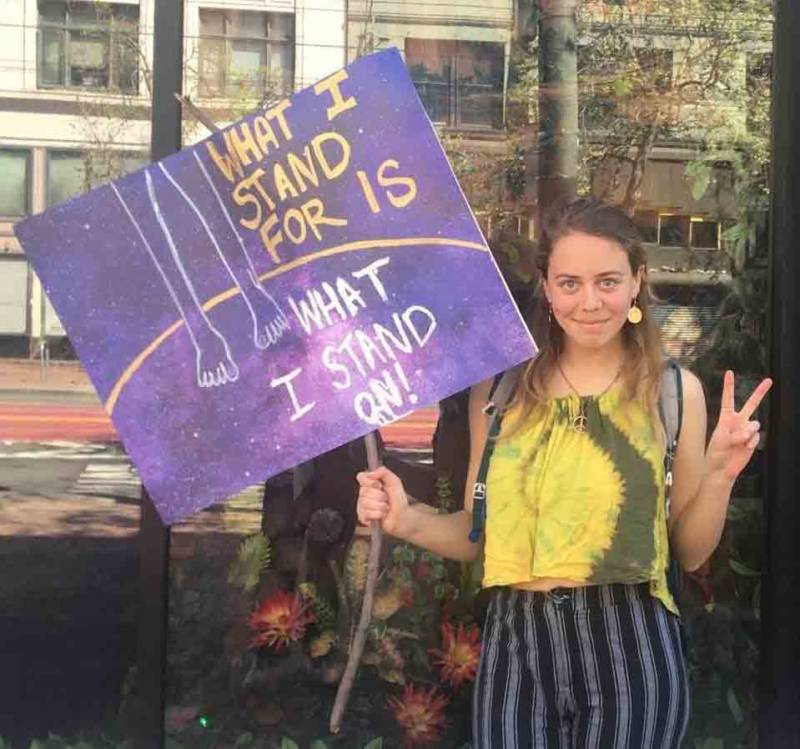
"caption": "Ana Ostrovsky at the San Francisco climate strike. ",
"description": null,
"title": "AnaClimateStrike-SF2019",
"credit": "Courtesy Alice Ostrovsky",
"status": "inherit",
"isLoading": false,
"fetchFailed": false
},
"mindshift_54619": {
"type": "attachments",
"id": "mindshift_54619",
"meta": {
"index": "attachments_1716263798",
"site": "mindshift",
"id": "54619",
"found": true
},
"parent": 54370,
"imgSizes": {
"twentyfourteen-full-width": {
"file": "https://ww2.kqed.org/app/uploads/sites/23/2019/10/Maya-Lin-arts-integration-1038x576.jpg",
"width": 1038,
"mimeType": "image/jpeg",
"height": 576
},
"thumbnail": {
"file": "https://ww2.kqed.org/app/uploads/sites/23/2019/10/Maya-Lin-arts-integration-160x107.jpg",
"width": 160,
"mimeType": "image/jpeg",
"height": 107
},
"post-thumbnail": {
"file": "https://ww2.kqed.org/app/uploads/sites/23/2019/10/Maya-Lin-arts-integration-672x372.jpg",
"width": 672,
"mimeType": "image/jpeg",
"height": 372
},
"kqedFullSize": {
"file": "https://ww2.kqed.org/app/uploads/sites/23/2019/10/Maya-Lin-arts-integration.jpg",
"width": 1920,
"height": 1281
},
"large": {
"file": "https://ww2.kqed.org/app/uploads/sites/23/2019/10/Maya-Lin-arts-integration-1020x681.jpg",
"width": 1020,
"mimeType": "image/jpeg",
"height": 681
},
"complete_open_graph": {
"file": "https://ww2.kqed.org/app/uploads/sites/23/2019/10/Maya-Lin-arts-integration-1200x801.jpg",
"width": 1200,
"mimeType": "image/jpeg",
"height": 801
},
"full-width": {
"file": "https://ww2.kqed.org/app/uploads/sites/23/2019/10/Maya-Lin-arts-integration-1920x1281.jpg",
"width": 1920,
"mimeType": "image/jpeg",
"height": 1281
},
"medium": {
"file": "https://ww2.kqed.org/app/uploads/sites/23/2019/10/Maya-Lin-arts-integration-800x534.jpg",
"width": 800,
"mimeType": "image/jpeg",
"height": 534
},
"medium_large": {
"file": "https://ww2.kqed.org/app/uploads/sites/23/2019/10/Maya-Lin-arts-integration-768x512.jpg",
"width": 768,
"mimeType": "image/jpeg",
"height": 512
}
},
"publishDate": 1571170636,
"modified": 1571170680,
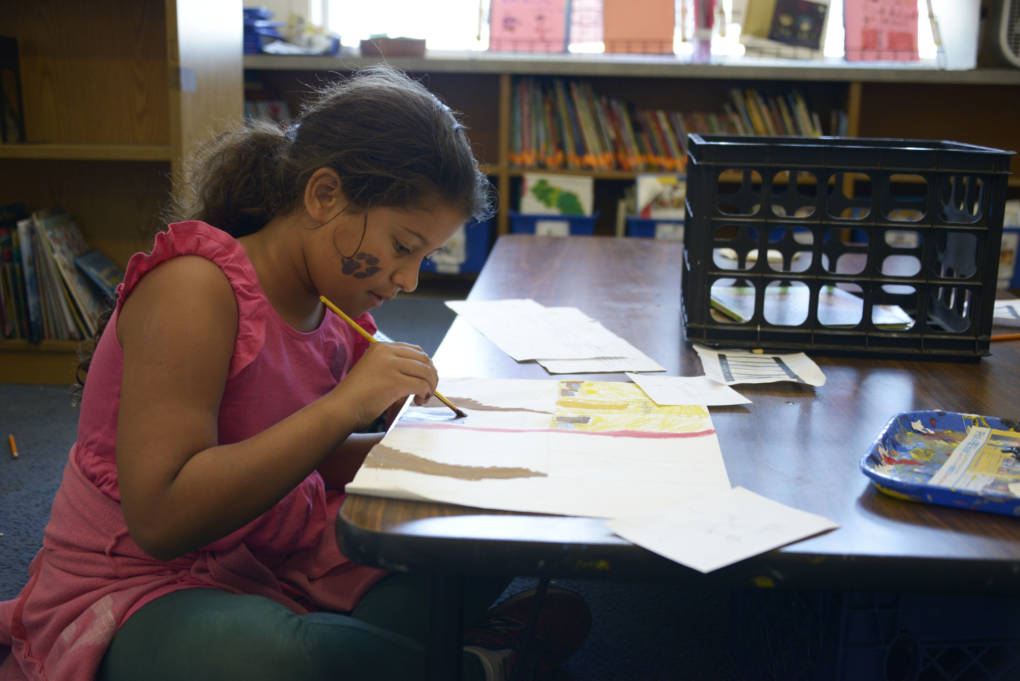
"caption": "A Maya Lin third grader works on her climate change project.",
"description": "A Maya Lin third grader works on her climate change project.",
"title": "Maya-Lin-arts-integration",
"credit": "Stephanie Lister/KQED",
"status": "inherit",
"isLoading": false,
"fetchFailed": false
},
"mindshift_54555": {
"type": "attachments",
"id": "mindshift_54555",
"meta": {
"index": "attachments_1716263798",
"site": "mindshift",
"id": "54555",
"found": true
},
"parent": 54548,
"imgSizes": {
"twentyfourteen-full-width": {
"file": "https://ww2.kqed.org/app/uploads/sites/23/2019/09/IMG_2684-1038x576.jpg",
"width": 1038,
"mimeType": "image/jpeg",
"height": 576
},
"thumbnail": {
"file": "https://ww2.kqed.org/app/uploads/sites/23/2019/09/IMG_2684-160x120.jpg",
"width": 160,
"mimeType": "image/jpeg",
"height": 120
},
"post-thumbnail": {
"file": "https://ww2.kqed.org/app/uploads/sites/23/2019/09/IMG_2684-672x372.jpg",
"width": 672,
"mimeType": "image/jpeg",
"height": 372
},
"kqedFullSize": {
"file": "https://ww2.kqed.org/app/uploads/sites/23/2019/09/IMG_2684-e1569869624136.jpg",
"width": 1920,
"height": 1440
},
"large": {
"file": "https://ww2.kqed.org/app/uploads/sites/23/2019/09/IMG_2684-1020x765.jpg",
"width": 1020,
"mimeType": "image/jpeg",
"height": 765
},
"complete_open_graph": {
"file": "https://ww2.kqed.org/app/uploads/sites/23/2019/09/IMG_2684-1200x900.jpg",
"width": 1200,
"mimeType": "image/jpeg",
"height": 900
},
"full-width": {
"file": "https://ww2.kqed.org/app/uploads/sites/23/2019/09/IMG_2684-1920x1440.jpg",
"width": 1920,
"mimeType": "image/jpeg",
"height": 1440
},
"medium": {
"file": "https://ww2.kqed.org/app/uploads/sites/23/2019/09/IMG_2684-800x600.jpg",
"width": 800,
"mimeType": "image/jpeg",
"height": 600
},
"medium_large": {
"file": "https://ww2.kqed.org/app/uploads/sites/23/2019/09/IMG_2684-768x576.jpg",
"width": 768,
"mimeType": "image/jpeg",
"height": 576
}
},
"publishDate": 1569867511,
"modified": 1569881122,
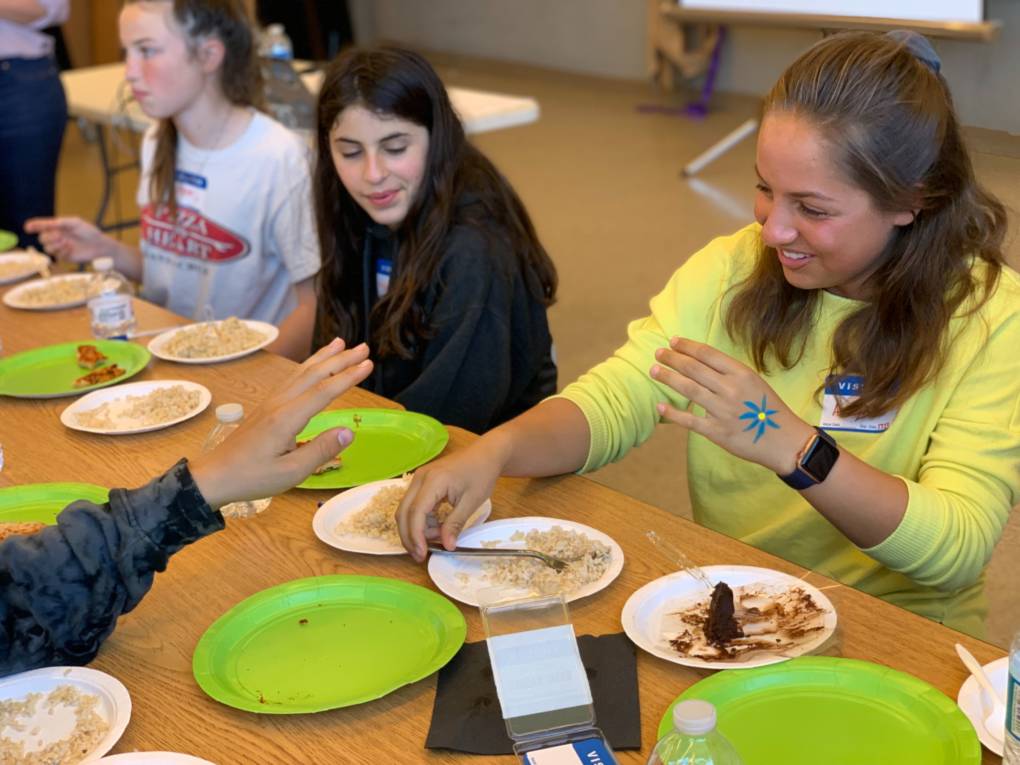
"caption": "Tice Creek students taste-test different varieties of rice. ",
"description": null,
"title": "IMG_2684",
"credit": "Ki Sung/KQED",
"status": "inherit",
"isLoading": false,
"fetchFailed": false
},
"mindshift_54153": {
"type": "attachments",
"id": "mindshift_54153",
"meta": {
"index": "attachments_1716263798",
"site": "mindshift",
"id": "54153",
"found": true
},
"parent": 54150,
"imgSizes": {
"twentyfourteen-full-width": {
"file": "https://ww2.kqed.org/app/uploads/sites/23/2019/08/PrivilegePower1-1038x576.jpg",
"width": 1038,
"mimeType": "image/jpeg",
"height": 576
},
"thumbnail": {
"file": "https://ww2.kqed.org/app/uploads/sites/23/2019/08/PrivilegePower1-160x107.jpg",
"width": 160,
"mimeType": "image/jpeg",
"height": 107
},
"post-thumbnail": {
"file": "https://ww2.kqed.org/app/uploads/sites/23/2019/08/PrivilegePower1-672x372.jpg",
"width": 672,
"mimeType": "image/jpeg",
"height": 372
},
"kqedFullSize": {
"file": "https://ww2.kqed.org/app/uploads/sites/23/2019/08/PrivilegePower1-e1568704658526.jpg",
"width": 1920,
"height": 1281
},
"large": {
"file": "https://ww2.kqed.org/app/uploads/sites/23/2019/08/PrivilegePower1-1020x681.jpg",
"width": 1020,
"mimeType": "image/jpeg",
"height": 681
},
"complete_open_graph": {
"file": "https://ww2.kqed.org/app/uploads/sites/23/2019/08/PrivilegePower1-1200x801.jpg",
"width": 1200,
"mimeType": "image/jpeg",
"height": 801
},
"full-width": {
"file": "https://ww2.kqed.org/app/uploads/sites/23/2019/08/PrivilegePower1-1920x1281.jpg",
"width": 1920,
"mimeType": "image/jpeg",
"height": 1281
},
"medium": {
"file": "https://ww2.kqed.org/app/uploads/sites/23/2019/08/PrivilegePower1-800x534.jpg",
"width": 800,
"mimeType": "image/jpeg",
"height": 534
},
"medium_large": {
"file": "https://ww2.kqed.org/app/uploads/sites/23/2019/08/PrivilegePower1-768x513.jpg",
"width": 768,
"mimeType": "image/jpeg",
"height": 513
}
},
"publishDate": 1565827110,
"modified": 1568674500,
"caption": "A first-grader in Bret Turner's classroom puts his work away.",
"description": "A first grader in Bret Turner's classroom puts his work away.",
"title": "PrivilegePower1",
"credit": "Stephanie Lister/KQED",
"status": "inherit",
"isLoading": false,
"fetchFailed": false
},
"mindshift_54311": {
"type": "attachments",
"id": "mindshift_54311",
"meta": {
"index": "attachments_1716263798",
"site": "mindshift",
"id": "54311",
"found": true
},
"parent": 0,
"imgSizes": {
"twentyfourteen-full-width": {
"file": "https://ww2.kqed.org/app/uploads/sites/23/2019/09/DSC5834-1038x576.jpg",
"width": 1038,
"mimeType": "image/jpeg",
"height": 576
},
"thumbnail": {
"file": "https://ww2.kqed.org/app/uploads/sites/23/2019/09/DSC5834-160x107.jpg",
"width": 160,
"mimeType": "image/jpeg",
"height": 107
},
"post-thumbnail": {
"file": "https://ww2.kqed.org/app/uploads/sites/23/2019/09/DSC5834-672x372.jpg",
"width": 672,
"mimeType": "image/jpeg",
"height": 372
},
"kqedFullSize": {
"file": "https://ww2.kqed.org/app/uploads/sites/23/2019/09/DSC5834-e1567492906159.jpg",
"width": 1920,
"height": 1281
},
"large": {
"file": "https://ww2.kqed.org/app/uploads/sites/23/2019/09/DSC5834-1020x681.jpg",
"width": 1020,
"mimeType": "image/jpeg",
"height": 681
},
"complete_open_graph": {
"file": "https://ww2.kqed.org/app/uploads/sites/23/2019/09/DSC5834-1200x801.jpg",
"width": 1200,
"mimeType": "image/jpeg",
"height": 801
},
"full-width": {
"file": "https://ww2.kqed.org/app/uploads/sites/23/2019/09/DSC5834-1920x1281.jpg",
"width": 1920,
"mimeType": "image/jpeg",
"height": 1281
},
"medium": {
"file": "https://ww2.kqed.org/app/uploads/sites/23/2019/09/DSC5834-800x534.jpg",
"width": 800,
"mimeType": "image/jpeg",
"height": 534
},
"medium_large": {
"file": "https://ww2.kqed.org/app/uploads/sites/23/2019/09/DSC5834-768x512.jpg",
"width": 768,
"mimeType": "image/jpeg",
"height": 512
}
},
"publishDate": 1567492851,
"modified": 1567492992,
"caption": "Students catch falling Jenga pieces while participating in Global School Play Day.",
"description": null,
"title": "_DSC5834",
"credit": null,
"status": "inherit",
"isLoading": false,
"fetchFailed": false
},
"mindshift_54184": {
"type": "attachments",
"id": "mindshift_54184",
"meta": {
"index": "attachments_1716263798",
"site": "mindshift",
"id": "54184",
"found": true
},
"parent": 54144,
"imgSizes": {
"twentyfourteen-full-width": {
"file": "https://ww2.kqed.org/app/uploads/sites/23/2019/08/Mindshift_anxietyillustration_v2-1038x576.jpg",
"width": 1038,
"mimeType": "image/jpeg",
"height": 576
},
"thumbnail": {
"file": "https://ww2.kqed.org/app/uploads/sites/23/2019/08/Mindshift_anxietyillustration_v2-160x90.jpg",
"width": 160,
"mimeType": "image/jpeg",
"height": 90
},
"post-thumbnail": {
"file": "https://ww2.kqed.org/app/uploads/sites/23/2019/08/Mindshift_anxietyillustration_v2-672x372.jpg",
"width": 672,
"mimeType": "image/jpeg",
"height": 372
},
"kqedFullSize": {
"file": "https://ww2.kqed.org/app/uploads/sites/23/2019/08/Mindshift_anxietyillustration_v2.jpg",
"width": 1920,
"height": 1080
},
"large": {
"file": "https://ww2.kqed.org/app/uploads/sites/23/2019/08/Mindshift_anxietyillustration_v2-1020x574.jpg",
"width": 1020,
"mimeType": "image/jpeg",
"height": 574
},
"complete_open_graph": {
"file": "https://ww2.kqed.org/app/uploads/sites/23/2019/08/Mindshift_anxietyillustration_v2-1200x675.jpg",
"width": 1200,
"mimeType": "image/jpeg",
"height": 675
},
"full-width": {
"file": "https://ww2.kqed.org/app/uploads/sites/23/2019/08/Mindshift_anxietyillustration_v2-1920x1080.jpg",
"width": 1920,
"mimeType": "image/jpeg",
"height": 1080
},
"medium": {
"file": "https://ww2.kqed.org/app/uploads/sites/23/2019/08/Mindshift_anxietyillustration_v2-800x450.jpg",
"width": 800,
"mimeType": "image/jpeg",
"height": 450
},
"medium_large": {
"file": "https://ww2.kqed.org/app/uploads/sites/23/2019/08/Mindshift_anxietyillustration_v2-768x432.jpg",
"width": 768,
"mimeType": "image/jpeg",
"height": 432
}
},
"publishDate": 1566250800,
"modified": 1566250913,
"caption": "Many students struggle with anxiety. Their teachers, parents and other educators are looking for ways to help them learn to deal.",
"description": "Many students struggle with anxiety. Their teachers, parents and other educators are looking for ways to help them learn to deal.",
"title": "Mindshift_anxietyillustration_v2",
"credit": "Kelly Heigert/KQED",
"status": "inherit",
"isLoading": false,
"fetchFailed": false
},
"mindshift_54131": {
"type": "attachments",
"id": "mindshift_54131",
"meta": {
"index": "attachments_1716263798",
"site": "mindshift",
"id": "54131",
"found": true
},
"parent": 54068,
"imgSizes": {
"twentyfourteen-full-width": {
"file": "https://ww2.kqed.org/app/uploads/sites/23/2019/08/Podcast-3-1038x576.jpg",
"width": 1038,
"mimeType": "image/jpeg",
"height": 576
},
"thumbnail": {
"file": "https://ww2.kqed.org/app/uploads/sites/23/2019/08/Podcast-3-160x123.jpg",
"width": 160,
"mimeType": "image/jpeg",
"height": 123
},
"post-thumbnail": {
"file": "https://ww2.kqed.org/app/uploads/sites/23/2019/08/Podcast-3-672x372.jpg",
"width": 672,
"mimeType": "image/jpeg",
"height": 372
},
"kqedFullSize": {
"file": "https://ww2.kqed.org/app/uploads/sites/23/2019/08/Podcast-3.jpg",
"width": 1440,
"height": 1103
},
"large": {
"file": "https://ww2.kqed.org/app/uploads/sites/23/2019/08/Podcast-3-1020x781.jpg",
"width": 1020,
"mimeType": "image/jpeg",
"height": 781
},
"complete_open_graph": {
"file": "https://ww2.kqed.org/app/uploads/sites/23/2019/08/Podcast-3-1200x919.jpg",
"width": 1200,
"mimeType": "image/jpeg",
"height": 919
},
"medium": {
"file": "https://ww2.kqed.org/app/uploads/sites/23/2019/08/Podcast-3-800x613.jpg",
"width": 800,
"mimeType": "image/jpeg",
"height": 613
},
"medium_large": {
"file": "https://ww2.kqed.org/app/uploads/sites/23/2019/08/Podcast-3-768x588.jpg",
"width": 768,
"mimeType": "image/jpeg",
"height": 588
}
},
"publishDate": 1565651443,
"modified": 1565651443,
"caption": null,
"description": null,
"title": "Podcast-3",
"credit": null,
"status": "inherit",
"isLoading": false,
"fetchFailed": false
},
"mindshift_52528": {
"type": "attachments",
"id": "mindshift_52528",
"meta": {
"index": "attachments_1716263798",
"site": "mindshift",
"id": "52528",
"found": true
},
"parent": 52520,
"imgSizes": {
"small": {
"file": "https://ww2.kqed.org/app/uploads/sites/23/2018/11/Civicorps-graduation2-520x347.png",
"width": 520,
"mimeType": "image/png",
"height": 347
},
"twentyfourteen-full-width": {
"file": "https://ww2.kqed.org/app/uploads/sites/23/2018/11/Civicorps-graduation2-1038x576.png",
"width": 1038,
"mimeType": "image/png",
"height": 576
},
"thumbnail": {
"file": "https://ww2.kqed.org/app/uploads/sites/23/2018/11/Civicorps-graduation2-160x107.png",
"width": 160,
"mimeType": "image/png",
"height": 107
},
"fd-sm": {
"file": "https://ww2.kqed.org/app/uploads/sites/23/2018/11/Civicorps-graduation2-960x640.png",
"width": 960,
"mimeType": "image/png",
"height": 640
},
"post-thumbnail": {
"file": "https://ww2.kqed.org/app/uploads/sites/23/2018/11/Civicorps-graduation2-672x372.png",
"width": 672,
"mimeType": "image/png",
"height": 372
},
"xsmall": {
"file": "https://ww2.kqed.org/app/uploads/sites/23/2018/11/Civicorps-graduation2-375x250.png",
"width": 375,
"mimeType": "image/png",
"height": 250
},
"kqedFullSize": {
"file": "https://ww2.kqed.org/app/uploads/sites/23/2018/11/Civicorps-graduation2.png",
"width": 1920,
"height": 1280
},
"large": {
"file": "https://ww2.kqed.org/app/uploads/sites/23/2018/11/Civicorps-graduation2-1020x680.png",
"width": 1020,
"mimeType": "image/png",
"height": 680
},
"xlarge": {
"file": "https://ww2.kqed.org/app/uploads/sites/23/2018/11/Civicorps-graduation2-1180x787.png",
"width": 1180,
"mimeType": "image/png",
"height": 787
},
"complete_open_graph": {
"file": "https://ww2.kqed.org/app/uploads/sites/23/2018/11/Civicorps-graduation2-1200x800.png",
"width": 1200,
"mimeType": "image/png",
"height": 800
},
"guest-author-50": {
"file": "https://ww2.kqed.org/app/uploads/sites/23/2018/11/Civicorps-graduation2-50x50.png",
"width": 50,
"mimeType": "image/png",
"height": 50
},
"guest-author-96": {
"file": "https://ww2.kqed.org/app/uploads/sites/23/2018/11/Civicorps-graduation2-96x96.png",
"width": 96,
"mimeType": "image/png",
"height": 96
},
"medium": {
"file": "https://ww2.kqed.org/app/uploads/sites/23/2018/11/Civicorps-graduation2-800x533.png",
"width": 800,
"mimeType": "image/png",
"height": 533
},
"guest-author-64": {
"file": "https://ww2.kqed.org/app/uploads/sites/23/2018/11/Civicorps-graduation2-64x64.png",
"width": 64,
"mimeType": "image/png",
"height": 64
},
"guest-author-32": {
"file": "https://ww2.kqed.org/app/uploads/sites/23/2018/11/Civicorps-graduation2-32x32.png",
"width": 32,
"mimeType": "image/png",
"height": 32
},
"fd-lrg": {
"file": "https://ww2.kqed.org/app/uploads/sites/23/2018/11/Civicorps-graduation2-1920x1280.png",
"width": 1920,
"mimeType": "image/png",
"height": 1280
},
"fd-med": {
"file": "https://ww2.kqed.org/app/uploads/sites/23/2018/11/Civicorps-graduation2-1180x787.png",
"width": 1180,
"mimeType": "image/png",
"height": 787
},
"full-width": {
"file": "https://ww2.kqed.org/app/uploads/sites/23/2018/11/Civicorps-graduation2-1920x1280.png",
"width": 1920,
"mimeType": "image/png",
"height": 1280
},
"detail": {
"file": "https://ww2.kqed.org/app/uploads/sites/23/2018/11/Civicorps-graduation2-150x150.png",
"width": 150,
"mimeType": "image/png",
"height": 150
},
"medium_large": {
"file": "https://ww2.kqed.org/app/uploads/sites/23/2018/11/Civicorps-graduation2-768x512.png",
"width": 768,
"mimeType": "image/png",
"height": 512
},
"guest-author-128": {
"file": "https://ww2.kqed.org/app/uploads/sites/23/2018/11/Civicorps-graduation2-128x128.png",
"width": 128,
"mimeType": "image/png",
"height": 128
},
"xxsmall": {
"file": "https://ww2.kqed.org/app/uploads/sites/23/2018/11/Civicorps-graduation2-240x160.png",
"width": 240,
"mimeType": "image/png",
"height": 160
}
},
"publishDate": 1542327015,
"modified": 1542667606,
"caption": "Left to right: Antoine Marigny, Daisha McGill and Eboni' Christine Route on graduation day.",
"description": null,
"title": "Civicorps graduation2",
"credit": "Courtesy Civicorps Corpsmember Academy",
"status": "inherit",
"isLoading": false,
"fetchFailed": false
},
"mindshift_52415": {
"type": "attachments",
"id": "mindshift_52415",
"meta": {
"index": "attachments_1716263798",
"site": "mindshift",
"id": "52415",
"found": true
},
"parent": 52413,
"imgSizes": {
"small": {
"file": "https://ww2.kqed.org/app/uploads/sites/23/2018/11/7-520x347.jpg",
"width": 520,
"mimeType": "image/jpeg",
"height": 347
},
"twentyfourteen-full-width": {
"file": "https://ww2.kqed.org/app/uploads/sites/23/2018/11/7-1038x576.jpg",
"width": 1038,
"mimeType": "image/jpeg",
"height": 576
},
"thumbnail": {
"file": "https://ww2.kqed.org/app/uploads/sites/23/2018/11/7-160x107.jpg",
"width": 160,
"mimeType": "image/jpeg",
"height": 107
},
"fd-sm": {
"file": "https://ww2.kqed.org/app/uploads/sites/23/2018/11/7-960x640.jpg",
"width": 960,
"mimeType": "image/jpeg",
"height": 640
},
"post-thumbnail": {
"file": "https://ww2.kqed.org/app/uploads/sites/23/2018/11/7-672x372.jpg",
"width": 672,
"mimeType": "image/jpeg",
"height": 372
},
"xsmall": {
"file": "https://ww2.kqed.org/app/uploads/sites/23/2018/11/7-375x250.jpg",
"width": 375,
"mimeType": "image/jpeg",
"height": 250
},
"kqedFullSize": {
"file": "https://ww2.kqed.org/app/uploads/sites/23/2018/11/7.jpg",
"width": 5530,
"height": 3687
},
"large": {
"file": "https://ww2.kqed.org/app/uploads/sites/23/2018/11/7-1020x680.jpg",
"width": 1020,
"mimeType": "image/jpeg",
"height": 680
},
"xlarge": {
"file": "https://ww2.kqed.org/app/uploads/sites/23/2018/11/7-1180x787.jpg",
"width": 1180,
"mimeType": "image/jpeg",
"height": 787
},
"complete_open_graph": {
"file": "https://ww2.kqed.org/app/uploads/sites/23/2018/11/7-1200x800.jpg",
"width": 1200,
"mimeType": "image/jpeg",
"height": 800
},
"guest-author-50": {
"file": "https://ww2.kqed.org/app/uploads/sites/23/2018/11/7-50x50.jpg",
"width": 50,
"mimeType": "image/jpeg",
"height": 50
},
"guest-author-96": {
"file": "https://ww2.kqed.org/app/uploads/sites/23/2018/11/7-96x96.jpg",
"width": 96,
"mimeType": "image/jpeg",
"height": 96
},
"medium": {
"file": "https://ww2.kqed.org/app/uploads/sites/23/2018/11/7-800x533.jpg",
"width": 800,
"mimeType": "image/jpeg",
"height": 533
},
"guest-author-64": {
"file": "https://ww2.kqed.org/app/uploads/sites/23/2018/11/7-64x64.jpg",
"width": 64,
"mimeType": "image/jpeg",
"height": 64
},
"guest-author-32": {
"file": "https://ww2.kqed.org/app/uploads/sites/23/2018/11/7-32x32.jpg",
"width": 32,
"mimeType": "image/jpeg",
"height": 32
},
"fd-lrg": {
"file": "https://ww2.kqed.org/app/uploads/sites/23/2018/11/7-1920x1280.jpg",
"width": 1920,
"mimeType": "image/jpeg",
"height": 1280
},
"fd-med": {
"file": "https://ww2.kqed.org/app/uploads/sites/23/2018/11/7-1180x787.jpg",
"width": 1180,
"mimeType": "image/jpeg",
"height": 787
},
"full-width": {
"file": "https://ww2.kqed.org/app/uploads/sites/23/2018/11/7-1920x1280.jpg",
"width": 1920,
"mimeType": "image/jpeg",
"height": 1280
},
"detail": {
"file": "https://ww2.kqed.org/app/uploads/sites/23/2018/11/7-150x150.jpg",
"width": 150,
"mimeType": "image/jpeg",
"height": 150
},
"medium_large": {
"file": "https://ww2.kqed.org/app/uploads/sites/23/2018/11/7-768x512.jpg",
"width": 768,
"mimeType": "image/jpeg",
"height": 512
},
"guest-author-128": {
"file": "https://ww2.kqed.org/app/uploads/sites/23/2018/11/7-128x128.jpg",
"width": 128,
"mimeType": "image/jpeg",
"height": 128
},
"xxsmall": {
"file": "https://ww2.kqed.org/app/uploads/sites/23/2018/11/7-240x160.jpg",
"width": 240,
"mimeType": "image/jpeg",
"height": 160
}
},
"publishDate": 1541201489,
"modified": 1541201679,
"caption": "Two Social Justice Humanitas Academy students in their advisory class.",
"description": "Two Social Justice Humanitas Academy students in their advisory class.",
"title": "Social Justice Humanitas Academy",
"credit": "\u003ca href=\"https://www.samshanahan.com/\">Samantha Shanahan\u003c/a>/KQED",
"status": "inherit",
"isLoading": false,
"fetchFailed": false
},
"mindshift_52368": {
"type": "attachments",
"id": "mindshift_52368",
"meta": {
"index": "attachments_1716263798",
"site": "mindshift",
"id": "52368",
"found": true
},
"parent": 52366,
"imgSizes": {
"small": {
"file": "https://ww2.kqed.org/app/uploads/sites/23/2018/10/RS33218_10122018_AW_RYSE_01-qut-520x386.jpg",
"width": 520,
"mimeType": "image/jpeg",
"height": 386
},
"twentyfourteen-full-width": {
"file": "https://ww2.kqed.org/app/uploads/sites/23/2018/10/RS33218_10122018_AW_RYSE_01-qut-1038x576.jpg",
"width": 1038,
"mimeType": "image/jpeg",
"height": 576
},
"thumbnail": {
"file": "https://ww2.kqed.org/app/uploads/sites/23/2018/10/RS33218_10122018_AW_RYSE_01-qut-160x119.jpg",
"width": 160,
"mimeType": "image/jpeg",
"height": 119
},
"fd-sm": {
"file": "https://ww2.kqed.org/app/uploads/sites/23/2018/10/RS33218_10122018_AW_RYSE_01-qut-960x712.jpg",
"width": 960,
"mimeType": "image/jpeg",
"height": 712
},
"post-thumbnail": {
"file": "https://ww2.kqed.org/app/uploads/sites/23/2018/10/RS33218_10122018_AW_RYSE_01-qut-672x372.jpg",
"width": 672,
"mimeType": "image/jpeg",
"height": 372
},
"xsmall": {
"file": "https://ww2.kqed.org/app/uploads/sites/23/2018/10/RS33218_10122018_AW_RYSE_01-qut-375x278.jpg",
"width": 375,
"mimeType": "image/jpeg",
"height": 278
},
"kqedFullSize": {
"file": "https://ww2.kqed.org/app/uploads/sites/23/2018/10/RS33218_10122018_AW_RYSE_01-qut.jpg",
"width": 1920,
"height": 1424
},
"large": {
"file": "https://ww2.kqed.org/app/uploads/sites/23/2018/10/RS33218_10122018_AW_RYSE_01-qut-1020x757.jpg",
"width": 1020,
"mimeType": "image/jpeg",
"height": 757
},
"xlarge": {
"file": "https://ww2.kqed.org/app/uploads/sites/23/2018/10/RS33218_10122018_AW_RYSE_01-qut-1180x875.jpg",
"width": 1180,
"mimeType": "image/jpeg",
"height": 875
},
"complete_open_graph": {
"file": "https://ww2.kqed.org/app/uploads/sites/23/2018/10/RS33218_10122018_AW_RYSE_01-qut-1200x890.jpg",
"width": 1200,
"mimeType": "image/jpeg",
"height": 890
},
"guest-author-50": {
"file": "https://ww2.kqed.org/app/uploads/sites/23/2018/10/RS33218_10122018_AW_RYSE_01-qut-50x50.jpg",
"width": 50,
"mimeType": "image/jpeg",
"height": 50
},
"guest-author-96": {
"file": "https://ww2.kqed.org/app/uploads/sites/23/2018/10/RS33218_10122018_AW_RYSE_01-qut-96x96.jpg",
"width": 96,
"mimeType": "image/jpeg",
"height": 96
},
"medium": {
"file": "https://ww2.kqed.org/app/uploads/sites/23/2018/10/RS33218_10122018_AW_RYSE_01-qut-800x593.jpg",
"width": 800,
"mimeType": "image/jpeg",
"height": 593
},
"guest-author-64": {
"file": "https://ww2.kqed.org/app/uploads/sites/23/2018/10/RS33218_10122018_AW_RYSE_01-qut-64x64.jpg",
"width": 64,
"mimeType": "image/jpeg",
"height": 64
},
"guest-author-32": {
"file": "https://ww2.kqed.org/app/uploads/sites/23/2018/10/RS33218_10122018_AW_RYSE_01-qut-32x32.jpg",
"width": 32,
"mimeType": "image/jpeg",
"height": 32
},
"fd-lrg": {
"file": "https://ww2.kqed.org/app/uploads/sites/23/2018/10/RS33218_10122018_AW_RYSE_01-qut-1920x1424.jpg",
"width": 1920,
"mimeType": "image/jpeg",
"height": 1424
},
"fd-med": {
"file": "https://ww2.kqed.org/app/uploads/sites/23/2018/10/RS33218_10122018_AW_RYSE_01-qut-1180x875.jpg",
"width": 1180,
"mimeType": "image/jpeg",
"height": 875
},
"full-width": {
"file": "https://ww2.kqed.org/app/uploads/sites/23/2018/10/RS33218_10122018_AW_RYSE_01-qut-1920x1424.jpg",
"width": 1920,
"mimeType": "image/jpeg",
"height": 1424
},
"detail": {
"file": "https://ww2.kqed.org/app/uploads/sites/23/2018/10/RS33218_10122018_AW_RYSE_01-qut-150x150.jpg",
"width": 150,
"mimeType": "image/jpeg",
"height": 150
},
"medium_large": {
"file": "https://ww2.kqed.org/app/uploads/sites/23/2018/10/RS33218_10122018_AW_RYSE_01-qut-768x570.jpg",
"width": 768,
"mimeType": "image/jpeg",
"height": 570
},
"guest-author-128": {
"file": "https://ww2.kqed.org/app/uploads/sites/23/2018/10/RS33218_10122018_AW_RYSE_01-qut-128x128.jpg",
"width": 128,
"mimeType": "image/jpeg",
"height": 128
},
"xxsmall": {
"file": "https://ww2.kqed.org/app/uploads/sites/23/2018/10/RS33218_10122018_AW_RYSE_01-qut-240x178.jpg",
"width": 240,
"mimeType": "image/jpeg",
"height": 178
}
},
"publishDate": 1540286991,
"modified": 1540287069,
"caption": "Gemikia Henderson and Dalia Ramos at RYSE Center in Richmond, California. ",
"description": null,
"title": "RS33218_10122018_AW_RYSE_01-qut",
"credit": "Anne Wernikoff/KQED",
"status": "inherit",
"isLoading": false,
"fetchFailed": false
},
"mindshift_52231": {
"type": "attachments",
"id": "mindshift_52231",
"meta": {
"index": "attachments_1716263798",
"site": "mindshift",
"id": "52231",
"found": true
},
"parent": 52229,
"imgSizes": {
"small": {
"file": "https://ww2.kqed.org/app/uploads/sites/23/2018/09/RS32356_ACEs_AW_51-qut-520x357.jpg",
"width": 520,
"mimeType": "image/jpeg",
"height": 357
},
"twentyfourteen-full-width": {
"file": "https://ww2.kqed.org/app/uploads/sites/23/2018/09/RS32356_ACEs_AW_51-qut-1038x576.jpg",
"width": 1038,
"mimeType": "image/jpeg",
"height": 576
},
"thumbnail": {
"file": "https://ww2.kqed.org/app/uploads/sites/23/2018/09/RS32356_ACEs_AW_51-qut-160x110.jpg",
"width": 160,
"mimeType": "image/jpeg",
"height": 110
},
"fd-sm": {
"file": "https://ww2.kqed.org/app/uploads/sites/23/2018/09/RS32356_ACEs_AW_51-qut-960x659.jpg",
"width": 960,
"mimeType": "image/jpeg",
"height": 659
},
"post-thumbnail": {
"file": "https://ww2.kqed.org/app/uploads/sites/23/2018/09/RS32356_ACEs_AW_51-qut-672x372.jpg",
"width": 672,
"mimeType": "image/jpeg",
"height": 372
},
"xsmall": {
"file": "https://ww2.kqed.org/app/uploads/sites/23/2018/09/RS32356_ACEs_AW_51-qut-375x257.jpg",
"width": 375,
"mimeType": "image/jpeg",
"height": 257
},
"kqedFullSize": {
"file": "https://ww2.kqed.org/app/uploads/sites/23/2018/09/RS32356_ACEs_AW_51-qut.jpg",
"width": 1920,
"height": 1318
},
"large": {
"file": "https://ww2.kqed.org/app/uploads/sites/23/2018/09/RS32356_ACEs_AW_51-qut-1020x700.jpg",
"width": 1020,
"mimeType": "image/jpeg",
"height": 700
},
"xlarge": {
"file": "https://ww2.kqed.org/app/uploads/sites/23/2018/09/RS32356_ACEs_AW_51-qut-1180x810.jpg",
"width": 1180,
"mimeType": "image/jpeg",
"height": 810
},
"complete_open_graph": {
"file": "https://ww2.kqed.org/app/uploads/sites/23/2018/09/RS32356_ACEs_AW_51-qut-1200x824.jpg",
"width": 1200,
"mimeType": "image/jpeg",
"height": 824
},
"guest-author-50": {
"file": "https://ww2.kqed.org/app/uploads/sites/23/2018/09/RS32356_ACEs_AW_51-qut-50x50.jpg",
"width": 50,
"mimeType": "image/jpeg",
"height": 50
},
"guest-author-96": {
"file": "https://ww2.kqed.org/app/uploads/sites/23/2018/09/RS32356_ACEs_AW_51-qut-96x96.jpg",
"width": 96,
"mimeType": "image/jpeg",
"height": 96
},
"medium": {
"file": "https://ww2.kqed.org/app/uploads/sites/23/2018/09/RS32356_ACEs_AW_51-qut-800x549.jpg",
"width": 800,
"mimeType": "image/jpeg",
"height": 549
},
"guest-author-64": {
"file": "https://ww2.kqed.org/app/uploads/sites/23/2018/09/RS32356_ACEs_AW_51-qut-64x64.jpg",
"width": 64,
"mimeType": "image/jpeg",
"height": 64
},
"guest-author-32": {
"file": "https://ww2.kqed.org/app/uploads/sites/23/2018/09/RS32356_ACEs_AW_51-qut-32x32.jpg",
"width": 32,
"mimeType": "image/jpeg",
"height": 32
},
"fd-lrg": {
"file": "https://ww2.kqed.org/app/uploads/sites/23/2018/09/RS32356_ACEs_AW_51-qut-1920x1318.jpg",
"width": 1920,
"mimeType": "image/jpeg",
"height": 1318
},
"fd-med": {
"file": "https://ww2.kqed.org/app/uploads/sites/23/2018/09/RS32356_ACEs_AW_51-qut-1180x810.jpg",
"width": 1180,
"mimeType": "image/jpeg",
"height": 810
},
"full-width": {
"file": "https://ww2.kqed.org/app/uploads/sites/23/2018/09/RS32356_ACEs_AW_51-qut-1920x1318.jpg",
"width": 1920,
"mimeType": "image/jpeg",
"height": 1318
},
"detail": {
"file": "https://ww2.kqed.org/app/uploads/sites/23/2018/09/RS32356_ACEs_AW_51-qut-150x150.jpg",
"width": 150,
"mimeType": "image/jpeg",
"height": 150
},
"medium_large": {
"file": "https://ww2.kqed.org/app/uploads/sites/23/2018/09/RS32356_ACEs_AW_51-qut-768x527.jpg",
"width": 768,
"mimeType": "image/jpeg",
"height": 527
},
"guest-author-128": {
"file": "https://ww2.kqed.org/app/uploads/sites/23/2018/09/RS32356_ACEs_AW_51-qut-128x128.jpg",
"width": 128,
"mimeType": "image/jpeg",
"height": 128
},
"xxsmall": {
"file": "https://ww2.kqed.org/app/uploads/sites/23/2018/09/RS32356_ACEs_AW_51-qut-240x165.jpg",
"width": 240,
"mimeType": "image/jpeg",
"height": 165
}
},
"publishDate": 1537821836,
"modified": 1537821858,
"caption": "After a very difficult upbringing and early adulthood, Sabrina Hanes is doing everything she can to overcome the trauma she experienced and give her daughter, Aroara, the best possible life. ",
"description": null,
"title": "RS32356_ACEs_AW_51-qut",
"credit": "Anne Wernikoff/KQED",
"status": "inherit",
"isLoading": false,
"fetchFailed": false
}
},
"audioPlayerReducer": {
"postId": "stream_live",
"isPaused": true,
"isPlaying": false,
"pfsActive": false,
"pledgeModalIsOpen": true,
"playerDrawerIsOpen": false,
"liveAudioPlayStartedAt": 0,
"liveAudioPlayContext": ""
},
"authorsReducer": {
"byline_mindshift_52229": {
"type": "authors",
"id": "byline_mindshift_52229",
"meta": {
"override": true
},
"slug": "byline_mindshift_52229",
"name": "Laura Klivans",
"isLoading": false
},
"katrinaschwartz": {
"type": "authors",
"id": "234",
"meta": {
"index": "authors_1716337520",
"id": "234",
"found": true
},
"name": "Katrina Schwartz",
"firstName": "Katrina",
"lastName": "Schwartz",
"slug": "katrinaschwartz",
"email": "kschwartz@kqed.org",
"display_author_email": false,
"staff_mastheads": [
"news"
],
"title": "Producer",
"bio": "Katrina Schwartz is a journalist based in San Francisco. She's worked at KPCC public radio in LA and has reported on air and online for KQED since 2010. She covered how teaching and learning is changing for MindShift between 2012 and 2020. She is the co-host of the MindShift podcast and now produces KQED's Bay Curious podcast.",
"avatar": "https://secure.gravatar.com/avatar/edb4ee79070447a018538c9aae6eeecf28786515b8a0c30e43b6b7dce5aa44c8?s=600&d=blank&r=g",
"twitter": "kschwart",
"bluesky": null,
"facebook": null,
"instagram": null,
"linkedin": null,
"sites": [
{
"site": "",
"roles": [
"editor"
]
},
{
"site": "news",
"roles": [
"editor"
]
},
{
"site": "mindshift",
"roles": [
"administrator"
]
},
{
"site": "stateofhealth",
"roles": [
"author"
]
},
{
"site": "science",
"roles": [
"editor"
]
}
],
"headData": {
"title": "Katrina Schwartz | KQED",
"description": "Producer",
"ogImgSrc": "https://secure.gravatar.com/avatar/edb4ee79070447a018538c9aae6eeecf28786515b8a0c30e43b6b7dce5aa44c8?s=600&d=blank&r=g",
"twImgSrc": "https://secure.gravatar.com/avatar/edb4ee79070447a018538c9aae6eeecf28786515b8a0c30e43b6b7dce5aa44c8?s=600&d=blank&r=g"
},
"isLoading": false,
"link": "/author/katrinaschwartz"
},
"ksung": {
"type": "authors",
"id": "4596",
"meta": {
"index": "authors_1716337520",
"id": "4596",
"found": true
},
"name": "Ki Sung",
"firstName": "Ki",
"lastName": "Sung",
"slug": "ksung",
"email": "ksung@kqed.org",
"display_author_email": false,
"staff_mastheads": [
"news"
],
"title": "KQED Contributor",
"bio": "Ki Sung is Managing Editor of Digital News at KQED. She is former Senior Editor of MindShift and worked at NPR before joining KQED in 2014.",
"avatar": "https://secure.gravatar.com/avatar/64271e01dc95486c133be56937739045b7c00c990525bf9add12d3dd4f0433c9?s=600&d=blank&r=g",
"twitter": null,
"bluesky": null,
"facebook": null,
"instagram": null,
"linkedin": null,
"sites": [
{
"site": "news",
"roles": [
"editor"
]
},
{
"site": "mindshift",
"roles": [
"administrator"
]
},
{
"site": "elections",
"roles": [
"administrator"
]
}
],
"headData": {
"title": "Ki Sung | KQED",
"description": "KQED Contributor",
"ogImgSrc": "https://secure.gravatar.com/avatar/64271e01dc95486c133be56937739045b7c00c990525bf9add12d3dd4f0433c9?s=600&d=blank&r=g",
"twImgSrc": "https://secure.gravatar.com/avatar/64271e01dc95486c133be56937739045b7c00c990525bf9add12d3dd4f0433c9?s=600&d=blank&r=g"
},
"isLoading": false,
"link": "/author/ksung"
}
},
"pagesReducer": {
"mindshift_program_mindshiftpodcast": {
"type": "terms",
"id": "mindshift_21942",
"meta": {
"index": "terms_1716263798",
"site": "mindshift",
"id": "21942",
"score": 15.874074
},
"name": "Mindshift Podcast",
"slug": "mindshiftpodcast",
"taxonomy": "program",
"description": null,
"featImg": null,
"headData": {
"title": "Mindshift Podcast - KQED Mindshift",
"description": null,
"ogTitle": null,
"ogDescription": null,
"ogImgId": null,
"twTitle": null,
"twDescription": null,
"twImgId": null
},
"ttid": 21214,
"isLoading": false,
"title": "Mindshift Podcast",
"pageMeta": {
"site": "mindshift",
"WpPageTemplate": "page-topic-editorial",
"currentPage": 7
},
"blocks": [
{
"blockName": "kqed/post-list",
"attrs": {
"layout": "cardArticle2",
"query": "posts/mindshift?program=mindshiftpodcast",
"seeMore": false,
"paginated": true,
"page": 7
}
},
{
"blockName": "kqed/ad"
}
]
}
},
"pfsSessionReducer": {},
"postsReducer": {
"stream_live": {
"type": "live",
"id": "stream_live",
"audioUrl": "https://streams.kqed.org/kqedradio",
"title": "Live Stream",
"excerpt": "Live Stream information currently unavailable.",
"link": "/radio",
"featImg": "",
"label": {
"name": "KQED Live",
"link": "/"
}
},
"stream_kqedNewscast": {
"type": "posts",
"id": "stream_kqedNewscast",
"audioUrl": "https://www.kqed.org/.stream/anon/radio/RDnews/newscast.mp3?_=1",
"title": "KQED Newscast",
"featImg": "",
"label": {
"name": "88.5 FM",
"link": "/"
}
},
"mindshift_56213": {
"type": "posts",
"id": "mindshift_56213",
"meta": {
"index": "posts_1716263798",
"site": "mindshift",
"id": "56213",
"score": null,
"sort": [
1594102742000
]
},
"guestAuthors": [],
"slug": "mindshift-podcast-is-back-with-season-five",
"title": "MindShift Podcast is Back with Season Five!",
"publishDate": 1594102742,
"format": "standard",
"headTitle": "MindShift Podcast is Back with Season Five! | KQED",
"labelTerm": {
"term": 21942,
"site": "mindshift"
},
"content": "\u003cp class=\"p1\">The MindShift Podcast is back with our fifth season.\u003c/p>\n\u003cp class=\"p1\">We’re here just in time to unpack some of the extraordinary circumstances created by emergency distance learning and the COVID-19 pandemic. This season, you’ll hear how teachers and students prioritized what mattered most as school closures dragged on during shelter-in-place.\u003c/p>\n\u003cp class=\"p1\">Ki Sung reports on a journal assignment that helped teachers stay in touch with students and check in on their welfare while in the middle of a coronavirus hotspot. Katrina Schwartz will give you an intimate listen into some of the experiences students were having during shelter-in-place, including what it was like to take an AP test in a distracting home environment. The Class of 2020 missed out on major milestones, but found small ways to find joy and connection.\u003c/p>\n\u003cp>KQED News education reporter Vanessa Rancaño reports on intergenerational illiteracy and how one grandmother is sharing her story in order to change how reading is taught to children. You’ll also hear about how boys are learning emotional intelligence skills online and how fan fiction is making writing more fun for adolescents.\u003c/p>\n\u003cp>Subscribe in your favorite podcast app so you won’t miss a single episode. You can listen on \u003ca href=\"https://podcasts.apple.com/us/podcast/mindshift-podcast/id1078765985\">Apple Podcasts\u003c/a>, \u003ca href=\"https://play.google.com/music/listen?u=0#/ps/I4hhfs3azg3avjzbuowzeal5sze\" target=\"_blank\" rel=\"noopener noreferrer\">Google Podcasts\u003c/a>, \u003ca href=\"https://www.npr.org/podcasts/464615685/mind-shift-podcast\">NPR One\u003c/a>, \u003ca href=\"https://open.spotify.com/show/0MxSpNYZKNprFLCl7eEtyx\" target=\"_blank\" rel=\"noopener noreferrer\">Spotify\u003c/a>, \u003ca href=\"https://www.stitcher.com/podcast/kqed/stories-teachers-share\">Stitcher\u003c/a> or wherever you get your podcasts.\u003c/p>\n\u003cp>[ad fullwidth]\u003c/p>\u003cp>\u003c/p>\n",
"blocks": [],
"excerpt": "Get a preview of what's coming up on the MindShift Podcast!",
"status": "publish",
"parent": 0,
"modified": 1726872575,
"stats": {
"hasAudio": false,
"hasVideo": false,
"hasChartOrMap": false,
"iframeSrcs": [],
"hasGoogleForm": false,
"hasGallery": false,
"hasHearkenModule": false,
"hasPolis": false,
"paragraphCount": 4,
"wordCount": 234
},
"headData": {
"title": "MindShift Podcast is Back with Season Five! | KQED",
"description": "Hear a preview of the MindShift Podcast. Listen to how teachers and students tried to stay connected during COVID-19 emergency distance learning.",
"ogTitle": "",
"ogDescription": "",
"ogImgId": "",
"twTitle": "",
"twDescription": "",
"twImgId": "",
"socialDescription": "Hear a preview of the MindShift Podcast. Listen to how teachers and students tried to stay connected during COVID-19 emergency distance learning.",
"schema": {
"@context": "https://schema.org",
"@type": "Article",
"headline": "MindShift Podcast is Back with Season Five!",
"datePublished": "2020-07-06T23:19:02-07:00",
"dateModified": "2024-09-20T15:49:35-07:00",
"image": "https://cdn.kqed.org/wp-content/uploads/2020/02/KQED-OG-Image@1x.png"
}
},
"audioUrl": "https://traffic.megaphone.fm/KQINC5174923466.mp3",
"sticky": false,
"path": "/mindshift/56213/mindshift-podcast-is-back-with-season-five",
"audioTrackLength": null,
"parsedContent": [
{
"type": "contentString",
"content": "\u003cdiv class=\"post-body\">\u003cp>\u003cp class=\"p1\">The MindShift Podcast is back with our fifth season.\u003c/p>\n\u003cp class=\"p1\">We’re here just in time to unpack some of the extraordinary circumstances created by emergency distance learning and the COVID-19 pandemic. This season, you’ll hear how teachers and students prioritized what mattered most as school closures dragged on during shelter-in-place.\u003c/p>\n\u003cp class=\"p1\">Ki Sung reports on a journal assignment that helped teachers stay in touch with students and check in on their welfare while in the middle of a coronavirus hotspot. Katrina Schwartz will give you an intimate listen into some of the experiences students were having during shelter-in-place, including what it was like to take an AP test in a distracting home environment. The Class of 2020 missed out on major milestones, but found small ways to find joy and connection.\u003c/p>\n\u003cp>KQED News education reporter Vanessa Rancaño reports on intergenerational illiteracy and how one grandmother is sharing her story in order to change how reading is taught to children. You’ll also hear about how boys are learning emotional intelligence skills online and how fan fiction is making writing more fun for adolescents.\u003c/p>\n\u003cp>Subscribe in your favorite podcast app so you won’t miss a single episode. You can listen on \u003ca href=\"https://podcasts.apple.com/us/podcast/mindshift-podcast/id1078765985\">Apple Podcasts\u003c/a>, \u003ca href=\"https://play.google.com/music/listen?u=0#/ps/I4hhfs3azg3avjzbuowzeal5sze\" target=\"_blank\" rel=\"noopener noreferrer\">Google Podcasts\u003c/a>, \u003ca href=\"https://www.npr.org/podcasts/464615685/mind-shift-podcast\">NPR One\u003c/a>, \u003ca href=\"https://open.spotify.com/show/0MxSpNYZKNprFLCl7eEtyx\" target=\"_blank\" rel=\"noopener noreferrer\">Spotify\u003c/a>, \u003ca href=\"https://www.stitcher.com/podcast/kqed/stories-teachers-share\">Stitcher\u003c/a> or wherever you get your podcasts.\u003c/p>\n\u003cp>\u003c/p>\u003c/div>",
"attributes": {
"named": {},
"numeric": []
}
},
{
"type": "component",
"content": "",
"name": "ad",
"attributes": {
"named": {
"label": "fullwidth"
},
"numeric": [
"fullwidth"
]
}
},
{
"type": "contentString",
"content": "\u003cdiv class=\"post-body\">\u003cp>\u003c/p>\u003cp>\u003c/p>\n\u003c/div>\u003c/p>",
"attributes": {
"named": {},
"numeric": []
}
}
],
"link": "/mindshift/56213/mindshift-podcast-is-back-with-season-five",
"authors": [
"4596"
],
"programs": [
"mindshift_21847",
"mindshift_21942"
],
"categories": [
"mindshift_21130",
"mindshift_21848"
],
"tags": [
"mindshift_20784",
"mindshift_1040",
"mindshift_21132"
],
"featImg": "mindshift_56214",
"label": "mindshift_21942"
},
"mindshift_53955": {
"type": "posts",
"id": "mindshift_53955",
"meta": {
"index": "posts_1716263798",
"site": "mindshift",
"id": "53955",
"score": null,
"sort": [
1572328564000
]
},
"guestAuthors": [],
"slug": "where-did-all-these-teen-activists-come-from",
"title": "Where Did All These Teen Activists Come From?",
"publishDate": 1572328564,
"format": "audio",
"headTitle": "Where Did All These Teen Activists Come From? | KQED",
"labelTerm": {
"term": 21942,
"site": "mindshift"
},
"content": "\u003ch4>Listen and subscribe to our podcast from your mobile device:\u003cbr>\n\u003ca href=\"https://podcasts.apple.com/us/podcast/mindshift-podcast/id1078765985?mt=2\">via Apple Podcasts \u003c/a> | \u003ca href=\"https://www.stitcher.com/podcast/kqed/stories-teachers-share\">via Stitcher\u003c/a> | \u003ca href=\"https://one.npr.org/?sharedMediaId=750851136:750851138\">via NPROne\u003c/a> | \u003ca href=\"https://open.spotify.com/show/0MxSpNYZKNprFLCl7eEtyx\"> via Spotify\u003c/a>\u003c/h4>\n\u003cp> \u003c/p>\n\u003cp>I met Ana Ostrovsky at a \u003ca href=\"https://www.kqed.org/science/1939172/bay-area-students-say-theyre-not-gonna-take-it-anymore-when-it-comes-to-climate-change\">big Climate Strike event\u003c/a> in March of 2019. Thousands of students cut school and gathered in downtown San Francisco to show their solidarity with the young Swedish climate activist\u003ca href=\"https://en.wikipedia.org/wiki/Greta_Thunberg\"> Greta Thunberg\u003c/a>. It was one of 2,300 such strikes held in 130 countries that Friday.\u003c/p>\n\u003cp>At the time, Ana was a senior at Terra Linda High School. She looked like a hippie child, wearing loose striped pants, a yellow crop top and sandals. She was sporting a sign that read: “What I Stand For Is What I Stand On.” Ana is a seasoned climate protester and activist, so much so that she almost decided not to attend that particular climate strike — she was getting a little tired of protesting. But, ultimately, she decided she wanted to be in solidarity with other young people around the globe.\u003c/p>\n\u003cp>“I think it’s a super powerful moment,” Ana said. “Especially because people understand the [climate] science more now … and that’s exciting, because everyone wants a place to live that is clean and healthy.”\u003c/p>\n\u003cp>Ana started her environmental activism younger than most — in first grade. That’s when she learned that polar bears were dying as climate change threatened their habitats. Ever since, she’s believed passionately that her purpose is to save the Earth. That feeling is even more powerful now that Ana is 18, on the cusp of adulthood.\u003c/p>\n\u003cp>[ad fullwidth]\u003c/p>\n\u003cp>“If no one else is going to do it, then we’re going to make the change that we want to see in the world,” she said.\u003c/p>\n\u003cp>In the last few years, young people have been demanding to be heard about the issues that matter most to them. After the school shooting in Parkland, Florida, \u003ca href=\"https://slate.com/news-and-politics/2018/02/the-student-activists-of-marjory-stoneman-douglas-high-demonstrate-the-power-of-a-full-education.html\">students planned and delivered \u003c/a>what some called the largest student protest since the Vietnam War. Crowd estimates ranged from 200,000 to 800,000 at the Washington, D.C., March for Our Lives, and hundreds of thousands more participated in the 800 sister protests held all over the country and the world. Some of the most impactful speeches at the March for Our Lives were from student survivors.\u003c/p>\n\u003cp>“When people try to suppress your vote, and there are people who stand against you because you’re too young, we say: ‘No more!’ ” shouted Parkland survivor David Hogg that day. His message, specifically about changing gun laws, encapsulates the urgency a lot of young people are feeling about a number of issues that affect their lives and their futures.\u003c/p>\n\u003cp>Students are staging school walkouts to protest immigration policies, striking in solidarity with Greta Thunberg, supporting their teachers during their own school strikes for better contracts, and staging Black Lives Matter protests.\u003c/p>\n\u003cp>“These are young people who have been affected by these issues, these are youth who are concerned about their safety, their future,” said Jesica Fernandez, a Santa Clara University professor who studies youth movements. “They present a compelling story because of the lived realities that they are experiencing and live in. That can make it more real and palpable to adults.”\u003c/p>\n\u003cp>There are many moments in history when young people have made their voices heard about the issues that matter to them — the civil rights movement, the anti-war movement and the \u003ca href=\"https://www.kcet.org/shows/departures/east-la-blowouts-walking-out-for-justice-in-the-classrooms\">East L.A. Blowouts\u003c/a>, for example. But technology allows young people living through this moment to be heard by a much larger audience, Fernandez said.\u003c/p>\n\u003cp>Ana and her peers are increasingly using their tech savvy to mobilize protests and inspire older generations in ways that weren’t possible before social media — generations that include people like Ana’s mom, Alice Ostrovsky.\u003c/p>\n\u003cp>Alice Ostrovsky is cynical about how quickly change will happen, but she tries to keep that skepticism to herself because she knows her daughter wants to change the world.\u003c/p>\n\u003cp>“We live in extremely demoralizing times,” she said. “And I think that’s why the youth activism that’s happened in the last couple of years is getting the attention that it is, and is resonating with so many people. Because we are frustrated, tired and depressed. But if serious amounts globally of young people motivate in a connected way, maybe there’s a little bit of a chance.”\u003cbr>\n\u003cstrong>\u003cbr>\nLearning to Make Change At School\u003c/strong>\u003c/p>\n\u003cp>Even though Ana is young, she’s not naive about how difficult and frustrating it can be to create lasting change and see one’s activism pay off, especially as a young person who can’t yet vote. She can thank a magnet program at her public school for that.\u003c/p>\n\u003cp>Ana’s activism motto is “Act locally, think globally,” something she learned in her classes for the \u003ca href=\"https://www.thesel.org/\">Marin School for Environmental Leadership\u003c/a>. It’s a program that taps into the natural adolescent desire to make change and couples it with a curriculum designed to get kids out of the classroom, interacting with the real world.\u003c/p>\n\u003cfigure id=\"attachment_53964\" class=\"wp-caption alignleft\" style=\"max-width: 640px\">\u003cimg loading=\"lazy\" decoding=\"async\" class=\"wp-image-53964 size-large\" src=\"https://ww2.kqed.org/mindshift/wp-content/uploads/sites/23/2019/07/Ana-Ostrovsky-garden-1020x1530.jpg\" alt=\"Ana Ostrovsky waters chard in her school's garden.\" width=\"640\" height=\"960\" srcset=\"https://cdn.kqed.org/wp-content/uploads/sites/23/2019/07/Ana-Ostrovsky-garden-1020x1530.jpg 1020w, https://cdn.kqed.org/wp-content/uploads/sites/23/2019/07/Ana-Ostrovsky-garden-160x240.jpg 160w, https://cdn.kqed.org/wp-content/uploads/sites/23/2019/07/Ana-Ostrovsky-garden-800x1200.jpg 800w, https://cdn.kqed.org/wp-content/uploads/sites/23/2019/07/Ana-Ostrovsky-garden-768x1152.jpg 768w, https://cdn.kqed.org/wp-content/uploads/sites/23/2019/07/Ana-Ostrovsky-garden-1920x2880.jpg 1920w\" sizes=\"(max-width: 640px) 100vw, 640px\">\u003cfigcaption class=\"wp-caption-text\">Ana Ostrovsky waters chard in her school’s garden. \u003ccite>(Katrina Schwartz/KQED)\u003c/cite>\u003c/figcaption>\u003c/figure>\n\u003cp>In her freshman year, Ana realized that there were grassroots sustainability efforts happening at many schools in San Rafael, but no top-down goals or leadership to unify those efforts. Nothing bothers her more than when individuals try to “recreate the wheel,” so she worked to start a sustainability committee at the district level that includes students, teachers, parents and district representatives. Their goal is to achieve the \u003ca href=\"https://www2.ed.gov/programs/green-ribbon-schools/index.html\">Green Ribbon School Standards\u003c/a>, a distinction for schools and districts that show excellence in resource efficiency, health and wellness, and environmental and sustainability education.\u003c/p>\n\u003cp>“It’s been very bureaucratic, and so it’s moved very slowly forward,” Ana said. “But in the last year, we have finally made strides.”\u003c/p>\n\u003cp>For the first few years, Ana said the pattern was for students to do research on each sustainability sector where the district needed to make progress, present it to the committee, get a patronizing “pat on the back” from the adults, and then nothing would happen. Ana was frustrated by that.\u003c/p>\n\u003cp>“It’s really demeaning, especially when adult men are looking at me and saying, ‘Why are we doing this again? What is this for?’ And I’m just like, ‘Everything! Have you been listening the past three years?’ ”\u003c/p>\n\u003cp>At the end of four years of advocacy work, Ana is getting used to cumbersome bureaucratic systems. She and her classmates also \u003ca href=\"https://www.marinij.com/2017/01/23/san-rafael-earns-b-on-students-environmental-report-card/\">evaluated the city of San Rafael on its sustainability goals\u003c/a> and presented to the City Council. That presentation led to Ana and her classmates writing and proposing a \u003ca href=\"http://publicrecords.cityofsanrafael.org/WebLink/DocView.aspx?id=18455&dbid=0&repo=CityofSanRafael&cr=1\" target=\"_blank\" rel=\"noopener\">city resolution\u003c/a> that recognizes the importance of youth voices in future sustainability planning. She has also studied historical movements and tactics that guide her leadership.\u003c/p>\n\u003cp>[mindshift-podcast]\u003c/p>\n\u003cp>“I’ve learned about framing and tactics, and that fear tactics are not the answer,” Ana said. “And it’s because of the real-world work that we do. I am able to talk to community members, and I’m able to talk to people who don’t necessarily agree with me.”\u003c/p>\n\u003cp>Ana still gets overwhelmed by the scale of problems like climate change, but when she starts to feel that way, she finds a concrete task that feels like it makes a small difference — like planting a tree or working in the garden.\u003c/p>\n\u003cp>“The little changes that you make in your community that you can see and you can touch and feel — that makes a huge impact, because your community will then be what other communities look to,” Ana said. “You can be a leader and make a ripple effect.”\u003c/p>\n\u003cp>\u003cstrong>A Community of Activists Helps Sustain the Work\u003c/strong>\u003c/p>\n\u003cp>Activism is not easy to sustain, something Ana knows as well as anyone. She says that for herself and her fellow students, participation in protests and other efforts ebbs and flows based on what else is going on in their lives. People are busy; she gets that.\u003c/p>\n\u003cp>When she starts to feel discouraged, Ana finds comfort in a group of other teen environmental activists who meet regularly to share ideas, raise money together, and offer solidarity. At one such meeting I attended at the San Rafael Public Library, Ana and a group of teens were making bookmarks out of paper bags that they planned to give away at a local educational farm.\u003c/p>\n\u003cp>When the conversation turned to the challenge of balancing school obligations with their commitment to activism, this group had a lot to say. Lori Gerstenfeld, then a senior at Redwood High School, was frustrated that her teachers weren’t more understanding about missing a little school for big protests.\u003c/p>\n\u003cp>“[Teachers are] very single-minded,” she said. “‘Here’s what we’re doing every day. If you miss it, there’s no excuses, you still have to make it up’ — which I understand. But, I wish they had more flexibility.”\u003c/p>\n\u003cp>That makes it hard to miss even a day of school, Lori said, because the work starts piling up. And while she understands that getting a good education is important, it can also feel hypocritical. On the one hand, teachers say the point of school is to gain knowledge and skills to impact the world. But when kids want to do just that — impact the world — they’re told to stay in class.\u003c/p>\n\u003cp>Another student activist, Jillian Hickey, said she’s learned a lot of important skills from activism. She listed some of them.\u003c/p>\n\u003cp>“Being organized, which is what school wants you to be. Goal-setting, leadership development and becoming more confident in yourself. Public speaking. All of this is stuff we’re learning on the go, which I think school is trying to teach us, but it’s just so much slower at it.”\u003c/p>\n\u003cp>These students aren’t saying that school is unimportant. It’s just rigid. And the message is always about pursuing their passions later. But by some estimates, the world will be feeling dramatic, irreversible changes due to climate change by 2030. Teens are starting to feel like there’s not that much “later” left.\u003c/p>\n\u003ch4>Listen and subscribe to our podcast from your mobile device:\u003cbr>\n\u003ca href=\"https://podcasts.apple.com/us/podcast/mindshift-podcast/id1078765985?mt=2\">via Apple Podcasts \u003c/a> | \u003ca href=\"https://www.stitcher.com/podcast/kqed/stories-teachers-share\">via Stitcher\u003c/a> | \u003ca href=\"https://one.npr.org/?sharedMediaId=750851136:750851138\">via NPROne\u003c/a> | \u003ca href=\"https://open.spotify.com/show/0MxSpNYZKNprFLCl7eEtyx\"> via Spotify\u003c/a>\u003c/h4>\n\u003cp>[ad floatright]\u003c/p>\n\u003cp> \u003c/p>\n\n",
"blocks": [],
"excerpt": "Young people are taking to the streets around the issues they care most about -- gun control, climate change, immigration. They're inspiring an intergenerational movement.",
"status": "publish",
"parent": 0,
"modified": 1726872580,
"stats": {
"hasAudio": false,
"hasVideo": false,
"hasChartOrMap": false,
"iframeSrcs": [],
"hasGoogleForm": false,
"hasGallery": false,
"hasHearkenModule": false,
"hasPolis": false,
"paragraphCount": 35,
"wordCount": 1800
},
"headData": {
"title": "Where Did All These Teen Activists Come From? | KQED",
"description": "Young people are taking to the streets around the issues they care most about -- gun control, climate change, immigration. They're inspiring an intergenerational movement.",
"ogTitle": "",
"ogDescription": "",
"ogImgId": "",
"twTitle": "",
"twDescription": "",
"twImgId": "",
"schema": {
"@context": "https://schema.org",
"@type": "Article",
"headline": "Where Did All These Teen Activists Come From?",
"datePublished": "2019-10-28T22:56:04-07:00",
"dateModified": "2024-09-20T15:49:40-07:00",
"image": "https://cdn.kqed.org/wp-content/uploads/2020/02/KQED-OG-Image@1x.png"
}
},
"sticky": false,
"audioTrackLength": 1230,
"path": "/mindshift/53955/where-did-all-these-teen-activists-come-from",
"audioUrl": "https://www.kqed.org/.stream/anon/radio/storiesteachersshare/2019/10/WhereDidAllTheseTeenActivistsComeFromQC.mp3",
"audioDuration": 1229000,
"parsedContent": [
{
"type": "contentString",
"content": "\u003cdiv class=\"post-body\">\u003cp>\u003ch4>Listen and subscribe to our podcast from your mobile device:\u003cbr>\n\u003ca href=\"https://podcasts.apple.com/us/podcast/mindshift-podcast/id1078765985?mt=2\">via Apple Podcasts \u003c/a> | \u003ca href=\"https://www.stitcher.com/podcast/kqed/stories-teachers-share\">via Stitcher\u003c/a> | \u003ca href=\"https://one.npr.org/?sharedMediaId=750851136:750851138\">via NPROne\u003c/a> | \u003ca href=\"https://open.spotify.com/show/0MxSpNYZKNprFLCl7eEtyx\"> via Spotify\u003c/a>\u003c/h4>\n\u003cp> \u003c/p>\n\u003cp>I met Ana Ostrovsky at a \u003ca href=\"https://www.kqed.org/science/1939172/bay-area-students-say-theyre-not-gonna-take-it-anymore-when-it-comes-to-climate-change\">big Climate Strike event\u003c/a> in March of 2019. Thousands of students cut school and gathered in downtown San Francisco to show their solidarity with the young Swedish climate activist\u003ca href=\"https://en.wikipedia.org/wiki/Greta_Thunberg\"> Greta Thunberg\u003c/a>. It was one of 2,300 such strikes held in 130 countries that Friday.\u003c/p>\n\u003cp>At the time, Ana was a senior at Terra Linda High School. She looked like a hippie child, wearing loose striped pants, a yellow crop top and sandals. She was sporting a sign that read: “What I Stand For Is What I Stand On.” Ana is a seasoned climate protester and activist, so much so that she almost decided not to attend that particular climate strike — she was getting a little tired of protesting. But, ultimately, she decided she wanted to be in solidarity with other young people around the globe.\u003c/p>\n\u003cp>“I think it’s a super powerful moment,” Ana said. “Especially because people understand the [climate] science more now … and that’s exciting, because everyone wants a place to live that is clean and healthy.”\u003c/p>\n\u003cp>Ana started her environmental activism younger than most — in first grade. That’s when she learned that polar bears were dying as climate change threatened their habitats. Ever since, she’s believed passionately that her purpose is to save the Earth. That feeling is even more powerful now that Ana is 18, on the cusp of adulthood.\u003c/p>\n\u003cp>\u003c/p>\u003c/div>",
"attributes": {
"named": {},
"numeric": []
}
},
{
"type": "component",
"content": "",
"name": "ad",
"attributes": {
"named": {
"label": "fullwidth"
},
"numeric": [
"fullwidth"
]
}
},
{
"type": "contentString",
"content": "\u003cdiv class=\"post-body\">\u003cp>\u003c/p>\n\u003cp>“If no one else is going to do it, then we’re going to make the change that we want to see in the world,” she said.\u003c/p>\n\u003cp>In the last few years, young people have been demanding to be heard about the issues that matter most to them. After the school shooting in Parkland, Florida, \u003ca href=\"https://slate.com/news-and-politics/2018/02/the-student-activists-of-marjory-stoneman-douglas-high-demonstrate-the-power-of-a-full-education.html\">students planned and delivered \u003c/a>what some called the largest student protest since the Vietnam War. Crowd estimates ranged from 200,000 to 800,000 at the Washington, D.C., March for Our Lives, and hundreds of thousands more participated in the 800 sister protests held all over the country and the world. Some of the most impactful speeches at the March for Our Lives were from student survivors.\u003c/p>\n\u003cp>“When people try to suppress your vote, and there are people who stand against you because you’re too young, we say: ‘No more!’ ” shouted Parkland survivor David Hogg that day. His message, specifically about changing gun laws, encapsulates the urgency a lot of young people are feeling about a number of issues that affect their lives and their futures.\u003c/p>\n\u003cp>Students are staging school walkouts to protest immigration policies, striking in solidarity with Greta Thunberg, supporting their teachers during their own school strikes for better contracts, and staging Black Lives Matter protests.\u003c/p>\n\u003cp>“These are young people who have been affected by these issues, these are youth who are concerned about their safety, their future,” said Jesica Fernandez, a Santa Clara University professor who studies youth movements. “They present a compelling story because of the lived realities that they are experiencing and live in. That can make it more real and palpable to adults.”\u003c/p>\n\u003cp>There are many moments in history when young people have made their voices heard about the issues that matter to them — the civil rights movement, the anti-war movement and the \u003ca href=\"https://www.kcet.org/shows/departures/east-la-blowouts-walking-out-for-justice-in-the-classrooms\">East L.A. Blowouts\u003c/a>, for example. But technology allows young people living through this moment to be heard by a much larger audience, Fernandez said.\u003c/p>\n\u003cp>Ana and her peers are increasingly using their tech savvy to mobilize protests and inspire older generations in ways that weren’t possible before social media — generations that include people like Ana’s mom, Alice Ostrovsky.\u003c/p>\n\u003cp>Alice Ostrovsky is cynical about how quickly change will happen, but she tries to keep that skepticism to herself because she knows her daughter wants to change the world.\u003c/p>\n\u003cp>“We live in extremely demoralizing times,” she said. “And I think that’s why the youth activism that’s happened in the last couple of years is getting the attention that it is, and is resonating with so many people. Because we are frustrated, tired and depressed. But if serious amounts globally of young people motivate in a connected way, maybe there’s a little bit of a chance.”\u003cbr>\n\u003cstrong>\u003cbr>\nLearning to Make Change At School\u003c/strong>\u003c/p>\n\u003cp>Even though Ana is young, she’s not naive about how difficult and frustrating it can be to create lasting change and see one’s activism pay off, especially as a young person who can’t yet vote. She can thank a magnet program at her public school for that.\u003c/p>\n\u003cp>Ana’s activism motto is “Act locally, think globally,” something she learned in her classes for the \u003ca href=\"https://www.thesel.org/\">Marin School for Environmental Leadership\u003c/a>. It’s a program that taps into the natural adolescent desire to make change and couples it with a curriculum designed to get kids out of the classroom, interacting with the real world.\u003c/p>\n\u003cfigure id=\"attachment_53964\" class=\"wp-caption alignleft\" style=\"max-width: 640px\">\u003cimg loading=\"lazy\" decoding=\"async\" class=\"wp-image-53964 size-large\" src=\"https://ww2.kqed.org/mindshift/wp-content/uploads/sites/23/2019/07/Ana-Ostrovsky-garden-1020x1530.jpg\" alt=\"Ana Ostrovsky waters chard in her school's garden.\" width=\"640\" height=\"960\" srcset=\"https://cdn.kqed.org/wp-content/uploads/sites/23/2019/07/Ana-Ostrovsky-garden-1020x1530.jpg 1020w, https://cdn.kqed.org/wp-content/uploads/sites/23/2019/07/Ana-Ostrovsky-garden-160x240.jpg 160w, https://cdn.kqed.org/wp-content/uploads/sites/23/2019/07/Ana-Ostrovsky-garden-800x1200.jpg 800w, https://cdn.kqed.org/wp-content/uploads/sites/23/2019/07/Ana-Ostrovsky-garden-768x1152.jpg 768w, https://cdn.kqed.org/wp-content/uploads/sites/23/2019/07/Ana-Ostrovsky-garden-1920x2880.jpg 1920w\" sizes=\"(max-width: 640px) 100vw, 640px\">\u003cfigcaption class=\"wp-caption-text\">Ana Ostrovsky waters chard in her school’s garden. \u003ccite>(Katrina Schwartz/KQED)\u003c/cite>\u003c/figcaption>\u003c/figure>\n\u003cp>In her freshman year, Ana realized that there were grassroots sustainability efforts happening at many schools in San Rafael, but no top-down goals or leadership to unify those efforts. Nothing bothers her more than when individuals try to “recreate the wheel,” so she worked to start a sustainability committee at the district level that includes students, teachers, parents and district representatives. Their goal is to achieve the \u003ca href=\"https://www2.ed.gov/programs/green-ribbon-schools/index.html\">Green Ribbon School Standards\u003c/a>, a distinction for schools and districts that show excellence in resource efficiency, health and wellness, and environmental and sustainability education.\u003c/p>\n\u003cp>“It’s been very bureaucratic, and so it’s moved very slowly forward,” Ana said. “But in the last year, we have finally made strides.”\u003c/p>\n\u003cp>For the first few years, Ana said the pattern was for students to do research on each sustainability sector where the district needed to make progress, present it to the committee, get a patronizing “pat on the back” from the adults, and then nothing would happen. Ana was frustrated by that.\u003c/p>\n\u003cp>“It’s really demeaning, especially when adult men are looking at me and saying, ‘Why are we doing this again? What is this for?’ And I’m just like, ‘Everything! Have you been listening the past three years?’ ”\u003c/p>\n\u003cp>At the end of four years of advocacy work, Ana is getting used to cumbersome bureaucratic systems. She and her classmates also \u003ca href=\"https://www.marinij.com/2017/01/23/san-rafael-earns-b-on-students-environmental-report-card/\">evaluated the city of San Rafael on its sustainability goals\u003c/a> and presented to the City Council. That presentation led to Ana and her classmates writing and proposing a \u003ca href=\"http://publicrecords.cityofsanrafael.org/WebLink/DocView.aspx?id=18455&dbid=0&repo=CityofSanRafael&cr=1\" target=\"_blank\" rel=\"noopener\">city resolution\u003c/a> that recognizes the importance of youth voices in future sustainability planning. She has also studied historical movements and tactics that guide her leadership.\u003c/p>\n\u003cp>\u003c/p>\u003cp>\u003caside class=\"alignleft utils-parseShortcode-shortcodes-__mindshiftPodcastShortcode__mindshift\">\u003cimg src=https://cdn.kqed.org/wp-content/uploads/2023/02/mindshiftLogo.png alt=\"Bay Curious Podcast\" loading=\"lazy\" />\n \u003ca href=\"/mindshift/category/mindshiftpodcast\">MindShift\u003c/a> has a podcast! Listen on Apple Podcasts, Google Podcasts, NPR One or your favorite podcast app.\n Subscribe on \u003ca href=\"https://podcasts.apple.com/us/podcast/stories-teachers-share-mindshift/id1078765985\" target=\"_blank\" rel=\"noopener noreferrer\">Apple Podcasts\u003c/a>,\n \u003ca href=\"https://play.google.com/music/listen?u=0#/ps/I4hhfs3azg3avjzbuowzeal5sze\" target=\"_blank\" rel=\"noopener noreferrer\">Google Podcasts\u003c/a>,\n \u003ca href=\"https://one.npr.org/?sharedMediaId=669511148:669511150\" target=\"_blank\" rel=\"noopener noreferrer\">NPR One\u003c/a>,\n \u003ca href=\"https://www.stitcher.com/podcast/kqed/stories-teachers-share\" target=\"_blank\" rel=\"noopener noreferrer\">Stitcher\u003c/a>,\n \u003ca href=\"https://open.spotify.com/show/0MxSpNYZKNprFLCl7eEtyx\" target=\"_blank\" rel=\"noopener noreferrer\">Spotify\u003c/a> or your favorite podcast platform.\u003c/aside>\u003c/p>\u003cp>\u003c/p>\n\u003cp>“I’ve learned about framing and tactics, and that fear tactics are not the answer,” Ana said. “And it’s because of the real-world work that we do. I am able to talk to community members, and I’m able to talk to people who don’t necessarily agree with me.”\u003c/p>\n\u003cp>Ana still gets overwhelmed by the scale of problems like climate change, but when she starts to feel that way, she finds a concrete task that feels like it makes a small difference — like planting a tree or working in the garden.\u003c/p>\n\u003cp>“The little changes that you make in your community that you can see and you can touch and feel — that makes a huge impact, because your community will then be what other communities look to,” Ana said. “You can be a leader and make a ripple effect.”\u003c/p>\n\u003cp>\u003cstrong>A Community of Activists Helps Sustain the Work\u003c/strong>\u003c/p>\n\u003cp>Activism is not easy to sustain, something Ana knows as well as anyone. She says that for herself and her fellow students, participation in protests and other efforts ebbs and flows based on what else is going on in their lives. People are busy; she gets that.\u003c/p>\n\u003cp>When she starts to feel discouraged, Ana finds comfort in a group of other teen environmental activists who meet regularly to share ideas, raise money together, and offer solidarity. At one such meeting I attended at the San Rafael Public Library, Ana and a group of teens were making bookmarks out of paper bags that they planned to give away at a local educational farm.\u003c/p>\n\u003cp>When the conversation turned to the challenge of balancing school obligations with their commitment to activism, this group had a lot to say. Lori Gerstenfeld, then a senior at Redwood High School, was frustrated that her teachers weren’t more understanding about missing a little school for big protests.\u003c/p>\n\u003cp>“[Teachers are] very single-minded,” she said. “‘Here’s what we’re doing every day. If you miss it, there’s no excuses, you still have to make it up’ — which I understand. But, I wish they had more flexibility.”\u003c/p>\n\u003cp>That makes it hard to miss even a day of school, Lori said, because the work starts piling up. And while she understands that getting a good education is important, it can also feel hypocritical. On the one hand, teachers say the point of school is to gain knowledge and skills to impact the world. But when kids want to do just that — impact the world — they’re told to stay in class.\u003c/p>\n\u003cp>Another student activist, Jillian Hickey, said she’s learned a lot of important skills from activism. She listed some of them.\u003c/p>\n\u003cp>“Being organized, which is what school wants you to be. Goal-setting, leadership development and becoming more confident in yourself. Public speaking. All of this is stuff we’re learning on the go, which I think school is trying to teach us, but it’s just so much slower at it.”\u003c/p>\n\u003cp>These students aren’t saying that school is unimportant. It’s just rigid. And the message is always about pursuing their passions later. But by some estimates, the world will be feeling dramatic, irreversible changes due to climate change by 2030. Teens are starting to feel like there’s not that much “later” left.\u003c/p>\n\u003ch4>Listen and subscribe to our podcast from your mobile device:\u003cbr>\n\u003ca href=\"https://podcasts.apple.com/us/podcast/mindshift-podcast/id1078765985?mt=2\">via Apple Podcasts \u003c/a> | \u003ca href=\"https://www.stitcher.com/podcast/kqed/stories-teachers-share\">via Stitcher\u003c/a> | \u003ca href=\"https://one.npr.org/?sharedMediaId=750851136:750851138\">via NPROne\u003c/a> | \u003ca href=\"https://open.spotify.com/show/0MxSpNYZKNprFLCl7eEtyx\"> via Spotify\u003c/a>\u003c/h4>\n\u003cp>\u003c/p>\u003c/div>",
"attributes": {
"named": {},
"numeric": []
}
},
{
"type": "component",
"content": "",
"name": "ad",
"attributes": {
"named": {
"label": "floatright"
},
"numeric": [
"floatright"
]
}
},
{
"type": "contentString",
"content": "\u003cdiv class=\"post-body\">\u003cp>\u003c/p>\n\u003cp> \u003c/p>\n\n\u003c/div>\u003c/p>",
"attributes": {
"named": {},
"numeric": []
}
}
],
"link": "/mindshift/53955/where-did-all-these-teen-activists-come-from",
"authors": [
"234"
],
"programs": [
"mindshift_21847",
"mindshift_21942"
],
"categories": [
"mindshift_21130",
"mindshift_21848"
],
"tags": [
"mindshift_21124",
"mindshift_20784",
"mindshift_1040",
"mindshift_21132",
"mindshift_256",
"mindshift_21278",
"mindshift_20779"
],
"featImg": "mindshift_54700",
"label": "mindshift_21942"
},
"mindshift_54370": {
"type": "posts",
"id": "mindshift_54370",
"meta": {
"index": "posts_1716263798",
"site": "mindshift",
"id": "54370",
"score": null,
"sort": [
1571120616000
]
},
"guestAuthors": [],
"slug": "how-art-can-help-center-a-students-learning-experience",
"title": "How Art Can Help Center a Student’s Learning Experience",
"publishDate": 1571120616,
"format": "audio",
"headTitle": "How Art Can Help Center a Student’s Learning Experience | KQED",
"labelTerm": {
"term": 21942,
"site": "mindshift"
},
"content": "\u003ch4>Listen and subscribe to our podcast from your mobile device:\u003cbr>\n\u003ca href=\"https://podcasts.apple.com/us/podcast/how-art-can-help-center-a-students-learning-experience/id1078765985?i=1000453568194\">via Apple Podcasts \u003c/a> | \u003ca href=\"https://www.stitcher.com/s?eid=64602700&autoplay=1\">via Stitcher\u003c/a> | \u003ca href=\"https://one.npr.org/i/770243221:770243223\">via NPROne\u003c/a> | \u003ca href=\"https://open.spotify.com/episode/5D754Qtl5E9H6O6jVuqkCT\">via Spotify\u003c/a>\u003c/h4>\n\u003cp> \u003c/p>\n\u003cp>When I visited Maya Lin, an elementary school in Alameda, California where art is at the center of learning, third graders were in the middle of a multi-week project on climate change. Pairs of students had chosen climates around the world and researched them to learn about the weather, flora and fauna.\u003c/p>\n\u003cp>In art class, they created artistic representations of their climates using either a torn-paper collage technique or oil pastels. They also wrote books about how climate change will affect their climates and the animals that live there. In the process, they learned what fossil fuels are, where they come from, and how they’re extracted. They studied how the greenhouse gas effect works and made a visual model of it.\u003c/p>\n\u003cp>One boy, John, showed me his model and described the science behind it.\u003c/p>\n\u003cp>“I made a project with one of my friends about the greenhouse effect and how the sun’s heat rays go in, and the heat gets trapped inside the atmosphere and heats up the earth,” said John.\u003c/p>\n\u003cp>[ad fullwidth]\u003c/p>\n\u003cp>I asked him about the artistic techniques he used to create a blotchy effect on the sun.\u003c/p>\n\u003cp>“I saw a picture of the sun to try and draw it and there were spots where it was really really bright. So I drew those spots in and then I put tape over it and then I dabbed the paintbrush so it looked like spots, and then the spots where I put tape were still paper white,” he explained. He’d also used collage to create a translucent effect for the atmosphere.\u003c/p>\n\u003cfigure id=\"attachment_54419\" class=\"wp-caption alignnone\" style=\"max-width: 1920px\">\u003cimg loading=\"lazy\" decoding=\"async\" class=\"wp-image-54419 size-full\" src=\"https://ww2.kqed.org/mindshift/wp-content/uploads/sites/23/2019/09/RS37590__DSC9199-qut.jpg\" alt=\"John's artwork depicting the greenhouse gas effect.\" width=\"1920\" height=\"1282\" srcset=\"https://cdn.kqed.org/wp-content/uploads/sites/23/2019/09/RS37590__DSC9199-qut.jpg 1920w, https://cdn.kqed.org/wp-content/uploads/sites/23/2019/09/RS37590__DSC9199-qut-160x107.jpg 160w, https://cdn.kqed.org/wp-content/uploads/sites/23/2019/09/RS37590__DSC9199-qut-800x534.jpg 800w, https://cdn.kqed.org/wp-content/uploads/sites/23/2019/09/RS37590__DSC9199-qut-768x513.jpg 768w, https://cdn.kqed.org/wp-content/uploads/sites/23/2019/09/RS37590__DSC9199-qut-1020x681.jpg 1020w, https://cdn.kqed.org/wp-content/uploads/sites/23/2019/09/RS37590__DSC9199-qut-1200x801.jpg 1200w\" sizes=\"(max-width: 1920px) 100vw, 1920px\">\u003cfigcaption class=\"wp-caption-text\">John’s artwork depicting the greenhouse gas effect. \u003ccite>(Stephanie Lister/KQED)\u003c/cite>\u003c/figcaption>\u003c/figure>\n\u003cp>I was struck by how much John could tell me both about the iterative creative process he went through, and the science his work represented. He described several early attempts at creating effects that didn’t work – at first, he wanted his sun to be three-dimensional, but couldn’t get it to stay up. He says he was frustrated, but he pushed through those feelings and tried something different.\u003c/p>\n\u003cp>John’s persistence – and the sheer number of hours he was allotted for artwork during school hours – stood out to me. At a lot of schools I’ve visited, art is relegated to a separate class once a week. The fact that students were showing their knowledge of science through their artwork here struck me as unique.\u003c/p>\n\u003cp>Over the past two decades, policies focused on math and reading test scores, along with a global recession, have pushed many schools to cut what they considered to be “extras.” In many places, that has meant visual art, music, drama, and dance. These subjects became afterthoughts as school leaders put pressure on teachers to raise kids’ scores in the ‘focus’ subjects – math and reading.\u003c/p>\n\u003cp>Now, many educators are starting to realize the folly of these practices, backed up by an \u003ca href=\"https://www.artsed411.org/resources/research_reports\">increasingly robust body of research\u003c/a> about the power of art to improve learning.\u003c/p>\n\u003cp>Johns Hopkins University professor Mariale Hardiman published a 2019 paper in Trends in Neuroscience and Education describing the results of a \u003ca href=\"https://www.sciencedirect.com/science/article/pii/S2211949317300558?via%3Dihub\">randomized, controlled trial\u003c/a> she conducted in fifth grade science classrooms. She and her team found that arts integration instruction led to long-term retention of science concepts at least as successfully as conventional science teaching. Arts integration was particularly helpful for students with the lowest reading scores.\u003c/p>\n\u003cp>Studies like this one have led to a resurgence of interest in \u003ca href=\"https://www.kqed.org/mindshift/38576/how-integrating-arts-into-other-subjects-makes-learning-come-alive\">arts integration\u003c/a>, a pedagogy that uses art as a vehicle for learning about any subject. This isn’t a new idea – some educators have long believed in and used art as part of their practice – but now there’s more research to back it up, including work out of \u003ca href=\"http://www.pz.harvard.edu/who-we-are/about\">Harvard’s Project Zero\u003c/a>. Several schools have led this movement, going all in on art at a time when many schools around the country were slashing their arts budgets. Maya Lin is one of them.\u003c/p>\n\u003cp>For teachers at Maya Lin, integrating art throughout the curriculum and the school day is about making learning fun, multi-disciplinary, connected and creative. It gives students a way to think about the world differently, to make connections, and to contemplate their place within it. Thinking like an artist helps them develop habits that they’ll use no matter what they go on to do, and it has helped inculcate an ethic of perseverance, challenge, and craft to everything students do.\u003c/p>\n\u003cfigure id=\"attachment_54427\" class=\"wp-caption alignnone\" style=\"max-width: 1080px\">\u003cimg loading=\"lazy\" decoding=\"async\" class=\"size-full wp-image-54427\" src=\"https://ww2.kqed.org/mindshift/wp-content/uploads/sites/23/2019/09/arts-integration-maya-lin-student-work2.jpg\" alt=\"\" width=\"1080\" height=\"1440\" srcset=\"https://cdn.kqed.org/wp-content/uploads/sites/23/2019/09/arts-integration-maya-lin-student-work2.jpg 1080w, https://cdn.kqed.org/wp-content/uploads/sites/23/2019/09/arts-integration-maya-lin-student-work2-160x213.jpg 160w, https://cdn.kqed.org/wp-content/uploads/sites/23/2019/09/arts-integration-maya-lin-student-work2-800x1067.jpg 800w, https://cdn.kqed.org/wp-content/uploads/sites/23/2019/09/arts-integration-maya-lin-student-work2-768x1024.jpg 768w, https://cdn.kqed.org/wp-content/uploads/sites/23/2019/09/arts-integration-maya-lin-student-work2-1020x1360.jpg 1020w, https://cdn.kqed.org/wp-content/uploads/sites/23/2019/09/arts-integration-maya-lin-student-work2-900x1200.jpg 900w\" sizes=\"(max-width: 1080px) 100vw, 1080px\">\u003cfigcaption class=\"wp-caption-text\">Student work connected to reading Langston Hughes. \u003ccite>(Stephanie Lister/KQED)\u003c/cite>\u003c/figcaption>\u003c/figure>\n\u003cp>“At its core, arts integration is social justice,” Maya Lin art teacher Constance Moore told me. “It’s a way of creating equity, it’s a way of looking at the world and thinking about different perspectives, and centering ideas and people who have not been in the center. Art is such a great way to do that for kids because it makes it accessible to them.”\u003c/p>\n\u003cp>\u003cstrong>Maya Lin’s Journey to Arts Integration Was About Equity\u003c/strong>\u003c/p>\n\u003cp>Before it was called Maya Lin, this school was known as Washington Elementary. Back then, Washington served a mostly low-income population and over a third of its students were designated English language learners. And, like many schools, it was a mainstay of the local community with many committed teachers. But the school’s test scores weren’t great, and enrollment was low, so when Alameda Unified School District started feeling the pinch of the recession in 2009 and 2010, Washington was a prime candidate for closure.\u003c/p>\n\u003cp>A dedicated group of parents and teachers fought hard to stop the district’s closure plans and to keep a school in the community. They applied for an innovation grant from the district, emphasizing that if they won, they would build a school centered around art. Students would learn all the required standards, but art would be a critical way for teachers to evaluate what students understand. The district accepted the proposal. Washington Elementary closed in the spring of 2011, but reopened again as Maya Lin School in the fall of 2012 with a new focus on arts integration.\u003c/p>\n\u003cp>District officials told the principal, Judy Goodwin, that she could hire her own staff. She first invited the teachers at Washington to join the project. About half of them did, and the other half were transferred to other jobs in the district.\u003c/p>\n\u003cp>Maya Lin’s new teaching staff, both the former Washington staff and new hires, went through the \u003ca href=\"http://www.integratedlearningacoe.org/\">Integrated Learning Specialist Program \u003c/a>(ILSP) at the Alameda County Office of Education. They learned how to build arts-centered projects collaboratively with other teachers, how to assess learning through art, and they figured out ways to integrate state standards from disparate disciplines – like science and social studies – using art in everyday learning and the habits of successful artists to guide the way.\u003c/p>\n\u003cp>“The arts provide an access point for everyone,” said Caitlin Gordon, a third grade teacher at Maya Lin. She has found that when art is at the center of the learning experience, it evens the playing field for kids with learning disabilities, or those who are still learning English, or who have less background knowledge about a topic.\u003c/p>\n\u003cp>“I think it’s a way for kids to take some really meaty and intense concepts and process them. I think it allows children to learn about how the process of something is just as important, if not more important, than the product. I think it just really helps create more of that well-balanced, critical-thinking person that we want for our future.”\u003c/p>\n\u003cp>Gordon is always impressed by how thoughtfully her students approach their own work and that of their peers. They ask good questions and are willing to stretch when a concept doesn’t come easily.\u003c/p>\n\u003cfigure id=\"attachment_54423\" class=\"wp-caption alignnone\" style=\"max-width: 1920px\">\u003cimg loading=\"lazy\" decoding=\"async\" class=\"wp-image-54423 size-full\" src=\"https://ww2.kqed.org/mindshift/wp-content/uploads/sites/23/2019/09/maya-lin-teachers.jpg\" alt=\"The third grade teaching team greeted students with a fun photo.\" width=\"1920\" height=\"1440\" srcset=\"https://cdn.kqed.org/wp-content/uploads/sites/23/2019/09/maya-lin-teachers.jpg 1920w, https://cdn.kqed.org/wp-content/uploads/sites/23/2019/09/maya-lin-teachers-160x120.jpg 160w, https://cdn.kqed.org/wp-content/uploads/sites/23/2019/09/maya-lin-teachers-800x600.jpg 800w, https://cdn.kqed.org/wp-content/uploads/sites/23/2019/09/maya-lin-teachers-768x576.jpg 768w, https://cdn.kqed.org/wp-content/uploads/sites/23/2019/09/maya-lin-teachers-1020x765.jpg 1020w, https://cdn.kqed.org/wp-content/uploads/sites/23/2019/09/maya-lin-teachers-1200x900.jpg 1200w\" sizes=\"(max-width: 1920px) 100vw, 1920px\">\u003cfigcaption class=\"wp-caption-text\">The third grade teaching team greeted students with a fun photo. \u003ccite>(Katrina Schwartz/KQED)\u003c/cite>\u003c/figcaption>\u003c/figure>\n\u003cp>When Principal Judy Goodwin and her staff committed to this work seven years ago, they wanted to build a school that would highlight the strengths of the students in it, not just the areas of weakness that test scores showed. And, just as important, they wanted teaching to be a collaborative and creative experience for the adults too.\u003c/p>\n\u003cp>The art teacher, Constance Moore, is grateful for that collaborative spirit. She says usually the art teacher is relegated to an out-of-the-way classroom where no one bothers them. Teachers are grateful they can send their kids to her for awhile, but other than that, what happens in the art room is separate from other learning.\u003c/p>\n\u003cp>“But this is completely different. I’m just fully woven into the fabric of the school,” Moore said.\u003c/p>\n\u003cp>For example, Moore helped plan the climate change project. The three third grade teachers, Caitlin Gordon, Brian Dodson, and Sharon Jackson, developed this project together with Moore’s artistic knowledge guiding them. They discussed the learning goals, developed a thematic through line, and mapped out the science, social studies, and writing standards they’d be covering. And they talked through how students would demonstrate their understanding through art.\u003c/p>\n\u003cp>\u003cstrong>Tackling Climate Change Through Art\u003c/strong>\u003c/p>\n\u003cp>Some of the work takes place in their classrooms, but it often crosses over into the art studio, where Moore makes sure students are learning specific artistic techniques, the life and history of the artists themselves, and most importantly the \u003ca href=\"http://www.pz.harvard.edu/resources/eight-habits-of-mind\">Studio Habits of Mind\u003c/a>.\u003c/p>\n\u003cfigure id=\"attachment_54424\" class=\"wp-caption alignnone\" style=\"max-width: 640px\">\u003cimg loading=\"lazy\" decoding=\"async\" class=\"size-large wp-image-54424\" src=\"https://ww2.kqed.org/mindshift/wp-content/uploads/sites/23/2019/09/maya-lin-shom-1020x1360.jpg\" alt=\"Reminders of the Studio Habits of Mind are everywhere: on classroom doors, in charts, in the conversations students and teachers have with each other.\" width=\"640\" height=\"853\" srcset=\"https://cdn.kqed.org/wp-content/uploads/sites/23/2019/09/maya-lin-shom-1020x1360.jpg 1020w, https://cdn.kqed.org/wp-content/uploads/sites/23/2019/09/maya-lin-shom-160x213.jpg 160w, https://cdn.kqed.org/wp-content/uploads/sites/23/2019/09/maya-lin-shom-800x1067.jpg 800w, https://cdn.kqed.org/wp-content/uploads/sites/23/2019/09/maya-lin-shom-768x1024.jpg 768w, https://cdn.kqed.org/wp-content/uploads/sites/23/2019/09/maya-lin-shom-900x1200.jpg 900w, https://cdn.kqed.org/wp-content/uploads/sites/23/2019/09/maya-lin-shom.jpg 1440w\" sizes=\"(max-width: 640px) 100vw, 640px\">\u003cfigcaption class=\"wp-caption-text\">Reminders of the Studio Habits of Mind are everywhere: on classroom doors, in charts, in the conversations students and teachers have with each other. \u003ccite>(Katrina Schwartz/KQED)\u003c/cite>\u003c/figcaption>\u003c/figure>\n\u003cp>The habits are:\u003c/p>\n\u003cul>\n\u003cli>develop craft\u003c/li>\n\u003cli>engage and persist\u003c/li>\n\u003cli>envision\u003c/li>\n\u003cli>express\u003c/li>\n\u003cli>observe\u003c/li>\n\u003cli>reflect\u003c/li>\n\u003cli>stretch and explore\u003c/li>\n\u003cli>understand art worlds\u003c/li>\n\u003c/ul>\n\u003cp>These practices aren’t only used in the art studio at Maya Lin. They are the basis of all academic work in the school, providing a language students use to talk about their learning. One third grade girl explained that she has to “stretch and explore” in math class, especially when learning fractions, a concept that’s been confusing for her.\u003c/p>\n\u003cp>Or, when John spoke about the setbacks he encountered making his climate change project, he said even though he was frustrated, he “engaged and persisted,” and he did a lot of “envisioning” to come up with new ideas. Everyone at the school uses that language.\u003c/p>\n\u003cp>In teacher Brian Dodson’s classroom, students were in full-on creation mode when I visited. Some spread out into the hallway and others worked on the floor, while still more were huddled around desks pushed together into pods. Out in the hallway, two girls were working on a large painting inspired by \u003ca href=\"https://mymodernmet.com/sean-yoro-hula-interview/\">Sean Yoro\u003c/a>, a Hawaiian artist. Another girl, Clementine, was busily painting a trash can. One side featured pristine ocean, the other side had trash floating in it.\u003c/p>\n\u003cp>“I wanted to paint on a trash can because I wanted to show if we don’t fill up the trash can, it’s better for the ocean,” said Clementine. “My essential question is, why are the coral reefs dying?” she said. She went on to explain that trash in the ocean suffocates the coral, which is a problem because the coral reefs provide oxygen. “If we keep this up we could have a little bit less oxygen,” she said.\u003c/p>\n\u003cfigure id=\"attachment_54429\" class=\"wp-caption alignnone\" style=\"max-width: 1920px\">\u003cimg loading=\"lazy\" decoding=\"async\" class=\"wp-image-54429 size-full\" src=\"https://ww2.kqed.org/mindshift/wp-content/uploads/sites/23/2019/09/Arts-integration-maya-lin2.jpg\" alt=\"Student works on her final project for a unit on climate change.\" width=\"1920\" height=\"1281\" srcset=\"https://cdn.kqed.org/wp-content/uploads/sites/23/2019/09/Arts-integration-maya-lin2.jpg 1920w, https://cdn.kqed.org/wp-content/uploads/sites/23/2019/09/Arts-integration-maya-lin2-160x107.jpg 160w, https://cdn.kqed.org/wp-content/uploads/sites/23/2019/09/Arts-integration-maya-lin2-800x534.jpg 800w, https://cdn.kqed.org/wp-content/uploads/sites/23/2019/09/Arts-integration-maya-lin2-768x512.jpg 768w, https://cdn.kqed.org/wp-content/uploads/sites/23/2019/09/Arts-integration-maya-lin2-1020x681.jpg 1020w, https://cdn.kqed.org/wp-content/uploads/sites/23/2019/09/Arts-integration-maya-lin2-1200x801.jpg 1200w\" sizes=\"(max-width: 1920px) 100vw, 1920px\">\u003cfigcaption class=\"wp-caption-text\">Student works on her final project for a unit on climate change. \u003ccite>(Stephanie Lister/KQED)\u003c/cite>\u003c/figcaption>\u003c/figure>\n\u003cp>In teacher Caitlin Gordon’s classroom, students were critiquing one another’s work at a midpoint in the process, using what they call “the ladder of feedback.” The ladder helps partners take turns presenting their work, getting positive and negative feedback from a partner, and thinking through how they plan to incorporate the feedback. Students choose from several sentence starters to get the conversation going. I listened in as two girls gave one another feedback.\u003c/p>\n\u003cp>“When I started, I envisioned that there would be a factory and then there would be a tornado heading towards that,” one girl started, explaining her art piece. “But then I got a new idea when I was working on that to make all the natural disasters that climate change could create, like forest fires, tornados, and so much more.”\u003c/p>\n\u003cp>“I can tell you engaged and persisted because I can see a lot of scribbles, and if something wasn’t exactly as you imagined it, you just kept going,” her partner said, using one of the feedback frames. “Next time, maybe you could stretch and explore by making it in a box. How do you envision your next steps?”\u003c/p>\n\u003cp>“I envision my next steps by maybe redoing the tornado and making it a little bit better,” the first girls said. Then they switched roles. When they were finished reflecting on their own work, and giving feedback to their partner, the girls set off to implement some of the changes that came up during the discussion.\u003c/p>\n\u003cp>This is exactly the type of dialogue teachers at Maya Lin have worked so hard to produce. The girls stayed on task, gave each other real feedback, and pushed one another to produce better work. Those are the habits of artists and scholars.\u003c/p>\n\u003cp>“Human beings have been making art and expressing themselves, even if it’s not called art, since we were human beings,” art teacher Constance Moore said. “If you take that out, you’re taking out a part of being wholly human. So you cannot be getting a full education without art. Period.”\u003c/p>\n\u003cp>Over the past seven years, test scores at Maya Lin have improved, and when I visited, joyful learning was happening all around. The school has gone from almost closing because of low enrollment, to being at capacity with a waiting list. The district converted a nearby middle school, Wood Middle, to an arts integration approach and there are other schools in the district interested in learning more.\u003c/p>\n\u003cp>“I think we need to embrace art as not that add-on, that it can be the center of how students can demonstrate their understanding. And that needs to be very intentional work,” said Principal Judy Goodwin.\u003c/p>\n\u003ch4>Listen and subscribe to our podcast from your mobile device:\u003cbr>\n\u003ca href=\"https://podcasts.apple.com/us/podcast/how-art-can-help-center-a-students-learning-experience/id1078765985?i=1000453568194\">via Apple Podcasts \u003c/a> | \u003ca href=\"https://www.stitcher.com/s?eid=64602700&autoplay=1\">via Stitcher\u003c/a> | \u003ca href=\"https://one.npr.org/i/770243221:770243223\">via NPROne\u003c/a> | \u003ca href=\"https://open.spotify.com/episode/5D754Qtl5E9H6O6jVuqkCT\">via Spotify\u003c/a>\u003c/h4>\n\u003cp>[ad floatright]\u003c/p>\n\u003cp> \u003c/p>\n\n",
"blocks": [],
"excerpt": "Art has often been relegated as an additional activity in schools. But schools that put art at the center of a child's learning experience through arts integration are seeing kids thrive. ",
"status": "publish",
"parent": 0,
"modified": 1726872587,
"stats": {
"hasAudio": false,
"hasVideo": false,
"hasChartOrMap": false,
"iframeSrcs": [],
"hasGoogleForm": false,
"hasGallery": false,
"hasHearkenModule": false,
"hasPolis": false,
"paragraphCount": 43,
"wordCount": 2465
},
"headData": {
"title": "How Art Can Help Center a Student’s Learning Experience | KQED",
"description": "Art has often been relegated as an additional activity in schools. But schools that put art at the center of a child's learning experience through arts integration are seeing kids thrive. ",
"ogTitle": "",
"ogDescription": "",
"ogImgId": "",
"twTitle": "",
"twDescription": "",
"twImgId": "",
"schema": {
"@context": "https://schema.org",
"@type": "Article",
"headline": "How Art Can Help Center a Student’s Learning Experience",
"datePublished": "2019-10-14T23:23:36-07:00",
"dateModified": "2024-09-20T15:49:47-07:00",
"image": "https://cdn.kqed.org/wp-content/uploads/2020/02/KQED-OG-Image@1x.png"
}
},
"sticky": false,
"audioTrackLength": 1286,
"path": "/mindshift/54370/how-art-can-help-center-a-students-learning-experience",
"audioUrl": "https://www.kqed.org/.stream/anon/radio/storiesteachersshare/2019/10/ThirdGradersCanShowWhatTheyKnowThroughArtQC.mp3",
"audioDuration": 1286000,
"parsedContent": [
{
"type": "contentString",
"content": "\u003cdiv class=\"post-body\">\u003cp>\u003ch4>Listen and subscribe to our podcast from your mobile device:\u003cbr>\n\u003ca href=\"https://podcasts.apple.com/us/podcast/how-art-can-help-center-a-students-learning-experience/id1078765985?i=1000453568194\">via Apple Podcasts \u003c/a> | \u003ca href=\"https://www.stitcher.com/s?eid=64602700&autoplay=1\">via Stitcher\u003c/a> | \u003ca href=\"https://one.npr.org/i/770243221:770243223\">via NPROne\u003c/a> | \u003ca href=\"https://open.spotify.com/episode/5D754Qtl5E9H6O6jVuqkCT\">via Spotify\u003c/a>\u003c/h4>\n\u003cp> \u003c/p>\n\u003cp>When I visited Maya Lin, an elementary school in Alameda, California where art is at the center of learning, third graders were in the middle of a multi-week project on climate change. Pairs of students had chosen climates around the world and researched them to learn about the weather, flora and fauna.\u003c/p>\n\u003cp>In art class, they created artistic representations of their climates using either a torn-paper collage technique or oil pastels. They also wrote books about how climate change will affect their climates and the animals that live there. In the process, they learned what fossil fuels are, where they come from, and how they’re extracted. They studied how the greenhouse gas effect works and made a visual model of it.\u003c/p>\n\u003cp>One boy, John, showed me his model and described the science behind it.\u003c/p>\n\u003cp>“I made a project with one of my friends about the greenhouse effect and how the sun’s heat rays go in, and the heat gets trapped inside the atmosphere and heats up the earth,” said John.\u003c/p>\n\u003cp>\u003c/p>\u003c/div>",
"attributes": {
"named": {},
"numeric": []
}
},
{
"type": "component",
"content": "",
"name": "ad",
"attributes": {
"named": {
"label": "fullwidth"
},
"numeric": [
"fullwidth"
]
}
},
{
"type": "contentString",
"content": "\u003cdiv class=\"post-body\">\u003cp>\u003c/p>\n\u003cp>I asked him about the artistic techniques he used to create a blotchy effect on the sun.\u003c/p>\n\u003cp>“I saw a picture of the sun to try and draw it and there were spots where it was really really bright. So I drew those spots in and then I put tape over it and then I dabbed the paintbrush so it looked like spots, and then the spots where I put tape were still paper white,” he explained. He’d also used collage to create a translucent effect for the atmosphere.\u003c/p>\n\u003cfigure id=\"attachment_54419\" class=\"wp-caption alignnone\" style=\"max-width: 1920px\">\u003cimg loading=\"lazy\" decoding=\"async\" class=\"wp-image-54419 size-full\" src=\"https://ww2.kqed.org/mindshift/wp-content/uploads/sites/23/2019/09/RS37590__DSC9199-qut.jpg\" alt=\"John's artwork depicting the greenhouse gas effect.\" width=\"1920\" height=\"1282\" srcset=\"https://cdn.kqed.org/wp-content/uploads/sites/23/2019/09/RS37590__DSC9199-qut.jpg 1920w, https://cdn.kqed.org/wp-content/uploads/sites/23/2019/09/RS37590__DSC9199-qut-160x107.jpg 160w, https://cdn.kqed.org/wp-content/uploads/sites/23/2019/09/RS37590__DSC9199-qut-800x534.jpg 800w, https://cdn.kqed.org/wp-content/uploads/sites/23/2019/09/RS37590__DSC9199-qut-768x513.jpg 768w, https://cdn.kqed.org/wp-content/uploads/sites/23/2019/09/RS37590__DSC9199-qut-1020x681.jpg 1020w, https://cdn.kqed.org/wp-content/uploads/sites/23/2019/09/RS37590__DSC9199-qut-1200x801.jpg 1200w\" sizes=\"(max-width: 1920px) 100vw, 1920px\">\u003cfigcaption class=\"wp-caption-text\">John’s artwork depicting the greenhouse gas effect. \u003ccite>(Stephanie Lister/KQED)\u003c/cite>\u003c/figcaption>\u003c/figure>\n\u003cp>I was struck by how much John could tell me both about the iterative creative process he went through, and the science his work represented. He described several early attempts at creating effects that didn’t work – at first, he wanted his sun to be three-dimensional, but couldn’t get it to stay up. He says he was frustrated, but he pushed through those feelings and tried something different.\u003c/p>\n\u003cp>John’s persistence – and the sheer number of hours he was allotted for artwork during school hours – stood out to me. At a lot of schools I’ve visited, art is relegated to a separate class once a week. The fact that students were showing their knowledge of science through their artwork here struck me as unique.\u003c/p>\n\u003cp>Over the past two decades, policies focused on math and reading test scores, along with a global recession, have pushed many schools to cut what they considered to be “extras.” In many places, that has meant visual art, music, drama, and dance. These subjects became afterthoughts as school leaders put pressure on teachers to raise kids’ scores in the ‘focus’ subjects – math and reading.\u003c/p>\n\u003cp>Now, many educators are starting to realize the folly of these practices, backed up by an \u003ca href=\"https://www.artsed411.org/resources/research_reports\">increasingly robust body of research\u003c/a> about the power of art to improve learning.\u003c/p>\n\u003cp>Johns Hopkins University professor Mariale Hardiman published a 2019 paper in Trends in Neuroscience and Education describing the results of a \u003ca href=\"https://www.sciencedirect.com/science/article/pii/S2211949317300558?via%3Dihub\">randomized, controlled trial\u003c/a> she conducted in fifth grade science classrooms. She and her team found that arts integration instruction led to long-term retention of science concepts at least as successfully as conventional science teaching. Arts integration was particularly helpful for students with the lowest reading scores.\u003c/p>\n\u003cp>Studies like this one have led to a resurgence of interest in \u003ca href=\"https://www.kqed.org/mindshift/38576/how-integrating-arts-into-other-subjects-makes-learning-come-alive\">arts integration\u003c/a>, a pedagogy that uses art as a vehicle for learning about any subject. This isn’t a new idea – some educators have long believed in and used art as part of their practice – but now there’s more research to back it up, including work out of \u003ca href=\"http://www.pz.harvard.edu/who-we-are/about\">Harvard’s Project Zero\u003c/a>. Several schools have led this movement, going all in on art at a time when many schools around the country were slashing their arts budgets. Maya Lin is one of them.\u003c/p>\n\u003cp>For teachers at Maya Lin, integrating art throughout the curriculum and the school day is about making learning fun, multi-disciplinary, connected and creative. It gives students a way to think about the world differently, to make connections, and to contemplate their place within it. Thinking like an artist helps them develop habits that they’ll use no matter what they go on to do, and it has helped inculcate an ethic of perseverance, challenge, and craft to everything students do.\u003c/p>\n\u003cfigure id=\"attachment_54427\" class=\"wp-caption alignnone\" style=\"max-width: 1080px\">\u003cimg loading=\"lazy\" decoding=\"async\" class=\"size-full wp-image-54427\" src=\"https://ww2.kqed.org/mindshift/wp-content/uploads/sites/23/2019/09/arts-integration-maya-lin-student-work2.jpg\" alt=\"\" width=\"1080\" height=\"1440\" srcset=\"https://cdn.kqed.org/wp-content/uploads/sites/23/2019/09/arts-integration-maya-lin-student-work2.jpg 1080w, https://cdn.kqed.org/wp-content/uploads/sites/23/2019/09/arts-integration-maya-lin-student-work2-160x213.jpg 160w, https://cdn.kqed.org/wp-content/uploads/sites/23/2019/09/arts-integration-maya-lin-student-work2-800x1067.jpg 800w, https://cdn.kqed.org/wp-content/uploads/sites/23/2019/09/arts-integration-maya-lin-student-work2-768x1024.jpg 768w, https://cdn.kqed.org/wp-content/uploads/sites/23/2019/09/arts-integration-maya-lin-student-work2-1020x1360.jpg 1020w, https://cdn.kqed.org/wp-content/uploads/sites/23/2019/09/arts-integration-maya-lin-student-work2-900x1200.jpg 900w\" sizes=\"(max-width: 1080px) 100vw, 1080px\">\u003cfigcaption class=\"wp-caption-text\">Student work connected to reading Langston Hughes. \u003ccite>(Stephanie Lister/KQED)\u003c/cite>\u003c/figcaption>\u003c/figure>\n\u003cp>“At its core, arts integration is social justice,” Maya Lin art teacher Constance Moore told me. “It’s a way of creating equity, it’s a way of looking at the world and thinking about different perspectives, and centering ideas and people who have not been in the center. Art is such a great way to do that for kids because it makes it accessible to them.”\u003c/p>\n\u003cp>\u003cstrong>Maya Lin’s Journey to Arts Integration Was About Equity\u003c/strong>\u003c/p>\n\u003cp>Before it was called Maya Lin, this school was known as Washington Elementary. Back then, Washington served a mostly low-income population and over a third of its students were designated English language learners. And, like many schools, it was a mainstay of the local community with many committed teachers. But the school’s test scores weren’t great, and enrollment was low, so when Alameda Unified School District started feeling the pinch of the recession in 2009 and 2010, Washington was a prime candidate for closure.\u003c/p>\n\u003cp>A dedicated group of parents and teachers fought hard to stop the district’s closure plans and to keep a school in the community. They applied for an innovation grant from the district, emphasizing that if they won, they would build a school centered around art. Students would learn all the required standards, but art would be a critical way for teachers to evaluate what students understand. The district accepted the proposal. Washington Elementary closed in the spring of 2011, but reopened again as Maya Lin School in the fall of 2012 with a new focus on arts integration.\u003c/p>\n\u003cp>District officials told the principal, Judy Goodwin, that she could hire her own staff. She first invited the teachers at Washington to join the project. About half of them did, and the other half were transferred to other jobs in the district.\u003c/p>\n\u003cp>Maya Lin’s new teaching staff, both the former Washington staff and new hires, went through the \u003ca href=\"http://www.integratedlearningacoe.org/\">Integrated Learning Specialist Program \u003c/a>(ILSP) at the Alameda County Office of Education. They learned how to build arts-centered projects collaboratively with other teachers, how to assess learning through art, and they figured out ways to integrate state standards from disparate disciplines – like science and social studies – using art in everyday learning and the habits of successful artists to guide the way.\u003c/p>\n\u003cp>“The arts provide an access point for everyone,” said Caitlin Gordon, a third grade teacher at Maya Lin. She has found that when art is at the center of the learning experience, it evens the playing field for kids with learning disabilities, or those who are still learning English, or who have less background knowledge about a topic.\u003c/p>\n\u003cp>“I think it’s a way for kids to take some really meaty and intense concepts and process them. I think it allows children to learn about how the process of something is just as important, if not more important, than the product. I think it just really helps create more of that well-balanced, critical-thinking person that we want for our future.”\u003c/p>\n\u003cp>Gordon is always impressed by how thoughtfully her students approach their own work and that of their peers. They ask good questions and are willing to stretch when a concept doesn’t come easily.\u003c/p>\n\u003cfigure id=\"attachment_54423\" class=\"wp-caption alignnone\" style=\"max-width: 1920px\">\u003cimg loading=\"lazy\" decoding=\"async\" class=\"wp-image-54423 size-full\" src=\"https://ww2.kqed.org/mindshift/wp-content/uploads/sites/23/2019/09/maya-lin-teachers.jpg\" alt=\"The third grade teaching team greeted students with a fun photo.\" width=\"1920\" height=\"1440\" srcset=\"https://cdn.kqed.org/wp-content/uploads/sites/23/2019/09/maya-lin-teachers.jpg 1920w, https://cdn.kqed.org/wp-content/uploads/sites/23/2019/09/maya-lin-teachers-160x120.jpg 160w, https://cdn.kqed.org/wp-content/uploads/sites/23/2019/09/maya-lin-teachers-800x600.jpg 800w, https://cdn.kqed.org/wp-content/uploads/sites/23/2019/09/maya-lin-teachers-768x576.jpg 768w, https://cdn.kqed.org/wp-content/uploads/sites/23/2019/09/maya-lin-teachers-1020x765.jpg 1020w, https://cdn.kqed.org/wp-content/uploads/sites/23/2019/09/maya-lin-teachers-1200x900.jpg 1200w\" sizes=\"(max-width: 1920px) 100vw, 1920px\">\u003cfigcaption class=\"wp-caption-text\">The third grade teaching team greeted students with a fun photo. \u003ccite>(Katrina Schwartz/KQED)\u003c/cite>\u003c/figcaption>\u003c/figure>\n\u003cp>When Principal Judy Goodwin and her staff committed to this work seven years ago, they wanted to build a school that would highlight the strengths of the students in it, not just the areas of weakness that test scores showed. And, just as important, they wanted teaching to be a collaborative and creative experience for the adults too.\u003c/p>\n\u003cp>The art teacher, Constance Moore, is grateful for that collaborative spirit. She says usually the art teacher is relegated to an out-of-the-way classroom where no one bothers them. Teachers are grateful they can send their kids to her for awhile, but other than that, what happens in the art room is separate from other learning.\u003c/p>\n\u003cp>“But this is completely different. I’m just fully woven into the fabric of the school,” Moore said.\u003c/p>\n\u003cp>For example, Moore helped plan the climate change project. The three third grade teachers, Caitlin Gordon, Brian Dodson, and Sharon Jackson, developed this project together with Moore’s artistic knowledge guiding them. They discussed the learning goals, developed a thematic through line, and mapped out the science, social studies, and writing standards they’d be covering. And they talked through how students would demonstrate their understanding through art.\u003c/p>\n\u003cp>\u003cstrong>Tackling Climate Change Through Art\u003c/strong>\u003c/p>\n\u003cp>Some of the work takes place in their classrooms, but it often crosses over into the art studio, where Moore makes sure students are learning specific artistic techniques, the life and history of the artists themselves, and most importantly the \u003ca href=\"http://www.pz.harvard.edu/resources/eight-habits-of-mind\">Studio Habits of Mind\u003c/a>.\u003c/p>\n\u003cfigure id=\"attachment_54424\" class=\"wp-caption alignnone\" style=\"max-width: 640px\">\u003cimg loading=\"lazy\" decoding=\"async\" class=\"size-large wp-image-54424\" src=\"https://ww2.kqed.org/mindshift/wp-content/uploads/sites/23/2019/09/maya-lin-shom-1020x1360.jpg\" alt=\"Reminders of the Studio Habits of Mind are everywhere: on classroom doors, in charts, in the conversations students and teachers have with each other.\" width=\"640\" height=\"853\" srcset=\"https://cdn.kqed.org/wp-content/uploads/sites/23/2019/09/maya-lin-shom-1020x1360.jpg 1020w, https://cdn.kqed.org/wp-content/uploads/sites/23/2019/09/maya-lin-shom-160x213.jpg 160w, https://cdn.kqed.org/wp-content/uploads/sites/23/2019/09/maya-lin-shom-800x1067.jpg 800w, https://cdn.kqed.org/wp-content/uploads/sites/23/2019/09/maya-lin-shom-768x1024.jpg 768w, https://cdn.kqed.org/wp-content/uploads/sites/23/2019/09/maya-lin-shom-900x1200.jpg 900w, https://cdn.kqed.org/wp-content/uploads/sites/23/2019/09/maya-lin-shom.jpg 1440w\" sizes=\"(max-width: 640px) 100vw, 640px\">\u003cfigcaption class=\"wp-caption-text\">Reminders of the Studio Habits of Mind are everywhere: on classroom doors, in charts, in the conversations students and teachers have with each other. \u003ccite>(Katrina Schwartz/KQED)\u003c/cite>\u003c/figcaption>\u003c/figure>\n\u003cp>The habits are:\u003c/p>\n\u003cul>\n\u003cli>develop craft\u003c/li>\n\u003cli>engage and persist\u003c/li>\n\u003cli>envision\u003c/li>\n\u003cli>express\u003c/li>\n\u003cli>observe\u003c/li>\n\u003cli>reflect\u003c/li>\n\u003cli>stretch and explore\u003c/li>\n\u003cli>understand art worlds\u003c/li>\n\u003c/ul>\n\u003cp>These practices aren’t only used in the art studio at Maya Lin. They are the basis of all academic work in the school, providing a language students use to talk about their learning. One third grade girl explained that she has to “stretch and explore” in math class, especially when learning fractions, a concept that’s been confusing for her.\u003c/p>\n\u003cp>Or, when John spoke about the setbacks he encountered making his climate change project, he said even though he was frustrated, he “engaged and persisted,” and he did a lot of “envisioning” to come up with new ideas. Everyone at the school uses that language.\u003c/p>\n\u003cp>In teacher Brian Dodson’s classroom, students were in full-on creation mode when I visited. Some spread out into the hallway and others worked on the floor, while still more were huddled around desks pushed together into pods. Out in the hallway, two girls were working on a large painting inspired by \u003ca href=\"https://mymodernmet.com/sean-yoro-hula-interview/\">Sean Yoro\u003c/a>, a Hawaiian artist. Another girl, Clementine, was busily painting a trash can. One side featured pristine ocean, the other side had trash floating in it.\u003c/p>\n\u003cp>“I wanted to paint on a trash can because I wanted to show if we don’t fill up the trash can, it’s better for the ocean,” said Clementine. “My essential question is, why are the coral reefs dying?” she said. She went on to explain that trash in the ocean suffocates the coral, which is a problem because the coral reefs provide oxygen. “If we keep this up we could have a little bit less oxygen,” she said.\u003c/p>\n\u003cfigure id=\"attachment_54429\" class=\"wp-caption alignnone\" style=\"max-width: 1920px\">\u003cimg loading=\"lazy\" decoding=\"async\" class=\"wp-image-54429 size-full\" src=\"https://ww2.kqed.org/mindshift/wp-content/uploads/sites/23/2019/09/Arts-integration-maya-lin2.jpg\" alt=\"Student works on her final project for a unit on climate change.\" width=\"1920\" height=\"1281\" srcset=\"https://cdn.kqed.org/wp-content/uploads/sites/23/2019/09/Arts-integration-maya-lin2.jpg 1920w, https://cdn.kqed.org/wp-content/uploads/sites/23/2019/09/Arts-integration-maya-lin2-160x107.jpg 160w, https://cdn.kqed.org/wp-content/uploads/sites/23/2019/09/Arts-integration-maya-lin2-800x534.jpg 800w, https://cdn.kqed.org/wp-content/uploads/sites/23/2019/09/Arts-integration-maya-lin2-768x512.jpg 768w, https://cdn.kqed.org/wp-content/uploads/sites/23/2019/09/Arts-integration-maya-lin2-1020x681.jpg 1020w, https://cdn.kqed.org/wp-content/uploads/sites/23/2019/09/Arts-integration-maya-lin2-1200x801.jpg 1200w\" sizes=\"(max-width: 1920px) 100vw, 1920px\">\u003cfigcaption class=\"wp-caption-text\">Student works on her final project for a unit on climate change. \u003ccite>(Stephanie Lister/KQED)\u003c/cite>\u003c/figcaption>\u003c/figure>\n\u003cp>In teacher Caitlin Gordon’s classroom, students were critiquing one another’s work at a midpoint in the process, using what they call “the ladder of feedback.” The ladder helps partners take turns presenting their work, getting positive and negative feedback from a partner, and thinking through how they plan to incorporate the feedback. Students choose from several sentence starters to get the conversation going. I listened in as two girls gave one another feedback.\u003c/p>\n\u003cp>“When I started, I envisioned that there would be a factory and then there would be a tornado heading towards that,” one girl started, explaining her art piece. “But then I got a new idea when I was working on that to make all the natural disasters that climate change could create, like forest fires, tornados, and so much more.”\u003c/p>\n\u003cp>“I can tell you engaged and persisted because I can see a lot of scribbles, and if something wasn’t exactly as you imagined it, you just kept going,” her partner said, using one of the feedback frames. “Next time, maybe you could stretch and explore by making it in a box. How do you envision your next steps?”\u003c/p>\n\u003cp>“I envision my next steps by maybe redoing the tornado and making it a little bit better,” the first girls said. Then they switched roles. When they were finished reflecting on their own work, and giving feedback to their partner, the girls set off to implement some of the changes that came up during the discussion.\u003c/p>\n\u003cp>This is exactly the type of dialogue teachers at Maya Lin have worked so hard to produce. The girls stayed on task, gave each other real feedback, and pushed one another to produce better work. Those are the habits of artists and scholars.\u003c/p>\n\u003cp>“Human beings have been making art and expressing themselves, even if it’s not called art, since we were human beings,” art teacher Constance Moore said. “If you take that out, you’re taking out a part of being wholly human. So you cannot be getting a full education without art. Period.”\u003c/p>\n\u003cp>Over the past seven years, test scores at Maya Lin have improved, and when I visited, joyful learning was happening all around. The school has gone from almost closing because of low enrollment, to being at capacity with a waiting list. The district converted a nearby middle school, Wood Middle, to an arts integration approach and there are other schools in the district interested in learning more.\u003c/p>\n\u003cp>“I think we need to embrace art as not that add-on, that it can be the center of how students can demonstrate their understanding. And that needs to be very intentional work,” said Principal Judy Goodwin.\u003c/p>\n\u003ch4>Listen and subscribe to our podcast from your mobile device:\u003cbr>\n\u003ca href=\"https://podcasts.apple.com/us/podcast/how-art-can-help-center-a-students-learning-experience/id1078765985?i=1000453568194\">via Apple Podcasts \u003c/a> | \u003ca href=\"https://www.stitcher.com/s?eid=64602700&autoplay=1\">via Stitcher\u003c/a> | \u003ca href=\"https://one.npr.org/i/770243221:770243223\">via NPROne\u003c/a> | \u003ca href=\"https://open.spotify.com/episode/5D754Qtl5E9H6O6jVuqkCT\">via Spotify\u003c/a>\u003c/h4>\n\u003cp>\u003c/p>\u003c/div>",
"attributes": {
"named": {},
"numeric": []
}
},
{
"type": "component",
"content": "",
"name": "ad",
"attributes": {
"named": {
"label": "floatright"
},
"numeric": [
"floatright"
]
}
},
{
"type": "contentString",
"content": "\u003cdiv class=\"post-body\">\u003cp>\u003c/p>\n\u003cp> \u003c/p>\n\n\u003c/div>\u003c/p>",
"attributes": {
"named": {},
"numeric": []
}
}
],
"link": "/mindshift/54370/how-art-can-help-center-a-students-learning-experience",
"authors": [
"234"
],
"programs": [
"mindshift_21847",
"mindshift_21942"
],
"categories": [
"mindshift_21130",
"mindshift_21848"
],
"tags": [
"mindshift_1036",
"mindshift_20854",
"mindshift_21018",
"mindshift_20784",
"mindshift_1040",
"mindshift_20789",
"mindshift_21132"
],
"featImg": "mindshift_54619",
"label": "mindshift_21942"
},
"mindshift_54548": {
"type": "posts",
"id": "mindshift_54548",
"meta": {
"index": "posts_1716263798",
"site": "mindshift",
"id": "54548",
"score": null,
"sort": [
1569917663000
]
},
"guestAuthors": [],
"slug": "how-students-would-improve-their-school-lunch-experience",
"title": "How Students Would Improve Their School Lunch Experience ",
"publishDate": 1569917663,
"format": "audio",
"headTitle": "How Students Would Improve Their School Lunch Experience | KQED",
"labelTerm": {
"term": 21942,
"site": "mindshift"
},
"content": "\u003ch4>Listen and subscribe to our podcast from your mobile device:\u003cbr>\n\u003ca href=\"https://podcasts.apple.com/us/podcast/how-students-would-improve-their-school-lunch-experience/id1078765985?i=1000451885096\">via Apple Podcasts \u003c/a>| \u003ca href=\"https://www.stitcher.com/s?eid=64279369&autoplay=1\">via Stitcher\u003c/a> | \u003ca href=\"https://one.npr.org/i/766295024:766295026\">via NPROne\u003c/a> | \u003ca href=\"https://open.spotify.com/episode/5LYpEzZlF0875vEDAlT6PM\">via Spotify\u003c/a>\u003c/h4>\n\u003cp>School lunchtime is when kids can eat and recharge before getting back to learning. But at many schools across the country, kids don’t have much time for lunch. Some schools \u003ca href=\"https://brightthemag.com/school-lunches-are-too-short-and-thats-a-problem-1fa7d933c67d\">average\u003c/a> 25 minutes in the elementary years and 30 minutes for middle and high schools but time gets eaten up when kids have to wait in long lines for food. A \u003ca href=\"https://media.npr.org/documents/2013/dec/rwjf_npr_harvard_edpoll.pdf\">2013 survey\u003c/a> of parents found that 20 percent of their elementary-age kids had less than 15 minutes to eat.\u003c/p>\n\u003cp>And the amount of time kids have for lunch \u003ca href=\"https://www.ncbi.nlm.nih.gov/pubmed/26372337\">influences food choices\u003c/a>. Studies have shown that when kids have 20 minutes or less to eat, they will eat less food and skip the fruit. Even if fiber and vitamin-rich foods end up on a kid’s tray, that doesn’t mean the kids have time to eat them, and this food often ends up in the trash. Changing food without addressing the time and conditions needed to eat those foods can get in the way of healthy eating.\u003c/p>\n\u003cp>And then there are social issues. School administrators and lunch supervisors are often trying to maintain order so that kids are safe. But ask kids what concerns them during lunchtime and it’s all about their peers. They don’t want to be left out, especially in middle school, when socializing means so much to developing adolescents.\u003c/p>\n\u003cp>\u003cimg loading=\"lazy\" decoding=\"async\" class=\"alignright size-full wp-image-54554\" src=\"https://ww2.kqed.org/mindshift/wp-content/uploads/sites/23/2019/09/IMG_2682-e1569871902767.jpg\" alt=\"\" width=\"1920\" height=\"1440\">\u003c/p>\n\u003cp>“There might be some kind of joke they wouldn’t understand,” said Tice Creek student Alejandra Gonzalez about kids waiting in the cafeteria line. Being included in the conversation is so important, students spend time in the mornings to make lunch so they don’t have to wait in the cafeteria line.\u003c/p>\n\u003cp>[ad fullwidth]\u003c/p>\n\u003cp>And then there’s the matter of getting a good spot at a table inside the bustling cafeteria.\u003c/p>\n\u003cp>“Sometimes you might worry that you might not get a spot,” said Gonzalez. “You might get pushed to the edge or sit at a different table than you would like because of the fact that you have to wait in line, and then it takes a lot more time to get ready and sit down with your friends.”\u003c/p>\n\u003cp>It’s why so many kids at this Walnut Creek school bring their lunch to school. Nearly all middle school students I observed brought their lunch to school. And it’s often full of snacks.\u003c/p>\n\u003cfigure id=\"attachment_54560\" class=\"wp-caption alignnone\" style=\"max-width: 1920px\">\u003cimg loading=\"lazy\" decoding=\"async\" class=\"size-full wp-image-54560\" src=\"https://ww2.kqed.org/mindshift/wp-content/uploads/sites/23/2019/09/IMG_3111-e1569869561490.jpg\" alt=\"\" width=\"1920\" height=\"2560\">\u003cfigcaption class=\"wp-caption-text\">Lunch brought from home can consist of a lot of snacks. \u003ccite>(Ki Sung)\u003c/cite>\u003c/figcaption>\u003c/figure>\n\u003cp>\u003cb>DESIGN THINKING\u003c/b>\u003c/p>\n\u003cp>In order to improve the school lunch experience, \u003ca href=\"https://abettercourse.org/\">Zetta Reicker\u003c/a> and Melanie Brokdskiy, who both have kids enrolled at the school, approached the principal and the district superintendent to explore what a student-led school lunch redesign might look like. \u003ca href=\"https://abettercourse.org/\">Reicker\u003c/a> was the nutrition director of the San Francisco Unified School District, so she knows the challenges inherent to school lunch. She also worked with design firm \u003ca href=\"https://archive.sfusd.edu/en/assets/sfusd-staff/nutrition-and-meals/files/DiningExperience_final.pdf\">IDEO\u003c/a> when it worked with the district to launch a school lunch \u003ca href=\"https://www.theatlantic.com/magazine/archive/2015/03/happy-meals/384981/\">redesign process\u003c/a> in 2013.\u003c/p>\n\u003cp>As part of redesigning the lunch experience for Tice Creek students, Reicker and Brodskiy hosted a series of workshops to gather student input about food and how lunch could better serve students. The students learn about sourcing and sustainable farming. During a taste test of different varieties of rice and pizza, Brodskiy tells students to close their eyes so they can pay attention to their senses and notice the differences.\u003c/p>\n\u003cfigure id=\"attachment_54575\" class=\"wp-caption alignnone\" style=\"max-width: 1920px\">\u003cimg loading=\"lazy\" decoding=\"async\" class=\"size-full wp-image-54575\" src=\"https://ww2.kqed.org/mindshift/wp-content/uploads/sites/23/2019/09/IMG_2674-e1569911889299.jpg\" alt=\"\" width=\"1920\" height=\"1440\">\u003cfigcaption class=\"wp-caption-text\">Workshop students close and cover their eyes in order to taste the nuances of differently sourced food. \u003ccite>(Ki Sung/KQED)\u003c/cite>\u003c/figcaption>\u003c/figure>\n\u003cp>The kids enjoy tasting the food, but the subject they’re particularly skilled at has more to do with socializing.\u003c/p>\n\u003cp>Since students are ultimately the experts at what makes a good lunch experience, Reicker and Brodskiy are eager to hear their ideas. They use the design thinking process to brainstorm and iterate on ideas kids put forward.\u003c/p>\n\u003cfigure id=\"attachment_54552\" class=\"wp-caption alignnone\" style=\"max-width: 4032px\">\u003cimg loading=\"lazy\" decoding=\"async\" class=\"size-full wp-image-54552\" src=\"https://ww2.kqed.org/mindshift/wp-content/uploads/sites/23/2019/09/IMG_2693.jpg\" alt=\"\" width=\"4032\" height=\"3024\" srcset=\"https://cdn.kqed.org/wp-content/uploads/sites/23/2019/09/IMG_2693.jpg 4032w, https://cdn.kqed.org/wp-content/uploads/sites/23/2019/09/IMG_2693-160x120.jpg 160w, https://cdn.kqed.org/wp-content/uploads/sites/23/2019/09/IMG_2693-800x600.jpg 800w, https://cdn.kqed.org/wp-content/uploads/sites/23/2019/09/IMG_2693-768x576.jpg 768w, https://cdn.kqed.org/wp-content/uploads/sites/23/2019/09/IMG_2693-1020x765.jpg 1020w, https://cdn.kqed.org/wp-content/uploads/sites/23/2019/09/IMG_2693-1200x900.jpg 1200w, https://cdn.kqed.org/wp-content/uploads/sites/23/2019/09/IMG_2693-1920x1440.jpg 1920w\" sizes=\"(max-width: 4032px) 100vw, 4032px\">\u003cfigcaption class=\"wp-caption-text\">Tice Creek school lunch redesign workshop students turn their ideas for lunch improvement into prototypes. \u003ccite>(Ki Sung)\u003c/cite>\u003c/figcaption>\u003c/figure>\n\u003cp>The students in the workshop prototyped ideas to make lunch a better experience. For example, Soren Squire suggested an activity table for students who want to play games during lunch or do homework. Another student described kiosks where kids can grab their lunch quickly to avoid the cafeteria line. Another worked on an easier way to order lunch in the morning.\u003c/p>\n\u003cp>\u003cb>REAL-WORLD DESIGNS\u003c/b>\u003c/p>\n\u003cp>One place where a lot of these ideas have already been implemented is Dr. Martin Luther King Jr. Middle School in San Francisco. I visited several times during lunch, and had the chance to see students use their time differently. There were some long tables inside the cafeteria, but students were also spread out across campus.\u003c/p>\n\u003cfigure id=\"attachment_54567\" class=\"wp-caption alignnone\" style=\"max-width: 1920px\">\u003cimg loading=\"lazy\" decoding=\"async\" class=\"size-full wp-image-54567\" src=\"https://ww2.kqed.org/mindshift/wp-content/uploads/sites/23/2019/09/Vending-Machine-e1569869378702.jpg\" alt=\"\" width=\"1920\" height=\"1288\">\u003cfigcaption class=\"wp-caption-text\">Students can punch their code into a vending machine to grab full meals. Turkey sandwiches (left) were available at the start of the lunch period and mostly milk is what remained at the end. \u003ccite>(Ki Sung)\u003c/cite>\u003c/figcaption>\u003c/figure>\n\u003cp>Students waited in the cafeteria line, but they could also punch a code into the cafeteria vending machine, which serves full meals that are different from what kids can get in the main line. Kids can also get food from an outdoor kiosk that looks like something you’d see at a farmers market or a festival.\u003c/p>\n\u003cfigure id=\"attachment_54564\" class=\"wp-caption alignnone\" style=\"max-width: 1920px\">\u003cimg loading=\"lazy\" decoding=\"async\" class=\"size-full wp-image-54564\" src=\"https://ww2.kqed.org/mindshift/wp-content/uploads/sites/23/2019/09/IMG_3149-e1569867868262.jpg\" alt=\"\" width=\"1920\" height=\"1440\">\u003cfigcaption class=\"wp-caption-text\">School staff wait for students to be released for lunch. Kids will wait as long as five minutes to get food from this popular outdoor kiosk. \u003ccite>(Ki Sung)\u003c/cite>\u003c/figcaption>\u003c/figure>\n\u003cp>Students also engaged in all kinds of activities during lunch. School staff, including security guards, facilitated outdoor sports and games for students. They’re mindful that some students need to be invited to play, especially if they have difficulty being social.\u003c/p>\n\u003cp>“These are targeted activities to get kids involved in ways that are constructive, but also build relationships,” said Principal Michael Essien. “Instead of adults just being individuals that monitor kids and tell kids what not to do, what are some things we can engage with the kids and facilitate?”\u003c/p>\n\u003cp>Finding ways to improve the lunch experience for kids came directly from the IDEO/SFUSD redesign. Essien said 40 minutes can be a long time for lunch and recess, especially if kids have nothing to do, or if they’re at risk for bullying. Some school administrators restrict the amount of time kids have for lunch to reduce opportunities for bullying, but at MLK, Essien said activities across campus have worked well.\u003c/p>\n\u003cp>In addition to outdoor sports, those who want a quieter indoor experience can bring their lunch into the library to play games or do maker activities.\u003c/p>\n\u003cfigure id=\"attachment_54566\" class=\"wp-caption alignnone\" style=\"max-width: 1920px\">\u003cimg loading=\"lazy\" decoding=\"async\" class=\"size-full wp-image-54566\" src=\"https://ww2.kqed.org/mindshift/wp-content/uploads/sites/23/2019/09/Chess.jpg\" alt=\"\" width=\"1920\" height=\"1400\" srcset=\"https://cdn.kqed.org/wp-content/uploads/sites/23/2019/09/Chess.jpg 1920w, https://cdn.kqed.org/wp-content/uploads/sites/23/2019/09/Chess-160x117.jpg 160w, https://cdn.kqed.org/wp-content/uploads/sites/23/2019/09/Chess-800x583.jpg 800w, https://cdn.kqed.org/wp-content/uploads/sites/23/2019/09/Chess-768x560.jpg 768w, https://cdn.kqed.org/wp-content/uploads/sites/23/2019/09/Chess-1020x744.jpg 1020w, https://cdn.kqed.org/wp-content/uploads/sites/23/2019/09/Chess-1200x875.jpg 1200w\" sizes=\"(max-width: 1920px) 100vw, 1920px\">\u003cfigcaption class=\"wp-caption-text\">Students can come into the library with their lunch to play games, such as chess. \u003ccite>(Ki Sung)\u003c/cite>\u003c/figcaption>\u003c/figure>\n\u003cp>“It’s a lot easier to invite someone over to play Connect Four than it is to say, ‘Hey, I want to be your friend. Can I talk to you?’ ” said MLK teacher-librarian Emily McManus.\u003c/p>\n\u003cp>Unlike the libraries of my childhood, at MLK the space is bustling with activity. And it’s definitely not silent. There are quiet areas, but they are just one of several ways kids can recharge before getting back to class.\u003c/p>\n\u003cp>“It’s not just supposed to be a quiet tomb of books,” said McManus. “It’s supposed to be a living, breathing space that meets the needs of the students in all kinds of ways. And so students definitely bring their lunch in here.”\u003c/p>\n\u003cfigure id=\"attachment_54556\" class=\"wp-caption alignnone\" style=\"max-width: 1920px\">\u003cimg loading=\"lazy\" decoding=\"async\" class=\"size-full wp-image-54556\" src=\"https://ww2.kqed.org/mindshift/wp-content/uploads/sites/23/2019/09/IMG_3063-e1569909741422.jpg\" alt=\"\" width=\"1920\" height=\"1440\">\u003cfigcaption class=\"wp-caption-text\">Students enjoy a game of Scrabble in the library during lunch time. \u003ccite>(Ki Sung/KQED)\u003c/cite>\u003c/figcaption>\u003c/figure>\n\u003cp>Essien has seen school lunch participation increase since the redesign. More than 50 percent of students at MLK are eligible for free or reduced-price lunch, so all students can get a free lunch. But that doesn’t guarantee that kids will eat the food.\u003c/p>\n\u003cp>For example, the school also has a Breakfast in the Classroom program that gives all students free breakfast. For several years, breakfast was offered in the cafeteria before the start of school, but only about 20 students ate breakfast each day. Essien attributes the low participation to a variety of issues, like not having enough time before school started to eat, and the stigma of going to a separate space to receive free food.\u003c/p>\n\u003cfigure id=\"attachment_54562\" class=\"wp-caption alignnone\" style=\"max-width: 1920px\">\u003cimg loading=\"lazy\" decoding=\"async\" class=\"size-full wp-image-54562\" src=\"https://ww2.kqed.org/mindshift/wp-content/uploads/sites/23/2019/09/IMG_3142-e1569867893561.jpg\" alt=\"\" width=\"1920\" height=\"1440\">\u003cfigcaption class=\"wp-caption-text\">Food left over from the Breakfast in the Classroom program is consolidated for kids who are looking for a snack throughout the day. \u003ccite>(Ki Sung)\u003c/cite>\u003c/figcaption>\u003c/figure>\n\u003cp>In order to increase participation, the school started sending the food directly into the classroom and the number of students eating breakfast each day increased to \u003ca href=\"https://www.sfexaminer.com/features/sf-schools-make-it-easy-for-students-to-eat-a-healthy-breakfast/\">175\u003c/a>. Every morning, each class gets an insulated box filled with enough breakfast food for anyone who wants to eat. The leftovers are then spread throughout the campus for kids who need a snack throughout the day.\u003c/p>\n\u003cp>And when the kids had access to a more nutritious breakfast, Essien saw better behavior on campus. He said having nutritious food affected kids’ behavior and their ability to redirect negative behavior. He also said the food helped kids’ academics and studies have shown a correlation between \u003ca href=\"https://www.brookings.edu/blog/brown-center-chalkboard/2017/05/03/how-the-quality-of-school-lunch-affects-students-academic-performance/\">nutritious food and test scores\u003c/a>.\u003c/p>\n\u003cp>“We saw a change in all of that when we addressed the food issue,” said Essien.\u003c/p>\n\u003cp>By listening to student needs around food, and taking the bold step to change how schools have always done things, these schools and their districts are meeting student needs, while in the process, developing relationships and improving classroom behavior.\u003c/p>\n\u003ch4>Listen and subscribe to our podcast from your mobile device:\u003cbr>\n\u003ca href=\"https://podcasts.apple.com/us/podcast/how-students-would-improve-their-school-lunch-experience/id1078765985?i=1000451885096\">via Apple Podcasts \u003c/a>| \u003ca href=\"https://www.stitcher.com/s?eid=64279369&autoplay=1\">via Stitcher\u003c/a> | \u003ca href=\"https://one.npr.org/i/766295024:766295026\">via NPROne\u003c/a> | \u003ca href=\"https://open.spotify.com/episode/5LYpEzZlF0875vEDAlT6PM\">via Spotify\u003c/a>\u003c/h4>\n\u003cp>[ad floatright]\u003c/p>\n\u003cp> \u003c/p>\n\n",
"blocks": [],
"excerpt": "Lunch is such an important time of day for kids, but kids might not be getting the most out of their experience. That's where students can design a lunch break that helps kids eat well and feel connected to their peers.",
"status": "publish",
"parent": 0,
"modified": 1726872596,
"stats": {
"hasAudio": false,
"hasVideo": false,
"hasChartOrMap": false,
"iframeSrcs": [],
"hasGoogleForm": false,
"hasGallery": false,
"hasHearkenModule": false,
"hasPolis": false,
"paragraphCount": 32,
"wordCount": 1647
},
"headData": {
"title": "How Students Would Improve Their School Lunch Experience | KQED",
"description": "Lunch is such an important time of day for kids, but kids might not be getting the most out of their experience. That's where students can design a lunch break that helps kids eat well and feel connected to their peers.",
"ogTitle": "",
"ogDescription": "",
"ogImgId": "",
"twTitle": "",
"twDescription": "",
"twImgId": "",
"schema": {
"@context": "https://schema.org",
"@type": "Article",
"headline": "How Students Would Improve Their School Lunch Experience ",
"datePublished": "2019-10-01T01:14:23-07:00",
"dateModified": "2024-09-20T15:49:56-07:00",
"image": "https://cdn.kqed.org/wp-content/uploads/2020/02/KQED-OG-Image@1x.png"
}
},
"sticky": false,
"audioTrackLength": 1178,
"path": "/mindshift/54548/how-students-would-improve-their-school-lunch-experience",
"audioUrl": "https://www.kqed.org/.stream/anon/radio/storiesteachersshare/2019/09/RedesigningSchoolLunch.mp3",
"audioDuration": 1070000,
"parsedContent": [
{
"type": "contentString",
"content": "\u003cdiv class=\"post-body\">\u003cp>\u003ch4>Listen and subscribe to our podcast from your mobile device:\u003cbr>\n\u003ca href=\"https://podcasts.apple.com/us/podcast/how-students-would-improve-their-school-lunch-experience/id1078765985?i=1000451885096\">via Apple Podcasts \u003c/a>| \u003ca href=\"https://www.stitcher.com/s?eid=64279369&autoplay=1\">via Stitcher\u003c/a> | \u003ca href=\"https://one.npr.org/i/766295024:766295026\">via NPROne\u003c/a> | \u003ca href=\"https://open.spotify.com/episode/5LYpEzZlF0875vEDAlT6PM\">via Spotify\u003c/a>\u003c/h4>\n\u003cp>School lunchtime is when kids can eat and recharge before getting back to learning. But at many schools across the country, kids don’t have much time for lunch. Some schools \u003ca href=\"https://brightthemag.com/school-lunches-are-too-short-and-thats-a-problem-1fa7d933c67d\">average\u003c/a> 25 minutes in the elementary years and 30 minutes for middle and high schools but time gets eaten up when kids have to wait in long lines for food. A \u003ca href=\"https://media.npr.org/documents/2013/dec/rwjf_npr_harvard_edpoll.pdf\">2013 survey\u003c/a> of parents found that 20 percent of their elementary-age kids had less than 15 minutes to eat.\u003c/p>\n\u003cp>And the amount of time kids have for lunch \u003ca href=\"https://www.ncbi.nlm.nih.gov/pubmed/26372337\">influences food choices\u003c/a>. Studies have shown that when kids have 20 minutes or less to eat, they will eat less food and skip the fruit. Even if fiber and vitamin-rich foods end up on a kid’s tray, that doesn’t mean the kids have time to eat them, and this food often ends up in the trash. Changing food without addressing the time and conditions needed to eat those foods can get in the way of healthy eating.\u003c/p>\n\u003cp>And then there are social issues. School administrators and lunch supervisors are often trying to maintain order so that kids are safe. But ask kids what concerns them during lunchtime and it’s all about their peers. They don’t want to be left out, especially in middle school, when socializing means so much to developing adolescents.\u003c/p>\n\u003cp>\u003cimg loading=\"lazy\" decoding=\"async\" class=\"alignright size-full wp-image-54554\" src=\"https://ww2.kqed.org/mindshift/wp-content/uploads/sites/23/2019/09/IMG_2682-e1569871902767.jpg\" alt=\"\" width=\"1920\" height=\"1440\">\u003c/p>\n\u003cp>“There might be some kind of joke they wouldn’t understand,” said Tice Creek student Alejandra Gonzalez about kids waiting in the cafeteria line. Being included in the conversation is so important, students spend time in the mornings to make lunch so they don’t have to wait in the cafeteria line.\u003c/p>\n\u003cp>\u003c/p>\u003c/div>",
"attributes": {
"named": {},
"numeric": []
}
},
{
"type": "component",
"content": "",
"name": "ad",
"attributes": {
"named": {
"label": "fullwidth"
},
"numeric": [
"fullwidth"
]
}
},
{
"type": "contentString",
"content": "\u003cdiv class=\"post-body\">\u003cp>\u003c/p>\n\u003cp>And then there’s the matter of getting a good spot at a table inside the bustling cafeteria.\u003c/p>\n\u003cp>“Sometimes you might worry that you might not get a spot,” said Gonzalez. “You might get pushed to the edge or sit at a different table than you would like because of the fact that you have to wait in line, and then it takes a lot more time to get ready and sit down with your friends.”\u003c/p>\n\u003cp>It’s why so many kids at this Walnut Creek school bring their lunch to school. Nearly all middle school students I observed brought their lunch to school. And it’s often full of snacks.\u003c/p>\n\u003cfigure id=\"attachment_54560\" class=\"wp-caption alignnone\" style=\"max-width: 1920px\">\u003cimg loading=\"lazy\" decoding=\"async\" class=\"size-full wp-image-54560\" src=\"https://ww2.kqed.org/mindshift/wp-content/uploads/sites/23/2019/09/IMG_3111-e1569869561490.jpg\" alt=\"\" width=\"1920\" height=\"2560\">\u003cfigcaption class=\"wp-caption-text\">Lunch brought from home can consist of a lot of snacks. \u003ccite>(Ki Sung)\u003c/cite>\u003c/figcaption>\u003c/figure>\n\u003cp>\u003cb>DESIGN THINKING\u003c/b>\u003c/p>\n\u003cp>In order to improve the school lunch experience, \u003ca href=\"https://abettercourse.org/\">Zetta Reicker\u003c/a> and Melanie Brokdskiy, who both have kids enrolled at the school, approached the principal and the district superintendent to explore what a student-led school lunch redesign might look like. \u003ca href=\"https://abettercourse.org/\">Reicker\u003c/a> was the nutrition director of the San Francisco Unified School District, so she knows the challenges inherent to school lunch. She also worked with design firm \u003ca href=\"https://archive.sfusd.edu/en/assets/sfusd-staff/nutrition-and-meals/files/DiningExperience_final.pdf\">IDEO\u003c/a> when it worked with the district to launch a school lunch \u003ca href=\"https://www.theatlantic.com/magazine/archive/2015/03/happy-meals/384981/\">redesign process\u003c/a> in 2013.\u003c/p>\n\u003cp>As part of redesigning the lunch experience for Tice Creek students, Reicker and Brodskiy hosted a series of workshops to gather student input about food and how lunch could better serve students. The students learn about sourcing and sustainable farming. During a taste test of different varieties of rice and pizza, Brodskiy tells students to close their eyes so they can pay attention to their senses and notice the differences.\u003c/p>\n\u003cfigure id=\"attachment_54575\" class=\"wp-caption alignnone\" style=\"max-width: 1920px\">\u003cimg loading=\"lazy\" decoding=\"async\" class=\"size-full wp-image-54575\" src=\"https://ww2.kqed.org/mindshift/wp-content/uploads/sites/23/2019/09/IMG_2674-e1569911889299.jpg\" alt=\"\" width=\"1920\" height=\"1440\">\u003cfigcaption class=\"wp-caption-text\">Workshop students close and cover their eyes in order to taste the nuances of differently sourced food. \u003ccite>(Ki Sung/KQED)\u003c/cite>\u003c/figcaption>\u003c/figure>\n\u003cp>The kids enjoy tasting the food, but the subject they’re particularly skilled at has more to do with socializing.\u003c/p>\n\u003cp>Since students are ultimately the experts at what makes a good lunch experience, Reicker and Brodskiy are eager to hear their ideas. They use the design thinking process to brainstorm and iterate on ideas kids put forward.\u003c/p>\n\u003cfigure id=\"attachment_54552\" class=\"wp-caption alignnone\" style=\"max-width: 4032px\">\u003cimg loading=\"lazy\" decoding=\"async\" class=\"size-full wp-image-54552\" src=\"https://ww2.kqed.org/mindshift/wp-content/uploads/sites/23/2019/09/IMG_2693.jpg\" alt=\"\" width=\"4032\" height=\"3024\" srcset=\"https://cdn.kqed.org/wp-content/uploads/sites/23/2019/09/IMG_2693.jpg 4032w, https://cdn.kqed.org/wp-content/uploads/sites/23/2019/09/IMG_2693-160x120.jpg 160w, https://cdn.kqed.org/wp-content/uploads/sites/23/2019/09/IMG_2693-800x600.jpg 800w, https://cdn.kqed.org/wp-content/uploads/sites/23/2019/09/IMG_2693-768x576.jpg 768w, https://cdn.kqed.org/wp-content/uploads/sites/23/2019/09/IMG_2693-1020x765.jpg 1020w, https://cdn.kqed.org/wp-content/uploads/sites/23/2019/09/IMG_2693-1200x900.jpg 1200w, https://cdn.kqed.org/wp-content/uploads/sites/23/2019/09/IMG_2693-1920x1440.jpg 1920w\" sizes=\"(max-width: 4032px) 100vw, 4032px\">\u003cfigcaption class=\"wp-caption-text\">Tice Creek school lunch redesign workshop students turn their ideas for lunch improvement into prototypes. \u003ccite>(Ki Sung)\u003c/cite>\u003c/figcaption>\u003c/figure>\n\u003cp>The students in the workshop prototyped ideas to make lunch a better experience. For example, Soren Squire suggested an activity table for students who want to play games during lunch or do homework. Another student described kiosks where kids can grab their lunch quickly to avoid the cafeteria line. Another worked on an easier way to order lunch in the morning.\u003c/p>\n\u003cp>\u003cb>REAL-WORLD DESIGNS\u003c/b>\u003c/p>\n\u003cp>One place where a lot of these ideas have already been implemented is Dr. Martin Luther King Jr. Middle School in San Francisco. I visited several times during lunch, and had the chance to see students use their time differently. There were some long tables inside the cafeteria, but students were also spread out across campus.\u003c/p>\n\u003cfigure id=\"attachment_54567\" class=\"wp-caption alignnone\" style=\"max-width: 1920px\">\u003cimg loading=\"lazy\" decoding=\"async\" class=\"size-full wp-image-54567\" src=\"https://ww2.kqed.org/mindshift/wp-content/uploads/sites/23/2019/09/Vending-Machine-e1569869378702.jpg\" alt=\"\" width=\"1920\" height=\"1288\">\u003cfigcaption class=\"wp-caption-text\">Students can punch their code into a vending machine to grab full meals. Turkey sandwiches (left) were available at the start of the lunch period and mostly milk is what remained at the end. \u003ccite>(Ki Sung)\u003c/cite>\u003c/figcaption>\u003c/figure>\n\u003cp>Students waited in the cafeteria line, but they could also punch a code into the cafeteria vending machine, which serves full meals that are different from what kids can get in the main line. Kids can also get food from an outdoor kiosk that looks like something you’d see at a farmers market or a festival.\u003c/p>\n\u003cfigure id=\"attachment_54564\" class=\"wp-caption alignnone\" style=\"max-width: 1920px\">\u003cimg loading=\"lazy\" decoding=\"async\" class=\"size-full wp-image-54564\" src=\"https://ww2.kqed.org/mindshift/wp-content/uploads/sites/23/2019/09/IMG_3149-e1569867868262.jpg\" alt=\"\" width=\"1920\" height=\"1440\">\u003cfigcaption class=\"wp-caption-text\">School staff wait for students to be released for lunch. Kids will wait as long as five minutes to get food from this popular outdoor kiosk. \u003ccite>(Ki Sung)\u003c/cite>\u003c/figcaption>\u003c/figure>\n\u003cp>Students also engaged in all kinds of activities during lunch. School staff, including security guards, facilitated outdoor sports and games for students. They’re mindful that some students need to be invited to play, especially if they have difficulty being social.\u003c/p>\n\u003cp>“These are targeted activities to get kids involved in ways that are constructive, but also build relationships,” said Principal Michael Essien. “Instead of adults just being individuals that monitor kids and tell kids what not to do, what are some things we can engage with the kids and facilitate?”\u003c/p>\n\u003cp>Finding ways to improve the lunch experience for kids came directly from the IDEO/SFUSD redesign. Essien said 40 minutes can be a long time for lunch and recess, especially if kids have nothing to do, or if they’re at risk for bullying. Some school administrators restrict the amount of time kids have for lunch to reduce opportunities for bullying, but at MLK, Essien said activities across campus have worked well.\u003c/p>\n\u003cp>In addition to outdoor sports, those who want a quieter indoor experience can bring their lunch into the library to play games or do maker activities.\u003c/p>\n\u003cfigure id=\"attachment_54566\" class=\"wp-caption alignnone\" style=\"max-width: 1920px\">\u003cimg loading=\"lazy\" decoding=\"async\" class=\"size-full wp-image-54566\" src=\"https://ww2.kqed.org/mindshift/wp-content/uploads/sites/23/2019/09/Chess.jpg\" alt=\"\" width=\"1920\" height=\"1400\" srcset=\"https://cdn.kqed.org/wp-content/uploads/sites/23/2019/09/Chess.jpg 1920w, https://cdn.kqed.org/wp-content/uploads/sites/23/2019/09/Chess-160x117.jpg 160w, https://cdn.kqed.org/wp-content/uploads/sites/23/2019/09/Chess-800x583.jpg 800w, https://cdn.kqed.org/wp-content/uploads/sites/23/2019/09/Chess-768x560.jpg 768w, https://cdn.kqed.org/wp-content/uploads/sites/23/2019/09/Chess-1020x744.jpg 1020w, https://cdn.kqed.org/wp-content/uploads/sites/23/2019/09/Chess-1200x875.jpg 1200w\" sizes=\"(max-width: 1920px) 100vw, 1920px\">\u003cfigcaption class=\"wp-caption-text\">Students can come into the library with their lunch to play games, such as chess. \u003ccite>(Ki Sung)\u003c/cite>\u003c/figcaption>\u003c/figure>\n\u003cp>“It’s a lot easier to invite someone over to play Connect Four than it is to say, ‘Hey, I want to be your friend. Can I talk to you?’ ” said MLK teacher-librarian Emily McManus.\u003c/p>\n\u003cp>Unlike the libraries of my childhood, at MLK the space is bustling with activity. And it’s definitely not silent. There are quiet areas, but they are just one of several ways kids can recharge before getting back to class.\u003c/p>\n\u003cp>“It’s not just supposed to be a quiet tomb of books,” said McManus. “It’s supposed to be a living, breathing space that meets the needs of the students in all kinds of ways. And so students definitely bring their lunch in here.”\u003c/p>\n\u003cfigure id=\"attachment_54556\" class=\"wp-caption alignnone\" style=\"max-width: 1920px\">\u003cimg loading=\"lazy\" decoding=\"async\" class=\"size-full wp-image-54556\" src=\"https://ww2.kqed.org/mindshift/wp-content/uploads/sites/23/2019/09/IMG_3063-e1569909741422.jpg\" alt=\"\" width=\"1920\" height=\"1440\">\u003cfigcaption class=\"wp-caption-text\">Students enjoy a game of Scrabble in the library during lunch time. \u003ccite>(Ki Sung/KQED)\u003c/cite>\u003c/figcaption>\u003c/figure>\n\u003cp>Essien has seen school lunch participation increase since the redesign. More than 50 percent of students at MLK are eligible for free or reduced-price lunch, so all students can get a free lunch. But that doesn’t guarantee that kids will eat the food.\u003c/p>\n\u003cp>For example, the school also has a Breakfast in the Classroom program that gives all students free breakfast. For several years, breakfast was offered in the cafeteria before the start of school, but only about 20 students ate breakfast each day. Essien attributes the low participation to a variety of issues, like not having enough time before school started to eat, and the stigma of going to a separate space to receive free food.\u003c/p>\n\u003cfigure id=\"attachment_54562\" class=\"wp-caption alignnone\" style=\"max-width: 1920px\">\u003cimg loading=\"lazy\" decoding=\"async\" class=\"size-full wp-image-54562\" src=\"https://ww2.kqed.org/mindshift/wp-content/uploads/sites/23/2019/09/IMG_3142-e1569867893561.jpg\" alt=\"\" width=\"1920\" height=\"1440\">\u003cfigcaption class=\"wp-caption-text\">Food left over from the Breakfast in the Classroom program is consolidated for kids who are looking for a snack throughout the day. \u003ccite>(Ki Sung)\u003c/cite>\u003c/figcaption>\u003c/figure>\n\u003cp>In order to increase participation, the school started sending the food directly into the classroom and the number of students eating breakfast each day increased to \u003ca href=\"https://www.sfexaminer.com/features/sf-schools-make-it-easy-for-students-to-eat-a-healthy-breakfast/\">175\u003c/a>. Every morning, each class gets an insulated box filled with enough breakfast food for anyone who wants to eat. The leftovers are then spread throughout the campus for kids who need a snack throughout the day.\u003c/p>\n\u003cp>And when the kids had access to a more nutritious breakfast, Essien saw better behavior on campus. He said having nutritious food affected kids’ behavior and their ability to redirect negative behavior. He also said the food helped kids’ academics and studies have shown a correlation between \u003ca href=\"https://www.brookings.edu/blog/brown-center-chalkboard/2017/05/03/how-the-quality-of-school-lunch-affects-students-academic-performance/\">nutritious food and test scores\u003c/a>.\u003c/p>\n\u003cp>“We saw a change in all of that when we addressed the food issue,” said Essien.\u003c/p>\n\u003cp>By listening to student needs around food, and taking the bold step to change how schools have always done things, these schools and their districts are meeting student needs, while in the process, developing relationships and improving classroom behavior.\u003c/p>\n\u003ch4>Listen and subscribe to our podcast from your mobile device:\u003cbr>\n\u003ca href=\"https://podcasts.apple.com/us/podcast/how-students-would-improve-their-school-lunch-experience/id1078765985?i=1000451885096\">via Apple Podcasts \u003c/a>| \u003ca href=\"https://www.stitcher.com/s?eid=64279369&autoplay=1\">via Stitcher\u003c/a> | \u003ca href=\"https://one.npr.org/i/766295024:766295026\">via NPROne\u003c/a> | \u003ca href=\"https://open.spotify.com/episode/5LYpEzZlF0875vEDAlT6PM\">via Spotify\u003c/a>\u003c/h4>\n\u003cp>\u003c/p>\u003c/div>",
"attributes": {
"named": {},
"numeric": []
}
},
{
"type": "component",
"content": "",
"name": "ad",
"attributes": {
"named": {
"label": "floatright"
},
"numeric": [
"floatright"
]
}
},
{
"type": "contentString",
"content": "\u003cdiv class=\"post-body\">\u003cp>\u003c/p>\n\u003cp> \u003c/p>\n\n\u003c/div>\u003c/p>",
"attributes": {
"named": {},
"numeric": []
}
}
],
"link": "/mindshift/54548/how-students-would-improve-their-school-lunch-experience",
"authors": [
"4596"
],
"programs": [
"mindshift_21847",
"mindshift_21942"
],
"categories": [
"mindshift_21130",
"mindshift_21848"
],
"tags": [
"mindshift_167",
"mindshift_20784",
"mindshift_1040",
"mindshift_21132",
"mindshift_21069",
"mindshift_21295",
"mindshift_943"
],
"featImg": "mindshift_54555",
"label": "mindshift_21942"
},
"mindshift_54150": {
"type": "posts",
"id": "mindshift_54150",
"meta": {
"index": "posts_1716263798",
"site": "mindshift",
"id": "54150",
"score": null,
"sort": [
1568703713000
]
},
"guestAuthors": [],
"slug": "teaching-6-year-olds-about-privilege-and-power",
"title": "Teaching 6-Year-Olds About Privilege and Power",
"publishDate": 1568703713,
"format": "audio",
"headTitle": "Teaching 6-Year-Olds About Privilege and Power | KQED",
"labelTerm": {
"term": 21942,
"site": "mindshift"
},
"content": "\u003ch4>Listen and subscribe to our podcast from your mobile device:\u003cbr>\n\u003ca href=\"https://podcasts.apple.com/us/podcast/teaching-6-year-olds-about-privilege-and-power/id1078765985?i=1000450074054\">via Apple Podcasts \u003c/a> | \u003ca href=\"https://www.stitcher.com/s?eid=63953148&autoplay=1\">via Stitcher\u003c/a> | \u003ca href=\"https://one.npr.org/i/761469217:761469219\">via NPROne\u003c/a> | \u003ca href=\"https://open.spotify.com/episode/7b9pcHbvc6LVWLIkAcqhZ5\"> via Spotify\u003c/a> | \u003ca href=\"https://www.kqed.org/mindshift/transcript-teaching-six-year-olds-about-privilege-and-power\">Transcript\u003c/a>\u003c/h4>\n\u003cp> \u003c/p>\n\u003cp>On a sunny day in April, I drove to \u003ca href=\"https://www.headroyce.org/\">Head-Royce School\u003c/a> in the hills of Oakland, California, to join circle time in \u003ca href=\"https://twitter.com/bretjturner?lang=en\">Bret Turner\u003c/a>’s first-grade classroom. I had asked Turner if I could sit in on some lessons after reading \u003ca href=\"https://www.tolerance.org/magazine/teaching-firstgraders-about-microaggressions-the-small-moments-add-up\">an article\u003c/a> he wrote describing how he teaches about some surprising topics — like race and class — in an elementary school classroom. I wanted to see what that looked like and what kind of conversations first-graders at this private school would have around such complicated and fraught topics.\u003c/p>\n\u003cp>After students sang a song to welcome each other to a new day of learning, went over the schedule and played a quick movement game, Turner settled his 6-year-olds on the rug for a discussion about homelessness.\u003c/p>\n\u003cp>The class had been studying homelessness for weeks and was preparing to present what they learned to parents in an upcoming performance. In this lesson, Turner wanted to talk about a statistic some of the students discovered when doing internet research about homelessness in Alameda County, where their school is located. Students found that a disproportionate number of the county’s homeless population is African American. Rather than skipping over this factoid, Turner leaned into it.\u003c/p>\n\u003cp>“What do we know about what causes homelessness? What causes people to be pushed down rather than lifted up?” Turner asked the class. “Because when I see that half of homeless people in Alameda County are black, that doesn’t make sense to me when I first look at it. It doesn’t seem fair to me. And then I start to think there must be some reasons. What are some of those reasons?”\u003c/p>\n\u003cp>[ad fullwidth]\u003c/p>\n\u003cp>It was clear his students were used to this type of question. They immediately started throwing out ideas.\u003c/p>\n\u003cp>“I think why African American people end up on the street is because they lose jobs because people were treating them badly, and then they end up on the street with no home,” said one girl.\u003c/p>\n\u003cp>“Some people might also be homeless if they try to apply for jobs, but they keep getting denied because of the color of their skin,” suggested a boy.\u003c/p>\n\u003cp>Turner and his students have been discussing all year long how power and privilege are built into all aspects of society. He often takes opportunities like this one to ask students to connect those prior conversations to whatever topic is at hand. In fact, the structural inequalities that lead to homelessness is one of the least potentially controversial topics they’ve tackled. They’ve also discussed \u003ca href=\"https://www.tolerance.org/magazine/teaching-firstgraders-about-microaggressions-the-small-moments-add-up\">microaggressions\u003c/a>, gender inequality, gender identity and \u003ca href=\"https://www.tolerance.org/magazine/when-a-firstgrader-is-called-a-racist\">structural racism\u003c/a>.\u003c/p>\n\u003cp>“I think that kids can handle a lot more nuance than we generally give them credit for,” Turner said. “You can talk about anything with kids. You can make anything accessible, no matter how uncomfortable or atrocious it may seem.”\u003c/p>\n\u003cp>Some people may think first grade is a bit early for some of these heavy topics. Some parents have pushed back against Turner’s approach, and he’s received many critical — and sometimes hateful — comments online from people who disagree with him. But Turner says kids are aware of race from a very early age, \u003ca href=\"https://www.utoronto.ca/news/racial-bias-may-begin-babies-six-months-u-t-research-reveals\">as early as 6 months old\u003c/a>. And his students bring their own honest questions to class.\u003c/p>\n\u003cp>Turner sees what he’s doing as planting seeds of inquiry and offering students some tools so they can continue to grapple with issues that are at the core of American society as they grow up. He says that, as a white man, he had the privilege not to think about how his race, class and sexuality smoothed his way through life. He’s doing a lot of that work now, and he says teachers owe it to both their white students and their students of color to initiate these conversations in safe and developmentally appropriate ways.\u003c/p>\n\u003cp>But when recess comes, they still run around with friends, play in the dirt and have fun. The difference is that when they see something on TV or encounter discrimination on the playground, they’re empowered to talk about it outright.\u003c/p>\n\u003cp>\u003cstrong>GIVING KIDS TOOLS TO GRAPPLE WITH DIFFICULT TOPICS\u003c/strong>\u003c/p>\n\u003cp>About half of Turner’s students are kids of color. Turner wants his students to feel comfortable talking about privilege and power so they can move through life aware of how these issues play out all around them. He wants to equip them with the vocabulary, tools and confidence to continue engaging difficult subjects as their understanding gets more nuanced. He says they aren’t too young. In fact, he’s found his students are often better at talking about difficult issues than most adults. They just process them from a 6-year-old’s perspective.\u003c/p>\n\u003cp>Take fairness. Turner noted that it’s common for young kids to exclude one another in games and on the playground based on differences, including racial differences. When that happens, Turner doesn’t ignore the racial aspect of the exclusion. He talks about it openly with kids.\u003c/p>\n\u003cp>“I mean, if you’ve ever seen kids try to get into line and like who goes in front of who, and cutting in line, you’ll know immediately that kids want everything to be fair. So it actually doesn’t take that much for kids to enter into the conversation about racism and privilege.”\u003c/p>\n\u003cp>Turner is also careful to weave these discussions into everything he does. He doesn’t isolate discussions of race to Black History Month, or talk about Native Americans only around Thanksgiving. When his class \u003ca href=\"https://www.tolerance.org/magazine/open-secrets-in-firstgrade-math-teaching-about-white-supremacy-on-american-currency\">studied money\u003c/a>, for example, they noticed that only white men are pictured. Or, when the class was learning to skip-count by twos, Turner had them practice by tallying the number of men and women in the U.S. Senate. From there, they had a fruitful discussion about unequal representation in Congress and whether that’s fair. Students had mixed opinions, which Turner loves.\u003c/p>\n\u003cp>“That is a lesson that stuck with a lot of kids and it gets referenced a lot,” he said.\u003c/p>\n\u003cp>Check out the \u003ca href=\"https://www.kqed.org/mindshift/category/mindshiftpodcast/\">MindShift Podcast\u003c/a> to hear what these conversations sound like in Bret Turner’s classroom. Listen on \u003ca href=\"https://podcasts.apple.com/us/podcast/teaching-6-year-olds-about-privilege-and-power/id1078765985?i=1000450074054\">Apple Podcasts\u003c/a>, \u003ca href=\"https://play.google.com/music/m/Dzk5p67roecs3fevprhyl5ydqcy?t=Teaching_6-Year-Olds_About_Privilege_and_Power-MindShift_Podcast\">Google Play\u003c/a>, \u003ca href=\"https://one.npr.org/i/761469217:761469219\">NPR One\u003c/a>, \u003ca href=\"https://open.spotify.com/episode/7b9pcHbvc6LVWLIkAcqhZ5\">Spotify\u003c/a> or wherever you get your podcasts to learn more about what brought Turner, a straight white man, to teach this way. And, hear about some of the gratitude and pushback he’s gotten from parents.\u003c/p>\n\u003cp>\u003cstrong>BRET TURNER’S JOURNEY TO TEACHING ABOUT POWER AND PRIVILEGE\u003c/strong>\u003c/p>\n\u003cfigure id=\"attachment_54157\" class=\"wp-caption alignnone\" style=\"max-width: 1920px\">\u003cimg loading=\"lazy\" decoding=\"async\" class=\"wp-image-54157\" src=\"https://ww2.kqed.org/mindshift/wp-content/uploads/sites/23/2019/08/PrivilegePower2.jpg\" alt=\"Bret Turner helps students practice for their performance on homelessness.\" width=\"1920\" height=\"1080\" srcset=\"https://cdn.kqed.org/wp-content/uploads/sites/23/2019/08/PrivilegePower2.jpg 2500w, https://cdn.kqed.org/wp-content/uploads/sites/23/2019/08/PrivilegePower2-160x90.jpg 160w, https://cdn.kqed.org/wp-content/uploads/sites/23/2019/08/PrivilegePower2-800x450.jpg 800w, https://cdn.kqed.org/wp-content/uploads/sites/23/2019/08/PrivilegePower2-768x432.jpg 768w, https://cdn.kqed.org/wp-content/uploads/sites/23/2019/08/PrivilegePower2-1020x574.jpg 1020w, https://cdn.kqed.org/wp-content/uploads/sites/23/2019/08/PrivilegePower2-1200x675.jpg 1200w, https://cdn.kqed.org/wp-content/uploads/sites/23/2019/08/PrivilegePower2-1920x1080.jpg 1920w\" sizes=\"(max-width: 1920px) 100vw, 1920px\">\u003cfigcaption class=\"wp-caption-text\">Bret Turner helps students practice for their performance on homelessness. \u003ccite>(Stephanie Lister/KQED)\u003c/cite>\u003c/figcaption>\u003c/figure>\n\u003cp>Turner didn’t always teach this way. In his early years of teaching, when students would ask a question that implicated race or asked why there were more white characters in their classroom books than kids of color, he would steer the conversation back to the lesson. He’d say they’d talk about it later or brush past the topic. But he began to realize that he was sending kids the message that they shouldn’t talk about those issues.\u003c/p>\n\u003cp>“All of the evidence, both academic and anecdotal, that I’ve ever seen suggests that you actually have to talk to kids about it,” Turner said. “And if you don’t, you are unfortunately perpetuating the idea that it is not to be talked about, that white privilege is off-limits, that racism has been solved.”\u003c/p>\n\u003cp>But that doesn’t mean it’s comfortable for him. Turner is acutely aware that he’s a straight white man with a lot of privileges. He was worried he didn’t have the depth of understanding, or the personal experience, to teach about these difficult topics well. He also knows he’s not the only one doing this work — many teachers of color have been bringing these types of lessons into their classrooms for years. Still, \u003ca href=\"https://nces.ed.gov/fastfacts/display.asp?id=28\">80 percent of classroom teachers are white\u003c/a>, so he sees it as his duty to help students navigate these tricky issues.\u003c/p>\n\u003cp>“When I realized that opting out of conversations and difficult questions was potentially damaging, I realized I couldn’t do it anymore,” Turner said. “As uncomfortable as I might be sometimes.”\u003c/p>\n\u003cp>Still, he admits there are logistical challenges to teaching this way. He has a jampacked curriculum to get through, and every time one of these conversations comes up, it takes time. He understands that many teachers fear messing up or not knowing all the answers, and that can be a barrier to even starting this type of classroom conversation. At first he felt that way, too, but gradually he came to a place where he’d rather try, admit what he doesn’t know, and model being a learner to find the answers.\u003c/p>\n\u003cp>Turner is also careful to set expectations at the start of the year with parents. He tells them at back-to-school night that in his classroom, they will be talking about all the “isms” — racism and sexism among them — because kids bring questions about them into the classroom. And he uses his newsletter to communicate to parents when a potentially fraught conversation took place spontaneously, or if one is planned.\u003c/p>\n\u003cp>“I don’t want any of this to seem like cloak-and-dagger stuff where I’m doing this ‘indoctrination’ behind their backs in class,” Turner said. When it’s relevant, he also sends articles home, videos of the class, and recaps of the discussions, “just so I can be as open and clear as possible, so it doesn’t take people by surprise.”\u003c/p>\n\u003cfigure id=\"attachment_54159\" class=\"wp-caption alignnone\" style=\"max-width: 1920px\">\u003cimg loading=\"lazy\" decoding=\"async\" class=\"wp-image-54159\" src=\"https://ww2.kqed.org/mindshift/wp-content/uploads/sites/23/2019/08/PrivilegePower3.jpg\" alt=\"Students in Bret Turner's class working quietly.\" width=\"1920\" height=\"1080\" srcset=\"https://cdn.kqed.org/wp-content/uploads/sites/23/2019/08/PrivilegePower3.jpg 2500w, https://cdn.kqed.org/wp-content/uploads/sites/23/2019/08/PrivilegePower3-160x90.jpg 160w, https://cdn.kqed.org/wp-content/uploads/sites/23/2019/08/PrivilegePower3-800x450.jpg 800w, https://cdn.kqed.org/wp-content/uploads/sites/23/2019/08/PrivilegePower3-768x432.jpg 768w, https://cdn.kqed.org/wp-content/uploads/sites/23/2019/08/PrivilegePower3-1020x574.jpg 1020w, https://cdn.kqed.org/wp-content/uploads/sites/23/2019/08/PrivilegePower3-1200x675.jpg 1200w, https://cdn.kqed.org/wp-content/uploads/sites/23/2019/08/PrivilegePower3-1920x1080.jpg 1920w\" sizes=\"(max-width: 1920px) 100vw, 1920px\">\u003cfigcaption class=\"wp-caption-text\">Students in Bret Turner’s class working quietly. \u003ccite>(Stephanie Lister/KQED)\u003c/cite>\u003c/figcaption>\u003c/figure>\n\u003cp>Oakland mother Carla Wicks appreciates Turner’s leadership. She’s an African American parent whose daughter, Kendal, was in Turner’s class last year. When she heard his back-to-school speech about the “isms,” she approached him afterward to thank him for his “courage.”\u003c/p>\n\u003cp>Wicks and her husband didn’t have to sit their kids down to talk about racism — it comes up all the time. When Kendal was in preschool, she was already hearing messages that lighter skin colors are more beautiful.\u003c/p>\n\u003cp>“These are the conversations that we have, as people of color, very early on, all the time,” Wicks said.\u003c/p>\n\u003cp>She sees it as a teacher’s job to be culturally literate and sensitive so they can respond nimbly when issues of race, privilege or power come up in the classroom. She trusts her kids’ teachers to understand what’s developmentally appropriate, and they should be able to have difficult conversations with kids in ways that equip them to live in a complicated world.\u003c/p>\n\u003cp>“I think if most human beings going through our education system had these conversations at this early age, then we’d probably be in a different place than we are today,” she said.\u003c/p>\n\u003cp>But Turner said other parents have objected to his approach. They’ve told him these topics are too heavy for young children, or that he’s abusing his position of power as a teacher to push a “liberal agenda.”\u003c/p>\n\u003cp>Turner has taken that critique to heart, analyzing his classroom practice for whether there’s truth in those claims. He understands that young kids want to please their teachers, but says he’s not telling his students what to think. He asks questions that help kids to see patterns of injustice, and encourages them to make connections across the curriculum.\u003c/p>\n\u003cp>“I don’t know what we want of kids other than for them to be critical thinkers and to question when things don’t seem right,” Turner said.\u003cbr>\n\u003cstrong>\u003cbr>\nCLASSROOM RESOURCES BRET TURNER USES TO TEACH ABOUT POWER AND PRIVILEGE\u003c/strong>\u003c/p>\n\u003cul>\n\u003cli>\u003ca href=\"https://www.tolerance.org/\">Teaching Tolerance\u003c/a>\u003c/li>\n\u003cli>\u003ca href=\"https://www.theconsciouskid.org/\">The Conscious Kid\u003c/a> (much of their work is on \u003ca href=\"https://www.instagram.com/theconsciouskid/\">Instagram\u003c/a>)\u003c/li>\n\u003cli>\u003ca href=\"https://www.rethinkingschools.org/\">Rethinking Schools\u003c/a>\u003c/li>\n\u003cli>\u003ca href=\"http://abundantbeginnings.org/resources\">Abundant Beginnings\u003c/a>\u003c/li>\n\u003cli>\u003ca href=\"https://www.glsen.org/educate/resources\">GLSEN\u003c/a>\u003c/li>\n\u003c/ul>\n\u003cp>Turner also shares these resources with parents:\u003c/p>\n\u003cul>\n\u003cli>Scene on Radio Podcast series \u003ca href=\"https://www.sceneonradio.org/seeing-white/\">“Seeing White”\u003c/a>\u003c/li>\n\u003cli>\u003ca href=\"https://www.readbrightly.com/how-to-talk-to-kids-about-race-books-and-resources-that-can-help/\">“How to Talk to Kids About Race: Books and Resources That Can Help”\u003c/a> by Olugbemisola Rhuday-Perkovich\u003c/li>\n\u003cli>\u003ca href=\"https://www.nais.org/magazine/independent-school/summer-2014/what-white-children-need-to-know-about-race/\">“What White Children Need to Know About Race”\u003c/a> by Ali Michael and Eleonora Bartoli\u003c/li>\n\u003c/ul>\n\u003cp>[ad floatright]\u003c/p>\n\u003cp>\u003cstrong>MORE RESOURCES FOR PARENTS\u003c/strong>\u003c/p>\n\u003cul>\n\u003cli>NPR Life Kit: \u003ca href=\"https://www.npr.org/2019/04/24/716700866/talking-race-with-young-children\">“Talking Race With Young Children”\u003c/a>\u003c/li>\n\u003cli>University of Toronto \u003ca href=\"https://www.utoronto.ca/news/racial-bias-may-begin-babies-six-months-u-t-research-reveals\">research\u003c/a> showing children begin to notice race by 6 months old and show signs of racial bias.\u003c/li>\n\u003cli>\u003ca href=\"https://www.adl.org/what-we-do/promote-respect/anti-bias\">Anti-Defamation League anti-bias resources\u003c/a>\u003c/li>\n\u003c/ul>\n\n",
"blocks": [],
"excerpt": "Privilege and power play out in the world all around us every day. And kids notice. First-grade teacher Bret Turner has decided not to avoid the difficult conversations and questions his students bring to class. Instead, he's weaving discussions of things like racism and gender inequality into everything he does.",
"status": "publish",
"parent": 0,
"modified": 1726872607,
"stats": {
"hasAudio": false,
"hasVideo": false,
"hasChartOrMap": false,
"iframeSrcs": [],
"hasGoogleForm": false,
"hasGallery": false,
"hasHearkenModule": false,
"hasPolis": false,
"paragraphCount": 39,
"wordCount": 2178
},
"headData": {
"title": "Teaching 6-Year-Olds About Privilege and Power | KQED",
"description": "Privilege and power play out in the world all around us every day. And kids notice. First-grade teacher Bret Turner has decided not to avoid the difficult conversations and questions his students bring to class. Instead, he's weaving discussions of things like racism and gender inequality into everything he does.",
"ogTitle": "",
"ogDescription": "",
"ogImgId": "",
"twTitle": "",
"twDescription": "",
"twImgId": "",
"schema": {
"@context": "https://schema.org",
"@type": "Article",
"headline": "Teaching 6-Year-Olds About Privilege and Power",
"datePublished": "2019-09-17T00:01:53-07:00",
"dateModified": "2024-09-20T15:50:07-07:00",
"image": "https://cdn.kqed.org/wp-content/uploads/2020/02/KQED-OG-Image@1x.png"
}
},
"sticky": false,
"audioTrackLength": 1267,
"path": "/mindshift/54150/teaching-6-year-olds-about-privilege-and-power",
"audioUrl": "https://www.kqed.org/.stream/anon/radio/storiesteachersshare/2019/09/TeachingSixYearOldsAboutPrivilegeandPowerQC.mp3",
"audioDuration": 1267000,
"parsedContent": [
{
"type": "contentString",
"content": "\u003cdiv class=\"post-body\">\u003cp>\u003ch4>Listen and subscribe to our podcast from your mobile device:\u003cbr>\n\u003ca href=\"https://podcasts.apple.com/us/podcast/teaching-6-year-olds-about-privilege-and-power/id1078765985?i=1000450074054\">via Apple Podcasts \u003c/a> | \u003ca href=\"https://www.stitcher.com/s?eid=63953148&autoplay=1\">via Stitcher\u003c/a> | \u003ca href=\"https://one.npr.org/i/761469217:761469219\">via NPROne\u003c/a> | \u003ca href=\"https://open.spotify.com/episode/7b9pcHbvc6LVWLIkAcqhZ5\"> via Spotify\u003c/a> | \u003ca href=\"https://www.kqed.org/mindshift/transcript-teaching-six-year-olds-about-privilege-and-power\">Transcript\u003c/a>\u003c/h4>\n\u003cp> \u003c/p>\n\u003cp>On a sunny day in April, I drove to \u003ca href=\"https://www.headroyce.org/\">Head-Royce School\u003c/a> in the hills of Oakland, California, to join circle time in \u003ca href=\"https://twitter.com/bretjturner?lang=en\">Bret Turner\u003c/a>’s first-grade classroom. I had asked Turner if I could sit in on some lessons after reading \u003ca href=\"https://www.tolerance.org/magazine/teaching-firstgraders-about-microaggressions-the-small-moments-add-up\">an article\u003c/a> he wrote describing how he teaches about some surprising topics — like race and class — in an elementary school classroom. I wanted to see what that looked like and what kind of conversations first-graders at this private school would have around such complicated and fraught topics.\u003c/p>\n\u003cp>After students sang a song to welcome each other to a new day of learning, went over the schedule and played a quick movement game, Turner settled his 6-year-olds on the rug for a discussion about homelessness.\u003c/p>\n\u003cp>The class had been studying homelessness for weeks and was preparing to present what they learned to parents in an upcoming performance. In this lesson, Turner wanted to talk about a statistic some of the students discovered when doing internet research about homelessness in Alameda County, where their school is located. Students found that a disproportionate number of the county’s homeless population is African American. Rather than skipping over this factoid, Turner leaned into it.\u003c/p>\n\u003cp>“What do we know about what causes homelessness? What causes people to be pushed down rather than lifted up?” Turner asked the class. “Because when I see that half of homeless people in Alameda County are black, that doesn’t make sense to me when I first look at it. It doesn’t seem fair to me. And then I start to think there must be some reasons. What are some of those reasons?”\u003c/p>\n\u003cp>\u003c/p>\u003c/div>",
"attributes": {
"named": {},
"numeric": []
}
},
{
"type": "component",
"content": "",
"name": "ad",
"attributes": {
"named": {
"label": "fullwidth"
},
"numeric": [
"fullwidth"
]
}
},
{
"type": "contentString",
"content": "\u003cdiv class=\"post-body\">\u003cp>\u003c/p>\n\u003cp>It was clear his students were used to this type of question. They immediately started throwing out ideas.\u003c/p>\n\u003cp>“I think why African American people end up on the street is because they lose jobs because people were treating them badly, and then they end up on the street with no home,” said one girl.\u003c/p>\n\u003cp>“Some people might also be homeless if they try to apply for jobs, but they keep getting denied because of the color of their skin,” suggested a boy.\u003c/p>\n\u003cp>Turner and his students have been discussing all year long how power and privilege are built into all aspects of society. He often takes opportunities like this one to ask students to connect those prior conversations to whatever topic is at hand. In fact, the structural inequalities that lead to homelessness is one of the least potentially controversial topics they’ve tackled. They’ve also discussed \u003ca href=\"https://www.tolerance.org/magazine/teaching-firstgraders-about-microaggressions-the-small-moments-add-up\">microaggressions\u003c/a>, gender inequality, gender identity and \u003ca href=\"https://www.tolerance.org/magazine/when-a-firstgrader-is-called-a-racist\">structural racism\u003c/a>.\u003c/p>\n\u003cp>“I think that kids can handle a lot more nuance than we generally give them credit for,” Turner said. “You can talk about anything with kids. You can make anything accessible, no matter how uncomfortable or atrocious it may seem.”\u003c/p>\n\u003cp>Some people may think first grade is a bit early for some of these heavy topics. Some parents have pushed back against Turner’s approach, and he’s received many critical — and sometimes hateful — comments online from people who disagree with him. But Turner says kids are aware of race from a very early age, \u003ca href=\"https://www.utoronto.ca/news/racial-bias-may-begin-babies-six-months-u-t-research-reveals\">as early as 6 months old\u003c/a>. And his students bring their own honest questions to class.\u003c/p>\n\u003cp>Turner sees what he’s doing as planting seeds of inquiry and offering students some tools so they can continue to grapple with issues that are at the core of American society as they grow up. He says that, as a white man, he had the privilege not to think about how his race, class and sexuality smoothed his way through life. He’s doing a lot of that work now, and he says teachers owe it to both their white students and their students of color to initiate these conversations in safe and developmentally appropriate ways.\u003c/p>\n\u003cp>But when recess comes, they still run around with friends, play in the dirt and have fun. The difference is that when they see something on TV or encounter discrimination on the playground, they’re empowered to talk about it outright.\u003c/p>\n\u003cp>\u003cstrong>GIVING KIDS TOOLS TO GRAPPLE WITH DIFFICULT TOPICS\u003c/strong>\u003c/p>\n\u003cp>About half of Turner’s students are kids of color. Turner wants his students to feel comfortable talking about privilege and power so they can move through life aware of how these issues play out all around them. He wants to equip them with the vocabulary, tools and confidence to continue engaging difficult subjects as their understanding gets more nuanced. He says they aren’t too young. In fact, he’s found his students are often better at talking about difficult issues than most adults. They just process them from a 6-year-old’s perspective.\u003c/p>\n\u003cp>Take fairness. Turner noted that it’s common for young kids to exclude one another in games and on the playground based on differences, including racial differences. When that happens, Turner doesn’t ignore the racial aspect of the exclusion. He talks about it openly with kids.\u003c/p>\n\u003cp>“I mean, if you’ve ever seen kids try to get into line and like who goes in front of who, and cutting in line, you’ll know immediately that kids want everything to be fair. So it actually doesn’t take that much for kids to enter into the conversation about racism and privilege.”\u003c/p>\n\u003cp>Turner is also careful to weave these discussions into everything he does. He doesn’t isolate discussions of race to Black History Month, or talk about Native Americans only around Thanksgiving. When his class \u003ca href=\"https://www.tolerance.org/magazine/open-secrets-in-firstgrade-math-teaching-about-white-supremacy-on-american-currency\">studied money\u003c/a>, for example, they noticed that only white men are pictured. Or, when the class was learning to skip-count by twos, Turner had them practice by tallying the number of men and women in the U.S. Senate. From there, they had a fruitful discussion about unequal representation in Congress and whether that’s fair. Students had mixed opinions, which Turner loves.\u003c/p>\n\u003cp>“That is a lesson that stuck with a lot of kids and it gets referenced a lot,” he said.\u003c/p>\n\u003cp>Check out the \u003ca href=\"https://www.kqed.org/mindshift/category/mindshiftpodcast/\">MindShift Podcast\u003c/a> to hear what these conversations sound like in Bret Turner’s classroom. Listen on \u003ca href=\"https://podcasts.apple.com/us/podcast/teaching-6-year-olds-about-privilege-and-power/id1078765985?i=1000450074054\">Apple Podcasts\u003c/a>, \u003ca href=\"https://play.google.com/music/m/Dzk5p67roecs3fevprhyl5ydqcy?t=Teaching_6-Year-Olds_About_Privilege_and_Power-MindShift_Podcast\">Google Play\u003c/a>, \u003ca href=\"https://one.npr.org/i/761469217:761469219\">NPR One\u003c/a>, \u003ca href=\"https://open.spotify.com/episode/7b9pcHbvc6LVWLIkAcqhZ5\">Spotify\u003c/a> or wherever you get your podcasts to learn more about what brought Turner, a straight white man, to teach this way. And, hear about some of the gratitude and pushback he’s gotten from parents.\u003c/p>\n\u003cp>\u003cstrong>BRET TURNER’S JOURNEY TO TEACHING ABOUT POWER AND PRIVILEGE\u003c/strong>\u003c/p>\n\u003cfigure id=\"attachment_54157\" class=\"wp-caption alignnone\" style=\"max-width: 1920px\">\u003cimg loading=\"lazy\" decoding=\"async\" class=\"wp-image-54157\" src=\"https://ww2.kqed.org/mindshift/wp-content/uploads/sites/23/2019/08/PrivilegePower2.jpg\" alt=\"Bret Turner helps students practice for their performance on homelessness.\" width=\"1920\" height=\"1080\" srcset=\"https://cdn.kqed.org/wp-content/uploads/sites/23/2019/08/PrivilegePower2.jpg 2500w, https://cdn.kqed.org/wp-content/uploads/sites/23/2019/08/PrivilegePower2-160x90.jpg 160w, https://cdn.kqed.org/wp-content/uploads/sites/23/2019/08/PrivilegePower2-800x450.jpg 800w, https://cdn.kqed.org/wp-content/uploads/sites/23/2019/08/PrivilegePower2-768x432.jpg 768w, https://cdn.kqed.org/wp-content/uploads/sites/23/2019/08/PrivilegePower2-1020x574.jpg 1020w, https://cdn.kqed.org/wp-content/uploads/sites/23/2019/08/PrivilegePower2-1200x675.jpg 1200w, https://cdn.kqed.org/wp-content/uploads/sites/23/2019/08/PrivilegePower2-1920x1080.jpg 1920w\" sizes=\"(max-width: 1920px) 100vw, 1920px\">\u003cfigcaption class=\"wp-caption-text\">Bret Turner helps students practice for their performance on homelessness. \u003ccite>(Stephanie Lister/KQED)\u003c/cite>\u003c/figcaption>\u003c/figure>\n\u003cp>Turner didn’t always teach this way. In his early years of teaching, when students would ask a question that implicated race or asked why there were more white characters in their classroom books than kids of color, he would steer the conversation back to the lesson. He’d say they’d talk about it later or brush past the topic. But he began to realize that he was sending kids the message that they shouldn’t talk about those issues.\u003c/p>\n\u003cp>“All of the evidence, both academic and anecdotal, that I’ve ever seen suggests that you actually have to talk to kids about it,” Turner said. “And if you don’t, you are unfortunately perpetuating the idea that it is not to be talked about, that white privilege is off-limits, that racism has been solved.”\u003c/p>\n\u003cp>But that doesn’t mean it’s comfortable for him. Turner is acutely aware that he’s a straight white man with a lot of privileges. He was worried he didn’t have the depth of understanding, or the personal experience, to teach about these difficult topics well. He also knows he’s not the only one doing this work — many teachers of color have been bringing these types of lessons into their classrooms for years. Still, \u003ca href=\"https://nces.ed.gov/fastfacts/display.asp?id=28\">80 percent of classroom teachers are white\u003c/a>, so he sees it as his duty to help students navigate these tricky issues.\u003c/p>\n\u003cp>“When I realized that opting out of conversations and difficult questions was potentially damaging, I realized I couldn’t do it anymore,” Turner said. “As uncomfortable as I might be sometimes.”\u003c/p>\n\u003cp>Still, he admits there are logistical challenges to teaching this way. He has a jampacked curriculum to get through, and every time one of these conversations comes up, it takes time. He understands that many teachers fear messing up or not knowing all the answers, and that can be a barrier to even starting this type of classroom conversation. At first he felt that way, too, but gradually he came to a place where he’d rather try, admit what he doesn’t know, and model being a learner to find the answers.\u003c/p>\n\u003cp>Turner is also careful to set expectations at the start of the year with parents. He tells them at back-to-school night that in his classroom, they will be talking about all the “isms” — racism and sexism among them — because kids bring questions about them into the classroom. And he uses his newsletter to communicate to parents when a potentially fraught conversation took place spontaneously, or if one is planned.\u003c/p>\n\u003cp>“I don’t want any of this to seem like cloak-and-dagger stuff where I’m doing this ‘indoctrination’ behind their backs in class,” Turner said. When it’s relevant, he also sends articles home, videos of the class, and recaps of the discussions, “just so I can be as open and clear as possible, so it doesn’t take people by surprise.”\u003c/p>\n\u003cfigure id=\"attachment_54159\" class=\"wp-caption alignnone\" style=\"max-width: 1920px\">\u003cimg loading=\"lazy\" decoding=\"async\" class=\"wp-image-54159\" src=\"https://ww2.kqed.org/mindshift/wp-content/uploads/sites/23/2019/08/PrivilegePower3.jpg\" alt=\"Students in Bret Turner's class working quietly.\" width=\"1920\" height=\"1080\" srcset=\"https://cdn.kqed.org/wp-content/uploads/sites/23/2019/08/PrivilegePower3.jpg 2500w, https://cdn.kqed.org/wp-content/uploads/sites/23/2019/08/PrivilegePower3-160x90.jpg 160w, https://cdn.kqed.org/wp-content/uploads/sites/23/2019/08/PrivilegePower3-800x450.jpg 800w, https://cdn.kqed.org/wp-content/uploads/sites/23/2019/08/PrivilegePower3-768x432.jpg 768w, https://cdn.kqed.org/wp-content/uploads/sites/23/2019/08/PrivilegePower3-1020x574.jpg 1020w, https://cdn.kqed.org/wp-content/uploads/sites/23/2019/08/PrivilegePower3-1200x675.jpg 1200w, https://cdn.kqed.org/wp-content/uploads/sites/23/2019/08/PrivilegePower3-1920x1080.jpg 1920w\" sizes=\"(max-width: 1920px) 100vw, 1920px\">\u003cfigcaption class=\"wp-caption-text\">Students in Bret Turner’s class working quietly. \u003ccite>(Stephanie Lister/KQED)\u003c/cite>\u003c/figcaption>\u003c/figure>\n\u003cp>Oakland mother Carla Wicks appreciates Turner’s leadership. She’s an African American parent whose daughter, Kendal, was in Turner’s class last year. When she heard his back-to-school speech about the “isms,” she approached him afterward to thank him for his “courage.”\u003c/p>\n\u003cp>Wicks and her husband didn’t have to sit their kids down to talk about racism — it comes up all the time. When Kendal was in preschool, she was already hearing messages that lighter skin colors are more beautiful.\u003c/p>\n\u003cp>“These are the conversations that we have, as people of color, very early on, all the time,” Wicks said.\u003c/p>\n\u003cp>She sees it as a teacher’s job to be culturally literate and sensitive so they can respond nimbly when issues of race, privilege or power come up in the classroom. She trusts her kids’ teachers to understand what’s developmentally appropriate, and they should be able to have difficult conversations with kids in ways that equip them to live in a complicated world.\u003c/p>\n\u003cp>“I think if most human beings going through our education system had these conversations at this early age, then we’d probably be in a different place than we are today,” she said.\u003c/p>\n\u003cp>But Turner said other parents have objected to his approach. They’ve told him these topics are too heavy for young children, or that he’s abusing his position of power as a teacher to push a “liberal agenda.”\u003c/p>\n\u003cp>Turner has taken that critique to heart, analyzing his classroom practice for whether there’s truth in those claims. He understands that young kids want to please their teachers, but says he’s not telling his students what to think. He asks questions that help kids to see patterns of injustice, and encourages them to make connections across the curriculum.\u003c/p>\n\u003cp>“I don’t know what we want of kids other than for them to be critical thinkers and to question when things don’t seem right,” Turner said.\u003cbr>\n\u003cstrong>\u003cbr>\nCLASSROOM RESOURCES BRET TURNER USES TO TEACH ABOUT POWER AND PRIVILEGE\u003c/strong>\u003c/p>\n\u003cul>\n\u003cli>\u003ca href=\"https://www.tolerance.org/\">Teaching Tolerance\u003c/a>\u003c/li>\n\u003cli>\u003ca href=\"https://www.theconsciouskid.org/\">The Conscious Kid\u003c/a> (much of their work is on \u003ca href=\"https://www.instagram.com/theconsciouskid/\">Instagram\u003c/a>)\u003c/li>\n\u003cli>\u003ca href=\"https://www.rethinkingschools.org/\">Rethinking Schools\u003c/a>\u003c/li>\n\u003cli>\u003ca href=\"http://abundantbeginnings.org/resources\">Abundant Beginnings\u003c/a>\u003c/li>\n\u003cli>\u003ca href=\"https://www.glsen.org/educate/resources\">GLSEN\u003c/a>\u003c/li>\n\u003c/ul>\n\u003cp>Turner also shares these resources with parents:\u003c/p>\n\u003cul>\n\u003cli>Scene on Radio Podcast series \u003ca href=\"https://www.sceneonradio.org/seeing-white/\">“Seeing White”\u003c/a>\u003c/li>\n\u003cli>\u003ca href=\"https://www.readbrightly.com/how-to-talk-to-kids-about-race-books-and-resources-that-can-help/\">“How to Talk to Kids About Race: Books and Resources That Can Help”\u003c/a> by Olugbemisola Rhuday-Perkovich\u003c/li>\n\u003cli>\u003ca href=\"https://www.nais.org/magazine/independent-school/summer-2014/what-white-children-need-to-know-about-race/\">“What White Children Need to Know About Race”\u003c/a> by Ali Michael and Eleonora Bartoli\u003c/li>\n\u003c/ul>\n\u003cp>\u003c/p>\u003c/div>",
"attributes": {
"named": {},
"numeric": []
}
},
{
"type": "component",
"content": "",
"name": "ad",
"attributes": {
"named": {
"label": "floatright"
},
"numeric": [
"floatright"
]
}
},
{
"type": "contentString",
"content": "\u003cdiv class=\"post-body\">\u003cp>\u003c/p>\n\u003cp>\u003cstrong>MORE RESOURCES FOR PARENTS\u003c/strong>\u003c/p>\n\u003cul>\n\u003cli>NPR Life Kit: \u003ca href=\"https://www.npr.org/2019/04/24/716700866/talking-race-with-young-children\">“Talking Race With Young Children”\u003c/a>\u003c/li>\n\u003cli>University of Toronto \u003ca href=\"https://www.utoronto.ca/news/racial-bias-may-begin-babies-six-months-u-t-research-reveals\">research\u003c/a> showing children begin to notice race by 6 months old and show signs of racial bias.\u003c/li>\n\u003cli>\u003ca href=\"https://www.adl.org/what-we-do/promote-respect/anti-bias\">Anti-Defamation League anti-bias resources\u003c/a>\u003c/li>\n\u003c/ul>\n\n\u003c/div>\u003c/p>",
"attributes": {
"named": {},
"numeric": []
}
}
],
"link": "/mindshift/54150/teaching-6-year-olds-about-privilege-and-power",
"authors": [
"234"
],
"programs": [
"mindshift_21847",
"mindshift_21942"
],
"categories": [
"mindshift_21130",
"mindshift_21848"
],
"tags": [
"mindshift_21126",
"mindshift_21101",
"mindshift_20784",
"mindshift_1040",
"mindshift_21291",
"mindshift_21132",
"mindshift_21284"
],
"featImg": "mindshift_54153",
"label": "mindshift_21942"
},
"mindshift_54326": {
"type": "posts",
"id": "mindshift_54326",
"meta": {
"index": "posts_1716263798",
"site": "mindshift",
"id": "54326",
"score": null,
"sort": [
1567499132000
]
},
"guestAuthors": [],
"slug": "childhood-as-resume-building-why-play-needs-a-comeback",
"title": "Childhood As ‘Resume Building’: Why Play Needs A Comeback",
"publishDate": 1567499132,
"format": "audio",
"headTitle": "Childhood As ‘Resume Building’: Why Play Needs A Comeback | KQED",
"labelTerm": {
"term": 21942,
"site": "mindshift"
},
"content": "\u003ch4>Listen and subscribe to our podcast from your mobile device:\u003cbr>\n\u003ca href=\"https://podcasts.apple.com/us/podcast/childhood-as-resume-building-why-play-needs-a-comeback/id1078765985?i=1000448438239\">via Apple Podcasts \u003c/a> | \u003ca href=\"https://www.stitcher.com/s?eid=63638822&autoplay=1\">via Stitcher\u003c/a> | \u003ca href=\"https://one.npr.org/i/756991954:756991956\">via NPROne\u003c/a> | \u003ca href=\"https://open.spotify.com/episode/2ggG8WekzKlvcxrqbI4MlR\"> via Spotify\u003c/a> | \u003ca href=\"https://www.kqed.org/mindshift/transcript-childhood-as-resume-building-why-play-needs-a-comeback\">Transcript\u003c/a>\u003c/h4>\n\u003cp> \u003c/p>\n\u003cp>\u003cspan style=\"font-weight: 400\">“Why is it that we don’t go outside as much as my parents did as children?”\u003c/span> \u003cspan style=\"font-weight: 400\">This sixth-grader’s question caught teacher Kath Irving off-guard. Inherent in the query is a recognition that times are different now and children notice it. \u003c/span>\u003c/p>\n\u003cp>\u003cspan style=\"font-weight: 400\">Boston College psychology professor \u003ca href=\"https://www.kqed.org/mindshift/32254/harnessing-childrens-natural-ways-of-learning\">Peter Gray\u003c/a> marks the 1950s as the heyday of play in the United States. Back then, children played in the streets with other neighborhood kids, learning how to navigate the world by interacting with one another. This kind of play was unstructured and unsupervised by adults. Kids independently generated the activities and the rules. If someone broke the rules, kids determined the consequences. And without knowing it, they developed resilience, self-determination and problem-solving. Researchers have since connected skills gained in unsupervised play to positive mental health, social and emotional skills, agency, intrinsic motivation and creativity. \u003c/span>\u003c/p>\n\u003cp>\u003cspan style=\"font-weight: 400\">But this kind of free play may be a relic of the past. A confluence of family dynamics, economic and academic anxiety, fear of strangers, and vehicular traffic have put play at risk. \u003c/span>\u003cspan style=\"font-weight: 400\">University of Michigan researchers surveyed how families spent their time in 1981 and again in 1997. They observed a \u003ca href=\"https://www.nytimes.com/1998/11/11/us/children-study-longer-and-play-less-a-report-says.html\">drop\u003c/a> in the amount of free time kids have for play from 40 percent of a child’s day to 25 percent. By 2003, that amount of time dropped by another \u003ca href=\"https://www.ncbi.nlm.nih.gov/pmc/articles/PMC2939468/\">4 percent\u003c/a>. At the same time, the amount of time kids spend on \u003ca href=\"https://www.ncbi.nlm.nih.gov/pmc/articles/PMC2939468/\">academics\u003c/a> has increased. This period is also marked by rising competition for college admissions, and the decline of middle-class opportunities in the United States.\u003c/span>\u003c/p>\n\u003cp>\u003cspan style=\"font-weight: 400\">“So childhood is turned from a time of freedom to a time of \u003c/span>\u003cspan style=\"font-weight: 400\">resume-\u003c/span>\u003cspan style=\"font-weight: 400\">building,” said Gray in his popular TEDx Talk. \u003c/span>\u003c/p>\n\u003cp>[ad fullwidth]\u003c/p>\n\u003cp>https://www.youtube.com/watch?v=Bg-GEzM7iTk\u003c/p>\n\u003cp>\u003cspan style=\"font-weight: 400\">Still, children need to play. \u003c/span>\u003cspan style=\"font-weight: 400\">Peter Gray connects the \u003ca href=\"https://www.kqed.org/mindshift/36366/can-free-play-prevent-depression-and-anxiety-in-kids\">decline of free play to the rise in mental health issues\u003c/a>. And \u003c/span>\u003cspan style=\"font-weight: 400\">the \u003c/span>\u003ca href=\"https://pediatrics.aappublications.org/content/142/3/e20182058\">\u003cspan style=\"font-weight: 400\">American Academy of Pediatrics\u003c/span>\u003c/a>\u003cspan style=\"font-weight: 400\"> has gone so far as to recommended that pediatricians “a\u003c/span>\u003cspan style=\"font-weight: 400\">dvocate for the protection of children’s unstructured playtime because of its numerous benefits, including the development of foundational motor skills that may have lifelong benefits for the prevention of obesity, hypertension, and type 2 diabetes.” \u003c/span>\u003c/p>\n\u003cp>\u003cspan style=\"font-weight: 400\">Gray’s message resonates with Scott Bedley, 2014 Orange County Teacher of the Year, who teaches fourth grade. \u003c/span>\u003c/p>\n\u003cp>\u003cspan style=\"font-weight: 400\">“We’re just seeing an out-of-balance life for kids,” he said of students he sees who are pressured to succeed academically. “There is a learning value behind play if you just allow it to happen.”\u003c/span>\u003c/p>\n\u003cp>\u003cspan style=\"font-weight: 400\">Bedley has seen the consequences of stressed-out kids who aren’t getting enough free time, and he’s not alone. Those experiences prompted him and several teachers in his professional network to start \u003ca href=\"http://globalschoolplayday.com\">Global School Play Day\u003c/a> in 2015. They figured if kids didn’t have enough time to play after school, they’d elevate its importance by devoting an entire school day to it. They hoped it would jump-start a broader conversation among parents and teachers about what kids are missing when there’s too much focus on achievement.\u003c/span>\u003c/p>\n\u003cp>[gallery type=\"square\" size=\"large\" ids=\"54315,54318,54317,54316,54314\"]\u003c/p>\n\u003cp>\u003cspan style=\"font-weight: 400\">Global School Play Day is about kids directing their own experience, so students can choose to use the time to play outside, play board games, draw, paint, do puzzles or just goof off. Some are so unused to playing they don’t even know how to start. But the Global School Play Day movement is growing. In 2019, organizers estimate \u003c/span>\u003ca href=\"https://www.globalschoolplayday.com/\">\u003cspan style=\"font-weight: 400\">535,690 students\u003c/span>\u003c/a>\u003cspan style=\"font-weight: 400\"> participated.\u003c/span>\u003c/p>\n\u003cp>\u003cspan style=\"font-weight: 400\">Listen to this episode of the MindShift Podcast to learn how students experience this unusual day of play at school. You’ll hear from students who are getting reacquainted with the idea of unstructured play. You’ll also hear from educators like Eric Saibel and Nathan Beach as they host Global School Play Day at Hall Middle School. They hope exposing kids and parents to play at school will start a conversation about how they use their time at home, while helping kids to have a better-balanced life.\u003c/span>\u003c/p>\n\u003ch4>Listen and subscribe to our podcast from your mobile device:\u003cbr>\n\u003ca href=\"https://podcasts.apple.com/us/podcast/childhood-as-resume-building-why-play-needs-a-comeback/id1078765985?i=1000448438239\">via Apple Podcasts \u003c/a> | \u003ca href=\"https://www.stitcher.com/s?eid=63638822&autoplay=1\">via Stitcher\u003c/a> | \u003ca href=\"https://one.npr.org/i/756991954:756991956\">via NPROne\u003c/a> | \u003ca href=\"https://open.spotify.com/episode/2ggG8WekzKlvcxrqbI4MlR\"> via Spotify\u003c/a>\u003c/h4>\n\u003cp>\u003c/p>\n\u003cp> \u003c/p>\n\n",
"blocks": [],
"excerpt": "The kind of free play grown-ups had in previous generations is looked at with nostalgia in today’s era of adult-supervised activities. Children are missing out on the benefits of unstructured play, but a group of dedicated educators are trying to give kids back their play time through the Global School Play Day movement. ",
"status": "publish",
"parent": 0,
"modified": 1726872615,
"stats": {
"hasAudio": false,
"hasVideo": true,
"hasChartOrMap": false,
"iframeSrcs": [],
"hasGoogleForm": false,
"hasGallery": true,
"hasHearkenModule": false,
"hasPolis": false,
"paragraphCount": 13,
"wordCount": 753
},
"headData": {
"title": "Childhood As ‘Resume Building’: Why Play Needs A Comeback | KQED",
"description": "The kind of free play grown-ups had in previous generations is looked at with nostalgia in today’s era of adult-supervised activities. Children are missing out on the benefits of unstructured play, but a group of dedicated educators are trying to give kids back their play time through the Global School Play Day movement. ",
"ogTitle": "",
"ogDescription": "",
"ogImgId": "",
"twTitle": "",
"twDescription": "",
"twImgId": "",
"schema": {
"@context": "https://schema.org",
"@type": "Article",
"headline": "Childhood As ‘Resume Building’: Why Play Needs A Comeback",
"datePublished": "2019-09-03T01:25:32-07:00",
"dateModified": "2024-09-20T15:50:15-07:00",
"image": "https://cdn.kqed.org/wp-content/uploads/2020/02/KQED-OG-Image@1x.png"
}
},
"sticky": false,
"audioTrackLength": 1331,
"excludeFromSiteSearch": "Include",
"articleAge": "0",
"path": "/mindshift/54326/childhood-as-resume-building-why-play-needs-a-comeback",
"parsedContent": [
{
"type": "contentString",
"content": "\u003cdiv class=\"post-body\">\u003cp>\u003ch4>Listen and subscribe to our podcast from your mobile device:\u003cbr>\n\u003ca href=\"https://podcasts.apple.com/us/podcast/childhood-as-resume-building-why-play-needs-a-comeback/id1078765985?i=1000448438239\">via Apple Podcasts \u003c/a> | \u003ca href=\"https://www.stitcher.com/s?eid=63638822&autoplay=1\">via Stitcher\u003c/a> | \u003ca href=\"https://one.npr.org/i/756991954:756991956\">via NPROne\u003c/a> | \u003ca href=\"https://open.spotify.com/episode/2ggG8WekzKlvcxrqbI4MlR\"> via Spotify\u003c/a> | \u003ca href=\"https://www.kqed.org/mindshift/transcript-childhood-as-resume-building-why-play-needs-a-comeback\">Transcript\u003c/a>\u003c/h4>\n\u003cp> \u003c/p>\n\u003cp>\u003cspan style=\"font-weight: 400\">“Why is it that we don’t go outside as much as my parents did as children?”\u003c/span> \u003cspan style=\"font-weight: 400\">This sixth-grader’s question caught teacher Kath Irving off-guard. Inherent in the query is a recognition that times are different now and children notice it. \u003c/span>\u003c/p>\n\u003cp>\u003cspan style=\"font-weight: 400\">Boston College psychology professor \u003ca href=\"https://www.kqed.org/mindshift/32254/harnessing-childrens-natural-ways-of-learning\">Peter Gray\u003c/a> marks the 1950s as the heyday of play in the United States. Back then, children played in the streets with other neighborhood kids, learning how to navigate the world by interacting with one another. This kind of play was unstructured and unsupervised by adults. Kids independently generated the activities and the rules. If someone broke the rules, kids determined the consequences. And without knowing it, they developed resilience, self-determination and problem-solving. Researchers have since connected skills gained in unsupervised play to positive mental health, social and emotional skills, agency, intrinsic motivation and creativity. \u003c/span>\u003c/p>\n\u003cp>\u003cspan style=\"font-weight: 400\">But this kind of free play may be a relic of the past. A confluence of family dynamics, economic and academic anxiety, fear of strangers, and vehicular traffic have put play at risk. \u003c/span>\u003cspan style=\"font-weight: 400\">University of Michigan researchers surveyed how families spent their time in 1981 and again in 1997. They observed a \u003ca href=\"https://www.nytimes.com/1998/11/11/us/children-study-longer-and-play-less-a-report-says.html\">drop\u003c/a> in the amount of free time kids have for play from 40 percent of a child’s day to 25 percent. By 2003, that amount of time dropped by another \u003ca href=\"https://www.ncbi.nlm.nih.gov/pmc/articles/PMC2939468/\">4 percent\u003c/a>. At the same time, the amount of time kids spend on \u003ca href=\"https://www.ncbi.nlm.nih.gov/pmc/articles/PMC2939468/\">academics\u003c/a> has increased. This period is also marked by rising competition for college admissions, and the decline of middle-class opportunities in the United States.\u003c/span>\u003c/p>\n\u003cp>\u003cspan style=\"font-weight: 400\">“So childhood is turned from a time of freedom to a time of \u003c/span>\u003cspan style=\"font-weight: 400\">resume-\u003c/span>\u003cspan style=\"font-weight: 400\">building,” said Gray in his popular TEDx Talk. \u003c/span>\u003c/p>\n\u003cp>\u003c/p>\u003c/div>",
"attributes": {
"named": {},
"numeric": []
}
},
{
"type": "component",
"content": "",
"name": "ad",
"attributes": {
"named": {
"label": "fullwidth"
},
"numeric": [
"fullwidth"
]
}
},
{
"type": "contentString",
"content": "\u003cdiv class=\"post-body\">\u003cp>\u003c/p>\u003c/p>\u003cp>\u003cspan class='utils-parseShortcode-shortcodes-__youtubeShortcode__embedYoutube'>\n \u003cspan class='utils-parseShortcode-shortcodes-__youtubeShortcode__embedYoutubeInside'>\n \u003ciframe\n loading='lazy'\n class='utils-parseShortcode-shortcodes-__youtubeShortcode__youtubePlayer'\n type='text/html'\n src='//www.youtube.com/embed/Bg-GEzM7iTk'\n title='//www.youtube.com/embed/Bg-GEzM7iTk'\n allowfullscreen='true'\n style='border:0;'>\u003c/iframe>\n \u003c/span>\n \u003c/span>\u003c/p>\u003cp>\u003cp>\u003cspan style=\"font-weight: 400\">Still, children need to play. \u003c/span>\u003cspan style=\"font-weight: 400\">Peter Gray connects the \u003ca href=\"https://www.kqed.org/mindshift/36366/can-free-play-prevent-depression-and-anxiety-in-kids\">decline of free play to the rise in mental health issues\u003c/a>. And \u003c/span>\u003cspan style=\"font-weight: 400\">the \u003c/span>\u003ca href=\"https://pediatrics.aappublications.org/content/142/3/e20182058\">\u003cspan style=\"font-weight: 400\">American Academy of Pediatrics\u003c/span>\u003c/a>\u003cspan style=\"font-weight: 400\"> has gone so far as to recommended that pediatricians “a\u003c/span>\u003cspan style=\"font-weight: 400\">dvocate for the protection of children’s unstructured playtime because of its numerous benefits, including the development of foundational motor skills that may have lifelong benefits for the prevention of obesity, hypertension, and type 2 diabetes.” \u003c/span>\u003c/p>\n\u003cp>\u003cspan style=\"font-weight: 400\">Gray’s message resonates with Scott Bedley, 2014 Orange County Teacher of the Year, who teaches fourth grade. \u003c/span>\u003c/p>\n\u003cp>\u003cspan style=\"font-weight: 400\">“We’re just seeing an out-of-balance life for kids,” he said of students he sees who are pressured to succeed academically. “There is a learning value behind play if you just allow it to happen.”\u003c/span>\u003c/p>\n\u003cp>\u003cspan style=\"font-weight: 400\">Bedley has seen the consequences of stressed-out kids who aren’t getting enough free time, and he’s not alone. Those experiences prompted him and several teachers in his professional network to start \u003ca href=\"http://globalschoolplayday.com\">Global School Play Day\u003c/a> in 2015. They figured if kids didn’t have enough time to play after school, they’d elevate its importance by devoting an entire school day to it. They hoped it would jump-start a broader conversation among parents and teachers about what kids are missing when there’s too much focus on achievement.\u003c/span>\u003c/p>\n\u003cp>\u003c/p>\u003c/div>",
"attributes": {
"named": {},
"numeric": []
}
},
{
"type": "component",
"content": "",
"name": "gallery",
"attributes": {
"named": {
"type": "square",
"size": "large",
"ids": "54315,54318,54317,54316,54314",
"label": ""
},
"numeric": []
}
},
{
"type": "contentString",
"content": "\u003cdiv class=\"post-body\">\u003cp>\u003c/p>\n\u003cp>\u003cspan style=\"font-weight: 400\">Global School Play Day is about kids directing their own experience, so students can choose to use the time to play outside, play board games, draw, paint, do puzzles or just goof off. Some are so unused to playing they don’t even know how to start. But the Global School Play Day movement is growing. In 2019, organizers estimate \u003c/span>\u003ca href=\"https://www.globalschoolplayday.com/\">\u003cspan style=\"font-weight: 400\">535,690 students\u003c/span>\u003c/a>\u003cspan style=\"font-weight: 400\"> participated.\u003c/span>\u003c/p>\n\u003cp>\u003cspan style=\"font-weight: 400\">Listen to this episode of the MindShift Podcast to learn how students experience this unusual day of play at school. You’ll hear from students who are getting reacquainted with the idea of unstructured play. You’ll also hear from educators like Eric Saibel and Nathan Beach as they host Global School Play Day at Hall Middle School. They hope exposing kids and parents to play at school will start a conversation about how they use their time at home, while helping kids to have a better-balanced life.\u003c/span>\u003c/p>\n\u003ch4>Listen and subscribe to our podcast from your mobile device:\u003cbr>\n\u003ca href=\"https://podcasts.apple.com/us/podcast/childhood-as-resume-building-why-play-needs-a-comeback/id1078765985?i=1000448438239\">via Apple Podcasts \u003c/a> | \u003ca href=\"https://www.stitcher.com/s?eid=63638822&autoplay=1\">via Stitcher\u003c/a> | \u003ca href=\"https://one.npr.org/i/756991954:756991956\">via NPROne\u003c/a> | \u003ca href=\"https://open.spotify.com/episode/2ggG8WekzKlvcxrqbI4MlR\"> via Spotify\u003c/a>\u003c/h4>\n\u003cp>\u003c/p>\n\u003cp> \u003c/p>\n\n\u003c/div>\u003c/p>",
"attributes": {
"named": {},
"numeric": []
}
}
],
"link": "/mindshift/54326/childhood-as-resume-building-why-play-needs-a-comeback",
"authors": [
"4596"
],
"programs": [
"mindshift_21847",
"mindshift_21942"
],
"categories": [
"mindshift_21130",
"mindshift_21848"
],
"tags": [
"mindshift_20589",
"mindshift_20784",
"mindshift_21214",
"mindshift_1040",
"mindshift_20865",
"mindshift_21132",
"mindshift_20870",
"mindshift_498",
"mindshift_21286"
],
"featImg": "mindshift_54311",
"label": "mindshift_21942"
},
"mindshift_54144": {
"type": "posts",
"id": "mindshift_54144",
"meta": {
"index": "posts_1716263798",
"site": "mindshift",
"id": "54144",
"score": null,
"sort": [
1566284515000
]
},
"guestAuthors": [],
"slug": "how-can-schools-help-kids-with-anxiety",
"title": "How Can Schools Help Kids With Anxiety?",
"publishDate": 1566284515,
"format": "audio",
"headTitle": "How Can Schools Help Kids With Anxiety? | KQED",
"labelTerm": {
"term": 21942,
"site": "mindshift"
},
"content": "\u003ch4>Listen and subscribe to our podcast from your mobile device:\u003cbr>\n\u003ca href=\"https://podcasts.apple.com/us/podcast/how-can-schools-help-kids-with-anxiety/id1078765985?i=1000447318381\">via Apple Podcasts \u003c/a> | \u003ca href=\"https://www.stitcher.com/s?eid=63336182&autoplay=1\">via Stitcher\u003c/a> | \u003ca href=\"https://one.npr.org/i/752668336:752668338\">via NPROne\u003c/a> | \u003ca href=\"https://open.spotify.com/episode/6Ije5j538NaX2QY185gkOV\"> via Spotify\u003c/a> | \u003ca href=\"https://www.kqed.org/mindshift/transcript-how-can-schools-help-kids-with-anxiety\">Transcript\u003c/a>\u003c/h4>\n\u003cp> \u003c/p>\n\u003cp>I met Brianna Sedillo when she pitched my radio station a personal perspective on anxiety, a topic that comes up over and over as teachers and parents \u003ca href=\"https://www.kqed.org/mindshift/49829/how-schools-can-help-students-manage-and-mitigate-anxiety\">try to support young people\u003c/a>.\u003c/p>\n\u003cp>“Everything kind of started with the anxiety and depression after the passing of my grandfather,” Brianna said. “He was kinda my safe space. And losing that was really big.”\u003c/p>\n\u003cp>Brianna missed her grandfather’s supportive presence acutely during her middle school years, which were difficult. Middle school can be a difficult time for anyone, but for Brianna it was particularly hard socially because her family moved several times. She had trouble making new friends and felt each change of school acutely. Despite all that, she was a good student; she made the honor roll all three years in middle school.\u003c/p>\n\u003cp>But everything got worse when she started at El Cerrito High School, just outside San Francisco. Brianna’s feelings of isolation intensified, and her depression and anxiety kicked into high gear. She knew that she should be doing her homework, participating in class, and trying to be more social, but she couldn’t bring herself to do any of it. By sophomore year, Brianna was barely passing.\u003c/p>\n\u003cp>[ad fullwidth]\u003c/p>\n\u003cp>“It was just really rough for me,” Brianna said. She couldn’t stop worrying about what people thought of her, which made her so self-conscious she could barely function. “With my anxiety I tend to overthink everything. And I’m always aware of who’s looking at me and who’s talking about me, who’s judging me.”\u003c/p>\n\u003cp>Brianna remembers an endless cycle of waking up, going to school, taking work she couldn’t bring herself to do, and coming home to hide in her room and sleep. She lost a lot of weight and didn’t even enjoy playing soccer anymore, her favorite activity. She scrutinized her appearance every few minutes, and became so self-conscious she avoided answering questions she knew in class because she didn’t want people to look at her. When she got home, where she felt safe, all the anxiety she’d been bottling up all day came spilling out.\u003c/p>\n\u003cp>“It’s like something goes off and the anxiety kind of kicks in,” Brianna said. She would go over every tiny detail of the day. “Everything that I did that day. The way I pronounce something, the way I did something, The way I walked.” Then she would start thinking about her mom and how she should be working harder to make her mom proud, and that only made her feel worse.\u003c/p>\n\u003cp>“And then I start to panic and then it’s like, what am I going to do? Like, I’m going to disappoint my mom. And then I can’t breathe and then I get shaky, and I end up in a ball on the floor just trying to get my breathing back on track,” she said.\u003c/p>\n\u003cp>[aside tag=’anxiety’ label=’More On Dealing With Anxiety’]\u003c/p>\n\u003cp>Brianna is just one of many young people \u003ca href=\"https://www.nytimes.com/2017/10/11/magazine/why-are-more-american-teenagers-than-ever-suffering-from-severe-anxiety.html\">around the country experiencing anxiety\u003c/a>, and often the depression that comes with it. Teachers and parents all over the country are noticing\u003ca href=\"https://www.washingtonpost.com/news/to-your-health/wp/2018/05/10/why-kids-and-teens-may-face-far-more-anxiety-these-days/\"> an increase in mental health issues\u003c/a>, including anxiety, among students.\u003c/p>\n\u003cp>There isn’t much research directly surveying adolescents on their anxiety. In 2004, the \u003ca href=\"https://www.nimh.nih.gov/health/statistics/any-anxiety-disorder.shtml#part_155096\">National Institute of Mental Health estimated\u003c/a> that about a third of adolescents (ages 13-18) have been or will be seriously affected by anxiety in their lifetimes. More recently, a study published in the \u003ca href=\"https://journals.lww.com/jrnldbp/Citation/2018/06000/Epidemiology_and_Impact_of_Health_Care.6.aspx\">Journal of Developmental and Behavioral Pediatrics\u003c/a>, based on parent surveys for the National Survey of Children’s Health, concluded that more than one in twenty U.S. children (ages 6-17) had anxiety or depression in 2011-2012. And a \u003ca href=\"https://www.heri.ucla.edu/monographs/TheAmericanFreshman2017.pdf\">UCLA survey of college freshman\u003c/a> conducted each year, found in 2017 that close to 39 percent frequently felt “overwhelmed by all I had to do.” Parents and educators are scrambling to understand why kids seem to be more anxious and how to help them.\u003cbr>\n\u003cstrong>\u003cbr>\nOne School’s Attempt to Dispel the Isolation That Accompanies Anxiety\u003c/strong>\u003c/p>\n\u003cp>Brianna is far from the only student at El Cerrito High suffering from anxiety. In fact, counselors at the James Morehouse Project, the school’s wellness center, began noticing a few years ago that more and more students named anxiety as a chief concern. Most felt completely alone.\u003c/p>\n\u003cp>“A lot of students [were] coming in saying, ‘people don’t get this. Other students don’t experience this. People don’t know what it’s like,’” said Rachel Krow-Boniske, a social work intern at the \u003ca href=\"http://www.jamesmorehouseproject.org/\">James Morehouse Project\u003c/a>. “And seeing that from so many different students made me want to be like, ‘Actually, this is really common! And if you all got to talk with each other and connect with each other over the experience, it might feel less alienating.’”\u003c/p>\n\u003cp>So Krow-Boniske and another intern, Forest Novak, started an anxiety group in the 2018-19 school year. They recommended some students they were seeing individually, and spread the word among teachers, who also recommended students who might benefit from participating.\u003c/p>\n\u003ch4>Listen and subscribe to our podcast from your mobile device:\u003cbr>\n\u003ca href=\"https://podcasts.apple.com/us/podcast/how-can-schools-help-kids-with-anxiety/id1078765985?i=1000447318381\">via Apple Podcasts \u003c/a> | \u003ca href=\"https://www.stitcher.com/s?eid=63336182&autoplay=1\">via Stitcher\u003c/a> | \u003ca href=\"https://one.npr.org/i/752668336:752668338\">via NPROne\u003c/a> | \u003ca href=\"https://open.spotify.com/episode/6Ije5j538NaX2QY185gkOV\"> via Spotify\u003c/a>\u003c/h4>\n\u003cp>The group includes students from all grades and fluctuates in size from eight to ten. It meets once a week so students can discuss their anxiety, gain confidence that they aren’t the only ones struggling, and learn coping strategies. Krow-Boniske and Novak want students to become more aware of the signs of their anxiety, what triggers it, and how they can tell themselves a different story about what’s happening.\u003c/p>\n\u003cp>The course is broken down into sections. The first several weeks the two counselors facilitate a process of self-discovery for students. They do writing exercises with students to help them think carefully about how their bodies feel when they’re getting anxious, what’s happening around them, and what messages their anxiety tells them about themselves. After they validate that a lot of people are having similar feelings, the curriculum moves on to dig into seven types of coping strategies: grounding, distraction, emotional release, thought challenging, self-love, and accessing the truest parts of oneself to help hold all the other coping mechanisms.\u003c/p>\n\u003cp>“I’ve been amazed by how much they know about their own anxiety,” Krow-Boniske said. “They seem so aware of what’s happening for them and just haven’t quite had the words or the space to talk about it.”\u003c/p>\n\u003cp>\u003cstrong>Part Of a Broad Strategy to Support Students Where They’re At\u003c/strong>\u003c/p>\n\u003cp>The anxiety group is just one of many student wellness services offered at the James Morehouse Project, or the JMP as everyone at El Cerrito High calls it. The center is named for a \u003ca href=\"http://www.jamesmorehouseproject.org/about-us-2/mr-morehouse\">former staff member\u003c/a> who had a gift for connecting with students. Jenn Rader, a former history teacher, started the JMP when she realized that her students were struggling with far more than academics in her classroom.\u003c/p>\n\u003cp>“Those things were taking up so much space that there was really nothing left over to receive what was being offered in the building,” Rader said.\u003c/p>\n\u003cp>When it opened more than 20 years ago, the James Morehouse Project focused on providing health services and a little bit of counseling to students. Now, it offers an impressive array of services. It has a free, full-service medical clinic where students can get physical exams and an array of reproductive health services. It also has a dental clinic for students with MediCal, California’s Medicaid program.\u003c/p>\n\u003cp>It offers a youth development program aimed at cultivating students’ leadership and activism. Its staff provide one-on-one counseling services, as well as groups dedicated to almost everything a struggling student would need: support for queer-identified young people of color, an Arabic-speaking girls group, a support group for Muslim students, another support group for students who’ve suffered a catastrophic loss, and social skills groups for students who have a difficult time connecting with other young people.\u003c/p>\n\u003cp>“I think there’s been kind of a culture shift, a growing awareness and a growing commitment to ensure that children and young people arrive in a building with what they need in order to enter a classroom ready to learn,” Rader said.\u003c/p>\n\u003cp>More than 1,500 students attend El Cerrito High. Rader says almost a third of them have a meaningful interaction with the JMP each year either through groups or counseling. That’s only possible because the JMP runs a robust clinical social work internship program.\u003c/p>\n\u003cp>All those extra adults make a big difference in the lives of kids. When Brianna first came to the JMP, she saw an intern counselor who she says changed her life.\u003c/p>\n\u003cp>“She didn’t tell me what I was supposed to be, who I was supposed to be,” Brianna said. “She sat there and she listened, and she helped me just discover who I was. She helped me get deeper with myself and realizing things I hadn’t realized before. By the end of that, I was a much happier person. It was like a weight was on my shoulders, and piece by piece, she helped me take it off.”\u003c/p>\n\u003cp>\u003cstrong>How Parents Can Help Their Kids With Anxiety\u003c/strong>\u003c/p>\n\u003cp>Many students I spoke with for this story feel misunderstood by the adults around them. Their anxiety makes it difficult for them to complete assignments or be proactive, and that can look like procrastination. Brianna, for example, felt she was letting her mother down when she couldn’t bring herself to do her homework. Feeling inadequate made the anxiety and depression worse.\u003c/p>\n\u003ch4>Listen and subscribe to our podcast from your mobile device:\u003cbr>\n\u003ca href=\"https://podcasts.apple.com/us/podcast/how-can-schools-help-kids-with-anxiety/id1078765985?i=1000447318381\">via Apple Podcasts \u003c/a> | \u003ca href=\"https://www.stitcher.com/s?eid=63336182&autoplay=1\">via Stitcher\u003c/a> | \u003ca href=\"https://one.npr.org/i/752668336:752668338\">via NPROne\u003c/a> | \u003ca href=\"https://open.spotify.com/episode/6Ije5j538NaX2QY185gkOV\"> via Spotify\u003c/a>\u003c/h4>\n\u003cp>\u003ca href=\"http://practicesanfrancisco.com/\">Nina Kaiser\u003c/a> is a child psychologist based in San Francisco who has been working with anxious kids for over 15 years. She says the feelings Brianna describes, as well as the misunderstandings that can arise with parents, are common. If parents want to get to the bottom of the problem, the first step is to understand how anxiety works.\u003c/p>\n\u003cp>“Your brain is constantly scanning your environment, looking for danger,” Kaiser explained. “It’s true for all of us, every single one of us, but when you are experiencing anxiety, it’s like a smoke detector or alarm that goes off more frequently.”\u003c/p>\n\u003cp>Kaiser likes working with anxious kids because there are effective treatments. One of the most effective ways to treat anxiety is with \u003ca href=\"https://www.kqed.org/mindshift/53544/how-schools-can-bridge-mental-health-care-gaps-with-cognitive-behavioral-therapy-tools\">cognitive behavioral therapy\u003c/a>. She helps her patients address both their physical responses to anxiety, as well as their \u003ca href=\"https://www.kqed.org/mindshift/49763/exaggerated-thoughts-that-can-cause-adolescents-to-misperceive-reality\">distorted thoughts\u003c/a> or “cognitions.” These thoughts often tend towards \u003ca href=\"https://www.kqed.org/mindshift/49190/for-teens-knee-deep-in-negativity-reframing-thoughts-can-help\">catastrophizing\u003c/a> or ruminating on something that happened in the past, or could happen in the future.\u003c/p>\n\u003cp>“You’re teaching kids strategies around noticing those thoughts and being able to push back against them, or to shift gears instead of getting stuck in that pattern,” Kaiser said.\u003c/p>\n\u003cp>But it takes a lot of practice to step back from the panicked feelings and to look at them with a little more objective distance. She describes anxious thoughts to her clients as junk mail or spam. She directs them to look for evidence that supports the negative thoughts, or disproves them. So, if a student is anxious about failing a test, Kaiser will coach them to think about their past performance on tests, their grades overall, and whether this one test even matters that much.\u003c/p>\n\u003cp>But, she adds, “Those [anxious] thoughts tend to be really powerful and really automatic. They’re coming into your mind really quickly, really loudly, and it’s challenging to step back and notice that there are other ways to think about the situation.”\u003c/p>\n\u003cp>Kaiser says anxiety can be \u003ca href=\"http://practicesanfrancisco.com/parenting-your-anxious-child/\">tricky for parents to handle\u003c/a> because they may see it as laziness on the part of their child. But rather than judging them for not doing their homework or not wanting to go out with friends, she recommends they try to approach the situation with curiosity. When parents don’t assume they know what’s happening with their child, they can open up more space for the child to confide what’s really going on.\u003c/p>\n\u003cp>Kaiser also says that one of the hardest parts about treating anxiety is \u003ca href=\"https://www.kqed.org/mindshift/53468/for-kids-with-anxiety-parents-learn-to-let-them-face-their-fears\">confronting the things that make a person anxious\u003c/a>. Kids aren’t going to want to do that, and a parent’s first instinct is often to protect their child from things that cause them distress. Kaiser reminds her clients and their parents that anxiety is trying to control them and the best way to get out from under that is to push back.\u003c/p>\n\u003cp>“So if a kid is really spiraling about something, if parents are overly reassuring, they’re also sending a message that there’s something valid about that anxiety,” Kaiser said.\u003c/p>\n\u003cp>She recommends parents and their kids read reputable sources about anxiety ahead of time, when tensions aren’t high. Then, when a panic attack hits or a student is particularly anxious, it’s easier for parents to gently push them without making their child feel they aren’t emotionally supported. Kaiser knows this is hard for parents to do, but she says having a collaborative relationship established ahead of time will make it easier.\u003c/p>\n\u003cp>\u003cstrong>It’s All About Resilience\u003c/strong>\u003c/p>\n\u003cp>After Brianna got help with her depression at the James Morehouse Project, she also developed coping strategies for her anxiety. She still gets panic attacks sometimes, but now she knows how to handle them. And she’s headed to community college in the fall, a new phase of life that excites her.\u003c/p>\n\u003cp>James Morehouse Project director Jenn Rader says it’s no surprise students are anxious in today’s world. Her students are dealing with a lot of trauma from the world around them. Their families are struggling to make ends meet in an economy that is increasingly unequal. They are worried about their futures in an insecure world. Many feel that if they aren’t perfect, they’ve failed. And they’re constantly comparing themselves to others on social media. They are terrified of school shootings, immigration raids, violence in their neighborhoods, and even not getting into a good college.\u003c/p>\n\u003cp>Nina Kaiser says she’s seeing patients with serious anxiety at younger and younger ages. She’s even started an anxiety group, called \u003ca href=\"http://practicesanfrancisco.com/mighty-minds/\">Mighty Minds\u003c/a>, with elementary school-aged children to help kids build up the resilience they’ll need to face middle and high school stress before they get there.\u003c/p>\n\u003cp>“Why are we waiting until kids are already struggling? These are really life skills. The ability to calm yourself down, to notice when you’re feeling stressed. I’m practically 40 years old. These are still skills that I’m practicing day by day.”\u003c/p>\n\u003cp>[ad floatright]\u003c/p>\n\u003cp>She hopes with these tools available to them, kids will have skills to fall back on when they run up against adversity.\u003c/p>\n\u003ch4>Listen and subscribe to our podcast from your mobile device:\u003cbr>\n\u003ca href=\"https://podcasts.apple.com/us/podcast/how-can-schools-help-kids-with-anxiety/id1078765985?i=1000447318381\">via Apple Podcasts \u003c/a> | \u003ca href=\"https://www.stitcher.com/s?eid=63336182&autoplay=1\">via Stitcher\u003c/a> | \u003ca href=\"https://one.npr.org/i/752668336:752668338\">via NPROne\u003c/a> | \u003ca href=\"https://open.spotify.com/episode/6Ije5j538NaX2QY185gkOV\"> via Spotify\u003c/a>\u003c/h4>\n\n",
"blocks": [],
"excerpt": "Anxiety is running rampant in high schools around the country, both rich and poor. It makes it hard for students to learn and to deal with life. Hear from two teens’ and learn strategies educators and parents can use to help them cope.",
"status": "publish",
"parent": 0,
"modified": 1726872622,
"stats": {
"hasAudio": false,
"hasVideo": false,
"hasChartOrMap": false,
"iframeSrcs": [],
"hasGoogleForm": false,
"hasGallery": false,
"hasHearkenModule": false,
"hasPolis": false,
"paragraphCount": 46,
"wordCount": 2653
},
"headData": {
"title": "How Can Schools Help Kids With Anxiety? | KQED",
"description": "Anxiety is running rampant in high schools around the country, both rich and poor. It makes it hard for students to learn and to deal with life. Hear from two teens’ and learn strategies educators and parents can use to help them cope.",
"ogTitle": "",
"ogDescription": "",
"ogImgId": "",
"twTitle": "",
"twDescription": "",
"twImgId": "",
"schema": {
"@context": "https://schema.org",
"@type": "Article",
"headline": "How Can Schools Help Kids With Anxiety?",
"datePublished": "2019-08-20T00:01:55-07:00",
"dateModified": "2024-09-20T15:50:22-07:00",
"image": "https://cdn.kqed.org/wp-content/uploads/2020/02/KQED-OG-Image@1x.png"
}
},
"sticky": false,
"audioTrackLength": 1457,
"path": "/mindshift/54144/how-can-schools-help-kids-with-anxiety",
"audioUrl": "https://www.kqed.org/.stream/anon/radio/storiesteachersshare/2019/08/HowCanSchoolsSupportKidsWithAnxiety.mp3",
"audioDuration": 1456000,
"parsedContent": [
{
"type": "contentString",
"content": "\u003cdiv class=\"post-body\">\u003cp>\u003ch4>Listen and subscribe to our podcast from your mobile device:\u003cbr>\n\u003ca href=\"https://podcasts.apple.com/us/podcast/how-can-schools-help-kids-with-anxiety/id1078765985?i=1000447318381\">via Apple Podcasts \u003c/a> | \u003ca href=\"https://www.stitcher.com/s?eid=63336182&autoplay=1\">via Stitcher\u003c/a> | \u003ca href=\"https://one.npr.org/i/752668336:752668338\">via NPROne\u003c/a> | \u003ca href=\"https://open.spotify.com/episode/6Ije5j538NaX2QY185gkOV\"> via Spotify\u003c/a> | \u003ca href=\"https://www.kqed.org/mindshift/transcript-how-can-schools-help-kids-with-anxiety\">Transcript\u003c/a>\u003c/h4>\n\u003cp> \u003c/p>\n\u003cp>I met Brianna Sedillo when she pitched my radio station a personal perspective on anxiety, a topic that comes up over and over as teachers and parents \u003ca href=\"https://www.kqed.org/mindshift/49829/how-schools-can-help-students-manage-and-mitigate-anxiety\">try to support young people\u003c/a>.\u003c/p>\n\u003cp>“Everything kind of started with the anxiety and depression after the passing of my grandfather,” Brianna said. “He was kinda my safe space. And losing that was really big.”\u003c/p>\n\u003cp>Brianna missed her grandfather’s supportive presence acutely during her middle school years, which were difficult. Middle school can be a difficult time for anyone, but for Brianna it was particularly hard socially because her family moved several times. She had trouble making new friends and felt each change of school acutely. Despite all that, she was a good student; she made the honor roll all three years in middle school.\u003c/p>\n\u003cp>But everything got worse when she started at El Cerrito High School, just outside San Francisco. Brianna’s feelings of isolation intensified, and her depression and anxiety kicked into high gear. She knew that she should be doing her homework, participating in class, and trying to be more social, but she couldn’t bring herself to do any of it. By sophomore year, Brianna was barely passing.\u003c/p>\n\u003cp>\u003c/p>\u003c/div>",
"attributes": {
"named": {},
"numeric": []
}
},
{
"type": "component",
"content": "",
"name": "ad",
"attributes": {
"named": {
"label": "fullwidth"
},
"numeric": [
"fullwidth"
]
}
},
{
"type": "contentString",
"content": "\u003cdiv class=\"post-body\">\u003cp>\u003c/p>\n\u003cp>“It was just really rough for me,” Brianna said. She couldn’t stop worrying about what people thought of her, which made her so self-conscious she could barely function. “With my anxiety I tend to overthink everything. And I’m always aware of who’s looking at me and who’s talking about me, who’s judging me.”\u003c/p>\n\u003cp>Brianna remembers an endless cycle of waking up, going to school, taking work she couldn’t bring herself to do, and coming home to hide in her room and sleep. She lost a lot of weight and didn’t even enjoy playing soccer anymore, her favorite activity. She scrutinized her appearance every few minutes, and became so self-conscious she avoided answering questions she knew in class because she didn’t want people to look at her. When she got home, where she felt safe, all the anxiety she’d been bottling up all day came spilling out.\u003c/p>\n\u003cp>“It’s like something goes off and the anxiety kind of kicks in,” Brianna said. She would go over every tiny detail of the day. “Everything that I did that day. The way I pronounce something, the way I did something, The way I walked.” Then she would start thinking about her mom and how she should be working harder to make her mom proud, and that only made her feel worse.\u003c/p>\n\u003cp>“And then I start to panic and then it’s like, what am I going to do? Like, I’m going to disappoint my mom. And then I can’t breathe and then I get shaky, and I end up in a ball on the floor just trying to get my breathing back on track,” she said.\u003c/p>\n\u003cp>\u003c/p>\u003c/div>",
"attributes": {
"named": {},
"numeric": []
}
},
{
"type": "component",
"content": "",
"name": "aside",
"attributes": {
"named": {
"tag": "’anxiety’",
"label": "More On Dealing With Anxiety"
},
"numeric": [
"On",
"Dealing",
"With",
"Anxiety’"
]
}
},
{
"type": "contentString",
"content": "\u003cdiv class=\"post-body\">\u003cp>\u003c/p>\n\u003cp>Brianna is just one of many young people \u003ca href=\"https://www.nytimes.com/2017/10/11/magazine/why-are-more-american-teenagers-than-ever-suffering-from-severe-anxiety.html\">around the country experiencing anxiety\u003c/a>, and often the depression that comes with it. Teachers and parents all over the country are noticing\u003ca href=\"https://www.washingtonpost.com/news/to-your-health/wp/2018/05/10/why-kids-and-teens-may-face-far-more-anxiety-these-days/\"> an increase in mental health issues\u003c/a>, including anxiety, among students.\u003c/p>\n\u003cp>There isn’t much research directly surveying adolescents on their anxiety. In 2004, the \u003ca href=\"https://www.nimh.nih.gov/health/statistics/any-anxiety-disorder.shtml#part_155096\">National Institute of Mental Health estimated\u003c/a> that about a third of adolescents (ages 13-18) have been or will be seriously affected by anxiety in their lifetimes. More recently, a study published in the \u003ca href=\"https://journals.lww.com/jrnldbp/Citation/2018/06000/Epidemiology_and_Impact_of_Health_Care.6.aspx\">Journal of Developmental and Behavioral Pediatrics\u003c/a>, based on parent surveys for the National Survey of Children’s Health, concluded that more than one in twenty U.S. children (ages 6-17) had anxiety or depression in 2011-2012. And a \u003ca href=\"https://www.heri.ucla.edu/monographs/TheAmericanFreshman2017.pdf\">UCLA survey of college freshman\u003c/a> conducted each year, found in 2017 that close to 39 percent frequently felt “overwhelmed by all I had to do.” Parents and educators are scrambling to understand why kids seem to be more anxious and how to help them.\u003cbr>\n\u003cstrong>\u003cbr>\nOne School’s Attempt to Dispel the Isolation That Accompanies Anxiety\u003c/strong>\u003c/p>\n\u003cp>Brianna is far from the only student at El Cerrito High suffering from anxiety. In fact, counselors at the James Morehouse Project, the school’s wellness center, began noticing a few years ago that more and more students named anxiety as a chief concern. Most felt completely alone.\u003c/p>\n\u003cp>“A lot of students [were] coming in saying, ‘people don’t get this. Other students don’t experience this. People don’t know what it’s like,’” said Rachel Krow-Boniske, a social work intern at the \u003ca href=\"http://www.jamesmorehouseproject.org/\">James Morehouse Project\u003c/a>. “And seeing that from so many different students made me want to be like, ‘Actually, this is really common! And if you all got to talk with each other and connect with each other over the experience, it might feel less alienating.’”\u003c/p>\n\u003cp>So Krow-Boniske and another intern, Forest Novak, started an anxiety group in the 2018-19 school year. They recommended some students they were seeing individually, and spread the word among teachers, who also recommended students who might benefit from participating.\u003c/p>\n\u003ch4>Listen and subscribe to our podcast from your mobile device:\u003cbr>\n\u003ca href=\"https://podcasts.apple.com/us/podcast/how-can-schools-help-kids-with-anxiety/id1078765985?i=1000447318381\">via Apple Podcasts \u003c/a> | \u003ca href=\"https://www.stitcher.com/s?eid=63336182&autoplay=1\">via Stitcher\u003c/a> | \u003ca href=\"https://one.npr.org/i/752668336:752668338\">via NPROne\u003c/a> | \u003ca href=\"https://open.spotify.com/episode/6Ije5j538NaX2QY185gkOV\"> via Spotify\u003c/a>\u003c/h4>\n\u003cp>The group includes students from all grades and fluctuates in size from eight to ten. It meets once a week so students can discuss their anxiety, gain confidence that they aren’t the only ones struggling, and learn coping strategies. Krow-Boniske and Novak want students to become more aware of the signs of their anxiety, what triggers it, and how they can tell themselves a different story about what’s happening.\u003c/p>\n\u003cp>The course is broken down into sections. The first several weeks the two counselors facilitate a process of self-discovery for students. They do writing exercises with students to help them think carefully about how their bodies feel when they’re getting anxious, what’s happening around them, and what messages their anxiety tells them about themselves. After they validate that a lot of people are having similar feelings, the curriculum moves on to dig into seven types of coping strategies: grounding, distraction, emotional release, thought challenging, self-love, and accessing the truest parts of oneself to help hold all the other coping mechanisms.\u003c/p>\n\u003cp>“I’ve been amazed by how much they know about their own anxiety,” Krow-Boniske said. “They seem so aware of what’s happening for them and just haven’t quite had the words or the space to talk about it.”\u003c/p>\n\u003cp>\u003cstrong>Part Of a Broad Strategy to Support Students Where They’re At\u003c/strong>\u003c/p>\n\u003cp>The anxiety group is just one of many student wellness services offered at the James Morehouse Project, or the JMP as everyone at El Cerrito High calls it. The center is named for a \u003ca href=\"http://www.jamesmorehouseproject.org/about-us-2/mr-morehouse\">former staff member\u003c/a> who had a gift for connecting with students. Jenn Rader, a former history teacher, started the JMP when she realized that her students were struggling with far more than academics in her classroom.\u003c/p>\n\u003cp>“Those things were taking up so much space that there was really nothing left over to receive what was being offered in the building,” Rader said.\u003c/p>\n\u003cp>When it opened more than 20 years ago, the James Morehouse Project focused on providing health services and a little bit of counseling to students. Now, it offers an impressive array of services. It has a free, full-service medical clinic where students can get physical exams and an array of reproductive health services. It also has a dental clinic for students with MediCal, California’s Medicaid program.\u003c/p>\n\u003cp>It offers a youth development program aimed at cultivating students’ leadership and activism. Its staff provide one-on-one counseling services, as well as groups dedicated to almost everything a struggling student would need: support for queer-identified young people of color, an Arabic-speaking girls group, a support group for Muslim students, another support group for students who’ve suffered a catastrophic loss, and social skills groups for students who have a difficult time connecting with other young people.\u003c/p>\n\u003cp>“I think there’s been kind of a culture shift, a growing awareness and a growing commitment to ensure that children and young people arrive in a building with what they need in order to enter a classroom ready to learn,” Rader said.\u003c/p>\n\u003cp>More than 1,500 students attend El Cerrito High. Rader says almost a third of them have a meaningful interaction with the JMP each year either through groups or counseling. That’s only possible because the JMP runs a robust clinical social work internship program.\u003c/p>\n\u003cp>All those extra adults make a big difference in the lives of kids. When Brianna first came to the JMP, she saw an intern counselor who she says changed her life.\u003c/p>\n\u003cp>“She didn’t tell me what I was supposed to be, who I was supposed to be,” Brianna said. “She sat there and she listened, and she helped me just discover who I was. She helped me get deeper with myself and realizing things I hadn’t realized before. By the end of that, I was a much happier person. It was like a weight was on my shoulders, and piece by piece, she helped me take it off.”\u003c/p>\n\u003cp>\u003cstrong>How Parents Can Help Their Kids With Anxiety\u003c/strong>\u003c/p>\n\u003cp>Many students I spoke with for this story feel misunderstood by the adults around them. Their anxiety makes it difficult for them to complete assignments or be proactive, and that can look like procrastination. Brianna, for example, felt she was letting her mother down when she couldn’t bring herself to do her homework. Feeling inadequate made the anxiety and depression worse.\u003c/p>\n\u003ch4>Listen and subscribe to our podcast from your mobile device:\u003cbr>\n\u003ca href=\"https://podcasts.apple.com/us/podcast/how-can-schools-help-kids-with-anxiety/id1078765985?i=1000447318381\">via Apple Podcasts \u003c/a> | \u003ca href=\"https://www.stitcher.com/s?eid=63336182&autoplay=1\">via Stitcher\u003c/a> | \u003ca href=\"https://one.npr.org/i/752668336:752668338\">via NPROne\u003c/a> | \u003ca href=\"https://open.spotify.com/episode/6Ije5j538NaX2QY185gkOV\"> via Spotify\u003c/a>\u003c/h4>\n\u003cp>\u003ca href=\"http://practicesanfrancisco.com/\">Nina Kaiser\u003c/a> is a child psychologist based in San Francisco who has been working with anxious kids for over 15 years. She says the feelings Brianna describes, as well as the misunderstandings that can arise with parents, are common. If parents want to get to the bottom of the problem, the first step is to understand how anxiety works.\u003c/p>\n\u003cp>“Your brain is constantly scanning your environment, looking for danger,” Kaiser explained. “It’s true for all of us, every single one of us, but when you are experiencing anxiety, it’s like a smoke detector or alarm that goes off more frequently.”\u003c/p>\n\u003cp>Kaiser likes working with anxious kids because there are effective treatments. One of the most effective ways to treat anxiety is with \u003ca href=\"https://www.kqed.org/mindshift/53544/how-schools-can-bridge-mental-health-care-gaps-with-cognitive-behavioral-therapy-tools\">cognitive behavioral therapy\u003c/a>. She helps her patients address both their physical responses to anxiety, as well as their \u003ca href=\"https://www.kqed.org/mindshift/49763/exaggerated-thoughts-that-can-cause-adolescents-to-misperceive-reality\">distorted thoughts\u003c/a> or “cognitions.” These thoughts often tend towards \u003ca href=\"https://www.kqed.org/mindshift/49190/for-teens-knee-deep-in-negativity-reframing-thoughts-can-help\">catastrophizing\u003c/a> or ruminating on something that happened in the past, or could happen in the future.\u003c/p>\n\u003cp>“You’re teaching kids strategies around noticing those thoughts and being able to push back against them, or to shift gears instead of getting stuck in that pattern,” Kaiser said.\u003c/p>\n\u003cp>But it takes a lot of practice to step back from the panicked feelings and to look at them with a little more objective distance. She describes anxious thoughts to her clients as junk mail or spam. She directs them to look for evidence that supports the negative thoughts, or disproves them. So, if a student is anxious about failing a test, Kaiser will coach them to think about their past performance on tests, their grades overall, and whether this one test even matters that much.\u003c/p>\n\u003cp>But, she adds, “Those [anxious] thoughts tend to be really powerful and really automatic. They’re coming into your mind really quickly, really loudly, and it’s challenging to step back and notice that there are other ways to think about the situation.”\u003c/p>\n\u003cp>Kaiser says anxiety can be \u003ca href=\"http://practicesanfrancisco.com/parenting-your-anxious-child/\">tricky for parents to handle\u003c/a> because they may see it as laziness on the part of their child. But rather than judging them for not doing their homework or not wanting to go out with friends, she recommends they try to approach the situation with curiosity. When parents don’t assume they know what’s happening with their child, they can open up more space for the child to confide what’s really going on.\u003c/p>\n\u003cp>Kaiser also says that one of the hardest parts about treating anxiety is \u003ca href=\"https://www.kqed.org/mindshift/53468/for-kids-with-anxiety-parents-learn-to-let-them-face-their-fears\">confronting the things that make a person anxious\u003c/a>. Kids aren’t going to want to do that, and a parent’s first instinct is often to protect their child from things that cause them distress. Kaiser reminds her clients and their parents that anxiety is trying to control them and the best way to get out from under that is to push back.\u003c/p>\n\u003cp>“So if a kid is really spiraling about something, if parents are overly reassuring, they’re also sending a message that there’s something valid about that anxiety,” Kaiser said.\u003c/p>\n\u003cp>She recommends parents and their kids read reputable sources about anxiety ahead of time, when tensions aren’t high. Then, when a panic attack hits or a student is particularly anxious, it’s easier for parents to gently push them without making their child feel they aren’t emotionally supported. Kaiser knows this is hard for parents to do, but she says having a collaborative relationship established ahead of time will make it easier.\u003c/p>\n\u003cp>\u003cstrong>It’s All About Resilience\u003c/strong>\u003c/p>\n\u003cp>After Brianna got help with her depression at the James Morehouse Project, she also developed coping strategies for her anxiety. She still gets panic attacks sometimes, but now she knows how to handle them. And she’s headed to community college in the fall, a new phase of life that excites her.\u003c/p>\n\u003cp>James Morehouse Project director Jenn Rader says it’s no surprise students are anxious in today’s world. Her students are dealing with a lot of trauma from the world around them. Their families are struggling to make ends meet in an economy that is increasingly unequal. They are worried about their futures in an insecure world. Many feel that if they aren’t perfect, they’ve failed. And they’re constantly comparing themselves to others on social media. They are terrified of school shootings, immigration raids, violence in their neighborhoods, and even not getting into a good college.\u003c/p>\n\u003cp>Nina Kaiser says she’s seeing patients with serious anxiety at younger and younger ages. She’s even started an anxiety group, called \u003ca href=\"http://practicesanfrancisco.com/mighty-minds/\">Mighty Minds\u003c/a>, with elementary school-aged children to help kids build up the resilience they’ll need to face middle and high school stress before they get there.\u003c/p>\n\u003cp>“Why are we waiting until kids are already struggling? These are really life skills. The ability to calm yourself down, to notice when you’re feeling stressed. I’m practically 40 years old. These are still skills that I’m practicing day by day.”\u003c/p>\n\u003cp>\u003c/p>\u003c/div>",
"attributes": {
"named": {},
"numeric": []
}
},
{
"type": "component",
"content": "",
"name": "ad",
"attributes": {
"named": {
"label": "floatright"
},
"numeric": [
"floatright"
]
}
},
{
"type": "contentString",
"content": "\u003cdiv class=\"post-body\">\u003cp>\u003c/p>\n\u003cp>She hopes with these tools available to them, kids will have skills to fall back on when they run up against adversity.\u003c/p>\n\u003ch4>Listen and subscribe to our podcast from your mobile device:\u003cbr>\n\u003ca href=\"https://podcasts.apple.com/us/podcast/how-can-schools-help-kids-with-anxiety/id1078765985?i=1000447318381\">via Apple Podcasts \u003c/a> | \u003ca href=\"https://www.stitcher.com/s?eid=63336182&autoplay=1\">via Stitcher\u003c/a> | \u003ca href=\"https://one.npr.org/i/752668336:752668338\">via NPROne\u003c/a> | \u003ca href=\"https://open.spotify.com/episode/6Ije5j538NaX2QY185gkOV\"> via Spotify\u003c/a>\u003c/h4>\n\n\u003c/div>\u003c/p>",
"attributes": {
"named": {},
"numeric": []
}
}
],
"link": "/mindshift/54144/how-can-schools-help-kids-with-anxiety",
"authors": [
"234"
],
"programs": [
"mindshift_21847",
"mindshift_21942"
],
"categories": [
"mindshift_21130",
"mindshift_21848"
],
"tags": [
"mindshift_20589",
"mindshift_21137",
"mindshift_20784",
"mindshift_1040",
"mindshift_20865",
"mindshift_21132",
"mindshift_20568"
],
"featImg": "mindshift_54184",
"label": "mindshift_21942"
},
"mindshift_54068": {
"type": "posts",
"id": "mindshift_54068",
"meta": {
"index": "posts_1716263798",
"site": "mindshift",
"id": "54068",
"score": null,
"sort": [
1565680539000
]
},
"guestAuthors": [],
"slug": "mindshift-podcast-is-back-with-season-four",
"title": "MindShift Podcast is Back With Season Four!",
"publishDate": 1565680539,
"format": "standard",
"headTitle": "MindShift Podcast is Back With Season Four! | KQED",
"labelTerm": {
"term": 21942,
"site": "mindshift"
},
"content": "\u003cp>At the beginning of the year, we reached out on social media to ask what concerns \u003ca href=\"https://www.facebook.com/MindShift.KQED/photos/a.285520908150502/1965648083471101/?type=3&theater\" target=\"_blank\" rel=\"noopener\">parents\u003c/a> and \u003ca href=\"https://www.facebook.com/MindShift.KQED/photos/a.285520908150502/1965637230138853/?type=3&__tn__=-R\" target=\"_blank\" rel=\"noopener\">teachers\u003c/a> most about the school their kids attend or where they teach. We got hundreds of responses from both groups and found a lot of overlap between the two. And while the responses were varied and ranged from the broad to the specific, we noticed a general worry about kids: they’re missing out on a love of learning.\u003c/p>\n\u003cp>We used that overarching concern to guide us for the fourth season of the \u003ca href=\"https://www.kqed.org/mindshift/category/mindshiftpodcast/\" target=\"_blank\" rel=\"noopener\">MindShift Podcast\u003c/a>. This season, we’ve produced six narrative-rich episodes that exist at the intersection of issues parents care deeply about and that educators are trying to solve. From the rise in anxiety among teens, to rethinking how school lunch is organized, to how teachers can integrate art throughout the school day, these stories focus on educators who are trying to bring the joy back to teaching and learning.\u003c/p>\n\u003cp>We’ll introduce you to social workers at El Cerrito High School that created an anxiety group to support the increasing number of students they saw struggling with it. And we’ll take you inside \u003ca href=\"https://www.globalschoolplayday.com/\">Global School Play Day\u003c/a>, a movement to bring free play back into kids’ lives. You’ll meet Bret Turner, a first grade teacher weaving conversations about privilege and power into as many lessons as he can, and the middle schoolers who are redesigning the lunch experience for their school. We’ll tell you the story of how art helped move a school from the district closure list to a place sought after by both parents and teachers; and we’ll meet some impressive young people working for change on the issues that matter most to them.\u003c/p>\n\u003cp>Subscribe in your favorite podcast app so you won’t miss a single episode. You can listen on \u003ca href=\"https://podcasts.apple.com/us/podcast/mindshift-podcast/id1078765985\">Apple Podcasts\u003c/a>, \u003ca href=\"https://play.google.com/music/listen?u=0#/ps/I4hhfs3azg3avjzbuowzeal5sze\" target=\"_blank\" rel=\"noopener\">Google Podcasts\u003c/a>, \u003ca href=\"https://www.npr.org/podcasts/464615685/mind-shift-podcast\">NPR One\u003c/a>, \u003ca href=\"https://open.spotify.com/show/0MxSpNYZKNprFLCl7eEtyx\" target=\"_blank\" rel=\"noopener\">Spotify\u003c/a>, \u003ca href=\"https://www.stitcher.com/podcast/kqed/stories-teachers-share\">Stitcher\u003c/a> or wherever you get your podcasts.\u003c/p>\n\u003cp>[ad fullwidth]\u003c/p>\u003cp>\u003c/p>\n",
"blocks": [],
"excerpt": "We asked what issues matter to you most and we listened. The fourth season of the MindShift podcast dives into the question: How can we bring joy back to learning and teaching?",
"status": "publish",
"parent": 0,
"modified": 1726872629,
"stats": {
"hasAudio": false,
"hasVideo": false,
"hasChartOrMap": false,
"iframeSrcs": [],
"hasGoogleForm": false,
"hasGallery": false,
"hasHearkenModule": false,
"hasPolis": false,
"paragraphCount": 6,
"wordCount": 337
},
"headData": {
"title": "MindShift Podcast is Back With Season Four! | KQED",
"description": "We asked what issues matter to you most and we listened. The fourth season of the MindShift podcast dives into the question: How can we bring joy back to learning and teaching?",
"ogTitle": "",
"ogDescription": "",
"ogImgId": "",
"twTitle": "",
"twDescription": "",
"twImgId": "",
"schema": {
"@context": "https://schema.org",
"@type": "Article",
"headline": "MindShift Podcast is Back With Season Four!",
"datePublished": "2019-08-13T00:15:39-07:00",
"dateModified": "2024-09-20T15:50:29-07:00",
"image": "https://cdn.kqed.org/wp-content/uploads/2020/02/KQED-OG-Image@1x.png"
}
},
"audioUrl": "https://www.kqed.org/.stream/anon/radio/storiesteachersshare/2019/08/GetReadyforSeasonFourofMindShift.mp3",
"sticky": false,
"audioTrackLength": 162,
"templateType": "standard",
"featuredImageType": "standard",
"path": "/mindshift/54068/mindshift-podcast-is-back-with-season-four",
"audioDuration": 162000,
"parsedContent": [
{
"type": "contentString",
"content": "\u003cdiv class=\"post-body\">\u003cp>\u003cp>At the beginning of the year, we reached out on social media to ask what concerns \u003ca href=\"https://www.facebook.com/MindShift.KQED/photos/a.285520908150502/1965648083471101/?type=3&theater\" target=\"_blank\" rel=\"noopener\">parents\u003c/a> and \u003ca href=\"https://www.facebook.com/MindShift.KQED/photos/a.285520908150502/1965637230138853/?type=3&__tn__=-R\" target=\"_blank\" rel=\"noopener\">teachers\u003c/a> most about the school their kids attend or where they teach. We got hundreds of responses from both groups and found a lot of overlap between the two. And while the responses were varied and ranged from the broad to the specific, we noticed a general worry about kids: they’re missing out on a love of learning.\u003c/p>\n\u003cp>We used that overarching concern to guide us for the fourth season of the \u003ca href=\"https://www.kqed.org/mindshift/category/mindshiftpodcast/\" target=\"_blank\" rel=\"noopener\">MindShift Podcast\u003c/a>. This season, we’ve produced six narrative-rich episodes that exist at the intersection of issues parents care deeply about and that educators are trying to solve. From the rise in anxiety among teens, to rethinking how school lunch is organized, to how teachers can integrate art throughout the school day, these stories focus on educators who are trying to bring the joy back to teaching and learning.\u003c/p>\n\u003cp>We’ll introduce you to social workers at El Cerrito High School that created an anxiety group to support the increasing number of students they saw struggling with it. And we’ll take you inside \u003ca href=\"https://www.globalschoolplayday.com/\">Global School Play Day\u003c/a>, a movement to bring free play back into kids’ lives. You’ll meet Bret Turner, a first grade teacher weaving conversations about privilege and power into as many lessons as he can, and the middle schoolers who are redesigning the lunch experience for their school. We’ll tell you the story of how art helped move a school from the district closure list to a place sought after by both parents and teachers; and we’ll meet some impressive young people working for change on the issues that matter most to them.\u003c/p>\n\u003cp>Subscribe in your favorite podcast app so you won’t miss a single episode. You can listen on \u003ca href=\"https://podcasts.apple.com/us/podcast/mindshift-podcast/id1078765985\">Apple Podcasts\u003c/a>, \u003ca href=\"https://play.google.com/music/listen?u=0#/ps/I4hhfs3azg3avjzbuowzeal5sze\" target=\"_blank\" rel=\"noopener\">Google Podcasts\u003c/a>, \u003ca href=\"https://www.npr.org/podcasts/464615685/mind-shift-podcast\">NPR One\u003c/a>, \u003ca href=\"https://open.spotify.com/show/0MxSpNYZKNprFLCl7eEtyx\" target=\"_blank\" rel=\"noopener\">Spotify\u003c/a>, \u003ca href=\"https://www.stitcher.com/podcast/kqed/stories-teachers-share\">Stitcher\u003c/a> or wherever you get your podcasts.\u003c/p>\n\u003cp>\u003c/p>\u003c/div>",
"attributes": {
"named": {},
"numeric": []
}
},
{
"type": "component",
"content": "",
"name": "ad",
"attributes": {
"named": {
"label": "fullwidth"
},
"numeric": [
"fullwidth"
]
}
},
{
"type": "contentString",
"content": "\u003cdiv class=\"post-body\">\u003cp>\u003c/p>\u003cp>\u003c/p>\n\u003c/div>\u003c/p>",
"attributes": {
"named": {},
"numeric": []
}
}
],
"link": "/mindshift/54068/mindshift-podcast-is-back-with-season-four",
"authors": [
"234"
],
"programs": [
"mindshift_21847",
"mindshift_21942"
],
"categories": [
"mindshift_21130",
"mindshift_21848"
],
"tags": [
"mindshift_20784",
"mindshift_1040",
"mindshift_21132",
"mindshift_20965"
],
"featImg": "mindshift_54131",
"label": "mindshift_21942"
},
"mindshift_52520": {
"type": "posts",
"id": "mindshift_52520",
"meta": {
"index": "posts_1716263798",
"site": "mindshift",
"id": "52520",
"score": null,
"sort": [
1542694438000
]
},
"guestAuthors": [],
"slug": "dropping-out-and-coming-back-stories-of-persevering-for-a-diploma",
"title": "Dropping Out and Coming Back: Stories of Persevering for a Diploma",
"publishDate": 1542694438,
"format": "audio",
"headTitle": "Dropping Out and Coming Back: Stories of Persevering for a Diploma | KQED",
"labelTerm": {
"term": 21942,
"site": "mindshift"
},
"content": "\u003cp>On a sunny day in early June, 12 young people received their high school diplomas at a moving ceremony at the Oakland Museum of California. Graduations are always full of emotion and excitement, but this one was a little different because these young people dropped out of high school, but came back to get their diplomas. The friends and loved ones gathered to celebrate their achievement knew exactly how hard they had worked for this moment and the obstacles they’d overcome.\u003c/p>\n\u003cp>“When I came here, you know, I wasn’t ready,” said Jorge Plata Zuniga in a speech from the stage. “I dropped out in ‘07. I dropped out of high school. Came back 2016, I wasn’t prepared. I overcame my obstacles, you know, and I did it.”\u003c/p>\n\u003cp>They are graduates of \u003ca href=\"https://www.cvcorps.org/\" target=\"_blank\" rel=\"noopener\">Civicorps Corpsmember Academy\u003c/a>, a program for 18-to-26-year-olds who have recommitted to getting a diploma despite a range of academic experiences. Some come back to school at a fourth-grade level, while others are just a few credits short of graduating from their original high school. No matter their level, Civicorps focuses on supporting their physical, emotional and mental health needs in addition to coaching them academically.\u003c/p>\n\u003cp>“High school dropout is a label I’m thankful to tear off me as a person,” said Jeremy Ward during his graduation speech. For many of these graduates, getting a diploma felt like an insurmountable challenge.\u003c/p>\n\u003cp>About 40 percent of Civicorps students are homeless, some have been involved in the criminal justice system, and others are young parents, all barriers to completing their degrees. At Civicorps, they participate in \u003ca href=\"https://www.cvcorps.org/what-we-do/job-training/\" target=\"_blank\" rel=\"noopener\">outdoor conservation work\u003c/a>, doing things like clearing brush and maintaining trails for the regional parks, while completing their academics. That means they get paid while they’re in school, often an important requirement for people who have to support themselves and their families.\u003c/p>\n\u003cp>[ad fullwidth]\u003c/p>\n\u003cp>“I never thought I’d see the day; I’m not gonna lie,” said Antoine Marigny. “It’s an unbelievable feeling. I never thought I could do it.”\u003c/p>\n\u003cp>\u003c/p>\n\u003cp>Listen on \u003ca href=\"https://podcasts.apple.com/us/podcast/dropping-out-coming-back-stories-persevering-for-diploma/id1078765985?i=1000424195807\" target=\"_blank\" rel=\"noopener\">Apple Podcasts\u003c/a>, \u003ca href=\"https://play.google.com/music/m/Dp464lz64dimwh54cz4ikpjojwu?t=Dropping_Out_and_Coming_Back_Stories_of_Persevering_for_a_Diploma-MindShift_Podcast\" target=\"_blank\" rel=\"noopener\">Google Play\u003c/a>, \u003ca href=\"https://one.npr.org/i/669511148:669511150\">NPR One\u003c/a>, \u003ca href=\"https://www.stitcher.com/s?eid=57321989&autoplay=1\">Stitcher\u003c/a>, \u003ca href=\"https://open.spotify.com/episode/1t5sHJHVid31ClxfJhV44W\">Spotify\u003c/a> or wherever you get your podcasts to hear three Civicorps graduates share their stories: why they didn’t graduate high school, what convinced them to come back to school, and how they made it through.\u003c/p>\n\n",
"blocks": [],
"excerpt": "Civicorps is a program designed to support young people ages 18-26 who have come back to get a high school diploma. Three recent graduates tell their stories -- why they dropped out and what brought them back.",
"status": "publish",
"parent": 0,
"modified": 1726872634,
"stats": {
"hasAudio": false,
"hasVideo": false,
"hasChartOrMap": false,
"iframeSrcs": [],
"hasGoogleForm": false,
"hasGallery": false,
"hasHearkenModule": false,
"hasPolis": false,
"paragraphCount": 9,
"wordCount": 412
},
"headData": {
"title": "Dropping Out and Coming Back: Stories of Persevering for a Diploma | KQED",
"description": "Civicorps is a program designed to support young people ages 18-26 who have come back to get a high school diploma. Three recent graduates tell their stories -- why they dropped out and what brought them back.",
"ogTitle": "",
"ogDescription": "",
"ogImgId": "",
"twTitle": "",
"twDescription": "",
"twImgId": "",
"schema": {
"@context": "https://schema.org",
"@type": "Article",
"headline": "Dropping Out and Coming Back: Stories of Persevering for a Diploma",
"datePublished": "2018-11-19T22:13:58-08:00",
"dateModified": "2024-09-20T15:50:34-07:00",
"image": "https://cdn.kqed.org/wp-content/uploads/2020/02/KQED-OG-Image@1x.png"
}
},
"sticky": false,
"audioTrackLength": 1420,
"path": "/mindshift/52520/dropping-out-and-coming-back-stories-of-persevering-for-a-diploma",
"audioUrl": "https://www.kqed.org/.stream/anon/radio/storiesteachersshare/2018/11/DroppingOutComingBack.mp3",
"audioDuration": 1400000,
"parsedContent": [
{
"type": "contentString",
"content": "\u003cdiv class=\"post-body\">\u003cp>\u003cp>On a sunny day in early June, 12 young people received their high school diplomas at a moving ceremony at the Oakland Museum of California. Graduations are always full of emotion and excitement, but this one was a little different because these young people dropped out of high school, but came back to get their diplomas. The friends and loved ones gathered to celebrate their achievement knew exactly how hard they had worked for this moment and the obstacles they’d overcome.\u003c/p>\n\u003cp>“When I came here, you know, I wasn’t ready,” said Jorge Plata Zuniga in a speech from the stage. “I dropped out in ‘07. I dropped out of high school. Came back 2016, I wasn’t prepared. I overcame my obstacles, you know, and I did it.”\u003c/p>\n\u003cp>They are graduates of \u003ca href=\"https://www.cvcorps.org/\" target=\"_blank\" rel=\"noopener\">Civicorps Corpsmember Academy\u003c/a>, a program for 18-to-26-year-olds who have recommitted to getting a diploma despite a range of academic experiences. Some come back to school at a fourth-grade level, while others are just a few credits short of graduating from their original high school. No matter their level, Civicorps focuses on supporting their physical, emotional and mental health needs in addition to coaching them academically.\u003c/p>\n\u003cp>“High school dropout is a label I’m thankful to tear off me as a person,” said Jeremy Ward during his graduation speech. For many of these graduates, getting a diploma felt like an insurmountable challenge.\u003c/p>\n\u003cp>About 40 percent of Civicorps students are homeless, some have been involved in the criminal justice system, and others are young parents, all barriers to completing their degrees. At Civicorps, they participate in \u003ca href=\"https://www.cvcorps.org/what-we-do/job-training/\" target=\"_blank\" rel=\"noopener\">outdoor conservation work\u003c/a>, doing things like clearing brush and maintaining trails for the regional parks, while completing their academics. That means they get paid while they’re in school, often an important requirement for people who have to support themselves and their families.\u003c/p>\n\u003cp>\u003c/p>\u003c/div>",
"attributes": {
"named": {},
"numeric": []
}
},
{
"type": "component",
"content": "",
"name": "ad",
"attributes": {
"named": {
"label": "fullwidth"
},
"numeric": [
"fullwidth"
]
}
},
{
"type": "contentString",
"content": "\u003cdiv class=\"post-body\">\u003cp>\u003c/p>\n\u003cp>“I never thought I’d see the day; I’m not gonna lie,” said Antoine Marigny. “It’s an unbelievable feeling. I never thought I could do it.”\u003c/p>\n\u003cp>\u003c/p>\n\u003cp>Listen on \u003ca href=\"https://podcasts.apple.com/us/podcast/dropping-out-coming-back-stories-persevering-for-diploma/id1078765985?i=1000424195807\" target=\"_blank\" rel=\"noopener\">Apple Podcasts\u003c/a>, \u003ca href=\"https://play.google.com/music/m/Dp464lz64dimwh54cz4ikpjojwu?t=Dropping_Out_and_Coming_Back_Stories_of_Persevering_for_a_Diploma-MindShift_Podcast\" target=\"_blank\" rel=\"noopener\">Google Play\u003c/a>, \u003ca href=\"https://one.npr.org/i/669511148:669511150\">NPR One\u003c/a>, \u003ca href=\"https://www.stitcher.com/s?eid=57321989&autoplay=1\">Stitcher\u003c/a>, \u003ca href=\"https://open.spotify.com/episode/1t5sHJHVid31ClxfJhV44W\">Spotify\u003c/a> or wherever you get your podcasts to hear three Civicorps graduates share their stories: why they didn’t graduate high school, what convinced them to come back to school, and how they made it through.\u003c/p>\n\n\u003c/div>\u003c/p>",
"attributes": {
"named": {},
"numeric": []
}
}
],
"link": "/mindshift/52520/dropping-out-and-coming-back-stories-of-persevering-for-a-diploma",
"authors": [
"234"
],
"programs": [
"mindshift_21847",
"mindshift_21942"
],
"categories": [
"mindshift_21130",
"mindshift_21848"
],
"tags": [
"mindshift_20784",
"mindshift_1040",
"mindshift_146",
"mindshift_21105",
"mindshift_20999"
],
"featImg": "mindshift_52528",
"label": "mindshift_21942"
},
"mindshift_52413": {
"type": "posts",
"id": "mindshift_52413",
"meta": {
"index": "posts_1716263798",
"site": "mindshift",
"id": "52413",
"score": null,
"sort": [
1541486699000
]
},
"guestAuthors": [],
"slug": "how-teachers-designed-a-school-centered-on-caring-relationships",
"title": "How Teachers Designed a School Centered On Caring Relationships",
"publishDate": 1541486699,
"format": "audio",
"headTitle": "How Teachers Designed a School Centered On Caring Relationships | KQED",
"labelTerm": {
"term": 21942,
"site": "mindshift"
},
"content": "\u003cp>Roberto Vega has taught at schools all over Los Angeles, but when he came to \u003ca href=\"http://www.sjhumanitas.org/\" target=\"_blank\" rel=\"noopener\">Social Justice Humanitas Academy\u003c/a> he knew he’d found something special. Everything about how the school is structured and run is done with the best interests of students in mind. He liked it so much he decided to pull his son out of a popular high school located on a college campus and send him to Humanitas.\u003c/p>\n\u003cp>“I brought him here for 11th grade and immediately my wife noticed a difference,” Vega said. “She goes, ‘You know it’s weird, he doesn’t want to wear his hoodie anymore.’ He just seemed happier. He really came out of his shell. He got to showcase himself a lot more in the AP classes. He really did thrive here.”\u003c/p>\n\u003cp>Vega thinks that’s because of great teaching, but also the underlying \u003ca href=\"http://www.sjhumanitas.org/about-us\" target=\"_blank\" rel=\"noopener\">vision of this school\u003c/a>: help students become the best version of themselves. With that vision guiding every decision — from how to support students on academic probation, to hiring — Social Justice Humanitas has built a school where teachers’ voices are central, and everyone is looking out for one another.\u003c/p>\n\u003cp>The school and the systems that govern it were \u003ca href=\"https://www.kqed.org/mindshift/35819/what-a-teacher-powered-school-looks-like\" target=\"_blank\" rel=\"noopener\">designed by teachers\u003c/a> and have been led by them from the beginning. The founding group of teachers were tired of being told what to do and how to do it by people who were not in the classroom. They felt they knew what their students needed if only the administration would support them to do it.\u003c/p>\n\u003cp>“A lot of times in education, as teachers, we’ve been taught to wait for someone above us to tell us what to do,” said Jeff Austin, a founding teacher. “And make your plans according to the district or the state, and we were just like, we want to make plans according to our students.”\u003c/p>\n\u003cp>[ad fullwidth]\u003c/p>\n\u003cp>There are a lot of systems woven together to help students here succeed. They have a robust \u003ca href=\"https://www.kqed.org/mindshift/43362/how-schools-build-a-positive-culture-through-advisory\" target=\"_blank\" rel=\"noopener\">advisory\u003c/a> program, grade-level teaching teams, office hours when kids can get extra support, a fully integrated model for English language learners and special needs students to learn alongside their peers, and a \u003ca href=\"https://www.kqed.org/mindshift/51746/what-makes-a-good-school-culture\" target=\"_blank\" rel=\"noopener\">strong school culture\u003c/a>.\u003c/p>\n\u003cp>Students can feel the difference.\u003c/p>\n\u003cp>“It feels like a family because there’s a lot of people who care about you,” said Davis Tacún. “In a family everybody looks out for each other and that’s how it feels here. Everyone’s connected and no one is really isolated.”\u003c/p>\n\u003cp>Other students said they felt they could be themselves. They could trust and talk to their teachers, and they had spaces to open up about the difficult things in their lives. All of this enables Social Justice Humanitas to have a graduation rate \u003ca href=\"https://projects.propublica.org/miseducation/school/062271012895\" target=\"_blank\" rel=\"noopener\">consistently over 90 percent\u003c/a>, even though the rest of Los Angeles Unified is only at 77 percent. Even more impressive, a majority of students graduate with the classes they need to go to college, and about 94 percent of them do go on to college. They’re getting those results in spite of the fact that almost 90 percent of students here live in poverty.\u003c/p>\n\u003cp>“What has made us successful, and I think a lot of people are starting to listen, is the huggy-touchy stuff,” said Jose Luis Navarro IV, the founding principal of the school. “The stuff that freaks people out. Adults making themselves vulnerable. Building real relationships.”\u003c/p>\n\u003cp>\u003c/p>\n\u003cp>\u003cspan class=\"s1\">Listen on \u003ca href=\"https://podcasts.apple.com/us/podcast/how-teachers-designed-school-centered-on-caring-relationships/id1078765985?i=1000423290746\">\u003cstrong>Apple Podcasts\u003c/strong>\u003c/a>, \u003ca href=\"https://play.google.com/music/m/Do7tciidrsphno3oginxin6hd3i?t=How_Teachers_Designed_a_School_Centered_On_Caring_Relationships-MindShift_Podcast\">\u003cstrong>Google Play\u003c/strong>\u003c/a>, \u003ca href=\"https://one.npr.org/i/664606097:664606099\">\u003cstrong>NPR One\u003c/strong>\u003c/a>, \u003cstrong>\u003ca href=\"https://www.stitcher.com/s?eid=57085763&autoplay=1\">Stitcher\u003c/a>, \u003ca href=\"https://open.spotify.com/episode/12kueZ8vYyj1JfSAD6Xc3l\">Spotify\u003c/a>\u003c/strong> or wherever you get your podcasts to hear what love sounds like in the hallways and classrooms of Social Justice Humanitas Academy, a school that’s getting results with kids who are often on the losing side of the achievement gap.\u003c/span>\u003c/p>\n\n",
"blocks": [],
"excerpt": "Students at Social Justice Humanitas Academy graduate and go to college at some of the highest rates of any district school in Los Angeles, despite coming from mostly low-income backgrounds. Teachers say a strong vision, backed up with love, makes all the difference.",
"status": "publish",
"parent": 0,
"modified": 1726872636,
"stats": {
"hasAudio": false,
"hasVideo": false,
"hasChartOrMap": false,
"iframeSrcs": [],
"hasGoogleForm": false,
"hasGallery": false,
"hasHearkenModule": false,
"hasPolis": false,
"paragraphCount": 13,
"wordCount": 653
},
"headData": {
"title": "How Teachers Designed a School Centered On Caring Relationships | KQED",
"description": "Students at Social Justice Humanitas Academy graduate and go to college at some of the highest rates of any district school in Los Angeles, despite coming from mostly low-income backgrounds. Teachers say a strong vision, backed up with love, makes all the difference.",
"ogTitle": "",
"ogDescription": "",
"ogImgId": "",
"twTitle": "",
"twDescription": "",
"twImgId": "",
"schema": {
"@context": "https://schema.org",
"@type": "Article",
"headline": "How Teachers Designed a School Centered On Caring Relationships",
"datePublished": "2018-11-05T22:44:59-08:00",
"dateModified": "2024-09-20T15:50:36-07:00",
"image": "https://cdn.kqed.org/wp-content/uploads/2020/02/KQED-OG-Image@1x.png"
}
},
"sticky": false,
"audioTrackLength": 1202,
"path": "/mindshift/52413/how-teachers-designed-a-school-centered-on-caring-relationships",
"audioUrl": "https://www.kqed.org/.stream/anon/radio/storiesteachersshare/2018/11/WhatLoveLooksLikeInSchool.mp3",
"audioDuration": 1182000,
"parsedContent": [
{
"type": "contentString",
"content": "\u003cdiv class=\"post-body\">\u003cp>\u003cp>Roberto Vega has taught at schools all over Los Angeles, but when he came to \u003ca href=\"http://www.sjhumanitas.org/\" target=\"_blank\" rel=\"noopener\">Social Justice Humanitas Academy\u003c/a> he knew he’d found something special. Everything about how the school is structured and run is done with the best interests of students in mind. He liked it so much he decided to pull his son out of a popular high school located on a college campus and send him to Humanitas.\u003c/p>\n\u003cp>“I brought him here for 11th grade and immediately my wife noticed a difference,” Vega said. “She goes, ‘You know it’s weird, he doesn’t want to wear his hoodie anymore.’ He just seemed happier. He really came out of his shell. He got to showcase himself a lot more in the AP classes. He really did thrive here.”\u003c/p>\n\u003cp>Vega thinks that’s because of great teaching, but also the underlying \u003ca href=\"http://www.sjhumanitas.org/about-us\" target=\"_blank\" rel=\"noopener\">vision of this school\u003c/a>: help students become the best version of themselves. With that vision guiding every decision — from how to support students on academic probation, to hiring — Social Justice Humanitas has built a school where teachers’ voices are central, and everyone is looking out for one another.\u003c/p>\n\u003cp>The school and the systems that govern it were \u003ca href=\"https://www.kqed.org/mindshift/35819/what-a-teacher-powered-school-looks-like\" target=\"_blank\" rel=\"noopener\">designed by teachers\u003c/a> and have been led by them from the beginning. The founding group of teachers were tired of being told what to do and how to do it by people who were not in the classroom. They felt they knew what their students needed if only the administration would support them to do it.\u003c/p>\n\u003cp>“A lot of times in education, as teachers, we’ve been taught to wait for someone above us to tell us what to do,” said Jeff Austin, a founding teacher. “And make your plans according to the district or the state, and we were just like, we want to make plans according to our students.”\u003c/p>\n\u003cp>\u003c/p>\u003c/div>",
"attributes": {
"named": {},
"numeric": []
}
},
{
"type": "component",
"content": "",
"name": "ad",
"attributes": {
"named": {
"label": "fullwidth"
},
"numeric": [
"fullwidth"
]
}
},
{
"type": "contentString",
"content": "\u003cdiv class=\"post-body\">\u003cp>\u003c/p>\n\u003cp>There are a lot of systems woven together to help students here succeed. They have a robust \u003ca href=\"https://www.kqed.org/mindshift/43362/how-schools-build-a-positive-culture-through-advisory\" target=\"_blank\" rel=\"noopener\">advisory\u003c/a> program, grade-level teaching teams, office hours when kids can get extra support, a fully integrated model for English language learners and special needs students to learn alongside their peers, and a \u003ca href=\"https://www.kqed.org/mindshift/51746/what-makes-a-good-school-culture\" target=\"_blank\" rel=\"noopener\">strong school culture\u003c/a>.\u003c/p>\n\u003cp>Students can feel the difference.\u003c/p>\n\u003cp>“It feels like a family because there’s a lot of people who care about you,” said Davis Tacún. “In a family everybody looks out for each other and that’s how it feels here. Everyone’s connected and no one is really isolated.”\u003c/p>\n\u003cp>Other students said they felt they could be themselves. They could trust and talk to their teachers, and they had spaces to open up about the difficult things in their lives. All of this enables Social Justice Humanitas to have a graduation rate \u003ca href=\"https://projects.propublica.org/miseducation/school/062271012895\" target=\"_blank\" rel=\"noopener\">consistently over 90 percent\u003c/a>, even though the rest of Los Angeles Unified is only at 77 percent. Even more impressive, a majority of students graduate with the classes they need to go to college, and about 94 percent of them do go on to college. They’re getting those results in spite of the fact that almost 90 percent of students here live in poverty.\u003c/p>\n\u003cp>“What has made us successful, and I think a lot of people are starting to listen, is the huggy-touchy stuff,” said Jose Luis Navarro IV, the founding principal of the school. “The stuff that freaks people out. Adults making themselves vulnerable. Building real relationships.”\u003c/p>\n\u003cp>\u003c/p>\n\u003cp>\u003cspan class=\"s1\">Listen on \u003ca href=\"https://podcasts.apple.com/us/podcast/how-teachers-designed-school-centered-on-caring-relationships/id1078765985?i=1000423290746\">\u003cstrong>Apple Podcasts\u003c/strong>\u003c/a>, \u003ca href=\"https://play.google.com/music/m/Do7tciidrsphno3oginxin6hd3i?t=How_Teachers_Designed_a_School_Centered_On_Caring_Relationships-MindShift_Podcast\">\u003cstrong>Google Play\u003c/strong>\u003c/a>, \u003ca href=\"https://one.npr.org/i/664606097:664606099\">\u003cstrong>NPR One\u003c/strong>\u003c/a>, \u003cstrong>\u003ca href=\"https://www.stitcher.com/s?eid=57085763&autoplay=1\">Stitcher\u003c/a>, \u003ca href=\"https://open.spotify.com/episode/12kueZ8vYyj1JfSAD6Xc3l\">Spotify\u003c/a>\u003c/strong> or wherever you get your podcasts to hear what love sounds like in the hallways and classrooms of Social Justice Humanitas Academy, a school that’s getting results with kids who are often on the losing side of the achievement gap.\u003c/span>\u003c/p>\n\n\u003c/div>\u003c/p>",
"attributes": {
"named": {},
"numeric": []
}
}
],
"link": "/mindshift/52413/how-teachers-designed-a-school-centered-on-caring-relationships",
"authors": [
"234"
],
"programs": [
"mindshift_21847",
"mindshift_21942"
],
"categories": [
"mindshift_21130",
"mindshift_21848"
],
"tags": [
"mindshift_20784",
"mindshift_1040",
"mindshift_1041",
"mindshift_486",
"mindshift_943",
"mindshift_20685"
],
"featImg": "mindshift_52415",
"label": "mindshift_21942"
},
"mindshift_52366": {
"type": "posts",
"id": "mindshift_52366",
"meta": {
"index": "posts_1716263798",
"site": "mindshift",
"id": "52366",
"score": null,
"sort": [
1540289610000
]
},
"guestAuthors": [],
"slug": "the-role-of-community-in-creating-and-healing-trauma-in-kids",
"title": "The Role of Community in Creating and Healing Trauma in Kids",
"publishDate": 1540289610,
"format": "audio",
"headTitle": "The Role of Community in Creating and Healing Trauma in Kids | KQED",
"labelTerm": {
"term": 21942,
"site": "mindshift"
},
"content": "\u003cp class=\"p1\">\u003cspan class=\"s1\">When kids live in violence-prone neighborhoods, the environment can enable trauma in their lives. The\u003ca href=\"https://rysecenter.org/\"> RYSE Center\u003c/a> in Richmond, California, is seeking to change the community’s culture by providing something to young people that’s sometimes missing in their schools and home lives: love and support. \u003c/span>\u003c/p>\n\u003cp class=\"p1\">\u003cspan class=\"s1\">The youth center is intentional about listening to the young people it serves, which means providing services far beyond typical after-school activities. In addition to offering classes, computer labs, recording studios, community garden, free food and a place to hang out until it closes at 8pm, RYSE spreads a culture of caring by showing youths what it means to care. \u003c/span>\u003c/p>\n\u003cp>\u003cspan style=\"font-weight: 400\">“When we ask, ‘How are you doing?’ we really want to know,” said Kanwarpal Dhaliwal, RYSE’s associate director. \u003c/span>\u003cspan style=\"font-weight: 400\">“We are a witness and we are validating and we also, when it makes sense, want to push and challenge you with love to think about what could be different and what agency might you have even in a world where everything is sort of forced and you don’t have much control.”\u003c/span>\u003c/p>\n\u003cp>Gemikia Henderson and Dalia Ramos came to RYSE as teenagers about seven years ago. Gemikia came reluctantly for an internship and Dalia was looking for a place to be during the long hours after school. They were assigned to be “balance buddies” who check in on one another on a regular basis. Their experiences with mentors and peers at RYSE helped open them up to the possibilities in their world.\u003c/p>\n\u003cp>\u003cspan class=\"s1\">Listen on \u003cstrong>\u003ca href=\"https://podcasts.apple.com/us/podcast/the-role-of-community-in-creating-and-healing-trauma-in-kids/id1078765985?i=1000422423700\">Apple Podcasts\u003c/a>\u003c/strong>, \u003cstrong>\u003ca href=\"https://play.google.com/music/m/Dkrbil37mczzamp5zpgwhkyoq2q?t=The_Role_of_Community_in_Creating_and_Healing_Trauma_in_Kids-MindShift_Podcast\">Google Play\u003c/a>\u003c/strong>, \u003cstrong>\u003ca href=\"https://open.spotify.com/episode/4JGsyBHcxcZsOLsDx91Xgk\">Spotify\u003c/a>, \u003ca href=\"https://www.stitcher.com/s?eid=56852980&autoplay=1\">Stitcher\u003c/a>\u003c/strong> or wherever you get your podcasts to hear how the RYSE Center is teaching a generation of young people — and adults — what it means to have a path for improvement for themselves and their community. \u003c/span>\u003c/p>\n\u003cp>[ad fullwidth]\u003c/p>\n\u003cp>\u003cspan style=\"font-weight: 400\">“At RYSE we want to build that with each person but also collectively and in our community so we’re building loving power in \u003c/span>\u003cspan style=\"font-weight: 400\">a way that really shift the conditions that brought about RYSE,” said Dhaliwal.\u003c/span>\u003c/p>\n\u003cp>\u003c/p>\n\u003cp class=\"p1\">\n\u003c/p>\n",
"blocks": [],
"excerpt": "The RYSE Center in Richmond is teaching young people how to heal from trauma in their community by showing them persistent care and opportunity. ",
"status": "publish",
"parent": 0,
"modified": 1726872643,
"stats": {
"hasAudio": false,
"hasVideo": false,
"hasChartOrMap": false,
"iframeSrcs": [],
"hasGoogleForm": false,
"hasGallery": false,
"hasHearkenModule": false,
"hasPolis": false,
"paragraphCount": 6,
"wordCount": 363
},
"headData": {
"title": "The Role of Community in Creating and Healing Trauma in Kids | KQED",
"description": "The RYSE Center in Richmond is teaching young people how to heal from trauma in their community by showing them persistent care and opportunity. ",
"ogTitle": "",
"ogDescription": "",
"ogImgId": "",
"twTitle": "",
"twDescription": "",
"twImgId": "",
"schema": {
"@context": "https://schema.org",
"@type": "Article",
"headline": "The Role of Community in Creating and Healing Trauma in Kids",
"datePublished": "2018-10-23T03:13:30-07:00",
"dateModified": "2024-09-20T15:50:43-07:00",
"image": "https://cdn.kqed.org/wp-content/uploads/2020/02/KQED-OG-Image@1x.png"
}
},
"audioUrl": "https://www.kqed.org/.stream/anon/radio/storiesteachersshare/2018/10/CommunityTrauma.mp3",
"sticky": false,
"audioTrackLength": 1517,
"path": "/mindshift/52366/the-role-of-community-in-creating-and-healing-trauma-in-kids",
"audioDuration": 1494000,
"parsedContent": [
{
"type": "contentString",
"content": "\u003cdiv class=\"post-body\">\u003cp>\u003cp class=\"p1\">\u003cspan class=\"s1\">When kids live in violence-prone neighborhoods, the environment can enable trauma in their lives. The\u003ca href=\"https://rysecenter.org/\"> RYSE Center\u003c/a> in Richmond, California, is seeking to change the community’s culture by providing something to young people that’s sometimes missing in their schools and home lives: love and support. \u003c/span>\u003c/p>\n\u003cp class=\"p1\">\u003cspan class=\"s1\">The youth center is intentional about listening to the young people it serves, which means providing services far beyond typical after-school activities. In addition to offering classes, computer labs, recording studios, community garden, free food and a place to hang out until it closes at 8pm, RYSE spreads a culture of caring by showing youths what it means to care. \u003c/span>\u003c/p>\n\u003cp>\u003cspan style=\"font-weight: 400\">“When we ask, ‘How are you doing?’ we really want to know,” said Kanwarpal Dhaliwal, RYSE’s associate director. \u003c/span>\u003cspan style=\"font-weight: 400\">“We are a witness and we are validating and we also, when it makes sense, want to push and challenge you with love to think about what could be different and what agency might you have even in a world where everything is sort of forced and you don’t have much control.”\u003c/span>\u003c/p>\n\u003cp>Gemikia Henderson and Dalia Ramos came to RYSE as teenagers about seven years ago. Gemikia came reluctantly for an internship and Dalia was looking for a place to be during the long hours after school. They were assigned to be “balance buddies” who check in on one another on a regular basis. Their experiences with mentors and peers at RYSE helped open them up to the possibilities in their world.\u003c/p>\n\u003cp>\u003cspan class=\"s1\">Listen on \u003cstrong>\u003ca href=\"https://podcasts.apple.com/us/podcast/the-role-of-community-in-creating-and-healing-trauma-in-kids/id1078765985?i=1000422423700\">Apple Podcasts\u003c/a>\u003c/strong>, \u003cstrong>\u003ca href=\"https://play.google.com/music/m/Dkrbil37mczzamp5zpgwhkyoq2q?t=The_Role_of_Community_in_Creating_and_Healing_Trauma_in_Kids-MindShift_Podcast\">Google Play\u003c/a>\u003c/strong>, \u003cstrong>\u003ca href=\"https://open.spotify.com/episode/4JGsyBHcxcZsOLsDx91Xgk\">Spotify\u003c/a>, \u003ca href=\"https://www.stitcher.com/s?eid=56852980&autoplay=1\">Stitcher\u003c/a>\u003c/strong> or wherever you get your podcasts to hear how the RYSE Center is teaching a generation of young people — and adults — what it means to have a path for improvement for themselves and their community. \u003c/span>\u003c/p>\n\u003cp>\u003c/p>\u003c/div>",
"attributes": {
"named": {},
"numeric": []
}
},
{
"type": "component",
"content": "",
"name": "ad",
"attributes": {
"named": {
"label": "fullwidth"
},
"numeric": [
"fullwidth"
]
}
},
{
"type": "contentString",
"content": "\u003cdiv class=\"post-body\">\u003cp>\u003c/p>\n\u003cp>\u003cspan style=\"font-weight: 400\">“At RYSE we want to build that with each person but also collectively and in our community so we’re building loving power in \u003c/span>\u003cspan style=\"font-weight: 400\">a way that really shift the conditions that brought about RYSE,” said Dhaliwal.\u003c/span>\u003c/p>\n\u003cp>\u003c/p>\n\u003cp class=\"p1\">\n\u003c/p>\n\u003c/div>\u003c/p>",
"attributes": {
"named": {},
"numeric": []
}
}
],
"link": "/mindshift/52366/the-role-of-community-in-creating-and-healing-trauma-in-kids",
"authors": [
"4596"
],
"programs": [
"mindshift_21847",
"mindshift_21942"
],
"categories": [
"mindshift_21130",
"mindshift_21848"
],
"tags": [
"mindshift_21143",
"mindshift_21229",
"mindshift_20784",
"mindshift_1040",
"mindshift_20865",
"mindshift_21132"
],
"featImg": "mindshift_52368",
"label": "mindshift_21942"
},
"mindshift_52229": {
"type": "posts",
"id": "mindshift_52229",
"meta": {
"index": "posts_1716263798",
"site": "mindshift",
"id": "52229",
"score": null,
"sort": [
1537859328000
]
},
"guestAuthors": [],
"slug": "overcoming-childhood-trauma-how-parents-and-schools-work-to-stop-the-cycle",
"title": "Overcoming Childhood Trauma: How Parents and Schools Work to Stop the Cycle",
"publishDate": 1537859328,
"format": "audio",
"headTitle": "Overcoming Childhood Trauma: How Parents and Schools Work to Stop the Cycle | KQED",
"labelTerm": {
"term": 21942,
"site": "mindshift"
},
"content": "\u003cp>\u003cspan style=\"font-weight: 400\">Many people have experienced some kind of trauma in their childhood, such as loss of a caregiver, substance abuse in the home, homelessness or abuse. There are \u003c/span>\u003ca href=\"https://www.kqed.org/mindshift/49894/how-trauma-abuse-and-neglect-in-childhood-connects-to-serious-diseases-in-adults\">\u003cspan style=\"font-weight: 400\">ten types of “Adverse Childhood Experiences”\u003c/span>\u003c/a>\u003cspan style=\"font-weight: 400\"> that were identified in a \u003c/span>\u003ca href=\"https://www.ncbi.nlm.nih.gov/pubmed/9635069\">\u003cspan style=\"font-weight: 400\">study\u003c/span>\u003c/a>\u003cspan style=\"font-weight: 400\"> conducted in the 1990s. The total number of childhood traumas someone has experienced determines their \u003ca href=\"https://acestoohigh.com/aces-101/\">ACE score\u003c/a>. About 2/3s of the people in the groundbreaking study had at least one ACE, but the researchers also found higher rates of adult physical and mental illness associated with the amount of trauma people experienced as children. \u003c/span>\u003c/p>\n\u003cp>\u003cspan style=\"font-weight: 400\">But the impact of trauma can be tempered with interventions, including\u003c/span> \u003cspan style=\"font-weight: 400\">ones that focus on building and repairing relationships with adults. \u003c/span>\u003c/p>\n\u003cp>\u003cspan style=\"font-weight: 400\">Residents of Butte County, California, have some of the \u003c/span>\u003ca href=\"https://www.kidsdata.org/topic/1969/aces-brfss/table#fmt=2486&loc=2,127,2146,331,171,2148,345,357,324,362,364,356,217,328,354,320,334,365,343,367,344,366,368,265,349,361,4,273,59,370,326,341,338,350,359,363,340&tf=91&ch=89,90,1273,1256,1274,1259\">\u003cspan style=\"font-weight: 400\">highest ACE scores\u003c/span>\u003c/a>\u003cspan style=\"font-weight: 400\"> in the state. Public health and social services employees aren’t sure why this is, but cite poverty due to a lack of jobs, and high rates of methamphetamine addiction in the 1990s. The county’s office of education took extraordinary steps to address kids’ needs by taking a \u003c/span>\u003ca href=\"http://www.pusdk12.org/Departments/Student-Services/\">\u003cspan style=\"font-weight: 400\">trauma-informed approach\u003c/span>\u003c/a>\u003cspan style=\"font-weight: 400\"> to educating students. \u003c/span>\u003c/p>\n\u003cp>\u003cspan style=\"font-weight: 400\">“Children have to be healthy enough to learn,” said child psychiatrist and Stanford professor \u003c/span>\u003ca href=\"https://profiles.stanford.edu/shashank-joshi\">\u003cspan style=\"font-weight: 400\">Shashank Joshi\u003c/span>\u003c/a>\u003cspan style=\"font-weight: 400\">. “That’s something that all school districts can agree on. And mental health is part of overall health.” \u003c/span>\u003c/p>\n\u003cp>\u003cspan style=\"font-weight: 400\">At Honey Run Academy in Paradise, California, principal Dena Kapsalis and her staff are careful not to assume anything about their students — what kinds of homes they come from, or even that they have homes. \u003c/span>\u003c/p>\n\u003cp>[ad fullwidth]\u003c/p>\n\u003cp>\u003cspan style=\"font-weight: 400\">If it is the case that a student is homeless, which Kapsalis said is common, she and her staff consider this when acknowledging a student. “We know that there’s nobody getting you up in the morning. We know that you’re on your own and yet you’re here,” said Kapsalis. “It’s five minutes before the school starts. That tells us that you want to be a student today that tells us you want to be successful today.” \u003c/span>\u003c/p>\n\u003cp>\u003cspan style=\"font-weight: 400\">The school’s environment is built from the idea that each student is an individual and that every interaction is significant. Even a student’s added selection of fruit with a meal is recognized. Multiply those moments over the course of a day, a week, a month and you start to see children growing healthy enough to learn. \u003c/span>\u003c/p>\n\u003cp>\u003cb>TRAUMA AND PARENTS\u003c/b>\u003c/p>\n\u003cp>\u003cspan style=\"font-weight: 400\">As a parent, Sabrina Hanes, 33, is conscientious of the experiences she wants to pass on to her daughter, Aroara. She experienced a lot of pain, violence and neglect growing up. \u003c/span>\u003c/p>\n\u003cp>\u003cspan style=\"font-weight: 400\">“I have a score of 8 and that’s huge,” said Hanes, referring to her Adverse Childhood Experiences score. “But here I am still, I’m doing it. I’m making it work.”\u003c/span>\u003c/p>\n\u003cp>\u003cspan style=\"font-weight: 400\">When she first learned she was pregnant, a doctor recommended she seek services from \u003c/span>\u003ca href=\"http://www.youth4change.org/\">\u003cspan style=\"font-weight: 400\">Youth for Change\u003c/span>\u003c/a>\u003cspan style=\"font-weight: 400\">, a nonprofit in Paradise that, among other things, helps kids and adults who’ve had serious childhood trauma. For years, she took advantage of their parenting classes and child development offerings. These days, she and her daughter participate in \u003c/span>\u003ca href=\"https://pcit.ucdavis.edu/about-us/\">\u003cspan style=\"font-weight: 400\">Parent-Child Interaction Therapy\u003c/span>\u003c/a>\u003cspan style=\"font-weight: 400\">. \u003c/span>\u003c/p>\n\u003cp>\u003cspan style=\"font-weight: 400\">This type of therapy, which focuses on improving \u003c/span>\u003ci>\u003cspan style=\"font-weight: 400\">communication\u003c/span>\u003c/i>\u003cspan style=\"font-weight: 400\"> between parent and child, has been proven to help with behaviors like tantrums and aggression in kids. \u003c/span>\u003c/p>\n\u003cp>\u003cspan style=\"font-weight: 400\">Hear how staff and teachers work with kids who’ve experienced serious trauma, and how Sabrina and Aroara heal together on the latest episode of the MindShift Podcast. Listen on \u003cstrong>\u003ca href=\"https://podcasts.apple.com/us/podcast/overcoming-childhood-trauma-how-parents-schools-work/id1078765985?i=1000420403489\">Apple Podcasts\u003c/a>\u003c/strong>, \u003ca href=\"https://play.google.com/music/m/Dkpyzxitk6kq2smdvdf433bxq24?t=Overcoming_Childhood_Trauma_How_Parents_and_Schools_Work_to_Stop_the_Cycle-MindShift_Podcast\">\u003cstrong>Google Play\u003c/strong>,\u003c/a> \u003ca href=\"https://one.npr.org/i/651368706:651368708\">\u003cstrong>NPR One\u003c/strong>\u003c/a>, \u003cstrong>\u003ca href=\"https://www.stitcher.com/s?eid=56412562&autoplay=1\">Stitcher\u003c/a>, \u003ca href=\"https://open.spotify.com/episode/0TUtUZQDV88R02iw0XmNSL\">Spotify\u003c/a>\u003c/strong> or wherever you get your podcasts. \u003c/span>\u003c/p>\n\u003cp>\u003c/p>\n\u003cp>\u003cem>This story was produced as a project for the \u003ca href=\"https://www.centerforhealthjournalism.org/\" target=\"_blank\" rel=\"noopener\">USC Center for Health Journalism\u003c/a>’s California Fellowship. \u003cspan style=\"font-weight: 400\">You can also learn more about Sabrina and Aroara Hanes in this\u003ca href=\"https://www.kqed.org/news/11687798/childhood-trauma-can-mean-early-death-this-california-mom-wants-to-beat-the-odds\"> California Report\u003c/a> story. \u003c/span>\u003c/em>\u003c/p>\n\n",
"blocks": [],
"excerpt": "Many people have experienced some kind of trauma in their childhood, such as loss of a caregiver, substance abuse in the home, homelessness or abuse. Educators and parents are finding trauma-informed tools to lead healthier lives for themselves and the children in their care. ",
"status": "publish",
"parent": 0,
"modified": 1726872648,
"stats": {
"hasAudio": false,
"hasVideo": false,
"hasChartOrMap": false,
"iframeSrcs": [],
"hasGoogleForm": false,
"hasGallery": false,
"hasHearkenModule": false,
"hasPolis": false,
"paragraphCount": 16,
"wordCount": 662
},
"headData": {
"title": "Overcoming Childhood Trauma: How Parents and Schools Work to Stop the Cycle | KQED",
"description": "Many people have experienced some kind of trauma in their childhood, such as loss of a caregiver, substance abuse in the home, homelessness or abuse. Educators and parents are finding trauma-informed tools to lead healthier lives for themselves and the children in their care. ",
"ogTitle": "",
"ogDescription": "",
"ogImgId": "",
"twTitle": "",
"twDescription": "",
"twImgId": "",
"schema": {
"@context": "https://schema.org",
"@type": "Article",
"headline": "Overcoming Childhood Trauma: How Parents and Schools Work to Stop the Cycle",
"datePublished": "2018-09-25T00:08:48-07:00",
"dateModified": "2024-09-20T15:50:48-07:00",
"image": "https://cdn.kqed.org/wp-content/uploads/2020/02/KQED-OG-Image@1x.png"
}
},
"sticky": false,
"nprByline": "Laura Klivans",
"audioTrackLength": 1531,
"path": "/mindshift/52229/overcoming-childhood-trauma-how-parents-and-schools-work-to-stop-the-cycle",
"audioUrl": "https://od1.kqed.org/anon.kqed/radio/storiesteachersshare/2018/09/HowtoMitigatetheEffectsofChildhoodTrauma.mp3",
"audioDuration": 1554000,
"parsedContent": [
{
"type": "contentString",
"content": "\u003cdiv class=\"post-body\">\u003cp>\u003cp>\u003cspan style=\"font-weight: 400\">Many people have experienced some kind of trauma in their childhood, such as loss of a caregiver, substance abuse in the home, homelessness or abuse. There are \u003c/span>\u003ca href=\"https://www.kqed.org/mindshift/49894/how-trauma-abuse-and-neglect-in-childhood-connects-to-serious-diseases-in-adults\">\u003cspan style=\"font-weight: 400\">ten types of “Adverse Childhood Experiences”\u003c/span>\u003c/a>\u003cspan style=\"font-weight: 400\"> that were identified in a \u003c/span>\u003ca href=\"https://www.ncbi.nlm.nih.gov/pubmed/9635069\">\u003cspan style=\"font-weight: 400\">study\u003c/span>\u003c/a>\u003cspan style=\"font-weight: 400\"> conducted in the 1990s. The total number of childhood traumas someone has experienced determines their \u003ca href=\"https://acestoohigh.com/aces-101/\">ACE score\u003c/a>. About 2/3s of the people in the groundbreaking study had at least one ACE, but the researchers also found higher rates of adult physical and mental illness associated with the amount of trauma people experienced as children. \u003c/span>\u003c/p>\n\u003cp>\u003cspan style=\"font-weight: 400\">But the impact of trauma can be tempered with interventions, including\u003c/span> \u003cspan style=\"font-weight: 400\">ones that focus on building and repairing relationships with adults. \u003c/span>\u003c/p>\n\u003cp>\u003cspan style=\"font-weight: 400\">Residents of Butte County, California, have some of the \u003c/span>\u003ca href=\"https://www.kidsdata.org/topic/1969/aces-brfss/table#fmt=2486&loc=2,127,2146,331,171,2148,345,357,324,362,364,356,217,328,354,320,334,365,343,367,344,366,368,265,349,361,4,273,59,370,326,341,338,350,359,363,340&tf=91&ch=89,90,1273,1256,1274,1259\">\u003cspan style=\"font-weight: 400\">highest ACE scores\u003c/span>\u003c/a>\u003cspan style=\"font-weight: 400\"> in the state. Public health and social services employees aren’t sure why this is, but cite poverty due to a lack of jobs, and high rates of methamphetamine addiction in the 1990s. The county’s office of education took extraordinary steps to address kids’ needs by taking a \u003c/span>\u003ca href=\"http://www.pusdk12.org/Departments/Student-Services/\">\u003cspan style=\"font-weight: 400\">trauma-informed approach\u003c/span>\u003c/a>\u003cspan style=\"font-weight: 400\"> to educating students. \u003c/span>\u003c/p>\n\u003cp>\u003cspan style=\"font-weight: 400\">“Children have to be healthy enough to learn,” said child psychiatrist and Stanford professor \u003c/span>\u003ca href=\"https://profiles.stanford.edu/shashank-joshi\">\u003cspan style=\"font-weight: 400\">Shashank Joshi\u003c/span>\u003c/a>\u003cspan style=\"font-weight: 400\">. “That’s something that all school districts can agree on. And mental health is part of overall health.” \u003c/span>\u003c/p>\n\u003cp>\u003cspan style=\"font-weight: 400\">At Honey Run Academy in Paradise, California, principal Dena Kapsalis and her staff are careful not to assume anything about their students — what kinds of homes they come from, or even that they have homes. \u003c/span>\u003c/p>\n\u003cp>\u003c/p>\u003c/div>",
"attributes": {
"named": {},
"numeric": []
}
},
{
"type": "component",
"content": "",
"name": "ad",
"attributes": {
"named": {
"label": "fullwidth"
},
"numeric": [
"fullwidth"
]
}
},
{
"type": "contentString",
"content": "\u003cdiv class=\"post-body\">\u003cp>\u003c/p>\n\u003cp>\u003cspan style=\"font-weight: 400\">If it is the case that a student is homeless, which Kapsalis said is common, she and her staff consider this when acknowledging a student. “We know that there’s nobody getting you up in the morning. We know that you’re on your own and yet you’re here,” said Kapsalis. “It’s five minutes before the school starts. That tells us that you want to be a student today that tells us you want to be successful today.” \u003c/span>\u003c/p>\n\u003cp>\u003cspan style=\"font-weight: 400\">The school’s environment is built from the idea that each student is an individual and that every interaction is significant. Even a student’s added selection of fruit with a meal is recognized. Multiply those moments over the course of a day, a week, a month and you start to see children growing healthy enough to learn. \u003c/span>\u003c/p>\n\u003cp>\u003cb>TRAUMA AND PARENTS\u003c/b>\u003c/p>\n\u003cp>\u003cspan style=\"font-weight: 400\">As a parent, Sabrina Hanes, 33, is conscientious of the experiences she wants to pass on to her daughter, Aroara. She experienced a lot of pain, violence and neglect growing up. \u003c/span>\u003c/p>\n\u003cp>\u003cspan style=\"font-weight: 400\">“I have a score of 8 and that’s huge,” said Hanes, referring to her Adverse Childhood Experiences score. “But here I am still, I’m doing it. I’m making it work.”\u003c/span>\u003c/p>\n\u003cp>\u003cspan style=\"font-weight: 400\">When she first learned she was pregnant, a doctor recommended she seek services from \u003c/span>\u003ca href=\"http://www.youth4change.org/\">\u003cspan style=\"font-weight: 400\">Youth for Change\u003c/span>\u003c/a>\u003cspan style=\"font-weight: 400\">, a nonprofit in Paradise that, among other things, helps kids and adults who’ve had serious childhood trauma. For years, she took advantage of their parenting classes and child development offerings. These days, she and her daughter participate in \u003c/span>\u003ca href=\"https://pcit.ucdavis.edu/about-us/\">\u003cspan style=\"font-weight: 400\">Parent-Child Interaction Therapy\u003c/span>\u003c/a>\u003cspan style=\"font-weight: 400\">. \u003c/span>\u003c/p>\n\u003cp>\u003cspan style=\"font-weight: 400\">This type of therapy, which focuses on improving \u003c/span>\u003ci>\u003cspan style=\"font-weight: 400\">communication\u003c/span>\u003c/i>\u003cspan style=\"font-weight: 400\"> between parent and child, has been proven to help with behaviors like tantrums and aggression in kids. \u003c/span>\u003c/p>\n\u003cp>\u003cspan style=\"font-weight: 400\">Hear how staff and teachers work with kids who’ve experienced serious trauma, and how Sabrina and Aroara heal together on the latest episode of the MindShift Podcast. Listen on \u003cstrong>\u003ca href=\"https://podcasts.apple.com/us/podcast/overcoming-childhood-trauma-how-parents-schools-work/id1078765985?i=1000420403489\">Apple Podcasts\u003c/a>\u003c/strong>, \u003ca href=\"https://play.google.com/music/m/Dkpyzxitk6kq2smdvdf433bxq24?t=Overcoming_Childhood_Trauma_How_Parents_and_Schools_Work_to_Stop_the_Cycle-MindShift_Podcast\">\u003cstrong>Google Play\u003c/strong>,\u003c/a> \u003ca href=\"https://one.npr.org/i/651368706:651368708\">\u003cstrong>NPR One\u003c/strong>\u003c/a>, \u003cstrong>\u003ca href=\"https://www.stitcher.com/s?eid=56412562&autoplay=1\">Stitcher\u003c/a>, \u003ca href=\"https://open.spotify.com/episode/0TUtUZQDV88R02iw0XmNSL\">Spotify\u003c/a>\u003c/strong> or wherever you get your podcasts. \u003c/span>\u003c/p>\n\u003cp>\u003c/p>\n\u003cp>\u003cem>This story was produced as a project for the \u003ca href=\"https://www.centerforhealthjournalism.org/\" target=\"_blank\" rel=\"noopener\">USC Center for Health Journalism\u003c/a>’s California Fellowship. \u003cspan style=\"font-weight: 400\">You can also learn more about Sabrina and Aroara Hanes in this\u003ca href=\"https://www.kqed.org/news/11687798/childhood-trauma-can-mean-early-death-this-california-mom-wants-to-beat-the-odds\"> California Report\u003c/a> story. \u003c/span>\u003c/em>\u003c/p>\n\n\u003c/div>\u003c/p>",
"attributes": {
"named": {},
"numeric": []
}
}
],
"link": "/mindshift/52229/overcoming-childhood-trauma-how-parents-and-schools-work-to-stop-the-cycle",
"authors": [
"byline_mindshift_52229"
],
"programs": [
"mindshift_21847",
"mindshift_21942"
],
"categories": [
"mindshift_21130",
"mindshift_21848"
],
"tags": [
"mindshift_21143",
"mindshift_20784",
"mindshift_1040",
"mindshift_21224",
"mindshift_20999"
],
"featImg": "mindshift_52231",
"label": "mindshift_21942"
}
},
"podcastsReducer": {
"isFetching": false,
"fetchFailed": false,
"hasFetched": false,
"podcasts": {}
},
"radioProgramsReducer": {
"isFetching": false,
"fetchFailed": false,
"hasFetched": false,
"radioPrograms": {}
},
"radioSearchSegmentsReducer": {},
"programsReducer": {
"all-things-considered": {
"id": "all-things-considered",
"title": "All Things Considered",
"info": "Every weekday, \u003cem>All Things Considered\u003c/em> hosts Robert Siegel, Audie Cornish, Ari Shapiro, and Kelly McEvers present the program's trademark mix of news, interviews, commentaries, reviews, and offbeat features. Michel Martin hosts on the weekends.",
"airtime": "MON-FRI 1pm-2pm, 4:30pm-6:30pm\u003cbr />SAT-SUN 5pm-6pm",
"imageSrc": "https://cdn.kqed.org/wp-content/uploads/2024/04/All-Things-Considered-Podcast-Tile-360x360-1.jpg",
"officialWebsiteLink": "https://www.npr.org/programs/all-things-considered/",
"meta": {
"site": "news",
"source": "npr"
},
"link": "/radio/program/all-things-considered"
},
"american-suburb-podcast": {
"id": "american-suburb-podcast",
"title": "American Suburb: The Podcast",
"tagline": "The flip side of gentrification, told through one town",
"info": "Gentrification is changing cities across America, forcing people from neighborhoods they have long called home. Call them the displaced. Now those priced out of the Bay Area are looking for a better life in an unlikely place. American Suburb follows this migration to one California town along the Delta, 45 miles from San Francisco. But is this once sleepy suburb ready for them?",
"imageSrc": "https://cdn.kqed.org/wp-content/uploads/2024/04/American-Suburb-Podcast-Tile-703x703-1.jpg",
"officialWebsiteLink": "/news/series/american-suburb-podcast",
"meta": {
"site": "news",
"source": "kqed",
"order": 19
},
"link": "/news/series/american-suburb-podcast/",
"subscribe": {
"npr": "https://rpb3r.app.goo.gl/RBrW",
"apple": "https://itunes.apple.com/WebObjects/MZStore.woa/wa/viewPodcast?mt=2&id=1287748328",
"tuneIn": "https://tunein.com/radio/American-Suburb-p1086805/",
"rss": "https://ww2.kqed.org/news/series/american-suburb-podcast/feed/podcast",
"google": "https://podcasts.google.com/feed/aHR0cHM6Ly9mZWVkcy5tZWdhcGhvbmUuZm0vS1FJTkMzMDExODgxNjA5"
}
},
"baycurious": {
"id": "baycurious",
"title": "Bay Curious",
"tagline": "Exploring the Bay Area, one question at a time",
"info": "KQED’s new podcast, Bay Curious, gets to the bottom of the mysteries — both profound and peculiar — that give the Bay Area its unique identity. And we’ll do it with your help! You ask the questions. You decide what Bay Curious investigates. And you join us on the journey to find the answers.",
"imageSrc": "https://cdn.kqed.org/wp-content/uploads/2024/04/Bay-Curious-Podcast-Tile-703x703-1.jpg",
"imageAlt": "KQED Bay Curious",
"officialWebsiteLink": "/news/series/baycurious",
"meta": {
"site": "news",
"source": "kqed",
"order": 3
},
"link": "/podcasts/baycurious",
"subscribe": {
"apple": "https://podcasts.apple.com/us/podcast/bay-curious/id1172473406",
"npr": "https://www.npr.org/podcasts/500557090/bay-curious",
"rss": "https://ww2.kqed.org/news/category/bay-curious-podcast/feed/podcast",
"amazon": "https://music.amazon.com/podcasts/9a90d476-aa04-455d-9a4c-0871ed6216d4/bay-curious",
"stitcher": "https://www.stitcher.com/podcast/kqed/bay-curious",
"spotify": "https://open.spotify.com/show/6O76IdmhixfijmhTZLIJ8k"
}
},
"bbc-world-service": {
"id": "bbc-world-service",
"title": "BBC World Service",
"info": "The day's top stories from BBC News compiled twice daily in the week, once at weekends.",
"airtime": "MON-FRI 9pm-10pm, TUE-FRI 1am-2am",
"imageSrc": "https://cdn.kqed.org/wp-content/uploads/2024/04/BBC-World-Service-Podcast-Tile-360x360-1.jpg",
"officialWebsiteLink": "https://www.bbc.co.uk/sounds/play/live:bbc_world_service",
"meta": {
"site": "news",
"source": "BBC World Service"
},
"link": "/radio/program/bbc-world-service",
"subscribe": {
"apple": "https://itunes.apple.com/us/podcast/global-news-podcast/id135067274?mt=2",
"tuneIn": "https://tunein.com/radio/BBC-World-Service-p455581/",
"rss": "https://podcasts.files.bbci.co.uk/p02nq0gn.rss"
}
},
"californiareport": {
"id": "californiareport",
"title": "The California Report",
"tagline": "California, day by day",
"info": "KQED’s statewide radio news program providing daily coverage of issues, trends and public policy decisions.",
"imageSrc": "https://cdn.kqed.org/wp-content/uploads/2024/04/The-California-Report-Podcast-Tile-703x703-1.jpg",
"imageAlt": "KQED The California Report",
"officialWebsiteLink": "/californiareport",
"meta": {
"site": "news",
"source": "kqed",
"order": 8
},
"link": "/californiareport",
"subscribe": {
"apple": "https://podcasts.apple.com/us/podcast/kqeds-the-california-report/id79681292",
"amazon": "https://music.amazon.com/podcasts/26099305-72af-4542-9dde-ac1807fe36d5/kqed-s-the-california-report",
"npr": "https://www.npr.org/podcasts/432285393/the-california-report",
"stitcher": "https://www.stitcher.com/podcast/kqedfm-kqeds-the-california-report-podcast-8838",
"rss": "https://ww2.kqed.org/news/tag/tcram/feed/podcast"
}
},
"californiareportmagazine": {
"id": "californiareportmagazine",
"title": "The California Report Magazine",
"tagline": "Your state, your stories",
"info": "Every week, The California Report Magazine takes you on a road trip for the ears: to visit the places and meet the people who make California unique. The in-depth storytelling podcast from the California Report.",
"airtime": "FRI 4:30pm-5pm, 6:30pm-7pm, 11pm-11:30pm",
"imageSrc": "https://cdn.kqed.org/wp-content/uploads/2024/04/The-California-Report-Magazine-Podcast-Tile-703x703-1.jpg",
"imageAlt": "KQED The California Report Magazine",
"officialWebsiteLink": "/californiareportmagazine",
"meta": {
"site": "news",
"source": "kqed",
"order": 10
},
"link": "/californiareportmagazine",
"subscribe": {
"apple": "https://podcasts.apple.com/us/podcast/the-california-report-magazine/id1314750545",
"google": "https://podcasts.google.com/feed/aHR0cHM6Ly9mZWVkcy5tZWdhcGhvbmUuZm0vS1FJTkM3NjkwNjk1OTAz",
"npr": "https://www.npr.org/podcasts/564733126/the-california-report-magazine",
"stitcher": "https://www.stitcher.com/podcast/kqed/the-california-report-magazine",
"rss": "https://ww2.kqed.org/news/tag/tcrmag/feed/podcast"
}
},
"city-arts": {
"id": "city-arts",
"title": "City Arts & Lectures",
"info": "A one-hour radio program to hear celebrated writers, artists and thinkers address contemporary ideas and values, often discussing the creative process. Please note: tapes or transcripts are not available",
"imageSrc": "https://ww2.kqed.org/radio/wp-content/uploads/sites/50/2018/05/cityartsandlecture-300x300.jpg",
"officialWebsiteLink": "https://www.cityarts.net/",
"airtime": "SUN 1pm-2pm, TUE 10pm, WED 1am",
"meta": {
"site": "news",
"source": "City Arts & Lectures"
},
"link": "https://www.cityarts.net",
"subscribe": {
"tuneIn": "https://tunein.com/radio/City-Arts-and-Lectures-p692/",
"rss": "https://www.cityarts.net/feed/"
}
},
"closealltabs": {
"id": "closealltabs",
"title": "Close All Tabs",
"tagline": "Your irreverent guide to the trends redefining our world",
"info": "Close All Tabs breaks down how digital culture shapes our world through thoughtful insights and irreverent humor.",
"imageSrc": "https://cdn.kqed.org/wp-content/uploads/2025/02/CAT_2_Tile-scaled.jpg",
"imageAlt": "KQED Close All Tabs",
"officialWebsiteLink": "/podcasts/closealltabs",
"meta": {
"site": "news",
"source": "kqed",
"order": 1
},
"link": "/podcasts/closealltabs",
"subscribe": {
"apple": "https://podcasts.apple.com/us/podcast/close-all-tabs/id214663465",
"rss": "https://feeds.megaphone.fm/KQINC6993880386",
"amazon": "https://music.amazon.com/podcasts/92d9d4ac-67a3-4eed-b10a-fb45d45b1ef2/close-all-tabs",
"spotify": "https://open.spotify.com/show/6LAJFHnGK1pYXYzv6SIol6?si=deb0cae19813417c"
}
},
"code-switch-life-kit": {
"id": "code-switch-life-kit",
"title": "Code Switch / Life Kit",
"info": "\u003cem>Code Switch\u003c/em>, which listeners will hear in the first part of the hour, has fearless and much-needed conversations about race. Hosted by journalists of color, the show tackles the subject of race head-on, exploring how it impacts every part of society — from politics and pop culture to history, sports and more.\u003cbr />\u003cbr />\u003cem>Life Kit\u003c/em>, which will be in the second part of the hour, guides you through spaces and feelings no one prepares you for — from finances to mental health, from workplace microaggressions to imposter syndrome, from relationships to parenting. The show features experts with real world experience and shares their knowledge. Because everyone needs a little help being human.\u003cbr />\u003cbr />\u003ca href=\"https://www.npr.org/podcasts/510312/codeswitch\">\u003cem>Code Switch\u003c/em> offical site and podcast\u003c/a>\u003cbr />\u003ca href=\"https://www.npr.org/lifekit\">\u003cem>Life Kit\u003c/em> offical site and podcast\u003c/a>\u003cbr />",
"airtime": "SUN 9pm-10pm",
"imageSrc": "https://cdn.kqed.org/wp-content/uploads/2024/04/Code-Switch-Life-Kit-Podcast-Tile-360x360-1.jpg",
"meta": {
"site": "radio",
"source": "npr"
},
"link": "/radio/program/code-switch-life-kit",
"subscribe": {
"apple": "https://podcasts.apple.com/podcast/1112190608?mt=2&at=11l79Y&ct=nprdirectory",
"google": "https://podcasts.google.com/feed/aHR0cHM6Ly93d3cubnByLm9yZy9yc3MvcG9kY2FzdC5waHA_aWQ9NTEwMzEy",
"spotify": "https://open.spotify.com/show/3bExJ9JQpkwNhoHvaIIuyV",
"rss": "https://feeds.npr.org/510312/podcast.xml"
}
},
"commonwealth-club": {
"id": "commonwealth-club",
"title": "Commonwealth Club of California Podcast",
"info": "The Commonwealth Club of California is the nation's oldest and largest public affairs forum. As a non-partisan forum, The Club brings to the public airwaves diverse viewpoints on important topics. The Club's weekly radio broadcast - the oldest in the U.S., dating back to 1924 - is carried across the nation on public radio stations and is now podcasting. Our website archive features audio of our recent programs, as well as selected speeches from our long and distinguished history. This podcast feed is usually updated twice a week and is always un-edited.",
"airtime": "THU 10pm, FRI 1am",
"imageSrc": "https://cdn.kqed.org/wp-content/uploads/2024/04/Commonwealth-Club-Podcast-Tile-360x360-1.jpg",
"officialWebsiteLink": "https://www.commonwealthclub.org/podcasts",
"meta": {
"site": "news",
"source": "Commonwealth Club of California"
},
"link": "/radio/program/commonwealth-club",
"subscribe": {
"apple": "https://itunes.apple.com/us/podcast/commonwealth-club-of-california-podcast/id976334034?mt=2",
"google": "https://podcasts.google.com/feed/aHR0cDovL3d3dy5jb21tb253ZWFsdGhjbHViLm9yZy9hdWRpby9wb2RjYXN0L3dlZWtseS54bWw",
"tuneIn": "https://tunein.com/radio/Commonwealth-Club-of-California-p1060/"
}
},
"forum": {
"id": "forum",
"title": "Forum",
"tagline": "The conversation starts here",
"info": "KQED’s live call-in program discussing local, state, national and international issues, as well as in-depth interviews.",
"airtime": "MON-FRI 9am-11am, 10pm-11pm",
"imageSrc": "https://cdn.kqed.org/wp-content/uploads/2024/04/Forum-Podcast-Tile-703x703-1.jpg",
"imageAlt": "KQED Forum with Mina Kim and Alexis Madrigal",
"officialWebsiteLink": "/forum",
"meta": {
"site": "news",
"source": "kqed",
"order": 9
},
"link": "/forum",
"subscribe": {
"apple": "https://podcasts.apple.com/us/podcast/kqeds-forum/id73329719",
"google": "https://podcasts.google.com/feed/aHR0cHM6Ly9mZWVkcy5tZWdhcGhvbmUuZm0vS1FJTkM5NTU3MzgxNjMz",
"npr": "https://www.npr.org/podcasts/432307980/forum",
"stitcher": "https://www.stitcher.com/podcast/kqedfm-kqeds-forum-podcast",
"rss": "https://feeds.megaphone.fm/KQINC9557381633"
}
},
"freakonomics-radio": {
"id": "freakonomics-radio",
"title": "Freakonomics Radio",
"info": "Freakonomics Radio is a one-hour award-winning podcast and public-radio project hosted by Stephen Dubner, with co-author Steve Levitt as a regular guest. It is produced in partnership with WNYC.",
"imageSrc": "https://ww2.kqed.org/news/wp-content/uploads/sites/10/2018/05/freakonomicsRadio.png",
"officialWebsiteLink": "http://freakonomics.com/",
"airtime": "SUN 1am-2am, SAT 3pm-4pm",
"meta": {
"site": "radio",
"source": "WNYC"
},
"link": "/radio/program/freakonomics-radio",
"subscribe": {
"npr": "https://rpb3r.app.goo.gl/4s8b",
"apple": "https://itunes.apple.com/us/podcast/freakonomics-radio/id354668519",
"tuneIn": "https://tunein.com/podcasts/WNYC-Podcasts/Freakonomics-Radio-p272293/",
"rss": "https://feeds.feedburner.com/freakonomicsradio"
}
},
"fresh-air": {
"id": "fresh-air",
"title": "Fresh Air",
"info": "Hosted by Terry Gross, \u003cem>Fresh Air from WHYY\u003c/em> is the Peabody Award-winning weekday magazine of contemporary arts and issues. One of public radio's most popular programs, Fresh Air features intimate conversations with today's biggest luminaries.",
"airtime": "MON-FRI 7pm-8pm",
"imageSrc": "https://cdn.kqed.org/wp-content/uploads/2024/04/Fresh-Air-Podcast-Tile-360x360-1.jpg",
"officialWebsiteLink": "https://www.npr.org/programs/fresh-air/",
"meta": {
"site": "radio",
"source": "npr"
},
"link": "/radio/program/fresh-air",
"subscribe": {
"npr": "https://rpb3r.app.goo.gl/4s8b",
"apple": "https://itunes.apple.com/WebObjects/MZStore.woa/wa/viewPodcast?s=143441&mt=2&id=214089682&at=11l79Y&ct=nprdirectory",
"tuneIn": "https://tunein.com/radio/Fresh-Air-p17/",
"rss": "https://feeds.npr.org/381444908/podcast.xml"
}
},
"here-and-now": {
"id": "here-and-now",
"title": "Here & Now",
"info": "A live production of NPR and WBUR Boston, in collaboration with stations across the country, Here & Now reflects the fluid world of news as it's happening in the middle of the day, with timely, in-depth news, interviews and conversation. Hosted by Robin Young, Jeremy Hobson and Tonya Mosley.",
"airtime": "MON-THU 11am-12pm",
"imageSrc": "https://cdn.kqed.org/wp-content/uploads/2024/04/Here-And-Now-Podcast-Tile-360x360-1.jpg",
"officialWebsiteLink": "http://www.wbur.org/hereandnow",
"meta": {
"site": "news",
"source": "npr"
},
"link": "/radio/program/here-and-now",
"subsdcribe": {
"apple": "https://itunes.apple.com/WebObjects/MZStore.woa/wa/viewPodcast?mt=2&id=426698661",
"tuneIn": "https://tunein.com/radio/Here--Now-p211/",
"rss": "https://feeds.npr.org/510051/podcast.xml"
}
},
"hidden-brain": {
"id": "hidden-brain",
"title": "Hidden Brain",
"info": "Shankar Vedantam uses science and storytelling to reveal the unconscious patterns that drive human behavior, shape our choices and direct our relationships.",
"imageSrc": "https://ww2.kqed.org/radio/wp-content/uploads/sites/50/2018/05/hiddenbrain.jpg",
"officialWebsiteLink": "https://www.npr.org/series/423302056/hidden-brain",
"airtime": "SUN 7pm-8pm",
"meta": {
"site": "news",
"source": "NPR"
},
"link": "/radio/program/hidden-brain",
"subscribe": {
"apple": "https://itunes.apple.com/us/podcast/hidden-brain/id1028908750?mt=2",
"tuneIn": "https://tunein.com/podcasts/Science-Podcasts/Hidden-Brain-p787503/",
"rss": "https://feeds.npr.org/510308/podcast.xml"
}
},
"how-i-built-this": {
"id": "how-i-built-this",
"title": "How I Built This with Guy Raz",
"info": "Guy Raz dives into the stories behind some of the world's best known companies. How I Built This weaves a narrative journey about innovators, entrepreneurs and idealists—and the movements they built.",
"imageSrc": "https://ww2.kqed.org/news/wp-content/uploads/sites/10/2018/05/howIBuiltThis.png",
"officialWebsiteLink": "https://www.npr.org/podcasts/510313/how-i-built-this",
"airtime": "SUN 7:30pm-8pm",
"meta": {
"site": "news",
"source": "npr"
},
"link": "/radio/program/how-i-built-this",
"subscribe": {
"npr": "https://rpb3r.app.goo.gl/3zxy",
"apple": "https://itunes.apple.com/us/podcast/how-i-built-this-with-guy-raz/id1150510297?mt=2",
"tuneIn": "https://tunein.com/podcasts/Arts--Culture-Podcasts/How-I-Built-This-p910896/",
"rss": "https://feeds.npr.org/510313/podcast.xml"
}
},
"hyphenacion": {
"id": "hyphenacion",
"title": "Hyphenación",
"tagline": "Where conversation and cultura meet",
"info": "What kind of no sabo word is Hyphenación? For us, it’s about living within a hyphenation. Like being a third-gen Mexican-American from the Texas border now living that Bay Area Chicano life. Like Xorje! Each week we bring together a couple of hyphenated Latinos to talk all about personal life choices: family, careers, relationships, belonging … everything is on the table. ",
"imageSrc": "https://cdn.kqed.org/wp-content/uploads/2025/03/Hyphenacion_FinalAssets_PodcastTile.png",
"imageAlt": "KQED Hyphenación",
"officialWebsiteLink": "/podcasts/hyphenacion",
"meta": {
"site": "news",
"source": "kqed",
"order": 15
},
"link": "/podcasts/hyphenacion",
"subscribe": {
"apple": "https://podcasts.apple.com/us/podcast/hyphenaci%C3%B3n/id1191591838",
"spotify": "https://open.spotify.com/show/2p3Fifq96nw9BPcmFdIq0o?si=39209f7b25774f38",
"youtube": "https://www.youtube.com/c/kqedarts",
"amazon": "https://music.amazon.com/podcasts/6c3dd23c-93fb-4aab-97ba-1725fa6315f1/hyphenaci%C3%B3n",
"rss": "https://feeds.megaphone.fm/KQINC2275451163"
}
},
"jerrybrown": {
"id": "jerrybrown",
"title": "The Political Mind of Jerry Brown",
"tagline": "Lessons from a lifetime in politics",
"info": "The Political Mind of Jerry Brown brings listeners the wisdom of the former Governor, Mayor, and presidential candidate. Scott Shafer interviewed Brown for more than 40 hours, covering the former governor's life and half-century in the political game – and Brown has some lessons he'd like to share. ",
"imageSrc": "https://cdn.kqed.org/wp-content/uploads/2024/04/The-Political-Mind-of-Jerry-Brown-Podcast-Tile-703x703-1.jpg",
"imageAlt": "KQED The Political Mind of Jerry Brown",
"officialWebsiteLink": "/podcasts/jerrybrown",
"meta": {
"site": "news",
"source": "kqed",
"order": 18
},
"link": "/podcasts/jerrybrown",
"subscribe": {
"npr": "https://www.npr.org/podcasts/790253322/the-political-mind-of-jerry-brown",
"apple": "https://itunes.apple.com/us/podcast/id1492194549",
"rss": "https://ww2.kqed.org/news/series/jerrybrown/feed/podcast/",
"tuneIn": "http://tun.in/pjGcK",
"stitcher": "https://www.stitcher.com/podcast/kqed/the-political-mind-of-jerry-brown",
"spotify": "https://open.spotify.com/show/54C1dmuyFyKMFttY6X2j6r?si=K8SgRCoISNK6ZbjpXrX5-w",
"amazon": "https://music.amazon.com/podcasts/44420f75-3b0e-4301-ab3b-16da6b09e543/the-political-mind-of-jerry-brown"
}
},
"latino-usa": {
"id": "latino-usa",
"title": "Latino USA",
"airtime": "MON 1am-2am, SUN 6pm-7pm",
"info": "Latino USA, the radio journal of news and culture, is the only national, English-language radio program produced from a Latino perspective.",
"imageSrc": "https://ww2.kqed.org/radio/wp-content/uploads/sites/50/2018/04/latinoUsa.jpg",
"officialWebsiteLink": "http://latinousa.org/",
"meta": {
"site": "news",
"source": "npr"
},
"link": "/radio/program/latino-usa",
"subscribe": {
"npr": "https://rpb3r.app.goo.gl/xtTd",
"apple": "https://itunes.apple.com/WebObjects/MZStore.woa/wa/viewPodcast?s=143441&mt=2&id=79681317&at=11l79Y&ct=nprdirectory",
"tuneIn": "https://tunein.com/radio/Latino-USA-p621/",
"rss": "https://feeds.npr.org/510016/podcast.xml"
}
},
"marketplace": {
"id": "marketplace",
"title": "Marketplace",
"info": "Our flagship program, helmed by Kai Ryssdal, examines what the day in money delivered, through stories, conversations, newsworthy numbers and more. Updated Monday through Friday at about 3:30 p.m. PT.",
"airtime": "MON-FRI 4pm-4:30pm, MON-WED 6:30pm-7pm",
"imageSrc": "https://cdn.kqed.org/wp-content/uploads/2024/04/Marketplace-Podcast-Tile-360x360-1.jpg",
"officialWebsiteLink": "https://www.marketplace.org/",
"meta": {
"site": "news",
"source": "American Public Media"
},
"link": "/radio/program/marketplace",
"subscribe": {
"apple": "https://itunes.apple.com/WebObjects/MZStore.woa/wa/viewPodcast?s=143441&mt=2&id=201853034&at=11l79Y&ct=nprdirectory",
"tuneIn": "https://tunein.com/radio/APM-Marketplace-p88/",
"rss": "https://feeds.publicradio.org/public_feeds/marketplace-pm/rss/rss"
}
},
"masters-of-scale": {
"id": "masters-of-scale",
"title": "Masters of Scale",
"info": "Masters of Scale is an original podcast in which LinkedIn co-founder and Greylock Partner Reid Hoffman sets out to describe and prove theories that explain how great entrepreneurs take their companies from zero to a gazillion in ingenious fashion.",
"airtime": "Every other Wednesday June 12 through October 16 at 8pm (repeats Thursdays at 2am)",
"imageSrc": "https://cdn.kqed.org/wp-content/uploads/2024/04/Masters-of-Scale-Podcast-Tile-360x360-1.jpg",
"officialWebsiteLink": "https://mastersofscale.com/",
"meta": {
"site": "radio",
"source": "WaitWhat"
},
"link": "/radio/program/masters-of-scale",
"subscribe": {
"apple": "http://mastersofscale.app.link/",
"rss": "https://rss.art19.com/masters-of-scale"
}
},
"mindshift": {
"id": "mindshift",
"title": "MindShift",
"tagline": "A podcast about the future of learning and how we raise our kids",
"info": "The MindShift podcast explores the innovations in education that are shaping how kids learn. Hosts Ki Sung and Katrina Schwartz introduce listeners to educators, researchers, parents and students who are developing effective ways to improve how kids learn. We cover topics like how fed-up administrators are developing surprising tactics to deal with classroom disruptions; how listening to podcasts are helping kids develop reading skills; the consequences of overparenting; and why interdisciplinary learning can engage students on all ends of the traditional achievement spectrum. This podcast is part of the MindShift education site, a division of KQED News. KQED is an NPR/PBS member station based in San Francisco. You can also visit the MindShift website for episodes and supplemental blog posts or tweet us \u003ca href=\"https://twitter.com/MindShiftKQED\">@MindShiftKQED\u003c/a> or visit us at \u003ca href=\"/mindshift\">MindShift.KQED.org\u003c/a>",
"imageSrc": "https://cdn.kqed.org/wp-content/uploads/2024/04/Mindshift-Podcast-Tile-703x703-1.jpg",
"imageAlt": "KQED MindShift: How We Will Learn",
"officialWebsiteLink": "/mindshift/",
"meta": {
"site": "news",
"source": "kqed",
"order": 12
},
"link": "/podcasts/mindshift",
"subscribe": {
"apple": "https://podcasts.apple.com/us/podcast/mindshift-podcast/id1078765985",
"google": "https://podcasts.google.com/feed/aHR0cHM6Ly9mZWVkcy5tZWdhcGhvbmUuZm0vS1FJTkM1NzY0NjAwNDI5",
"npr": "https://www.npr.org/podcasts/464615685/mind-shift-podcast",
"stitcher": "https://www.stitcher.com/podcast/kqed/stories-teachers-share",
"spotify": "https://open.spotify.com/show/0MxSpNYZKNprFLCl7eEtyx"
}
},
"morning-edition": {
"id": "morning-edition",
"title": "Morning Edition",
"info": "\u003cem>Morning Edition\u003c/em> takes listeners around the country and the world with multi-faceted stories and commentaries every weekday. Hosts Steve Inskeep, David Greene and Rachel Martin bring you the latest breaking news and features to prepare you for the day.",
"airtime": "MON-FRI 3am-9am",
"imageSrc": "https://cdn.kqed.org/wp-content/uploads/2024/04/Morning-Edition-Podcast-Tile-360x360-1.jpg",
"officialWebsiteLink": "https://www.npr.org/programs/morning-edition/",
"meta": {
"site": "news",
"source": "npr"
},
"link": "/radio/program/morning-edition"
},
"onourwatch": {
"id": "onourwatch",
"title": "On Our Watch",
"tagline": "Deeply-reported investigative journalism",
"info": "For decades, the process for how police police themselves has been inconsistent – if not opaque. In some states, like California, these proceedings were completely hidden. After a new police transparency law unsealed scores of internal affairs files, our reporters set out to examine these cases and the shadow world of police discipline. On Our Watch brings listeners into the rooms where officers are questioned and witnesses are interrogated to find out who this system is really protecting. Is it the officers, or the public they've sworn to serve?",
"imageSrc": "https://cdn.kqed.org/wp-content/uploads/2024/04/On-Our-Watch-Podcast-Tile-703x703-1.jpg",
"imageAlt": "On Our Watch from NPR and KQED",
"officialWebsiteLink": "/podcasts/onourwatch",
"meta": {
"site": "news",
"source": "kqed",
"order": 11
},
"link": "/podcasts/onourwatch",
"subscribe": {
"apple": "https://podcasts.apple.com/podcast/id1567098962",
"google": "https://podcasts.google.com/feed/aHR0cHM6Ly9mZWVkcy5ucHIub3JnLzUxMDM2MC9wb2RjYXN0LnhtbD9zYz1nb29nbGVwb2RjYXN0cw",
"npr": "https://rpb3r.app.goo.gl/onourwatch",
"spotify": "https://open.spotify.com/show/0OLWoyizopu6tY1XiuX70x",
"tuneIn": "https://tunein.com/radio/On-Our-Watch-p1436229/",
"stitcher": "https://www.stitcher.com/show/on-our-watch",
"rss": "https://feeds.npr.org/510360/podcast.xml"
}
},
"on-the-media": {
"id": "on-the-media",
"title": "On The Media",
"info": "Our weekly podcast explores how the media 'sausage' is made, casts an incisive eye on fluctuations in the marketplace of ideas, and examines threats to the freedom of information and expression in America and abroad. For one hour a week, the show tries to lift the veil from the process of \"making media,\" especially news media, because it's through that lens that we see the world and the world sees us",
"airtime": "SUN 2pm-3pm, MON 12am-1am",
"imageSrc": "https://ww2.kqed.org/radio/wp-content/uploads/sites/50/2018/04/onTheMedia.png",
"officialWebsiteLink": "https://www.wnycstudios.org/shows/otm",
"meta": {
"site": "news",
"source": "wnyc"
},
"link": "/radio/program/on-the-media",
"subscribe": {
"apple": "https://itunes.apple.com/us/podcast/on-the-media/id73330715?mt=2",
"tuneIn": "https://tunein.com/radio/On-the-Media-p69/",
"rss": "http://feeds.wnyc.org/onthemedia"
}
},
"pbs-newshour": {
"id": "pbs-newshour",
"title": "PBS NewsHour",
"info": "Analysis, background reports and updates from the PBS NewsHour putting today's news in context.",
"airtime": "MON-FRI 3pm-4pm",
"imageSrc": "https://cdn.kqed.org/wp-content/uploads/2024/04/PBS-News-Hour-Podcast-Tile-360x360-1.jpg",
"officialWebsiteLink": "https://www.pbs.org/newshour/",
"meta": {
"site": "news",
"source": "pbs"
},
"link": "/radio/program/pbs-newshour",
"subscribe": {
"apple": "https://itunes.apple.com/us/podcast/pbs-newshour-full-show/id394432287?mt=2",
"tuneIn": "https://tunein.com/radio/PBS-NewsHour---Full-Show-p425698/",
"rss": "https://www.pbs.org/newshour/feeds/rss/podcasts/show"
}
},
"perspectives": {
"id": "perspectives",
"title": "Perspectives",
"tagline": "KQED's series of daily listener commentaries since 1991",
"info": "KQED's series of daily listener commentaries since 1991.",
"imageSrc": "https://cdn.kqed.org/wp-content/uploads/2025/01/Perspectives_Tile_Final.jpg",
"imageAlt": "KQED Perspectives",
"officialWebsiteLink": "/perspectives/",
"meta": {
"site": "radio",
"source": "kqed",
"order": 14
},
"link": "/perspectives",
"subscribe": {
"apple": "https://podcasts.apple.com/us/podcast/id73801135",
"npr": "https://www.npr.org/podcasts/432309616/perspectives",
"rss": "https://ww2.kqed.org/perspectives/category/perspectives/feed/",
"google": "https://podcasts.google.com/feed/aHR0cHM6Ly93dzIua3FlZC5vcmcvcGVyc3BlY3RpdmVzL2NhdGVnb3J5L3BlcnNwZWN0aXZlcy9mZWVkLw"
}
},
"planet-money": {
"id": "planet-money",
"title": "Planet Money",
"info": "The economy explained. Imagine you could call up a friend and say, Meet me at the bar and tell me what's going on with the economy. Now imagine that's actually a fun evening.",
"airtime": "SUN 3pm-4pm",
"imageSrc": "https://ww2.kqed.org/radio/wp-content/uploads/sites/50/2018/04/planetmoney.jpg",
"officialWebsiteLink": "https://www.npr.org/sections/money/",
"meta": {
"site": "news",
"source": "npr"
},
"link": "/radio/program/planet-money",
"subscribe": {
"npr": "https://rpb3r.app.goo.gl/M4f5",
"apple": "https://itunes.apple.com/us/podcast/planet-money/id290783428?mt=2",
"tuneIn": "https://tunein.com/podcasts/Business--Economics-Podcasts/Planet-Money-p164680/",
"rss": "https://feeds.npr.org/510289/podcast.xml"
}
},
"politicalbreakdown": {
"id": "politicalbreakdown",
"title": "Political Breakdown",
"tagline": "Politics from a personal perspective",
"info": "Political Breakdown is a new series that explores the political intersection of California and the nation. Each week hosts Scott Shafer and Marisa Lagos are joined with a new special guest to unpack politics -- with personality — and offer an insider’s glimpse at how politics happens.",
"airtime": "THU 6:30pm-7pm",
"imageSrc": "https://cdn.kqed.org/wp-content/uploads/2024/04/Political-Breakdown-2024-Podcast-Tile-703x703-1.jpg",
"imageAlt": "KQED Political Breakdown",
"officialWebsiteLink": "/podcasts/politicalbreakdown",
"meta": {
"site": "radio",
"source": "kqed",
"order": 5
},
"link": "/podcasts/politicalbreakdown",
"subscribe": {
"apple": "https://podcasts.apple.com/us/podcast/political-breakdown/id1327641087",
"amazon": "https://music.amazon.com/podcasts/e0c2d153-ad36-4c8d-901d-f1da6a724824/political-breakdown",
"npr": "https://www.npr.org/podcasts/572155894/political-breakdown",
"stitcher": "https://www.stitcher.com/podcast/kqed/political-breakdown",
"spotify": "https://open.spotify.com/show/07RVyIjIdk2WDuVehvBMoN",
"rss": "https://ww2.kqed.org/news/tag/political-breakdown/feed/podcast"
}
},
"possible": {
"id": "possible",
"title": "Possible",
"info": "Possible is hosted by entrepreneur Reid Hoffman and writer Aria Finger. Together in Possible, Hoffman and Finger lead enlightening discussions about building a brighter collective future. The show features interviews with visionary guests like Trevor Noah, Sam Altman and Janette Sadik-Khan. Possible paints an optimistic portrait of the world we can create through science, policy, business, art and our shared humanity. It asks: What if everything goes right for once? How can we get there? Each episode also includes a short fiction story generated by advanced AI GPT-4, serving as a thought-provoking springboard to speculate how humanity could leverage technology for good.",
"airtime": "SUN 2pm",
"imageSrc": "https://cdn.kqed.org/wp-content/uploads/2024/04/Possible-Podcast-Tile-360x360-1.jpg",
"officialWebsiteLink": "https://www.possible.fm/",
"meta": {
"site": "news",
"source": "Possible"
},
"link": "/radio/program/possible",
"subscribe": {
"apple": "https://podcasts.apple.com/us/podcast/possible/id1677184070",
"spotify": "https://open.spotify.com/show/730YpdUSNlMyPQwNnyjp4k"
}
},
"pri-the-world": {
"id": "pri-the-world",
"title": "PRI's The World: Latest Edition",
"info": "Each weekday, host Marco Werman and his team of producers bring you the world's most interesting stories in an hour of radio that reminds us just how small our planet really is.",
"airtime": "MON-FRI 2pm-3pm",
"imageSrc": "https://cdn.kqed.org/wp-content/uploads/2024/04/The-World-Podcast-Tile-360x360-1.jpg",
"officialWebsiteLink": "https://www.pri.org/programs/the-world",
"meta": {
"site": "news",
"source": "PRI"
},
"link": "/radio/program/pri-the-world",
"subscribe": {
"apple": "https://itunes.apple.com/us/podcast/pris-the-world-latest-edition/id278196007?mt=2",
"tuneIn": "https://tunein.com/podcasts/News--Politics-Podcasts/PRIs-The-World-p24/",
"rss": "http://feeds.feedburner.com/pri/theworld"
}
},
"radiolab": {
"id": "radiolab",
"title": "Radiolab",
"info": "A two-time Peabody Award-winner, Radiolab is an investigation told through sounds and stories, and centered around one big idea. In the Radiolab world, information sounds like music and science and culture collide. Hosted by Jad Abumrad and Robert Krulwich, the show is designed for listeners who demand skepticism, but appreciate wonder. WNYC Studios is the producer of other leading podcasts including Freakonomics Radio, Death, Sex & Money, On the Media and many more.",
"airtime": "SUN 12am-1am, SAT 2pm-3pm",
"imageSrc": "https://ww2.kqed.org/radio/wp-content/uploads/sites/50/2018/04/radiolab1400.png",
"officialWebsiteLink": "https://www.wnycstudios.org/shows/radiolab/",
"meta": {
"site": "science",
"source": "WNYC"
},
"link": "/radio/program/radiolab",
"subscribe": {
"apple": "https://itunes.apple.com/us/podcast/radiolab/id152249110?mt=2",
"tuneIn": "https://tunein.com/radio/RadioLab-p68032/",
"rss": "https://feeds.wnyc.org/radiolab"
}
},
"reveal": {
"id": "reveal",
"title": "Reveal",
"info": "Created by The Center for Investigative Reporting and PRX, Reveal is public radios first one-hour weekly radio show and podcast dedicated to investigative reporting. Credible, fact based and without a partisan agenda, Reveal combines the power and artistry of driveway moment storytelling with data-rich reporting on critically important issues. The result is stories that inform and inspire, arming our listeners with information to right injustices, hold the powerful accountable and improve lives.Reveal is hosted by Al Letson and showcases the award-winning work of CIR and newsrooms large and small across the nation. In a radio and podcast market crowded with choices, Reveal focuses on important and often surprising stories that illuminate the world for our listeners.",
"airtime": "SAT 4pm-5pm",
"imageSrc": "https://ww2.kqed.org/radio/wp-content/uploads/sites/50/2018/04/reveal300px.png",
"officialWebsiteLink": "https://www.revealnews.org/episodes/",
"meta": {
"site": "news",
"source": "npr"
},
"link": "/radio/program/reveal",
"subscribe": {
"apple": "https://itunes.apple.com/us/podcast/reveal/id886009669",
"tuneIn": "https://tunein.com/radio/Reveal-p679597/",
"rss": "http://feeds.revealradio.org/revealpodcast"
}
},
"rightnowish": {
"id": "rightnowish",
"title": "Rightnowish",
"tagline": "Art is where you find it",
"info": "Rightnowish digs into life in the Bay Area right now… ish. Journalist Pendarvis Harshaw takes us to galleries painted on the sides of liquor stores in West Oakland. We'll dance in warehouses in the Bayview, make smoothies with kids in South Berkeley, and listen to classical music in a 1984 Cutlass Supreme in Richmond. Every week, Pen talks to movers and shakers about how the Bay Area shapes what they create, and how they shape the place we call home.",
"imageSrc": "https://cdn.kqed.org/wp-content/uploads/2024/04/Rightnowish-Podcast-Tile-500x500-1.jpg",
"imageAlt": "KQED Rightnowish with Pendarvis Harshaw",
"officialWebsiteLink": "/podcasts/rightnowish",
"meta": {
"site": "arts",
"source": "kqed",
"order": 16
},
"link": "/podcasts/rightnowish",
"subscribe": {
"npr": "https://www.npr.org/podcasts/721590300/rightnowish",
"rss": "https://ww2.kqed.org/arts/programs/rightnowish/feed/podcast",
"apple": "https://podcasts.apple.com/us/podcast/rightnowish/id1482187648",
"stitcher": "https://www.stitcher.com/podcast/kqed/rightnowish",
"google": "https://podcasts.google.com/feed/aHR0cHM6Ly9mZWVkcy5tZWdhcGhvbmUuZm0vS1FJTkMxMjU5MTY3NDc4",
"spotify": "https://open.spotify.com/show/7kEJuafTzTVan7B78ttz1I"
}
},
"science-friday": {
"id": "science-friday",
"title": "Science Friday",
"info": "Science Friday is a weekly science talk show, broadcast live over public radio stations nationwide. Each week, the show focuses on science topics that are in the news and tries to bring an educated, balanced discussion to bear on the scientific issues at hand. Panels of expert guests join host Ira Flatow, a veteran science journalist, to discuss science and to take questions from listeners during the call-in portion of the program.",
"airtime": "FRI 11am-1pm",
"imageSrc": "https://cdn.kqed.org/wp-content/uploads/2024/04/Science-Friday-Podcast-Tile-360x360-1.jpg",
"officialWebsiteLink": "https://www.wnycstudios.org/shows/science-friday",
"meta": {
"site": "news",
"source": "npr"
},
"link": "/radio/program/science-friday",
"subscribe": {
"apple": "https://itunes.apple.com/WebObjects/MZStore.woa/wa/viewPodcast?s=143441&mt=2&id=73329284&at=11l79Y&ct=nprdirectory",
"tuneIn": "https://tunein.com/radio/Science-Friday-p394/",
"rss": "http://feeds.wnyc.org/science-friday"
}
},
"snap-judgment": {
"id": "snap-judgment",
"title": "Snap Judgment",
"tagline": "Real stories with killer beats",
"info": "The Snap Judgment radio show and podcast mixes real stories with killer beats to produce cinematic, dramatic radio. Snap's musical brand of storytelling dares listeners to see the world through the eyes of another. This is storytelling... with a BEAT!! Snap first aired on public radio stations nationwide in July 2010. Today, Snap Judgment airs on over 450 public radio stations and is brought to the airwaves by KQED & PRX.",
"airtime": "SAT 1pm-2pm, 9pm-10pm",
"imageSrc": "https://cdn.kqed.org/wp-content/uploads/2024/05/Snap-Judgment-Podcast-Tile-703x703-1.jpg",
"imageAlt": "KQED Snap Judgment",
"officialWebsiteLink": "https://snapjudgment.org",
"meta": {
"site": "arts",
"source": "kqed",
"order": 4
},
"link": "https://snapjudgment.org",
"subscribe": {
"apple": "https://podcasts.apple.com/us/podcast/snap-judgment/id283657561",
"npr": "https://www.npr.org/podcasts/449018144/snap-judgment",
"stitcher": "https://www.pandora.com/podcast/snap-judgment/PC:241?source=stitcher-sunset",
"spotify": "https://open.spotify.com/show/3Cct7ZWmxHNAtLgBTqjC5v",
"rss": "https://snap.feed.snapjudgment.org/"
}
},
"soldout": {
"id": "soldout",
"title": "SOLD OUT: Rethinking Housing in America",
"tagline": "A new future for housing",
"info": "Sold Out: Rethinking Housing in America",
"imageSrc": "https://cdn.kqed.org/wp-content/uploads/2024/04/Sold-Out-Podcast-Tile-703x703-1.jpg",
"imageAlt": "KQED Sold Out: Rethinking Housing in America",
"officialWebsiteLink": "/podcasts/soldout",
"meta": {
"site": "news",
"source": "kqed",
"order": 13
},
"link": "/podcasts/soldout",
"subscribe": {
"npr": "https://www.npr.org/podcasts/911586047/s-o-l-d-o-u-t-a-new-future-for-housing",
"apple": "https://podcasts.apple.com/us/podcast/introducing-sold-out-rethinking-housing-in-america/id1531354937",
"rss": "https://feeds.megaphone.fm/soldout",
"spotify": "https://open.spotify.com/show/38dTBSk2ISFoPiyYNoKn1X",
"stitcher": "https://www.stitcher.com/podcast/kqed/sold-out-rethinking-housing-in-america",
"tunein": "https://tunein.com/radio/SOLD-OUT-Rethinking-Housing-in-America-p1365871/"
}
},
"spooked": {
"id": "spooked",
"title": "Spooked",
"tagline": "True-life supernatural stories",
"info": "",
"imageSrc": "https://cdn.kqed.org/wp-content/uploads/2024/10/Spooked-Podcast-Tile-703x703-1.jpg",
"imageAlt": "KQED Spooked",
"officialWebsiteLink": "https://spookedpodcast.org/",
"meta": {
"site": "news",
"source": "kqed",
"order": 7
},
"link": "https://spookedpodcast.org/",
"subscribe": {
"apple": "https://podcasts.apple.com/us/podcast/spooked/id1279361017",
"npr": "https://www.npr.org/podcasts/549547848/snap-judgment-presents-spooked",
"spotify": "https://open.spotify.com/show/76571Rfl3m7PLJQZKQIGCT",
"rss": "https://feeds.simplecast.com/TBotaapn"
}
},
"tech-nation": {
"id": "tech-nation",
"title": "Tech Nation Radio Podcast",
"info": "Tech Nation is a weekly public radio program, hosted by Dr. Moira Gunn. Founded in 1993, it has grown from a simple interview show to a multi-faceted production, featuring conversations with noted technology and science leaders, and a weekly science and technology-related commentary.",
"airtime": "FRI 10pm",
"imageSrc": "https://cdn.kqed.org/wp-content/uploads/2024/04/Tech-Nation-Radio-Podcast-Tile-360x360-1.jpg",
"officialWebsiteLink": "http://technation.podomatic.com/",
"meta": {
"site": "science",
"source": "Tech Nation Media"
},
"link": "/radio/program/tech-nation",
"subscribe": {
"rss": "https://technation.podomatic.com/rss2.xml"
}
},
"ted-radio-hour": {
"id": "ted-radio-hour",
"title": "TED Radio Hour",
"info": "The TED Radio Hour is a journey through fascinating ideas, astonishing inventions, fresh approaches to old problems, and new ways to think and create.",
"airtime": "SUN 3pm-4pm, SAT 10pm-11pm",
"imageSrc": "https://ww2.kqed.org/radio/wp-content/uploads/sites/50/2018/04/tedRadioHour.jpg",
"officialWebsiteLink": "https://www.npr.org/programs/ted-radio-hour/?showDate=2018-06-22",
"meta": {
"site": "news",
"source": "npr"
},
"link": "/radio/program/ted-radio-hour",
"subscribe": {
"npr": "https://rpb3r.app.goo.gl/8vsS",
"apple": "https://itunes.apple.com/WebObjects/MZStore.woa/wa/viewPodcast?s=143441&mt=2&id=523121474&at=11l79Y&ct=nprdirectory",
"tuneIn": "https://tunein.com/radio/TED-Radio-Hour-p418021/",
"rss": "https://feeds.npr.org/510298/podcast.xml"
}
},
"thebay": {
"id": "thebay",
"title": "The Bay",
"tagline": "Local news to keep you rooted",
"info": "Host Devin Katayama walks you through the biggest story of the day with reporters and newsmakers.",
"imageSrc": "https://cdn.kqed.org/wp-content/uploads/2024/04/The-Bay-Podcast-Tile-703x703-1.jpg",
"imageAlt": "KQED The Bay",
"officialWebsiteLink": "/podcasts/thebay",
"meta": {
"site": "radio",
"source": "kqed",
"order": 2
},
"link": "/podcasts/thebay",
"subscribe": {
"apple": "https://podcasts.apple.com/us/podcast/the-bay/id1350043452",
"amazon": "https://music.amazon.com/podcasts/d800ea4c-7a2c-42f2-b861-edaf78a5db0b/the-bay",
"npr": "https://www.npr.org/podcasts/586725995/the-bay",
"stitcher": "https://www.stitcher.com/podcast/kqed/the-bay",
"spotify": "https://open.spotify.com/show/4BIKBKIujizLHlIlBNaAqQ",
"rss": "https://feeds.megaphone.fm/KQINC8259786327"
}
},
"thelatest": {
"id": "thelatest",
"title": "The Latest",
"tagline": "Trusted local news in real time",
"info": "",
"imageSrc": "https://cdn.kqed.org/wp-content/uploads/2025/05/The-Latest-2025-Podcast-Tile-703x703-1.jpg",
"imageAlt": "KQED The Latest",
"officialWebsiteLink": "/thelatest",
"meta": {
"site": "news",
"source": "kqed",
"order": 6
},
"link": "/thelatest",
"subscribe": {
"apple": "https://podcasts.apple.com/us/podcast/the-latest-from-kqed/id1197721799",
"npr": "https://www.npr.org/podcasts/1257949365/the-latest-from-k-q-e-d",
"spotify": "https://open.spotify.com/show/5KIIXMgM9GTi5AepwOYvIZ?si=bd3053fec7244dba",
"rss": "https://feeds.megaphone.fm/KQINC9137121918"
}
},
"theleap": {
"id": "theleap",
"title": "The Leap",
"tagline": "What if you closed your eyes, and jumped?",
"info": "Stories about people making dramatic, risky changes, told by award-winning public radio reporter Judy Campbell.",
"imageSrc": "https://cdn.kqed.org/wp-content/uploads/2024/04/The-Leap-Podcast-Tile-703x703-1.jpg",
"imageAlt": "KQED The Leap",
"officialWebsiteLink": "/podcasts/theleap",
"meta": {
"site": "news",
"source": "kqed",
"order": 17
},
"link": "/podcasts/theleap",
"subscribe": {
"apple": "https://podcasts.apple.com/us/podcast/the-leap/id1046668171",
"npr": "https://www.npr.org/podcasts/447248267/the-leap",
"stitcher": "https://www.stitcher.com/podcast/kqed/the-leap",
"spotify": "https://open.spotify.com/show/3sSlVHHzU0ytLwuGs1SD1U",
"rss": "https://ww2.kqed.org/news/programs/the-leap/feed/podcast"
}
},
"the-moth-radio-hour": {
"id": "the-moth-radio-hour",
"title": "The Moth Radio Hour",
"info": "Since its launch in 1997, The Moth has presented thousands of true stories, told live and without notes, to standing-room-only crowds worldwide. Moth storytellers stand alone, under a spotlight, with only a microphone and a roomful of strangers. The storyteller and the audience embark on a high-wire act of shared experience which is both terrifying and exhilarating. Since 2008, The Moth podcast has featured many of our favorite stories told live on Moth stages around the country. For information on all of our programs and live events, visit themoth.org.",
"airtime": "SAT 8pm-9pm and SUN 11am-12pm",
"imageSrc": "https://ww2.kqed.org/radio/wp-content/uploads/sites/50/2018/04/theMoth.jpg",
"officialWebsiteLink": "https://themoth.org/",
"meta": {
"site": "arts",
"source": "prx"
},
"link": "/radio/program/the-moth-radio-hour",
"subscribe": {
"apple": "https://itunes.apple.com/us/podcast/the-moth-podcast/id275699983?mt=2",
"tuneIn": "https://tunein.com/radio/The-Moth-p273888/",
"rss": "http://feeds.themoth.org/themothpodcast"
}
},
"the-new-yorker-radio-hour": {
"id": "the-new-yorker-radio-hour",
"title": "The New Yorker Radio Hour",
"info": "The New Yorker Radio Hour is a weekly program presented by the magazine's editor, David Remnick, and produced by WNYC Studios and The New Yorker. Each episode features a diverse mix of interviews, profiles, storytelling, and an occasional burst of humor inspired by the magazine, and shaped by its writers, artists, and editors. This isn't a radio version of a magazine, but something all its own, reflecting the rich possibilities of audio storytelling and conversation. Theme music for the show was composed and performed by Merrill Garbus of tUnE-YArDs.",
"airtime": "SAT 10am-11am",
"imageSrc": "https://cdn.kqed.org/wp-content/uploads/2024/04/The-New-Yorker-Podcast-Tile-360x360-1.jpg",
"officialWebsiteLink": "https://www.wnycstudios.org/shows/tnyradiohour",
"meta": {
"site": "arts",
"source": "WNYC"
},
"link": "/radio/program/the-new-yorker-radio-hour",
"subscribe": {
"apple": "https://itunes.apple.com/us/podcast/id1050430296",
"tuneIn": "https://tunein.com/podcasts/WNYC-Podcasts/New-Yorker-Radio-Hour-p803804/",
"rss": "https://feeds.feedburner.com/newyorkerradiohour"
}
},
"the-sam-sanders-show": {
"id": "the-sam-sanders-show",
"title": "The Sam Sanders Show",
"info": "One of public radio's most dynamic voices, Sam Sanders helped launch The NPR Politics Podcast and hosted NPR's hit show It's Been A Minute. Now, the award-winning host returns with something brand new, The Sam Sanders Show. Every week, Sam Sanders and friends dig into the culture that shapes our lives: what's driving the biggest trends, how artists really think, and even the memes you can't stop scrolling past. Sam is beloved for his way of unpacking the world and bringing you up close to fresh currents and engaging conversations. The Sam Sanders Show is smart, funny and always a good time.",
"airtime": "FRI 12-1pm AND SAT 11am-12pm",
"imageSrc": "https://cdn.kqed.org/wp-content/uploads/2025/11/The-Sam-Sanders-Show-Podcast-Tile-400x400-1.jpg",
"officialWebsiteLink": "https://www.kcrw.com/shows/the-sam-sanders-show/latest",
"meta": {
"site": "arts",
"source": "KCRW"
},
"link": "https://www.kcrw.com/shows/the-sam-sanders-show/latest",
"subscribe": {
"rss": "https://feed.cdnstream1.com/zjb/feed/download/ac/28/59/ac28594c-e1d0-4231-8728-61865cdc80e8.xml"
}
},
"the-splendid-table": {
"id": "the-splendid-table",
"title": "The Splendid Table",
"info": "\u003cem>The Splendid Table\u003c/em> hosts our nation's conversations about cooking, sustainability and food culture.",
"imageSrc": "https://cdn.kqed.org/wp-content/uploads/2024/04/The-Splendid-Table-Podcast-Tile-360x360-1.jpg",
"officialWebsiteLink": "https://www.splendidtable.org/",
"airtime": "SUN 10-11 pm",
"meta": {
"site": "radio",
"source": "npr"
},
"link": "/radio/program/the-splendid-table"
},
"this-american-life": {
"id": "this-american-life",
"title": "This American Life",
"info": "This American Life is a weekly public radio show, heard by 2.2 million people on more than 500 stations. Another 2.5 million people download the weekly podcast. It is hosted by Ira Glass, produced in collaboration with Chicago Public Media, delivered to stations by PRX The Public Radio Exchange, and has won all of the major broadcasting awards.",
"airtime": "SAT 12pm-1pm, 7pm-8pm",
"imageSrc": "https://ww2.kqed.org/radio/wp-content/uploads/sites/50/2018/04/thisAmericanLife.png",
"officialWebsiteLink": "https://www.thisamericanlife.org/",
"meta": {
"site": "news",
"source": "wbez"
},
"link": "/radio/program/this-american-life",
"subscribe": {
"apple": "https://itunes.apple.com/WebObjects/MZStore.woa/wa/viewPodcast?s=143441&mt=2&id=201671138&at=11l79Y&ct=nprdirectory",
"rss": "https://www.thisamericanlife.org/podcast/rss.xml"
}
},
"tinydeskradio": {
"id": "tinydeskradio",
"title": "Tiny Desk Radio",
"info": "We're bringing the best of Tiny Desk to the airwaves, only on public radio.",
"airtime": "SUN 8pm and SAT 9pm",
"imageSrc": "https://cdn.kqed.org/wp-content/uploads/2025/04/300x300-For-Member-Station-Logo-Tiny-Desk-Radio-@2x.png",
"officialWebsiteLink": "https://www.npr.org/series/g-s1-52030/tiny-desk-radio",
"meta": {
"site": "news",
"source": "npr"
},
"link": "/radio/program/tinydeskradio",
"subscribe": {
"rss": "https://feeds.npr.org/g-s1-52030/rss.xml"
}
},
"wait-wait-dont-tell-me": {
"id": "wait-wait-dont-tell-me",
"title": "Wait Wait... Don't Tell Me!",
"info": "Peter Sagal and Bill Kurtis host the weekly NPR News quiz show alongside some of the best and brightest news and entertainment personalities.",
"airtime": "SUN 10am-11am, SAT 11am-12pm, SAT 6pm-7pm",
"imageSrc": "https://cdn.kqed.org/wp-content/uploads/2024/04/Wait-Wait-Podcast-Tile-300x300-1.jpg",
"officialWebsiteLink": "https://www.npr.org/programs/wait-wait-dont-tell-me/",
"meta": {
"site": "news",
"source": "npr"
},
"link": "/radio/program/wait-wait-dont-tell-me",
"subscribe": {
"npr": "https://rpb3r.app.goo.gl/Xogv",
"apple": "https://itunes.apple.com/WebObjects/MZStore.woa/wa/viewPodcast?s=143441&mt=2&id=121493804&at=11l79Y&ct=nprdirectory",
"tuneIn": "https://tunein.com/radio/Wait-Wait-Dont-Tell-Me-p46/",
"rss": "https://feeds.npr.org/344098539/podcast.xml"
}
},
"weekend-edition-saturday": {
"id": "weekend-edition-saturday",
"title": "Weekend Edition Saturday",
"info": "Weekend Edition Saturday wraps up the week's news and offers a mix of analysis and features on a wide range of topics, including arts, sports, entertainment, and human interest stories. The two-hour program is hosted by NPR's Peabody Award-winning Scott Simon.",
"airtime": "SAT 5am-10am",
"imageSrc": "https://cdn.kqed.org/wp-content/uploads/2024/04/Weekend-Edition-Podcast-Tile-360x360-1.jpg",
"officialWebsiteLink": "https://www.npr.org/programs/weekend-edition-saturday/",
"meta": {
"site": "news",
"source": "npr"
},
"link": "/radio/program/weekend-edition-saturday"
},
"weekend-edition-sunday": {
"id": "weekend-edition-sunday",
"title": "Weekend Edition Sunday",
"info": "Weekend Edition Sunday features interviews with newsmakers, artists, scientists, politicians, musicians, writers, theologians and historians. The program has covered news events from Nelson Mandela's 1990 release from a South African prison to the capture of Saddam Hussein.",
"airtime": "SUN 5am-10am",
"imageSrc": "https://cdn.kqed.org/wp-content/uploads/2024/04/Weekend-Edition-Podcast-Tile-360x360-1.jpg",
"officialWebsiteLink": "https://www.npr.org/programs/weekend-edition-sunday/",
"meta": {
"site": "news",
"source": "npr"
},
"link": "/radio/program/weekend-edition-sunday"
}
},
"racesReducer": {},
"racesGenElectionReducer": {},
"racesGenElection2026Reducer": {},
"radioSchedulesReducer": {},
"listsReducer": {
"posts/mindshift?program=mindshiftpodcast": {
"isFetching": false,
"latestQuery": {
"from": 72,
"size": 12
},
"vitalsOnly": false,
"totalRequested": 12,
"isLoading": false,
"isLoadingMore": true,
"total": {
"value": 100,
"relation": "eq"
},
"items": [
"mindshift_56213",
"mindshift_53955",
"mindshift_54370",
"mindshift_54548",
"mindshift_54150",
"mindshift_54326",
"mindshift_54144",
"mindshift_54068",
"mindshift_52520",
"mindshift_52413",
"mindshift_52366",
"mindshift_52229"
],
"complete": true
}
},
"recallGuideReducer": {
"intros": {},
"policy": {},
"candidates": {}
},
"savedArticleReducer": {
"articles": [],
"status": {}
},
"newslettersReducer": {
"isFetching": false,
"fetchFailed": false,
"hasFetched": false,
"newsletters": {},
"isSubscribing": false,
"isUnsubscribing": false,
"subscribedNewsletters": {}
},
"termsReducer": {
"about": {
"name": "About",
"type": "terms",
"id": "about",
"slug": "about",
"link": "/about",
"taxonomy": "site"
},
"arts": {
"name": "Arts & Culture",
"grouping": [
"arts",
"pop",
"trulyca"
],
"description": "KQED Arts provides daily in-depth coverage of the Bay Area's music, art, film, performing arts, literature and arts news, as well as cultural commentary and criticism.",
"type": "terms",
"id": "arts",
"slug": "arts",
"link": "/arts",
"taxonomy": "site"
},
"artschool": {
"name": "Art School",
"parent": "arts",
"type": "terms",
"id": "artschool",
"slug": "artschool",
"link": "/artschool",
"taxonomy": "site"
},
"bayareabites": {
"name": "KQED food",
"grouping": [
"food",
"bayareabites",
"checkplease"
],
"parent": "food",
"type": "terms",
"id": "bayareabites",
"slug": "bayareabites",
"link": "/food",
"taxonomy": "site"
},
"bayareahiphop": {
"name": "Bay Area Hiphop",
"type": "terms",
"id": "bayareahiphop",
"slug": "bayareahiphop",
"link": "/bayareahiphop",
"taxonomy": "site"
},
"campaign21": {
"name": "Campaign 21",
"type": "terms",
"id": "campaign21",
"slug": "campaign21",
"link": "/campaign21",
"taxonomy": "site"
},
"careers": {
"name": "Careers",
"type": "terms",
"id": "careers",
"slug": "careers",
"link": "/careers",
"taxonomy": "site"
},
"checkplease": {
"name": "KQED food",
"grouping": [
"food",
"bayareabites",
"checkplease"
],
"parent": "food",
"type": "terms",
"id": "checkplease",
"slug": "checkplease",
"link": "/food",
"taxonomy": "site"
},
"education": {
"name": "Education",
"grouping": [
"education"
],
"type": "terms",
"id": "education",
"slug": "education",
"link": "/education",
"taxonomy": "site"
},
"elections": {
"name": "Elections",
"type": "terms",
"id": "elections",
"slug": "elections",
"link": "/elections",
"taxonomy": "site"
},
"events": {
"name": "Events",
"type": "terms",
"id": "events",
"slug": "events",
"link": "/events",
"taxonomy": "site"
},
"event": {
"name": "Event",
"alias": "events",
"type": "terms",
"id": "event",
"slug": "event",
"link": "/event",
"taxonomy": "site"
},
"filmschoolshorts": {
"name": "Film School Shorts",
"type": "terms",
"id": "filmschoolshorts",
"slug": "filmschoolshorts",
"link": "/filmschoolshorts",
"taxonomy": "site"
},
"food": {
"name": "KQED food",
"grouping": [
"food",
"bayareabites",
"checkplease"
],
"type": "terms",
"id": "food",
"slug": "food",
"link": "/food",
"taxonomy": "site"
},
"forum": {
"name": "Forum",
"relatedContentQuery": "posts/forum?",
"parent": "news",
"type": "terms",
"id": "forum",
"slug": "forum",
"link": "/forum",
"taxonomy": "site"
},
"futureofyou": {
"name": "Future of You",
"grouping": [
"science",
"futureofyou"
],
"parent": "science",
"type": "terms",
"id": "futureofyou",
"slug": "futureofyou",
"link": "/futureofyou",
"taxonomy": "site"
},
"jpepinheart": {
"name": "KQED food",
"relatedContentQuery": "posts/food,bayareabites,checkplease",
"parent": "food",
"type": "terms",
"id": "jpepinheart",
"slug": "jpepinheart",
"link": "/food",
"taxonomy": "site"
},
"liveblog": {
"name": "Live Blog",
"type": "terms",
"id": "liveblog",
"slug": "liveblog",
"link": "/liveblog",
"taxonomy": "site"
},
"livetv": {
"name": "Live TV",
"parent": "tv",
"type": "terms",
"id": "livetv",
"slug": "livetv",
"link": "/livetv",
"taxonomy": "site"
},
"lowdown": {
"name": "The Lowdown",
"relatedContentQuery": "posts/lowdown?",
"parent": "news",
"type": "terms",
"id": "lowdown",
"slug": "lowdown",
"link": "/lowdown",
"taxonomy": "site"
},
"mindshift": {
"name": "Mindshift",
"parent": "news",
"description": "MindShift explores the future of education by highlighting the innovative – and sometimes counterintuitive – ways educators and parents are helping all children succeed.",
"type": "terms",
"id": "mindshift",
"slug": "mindshift",
"link": "/mindshift",
"taxonomy": "site"
},
"news": {
"name": "News",
"grouping": [
"news",
"forum"
],
"type": "terms",
"id": "news",
"slug": "news",
"link": "/news",
"taxonomy": "site"
},
"newsletters": {
"name": "newsletters",
"type": "terms",
"id": "newsletters",
"slug": "newsletters",
"link": "/newsletters",
"taxonomy": "site"
},
"perspectives": {
"name": "Perspectives",
"parent": "radio",
"type": "terms",
"id": "perspectives",
"slug": "perspectives",
"link": "/perspectives",
"taxonomy": "site"
},
"podcasts": {
"name": "Podcasts",
"type": "terms",
"id": "podcasts",
"slug": "podcasts",
"link": "/podcasts",
"taxonomy": "site"
},
"pop": {
"name": "Pop",
"parent": "arts",
"type": "terms",
"id": "pop",
"slug": "pop",
"link": "/pop",
"taxonomy": "site"
},
"pressroom": {
"name": "Pressroom",
"type": "terms",
"id": "pressroom",
"slug": "pressroom",
"link": "/pressroom",
"taxonomy": "site"
},
"quest": {
"name": "Quest",
"parent": "science",
"type": "terms",
"id": "quest",
"slug": "quest",
"link": "/quest",
"taxonomy": "site"
},
"radio": {
"name": "Radio",
"grouping": [
"forum",
"perspectives"
],
"description": "Listen to KQED Public Radio – home of Forum and The California Report – on 88.5 FM in San Francisco, 89.3 FM in Sacramento, 88.3 FM in Santa Rosa and 88.1 FM in Martinez.",
"type": "terms",
"id": "radio",
"slug": "radio",
"link": "/radio",
"taxonomy": "site"
},
"root": {
"name": "KQED",
"image": "https://ww2.kqed.org/app/uploads/2020/02/KQED-OG-Image@1x.png",
"imageWidth": 1200,
"imageHeight": 630,
"headData": {
"title": "KQED | News, Radio, Podcasts, TV | Public Media for Northern California",
"description": "KQED provides public radio, television, and independent reporting on issues that matter to the Bay Area. We’re the NPR and PBS member station for Northern California."
},
"type": "terms",
"id": "root",
"slug": "root",
"link": "/root",
"taxonomy": "site"
},
"science": {
"name": "Science",
"grouping": [
"science",
"futureofyou"
],
"description": "KQED Science brings you award-winning science and environment coverage from the Bay Area and beyond.",
"type": "terms",
"id": "science",
"slug": "science",
"link": "/science",
"taxonomy": "site"
},
"stateofhealth": {
"name": "State of Health",
"parent": "science",
"type": "terms",
"id": "stateofhealth",
"slug": "stateofhealth",
"link": "/stateofhealth",
"taxonomy": "site"
},
"support": {
"name": "Support",
"type": "terms",
"id": "support",
"slug": "support",
"link": "/support",
"taxonomy": "site"
},
"thedolist": {
"name": "The Do List",
"parent": "arts",
"type": "terms",
"id": "thedolist",
"slug": "thedolist",
"link": "/thedolist",
"taxonomy": "site"
},
"trulyca": {
"name": "Truly CA",
"grouping": [
"arts",
"pop",
"trulyca"
],
"parent": "arts",
"type": "terms",
"id": "trulyca",
"slug": "trulyca",
"link": "/trulyca",
"taxonomy": "site"
},
"tv": {
"name": "TV",
"type": "terms",
"id": "tv",
"slug": "tv",
"link": "/tv",
"taxonomy": "site"
},
"voterguide": {
"name": "Voter Guide",
"parent": "elections",
"alias": "elections",
"type": "terms",
"id": "voterguide",
"slug": "voterguide",
"link": "/voterguide",
"taxonomy": "site"
},
"guiaelectoral": {
"name": "Guia Electoral",
"parent": "elections",
"alias": "elections",
"type": "terms",
"id": "guiaelectoral",
"slug": "guiaelectoral",
"link": "/guiaelectoral",
"taxonomy": "site"
},
"mindshift_program_mindshiftpodcast": {
"isLoading": true
},
"mindshift_21942": {
"type": "terms",
"id": "mindshift_21942",
"meta": {
"index": "terms_1716263798",
"site": "mindshift",
"id": "21942",
"found": true
},
"relationships": {},
"name": "Mindshift Podcast",
"slug": "mindshiftpodcast",
"taxonomy": "program",
"description": null,
"featImg": null,
"headData": {
"title": "Mindshift Podcast - KQED Mindshift",
"description": null,
"ogTitle": null,
"ogDescription": null,
"ogImgId": null,
"twTitle": null,
"twDescription": null,
"twImgId": null
},
"ttid": 21214,
"isLoading": false,
"link": "/mindshift/program/mindshiftpodcast"
},
"mindshift_21847": {
"type": "terms",
"id": "mindshift_21847",
"meta": {
"index": "terms_1716263798",
"site": "mindshift",
"id": "21847",
"found": true
},
"relationships": {},
"featImg": null,
"name": "MindShift",
"description": null,
"taxonomy": "program",
"headData": {
"twImgId": null,
"twTitle": null,
"ogTitle": null,
"ogImgId": null,
"twDescription": null,
"description": null,
"title": "MindShift Archives - KQED Mindshift",
"ogDescription": null
},
"ttid": 21119,
"slug": "mindshift",
"isLoading": false,
"link": "/mindshift/program/mindshift"
},
"mindshift_21130": {
"type": "terms",
"id": "mindshift_21130",
"meta": {
"index": "terms_1716263798",
"site": "mindshift",
"id": "21130",
"found": true
},
"relationships": {},
"featImg": "https://ww2.kqed.org/app/uploads/sites/23/2017/08/Mindshift_KQEDorg_1440x1103_02-1.jpg",
"name": "MindShift Podcast",
"description": "It’s easy to see a child’s education as a path determined by grades, test scores and extra curricular activities. But genuine learning is about so much more than the points schools tally. MindShift explores the future of education by investigating innovations and issues that are shaping how kids learn.\r\nEmotional safety, trust, and relationships: this season, we investigate the intangible, and often overlooked, elements of academic success. You’ll hear how teacher home visits can help parents see themselves as a valued a partner in their child’s education; how far a public high school goes to develop an inclusive experience for the crucial transition to ninth grade; how parents and schools can address childhood trauma so it doesn’t become an obstacle to learning, and what parents and communities can do to help kids grow.\r\nThis podcast is part of the MindShift education site, a division of KQED News. KQED is an NPR/PBS member station based in San Francisco. You can also visit the MindShift website for episodes and supplemental blog posts or tweet us @MindShiftKQED or visit us at MindShift.KQED.org.",
"taxonomy": "category",
"headData": {
"twImgId": null,
"twTitle": null,
"ogTitle": null,
"ogImgId": null,
"twDescription": null,
"description": "It’s easy to see a child’s education as a path determined by grades, test scores and extra curricular activities. But genuine learning is about so much more than the points schools tally. MindShift explores the future of education by investigating innovations and issues that are shaping how kids learn. Emotional safety, trust, and relationships: this season, we investigate the intangible, and often overlooked, elements of academic success. You’ll hear how teacher home visits can help parents see themselves as a valued a partner in their child’s education; how far a public high school goes to develop an inclusive experience for the crucial transition to ninth grade; how parents and schools can address childhood trauma so it doesn’t become an obstacle to learning, and what parents and communities can do to help kids grow. This podcast is part of the MindShift education site, a division of KQED News. KQED is an NPR/PBS member station based in San Francisco. You can also visit the MindShift website for episodes and supplemental blog posts or tweet us @MindShiftKQED or visit us at MindShift.KQED.org.",
"title": "MindShift Podcast Archives | KQED Mindshift",
"ogDescription": null
},
"ttid": 20402,
"slug": "mindshiftpodcast",
"isLoading": false,
"link": "/mindshift/category/mindshiftpodcast"
},
"mindshift_21848": {
"type": "terms",
"id": "mindshift_21848",
"meta": {
"index": "terms_1716263798",
"site": "mindshift",
"id": "21848",
"found": true
},
"relationships": {},
"featImg": null,
"name": "Podcast",
"description": null,
"taxonomy": "category",
"headData": {
"twImgId": null,
"twTitle": null,
"ogTitle": null,
"ogImgId": null,
"twDescription": null,
"description": null,
"title": "Podcast Archives - KQED Mindshift",
"ogDescription": null
},
"ttid": 21120,
"slug": "podcast",
"isLoading": false,
"link": "/mindshift/category/podcast"
},
"mindshift_20784": {
"type": "terms",
"id": "mindshift_20784",
"meta": {
"index": "terms_1716263798",
"site": "mindshift",
"id": "20784",
"found": true
},
"relationships": {},
"featImg": null,
"name": "featured",
"description": null,
"taxonomy": "tag",
"headData": {
"twImgId": null,
"twTitle": null,
"ogTitle": null,
"ogImgId": null,
"twDescription": null,
"description": null,
"title": "featured Archives | KQED Mindshift",
"ogDescription": null
},
"ttid": 20061,
"slug": "featured",
"isLoading": false,
"link": "/mindshift/tag/featured"
},
"mindshift_1040": {
"type": "terms",
"id": "mindshift_1040",
"meta": {
"index": "terms_1716263798",
"site": "mindshift",
"id": "1040",
"found": true
},
"relationships": {},
"featImg": null,
"name": "full-image",
"description": null,
"taxonomy": "tag",
"headData": {
"twImgId": null,
"twTitle": null,
"ogTitle": null,
"ogImgId": null,
"twDescription": null,
"description": null,
"title": "full-image Archives | KQED Mindshift",
"ogDescription": null
},
"ttid": 1045,
"slug": "full-image",
"isLoading": false,
"link": "/mindshift/tag/full-image"
},
"mindshift_21132": {
"type": "terms",
"id": "mindshift_21132",
"meta": {
"index": "terms_1716263798",
"site": "mindshift",
"id": "21132",
"found": true
},
"relationships": {},
"featImg": null,
"name": "MindShift Podcast",
"description": null,
"taxonomy": "tag",
"headData": {
"twImgId": null,
"twTitle": null,
"ogTitle": null,
"ogImgId": null,
"twDescription": null,
"description": null,
"title": "MindShift Podcast Archives | KQED Mindshift",
"ogDescription": null
},
"ttid": 20404,
"slug": "mindshift-podcast",
"isLoading": false,
"link": "/mindshift/tag/mindshift-podcast"
},
"mindshift_21124": {
"type": "terms",
"id": "mindshift_21124",
"meta": {
"index": "terms_1716263798",
"site": "mindshift",
"id": "21124",
"found": true
},
"relationships": {},
"featImg": null,
"name": "climate change",
"description": null,
"taxonomy": "tag",
"headData": {
"twImgId": null,
"twTitle": null,
"ogTitle": null,
"ogImgId": null,
"twDescription": null,
"description": null,
"title": "climate change Archives | KQED Mindshift",
"ogDescription": null
},
"ttid": 20396,
"slug": "climate-change",
"isLoading": false,
"link": "/mindshift/tag/climate-change"
},
"mindshift_256": {
"type": "terms",
"id": "mindshift_256",
"meta": {
"index": "terms_1716263798",
"site": "mindshift",
"id": "256",
"found": true
},
"relationships": {},
"featImg": null,
"name": "Project Based Learning",
"description": "Educators use Project Based Learning to allow students to make projects as they learn certain subjects.",
"taxonomy": "tag",
"headData": {
"twImgId": null,
"twTitle": null,
"ogTitle": null,
"ogImgId": null,
"twDescription": null,
"description": "Educators use Project Based Learning to allow students to make projects as they learn certain subjects.",
"title": "Project Based Learning Archives - KQED Mindshift",
"ogDescription": null
},
"ttid": 256,
"slug": "project-based-learning",
"isLoading": false,
"link": "/mindshift/tag/project-based-learning"
},
"mindshift_21278": {
"type": "terms",
"id": "mindshift_21278",
"meta": {
"index": "terms_1716263798",
"site": "mindshift",
"id": "21278",
"found": true
},
"relationships": {},
"featImg": null,
"name": "student activism",
"description": null,
"taxonomy": "tag",
"headData": {
"twImgId": null,
"twTitle": null,
"ogTitle": null,
"ogImgId": null,
"twDescription": null,
"description": null,
"title": "student activism Archives | KQED Mindshift",
"ogDescription": null
},
"ttid": 20550,
"slug": "student-activism",
"isLoading": false,
"link": "/mindshift/tag/student-activism"
},
"mindshift_20779": {
"type": "terms",
"id": "mindshift_20779",
"meta": {
"index": "terms_1716263798",
"site": "mindshift",
"id": "20779",
"found": true
},
"relationships": {},
"featImg": null,
"name": "student voice",
"description": null,
"taxonomy": "tag",
"headData": {
"twImgId": null,
"twTitle": null,
"ogTitle": null,
"ogImgId": null,
"twDescription": null,
"description": null,
"title": "student voice Archives - KQED Mindshift",
"ogDescription": null
},
"ttid": 20056,
"slug": "student-voice",
"isLoading": false,
"link": "/mindshift/tag/student-voice"
},
"mindshift_1036": {
"type": "terms",
"id": "mindshift_1036",
"meta": {
"index": "terms_1716263798",
"site": "mindshift",
"id": "1036",
"found": true
},
"relationships": {},
"featImg": null,
"name": "art",
"description": null,
"taxonomy": "tag",
"headData": {
"twImgId": null,
"twTitle": null,
"ogTitle": null,
"ogImgId": null,
"twDescription": null,
"description": null,
"title": "art Archives | KQED Mindshift",
"ogDescription": null
},
"ttid": 1041,
"slug": "art",
"isLoading": false,
"link": "/mindshift/tag/art"
},
"mindshift_20854": {
"type": "terms",
"id": "mindshift_20854",
"meta": {
"index": "terms_1716263798",
"site": "mindshift",
"id": "20854",
"found": true
},
"relationships": {},
"featImg": null,
"name": "art education",
"description": null,
"taxonomy": "tag",
"headData": {
"twImgId": null,
"twTitle": null,
"ogTitle": null,
"ogImgId": null,
"twDescription": null,
"description": null,
"title": "art education Archives | KQED Mindshift",
"ogDescription": null
},
"ttid": 20132,
"slug": "art-education",
"isLoading": false,
"link": "/mindshift/tag/art-education"
},
"mindshift_21018": {
"type": "terms",
"id": "mindshift_21018",
"meta": {
"index": "terms_1716263798",
"site": "mindshift",
"id": "21018",
"found": true
},
"relationships": {},
"featImg": null,
"name": "arts integration",
"description": null,
"taxonomy": "tag",
"headData": {
"twImgId": null,
"twTitle": null,
"ogTitle": null,
"ogImgId": null,
"twDescription": null,
"description": null,
"title": "arts integration Archives | KQED Mindshift",
"ogDescription": null
},
"ttid": 20290,
"slug": "arts-integration",
"isLoading": false,
"link": "/mindshift/tag/arts-integration"
},
"mindshift_20789": {
"type": "terms",
"id": "mindshift_20789",
"meta": {
"index": "terms_1716263798",
"site": "mindshift",
"id": "20789",
"found": true
},
"relationships": {},
"featImg": null,
"name": "integrated arts education",
"description": null,
"taxonomy": "tag",
"headData": {
"twImgId": null,
"twTitle": null,
"ogTitle": null,
"ogImgId": null,
"twDescription": null,
"description": null,
"title": "integrated arts education Archives | KQED Mindshift",
"ogDescription": null
},
"ttid": 20066,
"slug": "integrated-arts-education",
"isLoading": false,
"link": "/mindshift/tag/integrated-arts-education"
},
"mindshift_167": {
"type": "terms",
"id": "mindshift_167",
"meta": {
"index": "terms_1716263798",
"site": "mindshift",
"id": "167",
"found": true
},
"relationships": {},
"featImg": null,
"name": "design thinking",
"description": null,
"taxonomy": "tag",
"headData": {
"twImgId": null,
"twTitle": null,
"ogTitle": null,
"ogImgId": null,
"twDescription": null,
"description": null,
"title": "design thinking Archives | KQED Mindshift",
"ogDescription": null
},
"ttid": 167,
"slug": "design-thinking",
"isLoading": false,
"link": "/mindshift/tag/design-thinking"
},
"mindshift_21069": {
"type": "terms",
"id": "mindshift_21069",
"meta": {
"index": "terms_1716263798",
"site": "mindshift",
"id": "21069",
"found": true
},
"relationships": {},
"featImg": null,
"name": "school design",
"description": null,
"taxonomy": "tag",
"headData": {
"twImgId": null,
"twTitle": null,
"ogTitle": null,
"ogImgId": null,
"twDescription": null,
"description": null,
"title": "school design Archives | KQED Mindshift",
"ogDescription": null
},
"ttid": 20341,
"slug": "school-design",
"isLoading": false,
"link": "/mindshift/tag/school-design"
},
"mindshift_21295": {
"type": "terms",
"id": "mindshift_21295",
"meta": {
"index": "terms_1716263798",
"site": "mindshift",
"id": "21295",
"found": true
},
"relationships": {},
"featImg": null,
"name": "School Lunch Redesign",
"description": null,
"taxonomy": "tag",
"headData": {
"twImgId": null,
"twTitle": null,
"ogTitle": null,
"ogImgId": null,
"twDescription": null,
"description": null,
"title": "School Lunch Redesign Archives | KQED Mindshift",
"ogDescription": null
},
"ttid": 20567,
"slug": "school-lunch-redesign",
"isLoading": false,
"link": "/mindshift/tag/school-lunch-redesign"
},
"mindshift_943": {
"type": "terms",
"id": "mindshift_943",
"meta": {
"index": "terms_1716263798",
"site": "mindshift",
"id": "943",
"found": true
},
"relationships": {},
"featImg": null,
"name": "social emotional learning",
"description": null,
"taxonomy": "tag",
"headData": {
"twImgId": null,
"twTitle": null,
"ogTitle": null,
"ogImgId": null,
"twDescription": null,
"description": null,
"title": "social emotional learning Archives - KQED Mindshift",
"ogDescription": null
},
"ttid": 948,
"slug": "social-emotional-learning",
"isLoading": false,
"link": "/mindshift/tag/social-emotional-learning"
},
"mindshift_21126": {
"type": "terms",
"id": "mindshift_21126",
"meta": {
"index": "terms_1716263798",
"site": "mindshift",
"id": "21126",
"found": true
},
"relationships": {},
"featImg": null,
"name": "culturally responsive teaching",
"description": null,
"taxonomy": "tag",
"headData": {
"twImgId": null,
"twTitle": null,
"ogTitle": null,
"ogImgId": null,
"twDescription": null,
"description": null,
"title": "culturally responsive teaching Archives | KQED Mindshift",
"ogDescription": null
},
"ttid": 20398,
"slug": "culturally-responsive-teaching",
"isLoading": false,
"link": "/mindshift/tag/culturally-responsive-teaching"
},
"mindshift_21101": {
"type": "terms",
"id": "mindshift_21101",
"meta": {
"index": "terms_1716263798",
"site": "mindshift",
"id": "21101",
"found": true
},
"relationships": {},
"featImg": null,
"name": "elementary",
"description": null,
"taxonomy": "tag",
"headData": {
"twImgId": null,
"twTitle": null,
"ogTitle": null,
"ogImgId": null,
"twDescription": null,
"description": null,
"title": "elementary Archives | KQED Mindshift",
"ogDescription": null
},
"ttid": 20373,
"slug": "elementary",
"isLoading": false,
"link": "/mindshift/tag/elementary"
},
"mindshift_21291": {
"type": "terms",
"id": "mindshift_21291",
"meta": {
"index": "terms_1716263798",
"site": "mindshift",
"id": "21291",
"found": true
},
"relationships": {},
"featImg": null,
"name": "independent schools",
"description": null,
"taxonomy": "tag",
"headData": {
"twImgId": null,
"twTitle": null,
"ogTitle": null,
"ogImgId": null,
"twDescription": null,
"description": null,
"title": "independent schools Archives | KQED Mindshift",
"ogDescription": null
},
"ttid": 20563,
"slug": "independent-schools",
"isLoading": false,
"link": "/mindshift/tag/independent-schools"
},
"mindshift_21284": {
"type": "terms",
"id": "mindshift_21284",
"meta": {
"index": "terms_1716263798",
"site": "mindshift",
"id": "21284",
"found": true
},
"relationships": {},
"featImg": null,
"name": "race",
"description": null,
"taxonomy": "tag",
"headData": {
"twImgId": null,
"twTitle": null,
"ogTitle": null,
"ogImgId": null,
"twDescription": null,
"description": null,
"title": "race Archives | KQED Mindshift",
"ogDescription": null
},
"ttid": 20556,
"slug": "race",
"isLoading": false,
"link": "/mindshift/tag/race"
},
"mindshift_20589": {
"type": "terms",
"id": "mindshift_20589",
"meta": {
"index": "terms_1716263798",
"site": "mindshift",
"id": "20589",
"found": true
},
"relationships": {},
"featImg": null,
"name": "anxiety",
"description": null,
"taxonomy": "tag",
"headData": {
"twImgId": null,
"twTitle": null,
"ogTitle": null,
"ogImgId": null,
"twDescription": null,
"description": null,
"title": "anxiety Archives | KQED Mindshift",
"ogDescription": null
},
"ttid": 19866,
"slug": "anxiety",
"isLoading": false,
"link": "/mindshift/tag/anxiety"
},
"mindshift_21214": {
"type": "terms",
"id": "mindshift_21214",
"meta": {
"index": "terms_1716263798",
"site": "mindshift",
"id": "21214",
"found": true
},
"relationships": {},
"featImg": null,
"name": "free play",
"description": null,
"taxonomy": "tag",
"headData": {
"twImgId": null,
"twTitle": null,
"ogTitle": null,
"ogImgId": null,
"twDescription": null,
"description": null,
"title": "free play Archives | KQED Mindshift",
"ogDescription": null
},
"ttid": 20486,
"slug": "free-play",
"isLoading": false,
"link": "/mindshift/tag/free-play"
},
"mindshift_20865": {
"type": "terms",
"id": "mindshift_20865",
"meta": {
"index": "terms_1716263798",
"site": "mindshift",
"id": "20865",
"found": true
},
"relationships": {},
"featImg": null,
"name": "mental health",
"description": null,
"taxonomy": "tag",
"headData": {
"twImgId": null,
"twTitle": null,
"ogTitle": null,
"ogImgId": null,
"twDescription": null,
"description": null,
"title": "mental health Archives - KQED Mindshift",
"ogDescription": null
},
"ttid": 20143,
"slug": "mental-health",
"isLoading": false,
"link": "/mindshift/tag/mental-health"
},
"mindshift_20870": {
"type": "terms",
"id": "mindshift_20870",
"meta": {
"index": "terms_1716263798",
"site": "mindshift",
"id": "20870",
"found": true
},
"relationships": {},
"featImg": null,
"name": "overparenting",
"description": null,
"taxonomy": "tag",
"headData": {
"twImgId": null,
"twTitle": null,
"ogTitle": null,
"ogImgId": null,
"twDescription": null,
"description": null,
"title": "overparenting Archives | KQED Mindshift",
"ogDescription": null
},
"ttid": 20148,
"slug": "overparenting",
"isLoading": false,
"link": "/mindshift/tag/overparenting"
},
"mindshift_498": {
"type": "terms",
"id": "mindshift_498",
"meta": {
"index": "terms_1716263798",
"site": "mindshift",
"id": "498",
"found": true
},
"relationships": {},
"featImg": null,
"name": "play",
"description": null,
"taxonomy": "tag",
"headData": {
"twImgId": null,
"twTitle": null,
"ogTitle": null,
"ogImgId": null,
"twDescription": null,
"description": null,
"title": "play Archives | KQED Mindshift",
"ogDescription": null
},
"ttid": 501,
"slug": "play",
"isLoading": false,
"link": "/mindshift/tag/play"
},
"mindshift_21286": {
"type": "terms",
"id": "mindshift_21286",
"meta": {
"index": "terms_1716263798",
"site": "mindshift",
"id": "21286",
"found": true
},
"relationships": {},
"featImg": null,
"name": "unstructured play",
"description": null,
"taxonomy": "tag",
"headData": {
"twImgId": null,
"twTitle": null,
"ogTitle": null,
"ogImgId": null,
"twDescription": null,
"description": null,
"title": "unstructured play Archives | KQED Mindshift",
"ogDescription": null
},
"ttid": 20558,
"slug": "unstructured-play",
"isLoading": false,
"link": "/mindshift/tag/unstructured-play"
},
"mindshift_21137": {
"type": "terms",
"id": "mindshift_21137",
"meta": {
"index": "terms_1716263798",
"site": "mindshift",
"id": "21137",
"found": true
},
"relationships": {},
"featImg": null,
"name": "cognitive behavioral therapy",
"description": null,
"taxonomy": "tag",
"headData": {
"twImgId": null,
"twTitle": null,
"ogTitle": null,
"ogImgId": null,
"twDescription": null,
"description": null,
"title": "cognitive behavioral therapy Archives | KQED Mindshift",
"ogDescription": null
},
"ttid": 20409,
"slug": "cognitive-behavioral-therapy",
"isLoading": false,
"link": "/mindshift/tag/cognitive-behavioral-therapy"
},
"mindshift_20568": {
"type": "terms",
"id": "mindshift_20568",
"meta": {
"index": "terms_1716263798",
"site": "mindshift",
"id": "20568",
"found": true
},
"relationships": {},
"featImg": null,
"name": "parenting",
"description": null,
"taxonomy": "tag",
"headData": {
"twImgId": null,
"twTitle": null,
"ogTitle": null,
"ogImgId": null,
"twDescription": null,
"description": null,
"title": "parenting Archives - KQED Mindshift",
"ogDescription": null
},
"ttid": 19845,
"slug": "parenting",
"isLoading": false,
"link": "/mindshift/tag/parenting"
},
"mindshift_20965": {
"type": "terms",
"id": "mindshift_20965",
"meta": {
"index": "terms_1716263798",
"site": "mindshift",
"id": "20965",
"found": true
},
"relationships": {},
"featImg": null,
"name": "podcast",
"description": null,
"taxonomy": "tag",
"headData": {
"twImgId": null,
"twTitle": null,
"ogTitle": null,
"ogImgId": null,
"twDescription": null,
"description": null,
"title": "podcast Archives | KQED Mindshift",
"ogDescription": null
},
"ttid": 20237,
"slug": "podcast",
"isLoading": false,
"link": "/mindshift/tag/podcast"
},
"mindshift_146": {
"type": "terms",
"id": "mindshift_146",
"meta": {
"index": "terms_1716263798",
"site": "mindshift",
"id": "146",
"found": true
},
"relationships": {},
"featImg": null,
"name": "High School",
"description": null,
"taxonomy": "tag",
"headData": {
"twImgId": null,
"twTitle": null,
"ogTitle": null,
"ogImgId": null,
"twDescription": null,
"description": null,
"title": "High School Archives | KQED Mindshift",
"ogDescription": null
},
"ttid": 146,
"slug": "high-school",
"isLoading": false,
"link": "/mindshift/tag/high-school"
},
"mindshift_21105": {
"type": "terms",
"id": "mindshift_21105",
"meta": {
"index": "terms_1716263798",
"site": "mindshift",
"id": "21105",
"found": true
},
"relationships": {},
"featImg": null,
"name": "trauma",
"description": null,
"taxonomy": "tag",
"headData": {
"twImgId": null,
"twTitle": null,
"ogTitle": null,
"ogImgId": null,
"twDescription": null,
"description": null,
"title": "trauma Archives | KQED Mindshift",
"ogDescription": null
},
"ttid": 20377,
"slug": "trauma",
"isLoading": false,
"link": "/mindshift/tag/trauma"
},
"mindshift_20999": {
"type": "terms",
"id": "mindshift_20999",
"meta": {
"index": "terms_1716263798",
"site": "mindshift",
"id": "20999",
"found": true
},
"relationships": {},
"featImg": null,
"name": "trauma-informed teaching",
"description": null,
"taxonomy": "tag",
"headData": {
"twImgId": null,
"twTitle": null,
"ogTitle": null,
"ogImgId": null,
"twDescription": null,
"description": null,
"title": "trauma-informed teaching Archives | KQED Mindshift",
"ogDescription": null
},
"ttid": 20271,
"slug": "trauma-informed-teaching",
"isLoading": false,
"link": "/mindshift/tag/trauma-informed-teaching"
},
"mindshift_1041": {
"type": "terms",
"id": "mindshift_1041",
"meta": {
"index": "terms_1716263798",
"site": "mindshift",
"id": "1041",
"found": true
},
"relationships": {},
"featImg": null,
"name": "leadership",
"description": null,
"taxonomy": "tag",
"headData": {
"twImgId": null,
"twTitle": null,
"ogTitle": null,
"ogImgId": null,
"twDescription": null,
"description": null,
"title": "leadership Archives | KQED Mindshift",
"ogDescription": null
},
"ttid": 1046,
"slug": "leadership",
"isLoading": false,
"link": "/mindshift/tag/leadership"
},
"mindshift_486": {
"type": "terms",
"id": "mindshift_486",
"meta": {
"index": "terms_1716263798",
"site": "mindshift",
"id": "486",
"found": true
},
"relationships": {},
"featImg": null,
"name": "school culture",
"description": null,
"taxonomy": "tag",
"headData": {
"twImgId": null,
"twTitle": null,
"ogTitle": null,
"ogImgId": null,
"twDescription": null,
"description": null,
"title": "school culture Archives | KQED Mindshift",
"ogDescription": null
},
"ttid": 489,
"slug": "school-culture",
"isLoading": false,
"link": "/mindshift/tag/school-culture"
},
"mindshift_20685": {
"type": "terms",
"id": "mindshift_20685",
"meta": {
"index": "terms_1716263798",
"site": "mindshift",
"id": "20685",
"found": true
},
"relationships": {},
"featImg": null,
"name": "Teacher Powered School",
"description": null,
"taxonomy": "tag",
"headData": {
"twImgId": null,
"twTitle": null,
"ogTitle": null,
"ogImgId": null,
"twDescription": null,
"description": null,
"title": "Teacher Powered School Archives | KQED Mindshift",
"ogDescription": null
},
"ttid": 19962,
"slug": "teacher-powered-school",
"isLoading": false,
"link": "/mindshift/tag/teacher-powered-school"
},
"mindshift_21143": {
"type": "terms",
"id": "mindshift_21143",
"meta": {
"index": "terms_1716263798",
"site": "mindshift",
"id": "21143",
"found": true
},
"relationships": {},
"featImg": null,
"name": "adverse childhood experiences",
"description": null,
"taxonomy": "tag",
"headData": {
"twImgId": null,
"twTitle": null,
"ogTitle": null,
"ogImgId": null,
"twDescription": null,
"description": null,
"title": "adverse childhood experiences Archives | KQED Mindshift",
"ogDescription": null
},
"ttid": 20415,
"slug": "adverse-childhood-experiences",
"isLoading": false,
"link": "/mindshift/tag/adverse-childhood-experiences"
},
"mindshift_21229": {
"type": "terms",
"id": "mindshift_21229",
"meta": {
"index": "terms_1716263798",
"site": "mindshift",
"id": "21229",
"found": true
},
"relationships": {},
"featImg": null,
"name": "adverse community experiences",
"description": null,
"taxonomy": "tag",
"headData": {
"twImgId": null,
"twTitle": null,
"ogTitle": null,
"ogImgId": null,
"twDescription": null,
"description": null,
"title": "adverse community experiences Archives | KQED Mindshift",
"ogDescription": null
},
"ttid": 20501,
"slug": "adverse-community-experiences",
"isLoading": false,
"link": "/mindshift/tag/adverse-community-experiences"
},
"mindshift_21224": {
"type": "terms",
"id": "mindshift_21224",
"meta": {
"index": "terms_1716263798",
"site": "mindshift",
"id": "21224",
"found": true
},
"relationships": {},
"featImg": null,
"name": "Parent-Child Interaction Therapy",
"description": null,
"taxonomy": "tag",
"headData": {
"twImgId": null,
"twTitle": null,
"ogTitle": null,
"ogImgId": null,
"twDescription": null,
"description": null,
"title": "Parent-Child Interaction Therapy Archives | KQED Mindshift",
"ogDescription": null
},
"ttid": 20496,
"slug": "parent-child-interaction-therapy",
"isLoading": false,
"link": "/mindshift/tag/parent-child-interaction-therapy"
}
},
"userPermissionsReducer": {
"wpLoggedIn": false
},
"eventsReducer": {},
"fssReducer": {},
"tvDailyScheduleReducer": {},
"tvWeeklyScheduleReducer": {},
"tvPrimetimeScheduleReducer": {},
"tvMonthlyScheduleReducer": {},
"userAccountReducer": {
"user": {
"email": null,
"emailStatus": "EMAIL_UNVALIDATED",
"loggedStatus": "LOGGED_OUT",
"loggingChecked": false,
"articles": [],
"firstName": null,
"lastName": null,
"phoneNumber": null,
"fetchingMembership": false,
"membershipError": false,
"memberships": [
{
"id": null,
"startDate": null,
"firstName": null,
"lastName": null,
"familyNumber": null,
"memberNumber": null,
"memberSince": null,
"expirationDate": null,
"pfsEligible": false,
"isSustaining": false,
"membershipLevel": "Prospect",
"membershipStatus": "Non Member",
"lastGiftDate": null,
"renewalDate": null,
"lastDonationAmount": null
}
]
},
"authModal": {
"isOpen": false,
"view": "LANDING_VIEW"
},
"error": null
},
"youthMediaReducer": {},
"checkPleaseReducer": {
"filterData": {
"region": {
"key": "Restaurant Region",
"filters": [
"Any Region"
]
},
"cuisine": {
"key": "Restaurant Cuisine",
"filters": [
"Any Cuisine"
]
}
},
"restaurantDataById": {},
"restaurantIdsSorted": [],
"error": null
},
"userAgentReducer": {
"userAgent": "Mozilla/5.0 AppleWebKit/537.36 (KHTML, like Gecko; compatible; ClaudeBot/1.0; +claudebot@anthropic.com)",
"isBot": true
},
"requestOutcomesReducer": {
"notFound": []
}
}