window.__IS_SSR__=true
window.__INITIAL_STATE__={
"attachmentsReducer": {
"audio_0": {
"type": "attachments",
"id": "audio_0",
"imgSizes": {
"kqedFullSize": {
"file": "https://ww2.kqed.org/news/wp-content/themes/KQED-unified/img/audio_bgs/background0.jpg"
}
}
},
"audio_1": {
"type": "attachments",
"id": "audio_1",
"imgSizes": {
"kqedFullSize": {
"file": "https://ww2.kqed.org/news/wp-content/themes/KQED-unified/img/audio_bgs/background1.jpg"
}
}
},
"audio_2": {
"type": "attachments",
"id": "audio_2",
"imgSizes": {
"kqedFullSize": {
"file": "https://ww2.kqed.org/news/wp-content/themes/KQED-unified/img/audio_bgs/background2.jpg"
}
}
},
"audio_3": {
"type": "attachments",
"id": "audio_3",
"imgSizes": {
"kqedFullSize": {
"file": "https://ww2.kqed.org/news/wp-content/themes/KQED-unified/img/audio_bgs/background3.jpg"
}
}
},
"audio_4": {
"type": "attachments",
"id": "audio_4",
"imgSizes": {
"kqedFullSize": {
"file": "https://ww2.kqed.org/news/wp-content/themes/KQED-unified/img/audio_bgs/background4.jpg"
}
}
},
"placeholder": {
"type": "attachments",
"id": "placeholder",
"imgSizes": {
"thumbnail": {
"file": "https://cdn.kqed.org/wp-content/uploads/2024/12/KQED-Default-Image-816638274-2000x1333-1-160x107.jpg",
"width": 160,
"height": 107,
"mimeType": "image/jpeg"
},
"medium": {
"file": "https://cdn.kqed.org/wp-content/uploads/2024/12/KQED-Default-Image-816638274-2000x1333-1-800x533.jpg",
"width": 800,
"height": 533,
"mimeType": "image/jpeg"
},
"medium_large": {
"file": "https://cdn.kqed.org/wp-content/uploads/2024/12/KQED-Default-Image-816638274-2000x1333-1-768x512.jpg",
"width": 768,
"height": 512,
"mimeType": "image/jpeg"
},
"large": {
"file": "https://cdn.kqed.org/wp-content/uploads/2024/12/KQED-Default-Image-816638274-2000x1333-1-1020x680.jpg",
"width": 1020,
"height": 680,
"mimeType": "image/jpeg"
},
"1536x1536": {
"file": "https://cdn.kqed.org/wp-content/uploads/2024/12/KQED-Default-Image-816638274-2000x1333-1-1536x1024.jpg",
"width": 1536,
"height": 1024,
"mimeType": "image/jpeg"
},
"fd-lrg": {
"file": "https://cdn.kqed.org/wp-content/uploads/2024/12/KQED-Default-Image-816638274-2000x1333-1-1536x1024.jpg",
"width": 1536,
"height": 1024,
"mimeType": "image/jpeg"
},
"fd-med": {
"file": "https://cdn.kqed.org/wp-content/uploads/2024/12/KQED-Default-Image-816638274-2000x1333-1-1020x680.jpg",
"width": 1020,
"height": 680,
"mimeType": "image/jpeg"
},
"fd-sm": {
"file": "https://cdn.kqed.org/wp-content/uploads/2024/12/KQED-Default-Image-816638274-2000x1333-1-800x533.jpg",
"width": 800,
"height": 533,
"mimeType": "image/jpeg"
},
"post-thumbnail": {
"file": "https://cdn.kqed.org/wp-content/uploads/2024/12/KQED-Default-Image-816638274-2000x1333-1-672x372.jpg",
"width": 672,
"height": 372,
"mimeType": "image/jpeg"
},
"twentyfourteen-full-width": {
"file": "https://cdn.kqed.org/wp-content/uploads/2024/12/KQED-Default-Image-816638274-2000x1333-1-1038x576.jpg",
"width": 1038,
"height": 576,
"mimeType": "image/jpeg"
},
"xxsmall": {
"file": "https://cdn.kqed.org/wp-content/uploads/2024/12/KQED-Default-Image-816638274-2000x1333-1-160x107.jpg",
"width": 160,
"height": 107,
"mimeType": "image/jpeg"
},
"xsmall": {
"file": "https://cdn.kqed.org/wp-content/uploads/2024/12/KQED-Default-Image-816638274-2000x1333-1-672x372.jpg",
"width": 672,
"height": 372,
"mimeType": "image/jpeg"
},
"small": {
"file": "https://cdn.kqed.org/wp-content/uploads/2024/12/KQED-Default-Image-816638274-2000x1333-1-672x372.jpg",
"width": 672,
"height": 372,
"mimeType": "image/jpeg"
},
"xlarge": {
"file": "https://cdn.kqed.org/wp-content/uploads/2024/12/KQED-Default-Image-816638274-2000x1333-1-1020x680.jpg",
"width": 1020,
"height": 680,
"mimeType": "image/jpeg"
},
"full-width": {
"file": "https://cdn.kqed.org/wp-content/uploads/2024/12/KQED-Default-Image-816638274-2000x1333-1-1920x1280.jpg",
"width": 1920,
"height": 1280,
"mimeType": "image/jpeg"
},
"guest-author-32": {
"file": "https://cdn.kqed.org/wp-content/uploads/2025/01/KQED-Default-Image-816638274-1333x1333-1-160x160.jpg",
"width": 32,
"height": 32,
"mimeType": "image/jpeg"
},
"guest-author-50": {
"file": "https://cdn.kqed.org/wp-content/uploads/2025/01/KQED-Default-Image-816638274-1333x1333-1-160x160.jpg",
"width": 50,
"height": 50,
"mimeType": "image/jpeg"
},
"guest-author-64": {
"file": "https://cdn.kqed.org/wp-content/uploads/2025/01/KQED-Default-Image-816638274-1333x1333-1-160x160.jpg",
"width": 64,
"height": 64,
"mimeType": "image/jpeg"
},
"guest-author-96": {
"file": "https://cdn.kqed.org/wp-content/uploads/2025/01/KQED-Default-Image-816638274-1333x1333-1-160x160.jpg",
"width": 96,
"height": 96,
"mimeType": "image/jpeg"
},
"guest-author-128": {
"file": "https://cdn.kqed.org/wp-content/uploads/2025/01/KQED-Default-Image-816638274-1333x1333-1-160x160.jpg",
"width": 128,
"height": 128,
"mimeType": "image/jpeg"
},
"detail": {
"file": "https://cdn.kqed.org/wp-content/uploads/2025/01/KQED-Default-Image-816638274-1333x1333-1-160x160.jpg",
"width": 160,
"height": 160,
"mimeType": "image/jpeg"
},
"kqedFullSize": {
"file": "https://cdn.kqed.org/wp-content/uploads/2024/12/KQED-Default-Image-816638274-2000x1333-1.jpg",
"width": 2000,
"height": 1333
}
}
},
"mindshift_22173": {
"type": "attachments",
"id": "mindshift_22173",
"meta": {
"index": "attachments_1716263798",
"site": "mindshift",
"id": "22173",
"found": true
},
"parent": 22171,
"imgSizes": {
"thumbnail": {
"file": "https://ww2.kqed.org/app/uploads/sites/23/2012/06/Screen-Shot-2012-06-18-at-9.47.21-AM-400x266.png",
"width": 400,
"mimeType": "image/png",
"height": 266
},
"fd-sm": {
"file": "https://ww2.kqed.org/app/uploads/sites/23/2012/06/Screen-Shot-2012-06-18-at-9.47.21-AM-320x212.png",
"width": 320,
"mimeType": "image/png",
"height": 212
},
"post-thumbnail": {
"file": "https://ww2.kqed.org/app/uploads/sites/23/2012/06/Screen-Shot-2012-06-18-at-9.47.21-AM-598x372.png",
"width": 598,
"mimeType": "image/png",
"height": 372
},
"kqedFullSize": {
"file": "https://ww2.kqed.org/app/uploads/sites/23/2012/06/Screen-Shot-2012-06-18-at-9.47.21-AM.png",
"width": 598,
"height": 397
},
"guest-author-96": {
"file": "https://ww2.kqed.org/app/uploads/sites/23/2012/06/Screen-Shot-2012-06-18-at-9.47.21-AM-96x96.png",
"width": 96,
"mimeType": "image/png",
"height": 96
},
"guest-author-64": {
"file": "https://ww2.kqed.org/app/uploads/sites/23/2012/06/Screen-Shot-2012-06-18-at-9.47.21-AM-64x64.png",
"width": 64,
"mimeType": "image/png",
"height": 64
},
"detail": {
"file": "https://ww2.kqed.org/app/uploads/sites/23/2012/06/Screen-Shot-2012-06-18-at-9.47.21-AM-75x75.png",
"width": 75,
"mimeType": "image/png",
"height": 75
},
"guest-author-32": {
"file": "https://ww2.kqed.org/app/uploads/sites/23/2012/06/Screen-Shot-2012-06-18-at-9.47.21-AM-32x32.png",
"width": 32,
"mimeType": "image/png",
"height": 32
},
"guest-author-128": {
"file": "https://ww2.kqed.org/app/uploads/sites/23/2012/06/Screen-Shot-2012-06-18-at-9.47.21-AM-128x128.png",
"width": 128,
"mimeType": "image/png",
"height": 128
}
},
"publishDate": 1340038063,
"modified": 1340038063,
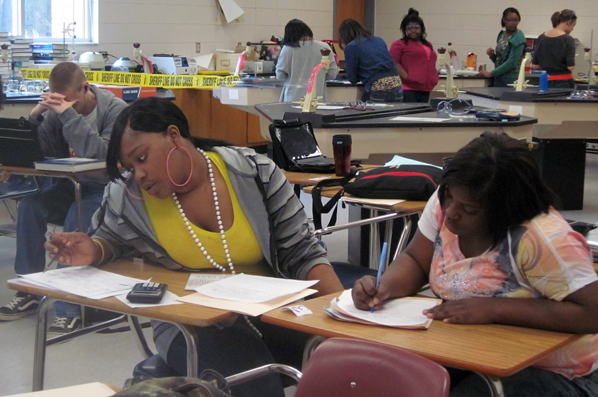
"caption": "Jasmine Redeaux (left) and Nakesha Wilkerson team up to finish a worksheet in a \"flipped\" chemistry class at their Macon, Ga., high school, while other classmates work on a lab.",
"description": null,
"title": "Chemistry class",
"credit": null,
"status": "inherit",
"isLoading": false,
"fetchFailed": false
},
"mindshift_22155": {
"type": "attachments",
"id": "mindshift_22155",
"meta": {
"index": "attachments_1716263798",
"site": "mindshift",
"id": "22155",
"found": true
},
"parent": 22145,
"imgSizes": {
"twentyfourteen-full-width": {
"file": "https://ww2.kqed.org/app/uploads/sites/23/2012/06/929147201-1038x576.jpg",
"width": 1038,
"mimeType": "image/jpeg",
"height": 576
},
"thumbnail": {
"file": "https://ww2.kqed.org/app/uploads/sites/23/2012/06/929147201-400x207.jpg",
"width": 400,
"mimeType": "image/jpeg",
"height": 207
},
"fd-sm": {
"file": "https://ww2.kqed.org/app/uploads/sites/23/2012/06/929147201-320x165.jpg",
"width": 320,
"mimeType": "image/jpeg",
"height": 165
},
"post-thumbnail": {
"file": "https://ww2.kqed.org/app/uploads/sites/23/2012/06/929147201-672x372.jpg",
"width": 672,
"mimeType": "image/jpeg",
"height": 372
},
"kqedFullSize": {
"file": "https://ww2.kqed.org/app/uploads/sites/23/2012/06/929147201.jpg",
"width": 2272,
"height": 1175
},
"large": {
"file": "https://ww2.kqed.org/app/uploads/sites/23/2012/06/929147201-1440x745.jpg",
"width": 1440,
"mimeType": "image/jpeg",
"height": 745
},
"guest-author-96": {
"file": "https://ww2.kqed.org/app/uploads/sites/23/2012/06/929147201-96x96.jpg",
"width": 96,
"mimeType": "image/jpeg",
"height": 96
},
"medium": {
"file": "https://ww2.kqed.org/app/uploads/sites/23/2012/06/929147201-800x414.jpg",
"width": 800,
"mimeType": "image/jpeg",
"height": 414
},
"guest-author-64": {
"file": "https://ww2.kqed.org/app/uploads/sites/23/2012/06/929147201-64x64.jpg",
"width": 64,
"mimeType": "image/jpeg",
"height": 64
},
"guest-author-32": {
"file": "https://ww2.kqed.org/app/uploads/sites/23/2012/06/929147201-32x32.jpg",
"width": 32,
"mimeType": "image/jpeg",
"height": 32
},
"fd-lrg": {
"file": "https://ww2.kqed.org/app/uploads/sites/23/2012/06/929147201-1180x610.jpg",
"width": 1180,
"mimeType": "image/jpeg",
"height": 610
},
"fd-med": {
"file": "https://ww2.kqed.org/app/uploads/sites/23/2012/06/929147201-768x397.jpg",
"width": 768,
"mimeType": "image/jpeg",
"height": 397
},
"detail": {
"file": "https://ww2.kqed.org/app/uploads/sites/23/2012/06/929147201-75x75.jpg",
"width": 75,
"mimeType": "image/jpeg",
"height": 75
},
"guest-author-128": {
"file": "https://ww2.kqed.org/app/uploads/sites/23/2012/06/929147201-128x128.jpg",
"width": 128,
"mimeType": "image/jpeg",
"height": 128
}
},
"publishDate": 1339783705,
"modified": 1339783705,
"caption": null,
"description": null,
"title": "students friends hanging out outside",
"credit": null,
"status": "inherit",
"isLoading": false,
"fetchFailed": false
},
"mindshift_22105": {
"type": "attachments",
"id": "mindshift_22105",
"meta": {
"index": "attachments_1716263798",
"site": "mindshift",
"id": "22105",
"found": true
},
"parent": 21203,
"imgSizes": {
"thumbnail": {
"file": "https://ww2.kqed.org/app/uploads/sites/23/2012/06/Screen-Shot-2012-06-12-at-3.56.11-PM-400x249.png",
"width": 400,
"mimeType": "image/png",
"height": 249
},
"fd-sm": {
"file": "https://ww2.kqed.org/app/uploads/sites/23/2012/06/Screen-Shot-2012-06-12-at-3.56.11-PM-320x199.png",
"width": 320,
"mimeType": "image/png",
"height": 199
},
"kqedFullSize": {
"file": "https://ww2.kqed.org/app/uploads/sites/23/2012/06/Screen-Shot-2012-06-12-at-3.56.11-PM.png",
"width": 564,
"height": 351
},
"guest-author-96": {
"file": "https://ww2.kqed.org/app/uploads/sites/23/2012/06/Screen-Shot-2012-06-12-at-3.56.11-PM-96x96.png",
"width": 96,
"mimeType": "image/png",
"height": 96
},
"guest-author-64": {
"file": "https://ww2.kqed.org/app/uploads/sites/23/2012/06/Screen-Shot-2012-06-12-at-3.56.11-PM-64x64.png",
"width": 64,
"mimeType": "image/png",
"height": 64
},
"detail": {
"file": "https://ww2.kqed.org/app/uploads/sites/23/2012/06/Screen-Shot-2012-06-12-at-3.56.11-PM-75x75.png",
"width": 75,
"mimeType": "image/png",
"height": 75
},
"guest-author-32": {
"file": "https://ww2.kqed.org/app/uploads/sites/23/2012/06/Screen-Shot-2012-06-12-at-3.56.11-PM-32x32.png",
"width": 32,
"mimeType": "image/png",
"height": 32
},
"guest-author-128": {
"file": "https://ww2.kqed.org/app/uploads/sites/23/2012/06/Screen-Shot-2012-06-12-at-3.56.11-PM-128x128.png",
"width": 128,
"mimeType": "image/png",
"height": 128
}
},
"publishDate": 1339542290,
"modified": 1339542290,
"caption": null,
"description": null,
"title": "Screen Shot 2012-06-12 at 3.56.11 PM",
"credit": null,
"status": "inherit",
"isLoading": false,
"fetchFailed": false
},
"mindshift_21989": {
"type": "attachments",
"id": "mindshift_21989",
"meta": {
"index": "attachments_1716263798",
"site": "mindshift",
"id": "21989",
"found": true
},
"parent": 21971,
"imgSizes": {
"twentyfourteen-full-width": {
"file": "https://ww2.kqed.org/app/uploads/sites/23/2012/06/Screen-Shot-2012-06-08-at-10.47.15-AM-1038x576.png",
"width": 1038,
"mimeType": "image/png",
"height": 576
},
"thumbnail": {
"file": "https://ww2.kqed.org/app/uploads/sites/23/2012/06/Screen-Shot-2012-06-08-at-10.47.15-AM-400x237.png",
"width": 400,
"mimeType": "image/png",
"height": 237
},
"fd-sm": {
"file": "https://ww2.kqed.org/app/uploads/sites/23/2012/06/Screen-Shot-2012-06-08-at-10.47.15-AM-320x190.png",
"width": 320,
"mimeType": "image/png",
"height": 190
},
"post-thumbnail": {
"file": "https://ww2.kqed.org/app/uploads/sites/23/2012/06/Screen-Shot-2012-06-08-at-10.47.15-AM-672x372.png",
"width": 672,
"mimeType": "image/png",
"height": 372
},
"kqedFullSize": {
"file": "https://ww2.kqed.org/app/uploads/sites/23/2012/06/Screen-Shot-2012-06-08-at-10.47.15-AM.png",
"width": 1233,
"height": 731
},
"guest-author-96": {
"file": "https://ww2.kqed.org/app/uploads/sites/23/2012/06/Screen-Shot-2012-06-08-at-10.47.15-AM-96x96.png",
"width": 96,
"mimeType": "image/png",
"height": 96
},
"medium": {
"file": "https://ww2.kqed.org/app/uploads/sites/23/2012/06/Screen-Shot-2012-06-08-at-10.47.15-AM-800x474.png",
"width": 800,
"mimeType": "image/png",
"height": 474
},
"guest-author-64": {
"file": "https://ww2.kqed.org/app/uploads/sites/23/2012/06/Screen-Shot-2012-06-08-at-10.47.15-AM-64x64.png",
"width": 64,
"mimeType": "image/png",
"height": 64
},
"guest-author-32": {
"file": "https://ww2.kqed.org/app/uploads/sites/23/2012/06/Screen-Shot-2012-06-08-at-10.47.15-AM-32x32.png",
"width": 32,
"mimeType": "image/png",
"height": 32
},
"fd-lrg": {
"file": "https://ww2.kqed.org/app/uploads/sites/23/2012/06/Screen-Shot-2012-06-08-at-10.47.15-AM-1180x700.png",
"width": 1180,
"mimeType": "image/png",
"height": 700
},
"fd-med": {
"file": "https://ww2.kqed.org/app/uploads/sites/23/2012/06/Screen-Shot-2012-06-08-at-10.47.15-AM-768x455.png",
"width": 768,
"mimeType": "image/png",
"height": 455
},
"detail": {
"file": "https://ww2.kqed.org/app/uploads/sites/23/2012/06/Screen-Shot-2012-06-08-at-10.47.15-AM-75x75.png",
"width": 75,
"mimeType": "image/png",
"height": 75
},
"guest-author-128": {
"file": "https://ww2.kqed.org/app/uploads/sites/23/2012/06/Screen-Shot-2012-06-08-at-10.47.15-AM-128x128.png",
"width": 128,
"mimeType": "image/png",
"height": 128
}
},
"publishDate": 1339177666,
"modified": 1339177666,
"caption": null,
"description": null,
"title": "Screen Shot 2012-06-08 at 10.47.15 AM",
"credit": null,
"status": "inherit",
"isLoading": false,
"fetchFailed": false
},
"mindshift_21959": {
"type": "attachments",
"id": "mindshift_21959",
"meta": {
"index": "attachments_1716263798",
"site": "mindshift",
"id": "21959",
"found": true
},
"parent": 21942,
"imgSizes": {
"twentyfourteen-full-width": {
"file": "https://ww2.kqed.org/app/uploads/sites/23/2012/06/76767082-1038x576.jpg",
"width": 1038,
"mimeType": "image/jpeg",
"height": 576
},
"thumbnail": {
"file": "https://ww2.kqed.org/app/uploads/sites/23/2012/06/76767082-400x267.jpg",
"width": 400,
"mimeType": "image/jpeg",
"height": 267
},
"fd-sm": {
"file": "https://ww2.kqed.org/app/uploads/sites/23/2012/06/76767082-320x214.jpg",
"width": 320,
"mimeType": "image/jpeg",
"height": 214
},
"post-thumbnail": {
"file": "https://ww2.kqed.org/app/uploads/sites/23/2012/06/76767082-672x372.jpg",
"width": 672,
"mimeType": "image/jpeg",
"height": 372
},
"kqedFullSize": {
"file": "https://ww2.kqed.org/app/uploads/sites/23/2012/06/76767082.jpg",
"width": 3171,
"height": 2117
},
"large": {
"file": "https://ww2.kqed.org/app/uploads/sites/23/2012/06/76767082-1440x961.jpg",
"width": 1440,
"mimeType": "image/jpeg",
"height": 961
},
"guest-author-96": {
"file": "https://ww2.kqed.org/app/uploads/sites/23/2012/06/76767082-96x96.jpg",
"width": 96,
"mimeType": "image/jpeg",
"height": 96
},
"medium": {
"file": "https://ww2.kqed.org/app/uploads/sites/23/2012/06/76767082-800x534.jpg",
"width": 800,
"mimeType": "image/jpeg",
"height": 534
},
"guest-author-64": {
"file": "https://ww2.kqed.org/app/uploads/sites/23/2012/06/76767082-64x64.jpg",
"width": 64,
"mimeType": "image/jpeg",
"height": 64
},
"guest-author-32": {
"file": "https://ww2.kqed.org/app/uploads/sites/23/2012/06/76767082-32x32.jpg",
"width": 32,
"mimeType": "image/jpeg",
"height": 32
},
"fd-lrg": {
"file": "https://ww2.kqed.org/app/uploads/sites/23/2012/06/76767082-1180x788.jpg",
"width": 1180,
"mimeType": "image/jpeg",
"height": 788
},
"fd-med": {
"file": "https://ww2.kqed.org/app/uploads/sites/23/2012/06/76767082-768x513.jpg",
"width": 768,
"mimeType": "image/jpeg",
"height": 513
},
"detail": {
"file": "https://ww2.kqed.org/app/uploads/sites/23/2012/06/76767082-75x75.jpg",
"width": 75,
"mimeType": "image/jpeg",
"height": 75
},
"guest-author-128": {
"file": "https://ww2.kqed.org/app/uploads/sites/23/2012/06/76767082-128x128.jpg",
"width": 128,
"mimeType": "image/jpeg",
"height": 128
}
},
"publishDate": 1339097000,
"modified": 1339097000,
"caption": null,
"description": "Mother and daughter reading",
"title": "76767082",
"credit": null,
"status": "inherit",
"isLoading": false,
"fetchFailed": false
},
"mindshift_21921": {
"type": "attachments",
"id": "mindshift_21921",
"meta": {
"index": "attachments_1716263798",
"site": "mindshift",
"id": "21921",
"found": true
},
"parent": 21917,
"imgSizes": {
"thumbnail": {
"file": "https://ww2.kqed.org/app/uploads/sites/23/2012/06/Screen-Shot-2012-06-06-at-2.18.09-PM-400x223.png",
"width": 400,
"mimeType": "image/png",
"height": 223
},
"fd-sm": {
"file": "https://ww2.kqed.org/app/uploads/sites/23/2012/06/Screen-Shot-2012-06-06-at-2.18.09-PM-320x179.png",
"width": 320,
"mimeType": "image/png",
"height": 179
},
"kqedFullSize": {
"file": "https://ww2.kqed.org/app/uploads/sites/23/2012/06/Screen-Shot-2012-06-06-at-2.18.09-PM.png",
"width": 630,
"height": 352
},
"guest-author-96": {
"file": "https://ww2.kqed.org/app/uploads/sites/23/2012/06/Screen-Shot-2012-06-06-at-2.18.09-PM-96x96.png",
"width": 96,
"mimeType": "image/png",
"height": 96
},
"guest-author-64": {
"file": "https://ww2.kqed.org/app/uploads/sites/23/2012/06/Screen-Shot-2012-06-06-at-2.18.09-PM-64x64.png",
"width": 64,
"mimeType": "image/png",
"height": 64
},
"detail": {
"file": "https://ww2.kqed.org/app/uploads/sites/23/2012/06/Screen-Shot-2012-06-06-at-2.18.09-PM-75x75.png",
"width": 75,
"mimeType": "image/png",
"height": 75
},
"guest-author-32": {
"file": "https://ww2.kqed.org/app/uploads/sites/23/2012/06/Screen-Shot-2012-06-06-at-2.18.09-PM-32x32.png",
"width": 32,
"mimeType": "image/png",
"height": 32
},
"guest-author-128": {
"file": "https://ww2.kqed.org/app/uploads/sites/23/2012/06/Screen-Shot-2012-06-06-at-2.18.09-PM-128x128.png",
"width": 128,
"mimeType": "image/png",
"height": 128
}
},
"publishDate": 1339018233,
"modified": 1339018233,
"caption": null,
"description": null,
"title": "Screen Shot 2012-06-06 at 2.18.09 PM",
"credit": null,
"status": "inherit",
"isLoading": false,
"fetchFailed": false
},
"mindshift_21818": {
"type": "attachments",
"id": "mindshift_21818",
"meta": {
"index": "attachments_1716263798",
"site": "mindshift",
"id": "21818",
"found": true
},
"parent": 21629,
"imgSizes": {
"thumbnail": {
"file": "https://ww2.kqed.org/app/uploads/sites/23/2012/06/daydream-400x266.jpg",
"width": 400,
"mimeType": "image/jpeg",
"height": 266
},
"fd-sm": {
"file": "https://ww2.kqed.org/app/uploads/sites/23/2012/06/daydream-320x213.jpg",
"width": 320,
"mimeType": "image/jpeg",
"height": 213
},
"kqedFullSize": {
"file": "https://ww2.kqed.org/app/uploads/sites/23/2012/06/daydream.jpg",
"width": 443,
"height": 295
},
"guest-author-96": {
"file": "https://ww2.kqed.org/app/uploads/sites/23/2012/06/daydream-96x96.jpg",
"width": 96,
"mimeType": "image/jpeg",
"height": 96
},
"guest-author-64": {
"file": "https://ww2.kqed.org/app/uploads/sites/23/2012/06/daydream-64x64.jpg",
"width": 64,
"mimeType": "image/jpeg",
"height": 64
},
"detail": {
"file": "https://ww2.kqed.org/app/uploads/sites/23/2012/06/daydream-75x75.jpg",
"width": 75,
"mimeType": "image/jpeg",
"height": 75
},
"guest-author-32": {
"file": "https://ww2.kqed.org/app/uploads/sites/23/2012/06/daydream-32x32.jpg",
"width": 32,
"mimeType": "image/jpeg",
"height": 32
},
"guest-author-128": {
"file": "https://ww2.kqed.org/app/uploads/sites/23/2012/06/daydream-128x128.jpg",
"width": 128,
"mimeType": "image/jpeg",
"height": 128
}
},
"publishDate": 1338571055,
"modified": 1338571055,
"caption": "Allowing time for refleciton helps kids make meaning out of experiences and information they encounter.",
"description": null,
"title": "daydream",
"credit": null,
"status": "inherit",
"isLoading": false,
"fetchFailed": false
},
"mindshift_21792": {
"type": "attachments",
"id": "mindshift_21792",
"meta": {
"index": "attachments_1716263798",
"site": "mindshift",
"id": "21792",
"found": true
},
"parent": 21777,
"imgSizes": {
"thumbnail": {
"file": "https://ww2.kqed.org/app/uploads/sites/23/2012/05/1348258211-400x262.jpg",
"width": 400,
"mimeType": "image/jpeg",
"height": 262
},
"fd-sm": {
"file": "https://ww2.kqed.org/app/uploads/sites/23/2012/05/1348258211-320x210.jpg",
"width": 320,
"mimeType": "image/jpeg",
"height": 210
},
"post-thumbnail": {
"file": "https://ww2.kqed.org/app/uploads/sites/23/2012/05/1348258211-571x372.jpg",
"width": 571,
"mimeType": "image/jpeg",
"height": 372
},
"kqedFullSize": {
"file": "https://ww2.kqed.org/app/uploads/sites/23/2012/05/1348258211.jpg",
"width": 571,
"height": 374
},
"guest-author-96": {
"file": "https://ww2.kqed.org/app/uploads/sites/23/2012/05/1348258211-96x96.jpg",
"width": 96,
"mimeType": "image/jpeg",
"height": 96
},
"guest-author-64": {
"file": "https://ww2.kqed.org/app/uploads/sites/23/2012/05/1348258211-64x64.jpg",
"width": 64,
"mimeType": "image/jpeg",
"height": 64
},
"detail": {
"file": "https://ww2.kqed.org/app/uploads/sites/23/2012/05/1348258211-75x75.jpg",
"width": 75,
"mimeType": "image/jpeg",
"height": 75
},
"guest-author-32": {
"file": "https://ww2.kqed.org/app/uploads/sites/23/2012/05/1348258211-32x32.jpg",
"width": 32,
"mimeType": "image/jpeg",
"height": 32
},
"guest-author-128": {
"file": "https://ww2.kqed.org/app/uploads/sites/23/2012/05/1348258211-128x128.jpg",
"width": 128,
"mimeType": "image/jpeg",
"height": 128
}
},
"publishDate": 1338488527,
"modified": 1338488527,
"caption": null,
"description": "E-book E-reader Tablet Computer",
"title": "134825821",
"credit": null,
"status": "inherit",
"isLoading": false,
"fetchFailed": false
},
"mindshift_21768": {
"type": "attachments",
"id": "mindshift_21768",
"meta": {
"index": "attachments_1716263798",
"site": "mindshift",
"id": "21768",
"found": true
},
"parent": 21666,
"imgSizes": {
"thumbnail": {
"file": "https://ww2.kqed.org/app/uploads/sites/23/2012/05/1337437691-400x257.jpg",
"width": 400,
"mimeType": "image/jpeg",
"height": 257
},
"fd-sm": {
"file": "https://ww2.kqed.org/app/uploads/sites/23/2012/05/1337437691-320x206.jpg",
"width": 320,
"mimeType": "image/jpeg",
"height": 206
},
"post-thumbnail": {
"file": "https://ww2.kqed.org/app/uploads/sites/23/2012/05/1337437691-669x372.jpg",
"width": 669,
"mimeType": "image/jpeg",
"height": 372
},
"kqedFullSize": {
"file": "https://ww2.kqed.org/app/uploads/sites/23/2012/05/1337437691.jpg",
"width": 669,
"height": 430
},
"guest-author-96": {
"file": "https://ww2.kqed.org/app/uploads/sites/23/2012/05/1337437691-96x96.jpg",
"width": 96,
"mimeType": "image/jpeg",
"height": 96
},
"guest-author-64": {
"file": "https://ww2.kqed.org/app/uploads/sites/23/2012/05/1337437691-64x64.jpg",
"width": 64,
"mimeType": "image/jpeg",
"height": 64
},
"detail": {
"file": "https://ww2.kqed.org/app/uploads/sites/23/2012/05/1337437691-75x75.jpg",
"width": 75,
"mimeType": "image/jpeg",
"height": 75
},
"guest-author-32": {
"file": "https://ww2.kqed.org/app/uploads/sites/23/2012/05/1337437691-32x32.jpg",
"width": 32,
"mimeType": "image/jpeg",
"height": 32
},
"guest-author-128": {
"file": "https://ww2.kqed.org/app/uploads/sites/23/2012/05/1337437691-128x128.jpg",
"width": 128,
"mimeType": "image/jpeg",
"height": 128
}
},
"publishDate": 1338309534,
"modified": 1338309534,
"caption": null,
"description": "Mother and daughter reading electronic book",
"title": "133743769",
"credit": null,
"status": "inherit",
"isLoading": false,
"fetchFailed": false
},
"mindshift_21664": {
"type": "attachments",
"id": "mindshift_21664",
"meta": {
"index": "attachments_1716263798",
"site": "mindshift",
"id": "21664",
"found": true
},
"parent": 21627,
"imgSizes": {
"thumbnail": {
"file": "https://ww2.kqed.org/app/uploads/sites/23/2012/05/767541871-400x241.jpg",
"width": 400,
"mimeType": "image/jpeg",
"height": 241
},
"fd-sm": {
"file": "https://ww2.kqed.org/app/uploads/sites/23/2012/05/767541871-320x193.jpg",
"width": 320,
"mimeType": "image/jpeg",
"height": 193
},
"post-thumbnail": {
"file": "https://ww2.kqed.org/app/uploads/sites/23/2012/05/767541871-672x372.jpg",
"width": 672,
"mimeType": "image/jpeg",
"height": 372
},
"kqedFullSize": {
"file": "https://ww2.kqed.org/app/uploads/sites/23/2012/05/767541871.jpg",
"width": 702,
"height": 423
},
"guest-author-96": {
"file": "https://ww2.kqed.org/app/uploads/sites/23/2012/05/767541871-96x96.jpg",
"width": 96,
"mimeType": "image/jpeg",
"height": 96
},
"guest-author-64": {
"file": "https://ww2.kqed.org/app/uploads/sites/23/2012/05/767541871-64x64.jpg",
"width": 64,
"mimeType": "image/jpeg",
"height": 64
},
"detail": {
"file": "https://ww2.kqed.org/app/uploads/sites/23/2012/05/767541871-75x75.jpg",
"width": 75,
"mimeType": "image/jpeg",
"height": 75
},
"guest-author-32": {
"file": "https://ww2.kqed.org/app/uploads/sites/23/2012/05/767541871-32x32.jpg",
"width": 32,
"mimeType": "image/jpeg",
"height": 32
},
"guest-author-128": {
"file": "https://ww2.kqed.org/app/uploads/sites/23/2012/05/767541871-128x128.jpg",
"width": 128,
"mimeType": "image/jpeg",
"height": 128
}
},
"publishDate": 1337983924,
"modified": 1337983924,
"caption": null,
"description": "Girl writing on blackboard",
"title": "76754187",
"credit": null,
"status": "inherit",
"isLoading": false,
"fetchFailed": false
},
"mindshift_21617": {
"type": "attachments",
"id": "mindshift_21617",
"meta": {
"index": "attachments_1716263798",
"site": "mindshift",
"id": "21617",
"found": true
},
"parent": 21596,
"imgSizes": {
"thumbnail": {
"file": "https://ww2.kqed.org/app/uploads/sites/23/2012/05/Screen-Shot-2012-05-23-at-7.19.42-AM-400x253.png",
"width": 400,
"mimeType": "image/png",
"height": 253
},
"fd-sm": {
"file": "https://ww2.kqed.org/app/uploads/sites/23/2012/05/Screen-Shot-2012-05-23-at-7.19.42-AM-320x203.png",
"width": 320,
"mimeType": "image/png",
"height": 203
},
"post-thumbnail": {
"file": "https://ww2.kqed.org/app/uploads/sites/23/2012/05/Screen-Shot-2012-05-23-at-7.19.42-AM-672x372.png",
"width": 672,
"mimeType": "image/png",
"height": 372
},
"kqedFullSize": {
"file": "https://ww2.kqed.org/app/uploads/sites/23/2012/05/Screen-Shot-2012-05-23-at-7.19.42-AM.png",
"width": 804,
"height": 509
},
"fd-med": {
"file": "https://ww2.kqed.org/app/uploads/sites/23/2012/05/Screen-Shot-2012-05-23-at-7.19.42-AM-768x486.png",
"width": 768,
"mimeType": "image/png",
"height": 486
},
"guest-author-96": {
"file": "https://ww2.kqed.org/app/uploads/sites/23/2012/05/Screen-Shot-2012-05-23-at-7.19.42-AM-96x96.png",
"width": 96,
"mimeType": "image/png",
"height": 96
},
"medium": {
"file": "https://ww2.kqed.org/app/uploads/sites/23/2012/05/Screen-Shot-2012-05-23-at-7.19.42-AM-800x506.png",
"width": 800,
"mimeType": "image/png",
"height": 506
},
"guest-author-64": {
"file": "https://ww2.kqed.org/app/uploads/sites/23/2012/05/Screen-Shot-2012-05-23-at-7.19.42-AM-64x64.png",
"width": 64,
"mimeType": "image/png",
"height": 64
},
"detail": {
"file": "https://ww2.kqed.org/app/uploads/sites/23/2012/05/Screen-Shot-2012-05-23-at-7.19.42-AM-75x75.png",
"width": 75,
"mimeType": "image/png",
"height": 75
},
"guest-author-32": {
"file": "https://ww2.kqed.org/app/uploads/sites/23/2012/05/Screen-Shot-2012-05-23-at-7.19.42-AM-32x32.png",
"width": 32,
"mimeType": "image/png",
"height": 32
},
"guest-author-128": {
"file": "https://ww2.kqed.org/app/uploads/sites/23/2012/05/Screen-Shot-2012-05-23-at-7.19.42-AM-128x128.png",
"width": 128,
"mimeType": "image/png",
"height": 128
}
},
"publishDate": 1337782864,
"modified": 1337782864,
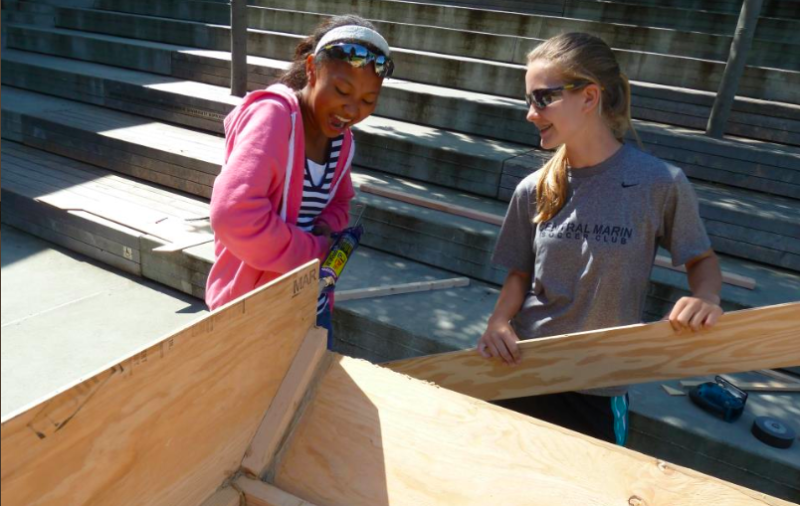
"caption": "As part of the school's Maker Lab, Marin Country Day students spend the last few weeks of school building projects.",
"description": null,
"title": "Screen-Shot-2012-05-23-at-7.19.42-AM",
"credit": null,
"status": "inherit",
"isLoading": false,
"fetchFailed": false
},
"mindshift_21572": {
"type": "attachments",
"id": "mindshift_21572",
"meta": {
"index": "attachments_1716263798",
"site": "mindshift",
"id": "21572",
"found": true
},
"parent": 21566,
"imgSizes": {
"thumbnail": {
"file": "https://ww2.kqed.org/app/uploads/sites/23/2012/05/Screen-Shot-2012-05-21-at-11.20.13-PM-400x215.png",
"width": 400,
"mimeType": "image/png",
"height": 215
},
"fd-sm": {
"file": "https://ww2.kqed.org/app/uploads/sites/23/2012/05/Screen-Shot-2012-05-21-at-11.20.13-PM-320x172.png",
"width": 320,
"mimeType": "image/png",
"height": 172
},
"post-thumbnail": {
"file": "https://ww2.kqed.org/app/uploads/sites/23/2012/05/Screen-Shot-2012-05-21-at-11.20.13-PM-672x372.png",
"width": 672,
"mimeType": "image/png",
"height": 372
},
"kqedFullSize": {
"file": "https://ww2.kqed.org/app/uploads/sites/23/2012/05/Screen-Shot-2012-05-21-at-11.20.13-PM.png",
"width": 731,
"height": 393
},
"guest-author-96": {
"file": "https://ww2.kqed.org/app/uploads/sites/23/2012/05/Screen-Shot-2012-05-21-at-11.20.13-PM-96x96.png",
"width": 96,
"mimeType": "image/png",
"height": 96
},
"guest-author-64": {
"file": "https://ww2.kqed.org/app/uploads/sites/23/2012/05/Screen-Shot-2012-05-21-at-11.20.13-PM-64x64.png",
"width": 64,
"mimeType": "image/png",
"height": 64
},
"detail": {
"file": "https://ww2.kqed.org/app/uploads/sites/23/2012/05/Screen-Shot-2012-05-21-at-11.20.13-PM-75x75.png",
"width": 75,
"mimeType": "image/png",
"height": 75
},
"guest-author-32": {
"file": "https://ww2.kqed.org/app/uploads/sites/23/2012/05/Screen-Shot-2012-05-21-at-11.20.13-PM-32x32.png",
"width": 32,
"mimeType": "image/png",
"height": 32
},
"guest-author-128": {
"file": "https://ww2.kqed.org/app/uploads/sites/23/2012/05/Screen-Shot-2012-05-21-at-11.20.13-PM-128x128.png",
"width": 128,
"mimeType": "image/png",
"height": 128
}
},
"publishDate": 1337667791,
"modified": 1337667791,
"caption": null,
"description": null,
"title": "Screen Shot 2012-05-21 at 11.20.13 PM",
"credit": null,
"status": "inherit",
"isLoading": false,
"fetchFailed": false
}
},
"audioPlayerReducer": {
"postId": "stream_live",
"isPaused": true,
"isPlaying": false,
"pfsActive": false,
"pledgeModalIsOpen": true,
"playerDrawerIsOpen": false,
"liveAudioPlayStartedAt": 0,
"liveAudioPlayContext": ""
},
"authorsReducer": {
"tbarseghian": {
"type": "authors",
"id": "180",
"meta": {
"index": "authors_1716337520",
"id": "180",
"found": true
},
"name": "Tina Barseghian",
"firstName": "Tina",
"lastName": "Barseghian",
"slug": "tbarseghian",
"email": "tbarseghian@kqed.org",
"display_author_email": false,
"staff_mastheads": [],
"title": null,
"bio": null,
"avatar": "https://secure.gravatar.com/avatar/de7e6ced1239b7018fe4d2b61f723c90?s=600&d=blank&r=g",
"twitter": null,
"facebook": null,
"instagram": null,
"linkedin": null,
"sites": [
{
"site": "styleguide",
"roles": [
"contributor"
]
},
{
"site": "news",
"roles": [
"subscriber"
]
},
{
"site": "mindshift",
"roles": [
"subscriber"
]
},
{
"site": "bayareabites",
"roles": [
"subscriber"
]
}
],
"headData": {
"title": "Tina Barseghian | KQED",
"description": null,
"ogImgSrc": "https://secure.gravatar.com/avatar/de7e6ced1239b7018fe4d2b61f723c90?s=600&d=blank&r=g",
"twImgSrc": "https://secure.gravatar.com/avatar/de7e6ced1239b7018fe4d2b61f723c90?s=600&d=blank&r=g"
},
"isLoading": false,
"link": "/author/tbarseghian"
},
"anniempaul": {
"type": "authors",
"id": "4355",
"meta": {
"index": "authors_1716337520",
"id": "4355",
"found": true
},
"name": "Annie Murphy Paul",
"firstName": "Annie",
"lastName": "Murphy Paul",
"slug": "anniempaul",
"email": "anniempaul@gmail.com",
"display_author_email": false,
"staff_mastheads": [],
"title": null,
"bio": null,
"avatar": "https://secure.gravatar.com/avatar/060ea758e9b83d478e4e6c8a0466af50?s=600&d=blank&r=g",
"twitter": null,
"facebook": null,
"instagram": null,
"linkedin": null,
"sites": [
{
"site": "mindshift",
"roles": [
"author"
]
}
],
"headData": {
"title": "Annie Murphy Paul | KQED",
"description": null,
"ogImgSrc": "https://secure.gravatar.com/avatar/060ea758e9b83d478e4e6c8a0466af50?s=600&d=blank&r=g",
"twImgSrc": "https://secure.gravatar.com/avatar/060ea758e9b83d478e4e6c8a0466af50?s=600&d=blank&r=g"
},
"isLoading": false,
"link": "/author/anniempaul"
}
},
"pagesReducer": {
"mindshift_category_teaching-strategies": {
"type": "terms",
"id": "mindshift_193",
"meta": {
"index": "terms_1716263798",
"site": "mindshift",
"id": "193",
"score": 14.406914
},
"featImg": null,
"name": "Teaching Strategies",
"description": "Innovative ideas - projects, processes, curricula, and more - that are transforming how we teach and learn.",
"taxonomy": "category",
"headData": {
"twImgId": null,
"twTitle": null,
"ogTitle": null,
"ogImgId": null,
"twDescription": null,
"description": "Innovative ideas - projects, processes, curricula, and more - that are transforming how we teach and learn.",
"title": "Teaching Strategies Archives | KQED Mindshift",
"ogDescription": null
},
"ttid": 193,
"slug": "teaching-strategies",
"isLoading": false,
"title": "Teaching Strategies",
"pageMeta": {
"site": "mindshift",
"WpPageTemplate": "page-topic-editorial",
"currentPage": 69
},
"blocks": [
{
"blockName": "kqed/company-paragraph",
"content": "Innovative ideas - projects, processes, curricula, and more - that are transforming how we teach and learn."
},
{
"blockName": "kqed/post-list",
"attrs": {
"layout": "cardArticle2",
"query": "posts/mindshift?category=teaching-strategies",
"seeMore": false,
"paginated": true,
"page": 69
}
},
{
"blockName": "kqed/ad"
}
]
}
},
"pfsSessionReducer": {},
"postsReducer": {
"stream_live": {
"type": "live",
"id": "stream_live",
"audioUrl": "https://streams.kqed.org/kqedradio",
"title": "Live Stream",
"excerpt": "Live Stream information currently unavailable.",
"link": "/radio",
"featImg": "",
"label": {
"name": "KQED Live",
"link": "/"
}
},
"stream_kqedNewscast": {
"type": "posts",
"id": "stream_kqedNewscast",
"audioUrl": "https://www.kqed.org/.stream/anon/radio/RDnews/newscast.mp3?_=1",
"title": "KQED Newscast",
"featImg": "",
"label": {
"name": "88.5 FM",
"link": "/"
}
},
"mindshift_22171": {
"type": "posts",
"id": "mindshift_22171",
"meta": {
"index": "posts_1716263798",
"site": "mindshift",
"id": "22171",
"score": null,
"sort": [
1340040096000
]
},
"parent": 0,
"labelTerm": {
"site": "mindshift"
},
"blocks": [],
"publishDate": 1340040096,
"format": "aside",
"disqusTitle": "Can the Flipped Classroom Benefit Low-Income Students?",
"title": "Can the Flipped Classroom Benefit Low-Income Students?",
"headTitle": "MindShift | KQED News",
"content": "\u003cfigure id=\"attachment_22173\" class=\"wp-caption center\" style=\"max-width: 598px\">\u003ca href=\"http://ww2.kqed.org/mindshift/wp-content/uploads/sites/23/2012/06/Screen-Shot-2012-06-18-at-9.47.21-AM.png\">\u003cimg class=\"size-full wp-image-22173\" title=\"Chemistry class\" src=\"http://ww2.kqed.org/mindshift/wp-content/uploads/sites/23/2012/06/Screen-Shot-2012-06-18-at-9.47.21-AM.png\" alt=\"\" width=\"598\" height=\"397\" srcset=\"https://ww2.kqed.org/app/uploads/sites/23/2012/06/Screen-Shot-2012-06-18-at-9.47.21-AM.png 598w, https://ww2.kqed.org/app/uploads/sites/23/2012/06/Screen-Shot-2012-06-18-at-9.47.21-AM-400x266.png 400w, https://ww2.kqed.org/app/uploads/sites/23/2012/06/Screen-Shot-2012-06-18-at-9.47.21-AM-320x212.png 320w\" sizes=\"(max-width: 598px) 100vw, 598px\">\u003c/a>\u003cfigcaption class=\"wp-caption-text\">Jasmine Redeaux (left) and Nakesha Wilkerson team up to finish a worksheet in a \"flipped\" chemistry class at their Macon, Ga., high school, while other classmates work on a lab.\u003c/figcaption>\u003c/figure>\n\u003ch5>By \u003ca title=\"Posts by Sarah Butrymowicz\" href=\"http://hechingerreport.org/content/author/sarah-butrymowicz/\">Sarah Butrymowicz\u003c/a>\u003c/h5>\n\u003cp class=\"dropcap-serif\">When Portland, Ore., elementary school teacher Sacha Luria decided last fall to try out a new education strategy called “flipping the classroom,” she faced a big obstacle.\u003c/p>\n\u003cp>Flipped classrooms use technology—online video instruction, laptops, DVDs of lessons—to reverse what students have traditionally done in class and at home to learn. Listening to lectures becomes the homework assignment so teachers can provide more one-on-one attention in class and students can work at their own pace or with other students.\u003c/p>\n\u003cp>But Luria realized that none of her students had computers at home, and she had just one in the classroom. So she used her own money to buy a second computer and begged everyone she knew for donations, finally bringing the total to six for her 23 fourth-graders at Rigler School. In her classroom, students now alternate between working on the computers and working with her.\u003c/p>\n\u003cp>So far, the strategy is showing signs of success. She uses class time to tailor instruction to students who started the school year behind their classmates in reading and math, and she has seen rapid improvement. By the end of the school year, she said, her students have averaged two years’ worth of progress in math, for example.\u003c/p>\n\u003caside class=\"pullquote alignleft\">\n\u003cp>“We do need to figure out ways that students, regardless of Zip code, regardless of their parents’ income level, have access” to technology inside and outside of schools.\u003c/p>\n\u003c/aside>\n\u003cp>“It’s powerful stuff,” she said, noting that this year was her most successful in a decade of teaching. “I’m really able to meet students where they are as opposed to where the curriculum says they should be.”\u003c/p>\n\u003cp>[ad fullwidth]\u003c/p>\n\u003cp>Other teachers in high-poverty schools like Rigler also report very strong results after flipping classrooms. Greg Green, principal of Clintondale High School in Clinton Township, Mich., thinks the flipped classroom—and the unprecedented amount of one-on-one time it provides students—could even be enough to close the achievement gap between low-income, minority students and their more affluent white peers. Clintondale has reduced the percentage of Fs given out from about 40 percent to around 10 percent.\u003c/p>\n\u003cp>Yet anecdotal evidence suggests that flipping classrooms is a more popular practice in wealthier suburban communities where nearly all students have Internet access at home and schools are more likely to have computers in classrooms. Some skeptics say flipped classrooms still rely \u003c!--more-->heavily on lectures by teachers, which they argue are not as effective as hands-on learning. Still others worry that the new practice—so dependent on technology—could end up leaving low-income students behind and widening the achievement gap.\u003c/p>\n\u003cp>“It’s an obstacle,” said Karen Cator, director of the Office of Educational Technology in the U.S. Department of Education. “We do need to figure out ways that students, regardless of Zip code, regardless of their parents’ income level, have access” to technology inside and outside of schools.\u003c/p>\n\u003cp>The flipped classroom can be traced to a 2008 experiment by Aaron Sams and Jonathan Bergmann, teachers in Woodland Park, Colo., who were quick to take advantage of the ability to post videos online. The concept is one small and simple way that technology can transform the way students learn. Research on the effectiveness of flipped classrooms is in the early stages, and it’s not known how widespread the practice is.\u003c/p>\n\u003cp>Praised by advocates for letting students work at their own pace, flipped classrooms also allow teachers to tailor their instruction to individual students. At home, for example, students can watch online video lectures—recordings of their own teachers explaining concepts, say, or videos produced by other teachers or textbook companies—while classroom time can be spent working one-on-one with teachers, tackling worksheets or problem sets once given as homework, or collaborating with other students on projects.\u003c/p>\n\u003caside class=\"pullquote alignright\">\n\u003cp>Two chemistry teachers learned that they could solve technology access issues by making DVDs of the videos for students without reliable Internet access at home.\u003c/p>\n\u003c/aside>\n\u003cp>These are the tenets that Sams and Bergmann, whose book \u003cem>Flip Your Classroom: Reach Every Student in Every Class Every Day\u003c/em> is due out this month, will try to spread with the Flipped Learning Network, a nonprofit organization launched this spring to train teachers from schools across the socioeconomic spectrum in the strategy. Sams and Bergmann, who are chemistry teachers, had learned, for example, that they could solve their technology access issues by making DVDs of the videos for students without reliable Internet access at home.\u003c/p>\n\u003cp>At Luria’s school in Oregon, she said other teachers were interested in the strategy but were unlikely to emulate her. “The reality is that I have more computers than anyone else does,” Luria said. “Unless they’re able to ask and get laptops from other people, there’s just not the capacity.”\u003c/p>\n\u003cp>At Westside High School in Macon, Ga., more than 85 percent of students are minorities and 78 percent qualify for free or reduced-price lunch. Chemistry teacher Jennifer Douglass estimated that about half are so transient they don’t have a guaranteed place to sleep each night. Members of feuding gangs are placed into classes alongside pregnant teenagers, she said, and parent involvement is rare.\u003c/p>\n\u003cp>With the help of a federal grant that provided netbooks for all students, a handful of teachers in different disciplines at Westside flipped their classrooms and reported that doing so improved students’ grades—and their level of engagement.\u003c/p>\n\u003cp>Douglass has seen a modest increase on her regular chemistry class’s final exam scores since flipping. Social studies teacher Sydney Elkin said her students’ scores on the Georgia state end-of-course exams increased, particularly for her special-education students. The semester before she flipped her classroom, about 30 percent of all students passed. In her first semester with a flipped class, she said, nearly three-quarters passed, including nine out of 10 special-education students.\u003c/p>\n\u003cfigure id=\"attachment_22176\" class=\"wp-caption alignright\" style=\"max-width: 601px\">\u003ca href=\"http://ww2.kqed.org/mindshift/2011/09/the-flipped-classroom-defined/\">\u003cimg class=\"size-full wp-image-22176\" title=\"Screen Shot 2012-06-18 at 9.58.21 AM\" src=\"http://ww2.kqed.org/mindshift/wp-content/uploads/sites/23/2012/06/Screen-Shot-2012-06-18-at-9.58.21-AM.png\" alt=\"\" width=\"601\" height=\"215\" srcset=\"https://ww2.kqed.org/app/uploads/sites/23/2012/06/Screen-Shot-2012-06-18-at-9.58.21-AM.png 601w, https://ww2.kqed.org/app/uploads/sites/23/2012/06/Screen-Shot-2012-06-18-at-9.58.21-AM-400x143.png 400w, https://ww2.kqed.org/app/uploads/sites/23/2012/06/Screen-Shot-2012-06-18-at-9.58.21-AM-320x114.png 320w\" sizes=\"(max-width: 601px) 100vw, 601px\">\u003c/a>\u003cfigcaption class=\"wp-caption-text\">An infographic explaining the \"flipped classroom.\" Click to see the entire image.\u003c/figcaption>\u003c/figure>\n\u003cp>\u003cstrong>NOT A PANACEA\u003c/strong>\u003c/p>\n\u003cp>Flipping does not solve all problems, though, Elkin said. Some students must still be constantly needled to do their work. And despite second and third chances on tests that act as gateways to the next level, some students still fall behind.\u003c/p>\n\u003cp>“I would love to say this was a better fit for everyone. There’s no panacea,” Elkin said. Outside factors “have an impact on what these kids do just as much as the way content is delivered.”\u003c/p>\n\u003cp>The students at Westside are disadvantaged from the start, she said, coming from homes where parents might work two or three jobs to get by and children aren’t exposed to as many opportunities to learn as their more affluent peers. By the time they get to high school, many are far behind and haven’t developed a work ethic for school.\u003c/p>\n\u003cp>Sams, the Colorado chemistry teacher known as one of the fathers of flipping, acknowledged that about 9 percent of his students have received Fs every year he has taught—both before and after he started delivering lectures through video in his school district.\u003c/p>\n\u003cp>“Some students, they choose not to learn, not to participate,” he said. “A lot of people ask, ‘What do you do with the unmotivated kid?’ I wish I had a good answer to that.”\u003c/p>\n\u003cp>But Bergmann, his former colleague who is now a lead technology facilitator for a school in Illinois, said students were learning more and performing at higher levels, on average. He said the change also created time for him to talk to every student every day to monitor his or her progress.\u003c/p>\n\u003cp>Some students at Westside, in Macon, Ga., said they were no longer bored in class, where they can work with classmates, ask for help and enjoy more face-time with their teachers.\u003c/p>\n\u003cp>“It’s like having a private tutor,” junior Marvin Wesley explained.\u003c/p>\n\u003cp>“That you don’t have to pay for,” his classmate Sarah Walker chimed in.\u003c/p>\n\u003cp>Douglass’s chemistry class looked like an exercise in organized chaos on a weekday in March, with some students working on a lab in the back of the classroom as others, wearing headphones, danced in their seats while filling out a worksheet.\u003c/p>\n\u003cp>Periodically, as those with their netbooks\u003cstrong> \u003c/strong>hit the play button\u003cstrong> \u003c/strong>on a video Douglass had made, the faint strains of a Rihanna parody, “Only Mole (in the World),” could be heard. Two girls new to the school had teamed up to finish a worksheet while Douglas darted around the classroom, wearing her signature white lab coat, answering questions.\u003c/p>\n\u003caside class=\"pullquote alignleft\">\n\u003cp>“It’s a first step on the way to a promising use of technology, but I don’t think people should see it as an end-all, be-all.\"\u003c/p>\n\u003c/aside>\n\u003cp>“I used to get tired because I had to stand up [and lecture], and I felt like a circus performer,” she said. “Now I’m running all around the room. I don’t sit down all day long.”\u003c/p>\n\u003cp>Students said they spend different amounts of time on her instructional videos, although all must fill out a “note-taker” sheet as they watch. One might spend just 10 minutes, while another might pause and rewind, listening over and over to certain sections for nearly half an hour. Some watch the videos at home; others prefer to listen in class.\u003c/p>\n\u003cp>“It’s wherever, whatever, whenever; that’s the whole point,” said Larry Rosen, a psychology professor at California State University, Dominguez Hills, who writes widely about technology and is studying how it’s transforming education. “The flipped classroom allows you to present content and the kids then consume it in their own location at their own pace.”\u003c/p>\n\u003cp>Flipped classrooms are a start, but don’t take the concept of individualized learning as far as it can go, said Michael Horn, executive director of education at the Innosight Institute in Mountain View, Calif., which works to introduce innovation into education.\u003c/p>\n\u003cp>“It’s a first step on the way to a promising use of technology, but I don’t think people should see it as an end-all, be-all,” Horn said. “It’s sort of a low hanging fruit of innovation.”\u003c/p>\n\u003cp>For Douglass, though, such uses of technology are nothing short of revolutionary. She said she still has the occasional student who’ll put his head down or surf the Internet instead of working, but giving students some control over the pace of their learning improves their desire to learn.\u003c/p>\n\u003cp>Misbehavior all but disappeared after she flipped the classroom, Douglass said, and students who hadn’t passed anything in years began proudly displaying their grades.\u003c/p>\n\u003cp>“They were getting to choose to push the play button,” Douglass said. “They were very, very excited about accepting that responsibility. They actually like having the power to make decisions. That’s the biggest impact I’ve seen in my classroom—the ownership has gone from teacher to student.”\u003c/p>\n\u003cp>[ad floatright]\u003c/p>\n\u003cp>\u003cem>This article originally appeared on the \u003ca href=\"http://hechingerreport.org/content/promise-of-the-flipped-classroom-eludes-poorer-school-districts_8748/\">Hechinger Report\u003c/a>.\u003c/em>\u003c/p>\n\n",
"disqusIdentifier": "22171 http://blogs.kqed.org/mindshift/?p=22171",
"disqusUrl": "https://ww2.kqed.org/mindshift/2012/06/18/can-the-flipped-classroom-benefit-low-income-students/",
"stats": {
"hasVideo": false,
"hasChartOrMap": false,
"hasAudio": false,
"hasPolis": false,
"wordCount": 1951,
"hasGoogleForm": false,
"hasGallery": false,
"hasHearkenModule": false,
"iframeSrcs": [],
"paragraphCount": 40
},
"modified": 1340040096,
"excerpt": null,
"headData": {
"twImgId": "",
"twTitle": "",
"ogTitle": "",
"ogImgId": "",
"twDescription": "",
"description": "By Sarah Butrymowicz When Portland, Ore., elementary school teacher Sacha Luria decided last fall to try out a new education strategy called “flipping the classroom,” she faced a big obstacle. Flipped classrooms use technology—online video instruction, laptops, DVDs of lessons—to reverse what students have traditionally done in class and at home to learn. Listening to",
"title": "Can the Flipped Classroom Benefit Low-Income Students? | KQED",
"ogDescription": "",
"schema": {
"@context": "https://schema.org",
"@type": "Article",
"headline": "Can the Flipped Classroom Benefit Low-Income Students?",
"datePublished": "2012-06-18T10:21:36-07:00",
"dateModified": "2012-06-18T10:21:36-07:00",
"image": "https://cdn.kqed.org/wp-content/uploads/2020/02/KQED-OG-Image@1x.png"
}
},
"guestAuthors": [],
"slug": "can-the-flipped-classroom-benefit-low-income-students",
"status": "publish",
"path": "/mindshift/22171/can-the-flipped-classroom-benefit-low-income-students",
"audioTrackLength": null,
"parsedContent": [
{
"type": "contentString",
"content": "\u003cdiv class=\"post-body\">\u003cp>\u003cfigure id=\"attachment_22173\" class=\"wp-caption center\" style=\"max-width: 598px\">\u003ca href=\"http://ww2.kqed.org/mindshift/wp-content/uploads/sites/23/2012/06/Screen-Shot-2012-06-18-at-9.47.21-AM.png\">\u003cimg class=\"size-full wp-image-22173\" title=\"Chemistry class\" src=\"http://ww2.kqed.org/mindshift/wp-content/uploads/sites/23/2012/06/Screen-Shot-2012-06-18-at-9.47.21-AM.png\" alt=\"\" width=\"598\" height=\"397\" srcset=\"https://ww2.kqed.org/app/uploads/sites/23/2012/06/Screen-Shot-2012-06-18-at-9.47.21-AM.png 598w, https://ww2.kqed.org/app/uploads/sites/23/2012/06/Screen-Shot-2012-06-18-at-9.47.21-AM-400x266.png 400w, https://ww2.kqed.org/app/uploads/sites/23/2012/06/Screen-Shot-2012-06-18-at-9.47.21-AM-320x212.png 320w\" sizes=\"(max-width: 598px) 100vw, 598px\">\u003c/a>\u003cfigcaption class=\"wp-caption-text\">Jasmine Redeaux (left) and Nakesha Wilkerson team up to finish a worksheet in a \"flipped\" chemistry class at their Macon, Ga., high school, while other classmates work on a lab.\u003c/figcaption>\u003c/figure>\n\u003ch5>By \u003ca title=\"Posts by Sarah Butrymowicz\" href=\"http://hechingerreport.org/content/author/sarah-butrymowicz/\">Sarah Butrymowicz\u003c/a>\u003c/h5>\n\u003cp class=\"dropcap-serif\">When Portland, Ore., elementary school teacher Sacha Luria decided last fall to try out a new education strategy called “flipping the classroom,” she faced a big obstacle.\u003c/p>\n\u003cp>Flipped classrooms use technology—online video instruction, laptops, DVDs of lessons—to reverse what students have traditionally done in class and at home to learn. Listening to lectures becomes the homework assignment so teachers can provide more one-on-one attention in class and students can work at their own pace or with other students.\u003c/p>\n\u003cp>But Luria realized that none of her students had computers at home, and she had just one in the classroom. So she used her own money to buy a second computer and begged everyone she knew for donations, finally bringing the total to six for her 23 fourth-graders at Rigler School. In her classroom, students now alternate between working on the computers and working with her.\u003c/p>\n\u003cp>So far, the strategy is showing signs of success. She uses class time to tailor instruction to students who started the school year behind their classmates in reading and math, and she has seen rapid improvement. By the end of the school year, she said, her students have averaged two years’ worth of progress in math, for example.\u003c/p>\n\u003caside class=\"pullquote alignleft\">\n\u003cp>“We do need to figure out ways that students, regardless of Zip code, regardless of their parents’ income level, have access” to technology inside and outside of schools.\u003c/p>\n\u003c/aside>\n\u003cp>“It’s powerful stuff,” she said, noting that this year was her most successful in a decade of teaching. “I’m really able to meet students where they are as opposed to where the curriculum says they should be.”\u003c/p>\n\u003cp>\u003c/p>\u003c/div>",
"attributes": {
"named": {},
"numeric": []
}
},
{
"type": "component",
"content": "",
"name": "ad",
"attributes": {
"named": {
"label": "fullwidth"
},
"numeric": [
"fullwidth"
]
}
},
{
"type": "contentString",
"content": "\u003cdiv class=\"post-body\">\u003cp>\u003c/p>\n\u003cp>Other teachers in high-poverty schools like Rigler also report very strong results after flipping classrooms. Greg Green, principal of Clintondale High School in Clinton Township, Mich., thinks the flipped classroom—and the unprecedented amount of one-on-one time it provides students—could even be enough to close the achievement gap between low-income, minority students and their more affluent white peers. Clintondale has reduced the percentage of Fs given out from about 40 percent to around 10 percent.\u003c/p>\n\u003cp>Yet anecdotal evidence suggests that flipping classrooms is a more popular practice in wealthier suburban communities where nearly all students have Internet access at home and schools are more likely to have computers in classrooms. Some skeptics say flipped classrooms still rely \u003c!--more-->heavily on lectures by teachers, which they argue are not as effective as hands-on learning. Still others worry that the new practice—so dependent on technology—could end up leaving low-income students behind and widening the achievement gap.\u003c/p>\n\u003cp>“It’s an obstacle,” said Karen Cator, director of the Office of Educational Technology in the U.S. Department of Education. “We do need to figure out ways that students, regardless of Zip code, regardless of their parents’ income level, have access” to technology inside and outside of schools.\u003c/p>\n\u003cp>The flipped classroom can be traced to a 2008 experiment by Aaron Sams and Jonathan Bergmann, teachers in Woodland Park, Colo., who were quick to take advantage of the ability to post videos online. The concept is one small and simple way that technology can transform the way students learn. Research on the effectiveness of flipped classrooms is in the early stages, and it’s not known how widespread the practice is.\u003c/p>\n\u003cp>Praised by advocates for letting students work at their own pace, flipped classrooms also allow teachers to tailor their instruction to individual students. At home, for example, students can watch online video lectures—recordings of their own teachers explaining concepts, say, or videos produced by other teachers or textbook companies—while classroom time can be spent working one-on-one with teachers, tackling worksheets or problem sets once given as homework, or collaborating with other students on projects.\u003c/p>\n\u003caside class=\"pullquote alignright\">\n\u003cp>Two chemistry teachers learned that they could solve technology access issues by making DVDs of the videos for students without reliable Internet access at home.\u003c/p>\n\u003c/aside>\n\u003cp>These are the tenets that Sams and Bergmann, whose book \u003cem>Flip Your Classroom: Reach Every Student in Every Class Every Day\u003c/em> is due out this month, will try to spread with the Flipped Learning Network, a nonprofit organization launched this spring to train teachers from schools across the socioeconomic spectrum in the strategy. Sams and Bergmann, who are chemistry teachers, had learned, for example, that they could solve their technology access issues by making DVDs of the videos for students without reliable Internet access at home.\u003c/p>\n\u003cp>At Luria’s school in Oregon, she said other teachers were interested in the strategy but were unlikely to emulate her. “The reality is that I have more computers than anyone else does,” Luria said. “Unless they’re able to ask and get laptops from other people, there’s just not the capacity.”\u003c/p>\n\u003cp>At Westside High School in Macon, Ga., more than 85 percent of students are minorities and 78 percent qualify for free or reduced-price lunch. Chemistry teacher Jennifer Douglass estimated that about half are so transient they don’t have a guaranteed place to sleep each night. Members of feuding gangs are placed into classes alongside pregnant teenagers, she said, and parent involvement is rare.\u003c/p>\n\u003cp>With the help of a federal grant that provided netbooks for all students, a handful of teachers in different disciplines at Westside flipped their classrooms and reported that doing so improved students’ grades—and their level of engagement.\u003c/p>\n\u003cp>Douglass has seen a modest increase on her regular chemistry class’s final exam scores since flipping. Social studies teacher Sydney Elkin said her students’ scores on the Georgia state end-of-course exams increased, particularly for her special-education students. The semester before she flipped her classroom, about 30 percent of all students passed. In her first semester with a flipped class, she said, nearly three-quarters passed, including nine out of 10 special-education students.\u003c/p>\n\u003cfigure id=\"attachment_22176\" class=\"wp-caption alignright\" style=\"max-width: 601px\">\u003ca href=\"http://ww2.kqed.org/mindshift/2011/09/the-flipped-classroom-defined/\">\u003cimg class=\"size-full wp-image-22176\" title=\"Screen Shot 2012-06-18 at 9.58.21 AM\" src=\"http://ww2.kqed.org/mindshift/wp-content/uploads/sites/23/2012/06/Screen-Shot-2012-06-18-at-9.58.21-AM.png\" alt=\"\" width=\"601\" height=\"215\" srcset=\"https://ww2.kqed.org/app/uploads/sites/23/2012/06/Screen-Shot-2012-06-18-at-9.58.21-AM.png 601w, https://ww2.kqed.org/app/uploads/sites/23/2012/06/Screen-Shot-2012-06-18-at-9.58.21-AM-400x143.png 400w, https://ww2.kqed.org/app/uploads/sites/23/2012/06/Screen-Shot-2012-06-18-at-9.58.21-AM-320x114.png 320w\" sizes=\"(max-width: 601px) 100vw, 601px\">\u003c/a>\u003cfigcaption class=\"wp-caption-text\">An infographic explaining the \"flipped classroom.\" Click to see the entire image.\u003c/figcaption>\u003c/figure>\n\u003cp>\u003cstrong>NOT A PANACEA\u003c/strong>\u003c/p>\n\u003cp>Flipping does not solve all problems, though, Elkin said. Some students must still be constantly needled to do their work. And despite second and third chances on tests that act as gateways to the next level, some students still fall behind.\u003c/p>\n\u003cp>“I would love to say this was a better fit for everyone. There’s no panacea,” Elkin said. Outside factors “have an impact on what these kids do just as much as the way content is delivered.”\u003c/p>\n\u003cp>The students at Westside are disadvantaged from the start, she said, coming from homes where parents might work two or three jobs to get by and children aren’t exposed to as many opportunities to learn as their more affluent peers. By the time they get to high school, many are far behind and haven’t developed a work ethic for school.\u003c/p>\n\u003cp>Sams, the Colorado chemistry teacher known as one of the fathers of flipping, acknowledged that about 9 percent of his students have received Fs every year he has taught—both before and after he started delivering lectures through video in his school district.\u003c/p>\n\u003cp>“Some students, they choose not to learn, not to participate,” he said. “A lot of people ask, ‘What do you do with the unmotivated kid?’ I wish I had a good answer to that.”\u003c/p>\n\u003cp>But Bergmann, his former colleague who is now a lead technology facilitator for a school in Illinois, said students were learning more and performing at higher levels, on average. He said the change also created time for him to talk to every student every day to monitor his or her progress.\u003c/p>\n\u003cp>Some students at Westside, in Macon, Ga., said they were no longer bored in class, where they can work with classmates, ask for help and enjoy more face-time with their teachers.\u003c/p>\n\u003cp>“It’s like having a private tutor,” junior Marvin Wesley explained.\u003c/p>\n\u003cp>“That you don’t have to pay for,” his classmate Sarah Walker chimed in.\u003c/p>\n\u003cp>Douglass’s chemistry class looked like an exercise in organized chaos on a weekday in March, with some students working on a lab in the back of the classroom as others, wearing headphones, danced in their seats while filling out a worksheet.\u003c/p>\n\u003cp>Periodically, as those with their netbooks\u003cstrong> \u003c/strong>hit the play button\u003cstrong> \u003c/strong>on a video Douglass had made, the faint strains of a Rihanna parody, “Only Mole (in the World),” could be heard. Two girls new to the school had teamed up to finish a worksheet while Douglas darted around the classroom, wearing her signature white lab coat, answering questions.\u003c/p>\n\u003caside class=\"pullquote alignleft\">\n\u003cp>“It’s a first step on the way to a promising use of technology, but I don’t think people should see it as an end-all, be-all.\"\u003c/p>\n\u003c/aside>\n\u003cp>“I used to get tired because I had to stand up [and lecture], and I felt like a circus performer,” she said. “Now I’m running all around the room. I don’t sit down all day long.”\u003c/p>\n\u003cp>Students said they spend different amounts of time on her instructional videos, although all must fill out a “note-taker” sheet as they watch. One might spend just 10 minutes, while another might pause and rewind, listening over and over to certain sections for nearly half an hour. Some watch the videos at home; others prefer to listen in class.\u003c/p>\n\u003cp>“It’s wherever, whatever, whenever; that’s the whole point,” said Larry Rosen, a psychology professor at California State University, Dominguez Hills, who writes widely about technology and is studying how it’s transforming education. “The flipped classroom allows you to present content and the kids then consume it in their own location at their own pace.”\u003c/p>\n\u003cp>Flipped classrooms are a start, but don’t take the concept of individualized learning as far as it can go, said Michael Horn, executive director of education at the Innosight Institute in Mountain View, Calif., which works to introduce innovation into education.\u003c/p>\n\u003cp>“It’s a first step on the way to a promising use of technology, but I don’t think people should see it as an end-all, be-all,” Horn said. “It’s sort of a low hanging fruit of innovation.”\u003c/p>\n\u003cp>For Douglass, though, such uses of technology are nothing short of revolutionary. She said she still has the occasional student who’ll put his head down or surf the Internet instead of working, but giving students some control over the pace of their learning improves their desire to learn.\u003c/p>\n\u003cp>Misbehavior all but disappeared after she flipped the classroom, Douglass said, and students who hadn’t passed anything in years began proudly displaying their grades.\u003c/p>\n\u003cp>“They were getting to choose to push the play button,” Douglass said. “They were very, very excited about accepting that responsibility. They actually like having the power to make decisions. That’s the biggest impact I’ve seen in my classroom—the ownership has gone from teacher to student.”\u003c/p>\n\u003cp>\u003c/p>\u003c/div>",
"attributes": {
"named": {},
"numeric": []
}
},
{
"type": "component",
"content": "",
"name": "ad",
"attributes": {
"named": {
"label": "floatright"
},
"numeric": [
"floatright"
]
}
},
{
"type": "contentString",
"content": "\u003cdiv class=\"post-body\">\u003cp>\u003c/p>\n\u003cp>\u003cem>This article originally appeared on the \u003ca href=\"http://hechingerreport.org/content/promise-of-the-flipped-classroom-eludes-poorer-school-districts_8748/\">Hechinger Report\u003c/a>.\u003c/em>\u003c/p>\n\n\u003c/div>\u003c/p>",
"attributes": {
"named": {},
"numeric": []
}
}
],
"link": "/mindshift/22171/can-the-flipped-classroom-benefit-low-income-students",
"authors": [
"4354"
],
"categories": [
"mindshift_193"
],
"tags": [
"mindshift_252",
"mindshift_651"
],
"featImg": "mindshift_22173",
"label": "mindshift"
},
"mindshift_22145": {
"type": "posts",
"id": "mindshift_22145",
"meta": {
"index": "posts_1716263798",
"site": "mindshift",
"id": "22145",
"score": null,
"sort": [
1339784338000
]
},
"parent": 0,
"labelTerm": {
"site": "mindshift"
},
"blocks": [],
"publishDate": 1339784338,
"format": "aside",
"disqusTitle": "Four Ways to Prepare for College This Summer",
"title": "Four Ways to Prepare for College This Summer",
"headTitle": "MindShift | KQED News",
"content": "\u003cdiv id=\"attachment_22155\" class=\"module image aligncenter mceTemp mceIEcenter\" style=\"width: 620px\">\n\u003cp class=\"wp-media-credit\">\u003ca href=\"http://ww2.kqed.org/mindshift/wp-content/uploads/sites/23/2012/06/929147201.jpg\">\u003cimg class=\"size-large wp-image-22155\" title=\"students friends hanging out outside\" src=\"http://ww2.kqed.org/mindshift/wp-content/uploads/sites/23/2012/06/929147201-620x320.jpg\" alt=\"\" width=\"620\" height=\"320\">\u003c/a>Thinkstock\u003c/p>\n\u003c/div>\n\u003ch5>\u003ca href=\"http://www.onlinecolleges.net/open-academic/\">By Jill Rooney\u003c/a>\u003c/h5>\n\u003cp class=\"dropcap-serif\">For college-bound high school seniors, the summer after graduation is typically a busy time. Between working summer jobs, celebrating with friends, and fending off clingy parents who are prematurely misty over the impending departure of their kids, students might neglect -- or even purposely avoid -- intellectual engagement, believing that rest is needed before the rigors of college begin.\u003c/p>\n\u003cp>But this would be a mistake for most students -- the loss of academic rigor and skills over the summer months can set students back when they return to school. And though everyone needs a break, it's especially important for high school seniors to keep learning through the summer months in order to prepare for the rigors of college.\u003c/p>\n\u003cp>To that end, a few ideas to avoid the summer slide and get prepared for college:\u003c/p>\n\u003col>\n\u003cli>\u003cstrong>TAKE AN ONLINE COURSE\u003c/strong>: One of the best ways for students to maintain their academic skills over the summer is to use them! Most colleges today now offer online courses; students can enroll in a course to reduce their course load in the fall semester or to get a taste of college-level work by focusing on just one at a time. Or, given the realities of financial aid packages that don't begin until full-time enrollment in the fall, free online college courses, such as those offered by high-caliber universities like\u003ca href=\"https://www.coursera.org/\"> Stanford and Princeton\u003c/a>, \u003ca href=\"http://www.edxonline.org/\">MIT and Harvard\u003c/a>, provide a realistic glimpse into college-level courses.\u003cstrong>\u003c/strong>\u003c/li>\n\u003cli>\u003cstrong>READ WITH PURPOSE\u003c/strong>: Though summer blockbusters are always appealing, students should take the time to browse through online college bookstores, take a look at the textbook list for enrolled courses, and get started on the assigned reading. Many professors also post course syllabi, allowing students to get a look at the assignments for the semester. Note that some \u003c!--more-->professors prefer that students read texts within the context of the courses' lectures and discussions, but for those who want to get a jump on the semester, students will not only maintain their learning habits, but can also reduce the amount of work that must be completed during the semester.\u003c/li>\n\u003cli>\u003cstrong>GET STEEPED IN CULTURE. \u003c/strong>Visit museums and science centers and/or attend plays or other cultural events over the summer. \u003cdel datetime=\"2012-06-07T08:43\">\u003c/del>Students can take tours led by trained museum docents, or they can complete self-guided tours using pre-recorded materials offered by the institution, which in many ways mimics the kind of\u003cstrong>\u003c/strong> independent work characteristic of college-level academics. These are usually relatively inexpensive activities, and students frequently have access to reduced admission fees. In addition, there are many online museum exhibits for students to view any time. One of the more powerful online exhibits is \u003ca href=\"http://withoutsanctuary.org/\">Without Sanctuary: Lynching Photography in America\u003c/a>, a brutally graphic but historically valuable visual explanation of the culture of violent racism that existed in the early twentieth century. The intense nature of this exhibit is good preparation for the seriousness of college material, but there are plenty of \u003ca href=\"http://mason.gmu.edu/%7Emontecin/museum.htm\">different topics to explore\u003c/a>.\u003c/li>\n\u003cli>\u003cstrong>ASSESS YOURSELF\u003c/strong>: Students can work on knowledge gaps over the summer -- but it helps if they know what those gaps are. Many colleges offer assessment tools that can help with this, but there are also free online skills assessments to test their grammar, for example, on \u003ca href=\"http://www.funnelbrain.com/contestInfo.php?cid=163\">Free College Grammar Assessment Quiz\u003c/a>, created by teachers and students. There are also more comprehensive paid assessment sites.\u003c/li>\n\u003c/ol>\n\u003cp>These kinds of activities will help allay any anxieties students may have about starting college, build their confidence, and keep them on track over the summer. Though breaks are always helpful to re-energize the mind, it's also important to start off the college semester well prepared.\u003c/p>\n\u003cp>[ad fullwidth]\u003c/p>\u003cp>\u003c/p>\n",
"disqusIdentifier": "22145 http://blogs.kqed.org/mindshift/?p=22145",
"disqusUrl": "https://ww2.kqed.org/mindshift/2012/06/15/four-ways-to-prepare-for-college-this-summer/",
"stats": {
"hasVideo": false,
"hasChartOrMap": false,
"hasAudio": false,
"hasPolis": false,
"wordCount": 614,
"hasGoogleForm": false,
"hasGallery": false,
"hasHearkenModule": false,
"iframeSrcs": [],
"paragraphCount": 5
},
"modified": 1340128211,
"excerpt": null,
"headData": {
"twImgId": "",
"twTitle": "",
"ogTitle": "",
"ogImgId": "",
"twDescription": "",
"description": "Thinkstock By Jill Rooney For college-bound high school seniors, the summer after graduation is typically a busy time. Between working summer jobs, celebrating with friends, and fending off clingy parents who are prematurely misty over the impending departure of their kids, students might neglect -- or even purposely avoid -- intellectual engagement, believing that rest",
"title": "Four Ways to Prepare for College This Summer | KQED",
"ogDescription": "",
"schema": {
"@context": "https://schema.org",
"@type": "Article",
"headline": "Four Ways to Prepare for College This Summer",
"datePublished": "2012-06-15T11:18:58-07:00",
"dateModified": "2012-06-19T10:50:11-07:00",
"image": "https://cdn.kqed.org/wp-content/uploads/2020/02/KQED-OG-Image@1x.png"
}
},
"guestAuthors": [],
"slug": "four-ways-to-prepare-for-college-this-summer",
"status": "publish",
"path": "/mindshift/22145/four-ways-to-prepare-for-college-this-summer",
"audioTrackLength": null,
"parsedContent": [
{
"type": "contentString",
"content": "\u003cdiv class=\"post-body\">\u003cp>\u003cdiv id=\"attachment_22155\" class=\"module image aligncenter mceTemp mceIEcenter\" style=\"width: 620px\">\n\u003cp class=\"wp-media-credit\">\u003ca href=\"http://ww2.kqed.org/mindshift/wp-content/uploads/sites/23/2012/06/929147201.jpg\">\u003cimg class=\"size-large wp-image-22155\" title=\"students friends hanging out outside\" src=\"http://ww2.kqed.org/mindshift/wp-content/uploads/sites/23/2012/06/929147201-620x320.jpg\" alt=\"\" width=\"620\" height=\"320\">\u003c/a>Thinkstock\u003c/p>\n\u003c/div>\n\u003ch5>\u003ca href=\"http://www.onlinecolleges.net/open-academic/\">By Jill Rooney\u003c/a>\u003c/h5>\n\u003cp class=\"dropcap-serif\">For college-bound high school seniors, the summer after graduation is typically a busy time. Between working summer jobs, celebrating with friends, and fending off clingy parents who are prematurely misty over the impending departure of their kids, students might neglect -- or even purposely avoid -- intellectual engagement, believing that rest is needed before the rigors of college begin.\u003c/p>\n\u003cp>But this would be a mistake for most students -- the loss of academic rigor and skills over the summer months can set students back when they return to school. And though everyone needs a break, it's especially important for high school seniors to keep learning through the summer months in order to prepare for the rigors of college.\u003c/p>\n\u003cp>To that end, a few ideas to avoid the summer slide and get prepared for college:\u003c/p>\n\u003col>\n\u003cli>\u003cstrong>TAKE AN ONLINE COURSE\u003c/strong>: One of the best ways for students to maintain their academic skills over the summer is to use them! Most colleges today now offer online courses; students can enroll in a course to reduce their course load in the fall semester or to get a taste of college-level work by focusing on just one at a time. Or, given the realities of financial aid packages that don't begin until full-time enrollment in the fall, free online college courses, such as those offered by high-caliber universities like\u003ca href=\"https://www.coursera.org/\"> Stanford and Princeton\u003c/a>, \u003ca href=\"http://www.edxonline.org/\">MIT and Harvard\u003c/a>, provide a realistic glimpse into college-level courses.\u003cstrong>\u003c/strong>\u003c/li>\n\u003cli>\u003cstrong>READ WITH PURPOSE\u003c/strong>: Though summer blockbusters are always appealing, students should take the time to browse through online college bookstores, take a look at the textbook list for enrolled courses, and get started on the assigned reading. Many professors also post course syllabi, allowing students to get a look at the assignments for the semester. Note that some \u003c!--more-->professors prefer that students read texts within the context of the courses' lectures and discussions, but for those who want to get a jump on the semester, students will not only maintain their learning habits, but can also reduce the amount of work that must be completed during the semester.\u003c/li>\n\u003cli>\u003cstrong>GET STEEPED IN CULTURE. \u003c/strong>Visit museums and science centers and/or attend plays or other cultural events over the summer. \u003cdel datetime=\"2012-06-07T08:43\">\u003c/del>Students can take tours led by trained museum docents, or they can complete self-guided tours using pre-recorded materials offered by the institution, which in many ways mimics the kind of\u003cstrong>\u003c/strong> independent work characteristic of college-level academics. These are usually relatively inexpensive activities, and students frequently have access to reduced admission fees. In addition, there are many online museum exhibits for students to view any time. One of the more powerful online exhibits is \u003ca href=\"http://withoutsanctuary.org/\">Without Sanctuary: Lynching Photography in America\u003c/a>, a brutally graphic but historically valuable visual explanation of the culture of violent racism that existed in the early twentieth century. The intense nature of this exhibit is good preparation for the seriousness of college material, but there are plenty of \u003ca href=\"http://mason.gmu.edu/%7Emontecin/museum.htm\">different topics to explore\u003c/a>.\u003c/li>\n\u003cli>\u003cstrong>ASSESS YOURSELF\u003c/strong>: Students can work on knowledge gaps over the summer -- but it helps if they know what those gaps are. Many colleges offer assessment tools that can help with this, but there are also free online skills assessments to test their grammar, for example, on \u003ca href=\"http://www.funnelbrain.com/contestInfo.php?cid=163\">Free College Grammar Assessment Quiz\u003c/a>, created by teachers and students. There are also more comprehensive paid assessment sites.\u003c/li>\n\u003c/ol>\n\u003cp>These kinds of activities will help allay any anxieties students may have about starting college, build their confidence, and keep them on track over the summer. Though breaks are always helpful to re-energize the mind, it's also important to start off the college semester well prepared.\u003c/p>\n\u003cp>\u003c/p>\u003c/div>",
"attributes": {
"named": {},
"numeric": []
}
},
{
"type": "component",
"content": "",
"name": "ad",
"attributes": {
"named": {
"label": "fullwidth"
},
"numeric": [
"fullwidth"
]
}
},
{
"type": "contentString",
"content": "\u003cdiv class=\"post-body\">\u003cp>\u003c/p>\u003cp>\u003c/p>\n\u003c/div>\u003c/p>",
"attributes": {
"named": {},
"numeric": []
}
}
],
"link": "/mindshift/22145/four-ways-to-prepare-for-college-this-summer",
"authors": [
"4354"
],
"categories": [
"mindshift_193"
],
"featImg": "mindshift_22155",
"label": "mindshift"
},
"mindshift_21203": {
"type": "posts",
"id": "mindshift_21203",
"meta": {
"index": "posts_1716263798",
"site": "mindshift",
"id": "21203",
"score": null,
"sort": [
1339542423000
]
},
"parent": 0,
"labelTerm": {
"site": "mindshift"
},
"blocks": [],
"publishDate": 1339542423,
"format": "aside",
"disqusTitle": "How to Use Video Game Tactics in the Classroom",
"title": "How to Use Video Game Tactics in the Classroom",
"headTitle": "MindShift | KQED News",
"content": "\u003cp>Science teacher Paul Anderson says video games teach kids that failure is okay -- that it's part of the learning process.\u003c/p>\n\u003cp>\"Trying something, failing, trying something again, that's something we aspire to see in kids,\" he says.\u003c/p>\n\u003cp>So he created a class around the premise of a video game -- without a video game. Anderson honestly talks about what worked and what didn't. Check out how it turned out.\u003c/p>\n\u003cp>http://www.youtube.com/watch?v=4qlYGX0H6Ec&feature=youtu.be\u003c/p>\n\u003cp>[ad fullwidth]\u003c/p>\u003cp>\u003c/p>\n",
"disqusIdentifier": "21203 http://blogs.kqed.org/mindshift/?p=21203",
"disqusUrl": "https://ww2.kqed.org/mindshift/2012/06/12/how-to-use-video-game-tactics-in-the-classroom/",
"stats": {
"hasVideo": false,
"hasChartOrMap": false,
"hasAudio": false,
"hasPolis": false,
"wordCount": 83,
"hasGoogleForm": false,
"hasGallery": false,
"hasHearkenModule": false,
"iframeSrcs": [],
"paragraphCount": 5
},
"modified": 1339542481,
"excerpt": null,
"headData": {
"twImgId": "",
"twTitle": "",
"ogTitle": "",
"ogImgId": "",
"twDescription": "",
"description": "Science teacher Paul Anderson says video games teach kids that failure is okay -- that it's part of the learning process. "Trying something, failing, trying something again, that's something we aspire to see in kids," he says. So he created a class around the premise of a video game -- without a video game. Anderson",
"title": "How to Use Video Game Tactics in the Classroom | KQED",
"ogDescription": "",
"schema": {
"@context": "https://schema.org",
"@type": "Article",
"headline": "How to Use Video Game Tactics in the Classroom",
"datePublished": "2012-06-12T16:07:03-07:00",
"dateModified": "2012-06-12T16:08:01-07:00",
"image": "https://cdn.kqed.org/wp-content/uploads/2020/02/KQED-OG-Image@1x.png"
}
},
"guestAuthors": [],
"slug": "how-to-use-video-game-tactics-in-the-classroom",
"status": "publish",
"path": "/mindshift/21203/how-to-use-video-game-tactics-in-the-classroom",
"audioTrackLength": null,
"parsedContent": [
{
"type": "contentString",
"content": "\u003cdiv class=\"post-body\">\u003cp>\u003cp>Science teacher Paul Anderson says video games teach kids that failure is okay -- that it's part of the learning process.\u003c/p>\n\u003cp>\"Trying something, failing, trying something again, that's something we aspire to see in kids,\" he says.\u003c/p>\n\u003cp>So he created a class around the premise of a video game -- without a video game. Anderson honestly talks about what worked and what didn't. Check out how it turned out.\u003c/p>\u003c/p>\u003cp>\u003cspan class='utils-parseShortcode-shortcodes-__youtubeShortcode__embedYoutube'>\n \u003cspan class='utils-parseShortcode-shortcodes-__youtubeShortcode__embedYoutubeInside'>\n \u003ciframe\n loading='lazy'\n class='utils-parseShortcode-shortcodes-__youtubeShortcode__youtubePlayer'\n type='text/html'\n src='//www.youtube.com/embed/4qlYGX0H6Ec'\n title='//www.youtube.com/embed/4qlYGX0H6Ec'\n allowfullscreen='true'\n style='border:0;'>\u003c/iframe>\n \u003c/span>\n \u003c/span>\u003c/p>\u003cp>\u003cp>\u003c/p>\u003c/div>",
"attributes": {
"named": {},
"numeric": []
}
},
{
"type": "component",
"content": "",
"name": "ad",
"attributes": {
"named": {
"label": "fullwidth"
},
"numeric": [
"fullwidth"
]
}
},
{
"type": "contentString",
"content": "\u003cdiv class=\"post-body\">\u003cp>\u003c/p>\u003cp>\u003c/p>\n\u003c/div>\u003c/p>",
"attributes": {
"named": {},
"numeric": []
}
}
],
"link": "/mindshift/21203/how-to-use-video-game-tactics-in-the-classroom",
"authors": [
"4354"
],
"categories": [
"mindshift_193"
],
"tags": [
"mindshift_20902",
"mindshift_135",
"mindshift_114"
],
"featImg": "mindshift_22105",
"label": "mindshift"
},
"mindshift_21971": {
"type": "posts",
"id": "mindshift_21971",
"meta": {
"index": "posts_1716263798",
"site": "mindshift",
"id": "21971",
"score": null,
"sort": [
1339179027000
]
},
"parent": 0,
"labelTerm": {
"site": "mindshift"
},
"blocks": [],
"publishDate": 1339179027,
"format": "aside",
"disqusTitle": "10 Awesome Outdoor Summer Learning Ideas",
"title": "10 Awesome Outdoor Summer Learning Ideas",
"headTitle": "MindShift | KQED News",
"content": "\u003cdiv id=\"attachment_21989\" class=\"module image aligncenter mceTemp mceIEcenter\" style=\"width: 620px\">\n\u003cp>\u003ca href=\"kid\">\u003cimg class=\"size-large wp-image-21989\" title=\"Screen Shot 2012-06-08 at 10.47.15 AM\" src=\"http://ww2.kqed.org/mindshift/wp-content/uploads/sites/23/2012/06/Screen-Shot-2012-06-08-at-10.47.15-AM-620x367.png\" alt=\"\" width=\"620\" height=\"367\">\u003c/a>\u003c/p>\n\u003cp class=\"wp-media-credit\">Thinkstock\u003c/p>\n\u003c/div>\n\u003ch5>By Jennie Rose\u003c/h5>\n\u003cp class=\"dropcap-serif\">Summer can be a mixed bag, a combination of relief from the stress of school, followed by boredom, the bugaboo of a creative mind. The break from school offers a chance to carve out enriching, fun projects and beat the doldrums brought about by summer loafing. The warm weather is a great invitation to enjoy and learn about the outdoors during this time off. Here are 10 learning opportunities for kids to come away from the summer months invigorated with fresh skills.\u003cstrong>\u003c/strong>\u003c/p>\n\u003cp>\u003cstrong>1. EMBARK ON BIRDWATCHING ADVENTURES.\u003c/strong> Local chapters of the \u003ca href=\"http://conservation.audubon.org/\">Audubon Society\u003c/a> host birdwatching outings, where those new to birding can benefit from the expertise of the pros. Kids can learn about the local ecosystem, as well as wildlife adaptability and habitat preservation. If birding catches their fancy, they can keep the adventures going with \u003ca href=\"http://content.yardmap.org/\">YardMap\u003c/a>, a citizen science project designed to cultivate a richer understanding of bird habitat. The YardMap network lets you draw your landscapes with a beautiful online mapping tool and connect to other citizen scientists, solve problems, share maps and ideas, all while helping to build database of habitat data for \u003ca href=\"http://www.birds.cornell.edu/page.aspx?pid=1664\">Cornell Lab of Ornithology Scientists.\u003c/a>\u003c/p>\n\u003cdiv id=\"attachment_21996\" class=\"module image alignright mceTemp\" style=\"width: 140px\">\u003ca href=\"http://www.flickr.com/photos/edgoodwin/500285951/sizes/m/in/photostream/\">\u003cimg class=\"size-thumbnail wp-image-21996\" title=\"500285951_83a080e332\" src=\"http://ww2.kqed.org/mindshift/wp-content/uploads/sites/23/2012/06/500285951_83a080e332-140x140.jpg\" alt=\"\" width=\"140\" height=\"140\">\u003c/a>\n\u003cp class=\"wp-media-credit\">Flickr:EdwardGoodwin\u003c/p>\n\u003c/div>\n\u003cp>\u003cstrong>2. GO ON A HIGH-TECH TREASURE HUNT.\u003c/strong> With a GPS device and coordinates from \u003ca href=\"http://www.geocache.com\">geocache.com\u003c/a>, kids can participate in a scavenger hunt and look for one of a million treasure spots around the world. If they find the cache or hidden treasure, they can re-hide it in the same place or stash their own goodies in a hidden spot. The best part is logging the finds and sharing their experiences on the site.\u003c/p>\n\u003cp>\u003cstrong>3. HANG A ROPE SWING.\u003c/strong> With about 10 feet of rope and a buntline hitch knot, it's easy to \u003ca href=\"http://www.handymanhowto.com/2009/09/06/how-to-build-a-rope-tree-swing-part-2/\">build a tree swing\u003c/a>. Kids can learn knotting and building skills and do the math to determine attachment points and rope lengths. If the backyard won't work, there's always the nearest park.\u003c/p>\n\u003cp>\u003cstrong>4. FARM THE BACKYARD.\u003c/strong> Anyone with any amount of space can grow food. Whether it's starting a small herb garden on the fire escape or building raised beds in the backyard, \u003ca href=\"http://www.almanac.com/vegetable-garden-planning-for-beginners\">the process of growing food\u003c/a> allows kids to develop an understanding about our food sources, nutrition, how \u003c!--more-->irrigation works, even the importance of supporting local growers. Plus, they'll benefit from having the responsibility of taking charge of their own important project.\u003c/p>\n\u003cdiv id=\"attachment_22001\" class=\"module image alignleft mceTemp\" style=\"width: 140px\">\u003ca href=\"http://www.flickr.com/photos/flyingsinger/145380222/in/photostream/\">\u003cimg class=\"size-thumbnail wp-image-22001\" title=\"145380222_d671668533\" src=\"http://ww2.kqed.org/mindshift/wp-content/uploads/sites/23/2012/06/145380222_d6716685331-140x140.jpg\" alt=\"\" width=\"140\" height=\"140\">\u003c/a>\n\u003cp class=\"wp-media-credit\">Flickr:FlyingSinger\u003c/p>\n\u003c/div>\n\u003cp>\u003cstrong>5. MAP THE RED PLANET\u003c/strong>. Kids can help scientists improve maps of Mars and participate in other research tasks to \u003ca href=\"http://beamartian.jpl.nasa.gov/welcome\">aid NASA\u003c/a> in managing the large amount of data from the Red Planet. Users create Martian profiles and become \"citizens\" of the planet. In the map room, they can then earn Martian credits by helping place satellite photos on Mars’s surface, counting craters, and even helping the rovers Spirit and Opportunity by tagging photos with descriptions.\u003c/p>\n\u003cp>[ad fullwidth]\u003c/p>\n\u003cp> \u003c/p>\n\u003cp>\u003cstrong>6. PERFECT THE AIM.\u003c/strong> Nothing enhances visual acuity and predictive ability like \u003ca href=\"http://en.wikipedia.org/wiki/Archery\">target practice\u003c/a>. Archery clubs can be found in most cities and welcome all ages (grade school) and skill levels. Start by attending a tournament or taking a lesson at an archery range.\u003c/p>\n\u003cp>\u003cstrong>7. ACTIVELY LISTEN\u003c/strong>. The Acoustics Research Centre at the University of Salford is \u003ca href=\"http://www.soundaroundyou.com/\">building a sound map of the world\u003c/a> as part of a new study into how sounds in our everyday environment make us feel. Kids can use a mobile phone to record 10 to 15 second clips from different soundscapes, upload the clips to our virtual map, along with opinions and ideas about the recorded sounds.\u003c/p>\n\u003cp>\u003cstrong>8. ORGANIZE A RECYCLING PROGRAM.\u003c/strong> Kids can learn about \u003ca href=\"http://earth911.com/how-to/how-to-start-a-recycling-program/\">leading a recycling project by\u003c/a> organizing a group of young recyclers. Local recycling centers, municipality and waste haulers often list the types of materials that are accepted. Apart from learning about sustainability and limited resources, kids will build leadership skills.\u003c/p>\n\u003cdiv id=\"attachment_21998\" class=\"module image alignright mceTemp\" style=\"width: 140px\">\u003ca href=\"http://www.flickr.com/photos/karen_roe/6083057473/sizes/m/in/photostream/\">\u003cimg class=\"size-thumbnail wp-image-21998\" title=\"6083057473_f4c7e4bcfc\" src=\"http://ww2.kqed.org/mindshift/wp-content/uploads/sites/23/2012/06/6083057473_f4c7e4bcfc-140x140.jpg\" alt=\"\" width=\"140\" height=\"140\">\u003c/a>\n\u003cp class=\"wp-media-credit\">Flickr:KarenRoe\u003c/p>\n\u003c/div>\n\u003cp>\u003cstrong>9. HELP POLLINATORS\u003c/strong>. Kids can join the nationwide effort in tracking bee pollination by taking 15-minute counts of the number and types of bees that buzz around sunflowers and other plants. With data collected from the public, the \u003ca href=\"http://www.greatsunflower.org/\">Great Sunflower Project\u003c/a> can determine where pollinator service is strong or weak compared to averages. \u003ca href=\"http://www.ufnativebuzz.com/participate.html\">Native Buzz\u003c/a> is another citizen science project created by the University of Florida Honey Bee Research and Extension Lab. Kids can also keep track of their own native buzz nest site and see the results of other participant’s nest sites. Or help pollinators in their own way by \u003ca href=\"http://www.apartmenttherapy.com/backyard-bee-homes-and-farms-r-147723\">building\u003c/a> or buying own bee houses, and provide nesting habitats for bees.\u003c/p>\n\u003cp>\u003c/p>\n\u003cp>\u003cstrong>10. RESCUE ANIMALS\u003c/strong>. Conservation non-profits offer summertime youth volunteer programs that introduce students ages 15 to 17 to the importance of volunteerism. By volunteering at the local \u003ca href=\"http://www.aspca.org/\">SPCA\u003c/a> or with a marine mammal rescue facility, kids can work alongside adults, develop interpersonal skills, and observe professional scientists.\u003c/p>\n\n",
"disqusIdentifier": "21971 http://blogs.kqed.org/mindshift/?p=21971",
"disqusUrl": "https://ww2.kqed.org/mindshift/2012/06/08/10-awesome-outdoor-summer-learning-ideas/",
"stats": {
"hasVideo": false,
"hasChartOrMap": false,
"hasAudio": false,
"hasPolis": false,
"wordCount": 813,
"hasGoogleForm": false,
"hasGallery": false,
"hasHearkenModule": false,
"iframeSrcs": [],
"paragraphCount": 13
},
"modified": 1403137168,
"excerpt": null,
"headData": {
"twImgId": "",
"twTitle": "",
"ogTitle": "",
"ogImgId": "",
"twDescription": "",
"description": "Thinkstock By Jennie Rose Summer can be a mixed bag, a combination of relief from the stress of school, followed by boredom, the bugaboo of a creative mind. The break from school offers a chance to carve out enriching, fun projects and beat the doldrums brought about by summer loafing. The warm weather is a",
"title": "10 Awesome Outdoor Summer Learning Ideas | KQED",
"ogDescription": "",
"schema": {
"@context": "https://schema.org",
"@type": "Article",
"headline": "10 Awesome Outdoor Summer Learning Ideas",
"datePublished": "2012-06-08T11:10:27-07:00",
"dateModified": "2014-06-18T17:19:28-07:00",
"image": "https://cdn.kqed.org/wp-content/uploads/2020/02/KQED-OG-Image@1x.png"
}
},
"guestAuthors": [],
"slug": "10-awesome-outdoor-summer-learning-ideas",
"status": "publish",
"path": "/mindshift/21971/10-awesome-outdoor-summer-learning-ideas",
"audioTrackLength": null,
"parsedContent": [
{
"type": "contentString",
"content": "\u003cdiv class=\"post-body\">\u003cp>\u003cdiv id=\"attachment_21989\" class=\"module image aligncenter mceTemp mceIEcenter\" style=\"width: 620px\">\n\u003cp>\u003ca href=\"kid\">\u003cimg class=\"size-large wp-image-21989\" title=\"Screen Shot 2012-06-08 at 10.47.15 AM\" src=\"http://ww2.kqed.org/mindshift/wp-content/uploads/sites/23/2012/06/Screen-Shot-2012-06-08-at-10.47.15-AM-620x367.png\" alt=\"\" width=\"620\" height=\"367\">\u003c/a>\u003c/p>\n\u003cp class=\"wp-media-credit\">Thinkstock\u003c/p>\n\u003c/div>\n\u003ch5>By Jennie Rose\u003c/h5>\n\u003cp class=\"dropcap-serif\">Summer can be a mixed bag, a combination of relief from the stress of school, followed by boredom, the bugaboo of a creative mind. The break from school offers a chance to carve out enriching, fun projects and beat the doldrums brought about by summer loafing. The warm weather is a great invitation to enjoy and learn about the outdoors during this time off. Here are 10 learning opportunities for kids to come away from the summer months invigorated with fresh skills.\u003cstrong>\u003c/strong>\u003c/p>\n\u003cp>\u003cstrong>1. EMBARK ON BIRDWATCHING ADVENTURES.\u003c/strong> Local chapters of the \u003ca href=\"http://conservation.audubon.org/\">Audubon Society\u003c/a> host birdwatching outings, where those new to birding can benefit from the expertise of the pros. Kids can learn about the local ecosystem, as well as wildlife adaptability and habitat preservation. If birding catches their fancy, they can keep the adventures going with \u003ca href=\"http://content.yardmap.org/\">YardMap\u003c/a>, a citizen science project designed to cultivate a richer understanding of bird habitat. The YardMap network lets you draw your landscapes with a beautiful online mapping tool and connect to other citizen scientists, solve problems, share maps and ideas, all while helping to build database of habitat data for \u003ca href=\"http://www.birds.cornell.edu/page.aspx?pid=1664\">Cornell Lab of Ornithology Scientists.\u003c/a>\u003c/p>\n\u003cdiv id=\"attachment_21996\" class=\"module image alignright mceTemp\" style=\"width: 140px\">\u003ca href=\"http://www.flickr.com/photos/edgoodwin/500285951/sizes/m/in/photostream/\">\u003cimg class=\"size-thumbnail wp-image-21996\" title=\"500285951_83a080e332\" src=\"http://ww2.kqed.org/mindshift/wp-content/uploads/sites/23/2012/06/500285951_83a080e332-140x140.jpg\" alt=\"\" width=\"140\" height=\"140\">\u003c/a>\n\u003cp class=\"wp-media-credit\">Flickr:EdwardGoodwin\u003c/p>\n\u003c/div>\n\u003cp>\u003cstrong>2. GO ON A HIGH-TECH TREASURE HUNT.\u003c/strong> With a GPS device and coordinates from \u003ca href=\"http://www.geocache.com\">geocache.com\u003c/a>, kids can participate in a scavenger hunt and look for one of a million treasure spots around the world. If they find the cache or hidden treasure, they can re-hide it in the same place or stash their own goodies in a hidden spot. The best part is logging the finds and sharing their experiences on the site.\u003c/p>\n\u003cp>\u003cstrong>3. HANG A ROPE SWING.\u003c/strong> With about 10 feet of rope and a buntline hitch knot, it's easy to \u003ca href=\"http://www.handymanhowto.com/2009/09/06/how-to-build-a-rope-tree-swing-part-2/\">build a tree swing\u003c/a>. Kids can learn knotting and building skills and do the math to determine attachment points and rope lengths. If the backyard won't work, there's always the nearest park.\u003c/p>\n\u003cp>\u003cstrong>4. FARM THE BACKYARD.\u003c/strong> Anyone with any amount of space can grow food. Whether it's starting a small herb garden on the fire escape or building raised beds in the backyard, \u003ca href=\"http://www.almanac.com/vegetable-garden-planning-for-beginners\">the process of growing food\u003c/a> allows kids to develop an understanding about our food sources, nutrition, how \u003c!--more-->irrigation works, even the importance of supporting local growers. Plus, they'll benefit from having the responsibility of taking charge of their own important project.\u003c/p>\n\u003cdiv id=\"attachment_22001\" class=\"module image alignleft mceTemp\" style=\"width: 140px\">\u003ca href=\"http://www.flickr.com/photos/flyingsinger/145380222/in/photostream/\">\u003cimg class=\"size-thumbnail wp-image-22001\" title=\"145380222_d671668533\" src=\"http://ww2.kqed.org/mindshift/wp-content/uploads/sites/23/2012/06/145380222_d6716685331-140x140.jpg\" alt=\"\" width=\"140\" height=\"140\">\u003c/a>\n\u003cp class=\"wp-media-credit\">Flickr:FlyingSinger\u003c/p>\n\u003c/div>\n\u003cp>\u003cstrong>5. MAP THE RED PLANET\u003c/strong>. Kids can help scientists improve maps of Mars and participate in other research tasks to \u003ca href=\"http://beamartian.jpl.nasa.gov/welcome\">aid NASA\u003c/a> in managing the large amount of data from the Red Planet. Users create Martian profiles and become \"citizens\" of the planet. In the map room, they can then earn Martian credits by helping place satellite photos on Mars’s surface, counting craters, and even helping the rovers Spirit and Opportunity by tagging photos with descriptions.\u003c/p>\n\u003cp>\u003c/p>\u003c/div>",
"attributes": {
"named": {},
"numeric": []
}
},
{
"type": "component",
"content": "",
"name": "ad",
"attributes": {
"named": {
"label": "fullwidth"
},
"numeric": [
"fullwidth"
]
}
},
{
"type": "contentString",
"content": "\u003cdiv class=\"post-body\">\u003cp>\u003c/p>\n\u003cp> \u003c/p>\n\u003cp>\u003cstrong>6. PERFECT THE AIM.\u003c/strong> Nothing enhances visual acuity and predictive ability like \u003ca href=\"http://en.wikipedia.org/wiki/Archery\">target practice\u003c/a>. Archery clubs can be found in most cities and welcome all ages (grade school) and skill levels. Start by attending a tournament or taking a lesson at an archery range.\u003c/p>\n\u003cp>\u003cstrong>7. ACTIVELY LISTEN\u003c/strong>. The Acoustics Research Centre at the University of Salford is \u003ca href=\"http://www.soundaroundyou.com/\">building a sound map of the world\u003c/a> as part of a new study into how sounds in our everyday environment make us feel. Kids can use a mobile phone to record 10 to 15 second clips from different soundscapes, upload the clips to our virtual map, along with opinions and ideas about the recorded sounds.\u003c/p>\n\u003cp>\u003cstrong>8. ORGANIZE A RECYCLING PROGRAM.\u003c/strong> Kids can learn about \u003ca href=\"http://earth911.com/how-to/how-to-start-a-recycling-program/\">leading a recycling project by\u003c/a> organizing a group of young recyclers. Local recycling centers, municipality and waste haulers often list the types of materials that are accepted. Apart from learning about sustainability and limited resources, kids will build leadership skills.\u003c/p>\n\u003cdiv id=\"attachment_21998\" class=\"module image alignright mceTemp\" style=\"width: 140px\">\u003ca href=\"http://www.flickr.com/photos/karen_roe/6083057473/sizes/m/in/photostream/\">\u003cimg class=\"size-thumbnail wp-image-21998\" title=\"6083057473_f4c7e4bcfc\" src=\"http://ww2.kqed.org/mindshift/wp-content/uploads/sites/23/2012/06/6083057473_f4c7e4bcfc-140x140.jpg\" alt=\"\" width=\"140\" height=\"140\">\u003c/a>\n\u003cp class=\"wp-media-credit\">Flickr:KarenRoe\u003c/p>\n\u003c/div>\n\u003cp>\u003cstrong>9. HELP POLLINATORS\u003c/strong>. Kids can join the nationwide effort in tracking bee pollination by taking 15-minute counts of the number and types of bees that buzz around sunflowers and other plants. With data collected from the public, the \u003ca href=\"http://www.greatsunflower.org/\">Great Sunflower Project\u003c/a> can determine where pollinator service is strong or weak compared to averages. \u003ca href=\"http://www.ufnativebuzz.com/participate.html\">Native Buzz\u003c/a> is another citizen science project created by the University of Florida Honey Bee Research and Extension Lab. Kids can also keep track of their own native buzz nest site and see the results of other participant’s nest sites. Or help pollinators in their own way by \u003ca href=\"http://www.apartmenttherapy.com/backyard-bee-homes-and-farms-r-147723\">building\u003c/a> or buying own bee houses, and provide nesting habitats for bees.\u003c/p>\n\u003cp>\u003c/p>\n\u003cp>\u003cstrong>10. RESCUE ANIMALS\u003c/strong>. Conservation non-profits offer summertime youth volunteer programs that introduce students ages 15 to 17 to the importance of volunteerism. By volunteering at the local \u003ca href=\"http://www.aspca.org/\">SPCA\u003c/a> or with a marine mammal rescue facility, kids can work alongside adults, develop interpersonal skills, and observe professional scientists.\u003c/p>\n\n\u003c/div>\u003c/p>",
"attributes": {
"named": {},
"numeric": []
}
}
],
"link": "/mindshift/21971/10-awesome-outdoor-summer-learning-ideas",
"authors": [
"4354"
],
"categories": [
"mindshift_20515",
"mindshift_193"
],
"tags": [
"mindshift_348",
"mindshift_889",
"mindshift_514"
],
"featImg": "mindshift_21989",
"label": "mindshift"
},
"mindshift_21942": {
"type": "posts",
"id": "mindshift_21942",
"meta": {
"index": "posts_1716263798",
"site": "mindshift",
"id": "21942",
"score": null,
"sort": [
1339097445000
]
},
"parent": 0,
"labelTerm": {
"site": "mindshift"
},
"blocks": [],
"publishDate": 1339097445,
"format": "aside",
"disqusTitle": "Surprising Tips That Help Kids Learn to Read",
"title": "Surprising Tips That Help Kids Learn to Read",
"headTitle": "MindShift | KQED News",
"content": "\u003cdiv id=\"attachment_21959\" class=\"module image alignright mceTemp\" style=\"width: 620px\">\u003ca href=\"http://ww2.kqed.org/mindshift/2012/06/surprising-tips-that-help-kids-learn-to-read/attachment/76767082/\" rel=\"attachment wp-att-21959\">\u003cimg class=\"size-large wp-image-21959\" title=\"76767082\" src=\"http://ww2.kqed.org/mindshift/wp-content/uploads/sites/23/2012/06/76767082-620x413.jpg\" alt=\"\" width=\"620\" height=\"413\">\u003c/a>\n\u003cp class=\"wp-media-credit\">Thinkstock\u003c/p>\n\u003c/div>\n\u003cp class=\"dropcap\">Parents, do you know how to read? More precisely, do you know how to read to kids?\u003c/p>\n\u003cp>Almost every adult who cares for young children knows that sharing books with them is an important way to promote their reading skills. But research shows that subtle features of the way adults act during story-time make a big difference in children’s literacy—and that most grownups aren’t using these simple but effective techniques.\u003c/p>\n\u003cp>The first step to becoming a better reader to children is to understand where our young audience is looking when we read. While we might assume that they’re viewing the words, just as we are, eye-tracking experiments—which use special equipment to identify where subjects’ gaze is\u003c/p>\n\u003caside class=\"pullquote alignleft\">\n\u003cp>Adults rarely generate questions or comments about print, but it’s a practice that’s easy to adopt.\u003c/p>\n\u003c/aside>\n\u003cp>directed—reveal that preschool children are focusing on print \u003ca href=\"http://www.ncbi.nlm.nih.gov/pubmed/18473649\">only five to six percent of the time\u003c/a>. Instead, they’re mostly looking at the pictures, or looking up at our faces. Few of their questions or comments are about the words themselves, either; their interjections have to do with the illustrations, or with the content of the story. Yet studies have \u003ca href=\"http://pss.sagepub.com/content/16/11/913.abstract\">shown that it’s “print knowledge,” \u003c/a>and not just general experience with books, that advances children’s reading ability.\u003c/p>\n\u003cp>“Print knowledge” is an awareness of the mechanics of the reading process, like the fact that English is read from left to right and that written words map on to spoken ones. Adults often take this knowledge for granted, but research demonstrates that children benefit when these aspects of print are explicitly pointed out. In a study published in the \u003ca href=\"http://onlinelibrary.wiley.com/doi/10.1111/j.1467-8624.2012.01754.x/abstract\">May-June issue of the journal Child \u003c!--more-->Development\u003c/a>, for example, Ohio State professor Shayne Piasta and her coauthors report that when preschool teachers drew students’ attention to print while reading to them, the children’s skills in reading, spelling and comprehension improved. These positive results were long-lasting, too, still showing up a full two years later.\u003c/p>\n\u003cp>[ad fullwidth]\u003c/p>\n\u003cp>This accentuation can be non-verbal—pointing to letters or words on the page—or it can be spoken. Left to their own devices, research finds, adults rarely generate questions or comments about print, but it’s a practice that’s easy to adopt. Ask, “Where should I begin reading on this page?”, and “Do you know this word?” Say, “I spot three capital letters on this page—see if you can find them,” or “This dot here is a period, and it tells me I’ve reached the end of the sentence.” Point out, “This is the title of the book—it’s on the cover and also on the inside,” and “This is the name of the author—she wrote all the words that you see.”\u003c/p>\n\u003cp>Piasta proposes that such interventions encourage children’s emerging reading abilities in two ways. First, they directly increase the amount of time kids spend attending to print. And second, they provide explicit information about the forms and functions of print, helping children to learn in the moment and remember in the future. Interestingly, Piasta notes, books that highlight particular words—by using different fonts, for example, or by putting characters’ speech in bubbles above their heads—don’t do much to enhance kids’ print knowledge. What matters is that the grownups who read to children take the time to show them how it’s done.\u003c/p>\n\u003cp>\u003cem>Annie Murphy Paul is the author of the forthcoming book \u003c/em>Brilliant: The New Science of Smart\u003cem>. Visit her \u003ca href=\"http://anniemurphypaul.com/\">website\u003c/a> and sign up for her monthly newsletter.\u003c/em>\u003c/p>\n\u003cp>\u003c/p>\n\u003cp> \u003c/p>\n\n",
"disqusIdentifier": "21942 http://blogs.kqed.org/mindshift/?p=21942",
"disqusUrl": "https://ww2.kqed.org/mindshift/2012/06/07/surprising-tips-that-help-kids-learn-to-read/",
"stats": {
"hasVideo": false,
"hasChartOrMap": false,
"hasAudio": false,
"hasPolis": false,
"wordCount": 647,
"hasGoogleForm": false,
"hasGallery": false,
"hasHearkenModule": false,
"iframeSrcs": [],
"paragraphCount": 10
},
"modified": 1339183104,
"excerpt": null,
"headData": {
"twImgId": "",
"twTitle": "",
"ogTitle": "",
"ogImgId": "",
"twDescription": "",
"description": "Thinkstock Parents, do you know how to read? More precisely, do you know how to read to kids? Almost every adult who cares for young children knows that sharing books with them is an important way to promote their reading skills. But research shows that subtle features of the way adults act during story-time make",
"title": "Surprising Tips That Help Kids Learn to Read | KQED",
"ogDescription": "",
"schema": {
"@context": "https://schema.org",
"@type": "Article",
"headline": "Surprising Tips That Help Kids Learn to Read",
"datePublished": "2012-06-07T12:30:45-07:00",
"dateModified": "2012-06-08T12:18:24-07:00",
"image": "https://cdn.kqed.org/wp-content/uploads/2020/02/KQED-OG-Image@1x.png"
}
},
"guestAuthors": [],
"slug": "surprising-tips-that-help-kids-learn-to-read",
"status": "publish",
"path": "/mindshift/21942/surprising-tips-that-help-kids-learn-to-read",
"audioTrackLength": null,
"parsedContent": [
{
"type": "contentString",
"content": "\u003cdiv class=\"post-body\">\u003cp>\u003cdiv id=\"attachment_21959\" class=\"module image alignright mceTemp\" style=\"width: 620px\">\u003ca href=\"http://ww2.kqed.org/mindshift/2012/06/surprising-tips-that-help-kids-learn-to-read/attachment/76767082/\" rel=\"attachment wp-att-21959\">\u003cimg class=\"size-large wp-image-21959\" title=\"76767082\" src=\"http://ww2.kqed.org/mindshift/wp-content/uploads/sites/23/2012/06/76767082-620x413.jpg\" alt=\"\" width=\"620\" height=\"413\">\u003c/a>\n\u003cp class=\"wp-media-credit\">Thinkstock\u003c/p>\n\u003c/div>\n\u003cp class=\"dropcap\">Parents, do you know how to read? More precisely, do you know how to read to kids?\u003c/p>\n\u003cp>Almost every adult who cares for young children knows that sharing books with them is an important way to promote their reading skills. But research shows that subtle features of the way adults act during story-time make a big difference in children’s literacy—and that most grownups aren’t using these simple but effective techniques.\u003c/p>\n\u003cp>The first step to becoming a better reader to children is to understand where our young audience is looking when we read. While we might assume that they’re viewing the words, just as we are, eye-tracking experiments—which use special equipment to identify where subjects’ gaze is\u003c/p>\n\u003caside class=\"pullquote alignleft\">\n\u003cp>Adults rarely generate questions or comments about print, but it’s a practice that’s easy to adopt.\u003c/p>\n\u003c/aside>\n\u003cp>directed—reveal that preschool children are focusing on print \u003ca href=\"http://www.ncbi.nlm.nih.gov/pubmed/18473649\">only five to six percent of the time\u003c/a>. Instead, they’re mostly looking at the pictures, or looking up at our faces. Few of their questions or comments are about the words themselves, either; their interjections have to do with the illustrations, or with the content of the story. Yet studies have \u003ca href=\"http://pss.sagepub.com/content/16/11/913.abstract\">shown that it’s “print knowledge,” \u003c/a>and not just general experience with books, that advances children’s reading ability.\u003c/p>\n\u003cp>“Print knowledge” is an awareness of the mechanics of the reading process, like the fact that English is read from left to right and that written words map on to spoken ones. Adults often take this knowledge for granted, but research demonstrates that children benefit when these aspects of print are explicitly pointed out. In a study published in the \u003ca href=\"http://onlinelibrary.wiley.com/doi/10.1111/j.1467-8624.2012.01754.x/abstract\">May-June issue of the journal Child \u003c!--more-->Development\u003c/a>, for example, Ohio State professor Shayne Piasta and her coauthors report that when preschool teachers drew students’ attention to print while reading to them, the children’s skills in reading, spelling and comprehension improved. These positive results were long-lasting, too, still showing up a full two years later.\u003c/p>\n\u003cp>\u003c/p>\u003c/div>",
"attributes": {
"named": {},
"numeric": []
}
},
{
"type": "component",
"content": "",
"name": "ad",
"attributes": {
"named": {
"label": "fullwidth"
},
"numeric": [
"fullwidth"
]
}
},
{
"type": "contentString",
"content": "\u003cdiv class=\"post-body\">\u003cp>\u003c/p>\n\u003cp>This accentuation can be non-verbal—pointing to letters or words on the page—or it can be spoken. Left to their own devices, research finds, adults rarely generate questions or comments about print, but it’s a practice that’s easy to adopt. Ask, “Where should I begin reading on this page?”, and “Do you know this word?” Say, “I spot three capital letters on this page—see if you can find them,” or “This dot here is a period, and it tells me I’ve reached the end of the sentence.” Point out, “This is the title of the book—it’s on the cover and also on the inside,” and “This is the name of the author—she wrote all the words that you see.”\u003c/p>\n\u003cp>Piasta proposes that such interventions encourage children’s emerging reading abilities in two ways. First, they directly increase the amount of time kids spend attending to print. And second, they provide explicit information about the forms and functions of print, helping children to learn in the moment and remember in the future. Interestingly, Piasta notes, books that highlight particular words—by using different fonts, for example, or by putting characters’ speech in bubbles above their heads—don’t do much to enhance kids’ print knowledge. What matters is that the grownups who read to children take the time to show them how it’s done.\u003c/p>\n\u003cp>\u003cem>Annie Murphy Paul is the author of the forthcoming book \u003c/em>Brilliant: The New Science of Smart\u003cem>. Visit her \u003ca href=\"http://anniemurphypaul.com/\">website\u003c/a> and sign up for her monthly newsletter.\u003c/em>\u003c/p>\n\u003cp>\u003c/p>\n\u003cp> \u003c/p>\n\n\u003c/div>\u003c/p>",
"attributes": {
"named": {},
"numeric": []
}
}
],
"link": "/mindshift/21942/surprising-tips-that-help-kids-learn-to-read",
"authors": [
"4355"
],
"categories": [
"mindshift_193"
],
"featImg": "mindshift_21959",
"label": "mindshift"
},
"mindshift_21917": {
"type": "posts",
"id": "mindshift_21917",
"meta": {
"index": "posts_1716263798",
"site": "mindshift",
"id": "21917",
"score": null,
"sort": [
1339018577000
]
},
"parent": 0,
"labelTerm": {
"site": "mindshift"
},
"blocks": [],
"publishDate": 1339018577,
"format": "aside",
"disqusTitle": "Giving Kids a Chance to Make",
"title": "Giving Kids a Chance to Make",
"headTitle": "MindShift | KQED News",
"content": "\u003cp>http://youtu.be/cQMKvQ-0B64\u003c/p>\n\u003cp>What does the do-it-yourself movement have anything to do with school? This episode of the \u003ca href=\"http://www.infinitethinking.org/\">Infinite Thinking Machine\u003c/a> features examples of how tinkering is starting to infiltrate the educational landscape, as with schools like \u003ca href=\"http://ww2.kqed.org/mindshift/2011/08/brightworks-a-school-that-rethinks-school/\">Brightworks\u003c/a> in San Francisco and in \u003ca href=\"http://makerspace.com/\">Maker Spaces\u003c/a> around the country, where anyone can design and build anything they imagine.\u003c/p>\n\u003cp>In this episode, ITM creators challenge teachers to create a cool infographic depicting how to spend the ultimate summer vacation. Deadline is June 8. Here's \u003ca href=\"https://docs.google.com/file/d/0B-UXYrzjo7sYNnFrMUlTcktqeDQ/edit?pli=1\">more information\u003c/a>.\u003c/p>\n\u003cp> \u003c/p>\n\u003cp>[ad fullwidth]\u003c/p>\u003cp>\u003c/p>\n",
"disqusIdentifier": "21917 http://blogs.kqed.org/mindshift/?p=21917",
"disqusUrl": "https://ww2.kqed.org/mindshift/2012/06/06/giving-kids-a-chance-to-make/",
"stats": {
"hasVideo": false,
"hasChartOrMap": false,
"hasAudio": false,
"hasPolis": false,
"wordCount": 92,
"hasGoogleForm": false,
"hasGallery": false,
"hasHearkenModule": false,
"iframeSrcs": [],
"paragraphCount": 4
},
"modified": 1339018577,
"excerpt": null,
"headData": {
"twImgId": "",
"twTitle": "",
"ogTitle": "",
"ogImgId": "",
"twDescription": "",
"description": "http://youtu.be/cQMKvQ-0B64 What does the do-it-yourself movement have anything to do with school? This episode of the Infinite Thinking Machine features examples of how tinkering is starting to infiltrate the educational landscape, as with schools like Brightworks in San Francisco and in Maker Spaces around the country, where anyone can design and build anything they imagine.",
"title": "Giving Kids a Chance to Make | KQED",
"ogDescription": "",
"schema": {
"@context": "https://schema.org",
"@type": "Article",
"headline": "Giving Kids a Chance to Make",
"datePublished": "2012-06-06T14:36:17-07:00",
"dateModified": "2012-06-06T14:36:17-07:00",
"image": "https://cdn.kqed.org/wp-content/uploads/2020/02/KQED-OG-Image@1x.png"
}
},
"guestAuthors": [],
"slug": "giving-kids-a-chance-to-make",
"status": "publish",
"path": "/mindshift/21917/giving-kids-a-chance-to-make",
"audioTrackLength": null,
"parsedContent": [
{
"type": "contentString",
"content": "\u003cdiv class=\"post-body\">\u003cp>\u003c/p>\u003cp>\u003cspan class='utils-parseShortcode-shortcodes-__youtubeShortcode__embedYoutube'>\n \u003cspan class='utils-parseShortcode-shortcodes-__youtubeShortcode__embedYoutubeInside'>\n \u003ciframe\n loading='lazy'\n class='utils-parseShortcode-shortcodes-__youtubeShortcode__youtubePlayer'\n type='text/html'\n src='//www.youtube.com/embed/cQMKvQ-0B64'\n title='//www.youtube.com/embed/cQMKvQ-0B64'\n allowfullscreen='true'\n style='border:0;'>\u003c/iframe>\n \u003c/span>\n \u003c/span>\u003c/p>\u003cp>\u003cp>What does the do-it-yourself movement have anything to do with school? This episode of the \u003ca href=\"http://www.infinitethinking.org/\">Infinite Thinking Machine\u003c/a> features examples of how tinkering is starting to infiltrate the educational landscape, as with schools like \u003ca href=\"http://ww2.kqed.org/mindshift/2011/08/brightworks-a-school-that-rethinks-school/\">Brightworks\u003c/a> in San Francisco and in \u003ca href=\"http://makerspace.com/\">Maker Spaces\u003c/a> around the country, where anyone can design and build anything they imagine.\u003c/p>\n\u003cp>In this episode, ITM creators challenge teachers to create a cool infographic depicting how to spend the ultimate summer vacation. Deadline is June 8. Here's \u003ca href=\"https://docs.google.com/file/d/0B-UXYrzjo7sYNnFrMUlTcktqeDQ/edit?pli=1\">more information\u003c/a>.\u003c/p>\n\u003cp> \u003c/p>\n\u003cp>\u003c/p>\u003c/div>",
"attributes": {
"named": {},
"numeric": []
}
},
{
"type": "component",
"content": "",
"name": "ad",
"attributes": {
"named": {
"label": "fullwidth"
},
"numeric": [
"fullwidth"
]
}
},
{
"type": "contentString",
"content": "\u003cdiv class=\"post-body\">\u003cp>\u003c/p>\u003cp>\u003c/p>\n\u003c/div>\u003c/p>",
"attributes": {
"named": {},
"numeric": []
}
}
],
"link": "/mindshift/21917/giving-kids-a-chance-to-make",
"authors": [
"180"
],
"categories": [
"mindshift_193"
],
"tags": [
"mindshift_564",
"mindshift_876",
"mindshift_100",
"mindshift_885"
],
"featImg": "mindshift_21921",
"label": "mindshift"
},
"mindshift_21629": {
"type": "posts",
"id": "mindshift_21629",
"meta": {
"index": "posts_1716263798",
"site": "mindshift",
"id": "21629",
"score": null,
"sort": [
1338571255000
]
},
"parent": 0,
"labelTerm": {
"site": "mindshift"
},
"blocks": [],
"publishDate": 1338571255,
"format": "aside",
"disqusTitle": "Why Daydreaming Isn't a Waste of Time",
"title": "Why Daydreaming Isn't a Waste of Time",
"headTitle": "MindShift | KQED News",
"content": "\u003cfigure id=\"attachment_21818\" class=\"wp-caption center\" style=\"max-width: 443px\">\u003ca href=\"http://www.flickr.com/photos/whatmegsaid/3148917676/sizes/z/in/photostream/\">\u003cimg class=\"size-full wp-image-21818\" title=\"daydream\" src=\"http://ww2.kqed.org/mindshift/wp-content/uploads/sites/23/2012/06/daydream.jpg\" alt=\"\" width=\"443\" height=\"295\" srcset=\"https://ww2.kqed.org/app/uploads/sites/23/2012/06/daydream.jpg 443w, https://ww2.kqed.org/app/uploads/sites/23/2012/06/daydream-400x266.jpg 400w, https://ww2.kqed.org/app/uploads/sites/23/2012/06/daydream-320x213.jpg 320w\" sizes=\"(max-width: 443px) 100vw, 443px\">\u003c/a>\u003cfigcaption class=\"wp-caption-text\">Allowing time for refleciton helps kids make meaning out of experiences and information they encounter.\u003c/figcaption>\u003c/figure>\n\u003cp class=\"dropcap-serif\">Parents and teachers expend a lot of energy getting kids to pay attention, concentrate, and focus on the task in front of them. What adults don’t do, according to University of Southern California education professor Mary Helen Immordino-Yang, is teach children the value of the more diffuse mental activity that characterizes our inner lives: daydreaming, remembering, reflecting.\u003c/p>\n\u003cp>Yet this kind of introspection is crucial to our mental health, to our relationships, and to our emotional and moral development. And it promotes the skill parents and teachers care so much about: the capacity to focus on the world outside our heads.\u003c/p>\n\u003cp>Our brains have two operating systems, Immordino-Yang and her coauthors explain in an article [\u003ca href=\"http://www-rcf.usc.edu/~immordin/papers/I-Y_et_al_REST%202012.pdf\">PDF\u003c/a>] to be published in the journal \u003cem>Perspectives on Psychological Science\u003c/em>. The first, which they call the “looking out system,” orients our attention to the external environment, allowing us to get stuff done. The other, which they term the “looking in system,” directs us inward, setting our thoughts\u003c/p>\n\u003caside class=\"pullquote alignleft\">\n\u003cp>A lack of time to daydream may even hamper kids’ capacity to pay attention when they need to.\u003c/p>\n\u003c/aside>\n\u003cp>free to wander. By scanning the brains of study subjects asked simply to rest and relax, scientists have discovered that our minds are anything but inactive in these moments. Relieved of the obligation to pay attention to what’s going on around us, we engage instead with a rich internal environment: recalling the past, imagining the future, replaying recent interactions and sorting out our feelings. It’s when we engage our brains’ “looking in” mode, notes Immordino-Yang, that we make meaning out of the mass of experiences and information we encounter when we’re “looking out.”\u003c/p>\n\u003cp>Young people may have fewer opportunities to exercise the vital capacity of introspection. Immordino-Yang fingers two culprits: educational practices that demand constant attentiveness, even from young children, and a hyper-connected world that insistently draws attention away from \u003c!--more-->the world inside. “If youths overuse social media, if they spend very little waking time free from the possibility that a text will interrupt them,” the authors write, “we would expect that these conditions might predispose youths toward focusing on the concrete, physical and immediate aspects of situation and self, with less inclination toward considering the abstract, longer-term, moral and emotional implications of their and others’ actions.”\u003c/p>\n\u003cp>[ad fullwidth]\u003c/p>\n\u003cp>Ironically, a lack of time to daydream may even hamper kids’ capacity to pay attention when they need to. The ability to become absorbed in our own thoughts is linked to our ability to focus intently on the world outside, research indicates. In \u003ca href=\"http://www.mitpressjournals.org/doi/abs/10.1162/0898929042568532?journalCode=jocn\">one recent neuro-imaging study\u003c/a>, for example, participants alternated periods of mental rest with periods of looking at images and listening to sounds. The more effectively the neural regions associated with “looking in” were activated during rest and deactivated while attending to the visual and auditory stimuli, the more engaged were the brain’s sensory cortices in response to sights and sounds.\u003c/p>\n\u003cp>Focus and concentration are essential, of course. But so are introspection and reflection, and Immordino-Yang and her colleagues recommend that adults help children find a balance between the two modes: by regularly unplugging our kids’ blinking, buzzing devices, and by providing time and space for a quieter, more inward kind of entertainment.\u003c/p>\n\u003cp>\u003c/p>\n\u003cp>\u003cem>Annie Murphy Paul is the author of the forthcoming book \u003c/em>Brilliant: The New Science of Smart\u003cem>. Visit her \u003ca href=\"http://anniemurphypaul.com/\">website\u003c/a> and sign up for her monthly newsletter here.\u003c/em>\u003c/p>\n\n",
"disqusIdentifier": "21629 http://blogs.kqed.org/mindshift/?p=21629",
"disqusUrl": "https://ww2.kqed.org/mindshift/2012/06/01/why-daydreaming-isnt-a-waste-of-time/",
"stats": {
"hasVideo": false,
"hasChartOrMap": false,
"hasAudio": false,
"hasPolis": false,
"wordCount": 613,
"hasGoogleForm": false,
"hasGallery": false,
"hasHearkenModule": false,
"iframeSrcs": [],
"paragraphCount": 10
},
"modified": 1339183016,
"excerpt": null,
"headData": {
"twImgId": "",
"twTitle": "",
"ogTitle": "",
"ogImgId": "",
"twDescription": "",
"description": "Parents and teachers expend a lot of energy getting kids to pay attention, concentrate, and focus on the task in front of them. What adults don’t do, according to University of Southern California education professor Mary Helen Immordino-Yang, is teach children the value of the more diffuse mental activity that characterizes our inner lives: daydreaming,",
"title": "Why Daydreaming Isn't a Waste of Time | KQED",
"ogDescription": "",
"schema": {
"@context": "https://schema.org",
"@type": "Article",
"headline": "Why Daydreaming Isn't a Waste of Time",
"datePublished": "2012-06-01T10:20:55-07:00",
"dateModified": "2012-06-08T12:16:56-07:00",
"image": "https://cdn.kqed.org/wp-content/uploads/2020/02/KQED-OG-Image@1x.png"
}
},
"guestAuthors": [],
"slug": "why-daydreaming-isnt-a-waste-of-time",
"status": "publish",
"path": "/mindshift/21629/why-daydreaming-isnt-a-waste-of-time",
"audioTrackLength": null,
"parsedContent": [
{
"type": "contentString",
"content": "\u003cdiv class=\"post-body\">\u003cp>\u003cfigure id=\"attachment_21818\" class=\"wp-caption center\" style=\"max-width: 443px\">\u003ca href=\"http://www.flickr.com/photos/whatmegsaid/3148917676/sizes/z/in/photostream/\">\u003cimg class=\"size-full wp-image-21818\" title=\"daydream\" src=\"http://ww2.kqed.org/mindshift/wp-content/uploads/sites/23/2012/06/daydream.jpg\" alt=\"\" width=\"443\" height=\"295\" srcset=\"https://ww2.kqed.org/app/uploads/sites/23/2012/06/daydream.jpg 443w, https://ww2.kqed.org/app/uploads/sites/23/2012/06/daydream-400x266.jpg 400w, https://ww2.kqed.org/app/uploads/sites/23/2012/06/daydream-320x213.jpg 320w\" sizes=\"(max-width: 443px) 100vw, 443px\">\u003c/a>\u003cfigcaption class=\"wp-caption-text\">Allowing time for refleciton helps kids make meaning out of experiences and information they encounter.\u003c/figcaption>\u003c/figure>\n\u003cp class=\"dropcap-serif\">Parents and teachers expend a lot of energy getting kids to pay attention, concentrate, and focus on the task in front of them. What adults don’t do, according to University of Southern California education professor Mary Helen Immordino-Yang, is teach children the value of the more diffuse mental activity that characterizes our inner lives: daydreaming, remembering, reflecting.\u003c/p>\n\u003cp>Yet this kind of introspection is crucial to our mental health, to our relationships, and to our emotional and moral development. And it promotes the skill parents and teachers care so much about: the capacity to focus on the world outside our heads.\u003c/p>\n\u003cp>Our brains have two operating systems, Immordino-Yang and her coauthors explain in an article [\u003ca href=\"http://www-rcf.usc.edu/~immordin/papers/I-Y_et_al_REST%202012.pdf\">PDF\u003c/a>] to be published in the journal \u003cem>Perspectives on Psychological Science\u003c/em>. The first, which they call the “looking out system,” orients our attention to the external environment, allowing us to get stuff done. The other, which they term the “looking in system,” directs us inward, setting our thoughts\u003c/p>\n\u003caside class=\"pullquote alignleft\">\n\u003cp>A lack of time to daydream may even hamper kids’ capacity to pay attention when they need to.\u003c/p>\n\u003c/aside>\n\u003cp>free to wander. By scanning the brains of study subjects asked simply to rest and relax, scientists have discovered that our minds are anything but inactive in these moments. Relieved of the obligation to pay attention to what’s going on around us, we engage instead with a rich internal environment: recalling the past, imagining the future, replaying recent interactions and sorting out our feelings. It’s when we engage our brains’ “looking in” mode, notes Immordino-Yang, that we make meaning out of the mass of experiences and information we encounter when we’re “looking out.”\u003c/p>\n\u003cp>Young people may have fewer opportunities to exercise the vital capacity of introspection. Immordino-Yang fingers two culprits: educational practices that demand constant attentiveness, even from young children, and a hyper-connected world that insistently draws attention away from \u003c!--more-->the world inside. “If youths overuse social media, if they spend very little waking time free from the possibility that a text will interrupt them,” the authors write, “we would expect that these conditions might predispose youths toward focusing on the concrete, physical and immediate aspects of situation and self, with less inclination toward considering the abstract, longer-term, moral and emotional implications of their and others’ actions.”\u003c/p>\n\u003cp>\u003c/p>\u003c/div>",
"attributes": {
"named": {},
"numeric": []
}
},
{
"type": "component",
"content": "",
"name": "ad",
"attributes": {
"named": {
"label": "fullwidth"
},
"numeric": [
"fullwidth"
]
}
},
{
"type": "contentString",
"content": "\u003cdiv class=\"post-body\">\u003cp>\u003c/p>\n\u003cp>Ironically, a lack of time to daydream may even hamper kids’ capacity to pay attention when they need to. The ability to become absorbed in our own thoughts is linked to our ability to focus intently on the world outside, research indicates. In \u003ca href=\"http://www.mitpressjournals.org/doi/abs/10.1162/0898929042568532?journalCode=jocn\">one recent neuro-imaging study\u003c/a>, for example, participants alternated periods of mental rest with periods of looking at images and listening to sounds. The more effectively the neural regions associated with “looking in” were activated during rest and deactivated while attending to the visual and auditory stimuli, the more engaged were the brain’s sensory cortices in response to sights and sounds.\u003c/p>\n\u003cp>Focus and concentration are essential, of course. But so are introspection and reflection, and Immordino-Yang and her colleagues recommend that adults help children find a balance between the two modes: by regularly unplugging our kids’ blinking, buzzing devices, and by providing time and space for a quieter, more inward kind of entertainment.\u003c/p>\n\u003cp>\u003c/p>\n\u003cp>\u003cem>Annie Murphy Paul is the author of the forthcoming book \u003c/em>Brilliant: The New Science of Smart\u003cem>. Visit her \u003ca href=\"http://anniemurphypaul.com/\">website\u003c/a> and sign up for her monthly newsletter here.\u003c/em>\u003c/p>\n\n\u003c/div>\u003c/p>",
"attributes": {
"named": {},
"numeric": []
}
}
],
"link": "/mindshift/21629/why-daydreaming-isnt-a-waste-of-time",
"authors": [
"4355"
],
"categories": [
"mindshift_192",
"mindshift_193"
],
"featImg": "mindshift_21818",
"label": "mindshift"
},
"mindshift_21777": {
"type": "posts",
"id": "mindshift_21777",
"meta": {
"index": "posts_1716263798",
"site": "mindshift",
"id": "21777",
"score": null,
"sort": [
1338488924000
]
},
"parent": 0,
"labelTerm": {
"site": "mindshift"
},
"blocks": [],
"publishDate": 1338488924,
"format": "aside",
"disqusTitle": "How Open Education is Changing the Texture of Content",
"title": "How Open Education is Changing the Texture of Content",
"headTitle": "MindShift | KQED News",
"content": "\u003cfigure id=\"attachment_21792\" class=\"wp-caption alignright\" style=\"max-width: 571px\">\u003ca href=\"http://ww2.kqed.org/mindshift/2012/05/how-open-education-is-changing-the-texture-of-content/134825821-2/\" rel=\"attachment wp-att-21792\">\u003cimg class=\"size-full wp-image-21792\" title=\"134825821\" src=\"http://ww2.kqed.org/mindshift/wp-content/uploads/sites/23/2012/05/1348258211.jpg\" alt=\"\" width=\"571\" height=\"374\" srcset=\"https://ww2.kqed.org/app/uploads/sites/23/2012/05/1348258211.jpg 571w, https://ww2.kqed.org/app/uploads/sites/23/2012/05/1348258211-400x262.jpg 400w, https://ww2.kqed.org/app/uploads/sites/23/2012/05/1348258211-320x210.jpg 320w\" sizes=\"(max-width: 571px) 100vw, 571px\">\u003c/a>\u003cfigcaption class=\"wp-caption-text\"> \u003c/figcaption>\u003c/figure>\n\u003ch5>By Frank Catalano\u003c/h5>\n\u003cp class=\"dropcap-serif\">Schools are moving from creamy to chunky -- but not in relation to cafeteria peanut butter. The change in texture is happening with content.\u003c/p>\n\u003cp>Instruction that was structured linearly, captured in books that were all-inclusive monoliths with a predetermined progression for a uniform, somewhat “creamy” consistency, is shifting to newer forms of instructional content that are more “chunky,” beginning as a scattered landscape of digital pieces that are then assembled to support full courses\u003c/p>\n\u003cp>The trend, steady and apparently inexorable, is inspired by higher education, driven by financial pressures, propelled by foundations and the federal government, and enabled by technology.\u003c/p>\n\u003cp>Digital course materials are, of course, nothing new. One of the highest-profile such initiatives, MIT’s OpenCourseWare, is a \u003ca href=\"http://ocw.mit.edu/about/our-history/\">decade old\u003c/a>. And digital textbooks, which have morphed from crude PDF representations of paper books to interactive \u003ca href=\"http://ww2.kqed.org/mindshift/2012/01/did-apple-just-reinvent-the-textbook/\">iBooks\u003c/a>, have also been available for years.\u003c/p>\n\u003caside class=\"pullquote alignleft\">\n\u003cp>Pluto’s planetary status in flux? Swap out chunks without wiping out the lesson or course.\u003c/p>\n\u003c/aside>\n\u003cp>Now, digital curriculum -- in both college and K-12 -- seems to be shifting from attempts to break apart comprehensive digital textbooks to meet classroom needs, to building up lessons and courseware from individual instructional chunks. And that has the potential to make the traditional definition of “textbook” somewhat quaint.\u003c/p>\n\u003cp>[ad fullwidth]\u003c/p>\n\u003cp>Encouraging this acceleration of digital chunky content, in large part, is the Open Educational \u003c!--more-->Resources (OER) movement.\u003c/p>\n\u003cp>\u003ca href=\"http://ww2.kqed.org/mindshift/2012/05/how-open-education-is-changing-the-texture-of-content/600px-us-deptofeducation-seal-svg/\" rel=\"attachment wp-att-21793\">\u003cimg class=\"alignright size-thumbnail wp-image-21793\" title=\"600px-US-DeptOfEducation-Seal.svg\" src=\"http://ww2.kqed.org/mindshift/wp-content/uploads/sites/23/2012/05/600px-US-DeptOfEducation-Seal.svg_-140x140.png\" alt=\"\" width=\"140\" height=\"140\">\u003c/a>OER, though \u003ca href=\"http://en.wikipedia.org/wiki/Open_educational_resources\">definitions\u003c/a> vary, is at its heart digital instructional content that's designed to be mixed, modified and shared. In other words, a teacher can pick and choose learning elements he or she needs for a lesson from a variety of sources, make changes, use those lessons in class, and theoretically then distribute either the individual pieces or the completed combination to other educators for their use.\u003c/p>\n\u003cp>It’s like creating your own music playlist by choosing tracks from various artists and sequencing them any way you want.\u003c/p>\n\u003cp>Overall, four core factors have come together to fuel the rise of digital content, including OER pieces, across the educational landscape, from kindergarten to college:\u003c/p>\n\u003cp>\u003cstrong>PRICE\u003c/strong>. Ask any educator the appeal of OER you'll likely to hear, “It’s free content.” While that may not always be true (there is OER available to institutions by subscription through the delightfully named \u003ca href=\"http://hippocampus.org/\">HippoCampus\u003c/a>, for example), and not all digital content is OER (just ask any education industry company), perceptions do matter. And the perception that a lot of quality content is available for only the cost of labor has led a lot of school districts and teachers to try it during difficult budget times.\u003c/p>\n\u003cp>\u003cstrong>AVAILABILITY\u003c/strong>. Spurred by entrepreneurs and fueled by funding from, among others, the Gates and Hewlett Foundations (as well as the continued efforts of long-time educational publishers and ed-tech companies), there's simply a lot more digital content on the web than there used to be, for example \u003ca href=\"http://www.khanacademy.org/\">Khan Academy\u003c/a> videos and materials from \u003ca href=\"http://www.nasa.gov/audience/foreducators/index.html\">NASA\u003c/a>. But significantly more has been developed by existing educational powerhouses, start-ups and educators themselves. Anything digital, and granular enough, works.\u003c/p>\n\u003cp>\u003cstrong>DISCOVERABILITY\u003c/strong>. A big challenge has simply been finding what online materials exist on the web beyond known repositories such as \u003ca href=\"http://www.curriki.org/\">Curriki\u003c/a>. Two very prominent, and public, initiatives are tackling this.\u003c/p>\n\u003cp>\u003ca href=\"http://ww2.kqed.org/mindshift/2012/05/how-open-education-is-changing-the-texture-of-content/learningregistry1/\" rel=\"attachment wp-att-21794\">\u003cimg class=\"alignleft size-medium wp-image-21794\" title=\"LearningRegistry1\" src=\"http://ww2.kqed.org/mindshift/wp-content/uploads/sites/23/2012/05/LearningRegistry1-300x221.jpg\" alt=\"\" width=\"300\" height=\"221\">\u003c/a>Last November, the U.S. Departments of Education and Defense \u003ca href=\"http://www.educause.edu/blog/jcummings/FederalLearningRegistryforDigi/241549\">launched\u003c/a> the beta of the \u003ca href=\"http://www.learningregistry.org/\">Learning Registry\u003c/a>, which is basically a directory of kindergarten-through-adult digital education resources from a wide variety of government, state, district and private sources. What makes the Registry unique is that any provider can register content (the National Archives, Smithsonian and PBS were among the early participants), and any educator can quickly find lessons plans and content specific to his or her unique needs based on subject, grade level or other criteria. And the Learning Registry doesn’t just reside at one address on the web; it’s more of a embeddable, distributed index that can be \u003ca href=\"http://demolearningregistry.sri.com/browse/index.html?search=\">browsed\u003c/a> from many websites.\u003c/p>\n\u003cp>A second, related effort is the \u003ca href=\"http://lrmi.net/\">Learning Resource Metadata Initiative\u003c/a>. Steered by the Association of Educational Publishers and Creative Commons, LRMI is a fast-tracked project, launched just last June, to make it easier to find educational resources via major search engines such as Google, Bing, and Yahoo. At its core, this is about consistently tagging digital educational content – no matter who creates it – with metadata that search engines understand.\u003c/p>\n\u003cp>Taken together, the hope is that LRMI and the Learning Registry will go a long way toward solving the problem of highlighting appropriate educational chunks.\u003c/p>\n\u003cp>\u003cstrong>\u003ca href=\"http://ww2.kqed.org/mindshift/2012/05/how-open-education-is-changing-the-texture-of-content/cc-large/\" rel=\"attachment wp-att-21795\">\u003cimg class=\"alignright size-thumbnail wp-image-21795\" title=\"cc.large\" src=\"http://ww2.kqed.org/mindshift/wp-content/uploads/sites/23/2012/05/cc.large_-140x140.png\" alt=\"\" width=\"140\" height=\"140\">\u003c/a>FLEXIBILITY\u003c/strong>. A large part of the appeal of digital chunked content is its flexibility. Pluto’s planetary status in flux? Swap out chunks without wiping out the lesson or course (but keep the old one, just in case the astronomical \u003ca href=\"http://en.wikipedia.org/wiki/File:Pluto_Protest_and_Counter_Protest.jpg\">protests\u003c/a> are successful). And flexibility goes beyond delivery via pixel.\u003c/p>\n\u003cp>Utah, for example, has the Utah Open Textbook high school science curriculum. Created from OER content, the course textbooks are then printed and distributed. But the cost is $5.35 per book, versus about $80 for a traditional science textbook, prompting the project’s \u003ca href=\"https://twitter.com/#%21/opencontent\">David Wiley\u003c/a> to \u003ca href=\"http://www.slideshare.net/opencontent/the-5-texbook\">note\u003c/a> at this year’s SXSWedu conference that these become books kids mark up and keep, rather than having to turn in at the end of the year.\u003c/p>\n\u003cp>In higher education, \u003ca href=\"http://academicpub.sharedbook.com/academicpub/\">AcademicPub\u003c/a> allows digital textbooks to be created with a mix of copyrighted (paid) and open (free) content. The automated process leads to a custom electronic or paper book – essentially, a digital course pack. And there are several other examples.\u003c/p>\n\u003cp>But the increased use of chunked digital content, especially OER, is not without pitfalls. The overused phrase, “free like a puppy, not free like a beer,” applies to any effort that replaces publisher cost with teacher labor to find, assemble and maintain content (even if, once assembled ,content is shared). And if the materials aren’t printed, every student has to have access to a hardware device that properly displays the content.\u003c/p>\n\u003cp>[ad floatright]\u003c/p>\n\u003cp>Yet flexible, “free,” and findable may trump the downsides as digital curriculum adds more do-it-yourself options alongside its pre-built counterparts – as long as no student or teacher trips over the chunks.\u003c/p>\n\u003ch5>\u003cem>\u003cstrong>Frank Catalano\u003c/strong>\u003c/em>\u003cem> is a consultant, author and veteran analyst of digital education and consumer technologies. He tweets \u003ca href=\"http://twitter.com/frankcatalano\">\u003cstrong>@FrankCatalano\u003c/strong>\u003c/a>, consults as \u003ca href=\"http://intrinsicstrategy.com/\">\u003cstrong>Intrinsic Strategy\u003c/strong>\u003c/a>, and writes the regular Practical Nerd column for\u003c/em>\u003cem> \u003c/em>\u003cem>\u003ca href=\"http://practicalnerd.com/\">\u003cstrong>GeekWire\u003c/strong>\u003c/a>.\u003c/em>\u003c/h5>\n\n",
"disqusIdentifier": "21777 http://blogs.kqed.org/mindshift/?p=21777",
"disqusUrl": "https://ww2.kqed.org/mindshift/2012/05/31/how-open-education-is-changing-the-texture-of-content/",
"stats": {
"hasVideo": false,
"hasChartOrMap": false,
"hasAudio": false,
"hasPolis": false,
"wordCount": 1089,
"hasGoogleForm": false,
"hasGallery": false,
"hasHearkenModule": false,
"iframeSrcs": [],
"paragraphCount": 22
},
"modified": 1346965668,
"excerpt": null,
"headData": {
"twImgId": "",
"twTitle": "",
"ogTitle": "",
"ogImgId": "",
"twDescription": "",
"description": "By Frank Catalano Schools are moving from creamy to chunky -- but not in relation to cafeteria peanut butter. The change in texture is happening with content. Instruction that was structured linearly, captured in books that were all-inclusive monoliths with a predetermined progression for a uniform, somewhat “creamy” consistency, is shifting to newer forms of",
"title": "How Open Education is Changing the Texture of Content | KQED",
"ogDescription": "",
"schema": {
"@context": "https://schema.org",
"@type": "Article",
"headline": "How Open Education is Changing the Texture of Content",
"datePublished": "2012-05-31T11:28:44-07:00",
"dateModified": "2012-09-06T14:07:48-07:00",
"image": "https://cdn.kqed.org/wp-content/uploads/2020/02/KQED-OG-Image@1x.png"
}
},
"guestAuthors": [],
"slug": "how-open-education-is-changing-the-texture-of-content",
"status": "publish",
"path": "/mindshift/21777/how-open-education-is-changing-the-texture-of-content",
"audioTrackLength": null,
"parsedContent": [
{
"type": "contentString",
"content": "\u003cdiv class=\"post-body\">\u003cp>\u003cfigure id=\"attachment_21792\" class=\"wp-caption alignright\" style=\"max-width: 571px\">\u003ca href=\"http://ww2.kqed.org/mindshift/2012/05/how-open-education-is-changing-the-texture-of-content/134825821-2/\" rel=\"attachment wp-att-21792\">\u003cimg class=\"size-full wp-image-21792\" title=\"134825821\" src=\"http://ww2.kqed.org/mindshift/wp-content/uploads/sites/23/2012/05/1348258211.jpg\" alt=\"\" width=\"571\" height=\"374\" srcset=\"https://ww2.kqed.org/app/uploads/sites/23/2012/05/1348258211.jpg 571w, https://ww2.kqed.org/app/uploads/sites/23/2012/05/1348258211-400x262.jpg 400w, https://ww2.kqed.org/app/uploads/sites/23/2012/05/1348258211-320x210.jpg 320w\" sizes=\"(max-width: 571px) 100vw, 571px\">\u003c/a>\u003cfigcaption class=\"wp-caption-text\"> \u003c/figcaption>\u003c/figure>\n\u003ch5>By Frank Catalano\u003c/h5>\n\u003cp class=\"dropcap-serif\">Schools are moving from creamy to chunky -- but not in relation to cafeteria peanut butter. The change in texture is happening with content.\u003c/p>\n\u003cp>Instruction that was structured linearly, captured in books that were all-inclusive monoliths with a predetermined progression for a uniform, somewhat “creamy” consistency, is shifting to newer forms of instructional content that are more “chunky,” beginning as a scattered landscape of digital pieces that are then assembled to support full courses\u003c/p>\n\u003cp>The trend, steady and apparently inexorable, is inspired by higher education, driven by financial pressures, propelled by foundations and the federal government, and enabled by technology.\u003c/p>\n\u003cp>Digital course materials are, of course, nothing new. One of the highest-profile such initiatives, MIT’s OpenCourseWare, is a \u003ca href=\"http://ocw.mit.edu/about/our-history/\">decade old\u003c/a>. And digital textbooks, which have morphed from crude PDF representations of paper books to interactive \u003ca href=\"http://ww2.kqed.org/mindshift/2012/01/did-apple-just-reinvent-the-textbook/\">iBooks\u003c/a>, have also been available for years.\u003c/p>\n\u003caside class=\"pullquote alignleft\">\n\u003cp>Pluto’s planetary status in flux? Swap out chunks without wiping out the lesson or course.\u003c/p>\n\u003c/aside>\n\u003cp>Now, digital curriculum -- in both college and K-12 -- seems to be shifting from attempts to break apart comprehensive digital textbooks to meet classroom needs, to building up lessons and courseware from individual instructional chunks. And that has the potential to make the traditional definition of “textbook” somewhat quaint.\u003c/p>\n\u003cp>\u003c/p>\u003c/div>",
"attributes": {
"named": {},
"numeric": []
}
},
{
"type": "component",
"content": "",
"name": "ad",
"attributes": {
"named": {
"label": "fullwidth"
},
"numeric": [
"fullwidth"
]
}
},
{
"type": "contentString",
"content": "\u003cdiv class=\"post-body\">\u003cp>\u003c/p>\n\u003cp>Encouraging this acceleration of digital chunky content, in large part, is the Open Educational \u003c!--more-->Resources (OER) movement.\u003c/p>\n\u003cp>\u003ca href=\"http://ww2.kqed.org/mindshift/2012/05/how-open-education-is-changing-the-texture-of-content/600px-us-deptofeducation-seal-svg/\" rel=\"attachment wp-att-21793\">\u003cimg class=\"alignright size-thumbnail wp-image-21793\" title=\"600px-US-DeptOfEducation-Seal.svg\" src=\"http://ww2.kqed.org/mindshift/wp-content/uploads/sites/23/2012/05/600px-US-DeptOfEducation-Seal.svg_-140x140.png\" alt=\"\" width=\"140\" height=\"140\">\u003c/a>OER, though \u003ca href=\"http://en.wikipedia.org/wiki/Open_educational_resources\">definitions\u003c/a> vary, is at its heart digital instructional content that's designed to be mixed, modified and shared. In other words, a teacher can pick and choose learning elements he or she needs for a lesson from a variety of sources, make changes, use those lessons in class, and theoretically then distribute either the individual pieces or the completed combination to other educators for their use.\u003c/p>\n\u003cp>It’s like creating your own music playlist by choosing tracks from various artists and sequencing them any way you want.\u003c/p>\n\u003cp>Overall, four core factors have come together to fuel the rise of digital content, including OER pieces, across the educational landscape, from kindergarten to college:\u003c/p>\n\u003cp>\u003cstrong>PRICE\u003c/strong>. Ask any educator the appeal of OER you'll likely to hear, “It’s free content.” While that may not always be true (there is OER available to institutions by subscription through the delightfully named \u003ca href=\"http://hippocampus.org/\">HippoCampus\u003c/a>, for example), and not all digital content is OER (just ask any education industry company), perceptions do matter. And the perception that a lot of quality content is available for only the cost of labor has led a lot of school districts and teachers to try it during difficult budget times.\u003c/p>\n\u003cp>\u003cstrong>AVAILABILITY\u003c/strong>. Spurred by entrepreneurs and fueled by funding from, among others, the Gates and Hewlett Foundations (as well as the continued efforts of long-time educational publishers and ed-tech companies), there's simply a lot more digital content on the web than there used to be, for example \u003ca href=\"http://www.khanacademy.org/\">Khan Academy\u003c/a> videos and materials from \u003ca href=\"http://www.nasa.gov/audience/foreducators/index.html\">NASA\u003c/a>. But significantly more has been developed by existing educational powerhouses, start-ups and educators themselves. Anything digital, and granular enough, works.\u003c/p>\n\u003cp>\u003cstrong>DISCOVERABILITY\u003c/strong>. A big challenge has simply been finding what online materials exist on the web beyond known repositories such as \u003ca href=\"http://www.curriki.org/\">Curriki\u003c/a>. Two very prominent, and public, initiatives are tackling this.\u003c/p>\n\u003cp>\u003ca href=\"http://ww2.kqed.org/mindshift/2012/05/how-open-education-is-changing-the-texture-of-content/learningregistry1/\" rel=\"attachment wp-att-21794\">\u003cimg class=\"alignleft size-medium wp-image-21794\" title=\"LearningRegistry1\" src=\"http://ww2.kqed.org/mindshift/wp-content/uploads/sites/23/2012/05/LearningRegistry1-300x221.jpg\" alt=\"\" width=\"300\" height=\"221\">\u003c/a>Last November, the U.S. Departments of Education and Defense \u003ca href=\"http://www.educause.edu/blog/jcummings/FederalLearningRegistryforDigi/241549\">launched\u003c/a> the beta of the \u003ca href=\"http://www.learningregistry.org/\">Learning Registry\u003c/a>, which is basically a directory of kindergarten-through-adult digital education resources from a wide variety of government, state, district and private sources. What makes the Registry unique is that any provider can register content (the National Archives, Smithsonian and PBS were among the early participants), and any educator can quickly find lessons plans and content specific to his or her unique needs based on subject, grade level or other criteria. And the Learning Registry doesn’t just reside at one address on the web; it’s more of a embeddable, distributed index that can be \u003ca href=\"http://demolearningregistry.sri.com/browse/index.html?search=\">browsed\u003c/a> from many websites.\u003c/p>\n\u003cp>A second, related effort is the \u003ca href=\"http://lrmi.net/\">Learning Resource Metadata Initiative\u003c/a>. Steered by the Association of Educational Publishers and Creative Commons, LRMI is a fast-tracked project, launched just last June, to make it easier to find educational resources via major search engines such as Google, Bing, and Yahoo. At its core, this is about consistently tagging digital educational content – no matter who creates it – with metadata that search engines understand.\u003c/p>\n\u003cp>Taken together, the hope is that LRMI and the Learning Registry will go a long way toward solving the problem of highlighting appropriate educational chunks.\u003c/p>\n\u003cp>\u003cstrong>\u003ca href=\"http://ww2.kqed.org/mindshift/2012/05/how-open-education-is-changing-the-texture-of-content/cc-large/\" rel=\"attachment wp-att-21795\">\u003cimg class=\"alignright size-thumbnail wp-image-21795\" title=\"cc.large\" src=\"http://ww2.kqed.org/mindshift/wp-content/uploads/sites/23/2012/05/cc.large_-140x140.png\" alt=\"\" width=\"140\" height=\"140\">\u003c/a>FLEXIBILITY\u003c/strong>. A large part of the appeal of digital chunked content is its flexibility. Pluto’s planetary status in flux? Swap out chunks without wiping out the lesson or course (but keep the old one, just in case the astronomical \u003ca href=\"http://en.wikipedia.org/wiki/File:Pluto_Protest_and_Counter_Protest.jpg\">protests\u003c/a> are successful). And flexibility goes beyond delivery via pixel.\u003c/p>\n\u003cp>Utah, for example, has the Utah Open Textbook high school science curriculum. Created from OER content, the course textbooks are then printed and distributed. But the cost is $5.35 per book, versus about $80 for a traditional science textbook, prompting the project’s \u003ca href=\"https://twitter.com/#%21/opencontent\">David Wiley\u003c/a> to \u003ca href=\"http://www.slideshare.net/opencontent/the-5-texbook\">note\u003c/a> at this year’s SXSWedu conference that these become books kids mark up and keep, rather than having to turn in at the end of the year.\u003c/p>\n\u003cp>In higher education, \u003ca href=\"http://academicpub.sharedbook.com/academicpub/\">AcademicPub\u003c/a> allows digital textbooks to be created with a mix of copyrighted (paid) and open (free) content. The automated process leads to a custom electronic or paper book – essentially, a digital course pack. And there are several other examples.\u003c/p>\n\u003cp>But the increased use of chunked digital content, especially OER, is not without pitfalls. The overused phrase, “free like a puppy, not free like a beer,” applies to any effort that replaces publisher cost with teacher labor to find, assemble and maintain content (even if, once assembled ,content is shared). And if the materials aren’t printed, every student has to have access to a hardware device that properly displays the content.\u003c/p>\n\u003cp>\u003c/p>\u003c/div>",
"attributes": {
"named": {},
"numeric": []
}
},
{
"type": "component",
"content": "",
"name": "ad",
"attributes": {
"named": {
"label": "floatright"
},
"numeric": [
"floatright"
]
}
},
{
"type": "contentString",
"content": "\u003cdiv class=\"post-body\">\u003cp>\u003c/p>\n\u003cp>Yet flexible, “free,” and findable may trump the downsides as digital curriculum adds more do-it-yourself options alongside its pre-built counterparts – as long as no student or teacher trips over the chunks.\u003c/p>\n\u003ch5>\u003cem>\u003cstrong>Frank Catalano\u003c/strong>\u003c/em>\u003cem> is a consultant, author and veteran analyst of digital education and consumer technologies. He tweets \u003ca href=\"http://twitter.com/frankcatalano\">\u003cstrong>@FrankCatalano\u003c/strong>\u003c/a>, consults as \u003ca href=\"http://intrinsicstrategy.com/\">\u003cstrong>Intrinsic Strategy\u003c/strong>\u003c/a>, and writes the regular Practical Nerd column for\u003c/em>\u003cem> \u003c/em>\u003cem>\u003ca href=\"http://practicalnerd.com/\">\u003cstrong>GeekWire\u003c/strong>\u003c/a>.\u003c/em>\u003c/h5>\n\n\u003c/div>\u003c/p>",
"attributes": {
"named": {},
"numeric": []
}
}
],
"link": "/mindshift/21777/how-open-education-is-changing-the-texture-of-content",
"authors": [
"4354"
],
"categories": [
"mindshift_195",
"mindshift_193"
],
"tags": [
"mindshift_880",
"mindshift_881",
"mindshift_159",
"mindshift_76"
],
"featImg": "mindshift_21792",
"label": "mindshift"
},
"mindshift_21666": {
"type": "posts",
"id": "mindshift_21666",
"meta": {
"index": "posts_1716263798",
"site": "mindshift",
"id": "21666",
"score": null,
"sort": [
1338296453000
]
},
"parent": 0,
"labelTerm": {
"site": "mindshift"
},
"blocks": [],
"publishDate": 1338296453,
"format": "aside",
"disqusTitle": "For Young Readers, Print or Digital Books?",
"title": "For Young Readers, Print or Digital Books?",
"headTitle": "MindShift | KQED News",
"content": "\u003cdiv id=\"attachment_21768\" class=\"module image alignright mceTemp\" style=\"width: 620px\">\u003ca href=\"http://ww2.kqed.org/mindshift/2012/05/for-young-readers-print-or-digital-books/133743769-2/\" rel=\"attachment wp-att-21768\">\u003cimg class=\"size-large wp-image-21768\" title=\"133743769\" src=\"http://ww2.kqed.org/mindshift/wp-content/uploads/sites/23/2012/05/1337437691-620x398.jpg\" alt=\"\" width=\"620\" height=\"398\">\u003c/a>\n\u003cp class=\"wp-media-credit\">Thinkstock\u003c/p>\n\u003c/div>\n\u003cp class=\"dropcap-serif\">Print or digital? Adults grapple with which is the best way to read -- not only for themselves, but especially when it comes to their kids. Whether or not \u003ca href=\"http://www.nytimes.com/2011/11/21/business/for-their-children-many-e-book-readers-insist-on-paper.html\">parents prefer print books\u003c/a> over interactive e-books for their kids, the question is, what's actually better for them?\u003c/p>\n\u003cp>Depends on what you're trying to achieve. According to a \u003ca href=\"http://www.joanganzcooneycenter.org/Reports-35.html\">study of a small group\u003c/a> of parents released today by the \u003ca href=\"http://www.joanganzcooneycenter.org\">Joan Ganz Cooney Center\u003c/a>, kids age 3 to 6 remembered more narrative details -- \"What happened in the story?\" -- from print books than from enhanced e-books with multimedia features.\u003c/p>\n\u003cp>But when kids were asked one plot question for each story, (i.e., \"Why did x do y?\"), there was \u003cem>no\u003c/em> difference between the print book readers and the enhanced e-book readers.\u003c/p>\n\u003cp>\"I would definitely make the distinction that the platform affected recall instead of comprehension,\" said Cynthia Chiong, the lead author of the survey conducted at New York Hall of Science's Preschool Place.\u003c/p>\n\u003cp>The study, the first of its kind to qualify the difference between basic and enhanced e-readers versus print books, examined 32 pairs of parents and their 3–6-year-old children as they read a print book and an e-book together. Half of the pairs read a basic e-book and the other half read an enhanced e-book.\u003c/p>\n\u003caside class=\"pullquote alignleft\">\n\u003cp>\"Now it’s time to start thinking more purposefully and thoughtfully into what goes into the creation of an e-book.\"\u003c/p>\n\u003c/aside>\n\u003cp>Researchers found that while the multimedia features of enhanced e-books grabbed children's attention, those same features also distracted young readers and led more to \"non-content related interactions.\" Features like animation, sound effects, videos, and games made it more difficult for some parents to keep kids focused on reading and diminished kids' recall of the text. Parents continually had to tell kids not to turn the page or not to touch the tablets, according to Chiong.\u003c/p>\n\u003cp>[ad fullwidth]\u003c/p>\n\u003cp>The implication? Parents and teachers should choose basic e-books like the Kindle or Nook over enhanced e-books, such as the iPad, if they want a more literacy-focused co-reading experience with children. Prompting kids with questions that relate to the text, labeling and naming objects, and encouraging kids to talk about the book's content from their own perspective all elicit \u003c!--more-->kids to be more verbal, and can lead to improved vocabulary and language development, the study states.\u003c/p>\n\u003cp>But if \"engagement\" is the objective, the issue gets murkier. When it came time to measuring \"child-book\" engagement, based on the child's direct attention and touch, more kids showed higher levels of engagement for the e-books than the print books, though a majority were equally engaged by both book types. Children also physically interacted with the enhanced e-book more than when reading either the print or basic e-book.\u003c/p>\n\u003cdiv>\n\u003cp>On the other hand, when measuring \"overall engagement\" —a composite of parent-child interaction, child-book interaction, parent-book interaction, and signs of enjoyment -- an interesting trend emerged: 63% of the parent-child pairs were as engaged reading the print book as they were when reading the e-book (both types); 6% of the pairs were more engaged with the e-book than the print book, compared to the 31% of pairs that were more engaged with the print book than the e-book.\u003c/p>\n\u003c/div>\n\u003cp>\"Kids loved the enhanced e-books,\" Chiong said. \"It was great to see the level of engagement, how much they were enjoying it -- and that's one of our goals as parents, is engaging kids. If this can do that, especially in kids who might not otherwise be interested, it’s perfect.\"\u003c/p>\n\u003cp>Chiong added that this study focused on younger kids -- questions and priorities will be different for measuring the differences for older readers.\u003c/p>\n\u003cp>\u003cstrong>PARENTS' EXPERIENCE\u003c/strong>\u003c/p>\n\u003cp>\u003cstrong>\u003c/strong>Parents' comments showed a wide range of reactions. Some parents appreciated the iPad's effect on their young readers.\u003c/p>\n\u003cp>\"They're able to hear the words...It came alive. I don't have to do the reading,\" said the mother of a three-year old. \"Not only that, they pay more attention to the iPad. Sound effects were an excellent idea -- they like the books with sound effects.\"\u003c/p>\n\u003cp>Another parent appreciated the e-books' prompts. \"Actually.. [I liked the e-book] because I don't know what questions to ask sometimes and the iPad showed what to repeat and say,\" said a mother of a five-year old boy.\u003c/p>\n\u003cp>\u003cstrong>NEXT STEPS\u003c/strong>\u003c/p>\n\u003cp>For this \"quick study,\" which researchers recognize is limited by the small number of those surveyed, the intent is to help guide more comprehensive research in the future.\u003c/p>\n\u003cp>\"This whole explosion of e-books has been great, and we love seeing what’s happening with the innovation, but now it’s time to start thinking more purposefully and thoughtfully into what goes into the creation of an e-book,\" Chiong said.\u003c/p>\n\u003cp>Researchers advise that e-book designers be discriminating about the types of features they add to enhanced e-books, \"especially when those features do not directly relate to the story,\" the study states. Parents should also be able to have more control over settings to features so they can tailor the reading experience to their own needs.\u003c/p>\n\u003cp>Researchers believe a similar study should be done with a larger and more representative sample of participants and books, and should examine what types, combinations, and placement of e-book features help or hinder learning and conversation, and should explore how different populations (e.g., lower income families, non-native English speaking families) use them.\u003c/p>\n\u003cp>\u003c/p>\n\u003cp> \u003c/p>\n\n",
"disqusIdentifier": "21666 http://blogs.kqed.org/mindshift/?p=21666",
"disqusUrl": "https://ww2.kqed.org/mindshift/2012/05/29/for-young-readers-print-or-digital-books/",
"stats": {
"hasVideo": false,
"hasChartOrMap": false,
"hasAudio": false,
"hasPolis": false,
"wordCount": 943,
"hasGoogleForm": false,
"hasGallery": false,
"hasHearkenModule": false,
"iframeSrcs": [],
"paragraphCount": 22
},
"modified": 1338309602,
"excerpt": null,
"headData": {
"twImgId": "",
"twTitle": "",
"ogTitle": "",
"ogImgId": "",
"twDescription": "",
"description": "Thinkstock Print or digital? Adults grapple with which is the best way to read -- not only for themselves, but especially when it comes to their kids. Whether or not parents prefer print books over interactive e-books for their kids, the question is, what's actually better for them? Depends on what you're trying to achieve.",
"title": "For Young Readers, Print or Digital Books? | KQED",
"ogDescription": "",
"schema": {
"@context": "https://schema.org",
"@type": "Article",
"headline": "For Young Readers, Print or Digital Books?",
"datePublished": "2012-05-29T06:00:53-07:00",
"dateModified": "2012-05-29T09:40:02-07:00",
"image": "https://cdn.kqed.org/wp-content/uploads/2020/02/KQED-OG-Image@1x.png"
}
},
"guestAuthors": [],
"slug": "for-young-readers-print-or-digital-books",
"status": "publish",
"path": "/mindshift/21666/for-young-readers-print-or-digital-books",
"audioTrackLength": null,
"parsedContent": [
{
"type": "contentString",
"content": "\u003cdiv class=\"post-body\">\u003cp>\u003cdiv id=\"attachment_21768\" class=\"module image alignright mceTemp\" style=\"width: 620px\">\u003ca href=\"http://ww2.kqed.org/mindshift/2012/05/for-young-readers-print-or-digital-books/133743769-2/\" rel=\"attachment wp-att-21768\">\u003cimg class=\"size-large wp-image-21768\" title=\"133743769\" src=\"http://ww2.kqed.org/mindshift/wp-content/uploads/sites/23/2012/05/1337437691-620x398.jpg\" alt=\"\" width=\"620\" height=\"398\">\u003c/a>\n\u003cp class=\"wp-media-credit\">Thinkstock\u003c/p>\n\u003c/div>\n\u003cp class=\"dropcap-serif\">Print or digital? Adults grapple with which is the best way to read -- not only for themselves, but especially when it comes to their kids. Whether or not \u003ca href=\"http://www.nytimes.com/2011/11/21/business/for-their-children-many-e-book-readers-insist-on-paper.html\">parents prefer print books\u003c/a> over interactive e-books for their kids, the question is, what's actually better for them?\u003c/p>\n\u003cp>Depends on what you're trying to achieve. According to a \u003ca href=\"http://www.joanganzcooneycenter.org/Reports-35.html\">study of a small group\u003c/a> of parents released today by the \u003ca href=\"http://www.joanganzcooneycenter.org\">Joan Ganz Cooney Center\u003c/a>, kids age 3 to 6 remembered more narrative details -- \"What happened in the story?\" -- from print books than from enhanced e-books with multimedia features.\u003c/p>\n\u003cp>But when kids were asked one plot question for each story, (i.e., \"Why did x do y?\"), there was \u003cem>no\u003c/em> difference between the print book readers and the enhanced e-book readers.\u003c/p>\n\u003cp>\"I would definitely make the distinction that the platform affected recall instead of comprehension,\" said Cynthia Chiong, the lead author of the survey conducted at New York Hall of Science's Preschool Place.\u003c/p>\n\u003cp>The study, the first of its kind to qualify the difference between basic and enhanced e-readers versus print books, examined 32 pairs of parents and their 3–6-year-old children as they read a print book and an e-book together. Half of the pairs read a basic e-book and the other half read an enhanced e-book.\u003c/p>\n\u003caside class=\"pullquote alignleft\">\n\u003cp>\"Now it’s time to start thinking more purposefully and thoughtfully into what goes into the creation of an e-book.\"\u003c/p>\n\u003c/aside>\n\u003cp>Researchers found that while the multimedia features of enhanced e-books grabbed children's attention, those same features also distracted young readers and led more to \"non-content related interactions.\" Features like animation, sound effects, videos, and games made it more difficult for some parents to keep kids focused on reading and diminished kids' recall of the text. Parents continually had to tell kids not to turn the page or not to touch the tablets, according to Chiong.\u003c/p>\n\u003cp>\u003c/p>\u003c/div>",
"attributes": {
"named": {},
"numeric": []
}
},
{
"type": "component",
"content": "",
"name": "ad",
"attributes": {
"named": {
"label": "fullwidth"
},
"numeric": [
"fullwidth"
]
}
},
{
"type": "contentString",
"content": "\u003cdiv class=\"post-body\">\u003cp>\u003c/p>\n\u003cp>The implication? Parents and teachers should choose basic e-books like the Kindle or Nook over enhanced e-books, such as the iPad, if they want a more literacy-focused co-reading experience with children. Prompting kids with questions that relate to the text, labeling and naming objects, and encouraging kids to talk about the book's content from their own perspective all elicit \u003c!--more-->kids to be more verbal, and can lead to improved vocabulary and language development, the study states.\u003c/p>\n\u003cp>But if \"engagement\" is the objective, the issue gets murkier. When it came time to measuring \"child-book\" engagement, based on the child's direct attention and touch, more kids showed higher levels of engagement for the e-books than the print books, though a majority were equally engaged by both book types. Children also physically interacted with the enhanced e-book more than when reading either the print or basic e-book.\u003c/p>\n\u003cdiv>\n\u003cp>On the other hand, when measuring \"overall engagement\" —a composite of parent-child interaction, child-book interaction, parent-book interaction, and signs of enjoyment -- an interesting trend emerged: 63% of the parent-child pairs were as engaged reading the print book as they were when reading the e-book (both types); 6% of the pairs were more engaged with the e-book than the print book, compared to the 31% of pairs that were more engaged with the print book than the e-book.\u003c/p>\n\u003c/div>\n\u003cp>\"Kids loved the enhanced e-books,\" Chiong said. \"It was great to see the level of engagement, how much they were enjoying it -- and that's one of our goals as parents, is engaging kids. If this can do that, especially in kids who might not otherwise be interested, it’s perfect.\"\u003c/p>\n\u003cp>Chiong added that this study focused on younger kids -- questions and priorities will be different for measuring the differences for older readers.\u003c/p>\n\u003cp>\u003cstrong>PARENTS' EXPERIENCE\u003c/strong>\u003c/p>\n\u003cp>\u003cstrong>\u003c/strong>Parents' comments showed a wide range of reactions. Some parents appreciated the iPad's effect on their young readers.\u003c/p>\n\u003cp>\"They're able to hear the words...It came alive. I don't have to do the reading,\" said the mother of a three-year old. \"Not only that, they pay more attention to the iPad. Sound effects were an excellent idea -- they like the books with sound effects.\"\u003c/p>\n\u003cp>Another parent appreciated the e-books' prompts. \"Actually.. [I liked the e-book] because I don't know what questions to ask sometimes and the iPad showed what to repeat and say,\" said a mother of a five-year old boy.\u003c/p>\n\u003cp>\u003cstrong>NEXT STEPS\u003c/strong>\u003c/p>\n\u003cp>For this \"quick study,\" which researchers recognize is limited by the small number of those surveyed, the intent is to help guide more comprehensive research in the future.\u003c/p>\n\u003cp>\"This whole explosion of e-books has been great, and we love seeing what’s happening with the innovation, but now it’s time to start thinking more purposefully and thoughtfully into what goes into the creation of an e-book,\" Chiong said.\u003c/p>\n\u003cp>Researchers advise that e-book designers be discriminating about the types of features they add to enhanced e-books, \"especially when those features do not directly relate to the story,\" the study states. Parents should also be able to have more control over settings to features so they can tailor the reading experience to their own needs.\u003c/p>\n\u003cp>Researchers believe a similar study should be done with a larger and more representative sample of participants and books, and should examine what types, combinations, and placement of e-book features help or hinder learning and conversation, and should explore how different populations (e.g., lower income families, non-native English speaking families) use them.\u003c/p>\n\u003cp>\u003c/p>\n\u003cp> \u003c/p>\n\n\u003c/div>\u003c/p>",
"attributes": {
"named": {},
"numeric": []
}
}
],
"link": "/mindshift/21666/for-young-readers-print-or-digital-books",
"authors": [
"180"
],
"categories": [
"mindshift_192",
"mindshift_194",
"mindshift_195",
"mindshift_193"
],
"tags": [
"mindshift_360",
"mindshift_198",
"mindshift_81",
"mindshift_200",
"mindshift_131",
"mindshift_879"
],
"featImg": "mindshift_21768",
"label": "mindshift"
},
"mindshift_21627": {
"type": "posts",
"id": "mindshift_21627",
"meta": {
"index": "posts_1716263798",
"site": "mindshift",
"id": "21627",
"score": null,
"sort": [
1337961129000
]
},
"parent": 0,
"labelTerm": {
"site": "mindshift"
},
"blocks": [],
"publishDate": 1337961129,
"format": "aside",
"disqusTitle": "How Do You Spark a Love of Math in Kids?",
"title": "How Do You Spark a Love of Math in Kids?",
"headTitle": "MindShift | KQED News",
"content": "\u003cp class=\"dropcap-serif\">\u003ca href=\"http://ww2.kqed.org/mindshift/wp-content/uploads/sites/23/2012/05/767541871.jpg\">\u003cimg class=\"alignright size-large wp-image-21664\" title=\"76754187\" src=\"http://ww2.kqed.org/mindshift/wp-content/uploads/sites/23/2012/05/767541871-620x373.jpg\" alt=\"\" width=\"620\" height=\"373\">\u003c/a>\u003c/p>\n\u003cp class=\"dropcap-serif\">What is it about middle school and mathematics?\u003c/p>\n\u003cp>Decades of educational research demonstrate that during the years between elementary school and high school, many students disengage from math and don’t regain their interest—to the detriment of their later schooling, and even their adult careers. A \u003ca href=\"http://www.sciencedirect.com/science/article/pii/S0361476X98909912\">study that followed 273 students\u003c/a> over the course of their first year of middle school, for example, found that by spring, the pupils described mathematics as less valuable than they had the previous fall, and reported that they were investing less effort and persistence in the subject than they had before.\u003c/p>\n\u003cp>Andrew Martin, a researcher from the University of Sydney in Australia, set out to investigate what made middle-school students switch on -- or switch off -- to math. \u003ca href=\"http://psycnet.apa.org/index.cfm?fa=search.displayRecord&uid=2011-24239-001\">The findings of Martin and his colleagues\u003c/a>, which were published earlier this year in the \u003cem>Journal of Educational Psychology\u003c/em>, were based on data from 1,601 Australian middle school students, from 200 classrooms in 33 schools.\u003c/p>\n\u003caside class=\"pullquote alignleft\">\n\u003cp>Offer a challenge that's well-matched to the child's skill level, with clear goals and unambiguous feedback.\u003c/p>\n\u003c/aside>\n\u003cp>One of the factors they identified in turning middle-schoolers onto math is self-efficacy: students’ sense that they are competent and able enough to solve mathematical problems. To foster and encourage this in kids, Martin recommends that teachers and parents “restructure learning so as to maximize opportunities for success\" by building on skills that students have already mastered, for example, and helping kids set challenging but realistic goals.\u003c/p>\n\u003cp>[ad fullwidth]\u003c/p>\n\u003cp>A second element critical to switching students onto math is the value they attach to the subject. Parents and teachers can foster the sense that math is an important and relevant body of knowledge by demonstrating the usefulness of math in the real world, and by making \u003c!--more-->themselves positive role models for valuing math. In fact, parents' own interest in math is another important component Martin and his coauthors identified.\u003c/p>\n\u003cp>Another simple but powerful trigger: Students’ own love math was a strong predictor of their engagement with the subject. Parents and teachers can foster the enjoyment by creating what psychologists call good conditions for “flow”: a challenge that's well-matched to the child's skill level, with clear goals and unambiguous feedback.\u003c/p>\n\u003cp>How do kids get turned off to math? Very simply, the absence of all of the above. Students who feel little self-efficacy in math, who fail to see the usefulness of the subject, whose parents evince a lack of interest and who don’t enjoy doing math are the ones who will turn off and shut down.\u003c/p>\n\u003cp>\u003c/p>\n\u003cp>Martin adds that there is one other element that leads middle-schoolers to disengage from math: \u003ca href=\"http://ww2.kqed.org/mindshift/2012/03/how-to-deal-with-kids-math-anxiety/\">math anxiety\u003c/a>. He recommends that involved adults help these anxious children to learn relaxation techniques, to deal more effectively with fear of failure, and to prepare for high-pressure situations like math tests. By targeting students for such interventions while they’re still in middle school, parents and teachers can turn on a light that won’t soon be switched off.\u003c/p>\n\n",
"disqusIdentifier": "21627 http://blogs.kqed.org/mindshift/?p=21627",
"disqusUrl": "https://ww2.kqed.org/mindshift/2012/05/25/how-do-you-spark-a-love-of-math-in-kids/",
"stats": {
"hasVideo": false,
"hasChartOrMap": false,
"hasAudio": false,
"hasPolis": false,
"wordCount": 519,
"hasGoogleForm": false,
"hasGallery": false,
"hasHearkenModule": false,
"iframeSrcs": [],
"paragraphCount": 10
},
"modified": 1337983943,
"excerpt": null,
"headData": {
"twImgId": "",
"twTitle": "",
"ogTitle": "",
"ogImgId": "",
"twDescription": "",
"description": "What is it about middle school and mathematics? Decades of educational research demonstrate that during the years between elementary school and high school, many students disengage from math and don’t regain their interest—to the detriment of their later schooling, and even their adult careers. A study that followed 273 students over the course of their",
"title": "How Do You Spark a Love of Math in Kids? | KQED",
"ogDescription": "",
"schema": {
"@context": "https://schema.org",
"@type": "Article",
"headline": "How Do You Spark a Love of Math in Kids?",
"datePublished": "2012-05-25T08:52:09-07:00",
"dateModified": "2012-05-25T15:12:23-07:00",
"image": "https://cdn.kqed.org/wp-content/uploads/2020/02/KQED-OG-Image@1x.png"
}
},
"guestAuthors": [],
"slug": "how-do-you-spark-a-love-of-math-in-kids",
"status": "publish",
"path": "/mindshift/21627/how-do-you-spark-a-love-of-math-in-kids",
"audioTrackLength": null,
"parsedContent": [
{
"type": "contentString",
"content": "\u003cdiv class=\"post-body\">\u003cp>\u003cp class=\"dropcap-serif\">\u003ca href=\"http://ww2.kqed.org/mindshift/wp-content/uploads/sites/23/2012/05/767541871.jpg\">\u003cimg class=\"alignright size-large wp-image-21664\" title=\"76754187\" src=\"http://ww2.kqed.org/mindshift/wp-content/uploads/sites/23/2012/05/767541871-620x373.jpg\" alt=\"\" width=\"620\" height=\"373\">\u003c/a>\u003c/p>\n\u003cp class=\"dropcap-serif\">What is it about middle school and mathematics?\u003c/p>\n\u003cp>Decades of educational research demonstrate that during the years between elementary school and high school, many students disengage from math and don’t regain their interest—to the detriment of their later schooling, and even their adult careers. A \u003ca href=\"http://www.sciencedirect.com/science/article/pii/S0361476X98909912\">study that followed 273 students\u003c/a> over the course of their first year of middle school, for example, found that by spring, the pupils described mathematics as less valuable than they had the previous fall, and reported that they were investing less effort and persistence in the subject than they had before.\u003c/p>\n\u003cp>Andrew Martin, a researcher from the University of Sydney in Australia, set out to investigate what made middle-school students switch on -- or switch off -- to math. \u003ca href=\"http://psycnet.apa.org/index.cfm?fa=search.displayRecord&uid=2011-24239-001\">The findings of Martin and his colleagues\u003c/a>, which were published earlier this year in the \u003cem>Journal of Educational Psychology\u003c/em>, were based on data from 1,601 Australian middle school students, from 200 classrooms in 33 schools.\u003c/p>\n\u003caside class=\"pullquote alignleft\">\n\u003cp>Offer a challenge that's well-matched to the child's skill level, with clear goals and unambiguous feedback.\u003c/p>\n\u003c/aside>\n\u003cp>One of the factors they identified in turning middle-schoolers onto math is self-efficacy: students’ sense that they are competent and able enough to solve mathematical problems. To foster and encourage this in kids, Martin recommends that teachers and parents “restructure learning so as to maximize opportunities for success\" by building on skills that students have already mastered, for example, and helping kids set challenging but realistic goals.\u003c/p>\n\u003cp>\u003c/p>\u003c/div>",
"attributes": {
"named": {},
"numeric": []
}
},
{
"type": "component",
"content": "",
"name": "ad",
"attributes": {
"named": {
"label": "fullwidth"
},
"numeric": [
"fullwidth"
]
}
},
{
"type": "contentString",
"content": "\u003cdiv class=\"post-body\">\u003cp>\u003c/p>\n\u003cp>A second element critical to switching students onto math is the value they attach to the subject. Parents and teachers can foster the sense that math is an important and relevant body of knowledge by demonstrating the usefulness of math in the real world, and by making \u003c!--more-->themselves positive role models for valuing math. In fact, parents' own interest in math is another important component Martin and his coauthors identified.\u003c/p>\n\u003cp>Another simple but powerful trigger: Students’ own love math was a strong predictor of their engagement with the subject. Parents and teachers can foster the enjoyment by creating what psychologists call good conditions for “flow”: a challenge that's well-matched to the child's skill level, with clear goals and unambiguous feedback.\u003c/p>\n\u003cp>How do kids get turned off to math? Very simply, the absence of all of the above. Students who feel little self-efficacy in math, who fail to see the usefulness of the subject, whose parents evince a lack of interest and who don’t enjoy doing math are the ones who will turn off and shut down.\u003c/p>\n\u003cp>\u003c/p>\n\u003cp>Martin adds that there is one other element that leads middle-schoolers to disengage from math: \u003ca href=\"http://ww2.kqed.org/mindshift/2012/03/how-to-deal-with-kids-math-anxiety/\">math anxiety\u003c/a>. He recommends that involved adults help these anxious children to learn relaxation techniques, to deal more effectively with fear of failure, and to prepare for high-pressure situations like math tests. By targeting students for such interventions while they’re still in middle school, parents and teachers can turn on a light that won’t soon be switched off.\u003c/p>\n\n\u003c/div>\u003c/p>",
"attributes": {
"named": {},
"numeric": []
}
}
],
"link": "/mindshift/21627/how-do-you-spark-a-love-of-math-in-kids",
"authors": [
"4355"
],
"categories": [
"mindshift_193"
],
"tags": [
"mindshift_392"
],
"featImg": "mindshift_21664",
"label": "mindshift"
},
"mindshift_21596": {
"type": "posts",
"id": "mindshift_21596",
"meta": {
"index": "posts_1716263798",
"site": "mindshift",
"id": "21596",
"score": null,
"sort": [
1337786276000
]
},
"parent": 0,
"labelTerm": {
"site": "mindshift",
"term": 20656
},
"blocks": [],
"publishDate": 1337786276,
"format": "aside",
"disqusTitle": "Building a Bridge to Summer with Projects",
"title": "Building a Bridge to Summer with Projects",
"headTitle": "PROJECT BASED LEARNING | MindShift | KQED News",
"content": "\u003cfigure id=\"attachment_21617\" class=\"wp-caption center\" style=\"max-width: 620px\">\u003ca href=\"http://ww2.kqed.org/mindshift/wp-content/uploads/sites/23/2012/05/Screen-Shot-2012-05-23-at-7.19.42-AM.png\">\u003cimg class=\"size-large wp-image-21617\" title=\"\" src=\"http://ww2.kqed.org/mindshift/wp-content/uploads/sites/23/2012/05/Screen-Shot-2012-05-23-at-7.19.42-AM-620x392.png\" alt=\"\" width=\"620\" height=\"392\">\u003c/a>\u003cfigcaption class=\"wp-caption-text\">As part of the school's Maker Lab, Marin Country Day students spend the last few weeks of school building projects.\u003c/figcaption>\u003c/figure>\n\u003cp>\u003cspan style=\"font-size: x-small\">By Matt Levinson\u003c/span>\u003c/p>\n\u003cp class=\"dropcap-serif\">The month of May can be a tough time for schools. The end of the year brings mixed emotions for students, teachers and parents, as they prepare for transition into the summer months. Keeping the same routines can be reassuring for some, but recasting school in terms of time and space can galvanize students and teachers and launch them into the summer full of energy and inspiration.\u003c/p>\n\u003cp>One school in the Bay Area is rethinking how to finish the year. Instead of proceeding with classes as usual, Marin Country Day School organizes a variety of projects for 7th and 8th grade students that provide opportunities to dig deep, build, learn and perform together.\u003c/p>\n\u003cp>\"It feels like the first day of school all over again, with the same excitement and energy of a new schedule and new beginnings,\" says Ted Saltveit, Upper School English Teacher and 8th Grade Class Dean.\"Projects come at just the right time, when motivation is waning and students need a kick start and re-ignition.\"\u003c/p>\n\u003cp>That's not a bad feeling this time of year, as the school builds a bridge to the summer months in order to continue to cultivate a love of learning.\u003c/p>\n\u003cp>[ad fullwidth]\u003c/p>\n\u003cp>The projects inspire risk-taking and hands-on learning by breaking down the traditional classroom walls and build trust between teachers and students.\u003c/p>\n\u003caside class=\"pullquote alignleft\">\n\u003cp>\"It feels like the first day of school all over again.\"\u003c/p>\n\u003c/aside>\n\u003cp>The experiences are different for each grade. Eighth-grade students work in their area of choice -- anything from producing a play, to marine science projects, to making food. Some examples:\u003c/p>\n\u003cul>\n\u003cli>Students produce an entire play, and do everything that entails: write, perform, build sets/costumes, sing, dance and be a part of an original production of their own design.\u003c/li>\n\u003cli>Students explore water dynamics in boats on the ocean, understand steering, traction and locomotion in cars on land, and explore aerodynamics in the air. To do this, they go kayaking, ride in boats, get into racecars and wind tunnels, then apply what they know. They work as part of a team of designers pitted against other designers to travel quickly and efficiently.\u003c/li>\n\u003cli>Marine science students learn how oysters are farmed, why elephant seals are so loud and how El Nino is affecting mole crab populations at nearby Rodeo Beach. Students spend two \u003c!--more-->nights in Point Reyes and travel around the Bay Area for field trips playing the role of marine scientists, and learn about environmental stewardship.\u003c/li>\n\u003cli>Food-focused students work on food production, appreciation, culture and preparation, digging into the concept of farm to table, looking closely at the food footprint, debating and considering the push to eat local. Students write and document their experiences as they visit local markets and stores and meet with chefs to further understand the complexity of food production and distribution. Students prepare different meals for members of the community.\u003c/li>\n\u003c/ul>\n\u003cp>The seventh-grade projects take on a different structure as each student rotates through a daily project cycle. Here's what they do:\u003c/p>\n\u003cul>\n\u003cli>CSI Crime Scene Investigation gives students the opportunity to become a forensic scientist and learn about crime-solving techniques. Students solve a crime and participate in a mock trial that includes analyzing evidence, fingerprints, hair and fibers.\u003c/li>\n\u003cli>Students learn useful skills that interrupt the flow of disposable culture: to repair, repurpose, rethink and reuse items. Students choose one way to make changes in their own lives by learning basic wood-working techniques, sewing skills or to make personal care items such as soap, lip balm and toothpaste.\u003c/li>\n\u003cli>Using a variety of handmade original artwork and the computer programming language Scratch, students make things jump, spin and move.\u003c/li>\n\u003cli>Students learn about different forms of service engagements and why service matters. As part of their work, they use design thinking principles, including identifying desired outcomes, identifying stakeholders and allies, defining appropriate action steps and creating a brief \"movie trailer\" to advocate for their issue focus, agency and project.\u003c/li>\n\u003cli>Students create a documentary illustrating the 7th grade experience. Students reflect on their school year and create an artistic commentary using images, interviews, short videos, music, animation or other media tools of their choice.\u003c/li>\n\u003c/ul>\n\u003cp>\u003c/p>\n\u003cp>The school year ends with the sounds of saws buzzing, kids singing, and the sweet aroma of food.\u003c/p>\n\u003ch5>\u003cem>Matt Levinson is the Head of the Upper Division at Marin Country Day School in Corte Madera, Calif. and the author of \u003c/em>From Fear to Facebook: One School’s Journey\u003cem>.\u003c/em>\u003c/h5>\n\n",
"disqusIdentifier": "21596 http://blogs.kqed.org/mindshift/?p=21596",
"disqusUrl": "https://ww2.kqed.org/mindshift/2012/05/23/building-a-bridge-to-summer-with-projects/",
"stats": {
"hasVideo": false,
"hasChartOrMap": false,
"hasAudio": false,
"hasPolis": false,
"wordCount": 766,
"hasGoogleForm": false,
"hasGallery": false,
"hasHearkenModule": false,
"iframeSrcs": [],
"paragraphCount": 11
},
"modified": 1337786276,
"excerpt": null,
"headData": {
"twImgId": "",
"twTitle": "",
"ogTitle": "",
"ogImgId": "",
"twDescription": "",
"description": "By Matt Levinson The month of May can be a tough time for schools. The end of the year brings mixed emotions for students, teachers and parents, as they prepare for transition into the summer months. Keeping the same routines can be reassuring for some, but recasting school in terms of time and space can",
"title": "Building a Bridge to Summer with Projects | KQED",
"ogDescription": "",
"schema": {
"@context": "https://schema.org",
"@type": "Article",
"headline": "Building a Bridge to Summer with Projects",
"datePublished": "2012-05-23T08:17:56-07:00",
"dateModified": "2012-05-23T08:17:56-07:00",
"image": "https://cdn.kqed.org/wp-content/uploads/2020/02/KQED-OG-Image@1x.png"
}
},
"guestAuthors": [],
"slug": "building-a-bridge-to-summer-with-projects",
"status": "publish",
"path": "/mindshift/21596/building-a-bridge-to-summer-with-projects",
"audioTrackLength": null,
"parsedContent": [
{
"type": "contentString",
"content": "\u003cdiv class=\"post-body\">\u003cp>\u003cfigure id=\"attachment_21617\" class=\"wp-caption center\" style=\"max-width: 620px\">\u003ca href=\"http://ww2.kqed.org/mindshift/wp-content/uploads/sites/23/2012/05/Screen-Shot-2012-05-23-at-7.19.42-AM.png\">\u003cimg class=\"size-large wp-image-21617\" title=\"\" src=\"http://ww2.kqed.org/mindshift/wp-content/uploads/sites/23/2012/05/Screen-Shot-2012-05-23-at-7.19.42-AM-620x392.png\" alt=\"\" width=\"620\" height=\"392\">\u003c/a>\u003cfigcaption class=\"wp-caption-text\">As part of the school's Maker Lab, Marin Country Day students spend the last few weeks of school building projects.\u003c/figcaption>\u003c/figure>\n\u003cp>\u003cspan style=\"font-size: x-small\">By Matt Levinson\u003c/span>\u003c/p>\n\u003cp class=\"dropcap-serif\">The month of May can be a tough time for schools. The end of the year brings mixed emotions for students, teachers and parents, as they prepare for transition into the summer months. Keeping the same routines can be reassuring for some, but recasting school in terms of time and space can galvanize students and teachers and launch them into the summer full of energy and inspiration.\u003c/p>\n\u003cp>One school in the Bay Area is rethinking how to finish the year. Instead of proceeding with classes as usual, Marin Country Day School organizes a variety of projects for 7th and 8th grade students that provide opportunities to dig deep, build, learn and perform together.\u003c/p>\n\u003cp>\"It feels like the first day of school all over again, with the same excitement and energy of a new schedule and new beginnings,\" says Ted Saltveit, Upper School English Teacher and 8th Grade Class Dean.\"Projects come at just the right time, when motivation is waning and students need a kick start and re-ignition.\"\u003c/p>\n\u003cp>That's not a bad feeling this time of year, as the school builds a bridge to the summer months in order to continue to cultivate a love of learning.\u003c/p>\n\u003cp>\u003c/p>\u003c/div>",
"attributes": {
"named": {},
"numeric": []
}
},
{
"type": "component",
"content": "",
"name": "ad",
"attributes": {
"named": {
"label": "fullwidth"
},
"numeric": [
"fullwidth"
]
}
},
{
"type": "contentString",
"content": "\u003cdiv class=\"post-body\">\u003cp>\u003c/p>\n\u003cp>The projects inspire risk-taking and hands-on learning by breaking down the traditional classroom walls and build trust between teachers and students.\u003c/p>\n\u003caside class=\"pullquote alignleft\">\n\u003cp>\"It feels like the first day of school all over again.\"\u003c/p>\n\u003c/aside>\n\u003cp>The experiences are different for each grade. Eighth-grade students work in their area of choice -- anything from producing a play, to marine science projects, to making food. Some examples:\u003c/p>\n\u003cul>\n\u003cli>Students produce an entire play, and do everything that entails: write, perform, build sets/costumes, sing, dance and be a part of an original production of their own design.\u003c/li>\n\u003cli>Students explore water dynamics in boats on the ocean, understand steering, traction and locomotion in cars on land, and explore aerodynamics in the air. To do this, they go kayaking, ride in boats, get into racecars and wind tunnels, then apply what they know. They work as part of a team of designers pitted against other designers to travel quickly and efficiently.\u003c/li>\n\u003cli>Marine science students learn how oysters are farmed, why elephant seals are so loud and how El Nino is affecting mole crab populations at nearby Rodeo Beach. Students spend two \u003c!--more-->nights in Point Reyes and travel around the Bay Area for field trips playing the role of marine scientists, and learn about environmental stewardship.\u003c/li>\n\u003cli>Food-focused students work on food production, appreciation, culture and preparation, digging into the concept of farm to table, looking closely at the food footprint, debating and considering the push to eat local. Students write and document their experiences as they visit local markets and stores and meet with chefs to further understand the complexity of food production and distribution. Students prepare different meals for members of the community.\u003c/li>\n\u003c/ul>\n\u003cp>The seventh-grade projects take on a different structure as each student rotates through a daily project cycle. Here's what they do:\u003c/p>\n\u003cul>\n\u003cli>CSI Crime Scene Investigation gives students the opportunity to become a forensic scientist and learn about crime-solving techniques. Students solve a crime and participate in a mock trial that includes analyzing evidence, fingerprints, hair and fibers.\u003c/li>\n\u003cli>Students learn useful skills that interrupt the flow of disposable culture: to repair, repurpose, rethink and reuse items. Students choose one way to make changes in their own lives by learning basic wood-working techniques, sewing skills or to make personal care items such as soap, lip balm and toothpaste.\u003c/li>\n\u003cli>Using a variety of handmade original artwork and the computer programming language Scratch, students make things jump, spin and move.\u003c/li>\n\u003cli>Students learn about different forms of service engagements and why service matters. As part of their work, they use design thinking principles, including identifying desired outcomes, identifying stakeholders and allies, defining appropriate action steps and creating a brief \"movie trailer\" to advocate for their issue focus, agency and project.\u003c/li>\n\u003cli>Students create a documentary illustrating the 7th grade experience. Students reflect on their school year and create an artistic commentary using images, interviews, short videos, music, animation or other media tools of their choice.\u003c/li>\n\u003c/ul>\n\u003cp>\u003c/p>\n\u003cp>The school year ends with the sounds of saws buzzing, kids singing, and the sweet aroma of food.\u003c/p>\n\u003ch5>\u003cem>Matt Levinson is the Head of the Upper Division at Marin Country Day School in Corte Madera, Calif. and the author of \u003c/em>From Fear to Facebook: One School’s Journey\u003cem>.\u003c/em>\u003c/h5>\n\n\u003c/div>\u003c/p>",
"attributes": {
"named": {},
"numeric": []
}
}
],
"link": "/mindshift/21596/building-a-bridge-to-summer-with-projects",
"authors": [
"4354"
],
"series": [
"mindshift_20656"
],
"categories": [
"mindshift_194",
"mindshift_193"
],
"tags": [
"mindshift_256",
"mindshift_634"
],
"featImg": "mindshift_21617",
"label": "mindshift_20656"
},
"mindshift_21566": {
"type": "posts",
"id": "mindshift_21566",
"meta": {
"index": "posts_1716263798",
"site": "mindshift",
"id": "21566",
"score": null,
"sort": [
1337695210000
]
},
"parent": 0,
"labelTerm": {
"site": "mindshift"
},
"blocks": [],
"publishDate": 1337695210,
"format": "aside",
"disqusTitle": "Can TED Talks Really Work in a Classroom?",
"title": "Can TED Talks Really Work in a Classroom?",
"headTitle": "MindShift | KQED News",
"content": "\u003cfigure id=\"attachment_21572\" class=\"wp-caption center\" style=\"max-width: 620px\">\u003ca href=\"http://ww2.kqed.org/mindshift/wp-content/uploads/sites/23/2012/05/Screen-Shot-2012-05-21-at-11.20.13-PM.png\">\u003cimg class=\"size-large wp-image-21572\" title=\"Screen Shot 2012-05-21 at 11.20.13 PM\" src=\"http://ww2.kqed.org/mindshift/wp-content/uploads/sites/23/2012/05/Screen-Shot-2012-05-21-at-11.20.13-PM-620x333.png\" alt=\"\" width=\"620\" height=\"333\">\u003c/a>\u003cfigcaption class=\"wp-caption-text\"> \u003c/figcaption>\u003c/figure>\n\u003ch5>By Katrina Schwartz\u003c/h5>\n\u003cp>There's been a lot of excitement around TED’s foray into education, bringing its inspirational video model to the classroom.\u003ca href=\"http://ed.ted.com/\"> TED-Ed\u003c/a> launched the YouTube Channel with produced and animated videos about two months ago and now includes a free service that lets teachers upload any YouTube video to its polished platform. Teachers can also make any of the videos -- TED or any other -- more relevant to their classes by \u003ca href=\"http://ed.ted.com/about#flipThisVideo\">adding customized questions and quizzes\u003c/a>.\u003c/p>\n\u003cp>But it's a work in progress at the moment, until educators can figure out the best ways to use the videos. The standard TED talk typically features a speaker, usually an expert in a subject, talking about innovations and inspirations. Most speakers cover topics in big, broad strokes, unlike, for example, Khan Academy videos, which parse and explain specific lessons in different subjects.\u003c/p>\n\u003cp>Under the math topic, for example, TED-Ed includes videos like \u003ca href=\"http://ed.ted.com/lessons/how-folding-paper-can-get-you-to-the-moon\">How Folding Paper Can Get You to the Moon\u003c/a> or \u003ca href=\"http://ed.ted.com/lessons/peter-donnelly-shows-how-stats-fool-juries\">Peter Donnelly Shows How Stats Fool Juries\u003c/a>. For the curious, there are videos like \u003ca href=\"http://ed.ted.com/lessons/questions-no-one-knows-the-answers-to\">Questions No One Knows the Answers To\u003c/a> and \u003ca href=\"http://ed.ted.com/lessons/the-power-of-simple-words\">The Power of Simple Words\u003c/a>.\u003c/p>\n\u003caside class=\"pullquote alignright\">\n\u003cp>\"It’s by no means a comprehensive understanding. It’s a good introduction.\"\u003c/p>\n\u003c/aside>\n\u003cp>And it's this curiosity that most teachers expect TED-Ed videos will feed. “I see them as a valuable inspirational tool,” said Aaron Sams, a high school chemistry teach in Woodland Park, Colorado who uses video lectures to supplement in-class learning. “It’s by no means a comprehensive understanding. It’s a good introduction.\"\u003c/p>\n\u003cp>For example, Sams showed his class \u003ca href=\"http://ed.ted.com/lessons/just-how-small-is-an-atom\">Just How Small is an Atom\u003c/a> and incorporated the pre-made questions that accompanied it to give them a sense of awe about chemistry.\u003c/p>\n\u003cp>[ad fullwidth]\u003c/p>\n\u003cp>TED-Ed videos aren't meant to be a substitute for what happens in the classroom, said Logan Smalley, TED-Ed’s director. “The videos, and the new TED-Ed platform, are resources that teachers \u003c!--more-->can use to excite, inspire, and bring to life lessons that are already being taught,\" he said. \"The great thing about TED-Ed is that educators can use these tools however best suits their – and their students’ – needs.\"\u003c/p>\n\u003cp>Stacey Roshan, a math teacher in Potomac, Maryland uses the videos in a similar way as Sams. She's spent the last month preparing her juniors and seniors for the AP Calculus exam and said TED-Ed is “not good for cramming for the AP. But as far as inspiration to get them thinking and thinking critically it’s hugely useful.” Roshan sees TED-Ed videos as a way to access great lesson plans from teachers across the country.\u003c/p>\n\u003cp>\u003cstrong>\u003c/strong>TED-Ed is actively reaching out to educators for effective material that can be jazzed up by animators. “The animation piece alone engages the learner in such a different way,” Roshan said. “It’s such a powerful visual.”\u003c/p>\n\u003cp>\u003cstrong>POWER OF VIDEO\u003c/strong>\u003c/p>\n\u003cp>But the real power of the new TED-Ed site is the platform itself. Teachers can upload any YouTube video, including their own, to TED-Ed’s platform. They can add discussion questions, quizzes and monitor the progress of their students through a unique URL that the site generates.\u003c/p>\n\u003cp>“They made a really flexible tool for teachers,” Sams said. He values the connection he forms with his students through his own videos, but he thinks that TED-Ed’s animated videos are slick and potentially better than his own for getting his students excited about a topic. His own instructional videos can subsequently delve into the subject matter more deeply. Sams would like to submit his videos to the animators to be polished up.\u003c/p>\n\u003cfigure id=\"attachment_21577\" class=\"wp-caption left\" style=\"max-width: 300px\">\u003ca href=\"http://ww2.kqed.org/mindshift/wp-content/uploads/sites/23/2012/05/Screen-Shot-2012-05-21-at-11.29.07-PM.png\">\u003cimg class=\"size-medium wp-image-21577\" title=\"Screen Shot 2012-05-21 at 11.29.07 PM\" src=\"http://ww2.kqed.org/mindshift/wp-content/uploads/sites/23/2012/05/Screen-Shot-2012-05-21-at-11.29.07-PM-300x187.png\" alt=\"\" width=\"300\" height=\"187\">\u003c/a>\u003cfigcaption class=\"wp-caption-text\">Quiz from the \"Power of Simple Words\" video.\u003c/figcaption>\u003c/figure>\n\u003cp>The platform for flipping YouTube videos also appeals to Roshan, who has embraced the flipped classroom model. Now students watch and re-watch the lecture at home, where they can absorb it at a leisurely pace. Class time focuses on solving problems. Like Sams, she’s excited by the opportunity to customize videos.\u003c/p>\n\u003cp>TED-Ed will be adding more videos to the site in the coming months – videos chosen to catalyze curiosity. Teachers can submit lesson plans for animation and TED-Ed staff will actively be seeking new material. That could include taking a video that a teacher has already made and found useful, adding animation and production finesse to make it catchier and then posting it to the site for anyone to use.\u003c/p>\n\u003cp>\u003c/p>\n\u003cp> \u003c/p>\n\n",
"disqusIdentifier": "21566 http://blogs.kqed.org/mindshift/?p=21566",
"disqusUrl": "https://ww2.kqed.org/mindshift/2012/05/22/can-ted-talks-really-work-in-a-classroom/",
"stats": {
"hasVideo": false,
"hasChartOrMap": false,
"hasAudio": false,
"hasPolis": false,
"wordCount": 771,
"hasGoogleForm": false,
"hasGallery": false,
"hasHearkenModule": false,
"iframeSrcs": [],
"paragraphCount": 16
},
"modified": 1337668371,
"excerpt": null,
"headData": {
"twImgId": "",
"twTitle": "",
"ogTitle": "",
"ogImgId": "",
"twDescription": "",
"description": "By Katrina Schwartz There's been a lot of excitement around TED’s foray into education, bringing its inspirational video model to the classroom. TED-Ed launched the YouTube Channel with produced and animated videos about two months ago and now includes a free service that lets teachers upload any YouTube video to its polished platform. Teachers can",
"title": "Can TED Talks Really Work in a Classroom? | KQED",
"ogDescription": "",
"schema": {
"@context": "https://schema.org",
"@type": "Article",
"headline": "Can TED Talks Really Work in a Classroom?",
"datePublished": "2012-05-22T07:00:10-07:00",
"dateModified": "2012-05-21T23:32:51-07:00",
"image": "https://cdn.kqed.org/wp-content/uploads/2020/02/KQED-OG-Image@1x.png"
}
},
"guestAuthors": [],
"slug": "can-ted-talks-really-work-in-a-classroom",
"status": "publish",
"path": "/mindshift/21566/can-ted-talks-really-work-in-a-classroom",
"audioTrackLength": null,
"parsedContent": [
{
"type": "contentString",
"content": "\u003cdiv class=\"post-body\">\u003cp>\u003cfigure id=\"attachment_21572\" class=\"wp-caption center\" style=\"max-width: 620px\">\u003ca href=\"http://ww2.kqed.org/mindshift/wp-content/uploads/sites/23/2012/05/Screen-Shot-2012-05-21-at-11.20.13-PM.png\">\u003cimg class=\"size-large wp-image-21572\" title=\"Screen Shot 2012-05-21 at 11.20.13 PM\" src=\"http://ww2.kqed.org/mindshift/wp-content/uploads/sites/23/2012/05/Screen-Shot-2012-05-21-at-11.20.13-PM-620x333.png\" alt=\"\" width=\"620\" height=\"333\">\u003c/a>\u003cfigcaption class=\"wp-caption-text\"> \u003c/figcaption>\u003c/figure>\n\u003ch5>By Katrina Schwartz\u003c/h5>\n\u003cp>There's been a lot of excitement around TED’s foray into education, bringing its inspirational video model to the classroom.\u003ca href=\"http://ed.ted.com/\"> TED-Ed\u003c/a> launched the YouTube Channel with produced and animated videos about two months ago and now includes a free service that lets teachers upload any YouTube video to its polished platform. Teachers can also make any of the videos -- TED or any other -- more relevant to their classes by \u003ca href=\"http://ed.ted.com/about#flipThisVideo\">adding customized questions and quizzes\u003c/a>.\u003c/p>\n\u003cp>But it's a work in progress at the moment, until educators can figure out the best ways to use the videos. The standard TED talk typically features a speaker, usually an expert in a subject, talking about innovations and inspirations. Most speakers cover topics in big, broad strokes, unlike, for example, Khan Academy videos, which parse and explain specific lessons in different subjects.\u003c/p>\n\u003cp>Under the math topic, for example, TED-Ed includes videos like \u003ca href=\"http://ed.ted.com/lessons/how-folding-paper-can-get-you-to-the-moon\">How Folding Paper Can Get You to the Moon\u003c/a> or \u003ca href=\"http://ed.ted.com/lessons/peter-donnelly-shows-how-stats-fool-juries\">Peter Donnelly Shows How Stats Fool Juries\u003c/a>. For the curious, there are videos like \u003ca href=\"http://ed.ted.com/lessons/questions-no-one-knows-the-answers-to\">Questions No One Knows the Answers To\u003c/a> and \u003ca href=\"http://ed.ted.com/lessons/the-power-of-simple-words\">The Power of Simple Words\u003c/a>.\u003c/p>\n\u003caside class=\"pullquote alignright\">\n\u003cp>\"It’s by no means a comprehensive understanding. It’s a good introduction.\"\u003c/p>\n\u003c/aside>\n\u003cp>And it's this curiosity that most teachers expect TED-Ed videos will feed. “I see them as a valuable inspirational tool,” said Aaron Sams, a high school chemistry teach in Woodland Park, Colorado who uses video lectures to supplement in-class learning. “It’s by no means a comprehensive understanding. It’s a good introduction.\"\u003c/p>\n\u003cp>For example, Sams showed his class \u003ca href=\"http://ed.ted.com/lessons/just-how-small-is-an-atom\">Just How Small is an Atom\u003c/a> and incorporated the pre-made questions that accompanied it to give them a sense of awe about chemistry.\u003c/p>\n\u003cp>\u003c/p>\u003c/div>",
"attributes": {
"named": {},
"numeric": []
}
},
{
"type": "component",
"content": "",
"name": "ad",
"attributes": {
"named": {
"label": "fullwidth"
},
"numeric": [
"fullwidth"
]
}
},
{
"type": "contentString",
"content": "\u003cdiv class=\"post-body\">\u003cp>\u003c/p>\n\u003cp>TED-Ed videos aren't meant to be a substitute for what happens in the classroom, said Logan Smalley, TED-Ed’s director. “The videos, and the new TED-Ed platform, are resources that teachers \u003c!--more-->can use to excite, inspire, and bring to life lessons that are already being taught,\" he said. \"The great thing about TED-Ed is that educators can use these tools however best suits their – and their students’ – needs.\"\u003c/p>\n\u003cp>Stacey Roshan, a math teacher in Potomac, Maryland uses the videos in a similar way as Sams. She's spent the last month preparing her juniors and seniors for the AP Calculus exam and said TED-Ed is “not good for cramming for the AP. But as far as inspiration to get them thinking and thinking critically it’s hugely useful.” Roshan sees TED-Ed videos as a way to access great lesson plans from teachers across the country.\u003c/p>\n\u003cp>\u003cstrong>\u003c/strong>TED-Ed is actively reaching out to educators for effective material that can be jazzed up by animators. “The animation piece alone engages the learner in such a different way,” Roshan said. “It’s such a powerful visual.”\u003c/p>\n\u003cp>\u003cstrong>POWER OF VIDEO\u003c/strong>\u003c/p>\n\u003cp>But the real power of the new TED-Ed site is the platform itself. Teachers can upload any YouTube video, including their own, to TED-Ed’s platform. They can add discussion questions, quizzes and monitor the progress of their students through a unique URL that the site generates.\u003c/p>\n\u003cp>“They made a really flexible tool for teachers,” Sams said. He values the connection he forms with his students through his own videos, but he thinks that TED-Ed’s animated videos are slick and potentially better than his own for getting his students excited about a topic. His own instructional videos can subsequently delve into the subject matter more deeply. Sams would like to submit his videos to the animators to be polished up.\u003c/p>\n\u003cfigure id=\"attachment_21577\" class=\"wp-caption left\" style=\"max-width: 300px\">\u003ca href=\"http://ww2.kqed.org/mindshift/wp-content/uploads/sites/23/2012/05/Screen-Shot-2012-05-21-at-11.29.07-PM.png\">\u003cimg class=\"size-medium wp-image-21577\" title=\"Screen Shot 2012-05-21 at 11.29.07 PM\" src=\"http://ww2.kqed.org/mindshift/wp-content/uploads/sites/23/2012/05/Screen-Shot-2012-05-21-at-11.29.07-PM-300x187.png\" alt=\"\" width=\"300\" height=\"187\">\u003c/a>\u003cfigcaption class=\"wp-caption-text\">Quiz from the \"Power of Simple Words\" video.\u003c/figcaption>\u003c/figure>\n\u003cp>The platform for flipping YouTube videos also appeals to Roshan, who has embraced the flipped classroom model. Now students watch and re-watch the lecture at home, where they can absorb it at a leisurely pace. Class time focuses on solving problems. Like Sams, she’s excited by the opportunity to customize videos.\u003c/p>\n\u003cp>TED-Ed will be adding more videos to the site in the coming months – videos chosen to catalyze curiosity. Teachers can submit lesson plans for animation and TED-Ed staff will actively be seeking new material. That could include taking a video that a teacher has already made and found useful, adding animation and production finesse to make it catchier and then posting it to the site for anyone to use.\u003c/p>\n\u003cp>\u003c/p>\n\u003cp> \u003c/p>\n\n\u003c/div>\u003c/p>",
"attributes": {
"named": {},
"numeric": []
}
}
],
"link": "/mindshift/21566/can-ted-talks-really-work-in-a-classroom",
"authors": [
"4354"
],
"categories": [
"mindshift_193"
],
"tags": [
"mindshift_780",
"mindshift_875"
],
"featImg": "mindshift_21572",
"label": "mindshift"
}
},
"podcastsReducer": {
"isFetching": false,
"fetchFailed": false,
"hasFetched": false,
"podcasts": {}
},
"radioProgramsReducer": {
"isFetching": false,
"fetchFailed": false,
"hasFetched": false,
"radioPrograms": {}
},
"radioSearchSegmentsReducer": {},
"programsReducer": {
"all-things-considered": {
"id": "all-things-considered",
"title": "All Things Considered",
"info": "Every weekday, \u003cem>All Things Considered\u003c/em> hosts Robert Siegel, Audie Cornish, Ari Shapiro, and Kelly McEvers present the program's trademark mix of news, interviews, commentaries, reviews, and offbeat features. Michel Martin hosts on the weekends.",
"airtime": "MON-FRI 1pm-2pm, 4:30pm-6:30pm\u003cbr />SAT-SUN 5pm-6pm",
"imageSrc": "https://cdn.kqed.org/wp-content/uploads/2024/04/All-Things-Considered-Podcast-Tile-360x360-1.jpg",
"officialWebsiteLink": "https://www.npr.org/programs/all-things-considered/",
"meta": {
"site": "news",
"source": "npr"
},
"link": "/radio/program/all-things-considered"
},
"american-suburb-podcast": {
"id": "american-suburb-podcast",
"title": "American Suburb: The Podcast",
"tagline": "The flip side of gentrification, told through one town",
"info": "Gentrification is changing cities across America, forcing people from neighborhoods they have long called home. Call them the displaced. Now those priced out of the Bay Area are looking for a better life in an unlikely place. American Suburb follows this migration to one California town along the Delta, 45 miles from San Francisco. But is this once sleepy suburb ready for them?",
"imageSrc": "https://cdn.kqed.org/wp-content/uploads/2024/04/American-Suburb-Podcast-Tile-703x703-1.jpg",
"officialWebsiteLink": "/news/series/american-suburb-podcast",
"meta": {
"site": "news",
"source": "kqed",
"order": 19
},
"link": "/news/series/american-suburb-podcast/",
"subscribe": {
"npr": "https://rpb3r.app.goo.gl/RBrW",
"apple": "https://itunes.apple.com/WebObjects/MZStore.woa/wa/viewPodcast?mt=2&id=1287748328",
"tuneIn": "https://tunein.com/radio/American-Suburb-p1086805/",
"rss": "https://ww2.kqed.org/news/series/american-suburb-podcast/feed/podcast",
"google": "https://podcasts.google.com/feed/aHR0cHM6Ly9mZWVkcy5tZWdhcGhvbmUuZm0vS1FJTkMzMDExODgxNjA5"
}
},
"baycurious": {
"id": "baycurious",
"title": "Bay Curious",
"tagline": "Exploring the Bay Area, one question at a time",
"info": "KQED’s new podcast, Bay Curious, gets to the bottom of the mysteries — both profound and peculiar — that give the Bay Area its unique identity. And we’ll do it with your help! You ask the questions. You decide what Bay Curious investigates. And you join us on the journey to find the answers.",
"imageSrc": "https://cdn.kqed.org/wp-content/uploads/2024/04/Bay-Curious-Podcast-Tile-703x703-1.jpg",
"imageAlt": "KQED Bay Curious",
"officialWebsiteLink": "/news/series/baycurious",
"meta": {
"site": "news",
"source": "kqed",
"order": 3
},
"link": "/podcasts/baycurious",
"subscribe": {
"apple": "https://podcasts.apple.com/us/podcast/bay-curious/id1172473406",
"npr": "https://www.npr.org/podcasts/500557090/bay-curious",
"rss": "https://ww2.kqed.org/news/category/bay-curious-podcast/feed/podcast",
"amazon": "https://music.amazon.com/podcasts/9a90d476-aa04-455d-9a4c-0871ed6216d4/bay-curious",
"stitcher": "https://www.stitcher.com/podcast/kqed/bay-curious",
"spotify": "https://open.spotify.com/show/6O76IdmhixfijmhTZLIJ8k"
}
},
"bbc-world-service": {
"id": "bbc-world-service",
"title": "BBC World Service",
"info": "The day's top stories from BBC News compiled twice daily in the week, once at weekends.",
"airtime": "MON-FRI 9pm-10pm, TUE-FRI 1am-2am",
"imageSrc": "https://cdn.kqed.org/wp-content/uploads/2024/04/BBC-World-Service-Podcast-Tile-360x360-1.jpg",
"officialWebsiteLink": "https://www.bbc.co.uk/sounds/play/live:bbc_world_service",
"meta": {
"site": "news",
"source": "BBC World Service"
},
"link": "/radio/program/bbc-world-service",
"subscribe": {
"apple": "https://itunes.apple.com/us/podcast/global-news-podcast/id135067274?mt=2",
"tuneIn": "https://tunein.com/radio/BBC-World-Service-p455581/",
"rss": "https://podcasts.files.bbci.co.uk/p02nq0gn.rss"
}
},
"californiareport": {
"id": "californiareport",
"title": "The California Report",
"tagline": "California, day by day",
"info": "KQED’s statewide radio news program providing daily coverage of issues, trends and public policy decisions.",
"imageSrc": "https://cdn.kqed.org/wp-content/uploads/2024/04/The-California-Report-Podcast-Tile-703x703-1.jpg",
"imageAlt": "KQED The California Report",
"officialWebsiteLink": "/californiareport",
"meta": {
"site": "news",
"source": "kqed",
"order": 8
},
"link": "/californiareport",
"subscribe": {
"apple": "https://podcasts.apple.com/us/podcast/kqeds-the-california-report/id79681292",
"amazon": "https://music.amazon.com/podcasts/26099305-72af-4542-9dde-ac1807fe36d5/kqed-s-the-california-report",
"npr": "https://www.npr.org/podcasts/432285393/the-california-report",
"stitcher": "https://www.stitcher.com/podcast/kqedfm-kqeds-the-california-report-podcast-8838",
"rss": "https://ww2.kqed.org/news/tag/tcram/feed/podcast"
}
},
"californiareportmagazine": {
"id": "californiareportmagazine",
"title": "The California Report Magazine",
"tagline": "Your state, your stories",
"info": "Every week, The California Report Magazine takes you on a road trip for the ears: to visit the places and meet the people who make California unique. The in-depth storytelling podcast from the California Report.",
"airtime": "FRI 4:30pm-5pm, 6:30pm-7pm, 11pm-11:30pm",
"imageSrc": "https://cdn.kqed.org/wp-content/uploads/2024/04/The-California-Report-Magazine-Podcast-Tile-703x703-1.jpg",
"imageAlt": "KQED The California Report Magazine",
"officialWebsiteLink": "/californiareportmagazine",
"meta": {
"site": "news",
"source": "kqed",
"order": 10
},
"link": "/californiareportmagazine",
"subscribe": {
"apple": "https://podcasts.apple.com/us/podcast/the-california-report-magazine/id1314750545",
"google": "https://podcasts.google.com/feed/aHR0cHM6Ly9mZWVkcy5tZWdhcGhvbmUuZm0vS1FJTkM3NjkwNjk1OTAz",
"npr": "https://www.npr.org/podcasts/564733126/the-california-report-magazine",
"stitcher": "https://www.stitcher.com/podcast/kqed/the-california-report-magazine",
"rss": "https://ww2.kqed.org/news/tag/tcrmag/feed/podcast"
}
},
"city-arts": {
"id": "city-arts",
"title": "City Arts & Lectures",
"info": "A one-hour radio program to hear celebrated writers, artists and thinkers address contemporary ideas and values, often discussing the creative process. Please note: tapes or transcripts are not available",
"imageSrc": "https://ww2.kqed.org/radio/wp-content/uploads/sites/50/2018/05/cityartsandlecture-300x300.jpg",
"officialWebsiteLink": "https://www.cityarts.net/",
"airtime": "SUN 1pm-2pm, TUE 10pm, WED 1am",
"meta": {
"site": "news",
"source": "City Arts & Lectures"
},
"link": "https://www.cityarts.net",
"subscribe": {
"tuneIn": "https://tunein.com/radio/City-Arts-and-Lectures-p692/",
"rss": "https://www.cityarts.net/feed/"
}
},
"closealltabs": {
"id": "closealltabs",
"title": "Close All Tabs",
"tagline": "Your irreverent guide to the trends redefining our world",
"info": "Close All Tabs breaks down how digital culture shapes our world through thoughtful insights and irreverent humor.",
"imageSrc": "https://cdn.kqed.org/wp-content/uploads/2025/02/CAT_2_Tile-scaled.jpg",
"imageAlt": "KQED Close All Tabs",
"officialWebsiteLink": "/podcasts/closealltabs",
"meta": {
"site": "news",
"source": "kqed",
"order": 1
},
"link": "/podcasts/closealltabs",
"subscribe": {
"apple": "https://podcasts.apple.com/us/podcast/close-all-tabs/id214663465",
"rss": "https://feeds.megaphone.fm/KQINC6993880386",
"amazon": "https://music.amazon.com/podcasts/92d9d4ac-67a3-4eed-b10a-fb45d45b1ef2/close-all-tabs",
"spotify": "https://open.spotify.com/show/6LAJFHnGK1pYXYzv6SIol6?si=deb0cae19813417c"
}
},
"code-switch-life-kit": {
"id": "code-switch-life-kit",
"title": "Code Switch / Life Kit",
"info": "\u003cem>Code Switch\u003c/em>, which listeners will hear in the first part of the hour, has fearless and much-needed conversations about race. Hosted by journalists of color, the show tackles the subject of race head-on, exploring how it impacts every part of society — from politics and pop culture to history, sports and more.\u003cbr />\u003cbr />\u003cem>Life Kit\u003c/em>, which will be in the second part of the hour, guides you through spaces and feelings no one prepares you for — from finances to mental health, from workplace microaggressions to imposter syndrome, from relationships to parenting. The show features experts with real world experience and shares their knowledge. Because everyone needs a little help being human.\u003cbr />\u003cbr />\u003ca href=\"https://www.npr.org/podcasts/510312/codeswitch\">\u003cem>Code Switch\u003c/em> offical site and podcast\u003c/a>\u003cbr />\u003ca href=\"https://www.npr.org/lifekit\">\u003cem>Life Kit\u003c/em> offical site and podcast\u003c/a>\u003cbr />",
"airtime": "SUN 9pm-10pm",
"imageSrc": "https://cdn.kqed.org/wp-content/uploads/2024/04/Code-Switch-Life-Kit-Podcast-Tile-360x360-1.jpg",
"meta": {
"site": "radio",
"source": "npr"
},
"link": "/radio/program/code-switch-life-kit",
"subscribe": {
"apple": "https://podcasts.apple.com/podcast/1112190608?mt=2&at=11l79Y&ct=nprdirectory",
"google": "https://podcasts.google.com/feed/aHR0cHM6Ly93d3cubnByLm9yZy9yc3MvcG9kY2FzdC5waHA_aWQ9NTEwMzEy",
"spotify": "https://open.spotify.com/show/3bExJ9JQpkwNhoHvaIIuyV",
"rss": "https://feeds.npr.org/510312/podcast.xml"
}
},
"commonwealth-club": {
"id": "commonwealth-club",
"title": "Commonwealth Club of California Podcast",
"info": "The Commonwealth Club of California is the nation's oldest and largest public affairs forum. As a non-partisan forum, The Club brings to the public airwaves diverse viewpoints on important topics. The Club's weekly radio broadcast - the oldest in the U.S., dating back to 1924 - is carried across the nation on public radio stations and is now podcasting. Our website archive features audio of our recent programs, as well as selected speeches from our long and distinguished history. This podcast feed is usually updated twice a week and is always un-edited.",
"airtime": "THU 10pm, FRI 1am",
"imageSrc": "https://cdn.kqed.org/wp-content/uploads/2024/04/Commonwealth-Club-Podcast-Tile-360x360-1.jpg",
"officialWebsiteLink": "https://www.commonwealthclub.org/podcasts",
"meta": {
"site": "news",
"source": "Commonwealth Club of California"
},
"link": "/radio/program/commonwealth-club",
"subscribe": {
"apple": "https://itunes.apple.com/us/podcast/commonwealth-club-of-california-podcast/id976334034?mt=2",
"google": "https://podcasts.google.com/feed/aHR0cDovL3d3dy5jb21tb253ZWFsdGhjbHViLm9yZy9hdWRpby9wb2RjYXN0L3dlZWtseS54bWw",
"tuneIn": "https://tunein.com/radio/Commonwealth-Club-of-California-p1060/"
}
},
"forum": {
"id": "forum",
"title": "Forum",
"tagline": "The conversation starts here",
"info": "KQED’s live call-in program discussing local, state, national and international issues, as well as in-depth interviews.",
"airtime": "MON-FRI 9am-11am, 10pm-11pm",
"imageSrc": "https://cdn.kqed.org/wp-content/uploads/2024/04/Forum-Podcast-Tile-703x703-1.jpg",
"imageAlt": "KQED Forum with Mina Kim and Alexis Madrigal",
"officialWebsiteLink": "/forum",
"meta": {
"site": "news",
"source": "kqed",
"order": 9
},
"link": "/forum",
"subscribe": {
"apple": "https://podcasts.apple.com/us/podcast/kqeds-forum/id73329719",
"google": "https://podcasts.google.com/feed/aHR0cHM6Ly9mZWVkcy5tZWdhcGhvbmUuZm0vS1FJTkM5NTU3MzgxNjMz",
"npr": "https://www.npr.org/podcasts/432307980/forum",
"stitcher": "https://www.stitcher.com/podcast/kqedfm-kqeds-forum-podcast",
"rss": "https://feeds.megaphone.fm/KQINC9557381633"
}
},
"freakonomics-radio": {
"id": "freakonomics-radio",
"title": "Freakonomics Radio",
"info": "Freakonomics Radio is a one-hour award-winning podcast and public-radio project hosted by Stephen Dubner, with co-author Steve Levitt as a regular guest. It is produced in partnership with WNYC.",
"imageSrc": "https://ww2.kqed.org/news/wp-content/uploads/sites/10/2018/05/freakonomicsRadio.png",
"officialWebsiteLink": "http://freakonomics.com/",
"airtime": "SUN 1am-2am, SAT 3pm-4pm",
"meta": {
"site": "radio",
"source": "WNYC"
},
"link": "/radio/program/freakonomics-radio",
"subscribe": {
"npr": "https://rpb3r.app.goo.gl/4s8b",
"apple": "https://itunes.apple.com/us/podcast/freakonomics-radio/id354668519",
"tuneIn": "https://tunein.com/podcasts/WNYC-Podcasts/Freakonomics-Radio-p272293/",
"rss": "https://feeds.feedburner.com/freakonomicsradio"
}
},
"fresh-air": {
"id": "fresh-air",
"title": "Fresh Air",
"info": "Hosted by Terry Gross, \u003cem>Fresh Air from WHYY\u003c/em> is the Peabody Award-winning weekday magazine of contemporary arts and issues. One of public radio's most popular programs, Fresh Air features intimate conversations with today's biggest luminaries.",
"airtime": "MON-FRI 7pm-8pm",
"imageSrc": "https://cdn.kqed.org/wp-content/uploads/2024/04/Fresh-Air-Podcast-Tile-360x360-1.jpg",
"officialWebsiteLink": "https://www.npr.org/programs/fresh-air/",
"meta": {
"site": "radio",
"source": "npr"
},
"link": "/radio/program/fresh-air",
"subscribe": {
"npr": "https://rpb3r.app.goo.gl/4s8b",
"apple": "https://itunes.apple.com/WebObjects/MZStore.woa/wa/viewPodcast?s=143441&mt=2&id=214089682&at=11l79Y&ct=nprdirectory",
"tuneIn": "https://tunein.com/radio/Fresh-Air-p17/",
"rss": "https://feeds.npr.org/381444908/podcast.xml"
}
},
"here-and-now": {
"id": "here-and-now",
"title": "Here & Now",
"info": "A live production of NPR and WBUR Boston, in collaboration with stations across the country, Here & Now reflects the fluid world of news as it's happening in the middle of the day, with timely, in-depth news, interviews and conversation. Hosted by Robin Young, Jeremy Hobson and Tonya Mosley.",
"airtime": "MON-THU 11am-12pm",
"imageSrc": "https://cdn.kqed.org/wp-content/uploads/2024/04/Here-And-Now-Podcast-Tile-360x360-1.jpg",
"officialWebsiteLink": "http://www.wbur.org/hereandnow",
"meta": {
"site": "news",
"source": "npr"
},
"link": "/radio/program/here-and-now",
"subsdcribe": {
"apple": "https://itunes.apple.com/WebObjects/MZStore.woa/wa/viewPodcast?mt=2&id=426698661",
"tuneIn": "https://tunein.com/radio/Here--Now-p211/",
"rss": "https://feeds.npr.org/510051/podcast.xml"
}
},
"hidden-brain": {
"id": "hidden-brain",
"title": "Hidden Brain",
"info": "Shankar Vedantam uses science and storytelling to reveal the unconscious patterns that drive human behavior, shape our choices and direct our relationships.",
"imageSrc": "https://ww2.kqed.org/radio/wp-content/uploads/sites/50/2018/05/hiddenbrain.jpg",
"officialWebsiteLink": "https://www.npr.org/series/423302056/hidden-brain",
"airtime": "SUN 7pm-8pm",
"meta": {
"site": "news",
"source": "NPR"
},
"link": "/radio/program/hidden-brain",
"subscribe": {
"apple": "https://itunes.apple.com/us/podcast/hidden-brain/id1028908750?mt=2",
"tuneIn": "https://tunein.com/podcasts/Science-Podcasts/Hidden-Brain-p787503/",
"rss": "https://feeds.npr.org/510308/podcast.xml"
}
},
"how-i-built-this": {
"id": "how-i-built-this",
"title": "How I Built This with Guy Raz",
"info": "Guy Raz dives into the stories behind some of the world's best known companies. How I Built This weaves a narrative journey about innovators, entrepreneurs and idealists—and the movements they built.",
"imageSrc": "https://ww2.kqed.org/news/wp-content/uploads/sites/10/2018/05/howIBuiltThis.png",
"officialWebsiteLink": "https://www.npr.org/podcasts/510313/how-i-built-this",
"airtime": "SUN 7:30pm-8pm",
"meta": {
"site": "news",
"source": "npr"
},
"link": "/radio/program/how-i-built-this",
"subscribe": {
"npr": "https://rpb3r.app.goo.gl/3zxy",
"apple": "https://itunes.apple.com/us/podcast/how-i-built-this-with-guy-raz/id1150510297?mt=2",
"tuneIn": "https://tunein.com/podcasts/Arts--Culture-Podcasts/How-I-Built-This-p910896/",
"rss": "https://feeds.npr.org/510313/podcast.xml"
}
},
"hyphenacion": {
"id": "hyphenacion",
"title": "Hyphenación",
"tagline": "Where conversation and cultura meet",
"info": "What kind of no sabo word is Hyphenación? For us, it’s about living within a hyphenation. Like being a third-gen Mexican-American from the Texas border now living that Bay Area Chicano life. Like Xorje! Each week we bring together a couple of hyphenated Latinos to talk all about personal life choices: family, careers, relationships, belonging … everything is on the table. ",
"imageSrc": "https://cdn.kqed.org/wp-content/uploads/2025/03/Hyphenacion_FinalAssets_PodcastTile.png",
"imageAlt": "KQED Hyphenación",
"officialWebsiteLink": "/podcasts/hyphenacion",
"meta": {
"site": "news",
"source": "kqed",
"order": 15
},
"link": "/podcasts/hyphenacion",
"subscribe": {
"apple": "https://podcasts.apple.com/us/podcast/hyphenaci%C3%B3n/id1191591838",
"spotify": "https://open.spotify.com/show/2p3Fifq96nw9BPcmFdIq0o?si=39209f7b25774f38",
"youtube": "https://www.youtube.com/c/kqedarts",
"amazon": "https://music.amazon.com/podcasts/6c3dd23c-93fb-4aab-97ba-1725fa6315f1/hyphenaci%C3%B3n",
"rss": "https://feeds.megaphone.fm/KQINC2275451163"
}
},
"jerrybrown": {
"id": "jerrybrown",
"title": "The Political Mind of Jerry Brown",
"tagline": "Lessons from a lifetime in politics",
"info": "The Political Mind of Jerry Brown brings listeners the wisdom of the former Governor, Mayor, and presidential candidate. Scott Shafer interviewed Brown for more than 40 hours, covering the former governor's life and half-century in the political game – and Brown has some lessons he'd like to share. ",
"imageSrc": "https://cdn.kqed.org/wp-content/uploads/2024/04/The-Political-Mind-of-Jerry-Brown-Podcast-Tile-703x703-1.jpg",
"imageAlt": "KQED The Political Mind of Jerry Brown",
"officialWebsiteLink": "/podcasts/jerrybrown",
"meta": {
"site": "news",
"source": "kqed",
"order": 18
},
"link": "/podcasts/jerrybrown",
"subscribe": {
"npr": "https://www.npr.org/podcasts/790253322/the-political-mind-of-jerry-brown",
"apple": "https://itunes.apple.com/us/podcast/id1492194549",
"rss": "https://ww2.kqed.org/news/series/jerrybrown/feed/podcast/",
"tuneIn": "http://tun.in/pjGcK",
"stitcher": "https://www.stitcher.com/podcast/kqed/the-political-mind-of-jerry-brown",
"spotify": "https://open.spotify.com/show/54C1dmuyFyKMFttY6X2j6r?si=K8SgRCoISNK6ZbjpXrX5-w",
"amazon": "https://music.amazon.com/podcasts/44420f75-3b0e-4301-ab3b-16da6b09e543/the-political-mind-of-jerry-brown"
}
},
"latino-usa": {
"id": "latino-usa",
"title": "Latino USA",
"airtime": "MON 1am-2am, SUN 6pm-7pm",
"info": "Latino USA, the radio journal of news and culture, is the only national, English-language radio program produced from a Latino perspective.",
"imageSrc": "https://ww2.kqed.org/radio/wp-content/uploads/sites/50/2018/04/latinoUsa.jpg",
"officialWebsiteLink": "http://latinousa.org/",
"meta": {
"site": "news",
"source": "npr"
},
"link": "/radio/program/latino-usa",
"subscribe": {
"npr": "https://rpb3r.app.goo.gl/xtTd",
"apple": "https://itunes.apple.com/WebObjects/MZStore.woa/wa/viewPodcast?s=143441&mt=2&id=79681317&at=11l79Y&ct=nprdirectory",
"tuneIn": "https://tunein.com/radio/Latino-USA-p621/",
"rss": "https://feeds.npr.org/510016/podcast.xml"
}
},
"marketplace": {
"id": "marketplace",
"title": "Marketplace",
"info": "Our flagship program, helmed by Kai Ryssdal, examines what the day in money delivered, through stories, conversations, newsworthy numbers and more. Updated Monday through Friday at about 3:30 p.m. PT.",
"airtime": "MON-FRI 4pm-4:30pm, MON-WED 6:30pm-7pm",
"imageSrc": "https://cdn.kqed.org/wp-content/uploads/2024/04/Marketplace-Podcast-Tile-360x360-1.jpg",
"officialWebsiteLink": "https://www.marketplace.org/",
"meta": {
"site": "news",
"source": "American Public Media"
},
"link": "/radio/program/marketplace",
"subscribe": {
"apple": "https://itunes.apple.com/WebObjects/MZStore.woa/wa/viewPodcast?s=143441&mt=2&id=201853034&at=11l79Y&ct=nprdirectory",
"tuneIn": "https://tunein.com/radio/APM-Marketplace-p88/",
"rss": "https://feeds.publicradio.org/public_feeds/marketplace-pm/rss/rss"
}
},
"masters-of-scale": {
"id": "masters-of-scale",
"title": "Masters of Scale",
"info": "Masters of Scale is an original podcast in which LinkedIn co-founder and Greylock Partner Reid Hoffman sets out to describe and prove theories that explain how great entrepreneurs take their companies from zero to a gazillion in ingenious fashion.",
"airtime": "Every other Wednesday June 12 through October 16 at 8pm (repeats Thursdays at 2am)",
"imageSrc": "https://cdn.kqed.org/wp-content/uploads/2024/04/Masters-of-Scale-Podcast-Tile-360x360-1.jpg",
"officialWebsiteLink": "https://mastersofscale.com/",
"meta": {
"site": "radio",
"source": "WaitWhat"
},
"link": "/radio/program/masters-of-scale",
"subscribe": {
"apple": "http://mastersofscale.app.link/",
"rss": "https://rss.art19.com/masters-of-scale"
}
},
"mindshift": {
"id": "mindshift",
"title": "MindShift",
"tagline": "A podcast about the future of learning and how we raise our kids",
"info": "The MindShift podcast explores the innovations in education that are shaping how kids learn. Hosts Ki Sung and Katrina Schwartz introduce listeners to educators, researchers, parents and students who are developing effective ways to improve how kids learn. We cover topics like how fed-up administrators are developing surprising tactics to deal with classroom disruptions; how listening to podcasts are helping kids develop reading skills; the consequences of overparenting; and why interdisciplinary learning can engage students on all ends of the traditional achievement spectrum. This podcast is part of the MindShift education site, a division of KQED News. KQED is an NPR/PBS member station based in San Francisco. You can also visit the MindShift website for episodes and supplemental blog posts or tweet us \u003ca href=\"https://twitter.com/MindShiftKQED\">@MindShiftKQED\u003c/a> or visit us at \u003ca href=\"/mindshift\">MindShift.KQED.org\u003c/a>",
"imageSrc": "https://cdn.kqed.org/wp-content/uploads/2024/04/Mindshift-Podcast-Tile-703x703-1.jpg",
"imageAlt": "KQED MindShift: How We Will Learn",
"officialWebsiteLink": "/mindshift/",
"meta": {
"site": "news",
"source": "kqed",
"order": 12
},
"link": "/podcasts/mindshift",
"subscribe": {
"apple": "https://podcasts.apple.com/us/podcast/mindshift-podcast/id1078765985",
"google": "https://podcasts.google.com/feed/aHR0cHM6Ly9mZWVkcy5tZWdhcGhvbmUuZm0vS1FJTkM1NzY0NjAwNDI5",
"npr": "https://www.npr.org/podcasts/464615685/mind-shift-podcast",
"stitcher": "https://www.stitcher.com/podcast/kqed/stories-teachers-share",
"spotify": "https://open.spotify.com/show/0MxSpNYZKNprFLCl7eEtyx"
}
},
"morning-edition": {
"id": "morning-edition",
"title": "Morning Edition",
"info": "\u003cem>Morning Edition\u003c/em> takes listeners around the country and the world with multi-faceted stories and commentaries every weekday. Hosts Steve Inskeep, David Greene and Rachel Martin bring you the latest breaking news and features to prepare you for the day.",
"airtime": "MON-FRI 3am-9am",
"imageSrc": "https://cdn.kqed.org/wp-content/uploads/2024/04/Morning-Edition-Podcast-Tile-360x360-1.jpg",
"officialWebsiteLink": "https://www.npr.org/programs/morning-edition/",
"meta": {
"site": "news",
"source": "npr"
},
"link": "/radio/program/morning-edition"
},
"onourwatch": {
"id": "onourwatch",
"title": "On Our Watch",
"tagline": "Deeply-reported investigative journalism",
"info": "For decades, the process for how police police themselves has been inconsistent – if not opaque. In some states, like California, these proceedings were completely hidden. After a new police transparency law unsealed scores of internal affairs files, our reporters set out to examine these cases and the shadow world of police discipline. On Our Watch brings listeners into the rooms where officers are questioned and witnesses are interrogated to find out who this system is really protecting. Is it the officers, or the public they've sworn to serve?",
"imageSrc": "https://cdn.kqed.org/wp-content/uploads/2024/04/On-Our-Watch-Podcast-Tile-703x703-1.jpg",
"imageAlt": "On Our Watch from NPR and KQED",
"officialWebsiteLink": "/podcasts/onourwatch",
"meta": {
"site": "news",
"source": "kqed",
"order": 11
},
"link": "/podcasts/onourwatch",
"subscribe": {
"apple": "https://podcasts.apple.com/podcast/id1567098962",
"google": "https://podcasts.google.com/feed/aHR0cHM6Ly9mZWVkcy5ucHIub3JnLzUxMDM2MC9wb2RjYXN0LnhtbD9zYz1nb29nbGVwb2RjYXN0cw",
"npr": "https://rpb3r.app.goo.gl/onourwatch",
"spotify": "https://open.spotify.com/show/0OLWoyizopu6tY1XiuX70x",
"tuneIn": "https://tunein.com/radio/On-Our-Watch-p1436229/",
"stitcher": "https://www.stitcher.com/show/on-our-watch",
"rss": "https://feeds.npr.org/510360/podcast.xml"
}
},
"on-the-media": {
"id": "on-the-media",
"title": "On The Media",
"info": "Our weekly podcast explores how the media 'sausage' is made, casts an incisive eye on fluctuations in the marketplace of ideas, and examines threats to the freedom of information and expression in America and abroad. For one hour a week, the show tries to lift the veil from the process of \"making media,\" especially news media, because it's through that lens that we see the world and the world sees us",
"airtime": "SUN 2pm-3pm, MON 12am-1am",
"imageSrc": "https://ww2.kqed.org/radio/wp-content/uploads/sites/50/2018/04/onTheMedia.png",
"officialWebsiteLink": "https://www.wnycstudios.org/shows/otm",
"meta": {
"site": "news",
"source": "wnyc"
},
"link": "/radio/program/on-the-media",
"subscribe": {
"apple": "https://itunes.apple.com/us/podcast/on-the-media/id73330715?mt=2",
"tuneIn": "https://tunein.com/radio/On-the-Media-p69/",
"rss": "http://feeds.wnyc.org/onthemedia"
}
},
"pbs-newshour": {
"id": "pbs-newshour",
"title": "PBS NewsHour",
"info": "Analysis, background reports and updates from the PBS NewsHour putting today's news in context.",
"airtime": "MON-FRI 3pm-4pm",
"imageSrc": "https://cdn.kqed.org/wp-content/uploads/2024/04/PBS-News-Hour-Podcast-Tile-360x360-1.jpg",
"officialWebsiteLink": "https://www.pbs.org/newshour/",
"meta": {
"site": "news",
"source": "pbs"
},
"link": "/radio/program/pbs-newshour",
"subscribe": {
"apple": "https://itunes.apple.com/us/podcast/pbs-newshour-full-show/id394432287?mt=2",
"tuneIn": "https://tunein.com/radio/PBS-NewsHour---Full-Show-p425698/",
"rss": "https://www.pbs.org/newshour/feeds/rss/podcasts/show"
}
},
"perspectives": {
"id": "perspectives",
"title": "Perspectives",
"tagline": "KQED's series of daily listener commentaries since 1991",
"info": "KQED's series of daily listener commentaries since 1991.",
"imageSrc": "https://cdn.kqed.org/wp-content/uploads/2025/01/Perspectives_Tile_Final.jpg",
"imageAlt": "KQED Perspectives",
"officialWebsiteLink": "/perspectives/",
"meta": {
"site": "radio",
"source": "kqed",
"order": 14
},
"link": "/perspectives",
"subscribe": {
"apple": "https://podcasts.apple.com/us/podcast/id73801135",
"npr": "https://www.npr.org/podcasts/432309616/perspectives",
"rss": "https://ww2.kqed.org/perspectives/category/perspectives/feed/",
"google": "https://podcasts.google.com/feed/aHR0cHM6Ly93dzIua3FlZC5vcmcvcGVyc3BlY3RpdmVzL2NhdGVnb3J5L3BlcnNwZWN0aXZlcy9mZWVkLw"
}
},
"planet-money": {
"id": "planet-money",
"title": "Planet Money",
"info": "The economy explained. Imagine you could call up a friend and say, Meet me at the bar and tell me what's going on with the economy. Now imagine that's actually a fun evening.",
"airtime": "SUN 3pm-4pm",
"imageSrc": "https://ww2.kqed.org/radio/wp-content/uploads/sites/50/2018/04/planetmoney.jpg",
"officialWebsiteLink": "https://www.npr.org/sections/money/",
"meta": {
"site": "news",
"source": "npr"
},
"link": "/radio/program/planet-money",
"subscribe": {
"npr": "https://rpb3r.app.goo.gl/M4f5",
"apple": "https://itunes.apple.com/us/podcast/planet-money/id290783428?mt=2",
"tuneIn": "https://tunein.com/podcasts/Business--Economics-Podcasts/Planet-Money-p164680/",
"rss": "https://feeds.npr.org/510289/podcast.xml"
}
},
"politicalbreakdown": {
"id": "politicalbreakdown",
"title": "Political Breakdown",
"tagline": "Politics from a personal perspective",
"info": "Political Breakdown is a new series that explores the political intersection of California and the nation. Each week hosts Scott Shafer and Marisa Lagos are joined with a new special guest to unpack politics -- with personality — and offer an insider’s glimpse at how politics happens.",
"airtime": "THU 6:30pm-7pm",
"imageSrc": "https://cdn.kqed.org/wp-content/uploads/2024/04/Political-Breakdown-2024-Podcast-Tile-703x703-1.jpg",
"imageAlt": "KQED Political Breakdown",
"officialWebsiteLink": "/podcasts/politicalbreakdown",
"meta": {
"site": "radio",
"source": "kqed",
"order": 5
},
"link": "/podcasts/politicalbreakdown",
"subscribe": {
"apple": "https://podcasts.apple.com/us/podcast/political-breakdown/id1327641087",
"amazon": "https://music.amazon.com/podcasts/e0c2d153-ad36-4c8d-901d-f1da6a724824/political-breakdown",
"npr": "https://www.npr.org/podcasts/572155894/political-breakdown",
"stitcher": "https://www.stitcher.com/podcast/kqed/political-breakdown",
"spotify": "https://open.spotify.com/show/07RVyIjIdk2WDuVehvBMoN",
"rss": "https://ww2.kqed.org/news/tag/political-breakdown/feed/podcast"
}
},
"possible": {
"id": "possible",
"title": "Possible",
"info": "Possible is hosted by entrepreneur Reid Hoffman and writer Aria Finger. Together in Possible, Hoffman and Finger lead enlightening discussions about building a brighter collective future. The show features interviews with visionary guests like Trevor Noah, Sam Altman and Janette Sadik-Khan. Possible paints an optimistic portrait of the world we can create through science, policy, business, art and our shared humanity. It asks: What if everything goes right for once? How can we get there? Each episode also includes a short fiction story generated by advanced AI GPT-4, serving as a thought-provoking springboard to speculate how humanity could leverage technology for good.",
"airtime": "SUN 2pm",
"imageSrc": "https://cdn.kqed.org/wp-content/uploads/2024/04/Possible-Podcast-Tile-360x360-1.jpg",
"officialWebsiteLink": "https://www.possible.fm/",
"meta": {
"site": "news",
"source": "Possible"
},
"link": "/radio/program/possible",
"subscribe": {
"apple": "https://podcasts.apple.com/us/podcast/possible/id1677184070",
"spotify": "https://open.spotify.com/show/730YpdUSNlMyPQwNnyjp4k"
}
},
"pri-the-world": {
"id": "pri-the-world",
"title": "PRI's The World: Latest Edition",
"info": "Each weekday, host Marco Werman and his team of producers bring you the world's most interesting stories in an hour of radio that reminds us just how small our planet really is.",
"airtime": "MON-FRI 2pm-3pm",
"imageSrc": "https://cdn.kqed.org/wp-content/uploads/2024/04/The-World-Podcast-Tile-360x360-1.jpg",
"officialWebsiteLink": "https://www.pri.org/programs/the-world",
"meta": {
"site": "news",
"source": "PRI"
},
"link": "/radio/program/pri-the-world",
"subscribe": {
"apple": "https://itunes.apple.com/us/podcast/pris-the-world-latest-edition/id278196007?mt=2",
"tuneIn": "https://tunein.com/podcasts/News--Politics-Podcasts/PRIs-The-World-p24/",
"rss": "http://feeds.feedburner.com/pri/theworld"
}
},
"radiolab": {
"id": "radiolab",
"title": "Radiolab",
"info": "A two-time Peabody Award-winner, Radiolab is an investigation told through sounds and stories, and centered around one big idea. In the Radiolab world, information sounds like music and science and culture collide. Hosted by Jad Abumrad and Robert Krulwich, the show is designed for listeners who demand skepticism, but appreciate wonder. WNYC Studios is the producer of other leading podcasts including Freakonomics Radio, Death, Sex & Money, On the Media and many more.",
"airtime": "SUN 12am-1am, SAT 2pm-3pm",
"imageSrc": "https://ww2.kqed.org/radio/wp-content/uploads/sites/50/2018/04/radiolab1400.png",
"officialWebsiteLink": "https://www.wnycstudios.org/shows/radiolab/",
"meta": {
"site": "science",
"source": "WNYC"
},
"link": "/radio/program/radiolab",
"subscribe": {
"apple": "https://itunes.apple.com/us/podcast/radiolab/id152249110?mt=2",
"tuneIn": "https://tunein.com/radio/RadioLab-p68032/",
"rss": "https://feeds.wnyc.org/radiolab"
}
},
"reveal": {
"id": "reveal",
"title": "Reveal",
"info": "Created by The Center for Investigative Reporting and PRX, Reveal is public radios first one-hour weekly radio show and podcast dedicated to investigative reporting. Credible, fact based and without a partisan agenda, Reveal combines the power and artistry of driveway moment storytelling with data-rich reporting on critically important issues. The result is stories that inform and inspire, arming our listeners with information to right injustices, hold the powerful accountable and improve lives.Reveal is hosted by Al Letson and showcases the award-winning work of CIR and newsrooms large and small across the nation. In a radio and podcast market crowded with choices, Reveal focuses on important and often surprising stories that illuminate the world for our listeners.",
"airtime": "SAT 4pm-5pm",
"imageSrc": "https://ww2.kqed.org/radio/wp-content/uploads/sites/50/2018/04/reveal300px.png",
"officialWebsiteLink": "https://www.revealnews.org/episodes/",
"meta": {
"site": "news",
"source": "npr"
},
"link": "/radio/program/reveal",
"subscribe": {
"apple": "https://itunes.apple.com/us/podcast/reveal/id886009669",
"tuneIn": "https://tunein.com/radio/Reveal-p679597/",
"rss": "http://feeds.revealradio.org/revealpodcast"
}
},
"rightnowish": {
"id": "rightnowish",
"title": "Rightnowish",
"tagline": "Art is where you find it",
"info": "Rightnowish digs into life in the Bay Area right now… ish. Journalist Pendarvis Harshaw takes us to galleries painted on the sides of liquor stores in West Oakland. We'll dance in warehouses in the Bayview, make smoothies with kids in South Berkeley, and listen to classical music in a 1984 Cutlass Supreme in Richmond. Every week, Pen talks to movers and shakers about how the Bay Area shapes what they create, and how they shape the place we call home.",
"imageSrc": "https://cdn.kqed.org/wp-content/uploads/2024/04/Rightnowish-Podcast-Tile-500x500-1.jpg",
"imageAlt": "KQED Rightnowish with Pendarvis Harshaw",
"officialWebsiteLink": "/podcasts/rightnowish",
"meta": {
"site": "arts",
"source": "kqed",
"order": 16
},
"link": "/podcasts/rightnowish",
"subscribe": {
"npr": "https://www.npr.org/podcasts/721590300/rightnowish",
"rss": "https://ww2.kqed.org/arts/programs/rightnowish/feed/podcast",
"apple": "https://podcasts.apple.com/us/podcast/rightnowish/id1482187648",
"stitcher": "https://www.stitcher.com/podcast/kqed/rightnowish",
"google": "https://podcasts.google.com/feed/aHR0cHM6Ly9mZWVkcy5tZWdhcGhvbmUuZm0vS1FJTkMxMjU5MTY3NDc4",
"spotify": "https://open.spotify.com/show/7kEJuafTzTVan7B78ttz1I"
}
},
"science-friday": {
"id": "science-friday",
"title": "Science Friday",
"info": "Science Friday is a weekly science talk show, broadcast live over public radio stations nationwide. Each week, the show focuses on science topics that are in the news and tries to bring an educated, balanced discussion to bear on the scientific issues at hand. Panels of expert guests join host Ira Flatow, a veteran science journalist, to discuss science and to take questions from listeners during the call-in portion of the program.",
"airtime": "FRI 11am-1pm",
"imageSrc": "https://cdn.kqed.org/wp-content/uploads/2024/04/Science-Friday-Podcast-Tile-360x360-1.jpg",
"officialWebsiteLink": "https://www.wnycstudios.org/shows/science-friday",
"meta": {
"site": "news",
"source": "npr"
},
"link": "/radio/program/science-friday",
"subscribe": {
"apple": "https://itunes.apple.com/WebObjects/MZStore.woa/wa/viewPodcast?s=143441&mt=2&id=73329284&at=11l79Y&ct=nprdirectory",
"tuneIn": "https://tunein.com/radio/Science-Friday-p394/",
"rss": "http://feeds.wnyc.org/science-friday"
}
},
"snap-judgment": {
"id": "snap-judgment",
"title": "Snap Judgment",
"tagline": "Real stories with killer beats",
"info": "The Snap Judgment radio show and podcast mixes real stories with killer beats to produce cinematic, dramatic radio. Snap's musical brand of storytelling dares listeners to see the world through the eyes of another. This is storytelling... with a BEAT!! Snap first aired on public radio stations nationwide in July 2010. Today, Snap Judgment airs on over 450 public radio stations and is brought to the airwaves by KQED & PRX.",
"airtime": "SAT 1pm-2pm, 9pm-10pm",
"imageSrc": "https://cdn.kqed.org/wp-content/uploads/2024/05/Snap-Judgment-Podcast-Tile-703x703-1.jpg",
"imageAlt": "KQED Snap Judgment",
"officialWebsiteLink": "https://snapjudgment.org",
"meta": {
"site": "arts",
"source": "kqed",
"order": 4
},
"link": "https://snapjudgment.org",
"subscribe": {
"apple": "https://podcasts.apple.com/us/podcast/snap-judgment/id283657561",
"npr": "https://www.npr.org/podcasts/449018144/snap-judgment",
"stitcher": "https://www.pandora.com/podcast/snap-judgment/PC:241?source=stitcher-sunset",
"spotify": "https://open.spotify.com/show/3Cct7ZWmxHNAtLgBTqjC5v",
"rss": "https://snap.feed.snapjudgment.org/"
}
},
"soldout": {
"id": "soldout",
"title": "SOLD OUT: Rethinking Housing in America",
"tagline": "A new future for housing",
"info": "Sold Out: Rethinking Housing in America",
"imageSrc": "https://cdn.kqed.org/wp-content/uploads/2024/04/Sold-Out-Podcast-Tile-703x703-1.jpg",
"imageAlt": "KQED Sold Out: Rethinking Housing in America",
"officialWebsiteLink": "/podcasts/soldout",
"meta": {
"site": "news",
"source": "kqed",
"order": 13
},
"link": "/podcasts/soldout",
"subscribe": {
"npr": "https://www.npr.org/podcasts/911586047/s-o-l-d-o-u-t-a-new-future-for-housing",
"apple": "https://podcasts.apple.com/us/podcast/introducing-sold-out-rethinking-housing-in-america/id1531354937",
"rss": "https://feeds.megaphone.fm/soldout",
"spotify": "https://open.spotify.com/show/38dTBSk2ISFoPiyYNoKn1X",
"stitcher": "https://www.stitcher.com/podcast/kqed/sold-out-rethinking-housing-in-america",
"tunein": "https://tunein.com/radio/SOLD-OUT-Rethinking-Housing-in-America-p1365871/"
}
},
"spooked": {
"id": "spooked",
"title": "Spooked",
"tagline": "True-life supernatural stories",
"info": "",
"imageSrc": "https://cdn.kqed.org/wp-content/uploads/2024/10/Spooked-Podcast-Tile-703x703-1.jpg",
"imageAlt": "KQED Spooked",
"officialWebsiteLink": "https://spookedpodcast.org/",
"meta": {
"site": "news",
"source": "kqed",
"order": 7
},
"link": "https://spookedpodcast.org/",
"subscribe": {
"apple": "https://podcasts.apple.com/us/podcast/spooked/id1279361017",
"npr": "https://www.npr.org/podcasts/549547848/snap-judgment-presents-spooked",
"spotify": "https://open.spotify.com/show/76571Rfl3m7PLJQZKQIGCT",
"rss": "https://feeds.simplecast.com/TBotaapn"
}
},
"tech-nation": {
"id": "tech-nation",
"title": "Tech Nation Radio Podcast",
"info": "Tech Nation is a weekly public radio program, hosted by Dr. Moira Gunn. Founded in 1993, it has grown from a simple interview show to a multi-faceted production, featuring conversations with noted technology and science leaders, and a weekly science and technology-related commentary.",
"airtime": "FRI 10pm",
"imageSrc": "https://cdn.kqed.org/wp-content/uploads/2024/04/Tech-Nation-Radio-Podcast-Tile-360x360-1.jpg",
"officialWebsiteLink": "http://technation.podomatic.com/",
"meta": {
"site": "science",
"source": "Tech Nation Media"
},
"link": "/radio/program/tech-nation",
"subscribe": {
"rss": "https://technation.podomatic.com/rss2.xml"
}
},
"ted-radio-hour": {
"id": "ted-radio-hour",
"title": "TED Radio Hour",
"info": "The TED Radio Hour is a journey through fascinating ideas, astonishing inventions, fresh approaches to old problems, and new ways to think and create.",
"airtime": "SUN 3pm-4pm, SAT 10pm-11pm",
"imageSrc": "https://ww2.kqed.org/radio/wp-content/uploads/sites/50/2018/04/tedRadioHour.jpg",
"officialWebsiteLink": "https://www.npr.org/programs/ted-radio-hour/?showDate=2018-06-22",
"meta": {
"site": "news",
"source": "npr"
},
"link": "/radio/program/ted-radio-hour",
"subscribe": {
"npr": "https://rpb3r.app.goo.gl/8vsS",
"apple": "https://itunes.apple.com/WebObjects/MZStore.woa/wa/viewPodcast?s=143441&mt=2&id=523121474&at=11l79Y&ct=nprdirectory",
"tuneIn": "https://tunein.com/radio/TED-Radio-Hour-p418021/",
"rss": "https://feeds.npr.org/510298/podcast.xml"
}
},
"thebay": {
"id": "thebay",
"title": "The Bay",
"tagline": "Local news to keep you rooted",
"info": "Host Devin Katayama walks you through the biggest story of the day with reporters and newsmakers.",
"imageSrc": "https://cdn.kqed.org/wp-content/uploads/2024/04/The-Bay-Podcast-Tile-703x703-1.jpg",
"imageAlt": "KQED The Bay",
"officialWebsiteLink": "/podcasts/thebay",
"meta": {
"site": "radio",
"source": "kqed",
"order": 2
},
"link": "/podcasts/thebay",
"subscribe": {
"apple": "https://podcasts.apple.com/us/podcast/the-bay/id1350043452",
"amazon": "https://music.amazon.com/podcasts/d800ea4c-7a2c-42f2-b861-edaf78a5db0b/the-bay",
"npr": "https://www.npr.org/podcasts/586725995/the-bay",
"stitcher": "https://www.stitcher.com/podcast/kqed/the-bay",
"spotify": "https://open.spotify.com/show/4BIKBKIujizLHlIlBNaAqQ",
"rss": "https://feeds.megaphone.fm/KQINC8259786327"
}
},
"thelatest": {
"id": "thelatest",
"title": "The Latest",
"tagline": "Trusted local news in real time",
"info": "",
"imageSrc": "https://cdn.kqed.org/wp-content/uploads/2025/05/The-Latest-2025-Podcast-Tile-703x703-1.jpg",
"imageAlt": "KQED The Latest",
"officialWebsiteLink": "/thelatest",
"meta": {
"site": "news",
"source": "kqed",
"order": 6
},
"link": "/thelatest",
"subscribe": {
"apple": "https://podcasts.apple.com/us/podcast/the-latest-from-kqed/id1197721799",
"npr": "https://www.npr.org/podcasts/1257949365/the-latest-from-k-q-e-d",
"spotify": "https://open.spotify.com/show/5KIIXMgM9GTi5AepwOYvIZ?si=bd3053fec7244dba",
"rss": "https://feeds.megaphone.fm/KQINC9137121918"
}
},
"theleap": {
"id": "theleap",
"title": "The Leap",
"tagline": "What if you closed your eyes, and jumped?",
"info": "Stories about people making dramatic, risky changes, told by award-winning public radio reporter Judy Campbell.",
"imageSrc": "https://cdn.kqed.org/wp-content/uploads/2024/04/The-Leap-Podcast-Tile-703x703-1.jpg",
"imageAlt": "KQED The Leap",
"officialWebsiteLink": "/podcasts/theleap",
"meta": {
"site": "news",
"source": "kqed",
"order": 17
},
"link": "/podcasts/theleap",
"subscribe": {
"apple": "https://podcasts.apple.com/us/podcast/the-leap/id1046668171",
"npr": "https://www.npr.org/podcasts/447248267/the-leap",
"stitcher": "https://www.stitcher.com/podcast/kqed/the-leap",
"spotify": "https://open.spotify.com/show/3sSlVHHzU0ytLwuGs1SD1U",
"rss": "https://ww2.kqed.org/news/programs/the-leap/feed/podcast"
}
},
"the-moth-radio-hour": {
"id": "the-moth-radio-hour",
"title": "The Moth Radio Hour",
"info": "Since its launch in 1997, The Moth has presented thousands of true stories, told live and without notes, to standing-room-only crowds worldwide. Moth storytellers stand alone, under a spotlight, with only a microphone and a roomful of strangers. The storyteller and the audience embark on a high-wire act of shared experience which is both terrifying and exhilarating. Since 2008, The Moth podcast has featured many of our favorite stories told live on Moth stages around the country. For information on all of our programs and live events, visit themoth.org.",
"airtime": "SAT 8pm-9pm and SUN 11am-12pm",
"imageSrc": "https://ww2.kqed.org/radio/wp-content/uploads/sites/50/2018/04/theMoth.jpg",
"officialWebsiteLink": "https://themoth.org/",
"meta": {
"site": "arts",
"source": "prx"
},
"link": "/radio/program/the-moth-radio-hour",
"subscribe": {
"apple": "https://itunes.apple.com/us/podcast/the-moth-podcast/id275699983?mt=2",
"tuneIn": "https://tunein.com/radio/The-Moth-p273888/",
"rss": "http://feeds.themoth.org/themothpodcast"
}
},
"the-new-yorker-radio-hour": {
"id": "the-new-yorker-radio-hour",
"title": "The New Yorker Radio Hour",
"info": "The New Yorker Radio Hour is a weekly program presented by the magazine's editor, David Remnick, and produced by WNYC Studios and The New Yorker. Each episode features a diverse mix of interviews, profiles, storytelling, and an occasional burst of humor inspired by the magazine, and shaped by its writers, artists, and editors. This isn't a radio version of a magazine, but something all its own, reflecting the rich possibilities of audio storytelling and conversation. Theme music for the show was composed and performed by Merrill Garbus of tUnE-YArDs.",
"airtime": "SAT 10am-11am",
"imageSrc": "https://cdn.kqed.org/wp-content/uploads/2024/04/The-New-Yorker-Podcast-Tile-360x360-1.jpg",
"officialWebsiteLink": "https://www.wnycstudios.org/shows/tnyradiohour",
"meta": {
"site": "arts",
"source": "WNYC"
},
"link": "/radio/program/the-new-yorker-radio-hour",
"subscribe": {
"apple": "https://itunes.apple.com/us/podcast/id1050430296",
"tuneIn": "https://tunein.com/podcasts/WNYC-Podcasts/New-Yorker-Radio-Hour-p803804/",
"rss": "https://feeds.feedburner.com/newyorkerradiohour"
}
},
"the-sam-sanders-show": {
"id": "the-sam-sanders-show",
"title": "The Sam Sanders Show",
"info": "One of public radio's most dynamic voices, Sam Sanders helped launch The NPR Politics Podcast and hosted NPR's hit show It's Been A Minute. Now, the award-winning host returns with something brand new, The Sam Sanders Show. Every week, Sam Sanders and friends dig into the culture that shapes our lives: what's driving the biggest trends, how artists really think, and even the memes you can't stop scrolling past. Sam is beloved for his way of unpacking the world and bringing you up close to fresh currents and engaging conversations. The Sam Sanders Show is smart, funny and always a good time.",
"airtime": "FRI 12-1pm AND SAT 11am-12pm",
"imageSrc": "https://cdn.kqed.org/wp-content/uploads/2025/11/The-Sam-Sanders-Show-Podcast-Tile-400x400-1.jpg",
"officialWebsiteLink": "https://www.kcrw.com/shows/the-sam-sanders-show/latest",
"meta": {
"site": "arts",
"source": "KCRW"
},
"link": "https://www.kcrw.com/shows/the-sam-sanders-show/latest",
"subscribe": {
"rss": "https://feed.cdnstream1.com/zjb/feed/download/ac/28/59/ac28594c-e1d0-4231-8728-61865cdc80e8.xml"
}
},
"the-splendid-table": {
"id": "the-splendid-table",
"title": "The Splendid Table",
"info": "\u003cem>The Splendid Table\u003c/em> hosts our nation's conversations about cooking, sustainability and food culture.",
"imageSrc": "https://cdn.kqed.org/wp-content/uploads/2024/04/The-Splendid-Table-Podcast-Tile-360x360-1.jpg",
"officialWebsiteLink": "https://www.splendidtable.org/",
"airtime": "SUN 10-11 pm",
"meta": {
"site": "radio",
"source": "npr"
},
"link": "/radio/program/the-splendid-table"
},
"this-american-life": {
"id": "this-american-life",
"title": "This American Life",
"info": "This American Life is a weekly public radio show, heard by 2.2 million people on more than 500 stations. Another 2.5 million people download the weekly podcast. It is hosted by Ira Glass, produced in collaboration with Chicago Public Media, delivered to stations by PRX The Public Radio Exchange, and has won all of the major broadcasting awards.",
"airtime": "SAT 12pm-1pm, 7pm-8pm",
"imageSrc": "https://ww2.kqed.org/radio/wp-content/uploads/sites/50/2018/04/thisAmericanLife.png",
"officialWebsiteLink": "https://www.thisamericanlife.org/",
"meta": {
"site": "news",
"source": "wbez"
},
"link": "/radio/program/this-american-life",
"subscribe": {
"apple": "https://itunes.apple.com/WebObjects/MZStore.woa/wa/viewPodcast?s=143441&mt=2&id=201671138&at=11l79Y&ct=nprdirectory",
"rss": "https://www.thisamericanlife.org/podcast/rss.xml"
}
},
"tinydeskradio": {
"id": "tinydeskradio",
"title": "Tiny Desk Radio",
"info": "We're bringing the best of Tiny Desk to the airwaves, only on public radio.",
"airtime": "SUN 8pm and SAT 9pm",
"imageSrc": "https://cdn.kqed.org/wp-content/uploads/2025/04/300x300-For-Member-Station-Logo-Tiny-Desk-Radio-@2x.png",
"officialWebsiteLink": "https://www.npr.org/series/g-s1-52030/tiny-desk-radio",
"meta": {
"site": "news",
"source": "npr"
},
"link": "/radio/program/tinydeskradio",
"subscribe": {
"rss": "https://feeds.npr.org/g-s1-52030/rss.xml"
}
},
"wait-wait-dont-tell-me": {
"id": "wait-wait-dont-tell-me",
"title": "Wait Wait... Don't Tell Me!",
"info": "Peter Sagal and Bill Kurtis host the weekly NPR News quiz show alongside some of the best and brightest news and entertainment personalities.",
"airtime": "SUN 10am-11am, SAT 11am-12pm, SAT 6pm-7pm",
"imageSrc": "https://cdn.kqed.org/wp-content/uploads/2024/04/Wait-Wait-Podcast-Tile-300x300-1.jpg",
"officialWebsiteLink": "https://www.npr.org/programs/wait-wait-dont-tell-me/",
"meta": {
"site": "news",
"source": "npr"
},
"link": "/radio/program/wait-wait-dont-tell-me",
"subscribe": {
"npr": "https://rpb3r.app.goo.gl/Xogv",
"apple": "https://itunes.apple.com/WebObjects/MZStore.woa/wa/viewPodcast?s=143441&mt=2&id=121493804&at=11l79Y&ct=nprdirectory",
"tuneIn": "https://tunein.com/radio/Wait-Wait-Dont-Tell-Me-p46/",
"rss": "https://feeds.npr.org/344098539/podcast.xml"
}
},
"weekend-edition-saturday": {
"id": "weekend-edition-saturday",
"title": "Weekend Edition Saturday",
"info": "Weekend Edition Saturday wraps up the week's news and offers a mix of analysis and features on a wide range of topics, including arts, sports, entertainment, and human interest stories. The two-hour program is hosted by NPR's Peabody Award-winning Scott Simon.",
"airtime": "SAT 5am-10am",
"imageSrc": "https://cdn.kqed.org/wp-content/uploads/2024/04/Weekend-Edition-Podcast-Tile-360x360-1.jpg",
"officialWebsiteLink": "https://www.npr.org/programs/weekend-edition-saturday/",
"meta": {
"site": "news",
"source": "npr"
},
"link": "/radio/program/weekend-edition-saturday"
},
"weekend-edition-sunday": {
"id": "weekend-edition-sunday",
"title": "Weekend Edition Sunday",
"info": "Weekend Edition Sunday features interviews with newsmakers, artists, scientists, politicians, musicians, writers, theologians and historians. The program has covered news events from Nelson Mandela's 1990 release from a South African prison to the capture of Saddam Hussein.",
"airtime": "SUN 5am-10am",
"imageSrc": "https://cdn.kqed.org/wp-content/uploads/2024/04/Weekend-Edition-Podcast-Tile-360x360-1.jpg",
"officialWebsiteLink": "https://www.npr.org/programs/weekend-edition-sunday/",
"meta": {
"site": "news",
"source": "npr"
},
"link": "/radio/program/weekend-edition-sunday"
}
},
"racesReducer": {},
"racesGenElectionReducer": {},
"racesGenElection2026Reducer": {},
"racesGenElection2026PresidentialReducer": {},
"radioSchedulesReducer": {},
"listsReducer": {
"posts/mindshift?category=teaching-strategies": {
"isFetching": false,
"latestQuery": {
"from": 816,
"size": 12
},
"vitalsOnly": false,
"totalRequested": 12,
"isLoading": false,
"isLoadingMore": true,
"total": {
"value": 1188,
"relation": "eq"
},
"items": [
"mindshift_22171",
"mindshift_22145",
"mindshift_21203",
"mindshift_21971",
"mindshift_21942",
"mindshift_21917",
"mindshift_21629",
"mindshift_21777",
"mindshift_21666",
"mindshift_21627",
"mindshift_21596",
"mindshift_21566"
],
"complete": true
}
},
"recallGuideReducer": {
"intros": {},
"policy": {},
"candidates": {}
},
"savedArticleReducer": {
"articles": [],
"status": {}
},
"newslettersReducer": {
"isFetching": false,
"fetchFailed": false,
"hasFetched": false,
"newsletters": {},
"isSubscribing": false,
"isUnsubscribing": false,
"subscribedNewsletters": {}
},
"termsReducer": {
"about": {
"name": "About",
"type": "terms",
"id": "about",
"slug": "about",
"link": "/about",
"taxonomy": "site"
},
"arts": {
"name": "Arts & Culture",
"grouping": [
"arts",
"pop",
"trulyca"
],
"description": "KQED Arts provides daily in-depth coverage of the Bay Area's music, art, film, performing arts, literature and arts news, as well as cultural commentary and criticism.",
"type": "terms",
"id": "arts",
"slug": "arts",
"link": "/arts",
"taxonomy": "site"
},
"artschool": {
"name": "Art School",
"parent": "arts",
"type": "terms",
"id": "artschool",
"slug": "artschool",
"link": "/artschool",
"taxonomy": "site"
},
"bayareabites": {
"name": "KQED food",
"grouping": [
"food",
"bayareabites",
"checkplease"
],
"parent": "food",
"type": "terms",
"id": "bayareabites",
"slug": "bayareabites",
"link": "/food",
"taxonomy": "site"
},
"bayareahiphop": {
"name": "Bay Area Hiphop",
"type": "terms",
"id": "bayareahiphop",
"slug": "bayareahiphop",
"link": "/bayareahiphop",
"taxonomy": "site"
},
"campaign21": {
"name": "Campaign 21",
"type": "terms",
"id": "campaign21",
"slug": "campaign21",
"link": "/campaign21",
"taxonomy": "site"
},
"careers": {
"name": "Careers",
"type": "terms",
"id": "careers",
"slug": "careers",
"link": "/careers",
"taxonomy": "site"
},
"checkplease": {
"name": "KQED food",
"grouping": [
"food",
"bayareabites",
"checkplease"
],
"parent": "food",
"type": "terms",
"id": "checkplease",
"slug": "checkplease",
"link": "/food",
"taxonomy": "site"
},
"education": {
"name": "Education",
"grouping": [
"education"
],
"type": "terms",
"id": "education",
"slug": "education",
"link": "/education",
"taxonomy": "site"
},
"elections": {
"name": "Elections",
"type": "terms",
"id": "elections",
"slug": "elections",
"link": "/elections",
"taxonomy": "site"
},
"events": {
"name": "Events",
"type": "terms",
"id": "events",
"slug": "events",
"link": "/events",
"taxonomy": "site"
},
"event": {
"name": "Event",
"alias": "events",
"type": "terms",
"id": "event",
"slug": "event",
"link": "/event",
"taxonomy": "site"
},
"filmschoolshorts": {
"name": "Film School Shorts",
"type": "terms",
"id": "filmschoolshorts",
"slug": "filmschoolshorts",
"link": "/filmschoolshorts",
"taxonomy": "site"
},
"food": {
"name": "KQED food",
"grouping": [
"food",
"bayareabites",
"checkplease"
],
"type": "terms",
"id": "food",
"slug": "food",
"link": "/food",
"taxonomy": "site"
},
"forum": {
"name": "Forum",
"relatedContentQuery": "posts/forum?",
"parent": "news",
"type": "terms",
"id": "forum",
"slug": "forum",
"link": "/forum",
"taxonomy": "site"
},
"futureofyou": {
"name": "Future of You",
"grouping": [
"science",
"futureofyou"
],
"parent": "science",
"type": "terms",
"id": "futureofyou",
"slug": "futureofyou",
"link": "/futureofyou",
"taxonomy": "site"
},
"jpepinheart": {
"name": "KQED food",
"relatedContentQuery": "posts/food,bayareabites,checkplease",
"parent": "food",
"type": "terms",
"id": "jpepinheart",
"slug": "jpepinheart",
"link": "/food",
"taxonomy": "site"
},
"liveblog": {
"name": "Live Blog",
"type": "terms",
"id": "liveblog",
"slug": "liveblog",
"link": "/liveblog",
"taxonomy": "site"
},
"livetv": {
"name": "Live TV",
"parent": "tv",
"type": "terms",
"id": "livetv",
"slug": "livetv",
"link": "/livetv",
"taxonomy": "site"
},
"lowdown": {
"name": "The Lowdown",
"relatedContentQuery": "posts/lowdown?",
"parent": "news",
"type": "terms",
"id": "lowdown",
"slug": "lowdown",
"link": "/lowdown",
"taxonomy": "site"
},
"mindshift": {
"name": "Mindshift",
"parent": "news",
"description": "MindShift explores the future of education by highlighting the innovative – and sometimes counterintuitive – ways educators and parents are helping all children succeed.",
"type": "terms",
"id": "mindshift",
"slug": "mindshift",
"link": "/mindshift",
"taxonomy": "site"
},
"news": {
"name": "News",
"grouping": [
"news",
"forum"
],
"type": "terms",
"id": "news",
"slug": "news",
"link": "/news",
"taxonomy": "site"
},
"newsletters": {
"name": "newsletters",
"type": "terms",
"id": "newsletters",
"slug": "newsletters",
"link": "/newsletters",
"taxonomy": "site"
},
"perspectives": {
"name": "Perspectives",
"parent": "radio",
"type": "terms",
"id": "perspectives",
"slug": "perspectives",
"link": "/perspectives",
"taxonomy": "site"
},
"podcasts": {
"name": "Podcasts",
"type": "terms",
"id": "podcasts",
"slug": "podcasts",
"link": "/podcasts",
"taxonomy": "site"
},
"pop": {
"name": "Pop",
"parent": "arts",
"type": "terms",
"id": "pop",
"slug": "pop",
"link": "/pop",
"taxonomy": "site"
},
"pressroom": {
"name": "Pressroom",
"type": "terms",
"id": "pressroom",
"slug": "pressroom",
"link": "/pressroom",
"taxonomy": "site"
},
"quest": {
"name": "Quest",
"parent": "science",
"type": "terms",
"id": "quest",
"slug": "quest",
"link": "/quest",
"taxonomy": "site"
},
"radio": {
"name": "Radio",
"grouping": [
"forum",
"perspectives"
],
"description": "Listen to KQED Public Radio – home of Forum and The California Report – on 88.5 FM in San Francisco, 89.3 FM in Sacramento, 88.3 FM in Santa Rosa and 88.1 FM in Martinez.",
"type": "terms",
"id": "radio",
"slug": "radio",
"link": "/radio",
"taxonomy": "site"
},
"root": {
"name": "KQED",
"image": "https://ww2.kqed.org/app/uploads/2020/02/KQED-OG-Image@1x.png",
"imageWidth": 1200,
"imageHeight": 630,
"headData": {
"title": "KQED | News, Radio, Podcasts, TV | Public Media for Northern California",
"description": "KQED provides public radio, television, and independent reporting on issues that matter to the Bay Area. We’re the NPR and PBS member station for Northern California."
},
"type": "terms",
"id": "root",
"slug": "root",
"link": "/root",
"taxonomy": "site"
},
"science": {
"name": "Science",
"grouping": [
"science",
"futureofyou"
],
"description": "KQED Science brings you award-winning science and environment coverage from the Bay Area and beyond.",
"type": "terms",
"id": "science",
"slug": "science",
"link": "/science",
"taxonomy": "site"
},
"stateofhealth": {
"name": "State of Health",
"parent": "science",
"type": "terms",
"id": "stateofhealth",
"slug": "stateofhealth",
"link": "/stateofhealth",
"taxonomy": "site"
},
"support": {
"name": "Support",
"type": "terms",
"id": "support",
"slug": "support",
"link": "/support",
"taxonomy": "site"
},
"thedolist": {
"name": "The Do List",
"parent": "arts",
"type": "terms",
"id": "thedolist",
"slug": "thedolist",
"link": "/thedolist",
"taxonomy": "site"
},
"trulyca": {
"name": "Truly CA",
"grouping": [
"arts",
"pop",
"trulyca"
],
"parent": "arts",
"type": "terms",
"id": "trulyca",
"slug": "trulyca",
"link": "/trulyca",
"taxonomy": "site"
},
"tv": {
"name": "TV",
"type": "terms",
"id": "tv",
"slug": "tv",
"link": "/tv",
"taxonomy": "site"
},
"voterguide": {
"name": "Voter Guide",
"parent": "elections",
"alias": "elections",
"type": "terms",
"id": "voterguide",
"slug": "voterguide",
"link": "/voterguide",
"taxonomy": "site"
},
"guiaelectoral": {
"name": "Guia Electoral",
"parent": "elections",
"alias": "elections",
"type": "terms",
"id": "guiaelectoral",
"slug": "guiaelectoral",
"link": "/guiaelectoral",
"taxonomy": "site"
},
"mindshift_category_teaching-strategies": {
"isLoading": true
},
"mindshift_193": {
"type": "terms",
"id": "mindshift_193",
"meta": {
"index": "terms_1716263798",
"site": "mindshift",
"id": "193",
"found": true
},
"relationships": {},
"featImg": null,
"name": "Teaching Strategies",
"description": "Innovative ideas - projects, processes, curricula, and more - that are transforming how we teach and learn.",
"taxonomy": "category",
"headData": {
"twImgId": null,
"twTitle": null,
"ogTitle": null,
"ogImgId": null,
"twDescription": null,
"description": "Innovative ideas - projects, processes, curricula, and more - that are transforming how we teach and learn.",
"title": "Teaching Strategies Archives | KQED Mindshift",
"ogDescription": null
},
"ttid": 193,
"slug": "teaching-strategies",
"isLoading": false,
"link": "/mindshift/category/teaching-strategies"
},
"mindshift_252": {
"type": "terms",
"id": "mindshift_252",
"meta": {
"index": "terms_1716263798",
"site": "mindshift",
"id": "252",
"found": true
},
"relationships": {},
"featImg": null,
"name": "digital-divide",
"description": null,
"taxonomy": "tag",
"headData": {
"twImgId": null,
"twTitle": null,
"ogTitle": null,
"ogImgId": null,
"twDescription": null,
"description": null,
"title": "digital-divide Archives | KQED Mindshift",
"ogDescription": null
},
"ttid": 252,
"slug": "digital-divide",
"isLoading": false,
"link": "/mindshift/tag/digital-divide"
},
"mindshift_651": {
"type": "terms",
"id": "mindshift_651",
"meta": {
"index": "terms_1716263798",
"site": "mindshift",
"id": "651",
"found": true
},
"relationships": {},
"featImg": null,
"name": "Flipped classroom",
"description": null,
"taxonomy": "tag",
"headData": {
"twImgId": null,
"twTitle": null,
"ogTitle": null,
"ogImgId": null,
"twDescription": null,
"description": null,
"title": "Flipped classroom Archives | KQED Mindshift",
"ogDescription": null
},
"ttid": 654,
"slug": "flipped-classroom",
"isLoading": false,
"link": "/mindshift/tag/flipped-classroom"
},
"mindshift_20902": {
"type": "terms",
"id": "mindshift_20902",
"meta": {
"index": "terms_1716263798",
"site": "mindshift",
"id": "20902",
"found": true
},
"relationships": {},
"featImg": null,
"name": "Games",
"description": null,
"taxonomy": "tag",
"headData": {
"twImgId": null,
"twTitle": null,
"ogTitle": null,
"ogImgId": null,
"twDescription": null,
"description": null,
"title": "Games Archives - KQED Mindshift",
"ogDescription": null
},
"ttid": 67,
"slug": "games",
"isLoading": false,
"link": "/mindshift/tag/games"
},
"mindshift_135": {
"type": "terms",
"id": "mindshift_135",
"meta": {
"index": "terms_1716263798",
"site": "mindshift",
"id": "135",
"found": true
},
"relationships": {},
"featImg": null,
"name": "TED talk",
"description": null,
"taxonomy": "tag",
"headData": {
"twImgId": null,
"twTitle": null,
"ogTitle": null,
"ogImgId": null,
"twDescription": null,
"description": null,
"title": "TED talk Archives | KQED Mindshift",
"ogDescription": null
},
"ttid": 135,
"slug": "ted-talk",
"isLoading": false,
"link": "/mindshift/tag/ted-talk"
},
"mindshift_114": {
"type": "terms",
"id": "mindshift_114",
"meta": {
"index": "terms_1716263798",
"site": "mindshift",
"id": "114",
"found": true
},
"relationships": {},
"featImg": null,
"name": "video games",
"description": null,
"taxonomy": "tag",
"headData": {
"twImgId": null,
"twTitle": null,
"ogTitle": null,
"ogImgId": null,
"twDescription": null,
"description": null,
"title": "video games Archives | KQED Mindshift",
"ogDescription": null
},
"ttid": 114,
"slug": "video-games",
"isLoading": false,
"link": "/mindshift/tag/video-games"
},
"mindshift_20515": {
"type": "terms",
"id": "mindshift_20515",
"meta": {
"index": "terms_1716263798",
"site": "mindshift",
"id": "20515",
"found": true
},
"relationships": {},
"featImg": null,
"name": "Summer Learning Series",
"description": null,
"taxonomy": "category",
"headData": {
"twImgId": null,
"twTitle": null,
"ogTitle": null,
"ogImgId": null,
"twDescription": null,
"description": null,
"title": "Summer Learning Series Archives | KQED Mindshift",
"ogDescription": null
},
"ttid": 19792,
"slug": "summer-learning-series-3",
"isLoading": false,
"link": "/mindshift/category/summer-learning-series-3"
},
"mindshift_348": {
"type": "terms",
"id": "mindshift_348",
"meta": {
"index": "terms_1716263798",
"site": "mindshift",
"id": "348",
"found": true
},
"relationships": {},
"featImg": null,
"name": "citizen science",
"description": null,
"taxonomy": "tag",
"headData": {
"twImgId": null,
"twTitle": null,
"ogTitle": null,
"ogImgId": null,
"twDescription": null,
"description": null,
"title": "citizen science Archives | KQED Mindshift",
"ogDescription": null
},
"ttid": 349,
"slug": "citizen-science",
"isLoading": false,
"link": "/mindshift/tag/citizen-science"
},
"mindshift_889": {
"type": "terms",
"id": "mindshift_889",
"meta": {
"index": "terms_1716263798",
"site": "mindshift",
"id": "889",
"found": true
},
"relationships": {},
"featImg": null,
"name": "summer learning series",
"description": null,
"taxonomy": "tag",
"headData": {
"twImgId": null,
"twTitle": null,
"ogTitle": null,
"ogImgId": null,
"twDescription": null,
"description": null,
"title": "summer learning series Archives | KQED Mindshift",
"ogDescription": null
},
"ttid": 892,
"slug": "summer-learning-series",
"isLoading": false,
"link": "/mindshift/tag/summer-learning-series"
},
"mindshift_514": {
"type": "terms",
"id": "mindshift_514",
"meta": {
"index": "terms_1716263798",
"site": "mindshift",
"id": "514",
"found": true
},
"relationships": {},
"featImg": null,
"name": "summer slide",
"description": null,
"taxonomy": "tag",
"headData": {
"twImgId": null,
"twTitle": null,
"ogTitle": null,
"ogImgId": null,
"twDescription": null,
"description": null,
"title": "summer slide Archives | KQED Mindshift",
"ogDescription": null
},
"ttid": 517,
"slug": "summer-slide",
"isLoading": false,
"link": "/mindshift/tag/summer-slide"
},
"mindshift_564": {
"type": "terms",
"id": "mindshift_564",
"meta": {
"index": "terms_1716263798",
"site": "mindshift",
"id": "564",
"found": true
},
"relationships": {},
"featImg": null,
"name": "Brightworks",
"description": null,
"taxonomy": "tag",
"headData": {
"twImgId": null,
"twTitle": null,
"ogTitle": null,
"ogImgId": null,
"twDescription": null,
"description": null,
"title": "Brightworks Archives | KQED Mindshift",
"ogDescription": null
},
"ttid": 567,
"slug": "brightworks",
"isLoading": false,
"link": "/mindshift/tag/brightworks"
},
"mindshift_876": {
"type": "terms",
"id": "mindshift_876",
"meta": {
"index": "terms_1716263798",
"site": "mindshift",
"id": "876",
"found": true
},
"relationships": {},
"featImg": null,
"name": "Infinite Thinking Machine",
"description": null,
"taxonomy": "tag",
"headData": {
"twImgId": null,
"twTitle": null,
"ogTitle": null,
"ogImgId": null,
"twDescription": null,
"description": null,
"title": "Infinite Thinking Machine Archives | KQED Mindshift",
"ogDescription": null
},
"ttid": 879,
"slug": "infinite-thinking-machine",
"isLoading": false,
"link": "/mindshift/tag/infinite-thinking-machine"
},
"mindshift_100": {
"type": "terms",
"id": "mindshift_100",
"meta": {
"index": "terms_1716263798",
"site": "mindshift",
"id": "100",
"found": true
},
"relationships": {},
"featImg": null,
"name": "Maker Faire",
"description": null,
"taxonomy": "tag",
"headData": {
"twImgId": null,
"twTitle": null,
"ogTitle": null,
"ogImgId": null,
"twDescription": null,
"description": null,
"title": "Maker Faire Archives | KQED Mindshift",
"ogDescription": null
},
"ttid": 100,
"slug": "maker-faire",
"isLoading": false,
"link": "/mindshift/tag/maker-faire"
},
"mindshift_885": {
"type": "terms",
"id": "mindshift_885",
"meta": {
"index": "terms_1716263798",
"site": "mindshift",
"id": "885",
"found": true
},
"relationships": {},
"featImg": null,
"name": "Maker Space",
"description": null,
"taxonomy": "tag",
"headData": {
"twImgId": null,
"twTitle": null,
"ogTitle": null,
"ogImgId": null,
"twDescription": null,
"description": null,
"title": "Maker Space Archives | KQED Mindshift",
"ogDescription": null
},
"ttid": 888,
"slug": "maker-space",
"isLoading": false,
"link": "/mindshift/tag/maker-space"
},
"mindshift_192": {
"type": "terms",
"id": "mindshift_192",
"meta": {
"index": "terms_1716263798",
"site": "mindshift",
"id": "192",
"found": true
},
"relationships": {},
"featImg": null,
"name": "Big Ideas",
"description": "The latest findings from experts in the field related to the future of learning.",
"taxonomy": "category",
"headData": {
"twImgId": null,
"twTitle": null,
"ogTitle": null,
"ogImgId": null,
"twDescription": null,
"description": "The latest findings from experts in the field related to the future of learning.",
"title": "Big Ideas Archives | KQED Mindshift",
"ogDescription": null
},
"ttid": 192,
"slug": "big-ideas",
"isLoading": false,
"link": "/mindshift/category/big-ideas"
},
"mindshift_195": {
"type": "terms",
"id": "mindshift_195",
"meta": {
"index": "terms_1716263798",
"site": "mindshift",
"id": "195",
"found": true
},
"relationships": {},
"featImg": null,
"name": "Digital Tools",
"description": "How devices, software, and the Internet are changing the classroom dynamic.",
"taxonomy": "category",
"headData": {
"twImgId": null,
"twTitle": null,
"ogTitle": null,
"ogImgId": null,
"twDescription": null,
"description": "How devices, software, and the Internet are changing the classroom dynamic.",
"title": "Digital Tools Archives | KQED Mindshift",
"ogDescription": null
},
"ttid": 195,
"slug": "digital-tools",
"isLoading": false,
"link": "/mindshift/category/digital-tools"
},
"mindshift_880": {
"type": "terms",
"id": "mindshift_880",
"meta": {
"index": "terms_1716263798",
"site": "mindshift",
"id": "880",
"found": true
},
"relationships": {},
"featImg": null,
"name": "Learning Registry",
"description": null,
"taxonomy": "tag",
"headData": {
"twImgId": null,
"twTitle": null,
"ogTitle": null,
"ogImgId": null,
"twDescription": null,
"description": null,
"title": "Learning Registry Archives | KQED Mindshift",
"ogDescription": null
},
"ttid": 883,
"slug": "learning-registry",
"isLoading": false,
"link": "/mindshift/tag/learning-registry"
},
"mindshift_881": {
"type": "terms",
"id": "mindshift_881",
"meta": {
"index": "terms_1716263798",
"site": "mindshift",
"id": "881",
"found": true
},
"relationships": {},
"featImg": null,
"name": "LRMI",
"description": null,
"taxonomy": "tag",
"headData": {
"twImgId": null,
"twTitle": null,
"ogTitle": null,
"ogImgId": null,
"twDescription": null,
"description": null,
"title": "LRMI Archives | KQED Mindshift",
"ogDescription": null
},
"ttid": 884,
"slug": "lrmi",
"isLoading": false,
"link": "/mindshift/tag/lrmi"
},
"mindshift_159": {
"type": "terms",
"id": "mindshift_159",
"meta": {
"index": "terms_1716263798",
"site": "mindshift",
"id": "159",
"found": true
},
"relationships": {},
"featImg": null,
"name": "open education resources",
"description": null,
"taxonomy": "tag",
"headData": {
"twImgId": null,
"twTitle": null,
"ogTitle": null,
"ogImgId": null,
"twDescription": null,
"description": null,
"title": "open education resources Archives | KQED Mindshift",
"ogDescription": null
},
"ttid": 159,
"slug": "open-education-resources",
"isLoading": false,
"link": "/mindshift/tag/open-education-resources"
},
"mindshift_76": {
"type": "terms",
"id": "mindshift_76",
"meta": {
"index": "terms_1716263798",
"site": "mindshift",
"id": "76",
"found": true
},
"relationships": {},
"featImg": null,
"name": "Open Source",
"description": null,
"taxonomy": "tag",
"headData": {
"twImgId": null,
"twTitle": null,
"ogTitle": null,
"ogImgId": null,
"twDescription": null,
"description": null,
"title": "Open Source Archives | KQED Mindshift",
"ogDescription": null
},
"ttid": 76,
"slug": "open-source",
"isLoading": false,
"link": "/mindshift/tag/open-source"
},
"mindshift_194": {
"type": "terms",
"id": "mindshift_194",
"meta": {
"index": "terms_1716263798",
"site": "mindshift",
"id": "194",
"found": true
},
"relationships": {},
"featImg": null,
"name": "Culture",
"description": "How trends in technology – social networks, Internet privacy, cyberbullying – influence education.",
"taxonomy": "category",
"headData": {
"twImgId": null,
"twTitle": null,
"ogTitle": null,
"ogImgId": null,
"twDescription": null,
"description": "How trends in technology – social networks, Internet privacy, cyberbullying – influence education.",
"title": "Culture Archives | KQED Mindshift",
"ogDescription": null
},
"ttid": 194,
"slug": "culture",
"isLoading": false,
"link": "/mindshift/category/culture"
},
"mindshift_360": {
"type": "terms",
"id": "mindshift_360",
"meta": {
"index": "terms_1716263798",
"site": "mindshift",
"id": "360",
"found": true
},
"relationships": {},
"featImg": null,
"name": "e-books",
"description": null,
"taxonomy": "tag",
"headData": {
"twImgId": null,
"twTitle": null,
"ogTitle": null,
"ogImgId": null,
"twDescription": null,
"description": null,
"title": "e-books Archives | KQED Mindshift",
"ogDescription": null
},
"ttid": 361,
"slug": "e-books",
"isLoading": false,
"link": "/mindshift/tag/e-books"
},
"mindshift_198": {
"type": "terms",
"id": "mindshift_198",
"meta": {
"index": "terms_1716263798",
"site": "mindshift",
"id": "198",
"found": true
},
"relationships": {},
"featImg": null,
"name": "e-readers",
"description": null,
"taxonomy": "tag",
"headData": {
"twImgId": null,
"twTitle": null,
"ogTitle": null,
"ogImgId": null,
"twDescription": null,
"description": null,
"title": "e-readers Archives | KQED Mindshift",
"ogDescription": null
},
"ttid": 198,
"slug": "e-readers",
"isLoading": false,
"link": "/mindshift/tag/e-readers"
},
"mindshift_81": {
"type": "terms",
"id": "mindshift_81",
"meta": {
"index": "terms_1716263798",
"site": "mindshift",
"id": "81",
"found": true
},
"relationships": {},
"featImg": null,
"name": "iPad",
"description": null,
"taxonomy": "tag",
"headData": {
"twImgId": null,
"twTitle": null,
"ogTitle": null,
"ogImgId": null,
"twDescription": null,
"description": null,
"title": "iPad Archives | KQED Mindshift",
"ogDescription": null
},
"ttid": 81,
"slug": "ipad",
"isLoading": false,
"link": "/mindshift/tag/ipad"
},
"mindshift_200": {
"type": "terms",
"id": "mindshift_200",
"meta": {
"index": "terms_1716263798",
"site": "mindshift",
"id": "200",
"found": true
},
"relationships": {},
"featImg": null,
"name": "Joan Ganz Cooney Center",
"description": null,
"taxonomy": "tag",
"headData": {
"twImgId": null,
"twTitle": null,
"ogTitle": null,
"ogImgId": null,
"twDescription": null,
"description": null,
"title": "Joan Ganz Cooney Center Archives | KQED Mindshift",
"ogDescription": null
},
"ttid": 200,
"slug": "joan-ganz-cooney-center",
"isLoading": false,
"link": "/mindshift/tag/joan-ganz-cooney-center"
},
"mindshift_131": {
"type": "terms",
"id": "mindshift_131",
"meta": {
"index": "terms_1716263798",
"site": "mindshift",
"id": "131",
"found": true
},
"relationships": {},
"featImg": null,
"name": "kindle",
"description": null,
"taxonomy": "tag",
"headData": {
"twImgId": null,
"twTitle": null,
"ogTitle": null,
"ogImgId": null,
"twDescription": null,
"description": null,
"title": "kindle Archives | KQED Mindshift",
"ogDescription": null
},
"ttid": 131,
"slug": "kindle",
"isLoading": false,
"link": "/mindshift/tag/kindle"
},
"mindshift_879": {
"type": "terms",
"id": "mindshift_879",
"meta": {
"index": "terms_1716263798",
"site": "mindshift",
"id": "879",
"found": true
},
"relationships": {},
"featImg": null,
"name": "Nook",
"description": null,
"taxonomy": "tag",
"headData": {
"twImgId": null,
"twTitle": null,
"ogTitle": null,
"ogImgId": null,
"twDescription": null,
"description": null,
"title": "Nook Archives | KQED Mindshift",
"ogDescription": null
},
"ttid": 882,
"slug": "nook",
"isLoading": false,
"link": "/mindshift/tag/nook"
},
"mindshift_392": {
"type": "terms",
"id": "mindshift_392",
"meta": {
"index": "terms_1716263798",
"site": "mindshift",
"id": "392",
"found": true
},
"relationships": {},
"featImg": null,
"name": "math",
"description": null,
"taxonomy": "tag",
"headData": {
"twImgId": null,
"twTitle": null,
"ogTitle": null,
"ogImgId": null,
"twDescription": null,
"description": null,
"title": "math Archives - KQED Mindshift",
"ogDescription": null
},
"ttid": 393,
"slug": "math",
"isLoading": false,
"link": "/mindshift/tag/math"
},
"mindshift_20656": {
"type": "terms",
"id": "mindshift_20656",
"meta": {
"index": "terms_1716263798",
"site": "mindshift",
"id": "20656",
"found": true
},
"relationships": {},
"featImg": null,
"name": "PROJECT BASED LEARNING",
"description": "The term “project-based learning” gets tossed around a lot in discussions about how to connect students to what they’re learning. As many great teachers know, project-based learning is much more than students just \"doing projects\" after they’ve learned about a certain subject. When done well, students use the project as a way to learn about the subject. The idea is that kids learn best not by being lectured, but when they \u003ca href=\"http://blogs.kqed.org/mindshift/2011/01/napa-new-tech-school-of-the-future-is-here/\">become a part of the learning objective\u003c/a>. \r\n\r\nWhen done well, the goal of project based learning is to \u003ca href=\"http://blogs.kqed.org/mindshift/2013/01/what-project-based-learning-is-and-isnt/\">connect classroom learning to its applications in the outside world\u003c/a>. Planning and designing great projects is not easy, though. \u003ca href=\"http://blogs.kqed.org/mindshift/2012/10/why-learning-should-be-messy/\">It can be very messy\u003c/a>, and schools that are entirely based on project based learning \u003ca href=\"http://blogs.kqed.org/mindshift/2012/08/lessons-learned-how-a-progressive-new-school-evolves/\">look very different than traditional classrooms\u003c/a>. Though there’s no one particular way of doing it, there are certain criteria that educators agree should be incorporated. \r\n\r\nTake a look at the posts below, which include \u003ca href=\"http://blogs.kqed.org/mindshift/2012/05/building-a-bridge-to-summer-with-projects/\">examples of projects\u003c/a>, like this \u003ca href=\"http://blogs.kqed.org/mindshift/2011/07/what-does-a-great-school-year-look-like-ask-the-students/\">student-created Holocaust exhibit\u003c/a>, and this \u003ca href=\"http://blogs.kqed.org/mindshift/2012/12/the-far-flung-reach-of-caines-arcade/\">arcade made of cardboard\u003c/a> completely by one motivated kid. We recommend starting with the articles below, but be sure to scroll through all the pages.\r\n\r\n\u003cstrong>DIG INTO PROJECT BASED LEARNING\u003c/strong>\r\n\r\n1. \u003ca href=\"http://blogs.kqed.org/mindshift/2014/03/moving-towards-inquiry-how-to-reinvent-project-based-learning/\">How to Reinvent Project Based Learning to Be More Meaningful\u003c/a>\r\n\r\n2. \u003ca href=\"http://blogs.kqed.org/mindshift/2013/07/how-to-trigger-students-inquiry-through-projects/\">How to Trigger Students' Inquiry Through Projects\u003c/a> \r\n\r\n3. \u003ca href=\"http://blogs.kqed.org/mindshift/2013/01/what-project-based-learning-is-and-isnt/\">What Project-Based Learning Is -- And What It Isn't\u003c/a>\r\n\r\n4. \u003ca href=\"http://blogs.kqed.org/mindshift/2012/10/why-learning-should-be-messy/\">Why Learning Should Be Messy\u003c/a>\r\n\r\n5. \u003ca href=\"http://blogs.kqed.org/mindshift/2012/07/whats-the-best-way-to-practice-project-based-learning/\">What's the Best Way to Practice Project-Based Learning?\u003c/a>\r\n\r\n6. \u003ca href=\"http://blogs.kqed.org/mindshift/2013/05/what-it-takes-to-become-a-project-based-school/\">What It Takes to Become an All Project-Based School\u003c/a>\r\n\r\n7. \u003ca href=\"http://blogs.kqed.org/mindshift/2013/07/before-reading-or-watching-videos-students-should-first-experiment/\">Before Reading or Watching, Students Should Experiment First\u003c/a>",
"taxonomy": "series",
"headData": {
"twImgId": null,
"twTitle": null,
"ogTitle": null,
"ogImgId": null,
"twDescription": null,
"description": "The term “project-based learning” gets tossed around a lot in discussions about how to connect students to what they’re learning. As many great teachers know, project-based learning is much more than students just \"doing projects\" after they’ve learned about a certain subject. When done well, students use the project as a way to learn about the subject. The idea is that kids learn best not by being lectured, but when they become a part of the learning objective. When done well, the goal of project based learning is to connect classroom learning to its applications in the outside world. Planning and designing great projects is not easy, though. It can be very messy, and schools that are entirely based on project based learning look very different than traditional classrooms. Though there’s no one particular way of doing it, there are certain criteria that educators agree should be incorporated. Take a look at the posts below, which include examples of projects, like this student-created Holocaust exhibit, and this arcade made of cardboard completely by one motivated kid. We recommend starting with the articles below, but be sure to scroll through all the pages. DIG INTO PROJECT BASED LEARNING 1. How to Reinvent Project Based Learning to Be More Meaningful 2. How to Trigger Students' Inquiry Through Projects 3. What Project-Based Learning Is -- And What It Isn't 4. Why Learning Should Be Messy 5. What's the Best Way to Practice Project-Based Learning? 6. What It Takes to Become an All Project-Based School 7. Before Reading or Watching, Students Should Experiment First",
"title": "PROJECT BASED LEARNING Archives | KQED Mindshift",
"ogDescription": null
},
"ttid": 19933,
"slug": "project-problem-based-learning-pbl",
"isLoading": false,
"link": "/mindshift/series/project-problem-based-learning-pbl"
},
"mindshift_256": {
"type": "terms",
"id": "mindshift_256",
"meta": {
"index": "terms_1716263798",
"site": "mindshift",
"id": "256",
"found": true
},
"relationships": {},
"featImg": null,
"name": "Project Based Learning",
"description": "Educators use Project Based Learning to allow students to make projects as they learn certain subjects.",
"taxonomy": "tag",
"headData": {
"twImgId": null,
"twTitle": null,
"ogTitle": null,
"ogImgId": null,
"twDescription": null,
"description": "Educators use Project Based Learning to allow students to make projects as they learn certain subjects.",
"title": "Project Based Learning Archives - KQED Mindshift",
"ogDescription": null
},
"ttid": 256,
"slug": "project-based-learning",
"isLoading": false,
"link": "/mindshift/tag/project-based-learning"
},
"mindshift_634": {
"type": "terms",
"id": "mindshift_634",
"meta": {
"index": "terms_1716263798",
"site": "mindshift",
"id": "634",
"found": true
},
"relationships": {},
"featImg": null,
"name": "summer",
"description": null,
"taxonomy": "tag",
"headData": {
"twImgId": null,
"twTitle": null,
"ogTitle": null,
"ogImgId": null,
"twDescription": null,
"description": null,
"title": "summer Archives | KQED Mindshift",
"ogDescription": null
},
"ttid": 637,
"slug": "summer",
"isLoading": false,
"link": "/mindshift/tag/summer"
},
"mindshift_780": {
"type": "terms",
"id": "mindshift_780",
"meta": {
"index": "terms_1716263798",
"site": "mindshift",
"id": "780",
"found": true
},
"relationships": {},
"featImg": null,
"name": "TED",
"description": null,
"taxonomy": "tag",
"headData": {
"twImgId": null,
"twTitle": null,
"ogTitle": null,
"ogImgId": null,
"twDescription": null,
"description": null,
"title": "TED Archives | KQED Mindshift",
"ogDescription": null
},
"ttid": 783,
"slug": "ted",
"isLoading": false,
"link": "/mindshift/tag/ted"
},
"mindshift_875": {
"type": "terms",
"id": "mindshift_875",
"meta": {
"index": "terms_1716263798",
"site": "mindshift",
"id": "875",
"found": true
},
"relationships": {},
"featImg": null,
"name": "TED-Ed",
"description": null,
"taxonomy": "tag",
"headData": {
"twImgId": null,
"twTitle": null,
"ogTitle": null,
"ogImgId": null,
"twDescription": null,
"description": null,
"title": "TED-Ed Archives | KQED Mindshift",
"ogDescription": null
},
"ttid": 878,
"slug": "ted-ed",
"isLoading": false,
"link": "/mindshift/tag/ted-ed"
}
},
"userPermissionsReducer": {
"wpLoggedIn": false
},
"eventsReducer": {},
"fssReducer": {},
"tvDailyScheduleReducer": {},
"tvWeeklyScheduleReducer": {},
"tvPrimetimeScheduleReducer": {},
"tvMonthlyScheduleReducer": {},
"userAccountReducer": {
"user": {
"email": null,
"emailStatus": "EMAIL_UNVALIDATED",
"loggedStatus": "LOGGED_OUT",
"loggingChecked": false,
"articles": [],
"firstName": null,
"lastName": null,
"phoneNumber": null,
"fetchingMembership": false,
"membershipError": false,
"memberships": [
{
"id": null,
"startDate": null,
"firstName": null,
"lastName": null,
"familyNumber": null,
"memberNumber": null,
"memberSince": null,
"expirationDate": null,
"pfsEligible": false,
"isSustaining": false,
"membershipLevel": "Prospect",
"membershipStatus": "Non Member",
"lastGiftDate": null,
"renewalDate": null,
"lastDonationAmount": null
}
]
},
"authModal": {
"isOpen": false,
"view": "LANDING_VIEW"
},
"error": null
},
"youthMediaReducer": {},
"checkPleaseReducer": {
"filterData": {
"region": {
"key": "Restaurant Region",
"filters": [
"Any Region"
]
},
"cuisine": {
"key": "Restaurant Cuisine",
"filters": [
"Any Cuisine"
]
}
},
"restaurantDataById": {},
"restaurantIdsSorted": [],
"error": null
},
"userAgentReducer": {
"userAgent": "Mozilla/5.0 AppleWebKit/537.36 (KHTML, like Gecko; compatible; ClaudeBot/1.0; +claudebot@anthropic.com)",
"isBot": true
},
"requestOutcomesReducer": {
"notFound": []
}
}