window.__IS_SSR__=true
window.__INITIAL_STATE__={
"attachmentsReducer": {
"audio_0": {
"type": "attachments",
"id": "audio_0",
"imgSizes": {
"kqedFullSize": {
"file": "https://ww2.kqed.org/news/wp-content/themes/KQED-unified/img/audio_bgs/background0.jpg"
}
}
},
"audio_1": {
"type": "attachments",
"id": "audio_1",
"imgSizes": {
"kqedFullSize": {
"file": "https://ww2.kqed.org/news/wp-content/themes/KQED-unified/img/audio_bgs/background1.jpg"
}
}
},
"audio_2": {
"type": "attachments",
"id": "audio_2",
"imgSizes": {
"kqedFullSize": {
"file": "https://ww2.kqed.org/news/wp-content/themes/KQED-unified/img/audio_bgs/background2.jpg"
}
}
},
"audio_3": {
"type": "attachments",
"id": "audio_3",
"imgSizes": {
"kqedFullSize": {
"file": "https://ww2.kqed.org/news/wp-content/themes/KQED-unified/img/audio_bgs/background3.jpg"
}
}
},
"audio_4": {
"type": "attachments",
"id": "audio_4",
"imgSizes": {
"kqedFullSize": {
"file": "https://ww2.kqed.org/news/wp-content/themes/KQED-unified/img/audio_bgs/background4.jpg"
}
}
},
"placeholder": {
"type": "attachments",
"id": "placeholder",
"imgSizes": {
"thumbnail": {
"file": "https://cdn.kqed.org/wp-content/uploads/2024/12/KQED-Default-Image-816638274-2000x1333-1-160x107.jpg",
"width": 160,
"height": 107,
"mimeType": "image/jpeg"
},
"medium": {
"file": "https://cdn.kqed.org/wp-content/uploads/2024/12/KQED-Default-Image-816638274-2000x1333-1-800x533.jpg",
"width": 800,
"height": 533,
"mimeType": "image/jpeg"
},
"medium_large": {
"file": "https://cdn.kqed.org/wp-content/uploads/2024/12/KQED-Default-Image-816638274-2000x1333-1-768x512.jpg",
"width": 768,
"height": 512,
"mimeType": "image/jpeg"
},
"large": {
"file": "https://cdn.kqed.org/wp-content/uploads/2024/12/KQED-Default-Image-816638274-2000x1333-1-1020x680.jpg",
"width": 1020,
"height": 680,
"mimeType": "image/jpeg"
},
"1536x1536": {
"file": "https://cdn.kqed.org/wp-content/uploads/2024/12/KQED-Default-Image-816638274-2000x1333-1-1536x1024.jpg",
"width": 1536,
"height": 1024,
"mimeType": "image/jpeg"
},
"fd-lrg": {
"file": "https://cdn.kqed.org/wp-content/uploads/2024/12/KQED-Default-Image-816638274-2000x1333-1-1536x1024.jpg",
"width": 1536,
"height": 1024,
"mimeType": "image/jpeg"
},
"fd-med": {
"file": "https://cdn.kqed.org/wp-content/uploads/2024/12/KQED-Default-Image-816638274-2000x1333-1-1020x680.jpg",
"width": 1020,
"height": 680,
"mimeType": "image/jpeg"
},
"fd-sm": {
"file": "https://cdn.kqed.org/wp-content/uploads/2024/12/KQED-Default-Image-816638274-2000x1333-1-800x533.jpg",
"width": 800,
"height": 533,
"mimeType": "image/jpeg"
},
"post-thumbnail": {
"file": "https://cdn.kqed.org/wp-content/uploads/2024/12/KQED-Default-Image-816638274-2000x1333-1-672x372.jpg",
"width": 672,
"height": 372,
"mimeType": "image/jpeg"
},
"twentyfourteen-full-width": {
"file": "https://cdn.kqed.org/wp-content/uploads/2024/12/KQED-Default-Image-816638274-2000x1333-1-1038x576.jpg",
"width": 1038,
"height": 576,
"mimeType": "image/jpeg"
},
"xxsmall": {
"file": "https://cdn.kqed.org/wp-content/uploads/2024/12/KQED-Default-Image-816638274-2000x1333-1-160x107.jpg",
"width": 160,
"height": 107,
"mimeType": "image/jpeg"
},
"xsmall": {
"file": "https://cdn.kqed.org/wp-content/uploads/2024/12/KQED-Default-Image-816638274-2000x1333-1-672x372.jpg",
"width": 672,
"height": 372,
"mimeType": "image/jpeg"
},
"small": {
"file": "https://cdn.kqed.org/wp-content/uploads/2024/12/KQED-Default-Image-816638274-2000x1333-1-672x372.jpg",
"width": 672,
"height": 372,
"mimeType": "image/jpeg"
},
"xlarge": {
"file": "https://cdn.kqed.org/wp-content/uploads/2024/12/KQED-Default-Image-816638274-2000x1333-1-1020x680.jpg",
"width": 1020,
"height": 680,
"mimeType": "image/jpeg"
},
"full-width": {
"file": "https://cdn.kqed.org/wp-content/uploads/2024/12/KQED-Default-Image-816638274-2000x1333-1-1920x1280.jpg",
"width": 1920,
"height": 1280,
"mimeType": "image/jpeg"
},
"guest-author-32": {
"file": "https://cdn.kqed.org/wp-content/uploads/2025/01/KQED-Default-Image-816638274-1333x1333-1-160x160.jpg",
"width": 32,
"height": 32,
"mimeType": "image/jpeg"
},
"guest-author-50": {
"file": "https://cdn.kqed.org/wp-content/uploads/2025/01/KQED-Default-Image-816638274-1333x1333-1-160x160.jpg",
"width": 50,
"height": 50,
"mimeType": "image/jpeg"
},
"guest-author-64": {
"file": "https://cdn.kqed.org/wp-content/uploads/2025/01/KQED-Default-Image-816638274-1333x1333-1-160x160.jpg",
"width": 64,
"height": 64,
"mimeType": "image/jpeg"
},
"guest-author-96": {
"file": "https://cdn.kqed.org/wp-content/uploads/2025/01/KQED-Default-Image-816638274-1333x1333-1-160x160.jpg",
"width": 96,
"height": 96,
"mimeType": "image/jpeg"
},
"guest-author-128": {
"file": "https://cdn.kqed.org/wp-content/uploads/2025/01/KQED-Default-Image-816638274-1333x1333-1-160x160.jpg",
"width": 128,
"height": 128,
"mimeType": "image/jpeg"
},
"detail": {
"file": "https://cdn.kqed.org/wp-content/uploads/2025/01/KQED-Default-Image-816638274-1333x1333-1-160x160.jpg",
"width": 160,
"height": 160,
"mimeType": "image/jpeg"
},
"kqedFullSize": {
"file": "https://cdn.kqed.org/wp-content/uploads/2024/12/KQED-Default-Image-816638274-2000x1333-1.jpg",
"width": 2000,
"height": 1333
}
}
},
"mindshift_36719": {
"type": "attachments",
"id": "mindshift_36719",
"meta": {
"index": "attachments_1716263798",
"site": "mindshift",
"id": "36719",
"found": true
},
"parent": 36244,
"imgSizes": {
"thumbnail": {
"file": "https://ww2.kqed.org/app/uploads/sites/23/2014/07/Mindshift2_illo2_72-400x225.jpg",
"width": 400,
"mimeType": "image/jpeg",
"height": 225
},
"fd-sm": {
"file": "https://ww2.kqed.org/app/uploads/sites/23/2014/07/Mindshift2_illo2_72-320x180.jpg",
"width": 320,
"mimeType": "image/jpeg",
"height": 180
},
"kqedFullSize": {
"file": "https://ww2.kqed.org/app/uploads/sites/23/2014/07/Mindshift2_illo2_72.jpg",
"width": 640,
"height": 360
},
"guest-author-96": {
"file": "https://ww2.kqed.org/app/uploads/sites/23/2014/07/Mindshift2_illo2_72-96x96.jpg",
"width": 96,
"mimeType": "image/jpeg",
"height": 96
},
"guest-author-64": {
"file": "https://ww2.kqed.org/app/uploads/sites/23/2014/07/Mindshift2_illo2_72-64x64.jpg",
"width": 64,
"mimeType": "image/jpeg",
"height": 64
},
"guest-author-32": {
"file": "https://ww2.kqed.org/app/uploads/sites/23/2014/07/Mindshift2_illo2_72-32x32.jpg",
"width": 32,
"mimeType": "image/jpeg",
"height": 32
},
"guest-author-128": {
"file": "https://ww2.kqed.org/app/uploads/sites/23/2014/07/Mindshift2_illo2_72-128x128.jpg",
"width": 128,
"mimeType": "image/jpeg",
"height": 128
}
},
"publishDate": 1404710107,
"modified": 1404710107,
"caption": "Jane Mount/MindShift",
"description": null,
"title": "Mindshift2_illo2_72",
"credit": null,
"status": "inherit",
"isLoading": false,
"fetchFailed": false
},
"mindshift_37314": {
"type": "attachments",
"id": "mindshift_37314",
"meta": {
"index": "attachments_1716263798",
"site": "mindshift",
"id": "37314",
"found": true
},
"parent": 37312,
"imgSizes": {
"thumbnail": {
"file": "https://ww2.kqed.org/app/uploads/sites/23/2014/08/Penn-Manor-setup-400x225.jpg",
"width": 400,
"mimeType": "image/jpeg",
"height": 225
},
"fd-sm": {
"file": "https://ww2.kqed.org/app/uploads/sites/23/2014/08/Penn-Manor-setup-320x180.jpg",
"width": 320,
"mimeType": "image/jpeg",
"height": 180
},
"kqedFullSize": {
"file": "https://ww2.kqed.org/app/uploads/sites/23/2014/08/Penn-Manor-setup.jpg",
"width": 640,
"height": 360
},
"guest-author-96": {
"file": "https://ww2.kqed.org/app/uploads/sites/23/2014/08/Penn-Manor-setup-96x96.jpg",
"width": 96,
"mimeType": "image/jpeg",
"height": 96
},
"guest-author-64": {
"file": "https://ww2.kqed.org/app/uploads/sites/23/2014/08/Penn-Manor-setup-64x64.jpg",
"width": 64,
"mimeType": "image/jpeg",
"height": 64
},
"guest-author-32": {
"file": "https://ww2.kqed.org/app/uploads/sites/23/2014/08/Penn-Manor-setup-32x32.jpg",
"width": 32,
"mimeType": "image/jpeg",
"height": 32
},
"guest-author-128": {
"file": "https://ww2.kqed.org/app/uploads/sites/23/2014/08/Penn-Manor-setup-128x128.jpg",
"width": 128,
"mimeType": "image/jpeg",
"height": 128
}
},
"publishDate": 1407888524,
"modified": 1407888524,
"caption": "Penn Manor students and IT staff get ready to deploy 1,700 laptops to the high school student body. (Charlie Reisinger)",
"description": null,
"title": "Penn-Manor-setup",
"credit": null,
"status": "inherit",
"isLoading": false,
"fetchFailed": false
},
"mindshift_17783": {
"type": "attachments",
"id": "mindshift_17783",
"meta": {
"index": "attachments_1716263798",
"site": "mindshift",
"id": "17783",
"found": true
},
"parent": 17782,
"imgSizes": {
"thumbnail": {
"file": "https://ww2.kqed.org/app/uploads/sites/23/2011/12/math-view-educreations-400x299.png",
"width": 400,
"mimeType": "image/png",
"height": 299
},
"fd-sm": {
"file": "https://ww2.kqed.org/app/uploads/sites/23/2011/12/math-view-educreations-320x239.png",
"width": 320,
"mimeType": "image/png",
"height": 239
},
"post-thumbnail": {
"file": "https://ww2.kqed.org/app/uploads/sites/23/2011/12/math-view-educreations-500x372.png",
"width": 500,
"mimeType": "image/png",
"height": 372
},
"kqedFullSize": {
"file": "https://ww2.kqed.org/app/uploads/sites/23/2011/12/math-view-educreations.png",
"width": 500,
"height": 374
},
"guest-author-96": {
"file": "https://ww2.kqed.org/app/uploads/sites/23/2011/12/math-view-educreations-96x96.png",
"width": 96,
"mimeType": "image/png",
"height": 96
},
"guest-author-64": {
"file": "https://ww2.kqed.org/app/uploads/sites/23/2011/12/math-view-educreations-64x64.png",
"width": 64,
"mimeType": "image/png",
"height": 64
},
"detail": {
"file": "https://ww2.kqed.org/app/uploads/sites/23/2011/12/math-view-educreations-75x75.png",
"width": 75,
"mimeType": "image/png",
"height": 75
},
"guest-author-32": {
"file": "https://ww2.kqed.org/app/uploads/sites/23/2011/12/math-view-educreations-32x32.png",
"width": 32,
"mimeType": "image/png",
"height": 32
},
"guest-author-128": {
"file": "https://ww2.kqed.org/app/uploads/sites/23/2011/12/math-view-educreations-128x128.png",
"width": 128,
"mimeType": "image/png",
"height": 128
}
},
"publishDate": 1325197169,
"modified": 1325197169,
"caption": null,
"description": null,
"title": "math-view-educreations",
"credit": null,
"status": "inherit",
"isLoading": false,
"fetchFailed": false
},
"mindshift_36922": {
"type": "attachments",
"id": "mindshift_36922",
"meta": {
"index": "attachments_1716263798",
"site": "mindshift",
"id": "36922",
"found": true
},
"parent": 36918,
"imgSizes": {
"thumbnail": {
"file": "https://ww2.kqed.org/app/uploads/sites/23/2014/07/3121817819_bced0e0fe5_z-e1405627525688-400x300.jpg",
"width": 400,
"mimeType": "image/jpeg",
"height": 300
},
"fd-sm": {
"file": "https://ww2.kqed.org/app/uploads/sites/23/2014/07/3121817819_bced0e0fe5_z-e1405627525688-320x240.jpg",
"width": 320,
"mimeType": "image/jpeg",
"height": 240
},
"kqedFullSize": {
"file": "https://ww2.kqed.org/app/uploads/sites/23/2014/07/3121817819_bced0e0fe5_z-e1405627525688.jpg",
"width": 480,
"height": 360
},
"guest-author-96": {
"file": "https://ww2.kqed.org/app/uploads/sites/23/2014/07/3121817819_bced0e0fe5_z-e1405627525688-96x96.jpg",
"width": 96,
"mimeType": "image/jpeg",
"height": 96
},
"guest-author-64": {
"file": "https://ww2.kqed.org/app/uploads/sites/23/2014/07/3121817819_bced0e0fe5_z-e1405627525688-64x64.jpg",
"width": 64,
"mimeType": "image/jpeg",
"height": 64
},
"detail": {
"file": "https://ww2.kqed.org/app/uploads/sites/23/2014/07/3121817819_bced0e0fe5_z-e1405627525688-75x75.jpg",
"width": 75,
"mimeType": "image/jpeg",
"height": 75
},
"guest-author-32": {
"file": "https://ww2.kqed.org/app/uploads/sites/23/2014/07/3121817819_bced0e0fe5_z-e1405627525688-32x32.jpg",
"width": 32,
"mimeType": "image/jpeg",
"height": 32
},
"guest-author-128": {
"file": "https://ww2.kqed.org/app/uploads/sites/23/2014/07/3121817819_bced0e0fe5_z-e1405627525688-128x128.jpg",
"width": 128,
"mimeType": "image/jpeg",
"height": 128
}
},
"publishDate": 1405620801,
"modified": 1405620801,
"caption": "superkimbo/Flickr",
"description": null,
"title": "3121817819_bced0e0fe5_z",
"credit": null,
"status": "inherit",
"isLoading": false,
"fetchFailed": false
},
"mindshift_54717": {
"type": "attachments",
"id": "mindshift_54717",
"meta": {
"index": "attachments_1716263798",
"site": "mindshift",
"id": "54717",
"found": true
},
"parent": 36781,
"imgSizes": {
"thumbnail": {
"file": "https://ww2.kqed.org/app/uploads/sites/23/2014/07/Argubot-640x327-1-160x82.jpg",
"width": 160,
"mimeType": "image/jpeg",
"height": 82
},
"kqedFullSize": {
"file": "https://ww2.kqed.org/app/uploads/sites/23/2014/07/Argubot-640x327-1.jpg",
"width": 640,
"height": 327
}
},
"publishDate": 1572638646,
"modified": 1572638646,
"caption": null,
"description": null,
"title": "Argubot-640x327",
"credit": null,
"status": "inherit",
"isLoading": false,
"fetchFailed": false
},
"mindshift_36762": {
"type": "attachments",
"id": "mindshift_36762",
"meta": {
"index": "attachments_1716263798",
"site": "mindshift",
"id": "36762",
"found": true
},
"parent": 36733,
"imgSizes": {
"thumbnail": {
"file": "https://ww2.kqed.org/app/uploads/sites/23/2014/07/Screen-Shot-2014-07-08-at-5.35.57-PM-400x267.png",
"width": 400,
"mimeType": "image/png",
"height": 267
},
"fd-sm": {
"file": "https://ww2.kqed.org/app/uploads/sites/23/2014/07/Screen-Shot-2014-07-08-at-5.35.57-PM-320x214.png",
"width": 320,
"mimeType": "image/png",
"height": 214
},
"post-thumbnail": {
"file": "https://ww2.kqed.org/app/uploads/sites/23/2014/07/Screen-Shot-2014-07-08-at-5.35.57-PM-627x372.png",
"width": 627,
"mimeType": "image/png",
"height": 372
},
"kqedFullSize": {
"file": "https://ww2.kqed.org/app/uploads/sites/23/2014/07/Screen-Shot-2014-07-08-at-5.35.57-PM.png",
"width": 627,
"height": 419
},
"guest-author-96": {
"file": "https://ww2.kqed.org/app/uploads/sites/23/2014/07/Screen-Shot-2014-07-08-at-5.35.57-PM-96x96.png",
"width": 96,
"mimeType": "image/png",
"height": 96
},
"guest-author-64": {
"file": "https://ww2.kqed.org/app/uploads/sites/23/2014/07/Screen-Shot-2014-07-08-at-5.35.57-PM-64x64.png",
"width": 64,
"mimeType": "image/png",
"height": 64
},
"guest-author-32": {
"file": "https://ww2.kqed.org/app/uploads/sites/23/2014/07/Screen-Shot-2014-07-08-at-5.35.57-PM-32x32.png",
"width": 32,
"mimeType": "image/png",
"height": 32
},
"guest-author-128": {
"file": "https://ww2.kqed.org/app/uploads/sites/23/2014/07/Screen-Shot-2014-07-08-at-5.35.57-PM-128x128.png",
"width": 128,
"mimeType": "image/png",
"height": 128
}
},
"publishDate": 1404866240,
"modified": 1404866240,
"caption": null,
"description": null,
"title": "Screen Shot 2014-07-08 at 5.35.57 PM",
"credit": null,
"status": "inherit",
"isLoading": false,
"fetchFailed": false
},
"mindshift_36559": {
"type": "attachments",
"id": "mindshift_36559",
"meta": {
"index": "attachments_1716263798",
"site": "mindshift",
"id": "36559",
"found": true
},
"parent": 36109,
"imgSizes": {
"thumbnail": {
"file": "https://ww2.kqed.org/app/uploads/sites/23/2014/06/480339879-e1403926572876-400x225.jpg",
"width": 400,
"mimeType": "image/jpeg",
"height": 225
},
"fd-sm": {
"file": "https://ww2.kqed.org/app/uploads/sites/23/2014/06/480339879-e1403926572876-320x180.jpg",
"width": 320,
"mimeType": "image/jpeg",
"height": 180
},
"kqedFullSize": {
"file": "https://ww2.kqed.org/app/uploads/sites/23/2014/06/480339879-e1403926572876.jpg",
"width": 640,
"height": 360
},
"guest-author-96": {
"file": "https://ww2.kqed.org/app/uploads/sites/23/2014/06/480339879-e1403926572876-96x96.jpg",
"width": 96,
"mimeType": "image/jpeg",
"height": 96
},
"guest-author-64": {
"file": "https://ww2.kqed.org/app/uploads/sites/23/2014/06/480339879-e1403926572876-64x64.jpg",
"width": 64,
"mimeType": "image/jpeg",
"height": 64
},
"guest-author-32": {
"file": "https://ww2.kqed.org/app/uploads/sites/23/2014/06/480339879-e1403926572876-32x32.jpg",
"width": 32,
"mimeType": "image/jpeg",
"height": 32
},
"guest-author-128": {
"file": "https://ww2.kqed.org/app/uploads/sites/23/2014/06/480339879-e1403926572876-128x128.jpg",
"width": 128,
"mimeType": "image/jpeg",
"height": 128
}
},
"publishDate": 1403926530,
"modified": 1403926530,
"caption": null,
"description": "Business man drawing graph",
"title": "480339879",
"credit": null,
"status": "inherit",
"isLoading": false,
"fetchFailed": false
},
"mindshift_36459": {
"type": "attachments",
"id": "mindshift_36459",
"meta": {
"index": "attachments_1716263798",
"site": "mindshift",
"id": "36459",
"found": true
},
"parent": 36379,
"imgSizes": {
"thumbnail": {
"file": "https://ww2.kqed.org/app/uploads/sites/23/2014/06/Blooms360-400x225.jpg",
"width": 400,
"mimeType": "image/jpeg",
"height": 225
},
"fd-sm": {
"file": "https://ww2.kqed.org/app/uploads/sites/23/2014/06/Blooms360-320x180.jpg",
"width": 320,
"mimeType": "image/jpeg",
"height": 180
},
"kqedFullSize": {
"file": "https://ww2.kqed.org/app/uploads/sites/23/2014/06/Blooms360.jpg",
"width": 640,
"height": 360
},
"guest-author-96": {
"file": "https://ww2.kqed.org/app/uploads/sites/23/2014/06/Blooms360-96x96.jpg",
"width": 96,
"mimeType": "image/jpeg",
"height": 96
},
"guest-author-64": {
"file": "https://ww2.kqed.org/app/uploads/sites/23/2014/06/Blooms360-64x64.jpg",
"width": 64,
"mimeType": "image/jpeg",
"height": 64
},
"guest-author-32": {
"file": "https://ww2.kqed.org/app/uploads/sites/23/2014/06/Blooms360-32x32.jpg",
"width": 32,
"mimeType": "image/jpeg",
"height": 32
},
"guest-author-128": {
"file": "https://ww2.kqed.org/app/uploads/sites/23/2014/06/Blooms360-128x128.jpg",
"width": 128,
"mimeType": "image/jpeg",
"height": 128
}
},
"publishDate": 1403542203,
"modified": 1403542203,
"caption": null,
"description": null,
"title": "Blooms360",
"credit": null,
"status": "inherit",
"isLoading": false,
"fetchFailed": false
},
"mindshift_36314": {
"type": "attachments",
"id": "mindshift_36314",
"meta": {
"index": "attachments_1716263798",
"site": "mindshift",
"id": "36314",
"found": true
},
"parent": 36020,
"imgSizes": {
"thumbnail": {
"file": "https://ww2.kqed.org/app/uploads/sites/23/2014/06/179279964_8e0675c135_z-400x246.jpg",
"width": 400,
"mimeType": "image/jpeg",
"height": 246
},
"fd-sm": {
"file": "https://ww2.kqed.org/app/uploads/sites/23/2014/06/179279964_8e0675c135_z-320x197.jpg",
"width": 320,
"mimeType": "image/jpeg",
"height": 197
},
"post-thumbnail": {
"file": "https://ww2.kqed.org/app/uploads/sites/23/2014/06/179279964_8e0675c135_z-640x372.jpg",
"width": 640,
"mimeType": "image/jpeg",
"height": 372
},
"kqedFullSize": {
"file": "https://ww2.kqed.org/app/uploads/sites/23/2014/06/179279964_8e0675c135_z.jpg",
"width": 640,
"height": 393
},
"guest-author-96": {
"file": "https://ww2.kqed.org/app/uploads/sites/23/2014/06/179279964_8e0675c135_z-96x96.jpg",
"width": 96,
"mimeType": "image/jpeg",
"height": 96
},
"guest-author-64": {
"file": "https://ww2.kqed.org/app/uploads/sites/23/2014/06/179279964_8e0675c135_z-64x64.jpg",
"width": 64,
"mimeType": "image/jpeg",
"height": 64
},
"guest-author-32": {
"file": "https://ww2.kqed.org/app/uploads/sites/23/2014/06/179279964_8e0675c135_z-32x32.jpg",
"width": 32,
"mimeType": "image/jpeg",
"height": 32
},
"guest-author-128": {
"file": "https://ww2.kqed.org/app/uploads/sites/23/2014/06/179279964_8e0675c135_z-128x128.jpg",
"width": 128,
"mimeType": "image/jpeg",
"height": 128
}
},
"publishDate": 1402772572,
"modified": 1402772572,
"caption": "D. Sharon Pruitt",
"description": null,
"title": "179279964_8e0675c135_z",
"credit": null,
"status": "inherit",
"isLoading": false,
"fetchFailed": false
}
},
"audioPlayerReducer": {
"postId": "stream_live",
"isPaused": true,
"isPlaying": false,
"pfsActive": false,
"pledgeModalIsOpen": true,
"playerDrawerIsOpen": false,
"liveAudioPlayStartedAt": 0,
"liveAudioPlayContext": ""
},
"authorsReducer": {
"tbarseghian": {
"type": "authors",
"id": "180",
"meta": {
"index": "authors_1716337520",
"id": "180",
"found": true
},
"name": "Tina Barseghian",
"firstName": "Tina",
"lastName": "Barseghian",
"slug": "tbarseghian",
"email": "tbarseghian@kqed.org",
"display_author_email": false,
"staff_mastheads": [],
"title": null,
"bio": null,
"avatar": "https://secure.gravatar.com/avatar/de7e6ced1239b7018fe4d2b61f723c90?s=600&d=blank&r=g",
"twitter": null,
"facebook": null,
"instagram": null,
"linkedin": null,
"sites": [
{
"site": "styleguide",
"roles": [
"contributor"
]
},
{
"site": "news",
"roles": [
"subscriber"
]
},
{
"site": "mindshift",
"roles": [
"subscriber"
]
},
{
"site": "bayareabites",
"roles": [
"subscriber"
]
}
],
"headData": {
"title": "Tina Barseghian | KQED",
"description": null,
"ogImgSrc": "https://secure.gravatar.com/avatar/de7e6ced1239b7018fe4d2b61f723c90?s=600&d=blank&r=g",
"twImgSrc": "https://secure.gravatar.com/avatar/de7e6ced1239b7018fe4d2b61f723c90?s=600&d=blank&r=g"
},
"isLoading": false,
"link": "/author/tbarseghian"
},
"katrinaschwartz": {
"type": "authors",
"id": "234",
"meta": {
"index": "authors_1716337520",
"id": "234",
"found": true
},
"name": "Katrina Schwartz",
"firstName": "Katrina",
"lastName": "Schwartz",
"slug": "katrinaschwartz",
"email": "kschwartz@kqed.org",
"display_author_email": false,
"staff_mastheads": [
"news"
],
"title": "Producer",
"bio": "Katrina Schwartz is a journalist based in San Francisco. She's worked at KPCC public radio in LA and has reported on air and online for KQED since 2010. She covered how teaching and learning is changing for MindShift between 2012 and 2020. She is the co-host of the MindShift podcast and now produces KQED's Bay Curious podcast.",
"avatar": "https://secure.gravatar.com/avatar/edb4ee79070447a018538c9aae6eeecf28786515b8a0c30e43b6b7dce5aa44c8?s=600&d=blank&r=g",
"twitter": "kschwart",
"bluesky": null,
"facebook": null,
"instagram": null,
"linkedin": null,
"sites": [
{
"site": "",
"roles": [
"editor"
]
},
{
"site": "news",
"roles": [
"editor"
]
},
{
"site": "mindshift",
"roles": [
"administrator"
]
},
{
"site": "stateofhealth",
"roles": [
"author"
]
},
{
"site": "science",
"roles": [
"editor"
]
}
],
"headData": {
"title": "Katrina Schwartz | KQED",
"description": "Producer",
"ogImgSrc": "https://secure.gravatar.com/avatar/edb4ee79070447a018538c9aae6eeecf28786515b8a0c30e43b6b7dce5aa44c8?s=600&d=blank&r=g",
"twImgSrc": "https://secure.gravatar.com/avatar/edb4ee79070447a018538c9aae6eeecf28786515b8a0c30e43b6b7dce5aa44c8?s=600&d=blank&r=g"
},
"isLoading": false,
"link": "/author/katrinaschwartz"
},
"lcollier": {
"type": "authors",
"id": "4555",
"meta": {
"index": "authors_1716337520",
"id": "4555",
"found": true
},
"name": "Lorna Collier",
"firstName": "Lorna",
"lastName": "Collier",
"slug": "lcollier",
"email": "lorna@lornacollier.com",
"display_author_email": false,
"staff_mastheads": [],
"title": null,
"bio": "Lorna Collier is a freelance writer specializing in education and technology.",
"avatar": "https://secure.gravatar.com/avatar/adb29c3b72882c9933257fd3e00c9273?s=600&d=blank&r=g",
"twitter": "lornacollier",
"facebook": null,
"instagram": null,
"linkedin": null,
"sites": [
{
"site": "mindshift",
"roles": [
"subscriber"
]
}
],
"headData": {
"title": "Lorna Collier | KQED",
"description": null,
"ogImgSrc": "https://secure.gravatar.com/avatar/adb29c3b72882c9933257fd3e00c9273?s=600&d=blank&r=g",
"twImgSrc": "https://secure.gravatar.com/avatar/adb29c3b72882c9933257fd3e00c9273?s=600&d=blank&r=g"
},
"isLoading": false,
"link": "/author/lcollier"
},
"jordosh": {
"type": "authors",
"id": "4557",
"meta": {
"index": "authors_1716337520",
"id": "4557",
"found": true
},
"name": "Jordan Shapiro",
"firstName": "Jordan",
"lastName": "Shapiro",
"slug": "jordosh",
"email": "jordosh@gmail.com",
"display_author_email": false,
"staff_mastheads": [],
"title": null,
"bio": "Jordan Shapiro’s academic work and publishing blend psychology, philosophy, and business in surprising ways. His internationally celebrated writing on education, parenting, and game-based learning can be found on \u003ca href=\"http://www.forbes.com/sites/jordanshapiro/\">Forbes.com\u003c/a>. He teaches in Temple University's Intellectual Heritage Department where he’s also the Digital Learning Coordinator. He is the parent of two boys (six and eight years old) and the lead administrator at \u003ca href=\"http://www.projectlearnschool.org/\">Project Learn School\u003c/a> (an independent cooperative K-8 school in Philadephia). His most recent book \u003ca href=\"http://www.amazon.com/FREEPLAY-Video-Guide-Maximum-Euphoric/dp/147938643X/ref=sr_1_4?ie=UTF8&qid=1398114780&sr=8-4&keywords=freeplay\">FREEPLAY: A Video Game Guide To Maximum Euphoric Bliss\u003c/a>, considers how the games we play in our youth shape our adult lives.",
"avatar": "https://secure.gravatar.com/avatar/4b111ea254a2d6423af927dd263ccb39?s=600&d=blank&r=g",
"twitter": "jordosh",
"facebook": null,
"instagram": null,
"linkedin": null,
"sites": [
{
"site": "mindshift",
"roles": [
"contributor"
]
}
],
"headData": {
"title": "Jordan Shapiro | KQED",
"description": null,
"ogImgSrc": "https://secure.gravatar.com/avatar/4b111ea254a2d6423af927dd263ccb39?s=600&d=blank&r=g",
"twImgSrc": "https://secure.gravatar.com/avatar/4b111ea254a2d6423af927dd263ccb39?s=600&d=blank&r=g"
},
"isLoading": false,
"link": "/author/jordosh"
}
},
"pagesReducer": {
"mindshift_category_teaching-strategies": {
"type": "terms",
"id": "mindshift_193",
"meta": {
"index": "terms_1716263798",
"site": "mindshift",
"id": "193",
"score": 14.4071665
},
"featImg": null,
"name": "Teaching Strategies",
"description": "Innovative ideas - projects, processes, curricula, and more - that are transforming how we teach and learn.",
"taxonomy": "category",
"headData": {
"twImgId": null,
"twTitle": null,
"ogTitle": null,
"ogImgId": null,
"twDescription": null,
"description": "Innovative ideas - projects, processes, curricula, and more - that are transforming how we teach and learn.",
"title": "Teaching Strategies Archives | KQED Mindshift",
"ogDescription": null
},
"ttid": 193,
"slug": "teaching-strategies",
"isLoading": false,
"title": "Teaching Strategies",
"pageMeta": {
"site": "mindshift",
"WpPageTemplate": "page-topic-editorial",
"currentPage": 45
},
"blocks": [
{
"blockName": "kqed/company-paragraph",
"content": "Innovative ideas - projects, processes, curricula, and more - that are transforming how we teach and learn."
},
{
"blockName": "kqed/post-list",
"attrs": {
"layout": "cardArticle2",
"query": "posts/mindshift?category=teaching-strategies",
"seeMore": false,
"paginated": true,
"page": 45
}
},
{
"blockName": "kqed/ad"
}
]
}
},
"pfsSessionReducer": {},
"postsReducer": {
"stream_live": {
"type": "live",
"id": "stream_live",
"audioUrl": "https://streams.kqed.org/kqedradio",
"title": "Live Stream",
"excerpt": "Live Stream information currently unavailable.",
"link": "/radio",
"featImg": "",
"label": {
"name": "KQED Live",
"link": "/"
}
},
"stream_kqedNewscast": {
"type": "posts",
"id": "stream_kqedNewscast",
"audioUrl": "https://www.kqed.org/.stream/anon/radio/RDnews/newscast.mp3?_=1",
"title": "KQED Newscast",
"featImg": "",
"label": {
"name": "88.5 FM",
"link": "/"
}
},
"mindshift_36793": {
"type": "posts",
"id": "mindshift_36793",
"meta": {
"index": "posts_1716263798",
"site": "mindshift",
"id": "36793",
"score": null,
"sort": [
1408629641000
]
},
"parent": 0,
"labelTerm": {
"site": "mindshift"
},
"blocks": [],
"publishDate": 1408629641,
"format": "aside",
"disqusTitle": "Four Skills to Teach Students In the First Five Days of School",
"title": "Four Skills to Teach Students In the First Five Days of School",
"headTitle": "MindShift | KQED News",
"content": "\u003cfigure id=\"attachment_36719\" class=\"wp-caption aligncenter\" style=\"max-width: 640px\">\u003ca href=\"http://ww2.kqed.org/mindshift/wp-content/uploads/sites/23/2014/07/Mindshift2_illo2_72.jpg\">\u003cimg class=\"wp-image-36719 size-full\" src=\"http://ww2.kqed.org/mindshift/wp-content/uploads/sites/23/2014/07/Mindshift2_illo2_72.jpg\" alt=\"Jane Mount/MindShift\" width=\"640\" height=\"360\" srcset=\"https://ww2.kqed.org/app/uploads/sites/23/2014/07/Mindshift2_illo2_72.jpg 640w, https://ww2.kqed.org/app/uploads/sites/23/2014/07/Mindshift2_illo2_72-400x225.jpg 400w, https://ww2.kqed.org/app/uploads/sites/23/2014/07/Mindshift2_illo2_72-320x180.jpg 320w\" sizes=\"(max-width: 640px) 100vw, 640px\">\u003c/a>\u003cfigcaption class=\"wp-caption-text\">Jane Mount/MindShift\u003c/figcaption>\u003c/figure>\n\u003cp class=\"dropcap-serif\">The first few days of school are a vital time to set the right tone for the rest of the year. Many teachers focus on important things like getting to know their students, building relationships and making sure students know what the classroom procedures will be. While those things are important, \u003ca href=\"http://novemberlearning.com/educational-services/educational-consultants/alan-november/\" target=\"_blank\">Alan November\u003c/a>, a former teacher-turned-author and lecturer says the most important ideas to hammer home will help students learn on their own for the rest of the year.\u003c/p>\n\u003cp>\u003cstrong>POWER RESEARCHING\u003c/strong>\u003c/p>\n\u003cp>“The name of the game is to find the right information with the right question,” said November during a workshop at the 2014 gathering of the \u003ca href=\"https://www.isteconference.org/2014/\" target=\"_blank\">International Society of Technology in Education\u003c/a> in Atlanta. “My job used to be to give you the information, now my job is to teach you how to find the information.” November firmly believes this dynamic needs to be made very clear in the first five days of school.\u003c/p>\n\u003cp class=\"pull-quote half left\">\"The best teachers were kids who had really struggled with the material and really understand what it's like to learn.\"\u003c/p>\n\u003cp>Kids think they know how to use the internet to search and find the information they need, but November has found through many interviews and school visits that often students have no idea why Google or any other search provider works the way it does. And they don’t know how to phrase questions to get the answers they seek.\u003c/p>\n\u003cp>[ad fullwidth]\u003c/p>\n\u003cp>“Kids literally take their teachers assignment and Google it,” November said. “They don’t understand that Google doesn’t speak English or any other language.” He’s tested his theory in classrooms, asking students to research the Iran Hostage Crisis. Students inevitably Googled the event and cited the first few pages that came up. But every resource was written from a U.S. perspective on an event that affected two very different countries.\u003c/p>\n\u003cp>“Your kids are not thorough,” November said to the hundreds of educators gathered. “They don’t see what they don’t see, so it’s really important that teachers challenge what’s missing.” Even more important is for students to learn the syntax of searching. To find sources from Iran students need to type “site:ir” in order to direct a search engine to explore that part of the internet. Even using that trick doesn’t solve the problem because Iranians don’t call that event “Iran Hostage Crisis,” they call it \"\u003ca href=\"http://en.wikipedia.org/wiki/Iran_hostage_crisis\" target=\"_blank\">Conquest of the American Spy Den\u003c/a>.\"\u003c/p>\n\u003cp>“It’s my observation that we are not instilling a discipline and rigor of the grammar and syntax of the tool they are going to use more than anything else for homework,” November said. And worse, when he asked kids about the kinds of assignments teachers give, students said 85 to 90 percent of the answers could be found with a quick internet search.\u003c/p>\n\u003cp>[contextly_sidebar id=\"Wck8Hiv3k7PXbLWkWGyxX11ygh0LTzXc\"]\u003c/p>\n\u003cp>“I think we should give kids problems that you can’t look up on the internet,” November said. “Or, if you do, build the capacity to do it well.” With the Iran Hostage Crises example, a teacher could require that students use sources from Iran, and could spend time brainstorming the right questions to ask a search engine to get the best information. These skills will help students throughout the rest of the school year and should be covered early.\u003c/p>\n\u003cp>“In the first 5 days I think we should front load really high level research skills,” November said. That means teaching students to “\u003ca href=\"http://www.powersearchingwithgoogle.com/\" target=\"_blank\">power search\u003c/a>” using \u003ca href=\"https://support.google.com/websearch/answer/136861?hl=en\" target=\"_blank\">Google operators\u003c/a>, the words that define how Google searches. “A lot of kids have never used the advanced system of Google algorithms,” November said. Without it, the internet is a vast space with little organization. November compared power searching to the Dewey Decimal System in a library – without it people are just wandering around a building hoping they find the right book.\u003c/p>\n\u003cp>\u003cstrong>MEANINGFUL CONTRIBUTIONS\u003c/strong>\u003c/p>\n\u003cp>Another important concept to impart within the first few days of school to students: you can make meaningful contributions to the world, no matter how old you are, November said. He described \u003ca href=\"http://www.mathtrain.com/\" target=\"_blank\">MathTrain\u003c/a>, a website created by middle school math teacher Eric Marcos. Marcos asks his students to make math tutorials to help one another and posts them on the site. Some of the tutorials have been viewed over 50,000 times by people all over the world. When students learn their work can make an impact, they're not only more motivated, but they work harder.\u003c/p>\n\u003cp>“A global audience can be more motivating than a teacher in the classroom,” November said. And kids love to connect with other kids, so why not give them that experience early in the school year and make it a regular occurrence. Most kids say they will ask a friend for help with something they don’t understand before asking the teacher, November said. So why not let kids teach each other and help them see that what they are learning can help others.\u003c/p>\n\u003cp>“The best teachers were kids who had really struggled with the material and really understand what it's like to learn,” November said. “Sometimes teachers suffer from knowing too much. The material they teach is easy to them and it can be hard to empathize with the stumbles of a new learner. Kids who have struggled with the material understand the pitfalls and can often explain them in ways other kids will understand.\u003c/p>\n\u003cp>\u003cstrong>ASK THEM ABOUT THEIR PASSIONS\u003c/strong>\u003c/p>\n\u003cp>The school year is often broken into so many units of study, standards to cover and snippets of time, that kids rarely get to work on one sustained project for very long. November is a big proponent of letting kids define and work on a project that has very few parameters and no rubric, and that will be presented at the end of the year.\u003c/p>\n\u003cp>“They resist because they have all this anxiety over the unknown,” November said. “They are seeking safety in your rubric.” But insisting students give it a try can yield strong projects, and more importantly it gives students the experience of defining the project and deciding when it’s good enough. In a computer science class November taught, the most resistant student ended up building a massive database of resources for people with disabilities in her town. She couldn’t finish it by the end of the year, so she came in during the summer to complete the work.\u003c/p>\n\u003cp>“That’s the difference when students define their own problems with intrinsic motivation,” November said. They care so much they're begging for the computer lab to stay open during the summer.\u003c/p>\n\u003cp>\u003cstrong>BUILD A LEARNING ECOLOGY\u003c/strong>\u003c/p>\n\u003cp>One great way to teach students how to learn is to show them how teachers learn and what their sources are. \u003ca href=\"https://www.diigo.com/user/globalearner\" target=\"_blank\">November favors Diigo\u003c/a>, but there are lots of sites that help people organize what they’ve read online and share those resources. For teachers who are actively improving their knowledge of the subject matter they teach, why not share that digital library with students and show them what lifelong learning looks like?\u003c/p>\n\u003cp>“I think teachers should demonstrate how they learn in the first five days,” November said. Typically we demonstrate what we already know and have learned. That has to change. We have to teach students to learn to learn.”\u003c/p>\n\u003cp>A great way to do that is through social media, one of the best ways for\u003ca href=\"http://ww2.kqed.org/mindshift/2012/08/can-twitter-replace-traditional-professional-development/\" target=\"_blank\"> teachers to connect professionally\u003c/a> and find ideas to further their own craft. If Twitter is such an important tool for educators, why keep it from students who also want to know how to connect and build a network?\u003c/p>\n\u003cp>“We should teach them to follow the best minds in the world on whatever their passion is,” November said. He remembers showing a boy interested in becoming an entrepreneur the Harvard Business Review’s Twitter page. The magazine follows heavyweights in their fields, who are accessible to students in ways they never were before the internet, if student know how to look.\u003c/p>\n\u003cp>“Before the internet there were two important things to teach: content and skills, like writing,” November said. “Now there’s a third skill which is to build out your network to the world.”\u003c/p>\n\u003cp>[ad floatright]\u003c/p>\n\u003cp>Teaching students to view Twitter as a research tool, a way to see what the brightest minds in a discipline are thinking and reading is akin to teaching them to search the internet powerfully. It's giving them the tools to continue learning long after the test.\u003c/p>\n\n",
"disqusIdentifier": "36793 http://blogs.kqed.org/mindshift/?p=36793",
"disqusUrl": "https://ww2.kqed.org/mindshift/2014/08/21/four-skills-to-teach-students-in-the-first-five-days-of-school-alan-november/",
"stats": {
"hasVideo": false,
"hasChartOrMap": false,
"hasAudio": false,
"hasPolis": false,
"wordCount": 1487,
"hasGoogleForm": false,
"hasGallery": false,
"hasHearkenModule": false,
"iframeSrcs": [],
"paragraphCount": 26
},
"modified": 1409249977,
"excerpt": "Alan November explains how he would use the first five days of school to lay the groundwork for a year of learning that goes far beyond the test.",
"headData": {
"twImgId": "",
"twTitle": "",
"ogTitle": "",
"ogImgId": "",
"twDescription": "",
"description": "Alan November explains how he would use the first five days of school to lay the groundwork for a year of learning that goes far beyond the test.",
"title": "Four Skills to Teach Students In the First Five Days of School | KQED",
"ogDescription": "",
"schema": {
"@context": "https://schema.org",
"@type": "Article",
"headline": "Four Skills to Teach Students In the First Five Days of School",
"datePublished": "2014-08-21T07:00:41-07:00",
"dateModified": "2014-08-28T11:19:37-07:00",
"image": "https://cdn.kqed.org/wp-content/uploads/2020/02/KQED-OG-Image@1x.png"
}
},
"guestAuthors": [],
"slug": "four-skills-to-teach-students-in-the-first-five-days-of-school-alan-november",
"status": "publish",
"path": "/mindshift/36793/four-skills-to-teach-students-in-the-first-five-days-of-school-alan-november",
"audioTrackLength": null,
"parsedContent": [
{
"type": "contentString",
"content": "\u003cdiv class=\"post-body\">\u003cp>\u003cfigure id=\"attachment_36719\" class=\"wp-caption aligncenter\" style=\"max-width: 640px\">\u003ca href=\"http://ww2.kqed.org/mindshift/wp-content/uploads/sites/23/2014/07/Mindshift2_illo2_72.jpg\">\u003cimg class=\"wp-image-36719 size-full\" src=\"http://ww2.kqed.org/mindshift/wp-content/uploads/sites/23/2014/07/Mindshift2_illo2_72.jpg\" alt=\"Jane Mount/MindShift\" width=\"640\" height=\"360\" srcset=\"https://ww2.kqed.org/app/uploads/sites/23/2014/07/Mindshift2_illo2_72.jpg 640w, https://ww2.kqed.org/app/uploads/sites/23/2014/07/Mindshift2_illo2_72-400x225.jpg 400w, https://ww2.kqed.org/app/uploads/sites/23/2014/07/Mindshift2_illo2_72-320x180.jpg 320w\" sizes=\"(max-width: 640px) 100vw, 640px\">\u003c/a>\u003cfigcaption class=\"wp-caption-text\">Jane Mount/MindShift\u003c/figcaption>\u003c/figure>\n\u003cp class=\"dropcap-serif\">The first few days of school are a vital time to set the right tone for the rest of the year. Many teachers focus on important things like getting to know their students, building relationships and making sure students know what the classroom procedures will be. While those things are important, \u003ca href=\"http://novemberlearning.com/educational-services/educational-consultants/alan-november/\" target=\"_blank\">Alan November\u003c/a>, a former teacher-turned-author and lecturer says the most important ideas to hammer home will help students learn on their own for the rest of the year.\u003c/p>\n\u003cp>\u003cstrong>POWER RESEARCHING\u003c/strong>\u003c/p>\n\u003cp>“The name of the game is to find the right information with the right question,” said November during a workshop at the 2014 gathering of the \u003ca href=\"https://www.isteconference.org/2014/\" target=\"_blank\">International Society of Technology in Education\u003c/a> in Atlanta. “My job used to be to give you the information, now my job is to teach you how to find the information.” November firmly believes this dynamic needs to be made very clear in the first five days of school.\u003c/p>\n\u003cp class=\"pull-quote half left\">\"The best teachers were kids who had really struggled with the material and really understand what it's like to learn.\"\u003c/p>\n\u003cp>Kids think they know how to use the internet to search and find the information they need, but November has found through many interviews and school visits that often students have no idea why Google or any other search provider works the way it does. And they don’t know how to phrase questions to get the answers they seek.\u003c/p>\n\u003cp>\u003c/p>\u003c/div>",
"attributes": {
"named": {},
"numeric": []
}
},
{
"type": "component",
"content": "",
"name": "ad",
"attributes": {
"named": {
"label": "fullwidth"
},
"numeric": [
"fullwidth"
]
}
},
{
"type": "contentString",
"content": "\u003cdiv class=\"post-body\">\u003cp>\u003c/p>\n\u003cp>“Kids literally take their teachers assignment and Google it,” November said. “They don’t understand that Google doesn’t speak English or any other language.” He’s tested his theory in classrooms, asking students to research the Iran Hostage Crisis. Students inevitably Googled the event and cited the first few pages that came up. But every resource was written from a U.S. perspective on an event that affected two very different countries.\u003c/p>\n\u003cp>“Your kids are not thorough,” November said to the hundreds of educators gathered. “They don’t see what they don’t see, so it’s really important that teachers challenge what’s missing.” Even more important is for students to learn the syntax of searching. To find sources from Iran students need to type “site:ir” in order to direct a search engine to explore that part of the internet. Even using that trick doesn’t solve the problem because Iranians don’t call that event “Iran Hostage Crisis,” they call it \"\u003ca href=\"http://en.wikipedia.org/wiki/Iran_hostage_crisis\" target=\"_blank\">Conquest of the American Spy Den\u003c/a>.\"\u003c/p>\n\u003cp>“It’s my observation that we are not instilling a discipline and rigor of the grammar and syntax of the tool they are going to use more than anything else for homework,” November said. And worse, when he asked kids about the kinds of assignments teachers give, students said 85 to 90 percent of the answers could be found with a quick internet search.\u003c/p>\n\u003cp>\u003c/p>\u003cp>\u003c/p>\u003cp>\u003c/p>\n\u003cp>“I think we should give kids problems that you can’t look up on the internet,” November said. “Or, if you do, build the capacity to do it well.” With the Iran Hostage Crises example, a teacher could require that students use sources from Iran, and could spend time brainstorming the right questions to ask a search engine to get the best information. These skills will help students throughout the rest of the school year and should be covered early.\u003c/p>\n\u003cp>“In the first 5 days I think we should front load really high level research skills,” November said. That means teaching students to “\u003ca href=\"http://www.powersearchingwithgoogle.com/\" target=\"_blank\">power search\u003c/a>” using \u003ca href=\"https://support.google.com/websearch/answer/136861?hl=en\" target=\"_blank\">Google operators\u003c/a>, the words that define how Google searches. “A lot of kids have never used the advanced system of Google algorithms,” November said. Without it, the internet is a vast space with little organization. November compared power searching to the Dewey Decimal System in a library – without it people are just wandering around a building hoping they find the right book.\u003c/p>\n\u003cp>\u003cstrong>MEANINGFUL CONTRIBUTIONS\u003c/strong>\u003c/p>\n\u003cp>Another important concept to impart within the first few days of school to students: you can make meaningful contributions to the world, no matter how old you are, November said. He described \u003ca href=\"http://www.mathtrain.com/\" target=\"_blank\">MathTrain\u003c/a>, a website created by middle school math teacher Eric Marcos. Marcos asks his students to make math tutorials to help one another and posts them on the site. Some of the tutorials have been viewed over 50,000 times by people all over the world. When students learn their work can make an impact, they're not only more motivated, but they work harder.\u003c/p>\n\u003cp>“A global audience can be more motivating than a teacher in the classroom,” November said. And kids love to connect with other kids, so why not give them that experience early in the school year and make it a regular occurrence. Most kids say they will ask a friend for help with something they don’t understand before asking the teacher, November said. So why not let kids teach each other and help them see that what they are learning can help others.\u003c/p>\n\u003cp>“The best teachers were kids who had really struggled with the material and really understand what it's like to learn,” November said. “Sometimes teachers suffer from knowing too much. The material they teach is easy to them and it can be hard to empathize with the stumbles of a new learner. Kids who have struggled with the material understand the pitfalls and can often explain them in ways other kids will understand.\u003c/p>\n\u003cp>\u003cstrong>ASK THEM ABOUT THEIR PASSIONS\u003c/strong>\u003c/p>\n\u003cp>The school year is often broken into so many units of study, standards to cover and snippets of time, that kids rarely get to work on one sustained project for very long. November is a big proponent of letting kids define and work on a project that has very few parameters and no rubric, and that will be presented at the end of the year.\u003c/p>\n\u003cp>“They resist because they have all this anxiety over the unknown,” November said. “They are seeking safety in your rubric.” But insisting students give it a try can yield strong projects, and more importantly it gives students the experience of defining the project and deciding when it’s good enough. In a computer science class November taught, the most resistant student ended up building a massive database of resources for people with disabilities in her town. She couldn’t finish it by the end of the year, so she came in during the summer to complete the work.\u003c/p>\n\u003cp>“That’s the difference when students define their own problems with intrinsic motivation,” November said. They care so much they're begging for the computer lab to stay open during the summer.\u003c/p>\n\u003cp>\u003cstrong>BUILD A LEARNING ECOLOGY\u003c/strong>\u003c/p>\n\u003cp>One great way to teach students how to learn is to show them how teachers learn and what their sources are. \u003ca href=\"https://www.diigo.com/user/globalearner\" target=\"_blank\">November favors Diigo\u003c/a>, but there are lots of sites that help people organize what they’ve read online and share those resources. For teachers who are actively improving their knowledge of the subject matter they teach, why not share that digital library with students and show them what lifelong learning looks like?\u003c/p>\n\u003cp>“I think teachers should demonstrate how they learn in the first five days,” November said. Typically we demonstrate what we already know and have learned. That has to change. We have to teach students to learn to learn.”\u003c/p>\n\u003cp>A great way to do that is through social media, one of the best ways for\u003ca href=\"http://ww2.kqed.org/mindshift/2012/08/can-twitter-replace-traditional-professional-development/\" target=\"_blank\"> teachers to connect professionally\u003c/a> and find ideas to further their own craft. If Twitter is such an important tool for educators, why keep it from students who also want to know how to connect and build a network?\u003c/p>\n\u003cp>“We should teach them to follow the best minds in the world on whatever their passion is,” November said. He remembers showing a boy interested in becoming an entrepreneur the Harvard Business Review’s Twitter page. The magazine follows heavyweights in their fields, who are accessible to students in ways they never were before the internet, if student know how to look.\u003c/p>\n\u003cp>“Before the internet there were two important things to teach: content and skills, like writing,” November said. “Now there’s a third skill which is to build out your network to the world.”\u003c/p>\n\u003cp>\u003c/p>\u003c/div>",
"attributes": {
"named": {},
"numeric": []
}
},
{
"type": "component",
"content": "",
"name": "ad",
"attributes": {
"named": {
"label": "floatright"
},
"numeric": [
"floatright"
]
}
},
{
"type": "contentString",
"content": "\u003cdiv class=\"post-body\">\u003cp>\u003c/p>\n\u003cp>Teaching students to view Twitter as a research tool, a way to see what the brightest minds in a discipline are thinking and reading is akin to teaching them to search the internet powerfully. It's giving them the tools to continue learning long after the test.\u003c/p>\n\n\u003c/div>\u003c/p>",
"attributes": {
"named": {},
"numeric": []
}
}
],
"link": "/mindshift/36793/four-skills-to-teach-students-in-the-first-five-days-of-school-alan-november",
"authors": [
"234"
],
"categories": [
"mindshift_20729",
"mindshift_193"
],
"tags": [
"mindshift_20707",
"mindshift_1040",
"mindshift_506",
"mindshift_20708",
"mindshift_220"
],
"featImg": "mindshift_36719",
"label": "mindshift"
},
"mindshift_37312": {
"type": "posts",
"id": "mindshift_37312",
"meta": {
"index": "posts_1716263798",
"site": "mindshift",
"id": "37312",
"score": null,
"sort": [
1408024834000
]
},
"parent": 0,
"labelTerm": {
"site": "mindshift"
},
"blocks": [],
"publishDate": 1408024834,
"format": "aside",
"disqusTitle": "Hacking School Computers: Cause For Celebration, Not Concern",
"title": "Hacking School Computers: Cause For Celebration, Not Concern",
"headTitle": "MindShift | KQED News",
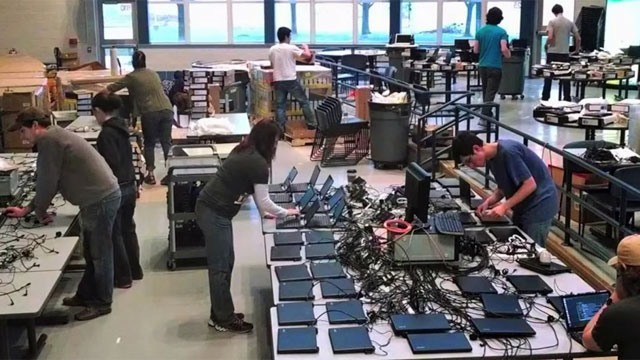
"content": "\u003cp>Penn Manor is one of the few school \u003ca href=\"http://ww2.kqed.org/mindshift/2014/06/why-arent-more-schools-using-free-open-education-resources/\" target=\"_blank\">districts using free and open source software\u003c/a>, instead of expensive commercial products, on the laptops its high school students use at home and at school. In a \u003ca href=\"https://www.youtube.com/watch?v=f8Co37GO2Fc\" target=\"_blank\">Lancaster TEDx talk\u003c/a>, IT Director Charlie Reisinger makes an impassioned plea for educators to trust students to experiment and tinker with the code running their computers. Reisinger believes students have the ability to be creators and the right to see \"what's under the hood.\"\u003c/p>\n\u003cp>[youtube http://www.youtube.com/watch?v=f8Co37GO2Fc?rel=0&w=640&h=360]\u003c/p>\n\u003cp>[ad fullwidth]\u003c/p>\u003cp>\u003c/p>\n",
"disqusIdentifier": "37312 http://blogs.kqed.org/mindshift/?p=37312",
"disqusUrl": "https://ww2.kqed.org/mindshift/2014/08/14/hacking-school-computers-cause-for-celebration-not-concern/",
"stats": {
"hasVideo": true,
"hasChartOrMap": false,
"hasAudio": false,
"hasPolis": false,
"wordCount": 97,
"hasGoogleForm": false,
"hasGallery": false,
"hasHearkenModule": false,
"iframeSrcs": [],
"paragraphCount": 4
},
"modified": 1407974915,
"excerpt": "An educator argues for letting kids tinker with the code on their school-owned devices.",
"headData": {
"twImgId": "",
"twTitle": "",
"ogTitle": "",
"ogImgId": "",
"twDescription": "",
"description": "An educator argues for letting kids tinker with the code on their school-owned devices.",
"title": "Hacking School Computers: Cause For Celebration, Not Concern | KQED",
"ogDescription": "",
"schema": {
"@context": "https://schema.org",
"@type": "Article",
"headline": "Hacking School Computers: Cause For Celebration, Not Concern",
"datePublished": "2014-08-14T07:00:34-07:00",
"dateModified": "2014-08-13T17:08:35-07:00",
"image": "https://cdn.kqed.org/wp-content/uploads/2020/02/KQED-OG-Image@1x.png"
}
},
"guestAuthors": [],
"slug": "hacking-school-computers-cause-for-celebration-not-concern",
"status": "publish",
"path": "/mindshift/37312/hacking-school-computers-cause-for-celebration-not-concern",
"audioTrackLength": null,
"parsedContent": [
{
"type": "contentString",
"content": "\u003cdiv class=\"post-body\">\u003cp>\u003cp>Penn Manor is one of the few school \u003ca href=\"http://ww2.kqed.org/mindshift/2014/06/why-arent-more-schools-using-free-open-education-resources/\" target=\"_blank\">districts using free and open source software\u003c/a>, instead of expensive commercial products, on the laptops its high school students use at home and at school. In a \u003ca href=\"https://www.youtube.com/watch?v=f8Co37GO2Fc\" target=\"_blank\">Lancaster TEDx talk\u003c/a>, IT Director Charlie Reisinger makes an impassioned plea for educators to trust students to experiment and tinker with the code running their computers. Reisinger believes students have the ability to be creators and the right to see \"what's under the hood.\"\u003c/p>\n\u003cp>\u003c/p>\u003cp>\u003cspan class='utils-parseShortcode-shortcodes-__youtubeShortcode__embedYoutube'>\n \u003cspan class='utils-parseShortcode-shortcodes-__youtubeShortcode__embedYoutubeInside'>\n \u003ciframe\n loading='lazy'\n class='utils-parseShortcode-shortcodes-__youtubeShortcode__youtubePlayer'\n type='text/html'\n src='//www.youtube.com/embed/f8Co37GO2Fc?rel=0'\n title='//www.youtube.com/embed/f8Co37GO2Fc?rel=0'\n allowfullscreen='true'\n style='border:0;'>\u003c/iframe>\n \u003c/span>\n \u003c/span>\u003c/p>\u003cp>\u003c/p>\n\u003cp>\u003c/p>\u003c/div>",
"attributes": {
"named": {},
"numeric": []
}
},
{
"type": "component",
"content": "",
"name": "ad",
"attributes": {
"named": {
"label": "fullwidth"
},
"numeric": [
"fullwidth"
]
}
},
{
"type": "contentString",
"content": "\u003cdiv class=\"post-body\">\u003cp>\u003c/p>\u003cp>\u003c/p>\n\u003c/div>\u003c/p>",
"attributes": {
"named": {},
"numeric": []
}
}
],
"link": "/mindshift/37312/hacking-school-computers-cause-for-celebration-not-concern",
"authors": [
"234"
],
"categories": [
"mindshift_193"
],
"tags": [
"mindshift_1040",
"mindshift_171",
"mindshift_975"
],
"featImg": "mindshift_37314",
"label": "mindshift"
},
"mindshift_36991": {
"type": "posts",
"id": "mindshift_36991",
"meta": {
"index": "posts_1716263798",
"site": "mindshift",
"id": "36991",
"score": null,
"sort": [
1406232005000
]
},
"parent": 0,
"labelTerm": {
"site": "mindshift"
},
"blocks": [],
"publishDate": 1406232005,
"format": "aside",
"disqusTitle": "Why Is It So Hard to Change How We Teach Math?",
"title": "Why Is It So Hard to Change How We Teach Math?",
"headTitle": "MindShift | KQED News",
"content": "\u003cp>Educators have been talking about changing the traditional way of teaching math for a long time, but nothing seems to change. Elizabeth Green's \u003ca href=\"http://www.nytimes.com/2014/07/27/magazine/why-do-americans-stink-at-math.html?ref=education&_r=0\" target=\"_blank\">New York Times Magazine article\u003c/a> digs into why it has been so hard for U.S schools to effectively implement changes to math pedagogy, and just how far American students have fallen behind as a result. A lot of it comes down to ensuring teachers are comfortable with the new methods, she writes:\u003c/p>\n\u003cp>\"In fact, efforts to introduce a better way of teaching math stretch back to the 1800s. The story is the same every time: a big, excited push, followed by mass confusion and then a return to conventional practices. The trouble always starts when teachers are told to put innovative ideas into practice without much guidance on how to do it. In the hands of unprepared teachers, the reforms turn to nonsense, perplexing students more than helping them.\"\u003cbr>\nhttp://www.nytimes.com/2014/07/27/magazine/why-do-americans-stink-at-math.html\u003c/p>\n\u003cp>[ad fullwidth]\u003c/p>\u003cp>\u003c/p>\n",
"disqusIdentifier": "36991 http://blogs.kqed.org/mindshift/?p=36991",
"disqusUrl": "https://ww2.kqed.org/mindshift/2014/07/24/why-is-it-so-hard-to-change-how-we-teach-math/",
"stats": {
"hasVideo": false,
"hasChartOrMap": false,
"hasAudio": false,
"hasPolis": false,
"wordCount": 171,
"hasGoogleForm": false,
"hasGallery": false,
"hasHearkenModule": false,
"iframeSrcs": [],
"paragraphCount": 4
},
"modified": 1456259415,
"excerpt": "American students continue to fall behind international peers in math, but it's not for lack of trying different teaching methods.",
"headData": {
"twImgId": "",
"twTitle": "",
"ogTitle": "",
"ogImgId": "",
"twDescription": "",
"description": "American students continue to fall behind international peers in math, but it's not for lack of trying different teaching methods.",
"title": "Why Is It So Hard to Change How We Teach Math? | KQED",
"ogDescription": "",
"schema": {
"@context": "https://schema.org",
"@type": "Article",
"headline": "Why Is It So Hard to Change How We Teach Math?",
"datePublished": "2014-07-24T13:00:05-07:00",
"dateModified": "2016-02-23T12:30:15-08:00",
"image": "https://cdn.kqed.org/wp-content/uploads/2020/02/KQED-OG-Image@1x.png"
}
},
"guestAuthors": [],
"slug": "why-is-it-so-hard-to-change-how-we-teach-math",
"status": "publish",
"path": "/mindshift/36991/why-is-it-so-hard-to-change-how-we-teach-math",
"audioTrackLength": null,
"parsedContent": [
{
"type": "contentString",
"content": "\u003cdiv class=\"post-body\">\u003cp>\u003cp>Educators have been talking about changing the traditional way of teaching math for a long time, but nothing seems to change. Elizabeth Green's \u003ca href=\"http://www.nytimes.com/2014/07/27/magazine/why-do-americans-stink-at-math.html?ref=education&_r=0\" target=\"_blank\">New York Times Magazine article\u003c/a> digs into why it has been so hard for U.S schools to effectively implement changes to math pedagogy, and just how far American students have fallen behind as a result. A lot of it comes down to ensuring teachers are comfortable with the new methods, she writes:\u003c/p>\n\u003cp>\"In fact, efforts to introduce a better way of teaching math stretch back to the 1800s. The story is the same every time: a big, excited push, followed by mass confusion and then a return to conventional practices. The trouble always starts when teachers are told to put innovative ideas into practice without much guidance on how to do it. In the hands of unprepared teachers, the reforms turn to nonsense, perplexing students more than helping them.\"\u003cbr>\nhttp://www.nytimes.com/2014/07/27/magazine/why-do-americans-stink-at-math.html\u003c/p>\n\u003cp>\u003c/p>\u003c/div>",
"attributes": {
"named": {},
"numeric": []
}
},
{
"type": "component",
"content": "",
"name": "ad",
"attributes": {
"named": {
"label": "fullwidth"
},
"numeric": [
"fullwidth"
]
}
},
{
"type": "contentString",
"content": "\u003cdiv class=\"post-body\">\u003cp>\u003c/p>\u003cp>\u003c/p>\n\u003c/div>\u003c/p>",
"attributes": {
"named": {},
"numeric": []
}
}
],
"link": "/mindshift/36991/why-is-it-so-hard-to-change-how-we-teach-math",
"authors": [
"234"
],
"categories": [
"mindshift_193"
],
"tags": [
"mindshift_1004",
"mindshift_392"
],
"featImg": "mindshift_17783",
"label": "mindshift"
},
"mindshift_36918": {
"type": "posts",
"id": "mindshift_36918",
"meta": {
"index": "posts_1716263798",
"site": "mindshift",
"id": "36918",
"score": null,
"sort": [
1405627200000
]
},
"parent": 0,
"labelTerm": {
"site": "mindshift"
},
"blocks": [],
"publishDate": 1405627200,
"format": "aside",
"disqusTitle": "An MIT Learning Program Challenges Many Ed-Tech Assumptions",
"title": "An MIT Learning Program Challenges Many Ed-Tech Assumptions",
"headTitle": "MindShift | KQED News",
"content": "\u003cp>One MIT's teacher's successful experience with a low-tech teaching program that relies on video and lots of student interaction is calling into question many of the maxims about personalization and computer-based learning that have become popular. The model may not be as flashy as many of the education technology products currently on the market, but it is based on strong psychological and cognitive underpinnings, \u003ca href=\"http://hechingerreport.org/content/ed-tech-needs-nothing-tv-vcr_16715/\" target=\"_blank\">writes Annie Murphy Paul\u003c/a> for the Hechinger Report.\u003c/p>\n\u003cp>\"We know that students do not make optimal choices when directing their own learning; especially when they’re new to a subject, they need guidance from an experienced teacher. We \u003ca href=\"http://www.slate.com/articles/health_and_science/science/2013/05/multitasking_while_studying_divided_attention_and_technological_gadgets.html\" target=\"_blank\">know that students do not learn deeply \u003c/a>or lastingly when they have a world of distractions at their fingertips. And we \u003ca href=\"http://www.scn.ucla.edu/pdf/Lieberman(2012)TINE.pdf\" target=\"_blank\">know that students learn best not as isolated units\u003c/a> but as part of a socially connected group. Modest as it is from a technological perspective, MIT BLOSSOMS is ideally designed for learning—a reminder that more and better technology does not always lead to more and better education.\"\u003c/p>\n\u003cdiv>\u003ca class=\"embedly-card\" href=\"http://hechingerreport.org/content/ed-tech-needs-nothing-tv-vcr_16715/\">Ed tech that needs nothing but a TV and VCR? - Hechinger Report\u003c/a>\u003c/div>\n\u003cp>[ad fullwidth]\u003c/p>\u003cp>\u003c/p>\n",
"disqusIdentifier": "36918 http://blogs.kqed.org/mindshift/?p=36918",
"disqusUrl": "https://ww2.kqed.org/mindshift/2014/07/17/an-mit-learning-program-challenges-many-ed-tech-assumptions/",
"stats": {
"hasVideo": false,
"hasChartOrMap": false,
"hasAudio": false,
"hasPolis": false,
"wordCount": 195,
"hasGoogleForm": false,
"hasGallery": false,
"hasHearkenModule": false,
"iframeSrcs": [],
"paragraphCount": 4
},
"modified": 1405627577,
"excerpt": "A low-tech teaching technique used by a MIT researcher calls into questions many of the maxims about personalized, student-driven learning upheld by the education technology industry.",
"headData": {
"twImgId": "",
"twTitle": "",
"ogTitle": "",
"ogImgId": "",
"twDescription": "",
"description": "A low-tech teaching technique used by a MIT researcher calls into questions many of the maxims about personalized, student-driven learning upheld by the education technology industry.",
"title": "An MIT Learning Program Challenges Many Ed-Tech Assumptions | KQED",
"ogDescription": "",
"schema": {
"@context": "https://schema.org",
"@type": "Article",
"headline": "An MIT Learning Program Challenges Many Ed-Tech Assumptions",
"datePublished": "2014-07-17T13:00:00-07:00",
"dateModified": "2014-07-17T13:06:17-07:00",
"image": "https://cdn.kqed.org/wp-content/uploads/2020/02/KQED-OG-Image@1x.png"
}
},
"guestAuthors": [],
"slug": "an-mit-learning-program-challenges-many-ed-tech-assumptions",
"status": "publish",
"path": "/mindshift/36918/an-mit-learning-program-challenges-many-ed-tech-assumptions",
"audioTrackLength": null,
"parsedContent": [
{
"type": "contentString",
"content": "\u003cdiv class=\"post-body\">\u003cp>\u003cp>One MIT's teacher's successful experience with a low-tech teaching program that relies on video and lots of student interaction is calling into question many of the maxims about personalization and computer-based learning that have become popular. The model may not be as flashy as many of the education technology products currently on the market, but it is based on strong psychological and cognitive underpinnings, \u003ca href=\"http://hechingerreport.org/content/ed-tech-needs-nothing-tv-vcr_16715/\" target=\"_blank\">writes Annie Murphy Paul\u003c/a> for the Hechinger Report.\u003c/p>\n\u003cp>\"We know that students do not make optimal choices when directing their own learning; especially when they’re new to a subject, they need guidance from an experienced teacher. We \u003ca href=\"http://www.slate.com/articles/health_and_science/science/2013/05/multitasking_while_studying_divided_attention_and_technological_gadgets.html\" target=\"_blank\">know that students do not learn deeply \u003c/a>or lastingly when they have a world of distractions at their fingertips. And we \u003ca href=\"http://www.scn.ucla.edu/pdf/Lieberman(2012)TINE.pdf\" target=\"_blank\">know that students learn best not as isolated units\u003c/a> but as part of a socially connected group. Modest as it is from a technological perspective, MIT BLOSSOMS is ideally designed for learning—a reminder that more and better technology does not always lead to more and better education.\"\u003c/p>\n\u003cdiv>\u003ca class=\"embedly-card\" href=\"http://hechingerreport.org/content/ed-tech-needs-nothing-tv-vcr_16715/\">Ed tech that needs nothing but a TV and VCR? - Hechinger Report\u003c/a>\u003c/div>\n\u003cp>\u003c/p>\u003c/div>",
"attributes": {
"named": {},
"numeric": []
}
},
{
"type": "component",
"content": "",
"name": "ad",
"attributes": {
"named": {
"label": "fullwidth"
},
"numeric": [
"fullwidth"
]
}
},
{
"type": "contentString",
"content": "\u003cdiv class=\"post-body\">\u003cp>\u003c/p>\u003cp>\u003c/p>\n\u003c/div>\u003c/p>",
"attributes": {
"named": {},
"numeric": []
}
}
],
"link": "/mindshift/36918/an-mit-learning-program-challenges-many-ed-tech-assumptions",
"authors": [
"4354"
],
"categories": [
"mindshift_193"
],
"tags": [
"mindshift_20678",
"mindshift_20713"
],
"featImg": "mindshift_36922",
"label": "mindshift"
},
"mindshift_36781": {
"type": "posts",
"id": "mindshift_36781",
"meta": {
"index": "posts_1716263798",
"site": "mindshift",
"id": "36781",
"score": null,
"sort": [
1405004070000
]
},
"parent": 0,
"labelTerm": {
"site": "mindshift",
"term": 20669
},
"blocks": [],
"publishDate": 1405004070,
"format": "aside",
"disqusTitle": "From Mars to Minecraft: Teachers Bring the Arcade to the Classroom",
"title": "From Mars to Minecraft: Teachers Bring the Arcade to the Classroom",
"headTitle": "The MindShift Guide to Digital Games and Learning | MindShift | KQED News",
"content": "\u003cfigure id=\"attachment_36789\" class=\"wp-caption aligncenter\" style=\"max-width: 640px\">\u003cimg class=\"size-large wp-image-36789\" src=\"http://ww2.kqed.org/mindshift/wp-content/uploads/sites/23/2014/07/Argubot-640x327.jpg\" alt=\"Argubot Academy\" width=\"640\" height=\"327\">\u003cfigcaption class=\"wp-caption-text\">Argubot Academy\u003c/figcaption>\u003c/figure>\n\u003cp>\u003cem>Part 11 of \u003ca href=\"http://ww2.kqed.org/mindshift/series/guide-to-games-and-learning/\" target=\"_blank\" rel=\"noopener\">MindShift's Guide to Games and Learning\u003c/a>.\u003c/em>\u003c/p>\n\u003cp class=\"dropcap-serif\">Teachers have found many different ways of using digital games in the classroom. But what kind of games are these students playing? And how are teachers incorporating them in the classroom?\u003c/p>\n\u003cp>Last year’s report from the Joan Ganz Cooney Center, “\u003ca href=\"http://www.joanganzcooneycenter.org/publication/games-for-a-digital-age/\" target=\"_blank\" rel=\"noopener\">Games For A Digital Age\u003c/a>,” made the distinction between “short-form” and “long-form” learning games. Short-form games are designed to be played during a single class period. “They focus on a particular concept of skill refinement, skills practice, memorization, or performing specific drills.” Long-form games “extend beyond a single class period” and sometimes gameplay can “spread over multiple sessions or even several weeks.”\u003c/p>\n\u003cp>Often long-form games are comprehensively tied to a full curriculum. They can replace textbooks by offering an interactive experience that seamlessly blends content, practice, and assessment into a contextualized learning experience. While some programs like this already exist, it's difficult to implement well. For teachers who want to get started, short-term games can supplement their already established curricula with fresh and engaging activities.\u003c/p>\n\u003ch3>\u003cb>Learning Games\u003c/b>\u003c/h3>\n\u003cp>Some games are designed to do just that. Consider \u003ca href=\"http://argubotacademy.org/home\" target=\"_blank\" rel=\"noopener\">\u003ci>Mars Generation One: Argubot Academy\u003c/i>\u003c/a>\u003ci>. \u003c/i>Designed by GlassLab, in collaboration with NASA, the game is aligned with Common Core ELA standards and infused with STEM content. It focuses on teaching argumentation, and in particular, it focuses on how to use evidence to support claims.\u003c/p>\n\u003cp>[ad fullwidth]\u003c/p>\n\u003cp>\u003ci>Mars Generation One: Argubot Academy \u003c/i>is a role playing game that combines a space-age storyline about building a Mars colony with great animations. It engages students in a topic that is often hard to contextualize. While we ordinarily demand that students demonstrate argumentation skills in expository writing, modern education practices rarely approach it in such an explicit way.\u003c/p>\n\u003cp>\u003cimg class=\"size-thumbnail wp-image-35200 alignright\" style=\"border: 0;\" src=\"http://ww2.kqed.org/mindshift/wp-content/uploads/sites/23/2014/04/MindShiftGames-140x140.png\" alt=\"MindShiftGames\" width=\"140\" height=\"140\">\u003c/p>\n\u003cp>“By teaching ELA standards through a STEM-themed storyline, the game is fundamentally interdisciplinary in all the right ways,\" wrote Patricia Monticello Kievlan, a San Francisco classroom teacher who reviewed the game for \u003ca href=\"https://www.graphite.org/\" target=\"_blank\" rel=\"noopener\">Graphite.\u003c/a> \"Showing students how these skills bridge disciplines is a critical lesson, and that point is deftly delivered.”\u003c/p>\n\u003cp>\u003ci> Argubot Academy \u003c/i>is a great short-form tablet game that many teachers use to add contextualized interactive practice to your existing ELA curriculum (grades 6-8). John Paul Sellars, a fifth grade teacher who used the game during this past year at Red Bank Elementary School in Lexington, South Carolina, says his students “loved the ability to combine gaming with their learning.”\u003c/p>\n\u003ch3>\u003cb>Classroom Modifications\u003c/b>\u003c/h3>\n\u003cp>Teachers are also using commercial games that have been modified for classroom use. Perhaps the most famous is \u003ca href=\"http://minecraftedu.com/\">\u003ci>MinecraftEDU\u003c/i>\u003c/a>. This classroom-ready modification of the popular sandbox game is not only less expensive than the commercial version, it also provides many tools that empower teachers with the ability to adapt gameplay to established class curricula.\u003c/p>\n\u003cp>Joel Levin, one of the creators of \u003ci>MinecraftEDU, \u003c/i>\u003ca href=\"https://www.youtube.com/watch?v=-mTf3j2koJA\">uses it with second graders\u003c/a>. But it works with students of any age. What makes \u003ci>MinecraftEDU\u003c/i> great for teachers is the same thing that makes it so popular among gamers: it is so open-ended that that the possibilities are only limited by your imagination. Search the web and you’ll find thousands of examples of teachers using \u003ci>MinecraftEDU.\u003c/i>\u003c/p>\n\u003cp>\u003ci>MinecraftEDU \u003c/i>provides a virtual world where teachers and students can build simulations with unlimited resources. When I was a student, we held mini-Renaissance Faires and built toothpick bridges. We were always limited by time, space, and resources. In today’s \u003ci>Minecraft-\u003c/i>equipped classrooms, both teachers and students build entire multi-player worlds full of interactive scenarios. For example, when I visited the \u003ca href=\"q2l.org/\" target=\"_blank\" rel=\"noopener\">Quest to Learn\u003c/a> school in NYC at the end of their school year, I saw final projects that used \u003cem>Minecraft\u003c/em> in their presentations. One class used \u003cem>Minecraft\u003c/em>-polar-ice blocks to model the potential impact of global warming. Another demonstrated their understanding of urban water treatment and sewage engineering by building a working system out of pixelated blocks and then simulating rainfall and flooding.\u003c/p>\n\u003ch3>\u003cb>Commercial Games\u003c/b>\u003c/h3>\n\u003cp>Most teachers and parents are on board with games that are manufactured or modified for educational purposes. But what about big, bloody, shoot-'em-up commercial games? Could they also be put to use in a classroom?\u003c/p>\n\u003cp>Consider Norwegian high school teacher Tobias Staaby. He’s a relative newbie in the classroom. But it may actually be to his advantage that he’s only been teaching for two years; he doesn’t feel like he’s got it figured out yet. “I’m constantly searching for new ways to improve my classes, and to engage and motivate my students,” he says. One thing that has worked is using zombie-themed video games to teach moral philosophy and ethical theories. “I was looking for a way to make these concepts easier to understand without oversimplifying the material.”\u003c/p>\n\u003cp>One of the hardest things about facilitating class discussions about ethics is presenting engaging dilemmas that they haven’t “necessarily thought or heard much about, thus making their arguments and decisions much more their own.” Staaby settled on using \u003ci>The Walking Dead\u003c/i> video game by Telltale Games.\u003c/p>\n\u003cp>[contextly_sidebar id=\"b9d27906205c6796ab228e314a07ccd5\"]\u003c/p>\n\u003cp>Loaded on his personal laptop and streamed through the classroom projector, Staaby boots up \u003ci>The Walking Dead \u003c/i>and hands the controller to a student. The rest of the class shouts commands at the player. Then, whenever the game presents an ethical dilemma, they “pause the game and discuss the next course of action using the ethical models and theories they had learned earlier that year -- relational ethics, consequential ethics, ethics of virtue, and ethics of duty -- as a basis for their arguments.” What started as Staaby’s spontaneous unplanned class exercise quickly evolved into a rigorous project. He now prepares short lectures and ties ethical theories to specific dilemmas within the game. (More about Staaby and his school in a soon-to-be-published MindShift article.)\u003c/p>\n\u003cp>There is research to support Staaby’s intuitive findings. A recent study out of the University at Buffalo Department of Communication, Michigan State University, and the University of Texas, Austin says that playing violent video games may increase moral awareness. \"Our findings suggest that emotional experiences evoked by media exposure can increase the intuitive foundations upon which human beings make moral judgments.\" Says Matthew Grizzard, one of the study’s authors. Imagine it like a low stakes practice run; simulated opportunities to practice moral and ethical decision making can teach individuals to iterate their initial reactions and make better choices in the future.\u003c/p>\n\u003cp>In Jerome and Donna Allender’s new book \u003ca href=\"http://www.amazon.com/Ethics-Young-Mind-Teachers-Adolescents/dp/1612056822/ref=sr_1_2?ie=UTF8&qid=1404922459&sr=8-2&keywords=Donna+Allender\">\u003ci>Ethics for the Young Mind: A Guide for Teachers and Parents of Children Becoming Adolescents\u003c/i>\u003c/a>, they write about the importance and challenges involved in teaching ethics. Their work reminds us that it all comes down to considering “responses to otherness.” When the bell rings at the end of the day, isn’t this what school is all about? We not only want to raise caring individuals, but we also want to provide our students with the skills necessary to maintain fulfilled work-a-day lives. Becoming an ethical person requires “learning more about connecting with others in ways that satisfy our needs and wants while attending to those of others.”\u003c/p>\n\u003cp>The common attribute of all effective learning games is that they simulate systems. They teach students how to understand academic concepts in relationship to the world around them. Certainly this increases engagement and retention, but what really matters is that it is about using knowledge in \u003ca href=\"http://ww2.kqed.org/mindshift/2014/05/how-games-based-learning-teaches-problem-solving-in-context/\" target=\"_blank\" rel=\"noopener\">an inter-disciplinary way\u003c/a>.\u003c/p>\n\u003cp>Digital or analog, game-based or not, good teaching and learning is about building social awareness, considering the individual’s impact on a wider world.\u003c/p>\n\u003cp>[ad floatright]\u003c/p>\n\u003cp>\u003cem>The \u003ca href=\"http://ww2.kqed.org/mindshift/series/guide-to-games-and-learning/\" target=\"_blank\" rel=\"noopener\">MindShift Guide to Games and Learning\u003c/a> is made possible through the generous support of the \u003ca href=\"http://ww2.kqed.org/mindshift/2014/05/math-science-history-games-break-boundaries-between-subjects-interdisciplinary-learning/www.joanganzcooneycenter.org/\" target=\"_blank\" rel=\"noopener\">Joan Ganz Cooney Center\u003c/a> and is a project of the \u003ca href=\"http://www.joanganzcooneycenter.org/initiative/games-and-learning-publishing-council-analyzing-a-rising-sector/\" target=\"_blank\" rel=\"noopener\">Games and Learning Publishing Council\u003c/a>.\u003c/em>\u003c/p>\n\n",
"disqusIdentifier": "36781 http://blogs.kqed.org/mindshift/?p=36781",
"disqusUrl": "https://ww2.kqed.org/mindshift/2014/07/10/from-minecraft-to-mars-teachers-bring-the-arcade-to-the-games-learning-classroom/",
"stats": {
"hasVideo": false,
"hasChartOrMap": false,
"hasAudio": false,
"hasPolis": false,
"wordCount": 1352,
"hasGoogleForm": false,
"hasGallery": false,
"hasHearkenModule": false,
"iframeSrcs": [],
"paragraphCount": 22
},
"modified": 1572638652,
"excerpt": "Teachers have found many different ways of using digital games in the classroom. But what kind of games are these students playing? And how are teachers incorporating them in the classroom?",
"headData": {
"twImgId": "",
"twTitle": "",
"ogTitle": "",
"ogImgId": "",
"twDescription": "",
"description": "Teachers have found many different ways of using digital games in the classroom. But what kind of games are these students playing? And how are teachers incorporating them in the classroom?",
"title": "From Mars to Minecraft: Teachers Bring the Arcade to the Classroom | KQED",
"ogDescription": "",
"schema": {
"@context": "https://schema.org",
"@type": "Article",
"headline": "From Mars to Minecraft: Teachers Bring the Arcade to the Classroom",
"datePublished": "2014-07-10T07:54:30-07:00",
"dateModified": "2019-11-01T13:04:12-07:00",
"image": "https://cdn.kqed.org/wp-content/uploads/2020/02/KQED-OG-Image@1x.png"
}
},
"guestAuthors": [],
"slug": "from-minecraft-to-mars-teachers-bring-the-arcade-to-the-games-learning-classroom",
"status": "publish",
"templateType": "standard",
"featuredImageType": "standard",
"path": "/mindshift/36781/from-minecraft-to-mars-teachers-bring-the-arcade-to-the-games-learning-classroom",
"audioTrackLength": null,
"parsedContent": [
{
"type": "contentString",
"content": "\u003cdiv class=\"post-body\">\u003cp>\u003cfigure id=\"attachment_36789\" class=\"wp-caption aligncenter\" style=\"max-width: 640px\">\u003cimg class=\"size-large wp-image-36789\" src=\"http://ww2.kqed.org/mindshift/wp-content/uploads/sites/23/2014/07/Argubot-640x327.jpg\" alt=\"Argubot Academy\" width=\"640\" height=\"327\">\u003cfigcaption class=\"wp-caption-text\">Argubot Academy\u003c/figcaption>\u003c/figure>\n\u003cp>\u003cem>Part 11 of \u003ca href=\"http://ww2.kqed.org/mindshift/series/guide-to-games-and-learning/\" target=\"_blank\" rel=\"noopener\">MindShift's Guide to Games and Learning\u003c/a>.\u003c/em>\u003c/p>\n\u003cp class=\"dropcap-serif\">Teachers have found many different ways of using digital games in the classroom. But what kind of games are these students playing? And how are teachers incorporating them in the classroom?\u003c/p>\n\u003cp>Last year’s report from the Joan Ganz Cooney Center, “\u003ca href=\"http://www.joanganzcooneycenter.org/publication/games-for-a-digital-age/\" target=\"_blank\" rel=\"noopener\">Games For A Digital Age\u003c/a>,” made the distinction between “short-form” and “long-form” learning games. Short-form games are designed to be played during a single class period. “They focus on a particular concept of skill refinement, skills practice, memorization, or performing specific drills.” Long-form games “extend beyond a single class period” and sometimes gameplay can “spread over multiple sessions or even several weeks.”\u003c/p>\n\u003cp>Often long-form games are comprehensively tied to a full curriculum. They can replace textbooks by offering an interactive experience that seamlessly blends content, practice, and assessment into a contextualized learning experience. While some programs like this already exist, it's difficult to implement well. For teachers who want to get started, short-term games can supplement their already established curricula with fresh and engaging activities.\u003c/p>\n\u003ch3>\u003cb>Learning Games\u003c/b>\u003c/h3>\n\u003cp>Some games are designed to do just that. Consider \u003ca href=\"http://argubotacademy.org/home\" target=\"_blank\" rel=\"noopener\">\u003ci>Mars Generation One: Argubot Academy\u003c/i>\u003c/a>\u003ci>. \u003c/i>Designed by GlassLab, in collaboration with NASA, the game is aligned with Common Core ELA standards and infused with STEM content. It focuses on teaching argumentation, and in particular, it focuses on how to use evidence to support claims.\u003c/p>\n\u003cp>\u003c/p>\u003c/div>",
"attributes": {
"named": {},
"numeric": []
}
},
{
"type": "component",
"content": "",
"name": "ad",
"attributes": {
"named": {
"label": "fullwidth"
},
"numeric": [
"fullwidth"
]
}
},
{
"type": "contentString",
"content": "\u003cdiv class=\"post-body\">\u003cp>\u003c/p>\n\u003cp>\u003ci>Mars Generation One: Argubot Academy \u003c/i>is a role playing game that combines a space-age storyline about building a Mars colony with great animations. It engages students in a topic that is often hard to contextualize. While we ordinarily demand that students demonstrate argumentation skills in expository writing, modern education practices rarely approach it in such an explicit way.\u003c/p>\n\u003cp>\u003cimg class=\"size-thumbnail wp-image-35200 alignright\" style=\"border: 0;\" src=\"http://ww2.kqed.org/mindshift/wp-content/uploads/sites/23/2014/04/MindShiftGames-140x140.png\" alt=\"MindShiftGames\" width=\"140\" height=\"140\">\u003c/p>\n\u003cp>“By teaching ELA standards through a STEM-themed storyline, the game is fundamentally interdisciplinary in all the right ways,\" wrote Patricia Monticello Kievlan, a San Francisco classroom teacher who reviewed the game for \u003ca href=\"https://www.graphite.org/\" target=\"_blank\" rel=\"noopener\">Graphite.\u003c/a> \"Showing students how these skills bridge disciplines is a critical lesson, and that point is deftly delivered.”\u003c/p>\n\u003cp>\u003ci> Argubot Academy \u003c/i>is a great short-form tablet game that many teachers use to add contextualized interactive practice to your existing ELA curriculum (grades 6-8). John Paul Sellars, a fifth grade teacher who used the game during this past year at Red Bank Elementary School in Lexington, South Carolina, says his students “loved the ability to combine gaming with their learning.”\u003c/p>\n\u003ch3>\u003cb>Classroom Modifications\u003c/b>\u003c/h3>\n\u003cp>Teachers are also using commercial games that have been modified for classroom use. Perhaps the most famous is \u003ca href=\"http://minecraftedu.com/\">\u003ci>MinecraftEDU\u003c/i>\u003c/a>. This classroom-ready modification of the popular sandbox game is not only less expensive than the commercial version, it also provides many tools that empower teachers with the ability to adapt gameplay to established class curricula.\u003c/p>\n\u003cp>Joel Levin, one of the creators of \u003ci>MinecraftEDU, \u003c/i>\u003ca href=\"https://www.youtube.com/watch?v=-mTf3j2koJA\">uses it with second graders\u003c/a>. But it works with students of any age. What makes \u003ci>MinecraftEDU\u003c/i> great for teachers is the same thing that makes it so popular among gamers: it is so open-ended that that the possibilities are only limited by your imagination. Search the web and you’ll find thousands of examples of teachers using \u003ci>MinecraftEDU.\u003c/i>\u003c/p>\n\u003cp>\u003ci>MinecraftEDU \u003c/i>provides a virtual world where teachers and students can build simulations with unlimited resources. When I was a student, we held mini-Renaissance Faires and built toothpick bridges. We were always limited by time, space, and resources. In today’s \u003ci>Minecraft-\u003c/i>equipped classrooms, both teachers and students build entire multi-player worlds full of interactive scenarios. For example, when I visited the \u003ca href=\"q2l.org/\" target=\"_blank\" rel=\"noopener\">Quest to Learn\u003c/a> school in NYC at the end of their school year, I saw final projects that used \u003cem>Minecraft\u003c/em> in their presentations. One class used \u003cem>Minecraft\u003c/em>-polar-ice blocks to model the potential impact of global warming. Another demonstrated their understanding of urban water treatment and sewage engineering by building a working system out of pixelated blocks and then simulating rainfall and flooding.\u003c/p>\n\u003ch3>\u003cb>Commercial Games\u003c/b>\u003c/h3>\n\u003cp>Most teachers and parents are on board with games that are manufactured or modified for educational purposes. But what about big, bloody, shoot-'em-up commercial games? Could they also be put to use in a classroom?\u003c/p>\n\u003cp>Consider Norwegian high school teacher Tobias Staaby. He’s a relative newbie in the classroom. But it may actually be to his advantage that he’s only been teaching for two years; he doesn’t feel like he’s got it figured out yet. “I’m constantly searching for new ways to improve my classes, and to engage and motivate my students,” he says. One thing that has worked is using zombie-themed video games to teach moral philosophy and ethical theories. “I was looking for a way to make these concepts easier to understand without oversimplifying the material.”\u003c/p>\n\u003cp>One of the hardest things about facilitating class discussions about ethics is presenting engaging dilemmas that they haven’t “necessarily thought or heard much about, thus making their arguments and decisions much more their own.” Staaby settled on using \u003ci>The Walking Dead\u003c/i> video game by Telltale Games.\u003c/p>\n\u003cp>\u003c/p>\u003cp>\u003c/p>\u003cp>\u003c/p>\n\u003cp>Loaded on his personal laptop and streamed through the classroom projector, Staaby boots up \u003ci>The Walking Dead \u003c/i>and hands the controller to a student. The rest of the class shouts commands at the player. Then, whenever the game presents an ethical dilemma, they “pause the game and discuss the next course of action using the ethical models and theories they had learned earlier that year -- relational ethics, consequential ethics, ethics of virtue, and ethics of duty -- as a basis for their arguments.” What started as Staaby’s spontaneous unplanned class exercise quickly evolved into a rigorous project. He now prepares short lectures and ties ethical theories to specific dilemmas within the game. (More about Staaby and his school in a soon-to-be-published MindShift article.)\u003c/p>\n\u003cp>There is research to support Staaby’s intuitive findings. A recent study out of the University at Buffalo Department of Communication, Michigan State University, and the University of Texas, Austin says that playing violent video games may increase moral awareness. \"Our findings suggest that emotional experiences evoked by media exposure can increase the intuitive foundations upon which human beings make moral judgments.\" Says Matthew Grizzard, one of the study’s authors. Imagine it like a low stakes practice run; simulated opportunities to practice moral and ethical decision making can teach individuals to iterate their initial reactions and make better choices in the future.\u003c/p>\n\u003cp>In Jerome and Donna Allender’s new book \u003ca href=\"http://www.amazon.com/Ethics-Young-Mind-Teachers-Adolescents/dp/1612056822/ref=sr_1_2?ie=UTF8&qid=1404922459&sr=8-2&keywords=Donna+Allender\">\u003ci>Ethics for the Young Mind: A Guide for Teachers and Parents of Children Becoming Adolescents\u003c/i>\u003c/a>, they write about the importance and challenges involved in teaching ethics. Their work reminds us that it all comes down to considering “responses to otherness.” When the bell rings at the end of the day, isn’t this what school is all about? We not only want to raise caring individuals, but we also want to provide our students with the skills necessary to maintain fulfilled work-a-day lives. Becoming an ethical person requires “learning more about connecting with others in ways that satisfy our needs and wants while attending to those of others.”\u003c/p>\n\u003cp>The common attribute of all effective learning games is that they simulate systems. They teach students how to understand academic concepts in relationship to the world around them. Certainly this increases engagement and retention, but what really matters is that it is about using knowledge in \u003ca href=\"http://ww2.kqed.org/mindshift/2014/05/how-games-based-learning-teaches-problem-solving-in-context/\" target=\"_blank\" rel=\"noopener\">an inter-disciplinary way\u003c/a>.\u003c/p>\n\u003cp>Digital or analog, game-based or not, good teaching and learning is about building social awareness, considering the individual’s impact on a wider world.\u003c/p>\n\u003cp>\u003c/p>\u003c/div>",
"attributes": {
"named": {},
"numeric": []
}
},
{
"type": "component",
"content": "",
"name": "ad",
"attributes": {
"named": {
"label": "floatright"
},
"numeric": [
"floatright"
]
}
},
{
"type": "contentString",
"content": "\u003cdiv class=\"post-body\">\u003cp>\u003c/p>\n\u003cp>\u003cem>The \u003ca href=\"http://ww2.kqed.org/mindshift/series/guide-to-games-and-learning/\" target=\"_blank\" rel=\"noopener\">MindShift Guide to Games and Learning\u003c/a> is made possible through the generous support of the \u003ca href=\"http://ww2.kqed.org/mindshift/2014/05/math-science-history-games-break-boundaries-between-subjects-interdisciplinary-learning/www.joanganzcooneycenter.org/\" target=\"_blank\" rel=\"noopener\">Joan Ganz Cooney Center\u003c/a> and is a project of the \u003ca href=\"http://www.joanganzcooneycenter.org/initiative/games-and-learning-publishing-council-analyzing-a-rising-sector/\" target=\"_blank\" rel=\"noopener\">Games and Learning Publishing Council\u003c/a>.\u003c/em>\u003c/p>\n\n\u003c/div>\u003c/p>",
"attributes": {
"named": {},
"numeric": []
}
}
],
"link": "/mindshift/36781/from-minecraft-to-mars-teachers-bring-the-arcade-to-the-games-learning-classroom",
"authors": [
"4557"
],
"series": [
"mindshift_20669"
],
"categories": [
"mindshift_193"
],
"tags": [
"mindshift_1040",
"mindshift_20902",
"mindshift_20655"
],
"featImg": "mindshift_54717",
"label": "mindshift_20669"
},
"mindshift_36733": {
"type": "posts",
"id": "mindshift_36733",
"meta": {
"index": "posts_1716263798",
"site": "mindshift",
"id": "36733",
"score": null,
"sort": [
1404853240000
]
},
"parent": 0,
"labelTerm": {
"site": "mindshift"
},
"blocks": [],
"publishDate": 1404853240,
"format": "aside",
"disqusTitle": "The Backlash Against the 'Pinkification' of Tech",
"title": "The Backlash Against the 'Pinkification' of Tech",
"headTitle": "MindShift | KQED News",
"content": "\u003cp>Important story about the backlash against the \"Pinkification\" of STEM in the \u003ca href=\"http://www.sfgate.com/news/article/How-not-to-attract-women-to-coding-Make-tech-pink-5602104.php#photo-6560862\" target=\"_blank\">San Francisco Chronicle\u003c/a>.\u003c/p>\n\u003cp>\"It creates the idea that women need sort of a separate universe in which women can be tech professionals,\" said UCSD professor Elizabeth Losh. \"Instead of trying to be inclusive, it's an alternate reality world.\"\u003cbr>\nhttp://www.sfgate.com/news/article/How-not-to-attract-women-to-coding-Make-tech-pink-5602104.php\u003c/p>\n\u003cp>[ad fullwidth]\u003c/p>\u003cp>\u003c/p>\n",
"disqusIdentifier": "36733 http://blogs.kqed.org/mindshift/?p=36733",
"disqusUrl": "https://ww2.kqed.org/mindshift/2014/07/08/the-backlash-against-the-pinkification-of-tech/",
"stats": {
"hasVideo": false,
"hasChartOrMap": false,
"hasAudio": false,
"hasPolis": false,
"wordCount": 71,
"hasGoogleForm": false,
"hasGallery": false,
"hasHearkenModule": false,
"iframeSrcs": [],
"paragraphCount": 4
},
"modified": 1456258247,
"excerpt": "Important story about the backlash against the \"Pinkification\" of STEM in the San Francisco Chronicle.",
"headData": {
"twImgId": "",
"twTitle": "",
"ogTitle": "",
"ogImgId": "",
"twDescription": "",
"description": "Important story about the backlash against the "Pinkification" of STEM in the San Francisco Chronicle.",
"title": "The Backlash Against the 'Pinkification' of Tech | KQED",
"ogDescription": "",
"schema": {
"@context": "https://schema.org",
"@type": "Article",
"headline": "The Backlash Against the 'Pinkification' of Tech",
"datePublished": "2014-07-08T14:00:40-07:00",
"dateModified": "2016-02-23T12:10:47-08:00",
"image": "https://cdn.kqed.org/wp-content/uploads/2020/02/KQED-OG-Image@1x.png"
}
},
"guestAuthors": [],
"slug": "the-backlash-against-the-pinkification-of-tech",
"status": "publish",
"path": "/mindshift/36733/the-backlash-against-the-pinkification-of-tech",
"audioTrackLength": null,
"parsedContent": [
{
"type": "contentString",
"content": "\u003cdiv class=\"post-body\">\u003cp>\u003cp>Important story about the backlash against the \"Pinkification\" of STEM in the \u003ca href=\"http://www.sfgate.com/news/article/How-not-to-attract-women-to-coding-Make-tech-pink-5602104.php#photo-6560862\" target=\"_blank\">San Francisco Chronicle\u003c/a>.\u003c/p>\n\u003cp>\"It creates the idea that women need sort of a separate universe in which women can be tech professionals,\" said UCSD professor Elizabeth Losh. \"Instead of trying to be inclusive, it's an alternate reality world.\"\u003cbr>\nhttp://www.sfgate.com/news/article/How-not-to-attract-women-to-coding-Make-tech-pink-5602104.php\u003c/p>\n\u003cp>\u003c/p>\u003c/div>",
"attributes": {
"named": {},
"numeric": []
}
},
{
"type": "component",
"content": "",
"name": "ad",
"attributes": {
"named": {
"label": "fullwidth"
},
"numeric": [
"fullwidth"
]
}
},
{
"type": "contentString",
"content": "\u003cdiv class=\"post-body\">\u003cp>\u003c/p>\u003cp>\u003c/p>\n\u003c/div>\u003c/p>",
"attributes": {
"named": {},
"numeric": []
}
}
],
"link": "/mindshift/36733/the-backlash-against-the-pinkification-of-tech",
"authors": [
"180"
],
"categories": [
"mindshift_193"
],
"tags": [
"mindshift_47",
"mindshift_825"
],
"featImg": "mindshift_36762",
"label": "mindshift"
},
"mindshift_36244": {
"type": "posts",
"id": "mindshift_36244",
"meta": {
"index": "posts_1716263798",
"site": "mindshift",
"id": "36244",
"score": null,
"sort": [
1404746291000
]
},
"parent": 0,
"labelTerm": {
"site": "mindshift"
},
"blocks": [],
"publishDate": 1404746291,
"format": "aside",
"disqusTitle": "The Struggles and Realities of Student-Driven Learning and BYOD",
"title": "The Struggles and Realities of Student-Driven Learning and BYOD",
"headTitle": "MindShift | KQED News",
"content": "\u003cfigure id=\"attachment_36719\" class=\"wp-caption aligncenter\" style=\"max-width: 640px\">\u003cimg class=\"size-full wp-image-36719\" src=\"http://ww2.kqed.org/mindshift/wp-content/uploads/sites/23/2014/07/Mindshift2_illo2_72.jpg\" alt=\"Jane Mount/MindShift\" width=\"640\" height=\"360\" srcset=\"https://ww2.kqed.org/app/uploads/sites/23/2014/07/Mindshift2_illo2_72.jpg 640w, https://ww2.kqed.org/app/uploads/sites/23/2014/07/Mindshift2_illo2_72-400x225.jpg 400w, https://ww2.kqed.org/app/uploads/sites/23/2014/07/Mindshift2_illo2_72-320x180.jpg 320w\" sizes=\"(max-width: 640px) 100vw, 640px\">\u003cfigcaption class=\"wp-caption-text\">Jane Mount/MindShift\u003c/figcaption>\u003c/figure>\n\u003cp class=\"dropcap-serif\">If the promise of mobile technology in classrooms has been to \u003ca href=\"http://ww2.kqed.org/mindshift/2013/03/for-low-income-kids-access-to-devices-could-be-the-equalizer/\" target=\"_blank\">equalize opportunities for all students through access to the internet, \u003c/a>that potential has yet to be realized.\u003c/p>\n\u003cp>\u003ca href=\"http://ww2.kqed.org/mindshift/2013/02/by-the-numbers-teachers-tech-and-the-digital-divide/\" target=\"_blank\">National surveys consistently show\u003c/a> that students in low-income schools are getting short-changed when it comes to using technology in school. A \u003ca href=\"http://www.pewinternet.org/2013/02/28/how-teachers-are-using-technology-at-home-and-in-their-classrooms/\" target=\"_blank\">2013 Pew study\u003c/a> revealed that only 35 percent of teachers at the lowest income schools allow their students to look up information on their mobile devices, as compared to 52 percent of teachers at wealthier schools. And while 70 percent of teachers working in high income areas say their schools do a good job providing resources and support to effectively integrate technology into the classroom, only 50 percent of teachers in low-income areas agree.\u003c/p>\n\u003cp>The reality is that while some teachers have found powerful ways to use mobile devices -- both those owned by students and those purchased by the school -- teachers at schools in very low-income areas are often battling a persistent student culture of disengagement. Many students have learning gaps that make it hard for them to stay interested in grade level materials and little desire to be in school at all.\u003c/p>\n\u003cp>\u003cstrong>IN FAVOR OF MOBILE DEVICES\u003c/strong>\u003c/p>\n\u003cp>A common refrain among teachers successfully using mobile devices in class is that there is \u003ca href=\"http://ww2.kqed.org/mindshift/2014/02/think-big-how-to-jumpstart-tech-use-in-low-income-schools/\" target=\"_blank\">no excuse for failing to use any and all resources \u003c/a>to help kids learn. “You can teach a kid from every background how to use a device responsibly,” said Yolanda Wilcox-Gonzalez, a middle school history teacher at the elite \u003ca href=\"http://www.bcdschool.org/\" target=\"_blank\">Beaver Country Day Independent School\u003c/a>.\u003c/p>\n\u003caside class=\"pullquote alignleft\">\"There is a different perception of what a teacher should be in different cultures, and in the African-American community in the South the teacher is supposed to do direct instruction.\"\u003c/aside>\n\u003cp>While Wilcox-Gonzalez now works in a well-resourced, private school that gives teachers the time and training to assimilate new technologies into teaching in authentic ways, she used to teach in the Philadelphia public schools where she also grew up. She believes that if kids are coming from poverty, poor schooling earlier in life or any of the other challenges low-income children face, teachers should not withhold any resource that might help them catch up and succeed. “I think it's really up to the comfort level of the teacher,” Wilcox-Gonzalez said. “I’ve always been comfortable with technology and with trying something new, so I’ve always been able to take kids to another level.”\u003c/p>\n\u003cp>[ad fullwidth]\u003c/p>\n\u003cp>Many advocates of using mobile technologies say the often cited issues of \u003ca href=\"http://ww2.kqed.org/mindshift/2013/12/age-of-distraction-why-its-crucial-for-students-to-learn-to-focus/\" target=\"_blank\">student distraction\u003c/a> are just excuses not to try something new. Mark Giuliucci, a freshmen social studies teacher at \u003ca href=\"http://www.sau17.org/schools/high-school\" target=\"_blank\">Sanborn High School\u003c/a> in New Hampshire, said it’s not the end of the world if a kid sends a text in class. “The way you discourage it is engage them in the activity so they don’t even think of sending a text,” Giuliucci said. “You’ve got to jump in and play their game or you’re going to lose them.”\u003c/p>\n\u003cp>\u003cstrong>A DIFFERENT REALITY IN THE POOREST NEIGHBORHOODS\u003c/strong>\u003c/p>\n\u003cp>Angela Crawford has heard all the arguments of \u003ca href=\"http://ww2.kqed.org/mindshift/2014/01/how-byod-programs-can-fuel-inquiry-learning/\" target=\"_blank\">BYOD evangelists\u003c/a>, but doesn't see how they match the reality of her classroom. “BYOD is very problematic in many schools, mine included, because we have a prominent engagement problem,” Crawford said. She’s an AP English teacher at \u003ca href=\"http://rain.mcs.schoolinsites.com/\" target=\"_blank\">BC Rain High School\u003c/a> in Mobile, Alabama, a school where all the students are eligible for free and reduced price lunch.\u003c/p>\n\u003cp>\"My first day on the job at this new school, my classroom door opens behind me and an adult from the street started beating a 10th grade girl,” Crawford said, in reference to a previous school.* It turned into a brawl. Crawford can’t keep track of how many of her former students have been arrested for murder, but she can point out which ones are known gang members or drug dealers. As a Title I school, BC Rain has the funds to buy lots of technology for use within school walls, but the administration doesn’t dare try a one-to-one take-home program for fear its students will become targets as they walk to and from school. Many teachers working in inner city or violent neighborhoods voiced that concern.\u003c/p>\n\u003cp>Crawford has found that in the high poverty communities where she has always chosen to work, there are low expectations for achievement from families and the community at large. “So many of our students are from very low achieving families, they are reading so far below grade level that behavior becomes a problem,” Crawford said.\u003c/p>\n\u003cp>Tactics to improve engagement like \u003ca href=\"http://ww2.kqed.org/mindshift/2013/11/how-to-help-students-develop-the-motivation-to-learn/\" target=\"_blank\">making work relevant\u003c/a> to her students' lives or letting them use their phones in class to look up information, haven’t worked for Crawford, although she’s tried. She was originally persuaded by the idea that allowing students to work on the devices they like so much would increase engagement, but instead she found them texting, sending Snapchats to one another and tweeting about their personal lives. It was hard to reign them back in. “I’ve tried to make it relevant and for many of them it still doesn’t matter,” Crawford said. “The reason I’ve been able to thrive in this environment is because I don’t try to do things that I know will just frustrate me and make me question why I’m unsuccessful in the classroom.”\u003c/p>\n\u003cp>When she first started, Crawford was enthusiastic about jumping into collaborative, project-based learning. “I thought my colleagues were monsters because of how they were teaching,” she said of a school where she previously worked and where teachers lectured all the time. She tried to teach students through projects, but found it was a disaster. To her students’ parents, her efforts to make the classroom “student-centered” looked like she wasn’t teaching. “There is a different perception of what a teacher should be in different cultures,” Crawford said. “And in the African-American community in the South the teacher is supposed to do direct instruction.”\u003c/p>\n\u003cp>[contextly_sidebar id=\"57db50f126aa7cae31b03f2455c88b16\"]\u003c/p>\n\u003cp>Crawford eventually gave into the parent pressure, reasoning that it was their school and their community -- she was there to serve them. In the ensuing years, she has found ways to be engaging and interactive that satisfy her own requirements for good teaching, while also maintaining a strict classroom with fairly traditional teaching methods.\u003c/p>\n\u003cp>“What works best for each student is really the heart of student-centered learning,” Crawford said. “Sometimes what the student needs best is direct instruction. They need that authoritative, in-control figure who is directing their learning and will get them where they need to go.” Many of Crawford’s students come from homes run by single mothers who rule with an iron hand. She tries to replicate that attitude and presence. “They respond to that; they like it,” Crawford said. “It’s comforting to them.”\u003c/p>\n\u003cp>\u003cstrong>BUILDING A CULTURE OF TRUST\u003c/strong>\u003c/p>\n\u003cp>That doesn’t mean Crawford has given up all attempts to be innovative, but it takes time to build a classroom culture of respect and to teach students new ways of learning. Many of them are coming from middle schools that asked them to sit and fill out worksheets all day. “You can’t yank it from them immediately because it makes them feel insecure in an educational environment,” Crawford said. Instead she tries to slowly build up students' confidence and trust in her so that she can do more engaging activities later in the year.\u003c/p>\n\u003cp>“It really depends on the teacher and on their ability to have really good classroom management and really scaffold students towards these kinds of activities,” Crawford said. She takes the opportunities when they arise. Like the time a common, everyday altercation in the hallways got written up in the local newspaper with hyperbolic language that made it sound like a war had broken out at the high school. Crawford used it as an opportunity to discuss connotation and the responsibility of journalists to accurately report facts, not rumor.\u003c/p>\n\u003cp>“It ended up turning into students choosing their own writing task,” Crawford said. Some wrote letters to the editor highlighting the article’s errors, while others wrote to the reporter with a more accurate introduction to their school. “Since they knew we were really going to mail these, they did work much much harder,” Crawford said. “If this is real, not just learning to take a test that’s disconnected from reality, they do care.”\u003c/p>\n\u003cp>Still, Crawford will not be experimenting with a bring-your-own-device program. “My problem with education innovation is we tend to want to take a new technology or a new idea and go forth with it as if it’s the silver bullet,” Crawford said. “What happens is that teachers who teach in my type of environment realize this would be a disaster in my classroom.”\u003c/p>\n\u003cp>\u003cstrong>A QUESTION OF PERCEPTION\u003c/strong>\u003c/p>\n\u003cp>Crawford is skeptical that kids in higher income areas aren’t misusing technology too. Her children attend school in a more affluent district and they tell her that kids are constantly messing around on their devices. They just switch screens when a teacher comes by. They get away with it because their teachers trust them to do their work.\u003c/p>\n\u003cp>“I think teachers may assume that the higher performing kids are on task because they are better at mimicking or getting by,” Crawford said. “Whereas students at lower performing schools aren’t able to pass.”\u003c/p>\n\u003cp>This issue of perception, or bias, pervades the school system and could explain the disparity in the Pew survey numbers. “I think kids in middle class or upper middle class schools are equally distracted as low-income students,” said Bob Lenz, director of innovation at \u003ca href=\"http://ww2.kqed.org/mindshift/2014/05/redesigning-school-to-graduate-capable-confident-learners-deeper-learning/\" target=\"_blank\">Envision Schools\u003c/a>, a small charter network that’s part of the \u003ca href=\"http://ww2.kqed.org/mindshift/2014/02/how-do-we-create-rich-learning-opportunities-for-all-students/\" target=\"_blank\">deeper learning movement\u003c/a>. “It’s just that because of the privilege of their background the content and the skills that they need to gain in school -- they’re coming with a lot of those skills already-- so it’s not as urgently needed.”\u003c/p>\n\u003cp>Ultimately, poverty and a persistent culture of low achievement that often begins in a student’s earliest school years are hard to overcome by the time he or she gets to high school. Administrators and education officials tend to focus on high school graduation rates, an important measure, but one that is affected by every year a child is in school from pre-k onwards. “I don’t think mainstream America wants to see my classroom,” Crawford said. “They are going to see some shocking things.”\u003c/p>\n\u003cp>[ad floatright]\u003c/p>\n\u003cp>\u003cem>*This article has been updated to reflect that the brawl did not occur at BC Rain High School, but rather at a previous school.\u003c/em>\u003c/p>\n\n",
"disqusIdentifier": "36244 http://blogs.kqed.org/mindshift/?p=36244",
"disqusUrl": "https://ww2.kqed.org/mindshift/2014/07/07/the-struggles-and-realities-of-student-driven-learning-and-byod/",
"stats": {
"hasVideo": false,
"hasChartOrMap": false,
"hasAudio": false,
"hasPolis": false,
"wordCount": 1891,
"hasGoogleForm": false,
"hasGallery": false,
"hasHearkenModule": false,
"iframeSrcs": [],
"paragraphCount": 28
},
"modified": 1404924777,
"excerpt": "The promise of technology in the classroom has long been equal access to resources on the internet, but a digital divide still exists largely because of the other issues poverty raises in schools.",
"headData": {
"twImgId": "",
"twTitle": "",
"ogTitle": "",
"ogImgId": "",
"twDescription": "",
"description": "The promise of technology in the classroom has long been equal access to resources on the internet, but a digital divide still exists largely because of the other issues poverty raises in schools.",
"title": "The Struggles and Realities of Student-Driven Learning and BYOD | KQED",
"ogDescription": "",
"schema": {
"@context": "https://schema.org",
"@type": "Article",
"headline": "The Struggles and Realities of Student-Driven Learning and BYOD",
"datePublished": "2014-07-07T08:18:11-07:00",
"dateModified": "2014-07-09T09:52:57-07:00",
"image": "https://cdn.kqed.org/wp-content/uploads/2020/02/KQED-OG-Image@1x.png"
}
},
"guestAuthors": [],
"slug": "the-struggles-and-realities-of-student-driven-learning-and-byod",
"status": "publish",
"path": "/mindshift/36244/the-struggles-and-realities-of-student-driven-learning-and-byod",
"audioTrackLength": null,
"parsedContent": [
{
"type": "contentString",
"content": "\u003cdiv class=\"post-body\">\u003cp>\u003cfigure id=\"attachment_36719\" class=\"wp-caption aligncenter\" style=\"max-width: 640px\">\u003cimg class=\"size-full wp-image-36719\" src=\"http://ww2.kqed.org/mindshift/wp-content/uploads/sites/23/2014/07/Mindshift2_illo2_72.jpg\" alt=\"Jane Mount/MindShift\" width=\"640\" height=\"360\" srcset=\"https://ww2.kqed.org/app/uploads/sites/23/2014/07/Mindshift2_illo2_72.jpg 640w, https://ww2.kqed.org/app/uploads/sites/23/2014/07/Mindshift2_illo2_72-400x225.jpg 400w, https://ww2.kqed.org/app/uploads/sites/23/2014/07/Mindshift2_illo2_72-320x180.jpg 320w\" sizes=\"(max-width: 640px) 100vw, 640px\">\u003cfigcaption class=\"wp-caption-text\">Jane Mount/MindShift\u003c/figcaption>\u003c/figure>\n\u003cp class=\"dropcap-serif\">If the promise of mobile technology in classrooms has been to \u003ca href=\"http://ww2.kqed.org/mindshift/2013/03/for-low-income-kids-access-to-devices-could-be-the-equalizer/\" target=\"_blank\">equalize opportunities for all students through access to the internet, \u003c/a>that potential has yet to be realized.\u003c/p>\n\u003cp>\u003ca href=\"http://ww2.kqed.org/mindshift/2013/02/by-the-numbers-teachers-tech-and-the-digital-divide/\" target=\"_blank\">National surveys consistently show\u003c/a> that students in low-income schools are getting short-changed when it comes to using technology in school. A \u003ca href=\"http://www.pewinternet.org/2013/02/28/how-teachers-are-using-technology-at-home-and-in-their-classrooms/\" target=\"_blank\">2013 Pew study\u003c/a> revealed that only 35 percent of teachers at the lowest income schools allow their students to look up information on their mobile devices, as compared to 52 percent of teachers at wealthier schools. And while 70 percent of teachers working in high income areas say their schools do a good job providing resources and support to effectively integrate technology into the classroom, only 50 percent of teachers in low-income areas agree.\u003c/p>\n\u003cp>The reality is that while some teachers have found powerful ways to use mobile devices -- both those owned by students and those purchased by the school -- teachers at schools in very low-income areas are often battling a persistent student culture of disengagement. Many students have learning gaps that make it hard for them to stay interested in grade level materials and little desire to be in school at all.\u003c/p>\n\u003cp>\u003cstrong>IN FAVOR OF MOBILE DEVICES\u003c/strong>\u003c/p>\n\u003cp>A common refrain among teachers successfully using mobile devices in class is that there is \u003ca href=\"http://ww2.kqed.org/mindshift/2014/02/think-big-how-to-jumpstart-tech-use-in-low-income-schools/\" target=\"_blank\">no excuse for failing to use any and all resources \u003c/a>to help kids learn. “You can teach a kid from every background how to use a device responsibly,” said Yolanda Wilcox-Gonzalez, a middle school history teacher at the elite \u003ca href=\"http://www.bcdschool.org/\" target=\"_blank\">Beaver Country Day Independent School\u003c/a>.\u003c/p>\n\u003caside class=\"pullquote alignleft\">\"There is a different perception of what a teacher should be in different cultures, and in the African-American community in the South the teacher is supposed to do direct instruction.\"\u003c/aside>\n\u003cp>While Wilcox-Gonzalez now works in a well-resourced, private school that gives teachers the time and training to assimilate new technologies into teaching in authentic ways, she used to teach in the Philadelphia public schools where she also grew up. She believes that if kids are coming from poverty, poor schooling earlier in life or any of the other challenges low-income children face, teachers should not withhold any resource that might help them catch up and succeed. “I think it's really up to the comfort level of the teacher,” Wilcox-Gonzalez said. “I’ve always been comfortable with technology and with trying something new, so I’ve always been able to take kids to another level.”\u003c/p>\n\u003cp>\u003c/p>\u003c/div>",
"attributes": {
"named": {},
"numeric": []
}
},
{
"type": "component",
"content": "",
"name": "ad",
"attributes": {
"named": {
"label": "fullwidth"
},
"numeric": [
"fullwidth"
]
}
},
{
"type": "contentString",
"content": "\u003cdiv class=\"post-body\">\u003cp>\u003c/p>\n\u003cp>Many advocates of using mobile technologies say the often cited issues of \u003ca href=\"http://ww2.kqed.org/mindshift/2013/12/age-of-distraction-why-its-crucial-for-students-to-learn-to-focus/\" target=\"_blank\">student distraction\u003c/a> are just excuses not to try something new. Mark Giuliucci, a freshmen social studies teacher at \u003ca href=\"http://www.sau17.org/schools/high-school\" target=\"_blank\">Sanborn High School\u003c/a> in New Hampshire, said it’s not the end of the world if a kid sends a text in class. “The way you discourage it is engage them in the activity so they don’t even think of sending a text,” Giuliucci said. “You’ve got to jump in and play their game or you’re going to lose them.”\u003c/p>\n\u003cp>\u003cstrong>A DIFFERENT REALITY IN THE POOREST NEIGHBORHOODS\u003c/strong>\u003c/p>\n\u003cp>Angela Crawford has heard all the arguments of \u003ca href=\"http://ww2.kqed.org/mindshift/2014/01/how-byod-programs-can-fuel-inquiry-learning/\" target=\"_blank\">BYOD evangelists\u003c/a>, but doesn't see how they match the reality of her classroom. “BYOD is very problematic in many schools, mine included, because we have a prominent engagement problem,” Crawford said. She’s an AP English teacher at \u003ca href=\"http://rain.mcs.schoolinsites.com/\" target=\"_blank\">BC Rain High School\u003c/a> in Mobile, Alabama, a school where all the students are eligible for free and reduced price lunch.\u003c/p>\n\u003cp>\"My first day on the job at this new school, my classroom door opens behind me and an adult from the street started beating a 10th grade girl,” Crawford said, in reference to a previous school.* It turned into a brawl. Crawford can’t keep track of how many of her former students have been arrested for murder, but she can point out which ones are known gang members or drug dealers. As a Title I school, BC Rain has the funds to buy lots of technology for use within school walls, but the administration doesn’t dare try a one-to-one take-home program for fear its students will become targets as they walk to and from school. Many teachers working in inner city or violent neighborhoods voiced that concern.\u003c/p>\n\u003cp>Crawford has found that in the high poverty communities where she has always chosen to work, there are low expectations for achievement from families and the community at large. “So many of our students are from very low achieving families, they are reading so far below grade level that behavior becomes a problem,” Crawford said.\u003c/p>\n\u003cp>Tactics to improve engagement like \u003ca href=\"http://ww2.kqed.org/mindshift/2013/11/how-to-help-students-develop-the-motivation-to-learn/\" target=\"_blank\">making work relevant\u003c/a> to her students' lives or letting them use their phones in class to look up information, haven’t worked for Crawford, although she’s tried. She was originally persuaded by the idea that allowing students to work on the devices they like so much would increase engagement, but instead she found them texting, sending Snapchats to one another and tweeting about their personal lives. It was hard to reign them back in. “I’ve tried to make it relevant and for many of them it still doesn’t matter,” Crawford said. “The reason I’ve been able to thrive in this environment is because I don’t try to do things that I know will just frustrate me and make me question why I’m unsuccessful in the classroom.”\u003c/p>\n\u003cp>When she first started, Crawford was enthusiastic about jumping into collaborative, project-based learning. “I thought my colleagues were monsters because of how they were teaching,” she said of a school where she previously worked and where teachers lectured all the time. She tried to teach students through projects, but found it was a disaster. To her students’ parents, her efforts to make the classroom “student-centered” looked like she wasn’t teaching. “There is a different perception of what a teacher should be in different cultures,” Crawford said. “And in the African-American community in the South the teacher is supposed to do direct instruction.”\u003c/p>\n\u003cp>\u003c/p>\u003cp>\u003c/p>\u003cp>\u003c/p>\n\u003cp>Crawford eventually gave into the parent pressure, reasoning that it was their school and their community -- she was there to serve them. In the ensuing years, she has found ways to be engaging and interactive that satisfy her own requirements for good teaching, while also maintaining a strict classroom with fairly traditional teaching methods.\u003c/p>\n\u003cp>“What works best for each student is really the heart of student-centered learning,” Crawford said. “Sometimes what the student needs best is direct instruction. They need that authoritative, in-control figure who is directing their learning and will get them where they need to go.” Many of Crawford’s students come from homes run by single mothers who rule with an iron hand. She tries to replicate that attitude and presence. “They respond to that; they like it,” Crawford said. “It’s comforting to them.”\u003c/p>\n\u003cp>\u003cstrong>BUILDING A CULTURE OF TRUST\u003c/strong>\u003c/p>\n\u003cp>That doesn’t mean Crawford has given up all attempts to be innovative, but it takes time to build a classroom culture of respect and to teach students new ways of learning. Many of them are coming from middle schools that asked them to sit and fill out worksheets all day. “You can’t yank it from them immediately because it makes them feel insecure in an educational environment,” Crawford said. Instead she tries to slowly build up students' confidence and trust in her so that she can do more engaging activities later in the year.\u003c/p>\n\u003cp>“It really depends on the teacher and on their ability to have really good classroom management and really scaffold students towards these kinds of activities,” Crawford said. She takes the opportunities when they arise. Like the time a common, everyday altercation in the hallways got written up in the local newspaper with hyperbolic language that made it sound like a war had broken out at the high school. Crawford used it as an opportunity to discuss connotation and the responsibility of journalists to accurately report facts, not rumor.\u003c/p>\n\u003cp>“It ended up turning into students choosing their own writing task,” Crawford said. Some wrote letters to the editor highlighting the article’s errors, while others wrote to the reporter with a more accurate introduction to their school. “Since they knew we were really going to mail these, they did work much much harder,” Crawford said. “If this is real, not just learning to take a test that’s disconnected from reality, they do care.”\u003c/p>\n\u003cp>Still, Crawford will not be experimenting with a bring-your-own-device program. “My problem with education innovation is we tend to want to take a new technology or a new idea and go forth with it as if it’s the silver bullet,” Crawford said. “What happens is that teachers who teach in my type of environment realize this would be a disaster in my classroom.”\u003c/p>\n\u003cp>\u003cstrong>A QUESTION OF PERCEPTION\u003c/strong>\u003c/p>\n\u003cp>Crawford is skeptical that kids in higher income areas aren’t misusing technology too. Her children attend school in a more affluent district and they tell her that kids are constantly messing around on their devices. They just switch screens when a teacher comes by. They get away with it because their teachers trust them to do their work.\u003c/p>\n\u003cp>“I think teachers may assume that the higher performing kids are on task because they are better at mimicking or getting by,” Crawford said. “Whereas students at lower performing schools aren’t able to pass.”\u003c/p>\n\u003cp>This issue of perception, or bias, pervades the school system and could explain the disparity in the Pew survey numbers. “I think kids in middle class or upper middle class schools are equally distracted as low-income students,” said Bob Lenz, director of innovation at \u003ca href=\"http://ww2.kqed.org/mindshift/2014/05/redesigning-school-to-graduate-capable-confident-learners-deeper-learning/\" target=\"_blank\">Envision Schools\u003c/a>, a small charter network that’s part of the \u003ca href=\"http://ww2.kqed.org/mindshift/2014/02/how-do-we-create-rich-learning-opportunities-for-all-students/\" target=\"_blank\">deeper learning movement\u003c/a>. “It’s just that because of the privilege of their background the content and the skills that they need to gain in school -- they’re coming with a lot of those skills already-- so it’s not as urgently needed.”\u003c/p>\n\u003cp>Ultimately, poverty and a persistent culture of low achievement that often begins in a student’s earliest school years are hard to overcome by the time he or she gets to high school. Administrators and education officials tend to focus on high school graduation rates, an important measure, but one that is affected by every year a child is in school from pre-k onwards. “I don’t think mainstream America wants to see my classroom,” Crawford said. “They are going to see some shocking things.”\u003c/p>\n\u003cp>\u003c/p>\u003c/div>",
"attributes": {
"named": {},
"numeric": []
}
},
{
"type": "component",
"content": "",
"name": "ad",
"attributes": {
"named": {
"label": "floatright"
},
"numeric": [
"floatright"
]
}
},
{
"type": "contentString",
"content": "\u003cdiv class=\"post-body\">\u003cp>\u003c/p>\n\u003cp>\u003cem>*This article has been updated to reflect that the brawl did not occur at BC Rain High School, but rather at a previous school.\u003c/em>\u003c/p>\n\n\u003c/div>\u003c/p>",
"attributes": {
"named": {},
"numeric": []
}
}
],
"link": "/mindshift/36244/the-struggles-and-realities-of-student-driven-learning-and-byod",
"authors": [
"234"
],
"categories": [
"mindshift_193"
],
"tags": [
"mindshift_484",
"mindshift_20906",
"mindshift_252",
"mindshift_1040"
],
"label": "mindshift"
},
"mindshift_36543": {
"type": "posts",
"id": "mindshift_36543",
"meta": {
"index": "posts_1716263798",
"site": "mindshift",
"id": "36543",
"score": null,
"sort": [
1404313878000
]
},
"parent": 0,
"labelTerm": {
"site": "mindshift"
},
"blocks": [],
"publishDate": 1404313878,
"format": "aside",
"disqusTitle": "Can the Maker Movement Infiltrate Mainstream Classrooms?",
"title": "Can the Maker Movement Infiltrate Mainstream Classrooms?",
"headTitle": "MindShift | KQED News",
"content": "\u003cfigure id=\"attachment_36580\" class=\"wp-caption aligncenter\" style=\"max-width: 640px\">\u003cimg class=\"size-full wp-image-36580\" src=\"http://ww2.kqed.org/mindshift/wp-content/uploads/sites/23/2014/06/8048898067_4412e5eb7c_z-e1403994857149.jpg\" alt=\"New York Hall of Science/Maker Faire\" width=\"640\" height=\"360\" srcset=\"https://ww2.kqed.org/app/uploads/sites/23/2014/06/8048898067_4412e5eb7c_z-e1403994857149.jpg 640w, https://ww2.kqed.org/app/uploads/sites/23/2014/06/8048898067_4412e5eb7c_z-e1403994857149-400x225.jpg 400w, https://ww2.kqed.org/app/uploads/sites/23/2014/06/8048898067_4412e5eb7c_z-e1403994857149-320x180.jpg 320w\" sizes=\"(max-width: 640px) 100vw, 640px\">\u003cfigcaption class=\"wp-caption-text\">New York Hall of Science/Maker Faire\u003c/figcaption>\u003c/figure>\n\u003cp class=\"dropcap-serif\">At the \u003ca href=\"http://www.whitehouse.gov/blog/2014/06/18/president-obama-white-house-maker-faire-today-s-diy-tomorrow-s-made-america\" target=\"_blank\">White House Maker Faire \u003c/a>recently, where President Obama invited “makers” of all ages to display their creations, the President investigated a robotic giraffe, a red weather balloon and shot a marshmallow cannon made by a student. With so much fanfare and media attention on the event, some educators are hopeful that the idea of tinkering as a way of learning might finally have made it back to the mainstream. But will the same philosophy of discovery and hands-on learning make it into classrooms?\u003c/p>\n\u003cp>“Most of the people that I know who got into science and technology benefited from a set of informal experiences before they had much formal training,” said Dale Dougherty, editor of Make Magazine and founder of Maker Faire on \u003ca href=\"http://www.kqed.org/a/forum/R201406201000\" target=\"_blank\">KQED's Forum program\u003c/a>. “And I mean, like building rockets in the backyard, tinkering, playing with things. And that created the interest and motivation to pursue science.”\u003c/p>\n\u003cp>That spirit of play and discovery of knowledge is missing from much of formal education, Dougherty said. Students not only have no experience with making or the tools needed to build things, they're often at a tactile deficit. “Schools haven’t changed, but the students have,” Dougherty said. “They don’t come with these experiences.”\u003c/p>\n\u003cp>Dougherty often watches kids as they interact with hands-on experiments or materials at Maker Faire events. “It’s almost aggressively manipulating and touching things because they’re not used to it,” he said, which is unfortunate because that kind of work is in high demand in doing engineering or mechanical jobs.\u003c/p>\n\u003cp>[contextly_sidebar id=\"e75b7d98784f5ac31111ad057c30cd59\"]\u003c/p>\n\u003cp>“Even at the university level we’re choosing talent based on math scores, not on capabilities and demonstrated abilities,” Dougherty said. He thinks engineering programs could learn something from art schools when it comes to the application process. No art school accepts a student without examining a portfolio of work that demonstrates the student can do the work required required of them and has the potential to grow. Dougherty helped lobby MIT to begin accepting \u003ca href=\"http://makezine.com/2013/08/16/mit-welcomes-makers/\" target=\"_blank\">“maker portfolios”\u003c/a> along with other application materials to ensure the things kids make are considered alongside test scores, essays and recommendations.\u003c/p>\n\u003cp>[ad fullwidth]\u003c/p>\n\u003cp>\u003cstrong>STUDENTS WILL DRIVE THE MOVEMENT\u003c/strong>\u003c/p>\n\u003cp>Dougherty is hopeful that events like the White House Maker Faire will help catalyze a movement that accepts maker-style self-directed learning in schools. He sees a lot of interest in affluent communities, but a lot less involvement in low-income areas. Incorporating the maker movement into public schools would reach help reach all students, perhaps sparking a life long interest in kids that might not otherwise be exposed.\u003c/p>\n\u003caside class=\"pullquote alignright\">\"I think kids are going to be the drivers of change in this.\"\u003c/aside>\n\u003cp>“The context of making is playful,” Dougherty said. “At the high school level that’s when it stops being fun.” It’s that playful spirit that gets kids engaged, not a set curriculum or even access to technology. Kids have to feel invested and passionate about something to care about it for the long term. “If we are really about STEM, how do we make it fun, how do we make it engaging, how do we keep it playful?” Dougherty asked.\u003c/p>\n\u003cp>Parents are even starting to recognize the motivating power that this movement has on kids. “I think kids are going to be the drivers of change in this,” Dougherty said. “They’re going to be the ones asking for this, and asking if their parents can support them in this.” Dougherty knows many young people ready to go to high school who don’t see their passions being supported there. A lot of high schools got rid of classes like shop and metal work that were the “maker spaces” of a previous era. Parents didn't see a use for those skills and they were gradually phased out.\u003c/p>\n\u003cp>“The key idea here that I've promoted is I want people to see themselves as producers, not just consumers,” Dougherty said. “I’d like to see it become a capability that we use in home life and at work and that we’re proud of it, where we see ourselves as having these powers to do stuff.”\u003c/p>\n\u003cp>\u003c/p>\n\u003cp>Dougherty hopes that if students raise their voices, parents demonstrate support and passionate teachers are willing to champion the cause at individual school sites, maker spaces could become a fixture of school. They don’t have to include the fanciest 3D printer, they just have to be spaces for exploration, hands-on learning and a playful attitude towards discovery.\u003c/p>\n\n",
"disqusIdentifier": "36543 http://blogs.kqed.org/mindshift/?p=36543",
"disqusUrl": "https://ww2.kqed.org/mindshift/2014/07/02/can-the-maker-movement-infiltrate-mainstream-classrooms/",
"stats": {
"hasVideo": false,
"hasChartOrMap": false,
"hasAudio": false,
"hasPolis": false,
"wordCount": 807,
"hasGoogleForm": false,
"hasGallery": false,
"hasHearkenModule": false,
"iframeSrcs": [],
"paragraphCount": 13
},
"modified": 1438209466,
"excerpt": "Maker Faire has catalyzed a global interest in tinkering to understand. Is it only a matter of time before this approach to learning makes it into mainstream classrooms?",
"headData": {
"twImgId": "",
"twTitle": "",
"ogTitle": "",
"ogImgId": "",
"twDescription": "",
"description": "Maker Faire has catalyzed a global interest in tinkering to understand. Is it only a matter of time before this approach to learning makes it into mainstream classrooms?",
"title": "Can the Maker Movement Infiltrate Mainstream Classrooms? | KQED",
"ogDescription": "",
"schema": {
"@context": "https://schema.org",
"@type": "Article",
"headline": "Can the Maker Movement Infiltrate Mainstream Classrooms?",
"datePublished": "2014-07-02T08:11:18-07:00",
"dateModified": "2015-07-29T15:37:46-07:00",
"image": "https://cdn.kqed.org/wp-content/uploads/2020/02/KQED-OG-Image@1x.png"
}
},
"guestAuthors": [],
"slug": "can-the-maker-movement-infiltrate-mainstream-classrooms",
"status": "publish",
"path": "/mindshift/36543/can-the-maker-movement-infiltrate-mainstream-classrooms",
"audioTrackLength": null,
"parsedContent": [
{
"type": "contentString",
"content": "\u003cdiv class=\"post-body\">\u003cp>\u003cfigure id=\"attachment_36580\" class=\"wp-caption aligncenter\" style=\"max-width: 640px\">\u003cimg class=\"size-full wp-image-36580\" src=\"http://ww2.kqed.org/mindshift/wp-content/uploads/sites/23/2014/06/8048898067_4412e5eb7c_z-e1403994857149.jpg\" alt=\"New York Hall of Science/Maker Faire\" width=\"640\" height=\"360\" srcset=\"https://ww2.kqed.org/app/uploads/sites/23/2014/06/8048898067_4412e5eb7c_z-e1403994857149.jpg 640w, https://ww2.kqed.org/app/uploads/sites/23/2014/06/8048898067_4412e5eb7c_z-e1403994857149-400x225.jpg 400w, https://ww2.kqed.org/app/uploads/sites/23/2014/06/8048898067_4412e5eb7c_z-e1403994857149-320x180.jpg 320w\" sizes=\"(max-width: 640px) 100vw, 640px\">\u003cfigcaption class=\"wp-caption-text\">New York Hall of Science/Maker Faire\u003c/figcaption>\u003c/figure>\n\u003cp class=\"dropcap-serif\">At the \u003ca href=\"http://www.whitehouse.gov/blog/2014/06/18/president-obama-white-house-maker-faire-today-s-diy-tomorrow-s-made-america\" target=\"_blank\">White House Maker Faire \u003c/a>recently, where President Obama invited “makers” of all ages to display their creations, the President investigated a robotic giraffe, a red weather balloon and shot a marshmallow cannon made by a student. With so much fanfare and media attention on the event, some educators are hopeful that the idea of tinkering as a way of learning might finally have made it back to the mainstream. But will the same philosophy of discovery and hands-on learning make it into classrooms?\u003c/p>\n\u003cp>“Most of the people that I know who got into science and technology benefited from a set of informal experiences before they had much formal training,” said Dale Dougherty, editor of Make Magazine and founder of Maker Faire on \u003ca href=\"http://www.kqed.org/a/forum/R201406201000\" target=\"_blank\">KQED's Forum program\u003c/a>. “And I mean, like building rockets in the backyard, tinkering, playing with things. And that created the interest and motivation to pursue science.”\u003c/p>\n\u003cp>That spirit of play and discovery of knowledge is missing from much of formal education, Dougherty said. Students not only have no experience with making or the tools needed to build things, they're often at a tactile deficit. “Schools haven’t changed, but the students have,” Dougherty said. “They don’t come with these experiences.”\u003c/p>\n\u003cp>Dougherty often watches kids as they interact with hands-on experiments or materials at Maker Faire events. “It’s almost aggressively manipulating and touching things because they’re not used to it,” he said, which is unfortunate because that kind of work is in high demand in doing engineering or mechanical jobs.\u003c/p>\n\u003cp>\u003c/p>\u003cp>\u003c/p>\u003cp>\u003c/p>\n\u003cp>“Even at the university level we’re choosing talent based on math scores, not on capabilities and demonstrated abilities,” Dougherty said. He thinks engineering programs could learn something from art schools when it comes to the application process. No art school accepts a student without examining a portfolio of work that demonstrates the student can do the work required required of them and has the potential to grow. Dougherty helped lobby MIT to begin accepting \u003ca href=\"http://makezine.com/2013/08/16/mit-welcomes-makers/\" target=\"_blank\">“maker portfolios”\u003c/a> along with other application materials to ensure the things kids make are considered alongside test scores, essays and recommendations.\u003c/p>\n\u003cp>\u003c/p>\u003c/div>",
"attributes": {
"named": {},
"numeric": []
}
},
{
"type": "component",
"content": "",
"name": "ad",
"attributes": {
"named": {
"label": "fullwidth"
},
"numeric": [
"fullwidth"
]
}
},
{
"type": "contentString",
"content": "\u003cdiv class=\"post-body\">\u003cp>\u003c/p>\n\u003cp>\u003cstrong>STUDENTS WILL DRIVE THE MOVEMENT\u003c/strong>\u003c/p>\n\u003cp>Dougherty is hopeful that events like the White House Maker Faire will help catalyze a movement that accepts maker-style self-directed learning in schools. He sees a lot of interest in affluent communities, but a lot less involvement in low-income areas. Incorporating the maker movement into public schools would reach help reach all students, perhaps sparking a life long interest in kids that might not otherwise be exposed.\u003c/p>\n\u003caside class=\"pullquote alignright\">\"I think kids are going to be the drivers of change in this.\"\u003c/aside>\n\u003cp>“The context of making is playful,” Dougherty said. “At the high school level that’s when it stops being fun.” It’s that playful spirit that gets kids engaged, not a set curriculum or even access to technology. Kids have to feel invested and passionate about something to care about it for the long term. “If we are really about STEM, how do we make it fun, how do we make it engaging, how do we keep it playful?” Dougherty asked.\u003c/p>\n\u003cp>Parents are even starting to recognize the motivating power that this movement has on kids. “I think kids are going to be the drivers of change in this,” Dougherty said. “They’re going to be the ones asking for this, and asking if their parents can support them in this.” Dougherty knows many young people ready to go to high school who don’t see their passions being supported there. A lot of high schools got rid of classes like shop and metal work that were the “maker spaces” of a previous era. Parents didn't see a use for those skills and they were gradually phased out.\u003c/p>\n\u003cp>“The key idea here that I've promoted is I want people to see themselves as producers, not just consumers,” Dougherty said. “I’d like to see it become a capability that we use in home life and at work and that we’re proud of it, where we see ourselves as having these powers to do stuff.”\u003c/p>\n\u003cp>\u003c/p>\n\u003cp>Dougherty hopes that if students raise their voices, parents demonstrate support and passionate teachers are willing to champion the cause at individual school sites, maker spaces could become a fixture of school. They don’t have to include the fanciest 3D printer, they just have to be spaces for exploration, hands-on learning and a playful attitude towards discovery.\u003c/p>\n\n\u003c/div>\u003c/p>",
"attributes": {
"named": {},
"numeric": []
}
}
],
"link": "/mindshift/36543/can-the-maker-movement-infiltrate-mainstream-classrooms",
"authors": [
"234"
],
"categories": [
"mindshift_193"
],
"tags": [
"mindshift_1040",
"mindshift_100",
"mindshift_975"
],
"label": "mindshift"
},
"mindshift_36109": {
"type": "posts",
"id": "mindshift_36109",
"meta": {
"index": "posts_1716263798",
"site": "mindshift",
"id": "36109",
"score": null,
"sort": [
1404136845000
]
},
"parent": 0,
"labelTerm": {
"site": "mindshift"
},
"blocks": [],
"publishDate": 1404136845,
"format": "aside",
"disqusTitle": "Finding the Most Creative Ways to Help Students Advance At Their Own Pace",
"title": "Finding the Most Creative Ways to Help Students Advance At Their Own Pace",
"headTitle": "MindShift | KQED News",
"content": "\u003cp>\u003cimg class=\"aligncenter size-full wp-image-36559\" src=\"http://ww2.kqed.org/mindshift/wp-content/uploads/sites/23/2014/06/480339879-e1403926572876.jpg\" alt=\"480339879\" width=\"640\" height=\"360\" srcset=\"https://ww2.kqed.org/app/uploads/sites/23/2014/06/480339879-e1403926572876.jpg 640w, https://ww2.kqed.org/app/uploads/sites/23/2014/06/480339879-e1403926572876-400x225.jpg 400w, https://ww2.kqed.org/app/uploads/sites/23/2014/06/480339879-e1403926572876-320x180.jpg 320w\" sizes=\"(max-width: 640px) 100vw, 640px\">\u003c/p>\n\u003cdiv class=\"div_for_spokenlayer_player\">\u003c/div>\n\u003cp class=\"dropcap-serif\">In 2005, New Hampshire’s Department of Education set a \u003ca href=\"http://www.edweek.org/ew/articles/2012/02/08/20proficiency_ep.h31.html?tkn=YURFXnBJpl0xJ%2BqTaVArqDOMe%2BXv7zFgObIv&cmp=ENL-EU-NEWS1\" target=\"_blank\">policy requiring schools to implement a competency-based system\u003c/a>, but didn't define the specific skills each school would be expected to master. State education leaders hoped that the policy would push schools towards a system in which students would not advance unless they could demonstrate proficiency in every core competency. But schools across the state have interpreted the directive in very different ways and set those competencies both broadly and narrowly.\u003c/p>\n\u003cp>\"There wasn't any training nor was there funding for it,” said Ryan Kaplan, Principal of \u003ca href=\"http://www.windhamsd.org/whs/\" target=\"_blank\">Windham High School\u003c/a> in New Hampshire.\" Every school had to figure it out on their own.” Windham is in its fifth year of existence and is still working for official accreditation from the state. While it might seem easier to start an alternative teaching and assessment practice like competency-based learning in a new school, Windham educators have focused efforts elsewhere. The school has interpreted competencies broadly and has maintained a traditional grading system based on the 100 point scale, averaging scores on various assignments to get a passing grade.\u003c/p>\n\u003cp>\u003cstrong>PRIORITIZING INNOVATIONS\u003c/strong>\u003c/p>\n\u003cp>The question of student pace -- the main feature of a competency-based system -- has not been the most important to Windham teachers and administrators. Instead, the school staff has worked hard to integrate technology effectively into its curriculum. It’s one of the only New Hampshire public schools to have a one-to-one Apple laptop program, and is entirely wireless. Teachers are working to build up their course offerings with rigorous, rich learning experiences.\u003c/p>\n\u003cp>[ad fullwidth]\u003c/p>\n\u003cp>“Where we have found the ability to be innovative is in the classroom instruction and looking at designing competencies to reflect what we really want students to know and do, and how are we going to know that they can do those things,” said Bethany Bernasconi, Dean of Science and Engineering at Windham. Faculty has interpreted competencies as broad, overarching themes where students should be proficient. In science, there are three: content, research and lab work.\u003c/p>\n\u003caside class=\"pullquote alignleft\">\"How do you do it with 30 students in a classroom. What does it look like and how does it work?\"\u003c/aside>\n\u003cp>Bernasconi is skeptical of allowing each student to move at his own pace through content, worrying that a system like that will lose its rigor. She teaches some units in a mastery-based style, but only chooses topics that lend themselves to a clear leveling-up of knowledge, like genetics.\u003c/p>\n\u003cp>\"How can I be effective and an excellent teacher when I’m trying to teach everything at once?\" Bernasconi said. She teaches from a student-driven inquiry standpoint and can’t imagine helping students moving at 12 different paces. As it is, she helps students interpret the driving question in an assignment, facilitates lab experiences, manages lab material and acts as a resource to students throughout the day. She doesn’t see all that being possible if students are all in different phases of the process.\u003c/p>\n\u003cp>“I think that where folks struggle with it is the infrastructure for it,” Bernasconi said. “How do you do it with 30 students in a classroom. What does it look like and how does it work?” In her genetics unit when she gives up some control over pacing, technology has been very helpful. She has a YouTube channel with video podcast lessons that students can check when they need help. But she’s skeptical of relinquishing her class to technology entirely.\u003c/p>\n\u003cp>“I get nervous about taking the human element completely out of it,” Bernasconi said. “A discussion in my class is really powerful. It’s interactive; the students are asking questions; they’re challenging each other’s thinking.” If students were moving at completely different paces it would be harder to leverage that community element of learning, she said.\u003c/p>\n\u003cp>“We’re still wrestling with what this means because we’re still designing new courses and we’re still growing,” Bernasconi said. She is clear that Windham has a lot of learning to do and that it doesn’t have everything figured out. But she’d rather focus on making classroom experiences creative and rich for each student than on pacing. And, despite the time-bound nature of classes at Windham, many of Bernasconi’s teaching methods are in line with the overall goal of a competency-based system -- personalizing education for each student.\u003c/p>\n\u003cp>[contextly_sidebar id=\"d3a3489bb09499d53a5a6dad841214b4\"]\u003c/p>\n\u003cp>In biology, Bernasconi has moved away from requiring all students to demonstrate their knowledge in the same way. Her students write essays, take tests, make videos, create models and generally use their creativity to show they know the information. “We have a lot of creativity and freedom to do those things,” Bernasconi said. She also encourages students to find entry points into the material that inspire them.\u003c/p>\n\u003cp>“To give over control of your classroom to your students, to trust them to learn and use the tools and the environment you’ve created -- it’s terrifying,” Bernasconi said. “And the first time I did it I had no idea what I would get back. I was blown away by what students produced.”\u003c/p>\n\u003cp>\u003cstrong>COMMUNITY PUSHBACK\u003c/strong>\u003c/p>\n\u003cp>The innovative teaching practices that Bernasconi and her colleagues exhibit, coupled with good test scores (top five in the state) and high achieving students haven’t inspired Windham’s teachers or parents to care much about moving towards the time-flexible education system that competency-based models offer.\u003c/p>\n\u003cp>“You are fighting against learned behaviors,” Kaplan said. “We have learned a traditional system that we’ve been using for 100 years.” Parents and taxpayers don’t see why that system should change. In fact, they see competency-based education as an intervention for low-performing districts, not for them.\u003c/p>\n\u003cp>“We have teachers doing incredibly innovative things, but using a more traditional way of assessing it,” Kaplan said. “We don’t have a system where you have to pass every competency in the course.” Students can still average out to a passing grade and advance to the next level, even with holes in their knowledge. It’s that exact scenario that competency-based learning is meant to prevent.\u003c/p>\n\u003cp>“In a true competency system you would need to pass everything and there would be no social promotion,” Kaplan said. “It’s where I feel we need to go. It’s happening, but slowly.” Without the support of teachers, parents and district leadership, and operating as a first-year principal, there’s not a lot Kaplan can do to push the agenda forward more quickly.\u003c/p>\n\u003cp>\u003cstrong>EXPERIMENTING AND RETREATING FROM COMPETENCIES\u003c/strong>\u003c/p>\n\u003cp>Kaplan feels better about the lack of progress Windham has made towards a more authentic competency-based system when he thinks about \u003ca href=\"http://www.campbellhs.org/\" target=\"_blank\">Campbell High School\u003c/a>. The school opened 14 years ago with the intention of being entirely competency-based, long before there were state laws requiring schools to take that route.\u003c/p>\n\u003cp>“In a true competency based system -- and we opened with it -- you did not have a letter grade,” said Dennis Perreault, a veteran social studies teacher at Campbell. “You were either advanced, proficient or NC (not demonstrating competent).” In less than a year local education officials told Campbell to get rid of that system and adopt a traditional A-F grading system.\u003c/p>\n\u003cp>“What was kept is if you don’t pass a competency, you don’t pass the course,” Perreault said. Similar to Windham, each department has its own set of competencies. For social studies they are fairly broad: Comprehension, analysis, evaluation, research and writing for the social sciences.\u003c/p>\n\u003cp>“I think we’re doing a lot of what we set out to do, but we’re just not doing it in the manner that we thought we would be doing it,” Perreault said. For example, the school has a policy that all students can retake any assessment that is part of their grade in recognition that each student learns differently. Perreault is comfortable with the middle path the community decided on because at its essence he thinks it allows for personalization.\u003c/p>\n\u003cp>“The essence of competency is that you individualize learning for every kid,” Perreault said. His teaching style is essentially socrative, with lots of projects and in-depth analysis demonstrated through essays. That’s the kind of performance-based assessment he’s interested in seeing. He has a hard time imagining opening assessment up to more creative, “show what you know” projects in his discipline.\u003c/p>\n\u003cp>“I think performance based assessment is best in the sciences,” Perreault said. “We have a lot of science and math teachers who use it because they have an end product that can be a display product.” He’s not ready to invent that wheel for social studies.\u003c/p>\n\u003cp>Campbell High opened with a big dream, basing the school on competencies before the community was ready to embrace it. Perreault feels it has kept the essence of that program even if the assessments and grading look fairly traditional and any competency recovery tends to happen during the summer or as an extended learning opportunity online. Ultimately, if the state had a more specific vision for how schools should implement its competency-based learning policy, it should have been more explicit with schools, Perreault said.\u003c/p>\n\u003cp>[ad floatright]\u003c/p>\n\u003cp>Bethany Bernasconi agrees. “There’s great danger in a good initiative that’s not done well,” she said.\u003c/p>\n\n",
"disqusIdentifier": "36109 http://blogs.kqed.org/mindshift/?p=36109",
"disqusUrl": "https://ww2.kqed.org/mindshift/2014/06/30/finding-the-most-creative-ways-to-help-students-advance-at-their-own-pace/",
"stats": {
"hasVideo": false,
"hasChartOrMap": false,
"hasAudio": false,
"hasPolis": false,
"wordCount": 1639,
"hasGoogleForm": false,
"hasGallery": false,
"hasHearkenModule": false,
"iframeSrcs": [],
"paragraphCount": 29
},
"modified": 1404254429,
"excerpt": "Despite a statewide competency-based learning policy, some New Hampshire high schools are focusing their energies on different kinds of innovation.",
"headData": {
"twImgId": "",
"twTitle": "",
"ogTitle": "",
"ogImgId": "",
"twDescription": "",
"description": "Despite a statewide competency-based learning policy, some New Hampshire high schools are focusing their energies on different kinds of innovation.",
"title": "Finding the Most Creative Ways to Help Students Advance At Their Own Pace | KQED",
"ogDescription": "",
"schema": {
"@context": "https://schema.org",
"@type": "Article",
"headline": "Finding the Most Creative Ways to Help Students Advance At Their Own Pace",
"datePublished": "2014-06-30T07:00:45-07:00",
"dateModified": "2014-07-01T15:40:29-07:00",
"image": "https://cdn.kqed.org/wp-content/uploads/2020/02/KQED-OG-Image@1x.png"
}
},
"guestAuthors": [],
"slug": "finding-the-most-creative-ways-to-help-students-advance-at-their-own-pace",
"status": "publish",
"path": "/mindshift/36109/finding-the-most-creative-ways-to-help-students-advance-at-their-own-pace",
"audioTrackLength": null,
"parsedContent": [
{
"type": "contentString",
"content": "\u003cdiv class=\"post-body\">\u003cp>\u003cp>\u003cimg class=\"aligncenter size-full wp-image-36559\" src=\"http://ww2.kqed.org/mindshift/wp-content/uploads/sites/23/2014/06/480339879-e1403926572876.jpg\" alt=\"480339879\" width=\"640\" height=\"360\" srcset=\"https://ww2.kqed.org/app/uploads/sites/23/2014/06/480339879-e1403926572876.jpg 640w, https://ww2.kqed.org/app/uploads/sites/23/2014/06/480339879-e1403926572876-400x225.jpg 400w, https://ww2.kqed.org/app/uploads/sites/23/2014/06/480339879-e1403926572876-320x180.jpg 320w\" sizes=\"(max-width: 640px) 100vw, 640px\">\u003c/p>\n\u003cdiv class=\"div_for_spokenlayer_player\">\u003c/div>\n\u003cp class=\"dropcap-serif\">In 2005, New Hampshire’s Department of Education set a \u003ca href=\"http://www.edweek.org/ew/articles/2012/02/08/20proficiency_ep.h31.html?tkn=YURFXnBJpl0xJ%2BqTaVArqDOMe%2BXv7zFgObIv&cmp=ENL-EU-NEWS1\" target=\"_blank\">policy requiring schools to implement a competency-based system\u003c/a>, but didn't define the specific skills each school would be expected to master. State education leaders hoped that the policy would push schools towards a system in which students would not advance unless they could demonstrate proficiency in every core competency. But schools across the state have interpreted the directive in very different ways and set those competencies both broadly and narrowly.\u003c/p>\n\u003cp>\"There wasn't any training nor was there funding for it,” said Ryan Kaplan, Principal of \u003ca href=\"http://www.windhamsd.org/whs/\" target=\"_blank\">Windham High School\u003c/a> in New Hampshire.\" Every school had to figure it out on their own.” Windham is in its fifth year of existence and is still working for official accreditation from the state. While it might seem easier to start an alternative teaching and assessment practice like competency-based learning in a new school, Windham educators have focused efforts elsewhere. The school has interpreted competencies broadly and has maintained a traditional grading system based on the 100 point scale, averaging scores on various assignments to get a passing grade.\u003c/p>\n\u003cp>\u003cstrong>PRIORITIZING INNOVATIONS\u003c/strong>\u003c/p>\n\u003cp>The question of student pace -- the main feature of a competency-based system -- has not been the most important to Windham teachers and administrators. Instead, the school staff has worked hard to integrate technology effectively into its curriculum. It’s one of the only New Hampshire public schools to have a one-to-one Apple laptop program, and is entirely wireless. Teachers are working to build up their course offerings with rigorous, rich learning experiences.\u003c/p>\n\u003cp>\u003c/p>\u003c/div>",
"attributes": {
"named": {},
"numeric": []
}
},
{
"type": "component",
"content": "",
"name": "ad",
"attributes": {
"named": {
"label": "fullwidth"
},
"numeric": [
"fullwidth"
]
}
},
{
"type": "contentString",
"content": "\u003cdiv class=\"post-body\">\u003cp>\u003c/p>\n\u003cp>“Where we have found the ability to be innovative is in the classroom instruction and looking at designing competencies to reflect what we really want students to know and do, and how are we going to know that they can do those things,” said Bethany Bernasconi, Dean of Science and Engineering at Windham. Faculty has interpreted competencies as broad, overarching themes where students should be proficient. In science, there are three: content, research and lab work.\u003c/p>\n\u003caside class=\"pullquote alignleft\">\"How do you do it with 30 students in a classroom. What does it look like and how does it work?\"\u003c/aside>\n\u003cp>Bernasconi is skeptical of allowing each student to move at his own pace through content, worrying that a system like that will lose its rigor. She teaches some units in a mastery-based style, but only chooses topics that lend themselves to a clear leveling-up of knowledge, like genetics.\u003c/p>\n\u003cp>\"How can I be effective and an excellent teacher when I’m trying to teach everything at once?\" Bernasconi said. She teaches from a student-driven inquiry standpoint and can’t imagine helping students moving at 12 different paces. As it is, she helps students interpret the driving question in an assignment, facilitates lab experiences, manages lab material and acts as a resource to students throughout the day. She doesn’t see all that being possible if students are all in different phases of the process.\u003c/p>\n\u003cp>“I think that where folks struggle with it is the infrastructure for it,” Bernasconi said. “How do you do it with 30 students in a classroom. What does it look like and how does it work?” In her genetics unit when she gives up some control over pacing, technology has been very helpful. She has a YouTube channel with video podcast lessons that students can check when they need help. But she’s skeptical of relinquishing her class to technology entirely.\u003c/p>\n\u003cp>“I get nervous about taking the human element completely out of it,” Bernasconi said. “A discussion in my class is really powerful. It’s interactive; the students are asking questions; they’re challenging each other’s thinking.” If students were moving at completely different paces it would be harder to leverage that community element of learning, she said.\u003c/p>\n\u003cp>“We’re still wrestling with what this means because we’re still designing new courses and we’re still growing,” Bernasconi said. She is clear that Windham has a lot of learning to do and that it doesn’t have everything figured out. But she’d rather focus on making classroom experiences creative and rich for each student than on pacing. And, despite the time-bound nature of classes at Windham, many of Bernasconi’s teaching methods are in line with the overall goal of a competency-based system -- personalizing education for each student.\u003c/p>\n\u003cp>\u003c/p>\u003cp>\u003c/p>\u003cp>\u003c/p>\n\u003cp>In biology, Bernasconi has moved away from requiring all students to demonstrate their knowledge in the same way. Her students write essays, take tests, make videos, create models and generally use their creativity to show they know the information. “We have a lot of creativity and freedom to do those things,” Bernasconi said. She also encourages students to find entry points into the material that inspire them.\u003c/p>\n\u003cp>“To give over control of your classroom to your students, to trust them to learn and use the tools and the environment you’ve created -- it’s terrifying,” Bernasconi said. “And the first time I did it I had no idea what I would get back. I was blown away by what students produced.”\u003c/p>\n\u003cp>\u003cstrong>COMMUNITY PUSHBACK\u003c/strong>\u003c/p>\n\u003cp>The innovative teaching practices that Bernasconi and her colleagues exhibit, coupled with good test scores (top five in the state) and high achieving students haven’t inspired Windham’s teachers or parents to care much about moving towards the time-flexible education system that competency-based models offer.\u003c/p>\n\u003cp>“You are fighting against learned behaviors,” Kaplan said. “We have learned a traditional system that we’ve been using for 100 years.” Parents and taxpayers don’t see why that system should change. In fact, they see competency-based education as an intervention for low-performing districts, not for them.\u003c/p>\n\u003cp>“We have teachers doing incredibly innovative things, but using a more traditional way of assessing it,” Kaplan said. “We don’t have a system where you have to pass every competency in the course.” Students can still average out to a passing grade and advance to the next level, even with holes in their knowledge. It’s that exact scenario that competency-based learning is meant to prevent.\u003c/p>\n\u003cp>“In a true competency system you would need to pass everything and there would be no social promotion,” Kaplan said. “It’s where I feel we need to go. It’s happening, but slowly.” Without the support of teachers, parents and district leadership, and operating as a first-year principal, there’s not a lot Kaplan can do to push the agenda forward more quickly.\u003c/p>\n\u003cp>\u003cstrong>EXPERIMENTING AND RETREATING FROM COMPETENCIES\u003c/strong>\u003c/p>\n\u003cp>Kaplan feels better about the lack of progress Windham has made towards a more authentic competency-based system when he thinks about \u003ca href=\"http://www.campbellhs.org/\" target=\"_blank\">Campbell High School\u003c/a>. The school opened 14 years ago with the intention of being entirely competency-based, long before there were state laws requiring schools to take that route.\u003c/p>\n\u003cp>“In a true competency based system -- and we opened with it -- you did not have a letter grade,” said Dennis Perreault, a veteran social studies teacher at Campbell. “You were either advanced, proficient or NC (not demonstrating competent).” In less than a year local education officials told Campbell to get rid of that system and adopt a traditional A-F grading system.\u003c/p>\n\u003cp>“What was kept is if you don’t pass a competency, you don’t pass the course,” Perreault said. Similar to Windham, each department has its own set of competencies. For social studies they are fairly broad: Comprehension, analysis, evaluation, research and writing for the social sciences.\u003c/p>\n\u003cp>“I think we’re doing a lot of what we set out to do, but we’re just not doing it in the manner that we thought we would be doing it,” Perreault said. For example, the school has a policy that all students can retake any assessment that is part of their grade in recognition that each student learns differently. Perreault is comfortable with the middle path the community decided on because at its essence he thinks it allows for personalization.\u003c/p>\n\u003cp>“The essence of competency is that you individualize learning for every kid,” Perreault said. His teaching style is essentially socrative, with lots of projects and in-depth analysis demonstrated through essays. That’s the kind of performance-based assessment he’s interested in seeing. He has a hard time imagining opening assessment up to more creative, “show what you know” projects in his discipline.\u003c/p>\n\u003cp>“I think performance based assessment is best in the sciences,” Perreault said. “We have a lot of science and math teachers who use it because they have an end product that can be a display product.” He’s not ready to invent that wheel for social studies.\u003c/p>\n\u003cp>Campbell High opened with a big dream, basing the school on competencies before the community was ready to embrace it. Perreault feels it has kept the essence of that program even if the assessments and grading look fairly traditional and any competency recovery tends to happen during the summer or as an extended learning opportunity online. Ultimately, if the state had a more specific vision for how schools should implement its competency-based learning policy, it should have been more explicit with schools, Perreault said.\u003c/p>\n\u003cp>\u003c/p>\u003c/div>",
"attributes": {
"named": {},
"numeric": []
}
},
{
"type": "component",
"content": "",
"name": "ad",
"attributes": {
"named": {
"label": "floatright"
},
"numeric": [
"floatright"
]
}
},
{
"type": "contentString",
"content": "\u003cdiv class=\"post-body\">\u003cp>\u003c/p>\n\u003cp>Bethany Bernasconi agrees. “There’s great danger in a good initiative that’s not done well,” she said.\u003c/p>\n\n\u003c/div>\u003c/p>",
"attributes": {
"named": {},
"numeric": []
}
}
],
"link": "/mindshift/36109/finding-the-most-creative-ways-to-help-students-advance-at-their-own-pace",
"authors": [
"234"
],
"categories": [
"mindshift_193"
],
"tags": [
"mindshift_1021",
"mindshift_1040"
],
"featImg": "mindshift_36559",
"label": "mindshift"
},
"mindshift_36379": {
"type": "posts",
"id": "mindshift_36379",
"meta": {
"index": "posts_1716263798",
"site": "mindshift",
"id": "36379",
"score": null,
"sort": [
1403452853000
]
},
"parent": 0,
"labelTerm": {
"site": "mindshift"
},
"blocks": [],
"publishDate": 1403452853,
"format": "aside",
"disqusTitle": "Take Action: Verbs That Define Bloom's Taxonomy",
"title": "Take Action: Verbs That Define Bloom's Taxonomy",
"headTitle": "MindShift | KQED News",
"content": "\u003cp>Bloom's Taxonomy gets an active makeover in this infographic, which provides a way to think about how the actions involved in a class assignment might be categorized in the schema. \u003ca href=\"http://anethicalisland.wordpress.com/about/\" target=\"_blank\">Mia MacMeekin\u003c/a> made this and many other interesting infographics, which can be found on her website, \u003ca href=\"http://anethicalisland.wordpress.com/\" target=\"_blank\">An Ethical Island\u003c/a>. Check out the original \u003ca href=\"http://anethicalisland.wordpress.com/2014/06/05/blooms-revised-taxonomy-with-verbs/\" target=\"_blank\">link\u003c/a> to the infographic.\u003c/p>\n\u003cp>\u003ciframe src=\"https://magic.piktochart.com/embed/2135151-bloomin-verbs\" width=\"640\" height=\"1725\" frameborder=\"0\" scrolling=\"no\">\u003c/iframe>\u003c/p>\n\u003cp>[ad fullwidth]\u003c/p>\u003cp>\u003c/p>\n",
"disqusIdentifier": "36379 http://blogs.kqed.org/mindshift/?p=36379",
"disqusUrl": "https://ww2.kqed.org/mindshift/2014/06/22/take-action-verbs-that-define-blooms-taxonomy/",
"stats": {
"hasVideo": false,
"hasChartOrMap": true,
"hasAudio": false,
"hasPolis": false,
"wordCount": 60,
"hasGoogleForm": false,
"hasGallery": false,
"hasHearkenModule": false,
"iframeSrcs": [
"https://magic.piktochart.com/embed/2135151-bloomin-verbs"
],
"paragraphCount": 4
},
"modified": 1403542212,
"excerpt": "A neat visualization of the verbs associated with Bloom's Taxonomy.",
"headData": {
"twImgId": "",
"twTitle": "",
"ogTitle": "",
"ogImgId": "",
"twDescription": "",
"description": "A neat visualization of the verbs associated with Bloom's Taxonomy.",
"title": "Take Action: Verbs That Define Bloom's Taxonomy | KQED",
"ogDescription": "",
"schema": {
"@context": "https://schema.org",
"@type": "Article",
"headline": "Take Action: Verbs That Define Bloom's Taxonomy",
"datePublished": "2014-06-22T09:00:53-07:00",
"dateModified": "2014-06-23T09:50:12-07:00",
"image": "https://cdn.kqed.org/wp-content/uploads/2020/02/KQED-OG-Image@1x.png"
}
},
"guestAuthors": [],
"slug": "take-action-verbs-that-define-blooms-taxonomy",
"status": "publish",
"path": "/mindshift/36379/take-action-verbs-that-define-blooms-taxonomy",
"audioTrackLength": null,
"parsedContent": [
{
"type": "contentString",
"content": "\u003cdiv class=\"post-body\">\u003cp>\u003cp>Bloom's Taxonomy gets an active makeover in this infographic, which provides a way to think about how the actions involved in a class assignment might be categorized in the schema. \u003ca href=\"http://anethicalisland.wordpress.com/about/\" target=\"_blank\">Mia MacMeekin\u003c/a> made this and many other interesting infographics, which can be found on her website, \u003ca href=\"http://anethicalisland.wordpress.com/\" target=\"_blank\">An Ethical Island\u003c/a>. Check out the original \u003ca href=\"http://anethicalisland.wordpress.com/2014/06/05/blooms-revised-taxonomy-with-verbs/\" target=\"_blank\">link\u003c/a> to the infographic.\u003c/p>\n\u003cp>\u003ciframe src=\"https://magic.piktochart.com/embed/2135151-bloomin-verbs\" width=\"640\" height=\"1725\" frameborder=\"0\" scrolling=\"no\">\u003c/iframe>\u003c/p>\n\u003cp>\u003c/p>\u003c/div>",
"attributes": {
"named": {},
"numeric": []
}
},
{
"type": "component",
"content": "",
"name": "ad",
"attributes": {
"named": {
"label": "fullwidth"
},
"numeric": [
"fullwidth"
]
}
},
{
"type": "contentString",
"content": "\u003cdiv class=\"post-body\">\u003cp>\u003c/p>\u003cp>\u003c/p>\n\u003c/div>\u003c/p>",
"attributes": {
"named": {},
"numeric": []
}
}
],
"link": "/mindshift/36379/take-action-verbs-that-define-blooms-taxonomy",
"authors": [
"234"
],
"categories": [
"mindshift_193"
],
"tags": [
"mindshift_872"
],
"featImg": "mindshift_36459",
"label": "mindshift"
},
"mindshift_36020": {
"type": "posts",
"id": "mindshift_36020",
"meta": {
"index": "posts_1716263798",
"site": "mindshift",
"id": "36020",
"score": null,
"sort": [
1403204481000
]
},
"parent": 0,
"labelTerm": {
"site": "mindshift"
},
"blocks": [],
"publishDate": 1403204481,
"format": "aside",
"disqusTitle": "Step By Step, the Journey Towards Freedom From Grade Levels",
"title": "Step By Step, the Journey Towards Freedom From Grade Levels",
"headTitle": "MindShift | KQED News",
"content": "\u003cfigure id=\"attachment_36314\" class=\"wp-caption aligncenter\" style=\"max-width: 640px\">\u003cimg class=\"size-full wp-image-36314\" src=\"http://ww2.kqed.org/mindshift/wp-content/uploads/sites/23/2014/06/179279964_8e0675c135_z.jpg\" alt=\"D. Sharon Pruitt\" width=\"640\" height=\"393\" srcset=\"https://ww2.kqed.org/app/uploads/sites/23/2014/06/179279964_8e0675c135_z.jpg 640w, https://ww2.kqed.org/app/uploads/sites/23/2014/06/179279964_8e0675c135_z-400x246.jpg 400w, https://ww2.kqed.org/app/uploads/sites/23/2014/06/179279964_8e0675c135_z-320x197.jpg 320w\" sizes=\"(max-width: 640px) 100vw, 640px\">\u003cfigcaption class=\"wp-caption-text\">D. Sharon Pruitt\u003c/figcaption>\u003c/figure>\n\u003cp class=\"dropcap-serif\">\u003ca href=\"http://web.sau17.org/index.php/schools-188/high-school\" target=\"_blank\">Sanborn High School\u003c/a> in New Hampshire was a mediocre school with mediocre test scores. When the state passed a policy mandating that schools develop a competency-based system -- advancing students based on mastery of specific skills and concepts instead of time spent in each grade -- school leaders seized on the model as a way to turn the entire school around from the bottom up.\u003c/p>\n\u003cp>It hasn’t been an easy task and the journey isn’t complete, but in the past five years, Sanborn has moved away from many practices that have long defined traditional high schools, said \u003ca href=\"http://srhsprincipalsblog.blogspot.com/\" target=\"_blank\">Brian Stack, Sanborn’s principal\u003c/a>.\u003c/p>\n\u003cp>“In some ways we were building this model with the hope it would all work out,” Stack said. Sanborn is one of the few comprehensive public high schools in New Hampshire going after competency-based teaching and assessment aggressively. Most other schools in the state showing leadership in competency are charter schools whose systems don’t easily map to Sanborn’s existing infrastructure and staffing. “It’s not like we are a new school where we can say this is going to be our model and hire accordingly,” Stack said.\u003c/p>\n\u003cp>Despite the enormity of the task, Sanborn staff had the long game in mind. “When you really think about it, what you are trying to do is teach students skills and knowledge that they can transfer into the world later in life,” said Mark Giuliucci, a freshman social studies teacher at Sanborn. “When you look at it that way, competency makes all the difference in the world.”\u003c/p>\n\u003cp>\u003cstrong>SMALL LEARNING COMMUNITIES\u003c/strong>\u003c/p>\n\u003cp>[ad fullwidth]\u003c/p>\n\u003cp>Sanborn has not reached the extreme conclusion of a mastery-based system in which students would move through different skills and concepts completely at their own pace, unbound from any age-based cohort. In that respect, Sanborn still looks fairly traditional, with freshmen, sophomore, junior and senior classes. But both Stack and Giuliucci insist that a key part of Sanborn’s transition has been dividing the teaching staff into smaller learning communities working together to support individual students and being responsible as a group for meeting competencies across subject areas.\u003c/p>\n\u003caside class=\"pullquote alignleft\">\"It's very freeing from my perspective to be able to teach the most logical way.\"\u003c/aside>\n\u003cp>A team of five teachers share a group of students, who stay with them for the whole year -- a little like a middle school model. Teachers share information about how students are progressing through competencies and have complete control over student schedules for three to four hours each day. They distribute students to different teachers depending on where they need to strengthen their skills. It’s a collaborative, creative approach and it allows teachers to share the responsibility for competencies like collaboration and critical thinking that are needed in every subject area.\u003c/p>\n\u003cp>“We can realign kids in ways that traditional classrooms would never do,” Giuliucci said. He often doesn’t have the same students from day to day. The team of freshmen social studies teachers are shuffling students around based on where they are at in meeting the competencies. That’s especially important for freshmen who come in at very different levels of maturity and academic preparation, Giuliucci said.\u003c/p>\n\u003cp>The small learning community model has worked especially well with the freshmen class. The school has cut down the number of first year students who fail by 80 percent. Working together to identify struggling students and get them the supports they need weaves a stronger safety net.\u003c/p>\n\u003cp>\u003cstrong>TEACHING AND ASSESSING WITH COMPETENCIES\u003c/strong>\u003c/p>\n\u003cp>While the competency-base system measures learning and progression very differently from traditional models based on time, classrooms at Sanborn don’t look as different as one might think. A lot of instruction is project-based because teachers are no longer trying to get students to warehouse knowledge -- they want them to learn how to think critically and apply knowledge. “In our classes we’ll give an assessment -- it might be a project or an essay -- and there’s no such thing as late work,” Giuliucci said. “If you are competent, you are done and if you aren’t we go back and get you competent.”\u003c/p>\n\u003cp>Sounds simple, but it’s actually pretty chaotic -- in a good way, Giuliucci said. In a recent project Giuliucci asked his students to pick a character from the French Revolution and write a blog post obituary discussing the important events of the time and how that history affected the world today. Some kids were done quickly, others took longer or struggled to show they could connect the events of the past to the present.\u003c/p>\n\u003cp>“To cope with this chaos we’ve created flex classes for kids who need to be retaught something,” Giuliucci said. “They can sign up for these classes to go back and get the re-assessment and instruction they need.” This process is often called competency recovery and it happens at the moment the student demonstrates a lack of mastery, not at the end of the course when she’s about to fail.\u003c/p>\n\u003cfigure id=\"attachment_36026\" class=\"wp-caption alignright\" style=\"max-width: 300px\">\u003cimg class=\"size-medium wp-image-36026\" src=\"http://ww2.kqed.org/mindshift/wp-content/uploads/sites/23/2014/06/pond-work2-300x168.jpg\" alt=\"Sanborn Sophomores Work with field consultants from the University of New Hampshire at Pow Wow Pond in Kingston, NH. (Brian Stack)\" width=\"300\" height=\"168\">\u003cfigcaption class=\"wp-caption-text\">Sanborn Sophomores Work with field consultants from the University of New Hampshire at Pow Wow Pond in Kingston, NH. (Brian Stack)\u003c/figcaption>\u003c/figure>\n\u003cp>“You are creating ways for students to demonstrate their competence,” Giuliucci said. The hard part is separating intertwined competencies and evaluating them individually. “It’s really freeing to kids who traditionally struggle,” Giuliucci said. “I’m not saying you won’t learn how to write in my class, but your inability to write is not going to impact your ability to demonstrate your ability at these other competencies.”\u003c/p>\n\u003cp>Grading based on competencies can be a headache. Teachers no longer divide a course up into assignments, quizzes and tests, assigning a percentage to each one. Instead, teachers have a drop down menu of competencies they need to teach, which they link to different assignments. Teachers are grading students on how well they perform on assessment tasks and if they’ve mastered all the competencies they get a letter grade and pass the course.\u003c/p>\n\u003cp>“I think we are going to a model where we will print two different transcripts,” Stack said. “One that is competency-based and one that is course based. Depending on what [students] go on to do next, one might be better than another.” So far, Sanborn teachers have been translating the complex competency system they have developed into a single letter grade at the end of the year. School leaders didn’t want to accidentally hurt graduating seniors’ chances at getting into college because the school’s model is so different. Changing report cards slowly has also given the community a chance to get on board with all the changes.\u003c/p>\n\u003cp>Stack has been in conversations with some colleges who say they’d appreciate a more granular view of what a student can do. In fact, providing the competency report card could transform college admissions. “It’s not that we are taking info away from schools, we’re giving them more information if they want it,” Stack said.\u003c/p>\n\u003cp>Sanborn is slowly moving away from some of the markers of a traditional school, like the 100 point scale. Stack says they were aware that if they attempted to do everything at once the change would be too great for the community to accept. Instead, they’ve been phasing in different aspects of a mastery-based system as the community seems ready for them. “This year when our kids finish classes in June, the 100 point scale is going away,” Stack said. Kids always got rubrics explaining how they did on different competencies, but teachers used to translate that into a percentage. Now students will just get the letter grade.\u003c/p>\n\u003cp>\u003cstrong>COMMUNITY BUY-IN\u003c/strong>\u003c/p>\n\u003cp>When Sanborn school leaders decided to make the transition to a competency-based system they did so aggressively and transparently. “We’ve been very upfront about why we think this is a better model,” Stack said. They held lots of community meetings and made sure parents understood what the model would look like.\u003c/p>\n\u003cp>“You really have to sell the parents and sell the community on why you are doing it,” Giuliucci said. “You have to explain to them why the competency-based model is better than the system they grew up with.” Parents have expectations from schools that can be hard to reconcile with the competency-based system. Receiving honors is a good example. Sanborn used to honor the top 10 percent of its students. Now, any student who reaches a certain grade point average gets honored. That led some parents to question whether the standards had been lowered, but Stack explained some classes are just stronger than others and those students shouldn’t be penalized.\u003c/p>\n\u003cp>[contextly_sidebar id=\"80a80fd499f80ad73acdbf94950f79de\"]\u003c/p>\n\u003cp>“Every year that we’ve had this model it has become easier and easier for parents to understand it and follow it,” Stack said. He acknowledges there were questions and concerns, but says the community never pushed back strongly against the school’s move.\u003c/p>\n\u003cp>Some teachers who weren’t happy with the change moved to other districts. Others weren’t comfortable with it right away, so Stack moved them to teach upper division students. The changes began with the incoming freshmen class and were slowly phased in throughout the school, so hesitant educators had time to acclimate. “It’s been a struggle for some of our teachers, but it’s also been a release for some of them too because we took away some of those hard decisions for teachers,” Stack said.\u003c/p>\n\u003cp>Stack admits that not every Sanborn teacher has completely bought into the new system even five years later, but he says it’s much harder to hide teaching practices when so much teaching and preparation is done collaboratively. Stack looks at teacher gradebooks to make sure their assessments meet the set criteria. He observes classes and checks in on how well teachers work with their professional learning communities. “If you don’t buy into the philosophy of the company or corporation, dont’ fake it,” Stack said. “Pick a place that matches what you believe in.”\u003c/p>\n\u003cp>\u003cstrong>ROLE OF TECHNOLOGY\u003c/strong>\u003c/p>\n\u003cp>Stack and Giuliucci both expressed the desire to move towards a more pure form of competency-based education that would allow students to progress with no consideration for age or time. They aren’t there yet, partly because the technology supports for this kind of system are slim.\u003c/p>\n\u003cp>“To be truly not time bound in how we organize our school, we need kids to have platforms where they can move at their own pace,” Stack said. “Part of that comes down to technology resources. It’s a lot easier to do that when kids can do some online coursework, some traditional coursework and some extended learning opportunities.” Sanborn has close to one computer for every two students, but they are school-based devices and aren’t enough to totally free up the system.\u003c/p>\n\u003cp>“We haven’t quite organized ourselves so that if a kid is finished in February he can move into the next course,” Stack said. In fact, there aren’t many good tech tools to support the kind of flexibility Sanborn already has. “I don’t think there is one great technology out there supporting competency education,” he said.\u003c/p>\n\u003cp>Sanborn needs a very flexible student information and grading system that lets all teachers access all the competencies and report them out to parents in an easily digestible way. In contrast, most gradebook software is based on the credit hour system the majority of schools still use. “There aren’t too many systems out there that are savvy enough to break down a course to say if a student is proficient in six areas then they get credit for the course,” Stack said. And his teachers are breaking course credit down into far more competencies than just six.\u003c/p>\n\u003cp>The other big technical stumbling block is scheduling software flexible enough to handle Sanborn’s constantly shifting priorities. Most software is based on a master schedule drawn up in the beginning of the year. But Sanborn teachers are sending students to different classes every day depending on what they need -- there is no standardization. “On-the-fly scheduling is not something that’s built regularly into scheduling software,” Stack said.\u003c/p>\n\u003cp>It’s also more complicated for counselors to track whether a student is on track to graduate. In a traditional school it’s a question of whether the student has the credits or not. “Now you have kids who’ve completed a course, but are missing one competency so they have to do competency recovery and that’s something we have to track,” Stack said. Not to mention online courses a student has taken or extended learning opportunities like internships, which are also part of a final grade and assessment of competency.\u003c/p>\n\u003cp>\u003cstrong>ARE THE CHANGES PAYING OFF?\u003c/strong>\u003c/p>\n\u003cp>Sanborn hasn’t been doing competency-based learning long enough to have firm statistics on whether students are leaving better prepared for the challenges of the world. Their AP scores are the same, although their Northwest Evaluation Association (NWEA) scores are up. The dropout rate is down, along with course failures, and Stack is seeing 25 percent fewer discipline referrals. “There are early indicators that things are working, but it will be really telling in the next two to three years as to how are data is changing,” Stack said.\u003c/p>\n\u003cp>Sanborn administrators are also in the process of surveying students and teachers to gauge their experience. “Anecdotally I think people would tell you the climate and culture of our school has changed ten fold,” Stack said. Teachers are happier. They like the flexibility of working with a small group of peers, he said.\u003c/p>\n\u003cp>“It’s very freeing from my perspective to be able to teach the most logical way,” Giuliucci said. “I have not given a multiple choice, fill in the blank test in years now and I don’t miss it.” He likes giving students multiple ways to show their learning, including the freedom to create artistic works like movies or songs using the technology available to them. It’s gratifying to see students who might lose motivation keep trying. “It gives them an opportunity to feel that they struggle at this particular thing, but they can show their knowledge in some other way,” Giuliucci said.\u003c/p>\n\u003cp>\u003cstrong>THE FUTURE\u003c/strong>\u003c/p>\n\u003cp>[ad floatright]\u003c/p>\n\u003cp>All the elementary and middle schools in Sanborn’s district are now competency-based, which will continue to smooth out the bumps the high school has experienced. New incoming freshmen will be used to the system, and teachers will have much more granular information about who their students are and what they already know.\u003c/p>\n\n",
"disqusIdentifier": "36020 http://blogs.kqed.org/mindshift/?p=36020",
"disqusUrl": "https://ww2.kqed.org/mindshift/2014/06/19/step-by-step-the-journey-towards-freedom-from-grade-levels-competency-education/",
"stats": {
"hasVideo": false,
"hasChartOrMap": false,
"hasAudio": false,
"hasPolis": false,
"wordCount": 2567,
"hasGoogleForm": false,
"hasGallery": false,
"hasHearkenModule": false,
"iframeSrcs": [],
"paragraphCount": 39
},
"modified": 1467143100,
"excerpt": "Moving away from seat-time and towards competency-based progression isn't easy, but educators at Sanborn High are finding it rewarding.",
"headData": {
"twImgId": "",
"twTitle": "",
"ogTitle": "",
"ogImgId": "",
"twDescription": "",
"description": "Moving away from seat-time and towards competency-based progression isn't easy, but educators at Sanborn High are finding it rewarding.",
"title": "Step By Step, the Journey Towards Freedom From Grade Levels | KQED",
"ogDescription": "",
"schema": {
"@context": "https://schema.org",
"@type": "Article",
"headline": "Step By Step, the Journey Towards Freedom From Grade Levels",
"datePublished": "2014-06-19T12:01:21-07:00",
"dateModified": "2016-06-28T12:45:00-07:00",
"image": "https://cdn.kqed.org/wp-content/uploads/2020/02/KQED-OG-Image@1x.png"
}
},
"guestAuthors": [],
"slug": "step-by-step-the-journey-towards-freedom-from-grade-levels-competency-education",
"status": "publish",
"path": "/mindshift/36020/step-by-step-the-journey-towards-freedom-from-grade-levels-competency-education",
"audioTrackLength": null,
"parsedContent": [
{
"type": "contentString",
"content": "\u003cdiv class=\"post-body\">\u003cp>\u003cfigure id=\"attachment_36314\" class=\"wp-caption aligncenter\" style=\"max-width: 640px\">\u003cimg class=\"size-full wp-image-36314\" src=\"http://ww2.kqed.org/mindshift/wp-content/uploads/sites/23/2014/06/179279964_8e0675c135_z.jpg\" alt=\"D. Sharon Pruitt\" width=\"640\" height=\"393\" srcset=\"https://ww2.kqed.org/app/uploads/sites/23/2014/06/179279964_8e0675c135_z.jpg 640w, https://ww2.kqed.org/app/uploads/sites/23/2014/06/179279964_8e0675c135_z-400x246.jpg 400w, https://ww2.kqed.org/app/uploads/sites/23/2014/06/179279964_8e0675c135_z-320x197.jpg 320w\" sizes=\"(max-width: 640px) 100vw, 640px\">\u003cfigcaption class=\"wp-caption-text\">D. Sharon Pruitt\u003c/figcaption>\u003c/figure>\n\u003cp class=\"dropcap-serif\">\u003ca href=\"http://web.sau17.org/index.php/schools-188/high-school\" target=\"_blank\">Sanborn High School\u003c/a> in New Hampshire was a mediocre school with mediocre test scores. When the state passed a policy mandating that schools develop a competency-based system -- advancing students based on mastery of specific skills and concepts instead of time spent in each grade -- school leaders seized on the model as a way to turn the entire school around from the bottom up.\u003c/p>\n\u003cp>It hasn’t been an easy task and the journey isn’t complete, but in the past five years, Sanborn has moved away from many practices that have long defined traditional high schools, said \u003ca href=\"http://srhsprincipalsblog.blogspot.com/\" target=\"_blank\">Brian Stack, Sanborn’s principal\u003c/a>.\u003c/p>\n\u003cp>“In some ways we were building this model with the hope it would all work out,” Stack said. Sanborn is one of the few comprehensive public high schools in New Hampshire going after competency-based teaching and assessment aggressively. Most other schools in the state showing leadership in competency are charter schools whose systems don’t easily map to Sanborn’s existing infrastructure and staffing. “It’s not like we are a new school where we can say this is going to be our model and hire accordingly,” Stack said.\u003c/p>\n\u003cp>Despite the enormity of the task, Sanborn staff had the long game in mind. “When you really think about it, what you are trying to do is teach students skills and knowledge that they can transfer into the world later in life,” said Mark Giuliucci, a freshman social studies teacher at Sanborn. “When you look at it that way, competency makes all the difference in the world.”\u003c/p>\n\u003cp>\u003cstrong>SMALL LEARNING COMMUNITIES\u003c/strong>\u003c/p>\n\u003cp>\u003c/p>\u003c/div>",
"attributes": {
"named": {},
"numeric": []
}
},
{
"type": "component",
"content": "",
"name": "ad",
"attributes": {
"named": {
"label": "fullwidth"
},
"numeric": [
"fullwidth"
]
}
},
{
"type": "contentString",
"content": "\u003cdiv class=\"post-body\">\u003cp>\u003c/p>\n\u003cp>Sanborn has not reached the extreme conclusion of a mastery-based system in which students would move through different skills and concepts completely at their own pace, unbound from any age-based cohort. In that respect, Sanborn still looks fairly traditional, with freshmen, sophomore, junior and senior classes. But both Stack and Giuliucci insist that a key part of Sanborn’s transition has been dividing the teaching staff into smaller learning communities working together to support individual students and being responsible as a group for meeting competencies across subject areas.\u003c/p>\n\u003caside class=\"pullquote alignleft\">\"It's very freeing from my perspective to be able to teach the most logical way.\"\u003c/aside>\n\u003cp>A team of five teachers share a group of students, who stay with them for the whole year -- a little like a middle school model. Teachers share information about how students are progressing through competencies and have complete control over student schedules for three to four hours each day. They distribute students to different teachers depending on where they need to strengthen their skills. It’s a collaborative, creative approach and it allows teachers to share the responsibility for competencies like collaboration and critical thinking that are needed in every subject area.\u003c/p>\n\u003cp>“We can realign kids in ways that traditional classrooms would never do,” Giuliucci said. He often doesn’t have the same students from day to day. The team of freshmen social studies teachers are shuffling students around based on where they are at in meeting the competencies. That’s especially important for freshmen who come in at very different levels of maturity and academic preparation, Giuliucci said.\u003c/p>\n\u003cp>The small learning community model has worked especially well with the freshmen class. The school has cut down the number of first year students who fail by 80 percent. Working together to identify struggling students and get them the supports they need weaves a stronger safety net.\u003c/p>\n\u003cp>\u003cstrong>TEACHING AND ASSESSING WITH COMPETENCIES\u003c/strong>\u003c/p>\n\u003cp>While the competency-base system measures learning and progression very differently from traditional models based on time, classrooms at Sanborn don’t look as different as one might think. A lot of instruction is project-based because teachers are no longer trying to get students to warehouse knowledge -- they want them to learn how to think critically and apply knowledge. “In our classes we’ll give an assessment -- it might be a project or an essay -- and there’s no such thing as late work,” Giuliucci said. “If you are competent, you are done and if you aren’t we go back and get you competent.”\u003c/p>\n\u003cp>Sounds simple, but it’s actually pretty chaotic -- in a good way, Giuliucci said. In a recent project Giuliucci asked his students to pick a character from the French Revolution and write a blog post obituary discussing the important events of the time and how that history affected the world today. Some kids were done quickly, others took longer or struggled to show they could connect the events of the past to the present.\u003c/p>\n\u003cp>“To cope with this chaos we’ve created flex classes for kids who need to be retaught something,” Giuliucci said. “They can sign up for these classes to go back and get the re-assessment and instruction they need.” This process is often called competency recovery and it happens at the moment the student demonstrates a lack of mastery, not at the end of the course when she’s about to fail.\u003c/p>\n\u003cfigure id=\"attachment_36026\" class=\"wp-caption alignright\" style=\"max-width: 300px\">\u003cimg class=\"size-medium wp-image-36026\" src=\"http://ww2.kqed.org/mindshift/wp-content/uploads/sites/23/2014/06/pond-work2-300x168.jpg\" alt=\"Sanborn Sophomores Work with field consultants from the University of New Hampshire at Pow Wow Pond in Kingston, NH. (Brian Stack)\" width=\"300\" height=\"168\">\u003cfigcaption class=\"wp-caption-text\">Sanborn Sophomores Work with field consultants from the University of New Hampshire at Pow Wow Pond in Kingston, NH. (Brian Stack)\u003c/figcaption>\u003c/figure>\n\u003cp>“You are creating ways for students to demonstrate their competence,” Giuliucci said. The hard part is separating intertwined competencies and evaluating them individually. “It’s really freeing to kids who traditionally struggle,” Giuliucci said. “I’m not saying you won’t learn how to write in my class, but your inability to write is not going to impact your ability to demonstrate your ability at these other competencies.”\u003c/p>\n\u003cp>Grading based on competencies can be a headache. Teachers no longer divide a course up into assignments, quizzes and tests, assigning a percentage to each one. Instead, teachers have a drop down menu of competencies they need to teach, which they link to different assignments. Teachers are grading students on how well they perform on assessment tasks and if they’ve mastered all the competencies they get a letter grade and pass the course.\u003c/p>\n\u003cp>“I think we are going to a model where we will print two different transcripts,” Stack said. “One that is competency-based and one that is course based. Depending on what [students] go on to do next, one might be better than another.” So far, Sanborn teachers have been translating the complex competency system they have developed into a single letter grade at the end of the year. School leaders didn’t want to accidentally hurt graduating seniors’ chances at getting into college because the school’s model is so different. Changing report cards slowly has also given the community a chance to get on board with all the changes.\u003c/p>\n\u003cp>Stack has been in conversations with some colleges who say they’d appreciate a more granular view of what a student can do. In fact, providing the competency report card could transform college admissions. “It’s not that we are taking info away from schools, we’re giving them more information if they want it,” Stack said.\u003c/p>\n\u003cp>Sanborn is slowly moving away from some of the markers of a traditional school, like the 100 point scale. Stack says they were aware that if they attempted to do everything at once the change would be too great for the community to accept. Instead, they’ve been phasing in different aspects of a mastery-based system as the community seems ready for them. “This year when our kids finish classes in June, the 100 point scale is going away,” Stack said. Kids always got rubrics explaining how they did on different competencies, but teachers used to translate that into a percentage. Now students will just get the letter grade.\u003c/p>\n\u003cp>\u003cstrong>COMMUNITY BUY-IN\u003c/strong>\u003c/p>\n\u003cp>When Sanborn school leaders decided to make the transition to a competency-based system they did so aggressively and transparently. “We’ve been very upfront about why we think this is a better model,” Stack said. They held lots of community meetings and made sure parents understood what the model would look like.\u003c/p>\n\u003cp>“You really have to sell the parents and sell the community on why you are doing it,” Giuliucci said. “You have to explain to them why the competency-based model is better than the system they grew up with.” Parents have expectations from schools that can be hard to reconcile with the competency-based system. Receiving honors is a good example. Sanborn used to honor the top 10 percent of its students. Now, any student who reaches a certain grade point average gets honored. That led some parents to question whether the standards had been lowered, but Stack explained some classes are just stronger than others and those students shouldn’t be penalized.\u003c/p>\n\u003cp>\u003c/p>\u003cp>\u003c/p>\u003cp>\u003c/p>\n\u003cp>“Every year that we’ve had this model it has become easier and easier for parents to understand it and follow it,” Stack said. He acknowledges there were questions and concerns, but says the community never pushed back strongly against the school’s move.\u003c/p>\n\u003cp>Some teachers who weren’t happy with the change moved to other districts. Others weren’t comfortable with it right away, so Stack moved them to teach upper division students. The changes began with the incoming freshmen class and were slowly phased in throughout the school, so hesitant educators had time to acclimate. “It’s been a struggle for some of our teachers, but it’s also been a release for some of them too because we took away some of those hard decisions for teachers,” Stack said.\u003c/p>\n\u003cp>Stack admits that not every Sanborn teacher has completely bought into the new system even five years later, but he says it’s much harder to hide teaching practices when so much teaching and preparation is done collaboratively. Stack looks at teacher gradebooks to make sure their assessments meet the set criteria. He observes classes and checks in on how well teachers work with their professional learning communities. “If you don’t buy into the philosophy of the company or corporation, dont’ fake it,” Stack said. “Pick a place that matches what you believe in.”\u003c/p>\n\u003cp>\u003cstrong>ROLE OF TECHNOLOGY\u003c/strong>\u003c/p>\n\u003cp>Stack and Giuliucci both expressed the desire to move towards a more pure form of competency-based education that would allow students to progress with no consideration for age or time. They aren’t there yet, partly because the technology supports for this kind of system are slim.\u003c/p>\n\u003cp>“To be truly not time bound in how we organize our school, we need kids to have platforms where they can move at their own pace,” Stack said. “Part of that comes down to technology resources. It’s a lot easier to do that when kids can do some online coursework, some traditional coursework and some extended learning opportunities.” Sanborn has close to one computer for every two students, but they are school-based devices and aren’t enough to totally free up the system.\u003c/p>\n\u003cp>“We haven’t quite organized ourselves so that if a kid is finished in February he can move into the next course,” Stack said. In fact, there aren’t many good tech tools to support the kind of flexibility Sanborn already has. “I don’t think there is one great technology out there supporting competency education,” he said.\u003c/p>\n\u003cp>Sanborn needs a very flexible student information and grading system that lets all teachers access all the competencies and report them out to parents in an easily digestible way. In contrast, most gradebook software is based on the credit hour system the majority of schools still use. “There aren’t too many systems out there that are savvy enough to break down a course to say if a student is proficient in six areas then they get credit for the course,” Stack said. And his teachers are breaking course credit down into far more competencies than just six.\u003c/p>\n\u003cp>The other big technical stumbling block is scheduling software flexible enough to handle Sanborn’s constantly shifting priorities. Most software is based on a master schedule drawn up in the beginning of the year. But Sanborn teachers are sending students to different classes every day depending on what they need -- there is no standardization. “On-the-fly scheduling is not something that’s built regularly into scheduling software,” Stack said.\u003c/p>\n\u003cp>It’s also more complicated for counselors to track whether a student is on track to graduate. In a traditional school it’s a question of whether the student has the credits or not. “Now you have kids who’ve completed a course, but are missing one competency so they have to do competency recovery and that’s something we have to track,” Stack said. Not to mention online courses a student has taken or extended learning opportunities like internships, which are also part of a final grade and assessment of competency.\u003c/p>\n\u003cp>\u003cstrong>ARE THE CHANGES PAYING OFF?\u003c/strong>\u003c/p>\n\u003cp>Sanborn hasn’t been doing competency-based learning long enough to have firm statistics on whether students are leaving better prepared for the challenges of the world. Their AP scores are the same, although their Northwest Evaluation Association (NWEA) scores are up. The dropout rate is down, along with course failures, and Stack is seeing 25 percent fewer discipline referrals. “There are early indicators that things are working, but it will be really telling in the next two to three years as to how are data is changing,” Stack said.\u003c/p>\n\u003cp>Sanborn administrators are also in the process of surveying students and teachers to gauge their experience. “Anecdotally I think people would tell you the climate and culture of our school has changed ten fold,” Stack said. Teachers are happier. They like the flexibility of working with a small group of peers, he said.\u003c/p>\n\u003cp>“It’s very freeing from my perspective to be able to teach the most logical way,” Giuliucci said. “I have not given a multiple choice, fill in the blank test in years now and I don’t miss it.” He likes giving students multiple ways to show their learning, including the freedom to create artistic works like movies or songs using the technology available to them. It’s gratifying to see students who might lose motivation keep trying. “It gives them an opportunity to feel that they struggle at this particular thing, but they can show their knowledge in some other way,” Giuliucci said.\u003c/p>\n\u003cp>\u003cstrong>THE FUTURE\u003c/strong>\u003c/p>\n\u003cp>\u003c/p>\u003c/div>",
"attributes": {
"named": {},
"numeric": []
}
},
{
"type": "component",
"content": "",
"name": "ad",
"attributes": {
"named": {
"label": "floatright"
},
"numeric": [
"floatright"
]
}
},
{
"type": "contentString",
"content": "\u003cdiv class=\"post-body\">\u003cp>\u003c/p>\n\u003cp>All the elementary and middle schools in Sanborn’s district are now competency-based, which will continue to smooth out the bumps the high school has experienced. New incoming freshmen will be used to the system, and teachers will have much more granular information about who their students are and what they already know.\u003c/p>\n\n\u003c/div>\u003c/p>",
"attributes": {
"named": {},
"numeric": []
}
}
],
"link": "/mindshift/36020/step-by-step-the-journey-towards-freedom-from-grade-levels-competency-education",
"authors": [
"234"
],
"categories": [
"mindshift_193"
],
"tags": [
"mindshift_1021",
"mindshift_1040"
],
"featImg": "mindshift_36314",
"label": "mindshift"
},
"mindshift_36216": {
"type": "posts",
"id": "mindshift_36216",
"meta": {
"index": "posts_1716263798",
"site": "mindshift",
"id": "36216",
"score": null,
"sort": [
1403013659000
]
},
"parent": 0,
"labelTerm": {
"site": "mindshift"
},
"blocks": [],
"publishDate": 1403013659,
"format": "aside",
"disqusTitle": "Guide to the Best Homeschooling and Unschooling Resources",
"title": "Guide to the Best Homeschooling and Unschooling Resources",
"headTitle": "MindShift | KQED News",
"content": "\u003cfigure id=\"attachment_36234\" class=\"wp-caption aligncenter\" style=\"max-width: 640px\">\u003cimg class=\"size-full wp-image-36234\" src=\"http://ww2.kqed.org/mindshift/wp-content/uploads/sites/23/2014/06/484811977-e1402443368209.jpg\" alt=\"Getty\" width=\"640\" height=\"360\" srcset=\"https://ww2.kqed.org/app/uploads/sites/23/2014/06/484811977-e1402443368209.jpg 640w, https://ww2.kqed.org/app/uploads/sites/23/2014/06/484811977-e1402443368209-400x225.jpg 400w, https://ww2.kqed.org/app/uploads/sites/23/2014/06/484811977-e1402443368209-320x180.jpg 320w\" sizes=\"(max-width: 640px) 100vw, 640px\">\u003cfigcaption class=\"wp-caption-text\">Getty\u003c/figcaption>\u003c/figure>\n\u003cp class=\"dropcap-serif\">Overwhelming. That’s the word you hear when you ask homeschooling parents about the resources available to them today. The \u003ca href=\"http://ww2.kqed.org/mindshift/2014/05/unshackled-and-unschooled-free-range-learning-movement-grows/\" target=\"_blank\" rel=\"noopener noreferrer\">homeschooling and unschooling movements\u003c/a>, along with the \u003ca href=\"http://ww2.kqed.org/mindshift/tag/open-education-resources/\" target=\"_blank\" rel=\"noopener noreferrer\">open-education resource movement\u003c/a>, have led to a wealth of free or low-cost and high-quality material available, especially online. The tough part is finding the time to wade through and evaluate it all.\u003c/p>\n\u003cp>Lisa Nalbone, a “self-directed education” proponent and former schoolteacher in California, helped her son, \u003ca href=\"http://ww2.kqed.org/mindshift/2013/03/bypassing-college-ideas-on-learning-outside-the-system/\" target=\"_blank\" rel=\"noopener noreferrer\">UnCollege guru Dale J. Stephens\u003c/a>, as he unschooled from sixth through 12th grade, starting about 10 years ago. Today, Nalbone has a \u003ca href=\"http://www.lisanalbone.com\">website\u003c/a> and email newsletter with tips for unschooling parents, and is working on a book on the topic.\u003c/p>\n\u003cp>Nalbone suggests that when it comes to finding resources, unschooling parents should find a community – a support group of like-minded folk who can help – and, as early as possible, involve your child in the process of finding resources. This helps your child learn how to find learning materials -- an essential skill for the lifelong learner.\u003c/p>\n\u003cp>“Without helping your child learn that underlying skill, you’re missing out,\" says Nalbone.\u003c/p>\n\u003cp>It must be noted that unschoolers do distinguish themselves from homeschoolers. \u003ca href=\"http://en.wikipedia.org/wiki/Unschooling\" target=\"_blank\" rel=\"noopener noreferrer\">Unschooling\u003c/a> is centered around what the child wants to learn using any and all resources available, not just fixed, school-prescribed curriculum, while some maintain homeschooling sticks to the same general curriculum as traditional schools, but brings it home.\u003c/p>\n\u003cp>[ad fullwidth]\u003c/p>\n\u003cp>Either way, for both groups, learning resources can include not only online materials -- courses, worksheets, videos, podcasts and the like -- but also things like your local library or museum, or even your backyard. With that in mind, here’s a brief overview of some of the types of resources to consider.\u003c/p>\n\u003cp> \u003c/p>\n\u003ch3>CURRICULUM\u003c/h3>\n\u003cp>These are some of the top sites recommended by home educators. Keep in mind that there are many more out there!\u003c/p>\n\u003cp>* \u003cstrong>Comprehensive resource lists \u003c/strong>can be found on some homeschool blogs. The \u003ca href=\"http://www.onlypassionatecuriosity.com/free-homeschool-list/\">Only Passionate Curiosity blog\u003c/a> has a list of free online academic resources for homeschoolers -- everything from administrative tools (lesson planners and organizers) to lesson plans, worksheets, games, full curriculum sets and videos for preK-12, covering everything from art to math and science. Similarly, Ree Drummond, who blogs as The Pioneer Woman, has a \u003ca href=\"http://thepioneerwoman.com/homeschooling/2012/12/free-online-educational-resources/,\">list of free online educational resources\u003c/a> organized by subject and grade, covering all K-12 levels. You'll find links to printable math worksheets, handwriting practice lessons, quizzes, games, free learning apps and more; comments on the blog also contain newer resource links. \u003ca href=\"http://thepioneerwoman.com/homeschooling/category/homeschooling-materials/\">ThePioneerWoman’s homeschooling materials blog\u003c/a> contains updated items as well.\u003c/p>\n\u003cp>* \u003ca href=\"http://www.khanacademy.org\">\u003cstrong>Khanacademy.org\u003c/strong>\u003c/a> has hundreds of free video tutorials on a wide range of subjects and grade levels – from first grade through college, with many K-12 materials that have been aligned to the Common Core State Standards. This site also offers quizzes, activities, assessments, AP art history, \u003ca href=\"https://gradesfixer.com/blog/smarthistory-art-history-on-khan-academy/\" target=\"_blank\" rel=\"noopener noreferrer\">tours and tutorials based around art museums\u003c/a>, and links to partnered content -- material from sites such as the Museum of Modern Art, Massachusetts Institute of Technology materials geared to K12, Stanford Medical School, and even interactive content such as \"Lebron Asks\" (in which NBA star LeBron James poses math and science questions such as, \"What muscles do we use when shooting a basket?,” answered by pros, with the ability for students to ask their own questions and discuss answers).\u003c/p>\n\u003cp>* \u003ca href=\"http://www.hippocampus.org\">\u003cstrong>Hippocampus.org\u003c/strong>\u003c/a> provides free educational resources for middle-school, high-school, AP, and college, with video tutorials for subjects ranging from biology to English, including real-world STEM applications. The site lets you compile video from various sources, including Khan, into customized playlists.\u003c/p>\n\u003cp>[contextly_sidebar id=\"2262fb5df928560ba614426f6e42fe59\"]\u003c/p>\n\u003cp>* \u003cstrong>Free online college courses\u003c/strong> can be found on many sites, with directories available at sites like \u003ca href=\"http://ocw.mit.edu\">MIT's Open Coursework Consortium\u003c/a>. Big players in the open-educational resources movement include\u003ca href=\"http://www.coursera.org\"> Coursera\u003c/a> and \u003ca href=\"http://edx.org\">EdX\u003c/a>, which offer MOOCs, or massive online open courses, based on content from top universities such as Stanford, Harvard and many others. \u003ca href=\"http://futurelearn.org\">FutureLearn\u003c/a> is UK-based, with free online courses from UK and international universities. More information about these can be found in \u003ca href=\"guide-to-free-quality-higher-education\">MindShift's guide to free quality higher education\u003c/a>, plus \u003ca href=\"http://ww2.kqed.org/mindshift/2011/10/open-education-sites-offer-free-content-for-all/\">previous collections of open educational sites\u003c/a> and \u003ca href=\"http://ww2.kqed.org/mindshift/2011/05/10-open-education-resources-you-may-not-know-about-but-should/\">resources\u003c/a>.\u003c/p>\n\u003cp>* \u003ca href=\"http://www.apple.com/education/ipad/itunes-u/\">\u003cstrong>iTunes University\u003c/strong>\u003c/a> is a section of iTunes filled with more than 500,000 free resources for K-12 through college, put up by many educational institutions as well as organizations such as museums, art associations, NASA, and many others. Resources include videos, animations, podcasts, lectures, online games and other tools. iTunes U is divided into three main sections: Universities & Colleges, Beyond Campus, and K-12; you can also search categories such as For the Classroom, where content is divided into typical core areas (chemistry, literature, and so on), or Virtual Field Trips, where you can \"visit\" (via video) places such as Carnegie Hall, the Library of Congress, or the Florida Everglades.\u003c/p>\n\u003cp>* \u003cstrong>Audiobooks\u003c/strong> - Free public-domain audiobooks, read by volunteers, can be found at \u003ca href=\"http://librivox.org\">librivox.org\u003c/a>. (Print versions of public-domain books are available at \u003ca href=\"http://www.gutenberg.org\">Project Gutenberg\u003c/a>.)\u003c/p>\n\u003cp> \u003c/p>\n\u003ch3>SUPPORT SERVICES & GROUPS\u003c/h3>\n\u003cp>* \u003cstrong>Education co-ops\u003c/strong> run by local home-schooling groups that allow parents with expertise to share knowledge can be invaluable. A list of groups, including co-ops, by state as well as in countries outside the U.S., is available at \u003ca href=\"http://www.home-school.com/groups/\">Home-school.com\u003c/a>. If you don’t have a co-op in your area, consider creating your own; a book describing how to do this is \u003ca href=\"http://www.amazon.com/Homeschool-Co-Ops-Start-Them-Burn/dp/1593305338\" target=\"_blank\" rel=\"noopener noreferrer\">Homeschool Co-ops: How to Start Them, Run Them and Not Burn Out\u003c/a>, by Carol Topp (Ambassador Publishing 2013).\u003c/p>\n\u003cp>* \u003cstrong>Online community support groups\u003c/strong> are another great resource. These can be found on social networking sites such as Facebook, Yahoo, and Google-plus. For example, on Facebook, consider unschooling author Lisa Nielsen's group, \u003ca href=\"https://www.facebook.com/groups/homeschoolingunschooling/\">Homeschooling, Unschooling, Uncollege, Opt Out, DIY, Online Learning\u003c/a>, or community pages such as \u003ca href=\"http://www.facebook.com/unschooling\">Unschooling\u003c/a>, which has 21,000 followers and is frequently updated with discussion questions and resource links. A popular Google-plus homeschool group is \u003ca href=\"https://plus.google.com/+Homeschooldotcom/posts\">Homeschool.com\u003c/a>, with 400-plus members.\u003c/p>\n\u003cp>You can also find online support groups through websites such as \u003ca href=\"http://www.circleofmoms.com\">Circle of Moms\u003c/a>, which has 10 million members, including a \u003ca href=\"http://www.circleofmoms.com/homeschooling-moms\">group for mothers who homeschool\u003c/a> (about 4,000 strong). Here you can join and discuss such issues as which phonics curriculum is best or how to juggle full-time work with homeschooling.\u003c/p>\n\u003cp>*\u003cstrong> Pinterest\u003c/strong> is another place to find collections of resources. \u003ca href=\"http://www.pinterest.com/williamsalley/homeschool-blog/,\">William Salley's homeschool site\u003c/a> for example, has hundreds of free resources, tips and links; \u003ca href=\"http://www.pinterest.com/hmariey/unschooling-is-awesome/\">Unschooling is Awesome\u003c/a> is another, featuring such things as lists of best tech tools, DIY toys, and a recipe for slime.\u003c/p>\n\u003cp>* \u003cstrong>Homeschooling and unschooling blogs and books\u003c/strong> proliferate. Some to check out: \u003ca href=\"http://theinnovativeeducator.blogspot.com\">The Innovative Educator\u003c/a>, by writer Lisa Nielsen. Her blog offers info about innovative learning tools and links to other education blogs. \u003ca href=\"http://www.thehomeschoolmom.com/\">The Homeschool Mom\u003c/a> is a comprehensive site that has curriculum reviews, a homeschool newsletter, units of study, links to resources and more. \u003ca href=\"http://www.confessionsofahomeschooler.com\">Confessions of a Homeschooler\u003c/a> is by Erica Arndt, author of \u003ca href=\"http://www.amazon.com/Homeschooling-101-Guide-Getting-Started-ebook/dp/B00CGD3376\" target=\"_blank\" rel=\"noopener noreferrer\">Homeschooling 101: a Guide to Getting Started,\u003c/a> and includes tips, planners, printables, and discounted curriculum. And for intrepid unschoolers, there's \u003ca href=\"http://alternativestoschool.com/\" target=\"_blank\" rel=\"noopener noreferrer\">Alternatives to School\u003c/a>.\u003c/p>\n\u003cp>* \u003cstrong>Twitter\u003c/strong> can also be useful for finding homeschoolers and homeschooling organizations to follow. \u003ca href=\"http://www.twitter.com/HipHmschoolMoms\">Hip Homeschool Moms\u003c/a> (@HipHmschoolMoms) has almost 16,000 followers; both moms and dads can use the Twitter account to connect with each other and find practical advice, conversation with other homeschoolers, links to resources and more. \u003ca href=\"http://www.twitter.com/homeschoolounge\">Homeschool Lounge\u003c/a> (@homeschoolounge) has 14,200 followers and similarly lists resources and learning research.\u003c/p>\n\u003cp>* \u003cstrong>Trade groups and associations. \u003c/strong>The\u003ca href=\"http://www.nheri.org\"> National Home Education Research Institute\u003c/a> lets parents sign up for free updates on notable research findings, plus buy materials such as the \"Getting Started Packet,\" which includes information about choosing a curriculum and finding support groups in your community, for $10. \u003ca href=\"http://www.hslda.org\">The Home School Legal Defense Association\u003c/a> has a great, updated \u003ca href=\"http://www.hslda.org/laws/\">map\u003c/a> of the U.S. listing the legal requirements for homeschoolers in each state.\u003c/p>\n\u003cp>* \u003cstrong>Conferences\u003c/strong> by homeschooling/unschooling associations and organizations can be a great source of resources. To find what's near you, visit \u003ca href=\"http://homeschoolconventions.com\">Homeschoolconventions.com\u003c/a> or check out The Homeschool Buyers Co-op, which has a \u003ca href=\"http://www.homeschoolbuyersco-op.org/homeschool-conferences/\">searchable list of homeschool conferences and conventions\u003c/a>. Your local homeschool association also may be able to provide you with information about events in your area.\u003c/p>\n\u003ch3>\u003c/h3>\n\u003cp> \u003c/p>\n\u003ch3>UNSTRUCTURED RESOURCES\u003c/h3>\n\u003cp>* \u003cstrong>Free or low-cost memberships\u003c/strong> to community sites, like nature centers, parks, zoos, museums, and libraries, which often offer classes and host gatherings, are a big benefit to homeschool families. \u003ca href=\"http://ww2.kqed.org/mindshift/2014/05/unshackled-and-unschooled-free-range-learning-movement-grows/\">Unschooling mom Ellen Jenkins of Dubuque, Iowa\u003c/a>, often takes her 8-year-old son, Nyle, to the town's nature center. \"We talk to the nature guides and naturalists,\" she says. \"We did a bird-watching unit there and they were helpful. The amount of information and resources is just incredible.\"\u003c/p>\n\u003cp>Nalbone also points out that joining local museums sometimes means you also get access to a nationwide network of museums; if you're able to travel, this can mean saving the cost of separate entry fees. \"For a $20 family membership at a local science museum, we could go to different ones around the country.\"\u003c/p>\n\u003cp>* \u003cstrong>Tours of area businesses, manufacturers, and historic sites\u003c/strong> can provide real-world business and history lessons (“Dale loves tours of any kind; once he found a behind-the-scenes tour of the Toyota factory,” recalls Nalbone.) One great website to find tours in your area is \u003ca href=\"http://factorytoursusa.com\">Factorytoursusa.com\u003c/a>, which lists more than 500 places to visit, organized by state and searchable by category. You can find information about tours of everything from kaleidoscope makers to auto and boat manufacturers to fabric mills to film studios, government facilities, space centers and much more.\u003c/p>\n\u003cp>* \u003cstrong>Your backyard garden\u003c/strong> is an ideal place for kids to learn lessons about science, math, art and other subjects. In a unit about insects, Ellen Jenkins first reviewed library books showing insects in different stages of metamorphosis, then sent Nyle outside. \"He was digging in the ground looking for things for almost two hours and found different insects.\"\u003c/p>\n\u003cp>* \u003cstrong>Other activities of daily living \u003c/strong>can be used to foster learning. Children can plan meals and be part of the grocery-shopping process. They can keep track of prices, determine the best values per unit, and assess nutritional value, bringing in math and science skills.\u003c/p>\n\u003cp>[ad floatright]\u003c/p>\n\u003cp>* \u003cstrong>Community service work\u003c/strong>: Children can learn much from volunteering at organizations like libraries, food pantries, homeless shelters – everything from empathy to organizational skills and independence. Nalbone's son became involved with his library board as a teen, for example. \"Service learning offers such rich resources for children as they get older,\" she says, \"so they can learn beyond what a parent's own skills are.\"\u003c/p>\n\n",
"disqusIdentifier": "36216 http://blogs.kqed.org/mindshift/?p=36216",
"disqusUrl": "https://ww2.kqed.org/mindshift/2014/06/17/guide-to-the-best-homeschooling-and-unschooling-resources/",
"stats": {
"hasVideo": false,
"hasChartOrMap": false,
"hasAudio": false,
"hasPolis": false,
"wordCount": 1796,
"hasGoogleForm": false,
"hasGallery": false,
"hasHearkenModule": false,
"iframeSrcs": [],
"paragraphCount": 29
},
"modified": 1645724357,
"excerpt": "Learning resources can include not only online materials -- courses, worksheets, videos, podcasts and the like -- but also things like your local library or museum, or even your backyard. Here’s an overview of some of the types of resources to consider.",
"headData": {
"twImgId": "",
"twTitle": "",
"ogTitle": "",
"ogImgId": "",
"twDescription": "",
"description": "Learning resources can include not only online materials -- courses, worksheets, videos, podcasts and the like -- but also things like your local library or museum, or even your backyard. Here’s an overview of some of the types of resources to consider.",
"title": "Guide to the Best Homeschooling and Unschooling Resources - MindShift",
"ogDescription": "",
"schema": {
"@context": "https://schema.org",
"@type": "Article",
"headline": "Guide to the Best Homeschooling and Unschooling Resources",
"datePublished": "2014-06-17T07:00:59-07:00",
"dateModified": "2022-02-24T09:39:17-08:00",
"image": "https://cdn.kqed.org/wp-content/uploads/2020/02/KQED-OG-Image@1x.png"
}
},
"guestAuthors": [],
"slug": "guide-to-the-best-homeschooling-and-unschooling-resources",
"status": "publish",
"excludeFromSiteSearch": "Include",
"path": "/mindshift/36216/guide-to-the-best-homeschooling-and-unschooling-resources",
"audioTrackLength": null,
"parsedContent": [
{
"type": "contentString",
"content": "\u003cdiv class=\"post-body\">\u003cp>\u003cfigure id=\"attachment_36234\" class=\"wp-caption aligncenter\" style=\"max-width: 640px\">\u003cimg class=\"size-full wp-image-36234\" src=\"http://ww2.kqed.org/mindshift/wp-content/uploads/sites/23/2014/06/484811977-e1402443368209.jpg\" alt=\"Getty\" width=\"640\" height=\"360\" srcset=\"https://ww2.kqed.org/app/uploads/sites/23/2014/06/484811977-e1402443368209.jpg 640w, https://ww2.kqed.org/app/uploads/sites/23/2014/06/484811977-e1402443368209-400x225.jpg 400w, https://ww2.kqed.org/app/uploads/sites/23/2014/06/484811977-e1402443368209-320x180.jpg 320w\" sizes=\"(max-width: 640px) 100vw, 640px\">\u003cfigcaption class=\"wp-caption-text\">Getty\u003c/figcaption>\u003c/figure>\n\u003cp class=\"dropcap-serif\">Overwhelming. That’s the word you hear when you ask homeschooling parents about the resources available to them today. The \u003ca href=\"http://ww2.kqed.org/mindshift/2014/05/unshackled-and-unschooled-free-range-learning-movement-grows/\" target=\"_blank\" rel=\"noopener noreferrer\">homeschooling and unschooling movements\u003c/a>, along with the \u003ca href=\"http://ww2.kqed.org/mindshift/tag/open-education-resources/\" target=\"_blank\" rel=\"noopener noreferrer\">open-education resource movement\u003c/a>, have led to a wealth of free or low-cost and high-quality material available, especially online. The tough part is finding the time to wade through and evaluate it all.\u003c/p>\n\u003cp>Lisa Nalbone, a “self-directed education” proponent and former schoolteacher in California, helped her son, \u003ca href=\"http://ww2.kqed.org/mindshift/2013/03/bypassing-college-ideas-on-learning-outside-the-system/\" target=\"_blank\" rel=\"noopener noreferrer\">UnCollege guru Dale J. Stephens\u003c/a>, as he unschooled from sixth through 12th grade, starting about 10 years ago. Today, Nalbone has a \u003ca href=\"http://www.lisanalbone.com\">website\u003c/a> and email newsletter with tips for unschooling parents, and is working on a book on the topic.\u003c/p>\n\u003cp>Nalbone suggests that when it comes to finding resources, unschooling parents should find a community – a support group of like-minded folk who can help – and, as early as possible, involve your child in the process of finding resources. This helps your child learn how to find learning materials -- an essential skill for the lifelong learner.\u003c/p>\n\u003cp>“Without helping your child learn that underlying skill, you’re missing out,\" says Nalbone.\u003c/p>\n\u003cp>It must be noted that unschoolers do distinguish themselves from homeschoolers. \u003ca href=\"http://en.wikipedia.org/wiki/Unschooling\" target=\"_blank\" rel=\"noopener noreferrer\">Unschooling\u003c/a> is centered around what the child wants to learn using any and all resources available, not just fixed, school-prescribed curriculum, while some maintain homeschooling sticks to the same general curriculum as traditional schools, but brings it home.\u003c/p>\n\u003cp>\u003c/p>\u003c/div>",
"attributes": {
"named": {},
"numeric": []
}
},
{
"type": "component",
"content": "",
"name": "ad",
"attributes": {
"named": {
"label": "fullwidth"
},
"numeric": [
"fullwidth"
]
}
},
{
"type": "contentString",
"content": "\u003cdiv class=\"post-body\">\u003cp>\u003c/p>\n\u003cp>Either way, for both groups, learning resources can include not only online materials -- courses, worksheets, videos, podcasts and the like -- but also things like your local library or museum, or even your backyard. With that in mind, here’s a brief overview of some of the types of resources to consider.\u003c/p>\n\u003cp> \u003c/p>\n\u003ch3>CURRICULUM\u003c/h3>\n\u003cp>These are some of the top sites recommended by home educators. Keep in mind that there are many more out there!\u003c/p>\n\u003cp>* \u003cstrong>Comprehensive resource lists \u003c/strong>can be found on some homeschool blogs. The \u003ca href=\"http://www.onlypassionatecuriosity.com/free-homeschool-list/\">Only Passionate Curiosity blog\u003c/a> has a list of free online academic resources for homeschoolers -- everything from administrative tools (lesson planners and organizers) to lesson plans, worksheets, games, full curriculum sets and videos for preK-12, covering everything from art to math and science. Similarly, Ree Drummond, who blogs as The Pioneer Woman, has a \u003ca href=\"http://thepioneerwoman.com/homeschooling/2012/12/free-online-educational-resources/,\">list of free online educational resources\u003c/a> organized by subject and grade, covering all K-12 levels. You'll find links to printable math worksheets, handwriting practice lessons, quizzes, games, free learning apps and more; comments on the blog also contain newer resource links. \u003ca href=\"http://thepioneerwoman.com/homeschooling/category/homeschooling-materials/\">ThePioneerWoman’s homeschooling materials blog\u003c/a> contains updated items as well.\u003c/p>\n\u003cp>* \u003ca href=\"http://www.khanacademy.org\">\u003cstrong>Khanacademy.org\u003c/strong>\u003c/a> has hundreds of free video tutorials on a wide range of subjects and grade levels – from first grade through college, with many K-12 materials that have been aligned to the Common Core State Standards. This site also offers quizzes, activities, assessments, AP art history, \u003ca href=\"https://gradesfixer.com/blog/smarthistory-art-history-on-khan-academy/\" target=\"_blank\" rel=\"noopener noreferrer\">tours and tutorials based around art museums\u003c/a>, and links to partnered content -- material from sites such as the Museum of Modern Art, Massachusetts Institute of Technology materials geared to K12, Stanford Medical School, and even interactive content such as \"Lebron Asks\" (in which NBA star LeBron James poses math and science questions such as, \"What muscles do we use when shooting a basket?,” answered by pros, with the ability for students to ask their own questions and discuss answers).\u003c/p>\n\u003cp>* \u003ca href=\"http://www.hippocampus.org\">\u003cstrong>Hippocampus.org\u003c/strong>\u003c/a> provides free educational resources for middle-school, high-school, AP, and college, with video tutorials for subjects ranging from biology to English, including real-world STEM applications. The site lets you compile video from various sources, including Khan, into customized playlists.\u003c/p>\n\u003cp>\u003c/p>\u003cp>\u003c/p>\u003cp>\u003c/p>\n\u003cp>* \u003cstrong>Free online college courses\u003c/strong> can be found on many sites, with directories available at sites like \u003ca href=\"http://ocw.mit.edu\">MIT's Open Coursework Consortium\u003c/a>. Big players in the open-educational resources movement include\u003ca href=\"http://www.coursera.org\"> Coursera\u003c/a> and \u003ca href=\"http://edx.org\">EdX\u003c/a>, which offer MOOCs, or massive online open courses, based on content from top universities such as Stanford, Harvard and many others. \u003ca href=\"http://futurelearn.org\">FutureLearn\u003c/a> is UK-based, with free online courses from UK and international universities. More information about these can be found in \u003ca href=\"guide-to-free-quality-higher-education\">MindShift's guide to free quality higher education\u003c/a>, plus \u003ca href=\"http://ww2.kqed.org/mindshift/2011/10/open-education-sites-offer-free-content-for-all/\">previous collections of open educational sites\u003c/a> and \u003ca href=\"http://ww2.kqed.org/mindshift/2011/05/10-open-education-resources-you-may-not-know-about-but-should/\">resources\u003c/a>.\u003c/p>\n\u003cp>* \u003ca href=\"http://www.apple.com/education/ipad/itunes-u/\">\u003cstrong>iTunes University\u003c/strong>\u003c/a> is a section of iTunes filled with more than 500,000 free resources for K-12 through college, put up by many educational institutions as well as organizations such as museums, art associations, NASA, and many others. Resources include videos, animations, podcasts, lectures, online games and other tools. iTunes U is divided into three main sections: Universities & Colleges, Beyond Campus, and K-12; you can also search categories such as For the Classroom, where content is divided into typical core areas (chemistry, literature, and so on), or Virtual Field Trips, where you can \"visit\" (via video) places such as Carnegie Hall, the Library of Congress, or the Florida Everglades.\u003c/p>\n\u003cp>* \u003cstrong>Audiobooks\u003c/strong> - Free public-domain audiobooks, read by volunteers, can be found at \u003ca href=\"http://librivox.org\">librivox.org\u003c/a>. (Print versions of public-domain books are available at \u003ca href=\"http://www.gutenberg.org\">Project Gutenberg\u003c/a>.)\u003c/p>\n\u003cp> \u003c/p>\n\u003ch3>SUPPORT SERVICES & GROUPS\u003c/h3>\n\u003cp>* \u003cstrong>Education co-ops\u003c/strong> run by local home-schooling groups that allow parents with expertise to share knowledge can be invaluable. A list of groups, including co-ops, by state as well as in countries outside the U.S., is available at \u003ca href=\"http://www.home-school.com/groups/\">Home-school.com\u003c/a>. If you don’t have a co-op in your area, consider creating your own; a book describing how to do this is \u003ca href=\"http://www.amazon.com/Homeschool-Co-Ops-Start-Them-Burn/dp/1593305338\" target=\"_blank\" rel=\"noopener noreferrer\">Homeschool Co-ops: How to Start Them, Run Them and Not Burn Out\u003c/a>, by Carol Topp (Ambassador Publishing 2013).\u003c/p>\n\u003cp>* \u003cstrong>Online community support groups\u003c/strong> are another great resource. These can be found on social networking sites such as Facebook, Yahoo, and Google-plus. For example, on Facebook, consider unschooling author Lisa Nielsen's group, \u003ca href=\"https://www.facebook.com/groups/homeschoolingunschooling/\">Homeschooling, Unschooling, Uncollege, Opt Out, DIY, Online Learning\u003c/a>, or community pages such as \u003ca href=\"http://www.facebook.com/unschooling\">Unschooling\u003c/a>, which has 21,000 followers and is frequently updated with discussion questions and resource links. A popular Google-plus homeschool group is \u003ca href=\"https://plus.google.com/+Homeschooldotcom/posts\">Homeschool.com\u003c/a>, with 400-plus members.\u003c/p>\n\u003cp>You can also find online support groups through websites such as \u003ca href=\"http://www.circleofmoms.com\">Circle of Moms\u003c/a>, which has 10 million members, including a \u003ca href=\"http://www.circleofmoms.com/homeschooling-moms\">group for mothers who homeschool\u003c/a> (about 4,000 strong). Here you can join and discuss such issues as which phonics curriculum is best or how to juggle full-time work with homeschooling.\u003c/p>\n\u003cp>*\u003cstrong> Pinterest\u003c/strong> is another place to find collections of resources. \u003ca href=\"http://www.pinterest.com/williamsalley/homeschool-blog/,\">William Salley's homeschool site\u003c/a> for example, has hundreds of free resources, tips and links; \u003ca href=\"http://www.pinterest.com/hmariey/unschooling-is-awesome/\">Unschooling is Awesome\u003c/a> is another, featuring such things as lists of best tech tools, DIY toys, and a recipe for slime.\u003c/p>\n\u003cp>* \u003cstrong>Homeschooling and unschooling blogs and books\u003c/strong> proliferate. Some to check out: \u003ca href=\"http://theinnovativeeducator.blogspot.com\">The Innovative Educator\u003c/a>, by writer Lisa Nielsen. Her blog offers info about innovative learning tools and links to other education blogs. \u003ca href=\"http://www.thehomeschoolmom.com/\">The Homeschool Mom\u003c/a> is a comprehensive site that has curriculum reviews, a homeschool newsletter, units of study, links to resources and more. \u003ca href=\"http://www.confessionsofahomeschooler.com\">Confessions of a Homeschooler\u003c/a> is by Erica Arndt, author of \u003ca href=\"http://www.amazon.com/Homeschooling-101-Guide-Getting-Started-ebook/dp/B00CGD3376\" target=\"_blank\" rel=\"noopener noreferrer\">Homeschooling 101: a Guide to Getting Started,\u003c/a> and includes tips, planners, printables, and discounted curriculum. And for intrepid unschoolers, there's \u003ca href=\"http://alternativestoschool.com/\" target=\"_blank\" rel=\"noopener noreferrer\">Alternatives to School\u003c/a>.\u003c/p>\n\u003cp>* \u003cstrong>Twitter\u003c/strong> can also be useful for finding homeschoolers and homeschooling organizations to follow. \u003ca href=\"http://www.twitter.com/HipHmschoolMoms\">Hip Homeschool Moms\u003c/a> (@HipHmschoolMoms) has almost 16,000 followers; both moms and dads can use the Twitter account to connect with each other and find practical advice, conversation with other homeschoolers, links to resources and more. \u003ca href=\"http://www.twitter.com/homeschoolounge\">Homeschool Lounge\u003c/a> (@homeschoolounge) has 14,200 followers and similarly lists resources and learning research.\u003c/p>\n\u003cp>* \u003cstrong>Trade groups and associations. \u003c/strong>The\u003ca href=\"http://www.nheri.org\"> National Home Education Research Institute\u003c/a> lets parents sign up for free updates on notable research findings, plus buy materials such as the \"Getting Started Packet,\" which includes information about choosing a curriculum and finding support groups in your community, for $10. \u003ca href=\"http://www.hslda.org\">The Home School Legal Defense Association\u003c/a> has a great, updated \u003ca href=\"http://www.hslda.org/laws/\">map\u003c/a> of the U.S. listing the legal requirements for homeschoolers in each state.\u003c/p>\n\u003cp>* \u003cstrong>Conferences\u003c/strong> by homeschooling/unschooling associations and organizations can be a great source of resources. To find what's near you, visit \u003ca href=\"http://homeschoolconventions.com\">Homeschoolconventions.com\u003c/a> or check out The Homeschool Buyers Co-op, which has a \u003ca href=\"http://www.homeschoolbuyersco-op.org/homeschool-conferences/\">searchable list of homeschool conferences and conventions\u003c/a>. Your local homeschool association also may be able to provide you with information about events in your area.\u003c/p>\n\u003ch3>\u003c/h3>\n\u003cp> \u003c/p>\n\u003ch3>UNSTRUCTURED RESOURCES\u003c/h3>\n\u003cp>* \u003cstrong>Free or low-cost memberships\u003c/strong> to community sites, like nature centers, parks, zoos, museums, and libraries, which often offer classes and host gatherings, are a big benefit to homeschool families. \u003ca href=\"http://ww2.kqed.org/mindshift/2014/05/unshackled-and-unschooled-free-range-learning-movement-grows/\">Unschooling mom Ellen Jenkins of Dubuque, Iowa\u003c/a>, often takes her 8-year-old son, Nyle, to the town's nature center. \"We talk to the nature guides and naturalists,\" she says. \"We did a bird-watching unit there and they were helpful. The amount of information and resources is just incredible.\"\u003c/p>\n\u003cp>Nalbone also points out that joining local museums sometimes means you also get access to a nationwide network of museums; if you're able to travel, this can mean saving the cost of separate entry fees. \"For a $20 family membership at a local science museum, we could go to different ones around the country.\"\u003c/p>\n\u003cp>* \u003cstrong>Tours of area businesses, manufacturers, and historic sites\u003c/strong> can provide real-world business and history lessons (“Dale loves tours of any kind; once he found a behind-the-scenes tour of the Toyota factory,” recalls Nalbone.) One great website to find tours in your area is \u003ca href=\"http://factorytoursusa.com\">Factorytoursusa.com\u003c/a>, which lists more than 500 places to visit, organized by state and searchable by category. You can find information about tours of everything from kaleidoscope makers to auto and boat manufacturers to fabric mills to film studios, government facilities, space centers and much more.\u003c/p>\n\u003cp>* \u003cstrong>Your backyard garden\u003c/strong> is an ideal place for kids to learn lessons about science, math, art and other subjects. In a unit about insects, Ellen Jenkins first reviewed library books showing insects in different stages of metamorphosis, then sent Nyle outside. \"He was digging in the ground looking for things for almost two hours and found different insects.\"\u003c/p>\n\u003cp>* \u003cstrong>Other activities of daily living \u003c/strong>can be used to foster learning. Children can plan meals and be part of the grocery-shopping process. They can keep track of prices, determine the best values per unit, and assess nutritional value, bringing in math and science skills.\u003c/p>\n\u003cp>\u003c/p>\u003c/div>",
"attributes": {
"named": {},
"numeric": []
}
},
{
"type": "component",
"content": "",
"name": "ad",
"attributes": {
"named": {
"label": "floatright"
},
"numeric": [
"floatright"
]
}
},
{
"type": "contentString",
"content": "\u003cdiv class=\"post-body\">\u003cp>\u003c/p>\n\u003cp>* \u003cstrong>Community service work\u003c/strong>: Children can learn much from volunteering at organizations like libraries, food pantries, homeless shelters – everything from empathy to organizational skills and independence. Nalbone's son became involved with his library board as a teen, for example. \"Service learning offers such rich resources for children as they get older,\" she says, \"so they can learn beyond what a parent's own skills are.\"\u003c/p>\n\n\u003c/div>\u003c/p>",
"attributes": {
"named": {},
"numeric": []
}
}
],
"link": "/mindshift/36216/guide-to-the-best-homeschooling-and-unschooling-resources",
"authors": [
"4555"
],
"categories": [
"mindshift_193"
],
"tags": [
"mindshift_1040",
"mindshift_289",
"mindshift_321"
],
"label": "mindshift"
}
},
"podcastsReducer": {
"isFetching": false,
"fetchFailed": false,
"hasFetched": false,
"podcasts": {}
},
"radioProgramsReducer": {
"isFetching": false,
"fetchFailed": false,
"hasFetched": false,
"radioPrograms": {}
},
"radioSearchSegmentsReducer": {},
"programsReducer": {
"all-things-considered": {
"id": "all-things-considered",
"title": "All Things Considered",
"info": "Every weekday, \u003cem>All Things Considered\u003c/em> hosts Robert Siegel, Audie Cornish, Ari Shapiro, and Kelly McEvers present the program's trademark mix of news, interviews, commentaries, reviews, and offbeat features. Michel Martin hosts on the weekends.",
"airtime": "MON-FRI 1pm-2pm, 4:30pm-6:30pm\u003cbr />SAT-SUN 5pm-6pm",
"imageSrc": "https://cdn.kqed.org/wp-content/uploads/2024/04/All-Things-Considered-Podcast-Tile-360x360-1.jpg",
"officialWebsiteLink": "https://www.npr.org/programs/all-things-considered/",
"meta": {
"site": "news",
"source": "npr"
},
"link": "/radio/program/all-things-considered"
},
"american-suburb-podcast": {
"id": "american-suburb-podcast",
"title": "American Suburb: The Podcast",
"tagline": "The flip side of gentrification, told through one town",
"info": "Gentrification is changing cities across America, forcing people from neighborhoods they have long called home. Call them the displaced. Now those priced out of the Bay Area are looking for a better life in an unlikely place. American Suburb follows this migration to one California town along the Delta, 45 miles from San Francisco. But is this once sleepy suburb ready for them?",
"imageSrc": "https://cdn.kqed.org/wp-content/uploads/2024/04/American-Suburb-Podcast-Tile-703x703-1.jpg",
"officialWebsiteLink": "/news/series/american-suburb-podcast",
"meta": {
"site": "news",
"source": "kqed",
"order": 19
},
"link": "/news/series/american-suburb-podcast/",
"subscribe": {
"npr": "https://rpb3r.app.goo.gl/RBrW",
"apple": "https://itunes.apple.com/WebObjects/MZStore.woa/wa/viewPodcast?mt=2&id=1287748328",
"tuneIn": "https://tunein.com/radio/American-Suburb-p1086805/",
"rss": "https://ww2.kqed.org/news/series/american-suburb-podcast/feed/podcast",
"google": "https://podcasts.google.com/feed/aHR0cHM6Ly9mZWVkcy5tZWdhcGhvbmUuZm0vS1FJTkMzMDExODgxNjA5"
}
},
"baycurious": {
"id": "baycurious",
"title": "Bay Curious",
"tagline": "Exploring the Bay Area, one question at a time",
"info": "KQED’s new podcast, Bay Curious, gets to the bottom of the mysteries — both profound and peculiar — that give the Bay Area its unique identity. And we’ll do it with your help! You ask the questions. You decide what Bay Curious investigates. And you join us on the journey to find the answers.",
"imageSrc": "https://cdn.kqed.org/wp-content/uploads/2024/04/Bay-Curious-Podcast-Tile-703x703-1.jpg",
"imageAlt": "KQED Bay Curious",
"officialWebsiteLink": "/news/series/baycurious",
"meta": {
"site": "news",
"source": "kqed",
"order": 3
},
"link": "/podcasts/baycurious",
"subscribe": {
"apple": "https://podcasts.apple.com/us/podcast/bay-curious/id1172473406",
"npr": "https://www.npr.org/podcasts/500557090/bay-curious",
"rss": "https://ww2.kqed.org/news/category/bay-curious-podcast/feed/podcast",
"amazon": "https://music.amazon.com/podcasts/9a90d476-aa04-455d-9a4c-0871ed6216d4/bay-curious",
"stitcher": "https://www.stitcher.com/podcast/kqed/bay-curious",
"spotify": "https://open.spotify.com/show/6O76IdmhixfijmhTZLIJ8k"
}
},
"bbc-world-service": {
"id": "bbc-world-service",
"title": "BBC World Service",
"info": "The day's top stories from BBC News compiled twice daily in the week, once at weekends.",
"airtime": "MON-FRI 9pm-10pm, TUE-FRI 1am-2am",
"imageSrc": "https://cdn.kqed.org/wp-content/uploads/2024/04/BBC-World-Service-Podcast-Tile-360x360-1.jpg",
"officialWebsiteLink": "https://www.bbc.co.uk/sounds/play/live:bbc_world_service",
"meta": {
"site": "news",
"source": "BBC World Service"
},
"link": "/radio/program/bbc-world-service",
"subscribe": {
"apple": "https://itunes.apple.com/us/podcast/global-news-podcast/id135067274?mt=2",
"tuneIn": "https://tunein.com/radio/BBC-World-Service-p455581/",
"rss": "https://podcasts.files.bbci.co.uk/p02nq0gn.rss"
}
},
"californiareport": {
"id": "californiareport",
"title": "The California Report",
"tagline": "California, day by day",
"info": "KQED’s statewide radio news program providing daily coverage of issues, trends and public policy decisions.",
"imageSrc": "https://cdn.kqed.org/wp-content/uploads/2024/04/The-California-Report-Podcast-Tile-703x703-1.jpg",
"imageAlt": "KQED The California Report",
"officialWebsiteLink": "/californiareport",
"meta": {
"site": "news",
"source": "kqed",
"order": 8
},
"link": "/californiareport",
"subscribe": {
"apple": "https://podcasts.apple.com/us/podcast/kqeds-the-california-report/id79681292",
"amazon": "https://music.amazon.com/podcasts/26099305-72af-4542-9dde-ac1807fe36d5/kqed-s-the-california-report",
"npr": "https://www.npr.org/podcasts/432285393/the-california-report",
"stitcher": "https://www.stitcher.com/podcast/kqedfm-kqeds-the-california-report-podcast-8838",
"rss": "https://ww2.kqed.org/news/tag/tcram/feed/podcast"
}
},
"californiareportmagazine": {
"id": "californiareportmagazine",
"title": "The California Report Magazine",
"tagline": "Your state, your stories",
"info": "Every week, The California Report Magazine takes you on a road trip for the ears: to visit the places and meet the people who make California unique. The in-depth storytelling podcast from the California Report.",
"airtime": "FRI 4:30pm-5pm, 6:30pm-7pm, 11pm-11:30pm",
"imageSrc": "https://cdn.kqed.org/wp-content/uploads/2024/04/The-California-Report-Magazine-Podcast-Tile-703x703-1.jpg",
"imageAlt": "KQED The California Report Magazine",
"officialWebsiteLink": "/californiareportmagazine",
"meta": {
"site": "news",
"source": "kqed",
"order": 10
},
"link": "/californiareportmagazine",
"subscribe": {
"apple": "https://podcasts.apple.com/us/podcast/the-california-report-magazine/id1314750545",
"google": "https://podcasts.google.com/feed/aHR0cHM6Ly9mZWVkcy5tZWdhcGhvbmUuZm0vS1FJTkM3NjkwNjk1OTAz",
"npr": "https://www.npr.org/podcasts/564733126/the-california-report-magazine",
"stitcher": "https://www.stitcher.com/podcast/kqed/the-california-report-magazine",
"rss": "https://ww2.kqed.org/news/tag/tcrmag/feed/podcast"
}
},
"city-arts": {
"id": "city-arts",
"title": "City Arts & Lectures",
"info": "A one-hour radio program to hear celebrated writers, artists and thinkers address contemporary ideas and values, often discussing the creative process. Please note: tapes or transcripts are not available",
"imageSrc": "https://ww2.kqed.org/radio/wp-content/uploads/sites/50/2018/05/cityartsandlecture-300x300.jpg",
"officialWebsiteLink": "https://www.cityarts.net/",
"airtime": "SUN 1pm-2pm, TUE 10pm, WED 1am",
"meta": {
"site": "news",
"source": "City Arts & Lectures"
},
"link": "https://www.cityarts.net",
"subscribe": {
"tuneIn": "https://tunein.com/radio/City-Arts-and-Lectures-p692/",
"rss": "https://www.cityarts.net/feed/"
}
},
"closealltabs": {
"id": "closealltabs",
"title": "Close All Tabs",
"tagline": "Your irreverent guide to the trends redefining our world",
"info": "Close All Tabs breaks down how digital culture shapes our world through thoughtful insights and irreverent humor.",
"imageSrc": "https://cdn.kqed.org/wp-content/uploads/2025/02/CAT_2_Tile-scaled.jpg",
"imageAlt": "KQED Close All Tabs",
"officialWebsiteLink": "/podcasts/closealltabs",
"meta": {
"site": "news",
"source": "kqed",
"order": 1
},
"link": "/podcasts/closealltabs",
"subscribe": {
"apple": "https://podcasts.apple.com/us/podcast/close-all-tabs/id214663465",
"rss": "https://feeds.megaphone.fm/KQINC6993880386",
"amazon": "https://music.amazon.com/podcasts/92d9d4ac-67a3-4eed-b10a-fb45d45b1ef2/close-all-tabs",
"spotify": "https://open.spotify.com/show/6LAJFHnGK1pYXYzv6SIol6?si=deb0cae19813417c"
}
},
"code-switch-life-kit": {
"id": "code-switch-life-kit",
"title": "Code Switch / Life Kit",
"info": "\u003cem>Code Switch\u003c/em>, which listeners will hear in the first part of the hour, has fearless and much-needed conversations about race. Hosted by journalists of color, the show tackles the subject of race head-on, exploring how it impacts every part of society — from politics and pop culture to history, sports and more.\u003cbr />\u003cbr />\u003cem>Life Kit\u003c/em>, which will be in the second part of the hour, guides you through spaces and feelings no one prepares you for — from finances to mental health, from workplace microaggressions to imposter syndrome, from relationships to parenting. The show features experts with real world experience and shares their knowledge. Because everyone needs a little help being human.\u003cbr />\u003cbr />\u003ca href=\"https://www.npr.org/podcasts/510312/codeswitch\">\u003cem>Code Switch\u003c/em> offical site and podcast\u003c/a>\u003cbr />\u003ca href=\"https://www.npr.org/lifekit\">\u003cem>Life Kit\u003c/em> offical site and podcast\u003c/a>\u003cbr />",
"airtime": "SUN 9pm-10pm",
"imageSrc": "https://cdn.kqed.org/wp-content/uploads/2024/04/Code-Switch-Life-Kit-Podcast-Tile-360x360-1.jpg",
"meta": {
"site": "radio",
"source": "npr"
},
"link": "/radio/program/code-switch-life-kit",
"subscribe": {
"apple": "https://podcasts.apple.com/podcast/1112190608?mt=2&at=11l79Y&ct=nprdirectory",
"google": "https://podcasts.google.com/feed/aHR0cHM6Ly93d3cubnByLm9yZy9yc3MvcG9kY2FzdC5waHA_aWQ9NTEwMzEy",
"spotify": "https://open.spotify.com/show/3bExJ9JQpkwNhoHvaIIuyV",
"rss": "https://feeds.npr.org/510312/podcast.xml"
}
},
"commonwealth-club": {
"id": "commonwealth-club",
"title": "Commonwealth Club of California Podcast",
"info": "The Commonwealth Club of California is the nation's oldest and largest public affairs forum. As a non-partisan forum, The Club brings to the public airwaves diverse viewpoints on important topics. The Club's weekly radio broadcast - the oldest in the U.S., dating back to 1924 - is carried across the nation on public radio stations and is now podcasting. Our website archive features audio of our recent programs, as well as selected speeches from our long and distinguished history. This podcast feed is usually updated twice a week and is always un-edited.",
"airtime": "THU 10pm, FRI 1am",
"imageSrc": "https://cdn.kqed.org/wp-content/uploads/2024/04/Commonwealth-Club-Podcast-Tile-360x360-1.jpg",
"officialWebsiteLink": "https://www.commonwealthclub.org/podcasts",
"meta": {
"site": "news",
"source": "Commonwealth Club of California"
},
"link": "/radio/program/commonwealth-club",
"subscribe": {
"apple": "https://itunes.apple.com/us/podcast/commonwealth-club-of-california-podcast/id976334034?mt=2",
"google": "https://podcasts.google.com/feed/aHR0cDovL3d3dy5jb21tb253ZWFsdGhjbHViLm9yZy9hdWRpby9wb2RjYXN0L3dlZWtseS54bWw",
"tuneIn": "https://tunein.com/radio/Commonwealth-Club-of-California-p1060/"
}
},
"forum": {
"id": "forum",
"title": "Forum",
"tagline": "The conversation starts here",
"info": "KQED’s live call-in program discussing local, state, national and international issues, as well as in-depth interviews.",
"airtime": "MON-FRI 9am-11am, 10pm-11pm",
"imageSrc": "https://cdn.kqed.org/wp-content/uploads/2024/04/Forum-Podcast-Tile-703x703-1.jpg",
"imageAlt": "KQED Forum with Mina Kim and Alexis Madrigal",
"officialWebsiteLink": "/forum",
"meta": {
"site": "news",
"source": "kqed",
"order": 9
},
"link": "/forum",
"subscribe": {
"apple": "https://podcasts.apple.com/us/podcast/kqeds-forum/id73329719",
"google": "https://podcasts.google.com/feed/aHR0cHM6Ly9mZWVkcy5tZWdhcGhvbmUuZm0vS1FJTkM5NTU3MzgxNjMz",
"npr": "https://www.npr.org/podcasts/432307980/forum",
"stitcher": "https://www.stitcher.com/podcast/kqedfm-kqeds-forum-podcast",
"rss": "https://feeds.megaphone.fm/KQINC9557381633"
}
},
"freakonomics-radio": {
"id": "freakonomics-radio",
"title": "Freakonomics Radio",
"info": "Freakonomics Radio is a one-hour award-winning podcast and public-radio project hosted by Stephen Dubner, with co-author Steve Levitt as a regular guest. It is produced in partnership with WNYC.",
"imageSrc": "https://ww2.kqed.org/news/wp-content/uploads/sites/10/2018/05/freakonomicsRadio.png",
"officialWebsiteLink": "http://freakonomics.com/",
"airtime": "SUN 1am-2am, SAT 3pm-4pm",
"meta": {
"site": "radio",
"source": "WNYC"
},
"link": "/radio/program/freakonomics-radio",
"subscribe": {
"npr": "https://rpb3r.app.goo.gl/4s8b",
"apple": "https://itunes.apple.com/us/podcast/freakonomics-radio/id354668519",
"tuneIn": "https://tunein.com/podcasts/WNYC-Podcasts/Freakonomics-Radio-p272293/",
"rss": "https://feeds.feedburner.com/freakonomicsradio"
}
},
"fresh-air": {
"id": "fresh-air",
"title": "Fresh Air",
"info": "Hosted by Terry Gross, \u003cem>Fresh Air from WHYY\u003c/em> is the Peabody Award-winning weekday magazine of contemporary arts and issues. One of public radio's most popular programs, Fresh Air features intimate conversations with today's biggest luminaries.",
"airtime": "MON-FRI 7pm-8pm",
"imageSrc": "https://cdn.kqed.org/wp-content/uploads/2024/04/Fresh-Air-Podcast-Tile-360x360-1.jpg",
"officialWebsiteLink": "https://www.npr.org/programs/fresh-air/",
"meta": {
"site": "radio",
"source": "npr"
},
"link": "/radio/program/fresh-air",
"subscribe": {
"npr": "https://rpb3r.app.goo.gl/4s8b",
"apple": "https://itunes.apple.com/WebObjects/MZStore.woa/wa/viewPodcast?s=143441&mt=2&id=214089682&at=11l79Y&ct=nprdirectory",
"tuneIn": "https://tunein.com/radio/Fresh-Air-p17/",
"rss": "https://feeds.npr.org/381444908/podcast.xml"
}
},
"here-and-now": {
"id": "here-and-now",
"title": "Here & Now",
"info": "A live production of NPR and WBUR Boston, in collaboration with stations across the country, Here & Now reflects the fluid world of news as it's happening in the middle of the day, with timely, in-depth news, interviews and conversation. Hosted by Robin Young, Jeremy Hobson and Tonya Mosley.",
"airtime": "MON-THU 11am-12pm",
"imageSrc": "https://cdn.kqed.org/wp-content/uploads/2024/04/Here-And-Now-Podcast-Tile-360x360-1.jpg",
"officialWebsiteLink": "http://www.wbur.org/hereandnow",
"meta": {
"site": "news",
"source": "npr"
},
"link": "/radio/program/here-and-now",
"subsdcribe": {
"apple": "https://itunes.apple.com/WebObjects/MZStore.woa/wa/viewPodcast?mt=2&id=426698661",
"tuneIn": "https://tunein.com/radio/Here--Now-p211/",
"rss": "https://feeds.npr.org/510051/podcast.xml"
}
},
"hidden-brain": {
"id": "hidden-brain",
"title": "Hidden Brain",
"info": "Shankar Vedantam uses science and storytelling to reveal the unconscious patterns that drive human behavior, shape our choices and direct our relationships.",
"imageSrc": "https://ww2.kqed.org/radio/wp-content/uploads/sites/50/2018/05/hiddenbrain.jpg",
"officialWebsiteLink": "https://www.npr.org/series/423302056/hidden-brain",
"airtime": "SUN 7pm-8pm",
"meta": {
"site": "news",
"source": "NPR"
},
"link": "/radio/program/hidden-brain",
"subscribe": {
"apple": "https://itunes.apple.com/us/podcast/hidden-brain/id1028908750?mt=2",
"tuneIn": "https://tunein.com/podcasts/Science-Podcasts/Hidden-Brain-p787503/",
"rss": "https://feeds.npr.org/510308/podcast.xml"
}
},
"how-i-built-this": {
"id": "how-i-built-this",
"title": "How I Built This with Guy Raz",
"info": "Guy Raz dives into the stories behind some of the world's best known companies. How I Built This weaves a narrative journey about innovators, entrepreneurs and idealists—and the movements they built.",
"imageSrc": "https://ww2.kqed.org/news/wp-content/uploads/sites/10/2018/05/howIBuiltThis.png",
"officialWebsiteLink": "https://www.npr.org/podcasts/510313/how-i-built-this",
"airtime": "SUN 7:30pm-8pm",
"meta": {
"site": "news",
"source": "npr"
},
"link": "/radio/program/how-i-built-this",
"subscribe": {
"npr": "https://rpb3r.app.goo.gl/3zxy",
"apple": "https://itunes.apple.com/us/podcast/how-i-built-this-with-guy-raz/id1150510297?mt=2",
"tuneIn": "https://tunein.com/podcasts/Arts--Culture-Podcasts/How-I-Built-This-p910896/",
"rss": "https://feeds.npr.org/510313/podcast.xml"
}
},
"hyphenacion": {
"id": "hyphenacion",
"title": "Hyphenación",
"tagline": "Where conversation and cultura meet",
"info": "What kind of no sabo word is Hyphenación? For us, it’s about living within a hyphenation. Like being a third-gen Mexican-American from the Texas border now living that Bay Area Chicano life. Like Xorje! Each week we bring together a couple of hyphenated Latinos to talk all about personal life choices: family, careers, relationships, belonging … everything is on the table. ",
"imageSrc": "https://cdn.kqed.org/wp-content/uploads/2025/03/Hyphenacion_FinalAssets_PodcastTile.png",
"imageAlt": "KQED Hyphenación",
"officialWebsiteLink": "/podcasts/hyphenacion",
"meta": {
"site": "news",
"source": "kqed",
"order": 15
},
"link": "/podcasts/hyphenacion",
"subscribe": {
"apple": "https://podcasts.apple.com/us/podcast/hyphenaci%C3%B3n/id1191591838",
"spotify": "https://open.spotify.com/show/2p3Fifq96nw9BPcmFdIq0o?si=39209f7b25774f38",
"youtube": "https://www.youtube.com/c/kqedarts",
"amazon": "https://music.amazon.com/podcasts/6c3dd23c-93fb-4aab-97ba-1725fa6315f1/hyphenaci%C3%B3n",
"rss": "https://feeds.megaphone.fm/KQINC2275451163"
}
},
"jerrybrown": {
"id": "jerrybrown",
"title": "The Political Mind of Jerry Brown",
"tagline": "Lessons from a lifetime in politics",
"info": "The Political Mind of Jerry Brown brings listeners the wisdom of the former Governor, Mayor, and presidential candidate. Scott Shafer interviewed Brown for more than 40 hours, covering the former governor's life and half-century in the political game – and Brown has some lessons he'd like to share. ",
"imageSrc": "https://cdn.kqed.org/wp-content/uploads/2024/04/The-Political-Mind-of-Jerry-Brown-Podcast-Tile-703x703-1.jpg",
"imageAlt": "KQED The Political Mind of Jerry Brown",
"officialWebsiteLink": "/podcasts/jerrybrown",
"meta": {
"site": "news",
"source": "kqed",
"order": 18
},
"link": "/podcasts/jerrybrown",
"subscribe": {
"npr": "https://www.npr.org/podcasts/790253322/the-political-mind-of-jerry-brown",
"apple": "https://itunes.apple.com/us/podcast/id1492194549",
"rss": "https://ww2.kqed.org/news/series/jerrybrown/feed/podcast/",
"tuneIn": "http://tun.in/pjGcK",
"stitcher": "https://www.stitcher.com/podcast/kqed/the-political-mind-of-jerry-brown",
"spotify": "https://open.spotify.com/show/54C1dmuyFyKMFttY6X2j6r?si=K8SgRCoISNK6ZbjpXrX5-w",
"amazon": "https://music.amazon.com/podcasts/44420f75-3b0e-4301-ab3b-16da6b09e543/the-political-mind-of-jerry-brown"
}
},
"latino-usa": {
"id": "latino-usa",
"title": "Latino USA",
"airtime": "MON 1am-2am, SUN 6pm-7pm",
"info": "Latino USA, the radio journal of news and culture, is the only national, English-language radio program produced from a Latino perspective.",
"imageSrc": "https://ww2.kqed.org/radio/wp-content/uploads/sites/50/2018/04/latinoUsa.jpg",
"officialWebsiteLink": "http://latinousa.org/",
"meta": {
"site": "news",
"source": "npr"
},
"link": "/radio/program/latino-usa",
"subscribe": {
"npr": "https://rpb3r.app.goo.gl/xtTd",
"apple": "https://itunes.apple.com/WebObjects/MZStore.woa/wa/viewPodcast?s=143441&mt=2&id=79681317&at=11l79Y&ct=nprdirectory",
"tuneIn": "https://tunein.com/radio/Latino-USA-p621/",
"rss": "https://feeds.npr.org/510016/podcast.xml"
}
},
"marketplace": {
"id": "marketplace",
"title": "Marketplace",
"info": "Our flagship program, helmed by Kai Ryssdal, examines what the day in money delivered, through stories, conversations, newsworthy numbers and more. Updated Monday through Friday at about 3:30 p.m. PT.",
"airtime": "MON-FRI 4pm-4:30pm, MON-WED 6:30pm-7pm",
"imageSrc": "https://cdn.kqed.org/wp-content/uploads/2024/04/Marketplace-Podcast-Tile-360x360-1.jpg",
"officialWebsiteLink": "https://www.marketplace.org/",
"meta": {
"site": "news",
"source": "American Public Media"
},
"link": "/radio/program/marketplace",
"subscribe": {
"apple": "https://itunes.apple.com/WebObjects/MZStore.woa/wa/viewPodcast?s=143441&mt=2&id=201853034&at=11l79Y&ct=nprdirectory",
"tuneIn": "https://tunein.com/radio/APM-Marketplace-p88/",
"rss": "https://feeds.publicradio.org/public_feeds/marketplace-pm/rss/rss"
}
},
"masters-of-scale": {
"id": "masters-of-scale",
"title": "Masters of Scale",
"info": "Masters of Scale is an original podcast in which LinkedIn co-founder and Greylock Partner Reid Hoffman sets out to describe and prove theories that explain how great entrepreneurs take their companies from zero to a gazillion in ingenious fashion.",
"airtime": "Every other Wednesday June 12 through October 16 at 8pm (repeats Thursdays at 2am)",
"imageSrc": "https://cdn.kqed.org/wp-content/uploads/2024/04/Masters-of-Scale-Podcast-Tile-360x360-1.jpg",
"officialWebsiteLink": "https://mastersofscale.com/",
"meta": {
"site": "radio",
"source": "WaitWhat"
},
"link": "/radio/program/masters-of-scale",
"subscribe": {
"apple": "http://mastersofscale.app.link/",
"rss": "https://rss.art19.com/masters-of-scale"
}
},
"mindshift": {
"id": "mindshift",
"title": "MindShift",
"tagline": "A podcast about the future of learning and how we raise our kids",
"info": "The MindShift podcast explores the innovations in education that are shaping how kids learn. Hosts Ki Sung and Katrina Schwartz introduce listeners to educators, researchers, parents and students who are developing effective ways to improve how kids learn. We cover topics like how fed-up administrators are developing surprising tactics to deal with classroom disruptions; how listening to podcasts are helping kids develop reading skills; the consequences of overparenting; and why interdisciplinary learning can engage students on all ends of the traditional achievement spectrum. This podcast is part of the MindShift education site, a division of KQED News. KQED is an NPR/PBS member station based in San Francisco. You can also visit the MindShift website for episodes and supplemental blog posts or tweet us \u003ca href=\"https://twitter.com/MindShiftKQED\">@MindShiftKQED\u003c/a> or visit us at \u003ca href=\"/mindshift\">MindShift.KQED.org\u003c/a>",
"imageSrc": "https://cdn.kqed.org/wp-content/uploads/2024/04/Mindshift-Podcast-Tile-703x703-1.jpg",
"imageAlt": "KQED MindShift: How We Will Learn",
"officialWebsiteLink": "/mindshift/",
"meta": {
"site": "news",
"source": "kqed",
"order": 12
},
"link": "/podcasts/mindshift",
"subscribe": {
"apple": "https://podcasts.apple.com/us/podcast/mindshift-podcast/id1078765985",
"google": "https://podcasts.google.com/feed/aHR0cHM6Ly9mZWVkcy5tZWdhcGhvbmUuZm0vS1FJTkM1NzY0NjAwNDI5",
"npr": "https://www.npr.org/podcasts/464615685/mind-shift-podcast",
"stitcher": "https://www.stitcher.com/podcast/kqed/stories-teachers-share",
"spotify": "https://open.spotify.com/show/0MxSpNYZKNprFLCl7eEtyx"
}
},
"morning-edition": {
"id": "morning-edition",
"title": "Morning Edition",
"info": "\u003cem>Morning Edition\u003c/em> takes listeners around the country and the world with multi-faceted stories and commentaries every weekday. Hosts Steve Inskeep, David Greene and Rachel Martin bring you the latest breaking news and features to prepare you for the day.",
"airtime": "MON-FRI 3am-9am",
"imageSrc": "https://cdn.kqed.org/wp-content/uploads/2024/04/Morning-Edition-Podcast-Tile-360x360-1.jpg",
"officialWebsiteLink": "https://www.npr.org/programs/morning-edition/",
"meta": {
"site": "news",
"source": "npr"
},
"link": "/radio/program/morning-edition"
},
"onourwatch": {
"id": "onourwatch",
"title": "On Our Watch",
"tagline": "Deeply-reported investigative journalism",
"info": "For decades, the process for how police police themselves has been inconsistent – if not opaque. In some states, like California, these proceedings were completely hidden. After a new police transparency law unsealed scores of internal affairs files, our reporters set out to examine these cases and the shadow world of police discipline. On Our Watch brings listeners into the rooms where officers are questioned and witnesses are interrogated to find out who this system is really protecting. Is it the officers, or the public they've sworn to serve?",
"imageSrc": "https://cdn.kqed.org/wp-content/uploads/2024/04/On-Our-Watch-Podcast-Tile-703x703-1.jpg",
"imageAlt": "On Our Watch from NPR and KQED",
"officialWebsiteLink": "/podcasts/onourwatch",
"meta": {
"site": "news",
"source": "kqed",
"order": 11
},
"link": "/podcasts/onourwatch",
"subscribe": {
"apple": "https://podcasts.apple.com/podcast/id1567098962",
"google": "https://podcasts.google.com/feed/aHR0cHM6Ly9mZWVkcy5ucHIub3JnLzUxMDM2MC9wb2RjYXN0LnhtbD9zYz1nb29nbGVwb2RjYXN0cw",
"npr": "https://rpb3r.app.goo.gl/onourwatch",
"spotify": "https://open.spotify.com/show/0OLWoyizopu6tY1XiuX70x",
"tuneIn": "https://tunein.com/radio/On-Our-Watch-p1436229/",
"stitcher": "https://www.stitcher.com/show/on-our-watch",
"rss": "https://feeds.npr.org/510360/podcast.xml"
}
},
"on-the-media": {
"id": "on-the-media",
"title": "On The Media",
"info": "Our weekly podcast explores how the media 'sausage' is made, casts an incisive eye on fluctuations in the marketplace of ideas, and examines threats to the freedom of information and expression in America and abroad. For one hour a week, the show tries to lift the veil from the process of \"making media,\" especially news media, because it's through that lens that we see the world and the world sees us",
"airtime": "SUN 2pm-3pm, MON 12am-1am",
"imageSrc": "https://ww2.kqed.org/radio/wp-content/uploads/sites/50/2018/04/onTheMedia.png",
"officialWebsiteLink": "https://www.wnycstudios.org/shows/otm",
"meta": {
"site": "news",
"source": "wnyc"
},
"link": "/radio/program/on-the-media",
"subscribe": {
"apple": "https://itunes.apple.com/us/podcast/on-the-media/id73330715?mt=2",
"tuneIn": "https://tunein.com/radio/On-the-Media-p69/",
"rss": "http://feeds.wnyc.org/onthemedia"
}
},
"pbs-newshour": {
"id": "pbs-newshour",
"title": "PBS NewsHour",
"info": "Analysis, background reports and updates from the PBS NewsHour putting today's news in context.",
"airtime": "MON-FRI 3pm-4pm",
"imageSrc": "https://cdn.kqed.org/wp-content/uploads/2024/04/PBS-News-Hour-Podcast-Tile-360x360-1.jpg",
"officialWebsiteLink": "https://www.pbs.org/newshour/",
"meta": {
"site": "news",
"source": "pbs"
},
"link": "/radio/program/pbs-newshour",
"subscribe": {
"apple": "https://itunes.apple.com/us/podcast/pbs-newshour-full-show/id394432287?mt=2",
"tuneIn": "https://tunein.com/radio/PBS-NewsHour---Full-Show-p425698/",
"rss": "https://www.pbs.org/newshour/feeds/rss/podcasts/show"
}
},
"perspectives": {
"id": "perspectives",
"title": "Perspectives",
"tagline": "KQED's series of daily listener commentaries since 1991",
"info": "KQED's series of daily listener commentaries since 1991.",
"imageSrc": "https://cdn.kqed.org/wp-content/uploads/2025/01/Perspectives_Tile_Final.jpg",
"imageAlt": "KQED Perspectives",
"officialWebsiteLink": "/perspectives/",
"meta": {
"site": "radio",
"source": "kqed",
"order": 14
},
"link": "/perspectives",
"subscribe": {
"apple": "https://podcasts.apple.com/us/podcast/id73801135",
"npr": "https://www.npr.org/podcasts/432309616/perspectives",
"rss": "https://ww2.kqed.org/perspectives/category/perspectives/feed/",
"google": "https://podcasts.google.com/feed/aHR0cHM6Ly93dzIua3FlZC5vcmcvcGVyc3BlY3RpdmVzL2NhdGVnb3J5L3BlcnNwZWN0aXZlcy9mZWVkLw"
}
},
"planet-money": {
"id": "planet-money",
"title": "Planet Money",
"info": "The economy explained. Imagine you could call up a friend and say, Meet me at the bar and tell me what's going on with the economy. Now imagine that's actually a fun evening.",
"airtime": "SUN 3pm-4pm",
"imageSrc": "https://ww2.kqed.org/radio/wp-content/uploads/sites/50/2018/04/planetmoney.jpg",
"officialWebsiteLink": "https://www.npr.org/sections/money/",
"meta": {
"site": "news",
"source": "npr"
},
"link": "/radio/program/planet-money",
"subscribe": {
"npr": "https://rpb3r.app.goo.gl/M4f5",
"apple": "https://itunes.apple.com/us/podcast/planet-money/id290783428?mt=2",
"tuneIn": "https://tunein.com/podcasts/Business--Economics-Podcasts/Planet-Money-p164680/",
"rss": "https://feeds.npr.org/510289/podcast.xml"
}
},
"politicalbreakdown": {
"id": "politicalbreakdown",
"title": "Political Breakdown",
"tagline": "Politics from a personal perspective",
"info": "Political Breakdown is a new series that explores the political intersection of California and the nation. Each week hosts Scott Shafer and Marisa Lagos are joined with a new special guest to unpack politics -- with personality — and offer an insider’s glimpse at how politics happens.",
"airtime": "THU 6:30pm-7pm",
"imageSrc": "https://cdn.kqed.org/wp-content/uploads/2024/04/Political-Breakdown-2024-Podcast-Tile-703x703-1.jpg",
"imageAlt": "KQED Political Breakdown",
"officialWebsiteLink": "/podcasts/politicalbreakdown",
"meta": {
"site": "radio",
"source": "kqed",
"order": 5
},
"link": "/podcasts/politicalbreakdown",
"subscribe": {
"apple": "https://podcasts.apple.com/us/podcast/political-breakdown/id1327641087",
"amazon": "https://music.amazon.com/podcasts/e0c2d153-ad36-4c8d-901d-f1da6a724824/political-breakdown",
"npr": "https://www.npr.org/podcasts/572155894/political-breakdown",
"stitcher": "https://www.stitcher.com/podcast/kqed/political-breakdown",
"spotify": "https://open.spotify.com/show/07RVyIjIdk2WDuVehvBMoN",
"rss": "https://ww2.kqed.org/news/tag/political-breakdown/feed/podcast"
}
},
"possible": {
"id": "possible",
"title": "Possible",
"info": "Possible is hosted by entrepreneur Reid Hoffman and writer Aria Finger. Together in Possible, Hoffman and Finger lead enlightening discussions about building a brighter collective future. The show features interviews with visionary guests like Trevor Noah, Sam Altman and Janette Sadik-Khan. Possible paints an optimistic portrait of the world we can create through science, policy, business, art and our shared humanity. It asks: What if everything goes right for once? How can we get there? Each episode also includes a short fiction story generated by advanced AI GPT-4, serving as a thought-provoking springboard to speculate how humanity could leverage technology for good.",
"airtime": "SUN 2pm",
"imageSrc": "https://cdn.kqed.org/wp-content/uploads/2024/04/Possible-Podcast-Tile-360x360-1.jpg",
"officialWebsiteLink": "https://www.possible.fm/",
"meta": {
"site": "news",
"source": "Possible"
},
"link": "/radio/program/possible",
"subscribe": {
"apple": "https://podcasts.apple.com/us/podcast/possible/id1677184070",
"spotify": "https://open.spotify.com/show/730YpdUSNlMyPQwNnyjp4k"
}
},
"pri-the-world": {
"id": "pri-the-world",
"title": "PRI's The World: Latest Edition",
"info": "Each weekday, host Marco Werman and his team of producers bring you the world's most interesting stories in an hour of radio that reminds us just how small our planet really is.",
"airtime": "MON-FRI 2pm-3pm",
"imageSrc": "https://cdn.kqed.org/wp-content/uploads/2024/04/The-World-Podcast-Tile-360x360-1.jpg",
"officialWebsiteLink": "https://www.pri.org/programs/the-world",
"meta": {
"site": "news",
"source": "PRI"
},
"link": "/radio/program/pri-the-world",
"subscribe": {
"apple": "https://itunes.apple.com/us/podcast/pris-the-world-latest-edition/id278196007?mt=2",
"tuneIn": "https://tunein.com/podcasts/News--Politics-Podcasts/PRIs-The-World-p24/",
"rss": "http://feeds.feedburner.com/pri/theworld"
}
},
"radiolab": {
"id": "radiolab",
"title": "Radiolab",
"info": "A two-time Peabody Award-winner, Radiolab is an investigation told through sounds and stories, and centered around one big idea. In the Radiolab world, information sounds like music and science and culture collide. Hosted by Jad Abumrad and Robert Krulwich, the show is designed for listeners who demand skepticism, but appreciate wonder. WNYC Studios is the producer of other leading podcasts including Freakonomics Radio, Death, Sex & Money, On the Media and many more.",
"airtime": "SUN 12am-1am, SAT 2pm-3pm",
"imageSrc": "https://ww2.kqed.org/radio/wp-content/uploads/sites/50/2018/04/radiolab1400.png",
"officialWebsiteLink": "https://www.wnycstudios.org/shows/radiolab/",
"meta": {
"site": "science",
"source": "WNYC"
},
"link": "/radio/program/radiolab",
"subscribe": {
"apple": "https://itunes.apple.com/us/podcast/radiolab/id152249110?mt=2",
"tuneIn": "https://tunein.com/radio/RadioLab-p68032/",
"rss": "https://feeds.wnyc.org/radiolab"
}
},
"reveal": {
"id": "reveal",
"title": "Reveal",
"info": "Created by The Center for Investigative Reporting and PRX, Reveal is public radios first one-hour weekly radio show and podcast dedicated to investigative reporting. Credible, fact based and without a partisan agenda, Reveal combines the power and artistry of driveway moment storytelling with data-rich reporting on critically important issues. The result is stories that inform and inspire, arming our listeners with information to right injustices, hold the powerful accountable and improve lives.Reveal is hosted by Al Letson and showcases the award-winning work of CIR and newsrooms large and small across the nation. In a radio and podcast market crowded with choices, Reveal focuses on important and often surprising stories that illuminate the world for our listeners.",
"airtime": "SAT 4pm-5pm",
"imageSrc": "https://ww2.kqed.org/radio/wp-content/uploads/sites/50/2018/04/reveal300px.png",
"officialWebsiteLink": "https://www.revealnews.org/episodes/",
"meta": {
"site": "news",
"source": "npr"
},
"link": "/radio/program/reveal",
"subscribe": {
"apple": "https://itunes.apple.com/us/podcast/reveal/id886009669",
"tuneIn": "https://tunein.com/radio/Reveal-p679597/",
"rss": "http://feeds.revealradio.org/revealpodcast"
}
},
"rightnowish": {
"id": "rightnowish",
"title": "Rightnowish",
"tagline": "Art is where you find it",
"info": "Rightnowish digs into life in the Bay Area right now… ish. Journalist Pendarvis Harshaw takes us to galleries painted on the sides of liquor stores in West Oakland. We'll dance in warehouses in the Bayview, make smoothies with kids in South Berkeley, and listen to classical music in a 1984 Cutlass Supreme in Richmond. Every week, Pen talks to movers and shakers about how the Bay Area shapes what they create, and how they shape the place we call home.",
"imageSrc": "https://cdn.kqed.org/wp-content/uploads/2024/04/Rightnowish-Podcast-Tile-500x500-1.jpg",
"imageAlt": "KQED Rightnowish with Pendarvis Harshaw",
"officialWebsiteLink": "/podcasts/rightnowish",
"meta": {
"site": "arts",
"source": "kqed",
"order": 16
},
"link": "/podcasts/rightnowish",
"subscribe": {
"npr": "https://www.npr.org/podcasts/721590300/rightnowish",
"rss": "https://ww2.kqed.org/arts/programs/rightnowish/feed/podcast",
"apple": "https://podcasts.apple.com/us/podcast/rightnowish/id1482187648",
"stitcher": "https://www.stitcher.com/podcast/kqed/rightnowish",
"google": "https://podcasts.google.com/feed/aHR0cHM6Ly9mZWVkcy5tZWdhcGhvbmUuZm0vS1FJTkMxMjU5MTY3NDc4",
"spotify": "https://open.spotify.com/show/7kEJuafTzTVan7B78ttz1I"
}
},
"science-friday": {
"id": "science-friday",
"title": "Science Friday",
"info": "Science Friday is a weekly science talk show, broadcast live over public radio stations nationwide. Each week, the show focuses on science topics that are in the news and tries to bring an educated, balanced discussion to bear on the scientific issues at hand. Panels of expert guests join host Ira Flatow, a veteran science journalist, to discuss science and to take questions from listeners during the call-in portion of the program.",
"airtime": "FRI 11am-1pm",
"imageSrc": "https://cdn.kqed.org/wp-content/uploads/2024/04/Science-Friday-Podcast-Tile-360x360-1.jpg",
"officialWebsiteLink": "https://www.wnycstudios.org/shows/science-friday",
"meta": {
"site": "news",
"source": "npr"
},
"link": "/radio/program/science-friday",
"subscribe": {
"apple": "https://itunes.apple.com/WebObjects/MZStore.woa/wa/viewPodcast?s=143441&mt=2&id=73329284&at=11l79Y&ct=nprdirectory",
"tuneIn": "https://tunein.com/radio/Science-Friday-p394/",
"rss": "http://feeds.wnyc.org/science-friday"
}
},
"snap-judgment": {
"id": "snap-judgment",
"title": "Snap Judgment",
"tagline": "Real stories with killer beats",
"info": "The Snap Judgment radio show and podcast mixes real stories with killer beats to produce cinematic, dramatic radio. Snap's musical brand of storytelling dares listeners to see the world through the eyes of another. This is storytelling... with a BEAT!! Snap first aired on public radio stations nationwide in July 2010. Today, Snap Judgment airs on over 450 public radio stations and is brought to the airwaves by KQED & PRX.",
"airtime": "SAT 1pm-2pm, 9pm-10pm",
"imageSrc": "https://cdn.kqed.org/wp-content/uploads/2024/05/Snap-Judgment-Podcast-Tile-703x703-1.jpg",
"imageAlt": "KQED Snap Judgment",
"officialWebsiteLink": "https://snapjudgment.org",
"meta": {
"site": "arts",
"source": "kqed",
"order": 4
},
"link": "https://snapjudgment.org",
"subscribe": {
"apple": "https://podcasts.apple.com/us/podcast/snap-judgment/id283657561",
"npr": "https://www.npr.org/podcasts/449018144/snap-judgment",
"stitcher": "https://www.pandora.com/podcast/snap-judgment/PC:241?source=stitcher-sunset",
"spotify": "https://open.spotify.com/show/3Cct7ZWmxHNAtLgBTqjC5v",
"rss": "https://snap.feed.snapjudgment.org/"
}
},
"soldout": {
"id": "soldout",
"title": "SOLD OUT: Rethinking Housing in America",
"tagline": "A new future for housing",
"info": "Sold Out: Rethinking Housing in America",
"imageSrc": "https://cdn.kqed.org/wp-content/uploads/2024/04/Sold-Out-Podcast-Tile-703x703-1.jpg",
"imageAlt": "KQED Sold Out: Rethinking Housing in America",
"officialWebsiteLink": "/podcasts/soldout",
"meta": {
"site": "news",
"source": "kqed",
"order": 13
},
"link": "/podcasts/soldout",
"subscribe": {
"npr": "https://www.npr.org/podcasts/911586047/s-o-l-d-o-u-t-a-new-future-for-housing",
"apple": "https://podcasts.apple.com/us/podcast/introducing-sold-out-rethinking-housing-in-america/id1531354937",
"rss": "https://feeds.megaphone.fm/soldout",
"spotify": "https://open.spotify.com/show/38dTBSk2ISFoPiyYNoKn1X",
"stitcher": "https://www.stitcher.com/podcast/kqed/sold-out-rethinking-housing-in-america",
"tunein": "https://tunein.com/radio/SOLD-OUT-Rethinking-Housing-in-America-p1365871/"
}
},
"spooked": {
"id": "spooked",
"title": "Spooked",
"tagline": "True-life supernatural stories",
"info": "",
"imageSrc": "https://cdn.kqed.org/wp-content/uploads/2024/10/Spooked-Podcast-Tile-703x703-1.jpg",
"imageAlt": "KQED Spooked",
"officialWebsiteLink": "https://spookedpodcast.org/",
"meta": {
"site": "news",
"source": "kqed",
"order": 7
},
"link": "https://spookedpodcast.org/",
"subscribe": {
"apple": "https://podcasts.apple.com/us/podcast/spooked/id1279361017",
"npr": "https://www.npr.org/podcasts/549547848/snap-judgment-presents-spooked",
"spotify": "https://open.spotify.com/show/76571Rfl3m7PLJQZKQIGCT",
"rss": "https://feeds.simplecast.com/TBotaapn"
}
},
"tech-nation": {
"id": "tech-nation",
"title": "Tech Nation Radio Podcast",
"info": "Tech Nation is a weekly public radio program, hosted by Dr. Moira Gunn. Founded in 1993, it has grown from a simple interview show to a multi-faceted production, featuring conversations with noted technology and science leaders, and a weekly science and technology-related commentary.",
"airtime": "FRI 10pm",
"imageSrc": "https://cdn.kqed.org/wp-content/uploads/2024/04/Tech-Nation-Radio-Podcast-Tile-360x360-1.jpg",
"officialWebsiteLink": "http://technation.podomatic.com/",
"meta": {
"site": "science",
"source": "Tech Nation Media"
},
"link": "/radio/program/tech-nation",
"subscribe": {
"rss": "https://technation.podomatic.com/rss2.xml"
}
},
"ted-radio-hour": {
"id": "ted-radio-hour",
"title": "TED Radio Hour",
"info": "The TED Radio Hour is a journey through fascinating ideas, astonishing inventions, fresh approaches to old problems, and new ways to think and create.",
"airtime": "SUN 3pm-4pm, SAT 10pm-11pm",
"imageSrc": "https://ww2.kqed.org/radio/wp-content/uploads/sites/50/2018/04/tedRadioHour.jpg",
"officialWebsiteLink": "https://www.npr.org/programs/ted-radio-hour/?showDate=2018-06-22",
"meta": {
"site": "news",
"source": "npr"
},
"link": "/radio/program/ted-radio-hour",
"subscribe": {
"npr": "https://rpb3r.app.goo.gl/8vsS",
"apple": "https://itunes.apple.com/WebObjects/MZStore.woa/wa/viewPodcast?s=143441&mt=2&id=523121474&at=11l79Y&ct=nprdirectory",
"tuneIn": "https://tunein.com/radio/TED-Radio-Hour-p418021/",
"rss": "https://feeds.npr.org/510298/podcast.xml"
}
},
"thebay": {
"id": "thebay",
"title": "The Bay",
"tagline": "Local news to keep you rooted",
"info": "Host Devin Katayama walks you through the biggest story of the day with reporters and newsmakers.",
"imageSrc": "https://cdn.kqed.org/wp-content/uploads/2024/04/The-Bay-Podcast-Tile-703x703-1.jpg",
"imageAlt": "KQED The Bay",
"officialWebsiteLink": "/podcasts/thebay",
"meta": {
"site": "radio",
"source": "kqed",
"order": 2
},
"link": "/podcasts/thebay",
"subscribe": {
"apple": "https://podcasts.apple.com/us/podcast/the-bay/id1350043452",
"amazon": "https://music.amazon.com/podcasts/d800ea4c-7a2c-42f2-b861-edaf78a5db0b/the-bay",
"npr": "https://www.npr.org/podcasts/586725995/the-bay",
"stitcher": "https://www.stitcher.com/podcast/kqed/the-bay",
"spotify": "https://open.spotify.com/show/4BIKBKIujizLHlIlBNaAqQ",
"rss": "https://feeds.megaphone.fm/KQINC8259786327"
}
},
"thelatest": {
"id": "thelatest",
"title": "The Latest",
"tagline": "Trusted local news in real time",
"info": "",
"imageSrc": "https://cdn.kqed.org/wp-content/uploads/2025/05/The-Latest-2025-Podcast-Tile-703x703-1.jpg",
"imageAlt": "KQED The Latest",
"officialWebsiteLink": "/thelatest",
"meta": {
"site": "news",
"source": "kqed",
"order": 6
},
"link": "/thelatest",
"subscribe": {
"apple": "https://podcasts.apple.com/us/podcast/the-latest-from-kqed/id1197721799",
"npr": "https://www.npr.org/podcasts/1257949365/the-latest-from-k-q-e-d",
"spotify": "https://open.spotify.com/show/5KIIXMgM9GTi5AepwOYvIZ?si=bd3053fec7244dba",
"rss": "https://feeds.megaphone.fm/KQINC9137121918"
}
},
"theleap": {
"id": "theleap",
"title": "The Leap",
"tagline": "What if you closed your eyes, and jumped?",
"info": "Stories about people making dramatic, risky changes, told by award-winning public radio reporter Judy Campbell.",
"imageSrc": "https://cdn.kqed.org/wp-content/uploads/2024/04/The-Leap-Podcast-Tile-703x703-1.jpg",
"imageAlt": "KQED The Leap",
"officialWebsiteLink": "/podcasts/theleap",
"meta": {
"site": "news",
"source": "kqed",
"order": 17
},
"link": "/podcasts/theleap",
"subscribe": {
"apple": "https://podcasts.apple.com/us/podcast/the-leap/id1046668171",
"npr": "https://www.npr.org/podcasts/447248267/the-leap",
"stitcher": "https://www.stitcher.com/podcast/kqed/the-leap",
"spotify": "https://open.spotify.com/show/3sSlVHHzU0ytLwuGs1SD1U",
"rss": "https://ww2.kqed.org/news/programs/the-leap/feed/podcast"
}
},
"the-moth-radio-hour": {
"id": "the-moth-radio-hour",
"title": "The Moth Radio Hour",
"info": "Since its launch in 1997, The Moth has presented thousands of true stories, told live and without notes, to standing-room-only crowds worldwide. Moth storytellers stand alone, under a spotlight, with only a microphone and a roomful of strangers. The storyteller and the audience embark on a high-wire act of shared experience which is both terrifying and exhilarating. Since 2008, The Moth podcast has featured many of our favorite stories told live on Moth stages around the country. For information on all of our programs and live events, visit themoth.org.",
"airtime": "SAT 8pm-9pm and SUN 11am-12pm",
"imageSrc": "https://ww2.kqed.org/radio/wp-content/uploads/sites/50/2018/04/theMoth.jpg",
"officialWebsiteLink": "https://themoth.org/",
"meta": {
"site": "arts",
"source": "prx"
},
"link": "/radio/program/the-moth-radio-hour",
"subscribe": {
"apple": "https://itunes.apple.com/us/podcast/the-moth-podcast/id275699983?mt=2",
"tuneIn": "https://tunein.com/radio/The-Moth-p273888/",
"rss": "http://feeds.themoth.org/themothpodcast"
}
},
"the-new-yorker-radio-hour": {
"id": "the-new-yorker-radio-hour",
"title": "The New Yorker Radio Hour",
"info": "The New Yorker Radio Hour is a weekly program presented by the magazine's editor, David Remnick, and produced by WNYC Studios and The New Yorker. Each episode features a diverse mix of interviews, profiles, storytelling, and an occasional burst of humor inspired by the magazine, and shaped by its writers, artists, and editors. This isn't a radio version of a magazine, but something all its own, reflecting the rich possibilities of audio storytelling and conversation. Theme music for the show was composed and performed by Merrill Garbus of tUnE-YArDs.",
"airtime": "SAT 10am-11am",
"imageSrc": "https://cdn.kqed.org/wp-content/uploads/2024/04/The-New-Yorker-Podcast-Tile-360x360-1.jpg",
"officialWebsiteLink": "https://www.wnycstudios.org/shows/tnyradiohour",
"meta": {
"site": "arts",
"source": "WNYC"
},
"link": "/radio/program/the-new-yorker-radio-hour",
"subscribe": {
"apple": "https://itunes.apple.com/us/podcast/id1050430296",
"tuneIn": "https://tunein.com/podcasts/WNYC-Podcasts/New-Yorker-Radio-Hour-p803804/",
"rss": "https://feeds.feedburner.com/newyorkerradiohour"
}
},
"the-sam-sanders-show": {
"id": "the-sam-sanders-show",
"title": "The Sam Sanders Show",
"info": "One of public radio's most dynamic voices, Sam Sanders helped launch The NPR Politics Podcast and hosted NPR's hit show It's Been A Minute. Now, the award-winning host returns with something brand new, The Sam Sanders Show. Every week, Sam Sanders and friends dig into the culture that shapes our lives: what's driving the biggest trends, how artists really think, and even the memes you can't stop scrolling past. Sam is beloved for his way of unpacking the world and bringing you up close to fresh currents and engaging conversations. The Sam Sanders Show is smart, funny and always a good time.",
"airtime": "FRI 12-1pm AND SAT 11am-12pm",
"imageSrc": "https://cdn.kqed.org/wp-content/uploads/2025/11/The-Sam-Sanders-Show-Podcast-Tile-400x400-1.jpg",
"officialWebsiteLink": "https://www.kcrw.com/shows/the-sam-sanders-show/latest",
"meta": {
"site": "arts",
"source": "KCRW"
},
"link": "https://www.kcrw.com/shows/the-sam-sanders-show/latest",
"subscribe": {
"rss": "https://feed.cdnstream1.com/zjb/feed/download/ac/28/59/ac28594c-e1d0-4231-8728-61865cdc80e8.xml"
}
},
"the-splendid-table": {
"id": "the-splendid-table",
"title": "The Splendid Table",
"info": "\u003cem>The Splendid Table\u003c/em> hosts our nation's conversations about cooking, sustainability and food culture.",
"imageSrc": "https://cdn.kqed.org/wp-content/uploads/2024/04/The-Splendid-Table-Podcast-Tile-360x360-1.jpg",
"officialWebsiteLink": "https://www.splendidtable.org/",
"airtime": "SUN 10-11 pm",
"meta": {
"site": "radio",
"source": "npr"
},
"link": "/radio/program/the-splendid-table"
},
"this-american-life": {
"id": "this-american-life",
"title": "This American Life",
"info": "This American Life is a weekly public radio show, heard by 2.2 million people on more than 500 stations. Another 2.5 million people download the weekly podcast. It is hosted by Ira Glass, produced in collaboration with Chicago Public Media, delivered to stations by PRX The Public Radio Exchange, and has won all of the major broadcasting awards.",
"airtime": "SAT 12pm-1pm, 7pm-8pm",
"imageSrc": "https://ww2.kqed.org/radio/wp-content/uploads/sites/50/2018/04/thisAmericanLife.png",
"officialWebsiteLink": "https://www.thisamericanlife.org/",
"meta": {
"site": "news",
"source": "wbez"
},
"link": "/radio/program/this-american-life",
"subscribe": {
"apple": "https://itunes.apple.com/WebObjects/MZStore.woa/wa/viewPodcast?s=143441&mt=2&id=201671138&at=11l79Y&ct=nprdirectory",
"rss": "https://www.thisamericanlife.org/podcast/rss.xml"
}
},
"tinydeskradio": {
"id": "tinydeskradio",
"title": "Tiny Desk Radio",
"info": "We're bringing the best of Tiny Desk to the airwaves, only on public radio.",
"airtime": "SUN 8pm and SAT 9pm",
"imageSrc": "https://cdn.kqed.org/wp-content/uploads/2025/04/300x300-For-Member-Station-Logo-Tiny-Desk-Radio-@2x.png",
"officialWebsiteLink": "https://www.npr.org/series/g-s1-52030/tiny-desk-radio",
"meta": {
"site": "news",
"source": "npr"
},
"link": "/radio/program/tinydeskradio",
"subscribe": {
"rss": "https://feeds.npr.org/g-s1-52030/rss.xml"
}
},
"wait-wait-dont-tell-me": {
"id": "wait-wait-dont-tell-me",
"title": "Wait Wait... Don't Tell Me!",
"info": "Peter Sagal and Bill Kurtis host the weekly NPR News quiz show alongside some of the best and brightest news and entertainment personalities.",
"airtime": "SUN 10am-11am, SAT 11am-12pm, SAT 6pm-7pm",
"imageSrc": "https://cdn.kqed.org/wp-content/uploads/2024/04/Wait-Wait-Podcast-Tile-300x300-1.jpg",
"officialWebsiteLink": "https://www.npr.org/programs/wait-wait-dont-tell-me/",
"meta": {
"site": "news",
"source": "npr"
},
"link": "/radio/program/wait-wait-dont-tell-me",
"subscribe": {
"npr": "https://rpb3r.app.goo.gl/Xogv",
"apple": "https://itunes.apple.com/WebObjects/MZStore.woa/wa/viewPodcast?s=143441&mt=2&id=121493804&at=11l79Y&ct=nprdirectory",
"tuneIn": "https://tunein.com/radio/Wait-Wait-Dont-Tell-Me-p46/",
"rss": "https://feeds.npr.org/344098539/podcast.xml"
}
},
"weekend-edition-saturday": {
"id": "weekend-edition-saturday",
"title": "Weekend Edition Saturday",
"info": "Weekend Edition Saturday wraps up the week's news and offers a mix of analysis and features on a wide range of topics, including arts, sports, entertainment, and human interest stories. The two-hour program is hosted by NPR's Peabody Award-winning Scott Simon.",
"airtime": "SAT 5am-10am",
"imageSrc": "https://cdn.kqed.org/wp-content/uploads/2024/04/Weekend-Edition-Podcast-Tile-360x360-1.jpg",
"officialWebsiteLink": "https://www.npr.org/programs/weekend-edition-saturday/",
"meta": {
"site": "news",
"source": "npr"
},
"link": "/radio/program/weekend-edition-saturday"
},
"weekend-edition-sunday": {
"id": "weekend-edition-sunday",
"title": "Weekend Edition Sunday",
"info": "Weekend Edition Sunday features interviews with newsmakers, artists, scientists, politicians, musicians, writers, theologians and historians. The program has covered news events from Nelson Mandela's 1990 release from a South African prison to the capture of Saddam Hussein.",
"airtime": "SUN 5am-10am",
"imageSrc": "https://cdn.kqed.org/wp-content/uploads/2024/04/Weekend-Edition-Podcast-Tile-360x360-1.jpg",
"officialWebsiteLink": "https://www.npr.org/programs/weekend-edition-sunday/",
"meta": {
"site": "news",
"source": "npr"
},
"link": "/radio/program/weekend-edition-sunday"
}
},
"racesReducer": {},
"racesGenElectionReducer": {},
"racesGenElection2026Reducer": {},
"racesGenElection2026PresidentialReducer": {},
"radioSchedulesReducer": {},
"listsReducer": {
"posts/mindshift?category=teaching-strategies": {
"isFetching": false,
"latestQuery": {
"from": 528,
"size": 12
},
"vitalsOnly": false,
"totalRequested": 12,
"isLoading": false,
"isLoadingMore": true,
"total": {
"value": 1188,
"relation": "eq"
},
"items": [
"mindshift_36793",
"mindshift_37312",
"mindshift_36991",
"mindshift_36918",
"mindshift_36781",
"mindshift_36733",
"mindshift_36244",
"mindshift_36543",
"mindshift_36109",
"mindshift_36379",
"mindshift_36020",
"mindshift_36216"
],
"complete": true
}
},
"recallGuideReducer": {
"intros": {},
"policy": {},
"candidates": {}
},
"savedArticleReducer": {
"articles": [],
"status": {}
},
"newslettersReducer": {
"isFetching": false,
"fetchFailed": false,
"hasFetched": false,
"newsletters": {},
"isSubscribing": false,
"isUnsubscribing": false,
"subscribedNewsletters": {}
},
"termsReducer": {
"about": {
"name": "About",
"type": "terms",
"id": "about",
"slug": "about",
"link": "/about",
"taxonomy": "site"
},
"arts": {
"name": "Arts & Culture",
"grouping": [
"arts",
"pop",
"trulyca"
],
"description": "KQED Arts provides daily in-depth coverage of the Bay Area's music, art, film, performing arts, literature and arts news, as well as cultural commentary and criticism.",
"type": "terms",
"id": "arts",
"slug": "arts",
"link": "/arts",
"taxonomy": "site"
},
"artschool": {
"name": "Art School",
"parent": "arts",
"type": "terms",
"id": "artschool",
"slug": "artschool",
"link": "/artschool",
"taxonomy": "site"
},
"bayareabites": {
"name": "KQED food",
"grouping": [
"food",
"bayareabites",
"checkplease"
],
"parent": "food",
"type": "terms",
"id": "bayareabites",
"slug": "bayareabites",
"link": "/food",
"taxonomy": "site"
},
"bayareahiphop": {
"name": "Bay Area Hiphop",
"type": "terms",
"id": "bayareahiphop",
"slug": "bayareahiphop",
"link": "/bayareahiphop",
"taxonomy": "site"
},
"campaign21": {
"name": "Campaign 21",
"type": "terms",
"id": "campaign21",
"slug": "campaign21",
"link": "/campaign21",
"taxonomy": "site"
},
"careers": {
"name": "Careers",
"type": "terms",
"id": "careers",
"slug": "careers",
"link": "/careers",
"taxonomy": "site"
},
"checkplease": {
"name": "KQED food",
"grouping": [
"food",
"bayareabites",
"checkplease"
],
"parent": "food",
"type": "terms",
"id": "checkplease",
"slug": "checkplease",
"link": "/food",
"taxonomy": "site"
},
"education": {
"name": "Education",
"grouping": [
"education"
],
"type": "terms",
"id": "education",
"slug": "education",
"link": "/education",
"taxonomy": "site"
},
"elections": {
"name": "Elections",
"type": "terms",
"id": "elections",
"slug": "elections",
"link": "/elections",
"taxonomy": "site"
},
"events": {
"name": "Events",
"type": "terms",
"id": "events",
"slug": "events",
"link": "/events",
"taxonomy": "site"
},
"event": {
"name": "Event",
"alias": "events",
"type": "terms",
"id": "event",
"slug": "event",
"link": "/event",
"taxonomy": "site"
},
"filmschoolshorts": {
"name": "Film School Shorts",
"type": "terms",
"id": "filmschoolshorts",
"slug": "filmschoolshorts",
"link": "/filmschoolshorts",
"taxonomy": "site"
},
"food": {
"name": "KQED food",
"grouping": [
"food",
"bayareabites",
"checkplease"
],
"type": "terms",
"id": "food",
"slug": "food",
"link": "/food",
"taxonomy": "site"
},
"forum": {
"name": "Forum",
"relatedContentQuery": "posts/forum?",
"parent": "news",
"type": "terms",
"id": "forum",
"slug": "forum",
"link": "/forum",
"taxonomy": "site"
},
"futureofyou": {
"name": "Future of You",
"grouping": [
"science",
"futureofyou"
],
"parent": "science",
"type": "terms",
"id": "futureofyou",
"slug": "futureofyou",
"link": "/futureofyou",
"taxonomy": "site"
},
"jpepinheart": {
"name": "KQED food",
"relatedContentQuery": "posts/food,bayareabites,checkplease",
"parent": "food",
"type": "terms",
"id": "jpepinheart",
"slug": "jpepinheart",
"link": "/food",
"taxonomy": "site"
},
"liveblog": {
"name": "Live Blog",
"type": "terms",
"id": "liveblog",
"slug": "liveblog",
"link": "/liveblog",
"taxonomy": "site"
},
"livetv": {
"name": "Live TV",
"parent": "tv",
"type": "terms",
"id": "livetv",
"slug": "livetv",
"link": "/livetv",
"taxonomy": "site"
},
"lowdown": {
"name": "The Lowdown",
"relatedContentQuery": "posts/lowdown?",
"parent": "news",
"type": "terms",
"id": "lowdown",
"slug": "lowdown",
"link": "/lowdown",
"taxonomy": "site"
},
"mindshift": {
"name": "Mindshift",
"parent": "news",
"description": "MindShift explores the future of education by highlighting the innovative – and sometimes counterintuitive – ways educators and parents are helping all children succeed.",
"type": "terms",
"id": "mindshift",
"slug": "mindshift",
"link": "/mindshift",
"taxonomy": "site"
},
"news": {
"name": "News",
"grouping": [
"news",
"forum"
],
"type": "terms",
"id": "news",
"slug": "news",
"link": "/news",
"taxonomy": "site"
},
"newsletters": {
"name": "newsletters",
"type": "terms",
"id": "newsletters",
"slug": "newsletters",
"link": "/newsletters",
"taxonomy": "site"
},
"perspectives": {
"name": "Perspectives",
"parent": "radio",
"type": "terms",
"id": "perspectives",
"slug": "perspectives",
"link": "/perspectives",
"taxonomy": "site"
},
"podcasts": {
"name": "Podcasts",
"type": "terms",
"id": "podcasts",
"slug": "podcasts",
"link": "/podcasts",
"taxonomy": "site"
},
"pop": {
"name": "Pop",
"parent": "arts",
"type": "terms",
"id": "pop",
"slug": "pop",
"link": "/pop",
"taxonomy": "site"
},
"pressroom": {
"name": "Pressroom",
"type": "terms",
"id": "pressroom",
"slug": "pressroom",
"link": "/pressroom",
"taxonomy": "site"
},
"quest": {
"name": "Quest",
"parent": "science",
"type": "terms",
"id": "quest",
"slug": "quest",
"link": "/quest",
"taxonomy": "site"
},
"radio": {
"name": "Radio",
"grouping": [
"forum",
"perspectives"
],
"description": "Listen to KQED Public Radio – home of Forum and The California Report – on 88.5 FM in San Francisco, 89.3 FM in Sacramento, 88.3 FM in Santa Rosa and 88.1 FM in Martinez.",
"type": "terms",
"id": "radio",
"slug": "radio",
"link": "/radio",
"taxonomy": "site"
},
"root": {
"name": "KQED",
"image": "https://ww2.kqed.org/app/uploads/2020/02/KQED-OG-Image@1x.png",
"imageWidth": 1200,
"imageHeight": 630,
"headData": {
"title": "KQED | News, Radio, Podcasts, TV | Public Media for Northern California",
"description": "KQED provides public radio, television, and independent reporting on issues that matter to the Bay Area. We’re the NPR and PBS member station for Northern California."
},
"type": "terms",
"id": "root",
"slug": "root",
"link": "/root",
"taxonomy": "site"
},
"science": {
"name": "Science",
"grouping": [
"science",
"futureofyou"
],
"description": "KQED Science brings you award-winning science and environment coverage from the Bay Area and beyond.",
"type": "terms",
"id": "science",
"slug": "science",
"link": "/science",
"taxonomy": "site"
},
"stateofhealth": {
"name": "State of Health",
"parent": "science",
"type": "terms",
"id": "stateofhealth",
"slug": "stateofhealth",
"link": "/stateofhealth",
"taxonomy": "site"
},
"support": {
"name": "Support",
"type": "terms",
"id": "support",
"slug": "support",
"link": "/support",
"taxonomy": "site"
},
"thedolist": {
"name": "The Do List",
"parent": "arts",
"type": "terms",
"id": "thedolist",
"slug": "thedolist",
"link": "/thedolist",
"taxonomy": "site"
},
"trulyca": {
"name": "Truly CA",
"grouping": [
"arts",
"pop",
"trulyca"
],
"parent": "arts",
"type": "terms",
"id": "trulyca",
"slug": "trulyca",
"link": "/trulyca",
"taxonomy": "site"
},
"tv": {
"name": "TV",
"type": "terms",
"id": "tv",
"slug": "tv",
"link": "/tv",
"taxonomy": "site"
},
"voterguide": {
"name": "Voter Guide",
"parent": "elections",
"alias": "elections",
"type": "terms",
"id": "voterguide",
"slug": "voterguide",
"link": "/voterguide",
"taxonomy": "site"
},
"guiaelectoral": {
"name": "Guia Electoral",
"parent": "elections",
"alias": "elections",
"type": "terms",
"id": "guiaelectoral",
"slug": "guiaelectoral",
"link": "/guiaelectoral",
"taxonomy": "site"
},
"mindshift_category_teaching-strategies": {
"isLoading": true
},
"mindshift_193": {
"type": "terms",
"id": "mindshift_193",
"meta": {
"index": "terms_1716263798",
"site": "mindshift",
"id": "193",
"found": true
},
"relationships": {},
"featImg": null,
"name": "Teaching Strategies",
"description": "Innovative ideas - projects, processes, curricula, and more - that are transforming how we teach and learn.",
"taxonomy": "category",
"headData": {
"twImgId": null,
"twTitle": null,
"ogTitle": null,
"ogImgId": null,
"twDescription": null,
"description": "Innovative ideas - projects, processes, curricula, and more - that are transforming how we teach and learn.",
"title": "Teaching Strategies Archives | KQED Mindshift",
"ogDescription": null
},
"ttid": 193,
"slug": "teaching-strategies",
"isLoading": false,
"link": "/mindshift/category/teaching-strategies"
},
"mindshift_20729": {
"type": "terms",
"id": "mindshift_20729",
"meta": {
"index": "terms_1716263798",
"site": "mindshift",
"id": "20729",
"found": true
},
"relationships": {},
"featImg": null,
"name": "BACK TO SCHOOL",
"description": null,
"taxonomy": "category",
"headData": {
"twImgId": null,
"twTitle": null,
"ogTitle": null,
"ogImgId": null,
"twDescription": null,
"description": null,
"title": "BACK TO SCHOOL Archives | KQED Mindshift",
"ogDescription": null
},
"ttid": 20006,
"slug": "back-to-school",
"isLoading": false,
"link": "/mindshift/category/back-to-school"
},
"mindshift_20707": {
"type": "terms",
"id": "mindshift_20707",
"meta": {
"index": "terms_1716263798",
"site": "mindshift",
"id": "20707",
"found": true
},
"relationships": {},
"featImg": null,
"name": "Alan November",
"description": null,
"taxonomy": "tag",
"headData": {
"twImgId": null,
"twTitle": null,
"ogTitle": null,
"ogImgId": null,
"twDescription": null,
"description": null,
"title": "Alan November Archives | KQED Mindshift",
"ogDescription": null
},
"ttid": 19984,
"slug": "alan-november",
"isLoading": false,
"link": "/mindshift/tag/alan-november"
},
"mindshift_1040": {
"type": "terms",
"id": "mindshift_1040",
"meta": {
"index": "terms_1716263798",
"site": "mindshift",
"id": "1040",
"found": true
},
"relationships": {},
"featImg": null,
"name": "full-image",
"description": null,
"taxonomy": "tag",
"headData": {
"twImgId": null,
"twTitle": null,
"ogTitle": null,
"ogImgId": null,
"twDescription": null,
"description": null,
"title": "full-image Archives | KQED Mindshift",
"ogDescription": null
},
"ttid": 1045,
"slug": "full-image",
"isLoading": false,
"link": "/mindshift/tag/full-image"
},
"mindshift_506": {
"type": "terms",
"id": "mindshift_506",
"meta": {
"index": "terms_1716263798",
"site": "mindshift",
"id": "506",
"found": true
},
"relationships": {},
"featImg": null,
"name": "personal learning network",
"description": null,
"taxonomy": "tag",
"headData": {
"twImgId": null,
"twTitle": null,
"ogTitle": null,
"ogImgId": null,
"twDescription": null,
"description": null,
"title": "personal learning network Archives | KQED Mindshift",
"ogDescription": null
},
"ttid": 509,
"slug": "personal-learning-network",
"isLoading": false,
"link": "/mindshift/tag/personal-learning-network"
},
"mindshift_20708": {
"type": "terms",
"id": "mindshift_20708",
"meta": {
"index": "terms_1716263798",
"site": "mindshift",
"id": "20708",
"found": true
},
"relationships": {},
"featImg": null,
"name": "power search",
"description": null,
"taxonomy": "tag",
"headData": {
"twImgId": null,
"twTitle": null,
"ogTitle": null,
"ogImgId": null,
"twDescription": null,
"description": null,
"title": "power search Archives | KQED Mindshift",
"ogDescription": null
},
"ttid": 19985,
"slug": "power-search",
"isLoading": false,
"link": "/mindshift/tag/power-search"
},
"mindshift_220": {
"type": "terms",
"id": "mindshift_220",
"meta": {
"index": "terms_1716263798",
"site": "mindshift",
"id": "220",
"found": true
},
"relationships": {},
"featImg": null,
"name": "student research",
"description": null,
"taxonomy": "tag",
"headData": {
"twImgId": null,
"twTitle": null,
"ogTitle": null,
"ogImgId": null,
"twDescription": null,
"description": null,
"title": "student research Archives | KQED Mindshift",
"ogDescription": null
},
"ttid": 220,
"slug": "student-research",
"isLoading": false,
"link": "/mindshift/tag/student-research"
},
"mindshift_171": {
"type": "terms",
"id": "mindshift_171",
"meta": {
"index": "terms_1716263798",
"site": "mindshift",
"id": "171",
"found": true
},
"relationships": {},
"featImg": null,
"name": "open source software",
"description": null,
"taxonomy": "tag",
"headData": {
"twImgId": null,
"twTitle": null,
"ogTitle": null,
"ogImgId": null,
"twDescription": null,
"description": null,
"title": "open source software Archives | KQED Mindshift",
"ogDescription": null
},
"ttid": 171,
"slug": "open-source-software",
"isLoading": false,
"link": "/mindshift/tag/open-source-software"
},
"mindshift_975": {
"type": "terms",
"id": "mindshift_975",
"meta": {
"index": "terms_1716263798",
"site": "mindshift",
"id": "975",
"found": true
},
"relationships": {},
"featImg": null,
"name": "tinkering",
"description": null,
"taxonomy": "tag",
"headData": {
"twImgId": null,
"twTitle": null,
"ogTitle": null,
"ogImgId": null,
"twDescription": null,
"description": null,
"title": "tinkering Archives | KQED Mindshift",
"ogDescription": null
},
"ttid": 980,
"slug": "tinkering",
"isLoading": false,
"link": "/mindshift/tag/tinkering"
},
"mindshift_1004": {
"type": "terms",
"id": "mindshift_1004",
"meta": {
"index": "terms_1716263798",
"site": "mindshift",
"id": "1004",
"found": true
},
"relationships": {},
"featImg": null,
"name": "Common Core State Standards",
"description": null,
"taxonomy": "tag",
"headData": {
"twImgId": null,
"twTitle": null,
"ogTitle": null,
"ogImgId": null,
"twDescription": null,
"description": null,
"title": "Common Core State Standards Archives | KQED Mindshift",
"ogDescription": null
},
"ttid": 1009,
"slug": "common-core",
"isLoading": false,
"link": "/mindshift/tag/common-core"
},
"mindshift_392": {
"type": "terms",
"id": "mindshift_392",
"meta": {
"index": "terms_1716263798",
"site": "mindshift",
"id": "392",
"found": true
},
"relationships": {},
"featImg": null,
"name": "math",
"description": null,
"taxonomy": "tag",
"headData": {
"twImgId": null,
"twTitle": null,
"ogTitle": null,
"ogImgId": null,
"twDescription": null,
"description": null,
"title": "math Archives - KQED Mindshift",
"ogDescription": null
},
"ttid": 393,
"slug": "math",
"isLoading": false,
"link": "/mindshift/tag/math"
},
"mindshift_20678": {
"type": "terms",
"id": "mindshift_20678",
"meta": {
"index": "terms_1716263798",
"site": "mindshift",
"id": "20678",
"found": true
},
"relationships": {},
"featImg": null,
"name": "education technology",
"description": null,
"taxonomy": "tag",
"headData": {
"twImgId": null,
"twTitle": null,
"ogTitle": null,
"ogImgId": null,
"twDescription": null,
"description": null,
"title": "education technology Archives | KQED Mindshift",
"ogDescription": null
},
"ttid": 19955,
"slug": "education-technology",
"isLoading": false,
"link": "/mindshift/tag/education-technology"
},
"mindshift_20713": {
"type": "terms",
"id": "mindshift_20713",
"meta": {
"index": "terms_1716263798",
"site": "mindshift",
"id": "20713",
"found": true
},
"relationships": {},
"featImg": null,
"name": "science of learning",
"description": null,
"taxonomy": "tag",
"headData": {
"twImgId": null,
"twTitle": null,
"ogTitle": null,
"ogImgId": null,
"twDescription": null,
"description": null,
"title": "science of learning Archives | KQED Mindshift",
"ogDescription": null
},
"ttid": 19990,
"slug": "science-of-learning",
"isLoading": false,
"link": "/mindshift/tag/science-of-learning"
},
"mindshift_20669": {
"type": "terms",
"id": "mindshift_20669",
"meta": {
"index": "terms_1716263798",
"site": "mindshift",
"id": "20669",
"found": true
},
"relationships": {},
"featImg": null,
"name": "The MindShift Guide to Digital Games and Learning",
"description": "\u003cimg class=\"alignleft size-full wp-image-35359\" src=\"http://blogs.kqed.org/mindshift/files/2014/04/MindShiftGames-140x1401.png\" alt=\"MindShiftGames-140x140\" width=\"140\" height=\"140\" />\u003cstrong>MindShift Guide to Digital Games and Learning \u003c/strong>\r\n\r\nHow can games unlock a rich world of learning? This is the big question at the heart of the growing games and learning movement that’s gaining momentum in education. \u003ca href=\"http://www.kqed.org/assets/pdf/news/MindShift-GuidetoDigitalGamesandLearning.pdf\">\u003cstrong>The MindShift Guide to Digital Games and Learning [PDF]\u003c/strong>\u003c/a> explains key ideas in game-based learning, pedagogy, implementation, and assessment. This guide makes sense of the available research and provides suggestions for practical use.\r\n\r\nThe MindShift Guide to Digital Games and Learning started as a series of blog posts written by Jordan Shapiro with support from the \u003ca href=\"http://www.joanganzcooneycenter.org/\">Joan Ganz Cooney Center\u003c/a> at Sesame Workshop and the \u003ca href=\"http://www.gamesandlearning.org/\">Games and Learning Publishing Council\u003c/a>. We’ve brought together what we felt would be the most relevant highlights of Jordan’s reporting to create a dynamic, in-depth guide that answers many of the most pressing questions that educators, parents, and life-long learners have raised around using digital games for learning. While we had educators in mind when developing this guide, any lifelong learner can use it to develop a sense of how to navigate the games space in an informed and meaningful way.\r\n\r\n\u003ca href=\"http://www.kqed.org/assets/pdf/news/MindShift-GuidetoDigitalGamesandLearning.pdf\">\u003cimg class=\"alignleft size-medium wp-image-38461\" src=\"http://blogs.kqed.org/mindshift/files/2014/11/MindShift-Guide-to-Digital-Games-and-Learning-Cover-300x388.gif\" alt=\"MindShift-Guide-to-Digital-Games-and-Learning-Cover\" width=\"300\" height=\"388\" />\u003c/a>\r\n\r\nHere's a preview of the table of contents:\r\n\r\nIntroduction: Getting in the Game (Page 4)\r\nAn overview of games in the classroom from Katie Salen Tekinbaş, executive director of the Institute of Play.\r\n\r\nWhat the Research Says About Gaming and Screen Time (Page 6)\r\nMuch of the research around digital games and screen time is evolving. Pediatricians, academics, educators, and researchers are working to find answers to how games and technology affect learners of all ages.\r\n\r\nHow to Start Using Digital Games for Learning (Page 14)\r\nSince each learning environment is unique, here are some steps to assessing your resources before committing to a particular game or platform. See how some educators are using digital games in the classroom and how they find support.\r\n\r\nHow to Choose a Digital Learning Game (Page 19)\r\nThe sheer volume of games classified as educational can be overwhelming. This section gives you a starting point for game selection by providing an understanding of the types of games available in the marketplace and how to go about selecting them.\r\n\r\nOvercoming Obstacles for Using Digital Games in the Classroom (Page 27)\r\nAs game use in the classroom continues to grow, barriers to deployment also need to be addressed. A recent survey of teachers outlines exactly which obstacles get in the way of successful implementation; solutions to those concerns are outlined in this section.\r\n\r\nHow Teachers Are Using Games in the Classroom (Page 30)\r\nExamples of how teachers use games are embedded throughout the guide (including video examples), but this section takes an in-depth look at how some teachers are using games in the classroom and their real-life struggles and victories.\r\n\r\nBelow, you'll find the blog posts that kicked off the \u003ca href=\"http://www.kqed.org/assets/pdf/news/MindShift-GuidetoDigitalGamesandLearning.pdf\">MindShift Guide to Digital Games and Learning\u003c/a>.",
"taxonomy": "series",
"headData": {
"twImgId": null,
"twTitle": null,
"ogTitle": null,
"ogImgId": null,
"twDescription": null,
"description": "MindShift Guide to Digital Games and Learning How can games unlock a rich world of learning? This is the big question at the heart of the growing games and learning movement that’s gaining momentum in education. The MindShift Guide to Digital Games and Learning [PDF] explains key ideas in game-based learning, pedagogy, implementation, and assessment. This guide makes sense of the available research and provides suggestions for practical use. The MindShift Guide to Digital Games and Learning started as a series of blog posts written by Jordan Shapiro with support from the Joan Ganz Cooney Center at Sesame Workshop and the Games and Learning Publishing Council. We’ve brought together what we felt would be the most relevant highlights of Jordan’s reporting to create a dynamic, in-depth guide that answers many of the most pressing questions that educators, parents, and life-long learners have raised around using digital games for learning. While we had educators in mind when developing this guide, any lifelong learner can use it to develop a sense of how to navigate the games space in an informed and meaningful way. Here's a preview of the table of contents: Introduction: Getting in the Game (Page 4) An overview of games in the classroom from Katie Salen Tekinbaş, executive director of the Institute of Play. What the Research Says About Gaming and Screen Time (Page 6) Much of the research around digital games and screen time is evolving. Pediatricians, academics, educators, and researchers are working to find answers to how games and technology affect learners of all ages. How to Start Using Digital Games for Learning (Page 14) Since each learning environment is unique, here are some steps to assessing your resources before committing to a particular game or platform. See how some educators are using digital games in the classroom and how they find support. How to Choose a Digital Learning Game (Page 19) The sheer volume of games classified as educational can be overwhelming. This section gives you a starting point for game selection by providing an understanding of the types of games available in the marketplace and how to go about selecting them. Overcoming Obstacles for Using Digital Games in the Classroom (Page 27) As game use in the classroom continues to grow, barriers to deployment also need to be addressed. A recent survey of teachers outlines exactly which obstacles get in the way of successful implementation; solutions to those concerns are outlined in this section. How Teachers Are Using Games in the Classroom (Page 30) Examples of how teachers use games are embedded throughout the guide (including video examples), but this section takes an in-depth look at how some teachers are using games in the classroom and their real-life struggles and victories. Below, you'll find the blog posts that kicked off the MindShift Guide to Digital Games and Learning.",
"title": "The MindShift Guide to Digital Games and Learning Archives | KQED Mindshift",
"ogDescription": null
},
"ttid": 19946,
"slug": "guide-to-games-and-learning",
"isLoading": false,
"link": "/mindshift/series/guide-to-games-and-learning"
},
"mindshift_20902": {
"type": "terms",
"id": "mindshift_20902",
"meta": {
"index": "terms_1716263798",
"site": "mindshift",
"id": "20902",
"found": true
},
"relationships": {},
"featImg": null,
"name": "Games",
"description": null,
"taxonomy": "tag",
"headData": {
"twImgId": null,
"twTitle": null,
"ogTitle": null,
"ogImgId": null,
"twDescription": null,
"description": null,
"title": "Games Archives - KQED Mindshift",
"ogDescription": null
},
"ttid": 67,
"slug": "games",
"isLoading": false,
"link": "/mindshift/tag/games"
},
"mindshift_20655": {
"type": "terms",
"id": "mindshift_20655",
"meta": {
"index": "terms_1716263798",
"site": "mindshift",
"id": "20655",
"found": true
},
"relationships": {},
"featImg": null,
"name": "Games and learning",
"description": null,
"taxonomy": "tag",
"headData": {
"twImgId": null,
"twTitle": null,
"ogTitle": null,
"ogImgId": null,
"twDescription": null,
"description": null,
"title": "Games and learning Archives | KQED Mindshift",
"ogDescription": null
},
"ttid": 19932,
"slug": "games-and-learning",
"isLoading": false,
"link": "/mindshift/tag/games-and-learning"
},
"mindshift_47": {
"type": "terms",
"id": "mindshift_47",
"meta": {
"index": "terms_1716263798",
"site": "mindshift",
"id": "47",
"found": true
},
"relationships": {},
"featImg": null,
"name": "STEM",
"description": null,
"taxonomy": "tag",
"headData": {
"twImgId": null,
"twTitle": null,
"ogTitle": null,
"ogImgId": null,
"twDescription": null,
"description": null,
"title": "STEM Archives - KQED Mindshift",
"ogDescription": null
},
"ttid": 47,
"slug": "stem",
"isLoading": false,
"link": "/mindshift/tag/stem"
},
"mindshift_825": {
"type": "terms",
"id": "mindshift_825",
"meta": {
"index": "terms_1716263798",
"site": "mindshift",
"id": "825",
"found": true
},
"relationships": {},
"featImg": null,
"name": "stereotypes",
"description": null,
"taxonomy": "tag",
"headData": {
"twImgId": null,
"twTitle": null,
"ogTitle": null,
"ogImgId": null,
"twDescription": null,
"description": null,
"title": "stereotypes Archives | KQED Mindshift",
"ogDescription": null
},
"ttid": 828,
"slug": "stereotypes",
"isLoading": false,
"link": "/mindshift/tag/stereotypes"
},
"mindshift_484": {
"type": "terms",
"id": "mindshift_484",
"meta": {
"index": "terms_1716263798",
"site": "mindshift",
"id": "484",
"found": true
},
"relationships": {},
"featImg": null,
"name": "bring your own device",
"description": null,
"taxonomy": "tag",
"headData": {
"twImgId": null,
"twTitle": null,
"ogTitle": null,
"ogImgId": null,
"twDescription": null,
"description": null,
"title": "bring your own device Archives | KQED Mindshift",
"ogDescription": null
},
"ttid": 486,
"slug": "bring-your-own-device",
"isLoading": false,
"link": "/mindshift/tag/bring-your-own-device"
},
"mindshift_20906": {
"type": "terms",
"id": "mindshift_20906",
"meta": {
"index": "terms_1716263798",
"site": "mindshift",
"id": "20906",
"found": true
},
"relationships": {},
"featImg": null,
"name": "BYOD",
"description": null,
"taxonomy": "tag",
"headData": {
"twImgId": null,
"twTitle": null,
"ogTitle": null,
"ogImgId": null,
"twDescription": null,
"description": null,
"title": "BYOD Archives | KQED Mindshift",
"ogDescription": null
},
"ttid": 935,
"slug": "byod",
"isLoading": false,
"link": "/mindshift/tag/byod"
},
"mindshift_252": {
"type": "terms",
"id": "mindshift_252",
"meta": {
"index": "terms_1716263798",
"site": "mindshift",
"id": "252",
"found": true
},
"relationships": {},
"featImg": null,
"name": "digital-divide",
"description": null,
"taxonomy": "tag",
"headData": {
"twImgId": null,
"twTitle": null,
"ogTitle": null,
"ogImgId": null,
"twDescription": null,
"description": null,
"title": "digital-divide Archives | KQED Mindshift",
"ogDescription": null
},
"ttid": 252,
"slug": "digital-divide",
"isLoading": false,
"link": "/mindshift/tag/digital-divide"
},
"mindshift_100": {
"type": "terms",
"id": "mindshift_100",
"meta": {
"index": "terms_1716263798",
"site": "mindshift",
"id": "100",
"found": true
},
"relationships": {},
"featImg": null,
"name": "Maker Faire",
"description": null,
"taxonomy": "tag",
"headData": {
"twImgId": null,
"twTitle": null,
"ogTitle": null,
"ogImgId": null,
"twDescription": null,
"description": null,
"title": "Maker Faire Archives | KQED Mindshift",
"ogDescription": null
},
"ttid": 100,
"slug": "maker-faire",
"isLoading": false,
"link": "/mindshift/tag/maker-faire"
},
"mindshift_1021": {
"type": "terms",
"id": "mindshift_1021",
"meta": {
"index": "terms_1716263798",
"site": "mindshift",
"id": "1021",
"found": true
},
"relationships": {},
"featImg": null,
"name": "competency-based education",
"description": null,
"taxonomy": "tag",
"headData": {
"twImgId": null,
"twTitle": null,
"ogTitle": null,
"ogImgId": null,
"twDescription": null,
"description": null,
"title": "competency-based education Archives | KQED Mindshift",
"ogDescription": null
},
"ttid": 1026,
"slug": "competency-based-education",
"isLoading": false,
"link": "/mindshift/tag/competency-based-education"
},
"mindshift_872": {
"type": "terms",
"id": "mindshift_872",
"meta": {
"index": "terms_1716263798",
"site": "mindshift",
"id": "872",
"found": true
},
"relationships": {},
"featImg": null,
"name": "Bloom's Taxonomy",
"description": null,
"taxonomy": "tag",
"headData": {
"twImgId": null,
"twTitle": null,
"ogTitle": null,
"ogImgId": null,
"twDescription": null,
"description": null,
"title": "Bloom's Taxonomy Archives | KQED Mindshift",
"ogDescription": null
},
"ttid": 875,
"slug": "blooms-taxonomy",
"isLoading": false,
"link": "/mindshift/tag/blooms-taxonomy"
},
"mindshift_289": {
"type": "terms",
"id": "mindshift_289",
"meta": {
"index": "terms_1716263798",
"site": "mindshift",
"id": "289",
"found": true
},
"relationships": {},
"featImg": null,
"name": "homeschool",
"description": null,
"taxonomy": "tag",
"headData": {
"twImgId": null,
"twTitle": null,
"ogTitle": null,
"ogImgId": null,
"twDescription": null,
"description": null,
"title": "homeschool Archives | KQED Mindshift",
"ogDescription": null
},
"ttid": 290,
"slug": "homeschool",
"isLoading": false,
"link": "/mindshift/tag/homeschool"
},
"mindshift_321": {
"type": "terms",
"id": "mindshift_321",
"meta": {
"index": "terms_1716263798",
"site": "mindshift",
"id": "321",
"found": true
},
"relationships": {},
"featImg": null,
"name": "unschool",
"description": null,
"taxonomy": "tag",
"headData": {
"twImgId": null,
"twTitle": null,
"ogTitle": null,
"ogImgId": null,
"twDescription": null,
"description": null,
"title": "unschool Archives | KQED Mindshift",
"ogDescription": null
},
"ttid": 322,
"slug": "unschool",
"isLoading": false,
"link": "/mindshift/tag/unschool"
}
},
"userPermissionsReducer": {
"wpLoggedIn": false
},
"eventsReducer": {},
"fssReducer": {},
"tvDailyScheduleReducer": {},
"tvWeeklyScheduleReducer": {},
"tvPrimetimeScheduleReducer": {},
"tvMonthlyScheduleReducer": {},
"userAccountReducer": {
"user": {
"email": null,
"emailStatus": "EMAIL_UNVALIDATED",
"loggedStatus": "LOGGED_OUT",
"loggingChecked": false,
"articles": [],
"firstName": null,
"lastName": null,
"phoneNumber": null,
"fetchingMembership": false,
"membershipError": false,
"memberships": [
{
"id": null,
"startDate": null,
"firstName": null,
"lastName": null,
"familyNumber": null,
"memberNumber": null,
"memberSince": null,
"expirationDate": null,
"pfsEligible": false,
"isSustaining": false,
"membershipLevel": "Prospect",
"membershipStatus": "Non Member",
"lastGiftDate": null,
"renewalDate": null,
"lastDonationAmount": null
}
]
},
"authModal": {
"isOpen": false,
"view": "LANDING_VIEW"
},
"error": null
},
"youthMediaReducer": {},
"checkPleaseReducer": {
"filterData": {
"region": {
"key": "Restaurant Region",
"filters": [
"Any Region"
]
},
"cuisine": {
"key": "Restaurant Cuisine",
"filters": [
"Any Cuisine"
]
}
},
"restaurantDataById": {},
"restaurantIdsSorted": [],
"error": null
},
"userAgentReducer": {
"userAgent": "Mozilla/5.0 AppleWebKit/537.36 (KHTML, like Gecko; compatible; ClaudeBot/1.0; +claudebot@anthropic.com)",
"isBot": true
},
"requestOutcomesReducer": {
"notFound": []
}
}