window.__IS_SSR__=true
window.__INITIAL_STATE__={
"attachmentsReducer": {
"audio_0": {
"type": "attachments",
"id": "audio_0",
"imgSizes": {
"kqedFullSize": {
"file": "https://ww2.kqed.org/news/wp-content/themes/KQED-unified/img/audio_bgs/background0.jpg"
}
}
},
"audio_1": {
"type": "attachments",
"id": "audio_1",
"imgSizes": {
"kqedFullSize": {
"file": "https://ww2.kqed.org/news/wp-content/themes/KQED-unified/img/audio_bgs/background1.jpg"
}
}
},
"audio_2": {
"type": "attachments",
"id": "audio_2",
"imgSizes": {
"kqedFullSize": {
"file": "https://ww2.kqed.org/news/wp-content/themes/KQED-unified/img/audio_bgs/background2.jpg"
}
}
},
"audio_3": {
"type": "attachments",
"id": "audio_3",
"imgSizes": {
"kqedFullSize": {
"file": "https://ww2.kqed.org/news/wp-content/themes/KQED-unified/img/audio_bgs/background3.jpg"
}
}
},
"audio_4": {
"type": "attachments",
"id": "audio_4",
"imgSizes": {
"kqedFullSize": {
"file": "https://ww2.kqed.org/news/wp-content/themes/KQED-unified/img/audio_bgs/background4.jpg"
}
}
},
"placeholder": {
"type": "attachments",
"id": "placeholder",
"imgSizes": {
"thumbnail": {
"file": "https://cdn.kqed.org/wp-content/uploads/2024/12/KQED-Default-Image-816638274-2000x1333-1-160x107.jpg",
"width": 160,
"height": 107,
"mimeType": "image/jpeg"
},
"medium": {
"file": "https://cdn.kqed.org/wp-content/uploads/2024/12/KQED-Default-Image-816638274-2000x1333-1-800x533.jpg",
"width": 800,
"height": 533,
"mimeType": "image/jpeg"
},
"medium_large": {
"file": "https://cdn.kqed.org/wp-content/uploads/2024/12/KQED-Default-Image-816638274-2000x1333-1-768x512.jpg",
"width": 768,
"height": 512,
"mimeType": "image/jpeg"
},
"large": {
"file": "https://cdn.kqed.org/wp-content/uploads/2024/12/KQED-Default-Image-816638274-2000x1333-1-1020x680.jpg",
"width": 1020,
"height": 680,
"mimeType": "image/jpeg"
},
"1536x1536": {
"file": "https://cdn.kqed.org/wp-content/uploads/2024/12/KQED-Default-Image-816638274-2000x1333-1-1536x1024.jpg",
"width": 1536,
"height": 1024,
"mimeType": "image/jpeg"
},
"fd-lrg": {
"file": "https://cdn.kqed.org/wp-content/uploads/2024/12/KQED-Default-Image-816638274-2000x1333-1-1536x1024.jpg",
"width": 1536,
"height": 1024,
"mimeType": "image/jpeg"
},
"fd-med": {
"file": "https://cdn.kqed.org/wp-content/uploads/2024/12/KQED-Default-Image-816638274-2000x1333-1-1020x680.jpg",
"width": 1020,
"height": 680,
"mimeType": "image/jpeg"
},
"fd-sm": {
"file": "https://cdn.kqed.org/wp-content/uploads/2024/12/KQED-Default-Image-816638274-2000x1333-1-800x533.jpg",
"width": 800,
"height": 533,
"mimeType": "image/jpeg"
},
"post-thumbnail": {
"file": "https://cdn.kqed.org/wp-content/uploads/2024/12/KQED-Default-Image-816638274-2000x1333-1-672x372.jpg",
"width": 672,
"height": 372,
"mimeType": "image/jpeg"
},
"twentyfourteen-full-width": {
"file": "https://cdn.kqed.org/wp-content/uploads/2024/12/KQED-Default-Image-816638274-2000x1333-1-1038x576.jpg",
"width": 1038,
"height": 576,
"mimeType": "image/jpeg"
},
"xxsmall": {
"file": "https://cdn.kqed.org/wp-content/uploads/2024/12/KQED-Default-Image-816638274-2000x1333-1-160x107.jpg",
"width": 160,
"height": 107,
"mimeType": "image/jpeg"
},
"xsmall": {
"file": "https://cdn.kqed.org/wp-content/uploads/2024/12/KQED-Default-Image-816638274-2000x1333-1-672x372.jpg",
"width": 672,
"height": 372,
"mimeType": "image/jpeg"
},
"small": {
"file": "https://cdn.kqed.org/wp-content/uploads/2024/12/KQED-Default-Image-816638274-2000x1333-1-672x372.jpg",
"width": 672,
"height": 372,
"mimeType": "image/jpeg"
},
"xlarge": {
"file": "https://cdn.kqed.org/wp-content/uploads/2024/12/KQED-Default-Image-816638274-2000x1333-1-1020x680.jpg",
"width": 1020,
"height": 680,
"mimeType": "image/jpeg"
},
"full-width": {
"file": "https://cdn.kqed.org/wp-content/uploads/2024/12/KQED-Default-Image-816638274-2000x1333-1-1920x1280.jpg",
"width": 1920,
"height": 1280,
"mimeType": "image/jpeg"
},
"guest-author-32": {
"file": "https://cdn.kqed.org/wp-content/uploads/2025/01/KQED-Default-Image-816638274-1333x1333-1-160x160.jpg",
"width": 32,
"height": 32,
"mimeType": "image/jpeg"
},
"guest-author-50": {
"file": "https://cdn.kqed.org/wp-content/uploads/2025/01/KQED-Default-Image-816638274-1333x1333-1-160x160.jpg",
"width": 50,
"height": 50,
"mimeType": "image/jpeg"
},
"guest-author-64": {
"file": "https://cdn.kqed.org/wp-content/uploads/2025/01/KQED-Default-Image-816638274-1333x1333-1-160x160.jpg",
"width": 64,
"height": 64,
"mimeType": "image/jpeg"
},
"guest-author-96": {
"file": "https://cdn.kqed.org/wp-content/uploads/2025/01/KQED-Default-Image-816638274-1333x1333-1-160x160.jpg",
"width": 96,
"height": 96,
"mimeType": "image/jpeg"
},
"guest-author-128": {
"file": "https://cdn.kqed.org/wp-content/uploads/2025/01/KQED-Default-Image-816638274-1333x1333-1-160x160.jpg",
"width": 128,
"height": 128,
"mimeType": "image/jpeg"
},
"detail": {
"file": "https://cdn.kqed.org/wp-content/uploads/2025/01/KQED-Default-Image-816638274-1333x1333-1-160x160.jpg",
"width": 160,
"height": 160,
"mimeType": "image/jpeg"
},
"kqedFullSize": {
"file": "https://cdn.kqed.org/wp-content/uploads/2024/12/KQED-Default-Image-816638274-2000x1333-1.jpg",
"width": 2000,
"height": 1333
}
}
},
"mindshift_52820": {
"type": "attachments",
"id": "mindshift_52820",
"meta": {
"index": "attachments_1716263798",
"site": "mindshift",
"id": "52820",
"found": true
},
"parent": 52648,
"imgSizes": {
"small": {
"file": "https://ww2.kqed.org/app/uploads/sites/23/2018/12/iStock-164556946-520x347.jpg",
"width": 520,
"mimeType": "image/jpeg",
"height": 347
},
"twentyfourteen-full-width": {
"file": "https://ww2.kqed.org/app/uploads/sites/23/2018/12/iStock-164556946-1038x576.jpg",
"width": 1038,
"mimeType": "image/jpeg",
"height": 576
},
"thumbnail": {
"file": "https://ww2.kqed.org/app/uploads/sites/23/2018/12/iStock-164556946-160x107.jpg",
"width": 160,
"mimeType": "image/jpeg",
"height": 107
},
"fd-sm": {
"file": "https://ww2.kqed.org/app/uploads/sites/23/2018/12/iStock-164556946-960x640.jpg",
"width": 960,
"mimeType": "image/jpeg",
"height": 640
},
"post-thumbnail": {
"file": "https://ww2.kqed.org/app/uploads/sites/23/2018/12/iStock-164556946-672x372.jpg",
"width": 672,
"mimeType": "image/jpeg",
"height": 372
},
"xsmall": {
"file": "https://ww2.kqed.org/app/uploads/sites/23/2018/12/iStock-164556946-375x250.jpg",
"width": 375,
"mimeType": "image/jpeg",
"height": 250
},
"kqedFullSize": {
"file": "https://ww2.kqed.org/app/uploads/sites/23/2018/12/iStock-164556946-e1546842986586.jpg",
"width": 1920,
"height": 1280
},
"large": {
"file": "https://ww2.kqed.org/app/uploads/sites/23/2018/12/iStock-164556946-1020x680.jpg",
"width": 1020,
"mimeType": "image/jpeg",
"height": 680
},
"xlarge": {
"file": "https://ww2.kqed.org/app/uploads/sites/23/2018/12/iStock-164556946-1180x787.jpg",
"width": 1180,
"mimeType": "image/jpeg",
"height": 787
},
"complete_open_graph": {
"file": "https://ww2.kqed.org/app/uploads/sites/23/2018/12/iStock-164556946-1200x800.jpg",
"width": 1200,
"mimeType": "image/jpeg",
"height": 800
},
"guest-author-50": {
"file": "https://ww2.kqed.org/app/uploads/sites/23/2018/12/iStock-164556946-50x50.jpg",
"width": 50,
"mimeType": "image/jpeg",
"height": 50
},
"guest-author-96": {
"file": "https://ww2.kqed.org/app/uploads/sites/23/2018/12/iStock-164556946-96x96.jpg",
"width": 96,
"mimeType": "image/jpeg",
"height": 96
},
"medium": {
"file": "https://ww2.kqed.org/app/uploads/sites/23/2018/12/iStock-164556946-800x533.jpg",
"width": 800,
"mimeType": "image/jpeg",
"height": 533
},
"guest-author-64": {
"file": "https://ww2.kqed.org/app/uploads/sites/23/2018/12/iStock-164556946-64x64.jpg",
"width": 64,
"mimeType": "image/jpeg",
"height": 64
},
"guest-author-32": {
"file": "https://ww2.kqed.org/app/uploads/sites/23/2018/12/iStock-164556946-32x32.jpg",
"width": 32,
"mimeType": "image/jpeg",
"height": 32
},
"fd-lrg": {
"file": "https://ww2.kqed.org/app/uploads/sites/23/2018/12/iStock-164556946-1920x1280.jpg",
"width": 1920,
"mimeType": "image/jpeg",
"height": 1280
},
"fd-med": {
"file": "https://ww2.kqed.org/app/uploads/sites/23/2018/12/iStock-164556946-1180x787.jpg",
"width": 1180,
"mimeType": "image/jpeg",
"height": 787
},
"full-width": {
"file": "https://ww2.kqed.org/app/uploads/sites/23/2018/12/iStock-164556946-1920x1280.jpg",
"width": 1920,
"mimeType": "image/jpeg",
"height": 1280
},
"detail": {
"file": "https://ww2.kqed.org/app/uploads/sites/23/2018/12/iStock-164556946-150x150.jpg",
"width": 150,
"mimeType": "image/jpeg",
"height": 150
},
"medium_large": {
"file": "https://ww2.kqed.org/app/uploads/sites/23/2018/12/iStock-164556946-768x512.jpg",
"width": 768,
"mimeType": "image/jpeg",
"height": 512
},
"guest-author-128": {
"file": "https://ww2.kqed.org/app/uploads/sites/23/2018/12/iStock-164556946-128x128.jpg",
"width": 128,
"mimeType": "image/jpeg",
"height": 128
},
"xxsmall": {
"file": "https://ww2.kqed.org/app/uploads/sites/23/2018/12/iStock-164556946-240x160.jpg",
"width": 240,
"mimeType": "image/jpeg",
"height": 160
}
},
"publishDate": 1546842958,
"modified": 1546842979,
"caption": null,
"description": null,
"title": "iStock-164556946",
"credit": "iStock/michaeljung",
"status": "inherit",
"isLoading": false,
"fetchFailed": false
},
"mindshift_52276": {
"type": "attachments",
"id": "mindshift_52276",
"meta": {
"index": "attachments_1716263798",
"site": "mindshift",
"id": "52276",
"found": true
},
"parent": 52274,
"imgSizes": {
"small": {
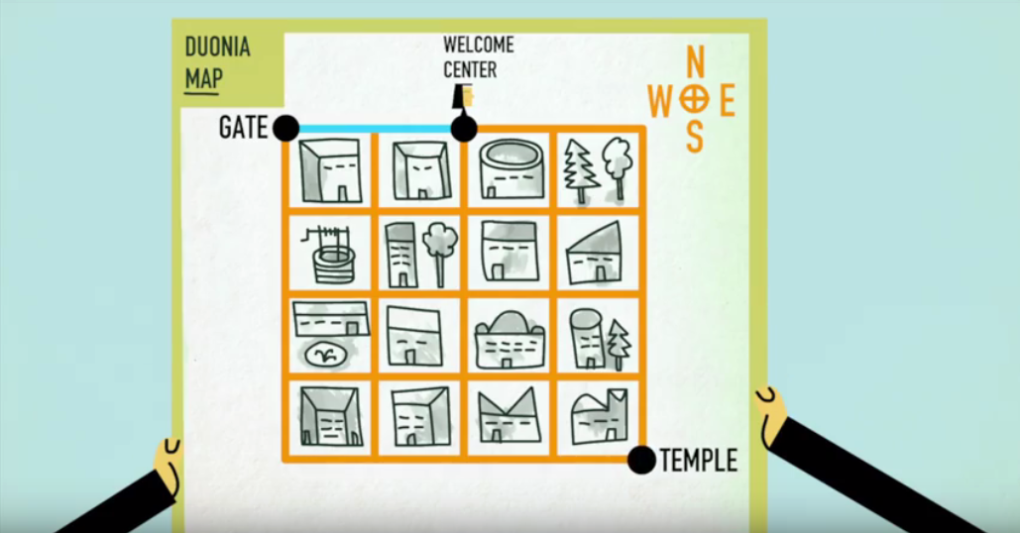
"file": "https://ww2.kqed.org/app/uploads/sites/23/2018/10/Duonia-520x272.png",
"width": 520,
"mimeType": "image/png",
"height": 272
},
"thumbnail": {
"file": "https://ww2.kqed.org/app/uploads/sites/23/2018/10/Duonia-160x84.png",
"width": 160,
"mimeType": "image/png",
"height": 84
},
"fd-sm": {
"file": "https://ww2.kqed.org/app/uploads/sites/23/2018/10/Duonia-960x502.png",
"width": 960,
"mimeType": "image/png",
"height": 502
},
"post-thumbnail": {
"file": "https://ww2.kqed.org/app/uploads/sites/23/2018/10/Duonia-672x372.png",
"width": 672,
"mimeType": "image/png",
"height": 372
},
"xsmall": {
"file": "https://ww2.kqed.org/app/uploads/sites/23/2018/10/Duonia-375x196.png",
"width": 375,
"mimeType": "image/png",
"height": 196
},
"kqedFullSize": {
"file": "https://ww2.kqed.org/app/uploads/sites/23/2018/10/Duonia.png",
"width": 1029,
"height": 538
},
"large": {
"file": "https://ww2.kqed.org/app/uploads/sites/23/2018/10/Duonia-1020x533.png",
"width": 1020,
"mimeType": "image/png",
"height": 533
},
"guest-author-50": {
"file": "https://ww2.kqed.org/app/uploads/sites/23/2018/10/Duonia-50x50.png",
"width": 50,
"mimeType": "image/png",
"height": 50
},
"guest-author-96": {
"file": "https://ww2.kqed.org/app/uploads/sites/23/2018/10/Duonia-96x96.png",
"width": 96,
"mimeType": "image/png",
"height": 96
},
"medium": {
"file": "https://ww2.kqed.org/app/uploads/sites/23/2018/10/Duonia-800x418.png",
"width": 800,
"mimeType": "image/png",
"height": 418
},
"guest-author-64": {
"file": "https://ww2.kqed.org/app/uploads/sites/23/2018/10/Duonia-64x64.png",
"width": 64,
"mimeType": "image/png",
"height": 64
},
"guest-author-32": {
"file": "https://ww2.kqed.org/app/uploads/sites/23/2018/10/Duonia-32x32.png",
"width": 32,
"mimeType": "image/png",
"height": 32
},
"detail": {
"file": "https://ww2.kqed.org/app/uploads/sites/23/2018/10/Duonia-150x150.png",
"width": 150,
"mimeType": "image/png",
"height": 150
},
"medium_large": {
"file": "https://ww2.kqed.org/app/uploads/sites/23/2018/10/Duonia-768x402.png",
"width": 768,
"mimeType": "image/png",
"height": 402
},
"guest-author-128": {
"file": "https://ww2.kqed.org/app/uploads/sites/23/2018/10/Duonia-128x128.png",
"width": 128,
"mimeType": "image/png",
"height": 128
},
"xxsmall": {
"file": "https://ww2.kqed.org/app/uploads/sites/23/2018/10/Duonia-240x125.png",
"width": 240,
"mimeType": "image/png",
"height": 125
}
},
"publishDate": 1538516772,
"modified": 1538516848,
"caption": "Screenshot from the \"Penniless Pilgrim\" riddle.",
"description": null,
"title": "Duonia",
"credit": "TED-ED/Artrake Studio",
"status": "inherit",
"isLoading": false,
"fetchFailed": false
},
"mindshift_52329": {
"type": "attachments",
"id": "mindshift_52329",
"meta": {
"index": "attachments_1716263798",
"site": "mindshift",
"id": "52329",
"found": true
},
"parent": 52325,
"imgSizes": {
"small": {
"file": "https://ww2.kqed.org/app/uploads/sites/23/2018/10/carpentry-internship-520x293.png",
"width": 520,
"mimeType": "image/png",
"height": 293
},
"twentyfourteen-full-width": {
"file": "https://ww2.kqed.org/app/uploads/sites/23/2018/10/carpentry-internship-1038x576.png",
"width": 1038,
"mimeType": "image/png",
"height": 576
},
"thumbnail": {
"file": "https://ww2.kqed.org/app/uploads/sites/23/2018/10/carpentry-internship-160x90.png",
"width": 160,
"mimeType": "image/png",
"height": 90
},
"fd-sm": {
"file": "https://ww2.kqed.org/app/uploads/sites/23/2018/10/carpentry-internship-960x540.png",
"width": 960,
"mimeType": "image/png",
"height": 540
},
"post-thumbnail": {
"file": "https://ww2.kqed.org/app/uploads/sites/23/2018/10/carpentry-internship-672x372.png",
"width": 672,
"mimeType": "image/png",
"height": 372
},
"xsmall": {
"file": "https://ww2.kqed.org/app/uploads/sites/23/2018/10/carpentry-internship-375x211.png",
"width": 375,
"mimeType": "image/png",
"height": 211
},
"kqedFullSize": {
"file": "https://ww2.kqed.org/app/uploads/sites/23/2018/10/carpentry-internship.png",
"width": 2121,
"height": 1194
},
"large": {
"file": "https://ww2.kqed.org/app/uploads/sites/23/2018/10/carpentry-internship-1020x574.png",
"width": 1020,
"mimeType": "image/png",
"height": 574
},
"xlarge": {
"file": "https://ww2.kqed.org/app/uploads/sites/23/2018/10/carpentry-internship-1180x664.png",
"width": 1180,
"mimeType": "image/png",
"height": 664
},
"complete_open_graph": {
"file": "https://ww2.kqed.org/app/uploads/sites/23/2018/10/carpentry-internship-1200x676.png",
"width": 1200,
"mimeType": "image/png",
"height": 676
},
"guest-author-50": {
"file": "https://ww2.kqed.org/app/uploads/sites/23/2018/10/carpentry-internship-50x50.png",
"width": 50,
"mimeType": "image/png",
"height": 50
},
"guest-author-96": {
"file": "https://ww2.kqed.org/app/uploads/sites/23/2018/10/carpentry-internship-96x96.png",
"width": 96,
"mimeType": "image/png",
"height": 96
},
"medium": {
"file": "https://ww2.kqed.org/app/uploads/sites/23/2018/10/carpentry-internship-800x450.png",
"width": 800,
"mimeType": "image/png",
"height": 450
},
"guest-author-64": {
"file": "https://ww2.kqed.org/app/uploads/sites/23/2018/10/carpentry-internship-64x64.png",
"width": 64,
"mimeType": "image/png",
"height": 64
},
"guest-author-32": {
"file": "https://ww2.kqed.org/app/uploads/sites/23/2018/10/carpentry-internship-32x32.png",
"width": 32,
"mimeType": "image/png",
"height": 32
},
"fd-lrg": {
"file": "https://ww2.kqed.org/app/uploads/sites/23/2018/10/carpentry-internship-1920x1081.png",
"width": 1920,
"mimeType": "image/png",
"height": 1081
},
"fd-med": {
"file": "https://ww2.kqed.org/app/uploads/sites/23/2018/10/carpentry-internship-1180x664.png",
"width": 1180,
"mimeType": "image/png",
"height": 664
},
"full-width": {
"file": "https://ww2.kqed.org/app/uploads/sites/23/2018/10/carpentry-internship-1920x1081.png",
"width": 1920,
"mimeType": "image/png",
"height": 1081
},
"detail": {
"file": "https://ww2.kqed.org/app/uploads/sites/23/2018/10/carpentry-internship-150x150.png",
"width": 150,
"mimeType": "image/png",
"height": 150
},
"medium_large": {
"file": "https://ww2.kqed.org/app/uploads/sites/23/2018/10/carpentry-internship-768x432.png",
"width": 768,
"mimeType": "image/png",
"height": 432
},
"guest-author-128": {
"file": "https://ww2.kqed.org/app/uploads/sites/23/2018/10/carpentry-internship-128x128.png",
"width": 128,
"mimeType": "image/png",
"height": 128
},
"xxsmall": {
"file": "https://ww2.kqed.org/app/uploads/sites/23/2018/10/carpentry-internship-240x135.png",
"width": 240,
"mimeType": "image/png",
"height": 135
}
},
"publishDate": 1539640219,
"modified": 1539640636,
"caption": null,
"description": null,
"title": "carpentry-internship",
"credit": "iStock/monkeybusinessimages",
"status": "inherit",
"isLoading": false,
"fetchFailed": false
},
"mindshift_52032": {
"type": "attachments",
"id": "mindshift_52032",
"meta": {
"index": "attachments_1716263798",
"site": "mindshift",
"id": "52032",
"found": true
},
"parent": 51772,
"imgSizes": {
"small": {
"file": "https://ww2.kqed.org/app/uploads/sites/23/2018/08/Sarcophagus-Clue-1-520x390.jpg",
"width": 520,
"mimeType": "image/jpeg",
"height": 390
},
"twentyfourteen-full-width": {
"file": "https://ww2.kqed.org/app/uploads/sites/23/2018/08/Sarcophagus-Clue-1-1038x576.jpg",
"width": 1038,
"mimeType": "image/jpeg",
"height": 576
},
"thumbnail": {
"file": "https://ww2.kqed.org/app/uploads/sites/23/2018/08/Sarcophagus-Clue-1-160x120.jpg",
"width": 160,
"mimeType": "image/jpeg",
"height": 120
},
"fd-sm": {
"file": "https://ww2.kqed.org/app/uploads/sites/23/2018/08/Sarcophagus-Clue-1-960x720.jpg",
"width": 960,
"mimeType": "image/jpeg",
"height": 720
},
"post-thumbnail": {
"file": "https://ww2.kqed.org/app/uploads/sites/23/2018/08/Sarcophagus-Clue-1-672x372.jpg",
"width": 672,
"mimeType": "image/jpeg",
"height": 372
},
"xsmall": {
"file": "https://ww2.kqed.org/app/uploads/sites/23/2018/08/Sarcophagus-Clue-1-375x281.jpg",
"width": 375,
"mimeType": "image/jpeg",
"height": 281
},
"kqedFullSize": {
"file": "https://ww2.kqed.org/app/uploads/sites/23/2018/08/Sarcophagus-Clue-1-e1535695877739.jpg",
"width": 1920,
"height": 1440
},
"large": {
"file": "https://ww2.kqed.org/app/uploads/sites/23/2018/08/Sarcophagus-Clue-1-1020x765.jpg",
"width": 1020,
"mimeType": "image/jpeg",
"height": 765
},
"xlarge": {
"file": "https://ww2.kqed.org/app/uploads/sites/23/2018/08/Sarcophagus-Clue-1-1180x885.jpg",
"width": 1180,
"mimeType": "image/jpeg",
"height": 885
},
"complete_open_graph": {
"file": "https://ww2.kqed.org/app/uploads/sites/23/2018/08/Sarcophagus-Clue-1-1200x900.jpg",
"width": 1200,
"mimeType": "image/jpeg",
"height": 900
},
"guest-author-50": {
"file": "https://ww2.kqed.org/app/uploads/sites/23/2018/08/Sarcophagus-Clue-1-50x50.jpg",
"width": 50,
"mimeType": "image/jpeg",
"height": 50
},
"guest-author-96": {
"file": "https://ww2.kqed.org/app/uploads/sites/23/2018/08/Sarcophagus-Clue-1-96x96.jpg",
"width": 96,
"mimeType": "image/jpeg",
"height": 96
},
"medium": {
"file": "https://ww2.kqed.org/app/uploads/sites/23/2018/08/Sarcophagus-Clue-1-800x600.jpg",
"width": 800,
"mimeType": "image/jpeg",
"height": 600
},
"guest-author-64": {
"file": "https://ww2.kqed.org/app/uploads/sites/23/2018/08/Sarcophagus-Clue-1-64x64.jpg",
"width": 64,
"mimeType": "image/jpeg",
"height": 64
},
"guest-author-32": {
"file": "https://ww2.kqed.org/app/uploads/sites/23/2018/08/Sarcophagus-Clue-1-32x32.jpg",
"width": 32,
"mimeType": "image/jpeg",
"height": 32
},
"fd-lrg": {
"file": "https://ww2.kqed.org/app/uploads/sites/23/2018/08/Sarcophagus-Clue-1-1920x1440.jpg",
"width": 1920,
"mimeType": "image/jpeg",
"height": 1440
},
"fd-med": {
"file": "https://ww2.kqed.org/app/uploads/sites/23/2018/08/Sarcophagus-Clue-1-1180x885.jpg",
"width": 1180,
"mimeType": "image/jpeg",
"height": 885
},
"full-width": {
"file": "https://ww2.kqed.org/app/uploads/sites/23/2018/08/Sarcophagus-Clue-1-1920x1440.jpg",
"width": 1920,
"mimeType": "image/jpeg",
"height": 1440
},
"detail": {
"file": "https://ww2.kqed.org/app/uploads/sites/23/2018/08/Sarcophagus-Clue-1-150x150.jpg",
"width": 150,
"mimeType": "image/jpeg",
"height": 150
},
"medium_large": {
"file": "https://ww2.kqed.org/app/uploads/sites/23/2018/08/Sarcophagus-Clue-1-768x576.jpg",
"width": 768,
"mimeType": "image/jpeg",
"height": 576
},
"guest-author-128": {
"file": "https://ww2.kqed.org/app/uploads/sites/23/2018/08/Sarcophagus-Clue-1-128x128.jpg",
"width": 128,
"mimeType": "image/jpeg",
"height": 128
},
"xxsmall": {
"file": "https://ww2.kqed.org/app/uploads/sites/23/2018/08/Sarcophagus-Clue-1-240x180.jpg",
"width": 240,
"mimeType": "image/jpeg",
"height": 180
}
},
"publishDate": 1535695859,
"modified": 1535695900,
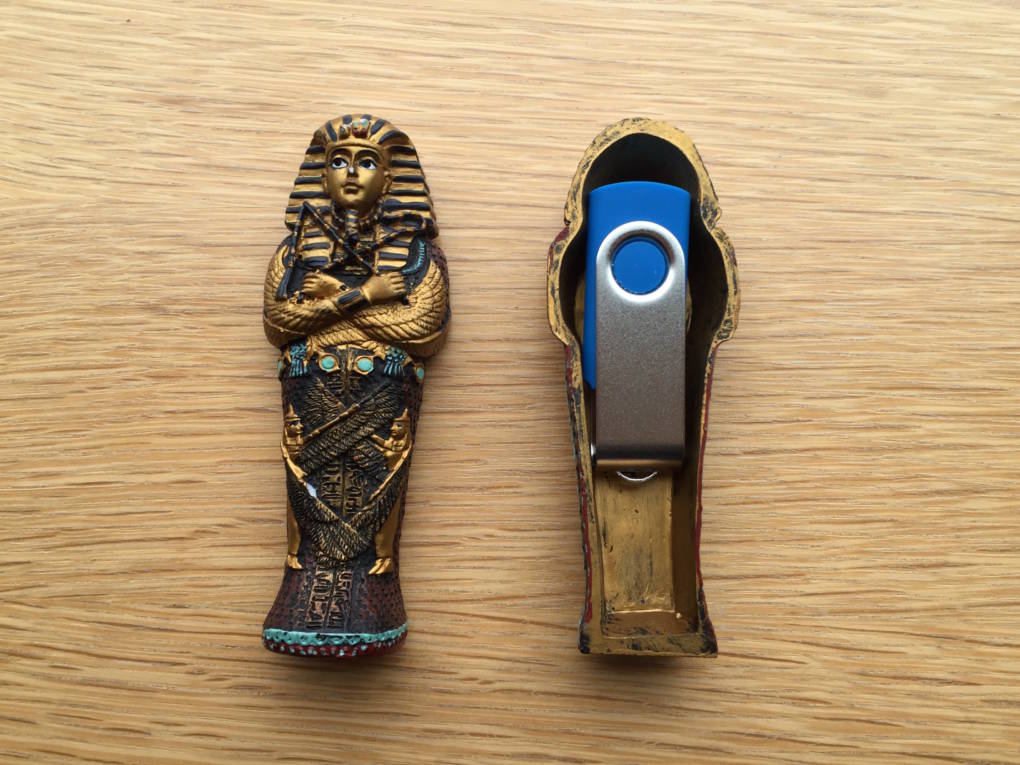
"caption": "Students unlock a series of puzzles and clues to ultimately learn the identities and location of their opponents as part of the \"Blind Protocol\" game. Important clues are hidden away in this USB drive. ",
"description": null,
"title": "Sarcophagus Clue",
"credit": "Courtesy of Paul Darvasi",
"status": "inherit",
"isLoading": false,
"fetchFailed": false
},
"mindshift_51887": {
"type": "attachments",
"id": "mindshift_51887",
"meta": {
"index": "attachments_1716263798",
"site": "mindshift",
"id": "51887",
"found": true
},
"parent": 49092,
"imgSizes": {
"small": {
"file": "https://ww2.kqed.org/app/uploads/sites/23/2018/08/Mindshift-Digital-Distractions-2-520x293.jpg",
"width": 520,
"mimeType": "image/jpeg",
"height": 293
},
"twentyfourteen-full-width": {
"file": "https://ww2.kqed.org/app/uploads/sites/23/2018/08/Mindshift-Digital-Distractions-2-1038x576.jpg",
"width": 1038,
"mimeType": "image/jpeg",
"height": 576
},
"thumbnail": {
"file": "https://ww2.kqed.org/app/uploads/sites/23/2018/08/Mindshift-Digital-Distractions-2-160x90.jpg",
"width": 160,
"mimeType": "image/jpeg",
"height": 90
},
"fd-sm": {
"file": "https://ww2.kqed.org/app/uploads/sites/23/2018/08/Mindshift-Digital-Distractions-2-960x540.jpg",
"width": 960,
"mimeType": "image/jpeg",
"height": 540
},
"post-thumbnail": {
"file": "https://ww2.kqed.org/app/uploads/sites/23/2018/08/Mindshift-Digital-Distractions-2-672x372.jpg",
"width": 672,
"mimeType": "image/jpeg",
"height": 372
},
"xsmall": {
"file": "https://ww2.kqed.org/app/uploads/sites/23/2018/08/Mindshift-Digital-Distractions-2-375x211.jpg",
"width": 375,
"mimeType": "image/jpeg",
"height": 211
},
"kqedFullSize": {
"file": "https://ww2.kqed.org/app/uploads/sites/23/2018/08/Mindshift-Digital-Distractions-2.jpg",
"width": 1920,
"height": 1080
},
"large": {
"file": "https://ww2.kqed.org/app/uploads/sites/23/2018/08/Mindshift-Digital-Distractions-2-1020x574.jpg",
"width": 1020,
"mimeType": "image/jpeg",
"height": 574
},
"xlarge": {
"file": "https://ww2.kqed.org/app/uploads/sites/23/2018/08/Mindshift-Digital-Distractions-2-1180x664.jpg",
"width": 1180,
"mimeType": "image/jpeg",
"height": 664
},
"complete_open_graph": {
"file": "https://ww2.kqed.org/app/uploads/sites/23/2018/08/Mindshift-Digital-Distractions-2-1200x675.jpg",
"width": 1200,
"mimeType": "image/jpeg",
"height": 675
},
"guest-author-50": {
"file": "https://ww2.kqed.org/app/uploads/sites/23/2018/08/Mindshift-Digital-Distractions-2-50x50.jpg",
"width": 50,
"mimeType": "image/jpeg",
"height": 50
},
"guest-author-96": {
"file": "https://ww2.kqed.org/app/uploads/sites/23/2018/08/Mindshift-Digital-Distractions-2-96x96.jpg",
"width": 96,
"mimeType": "image/jpeg",
"height": 96
},
"medium": {
"file": "https://ww2.kqed.org/app/uploads/sites/23/2018/08/Mindshift-Digital-Distractions-2-800x450.jpg",
"width": 800,
"mimeType": "image/jpeg",
"height": 450
},
"guest-author-64": {
"file": "https://ww2.kqed.org/app/uploads/sites/23/2018/08/Mindshift-Digital-Distractions-2-64x64.jpg",
"width": 64,
"mimeType": "image/jpeg",
"height": 64
},
"guest-author-32": {
"file": "https://ww2.kqed.org/app/uploads/sites/23/2018/08/Mindshift-Digital-Distractions-2-32x32.jpg",
"width": 32,
"mimeType": "image/jpeg",
"height": 32
},
"fd-lrg": {
"file": "https://ww2.kqed.org/app/uploads/sites/23/2018/08/Mindshift-Digital-Distractions-2-1920x1080.jpg",
"width": 1920,
"mimeType": "image/jpeg",
"height": 1080
},
"fd-med": {
"file": "https://ww2.kqed.org/app/uploads/sites/23/2018/08/Mindshift-Digital-Distractions-2-1180x664.jpg",
"width": 1180,
"mimeType": "image/jpeg",
"height": 664
},
"full-width": {
"file": "https://ww2.kqed.org/app/uploads/sites/23/2018/08/Mindshift-Digital-Distractions-2-1920x1080.jpg",
"width": 1920,
"mimeType": "image/jpeg",
"height": 1080
},
"detail": {
"file": "https://ww2.kqed.org/app/uploads/sites/23/2018/08/Mindshift-Digital-Distractions-2-150x150.jpg",
"width": 150,
"mimeType": "image/jpeg",
"height": 150
},
"medium_large": {
"file": "https://ww2.kqed.org/app/uploads/sites/23/2018/08/Mindshift-Digital-Distractions-2-768x432.jpg",
"width": 768,
"mimeType": "image/jpeg",
"height": 432
},
"guest-author-128": {
"file": "https://ww2.kqed.org/app/uploads/sites/23/2018/08/Mindshift-Digital-Distractions-2-128x128.jpg",
"width": 128,
"mimeType": "image/jpeg",
"height": 128
},
"xxsmall": {
"file": "https://ww2.kqed.org/app/uploads/sites/23/2018/08/Mindshift-Digital-Distractions-2-240x135.jpg",
"width": 240,
"mimeType": "image/jpeg",
"height": 135
}
},
"publishDate": 1534268541,
"modified": 1534268577,
"caption": null,
"description": null,
"title": "MindShift Digital Distractions 2",
"credit": "KQED/Kelly McLachlan",
"status": "inherit",
"isLoading": false,
"fetchFailed": false
},
"mindshift_51762": {
"type": "attachments",
"id": "mindshift_51762",
"meta": {
"index": "attachments_1716263798",
"site": "mindshift",
"id": "51762",
"found": true
},
"parent": 51739,
"imgSizes": {
"small": {
"file": "https://ww2.kqed.org/app/uploads/sites/23/2018/07/Book-Creator-520x254.png",
"width": 520,
"mimeType": "image/png",
"height": 254
},
"twentyfourteen-full-width": {
"file": "https://ww2.kqed.org/app/uploads/sites/23/2018/07/Book-Creator-1038x552.png",
"width": 1038,
"mimeType": "image/png",
"height": 552
},
"thumbnail": {
"file": "https://ww2.kqed.org/app/uploads/sites/23/2018/07/Book-Creator-160x78.png",
"width": 160,
"mimeType": "image/png",
"height": 78
},
"fd-sm": {
"file": "https://ww2.kqed.org/app/uploads/sites/23/2018/07/Book-Creator-960x470.png",
"width": 960,
"mimeType": "image/png",
"height": 470
},
"post-thumbnail": {
"file": "https://ww2.kqed.org/app/uploads/sites/23/2018/07/Book-Creator-672x372.png",
"width": 672,
"mimeType": "image/png",
"height": 372
},
"xsmall": {
"file": "https://ww2.kqed.org/app/uploads/sites/23/2018/07/Book-Creator-375x184.png",
"width": 375,
"mimeType": "image/png",
"height": 184
},
"kqedFullSize": {
"file": "https://ww2.kqed.org/app/uploads/sites/23/2018/07/Book-Creator.png",
"width": 1128,
"height": 552
},
"large": {
"file": "https://ww2.kqed.org/app/uploads/sites/23/2018/07/Book-Creator-1020x499.png",
"width": 1020,
"mimeType": "image/png",
"height": 499
},
"guest-author-50": {
"file": "https://ww2.kqed.org/app/uploads/sites/23/2018/07/Book-Creator-50x50.png",
"width": 50,
"mimeType": "image/png",
"height": 50
},
"guest-author-96": {
"file": "https://ww2.kqed.org/app/uploads/sites/23/2018/07/Book-Creator-96x96.png",
"width": 96,
"mimeType": "image/png",
"height": 96
},
"medium": {
"file": "https://ww2.kqed.org/app/uploads/sites/23/2018/07/Book-Creator-800x391.png",
"width": 800,
"mimeType": "image/png",
"height": 391
},
"guest-author-64": {
"file": "https://ww2.kqed.org/app/uploads/sites/23/2018/07/Book-Creator-64x64.png",
"width": 64,
"mimeType": "image/png",
"height": 64
},
"guest-author-32": {
"file": "https://ww2.kqed.org/app/uploads/sites/23/2018/07/Book-Creator-32x32.png",
"width": 32,
"mimeType": "image/png",
"height": 32
},
"detail": {
"file": "https://ww2.kqed.org/app/uploads/sites/23/2018/07/Book-Creator-150x150.png",
"width": 150,
"mimeType": "image/png",
"height": 150
},
"medium_large": {
"file": "https://ww2.kqed.org/app/uploads/sites/23/2018/07/Book-Creator-768x376.png",
"width": 768,
"mimeType": "image/png",
"height": 376
},
"guest-author-128": {
"file": "https://ww2.kqed.org/app/uploads/sites/23/2018/07/Book-Creator-128x128.png",
"width": 128,
"mimeType": "image/png",
"height": 128
},
"xxsmall": {
"file": "https://ww2.kqed.org/app/uploads/sites/23/2018/07/Book-Creator-240x117.png",
"width": 240,
"mimeType": "image/png",
"height": 117
}
},
"publishDate": 1533015477,
"modified": 1533017096,
"caption": null,
"description": null,
"title": "Book Creator",
"credit": "Youtube/Holly Clark",
"status": "inherit",
"isLoading": false,
"fetchFailed": false
},
"mindshift_51703": {
"type": "attachments",
"id": "mindshift_51703",
"meta": {
"index": "attachments_1716263798",
"site": "mindshift",
"id": "51703",
"found": true
},
"parent": 51702,
"imgSizes": {
"small": {
"file": "https://ww2.kqed.org/app/uploads/sites/23/2018/07/teacher-apps-f213ea6712a5eed0bc11ab668ba2de2e49222991-520x390.jpg",
"width": 520,
"mimeType": "image/jpeg",
"height": 390
},
"twentyfourteen-full-width": {
"file": "https://ww2.kqed.org/app/uploads/sites/23/2018/07/teacher-apps-f213ea6712a5eed0bc11ab668ba2de2e49222991-1038x576.jpg",
"width": 1038,
"mimeType": "image/jpeg",
"height": 576
},
"thumbnail": {
"file": "https://ww2.kqed.org/app/uploads/sites/23/2018/07/teacher-apps-f213ea6712a5eed0bc11ab668ba2de2e49222991-160x120.jpg",
"width": 160,
"mimeType": "image/jpeg",
"height": 120
},
"fd-sm": {
"file": "https://ww2.kqed.org/app/uploads/sites/23/2018/07/teacher-apps-f213ea6712a5eed0bc11ab668ba2de2e49222991-960x720.jpg",
"width": 960,
"mimeType": "image/jpeg",
"height": 720
},
"post-thumbnail": {
"file": "https://ww2.kqed.org/app/uploads/sites/23/2018/07/teacher-apps-f213ea6712a5eed0bc11ab668ba2de2e49222991-672x372.jpg",
"width": 672,
"mimeType": "image/jpeg",
"height": 372
},
"xsmall": {
"file": "https://ww2.kqed.org/app/uploads/sites/23/2018/07/teacher-apps-f213ea6712a5eed0bc11ab668ba2de2e49222991-375x281.jpg",
"width": 375,
"mimeType": "image/jpeg",
"height": 281
},
"kqedFullSize": {
"file": "https://ww2.kqed.org/app/uploads/sites/23/2018/07/teacher-apps-f213ea6712a5eed0bc11ab668ba2de2e49222991-e1532034329301.jpg",
"width": 1920,
"height": 1440
},
"large": {
"file": "https://ww2.kqed.org/app/uploads/sites/23/2018/07/teacher-apps-f213ea6712a5eed0bc11ab668ba2de2e49222991-1020x765.jpg",
"width": 1020,
"mimeType": "image/jpeg",
"height": 765
},
"xlarge": {
"file": "https://ww2.kqed.org/app/uploads/sites/23/2018/07/teacher-apps-f213ea6712a5eed0bc11ab668ba2de2e49222991-1180x885.jpg",
"width": 1180,
"mimeType": "image/jpeg",
"height": 885
},
"complete_open_graph": {
"file": "https://ww2.kqed.org/app/uploads/sites/23/2018/07/teacher-apps-f213ea6712a5eed0bc11ab668ba2de2e49222991-1200x900.jpg",
"width": 1200,
"mimeType": "image/jpeg",
"height": 900
},
"guest-author-50": {
"file": "https://ww2.kqed.org/app/uploads/sites/23/2018/07/teacher-apps-f213ea6712a5eed0bc11ab668ba2de2e49222991-50x50.jpg",
"width": 50,
"mimeType": "image/jpeg",
"height": 50
},
"guest-author-96": {
"file": "https://ww2.kqed.org/app/uploads/sites/23/2018/07/teacher-apps-f213ea6712a5eed0bc11ab668ba2de2e49222991-96x96.jpg",
"width": 96,
"mimeType": "image/jpeg",
"height": 96
},
"medium": {
"file": "https://ww2.kqed.org/app/uploads/sites/23/2018/07/teacher-apps-f213ea6712a5eed0bc11ab668ba2de2e49222991-800x600.jpg",
"width": 800,
"mimeType": "image/jpeg",
"height": 600
},
"guest-author-64": {
"file": "https://ww2.kqed.org/app/uploads/sites/23/2018/07/teacher-apps-f213ea6712a5eed0bc11ab668ba2de2e49222991-64x64.jpg",
"width": 64,
"mimeType": "image/jpeg",
"height": 64
},
"guest-author-32": {
"file": "https://ww2.kqed.org/app/uploads/sites/23/2018/07/teacher-apps-f213ea6712a5eed0bc11ab668ba2de2e49222991-32x32.jpg",
"width": 32,
"mimeType": "image/jpeg",
"height": 32
},
"fd-lrg": {
"file": "https://ww2.kqed.org/app/uploads/sites/23/2018/07/teacher-apps-f213ea6712a5eed0bc11ab668ba2de2e49222991-1920x1440.jpg",
"width": 1920,
"mimeType": "image/jpeg",
"height": 1440
},
"fd-med": {
"file": "https://ww2.kqed.org/app/uploads/sites/23/2018/07/teacher-apps-f213ea6712a5eed0bc11ab668ba2de2e49222991-1180x885.jpg",
"width": 1180,
"mimeType": "image/jpeg",
"height": 885
},
"full-width": {
"file": "https://ww2.kqed.org/app/uploads/sites/23/2018/07/teacher-apps-f213ea6712a5eed0bc11ab668ba2de2e49222991-1920x1440.jpg",
"width": 1920,
"mimeType": "image/jpeg",
"height": 1440
},
"detail": {
"file": "https://ww2.kqed.org/app/uploads/sites/23/2018/07/teacher-apps-f213ea6712a5eed0bc11ab668ba2de2e49222991-150x150.jpg",
"width": 150,
"mimeType": "image/jpeg",
"height": 150
},
"medium_large": {
"file": "https://ww2.kqed.org/app/uploads/sites/23/2018/07/teacher-apps-f213ea6712a5eed0bc11ab668ba2de2e49222991-768x576.jpg",
"width": 768,
"mimeType": "image/jpeg",
"height": 576
},
"guest-author-128": {
"file": "https://ww2.kqed.org/app/uploads/sites/23/2018/07/teacher-apps-f213ea6712a5eed0bc11ab668ba2de2e49222991-128x128.jpg",
"width": 128,
"mimeType": "image/jpeg",
"height": 128
},
"xxsmall": {
"file": "https://ww2.kqed.org/app/uploads/sites/23/2018/07/teacher-apps-f213ea6712a5eed0bc11ab668ba2de2e49222991-240x180.jpg",
"width": 240,
"mimeType": "image/jpeg",
"height": 180
}
},
"publishDate": 1532021697,
"modified": 1532034341,
"caption": null,
"description": "Teacher apps",
"title": "Teacher apps",
"credit": "NPR/LA Johnson",
"status": "inherit",
"isLoading": false,
"fetchFailed": false
},
"mindshift_51441": {
"type": "attachments",
"id": "mindshift_51441",
"meta": {
"index": "attachments_1716263798",
"site": "mindshift",
"id": "51441",
"found": true
},
"parent": 51324,
"imgSizes": {
"small": {
"file": "https://ww2.kqed.org/app/uploads/sites/23/2018/06/iStock-824777726-520x347.jpg",
"width": 520,
"mimeType": "image/jpeg",
"height": 347
},
"twentyfourteen-full-width": {
"file": "https://ww2.kqed.org/app/uploads/sites/23/2018/06/iStock-824777726-1038x576.jpg",
"width": 1038,
"mimeType": "image/jpeg",
"height": 576
},
"thumbnail": {
"file": "https://ww2.kqed.org/app/uploads/sites/23/2018/06/iStock-824777726-160x107.jpg",
"width": 160,
"mimeType": "image/jpeg",
"height": 107
},
"fd-sm": {
"file": "https://ww2.kqed.org/app/uploads/sites/23/2018/06/iStock-824777726-960x640.jpg",
"width": 960,
"mimeType": "image/jpeg",
"height": 640
},
"post-thumbnail": {
"file": "https://ww2.kqed.org/app/uploads/sites/23/2018/06/iStock-824777726-672x372.jpg",
"width": 672,
"mimeType": "image/jpeg",
"height": 372
},
"xsmall": {
"file": "https://ww2.kqed.org/app/uploads/sites/23/2018/06/iStock-824777726-375x250.jpg",
"width": 375,
"mimeType": "image/jpeg",
"height": 250
},
"kqedFullSize": {
"file": "https://ww2.kqed.org/app/uploads/sites/23/2018/06/iStock-824777726-e1528908570545.jpg",
"width": 1920,
"height": 1280
},
"large": {
"file": "https://ww2.kqed.org/app/uploads/sites/23/2018/06/iStock-824777726-1020x680.jpg",
"width": 1020,
"mimeType": "image/jpeg",
"height": 680
},
"xlarge": {
"file": "https://ww2.kqed.org/app/uploads/sites/23/2018/06/iStock-824777726-1180x787.jpg",
"width": 1180,
"mimeType": "image/jpeg",
"height": 787
},
"complete_open_graph": {
"file": "https://ww2.kqed.org/app/uploads/sites/23/2018/06/iStock-824777726-1200x800.jpg",
"width": 1200,
"mimeType": "image/jpeg",
"height": 800
},
"guest-author-50": {
"file": "https://ww2.kqed.org/app/uploads/sites/23/2018/06/iStock-824777726-50x50.jpg",
"width": 50,
"mimeType": "image/jpeg",
"height": 50
},
"guest-author-96": {
"file": "https://ww2.kqed.org/app/uploads/sites/23/2018/06/iStock-824777726-96x96.jpg",
"width": 96,
"mimeType": "image/jpeg",
"height": 96
},
"medium": {
"file": "https://ww2.kqed.org/app/uploads/sites/23/2018/06/iStock-824777726-800x533.jpg",
"width": 800,
"mimeType": "image/jpeg",
"height": 533
},
"guest-author-64": {
"file": "https://ww2.kqed.org/app/uploads/sites/23/2018/06/iStock-824777726-64x64.jpg",
"width": 64,
"mimeType": "image/jpeg",
"height": 64
},
"guest-author-32": {
"file": "https://ww2.kqed.org/app/uploads/sites/23/2018/06/iStock-824777726-32x32.jpg",
"width": 32,
"mimeType": "image/jpeg",
"height": 32
},
"fd-lrg": {
"file": "https://ww2.kqed.org/app/uploads/sites/23/2018/06/iStock-824777726-1920x1280.jpg",
"width": 1920,
"mimeType": "image/jpeg",
"height": 1280
},
"fd-med": {
"file": "https://ww2.kqed.org/app/uploads/sites/23/2018/06/iStock-824777726-1180x787.jpg",
"width": 1180,
"mimeType": "image/jpeg",
"height": 787
},
"full-width": {
"file": "https://ww2.kqed.org/app/uploads/sites/23/2018/06/iStock-824777726-1920x1280.jpg",
"width": 1920,
"mimeType": "image/jpeg",
"height": 1280
},
"detail": {
"file": "https://ww2.kqed.org/app/uploads/sites/23/2018/06/iStock-824777726-150x150.jpg",
"width": 150,
"mimeType": "image/jpeg",
"height": 150
},
"medium_large": {
"file": "https://ww2.kqed.org/app/uploads/sites/23/2018/06/iStock-824777726-768x512.jpg",
"width": 768,
"mimeType": "image/jpeg",
"height": 512
},
"guest-author-128": {
"file": "https://ww2.kqed.org/app/uploads/sites/23/2018/06/iStock-824777726-128x128.jpg",
"width": 128,
"mimeType": "image/jpeg",
"height": 128
},
"xxsmall": {
"file": "https://ww2.kqed.org/app/uploads/sites/23/2018/06/iStock-824777726-240x160.jpg",
"width": 240,
"mimeType": "image/jpeg",
"height": 160
}
},
"publishDate": 1528908547,
"modified": 1528908587,
"caption": null,
"description": null,
"title": null,
"credit": "iStock/Wavebreakmedia",
"status": "inherit",
"isLoading": false,
"fetchFailed": false
},
"mindshift_51522": {
"type": "attachments",
"id": "mindshift_51522",
"meta": {
"index": "attachments_1716263798",
"site": "mindshift",
"id": "51522",
"found": true
},
"parent": 51518,
"imgSizes": {
"small": {
"file": "https://ww2.kqed.org/app/uploads/sites/23/2018/06/Jenny-Abamu-Abamu-Nondata-parents-1-520x390.jpg",
"width": 520,
"mimeType": "image/jpeg",
"height": 390
},
"twentyfourteen-full-width": {
"file": "https://ww2.kqed.org/app/uploads/sites/23/2018/06/Jenny-Abamu-Abamu-Nondata-parents-1-1038x576.jpg",
"width": 1038,
"mimeType": "image/jpeg",
"height": 576
},
"thumbnail": {
"file": "https://ww2.kqed.org/app/uploads/sites/23/2018/06/Jenny-Abamu-Abamu-Nondata-parents-1-160x120.jpg",
"width": 160,
"mimeType": "image/jpeg",
"height": 120
},
"fd-sm": {
"file": "https://ww2.kqed.org/app/uploads/sites/23/2018/06/Jenny-Abamu-Abamu-Nondata-parents-1-960x720.jpg",
"width": 960,
"mimeType": "image/jpeg",
"height": 720
},
"post-thumbnail": {
"file": "https://ww2.kqed.org/app/uploads/sites/23/2018/06/Jenny-Abamu-Abamu-Nondata-parents-1-672x372.jpg",
"width": 672,
"mimeType": "image/jpeg",
"height": 372
},
"xsmall": {
"file": "https://ww2.kqed.org/app/uploads/sites/23/2018/06/Jenny-Abamu-Abamu-Nondata-parents-1-375x281.jpg",
"width": 375,
"mimeType": "image/jpeg",
"height": 281
},
"kqedFullSize": {
"file": "https://ww2.kqed.org/app/uploads/sites/23/2018/06/Jenny-Abamu-Abamu-Nondata-parents-1-e1529992438377.jpg",
"width": 1920,
"height": 1440
},
"large": {
"file": "https://ww2.kqed.org/app/uploads/sites/23/2018/06/Jenny-Abamu-Abamu-Nondata-parents-1-1020x765.jpg",
"width": 1020,
"mimeType": "image/jpeg",
"height": 765
},
"xlarge": {
"file": "https://ww2.kqed.org/app/uploads/sites/23/2018/06/Jenny-Abamu-Abamu-Nondata-parents-1-1180x885.jpg",
"width": 1180,
"mimeType": "image/jpeg",
"height": 885
},
"complete_open_graph": {
"file": "https://ww2.kqed.org/app/uploads/sites/23/2018/06/Jenny-Abamu-Abamu-Nondata-parents-1-1200x900.jpg",
"width": 1200,
"mimeType": "image/jpeg",
"height": 900
},
"guest-author-50": {
"file": "https://ww2.kqed.org/app/uploads/sites/23/2018/06/Jenny-Abamu-Abamu-Nondata-parents-1-50x50.jpg",
"width": 50,
"mimeType": "image/jpeg",
"height": 50
},
"guest-author-96": {
"file": "https://ww2.kqed.org/app/uploads/sites/23/2018/06/Jenny-Abamu-Abamu-Nondata-parents-1-96x96.jpg",
"width": 96,
"mimeType": "image/jpeg",
"height": 96
},
"medium": {
"file": "https://ww2.kqed.org/app/uploads/sites/23/2018/06/Jenny-Abamu-Abamu-Nondata-parents-1-800x600.jpg",
"width": 800,
"mimeType": "image/jpeg",
"height": 600
},
"guest-author-64": {
"file": "https://ww2.kqed.org/app/uploads/sites/23/2018/06/Jenny-Abamu-Abamu-Nondata-parents-1-64x64.jpg",
"width": 64,
"mimeType": "image/jpeg",
"height": 64
},
"guest-author-32": {
"file": "https://ww2.kqed.org/app/uploads/sites/23/2018/06/Jenny-Abamu-Abamu-Nondata-parents-1-32x32.jpg",
"width": 32,
"mimeType": "image/jpeg",
"height": 32
},
"fd-lrg": {
"file": "https://ww2.kqed.org/app/uploads/sites/23/2018/06/Jenny-Abamu-Abamu-Nondata-parents-1-1920x1440.jpg",
"width": 1920,
"mimeType": "image/jpeg",
"height": 1440
},
"fd-med": {
"file": "https://ww2.kqed.org/app/uploads/sites/23/2018/06/Jenny-Abamu-Abamu-Nondata-parents-1-1180x885.jpg",
"width": 1180,
"mimeType": "image/jpeg",
"height": 885
},
"full-width": {
"file": "https://ww2.kqed.org/app/uploads/sites/23/2018/06/Jenny-Abamu-Abamu-Nondata-parents-1-1920x1440.jpg",
"width": 1920,
"mimeType": "image/jpeg",
"height": 1440
},
"detail": {
"file": "https://ww2.kqed.org/app/uploads/sites/23/2018/06/Jenny-Abamu-Abamu-Nondata-parents-1-150x150.jpg",
"width": 150,
"mimeType": "image/jpeg",
"height": 150
},
"medium_large": {
"file": "https://ww2.kqed.org/app/uploads/sites/23/2018/06/Jenny-Abamu-Abamu-Nondata-parents-1-768x576.jpg",
"width": 768,
"mimeType": "image/jpeg",
"height": 576
},
"guest-author-128": {
"file": "https://ww2.kqed.org/app/uploads/sites/23/2018/06/Jenny-Abamu-Abamu-Nondata-parents-1-128x128.jpg",
"width": 128,
"mimeType": "image/jpeg",
"height": 128
},
"xxsmall": {
"file": "https://ww2.kqed.org/app/uploads/sites/23/2018/06/Jenny-Abamu-Abamu-Nondata-parents-1-240x180.jpg",
"width": 240,
"mimeType": "image/jpeg",
"height": 180
}
},
"publishDate": 1529992375,
"modified": 1529992462,
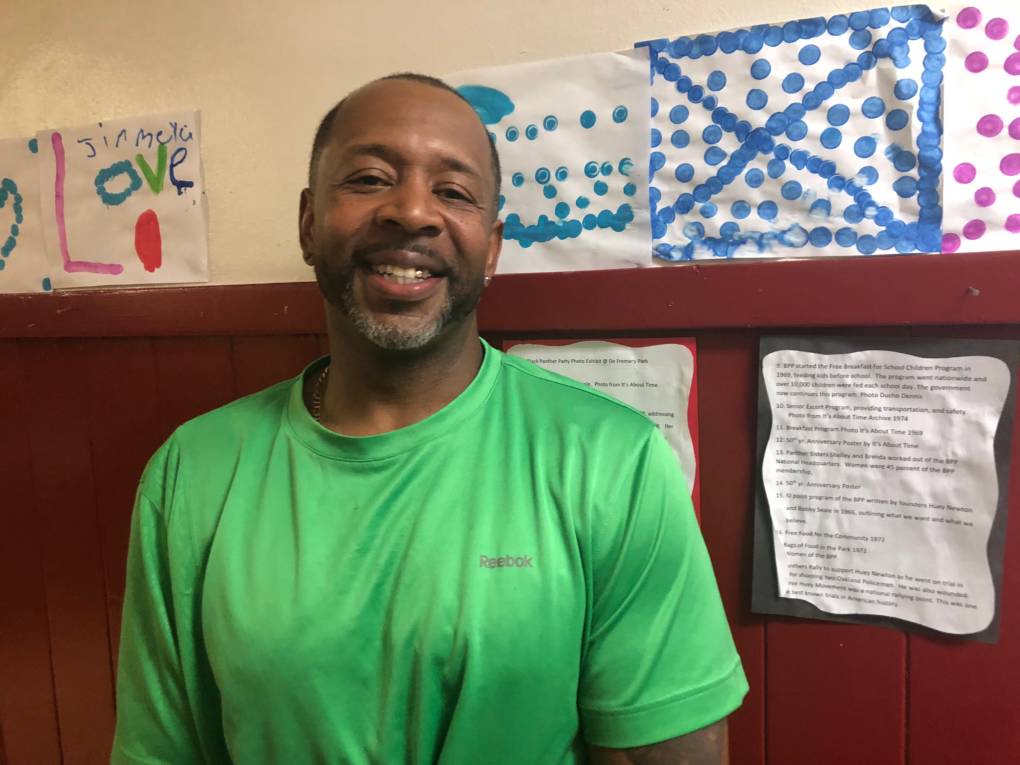
"caption": "Mosi Zuberi stands in the hallway of the DeFremery Recreation Center after an Oakland REACH meeting. ",
"description": null,
"title": "Jenny Abamu - Abamu-Nondata parents 1",
"credit": "Jenny Abamu for The Hechinger Report",
"status": "inherit",
"isLoading": false,
"fetchFailed": false
},
"mindshift_51478": {
"type": "attachments",
"id": "mindshift_51478",
"meta": {
"index": "attachments_1716263798",
"site": "mindshift",
"id": "51478",
"found": true
},
"parent": 51477,
"imgSizes": {
"small": {
"file": "https://ww2.kqed.org/app/uploads/sites/23/2018/06/npr-ai-teaching-artwork-100-v2_wide-4127b946a35a52501b820fd107adb886d7e6c9ee-520x292.jpg",
"width": 520,
"mimeType": "image/jpeg",
"height": 292
},
"twentyfourteen-full-width": {
"file": "https://ww2.kqed.org/app/uploads/sites/23/2018/06/npr-ai-teaching-artwork-100-v2_wide-4127b946a35a52501b820fd107adb886d7e6c9ee-1038x576.jpg",
"width": 1038,
"mimeType": "image/jpeg",
"height": 576
},
"thumbnail": {
"file": "https://ww2.kqed.org/app/uploads/sites/23/2018/06/npr-ai-teaching-artwork-100-v2_wide-4127b946a35a52501b820fd107adb886d7e6c9ee-160x90.jpg",
"width": 160,
"mimeType": "image/jpeg",
"height": 90
},
"fd-sm": {
"file": "https://ww2.kqed.org/app/uploads/sites/23/2018/06/npr-ai-teaching-artwork-100-v2_wide-4127b946a35a52501b820fd107adb886d7e6c9ee-960x540.jpg",
"width": 960,
"mimeType": "image/jpeg",
"height": 540
},
"post-thumbnail": {
"file": "https://ww2.kqed.org/app/uploads/sites/23/2018/06/npr-ai-teaching-artwork-100-v2_wide-4127b946a35a52501b820fd107adb886d7e6c9ee-672x372.jpg",
"width": 672,
"mimeType": "image/jpeg",
"height": 372
},
"xsmall": {
"file": "https://ww2.kqed.org/app/uploads/sites/23/2018/06/npr-ai-teaching-artwork-100-v2_wide-4127b946a35a52501b820fd107adb886d7e6c9ee-375x211.jpg",
"width": 375,
"mimeType": "image/jpeg",
"height": 211
},
"kqedFullSize": {
"file": "https://ww2.kqed.org/app/uploads/sites/23/2018/06/npr-ai-teaching-artwork-100-v2_wide-4127b946a35a52501b820fd107adb886d7e6c9ee-e1529413968209.jpg",
"width": 1920,
"height": 1080
},
"large": {
"file": "https://ww2.kqed.org/app/uploads/sites/23/2018/06/npr-ai-teaching-artwork-100-v2_wide-4127b946a35a52501b820fd107adb886d7e6c9ee-1020x574.jpg",
"width": 1020,
"mimeType": "image/jpeg",
"height": 574
},
"xlarge": {
"file": "https://ww2.kqed.org/app/uploads/sites/23/2018/06/npr-ai-teaching-artwork-100-v2_wide-4127b946a35a52501b820fd107adb886d7e6c9ee-1180x664.jpg",
"width": 1180,
"mimeType": "image/jpeg",
"height": 664
},
"complete_open_graph": {
"file": "https://ww2.kqed.org/app/uploads/sites/23/2018/06/npr-ai-teaching-artwork-100-v2_wide-4127b946a35a52501b820fd107adb886d7e6c9ee-1200x675.jpg",
"width": 1200,
"mimeType": "image/jpeg",
"height": 675
},
"guest-author-50": {
"file": "https://ww2.kqed.org/app/uploads/sites/23/2018/06/npr-ai-teaching-artwork-100-v2_wide-4127b946a35a52501b820fd107adb886d7e6c9ee-50x50.jpg",
"width": 50,
"mimeType": "image/jpeg",
"height": 50
},
"guest-author-96": {
"file": "https://ww2.kqed.org/app/uploads/sites/23/2018/06/npr-ai-teaching-artwork-100-v2_wide-4127b946a35a52501b820fd107adb886d7e6c9ee-96x96.jpg",
"width": 96,
"mimeType": "image/jpeg",
"height": 96
},
"medium": {
"file": "https://ww2.kqed.org/app/uploads/sites/23/2018/06/npr-ai-teaching-artwork-100-v2_wide-4127b946a35a52501b820fd107adb886d7e6c9ee-800x450.jpg",
"width": 800,
"mimeType": "image/jpeg",
"height": 450
},
"guest-author-64": {
"file": "https://ww2.kqed.org/app/uploads/sites/23/2018/06/npr-ai-teaching-artwork-100-v2_wide-4127b946a35a52501b820fd107adb886d7e6c9ee-64x64.jpg",
"width": 64,
"mimeType": "image/jpeg",
"height": 64
},
"guest-author-32": {
"file": "https://ww2.kqed.org/app/uploads/sites/23/2018/06/npr-ai-teaching-artwork-100-v2_wide-4127b946a35a52501b820fd107adb886d7e6c9ee-32x32.jpg",
"width": 32,
"mimeType": "image/jpeg",
"height": 32
},
"fd-lrg": {
"file": "https://ww2.kqed.org/app/uploads/sites/23/2018/06/npr-ai-teaching-artwork-100-v2_wide-4127b946a35a52501b820fd107adb886d7e6c9ee-1920x1080.jpg",
"width": 1920,
"mimeType": "image/jpeg",
"height": 1080
},
"fd-med": {
"file": "https://ww2.kqed.org/app/uploads/sites/23/2018/06/npr-ai-teaching-artwork-100-v2_wide-4127b946a35a52501b820fd107adb886d7e6c9ee-1180x664.jpg",
"width": 1180,
"mimeType": "image/jpeg",
"height": 664
},
"full-width": {
"file": "https://ww2.kqed.org/app/uploads/sites/23/2018/06/npr-ai-teaching-artwork-100-v2_wide-4127b946a35a52501b820fd107adb886d7e6c9ee-1920x1080.jpg",
"width": 1920,
"mimeType": "image/jpeg",
"height": 1080
},
"detail": {
"file": "https://ww2.kqed.org/app/uploads/sites/23/2018/06/npr-ai-teaching-artwork-100-v2_wide-4127b946a35a52501b820fd107adb886d7e6c9ee-150x150.jpg",
"width": 150,
"mimeType": "image/jpeg",
"height": 150
},
"medium_large": {
"file": "https://ww2.kqed.org/app/uploads/sites/23/2018/06/npr-ai-teaching-artwork-100-v2_wide-4127b946a35a52501b820fd107adb886d7e6c9ee-768x432.jpg",
"width": 768,
"mimeType": "image/jpeg",
"height": 432
},
"guest-author-128": {
"file": "https://ww2.kqed.org/app/uploads/sites/23/2018/06/npr-ai-teaching-artwork-100-v2_wide-4127b946a35a52501b820fd107adb886d7e6c9ee-128x128.jpg",
"width": 128,
"mimeType": "image/jpeg",
"height": 128
},
"xxsmall": {
"file": "https://ww2.kqed.org/app/uploads/sites/23/2018/06/npr-ai-teaching-artwork-100-v2_wide-4127b946a35a52501b820fd107adb886d7e6c9ee-240x135.jpg",
"width": 240,
"mimeType": "image/jpeg",
"height": 135
}
},
"publishDate": 1529413832,
"modified": 1529413983,
"caption": "About 15,000 high school students worked with CollegePoint advisers this year to pick a college.",
"description": null,
"title": "About 15,000 high school students worked with CollegePoint advisers this year to pick a college.",
"credit": "Sam Rowe for NPR",
"status": "inherit",
"isLoading": false,
"fetchFailed": false
},
"mindshift_51262": {
"type": "attachments",
"id": "mindshift_51262",
"meta": {
"index": "attachments_1716263798",
"site": "mindshift",
"id": "51262",
"found": true
},
"parent": 51254,
"imgSizes": {
"small": {
"file": "https://ww2.kqed.org/app/uploads/sites/23/2018/05/iStock-499448563-520x347.jpg",
"width": 520,
"mimeType": "image/jpeg",
"height": 347
},
"twentyfourteen-full-width": {
"file": "https://ww2.kqed.org/app/uploads/sites/23/2018/05/iStock-499448563-1038x576.jpg",
"width": 1038,
"mimeType": "image/jpeg",
"height": 576
},
"thumbnail": {
"file": "https://ww2.kqed.org/app/uploads/sites/23/2018/05/iStock-499448563-160x107.jpg",
"width": 160,
"mimeType": "image/jpeg",
"height": 107
},
"fd-sm": {
"file": "https://ww2.kqed.org/app/uploads/sites/23/2018/05/iStock-499448563-960x640.jpg",
"width": 960,
"mimeType": "image/jpeg",
"height": 640
},
"post-thumbnail": {
"file": "https://ww2.kqed.org/app/uploads/sites/23/2018/05/iStock-499448563-672x372.jpg",
"width": 672,
"mimeType": "image/jpeg",
"height": 372
},
"xsmall": {
"file": "https://ww2.kqed.org/app/uploads/sites/23/2018/05/iStock-499448563-375x250.jpg",
"width": 375,
"mimeType": "image/jpeg",
"height": 250
},
"kqedFullSize": {
"file": "https://ww2.kqed.org/app/uploads/sites/23/2018/05/iStock-499448563-e1527055629943.jpg",
"width": 1920,
"height": 1280
},
"large": {
"file": "https://ww2.kqed.org/app/uploads/sites/23/2018/05/iStock-499448563-1020x680.jpg",
"width": 1020,
"mimeType": "image/jpeg",
"height": 680
},
"xlarge": {
"file": "https://ww2.kqed.org/app/uploads/sites/23/2018/05/iStock-499448563-1180x787.jpg",
"width": 1180,
"mimeType": "image/jpeg",
"height": 787
},
"complete_open_graph": {
"file": "https://ww2.kqed.org/app/uploads/sites/23/2018/05/iStock-499448563-1200x800.jpg",
"width": 1200,
"mimeType": "image/jpeg",
"height": 800
},
"guest-author-50": {
"file": "https://ww2.kqed.org/app/uploads/sites/23/2018/05/iStock-499448563-50x50.jpg",
"width": 50,
"mimeType": "image/jpeg",
"height": 50
},
"guest-author-96": {
"file": "https://ww2.kqed.org/app/uploads/sites/23/2018/05/iStock-499448563-96x96.jpg",
"width": 96,
"mimeType": "image/jpeg",
"height": 96
},
"medium": {
"file": "https://ww2.kqed.org/app/uploads/sites/23/2018/05/iStock-499448563-800x533.jpg",
"width": 800,
"mimeType": "image/jpeg",
"height": 533
},
"guest-author-64": {
"file": "https://ww2.kqed.org/app/uploads/sites/23/2018/05/iStock-499448563-64x64.jpg",
"width": 64,
"mimeType": "image/jpeg",
"height": 64
},
"guest-author-32": {
"file": "https://ww2.kqed.org/app/uploads/sites/23/2018/05/iStock-499448563-32x32.jpg",
"width": 32,
"mimeType": "image/jpeg",
"height": 32
},
"fd-lrg": {
"file": "https://ww2.kqed.org/app/uploads/sites/23/2018/05/iStock-499448563-1920x1280.jpg",
"width": 1920,
"mimeType": "image/jpeg",
"height": 1280
},
"fd-med": {
"file": "https://ww2.kqed.org/app/uploads/sites/23/2018/05/iStock-499448563-1180x787.jpg",
"width": 1180,
"mimeType": "image/jpeg",
"height": 787
},
"full-width": {
"file": "https://ww2.kqed.org/app/uploads/sites/23/2018/05/iStock-499448563-1920x1280.jpg",
"width": 1920,
"mimeType": "image/jpeg",
"height": 1280
},
"detail": {
"file": "https://ww2.kqed.org/app/uploads/sites/23/2018/05/iStock-499448563-150x150.jpg",
"width": 150,
"mimeType": "image/jpeg",
"height": 150
},
"medium_large": {
"file": "https://ww2.kqed.org/app/uploads/sites/23/2018/05/iStock-499448563-768x512.jpg",
"width": 768,
"mimeType": "image/jpeg",
"height": 512
},
"guest-author-128": {
"file": "https://ww2.kqed.org/app/uploads/sites/23/2018/05/iStock-499448563-128x128.jpg",
"width": 128,
"mimeType": "image/jpeg",
"height": 128
},
"xxsmall": {
"file": "https://ww2.kqed.org/app/uploads/sites/23/2018/05/iStock-499448563-240x160.jpg",
"width": 240,
"mimeType": "image/jpeg",
"height": 160
}
},
"publishDate": 1527055591,
"modified": 1527055616,
"caption": null,
"description": null,
"title": "iStock-499448563",
"credit": "iStock/Antonio_Diaz",
"status": "inherit",
"isLoading": false,
"fetchFailed": false
},
"mindshift_50938": {
"type": "attachments",
"id": "mindshift_50938",
"meta": {
"index": "attachments_1716263798",
"site": "mindshift",
"id": "50938",
"found": true
},
"parent": 50925,
"imgSizes": {
"small": {
"file": "https://ww2.kqed.org/app/uploads/sites/23/2018/04/iStock-687588766-1-520x351.jpg",
"width": 520,
"mimeType": "image/jpeg",
"height": 351
},
"twentyfourteen-full-width": {
"file": "https://ww2.kqed.org/app/uploads/sites/23/2018/04/iStock-687588766-1-1038x576.jpg",
"width": 1038,
"mimeType": "image/jpeg",
"height": 576
},
"thumbnail": {
"file": "https://ww2.kqed.org/app/uploads/sites/23/2018/04/iStock-687588766-1-160x108.jpg",
"width": 160,
"mimeType": "image/jpeg",
"height": 108
},
"fd-sm": {
"file": "https://ww2.kqed.org/app/uploads/sites/23/2018/04/iStock-687588766-1-960x649.jpg",
"width": 960,
"mimeType": "image/jpeg",
"height": 649
},
"post-thumbnail": {
"file": "https://ww2.kqed.org/app/uploads/sites/23/2018/04/iStock-687588766-1-672x372.jpg",
"width": 672,
"mimeType": "image/jpeg",
"height": 372
},
"xsmall": {
"file": "https://ww2.kqed.org/app/uploads/sites/23/2018/04/iStock-687588766-1-375x253.jpg",
"width": 375,
"mimeType": "image/jpeg",
"height": 253
},
"kqedFullSize": {
"file": "https://ww2.kqed.org/app/uploads/sites/23/2018/04/iStock-687588766-1-e1522875065841.jpg",
"width": 1920,
"height": 1297
},
"large": {
"file": "https://ww2.kqed.org/app/uploads/sites/23/2018/04/iStock-687588766-1-1020x689.jpg",
"width": 1020,
"mimeType": "image/jpeg",
"height": 689
},
"xlarge": {
"file": "https://ww2.kqed.org/app/uploads/sites/23/2018/04/iStock-687588766-1-1180x797.jpg",
"width": 1180,
"mimeType": "image/jpeg",
"height": 797
},
"guest-author-50": {
"file": "https://ww2.kqed.org/app/uploads/sites/23/2018/04/iStock-687588766-1-50x50.jpg",
"width": 50,
"mimeType": "image/jpeg",
"height": 50
},
"guest-author-96": {
"file": "https://ww2.kqed.org/app/uploads/sites/23/2018/04/iStock-687588766-1-96x96.jpg",
"width": 96,
"mimeType": "image/jpeg",
"height": 96
},
"medium": {
"file": "https://ww2.kqed.org/app/uploads/sites/23/2018/04/iStock-687588766-1-800x541.jpg",
"width": 800,
"mimeType": "image/jpeg",
"height": 541
},
"guest-author-64": {
"file": "https://ww2.kqed.org/app/uploads/sites/23/2018/04/iStock-687588766-1-64x64.jpg",
"width": 64,
"mimeType": "image/jpeg",
"height": 64
},
"guest-author-32": {
"file": "https://ww2.kqed.org/app/uploads/sites/23/2018/04/iStock-687588766-1-32x32.jpg",
"width": 32,
"mimeType": "image/jpeg",
"height": 32
},
"fd-lrg": {
"file": "https://ww2.kqed.org/app/uploads/sites/23/2018/04/iStock-687588766-1-1920x1297.jpg",
"width": 1920,
"mimeType": "image/jpeg",
"height": 1297
},
"fd-med": {
"file": "https://ww2.kqed.org/app/uploads/sites/23/2018/04/iStock-687588766-1-1180x797.jpg",
"width": 1180,
"mimeType": "image/jpeg",
"height": 797
},
"full-width": {
"file": "https://ww2.kqed.org/app/uploads/sites/23/2018/04/iStock-687588766-1-1920x1297.jpg",
"width": 1920,
"mimeType": "image/jpeg",
"height": 1297
},
"detail": {
"file": "https://ww2.kqed.org/app/uploads/sites/23/2018/04/iStock-687588766-1-150x150.jpg",
"width": 150,
"mimeType": "image/jpeg",
"height": 150
},
"medium_large": {
"file": "https://ww2.kqed.org/app/uploads/sites/23/2018/04/iStock-687588766-1-768x519.jpg",
"width": 768,
"mimeType": "image/jpeg",
"height": 519
},
"guest-author-128": {
"file": "https://ww2.kqed.org/app/uploads/sites/23/2018/04/iStock-687588766-1-128x128.jpg",
"width": 128,
"mimeType": "image/jpeg",
"height": 128
},
"xxsmall": {
"file": "https://ww2.kqed.org/app/uploads/sites/23/2018/04/iStock-687588766-1-240x162.jpg",
"width": 240,
"mimeType": "image/jpeg",
"height": 162
}
},
"publishDate": 1522875039,
"modified": 1522875073,
"caption": null,
"description": null,
"title": "iStock-687588766-1",
"credit": "iStock/luaeva",
"status": "inherit",
"isLoading": false,
"fetchFailed": false
}
},
"audioPlayerReducer": {
"postId": "stream_live",
"isPaused": true,
"isPlaying": false,
"pfsActive": false,
"pledgeModalIsOpen": true,
"playerDrawerIsOpen": false,
"liveAudioPlayStartedAt": 0,
"liveAudioPlayContext": ""
},
"authorsReducer": {
"byline_mindshift_51772": {
"type": "authors",
"id": "byline_mindshift_51772",
"meta": {
"override": true
},
"slug": "byline_mindshift_51772",
"name": "\u003ca href=\"https://twitter.com/MatthewFarber\">Matthew Farber\u003c/a>",
"isLoading": false
},
"byline_mindshift_51702": {
"type": "authors",
"id": "byline_mindshift_51702",
"meta": {
"override": true
},
"slug": "byline_mindshift_51702",
"name": "Alexis Arnold",
"isLoading": false
},
"byline_mindshift_51518": {
"type": "authors",
"id": "byline_mindshift_51518",
"meta": {
"override": true
},
"slug": "byline_mindshift_51518",
"name": "\u003ca href=\"https://twitter.com/jennyabamu\">Jenny Abamu\u003c/a>",
"isLoading": false
},
"byline_mindshift_51477": {
"type": "authors",
"id": "byline_mindshift_51477",
"meta": {
"override": true
},
"slug": "byline_mindshift_51477",
"name": "Elissa Nadworny",
"isLoading": false
},
"byline_mindshift_51254": {
"type": "authors",
"id": "byline_mindshift_51254",
"meta": {
"override": true
},
"slug": "byline_mindshift_51254",
"name": "\u003ca href=\"http://hechingerreport.org/\">Daisy Yuhas, The Hechinger Report\u003c/a>",
"isLoading": false
},
"byline_mindshift_50925": {
"type": "authors",
"id": "byline_mindshift_50925",
"meta": {
"override": true
},
"slug": "byline_mindshift_50925",
"name": "\u003ca href=\"https://www.commonsense.org/education/\">Danny Wagner, Common Sense Education\u003c/a>",
"isLoading": false
},
"katrinaschwartz": {
"type": "authors",
"id": "234",
"meta": {
"index": "authors_1716337520",
"id": "234",
"found": true
},
"name": "Katrina Schwartz",
"firstName": "Katrina",
"lastName": "Schwartz",
"slug": "katrinaschwartz",
"email": "kschwartz@kqed.org",
"display_author_email": false,
"staff_mastheads": [
"news"
],
"title": "Producer",
"bio": "Katrina Schwartz is a journalist based in San Francisco. She's worked at KPCC public radio in LA and has reported on air and online for KQED since 2010. She covered how teaching and learning is changing for MindShift between 2012 and 2020. She is the co-host of the MindShift podcast and now produces KQED's Bay Curious podcast.",
"avatar": "https://secure.gravatar.com/avatar/edb4ee79070447a018538c9aae6eeecf28786515b8a0c30e43b6b7dce5aa44c8?s=600&d=blank&r=g",
"twitter": "kschwart",
"bluesky": null,
"facebook": null,
"instagram": null,
"linkedin": null,
"sites": [
{
"site": "",
"roles": [
"editor"
]
},
{
"site": "news",
"roles": [
"editor"
]
},
{
"site": "mindshift",
"roles": [
"administrator"
]
},
{
"site": "stateofhealth",
"roles": [
"author"
]
},
{
"site": "science",
"roles": [
"editor"
]
}
],
"headData": {
"title": "Katrina Schwartz | KQED",
"description": "Producer",
"ogImgSrc": "https://secure.gravatar.com/avatar/edb4ee79070447a018538c9aae6eeecf28786515b8a0c30e43b6b7dce5aa44c8?s=600&d=blank&r=g",
"twImgSrc": "https://secure.gravatar.com/avatar/edb4ee79070447a018538c9aae6eeecf28786515b8a0c30e43b6b7dce5aa44c8?s=600&d=blank&r=g"
},
"isLoading": false,
"link": "/author/katrinaschwartz"
},
"hollykorbey": {
"type": "authors",
"id": "4445",
"meta": {
"index": "authors_1716337520",
"id": "4445",
"found": true
},
"name": "Holly Korbey",
"firstName": "Holly",
"lastName": "Korbey",
"slug": "hollykorbey",
"email": "holly@hollykorbey.com",
"display_author_email": false,
"staff_mastheads": [],
"title": null,
"bio": "Holly Korbey's work on parenting and education has appeared in The New York Times, The Atlantic, Babble, Brain, Child Magazine, and others. She lives in Nashville with her family. Follow her on Twitter: @HKorbey",
"avatar": "https://secure.gravatar.com/avatar/f385f7a3b90e52ecd5e85c24fbd0a363?s=600&d=blank&r=g",
"twitter": null,
"facebook": null,
"instagram": null,
"linkedin": null,
"sites": [
{
"site": "mindshift",
"roles": [
"contributor"
]
}
],
"headData": {
"title": "Holly Korbey | KQED",
"description": null,
"ogImgSrc": "https://secure.gravatar.com/avatar/f385f7a3b90e52ecd5e85c24fbd0a363?s=600&d=blank&r=g",
"twImgSrc": "https://secure.gravatar.com/avatar/f385f7a3b90e52ecd5e85c24fbd0a363?s=600&d=blank&r=g"
},
"isLoading": false,
"link": "/author/hollykorbey"
}
},
"pagesReducer": {
"mindshift_category_digital-tools": {
"type": "terms",
"id": "mindshift_195",
"meta": {
"index": "terms_1716263798",
"site": "mindshift",
"id": "195",
"score": 14.406026
},
"featImg": null,
"name": "Digital Tools",
"description": "How devices, software, and the Internet are changing the classroom dynamic.",
"taxonomy": "category",
"headData": {
"twImgId": null,
"twTitle": null,
"ogTitle": null,
"ogImgId": null,
"twDescription": null,
"description": "How devices, software, and the Internet are changing the classroom dynamic.",
"title": "Digital Tools Archives | KQED Mindshift",
"ogDescription": null
},
"ttid": 195,
"slug": "digital-tools",
"isLoading": false,
"title": "Digital Tools",
"pageMeta": {
"site": "mindshift",
"WpPageTemplate": "page-topic-editorial",
"currentPage": 6
},
"blocks": [
{
"blockName": "kqed/company-paragraph",
"content": "How devices, software, and the Internet are changing the classroom dynamic."
},
{
"blockName": "kqed/post-list",
"attrs": {
"layout": "cardArticle2",
"query": "posts/mindshift?category=digital-tools",
"seeMore": false,
"paginated": true,
"page": 6
}
},
{
"blockName": "kqed/ad"
}
]
}
},
"pfsSessionReducer": {},
"postsReducer": {
"stream_live": {
"type": "live",
"id": "stream_live",
"audioUrl": "https://streams.kqed.org/kqedradio",
"title": "Live Stream",
"excerpt": "Live Stream information currently unavailable.",
"link": "/radio",
"featImg": "",
"label": {
"name": "KQED Live",
"link": "/"
}
},
"stream_kqedNewscast": {
"type": "posts",
"id": "stream_kqedNewscast",
"audioUrl": "https://www.kqed.org/.stream/anon/radio/RDnews/newscast.mp3?_=1",
"title": "KQED Newscast",
"featImg": "",
"label": {
"name": "88.5 FM",
"link": "/"
}
},
"mindshift_52648": {
"type": "posts",
"id": "mindshift_52648",
"meta": {
"index": "posts_1716263798",
"site": "mindshift",
"id": "52648",
"score": null,
"sort": [
1546844718000
]
},
"parent": 0,
"labelTerm": {
"site": "mindshift"
},
"blocks": [],
"publishDate": 1546844718,
"format": "standard",
"disqusTitle": "Coaching Teachers To Become Powerful Users of Classroom Tech",
"title": "Coaching Teachers To Become Powerful Users of Classroom Tech",
"headTitle": "MindShift | KQED News",
"content": "\u003cp>Classrooms across the U.S. have increased access to technology for learning, but that doesn’t mean devices and apps are always being used well. Teachers regularly ask for \u003ca href=\"https://marketbrief.edweek.org/marketplace-k-12/teachers-use-ed-tech-tools-rises-across-board-time-pressures-persist/\" target=\"_blank\" rel=\"noopener\">more professional development\u003c/a> on how to use the tools districts are buying, but \u003ca href=\"https://learningforward.org/docs/default-source/pdf/nsdcstudytechnicalreport2009.pdf\" target=\"_blank\" rel=\"noopener\">large skill-based workshops\u003c/a> aren’t the most effective way to get teachers integrating technology into their practice in ways that actually shift learning. Even when teachers are excited about something they’ve learned in professional development or at a conference it can be hard for them to put it into practice when confronted with the \u003ca href=\"https://www.kqed.org/mindshift/47476/can-micro-credentials-create-meaningful-professional-development-for-teachers\" target=\"_blank\" rel=\"noopener\">daily challenges\u003c/a> of the classroom.\u003c/p>\n\u003caside class=\"pullquote alignleft\">'It shouldn’t be evaluative and people shouldn't feel they need to change what they're doing when you walk in the room.'\u003ccite>Kelli Coons, technology coach\u003c/cite>\u003c/aside>\n\u003cp>A new program called the \u003ca href=\"https://digitalpromise.org/initiative/dynamic-learning-project/\" target=\"_blank\" rel=\"noopener\">Dynamic Learning Project (DLP)\u003c/a> is working to make the case that classroom-based coaching is a better way to help teachers integrate new tools. In its first year, the partnership between \u003ca href=\"https://edu.google.com/giving/dynamic-learning-project/?modal_active=none\" target=\"_blank\" rel=\"noopener\">Google\u003c/a>, \u003ca href=\"https://digitalpromise.org/\" target=\"_blank\" rel=\"noopener\">Digital Promise\u003c/a> and \u003ca href=\"https://www.edtechteam.com/\" target=\"_blank\" rel=\"noopener\">EdTechTeam\u003c/a> worked with coaches in 50 schools across the U.S. as they individually coached teachers in their buildings. Now in their second year, the program has expanded to 101 schools. The program is device-agnostic; schools using any devices or tools are welcome.\u003c/p>\n\u003cp>“The approach we really stand by is setting up individualized development plans for each teacher,” said \u003ca href=\"https://twitter.com/toolegitteach?lang=en\" target=\"_blank\" rel=\"noopener\">Kelli Coons\u003c/a>, a technology coach at Inman Intermediate in South Carolina. Coons works with 10 teachers at a time in an eight-week coaching cycle. Each teacher chooses a problem of practice she’d like to work on and Coons helps develop solutions, think through problems, recommend potential tools, and troubleshoot setbacks. Taking time to reflect on what went well and what could change is a big part of the process.\u003c/p>\n\u003cp>The DLP works with participating principals to make it very clear that coaches are not part of the administration and they should not be asked to report on teachers. A trusting relationship between teacher and coach is imperative for teachers to feel comfortable enough to try new things and fail along the way.\u003c/p>\n\u003cp>“In any coaching position, and any teaching position really, it’s building those relationships so they’re welcoming to have you in their classroom on a daily basis,” Coons said. For her, that means taking time to get to know things about the teacher’s life outside of school, bringing snacks to meetings, and delivering on promised support. It also helps to show teachers data on how much time they’ve saved or how much better students learned a topic to make the case for why new approaches are worth the effort.\u003c/p>\n\u003cfigure id=\"attachment_52655\" class=\"wp-caption aligncenter\" style=\"max-width: 800px\">\u003cimg class=\"size-medium wp-image-52655\" src=\"https://ww2.kqed.org/mindshift/wp-content/uploads/sites/23/2018/12/DLP-progress-800x431.png\" alt=\"\" width=\"800\" height=\"431\" srcset=\"https://ww2.kqed.org/app/uploads/sites/23/2018/12/DLP-progress-800x431.png 800w, https://ww2.kqed.org/app/uploads/sites/23/2018/12/DLP-progress-160x86.png 160w, https://ww2.kqed.org/app/uploads/sites/23/2018/12/DLP-progress-768x413.png 768w, https://ww2.kqed.org/app/uploads/sites/23/2018/12/DLP-progress-960x517.png 960w, https://ww2.kqed.org/app/uploads/sites/23/2018/12/DLP-progress-240x129.png 240w, https://ww2.kqed.org/app/uploads/sites/23/2018/12/DLP-progress-375x202.png 375w, https://ww2.kqed.org/app/uploads/sites/23/2018/12/DLP-progress-520x280.png 520w, https://ww2.kqed.org/app/uploads/sites/23/2018/12/DLP-progress.png 983w\" sizes=\"(max-width: 800px) 100vw, 800px\">\u003cfigcaption class=\"wp-caption-text\">Results from pilot year surveys of teachers at DLP schools. \u003ccite>(Courtesy Digital Promise/\u003ca href=\"http://digitalpromise.org/wp-content/uploads/2018/08/DLP_Coaching_infographic_v1r9.pdf\">DLP Coaching Infographic\u003c/a>)\u003c/cite>\u003c/figcaption>\u003c/figure>\n\u003cp>Coons said she has teachers working on very different focus areas in their classrooms. Some are just dipping their toe into using technology to \u003ca href=\"https://www.kqed.org/mindshift/52424/why-choice-matters-to-student-learning\" target=\"_blank\" rel=\"noopener\">give students a choice\u003c/a> in how they express their learning, while others know far more about technology than Coons. In fact, she found working with those “high flyer” teachers one of the most challenging parts of coaching because she didn’t feel she had much to offer. Feeling insecure, she turned to her DLP mentor, \u003ca href=\"https://twitter.com/heza?lang=en\" target=\"_blank\" rel=\"noopener\">Heather Dowd\u003c/a>, for advice.\u003c/p>\n\u003cp>[ad fullwidth]\u003c/p>\n\u003cp>“Heather explained that in our position, we’re not always the experts on everything, sometimes we’re a sounding board or just someone to have a conversation with to feel better,” Coons said. She has learned coaching is much more than being ready with a resource or tool; really good coaches actively listen, ask probing questions, and help teachers arrive at ideas independently so they have ownership over their growth. In that way it’s a lot like great classroom teaching.\u003c/p>\n\u003cp>\u003cstrong>WHAT MAKES A GOOD COACH?\u003c/strong>\u003c/p>\n\u003cp>Digital Promise and EdTechTeam partnered to design the DLP program based on research about coaching and the experiences of veteran coaches who’ve learned how to be effective by doing it. There’s a gap in the research about coaching for technology integration that Digital Promise is hoping to fill.\u003c/p>\n\u003cp>“We need to get much more explicit and clear about how we talk about the power of technology in learning,” said Karen Cator, president and CEO of Digital Promise. She’s frustrated that studies that look at aggregated test scores are used as proof of whether teachers and students should be using technology to learn. In her mind, it’s an incontrovertible fact that access to knowledge on the internet and to powerful tech-tools have changed everything about what school can and should be. Now, leaders need to do more to make sure teachers can use those assets effectively.\u003c/p>\n\u003cp>Digital Promise researchers regularly surveyed principals, teachers, coaches, mentors, and students involved in the first year of the project. From their responses they identified five qualities of effective coaches.\u003c/p>\n\u003cul>\n\u003cli>A coach is good at building relationships. “For a teacher to welcome a coach into their classroom there has to be trust,” Cator said.\u003c/li>\n\u003cli>Great coaches are often insiders. This is related to building relationships because someone who comes from inside the school knows its culture, their colleagues, and the students more intimately than someone coming from the outside. They can gain trust faster and make an impact on teaching and learning more quickly.\u003c/li>\n\u003cli>Coaches must be strong communicators. “This is all about communication, so you have to have someone who can give feedback to the teachers in helpful ways,” Cator said. But communication doesn’t stop there. The coach also needs to be able to communicate effectively with the principal, parents, and district folks. The coach is a connector between these stakeholders.\u003c/li>\n\u003cli>A coach believes in the power of technology. “The person didn’t have to be technically awesome, but they needed to believe in the power of technology for transforming teaching and learning,” Cator said.\u003c/li>\n\u003cli>A coach is an experienced teacher. When the coach has enough classroom experience to give advice and personal experience about a variety of classroom situations, they are much more effective. Someone who is in their first few years of teaching doesn’t yet have the credibility with other colleagues to be the most effective coach, no matter how eager they are about technology and learning.\u003c/li>\n\u003c/ul>\n\u003cp>The surveys Digital Promise has conducted of participants at all levels (principals, teachers and coaches) show that this\u003ca href=\"http://digitalpromise.org/wp-content/uploads/2018/08/DLP_Coaching_infographic_v1r9.pdf\" target=\"_blank\" rel=\"noopener\"> model has potential\u003c/a> to help school continuously improve. A report on the project’s first year, \u003ca href=\"https://digitalpromise.org/wp-content/uploads/2018/08/DLP_CoachingReport_2018.pdf\" target=\"_blank\" rel=\"noopener\">“Fostering Powerful Uses of Technology through Instructional Coaching,”\u003c/a> notes:\u003c/p>\n\u003cblockquote>\u003cp>“Our data shows that after one year of working with their DLP coach, teachers are using technology more frequently and in more powerful ways. DLP teachers report significant increases in using technology for both teaching content and pedagogy—in other words, teachers are using technology to support what they are teaching, as well as how they are teaching it. At the end of the year, more than 80 percent of DLP teachers agreed that they have the ability to use technology in powerful ways when it comes to student collaboration, creativity, communication, critical thinking, agency, and that students are better at selecting appropriate technology tools.”\u003c/p>\u003c/blockquote>\n\u003cp>\u003cstrong>ROLE OF MENTORS\u003c/strong>\u003c/p>\n\u003cp>A unique aspect of DLP is the support in-school technology coaches receive from mentors. Mentors are former teachers and coaches themselves, who often fumbled their way towards coaching over many years.\u003c/p>\n\u003cp>“When I first went one-to-one in 2010 with iPads, I was the only teacher in my building who had devices, I had no coach, and I spent the first three months crying,” said \u003ca href=\"https://www.kqed.org/mindshift/48664/why-its-imperative-educators-resist-the-lure-of-the-single-story\" target=\"_blank\" rel=\"noopener\">Jennie Magiera\u003c/a> on a panel about DLP at the \u003ca href=\"https://www.iste.org/\" target=\"_blank\" rel=\"noopener\">International Society for Technology in Education (ISTE)\u003c/a> conference. “And my instruction became worse for a little while because I was struggling so much.”\u003c/p>\n\u003cp>That’s what DLP is trying to avoid for the next generation of coaches and teachers. Schools have already invested in the technology, now they need to invest in coaching for teachers to make this fairly profound shift in practice. But coaching can be a lonely job -- that person often has no one else in their building doing similar work. That’s where the mentor comes in. Mentors are a resource for coaches, so they continue their own professional growth too.\u003c/p>\n\u003cp>“I think the coaches we are working with are coaching at a higher level faster than coaches who don’t have the support,” said Heather Dowd, a DLP mentor working with coaches in South Carolina and Texas.\u003c/p>\n\u003cp>Dowd describes coaching as a continuum between being what she calls a “consultant” and being a true coach. At the consultant end of the spectrum, the coach is often providing resources, giving tool suggestions, helping teachers implement a lesson using the tool, and reflecting with them on how it went. Many people feel more comfortable in the consultant role, Dowd says, because they feel useful. “The challenge comes in if you never transition to becoming a coach and helping them do some of it for themselves,” Dowd said.\u003c/p>\n\u003cp>\u003ca href=\"https://www.kqed.org/mindshift/49491/when-coaching-teachers-has-curiosity-as-its-primary-goal\" target=\"_blank\" rel=\"noopener\">True coaching\u003c/a>, like great teaching, is about helping the adult learner see the solution on their own. Dowd says she’s always pushing the coaches she mentors to “pause, paraphrase, and ask questions.” When a teacher brings up a challenge, rather than jumping in with a potential solution or tool, listening and asking probing questions can help the teacher come to a solution on their own.\u003c/p>\n\u003cp>And since mentors are working with coaches at upwards of thirty schools across a region, they can play a connector role, sharing ideas between coaches in very different contexts. The DLP coaches meet regularly with their mentor online, but also participate in Google Hangouts with other coaches. It’s a community of support and idea sharing that makes the job less lonely and helps everyone improve. Some coaches in a region have even started visiting one another’s schools and meeting up in person.\u003c/p>\n\u003cp>Reflection is another key piece of this program. Coaches ask teachers to reflect on what worked and what didn’t, tracking progress on coaching dashboard developed specifically for DLP. But coaches also submit weekly reflections to their mentors, who give them feedback and comments.\u003c/p>\n\u003cp>“They are making bigger changes in their schools, bigger changes in terms of the meaningful use of technology -- not just using it -- faster than what I saw happen my first couple years as a coach,” Dowd said.\u003c/p>\n\u003cfigure id=\"attachment_52657\" class=\"wp-caption aligncenter\" style=\"max-width: 800px\">\u003cimg class=\"size-medium wp-image-52657\" src=\"https://ww2.kqed.org/mindshift/wp-content/uploads/sites/23/2018/12/characteristsics-of-successful-coaching-800x687.png\" alt=\"\" width=\"800\" height=\"687\" srcset=\"https://ww2.kqed.org/app/uploads/sites/23/2018/12/characteristsics-of-successful-coaching-800x687.png 800w, https://ww2.kqed.org/app/uploads/sites/23/2018/12/characteristsics-of-successful-coaching-160x137.png 160w, https://ww2.kqed.org/app/uploads/sites/23/2018/12/characteristsics-of-successful-coaching-768x660.png 768w, https://ww2.kqed.org/app/uploads/sites/23/2018/12/characteristsics-of-successful-coaching-960x825.png 960w, https://ww2.kqed.org/app/uploads/sites/23/2018/12/characteristsics-of-successful-coaching-240x206.png 240w, https://ww2.kqed.org/app/uploads/sites/23/2018/12/characteristsics-of-successful-coaching-375x322.png 375w, https://ww2.kqed.org/app/uploads/sites/23/2018/12/characteristsics-of-successful-coaching-520x447.png 520w, https://ww2.kqed.org/app/uploads/sites/23/2018/12/characteristsics-of-successful-coaching.png 986w\" sizes=\"(max-width: 800px) 100vw, 800px\">\u003cfigcaption class=\"wp-caption-text\">Digital Promise found six characteristics of a successful coaching program. \u003ccite>(Courtesy Digital Promise/\u003ca href=\"http://digitalpromise.org/wp-content/uploads/2018/08/DLP_Coaching_infographic_v1r9.pdf\">DLP Coaching Infographic\u003c/a>)\u003c/cite>\u003c/figcaption>\u003c/figure>\n\u003cp>\u003cstrong>WHAT’S NEXT FOR THE DYNAMIC LEARNING PROJECT?\u003c/strong>\u003c/p>\n\u003cp>“So we have made the case for how and why coaching can be a powerful means for continuous improvement,” Cator said. “Now we want to figure out how to systematize the most important parts of it and scale it up.”\u003c/p>\n\u003cp>In its second year, DLP is working with 101 schools, up from the initial 50 in the first year. Participating schools have to pay the salaries of their coaches, but DLP pays for the mentor’s time and a summer institute for all coaches -- basically a deep dive into coaching technology integration.\u003c/p>\n\u003cp>While that’s still a relatively small footprint considering the size of the public education system, Digital Promise is packaging materials that could help other coaches and synthesizing the\u003ca href=\"https://digitalpromise.org/wp-content/uploads/2017/07/Dynamic-Learning-Project-Paper-Final.pdf\" target=\"_blank\" rel=\"noopener\"> important elements of a strong coaching program\u003c/a> so other schools can simulate the model. And, while a coach may only work with 10 teachers at a time in one cycle, they go through four cycles a year. Meanwhile, teachers are sharing their winds in staff meetings and with their departments, creating a culture of experimentation and building momentum for those who are more wary.\u003c/p>\n\u003cp>“One of the themes that came out from all of the coaches was that some of the teachers from last year who were more on that resistant side came back this year and are doing really fantastic things,” Dowd said. “Our speculation is that it was one year of hearing about it and celebrating about it.”\u003c/p>\n\u003cp>[ad floatright]\u003c/p>\n\u003cp>Coaches say that one of their biggest challenges is finding time to meet with the teachers they coach, but also having enough time to be a full time coach. Often because they aren’t in the classroom, principals will add extra duties to their plate, making it difficult for them to coach well. Mentors often try to advocate for their coaches with principals, showing them how coaches use their time and that there aren’t a lot of extra minutes.\u003c/p>\n\n",
"disqusIdentifier": "52648 https://ww2.kqed.org/mindshift/?p=52648",
"disqusUrl": "https://ww2.kqed.org/mindshift/2019/01/06/coaching-teachers-to-become-powerful-users-of-classroom-tech/",
"stats": {
"hasVideo": false,
"hasChartOrMap": false,
"hasAudio": false,
"hasPolis": false,
"wordCount": 2155,
"hasGoogleForm": false,
"hasGallery": false,
"hasHearkenModule": false,
"iframeSrcs": [],
"paragraphCount": 31
},
"modified": 1547229569,
"excerpt": "Many schools now have access to technology, but teachers are still unsure how to integrate it into their teaching in powerful ways. A technology coach could be a powerful way to help them make the transition.",
"headData": {
"twImgId": "",
"twTitle": "",
"ogTitle": "",
"ogImgId": "",
"twDescription": "",
"description": "Many schools now have access to technology, but teachers are still unsure how to integrate it into their teaching in powerful ways. A technology coach could be a powerful way to help them make the transition.",
"title": "Coaching Teachers To Become Powerful Users of Classroom Tech | KQED",
"ogDescription": "",
"schema": {
"@context": "https://schema.org",
"@type": "Article",
"headline": "Coaching Teachers To Become Powerful Users of Classroom Tech",
"datePublished": "2019-01-06T23:05:18-08:00",
"dateModified": "2019-01-11T09:59:29-08:00",
"image": "https://cdn.kqed.org/wp-content/uploads/2020/02/KQED-OG-Image@1x.png"
}
},
"guestAuthors": [],
"slug": "coaching-teachers-to-become-powerful-users-of-classroom-tech",
"status": "publish",
"path": "/mindshift/52648/coaching-teachers-to-become-powerful-users-of-classroom-tech",
"audioTrackLength": null,
"parsedContent": [
{
"type": "contentString",
"content": "\u003cdiv class=\"post-body\">\u003cp>\u003cp>Classrooms across the U.S. have increased access to technology for learning, but that doesn’t mean devices and apps are always being used well. Teachers regularly ask for \u003ca href=\"https://marketbrief.edweek.org/marketplace-k-12/teachers-use-ed-tech-tools-rises-across-board-time-pressures-persist/\" target=\"_blank\" rel=\"noopener\">more professional development\u003c/a> on how to use the tools districts are buying, but \u003ca href=\"https://learningforward.org/docs/default-source/pdf/nsdcstudytechnicalreport2009.pdf\" target=\"_blank\" rel=\"noopener\">large skill-based workshops\u003c/a> aren’t the most effective way to get teachers integrating technology into their practice in ways that actually shift learning. Even when teachers are excited about something they’ve learned in professional development or at a conference it can be hard for them to put it into practice when confronted with the \u003ca href=\"https://www.kqed.org/mindshift/47476/can-micro-credentials-create-meaningful-professional-development-for-teachers\" target=\"_blank\" rel=\"noopener\">daily challenges\u003c/a> of the classroom.\u003c/p>\n\u003caside class=\"pullquote alignleft\">'It shouldn’t be evaluative and people shouldn't feel they need to change what they're doing when you walk in the room.'\u003ccite>Kelli Coons, technology coach\u003c/cite>\u003c/aside>\n\u003cp>A new program called the \u003ca href=\"https://digitalpromise.org/initiative/dynamic-learning-project/\" target=\"_blank\" rel=\"noopener\">Dynamic Learning Project (DLP)\u003c/a> is working to make the case that classroom-based coaching is a better way to help teachers integrate new tools. In its first year, the partnership between \u003ca href=\"https://edu.google.com/giving/dynamic-learning-project/?modal_active=none\" target=\"_blank\" rel=\"noopener\">Google\u003c/a>, \u003ca href=\"https://digitalpromise.org/\" target=\"_blank\" rel=\"noopener\">Digital Promise\u003c/a> and \u003ca href=\"https://www.edtechteam.com/\" target=\"_blank\" rel=\"noopener\">EdTechTeam\u003c/a> worked with coaches in 50 schools across the U.S. as they individually coached teachers in their buildings. Now in their second year, the program has expanded to 101 schools. The program is device-agnostic; schools using any devices or tools are welcome.\u003c/p>\n\u003cp>“The approach we really stand by is setting up individualized development plans for each teacher,” said \u003ca href=\"https://twitter.com/toolegitteach?lang=en\" target=\"_blank\" rel=\"noopener\">Kelli Coons\u003c/a>, a technology coach at Inman Intermediate in South Carolina. Coons works with 10 teachers at a time in an eight-week coaching cycle. Each teacher chooses a problem of practice she’d like to work on and Coons helps develop solutions, think through problems, recommend potential tools, and troubleshoot setbacks. Taking time to reflect on what went well and what could change is a big part of the process.\u003c/p>\n\u003cp>The DLP works with participating principals to make it very clear that coaches are not part of the administration and they should not be asked to report on teachers. A trusting relationship between teacher and coach is imperative for teachers to feel comfortable enough to try new things and fail along the way.\u003c/p>\n\u003cp>“In any coaching position, and any teaching position really, it’s building those relationships so they’re welcoming to have you in their classroom on a daily basis,” Coons said. For her, that means taking time to get to know things about the teacher’s life outside of school, bringing snacks to meetings, and delivering on promised support. It also helps to show teachers data on how much time they’ve saved or how much better students learned a topic to make the case for why new approaches are worth the effort.\u003c/p>\n\u003cfigure id=\"attachment_52655\" class=\"wp-caption aligncenter\" style=\"max-width: 800px\">\u003cimg class=\"size-medium wp-image-52655\" src=\"https://ww2.kqed.org/mindshift/wp-content/uploads/sites/23/2018/12/DLP-progress-800x431.png\" alt=\"\" width=\"800\" height=\"431\" srcset=\"https://ww2.kqed.org/app/uploads/sites/23/2018/12/DLP-progress-800x431.png 800w, https://ww2.kqed.org/app/uploads/sites/23/2018/12/DLP-progress-160x86.png 160w, https://ww2.kqed.org/app/uploads/sites/23/2018/12/DLP-progress-768x413.png 768w, https://ww2.kqed.org/app/uploads/sites/23/2018/12/DLP-progress-960x517.png 960w, https://ww2.kqed.org/app/uploads/sites/23/2018/12/DLP-progress-240x129.png 240w, https://ww2.kqed.org/app/uploads/sites/23/2018/12/DLP-progress-375x202.png 375w, https://ww2.kqed.org/app/uploads/sites/23/2018/12/DLP-progress-520x280.png 520w, https://ww2.kqed.org/app/uploads/sites/23/2018/12/DLP-progress.png 983w\" sizes=\"(max-width: 800px) 100vw, 800px\">\u003cfigcaption class=\"wp-caption-text\">Results from pilot year surveys of teachers at DLP schools. \u003ccite>(Courtesy Digital Promise/\u003ca href=\"http://digitalpromise.org/wp-content/uploads/2018/08/DLP_Coaching_infographic_v1r9.pdf\">DLP Coaching Infographic\u003c/a>)\u003c/cite>\u003c/figcaption>\u003c/figure>\n\u003cp>Coons said she has teachers working on very different focus areas in their classrooms. Some are just dipping their toe into using technology to \u003ca href=\"https://www.kqed.org/mindshift/52424/why-choice-matters-to-student-learning\" target=\"_blank\" rel=\"noopener\">give students a choice\u003c/a> in how they express their learning, while others know far more about technology than Coons. In fact, she found working with those “high flyer” teachers one of the most challenging parts of coaching because she didn’t feel she had much to offer. Feeling insecure, she turned to her DLP mentor, \u003ca href=\"https://twitter.com/heza?lang=en\" target=\"_blank\" rel=\"noopener\">Heather Dowd\u003c/a>, for advice.\u003c/p>\n\u003cp>\u003c/p>\u003c/div>",
"attributes": {
"named": {},
"numeric": []
}
},
{
"type": "component",
"content": "",
"name": "ad",
"attributes": {
"named": {
"label": "fullwidth"
},
"numeric": [
"fullwidth"
]
}
},
{
"type": "contentString",
"content": "\u003cdiv class=\"post-body\">\u003cp>\u003c/p>\n\u003cp>“Heather explained that in our position, we’re not always the experts on everything, sometimes we’re a sounding board or just someone to have a conversation with to feel better,” Coons said. She has learned coaching is much more than being ready with a resource or tool; really good coaches actively listen, ask probing questions, and help teachers arrive at ideas independently so they have ownership over their growth. In that way it’s a lot like great classroom teaching.\u003c/p>\n\u003cp>\u003cstrong>WHAT MAKES A GOOD COACH?\u003c/strong>\u003c/p>\n\u003cp>Digital Promise and EdTechTeam partnered to design the DLP program based on research about coaching and the experiences of veteran coaches who’ve learned how to be effective by doing it. There’s a gap in the research about coaching for technology integration that Digital Promise is hoping to fill.\u003c/p>\n\u003cp>“We need to get much more explicit and clear about how we talk about the power of technology in learning,” said Karen Cator, president and CEO of Digital Promise. She’s frustrated that studies that look at aggregated test scores are used as proof of whether teachers and students should be using technology to learn. In her mind, it’s an incontrovertible fact that access to knowledge on the internet and to powerful tech-tools have changed everything about what school can and should be. Now, leaders need to do more to make sure teachers can use those assets effectively.\u003c/p>\n\u003cp>Digital Promise researchers regularly surveyed principals, teachers, coaches, mentors, and students involved in the first year of the project. From their responses they identified five qualities of effective coaches.\u003c/p>\n\u003cul>\n\u003cli>A coach is good at building relationships. “For a teacher to welcome a coach into their classroom there has to be trust,” Cator said.\u003c/li>\n\u003cli>Great coaches are often insiders. This is related to building relationships because someone who comes from inside the school knows its culture, their colleagues, and the students more intimately than someone coming from the outside. They can gain trust faster and make an impact on teaching and learning more quickly.\u003c/li>\n\u003cli>Coaches must be strong communicators. “This is all about communication, so you have to have someone who can give feedback to the teachers in helpful ways,” Cator said. But communication doesn’t stop there. The coach also needs to be able to communicate effectively with the principal, parents, and district folks. The coach is a connector between these stakeholders.\u003c/li>\n\u003cli>A coach believes in the power of technology. “The person didn’t have to be technically awesome, but they needed to believe in the power of technology for transforming teaching and learning,” Cator said.\u003c/li>\n\u003cli>A coach is an experienced teacher. When the coach has enough classroom experience to give advice and personal experience about a variety of classroom situations, they are much more effective. Someone who is in their first few years of teaching doesn’t yet have the credibility with other colleagues to be the most effective coach, no matter how eager they are about technology and learning.\u003c/li>\n\u003c/ul>\n\u003cp>The surveys Digital Promise has conducted of participants at all levels (principals, teachers and coaches) show that this\u003ca href=\"http://digitalpromise.org/wp-content/uploads/2018/08/DLP_Coaching_infographic_v1r9.pdf\" target=\"_blank\" rel=\"noopener\"> model has potential\u003c/a> to help school continuously improve. A report on the project’s first year, \u003ca href=\"https://digitalpromise.org/wp-content/uploads/2018/08/DLP_CoachingReport_2018.pdf\" target=\"_blank\" rel=\"noopener\">“Fostering Powerful Uses of Technology through Instructional Coaching,”\u003c/a> notes:\u003c/p>\n\u003cblockquote>\u003cp>“Our data shows that after one year of working with their DLP coach, teachers are using technology more frequently and in more powerful ways. DLP teachers report significant increases in using technology for both teaching content and pedagogy—in other words, teachers are using technology to support what they are teaching, as well as how they are teaching it. At the end of the year, more than 80 percent of DLP teachers agreed that they have the ability to use technology in powerful ways when it comes to student collaboration, creativity, communication, critical thinking, agency, and that students are better at selecting appropriate technology tools.”\u003c/p>\u003c/blockquote>\n\u003cp>\u003cstrong>ROLE OF MENTORS\u003c/strong>\u003c/p>\n\u003cp>A unique aspect of DLP is the support in-school technology coaches receive from mentors. Mentors are former teachers and coaches themselves, who often fumbled their way towards coaching over many years.\u003c/p>\n\u003cp>“When I first went one-to-one in 2010 with iPads, I was the only teacher in my building who had devices, I had no coach, and I spent the first three months crying,” said \u003ca href=\"https://www.kqed.org/mindshift/48664/why-its-imperative-educators-resist-the-lure-of-the-single-story\" target=\"_blank\" rel=\"noopener\">Jennie Magiera\u003c/a> on a panel about DLP at the \u003ca href=\"https://www.iste.org/\" target=\"_blank\" rel=\"noopener\">International Society for Technology in Education (ISTE)\u003c/a> conference. “And my instruction became worse for a little while because I was struggling so much.”\u003c/p>\n\u003cp>That’s what DLP is trying to avoid for the next generation of coaches and teachers. Schools have already invested in the technology, now they need to invest in coaching for teachers to make this fairly profound shift in practice. But coaching can be a lonely job -- that person often has no one else in their building doing similar work. That’s where the mentor comes in. Mentors are a resource for coaches, so they continue their own professional growth too.\u003c/p>\n\u003cp>“I think the coaches we are working with are coaching at a higher level faster than coaches who don’t have the support,” said Heather Dowd, a DLP mentor working with coaches in South Carolina and Texas.\u003c/p>\n\u003cp>Dowd describes coaching as a continuum between being what she calls a “consultant” and being a true coach. At the consultant end of the spectrum, the coach is often providing resources, giving tool suggestions, helping teachers implement a lesson using the tool, and reflecting with them on how it went. Many people feel more comfortable in the consultant role, Dowd says, because they feel useful. “The challenge comes in if you never transition to becoming a coach and helping them do some of it for themselves,” Dowd said.\u003c/p>\n\u003cp>\u003ca href=\"https://www.kqed.org/mindshift/49491/when-coaching-teachers-has-curiosity-as-its-primary-goal\" target=\"_blank\" rel=\"noopener\">True coaching\u003c/a>, like great teaching, is about helping the adult learner see the solution on their own. Dowd says she’s always pushing the coaches she mentors to “pause, paraphrase, and ask questions.” When a teacher brings up a challenge, rather than jumping in with a potential solution or tool, listening and asking probing questions can help the teacher come to a solution on their own.\u003c/p>\n\u003cp>And since mentors are working with coaches at upwards of thirty schools across a region, they can play a connector role, sharing ideas between coaches in very different contexts. The DLP coaches meet regularly with their mentor online, but also participate in Google Hangouts with other coaches. It’s a community of support and idea sharing that makes the job less lonely and helps everyone improve. Some coaches in a region have even started visiting one another’s schools and meeting up in person.\u003c/p>\n\u003cp>Reflection is another key piece of this program. Coaches ask teachers to reflect on what worked and what didn’t, tracking progress on coaching dashboard developed specifically for DLP. But coaches also submit weekly reflections to their mentors, who give them feedback and comments.\u003c/p>\n\u003cp>“They are making bigger changes in their schools, bigger changes in terms of the meaningful use of technology -- not just using it -- faster than what I saw happen my first couple years as a coach,” Dowd said.\u003c/p>\n\u003cfigure id=\"attachment_52657\" class=\"wp-caption aligncenter\" style=\"max-width: 800px\">\u003cimg class=\"size-medium wp-image-52657\" src=\"https://ww2.kqed.org/mindshift/wp-content/uploads/sites/23/2018/12/characteristsics-of-successful-coaching-800x687.png\" alt=\"\" width=\"800\" height=\"687\" srcset=\"https://ww2.kqed.org/app/uploads/sites/23/2018/12/characteristsics-of-successful-coaching-800x687.png 800w, https://ww2.kqed.org/app/uploads/sites/23/2018/12/characteristsics-of-successful-coaching-160x137.png 160w, https://ww2.kqed.org/app/uploads/sites/23/2018/12/characteristsics-of-successful-coaching-768x660.png 768w, https://ww2.kqed.org/app/uploads/sites/23/2018/12/characteristsics-of-successful-coaching-960x825.png 960w, https://ww2.kqed.org/app/uploads/sites/23/2018/12/characteristsics-of-successful-coaching-240x206.png 240w, https://ww2.kqed.org/app/uploads/sites/23/2018/12/characteristsics-of-successful-coaching-375x322.png 375w, https://ww2.kqed.org/app/uploads/sites/23/2018/12/characteristsics-of-successful-coaching-520x447.png 520w, https://ww2.kqed.org/app/uploads/sites/23/2018/12/characteristsics-of-successful-coaching.png 986w\" sizes=\"(max-width: 800px) 100vw, 800px\">\u003cfigcaption class=\"wp-caption-text\">Digital Promise found six characteristics of a successful coaching program. \u003ccite>(Courtesy Digital Promise/\u003ca href=\"http://digitalpromise.org/wp-content/uploads/2018/08/DLP_Coaching_infographic_v1r9.pdf\">DLP Coaching Infographic\u003c/a>)\u003c/cite>\u003c/figcaption>\u003c/figure>\n\u003cp>\u003cstrong>WHAT’S NEXT FOR THE DYNAMIC LEARNING PROJECT?\u003c/strong>\u003c/p>\n\u003cp>“So we have made the case for how and why coaching can be a powerful means for continuous improvement,” Cator said. “Now we want to figure out how to systematize the most important parts of it and scale it up.”\u003c/p>\n\u003cp>In its second year, DLP is working with 101 schools, up from the initial 50 in the first year. Participating schools have to pay the salaries of their coaches, but DLP pays for the mentor’s time and a summer institute for all coaches -- basically a deep dive into coaching technology integration.\u003c/p>\n\u003cp>While that’s still a relatively small footprint considering the size of the public education system, Digital Promise is packaging materials that could help other coaches and synthesizing the\u003ca href=\"https://digitalpromise.org/wp-content/uploads/2017/07/Dynamic-Learning-Project-Paper-Final.pdf\" target=\"_blank\" rel=\"noopener\"> important elements of a strong coaching program\u003c/a> so other schools can simulate the model. And, while a coach may only work with 10 teachers at a time in one cycle, they go through four cycles a year. Meanwhile, teachers are sharing their winds in staff meetings and with their departments, creating a culture of experimentation and building momentum for those who are more wary.\u003c/p>\n\u003cp>“One of the themes that came out from all of the coaches was that some of the teachers from last year who were more on that resistant side came back this year and are doing really fantastic things,” Dowd said. “Our speculation is that it was one year of hearing about it and celebrating about it.”\u003c/p>\n\u003cp>\u003c/p>\u003c/div>",
"attributes": {
"named": {},
"numeric": []
}
},
{
"type": "component",
"content": "",
"name": "ad",
"attributes": {
"named": {
"label": "floatright"
},
"numeric": [
"floatright"
]
}
},
{
"type": "contentString",
"content": "\u003cdiv class=\"post-body\">\u003cp>\u003c/p>\n\u003cp>Coaches say that one of their biggest challenges is finding time to meet with the teachers they coach, but also having enough time to be a full time coach. Often because they aren’t in the classroom, principals will add extra duties to their plate, making it difficult for them to coach well. Mentors often try to advocate for their coaches with principals, showing them how coaches use their time and that there aren’t a lot of extra minutes.\u003c/p>\n\n\u003c/div>\u003c/p>",
"attributes": {
"named": {},
"numeric": []
}
}
],
"link": "/mindshift/52648/coaching-teachers-to-become-powerful-users-of-classroom-tech",
"authors": [
"234"
],
"categories": [
"mindshift_195",
"mindshift_193"
],
"tags": [
"mindshift_20882",
"mindshift_721",
"mindshift_962",
"mindshift_20678",
"mindshift_20784",
"mindshift_1040",
"mindshift_96",
"mindshift_125"
],
"featImg": "mindshift_52820",
"label": "mindshift"
},
"mindshift_52274": {
"type": "posts",
"id": "mindshift_52274",
"meta": {
"index": "posts_1716263798",
"site": "mindshift",
"id": "52274",
"score": null,
"sort": [
1541141387000
]
},
"parent": 0,
"labelTerm": {
"site": "mindshift"
},
"blocks": [],
"publishDate": 1541141387,
"format": "standard",
"disqusTitle": "Two Riddles To Get Students Practicing Problem Solving Tricks",
"title": "Two Riddles To Get Students Practicing Problem Solving Tricks",
"headTitle": "MindShift | KQED News",
"content": "\u003cp>Riddles are a great way to get kids thinking logically, testing predictions, using math and even collaborating. They're fun and often quite challenging. Many riddles sound confusing at first, forcing students to think about ways to isolate information or simplify a problem. These are useful skills for all problem solving. TED-Ed and its educator contributors have put together great animated riddles that make the presentation of the riddle fun and walk through the solutions once kids have tried to solve them.\u003c/p>\n\u003cp>\u003cstrong>Seven Planets Riddle:\u003c/strong>\u003c/p>\n\u003cp>In this puzzle students are intergalactic police trying to find rebels who are hiding out on seven faraway planets. Various rules govern how the police ship can move between planets and how rebels can move. Students have to figure out a sequence of moves the police ship can make that will guarantee they'll find the rebels before reinforcements arrive (the answer starts at 1:11). The solution also offers some problem solving tips that students can apply to other challenges. Students might also enjoy the bonus Harry Potter-themed video at the end of this video.\u003c/p>\n\u003cp>\u003c!-- iframe plugin v.4.3 wordpress.org/plugins/iframe/ -->\u003cbr>\n\u003ciframe width=\"640\" height=\"360\" src=\"https://www.youtube.com/embed/dh4nEuhZBgg?rel=0\" frameborder=\"0\" allow=\"autoplay; encrypted-media\" scrolling=\"yes\" class=\"iframe-class\">\u003c/iframe>\u003c/p>\n\u003cp>\u003cstrong>Penniless Pilgrim Riddle:\u003c/strong>\u003c/p>\n\u003cp>This is a great riddle for both logic and the order of operations. As pilgrims to Duonia, students are caught in a complicated tax scheme. They have to figure out how to get to the temple without paying any money or breaking the rules of their pilgrimage (answer is at 1:58).\u003c/p>\n\u003cp>\u003c!-- iframe plugin v.4.3 wordpress.org/plugins/iframe/ -->\u003cbr>\n\u003ciframe width=\"640\" height=\"360\" src=\"https://www.youtube.com/embed/6sBB-gRhfjE?rel=0\" frameborder=\"0\" allow=\"autoplay; encrypted-media\" scrolling=\"yes\" class=\"iframe-class\">\u003c/iframe>\u003c/p>\n\u003cp>[ad fullwidth]\u003c/p>\n\u003cp>\u003c/p>\n",
"disqusIdentifier": "52274 https://ww2.kqed.org/mindshift/?p=52274",
"disqusUrl": "https://ww2.kqed.org/mindshift/2018/11/01/two-riddles-to-get-students-practicing-problem-solving-tricks/",
"stats": {
"hasVideo": true,
"hasChartOrMap": true,
"hasAudio": false,
"hasPolis": false,
"wordCount": 240,
"hasGoogleForm": false,
"hasGallery": false,
"hasHearkenModule": false,
"iframeSrcs": [
"https://www.youtube.com/embed/dh4nEuhZBgg",
"https://www.youtube.com/embed/6sBB-gRhfjE"
],
"paragraphCount": 9
},
"modified": 1549666194,
"excerpt": "Riddles could be a great strategy to break students out of rote problem solving by helping them break problems down and analyze the information given.",
"headData": {
"twImgId": "",
"twTitle": "",
"ogTitle": "",
"ogImgId": "",
"twDescription": "",
"description": "Riddles could be a great strategy to break students out of rote problem solving by helping them break problems down and analyze the information given.",
"title": "Two Riddles To Get Students Practicing Problem Solving Tricks | KQED",
"ogDescription": "",
"schema": {
"@context": "https://schema.org",
"@type": "Article",
"headline": "Two Riddles To Get Students Practicing Problem Solving Tricks",
"datePublished": "2018-11-01T23:49:47-07:00",
"dateModified": "2019-02-08T14:49:54-08:00",
"image": "https://cdn.kqed.org/wp-content/uploads/2020/02/KQED-OG-Image@1x.png"
}
},
"guestAuthors": [],
"slug": "two-riddles-to-get-students-practicing-problem-solving-tricks",
"status": "publish",
"path": "/mindshift/52274/two-riddles-to-get-students-practicing-problem-solving-tricks",
"audioTrackLength": null,
"parsedContent": [
{
"type": "contentString",
"content": "\u003cdiv class=\"post-body\">\u003cp>\u003cp>Riddles are a great way to get kids thinking logically, testing predictions, using math and even collaborating. They're fun and often quite challenging. Many riddles sound confusing at first, forcing students to think about ways to isolate information or simplify a problem. These are useful skills for all problem solving. TED-Ed and its educator contributors have put together great animated riddles that make the presentation of the riddle fun and walk through the solutions once kids have tried to solve them.\u003c/p>\n\u003cp>\u003cstrong>Seven Planets Riddle:\u003c/strong>\u003c/p>\n\u003cp>In this puzzle students are intergalactic police trying to find rebels who are hiding out on seven faraway planets. Various rules govern how the police ship can move between planets and how rebels can move. Students have to figure out a sequence of moves the police ship can make that will guarantee they'll find the rebels before reinforcements arrive (the answer starts at 1:11). The solution also offers some problem solving tips that students can apply to other challenges. Students might also enjoy the bonus Harry Potter-themed video at the end of this video.\u003c/p>\n\u003cp>\u003c!-- iframe plugin v.4.3 wordpress.org/plugins/iframe/ -->\u003cbr>\n\u003ciframe width=\"640\" height=\"360\" src=\"https://www.youtube.com/embed/dh4nEuhZBgg?rel=0\" frameborder=\"0\" allow=\"autoplay; encrypted-media\" scrolling=\"yes\" class=\"iframe-class\">\u003c/iframe>\u003c/p>\n\u003cp>\u003cstrong>Penniless Pilgrim Riddle:\u003c/strong>\u003c/p>\n\u003cp>This is a great riddle for both logic and the order of operations. As pilgrims to Duonia, students are caught in a complicated tax scheme. They have to figure out how to get to the temple without paying any money or breaking the rules of their pilgrimage (answer is at 1:58).\u003c/p>\n\u003cp>\u003c!-- iframe plugin v.4.3 wordpress.org/plugins/iframe/ -->\u003cbr>\n\u003ciframe width=\"640\" height=\"360\" src=\"https://www.youtube.com/embed/6sBB-gRhfjE?rel=0\" frameborder=\"0\" allow=\"autoplay; encrypted-media\" scrolling=\"yes\" class=\"iframe-class\">\u003c/iframe>\u003c/p>\n\u003cp>\u003c/p>\u003c/div>",
"attributes": {
"named": {},
"numeric": []
}
},
{
"type": "component",
"content": "",
"name": "ad",
"attributes": {
"named": {
"label": "fullwidth"
},
"numeric": [
"fullwidth"
]
}
},
{
"type": "contentString",
"content": "\u003cdiv class=\"post-body\">\u003cp>\u003c/p>\n\u003cp>\u003c/p>\n\u003c/div>\u003c/p>",
"attributes": {
"named": {},
"numeric": []
}
}
],
"link": "/mindshift/52274/two-riddles-to-get-students-practicing-problem-solving-tricks",
"authors": [
"234"
],
"categories": [
"mindshift_195"
],
"tags": [
"mindshift_20784",
"mindshift_1040",
"mindshift_21058",
"mindshift_20703",
"mindshift_21227",
"mindshift_875"
],
"featImg": "mindshift_52276",
"label": "mindshift"
},
"mindshift_52325": {
"type": "posts",
"id": "mindshift_52325",
"meta": {
"index": "posts_1716263798",
"site": "mindshift",
"id": "52325",
"score": null,
"sort": [
1540193886000
]
},
"parent": 0,
"labelTerm": {
"site": "mindshift"
},
"blocks": [],
"publishDate": 1540193886,
"format": "standard",
"disqusTitle": "Want to Offer Internships At Your School? A Tool To Make It Easier",
"title": "Want to Offer Internships At Your School? A Tool To Make It Easier",
"headTitle": "MindShift | KQED News",
"content": "\u003cp>Work-based opportunities are becoming more popular in many high schools as educators and parents look for ways to connect academic learning to real-world work. States like \u003ca href=\"https://education.vermont.gov/student-learning/flexible-pathways/work-based-learning\" target=\"_blank\" rel=\"noopener\">Vermont\u003c/a> and \u003ca href=\"https://nhlearninginitiative.org/our-initial-projects/\" target=\"_blank\" rel=\"noopener\">New Hampshire\u003c/a> already have work-based learning pathways at the state level, and voters in cities like Oakland have approved money to expand “linked learning.” Internships are also emerging as a way to help low-income students develop professional networks like those more affluent students have access to through family connections and community.\u003c/p>\n\u003cp>Many educators see \u003ca href=\"https://www.kqed.org/mindshift/34377/the-value-of-interships-a-dose-of-the-real-world-in-high-school\" target=\"_blank\" rel=\"noopener\">the value in work-based learning opportunities\u003c/a>, but the logistical challenges are daunting. Schools are responsible for students during school hours and are nervous to send them off campus for credit-bearing opportunities that they can’t supervise. Big high schools have so many student schedules to manage that off-campus opportunities can seem like one thing too many. And, even when schools do have some work-based programming, it’s often tied to a program or teacher. For example, career technical education (CTE) teachers may have a small work-based program that’s completely separate from opportunities elsewhere in the building.\u003c/p>\n\u003cp>Schools in the \u003ca href=\"https://www.bigpicture.org/\" target=\"_blank\" rel=\"noopener\">Big Picture Learning \u003c/a>network have long held internships as a core part of the teaching model, so it made sense for the organization to develop a tool to help educators manage those programs. In the process, they’re trying to make internships more palatable to a broader group of schools. Their tool is called \u003ca href=\"https://www.imblaze.org/\" target=\"_blank\" rel=\"noopener\">ImBlaze\u003c/a>.\u003c/p>\n\u003cp>“We’re really trying to put a flag in the hill about what internships are and the importance of real world learning,” said David Berg, the director of technology at Big Picture Learning.\u003c/p>\n\u003cfigure id=\"attachment_52327\" class=\"wp-caption aligncenter\" style=\"max-width: 1097px\">\u003cimg class=\"size-full wp-image-52327\" src=\"https://ww2.kqed.org/mindshift/wp-content/uploads/sites/23/2018/10/ImBlaze-cycle.png\" alt=\"\" width=\"1097\" height=\"719\" srcset=\"https://ww2.kqed.org/app/uploads/sites/23/2018/10/ImBlaze-cycle.png 1097w, https://ww2.kqed.org/app/uploads/sites/23/2018/10/ImBlaze-cycle-160x105.png 160w, https://ww2.kqed.org/app/uploads/sites/23/2018/10/ImBlaze-cycle-800x524.png 800w, https://ww2.kqed.org/app/uploads/sites/23/2018/10/ImBlaze-cycle-768x503.png 768w, https://ww2.kqed.org/app/uploads/sites/23/2018/10/ImBlaze-cycle-1020x669.png 1020w, https://ww2.kqed.org/app/uploads/sites/23/2018/10/ImBlaze-cycle-960x629.png 960w, https://ww2.kqed.org/app/uploads/sites/23/2018/10/ImBlaze-cycle-240x157.png 240w, https://ww2.kqed.org/app/uploads/sites/23/2018/10/ImBlaze-cycle-375x246.png 375w, https://ww2.kqed.org/app/uploads/sites/23/2018/10/ImBlaze-cycle-520x341.png 520w\" sizes=\"(max-width: 1097px) 100vw, 1097px\">\u003cfigcaption class=\"wp-caption-text\">The process of securing an internship from beginning to end in the ImBlaze system. \u003ccite>(\u003ca href=\"https://www.imblaze.org/\">ImBlaze\u003c/a>)\u003c/cite>\u003c/figcaption>\u003c/figure>\n\u003cp>At its core, ImBlaze is a networked database of internship opportunities that students can search, favorite and request. The platform allows internship coordinators and teachers to see a snapshot of all student internships in a semester and facilitates logging internship hours and communication with mentors. It's currently being used in more than 50 schools and was recently selected to be part of the \u003ca href=\"http://www.wise-qatar.org/wise-accelerator\" target=\"_blank\" rel=\"noopener\">WISE accelerator\u003c/a>, a program for ed-tech startups that have strong potential to have a positive impact and could scale internationally.\u003c/p>\n\u003cp>[ad fullwidth]\u003c/p>\n\u003cp>“Schools really want to know where their kids are,” Berg said. “It’s easier to keep them all in the building because then you know where they are. But the technology lets you know where kids are pretty well.”\u003c/p>\n\u003cp>Big Picture schools see work-based learning as an \u003ca href=\"https://www.kqed.org/mindshift/41562/is-the-public-system-scared-to-put-students-at-the-center-of-education\" target=\"_blank\" rel=\"noopener\">important part of a young person’s education\u003c/a>. At many schools in the network, students spend two days a week at internships of their choosing where they are mentored by a professional in that field. That learning then becomes the basis for more traditional academic work in school.\u003c/p>\n\u003cp>“We think it should be the right of every student by the time they graduate high school to have had a mentor,” Berg said. “We want to make it possible for this to be the norm in schools.”\u003c/p>\n\u003cp>Big Picture has found that \u003ca href=\"https://www.kqed.org/mindshift/45453/interests-to-internships-when-students-take-the-lead-in-learning\" target=\"_blank\" rel=\"noopener\">internships often help re-engage students\u003c/a> who haven’t traditionally done well in school. Many adolescents have trouble seeing how classroom learning and homework connects to their lives outside of school. Work-based learning can help bridge that gap. Or, like sports for some kids, it could be the reason students are willing to put up with the rest of school.\u003c/p>\n\u003cp>But to have that effect, students must be given time to explore their passions and investigate internships where they’ll be happy working for a semester or a whole year. ImBlaze tries to streamline the process of finding an internship and embeds some of the best practices Big Picture Learning has discovered through trial and error into the technology.\u003c/p>\n\u003cp>“The platform is really less about the platform,” Berg said, “but it’s existence helps us inform the conversation about what work-based learning should be like.”\u003c/p>\n\u003cp>\u003cstrong>HOW IMBLAZE WORKS\u003c/strong>\u003c/p>\n\u003cp>ImBlaze is a database of internship opportunities curated and maintained by an internship coordinator at the school. Students can search this database for opportunities and suggest sites that interest them if they aren’t already in the system. Once students finds something they want to pursue, they request it.\u003c/p>\n\u003cp>\u003c!-- iframe plugin v.4.3 wordpress.org/plugins/iframe/ -->\u003cbr>\n\u003ciframe src=\"https://player.vimeo.com/video/225448984\" width=\"640\" height=\"360\" frameborder=\"0\" scrolling=\"yes\" class=\"iframe-class\">\u003c/iframe>\u003c/p>\n\u003cp>The internship coordinator reviews the request and then approves or denies the student to pursue the internship. This step allows the coordinator, who has a birds-eye view of the program, to make sure students across the school are equitably able to access internships. Once that approval comes through, the student can see contact information for the mentor and can reach out to set up an interview or shadow day. The student only has a certain amount of time to pursue the internship before it becomes available to other students again. That prevents students from hogging internships that they aren’t pursuing in good faith.\u003c/p>\n\u003cp>If the student and mentor hit it off and intend to formalize the internship, the student requests to start through the app. At that point, the classroom teacher gets an email and has the power to approve or deny the internship. Throughout the semester, students can track their attendance through the app, set goals, and receive feedback from internship mentors.\u003c/p>\n\u003cp>“This platform doesn’t make an internship happen,” Berg said. “It’s management of the logistics.” That’s significant because the human elements of this process are important. Students have to initiate the process, show interest in something, follow up on that interest and eventually log their hours and progress.\u003c/p>\n\u003cp>All these interactions through the app are visible to the internship coordinator, who then has an overall picture of which internships are running smoothly, which mentors need a check-in, and whether or not students are actually going to their internships.\u003c/p>\n\u003cp>“It makes the internship process very deliberative and it makes it very step by step,” said Robert Fung, the internship coordinator at \u003ca href=\"https://www.sandiegounified.org/schools/san-diego-metropolitan-regional-technical\" target=\"_blank\" rel=\"noopener\">San Diego MET High School\u003c/a>, a Big Picture school.\u003c/p>\n\u003cp>Before switching to ImBlaze, Fung said his school tried a variety of methods to manage their internships. At first they had an offline database students had to take turns searching. Then they moved to an in-house Google Fusion Table set-up that allowed students to search online and filter for various interests. Students filled out paper timesheets to track their hours at internship sites and inevitably those weren’t very trustworthy. Students would forget to fill them out daily and end up guessing at their hours when it was time to turn in the logs.\u003c/p>\n\u003cp>\u003cimg class=\"aligncenter size-large wp-image-52331\" src=\"https://ww2.kqed.org/mindshift/wp-content/uploads/sites/23/2018/10/STEMinternship-1020x574.png\" alt=\"\" width=\"640\" height=\"360\" srcset=\"https://ww2.kqed.org/app/uploads/sites/23/2018/10/STEMinternship-1020x574.png 1020w, https://ww2.kqed.org/app/uploads/sites/23/2018/10/STEMinternship-160x90.png 160w, https://ww2.kqed.org/app/uploads/sites/23/2018/10/STEMinternship-800x450.png 800w, https://ww2.kqed.org/app/uploads/sites/23/2018/10/STEMinternship-768x432.png 768w, https://ww2.kqed.org/app/uploads/sites/23/2018/10/STEMinternship-1200x675.png 1200w, https://ww2.kqed.org/app/uploads/sites/23/2018/10/STEMinternship-1180x664.png 1180w, https://ww2.kqed.org/app/uploads/sites/23/2018/10/STEMinternship-960x540.png 960w, https://ww2.kqed.org/app/uploads/sites/23/2018/10/STEMinternship-240x135.png 240w, https://ww2.kqed.org/app/uploads/sites/23/2018/10/STEMinternship-375x211.png 375w, https://ww2.kqed.org/app/uploads/sites/23/2018/10/STEMinternship-520x293.png 520w\" sizes=\"(max-width: 640px) 100vw, 640px\">\u003c/p>\n\u003cp>Fung said he was drawn to ImBlaze because the user interface was easy for students to use. They have an app on their phone, which makes it easy to check in when they arrive at their internship and check out when they leave. ImBlaze uses GPS data from the student’s phone to confirm they are at their internship site, but students can turn off that feature if they don’t want to be tracked. When students check in, they’re asked to list a few goals for the day. When they check out, their internship mentor gets an email asking them to confirm that they were there. In that email the mentor can see what the student’s goals were for the day and give feedback if they want.\u003c/p>\n\u003cp>“One of the things we’re concerned about in internships is that often kids go to their internship and then go home,” Berg said. That means if the student had an issue at their internship that day, he or she may never report it. ImBlaze offers many more opportunities for communication between the student and the school as well as the mentor and the school.\u003c/p>\n\u003cp>“I did not expect mentors to leave comments very often, but they have left them with good frequency,” Fung said. To him, that’s one unexpected benefit of ImBlaze. Most mentors don’t have a problem writing a quick response when they get the check-out email, so Fung has a much better record and sense of the student’s progression at the internship site.\u003c/p>\n\u003cp>“What I’ve found is they’ll leave comments that are insightful, even if they’re not lengthy,” Fung said. “I think it creates this living regular conversation that gives us good feedback, good data, but also makes us feel more in touch with the mentors.”\u003c/p>\n\u003cp>Under his old system, Fung often wouldn’t hear about issues at an internship until he visited the site. Now, he’s able to help mediate smaller issues before they become bigger. The enhanced communication also means that Fung knows right away if a student is skipping out on their internship and can talk to them about it.\u003c/p>\n\u003cp>In the first year of implementation, Fung said the main problems he had revolved around teacher buy-in. Many members of his staff were used to the old way of doing internships, and some had developed short cuts, so they chafed against the methodical, step-by-step nature of ImBlaze. The technology intentionally slows the process down to make sure students aren’t hastily assigned to internships they don’t actually want. Fung has also found that teachers had trouble learning how to use the tool and needed some training. Students, on the other hand, didn’t seem to have any problems.\u003c/p>\n\u003cp>\u003cstrong>NETWORKS AS EQUITY\u003c/strong>\u003c/p>\n\u003cp>“What students know is important, but who students know is also really important for their success in life,” David Berg said. “That’s something that has become much more laser focused in the work itself.”\u003c/p>\n\u003cp>As a teacher and administrator, Berg didn’t understand just how much social networks mattered for closing the opportunity gap. Since he’s become more focused on internship offerings in various parts of the country and by different schools, he’s come to see just how unequal those networks can be.\u003c/p>\n\u003cfigure id=\"attachment_52346\" class=\"wp-caption aligncenter\" style=\"max-width: 600px\">\u003cimg class=\"size-full wp-image-52346\" src=\"https://ww2.kqed.org/mindshift/wp-content/uploads/sites/23/2018/10/Internship-Opportunity-Distribution-Between-Two-Schools-in-Same-Region.png\" alt=\"Internship opportunity distribution between two schools in same region.\" width=\"600\" height=\"371\" srcset=\"https://ww2.kqed.org/app/uploads/sites/23/2018/10/Internship-Opportunity-Distribution-Between-Two-Schools-in-Same-Region.png 600w, https://ww2.kqed.org/app/uploads/sites/23/2018/10/Internship-Opportunity-Distribution-Between-Two-Schools-in-Same-Region-160x99.png 160w, https://ww2.kqed.org/app/uploads/sites/23/2018/10/Internship-Opportunity-Distribution-Between-Two-Schools-in-Same-Region-240x148.png 240w, https://ww2.kqed.org/app/uploads/sites/23/2018/10/Internship-Opportunity-Distribution-Between-Two-Schools-in-Same-Region-375x232.png 375w, https://ww2.kqed.org/app/uploads/sites/23/2018/10/Internship-Opportunity-Distribution-Between-Two-Schools-in-Same-Region-520x322.png 520w\" sizes=\"(max-width: 600px) 100vw, 600px\">\u003cfigcaption class=\"wp-caption-text\">Internship opportunity distribution between two schools in same region. \u003ccite>(Courtesy David Berg/Big Picture Learning)\u003c/cite>\u003c/figcaption>\u003c/figure>\n\u003cp>Often the internships a school has cultivated don’t match the interests of students. ImBlaze has a “wishlist” feature where students can list internships they’d like to have. Berg noticed that 25 percent of the internships listed in ImBlaze are in the field of education (which makes sense because teachers know other educators), but many students request healthcare-related internships on their wishlists. With that knowledge, the internship coordinator at a school can actively try to cultivate more internship experiences in that field.\u003c/p>\n\u003cp>“We’re really concerned around the inequity of social capital,” Berg said. “We’re collecting data around this now. We see how some schools using our platform have more opportunities than other schools.”\u003c/p>\n\u003cp>That’s why Big Picture would like to see ImBlaze used regionally -- schools could share their social networks. Right now, each school has its own network of internship opportunities that no one else can see. Berg would like to move towards a system where ImBlaze is managed by a district or other regional player so that students at one school could see the internship opportunities cultivated by another school. This would help equalize the kinds of internships on offer. One school might have a bunch of internships in the arts or trades while another has more in science and technology fields. If they shared, both sets of students would have access to more types of internship opportunities.\u003c/p>\n\u003cp>“It’s tricky because we want schools to own the relationships,” Berg said. “We want there to be a real personal component.”\u003c/p>\n\u003cp>Big Picture has found that when a school cultivates a relationship with internship mentors, students have better experiences. While they want to open up the opportunities available to students, no matter where they live, they don’t want ImBlaze to become an impersonal job board experience.\u003c/p>\n\u003cp>\u003ca href=\"https://www.heretohere.org/\" target=\"_blank\" rel=\"noopener\">Here To Here\u003c/a>, a Bronx-based non-profit working to connect high schools, community colleges, businesses, and community-based organizations through internships is piloting the type of regional approach Berg envisions. The program works with eight high schools in the South Bronx, all of which have different levels of comfort with internships.\u003c/p>\n\u003cp>“We’re trying to use it as a regional portal; so our eight schools are all in one ImBlaze portal,” said Noel Parish, director of high school partnerships for Here To Here.\u003c/p>\n\u003cp>They have a naming convention to differentiate the internship opportunities a school’s staff brought in versus ones Here To Here cultivated. When students search the system for an internship, they first look at the opportunities their school has, along with the ones available to everyone through Here To Here. Over time, if another school’s internships aren’t filled, the staff can release them to the broader community.\u003c/p>\n\u003cp>“At the beginning of the school year folks were very nervous about sharing a portal and having all those things listed transparently in one place,” Parish said.\u003c/p>\n\u003cp>But as they got used to the system they could see its value. For example, one school had numerous EMT opportunities that no other school could offer. When a few of those spots became available to the broader Bronx high school community it was a boon to students who wouldn’t otherwise have had access.\u003c/p>\n\u003cp>A side benefit of this regional approach to using ImBlaze is a more fully developed asset map of what’s available to students in each area. To truly offer students work-based opportunities that reflect their interests and give them networks in professional fields where they may not otherwise know anyone personally, educators have to be intentional about the internships on offer.\u003c/p>\n\u003cp>“I really believe that this is something that helps every young person prepare to enter the workforce and go to college,” Parish said. “You can waste a lot of money in college if you don't know what you want to do.”\u003c/p>\n\u003cp>[ad floatright]\u003c/p>\n\u003cp>For his part, David Berg hopes the tool they’ve developed will make work-based learning cheaper and easier to manage. He sees national interest in things like career technical education, internships, and other real-world learning opportunities as a positive shift in education and doesn’t want it to lose momentum for lack of a good tool to manage the logistics. Big Picture does charge an on-boarding fee when schools start using ImBlaze and a per student charge year over year. Berg said the organization was working to reduce the per student charges to zero through philanthropic funding, but has not yet reached that goal.\u003c/p>\n\n",
"disqusIdentifier": "52325 https://ww2.kqed.org/mindshift/?p=52325",
"disqusUrl": "https://ww2.kqed.org/mindshift/2018/10/22/want-to-offer-internships-at-your-school-a-tool-to-make-it-easier/",
"stats": {
"hasVideo": true,
"hasChartOrMap": true,
"hasAudio": false,
"hasPolis": false,
"wordCount": 2525,
"hasGoogleForm": false,
"hasGallery": false,
"hasHearkenModule": false,
"iframeSrcs": [
"https://player.vimeo.com/video/225448984"
],
"paragraphCount": 45
},
"modified": 1540193886,
"excerpt": "An online database tool to manage student internships could make work-based learning much easier for schools.",
"headData": {
"twImgId": "",
"twTitle": "",
"ogTitle": "",
"ogImgId": "",
"twDescription": "",
"description": "An online database tool to manage student internships could make work-based learning much easier for schools.",
"title": "Want to Offer Internships At Your School? A Tool To Make It Easier | KQED",
"ogDescription": "",
"schema": {
"@context": "https://schema.org",
"@type": "Article",
"headline": "Want to Offer Internships At Your School? A Tool To Make It Easier",
"datePublished": "2018-10-22T00:38:06-07:00",
"dateModified": "2018-10-22T00:38:06-07:00",
"image": "https://cdn.kqed.org/wp-content/uploads/2020/02/KQED-OG-Image@1x.png"
}
},
"guestAuthors": [],
"slug": "want-to-offer-internships-at-your-school-a-tool-to-make-it-easier",
"status": "publish",
"path": "/mindshift/52325/want-to-offer-internships-at-your-school-a-tool-to-make-it-easier",
"audioTrackLength": null,
"parsedContent": [
{
"type": "contentString",
"content": "\u003cdiv class=\"post-body\">\u003cp>\u003cp>Work-based opportunities are becoming more popular in many high schools as educators and parents look for ways to connect academic learning to real-world work. States like \u003ca href=\"https://education.vermont.gov/student-learning/flexible-pathways/work-based-learning\" target=\"_blank\" rel=\"noopener\">Vermont\u003c/a> and \u003ca href=\"https://nhlearninginitiative.org/our-initial-projects/\" target=\"_blank\" rel=\"noopener\">New Hampshire\u003c/a> already have work-based learning pathways at the state level, and voters in cities like Oakland have approved money to expand “linked learning.” Internships are also emerging as a way to help low-income students develop professional networks like those more affluent students have access to through family connections and community.\u003c/p>\n\u003cp>Many educators see \u003ca href=\"https://www.kqed.org/mindshift/34377/the-value-of-interships-a-dose-of-the-real-world-in-high-school\" target=\"_blank\" rel=\"noopener\">the value in work-based learning opportunities\u003c/a>, but the logistical challenges are daunting. Schools are responsible for students during school hours and are nervous to send them off campus for credit-bearing opportunities that they can’t supervise. Big high schools have so many student schedules to manage that off-campus opportunities can seem like one thing too many. And, even when schools do have some work-based programming, it’s often tied to a program or teacher. For example, career technical education (CTE) teachers may have a small work-based program that’s completely separate from opportunities elsewhere in the building.\u003c/p>\n\u003cp>Schools in the \u003ca href=\"https://www.bigpicture.org/\" target=\"_blank\" rel=\"noopener\">Big Picture Learning \u003c/a>network have long held internships as a core part of the teaching model, so it made sense for the organization to develop a tool to help educators manage those programs. In the process, they’re trying to make internships more palatable to a broader group of schools. Their tool is called \u003ca href=\"https://www.imblaze.org/\" target=\"_blank\" rel=\"noopener\">ImBlaze\u003c/a>.\u003c/p>\n\u003cp>“We’re really trying to put a flag in the hill about what internships are and the importance of real world learning,” said David Berg, the director of technology at Big Picture Learning.\u003c/p>\n\u003cfigure id=\"attachment_52327\" class=\"wp-caption aligncenter\" style=\"max-width: 1097px\">\u003cimg class=\"size-full wp-image-52327\" src=\"https://ww2.kqed.org/mindshift/wp-content/uploads/sites/23/2018/10/ImBlaze-cycle.png\" alt=\"\" width=\"1097\" height=\"719\" srcset=\"https://ww2.kqed.org/app/uploads/sites/23/2018/10/ImBlaze-cycle.png 1097w, https://ww2.kqed.org/app/uploads/sites/23/2018/10/ImBlaze-cycle-160x105.png 160w, https://ww2.kqed.org/app/uploads/sites/23/2018/10/ImBlaze-cycle-800x524.png 800w, https://ww2.kqed.org/app/uploads/sites/23/2018/10/ImBlaze-cycle-768x503.png 768w, https://ww2.kqed.org/app/uploads/sites/23/2018/10/ImBlaze-cycle-1020x669.png 1020w, https://ww2.kqed.org/app/uploads/sites/23/2018/10/ImBlaze-cycle-960x629.png 960w, https://ww2.kqed.org/app/uploads/sites/23/2018/10/ImBlaze-cycle-240x157.png 240w, https://ww2.kqed.org/app/uploads/sites/23/2018/10/ImBlaze-cycle-375x246.png 375w, https://ww2.kqed.org/app/uploads/sites/23/2018/10/ImBlaze-cycle-520x341.png 520w\" sizes=\"(max-width: 1097px) 100vw, 1097px\">\u003cfigcaption class=\"wp-caption-text\">The process of securing an internship from beginning to end in the ImBlaze system. \u003ccite>(\u003ca href=\"https://www.imblaze.org/\">ImBlaze\u003c/a>)\u003c/cite>\u003c/figcaption>\u003c/figure>\n\u003cp>At its core, ImBlaze is a networked database of internship opportunities that students can search, favorite and request. The platform allows internship coordinators and teachers to see a snapshot of all student internships in a semester and facilitates logging internship hours and communication with mentors. It's currently being used in more than 50 schools and was recently selected to be part of the \u003ca href=\"http://www.wise-qatar.org/wise-accelerator\" target=\"_blank\" rel=\"noopener\">WISE accelerator\u003c/a>, a program for ed-tech startups that have strong potential to have a positive impact and could scale internationally.\u003c/p>\n\u003cp>\u003c/p>\u003c/div>",
"attributes": {
"named": {},
"numeric": []
}
},
{
"type": "component",
"content": "",
"name": "ad",
"attributes": {
"named": {
"label": "fullwidth"
},
"numeric": [
"fullwidth"
]
}
},
{
"type": "contentString",
"content": "\u003cdiv class=\"post-body\">\u003cp>\u003c/p>\n\u003cp>“Schools really want to know where their kids are,” Berg said. “It’s easier to keep them all in the building because then you know where they are. But the technology lets you know where kids are pretty well.”\u003c/p>\n\u003cp>Big Picture schools see work-based learning as an \u003ca href=\"https://www.kqed.org/mindshift/41562/is-the-public-system-scared-to-put-students-at-the-center-of-education\" target=\"_blank\" rel=\"noopener\">important part of a young person’s education\u003c/a>. At many schools in the network, students spend two days a week at internships of their choosing where they are mentored by a professional in that field. That learning then becomes the basis for more traditional academic work in school.\u003c/p>\n\u003cp>“We think it should be the right of every student by the time they graduate high school to have had a mentor,” Berg said. “We want to make it possible for this to be the norm in schools.”\u003c/p>\n\u003cp>Big Picture has found that \u003ca href=\"https://www.kqed.org/mindshift/45453/interests-to-internships-when-students-take-the-lead-in-learning\" target=\"_blank\" rel=\"noopener\">internships often help re-engage students\u003c/a> who haven’t traditionally done well in school. Many adolescents have trouble seeing how classroom learning and homework connects to their lives outside of school. Work-based learning can help bridge that gap. Or, like sports for some kids, it could be the reason students are willing to put up with the rest of school.\u003c/p>\n\u003cp>But to have that effect, students must be given time to explore their passions and investigate internships where they’ll be happy working for a semester or a whole year. ImBlaze tries to streamline the process of finding an internship and embeds some of the best practices Big Picture Learning has discovered through trial and error into the technology.\u003c/p>\n\u003cp>“The platform is really less about the platform,” Berg said, “but it’s existence helps us inform the conversation about what work-based learning should be like.”\u003c/p>\n\u003cp>\u003cstrong>HOW IMBLAZE WORKS\u003c/strong>\u003c/p>\n\u003cp>ImBlaze is a database of internship opportunities curated and maintained by an internship coordinator at the school. Students can search this database for opportunities and suggest sites that interest them if they aren’t already in the system. Once students finds something they want to pursue, they request it.\u003c/p>\n\u003cp>\u003c!-- iframe plugin v.4.3 wordpress.org/plugins/iframe/ -->\u003cbr>\n\u003ciframe src=\"https://player.vimeo.com/video/225448984\" width=\"640\" height=\"360\" frameborder=\"0\" scrolling=\"yes\" class=\"iframe-class\">\u003c/iframe>\u003c/p>\n\u003cp>The internship coordinator reviews the request and then approves or denies the student to pursue the internship. This step allows the coordinator, who has a birds-eye view of the program, to make sure students across the school are equitably able to access internships. Once that approval comes through, the student can see contact information for the mentor and can reach out to set up an interview or shadow day. The student only has a certain amount of time to pursue the internship before it becomes available to other students again. That prevents students from hogging internships that they aren’t pursuing in good faith.\u003c/p>\n\u003cp>If the student and mentor hit it off and intend to formalize the internship, the student requests to start through the app. At that point, the classroom teacher gets an email and has the power to approve or deny the internship. Throughout the semester, students can track their attendance through the app, set goals, and receive feedback from internship mentors.\u003c/p>\n\u003cp>“This platform doesn’t make an internship happen,” Berg said. “It’s management of the logistics.” That’s significant because the human elements of this process are important. Students have to initiate the process, show interest in something, follow up on that interest and eventually log their hours and progress.\u003c/p>\n\u003cp>All these interactions through the app are visible to the internship coordinator, who then has an overall picture of which internships are running smoothly, which mentors need a check-in, and whether or not students are actually going to their internships.\u003c/p>\n\u003cp>“It makes the internship process very deliberative and it makes it very step by step,” said Robert Fung, the internship coordinator at \u003ca href=\"https://www.sandiegounified.org/schools/san-diego-metropolitan-regional-technical\" target=\"_blank\" rel=\"noopener\">San Diego MET High School\u003c/a>, a Big Picture school.\u003c/p>\n\u003cp>Before switching to ImBlaze, Fung said his school tried a variety of methods to manage their internships. At first they had an offline database students had to take turns searching. Then they moved to an in-house Google Fusion Table set-up that allowed students to search online and filter for various interests. Students filled out paper timesheets to track their hours at internship sites and inevitably those weren’t very trustworthy. Students would forget to fill them out daily and end up guessing at their hours when it was time to turn in the logs.\u003c/p>\n\u003cp>\u003cimg class=\"aligncenter size-large wp-image-52331\" src=\"https://ww2.kqed.org/mindshift/wp-content/uploads/sites/23/2018/10/STEMinternship-1020x574.png\" alt=\"\" width=\"640\" height=\"360\" srcset=\"https://ww2.kqed.org/app/uploads/sites/23/2018/10/STEMinternship-1020x574.png 1020w, https://ww2.kqed.org/app/uploads/sites/23/2018/10/STEMinternship-160x90.png 160w, https://ww2.kqed.org/app/uploads/sites/23/2018/10/STEMinternship-800x450.png 800w, https://ww2.kqed.org/app/uploads/sites/23/2018/10/STEMinternship-768x432.png 768w, https://ww2.kqed.org/app/uploads/sites/23/2018/10/STEMinternship-1200x675.png 1200w, https://ww2.kqed.org/app/uploads/sites/23/2018/10/STEMinternship-1180x664.png 1180w, https://ww2.kqed.org/app/uploads/sites/23/2018/10/STEMinternship-960x540.png 960w, https://ww2.kqed.org/app/uploads/sites/23/2018/10/STEMinternship-240x135.png 240w, https://ww2.kqed.org/app/uploads/sites/23/2018/10/STEMinternship-375x211.png 375w, https://ww2.kqed.org/app/uploads/sites/23/2018/10/STEMinternship-520x293.png 520w\" sizes=\"(max-width: 640px) 100vw, 640px\">\u003c/p>\n\u003cp>Fung said he was drawn to ImBlaze because the user interface was easy for students to use. They have an app on their phone, which makes it easy to check in when they arrive at their internship and check out when they leave. ImBlaze uses GPS data from the student’s phone to confirm they are at their internship site, but students can turn off that feature if they don’t want to be tracked. When students check in, they’re asked to list a few goals for the day. When they check out, their internship mentor gets an email asking them to confirm that they were there. In that email the mentor can see what the student’s goals were for the day and give feedback if they want.\u003c/p>\n\u003cp>“One of the things we’re concerned about in internships is that often kids go to their internship and then go home,” Berg said. That means if the student had an issue at their internship that day, he or she may never report it. ImBlaze offers many more opportunities for communication between the student and the school as well as the mentor and the school.\u003c/p>\n\u003cp>“I did not expect mentors to leave comments very often, but they have left them with good frequency,” Fung said. To him, that’s one unexpected benefit of ImBlaze. Most mentors don’t have a problem writing a quick response when they get the check-out email, so Fung has a much better record and sense of the student’s progression at the internship site.\u003c/p>\n\u003cp>“What I’ve found is they’ll leave comments that are insightful, even if they’re not lengthy,” Fung said. “I think it creates this living regular conversation that gives us good feedback, good data, but also makes us feel more in touch with the mentors.”\u003c/p>\n\u003cp>Under his old system, Fung often wouldn’t hear about issues at an internship until he visited the site. Now, he’s able to help mediate smaller issues before they become bigger. The enhanced communication also means that Fung knows right away if a student is skipping out on their internship and can talk to them about it.\u003c/p>\n\u003cp>In the first year of implementation, Fung said the main problems he had revolved around teacher buy-in. Many members of his staff were used to the old way of doing internships, and some had developed short cuts, so they chafed against the methodical, step-by-step nature of ImBlaze. The technology intentionally slows the process down to make sure students aren’t hastily assigned to internships they don’t actually want. Fung has also found that teachers had trouble learning how to use the tool and needed some training. Students, on the other hand, didn’t seem to have any problems.\u003c/p>\n\u003cp>\u003cstrong>NETWORKS AS EQUITY\u003c/strong>\u003c/p>\n\u003cp>“What students know is important, but who students know is also really important for their success in life,” David Berg said. “That’s something that has become much more laser focused in the work itself.”\u003c/p>\n\u003cp>As a teacher and administrator, Berg didn’t understand just how much social networks mattered for closing the opportunity gap. Since he’s become more focused on internship offerings in various parts of the country and by different schools, he’s come to see just how unequal those networks can be.\u003c/p>\n\u003cfigure id=\"attachment_52346\" class=\"wp-caption aligncenter\" style=\"max-width: 600px\">\u003cimg class=\"size-full wp-image-52346\" src=\"https://ww2.kqed.org/mindshift/wp-content/uploads/sites/23/2018/10/Internship-Opportunity-Distribution-Between-Two-Schools-in-Same-Region.png\" alt=\"Internship opportunity distribution between two schools in same region.\" width=\"600\" height=\"371\" srcset=\"https://ww2.kqed.org/app/uploads/sites/23/2018/10/Internship-Opportunity-Distribution-Between-Two-Schools-in-Same-Region.png 600w, https://ww2.kqed.org/app/uploads/sites/23/2018/10/Internship-Opportunity-Distribution-Between-Two-Schools-in-Same-Region-160x99.png 160w, https://ww2.kqed.org/app/uploads/sites/23/2018/10/Internship-Opportunity-Distribution-Between-Two-Schools-in-Same-Region-240x148.png 240w, https://ww2.kqed.org/app/uploads/sites/23/2018/10/Internship-Opportunity-Distribution-Between-Two-Schools-in-Same-Region-375x232.png 375w, https://ww2.kqed.org/app/uploads/sites/23/2018/10/Internship-Opportunity-Distribution-Between-Two-Schools-in-Same-Region-520x322.png 520w\" sizes=\"(max-width: 600px) 100vw, 600px\">\u003cfigcaption class=\"wp-caption-text\">Internship opportunity distribution between two schools in same region. \u003ccite>(Courtesy David Berg/Big Picture Learning)\u003c/cite>\u003c/figcaption>\u003c/figure>\n\u003cp>Often the internships a school has cultivated don’t match the interests of students. ImBlaze has a “wishlist” feature where students can list internships they’d like to have. Berg noticed that 25 percent of the internships listed in ImBlaze are in the field of education (which makes sense because teachers know other educators), but many students request healthcare-related internships on their wishlists. With that knowledge, the internship coordinator at a school can actively try to cultivate more internship experiences in that field.\u003c/p>\n\u003cp>“We’re really concerned around the inequity of social capital,” Berg said. “We’re collecting data around this now. We see how some schools using our platform have more opportunities than other schools.”\u003c/p>\n\u003cp>That’s why Big Picture would like to see ImBlaze used regionally -- schools could share their social networks. Right now, each school has its own network of internship opportunities that no one else can see. Berg would like to move towards a system where ImBlaze is managed by a district or other regional player so that students at one school could see the internship opportunities cultivated by another school. This would help equalize the kinds of internships on offer. One school might have a bunch of internships in the arts or trades while another has more in science and technology fields. If they shared, both sets of students would have access to more types of internship opportunities.\u003c/p>\n\u003cp>“It’s tricky because we want schools to own the relationships,” Berg said. “We want there to be a real personal component.”\u003c/p>\n\u003cp>Big Picture has found that when a school cultivates a relationship with internship mentors, students have better experiences. While they want to open up the opportunities available to students, no matter where they live, they don’t want ImBlaze to become an impersonal job board experience.\u003c/p>\n\u003cp>\u003ca href=\"https://www.heretohere.org/\" target=\"_blank\" rel=\"noopener\">Here To Here\u003c/a>, a Bronx-based non-profit working to connect high schools, community colleges, businesses, and community-based organizations through internships is piloting the type of regional approach Berg envisions. The program works with eight high schools in the South Bronx, all of which have different levels of comfort with internships.\u003c/p>\n\u003cp>“We’re trying to use it as a regional portal; so our eight schools are all in one ImBlaze portal,” said Noel Parish, director of high school partnerships for Here To Here.\u003c/p>\n\u003cp>They have a naming convention to differentiate the internship opportunities a school’s staff brought in versus ones Here To Here cultivated. When students search the system for an internship, they first look at the opportunities their school has, along with the ones available to everyone through Here To Here. Over time, if another school’s internships aren’t filled, the staff can release them to the broader community.\u003c/p>\n\u003cp>“At the beginning of the school year folks were very nervous about sharing a portal and having all those things listed transparently in one place,” Parish said.\u003c/p>\n\u003cp>But as they got used to the system they could see its value. For example, one school had numerous EMT opportunities that no other school could offer. When a few of those spots became available to the broader Bronx high school community it was a boon to students who wouldn’t otherwise have had access.\u003c/p>\n\u003cp>A side benefit of this regional approach to using ImBlaze is a more fully developed asset map of what’s available to students in each area. To truly offer students work-based opportunities that reflect their interests and give them networks in professional fields where they may not otherwise know anyone personally, educators have to be intentional about the internships on offer.\u003c/p>\n\u003cp>“I really believe that this is something that helps every young person prepare to enter the workforce and go to college,” Parish said. “You can waste a lot of money in college if you don't know what you want to do.”\u003c/p>\n\u003cp>\u003c/p>\u003c/div>",
"attributes": {
"named": {},
"numeric": []
}
},
{
"type": "component",
"content": "",
"name": "ad",
"attributes": {
"named": {
"label": "floatright"
},
"numeric": [
"floatright"
]
}
},
{
"type": "contentString",
"content": "\u003cdiv class=\"post-body\">\u003cp>\u003c/p>\n\u003cp>For his part, David Berg hopes the tool they’ve developed will make work-based learning cheaper and easier to manage. He sees national interest in things like career technical education, internships, and other real-world learning opportunities as a positive shift in education and doesn’t want it to lose momentum for lack of a good tool to manage the logistics. Big Picture does charge an on-boarding fee when schools start using ImBlaze and a per student charge year over year. Berg said the organization was working to reduce the per student charges to zero through philanthropic funding, but has not yet reached that goal.\u003c/p>\n\n\u003c/div>\u003c/p>",
"attributes": {
"named": {},
"numeric": []
}
}
],
"link": "/mindshift/52325/want-to-offer-internships-at-your-school-a-tool-to-make-it-easier",
"authors": [
"234"
],
"categories": [
"mindshift_195"
],
"tags": [
"mindshift_20891",
"mindshift_20678",
"mindshift_20583",
"mindshift_20784",
"mindshift_1040",
"mindshift_20848",
"mindshift_20700"
],
"featImg": "mindshift_52329",
"label": "mindshift"
},
"mindshift_51772": {
"type": "posts",
"id": "mindshift_51772",
"meta": {
"index": "posts_1716263798",
"site": "mindshift",
"id": "51772",
"score": null,
"sort": [
1535695130000
]
},
"parent": 0,
"labelTerm": {
"site": "mindshift"
},
"blocks": [],
"publishDate": 1535695130,
"format": "standard",
"disqusTitle": "How Data Privacy Lessons in Alternative Reality Games Can Help Kids In Real Life",
"title": "How Data Privacy Lessons in Alternative Reality Games Can Help Kids In Real Life",
"headTitle": "MindShift | KQED News",
"content": "\u003cp>\u003cspan style=\"font-weight: 400\">Ubiquitous social media platforms—including Facebook, Twitter and Instagram—have created a venue for people to share and connect with others. We use these services by clicking “I Agree” on Terms of Service screens, trading off some of our private and personal data for seemingly free services. While these services say data collection helps create a better user experience, that data is also potentially exploitable. \u003c/span>\u003c/p>\n\u003cp>\u003cspan style=\"font-weight: 400\">The news about how third parties \u003c/span>\u003ca href=\"https://www.nytimes.com/2018/03/19/technology/facebook-cambridge-analytica-explained.html\">\u003cspan style=\"font-weight: 400\">obtain and use Facebook users’\u003c/span>\u003c/a>\u003cspan style=\"font-weight: 400\"> data to wage political campaigns and the mounting evidence of election interference have shined a spotlight on just how secure our data is when we share online. Educating youth about data security can fall under the larger umbrella of\u003c/span>\u003ca href=\"https://www.commonsensemedia.org/videos/what-is-digital-citizenship\"> \u003cspan style=\"font-weight: 400\">digital citizenship\u003c/span>\u003c/a>\u003cspan style=\"font-weight: 400\">, such as social media uses and misuses and learning how not to embarrass or endanger oneself while using the internet. But few resources compare to actually experiencing a data and privacy breach. \u003c/span>\u003c/p>\n\u003cp>\u003cspan style=\"font-weight: 400\">To ensure that students learn about online privacy and data security, high school English language arts teachers \u003c/span>\u003ca href=\"https://thealternateclassroom.org/\">\u003cspan style=\"font-weight: 400\">John Fallon\u003c/span>\u003c/a>\u003cspan style=\"font-weight: 400\"> in Connecticut and\u003c/span>\u003ca href=\"http://www.ludiclearning.org/\"> \u003cspan style=\"font-weight: 400\">Paul Darvasi\u003c/span>\u003c/a> (who also reports for \u003ca href=\"https://www.kqed.org/author/pauldarvasi\">\u003cem>MindShift\u003c/em>\u003c/a>)\u003cspan style=\"font-weight: 400\"> in Toronto co-created Blind Protocol, an\u003c/span>\u003ca href=\"https://en.wikipedia.org/wiki/Alternate_reality_game\"> \u003cspan style=\"font-weight: 400\">alternate reality game\u003c/span>\u003c/a>\u003cspan style=\"font-weight: 400\">. ARGs blend fiction with the real world by creating narratives and puzzles that take participants deeper into the story by way of their actions. F\u003c/span>\u003cspan style=\"font-weight: 400\">allon and Darvasi’s ARG goal was not to inform students on how to actually hack or spy; rather, they use game tactics to teach about the vulnerability of their data.\u003c/span>\u003c/p>\n\u003cp>\u003cspan style=\"font-weight: 400\">“Every decision and click you make is being recorded and scraped by somebody who doesn’t have your privacy and interests at heart,” Fallon says to his students. “Think carefully about whether you want your cookie crumbs to be spread.”\u003c/span>\u003c/p>\n\u003cfigure id=\"attachment_51774\" class=\"wp-caption alignnone\" style=\"max-width: 1920px\">\u003cimg class=\"wp-image-51774 size-full\" src=\"https://ww2.kqed.org/mindshift/wp-content/uploads/sites/23/2018/08/2017-02-03_11-00-02_9291-e1533161202668.jpeg\" alt=\"\" width=\"1920\" height=\"1440\" srcset=\"https://ww2.kqed.org/app/uploads/sites/23/2018/08/2017-02-03_11-00-02_9291-e1533161202668.jpeg 1920w, https://ww2.kqed.org/app/uploads/sites/23/2018/08/2017-02-03_11-00-02_9291-e1533161202668-160x120.jpeg 160w, https://ww2.kqed.org/app/uploads/sites/23/2018/08/2017-02-03_11-00-02_9291-e1533161202668-800x600.jpeg 800w, https://ww2.kqed.org/app/uploads/sites/23/2018/08/2017-02-03_11-00-02_9291-e1533161202668-768x576.jpeg 768w, https://ww2.kqed.org/app/uploads/sites/23/2018/08/2017-02-03_11-00-02_9291-e1533161202668-1020x765.jpeg 1020w, https://ww2.kqed.org/app/uploads/sites/23/2018/08/2017-02-03_11-00-02_9291-e1533161202668-1200x900.jpeg 1200w, https://ww2.kqed.org/app/uploads/sites/23/2018/08/2017-02-03_11-00-02_9291-e1533161202668-1180x885.jpeg 1180w, https://ww2.kqed.org/app/uploads/sites/23/2018/08/2017-02-03_11-00-02_9291-e1533161202668-960x720.jpeg 960w, https://ww2.kqed.org/app/uploads/sites/23/2018/08/2017-02-03_11-00-02_9291-e1533161202668-240x180.jpeg 240w, https://ww2.kqed.org/app/uploads/sites/23/2018/08/2017-02-03_11-00-02_9291-e1533161202668-375x281.jpeg 375w, https://ww2.kqed.org/app/uploads/sites/23/2018/08/2017-02-03_11-00-02_9291-e1533161202668-520x390.jpeg 520w\" sizes=\"(max-width: 1920px) 100vw, 1920px\">\u003cfigcaption class=\"wp-caption-text\">John Fallon's students create work that will earn them faux bitcoins that can be used for purchasing and launching protocols against the other team so they can uncover their identities. \u003ccite>(Courtesy of John Fallon)\u003c/cite>\u003c/figcaption>\u003c/figure>\n\u003cp>\u003cb>HOW ALTERNATE REALITY BEGINS\u003c/b>\u003c/p>\n\u003cp>[ad fullwidth]\u003c/p>\n\u003cp>\u003cspan style=\"font-weight: 400\">The ARG unit starts with the viewing of several privacy-focused films, including the Edward Snowden documentary\u003c/span>\u003ca href=\"http://watchdocumentaries.com/citizenfour/\">\u003cspan style=\"font-weight: 400\"> “\u003c/span>\u003cspan style=\"font-weight: 400\">Citizenfour\u003c/span>\u003c/a>\u003cspan style=\"font-weight: 400\">,” PBS Frontline's\u003c/span>\u003ca href=\"https://www.pbs.org/wgbh/frontline/film/united-states-of-secrets/\">\u003cspan style=\"font-weight: 400\"> “\u003c/span>\u003cspan style=\"font-weight: 400\">The United States of Secrets\u003c/span>\u003c/a>\u003cspan style=\"font-weight: 400\">,” which is about the National Security Administration, and the film “Terms and Conditions May Apply.”\u003c/span>\u003c/p>\n\u003cp>\u003cspan style=\"font-weight: 400\">When the teachers are ready to begin the ARG -- Fallon in Connecticut with his Fairfield Country Day School students and Darvasi in Toronto with his Royal St. George's College pupils -- students start out by viewing a TED Talk about online privacy and data surveillance. (The two classes are experiencing the ARG separately and the students are unaware of each other's existence, until they eventually interact halfway through the four-week unit.) \u003c/span>\u003c/p>\n\u003cp>\u003cspan style=\"font-weight: 400\">“All of a sudden, I get a phone call,” Darvasi said. Fallon gets the same fake phone call, too, as each follows the same setup. Each teacher then steps outside his classroom, leaving the students alone. Then the video restarts, seemingly gets hacked and a voice urges students to check their email. Students then find an email from a mysterious entity named HORUS that has an email with the school domain address. The message from HORUS contains a video message with instructions for the ARG. \u003c/span>\u003c/p>\n\u003cp>https://vimeo.com/200696219\u003c/p>\n\u003cp>\u003cspan style=\"font-weight: 400\">Students are then given a series of clues that unlock more clues as the game progresses. For example, clues in the email lead students to four canopic jars containing USB drives. Details on the jars unlock access to the contents of the password-protected USB drives. The clues within the drives lead students to a game manual buried somewhere on campus that allows them to unlock more clues. \u003c/span>\u003c/p>\n\u003cp>\u003cspan style=\"font-weight: 400\">In the second week, students come up with user profiles on a PDF that include four details -- a self-selected image, nickname, symbol and motto -- and turn them into their teacher, who acts as a conduit for HORUS. Several days later, much to their shock, according to the teachers, the students find a stash of profiles delivered by HORUS that include photos, nicknames, symbols and mottos -- but the profiles are not their own. They are surprised to discover that, somewhere else in the world, HORUS has clearly led another group of students through the same steps. The questions is: Who are they and where are they?\u003c/span>\u003c/p>\n\u003cp>\u003cspan style=\"font-weight: 400\">The students’ game goal is to uncover the location and identities of their newly discovered counterparts. The process of uncovering this data is the win condition of the game, and the central mechanic that drives student engagement and learning.\u003c/span>\u003c/p>\n\u003cp>\u003cspan style=\"font-weight: 400\">“John and I play dumb,” said Darvasi, who said it’s up to the students to solve the game while the teachers act as intermediaries. “We tell the students we know a little more than you do. Obviously, they know we're pulling the wool over their eyes and we’re in on it, but they still happily play along.”\u003c/span>\u003c/p>\n\u003cfigure id=\"attachment_51776\" class=\"wp-caption alignnone\" style=\"max-width: 1920px\">\u003cimg class=\"wp-image-51776 size-full\" src=\"https://ww2.kqed.org/mindshift/wp-content/uploads/sites/23/2018/08/Library-Clue-e1533161308966.jpg\" alt=\"\" width=\"1920\" height=\"1695\">\u003cfigcaption class=\"wp-caption-text\">A clue for a side mission was planted at the school library inside a digital privacy book, \"I Know Who You Are and I Saw What You Did: Social Networks and the Death of Privacy\" by Lori Andrews. \u003ccite>(Courtesy of Paul Darvasi)\u003c/cite>\u003c/figcaption>\u003c/figure>\n\u003cp>\u003cspan style=\"font-weight: 400\">In the process of uncovering data about the other students with four details and additional tools, students learn about how much data people, especially teens, reveal about themselves online and how little information it takes to identify someone. \u003c/span>\u003c/p>\n\u003cp>\u003cb>LAUNCHING PROTOCOLS\u003c/b>\u003c/p>\n\u003cp>\u003cspan style=\"font-weight: 400\">Through an additional series of clues, students are led to another important tool to unlock the game: a catalog of 20 protocols. Inspired by the NSA ANT \u003ca href=\"https://gizmodo.com/a-peek-inside-the-nsas-spy-gear-catalog-1491827763\">catalog\u003c/a> that detailed the types of protocols that can be launched against a target for cyber surveillance (with names such as GOPHERSET and COTTONMOUTH-1), Darvasi and Fallon created their own catalog from which students can purchase protocols with faux cryptocurrency they’re given at the start of the game. No student has enough to buy a protocol on their own, so students have to pool their money and make selections strategically as a group. \u003c/span>\u003c/p>\n\u003cp>\u003cspan style=\"font-weight: 400\">For example, Darvasi’s students in Toronto can pool together 55 faux bitcoins to purchase and launch the \u003ca href=\"https://ww2.kqed.org/mindshift/wp-content/uploads/sites/23/2018/08/Catalog-Protocol-16.pdf\">BOTTING\u003c/a> protocol against an opponent. The student targeted at Fallon’s school in Connecticut would then have 48 hours to record audio of 10 words of Darvasi’s students choosing and send it back to them through an intermediary (Darvasi or Fallon). For a higher price of 65 faux bitcoins, students can launch \u003ca href=\"https://ww2.kqed.org/mindshift/wp-content/uploads/sites/23/2018/08/Catalog-Protocol-008.pdf\">MORPHLING\u003c/a>, which would give the opponent 48 hours to record a one-minute video explaining three ways to stay safe while using Facebook, while making their school mascot (or a close approximation of) appear in the video in some way during the entire minute. \u003c/span>\u003c/p>\n\u003cp>\u003cspan style=\"font-weight: 400\">Ultimately, the students on the receiving end of the protocol are trying to comply with the request while revealing as little information as possible. The goal is to avoid having their true identities revealed. \u003c/span>\u003c/p>\n\u003cp>\u003cspan style=\"font-weight: 400\">In an example of how snippets of data can reveal a bigger picture, students launched a desktop protocol, in which the opponent is required to take a screenshot of their own computer desktop. The student whose screenshot was submitted left his first name on one file and last name on another document that was visible. Opponents searched for that student’s name and identified their Facebook profile -- where he was wearing his school colors -- and won. \u003c/span>\u003c/p>\n\u003cfigure id=\"attachment_51775\" class=\"wp-caption alignnone\" style=\"max-width: 1920px\">\u003cimg class=\"wp-image-51775 size-full\" src=\"https://ww2.kqed.org/mindshift/wp-content/uploads/sites/23/2018/08/Pole-Poster-Clue-e1533161469485.jpg\" alt=\"\" width=\"1920\" height=\"1920\">\u003cfigcaption class=\"wp-caption-text\">One of several clues planted near Darvasi's school that helped students advance in the game. (Courtesy of Paul Darvasi)\u003c/figcaption>\u003c/figure>\n\u003cp>\u003cb>MAKING LEARNING REAL\u003c/b>\u003c/p>\n\u003cp>\u003cspan style=\"font-weight: 400\">Running the game with two different groups imbues students with\u003c/span> \u003cspan style=\"font-weight: 400\">the sensation of online vulnerability without actually putting anyone’s real-life data at risk. The two teachers run the game together, but are exploring playing with more classes around the world. \u003c/span>\u003c/p>\n\u003cp>\u003cspan style=\"font-weight: 400\">Ultimately, the teachers’ learning goal is to drive home a deeper understanding of what it takes to maintain good online security and privacy practices. More than \u003c/span>\u003ci>\u003cspan style=\"font-weight: 400\">how\u003c/span>\u003c/i>\u003cspan style=\"font-weight: 400\">, students learn \u003c/span>\u003ci>\u003cspan style=\"font-weight: 400\">why\u003c/span>\u003c/i>\u003cspan style=\"font-weight: 400\"> they should be careful about what they post on social media. “Students learn why they must change passwords, and why they should be careful about their digital footprints,” Fallon said. \u003c/span>\u003c/p>\n\u003cp>[ad floatright]\u003c/p>\n\u003cp>\u003cspan style=\"font-weight: 400\">Fallon and Darvasi carefully mediate the entire experience, pulling the game’s strings and levers in the background, as students play in class. “The game is metaphorical, not real—but the impact is,” said Fallon, who now teaches at a different school. Students know they are in a game and that their actual identities are safe. “If a group of strangers from another country only needed a street sign and your school colors to figure out where you are, think about how vulnerable you are online.”\u003c/span>\u003c/p>\n\n",
"disqusIdentifier": "51772 https://ww2.kqed.org/mindshift/?p=51772",
"disqusUrl": "https://ww2.kqed.org/mindshift/2018/08/30/how-data-privacy-lessons-in-alternative-reality-games-can-help-kids-in-real-life/",
"stats": {
"hasVideo": false,
"hasChartOrMap": false,
"hasAudio": false,
"hasPolis": false,
"wordCount": 1473,
"hasGoogleForm": false,
"hasGallery": false,
"hasHearkenModule": false,
"iframeSrcs": [],
"paragraphCount": 24
},
"modified": 1535695904,
"excerpt": "By creating an alternative reality game about data and privacy, teachers imbue students with a deeper understanding of what's at stake in regards to what they reveal online. ",
"headData": {
"twImgId": "",
"twTitle": "",
"ogTitle": "",
"ogImgId": "",
"twDescription": "",
"description": "By creating an alternative reality game about data and privacy, teachers imbue students with a deeper understanding of what's at stake in regards to what they reveal online. ",
"title": "How Data Privacy Lessons in Alternative Reality Games Can Help Kids In Real Life | KQED",
"ogDescription": "",
"schema": {
"@context": "https://schema.org",
"@type": "Article",
"headline": "How Data Privacy Lessons in Alternative Reality Games Can Help Kids In Real Life",
"datePublished": "2018-08-30T22:58:50-07:00",
"dateModified": "2018-08-30T23:11:44-07:00",
"image": "https://cdn.kqed.org/wp-content/uploads/2020/02/KQED-OG-Image@1x.png"
}
},
"guestAuthors": [],
"slug": "how-data-privacy-lessons-in-alternative-reality-games-can-help-kids-in-real-life",
"status": "publish",
"nprByline": "\u003ca href=\"https://twitter.com/MatthewFarber\">Matthew Farber\u003c/a>",
"path": "/mindshift/51772/how-data-privacy-lessons-in-alternative-reality-games-can-help-kids-in-real-life",
"audioTrackLength": null,
"parsedContent": [
{
"type": "contentString",
"content": "\u003cdiv class=\"post-body\">\u003cp>\u003cp>\u003cspan style=\"font-weight: 400\">Ubiquitous social media platforms—including Facebook, Twitter and Instagram—have created a venue for people to share and connect with others. We use these services by clicking “I Agree” on Terms of Service screens, trading off some of our private and personal data for seemingly free services. While these services say data collection helps create a better user experience, that data is also potentially exploitable. \u003c/span>\u003c/p>\n\u003cp>\u003cspan style=\"font-weight: 400\">The news about how third parties \u003c/span>\u003ca href=\"https://www.nytimes.com/2018/03/19/technology/facebook-cambridge-analytica-explained.html\">\u003cspan style=\"font-weight: 400\">obtain and use Facebook users’\u003c/span>\u003c/a>\u003cspan style=\"font-weight: 400\"> data to wage political campaigns and the mounting evidence of election interference have shined a spotlight on just how secure our data is when we share online. Educating youth about data security can fall under the larger umbrella of\u003c/span>\u003ca href=\"https://www.commonsensemedia.org/videos/what-is-digital-citizenship\"> \u003cspan style=\"font-weight: 400\">digital citizenship\u003c/span>\u003c/a>\u003cspan style=\"font-weight: 400\">, such as social media uses and misuses and learning how not to embarrass or endanger oneself while using the internet. But few resources compare to actually experiencing a data and privacy breach. \u003c/span>\u003c/p>\n\u003cp>\u003cspan style=\"font-weight: 400\">To ensure that students learn about online privacy and data security, high school English language arts teachers \u003c/span>\u003ca href=\"https://thealternateclassroom.org/\">\u003cspan style=\"font-weight: 400\">John Fallon\u003c/span>\u003c/a>\u003cspan style=\"font-weight: 400\"> in Connecticut and\u003c/span>\u003ca href=\"http://www.ludiclearning.org/\"> \u003cspan style=\"font-weight: 400\">Paul Darvasi\u003c/span>\u003c/a> (who also reports for \u003ca href=\"https://www.kqed.org/author/pauldarvasi\">\u003cem>MindShift\u003c/em>\u003c/a>)\u003cspan style=\"font-weight: 400\"> in Toronto co-created Blind Protocol, an\u003c/span>\u003ca href=\"https://en.wikipedia.org/wiki/Alternate_reality_game\"> \u003cspan style=\"font-weight: 400\">alternate reality game\u003c/span>\u003c/a>\u003cspan style=\"font-weight: 400\">. ARGs blend fiction with the real world by creating narratives and puzzles that take participants deeper into the story by way of their actions. F\u003c/span>\u003cspan style=\"font-weight: 400\">allon and Darvasi’s ARG goal was not to inform students on how to actually hack or spy; rather, they use game tactics to teach about the vulnerability of their data.\u003c/span>\u003c/p>\n\u003cp>\u003cspan style=\"font-weight: 400\">“Every decision and click you make is being recorded and scraped by somebody who doesn’t have your privacy and interests at heart,” Fallon says to his students. “Think carefully about whether you want your cookie crumbs to be spread.”\u003c/span>\u003c/p>\n\u003cfigure id=\"attachment_51774\" class=\"wp-caption alignnone\" style=\"max-width: 1920px\">\u003cimg class=\"wp-image-51774 size-full\" src=\"https://ww2.kqed.org/mindshift/wp-content/uploads/sites/23/2018/08/2017-02-03_11-00-02_9291-e1533161202668.jpeg\" alt=\"\" width=\"1920\" height=\"1440\" srcset=\"https://ww2.kqed.org/app/uploads/sites/23/2018/08/2017-02-03_11-00-02_9291-e1533161202668.jpeg 1920w, https://ww2.kqed.org/app/uploads/sites/23/2018/08/2017-02-03_11-00-02_9291-e1533161202668-160x120.jpeg 160w, https://ww2.kqed.org/app/uploads/sites/23/2018/08/2017-02-03_11-00-02_9291-e1533161202668-800x600.jpeg 800w, https://ww2.kqed.org/app/uploads/sites/23/2018/08/2017-02-03_11-00-02_9291-e1533161202668-768x576.jpeg 768w, https://ww2.kqed.org/app/uploads/sites/23/2018/08/2017-02-03_11-00-02_9291-e1533161202668-1020x765.jpeg 1020w, https://ww2.kqed.org/app/uploads/sites/23/2018/08/2017-02-03_11-00-02_9291-e1533161202668-1200x900.jpeg 1200w, https://ww2.kqed.org/app/uploads/sites/23/2018/08/2017-02-03_11-00-02_9291-e1533161202668-1180x885.jpeg 1180w, https://ww2.kqed.org/app/uploads/sites/23/2018/08/2017-02-03_11-00-02_9291-e1533161202668-960x720.jpeg 960w, https://ww2.kqed.org/app/uploads/sites/23/2018/08/2017-02-03_11-00-02_9291-e1533161202668-240x180.jpeg 240w, https://ww2.kqed.org/app/uploads/sites/23/2018/08/2017-02-03_11-00-02_9291-e1533161202668-375x281.jpeg 375w, https://ww2.kqed.org/app/uploads/sites/23/2018/08/2017-02-03_11-00-02_9291-e1533161202668-520x390.jpeg 520w\" sizes=\"(max-width: 1920px) 100vw, 1920px\">\u003cfigcaption class=\"wp-caption-text\">John Fallon's students create work that will earn them faux bitcoins that can be used for purchasing and launching protocols against the other team so they can uncover their identities. \u003ccite>(Courtesy of John Fallon)\u003c/cite>\u003c/figcaption>\u003c/figure>\n\u003cp>\u003cb>HOW ALTERNATE REALITY BEGINS\u003c/b>\u003c/p>\n\u003cp>\u003c/p>\u003c/div>",
"attributes": {
"named": {},
"numeric": []
}
},
{
"type": "component",
"content": "",
"name": "ad",
"attributes": {
"named": {
"label": "fullwidth"
},
"numeric": [
"fullwidth"
]
}
},
{
"type": "contentString",
"content": "\u003cdiv class=\"post-body\">\u003cp>\u003c/p>\n\u003cp>\u003cspan style=\"font-weight: 400\">The ARG unit starts with the viewing of several privacy-focused films, including the Edward Snowden documentary\u003c/span>\u003ca href=\"http://watchdocumentaries.com/citizenfour/\">\u003cspan style=\"font-weight: 400\"> “\u003c/span>\u003cspan style=\"font-weight: 400\">Citizenfour\u003c/span>\u003c/a>\u003cspan style=\"font-weight: 400\">,” PBS Frontline's\u003c/span>\u003ca href=\"https://www.pbs.org/wgbh/frontline/film/united-states-of-secrets/\">\u003cspan style=\"font-weight: 400\"> “\u003c/span>\u003cspan style=\"font-weight: 400\">The United States of Secrets\u003c/span>\u003c/a>\u003cspan style=\"font-weight: 400\">,” which is about the National Security Administration, and the film “Terms and Conditions May Apply.”\u003c/span>\u003c/p>\n\u003cp>\u003cspan style=\"font-weight: 400\">When the teachers are ready to begin the ARG -- Fallon in Connecticut with his Fairfield Country Day School students and Darvasi in Toronto with his Royal St. George's College pupils -- students start out by viewing a TED Talk about online privacy and data surveillance. (The two classes are experiencing the ARG separately and the students are unaware of each other's existence, until they eventually interact halfway through the four-week unit.) \u003c/span>\u003c/p>\n\u003cp>\u003cspan style=\"font-weight: 400\">“All of a sudden, I get a phone call,” Darvasi said. Fallon gets the same fake phone call, too, as each follows the same setup. Each teacher then steps outside his classroom, leaving the students alone. Then the video restarts, seemingly gets hacked and a voice urges students to check their email. Students then find an email from a mysterious entity named HORUS that has an email with the school domain address. The message from HORUS contains a video message with instructions for the ARG. \u003c/span>\u003c/p>\u003c/p>\u003c/div>",
"attributes": {
"named": {},
"numeric": []
}
},
{
"type": "component",
"content": "",
"name": "vimeoLink",
"attributes": {
"named": {
"vimeoId": "200696219"
},
"numeric": []
}
},
{
"type": "contentString",
"content": "\u003cdiv class=\"post-body\">\u003cp>\u003cp>\u003cspan style=\"font-weight: 400\">Students are then given a series of clues that unlock more clues as the game progresses. For example, clues in the email lead students to four canopic jars containing USB drives. Details on the jars unlock access to the contents of the password-protected USB drives. The clues within the drives lead students to a game manual buried somewhere on campus that allows them to unlock more clues. \u003c/span>\u003c/p>\n\u003cp>\u003cspan style=\"font-weight: 400\">In the second week, students come up with user profiles on a PDF that include four details -- a self-selected image, nickname, symbol and motto -- and turn them into their teacher, who acts as a conduit for HORUS. Several days later, much to their shock, according to the teachers, the students find a stash of profiles delivered by HORUS that include photos, nicknames, symbols and mottos -- but the profiles are not their own. They are surprised to discover that, somewhere else in the world, HORUS has clearly led another group of students through the same steps. The questions is: Who are they and where are they?\u003c/span>\u003c/p>\n\u003cp>\u003cspan style=\"font-weight: 400\">The students’ game goal is to uncover the location and identities of their newly discovered counterparts. The process of uncovering this data is the win condition of the game, and the central mechanic that drives student engagement and learning.\u003c/span>\u003c/p>\n\u003cp>\u003cspan style=\"font-weight: 400\">“John and I play dumb,” said Darvasi, who said it’s up to the students to solve the game while the teachers act as intermediaries. “We tell the students we know a little more than you do. Obviously, they know we're pulling the wool over their eyes and we’re in on it, but they still happily play along.”\u003c/span>\u003c/p>\n\u003cfigure id=\"attachment_51776\" class=\"wp-caption alignnone\" style=\"max-width: 1920px\">\u003cimg class=\"wp-image-51776 size-full\" src=\"https://ww2.kqed.org/mindshift/wp-content/uploads/sites/23/2018/08/Library-Clue-e1533161308966.jpg\" alt=\"\" width=\"1920\" height=\"1695\">\u003cfigcaption class=\"wp-caption-text\">A clue for a side mission was planted at the school library inside a digital privacy book, \"I Know Who You Are and I Saw What You Did: Social Networks and the Death of Privacy\" by Lori Andrews. \u003ccite>(Courtesy of Paul Darvasi)\u003c/cite>\u003c/figcaption>\u003c/figure>\n\u003cp>\u003cspan style=\"font-weight: 400\">In the process of uncovering data about the other students with four details and additional tools, students learn about how much data people, especially teens, reveal about themselves online and how little information it takes to identify someone. \u003c/span>\u003c/p>\n\u003cp>\u003cb>LAUNCHING PROTOCOLS\u003c/b>\u003c/p>\n\u003cp>\u003cspan style=\"font-weight: 400\">Through an additional series of clues, students are led to another important tool to unlock the game: a catalog of 20 protocols. Inspired by the NSA ANT \u003ca href=\"https://gizmodo.com/a-peek-inside-the-nsas-spy-gear-catalog-1491827763\">catalog\u003c/a> that detailed the types of protocols that can be launched against a target for cyber surveillance (with names such as GOPHERSET and COTTONMOUTH-1), Darvasi and Fallon created their own catalog from which students can purchase protocols with faux cryptocurrency they’re given at the start of the game. No student has enough to buy a protocol on their own, so students have to pool their money and make selections strategically as a group. \u003c/span>\u003c/p>\n\u003cp>\u003cspan style=\"font-weight: 400\">For example, Darvasi’s students in Toronto can pool together 55 faux bitcoins to purchase and launch the \u003ca href=\"https://ww2.kqed.org/mindshift/wp-content/uploads/sites/23/2018/08/Catalog-Protocol-16.pdf\">BOTTING\u003c/a> protocol against an opponent. The student targeted at Fallon’s school in Connecticut would then have 48 hours to record audio of 10 words of Darvasi’s students choosing and send it back to them through an intermediary (Darvasi or Fallon). For a higher price of 65 faux bitcoins, students can launch \u003ca href=\"https://ww2.kqed.org/mindshift/wp-content/uploads/sites/23/2018/08/Catalog-Protocol-008.pdf\">MORPHLING\u003c/a>, which would give the opponent 48 hours to record a one-minute video explaining three ways to stay safe while using Facebook, while making their school mascot (or a close approximation of) appear in the video in some way during the entire minute. \u003c/span>\u003c/p>\n\u003cp>\u003cspan style=\"font-weight: 400\">Ultimately, the students on the receiving end of the protocol are trying to comply with the request while revealing as little information as possible. The goal is to avoid having their true identities revealed. \u003c/span>\u003c/p>\n\u003cp>\u003cspan style=\"font-weight: 400\">In an example of how snippets of data can reveal a bigger picture, students launched a desktop protocol, in which the opponent is required to take a screenshot of their own computer desktop. The student whose screenshot was submitted left his first name on one file and last name on another document that was visible. Opponents searched for that student’s name and identified their Facebook profile -- where he was wearing his school colors -- and won. \u003c/span>\u003c/p>\n\u003cfigure id=\"attachment_51775\" class=\"wp-caption alignnone\" style=\"max-width: 1920px\">\u003cimg class=\"wp-image-51775 size-full\" src=\"https://ww2.kqed.org/mindshift/wp-content/uploads/sites/23/2018/08/Pole-Poster-Clue-e1533161469485.jpg\" alt=\"\" width=\"1920\" height=\"1920\">\u003cfigcaption class=\"wp-caption-text\">One of several clues planted near Darvasi's school that helped students advance in the game. (Courtesy of Paul Darvasi)\u003c/figcaption>\u003c/figure>\n\u003cp>\u003cb>MAKING LEARNING REAL\u003c/b>\u003c/p>\n\u003cp>\u003cspan style=\"font-weight: 400\">Running the game with two different groups imbues students with\u003c/span> \u003cspan style=\"font-weight: 400\">the sensation of online vulnerability without actually putting anyone’s real-life data at risk. The two teachers run the game together, but are exploring playing with more classes around the world. \u003c/span>\u003c/p>\n\u003cp>\u003cspan style=\"font-weight: 400\">Ultimately, the teachers’ learning goal is to drive home a deeper understanding of what it takes to maintain good online security and privacy practices. More than \u003c/span>\u003ci>\u003cspan style=\"font-weight: 400\">how\u003c/span>\u003c/i>\u003cspan style=\"font-weight: 400\">, students learn \u003c/span>\u003ci>\u003cspan style=\"font-weight: 400\">why\u003c/span>\u003c/i>\u003cspan style=\"font-weight: 400\"> they should be careful about what they post on social media. “Students learn why they must change passwords, and why they should be careful about their digital footprints,” Fallon said. \u003c/span>\u003c/p>\n\u003cp>\u003c/p>\u003c/div>",
"attributes": {
"named": {},
"numeric": []
}
},
{
"type": "component",
"content": "",
"name": "ad",
"attributes": {
"named": {
"label": "floatright"
},
"numeric": [
"floatright"
]
}
},
{
"type": "contentString",
"content": "\u003cdiv class=\"post-body\">\u003cp>\u003c/p>\n\u003cp>\u003cspan style=\"font-weight: 400\">Fallon and Darvasi carefully mediate the entire experience, pulling the game’s strings and levers in the background, as students play in class. “The game is metaphorical, not real—but the impact is,” said Fallon, who now teaches at a different school. Students know they are in a game and that their actual identities are safe. “If a group of strangers from another country only needed a street sign and your school colors to figure out where you are, think about how vulnerable you are online.”\u003c/span>\u003c/p>\n\n\u003c/div>\u003c/p>",
"attributes": {
"named": {},
"numeric": []
}
}
],
"link": "/mindshift/51772/how-data-privacy-lessons-in-alternative-reality-games-can-help-kids-in-real-life",
"authors": [
"byline_mindshift_51772"
],
"categories": [
"mindshift_195"
],
"tags": [
"mindshift_631",
"mindshift_968",
"mindshift_20784",
"mindshift_1040",
"mindshift_548",
"mindshift_117"
],
"featImg": "mindshift_52032",
"label": "mindshift"
},
"mindshift_49092": {
"type": "posts",
"id": "mindshift_49092",
"meta": {
"index": "posts_1716263798",
"site": "mindshift",
"id": "49092",
"score": null,
"sort": [
1534856052000
]
},
"parent": 0,
"labelTerm": {
"site": "mindshift"
},
"blocks": [],
"publishDate": 1534856052,
"format": "standard",
"disqusTitle": "Digital Text is Changing How Kids Read—Just Not in the Way That You Think",
"title": "Digital Text is Changing How Kids Read—Just Not in the Way That You Think",
"headTitle": "MindShift | KQED News",
"content": "\u003cp>After his bath each night, Julie Atkinson’s eight-year-old son grabs the iPad and settles into bed for some reading time through kids’ book app Epic! Though Atkinson and her husband were accustomed to reading to him, now their son explores different subjects on his own inside the app’s 25,000 titles, reading biographies, history and fiction all pre-selected for his reading level. Atkinson is impressed with Epic’s quality titles, and likes the recommendation feature that makes the monthly subscription service feel like Netflix.\u003c/p>\n\u003cp>But Atkinson, who guesses that her family of four in Orinda, California, spends half their reading time with physical books, said that she has noticed a difference between how her son reads paper books and how he reads digitally. He has a tendency to skim more in Epic! “He might be more inclined to flip in Epic!, just flip through and see if he likes a book, skipping around. When it’s a physical book, he’s going to sit and read until he’s tired of reading. But in Epic!, he knows there are so many [books], he will read a little faster.”\u003c/p>\n\u003cp>According to San Jose State University researcher Ziming Lu, this is typical \u003ca href=\"http://www.emeraldinsight.com/doi/abs/10.1108/00220410510632040\">“screen-based reading behavior,”\u003c/a> with more time spent browsing, scanning and skimming than in-depth reading. As reading experiences move online, experts have been exploring how reading from a screen may be changing our brains. Reading expert Maryanne Wolf, author of \u003ca href=\"https://www.goodreads.com/book/show/289751.Proust_and_the_Squid\">\u003cem>Proust and the Squid\u003c/em>\u003c/a>, has voiced concerns that digital reading will negatively affect the brain’s ability to \u003ca href=\"http://www.newyorker.com/science/maria-konnikova/being-a-better-online-reader\">read deeply\u003c/a> for sophisticated understanding, something that Nicholas Carr also explored in his book, \u003cem>\u003ca href=\"https://www.amazon.com/Shallows-What-Internet-Doing-Brains/dp/0393339750\">The Shallows\u003c/a>.\u003c/em> Teachers are trying to steer students toward digital reading strategies that \u003ca href=\"https://ww2.kqed.org/mindshift/2016/10/16/strategies-to-help-students-go-deep-when-reading-digitally/\">practice deep reading\u003c/a>, and nine out of ten parents say that having their children read \u003ca href=\"http://www.pewresearch.org/fact-tank/2013/05/28/in-a-digital-age-parents-value-printed-books-for-their-kids/\">paper books\u003c/a> is important to them.\u003c/p>\n\u003cp>But since digital reading is still in its infancy, for many adults it’s hard to know exactly what the issues are—what’s happening to a young brain when reading online? Should kids be reading more paper books, and why? Do other digital activities, like video games and social media apps, affect kids’ ability to reach deep understanding when reading longer content, like books? And how do today’s kids learn to toggle between paper and the screen?\u003c/p>\n\u003cp>The digital revolution and all of our personal devices have produced a sort of reading paradox: because of the time spent with digital tech, kids are reading more now, in literal words, than ever. Yet the relationship between reading and digital tech is complicated.\u003c/p>\n\u003cp>[ad fullwidth]\u003c/p>\n\u003cp>Cognitive scientist \u003ca href=\"http://www.danielwillingham.com/\">Daniel T. Willingham\u003c/a> said that digital devices aren’t changing the way kids read in terms of actual cognitive processes—putting together letters to make words, and words to make sentences. In fact, Willingham is quick to point out that in terms of “raw words,” kids are reading more now than they were a decade ago (thanks mostly to text messaging). But he does believe, as he writes in his book, \u003ca href=\"https://www.goodreads.com/book/show/32285196-the-reading-mind\">\u003cem>The Reading Mind: A Cognitive Approach to Understanding How the Mind Reads\u003c/em>\u003c/a>, that kids’ reading \u003cem>habits\u003c/em> are changing. And it’s reasonable to guess that digital technology, in all its three-second-video and Snapchat glory, is changing those habits.\u003c/p>\n\u003cp>In the chapter “Reading After the Digital Revolution,” Willingham, who has four children of his own, takes a measured approach toward screen reading.\u003c/p>\n\u003cp>“Digital reading is good in some ways, and bad in others,” he said: in other words, it’s complicated. Much of the online interaction that kids take part in involves reading, including texting, social media and even gaming. And all that online reading increases ‘word knowledge,’ or repeated exposure to words, even if there isn’t a big range of vocabulary words to draw from in text messages back and forth to friends. But will all of this reading of texts and Instagram posts make kids better readers?\u003c/p>\n\u003cp>“Probably not,” he said. “Based on theory, it’s not going to influence reading comprehension at all. After all, they’re not reading a \u003cem>New York Times\u003c/em> article on Instagram. They’re mostly taking selfies and posting comments.”\u003c/p>\n\u003cfigure id=\"attachment_51888\" class=\"wp-caption alignnone\" style=\"max-width: 1920px\">\u003cimg class=\"wp-image-51888 size-full\" src=\"https://ww2.kqed.org/mindshift/wp-content/uploads/sites/23/2018/08/Mindshift-Digital-Distractions-3.jpg\" alt=\"\" width=\"1920\" height=\"1080\" srcset=\"https://ww2.kqed.org/app/uploads/sites/23/2018/08/Mindshift-Digital-Distractions-3.jpg 1920w, https://ww2.kqed.org/app/uploads/sites/23/2018/08/Mindshift-Digital-Distractions-3-160x90.jpg 160w, https://ww2.kqed.org/app/uploads/sites/23/2018/08/Mindshift-Digital-Distractions-3-800x450.jpg 800w, https://ww2.kqed.org/app/uploads/sites/23/2018/08/Mindshift-Digital-Distractions-3-768x432.jpg 768w, https://ww2.kqed.org/app/uploads/sites/23/2018/08/Mindshift-Digital-Distractions-3-1020x574.jpg 1020w, https://ww2.kqed.org/app/uploads/sites/23/2018/08/Mindshift-Digital-Distractions-3-1200x675.jpg 1200w, https://ww2.kqed.org/app/uploads/sites/23/2018/08/Mindshift-Digital-Distractions-3-1180x664.jpg 1180w, https://ww2.kqed.org/app/uploads/sites/23/2018/08/Mindshift-Digital-Distractions-3-960x540.jpg 960w, https://ww2.kqed.org/app/uploads/sites/23/2018/08/Mindshift-Digital-Distractions-3-240x135.jpg 240w, https://ww2.kqed.org/app/uploads/sites/23/2018/08/Mindshift-Digital-Distractions-3-375x211.jpg 375w, https://ww2.kqed.org/app/uploads/sites/23/2018/08/Mindshift-Digital-Distractions-3-520x293.jpg 520w\" sizes=\"(max-width: 1920px) 100vw, 1920px\">\u003cfigcaption class=\"wp-caption-text\">KQED/Kelly McLachlan \u003ccite>(KQED/Kelly McLachlan)\u003c/cite>\u003c/figcaption>\u003c/figure>\n\u003cp>For many parents and teachers worried that spending so much time with video games and Snapchats will shred kids’ attention spans—the average 8-12-year-old spends about six hours a day in front of a screen, and\u003ca href=\"https://www.washingtonpost.com/news/the-switch/wp/2015/11/03/teens-spend-nearly-nine-hours-every-day-consuming-media/?utm_term=.c7e5872a6ea9\"> teenagers spend more than nine\u003c/a> — Willingham thinks they may be concerned about the wrong thing. He isn’t convinced that spending so many hours playing Super Smash Bros will shorten kids’ attention spans, making them unable to sustain the attention to read a book. He’s more concerned that Super Smash Bros has trained kids’ brains to crave experiences that are more like fast-paced video games.\u003c/p>\n\u003cp>“The change we are seeing is not that kids can’t pay attention to things, it’s that they’re not as interested in paying attention to things,” he said. “They have less patience for being bored. What I think that all the digital activities have in common is that, with very little effort from me, something interesting happens. And if I’m bored, another interesting experience is very easy to obtain.” Instead, reading's payoff often comes after some effort and maybe even a little boredom in the beginning. But the slower-paced pleasure comes with more satisfaction in the end.\u003c/p>\n\u003cp>\u003cstrong>Watermelon for dessert instead of chocolate \u003c/strong>\u003c/p>\n\u003cp>Willingham said it’s a mistake for adults to deny the fun of a kitty cat video or Buzzfeed listicle—but instead to help kids distinguish between the easy pleasures of some digital media, and the more complex payoff that comes when reaching the end of the \u003cem>Harry Potter\u003c/em> series. He recommends telling kids that you want them to experience both, part of a larger strategy to \u003ca href=\"https://ww2.kqed.org/mindshift/2016/10/31/how-to-help-students-develop-a-love-of-reading/\">make reading a family value\u003c/a>.\u003c/p>\n\u003cp>“It’s watermelon or chocolate for dessert. I love watermelon and so do my kids, but chocolate is more tempting,” he said. “I want my kids to enjoy chocolate, but I want them to eat watermelon because it’s a little more enriching and it's a different \u003cem>kind \u003c/em>of enjoyment.\"\u003c/p>\n\u003cp>“So I think that reading is enriching in ways that lots of digital experiences aren’t enriching. Parents and teachers should confront this head on, and say [to their kids and students], ‘There are fast pleasures with a quick payoff, and there are things that build slowly and take more sustained effort on your part. And I want you to experience both.’”\u003c/p>\n\u003cp>Taking time to experience the slower pace and pleasures of reading is especially important for younger children, and Willingham is in favor of limiting screen time in order to give kids space to discover the pleasures of reading. Kids who never experienced the satisfaction of reaching the end of a book won’t know to make room for it when they are older.\u003c/p>\n\u003cp>And for older kids, coordinate with their friends’ parents and teachers to reduce the amount of time spent online. Every little bit helps to build their long-pleasure reading muscles.\u003c/p>\n\u003cfigure id=\"attachment_51881\" class=\"wp-caption alignnone\" style=\"max-width: 1920px\">\u003cimg class=\"wp-image-51881 size-full\" src=\"https://ww2.kqed.org/mindshift/wp-content/uploads/sites/23/2017/08/Mindshift-Digital-Distractions-Illustration-1.jpeg\" alt=\"\" width=\"1920\" height=\"1080\" srcset=\"https://ww2.kqed.org/app/uploads/sites/23/2017/08/Mindshift-Digital-Distractions-Illustration-1.jpeg 1920w, https://ww2.kqed.org/app/uploads/sites/23/2017/08/Mindshift-Digital-Distractions-Illustration-1-160x90.jpeg 160w, https://ww2.kqed.org/app/uploads/sites/23/2017/08/Mindshift-Digital-Distractions-Illustration-1-800x450.jpeg 800w, https://ww2.kqed.org/app/uploads/sites/23/2017/08/Mindshift-Digital-Distractions-Illustration-1-768x432.jpeg 768w, https://ww2.kqed.org/app/uploads/sites/23/2017/08/Mindshift-Digital-Distractions-Illustration-1-1020x574.jpeg 1020w, https://ww2.kqed.org/app/uploads/sites/23/2017/08/Mindshift-Digital-Distractions-Illustration-1-1200x675.jpeg 1200w, https://ww2.kqed.org/app/uploads/sites/23/2017/08/Mindshift-Digital-Distractions-Illustration-1-1180x664.jpeg 1180w, https://ww2.kqed.org/app/uploads/sites/23/2017/08/Mindshift-Digital-Distractions-Illustration-1-960x540.jpeg 960w, https://ww2.kqed.org/app/uploads/sites/23/2017/08/Mindshift-Digital-Distractions-Illustration-1-240x135.jpeg 240w, https://ww2.kqed.org/app/uploads/sites/23/2017/08/Mindshift-Digital-Distractions-Illustration-1-375x211.jpeg 375w, https://ww2.kqed.org/app/uploads/sites/23/2017/08/Mindshift-Digital-Distractions-Illustration-1-520x293.jpeg 520w\" sizes=\"(max-width: 1920px) 100vw, 1920px\">\u003cfigcaption class=\"wp-caption-text\">KQED/Kelly McLachlan \u003ccite>(KQED/Kelly McLachlan)\u003c/cite>\u003c/figcaption>\u003c/figure>\n\u003cp>\u003cstrong>How reading online changes attention\u003c/strong>\u003c/p>\n\u003cp>According to Julie Coiro, a reading researcher at the University of Rhode Island, moving from digital to paper and back again is only a piece of the attention puzzle: the larger and more pressing issue is how reading online is taxing kids’ attention. Online reading, Coiro noticed, complicates the comprehension process “a million-fold.”\u003c/p>\n\u003cp>As more and more of kids’ reading takes place online, especially for schoolwork, Coiro has been studying how kids’ brains have had to adjust. Her research, conducted on middle- and high school students as well as college students, shows that reading online requires \u003cem>more\u003c/em> attention than reading a paper book. Every single action a student takes online offers multiple choices, requiring an astounding amount of self-regulation to both find and understand needed information.\u003c/p>\n\u003cp>Each time a student reads online content, Coiro said, they are faced with almost limitless input and decisions, including images, video and multiple hyperlinks that lead to even more information. As kids navigate a website, they must constantly ask themselves: is this the information I’m looking for? What if I click on one of the many links, will that get me closer or farther away from what I need? This process doesn’t happen automatically, she said, but the brain must work to make each choice a wise one.\u003c/p>\n\u003cp>“It used to be that there was a pre-reading, the reading itself, and the evaluation at the end of your chapter or at the end of a book,” Coiro said. “Now that process happens repeatedly in about 4 seconds: I choose a link. I decide whether I want to be here/I don’t want to be here, and then, where should I go next?”\u003c/p>\n\u003cp>In one of Coiro’s studies of\u003ca href=\"http://journals.sagepub.com/doi/abs/10.1177/1086296X11421979\"> middle schoolers\u003c/a>, she found that good readers on paper weren’t necessarily good readers online. The ability to generate search terms, evaluate the information and integrate ideas from multiple sources and media makes online reading comprehension, she argues, a critical set of skills that builds on those required to read a physical book.\u003c/p>\n\u003cp>“We make the assumption that we’re going to keep them safe and protected if we have kids read mostly in the print world,” Coiro said. “And if they’re good readers in that world, they’re just going to naturally be a good reader in a complex online world. That’s so not the case.”\u003c/p>\n\u003cp>To navigate a new world straddled between digital and physical reading, adults are finding ways to try and balance both. Though there is plenty of distracting media out there vying for kids’ attention, digital reading companies like\u003ca href=\"https://www.getepic.com/\"> Epic!\u003c/a> are trying to keep the reading experience as close to a real book as possible. Suren Markosian, Epic!’s co-founder and CEO, created the app in part for his own young children. He said they made a conscious choice to keep ads, video content and hyperlinks outside of the book-reading experience. “Once inside a book, you get a full-screen view,” he said. “You are basically committing to reading the book and nothing else.”\u003c/p>\n\u003cp>Some teachers have taken a more aggressive approach toward making space for reading, taking Willingham’s advice to talk to students head-on about putting down digital devices. Jarred Amato, a high school ELA teacher in Nashville, Tennessee, created a 24-hour \u003ca href=\"http://nashvillepublicradio.org/post/nashville-high-schoolers-give-phones-day-see-how-they-survived#stream/0\">digital cleanse\u003c/a> for his freshman to crack the surface of what he calls their “smartphone addiction.”\u003c/p>\n\u003cp>[ad floatright]\u003c/p>\n\u003cp>“Students need to develop a reading routine, so I give my students daily time to read independently in my classroom,” he said. “Once they find a book that hooks them, they're far more likely to unplug from technology and continue reading at home.”\u003c/p>\n\n",
"disqusIdentifier": "49092 https://ww2.kqed.org/mindshift/?p=49092",
"disqusUrl": "https://ww2.kqed.org/mindshift/2018/08/21/digital-text-is-changing-how-kids-read-just-not-in-the-way-that-you-think/",
"stats": {
"hasVideo": false,
"hasChartOrMap": false,
"hasAudio": false,
"hasPolis": false,
"wordCount": 1934,
"hasGoogleForm": false,
"hasGallery": false,
"hasHearkenModule": false,
"iframeSrcs": [],
"paragraphCount": 29
},
"modified": 1534856052,
"excerpt": "Technology is increasing the number of words kids see, but the way they interact with digital text may create challenges to reading deeply. ",
"headData": {
"twImgId": "",
"twTitle": "",
"ogTitle": "",
"ogImgId": "",
"twDescription": "",
"description": "Technology is increasing the number of words kids see, but the way they interact with digital text may create challenges to reading deeply. ",
"title": "Digital Text is Changing How Kids Read—Just Not in the Way That You Think | KQED",
"ogDescription": "",
"schema": {
"@context": "https://schema.org",
"@type": "Article",
"headline": "Digital Text is Changing How Kids Read—Just Not in the Way That You Think",
"datePublished": "2018-08-21T05:54:12-07:00",
"dateModified": "2018-08-21T05:54:12-07:00",
"image": "https://cdn.kqed.org/wp-content/uploads/2020/02/KQED-OG-Image@1x.png"
}
},
"guestAuthors": [],
"slug": "digital-text-is-changing-how-kids-read-just-not-in-the-way-that-you-think",
"status": "publish",
"path": "/mindshift/49092/digital-text-is-changing-how-kids-read-just-not-in-the-way-that-you-think",
"audioTrackLength": null,
"parsedContent": [
{
"type": "contentString",
"content": "\u003cdiv class=\"post-body\">\u003cp>\u003cp>After his bath each night, Julie Atkinson’s eight-year-old son grabs the iPad and settles into bed for some reading time through kids’ book app Epic! Though Atkinson and her husband were accustomed to reading to him, now their son explores different subjects on his own inside the app’s 25,000 titles, reading biographies, history and fiction all pre-selected for his reading level. Atkinson is impressed with Epic’s quality titles, and likes the recommendation feature that makes the monthly subscription service feel like Netflix.\u003c/p>\n\u003cp>But Atkinson, who guesses that her family of four in Orinda, California, spends half their reading time with physical books, said that she has noticed a difference between how her son reads paper books and how he reads digitally. He has a tendency to skim more in Epic! “He might be more inclined to flip in Epic!, just flip through and see if he likes a book, skipping around. When it’s a physical book, he’s going to sit and read until he’s tired of reading. But in Epic!, he knows there are so many [books], he will read a little faster.”\u003c/p>\n\u003cp>According to San Jose State University researcher Ziming Lu, this is typical \u003ca href=\"http://www.emeraldinsight.com/doi/abs/10.1108/00220410510632040\">“screen-based reading behavior,”\u003c/a> with more time spent browsing, scanning and skimming than in-depth reading. As reading experiences move online, experts have been exploring how reading from a screen may be changing our brains. Reading expert Maryanne Wolf, author of \u003ca href=\"https://www.goodreads.com/book/show/289751.Proust_and_the_Squid\">\u003cem>Proust and the Squid\u003c/em>\u003c/a>, has voiced concerns that digital reading will negatively affect the brain’s ability to \u003ca href=\"http://www.newyorker.com/science/maria-konnikova/being-a-better-online-reader\">read deeply\u003c/a> for sophisticated understanding, something that Nicholas Carr also explored in his book, \u003cem>\u003ca href=\"https://www.amazon.com/Shallows-What-Internet-Doing-Brains/dp/0393339750\">The Shallows\u003c/a>.\u003c/em> Teachers are trying to steer students toward digital reading strategies that \u003ca href=\"https://ww2.kqed.org/mindshift/2016/10/16/strategies-to-help-students-go-deep-when-reading-digitally/\">practice deep reading\u003c/a>, and nine out of ten parents say that having their children read \u003ca href=\"http://www.pewresearch.org/fact-tank/2013/05/28/in-a-digital-age-parents-value-printed-books-for-their-kids/\">paper books\u003c/a> is important to them.\u003c/p>\n\u003cp>But since digital reading is still in its infancy, for many adults it’s hard to know exactly what the issues are—what’s happening to a young brain when reading online? Should kids be reading more paper books, and why? Do other digital activities, like video games and social media apps, affect kids’ ability to reach deep understanding when reading longer content, like books? And how do today’s kids learn to toggle between paper and the screen?\u003c/p>\n\u003cp>The digital revolution and all of our personal devices have produced a sort of reading paradox: because of the time spent with digital tech, kids are reading more now, in literal words, than ever. Yet the relationship between reading and digital tech is complicated.\u003c/p>\n\u003cp>\u003c/p>\u003c/div>",
"attributes": {
"named": {},
"numeric": []
}
},
{
"type": "component",
"content": "",
"name": "ad",
"attributes": {
"named": {
"label": "fullwidth"
},
"numeric": [
"fullwidth"
]
}
},
{
"type": "contentString",
"content": "\u003cdiv class=\"post-body\">\u003cp>\u003c/p>\n\u003cp>Cognitive scientist \u003ca href=\"http://www.danielwillingham.com/\">Daniel T. Willingham\u003c/a> said that digital devices aren’t changing the way kids read in terms of actual cognitive processes—putting together letters to make words, and words to make sentences. In fact, Willingham is quick to point out that in terms of “raw words,” kids are reading more now than they were a decade ago (thanks mostly to text messaging). But he does believe, as he writes in his book, \u003ca href=\"https://www.goodreads.com/book/show/32285196-the-reading-mind\">\u003cem>The Reading Mind: A Cognitive Approach to Understanding How the Mind Reads\u003c/em>\u003c/a>, that kids’ reading \u003cem>habits\u003c/em> are changing. And it’s reasonable to guess that digital technology, in all its three-second-video and Snapchat glory, is changing those habits.\u003c/p>\n\u003cp>In the chapter “Reading After the Digital Revolution,” Willingham, who has four children of his own, takes a measured approach toward screen reading.\u003c/p>\n\u003cp>“Digital reading is good in some ways, and bad in others,” he said: in other words, it’s complicated. Much of the online interaction that kids take part in involves reading, including texting, social media and even gaming. And all that online reading increases ‘word knowledge,’ or repeated exposure to words, even if there isn’t a big range of vocabulary words to draw from in text messages back and forth to friends. But will all of this reading of texts and Instagram posts make kids better readers?\u003c/p>\n\u003cp>“Probably not,” he said. “Based on theory, it’s not going to influence reading comprehension at all. After all, they’re not reading a \u003cem>New York Times\u003c/em> article on Instagram. They’re mostly taking selfies and posting comments.”\u003c/p>\n\u003cfigure id=\"attachment_51888\" class=\"wp-caption alignnone\" style=\"max-width: 1920px\">\u003cimg class=\"wp-image-51888 size-full\" src=\"https://ww2.kqed.org/mindshift/wp-content/uploads/sites/23/2018/08/Mindshift-Digital-Distractions-3.jpg\" alt=\"\" width=\"1920\" height=\"1080\" srcset=\"https://ww2.kqed.org/app/uploads/sites/23/2018/08/Mindshift-Digital-Distractions-3.jpg 1920w, https://ww2.kqed.org/app/uploads/sites/23/2018/08/Mindshift-Digital-Distractions-3-160x90.jpg 160w, https://ww2.kqed.org/app/uploads/sites/23/2018/08/Mindshift-Digital-Distractions-3-800x450.jpg 800w, https://ww2.kqed.org/app/uploads/sites/23/2018/08/Mindshift-Digital-Distractions-3-768x432.jpg 768w, https://ww2.kqed.org/app/uploads/sites/23/2018/08/Mindshift-Digital-Distractions-3-1020x574.jpg 1020w, https://ww2.kqed.org/app/uploads/sites/23/2018/08/Mindshift-Digital-Distractions-3-1200x675.jpg 1200w, https://ww2.kqed.org/app/uploads/sites/23/2018/08/Mindshift-Digital-Distractions-3-1180x664.jpg 1180w, https://ww2.kqed.org/app/uploads/sites/23/2018/08/Mindshift-Digital-Distractions-3-960x540.jpg 960w, https://ww2.kqed.org/app/uploads/sites/23/2018/08/Mindshift-Digital-Distractions-3-240x135.jpg 240w, https://ww2.kqed.org/app/uploads/sites/23/2018/08/Mindshift-Digital-Distractions-3-375x211.jpg 375w, https://ww2.kqed.org/app/uploads/sites/23/2018/08/Mindshift-Digital-Distractions-3-520x293.jpg 520w\" sizes=\"(max-width: 1920px) 100vw, 1920px\">\u003cfigcaption class=\"wp-caption-text\">KQED/Kelly McLachlan \u003ccite>(KQED/Kelly McLachlan)\u003c/cite>\u003c/figcaption>\u003c/figure>\n\u003cp>For many parents and teachers worried that spending so much time with video games and Snapchats will shred kids’ attention spans—the average 8-12-year-old spends about six hours a day in front of a screen, and\u003ca href=\"https://www.washingtonpost.com/news/the-switch/wp/2015/11/03/teens-spend-nearly-nine-hours-every-day-consuming-media/?utm_term=.c7e5872a6ea9\"> teenagers spend more than nine\u003c/a> — Willingham thinks they may be concerned about the wrong thing. He isn’t convinced that spending so many hours playing Super Smash Bros will shorten kids’ attention spans, making them unable to sustain the attention to read a book. He’s more concerned that Super Smash Bros has trained kids’ brains to crave experiences that are more like fast-paced video games.\u003c/p>\n\u003cp>“The change we are seeing is not that kids can’t pay attention to things, it’s that they’re not as interested in paying attention to things,” he said. “They have less patience for being bored. What I think that all the digital activities have in common is that, with very little effort from me, something interesting happens. And if I’m bored, another interesting experience is very easy to obtain.” Instead, reading's payoff often comes after some effort and maybe even a little boredom in the beginning. But the slower-paced pleasure comes with more satisfaction in the end.\u003c/p>\n\u003cp>\u003cstrong>Watermelon for dessert instead of chocolate \u003c/strong>\u003c/p>\n\u003cp>Willingham said it’s a mistake for adults to deny the fun of a kitty cat video or Buzzfeed listicle—but instead to help kids distinguish between the easy pleasures of some digital media, and the more complex payoff that comes when reaching the end of the \u003cem>Harry Potter\u003c/em> series. He recommends telling kids that you want them to experience both, part of a larger strategy to \u003ca href=\"https://ww2.kqed.org/mindshift/2016/10/31/how-to-help-students-develop-a-love-of-reading/\">make reading a family value\u003c/a>.\u003c/p>\n\u003cp>“It’s watermelon or chocolate for dessert. I love watermelon and so do my kids, but chocolate is more tempting,” he said. “I want my kids to enjoy chocolate, but I want them to eat watermelon because it’s a little more enriching and it's a different \u003cem>kind \u003c/em>of enjoyment.\"\u003c/p>\n\u003cp>“So I think that reading is enriching in ways that lots of digital experiences aren’t enriching. Parents and teachers should confront this head on, and say [to their kids and students], ‘There are fast pleasures with a quick payoff, and there are things that build slowly and take more sustained effort on your part. And I want you to experience both.’”\u003c/p>\n\u003cp>Taking time to experience the slower pace and pleasures of reading is especially important for younger children, and Willingham is in favor of limiting screen time in order to give kids space to discover the pleasures of reading. Kids who never experienced the satisfaction of reaching the end of a book won’t know to make room for it when they are older.\u003c/p>\n\u003cp>And for older kids, coordinate with their friends’ parents and teachers to reduce the amount of time spent online. Every little bit helps to build their long-pleasure reading muscles.\u003c/p>\n\u003cfigure id=\"attachment_51881\" class=\"wp-caption alignnone\" style=\"max-width: 1920px\">\u003cimg class=\"wp-image-51881 size-full\" src=\"https://ww2.kqed.org/mindshift/wp-content/uploads/sites/23/2017/08/Mindshift-Digital-Distractions-Illustration-1.jpeg\" alt=\"\" width=\"1920\" height=\"1080\" srcset=\"https://ww2.kqed.org/app/uploads/sites/23/2017/08/Mindshift-Digital-Distractions-Illustration-1.jpeg 1920w, https://ww2.kqed.org/app/uploads/sites/23/2017/08/Mindshift-Digital-Distractions-Illustration-1-160x90.jpeg 160w, https://ww2.kqed.org/app/uploads/sites/23/2017/08/Mindshift-Digital-Distractions-Illustration-1-800x450.jpeg 800w, https://ww2.kqed.org/app/uploads/sites/23/2017/08/Mindshift-Digital-Distractions-Illustration-1-768x432.jpeg 768w, https://ww2.kqed.org/app/uploads/sites/23/2017/08/Mindshift-Digital-Distractions-Illustration-1-1020x574.jpeg 1020w, https://ww2.kqed.org/app/uploads/sites/23/2017/08/Mindshift-Digital-Distractions-Illustration-1-1200x675.jpeg 1200w, https://ww2.kqed.org/app/uploads/sites/23/2017/08/Mindshift-Digital-Distractions-Illustration-1-1180x664.jpeg 1180w, https://ww2.kqed.org/app/uploads/sites/23/2017/08/Mindshift-Digital-Distractions-Illustration-1-960x540.jpeg 960w, https://ww2.kqed.org/app/uploads/sites/23/2017/08/Mindshift-Digital-Distractions-Illustration-1-240x135.jpeg 240w, https://ww2.kqed.org/app/uploads/sites/23/2017/08/Mindshift-Digital-Distractions-Illustration-1-375x211.jpeg 375w, https://ww2.kqed.org/app/uploads/sites/23/2017/08/Mindshift-Digital-Distractions-Illustration-1-520x293.jpeg 520w\" sizes=\"(max-width: 1920px) 100vw, 1920px\">\u003cfigcaption class=\"wp-caption-text\">KQED/Kelly McLachlan \u003ccite>(KQED/Kelly McLachlan)\u003c/cite>\u003c/figcaption>\u003c/figure>\n\u003cp>\u003cstrong>How reading online changes attention\u003c/strong>\u003c/p>\n\u003cp>According to Julie Coiro, a reading researcher at the University of Rhode Island, moving from digital to paper and back again is only a piece of the attention puzzle: the larger and more pressing issue is how reading online is taxing kids’ attention. Online reading, Coiro noticed, complicates the comprehension process “a million-fold.”\u003c/p>\n\u003cp>As more and more of kids’ reading takes place online, especially for schoolwork, Coiro has been studying how kids’ brains have had to adjust. Her research, conducted on middle- and high school students as well as college students, shows that reading online requires \u003cem>more\u003c/em> attention than reading a paper book. Every single action a student takes online offers multiple choices, requiring an astounding amount of self-regulation to both find and understand needed information.\u003c/p>\n\u003cp>Each time a student reads online content, Coiro said, they are faced with almost limitless input and decisions, including images, video and multiple hyperlinks that lead to even more information. As kids navigate a website, they must constantly ask themselves: is this the information I’m looking for? What if I click on one of the many links, will that get me closer or farther away from what I need? This process doesn’t happen automatically, she said, but the brain must work to make each choice a wise one.\u003c/p>\n\u003cp>“It used to be that there was a pre-reading, the reading itself, and the evaluation at the end of your chapter or at the end of a book,” Coiro said. “Now that process happens repeatedly in about 4 seconds: I choose a link. I decide whether I want to be here/I don’t want to be here, and then, where should I go next?”\u003c/p>\n\u003cp>In one of Coiro’s studies of\u003ca href=\"http://journals.sagepub.com/doi/abs/10.1177/1086296X11421979\"> middle schoolers\u003c/a>, she found that good readers on paper weren’t necessarily good readers online. The ability to generate search terms, evaluate the information and integrate ideas from multiple sources and media makes online reading comprehension, she argues, a critical set of skills that builds on those required to read a physical book.\u003c/p>\n\u003cp>“We make the assumption that we’re going to keep them safe and protected if we have kids read mostly in the print world,” Coiro said. “And if they’re good readers in that world, they’re just going to naturally be a good reader in a complex online world. That’s so not the case.”\u003c/p>\n\u003cp>To navigate a new world straddled between digital and physical reading, adults are finding ways to try and balance both. Though there is plenty of distracting media out there vying for kids’ attention, digital reading companies like\u003ca href=\"https://www.getepic.com/\"> Epic!\u003c/a> are trying to keep the reading experience as close to a real book as possible. Suren Markosian, Epic!’s co-founder and CEO, created the app in part for his own young children. He said they made a conscious choice to keep ads, video content and hyperlinks outside of the book-reading experience. “Once inside a book, you get a full-screen view,” he said. “You are basically committing to reading the book and nothing else.”\u003c/p>\n\u003cp>Some teachers have taken a more aggressive approach toward making space for reading, taking Willingham’s advice to talk to students head-on about putting down digital devices. Jarred Amato, a high school ELA teacher in Nashville, Tennessee, created a 24-hour \u003ca href=\"http://nashvillepublicradio.org/post/nashville-high-schoolers-give-phones-day-see-how-they-survived#stream/0\">digital cleanse\u003c/a> for his freshman to crack the surface of what he calls their “smartphone addiction.”\u003c/p>\n\u003cp>\u003c/p>\u003c/div>",
"attributes": {
"named": {},
"numeric": []
}
},
{
"type": "component",
"content": "",
"name": "ad",
"attributes": {
"named": {
"label": "floatright"
},
"numeric": [
"floatright"
]
}
},
{
"type": "contentString",
"content": "\u003cdiv class=\"post-body\">\u003cp>\u003c/p>\n\u003cp>“Students need to develop a reading routine, so I give my students daily time to read independently in my classroom,” he said. “Once they find a book that hooks them, they're far more likely to unplug from technology and continue reading at home.”\u003c/p>\n\n\u003c/div>\u003c/p>",
"attributes": {
"named": {},
"numeric": []
}
}
],
"link": "/mindshift/49092/digital-text-is-changing-how-kids-read-just-not-in-the-way-that-you-think",
"authors": [
"4445"
],
"categories": [
"mindshift_192",
"mindshift_195"
],
"tags": [
"mindshift_21129",
"mindshift_20693",
"mindshift_20678",
"mindshift_20784",
"mindshift_1040",
"mindshift_21116",
"mindshift_21128",
"mindshift_30"
],
"featImg": "mindshift_51887",
"label": "mindshift"
},
"mindshift_51739": {
"type": "posts",
"id": "mindshift_51739",
"meta": {
"index": "posts_1716263798",
"site": "mindshift",
"id": "51739",
"score": null,
"sort": [
1533100617000
]
},
"parent": 0,
"labelTerm": {
"site": "mindshift"
},
"blocks": [],
"publishDate": 1533100617,
"format": "standard",
"disqusTitle": "How To Use Chromebooks For Powerful Creation in School",
"title": "How To Use Chromebooks For Powerful Creation in School",
"headTitle": "MindShift | KQED News",
"content": "\u003cp>As technology becomes more ubiquitous in classrooms, many schools are choosing Chromebooks because it’s one of the least expensive devices, a big win for schools balancing spending priorities. A 2017 report of the education market found Chromebooks dominate with \u003ca href=\"https://www.nytimes.com/2017/03/02/technology/apple-products-schools-education.html?_r=0\">58 percent\u003c/a> of the market for school mobile device purchases. But many teachers aren’t using these new tools for much \u003ca href=\"https://www.kqed.org/mindshift/33444/macbook-chromebook-ipads-moving-beyond-platforms\" target=\"_blank\" rel=\"noopener\">more than notetaking and slideshow presentations\u003c/a>.\u003c/p>\n\u003cp>\u003ca href=\"http://www.tanyaavrith.com/about/\" target=\"_blank\" rel=\"noopener\">Tanya Avrith\u003c/a> is a self-proclaimed techy-teacher. She piloted iPads in one school she worked at and Chromebooks in another. “By January I felt like I hit a wall,” Avrith said. She found the Chromebook more limited for student project creation than iPads and started digging for Google apps and plug-ins that could add functionality.\u003c/p>\n\u003cp>She teamed up with \u003ca href=\"http://www.hollyclark.org/about/\" target=\"_blank\" rel=\"noopener\">Holly Clark\u003c/a>, an education strategist, to write \"\u003ca href=\"http://www.hollyclark.org/google-infused-classroom/\">The\u003c/a> \u003ca href=\"http://www.hollyclark.org/google-infused-classroom/\" target=\"_blank\" rel=\"noopener\">Google Infused Classroom\u003c/a>,\" a book they hope will help teachers see Chromebooks as more than a testing device or an expensive notebook.\u003c/p>\n\u003cp>“We’re trying to use the devices to make student thinking visible, to hear from every kid in our classes, and to share work,” said Holly Clark during a presentation at the 2018 gathering of the \u003ca href=\"https://www.iste.org/\" target=\"_blank\" rel=\"noopener\">International Society for Technology in Education (ISTE)\u003c/a> in Chicago.\u003c/p>\n\u003cp>Technology like Socrative can make quick checks for understanding immediately visible so teachers know if a lesson landed, or when shared to the whole class, can offer opportunities for students to compare and contrast answers. The metacognition embedded in that process is the goal, but the technology allows it to happen quickly and easily.\u003c/p>\n\u003cp>[ad fullwidth]\u003c/p>\n\u003cp>“This is why the people at the district office got you Chromebooks,” Clark said to the audience. “They want to keep the learning going.”\u003c/p>\n\u003cp>Avrith and Clark focused on two powerful tech tools to bring creation to Chromebook classrooms, encouraging teachers to think beyond the obvious uses for these tools.\u003c/p>\n\u003cp>\u003cstrong>BOOK CREATOR\u003c/strong>\u003c/p>\n\u003cp>“When people see Book Creator they see a place where kids can write a story,” Clark said. While that’s true, she and Avrith have seen teachers using the freemium tool (the first 40 books created are free, and after that there are fees) in many more innovative ways. (Note: Clark and Avrith are volunteer Book Creator \u003ca href=\"https://bookcreator.com/ambassadors/\">ambassadors\u003c/a>, a program through which they receive an upgraded account.)\u003c/p>\n\u003cp>https://www.youtube.com/watch?v=pQ6PjQ7JpDQ\u003c/p>\n\u003cp>Avrith recently used \u003ca href=\"https://bookcreator.com/\" target=\"_blank\" rel=\"noopener\">Book Creator \u003c/a>for a digital citizenship lesson she taught to third-, fourth- and fifth-graders. She didn’t want to lecture students about appropriate online behavior and \u003ca href=\"https://www.kqed.org/mindshift/49607/making-media-literacy-central-to-digital-citizenship\" target=\"_blank\" rel=\"noopener\">media literacy\u003c/a> because she knows those kinds of lessons are easily forgotten. Instead, she got students creating a collaborative book -- 114 students contributed to it -- that took on a digital citizenship scenario from four potential angles.\u003c/p>\n\u003cp>“I want to shift the conversation with my students to being digital leaders,” Avrith said.\u003c/p>\n\u003cp>Students worked together to come up with solutions to the scenario Avrith presented. They were excited to share their ideas with peers and to read one another’s solutions. The project was memorable and it took only two 40-minute periods.\u003c/p>\n\u003cp>In another example, Avrith told her students she would be going to Haiti to work with some students there. Her American students were curious about their Haitian counterparts, so Avrith had them post their questions to Book Creator, where she translated them into Creole. When she was in Haiti, she showed the questions to the Haitian students while teaching them how to use Book Creator, and they posted answers. It turns out both Haitian students and American students like soccer and pizza.\u003c/p>\n\u003cp>“It was a really powerful way of collaborating with another place and building empathy and understanding,” Avrith said.\u003c/p>\n\u003cp>Clark likes to use Book Creator as a repository for learning over time. “They can show you what they learned from point A to point Z,” she said.\u003c/p>\n\u003cp>Students can upload videos of themselves reading, for example, and demonstrate improved fluency as the year progresses. Or, when studying the narrative arc, students might write and illustrate a comic book instead of a short story. Clark admits she hates the narrative writing unit in seventh grade because she has to read so much writing on the same themes. But when she encouraged students to represent their narrative any way they wanted in Book Creator, she received a much more varied display of students’ narrative understanding.\u003c/p>\n\u003cp>Other creative examples for Book Creator include an 11th-grade math teacher who made a supplemental math tutorial book for students, including video explanations. Or a U.S. history teacher who asked students to write their own history textbook in Book Creator using videos, text artifacts and anything else they wanted.\u003c/p>\n\u003cp>A newer version of Book Creator now allows students to embed almost anything: YouTube videos, Google Maps, Tynker, SoundCloud, Desmos, 360 videos, Flipgrid (now free for educators), Google forms and more.\u003c/p>\n\u003cp>“You can have them create their own 360 videos that they can then embed,” Avrith said. Then, students can annotate their videos to explain their thinking. “It’s not just the cool factor, it’s the thought processes. Through this tool you’re now able to make their thinking visible, hear from all your learners, and have them share.”\u003c/p>\n\u003cp>Avrith even uses Book Creator to make coding journals. She loves what students \u003ca href=\"https://www.kqed.org/mindshift/48684/mits-scratch-program-is-evolving-for-greater-more-mobile-creativity\" target=\"_blank\" rel=\"noopener\">can do in Scratch\u003c/a>, but finds managing all the projects cumbersome. Now, students can embed Scratch projects in Book Creator, offering a digital portfolio of their skill progression.\u003cbr>\n“You can app smash in ways you could never app smash before!” Avrith said.\u003c/p>\n\u003cp>\u003cstrong>ADOBE SPARK\u003c/strong>\u003c/p>\n\u003cp>Clark and Avrith are also excited about updates to \u003ca href=\"https://spark.adobe.com/edu/\" target=\"_blank\" rel=\"noopener\">Adobe Spark\u003c/a> that allow teachers of students younger than 13 to sign up for administrator accounts that then give students access to enterprise accounts for free. If students are older than 13 they can already access enterprise accounts, which open up features and tools that previously required a paid account.\u003c/p>\n\u003cp>“Adobe is doing for creation what Google did for collaboration,” Avrith said. “You have this suite of amazing tools that are so simple to learn.” That’s particularly exciting to her because Chromebooks haven’t had many great video production tools. And, she’s found younger students have no trouble figuring out how to use Spark, which allows students to use templates or build their own from scratch.\u003c/p>\n\u003cp>Students can also upload their own photos or use those supplied by Spark, which are already Creative Commons licensed. The tool also allows students to pull free icons from the \u003ca href=\"https://thenounproject.com/\" target=\"_blank\" rel=\"noopener\">Noun Project\u003c/a> and it saves automatically as they work, “which is magic because how many fourth-graders remember to save anything? No. never,” Avrith said.\u003c/p>\n\u003cp>She has seen students make beautiful presentations with video on one side, text on the other. And students or teachers can add audio to every slide to explain the thinking or walk through a learning process.\u003c/p>\n\u003cp>[ad floatright]\u003c/p>\n\u003cp>“That takes creation and digital literacies to a whole other level,” she said. She’s excited to see tools that make it easier and more equitable for “creative problem-solving and telling beautiful stories” so that teachers and students can control the narrative about their own work.\u003c/p>\n\n",
"disqusIdentifier": "51739 https://ww2.kqed.org/mindshift/?p=51739",
"disqusUrl": "https://ww2.kqed.org/mindshift/2018/07/31/how-to-use-chromebooks-for-powerful-creation-in-school/",
"stats": {
"hasVideo": true,
"hasChartOrMap": false,
"hasAudio": false,
"hasPolis": false,
"wordCount": 1232,
"hasGoogleForm": false,
"hasGallery": false,
"hasHearkenModule": false,
"iframeSrcs": [],
"paragraphCount": 28
},
"modified": 1533100617,
"excerpt": "Chromebooks have grown in popularity in education, but their use is often limited to note-taking and slideshow presentations. Two educators describe tools for Chromebooks, like Book Creator, that can help students tap many platforms within the same story creation program. ",
"headData": {
"twImgId": "",
"twTitle": "",
"ogTitle": "",
"ogImgId": "",
"twDescription": "",
"description": "Chromebooks have grown in popularity in education, but their use is often limited to note-taking and slideshow presentations. Two educators describe tools for Chromebooks, like Book Creator, that can help students tap many platforms within the same story creation program. ",
"title": "How To Use Chromebooks For Powerful Creation in School | KQED",
"ogDescription": "",
"schema": {
"@context": "https://schema.org",
"@type": "Article",
"headline": "How To Use Chromebooks For Powerful Creation in School",
"datePublished": "2018-07-31T22:16:57-07:00",
"dateModified": "2018-07-31T22:16:57-07:00",
"image": "https://cdn.kqed.org/wp-content/uploads/2020/02/KQED-OG-Image@1x.png"
}
},
"guestAuthors": [],
"slug": "how-to-use-chromebooks-for-powerful-creation-in-school",
"status": "publish",
"path": "/mindshift/51739/how-to-use-chromebooks-for-powerful-creation-in-school",
"audioTrackLength": null,
"parsedContent": [
{
"type": "contentString",
"content": "\u003cdiv class=\"post-body\">\u003cp>\u003cp>As technology becomes more ubiquitous in classrooms, many schools are choosing Chromebooks because it’s one of the least expensive devices, a big win for schools balancing spending priorities. A 2017 report of the education market found Chromebooks dominate with \u003ca href=\"https://www.nytimes.com/2017/03/02/technology/apple-products-schools-education.html?_r=0\">58 percent\u003c/a> of the market for school mobile device purchases. But many teachers aren’t using these new tools for much \u003ca href=\"https://www.kqed.org/mindshift/33444/macbook-chromebook-ipads-moving-beyond-platforms\" target=\"_blank\" rel=\"noopener\">more than notetaking and slideshow presentations\u003c/a>.\u003c/p>\n\u003cp>\u003ca href=\"http://www.tanyaavrith.com/about/\" target=\"_blank\" rel=\"noopener\">Tanya Avrith\u003c/a> is a self-proclaimed techy-teacher. She piloted iPads in one school she worked at and Chromebooks in another. “By January I felt like I hit a wall,” Avrith said. She found the Chromebook more limited for student project creation than iPads and started digging for Google apps and plug-ins that could add functionality.\u003c/p>\n\u003cp>She teamed up with \u003ca href=\"http://www.hollyclark.org/about/\" target=\"_blank\" rel=\"noopener\">Holly Clark\u003c/a>, an education strategist, to write \"\u003ca href=\"http://www.hollyclark.org/google-infused-classroom/\">The\u003c/a> \u003ca href=\"http://www.hollyclark.org/google-infused-classroom/\" target=\"_blank\" rel=\"noopener\">Google Infused Classroom\u003c/a>,\" a book they hope will help teachers see Chromebooks as more than a testing device or an expensive notebook.\u003c/p>\n\u003cp>“We’re trying to use the devices to make student thinking visible, to hear from every kid in our classes, and to share work,” said Holly Clark during a presentation at the 2018 gathering of the \u003ca href=\"https://www.iste.org/\" target=\"_blank\" rel=\"noopener\">International Society for Technology in Education (ISTE)\u003c/a> in Chicago.\u003c/p>\n\u003cp>Technology like Socrative can make quick checks for understanding immediately visible so teachers know if a lesson landed, or when shared to the whole class, can offer opportunities for students to compare and contrast answers. The metacognition embedded in that process is the goal, but the technology allows it to happen quickly and easily.\u003c/p>\n\u003cp>\u003c/p>\u003c/div>",
"attributes": {
"named": {},
"numeric": []
}
},
{
"type": "component",
"content": "",
"name": "ad",
"attributes": {
"named": {
"label": "fullwidth"
},
"numeric": [
"fullwidth"
]
}
},
{
"type": "contentString",
"content": "\u003cdiv class=\"post-body\">\u003cp>\u003c/p>\n\u003cp>“This is why the people at the district office got you Chromebooks,” Clark said to the audience. “They want to keep the learning going.”\u003c/p>\n\u003cp>Avrith and Clark focused on two powerful tech tools to bring creation to Chromebook classrooms, encouraging teachers to think beyond the obvious uses for these tools.\u003c/p>\n\u003cp>\u003cstrong>BOOK CREATOR\u003c/strong>\u003c/p>\n\u003cp>“When people see Book Creator they see a place where kids can write a story,” Clark said. While that’s true, she and Avrith have seen teachers using the freemium tool (the first 40 books created are free, and after that there are fees) in many more innovative ways. (Note: Clark and Avrith are volunteer Book Creator \u003ca href=\"https://bookcreator.com/ambassadors/\">ambassadors\u003c/a>, a program through which they receive an upgraded account.)\u003c/p>\u003c/p>\u003cp>\u003cspan class='utils-parseShortcode-shortcodes-__youtubeShortcode__embedYoutube'>\n \u003cspan class='utils-parseShortcode-shortcodes-__youtubeShortcode__embedYoutubeInside'>\n \u003ciframe\n loading='lazy'\n class='utils-parseShortcode-shortcodes-__youtubeShortcode__youtubePlayer'\n type='text/html'\n src='//www.youtube.com/embed/pQ6PjQ7JpDQ'\n title='//www.youtube.com/embed/pQ6PjQ7JpDQ'\n allowfullscreen='true'\n style='border:0;'>\u003c/iframe>\n \u003c/span>\n \u003c/span>\u003c/p>\u003cp>\u003cp>Avrith recently used \u003ca href=\"https://bookcreator.com/\" target=\"_blank\" rel=\"noopener\">Book Creator \u003c/a>for a digital citizenship lesson she taught to third-, fourth- and fifth-graders. She didn’t want to lecture students about appropriate online behavior and \u003ca href=\"https://www.kqed.org/mindshift/49607/making-media-literacy-central-to-digital-citizenship\" target=\"_blank\" rel=\"noopener\">media literacy\u003c/a> because she knows those kinds of lessons are easily forgotten. Instead, she got students creating a collaborative book -- 114 students contributed to it -- that took on a digital citizenship scenario from four potential angles.\u003c/p>\n\u003cp>“I want to shift the conversation with my students to being digital leaders,” Avrith said.\u003c/p>\n\u003cp>Students worked together to come up with solutions to the scenario Avrith presented. They were excited to share their ideas with peers and to read one another’s solutions. The project was memorable and it took only two 40-minute periods.\u003c/p>\n\u003cp>In another example, Avrith told her students she would be going to Haiti to work with some students there. Her American students were curious about their Haitian counterparts, so Avrith had them post their questions to Book Creator, where she translated them into Creole. When she was in Haiti, she showed the questions to the Haitian students while teaching them how to use Book Creator, and they posted answers. It turns out both Haitian students and American students like soccer and pizza.\u003c/p>\n\u003cp>“It was a really powerful way of collaborating with another place and building empathy and understanding,” Avrith said.\u003c/p>\n\u003cp>Clark likes to use Book Creator as a repository for learning over time. “They can show you what they learned from point A to point Z,” she said.\u003c/p>\n\u003cp>Students can upload videos of themselves reading, for example, and demonstrate improved fluency as the year progresses. Or, when studying the narrative arc, students might write and illustrate a comic book instead of a short story. Clark admits she hates the narrative writing unit in seventh grade because she has to read so much writing on the same themes. But when she encouraged students to represent their narrative any way they wanted in Book Creator, she received a much more varied display of students’ narrative understanding.\u003c/p>\n\u003cp>Other creative examples for Book Creator include an 11th-grade math teacher who made a supplemental math tutorial book for students, including video explanations. Or a U.S. history teacher who asked students to write their own history textbook in Book Creator using videos, text artifacts and anything else they wanted.\u003c/p>\n\u003cp>A newer version of Book Creator now allows students to embed almost anything: YouTube videos, Google Maps, Tynker, SoundCloud, Desmos, 360 videos, Flipgrid (now free for educators), Google forms and more.\u003c/p>\n\u003cp>“You can have them create their own 360 videos that they can then embed,” Avrith said. Then, students can annotate their videos to explain their thinking. “It’s not just the cool factor, it’s the thought processes. Through this tool you’re now able to make their thinking visible, hear from all your learners, and have them share.”\u003c/p>\n\u003cp>Avrith even uses Book Creator to make coding journals. She loves what students \u003ca href=\"https://www.kqed.org/mindshift/48684/mits-scratch-program-is-evolving-for-greater-more-mobile-creativity\" target=\"_blank\" rel=\"noopener\">can do in Scratch\u003c/a>, but finds managing all the projects cumbersome. Now, students can embed Scratch projects in Book Creator, offering a digital portfolio of their skill progression.\u003cbr>\n“You can app smash in ways you could never app smash before!” Avrith said.\u003c/p>\n\u003cp>\u003cstrong>ADOBE SPARK\u003c/strong>\u003c/p>\n\u003cp>Clark and Avrith are also excited about updates to \u003ca href=\"https://spark.adobe.com/edu/\" target=\"_blank\" rel=\"noopener\">Adobe Spark\u003c/a> that allow teachers of students younger than 13 to sign up for administrator accounts that then give students access to enterprise accounts for free. If students are older than 13 they can already access enterprise accounts, which open up features and tools that previously required a paid account.\u003c/p>\n\u003cp>“Adobe is doing for creation what Google did for collaboration,” Avrith said. “You have this suite of amazing tools that are so simple to learn.” That’s particularly exciting to her because Chromebooks haven’t had many great video production tools. And, she’s found younger students have no trouble figuring out how to use Spark, which allows students to use templates or build their own from scratch.\u003c/p>\n\u003cp>Students can also upload their own photos or use those supplied by Spark, which are already Creative Commons licensed. The tool also allows students to pull free icons from the \u003ca href=\"https://thenounproject.com/\" target=\"_blank\" rel=\"noopener\">Noun Project\u003c/a> and it saves automatically as they work, “which is magic because how many fourth-graders remember to save anything? No. never,” Avrith said.\u003c/p>\n\u003cp>She has seen students make beautiful presentations with video on one side, text on the other. And students or teachers can add audio to every slide to explain the thinking or walk through a learning process.\u003c/p>\n\u003cp>\u003c/p>\u003c/div>",
"attributes": {
"named": {},
"numeric": []
}
},
{
"type": "component",
"content": "",
"name": "ad",
"attributes": {
"named": {
"label": "floatright"
},
"numeric": [
"floatright"
]
}
},
{
"type": "contentString",
"content": "\u003cdiv class=\"post-body\">\u003cp>\u003c/p>\n\u003cp>“That takes creation and digital literacies to a whole other level,” she said. She’s excited to see tools that make it easier and more equitable for “creative problem-solving and telling beautiful stories” so that teachers and students can control the narrative about their own work.\u003c/p>\n\n\u003c/div>\u003c/p>",
"attributes": {
"named": {},
"numeric": []
}
}
],
"link": "/mindshift/51739/how-to-use-chromebooks-for-powerful-creation-in-school",
"authors": [
"234"
],
"categories": [
"mindshift_195"
],
"tags": [
"mindshift_495",
"mindshift_21209",
"mindshift_862",
"mindshift_785",
"mindshift_20678",
"mindshift_20784",
"mindshift_1040"
],
"featImg": "mindshift_51762",
"label": "mindshift"
},
"mindshift_51702": {
"type": "posts",
"id": "mindshift_51702",
"meta": {
"index": "posts_1716263798",
"site": "mindshift",
"id": "51702",
"score": null,
"sort": [
1532034352000
]
},
"parent": 0,
"labelTerm": {
"site": "mindshift"
},
"blocks": [],
"publishDate": 1532034352,
"format": "standard",
"disqusTitle": "Four Qualities of The Most Useful Apps For The Classroom",
"title": "Four Qualities of The Most Useful Apps For The Classroom",
"headTitle": "MindShift | KQED News",
"content": "\u003cp>Smartphones and tablets have quickly become a permanent part of students' daily lives. Kids up to 8 years old spent almost an hour a day on mobile devices, \u003ca href=\"https://www.commonsensemedia.org/zero-to-eight-census-infographic\">Common Sense Media\u003c/a> reported last year.\u003c/p>\n\u003cp>And the amount of time kids spend with screens \u003ca href=\"http://cdn.cnn.com/cnn/2017/images/11/07/commonsensecensus.mediausebytweensandteens.2015.final.pdf\">only increases\u003c/a> as they get older. On average, 13- to 18-year-olds spend about nine hours a day on entertainment media, much of which is on tablets and smart phones.\u003c/p>\n\u003cp>But mobile devices don't have to be a distraction. When they are used for project-based learning, \u003ca href=\"https://www.eschoolnews.com/2016/02/15/what-does-research-really-say-about-ipads-in-the-classroom/2/?all\">research has shown\u003c/a> they can improve classroom engagement and student learning across grade levels.\u003c/p>\n\u003cp>\"What you have is an increasing number of schools that are requiring their teachers to receive professional development in technology integration,\" says \u003ca href=\"https://www.edtechteam.com/team/deelanier/\">Dee Lanier\u003c/a>, a program coordinator for \u003ca href=\"https://www.edtechteam.com/\">EdTechTeam\u003c/a>, an international company that trains educators on how to use technology in the classroom.\u003c/p>\n\u003cp>When teachers ask Lanier what they should look for in an app, he tells them to keep four values in mind: cost-effective, cross-platform, cloud-based and collaborative. Much like the \"four C's of credit,\" \u003ca href=\"https://www.edtechteam.com/blog/2017/07/four-cs-of-app-selection/\">he writes\u003c/a>, there are \"four C's of app selection.\"\u003c/p>\n\u003cp>[ad fullwidth]\u003c/p>\n\u003cp>Cost-effective means an app should be affordable for students and their families, Lanier says. He encourages teachers and schools to choose free apps that are accessible to everyone.\u003c/p>\n\u003cp>Even in schools where every student is given a device or can bring their own, not every student has the same access to apps and programs. Because of that, an app should also be \"cloud-based\" or \"cross-platform.\" Both phrases mean that an app works on a variety of devices. Cloud-based, or web-based, programs work on desktops and laptops, while cross-platform apps function on mobile devices.\u003c/p>\n\u003cp>Finally, he says, collaborative apps allow more than one person to interact with an application at the same time. Collaborative apps let students to work together and respond to one another.\u003c/p>\n\u003cp>Educators use mobile apps for everything from grading homework to communicating with parents. Here are five that our readers say they love.\u003c/p>\n\u003cp>\u003cstrong>Kahoot!\u003c/strong>\u003c/p>\n\u003cp>\u003ca href=\"https://kahoot.com/what-is-kahoot/\">Kahoot!\u003c/a> is a quiz game app. It's like a customized round of Jeopardy that the whole class can play. Teachers and students make quizzes (called kahoots) which can be used to review material or assigned as homework, but the game is best when played together.\u003c/p>\n\u003cp>Questions are displayed on a shared screen, like a smart board, so everyone can join in. Each student can answer questions from their own device and they each earn points based on who answers the fastest and most correctly. The person with the most points at the end of the game wins.\u003c/p>\n\u003cp>\"The students like it because it is interactive, fun, fast-paced, and a bit competitive,\" says Alyson Solomon, a high school biology teacher in Pennsylvania.\u003c/p>\n\u003cp>There are other popular quiz apps, such as Quizizz or Quizlet, but with over \u003ca href=\"https://kahoot.com/blog/2018/01/18/70-million-unique-users-kahoot/\">70 million users\u003c/a>, Kahoot! is one of the most popular. It hits all four C's and \"is great from a review standpoint,\" Lanier says.\u003c/p>\n\u003cp>\u003cstrong>Remind\u003c/strong>\u003c/p>\n\u003cp>Another popular app is \u003ca href=\"https://www.remind.com/\">Remind\u003c/a>, a program specifically for school communication. With it, teachers can send messages to an entire class and their parents without exchanging personal information. Users can also send documents and photos, set automatic reminders and create groups.\u003c/p>\n\u003cp>Remind has been a staple in many classrooms since it came out in 2011, and can now be used to communicate within an entire school or district.\u003c/p>\n\u003cp>Liz White, a library media specialist in Tennessee says most of the teachers and staff at her high school use Remind — to talk to each other and to talk to students. The principal uses it as a substitute for intercom announcements, teachers, like White, use it to answer students' questions, and the college advisers use it to send reminders about FAFSA and college applications.\u003c/p>\n\u003cp>\"Not everyone checks their email on a regular basis but most teachers have their phones nearby and can reply instantly,\" she explains. Plus, she says, teachers can talk with parents and students without giving out their personal phone numbers.\u003c/p>\n\u003cp>\u003cstrong>G Suite Apps\u003c/strong>\u003c/p>\n\u003cp>Formerly known as Google Apps for Education, the \u003ca href=\"https://edu.google.com/gsuite-editions/?modal_active=none\">G Suite apps\u003c/a> are a service many people know well: Google Docs, Sheets, Slides, etc. — all of the programs that make up your Google Drive account.\u003c/p>\n\u003cp>G Suite for Education comes with the addition of \u003ca href=\"https://edu.google.com/k-12-solutions/classroom/?modal_active=none\">Google Classroom\u003c/a>. It allows teachers to distribute, collect and grade assignments online.\u003c/p>\n\u003cp>Mike Pauldine, a seventh grade math teacher in upstate New York, likes using Google Classroom because it is flexible and accessible, making it easy to integrate technology into his lessons.\u003c/p>\n\u003cp>He uses it to create quizzes, give feedback, and collaborate with other teachers. Other programs require his students to remember a different password for each class, but Google Classroom creates a central place for their work that can be accessed anywhere, Pauldine says.\u003c/p>\n\u003cp>Lanier at EdTechTeam is a\u003ca href=\"https://teachercenter.withgoogle.com/certification_innovator\"> Google Certified Trainer and Innovator\u003c/a> — so he's well-versed in the G Suite applications. He recommends using Google Slides instead of Google Drawings for accessibility reasons. They have very similar functions, he says, but Slides has a mobile app while Drawings does not.\u003c/p>\n\u003cp>\u003cstrong>Padlet\u003c/strong>\u003c/p>\n\u003cp>Think of \u003ca href=\"https://padlet.com/\">Padlet \u003c/a>as a collaborative, virtual bulletin board. With it, teachers can make a \"wall\" where students post their responses to a question or assignment. The responses can be text, a drawing, or a video. \"That's why Padlet is beautiful,\" Lanier says. \"It gives students agency in how they do their work.\"\u003c/p>\n\u003cp>The background, layout and privacy of the board can all be set by the person who creates it. Students can work with people in the same class or from across the world.\u003c/p>\n\u003cp>Padlet fit all four of Lanier's criteria for app selection until \u003ca href=\"https://www.edsurge.com/news/2018-04-04-padlet-s-price-updates-riles-teachers-and-raises-questions-about-freemium-model\">a paid version\u003c/a> was released in April.\u003c/p>\n\u003cp>Now, Padlet users can have only three free \"walls\" — if they want any more, they have to pay for them. This can be problematic for middle and high school teachers who teach more than three classes.\u003c/p>\n\u003cp>Despite hearing mixed reviews from colleagues, Lanier still likes the app.\u003c/p>\n\u003cp>For teachers looking for an unlimited option without a subscription fee, he recommends \u003ca href=\"https://flipgrid.com/\">Flipgrid\u003c/a>. \"It's 100 percent free and you have unlimited grids that you can use, but it's going to be limited to video responses,\" he says.\u003c/p>\n\u003cp>\u003cstrong>Seesaw\u003c/strong>\u003c/p>\n\u003cp>\u003ca href=\"https://web.seesaw.me/?utm_expid=.puymyPFhT7iUN3i29m23jg.0&utm_referrer=https%3A%2F%2Fwww.google.com%2F\">Seesaw \u003c/a>creates a digital journal for every student. They can add pictures, text or video to their profiles. Parents are notified every time a teacher approves a child's post, and they can see a personalized record of all of their child's work.\u003c/p>\n\u003cp>\"Seesaw was really early at giving students the ability to give direct responses to assignments,\" Lanier says.\u003c/p>\n\u003cp>While Seesaw is similar to Padlet because it allows for a variety of responses, it doesn't have the same open collaboration that learners at higher levels need. But Lanier says the app comes highly recommended for younger learners.\u003c/p>\n\u003cp>Madeline Mendon, a second grade teacher in Oregon, says her class uses Seesaw to make learning more visual. For example, her students record their own math tutorials to show understanding of a skill they learned. Students can see each other's creations and choose which are posted to their class blog.\u003c/p>\n\u003cp>What's the next big thing going to be in this age of rapidly changing technology? Lanier suggests educators keep their eyes on Augmented and Virual Reality (AR/VR).\u003c/p>\n\u003cp>[ad floatright]\u003c/p>\n\u003cp>Many of the apps teachers use serve as digital substitutes for things that used to be done by hand, but AR/VR prompts teachers to think about technology in a whole new way, he says. \"What kind of experiences will students be able to have that they never could even imagine?\"\u003c/p>\n\u003cdiv class=\"fullattribution\">Copyright 2018 NPR. To see more, visit http://www.npr.org/.\u003cimg src=\"https://www.google-analytics.com/__utm.gif?utmac=UA-5828686-4&utmdt=iTeach%3A+A+Guide+To+The+Most+Useful+Apps+For+The+Classroom&utme=8(APIKey)9(MDAxOTAwOTE4MDEyMTkxMDAzNjczZDljZA004)\">\u003c/div>\n\n",
"disqusIdentifier": "51702 https://ww2.kqed.org/mindshift/?p=51702",
"disqusUrl": "https://ww2.kqed.org/mindshift/2018/07/19/four-qualities-of-the-most-useful-apps-for-the-classroom/",
"stats": {
"hasVideo": false,
"hasChartOrMap": false,
"hasAudio": false,
"hasPolis": false,
"wordCount": 1307,
"hasGoogleForm": false,
"hasGallery": false,
"hasHearkenModule": false,
"iframeSrcs": [],
"paragraphCount": 41
},
"modified": 1532040817,
"excerpt": "Here are five educational apps — endorsed by an expert — that teachers love. Plus, what teachers can look for when choosing apps for the classroom.",
"headData": {
"twImgId": "",
"twTitle": "",
"ogTitle": "",
"ogImgId": "",
"twDescription": "",
"description": "Here are five educational apps — endorsed by an expert — that teachers love. Plus, what teachers can look for when choosing apps for the classroom.",
"title": "Four Qualities of The Most Useful Apps For The Classroom | KQED",
"ogDescription": "",
"schema": {
"@context": "https://schema.org",
"@type": "Article",
"headline": "Four Qualities of The Most Useful Apps For The Classroom",
"datePublished": "2018-07-19T14:05:52-07:00",
"dateModified": "2018-07-19T15:53:37-07:00",
"image": "https://cdn.kqed.org/wp-content/uploads/2020/02/KQED-OG-Image@1x.png"
}
},
"guestAuthors": [],
"slug": "four-qualities-of-the-most-useful-apps-for-the-classroom",
"status": "publish",
"nprApiLink": "http://api.npr.org/query?id=627242525&apiKey=MDAxOTAwOTE4MDEyMTkxMDAzNjczZDljZA004",
"nprByline": "Alexis Arnold",
"nprStoryDate": "Thu, 19 Jul 2018 08:51:50 -0400",
"nprLastModifiedDate": "Thu, 19 Jul 2018 08:51:50 -0400",
"nprHtmlLink": "https://www.npr.org/sections/ed/2018/07/19/627242525/iteach-a-guide-to-the-most-useful-apps-for-the-classroom?ft=nprml&f=627242525",
"nprImageAgency": "NPR",
"nprImageCredit": "LA Johnson",
"nprStoryId": "627242525",
"nprRetrievedStory": "1",
"nprPubDate": "Thu, 19 Jul 2018 08:51:00 -0400",
"path": "/mindshift/51702/four-qualities-of-the-most-useful-apps-for-the-classroom",
"audioTrackLength": null,
"parsedContent": [
{
"type": "contentString",
"content": "\u003cdiv class=\"post-body\">\u003cp>\u003cp>Smartphones and tablets have quickly become a permanent part of students' daily lives. Kids up to 8 years old spent almost an hour a day on mobile devices, \u003ca href=\"https://www.commonsensemedia.org/zero-to-eight-census-infographic\">Common Sense Media\u003c/a> reported last year.\u003c/p>\n\u003cp>And the amount of time kids spend with screens \u003ca href=\"http://cdn.cnn.com/cnn/2017/images/11/07/commonsensecensus.mediausebytweensandteens.2015.final.pdf\">only increases\u003c/a> as they get older. On average, 13- to 18-year-olds spend about nine hours a day on entertainment media, much of which is on tablets and smart phones.\u003c/p>\n\u003cp>But mobile devices don't have to be a distraction. When they are used for project-based learning, \u003ca href=\"https://www.eschoolnews.com/2016/02/15/what-does-research-really-say-about-ipads-in-the-classroom/2/?all\">research has shown\u003c/a> they can improve classroom engagement and student learning across grade levels.\u003c/p>\n\u003cp>\"What you have is an increasing number of schools that are requiring their teachers to receive professional development in technology integration,\" says \u003ca href=\"https://www.edtechteam.com/team/deelanier/\">Dee Lanier\u003c/a>, a program coordinator for \u003ca href=\"https://www.edtechteam.com/\">EdTechTeam\u003c/a>, an international company that trains educators on how to use technology in the classroom.\u003c/p>\n\u003cp>When teachers ask Lanier what they should look for in an app, he tells them to keep four values in mind: cost-effective, cross-platform, cloud-based and collaborative. Much like the \"four C's of credit,\" \u003ca href=\"https://www.edtechteam.com/blog/2017/07/four-cs-of-app-selection/\">he writes\u003c/a>, there are \"four C's of app selection.\"\u003c/p>\n\u003cp>\u003c/p>\u003c/div>",
"attributes": {
"named": {},
"numeric": []
}
},
{
"type": "component",
"content": "",
"name": "ad",
"attributes": {
"named": {
"label": "fullwidth"
},
"numeric": [
"fullwidth"
]
}
},
{
"type": "contentString",
"content": "\u003cdiv class=\"post-body\">\u003cp>\u003c/p>\n\u003cp>Cost-effective means an app should be affordable for students and their families, Lanier says. He encourages teachers and schools to choose free apps that are accessible to everyone.\u003c/p>\n\u003cp>Even in schools where every student is given a device or can bring their own, not every student has the same access to apps and programs. Because of that, an app should also be \"cloud-based\" or \"cross-platform.\" Both phrases mean that an app works on a variety of devices. Cloud-based, or web-based, programs work on desktops and laptops, while cross-platform apps function on mobile devices.\u003c/p>\n\u003cp>Finally, he says, collaborative apps allow more than one person to interact with an application at the same time. Collaborative apps let students to work together and respond to one another.\u003c/p>\n\u003cp>Educators use mobile apps for everything from grading homework to communicating with parents. Here are five that our readers say they love.\u003c/p>\n\u003cp>\u003cstrong>Kahoot!\u003c/strong>\u003c/p>\n\u003cp>\u003ca href=\"https://kahoot.com/what-is-kahoot/\">Kahoot!\u003c/a> is a quiz game app. It's like a customized round of Jeopardy that the whole class can play. Teachers and students make quizzes (called kahoots) which can be used to review material or assigned as homework, but the game is best when played together.\u003c/p>\n\u003cp>Questions are displayed on a shared screen, like a smart board, so everyone can join in. Each student can answer questions from their own device and they each earn points based on who answers the fastest and most correctly. The person with the most points at the end of the game wins.\u003c/p>\n\u003cp>\"The students like it because it is interactive, fun, fast-paced, and a bit competitive,\" says Alyson Solomon, a high school biology teacher in Pennsylvania.\u003c/p>\n\u003cp>There are other popular quiz apps, such as Quizizz or Quizlet, but with over \u003ca href=\"https://kahoot.com/blog/2018/01/18/70-million-unique-users-kahoot/\">70 million users\u003c/a>, Kahoot! is one of the most popular. It hits all four C's and \"is great from a review standpoint,\" Lanier says.\u003c/p>\n\u003cp>\u003cstrong>Remind\u003c/strong>\u003c/p>\n\u003cp>Another popular app is \u003ca href=\"https://www.remind.com/\">Remind\u003c/a>, a program specifically for school communication. With it, teachers can send messages to an entire class and their parents without exchanging personal information. Users can also send documents and photos, set automatic reminders and create groups.\u003c/p>\n\u003cp>Remind has been a staple in many classrooms since it came out in 2011, and can now be used to communicate within an entire school or district.\u003c/p>\n\u003cp>Liz White, a library media specialist in Tennessee says most of the teachers and staff at her high school use Remind — to talk to each other and to talk to students. The principal uses it as a substitute for intercom announcements, teachers, like White, use it to answer students' questions, and the college advisers use it to send reminders about FAFSA and college applications.\u003c/p>\n\u003cp>\"Not everyone checks their email on a regular basis but most teachers have their phones nearby and can reply instantly,\" she explains. Plus, she says, teachers can talk with parents and students without giving out their personal phone numbers.\u003c/p>\n\u003cp>\u003cstrong>G Suite Apps\u003c/strong>\u003c/p>\n\u003cp>Formerly known as Google Apps for Education, the \u003ca href=\"https://edu.google.com/gsuite-editions/?modal_active=none\">G Suite apps\u003c/a> are a service many people know well: Google Docs, Sheets, Slides, etc. — all of the programs that make up your Google Drive account.\u003c/p>\n\u003cp>G Suite for Education comes with the addition of \u003ca href=\"https://edu.google.com/k-12-solutions/classroom/?modal_active=none\">Google Classroom\u003c/a>. It allows teachers to distribute, collect and grade assignments online.\u003c/p>\n\u003cp>Mike Pauldine, a seventh grade math teacher in upstate New York, likes using Google Classroom because it is flexible and accessible, making it easy to integrate technology into his lessons.\u003c/p>\n\u003cp>He uses it to create quizzes, give feedback, and collaborate with other teachers. Other programs require his students to remember a different password for each class, but Google Classroom creates a central place for their work that can be accessed anywhere, Pauldine says.\u003c/p>\n\u003cp>Lanier at EdTechTeam is a\u003ca href=\"https://teachercenter.withgoogle.com/certification_innovator\"> Google Certified Trainer and Innovator\u003c/a> — so he's well-versed in the G Suite applications. He recommends using Google Slides instead of Google Drawings for accessibility reasons. They have very similar functions, he says, but Slides has a mobile app while Drawings does not.\u003c/p>\n\u003cp>\u003cstrong>Padlet\u003c/strong>\u003c/p>\n\u003cp>Think of \u003ca href=\"https://padlet.com/\">Padlet \u003c/a>as a collaborative, virtual bulletin board. With it, teachers can make a \"wall\" where students post their responses to a question or assignment. The responses can be text, a drawing, or a video. \"That's why Padlet is beautiful,\" Lanier says. \"It gives students agency in how they do their work.\"\u003c/p>\n\u003cp>The background, layout and privacy of the board can all be set by the person who creates it. Students can work with people in the same class or from across the world.\u003c/p>\n\u003cp>Padlet fit all four of Lanier's criteria for app selection until \u003ca href=\"https://www.edsurge.com/news/2018-04-04-padlet-s-price-updates-riles-teachers-and-raises-questions-about-freemium-model\">a paid version\u003c/a> was released in April.\u003c/p>\n\u003cp>Now, Padlet users can have only three free \"walls\" — if they want any more, they have to pay for them. This can be problematic for middle and high school teachers who teach more than three classes.\u003c/p>\n\u003cp>Despite hearing mixed reviews from colleagues, Lanier still likes the app.\u003c/p>\n\u003cp>For teachers looking for an unlimited option without a subscription fee, he recommends \u003ca href=\"https://flipgrid.com/\">Flipgrid\u003c/a>. \"It's 100 percent free and you have unlimited grids that you can use, but it's going to be limited to video responses,\" he says.\u003c/p>\n\u003cp>\u003cstrong>Seesaw\u003c/strong>\u003c/p>\n\u003cp>\u003ca href=\"https://web.seesaw.me/?utm_expid=.puymyPFhT7iUN3i29m23jg.0&utm_referrer=https%3A%2F%2Fwww.google.com%2F\">Seesaw \u003c/a>creates a digital journal for every student. They can add pictures, text or video to their profiles. Parents are notified every time a teacher approves a child's post, and they can see a personalized record of all of their child's work.\u003c/p>\n\u003cp>\"Seesaw was really early at giving students the ability to give direct responses to assignments,\" Lanier says.\u003c/p>\n\u003cp>While Seesaw is similar to Padlet because it allows for a variety of responses, it doesn't have the same open collaboration that learners at higher levels need. But Lanier says the app comes highly recommended for younger learners.\u003c/p>\n\u003cp>Madeline Mendon, a second grade teacher in Oregon, says her class uses Seesaw to make learning more visual. For example, her students record their own math tutorials to show understanding of a skill they learned. Students can see each other's creations and choose which are posted to their class blog.\u003c/p>\n\u003cp>What's the next big thing going to be in this age of rapidly changing technology? Lanier suggests educators keep their eyes on Augmented and Virual Reality (AR/VR).\u003c/p>\n\u003cp>\u003c/p>\u003c/div>",
"attributes": {
"named": {},
"numeric": []
}
},
{
"type": "component",
"content": "",
"name": "ad",
"attributes": {
"named": {
"label": "floatright"
},
"numeric": [
"floatright"
]
}
},
{
"type": "contentString",
"content": "\u003cdiv class=\"post-body\">\u003cp>\u003c/p>\n\u003cp>Many of the apps teachers use serve as digital substitutes for things that used to be done by hand, but AR/VR prompts teachers to think about technology in a whole new way, he says. \"What kind of experiences will students be able to have that they never could even imagine?\"\u003c/p>\n\u003cdiv class=\"fullattribution\">Copyright 2018 NPR. To see more, visit http://www.npr.org/.\u003cimg src=\"https://www.google-analytics.com/__utm.gif?utmac=UA-5828686-4&utmdt=iTeach%3A+A+Guide+To+The+Most+Useful+Apps+For+The+Classroom&utme=8(APIKey)9(MDAxOTAwOTE4MDEyMTkxMDAzNjczZDljZA004)\">\u003c/div>\n\n\u003c/div>\u003c/p>",
"attributes": {
"named": {},
"numeric": []
}
}
],
"link": "/mindshift/51702/four-qualities-of-the-most-useful-apps-for-the-classroom",
"authors": [
"byline_mindshift_51702"
],
"categories": [
"mindshift_195"
],
"tags": [
"mindshift_134",
"mindshift_962",
"mindshift_20784",
"mindshift_1040"
],
"featImg": "mindshift_51703",
"label": "mindshift"
},
"mindshift_51324": {
"type": "posts",
"id": "mindshift_51324",
"meta": {
"index": "posts_1716263798",
"site": "mindshift",
"id": "51324",
"score": null,
"sort": [
1530254194000
]
},
"parent": 0,
"labelTerm": {
"site": "mindshift"
},
"blocks": [],
"publishDate": 1530254194,
"format": "standard",
"disqusTitle": "Understanding Ethics Through Game Design and Educational Goals",
"title": "Understanding Ethics Through Game Design and Educational Goals",
"headTitle": "MindShift | KQED News",
"content": "\u003cp>\u003ci>\u003cspan style=\"font-weight: 400\">Adapted from\u003c/span>\u003c/i> \u003ca href=\"http://bit.ly/GBLinAction\">\u003ci>\u003cspan style=\"font-weight: 400\">Game-Based Learning in Action: How an Expert Affinity Group Teaches with Games\u003c/span>\u003c/i>\u003c/a>\u003ci>\u003cspan style=\"font-weight: 400\"> by \u003c/span>\u003c/i>\u003ca href=\"http://matthewfarber.com/\">\u003ci>\u003cspan style=\"font-weight: 400\">Matthew Farber\u003c/span>\u003c/i>\u003c/a>\u003ci>\u003cspan style=\"font-weight: 400\"> published by Peter Lang.\u003c/span>\u003c/i>\u003c/p>\n\u003cp>\u003cspan style=\"font-weight: 400\">Professor Karen Schrier, \u003c/span>\u003cspan style=\"font-weight: 400\">Founding Director of the \u003c/span>\u003ca href=\"https://www.marist.edu/commarts/mediaarts/gamesandemergingmedia/\">\u003cspan style=\"font-weight: 400\">Games & Emerging Media program\u003c/span>\u003c/a>\u003cspan style=\"font-weight: 400\"> at Marist College, developed the Ethics, Practice, and Implementation Categorization (EPIC) Framework in 2015 for the use of use video games in ethics education, proposing seven educational goals, and 12 strategies for ethics games. For example, the video game \u003c/span>\u003ci>\u003cspan style=\"font-weight: 400\">Journey\u003c/span>\u003c/i>\u003cspan style=\"font-weight: 400\"> can help students to convey emotion and perspective, while iCivics’ \u003c/span>\u003ci>\u003cspan style=\"font-weight: 400\">Argument Wars\u003c/span>\u003c/i>\u003cspan style=\"font-weight: 400\"> teaches the deliberation of real world issues. \u003c/span>\u003c/p>\n\u003cp>\u003cspan style=\"font-weight: 400\">Games offer more to players than goals of winning. The experiences along the way may often present ethical challenges to players. The idea of the EPIC Framework is to be a tool for teachers to refer to when considering which games to use in classrooms. The goals and strategies were drawn from a literature review of vetted frameworks. Schrier told me:\u003c/span>\u003c/p>\n\u003cblockquote>\u003cp>\u003cspan style=\"font-weight: 400\">I thought about the different types of goals a teacher might have in trying to teach ethics. Goals might be building ethical awareness, enhancing character, or helping students practice reflection. I also looked at 12 different strategies that might be used in ethics education, things like role-play or modeling of behavior, simulating scenarios or issues. I used it to help teachers understand the appropriate game to meet their own goals and strategies.\u003c/span>\u003c/p>\u003c/blockquote>\n\u003cp>\u003cspan style=\"font-weight: 400\">\u003ca href=\"https://www.amazon.com/dp/1433144743/ref=cm_sw_r_cp_ep_dp_arCeBbF4GJDDY\">\u003cimg class=\"size-thumbnail wp-image-51437 alignright\" src=\"https://ww2.kqed.org/mindshift/wp-content/uploads/sites/23/2018/06/cover_front-160x240.jpg\" alt=\"\" width=\"160\" height=\"240\">\u003c/a>Educational goals also include enhancing emotional intelligence, practicing self-care, and cultivating facility with major ethics issues, approaches, and frameworks. The 12 strategies game designers use to deepen a player’s understanding of ethics are:\u003c/span>\u003c/p>\n\u003col>\n\u003cli>\u003cspan style=\"font-weight: 400\"> Emotion, mood, and tone\u003c/span>\u003c/li>\n\u003cli>\u003cspan style=\"font-weight: 400\"> Diaries or personal reflection devices\u003c/span>\u003c/li>\n\u003cli>\u003cspan style=\"font-weight: 400\"> Role-taking and role-playing\u003c/span>\u003c/li>\n\u003cli>\u003cspan style=\"font-weight: 400\"> Story or narrative\u003c/span>\u003c/li>\n\u003cli>\u003cspan style=\"font-weight: 400\"> Modeling through avatar or character\u003c/span>\u003c/li>\n\u003cli>\u003cspan style=\"font-weight: 400\"> Choices and consequences\u003c/span>\u003c/li>\n\u003cli>\u003cspan style=\"font-weight: 400\"> Simulation\u003c/span>\u003c/li>\n\u003cli>\u003cspan style=\"font-weight: 400\"> Social interaction and collaboration\u003c/span>\u003c/li>\n\u003cli>\u003cspan style=\"font-weight: 400\"> Deliberation, dialogue, and discourse\u003c/span>\u003c/li>\n\u003cli>\u003cspan style=\"font-weight: 400\"> Applications to real-world issues\u003c/span>\u003c/li>\n\u003cli>\u003cspan style=\"font-weight: 400\"> Procedural exploration and interaction\u003c/span>\u003c/li>\n\u003cli>\u003cspan style=\"font-weight: 400\"> ‘Nudges’ or contextual and/or personalized clues\u003c/span>\u003c/li>\n\u003c/ol>\n\u003cp>\u003cspan style=\"font-weight: 400\">When considering a game to teach ethics, Schrier said one must consider what might be the best match for the teacher’s classroom. “The context and goals of the classroom need to be at the forefront,” said Schrier. You can’t just drop in [the US History game series] Mission US, or [the immigration game] \u003c/span>\u003ci>\u003cspan style=\"font-weight: 400\">The Migrant Trail \u003c/span>\u003c/i>\u003cspan style=\"font-weight: 400\">without thinking through the kinds of strategies and goals you want to meet.” Educators must also play the game in advance and “think about the maturity of the students and the goals they have,” Schrier told me in 2016.\u003c/span>\u003c/p>\n\u003cp>[ad fullwidth]\u003c/p>\n\u003cp>\u003cspan style=\"font-weight: 400\">Members of The Tribe, \u003c/span>\u003cspan style=\"font-weight: 400\">an affinity group of game-based learning teachers,\u003c/span>\u003cspan style=\"font-weight: 400\"> use games as a safe space for students to experiment with identity. \u003c/span>\u003cspan style=\"font-weight: 400\">Using\u003c/span>\u003ca href=\"https://gonehome.game/\"> \u003ci>\u003cspan style=\"font-weight: 400\">Gone Home\u003c/span>\u003c/i>\u003c/a>\u003cspan style=\"font-weight: 400\">, Paul Darvasi (who also reports on game-based learning for MindShift) and Alexander Husøy’s students became the character Katie Greenbriar in a role-playing game as they explored an empty house filled with family secrets. Then they engaged students in discussions about a game’s mood and tone \u003c/span>\u003cspan style=\"font-weight: 400\"> Through \u003c/span>\u003ci>\u003cspan style=\"font-weight: 400\">World of Warcraft\u003c/span>\u003c/i>\u003cspan style=\"font-weight: 400\">, Peggy Sheehy asked her students about their hero’s journey through adolescence. \u003c/span>\u003cspan style=\"font-weight: 400\">Glen Irvin had his students learn Spanish by role-playing as businesspersons in \u003c/span>\u003ci>\u003cspan style=\"font-weight: 400\">Minecraft \u003c/span>\u003c/i>\u003cspan style=\"font-weight: 400\">game and then reflected on the acquired learned vocabulary on his Schoology page.\u003c/span>\u003c/p>\n\u003cp>\u003cspan style=\"font-weight: 400\">Schrier’s list of strategies includes the use of open-ended assessments for student reflections. The way students interact with games is different. “Everybody is different,” said Schrier. “We [as designers] might go in thinking we’re making this great educational game. But games, like people, are complex. Not everyone will respond to every game the same way.”\u003c/span>\u003c/p>\n\u003cp>\u003cimg class=\"alignleft size-thumbnail wp-image-51438\" style=\"margin-right: 0px !important\" src=\"https://ww2.kqed.org/mindshift/wp-content/uploads/sites/23/2018/06/Matthew-Farber-e1528905083931-160x168.jpg\" alt=\"\" width=\"160\" height=\"168\" srcset=\"https://ww2.kqed.org/app/uploads/sites/23/2018/06/Matthew-Farber-e1528905083931-160x168.jpg 160w, https://ww2.kqed.org/app/uploads/sites/23/2018/06/Matthew-Farber-e1528905083931-240x252.jpg 240w, https://ww2.kqed.org/app/uploads/sites/23/2018/06/Matthew-Farber-e1528905083931-375x393.jpg 375w, https://ww2.kqed.org/app/uploads/sites/23/2018/06/Matthew-Farber-e1528905083931.jpg 407w\" sizes=\"(max-width: 160px) 100vw, 160px\">\u003cem>Matthew Farber, Ed.D. is an assistant professor of Technology, Innovation, and Pedagogy at the University of Northern Colorado. With Karen Schrier, he co-authored the UNESCO MGIEP working paper, \u003ca href=\"https://s3-us-west-2.amazonaws.com/lms-chi/pdfs/JWCXudtfuH665AE93_working-paper-5.pdf\">The Limits and Strengths of Using Digital Games as “Empathy Machines.”\u003c/a> He is also the author of \u003ca href=\"https://www.amazon.com/dp/1433135027/ref=cm_sw_r_cp_ep_dp_Zg83ybD87G2N0\">Gamify Your Classroom: A Field Guide to Game-Based Learning — Revised Edition\u003c/a>, and \u003ca href=\"https://www.amazon.com/Game-Based-Learning-Action-Literacies-Epistemologies/dp/1433144743/ref=asap_bc?ie=UTF8\">Game-Based Learning in Action: How an Expert Affinity Group Teaches with Games\u003c/a>.\u003c/em>\u003c/p>\n\u003cp>\u003c/p>\n\u003cp>_\u003c/p>\n\n",
"disqusIdentifier": "51324 https://ww2.kqed.org/mindshift/?p=51324",
"disqusUrl": "https://ww2.kqed.org/mindshift/2018/06/28/understanding-ethics-through-game-design-and-educational-goals/",
"stats": {
"hasVideo": false,
"hasChartOrMap": false,
"hasAudio": false,
"hasPolis": false,
"wordCount": 734,
"hasGoogleForm": false,
"hasGallery": false,
"hasHearkenModule": false,
"iframeSrcs": [],
"paragraphCount": 12
},
"modified": 1531932092,
"excerpt": "Understanding game design strategies and educational goals that align with ethics education can help students see beyond winning and losing. ",
"headData": {
"twImgId": "",
"twTitle": "",
"ogTitle": "",
"ogImgId": "",
"twDescription": "",
"description": "Understanding game design strategies and educational goals that align with ethics education can help students see beyond winning and losing. ",
"title": "Understanding Ethics Through Game Design and Educational Goals | KQED",
"ogDescription": "",
"schema": {
"@context": "https://schema.org",
"@type": "Article",
"headline": "Understanding Ethics Through Game Design and Educational Goals",
"datePublished": "2018-06-28T23:36:34-07:00",
"dateModified": "2018-07-18T09:41:32-07:00",
"image": "https://cdn.kqed.org/wp-content/uploads/2020/02/KQED-OG-Image@1x.png"
}
},
"guestAuthors": [],
"slug": "understanding-ethics-through-game-design-and-educational-goals",
"status": "publish",
"path": "/mindshift/51324/understanding-ethics-through-game-design-and-educational-goals",
"audioTrackLength": null,
"parsedContent": [
{
"type": "contentString",
"content": "\u003cdiv class=\"post-body\">\u003cp>\u003cp>\u003ci>\u003cspan style=\"font-weight: 400\">Adapted from\u003c/span>\u003c/i> \u003ca href=\"http://bit.ly/GBLinAction\">\u003ci>\u003cspan style=\"font-weight: 400\">Game-Based Learning in Action: How an Expert Affinity Group Teaches with Games\u003c/span>\u003c/i>\u003c/a>\u003ci>\u003cspan style=\"font-weight: 400\"> by \u003c/span>\u003c/i>\u003ca href=\"http://matthewfarber.com/\">\u003ci>\u003cspan style=\"font-weight: 400\">Matthew Farber\u003c/span>\u003c/i>\u003c/a>\u003ci>\u003cspan style=\"font-weight: 400\"> published by Peter Lang.\u003c/span>\u003c/i>\u003c/p>\n\u003cp>\u003cspan style=\"font-weight: 400\">Professor Karen Schrier, \u003c/span>\u003cspan style=\"font-weight: 400\">Founding Director of the \u003c/span>\u003ca href=\"https://www.marist.edu/commarts/mediaarts/gamesandemergingmedia/\">\u003cspan style=\"font-weight: 400\">Games & Emerging Media program\u003c/span>\u003c/a>\u003cspan style=\"font-weight: 400\"> at Marist College, developed the Ethics, Practice, and Implementation Categorization (EPIC) Framework in 2015 for the use of use video games in ethics education, proposing seven educational goals, and 12 strategies for ethics games. For example, the video game \u003c/span>\u003ci>\u003cspan style=\"font-weight: 400\">Journey\u003c/span>\u003c/i>\u003cspan style=\"font-weight: 400\"> can help students to convey emotion and perspective, while iCivics’ \u003c/span>\u003ci>\u003cspan style=\"font-weight: 400\">Argument Wars\u003c/span>\u003c/i>\u003cspan style=\"font-weight: 400\"> teaches the deliberation of real world issues. \u003c/span>\u003c/p>\n\u003cp>\u003cspan style=\"font-weight: 400\">Games offer more to players than goals of winning. The experiences along the way may often present ethical challenges to players. The idea of the EPIC Framework is to be a tool for teachers to refer to when considering which games to use in classrooms. The goals and strategies were drawn from a literature review of vetted frameworks. Schrier told me:\u003c/span>\u003c/p>\n\u003cblockquote>\u003cp>\u003cspan style=\"font-weight: 400\">I thought about the different types of goals a teacher might have in trying to teach ethics. Goals might be building ethical awareness, enhancing character, or helping students practice reflection. I also looked at 12 different strategies that might be used in ethics education, things like role-play or modeling of behavior, simulating scenarios or issues. I used it to help teachers understand the appropriate game to meet their own goals and strategies.\u003c/span>\u003c/p>\u003c/blockquote>\n\u003cp>\u003cspan style=\"font-weight: 400\">\u003ca href=\"https://www.amazon.com/dp/1433144743/ref=cm_sw_r_cp_ep_dp_arCeBbF4GJDDY\">\u003cimg class=\"size-thumbnail wp-image-51437 alignright\" src=\"https://ww2.kqed.org/mindshift/wp-content/uploads/sites/23/2018/06/cover_front-160x240.jpg\" alt=\"\" width=\"160\" height=\"240\">\u003c/a>Educational goals also include enhancing emotional intelligence, practicing self-care, and cultivating facility with major ethics issues, approaches, and frameworks. The 12 strategies game designers use to deepen a player’s understanding of ethics are:\u003c/span>\u003c/p>\n\u003col>\n\u003cli>\u003cspan style=\"font-weight: 400\"> Emotion, mood, and tone\u003c/span>\u003c/li>\n\u003cli>\u003cspan style=\"font-weight: 400\"> Diaries or personal reflection devices\u003c/span>\u003c/li>\n\u003cli>\u003cspan style=\"font-weight: 400\"> Role-taking and role-playing\u003c/span>\u003c/li>\n\u003cli>\u003cspan style=\"font-weight: 400\"> Story or narrative\u003c/span>\u003c/li>\n\u003cli>\u003cspan style=\"font-weight: 400\"> Modeling through avatar or character\u003c/span>\u003c/li>\n\u003cli>\u003cspan style=\"font-weight: 400\"> Choices and consequences\u003c/span>\u003c/li>\n\u003cli>\u003cspan style=\"font-weight: 400\"> Simulation\u003c/span>\u003c/li>\n\u003cli>\u003cspan style=\"font-weight: 400\"> Social interaction and collaboration\u003c/span>\u003c/li>\n\u003cli>\u003cspan style=\"font-weight: 400\"> Deliberation, dialogue, and discourse\u003c/span>\u003c/li>\n\u003cli>\u003cspan style=\"font-weight: 400\"> Applications to real-world issues\u003c/span>\u003c/li>\n\u003cli>\u003cspan style=\"font-weight: 400\"> Procedural exploration and interaction\u003c/span>\u003c/li>\n\u003cli>\u003cspan style=\"font-weight: 400\"> ‘Nudges’ or contextual and/or personalized clues\u003c/span>\u003c/li>\n\u003c/ol>\n\u003cp>\u003cspan style=\"font-weight: 400\">When considering a game to teach ethics, Schrier said one must consider what might be the best match for the teacher’s classroom. “The context and goals of the classroom need to be at the forefront,” said Schrier. You can’t just drop in [the US History game series] Mission US, or [the immigration game] \u003c/span>\u003ci>\u003cspan style=\"font-weight: 400\">The Migrant Trail \u003c/span>\u003c/i>\u003cspan style=\"font-weight: 400\">without thinking through the kinds of strategies and goals you want to meet.” Educators must also play the game in advance and “think about the maturity of the students and the goals they have,” Schrier told me in 2016.\u003c/span>\u003c/p>\n\u003cp>\u003c/p>\u003c/div>",
"attributes": {
"named": {},
"numeric": []
}
},
{
"type": "component",
"content": "",
"name": "ad",
"attributes": {
"named": {
"label": "fullwidth"
},
"numeric": [
"fullwidth"
]
}
},
{
"type": "contentString",
"content": "\u003cdiv class=\"post-body\">\u003cp>\u003c/p>\n\u003cp>\u003cspan style=\"font-weight: 400\">Members of The Tribe, \u003c/span>\u003cspan style=\"font-weight: 400\">an affinity group of game-based learning teachers,\u003c/span>\u003cspan style=\"font-weight: 400\"> use games as a safe space for students to experiment with identity. \u003c/span>\u003cspan style=\"font-weight: 400\">Using\u003c/span>\u003ca href=\"https://gonehome.game/\"> \u003ci>\u003cspan style=\"font-weight: 400\">Gone Home\u003c/span>\u003c/i>\u003c/a>\u003cspan style=\"font-weight: 400\">, Paul Darvasi (who also reports on game-based learning for MindShift) and Alexander Husøy’s students became the character Katie Greenbriar in a role-playing game as they explored an empty house filled with family secrets. Then they engaged students in discussions about a game’s mood and tone \u003c/span>\u003cspan style=\"font-weight: 400\"> Through \u003c/span>\u003ci>\u003cspan style=\"font-weight: 400\">World of Warcraft\u003c/span>\u003c/i>\u003cspan style=\"font-weight: 400\">, Peggy Sheehy asked her students about their hero’s journey through adolescence. \u003c/span>\u003cspan style=\"font-weight: 400\">Glen Irvin had his students learn Spanish by role-playing as businesspersons in \u003c/span>\u003ci>\u003cspan style=\"font-weight: 400\">Minecraft \u003c/span>\u003c/i>\u003cspan style=\"font-weight: 400\">game and then reflected on the acquired learned vocabulary on his Schoology page.\u003c/span>\u003c/p>\n\u003cp>\u003cspan style=\"font-weight: 400\">Schrier’s list of strategies includes the use of open-ended assessments for student reflections. The way students interact with games is different. “Everybody is different,” said Schrier. “We [as designers] might go in thinking we’re making this great educational game. But games, like people, are complex. Not everyone will respond to every game the same way.”\u003c/span>\u003c/p>\n\u003cp>\u003cimg class=\"alignleft size-thumbnail wp-image-51438\" style=\"margin-right: 0px !important\" src=\"https://ww2.kqed.org/mindshift/wp-content/uploads/sites/23/2018/06/Matthew-Farber-e1528905083931-160x168.jpg\" alt=\"\" width=\"160\" height=\"168\" srcset=\"https://ww2.kqed.org/app/uploads/sites/23/2018/06/Matthew-Farber-e1528905083931-160x168.jpg 160w, https://ww2.kqed.org/app/uploads/sites/23/2018/06/Matthew-Farber-e1528905083931-240x252.jpg 240w, https://ww2.kqed.org/app/uploads/sites/23/2018/06/Matthew-Farber-e1528905083931-375x393.jpg 375w, https://ww2.kqed.org/app/uploads/sites/23/2018/06/Matthew-Farber-e1528905083931.jpg 407w\" sizes=\"(max-width: 160px) 100vw, 160px\">\u003cem>Matthew Farber, Ed.D. is an assistant professor of Technology, Innovation, and Pedagogy at the University of Northern Colorado. With Karen Schrier, he co-authored the UNESCO MGIEP working paper, \u003ca href=\"https://s3-us-west-2.amazonaws.com/lms-chi/pdfs/JWCXudtfuH665AE93_working-paper-5.pdf\">The Limits and Strengths of Using Digital Games as “Empathy Machines.”\u003c/a> He is also the author of \u003ca href=\"https://www.amazon.com/dp/1433135027/ref=cm_sw_r_cp_ep_dp_Zg83ybD87G2N0\">Gamify Your Classroom: A Field Guide to Game-Based Learning — Revised Edition\u003c/a>, and \u003ca href=\"https://www.amazon.com/Game-Based-Learning-Action-Literacies-Epistemologies/dp/1433144743/ref=asap_bc?ie=UTF8\">Game-Based Learning in Action: How an Expert Affinity Group Teaches with Games\u003c/a>.\u003c/em>\u003c/p>\n\u003cp>\u003c/p>\n\u003cp>_\u003c/p>\n\n\u003c/div>\u003c/p>",
"attributes": {
"named": {},
"numeric": []
}
}
],
"link": "/mindshift/51324/understanding-ethics-through-game-design-and-educational-goals",
"authors": [
"4354"
],
"categories": [
"mindshift_195"
],
"tags": [
"mindshift_20784",
"mindshift_1040",
"mindshift_548",
"mindshift_20655"
],
"featImg": "mindshift_51441",
"label": "mindshift"
},
"mindshift_51518": {
"type": "posts",
"id": "mindshift_51518",
"meta": {
"index": "posts_1716263798",
"site": "mindshift",
"id": "51518",
"score": null,
"sort": [
1530021615000
]
},
"parent": 0,
"labelTerm": {
"site": "mindshift"
},
"blocks": [],
"publishDate": 1530021615,
"format": "standard",
"disqusTitle": "How Transparent is School Data When Parents Can’t Find it or Understand it?",
"title": "How Transparent is School Data When Parents Can’t Find it or Understand it?",
"headTitle": "MindShift | KQED News",
"content": "\u003cp>When Mosi Zuberi learned that his 18-year-old son, Kaja, might not graduate from McClymonds High School in Oakland, he anguished over his parenting missteps, wondering where he had gone wrong. Yet, after seeing data from the \u003ca href=\"https://caschooldashboard.org/#/ReportDetail/01612590110189/3/4\">California School Dashboard\u003c/a> and learning that close to one-fifth of McClymonds’ students were not graduating, he mentally shifted some accountability to the school, seeing a systemic failure to meet the needs of all students.\u003c/p>\n\u003cp>Zuberi, like many parents across the country, felt he could have been a better advocate for his child had data about the school been more explicit and easier to find.\u003c/p>\n\u003cp>Data has become particularly relevant for parents whose children attend low-performing schools. It can answer questions about school safety, disciplinary actions taken against certain student groups, graduation rates, attendance and academic performance. Several parents with children in low-performing schools view a child’s academic struggles as an individual responsibility — their child’s fault, or their own — but access to and understanding of school data can help them identify broader problems. For example, is only their child reading below grade-level or are a majority of the students? With better understanding, they can take action — invest in a tutor if the problem is isolated, for example, or demand that their district spend more on reading programs if the issue is widespread.\u003c/p>\n\u003cp>Many parents, however, experience educational, technological and language barriers to accessing and understanding data, limiting their ability to make informed decisions about their children.\u003c/p>\n\u003cp>To address this problem, grassroots parent-networks have been sprouting up to give parents the tools they need to make use of public data systems. In addition, federal and many local governments are advocating for policies that would make educational data — similar to what Zuberi saw on the California School Dashboard — more accessible, transparent and helpful to parents. In January 2017, the Department of Education issued \u003ca href=\"https://www2.ed.gov/policy/elsec/leg/essa/essastatereportcard.pdf\">guidance\u003c/a> informing local education officials about the need to produce public “report cards,” with data about student achievement, graduation rates and other indicators in concise “language that parents can understand.” These changes could offer parents like Zuberi a deeper understanding of the educational systems in their communities.\u003c/p>\n\u003cp>[ad fullwidth]\u003c/p>\n\u003cp>Zuberi admits that he was not aware of McClymonds’ negative indicators on school climate and graduation rates before school officials called him and Kaja in to tell them that Kaja would not graduate. He described that January 2017 meeting as “emasculating,” saying that a teacher seemed to ignore him as she told Kaja he would fail her course and offered no options to change the situation.\u003c/p>\n\u003cp>“I was going through the meeting like, ‘don’t break down, stay strong,’ and I heard my son call out to me and say, ‘What do I do?’” Zuberi recounted. “I have been misled. I misled my son, sending him to that school saying it was a place he should go, but it wasn’t.”\u003c/p>\n\u003cp>Soon after that, Zuberi pulled Kaja out of the school to complete his final courses online, so that he could graduate on time. But the experience left him uneasy about his younger children, still in district schools.\u003c/p>\n\u003cp>In a search for answers, Zuberi came across and joined \u003ca href=\"https://www.facebook.com/theoaklandreach\">The Oakland REACH\u003c/a>\u003cu>,\u003c/u> a grass-roots parent organization started in 2016 that canvasses in high-needs areas in the city. The organization goes school-to-school and door-to-door to provide parents with tools to help them access, understand and use school data to hold officials accountable for academic outcomes.\u003c/p>\n\u003cfigure id=\"attachment_51523\" class=\"wp-caption alignnone\" style=\"max-width: 1920px\">\u003cimg class=\"wp-image-51523 size-full\" src=\"https://ww2.kqed.org/mindshift/wp-content/uploads/sites/23/2018/06/Jenny-Abamu-Abamu-Nondata-parents-2-e1529992627262.jpg\" alt=\"\" width=\"1920\" height=\"1440\">\u003cfigcaption class=\"wp-caption-text\">Hakeem Bey’s laminated list of Oakland schools’ achievement data, which he uses while canvassing for Oakland REACH. \u003ccite>(Jenny Abamu for The Hechinger Report)\u003c/cite>\u003c/figcaption>\u003c/figure>\n\u003cp>“When parents see the data about their schools, they give us this look like, ‘This can’t be right,’ ” explained Hakeem Bey, a parent-leader who canvasses for the organization, pointing to a laminated paper list of school achievement data he takes around with him. “Then they don’t want us to leave because they wonder, ‘What can I do now?’”\u003c/p>\n\u003cp>Canvassers like Bey use that opportunity to invite parents to be learn about and apply to their fellowship program, a ten-session course that provides $200 vouchers for refurbished laptops (through its partnership with the nonprofit Tech Exchange), teaches parents digital literacy and shows them how to access and understand school data. “Everything is online now,” Bey said. Parents also learn how to use that data to advocate for change at school board meetings and with high-power community officials. On top of that, Oakland REACH gives parents a $500 stipend upon course completion.\u003c/p>\n\u003cp>Such efforts are critical, as an estimated 22.8 percent of households in Oakland don’t have a desktop or laptop at home, and 18.9 percent of households don’t have internet subscriptions, according to the 2016 American Community Survey conducted by the \u003ca href=\"https://factfinder.census.gov/faces/nav/jsf/pages/index.xhtml\">U.S. Census Bureau\u003c/a>. (In neighboring Berkeley, the survey reports that only an estimated 8.1 percent of households lack a desktop or laptop, and just 10.3 percent of homes don’t have internet subscriptions.) Families who don’t have access to the internet at home, due to a lack of hardware or broadband availability, often use their phones to access websites. Smartphones, however, offer limited access because several school data systems are more difficult to navigate on mobile devices.\u003c/p>\n\u003cp>Bey said that as Zuberi goes through the course, things will begin to change for him, the same way they did for Bey when he first joined the program.\u003c/p>\n\u003cp>Bey went through the fellowship program in 2017, and the data he saw showed him that, although his four children were in schools in a safe neighborhood in Oakland, a majority of students at the school his two elder children attended did not perform well on math and reading state exams.\u003c/p>\n\u003cp>After going through the fellowship, he moved his eldest son, a 10th-grader, to a higher-performing charter school. He wanted to send his eighth-grade daughter there, too, but transferring to another school isn’t always easy: She is no. 126 on the waiting list.\u003c/p>\n\u003cp>This situation still makes Bey anxious. He regularly checks data on academic achievement and outcomes at his daughter’s school, and those numbers haven’t improved to his satisfaction. Despite the fact that Bey’s children are doing well individually, he remains worried.\u003c/p>\n\u003cp>“Every [school] break, they have some summer reading program, because I am just trying to do extra on my end,” Bey said about his children. “I feel like their grades are all great, but my mindset is like, ‘you are giving me A’s and B’s but are they actually getting grade-level work if the whole school is behind?’ That’s what scares me.” Bey says such thinking reflects analytic skills taught during his fellowship experience.\u003c/p>\n\u003cp>Learning about and logging into data systems is only part of the struggle for parents. District data portals frequently go through iterations, changing the way indicators are calculated and the jargon used to describe them. After each change, parents must relearn how to interpret the data, which can be a disincentive for parents who work many hours to make ends meet.\u003c/p>\n\u003cfigure id=\"attachment_51524\" class=\"wp-caption alignnone\" style=\"max-width: 1920px\">\u003cimg class=\"wp-image-51524 size-full\" src=\"https://ww2.kqed.org/mindshift/wp-content/uploads/sites/23/2018/06/Jenny-Abamu-Abamu-Nondata-parents-3-e1529992743574.jpg\" alt=\"\" width=\"1920\" height=\"1440\">\u003cfigcaption class=\"wp-caption-text\">Shoniqua Kemp, left, and her friend LaTonya Peterson inside the Detroit Parent Network building. \u003ccite>(Jenny Abamu for The Hechinger Report)\u003c/cite>\u003c/figcaption>\u003c/figure>\n\u003cp>In Detroit, Shoniqua Kemp, a low-income single parent, has struggled to stay informed about her children’s education. After multiple suspensions, Kemp’s son dropped out of high school during his junior year. Concerned about her younger, 17-year-old daughter, Kemp joined the Detroit Parent Network, a nonprofit organization. In addition to encouraging community engagement, the group shed light on something Kemp hadn’t thought much about during her son’s experience: school data.\u003c/p>\n\u003cp>Unlike Bey, Kemp has had poor experiences with charter schools, so she plans to keep her daughter in Osborn Academy of Mathematics, her district-run neighborhood school. She hopes the teen will have a more promising academic trajectory than her brother did and will get into and graduate from college.\u003c/p>\n\u003cp>Yet most of the data coming out of Osborn brings Kemp more stress and frustration rather than a sense of empowerment. According to the \u003ca href=\"https://www.mischooldata.org/SchoolIndex/SchoolOverview.aspx\">state data dashboard\u003c/a>, only 7.98 percent of students met proficiency targets on math and English language arts exams during the 2016-17 school year and only 8.38 percent of students showed academic growth.\u003c/p>\n\u003cp>Asked if she was concerned about the poor performance of the school, Kemp broke out in tears, saying she had spoken with teachers and the school principal about academic achievement, school attendance and graduation rates — but still sees no improvement.\u003c/p>\n\u003cp>Kemp also said that frequent changes to the \u003ca href=\"https://www.mischooldata.org/ParentDashboard\">MI School Data Parent Dashboard For School Transparency\u003c/a> website — a report card launched last year by the Michigan State Department of Education (MDE) — have made it difficult for her to understand and interpret.\u003c/p>\n\u003cp>“The state of Michigan has recently revamped that system, and for me, as a parent who understood it prior to them changing it, it’s horrible,” said Kemp, noting that she was trained by the Detroit Parent Network to read the previous MDE system and has difficulty with the new platform’s jargon. “I don’t even go to it anymore. I can’t understand it.”\u003c/p>\n\u003cp>Researchers tracking state and local district data say Kemp’s situation is not unusual. They often see data portals that claim to be designed for parents but are filled with professional jargon and lack contextual meaning.\u003c/p>\n\u003cp>Using an app called Hemingway, the Data Quality Campaign, a Washington, D.C.-based nonprofit that \u003ca href=\"https://dataqualitycampaign.org/showmethedata/\">reviews\u003c/a> the accessibility and usefulness of public school data, analyzed the language on so-called state report cards in 17 states in September 2017. They found that in 11 out of 17 states, the language was equivalent to a college sophomore’s reading level — or higher.\u003c/p>\n\u003cp>By comparison, most public presidential addresses are on a sixth- to eighth-grade reading level, according to \u003ca href=\"https://www.cmu.edu/news/stories/archives/2016/march/speechifying.html\">research\u003c/a> from Carnegie Mellon University.\u003c/p>\n\u003cp>“When we make [report cards] difficult to access and use, we are in a sense obscuring our ability to understand how schools and students are performing,” said Paige Kowalski, the executive vice president of the Data Quality Campaign.\u003c/p>\n\u003cp>Even her team, which includes people with master’s degrees, has difficulty understanding student reports and data, she said: “People who are fluent in English, well-educated and seeking degrees in education policy struggle with this, too.”\u003c/p>\n\u003cp>Kowalski also notes that parents of English language learners are often shut out from understanding school data because it appears only in English. She is hoping to see a change from state and local governments.\u003c/p>\n\u003cp>Kemp hopes these changes can be done, to help other parents like her who want to help their children get a better education, but are often thwarted by barriers to data.\u003c/p>\n\u003cp>“My consistent prayer is that people will become more aware of the pertinent data that they need to serve their purpose, and what it is going to take to bring all of our children to success,” said Kemp. “At some point, we will move together on one accord for our children’s future aspirations. I do believe it. It might be far-fetched, but I believe.”\u003c/p>\n\u003cp>[ad floatright]\u003c/p>\n\u003cp>\u003cem>This story about education data for parents was produced by \u003ca href=\"http://hechingerreport.org/\">The\u003c/a> \u003ca href=\"http://hechingerreport.org/\">Hechinger Report\u003c/a>, a nonprofit, independent news organization focused on inequality and innovation in education. Sign up for \u003c/em>\u003cem>our newsletter\u003c/em>\u003cem>.\u003c/em> \u003cem>Jenny Abamu is a reporter for \u003ca href=\"https://www.edsurge.com/\">EdSurge\u003c/a>, a c\u003c/em>\u003cem>ompany that reports on education technology through newsletters, research and news. \u003c/em>\u003c/p>\n\n",
"disqusIdentifier": "51518 https://ww2.kqed.org/mindshift/?p=51518",
"disqusUrl": "https://ww2.kqed.org/mindshift/2018/06/26/how-transparent-is-school-data-when-parents-cant-find-it-or-understand-it/",
"stats": {
"hasVideo": false,
"hasChartOrMap": false,
"hasAudio": false,
"hasPolis": false,
"wordCount": 2013,
"hasGoogleForm": false,
"hasGallery": false,
"hasHearkenModule": false,
"iframeSrcs": [],
"paragraphCount": 35
},
"modified": 1530020506,
"excerpt": "Parents could better advocate for their children if school data were easier to access and to understand. The data is particularly relevant for parents whose children attend low-performing schools, yet school “report cards” are often jargon-filled and hard to find.",
"headData": {
"twImgId": "",
"twTitle": "",
"ogTitle": "",
"ogImgId": "",
"twDescription": "",
"description": "Parents could better advocate for their children if school data were easier to access and to understand. The data is particularly relevant for parents whose children attend low-performing schools, yet school “report cards” are often jargon-filled and hard to find.",
"title": "How Transparent is School Data When Parents Can’t Find it or Understand it? | KQED",
"ogDescription": "",
"schema": {
"@context": "https://schema.org",
"@type": "Article",
"headline": "How Transparent is School Data When Parents Can’t Find it or Understand it?",
"datePublished": "2018-06-26T07:00:15-07:00",
"dateModified": "2018-06-26T06:41:46-07:00",
"image": "https://cdn.kqed.org/wp-content/uploads/2020/02/KQED-OG-Image@1x.png"
}
},
"guestAuthors": [],
"slug": "how-transparent-is-school-data-when-parents-cant-find-it-or-understand-it",
"status": "publish",
"nprByline": "\u003ca href=\"https://twitter.com/jennyabamu\">Jenny Abamu\u003c/a>",
"path": "/mindshift/51518/how-transparent-is-school-data-when-parents-cant-find-it-or-understand-it",
"audioTrackLength": null,
"parsedContent": [
{
"type": "contentString",
"content": "\u003cdiv class=\"post-body\">\u003cp>\u003cp>When Mosi Zuberi learned that his 18-year-old son, Kaja, might not graduate from McClymonds High School in Oakland, he anguished over his parenting missteps, wondering where he had gone wrong. Yet, after seeing data from the \u003ca href=\"https://caschooldashboard.org/#/ReportDetail/01612590110189/3/4\">California School Dashboard\u003c/a> and learning that close to one-fifth of McClymonds’ students were not graduating, he mentally shifted some accountability to the school, seeing a systemic failure to meet the needs of all students.\u003c/p>\n\u003cp>Zuberi, like many parents across the country, felt he could have been a better advocate for his child had data about the school been more explicit and easier to find.\u003c/p>\n\u003cp>Data has become particularly relevant for parents whose children attend low-performing schools. It can answer questions about school safety, disciplinary actions taken against certain student groups, graduation rates, attendance and academic performance. Several parents with children in low-performing schools view a child’s academic struggles as an individual responsibility — their child’s fault, or their own — but access to and understanding of school data can help them identify broader problems. For example, is only their child reading below grade-level or are a majority of the students? With better understanding, they can take action — invest in a tutor if the problem is isolated, for example, or demand that their district spend more on reading programs if the issue is widespread.\u003c/p>\n\u003cp>Many parents, however, experience educational, technological and language barriers to accessing and understanding data, limiting their ability to make informed decisions about their children.\u003c/p>\n\u003cp>To address this problem, grassroots parent-networks have been sprouting up to give parents the tools they need to make use of public data systems. In addition, federal and many local governments are advocating for policies that would make educational data — similar to what Zuberi saw on the California School Dashboard — more accessible, transparent and helpful to parents. In January 2017, the Department of Education issued \u003ca href=\"https://www2.ed.gov/policy/elsec/leg/essa/essastatereportcard.pdf\">guidance\u003c/a> informing local education officials about the need to produce public “report cards,” with data about student achievement, graduation rates and other indicators in concise “language that parents can understand.” These changes could offer parents like Zuberi a deeper understanding of the educational systems in their communities.\u003c/p>\n\u003cp>\u003c/p>\u003c/div>",
"attributes": {
"named": {},
"numeric": []
}
},
{
"type": "component",
"content": "",
"name": "ad",
"attributes": {
"named": {
"label": "fullwidth"
},
"numeric": [
"fullwidth"
]
}
},
{
"type": "contentString",
"content": "\u003cdiv class=\"post-body\">\u003cp>\u003c/p>\n\u003cp>Zuberi admits that he was not aware of McClymonds’ negative indicators on school climate and graduation rates before school officials called him and Kaja in to tell them that Kaja would not graduate. He described that January 2017 meeting as “emasculating,” saying that a teacher seemed to ignore him as she told Kaja he would fail her course and offered no options to change the situation.\u003c/p>\n\u003cp>“I was going through the meeting like, ‘don’t break down, stay strong,’ and I heard my son call out to me and say, ‘What do I do?’” Zuberi recounted. “I have been misled. I misled my son, sending him to that school saying it was a place he should go, but it wasn’t.”\u003c/p>\n\u003cp>Soon after that, Zuberi pulled Kaja out of the school to complete his final courses online, so that he could graduate on time. But the experience left him uneasy about his younger children, still in district schools.\u003c/p>\n\u003cp>In a search for answers, Zuberi came across and joined \u003ca href=\"https://www.facebook.com/theoaklandreach\">The Oakland REACH\u003c/a>\u003cu>,\u003c/u> a grass-roots parent organization started in 2016 that canvasses in high-needs areas in the city. The organization goes school-to-school and door-to-door to provide parents with tools to help them access, understand and use school data to hold officials accountable for academic outcomes.\u003c/p>\n\u003cfigure id=\"attachment_51523\" class=\"wp-caption alignnone\" style=\"max-width: 1920px\">\u003cimg class=\"wp-image-51523 size-full\" src=\"https://ww2.kqed.org/mindshift/wp-content/uploads/sites/23/2018/06/Jenny-Abamu-Abamu-Nondata-parents-2-e1529992627262.jpg\" alt=\"\" width=\"1920\" height=\"1440\">\u003cfigcaption class=\"wp-caption-text\">Hakeem Bey’s laminated list of Oakland schools’ achievement data, which he uses while canvassing for Oakland REACH. \u003ccite>(Jenny Abamu for The Hechinger Report)\u003c/cite>\u003c/figcaption>\u003c/figure>\n\u003cp>“When parents see the data about their schools, they give us this look like, ‘This can’t be right,’ ” explained Hakeem Bey, a parent-leader who canvasses for the organization, pointing to a laminated paper list of school achievement data he takes around with him. “Then they don’t want us to leave because they wonder, ‘What can I do now?’”\u003c/p>\n\u003cp>Canvassers like Bey use that opportunity to invite parents to be learn about and apply to their fellowship program, a ten-session course that provides $200 vouchers for refurbished laptops (through its partnership with the nonprofit Tech Exchange), teaches parents digital literacy and shows them how to access and understand school data. “Everything is online now,” Bey said. Parents also learn how to use that data to advocate for change at school board meetings and with high-power community officials. On top of that, Oakland REACH gives parents a $500 stipend upon course completion.\u003c/p>\n\u003cp>Such efforts are critical, as an estimated 22.8 percent of households in Oakland don’t have a desktop or laptop at home, and 18.9 percent of households don’t have internet subscriptions, according to the 2016 American Community Survey conducted by the \u003ca href=\"https://factfinder.census.gov/faces/nav/jsf/pages/index.xhtml\">U.S. Census Bureau\u003c/a>. (In neighboring Berkeley, the survey reports that only an estimated 8.1 percent of households lack a desktop or laptop, and just 10.3 percent of homes don’t have internet subscriptions.) Families who don’t have access to the internet at home, due to a lack of hardware or broadband availability, often use their phones to access websites. Smartphones, however, offer limited access because several school data systems are more difficult to navigate on mobile devices.\u003c/p>\n\u003cp>Bey said that as Zuberi goes through the course, things will begin to change for him, the same way they did for Bey when he first joined the program.\u003c/p>\n\u003cp>Bey went through the fellowship program in 2017, and the data he saw showed him that, although his four children were in schools in a safe neighborhood in Oakland, a majority of students at the school his two elder children attended did not perform well on math and reading state exams.\u003c/p>\n\u003cp>After going through the fellowship, he moved his eldest son, a 10th-grader, to a higher-performing charter school. He wanted to send his eighth-grade daughter there, too, but transferring to another school isn’t always easy: She is no. 126 on the waiting list.\u003c/p>\n\u003cp>This situation still makes Bey anxious. He regularly checks data on academic achievement and outcomes at his daughter’s school, and those numbers haven’t improved to his satisfaction. Despite the fact that Bey’s children are doing well individually, he remains worried.\u003c/p>\n\u003cp>“Every [school] break, they have some summer reading program, because I am just trying to do extra on my end,” Bey said about his children. “I feel like their grades are all great, but my mindset is like, ‘you are giving me A’s and B’s but are they actually getting grade-level work if the whole school is behind?’ That’s what scares me.” Bey says such thinking reflects analytic skills taught during his fellowship experience.\u003c/p>\n\u003cp>Learning about and logging into data systems is only part of the struggle for parents. District data portals frequently go through iterations, changing the way indicators are calculated and the jargon used to describe them. After each change, parents must relearn how to interpret the data, which can be a disincentive for parents who work many hours to make ends meet.\u003c/p>\n\u003cfigure id=\"attachment_51524\" class=\"wp-caption alignnone\" style=\"max-width: 1920px\">\u003cimg class=\"wp-image-51524 size-full\" src=\"https://ww2.kqed.org/mindshift/wp-content/uploads/sites/23/2018/06/Jenny-Abamu-Abamu-Nondata-parents-3-e1529992743574.jpg\" alt=\"\" width=\"1920\" height=\"1440\">\u003cfigcaption class=\"wp-caption-text\">Shoniqua Kemp, left, and her friend LaTonya Peterson inside the Detroit Parent Network building. \u003ccite>(Jenny Abamu for The Hechinger Report)\u003c/cite>\u003c/figcaption>\u003c/figure>\n\u003cp>In Detroit, Shoniqua Kemp, a low-income single parent, has struggled to stay informed about her children’s education. After multiple suspensions, Kemp’s son dropped out of high school during his junior year. Concerned about her younger, 17-year-old daughter, Kemp joined the Detroit Parent Network, a nonprofit organization. In addition to encouraging community engagement, the group shed light on something Kemp hadn’t thought much about during her son’s experience: school data.\u003c/p>\n\u003cp>Unlike Bey, Kemp has had poor experiences with charter schools, so she plans to keep her daughter in Osborn Academy of Mathematics, her district-run neighborhood school. She hopes the teen will have a more promising academic trajectory than her brother did and will get into and graduate from college.\u003c/p>\n\u003cp>Yet most of the data coming out of Osborn brings Kemp more stress and frustration rather than a sense of empowerment. According to the \u003ca href=\"https://www.mischooldata.org/SchoolIndex/SchoolOverview.aspx\">state data dashboard\u003c/a>, only 7.98 percent of students met proficiency targets on math and English language arts exams during the 2016-17 school year and only 8.38 percent of students showed academic growth.\u003c/p>\n\u003cp>Asked if she was concerned about the poor performance of the school, Kemp broke out in tears, saying she had spoken with teachers and the school principal about academic achievement, school attendance and graduation rates — but still sees no improvement.\u003c/p>\n\u003cp>Kemp also said that frequent changes to the \u003ca href=\"https://www.mischooldata.org/ParentDashboard\">MI School Data Parent Dashboard For School Transparency\u003c/a> website — a report card launched last year by the Michigan State Department of Education (MDE) — have made it difficult for her to understand and interpret.\u003c/p>\n\u003cp>“The state of Michigan has recently revamped that system, and for me, as a parent who understood it prior to them changing it, it’s horrible,” said Kemp, noting that she was trained by the Detroit Parent Network to read the previous MDE system and has difficulty with the new platform’s jargon. “I don’t even go to it anymore. I can’t understand it.”\u003c/p>\n\u003cp>Researchers tracking state and local district data say Kemp’s situation is not unusual. They often see data portals that claim to be designed for parents but are filled with professional jargon and lack contextual meaning.\u003c/p>\n\u003cp>Using an app called Hemingway, the Data Quality Campaign, a Washington, D.C.-based nonprofit that \u003ca href=\"https://dataqualitycampaign.org/showmethedata/\">reviews\u003c/a> the accessibility and usefulness of public school data, analyzed the language on so-called state report cards in 17 states in September 2017. They found that in 11 out of 17 states, the language was equivalent to a college sophomore’s reading level — or higher.\u003c/p>\n\u003cp>By comparison, most public presidential addresses are on a sixth- to eighth-grade reading level, according to \u003ca href=\"https://www.cmu.edu/news/stories/archives/2016/march/speechifying.html\">research\u003c/a> from Carnegie Mellon University.\u003c/p>\n\u003cp>“When we make [report cards] difficult to access and use, we are in a sense obscuring our ability to understand how schools and students are performing,” said Paige Kowalski, the executive vice president of the Data Quality Campaign.\u003c/p>\n\u003cp>Even her team, which includes people with master’s degrees, has difficulty understanding student reports and data, she said: “People who are fluent in English, well-educated and seeking degrees in education policy struggle with this, too.”\u003c/p>\n\u003cp>Kowalski also notes that parents of English language learners are often shut out from understanding school data because it appears only in English. She is hoping to see a change from state and local governments.\u003c/p>\n\u003cp>Kemp hopes these changes can be done, to help other parents like her who want to help their children get a better education, but are often thwarted by barriers to data.\u003c/p>\n\u003cp>“My consistent prayer is that people will become more aware of the pertinent data that they need to serve their purpose, and what it is going to take to bring all of our children to success,” said Kemp. “At some point, we will move together on one accord for our children’s future aspirations. I do believe it. It might be far-fetched, but I believe.”\u003c/p>\n\u003cp>\u003c/p>\u003c/div>",
"attributes": {
"named": {},
"numeric": []
}
},
{
"type": "component",
"content": "",
"name": "ad",
"attributes": {
"named": {
"label": "floatright"
},
"numeric": [
"floatright"
]
}
},
{
"type": "contentString",
"content": "\u003cdiv class=\"post-body\">\u003cp>\u003c/p>\n\u003cp>\u003cem>This story about education data for parents was produced by \u003ca href=\"http://hechingerreport.org/\">The\u003c/a> \u003ca href=\"http://hechingerreport.org/\">Hechinger Report\u003c/a>, a nonprofit, independent news organization focused on inequality and innovation in education. Sign up for \u003c/em>\u003cem>our newsletter\u003c/em>\u003cem>.\u003c/em> \u003cem>Jenny Abamu is a reporter for \u003ca href=\"https://www.edsurge.com/\">EdSurge\u003c/a>, a c\u003c/em>\u003cem>ompany that reports on education technology through newsletters, research and news. \u003c/em>\u003c/p>\n\n\u003c/div>\u003c/p>",
"attributes": {
"named": {},
"numeric": []
}
}
],
"link": "/mindshift/51518/how-transparent-is-school-data-when-parents-cant-find-it-or-understand-it",
"authors": [
"byline_mindshift_51518"
],
"categories": [
"mindshift_194",
"mindshift_195"
],
"tags": [
"mindshift_20784",
"mindshift_1040",
"mindshift_231",
"mindshift_20898"
],
"featImg": "mindshift_51522",
"label": "mindshift"
},
"mindshift_51477": {
"type": "posts",
"id": "mindshift_51477",
"meta": {
"index": "posts_1716263798",
"site": "mindshift",
"id": "51477",
"score": null,
"sort": [
1529413940000
]
},
"parent": 0,
"labelTerm": {
"site": "mindshift"
},
"blocks": [],
"publishDate": 1529413940,
"format": "standard",
"disqusTitle": "How Advisers Connect Via Tech to Help Low-Income Students Apply To College",
"title": "How Advisers Connect Via Tech to Help Low-Income Students Apply To College",
"headTitle": "MindShift | KQED News",
"content": "\u003cp>Our\u003cem> Take A Number series is exploring problems around the world through the lens of a single number. \u003c/em>\u003c/p>\n\u003cp>Some high school students think of applying to colleges as a full-time job. There are essays and tests, loads of financial documents to assemble and calculations to make. After all that, of course, comes a big decision — one of the biggest of their young lives.\u003c/p>\n\u003cp>For top students who come from low-income families, the challenge is particularly difficult.\u003c/p>\n\u003cp>Research shows that \u003ca href=\"https://www.npr.org/sections/ed/2017/08/17/542575305/high-achieving-low-income-students-where-elite-colleges-are-falling-short\">1 in 4 juggle all of that\u003c/a> — the writing, the studying, the researching and applying — completely on their own. One approach to make this whole process easier? Pair students up with someone who can help, a mentor or adviser, virtually.\u003c/p>\n\u003cp>That's the idea behind CollegePoint, an initiative funded by Bloomberg Philanthropies. Here's how it works: When a high school student with a GPA of 3.5 or higher takes a standardized test — the PSAT, SAT or ACT — and they do well (scoring in the 90th percentile), and their families make less than $80,000 a year, they get an e-mail from the program offering them a free virtual adviser.\u003c/p>\n\u003cp>[ad fullwidth]\u003c/p>\n\u003cp>Each year, about 75,000 students meet the above criteria. Partnering with four non-profits who are doing similar work in the college advising space — Matriculate, College Advising Corps, College Possible, and ScholarMatch — CollegePoint was able to work with 15,000 students planning to attend college this fall. The organization plans to more than double that next year.\u003c/p>\n\u003cp>It doesn't matter where you live: High school students have access to an adviser whenever they need — via text, Facebook messenger, email, Skype, Google Docs or the tried-and-true telephone call.\u003c/p>\n\u003cp>That's the method Johnny Dang, a high school senior in Austin, Texas, prefers. Last school year, every couple of weeks, he'd spread out his notebooks on his bed, and dial Theresa Heitz, a 24-year-old college adviser based in Minnesota, for a long-distance phone chat.\u003c/p>\n\u003cp>After a brief hello, \"I was thinking maybe we could just, like, dive in,\" says Heitz, \"and you could kind of walk me through what you're thinking right now.\"\u003c/p>\n\u003cp>This will turn out to be a big night for Johnny, and we'll come back to that phone call in a bit. All over the country, advisers like Theresa are doing this — listening, guiding and answering students' many questions. The goal: help gifted students go to schools that match their intellectual ability.\u003c/p>\n\u003cp>\u003cstrong>Applying to the\u003c/strong>\u003cstrong> right\u003c/strong>\u003cstrong> schools\u003c/strong>\u003c/p>\n\u003cp>Connor Rechtzigel, an adviser in Minnesota based in the Twin Cities, sees his most important role in the fall — when students are figuring out what schools to apply to.\u003c/p>\n\u003cp>\"It's just sort of combating stereotypes or kind of dispelling some myths,\" he says.\u003c/p>\n\u003cp>Things like, yes, you can study science at a liberal arts school or, no, the state school isn't always the cheapest option. Research shows that low-income students are \u003ca href=\"https://www.theatlantic.com/education/archive/2018/04/when-disadvantaged-students-overlook-elite-colleges/558371/\">far more likely to undermatch\u003c/a> — to apply and attend schools that aren't as challenging or competitive. In part because they don't think they have what it takes to get it and because many don't even know what schools are out there.\u003c/p>\n\u003cp>\"A lot of students think that there is no middle between your state flagship institution and the Ivy League,\" Rechtzigel says.\u003c/p>\n\u003cp>In East Orange, N.J., where high school senior Justice Benjamin grew up, students really only know the New Jersey and Pennsylvania schools, he says. Justice is the first in his family to apply to college and, before he started working with Rechtzigel, \"I was just thinking whatever college accepts me, for the most money I can get — scholarship or whatever it is — I'm going there.\"\u003c/p>\n\u003cp>After he talked with Rechtzigel and his own high school counselor, he started thinking about all of their questions: What's your ideal learning experience? Do you want a large school? A small school? Do you like a big college town? Do you want to go to school in the city?\u003c/p>\n\u003cp>He narrowed in on smaller schools where he could study environmental science. His final choice: Skidmore College in upstate New York. He says he felt empowered by the process.\u003c/p>\n\u003cp>\"You don't have to choose, like, whatever comes to you. You get your own choice.\"\u003c/p>\n\u003cp>\u003cstrong>Let's talk about money\u003c/strong>\u003c/p>\n\u003cp>Figuring out how to pay for college is a major part of what CollegePoint advisers do.\u003c/p>\n\u003cp>\"For a big chunk of my job, I feel like a financial adviser,\" explains Kate Nakhle, an adviser in North Carolina. She is working with McKenna Hensley, a high school senior in Ohio.\u003c/p>\n\u003cp>\"McKenna and I, we spend a lot of time comparing and analyzing her financial-aid award letters,\" Nakhle says.\u003c/p>\n\u003cp>McKenna got into nine schools, so there are a lot of those letters. McKenna's dad did go to college, but when I ask her if that made it easier, she laughs. \"Listen. My dad went to college in the '80s,\" she says. \"I could not rely on him for an answer to a question that I had.\"\u003c/p>\n\u003cp>For all those award letters, Kate used a spreadsheet on Google — many advisers use some version of this — where McKenna could enter in all her college costs then compare. And that spreadsheet, she says, it made her decision much more clear.\u003c/p>\n\u003cp>\"It makes a difference when you're paying yourself,\" explains McKenna, who isn't getting extra financial help from her family. \"You have to be extra careful.\"\u003c/p>\n\u003cp>When she did her final calculations, The Ohio State University offered an option where she pays nothing. Staying in-state wasn't her first choice, but it's the best option for her.\u003c/p>\n\u003cp>That wasn't quite what she'd expected, though. \"I just always wanted to have that out-of-state experience ... spread my wings!\"\u003c/p>\n\u003cp>But, McKenna adds, she's the kind of girl that can be amazing anywhere.\u003c/p>\n\u003cp>\u003cstrong>The final decision\u003c/strong>\u003c/p>\n\u003cp>Johnny Dang, the senior in Texas on that evening phone call, says he wasn't totally lost when he started applying to colleges. \"I did my research and I knew how to approach college,\" he explains. \"I wasn't a student who identified as 'I don't know what to do.' \"\u003c/p>\n\u003cp>He's the child of two Vietnamese immigrants, and he goes to a public magnet school that does offer good supports for students applying to college. So when he got the notice saying he'd qualified for a CollegePoint adviser, he thought, 'Nah, I don't need special help.'\u003c/p>\n\u003cp>He already knew a few people who went to Rice University, a small private research school in Houston. It's close to home, has excellent science programs. It was his top choice. But eventually, his adviser, Theresa Heitz, gained his trust.\u003c/p>\n\u003cp>\"Having Theresa there was just really reassuring,\" he says. \"I think it was good, like, mentally to have a person say, 'yes, you are doing this correctly.' \"\u003c/p>\n\u003cp>Theresa helped him craft his college essay about the TV show \u003cem>Golden Girls\u003c/em> and its influence on young Johnny. He decided to apply for some Ivy League schools and, in early April, the letters came. He'd made it into an Ivy: the University of Pennsylvania. He also got into Rice. Which is why now, on this Tuesday night chat, they're talking about one of the biggest decisions in Johnny's life.\u003c/p>\n\u003cp>As they chat, both Johnny and Theresa are logged into a shared Google document: A Rice vs. Penn pro-and-con list.\u003c/p>\n\u003cp>They go down the list. Academics are both strong. Penn has an excellent medical school — Johnny is interested in medicine — but Rice has the Texas Medical Center. Penn is giving Johnny more money. But with Rice, his parents say, they can make the finances work. One minute, Johnny is convinced he'll go to Rice. It's smaller, feels more residential and it's only a few hours away from his parents' house. But then there's Penn, a school he didn't even know he would dream about.\u003c/p>\n\u003cp>There is one thing he keeps coming back to. A house on Penn's campus called the Kelly Writers House. A space for writers — poetry, creative writing, etc. Johnny can see himself in this house. Talking classes, writing, critiquing other students' work. Plus, his classmates are pressuring him to pick the Ivy.\u003c/p>\n\u003cp>\"A lot of my friends are just making it sound like if I [don't choose] UPenn that's the equivalent of just going to community college or dropping out,\" he tells Theresa on the phone.\u003c/p>\n\u003cp>She knows the pressure he's under. \"It's hard to say, 'don't listen to them,' \" Theresa says with a laugh, \"But the prestige factor, like all of that stuff, sort of neutralizes once you actually step on campus, and then your real experience begins.\"\u003c/p>\n\u003cp>Theresa pauses, aware, perhaps, of her influence at this moment.\u003c/p>\n\u003cp>\"Just so you know, I hope you don't feel like I'm trying to sway you one way or another. I do understand that the Ivy pull is really strong, and I just don't want you to feel like you have an obligation to go to Penn just because you got in. Like, you should feel very proud.\"\u003c/p>\n\u003cp>And then, an hour into the call, it happens. Johnny makes up his mind:\u003c/p>\n\u003cp>\"I think you just convinced me to go to Rice.\"\u003c/p>\n\u003cp>\"I think you convinced yourself!\"\u003c/p>\n\u003cp>That was the end of April. Weeks later, I followed up with Johnny. On decision day, did his choice to go to Rice stick?\u003c/p>\n\u003cp>\"My dad went to bed, and then he gave me the credit card and he was like, 'whenever you're ready,' \" recalls Johnny. \"I logged into the Rice application portal, said 'yes' and paid the deposit.\"\u003c/p>\n\u003cp>I ask him, now that it's all over, how does it feel?\u003c/p>\n\u003cp>\"It feels amazing,\" he says, \"it feels wonderful.\"\u003c/p>\n\u003cp>[ad floatright]\u003c/p>\n\u003cp>Johnny will start orientation, called O-Week at Rice, in August.\u003c/p>\n\u003cdiv class=\"fullattribution\">Copyright 2018 NPR. To see more, visit http://www.npr.org/.\u003cimg src=\"https://www.google-analytics.com/__utm.gif?utmac=UA-5828686-4&utmdt=How+Virtual+Advisers+Help+Low-Income+Students+Apply+To+College&utme=8(APIKey)9(MDAxOTAwOTE4MDEyMTkxMDAzNjczZDljZA004)\">\u003c/div>\n\n",
"disqusIdentifier": "51477 https://ww2.kqed.org/mindshift/?p=51477",
"disqusUrl": "https://ww2.kqed.org/mindshift/2018/06/19/how-virtual-advisers-help-low-income-students-apply-to-college/",
"stats": {
"hasVideo": false,
"hasChartOrMap": false,
"hasAudio": false,
"hasPolis": false,
"wordCount": 1705,
"hasGoogleForm": false,
"hasGallery": false,
"hasHearkenModule": false,
"iframeSrcs": [],
"paragraphCount": 52
},
"modified": 1529414758,
"excerpt": "Nearly one-fourth of high-achieving students from low-income families apply to college completely on their own. One approach to make the experience better? Pair students up with a virtual adviser.",
"headData": {
"twImgId": "",
"twTitle": "",
"ogTitle": "",
"ogImgId": "",
"twDescription": "",
"description": "Nearly one-fourth of high-achieving students from low-income families apply to college completely on their own. One approach to make the experience better? Pair students up with a virtual adviser.",
"title": "How Advisers Connect Via Tech to Help Low-Income Students Apply To College | KQED",
"ogDescription": "",
"schema": {
"@context": "https://schema.org",
"@type": "Article",
"headline": "How Advisers Connect Via Tech to Help Low-Income Students Apply To College",
"datePublished": "2018-06-19T06:12:20-07:00",
"dateModified": "2018-06-19T06:25:58-07:00",
"image": "https://cdn.kqed.org/wp-content/uploads/2020/02/KQED-OG-Image@1x.png"
}
},
"guestAuthors": [],
"slug": "how-virtual-advisers-help-low-income-students-apply-to-college",
"status": "publish",
"nprApiLink": "http://api.npr.org/query?id=605213056&apiKey=MDAxOTAwOTE4MDEyMTkxMDAzNjczZDljZA004",
"nprByline": "Elissa Nadworny",
"nprStoryDate": "Tue, 19 Jun 2018 05:00:19 -0400",
"nprLastModifiedDate": "Tue, 19 Jun 2018 05:00:19 -0400",
"nprHtmlLink": "https://www.npr.org/sections/ed/2018/06/19/605213056/how-virtual-advisers-help-low-income-students-apply-to-college?ft=nprml&f=605213056",
"nprAudio": "https://ondemand.npr.org/anon.npr-mp3/npr/wesun/2018/06/20180617_wesun_college_point.mp3?orgId=1&topicId=1013&aggIds=572289240&d=501&story=605213056&ft=nprml&f=605213056",
"nprImageAgency": "Sam Rowe for NPR",
"nprAudioM3u": "http://api.npr.org/m3u/1621005215-284849.m3u?orgId=1&topicId=1013&aggIds=572289240&d=501&story=605213056&ft=nprml&f=605213056",
"nprStoryId": "605213056",
"nprRetrievedStory": "1",
"nprPubDate": "Tue, 19 Jun 2018 05:00:00 -0400",
"path": "/mindshift/51477/how-virtual-advisers-help-low-income-students-apply-to-college",
"audioUrl": "https://ondemand.npr.org/anon.npr-mp3/npr/wesun/2018/06/20180617_wesun_college_point.mp3?orgId=1&topicId=1013&aggIds=572289240&d=501&story=605213056&ft=nprml&f=605213056",
"audioTrackLength": null,
"parsedContent": [
{
"type": "contentString",
"content": "\u003cdiv class=\"post-body\">\u003cp>\u003cp>Our\u003cem> Take A Number series is exploring problems around the world through the lens of a single number. \u003c/em>\u003c/p>\n\u003cp>Some high school students think of applying to colleges as a full-time job. There are essays and tests, loads of financial documents to assemble and calculations to make. After all that, of course, comes a big decision — one of the biggest of their young lives.\u003c/p>\n\u003cp>For top students who come from low-income families, the challenge is particularly difficult.\u003c/p>\n\u003cp>Research shows that \u003ca href=\"https://www.npr.org/sections/ed/2017/08/17/542575305/high-achieving-low-income-students-where-elite-colleges-are-falling-short\">1 in 4 juggle all of that\u003c/a> — the writing, the studying, the researching and applying — completely on their own. One approach to make this whole process easier? Pair students up with someone who can help, a mentor or adviser, virtually.\u003c/p>\n\u003cp>That's the idea behind CollegePoint, an initiative funded by Bloomberg Philanthropies. Here's how it works: When a high school student with a GPA of 3.5 or higher takes a standardized test — the PSAT, SAT or ACT — and they do well (scoring in the 90th percentile), and their families make less than $80,000 a year, they get an e-mail from the program offering them a free virtual adviser.\u003c/p>\n\u003cp>\u003c/p>\u003c/div>",
"attributes": {
"named": {},
"numeric": []
}
},
{
"type": "component",
"content": "",
"name": "ad",
"attributes": {
"named": {
"label": "fullwidth"
},
"numeric": [
"fullwidth"
]
}
},
{
"type": "contentString",
"content": "\u003cdiv class=\"post-body\">\u003cp>\u003c/p>\n\u003cp>Each year, about 75,000 students meet the above criteria. Partnering with four non-profits who are doing similar work in the college advising space — Matriculate, College Advising Corps, College Possible, and ScholarMatch — CollegePoint was able to work with 15,000 students planning to attend college this fall. The organization plans to more than double that next year.\u003c/p>\n\u003cp>It doesn't matter where you live: High school students have access to an adviser whenever they need — via text, Facebook messenger, email, Skype, Google Docs or the tried-and-true telephone call.\u003c/p>\n\u003cp>That's the method Johnny Dang, a high school senior in Austin, Texas, prefers. Last school year, every couple of weeks, he'd spread out his notebooks on his bed, and dial Theresa Heitz, a 24-year-old college adviser based in Minnesota, for a long-distance phone chat.\u003c/p>\n\u003cp>After a brief hello, \"I was thinking maybe we could just, like, dive in,\" says Heitz, \"and you could kind of walk me through what you're thinking right now.\"\u003c/p>\n\u003cp>This will turn out to be a big night for Johnny, and we'll come back to that phone call in a bit. All over the country, advisers like Theresa are doing this — listening, guiding and answering students' many questions. The goal: help gifted students go to schools that match their intellectual ability.\u003c/p>\n\u003cp>\u003cstrong>Applying to the\u003c/strong>\u003cstrong> right\u003c/strong>\u003cstrong> schools\u003c/strong>\u003c/p>\n\u003cp>Connor Rechtzigel, an adviser in Minnesota based in the Twin Cities, sees his most important role in the fall — when students are figuring out what schools to apply to.\u003c/p>\n\u003cp>\"It's just sort of combating stereotypes or kind of dispelling some myths,\" he says.\u003c/p>\n\u003cp>Things like, yes, you can study science at a liberal arts school or, no, the state school isn't always the cheapest option. Research shows that low-income students are \u003ca href=\"https://www.theatlantic.com/education/archive/2018/04/when-disadvantaged-students-overlook-elite-colleges/558371/\">far more likely to undermatch\u003c/a> — to apply and attend schools that aren't as challenging or competitive. In part because they don't think they have what it takes to get it and because many don't even know what schools are out there.\u003c/p>\n\u003cp>\"A lot of students think that there is no middle between your state flagship institution and the Ivy League,\" Rechtzigel says.\u003c/p>\n\u003cp>In East Orange, N.J., where high school senior Justice Benjamin grew up, students really only know the New Jersey and Pennsylvania schools, he says. Justice is the first in his family to apply to college and, before he started working with Rechtzigel, \"I was just thinking whatever college accepts me, for the most money I can get — scholarship or whatever it is — I'm going there.\"\u003c/p>\n\u003cp>After he talked with Rechtzigel and his own high school counselor, he started thinking about all of their questions: What's your ideal learning experience? Do you want a large school? A small school? Do you like a big college town? Do you want to go to school in the city?\u003c/p>\n\u003cp>He narrowed in on smaller schools where he could study environmental science. His final choice: Skidmore College in upstate New York. He says he felt empowered by the process.\u003c/p>\n\u003cp>\"You don't have to choose, like, whatever comes to you. You get your own choice.\"\u003c/p>\n\u003cp>\u003cstrong>Let's talk about money\u003c/strong>\u003c/p>\n\u003cp>Figuring out how to pay for college is a major part of what CollegePoint advisers do.\u003c/p>\n\u003cp>\"For a big chunk of my job, I feel like a financial adviser,\" explains Kate Nakhle, an adviser in North Carolina. She is working with McKenna Hensley, a high school senior in Ohio.\u003c/p>\n\u003cp>\"McKenna and I, we spend a lot of time comparing and analyzing her financial-aid award letters,\" Nakhle says.\u003c/p>\n\u003cp>McKenna got into nine schools, so there are a lot of those letters. McKenna's dad did go to college, but when I ask her if that made it easier, she laughs. \"Listen. My dad went to college in the '80s,\" she says. \"I could not rely on him for an answer to a question that I had.\"\u003c/p>\n\u003cp>For all those award letters, Kate used a spreadsheet on Google — many advisers use some version of this — where McKenna could enter in all her college costs then compare. And that spreadsheet, she says, it made her decision much more clear.\u003c/p>\n\u003cp>\"It makes a difference when you're paying yourself,\" explains McKenna, who isn't getting extra financial help from her family. \"You have to be extra careful.\"\u003c/p>\n\u003cp>When she did her final calculations, The Ohio State University offered an option where she pays nothing. Staying in-state wasn't her first choice, but it's the best option for her.\u003c/p>\n\u003cp>That wasn't quite what she'd expected, though. \"I just always wanted to have that out-of-state experience ... spread my wings!\"\u003c/p>\n\u003cp>But, McKenna adds, she's the kind of girl that can be amazing anywhere.\u003c/p>\n\u003cp>\u003cstrong>The final decision\u003c/strong>\u003c/p>\n\u003cp>Johnny Dang, the senior in Texas on that evening phone call, says he wasn't totally lost when he started applying to colleges. \"I did my research and I knew how to approach college,\" he explains. \"I wasn't a student who identified as 'I don't know what to do.' \"\u003c/p>\n\u003cp>He's the child of two Vietnamese immigrants, and he goes to a public magnet school that does offer good supports for students applying to college. So when he got the notice saying he'd qualified for a CollegePoint adviser, he thought, 'Nah, I don't need special help.'\u003c/p>\n\u003cp>He already knew a few people who went to Rice University, a small private research school in Houston. It's close to home, has excellent science programs. It was his top choice. But eventually, his adviser, Theresa Heitz, gained his trust.\u003c/p>\n\u003cp>\"Having Theresa there was just really reassuring,\" he says. \"I think it was good, like, mentally to have a person say, 'yes, you are doing this correctly.' \"\u003c/p>\n\u003cp>Theresa helped him craft his college essay about the TV show \u003cem>Golden Girls\u003c/em> and its influence on young Johnny. He decided to apply for some Ivy League schools and, in early April, the letters came. He'd made it into an Ivy: the University of Pennsylvania. He also got into Rice. Which is why now, on this Tuesday night chat, they're talking about one of the biggest decisions in Johnny's life.\u003c/p>\n\u003cp>As they chat, both Johnny and Theresa are logged into a shared Google document: A Rice vs. Penn pro-and-con list.\u003c/p>\n\u003cp>They go down the list. Academics are both strong. Penn has an excellent medical school — Johnny is interested in medicine — but Rice has the Texas Medical Center. Penn is giving Johnny more money. But with Rice, his parents say, they can make the finances work. One minute, Johnny is convinced he'll go to Rice. It's smaller, feels more residential and it's only a few hours away from his parents' house. But then there's Penn, a school he didn't even know he would dream about.\u003c/p>\n\u003cp>There is one thing he keeps coming back to. A house on Penn's campus called the Kelly Writers House. A space for writers — poetry, creative writing, etc. Johnny can see himself in this house. Talking classes, writing, critiquing other students' work. Plus, his classmates are pressuring him to pick the Ivy.\u003c/p>\n\u003cp>\"A lot of my friends are just making it sound like if I [don't choose] UPenn that's the equivalent of just going to community college or dropping out,\" he tells Theresa on the phone.\u003c/p>\n\u003cp>She knows the pressure he's under. \"It's hard to say, 'don't listen to them,' \" Theresa says with a laugh, \"But the prestige factor, like all of that stuff, sort of neutralizes once you actually step on campus, and then your real experience begins.\"\u003c/p>\n\u003cp>Theresa pauses, aware, perhaps, of her influence at this moment.\u003c/p>\n\u003cp>\"Just so you know, I hope you don't feel like I'm trying to sway you one way or another. I do understand that the Ivy pull is really strong, and I just don't want you to feel like you have an obligation to go to Penn just because you got in. Like, you should feel very proud.\"\u003c/p>\n\u003cp>And then, an hour into the call, it happens. Johnny makes up his mind:\u003c/p>\n\u003cp>\"I think you just convinced me to go to Rice.\"\u003c/p>\n\u003cp>\"I think you convinced yourself!\"\u003c/p>\n\u003cp>That was the end of April. Weeks later, I followed up with Johnny. On decision day, did his choice to go to Rice stick?\u003c/p>\n\u003cp>\"My dad went to bed, and then he gave me the credit card and he was like, 'whenever you're ready,' \" recalls Johnny. \"I logged into the Rice application portal, said 'yes' and paid the deposit.\"\u003c/p>\n\u003cp>I ask him, now that it's all over, how does it feel?\u003c/p>\n\u003cp>\"It feels amazing,\" he says, \"it feels wonderful.\"\u003c/p>\n\u003cp>\u003c/p>\u003c/div>",
"attributes": {
"named": {},
"numeric": []
}
},
{
"type": "component",
"content": "",
"name": "ad",
"attributes": {
"named": {
"label": "floatright"
},
"numeric": [
"floatright"
]
}
},
{
"type": "contentString",
"content": "\u003cdiv class=\"post-body\">\u003cp>\u003c/p>\n\u003cp>Johnny will start orientation, called O-Week at Rice, in August.\u003c/p>\n\u003cdiv class=\"fullattribution\">Copyright 2018 NPR. To see more, visit http://www.npr.org/.\u003cimg src=\"https://www.google-analytics.com/__utm.gif?utmac=UA-5828686-4&utmdt=How+Virtual+Advisers+Help+Low-Income+Students+Apply+To+College&utme=8(APIKey)9(MDAxOTAwOTE4MDEyMTkxMDAzNjczZDljZA004)\">\u003c/div>\n\n\u003c/div>\u003c/p>",
"attributes": {
"named": {},
"numeric": []
}
}
],
"link": "/mindshift/51477/how-virtual-advisers-help-low-income-students-apply-to-college",
"authors": [
"byline_mindshift_51477"
],
"categories": [
"mindshift_192",
"mindshift_195"
],
"tags": [
"mindshift_20784",
"mindshift_1040",
"mindshift_68",
"mindshift_607"
],
"featImg": "mindshift_51478",
"label": "mindshift"
},
"mindshift_51254": {
"type": "posts",
"id": "mindshift_51254",
"meta": {
"index": "posts_1716263798",
"site": "mindshift",
"id": "51254",
"score": null,
"sort": [
1527056555000
]
},
"parent": 0,
"labelTerm": {
"site": "mindshift"
},
"blocks": [],
"publishDate": 1527056555,
"format": "standard",
"disqusTitle": "How Giving Students Feedback Through Video Instead of Text Can Foster Better Understanding",
"title": "How Giving Students Feedback Through Video Instead of Text Can Foster Better Understanding",
"headTitle": "MindShift | KQED News",
"content": "\u003cp>\u003cem>This story about \u003c/em>\u003ca href=\"http://hechingerreport.org/has-video-killed-the-red-grading-pen/\">\u003cem>video grading\u003c/em>\u003c/a>\u003cem> was produced by \u003c/em>\u003ca href=\"http://hechingerreport.org/content/common-core-can-help-english-learners-california-new-study-says_17439/hechingerreport.org\">The Hechinger Report\u003c/a>\u003cem>, a nonprofit, independent news organization focused on inequality and innovation in education. Sign up \u003c/em>\u003ca href=\"http://hechingerreport.us2.list-manage1.com/subscribe?u=66c306eebb323868c3ce353c1&id=d3ee4c3e04\">\u003cem>here\u003c/em>\u003c/a>\u003cem> for our newsletter.\u003c/em>\u003c/p>\n\u003cp>A decade ago, English teacher David Narter had a revelation. One of his students had asked for extra guidance on her writing. She and Narter, a teacher at the Leyden High Schools, outside Chicago, sat down to review an essay of hers that he’d marked up. Narter started by simply reading his comments aloud. To his surprise, that process made a big difference.\u003c/p>\n\u003cp>In an article for the \u003ca href=\"http://www.ncte.org/library/NCTEFiles/Resources/Journals/EJ/1073-jan2018/EJ1073essay.pdf\">\u003cem>English Journal\u003c/em>\u003c/a>, Narter recounts how the student found his feedback more encouraging when he expressed it orally. As his student explained to him, “When I see the writing all over the paper, it just sounds like you’re saying, ‘You’re a bad writer.’ But now I feel like I can actually write this.”\u003c/p>\n\u003cp>Feedback is a funny beast. We all need pointers on our performance, but giving and receiving feedback can be fraught with misunderstanding. Take red pens. Social psychologists and sociologists have found that, as opposed to blue ink, grading in crimson can lead to \u003ca href=\"https://onlinelibrary.wiley.com/doi/abs/10.1002/ejsp.753\">more aggressive critique\u003c/a>. The recipients of these mark-ups, meanwhile, may see their teacher as \u003ca href=\"https://www.sciencedirect.com/science/article/pii/S0362331912000638\">less approachable\u003c/a>.\u003cstrong> \u003c/strong>\u003c/p>\n\u003cp>Fortunately, some simple, creative changes can help. Although Narter could not provide one-on-one counseling to every student, he has found a way to simulate such tête-à-têtes to reach a larger audience: by replacing written comments with personalized, five-minute video reviews of each assignment. The videos, he has found, allow him to provide useful, big-picture commentary. They also keep students feeling motivated rather than deflated — and the task takes Narter less time than writing out his notes.\u003c/p>\n\u003cp>[ad fullwidth]\u003c/p>\n\u003cp>https://www.youtube.com/watch?v=e8svksXIU4A&t=6s\u003c/p>\n\u003cp>Narter is not alone. In the past few years, a handful of educators, working in different disciplines and various education levels, have made similar observations. Michael Phillips and Michael Henderson, education faculty at Monash University in Australia, have been experimenting with \u003ca href=\"https://ajet.org.au/index.php/AJET/article/view/1878\">video feedback for years\u003c/a>. They’ve created a \u003ca href=\"http://newmediaresearch.educ.monash.edu.au/lnm/technology-mediated-assessment-feedback/\">website with recommendations\u003c/a> for teachers who want to try it out themselves. To date, Phillips and Henderson have helped instructors use video feedback for classes from 20 to 700 students, across high schools and universities, in subjects as far ranging as philosophy and engineering.\u003c/p>\n\u003cp>Technology has limitations, of course. Teachers need to master their smart phone or computer’s basic recording techniques. Videos must be relatively brief (about five minutes or less) lest the files become unwieldy to share. But technological advances are making the task easier and easier. For example, screencasting apps, which create the video equivalent of a screengrab, now let teachers highlight specific passages in a student’s work as part of the film.\u003c/p>\n\u003cp>Overall, Phillips and Henderson, who previously taught in high schools, have been blown away by their pupils’ rave reviews. Students, without any solicitation, have been emailing them to praise the videos for their clarity and encouragement. “In our combined 25 years of experience,” Phillips says, “we never got responses like that.”\u003c/p>\n\u003cp>Cognitive scientists may be less surprised by the enthusiasm for video grading. Simply put, video carries more communication cues, such as tone of voice and facial expression, than a written message. Those clues make it easier for students to correctly interpret their teacher’s meaning.\u003c/p>\n\u003cp>Emotion, for example, is largely conveyed through nonverbal cues, as psychologist Albert Mehrabian (now an emeritus professor at the University of California, Los Angeles) revealed in \u003ca href=\"http://psycnet.apa.org/doiLanding?doi=10.1037/h0024532\">studies in the 1960s\u003c/a>. And Mehrabian believes the video format offers other advantages to both teacher and student. “Speaking and recording are bound to involve far greater freedom and less effort than composing a written comment,” he explained in an email to me.\u003c/p>\n\u003cp>Indeed, in the videos, teachers typically use a casual, conversational style, which students see as authentic and accessible. Phillips, for one, stresses that he never edits or performs any post-processing: “It’s not a Spielberg movie.”\u003c/p>\n\u003cp>Video may be rich with clues, but the written word is relatively sparse. As a result, we do a lot more mental work to interpret this latter form of communication. “We have this way of processing things in our brain where we actually attach information to a particular person, so we can imagine that person talking as we read their words,” says Monica Riordan, a cognitive scientist and assistant professor of psychology at Chatham University, in Pittsburgh.\u003c/p>\n\u003cp>The implication, then, is that the more we know about a speaker or writer, the better we’ll interpret his or her meaning. Riordan has studied text messages and email where, broadly, we struggle to communicate fully. In 2016, she found, for instance, that we tend to \u003ca href=\"https://onlinelibrary.wiley.com/doi/full/10.1111/hcre.12093\">overestimate how well we share our feelings via email\u003c/a> — even among friends. Happily, the study also hinted that this confidence was slightly more warranted when people have known each other longer. (It also found that people were more likely to accurately interpret negative emotions than positive ones.)\u003c/p>\n\u003cp>If a student doesn’t know his teacher well, Riordan points out, it may be easier for him to misinterpret her feedback. What’s more, without cues like tone of voice or facial expression, a reader’s mood can easily color his interpretations. If a student is feeling anxious and distressed, it’s probable he’ll take corrections critically. (Thus, it’s easy to imagine why Narter’s student was so reassured by his spoken commentary.)\u003c/p>\n\u003cp>Of course, we receive even more cues when we communicate in-person. Mahdi Roghanizad, an assistant professor of management and organizational studies at Canada’s Western University, has demonstrated that we’re more persuasive when we \u003ca href=\"https://www.sciencedirect.com/science/article/pii/S002210311630292X\">make requests face-to-face\u003c/a> than via email. He has also found that people are better at gauging a stranger’s potential generosity when chatting in person, \u003ca href=\"https://scholarspace.manoa.hawaii.edu/bitstream/10125/41244/1/paper0095.pdf\">rather than \u003c/a>in a video-to-video format (a la Skype). This in-person advantage disappears, however, when people wear mirrored sunglasses, obstructing eye contact.\u003c/p>\n\u003cp>Evolutionary psychology, he says, offers a possible explanation: “Our brain has evolved to communicate face-to-face, the more we go away from that specific channel, the less efficient we are.”\u003c/p>\n\u003cp>That logic might also explain why online-only courses, including much-vaunted MOOCs, \u003ca href=\"http://hechingerreport.org/moocs-keep-getting-bigger-but-do-they-work/\">struggle to retain students\u003c/a>. But could video technology enhance these courses by adding more human elements?\u003c/p>\n\u003cp>Another Chatham professor, Meigan Robb of the nursing department, is trying to find out. Robb teaches an online course to experienced, degree-holding nursing professionals. Yet, just like Narter, she’s found that many pupils take away far more from a brief video than a densely edited manuscript. “I was pouring my heart and soul into [written feedback],” she recalls. But the students, she says, “didn’t do anything I asked them to do.”\u003c/p>\n\u003cp>To remedy that, she now \u003ca href=\"http://blogs.chatham.edu/techfellows/2017/03/15/dr-meigan-robb-nursing/\">combines written edits, audio files and narrated presentations\u003c/a> to comment on her students’ work, both at the level of individual assignments and their overall progress in the course. Although it’s time-consuming, Robb believes the approach makes the class more engaging.\u003c/p>\n\u003cp>Back at Monash, Phillips reports that students in classes with video feedback seem to take greater responsibility for their work. “It’s the only time ever that I’ve had a student apologize for failing,” he says of a recent class in which he used video. He suspects the rich, individualized feedback helped the student form a more personal connection to the course. That may be a small fail for the student but a big win for video.\u003c/p>\n\u003cp>[ad floatright]\u003c/p>\n\u003cp>\u003cem>This story about \u003c/em>\u003ca href=\"http://hechingerreport.org/has-video-killed-the-red-grading-pen/\">\u003cem>video grading\u003c/em>\u003c/a>\u003cem> was produced by \u003c/em>\u003ca href=\"http://hechingerreport.org/content/common-core-can-help-english-learners-california-new-study-says_17439/hechingerreport.org\">The Hechinger Report\u003c/a>\u003cem>, a nonprofit, independent news organization focused on inequality and innovation in education. Sign up \u003c/em>\u003ca href=\"http://hechingerreport.us2.list-manage1.com/subscribe?u=66c306eebb323868c3ce353c1&id=d3ee4c3e04\">\u003cem>here\u003c/em>\u003c/a>\u003cem> for our newsletter.\u003c/em>\u003c/p>\n\n",
"disqusIdentifier": "51254 https://ww2.kqed.org/mindshift/?p=51254",
"disqusUrl": "https://ww2.kqed.org/mindshift/2018/05/22/how-giving-students-feedback-through-video-instead-of-text-can-foster-better-understanding/",
"stats": {
"hasVideo": true,
"hasChartOrMap": false,
"hasAudio": false,
"hasPolis": false,
"wordCount": 1358,
"hasGoogleForm": false,
"hasGallery": false,
"hasHearkenModule": false,
"iframeSrcs": [],
"paragraphCount": 23
},
"modified": 1527056555,
"excerpt": "Teachers are experimenting with video feedback as a replacement for traditional written mark-ups. There’s evidence that video grading does more to motivate students than written edits — and it can also save teachers time.",
"headData": {
"twImgId": "",
"twTitle": "",
"ogTitle": "",
"ogImgId": "",
"twDescription": "",
"description": "Teachers are experimenting with video feedback as a replacement for traditional written mark-ups. There’s evidence that video grading does more to motivate students than written edits — and it can also save teachers time.",
"title": "How Giving Students Feedback Through Video Instead of Text Can Foster Better Understanding | KQED",
"ogDescription": "",
"schema": {
"@context": "https://schema.org",
"@type": "Article",
"headline": "How Giving Students Feedback Through Video Instead of Text Can Foster Better Understanding",
"datePublished": "2018-05-22T23:22:35-07:00",
"dateModified": "2018-05-22T23:22:35-07:00",
"image": "https://cdn.kqed.org/wp-content/uploads/2020/02/KQED-OG-Image@1x.png"
}
},
"guestAuthors": [],
"slug": "how-giving-students-feedback-through-video-instead-of-text-can-foster-better-understanding",
"status": "publish",
"nprByline": "\u003ca href=\"http://hechingerreport.org/\">Daisy Yuhas, The Hechinger Report\u003c/a>",
"path": "/mindshift/51254/how-giving-students-feedback-through-video-instead-of-text-can-foster-better-understanding",
"audioTrackLength": null,
"parsedContent": [
{
"type": "contentString",
"content": "\u003cdiv class=\"post-body\">\u003cp>\u003cp>\u003cem>This story about \u003c/em>\u003ca href=\"http://hechingerreport.org/has-video-killed-the-red-grading-pen/\">\u003cem>video grading\u003c/em>\u003c/a>\u003cem> was produced by \u003c/em>\u003ca href=\"http://hechingerreport.org/content/common-core-can-help-english-learners-california-new-study-says_17439/hechingerreport.org\">The Hechinger Report\u003c/a>\u003cem>, a nonprofit, independent news organization focused on inequality and innovation in education. Sign up \u003c/em>\u003ca href=\"http://hechingerreport.us2.list-manage1.com/subscribe?u=66c306eebb323868c3ce353c1&id=d3ee4c3e04\">\u003cem>here\u003c/em>\u003c/a>\u003cem> for our newsletter.\u003c/em>\u003c/p>\n\u003cp>A decade ago, English teacher David Narter had a revelation. One of his students had asked for extra guidance on her writing. She and Narter, a teacher at the Leyden High Schools, outside Chicago, sat down to review an essay of hers that he’d marked up. Narter started by simply reading his comments aloud. To his surprise, that process made a big difference.\u003c/p>\n\u003cp>In an article for the \u003ca href=\"http://www.ncte.org/library/NCTEFiles/Resources/Journals/EJ/1073-jan2018/EJ1073essay.pdf\">\u003cem>English Journal\u003c/em>\u003c/a>, Narter recounts how the student found his feedback more encouraging when he expressed it orally. As his student explained to him, “When I see the writing all over the paper, it just sounds like you’re saying, ‘You’re a bad writer.’ But now I feel like I can actually write this.”\u003c/p>\n\u003cp>Feedback is a funny beast. We all need pointers on our performance, but giving and receiving feedback can be fraught with misunderstanding. Take red pens. Social psychologists and sociologists have found that, as opposed to blue ink, grading in crimson can lead to \u003ca href=\"https://onlinelibrary.wiley.com/doi/abs/10.1002/ejsp.753\">more aggressive critique\u003c/a>. The recipients of these mark-ups, meanwhile, may see their teacher as \u003ca href=\"https://www.sciencedirect.com/science/article/pii/S0362331912000638\">less approachable\u003c/a>.\u003cstrong> \u003c/strong>\u003c/p>\n\u003cp>Fortunately, some simple, creative changes can help. Although Narter could not provide one-on-one counseling to every student, he has found a way to simulate such tête-à-têtes to reach a larger audience: by replacing written comments with personalized, five-minute video reviews of each assignment. The videos, he has found, allow him to provide useful, big-picture commentary. They also keep students feeling motivated rather than deflated — and the task takes Narter less time than writing out his notes.\u003c/p>\n\u003cp>\u003c/p>\u003c/div>",
"attributes": {
"named": {},
"numeric": []
}
},
{
"type": "component",
"content": "",
"name": "ad",
"attributes": {
"named": {
"label": "fullwidth"
},
"numeric": [
"fullwidth"
]
}
},
{
"type": "contentString",
"content": "\u003cdiv class=\"post-body\">\u003cp>\u003c/p>\u003c/p>\u003cp>\u003cspan class='utils-parseShortcode-shortcodes-__youtubeShortcode__embedYoutube'>\n \u003cspan class='utils-parseShortcode-shortcodes-__youtubeShortcode__embedYoutubeInside'>\n \u003ciframe\n loading='lazy'\n class='utils-parseShortcode-shortcodes-__youtubeShortcode__youtubePlayer'\n type='text/html'\n src='//www.youtube.com/embed/e8svksXIU4A'\n title='//www.youtube.com/embed/e8svksXIU4A'\n allowfullscreen='true'\n style='border:0;'>\u003c/iframe>\n \u003c/span>\n \u003c/span>\u003c/p>\u003cp>\u003cp>Narter is not alone. In the past few years, a handful of educators, working in different disciplines and various education levels, have made similar observations. Michael Phillips and Michael Henderson, education faculty at Monash University in Australia, have been experimenting with \u003ca href=\"https://ajet.org.au/index.php/AJET/article/view/1878\">video feedback for years\u003c/a>. They’ve created a \u003ca href=\"http://newmediaresearch.educ.monash.edu.au/lnm/technology-mediated-assessment-feedback/\">website with recommendations\u003c/a> for teachers who want to try it out themselves. To date, Phillips and Henderson have helped instructors use video feedback for classes from 20 to 700 students, across high schools and universities, in subjects as far ranging as philosophy and engineering.\u003c/p>\n\u003cp>Technology has limitations, of course. Teachers need to master their smart phone or computer’s basic recording techniques. Videos must be relatively brief (about five minutes or less) lest the files become unwieldy to share. But technological advances are making the task easier and easier. For example, screencasting apps, which create the video equivalent of a screengrab, now let teachers highlight specific passages in a student’s work as part of the film.\u003c/p>\n\u003cp>Overall, Phillips and Henderson, who previously taught in high schools, have been blown away by their pupils’ rave reviews. Students, without any solicitation, have been emailing them to praise the videos for their clarity and encouragement. “In our combined 25 years of experience,” Phillips says, “we never got responses like that.”\u003c/p>\n\u003cp>Cognitive scientists may be less surprised by the enthusiasm for video grading. Simply put, video carries more communication cues, such as tone of voice and facial expression, than a written message. Those clues make it easier for students to correctly interpret their teacher’s meaning.\u003c/p>\n\u003cp>Emotion, for example, is largely conveyed through nonverbal cues, as psychologist Albert Mehrabian (now an emeritus professor at the University of California, Los Angeles) revealed in \u003ca href=\"http://psycnet.apa.org/doiLanding?doi=10.1037/h0024532\">studies in the 1960s\u003c/a>. And Mehrabian believes the video format offers other advantages to both teacher and student. “Speaking and recording are bound to involve far greater freedom and less effort than composing a written comment,” he explained in an email to me.\u003c/p>\n\u003cp>Indeed, in the videos, teachers typically use a casual, conversational style, which students see as authentic and accessible. Phillips, for one, stresses that he never edits or performs any post-processing: “It’s not a Spielberg movie.”\u003c/p>\n\u003cp>Video may be rich with clues, but the written word is relatively sparse. As a result, we do a lot more mental work to interpret this latter form of communication. “We have this way of processing things in our brain where we actually attach information to a particular person, so we can imagine that person talking as we read their words,” says Monica Riordan, a cognitive scientist and assistant professor of psychology at Chatham University, in Pittsburgh.\u003c/p>\n\u003cp>The implication, then, is that the more we know about a speaker or writer, the better we’ll interpret his or her meaning. Riordan has studied text messages and email where, broadly, we struggle to communicate fully. In 2016, she found, for instance, that we tend to \u003ca href=\"https://onlinelibrary.wiley.com/doi/full/10.1111/hcre.12093\">overestimate how well we share our feelings via email\u003c/a> — even among friends. Happily, the study also hinted that this confidence was slightly more warranted when people have known each other longer. (It also found that people were more likely to accurately interpret negative emotions than positive ones.)\u003c/p>\n\u003cp>If a student doesn’t know his teacher well, Riordan points out, it may be easier for him to misinterpret her feedback. What’s more, without cues like tone of voice or facial expression, a reader’s mood can easily color his interpretations. If a student is feeling anxious and distressed, it’s probable he’ll take corrections critically. (Thus, it’s easy to imagine why Narter’s student was so reassured by his spoken commentary.)\u003c/p>\n\u003cp>Of course, we receive even more cues when we communicate in-person. Mahdi Roghanizad, an assistant professor of management and organizational studies at Canada’s Western University, has demonstrated that we’re more persuasive when we \u003ca href=\"https://www.sciencedirect.com/science/article/pii/S002210311630292X\">make requests face-to-face\u003c/a> than via email. He has also found that people are better at gauging a stranger’s potential generosity when chatting in person, \u003ca href=\"https://scholarspace.manoa.hawaii.edu/bitstream/10125/41244/1/paper0095.pdf\">rather than \u003c/a>in a video-to-video format (a la Skype). This in-person advantage disappears, however, when people wear mirrored sunglasses, obstructing eye contact.\u003c/p>\n\u003cp>Evolutionary psychology, he says, offers a possible explanation: “Our brain has evolved to communicate face-to-face, the more we go away from that specific channel, the less efficient we are.”\u003c/p>\n\u003cp>That logic might also explain why online-only courses, including much-vaunted MOOCs, \u003ca href=\"http://hechingerreport.org/moocs-keep-getting-bigger-but-do-they-work/\">struggle to retain students\u003c/a>. But could video technology enhance these courses by adding more human elements?\u003c/p>\n\u003cp>Another Chatham professor, Meigan Robb of the nursing department, is trying to find out. Robb teaches an online course to experienced, degree-holding nursing professionals. Yet, just like Narter, she’s found that many pupils take away far more from a brief video than a densely edited manuscript. “I was pouring my heart and soul into [written feedback],” she recalls. But the students, she says, “didn’t do anything I asked them to do.”\u003c/p>\n\u003cp>To remedy that, she now \u003ca href=\"http://blogs.chatham.edu/techfellows/2017/03/15/dr-meigan-robb-nursing/\">combines written edits, audio files and narrated presentations\u003c/a> to comment on her students’ work, both at the level of individual assignments and their overall progress in the course. Although it’s time-consuming, Robb believes the approach makes the class more engaging.\u003c/p>\n\u003cp>Back at Monash, Phillips reports that students in classes with video feedback seem to take greater responsibility for their work. “It’s the only time ever that I’ve had a student apologize for failing,” he says of a recent class in which he used video. He suspects the rich, individualized feedback helped the student form a more personal connection to the course. That may be a small fail for the student but a big win for video.\u003c/p>\n\u003cp>\u003c/p>\u003c/div>",
"attributes": {
"named": {},
"numeric": []
}
},
{
"type": "component",
"content": "",
"name": "ad",
"attributes": {
"named": {
"label": "floatright"
},
"numeric": [
"floatright"
]
}
},
{
"type": "contentString",
"content": "\u003cdiv class=\"post-body\">\u003cp>\u003c/p>\n\u003cp>\u003cem>This story about \u003c/em>\u003ca href=\"http://hechingerreport.org/has-video-killed-the-red-grading-pen/\">\u003cem>video grading\u003c/em>\u003c/a>\u003cem> was produced by \u003c/em>\u003ca href=\"http://hechingerreport.org/content/common-core-can-help-english-learners-california-new-study-says_17439/hechingerreport.org\">The Hechinger Report\u003c/a>\u003cem>, a nonprofit, independent news organization focused on inequality and innovation in education. Sign up \u003c/em>\u003ca href=\"http://hechingerreport.us2.list-manage1.com/subscribe?u=66c306eebb323868c3ce353c1&id=d3ee4c3e04\">\u003cem>here\u003c/em>\u003c/a>\u003cem> for our newsletter.\u003c/em>\u003c/p>\n\n\u003c/div>\u003c/p>",
"attributes": {
"named": {},
"numeric": []
}
}
],
"link": "/mindshift/51254/how-giving-students-feedback-through-video-instead-of-text-can-foster-better-understanding",
"authors": [
"byline_mindshift_51254"
],
"categories": [
"mindshift_192",
"mindshift_195"
],
"tags": [
"mindshift_108",
"mindshift_20699",
"mindshift_20646",
"mindshift_20784",
"mindshift_21074",
"mindshift_1040",
"mindshift_21033",
"mindshift_943",
"mindshift_21168",
"mindshift_21196"
],
"featImg": "mindshift_51262",
"label": "mindshift"
},
"mindshift_50925": {
"type": "posts",
"id": "mindshift_50925",
"meta": {
"index": "posts_1716263798",
"site": "mindshift",
"id": "50925",
"score": null,
"sort": [
1523511091000
]
},
"parent": 0,
"labelTerm": {
"site": "mindshift"
},
"blocks": [],
"publishDate": 1523511091,
"format": "standard",
"disqusTitle": "4 Tools for Teaching Teamwork and Collaboration in the Classroom",
"title": "4 Tools for Teaching Teamwork and Collaboration in the Classroom",
"headTitle": "MindShift | KQED News",
"content": "\u003cp>\u003cspan style=\"font-weight: 400\">Everyone -- from businesses to sports franchises -- is on a quest to crack the code of the perfect team. Google spent years studying their working teams and determined that success wasn't based on \"who\" was on a team but on the \u003c/span>\u003ca href=\"https://www.nytimes.com/2016/02/28/magazine/what-google-learned-from-its-quest-to-build-the-perfect-team.html\">\u003cspan style=\"font-weight: 400\">culture created by the team\u003c/span>\u003c/a>\u003cspan style=\"font-weight: 400\"> -- for example, a group that takes turns talking vs. one in which members speak over one another. \u003c/span>\u003c/p>\n\u003cp>\u003cspan style=\"font-weight: 400\">Educators are also looking for students who work well together, both socially and academically. Our natural tendency is to rotate students until we discover the right chemistry. However, Google's research shows this isn't the right approach. Instead, we should help students understand how good teams operate and then build a shared set of skills that work, no matter the team's composition. In order for this to happen, students will have to engage in, and reflect on, a variety of collaborative experiences in the classroom. And in response, we'll foster more positive classroom climates, increase students' interpersonal skills, and better prepare them to participate in collective action for change. \u003c/span>\u003c/p>\n\u003cp>\u003cspan style=\"font-weight: 400\">Check out these picks to get students working together in teams, practicing good collaboration skills, and reflecting on what makes teamwork important.\u003c/span>\u003c/p>\n\u003cp> \u003c/p>\n\u003cp>\u003ca href=\"https://www.commonsense.org/education/website/goosechase-edu\">\u003cimg class=\"alignleft wp-image-50932\" src=\"https://ww2.kqed.org/mindshift/wp-content/uploads/sites/23/2018/04/GooseChase.png\" alt=\"\" width=\"250\" height=\"250\" srcset=\"https://ww2.kqed.org/app/uploads/sites/23/2018/04/GooseChase.png 400w, https://ww2.kqed.org/app/uploads/sites/23/2018/04/GooseChase-160x160.png 160w, https://ww2.kqed.org/app/uploads/sites/23/2018/04/GooseChase-240x240.png 240w, https://ww2.kqed.org/app/uploads/sites/23/2018/04/GooseChase-375x375.png 375w, https://ww2.kqed.org/app/uploads/sites/23/2018/04/GooseChase-32x32.png 32w, https://ww2.kqed.org/app/uploads/sites/23/2018/04/GooseChase-50x50.png 50w, https://ww2.kqed.org/app/uploads/sites/23/2018/04/GooseChase-64x64.png 64w, https://ww2.kqed.org/app/uploads/sites/23/2018/04/GooseChase-96x96.png 96w, https://ww2.kqed.org/app/uploads/sites/23/2018/04/GooseChase-128x128.png 128w, https://ww2.kqed.org/app/uploads/sites/23/2018/04/GooseChase-150x150.png 150w\" sizes=\"(max-width: 250px) 100vw, 250px\">\u003c/a>\u003c/p>\n\u003cp>[ad fullwidth]\u003c/p>\n\u003cp>\u003ca href=\"https://www.commonsense.org/education/website/goosechase-edu\">\u003cb>GooseChase EDU\u003cbr>\n\u003c/b>\u003c/a>\u003cspan style=\"font-weight: 400\">Teachers set up missions for students that include scavenger hunt clues. Students can solve the clues on their phones by submitting a video or picture, adding text information, or by being present in a specific location through GPS. Since teachers can create and monitor teams, assign start/end times, and have teams retry clues in real time, there’s no end to the creative ways teachers can get students working together. But make sure to highlight teams that exemplify good collaboration after the hunt ends. \u003c/span>\u003c/p>\n\u003cp>\u003ca href=\"https://www.commonsense.org/education/website/genius\">\u003cimg class=\"alignleft wp-image-50926\" src=\"https://ww2.kqed.org/mindshift/wp-content/uploads/sites/23/2018/04/genius.jpg\" alt=\"\" width=\"250\" height=\"250\" srcset=\"https://ww2.kqed.org/app/uploads/sites/23/2018/04/genius.jpg 630w, https://ww2.kqed.org/app/uploads/sites/23/2018/04/genius-160x160.jpg 160w, https://ww2.kqed.org/app/uploads/sites/23/2018/04/genius-240x240.jpg 240w, https://ww2.kqed.org/app/uploads/sites/23/2018/04/genius-375x375.jpg 375w, https://ww2.kqed.org/app/uploads/sites/23/2018/04/genius-520x520.jpg 520w, https://ww2.kqed.org/app/uploads/sites/23/2018/04/genius-32x32.jpg 32w, https://ww2.kqed.org/app/uploads/sites/23/2018/04/genius-50x50.jpg 50w, https://ww2.kqed.org/app/uploads/sites/23/2018/04/genius-64x64.jpg 64w, https://ww2.kqed.org/app/uploads/sites/23/2018/04/genius-96x96.jpg 96w, https://ww2.kqed.org/app/uploads/sites/23/2018/04/genius-128x128.jpg 128w, https://ww2.kqed.org/app/uploads/sites/23/2018/04/genius-150x150.jpg 150w\" sizes=\"(max-width: 250px) 100vw, 250px\">\u003c/a>\u003ca href=\"https://www.commonsense.org/education/website/genius\">\u003cb>Genius\u003c/b>\u003cspan style=\"font-weight: 400\">\u003cbr>\n\u003c/span>\u003c/a>\u003cspan style=\"font-weight: 400\">This collaborative tool lets kids analyze and annotate texts from songs, literature, historical documents and web content -- including current events and news\u003c/span>\u003cspan style=\"font-weight: 400\">. While teachers need to be aware of any inappropriate content on the site, there’s a great opportunity here for students to explore and reply to others’ annotations, as well as get replies to their own work. Working together, students can perform textual analysis for an authentic audience and perhaps learn a little about digital citizenship along the way. \u003c/span>\u003c/p>\n\u003cp>\u003cb>\u003c/b>\u003cb>\u003ca href=\"https://www.commonsense.org/education/game/minecraft-education-edition\">\u003cimg class=\"alignleft wp-image-50931\" src=\"https://ww2.kqed.org/mindshift/wp-content/uploads/sites/23/2018/04/Minecraft-Education-Edition.jpeg\" alt=\"\" width=\"250\" height=\"192\" srcset=\"https://ww2.kqed.org/app/uploads/sites/23/2018/04/Minecraft-Education-Edition.jpeg 256w, https://ww2.kqed.org/app/uploads/sites/23/2018/04/Minecraft-Education-Edition-160x123.jpeg 160w, https://ww2.kqed.org/app/uploads/sites/23/2018/04/Minecraft-Education-Edition-240x185.jpeg 240w\" sizes=\"(max-width: 250px) 100vw, 250px\">\u003c/a>\u003ca href=\"https://www.commonsense.org/education/game/minecraft-education-edition\">Minecraft: Education Edition\u003c/a>\u003c/b>\u003c/p>\n\u003cp>\u003cspan style=\"font-weight: 400\">Minecraft has always had ways for kids to team up, but this tool adds teacher controls to make it even easier to get students working together in the classroom. Whether it’s an entire class, small groups or pairs, students can collaborate on building projects that solve complex problems. Use the chat feature to provide feedback, and have the students use the camera tool to document progress. They can then go back after they’re done to see where they struggled and determine how to work better together next time. \u003c/span>\u003c/p>\n\u003cp>\u003cb>\u003c/b>\u003cb>\u003ca href=\"https://www.commonsense.org/education/website/breakout-edu\">\u003cimg class=\"alignleft wp-image-50930\" src=\"https://ww2.kqed.org/mindshift/wp-content/uploads/sites/23/2018/04/Breakout-EDU.png\" alt=\"\" width=\"250\" height=\"250\" srcset=\"https://ww2.kqed.org/app/uploads/sites/23/2018/04/Breakout-EDU.png 400w, https://ww2.kqed.org/app/uploads/sites/23/2018/04/Breakout-EDU-160x160.png 160w, https://ww2.kqed.org/app/uploads/sites/23/2018/04/Breakout-EDU-240x240.png 240w, https://ww2.kqed.org/app/uploads/sites/23/2018/04/Breakout-EDU-375x375.png 375w, https://ww2.kqed.org/app/uploads/sites/23/2018/04/Breakout-EDU-32x32.png 32w, https://ww2.kqed.org/app/uploads/sites/23/2018/04/Breakout-EDU-50x50.png 50w, https://ww2.kqed.org/app/uploads/sites/23/2018/04/Breakout-EDU-64x64.png 64w, https://ww2.kqed.org/app/uploads/sites/23/2018/04/Breakout-EDU-96x96.png 96w, https://ww2.kqed.org/app/uploads/sites/23/2018/04/Breakout-EDU-128x128.png 128w, https://ww2.kqed.org/app/uploads/sites/23/2018/04/Breakout-EDU-150x150.png 150w\" sizes=\"(max-width: 250px) 100vw, 250px\">\u003c/a>\u003ca href=\"https://www.commonsense.org/education/website/breakout-edu\">Breakout EDU\u003c/a>\u003cbr>\n\u003c/b>These physical kits -- with various locks, hint cards, a UV light, an invisible ink pen and more -- task students with solving puzzles to open a locked box (similar to an escape room). They’re certainly not as fun to play alone, so teachers will want to experiment setting up diverse groups of students. By playing, students will begin to realize how they’re able to solve complex problems through critical thinking and social and emotional skills -- all while learning the traits that make up a successful and efficient team.\u003c/p>\n\u003cp>\u003c/p>\n\u003cp>\u003cem>\u003cspan style=\"font-weight: 400\">This article’s content is an extension of the \u003c/span>\u003ca href=\"https://www.commonsense.org/education/blog/we-all-teach-sel-inspiring-activities-for-every-classroom\">\u003cspan style=\"font-weight: 400\">We All Teach SEL\u003c/span>\u003c/a>\u003cspan style=\"font-weight: 400\"> blog series from Common Sense Education. Check out Common Sense Education’s \u003c/span>\u003ca href=\"https://www.commonsense.org/education/toolkit/social-emotional-learning\">\u003cspan style=\"font-weight: 400\">Educator Toolkit for Social and Emotional Learning\u003c/span>\u003c/a>\u003cspan style=\"font-weight: 400\"> for lessons, activities, classroom tools and family resources to help students learn about character strengths and develop empathy, compassion, integrity and more.\u003c/span>\u003c/em>\u003c/p>\n\n",
"disqusIdentifier": "50925 https://ww2.kqed.org/mindshift/?p=50925",
"disqusUrl": "https://ww2.kqed.org/mindshift/2018/04/11/4-tools-for-teaching-teamwork-and-collaboration-in-the-classroom/",
"stats": {
"hasVideo": false,
"hasChartOrMap": false,
"hasAudio": false,
"hasPolis": false,
"wordCount": 619,
"hasGoogleForm": false,
"hasGallery": false,
"hasHearkenModule": false,
"iframeSrcs": [],
"paragraphCount": 12
},
"modified": 1523511091,
"excerpt": "Common Sense's Danny Wagner has a list of helpful tools that can help students better collaborate with one another while learning important skills. ",
"headData": {
"twImgId": "",
"twTitle": "",
"ogTitle": "",
"ogImgId": "",
"twDescription": "",
"description": "Common Sense's Danny Wagner has a list of helpful tools that can help students better collaborate with one another while learning important skills. ",
"title": "4 Tools for Teaching Teamwork and Collaboration in the Classroom | KQED",
"ogDescription": "",
"schema": {
"@context": "https://schema.org",
"@type": "Article",
"headline": "4 Tools for Teaching Teamwork and Collaboration in the Classroom",
"datePublished": "2018-04-11T22:31:31-07:00",
"dateModified": "2018-04-11T22:31:31-07:00",
"image": "https://cdn.kqed.org/wp-content/uploads/2020/02/KQED-OG-Image@1x.png"
}
},
"guestAuthors": [],
"slug": "4-tools-for-teaching-teamwork-and-collaboration-in-the-classroom",
"status": "publish",
"nprByline": "\u003ca href=\"https://www.commonsense.org/education/\">Danny Wagner, Common Sense Education\u003c/a>",
"path": "/mindshift/50925/4-tools-for-teaching-teamwork-and-collaboration-in-the-classroom",
"audioTrackLength": null,
"parsedContent": [
{
"type": "contentString",
"content": "\u003cdiv class=\"post-body\">\u003cp>\u003cp>\u003cspan style=\"font-weight: 400\">Everyone -- from businesses to sports franchises -- is on a quest to crack the code of the perfect team. Google spent years studying their working teams and determined that success wasn't based on \"who\" was on a team but on the \u003c/span>\u003ca href=\"https://www.nytimes.com/2016/02/28/magazine/what-google-learned-from-its-quest-to-build-the-perfect-team.html\">\u003cspan style=\"font-weight: 400\">culture created by the team\u003c/span>\u003c/a>\u003cspan style=\"font-weight: 400\"> -- for example, a group that takes turns talking vs. one in which members speak over one another. \u003c/span>\u003c/p>\n\u003cp>\u003cspan style=\"font-weight: 400\">Educators are also looking for students who work well together, both socially and academically. Our natural tendency is to rotate students until we discover the right chemistry. However, Google's research shows this isn't the right approach. Instead, we should help students understand how good teams operate and then build a shared set of skills that work, no matter the team's composition. In order for this to happen, students will have to engage in, and reflect on, a variety of collaborative experiences in the classroom. And in response, we'll foster more positive classroom climates, increase students' interpersonal skills, and better prepare them to participate in collective action for change. \u003c/span>\u003c/p>\n\u003cp>\u003cspan style=\"font-weight: 400\">Check out these picks to get students working together in teams, practicing good collaboration skills, and reflecting on what makes teamwork important.\u003c/span>\u003c/p>\n\u003cp> \u003c/p>\n\u003cp>\u003ca href=\"https://www.commonsense.org/education/website/goosechase-edu\">\u003cimg class=\"alignleft wp-image-50932\" src=\"https://ww2.kqed.org/mindshift/wp-content/uploads/sites/23/2018/04/GooseChase.png\" alt=\"\" width=\"250\" height=\"250\" srcset=\"https://ww2.kqed.org/app/uploads/sites/23/2018/04/GooseChase.png 400w, https://ww2.kqed.org/app/uploads/sites/23/2018/04/GooseChase-160x160.png 160w, https://ww2.kqed.org/app/uploads/sites/23/2018/04/GooseChase-240x240.png 240w, https://ww2.kqed.org/app/uploads/sites/23/2018/04/GooseChase-375x375.png 375w, https://ww2.kqed.org/app/uploads/sites/23/2018/04/GooseChase-32x32.png 32w, https://ww2.kqed.org/app/uploads/sites/23/2018/04/GooseChase-50x50.png 50w, https://ww2.kqed.org/app/uploads/sites/23/2018/04/GooseChase-64x64.png 64w, https://ww2.kqed.org/app/uploads/sites/23/2018/04/GooseChase-96x96.png 96w, https://ww2.kqed.org/app/uploads/sites/23/2018/04/GooseChase-128x128.png 128w, https://ww2.kqed.org/app/uploads/sites/23/2018/04/GooseChase-150x150.png 150w\" sizes=\"(max-width: 250px) 100vw, 250px\">\u003c/a>\u003c/p>\n\u003cp>\u003c/p>\u003c/div>",
"attributes": {
"named": {},
"numeric": []
}
},
{
"type": "component",
"content": "",
"name": "ad",
"attributes": {
"named": {
"label": "fullwidth"
},
"numeric": [
"fullwidth"
]
}
},
{
"type": "contentString",
"content": "\u003cdiv class=\"post-body\">\u003cp>\u003c/p>\n\u003cp>\u003ca href=\"https://www.commonsense.org/education/website/goosechase-edu\">\u003cb>GooseChase EDU\u003cbr>\n\u003c/b>\u003c/a>\u003cspan style=\"font-weight: 400\">Teachers set up missions for students that include scavenger hunt clues. Students can solve the clues on their phones by submitting a video or picture, adding text information, or by being present in a specific location through GPS. Since teachers can create and monitor teams, assign start/end times, and have teams retry clues in real time, there’s no end to the creative ways teachers can get students working together. But make sure to highlight teams that exemplify good collaboration after the hunt ends. \u003c/span>\u003c/p>\n\u003cp>\u003ca href=\"https://www.commonsense.org/education/website/genius\">\u003cimg class=\"alignleft wp-image-50926\" src=\"https://ww2.kqed.org/mindshift/wp-content/uploads/sites/23/2018/04/genius.jpg\" alt=\"\" width=\"250\" height=\"250\" srcset=\"https://ww2.kqed.org/app/uploads/sites/23/2018/04/genius.jpg 630w, https://ww2.kqed.org/app/uploads/sites/23/2018/04/genius-160x160.jpg 160w, https://ww2.kqed.org/app/uploads/sites/23/2018/04/genius-240x240.jpg 240w, https://ww2.kqed.org/app/uploads/sites/23/2018/04/genius-375x375.jpg 375w, https://ww2.kqed.org/app/uploads/sites/23/2018/04/genius-520x520.jpg 520w, https://ww2.kqed.org/app/uploads/sites/23/2018/04/genius-32x32.jpg 32w, https://ww2.kqed.org/app/uploads/sites/23/2018/04/genius-50x50.jpg 50w, https://ww2.kqed.org/app/uploads/sites/23/2018/04/genius-64x64.jpg 64w, https://ww2.kqed.org/app/uploads/sites/23/2018/04/genius-96x96.jpg 96w, https://ww2.kqed.org/app/uploads/sites/23/2018/04/genius-128x128.jpg 128w, https://ww2.kqed.org/app/uploads/sites/23/2018/04/genius-150x150.jpg 150w\" sizes=\"(max-width: 250px) 100vw, 250px\">\u003c/a>\u003ca href=\"https://www.commonsense.org/education/website/genius\">\u003cb>Genius\u003c/b>\u003cspan style=\"font-weight: 400\">\u003cbr>\n\u003c/span>\u003c/a>\u003cspan style=\"font-weight: 400\">This collaborative tool lets kids analyze and annotate texts from songs, literature, historical documents and web content -- including current events and news\u003c/span>\u003cspan style=\"font-weight: 400\">. While teachers need to be aware of any inappropriate content on the site, there’s a great opportunity here for students to explore and reply to others’ annotations, as well as get replies to their own work. Working together, students can perform textual analysis for an authentic audience and perhaps learn a little about digital citizenship along the way. \u003c/span>\u003c/p>\n\u003cp>\u003cb>\u003c/b>\u003cb>\u003ca href=\"https://www.commonsense.org/education/game/minecraft-education-edition\">\u003cimg class=\"alignleft wp-image-50931\" src=\"https://ww2.kqed.org/mindshift/wp-content/uploads/sites/23/2018/04/Minecraft-Education-Edition.jpeg\" alt=\"\" width=\"250\" height=\"192\" srcset=\"https://ww2.kqed.org/app/uploads/sites/23/2018/04/Minecraft-Education-Edition.jpeg 256w, https://ww2.kqed.org/app/uploads/sites/23/2018/04/Minecraft-Education-Edition-160x123.jpeg 160w, https://ww2.kqed.org/app/uploads/sites/23/2018/04/Minecraft-Education-Edition-240x185.jpeg 240w\" sizes=\"(max-width: 250px) 100vw, 250px\">\u003c/a>\u003ca href=\"https://www.commonsense.org/education/game/minecraft-education-edition\">Minecraft: Education Edition\u003c/a>\u003c/b>\u003c/p>\n\u003cp>\u003cspan style=\"font-weight: 400\">Minecraft has always had ways for kids to team up, but this tool adds teacher controls to make it even easier to get students working together in the classroom. Whether it’s an entire class, small groups or pairs, students can collaborate on building projects that solve complex problems. Use the chat feature to provide feedback, and have the students use the camera tool to document progress. They can then go back after they’re done to see where they struggled and determine how to work better together next time. \u003c/span>\u003c/p>\n\u003cp>\u003cb>\u003c/b>\u003cb>\u003ca href=\"https://www.commonsense.org/education/website/breakout-edu\">\u003cimg class=\"alignleft wp-image-50930\" src=\"https://ww2.kqed.org/mindshift/wp-content/uploads/sites/23/2018/04/Breakout-EDU.png\" alt=\"\" width=\"250\" height=\"250\" srcset=\"https://ww2.kqed.org/app/uploads/sites/23/2018/04/Breakout-EDU.png 400w, https://ww2.kqed.org/app/uploads/sites/23/2018/04/Breakout-EDU-160x160.png 160w, https://ww2.kqed.org/app/uploads/sites/23/2018/04/Breakout-EDU-240x240.png 240w, https://ww2.kqed.org/app/uploads/sites/23/2018/04/Breakout-EDU-375x375.png 375w, https://ww2.kqed.org/app/uploads/sites/23/2018/04/Breakout-EDU-32x32.png 32w, https://ww2.kqed.org/app/uploads/sites/23/2018/04/Breakout-EDU-50x50.png 50w, https://ww2.kqed.org/app/uploads/sites/23/2018/04/Breakout-EDU-64x64.png 64w, https://ww2.kqed.org/app/uploads/sites/23/2018/04/Breakout-EDU-96x96.png 96w, https://ww2.kqed.org/app/uploads/sites/23/2018/04/Breakout-EDU-128x128.png 128w, https://ww2.kqed.org/app/uploads/sites/23/2018/04/Breakout-EDU-150x150.png 150w\" sizes=\"(max-width: 250px) 100vw, 250px\">\u003c/a>\u003ca href=\"https://www.commonsense.org/education/website/breakout-edu\">Breakout EDU\u003c/a>\u003cbr>\n\u003c/b>These physical kits -- with various locks, hint cards, a UV light, an invisible ink pen and more -- task students with solving puzzles to open a locked box (similar to an escape room). They’re certainly not as fun to play alone, so teachers will want to experiment setting up diverse groups of students. By playing, students will begin to realize how they’re able to solve complex problems through critical thinking and social and emotional skills -- all while learning the traits that make up a successful and efficient team.\u003c/p>\n\u003cp>\u003c/p>\n\u003cp>\u003cem>\u003cspan style=\"font-weight: 400\">This article’s content is an extension of the \u003c/span>\u003ca href=\"https://www.commonsense.org/education/blog/we-all-teach-sel-inspiring-activities-for-every-classroom\">\u003cspan style=\"font-weight: 400\">We All Teach SEL\u003c/span>\u003c/a>\u003cspan style=\"font-weight: 400\"> blog series from Common Sense Education. Check out Common Sense Education’s \u003c/span>\u003ca href=\"https://www.commonsense.org/education/toolkit/social-emotional-learning\">\u003cspan style=\"font-weight: 400\">Educator Toolkit for Social and Emotional Learning\u003c/span>\u003c/a>\u003cspan style=\"font-weight: 400\"> for lessons, activities, classroom tools and family resources to help students learn about character strengths and develop empathy, compassion, integrity and more.\u003c/span>\u003c/em>\u003c/p>\n\n\u003c/div>\u003c/p>",
"attributes": {
"named": {},
"numeric": []
}
}
],
"link": "/mindshift/50925/4-tools-for-teaching-teamwork-and-collaboration-in-the-classroom",
"authors": [
"byline_mindshift_50925"
],
"categories": [
"mindshift_195"
],
"tags": [
"mindshift_20912",
"mindshift_20784",
"mindshift_1040",
"mindshift_548",
"mindshift_861"
],
"featImg": "mindshift_50938",
"label": "mindshift"
}
},
"podcastsReducer": {
"isFetching": false,
"fetchFailed": false,
"hasFetched": false,
"podcasts": {}
},
"radioProgramsReducer": {
"isFetching": false,
"fetchFailed": false,
"hasFetched": false,
"radioPrograms": {}
},
"radioSearchSegmentsReducer": {},
"programsReducer": {
"all-things-considered": {
"id": "all-things-considered",
"title": "All Things Considered",
"info": "Every weekday, \u003cem>All Things Considered\u003c/em> hosts Robert Siegel, Audie Cornish, Ari Shapiro, and Kelly McEvers present the program's trademark mix of news, interviews, commentaries, reviews, and offbeat features. Michel Martin hosts on the weekends.",
"airtime": "MON-FRI 1pm-2pm, 4:30pm-6:30pm\u003cbr />SAT-SUN 5pm-6pm",
"imageSrc": "https://cdn.kqed.org/wp-content/uploads/2024/04/All-Things-Considered-Podcast-Tile-360x360-1.jpg",
"officialWebsiteLink": "https://www.npr.org/programs/all-things-considered/",
"meta": {
"site": "news",
"source": "npr"
},
"link": "/radio/program/all-things-considered"
},
"american-suburb-podcast": {
"id": "american-suburb-podcast",
"title": "American Suburb: The Podcast",
"tagline": "The flip side of gentrification, told through one town",
"info": "Gentrification is changing cities across America, forcing people from neighborhoods they have long called home. Call them the displaced. Now those priced out of the Bay Area are looking for a better life in an unlikely place. American Suburb follows this migration to one California town along the Delta, 45 miles from San Francisco. But is this once sleepy suburb ready for them?",
"imageSrc": "https://cdn.kqed.org/wp-content/uploads/2024/04/American-Suburb-Podcast-Tile-703x703-1.jpg",
"officialWebsiteLink": "/news/series/american-suburb-podcast",
"meta": {
"site": "news",
"source": "kqed",
"order": 19
},
"link": "/news/series/american-suburb-podcast/",
"subscribe": {
"npr": "https://rpb3r.app.goo.gl/RBrW",
"apple": "https://itunes.apple.com/WebObjects/MZStore.woa/wa/viewPodcast?mt=2&id=1287748328",
"tuneIn": "https://tunein.com/radio/American-Suburb-p1086805/",
"rss": "https://ww2.kqed.org/news/series/american-suburb-podcast/feed/podcast",
"google": "https://podcasts.google.com/feed/aHR0cHM6Ly9mZWVkcy5tZWdhcGhvbmUuZm0vS1FJTkMzMDExODgxNjA5"
}
},
"baycurious": {
"id": "baycurious",
"title": "Bay Curious",
"tagline": "Exploring the Bay Area, one question at a time",
"info": "KQED’s new podcast, Bay Curious, gets to the bottom of the mysteries — both profound and peculiar — that give the Bay Area its unique identity. And we’ll do it with your help! You ask the questions. You decide what Bay Curious investigates. And you join us on the journey to find the answers.",
"imageSrc": "https://cdn.kqed.org/wp-content/uploads/2024/04/Bay-Curious-Podcast-Tile-703x703-1.jpg",
"imageAlt": "KQED Bay Curious",
"officialWebsiteLink": "/news/series/baycurious",
"meta": {
"site": "news",
"source": "kqed",
"order": 3
},
"link": "/podcasts/baycurious",
"subscribe": {
"apple": "https://podcasts.apple.com/us/podcast/bay-curious/id1172473406",
"npr": "https://www.npr.org/podcasts/500557090/bay-curious",
"rss": "https://ww2.kqed.org/news/category/bay-curious-podcast/feed/podcast",
"amazon": "https://music.amazon.com/podcasts/9a90d476-aa04-455d-9a4c-0871ed6216d4/bay-curious",
"stitcher": "https://www.stitcher.com/podcast/kqed/bay-curious",
"spotify": "https://open.spotify.com/show/6O76IdmhixfijmhTZLIJ8k"
}
},
"bbc-world-service": {
"id": "bbc-world-service",
"title": "BBC World Service",
"info": "The day's top stories from BBC News compiled twice daily in the week, once at weekends.",
"airtime": "MON-FRI 9pm-10pm, TUE-FRI 1am-2am",
"imageSrc": "https://cdn.kqed.org/wp-content/uploads/2024/04/BBC-World-Service-Podcast-Tile-360x360-1.jpg",
"officialWebsiteLink": "https://www.bbc.co.uk/sounds/play/live:bbc_world_service",
"meta": {
"site": "news",
"source": "BBC World Service"
},
"link": "/radio/program/bbc-world-service",
"subscribe": {
"apple": "https://itunes.apple.com/us/podcast/global-news-podcast/id135067274?mt=2",
"tuneIn": "https://tunein.com/radio/BBC-World-Service-p455581/",
"rss": "https://podcasts.files.bbci.co.uk/p02nq0gn.rss"
}
},
"californiareport": {
"id": "californiareport",
"title": "The California Report",
"tagline": "California, day by day",
"info": "KQED’s statewide radio news program providing daily coverage of issues, trends and public policy decisions.",
"imageSrc": "https://cdn.kqed.org/wp-content/uploads/2024/04/The-California-Report-Podcast-Tile-703x703-1.jpg",
"imageAlt": "KQED The California Report",
"officialWebsiteLink": "/californiareport",
"meta": {
"site": "news",
"source": "kqed",
"order": 8
},
"link": "/californiareport",
"subscribe": {
"apple": "https://podcasts.apple.com/us/podcast/kqeds-the-california-report/id79681292",
"amazon": "https://music.amazon.com/podcasts/26099305-72af-4542-9dde-ac1807fe36d5/kqed-s-the-california-report",
"npr": "https://www.npr.org/podcasts/432285393/the-california-report",
"stitcher": "https://www.stitcher.com/podcast/kqedfm-kqeds-the-california-report-podcast-8838",
"rss": "https://ww2.kqed.org/news/tag/tcram/feed/podcast"
}
},
"californiareportmagazine": {
"id": "californiareportmagazine",
"title": "The California Report Magazine",
"tagline": "Your state, your stories",
"info": "Every week, The California Report Magazine takes you on a road trip for the ears: to visit the places and meet the people who make California unique. The in-depth storytelling podcast from the California Report.",
"airtime": "FRI 4:30pm-5pm, 6:30pm-7pm, 11pm-11:30pm",
"imageSrc": "https://cdn.kqed.org/wp-content/uploads/2024/04/The-California-Report-Magazine-Podcast-Tile-703x703-1.jpg",
"imageAlt": "KQED The California Report Magazine",
"officialWebsiteLink": "/californiareportmagazine",
"meta": {
"site": "news",
"source": "kqed",
"order": 10
},
"link": "/californiareportmagazine",
"subscribe": {
"apple": "https://podcasts.apple.com/us/podcast/the-california-report-magazine/id1314750545",
"google": "https://podcasts.google.com/feed/aHR0cHM6Ly9mZWVkcy5tZWdhcGhvbmUuZm0vS1FJTkM3NjkwNjk1OTAz",
"npr": "https://www.npr.org/podcasts/564733126/the-california-report-magazine",
"stitcher": "https://www.stitcher.com/podcast/kqed/the-california-report-magazine",
"rss": "https://ww2.kqed.org/news/tag/tcrmag/feed/podcast"
}
},
"city-arts": {
"id": "city-arts",
"title": "City Arts & Lectures",
"info": "A one-hour radio program to hear celebrated writers, artists and thinkers address contemporary ideas and values, often discussing the creative process. Please note: tapes or transcripts are not available",
"imageSrc": "https://ww2.kqed.org/radio/wp-content/uploads/sites/50/2018/05/cityartsandlecture-300x300.jpg",
"officialWebsiteLink": "https://www.cityarts.net/",
"airtime": "SUN 1pm-2pm, TUE 10pm, WED 1am",
"meta": {
"site": "news",
"source": "City Arts & Lectures"
},
"link": "https://www.cityarts.net",
"subscribe": {
"tuneIn": "https://tunein.com/radio/City-Arts-and-Lectures-p692/",
"rss": "https://www.cityarts.net/feed/"
}
},
"closealltabs": {
"id": "closealltabs",
"title": "Close All Tabs",
"tagline": "Your irreverent guide to the trends redefining our world",
"info": "Close All Tabs breaks down how digital culture shapes our world through thoughtful insights and irreverent humor.",
"imageSrc": "https://cdn.kqed.org/wp-content/uploads/2025/02/CAT_2_Tile-scaled.jpg",
"imageAlt": "KQED Close All Tabs",
"officialWebsiteLink": "/podcasts/closealltabs",
"meta": {
"site": "news",
"source": "kqed",
"order": 1
},
"link": "/podcasts/closealltabs",
"subscribe": {
"apple": "https://podcasts.apple.com/us/podcast/close-all-tabs/id214663465",
"rss": "https://feeds.megaphone.fm/KQINC6993880386",
"amazon": "https://music.amazon.com/podcasts/92d9d4ac-67a3-4eed-b10a-fb45d45b1ef2/close-all-tabs",
"spotify": "https://open.spotify.com/show/6LAJFHnGK1pYXYzv6SIol6?si=deb0cae19813417c"
}
},
"code-switch-life-kit": {
"id": "code-switch-life-kit",
"title": "Code Switch / Life Kit",
"info": "\u003cem>Code Switch\u003c/em>, which listeners will hear in the first part of the hour, has fearless and much-needed conversations about race. Hosted by journalists of color, the show tackles the subject of race head-on, exploring how it impacts every part of society — from politics and pop culture to history, sports and more.\u003cbr />\u003cbr />\u003cem>Life Kit\u003c/em>, which will be in the second part of the hour, guides you through spaces and feelings no one prepares you for — from finances to mental health, from workplace microaggressions to imposter syndrome, from relationships to parenting. The show features experts with real world experience and shares their knowledge. Because everyone needs a little help being human.\u003cbr />\u003cbr />\u003ca href=\"https://www.npr.org/podcasts/510312/codeswitch\">\u003cem>Code Switch\u003c/em> offical site and podcast\u003c/a>\u003cbr />\u003ca href=\"https://www.npr.org/lifekit\">\u003cem>Life Kit\u003c/em> offical site and podcast\u003c/a>\u003cbr />",
"airtime": "SUN 9pm-10pm",
"imageSrc": "https://cdn.kqed.org/wp-content/uploads/2024/04/Code-Switch-Life-Kit-Podcast-Tile-360x360-1.jpg",
"meta": {
"site": "radio",
"source": "npr"
},
"link": "/radio/program/code-switch-life-kit",
"subscribe": {
"apple": "https://podcasts.apple.com/podcast/1112190608?mt=2&at=11l79Y&ct=nprdirectory",
"google": "https://podcasts.google.com/feed/aHR0cHM6Ly93d3cubnByLm9yZy9yc3MvcG9kY2FzdC5waHA_aWQ9NTEwMzEy",
"spotify": "https://open.spotify.com/show/3bExJ9JQpkwNhoHvaIIuyV",
"rss": "https://feeds.npr.org/510312/podcast.xml"
}
},
"commonwealth-club": {
"id": "commonwealth-club",
"title": "Commonwealth Club of California Podcast",
"info": "The Commonwealth Club of California is the nation's oldest and largest public affairs forum. As a non-partisan forum, The Club brings to the public airwaves diverse viewpoints on important topics. The Club's weekly radio broadcast - the oldest in the U.S., dating back to 1924 - is carried across the nation on public radio stations and is now podcasting. Our website archive features audio of our recent programs, as well as selected speeches from our long and distinguished history. This podcast feed is usually updated twice a week and is always un-edited.",
"airtime": "THU 10pm, FRI 1am",
"imageSrc": "https://cdn.kqed.org/wp-content/uploads/2024/04/Commonwealth-Club-Podcast-Tile-360x360-1.jpg",
"officialWebsiteLink": "https://www.commonwealthclub.org/podcasts",
"meta": {
"site": "news",
"source": "Commonwealth Club of California"
},
"link": "/radio/program/commonwealth-club",
"subscribe": {
"apple": "https://itunes.apple.com/us/podcast/commonwealth-club-of-california-podcast/id976334034?mt=2",
"google": "https://podcasts.google.com/feed/aHR0cDovL3d3dy5jb21tb253ZWFsdGhjbHViLm9yZy9hdWRpby9wb2RjYXN0L3dlZWtseS54bWw",
"tuneIn": "https://tunein.com/radio/Commonwealth-Club-of-California-p1060/"
}
},
"forum": {
"id": "forum",
"title": "Forum",
"tagline": "The conversation starts here",
"info": "KQED’s live call-in program discussing local, state, national and international issues, as well as in-depth interviews.",
"airtime": "MON-FRI 9am-11am, 10pm-11pm",
"imageSrc": "https://cdn.kqed.org/wp-content/uploads/2024/04/Forum-Podcast-Tile-703x703-1.jpg",
"imageAlt": "KQED Forum with Mina Kim and Alexis Madrigal",
"officialWebsiteLink": "/forum",
"meta": {
"site": "news",
"source": "kqed",
"order": 9
},
"link": "/forum",
"subscribe": {
"apple": "https://podcasts.apple.com/us/podcast/kqeds-forum/id73329719",
"google": "https://podcasts.google.com/feed/aHR0cHM6Ly9mZWVkcy5tZWdhcGhvbmUuZm0vS1FJTkM5NTU3MzgxNjMz",
"npr": "https://www.npr.org/podcasts/432307980/forum",
"stitcher": "https://www.stitcher.com/podcast/kqedfm-kqeds-forum-podcast",
"rss": "https://feeds.megaphone.fm/KQINC9557381633"
}
},
"freakonomics-radio": {
"id": "freakonomics-radio",
"title": "Freakonomics Radio",
"info": "Freakonomics Radio is a one-hour award-winning podcast and public-radio project hosted by Stephen Dubner, with co-author Steve Levitt as a regular guest. It is produced in partnership with WNYC.",
"imageSrc": "https://ww2.kqed.org/news/wp-content/uploads/sites/10/2018/05/freakonomicsRadio.png",
"officialWebsiteLink": "http://freakonomics.com/",
"airtime": "SUN 1am-2am, SAT 3pm-4pm",
"meta": {
"site": "radio",
"source": "WNYC"
},
"link": "/radio/program/freakonomics-radio",
"subscribe": {
"npr": "https://rpb3r.app.goo.gl/4s8b",
"apple": "https://itunes.apple.com/us/podcast/freakonomics-radio/id354668519",
"tuneIn": "https://tunein.com/podcasts/WNYC-Podcasts/Freakonomics-Radio-p272293/",
"rss": "https://feeds.feedburner.com/freakonomicsradio"
}
},
"fresh-air": {
"id": "fresh-air",
"title": "Fresh Air",
"info": "Hosted by Terry Gross, \u003cem>Fresh Air from WHYY\u003c/em> is the Peabody Award-winning weekday magazine of contemporary arts and issues. One of public radio's most popular programs, Fresh Air features intimate conversations with today's biggest luminaries.",
"airtime": "MON-FRI 7pm-8pm",
"imageSrc": "https://cdn.kqed.org/wp-content/uploads/2024/04/Fresh-Air-Podcast-Tile-360x360-1.jpg",
"officialWebsiteLink": "https://www.npr.org/programs/fresh-air/",
"meta": {
"site": "radio",
"source": "npr"
},
"link": "/radio/program/fresh-air",
"subscribe": {
"npr": "https://rpb3r.app.goo.gl/4s8b",
"apple": "https://itunes.apple.com/WebObjects/MZStore.woa/wa/viewPodcast?s=143441&mt=2&id=214089682&at=11l79Y&ct=nprdirectory",
"tuneIn": "https://tunein.com/radio/Fresh-Air-p17/",
"rss": "https://feeds.npr.org/381444908/podcast.xml"
}
},
"here-and-now": {
"id": "here-and-now",
"title": "Here & Now",
"info": "A live production of NPR and WBUR Boston, in collaboration with stations across the country, Here & Now reflects the fluid world of news as it's happening in the middle of the day, with timely, in-depth news, interviews and conversation. Hosted by Robin Young, Jeremy Hobson and Tonya Mosley.",
"airtime": "MON-THU 11am-12pm",
"imageSrc": "https://cdn.kqed.org/wp-content/uploads/2024/04/Here-And-Now-Podcast-Tile-360x360-1.jpg",
"officialWebsiteLink": "http://www.wbur.org/hereandnow",
"meta": {
"site": "news",
"source": "npr"
},
"link": "/radio/program/here-and-now",
"subsdcribe": {
"apple": "https://itunes.apple.com/WebObjects/MZStore.woa/wa/viewPodcast?mt=2&id=426698661",
"tuneIn": "https://tunein.com/radio/Here--Now-p211/",
"rss": "https://feeds.npr.org/510051/podcast.xml"
}
},
"hidden-brain": {
"id": "hidden-brain",
"title": "Hidden Brain",
"info": "Shankar Vedantam uses science and storytelling to reveal the unconscious patterns that drive human behavior, shape our choices and direct our relationships.",
"imageSrc": "https://ww2.kqed.org/radio/wp-content/uploads/sites/50/2018/05/hiddenbrain.jpg",
"officialWebsiteLink": "https://www.npr.org/series/423302056/hidden-brain",
"airtime": "SUN 7pm-8pm",
"meta": {
"site": "news",
"source": "NPR"
},
"link": "/radio/program/hidden-brain",
"subscribe": {
"apple": "https://itunes.apple.com/us/podcast/hidden-brain/id1028908750?mt=2",
"tuneIn": "https://tunein.com/podcasts/Science-Podcasts/Hidden-Brain-p787503/",
"rss": "https://feeds.npr.org/510308/podcast.xml"
}
},
"how-i-built-this": {
"id": "how-i-built-this",
"title": "How I Built This with Guy Raz",
"info": "Guy Raz dives into the stories behind some of the world's best known companies. How I Built This weaves a narrative journey about innovators, entrepreneurs and idealists—and the movements they built.",
"imageSrc": "https://ww2.kqed.org/news/wp-content/uploads/sites/10/2018/05/howIBuiltThis.png",
"officialWebsiteLink": "https://www.npr.org/podcasts/510313/how-i-built-this",
"airtime": "SUN 7:30pm-8pm",
"meta": {
"site": "news",
"source": "npr"
},
"link": "/radio/program/how-i-built-this",
"subscribe": {
"npr": "https://rpb3r.app.goo.gl/3zxy",
"apple": "https://itunes.apple.com/us/podcast/how-i-built-this-with-guy-raz/id1150510297?mt=2",
"tuneIn": "https://tunein.com/podcasts/Arts--Culture-Podcasts/How-I-Built-This-p910896/",
"rss": "https://feeds.npr.org/510313/podcast.xml"
}
},
"hyphenacion": {
"id": "hyphenacion",
"title": "Hyphenación",
"tagline": "Where conversation and cultura meet",
"info": "What kind of no sabo word is Hyphenación? For us, it’s about living within a hyphenation. Like being a third-gen Mexican-American from the Texas border now living that Bay Area Chicano life. Like Xorje! Each week we bring together a couple of hyphenated Latinos to talk all about personal life choices: family, careers, relationships, belonging … everything is on the table. ",
"imageSrc": "https://cdn.kqed.org/wp-content/uploads/2025/03/Hyphenacion_FinalAssets_PodcastTile.png",
"imageAlt": "KQED Hyphenación",
"officialWebsiteLink": "/podcasts/hyphenacion",
"meta": {
"site": "news",
"source": "kqed",
"order": 15
},
"link": "/podcasts/hyphenacion",
"subscribe": {
"apple": "https://podcasts.apple.com/us/podcast/hyphenaci%C3%B3n/id1191591838",
"spotify": "https://open.spotify.com/show/2p3Fifq96nw9BPcmFdIq0o?si=39209f7b25774f38",
"youtube": "https://www.youtube.com/c/kqedarts",
"amazon": "https://music.amazon.com/podcasts/6c3dd23c-93fb-4aab-97ba-1725fa6315f1/hyphenaci%C3%B3n",
"rss": "https://feeds.megaphone.fm/KQINC2275451163"
}
},
"jerrybrown": {
"id": "jerrybrown",
"title": "The Political Mind of Jerry Brown",
"tagline": "Lessons from a lifetime in politics",
"info": "The Political Mind of Jerry Brown brings listeners the wisdom of the former Governor, Mayor, and presidential candidate. Scott Shafer interviewed Brown for more than 40 hours, covering the former governor's life and half-century in the political game – and Brown has some lessons he'd like to share. ",
"imageSrc": "https://cdn.kqed.org/wp-content/uploads/2024/04/The-Political-Mind-of-Jerry-Brown-Podcast-Tile-703x703-1.jpg",
"imageAlt": "KQED The Political Mind of Jerry Brown",
"officialWebsiteLink": "/podcasts/jerrybrown",
"meta": {
"site": "news",
"source": "kqed",
"order": 18
},
"link": "/podcasts/jerrybrown",
"subscribe": {
"npr": "https://www.npr.org/podcasts/790253322/the-political-mind-of-jerry-brown",
"apple": "https://itunes.apple.com/us/podcast/id1492194549",
"rss": "https://ww2.kqed.org/news/series/jerrybrown/feed/podcast/",
"tuneIn": "http://tun.in/pjGcK",
"stitcher": "https://www.stitcher.com/podcast/kqed/the-political-mind-of-jerry-brown",
"spotify": "https://open.spotify.com/show/54C1dmuyFyKMFttY6X2j6r?si=K8SgRCoISNK6ZbjpXrX5-w",
"amazon": "https://music.amazon.com/podcasts/44420f75-3b0e-4301-ab3b-16da6b09e543/the-political-mind-of-jerry-brown"
}
},
"latino-usa": {
"id": "latino-usa",
"title": "Latino USA",
"airtime": "MON 1am-2am, SUN 6pm-7pm",
"info": "Latino USA, the radio journal of news and culture, is the only national, English-language radio program produced from a Latino perspective.",
"imageSrc": "https://ww2.kqed.org/radio/wp-content/uploads/sites/50/2018/04/latinoUsa.jpg",
"officialWebsiteLink": "http://latinousa.org/",
"meta": {
"site": "news",
"source": "npr"
},
"link": "/radio/program/latino-usa",
"subscribe": {
"npr": "https://rpb3r.app.goo.gl/xtTd",
"apple": "https://itunes.apple.com/WebObjects/MZStore.woa/wa/viewPodcast?s=143441&mt=2&id=79681317&at=11l79Y&ct=nprdirectory",
"tuneIn": "https://tunein.com/radio/Latino-USA-p621/",
"rss": "https://feeds.npr.org/510016/podcast.xml"
}
},
"marketplace": {
"id": "marketplace",
"title": "Marketplace",
"info": "Our flagship program, helmed by Kai Ryssdal, examines what the day in money delivered, through stories, conversations, newsworthy numbers and more. Updated Monday through Friday at about 3:30 p.m. PT.",
"airtime": "MON-FRI 4pm-4:30pm, MON-WED 6:30pm-7pm",
"imageSrc": "https://cdn.kqed.org/wp-content/uploads/2024/04/Marketplace-Podcast-Tile-360x360-1.jpg",
"officialWebsiteLink": "https://www.marketplace.org/",
"meta": {
"site": "news",
"source": "American Public Media"
},
"link": "/radio/program/marketplace",
"subscribe": {
"apple": "https://itunes.apple.com/WebObjects/MZStore.woa/wa/viewPodcast?s=143441&mt=2&id=201853034&at=11l79Y&ct=nprdirectory",
"tuneIn": "https://tunein.com/radio/APM-Marketplace-p88/",
"rss": "https://feeds.publicradio.org/public_feeds/marketplace-pm/rss/rss"
}
},
"masters-of-scale": {
"id": "masters-of-scale",
"title": "Masters of Scale",
"info": "Masters of Scale is an original podcast in which LinkedIn co-founder and Greylock Partner Reid Hoffman sets out to describe and prove theories that explain how great entrepreneurs take their companies from zero to a gazillion in ingenious fashion.",
"airtime": "Every other Wednesday June 12 through October 16 at 8pm (repeats Thursdays at 2am)",
"imageSrc": "https://cdn.kqed.org/wp-content/uploads/2024/04/Masters-of-Scale-Podcast-Tile-360x360-1.jpg",
"officialWebsiteLink": "https://mastersofscale.com/",
"meta": {
"site": "radio",
"source": "WaitWhat"
},
"link": "/radio/program/masters-of-scale",
"subscribe": {
"apple": "http://mastersofscale.app.link/",
"rss": "https://rss.art19.com/masters-of-scale"
}
},
"mindshift": {
"id": "mindshift",
"title": "MindShift",
"tagline": "A podcast about the future of learning and how we raise our kids",
"info": "The MindShift podcast explores the innovations in education that are shaping how kids learn. Hosts Ki Sung and Katrina Schwartz introduce listeners to educators, researchers, parents and students who are developing effective ways to improve how kids learn. We cover topics like how fed-up administrators are developing surprising tactics to deal with classroom disruptions; how listening to podcasts are helping kids develop reading skills; the consequences of overparenting; and why interdisciplinary learning can engage students on all ends of the traditional achievement spectrum. This podcast is part of the MindShift education site, a division of KQED News. KQED is an NPR/PBS member station based in San Francisco. You can also visit the MindShift website for episodes and supplemental blog posts or tweet us \u003ca href=\"https://twitter.com/MindShiftKQED\">@MindShiftKQED\u003c/a> or visit us at \u003ca href=\"/mindshift\">MindShift.KQED.org\u003c/a>",
"imageSrc": "https://cdn.kqed.org/wp-content/uploads/2024/04/Mindshift-Podcast-Tile-703x703-1.jpg",
"imageAlt": "KQED MindShift: How We Will Learn",
"officialWebsiteLink": "/mindshift/",
"meta": {
"site": "news",
"source": "kqed",
"order": 12
},
"link": "/podcasts/mindshift",
"subscribe": {
"apple": "https://podcasts.apple.com/us/podcast/mindshift-podcast/id1078765985",
"google": "https://podcasts.google.com/feed/aHR0cHM6Ly9mZWVkcy5tZWdhcGhvbmUuZm0vS1FJTkM1NzY0NjAwNDI5",
"npr": "https://www.npr.org/podcasts/464615685/mind-shift-podcast",
"stitcher": "https://www.stitcher.com/podcast/kqed/stories-teachers-share",
"spotify": "https://open.spotify.com/show/0MxSpNYZKNprFLCl7eEtyx"
}
},
"morning-edition": {
"id": "morning-edition",
"title": "Morning Edition",
"info": "\u003cem>Morning Edition\u003c/em> takes listeners around the country and the world with multi-faceted stories and commentaries every weekday. Hosts Steve Inskeep, David Greene and Rachel Martin bring you the latest breaking news and features to prepare you for the day.",
"airtime": "MON-FRI 3am-9am",
"imageSrc": "https://cdn.kqed.org/wp-content/uploads/2024/04/Morning-Edition-Podcast-Tile-360x360-1.jpg",
"officialWebsiteLink": "https://www.npr.org/programs/morning-edition/",
"meta": {
"site": "news",
"source": "npr"
},
"link": "/radio/program/morning-edition"
},
"onourwatch": {
"id": "onourwatch",
"title": "On Our Watch",
"tagline": "Deeply-reported investigative journalism",
"info": "For decades, the process for how police police themselves has been inconsistent – if not opaque. In some states, like California, these proceedings were completely hidden. After a new police transparency law unsealed scores of internal affairs files, our reporters set out to examine these cases and the shadow world of police discipline. On Our Watch brings listeners into the rooms where officers are questioned and witnesses are interrogated to find out who this system is really protecting. Is it the officers, or the public they've sworn to serve?",
"imageSrc": "https://cdn.kqed.org/wp-content/uploads/2024/04/On-Our-Watch-Podcast-Tile-703x703-1.jpg",
"imageAlt": "On Our Watch from NPR and KQED",
"officialWebsiteLink": "/podcasts/onourwatch",
"meta": {
"site": "news",
"source": "kqed",
"order": 11
},
"link": "/podcasts/onourwatch",
"subscribe": {
"apple": "https://podcasts.apple.com/podcast/id1567098962",
"google": "https://podcasts.google.com/feed/aHR0cHM6Ly9mZWVkcy5ucHIub3JnLzUxMDM2MC9wb2RjYXN0LnhtbD9zYz1nb29nbGVwb2RjYXN0cw",
"npr": "https://rpb3r.app.goo.gl/onourwatch",
"spotify": "https://open.spotify.com/show/0OLWoyizopu6tY1XiuX70x",
"tuneIn": "https://tunein.com/radio/On-Our-Watch-p1436229/",
"stitcher": "https://www.stitcher.com/show/on-our-watch",
"rss": "https://feeds.npr.org/510360/podcast.xml"
}
},
"on-the-media": {
"id": "on-the-media",
"title": "On The Media",
"info": "Our weekly podcast explores how the media 'sausage' is made, casts an incisive eye on fluctuations in the marketplace of ideas, and examines threats to the freedom of information and expression in America and abroad. For one hour a week, the show tries to lift the veil from the process of \"making media,\" especially news media, because it's through that lens that we see the world and the world sees us",
"airtime": "SUN 2pm-3pm, MON 12am-1am",
"imageSrc": "https://ww2.kqed.org/radio/wp-content/uploads/sites/50/2018/04/onTheMedia.png",
"officialWebsiteLink": "https://www.wnycstudios.org/shows/otm",
"meta": {
"site": "news",
"source": "wnyc"
},
"link": "/radio/program/on-the-media",
"subscribe": {
"apple": "https://itunes.apple.com/us/podcast/on-the-media/id73330715?mt=2",
"tuneIn": "https://tunein.com/radio/On-the-Media-p69/",
"rss": "http://feeds.wnyc.org/onthemedia"
}
},
"pbs-newshour": {
"id": "pbs-newshour",
"title": "PBS NewsHour",
"info": "Analysis, background reports and updates from the PBS NewsHour putting today's news in context.",
"airtime": "MON-FRI 3pm-4pm",
"imageSrc": "https://cdn.kqed.org/wp-content/uploads/2024/04/PBS-News-Hour-Podcast-Tile-360x360-1.jpg",
"officialWebsiteLink": "https://www.pbs.org/newshour/",
"meta": {
"site": "news",
"source": "pbs"
},
"link": "/radio/program/pbs-newshour",
"subscribe": {
"apple": "https://itunes.apple.com/us/podcast/pbs-newshour-full-show/id394432287?mt=2",
"tuneIn": "https://tunein.com/radio/PBS-NewsHour---Full-Show-p425698/",
"rss": "https://www.pbs.org/newshour/feeds/rss/podcasts/show"
}
},
"perspectives": {
"id": "perspectives",
"title": "Perspectives",
"tagline": "KQED's series of daily listener commentaries since 1991",
"info": "KQED's series of daily listener commentaries since 1991.",
"imageSrc": "https://cdn.kqed.org/wp-content/uploads/2025/01/Perspectives_Tile_Final.jpg",
"imageAlt": "KQED Perspectives",
"officialWebsiteLink": "/perspectives/",
"meta": {
"site": "radio",
"source": "kqed",
"order": 14
},
"link": "/perspectives",
"subscribe": {
"apple": "https://podcasts.apple.com/us/podcast/id73801135",
"npr": "https://www.npr.org/podcasts/432309616/perspectives",
"rss": "https://ww2.kqed.org/perspectives/category/perspectives/feed/",
"google": "https://podcasts.google.com/feed/aHR0cHM6Ly93dzIua3FlZC5vcmcvcGVyc3BlY3RpdmVzL2NhdGVnb3J5L3BlcnNwZWN0aXZlcy9mZWVkLw"
}
},
"planet-money": {
"id": "planet-money",
"title": "Planet Money",
"info": "The economy explained. Imagine you could call up a friend and say, Meet me at the bar and tell me what's going on with the economy. Now imagine that's actually a fun evening.",
"airtime": "SUN 3pm-4pm",
"imageSrc": "https://ww2.kqed.org/radio/wp-content/uploads/sites/50/2018/04/planetmoney.jpg",
"officialWebsiteLink": "https://www.npr.org/sections/money/",
"meta": {
"site": "news",
"source": "npr"
},
"link": "/radio/program/planet-money",
"subscribe": {
"npr": "https://rpb3r.app.goo.gl/M4f5",
"apple": "https://itunes.apple.com/us/podcast/planet-money/id290783428?mt=2",
"tuneIn": "https://tunein.com/podcasts/Business--Economics-Podcasts/Planet-Money-p164680/",
"rss": "https://feeds.npr.org/510289/podcast.xml"
}
},
"politicalbreakdown": {
"id": "politicalbreakdown",
"title": "Political Breakdown",
"tagline": "Politics from a personal perspective",
"info": "Political Breakdown is a new series that explores the political intersection of California and the nation. Each week hosts Scott Shafer and Marisa Lagos are joined with a new special guest to unpack politics -- with personality — and offer an insider’s glimpse at how politics happens.",
"airtime": "THU 6:30pm-7pm",
"imageSrc": "https://cdn.kqed.org/wp-content/uploads/2024/04/Political-Breakdown-2024-Podcast-Tile-703x703-1.jpg",
"imageAlt": "KQED Political Breakdown",
"officialWebsiteLink": "/podcasts/politicalbreakdown",
"meta": {
"site": "radio",
"source": "kqed",
"order": 5
},
"link": "/podcasts/politicalbreakdown",
"subscribe": {
"apple": "https://podcasts.apple.com/us/podcast/political-breakdown/id1327641087",
"amazon": "https://music.amazon.com/podcasts/e0c2d153-ad36-4c8d-901d-f1da6a724824/political-breakdown",
"npr": "https://www.npr.org/podcasts/572155894/political-breakdown",
"stitcher": "https://www.stitcher.com/podcast/kqed/political-breakdown",
"spotify": "https://open.spotify.com/show/07RVyIjIdk2WDuVehvBMoN",
"rss": "https://ww2.kqed.org/news/tag/political-breakdown/feed/podcast"
}
},
"possible": {
"id": "possible",
"title": "Possible",
"info": "Possible is hosted by entrepreneur Reid Hoffman and writer Aria Finger. Together in Possible, Hoffman and Finger lead enlightening discussions about building a brighter collective future. The show features interviews with visionary guests like Trevor Noah, Sam Altman and Janette Sadik-Khan. Possible paints an optimistic portrait of the world we can create through science, policy, business, art and our shared humanity. It asks: What if everything goes right for once? How can we get there? Each episode also includes a short fiction story generated by advanced AI GPT-4, serving as a thought-provoking springboard to speculate how humanity could leverage technology for good.",
"airtime": "SUN 2pm",
"imageSrc": "https://cdn.kqed.org/wp-content/uploads/2024/04/Possible-Podcast-Tile-360x360-1.jpg",
"officialWebsiteLink": "https://www.possible.fm/",
"meta": {
"site": "news",
"source": "Possible"
},
"link": "/radio/program/possible",
"subscribe": {
"apple": "https://podcasts.apple.com/us/podcast/possible/id1677184070",
"spotify": "https://open.spotify.com/show/730YpdUSNlMyPQwNnyjp4k"
}
},
"pri-the-world": {
"id": "pri-the-world",
"title": "PRI's The World: Latest Edition",
"info": "Each weekday, host Marco Werman and his team of producers bring you the world's most interesting stories in an hour of radio that reminds us just how small our planet really is.",
"airtime": "MON-FRI 2pm-3pm",
"imageSrc": "https://cdn.kqed.org/wp-content/uploads/2024/04/The-World-Podcast-Tile-360x360-1.jpg",
"officialWebsiteLink": "https://www.pri.org/programs/the-world",
"meta": {
"site": "news",
"source": "PRI"
},
"link": "/radio/program/pri-the-world",
"subscribe": {
"apple": "https://itunes.apple.com/us/podcast/pris-the-world-latest-edition/id278196007?mt=2",
"tuneIn": "https://tunein.com/podcasts/News--Politics-Podcasts/PRIs-The-World-p24/",
"rss": "http://feeds.feedburner.com/pri/theworld"
}
},
"radiolab": {
"id": "radiolab",
"title": "Radiolab",
"info": "A two-time Peabody Award-winner, Radiolab is an investigation told through sounds and stories, and centered around one big idea. In the Radiolab world, information sounds like music and science and culture collide. Hosted by Jad Abumrad and Robert Krulwich, the show is designed for listeners who demand skepticism, but appreciate wonder. WNYC Studios is the producer of other leading podcasts including Freakonomics Radio, Death, Sex & Money, On the Media and many more.",
"airtime": "SUN 12am-1am, SAT 2pm-3pm",
"imageSrc": "https://ww2.kqed.org/radio/wp-content/uploads/sites/50/2018/04/radiolab1400.png",
"officialWebsiteLink": "https://www.wnycstudios.org/shows/radiolab/",
"meta": {
"site": "science",
"source": "WNYC"
},
"link": "/radio/program/radiolab",
"subscribe": {
"apple": "https://itunes.apple.com/us/podcast/radiolab/id152249110?mt=2",
"tuneIn": "https://tunein.com/radio/RadioLab-p68032/",
"rss": "https://feeds.wnyc.org/radiolab"
}
},
"reveal": {
"id": "reveal",
"title": "Reveal",
"info": "Created by The Center for Investigative Reporting and PRX, Reveal is public radios first one-hour weekly radio show and podcast dedicated to investigative reporting. Credible, fact based and without a partisan agenda, Reveal combines the power and artistry of driveway moment storytelling with data-rich reporting on critically important issues. The result is stories that inform and inspire, arming our listeners with information to right injustices, hold the powerful accountable and improve lives.Reveal is hosted by Al Letson and showcases the award-winning work of CIR and newsrooms large and small across the nation. In a radio and podcast market crowded with choices, Reveal focuses on important and often surprising stories that illuminate the world for our listeners.",
"airtime": "SAT 4pm-5pm",
"imageSrc": "https://ww2.kqed.org/radio/wp-content/uploads/sites/50/2018/04/reveal300px.png",
"officialWebsiteLink": "https://www.revealnews.org/episodes/",
"meta": {
"site": "news",
"source": "npr"
},
"link": "/radio/program/reveal",
"subscribe": {
"apple": "https://itunes.apple.com/us/podcast/reveal/id886009669",
"tuneIn": "https://tunein.com/radio/Reveal-p679597/",
"rss": "http://feeds.revealradio.org/revealpodcast"
}
},
"rightnowish": {
"id": "rightnowish",
"title": "Rightnowish",
"tagline": "Art is where you find it",
"info": "Rightnowish digs into life in the Bay Area right now… ish. Journalist Pendarvis Harshaw takes us to galleries painted on the sides of liquor stores in West Oakland. We'll dance in warehouses in the Bayview, make smoothies with kids in South Berkeley, and listen to classical music in a 1984 Cutlass Supreme in Richmond. Every week, Pen talks to movers and shakers about how the Bay Area shapes what they create, and how they shape the place we call home.",
"imageSrc": "https://cdn.kqed.org/wp-content/uploads/2024/04/Rightnowish-Podcast-Tile-500x500-1.jpg",
"imageAlt": "KQED Rightnowish with Pendarvis Harshaw",
"officialWebsiteLink": "/podcasts/rightnowish",
"meta": {
"site": "arts",
"source": "kqed",
"order": 16
},
"link": "/podcasts/rightnowish",
"subscribe": {
"npr": "https://www.npr.org/podcasts/721590300/rightnowish",
"rss": "https://ww2.kqed.org/arts/programs/rightnowish/feed/podcast",
"apple": "https://podcasts.apple.com/us/podcast/rightnowish/id1482187648",
"stitcher": "https://www.stitcher.com/podcast/kqed/rightnowish",
"google": "https://podcasts.google.com/feed/aHR0cHM6Ly9mZWVkcy5tZWdhcGhvbmUuZm0vS1FJTkMxMjU5MTY3NDc4",
"spotify": "https://open.spotify.com/show/7kEJuafTzTVan7B78ttz1I"
}
},
"science-friday": {
"id": "science-friday",
"title": "Science Friday",
"info": "Science Friday is a weekly science talk show, broadcast live over public radio stations nationwide. Each week, the show focuses on science topics that are in the news and tries to bring an educated, balanced discussion to bear on the scientific issues at hand. Panels of expert guests join host Ira Flatow, a veteran science journalist, to discuss science and to take questions from listeners during the call-in portion of the program.",
"airtime": "FRI 11am-1pm",
"imageSrc": "https://cdn.kqed.org/wp-content/uploads/2024/04/Science-Friday-Podcast-Tile-360x360-1.jpg",
"officialWebsiteLink": "https://www.wnycstudios.org/shows/science-friday",
"meta": {
"site": "news",
"source": "npr"
},
"link": "/radio/program/science-friday",
"subscribe": {
"apple": "https://itunes.apple.com/WebObjects/MZStore.woa/wa/viewPodcast?s=143441&mt=2&id=73329284&at=11l79Y&ct=nprdirectory",
"tuneIn": "https://tunein.com/radio/Science-Friday-p394/",
"rss": "http://feeds.wnyc.org/science-friday"
}
},
"snap-judgment": {
"id": "snap-judgment",
"title": "Snap Judgment",
"tagline": "Real stories with killer beats",
"info": "The Snap Judgment radio show and podcast mixes real stories with killer beats to produce cinematic, dramatic radio. Snap's musical brand of storytelling dares listeners to see the world through the eyes of another. This is storytelling... with a BEAT!! Snap first aired on public radio stations nationwide in July 2010. Today, Snap Judgment airs on over 450 public radio stations and is brought to the airwaves by KQED & PRX.",
"airtime": "SAT 1pm-2pm, 9pm-10pm",
"imageSrc": "https://cdn.kqed.org/wp-content/uploads/2024/05/Snap-Judgment-Podcast-Tile-703x703-1.jpg",
"imageAlt": "KQED Snap Judgment",
"officialWebsiteLink": "https://snapjudgment.org",
"meta": {
"site": "arts",
"source": "kqed",
"order": 4
},
"link": "https://snapjudgment.org",
"subscribe": {
"apple": "https://podcasts.apple.com/us/podcast/snap-judgment/id283657561",
"npr": "https://www.npr.org/podcasts/449018144/snap-judgment",
"stitcher": "https://www.pandora.com/podcast/snap-judgment/PC:241?source=stitcher-sunset",
"spotify": "https://open.spotify.com/show/3Cct7ZWmxHNAtLgBTqjC5v",
"rss": "https://snap.feed.snapjudgment.org/"
}
},
"soldout": {
"id": "soldout",
"title": "SOLD OUT: Rethinking Housing in America",
"tagline": "A new future for housing",
"info": "Sold Out: Rethinking Housing in America",
"imageSrc": "https://cdn.kqed.org/wp-content/uploads/2024/04/Sold-Out-Podcast-Tile-703x703-1.jpg",
"imageAlt": "KQED Sold Out: Rethinking Housing in America",
"officialWebsiteLink": "/podcasts/soldout",
"meta": {
"site": "news",
"source": "kqed",
"order": 13
},
"link": "/podcasts/soldout",
"subscribe": {
"npr": "https://www.npr.org/podcasts/911586047/s-o-l-d-o-u-t-a-new-future-for-housing",
"apple": "https://podcasts.apple.com/us/podcast/introducing-sold-out-rethinking-housing-in-america/id1531354937",
"rss": "https://feeds.megaphone.fm/soldout",
"spotify": "https://open.spotify.com/show/38dTBSk2ISFoPiyYNoKn1X",
"stitcher": "https://www.stitcher.com/podcast/kqed/sold-out-rethinking-housing-in-america",
"tunein": "https://tunein.com/radio/SOLD-OUT-Rethinking-Housing-in-America-p1365871/"
}
},
"spooked": {
"id": "spooked",
"title": "Spooked",
"tagline": "True-life supernatural stories",
"info": "",
"imageSrc": "https://cdn.kqed.org/wp-content/uploads/2024/10/Spooked-Podcast-Tile-703x703-1.jpg",
"imageAlt": "KQED Spooked",
"officialWebsiteLink": "https://spookedpodcast.org/",
"meta": {
"site": "news",
"source": "kqed",
"order": 7
},
"link": "https://spookedpodcast.org/",
"subscribe": {
"apple": "https://podcasts.apple.com/us/podcast/spooked/id1279361017",
"npr": "https://www.npr.org/podcasts/549547848/snap-judgment-presents-spooked",
"spotify": "https://open.spotify.com/show/76571Rfl3m7PLJQZKQIGCT",
"rss": "https://feeds.simplecast.com/TBotaapn"
}
},
"tech-nation": {
"id": "tech-nation",
"title": "Tech Nation Radio Podcast",
"info": "Tech Nation is a weekly public radio program, hosted by Dr. Moira Gunn. Founded in 1993, it has grown from a simple interview show to a multi-faceted production, featuring conversations with noted technology and science leaders, and a weekly science and technology-related commentary.",
"airtime": "FRI 10pm",
"imageSrc": "https://cdn.kqed.org/wp-content/uploads/2024/04/Tech-Nation-Radio-Podcast-Tile-360x360-1.jpg",
"officialWebsiteLink": "http://technation.podomatic.com/",
"meta": {
"site": "science",
"source": "Tech Nation Media"
},
"link": "/radio/program/tech-nation",
"subscribe": {
"rss": "https://technation.podomatic.com/rss2.xml"
}
},
"ted-radio-hour": {
"id": "ted-radio-hour",
"title": "TED Radio Hour",
"info": "The TED Radio Hour is a journey through fascinating ideas, astonishing inventions, fresh approaches to old problems, and new ways to think and create.",
"airtime": "SUN 3pm-4pm, SAT 10pm-11pm",
"imageSrc": "https://ww2.kqed.org/radio/wp-content/uploads/sites/50/2018/04/tedRadioHour.jpg",
"officialWebsiteLink": "https://www.npr.org/programs/ted-radio-hour/?showDate=2018-06-22",
"meta": {
"site": "news",
"source": "npr"
},
"link": "/radio/program/ted-radio-hour",
"subscribe": {
"npr": "https://rpb3r.app.goo.gl/8vsS",
"apple": "https://itunes.apple.com/WebObjects/MZStore.woa/wa/viewPodcast?s=143441&mt=2&id=523121474&at=11l79Y&ct=nprdirectory",
"tuneIn": "https://tunein.com/radio/TED-Radio-Hour-p418021/",
"rss": "https://feeds.npr.org/510298/podcast.xml"
}
},
"thebay": {
"id": "thebay",
"title": "The Bay",
"tagline": "Local news to keep you rooted",
"info": "Host Devin Katayama walks you through the biggest story of the day with reporters and newsmakers.",
"imageSrc": "https://cdn.kqed.org/wp-content/uploads/2024/04/The-Bay-Podcast-Tile-703x703-1.jpg",
"imageAlt": "KQED The Bay",
"officialWebsiteLink": "/podcasts/thebay",
"meta": {
"site": "radio",
"source": "kqed",
"order": 2
},
"link": "/podcasts/thebay",
"subscribe": {
"apple": "https://podcasts.apple.com/us/podcast/the-bay/id1350043452",
"amazon": "https://music.amazon.com/podcasts/d800ea4c-7a2c-42f2-b861-edaf78a5db0b/the-bay",
"npr": "https://www.npr.org/podcasts/586725995/the-bay",
"stitcher": "https://www.stitcher.com/podcast/kqed/the-bay",
"spotify": "https://open.spotify.com/show/4BIKBKIujizLHlIlBNaAqQ",
"rss": "https://feeds.megaphone.fm/KQINC8259786327"
}
},
"thelatest": {
"id": "thelatest",
"title": "The Latest",
"tagline": "Trusted local news in real time",
"info": "",
"imageSrc": "https://cdn.kqed.org/wp-content/uploads/2025/05/The-Latest-2025-Podcast-Tile-703x703-1.jpg",
"imageAlt": "KQED The Latest",
"officialWebsiteLink": "/thelatest",
"meta": {
"site": "news",
"source": "kqed",
"order": 6
},
"link": "/thelatest",
"subscribe": {
"apple": "https://podcasts.apple.com/us/podcast/the-latest-from-kqed/id1197721799",
"npr": "https://www.npr.org/podcasts/1257949365/the-latest-from-k-q-e-d",
"spotify": "https://open.spotify.com/show/5KIIXMgM9GTi5AepwOYvIZ?si=bd3053fec7244dba",
"rss": "https://feeds.megaphone.fm/KQINC9137121918"
}
},
"theleap": {
"id": "theleap",
"title": "The Leap",
"tagline": "What if you closed your eyes, and jumped?",
"info": "Stories about people making dramatic, risky changes, told by award-winning public radio reporter Judy Campbell.",
"imageSrc": "https://cdn.kqed.org/wp-content/uploads/2024/04/The-Leap-Podcast-Tile-703x703-1.jpg",
"imageAlt": "KQED The Leap",
"officialWebsiteLink": "/podcasts/theleap",
"meta": {
"site": "news",
"source": "kqed",
"order": 17
},
"link": "/podcasts/theleap",
"subscribe": {
"apple": "https://podcasts.apple.com/us/podcast/the-leap/id1046668171",
"npr": "https://www.npr.org/podcasts/447248267/the-leap",
"stitcher": "https://www.stitcher.com/podcast/kqed/the-leap",
"spotify": "https://open.spotify.com/show/3sSlVHHzU0ytLwuGs1SD1U",
"rss": "https://ww2.kqed.org/news/programs/the-leap/feed/podcast"
}
},
"the-moth-radio-hour": {
"id": "the-moth-radio-hour",
"title": "The Moth Radio Hour",
"info": "Since its launch in 1997, The Moth has presented thousands of true stories, told live and without notes, to standing-room-only crowds worldwide. Moth storytellers stand alone, under a spotlight, with only a microphone and a roomful of strangers. The storyteller and the audience embark on a high-wire act of shared experience which is both terrifying and exhilarating. Since 2008, The Moth podcast has featured many of our favorite stories told live on Moth stages around the country. For information on all of our programs and live events, visit themoth.org.",
"airtime": "SAT 8pm-9pm and SUN 11am-12pm",
"imageSrc": "https://ww2.kqed.org/radio/wp-content/uploads/sites/50/2018/04/theMoth.jpg",
"officialWebsiteLink": "https://themoth.org/",
"meta": {
"site": "arts",
"source": "prx"
},
"link": "/radio/program/the-moth-radio-hour",
"subscribe": {
"apple": "https://itunes.apple.com/us/podcast/the-moth-podcast/id275699983?mt=2",
"tuneIn": "https://tunein.com/radio/The-Moth-p273888/",
"rss": "http://feeds.themoth.org/themothpodcast"
}
},
"the-new-yorker-radio-hour": {
"id": "the-new-yorker-radio-hour",
"title": "The New Yorker Radio Hour",
"info": "The New Yorker Radio Hour is a weekly program presented by the magazine's editor, David Remnick, and produced by WNYC Studios and The New Yorker. Each episode features a diverse mix of interviews, profiles, storytelling, and an occasional burst of humor inspired by the magazine, and shaped by its writers, artists, and editors. This isn't a radio version of a magazine, but something all its own, reflecting the rich possibilities of audio storytelling and conversation. Theme music for the show was composed and performed by Merrill Garbus of tUnE-YArDs.",
"airtime": "SAT 10am-11am",
"imageSrc": "https://cdn.kqed.org/wp-content/uploads/2024/04/The-New-Yorker-Podcast-Tile-360x360-1.jpg",
"officialWebsiteLink": "https://www.wnycstudios.org/shows/tnyradiohour",
"meta": {
"site": "arts",
"source": "WNYC"
},
"link": "/radio/program/the-new-yorker-radio-hour",
"subscribe": {
"apple": "https://itunes.apple.com/us/podcast/id1050430296",
"tuneIn": "https://tunein.com/podcasts/WNYC-Podcasts/New-Yorker-Radio-Hour-p803804/",
"rss": "https://feeds.feedburner.com/newyorkerradiohour"
}
},
"the-sam-sanders-show": {
"id": "the-sam-sanders-show",
"title": "The Sam Sanders Show",
"info": "One of public radio's most dynamic voices, Sam Sanders helped launch The NPR Politics Podcast and hosted NPR's hit show It's Been A Minute. Now, the award-winning host returns with something brand new, The Sam Sanders Show. Every week, Sam Sanders and friends dig into the culture that shapes our lives: what's driving the biggest trends, how artists really think, and even the memes you can't stop scrolling past. Sam is beloved for his way of unpacking the world and bringing you up close to fresh currents and engaging conversations. The Sam Sanders Show is smart, funny and always a good time.",
"airtime": "FRI 12-1pm AND SAT 11am-12pm",
"imageSrc": "https://cdn.kqed.org/wp-content/uploads/2025/11/The-Sam-Sanders-Show-Podcast-Tile-400x400-1.jpg",
"officialWebsiteLink": "https://www.kcrw.com/shows/the-sam-sanders-show/latest",
"meta": {
"site": "arts",
"source": "KCRW"
},
"link": "https://www.kcrw.com/shows/the-sam-sanders-show/latest",
"subscribe": {
"rss": "https://feed.cdnstream1.com/zjb/feed/download/ac/28/59/ac28594c-e1d0-4231-8728-61865cdc80e8.xml"
}
},
"the-splendid-table": {
"id": "the-splendid-table",
"title": "The Splendid Table",
"info": "\u003cem>The Splendid Table\u003c/em> hosts our nation's conversations about cooking, sustainability and food culture.",
"imageSrc": "https://cdn.kqed.org/wp-content/uploads/2024/04/The-Splendid-Table-Podcast-Tile-360x360-1.jpg",
"officialWebsiteLink": "https://www.splendidtable.org/",
"airtime": "SUN 10-11 pm",
"meta": {
"site": "radio",
"source": "npr"
},
"link": "/radio/program/the-splendid-table"
},
"this-american-life": {
"id": "this-american-life",
"title": "This American Life",
"info": "This American Life is a weekly public radio show, heard by 2.2 million people on more than 500 stations. Another 2.5 million people download the weekly podcast. It is hosted by Ira Glass, produced in collaboration with Chicago Public Media, delivered to stations by PRX The Public Radio Exchange, and has won all of the major broadcasting awards.",
"airtime": "SAT 12pm-1pm, 7pm-8pm",
"imageSrc": "https://ww2.kqed.org/radio/wp-content/uploads/sites/50/2018/04/thisAmericanLife.png",
"officialWebsiteLink": "https://www.thisamericanlife.org/",
"meta": {
"site": "news",
"source": "wbez"
},
"link": "/radio/program/this-american-life",
"subscribe": {
"apple": "https://itunes.apple.com/WebObjects/MZStore.woa/wa/viewPodcast?s=143441&mt=2&id=201671138&at=11l79Y&ct=nprdirectory",
"rss": "https://www.thisamericanlife.org/podcast/rss.xml"
}
},
"tinydeskradio": {
"id": "tinydeskradio",
"title": "Tiny Desk Radio",
"info": "We're bringing the best of Tiny Desk to the airwaves, only on public radio.",
"airtime": "SUN 8pm and SAT 9pm",
"imageSrc": "https://cdn.kqed.org/wp-content/uploads/2025/04/300x300-For-Member-Station-Logo-Tiny-Desk-Radio-@2x.png",
"officialWebsiteLink": "https://www.npr.org/series/g-s1-52030/tiny-desk-radio",
"meta": {
"site": "news",
"source": "npr"
},
"link": "/radio/program/tinydeskradio",
"subscribe": {
"rss": "https://feeds.npr.org/g-s1-52030/rss.xml"
}
},
"wait-wait-dont-tell-me": {
"id": "wait-wait-dont-tell-me",
"title": "Wait Wait... Don't Tell Me!",
"info": "Peter Sagal and Bill Kurtis host the weekly NPR News quiz show alongside some of the best and brightest news and entertainment personalities.",
"airtime": "SUN 10am-11am, SAT 11am-12pm, SAT 6pm-7pm",
"imageSrc": "https://cdn.kqed.org/wp-content/uploads/2024/04/Wait-Wait-Podcast-Tile-300x300-1.jpg",
"officialWebsiteLink": "https://www.npr.org/programs/wait-wait-dont-tell-me/",
"meta": {
"site": "news",
"source": "npr"
},
"link": "/radio/program/wait-wait-dont-tell-me",
"subscribe": {
"npr": "https://rpb3r.app.goo.gl/Xogv",
"apple": "https://itunes.apple.com/WebObjects/MZStore.woa/wa/viewPodcast?s=143441&mt=2&id=121493804&at=11l79Y&ct=nprdirectory",
"tuneIn": "https://tunein.com/radio/Wait-Wait-Dont-Tell-Me-p46/",
"rss": "https://feeds.npr.org/344098539/podcast.xml"
}
},
"weekend-edition-saturday": {
"id": "weekend-edition-saturday",
"title": "Weekend Edition Saturday",
"info": "Weekend Edition Saturday wraps up the week's news and offers a mix of analysis and features on a wide range of topics, including arts, sports, entertainment, and human interest stories. The two-hour program is hosted by NPR's Peabody Award-winning Scott Simon.",
"airtime": "SAT 5am-10am",
"imageSrc": "https://cdn.kqed.org/wp-content/uploads/2024/04/Weekend-Edition-Podcast-Tile-360x360-1.jpg",
"officialWebsiteLink": "https://www.npr.org/programs/weekend-edition-saturday/",
"meta": {
"site": "news",
"source": "npr"
},
"link": "/radio/program/weekend-edition-saturday"
},
"weekend-edition-sunday": {
"id": "weekend-edition-sunday",
"title": "Weekend Edition Sunday",
"info": "Weekend Edition Sunday features interviews with newsmakers, artists, scientists, politicians, musicians, writers, theologians and historians. The program has covered news events from Nelson Mandela's 1990 release from a South African prison to the capture of Saddam Hussein.",
"airtime": "SUN 5am-10am",
"imageSrc": "https://cdn.kqed.org/wp-content/uploads/2024/04/Weekend-Edition-Podcast-Tile-360x360-1.jpg",
"officialWebsiteLink": "https://www.npr.org/programs/weekend-edition-sunday/",
"meta": {
"site": "news",
"source": "npr"
},
"link": "/radio/program/weekend-edition-sunday"
}
},
"racesReducer": {},
"racesGenElectionReducer": {},
"racesGenElection2026Reducer": {},
"radioSchedulesReducer": {},
"listsReducer": {
"posts/mindshift?category=digital-tools": {
"isFetching": false,
"latestQuery": {
"from": 60,
"size": 12
},
"vitalsOnly": false,
"totalRequested": 12,
"isLoading": false,
"isLoadingMore": true,
"total": {
"value": 747,
"relation": "eq"
},
"items": [
"mindshift_52648",
"mindshift_52274",
"mindshift_52325",
"mindshift_51772",
"mindshift_49092",
"mindshift_51739",
"mindshift_51702",
"mindshift_51324",
"mindshift_51518",
"mindshift_51477",
"mindshift_51254",
"mindshift_50925"
],
"complete": true
}
},
"recallGuideReducer": {
"intros": {},
"policy": {},
"candidates": {}
},
"savedArticleReducer": {
"articles": [],
"status": {}
},
"newslettersReducer": {
"isFetching": false,
"fetchFailed": false,
"hasFetched": false,
"newsletters": {},
"isSubscribing": false,
"isUnsubscribing": false,
"subscribedNewsletters": {}
},
"termsReducer": {
"about": {
"name": "About",
"type": "terms",
"id": "about",
"slug": "about",
"link": "/about",
"taxonomy": "site"
},
"arts": {
"name": "Arts & Culture",
"grouping": [
"arts",
"pop",
"trulyca"
],
"description": "KQED Arts provides daily in-depth coverage of the Bay Area's music, art, film, performing arts, literature and arts news, as well as cultural commentary and criticism.",
"type": "terms",
"id": "arts",
"slug": "arts",
"link": "/arts",
"taxonomy": "site"
},
"artschool": {
"name": "Art School",
"parent": "arts",
"type": "terms",
"id": "artschool",
"slug": "artschool",
"link": "/artschool",
"taxonomy": "site"
},
"bayareabites": {
"name": "KQED food",
"grouping": [
"food",
"bayareabites",
"checkplease"
],
"parent": "food",
"type": "terms",
"id": "bayareabites",
"slug": "bayareabites",
"link": "/food",
"taxonomy": "site"
},
"bayareahiphop": {
"name": "Bay Area Hiphop",
"type": "terms",
"id": "bayareahiphop",
"slug": "bayareahiphop",
"link": "/bayareahiphop",
"taxonomy": "site"
},
"campaign21": {
"name": "Campaign 21",
"type": "terms",
"id": "campaign21",
"slug": "campaign21",
"link": "/campaign21",
"taxonomy": "site"
},
"careers": {
"name": "Careers",
"type": "terms",
"id": "careers",
"slug": "careers",
"link": "/careers",
"taxonomy": "site"
},
"checkplease": {
"name": "KQED food",
"grouping": [
"food",
"bayareabites",
"checkplease"
],
"parent": "food",
"type": "terms",
"id": "checkplease",
"slug": "checkplease",
"link": "/food",
"taxonomy": "site"
},
"education": {
"name": "Education",
"grouping": [
"education"
],
"type": "terms",
"id": "education",
"slug": "education",
"link": "/education",
"taxonomy": "site"
},
"elections": {
"name": "Elections",
"type": "terms",
"id": "elections",
"slug": "elections",
"link": "/elections",
"taxonomy": "site"
},
"events": {
"name": "Events",
"type": "terms",
"id": "events",
"slug": "events",
"link": "/events",
"taxonomy": "site"
},
"event": {
"name": "Event",
"alias": "events",
"type": "terms",
"id": "event",
"slug": "event",
"link": "/event",
"taxonomy": "site"
},
"filmschoolshorts": {
"name": "Film School Shorts",
"type": "terms",
"id": "filmschoolshorts",
"slug": "filmschoolshorts",
"link": "/filmschoolshorts",
"taxonomy": "site"
},
"food": {
"name": "KQED food",
"grouping": [
"food",
"bayareabites",
"checkplease"
],
"type": "terms",
"id": "food",
"slug": "food",
"link": "/food",
"taxonomy": "site"
},
"forum": {
"name": "Forum",
"relatedContentQuery": "posts/forum?",
"parent": "news",
"type": "terms",
"id": "forum",
"slug": "forum",
"link": "/forum",
"taxonomy": "site"
},
"futureofyou": {
"name": "Future of You",
"grouping": [
"science",
"futureofyou"
],
"parent": "science",
"type": "terms",
"id": "futureofyou",
"slug": "futureofyou",
"link": "/futureofyou",
"taxonomy": "site"
},
"jpepinheart": {
"name": "KQED food",
"relatedContentQuery": "posts/food,bayareabites,checkplease",
"parent": "food",
"type": "terms",
"id": "jpepinheart",
"slug": "jpepinheart",
"link": "/food",
"taxonomy": "site"
},
"liveblog": {
"name": "Live Blog",
"type": "terms",
"id": "liveblog",
"slug": "liveblog",
"link": "/liveblog",
"taxonomy": "site"
},
"livetv": {
"name": "Live TV",
"parent": "tv",
"type": "terms",
"id": "livetv",
"slug": "livetv",
"link": "/livetv",
"taxonomy": "site"
},
"lowdown": {
"name": "The Lowdown",
"relatedContentQuery": "posts/lowdown?",
"parent": "news",
"type": "terms",
"id": "lowdown",
"slug": "lowdown",
"link": "/lowdown",
"taxonomy": "site"
},
"mindshift": {
"name": "Mindshift",
"parent": "news",
"description": "MindShift explores the future of education by highlighting the innovative – and sometimes counterintuitive – ways educators and parents are helping all children succeed.",
"type": "terms",
"id": "mindshift",
"slug": "mindshift",
"link": "/mindshift",
"taxonomy": "site"
},
"news": {
"name": "News",
"grouping": [
"news",
"forum"
],
"type": "terms",
"id": "news",
"slug": "news",
"link": "/news",
"taxonomy": "site"
},
"newsletters": {
"name": "newsletters",
"type": "terms",
"id": "newsletters",
"slug": "newsletters",
"link": "/newsletters",
"taxonomy": "site"
},
"perspectives": {
"name": "Perspectives",
"parent": "radio",
"type": "terms",
"id": "perspectives",
"slug": "perspectives",
"link": "/perspectives",
"taxonomy": "site"
},
"podcasts": {
"name": "Podcasts",
"type": "terms",
"id": "podcasts",
"slug": "podcasts",
"link": "/podcasts",
"taxonomy": "site"
},
"pop": {
"name": "Pop",
"parent": "arts",
"type": "terms",
"id": "pop",
"slug": "pop",
"link": "/pop",
"taxonomy": "site"
},
"pressroom": {
"name": "Pressroom",
"type": "terms",
"id": "pressroom",
"slug": "pressroom",
"link": "/pressroom",
"taxonomy": "site"
},
"quest": {
"name": "Quest",
"parent": "science",
"type": "terms",
"id": "quest",
"slug": "quest",
"link": "/quest",
"taxonomy": "site"
},
"radio": {
"name": "Radio",
"grouping": [
"forum",
"perspectives"
],
"description": "Listen to KQED Public Radio – home of Forum and The California Report – on 88.5 FM in San Francisco, 89.3 FM in Sacramento, 88.3 FM in Santa Rosa and 88.1 FM in Martinez.",
"type": "terms",
"id": "radio",
"slug": "radio",
"link": "/radio",
"taxonomy": "site"
},
"root": {
"name": "KQED",
"image": "https://ww2.kqed.org/app/uploads/2020/02/KQED-OG-Image@1x.png",
"imageWidth": 1200,
"imageHeight": 630,
"headData": {
"title": "KQED | News, Radio, Podcasts, TV | Public Media for Northern California",
"description": "KQED provides public radio, television, and independent reporting on issues that matter to the Bay Area. We’re the NPR and PBS member station for Northern California."
},
"type": "terms",
"id": "root",
"slug": "root",
"link": "/root",
"taxonomy": "site"
},
"science": {
"name": "Science",
"grouping": [
"science",
"futureofyou"
],
"description": "KQED Science brings you award-winning science and environment coverage from the Bay Area and beyond.",
"type": "terms",
"id": "science",
"slug": "science",
"link": "/science",
"taxonomy": "site"
},
"stateofhealth": {
"name": "State of Health",
"parent": "science",
"type": "terms",
"id": "stateofhealth",
"slug": "stateofhealth",
"link": "/stateofhealth",
"taxonomy": "site"
},
"support": {
"name": "Support",
"type": "terms",
"id": "support",
"slug": "support",
"link": "/support",
"taxonomy": "site"
},
"thedolist": {
"name": "The Do List",
"parent": "arts",
"type": "terms",
"id": "thedolist",
"slug": "thedolist",
"link": "/thedolist",
"taxonomy": "site"
},
"trulyca": {
"name": "Truly CA",
"grouping": [
"arts",
"pop",
"trulyca"
],
"parent": "arts",
"type": "terms",
"id": "trulyca",
"slug": "trulyca",
"link": "/trulyca",
"taxonomy": "site"
},
"tv": {
"name": "TV",
"type": "terms",
"id": "tv",
"slug": "tv",
"link": "/tv",
"taxonomy": "site"
},
"voterguide": {
"name": "Voter Guide",
"parent": "elections",
"alias": "elections",
"type": "terms",
"id": "voterguide",
"slug": "voterguide",
"link": "/voterguide",
"taxonomy": "site"
},
"guiaelectoral": {
"name": "Guia Electoral",
"parent": "elections",
"alias": "elections",
"type": "terms",
"id": "guiaelectoral",
"slug": "guiaelectoral",
"link": "/guiaelectoral",
"taxonomy": "site"
},
"mindshift_category_digital-tools": {
"isLoading": true
},
"mindshift_195": {
"type": "terms",
"id": "mindshift_195",
"meta": {
"index": "terms_1716263798",
"site": "mindshift",
"id": "195",
"found": true
},
"relationships": {},
"featImg": null,
"name": "Digital Tools",
"description": "How devices, software, and the Internet are changing the classroom dynamic.",
"taxonomy": "category",
"headData": {
"twImgId": null,
"twTitle": null,
"ogTitle": null,
"ogImgId": null,
"twDescription": null,
"description": "How devices, software, and the Internet are changing the classroom dynamic.",
"title": "Digital Tools Archives | KQED Mindshift",
"ogDescription": null
},
"ttid": 195,
"slug": "digital-tools",
"isLoading": false,
"link": "/mindshift/category/digital-tools"
},
"mindshift_193": {
"type": "terms",
"id": "mindshift_193",
"meta": {
"index": "terms_1716263798",
"site": "mindshift",
"id": "193",
"found": true
},
"relationships": {},
"featImg": null,
"name": "Teaching Strategies",
"description": "Innovative ideas - projects, processes, curricula, and more - that are transforming how we teach and learn.",
"taxonomy": "category",
"headData": {
"twImgId": null,
"twTitle": null,
"ogTitle": null,
"ogImgId": null,
"twDescription": null,
"description": "Innovative ideas - projects, processes, curricula, and more - that are transforming how we teach and learn.",
"title": "Teaching Strategies Archives | KQED Mindshift",
"ogDescription": null
},
"ttid": 193,
"slug": "teaching-strategies",
"isLoading": false,
"link": "/mindshift/category/teaching-strategies"
},
"mindshift_20882": {
"type": "terms",
"id": "mindshift_20882",
"meta": {
"index": "terms_1716263798",
"site": "mindshift",
"id": "20882",
"found": true
},
"relationships": {},
"featImg": null,
"name": "coaching",
"description": null,
"taxonomy": "tag",
"headData": {
"twImgId": null,
"twTitle": null,
"ogTitle": null,
"ogImgId": null,
"twDescription": null,
"description": null,
"title": "coaching Archives | KQED Mindshift",
"ogDescription": null
},
"ttid": 20160,
"slug": "coaching",
"isLoading": false,
"link": "/mindshift/tag/coaching"
},
"mindshift_721": {
"type": "terms",
"id": "mindshift_721",
"meta": {
"index": "terms_1716263798",
"site": "mindshift",
"id": "721",
"found": true
},
"relationships": {},
"featImg": null,
"name": "Digital Promise",
"description": null,
"taxonomy": "tag",
"headData": {
"twImgId": null,
"twTitle": null,
"ogTitle": null,
"ogImgId": null,
"twDescription": null,
"description": null,
"title": "Digital Promise Archives | KQED Mindshift",
"ogDescription": null
},
"ttid": 724,
"slug": "digital-promise",
"isLoading": false,
"link": "/mindshift/tag/digital-promise"
},
"mindshift_962": {
"type": "terms",
"id": "mindshift_962",
"meta": {
"index": "terms_1716263798",
"site": "mindshift",
"id": "962",
"found": true
},
"relationships": {},
"featImg": null,
"name": "ed tech",
"description": null,
"taxonomy": "tag",
"headData": {
"twImgId": null,
"twTitle": null,
"ogTitle": null,
"ogImgId": null,
"twDescription": null,
"description": null,
"title": "ed tech Archives | KQED Mindshift",
"ogDescription": null
},
"ttid": 967,
"slug": "ed-tech",
"isLoading": false,
"link": "/mindshift/tag/ed-tech"
},
"mindshift_20678": {
"type": "terms",
"id": "mindshift_20678",
"meta": {
"index": "terms_1716263798",
"site": "mindshift",
"id": "20678",
"found": true
},
"relationships": {},
"featImg": null,
"name": "education technology",
"description": null,
"taxonomy": "tag",
"headData": {
"twImgId": null,
"twTitle": null,
"ogTitle": null,
"ogImgId": null,
"twDescription": null,
"description": null,
"title": "education technology Archives | KQED Mindshift",
"ogDescription": null
},
"ttid": 19955,
"slug": "education-technology",
"isLoading": false,
"link": "/mindshift/tag/education-technology"
},
"mindshift_20784": {
"type": "terms",
"id": "mindshift_20784",
"meta": {
"index": "terms_1716263798",
"site": "mindshift",
"id": "20784",
"found": true
},
"relationships": {},
"featImg": null,
"name": "featured",
"description": null,
"taxonomy": "tag",
"headData": {
"twImgId": null,
"twTitle": null,
"ogTitle": null,
"ogImgId": null,
"twDescription": null,
"description": null,
"title": "featured Archives | KQED Mindshift",
"ogDescription": null
},
"ttid": 20061,
"slug": "featured",
"isLoading": false,
"link": "/mindshift/tag/featured"
},
"mindshift_1040": {
"type": "terms",
"id": "mindshift_1040",
"meta": {
"index": "terms_1716263798",
"site": "mindshift",
"id": "1040",
"found": true
},
"relationships": {},
"featImg": null,
"name": "full-image",
"description": null,
"taxonomy": "tag",
"headData": {
"twImgId": null,
"twTitle": null,
"ogTitle": null,
"ogImgId": null,
"twDescription": null,
"description": null,
"title": "full-image Archives | KQED Mindshift",
"ogDescription": null
},
"ttid": 1045,
"slug": "full-image",
"isLoading": false,
"link": "/mindshift/tag/full-image"
},
"mindshift_96": {
"type": "terms",
"id": "mindshift_96",
"meta": {
"index": "terms_1716263798",
"site": "mindshift",
"id": "96",
"found": true
},
"relationships": {},
"featImg": null,
"name": "professional development",
"description": null,
"taxonomy": "tag",
"headData": {
"twImgId": null,
"twTitle": null,
"ogTitle": null,
"ogImgId": null,
"twDescription": null,
"description": null,
"title": "professional development Archives | KQED Mindshift",
"ogDescription": null
},
"ttid": 96,
"slug": "professional-development",
"isLoading": false,
"link": "/mindshift/tag/professional-development"
},
"mindshift_125": {
"type": "terms",
"id": "mindshift_125",
"meta": {
"index": "terms_1716263798",
"site": "mindshift",
"id": "125",
"found": true
},
"relationships": {},
"featImg": null,
"name": "tech tools",
"description": null,
"taxonomy": "tag",
"headData": {
"twImgId": null,
"twTitle": null,
"ogTitle": null,
"ogImgId": null,
"twDescription": null,
"description": null,
"title": "tech tools Archives | KQED Mindshift",
"ogDescription": null
},
"ttid": 125,
"slug": "tech-tools",
"isLoading": false,
"link": "/mindshift/tag/tech-tools"
},
"mindshift_21058": {
"type": "terms",
"id": "mindshift_21058",
"meta": {
"index": "terms_1716263798",
"site": "mindshift",
"id": "21058",
"found": true
},
"relationships": {},
"featImg": null,
"name": "logic",
"description": null,
"taxonomy": "tag",
"headData": {
"twImgId": null,
"twTitle": null,
"ogTitle": null,
"ogImgId": null,
"twDescription": null,
"description": null,
"title": "logic Archives | KQED Mindshift",
"ogDescription": null
},
"ttid": 20330,
"slug": "logic",
"isLoading": false,
"link": "/mindshift/tag/logic"
},
"mindshift_20703": {
"type": "terms",
"id": "mindshift_20703",
"meta": {
"index": "terms_1716263798",
"site": "mindshift",
"id": "20703",
"found": true
},
"relationships": {},
"featImg": null,
"name": "problem solving",
"description": null,
"taxonomy": "tag",
"headData": {
"twImgId": null,
"twTitle": null,
"ogTitle": null,
"ogImgId": null,
"twDescription": null,
"description": null,
"title": "problem solving Archives | KQED Mindshift",
"ogDescription": null
},
"ttid": 19980,
"slug": "problem-solving",
"isLoading": false,
"link": "/mindshift/tag/problem-solving"
},
"mindshift_21227": {
"type": "terms",
"id": "mindshift_21227",
"meta": {
"index": "terms_1716263798",
"site": "mindshift",
"id": "21227",
"found": true
},
"relationships": {},
"featImg": null,
"name": "riddle",
"description": null,
"taxonomy": "tag",
"headData": {
"twImgId": null,
"twTitle": null,
"ogTitle": null,
"ogImgId": null,
"twDescription": null,
"description": null,
"title": "riddle Archives | KQED Mindshift",
"ogDescription": null
},
"ttid": 20499,
"slug": "riddle",
"isLoading": false,
"link": "/mindshift/tag/riddle"
},
"mindshift_875": {
"type": "terms",
"id": "mindshift_875",
"meta": {
"index": "terms_1716263798",
"site": "mindshift",
"id": "875",
"found": true
},
"relationships": {},
"featImg": null,
"name": "TED-Ed",
"description": null,
"taxonomy": "tag",
"headData": {
"twImgId": null,
"twTitle": null,
"ogTitle": null,
"ogImgId": null,
"twDescription": null,
"description": null,
"title": "TED-Ed Archives | KQED Mindshift",
"ogDescription": null
},
"ttid": 878,
"slug": "ted-ed",
"isLoading": false,
"link": "/mindshift/tag/ted-ed"
},
"mindshift_20891": {
"type": "terms",
"id": "mindshift_20891",
"meta": {
"index": "terms_1716263798",
"site": "mindshift",
"id": "20891",
"found": true
},
"relationships": {},
"featImg": null,
"name": "Big Picture Learning",
"description": null,
"taxonomy": "tag",
"headData": {
"twImgId": null,
"twTitle": null,
"ogTitle": null,
"ogImgId": null,
"twDescription": null,
"description": null,
"title": "Big Picture Learning Archives | KQED Mindshift",
"ogDescription": null
},
"ttid": 20169,
"slug": "big-picture-learning",
"isLoading": false,
"link": "/mindshift/tag/big-picture-learning"
},
"mindshift_20583": {
"type": "terms",
"id": "mindshift_20583",
"meta": {
"index": "terms_1716263798",
"site": "mindshift",
"id": "20583",
"found": true
},
"relationships": {},
"featImg": null,
"name": "educational apps",
"description": null,
"taxonomy": "tag",
"headData": {
"twImgId": null,
"twTitle": null,
"ogTitle": null,
"ogImgId": null,
"twDescription": null,
"description": null,
"title": "educational apps Archives | KQED Mindshift",
"ogDescription": null
},
"ttid": 19860,
"slug": "educational-apps-2",
"isLoading": false,
"link": "/mindshift/tag/educational-apps-2"
},
"mindshift_20848": {
"type": "terms",
"id": "mindshift_20848",
"meta": {
"index": "terms_1716263798",
"site": "mindshift",
"id": "20848",
"found": true
},
"relationships": {},
"featImg": null,
"name": "internship",
"description": null,
"taxonomy": "tag",
"headData": {
"twImgId": null,
"twTitle": null,
"ogTitle": null,
"ogImgId": null,
"twDescription": null,
"description": null,
"title": "internship Archives | KQED Mindshift",
"ogDescription": null
},
"ttid": 20126,
"slug": "internship",
"isLoading": false,
"link": "/mindshift/tag/internship"
},
"mindshift_20700": {
"type": "terms",
"id": "mindshift_20700",
"meta": {
"index": "terms_1716263798",
"site": "mindshift",
"id": "20700",
"found": true
},
"relationships": {},
"featImg": null,
"name": "opportunity gap",
"description": null,
"taxonomy": "tag",
"headData": {
"twImgId": null,
"twTitle": null,
"ogTitle": null,
"ogImgId": null,
"twDescription": null,
"description": null,
"title": "opportunity gap Archives | KQED Mindshift",
"ogDescription": null
},
"ttid": 19977,
"slug": "opportunity-gap",
"isLoading": false,
"link": "/mindshift/tag/opportunity-gap"
},
"mindshift_631": {
"type": "terms",
"id": "mindshift_631",
"meta": {
"index": "terms_1716263798",
"site": "mindshift",
"id": "631",
"found": true
},
"relationships": {},
"featImg": null,
"name": "data",
"description": null,
"taxonomy": "tag",
"headData": {
"twImgId": null,
"twTitle": null,
"ogTitle": null,
"ogImgId": null,
"twDescription": null,
"description": null,
"title": "data Archives | KQED Mindshift",
"ogDescription": null
},
"ttid": 634,
"slug": "data",
"isLoading": false,
"link": "/mindshift/tag/data"
},
"mindshift_968": {
"type": "terms",
"id": "mindshift_968",
"meta": {
"index": "terms_1716263798",
"site": "mindshift",
"id": "968",
"found": true
},
"relationships": {},
"featImg": null,
"name": "digital literacy",
"description": null,
"taxonomy": "tag",
"headData": {
"twImgId": null,
"twTitle": null,
"ogTitle": null,
"ogImgId": null,
"twDescription": null,
"description": null,
"title": "digital literacy Archives | KQED Mindshift",
"ogDescription": null
},
"ttid": 973,
"slug": "digital-literacy",
"isLoading": false,
"link": "/mindshift/tag/digital-literacy"
},
"mindshift_548": {
"type": "terms",
"id": "mindshift_548",
"meta": {
"index": "terms_1716263798",
"site": "mindshift",
"id": "548",
"found": true
},
"relationships": {},
"featImg": null,
"name": "game-based learning",
"description": null,
"taxonomy": "tag",
"headData": {
"twImgId": null,
"twTitle": null,
"ogTitle": null,
"ogImgId": null,
"twDescription": null,
"description": null,
"title": "game-based learning Archives | KQED Mindshift",
"ogDescription": null
},
"ttid": 551,
"slug": "game-based-learning",
"isLoading": false,
"link": "/mindshift/tag/game-based-learning"
},
"mindshift_117": {
"type": "terms",
"id": "mindshift_117",
"meta": {
"index": "terms_1716263798",
"site": "mindshift",
"id": "117",
"found": true
},
"relationships": {},
"featImg": null,
"name": "privacy",
"description": null,
"taxonomy": "tag",
"headData": {
"twImgId": null,
"twTitle": null,
"ogTitle": null,
"ogImgId": null,
"twDescription": null,
"description": null,
"title": "privacy Archives | KQED Mindshift",
"ogDescription": null
},
"ttid": 117,
"slug": "privacy",
"isLoading": false,
"link": "/mindshift/tag/privacy"
},
"mindshift_192": {
"type": "terms",
"id": "mindshift_192",
"meta": {
"index": "terms_1716263798",
"site": "mindshift",
"id": "192",
"found": true
},
"relationships": {},
"featImg": null,
"name": "Big Ideas",
"description": "The latest findings from experts in the field related to the future of learning.",
"taxonomy": "category",
"headData": {
"twImgId": null,
"twTitle": null,
"ogTitle": null,
"ogImgId": null,
"twDescription": null,
"description": "The latest findings from experts in the field related to the future of learning.",
"title": "Big Ideas Archives | KQED Mindshift",
"ogDescription": null
},
"ttid": 192,
"slug": "big-ideas",
"isLoading": false,
"link": "/mindshift/category/big-ideas"
},
"mindshift_21129": {
"type": "terms",
"id": "mindshift_21129",
"meta": {
"index": "terms_1716263798",
"site": "mindshift",
"id": "21129",
"found": true
},
"relationships": {},
"featImg": null,
"name": "digital reading",
"description": null,
"taxonomy": "tag",
"headData": {
"twImgId": null,
"twTitle": null,
"ogTitle": null,
"ogImgId": null,
"twDescription": null,
"description": null,
"title": "digital reading Archives | KQED Mindshift",
"ogDescription": null
},
"ttid": 20401,
"slug": "digital-reading",
"isLoading": false,
"link": "/mindshift/tag/digital-reading"
},
"mindshift_20693": {
"type": "terms",
"id": "mindshift_20693",
"meta": {
"index": "terms_1716263798",
"site": "mindshift",
"id": "20693",
"found": true
},
"relationships": {},
"featImg": null,
"name": "distraction",
"description": null,
"taxonomy": "tag",
"headData": {
"twImgId": null,
"twTitle": null,
"ogTitle": null,
"ogImgId": null,
"twDescription": null,
"description": null,
"title": "distraction Archives | KQED Mindshift",
"ogDescription": null
},
"ttid": 19970,
"slug": "distraction",
"isLoading": false,
"link": "/mindshift/tag/distraction"
},
"mindshift_21116": {
"type": "terms",
"id": "mindshift_21116",
"meta": {
"index": "terms_1716263798",
"site": "mindshift",
"id": "21116",
"found": true
},
"relationships": {},
"featImg": null,
"name": "phone addiction",
"description": null,
"taxonomy": "tag",
"headData": {
"twImgId": null,
"twTitle": null,
"ogTitle": null,
"ogImgId": null,
"twDescription": null,
"description": null,
"title": "phone addiction Archives | KQED Mindshift",
"ogDescription": null
},
"ttid": 20388,
"slug": "phone-addiction",
"isLoading": false,
"link": "/mindshift/tag/phone-addiction"
},
"mindshift_21128": {
"type": "terms",
"id": "mindshift_21128",
"meta": {
"index": "terms_1716263798",
"site": "mindshift",
"id": "21128",
"found": true
},
"relationships": {},
"featImg": null,
"name": "reading comprehension",
"description": null,
"taxonomy": "tag",
"headData": {
"twImgId": null,
"twTitle": null,
"ogTitle": null,
"ogImgId": null,
"twDescription": null,
"description": null,
"title": "reading comprehension Archives | KQED Mindshift",
"ogDescription": null
},
"ttid": 20400,
"slug": "reading-comprehension",
"isLoading": false,
"link": "/mindshift/tag/reading-comprehension"
},
"mindshift_30": {
"type": "terms",
"id": "mindshift_30",
"meta": {
"index": "terms_1716263798",
"site": "mindshift",
"id": "30",
"found": true
},
"relationships": {},
"featImg": null,
"name": "Social Media",
"description": null,
"taxonomy": "tag",
"headData": {
"twImgId": null,
"twTitle": null,
"ogTitle": null,
"ogImgId": null,
"twDescription": null,
"description": null,
"title": "Social Media Archives | KQED Mindshift",
"ogDescription": null
},
"ttid": 30,
"slug": "social-media",
"isLoading": false,
"link": "/mindshift/tag/social-media"
},
"mindshift_495": {
"type": "terms",
"id": "mindshift_495",
"meta": {
"index": "terms_1716263798",
"site": "mindshift",
"id": "495",
"found": true
},
"relationships": {},
"featImg": null,
"name": "Chromebooks for education",
"description": null,
"taxonomy": "tag",
"headData": {
"twImgId": null,
"twTitle": null,
"ogTitle": null,
"ogImgId": null,
"twDescription": null,
"description": null,
"title": "Chromebooks for education Archives | KQED Mindshift",
"ogDescription": null
},
"ttid": 498,
"slug": "chromebooks-for-education",
"isLoading": false,
"link": "/mindshift/tag/chromebooks-for-education"
},
"mindshift_21209": {
"type": "terms",
"id": "mindshift_21209",
"meta": {
"index": "terms_1716263798",
"site": "mindshift",
"id": "21209",
"found": true
},
"relationships": {},
"featImg": null,
"name": "creation",
"description": null,
"taxonomy": "tag",
"headData": {
"twImgId": null,
"twTitle": null,
"ogTitle": null,
"ogImgId": null,
"twDescription": null,
"description": null,
"title": "creation Archives | KQED Mindshift",
"ogDescription": null
},
"ttid": 20481,
"slug": "creation",
"isLoading": false,
"link": "/mindshift/tag/creation"
},
"mindshift_862": {
"type": "terms",
"id": "mindshift_862",
"meta": {
"index": "terms_1716263798",
"site": "mindshift",
"id": "862",
"found": true
},
"relationships": {},
"featImg": null,
"name": "creativity",
"description": null,
"taxonomy": "tag",
"headData": {
"twImgId": null,
"twTitle": null,
"ogTitle": null,
"ogImgId": null,
"twDescription": null,
"description": null,
"title": "creativity Archives | KQED Mindshift",
"ogDescription": null
},
"ttid": 865,
"slug": "creativity",
"isLoading": false,
"link": "/mindshift/tag/creativity"
},
"mindshift_785": {
"type": "terms",
"id": "mindshift_785",
"meta": {
"index": "terms_1716263798",
"site": "mindshift",
"id": "785",
"found": true
},
"relationships": {},
"featImg": null,
"name": "digital portfolio",
"description": null,
"taxonomy": "tag",
"headData": {
"twImgId": null,
"twTitle": null,
"ogTitle": null,
"ogImgId": null,
"twDescription": null,
"description": null,
"title": "digital portfolio Archives | KQED Mindshift",
"ogDescription": null
},
"ttid": 788,
"slug": "digital-portfolio",
"isLoading": false,
"link": "/mindshift/tag/digital-portfolio"
},
"mindshift_134": {
"type": "terms",
"id": "mindshift_134",
"meta": {
"index": "terms_1716263798",
"site": "mindshift",
"id": "134",
"found": true
},
"relationships": {},
"featImg": null,
"name": "apps",
"description": null,
"taxonomy": "tag",
"headData": {
"twImgId": null,
"twTitle": null,
"ogTitle": null,
"ogImgId": null,
"twDescription": null,
"description": null,
"title": "apps Archives | KQED Mindshift",
"ogDescription": null
},
"ttid": 134,
"slug": "apps",
"isLoading": false,
"link": "/mindshift/tag/apps"
},
"mindshift_20655": {
"type": "terms",
"id": "mindshift_20655",
"meta": {
"index": "terms_1716263798",
"site": "mindshift",
"id": "20655",
"found": true
},
"relationships": {},
"featImg": null,
"name": "Games and learning",
"description": null,
"taxonomy": "tag",
"headData": {
"twImgId": null,
"twTitle": null,
"ogTitle": null,
"ogImgId": null,
"twDescription": null,
"description": null,
"title": "Games and learning Archives | KQED Mindshift",
"ogDescription": null
},
"ttid": 19932,
"slug": "games-and-learning",
"isLoading": false,
"link": "/mindshift/tag/games-and-learning"
},
"mindshift_194": {
"type": "terms",
"id": "mindshift_194",
"meta": {
"index": "terms_1716263798",
"site": "mindshift",
"id": "194",
"found": true
},
"relationships": {},
"featImg": null,
"name": "Culture",
"description": "How trends in technology – social networks, Internet privacy, cyberbullying – influence education.",
"taxonomy": "category",
"headData": {
"twImgId": null,
"twTitle": null,
"ogTitle": null,
"ogImgId": null,
"twDescription": null,
"description": "How trends in technology – social networks, Internet privacy, cyberbullying – influence education.",
"title": "Culture Archives | KQED Mindshift",
"ogDescription": null
},
"ttid": 194,
"slug": "culture",
"isLoading": false,
"link": "/mindshift/category/culture"
},
"mindshift_231": {
"type": "terms",
"id": "mindshift_231",
"meta": {
"index": "terms_1716263798",
"site": "mindshift",
"id": "231",
"found": true
},
"relationships": {},
"featImg": null,
"name": "parent communication",
"description": null,
"taxonomy": "tag",
"headData": {
"twImgId": null,
"twTitle": null,
"ogTitle": null,
"ogImgId": null,
"twDescription": null,
"description": null,
"title": "parent communication Archives | KQED Mindshift",
"ogDescription": null
},
"ttid": 231,
"slug": "parent-communication",
"isLoading": false,
"link": "/mindshift/tag/parent-communication"
},
"mindshift_20898": {
"type": "terms",
"id": "mindshift_20898",
"meta": {
"index": "terms_1716263798",
"site": "mindshift",
"id": "20898",
"found": true
},
"relationships": {},
"featImg": null,
"name": "student data",
"description": null,
"taxonomy": "tag",
"headData": {
"twImgId": null,
"twTitle": null,
"ogTitle": null,
"ogImgId": null,
"twDescription": null,
"description": null,
"title": "student data Archives | KQED Mindshift",
"ogDescription": null
},
"ttid": 20176,
"slug": "student-data",
"isLoading": false,
"link": "/mindshift/tag/student-data"
},
"mindshift_68": {
"type": "terms",
"id": "mindshift_68",
"meta": {
"index": "terms_1716263798",
"site": "mindshift",
"id": "68",
"found": true
},
"relationships": {},
"featImg": null,
"name": "Higher Education",
"description": null,
"taxonomy": "tag",
"headData": {
"twImgId": null,
"twTitle": null,
"ogTitle": null,
"ogImgId": null,
"twDescription": null,
"description": null,
"title": "Higher Education Archives - KQED Mindshift",
"ogDescription": null
},
"ttid": 68,
"slug": "higher-education",
"isLoading": false,
"link": "/mindshift/tag/higher-education"
},
"mindshift_607": {
"type": "terms",
"id": "mindshift_607",
"meta": {
"index": "terms_1716263798",
"site": "mindshift",
"id": "607",
"found": true
},
"relationships": {},
"featImg": null,
"name": "online mentoring",
"description": null,
"taxonomy": "tag",
"headData": {
"twImgId": null,
"twTitle": null,
"ogTitle": null,
"ogImgId": null,
"twDescription": null,
"description": null,
"title": "online mentoring Archives | KQED Mindshift",
"ogDescription": null
},
"ttid": 610,
"slug": "online-mentoring",
"isLoading": false,
"link": "/mindshift/tag/online-mentoring"
},
"mindshift_108": {
"type": "terms",
"id": "mindshift_108",
"meta": {
"index": "terms_1716263798",
"site": "mindshift",
"id": "108",
"found": true
},
"relationships": {},
"featImg": null,
"name": "assessment",
"description": null,
"taxonomy": "tag",
"headData": {
"twImgId": null,
"twTitle": null,
"ogTitle": null,
"ogImgId": null,
"twDescription": null,
"description": null,
"title": "assessment Archives | KQED Mindshift",
"ogDescription": null
},
"ttid": 108,
"slug": "assessments",
"isLoading": false,
"link": "/mindshift/tag/assessments"
},
"mindshift_20699": {
"type": "terms",
"id": "mindshift_20699",
"meta": {
"index": "terms_1716263798",
"site": "mindshift",
"id": "20699",
"found": true
},
"relationships": {},
"featImg": null,
"name": "empathy",
"description": null,
"taxonomy": "tag",
"headData": {
"twImgId": null,
"twTitle": null,
"ogTitle": null,
"ogImgId": null,
"twDescription": null,
"description": null,
"title": "empathy Archives | KQED Mindshift",
"ogDescription": null
},
"ttid": 19976,
"slug": "empathy",
"isLoading": false,
"link": "/mindshift/tag/empathy"
},
"mindshift_20646": {
"type": "terms",
"id": "mindshift_20646",
"meta": {
"index": "terms_1716263798",
"site": "mindshift",
"id": "20646",
"found": true
},
"relationships": {},
"featImg": null,
"name": "English Language Arts",
"description": null,
"taxonomy": "tag",
"headData": {
"twImgId": null,
"twTitle": null,
"ogTitle": null,
"ogImgId": null,
"twDescription": null,
"description": null,
"title": "English Language Arts Archives | KQED Mindshift",
"ogDescription": null
},
"ttid": 19923,
"slug": "english-language-arts",
"isLoading": false,
"link": "/mindshift/tag/english-language-arts"
},
"mindshift_21074": {
"type": "terms",
"id": "mindshift_21074",
"meta": {
"index": "terms_1716263798",
"site": "mindshift",
"id": "21074",
"found": true
},
"relationships": {},
"featImg": null,
"name": "feedback",
"description": null,
"taxonomy": "tag",
"headData": {
"twImgId": null,
"twTitle": null,
"ogTitle": null,
"ogImgId": null,
"twDescription": null,
"description": null,
"title": "feedback Archives | KQED Mindshift",
"ogDescription": null
},
"ttid": 20346,
"slug": "feedback",
"isLoading": false,
"link": "/mindshift/tag/feedback"
},
"mindshift_21033": {
"type": "terms",
"id": "mindshift_21033",
"meta": {
"index": "terms_1716263798",
"site": "mindshift",
"id": "21033",
"found": true
},
"relationships": {},
"featImg": null,
"name": "reflection",
"description": null,
"taxonomy": "tag",
"headData": {
"twImgId": null,
"twTitle": null,
"ogTitle": null,
"ogImgId": null,
"twDescription": null,
"description": null,
"title": "reflection Archives | KQED Mindshift",
"ogDescription": null
},
"ttid": 20305,
"slug": "reflection",
"isLoading": false,
"link": "/mindshift/tag/reflection"
},
"mindshift_943": {
"type": "terms",
"id": "mindshift_943",
"meta": {
"index": "terms_1716263798",
"site": "mindshift",
"id": "943",
"found": true
},
"relationships": {},
"featImg": null,
"name": "social emotional learning",
"description": null,
"taxonomy": "tag",
"headData": {
"twImgId": null,
"twTitle": null,
"ogTitle": null,
"ogImgId": null,
"twDescription": null,
"description": null,
"title": "social emotional learning Archives - KQED Mindshift",
"ogDescription": null
},
"ttid": 948,
"slug": "social-emotional-learning",
"isLoading": false,
"link": "/mindshift/tag/social-emotional-learning"
},
"mindshift_21168": {
"type": "terms",
"id": "mindshift_21168",
"meta": {
"index": "terms_1716263798",
"site": "mindshift",
"id": "21168",
"found": true
},
"relationships": {},
"featImg": null,
"name": "video essay",
"description": null,
"taxonomy": "tag",
"headData": {
"twImgId": null,
"twTitle": null,
"ogTitle": null,
"ogImgId": null,
"twDescription": null,
"description": null,
"title": "video essay Archives | KQED Mindshift",
"ogDescription": null
},
"ttid": 20440,
"slug": "video-essay",
"isLoading": false,
"link": "/mindshift/tag/video-essay"
},
"mindshift_21196": {
"type": "terms",
"id": "mindshift_21196",
"meta": {
"index": "terms_1716263798",
"site": "mindshift",
"id": "21196",
"found": true
},
"relationships": {},
"featImg": null,
"name": "video grading",
"description": null,
"taxonomy": "tag",
"headData": {
"twImgId": null,
"twTitle": null,
"ogTitle": null,
"ogImgId": null,
"twDescription": null,
"description": null,
"title": "video grading Archives | KQED Mindshift",
"ogDescription": null
},
"ttid": 20468,
"slug": "video-grading",
"isLoading": false,
"link": "/mindshift/tag/video-grading"
},
"mindshift_20912": {
"type": "terms",
"id": "mindshift_20912",
"meta": {
"index": "terms_1716263798",
"site": "mindshift",
"id": "20912",
"found": true
},
"relationships": {},
"featImg": null,
"name": "Common Sense",
"description": null,
"taxonomy": "tag",
"headData": {
"twImgId": null,
"twTitle": null,
"ogTitle": null,
"ogImgId": null,
"twDescription": null,
"description": null,
"title": "Common Sense Archives | KQED Mindshift",
"ogDescription": null
},
"ttid": 20184,
"slug": "common-sense",
"isLoading": false,
"link": "/mindshift/tag/common-sense"
},
"mindshift_861": {
"type": "terms",
"id": "mindshift_861",
"meta": {
"index": "terms_1716263798",
"site": "mindshift",
"id": "861",
"found": true
},
"relationships": {},
"featImg": null,
"name": "Minecraft",
"description": null,
"taxonomy": "tag",
"headData": {
"twImgId": null,
"twTitle": null,
"ogTitle": null,
"ogImgId": null,
"twDescription": null,
"description": null,
"title": "Minecraft Archives | KQED Mindshift",
"ogDescription": null
},
"ttid": 864,
"slug": "minecraft",
"isLoading": false,
"link": "/mindshift/tag/minecraft"
}
},
"userPermissionsReducer": {
"wpLoggedIn": false
},
"eventsReducer": {},
"fssReducer": {},
"tvDailyScheduleReducer": {},
"tvWeeklyScheduleReducer": {},
"tvPrimetimeScheduleReducer": {},
"tvMonthlyScheduleReducer": {},
"userAccountReducer": {
"user": {
"email": null,
"emailStatus": "EMAIL_UNVALIDATED",
"loggedStatus": "LOGGED_OUT",
"loggingChecked": false,
"articles": [],
"firstName": null,
"lastName": null,
"phoneNumber": null,
"fetchingMembership": false,
"membershipError": false,
"memberships": [
{
"id": null,
"startDate": null,
"firstName": null,
"lastName": null,
"familyNumber": null,
"memberNumber": null,
"memberSince": null,
"expirationDate": null,
"pfsEligible": false,
"isSustaining": false,
"membershipLevel": "Prospect",
"membershipStatus": "Non Member",
"lastGiftDate": null,
"renewalDate": null,
"lastDonationAmount": null
}
]
},
"authModal": {
"isOpen": false,
"view": "LANDING_VIEW"
},
"error": null
},
"youthMediaReducer": {},
"checkPleaseReducer": {
"filterData": {
"region": {
"key": "Restaurant Region",
"filters": [
"Any Region"
]
},
"cuisine": {
"key": "Restaurant Cuisine",
"filters": [
"Any Cuisine"
]
}
},
"restaurantDataById": {},
"restaurantIdsSorted": [],
"error": null
},
"userAgentReducer": {
"userAgent": "Mozilla/5.0 AppleWebKit/537.36 (KHTML, like Gecko; compatible; ClaudeBot/1.0; +claudebot@anthropic.com)",
"isBot": true
},
"requestOutcomesReducer": {
"notFound": []
}
}