window.__IS_SSR__=true
window.__INITIAL_STATE__={
"attachmentsReducer": {
"audio_0": {
"type": "attachments",
"id": "audio_0",
"imgSizes": {
"kqedFullSize": {
"file": "https://ww2.kqed.org/news/wp-content/themes/KQED-unified/img/audio_bgs/background0.jpg"
}
}
},
"audio_1": {
"type": "attachments",
"id": "audio_1",
"imgSizes": {
"kqedFullSize": {
"file": "https://ww2.kqed.org/news/wp-content/themes/KQED-unified/img/audio_bgs/background1.jpg"
}
}
},
"audio_2": {
"type": "attachments",
"id": "audio_2",
"imgSizes": {
"kqedFullSize": {
"file": "https://ww2.kqed.org/news/wp-content/themes/KQED-unified/img/audio_bgs/background2.jpg"
}
}
},
"audio_3": {
"type": "attachments",
"id": "audio_3",
"imgSizes": {
"kqedFullSize": {
"file": "https://ww2.kqed.org/news/wp-content/themes/KQED-unified/img/audio_bgs/background3.jpg"
}
}
},
"audio_4": {
"type": "attachments",
"id": "audio_4",
"imgSizes": {
"kqedFullSize": {
"file": "https://ww2.kqed.org/news/wp-content/themes/KQED-unified/img/audio_bgs/background4.jpg"
}
}
},
"placeholder": {
"type": "attachments",
"id": "placeholder",
"imgSizes": {
"thumbnail": {
"file": "https://cdn.kqed.org/wp-content/uploads/2024/12/KQED-Default-Image-816638274-2000x1333-1-160x107.jpg",
"width": 160,
"height": 107,
"mimeType": "image/jpeg"
},
"medium": {
"file": "https://cdn.kqed.org/wp-content/uploads/2024/12/KQED-Default-Image-816638274-2000x1333-1-800x533.jpg",
"width": 800,
"height": 533,
"mimeType": "image/jpeg"
},
"medium_large": {
"file": "https://cdn.kqed.org/wp-content/uploads/2024/12/KQED-Default-Image-816638274-2000x1333-1-768x512.jpg",
"width": 768,
"height": 512,
"mimeType": "image/jpeg"
},
"large": {
"file": "https://cdn.kqed.org/wp-content/uploads/2024/12/KQED-Default-Image-816638274-2000x1333-1-1020x680.jpg",
"width": 1020,
"height": 680,
"mimeType": "image/jpeg"
},
"1536x1536": {
"file": "https://cdn.kqed.org/wp-content/uploads/2024/12/KQED-Default-Image-816638274-2000x1333-1-1536x1024.jpg",
"width": 1536,
"height": 1024,
"mimeType": "image/jpeg"
},
"fd-lrg": {
"file": "https://cdn.kqed.org/wp-content/uploads/2024/12/KQED-Default-Image-816638274-2000x1333-1-1536x1024.jpg",
"width": 1536,
"height": 1024,
"mimeType": "image/jpeg"
},
"fd-med": {
"file": "https://cdn.kqed.org/wp-content/uploads/2024/12/KQED-Default-Image-816638274-2000x1333-1-1020x680.jpg",
"width": 1020,
"height": 680,
"mimeType": "image/jpeg"
},
"fd-sm": {
"file": "https://cdn.kqed.org/wp-content/uploads/2024/12/KQED-Default-Image-816638274-2000x1333-1-800x533.jpg",
"width": 800,
"height": 533,
"mimeType": "image/jpeg"
},
"post-thumbnail": {
"file": "https://cdn.kqed.org/wp-content/uploads/2024/12/KQED-Default-Image-816638274-2000x1333-1-672x372.jpg",
"width": 672,
"height": 372,
"mimeType": "image/jpeg"
},
"twentyfourteen-full-width": {
"file": "https://cdn.kqed.org/wp-content/uploads/2024/12/KQED-Default-Image-816638274-2000x1333-1-1038x576.jpg",
"width": 1038,
"height": 576,
"mimeType": "image/jpeg"
},
"xxsmall": {
"file": "https://cdn.kqed.org/wp-content/uploads/2024/12/KQED-Default-Image-816638274-2000x1333-1-160x107.jpg",
"width": 160,
"height": 107,
"mimeType": "image/jpeg"
},
"xsmall": {
"file": "https://cdn.kqed.org/wp-content/uploads/2024/12/KQED-Default-Image-816638274-2000x1333-1-672x372.jpg",
"width": 672,
"height": 372,
"mimeType": "image/jpeg"
},
"small": {
"file": "https://cdn.kqed.org/wp-content/uploads/2024/12/KQED-Default-Image-816638274-2000x1333-1-672x372.jpg",
"width": 672,
"height": 372,
"mimeType": "image/jpeg"
},
"xlarge": {
"file": "https://cdn.kqed.org/wp-content/uploads/2024/12/KQED-Default-Image-816638274-2000x1333-1-1020x680.jpg",
"width": 1020,
"height": 680,
"mimeType": "image/jpeg"
},
"full-width": {
"file": "https://cdn.kqed.org/wp-content/uploads/2024/12/KQED-Default-Image-816638274-2000x1333-1-1920x1280.jpg",
"width": 1920,
"height": 1280,
"mimeType": "image/jpeg"
},
"guest-author-32": {
"file": "https://cdn.kqed.org/wp-content/uploads/2025/01/KQED-Default-Image-816638274-1333x1333-1-160x160.jpg",
"width": 32,
"height": 32,
"mimeType": "image/jpeg"
},
"guest-author-50": {
"file": "https://cdn.kqed.org/wp-content/uploads/2025/01/KQED-Default-Image-816638274-1333x1333-1-160x160.jpg",
"width": 50,
"height": 50,
"mimeType": "image/jpeg"
},
"guest-author-64": {
"file": "https://cdn.kqed.org/wp-content/uploads/2025/01/KQED-Default-Image-816638274-1333x1333-1-160x160.jpg",
"width": 64,
"height": 64,
"mimeType": "image/jpeg"
},
"guest-author-96": {
"file": "https://cdn.kqed.org/wp-content/uploads/2025/01/KQED-Default-Image-816638274-1333x1333-1-160x160.jpg",
"width": 96,
"height": 96,
"mimeType": "image/jpeg"
},
"guest-author-128": {
"file": "https://cdn.kqed.org/wp-content/uploads/2025/01/KQED-Default-Image-816638274-1333x1333-1-160x160.jpg",
"width": 128,
"height": 128,
"mimeType": "image/jpeg"
},
"detail": {
"file": "https://cdn.kqed.org/wp-content/uploads/2025/01/KQED-Default-Image-816638274-1333x1333-1-160x160.jpg",
"width": 160,
"height": 160,
"mimeType": "image/jpeg"
},
"kqedFullSize": {
"file": "https://cdn.kqed.org/wp-content/uploads/2024/12/KQED-Default-Image-816638274-2000x1333-1.jpg",
"width": 2000,
"height": 1333
}
}
},
"mindshift_12138": {
"type": "attachments",
"id": "mindshift_12138",
"meta": {
"index": "attachments_1716263798",
"site": "mindshift",
"id": "12138",
"found": true
},
"parent": 12137,
"imgSizes": {
"thumbnail": {
"file": "https://ww2.kqed.org/app/uploads/sites/23/2011/05/ansel_1-400x300.png",
"width": 400,
"mimeType": "image/png",
"height": 300
},
"fd-sm": {
"file": "https://ww2.kqed.org/app/uploads/sites/23/2011/05/ansel_1-320x240.png",
"width": 320,
"mimeType": "image/png",
"height": 240
},
"post-thumbnail": {
"file": "https://ww2.kqed.org/app/uploads/sites/23/2011/05/ansel_1-600x372.png",
"width": 600,
"mimeType": "image/png",
"height": 372
},
"kqedFullSize": {
"file": "https://ww2.kqed.org/app/uploads/sites/23/2011/05/ansel_1.png",
"width": 600,
"height": 450
},
"guest-author-96": {
"file": "https://ww2.kqed.org/app/uploads/sites/23/2011/05/ansel_1-96x96.png",
"width": 96,
"mimeType": "image/png",
"height": 96
},
"guest-author-64": {
"file": "https://ww2.kqed.org/app/uploads/sites/23/2011/05/ansel_1-64x64.png",
"width": 64,
"mimeType": "image/png",
"height": 64
},
"detail": {
"file": "https://ww2.kqed.org/app/uploads/sites/23/2011/05/ansel_1-75x75.png",
"width": 75,
"mimeType": "image/png",
"height": 75
},
"guest-author-32": {
"file": "https://ww2.kqed.org/app/uploads/sites/23/2011/05/ansel_1-32x32.png",
"width": 32,
"mimeType": "image/png",
"height": 32
},
"guest-author-128": {
"file": "https://ww2.kqed.org/app/uploads/sites/23/2011/05/ansel_1-128x128.png",
"width": 128,
"mimeType": "image/png",
"height": 128
}
},
"publishDate": 1306704486,
"modified": 1306704486,
"caption": null,
"description": null,
"title": "ansel_1",
"credit": null,
"status": "inherit",
"isLoading": false,
"fetchFailed": false
},
"mindshift_11989": {
"type": "attachments",
"id": "mindshift_11989",
"meta": {
"index": "attachments_1716263798",
"site": "mindshift",
"id": "11989",
"found": true
},
"parent": 11988,
"imgSizes": {
"kqedFullSize": {
"file": "https://ww2.kqed.org/app/uploads/sites/23/2011/05/science.jpg",
"width": 300,
"height": 220
},
"guest-author-96": {
"file": "https://ww2.kqed.org/app/uploads/sites/23/2011/05/science-96x96.jpg",
"width": 96,
"mimeType": "image/jpeg",
"height": 96
},
"guest-author-64": {
"file": "https://ww2.kqed.org/app/uploads/sites/23/2011/05/science-64x64.jpg",
"width": 64,
"mimeType": "image/jpeg",
"height": 64
},
"detail": {
"file": "https://ww2.kqed.org/app/uploads/sites/23/2011/05/science-75x75.jpg",
"width": 75,
"mimeType": "image/jpeg",
"height": 75
},
"guest-author-32": {
"file": "https://ww2.kqed.org/app/uploads/sites/23/2011/05/science-32x32.jpg",
"width": 32,
"mimeType": "image/jpeg",
"height": 32
},
"guest-author-128": {
"file": "https://ww2.kqed.org/app/uploads/sites/23/2011/05/science-128x128.jpg",
"width": 128,
"mimeType": "image/jpeg",
"height": 128
}
},
"publishDate": 1306287564,
"modified": 1306287564,
"caption": null,
"description": null,
"title": "science",
"credit": null,
"status": "inherit",
"isLoading": false,
"fetchFailed": false
},
"mindshift_11964": {
"type": "attachments",
"id": "mindshift_11964",
"meta": {
"index": "attachments_1716263798",
"site": "mindshift",
"id": "11964",
"found": true
},
"parent": 11953,
"imgSizes": {
"twentyfourteen-full-width": {
"file": "https://ww2.kqed.org/app/uploads/sites/23/2011/05/Screen-shot-2011-05-24-at-12.43.04-PM-983x576.png",
"width": 983,
"mimeType": "image/png",
"height": 576
},
"thumbnail": {
"file": "https://ww2.kqed.org/app/uploads/sites/23/2011/05/Screen-shot-2011-05-24-at-12.43.04-PM-400x307.png",
"width": 400,
"mimeType": "image/png",
"height": 307
},
"fd-sm": {
"file": "https://ww2.kqed.org/app/uploads/sites/23/2011/05/Screen-shot-2011-05-24-at-12.43.04-PM-320x245.png",
"width": 320,
"mimeType": "image/png",
"height": 245
},
"post-thumbnail": {
"file": "https://ww2.kqed.org/app/uploads/sites/23/2011/05/Screen-shot-2011-05-24-at-12.43.04-PM-672x372.png",
"width": 672,
"mimeType": "image/png",
"height": 372
},
"kqedFullSize": {
"file": "https://ww2.kqed.org/app/uploads/sites/23/2011/05/Screen-shot-2011-05-24-at-12.43.04-PM.png",
"width": 983,
"height": 754
},
"fd-med": {
"file": "https://ww2.kqed.org/app/uploads/sites/23/2011/05/Screen-shot-2011-05-24-at-12.43.04-PM-768x589.png",
"width": 768,
"mimeType": "image/png",
"height": 589
},
"guest-author-96": {
"file": "https://ww2.kqed.org/app/uploads/sites/23/2011/05/Screen-shot-2011-05-24-at-12.43.04-PM-96x96.png",
"width": 96,
"mimeType": "image/png",
"height": 96
},
"medium": {
"file": "https://ww2.kqed.org/app/uploads/sites/23/2011/05/Screen-shot-2011-05-24-at-12.43.04-PM-800x614.png",
"width": 800,
"mimeType": "image/png",
"height": 614
},
"guest-author-64": {
"file": "https://ww2.kqed.org/app/uploads/sites/23/2011/05/Screen-shot-2011-05-24-at-12.43.04-PM-64x64.png",
"width": 64,
"mimeType": "image/png",
"height": 64
},
"detail": {
"file": "https://ww2.kqed.org/app/uploads/sites/23/2011/05/Screen-shot-2011-05-24-at-12.43.04-PM-75x75.png",
"width": 75,
"mimeType": "image/png",
"height": 75
},
"guest-author-32": {
"file": "https://ww2.kqed.org/app/uploads/sites/23/2011/05/Screen-shot-2011-05-24-at-12.43.04-PM-32x32.png",
"width": 32,
"mimeType": "image/png",
"height": 32
},
"guest-author-128": {
"file": "https://ww2.kqed.org/app/uploads/sites/23/2011/05/Screen-shot-2011-05-24-at-12.43.04-PM-128x128.png",
"width": 128,
"mimeType": "image/png",
"height": 128
}
},
"publishDate": 1306266276,
"modified": 1306266276,
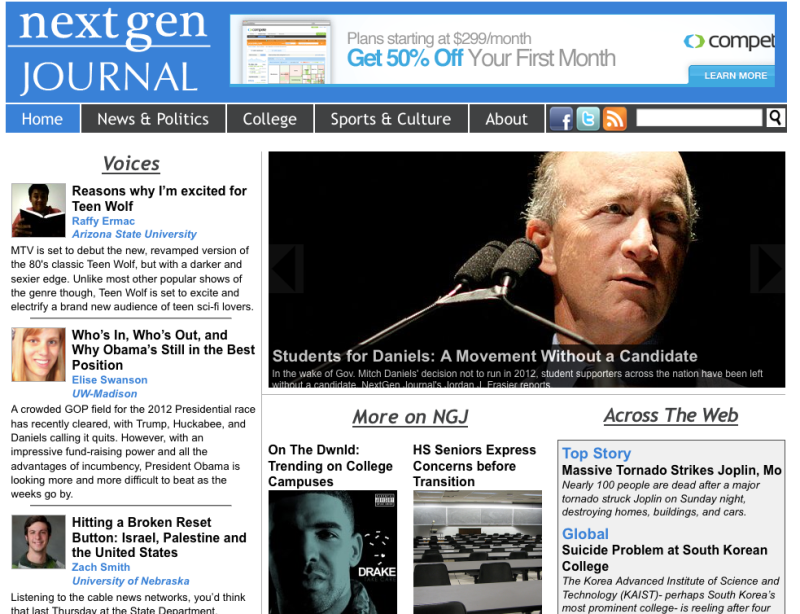
"caption": "NextGen Journal reaches out to college students.",
"description": null,
"title": "Screen-shot-2011-05-24-at-12.43.04-PM",
"credit": null,
"status": "inherit",
"isLoading": false,
"fetchFailed": false
},
"mindshift_11914": {
"type": "attachments",
"id": "mindshift_11914",
"meta": {
"index": "attachments_1716263798",
"site": "mindshift",
"id": "11914",
"found": true
},
"parent": 11904,
"imgSizes": {
"thumbnail": {
"file": "https://ww2.kqed.org/app/uploads/sites/23/2011/05/Screen-shot-2011-05-23-at-11.34.22-AM-400x260.png",
"width": 400,
"mimeType": "image/png",
"height": 260
},
"fd-sm": {
"file": "https://ww2.kqed.org/app/uploads/sites/23/2011/05/Screen-shot-2011-05-23-at-11.34.22-AM-320x208.png",
"width": 320,
"mimeType": "image/png",
"height": 208
},
"kqedFullSize": {
"file": "https://ww2.kqed.org/app/uploads/sites/23/2011/05/Screen-shot-2011-05-23-at-11.34.22-AM.png",
"width": 538,
"height": 350
},
"guest-author-96": {
"file": "https://ww2.kqed.org/app/uploads/sites/23/2011/05/Screen-shot-2011-05-23-at-11.34.22-AM-96x96.png",
"width": 96,
"mimeType": "image/png",
"height": 96
},
"guest-author-64": {
"file": "https://ww2.kqed.org/app/uploads/sites/23/2011/05/Screen-shot-2011-05-23-at-11.34.22-AM-64x64.png",
"width": 64,
"mimeType": "image/png",
"height": 64
},
"detail": {
"file": "https://ww2.kqed.org/app/uploads/sites/23/2011/05/Screen-shot-2011-05-23-at-11.34.22-AM-75x75.png",
"width": 75,
"mimeType": "image/png",
"height": 75
},
"guest-author-32": {
"file": "https://ww2.kqed.org/app/uploads/sites/23/2011/05/Screen-shot-2011-05-23-at-11.34.22-AM-32x32.png",
"width": 32,
"mimeType": "image/png",
"height": 32
},
"guest-author-128": {
"file": "https://ww2.kqed.org/app/uploads/sites/23/2011/05/Screen-shot-2011-05-23-at-11.34.22-AM-128x128.png",
"width": 128,
"mimeType": "image/png",
"height": 128
}
},
"publishDate": 1306175692,
"modified": 1306175692,
"caption": null,
"description": null,
"title": "Screen-shot-2011-05-23-at-11.34.22-AM",
"credit": null,
"status": "inherit",
"isLoading": false,
"fetchFailed": false
},
"mindshift_11893": {
"type": "attachments",
"id": "mindshift_11893",
"meta": {
"index": "attachments_1716263798",
"site": "mindshift",
"id": "11893",
"found": true
},
"parent": 11847,
"imgSizes": {
"kqedFullSize": {
"file": "https://ww2.kqed.org/app/uploads/sites/23/2011/05/salman-khan.png",
"width": 300,
"height": 274
},
"guest-author-96": {
"file": "https://ww2.kqed.org/app/uploads/sites/23/2011/05/salman-khan-96x96.png",
"width": 96,
"mimeType": "image/png",
"height": 96
},
"guest-author-64": {
"file": "https://ww2.kqed.org/app/uploads/sites/23/2011/05/salman-khan-64x64.png",
"width": 64,
"mimeType": "image/png",
"height": 64
},
"detail": {
"file": "https://ww2.kqed.org/app/uploads/sites/23/2011/05/salman-khan-75x75.png",
"width": 75,
"mimeType": "image/png",
"height": 75
},
"guest-author-32": {
"file": "https://ww2.kqed.org/app/uploads/sites/23/2011/05/salman-khan-32x32.png",
"width": 32,
"mimeType": "image/png",
"height": 32
},
"guest-author-128": {
"file": "https://ww2.kqed.org/app/uploads/sites/23/2011/05/salman-khan-128x128.png",
"width": 128,
"mimeType": "image/png",
"height": 128
}
},
"publishDate": 1305956060,
"modified": 1305956060,
"caption": "Salman Khan's library of free instructional videos has reached millions of people, and now his videos are reaching into classrooms.",
"description": null,
"title": "salman-khan",
"credit": null,
"status": "inherit",
"isLoading": false,
"fetchFailed": false
},
"mindshift_11830": {
"type": "attachments",
"id": "mindshift_11830",
"meta": {
"index": "attachments_1716263798",
"site": "mindshift",
"id": "11830",
"found": true
},
"parent": 11829,
"imgSizes": {
"thumbnail": {
"file": "https://ww2.kqed.org/app/uploads/sites/23/2011/05/4447262258_417864e845-400x266.jpg",
"width": 400,
"mimeType": "image/jpeg",
"height": 266
},
"fd-sm": {
"file": "https://ww2.kqed.org/app/uploads/sites/23/2011/05/4447262258_417864e845-320x213.jpg",
"width": 320,
"mimeType": "image/jpeg",
"height": 213
},
"kqedFullSize": {
"file": "https://ww2.kqed.org/app/uploads/sites/23/2011/05/4447262258_417864e845.jpg",
"width": 500,
"height": 333
},
"guest-author-96": {
"file": "https://ww2.kqed.org/app/uploads/sites/23/2011/05/4447262258_417864e845-96x96.jpg",
"width": 96,
"mimeType": "image/jpeg",
"height": 96
},
"guest-author-64": {
"file": "https://ww2.kqed.org/app/uploads/sites/23/2011/05/4447262258_417864e845-64x64.jpg",
"width": 64,
"mimeType": "image/jpeg",
"height": 64
},
"detail": {
"file": "https://ww2.kqed.org/app/uploads/sites/23/2011/05/4447262258_417864e845-75x75.jpg",
"width": 75,
"mimeType": "image/jpeg",
"height": 75
},
"guest-author-32": {
"file": "https://ww2.kqed.org/app/uploads/sites/23/2011/05/4447262258_417864e845-32x32.jpg",
"width": 32,
"mimeType": "image/jpeg",
"height": 32
},
"guest-author-128": {
"file": "https://ww2.kqed.org/app/uploads/sites/23/2011/05/4447262258_417864e845-128x128.jpg",
"width": 128,
"mimeType": "image/jpeg",
"height": 128
}
},
"publishDate": 1305865191,
"modified": 1305865191,
"caption": null,
"description": null,
"title": "stop",
"credit": null,
"status": "inherit",
"isLoading": false,
"fetchFailed": false
},
"mindshift_11721": {
"type": "attachments",
"id": "mindshift_11721",
"meta": {
"index": "attachments_1716263798",
"site": "mindshift",
"id": "11721",
"found": true
},
"parent": 11711,
"imgSizes": {
"thumbnail": {
"file": "https://ww2.kqed.org/app/uploads/sites/23/2011/05/2667559103_4b77705500_z-400x324.jpg",
"width": 400,
"mimeType": "image/jpeg",
"height": 324
},
"fd-sm": {
"file": "https://ww2.kqed.org/app/uploads/sites/23/2011/05/2667559103_4b77705500_z-320x259.jpg",
"width": 320,
"mimeType": "image/jpeg",
"height": 259
},
"post-thumbnail": {
"file": "https://ww2.kqed.org/app/uploads/sites/23/2011/05/2667559103_4b77705500_z-640x372.jpg",
"width": 640,
"mimeType": "image/jpeg",
"height": 372
},
"kqedFullSize": {
"file": "https://ww2.kqed.org/app/uploads/sites/23/2011/05/2667559103_4b77705500_z.jpg",
"width": 640,
"height": 518
},
"guest-author-96": {
"file": "https://ww2.kqed.org/app/uploads/sites/23/2011/05/2667559103_4b77705500_z-96x96.jpg",
"width": 96,
"mimeType": "image/jpeg",
"height": 96
},
"guest-author-64": {
"file": "https://ww2.kqed.org/app/uploads/sites/23/2011/05/2667559103_4b77705500_z-64x64.jpg",
"width": 64,
"mimeType": "image/jpeg",
"height": 64
},
"detail": {
"file": "https://ww2.kqed.org/app/uploads/sites/23/2011/05/2667559103_4b77705500_z-75x75.jpg",
"width": 75,
"mimeType": "image/jpeg",
"height": 75
},
"guest-author-32": {
"file": "https://ww2.kqed.org/app/uploads/sites/23/2011/05/2667559103_4b77705500_z-32x32.jpg",
"width": 32,
"mimeType": "image/jpeg",
"height": 32
},
"guest-author-128": {
"file": "https://ww2.kqed.org/app/uploads/sites/23/2011/05/2667559103_4b77705500_z-128x128.jpg",
"width": 128,
"mimeType": "image/jpeg",
"height": 128
}
},
"publishDate": 1305589265,
"modified": 1305589265,
"caption": null,
"description": null,
"title": "teachers interacting online",
"credit": null,
"status": "inherit",
"isLoading": false,
"fetchFailed": false
},
"mindshift_11790": {
"type": "attachments",
"id": "mindshift_11790",
"meta": {
"index": "attachments_1716263798",
"site": "mindshift",
"id": "11790",
"found": true
},
"parent": 11769,
"imgSizes": {
"thumbnail": {
"file": "https://ww2.kqed.org/app/uploads/sites/23/2011/05/FontFont-400x266.jpg",
"width": 400,
"mimeType": "image/jpeg",
"height": 266
},
"fd-sm": {
"file": "https://ww2.kqed.org/app/uploads/sites/23/2011/05/FontFont-320x213.jpg",
"width": 320,
"mimeType": "image/jpeg",
"height": 213
},
"kqedFullSize": {
"file": "https://ww2.kqed.org/app/uploads/sites/23/2011/05/FontFont.jpg",
"width": 500,
"height": 333
},
"guest-author-96": {
"file": "https://ww2.kqed.org/app/uploads/sites/23/2011/05/FontFont-96x96.jpg",
"width": 96,
"mimeType": "image/jpeg",
"height": 96
},
"guest-author-64": {
"file": "https://ww2.kqed.org/app/uploads/sites/23/2011/05/FontFont-64x64.jpg",
"width": 64,
"mimeType": "image/jpeg",
"height": 64
},
"detail": {
"file": "https://ww2.kqed.org/app/uploads/sites/23/2011/05/FontFont-75x75.jpg",
"width": 75,
"mimeType": "image/jpeg",
"height": 75
},
"guest-author-32": {
"file": "https://ww2.kqed.org/app/uploads/sites/23/2011/05/FontFont-32x32.jpg",
"width": 32,
"mimeType": "image/jpeg",
"height": 32
},
"guest-author-128": {
"file": "https://ww2.kqed.org/app/uploads/sites/23/2011/05/FontFont-128x128.jpg",
"width": 128,
"mimeType": "image/jpeg",
"height": 128
}
},
"publishDate": 1305766204,
"modified": 1305766204,
"caption": null,
"description": null,
"title": "FontFont",
"credit": null,
"status": "inherit",
"isLoading": false,
"fetchFailed": false
},
"mindshift_11633": {
"type": "attachments",
"id": "mindshift_11633",
"meta": {
"index": "attachments_1716263798",
"site": "mindshift",
"id": "11633",
"found": true
},
"parent": 11628,
"imgSizes": {
"kqedFullSize": {
"file": "https://ww2.kqed.org/app/uploads/sites/23/2011/05/arduino200.jpg",
"width": 200,
"height": 200
},
"guest-author-96": {
"file": "https://ww2.kqed.org/app/uploads/sites/23/2011/05/arduino200-96x96.jpg",
"width": 96,
"mimeType": "image/jpeg",
"height": 96
},
"guest-author-64": {
"file": "https://ww2.kqed.org/app/uploads/sites/23/2011/05/arduino200-64x64.jpg",
"width": 64,
"mimeType": "image/jpeg",
"height": 64
},
"detail": {
"file": "https://ww2.kqed.org/app/uploads/sites/23/2011/05/arduino200-75x75.jpg",
"width": 75,
"mimeType": "image/jpeg",
"height": 75
},
"guest-author-32": {
"file": "https://ww2.kqed.org/app/uploads/sites/23/2011/05/arduino200-32x32.jpg",
"width": 32,
"mimeType": "image/jpeg",
"height": 32
},
"guest-author-128": {
"file": "https://ww2.kqed.org/app/uploads/sites/23/2011/05/arduino200-128x128.jpg",
"width": 128,
"mimeType": "image/jpeg",
"height": 128
}
},
"publishDate": 1305489327,
"modified": 1305489327,
"caption": null,
"description": null,
"title": "arduino200",
"credit": null,
"status": "inherit",
"isLoading": false,
"fetchFailed": false
},
"mindshift_11545": {
"type": "attachments",
"id": "mindshift_11545",
"meta": {
"index": "attachments_1716263798",
"site": "mindshift",
"id": "11545",
"found": true
},
"parent": 11543,
"imgSizes": {
"thumbnail": {
"file": "https://ww2.kqed.org/app/uploads/sites/23/2011/05/Chromebook-400x231.jpg",
"width": 400,
"mimeType": "image/jpeg",
"height": 231
},
"fd-sm": {
"file": "https://ww2.kqed.org/app/uploads/sites/23/2011/05/Chromebook-320x185.jpg",
"width": 320,
"mimeType": "image/jpeg",
"height": 185
},
"kqedFullSize": {
"file": "https://ww2.kqed.org/app/uploads/sites/23/2011/05/Chromebook.jpg",
"width": 600,
"height": 346
},
"guest-author-96": {
"file": "https://ww2.kqed.org/app/uploads/sites/23/2011/05/Chromebook-96x96.jpg",
"width": 96,
"mimeType": "image/jpeg",
"height": 96
},
"guest-author-64": {
"file": "https://ww2.kqed.org/app/uploads/sites/23/2011/05/Chromebook-64x64.jpg",
"width": 64,
"mimeType": "image/jpeg",
"height": 64
},
"detail": {
"file": "https://ww2.kqed.org/app/uploads/sites/23/2011/05/Chromebook-75x75.jpg",
"width": 75,
"mimeType": "image/jpeg",
"height": 75
},
"guest-author-32": {
"file": "https://ww2.kqed.org/app/uploads/sites/23/2011/05/Chromebook-32x32.jpg",
"width": 32,
"mimeType": "image/jpeg",
"height": 32
},
"guest-author-128": {
"file": "https://ww2.kqed.org/app/uploads/sites/23/2011/05/Chromebook-128x128.jpg",
"width": 128,
"mimeType": "image/jpeg",
"height": 128
}
},
"publishDate": 1305225821,
"modified": 1305225821,
"caption": null,
"description": null,
"title": "Chromebook",
"credit": null,
"status": "inherit",
"isLoading": false,
"fetchFailed": false
},
"mindshift_11449": {
"type": "attachments",
"id": "mindshift_11449",
"meta": {
"index": "attachments_1716263798",
"site": "mindshift",
"id": "11449",
"found": true
},
"parent": 11432,
"imgSizes": {
"thumbnail": {
"file": "https://ww2.kqed.org/app/uploads/sites/23/2011/05/87549956-400x258.jpg",
"width": 400,
"mimeType": "image/jpeg",
"height": 258
},
"fd-sm": {
"file": "https://ww2.kqed.org/app/uploads/sites/23/2011/05/87549956-320x207.jpg",
"width": 320,
"mimeType": "image/jpeg",
"height": 207
},
"kqedFullSize": {
"file": "https://ww2.kqed.org/app/uploads/sites/23/2011/05/87549956.jpg",
"width": 514,
"height": 332
},
"guest-author-96": {
"file": "https://ww2.kqed.org/app/uploads/sites/23/2011/05/87549956-96x96.jpg",
"width": 96,
"mimeType": "image/jpeg",
"height": 96
},
"guest-author-64": {
"file": "https://ww2.kqed.org/app/uploads/sites/23/2011/05/87549956-64x64.jpg",
"width": 64,
"mimeType": "image/jpeg",
"height": 64
},
"detail": {
"file": "https://ww2.kqed.org/app/uploads/sites/23/2011/05/87549956-75x75.jpg",
"width": 75,
"mimeType": "image/jpeg",
"height": 75
},
"guest-author-32": {
"file": "https://ww2.kqed.org/app/uploads/sites/23/2011/05/87549956-32x32.jpg",
"width": 32,
"mimeType": "image/jpeg",
"height": 32
},
"guest-author-128": {
"file": "https://ww2.kqed.org/app/uploads/sites/23/2011/05/87549956-128x128.jpg",
"width": 128,
"mimeType": "image/jpeg",
"height": 128
}
},
"publishDate": 1305045842,
"modified": 1305045842,
"caption": null,
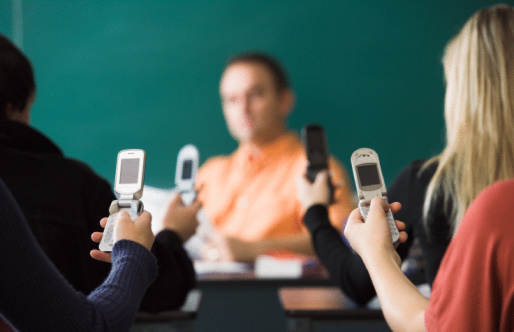
"description": "Students text messaging in classroom",
"title": "87549956",
"credit": null,
"status": "inherit",
"isLoading": false,
"fetchFailed": false
},
"mindshift_11424": {
"type": "attachments",
"id": "mindshift_11424",
"meta": {
"index": "attachments_1716263798",
"site": "mindshift",
"id": "11424",
"found": true
},
"parent": 11414,
"imgSizes": {
"twentyfourteen-full-width": {
"file": "https://ww2.kqed.org/app/uploads/sites/23/2011/05/Screen-shot-2011-05-09-at-9.59.34-AM-1038x576.png",
"width": 1038,
"mimeType": "image/png",
"height": 576
},
"thumbnail": {
"file": "https://ww2.kqed.org/app/uploads/sites/23/2011/05/Screen-shot-2011-05-09-at-9.59.34-AM-400x236.png",
"width": 400,
"mimeType": "image/png",
"height": 236
},
"fd-sm": {
"file": "https://ww2.kqed.org/app/uploads/sites/23/2011/05/Screen-shot-2011-05-09-at-9.59.34-AM-320x189.png",
"width": 320,
"mimeType": "image/png",
"height": 189
},
"post-thumbnail": {
"file": "https://ww2.kqed.org/app/uploads/sites/23/2011/05/Screen-shot-2011-05-09-at-9.59.34-AM-672x372.png",
"width": 672,
"mimeType": "image/png",
"height": 372
},
"kqedFullSize": {
"file": "https://ww2.kqed.org/app/uploads/sites/23/2011/05/Screen-shot-2011-05-09-at-9.59.34-AM.png",
"width": 1280,
"height": 755
},
"guest-author-96": {
"file": "https://ww2.kqed.org/app/uploads/sites/23/2011/05/Screen-shot-2011-05-09-at-9.59.34-AM-96x96.png",
"width": 96,
"mimeType": "image/png",
"height": 96
},
"medium": {
"file": "https://ww2.kqed.org/app/uploads/sites/23/2011/05/Screen-shot-2011-05-09-at-9.59.34-AM-800x472.png",
"width": 800,
"mimeType": "image/png",
"height": 472
},
"guest-author-64": {
"file": "https://ww2.kqed.org/app/uploads/sites/23/2011/05/Screen-shot-2011-05-09-at-9.59.34-AM-64x64.png",
"width": 64,
"mimeType": "image/png",
"height": 64
},
"guest-author-32": {
"file": "https://ww2.kqed.org/app/uploads/sites/23/2011/05/Screen-shot-2011-05-09-at-9.59.34-AM-32x32.png",
"width": 32,
"mimeType": "image/png",
"height": 32
},
"fd-lrg": {
"file": "https://ww2.kqed.org/app/uploads/sites/23/2011/05/Screen-shot-2011-05-09-at-9.59.34-AM-1180x696.png",
"width": 1180,
"mimeType": "image/png",
"height": 696
},
"fd-med": {
"file": "https://ww2.kqed.org/app/uploads/sites/23/2011/05/Screen-shot-2011-05-09-at-9.59.34-AM-768x453.png",
"width": 768,
"mimeType": "image/png",
"height": 453
},
"detail": {
"file": "https://ww2.kqed.org/app/uploads/sites/23/2011/05/Screen-shot-2011-05-09-at-9.59.34-AM-75x75.png",
"width": 75,
"mimeType": "image/png",
"height": 75
},
"guest-author-128": {
"file": "https://ww2.kqed.org/app/uploads/sites/23/2011/05/Screen-shot-2011-05-09-at-9.59.34-AM-128x128.png",
"width": 128,
"mimeType": "image/png",
"height": 128
}
},
"publishDate": 1304963853,
"modified": 1304963853,
"caption": null,
"description": null,
"title": "Screen shot 2011-05-09 at 9.59.34 AM",
"credit": null,
"status": "inherit",
"isLoading": false,
"fetchFailed": false
}
},
"audioPlayerReducer": {
"postId": "stream_live",
"isPaused": true,
"isPlaying": false,
"pfsActive": false,
"pledgeModalIsOpen": true,
"playerDrawerIsOpen": false,
"liveAudioPlayStartedAt": 0,
"liveAudioPlayContext": ""
},
"authorsReducer": {
"tbarseghian": {
"type": "authors",
"id": "180",
"meta": {
"index": "authors_1716337520",
"id": "180",
"found": true
},
"name": "Tina Barseghian",
"firstName": "Tina",
"lastName": "Barseghian",
"slug": "tbarseghian",
"email": "tbarseghian@kqed.org",
"display_author_email": false,
"staff_mastheads": [],
"title": null,
"bio": null,
"avatar": "https://secure.gravatar.com/avatar/de7e6ced1239b7018fe4d2b61f723c90?s=600&d=blank&r=g",
"twitter": null,
"facebook": null,
"instagram": null,
"linkedin": null,
"sites": [
{
"site": "styleguide",
"roles": [
"contributor"
]
},
{
"site": "news",
"roles": [
"subscriber"
]
},
{
"site": "mindshift",
"roles": [
"subscriber"
]
},
{
"site": "bayareabites",
"roles": [
"subscriber"
]
}
],
"headData": {
"title": "Tina Barseghian | KQED",
"description": null,
"ogImgSrc": "https://secure.gravatar.com/avatar/de7e6ced1239b7018fe4d2b61f723c90?s=600&d=blank&r=g",
"twImgSrc": "https://secure.gravatar.com/avatar/de7e6ced1239b7018fe4d2b61f723c90?s=600&d=blank&r=g"
},
"isLoading": false,
"link": "/author/tbarseghian"
},
"sbernard": {
"type": "authors",
"id": "4351",
"meta": {
"index": "authors_1716337520",
"id": "4351",
"found": true
},
"name": "Sara Bernard",
"firstName": "Sara",
"lastName": "Bernard",
"slug": "sbernard",
"email": "saralacy@gmail.com",
"display_author_email": false,
"staff_mastheads": [],
"title": null,
"bio": null,
"avatar": "https://secure.gravatar.com/avatar/69bae8afcc64ab67f6e3709cfb4bef26?s=600&d=blank&r=g",
"twitter": null,
"facebook": null,
"instagram": null,
"linkedin": null,
"sites": [
{
"site": "mindshift",
"roles": [
"subscriber"
]
}
],
"headData": {
"title": "Sara Bernard | KQED",
"description": null,
"ogImgSrc": "https://secure.gravatar.com/avatar/69bae8afcc64ab67f6e3709cfb4bef26?s=600&d=blank&r=g",
"twImgSrc": "https://secure.gravatar.com/avatar/69bae8afcc64ab67f6e3709cfb4bef26?s=600&d=blank&r=g"
},
"isLoading": false,
"link": "/author/sbernard"
},
"awatters": {
"type": "authors",
"id": "4352",
"meta": {
"index": "authors_1716337520",
"id": "4352",
"found": true
},
"name": "Audrey Watters",
"firstName": "Audrey",
"lastName": "Watters",
"slug": "awatters",
"email": "awatters@kqed.org",
"display_author_email": false,
"staff_mastheads": [],
"title": null,
"bio": null,
"avatar": "https://secure.gravatar.com/avatar/fb6ac91bb93632725bfa683c1de71bee?s=600&d=blank&r=g",
"twitter": null,
"facebook": null,
"instagram": null,
"linkedin": null,
"sites": [
{
"site": "mindshift",
"roles": [
"subscriber"
]
}
],
"headData": {
"title": "Audrey Watters | KQED",
"description": null,
"ogImgSrc": "https://secure.gravatar.com/avatar/fb6ac91bb93632725bfa683c1de71bee?s=600&d=blank&r=g",
"twImgSrc": "https://secure.gravatar.com/avatar/fb6ac91bb93632725bfa683c1de71bee?s=600&d=blank&r=g"
},
"isLoading": false,
"link": "/author/awatters"
}
},
"pagesReducer": {
"mindshift_category_digital-tools": {
"type": "terms",
"id": "mindshift_195",
"meta": {
"index": "terms_1716263798",
"site": "mindshift",
"id": "195",
"score": 14.406195
},
"featImg": null,
"name": "Digital Tools",
"description": "How devices, software, and the Internet are changing the classroom dynamic.",
"taxonomy": "category",
"headData": {
"twImgId": null,
"twTitle": null,
"ogTitle": null,
"ogImgId": null,
"twDescription": null,
"description": "How devices, software, and the Internet are changing the classroom dynamic.",
"title": "Digital Tools Archives | KQED Mindshift",
"ogDescription": null
},
"ttid": 195,
"slug": "digital-tools",
"isLoading": false,
"title": "Digital Tools",
"pageMeta": {
"site": "mindshift",
"WpPageTemplate": "page-topic-editorial",
"currentPage": 54
},
"blocks": [
{
"blockName": "kqed/company-paragraph",
"content": "How devices, software, and the Internet are changing the classroom dynamic."
},
{
"blockName": "kqed/post-list",
"attrs": {
"layout": "cardArticle2",
"query": "posts/mindshift?category=digital-tools",
"seeMore": false,
"paginated": true,
"page": 54
}
},
{
"blockName": "kqed/ad"
}
]
}
},
"pfsSessionReducer": {},
"postsReducer": {
"stream_live": {
"type": "live",
"id": "stream_live",
"audioUrl": "https://streams.kqed.org/kqedradio",
"title": "Live Stream",
"excerpt": "Live Stream information currently unavailable.",
"link": "/radio",
"featImg": "",
"label": {
"name": "KQED Live",
"link": "/"
}
},
"stream_kqedNewscast": {
"type": "posts",
"id": "stream_kqedNewscast",
"audioUrl": "https://www.kqed.org/.stream/anon/radio/RDnews/newscast.mp3?_=1",
"title": "KQED Newscast",
"featImg": "",
"label": {
"name": "88.5 FM",
"link": "/"
}
},
"mindshift_12137": {
"type": "posts",
"id": "mindshift_12137",
"meta": {
"index": "posts_1716263798",
"site": "mindshift",
"id": "12137",
"score": null,
"sort": [
1306860477000
]
},
"parent": 0,
"labelTerm": {
"site": "mindshift"
},
"blocks": [],
"publishDate": 1306860477,
"format": "aside",
"disqusTitle": "New Educational Apps of the Month",
"title": "New Educational Apps of the Month",
"headTitle": "MindShift | KQED News",
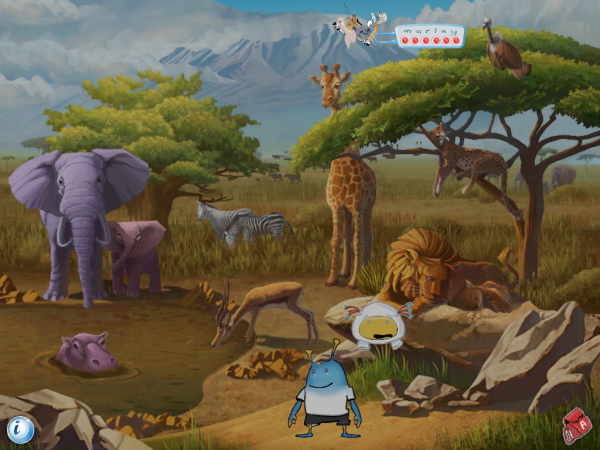
"content": "\u003cp>\u003cem>\u003ca href=\"http://ww2.kqed.org/mindshift/2011/04/new-educational-apps-of-the-month/\">Continuing our Apps of the Month Feature\u003c/a>, here's a round-up of some of our favorite educational apps released or updated over the course of the month, which includes Android, iPhone, and Web applications. If you want to let readers know about your favorite educational app, tell us in the comments.\u003c/em>\u003c/p>\n\u003cp>\u003cstrong>ANSEL & CLAIR'S ADVENTURES IN AFRICA\u003c/strong>\u003c/p>\n\u003cp>\u003ca href=\"http://ww2.kqed.org/mindshift/2011/05/new-educational-apps-of-the-month-2/ansel_1/\" rel=\"attachment wp-att-12138\">\u003cimg class=\"size-medium wp-image-12138 alignleft\" src=\"http://ww2.kqed.org/mindshift/wp-content/uploads/sites/23/2011/05/ansel_1-300x225.png\" alt=\"\" width=\"300\" height=\"225\">\u003c/a>Ansel & Clair's Adventures in Africa is one of those rare joys that combines beautiful graphics and engaging gameplay with educational content. Ansel and Clair are aliens who must recover their lost spaceship parts, and as they travel the continent (the Serengheti, the Nile River Valley, and the Sahara Desert) they not only work on that mission but learn about the geography and history of the area as well. The app takes full advantage of iPad technology -- audio, video, the touchscreen, \"tilt the iPad\" games, and so on.You can have separate accounts, so different users can move through the the story at their own pace and it's suitable for a wide age range (the iTunes lists the app as 4 and up). Kids have have ample instructions on how to proceed, but it's open-ended enough for them to have their own way of interacting with the content. Lots to explore here.\u003c/p>\n\u003cp>\u003cstrong>I'MOK\u003c/strong>\u003c/p>\n\u003cp>Both parents and children say that \u003ca href=\"http://pewresearch.org/pubs/1572/teens-cell-phones-text-messages\">having cellphones\u003c/a> makes them feel safer and helps maintain communication channels. But often just texting to let parents where a child is isn't enough. So \u003ca href=\"http://www.imok.com/\">I'mOK\u003c/a> has created an app that rewards children for doing more than just sending a text message. The app lets kids flag their location, tag the friends they're with, and upload pictures -- all in the service of helping give parents a better idea where they are (and hopefully decrease the need for nagging or spying). In exchange for being forthcoming with their data, the app lets kids earn points, which in turn parents can use to reward kids. The app is still in private beta, but should be available for wider use this summer.\u003c!--more-->\u003c/p>\n\u003cp>[ad fullwidth]\u003c/p>\n\u003cp>\u003cstrong>LEAFSNAP\u003c/strong>\u003c/p>\n\u003cp>\u003ca href=\"http://ww2.kqed.org/mindshift/2011/05/new-educational-apps-of-the-month-2/leafsnap_2/\" rel=\"attachment wp-att-12139\">\u003cimg class=\"alignright size-full wp-image-12139\" src=\"http://ww2.kqed.org/mindshift/wp-content/uploads/sites/23/2011/05/leafsnap_2.jpg\" alt=\"\" width=\"166\" height=\"250\">\u003c/a>\u003ca href=\"http://leafsnap.com/\">Leafsnap\u003c/a> is an electronic field guide for both \u003ca href=\"http://itunes.apple.com/us/app/leafsnap/id430649829?mt=8\">iPhone and iPad\u003c/a> that uses visual recognition software to identify tree species based on photographs of their leaves. The app, which is being developed by researchers from Columbia University, the University of Maryland, and the Smithsonian Institution, currently includes trees from New York City and Washington DC, but the project plans to expand to include the entire United States.\u003c/p>\n\u003cp>\u003cstrong>STUDYBLUE\u003c/strong>\u003c/p>\n\u003cp>\u003ca href=\"http://www.studyblue.com\">StudyBlue\u003c/a> allows students to maintain their class notes and transform them into study guides, flashcards, and practices quizzes. The site also lets students schedule text-message reminders about when and what to study next, as well as post messages to Facebook warning others that they're studying and shouldn't be disturbed. This month, the note-taking app \u003ca href=\"http://blog.evernote.com/2011/05/10/trunk-spotlight-turn-your-evernote-notes-into-flashcards-with-studyblue/\">Evernote\u003c/a> announced an integration with StudyBlue, making it easy to import your Evernote notes into your StudyBlue account so you can more easily make and share flashcards from the materials you've stored in Evernote.\u003c/p>\n\u003cp>\u003cstrong>MINDSNACKS ITALIAN\u003c/strong>\u003c/p>\n\u003cp>\u003ca href=\"http://ww2.kqed.org/mindshift/2011/05/new-educational-apps-of-the-month-2/mindsnacks_3/\" rel=\"attachment wp-att-12140\">\u003cimg class=\"alignleft size-full wp-image-12140\" src=\"http://ww2.kqed.org/mindshift/wp-content/uploads/sites/23/2011/05/mindsnacks_3.jpg\" alt=\"\" width=\"168\" height=\"250\">\u003c/a>The language-learning startup \u003ca href=\"http://www.mindsnacks.com\">MindSnacks\u003c/a> released an Italian language version, available for free for \u003ca href=\"http://itunes.apple.com/us/app/mindsnacks-italian-language/id433199718?mt=8\">iPhone and iPad\u003c/a>. The idea behind MindSnacks is to offer a mobile gaming and learning experience to help you learn and brush up on your vocabulary. The app offers 50 levels of language content, each level featuring 25 Italian words and phrases. The games are meant to help students learn and memorize words and phrases with fun and challenging mini-games. MindSnacks is also available for Spanish and French.\u003c/p>\n\u003cp>\u003cstrong>PBS KIDS VIDEO FOR iPAD\u003c/strong>\u003c/p>\n\u003cp>\u003ca href=\"http://ww2.kqed.org/mindshift/2011/05/new-educational-apps-of-the-month-2/pbs_kids_4/\" rel=\"attachment wp-att-12141\">\u003cimg class=\"alignright size-full wp-image-12141\" src=\"http://ww2.kqed.org/mindshift/wp-content/uploads/sites/23/2011/05/pbs_kids_4.jpg\" alt=\"\" width=\"150\" height=\"148\" srcset=\"https://ww2.kqed.org/app/uploads/sites/23/2011/05/pbs_kids_4.jpg 150w, https://ww2.kqed.org/app/uploads/sites/23/2011/05/pbs_kids_4-32x32.jpg 32w, https://ww2.kqed.org/app/uploads/sites/23/2011/05/pbs_kids_4-64x64.jpg 64w, https://ww2.kqed.org/app/uploads/sites/23/2011/05/pbs_kids_4-96x96.jpg 96w, https://ww2.kqed.org/app/uploads/sites/23/2011/05/pbs_kids_4-75x75.jpg 75w\" sizes=\"(max-width: 150px) 100vw, 150px\">\u003c/a>\u003ca href=\"http://pbskids.org\">PBS KIDS\u003c/a> released an iPad app -- \u003ca href=\"http://itunes.apple.com/us/app/pbs-kids-video-for-ipad/id435138734?mt=8\">PBS KIDS Video\u003c/a> -- that gives access to over 1000 streaming videos from various PBS KIDS' series, including The Cat in the Hat Knows A Lot About That, Dinosaur Train, and Sesame Street. The app also includes information about local PBS stations' TV schedules and the ability to mark series as \"favorites.\"\u003c/p>\n\u003cp>\u003cstrong>TRIPLINGO\u003c/strong>\u003c/p>\n\u003cp>\u003ca href=\"http://www.triplingo.com\">TripLingo\u003c/a> released its first six iPhone apps -- Mexican Spanish, French, German, Italian, Brazilian Portugese, and Pirate (Arr, yes, \u003ca href=\"http://itunes.apple.com/us/app/triplingo-pirate-edition/id437093340?mt=8\">Pirate\u003c/a>) versions. TripLingo offers a very unique way to learn just the words you want to and need to learn for travel. The app lets you customize your phrase list, based on your interests, your planned activities, and on any special circumstances. When you launch the app, you walk through a series of questions that lets you rate how important certain subjects are to you - do you want to know about sports lingo? Do you want to know how to flirt? Do you want to go shopping? More importantly, arguably, are you travelling with children? Are you diabetic? Are you disabled?\u003c/p>\n\u003cp>\u003cstrong>WOLFRAM ALPHA COURSE ASSISTANT\u003c/strong>\u003c/p>\n\u003cp>\u003ca href=\"http://ww2.kqed.org/mindshift/2011/05/new-educational-apps-of-the-month-2/wolfram_5/\" rel=\"attachment wp-att-12142\">\u003cimg class=\"alignleft size-full wp-image-12142\" src=\"http://ww2.kqed.org/mindshift/wp-content/uploads/sites/23/2011/05/wolfram_5.jpg\" alt=\"\" width=\"173\" height=\"250\">\u003c/a>Computational knowledge engine \u003ca href=\"http://www.wolframalpha.com/\">WolframAlpha\u003c/a> released several more apps in its Course Assistant series, including apps for \u003ca href=\"http://itunes.apple.com/app/wolfram-general-chemistry/id434841846\">General Chemistry\u003c/a>, \u003ca href=\"http://itunes.apple.com/app/wolfram-precalculus-course/id434839548\">Precalculus\u003c/a>, and \u003ca href=\"http://itunes.apple.com/app/wolfram-statistics-course/id439249983?mt=8%3Cbr%20/%3E\">Statistics\u003c/a>. The apps help students understand basic concepts in these subject areas and solve homework problems. Rather than \"canned answers,\" the apps will help solve specific questions. May also marks the \u003ca href=\"http://blog.wolframalpha.com/2011/05/20/wolframalpha-the-second-anniversary/\">two-year anniversary\u003c/a> of WolframAlpha, which founder Stephen Wolfram describes as an \"absurdly complex object.\"\u003c/p>\n\u003cp>\u003cstrong>BIBLION: THE BOUNDLESS LIBRARY\u003c/strong>\u003c/p>\n\u003cp>The \u003ca href=\"http://www.nypl.org/\">New York Public Library\u003c/a> released its first app, available via \u003ca href=\"http://itunes.apple.com/us/app/nypl-biblion-worlds-fair/id433418206?hpfeature=1#\">iTunes\u003c/a>: Biblion: The Boundless Library. The app is a re-launch of the library's Biblion journal, but in a format specifically designed for the iPad.\u003cbr>\nThe first issue features items from the library's collection from the 1939-1940 New York World's Fair -- documents, images, essays, film and audio that let you explore the library's stacks \"opening up hidden parts of the collections and the myriad story lines they hold and preserve.\"\u003c/p>\n\u003cp>\u003cstrong>TOONTASTIC\u003c/strong>\u003c/p>\n\u003cp>\u003c/p>\n\u003cp>The cartoon-creation tool \u003ca href=\"http://launchpadtoys.com/toontastic/\">Toontastic\u003c/a> released an updated version featuring 3 new space-based settings (and more space-related characters), new drawing tools, faster uploads to \u003ca href=\"http://toontube.toonlifeonline.com/\">ToonTube\u003c/a>, and the ability to save your custom-drawn characters and backgrounds so you can use them in any scene or cartoon. The app is available for \u003ca href=\"http://itunes.apple.com/us/app/toontastic/id404693282#\">iPad\u003c/a> and costs $3.99.\u003c/p>\n\n",
"disqusIdentifier": "12137 http://blogs.kqed.org/mindshift/?p=12137",
"disqusUrl": "https://ww2.kqed.org/mindshift/2011/05/31/new-educational-apps-of-the-month-2/",
"stats": {
"hasVideo": false,
"hasChartOrMap": false,
"hasAudio": false,
"hasPolis": false,
"wordCount": 995,
"hasGoogleForm": false,
"hasGallery": false,
"hasHearkenModule": false,
"iframeSrcs": [],
"paragraphCount": 23
},
"modified": 1314826232,
"excerpt": null,
"headData": {
"twImgId": "",
"twTitle": "",
"ogTitle": "",
"ogImgId": "",
"twDescription": "",
"description": "Continuing our Apps of the Month Feature, here's a round-up of some of our favorite educational apps released or updated over the course of the month, which includes Android, iPhone, and Web applications. If you want to let readers know about your favorite educational app, tell us in the comments. ANSEL & CLAIR'S ADVENTURES IN",
"title": "New Educational Apps of the Month | KQED",
"ogDescription": "",
"schema": {
"@context": "https://schema.org",
"@type": "Article",
"headline": "New Educational Apps of the Month",
"datePublished": "2011-05-31T09:47:57-07:00",
"dateModified": "2011-08-31T14:30:32-07:00",
"image": "https://cdn.kqed.org/wp-content/uploads/2020/02/KQED-OG-Image@1x.png"
}
},
"guestAuthors": [],
"slug": "new-educational-apps-of-the-month-2",
"status": "publish",
"path": "/mindshift/12137/new-educational-apps-of-the-month-2",
"audioTrackLength": null,
"parsedContent": [
{
"type": "contentString",
"content": "\u003cdiv class=\"post-body\">\u003cp>\u003cp>\u003cem>\u003ca href=\"http://ww2.kqed.org/mindshift/2011/04/new-educational-apps-of-the-month/\">Continuing our Apps of the Month Feature\u003c/a>, here's a round-up of some of our favorite educational apps released or updated over the course of the month, which includes Android, iPhone, and Web applications. If you want to let readers know about your favorite educational app, tell us in the comments.\u003c/em>\u003c/p>\n\u003cp>\u003cstrong>ANSEL & CLAIR'S ADVENTURES IN AFRICA\u003c/strong>\u003c/p>\n\u003cp>\u003ca href=\"http://ww2.kqed.org/mindshift/2011/05/new-educational-apps-of-the-month-2/ansel_1/\" rel=\"attachment wp-att-12138\">\u003cimg class=\"size-medium wp-image-12138 alignleft\" src=\"http://ww2.kqed.org/mindshift/wp-content/uploads/sites/23/2011/05/ansel_1-300x225.png\" alt=\"\" width=\"300\" height=\"225\">\u003c/a>Ansel & Clair's Adventures in Africa is one of those rare joys that combines beautiful graphics and engaging gameplay with educational content. Ansel and Clair are aliens who must recover their lost spaceship parts, and as they travel the continent (the Serengheti, the Nile River Valley, and the Sahara Desert) they not only work on that mission but learn about the geography and history of the area as well. The app takes full advantage of iPad technology -- audio, video, the touchscreen, \"tilt the iPad\" games, and so on.You can have separate accounts, so different users can move through the the story at their own pace and it's suitable for a wide age range (the iTunes lists the app as 4 and up). Kids have have ample instructions on how to proceed, but it's open-ended enough for them to have their own way of interacting with the content. Lots to explore here.\u003c/p>\n\u003cp>\u003cstrong>I'MOK\u003c/strong>\u003c/p>\n\u003cp>Both parents and children say that \u003ca href=\"http://pewresearch.org/pubs/1572/teens-cell-phones-text-messages\">having cellphones\u003c/a> makes them feel safer and helps maintain communication channels. But often just texting to let parents where a child is isn't enough. So \u003ca href=\"http://www.imok.com/\">I'mOK\u003c/a> has created an app that rewards children for doing more than just sending a text message. The app lets kids flag their location, tag the friends they're with, and upload pictures -- all in the service of helping give parents a better idea where they are (and hopefully decrease the need for nagging or spying). In exchange for being forthcoming with their data, the app lets kids earn points, which in turn parents can use to reward kids. The app is still in private beta, but should be available for wider use this summer.\u003c!--more-->\u003c/p>\n\u003cp>\u003c/p>\u003c/div>",
"attributes": {
"named": {},
"numeric": []
}
},
{
"type": "component",
"content": "",
"name": "ad",
"attributes": {
"named": {
"label": "fullwidth"
},
"numeric": [
"fullwidth"
]
}
},
{
"type": "contentString",
"content": "\u003cdiv class=\"post-body\">\u003cp>\u003c/p>\n\u003cp>\u003cstrong>LEAFSNAP\u003c/strong>\u003c/p>\n\u003cp>\u003ca href=\"http://ww2.kqed.org/mindshift/2011/05/new-educational-apps-of-the-month-2/leafsnap_2/\" rel=\"attachment wp-att-12139\">\u003cimg class=\"alignright size-full wp-image-12139\" src=\"http://ww2.kqed.org/mindshift/wp-content/uploads/sites/23/2011/05/leafsnap_2.jpg\" alt=\"\" width=\"166\" height=\"250\">\u003c/a>\u003ca href=\"http://leafsnap.com/\">Leafsnap\u003c/a> is an electronic field guide for both \u003ca href=\"http://itunes.apple.com/us/app/leafsnap/id430649829?mt=8\">iPhone and iPad\u003c/a> that uses visual recognition software to identify tree species based on photographs of their leaves. The app, which is being developed by researchers from Columbia University, the University of Maryland, and the Smithsonian Institution, currently includes trees from New York City and Washington DC, but the project plans to expand to include the entire United States.\u003c/p>\n\u003cp>\u003cstrong>STUDYBLUE\u003c/strong>\u003c/p>\n\u003cp>\u003ca href=\"http://www.studyblue.com\">StudyBlue\u003c/a> allows students to maintain their class notes and transform them into study guides, flashcards, and practices quizzes. The site also lets students schedule text-message reminders about when and what to study next, as well as post messages to Facebook warning others that they're studying and shouldn't be disturbed. This month, the note-taking app \u003ca href=\"http://blog.evernote.com/2011/05/10/trunk-spotlight-turn-your-evernote-notes-into-flashcards-with-studyblue/\">Evernote\u003c/a> announced an integration with StudyBlue, making it easy to import your Evernote notes into your StudyBlue account so you can more easily make and share flashcards from the materials you've stored in Evernote.\u003c/p>\n\u003cp>\u003cstrong>MINDSNACKS ITALIAN\u003c/strong>\u003c/p>\n\u003cp>\u003ca href=\"http://ww2.kqed.org/mindshift/2011/05/new-educational-apps-of-the-month-2/mindsnacks_3/\" rel=\"attachment wp-att-12140\">\u003cimg class=\"alignleft size-full wp-image-12140\" src=\"http://ww2.kqed.org/mindshift/wp-content/uploads/sites/23/2011/05/mindsnacks_3.jpg\" alt=\"\" width=\"168\" height=\"250\">\u003c/a>The language-learning startup \u003ca href=\"http://www.mindsnacks.com\">MindSnacks\u003c/a> released an Italian language version, available for free for \u003ca href=\"http://itunes.apple.com/us/app/mindsnacks-italian-language/id433199718?mt=8\">iPhone and iPad\u003c/a>. The idea behind MindSnacks is to offer a mobile gaming and learning experience to help you learn and brush up on your vocabulary. The app offers 50 levels of language content, each level featuring 25 Italian words and phrases. The games are meant to help students learn and memorize words and phrases with fun and challenging mini-games. MindSnacks is also available for Spanish and French.\u003c/p>\n\u003cp>\u003cstrong>PBS KIDS VIDEO FOR iPAD\u003c/strong>\u003c/p>\n\u003cp>\u003ca href=\"http://ww2.kqed.org/mindshift/2011/05/new-educational-apps-of-the-month-2/pbs_kids_4/\" rel=\"attachment wp-att-12141\">\u003cimg class=\"alignright size-full wp-image-12141\" src=\"http://ww2.kqed.org/mindshift/wp-content/uploads/sites/23/2011/05/pbs_kids_4.jpg\" alt=\"\" width=\"150\" height=\"148\" srcset=\"https://ww2.kqed.org/app/uploads/sites/23/2011/05/pbs_kids_4.jpg 150w, https://ww2.kqed.org/app/uploads/sites/23/2011/05/pbs_kids_4-32x32.jpg 32w, https://ww2.kqed.org/app/uploads/sites/23/2011/05/pbs_kids_4-64x64.jpg 64w, https://ww2.kqed.org/app/uploads/sites/23/2011/05/pbs_kids_4-96x96.jpg 96w, https://ww2.kqed.org/app/uploads/sites/23/2011/05/pbs_kids_4-75x75.jpg 75w\" sizes=\"(max-width: 150px) 100vw, 150px\">\u003c/a>\u003ca href=\"http://pbskids.org\">PBS KIDS\u003c/a> released an iPad app -- \u003ca href=\"http://itunes.apple.com/us/app/pbs-kids-video-for-ipad/id435138734?mt=8\">PBS KIDS Video\u003c/a> -- that gives access to over 1000 streaming videos from various PBS KIDS' series, including The Cat in the Hat Knows A Lot About That, Dinosaur Train, and Sesame Street. The app also includes information about local PBS stations' TV schedules and the ability to mark series as \"favorites.\"\u003c/p>\n\u003cp>\u003cstrong>TRIPLINGO\u003c/strong>\u003c/p>\n\u003cp>\u003ca href=\"http://www.triplingo.com\">TripLingo\u003c/a> released its first six iPhone apps -- Mexican Spanish, French, German, Italian, Brazilian Portugese, and Pirate (Arr, yes, \u003ca href=\"http://itunes.apple.com/us/app/triplingo-pirate-edition/id437093340?mt=8\">Pirate\u003c/a>) versions. TripLingo offers a very unique way to learn just the words you want to and need to learn for travel. The app lets you customize your phrase list, based on your interests, your planned activities, and on any special circumstances. When you launch the app, you walk through a series of questions that lets you rate how important certain subjects are to you - do you want to know about sports lingo? Do you want to know how to flirt? Do you want to go shopping? More importantly, arguably, are you travelling with children? Are you diabetic? Are you disabled?\u003c/p>\n\u003cp>\u003cstrong>WOLFRAM ALPHA COURSE ASSISTANT\u003c/strong>\u003c/p>\n\u003cp>\u003ca href=\"http://ww2.kqed.org/mindshift/2011/05/new-educational-apps-of-the-month-2/wolfram_5/\" rel=\"attachment wp-att-12142\">\u003cimg class=\"alignleft size-full wp-image-12142\" src=\"http://ww2.kqed.org/mindshift/wp-content/uploads/sites/23/2011/05/wolfram_5.jpg\" alt=\"\" width=\"173\" height=\"250\">\u003c/a>Computational knowledge engine \u003ca href=\"http://www.wolframalpha.com/\">WolframAlpha\u003c/a> released several more apps in its Course Assistant series, including apps for \u003ca href=\"http://itunes.apple.com/app/wolfram-general-chemistry/id434841846\">General Chemistry\u003c/a>, \u003ca href=\"http://itunes.apple.com/app/wolfram-precalculus-course/id434839548\">Precalculus\u003c/a>, and \u003ca href=\"http://itunes.apple.com/app/wolfram-statistics-course/id439249983?mt=8%3Cbr%20/%3E\">Statistics\u003c/a>. The apps help students understand basic concepts in these subject areas and solve homework problems. Rather than \"canned answers,\" the apps will help solve specific questions. May also marks the \u003ca href=\"http://blog.wolframalpha.com/2011/05/20/wolframalpha-the-second-anniversary/\">two-year anniversary\u003c/a> of WolframAlpha, which founder Stephen Wolfram describes as an \"absurdly complex object.\"\u003c/p>\n\u003cp>\u003cstrong>BIBLION: THE BOUNDLESS LIBRARY\u003c/strong>\u003c/p>\n\u003cp>The \u003ca href=\"http://www.nypl.org/\">New York Public Library\u003c/a> released its first app, available via \u003ca href=\"http://itunes.apple.com/us/app/nypl-biblion-worlds-fair/id433418206?hpfeature=1#\">iTunes\u003c/a>: Biblion: The Boundless Library. The app is a re-launch of the library's Biblion journal, but in a format specifically designed for the iPad.\u003cbr>\nThe first issue features items from the library's collection from the 1939-1940 New York World's Fair -- documents, images, essays, film and audio that let you explore the library's stacks \"opening up hidden parts of the collections and the myriad story lines they hold and preserve.\"\u003c/p>\n\u003cp>\u003cstrong>TOONTASTIC\u003c/strong>\u003c/p>\n\u003cp>\u003c/p>\n\u003cp>The cartoon-creation tool \u003ca href=\"http://launchpadtoys.com/toontastic/\">Toontastic\u003c/a> released an updated version featuring 3 new space-based settings (and more space-related characters), new drawing tools, faster uploads to \u003ca href=\"http://toontube.toonlifeonline.com/\">ToonTube\u003c/a>, and the ability to save your custom-drawn characters and backgrounds so you can use them in any scene or cartoon. The app is available for \u003ca href=\"http://itunes.apple.com/us/app/toontastic/id404693282#\">iPad\u003c/a> and costs $3.99.\u003c/p>\n\n\u003c/div>\u003c/p>",
"attributes": {
"named": {},
"numeric": []
}
}
],
"link": "/mindshift/12137/new-educational-apps-of-the-month-2",
"authors": [
"4352"
],
"categories": [
"mindshift_195"
],
"tags": [
"mindshift_134",
"mindshift_523"
],
"featImg": "mindshift_12138",
"label": "mindshift"
},
"mindshift_11988": {
"type": "posts",
"id": "mindshift_11988",
"meta": {
"index": "posts_1716263798",
"site": "mindshift",
"id": "11988",
"score": null,
"sort": [
1306443633000
]
},
"parent": 0,
"labelTerm": {
"site": "mindshift"
},
"blocks": [],
"publishDate": 1306443633,
"format": "aside",
"disqusTitle": "It's Here: A Science Book That's Always Up-to-Date",
"title": "It's Here: A Science Book That's Always Up-to-Date",
"headTitle": "MindShift | KQED News",
"content": "\u003cp>\u003ca rel=\"attachment wp-att-11989\" href=\"http://ww2.kqed.org/mindshift/2011/05/its-here-a-science-book-thats-always-up-to-date/science-2/\">\u003cimg class=\"alignright size-full wp-image-11989\" title=\"science\" src=\"http://ww2.kqed.org/mindshift/wp-content/uploads/sites/23/2011/05/science.jpg\" alt=\"\" width=\"300\" height=\"220\">\u003c/a>As much people still love their textbooks, there are inherent problems. They're expensive. They're heavy. And oftentimes, they're woefully out-of-date. The latter is particularly true when it comes to science books -- by the time a textbook hits store shelves (and appears in syllabi), new research outdates the text. Such is the changing nature of science. And such is the fixed nature of the printed textbook.\u003c/p>\n\u003cp>\u003ca href=\"http://www.nature.com/scitable\">Nature Education\u003c/a>, the educational wing of the Nature Publishing Group which also runs \u003ca href=\"http://ww2.kqed.org/mindshift/2010/09/scitable-goes-mobile/\">Scitable\u003c/a>, one of the largest science publishers in the world - is hoping to resolve this with the release its first ever science textbook.\u003c/p>\n\u003cp>It's called the \u003cem>Principles of Biology\u003c/em>, and for a $49 lifetime access, students receive a constantly-updated biology textbook, for less cost.\u003c/p>\n\u003caside class=\"pullquote alignleft\">\"It's not just about providing students with the content, it's about finding a model for digital content that makes sense.\"\u003c/aside>\n\u003cp>The textbook is a result of a partnership between California State University and the Nature Publishing Group, who'll be working together to create what they're calling a \"born digital\" textbook that will be used at CSU campuses beginning in the Fall of 2011.\u003c/p>\n\u003cp>As a digital product, \u003cem>Principles of Biology\u003c/em> will be accessible to students and instructors via the Web -- both on desktops and on mobile devices. Those who buy the license will also be able to print a color copy of the textbook.\u003c!--more-->\u003c/p>\n\u003cp>[ad fullwidth]\u003c/p>\n\u003cp>The textbook includes more than 175 interactive lessons, as well as continual assessments to help students master various fundamental concepts in biology. The book will draw on the expertise as well as on the archives of the journal \u003cem>Nature\u003c/em>.\u003c/p>\n\u003cp>The Nature Publishing Group says that it will offer more titles in the future geared to life and physical sciences. These books will also be developed in conjunction with the faculty at CSU.\u003c/p>\n\u003cp>Gerry Hanley, Senior Director for Academic Technology Services at the CSU, Office of the Chancellor, said in a statement that this book is a step towards transforming the traditional relationship between universities and textbook publishers\" Like \u003ca href=\"http://www.inkling.com/%20\">Inkling\u003c/a> books, this is entirely digital, not just a transfer of a print version to an e-book. But this sort of academic and publisher partnership is important to note -- not just because it marks a way for students to receive up-to-date content, but because they can receive that content at a discount.\u003c/p>\n\u003cp>The publishing industry at large is \u003ca href=\"http://ww2.kqed.org/mindshift/2010/11/will-college-textbooks-be-obsolete/\">going through a tremendous change due\u003c/a> to the increasing popularity of e-books. And the textbook industry, long the target of complaints from students resentful at shelling out hundreds of dollars for books they'll only use for a few weeks, is ripe for disruption.\u003c/p>\n\u003cp>\u003c/p>\n\u003cp>By offering students the ability to access the materials online, at a deeply discounted rate \u003cem>and\u003c/em> with the knowledge that this material is continually updated, the Nature Publishing Group might point the way for other publishers to follow. It's not just about providing students with the content they need, it's about finding a model for digital content that makes sense.\u003c/p>\n\n",
"disqusIdentifier": "11988 http://blogs.kqed.org/mindshift/?p=11988",
"disqusUrl": "https://ww2.kqed.org/mindshift/2011/05/26/its-here-a-science-book-thats-always-up-to-date/",
"stats": {
"hasVideo": false,
"hasChartOrMap": false,
"hasAudio": false,
"hasPolis": false,
"wordCount": 515,
"hasGoogleForm": false,
"hasGallery": false,
"hasHearkenModule": false,
"iframeSrcs": [],
"paragraphCount": 12
},
"modified": 1306433208,
"excerpt": null,
"headData": {
"twImgId": "",
"twTitle": "",
"ogTitle": "",
"ogImgId": "",
"twDescription": "",
"description": "As much people still love their textbooks, there are inherent problems. They're expensive. They're heavy. And oftentimes, they're woefully out-of-date. The latter is particularly true when it comes to science books -- by the time a textbook hits store shelves (and appears in syllabi), new research outdates the text. Such is the changing nature of",
"title": "It's Here: A Science Book That's Always Up-to-Date | KQED",
"ogDescription": "",
"schema": {
"@context": "https://schema.org",
"@type": "Article",
"headline": "It's Here: A Science Book That's Always Up-to-Date",
"datePublished": "2011-05-26T14:00:33-07:00",
"dateModified": "2011-05-26T11:06:48-07:00",
"image": "https://cdn.kqed.org/wp-content/uploads/2020/02/KQED-OG-Image@1x.png"
}
},
"guestAuthors": [],
"slug": "its-here-a-science-book-thats-always-up-to-date",
"status": "publish",
"path": "/mindshift/11988/its-here-a-science-book-thats-always-up-to-date",
"audioTrackLength": null,
"parsedContent": [
{
"type": "contentString",
"content": "\u003cdiv class=\"post-body\">\u003cp>\u003cp>\u003ca rel=\"attachment wp-att-11989\" href=\"http://ww2.kqed.org/mindshift/2011/05/its-here-a-science-book-thats-always-up-to-date/science-2/\">\u003cimg class=\"alignright size-full wp-image-11989\" title=\"science\" src=\"http://ww2.kqed.org/mindshift/wp-content/uploads/sites/23/2011/05/science.jpg\" alt=\"\" width=\"300\" height=\"220\">\u003c/a>As much people still love their textbooks, there are inherent problems. They're expensive. They're heavy. And oftentimes, they're woefully out-of-date. The latter is particularly true when it comes to science books -- by the time a textbook hits store shelves (and appears in syllabi), new research outdates the text. Such is the changing nature of science. And such is the fixed nature of the printed textbook.\u003c/p>\n\u003cp>\u003ca href=\"http://www.nature.com/scitable\">Nature Education\u003c/a>, the educational wing of the Nature Publishing Group which also runs \u003ca href=\"http://ww2.kqed.org/mindshift/2010/09/scitable-goes-mobile/\">Scitable\u003c/a>, one of the largest science publishers in the world - is hoping to resolve this with the release its first ever science textbook.\u003c/p>\n\u003cp>It's called the \u003cem>Principles of Biology\u003c/em>, and for a $49 lifetime access, students receive a constantly-updated biology textbook, for less cost.\u003c/p>\n\u003caside class=\"pullquote alignleft\">\"It's not just about providing students with the content, it's about finding a model for digital content that makes sense.\"\u003c/aside>\n\u003cp>The textbook is a result of a partnership between California State University and the Nature Publishing Group, who'll be working together to create what they're calling a \"born digital\" textbook that will be used at CSU campuses beginning in the Fall of 2011.\u003c/p>\n\u003cp>As a digital product, \u003cem>Principles of Biology\u003c/em> will be accessible to students and instructors via the Web -- both on desktops and on mobile devices. Those who buy the license will also be able to print a color copy of the textbook.\u003c!--more-->\u003c/p>\n\u003cp>\u003c/p>\u003c/div>",
"attributes": {
"named": {},
"numeric": []
}
},
{
"type": "component",
"content": "",
"name": "ad",
"attributes": {
"named": {
"label": "fullwidth"
},
"numeric": [
"fullwidth"
]
}
},
{
"type": "contentString",
"content": "\u003cdiv class=\"post-body\">\u003cp>\u003c/p>\n\u003cp>The textbook includes more than 175 interactive lessons, as well as continual assessments to help students master various fundamental concepts in biology. The book will draw on the expertise as well as on the archives of the journal \u003cem>Nature\u003c/em>.\u003c/p>\n\u003cp>The Nature Publishing Group says that it will offer more titles in the future geared to life and physical sciences. These books will also be developed in conjunction with the faculty at CSU.\u003c/p>\n\u003cp>Gerry Hanley, Senior Director for Academic Technology Services at the CSU, Office of the Chancellor, said in a statement that this book is a step towards transforming the traditional relationship between universities and textbook publishers\" Like \u003ca href=\"http://www.inkling.com/%20\">Inkling\u003c/a> books, this is entirely digital, not just a transfer of a print version to an e-book. But this sort of academic and publisher partnership is important to note -- not just because it marks a way for students to receive up-to-date content, but because they can receive that content at a discount.\u003c/p>\n\u003cp>The publishing industry at large is \u003ca href=\"http://ww2.kqed.org/mindshift/2010/11/will-college-textbooks-be-obsolete/\">going through a tremendous change due\u003c/a> to the increasing popularity of e-books. And the textbook industry, long the target of complaints from students resentful at shelling out hundreds of dollars for books they'll only use for a few weeks, is ripe for disruption.\u003c/p>\n\u003cp>\u003c/p>\n\u003cp>By offering students the ability to access the materials online, at a deeply discounted rate \u003cem>and\u003c/em> with the knowledge that this material is continually updated, the Nature Publishing Group might point the way for other publishers to follow. It's not just about providing students with the content they need, it's about finding a model for digital content that makes sense.\u003c/p>\n\n\u003c/div>\u003c/p>",
"attributes": {
"named": {},
"numeric": []
}
}
],
"link": "/mindshift/11988/its-here-a-science-book-thats-always-up-to-date",
"authors": [
"4352"
],
"categories": [
"mindshift_195"
],
"tags": [
"mindshift_33",
"mindshift_406",
"mindshift_519",
"mindshift_518",
"mindshift_47"
],
"featImg": "mindshift_11989",
"label": "mindshift"
},
"mindshift_11953": {
"type": "posts",
"id": "mindshift_11953",
"meta": {
"index": "posts_1716263798",
"site": "mindshift",
"id": "11953",
"score": null,
"sort": [
1306266555000
]
},
"parent": 0,
"labelTerm": {
"site": "mindshift"
},
"blocks": [],
"publishDate": 1306266555,
"format": "aside",
"disqusTitle": "NextGen Journal Gives College Students' Spin on Global Events",
"title": "NextGen Journal Gives College Students' Spin on Global Events",
"headTitle": "MindShift | KQED News",
"content": "\u003cfigure id=\"attachment_11964\" class=\"wp-caption left\" style=\"max-width: 300px\">\u003ca rel=\"attachment wp-att-11964\" href=\"http://ww2.kqed.org/mindshift/2011/05/nextgen-journal-gives-college-students-spin-on-global-events/screen-shot-2011-05-24-at-12-43-04-pm/\">\u003cimg class=\"size-medium wp-image-11964\" title=\"Screen-shot-2011-05-24-at-12.43.04-PM\" src=\"http://ww2.kqed.org/mindshift/wp-content/uploads/sites/23/2011/05/Screen-shot-2011-05-24-at-12.43.04-PM-300x230.png\" alt=\"\" width=\"300\" height=\"230\">\u003c/a>\u003cfigcaption class=\"wp-caption-text\">NextGen Journal reaches out to college students.\u003c/figcaption>\u003c/figure>\n\u003cp>By \u003ca href=\"http://www.pbs.org/mediashift/dan-reimold-1/\">Dan Reimold\u003c/a>\u003c/p>\n\u003cp>Connor Toohill is attempting to break the college bubble.\u003c/p>\n\u003cp>Last fall, with the help of friends, Toohill launched \u003ca href=\"http://nextgenjournal.com/\">NextGen Journal\u003c/a>, a student-run news and commentary site, writ large. Its roughly 90 contributors are currently enrolled at colleges and universities across the U.S. and Canada.\u003c/p>\n\u003cp>In terms of sheer geography, \u003ca href=\"http://nextgenjournal.com/author/connor-toohill/\">Toohill\u003c/a> has arguably filled college media's biggest niche. At the moment, NextGen may be the only true national college news outlet by students for students.\u003c/p>\n\u003cp>It covers matters of interest and importance to students \u003ca href=\"http://nextgenjournal.com/about/\">outside the bubble\u003c/a> of their own campuses -- \"from dorm life to Darfur, and from climate change to Kid Cudi.\" Recent topics under investigation and discussion on the NextGen home page ranged from Libya, Net neutrality, and campus break-dancing clubs to college graduation rates, the deficit, and Rebecca Black.\u003c/p>\n\u003caside class=\"pullquote alignleft\">\"College students deserve their own Huffington Post.\"\u003c/aside>\n\u003cp>\"Up until now, campus media, especially in the opinion sense, has just been localized,\" said Toohill, 19, a rising sophomore at the University of Notre Dame. \"There's nothing from our generation that is influential in the national sphere. We wanted to do something that can have influence nationally, that can bring our generation into the conversation.\"\u003c/p>\n\u003ch4>The \"Osama Circus\"\u003c/h4>\n\u003cp>Amid the conversations -- and celebrations -- that have erupted in the wake of Osama Bin Laden's killing, NextGen has published more stories on more angles than any other student media outlet.\u003c!--more-->\u003c/p>\n\u003cp>[ad fullwidth]\u003c/p>\n\u003cp>The site featured \u003ca href=\"http://nextgenjournal.com/2011/05/college-students-celebrate-bin-ladens-death/\">dispatches on student reactions\u003c/a> at roughly two dozen schools -- from West Point cadets running around in \"crazy patriotic costumes and underwear\" to Stanford University students who \"roasted s'mores, drank beer (mostly the American variety), and chanted 'U-S-A U-S-A!'\"\u003c/p>\n\u003cfigure id=\"attachment_11957\" class=\"wp-caption alignright\" style=\"max-width: 112px\">\u003ca rel=\"attachment wp-att-11957\" href=\"http://ww2.kqed.org/mindshift/2011/05/nextgen-journal-gives-college-students-spin-on-global-events/connor-toohill/\">\u003cimg class=\"size-full wp-image-11957\" title=\"connor toohill\" src=\"http://ww2.kqed.org/mindshift/wp-content/uploads/sites/23/2011/05/connor-toohill.jpg\" alt=\"\" width=\"112\" height=\"150\">\u003c/a>\u003cfigcaption class=\"wp-caption-text\"> \u003c/figcaption>\u003c/figure>\n\u003cp>It debated the merits of the country's celebratory mood, including a Michigan State University student \u003ca href=\"http://nextgenjournal.com/2011/05/the-osama-circus/\">who decried\u003c/a> the \"Osama circus\" atmosphere and a Tulane University student who separately described \u003ca href=\"http://nextgenjournal.com/2011/05/celebrating-bin-ladens-death/\">the national party\u003c/a> as \"perhaps the only time that I've felt proud to call myself a young college student.\"\u003c/p>\n\u003cp>NextGen also reflected on the meaning of the terror kingpin's death for current students who were in grade school when 9/11 occurred. It gauged \u003ca href=\"http://nextgenjournal.com/2011/05/bin-laden-and-the-2012-election/\">the impact\u003c/a> of the military strike on the 2012 presidential election. It ran \u003ca href=\"http://nextgenjournal.com/2011/05/terrorism-does-not-die-with-bin-laden/\">a reminder op-ed\u003c/a> that \"terrorism does not die with Osama Bin Laden.\" And it discussed \u003ca href=\"http://nextgenjournal.com/2011/05/pakistan-head-in-the-sand-digging-up-the-truth-around-bin-ladens-demise/\">the growing skepticism\u003c/a> surrounding Pakistan's alleged ignorance of Bin Laden's whereabouts.\u003c/p>\n\u003cp>Similar stories have been run throughout the professional press -- but hardly any from the student perspective.\u003c/p>\n\u003cp>As Toohill said, \"Our best pieces, our most popular pieces -- whether it's Egypt or the State of the Union or health care reform or the Super Bowl -- really look at, what is the impact here for students? What is the significance for our generation? We've seen there is really a demand for that. \u003ca href=\"http://www.huffingtonpost.com/college/\">Huffington Post College\u003c/a> is sort of established as a section to cover what's going on at college. Basically, what we're saying is that college students deserve their own Huffington Post.\"\u003c/p>\n\u003ch4>Voices of the Next Generation\u003c/h4>\n\u003cp>NextGen Journal began with 800 words and $20 trillion.\u003c/p>\n\u003cp>In early 2009, Toohill, then a 17-year-old high school senior in San Diego, came across a slew of politicians and pundits debating the impact of the growing national debt. Many of them were repeatedly imploring lawmakers and the public to think of \"the next generation\" when deciding what economic recovery tactics to take.\u003c/p>\n\u003cp>Toohill noticed one important set of voices missing from the debate. \"I was kind of frustrated about the fact that everyone was talking about the next generation and what we should do for the next generation,\" he said, \"but there were no voices of the next generation, my generation, in the conversation.\"\u003c/p>\n\u003cp>So Toohill spoke up. In an 800-word \u003ca href=\"http://www.signonsandiego.com/news/2009/apr/05/lz1e5toohill22146-debt-and-my-next-generation/\">community essay\u003c/a> published in the San Diego Union-Tribune, he discussed the need for federal government \"fiscal responsibility\" to help stave off \"a crushing and unsustainable national debt.\"\u003c/p>\n\u003cfigure id=\"attachment_11958\" class=\"wp-caption left\" style=\"max-width: 140px\">\u003cimg class=\"size-thumbnail wp-image-11958\" title=\"JackFitzpatrick\" src=\"http://ww2.kqed.org/mindshift/wp-content/uploads/sites/23/2011/05/JackFitzpatrick-140x140.jpg\" alt=\"\" width=\"140\" height=\"140\">\u003cfigcaption class=\"wp-caption-text\">Jack Fitzpatrick\u003c/figcaption>\u003c/figure>\n\u003cp>\"At this moment, our nation is in a deep financial hole,\" he wrote. \"We must stop digging, making the decision to leave some aspects of energy, education and health care reform to future administrations or to the private sector... As a member of the generation that will be tasked with solving these issues and paying for these proposals, I know one thing for certain: I would much rather inherit difficult policy problems than a $20 trillion national debt.\"\u003c/p>\n\u003cp>For weeks after the essay's premiere, Toohill dealt with a separate indebtedness. He felt he owed it to himself and his peers to do more. \"Basically, I wanted the conversation to continue,\" he said. \"My dream was to have many voices of our generation in the conversation -- different voices, with different perspectives, on all sorts of different topics.\"\u003c/p>\n\u003cp>The difference between Toohill and many others with similar dreams: He made his come true.\u003c/p>\n\u003ch4>Giving Writers Independence\u003c/h4>\n\u003cp>NextGen's newsroom is located at the virtual nexus of \u003ca href=\"https://docs.google.com/\">Google Docs\u003c/a>, \u003ca href=\"http://wordpress.org/\">WordPress\u003c/a>, and a mountain of email. Most staffers have never met in person. Toohill recruited a majority of the contributors himself, after stumbling across their personal blogs or other online writings.\u003c/p>\n\u003cp>So far, the site's strength is more views than news. Student opinions, in the Voices section, are published in droves, daily, an impressive feat for an enterprise that as of yet does not offer staffers money, course credit or enormous name recognition (the site's monthly readership is 12,000 and growing).\u003c/p>\n\u003cp>Instead, its attraction to student writers is independence -- the independence to be what staff writer \u003ca href=\"http://nextgenjournal.com/author/jack-fitzpatrick/\">Jack Fitzpatrick\u003c/a> called \"edgy and entertaining, and also to talk about any issue, no matter how controversial it is.\"\u003c/p>\n\u003caside class=\"pullquote alignleft\">\"NextGen address issues that are affecting any college student.\"\u003c/aside>\n\u003cp>This independence especially interested \u003ca href=\"http://nextgenjournal.com/author/heather-regen/\">Heather Regen\u003c/a>.\u003c/p>\n\u003cp>Growing up, Regen's family talked about all the red-button topics she said most want to avoid in polite conversation. \"To be able to hold your own at the dinner table, I really needed to know what was going on,\" said Regen, a rising sophomore at Georgetown University.\u003c/p>\n\u003cp>One night, while eating dinner at a local pizza joint, she became embroiled in such an impassioned debate with her brother about Iraq and North Korea that two gentlemen at a nearby table were drawn in as de facto judges.\u003c/p>\n\u003cp>In their estimation, she won.\u003c/p>\n\u003cp>Last fall, she joined NextGen, writing at first about college admissions, airport scanners, Four Loko, the State of the Union, and the rise in college textbook renting and downloading.\u003c/p>\n\u003ch4>One Word: Egypt\u003c/h4>\n\u003cp>Yet, as she said, \"What made me most excited about the entire process of pitching articles and writing them and keeping up with the world and being a part of the news rather than just reading the news was one word: Egypt.\"\u003c/p>\n\u003cp>At the very start of the Arab uprisings, Regen's international relations professor told her it was an incredibly exciting time to be alive \"because history is happening right in front of you.\"\u003c/p>\n\u003cp>She laughed off the comment at the time, considering it an idealistic professor's love of her subject matter. And then Tunisia's government fell; unrest escalated in Yemen; and citizens took to the streets of Cairo.\u003c/p>\n\u003cp>As Regen recalled, \"I went back to her during office hours and said, 'You know, when you first talked about Egypt, I thought you were just being nostalgic for your college years and how exciting they were. But I believe you now. I really do think we are living through a time when history is being made.' Being able to report the news while that's happening is something that's incredibly gratifying.\"\u003c/p>\n\u003cp>In early February, she wrote \u003ca href=\"http://nextgenjournal.com/2011/02/in-egypt-forget-twitter-look-to-our-generation/\">a review of the Egyptian protests\u003c/a> for NextGen, arguing that the large, disaffected youth population caused the revolution to spread much more than new media. As she declared in the headline, \"In Egypt, Forget Twitter -- Look to Our Generation.\" Five days after the piece was posted, Andrew Revkin \u003ca href=\"http://dotearth.blogs.nytimes.com/2011/02/07/egypt-inkblots-agendas-and-feeding-9-billion/\">linked to it\u003c/a> in a blog he maintains for the New York Times.\u003c/p>\n\u003cp>\"For college papers, most of what you write about focuses on the university itself,\" Regen said. \"Whereas NextGen Journal gives me a way to address more global issues, address issues that are affecting any college student, instead of college students specific to one university. I see it as an outlet to break the college bubble.\"\u003c/p>\n\u003cp>\u003cem>\u003ca rel=\"attachment wp-att-11961\" href=\"http://ww2.kqed.org/mindshift/2011/05/nextgen-journal-gives-college-students-spin-on-global-events/pbs-mediashift-logo-final/\">\u003cimg class=\"alignleft size-thumbnail wp-image-11961\" title=\"pbs mediashift logo final\" src=\"http://ww2.kqed.org/mindshift/wp-content/uploads/sites/23/2011/05/pbs-mediashift-logo-final-140x140.jpg\" alt=\"\" width=\"94\" height=\"94\">\u003c/a>This story was originally published by \u003c/em>\u003ca href=\"http://www.pbs.org/mediashift\">PBS MediaShift\u003c/a>\u003cem>, covering the intersection of media and technology. Follow \u003ca href=\"http://twitter.com/#!/pbsmediashift\">@PBSMediaShift\u003c/a> for Twitter updates, or join us on \u003ca href=\"http://www.facebook.com/mediashift\">Facebook\u003c/a>.\u003c/em>\u003c/p>\n\u003cp>[ad floatright]\u003c/p>\n\u003cp>\u003cem>Dan Reimold is an assistant professor of journalism at the University of Tampa. He writes and presents frequently on the campus press and maintains the daily blog \u003ca href=\"http://www.collegemediamatters.com/\">College Media Matters\u003c/a>, affiliated with the \u003ca href=\"http://www.studentpress.org/acp/\">Associated Collegiate Press\u003c/a>. His first book on a major modern college media trend, \u003ca href=\"http://www.amazon.com/Sex-University-Controversy-Journalism-Revolution/dp/0813548063/ref=sr_1_1?s=books&ie=UTF8&qid=1282158083&sr=1-1\">Sex and the University: Celebrity, Controversy, and a Student Journalism Revolution\u003c/a>, was published this past fall by Rutgers University Press.\u003c/em>\u003c/p>\n\n",
"disqusIdentifier": "11953 http://blogs.kqed.org/mindshift/?p=11953",
"disqusUrl": "https://ww2.kqed.org/mindshift/2011/05/24/nextgen-journal-gives-college-students-spin-on-global-events/",
"stats": {
"hasVideo": false,
"hasChartOrMap": false,
"hasAudio": false,
"hasPolis": false,
"wordCount": 1496,
"hasGoogleForm": false,
"hasGallery": false,
"hasHearkenModule": false,
"iframeSrcs": [],
"paragraphCount": 37
},
"modified": 1306266575,
"excerpt": null,
"headData": {
"twImgId": "",
"twTitle": "",
"ogTitle": "",
"ogImgId": "",
"twDescription": "",
"description": "By Dan Reimold Connor Toohill is attempting to break the college bubble. Last fall, with the help of friends, Toohill launched NextGen Journal, a student-run news and commentary site, writ large. Its roughly 90 contributors are currently enrolled at colleges and universities across the U.S. and Canada. In terms of sheer geography, Toohill has arguably",
"title": "NextGen Journal Gives College Students' Spin on Global Events | KQED",
"ogDescription": "",
"schema": {
"@context": "https://schema.org",
"@type": "Article",
"headline": "NextGen Journal Gives College Students' Spin on Global Events",
"datePublished": "2011-05-24T12:49:15-07:00",
"dateModified": "2011-05-24T12:49:35-07:00",
"image": "https://cdn.kqed.org/wp-content/uploads/2020/02/KQED-OG-Image@1x.png"
}
},
"guestAuthors": [],
"slug": "nextgen-journal-gives-college-students-spin-on-global-events",
"status": "publish",
"path": "/mindshift/11953/nextgen-journal-gives-college-students-spin-on-global-events",
"audioTrackLength": null,
"parsedContent": [
{
"type": "contentString",
"content": "\u003cdiv class=\"post-body\">\u003cp>\u003cfigure id=\"attachment_11964\" class=\"wp-caption left\" style=\"max-width: 300px\">\u003ca rel=\"attachment wp-att-11964\" href=\"http://ww2.kqed.org/mindshift/2011/05/nextgen-journal-gives-college-students-spin-on-global-events/screen-shot-2011-05-24-at-12-43-04-pm/\">\u003cimg class=\"size-medium wp-image-11964\" title=\"Screen-shot-2011-05-24-at-12.43.04-PM\" src=\"http://ww2.kqed.org/mindshift/wp-content/uploads/sites/23/2011/05/Screen-shot-2011-05-24-at-12.43.04-PM-300x230.png\" alt=\"\" width=\"300\" height=\"230\">\u003c/a>\u003cfigcaption class=\"wp-caption-text\">NextGen Journal reaches out to college students.\u003c/figcaption>\u003c/figure>\n\u003cp>By \u003ca href=\"http://www.pbs.org/mediashift/dan-reimold-1/\">Dan Reimold\u003c/a>\u003c/p>\n\u003cp>Connor Toohill is attempting to break the college bubble.\u003c/p>\n\u003cp>Last fall, with the help of friends, Toohill launched \u003ca href=\"http://nextgenjournal.com/\">NextGen Journal\u003c/a>, a student-run news and commentary site, writ large. Its roughly 90 contributors are currently enrolled at colleges and universities across the U.S. and Canada.\u003c/p>\n\u003cp>In terms of sheer geography, \u003ca href=\"http://nextgenjournal.com/author/connor-toohill/\">Toohill\u003c/a> has arguably filled college media's biggest niche. At the moment, NextGen may be the only true national college news outlet by students for students.\u003c/p>\n\u003cp>It covers matters of interest and importance to students \u003ca href=\"http://nextgenjournal.com/about/\">outside the bubble\u003c/a> of their own campuses -- \"from dorm life to Darfur, and from climate change to Kid Cudi.\" Recent topics under investigation and discussion on the NextGen home page ranged from Libya, Net neutrality, and campus break-dancing clubs to college graduation rates, the deficit, and Rebecca Black.\u003c/p>\n\u003caside class=\"pullquote alignleft\">\"College students deserve their own Huffington Post.\"\u003c/aside>\n\u003cp>\"Up until now, campus media, especially in the opinion sense, has just been localized,\" said Toohill, 19, a rising sophomore at the University of Notre Dame. \"There's nothing from our generation that is influential in the national sphere. We wanted to do something that can have influence nationally, that can bring our generation into the conversation.\"\u003c/p>\n\u003ch4>The \"Osama Circus\"\u003c/h4>\n\u003cp>Amid the conversations -- and celebrations -- that have erupted in the wake of Osama Bin Laden's killing, NextGen has published more stories on more angles than any other student media outlet.\u003c!--more-->\u003c/p>\n\u003cp>\u003c/p>\u003c/div>",
"attributes": {
"named": {},
"numeric": []
}
},
{
"type": "component",
"content": "",
"name": "ad",
"attributes": {
"named": {
"label": "fullwidth"
},
"numeric": [
"fullwidth"
]
}
},
{
"type": "contentString",
"content": "\u003cdiv class=\"post-body\">\u003cp>\u003c/p>\n\u003cp>The site featured \u003ca href=\"http://nextgenjournal.com/2011/05/college-students-celebrate-bin-ladens-death/\">dispatches on student reactions\u003c/a> at roughly two dozen schools -- from West Point cadets running around in \"crazy patriotic costumes and underwear\" to Stanford University students who \"roasted s'mores, drank beer (mostly the American variety), and chanted 'U-S-A U-S-A!'\"\u003c/p>\n\u003cfigure id=\"attachment_11957\" class=\"wp-caption alignright\" style=\"max-width: 112px\">\u003ca rel=\"attachment wp-att-11957\" href=\"http://ww2.kqed.org/mindshift/2011/05/nextgen-journal-gives-college-students-spin-on-global-events/connor-toohill/\">\u003cimg class=\"size-full wp-image-11957\" title=\"connor toohill\" src=\"http://ww2.kqed.org/mindshift/wp-content/uploads/sites/23/2011/05/connor-toohill.jpg\" alt=\"\" width=\"112\" height=\"150\">\u003c/a>\u003cfigcaption class=\"wp-caption-text\"> \u003c/figcaption>\u003c/figure>\n\u003cp>It debated the merits of the country's celebratory mood, including a Michigan State University student \u003ca href=\"http://nextgenjournal.com/2011/05/the-osama-circus/\">who decried\u003c/a> the \"Osama circus\" atmosphere and a Tulane University student who separately described \u003ca href=\"http://nextgenjournal.com/2011/05/celebrating-bin-ladens-death/\">the national party\u003c/a> as \"perhaps the only time that I've felt proud to call myself a young college student.\"\u003c/p>\n\u003cp>NextGen also reflected on the meaning of the terror kingpin's death for current students who were in grade school when 9/11 occurred. It gauged \u003ca href=\"http://nextgenjournal.com/2011/05/bin-laden-and-the-2012-election/\">the impact\u003c/a> of the military strike on the 2012 presidential election. It ran \u003ca href=\"http://nextgenjournal.com/2011/05/terrorism-does-not-die-with-bin-laden/\">a reminder op-ed\u003c/a> that \"terrorism does not die with Osama Bin Laden.\" And it discussed \u003ca href=\"http://nextgenjournal.com/2011/05/pakistan-head-in-the-sand-digging-up-the-truth-around-bin-ladens-demise/\">the growing skepticism\u003c/a> surrounding Pakistan's alleged ignorance of Bin Laden's whereabouts.\u003c/p>\n\u003cp>Similar stories have been run throughout the professional press -- but hardly any from the student perspective.\u003c/p>\n\u003cp>As Toohill said, \"Our best pieces, our most popular pieces -- whether it's Egypt or the State of the Union or health care reform or the Super Bowl -- really look at, what is the impact here for students? What is the significance for our generation? We've seen there is really a demand for that. \u003ca href=\"http://www.huffingtonpost.com/college/\">Huffington Post College\u003c/a> is sort of established as a section to cover what's going on at college. Basically, what we're saying is that college students deserve their own Huffington Post.\"\u003c/p>\n\u003ch4>Voices of the Next Generation\u003c/h4>\n\u003cp>NextGen Journal began with 800 words and $20 trillion.\u003c/p>\n\u003cp>In early 2009, Toohill, then a 17-year-old high school senior in San Diego, came across a slew of politicians and pundits debating the impact of the growing national debt. Many of them were repeatedly imploring lawmakers and the public to think of \"the next generation\" when deciding what economic recovery tactics to take.\u003c/p>\n\u003cp>Toohill noticed one important set of voices missing from the debate. \"I was kind of frustrated about the fact that everyone was talking about the next generation and what we should do for the next generation,\" he said, \"but there were no voices of the next generation, my generation, in the conversation.\"\u003c/p>\n\u003cp>So Toohill spoke up. In an 800-word \u003ca href=\"http://www.signonsandiego.com/news/2009/apr/05/lz1e5toohill22146-debt-and-my-next-generation/\">community essay\u003c/a> published in the San Diego Union-Tribune, he discussed the need for federal government \"fiscal responsibility\" to help stave off \"a crushing and unsustainable national debt.\"\u003c/p>\n\u003cfigure id=\"attachment_11958\" class=\"wp-caption left\" style=\"max-width: 140px\">\u003cimg class=\"size-thumbnail wp-image-11958\" title=\"JackFitzpatrick\" src=\"http://ww2.kqed.org/mindshift/wp-content/uploads/sites/23/2011/05/JackFitzpatrick-140x140.jpg\" alt=\"\" width=\"140\" height=\"140\">\u003cfigcaption class=\"wp-caption-text\">Jack Fitzpatrick\u003c/figcaption>\u003c/figure>\n\u003cp>\"At this moment, our nation is in a deep financial hole,\" he wrote. \"We must stop digging, making the decision to leave some aspects of energy, education and health care reform to future administrations or to the private sector... As a member of the generation that will be tasked with solving these issues and paying for these proposals, I know one thing for certain: I would much rather inherit difficult policy problems than a $20 trillion national debt.\"\u003c/p>\n\u003cp>For weeks after the essay's premiere, Toohill dealt with a separate indebtedness. He felt he owed it to himself and his peers to do more. \"Basically, I wanted the conversation to continue,\" he said. \"My dream was to have many voices of our generation in the conversation -- different voices, with different perspectives, on all sorts of different topics.\"\u003c/p>\n\u003cp>The difference between Toohill and many others with similar dreams: He made his come true.\u003c/p>\n\u003ch4>Giving Writers Independence\u003c/h4>\n\u003cp>NextGen's newsroom is located at the virtual nexus of \u003ca href=\"https://docs.google.com/\">Google Docs\u003c/a>, \u003ca href=\"http://wordpress.org/\">WordPress\u003c/a>, and a mountain of email. Most staffers have never met in person. Toohill recruited a majority of the contributors himself, after stumbling across their personal blogs or other online writings.\u003c/p>\n\u003cp>So far, the site's strength is more views than news. Student opinions, in the Voices section, are published in droves, daily, an impressive feat for an enterprise that as of yet does not offer staffers money, course credit or enormous name recognition (the site's monthly readership is 12,000 and growing).\u003c/p>\n\u003cp>Instead, its attraction to student writers is independence -- the independence to be what staff writer \u003ca href=\"http://nextgenjournal.com/author/jack-fitzpatrick/\">Jack Fitzpatrick\u003c/a> called \"edgy and entertaining, and also to talk about any issue, no matter how controversial it is.\"\u003c/p>\n\u003caside class=\"pullquote alignleft\">\"NextGen address issues that are affecting any college student.\"\u003c/aside>\n\u003cp>This independence especially interested \u003ca href=\"http://nextgenjournal.com/author/heather-regen/\">Heather Regen\u003c/a>.\u003c/p>\n\u003cp>Growing up, Regen's family talked about all the red-button topics she said most want to avoid in polite conversation. \"To be able to hold your own at the dinner table, I really needed to know what was going on,\" said Regen, a rising sophomore at Georgetown University.\u003c/p>\n\u003cp>One night, while eating dinner at a local pizza joint, she became embroiled in such an impassioned debate with her brother about Iraq and North Korea that two gentlemen at a nearby table were drawn in as de facto judges.\u003c/p>\n\u003cp>In their estimation, she won.\u003c/p>\n\u003cp>Last fall, she joined NextGen, writing at first about college admissions, airport scanners, Four Loko, the State of the Union, and the rise in college textbook renting and downloading.\u003c/p>\n\u003ch4>One Word: Egypt\u003c/h4>\n\u003cp>Yet, as she said, \"What made me most excited about the entire process of pitching articles and writing them and keeping up with the world and being a part of the news rather than just reading the news was one word: Egypt.\"\u003c/p>\n\u003cp>At the very start of the Arab uprisings, Regen's international relations professor told her it was an incredibly exciting time to be alive \"because history is happening right in front of you.\"\u003c/p>\n\u003cp>She laughed off the comment at the time, considering it an idealistic professor's love of her subject matter. And then Tunisia's government fell; unrest escalated in Yemen; and citizens took to the streets of Cairo.\u003c/p>\n\u003cp>As Regen recalled, \"I went back to her during office hours and said, 'You know, when you first talked about Egypt, I thought you were just being nostalgic for your college years and how exciting they were. But I believe you now. I really do think we are living through a time when history is being made.' Being able to report the news while that's happening is something that's incredibly gratifying.\"\u003c/p>\n\u003cp>In early February, she wrote \u003ca href=\"http://nextgenjournal.com/2011/02/in-egypt-forget-twitter-look-to-our-generation/\">a review of the Egyptian protests\u003c/a> for NextGen, arguing that the large, disaffected youth population caused the revolution to spread much more than new media. As she declared in the headline, \"In Egypt, Forget Twitter -- Look to Our Generation.\" Five days after the piece was posted, Andrew Revkin \u003ca href=\"http://dotearth.blogs.nytimes.com/2011/02/07/egypt-inkblots-agendas-and-feeding-9-billion/\">linked to it\u003c/a> in a blog he maintains for the New York Times.\u003c/p>\n\u003cp>\"For college papers, most of what you write about focuses on the university itself,\" Regen said. \"Whereas NextGen Journal gives me a way to address more global issues, address issues that are affecting any college student, instead of college students specific to one university. I see it as an outlet to break the college bubble.\"\u003c/p>\n\u003cp>\u003cem>\u003ca rel=\"attachment wp-att-11961\" href=\"http://ww2.kqed.org/mindshift/2011/05/nextgen-journal-gives-college-students-spin-on-global-events/pbs-mediashift-logo-final/\">\u003cimg class=\"alignleft size-thumbnail wp-image-11961\" title=\"pbs mediashift logo final\" src=\"http://ww2.kqed.org/mindshift/wp-content/uploads/sites/23/2011/05/pbs-mediashift-logo-final-140x140.jpg\" alt=\"\" width=\"94\" height=\"94\">\u003c/a>This story was originally published by \u003c/em>\u003ca href=\"http://www.pbs.org/mediashift\">PBS MediaShift\u003c/a>\u003cem>, covering the intersection of media and technology. Follow \u003ca href=\"http://twitter.com/#!/pbsmediashift\">@PBSMediaShift\u003c/a> for Twitter updates, or join us on \u003ca href=\"http://www.facebook.com/mediashift\">Facebook\u003c/a>.\u003c/em>\u003c/p>\n\u003cp>\u003c/p>\u003c/div>",
"attributes": {
"named": {},
"numeric": []
}
},
{
"type": "component",
"content": "",
"name": "ad",
"attributes": {
"named": {
"label": "floatright"
},
"numeric": [
"floatright"
]
}
},
{
"type": "contentString",
"content": "\u003cdiv class=\"post-body\">\u003cp>\u003c/p>\n\u003cp>\u003cem>Dan Reimold is an assistant professor of journalism at the University of Tampa. He writes and presents frequently on the campus press and maintains the daily blog \u003ca href=\"http://www.collegemediamatters.com/\">College Media Matters\u003c/a>, affiliated with the \u003ca href=\"http://www.studentpress.org/acp/\">Associated Collegiate Press\u003c/a>. His first book on a major modern college media trend, \u003ca href=\"http://www.amazon.com/Sex-University-Controversy-Journalism-Revolution/dp/0813548063/ref=sr_1_1?s=books&ie=UTF8&qid=1282158083&sr=1-1\">Sex and the University: Celebrity, Controversy, and a Student Journalism Revolution\u003c/a>, was published this past fall by Rutgers University Press.\u003c/em>\u003c/p>\n\n\u003c/div>\u003c/p>",
"attributes": {
"named": {},
"numeric": []
}
}
],
"link": "/mindshift/11953/nextgen-journal-gives-college-students-spin-on-global-events",
"authors": [
"180"
],
"categories": [
"mindshift_195"
],
"tags": [
"mindshift_515"
],
"featImg": "mindshift_11964",
"label": "mindshift"
},
"mindshift_11904": {
"type": "posts",
"id": "mindshift_11904",
"meta": {
"index": "posts_1716263798",
"site": "mindshift",
"id": "11904",
"score": null,
"sort": [
1306175773000
]
},
"parent": 0,
"labelTerm": {
"site": "mindshift"
},
"blocks": [],
"publishDate": 1306175773,
"format": "aside",
"disqusTitle": "Students Demand Change in Their Own Education",
"title": "Students Demand Change in Their Own Education",
"headTitle": "MindShift | KQED News",
"content": "\u003cp>http://youtu.be/eGvl5dg3l2M\u003c/p>\n\u003cp>In January, a group of gifted middle school students in North Texas hatched a plan. They decided to send a message as far and wide as it could go on the Internet about an issue that affects them personally: their education.\u003c/p>\n\u003cp>\"We need a new school system, one that mixes collaboration with achievement, excellence with technology,\" writes Orooj on the \u003ca href=\"http://edevolution.wordpress.com/2011/02/02/february-2/\">class blog\u003c/a> in the midst of creating the project.\u003c/p>\n\u003caside class=\"pullquote alignleft\">\"The information is out there, easily grasped. It’s our job to present it to the students in a way that makes them want to learn themselves.\"\u003c/aside>\n\u003cp>Coached by their teacher, J. Fletcher, the students took on the task of creating the inspirational video above. Their final aim is to make a dramatic impact and influence public opinion. In the process, they've learned how to negotiate with adults, create websites, research and learn about fair use laws, as well as the many details of producing a video.\u003c/p>\n\u003cp>Though it's obviously a learning experience for the students, Fletcher himself has been moved by it.\u003c/p>\n\u003cp>[ad fullwidth]\u003c/p>\n\u003cp>\"I’ve learned a lot about teaching in the last three months,\" he \u003ca href=\"http://edevolution.wordpress.com/2011/05/04/a-good-teacher-learns/\">writes\u003c/a>. \"Educational needs aren’t the same as when I was in middle school twenty years ago. The modern educator is a facilitator, an organizer, and a guide – the modern educator is NOT a teacher. We are no longer (or should no longer be) in the business of giving information. The information is out there, easily grasped. It’s our job to present it to the students in a way that makes them want to learn themselves.\"\u003c!--more-->\u003c/p>\n\u003cp>As for the students, they've been riled up in the process of creating the video.\u003c/p>\n\u003cp>\u003ca rel=\"attachment wp-att-11914\" href=\"http://ww2.kqed.org/mindshift/2011/05/students-demand-change-in-their-own-education/screen-shot-2011-05-23-at-11-34-22-am/\">\u003cimg class=\"alignright size-medium wp-image-11914\" src=\"http://ww2.kqed.org/mindshift/wp-content/uploads/sites/23/2011/05/Screen-shot-2011-05-23-at-11.34.22-AM-300x195.png\" alt=\"\" width=\"300\" height=\"195\">\u003c/a>\"We're four years from the 'real world' and the ability to be treated like our voice is worth listening to,\" they \u003ca href=\"http://edevolution.wordpress.com/about/\">write\u003c/a>. \"We live in the problem – the best ideas for change are going to come from us. We don’t blame the teachers or the schools themselves for this outdated method – we blame the system. As a group of students stuck in public school long due for an upgrade, we demand change.\"\u003c/p>\n\u003cp>Read the whole blog, \u003ca href=\"http://edevolution.wordpress.com/\">Education Innovation\u003c/a>, to follow their trajectory.\u003c/p>\n\u003cp>\u003c/p>\n\u003cp>I, for one, am happy to help them spread their message.\u003c/p>\n\n",
"disqusIdentifier": "11904 http://blogs.kqed.org/mindshift/?p=11904",
"disqusUrl": "https://ww2.kqed.org/mindshift/2011/05/23/students-demand-change-in-their-own-education/",
"stats": {
"hasVideo": false,
"hasChartOrMap": false,
"hasAudio": false,
"hasPolis": false,
"wordCount": 390,
"hasGoogleForm": false,
"hasGallery": false,
"hasHearkenModule": false,
"iframeSrcs": [],
"paragraphCount": 11
},
"modified": 1306175799,
"excerpt": null,
"headData": {
"twImgId": "",
"twTitle": "",
"ogTitle": "",
"ogImgId": "",
"twDescription": "",
"description": "http://youtu.be/eGvl5dg3l2M In January, a group of gifted middle school students in North Texas hatched a plan. They decided to send a message as far and wide as it could go on the Internet about an issue that affects them personally: their education. "We need a new school system, one that mixes collaboration with achievement, excellence",
"title": "Students Demand Change in Their Own Education | KQED",
"ogDescription": "",
"schema": {
"@context": "https://schema.org",
"@type": "Article",
"headline": "Students Demand Change in Their Own Education",
"datePublished": "2011-05-23T11:36:13-07:00",
"dateModified": "2011-05-23T11:36:39-07:00",
"image": "https://cdn.kqed.org/wp-content/uploads/2020/02/KQED-OG-Image@1x.png"
}
},
"guestAuthors": [],
"slug": "students-demand-change-in-their-own-education",
"status": "publish",
"path": "/mindshift/11904/students-demand-change-in-their-own-education",
"audioTrackLength": null,
"parsedContent": [
{
"type": "contentString",
"content": "\u003cdiv class=\"post-body\">\u003cp>\u003c/p>\u003cp>\u003cspan class='utils-parseShortcode-shortcodes-__youtubeShortcode__embedYoutube'>\n \u003cspan class='utils-parseShortcode-shortcodes-__youtubeShortcode__embedYoutubeInside'>\n \u003ciframe\n loading='lazy'\n class='utils-parseShortcode-shortcodes-__youtubeShortcode__youtubePlayer'\n type='text/html'\n src='//www.youtube.com/embed/eGvl5dg3l2M'\n title='//www.youtube.com/embed/eGvl5dg3l2M'\n allowfullscreen='true'\n style='border:0;'>\u003c/iframe>\n \u003c/span>\n \u003c/span>\u003c/p>\u003cp>\u003cp>In January, a group of gifted middle school students in North Texas hatched a plan. They decided to send a message as far and wide as it could go on the Internet about an issue that affects them personally: their education.\u003c/p>\n\u003cp>\"We need a new school system, one that mixes collaboration with achievement, excellence with technology,\" writes Orooj on the \u003ca href=\"http://edevolution.wordpress.com/2011/02/02/february-2/\">class blog\u003c/a> in the midst of creating the project.\u003c/p>\n\u003caside class=\"pullquote alignleft\">\"The information is out there, easily grasped. It’s our job to present it to the students in a way that makes them want to learn themselves.\"\u003c/aside>\n\u003cp>Coached by their teacher, J. Fletcher, the students took on the task of creating the inspirational video above. Their final aim is to make a dramatic impact and influence public opinion. In the process, they've learned how to negotiate with adults, create websites, research and learn about fair use laws, as well as the many details of producing a video.\u003c/p>\n\u003cp>Though it's obviously a learning experience for the students, Fletcher himself has been moved by it.\u003c/p>\n\u003cp>\u003c/p>\u003c/div>",
"attributes": {
"named": {},
"numeric": []
}
},
{
"type": "component",
"content": "",
"name": "ad",
"attributes": {
"named": {
"label": "fullwidth"
},
"numeric": [
"fullwidth"
]
}
},
{
"type": "contentString",
"content": "\u003cdiv class=\"post-body\">\u003cp>\u003c/p>\n\u003cp>\"I’ve learned a lot about teaching in the last three months,\" he \u003ca href=\"http://edevolution.wordpress.com/2011/05/04/a-good-teacher-learns/\">writes\u003c/a>. \"Educational needs aren’t the same as when I was in middle school twenty years ago. The modern educator is a facilitator, an organizer, and a guide – the modern educator is NOT a teacher. We are no longer (or should no longer be) in the business of giving information. The information is out there, easily grasped. It’s our job to present it to the students in a way that makes them want to learn themselves.\"\u003c!--more-->\u003c/p>\n\u003cp>As for the students, they've been riled up in the process of creating the video.\u003c/p>\n\u003cp>\u003ca rel=\"attachment wp-att-11914\" href=\"http://ww2.kqed.org/mindshift/2011/05/students-demand-change-in-their-own-education/screen-shot-2011-05-23-at-11-34-22-am/\">\u003cimg class=\"alignright size-medium wp-image-11914\" src=\"http://ww2.kqed.org/mindshift/wp-content/uploads/sites/23/2011/05/Screen-shot-2011-05-23-at-11.34.22-AM-300x195.png\" alt=\"\" width=\"300\" height=\"195\">\u003c/a>\"We're four years from the 'real world' and the ability to be treated like our voice is worth listening to,\" they \u003ca href=\"http://edevolution.wordpress.com/about/\">write\u003c/a>. \"We live in the problem – the best ideas for change are going to come from us. We don’t blame the teachers or the schools themselves for this outdated method – we blame the system. As a group of students stuck in public school long due for an upgrade, we demand change.\"\u003c/p>\n\u003cp>Read the whole blog, \u003ca href=\"http://edevolution.wordpress.com/\">Education Innovation\u003c/a>, to follow their trajectory.\u003c/p>\n\u003cp>\u003c/p>\n\u003cp>I, for one, am happy to help them spread their message.\u003c/p>\n\n\u003c/div>\u003c/p>",
"attributes": {
"named": {},
"numeric": []
}
}
],
"link": "/mindshift/11904/students-demand-change-in-their-own-education",
"authors": [
"180"
],
"categories": [
"mindshift_195"
],
"tags": [
"mindshift_65"
],
"featImg": "mindshift_11914",
"label": "mindshift"
},
"mindshift_11847": {
"type": "posts",
"id": "mindshift_11847",
"meta": {
"index": "posts_1716263798",
"site": "mindshift",
"id": "11847",
"score": null,
"sort": [
1305930650000
]
},
"parent": 0,
"labelTerm": {
"site": "mindshift"
},
"blocks": [],
"publishDate": 1305930650,
"format": "aside",
"disqusTitle": "Meet Sal Khan: the Seinfeld of the Education Revolution",
"title": "Meet Sal Khan: the Seinfeld of the Education Revolution",
"headTitle": "MindShift | KQED News",
"content": "\u003cfigure id=\"attachment_11893\" class=\"wp-caption left\" style=\"max-width: 300px\">\u003ca href=\"http://www.flickr.com/photos/jurvetson/5512308575/in/photostream/\">\u003cimg class=\"size-full wp-image-11893\" title=\"salman-khan\" src=\"http://ww2.kqed.org/mindshift/wp-content/uploads/sites/23/2011/05/salman-khan.png\" alt=\"\" width=\"300\" height=\"274\">\u003c/a>\u003cfigcaption class=\"wp-caption-text\">Salman Khan's library of free instructional videos has reached millions of people, and now his videos are reaching into classrooms.\u003c/figcaption>\u003c/figure>\n\u003cp>If you're curious at all about the future of education, you should know about \u003ca href=\"../2010/12/salman-khan-teaches-the-world-one-youtube-video-at-a-time/\">Salman Khan\u003c/a>. He's the charismatic brainiac who's created more than 2,000 instructional videos about everything from \u003ca href=\"http://www.khanacademy.org/video/photosynthesis?playlist=Biology\">photosynthesis\u003c/a> to the \u003ca href=\"http://www.khanacademy.org/video/bay-of-pigs-invasion?playlist=History\">Bay of Pigs invasion\u003c/a>. As former New York City schools chancellor Joel Klein \u003ca href=\"http://ww2.kqed.org/mindshift/2011/05/thoughts-on-how-education-is-changing-or-not-before-our-eyes/\">recently noted\u003c/a>, \"Sal Khan has 50 million people on a site that doesn’t sell sex.\"\u003c/p>\n\u003cp>Self-effacing (\"Any joker in his closet can reach millions of people\"), fast-talking, and pragmatic, Khan spins his big-picture views about education in the same way he describes subjects like valence electrons or mortgage-backed securities: as a bemused observer pointing out the obvious. “If Isaac Newton had made YouTube videos about gravity, I wouldn’t have to!” Khan said at a recent \u003ca href=\"http://www.ted.com/talks/salman_khan_let_s_use_video_to_reinvent_education.html\">TED Talk\u003c/a>.\u003c/p>\n\u003cp>But rather than quarterbacking from the sidelines, Khan is intentionally getting in the game. Some, including Bill Gates (who's donated millions of dollars into Khan's vision), believe his free YouTube videos, the full collection of which are called \u003ca href=\"http://www.khanacademy.org/\">The Khan Academy\u003c/a>, will profoundly change what we know as classroom instruction.\u003c/p>\n\u003caside class=\"pullquote alignleft\">\"It’s going to be hard for teachers who have trouble letting go of the idea that they’re the sage on stage.\"\u003c/aside>\n\u003cp>In Silicon Valley, at least, it’s already in the works. What began as a series of helpful videos for his cousins is \u003ca href=\"http://lasdandkhanacademy.edublogs.org/about-our-pilot/\">being piloted\u003c/a> in the Los Altos School District in two fifth-grade and two seventh-grade math classes, and will likely expand to other grades and possibly even schools in the district next year.\u003c!--more-->\u003c/p>\n\u003cp>Here's how it works: Students watch the videos in class (all of them produced by him), take “\u003ca href=\"http://ww2.kqed.org/mindshift/2011/04/can-gamification-boost-independent-learning/\">gamified” assessments\u003c/a> that determine whether they understand the concept, and move on to the next level when they’re ready. The teacher can monitor each student’s progress with a dashboard: the green bar shows they’re proficient, blue indicates they’re working on it, and red alerts teachers that students are stuck on a problem.\u003c/p>\n\u003cp>[ad fullwidth]\u003c/p>\n\u003cp>This approach seems to work for one simple reason: The fact that students can go back and replay the videos as many times as they need to understand a concept eliminates what Khan calls the “Swiss cheese” gaps in knowledge. Unlike with traditional classes, a student can’t move to the next level until he’s understood the one before it.\u003c/p>\n\u003cp>Though he’s the buzz of education circles – at two conferences in Silicon Valley where I saw him speak in the past six months, long lines of fans waited to thank him for his work-- Khan has his share of critics, too. Some educators think Khan is arrogant in believing that videos can replace the human touch in a classroom, and in the process squeeze teachers out of the equation. Others believe his focus on basic skill drills misses more important learning ideals, like critical thinking and collaboration. As an institution, education does not so easily adapt to newfangled ways. \"Entrenched systems don’t go away because Sal Khan is charming,” Klein said.\u003c/p>\n\u003cp>I spoke to Khan about these questions, and more.\u003c/p>\n\u003cp>\u003cstrong>Q. How do you answer teachers who say your videos will replace them in the classroom?\u003c/strong>\u003c/p>\n\u003cp style=\"padding-left: 30px;\">A. Depending on the teacher's mentality, I think this can actually make it a lot more fun. If I was a teacher, this is exactly the type of class I’d want to teach, because for the core skills, I don’t have to prepare in a traditional sense. But I do have to prepare for projects and all that, so I have to prepare for creative things. As a teacher, when I’m in a room, I’m relying on my innate skills and teaching abilities, I haven’t scripted it ahead of time. I’m doing like a doctor would. I wouldn’t have a script about what I’m going to say to the next patient. They look at the patient’s data, they ask questions, and they try to diagnose the patient and somehow cure the patient. It’s the same exact model here.\u003c/p>\n\u003cp style=\"padding-left: 30px;\">But it’s going to be hard for teachers who have trouble letting go of the idea that they’re the sage on stage, that they have all the information, \"Do not question me, be quiet,\" and it's all about classroom management. It throws all that stuff out the door. But the people who are attracted to this model is exactly the type of people we want and who this will work for.\u003c/p>\n\u003cp>\u003cem>\u003cstrong>Q. Are you adding any input from teachers?\u003c/strong>\u003c/em>\u003c/p>\n\u003cp style=\"padding-left: 30px;\">A. Yes, we’ve had input on both the videos and creating the software, from teachers and students. In Los Altos, it’s a very tight design. We have our engineers in the classrooms on a regular basis. They’re talking to students and teachers. In fact, they figured out that some kids were gaming the multiple choice, and we realized we had to fix that.\u003c/p>\n\u003cp style=\"padding-left: 30px;\">Sometimes we see what teachers are doing in class, and we realize that it should be a feature in the videos or the software. For example, we've created a profile of the students for the teachers to look at. But teachers have started to use it in a different way. They're asking students to look at their profiles and come up with their own goals. And right now the kids are looking at it and writing their goals on notecards. So we thought we should automate that process and build it in.\u003c/p>\n\u003cp style=\"padding-left: 30px;\">And using that profile, Khan Academy can make suggestions too. So students can say: “These are my 20 goals for the month.” “These are my three definite goals and these are my three stretch goals” and you can look at it at the end of the week compared to where you were.\u003c/p>\n\u003cp style=\"padding-left: 30px;\">So we’re learning a ton from the teachers themselves. And we're actually going to hire some of them. There are teachers who were laid off, some of the best teachers the district has. It was a travesty at first, then we thought, Gee, we could hire them. These teachers have been masterful with the technology and what to do with it. They weren’t afraid of the ambiguity.\u003c/p>\n\u003cp>\u003cem>\u003cstrong>Q. How is the teacher's dashboard and assessment piece working out?\u003c/strong>\u003c/em>\u003c/p>\n\u003cp style=\"padding-left: 30px;\">A. It’s been working well. A teachers has an iPad now, so she’s walking around with the students’ dashboard, which highlights who’s doing what, who needs help. Before she helps a student, she can flip to their profile, see what they’ve been working on, look at their goals, then she can talk to the student, and she intervenes. It feels like a doctor with a patient's medical history, but way more advanced because they know the history of the student going into the intervention. Also it's cool because it looks like the future.\u003c/p>\n\u003cp>\u003cem>\u003cstrong>Q. Did you create an app for the teacher's dashboard?\u003c/strong>\u003c/em>\u003c/p>\n\u003cp style=\"padding-left: 30px;\">A. Right now, it’s a Web interface, so anyone can use it without an iPad, but we’re building a dedicated mobile version. And that’s where most of our resources are going, hiring engineers and designers. Any teacher in the world can do this right now, and they are. If you’re a teacher, you could get all your kids an account, and you give them your I.D. and they sign you up as a coach, and they designate you as their teacher.\u003c/p>\n\u003cp style=\"padding-left: 30px;\">Right now, it looks like 500 to 1,000 people are using this in classrooms, based on the numbers we see. They're working in groups of about 30 and it looks like they're using it as a classroom would. We don’t know for sure, but it looks like that’s what’s happening. You can do this homeschooling with two or three kids. The idea is we perfect the use in Los Altos, but anyone can use it.\u003c/p>\n\u003cp>\u003cem>\u003cstrong>Q. What are your plans for the Khan Academy in the near future?\u003c/strong>\u003c/em>\u003c/p>\n\u003cp style=\"padding-left: 30px;\">A. We’re definitely ramping up team to do school implementation. We're going to new schools and classrooms and school districts.\u003c/p>\n\u003cp>\u003cem>\u003cstrong>Q. Do you think this kind of learning is appropriate for every student?\u003c/strong>\u003c/em>\u003c/p>\n\u003cp style=\"padding-left: 30px;\">A. We’re not saying it’s not for every student, but we're not sure. Our goal right now is, on videos and exercises, let’s as quickly as possible do a really solid first pass, use as much data as possible to iterate on it, and improve it. Then we’ll learn from the data. We know from the data that it’s much much more appropriate for a lot more people than what they’re getting now.\u003c/p>\n\u003cp>\u003cstrong>Q. Where do you think the Khan Academy fits in with the debate about high-stakes testing, core curriculum, and the need to teach students intangibles like critical thinking and collaboration? \u003c/strong>\u003c/p>\n\u003cp style=\"padding-left: 30px;\">A. Our thinking is that if you take a test or a series of tests, you should be able to get your credential and you’re done. And what I love about that is it kills the monopoly on the credential, it levels the playing field on the learning side, and I think Khan Academy will be a strong contender on the learning side.\u003c/p>\n\u003cp style=\"padding-left: 30px;\">When it comes to we shouldn’t be teaching this, we should be teaching that; we should be teaching it this way or that way. I don’t disagree with some of it. For example, I think we should be teaching computer science. But I think it’s an impractical approach, or naïve approach to sit on the sidelines and complain about it.\u003c/p>\n\u003cp style=\"padding-left: 30px;\">You're still not addressing the issue of students still being assessed by the world, you know, on the SATs. And if they really do want to go to med school, regardless of your personal opinion of what’s important – and you might have a valid personal opinion – but that’s still not going to help kids go where they want to go if you refuse to teach something based on ideological grounds.\u003c/p>\n\u003cp>[ad floatright]\u003c/p>\n\u003cp style=\"padding-left: 30px;\">So our point of view is, go where the need is, address the need, and once the need is addressed, we’re now in a position where we can start delivering other things – things that are maybe more relevant, more useful. More projects, more computer programming and things like that.\u003c/p>\n\n",
"disqusIdentifier": "11847 http://blogs.kqed.org/mindshift/?p=11847",
"disqusUrl": "https://ww2.kqed.org/mindshift/2011/05/20/meet-sal-khan-the-jerry-seinfeld-of-the-education-revolution/",
"stats": {
"hasVideo": false,
"hasChartOrMap": false,
"hasAudio": false,
"hasPolis": false,
"wordCount": 1848,
"hasGoogleForm": false,
"hasGallery": false,
"hasHearkenModule": false,
"iframeSrcs": [],
"paragraphCount": 17
},
"modified": 1305956308,
"excerpt": null,
"headData": {
"twImgId": "",
"twTitle": "",
"ogTitle": "",
"ogImgId": "",
"twDescription": "",
"description": "If you're curious at all about the future of education, you should know about Salman Khan. He's the charismatic brainiac who's created more than 2,000 instructional videos about everything from photosynthesis to the Bay of Pigs invasion. As former New York City schools chancellor Joel Klein recently noted, "Sal Khan has 50 million people on",
"title": "Meet Sal Khan: the Seinfeld of the Education Revolution | KQED",
"ogDescription": "",
"schema": {
"@context": "https://schema.org",
"@type": "Article",
"headline": "Meet Sal Khan: the Seinfeld of the Education Revolution",
"datePublished": "2011-05-20T15:30:50-07:00",
"dateModified": "2011-05-20T22:38:28-07:00",
"image": "https://cdn.kqed.org/wp-content/uploads/2020/02/KQED-OG-Image@1x.png"
}
},
"guestAuthors": [],
"slug": "meet-sal-khan-the-jerry-seinfeld-of-the-education-revolution",
"status": "publish",
"path": "/mindshift/11847/meet-sal-khan-the-jerry-seinfeld-of-the-education-revolution",
"audioTrackLength": null,
"parsedContent": [
{
"type": "contentString",
"content": "\u003cdiv class=\"post-body\">\u003cp>\u003cfigure id=\"attachment_11893\" class=\"wp-caption left\" style=\"max-width: 300px\">\u003ca href=\"http://www.flickr.com/photos/jurvetson/5512308575/in/photostream/\">\u003cimg class=\"size-full wp-image-11893\" title=\"salman-khan\" src=\"http://ww2.kqed.org/mindshift/wp-content/uploads/sites/23/2011/05/salman-khan.png\" alt=\"\" width=\"300\" height=\"274\">\u003c/a>\u003cfigcaption class=\"wp-caption-text\">Salman Khan's library of free instructional videos has reached millions of people, and now his videos are reaching into classrooms.\u003c/figcaption>\u003c/figure>\n\u003cp>If you're curious at all about the future of education, you should know about \u003ca href=\"../2010/12/salman-khan-teaches-the-world-one-youtube-video-at-a-time/\">Salman Khan\u003c/a>. He's the charismatic brainiac who's created more than 2,000 instructional videos about everything from \u003ca href=\"http://www.khanacademy.org/video/photosynthesis?playlist=Biology\">photosynthesis\u003c/a> to the \u003ca href=\"http://www.khanacademy.org/video/bay-of-pigs-invasion?playlist=History\">Bay of Pigs invasion\u003c/a>. As former New York City schools chancellor Joel Klein \u003ca href=\"http://ww2.kqed.org/mindshift/2011/05/thoughts-on-how-education-is-changing-or-not-before-our-eyes/\">recently noted\u003c/a>, \"Sal Khan has 50 million people on a site that doesn’t sell sex.\"\u003c/p>\n\u003cp>Self-effacing (\"Any joker in his closet can reach millions of people\"), fast-talking, and pragmatic, Khan spins his big-picture views about education in the same way he describes subjects like valence electrons or mortgage-backed securities: as a bemused observer pointing out the obvious. “If Isaac Newton had made YouTube videos about gravity, I wouldn’t have to!” Khan said at a recent \u003ca href=\"http://www.ted.com/talks/salman_khan_let_s_use_video_to_reinvent_education.html\">TED Talk\u003c/a>.\u003c/p>\n\u003cp>But rather than quarterbacking from the sidelines, Khan is intentionally getting in the game. Some, including Bill Gates (who's donated millions of dollars into Khan's vision), believe his free YouTube videos, the full collection of which are called \u003ca href=\"http://www.khanacademy.org/\">The Khan Academy\u003c/a>, will profoundly change what we know as classroom instruction.\u003c/p>\n\u003caside class=\"pullquote alignleft\">\"It’s going to be hard for teachers who have trouble letting go of the idea that they’re the sage on stage.\"\u003c/aside>\n\u003cp>In Silicon Valley, at least, it’s already in the works. What began as a series of helpful videos for his cousins is \u003ca href=\"http://lasdandkhanacademy.edublogs.org/about-our-pilot/\">being piloted\u003c/a> in the Los Altos School District in two fifth-grade and two seventh-grade math classes, and will likely expand to other grades and possibly even schools in the district next year.\u003c!--more-->\u003c/p>\n\u003cp>Here's how it works: Students watch the videos in class (all of them produced by him), take “\u003ca href=\"http://ww2.kqed.org/mindshift/2011/04/can-gamification-boost-independent-learning/\">gamified” assessments\u003c/a> that determine whether they understand the concept, and move on to the next level when they’re ready. The teacher can monitor each student’s progress with a dashboard: the green bar shows they’re proficient, blue indicates they’re working on it, and red alerts teachers that students are stuck on a problem.\u003c/p>\n\u003cp>\u003c/p>\u003c/div>",
"attributes": {
"named": {},
"numeric": []
}
},
{
"type": "component",
"content": "",
"name": "ad",
"attributes": {
"named": {
"label": "fullwidth"
},
"numeric": [
"fullwidth"
]
}
},
{
"type": "contentString",
"content": "\u003cdiv class=\"post-body\">\u003cp>\u003c/p>\n\u003cp>This approach seems to work for one simple reason: The fact that students can go back and replay the videos as many times as they need to understand a concept eliminates what Khan calls the “Swiss cheese” gaps in knowledge. Unlike with traditional classes, a student can’t move to the next level until he’s understood the one before it.\u003c/p>\n\u003cp>Though he’s the buzz of education circles – at two conferences in Silicon Valley where I saw him speak in the past six months, long lines of fans waited to thank him for his work-- Khan has his share of critics, too. Some educators think Khan is arrogant in believing that videos can replace the human touch in a classroom, and in the process squeeze teachers out of the equation. Others believe his focus on basic skill drills misses more important learning ideals, like critical thinking and collaboration. As an institution, education does not so easily adapt to newfangled ways. \"Entrenched systems don’t go away because Sal Khan is charming,” Klein said.\u003c/p>\n\u003cp>I spoke to Khan about these questions, and more.\u003c/p>\n\u003cp>\u003cstrong>Q. How do you answer teachers who say your videos will replace them in the classroom?\u003c/strong>\u003c/p>\n\u003cp style=\"padding-left: 30px;\">A. Depending on the teacher's mentality, I think this can actually make it a lot more fun. If I was a teacher, this is exactly the type of class I’d want to teach, because for the core skills, I don’t have to prepare in a traditional sense. But I do have to prepare for projects and all that, so I have to prepare for creative things. As a teacher, when I’m in a room, I’m relying on my innate skills and teaching abilities, I haven’t scripted it ahead of time. I’m doing like a doctor would. I wouldn’t have a script about what I’m going to say to the next patient. They look at the patient’s data, they ask questions, and they try to diagnose the patient and somehow cure the patient. It’s the same exact model here.\u003c/p>\n\u003cp style=\"padding-left: 30px;\">But it’s going to be hard for teachers who have trouble letting go of the idea that they’re the sage on stage, that they have all the information, \"Do not question me, be quiet,\" and it's all about classroom management. It throws all that stuff out the door. But the people who are attracted to this model is exactly the type of people we want and who this will work for.\u003c/p>\n\u003cp>\u003cem>\u003cstrong>Q. Are you adding any input from teachers?\u003c/strong>\u003c/em>\u003c/p>\n\u003cp style=\"padding-left: 30px;\">A. Yes, we’ve had input on both the videos and creating the software, from teachers and students. In Los Altos, it’s a very tight design. We have our engineers in the classrooms on a regular basis. They’re talking to students and teachers. In fact, they figured out that some kids were gaming the multiple choice, and we realized we had to fix that.\u003c/p>\n\u003cp style=\"padding-left: 30px;\">Sometimes we see what teachers are doing in class, and we realize that it should be a feature in the videos or the software. For example, we've created a profile of the students for the teachers to look at. But teachers have started to use it in a different way. They're asking students to look at their profiles and come up with their own goals. And right now the kids are looking at it and writing their goals on notecards. So we thought we should automate that process and build it in.\u003c/p>\n\u003cp style=\"padding-left: 30px;\">And using that profile, Khan Academy can make suggestions too. So students can say: “These are my 20 goals for the month.” “These are my three definite goals and these are my three stretch goals” and you can look at it at the end of the week compared to where you were.\u003c/p>\n\u003cp style=\"padding-left: 30px;\">So we’re learning a ton from the teachers themselves. And we're actually going to hire some of them. There are teachers who were laid off, some of the best teachers the district has. It was a travesty at first, then we thought, Gee, we could hire them. These teachers have been masterful with the technology and what to do with it. They weren’t afraid of the ambiguity.\u003c/p>\n\u003cp>\u003cem>\u003cstrong>Q. How is the teacher's dashboard and assessment piece working out?\u003c/strong>\u003c/em>\u003c/p>\n\u003cp style=\"padding-left: 30px;\">A. It’s been working well. A teachers has an iPad now, so she’s walking around with the students’ dashboard, which highlights who’s doing what, who needs help. Before she helps a student, she can flip to their profile, see what they’ve been working on, look at their goals, then she can talk to the student, and she intervenes. It feels like a doctor with a patient's medical history, but way more advanced because they know the history of the student going into the intervention. Also it's cool because it looks like the future.\u003c/p>\n\u003cp>\u003cem>\u003cstrong>Q. Did you create an app for the teacher's dashboard?\u003c/strong>\u003c/em>\u003c/p>\n\u003cp style=\"padding-left: 30px;\">A. Right now, it’s a Web interface, so anyone can use it without an iPad, but we’re building a dedicated mobile version. And that’s where most of our resources are going, hiring engineers and designers. Any teacher in the world can do this right now, and they are. If you’re a teacher, you could get all your kids an account, and you give them your I.D. and they sign you up as a coach, and they designate you as their teacher.\u003c/p>\n\u003cp style=\"padding-left: 30px;\">Right now, it looks like 500 to 1,000 people are using this in classrooms, based on the numbers we see. They're working in groups of about 30 and it looks like they're using it as a classroom would. We don’t know for sure, but it looks like that’s what’s happening. You can do this homeschooling with two or three kids. The idea is we perfect the use in Los Altos, but anyone can use it.\u003c/p>\n\u003cp>\u003cem>\u003cstrong>Q. What are your plans for the Khan Academy in the near future?\u003c/strong>\u003c/em>\u003c/p>\n\u003cp style=\"padding-left: 30px;\">A. We’re definitely ramping up team to do school implementation. We're going to new schools and classrooms and school districts.\u003c/p>\n\u003cp>\u003cem>\u003cstrong>Q. Do you think this kind of learning is appropriate for every student?\u003c/strong>\u003c/em>\u003c/p>\n\u003cp style=\"padding-left: 30px;\">A. We’re not saying it’s not for every student, but we're not sure. Our goal right now is, on videos and exercises, let’s as quickly as possible do a really solid first pass, use as much data as possible to iterate on it, and improve it. Then we’ll learn from the data. We know from the data that it’s much much more appropriate for a lot more people than what they’re getting now.\u003c/p>\n\u003cp>\u003cstrong>Q. Where do you think the Khan Academy fits in with the debate about high-stakes testing, core curriculum, and the need to teach students intangibles like critical thinking and collaboration? \u003c/strong>\u003c/p>\n\u003cp style=\"padding-left: 30px;\">A. Our thinking is that if you take a test or a series of tests, you should be able to get your credential and you’re done. And what I love about that is it kills the monopoly on the credential, it levels the playing field on the learning side, and I think Khan Academy will be a strong contender on the learning side.\u003c/p>\n\u003cp style=\"padding-left: 30px;\">When it comes to we shouldn’t be teaching this, we should be teaching that; we should be teaching it this way or that way. I don’t disagree with some of it. For example, I think we should be teaching computer science. But I think it’s an impractical approach, or naïve approach to sit on the sidelines and complain about it.\u003c/p>\n\u003cp style=\"padding-left: 30px;\">You're still not addressing the issue of students still being assessed by the world, you know, on the SATs. And if they really do want to go to med school, regardless of your personal opinion of what’s important – and you might have a valid personal opinion – but that’s still not going to help kids go where they want to go if you refuse to teach something based on ideological grounds.\u003c/p>\n\u003cp>\u003c/p>\u003c/div>",
"attributes": {
"named": {},
"numeric": []
}
},
{
"type": "component",
"content": "",
"name": "ad",
"attributes": {
"named": {
"label": "floatright"
},
"numeric": [
"floatright"
]
}
},
{
"type": "contentString",
"content": "\u003cdiv class=\"post-body\">\u003cp>\u003c/p>\n\u003cp style=\"padding-left: 30px;\">So our point of view is, go where the need is, address the need, and once the need is addressed, we’re now in a position where we can start delivering other things – things that are maybe more relevant, more useful. More projects, more computer programming and things like that.\u003c/p>\n\n\u003c/div>\u003c/p>",
"attributes": {
"named": {},
"numeric": []
}
}
],
"link": "/mindshift/11847/meet-sal-khan-the-jerry-seinfeld-of-the-education-revolution",
"authors": [
"180"
],
"categories": [
"mindshift_194",
"mindshift_195",
"mindshift_193"
],
"tags": [
"mindshift_295",
"mindshift_294"
],
"featImg": "mindshift_11893",
"label": "mindshift"
},
"mindshift_11829": {
"type": "posts",
"id": "mindshift_11829",
"meta": {
"index": "posts_1716263798",
"site": "mindshift",
"id": "11829",
"score": null,
"sort": [
1305916244000
]
},
"parent": 0,
"labelTerm": {
"site": "mindshift"
},
"blocks": [],
"publishDate": 1305916244,
"format": "aside",
"disqusTitle": "ACLU Blasts Schools for Blocking Gay Teen Support Web Sites",
"title": "ACLU Blasts Schools for Blocking Gay Teen Support Web Sites",
"headTitle": "MindShift | KQED News",
"content": "\u003cp>\u003ca href=\"http://www.flickr.com/photos/7259030@N07/4447262258\">\u003cimg class=\"size-medium wp-image-11830\" src=\"http://ww2.kqed.org/mindshift/wp-content/uploads/sites/23/2011/05/4447262258_417864e845-300x199.jpg\" alt=\"\" width=\"300\" height=\"199\">\u003c/a>\u003c/p>\n\u003cp>The \u003ca href=\"http://www.aclu.org/\">American Civil Liberties Union\u003c/a> announced this week that it \u003ca href=\"http://www.sacbee.com/2011/05/19/3637998/aclu-challenges-schools-net-filter.html#mi_rss=Our%20Region\">notified Oroville Union High School\u003c/a> District in Northern California that the school is \"improperly configured to block access to Web content geared toward the lesbian, gay, bisexual and transgender communities.\"\u003c/p>\n\u003cp>Oroville Union isn't the first to receive this message from the ACLU -- a number of schools in Michigan, Kansas, and Missouri received similar notification \u003ca href=\"http://www.eschoolnews.com/2011/03/28/aclu-demands-high-schools-remove-anti-gay-filters/?\">in March\u003c/a>. These actions are part of the ACLU's \"\u003ca href=\"https://secure.aclu.org/site/SPageServer?pagename=DontFilterMe&JServSessionIdr004=lr1wigkbz1.app223a\">Don't Filter Me\u003c/a>\" initiative, combating what the organization sees as the illegal censorship of LGBT educational information via schools' computers.\u003c/p>\n\u003caside class=\"pullquote alignleft\">\"The school is perfectly fine letting kids see material... that is anti-gay, but they’re blocking students from seeing supportive websites.\"\u003c/aside>\n\u003cp>In its complaints against schools, ACLU challenges that districts' Internet filters have been set up to block access to LGBT Web content. The ACLU was prompted to send the letter to the school district when Melina Zancanella, a junior at Oroville High School and president of its gay-straight alliance club, was unable to access Web sites aimed at helping curb suicide among gay teens.\u003c!--more-->\u003c/p>\n\u003cp>According to \u003ca href=\"http://www.sacbee.com/2011/05/19/3637998/aclu-challenges-schools-net-filter.html#mi_rss=Our%20Region\">Elizabeth Gill\u003c/a>, attorney for the ACLU of Northern California, school officials are often unaware that the software provided by filtering companies can censor LGBT-related materials that are not sexually explicit. The ACLU website offers a survey on its site asking high school students about what sort of content is filtered at their schools. \u003ca href=\"http://www.eschoolnews.com/2011/03/28/aclu-demands-high-schools-remove-anti-gay-filters/?\">Joshua Block\u003c/a>, an ACLU attorney who works on the LGBT and AIDS project, notes that while these filters purportedly keep kids safe, \"at the same time, they’re letting in content that’s very harmful to LGBT students, like reparative therapy and ex-gay sites, and what’s happening is that because of these viewpoints [and] discriminatory filters, the school is perfectly fine letting kids see material about homosexuality that is anti-gay, but at the same time they’re blocking the students from seeing supportive websites.\"\u003c/p>\n\u003cp>[ad fullwidth]\u003c/p>\n\u003cp>In the recent \u003ca href=\"http://ww2.kqed.org/mindshift/2011/04/students-complain-about-archaic-internet-blocking-rules/\">Speak Up 2010 survey\u003c/a>, students listed Web filtering as one of the major barriers to their technology usage at school. Students complain that they aren't able to access the information they need online in order to complete their assignments because important websites are blocked at school.\u003c/p>\n\u003cp>Although the \u003ca href=\"http://www.fcc.gov/guides/childrens-internet-protection-act\">Children's Internet Protection Act\u003c/a> (CIPA) does mandate that schools and libraries have some sort of filter to protect students from images that are obscene, pornographic, or harmful to minors, many school districts go beyond those guidelines and employ filters that block a variety of content. Indeed, \u003ca href=\"http://ww2.kqed.org/mindshift/2011/04/eight-surprising-webites-schools-cant-access/\">some teachers wonder why\u003c/a> certain sites, like \u003ca href=\"http://www.youtube.com\">YouTube\u003c/a>, \u003ca href=\"http://www.dropbox.com\">Dropbox\u003c/a>, and \u003ca href=\"http://www.nationalgeographic.com\">National Geographic\u003c/a> are blocked by Internet filters. Although schools do need to formulate an Internet safety policy and decide what content to filter, broad filters and \"brute force technologies\" are not the best policy, as Department of Education’s Director of Education Technology, Karen Cator \u003ca href=\"http://ww2.kqed.org/mindshift/2011/04/straight-from-the-doe-facts-about-blocking-sites-in-schools/\">explained\u003c/a> about the schools' responsibilities.\u003c/p>\n\u003cp>\u003c/p>\n\u003cp>The ACLU's Block told \u003ca href=\"http://www.eschoolnews.com/2011/03/28/aclu-demands-high-schools-remove-anti-gay-filters/3/?\">eSchoolNews\u003c/a> that the problem is easy to fix: adjust the filters. That may be easier said than done. The Oroville High School District has not yet commented on the ACLU's demands that it do just that.\u003c/p>\n\n",
"disqusIdentifier": "11829 http://blogs.kqed.org/mindshift/?p=11829",
"disqusUrl": "https://ww2.kqed.org/mindshift/2011/05/20/aclu-blasts-schools-for-blocking-gay-teen-support-web-sites/",
"stats": {
"hasVideo": false,
"hasChartOrMap": false,
"hasAudio": false,
"hasPolis": false,
"wordCount": 535,
"hasGoogleForm": false,
"hasGallery": false,
"hasHearkenModule": false,
"iframeSrcs": [],
"paragraphCount": 10
},
"modified": 1305930775,
"excerpt": null,
"headData": {
"twImgId": "",
"twTitle": "",
"ogTitle": "",
"ogImgId": "",
"twDescription": "",
"description": "The American Civil Liberties Union announced this week that it notified Oroville Union High School District in Northern California that the school is "improperly configured to block access to Web content geared toward the lesbian, gay, bisexual and transgender communities." Oroville Union isn't the first to receive this message from the ACLU -- a number",
"title": "ACLU Blasts Schools for Blocking Gay Teen Support Web Sites | KQED",
"ogDescription": "",
"schema": {
"@context": "https://schema.org",
"@type": "Article",
"headline": "ACLU Blasts Schools for Blocking Gay Teen Support Web Sites",
"datePublished": "2011-05-20T11:30:44-07:00",
"dateModified": "2011-05-20T15:32:55-07:00",
"image": "https://cdn.kqed.org/wp-content/uploads/2020/02/KQED-OG-Image@1x.png"
}
},
"guestAuthors": [],
"slug": "aclu-blasts-schools-for-blocking-gay-teen-support-web-sites",
"status": "publish",
"path": "/mindshift/11829/aclu-blasts-schools-for-blocking-gay-teen-support-web-sites",
"audioTrackLength": null,
"parsedContent": [
{
"type": "contentString",
"content": "\u003cdiv class=\"post-body\">\u003cp>\u003cp>\u003ca href=\"http://www.flickr.com/photos/7259030@N07/4447262258\">\u003cimg class=\"size-medium wp-image-11830\" src=\"http://ww2.kqed.org/mindshift/wp-content/uploads/sites/23/2011/05/4447262258_417864e845-300x199.jpg\" alt=\"\" width=\"300\" height=\"199\">\u003c/a>\u003c/p>\n\u003cp>The \u003ca href=\"http://www.aclu.org/\">American Civil Liberties Union\u003c/a> announced this week that it \u003ca href=\"http://www.sacbee.com/2011/05/19/3637998/aclu-challenges-schools-net-filter.html#mi_rss=Our%20Region\">notified Oroville Union High School\u003c/a> District in Northern California that the school is \"improperly configured to block access to Web content geared toward the lesbian, gay, bisexual and transgender communities.\"\u003c/p>\n\u003cp>Oroville Union isn't the first to receive this message from the ACLU -- a number of schools in Michigan, Kansas, and Missouri received similar notification \u003ca href=\"http://www.eschoolnews.com/2011/03/28/aclu-demands-high-schools-remove-anti-gay-filters/?\">in March\u003c/a>. These actions are part of the ACLU's \"\u003ca href=\"https://secure.aclu.org/site/SPageServer?pagename=DontFilterMe&JServSessionIdr004=lr1wigkbz1.app223a\">Don't Filter Me\u003c/a>\" initiative, combating what the organization sees as the illegal censorship of LGBT educational information via schools' computers.\u003c/p>\n\u003caside class=\"pullquote alignleft\">\"The school is perfectly fine letting kids see material... that is anti-gay, but they’re blocking students from seeing supportive websites.\"\u003c/aside>\n\u003cp>In its complaints against schools, ACLU challenges that districts' Internet filters have been set up to block access to LGBT Web content. The ACLU was prompted to send the letter to the school district when Melina Zancanella, a junior at Oroville High School and president of its gay-straight alliance club, was unable to access Web sites aimed at helping curb suicide among gay teens.\u003c!--more-->\u003c/p>\n\u003cp>According to \u003ca href=\"http://www.sacbee.com/2011/05/19/3637998/aclu-challenges-schools-net-filter.html#mi_rss=Our%20Region\">Elizabeth Gill\u003c/a>, attorney for the ACLU of Northern California, school officials are often unaware that the software provided by filtering companies can censor LGBT-related materials that are not sexually explicit. The ACLU website offers a survey on its site asking high school students about what sort of content is filtered at their schools. \u003ca href=\"http://www.eschoolnews.com/2011/03/28/aclu-demands-high-schools-remove-anti-gay-filters/?\">Joshua Block\u003c/a>, an ACLU attorney who works on the LGBT and AIDS project, notes that while these filters purportedly keep kids safe, \"at the same time, they’re letting in content that’s very harmful to LGBT students, like reparative therapy and ex-gay sites, and what’s happening is that because of these viewpoints [and] discriminatory filters, the school is perfectly fine letting kids see material about homosexuality that is anti-gay, but at the same time they’re blocking the students from seeing supportive websites.\"\u003c/p>\n\u003cp>\u003c/p>\u003c/div>",
"attributes": {
"named": {},
"numeric": []
}
},
{
"type": "component",
"content": "",
"name": "ad",
"attributes": {
"named": {
"label": "fullwidth"
},
"numeric": [
"fullwidth"
]
}
},
{
"type": "contentString",
"content": "\u003cdiv class=\"post-body\">\u003cp>\u003c/p>\n\u003cp>In the recent \u003ca href=\"http://ww2.kqed.org/mindshift/2011/04/students-complain-about-archaic-internet-blocking-rules/\">Speak Up 2010 survey\u003c/a>, students listed Web filtering as one of the major barriers to their technology usage at school. Students complain that they aren't able to access the information they need online in order to complete their assignments because important websites are blocked at school.\u003c/p>\n\u003cp>Although the \u003ca href=\"http://www.fcc.gov/guides/childrens-internet-protection-act\">Children's Internet Protection Act\u003c/a> (CIPA) does mandate that schools and libraries have some sort of filter to protect students from images that are obscene, pornographic, or harmful to minors, many school districts go beyond those guidelines and employ filters that block a variety of content. Indeed, \u003ca href=\"http://ww2.kqed.org/mindshift/2011/04/eight-surprising-webites-schools-cant-access/\">some teachers wonder why\u003c/a> certain sites, like \u003ca href=\"http://www.youtube.com\">YouTube\u003c/a>, \u003ca href=\"http://www.dropbox.com\">Dropbox\u003c/a>, and \u003ca href=\"http://www.nationalgeographic.com\">National Geographic\u003c/a> are blocked by Internet filters. Although schools do need to formulate an Internet safety policy and decide what content to filter, broad filters and \"brute force technologies\" are not the best policy, as Department of Education’s Director of Education Technology, Karen Cator \u003ca href=\"http://ww2.kqed.org/mindshift/2011/04/straight-from-the-doe-facts-about-blocking-sites-in-schools/\">explained\u003c/a> about the schools' responsibilities.\u003c/p>\n\u003cp>\u003c/p>\n\u003cp>The ACLU's Block told \u003ca href=\"http://www.eschoolnews.com/2011/03/28/aclu-demands-high-schools-remove-anti-gay-filters/3/?\">eSchoolNews\u003c/a> that the problem is easy to fix: adjust the filters. That may be easier said than done. The Oroville High School District has not yet commented on the ACLU's demands that it do just that.\u003c/p>\n\n\u003c/div>\u003c/p>",
"attributes": {
"named": {},
"numeric": []
}
}
],
"link": "/mindshift/11829/aclu-blasts-schools-for-blocking-gay-teen-support-web-sites",
"authors": [
"4352"
],
"categories": [
"mindshift_194",
"mindshift_195"
],
"tags": [
"mindshift_424",
"mindshift_227",
"mindshift_226",
"mindshift_513"
],
"featImg": "mindshift_11830",
"label": "mindshift"
},
"mindshift_11711": {
"type": "posts",
"id": "mindshift_11711",
"meta": {
"index": "posts_1716263798",
"site": "mindshift",
"id": "11711",
"score": null,
"sort": [
1305818203000
]
},
"parent": 0,
"labelTerm": {
"site": "mindshift"
},
"blocks": [],
"publishDate": 1305818203,
"format": "aside",
"disqusTitle": "5 Personal Learning Networks (PLNs) for Educators",
"title": "5 Personal Learning Networks (PLNs) for Educators",
"headTitle": "MindShift | KQED News",
"content": "\u003cfigure id=\"attachment_11721\" class=\"wp-caption left\" style=\"max-width: 300px\">\u003ca href=\"http://www.flickr.com/photos/editor/2667559103/\">\u003cimg class=\"size-medium wp-image-11721\" src=\"http://ww2.kqed.org/mindshift/wp-content/uploads/sites/23/2011/05/2667559103_4b77705500_z-300x242.jpg\" alt=\"\" width=\"300\" height=\"242\">\u003c/a>\u003cfigcaption class=\"wp-caption-text\"> \u003c/figcaption>\u003c/figure>\n\u003cp>Professional development and networking are vital in any field, and that's especially true for educators.\u003c/p>\n\u003cp>Whether it's coming up with fresh ideas for lesson plans and classroom activities, seeking mentorship and support from veteran educators, or cultivating resources for technology integration or for meeting state standards, teachers need one another's expertise.\u003c/p>\n\u003cp>That's why working with other educators in \u003ca href=\"http://weconnect.pbworks.com/w/page/24566813/PLN\" target=\"_blank\">personal learning networks (PLNs) \u003c/a>has become as important in an educator's day as the time he or she spends teaching in class.\u003c/p>\n\u003cp>Below is a short list of PLNs that already exist, followed by some resources to help teachers build their own\u003c/p>\n\u003col>\n\u003col>\n\u003cli>\u003cstrong>\u003ca href=\"http://edupln.ning.com/\" target=\"_blank\">The Educator's PLN\u003c/a>\u003c/strong> is a \u003ca href=\"http://www.ning.com/\" target=\"_blank\">Ning\u003c/a> site (or online platform for creating your own social network) that facilitates connections between educators. It features a slew of resources such as downloadable podcasts with education leaders as guest speakers, discussion groups with specific purposes like exploring the iPad's use in the classroom, and links to relevant blogs, videos, resource lists, and events.\u003c/li>\n\u003cli>\u003cstrong>\u003ca href=\"http://plpnetwork.com/\" target=\"_blank\">Powerful Learning Practice\u003c/a> \u003c/strong>is a professional development program for progressive-minded educators. Its year-long curriculum provides cohorts of teachers with new ideas and hands-on practice in order to bolster their tech knowledge and aptitudes, rethink classroom activities to make them relevant for today's students, find other teachers with similar goals, and build their own tech-rich learning tools. It isn't free ($1,500 per person for a year of professional development in a school or district team or $1,000 as an individual), but teachers can usually earn education credits for their participation.\u003cbr>\n\u003c!--more-->\u003c/li>\n\u003cli>\u003cstrong> \u003c/strong>\u003cstrong>\u003ca href=\"http://www.classroom20.com/\" target=\"_blank\">Classroom 2.0 \u003c/a>\u003c/strong>is designed for those interested in sharing ideas and resources about using Web 2.0 and new media in education. This means connecting with colleagues, finding out about events, joining different groups, attending Webinars every Saturday, or simply discussing everything from online projects to financial literacy to smart phone apps.\u003c/li>\n\u003cli>\u003cstrong>\u003ca href=\"http://edchat.pbworks.com\" target=\"_blank\">EdChat \u003c/a>\u003c/strong>began as a Twitter conversation for educators and has now expanded to a \u003ca href=\"http://pbworks.com/content/edu+overview?utm_campaign=nav-tracking&utm_source=Home%20navigation\" target=\"_blank\">PBworks\u003c/a> wiki that encourages the ideas spawned on Twitter that translate to practical advice. To get involved in EdChat on Twitter, search for the hashtag #edchat and join in the conversation. EdChat participants can also visit the \u003ca href=\"http://edchat.pbworks.com/w/page/23233508/Share-Resources-and-Success-Stories\" target=\"_blank\">success stories\u003c/a> page, participate in two live conversations every Tuesday, and join the EdChat group at the \u003ca href=\"http://edupln.ning.com/group/edchat\" target=\"_blank\">Educator's PLN\u003c/a>.\u003c/li>\n\u003cli>\u003cstrong>\u003ca href=\"http://www.edweb.net/\" target=\"_blank\">edWeb.net\u003c/a> \u003c/strong>is a free online social network that lets educators connect with colleagues, collaborate on goals and projects, form their own professional learning communities, mentor one another, and practice using a slew of new technologies. Specific initiatives within the network include a \u003ca href=\"http://www.edweb.net/gaming\" target=\"_blank\">game-based learning forum\u003c/a> that will bring teachers together with game developers to explore best practices and further the discussion -- and the field.\u003c/li>\n\u003c/ol>\n\u003c/ol>\n\u003cp> \u003c/p>\n\u003cp>[ad fullwidth]\u003c/p>\n\u003cp>\u003cstrong>Resources for Building or Finding Your Own\u003c/strong>\u003c/p>\n\u003cp>These \u003ca href=\"http://teacherbootcamp.edublogs.org/2010/05/09/16-resources-about-personal-learning-networks-plns/\" target=\"_blank\">Edublog\u003c/a> and \u003ca href=\"http://weconnect.pbworks.com/w/page/24566813/PLN\" target=\"_blank\">WeConnect\u003c/a> posts, both compiled by teacher and blogger \u003ca href=\"http://teacherbootcamp.edublogs.org/\" target=\"_blank\">Shelly Terrell\u003c/a>, present a pretty exhaustive, multimedia-rich list that allows teachers to explore what a PLN is, why they should care, the research behind it, and step-by-step instructions on how to build one.\u003cbr>\nFor an even bigger list of online teacher networks, visit \u003ca href=\"http://www.educationalnetworking.com/List+of+Networks\" target=\"_blank\">EducationalNetworking.com's\u003c/a>master list.\u003c/p>\n\u003cp>\u003c/p>\n\u003cp>Educators, which learning networks do you belong to? What value have you found from collaborating with your peers?\u003c/p>\n\n",
"disqusIdentifier": "11711 http://blogs.kqed.org/mindshift/?p=11711",
"disqusUrl": "https://ww2.kqed.org/mindshift/2011/05/19/5-personal-learning-networks-plns-for-educators/",
"stats": {
"hasVideo": false,
"hasChartOrMap": false,
"hasAudio": false,
"hasPolis": false,
"wordCount": 541,
"hasGoogleForm": false,
"hasGallery": false,
"hasHearkenModule": false,
"iframeSrcs": [],
"paragraphCount": 9
},
"modified": 1380666753,
"excerpt": null,
"headData": {
"twImgId": "",
"twTitle": "",
"ogTitle": "",
"ogImgId": "",
"twDescription": "",
"description": "Professional development and networking are vital in any field, and that's especially true for educators. Whether it's coming up with fresh ideas for lesson plans and classroom activities, seeking mentorship and support from veteran educators, or cultivating resources for technology integration or for meeting state standards, teachers need one another's expertise. That's why working with",
"title": "5 Personal Learning Networks (PLNs) for Educators | KQED",
"ogDescription": "",
"schema": {
"@context": "https://schema.org",
"@type": "Article",
"headline": "5 Personal Learning Networks (PLNs) for Educators",
"datePublished": "2011-05-19T08:16:43-07:00",
"dateModified": "2013-10-01T15:32:33-07:00",
"image": "https://cdn.kqed.org/wp-content/uploads/2020/02/KQED-OG-Image@1x.png"
}
},
"guestAuthors": [],
"slug": "5-personal-learning-networks-plns-for-educators",
"status": "publish",
"path": "/mindshift/11711/5-personal-learning-networks-plns-for-educators",
"audioTrackLength": null,
"parsedContent": [
{
"type": "contentString",
"content": "\u003cdiv class=\"post-body\">\u003cp>\u003cfigure id=\"attachment_11721\" class=\"wp-caption left\" style=\"max-width: 300px\">\u003ca href=\"http://www.flickr.com/photos/editor/2667559103/\">\u003cimg class=\"size-medium wp-image-11721\" src=\"http://ww2.kqed.org/mindshift/wp-content/uploads/sites/23/2011/05/2667559103_4b77705500_z-300x242.jpg\" alt=\"\" width=\"300\" height=\"242\">\u003c/a>\u003cfigcaption class=\"wp-caption-text\"> \u003c/figcaption>\u003c/figure>\n\u003cp>Professional development and networking are vital in any field, and that's especially true for educators.\u003c/p>\n\u003cp>Whether it's coming up with fresh ideas for lesson plans and classroom activities, seeking mentorship and support from veteran educators, or cultivating resources for technology integration or for meeting state standards, teachers need one another's expertise.\u003c/p>\n\u003cp>That's why working with other educators in \u003ca href=\"http://weconnect.pbworks.com/w/page/24566813/PLN\" target=\"_blank\">personal learning networks (PLNs) \u003c/a>has become as important in an educator's day as the time he or she spends teaching in class.\u003c/p>\n\u003cp>Below is a short list of PLNs that already exist, followed by some resources to help teachers build their own\u003c/p>\n\u003col>\n\u003col>\n\u003cli>\u003cstrong>\u003ca href=\"http://edupln.ning.com/\" target=\"_blank\">The Educator's PLN\u003c/a>\u003c/strong> is a \u003ca href=\"http://www.ning.com/\" target=\"_blank\">Ning\u003c/a> site (or online platform for creating your own social network) that facilitates connections between educators. It features a slew of resources such as downloadable podcasts with education leaders as guest speakers, discussion groups with specific purposes like exploring the iPad's use in the classroom, and links to relevant blogs, videos, resource lists, and events.\u003c/li>\n\u003cli>\u003cstrong>\u003ca href=\"http://plpnetwork.com/\" target=\"_blank\">Powerful Learning Practice\u003c/a> \u003c/strong>is a professional development program for progressive-minded educators. Its year-long curriculum provides cohorts of teachers with new ideas and hands-on practice in order to bolster their tech knowledge and aptitudes, rethink classroom activities to make them relevant for today's students, find other teachers with similar goals, and build their own tech-rich learning tools. It isn't free ($1,500 per person for a year of professional development in a school or district team or $1,000 as an individual), but teachers can usually earn education credits for their participation.\u003cbr>\n\u003c!--more-->\u003c/li>\n\u003cli>\u003cstrong> \u003c/strong>\u003cstrong>\u003ca href=\"http://www.classroom20.com/\" target=\"_blank\">Classroom 2.0 \u003c/a>\u003c/strong>is designed for those interested in sharing ideas and resources about using Web 2.0 and new media in education. This means connecting with colleagues, finding out about events, joining different groups, attending Webinars every Saturday, or simply discussing everything from online projects to financial literacy to smart phone apps.\u003c/li>\n\u003cli>\u003cstrong>\u003ca href=\"http://edchat.pbworks.com\" target=\"_blank\">EdChat \u003c/a>\u003c/strong>began as a Twitter conversation for educators and has now expanded to a \u003ca href=\"http://pbworks.com/content/edu+overview?utm_campaign=nav-tracking&utm_source=Home%20navigation\" target=\"_blank\">PBworks\u003c/a> wiki that encourages the ideas spawned on Twitter that translate to practical advice. To get involved in EdChat on Twitter, search for the hashtag #edchat and join in the conversation. EdChat participants can also visit the \u003ca href=\"http://edchat.pbworks.com/w/page/23233508/Share-Resources-and-Success-Stories\" target=\"_blank\">success stories\u003c/a> page, participate in two live conversations every Tuesday, and join the EdChat group at the \u003ca href=\"http://edupln.ning.com/group/edchat\" target=\"_blank\">Educator's PLN\u003c/a>.\u003c/li>\n\u003cli>\u003cstrong>\u003ca href=\"http://www.edweb.net/\" target=\"_blank\">edWeb.net\u003c/a> \u003c/strong>is a free online social network that lets educators connect with colleagues, collaborate on goals and projects, form their own professional learning communities, mentor one another, and practice using a slew of new technologies. Specific initiatives within the network include a \u003ca href=\"http://www.edweb.net/gaming\" target=\"_blank\">game-based learning forum\u003c/a> that will bring teachers together with game developers to explore best practices and further the discussion -- and the field.\u003c/li>\n\u003c/ol>\n\u003c/ol>\n\u003cp> \u003c/p>\n\u003cp>\u003c/p>\u003c/div>",
"attributes": {
"named": {},
"numeric": []
}
},
{
"type": "component",
"content": "",
"name": "ad",
"attributes": {
"named": {
"label": "fullwidth"
},
"numeric": [
"fullwidth"
]
}
},
{
"type": "contentString",
"content": "\u003cdiv class=\"post-body\">\u003cp>\u003c/p>\n\u003cp>\u003cstrong>Resources for Building or Finding Your Own\u003c/strong>\u003c/p>\n\u003cp>These \u003ca href=\"http://teacherbootcamp.edublogs.org/2010/05/09/16-resources-about-personal-learning-networks-plns/\" target=\"_blank\">Edublog\u003c/a> and \u003ca href=\"http://weconnect.pbworks.com/w/page/24566813/PLN\" target=\"_blank\">WeConnect\u003c/a> posts, both compiled by teacher and blogger \u003ca href=\"http://teacherbootcamp.edublogs.org/\" target=\"_blank\">Shelly Terrell\u003c/a>, present a pretty exhaustive, multimedia-rich list that allows teachers to explore what a PLN is, why they should care, the research behind it, and step-by-step instructions on how to build one.\u003cbr>\nFor an even bigger list of online teacher networks, visit \u003ca href=\"http://www.educationalnetworking.com/List+of+Networks\" target=\"_blank\">EducationalNetworking.com's\u003c/a>master list.\u003c/p>\n\u003cp>\u003c/p>\n\u003cp>Educators, which learning networks do you belong to? What value have you found from collaborating with your peers?\u003c/p>\n\n\u003c/div>\u003c/p>",
"attributes": {
"named": {},
"numeric": []
}
}
],
"link": "/mindshift/11711/5-personal-learning-networks-plns-for-educators",
"authors": [
"4351"
],
"categories": [
"mindshift_195"
],
"tags": [
"mindshift_511",
"mindshift_509",
"mindshift_508",
"mindshift_510",
"mindshift_506",
"mindshift_507",
"mindshift_96",
"mindshift_417"
],
"featImg": "mindshift_11721",
"label": "mindshift"
},
"mindshift_11769": {
"type": "posts",
"id": "mindshift_11769",
"meta": {
"index": "posts_1716263798",
"site": "mindshift",
"id": "11769",
"score": null,
"sort": [
1305754099000
]
},
"parent": 0,
"labelTerm": {
"site": "mindshift"
},
"blocks": [],
"publishDate": 1305754099,
"format": "aside",
"disqusTitle": "Thoughts on How Education is Changing (Or Not) Before Our Eyes",
"title": "Thoughts on How Education is Changing (Or Not) Before Our Eyes",
"headTitle": "MindShift | KQED News",
"content": "\u003cfigure id=\"attachment_11790\" class=\"wp-caption left\" style=\"max-width: 300px\">\u003cimg class=\"size-medium wp-image-11790\" title=\"FontFont\" src=\"http://ww2.kqed.org/mindshift/wp-content/uploads/sites/23/2011/05/FontFont-300x199.jpg\" alt=\"\" width=\"300\" height=\"199\">\u003cfigcaption class=\"wp-caption-text\"> \u003c/figcaption>\u003c/figure>\n\u003cp>At a big gathering of entrepreneurs, innovators, and educators today at the \u003ca href=\"http://www.newschools.org/summit.\">NewSchools Venture Fund\u003c/a> summit in the heart of Silicon Valley, the morning kicked off with two big names in education circles.\u003c/p>\n\u003cp>Salman Khan, founder of the Khan Academy, \u003ca href=\"http://ww2.kqed.org/mindshift/2010/12/salman-khan-teaches-the-world-one-youtube-video-at-a-time/\">which offers more than 2,000 free YouTube\u003c/a> videos covering almost every subject under the sun, and \u003ca href=\"http://mediadecoder.blogs.nytimes.com/2010/11/09/news-corp-reels-in-a-top-educator/\">Joel Klein,\u003c/a> former chancellor of New York City public schools who spearheaded\u003ca href=\"http://ww2.kqed.org/mindshift/2011/03/new-york-city-schools-blended-learning-experiment/\"> New York's iZone \u003c/a>and who's currently with NewsCorp, brought up intriguing points.\u003c/p>\n\u003cp>These are some of the ideas that stood out from the public discussion (paraphrased).\u003c/p>\n\u003cp>\u003cstrong>ON THE CURRENT LANDSCAPE IN EDUCATION INNOVATION:\u003c/strong>\u003c/p>\n\u003cp style=\"padding-left: 30px;\">\u003cstrong>Joel Klein\u003c/strong>: Where we are today is a lot better place in terms of discussion, but not in terms of results compared to 10 years ago. What we're doing now is building a system empowered by technology with a huge infusion of private capital aimed at bringing a total delivery system. Eventually, we'll have far fewer teachers who are paid much more. Education would be data-driven, customized, will engage kids, differentiate instruction, and value human capital in a different way. What we're doing now is trying to reform a broken delivery system rather than create an effective delivery system.\u003c/p>\n\u003cp>[ad fullwidth]\u003c/p>\n\u003cp style=\"padding-left: 30px;\">\u003cstrong>Salman Khan:\u003c/strong> It’s a pretty exciting time in education. There's grassroots hunger for something better. Even 20 years ago, for someone who wanted to produce lessons online for the public to access, it would cost tens of millions of dollars. Now all need you is the technology and any joker in his closet can reach 50 million people. Things take a long time to start happening, but when it does happen, it goes fast. In five to 10 years, a lot of classrooms will look a lot different than they have in the past 100 years.\u003c!--more-->\u003c/p>\n\u003cp>\u003cstrong>ON IMPEDIMENTS AND OBSTACLES:\u003c/strong>\u003c/p>\n\u003cp style=\"padding-left: 30px;\">\u003cstrong>Joel Klein\u003c/strong>: Entrenched interests want to protect their interests. Let private markets come in and do the innovative challenging things. Khan's site gets 50 million people on the Internet that doesn't sell sex. It's doing great. But on a large scale that fits into institutionalized districts, there will be a lot of pushback. Entrenched systems don’t go away because Sal Khan is charming.\u003c/p>\n\u003cp style=\"padding-left: 30px;\">\u003cstrong>Sal Khan\u003c/strong>: I don’t see any barriers. We have the opportunity to go straight to students and those aligned with student, instead of all the things that Joel has had to deal with. Our strategy is to build the best possible thing, and if a student has nothing else, he can learn with videos and self paced software. But we don’t force it. We find school systems that are ready for it. And there are many who are ready for it. When people start seeing it succeed in one district, then five districts, all the soccer moms will freak out and want a piece of it.\u003c/p>\n\u003cp>\u003cstrong>ON THE TEACHERS' ROLE:\u003c/strong>\u003c/p>\n\u003cp style=\"padding-left: 30px;\">\u003cstrong>Joel Klein\u003c/strong>: In any digital classroom setting, the point is to \u003cem>maximize\u003c/em> the role of the teacher. The teacher has to be the genius piece. They won't have to be concerned with the routine stuff going on in the class. With the School of One and the Innovation Zone, teachers say they like it, they feel empowered by it because they can focus on the one-on-one context.\u003c/p>\n\u003cp style=\"padding-left: 30px;\">\u003cstrong>Sal Khan:\u003c/strong> Our point of view is that a lot of teachers are spending time using the same lecture over and over again. They spend their time grading papers. Let’s liberate teachers' time for the students' benefit. There's a knee-jerk reaction from teachers that videos make the class more robotic, they minimize the role of teachers. But what was making it robotic was the existing classroom model, the same script every year, no variance from it, the assembly line model, getting branded with a grade, instead of everyone learning at their own pace. It’s actually a way of freeing up tons of time without sacrificing core skills. In the Los Altos class [where a math class is piloting the Khan Academy videos], it's much more interactive experience. The teacher has to be very comfortable with the fact that one kid is doing trigonometry, and one kid is doing fifth-grade math. They need to know fifth-grade math and know the big picture, and how it's going to lead into higher math. It requires a different skill set and a humility that students respect.\u003c/p>\n\u003cp>\u003cstrong>ON CURRICULUM :\u003c/strong>\u003c/p>\n\u003cp style=\"padding-left: 30px;\">\u003cstrong>Sal Khan\u003c/strong>: Our goal is to get what students need, what the system as a whole is assessing them on right now. But we’re still in our first few innings. It’s crazy that we don’t have statiscts, law, accounting and finance [and computer science] as part of the core curriculum, which are useful in any setting -- school or workplace. To me, calculus is beautiful and interesting, but it’s not useful. You don’t need calculus in most jobs. We could debate what’s appropriate and what’s not appropriate to teach. But the reality is that’s what’s required right now, and I’d want my son or daughter to prove themselves in this context. It's our Trojan horse mode. You go in, serve what people need, but then bring in other things like statistics, or finance, or law that are useful.\u003c/p>\n\u003cp style=\"padding-left: 30px;\">\u003cstrong>Joel Klein\u003c/strong>: The Common Core will drive us to a more meaningful high school credential. Most universities know right now that a high school diploma is not sufficient to ensure kids will be successful in college.\u003c/p>\n\u003cp>\u003c/p>\n\u003cp style=\"padding-left: 30px;\">\u003cstrong>Sal Khan: \u003c/strong>Now you have kids who are home-schooled, and take the SATs without an official high school degree and they're going on to Harvard and Stanford. What I'd like to see is for kids not to drop out, but give them a chance, say if you're ready, you take the exam, you rock the exam and you’re done. We don’t force people to sit in class like you’re in prison. At 14 or 15, you can go to college, or get a job.\u003c/p>\n\n",
"disqusIdentifier": "11769 http://blogs.kqed.org/mindshift/?p=11769",
"disqusUrl": "https://ww2.kqed.org/mindshift/2011/05/18/thoughts-on-how-education-is-changing-or-not-before-our-eyes/",
"stats": {
"hasVideo": false,
"hasChartOrMap": false,
"hasAudio": false,
"hasPolis": false,
"wordCount": 1046,
"hasGoogleForm": false,
"hasGallery": false,
"hasHearkenModule": false,
"iframeSrcs": [],
"paragraphCount": 9
},
"modified": 1305766495,
"excerpt": null,
"headData": {
"twImgId": "",
"twTitle": "",
"ogTitle": "",
"ogImgId": "",
"twDescription": "",
"description": "At a big gathering of entrepreneurs, innovators, and educators today at the NewSchools Venture Fund summit in the heart of Silicon Valley, the morning kicked off with two big names in education circles. Salman Khan, founder of the Khan Academy, which offers more than 2,000 free YouTube videos covering almost every subject under the sun,",
"title": "Thoughts on How Education is Changing (Or Not) Before Our Eyes | KQED",
"ogDescription": "",
"schema": {
"@context": "https://schema.org",
"@type": "Article",
"headline": "Thoughts on How Education is Changing (Or Not) Before Our Eyes",
"datePublished": "2011-05-18T14:28:19-07:00",
"dateModified": "2011-05-18T17:54:55-07:00",
"image": "https://cdn.kqed.org/wp-content/uploads/2020/02/KQED-OG-Image@1x.png"
}
},
"guestAuthors": [],
"slug": "thoughts-on-how-education-is-changing-or-not-before-our-eyes",
"status": "publish",
"path": "/mindshift/11769/thoughts-on-how-education-is-changing-or-not-before-our-eyes",
"audioTrackLength": null,
"parsedContent": [
{
"type": "contentString",
"content": "\u003cdiv class=\"post-body\">\u003cp>\u003cfigure id=\"attachment_11790\" class=\"wp-caption left\" style=\"max-width: 300px\">\u003cimg class=\"size-medium wp-image-11790\" title=\"FontFont\" src=\"http://ww2.kqed.org/mindshift/wp-content/uploads/sites/23/2011/05/FontFont-300x199.jpg\" alt=\"\" width=\"300\" height=\"199\">\u003cfigcaption class=\"wp-caption-text\"> \u003c/figcaption>\u003c/figure>\n\u003cp>At a big gathering of entrepreneurs, innovators, and educators today at the \u003ca href=\"http://www.newschools.org/summit.\">NewSchools Venture Fund\u003c/a> summit in the heart of Silicon Valley, the morning kicked off with two big names in education circles.\u003c/p>\n\u003cp>Salman Khan, founder of the Khan Academy, \u003ca href=\"http://ww2.kqed.org/mindshift/2010/12/salman-khan-teaches-the-world-one-youtube-video-at-a-time/\">which offers more than 2,000 free YouTube\u003c/a> videos covering almost every subject under the sun, and \u003ca href=\"http://mediadecoder.blogs.nytimes.com/2010/11/09/news-corp-reels-in-a-top-educator/\">Joel Klein,\u003c/a> former chancellor of New York City public schools who spearheaded\u003ca href=\"http://ww2.kqed.org/mindshift/2011/03/new-york-city-schools-blended-learning-experiment/\"> New York's iZone \u003c/a>and who's currently with NewsCorp, brought up intriguing points.\u003c/p>\n\u003cp>These are some of the ideas that stood out from the public discussion (paraphrased).\u003c/p>\n\u003cp>\u003cstrong>ON THE CURRENT LANDSCAPE IN EDUCATION INNOVATION:\u003c/strong>\u003c/p>\n\u003cp style=\"padding-left: 30px;\">\u003cstrong>Joel Klein\u003c/strong>: Where we are today is a lot better place in terms of discussion, but not in terms of results compared to 10 years ago. What we're doing now is building a system empowered by technology with a huge infusion of private capital aimed at bringing a total delivery system. Eventually, we'll have far fewer teachers who are paid much more. Education would be data-driven, customized, will engage kids, differentiate instruction, and value human capital in a different way. What we're doing now is trying to reform a broken delivery system rather than create an effective delivery system.\u003c/p>\n\u003cp>\u003c/p>\u003c/div>",
"attributes": {
"named": {},
"numeric": []
}
},
{
"type": "component",
"content": "",
"name": "ad",
"attributes": {
"named": {
"label": "fullwidth"
},
"numeric": [
"fullwidth"
]
}
},
{
"type": "contentString",
"content": "\u003cdiv class=\"post-body\">\u003cp>\u003c/p>\n\u003cp style=\"padding-left: 30px;\">\u003cstrong>Salman Khan:\u003c/strong> It’s a pretty exciting time in education. There's grassroots hunger for something better. Even 20 years ago, for someone who wanted to produce lessons online for the public to access, it would cost tens of millions of dollars. Now all need you is the technology and any joker in his closet can reach 50 million people. Things take a long time to start happening, but when it does happen, it goes fast. In five to 10 years, a lot of classrooms will look a lot different than they have in the past 100 years.\u003c!--more-->\u003c/p>\n\u003cp>\u003cstrong>ON IMPEDIMENTS AND OBSTACLES:\u003c/strong>\u003c/p>\n\u003cp style=\"padding-left: 30px;\">\u003cstrong>Joel Klein\u003c/strong>: Entrenched interests want to protect their interests. Let private markets come in and do the innovative challenging things. Khan's site gets 50 million people on the Internet that doesn't sell sex. It's doing great. But on a large scale that fits into institutionalized districts, there will be a lot of pushback. Entrenched systems don’t go away because Sal Khan is charming.\u003c/p>\n\u003cp style=\"padding-left: 30px;\">\u003cstrong>Sal Khan\u003c/strong>: I don’t see any barriers. We have the opportunity to go straight to students and those aligned with student, instead of all the things that Joel has had to deal with. Our strategy is to build the best possible thing, and if a student has nothing else, he can learn with videos and self paced software. But we don’t force it. We find school systems that are ready for it. And there are many who are ready for it. When people start seeing it succeed in one district, then five districts, all the soccer moms will freak out and want a piece of it.\u003c/p>\n\u003cp>\u003cstrong>ON THE TEACHERS' ROLE:\u003c/strong>\u003c/p>\n\u003cp style=\"padding-left: 30px;\">\u003cstrong>Joel Klein\u003c/strong>: In any digital classroom setting, the point is to \u003cem>maximize\u003c/em> the role of the teacher. The teacher has to be the genius piece. They won't have to be concerned with the routine stuff going on in the class. With the School of One and the Innovation Zone, teachers say they like it, they feel empowered by it because they can focus on the one-on-one context.\u003c/p>\n\u003cp style=\"padding-left: 30px;\">\u003cstrong>Sal Khan:\u003c/strong> Our point of view is that a lot of teachers are spending time using the same lecture over and over again. They spend their time grading papers. Let’s liberate teachers' time for the students' benefit. There's a knee-jerk reaction from teachers that videos make the class more robotic, they minimize the role of teachers. But what was making it robotic was the existing classroom model, the same script every year, no variance from it, the assembly line model, getting branded with a grade, instead of everyone learning at their own pace. It’s actually a way of freeing up tons of time without sacrificing core skills. In the Los Altos class [where a math class is piloting the Khan Academy videos], it's much more interactive experience. The teacher has to be very comfortable with the fact that one kid is doing trigonometry, and one kid is doing fifth-grade math. They need to know fifth-grade math and know the big picture, and how it's going to lead into higher math. It requires a different skill set and a humility that students respect.\u003c/p>\n\u003cp>\u003cstrong>ON CURRICULUM :\u003c/strong>\u003c/p>\n\u003cp style=\"padding-left: 30px;\">\u003cstrong>Sal Khan\u003c/strong>: Our goal is to get what students need, what the system as a whole is assessing them on right now. But we’re still in our first few innings. It’s crazy that we don’t have statiscts, law, accounting and finance [and computer science] as part of the core curriculum, which are useful in any setting -- school or workplace. To me, calculus is beautiful and interesting, but it’s not useful. You don’t need calculus in most jobs. We could debate what’s appropriate and what’s not appropriate to teach. But the reality is that’s what’s required right now, and I’d want my son or daughter to prove themselves in this context. It's our Trojan horse mode. You go in, serve what people need, but then bring in other things like statistics, or finance, or law that are useful.\u003c/p>\n\u003cp style=\"padding-left: 30px;\">\u003cstrong>Joel Klein\u003c/strong>: The Common Core will drive us to a more meaningful high school credential. Most universities know right now that a high school diploma is not sufficient to ensure kids will be successful in college.\u003c/p>\n\u003cp>\u003c/p>\n\u003cp style=\"padding-left: 30px;\">\u003cstrong>Sal Khan: \u003c/strong>Now you have kids who are home-schooled, and take the SATs without an official high school degree and they're going on to Harvard and Stanford. What I'd like to see is for kids not to drop out, but give them a chance, say if you're ready, you take the exam, you rock the exam and you’re done. We don’t force people to sit in class like you’re in prison. At 14 or 15, you can go to college, or get a job.\u003c/p>\n\n\u003c/div>\u003c/p>",
"attributes": {
"named": {},
"numeric": []
}
}
],
"link": "/mindshift/11769/thoughts-on-how-education-is-changing-or-not-before-our-eyes",
"authors": [
"180"
],
"categories": [
"mindshift_194",
"mindshift_195",
"mindshift_193"
],
"tags": [
"mindshift_512",
"mindshift_295",
"mindshift_294"
],
"featImg": "mindshift_11790",
"label": "mindshift"
},
"mindshift_11628": {
"type": "posts",
"id": "mindshift_11628",
"meta": {
"index": "posts_1716263798",
"site": "mindshift",
"id": "11628",
"score": null,
"sort": [
1305563989000
]
},
"parent": 0,
"labelTerm": {
"site": "mindshift"
},
"blocks": [],
"publishDate": 1305563989,
"format": "aside",
"disqusTitle": "5 Tools to Introduce Programming to Kids",
"title": "5 Tools to Introduce Programming to Kids",
"headTitle": "MindShift | KQED News",
"content": "\u003cfigure id=\"attachment_11633\" class=\"wp-caption left\" style=\"max-width: 200px\">\u003ca href=\"http://ww2.kqed.org/mindshift/2011/05/5-tools-to-introduce-programming-to-kids/arduino200/\" rel=\"attachment wp-att-11633\">\u003cimg class=\"size-full wp-image-11633\" title=\"arduino200\" src=\"http://ww2.kqed.org/mindshift/wp-content/uploads/sites/23/2011/05/arduino200.jpg\" alt=\"\" width=\"200\" height=\"167\">\u003c/a>\u003cfigcaption class=\"wp-caption-text\"> \u003c/figcaption>\u003c/figure>\n\u003cp>It's hard to argue with the importance of teaching students how to use computers -- how to turn on, log on, search the Web, and use applications. These skills are absolutely necessary for students' academic success as well as for their future job prospects.\u003c/p>\n\u003cp>Being able to use the Internet and operate computers is one thing, but it may be just as valuable to teach students how to code. Giving students an introduction to programming helps peel back the layers of what happens inside computers and how computers communicate with one another online. Programming knowledge, even at a very basic level, makes technology seem less magical and more manageable. Programming also teaches other important skills, including math and logic.\u003c/p>\n\u003cp>Many students don't have access to computer science courses until college, and that's a missed opportunity to introduce younger students to programming. There are many tools out there that provide a great introduction to computer science for K-12 students, but here are a few of our favorites.\u003c/p>\n\u003cp>\u003cstrong>SCRATCH\u003c/strong>\u003ca href=\"http://ww2.kqed.org/mindshift/2011/05/5-tools-to-introduce-programming-to-kids/scratch200/\" rel=\"attachment wp-att-11630\">\u003cimg class=\"size-full wp-image-11630 alignleft\" src=\"http://ww2.kqed.org/mindshift/wp-content/uploads/sites/23/2011/05/scratch200.jpg\" alt=\"\" width=\"135\" height=\"135\" srcset=\"https://ww2.kqed.org/app/uploads/sites/23/2011/05/scratch200.jpg 200w, https://ww2.kqed.org/app/uploads/sites/23/2011/05/scratch200-32x32.jpg 32w, https://ww2.kqed.org/app/uploads/sites/23/2011/05/scratch200-64x64.jpg 64w, https://ww2.kqed.org/app/uploads/sites/23/2011/05/scratch200-96x96.jpg 96w, https://ww2.kqed.org/app/uploads/sites/23/2011/05/scratch200-128x128.jpg 128w, https://ww2.kqed.org/app/uploads/sites/23/2011/05/scratch200-75x75.jpg 75w\" sizes=\"(max-width: 135px) 100vw, 135px\">\u003c/a>\u003c/p>\n\u003cp>Developed by the \u003ca href=\"http://www.media.mit.edu/\">MIT Media Lab\u003c/a>, \u003ca href=\"http://scratch.mit.edu\">Scratch\u003c/a> is a visual programming language for children age 6 and up. Since its release in 2007, over 800,000 users have joined the Scratch website and have shared over 1.7 million projects -- from games to animations. That sharing aspect is an important part of the Scratch community, so the projects that are uploaded to the site are licensed under the Creative Commons attribute and share alike license so that others can download and remix them. Scratch is available free of charge and runs on Mac, Windows, and Linux computers.\u003c/p>\n\u003cp>[ad fullwidth]\u003c/p>\n\u003cp>\u003cstrong>ALICE\u003c/strong>\u003c/p>\n\u003cp>\u003ca href=\"http://ww2.kqed.org/mindshift/2011/05/5-tools-to-introduce-programming-to-kids/alice200/\" rel=\"attachment wp-att-11631\">\u003cimg class=\"alignright size-full wp-image-11631\" src=\"http://ww2.kqed.org/mindshift/wp-content/uploads/sites/23/2011/05/alice200.jpg\" alt=\"\" width=\"146\" height=\"146\" srcset=\"https://ww2.kqed.org/app/uploads/sites/23/2011/05/alice200.jpg 200w, https://ww2.kqed.org/app/uploads/sites/23/2011/05/alice200-32x32.jpg 32w, https://ww2.kqed.org/app/uploads/sites/23/2011/05/alice200-64x64.jpg 64w, https://ww2.kqed.org/app/uploads/sites/23/2011/05/alice200-96x96.jpg 96w, https://ww2.kqed.org/app/uploads/sites/23/2011/05/alice200-128x128.jpg 128w, https://ww2.kqed.org/app/uploads/sites/23/2011/05/alice200-75x75.jpg 75w\" sizes=\"(max-width: 146px) 100vw, 146px\">\u003c/a>\u003ca href=\"http://www.alice.org\">Alice\u003c/a> is a free and open source 3D programming environment designed to teach students object-oriented and event-driven programming. With Alice, students drag and drop graphic tiles in order to animate an object and create a program. A variant of Alice, \u003ca href=\"http://www.alice.org/kelleher/storytelling/\">Storytelling Alice\u003c/a> was developed by Caitlin Kelleher as part of her doctoral work in Computer Science at Carnegie Mellon University. By emphasizing animations and social interactions, this approach was found to greatly increase the level of student interest in programming.\u003c/p>\n\u003cp>\u003cstrong>HACKETY HACK\u003c/strong>\u003c/p>\n\u003cp>\u003ca href=\"http://hackety-hack.com/\">Hackety \u003c/a>\u003ca href=\"http://hackety-hack.com/\">Hack\u003c/a> is an open source application that teaches the basics of programming in the popular \u003ca href=\"http://www.ruby-lang.org/en/\">Ruby\u003c/a> language. Hackety Hack offers an interactive tutorial that runs on Windows, Mac, and Linux operating systems. While both Scratch and Alice use a graphical programming language with \"blocks,\" Hackety Hack teaches the basics of Ruby syntax. The tutorial and the text editor are well-integrated, so there isn't any flipping back-and-forth to move between the How-To guide and the actual coding. Hackety Hack gives students a solid foundation in the language so they can quickly and easily start building their own apps in Ruby.\u003c!--more-->\u003c/p>\n\u003cp>\u003cstrong>ARDUINO\u003c/strong>\u003c/p>\n\u003cp>\u003ca href=\"http://www.arduino.cc\">Arduino\u003c/a> is an open-source electronics prototyping platform with both hardware and software components. Arduino's hardware is programmed with a language similar to C++, and although it may not be the easiest of entry points for learning programming, there's something about building things that actually move that can be pretty compelling. Projects that use Arduino to introduce children to programming include a \u003ca href=\"http://seaside.citilab.eu/scratch/arduino\">modification of Scratch\u003c/a> to support simple programming on the Arduino hardware. As Google recently \u003ca href=\"http://arduino.cc/blog/2011/05/10/google-launches-android-open-accessory-development-kit-based-on-arduino/\">announced\u003c/a> that it would allow Android mobile devices to communicate with Arduino hardware, look for more opportunities to work with this platform in the future, perhaps even via the \u003ca href=\"http://appinventor.googlelabs.com/\">Android App Inventor\u003c/a>, a tool that provides a visual interface for building Android apps.\u003c/p>\n\u003cp>\u003cstrong>LEGO MINDSTORMS\u003c/strong>\u003c/p>\n\u003cp>One of the most popular toys in history, Lego may be best known for its brick-building. But \u003ca href=\"http://mindstorms.lego.com/en-us/Default.aspx\">Lego Mindstorm\u003c/a>\u003ca href=\"http://ww2.kqed.org/mindshift/2011/05/5-tools-to-introduce-programming-to-kids/mindstorms200/\" rel=\"attachment wp-att-11634\">\u003cimg class=\"size-full wp-image-11634 alignright\" src=\"http://ww2.kqed.org/mindshift/wp-content/uploads/sites/23/2011/05/mindstorms200.jpg\" alt=\"\" width=\"136\" height=\"136\" srcset=\"https://ww2.kqed.org/app/uploads/sites/23/2011/05/mindstorms200.jpg 200w, https://ww2.kqed.org/app/uploads/sites/23/2011/05/mindstorms200-32x32.jpg 32w, https://ww2.kqed.org/app/uploads/sites/23/2011/05/mindstorms200-64x64.jpg 64w, https://ww2.kqed.org/app/uploads/sites/23/2011/05/mindstorms200-96x96.jpg 96w, https://ww2.kqed.org/app/uploads/sites/23/2011/05/mindstorms200-128x128.jpg 128w, https://ww2.kqed.org/app/uploads/sites/23/2011/05/mindstorms200-75x75.jpg 75w\" sizes=\"(max-width: 136px) 100vw, 136px\">\u003c/a>\u003ca href=\"http://mindstorms.lego.com/en-us/Default.aspx\">s\u003c/a> also enables robotics-building. Lego Mindstorms' kits -- which can be purchased in educational and consumer versions -- include sensors and motors, and the programming is command-box rather than code programming. The kits come with languages supplied by Lego, but can be modified to work with third party languages. Like several of the tools on this list, Lego Mindstorms has its roots at the MIT Media Lab.\u003c/p>\n\u003cp>\u003c/p>\n\u003cp>These are just a few of the options for introducing someone to programming. What other languages or tools have you used -- in the classroom or at home?\u003c/p>\n\n",
"disqusIdentifier": "11628 http://blogs.kqed.org/mindshift/?p=11628",
"disqusUrl": "https://ww2.kqed.org/mindshift/2011/05/16/5-tools-to-introduce-programming-to-kids/",
"stats": {
"hasVideo": false,
"hasChartOrMap": false,
"hasAudio": false,
"hasPolis": false,
"wordCount": 696,
"hasGoogleForm": false,
"hasGallery": false,
"hasHearkenModule": false,
"iframeSrcs": [],
"paragraphCount": 16
},
"modified": 1355160646,
"excerpt": "There are many tools out there that provide a great introduction to computer science for K-12 students, but here are a few of our favorites. ",
"headData": {
"twImgId": "",
"twTitle": "",
"ogTitle": "",
"ogImgId": "",
"twDescription": "",
"description": "There are many tools out there that provide a great introduction to computer science for K-12 students, but here are a few of our favorites. ",
"title": "5 Tools to Introduce Programming to Kids | KQED",
"ogDescription": "",
"schema": {
"@context": "https://schema.org",
"@type": "Article",
"headline": "5 Tools to Introduce Programming to Kids",
"datePublished": "2011-05-16T09:39:49-07:00",
"dateModified": "2012-12-10T09:30:46-08:00",
"image": "https://cdn.kqed.org/wp-content/uploads/2020/02/KQED-OG-Image@1x.png"
}
},
"guestAuthors": [],
"slug": "5-tools-to-introduce-programming-to-kids",
"status": "publish",
"path": "/mindshift/11628/5-tools-to-introduce-programming-to-kids",
"audioTrackLength": null,
"parsedContent": [
{
"type": "contentString",
"content": "\u003cdiv class=\"post-body\">\u003cp>\u003cfigure id=\"attachment_11633\" class=\"wp-caption left\" style=\"max-width: 200px\">\u003ca href=\"http://ww2.kqed.org/mindshift/2011/05/5-tools-to-introduce-programming-to-kids/arduino200/\" rel=\"attachment wp-att-11633\">\u003cimg class=\"size-full wp-image-11633\" title=\"arduino200\" src=\"http://ww2.kqed.org/mindshift/wp-content/uploads/sites/23/2011/05/arduino200.jpg\" alt=\"\" width=\"200\" height=\"167\">\u003c/a>\u003cfigcaption class=\"wp-caption-text\"> \u003c/figcaption>\u003c/figure>\n\u003cp>It's hard to argue with the importance of teaching students how to use computers -- how to turn on, log on, search the Web, and use applications. These skills are absolutely necessary for students' academic success as well as for their future job prospects.\u003c/p>\n\u003cp>Being able to use the Internet and operate computers is one thing, but it may be just as valuable to teach students how to code. Giving students an introduction to programming helps peel back the layers of what happens inside computers and how computers communicate with one another online. Programming knowledge, even at a very basic level, makes technology seem less magical and more manageable. Programming also teaches other important skills, including math and logic.\u003c/p>\n\u003cp>Many students don't have access to computer science courses until college, and that's a missed opportunity to introduce younger students to programming. There are many tools out there that provide a great introduction to computer science for K-12 students, but here are a few of our favorites.\u003c/p>\n\u003cp>\u003cstrong>SCRATCH\u003c/strong>\u003ca href=\"http://ww2.kqed.org/mindshift/2011/05/5-tools-to-introduce-programming-to-kids/scratch200/\" rel=\"attachment wp-att-11630\">\u003cimg class=\"size-full wp-image-11630 alignleft\" src=\"http://ww2.kqed.org/mindshift/wp-content/uploads/sites/23/2011/05/scratch200.jpg\" alt=\"\" width=\"135\" height=\"135\" srcset=\"https://ww2.kqed.org/app/uploads/sites/23/2011/05/scratch200.jpg 200w, https://ww2.kqed.org/app/uploads/sites/23/2011/05/scratch200-32x32.jpg 32w, https://ww2.kqed.org/app/uploads/sites/23/2011/05/scratch200-64x64.jpg 64w, https://ww2.kqed.org/app/uploads/sites/23/2011/05/scratch200-96x96.jpg 96w, https://ww2.kqed.org/app/uploads/sites/23/2011/05/scratch200-128x128.jpg 128w, https://ww2.kqed.org/app/uploads/sites/23/2011/05/scratch200-75x75.jpg 75w\" sizes=\"(max-width: 135px) 100vw, 135px\">\u003c/a>\u003c/p>\n\u003cp>Developed by the \u003ca href=\"http://www.media.mit.edu/\">MIT Media Lab\u003c/a>, \u003ca href=\"http://scratch.mit.edu\">Scratch\u003c/a> is a visual programming language for children age 6 and up. Since its release in 2007, over 800,000 users have joined the Scratch website and have shared over 1.7 million projects -- from games to animations. That sharing aspect is an important part of the Scratch community, so the projects that are uploaded to the site are licensed under the Creative Commons attribute and share alike license so that others can download and remix them. Scratch is available free of charge and runs on Mac, Windows, and Linux computers.\u003c/p>\n\u003cp>\u003c/p>\u003c/div>",
"attributes": {
"named": {},
"numeric": []
}
},
{
"type": "component",
"content": "",
"name": "ad",
"attributes": {
"named": {
"label": "fullwidth"
},
"numeric": [
"fullwidth"
]
}
},
{
"type": "contentString",
"content": "\u003cdiv class=\"post-body\">\u003cp>\u003c/p>\n\u003cp>\u003cstrong>ALICE\u003c/strong>\u003c/p>\n\u003cp>\u003ca href=\"http://ww2.kqed.org/mindshift/2011/05/5-tools-to-introduce-programming-to-kids/alice200/\" rel=\"attachment wp-att-11631\">\u003cimg class=\"alignright size-full wp-image-11631\" src=\"http://ww2.kqed.org/mindshift/wp-content/uploads/sites/23/2011/05/alice200.jpg\" alt=\"\" width=\"146\" height=\"146\" srcset=\"https://ww2.kqed.org/app/uploads/sites/23/2011/05/alice200.jpg 200w, https://ww2.kqed.org/app/uploads/sites/23/2011/05/alice200-32x32.jpg 32w, https://ww2.kqed.org/app/uploads/sites/23/2011/05/alice200-64x64.jpg 64w, https://ww2.kqed.org/app/uploads/sites/23/2011/05/alice200-96x96.jpg 96w, https://ww2.kqed.org/app/uploads/sites/23/2011/05/alice200-128x128.jpg 128w, https://ww2.kqed.org/app/uploads/sites/23/2011/05/alice200-75x75.jpg 75w\" sizes=\"(max-width: 146px) 100vw, 146px\">\u003c/a>\u003ca href=\"http://www.alice.org\">Alice\u003c/a> is a free and open source 3D programming environment designed to teach students object-oriented and event-driven programming. With Alice, students drag and drop graphic tiles in order to animate an object and create a program. A variant of Alice, \u003ca href=\"http://www.alice.org/kelleher/storytelling/\">Storytelling Alice\u003c/a> was developed by Caitlin Kelleher as part of her doctoral work in Computer Science at Carnegie Mellon University. By emphasizing animations and social interactions, this approach was found to greatly increase the level of student interest in programming.\u003c/p>\n\u003cp>\u003cstrong>HACKETY HACK\u003c/strong>\u003c/p>\n\u003cp>\u003ca href=\"http://hackety-hack.com/\">Hackety \u003c/a>\u003ca href=\"http://hackety-hack.com/\">Hack\u003c/a> is an open source application that teaches the basics of programming in the popular \u003ca href=\"http://www.ruby-lang.org/en/\">Ruby\u003c/a> language. Hackety Hack offers an interactive tutorial that runs on Windows, Mac, and Linux operating systems. While both Scratch and Alice use a graphical programming language with \"blocks,\" Hackety Hack teaches the basics of Ruby syntax. The tutorial and the text editor are well-integrated, so there isn't any flipping back-and-forth to move between the How-To guide and the actual coding. Hackety Hack gives students a solid foundation in the language so they can quickly and easily start building their own apps in Ruby.\u003c!--more-->\u003c/p>\n\u003cp>\u003cstrong>ARDUINO\u003c/strong>\u003c/p>\n\u003cp>\u003ca href=\"http://www.arduino.cc\">Arduino\u003c/a> is an open-source electronics prototyping platform with both hardware and software components. Arduino's hardware is programmed with a language similar to C++, and although it may not be the easiest of entry points for learning programming, there's something about building things that actually move that can be pretty compelling. Projects that use Arduino to introduce children to programming include a \u003ca href=\"http://seaside.citilab.eu/scratch/arduino\">modification of Scratch\u003c/a> to support simple programming on the Arduino hardware. As Google recently \u003ca href=\"http://arduino.cc/blog/2011/05/10/google-launches-android-open-accessory-development-kit-based-on-arduino/\">announced\u003c/a> that it would allow Android mobile devices to communicate with Arduino hardware, look for more opportunities to work with this platform in the future, perhaps even via the \u003ca href=\"http://appinventor.googlelabs.com/\">Android App Inventor\u003c/a>, a tool that provides a visual interface for building Android apps.\u003c/p>\n\u003cp>\u003cstrong>LEGO MINDSTORMS\u003c/strong>\u003c/p>\n\u003cp>One of the most popular toys in history, Lego may be best known for its brick-building. But \u003ca href=\"http://mindstorms.lego.com/en-us/Default.aspx\">Lego Mindstorm\u003c/a>\u003ca href=\"http://ww2.kqed.org/mindshift/2011/05/5-tools-to-introduce-programming-to-kids/mindstorms200/\" rel=\"attachment wp-att-11634\">\u003cimg class=\"size-full wp-image-11634 alignright\" src=\"http://ww2.kqed.org/mindshift/wp-content/uploads/sites/23/2011/05/mindstorms200.jpg\" alt=\"\" width=\"136\" height=\"136\" srcset=\"https://ww2.kqed.org/app/uploads/sites/23/2011/05/mindstorms200.jpg 200w, https://ww2.kqed.org/app/uploads/sites/23/2011/05/mindstorms200-32x32.jpg 32w, https://ww2.kqed.org/app/uploads/sites/23/2011/05/mindstorms200-64x64.jpg 64w, https://ww2.kqed.org/app/uploads/sites/23/2011/05/mindstorms200-96x96.jpg 96w, https://ww2.kqed.org/app/uploads/sites/23/2011/05/mindstorms200-128x128.jpg 128w, https://ww2.kqed.org/app/uploads/sites/23/2011/05/mindstorms200-75x75.jpg 75w\" sizes=\"(max-width: 136px) 100vw, 136px\">\u003c/a>\u003ca href=\"http://mindstorms.lego.com/en-us/Default.aspx\">s\u003c/a> also enables robotics-building. Lego Mindstorms' kits -- which can be purchased in educational and consumer versions -- include sensors and motors, and the programming is command-box rather than code programming. The kits come with languages supplied by Lego, but can be modified to work with third party languages. Like several of the tools on this list, Lego Mindstorms has its roots at the MIT Media Lab.\u003c/p>\n\u003cp>\u003c/p>\n\u003cp>These are just a few of the options for introducing someone to programming. What other languages or tools have you used -- in the classroom or at home?\u003c/p>\n\n\u003c/div>\u003c/p>",
"attributes": {
"named": {},
"numeric": []
}
}
],
"link": "/mindshift/11628/5-tools-to-introduce-programming-to-kids",
"authors": [
"4352"
],
"categories": [
"mindshift_195"
],
"tags": [
"mindshift_502",
"mindshift_501",
"mindshift_504",
"mindshift_505",
"mindshift_499",
"mindshift_503",
"mindshift_500"
],
"featImg": "mindshift_11633",
"label": "mindshift"
},
"mindshift_11543": {
"type": "posts",
"id": "mindshift_11543",
"meta": {
"index": "posts_1716263798",
"site": "mindshift",
"id": "11543",
"score": null,
"sort": [
1305240071000
]
},
"parent": 0,
"labelTerm": {
"site": "mindshift"
},
"blocks": [],
"publishDate": 1305240071,
"format": "aside",
"disqusTitle": "Is Your School Ready for Google's Chromebooks for Education?",
"title": "Is Your School Ready for Google's Chromebooks for Education?",
"headTitle": "MindShift | KQED News",
"content": "\u003cp>\u003ca rel=\"attachment wp-att-11545\" href=\"http://ww2.kqed.org/mindshift/2011/05/is-your-school-ready-for-googles-chromebooks-for-education/chromebook/\">\u003c/a>\u003ca rel=\"attachment wp-att-11545\" href=\"http://ww2.kqed.org/mindshift/2011/05/is-your-school-ready-for-googles-chromebooks-for-education/chromebook/\">\u003cimg class=\"alignleft size-medium wp-image-11545\" title=\"Chromebook\" src=\"http://ww2.kqed.org/mindshift/wp-content/uploads/sites/23/2011/05/Chromebook-300x173.jpg\" alt=\"\" width=\"300\" height=\"173\">\u003c/a>At \u003ca href=\"http://www.google.com/events/io/2011/index-live.html\">Google IO\u003c/a> this week, Google announced a \"\u003ca href=\"http://googleblog.blogspot.com/2011/05/new-kind-of-computer-chromebook.html\">new kind of computer\u003c/a>\" and a new program aimed at schools: \u003ca href=\"http://www.google.com/chromebook/business-education.html#\">Chromebooks for Education\u003c/a>. These new devices look like laptops, but they run on Google's new operating system \u003ca href=\"http://www.google.com/chromebook/#\">Chrome OS\u003c/a> and are truly Web-based and Web-centric. There is no local storage and there is no software. In other words, everything runs through the (Chrome) browser and everything is stored online.\u003c/p>\n\u003cp>Google's new Chromebooks for Education program will offer these devices to schools for $20 per user per month. This service will include enterprise-level support, device warranties and replacements, and hardware refreshes upon contract renewal (every three years). Included as well is a cloud management console that will allow IT administrators to remotely manage users, devices, applications, and policies. Although the price tag for these devices may not seem like a huge cost-savings -- equipping every student with a laptop for the school year is always an expensive proposition -- the ability to bypass software licensing, the promise of a virus-free device, and the power to control all these devices and their various permissions remotely all make this a very attractive deal for schools that are interested in one-to-one computing. And as the hardware will work well with Google's \u003ca href=\"http://www.google.com/a/help/intl/en/edu/index.html\">Apps for Education productivity suite\u003c/a>, the program means Google can offer schools both hardware- and software-as-a-service, eliminating a lot of the need for schools to build out their own IT infrastructure.\u003c/p>\n\u003cp>But regardless of whether \u003ca href=\"http://www.readwriteweb.com/archives/will_chromebooks_for_education_be_a_good_deal_for.php\">Chromebooks\u003c/a> are a good deal for schools and whether or not schools can afford such an offer, there are other concerns that schools will have to face.They're not just financial issues, but technological and cultural ones as well.\u003c/p>\n\u003cp>\u003cstrong>1. What's Your Acceptable Use Policy?\u003c/strong>\u003c/p>\n\u003cp style=\"padding-left: 30px;\">The Chromebooks will have the option for 3G and for wireless connectivity. The 3G will, of course, require more expenditure. But either way, handing students a device that is, in Google's words, \"nothing but the Web,\" will force schools to consider what their Internet Acceptable Use Policy looks like. The Chromebooks are designed to give students 24-7 access to Web technology -- both at school and at home. \u003c!--more-->\u003c/p>\n\u003cp>[ad fullwidth]\u003c/p>\n\u003cp style=\"padding-left: 30px;\">The administrative panel for the Chromebooks will give schools the ability to lock down access to some applications -- so that kindergartners, for example, don't have e-mail access while middle and high schoolers do. And Web filtering at school does restrict access to certain sites. But 3G can bypass that, as can Internet at home.\u003c/p>\n\u003cp style=\"padding-left: 30px;\">How do schools address acceptable use of Internet resources when a device that's assigned a student goes off-campus?\u003c/p>\n\u003cp>\u003cstrong>2. What's Your Internet Infrastructure Look Like?\u003c/strong>\u003c/p>\n\u003cp style=\"padding-left: 30px;\">Is your school ready for every student to have her or his own device connected to the Internet? Can your bandwidth -- wired or wireless -- handle it? As nothing is stored locally on the Chromebooks, students will have to have reliable access to their files that are stored in the cloud. Google does say that it plans to add offline support for Gmail, Docs, and Calendar this year. But a Web-centered machine will require the Web for everything, and spotty and sporadic Internet access at school will be a problem.\u003c/p>\n\u003cp>\u003cstrong>3. Who Will Pay?\u003c/strong>\u003c/p>\n\u003cp style=\"padding-left: 30px;\">In the recent \u003ca href=\"http://www.tomorrow.org/speakup/speakup_congressEd.html\">SpeakUp 2010 survey\u003c/a>, 67% of parents said that they'd be willing to pay for mobile devices and for associated data plans for their children if they knew these devices could be utilized at school. While certainly the $20 per student per month fee will add up quickly and may well be beyond most schools' budgets, schools may want to consider alternatives to funding these projects. Will parents be willing to pay all or part of the fee?\u003c/p>\n\u003cp style=\"padding-left: 30px;\">Will schools be able to use the Chromebooks and online resources to replace textbooks, as well as other tools like calculators, paper, projectors, etc.? And will this in turn free up other funds that could pay for Chromebooks?\u003c/p>\n\u003cp>\u003cstrong>4. Are Your Teachers Ready?\u003c/strong>\u003c/p>\n\u003cp style=\"padding-left: 30px;\">Successful one-to-one computing initiatives aren't as simple as just passing out devices to each student. One-to-one computing requires rethinking how instruction happens, how resources are accessed and allocated. Are your school's teachers ready for not just one-to-one computing -- a huge shift in itself -- but for one-to-one computing that's solely focused on Web resources? Are you using Web-based applications, for example? How much does your school rely on software installed on machines, and can you make the transition to other online tools instead?\u003c/p>\n\u003cp>\u003cstrong>5. Do You Trust Google?\u003c/strong>\u003c/p>\n\u003cp style=\"padding-left: 30px;\">Schools that join the Chromebooks for Education program will likely be (or become) Apps for Education customers. This means that schools are handing over much of their IT -- hardware and software and email and storage -- to one company. Of course, many schools already have this sort of relationship with another technology brand, Apple.\u003c/p>\n\u003cp>\u003c/p>\n\u003cp>Educators and parents, what are your thoughts on Chromebooks for Education?\u003c/p>\n\n",
"disqusIdentifier": "11543 http://blogs.kqed.org/mindshift/?p=11543",
"disqusUrl": "https://ww2.kqed.org/mindshift/2011/05/12/is-your-school-ready-for-googles-chromebooks-for-education/",
"stats": {
"hasVideo": false,
"hasChartOrMap": false,
"hasAudio": false,
"hasPolis": false,
"wordCount": 835,
"hasGoogleForm": false,
"hasGallery": false,
"hasHearkenModule": false,
"iframeSrcs": [],
"paragraphCount": 11
},
"modified": 1305240075,
"excerpt": null,
"headData": {
"twImgId": "",
"twTitle": "",
"ogTitle": "",
"ogImgId": "",
"twDescription": "",
"description": "At Google IO this week, Google announced a "new kind of computer" and a new program aimed at schools: Chromebooks for Education. These new devices look like laptops, but they run on Google's new operating system Chrome OS and are truly Web-based and Web-centric. There is no local storage and there is no software. In",
"title": "Is Your School Ready for Google's Chromebooks for Education? | KQED",
"ogDescription": "",
"schema": {
"@context": "https://schema.org",
"@type": "Article",
"headline": "Is Your School Ready for Google's Chromebooks for Education?",
"datePublished": "2011-05-12T15:41:11-07:00",
"dateModified": "2011-05-12T15:41:15-07:00",
"image": "https://cdn.kqed.org/wp-content/uploads/2020/02/KQED-OG-Image@1x.png"
}
},
"guestAuthors": [],
"slug": "is-your-school-ready-for-googles-chromebooks-for-education",
"status": "publish",
"path": "/mindshift/11543/is-your-school-ready-for-googles-chromebooks-for-education",
"audioTrackLength": null,
"parsedContent": [
{
"type": "contentString",
"content": "\u003cdiv class=\"post-body\">\u003cp>\u003cp>\u003ca rel=\"attachment wp-att-11545\" href=\"http://ww2.kqed.org/mindshift/2011/05/is-your-school-ready-for-googles-chromebooks-for-education/chromebook/\">\u003c/a>\u003ca rel=\"attachment wp-att-11545\" href=\"http://ww2.kqed.org/mindshift/2011/05/is-your-school-ready-for-googles-chromebooks-for-education/chromebook/\">\u003cimg class=\"alignleft size-medium wp-image-11545\" title=\"Chromebook\" src=\"http://ww2.kqed.org/mindshift/wp-content/uploads/sites/23/2011/05/Chromebook-300x173.jpg\" alt=\"\" width=\"300\" height=\"173\">\u003c/a>At \u003ca href=\"http://www.google.com/events/io/2011/index-live.html\">Google IO\u003c/a> this week, Google announced a \"\u003ca href=\"http://googleblog.blogspot.com/2011/05/new-kind-of-computer-chromebook.html\">new kind of computer\u003c/a>\" and a new program aimed at schools: \u003ca href=\"http://www.google.com/chromebook/business-education.html#\">Chromebooks for Education\u003c/a>. These new devices look like laptops, but they run on Google's new operating system \u003ca href=\"http://www.google.com/chromebook/#\">Chrome OS\u003c/a> and are truly Web-based and Web-centric. There is no local storage and there is no software. In other words, everything runs through the (Chrome) browser and everything is stored online.\u003c/p>\n\u003cp>Google's new Chromebooks for Education program will offer these devices to schools for $20 per user per month. This service will include enterprise-level support, device warranties and replacements, and hardware refreshes upon contract renewal (every three years). Included as well is a cloud management console that will allow IT administrators to remotely manage users, devices, applications, and policies. Although the price tag for these devices may not seem like a huge cost-savings -- equipping every student with a laptop for the school year is always an expensive proposition -- the ability to bypass software licensing, the promise of a virus-free device, and the power to control all these devices and their various permissions remotely all make this a very attractive deal for schools that are interested in one-to-one computing. And as the hardware will work well with Google's \u003ca href=\"http://www.google.com/a/help/intl/en/edu/index.html\">Apps for Education productivity suite\u003c/a>, the program means Google can offer schools both hardware- and software-as-a-service, eliminating a lot of the need for schools to build out their own IT infrastructure.\u003c/p>\n\u003cp>But regardless of whether \u003ca href=\"http://www.readwriteweb.com/archives/will_chromebooks_for_education_be_a_good_deal_for.php\">Chromebooks\u003c/a> are a good deal for schools and whether or not schools can afford such an offer, there are other concerns that schools will have to face.They're not just financial issues, but technological and cultural ones as well.\u003c/p>\n\u003cp>\u003cstrong>1. What's Your Acceptable Use Policy?\u003c/strong>\u003c/p>\n\u003cp style=\"padding-left: 30px;\">The Chromebooks will have the option for 3G and for wireless connectivity. The 3G will, of course, require more expenditure. But either way, handing students a device that is, in Google's words, \"nothing but the Web,\" will force schools to consider what their Internet Acceptable Use Policy looks like. The Chromebooks are designed to give students 24-7 access to Web technology -- both at school and at home. \u003c!--more-->\u003c/p>\n\u003cp>\u003c/p>\u003c/div>",
"attributes": {
"named": {},
"numeric": []
}
},
{
"type": "component",
"content": "",
"name": "ad",
"attributes": {
"named": {
"label": "fullwidth"
},
"numeric": [
"fullwidth"
]
}
},
{
"type": "contentString",
"content": "\u003cdiv class=\"post-body\">\u003cp>\u003c/p>\n\u003cp style=\"padding-left: 30px;\">The administrative panel for the Chromebooks will give schools the ability to lock down access to some applications -- so that kindergartners, for example, don't have e-mail access while middle and high schoolers do. And Web filtering at school does restrict access to certain sites. But 3G can bypass that, as can Internet at home.\u003c/p>\n\u003cp style=\"padding-left: 30px;\">How do schools address acceptable use of Internet resources when a device that's assigned a student goes off-campus?\u003c/p>\n\u003cp>\u003cstrong>2. What's Your Internet Infrastructure Look Like?\u003c/strong>\u003c/p>\n\u003cp style=\"padding-left: 30px;\">Is your school ready for every student to have her or his own device connected to the Internet? Can your bandwidth -- wired or wireless -- handle it? As nothing is stored locally on the Chromebooks, students will have to have reliable access to their files that are stored in the cloud. Google does say that it plans to add offline support for Gmail, Docs, and Calendar this year. But a Web-centered machine will require the Web for everything, and spotty and sporadic Internet access at school will be a problem.\u003c/p>\n\u003cp>\u003cstrong>3. Who Will Pay?\u003c/strong>\u003c/p>\n\u003cp style=\"padding-left: 30px;\">In the recent \u003ca href=\"http://www.tomorrow.org/speakup/speakup_congressEd.html\">SpeakUp 2010 survey\u003c/a>, 67% of parents said that they'd be willing to pay for mobile devices and for associated data plans for their children if they knew these devices could be utilized at school. While certainly the $20 per student per month fee will add up quickly and may well be beyond most schools' budgets, schools may want to consider alternatives to funding these projects. Will parents be willing to pay all or part of the fee?\u003c/p>\n\u003cp style=\"padding-left: 30px;\">Will schools be able to use the Chromebooks and online resources to replace textbooks, as well as other tools like calculators, paper, projectors, etc.? And will this in turn free up other funds that could pay for Chromebooks?\u003c/p>\n\u003cp>\u003cstrong>4. Are Your Teachers Ready?\u003c/strong>\u003c/p>\n\u003cp style=\"padding-left: 30px;\">Successful one-to-one computing initiatives aren't as simple as just passing out devices to each student. One-to-one computing requires rethinking how instruction happens, how resources are accessed and allocated. Are your school's teachers ready for not just one-to-one computing -- a huge shift in itself -- but for one-to-one computing that's solely focused on Web resources? Are you using Web-based applications, for example? How much does your school rely on software installed on machines, and can you make the transition to other online tools instead?\u003c/p>\n\u003cp>\u003cstrong>5. Do You Trust Google?\u003c/strong>\u003c/p>\n\u003cp style=\"padding-left: 30px;\">Schools that join the Chromebooks for Education program will likely be (or become) Apps for Education customers. This means that schools are handing over much of their IT -- hardware and software and email and storage -- to one company. Of course, many schools already have this sort of relationship with another technology brand, Apple.\u003c/p>\n\u003cp>\u003c/p>\n\u003cp>Educators and parents, what are your thoughts on Chromebooks for Education?\u003c/p>\n\n\u003c/div>\u003c/p>",
"attributes": {
"named": {},
"numeric": []
}
}
],
"link": "/mindshift/11543/is-your-school-ready-for-googles-chromebooks-for-education",
"authors": [
"4352"
],
"categories": [
"mindshift_195"
],
"tags": [
"mindshift_495",
"mindshift_105",
"mindshift_386"
],
"featImg": "mindshift_11545",
"label": "mindshift"
},
"mindshift_11432": {
"type": "posts",
"id": "mindshift_11432",
"meta": {
"index": "posts_1716263798",
"site": "mindshift",
"id": "11432",
"score": null,
"sort": [
1305047020000
]
},
"parent": 0,
"labelTerm": {
"site": "mindshift"
},
"blocks": [],
"publishDate": 1305047020,
"format": "aside",
"disqusTitle": "Seven Questions to Ask About Texting in Class",
"title": "Seven Questions to Ask About Texting in Class",
"headTitle": "MindShift | KQED News",
"content": "\u003cp>\u003ca rel=\"attachment wp-att-11449\" href=\"http://ww2.kqed.org/mindshift/2011/05/seven-questions-to-ask-about-texting-in-class/attachment/87549956/\">\u003cimg class=\"size-medium wp-image-11449\" title=\"87549956\" src=\"http://ww2.kqed.org/mindshift/wp-content/uploads/sites/23/2011/05/87549956-300x193.jpg\" alt=\"\" width=\"300\" height=\"193\">\u003c/a>\u003c/p>\n\u003cp>Despite their \u003ca href=\"http://pewresearch.org/pubs/1572/teens-cell-phones-text-messages\">ubiquity\u003c/a> among students, mobile phones are still viewed as contraband in most classrooms. Students are told to turn their phones off, leave them in their lockers, or leave them at home. This response to what is arguably the most ubiquitous 1-to-1 computing device available in our schools today undoubtedly led many students to list bans on mobile phones as one of the biggest \u003ca href=\"http://ww2.kqed.org/mindshift/2011/04/students-complain-about-archaic-internet-blocking-rules/\">obstacles to technology use \u003c/a>in the recent \u003ca href=\"http://www.tomorrow.org/speakup/speakup_congress.html\">Speak Up 2010 report\u003c/a>.\u003c/p>\n\u003cp>That same report \u003ca href=\"http://ww2.kqed.org/mindshift/2011/04/parents-weigh-in-on-paying-for-mobile-access-in-schools/\">also indicated\u003c/a> that parents and students were paying for these devices themselves -- and were more than willing to purchase data plans if mobile phones would be accepted in the classroom. This willingness on the part of\u003ca href=\"http://ww2.kqed.org/mindshift/2011/04/parents-weigh-in-on-paying-for-mobile-access-in-schools/\"> parents to subsidize technology in the classroom\u003c/a> could free up valuable school funds for purposes other than buying hardware. If for no other reason, this may be cause to think twice about blanket bans on mobile phones in the classroom.\u003c/p>\n\u003cp>Meanwhile, a number of projects underway are moving forward in exploring how these devices can be used for educational purposes in countries outside the U.S. where there are far fewer computers per household.\u003c/p>\n\u003cp>The \u003ca href=\"http://blogs.worldbank.org/edutech/sms-education-pakistan\">World Bank\u003c/a>'s ICT and education specialist Michael Trucano recently highlighted a number of interesting pilot projects in Pakistan that are demonstrating how those with even very low-end mobile phones can leverage these devices to open up new learning opportunities.\u003c/p>\n\u003cp>[ad fullwidth]\u003c/p>\n\u003cp>Trucano describes a project at Asghar Mall College in Rawalapindi where students receive a daily vocabulary quiz via SMS (mobile phone text). The multiple choice quiz is addressed to each student individually. The students reply to the quiz via SMS, then receive an automated response based on their answer. This response notes whether or not the student was correct, and uses the correct answer in a sample sentence.\u003c/p>\n\u003cblockquote>\u003cp>\"This sort of thing is no substitute for school, of course,\" writes Trucano. \"But, given current test messaging rates in Pakistan -- a country with some of the fastest growth in recent years in text messaging in the Asia-Pacific region, as well as some of the lowest tarif rates -- it is quite cheap. It is 'on-the-go.' It is supplemental to what is being taught in the classroom, and increasingly easy to do, given the technology tools and code base out there. While Pakistan may not see high household penetration rates of desktop computers connected to the Internet for many, many years to come, most every household already has access to a small connected 'computer' of a different sort -- the mobile phone -- and this project is seeking to capitalize on this reality.\"\u003c/p>\u003c/blockquote>\n\u003cp>Trucano also notes that some of these students may have been educated in very large, lecture-based classrooms up until now, and the feedback via SMS may be their first experience with this sort of \"personalized\" response.\u003c/p>\n\u003cp>In that vein, some questions to consider:\u003c!--more-->\u003c/p>\n\u003cul>\n\u003cli>What's the impact of messages related to classwork when they're part of a large stream of messages students receive from friends, family, horoscope advice, sports scores and so on?\u003c/li>\n\u003cli>What sort of learning happens best (or is reinforced best, perhaps) via SMS?\u003c/li>\n\u003cli>How can these sorts of messages be adapted to students' progress and how can they be sequenced and scaffolded over time?\u003c/li>\n\u003cli>How many students are able and willing to participate in these sorts of educational activities via their mobile phone? Can students afford the texting fees? Do they want to use their text-messaging allocations for this purpose?\u003c/li>\n\u003cli>Can we subsidize this sort of SMS traffic for student populations?\u003c/li>\n\u003cli>If these sorts of messages between home and school become more common, will there be a way to include parents and parents' phones in the loop?\u003c/li>\n\u003cli>Can these quizzes be sent to parents' phones so that they can have the opportunity to pose a question to their children? \"This would, in a very small, modest way, alert parents to what students are supposed to be learning,\" suggests Trucano. \"If students don't know the answer, this may trigger parents to push their kids more, and/or to question whether the school is doing a good job in this area (including whether or not the official curriculum is being followed at all!).\"\u003c/li>\n\u003c/ul>\n\u003cp>Although the World Bank blog post focuses primarily on the pilot project in Pakistan, there are a number of other text-messaging apps and programs out there, including \u003ca href=\"http://www.studyboost.com\">StudyBoost\u003c/a> and \u003ca href=\"http://remind101.com\">Remind101\u003c/a>, that let teachers send quizzes and assignments \"home\" via SMS and that let students run through flashcards and study guides.\u003c/p>\n\u003cp>\u003c/p>\n\u003cp>SMS educational apps may seem incredibly simple, but they may well be aimed at just the communication medium that students are most likely to use -- text-messaging on their mobile phones. How can schools and parents take better advantage of students' phone usage and ownership -- even if it isn't something that necessarily happens \u003cem>in\u003c/em> the classroom?\u003c/p>\n\n",
"disqusIdentifier": "11432 http://blogs.kqed.org/mindshift/?p=11432",
"disqusUrl": "https://ww2.kqed.org/mindshift/2011/05/10/seven-questions-to-ask-about-texting-in-class/",
"stats": {
"hasVideo": false,
"hasChartOrMap": false,
"hasAudio": false,
"hasPolis": false,
"wordCount": 812,
"hasGoogleForm": false,
"hasGallery": false,
"hasHearkenModule": false,
"iframeSrcs": [],
"paragraphCount": 13
},
"modified": 1305064639,
"excerpt": null,
"headData": {
"twImgId": "",
"twTitle": "",
"ogTitle": "",
"ogImgId": "",
"twDescription": "",
"description": "Despite their ubiquity among students, mobile phones are still viewed as contraband in most classrooms. Students are told to turn their phones off, leave them in their lockers, or leave them at home. This response to what is arguably the most ubiquitous 1-to-1 computing device available in our schools today undoubtedly led many students to",
"title": "Seven Questions to Ask About Texting in Class | KQED",
"ogDescription": "",
"schema": {
"@context": "https://schema.org",
"@type": "Article",
"headline": "Seven Questions to Ask About Texting in Class",
"datePublished": "2011-05-10T10:03:40-07:00",
"dateModified": "2011-05-10T14:57:19-07:00",
"image": "https://cdn.kqed.org/wp-content/uploads/2020/02/KQED-OG-Image@1x.png"
}
},
"guestAuthors": [],
"slug": "seven-questions-to-ask-about-texting-in-class",
"status": "publish",
"path": "/mindshift/11432/seven-questions-to-ask-about-texting-in-class",
"audioTrackLength": null,
"parsedContent": [
{
"type": "contentString",
"content": "\u003cdiv class=\"post-body\">\u003cp>\u003cp>\u003ca rel=\"attachment wp-att-11449\" href=\"http://ww2.kqed.org/mindshift/2011/05/seven-questions-to-ask-about-texting-in-class/attachment/87549956/\">\u003cimg class=\"size-medium wp-image-11449\" title=\"87549956\" src=\"http://ww2.kqed.org/mindshift/wp-content/uploads/sites/23/2011/05/87549956-300x193.jpg\" alt=\"\" width=\"300\" height=\"193\">\u003c/a>\u003c/p>\n\u003cp>Despite their \u003ca href=\"http://pewresearch.org/pubs/1572/teens-cell-phones-text-messages\">ubiquity\u003c/a> among students, mobile phones are still viewed as contraband in most classrooms. Students are told to turn their phones off, leave them in their lockers, or leave them at home. This response to what is arguably the most ubiquitous 1-to-1 computing device available in our schools today undoubtedly led many students to list bans on mobile phones as one of the biggest \u003ca href=\"http://ww2.kqed.org/mindshift/2011/04/students-complain-about-archaic-internet-blocking-rules/\">obstacles to technology use \u003c/a>in the recent \u003ca href=\"http://www.tomorrow.org/speakup/speakup_congress.html\">Speak Up 2010 report\u003c/a>.\u003c/p>\n\u003cp>That same report \u003ca href=\"http://ww2.kqed.org/mindshift/2011/04/parents-weigh-in-on-paying-for-mobile-access-in-schools/\">also indicated\u003c/a> that parents and students were paying for these devices themselves -- and were more than willing to purchase data plans if mobile phones would be accepted in the classroom. This willingness on the part of\u003ca href=\"http://ww2.kqed.org/mindshift/2011/04/parents-weigh-in-on-paying-for-mobile-access-in-schools/\"> parents to subsidize technology in the classroom\u003c/a> could free up valuable school funds for purposes other than buying hardware. If for no other reason, this may be cause to think twice about blanket bans on mobile phones in the classroom.\u003c/p>\n\u003cp>Meanwhile, a number of projects underway are moving forward in exploring how these devices can be used for educational purposes in countries outside the U.S. where there are far fewer computers per household.\u003c/p>\n\u003cp>The \u003ca href=\"http://blogs.worldbank.org/edutech/sms-education-pakistan\">World Bank\u003c/a>'s ICT and education specialist Michael Trucano recently highlighted a number of interesting pilot projects in Pakistan that are demonstrating how those with even very low-end mobile phones can leverage these devices to open up new learning opportunities.\u003c/p>\n\u003cp>\u003c/p>\u003c/div>",
"attributes": {
"named": {},
"numeric": []
}
},
{
"type": "component",
"content": "",
"name": "ad",
"attributes": {
"named": {
"label": "fullwidth"
},
"numeric": [
"fullwidth"
]
}
},
{
"type": "contentString",
"content": "\u003cdiv class=\"post-body\">\u003cp>\u003c/p>\n\u003cp>Trucano describes a project at Asghar Mall College in Rawalapindi where students receive a daily vocabulary quiz via SMS (mobile phone text). The multiple choice quiz is addressed to each student individually. The students reply to the quiz via SMS, then receive an automated response based on their answer. This response notes whether or not the student was correct, and uses the correct answer in a sample sentence.\u003c/p>\n\u003cblockquote>\u003cp>\"This sort of thing is no substitute for school, of course,\" writes Trucano. \"But, given current test messaging rates in Pakistan -- a country with some of the fastest growth in recent years in text messaging in the Asia-Pacific region, as well as some of the lowest tarif rates -- it is quite cheap. It is 'on-the-go.' It is supplemental to what is being taught in the classroom, and increasingly easy to do, given the technology tools and code base out there. While Pakistan may not see high household penetration rates of desktop computers connected to the Internet for many, many years to come, most every household already has access to a small connected 'computer' of a different sort -- the mobile phone -- and this project is seeking to capitalize on this reality.\"\u003c/p>\u003c/blockquote>\n\u003cp>Trucano also notes that some of these students may have been educated in very large, lecture-based classrooms up until now, and the feedback via SMS may be their first experience with this sort of \"personalized\" response.\u003c/p>\n\u003cp>In that vein, some questions to consider:\u003c!--more-->\u003c/p>\n\u003cul>\n\u003cli>What's the impact of messages related to classwork when they're part of a large stream of messages students receive from friends, family, horoscope advice, sports scores and so on?\u003c/li>\n\u003cli>What sort of learning happens best (or is reinforced best, perhaps) via SMS?\u003c/li>\n\u003cli>How can these sorts of messages be adapted to students' progress and how can they be sequenced and scaffolded over time?\u003c/li>\n\u003cli>How many students are able and willing to participate in these sorts of educational activities via their mobile phone? Can students afford the texting fees? Do they want to use their text-messaging allocations for this purpose?\u003c/li>\n\u003cli>Can we subsidize this sort of SMS traffic for student populations?\u003c/li>\n\u003cli>If these sorts of messages between home and school become more common, will there be a way to include parents and parents' phones in the loop?\u003c/li>\n\u003cli>Can these quizzes be sent to parents' phones so that they can have the opportunity to pose a question to their children? \"This would, in a very small, modest way, alert parents to what students are supposed to be learning,\" suggests Trucano. \"If students don't know the answer, this may trigger parents to push their kids more, and/or to question whether the school is doing a good job in this area (including whether or not the official curriculum is being followed at all!).\"\u003c/li>\n\u003c/ul>\n\u003cp>Although the World Bank blog post focuses primarily on the pilot project in Pakistan, there are a number of other text-messaging apps and programs out there, including \u003ca href=\"http://www.studyboost.com\">StudyBoost\u003c/a> and \u003ca href=\"http://remind101.com\">Remind101\u003c/a>, that let teachers send quizzes and assignments \"home\" via SMS and that let students run through flashcards and study guides.\u003c/p>\n\u003cp>\u003c/p>\n\u003cp>SMS educational apps may seem incredibly simple, but they may well be aimed at just the communication medium that students are most likely to use -- text-messaging on their mobile phones. How can schools and parents take better advantage of students' phone usage and ownership -- even if it isn't something that necessarily happens \u003cem>in\u003c/em> the classroom?\u003c/p>\n\n\u003c/div>\u003c/p>",
"attributes": {
"named": {},
"numeric": []
}
}
],
"link": "/mindshift/11432/seven-questions-to-ask-about-texting-in-class",
"authors": [
"4352"
],
"categories": [
"mindshift_195",
"mindshift_193"
],
"tags": [
"mindshift_187",
"mindshift_490"
],
"featImg": "mindshift_11449",
"label": "mindshift"
},
"mindshift_11414": {
"type": "posts",
"id": "mindshift_11414",
"meta": {
"index": "posts_1716263798",
"site": "mindshift",
"id": "11414",
"score": null,
"sort": [
1304963953000
]
},
"parent": 0,
"labelTerm": {
"site": "mindshift"
},
"blocks": [],
"publishDate": 1304963953,
"format": "aside",
"disqusTitle": "Can Learning Really Be Fun and Games?",
"title": "Can Learning Really Be Fun and Games?",
"headTitle": "MindShift | KQED News",
"content": "\u003cp>[youtube http://www.youtube.com/watch?v=OSJ5LwAXxLk]\u003c/p>\n\u003cp>For those wondering what a game-based classroom looks like in a traditional school, take a peek into Ananth Pai's third-grade class in Parkview/Center Point Elementary school in Maplewood, Minnesota.\u003c/p>\n\u003cp>Using his own money and grants that he applied for, Pai has managed to round up seven laptops, two desktops 11 Nintendo DS's, 18 games for math, reading, vocabulary, geography, and 21 digital voice recorders.\u003c/p>\n\u003caside class=\"pullquote alignleft\">The class's reading math scores went from below average for third grade to mid-fourth-grade level.\u003c/aside>\n\u003cp>Students compete in games with other kids across the world, learn about fractions and decimals by \u003ca href=\"http://ma-gb-en-pr.whizz.com.s3.amazonaws.com/flash/ex/MA_GBR_0925CAx0100.swf\">riding a virtual ghost train\u003c/a>, for instance, work on their reading skills on sites like \u003ca href=\"http://www.raz-kids.com/main/Login\">Razkids\u003c/a>, figure out whether they can \u003ca href=\"http://www.mangahigh.com/en_us/games/flowerpowerlite\">make a living by growing flowers\u003c/a>, learn about their constitutional rights with the \u003ca href=\"http://www.icivics.org/\">Go to Court Game\u003c/a>, and so on.\u003c/p>\n\u003cp>If parents are wondering what their kids do with the Nintendo DS in the classroom, Pai's students will tell them about Brain Age 2, the word scramble game, or Math Blaster, which helps students practice their multiplication.\u003cspan style=\"font-size: x-small\">\u003c!--more-->\u003cbr>\n\u003c/span>\u003c/p>\n\u003cp>[ad fullwidth]\u003c/p>\n\u003cp> \u003c/p>\n\u003cp>In the video interview above, Pai talks about how he realized that with a 20-1 ratio in a third grade class (a luxury at this point in many American public schools), it would be difficult to help each student progress at his or her own level.\u003c/p>\n\u003cp>So he found websites he thought would work best for his class, and connected them \u003ca href=\"http://sites.google.com/site/teamdrillhead/home\">all to his own site\u003c/a>. Take a look at how he's organized the curriculum: Simple and intuitive.\u003c/p>\n\u003cp>He's divided Literacy into \u003cspan style=\"font-size: small\">\u003ca href=\"http://sites.google.com/site/teamdrillhead/home/literacy/decoding\">Decoding\u003c/a>\u003c/span>\u003ca href=\"http://sites.google.com/site/teamdrillhead/home/literacy/reading\">\u003cspan style=\"font-size: small\">, Reading\u003c/span>\u003c/a>\u003cspan style=\"font-size: small\">\u003ca href=\"http://sites.google.com/site/teamdrillhead/home/literacy/syllabication\">, Syllabication\u003c/a>\u003c/span>\u003ca href=\"http://sites.google.com/site/teamdrillhead/home/literacy/writing\">, Writing\u003c/a> \u003cspan style=\"font-size: small\">\u003ca href=\"http://sites.google.com/site/teamdrillhead/home/literacy/vocabulary\">, Vocabulary & Spelling\u003c/a>\u003c/span>\u003cspan style=\"font-size: small\">\u003ca href=\"http://sites.google.com/site/teamdrillhead/home/literacy/grammar\">, Grammar\u003c/a>\u003c/span>\u003cspan style=\"font-size: small\">\u003ca href=\"http://sites.google.com/site/teamdrillhead/home/literacy/things-that-make-reading-and-writing-interesting\">, Literary Devices, \u003c/a>\u003c/span>\u003ca href=\"http://sites.google.com/site/teamdrillhead/home/literacy/genre\">and Genre.\u003c/a>\u003c/p>\n\u003cp>Similarly, Math is divided into \u003ca href=\"http://sites.google.com/site/teamdrillhead/home/math/geometry\">Geometry\u003c/a>, \u003ca href=\"http://sites.google.com/site/teamdrillhead/home/math/number-sense--computation\">Number Sense & Computation\u003c/a>, \u003ca href=\"http://sites.google.com/site/teamdrillhead/home/math/algebra\">Algebra\u003c/a>, \u003ca href=\"http://www.learnalberta.ca/content/mejhm/index.html\" rel=\"nofollow\">Data Analysis, Math Challenge,\u003c/a> \u003ca href=\"http://www.amathsdictionaryforkids.com/dictionary.html\" rel=\"nofollow\">Math Dictionary,\u003c/a> \u003ca href=\"http://www.learnalberta.ca/content/me3usa/flash/index.html?goLesson=14\" rel=\"nofollow\">Easier Math Dictionary\u003c/a>, and other general games.\u003c/p>\n\u003cp>He's also got sites and games for categories like\u003ca href=\"http://sites.google.com/site/teamdrillhead/home/we-can-work-things-out\"> Inquiry, Skills for Life\u003c/a>, \u003ca href=\"http://sites.google.com/site/teamdrillhead/home/health\">Health & Well Being\u003c/a>, and \u003ca href=\"http://sites.google.com/site/teamdrillhead/home/general\">Would You Like Hot Chocolate With That\u003c/a>?\u003c/p>\n\u003cp>Pai says that in a matter of four months, the class's reading and math scores went from below average for third grade to mid-fourth-grade level.\u003c/p>\n\u003cp>\u003ca href=\"http://ww2.kqed.org/mindshift/2011/05/can-learning-really-be-fun-and-games/screen-shot-2011-05-09-at-9-59-34-am/\" rel=\"attachment wp-att-11424\">\u003cimg class=\"alignright size-medium wp-image-11424\" title=\"Screen shot 2011-05-09 at 9.59.34 AM\" src=\"http://ww2.kqed.org/mindshift/wp-content/uploads/sites/23/2011/05/Screen-shot-2011-05-09-at-9.59.34-AM-300x176.png\" alt=\"\" width=\"300\" height=\"176\">\u003c/a>When \u003ca href=\"http://rstephens.blogspot.com/\">Robert Stephens\u003c/a>, founder of Geek Squad and CTO of Best Buy visited Pai's class recently, he was struck by not just the fact that technology was being used, but \u003cem>how\u003c/em> Pai organized the class.\u003c/p>\n\u003cp>\"He groups the kids on how their brains learn,\" Stephens said.\u003c/p>\n\u003cp>\u003c/p>\n\u003cp>From what I can tell, this is what learning should look like.\u003c/p>\n\n",
"disqusIdentifier": "11414 http://blogs.kqed.org/mindshift/?p=11414",
"disqusUrl": "https://ww2.kqed.org/mindshift/2011/05/09/can-learning-really-be-fun-and-games/",
"stats": {
"hasVideo": true,
"hasChartOrMap": false,
"hasAudio": false,
"hasPolis": false,
"wordCount": 427,
"hasGoogleForm": false,
"hasGallery": false,
"hasHearkenModule": false,
"iframeSrcs": [],
"paragraphCount": 16
},
"modified": 1363811752,
"excerpt": null,
"headData": {
"twImgId": "",
"twTitle": "",
"ogTitle": "",
"ogImgId": "",
"twDescription": "",
"description": " For those wondering what a game-based classroom looks like in a traditional school, take a peek into Ananth Pai's third-grade class in Parkview/Center Point Elementary school in Maplewood, Minnesota. Using his own money and grants that he applied for, Pai has managed to round up seven laptops, two desktops 11 Nintendo DS's, 18",
"title": "Can Learning Really Be Fun and Games? | KQED",
"ogDescription": "",
"schema": {
"@context": "https://schema.org",
"@type": "Article",
"headline": "Can Learning Really Be Fun and Games?",
"datePublished": "2011-05-09T10:59:13-07:00",
"dateModified": "2013-03-20T13:35:52-07:00",
"image": "https://cdn.kqed.org/wp-content/uploads/2020/02/KQED-OG-Image@1x.png"
}
},
"guestAuthors": [],
"slug": "can-learning-really-be-fun-and-games",
"status": "publish",
"path": "/mindshift/11414/can-learning-really-be-fun-and-games",
"audioTrackLength": null,
"parsedContent": [
{
"type": "contentString",
"content": "\u003cdiv class=\"post-body\">\u003cp>\u003cp>\u003c/p>\u003cp>\u003cspan class='utils-parseShortcode-shortcodes-__youtubeShortcode__embedYoutube'>\n \u003cspan class='utils-parseShortcode-shortcodes-__youtubeShortcode__embedYoutubeInside'>\n \u003ciframe\n loading='lazy'\n class='utils-parseShortcode-shortcodes-__youtubeShortcode__youtubePlayer'\n type='text/html'\n src='//www.youtube.com/embed/OSJ5LwAXxLk'\n title='//www.youtube.com/embed/OSJ5LwAXxLk'\n allowfullscreen='true'\n style='border:0;'>\u003c/iframe>\n \u003c/span>\n \u003c/span>\u003c/p>\u003cp>\u003c/p>\n\u003cp>For those wondering what a game-based classroom looks like in a traditional school, take a peek into Ananth Pai's third-grade class in Parkview/Center Point Elementary school in Maplewood, Minnesota.\u003c/p>\n\u003cp>Using his own money and grants that he applied for, Pai has managed to round up seven laptops, two desktops 11 Nintendo DS's, 18 games for math, reading, vocabulary, geography, and 21 digital voice recorders.\u003c/p>\n\u003caside class=\"pullquote alignleft\">The class's reading math scores went from below average for third grade to mid-fourth-grade level.\u003c/aside>\n\u003cp>Students compete in games with other kids across the world, learn about fractions and decimals by \u003ca href=\"http://ma-gb-en-pr.whizz.com.s3.amazonaws.com/flash/ex/MA_GBR_0925CAx0100.swf\">riding a virtual ghost train\u003c/a>, for instance, work on their reading skills on sites like \u003ca href=\"http://www.raz-kids.com/main/Login\">Razkids\u003c/a>, figure out whether they can \u003ca href=\"http://www.mangahigh.com/en_us/games/flowerpowerlite\">make a living by growing flowers\u003c/a>, learn about their constitutional rights with the \u003ca href=\"http://www.icivics.org/\">Go to Court Game\u003c/a>, and so on.\u003c/p>\n\u003cp>If parents are wondering what their kids do with the Nintendo DS in the classroom, Pai's students will tell them about Brain Age 2, the word scramble game, or Math Blaster, which helps students practice their multiplication.\u003cspan style=\"font-size: x-small\">\u003c!--more-->\u003cbr>\n\u003c/span>\u003c/p>\n\u003cp>\u003c/p>\u003c/div>",
"attributes": {
"named": {},
"numeric": []
}
},
{
"type": "component",
"content": "",
"name": "ad",
"attributes": {
"named": {
"label": "fullwidth"
},
"numeric": [
"fullwidth"
]
}
},
{
"type": "contentString",
"content": "\u003cdiv class=\"post-body\">\u003cp>\u003c/p>\n\u003cp> \u003c/p>\n\u003cp>In the video interview above, Pai talks about how he realized that with a 20-1 ratio in a third grade class (a luxury at this point in many American public schools), it would be difficult to help each student progress at his or her own level.\u003c/p>\n\u003cp>So he found websites he thought would work best for his class, and connected them \u003ca href=\"http://sites.google.com/site/teamdrillhead/home\">all to his own site\u003c/a>. Take a look at how he's organized the curriculum: Simple and intuitive.\u003c/p>\n\u003cp>He's divided Literacy into \u003cspan style=\"font-size: small\">\u003ca href=\"http://sites.google.com/site/teamdrillhead/home/literacy/decoding\">Decoding\u003c/a>\u003c/span>\u003ca href=\"http://sites.google.com/site/teamdrillhead/home/literacy/reading\">\u003cspan style=\"font-size: small\">, Reading\u003c/span>\u003c/a>\u003cspan style=\"font-size: small\">\u003ca href=\"http://sites.google.com/site/teamdrillhead/home/literacy/syllabication\">, Syllabication\u003c/a>\u003c/span>\u003ca href=\"http://sites.google.com/site/teamdrillhead/home/literacy/writing\">, Writing\u003c/a> \u003cspan style=\"font-size: small\">\u003ca href=\"http://sites.google.com/site/teamdrillhead/home/literacy/vocabulary\">, Vocabulary & Spelling\u003c/a>\u003c/span>\u003cspan style=\"font-size: small\">\u003ca href=\"http://sites.google.com/site/teamdrillhead/home/literacy/grammar\">, Grammar\u003c/a>\u003c/span>\u003cspan style=\"font-size: small\">\u003ca href=\"http://sites.google.com/site/teamdrillhead/home/literacy/things-that-make-reading-and-writing-interesting\">, Literary Devices, \u003c/a>\u003c/span>\u003ca href=\"http://sites.google.com/site/teamdrillhead/home/literacy/genre\">and Genre.\u003c/a>\u003c/p>\n\u003cp>Similarly, Math is divided into \u003ca href=\"http://sites.google.com/site/teamdrillhead/home/math/geometry\">Geometry\u003c/a>, \u003ca href=\"http://sites.google.com/site/teamdrillhead/home/math/number-sense--computation\">Number Sense & Computation\u003c/a>, \u003ca href=\"http://sites.google.com/site/teamdrillhead/home/math/algebra\">Algebra\u003c/a>, \u003ca href=\"http://www.learnalberta.ca/content/mejhm/index.html\" rel=\"nofollow\">Data Analysis, Math Challenge,\u003c/a> \u003ca href=\"http://www.amathsdictionaryforkids.com/dictionary.html\" rel=\"nofollow\">Math Dictionary,\u003c/a> \u003ca href=\"http://www.learnalberta.ca/content/me3usa/flash/index.html?goLesson=14\" rel=\"nofollow\">Easier Math Dictionary\u003c/a>, and other general games.\u003c/p>\n\u003cp>He's also got sites and games for categories like\u003ca href=\"http://sites.google.com/site/teamdrillhead/home/we-can-work-things-out\"> Inquiry, Skills for Life\u003c/a>, \u003ca href=\"http://sites.google.com/site/teamdrillhead/home/health\">Health & Well Being\u003c/a>, and \u003ca href=\"http://sites.google.com/site/teamdrillhead/home/general\">Would You Like Hot Chocolate With That\u003c/a>?\u003c/p>\n\u003cp>Pai says that in a matter of four months, the class's reading and math scores went from below average for third grade to mid-fourth-grade level.\u003c/p>\n\u003cp>\u003ca href=\"http://ww2.kqed.org/mindshift/2011/05/can-learning-really-be-fun-and-games/screen-shot-2011-05-09-at-9-59-34-am/\" rel=\"attachment wp-att-11424\">\u003cimg class=\"alignright size-medium wp-image-11424\" title=\"Screen shot 2011-05-09 at 9.59.34 AM\" src=\"http://ww2.kqed.org/mindshift/wp-content/uploads/sites/23/2011/05/Screen-shot-2011-05-09-at-9.59.34-AM-300x176.png\" alt=\"\" width=\"300\" height=\"176\">\u003c/a>When \u003ca href=\"http://rstephens.blogspot.com/\">Robert Stephens\u003c/a>, founder of Geek Squad and CTO of Best Buy visited Pai's class recently, he was struck by not just the fact that technology was being used, but \u003cem>how\u003c/em> Pai organized the class.\u003c/p>\n\u003cp>\"He groups the kids on how their brains learn,\" Stephens said.\u003c/p>\n\u003cp>\u003c/p>\n\u003cp>From what I can tell, this is what learning should look like.\u003c/p>\n\n\u003c/div>\u003c/p>",
"attributes": {
"named": {},
"numeric": []
}
}
],
"link": "/mindshift/11414/can-learning-really-be-fun-and-games",
"authors": [
"180"
],
"categories": [
"mindshift_195",
"mindshift_193"
],
"tags": [
"mindshift_399",
"mindshift_124",
"mindshift_489"
],
"featImg": "mindshift_11424",
"label": "mindshift"
}
},
"podcastsReducer": {
"isFetching": false,
"fetchFailed": false,
"hasFetched": false,
"podcasts": {}
},
"radioProgramsReducer": {
"isFetching": false,
"fetchFailed": false,
"hasFetched": false,
"radioPrograms": {}
},
"radioSearchSegmentsReducer": {},
"programsReducer": {
"all-things-considered": {
"id": "all-things-considered",
"title": "All Things Considered",
"info": "Every weekday, \u003cem>All Things Considered\u003c/em> hosts Robert Siegel, Audie Cornish, Ari Shapiro, and Kelly McEvers present the program's trademark mix of news, interviews, commentaries, reviews, and offbeat features. Michel Martin hosts on the weekends.",
"airtime": "MON-FRI 1pm-2pm, 4:30pm-6:30pm\u003cbr />SAT-SUN 5pm-6pm",
"imageSrc": "https://cdn.kqed.org/wp-content/uploads/2024/04/All-Things-Considered-Podcast-Tile-360x360-1.jpg",
"officialWebsiteLink": "https://www.npr.org/programs/all-things-considered/",
"meta": {
"site": "news",
"source": "npr"
},
"link": "/radio/program/all-things-considered"
},
"american-suburb-podcast": {
"id": "american-suburb-podcast",
"title": "American Suburb: The Podcast",
"tagline": "The flip side of gentrification, told through one town",
"info": "Gentrification is changing cities across America, forcing people from neighborhoods they have long called home. Call them the displaced. Now those priced out of the Bay Area are looking for a better life in an unlikely place. American Suburb follows this migration to one California town along the Delta, 45 miles from San Francisco. But is this once sleepy suburb ready for them?",
"imageSrc": "https://cdn.kqed.org/wp-content/uploads/2024/04/American-Suburb-Podcast-Tile-703x703-1.jpg",
"officialWebsiteLink": "/news/series/american-suburb-podcast",
"meta": {
"site": "news",
"source": "kqed",
"order": 19
},
"link": "/news/series/american-suburb-podcast/",
"subscribe": {
"npr": "https://rpb3r.app.goo.gl/RBrW",
"apple": "https://itunes.apple.com/WebObjects/MZStore.woa/wa/viewPodcast?mt=2&id=1287748328",
"tuneIn": "https://tunein.com/radio/American-Suburb-p1086805/",
"rss": "https://ww2.kqed.org/news/series/american-suburb-podcast/feed/podcast",
"google": "https://podcasts.google.com/feed/aHR0cHM6Ly9mZWVkcy5tZWdhcGhvbmUuZm0vS1FJTkMzMDExODgxNjA5"
}
},
"baycurious": {
"id": "baycurious",
"title": "Bay Curious",
"tagline": "Exploring the Bay Area, one question at a time",
"info": "KQED’s new podcast, Bay Curious, gets to the bottom of the mysteries — both profound and peculiar — that give the Bay Area its unique identity. And we’ll do it with your help! You ask the questions. You decide what Bay Curious investigates. And you join us on the journey to find the answers.",
"imageSrc": "https://cdn.kqed.org/wp-content/uploads/2024/04/Bay-Curious-Podcast-Tile-703x703-1.jpg",
"imageAlt": "KQED Bay Curious",
"officialWebsiteLink": "/news/series/baycurious",
"meta": {
"site": "news",
"source": "kqed",
"order": 3
},
"link": "/podcasts/baycurious",
"subscribe": {
"apple": "https://podcasts.apple.com/us/podcast/bay-curious/id1172473406",
"npr": "https://www.npr.org/podcasts/500557090/bay-curious",
"rss": "https://ww2.kqed.org/news/category/bay-curious-podcast/feed/podcast",
"amazon": "https://music.amazon.com/podcasts/9a90d476-aa04-455d-9a4c-0871ed6216d4/bay-curious",
"stitcher": "https://www.stitcher.com/podcast/kqed/bay-curious",
"spotify": "https://open.spotify.com/show/6O76IdmhixfijmhTZLIJ8k"
}
},
"bbc-world-service": {
"id": "bbc-world-service",
"title": "BBC World Service",
"info": "The day's top stories from BBC News compiled twice daily in the week, once at weekends.",
"airtime": "MON-FRI 9pm-10pm, TUE-FRI 1am-2am",
"imageSrc": "https://cdn.kqed.org/wp-content/uploads/2024/04/BBC-World-Service-Podcast-Tile-360x360-1.jpg",
"officialWebsiteLink": "https://www.bbc.co.uk/sounds/play/live:bbc_world_service",
"meta": {
"site": "news",
"source": "BBC World Service"
},
"link": "/radio/program/bbc-world-service",
"subscribe": {
"apple": "https://itunes.apple.com/us/podcast/global-news-podcast/id135067274?mt=2",
"tuneIn": "https://tunein.com/radio/BBC-World-Service-p455581/",
"rss": "https://podcasts.files.bbci.co.uk/p02nq0gn.rss"
}
},
"californiareport": {
"id": "californiareport",
"title": "The California Report",
"tagline": "California, day by day",
"info": "KQED’s statewide radio news program providing daily coverage of issues, trends and public policy decisions.",
"imageSrc": "https://cdn.kqed.org/wp-content/uploads/2024/04/The-California-Report-Podcast-Tile-703x703-1.jpg",
"imageAlt": "KQED The California Report",
"officialWebsiteLink": "/californiareport",
"meta": {
"site": "news",
"source": "kqed",
"order": 8
},
"link": "/californiareport",
"subscribe": {
"apple": "https://podcasts.apple.com/us/podcast/kqeds-the-california-report/id79681292",
"amazon": "https://music.amazon.com/podcasts/26099305-72af-4542-9dde-ac1807fe36d5/kqed-s-the-california-report",
"npr": "https://www.npr.org/podcasts/432285393/the-california-report",
"stitcher": "https://www.stitcher.com/podcast/kqedfm-kqeds-the-california-report-podcast-8838",
"rss": "https://ww2.kqed.org/news/tag/tcram/feed/podcast"
}
},
"californiareportmagazine": {
"id": "californiareportmagazine",
"title": "The California Report Magazine",
"tagline": "Your state, your stories",
"info": "Every week, The California Report Magazine takes you on a road trip for the ears: to visit the places and meet the people who make California unique. The in-depth storytelling podcast from the California Report.",
"airtime": "FRI 4:30pm-5pm, 6:30pm-7pm, 11pm-11:30pm",
"imageSrc": "https://cdn.kqed.org/wp-content/uploads/2024/04/The-California-Report-Magazine-Podcast-Tile-703x703-1.jpg",
"imageAlt": "KQED The California Report Magazine",
"officialWebsiteLink": "/californiareportmagazine",
"meta": {
"site": "news",
"source": "kqed",
"order": 10
},
"link": "/californiareportmagazine",
"subscribe": {
"apple": "https://podcasts.apple.com/us/podcast/the-california-report-magazine/id1314750545",
"google": "https://podcasts.google.com/feed/aHR0cHM6Ly9mZWVkcy5tZWdhcGhvbmUuZm0vS1FJTkM3NjkwNjk1OTAz",
"npr": "https://www.npr.org/podcasts/564733126/the-california-report-magazine",
"stitcher": "https://www.stitcher.com/podcast/kqed/the-california-report-magazine",
"rss": "https://ww2.kqed.org/news/tag/tcrmag/feed/podcast"
}
},
"city-arts": {
"id": "city-arts",
"title": "City Arts & Lectures",
"info": "A one-hour radio program to hear celebrated writers, artists and thinkers address contemporary ideas and values, often discussing the creative process. Please note: tapes or transcripts are not available",
"imageSrc": "https://ww2.kqed.org/radio/wp-content/uploads/sites/50/2018/05/cityartsandlecture-300x300.jpg",
"officialWebsiteLink": "https://www.cityarts.net/",
"airtime": "SUN 1pm-2pm, TUE 10pm, WED 1am",
"meta": {
"site": "news",
"source": "City Arts & Lectures"
},
"link": "https://www.cityarts.net",
"subscribe": {
"tuneIn": "https://tunein.com/radio/City-Arts-and-Lectures-p692/",
"rss": "https://www.cityarts.net/feed/"
}
},
"closealltabs": {
"id": "closealltabs",
"title": "Close All Tabs",
"tagline": "Your irreverent guide to the trends redefining our world",
"info": "Close All Tabs breaks down how digital culture shapes our world through thoughtful insights and irreverent humor.",
"imageSrc": "https://cdn.kqed.org/wp-content/uploads/2025/02/CAT_2_Tile-scaled.jpg",
"imageAlt": "KQED Close All Tabs",
"officialWebsiteLink": "/podcasts/closealltabs",
"meta": {
"site": "news",
"source": "kqed",
"order": 1
},
"link": "/podcasts/closealltabs",
"subscribe": {
"apple": "https://podcasts.apple.com/us/podcast/close-all-tabs/id214663465",
"rss": "https://feeds.megaphone.fm/KQINC6993880386",
"amazon": "https://music.amazon.com/podcasts/92d9d4ac-67a3-4eed-b10a-fb45d45b1ef2/close-all-tabs",
"spotify": "https://open.spotify.com/show/6LAJFHnGK1pYXYzv6SIol6?si=deb0cae19813417c"
}
},
"code-switch-life-kit": {
"id": "code-switch-life-kit",
"title": "Code Switch / Life Kit",
"info": "\u003cem>Code Switch\u003c/em>, which listeners will hear in the first part of the hour, has fearless and much-needed conversations about race. Hosted by journalists of color, the show tackles the subject of race head-on, exploring how it impacts every part of society — from politics and pop culture to history, sports and more.\u003cbr />\u003cbr />\u003cem>Life Kit\u003c/em>, which will be in the second part of the hour, guides you through spaces and feelings no one prepares you for — from finances to mental health, from workplace microaggressions to imposter syndrome, from relationships to parenting. The show features experts with real world experience and shares their knowledge. Because everyone needs a little help being human.\u003cbr />\u003cbr />\u003ca href=\"https://www.npr.org/podcasts/510312/codeswitch\">\u003cem>Code Switch\u003c/em> offical site and podcast\u003c/a>\u003cbr />\u003ca href=\"https://www.npr.org/lifekit\">\u003cem>Life Kit\u003c/em> offical site and podcast\u003c/a>\u003cbr />",
"airtime": "SUN 9pm-10pm",
"imageSrc": "https://cdn.kqed.org/wp-content/uploads/2024/04/Code-Switch-Life-Kit-Podcast-Tile-360x360-1.jpg",
"meta": {
"site": "radio",
"source": "npr"
},
"link": "/radio/program/code-switch-life-kit",
"subscribe": {
"apple": "https://podcasts.apple.com/podcast/1112190608?mt=2&at=11l79Y&ct=nprdirectory",
"google": "https://podcasts.google.com/feed/aHR0cHM6Ly93d3cubnByLm9yZy9yc3MvcG9kY2FzdC5waHA_aWQ9NTEwMzEy",
"spotify": "https://open.spotify.com/show/3bExJ9JQpkwNhoHvaIIuyV",
"rss": "https://feeds.npr.org/510312/podcast.xml"
}
},
"commonwealth-club": {
"id": "commonwealth-club",
"title": "Commonwealth Club of California Podcast",
"info": "The Commonwealth Club of California is the nation's oldest and largest public affairs forum. As a non-partisan forum, The Club brings to the public airwaves diverse viewpoints on important topics. The Club's weekly radio broadcast - the oldest in the U.S., dating back to 1924 - is carried across the nation on public radio stations and is now podcasting. Our website archive features audio of our recent programs, as well as selected speeches from our long and distinguished history. This podcast feed is usually updated twice a week and is always un-edited.",
"airtime": "THU 10pm, FRI 1am",
"imageSrc": "https://cdn.kqed.org/wp-content/uploads/2024/04/Commonwealth-Club-Podcast-Tile-360x360-1.jpg",
"officialWebsiteLink": "https://www.commonwealthclub.org/podcasts",
"meta": {
"site": "news",
"source": "Commonwealth Club of California"
},
"link": "/radio/program/commonwealth-club",
"subscribe": {
"apple": "https://itunes.apple.com/us/podcast/commonwealth-club-of-california-podcast/id976334034?mt=2",
"google": "https://podcasts.google.com/feed/aHR0cDovL3d3dy5jb21tb253ZWFsdGhjbHViLm9yZy9hdWRpby9wb2RjYXN0L3dlZWtseS54bWw",
"tuneIn": "https://tunein.com/radio/Commonwealth-Club-of-California-p1060/"
}
},
"forum": {
"id": "forum",
"title": "Forum",
"tagline": "The conversation starts here",
"info": "KQED’s live call-in program discussing local, state, national and international issues, as well as in-depth interviews.",
"airtime": "MON-FRI 9am-11am, 10pm-11pm",
"imageSrc": "https://cdn.kqed.org/wp-content/uploads/2024/04/Forum-Podcast-Tile-703x703-1.jpg",
"imageAlt": "KQED Forum with Mina Kim and Alexis Madrigal",
"officialWebsiteLink": "/forum",
"meta": {
"site": "news",
"source": "kqed",
"order": 9
},
"link": "/forum",
"subscribe": {
"apple": "https://podcasts.apple.com/us/podcast/kqeds-forum/id73329719",
"google": "https://podcasts.google.com/feed/aHR0cHM6Ly9mZWVkcy5tZWdhcGhvbmUuZm0vS1FJTkM5NTU3MzgxNjMz",
"npr": "https://www.npr.org/podcasts/432307980/forum",
"stitcher": "https://www.stitcher.com/podcast/kqedfm-kqeds-forum-podcast",
"rss": "https://feeds.megaphone.fm/KQINC9557381633"
}
},
"freakonomics-radio": {
"id": "freakonomics-radio",
"title": "Freakonomics Radio",
"info": "Freakonomics Radio is a one-hour award-winning podcast and public-radio project hosted by Stephen Dubner, with co-author Steve Levitt as a regular guest. It is produced in partnership with WNYC.",
"imageSrc": "https://ww2.kqed.org/news/wp-content/uploads/sites/10/2018/05/freakonomicsRadio.png",
"officialWebsiteLink": "http://freakonomics.com/",
"airtime": "SUN 1am-2am, SAT 3pm-4pm",
"meta": {
"site": "radio",
"source": "WNYC"
},
"link": "/radio/program/freakonomics-radio",
"subscribe": {
"npr": "https://rpb3r.app.goo.gl/4s8b",
"apple": "https://itunes.apple.com/us/podcast/freakonomics-radio/id354668519",
"tuneIn": "https://tunein.com/podcasts/WNYC-Podcasts/Freakonomics-Radio-p272293/",
"rss": "https://feeds.feedburner.com/freakonomicsradio"
}
},
"fresh-air": {
"id": "fresh-air",
"title": "Fresh Air",
"info": "Hosted by Terry Gross, \u003cem>Fresh Air from WHYY\u003c/em> is the Peabody Award-winning weekday magazine of contemporary arts and issues. One of public radio's most popular programs, Fresh Air features intimate conversations with today's biggest luminaries.",
"airtime": "MON-FRI 7pm-8pm",
"imageSrc": "https://cdn.kqed.org/wp-content/uploads/2024/04/Fresh-Air-Podcast-Tile-360x360-1.jpg",
"officialWebsiteLink": "https://www.npr.org/programs/fresh-air/",
"meta": {
"site": "radio",
"source": "npr"
},
"link": "/radio/program/fresh-air",
"subscribe": {
"npr": "https://rpb3r.app.goo.gl/4s8b",
"apple": "https://itunes.apple.com/WebObjects/MZStore.woa/wa/viewPodcast?s=143441&mt=2&id=214089682&at=11l79Y&ct=nprdirectory",
"tuneIn": "https://tunein.com/radio/Fresh-Air-p17/",
"rss": "https://feeds.npr.org/381444908/podcast.xml"
}
},
"here-and-now": {
"id": "here-and-now",
"title": "Here & Now",
"info": "A live production of NPR and WBUR Boston, in collaboration with stations across the country, Here & Now reflects the fluid world of news as it's happening in the middle of the day, with timely, in-depth news, interviews and conversation. Hosted by Robin Young, Jeremy Hobson and Tonya Mosley.",
"airtime": "MON-THU 11am-12pm",
"imageSrc": "https://cdn.kqed.org/wp-content/uploads/2024/04/Here-And-Now-Podcast-Tile-360x360-1.jpg",
"officialWebsiteLink": "http://www.wbur.org/hereandnow",
"meta": {
"site": "news",
"source": "npr"
},
"link": "/radio/program/here-and-now",
"subsdcribe": {
"apple": "https://itunes.apple.com/WebObjects/MZStore.woa/wa/viewPodcast?mt=2&id=426698661",
"tuneIn": "https://tunein.com/radio/Here--Now-p211/",
"rss": "https://feeds.npr.org/510051/podcast.xml"
}
},
"hidden-brain": {
"id": "hidden-brain",
"title": "Hidden Brain",
"info": "Shankar Vedantam uses science and storytelling to reveal the unconscious patterns that drive human behavior, shape our choices and direct our relationships.",
"imageSrc": "https://ww2.kqed.org/radio/wp-content/uploads/sites/50/2018/05/hiddenbrain.jpg",
"officialWebsiteLink": "https://www.npr.org/series/423302056/hidden-brain",
"airtime": "SUN 7pm-8pm",
"meta": {
"site": "news",
"source": "NPR"
},
"link": "/radio/program/hidden-brain",
"subscribe": {
"apple": "https://itunes.apple.com/us/podcast/hidden-brain/id1028908750?mt=2",
"tuneIn": "https://tunein.com/podcasts/Science-Podcasts/Hidden-Brain-p787503/",
"rss": "https://feeds.npr.org/510308/podcast.xml"
}
},
"how-i-built-this": {
"id": "how-i-built-this",
"title": "How I Built This with Guy Raz",
"info": "Guy Raz dives into the stories behind some of the world's best known companies. How I Built This weaves a narrative journey about innovators, entrepreneurs and idealists—and the movements they built.",
"imageSrc": "https://ww2.kqed.org/news/wp-content/uploads/sites/10/2018/05/howIBuiltThis.png",
"officialWebsiteLink": "https://www.npr.org/podcasts/510313/how-i-built-this",
"airtime": "SUN 7:30pm-8pm",
"meta": {
"site": "news",
"source": "npr"
},
"link": "/radio/program/how-i-built-this",
"subscribe": {
"npr": "https://rpb3r.app.goo.gl/3zxy",
"apple": "https://itunes.apple.com/us/podcast/how-i-built-this-with-guy-raz/id1150510297?mt=2",
"tuneIn": "https://tunein.com/podcasts/Arts--Culture-Podcasts/How-I-Built-This-p910896/",
"rss": "https://feeds.npr.org/510313/podcast.xml"
}
},
"hyphenacion": {
"id": "hyphenacion",
"title": "Hyphenación",
"tagline": "Where conversation and cultura meet",
"info": "What kind of no sabo word is Hyphenación? For us, it’s about living within a hyphenation. Like being a third-gen Mexican-American from the Texas border now living that Bay Area Chicano life. Like Xorje! Each week we bring together a couple of hyphenated Latinos to talk all about personal life choices: family, careers, relationships, belonging … everything is on the table. ",
"imageSrc": "https://cdn.kqed.org/wp-content/uploads/2025/03/Hyphenacion_FinalAssets_PodcastTile.png",
"imageAlt": "KQED Hyphenación",
"officialWebsiteLink": "/podcasts/hyphenacion",
"meta": {
"site": "news",
"source": "kqed",
"order": 15
},
"link": "/podcasts/hyphenacion",
"subscribe": {
"apple": "https://podcasts.apple.com/us/podcast/hyphenaci%C3%B3n/id1191591838",
"spotify": "https://open.spotify.com/show/2p3Fifq96nw9BPcmFdIq0o?si=39209f7b25774f38",
"youtube": "https://www.youtube.com/c/kqedarts",
"amazon": "https://music.amazon.com/podcasts/6c3dd23c-93fb-4aab-97ba-1725fa6315f1/hyphenaci%C3%B3n",
"rss": "https://feeds.megaphone.fm/KQINC2275451163"
}
},
"jerrybrown": {
"id": "jerrybrown",
"title": "The Political Mind of Jerry Brown",
"tagline": "Lessons from a lifetime in politics",
"info": "The Political Mind of Jerry Brown brings listeners the wisdom of the former Governor, Mayor, and presidential candidate. Scott Shafer interviewed Brown for more than 40 hours, covering the former governor's life and half-century in the political game – and Brown has some lessons he'd like to share. ",
"imageSrc": "https://cdn.kqed.org/wp-content/uploads/2024/04/The-Political-Mind-of-Jerry-Brown-Podcast-Tile-703x703-1.jpg",
"imageAlt": "KQED The Political Mind of Jerry Brown",
"officialWebsiteLink": "/podcasts/jerrybrown",
"meta": {
"site": "news",
"source": "kqed",
"order": 18
},
"link": "/podcasts/jerrybrown",
"subscribe": {
"npr": "https://www.npr.org/podcasts/790253322/the-political-mind-of-jerry-brown",
"apple": "https://itunes.apple.com/us/podcast/id1492194549",
"rss": "https://ww2.kqed.org/news/series/jerrybrown/feed/podcast/",
"tuneIn": "http://tun.in/pjGcK",
"stitcher": "https://www.stitcher.com/podcast/kqed/the-political-mind-of-jerry-brown",
"spotify": "https://open.spotify.com/show/54C1dmuyFyKMFttY6X2j6r?si=K8SgRCoISNK6ZbjpXrX5-w",
"amazon": "https://music.amazon.com/podcasts/44420f75-3b0e-4301-ab3b-16da6b09e543/the-political-mind-of-jerry-brown"
}
},
"latino-usa": {
"id": "latino-usa",
"title": "Latino USA",
"airtime": "MON 1am-2am, SUN 6pm-7pm",
"info": "Latino USA, the radio journal of news and culture, is the only national, English-language radio program produced from a Latino perspective.",
"imageSrc": "https://ww2.kqed.org/radio/wp-content/uploads/sites/50/2018/04/latinoUsa.jpg",
"officialWebsiteLink": "http://latinousa.org/",
"meta": {
"site": "news",
"source": "npr"
},
"link": "/radio/program/latino-usa",
"subscribe": {
"npr": "https://rpb3r.app.goo.gl/xtTd",
"apple": "https://itunes.apple.com/WebObjects/MZStore.woa/wa/viewPodcast?s=143441&mt=2&id=79681317&at=11l79Y&ct=nprdirectory",
"tuneIn": "https://tunein.com/radio/Latino-USA-p621/",
"rss": "https://feeds.npr.org/510016/podcast.xml"
}
},
"marketplace": {
"id": "marketplace",
"title": "Marketplace",
"info": "Our flagship program, helmed by Kai Ryssdal, examines what the day in money delivered, through stories, conversations, newsworthy numbers and more. Updated Monday through Friday at about 3:30 p.m. PT.",
"airtime": "MON-FRI 4pm-4:30pm, MON-WED 6:30pm-7pm",
"imageSrc": "https://cdn.kqed.org/wp-content/uploads/2024/04/Marketplace-Podcast-Tile-360x360-1.jpg",
"officialWebsiteLink": "https://www.marketplace.org/",
"meta": {
"site": "news",
"source": "American Public Media"
},
"link": "/radio/program/marketplace",
"subscribe": {
"apple": "https://itunes.apple.com/WebObjects/MZStore.woa/wa/viewPodcast?s=143441&mt=2&id=201853034&at=11l79Y&ct=nprdirectory",
"tuneIn": "https://tunein.com/radio/APM-Marketplace-p88/",
"rss": "https://feeds.publicradio.org/public_feeds/marketplace-pm/rss/rss"
}
},
"masters-of-scale": {
"id": "masters-of-scale",
"title": "Masters of Scale",
"info": "Masters of Scale is an original podcast in which LinkedIn co-founder and Greylock Partner Reid Hoffman sets out to describe and prove theories that explain how great entrepreneurs take their companies from zero to a gazillion in ingenious fashion.",
"airtime": "Every other Wednesday June 12 through October 16 at 8pm (repeats Thursdays at 2am)",
"imageSrc": "https://cdn.kqed.org/wp-content/uploads/2024/04/Masters-of-Scale-Podcast-Tile-360x360-1.jpg",
"officialWebsiteLink": "https://mastersofscale.com/",
"meta": {
"site": "radio",
"source": "WaitWhat"
},
"link": "/radio/program/masters-of-scale",
"subscribe": {
"apple": "http://mastersofscale.app.link/",
"rss": "https://rss.art19.com/masters-of-scale"
}
},
"mindshift": {
"id": "mindshift",
"title": "MindShift",
"tagline": "A podcast about the future of learning and how we raise our kids",
"info": "The MindShift podcast explores the innovations in education that are shaping how kids learn. Hosts Ki Sung and Katrina Schwartz introduce listeners to educators, researchers, parents and students who are developing effective ways to improve how kids learn. We cover topics like how fed-up administrators are developing surprising tactics to deal with classroom disruptions; how listening to podcasts are helping kids develop reading skills; the consequences of overparenting; and why interdisciplinary learning can engage students on all ends of the traditional achievement spectrum. This podcast is part of the MindShift education site, a division of KQED News. KQED is an NPR/PBS member station based in San Francisco. You can also visit the MindShift website for episodes and supplemental blog posts or tweet us \u003ca href=\"https://twitter.com/MindShiftKQED\">@MindShiftKQED\u003c/a> or visit us at \u003ca href=\"/mindshift\">MindShift.KQED.org\u003c/a>",
"imageSrc": "https://cdn.kqed.org/wp-content/uploads/2024/04/Mindshift-Podcast-Tile-703x703-1.jpg",
"imageAlt": "KQED MindShift: How We Will Learn",
"officialWebsiteLink": "/mindshift/",
"meta": {
"site": "news",
"source": "kqed",
"order": 12
},
"link": "/podcasts/mindshift",
"subscribe": {
"apple": "https://podcasts.apple.com/us/podcast/mindshift-podcast/id1078765985",
"google": "https://podcasts.google.com/feed/aHR0cHM6Ly9mZWVkcy5tZWdhcGhvbmUuZm0vS1FJTkM1NzY0NjAwNDI5",
"npr": "https://www.npr.org/podcasts/464615685/mind-shift-podcast",
"stitcher": "https://www.stitcher.com/podcast/kqed/stories-teachers-share",
"spotify": "https://open.spotify.com/show/0MxSpNYZKNprFLCl7eEtyx"
}
},
"morning-edition": {
"id": "morning-edition",
"title": "Morning Edition",
"info": "\u003cem>Morning Edition\u003c/em> takes listeners around the country and the world with multi-faceted stories and commentaries every weekday. Hosts Steve Inskeep, David Greene and Rachel Martin bring you the latest breaking news and features to prepare you for the day.",
"airtime": "MON-FRI 3am-9am",
"imageSrc": "https://cdn.kqed.org/wp-content/uploads/2024/04/Morning-Edition-Podcast-Tile-360x360-1.jpg",
"officialWebsiteLink": "https://www.npr.org/programs/morning-edition/",
"meta": {
"site": "news",
"source": "npr"
},
"link": "/radio/program/morning-edition"
},
"onourwatch": {
"id": "onourwatch",
"title": "On Our Watch",
"tagline": "Deeply-reported investigative journalism",
"info": "For decades, the process for how police police themselves has been inconsistent – if not opaque. In some states, like California, these proceedings were completely hidden. After a new police transparency law unsealed scores of internal affairs files, our reporters set out to examine these cases and the shadow world of police discipline. On Our Watch brings listeners into the rooms where officers are questioned and witnesses are interrogated to find out who this system is really protecting. Is it the officers, or the public they've sworn to serve?",
"imageSrc": "https://cdn.kqed.org/wp-content/uploads/2024/04/On-Our-Watch-Podcast-Tile-703x703-1.jpg",
"imageAlt": "On Our Watch from NPR and KQED",
"officialWebsiteLink": "/podcasts/onourwatch",
"meta": {
"site": "news",
"source": "kqed",
"order": 11
},
"link": "/podcasts/onourwatch",
"subscribe": {
"apple": "https://podcasts.apple.com/podcast/id1567098962",
"google": "https://podcasts.google.com/feed/aHR0cHM6Ly9mZWVkcy5ucHIub3JnLzUxMDM2MC9wb2RjYXN0LnhtbD9zYz1nb29nbGVwb2RjYXN0cw",
"npr": "https://rpb3r.app.goo.gl/onourwatch",
"spotify": "https://open.spotify.com/show/0OLWoyizopu6tY1XiuX70x",
"tuneIn": "https://tunein.com/radio/On-Our-Watch-p1436229/",
"stitcher": "https://www.stitcher.com/show/on-our-watch",
"rss": "https://feeds.npr.org/510360/podcast.xml"
}
},
"on-the-media": {
"id": "on-the-media",
"title": "On The Media",
"info": "Our weekly podcast explores how the media 'sausage' is made, casts an incisive eye on fluctuations in the marketplace of ideas, and examines threats to the freedom of information and expression in America and abroad. For one hour a week, the show tries to lift the veil from the process of \"making media,\" especially news media, because it's through that lens that we see the world and the world sees us",
"airtime": "SUN 2pm-3pm, MON 12am-1am",
"imageSrc": "https://ww2.kqed.org/radio/wp-content/uploads/sites/50/2018/04/onTheMedia.png",
"officialWebsiteLink": "https://www.wnycstudios.org/shows/otm",
"meta": {
"site": "news",
"source": "wnyc"
},
"link": "/radio/program/on-the-media",
"subscribe": {
"apple": "https://itunes.apple.com/us/podcast/on-the-media/id73330715?mt=2",
"tuneIn": "https://tunein.com/radio/On-the-Media-p69/",
"rss": "http://feeds.wnyc.org/onthemedia"
}
},
"pbs-newshour": {
"id": "pbs-newshour",
"title": "PBS NewsHour",
"info": "Analysis, background reports and updates from the PBS NewsHour putting today's news in context.",
"airtime": "MON-FRI 3pm-4pm",
"imageSrc": "https://cdn.kqed.org/wp-content/uploads/2024/04/PBS-News-Hour-Podcast-Tile-360x360-1.jpg",
"officialWebsiteLink": "https://www.pbs.org/newshour/",
"meta": {
"site": "news",
"source": "pbs"
},
"link": "/radio/program/pbs-newshour",
"subscribe": {
"apple": "https://itunes.apple.com/us/podcast/pbs-newshour-full-show/id394432287?mt=2",
"tuneIn": "https://tunein.com/radio/PBS-NewsHour---Full-Show-p425698/",
"rss": "https://www.pbs.org/newshour/feeds/rss/podcasts/show"
}
},
"perspectives": {
"id": "perspectives",
"title": "Perspectives",
"tagline": "KQED's series of daily listener commentaries since 1991",
"info": "KQED's series of daily listener commentaries since 1991.",
"imageSrc": "https://cdn.kqed.org/wp-content/uploads/2025/01/Perspectives_Tile_Final.jpg",
"imageAlt": "KQED Perspectives",
"officialWebsiteLink": "/perspectives/",
"meta": {
"site": "radio",
"source": "kqed",
"order": 14
},
"link": "/perspectives",
"subscribe": {
"apple": "https://podcasts.apple.com/us/podcast/id73801135",
"npr": "https://www.npr.org/podcasts/432309616/perspectives",
"rss": "https://ww2.kqed.org/perspectives/category/perspectives/feed/",
"google": "https://podcasts.google.com/feed/aHR0cHM6Ly93dzIua3FlZC5vcmcvcGVyc3BlY3RpdmVzL2NhdGVnb3J5L3BlcnNwZWN0aXZlcy9mZWVkLw"
}
},
"planet-money": {
"id": "planet-money",
"title": "Planet Money",
"info": "The economy explained. Imagine you could call up a friend and say, Meet me at the bar and tell me what's going on with the economy. Now imagine that's actually a fun evening.",
"airtime": "SUN 3pm-4pm",
"imageSrc": "https://ww2.kqed.org/radio/wp-content/uploads/sites/50/2018/04/planetmoney.jpg",
"officialWebsiteLink": "https://www.npr.org/sections/money/",
"meta": {
"site": "news",
"source": "npr"
},
"link": "/radio/program/planet-money",
"subscribe": {
"npr": "https://rpb3r.app.goo.gl/M4f5",
"apple": "https://itunes.apple.com/us/podcast/planet-money/id290783428?mt=2",
"tuneIn": "https://tunein.com/podcasts/Business--Economics-Podcasts/Planet-Money-p164680/",
"rss": "https://feeds.npr.org/510289/podcast.xml"
}
},
"politicalbreakdown": {
"id": "politicalbreakdown",
"title": "Political Breakdown",
"tagline": "Politics from a personal perspective",
"info": "Political Breakdown is a new series that explores the political intersection of California and the nation. Each week hosts Scott Shafer and Marisa Lagos are joined with a new special guest to unpack politics -- with personality — and offer an insider’s glimpse at how politics happens.",
"airtime": "THU 6:30pm-7pm",
"imageSrc": "https://cdn.kqed.org/wp-content/uploads/2024/04/Political-Breakdown-2024-Podcast-Tile-703x703-1.jpg",
"imageAlt": "KQED Political Breakdown",
"officialWebsiteLink": "/podcasts/politicalbreakdown",
"meta": {
"site": "radio",
"source": "kqed",
"order": 5
},
"link": "/podcasts/politicalbreakdown",
"subscribe": {
"apple": "https://podcasts.apple.com/us/podcast/political-breakdown/id1327641087",
"amazon": "https://music.amazon.com/podcasts/e0c2d153-ad36-4c8d-901d-f1da6a724824/political-breakdown",
"npr": "https://www.npr.org/podcasts/572155894/political-breakdown",
"stitcher": "https://www.stitcher.com/podcast/kqed/political-breakdown",
"spotify": "https://open.spotify.com/show/07RVyIjIdk2WDuVehvBMoN",
"rss": "https://ww2.kqed.org/news/tag/political-breakdown/feed/podcast"
}
},
"possible": {
"id": "possible",
"title": "Possible",
"info": "Possible is hosted by entrepreneur Reid Hoffman and writer Aria Finger. Together in Possible, Hoffman and Finger lead enlightening discussions about building a brighter collective future. The show features interviews with visionary guests like Trevor Noah, Sam Altman and Janette Sadik-Khan. Possible paints an optimistic portrait of the world we can create through science, policy, business, art and our shared humanity. It asks: What if everything goes right for once? How can we get there? Each episode also includes a short fiction story generated by advanced AI GPT-4, serving as a thought-provoking springboard to speculate how humanity could leverage technology for good.",
"airtime": "SUN 2pm",
"imageSrc": "https://cdn.kqed.org/wp-content/uploads/2024/04/Possible-Podcast-Tile-360x360-1.jpg",
"officialWebsiteLink": "https://www.possible.fm/",
"meta": {
"site": "news",
"source": "Possible"
},
"link": "/radio/program/possible",
"subscribe": {
"apple": "https://podcasts.apple.com/us/podcast/possible/id1677184070",
"spotify": "https://open.spotify.com/show/730YpdUSNlMyPQwNnyjp4k"
}
},
"pri-the-world": {
"id": "pri-the-world",
"title": "PRI's The World: Latest Edition",
"info": "Each weekday, host Marco Werman and his team of producers bring you the world's most interesting stories in an hour of radio that reminds us just how small our planet really is.",
"airtime": "MON-FRI 2pm-3pm",
"imageSrc": "https://cdn.kqed.org/wp-content/uploads/2024/04/The-World-Podcast-Tile-360x360-1.jpg",
"officialWebsiteLink": "https://www.pri.org/programs/the-world",
"meta": {
"site": "news",
"source": "PRI"
},
"link": "/radio/program/pri-the-world",
"subscribe": {
"apple": "https://itunes.apple.com/us/podcast/pris-the-world-latest-edition/id278196007?mt=2",
"tuneIn": "https://tunein.com/podcasts/News--Politics-Podcasts/PRIs-The-World-p24/",
"rss": "http://feeds.feedburner.com/pri/theworld"
}
},
"radiolab": {
"id": "radiolab",
"title": "Radiolab",
"info": "A two-time Peabody Award-winner, Radiolab is an investigation told through sounds and stories, and centered around one big idea. In the Radiolab world, information sounds like music and science and culture collide. Hosted by Jad Abumrad and Robert Krulwich, the show is designed for listeners who demand skepticism, but appreciate wonder. WNYC Studios is the producer of other leading podcasts including Freakonomics Radio, Death, Sex & Money, On the Media and many more.",
"airtime": "SUN 12am-1am, SAT 2pm-3pm",
"imageSrc": "https://ww2.kqed.org/radio/wp-content/uploads/sites/50/2018/04/radiolab1400.png",
"officialWebsiteLink": "https://www.wnycstudios.org/shows/radiolab/",
"meta": {
"site": "science",
"source": "WNYC"
},
"link": "/radio/program/radiolab",
"subscribe": {
"apple": "https://itunes.apple.com/us/podcast/radiolab/id152249110?mt=2",
"tuneIn": "https://tunein.com/radio/RadioLab-p68032/",
"rss": "https://feeds.wnyc.org/radiolab"
}
},
"reveal": {
"id": "reveal",
"title": "Reveal",
"info": "Created by The Center for Investigative Reporting and PRX, Reveal is public radios first one-hour weekly radio show and podcast dedicated to investigative reporting. Credible, fact based and without a partisan agenda, Reveal combines the power and artistry of driveway moment storytelling with data-rich reporting on critically important issues. The result is stories that inform and inspire, arming our listeners with information to right injustices, hold the powerful accountable and improve lives.Reveal is hosted by Al Letson and showcases the award-winning work of CIR and newsrooms large and small across the nation. In a radio and podcast market crowded with choices, Reveal focuses on important and often surprising stories that illuminate the world for our listeners.",
"airtime": "SAT 4pm-5pm",
"imageSrc": "https://ww2.kqed.org/radio/wp-content/uploads/sites/50/2018/04/reveal300px.png",
"officialWebsiteLink": "https://www.revealnews.org/episodes/",
"meta": {
"site": "news",
"source": "npr"
},
"link": "/radio/program/reveal",
"subscribe": {
"apple": "https://itunes.apple.com/us/podcast/reveal/id886009669",
"tuneIn": "https://tunein.com/radio/Reveal-p679597/",
"rss": "http://feeds.revealradio.org/revealpodcast"
}
},
"rightnowish": {
"id": "rightnowish",
"title": "Rightnowish",
"tagline": "Art is where you find it",
"info": "Rightnowish digs into life in the Bay Area right now… ish. Journalist Pendarvis Harshaw takes us to galleries painted on the sides of liquor stores in West Oakland. We'll dance in warehouses in the Bayview, make smoothies with kids in South Berkeley, and listen to classical music in a 1984 Cutlass Supreme in Richmond. Every week, Pen talks to movers and shakers about how the Bay Area shapes what they create, and how they shape the place we call home.",
"imageSrc": "https://cdn.kqed.org/wp-content/uploads/2024/04/Rightnowish-Podcast-Tile-500x500-1.jpg",
"imageAlt": "KQED Rightnowish with Pendarvis Harshaw",
"officialWebsiteLink": "/podcasts/rightnowish",
"meta": {
"site": "arts",
"source": "kqed",
"order": 16
},
"link": "/podcasts/rightnowish",
"subscribe": {
"npr": "https://www.npr.org/podcasts/721590300/rightnowish",
"rss": "https://ww2.kqed.org/arts/programs/rightnowish/feed/podcast",
"apple": "https://podcasts.apple.com/us/podcast/rightnowish/id1482187648",
"stitcher": "https://www.stitcher.com/podcast/kqed/rightnowish",
"google": "https://podcasts.google.com/feed/aHR0cHM6Ly9mZWVkcy5tZWdhcGhvbmUuZm0vS1FJTkMxMjU5MTY3NDc4",
"spotify": "https://open.spotify.com/show/7kEJuafTzTVan7B78ttz1I"
}
},
"science-friday": {
"id": "science-friday",
"title": "Science Friday",
"info": "Science Friday is a weekly science talk show, broadcast live over public radio stations nationwide. Each week, the show focuses on science topics that are in the news and tries to bring an educated, balanced discussion to bear on the scientific issues at hand. Panels of expert guests join host Ira Flatow, a veteran science journalist, to discuss science and to take questions from listeners during the call-in portion of the program.",
"airtime": "FRI 11am-1pm",
"imageSrc": "https://cdn.kqed.org/wp-content/uploads/2024/04/Science-Friday-Podcast-Tile-360x360-1.jpg",
"officialWebsiteLink": "https://www.wnycstudios.org/shows/science-friday",
"meta": {
"site": "news",
"source": "npr"
},
"link": "/radio/program/science-friday",
"subscribe": {
"apple": "https://itunes.apple.com/WebObjects/MZStore.woa/wa/viewPodcast?s=143441&mt=2&id=73329284&at=11l79Y&ct=nprdirectory",
"tuneIn": "https://tunein.com/radio/Science-Friday-p394/",
"rss": "http://feeds.wnyc.org/science-friday"
}
},
"snap-judgment": {
"id": "snap-judgment",
"title": "Snap Judgment",
"tagline": "Real stories with killer beats",
"info": "The Snap Judgment radio show and podcast mixes real stories with killer beats to produce cinematic, dramatic radio. Snap's musical brand of storytelling dares listeners to see the world through the eyes of another. This is storytelling... with a BEAT!! Snap first aired on public radio stations nationwide in July 2010. Today, Snap Judgment airs on over 450 public radio stations and is brought to the airwaves by KQED & PRX.",
"airtime": "SAT 1pm-2pm, 9pm-10pm",
"imageSrc": "https://cdn.kqed.org/wp-content/uploads/2024/05/Snap-Judgment-Podcast-Tile-703x703-1.jpg",
"imageAlt": "KQED Snap Judgment",
"officialWebsiteLink": "https://snapjudgment.org",
"meta": {
"site": "arts",
"source": "kqed",
"order": 4
},
"link": "https://snapjudgment.org",
"subscribe": {
"apple": "https://podcasts.apple.com/us/podcast/snap-judgment/id283657561",
"npr": "https://www.npr.org/podcasts/449018144/snap-judgment",
"stitcher": "https://www.pandora.com/podcast/snap-judgment/PC:241?source=stitcher-sunset",
"spotify": "https://open.spotify.com/show/3Cct7ZWmxHNAtLgBTqjC5v",
"rss": "https://snap.feed.snapjudgment.org/"
}
},
"soldout": {
"id": "soldout",
"title": "SOLD OUT: Rethinking Housing in America",
"tagline": "A new future for housing",
"info": "Sold Out: Rethinking Housing in America",
"imageSrc": "https://cdn.kqed.org/wp-content/uploads/2024/04/Sold-Out-Podcast-Tile-703x703-1.jpg",
"imageAlt": "KQED Sold Out: Rethinking Housing in America",
"officialWebsiteLink": "/podcasts/soldout",
"meta": {
"site": "news",
"source": "kqed",
"order": 13
},
"link": "/podcasts/soldout",
"subscribe": {
"npr": "https://www.npr.org/podcasts/911586047/s-o-l-d-o-u-t-a-new-future-for-housing",
"apple": "https://podcasts.apple.com/us/podcast/introducing-sold-out-rethinking-housing-in-america/id1531354937",
"rss": "https://feeds.megaphone.fm/soldout",
"spotify": "https://open.spotify.com/show/38dTBSk2ISFoPiyYNoKn1X",
"stitcher": "https://www.stitcher.com/podcast/kqed/sold-out-rethinking-housing-in-america",
"tunein": "https://tunein.com/radio/SOLD-OUT-Rethinking-Housing-in-America-p1365871/"
}
},
"spooked": {
"id": "spooked",
"title": "Spooked",
"tagline": "True-life supernatural stories",
"info": "",
"imageSrc": "https://cdn.kqed.org/wp-content/uploads/2024/10/Spooked-Podcast-Tile-703x703-1.jpg",
"imageAlt": "KQED Spooked",
"officialWebsiteLink": "https://spookedpodcast.org/",
"meta": {
"site": "news",
"source": "kqed",
"order": 7
},
"link": "https://spookedpodcast.org/",
"subscribe": {
"apple": "https://podcasts.apple.com/us/podcast/spooked/id1279361017",
"npr": "https://www.npr.org/podcasts/549547848/snap-judgment-presents-spooked",
"spotify": "https://open.spotify.com/show/76571Rfl3m7PLJQZKQIGCT",
"rss": "https://feeds.simplecast.com/TBotaapn"
}
},
"tech-nation": {
"id": "tech-nation",
"title": "Tech Nation Radio Podcast",
"info": "Tech Nation is a weekly public radio program, hosted by Dr. Moira Gunn. Founded in 1993, it has grown from a simple interview show to a multi-faceted production, featuring conversations with noted technology and science leaders, and a weekly science and technology-related commentary.",
"airtime": "FRI 10pm",
"imageSrc": "https://cdn.kqed.org/wp-content/uploads/2024/04/Tech-Nation-Radio-Podcast-Tile-360x360-1.jpg",
"officialWebsiteLink": "http://technation.podomatic.com/",
"meta": {
"site": "science",
"source": "Tech Nation Media"
},
"link": "/radio/program/tech-nation",
"subscribe": {
"rss": "https://technation.podomatic.com/rss2.xml"
}
},
"ted-radio-hour": {
"id": "ted-radio-hour",
"title": "TED Radio Hour",
"info": "The TED Radio Hour is a journey through fascinating ideas, astonishing inventions, fresh approaches to old problems, and new ways to think and create.",
"airtime": "SUN 3pm-4pm, SAT 10pm-11pm",
"imageSrc": "https://ww2.kqed.org/radio/wp-content/uploads/sites/50/2018/04/tedRadioHour.jpg",
"officialWebsiteLink": "https://www.npr.org/programs/ted-radio-hour/?showDate=2018-06-22",
"meta": {
"site": "news",
"source": "npr"
},
"link": "/radio/program/ted-radio-hour",
"subscribe": {
"npr": "https://rpb3r.app.goo.gl/8vsS",
"apple": "https://itunes.apple.com/WebObjects/MZStore.woa/wa/viewPodcast?s=143441&mt=2&id=523121474&at=11l79Y&ct=nprdirectory",
"tuneIn": "https://tunein.com/radio/TED-Radio-Hour-p418021/",
"rss": "https://feeds.npr.org/510298/podcast.xml"
}
},
"thebay": {
"id": "thebay",
"title": "The Bay",
"tagline": "Local news to keep you rooted",
"info": "Host Devin Katayama walks you through the biggest story of the day with reporters and newsmakers.",
"imageSrc": "https://cdn.kqed.org/wp-content/uploads/2024/04/The-Bay-Podcast-Tile-703x703-1.jpg",
"imageAlt": "KQED The Bay",
"officialWebsiteLink": "/podcasts/thebay",
"meta": {
"site": "radio",
"source": "kqed",
"order": 2
},
"link": "/podcasts/thebay",
"subscribe": {
"apple": "https://podcasts.apple.com/us/podcast/the-bay/id1350043452",
"amazon": "https://music.amazon.com/podcasts/d800ea4c-7a2c-42f2-b861-edaf78a5db0b/the-bay",
"npr": "https://www.npr.org/podcasts/586725995/the-bay",
"stitcher": "https://www.stitcher.com/podcast/kqed/the-bay",
"spotify": "https://open.spotify.com/show/4BIKBKIujizLHlIlBNaAqQ",
"rss": "https://feeds.megaphone.fm/KQINC8259786327"
}
},
"thelatest": {
"id": "thelatest",
"title": "The Latest",
"tagline": "Trusted local news in real time",
"info": "",
"imageSrc": "https://cdn.kqed.org/wp-content/uploads/2025/05/The-Latest-2025-Podcast-Tile-703x703-1.jpg",
"imageAlt": "KQED The Latest",
"officialWebsiteLink": "/thelatest",
"meta": {
"site": "news",
"source": "kqed",
"order": 6
},
"link": "/thelatest",
"subscribe": {
"apple": "https://podcasts.apple.com/us/podcast/the-latest-from-kqed/id1197721799",
"npr": "https://www.npr.org/podcasts/1257949365/the-latest-from-k-q-e-d",
"spotify": "https://open.spotify.com/show/5KIIXMgM9GTi5AepwOYvIZ?si=bd3053fec7244dba",
"rss": "https://feeds.megaphone.fm/KQINC9137121918"
}
},
"theleap": {
"id": "theleap",
"title": "The Leap",
"tagline": "What if you closed your eyes, and jumped?",
"info": "Stories about people making dramatic, risky changes, told by award-winning public radio reporter Judy Campbell.",
"imageSrc": "https://cdn.kqed.org/wp-content/uploads/2024/04/The-Leap-Podcast-Tile-703x703-1.jpg",
"imageAlt": "KQED The Leap",
"officialWebsiteLink": "/podcasts/theleap",
"meta": {
"site": "news",
"source": "kqed",
"order": 17
},
"link": "/podcasts/theleap",
"subscribe": {
"apple": "https://podcasts.apple.com/us/podcast/the-leap/id1046668171",
"npr": "https://www.npr.org/podcasts/447248267/the-leap",
"stitcher": "https://www.stitcher.com/podcast/kqed/the-leap",
"spotify": "https://open.spotify.com/show/3sSlVHHzU0ytLwuGs1SD1U",
"rss": "https://ww2.kqed.org/news/programs/the-leap/feed/podcast"
}
},
"the-moth-radio-hour": {
"id": "the-moth-radio-hour",
"title": "The Moth Radio Hour",
"info": "Since its launch in 1997, The Moth has presented thousands of true stories, told live and without notes, to standing-room-only crowds worldwide. Moth storytellers stand alone, under a spotlight, with only a microphone and a roomful of strangers. The storyteller and the audience embark on a high-wire act of shared experience which is both terrifying and exhilarating. Since 2008, The Moth podcast has featured many of our favorite stories told live on Moth stages around the country. For information on all of our programs and live events, visit themoth.org.",
"airtime": "SAT 8pm-9pm and SUN 11am-12pm",
"imageSrc": "https://ww2.kqed.org/radio/wp-content/uploads/sites/50/2018/04/theMoth.jpg",
"officialWebsiteLink": "https://themoth.org/",
"meta": {
"site": "arts",
"source": "prx"
},
"link": "/radio/program/the-moth-radio-hour",
"subscribe": {
"apple": "https://itunes.apple.com/us/podcast/the-moth-podcast/id275699983?mt=2",
"tuneIn": "https://tunein.com/radio/The-Moth-p273888/",
"rss": "http://feeds.themoth.org/themothpodcast"
}
},
"the-new-yorker-radio-hour": {
"id": "the-new-yorker-radio-hour",
"title": "The New Yorker Radio Hour",
"info": "The New Yorker Radio Hour is a weekly program presented by the magazine's editor, David Remnick, and produced by WNYC Studios and The New Yorker. Each episode features a diverse mix of interviews, profiles, storytelling, and an occasional burst of humor inspired by the magazine, and shaped by its writers, artists, and editors. This isn't a radio version of a magazine, but something all its own, reflecting the rich possibilities of audio storytelling and conversation. Theme music for the show was composed and performed by Merrill Garbus of tUnE-YArDs.",
"airtime": "SAT 10am-11am",
"imageSrc": "https://cdn.kqed.org/wp-content/uploads/2024/04/The-New-Yorker-Podcast-Tile-360x360-1.jpg",
"officialWebsiteLink": "https://www.wnycstudios.org/shows/tnyradiohour",
"meta": {
"site": "arts",
"source": "WNYC"
},
"link": "/radio/program/the-new-yorker-radio-hour",
"subscribe": {
"apple": "https://itunes.apple.com/us/podcast/id1050430296",
"tuneIn": "https://tunein.com/podcasts/WNYC-Podcasts/New-Yorker-Radio-Hour-p803804/",
"rss": "https://feeds.feedburner.com/newyorkerradiohour"
}
},
"the-sam-sanders-show": {
"id": "the-sam-sanders-show",
"title": "The Sam Sanders Show",
"info": "One of public radio's most dynamic voices, Sam Sanders helped launch The NPR Politics Podcast and hosted NPR's hit show It's Been A Minute. Now, the award-winning host returns with something brand new, The Sam Sanders Show. Every week, Sam Sanders and friends dig into the culture that shapes our lives: what's driving the biggest trends, how artists really think, and even the memes you can't stop scrolling past. Sam is beloved for his way of unpacking the world and bringing you up close to fresh currents and engaging conversations. The Sam Sanders Show is smart, funny and always a good time.",
"airtime": "FRI 12-1pm AND SAT 11am-12pm",
"imageSrc": "https://cdn.kqed.org/wp-content/uploads/2025/11/The-Sam-Sanders-Show-Podcast-Tile-400x400-1.jpg",
"officialWebsiteLink": "https://www.kcrw.com/shows/the-sam-sanders-show/latest",
"meta": {
"site": "arts",
"source": "KCRW"
},
"link": "https://www.kcrw.com/shows/the-sam-sanders-show/latest",
"subscribe": {
"rss": "https://feed.cdnstream1.com/zjb/feed/download/ac/28/59/ac28594c-e1d0-4231-8728-61865cdc80e8.xml"
}
},
"the-splendid-table": {
"id": "the-splendid-table",
"title": "The Splendid Table",
"info": "\u003cem>The Splendid Table\u003c/em> hosts our nation's conversations about cooking, sustainability and food culture.",
"imageSrc": "https://cdn.kqed.org/wp-content/uploads/2024/04/The-Splendid-Table-Podcast-Tile-360x360-1.jpg",
"officialWebsiteLink": "https://www.splendidtable.org/",
"airtime": "SUN 10-11 pm",
"meta": {
"site": "radio",
"source": "npr"
},
"link": "/radio/program/the-splendid-table"
},
"this-american-life": {
"id": "this-american-life",
"title": "This American Life",
"info": "This American Life is a weekly public radio show, heard by 2.2 million people on more than 500 stations. Another 2.5 million people download the weekly podcast. It is hosted by Ira Glass, produced in collaboration with Chicago Public Media, delivered to stations by PRX The Public Radio Exchange, and has won all of the major broadcasting awards.",
"airtime": "SAT 12pm-1pm, 7pm-8pm",
"imageSrc": "https://ww2.kqed.org/radio/wp-content/uploads/sites/50/2018/04/thisAmericanLife.png",
"officialWebsiteLink": "https://www.thisamericanlife.org/",
"meta": {
"site": "news",
"source": "wbez"
},
"link": "/radio/program/this-american-life",
"subscribe": {
"apple": "https://itunes.apple.com/WebObjects/MZStore.woa/wa/viewPodcast?s=143441&mt=2&id=201671138&at=11l79Y&ct=nprdirectory",
"rss": "https://www.thisamericanlife.org/podcast/rss.xml"
}
},
"tinydeskradio": {
"id": "tinydeskradio",
"title": "Tiny Desk Radio",
"info": "We're bringing the best of Tiny Desk to the airwaves, only on public radio.",
"airtime": "SUN 8pm and SAT 9pm",
"imageSrc": "https://cdn.kqed.org/wp-content/uploads/2025/04/300x300-For-Member-Station-Logo-Tiny-Desk-Radio-@2x.png",
"officialWebsiteLink": "https://www.npr.org/series/g-s1-52030/tiny-desk-radio",
"meta": {
"site": "news",
"source": "npr"
},
"link": "/radio/program/tinydeskradio",
"subscribe": {
"rss": "https://feeds.npr.org/g-s1-52030/rss.xml"
}
},
"wait-wait-dont-tell-me": {
"id": "wait-wait-dont-tell-me",
"title": "Wait Wait... Don't Tell Me!",
"info": "Peter Sagal and Bill Kurtis host the weekly NPR News quiz show alongside some of the best and brightest news and entertainment personalities.",
"airtime": "SUN 10am-11am, SAT 11am-12pm, SAT 6pm-7pm",
"imageSrc": "https://cdn.kqed.org/wp-content/uploads/2024/04/Wait-Wait-Podcast-Tile-300x300-1.jpg",
"officialWebsiteLink": "https://www.npr.org/programs/wait-wait-dont-tell-me/",
"meta": {
"site": "news",
"source": "npr"
},
"link": "/radio/program/wait-wait-dont-tell-me",
"subscribe": {
"npr": "https://rpb3r.app.goo.gl/Xogv",
"apple": "https://itunes.apple.com/WebObjects/MZStore.woa/wa/viewPodcast?s=143441&mt=2&id=121493804&at=11l79Y&ct=nprdirectory",
"tuneIn": "https://tunein.com/radio/Wait-Wait-Dont-Tell-Me-p46/",
"rss": "https://feeds.npr.org/344098539/podcast.xml"
}
},
"weekend-edition-saturday": {
"id": "weekend-edition-saturday",
"title": "Weekend Edition Saturday",
"info": "Weekend Edition Saturday wraps up the week's news and offers a mix of analysis and features on a wide range of topics, including arts, sports, entertainment, and human interest stories. The two-hour program is hosted by NPR's Peabody Award-winning Scott Simon.",
"airtime": "SAT 5am-10am",
"imageSrc": "https://cdn.kqed.org/wp-content/uploads/2024/04/Weekend-Edition-Podcast-Tile-360x360-1.jpg",
"officialWebsiteLink": "https://www.npr.org/programs/weekend-edition-saturday/",
"meta": {
"site": "news",
"source": "npr"
},
"link": "/radio/program/weekend-edition-saturday"
},
"weekend-edition-sunday": {
"id": "weekend-edition-sunday",
"title": "Weekend Edition Sunday",
"info": "Weekend Edition Sunday features interviews with newsmakers, artists, scientists, politicians, musicians, writers, theologians and historians. The program has covered news events from Nelson Mandela's 1990 release from a South African prison to the capture of Saddam Hussein.",
"airtime": "SUN 5am-10am",
"imageSrc": "https://cdn.kqed.org/wp-content/uploads/2024/04/Weekend-Edition-Podcast-Tile-360x360-1.jpg",
"officialWebsiteLink": "https://www.npr.org/programs/weekend-edition-sunday/",
"meta": {
"site": "news",
"source": "npr"
},
"link": "/radio/program/weekend-edition-sunday"
}
},
"racesReducer": {},
"racesGenElectionReducer": {},
"racesGenElection2026Reducer": {},
"racesGenElection2026PresidentialReducer": {},
"radioSchedulesReducer": {},
"listsReducer": {
"posts/mindshift?category=digital-tools": {
"isFetching": false,
"latestQuery": {
"from": 636,
"size": 12
},
"vitalsOnly": false,
"totalRequested": 12,
"isLoading": false,
"isLoadingMore": true,
"total": {
"value": 747,
"relation": "eq"
},
"items": [
"mindshift_12137",
"mindshift_11988",
"mindshift_11953",
"mindshift_11904",
"mindshift_11847",
"mindshift_11829",
"mindshift_11711",
"mindshift_11769",
"mindshift_11628",
"mindshift_11543",
"mindshift_11432",
"mindshift_11414"
],
"complete": true
}
},
"recallGuideReducer": {
"intros": {},
"policy": {},
"candidates": {}
},
"savedArticleReducer": {
"articles": [],
"status": {}
},
"newslettersReducer": {
"isFetching": false,
"fetchFailed": false,
"hasFetched": false,
"newsletters": {},
"isSubscribing": false,
"isUnsubscribing": false,
"subscribedNewsletters": {}
},
"termsReducer": {
"about": {
"name": "About",
"type": "terms",
"id": "about",
"slug": "about",
"link": "/about",
"taxonomy": "site"
},
"arts": {
"name": "Arts & Culture",
"grouping": [
"arts",
"pop",
"trulyca"
],
"description": "KQED Arts provides daily in-depth coverage of the Bay Area's music, art, film, performing arts, literature and arts news, as well as cultural commentary and criticism.",
"type": "terms",
"id": "arts",
"slug": "arts",
"link": "/arts",
"taxonomy": "site"
},
"artschool": {
"name": "Art School",
"parent": "arts",
"type": "terms",
"id": "artschool",
"slug": "artschool",
"link": "/artschool",
"taxonomy": "site"
},
"bayareabites": {
"name": "KQED food",
"grouping": [
"food",
"bayareabites",
"checkplease"
],
"parent": "food",
"type": "terms",
"id": "bayareabites",
"slug": "bayareabites",
"link": "/food",
"taxonomy": "site"
},
"bayareahiphop": {
"name": "Bay Area Hiphop",
"type": "terms",
"id": "bayareahiphop",
"slug": "bayareahiphop",
"link": "/bayareahiphop",
"taxonomy": "site"
},
"campaign21": {
"name": "Campaign 21",
"type": "terms",
"id": "campaign21",
"slug": "campaign21",
"link": "/campaign21",
"taxonomy": "site"
},
"careers": {
"name": "Careers",
"type": "terms",
"id": "careers",
"slug": "careers",
"link": "/careers",
"taxonomy": "site"
},
"checkplease": {
"name": "KQED food",
"grouping": [
"food",
"bayareabites",
"checkplease"
],
"parent": "food",
"type": "terms",
"id": "checkplease",
"slug": "checkplease",
"link": "/food",
"taxonomy": "site"
},
"education": {
"name": "Education",
"grouping": [
"education"
],
"type": "terms",
"id": "education",
"slug": "education",
"link": "/education",
"taxonomy": "site"
},
"elections": {
"name": "Elections",
"type": "terms",
"id": "elections",
"slug": "elections",
"link": "/elections",
"taxonomy": "site"
},
"events": {
"name": "Events",
"type": "terms",
"id": "events",
"slug": "events",
"link": "/events",
"taxonomy": "site"
},
"event": {
"name": "Event",
"alias": "events",
"type": "terms",
"id": "event",
"slug": "event",
"link": "/event",
"taxonomy": "site"
},
"filmschoolshorts": {
"name": "Film School Shorts",
"type": "terms",
"id": "filmschoolshorts",
"slug": "filmschoolshorts",
"link": "/filmschoolshorts",
"taxonomy": "site"
},
"food": {
"name": "KQED food",
"grouping": [
"food",
"bayareabites",
"checkplease"
],
"type": "terms",
"id": "food",
"slug": "food",
"link": "/food",
"taxonomy": "site"
},
"forum": {
"name": "Forum",
"relatedContentQuery": "posts/forum?",
"parent": "news",
"type": "terms",
"id": "forum",
"slug": "forum",
"link": "/forum",
"taxonomy": "site"
},
"futureofyou": {
"name": "Future of You",
"grouping": [
"science",
"futureofyou"
],
"parent": "science",
"type": "terms",
"id": "futureofyou",
"slug": "futureofyou",
"link": "/futureofyou",
"taxonomy": "site"
},
"jpepinheart": {
"name": "KQED food",
"relatedContentQuery": "posts/food,bayareabites,checkplease",
"parent": "food",
"type": "terms",
"id": "jpepinheart",
"slug": "jpepinheart",
"link": "/food",
"taxonomy": "site"
},
"liveblog": {
"name": "Live Blog",
"type": "terms",
"id": "liveblog",
"slug": "liveblog",
"link": "/liveblog",
"taxonomy": "site"
},
"livetv": {
"name": "Live TV",
"parent": "tv",
"type": "terms",
"id": "livetv",
"slug": "livetv",
"link": "/livetv",
"taxonomy": "site"
},
"lowdown": {
"name": "The Lowdown",
"relatedContentQuery": "posts/lowdown?",
"parent": "news",
"type": "terms",
"id": "lowdown",
"slug": "lowdown",
"link": "/lowdown",
"taxonomy": "site"
},
"mindshift": {
"name": "Mindshift",
"parent": "news",
"description": "MindShift explores the future of education by highlighting the innovative – and sometimes counterintuitive – ways educators and parents are helping all children succeed.",
"type": "terms",
"id": "mindshift",
"slug": "mindshift",
"link": "/mindshift",
"taxonomy": "site"
},
"news": {
"name": "News",
"grouping": [
"news",
"forum"
],
"type": "terms",
"id": "news",
"slug": "news",
"link": "/news",
"taxonomy": "site"
},
"newsletters": {
"name": "newsletters",
"type": "terms",
"id": "newsletters",
"slug": "newsletters",
"link": "/newsletters",
"taxonomy": "site"
},
"perspectives": {
"name": "Perspectives",
"parent": "radio",
"type": "terms",
"id": "perspectives",
"slug": "perspectives",
"link": "/perspectives",
"taxonomy": "site"
},
"podcasts": {
"name": "Podcasts",
"type": "terms",
"id": "podcasts",
"slug": "podcasts",
"link": "/podcasts",
"taxonomy": "site"
},
"pop": {
"name": "Pop",
"parent": "arts",
"type": "terms",
"id": "pop",
"slug": "pop",
"link": "/pop",
"taxonomy": "site"
},
"pressroom": {
"name": "Pressroom",
"type": "terms",
"id": "pressroom",
"slug": "pressroom",
"link": "/pressroom",
"taxonomy": "site"
},
"quest": {
"name": "Quest",
"parent": "science",
"type": "terms",
"id": "quest",
"slug": "quest",
"link": "/quest",
"taxonomy": "site"
},
"radio": {
"name": "Radio",
"grouping": [
"forum",
"perspectives"
],
"description": "Listen to KQED Public Radio – home of Forum and The California Report – on 88.5 FM in San Francisco, 89.3 FM in Sacramento, 88.3 FM in Santa Rosa and 88.1 FM in Martinez.",
"type": "terms",
"id": "radio",
"slug": "radio",
"link": "/radio",
"taxonomy": "site"
},
"root": {
"name": "KQED",
"image": "https://ww2.kqed.org/app/uploads/2020/02/KQED-OG-Image@1x.png",
"imageWidth": 1200,
"imageHeight": 630,
"headData": {
"title": "KQED | News, Radio, Podcasts, TV | Public Media for Northern California",
"description": "KQED provides public radio, television, and independent reporting on issues that matter to the Bay Area. We’re the NPR and PBS member station for Northern California."
},
"type": "terms",
"id": "root",
"slug": "root",
"link": "/root",
"taxonomy": "site"
},
"science": {
"name": "Science",
"grouping": [
"science",
"futureofyou"
],
"description": "KQED Science brings you award-winning science and environment coverage from the Bay Area and beyond.",
"type": "terms",
"id": "science",
"slug": "science",
"link": "/science",
"taxonomy": "site"
},
"stateofhealth": {
"name": "State of Health",
"parent": "science",
"type": "terms",
"id": "stateofhealth",
"slug": "stateofhealth",
"link": "/stateofhealth",
"taxonomy": "site"
},
"support": {
"name": "Support",
"type": "terms",
"id": "support",
"slug": "support",
"link": "/support",
"taxonomy": "site"
},
"thedolist": {
"name": "The Do List",
"parent": "arts",
"type": "terms",
"id": "thedolist",
"slug": "thedolist",
"link": "/thedolist",
"taxonomy": "site"
},
"trulyca": {
"name": "Truly CA",
"grouping": [
"arts",
"pop",
"trulyca"
],
"parent": "arts",
"type": "terms",
"id": "trulyca",
"slug": "trulyca",
"link": "/trulyca",
"taxonomy": "site"
},
"tv": {
"name": "TV",
"type": "terms",
"id": "tv",
"slug": "tv",
"link": "/tv",
"taxonomy": "site"
},
"voterguide": {
"name": "Voter Guide",
"parent": "elections",
"alias": "elections",
"type": "terms",
"id": "voterguide",
"slug": "voterguide",
"link": "/voterguide",
"taxonomy": "site"
},
"guiaelectoral": {
"name": "Guia Electoral",
"parent": "elections",
"alias": "elections",
"type": "terms",
"id": "guiaelectoral",
"slug": "guiaelectoral",
"link": "/guiaelectoral",
"taxonomy": "site"
},
"mindshift_category_digital-tools": {
"isLoading": true
},
"mindshift_195": {
"type": "terms",
"id": "mindshift_195",
"meta": {
"index": "terms_1716263798",
"site": "mindshift",
"id": "195",
"found": true
},
"relationships": {},
"featImg": null,
"name": "Digital Tools",
"description": "How devices, software, and the Internet are changing the classroom dynamic.",
"taxonomy": "category",
"headData": {
"twImgId": null,
"twTitle": null,
"ogTitle": null,
"ogImgId": null,
"twDescription": null,
"description": "How devices, software, and the Internet are changing the classroom dynamic.",
"title": "Digital Tools Archives | KQED Mindshift",
"ogDescription": null
},
"ttid": 195,
"slug": "digital-tools",
"isLoading": false,
"link": "/mindshift/category/digital-tools"
},
"mindshift_134": {
"type": "terms",
"id": "mindshift_134",
"meta": {
"index": "terms_1716263798",
"site": "mindshift",
"id": "134",
"found": true
},
"relationships": {},
"featImg": null,
"name": "apps",
"description": null,
"taxonomy": "tag",
"headData": {
"twImgId": null,
"twTitle": null,
"ogTitle": null,
"ogImgId": null,
"twDescription": null,
"description": null,
"title": "apps Archives | KQED Mindshift",
"ogDescription": null
},
"ttid": 134,
"slug": "apps",
"isLoading": false,
"link": "/mindshift/tag/apps"
},
"mindshift_523": {
"type": "terms",
"id": "mindshift_523",
"meta": {
"index": "terms_1716263798",
"site": "mindshift",
"id": "523",
"found": true
},
"relationships": {},
"featImg": null,
"name": "Apps of the Month",
"description": null,
"taxonomy": "tag",
"headData": {
"twImgId": null,
"twTitle": null,
"ogTitle": null,
"ogImgId": null,
"twDescription": null,
"description": null,
"title": "Apps of the Month Archives | KQED Mindshift",
"ogDescription": null
},
"ttid": 526,
"slug": "apps-of-the-month",
"isLoading": false,
"link": "/mindshift/tag/apps-of-the-month"
},
"mindshift_33": {
"type": "terms",
"id": "mindshift_33",
"meta": {
"index": "terms_1716263798",
"site": "mindshift",
"id": "33",
"found": true
},
"relationships": {},
"featImg": null,
"name": "digital textbooks",
"description": null,
"taxonomy": "tag",
"headData": {
"twImgId": null,
"twTitle": null,
"ogTitle": null,
"ogImgId": null,
"twDescription": null,
"description": null,
"title": "digital textbooks Archives | KQED Mindshift",
"ogDescription": null
},
"ttid": 33,
"slug": "digital-textbooks",
"isLoading": false,
"link": "/mindshift/tag/digital-textbooks"
},
"mindshift_406": {
"type": "terms",
"id": "mindshift_406",
"meta": {
"index": "terms_1716263798",
"site": "mindshift",
"id": "406",
"found": true
},
"relationships": {},
"featImg": null,
"name": "inkling",
"description": null,
"taxonomy": "tag",
"headData": {
"twImgId": null,
"twTitle": null,
"ogTitle": null,
"ogImgId": null,
"twDescription": null,
"description": null,
"title": "inkling Archives | KQED Mindshift",
"ogDescription": null
},
"ttid": 407,
"slug": "inkling",
"isLoading": false,
"link": "/mindshift/tag/inkling"
},
"mindshift_519": {
"type": "terms",
"id": "mindshift_519",
"meta": {
"index": "terms_1716263798",
"site": "mindshift",
"id": "519",
"found": true
},
"relationships": {},
"featImg": null,
"name": "Nature Education",
"description": null,
"taxonomy": "tag",
"headData": {
"twImgId": null,
"twTitle": null,
"ogTitle": null,
"ogImgId": null,
"twDescription": null,
"description": null,
"title": "Nature Education Archives | KQED Mindshift",
"ogDescription": null
},
"ttid": 522,
"slug": "nature-education",
"isLoading": false,
"link": "/mindshift/tag/nature-education"
},
"mindshift_518": {
"type": "terms",
"id": "mindshift_518",
"meta": {
"index": "terms_1716263798",
"site": "mindshift",
"id": "518",
"found": true
},
"relationships": {},
"featImg": null,
"name": "Scitable",
"description": null,
"taxonomy": "tag",
"headData": {
"twImgId": null,
"twTitle": null,
"ogTitle": null,
"ogImgId": null,
"twDescription": null,
"description": null,
"title": "Scitable Archives | KQED Mindshift",
"ogDescription": null
},
"ttid": 521,
"slug": "scitable",
"isLoading": false,
"link": "/mindshift/tag/scitable"
},
"mindshift_47": {
"type": "terms",
"id": "mindshift_47",
"meta": {
"index": "terms_1716263798",
"site": "mindshift",
"id": "47",
"found": true
},
"relationships": {},
"featImg": null,
"name": "STEM",
"description": null,
"taxonomy": "tag",
"headData": {
"twImgId": null,
"twTitle": null,
"ogTitle": null,
"ogImgId": null,
"twDescription": null,
"description": null,
"title": "STEM Archives - KQED Mindshift",
"ogDescription": null
},
"ttid": 47,
"slug": "stem",
"isLoading": false,
"link": "/mindshift/tag/stem"
},
"mindshift_515": {
"type": "terms",
"id": "mindshift_515",
"meta": {
"index": "terms_1716263798",
"site": "mindshift",
"id": "515",
"found": true
},
"relationships": {},
"featImg": null,
"name": "NextGen Journal",
"description": null,
"taxonomy": "tag",
"headData": {
"twImgId": null,
"twTitle": null,
"ogTitle": null,
"ogImgId": null,
"twDescription": null,
"description": null,
"title": "NextGen Journal Archives | KQED Mindshift",
"ogDescription": null
},
"ttid": 518,
"slug": "nextgen-journal",
"isLoading": false,
"link": "/mindshift/tag/nextgen-journal"
},
"mindshift_65": {
"type": "terms",
"id": "mindshift_65",
"meta": {
"index": "terms_1716263798",
"site": "mindshift",
"id": "65",
"found": true
},
"relationships": {},
"featImg": null,
"name": "Technology in Schools",
"description": null,
"taxonomy": "tag",
"headData": {
"twImgId": null,
"twTitle": null,
"ogTitle": null,
"ogImgId": null,
"twDescription": null,
"description": null,
"title": "Technology in Schools Archives - KQED Mindshift",
"ogDescription": null
},
"ttid": 65,
"slug": "technology-in-schools",
"isLoading": false,
"link": "/mindshift/tag/technology-in-schools"
},
"mindshift_194": {
"type": "terms",
"id": "mindshift_194",
"meta": {
"index": "terms_1716263798",
"site": "mindshift",
"id": "194",
"found": true
},
"relationships": {},
"featImg": null,
"name": "Culture",
"description": "How trends in technology – social networks, Internet privacy, cyberbullying – influence education.",
"taxonomy": "category",
"headData": {
"twImgId": null,
"twTitle": null,
"ogTitle": null,
"ogImgId": null,
"twDescription": null,
"description": "How trends in technology – social networks, Internet privacy, cyberbullying – influence education.",
"title": "Culture Archives | KQED Mindshift",
"ogDescription": null
},
"ttid": 194,
"slug": "culture",
"isLoading": false,
"link": "/mindshift/category/culture"
},
"mindshift_193": {
"type": "terms",
"id": "mindshift_193",
"meta": {
"index": "terms_1716263798",
"site": "mindshift",
"id": "193",
"found": true
},
"relationships": {},
"featImg": null,
"name": "Teaching Strategies",
"description": "Innovative ideas - projects, processes, curricula, and more - that are transforming how we teach and learn.",
"taxonomy": "category",
"headData": {
"twImgId": null,
"twTitle": null,
"ogTitle": null,
"ogImgId": null,
"twDescription": null,
"description": "Innovative ideas - projects, processes, curricula, and more - that are transforming how we teach and learn.",
"title": "Teaching Strategies Archives | KQED Mindshift",
"ogDescription": null
},
"ttid": 193,
"slug": "teaching-strategies",
"isLoading": false,
"link": "/mindshift/category/teaching-strategies"
},
"mindshift_295": {
"type": "terms",
"id": "mindshift_295",
"meta": {
"index": "terms_1716263798",
"site": "mindshift",
"id": "295",
"found": true
},
"relationships": {},
"featImg": null,
"name": "Khan Academy",
"description": null,
"taxonomy": "tag",
"headData": {
"twImgId": null,
"twTitle": null,
"ogTitle": null,
"ogImgId": null,
"twDescription": null,
"description": null,
"title": "Khan Academy Archives | KQED Mindshift",
"ogDescription": null
},
"ttid": 296,
"slug": "khan-academy",
"isLoading": false,
"link": "/mindshift/tag/khan-academy"
},
"mindshift_294": {
"type": "terms",
"id": "mindshift_294",
"meta": {
"index": "terms_1716263798",
"site": "mindshift",
"id": "294",
"found": true
},
"relationships": {},
"featImg": null,
"name": "salman Khan",
"description": null,
"taxonomy": "tag",
"headData": {
"twImgId": null,
"twTitle": null,
"ogTitle": null,
"ogImgId": null,
"twDescription": null,
"description": null,
"title": "salman Khan Archives | KQED Mindshift",
"ogDescription": null
},
"ttid": 295,
"slug": "salman-khan",
"isLoading": false,
"link": "/mindshift/tag/salman-khan"
},
"mindshift_424": {
"type": "terms",
"id": "mindshift_424",
"meta": {
"index": "terms_1716263798",
"site": "mindshift",
"id": "424",
"found": true
},
"relationships": {},
"featImg": null,
"name": "aclu",
"description": null,
"taxonomy": "tag",
"headData": {
"twImgId": null,
"twTitle": null,
"ogTitle": null,
"ogImgId": null,
"twDescription": null,
"description": null,
"title": "aclu Archives | KQED Mindshift",
"ogDescription": null
},
"ttid": 425,
"slug": "aclu",
"isLoading": false,
"link": "/mindshift/tag/aclu"
},
"mindshift_227": {
"type": "terms",
"id": "mindshift_227",
"meta": {
"index": "terms_1716263798",
"site": "mindshift",
"id": "227",
"found": true
},
"relationships": {},
"featImg": null,
"name": "Internet filtering",
"description": null,
"taxonomy": "tag",
"headData": {
"twImgId": null,
"twTitle": null,
"ogTitle": null,
"ogImgId": null,
"twDescription": null,
"description": null,
"title": "Internet filtering Archives | KQED Mindshift",
"ogDescription": null
},
"ttid": 227,
"slug": "internet-filtering",
"isLoading": false,
"link": "/mindshift/tag/internet-filtering"
},
"mindshift_226": {
"type": "terms",
"id": "mindshift_226",
"meta": {
"index": "terms_1716263798",
"site": "mindshift",
"id": "226",
"found": true
},
"relationships": {},
"featImg": null,
"name": "Internet safety",
"description": null,
"taxonomy": "tag",
"headData": {
"twImgId": null,
"twTitle": null,
"ogTitle": null,
"ogImgId": null,
"twDescription": null,
"description": null,
"title": "Internet safety Archives | KQED Mindshift",
"ogDescription": null
},
"ttid": 226,
"slug": "internet-safety",
"isLoading": false,
"link": "/mindshift/tag/internet-safety"
},
"mindshift_513": {
"type": "terms",
"id": "mindshift_513",
"meta": {
"index": "terms_1716263798",
"site": "mindshift",
"id": "513",
"found": true
},
"relationships": {},
"featImg": null,
"name": "LGBT",
"description": null,
"taxonomy": "tag",
"headData": {
"twImgId": null,
"twTitle": null,
"ogTitle": null,
"ogImgId": null,
"twDescription": null,
"description": null,
"title": "LGBT Archives | KQED Mindshift",
"ogDescription": null
},
"ttid": 516,
"slug": "lgbt",
"isLoading": false,
"link": "/mindshift/tag/lgbt"
},
"mindshift_511": {
"type": "terms",
"id": "mindshift_511",
"meta": {
"index": "terms_1716263798",
"site": "mindshift",
"id": "511",
"found": true
},
"relationships": {},
"featImg": null,
"name": "Classroom 2.0",
"description": null,
"taxonomy": "tag",
"headData": {
"twImgId": null,
"twTitle": null,
"ogTitle": null,
"ogImgId": null,
"twDescription": null,
"description": null,
"title": "Classroom 2.0 Archives | KQED Mindshift",
"ogDescription": null
},
"ttid": 514,
"slug": "classroom-2-0",
"isLoading": false,
"link": "/mindshift/tag/classroom-2-0"
},
"mindshift_509": {
"type": "terms",
"id": "mindshift_509",
"meta": {
"index": "terms_1716263798",
"site": "mindshift",
"id": "509",
"found": true
},
"relationships": {},
"featImg": null,
"name": "EdChat",
"description": null,
"taxonomy": "tag",
"headData": {
"twImgId": null,
"twTitle": null,
"ogTitle": null,
"ogImgId": null,
"twDescription": null,
"description": null,
"title": "EdChat Archives | KQED Mindshift",
"ogDescription": null
},
"ttid": 512,
"slug": "edchat",
"isLoading": false,
"link": "/mindshift/tag/edchat"
},
"mindshift_508": {
"type": "terms",
"id": "mindshift_508",
"meta": {
"index": "terms_1716263798",
"site": "mindshift",
"id": "508",
"found": true
},
"relationships": {},
"featImg": null,
"name": "edWeb",
"description": null,
"taxonomy": "tag",
"headData": {
"twImgId": null,
"twTitle": null,
"ogTitle": null,
"ogImgId": null,
"twDescription": null,
"description": null,
"title": "edWeb Archives | KQED Mindshift",
"ogDescription": null
},
"ttid": 511,
"slug": "edweb",
"isLoading": false,
"link": "/mindshift/tag/edweb"
},
"mindshift_510": {
"type": "terms",
"id": "mindshift_510",
"meta": {
"index": "terms_1716263798",
"site": "mindshift",
"id": "510",
"found": true
},
"relationships": {},
"featImg": null,
"name": "Ning",
"description": null,
"taxonomy": "tag",
"headData": {
"twImgId": null,
"twTitle": null,
"ogTitle": null,
"ogImgId": null,
"twDescription": null,
"description": null,
"title": "Ning Archives | KQED Mindshift",
"ogDescription": null
},
"ttid": 513,
"slug": "ning",
"isLoading": false,
"link": "/mindshift/tag/ning"
},
"mindshift_506": {
"type": "terms",
"id": "mindshift_506",
"meta": {
"index": "terms_1716263798",
"site": "mindshift",
"id": "506",
"found": true
},
"relationships": {},
"featImg": null,
"name": "personal learning network",
"description": null,
"taxonomy": "tag",
"headData": {
"twImgId": null,
"twTitle": null,
"ogTitle": null,
"ogImgId": null,
"twDescription": null,
"description": null,
"title": "personal learning network Archives | KQED Mindshift",
"ogDescription": null
},
"ttid": 509,
"slug": "personal-learning-network",
"isLoading": false,
"link": "/mindshift/tag/personal-learning-network"
},
"mindshift_507": {
"type": "terms",
"id": "mindshift_507",
"meta": {
"index": "terms_1716263798",
"site": "mindshift",
"id": "507",
"found": true
},
"relationships": {},
"featImg": null,
"name": "PLN",
"description": null,
"taxonomy": "tag",
"headData": {
"twImgId": null,
"twTitle": null,
"ogTitle": null,
"ogImgId": null,
"twDescription": null,
"description": null,
"title": "PLN Archives | KQED Mindshift",
"ogDescription": null
},
"ttid": 510,
"slug": "pln",
"isLoading": false,
"link": "/mindshift/tag/pln"
},
"mindshift_96": {
"type": "terms",
"id": "mindshift_96",
"meta": {
"index": "terms_1716263798",
"site": "mindshift",
"id": "96",
"found": true
},
"relationships": {},
"featImg": null,
"name": "professional development",
"description": null,
"taxonomy": "tag",
"headData": {
"twImgId": null,
"twTitle": null,
"ogTitle": null,
"ogImgId": null,
"twDescription": null,
"description": null,
"title": "professional development Archives | KQED Mindshift",
"ogDescription": null
},
"ttid": 96,
"slug": "professional-development",
"isLoading": false,
"link": "/mindshift/tag/professional-development"
},
"mindshift_417": {
"type": "terms",
"id": "mindshift_417",
"meta": {
"index": "terms_1716263798",
"site": "mindshift",
"id": "417",
"found": true
},
"relationships": {},
"featImg": null,
"name": "Web 2.0",
"description": null,
"taxonomy": "tag",
"headData": {
"twImgId": null,
"twTitle": null,
"ogTitle": null,
"ogImgId": null,
"twDescription": null,
"description": null,
"title": "Web 2.0 Archives | KQED Mindshift",
"ogDescription": null
},
"ttid": 418,
"slug": "web-2-0",
"isLoading": false,
"link": "/mindshift/tag/web-2-0"
},
"mindshift_512": {
"type": "terms",
"id": "mindshift_512",
"meta": {
"index": "terms_1716263798",
"site": "mindshift",
"id": "512",
"found": true
},
"relationships": {},
"featImg": null,
"name": "Joel Klein",
"description": null,
"taxonomy": "tag",
"headData": {
"twImgId": null,
"twTitle": null,
"ogTitle": null,
"ogImgId": null,
"twDescription": null,
"description": null,
"title": "Joel Klein Archives | KQED Mindshift",
"ogDescription": null
},
"ttid": 515,
"slug": "joel-klein",
"isLoading": false,
"link": "/mindshift/tag/joel-klein"
},
"mindshift_502": {
"type": "terms",
"id": "mindshift_502",
"meta": {
"index": "terms_1716263798",
"site": "mindshift",
"id": "502",
"found": true
},
"relationships": {},
"featImg": null,
"name": "Alice",
"description": null,
"taxonomy": "tag",
"headData": {
"twImgId": null,
"twTitle": null,
"ogTitle": null,
"ogImgId": null,
"twDescription": null,
"description": null,
"title": "Alice Archives | KQED Mindshift",
"ogDescription": null
},
"ttid": 505,
"slug": "alice",
"isLoading": false,
"link": "/mindshift/tag/alice"
},
"mindshift_501": {
"type": "terms",
"id": "mindshift_501",
"meta": {
"index": "terms_1716263798",
"site": "mindshift",
"id": "501",
"found": true
},
"relationships": {},
"featImg": null,
"name": "Arduino",
"description": null,
"taxonomy": "tag",
"headData": {
"twImgId": null,
"twTitle": null,
"ogTitle": null,
"ogImgId": null,
"twDescription": null,
"description": null,
"title": "Arduino Archives | KQED Mindshift",
"ogDescription": null
},
"ttid": 504,
"slug": "arduino",
"isLoading": false,
"link": "/mindshift/tag/arduino"
},
"mindshift_504": {
"type": "terms",
"id": "mindshift_504",
"meta": {
"index": "terms_1716263798",
"site": "mindshift",
"id": "504",
"found": true
},
"relationships": {},
"featImg": null,
"name": "Hackety Hack",
"description": null,
"taxonomy": "tag",
"headData": {
"twImgId": null,
"twTitle": null,
"ogTitle": null,
"ogImgId": null,
"twDescription": null,
"description": null,
"title": "Hackety Hack Archives | KQED Mindshift",
"ogDescription": null
},
"ttid": 507,
"slug": "hackety-hack",
"isLoading": false,
"link": "/mindshift/tag/hackety-hack"
},
"mindshift_505": {
"type": "terms",
"id": "mindshift_505",
"meta": {
"index": "terms_1716263798",
"site": "mindshift",
"id": "505",
"found": true
},
"relationships": {},
"featImg": null,
"name": "Lego",
"description": null,
"taxonomy": "tag",
"headData": {
"twImgId": null,
"twTitle": null,
"ogTitle": null,
"ogImgId": null,
"twDescription": null,
"description": null,
"title": "Lego Archives | KQED Mindshift",
"ogDescription": null
},
"ttid": 508,
"slug": "lego",
"isLoading": false,
"link": "/mindshift/tag/lego"
},
"mindshift_499": {
"type": "terms",
"id": "mindshift_499",
"meta": {
"index": "terms_1716263798",
"site": "mindshift",
"id": "499",
"found": true
},
"relationships": {},
"featImg": null,
"name": "programming",
"description": null,
"taxonomy": "tag",
"headData": {
"twImgId": null,
"twTitle": null,
"ogTitle": null,
"ogImgId": null,
"twDescription": null,
"description": null,
"title": "programming Archives | KQED Mindshift",
"ogDescription": null
},
"ttid": 502,
"slug": "programming",
"isLoading": false,
"link": "/mindshift/tag/programming"
},
"mindshift_503": {
"type": "terms",
"id": "mindshift_503",
"meta": {
"index": "terms_1716263798",
"site": "mindshift",
"id": "503",
"found": true
},
"relationships": {},
"featImg": null,
"name": "Ruby",
"description": null,
"taxonomy": "tag",
"headData": {
"twImgId": null,
"twTitle": null,
"ogTitle": null,
"ogImgId": null,
"twDescription": null,
"description": null,
"title": "Ruby Archives | KQED Mindshift",
"ogDescription": null
},
"ttid": 506,
"slug": "ruby",
"isLoading": false,
"link": "/mindshift/tag/ruby"
},
"mindshift_500": {
"type": "terms",
"id": "mindshift_500",
"meta": {
"index": "terms_1716263798",
"site": "mindshift",
"id": "500",
"found": true
},
"relationships": {},
"featImg": null,
"name": "Scratch",
"description": null,
"taxonomy": "tag",
"headData": {
"twImgId": null,
"twTitle": null,
"ogTitle": null,
"ogImgId": null,
"twDescription": null,
"description": null,
"title": "Scratch Archives | KQED Mindshift",
"ogDescription": null
},
"ttid": 503,
"slug": "scratch",
"isLoading": false,
"link": "/mindshift/tag/scratch"
},
"mindshift_495": {
"type": "terms",
"id": "mindshift_495",
"meta": {
"index": "terms_1716263798",
"site": "mindshift",
"id": "495",
"found": true
},
"relationships": {},
"featImg": null,
"name": "Chromebooks for education",
"description": null,
"taxonomy": "tag",
"headData": {
"twImgId": null,
"twTitle": null,
"ogTitle": null,
"ogImgId": null,
"twDescription": null,
"description": null,
"title": "Chromebooks for education Archives | KQED Mindshift",
"ogDescription": null
},
"ttid": 498,
"slug": "chromebooks-for-education",
"isLoading": false,
"link": "/mindshift/tag/chromebooks-for-education"
},
"mindshift_105": {
"type": "terms",
"id": "mindshift_105",
"meta": {
"index": "terms_1716263798",
"site": "mindshift",
"id": "105",
"found": true
},
"relationships": {},
"featImg": null,
"name": "Google",
"description": null,
"taxonomy": "tag",
"headData": {
"twImgId": null,
"twTitle": null,
"ogTitle": null,
"ogImgId": null,
"twDescription": null,
"description": null,
"title": "Google Archives | KQED Mindshift",
"ogDescription": null
},
"ttid": 105,
"slug": "google",
"isLoading": false,
"link": "/mindshift/tag/google"
},
"mindshift_386": {
"type": "terms",
"id": "mindshift_386",
"meta": {
"index": "terms_1716263798",
"site": "mindshift",
"id": "386",
"found": true
},
"relationships": {},
"featImg": null,
"name": "google apps for education",
"description": null,
"taxonomy": "tag",
"headData": {
"twImgId": null,
"twTitle": null,
"ogTitle": null,
"ogImgId": null,
"twDescription": null,
"description": null,
"title": "google apps for education Archives | KQED Mindshift",
"ogDescription": null
},
"ttid": 387,
"slug": "google-apps-for-education",
"isLoading": false,
"link": "/mindshift/tag/google-apps-for-education"
},
"mindshift_187": {
"type": "terms",
"id": "mindshift_187",
"meta": {
"index": "terms_1716263798",
"site": "mindshift",
"id": "187",
"found": true
},
"relationships": {},
"featImg": null,
"name": "Mobile Learning",
"description": null,
"taxonomy": "tag",
"headData": {
"twImgId": null,
"twTitle": null,
"ogTitle": null,
"ogImgId": null,
"twDescription": null,
"description": null,
"title": "Mobile Learning Archives | KQED Mindshift",
"ogDescription": null
},
"ttid": 187,
"slug": "mobile-learning",
"isLoading": false,
"link": "/mindshift/tag/mobile-learning"
},
"mindshift_490": {
"type": "terms",
"id": "mindshift_490",
"meta": {
"index": "terms_1716263798",
"site": "mindshift",
"id": "490",
"found": true
},
"relationships": {},
"featImg": null,
"name": "texting in class",
"description": null,
"taxonomy": "tag",
"headData": {
"twImgId": null,
"twTitle": null,
"ogTitle": null,
"ogImgId": null,
"twDescription": null,
"description": null,
"title": "texting in class Archives | KQED Mindshift",
"ogDescription": null
},
"ttid": 493,
"slug": "texting-in-class",
"isLoading": false,
"link": "/mindshift/tag/texting-in-class"
},
"mindshift_399": {
"type": "terms",
"id": "mindshift_399",
"meta": {
"index": "terms_1716263798",
"site": "mindshift",
"id": "399",
"found": true
},
"relationships": {},
"featImg": null,
"name": "blended learning",
"description": null,
"taxonomy": "tag",
"headData": {
"twImgId": null,
"twTitle": null,
"ogTitle": null,
"ogImgId": null,
"twDescription": null,
"description": null,
"title": "blended learning Archives | KQED Mindshift",
"ogDescription": null
},
"ttid": 400,
"slug": "blended-learning",
"isLoading": false,
"link": "/mindshift/tag/blended-learning"
},
"mindshift_124": {
"type": "terms",
"id": "mindshift_124",
"meta": {
"index": "terms_1716263798",
"site": "mindshift",
"id": "124",
"found": true
},
"relationships": {},
"featImg": null,
"name": "individualized learning",
"description": null,
"taxonomy": "tag",
"headData": {
"twImgId": null,
"twTitle": null,
"ogTitle": null,
"ogImgId": null,
"twDescription": null,
"description": null,
"title": "individualized learning Archives | KQED Mindshift",
"ogDescription": null
},
"ttid": 124,
"slug": "individualized-learning",
"isLoading": false,
"link": "/mindshift/tag/individualized-learning"
},
"mindshift_489": {
"type": "terms",
"id": "mindshift_489",
"meta": {
"index": "terms_1716263798",
"site": "mindshift",
"id": "489",
"found": true
},
"relationships": {},
"featImg": null,
"name": "Nintendo DS",
"description": null,
"taxonomy": "tag",
"headData": {
"twImgId": null,
"twTitle": null,
"ogTitle": null,
"ogImgId": null,
"twDescription": null,
"description": null,
"title": "Nintendo DS Archives | KQED Mindshift",
"ogDescription": null
},
"ttid": 492,
"slug": "nintendo-ds",
"isLoading": false,
"link": "/mindshift/tag/nintendo-ds"
}
},
"userPermissionsReducer": {
"wpLoggedIn": false
},
"eventsReducer": {},
"fssReducer": {},
"tvDailyScheduleReducer": {},
"tvWeeklyScheduleReducer": {},
"tvPrimetimeScheduleReducer": {},
"tvMonthlyScheduleReducer": {},
"userAccountReducer": {
"user": {
"email": null,
"emailStatus": "EMAIL_UNVALIDATED",
"loggedStatus": "LOGGED_OUT",
"loggingChecked": false,
"articles": [],
"firstName": null,
"lastName": null,
"phoneNumber": null,
"fetchingMembership": false,
"membershipError": false,
"memberships": [
{
"id": null,
"startDate": null,
"firstName": null,
"lastName": null,
"familyNumber": null,
"memberNumber": null,
"memberSince": null,
"expirationDate": null,
"pfsEligible": false,
"isSustaining": false,
"membershipLevel": "Prospect",
"membershipStatus": "Non Member",
"lastGiftDate": null,
"renewalDate": null,
"lastDonationAmount": null
}
]
},
"authModal": {
"isOpen": false,
"view": "LANDING_VIEW"
},
"error": null
},
"youthMediaReducer": {},
"checkPleaseReducer": {
"filterData": {
"region": {
"key": "Restaurant Region",
"filters": [
"Any Region"
]
},
"cuisine": {
"key": "Restaurant Cuisine",
"filters": [
"Any Cuisine"
]
}
},
"restaurantDataById": {},
"restaurantIdsSorted": [],
"error": null
},
"userAgentReducer": {
"userAgent": "Mozilla/5.0 AppleWebKit/537.36 (KHTML, like Gecko; compatible; ClaudeBot/1.0; +claudebot@anthropic.com)",
"isBot": true
},
"requestOutcomesReducer": {
"notFound": []
}
}