window.__IS_SSR__=true
window.__INITIAL_STATE__={
"attachmentsReducer": {
"audio_0": {
"type": "attachments",
"id": "audio_0",
"imgSizes": {
"kqedFullSize": {
"file": "https://ww2.kqed.org/news/wp-content/themes/KQED-unified/img/audio_bgs/background0.jpg"
}
}
},
"audio_1": {
"type": "attachments",
"id": "audio_1",
"imgSizes": {
"kqedFullSize": {
"file": "https://ww2.kqed.org/news/wp-content/themes/KQED-unified/img/audio_bgs/background1.jpg"
}
}
},
"audio_2": {
"type": "attachments",
"id": "audio_2",
"imgSizes": {
"kqedFullSize": {
"file": "https://ww2.kqed.org/news/wp-content/themes/KQED-unified/img/audio_bgs/background2.jpg"
}
}
},
"audio_3": {
"type": "attachments",
"id": "audio_3",
"imgSizes": {
"kqedFullSize": {
"file": "https://ww2.kqed.org/news/wp-content/themes/KQED-unified/img/audio_bgs/background3.jpg"
}
}
},
"audio_4": {
"type": "attachments",
"id": "audio_4",
"imgSizes": {
"kqedFullSize": {
"file": "https://ww2.kqed.org/news/wp-content/themes/KQED-unified/img/audio_bgs/background4.jpg"
}
}
},
"placeholder": {
"type": "attachments",
"id": "placeholder",
"imgSizes": {
"thumbnail": {
"file": "https://cdn.kqed.org/wp-content/uploads/2024/12/KQED-Default-Image-816638274-2000x1333-1-160x107.jpg",
"width": 160,
"height": 107,
"mimeType": "image/jpeg"
},
"medium": {
"file": "https://cdn.kqed.org/wp-content/uploads/2024/12/KQED-Default-Image-816638274-2000x1333-1-800x533.jpg",
"width": 800,
"height": 533,
"mimeType": "image/jpeg"
},
"medium_large": {
"file": "https://cdn.kqed.org/wp-content/uploads/2024/12/KQED-Default-Image-816638274-2000x1333-1-768x512.jpg",
"width": 768,
"height": 512,
"mimeType": "image/jpeg"
},
"large": {
"file": "https://cdn.kqed.org/wp-content/uploads/2024/12/KQED-Default-Image-816638274-2000x1333-1-1020x680.jpg",
"width": 1020,
"height": 680,
"mimeType": "image/jpeg"
},
"1536x1536": {
"file": "https://cdn.kqed.org/wp-content/uploads/2024/12/KQED-Default-Image-816638274-2000x1333-1-1536x1024.jpg",
"width": 1536,
"height": 1024,
"mimeType": "image/jpeg"
},
"fd-lrg": {
"file": "https://cdn.kqed.org/wp-content/uploads/2024/12/KQED-Default-Image-816638274-2000x1333-1-1536x1024.jpg",
"width": 1536,
"height": 1024,
"mimeType": "image/jpeg"
},
"fd-med": {
"file": "https://cdn.kqed.org/wp-content/uploads/2024/12/KQED-Default-Image-816638274-2000x1333-1-1020x680.jpg",
"width": 1020,
"height": 680,
"mimeType": "image/jpeg"
},
"fd-sm": {
"file": "https://cdn.kqed.org/wp-content/uploads/2024/12/KQED-Default-Image-816638274-2000x1333-1-800x533.jpg",
"width": 800,
"height": 533,
"mimeType": "image/jpeg"
},
"post-thumbnail": {
"file": "https://cdn.kqed.org/wp-content/uploads/2024/12/KQED-Default-Image-816638274-2000x1333-1-672x372.jpg",
"width": 672,
"height": 372,
"mimeType": "image/jpeg"
},
"twentyfourteen-full-width": {
"file": "https://cdn.kqed.org/wp-content/uploads/2024/12/KQED-Default-Image-816638274-2000x1333-1-1038x576.jpg",
"width": 1038,
"height": 576,
"mimeType": "image/jpeg"
},
"xxsmall": {
"file": "https://cdn.kqed.org/wp-content/uploads/2024/12/KQED-Default-Image-816638274-2000x1333-1-160x107.jpg",
"width": 160,
"height": 107,
"mimeType": "image/jpeg"
},
"xsmall": {
"file": "https://cdn.kqed.org/wp-content/uploads/2024/12/KQED-Default-Image-816638274-2000x1333-1-672x372.jpg",
"width": 672,
"height": 372,
"mimeType": "image/jpeg"
},
"small": {
"file": "https://cdn.kqed.org/wp-content/uploads/2024/12/KQED-Default-Image-816638274-2000x1333-1-672x372.jpg",
"width": 672,
"height": 372,
"mimeType": "image/jpeg"
},
"xlarge": {
"file": "https://cdn.kqed.org/wp-content/uploads/2024/12/KQED-Default-Image-816638274-2000x1333-1-1020x680.jpg",
"width": 1020,
"height": 680,
"mimeType": "image/jpeg"
},
"full-width": {
"file": "https://cdn.kqed.org/wp-content/uploads/2024/12/KQED-Default-Image-816638274-2000x1333-1-1920x1280.jpg",
"width": 1920,
"height": 1280,
"mimeType": "image/jpeg"
},
"guest-author-32": {
"file": "https://cdn.kqed.org/wp-content/uploads/2025/01/KQED-Default-Image-816638274-1333x1333-1-160x160.jpg",
"width": 32,
"height": 32,
"mimeType": "image/jpeg"
},
"guest-author-50": {
"file": "https://cdn.kqed.org/wp-content/uploads/2025/01/KQED-Default-Image-816638274-1333x1333-1-160x160.jpg",
"width": 50,
"height": 50,
"mimeType": "image/jpeg"
},
"guest-author-64": {
"file": "https://cdn.kqed.org/wp-content/uploads/2025/01/KQED-Default-Image-816638274-1333x1333-1-160x160.jpg",
"width": 64,
"height": 64,
"mimeType": "image/jpeg"
},
"guest-author-96": {
"file": "https://cdn.kqed.org/wp-content/uploads/2025/01/KQED-Default-Image-816638274-1333x1333-1-160x160.jpg",
"width": 96,
"height": 96,
"mimeType": "image/jpeg"
},
"guest-author-128": {
"file": "https://cdn.kqed.org/wp-content/uploads/2025/01/KQED-Default-Image-816638274-1333x1333-1-160x160.jpg",
"width": 128,
"height": 128,
"mimeType": "image/jpeg"
},
"detail": {
"file": "https://cdn.kqed.org/wp-content/uploads/2025/01/KQED-Default-Image-816638274-1333x1333-1-160x160.jpg",
"width": 160,
"height": 160,
"mimeType": "image/jpeg"
},
"kqedFullSize": {
"file": "https://cdn.kqed.org/wp-content/uploads/2024/12/KQED-Default-Image-816638274-2000x1333-1.jpg",
"width": 2000,
"height": 1333
}
}
},
"mindshift_24673": {
"type": "attachments",
"id": "mindshift_24673",
"meta": {
"index": "attachments_1716263798",
"site": "mindshift",
"id": "24673",
"found": true
},
"parent": 24667,
"imgSizes": {
"thumbnail": {
"file": "https://ww2.kqed.org/app/uploads/sites/23/2012/11/Screen-Shot-2012-11-01-at-11.26.52-AM-400x224.png",
"width": 400,
"mimeType": "image/png",
"height": 224
},
"fd-sm": {
"file": "https://ww2.kqed.org/app/uploads/sites/23/2012/11/Screen-Shot-2012-11-01-at-11.26.52-AM-320x179.png",
"width": 320,
"mimeType": "image/png",
"height": 179
},
"kqedFullSize": {
"file": "https://ww2.kqed.org/app/uploads/sites/23/2012/11/Screen-Shot-2012-11-01-at-11.26.52-AM.png",
"width": 635,
"height": 356
},
"guest-author-96": {
"file": "https://ww2.kqed.org/app/uploads/sites/23/2012/11/Screen-Shot-2012-11-01-at-11.26.52-AM-96x96.png",
"width": 96,
"mimeType": "image/png",
"height": 96
},
"guest-author-64": {
"file": "https://ww2.kqed.org/app/uploads/sites/23/2012/11/Screen-Shot-2012-11-01-at-11.26.52-AM-64x64.png",
"width": 64,
"mimeType": "image/png",
"height": 64
},
"detail": {
"file": "https://ww2.kqed.org/app/uploads/sites/23/2012/11/Screen-Shot-2012-11-01-at-11.26.52-AM-75x75.png",
"width": 75,
"mimeType": "image/png",
"height": 75
},
"guest-author-32": {
"file": "https://ww2.kqed.org/app/uploads/sites/23/2012/11/Screen-Shot-2012-11-01-at-11.26.52-AM-32x32.png",
"width": 32,
"mimeType": "image/png",
"height": 32
},
"guest-author-128": {
"file": "https://ww2.kqed.org/app/uploads/sites/23/2012/11/Screen-Shot-2012-11-01-at-11.26.52-AM-128x128.png",
"width": 128,
"mimeType": "image/png",
"height": 128
}
},
"publishDate": 1351794634,
"modified": 1351794634,
"caption": null,
"description": null,
"title": "Screen Shot 2012-11-01 at 11.26.52 AM",
"credit": null,
"status": "inherit",
"isLoading": false,
"fetchFailed": false
},
"mindshift_24639": {
"type": "attachments",
"id": "mindshift_24639",
"meta": {
"index": "attachments_1716263798",
"site": "mindshift",
"id": "24639",
"found": true
},
"parent": 24630,
"imgSizes": {
"twentyfourteen-full-width": {
"file": "https://ww2.kqed.org/app/uploads/sites/23/2012/11/photo-640x576.png",
"width": 640,
"mimeType": "image/png",
"height": 576
},
"thumbnail": {
"file": "https://ww2.kqed.org/app/uploads/sites/23/2012/11/photo-400x600.png",
"width": 400,
"mimeType": "image/png",
"height": 600
},
"fd-sm": {
"file": "https://ww2.kqed.org/app/uploads/sites/23/2012/11/photo-320x480.png",
"width": 320,
"mimeType": "image/png",
"height": 480
},
"post-thumbnail": {
"file": "https://ww2.kqed.org/app/uploads/sites/23/2012/11/photo-640x372.png",
"width": 640,
"mimeType": "image/png",
"height": 372
},
"kqedFullSize": {
"file": "https://ww2.kqed.org/app/uploads/sites/23/2012/11/photo.png",
"width": 640,
"height": 960
},
"guest-author-96": {
"file": "https://ww2.kqed.org/app/uploads/sites/23/2012/11/photo-96x96.png",
"width": 96,
"mimeType": "image/png",
"height": 96
},
"guest-author-64": {
"file": "https://ww2.kqed.org/app/uploads/sites/23/2012/11/photo-64x64.png",
"width": 64,
"mimeType": "image/png",
"height": 64
},
"detail": {
"file": "https://ww2.kqed.org/app/uploads/sites/23/2012/11/photo-75x75.png",
"width": 75,
"mimeType": "image/png",
"height": 75
},
"guest-author-32": {
"file": "https://ww2.kqed.org/app/uploads/sites/23/2012/11/photo-32x32.png",
"width": 32,
"mimeType": "image/png",
"height": 32
},
"guest-author-128": {
"file": "https://ww2.kqed.org/app/uploads/sites/23/2012/11/photo-128x128.png",
"width": 128,
"mimeType": "image/png",
"height": 128
}
},
"publishDate": 1351791386,
"modified": 1351791386,
"caption": null,
"description": null,
"title": "photo",
"credit": null,
"status": "inherit",
"isLoading": false,
"fetchFailed": false
},
"mindshift_24621": {
"type": "attachments",
"id": "mindshift_24621",
"meta": {
"index": "attachments_1716263798",
"site": "mindshift",
"id": "24621",
"found": true
},
"parent": 24607,
"imgSizes": {
"thumbnail": {
"file": "https://ww2.kqed.org/app/uploads/sites/23/2012/10/5843672414_f9515584ce-400x214.jpg",
"width": 400,
"mimeType": "image/jpeg",
"height": 214
},
"fd-sm": {
"file": "https://ww2.kqed.org/app/uploads/sites/23/2012/10/5843672414_f9515584ce-320x172.jpg",
"width": 320,
"mimeType": "image/jpeg",
"height": 172
},
"kqedFullSize": {
"file": "https://ww2.kqed.org/app/uploads/sites/23/2012/10/5843672414_f9515584ce.jpg",
"width": 500,
"height": 268
},
"guest-author-96": {
"file": "https://ww2.kqed.org/app/uploads/sites/23/2012/10/5843672414_f9515584ce-96x96.jpg",
"width": 96,
"mimeType": "image/jpeg",
"height": 96
},
"guest-author-64": {
"file": "https://ww2.kqed.org/app/uploads/sites/23/2012/10/5843672414_f9515584ce-64x64.jpg",
"width": 64,
"mimeType": "image/jpeg",
"height": 64
},
"detail": {
"file": "https://ww2.kqed.org/app/uploads/sites/23/2012/10/5843672414_f9515584ce-75x75.jpg",
"width": 75,
"mimeType": "image/jpeg",
"height": 75
},
"guest-author-32": {
"file": "https://ww2.kqed.org/app/uploads/sites/23/2012/10/5843672414_f9515584ce-32x32.jpg",
"width": 32,
"mimeType": "image/jpeg",
"height": 32
},
"guest-author-128": {
"file": "https://ww2.kqed.org/app/uploads/sites/23/2012/10/5843672414_f9515584ce-128x128.jpg",
"width": 128,
"mimeType": "image/jpeg",
"height": 128
}
},
"publishDate": 1351618706,
"modified": 1351618706,
"caption": null,
"description": null,
"title": "5843672414_f9515584ce",
"credit": null,
"status": "inherit",
"isLoading": false,
"fetchFailed": false
},
"mindshift_24596": {
"type": "attachments",
"id": "mindshift_24596",
"meta": {
"index": "attachments_1716263798",
"site": "mindshift",
"id": "24596",
"found": true
},
"parent": 24592,
"imgSizes": {
"fd-sm": {
"file": "https://ww2.kqed.org/app/uploads/sites/23/2012/10/Screen-Shot-2012-10-29-at-9.07.50-AM-320x480.png",
"width": 320,
"mimeType": "image/png",
"height": 480
},
"post-thumbnail": {
"file": "https://ww2.kqed.org/app/uploads/sites/23/2012/10/Screen-Shot-2012-10-29-at-9.07.50-AM-348x372.png",
"width": 348,
"mimeType": "image/png",
"height": 372
},
"kqedFullSize": {
"file": "https://ww2.kqed.org/app/uploads/sites/23/2012/10/Screen-Shot-2012-10-29-at-9.07.50-AM.png",
"width": 348,
"height": 522
},
"guest-author-96": {
"file": "https://ww2.kqed.org/app/uploads/sites/23/2012/10/Screen-Shot-2012-10-29-at-9.07.50-AM-96x96.png",
"width": 96,
"mimeType": "image/png",
"height": 96
},
"guest-author-64": {
"file": "https://ww2.kqed.org/app/uploads/sites/23/2012/10/Screen-Shot-2012-10-29-at-9.07.50-AM-64x64.png",
"width": 64,
"mimeType": "image/png",
"height": 64
},
"detail": {
"file": "https://ww2.kqed.org/app/uploads/sites/23/2012/10/Screen-Shot-2012-10-29-at-9.07.50-AM-75x75.png",
"width": 75,
"mimeType": "image/png",
"height": 75
},
"guest-author-32": {
"file": "https://ww2.kqed.org/app/uploads/sites/23/2012/10/Screen-Shot-2012-10-29-at-9.07.50-AM-32x32.png",
"width": 32,
"mimeType": "image/png",
"height": 32
},
"guest-author-128": {
"file": "https://ww2.kqed.org/app/uploads/sites/23/2012/10/Screen-Shot-2012-10-29-at-9.07.50-AM-128x128.png",
"width": 128,
"mimeType": "image/png",
"height": 128
}
},
"publishDate": 1351527635,
"modified": 1351527635,
"caption": null,
"description": null,
"title": "Screen Shot 2012-10-29 at 9.07.50 AM",
"credit": null,
"status": "inherit",
"isLoading": false,
"fetchFailed": false
},
"mindshift_24522": {
"type": "attachments",
"id": "mindshift_24522",
"meta": {
"index": "attachments_1716263798",
"site": "mindshift",
"id": "24522",
"found": true
},
"parent": 24506,
"imgSizes": {
"thumbnail": {
"file": "https://ww2.kqed.org/app/uploads/sites/23/2012/10/about2-400x262.png",
"width": 400,
"mimeType": "image/png",
"height": 262
},
"fd-sm": {
"file": "https://ww2.kqed.org/app/uploads/sites/23/2012/10/about2-320x210.png",
"width": 320,
"mimeType": "image/png",
"height": 210
},
"kqedFullSize": {
"file": "https://ww2.kqed.org/app/uploads/sites/23/2012/10/about2.png",
"width": 500,
"height": 328
},
"guest-author-96": {
"file": "https://ww2.kqed.org/app/uploads/sites/23/2012/10/about2-96x96.png",
"width": 96,
"mimeType": "image/png",
"height": 96
},
"guest-author-64": {
"file": "https://ww2.kqed.org/app/uploads/sites/23/2012/10/about2-64x64.png",
"width": 64,
"mimeType": "image/png",
"height": 64
},
"detail": {
"file": "https://ww2.kqed.org/app/uploads/sites/23/2012/10/about2-75x75.png",
"width": 75,
"mimeType": "image/png",
"height": 75
},
"guest-author-32": {
"file": "https://ww2.kqed.org/app/uploads/sites/23/2012/10/about2-32x32.png",
"width": 32,
"mimeType": "image/png",
"height": 32
},
"guest-author-128": {
"file": "https://ww2.kqed.org/app/uploads/sites/23/2012/10/about2-128x128.png",
"width": 128,
"mimeType": "image/png",
"height": 128
}
},
"publishDate": 1351103556,
"modified": 1351103556,
"caption": null,
"description": null,
"title": "about2",
"credit": null,
"status": "inherit",
"isLoading": false,
"fetchFailed": false
},
"mindshift_24402": {
"type": "attachments",
"id": "mindshift_24402",
"meta": {
"index": "attachments_1716263798",
"site": "mindshift",
"id": "24402",
"found": true
},
"parent": 24385,
"imgSizes": {
"twentyfourteen-full-width": {
"file": "https://ww2.kqed.org/app/uploads/sites/23/2012/10/10_11.15_newtech_0505-1038x576.jpg",
"width": 1038,
"mimeType": "image/jpeg",
"height": 576
},
"thumbnail": {
"file": "https://ww2.kqed.org/app/uploads/sites/23/2012/10/10_11.15_newtech_0505-400x266.jpg",
"width": 400,
"mimeType": "image/jpeg",
"height": 266
},
"fd-sm": {
"file": "https://ww2.kqed.org/app/uploads/sites/23/2012/10/10_11.15_newtech_0505-320x213.jpg",
"width": 320,
"mimeType": "image/jpeg",
"height": 213
},
"post-thumbnail": {
"file": "https://ww2.kqed.org/app/uploads/sites/23/2012/10/10_11.15_newtech_0505-672x372.jpg",
"width": 672,
"mimeType": "image/jpeg",
"height": 372
},
"kqedFullSize": {
"file": "https://ww2.kqed.org/app/uploads/sites/23/2012/10/10_11.15_newtech_0505.jpg",
"width": 1440,
"height": 958
},
"large": {
"file": "https://ww2.kqed.org/app/uploads/sites/23/2012/10/10_11.15_newtech_0505-1440x958.jpg",
"width": 1440,
"mimeType": "image/jpeg",
"height": 958
},
"guest-author-96": {
"file": "https://ww2.kqed.org/app/uploads/sites/23/2012/10/10_11.15_newtech_0505-96x96.jpg",
"width": 96,
"mimeType": "image/jpeg",
"height": 96
},
"medium": {
"file": "https://ww2.kqed.org/app/uploads/sites/23/2012/10/10_11.15_newtech_0505-800x532.jpg",
"width": 800,
"mimeType": "image/jpeg",
"height": 532
},
"guest-author-64": {
"file": "https://ww2.kqed.org/app/uploads/sites/23/2012/10/10_11.15_newtech_0505-64x64.jpg",
"width": 64,
"mimeType": "image/jpeg",
"height": 64
},
"guest-author-32": {
"file": "https://ww2.kqed.org/app/uploads/sites/23/2012/10/10_11.15_newtech_0505-32x32.jpg",
"width": 32,
"mimeType": "image/jpeg",
"height": 32
},
"fd-lrg": {
"file": "https://ww2.kqed.org/app/uploads/sites/23/2012/10/10_11.15_newtech_0505-1180x785.jpg",
"width": 1180,
"mimeType": "image/jpeg",
"height": 785
},
"fd-med": {
"file": "https://ww2.kqed.org/app/uploads/sites/23/2012/10/10_11.15_newtech_0505-768x511.jpg",
"width": 768,
"mimeType": "image/jpeg",
"height": 511
},
"detail": {
"file": "https://ww2.kqed.org/app/uploads/sites/23/2012/10/10_11.15_newtech_0505-75x75.jpg",
"width": 75,
"mimeType": "image/jpeg",
"height": 75
},
"guest-author-128": {
"file": "https://ww2.kqed.org/app/uploads/sites/23/2012/10/10_11.15_newtech_0505-128x128.jpg",
"width": 128,
"mimeType": "image/jpeg",
"height": 128
}
},
"publishDate": 1350495004,
"modified": 1350495004,
"caption": null,
"description": null,
"title": "10_11.15_newtech_0505",
"credit": null,
"status": "inherit",
"isLoading": false,
"fetchFailed": false
},
"mindshift_24369": {
"type": "attachments",
"id": "mindshift_24369",
"meta": {
"index": "attachments_1716263798",
"site": "mindshift",
"id": "24369",
"found": true
},
"parent": 24367,
"imgSizes": {
"kqedFullSize": {
"file": "https://ww2.kqed.org/app/uploads/sites/23/2012/10/Screen-Shot-2012-10-16-at-10.39.07-AM.png",
"width": 221,
"height": 167
},
"guest-author-96": {
"file": "https://ww2.kqed.org/app/uploads/sites/23/2012/10/Screen-Shot-2012-10-16-at-10.39.07-AM-96x96.png",
"width": 96,
"mimeType": "image/png",
"height": 96
},
"guest-author-64": {
"file": "https://ww2.kqed.org/app/uploads/sites/23/2012/10/Screen-Shot-2012-10-16-at-10.39.07-AM-64x64.png",
"width": 64,
"mimeType": "image/png",
"height": 64
},
"detail": {
"file": "https://ww2.kqed.org/app/uploads/sites/23/2012/10/Screen-Shot-2012-10-16-at-10.39.07-AM-75x75.png",
"width": 75,
"mimeType": "image/png",
"height": 75
},
"guest-author-32": {
"file": "https://ww2.kqed.org/app/uploads/sites/23/2012/10/Screen-Shot-2012-10-16-at-10.39.07-AM-32x32.png",
"width": 32,
"mimeType": "image/png",
"height": 32
},
"guest-author-128": {
"file": "https://ww2.kqed.org/app/uploads/sites/23/2012/10/Screen-Shot-2012-10-16-at-10.39.07-AM-128x128.png",
"width": 128,
"mimeType": "image/png",
"height": 128
}
},
"publishDate": 1350409168,
"modified": 1350409168,
"caption": null,
"description": null,
"title": "Screen Shot 2012-10-16 at 10.39.07 AM",
"credit": null,
"status": "inherit",
"isLoading": false,
"fetchFailed": false
},
"mindshift_24357": {
"type": "attachments",
"id": "mindshift_24357",
"meta": {
"index": "attachments_1716263798",
"site": "mindshift",
"id": "24357",
"found": true
},
"parent": 24353,
"imgSizes": {
"twentyfourteen-full-width": {
"file": "https://ww2.kqed.org/app/uploads/sites/23/2012/10/iPad-1038x576.jpg",
"width": 1038,
"mimeType": "image/jpeg",
"height": 576
},
"thumbnail": {
"file": "https://ww2.kqed.org/app/uploads/sites/23/2012/10/iPad-400x249.jpg",
"width": 400,
"mimeType": "image/jpeg",
"height": 249
},
"fd-sm": {
"file": "https://ww2.kqed.org/app/uploads/sites/23/2012/10/iPad-320x199.jpg",
"width": 320,
"mimeType": "image/jpeg",
"height": 199
},
"post-thumbnail": {
"file": "https://ww2.kqed.org/app/uploads/sites/23/2012/10/iPad-672x372.jpg",
"width": 672,
"mimeType": "image/jpeg",
"height": 372
},
"kqedFullSize": {
"file": "https://ww2.kqed.org/app/uploads/sites/23/2012/10/iPad.jpg",
"width": 1273,
"height": 792
},
"guest-author-96": {
"file": "https://ww2.kqed.org/app/uploads/sites/23/2012/10/iPad-96x96.jpg",
"width": 96,
"mimeType": "image/jpeg",
"height": 96
},
"medium": {
"file": "https://ww2.kqed.org/app/uploads/sites/23/2012/10/iPad-800x498.jpg",
"width": 800,
"mimeType": "image/jpeg",
"height": 498
},
"guest-author-64": {
"file": "https://ww2.kqed.org/app/uploads/sites/23/2012/10/iPad-64x64.jpg",
"width": 64,
"mimeType": "image/jpeg",
"height": 64
},
"guest-author-32": {
"file": "https://ww2.kqed.org/app/uploads/sites/23/2012/10/iPad-32x32.jpg",
"width": 32,
"mimeType": "image/jpeg",
"height": 32
},
"fd-lrg": {
"file": "https://ww2.kqed.org/app/uploads/sites/23/2012/10/iPad-1180x734.jpg",
"width": 1180,
"mimeType": "image/jpeg",
"height": 734
},
"fd-med": {
"file": "https://ww2.kqed.org/app/uploads/sites/23/2012/10/iPad-768x478.jpg",
"width": 768,
"mimeType": "image/jpeg",
"height": 478
},
"detail": {
"file": "https://ww2.kqed.org/app/uploads/sites/23/2012/10/iPad-75x75.jpg",
"width": 75,
"mimeType": "image/jpeg",
"height": 75
},
"guest-author-128": {
"file": "https://ww2.kqed.org/app/uploads/sites/23/2012/10/iPad-128x128.jpg",
"width": 128,
"mimeType": "image/jpeg",
"height": 128
}
},
"publishDate": 1350320369,
"modified": 1350320369,
"caption": null,
"description": null,
"title": "iPad",
"credit": null,
"status": "inherit",
"isLoading": false,
"fetchFailed": false
},
"mindshift_24292": {
"type": "attachments",
"id": "mindshift_24292",
"meta": {
"index": "attachments_1716263798",
"site": "mindshift",
"id": "24292",
"found": true
},
"parent": 24291,
"imgSizes": {
"thumbnail": {
"file": "https://ww2.kqed.org/app/uploads/sites/23/2012/10/DelOnlineTesting-400x266.jpg",
"width": 400,
"mimeType": "image/jpeg",
"height": 266
},
"fd-sm": {
"file": "https://ww2.kqed.org/app/uploads/sites/23/2012/10/DelOnlineTesting-320x213.jpg",
"width": 320,
"mimeType": "image/jpeg",
"height": 213
},
"kqedFullSize": {
"file": "https://ww2.kqed.org/app/uploads/sites/23/2012/10/DelOnlineTesting.jpg",
"width": 400,
"height": 266
},
"guest-author-96": {
"file": "https://ww2.kqed.org/app/uploads/sites/23/2012/10/DelOnlineTesting-96x96.jpg",
"width": 96,
"mimeType": "image/jpeg",
"height": 96
},
"guest-author-64": {
"file": "https://ww2.kqed.org/app/uploads/sites/23/2012/10/DelOnlineTesting-64x64.jpg",
"width": 64,
"mimeType": "image/jpeg",
"height": 64
},
"detail": {
"file": "https://ww2.kqed.org/app/uploads/sites/23/2012/10/DelOnlineTesting-75x75.jpg",
"width": 75,
"mimeType": "image/jpeg",
"height": 75
},
"guest-author-32": {
"file": "https://ww2.kqed.org/app/uploads/sites/23/2012/10/DelOnlineTesting-32x32.jpg",
"width": 32,
"mimeType": "image/jpeg",
"height": 32
},
"guest-author-128": {
"file": "https://ww2.kqed.org/app/uploads/sites/23/2012/10/DelOnlineTesting-128x128.jpg",
"width": 128,
"mimeType": "image/jpeg",
"height": 128
}
},
"publishDate": 1349885336,
"modified": 1349885336,
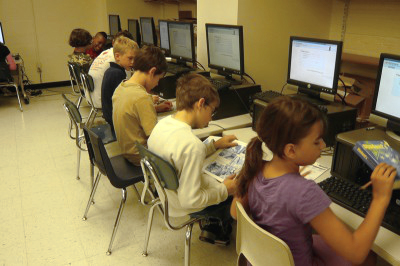
"caption": "Fifth graders at Townsend Elementary in the Appoquinimink district waiting to begin the state standardized reading test. ",
"description": null,
"title": "DelOnlineTesting",
"credit": null,
"status": "inherit",
"isLoading": false,
"fetchFailed": false
},
"mindshift_24257": {
"type": "attachments",
"id": "mindshift_24257",
"meta": {
"index": "attachments_1716263798",
"site": "mindshift",
"id": "24257",
"found": true
},
"parent": 24249,
"imgSizes": {
"thumbnail": {
"file": "https://ww2.kqed.org/app/uploads/sites/23/2012/10/civics_image-400x223.png",
"width": 400,
"mimeType": "image/png",
"height": 223
},
"fd-sm": {
"file": "https://ww2.kqed.org/app/uploads/sites/23/2012/10/civics_image-320x178.png",
"width": 320,
"mimeType": "image/png",
"height": 178
},
"kqedFullSize": {
"file": "https://ww2.kqed.org/app/uploads/sites/23/2012/10/civics_image.png",
"width": 580,
"height": 323
},
"guest-author-96": {
"file": "https://ww2.kqed.org/app/uploads/sites/23/2012/10/civics_image-96x96.png",
"width": 96,
"mimeType": "image/png",
"height": 96
},
"guest-author-64": {
"file": "https://ww2.kqed.org/app/uploads/sites/23/2012/10/civics_image-64x64.png",
"width": 64,
"mimeType": "image/png",
"height": 64
},
"detail": {
"file": "https://ww2.kqed.org/app/uploads/sites/23/2012/10/civics_image-75x75.png",
"width": 75,
"mimeType": "image/png",
"height": 75
},
"guest-author-32": {
"file": "https://ww2.kqed.org/app/uploads/sites/23/2012/10/civics_image-32x32.png",
"width": 32,
"mimeType": "image/png",
"height": 32
},
"guest-author-128": {
"file": "https://ww2.kqed.org/app/uploads/sites/23/2012/10/civics_image-128x128.png",
"width": 128,
"mimeType": "image/png",
"height": 128
}
},
"publishDate": 1349804404,
"modified": 1349804404,
"caption": null,
"description": null,
"title": "civics_image",
"credit": null,
"status": "inherit",
"isLoading": false,
"fetchFailed": false
},
"mindshift_24188": {
"type": "attachments",
"id": "mindshift_24188",
"meta": {
"index": "attachments_1716263798",
"site": "mindshift",
"id": "24188",
"found": true
},
"parent": 24173,
"imgSizes": {
"thumbnail": {
"file": "https://ww2.kqed.org/app/uploads/sites/23/2012/10/126832952-400x229.jpg",
"width": 400,
"mimeType": "image/jpeg",
"height": 229
},
"fd-sm": {
"file": "https://ww2.kqed.org/app/uploads/sites/23/2012/10/126832952-320x183.jpg",
"width": 320,
"mimeType": "image/jpeg",
"height": 183
},
"post-thumbnail": {
"file": "https://ww2.kqed.org/app/uploads/sites/23/2012/10/126832952-672x372.jpg",
"width": 672,
"mimeType": "image/jpeg",
"height": 372
},
"kqedFullSize": {
"file": "https://ww2.kqed.org/app/uploads/sites/23/2012/10/126832952.jpg",
"width": 783,
"height": 448
},
"fd-med": {
"file": "https://ww2.kqed.org/app/uploads/sites/23/2012/10/126832952-768x439.jpg",
"width": 768,
"mimeType": "image/jpeg",
"height": 439
},
"guest-author-96": {
"file": "https://ww2.kqed.org/app/uploads/sites/23/2012/10/126832952-96x96.jpg",
"width": 96,
"mimeType": "image/jpeg",
"height": 96
},
"guest-author-64": {
"file": "https://ww2.kqed.org/app/uploads/sites/23/2012/10/126832952-64x64.jpg",
"width": 64,
"mimeType": "image/jpeg",
"height": 64
},
"detail": {
"file": "https://ww2.kqed.org/app/uploads/sites/23/2012/10/126832952-75x75.jpg",
"width": 75,
"mimeType": "image/jpeg",
"height": 75
},
"guest-author-32": {
"file": "https://ww2.kqed.org/app/uploads/sites/23/2012/10/126832952-32x32.jpg",
"width": 32,
"mimeType": "image/jpeg",
"height": 32
},
"guest-author-128": {
"file": "https://ww2.kqed.org/app/uploads/sites/23/2012/10/126832952-128x128.jpg",
"width": 128,
"mimeType": "image/jpeg",
"height": 128
}
},
"publishDate": 1349225208,
"modified": 1349225208,
"caption": null,
"description": "Friends",
"title": "126832952",
"credit": null,
"status": "inherit",
"isLoading": false,
"fetchFailed": false
},
"mindshift_24159": {
"type": "attachments",
"id": "mindshift_24159",
"meta": {
"index": "attachments_1716263798",
"site": "mindshift",
"id": "24159",
"found": true
},
"parent": 24138,
"imgSizes": {
"thumbnail": {
"file": "https://ww2.kqed.org/app/uploads/sites/23/2012/10/123208401-400x227.jpg",
"width": 400,
"mimeType": "image/jpeg",
"height": 227
},
"fd-sm": {
"file": "https://ww2.kqed.org/app/uploads/sites/23/2012/10/123208401-320x182.jpg",
"width": 320,
"mimeType": "image/jpeg",
"height": 182
},
"post-thumbnail": {
"file": "https://ww2.kqed.org/app/uploads/sites/23/2012/10/123208401-672x372.jpg",
"width": 672,
"mimeType": "image/jpeg",
"height": 372
},
"kqedFullSize": {
"file": "https://ww2.kqed.org/app/uploads/sites/23/2012/10/123208401.jpg",
"width": 684,
"height": 388
},
"guest-author-96": {
"file": "https://ww2.kqed.org/app/uploads/sites/23/2012/10/123208401-96x96.jpg",
"width": 96,
"mimeType": "image/jpeg",
"height": 96
},
"guest-author-64": {
"file": "https://ww2.kqed.org/app/uploads/sites/23/2012/10/123208401-64x64.jpg",
"width": 64,
"mimeType": "image/jpeg",
"height": 64
},
"detail": {
"file": "https://ww2.kqed.org/app/uploads/sites/23/2012/10/123208401-75x75.jpg",
"width": 75,
"mimeType": "image/jpeg",
"height": 75
},
"guest-author-32": {
"file": "https://ww2.kqed.org/app/uploads/sites/23/2012/10/123208401-32x32.jpg",
"width": 32,
"mimeType": "image/jpeg",
"height": 32
},
"guest-author-128": {
"file": "https://ww2.kqed.org/app/uploads/sites/23/2012/10/123208401-128x128.jpg",
"width": 128,
"mimeType": "image/jpeg",
"height": 128
}
},
"publishDate": 1349221379,
"modified": 1349221379,
"caption": null,
"description": "internet lock",
"title": "123208401",
"credit": null,
"status": "inherit",
"isLoading": false,
"fetchFailed": false
}
},
"audioPlayerReducer": {
"postId": "stream_live",
"isPaused": true,
"isPlaying": false,
"pfsActive": false,
"pledgeModalIsOpen": true,
"playerDrawerIsOpen": false,
"liveAudioPlayStartedAt": 0,
"liveAudioPlayContext": ""
},
"authorsReducer": {
"tbarseghian": {
"type": "authors",
"id": "180",
"meta": {
"index": "authors_1716337520",
"id": "180",
"found": true
},
"name": "Tina Barseghian",
"firstName": "Tina",
"lastName": "Barseghian",
"slug": "tbarseghian",
"email": "tbarseghian@kqed.org",
"display_author_email": false,
"staff_mastheads": [],
"title": null,
"bio": null,
"avatar": "https://secure.gravatar.com/avatar/de7e6ced1239b7018fe4d2b61f723c90?s=600&d=blank&r=g",
"twitter": null,
"facebook": null,
"instagram": null,
"linkedin": null,
"sites": [
{
"site": "styleguide",
"roles": [
"contributor"
]
},
{
"site": "news",
"roles": [
"subscriber"
]
},
{
"site": "mindshift",
"roles": [
"subscriber"
]
},
{
"site": "bayareabites",
"roles": [
"subscriber"
]
}
],
"headData": {
"title": "Tina Barseghian | KQED",
"description": null,
"ogImgSrc": "https://secure.gravatar.com/avatar/de7e6ced1239b7018fe4d2b61f723c90?s=600&d=blank&r=g",
"twImgSrc": "https://secure.gravatar.com/avatar/de7e6ced1239b7018fe4d2b61f723c90?s=600&d=blank&r=g"
},
"isLoading": false,
"link": "/author/tbarseghian"
},
"katrinaschwartz": {
"type": "authors",
"id": "234",
"meta": {
"index": "authors_1716337520",
"id": "234",
"found": true
},
"name": "Katrina Schwartz",
"firstName": "Katrina",
"lastName": "Schwartz",
"slug": "katrinaschwartz",
"email": "kschwartz@kqed.org",
"display_author_email": false,
"staff_mastheads": [
"news"
],
"title": "Producer",
"bio": "Katrina Schwartz is a journalist based in San Francisco. She's worked at KPCC public radio in LA and has reported on air and online for KQED since 2010. She covered how teaching and learning is changing for MindShift between 2012 and 2020. She is the co-host of the MindShift podcast and now produces KQED's Bay Curious podcast.",
"avatar": "https://secure.gravatar.com/avatar/edb4ee79070447a018538c9aae6eeecf28786515b8a0c30e43b6b7dce5aa44c8?s=600&d=blank&r=g",
"twitter": "kschwart",
"bluesky": null,
"facebook": null,
"instagram": null,
"linkedin": null,
"sites": [
{
"site": "",
"roles": [
"editor"
]
},
{
"site": "news",
"roles": [
"editor"
]
},
{
"site": "mindshift",
"roles": [
"administrator"
]
},
{
"site": "stateofhealth",
"roles": [
"author"
]
},
{
"site": "science",
"roles": [
"editor"
]
}
],
"headData": {
"title": "Katrina Schwartz | KQED",
"description": "Producer",
"ogImgSrc": "https://secure.gravatar.com/avatar/edb4ee79070447a018538c9aae6eeecf28786515b8a0c30e43b6b7dce5aa44c8?s=600&d=blank&r=g",
"twImgSrc": "https://secure.gravatar.com/avatar/edb4ee79070447a018538c9aae6eeecf28786515b8a0c30e43b6b7dce5aa44c8?s=600&d=blank&r=g"
},
"isLoading": false,
"link": "/author/katrinaschwartz"
}
},
"pagesReducer": {
"mindshift_category_digital-tools": {
"type": "terms",
"id": "mindshift_195",
"meta": {
"index": "terms_1716263798",
"site": "mindshift",
"id": "195",
"score": 14.406195
},
"featImg": null,
"name": "Digital Tools",
"description": "How devices, software, and the Internet are changing the classroom dynamic.",
"taxonomy": "category",
"headData": {
"twImgId": null,
"twTitle": null,
"ogTitle": null,
"ogImgId": null,
"twDescription": null,
"description": "How devices, software, and the Internet are changing the classroom dynamic.",
"title": "Digital Tools Archives | KQED Mindshift",
"ogDescription": null
},
"ttid": 195,
"slug": "digital-tools",
"isLoading": false,
"title": "Digital Tools",
"pageMeta": {
"site": "mindshift",
"WpPageTemplate": "page-topic-editorial",
"currentPage": 34
},
"blocks": [
{
"blockName": "kqed/company-paragraph",
"content": "How devices, software, and the Internet are changing the classroom dynamic."
},
{
"blockName": "kqed/post-list",
"attrs": {
"layout": "cardArticle2",
"query": "posts/mindshift?category=digital-tools",
"seeMore": false,
"paginated": true,
"page": 34
}
},
{
"blockName": "kqed/ad"
}
]
}
},
"pfsSessionReducer": {},
"postsReducer": {
"stream_live": {
"type": "live",
"id": "stream_live",
"audioUrl": "https://streams.kqed.org/kqedradio",
"title": "Live Stream",
"excerpt": "Live Stream information currently unavailable.",
"link": "/radio",
"featImg": "",
"label": {
"name": "KQED Live",
"link": "/"
}
},
"stream_kqedNewscast": {
"type": "posts",
"id": "stream_kqedNewscast",
"audioUrl": "https://www.kqed.org/.stream/anon/radio/RDnews/newscast.mp3?_=1",
"title": "KQED Newscast",
"featImg": "",
"label": {
"name": "88.5 FM",
"link": "/"
}
},
"mindshift_24667": {
"type": "posts",
"id": "mindshift_24667",
"meta": {
"index": "posts_1716263798",
"site": "mindshift",
"id": "24667",
"score": null,
"sort": [
1351803624000
]
},
"parent": 0,
"labelTerm": {
"site": "mindshift"
},
"blocks": [],
"publishDate": 1351803624,
"format": "aside",
"disqusTitle": "The Power of One Teacher's Vision",
"title": "The Power of One Teacher's Vision",
"headTitle": "MindShift | KQED News",
"content": "\u003cp>\u003ca href=\"http://ww2.kqed.org/mindshift/2011/05/can-learning-really-be-fun-and-games/\">Ananth Pai is a masterful educator\u003c/a>, who runs a dynamic, student-centered classroom humming with activity -- what we imagine as the best-case scenario for blended learning. Pai has created individual learning plans for each of his students, which includes time with him, with other kids, and with online games. And though his students have shown exponential growth in achievement, Pai is frustrated that his successful tactics haven't been acknowledged or applied outside his class.\u003c/p>\n\u003cp>\"I couldn't be more stunned by the apathy,\" he says in this video, which also documents other schools and educators' attempts to change the traditional school paradigm.\u003c/p>\n\u003cp>Watch this short, but important film, created by \u003ca href=\"http://www.educationevolving.org/\">Education Evolving\u003c/a>.\u003c/p>\n\u003cp>http://youtu.be/KimG8igaZIA\u003c/p>\n\u003cp>[ad fullwidth]\u003c/p>\u003cp>\u003c/p>\n",
"disqusIdentifier": "24667 http://blogs.kqed.org/mindshift/?p=24667",
"disqusUrl": "https://ww2.kqed.org/mindshift/2012/11/01/the-power-of-one-teachers-vision/",
"stats": {
"hasVideo": false,
"hasChartOrMap": false,
"hasAudio": false,
"hasPolis": false,
"wordCount": 120,
"hasGoogleForm": false,
"hasGallery": false,
"hasHearkenModule": false,
"iframeSrcs": [],
"paragraphCount": 5
},
"modified": 1351796000,
"excerpt": null,
"headData": {
"twImgId": "",
"twTitle": "",
"ogTitle": "",
"ogImgId": "",
"twDescription": "",
"description": "Ananth Pai is a masterful educator, who runs a dynamic, student-centered classroom humming with activity -- what we imagine as the best-case scenario for blended learning. Pai has created individual learning plans for each of his students, which includes time with him, with other kids, and with online games. And though his students have shown",
"title": "The Power of One Teacher's Vision | KQED",
"ogDescription": "",
"schema": {
"@context": "https://schema.org",
"@type": "Article",
"headline": "The Power of One Teacher's Vision",
"datePublished": "2012-11-01T14:00:24-07:00",
"dateModified": "2012-11-01T11:53:20-07:00",
"image": "https://cdn.kqed.org/wp-content/uploads/2020/02/KQED-OG-Image@1x.png"
}
},
"guestAuthors": [],
"slug": "the-power-of-one-teachers-vision",
"status": "publish",
"path": "/mindshift/24667/the-power-of-one-teachers-vision",
"audioTrackLength": null,
"parsedContent": [
{
"type": "contentString",
"content": "\u003cdiv class=\"post-body\">\u003cp>\u003cp>\u003ca href=\"http://ww2.kqed.org/mindshift/2011/05/can-learning-really-be-fun-and-games/\">Ananth Pai is a masterful educator\u003c/a>, who runs a dynamic, student-centered classroom humming with activity -- what we imagine as the best-case scenario for blended learning. Pai has created individual learning plans for each of his students, which includes time with him, with other kids, and with online games. And though his students have shown exponential growth in achievement, Pai is frustrated that his successful tactics haven't been acknowledged or applied outside his class.\u003c/p>\n\u003cp>\"I couldn't be more stunned by the apathy,\" he says in this video, which also documents other schools and educators' attempts to change the traditional school paradigm.\u003c/p>\n\u003cp>Watch this short, but important film, created by \u003ca href=\"http://www.educationevolving.org/\">Education Evolving\u003c/a>.\u003c/p>\u003c/p>\u003cp>\u003cspan class='utils-parseShortcode-shortcodes-__youtubeShortcode__embedYoutube'>\n \u003cspan class='utils-parseShortcode-shortcodes-__youtubeShortcode__embedYoutubeInside'>\n \u003ciframe\n loading='lazy'\n class='utils-parseShortcode-shortcodes-__youtubeShortcode__youtubePlayer'\n type='text/html'\n src='//www.youtube.com/embed/KimG8igaZIA'\n title='//www.youtube.com/embed/KimG8igaZIA'\n allowfullscreen='true'\n style='border:0;'>\u003c/iframe>\n \u003c/span>\n \u003c/span>\u003c/p>\u003cp>\u003cp>\u003c/p>\u003c/div>",
"attributes": {
"named": {},
"numeric": []
}
},
{
"type": "component",
"content": "",
"name": "ad",
"attributes": {
"named": {
"label": "fullwidth"
},
"numeric": [
"fullwidth"
]
}
},
{
"type": "contentString",
"content": "\u003cdiv class=\"post-body\">\u003cp>\u003c/p>\u003cp>\u003c/p>\n\u003c/div>\u003c/p>",
"attributes": {
"named": {},
"numeric": []
}
}
],
"link": "/mindshift/24667/the-power-of-one-teachers-vision",
"authors": [
"180"
],
"categories": [
"mindshift_194",
"mindshift_195",
"mindshift_193"
],
"tags": [
"mindshift_966",
"mindshift_399",
"mindshift_20902",
"mindshift_65"
],
"featImg": "mindshift_24673",
"label": "mindshift"
},
"mindshift_24630": {
"type": "posts",
"id": "mindshift_24630",
"meta": {
"index": "posts_1716263798",
"site": "mindshift",
"id": "24630",
"score": null,
"sort": [
1351791866000
]
},
"parent": 0,
"labelTerm": {
"site": "mindshift"
},
"blocks": [],
"publishDate": 1351791866,
"format": "aside",
"disqusTitle": "How Should Teaching Change in the Age of Siri?",
"title": "How Should Teaching Change in the Age of Siri?",
"headTitle": "MindShift | KQED News",
"content": "\u003ch5>\u003ca href=\"http://ww2.kqed.org/mindshift/2012/11/how-should-teaching-change-in-the-age-of-siri/photo-18/\" rel=\"attachment wp-att-24639\">\u003cimg class=\"alignleft size-medium wp-image-24639\" title=\"photo\" src=\"http://ww2.kqed.org/mindshift/wp-content/uploads/sites/23/2012/11/photo-300x450.png\" alt=\"\" width=\"300\" height=\"450\">\u003c/a>By Marsha Ratzel\u003c/h5>\n\u003cp class=\"dropcap-serif\">“Siri, can you tell me what 2x+7 is?”\u003c/p>\n\u003cp>You know the future is rushing towards us when students no longer ask the teacher if they can use a calculator, but instead ask if they can ask Siri.\u003c/p>\n\u003cp>Siri shows a plot of the equation, what kind of geometric shape it is, and loads of other things that are well above the needs of eighth-graders. The image on the screen looked remarkably like the data one finds at the \u003ca href=\"http://www.wolframalpha.com/\">Wolfram Alpha\u003c/a> site. And sure enough, turns out Wolfram is built right into the Siri help menu.\u003c/p>\n\u003cp>Clearly it won’t take long for students to realize how easy this is to access. In a year’s time they’ll likely be well entrenched in using Siri or some Siri surrogate to find the answers to math problems and potentially lots of questions in other subjects.\u003c/p>\n\u003cp>In that light, how should teaching change?\u003c/p>\n\u003cp>[ad fullwidth]\u003c/p>\n\u003cp>Short of banning smartphones (a short-term solution, at best), the evolution of artificial intelligence services like Siri means that there will be a shift from a focus on finding the answer as the endpoint to a greater focus on analysis. You have the answer, but so what? What does that answer mean in a real-life situation?\u003c/p>\n\u003cp>Should teachers just take the bit that they have traditionally needed for this kind of problem or should they figure out how to use this extra information provided by Siri to push students' thinking beyond where it usually goes with eighth graders?\u003c/p>\n\u003caside class=\"pullquote alignleft\">\n\u003cp>Lessons are designed with the assumption that students will use readily available technology.\u003c/p>\n\u003c/aside>\n\u003cp>Taking digital tools and mobile technologies into account (not to mention Common Core expectations), it’s obvious that multiple-choice and true-false questions are not going to cut it anymore. Instead, educators have to design questions that force students into drawing conclusions and using the proof process that many of them haven’t encountered yet.\u003c/p>\n\u003cp>One method of practicing problem-solving is giving students both the question and the answer and asking them to explain \u003cem>how\u003c/em> to solve the problem — how you harvest the information from the problem and show the steps in the solution.\u003c/p>\n\u003cp>Here’s an example: Instead of reviewing the commutative and distributive properties with a worksheet where they would be able to enter the equation into Siri and get the answer, you ask the \u003c!--more-->question in a different way. You can ask them… \"Is 5(5x+7) = 25x+7 always, sometimes or never true?” Or you might ask “Is 3x-9 = 9-3x always, sometimes or never true?”\u003c/p>\n\u003cp>In the first example, they simply have to answer the question and Siri can help them find the answer pretty quickly. In the second example, students have to test out their idea with different kinds of numbers; positive, negative, fractions, improper, zero and big numbers. They search for an example that proves the equation true, or they search for a counter-example that proves what they conjecture to be false.\u003c/p>\n\u003cp>\u003cstrong>BALANCING ACT\u003c/strong>\u003c/p>\n\u003cp>Changing instruction in this way is a balancing act. Lessons are now designed with the assumption that students will use readily available technology, and build on prior knowledge so the learning will stick.\u003c/p>\n\u003cp>For example, when we study parallel and perpendicular lines, the objective is for students to learn how the coefficients of these lines are the same and how they are different. It’s easy to give them a definition to memorize, but will they remember it? Connecting the idea to something tangible that they’ve done will ensure that they will.\u003c/p>\n\u003cp>Many students already have free graphing calculator apps on their phones and use it regularly. They even send screenshots to show what they’re thinking or where they're stuck on a problem. In this case, the app is used just as pencil, notebooks, and graph paper.\u003c/p>\n\u003cp>\u003cstrong>IMPLICATIONS FOR OTHER SUBJECTS\u003c/strong>\u003c/p>\n\u003cp>Siri is helping students in other classes too. She’s very capable of finding the capitol of a state, the 22nd president of the USA, and who wrote the phrase “Four score and seven years ago.” She knows the plot of every book in the Google Library and won’t hesitate to define “iambic pentameter.” Chemical symbols? Physical laws? A snap.\u003c/p>\n\u003cp>I wonder how other teachers might have to rethink their teaching and assessment strategies — with Siri and her A.I. colleagues at our students’ beck and call?\u003c/p>\n\u003cp>\u003c/p>\n\u003cp>\u003cem>Marsha Ratzel is a National Board-certified teacher in the Blue Valley School District in Kansas, where she teaches middle school math, science, and sometimes social studies. A version of this post originally appeared on \u003ca href=\"http://plpnetwork.com/2012/10/23/teaching-age-siri/\">Voices from the Learning Revolution.\u003cbr>\n\u003c/a>\u003c/em>\u003c/p>\n\n",
"disqusIdentifier": "24630 http://blogs.kqed.org/mindshift/?p=24630",
"disqusUrl": "https://ww2.kqed.org/mindshift/2012/11/01/how-should-teaching-change-in-the-age-of-siri/",
"stats": {
"hasVideo": false,
"hasChartOrMap": false,
"hasAudio": false,
"hasPolis": false,
"wordCount": 802,
"hasGoogleForm": false,
"hasGallery": false,
"hasHearkenModule": false,
"iframeSrcs": [],
"paragraphCount": 21
},
"modified": 1351792240,
"excerpt": null,
"headData": {
"twImgId": "",
"twTitle": "",
"ogTitle": "",
"ogImgId": "",
"twDescription": "",
"description": "By Marsha Ratzel “Siri, can you tell me what 2x+7 is?” You know the future is rushing towards us when students no longer ask the teacher if they can use a calculator, but instead ask if they can ask Siri. Siri shows a plot of the equation, what kind of geometric shape it is, and",
"title": "How Should Teaching Change in the Age of Siri? | KQED",
"ogDescription": "",
"schema": {
"@context": "https://schema.org",
"@type": "Article",
"headline": "How Should Teaching Change in the Age of Siri?",
"datePublished": "2012-11-01T10:44:26-07:00",
"dateModified": "2012-11-01T10:50:40-07:00",
"image": "https://cdn.kqed.org/wp-content/uploads/2020/02/KQED-OG-Image@1x.png"
}
},
"guestAuthors": [],
"slug": "how-should-teaching-change-in-the-age-of-siri",
"status": "publish",
"path": "/mindshift/24630/how-should-teaching-change-in-the-age-of-siri",
"audioTrackLength": null,
"parsedContent": [
{
"type": "contentString",
"content": "\u003cdiv class=\"post-body\">\u003cp>\u003ch5>\u003ca href=\"http://ww2.kqed.org/mindshift/2012/11/how-should-teaching-change-in-the-age-of-siri/photo-18/\" rel=\"attachment wp-att-24639\">\u003cimg class=\"alignleft size-medium wp-image-24639\" title=\"photo\" src=\"http://ww2.kqed.org/mindshift/wp-content/uploads/sites/23/2012/11/photo-300x450.png\" alt=\"\" width=\"300\" height=\"450\">\u003c/a>By Marsha Ratzel\u003c/h5>\n\u003cp class=\"dropcap-serif\">“Siri, can you tell me what 2x+7 is?”\u003c/p>\n\u003cp>You know the future is rushing towards us when students no longer ask the teacher if they can use a calculator, but instead ask if they can ask Siri.\u003c/p>\n\u003cp>Siri shows a plot of the equation, what kind of geometric shape it is, and loads of other things that are well above the needs of eighth-graders. The image on the screen looked remarkably like the data one finds at the \u003ca href=\"http://www.wolframalpha.com/\">Wolfram Alpha\u003c/a> site. And sure enough, turns out Wolfram is built right into the Siri help menu.\u003c/p>\n\u003cp>Clearly it won’t take long for students to realize how easy this is to access. In a year’s time they’ll likely be well entrenched in using Siri or some Siri surrogate to find the answers to math problems and potentially lots of questions in other subjects.\u003c/p>\n\u003cp>In that light, how should teaching change?\u003c/p>\n\u003cp>\u003c/p>\u003c/div>",
"attributes": {
"named": {},
"numeric": []
}
},
{
"type": "component",
"content": "",
"name": "ad",
"attributes": {
"named": {
"label": "fullwidth"
},
"numeric": [
"fullwidth"
]
}
},
{
"type": "contentString",
"content": "\u003cdiv class=\"post-body\">\u003cp>\u003c/p>\n\u003cp>Short of banning smartphones (a short-term solution, at best), the evolution of artificial intelligence services like Siri means that there will be a shift from a focus on finding the answer as the endpoint to a greater focus on analysis. You have the answer, but so what? What does that answer mean in a real-life situation?\u003c/p>\n\u003cp>Should teachers just take the bit that they have traditionally needed for this kind of problem or should they figure out how to use this extra information provided by Siri to push students' thinking beyond where it usually goes with eighth graders?\u003c/p>\n\u003caside class=\"pullquote alignleft\">\n\u003cp>Lessons are designed with the assumption that students will use readily available technology.\u003c/p>\n\u003c/aside>\n\u003cp>Taking digital tools and mobile technologies into account (not to mention Common Core expectations), it’s obvious that multiple-choice and true-false questions are not going to cut it anymore. Instead, educators have to design questions that force students into drawing conclusions and using the proof process that many of them haven’t encountered yet.\u003c/p>\n\u003cp>One method of practicing problem-solving is giving students both the question and the answer and asking them to explain \u003cem>how\u003c/em> to solve the problem — how you harvest the information from the problem and show the steps in the solution.\u003c/p>\n\u003cp>Here’s an example: Instead of reviewing the commutative and distributive properties with a worksheet where they would be able to enter the equation into Siri and get the answer, you ask the \u003c!--more-->question in a different way. You can ask them… \"Is 5(5x+7) = 25x+7 always, sometimes or never true?” Or you might ask “Is 3x-9 = 9-3x always, sometimes or never true?”\u003c/p>\n\u003cp>In the first example, they simply have to answer the question and Siri can help them find the answer pretty quickly. In the second example, students have to test out their idea with different kinds of numbers; positive, negative, fractions, improper, zero and big numbers. They search for an example that proves the equation true, or they search for a counter-example that proves what they conjecture to be false.\u003c/p>\n\u003cp>\u003cstrong>BALANCING ACT\u003c/strong>\u003c/p>\n\u003cp>Changing instruction in this way is a balancing act. Lessons are now designed with the assumption that students will use readily available technology, and build on prior knowledge so the learning will stick.\u003c/p>\n\u003cp>For example, when we study parallel and perpendicular lines, the objective is for students to learn how the coefficients of these lines are the same and how they are different. It’s easy to give them a definition to memorize, but will they remember it? Connecting the idea to something tangible that they’ve done will ensure that they will.\u003c/p>\n\u003cp>Many students already have free graphing calculator apps on their phones and use it regularly. They even send screenshots to show what they’re thinking or where they're stuck on a problem. In this case, the app is used just as pencil, notebooks, and graph paper.\u003c/p>\n\u003cp>\u003cstrong>IMPLICATIONS FOR OTHER SUBJECTS\u003c/strong>\u003c/p>\n\u003cp>Siri is helping students in other classes too. She’s very capable of finding the capitol of a state, the 22nd president of the USA, and who wrote the phrase “Four score and seven years ago.” She knows the plot of every book in the Google Library and won’t hesitate to define “iambic pentameter.” Chemical symbols? Physical laws? A snap.\u003c/p>\n\u003cp>I wonder how other teachers might have to rethink their teaching and assessment strategies — with Siri and her A.I. colleagues at our students’ beck and call?\u003c/p>\n\u003cp>\u003c/p>\n\u003cp>\u003cem>Marsha Ratzel is a National Board-certified teacher in the Blue Valley School District in Kansas, where she teaches middle school math, science, and sometimes social studies. A version of this post originally appeared on \u003ca href=\"http://plpnetwork.com/2012/10/23/teaching-age-siri/\">Voices from the Learning Revolution.\u003cbr>\n\u003c/a>\u003c/em>\u003c/p>\n\n\u003c/div>\u003c/p>",
"attributes": {
"named": {},
"numeric": []
}
}
],
"link": "/mindshift/24630/how-should-teaching-change-in-the-age-of-siri",
"authors": [
"4354"
],
"categories": [
"mindshift_194",
"mindshift_195",
"mindshift_193"
],
"tags": [
"mindshift_965",
"mindshift_963",
"mindshift_964"
],
"featImg": "mindshift_24639",
"label": "mindshift"
},
"mindshift_24607": {
"type": "posts",
"id": "mindshift_24607",
"meta": {
"index": "posts_1716263798",
"site": "mindshift",
"id": "24607",
"score": null,
"sort": [
1351618917000
]
},
"parent": 0,
"labelTerm": {
"site": "mindshift",
"term": 20658
},
"blocks": [],
"publishDate": 1351618917,
"format": "aside",
"disqusTitle": "How to Uphold Online Learning Standards to Quality Education",
"title": "How to Uphold Online Learning Standards to Quality Education",
"headTitle": "ASSESSMENT | MindShift | KQED News",
"content": "\u003cdiv id=\"attachment_24621\" class=\"module image aligncenter mceTemp mceIEcenter\" style=\"width: 500px\">\n\u003cp>\u003ca href=\"http://www.flickr.com/photos/vancouverfilmschool/5843672414/sizes/m/in/photostream/\">\u003cimg class=\"size-full wp-image-24621\" title=\"5843672414_f9515584ce\" src=\"http://ww2.kqed.org/mindshift/wp-content/uploads/sites/23/2012/10/5843672414_f9515584ce.jpg\" alt=\"\" width=\"500\" height=\"268\" srcset=\"https://ww2.kqed.org/app/uploads/sites/23/2012/10/5843672414_f9515584ce.jpg 500w, https://ww2.kqed.org/app/uploads/sites/23/2012/10/5843672414_f9515584ce-400x214.jpg 400w, https://ww2.kqed.org/app/uploads/sites/23/2012/10/5843672414_f9515584ce-320x172.jpg 320w\" sizes=\"(max-width: 500px) 100vw, 500px\">\u003c/a>\u003c/p>\n\u003cp class=\"wp-media-credit\">Flickr:VFS\u003c/p>\n\u003c/div>\n\u003cp class=\"dropcap-serif\">As the number of K-12 students who take online courses continues to grow -- more than two million are currently enrolled -- the need to uphold rigorous standards to online education is becoming that much more important. And with \u003ca href=\"http://www.reuters.com/article/2012/10/03/us-usa-education-online-idUSBRE8920J420121003\">criticism leveled at many online schools for poor academic performance,\u003c/a> the online education model needs to create a more accurate way to assess the quality of the dozens of programs in the space.\u003c/p>\n\u003cp>That’s the premise of a new report published by the \u003ca href=\"http://www.inacol.org/\">International Association for K-12 Online Learning\u003c/a> (iNACOL) entitled “\u003ca href=\"http://www.inacol.org/research/docs/iNACOL_Quality_Metrics.pdf\">Measuring Quality from Inputs to Outcomes\u003c/a>,” which focuses on laying out a new system of metrics. The report advocates for a new assessment model that focuses on \u003ca href=\"http://www.edweek.org/dd/articles/2012/10/17/01competency.h06.html?cmp=SOC-SHR-FB\">competency-based\u003c/a> evaluations that measure a student’s learning trajectory – including proficiency and growth – rather than what the organization call “inputs,” as traditional schools do. Inputs include things like teacher licensing and curriculum and textbook standards. Those inputs are not tied to student achievement, the authors argue, so they fail as metrics for assessing whether an online education program is doing its job.\u003c/p>\n\u003cp>Instead, the report favors an approach focused on “outcomes.” Programs should be judged on student proficiency, as well as individual student growth over time. Most states have an annual end of year assessment to measure proficiency. But those tests only measure student achievement at one point in time – it’s just one snapshot that misses the bigger picture of that student’s learning trajectory.\u003c/p>\n\u003cp>\u003ca href=\"http://www.inacol.org/about/president.php\">Susan Patrick\u003c/a>, President and CEO of iNACOL and the report’s lead author, contends that current assessments for online schools do a disservice to students who were lagging but have caught up, as well as those who have surpassed the learning standards of their current grade. At a minimum, \u003c!--more-->she says, students should be assessed at the beginning \u003cem>and\u003c/em> end of the year to plot their growth. And ideally, she’d like to see competency-based evaluations that are not tied to a set period of time, or \"seat time.\"\u003c/p>\n\u003cp>“The conclusion was that if we had competency-based systems in place it would make these assessments much easier,” said Patrick. If the assessment measured a student’s grasp of a specific concept, there would be more data points to draw a map of that child’s achievement and knowledge gaps.\u003c/p>\n\u003cp>[ad fullwidth]\u003c/p>\n\u003cp>\u003cstrong>QUESTIONABLE RESULTS\u003c/strong>\u003c/p>\n\u003cp>Patrick’s critiques of quality assessment are particularly important for online learning programs that have been criticized for having questionable results. Patrick thinks the field needs to be self-critical, holding up the good examples, while calling out the bad ones.\u003c/p>\n\u003cp>What's more, online learning has the power to provide detailed data on student learning and comprehension, which makes it ripe to try out a different type of quality assessment. So far, online learning has been most successful for kids with extenuating circumstances that make traditional school difficult. That means that under an “input” model of evaluation online learning programs often fair worse because kids come in late or behind. Without any measurement of their growth over time their progress can be overlooked.\u003c/p>\n\u003cp>“Fulfilling the potential of a student-centric, competency-based system will require that the field of online and blended learning and the policy environment in which it operates evolve to demand models that are not only different, but more effective, than traditional schooling,” the report states. Without a system of outcome-based assessment, there could be two negative consequences for the future of online learning: technology could be widely adopted, but not transform the way a classroom operates; or on the other hand, without solid evidence of quality education, school districts could shy away from online or tech-based learning that might have the potential to help students.\u003c/p>\n\u003cp>\u003cstrong>RELIABLE ASSESSMENTS\u003c/strong>\u003c/p>\n\u003cp>As part of quality assurance, Patrick says that end-of-year tests for online education should come from companies that are different than those that created the curriculum. Online curriculum companies have a vested interest in showing high student performance at the end of a course, she said. Funding for K-12 follows the student, and each company competes for those dollars. Without external assessment there is no way to know whether the “A” from one course carries the same weight than an “A” from an outside, objective assessment.\u003c/p>\n\u003cp>Patrick compared it to the Advanced Placement test. She says this element is crucial to “get a handle on who are the quality providers.” She wants to make those programs the most easily accessible so that kids who choose an online education are exposed to the best ones.\u003c/p>\n\u003cp>\u003c/p>\n\u003cp>She also hopes that if states adopt iNACOL’s new set of metrics and are successful, that this type of evaluation could spread to blended-learning and traditional classrooms.\u003c/p>\n\n",
"disqusIdentifier": "24607 http://blogs.kqed.org/mindshift/?p=24607",
"disqusUrl": "https://ww2.kqed.org/mindshift/2012/10/30/how-to-uphold-online-learning-to-quality-education/",
"stats": {
"hasVideo": false,
"hasChartOrMap": false,
"hasAudio": false,
"hasPolis": false,
"wordCount": 825,
"hasGoogleForm": false,
"hasGallery": false,
"hasHearkenModule": false,
"iframeSrcs": [],
"paragraphCount": 15
},
"modified": 1351619121,
"excerpt": null,
"headData": {
"twImgId": "",
"twTitle": "",
"ogTitle": "",
"ogImgId": "",
"twDescription": "",
"description": "Flickr:VFS As the number of K-12 students who take online courses continues to grow -- more than two million are currently enrolled -- the need to uphold rigorous standards to online education is becoming that much more important. And with criticism leveled at many online schools for poor academic performance, the online education model needs",
"title": "How to Uphold Online Learning Standards to Quality Education | KQED",
"ogDescription": "",
"schema": {
"@context": "https://schema.org",
"@type": "Article",
"headline": "How to Uphold Online Learning Standards to Quality Education",
"datePublished": "2012-10-30T10:41:57-07:00",
"dateModified": "2012-10-30T10:45:21-07:00",
"image": "https://cdn.kqed.org/wp-content/uploads/2020/02/KQED-OG-Image@1x.png"
}
},
"guestAuthors": [],
"slug": "how-to-uphold-online-learning-to-quality-education",
"status": "publish",
"path": "/mindshift/24607/how-to-uphold-online-learning-to-quality-education",
"audioTrackLength": null,
"parsedContent": [
{
"type": "contentString",
"content": "\u003cdiv class=\"post-body\">\u003cp>\u003cdiv id=\"attachment_24621\" class=\"module image aligncenter mceTemp mceIEcenter\" style=\"width: 500px\">\n\u003cp>\u003ca href=\"http://www.flickr.com/photos/vancouverfilmschool/5843672414/sizes/m/in/photostream/\">\u003cimg class=\"size-full wp-image-24621\" title=\"5843672414_f9515584ce\" src=\"http://ww2.kqed.org/mindshift/wp-content/uploads/sites/23/2012/10/5843672414_f9515584ce.jpg\" alt=\"\" width=\"500\" height=\"268\" srcset=\"https://ww2.kqed.org/app/uploads/sites/23/2012/10/5843672414_f9515584ce.jpg 500w, https://ww2.kqed.org/app/uploads/sites/23/2012/10/5843672414_f9515584ce-400x214.jpg 400w, https://ww2.kqed.org/app/uploads/sites/23/2012/10/5843672414_f9515584ce-320x172.jpg 320w\" sizes=\"(max-width: 500px) 100vw, 500px\">\u003c/a>\u003c/p>\n\u003cp class=\"wp-media-credit\">Flickr:VFS\u003c/p>\n\u003c/div>\n\u003cp class=\"dropcap-serif\">As the number of K-12 students who take online courses continues to grow -- more than two million are currently enrolled -- the need to uphold rigorous standards to online education is becoming that much more important. And with \u003ca href=\"http://www.reuters.com/article/2012/10/03/us-usa-education-online-idUSBRE8920J420121003\">criticism leveled at many online schools for poor academic performance,\u003c/a> the online education model needs to create a more accurate way to assess the quality of the dozens of programs in the space.\u003c/p>\n\u003cp>That’s the premise of a new report published by the \u003ca href=\"http://www.inacol.org/\">International Association for K-12 Online Learning\u003c/a> (iNACOL) entitled “\u003ca href=\"http://www.inacol.org/research/docs/iNACOL_Quality_Metrics.pdf\">Measuring Quality from Inputs to Outcomes\u003c/a>,” which focuses on laying out a new system of metrics. The report advocates for a new assessment model that focuses on \u003ca href=\"http://www.edweek.org/dd/articles/2012/10/17/01competency.h06.html?cmp=SOC-SHR-FB\">competency-based\u003c/a> evaluations that measure a student’s learning trajectory – including proficiency and growth – rather than what the organization call “inputs,” as traditional schools do. Inputs include things like teacher licensing and curriculum and textbook standards. Those inputs are not tied to student achievement, the authors argue, so they fail as metrics for assessing whether an online education program is doing its job.\u003c/p>\n\u003cp>Instead, the report favors an approach focused on “outcomes.” Programs should be judged on student proficiency, as well as individual student growth over time. Most states have an annual end of year assessment to measure proficiency. But those tests only measure student achievement at one point in time – it’s just one snapshot that misses the bigger picture of that student’s learning trajectory.\u003c/p>\n\u003cp>\u003ca href=\"http://www.inacol.org/about/president.php\">Susan Patrick\u003c/a>, President and CEO of iNACOL and the report’s lead author, contends that current assessments for online schools do a disservice to students who were lagging but have caught up, as well as those who have surpassed the learning standards of their current grade. At a minimum, \u003c!--more-->she says, students should be assessed at the beginning \u003cem>and\u003c/em> end of the year to plot their growth. And ideally, she’d like to see competency-based evaluations that are not tied to a set period of time, or \"seat time.\"\u003c/p>\n\u003cp>“The conclusion was that if we had competency-based systems in place it would make these assessments much easier,” said Patrick. If the assessment measured a student’s grasp of a specific concept, there would be more data points to draw a map of that child’s achievement and knowledge gaps.\u003c/p>\n\u003cp>\u003c/p>\u003c/div>",
"attributes": {
"named": {},
"numeric": []
}
},
{
"type": "component",
"content": "",
"name": "ad",
"attributes": {
"named": {
"label": "fullwidth"
},
"numeric": [
"fullwidth"
]
}
},
{
"type": "contentString",
"content": "\u003cdiv class=\"post-body\">\u003cp>\u003c/p>\n\u003cp>\u003cstrong>QUESTIONABLE RESULTS\u003c/strong>\u003c/p>\n\u003cp>Patrick’s critiques of quality assessment are particularly important for online learning programs that have been criticized for having questionable results. Patrick thinks the field needs to be self-critical, holding up the good examples, while calling out the bad ones.\u003c/p>\n\u003cp>What's more, online learning has the power to provide detailed data on student learning and comprehension, which makes it ripe to try out a different type of quality assessment. So far, online learning has been most successful for kids with extenuating circumstances that make traditional school difficult. That means that under an “input” model of evaluation online learning programs often fair worse because kids come in late or behind. Without any measurement of their growth over time their progress can be overlooked.\u003c/p>\n\u003cp>“Fulfilling the potential of a student-centric, competency-based system will require that the field of online and blended learning and the policy environment in which it operates evolve to demand models that are not only different, but more effective, than traditional schooling,” the report states. Without a system of outcome-based assessment, there could be two negative consequences for the future of online learning: technology could be widely adopted, but not transform the way a classroom operates; or on the other hand, without solid evidence of quality education, school districts could shy away from online or tech-based learning that might have the potential to help students.\u003c/p>\n\u003cp>\u003cstrong>RELIABLE ASSESSMENTS\u003c/strong>\u003c/p>\n\u003cp>As part of quality assurance, Patrick says that end-of-year tests for online education should come from companies that are different than those that created the curriculum. Online curriculum companies have a vested interest in showing high student performance at the end of a course, she said. Funding for K-12 follows the student, and each company competes for those dollars. Without external assessment there is no way to know whether the “A” from one course carries the same weight than an “A” from an outside, objective assessment.\u003c/p>\n\u003cp>Patrick compared it to the Advanced Placement test. She says this element is crucial to “get a handle on who are the quality providers.” She wants to make those programs the most easily accessible so that kids who choose an online education are exposed to the best ones.\u003c/p>\n\u003cp>\u003c/p>\n\u003cp>She also hopes that if states adopt iNACOL’s new set of metrics and are successful, that this type of evaluation could spread to blended-learning and traditional classrooms.\u003c/p>\n\n\u003c/div>\u003c/p>",
"attributes": {
"named": {},
"numeric": []
}
}
],
"link": "/mindshift/24607/how-to-uphold-online-learning-to-quality-education",
"authors": [
"234"
],
"series": [
"mindshift_20658"
],
"categories": [
"mindshift_192",
"mindshift_195"
],
"tags": [
"mindshift_108",
"mindshift_314",
"mindshift_122"
],
"featImg": "mindshift_24621",
"label": "mindshift_20658"
},
"mindshift_24592": {
"type": "posts",
"id": "mindshift_24592",
"meta": {
"index": "posts_1716263798",
"site": "mindshift",
"id": "24592",
"score": null,
"sort": [
1351528305000
]
},
"parent": 0,
"labelTerm": {
"site": "mindshift"
},
"blocks": [],
"publishDate": 1351528305,
"format": "aside",
"disqusTitle": "The Future of Education: Creating Your Own Schools",
"title": "The Future of Education: Creating Your Own Schools",
"headTitle": "MindShift | KQED News",
"content": "\u003cp>\u003cem>\u003cimg class=\"alignleft size-medium wp-image-24596\" title=\"Screen Shot 2012-10-29 at 9.07.50 AM\" src=\"http://ww2.kqed.org/mindshift/wp-content/uploads/sites/23/2012/10/Screen-Shot-2012-10-29-at-9.07.50-AM-300x450.png\" alt=\"\" width=\"300\" height=\"450\">What will the future of education look like? KnowledgeWorks Foundation has just released the third edition of its education forecast, called \u003ca href=\"http://knowledgeworks.org/futures-thinking\">Forecast 3.0, Recombinant Education: Regenerating the Learning Ecosystem\u003c/a>, that outlines the deconstruction of the current education model, a change in educators' roles based on their strengths, changing career pathways, and the role of technology in this realm\u003c/em>.\u003cem> The language might seem a bit futuristic, but the insights are fascinating. Below, two short excerpts.\u003cbr>\n\u003c/em>\u003c/p>\n\u003cp>\u003cstrong>CUSTOMIZABLE VALUE WEBS \u003c/strong>\u003c/p>\n\u003cp class=\"dropcap-serif\">While the digital explosion has long been creating an expanding ecosystem of new services, applications, and tools, innovative business models will find new ways of harnessing these opportunities into flexible value webs that deliver highly customer-centric experiences.\u003c/p>\n\u003cp>Across industries, new intermediaries, novel customer value propositions, and creative ways of facilitating open digital platforms and networks are already transforming customer experiences. For example, new intermediaries in the music industry have integrated platforms such as iTunes, Google+, and Facebook with artist information, concert databases, and mobile apps to transform passive listeners into active music participants who share, create, remix, and produce music.\u003c/p>\n\u003cp>In education, new intermediaries will facilitate a similar integration of networks and systems that bring learners, resources, services, data, and learning agents together in novel value webs. Schools will no longer be singular, enclosed organizations.\u003c/p>\n\u003caside class=\"pullquote alignleft\">\n\u003cp>Schools will no longer be singular, enclosed organizations.\u003c/p>\n\u003c/aside>\n\u003cp>Instead, they will serve students by harnessing and brokering resources and talent across the global community. Customer-centric value propositions will guide the creation of learning experiences that leverage rich value webs to serve distinct populations. What began as a “bring-your-own-device” (BYOD) movement may very well turn into a “create-your-own-school” movement as new intermediaries, learning agents, parents, and learners collaborate to weave vibrant value webs.\u003c/p>\n\u003cp>[ad fullwidth]\u003c/p>\n\u003cp>This increasing customization of learning will involve recombining learning experiences, assets, and tools to help each learner find the specific value proposition(s) that best meet her or his needs.\u003c/p>\n\u003cdiv>\n\u003cdiv>\u003cstrong>Opportunity\u003c/strong>: Watch for schools to create distinct value propositions and identities and to partner with other organizations as part of complex value webs that offer personalized learning for all \u003c!--more-->students.\u003c/div>\n\u003cdiv>\u003c/div>\n\u003cdiv>\u003cstrong>Challenge\u003c/strong>: If inertia prevents today’s public education system from responding constructively to disruptions, students, parents, and learning agents will create alternative value webs that may or may not be accessible to all.\u003c/div>\n\u003cdiv>\u003c/div>\n\u003c/div>\n\u003cdiv>\u003c/div>\n\u003cdiv>\u003cstrong>HIGH FIDELITY LIVING:\u003cbr>\n\u003c/strong>\u003c/div>\n\u003cdiv>\n\u003cp>\u003cem>As big data floods human sensemaking capacities, cognitive assistants and contextual feedback systems will help people target precisely their interactions with the world.\u003c/em>\u003c/p>\n\u003cp>We are entering the era of big data. As the cost of digital devices and technologies continues to decrease, trillions of gigabytes of data will be generated from sensor networks, mobile and context-aware devices, and online interactions. The increased volume, velocity, and variety of data will be so vast that basic information-filtering tools and practices will no longer suffice.\u003c/p>\n\u003cp>The expanding infosphere will drive the adoption of cognitive enhancements and assistive technologies that will help us discern meaning from the world while avoiding overload. It will also raise new possibilities for surveillance, opening deep debates about privacy and trust in data.\u003c/p>\n\u003cp>Despite such concerns, we will increasingly make use of cognitive prosthesis – a shoring up of our minds with software assistants and feedback systems that help us discern information flows and improve our decision-making and outcomes through data integration, alerts, and automation.\u003c/p>\n\u003cp>Deeper insights into brain processes and into cognition and motivation under varying conditions will inform both the design of cognitive assistants and our understanding of how to structure learning and work environments to maximize focus, intrinsic motivation, and creativity. Data analytics, dashboards, and visualizations will be critical for extracting insights and meaning from continuous data flows.\u003c/p>\n\u003cp>Such sophisticated analytics will help learning agents provide preemptive and continuous whole-person support based on factors such as learners’ health, environments, and social contexts, as well as their academic performance. Using such tools in education recombination will help regenerate learning at the level of the individual.\u003c/p>\n\u003cdiv>\n\u003cdiv>\u003cstrong>Opportunity\u003c/strong>: Watch for massive data sets, learning analytics, and dashboards to enable radically and continuously personalized learning for all learners based on their performance and motivation.\u003c/div>\n\u003cdiv>\u003c/div>\n\u003cdiv>\u003cstrong>Challenge\u003c/strong>: Interventions based on automated alerts and signals could create data blindness by reducing human intuition and limiting insight; to the extent that automation correlates with lower cost, this risk could be especially pronounced in low-income communities.\u003c/div>\n\u003c/div>\n\u003c/div>\n\u003cdiv>\u003c/div>\n\u003cdiv>Be sure to read the \u003ca href=\"http://knowledgeworks.org/futures-thinking\">rest of the document\u003c/a>.\u003c/div>\n\u003cp>\u003c/p>\n\u003cp> \u003c/p>\n\n",
"disqusIdentifier": "24592 http://blogs.kqed.org/mindshift/?p=24592",
"disqusUrl": "https://ww2.kqed.org/mindshift/2012/10/29/the-future-of-education-creating-your-own-schools/",
"stats": {
"hasVideo": false,
"hasChartOrMap": false,
"hasAudio": false,
"hasPolis": false,
"wordCount": 745,
"hasGoogleForm": false,
"hasGallery": false,
"hasHearkenModule": false,
"iframeSrcs": [],
"paragraphCount": 15
},
"modified": 1351528305,
"excerpt": null,
"headData": {
"twImgId": "",
"twTitle": "",
"ogTitle": "",
"ogImgId": "",
"twDescription": "",
"description": "What will the future of education look like? KnowledgeWorks Foundation has just released the third edition of its education forecast, called Forecast 3.0, Recombinant Education: Regenerating the Learning Ecosystem, that outlines the deconstruction of the current education model, a change in educators' roles based on their strengths, changing career pathways, and the role of technology",
"title": "The Future of Education: Creating Your Own Schools | KQED",
"ogDescription": "",
"schema": {
"@context": "https://schema.org",
"@type": "Article",
"headline": "The Future of Education: Creating Your Own Schools",
"datePublished": "2012-10-29T09:31:45-07:00",
"dateModified": "2012-10-29T09:31:45-07:00",
"image": "https://cdn.kqed.org/wp-content/uploads/2020/02/KQED-OG-Image@1x.png"
}
},
"guestAuthors": [],
"slug": "the-future-of-education-creating-your-own-schools",
"status": "publish",
"path": "/mindshift/24592/the-future-of-education-creating-your-own-schools",
"audioTrackLength": null,
"parsedContent": [
{
"type": "contentString",
"content": "\u003cdiv class=\"post-body\">\u003cp>\u003cp>\u003cem>\u003cimg class=\"alignleft size-medium wp-image-24596\" title=\"Screen Shot 2012-10-29 at 9.07.50 AM\" src=\"http://ww2.kqed.org/mindshift/wp-content/uploads/sites/23/2012/10/Screen-Shot-2012-10-29-at-9.07.50-AM-300x450.png\" alt=\"\" width=\"300\" height=\"450\">What will the future of education look like? KnowledgeWorks Foundation has just released the third edition of its education forecast, called \u003ca href=\"http://knowledgeworks.org/futures-thinking\">Forecast 3.0, Recombinant Education: Regenerating the Learning Ecosystem\u003c/a>, that outlines the deconstruction of the current education model, a change in educators' roles based on their strengths, changing career pathways, and the role of technology in this realm\u003c/em>.\u003cem> The language might seem a bit futuristic, but the insights are fascinating. Below, two short excerpts.\u003cbr>\n\u003c/em>\u003c/p>\n\u003cp>\u003cstrong>CUSTOMIZABLE VALUE WEBS \u003c/strong>\u003c/p>\n\u003cp class=\"dropcap-serif\">While the digital explosion has long been creating an expanding ecosystem of new services, applications, and tools, innovative business models will find new ways of harnessing these opportunities into flexible value webs that deliver highly customer-centric experiences.\u003c/p>\n\u003cp>Across industries, new intermediaries, novel customer value propositions, and creative ways of facilitating open digital platforms and networks are already transforming customer experiences. For example, new intermediaries in the music industry have integrated platforms such as iTunes, Google+, and Facebook with artist information, concert databases, and mobile apps to transform passive listeners into active music participants who share, create, remix, and produce music.\u003c/p>\n\u003cp>In education, new intermediaries will facilitate a similar integration of networks and systems that bring learners, resources, services, data, and learning agents together in novel value webs. Schools will no longer be singular, enclosed organizations.\u003c/p>\n\u003caside class=\"pullquote alignleft\">\n\u003cp>Schools will no longer be singular, enclosed organizations.\u003c/p>\n\u003c/aside>\n\u003cp>Instead, they will serve students by harnessing and brokering resources and talent across the global community. Customer-centric value propositions will guide the creation of learning experiences that leverage rich value webs to serve distinct populations. What began as a “bring-your-own-device” (BYOD) movement may very well turn into a “create-your-own-school” movement as new intermediaries, learning agents, parents, and learners collaborate to weave vibrant value webs.\u003c/p>\n\u003cp>\u003c/p>\u003c/div>",
"attributes": {
"named": {},
"numeric": []
}
},
{
"type": "component",
"content": "",
"name": "ad",
"attributes": {
"named": {
"label": "fullwidth"
},
"numeric": [
"fullwidth"
]
}
},
{
"type": "contentString",
"content": "\u003cdiv class=\"post-body\">\u003cp>\u003c/p>\n\u003cp>This increasing customization of learning will involve recombining learning experiences, assets, and tools to help each learner find the specific value proposition(s) that best meet her or his needs.\u003c/p>\n\u003cdiv>\n\u003cdiv>\u003cstrong>Opportunity\u003c/strong>: Watch for schools to create distinct value propositions and identities and to partner with other organizations as part of complex value webs that offer personalized learning for all \u003c!--more-->students.\u003c/div>\n\u003cdiv>\u003c/div>\n\u003cdiv>\u003cstrong>Challenge\u003c/strong>: If inertia prevents today’s public education system from responding constructively to disruptions, students, parents, and learning agents will create alternative value webs that may or may not be accessible to all.\u003c/div>\n\u003cdiv>\u003c/div>\n\u003c/div>\n\u003cdiv>\u003c/div>\n\u003cdiv>\u003cstrong>HIGH FIDELITY LIVING:\u003cbr>\n\u003c/strong>\u003c/div>\n\u003cdiv>\n\u003cp>\u003cem>As big data floods human sensemaking capacities, cognitive assistants and contextual feedback systems will help people target precisely their interactions with the world.\u003c/em>\u003c/p>\n\u003cp>We are entering the era of big data. As the cost of digital devices and technologies continues to decrease, trillions of gigabytes of data will be generated from sensor networks, mobile and context-aware devices, and online interactions. The increased volume, velocity, and variety of data will be so vast that basic information-filtering tools and practices will no longer suffice.\u003c/p>\n\u003cp>The expanding infosphere will drive the adoption of cognitive enhancements and assistive technologies that will help us discern meaning from the world while avoiding overload. It will also raise new possibilities for surveillance, opening deep debates about privacy and trust in data.\u003c/p>\n\u003cp>Despite such concerns, we will increasingly make use of cognitive prosthesis – a shoring up of our minds with software assistants and feedback systems that help us discern information flows and improve our decision-making and outcomes through data integration, alerts, and automation.\u003c/p>\n\u003cp>Deeper insights into brain processes and into cognition and motivation under varying conditions will inform both the design of cognitive assistants and our understanding of how to structure learning and work environments to maximize focus, intrinsic motivation, and creativity. Data analytics, dashboards, and visualizations will be critical for extracting insights and meaning from continuous data flows.\u003c/p>\n\u003cp>Such sophisticated analytics will help learning agents provide preemptive and continuous whole-person support based on factors such as learners’ health, environments, and social contexts, as well as their academic performance. Using such tools in education recombination will help regenerate learning at the level of the individual.\u003c/p>\n\u003cdiv>\n\u003cdiv>\u003cstrong>Opportunity\u003c/strong>: Watch for massive data sets, learning analytics, and dashboards to enable radically and continuously personalized learning for all learners based on their performance and motivation.\u003c/div>\n\u003cdiv>\u003c/div>\n\u003cdiv>\u003cstrong>Challenge\u003c/strong>: Interventions based on automated alerts and signals could create data blindness by reducing human intuition and limiting insight; to the extent that automation correlates with lower cost, this risk could be especially pronounced in low-income communities.\u003c/div>\n\u003c/div>\n\u003c/div>\n\u003cdiv>\u003c/div>\n\u003cdiv>Be sure to read the \u003ca href=\"http://knowledgeworks.org/futures-thinking\">rest of the document\u003c/a>.\u003c/div>\n\u003cp>\u003c/p>\n\u003cp> \u003c/p>\n\n\u003c/div>\u003c/p>",
"attributes": {
"named": {},
"numeric": []
}
}
],
"link": "/mindshift/24592/the-future-of-education-creating-your-own-schools",
"authors": [
"4354"
],
"categories": [
"mindshift_194",
"mindshift_195",
"mindshift_193"
],
"tags": [
"mindshift_255"
],
"featImg": "mindshift_24596",
"label": "mindshift"
},
"mindshift_24506": {
"type": "posts",
"id": "mindshift_24506",
"meta": {
"index": "posts_1716263798",
"site": "mindshift",
"id": "24506",
"score": null,
"sort": [
1351103753000
]
},
"parent": 0,
"labelTerm": {
"site": "mindshift"
},
"blocks": [],
"publishDate": 1351103753,
"format": "aside",
"disqusTitle": "What Works in Tech Tools: Spotlight on ClassDojo",
"title": "What Works in Tech Tools: Spotlight on ClassDojo",
"headTitle": "MindShift | KQED News",
"content": "\u003cdiv id=\"attachment_24522\" class=\"module image aligncenter mceTemp mceIEcenter\" style=\"width: 500px\">\u003ca href=\"http://ww2.kqed.org/mindshift/2012/10/what-works-in-tech-tools-spotlight-on-classdojo/about2/\" rel=\"attachment wp-att-24522\">\u003cimg class=\"size-full wp-image-24522\" title=\"about2\" src=\"http://ww2.kqed.org/mindshift/wp-content/uploads/sites/23/2012/10/about2.png\" alt=\"\" width=\"500\" height=\"328\" srcset=\"https://ww2.kqed.org/app/uploads/sites/23/2012/10/about2.png 500w, https://ww2.kqed.org/app/uploads/sites/23/2012/10/about2-400x262.png 400w, https://ww2.kqed.org/app/uploads/sites/23/2012/10/about2-320x210.png 320w\" sizes=\"(max-width: 500px) 100vw, 500px\">\u003c/a>\n\u003cp class=\"wp-media-credit\">ClassDojo\u003c/p>\n\u003c/div>\n\u003cp class=\"dropcap-serif\">With the thousands of ed-tech tools available to teachers, it can be difficult to find those that work well and complement teaching strategies. It takes a lot of time to research and integrate, and for teachers in cash-strapped schools, access to some technology is completely out of their reach.\u003c/p>\n\u003cp>Sam Chaudhary and Liam Don, the co-founders of \u003ca href=\"http://www.classdojo.com/\">ClassDojo\u003c/a>, had the tech limitations of many public schools in mind when they designed the free service, a behavior management tool meant to reduce the amount of time teachers spend trying to get students' attention. Classes need just one device -- an interactive whiteboard, a computer connected to a projector, or tablet or smartphone.\u003c/p>\n\u003cp>ClassDojo works on three principles:\u003c/p>\n\u003cul>\n\u003cli>Build positive behaviors through positive reinforcement -- basically “catch kids being good” and use specific praise to call out good behavior.\u003c/li>\n\u003cli>Real-time feedback is the most effective at improving and changing behavior over a period of time.\u003c/li>\n\u003cli>Any tool focused on behavior must engage parents as well.\u003c/li>\n\u003c/ul>\n\u003cp>\u003cstrong>HOW IT WORKS\u003c/strong>\u003c/p>\n\u003cp>\u003cstrong>\u003c/strong>Each student gets an avatar and either receives or loses points. The point tallies can be projected on the board for real-time feedback. Teachers and students can come up with mutually agreed upon behavior expectations, and because the categories are framed using positive reinforcement, the tool has the potential to do more than just call out good behavior. For example, a teacher might create a category like “was able to counter another’s point of view without insulting them.” And that behavior becomes part of a classroom norm. ClassDojo can also take attendance and creates pie charts and percentage breakdowns to share with parents.\u003c/p>\n\u003caside class=\"pullquote alignleft\">\n\u003cp>“What I saw teachers struggle with is how to get the value out of a tool without changing the structure of what they were doing.”\u003c/p>\n\u003c/aside>\n\u003cp>Teachers' experience with ClassDojo spans the spectrum. Jennie Dougherty, who taught English at a large urban public high school in Brockton, Massachusetts for three years, recently left to become the technology instructor at a school in East Palo Alto, a low-income Bay Area town. When she first encountered ClassDojo she thought it was just a virtual sticker star chart, a paper version of which she already used. ClassDojo met her basic need -- then she discovered it could \u003c!--more-->do more.\u003c/p>\n\u003cp>[ad fullwidth]\u003c/p>\n\u003cp>“Educators have a specific objective in mind when we select a tool and then we customize,” Dougherty said.\u003c/p>\n\u003cp>Dougherty also used the tool to get her students to model more mature, college-level behavior. And in higher-level classes she allowed students to award points to one another and found if she prepared them ahead of time, students took this task seriously. And the act of withholding points from one another opened up great discussions for students. For example, she remembers one student refusing to award a peer a point in a debate because the speaker had gotten too emotional. That started a larger discussion about when it’s appropriate to insert oneself into a debate.\u003c/p>\n\u003cp>But Dougherty was willing to take a risk, and had the support of the administration.\u003c/p>\n\u003cp>“The classroom is a very high stakes environment,\" Doughtery said. \"You are getting evaluated. It’s a place where we expect teachers to always be on their A-game.” And that means they may not have time or freedom to try something new. They may even be at risk if they do.\u003c/p>\n\u003cp>\u003cstrong>VARYING EXPERIENCES\u003c/strong>\u003c/p>\n\u003cp>While Dougherty found ClassDojo useful, some of her colleagues didn't have the same positive reaction. “What I saw teachers struggle with is how to get the value out of a tool without changing the structure of what they were doing,” said Dougherty. ClassDojo fit her style because she was spending most of her class time on group activities, and less time up front lecturing. It was easy to move around the room awarding points as she checked in on each group’s progress. Teachers who focused on lecturing found it hard to juggle the points system with their usual style of delivering the lesson.\u003c/p>\n\u003cp>Joan Young, another teacher at a San Francisco Bay Area school, found the service just didn't fit her class well. She tried the tool, but found that the point system brought out more challenges than benefits. She asked her class what they preferred and they voted for a non-tech strategy she had been using where they could earn “fascination time” at the end of the week by transitioning quickly and quietly between activities. She also felt the tool was too focused on the teacher's actions. She’d rather see students evaluate their own behavior, learn from mistakes and take ownership of their own learning progress. She felt awarding points stifled that kind of thinking.\u003c/p>\n\u003cp>Still another teacher at Brockton never got the chance to try ClassDojo because his classroom didn't have a computer. Brockton is a large public high school south of Boston with more than 4,000 students, and the administration hadn't been able to get computers into every class. ClassDojo requires a minimal level of technology, just one device. Still, the gap between what many classrooms have at their disposal and what much of the ed-tech world is designing can be unbridgeable.\u003c/p>\n\u003cp>\u003cstrong>FUTURE PLANS\u003c/strong>\u003c/p>\n\u003cp>The ClassDojo team understands that their tool must work for educators, so they are responsive to suggestions and feedback. They are also far from done with the tool. Sam Chaudhary is excited by what it has been able to do so far, but has big plans for its future. “There’s a whole other half of education that's almost completely ignored by ed-tech which is beyond building test scores, it’s about building character,” Chaudhary said. He’s thinking about adding a self-evaluation element for students on ClassDojo, to help move it away from teacher-centered instruction. He also wants to strengthen the parental engagement element. He doesn't feel the current offering of and a percentage breakdown of behavior tells the parent what they really need to know.\u003c/p>\n\u003cp>\u003c/p>\n\u003cp> \u003c/p>\n\n",
"disqusIdentifier": "24506 http://blogs.kqed.org/mindshift/?p=24506",
"disqusUrl": "https://ww2.kqed.org/mindshift/2012/10/24/what-works-in-tech-tools-spotlight-on-classdojo/",
"stats": {
"hasVideo": false,
"hasChartOrMap": false,
"hasAudio": false,
"hasPolis": false,
"wordCount": 1030,
"hasGoogleForm": false,
"hasGallery": false,
"hasHearkenModule": false,
"iframeSrcs": [],
"paragraphCount": 18
},
"modified": 1351103757,
"excerpt": null,
"headData": {
"twImgId": "",
"twTitle": "",
"ogTitle": "",
"ogImgId": "",
"twDescription": "",
"description": "ClassDojo With the thousands of ed-tech tools available to teachers, it can be difficult to find those that work well and complement teaching strategies. It takes a lot of time to research and integrate, and for teachers in cash-strapped schools, access to some technology is completely out of their reach. Sam Chaudhary and Liam Don,",
"title": "What Works in Tech Tools: Spotlight on ClassDojo | KQED",
"ogDescription": "",
"schema": {
"@context": "https://schema.org",
"@type": "Article",
"headline": "What Works in Tech Tools: Spotlight on ClassDojo",
"datePublished": "2012-10-24T11:35:53-07:00",
"dateModified": "2012-10-24T11:35:57-07:00",
"image": "https://cdn.kqed.org/wp-content/uploads/2020/02/KQED-OG-Image@1x.png"
}
},
"guestAuthors": [],
"slug": "what-works-in-tech-tools-spotlight-on-classdojo",
"status": "publish",
"path": "/mindshift/24506/what-works-in-tech-tools-spotlight-on-classdojo",
"audioTrackLength": null,
"parsedContent": [
{
"type": "contentString",
"content": "\u003cdiv class=\"post-body\">\u003cp>\u003cdiv id=\"attachment_24522\" class=\"module image aligncenter mceTemp mceIEcenter\" style=\"width: 500px\">\u003ca href=\"http://ww2.kqed.org/mindshift/2012/10/what-works-in-tech-tools-spotlight-on-classdojo/about2/\" rel=\"attachment wp-att-24522\">\u003cimg class=\"size-full wp-image-24522\" title=\"about2\" src=\"http://ww2.kqed.org/mindshift/wp-content/uploads/sites/23/2012/10/about2.png\" alt=\"\" width=\"500\" height=\"328\" srcset=\"https://ww2.kqed.org/app/uploads/sites/23/2012/10/about2.png 500w, https://ww2.kqed.org/app/uploads/sites/23/2012/10/about2-400x262.png 400w, https://ww2.kqed.org/app/uploads/sites/23/2012/10/about2-320x210.png 320w\" sizes=\"(max-width: 500px) 100vw, 500px\">\u003c/a>\n\u003cp class=\"wp-media-credit\">ClassDojo\u003c/p>\n\u003c/div>\n\u003cp class=\"dropcap-serif\">With the thousands of ed-tech tools available to teachers, it can be difficult to find those that work well and complement teaching strategies. It takes a lot of time to research and integrate, and for teachers in cash-strapped schools, access to some technology is completely out of their reach.\u003c/p>\n\u003cp>Sam Chaudhary and Liam Don, the co-founders of \u003ca href=\"http://www.classdojo.com/\">ClassDojo\u003c/a>, had the tech limitations of many public schools in mind when they designed the free service, a behavior management tool meant to reduce the amount of time teachers spend trying to get students' attention. Classes need just one device -- an interactive whiteboard, a computer connected to a projector, or tablet or smartphone.\u003c/p>\n\u003cp>ClassDojo works on three principles:\u003c/p>\n\u003cul>\n\u003cli>Build positive behaviors through positive reinforcement -- basically “catch kids being good” and use specific praise to call out good behavior.\u003c/li>\n\u003cli>Real-time feedback is the most effective at improving and changing behavior over a period of time.\u003c/li>\n\u003cli>Any tool focused on behavior must engage parents as well.\u003c/li>\n\u003c/ul>\n\u003cp>\u003cstrong>HOW IT WORKS\u003c/strong>\u003c/p>\n\u003cp>\u003cstrong>\u003c/strong>Each student gets an avatar and either receives or loses points. The point tallies can be projected on the board for real-time feedback. Teachers and students can come up with mutually agreed upon behavior expectations, and because the categories are framed using positive reinforcement, the tool has the potential to do more than just call out good behavior. For example, a teacher might create a category like “was able to counter another’s point of view without insulting them.” And that behavior becomes part of a classroom norm. ClassDojo can also take attendance and creates pie charts and percentage breakdowns to share with parents.\u003c/p>\n\u003caside class=\"pullquote alignleft\">\n\u003cp>“What I saw teachers struggle with is how to get the value out of a tool without changing the structure of what they were doing.”\u003c/p>\n\u003c/aside>\n\u003cp>Teachers' experience with ClassDojo spans the spectrum. Jennie Dougherty, who taught English at a large urban public high school in Brockton, Massachusetts for three years, recently left to become the technology instructor at a school in East Palo Alto, a low-income Bay Area town. When she first encountered ClassDojo she thought it was just a virtual sticker star chart, a paper version of which she already used. ClassDojo met her basic need -- then she discovered it could \u003c!--more-->do more.\u003c/p>\n\u003cp>\u003c/p>\u003c/div>",
"attributes": {
"named": {},
"numeric": []
}
},
{
"type": "component",
"content": "",
"name": "ad",
"attributes": {
"named": {
"label": "fullwidth"
},
"numeric": [
"fullwidth"
]
}
},
{
"type": "contentString",
"content": "\u003cdiv class=\"post-body\">\u003cp>\u003c/p>\n\u003cp>“Educators have a specific objective in mind when we select a tool and then we customize,” Dougherty said.\u003c/p>\n\u003cp>Dougherty also used the tool to get her students to model more mature, college-level behavior. And in higher-level classes she allowed students to award points to one another and found if she prepared them ahead of time, students took this task seriously. And the act of withholding points from one another opened up great discussions for students. For example, she remembers one student refusing to award a peer a point in a debate because the speaker had gotten too emotional. That started a larger discussion about when it’s appropriate to insert oneself into a debate.\u003c/p>\n\u003cp>But Dougherty was willing to take a risk, and had the support of the administration.\u003c/p>\n\u003cp>“The classroom is a very high stakes environment,\" Doughtery said. \"You are getting evaluated. It’s a place where we expect teachers to always be on their A-game.” And that means they may not have time or freedom to try something new. They may even be at risk if they do.\u003c/p>\n\u003cp>\u003cstrong>VARYING EXPERIENCES\u003c/strong>\u003c/p>\n\u003cp>While Dougherty found ClassDojo useful, some of her colleagues didn't have the same positive reaction. “What I saw teachers struggle with is how to get the value out of a tool without changing the structure of what they were doing,” said Dougherty. ClassDojo fit her style because she was spending most of her class time on group activities, and less time up front lecturing. It was easy to move around the room awarding points as she checked in on each group’s progress. Teachers who focused on lecturing found it hard to juggle the points system with their usual style of delivering the lesson.\u003c/p>\n\u003cp>Joan Young, another teacher at a San Francisco Bay Area school, found the service just didn't fit her class well. She tried the tool, but found that the point system brought out more challenges than benefits. She asked her class what they preferred and they voted for a non-tech strategy she had been using where they could earn “fascination time” at the end of the week by transitioning quickly and quietly between activities. She also felt the tool was too focused on the teacher's actions. She’d rather see students evaluate their own behavior, learn from mistakes and take ownership of their own learning progress. She felt awarding points stifled that kind of thinking.\u003c/p>\n\u003cp>Still another teacher at Brockton never got the chance to try ClassDojo because his classroom didn't have a computer. Brockton is a large public high school south of Boston with more than 4,000 students, and the administration hadn't been able to get computers into every class. ClassDojo requires a minimal level of technology, just one device. Still, the gap between what many classrooms have at their disposal and what much of the ed-tech world is designing can be unbridgeable.\u003c/p>\n\u003cp>\u003cstrong>FUTURE PLANS\u003c/strong>\u003c/p>\n\u003cp>The ClassDojo team understands that their tool must work for educators, so they are responsive to suggestions and feedback. They are also far from done with the tool. Sam Chaudhary is excited by what it has been able to do so far, but has big plans for its future. “There’s a whole other half of education that's almost completely ignored by ed-tech which is beyond building test scores, it’s about building character,” Chaudhary said. He’s thinking about adding a self-evaluation element for students on ClassDojo, to help move it away from teacher-centered instruction. He also wants to strengthen the parental engagement element. He doesn't feel the current offering of and a percentage breakdown of behavior tells the parent what they really need to know.\u003c/p>\n\u003cp>\u003c/p>\n\u003cp> \u003c/p>\n\n\u003c/div>\u003c/p>",
"attributes": {
"named": {},
"numeric": []
}
}
],
"link": "/mindshift/24506/what-works-in-tech-tools-spotlight-on-classdojo",
"authors": [
"234"
],
"categories": [
"mindshift_195",
"mindshift_193"
],
"tags": [
"mindshift_697",
"mindshift_698",
"mindshift_962",
"mindshift_65"
],
"featImg": "mindshift_24522",
"label": "mindshift"
},
"mindshift_24385": {
"type": "posts",
"id": "mindshift_24385",
"meta": {
"index": "posts_1716263798",
"site": "mindshift",
"id": "24385",
"score": null,
"sort": [
1350495128000
]
},
"parent": 0,
"labelTerm": {
"site": "mindshift"
},
"blocks": [],
"publishDate": 1350495128,
"format": "aside",
"disqusTitle": "What Will Work in New Blended Learning Experiment?",
"title": "What Will Work in New Blended Learning Experiment?",
"headTitle": "MindShift | KQED News",
"content": "\u003cfigure id=\"attachment_24402\" class=\"wp-caption center\" style=\"max-width: 620px\">\u003ca href=\"http://ww2.kqed.org/mindshift/2012/10/what-will-work-in-new-blended-learning-experiment/10_11-15_newtech_0505/\" rel=\"attachment wp-att-24402\">\u003cimg class=\"size-large wp-image-24402\" title=\"10_11.15_newtech_0505\" src=\"http://ww2.kqed.org/mindshift/wp-content/uploads/sites/23/2012/10/10_11.15_newtech_0505-620x412.jpg\" alt=\"\" width=\"620\" height=\"412\">\u003c/a>\u003cfigcaption class=\"wp-caption-text\"> \u003c/figcaption>\u003c/figure>\n\u003ch5>\u003cstrong>By Katrina Schwartz\u003c/strong>\u003c/h5>\n\u003cp class=\"dropcap-serif\">As the blended learning movement grows in the U.S., schools will need to experiment with what works best in different types of settings. There's still a lot to learn about different types of blended learning models, and a new nonprofit called \u003ca href=\"http://www.siliconschools.com/\">Silicon Schools \u003c/a>will raise and invest $25 million toward that effort.\u003c/p>\n\u003cp>With partial grants from the Bay Area's Fisher family (owners of Gap), and the advice of board members Michael Horn from the Innosight Institute and Salman Khan of the Khan Academy, the nonprofit, which has raised $12 million so far, aims to fund new and innovative approaches in existing blended learning programs with grants to each school.\u003c/p>\n\u003cp>The effort is led by Brian Greenberg, who chronicled the successes and challenges of piloting the Khan Academy in Oakland’s Envision Schools on the \u003ca href=\"http://www.blendmylearning.com/\">Blend My Learning\u003c/a> blog. During that process Greenberg and his staff were very open about the pros and cons of integrating technology into the classroom, and other educators added their perspectives to what worked and didn't work on the blog. Greenberg points to the parts of the program that worked well, namely letting the technology do some of the heavy lifting in terms of grading, lesson planning and collecting analytics that free up teacher time to focus on students.\u003c/p>\n\u003caside class=\"pullquote alignleft\">\n\u003cp>The movement is in its infancy. There is no blended-learning canon that can be taught to teachers -- they are the ones who need to write the playbook.\u003c/p>\n\u003c/aside>\n\u003cp>Giving students more responsibility for the learning process was also a significant outcome of the Envision pilot program. “What we're finding is that if you make the steps clear and make them accountable, the more you put them in charge of the process the more they amaze,” Greenberg said, referring to students. The pilot program also helped move the class toward “proficiency-based learning,” in which a student is responsible for an intended outcome, but not penalized every step along the way.\u003c/p>\n\u003cp>Greenberg intends to apply one important lesson he learned from the program to the schools funded by the Silicon Valley Fund: Technology in no way replaces the teacher. At some point the usefulness of technology runs out and the educator’s role is crucial. He also says that technology \u003c!--more-->doesn’t preclude the need for a good classroom management systems and positive school culture. Kids can get off track or “fake” work on sophisticated software just as easily as they could in a traditional classroom.\u003c/p>\n\u003cp>[ad fullwidth]\u003c/p>\n\u003cp>And lastly, Greenberg says it’s hard for schools to navigate the many tools that populate the ed-tech space, especially when each is tailored to a different subject and use. He says the whole field needs to become more integrated, almost like an app store for ed-tech, and one that works across platforms. Schools don’t have access to endless money and as a result, ed-tech entrepreneurs and businesses need to design more precisely with the client in mind.\u003c/p>\n\u003cp>What’s interesting about the fund’s goal is that very little is proscriptive. Greenberg was clear to recognize that this movement is in its infancy. There is no blended-learning canon that can be taught to teachers. Rather Greenberg says the educators need to write the playbook. They need to be at the table and in the laboratories of innovation. And if all goes according to plan, in five years the various Silicon Schools will be networking with one another, sharing ideas with schools from around the world and thinking about how to scale up and replicate best practices.\u003c/p>\n\u003ch5>\u003c/h5>\n\u003caside class=\"pullquote alignleft\">\n\u003ch5>RELATED READING:\u003c/h5>\n\u003cul>\n\u003cli>\u003ca href=\"http://ww2.kqed.org/mindshift/2012/10/whats-worth-investing-in-criteria-for-choosing-technology-for-learning/\">What's Worth Investing In? How to Decide What Technology You Need\u003c/a>\u003c/li>\n\u003cli>\u003ca href=\"http://ww2.kqed.org/mindshift/2012/05/learning-that-happens-online-and-off-in-and-out-of-school/\">Learning Happens Online and Off, In and Out of School\u003c/a>\u003c/li>\n\u003cli>\u003ca href=\"http://ww2.kqed.org/mindshift/2012/01/combining-computer-games-with-classroom-teaching/\">Combining Computer Games with Classroom Teaching\u003c/a>\u003c/li>\n\u003c/ul>\n\u003c/aside>\n\u003cp>The fund sees itself as the infusion of cash that schools need to get these expensive and technology-heavy programs off the ground, but they have no intention of funding them forever. “The schools that we fund, all eventually balance on California public dollars,” Greenberg said. “The hope would be that by finding new models and new ways to meet the needs of each kid that we can still make excellent schools work on California funding rates.”\u003c/p>\n\u003cp>Greenberg says the fund will focus on schools in Silicon Valley to try and build an “innovation hub” in an area already known for taking risks. The idea is to connect educators interested in integrating technology into the classroom with tech entrepreneurs who can create the software, apps and tools that will be most useful to teachers. “This combination of world class entrepreneurship with front line educational expertise is extremely promising. And if we can’t make that intersection happen here, at the heart of Silicon Valley, then we don’t think it will be easy to make it happen anywhere,” Greenberg said.\u003c/p>\n\u003cp>\u003cstrong>HOW IT WILL WORK\u003c/strong>\u003c/p>\n\u003cp>Greenberg says the fund is willing to give up to $700,000 to about 25 schools if they can demonstrate a unique idea or way to implement blended learning that pushes the conversation forward. Grantees also must have strong leadership teams, a track record of success and a financially sustainable model. The fund expects schools to be able to offer their innovations on the same budget as a traditional California public school.\u003c/p>\n\u003cp>The fund isn’t pushing any particular model of blended learning like \u003ca href=\"http://www.rsed.org/\">Rocketship\u003c/a>, \u003ca href=\"http://www.khanacademy.org/\">Khan Academy \u003c/a>or the \u003ca href=\"http://ww2.kqed.org/mindshift/2011/09/the-flipped-classroom-defined/\">flipped classroom\u003c/a>. Rather, they want teachers to evaluate what works and what doesn’t from those “1.0 models” and then collaborate with ed-tech entrepreneurs to develop new tools for the areas that have been neglected or don’t work well. “You start to mix those things together in a real school, with really good educators and really good kids who are bought into this vision and that’s when it starts to get exciting,” said Greenberg.\u003c/p>\n\u003cp>\u003ca href=\"http://ww2.kqed.org/mindshift/2012/02/whats-blended-learning-ask-salman-khan/\">Blended learning\u003c/a> is a relatively new concept with a mixed track record. Integrating certain types of technology into the classroom gives teachers and students real-time feedback so that each student can work at his or her own pace, and can give teachers accurate information that can help them better group students according to comprehension levels on a specific subjects. But \u003ca href=\"http://ww2.kqed.org/mindshift/2012/10/whats-worth-investing-in-criteria-for-choosing-technology-for-learning/\">educators point out\u003c/a> that too often ed-tech focuses on improving test scores rather than on building creative thinking and a passion for learning in students and that schools still need passionate, innovative and dedicated teachers, no matter how kids absorb the content.\u003c/p>\n\u003cp>Greenberg agrees that it’s too early to expect schools across the country to buy into a blended learning model. But he does hope that some of the strategies that are piloted in schools funded by the Silicon Schools Fund will inspire other teachers and administrators to take elements back to their own schools.\u003c/p>\n\u003cp>[ad floatright]\u003c/p>\n\u003cp>“We see creating new schools that are essentially laboratories of innovation, that are trying many different approaches, all with the idea of making education more powerful for each student and each teacher,” explained Greenberg. In five years, he envisions that the Bay Area will have somewhere close to 25 examples of how blended learning could be done. Some of those schools could be charter schools, others public, some built from the ground up and others a transformed existing schools. He wants to see it all so that lots of new ideas and ways of doing things can be tested.\u003c/p>\n\n",
"disqusIdentifier": "24385 http://blogs.kqed.org/mindshift/?p=24385",
"disqusUrl": "https://ww2.kqed.org/mindshift/2012/10/17/what-will-work-in-new-blended-learning-experiment/",
"stats": {
"hasVideo": false,
"hasChartOrMap": false,
"hasAudio": false,
"hasPolis": false,
"wordCount": 1273,
"hasGoogleForm": false,
"hasGallery": false,
"hasHearkenModule": false,
"iframeSrcs": [],
"paragraphCount": 17
},
"modified": 1350500469,
"excerpt": null,
"headData": {
"twImgId": "",
"twTitle": "",
"ogTitle": "",
"ogImgId": "",
"twDescription": "",
"description": "By Katrina Schwartz As the blended learning movement grows in the U.S., schools will need to experiment with what works best in different types of settings. There's still a lot to learn about different types of blended learning models, and a new nonprofit called Silicon Schools will raise and invest $25 million toward that effort.",
"title": "What Will Work in New Blended Learning Experiment? | KQED",
"ogDescription": "",
"schema": {
"@context": "https://schema.org",
"@type": "Article",
"headline": "What Will Work in New Blended Learning Experiment?",
"datePublished": "2012-10-17T10:32:08-07:00",
"dateModified": "2012-10-17T12:01:09-07:00",
"image": "https://cdn.kqed.org/wp-content/uploads/2020/02/KQED-OG-Image@1x.png"
}
},
"guestAuthors": [],
"slug": "what-will-work-in-new-blended-learning-experiment",
"status": "publish",
"path": "/mindshift/24385/what-will-work-in-new-blended-learning-experiment",
"audioTrackLength": null,
"parsedContent": [
{
"type": "contentString",
"content": "\u003cdiv class=\"post-body\">\u003cp>\u003cfigure id=\"attachment_24402\" class=\"wp-caption center\" style=\"max-width: 620px\">\u003ca href=\"http://ww2.kqed.org/mindshift/2012/10/what-will-work-in-new-blended-learning-experiment/10_11-15_newtech_0505/\" rel=\"attachment wp-att-24402\">\u003cimg class=\"size-large wp-image-24402\" title=\"10_11.15_newtech_0505\" src=\"http://ww2.kqed.org/mindshift/wp-content/uploads/sites/23/2012/10/10_11.15_newtech_0505-620x412.jpg\" alt=\"\" width=\"620\" height=\"412\">\u003c/a>\u003cfigcaption class=\"wp-caption-text\"> \u003c/figcaption>\u003c/figure>\n\u003ch5>\u003cstrong>By Katrina Schwartz\u003c/strong>\u003c/h5>\n\u003cp class=\"dropcap-serif\">As the blended learning movement grows in the U.S., schools will need to experiment with what works best in different types of settings. There's still a lot to learn about different types of blended learning models, and a new nonprofit called \u003ca href=\"http://www.siliconschools.com/\">Silicon Schools \u003c/a>will raise and invest $25 million toward that effort.\u003c/p>\n\u003cp>With partial grants from the Bay Area's Fisher family (owners of Gap), and the advice of board members Michael Horn from the Innosight Institute and Salman Khan of the Khan Academy, the nonprofit, which has raised $12 million so far, aims to fund new and innovative approaches in existing blended learning programs with grants to each school.\u003c/p>\n\u003cp>The effort is led by Brian Greenberg, who chronicled the successes and challenges of piloting the Khan Academy in Oakland’s Envision Schools on the \u003ca href=\"http://www.blendmylearning.com/\">Blend My Learning\u003c/a> blog. During that process Greenberg and his staff were very open about the pros and cons of integrating technology into the classroom, and other educators added their perspectives to what worked and didn't work on the blog. Greenberg points to the parts of the program that worked well, namely letting the technology do some of the heavy lifting in terms of grading, lesson planning and collecting analytics that free up teacher time to focus on students.\u003c/p>\n\u003caside class=\"pullquote alignleft\">\n\u003cp>The movement is in its infancy. There is no blended-learning canon that can be taught to teachers -- they are the ones who need to write the playbook.\u003c/p>\n\u003c/aside>\n\u003cp>Giving students more responsibility for the learning process was also a significant outcome of the Envision pilot program. “What we're finding is that if you make the steps clear and make them accountable, the more you put them in charge of the process the more they amaze,” Greenberg said, referring to students. The pilot program also helped move the class toward “proficiency-based learning,” in which a student is responsible for an intended outcome, but not penalized every step along the way.\u003c/p>\n\u003cp>Greenberg intends to apply one important lesson he learned from the program to the schools funded by the Silicon Valley Fund: Technology in no way replaces the teacher. At some point the usefulness of technology runs out and the educator’s role is crucial. He also says that technology \u003c!--more-->doesn’t preclude the need for a good classroom management systems and positive school culture. Kids can get off track or “fake” work on sophisticated software just as easily as they could in a traditional classroom.\u003c/p>\n\u003cp>\u003c/p>\u003c/div>",
"attributes": {
"named": {},
"numeric": []
}
},
{
"type": "component",
"content": "",
"name": "ad",
"attributes": {
"named": {
"label": "fullwidth"
},
"numeric": [
"fullwidth"
]
}
},
{
"type": "contentString",
"content": "\u003cdiv class=\"post-body\">\u003cp>\u003c/p>\n\u003cp>And lastly, Greenberg says it’s hard for schools to navigate the many tools that populate the ed-tech space, especially when each is tailored to a different subject and use. He says the whole field needs to become more integrated, almost like an app store for ed-tech, and one that works across platforms. Schools don’t have access to endless money and as a result, ed-tech entrepreneurs and businesses need to design more precisely with the client in mind.\u003c/p>\n\u003cp>What’s interesting about the fund’s goal is that very little is proscriptive. Greenberg was clear to recognize that this movement is in its infancy. There is no blended-learning canon that can be taught to teachers. Rather Greenberg says the educators need to write the playbook. They need to be at the table and in the laboratories of innovation. And if all goes according to plan, in five years the various Silicon Schools will be networking with one another, sharing ideas with schools from around the world and thinking about how to scale up and replicate best practices.\u003c/p>\n\u003ch5>\u003c/h5>\n\u003caside class=\"pullquote alignleft\">\n\u003ch5>RELATED READING:\u003c/h5>\n\u003cul>\n\u003cli>\u003ca href=\"http://ww2.kqed.org/mindshift/2012/10/whats-worth-investing-in-criteria-for-choosing-technology-for-learning/\">What's Worth Investing In? How to Decide What Technology You Need\u003c/a>\u003c/li>\n\u003cli>\u003ca href=\"http://ww2.kqed.org/mindshift/2012/05/learning-that-happens-online-and-off-in-and-out-of-school/\">Learning Happens Online and Off, In and Out of School\u003c/a>\u003c/li>\n\u003cli>\u003ca href=\"http://ww2.kqed.org/mindshift/2012/01/combining-computer-games-with-classroom-teaching/\">Combining Computer Games with Classroom Teaching\u003c/a>\u003c/li>\n\u003c/ul>\n\u003c/aside>\n\u003cp>The fund sees itself as the infusion of cash that schools need to get these expensive and technology-heavy programs off the ground, but they have no intention of funding them forever. “The schools that we fund, all eventually balance on California public dollars,” Greenberg said. “The hope would be that by finding new models and new ways to meet the needs of each kid that we can still make excellent schools work on California funding rates.”\u003c/p>\n\u003cp>Greenberg says the fund will focus on schools in Silicon Valley to try and build an “innovation hub” in an area already known for taking risks. The idea is to connect educators interested in integrating technology into the classroom with tech entrepreneurs who can create the software, apps and tools that will be most useful to teachers. “This combination of world class entrepreneurship with front line educational expertise is extremely promising. And if we can’t make that intersection happen here, at the heart of Silicon Valley, then we don’t think it will be easy to make it happen anywhere,” Greenberg said.\u003c/p>\n\u003cp>\u003cstrong>HOW IT WILL WORK\u003c/strong>\u003c/p>\n\u003cp>Greenberg says the fund is willing to give up to $700,000 to about 25 schools if they can demonstrate a unique idea or way to implement blended learning that pushes the conversation forward. Grantees also must have strong leadership teams, a track record of success and a financially sustainable model. The fund expects schools to be able to offer their innovations on the same budget as a traditional California public school.\u003c/p>\n\u003cp>The fund isn’t pushing any particular model of blended learning like \u003ca href=\"http://www.rsed.org/\">Rocketship\u003c/a>, \u003ca href=\"http://www.khanacademy.org/\">Khan Academy \u003c/a>or the \u003ca href=\"http://ww2.kqed.org/mindshift/2011/09/the-flipped-classroom-defined/\">flipped classroom\u003c/a>. Rather, they want teachers to evaluate what works and what doesn’t from those “1.0 models” and then collaborate with ed-tech entrepreneurs to develop new tools for the areas that have been neglected or don’t work well. “You start to mix those things together in a real school, with really good educators and really good kids who are bought into this vision and that’s when it starts to get exciting,” said Greenberg.\u003c/p>\n\u003cp>\u003ca href=\"http://ww2.kqed.org/mindshift/2012/02/whats-blended-learning-ask-salman-khan/\">Blended learning\u003c/a> is a relatively new concept with a mixed track record. Integrating certain types of technology into the classroom gives teachers and students real-time feedback so that each student can work at his or her own pace, and can give teachers accurate information that can help them better group students according to comprehension levels on a specific subjects. But \u003ca href=\"http://ww2.kqed.org/mindshift/2012/10/whats-worth-investing-in-criteria-for-choosing-technology-for-learning/\">educators point out\u003c/a> that too often ed-tech focuses on improving test scores rather than on building creative thinking and a passion for learning in students and that schools still need passionate, innovative and dedicated teachers, no matter how kids absorb the content.\u003c/p>\n\u003cp>Greenberg agrees that it’s too early to expect schools across the country to buy into a blended learning model. But he does hope that some of the strategies that are piloted in schools funded by the Silicon Schools Fund will inspire other teachers and administrators to take elements back to their own schools.\u003c/p>\n\u003cp>\u003c/p>\u003c/div>",
"attributes": {
"named": {},
"numeric": []
}
},
{
"type": "component",
"content": "",
"name": "ad",
"attributes": {
"named": {
"label": "floatright"
},
"numeric": [
"floatright"
]
}
},
{
"type": "contentString",
"content": "\u003cdiv class=\"post-body\">\u003cp>\u003c/p>\n\u003cp>“We see creating new schools that are essentially laboratories of innovation, that are trying many different approaches, all with the idea of making education more powerful for each student and each teacher,” explained Greenberg. In five years, he envisions that the Bay Area will have somewhere close to 25 examples of how blended learning could be done. Some of those schools could be charter schools, others public, some built from the ground up and others a transformed existing schools. He wants to see it all so that lots of new ideas and ways of doing things can be tested.\u003c/p>\n\n\u003c/div>\u003c/p>",
"attributes": {
"named": {},
"numeric": []
}
}
],
"link": "/mindshift/24385/what-will-work-in-new-blended-learning-experiment",
"authors": [
"4354"
],
"categories": [
"mindshift_195",
"mindshift_193"
],
"tags": [
"mindshift_399",
"mindshift_955",
"mindshift_651",
"mindshift_295",
"mindshift_481",
"mindshift_954"
],
"featImg": "mindshift_24402",
"label": "mindshift"
},
"mindshift_24367": {
"type": "posts",
"id": "mindshift_24367",
"meta": {
"index": "posts_1716263798",
"site": "mindshift",
"id": "24367",
"score": null,
"sort": [
1350409438000
]
},
"parent": 0,
"labelTerm": {
"site": "mindshift"
},
"blocks": [],
"publishDate": 1350409438,
"format": "aside",
"disqusTitle": "Awesome Activities for Students to Learn About Election Issues",
"title": "Awesome Activities for Students to Learn About Election Issues",
"headTitle": "MindShift | KQED News",
"content": "\u003cp>http://youtu.be/TSHjTQFvfcg\u003c/p>\n\u003cp>It's election time, and for educators looking for creative ways to help students engage in political issues, here are some excellent ideas from the folks at the \u003ca href=\"http://www.infinitethinking.org/itm-303.html\">Infinite Thinking Machine\u003c/a>. Projects include creating two-minute news videos about local issues, setting up a Fantasy Election site through MTV (like Fantasy Football), and having students debate issues online.\u003c/p>\n\u003cp>The ITM is produced by \u003ca href=\"http://www.cue.org\">CUE\u003c/a>.\u003c/p>\n\u003cp>[ad fullwidth]\u003c/p>\u003cp>\u003c/p>\n",
"disqusIdentifier": "24367 http://blogs.kqed.org/mindshift/?p=24367",
"disqusUrl": "https://ww2.kqed.org/mindshift/2012/10/16/awesome-activities-for-students-to-learn-about-election-issues/",
"stats": {
"hasVideo": false,
"hasChartOrMap": false,
"hasAudio": false,
"hasPolis": false,
"wordCount": 71,
"hasGoogleForm": false,
"hasGallery": false,
"hasHearkenModule": false,
"iframeSrcs": [],
"paragraphCount": 4
},
"modified": 1350409438,
"excerpt": null,
"headData": {
"twImgId": "",
"twTitle": "",
"ogTitle": "",
"ogImgId": "",
"twDescription": "",
"description": "http://youtu.be/TSHjTQFvfcg It's election time, and for educators looking for creative ways to help students engage in political issues, here are some excellent ideas from the folks at the Infinite Thinking Machine. Projects include creating two-minute news videos about local issues, setting up a Fantasy Election site through MTV (like Fantasy Football), and having students debate",
"title": "Awesome Activities for Students to Learn About Election Issues | KQED",
"ogDescription": "",
"schema": {
"@context": "https://schema.org",
"@type": "Article",
"headline": "Awesome Activities for Students to Learn About Election Issues",
"datePublished": "2012-10-16T10:43:58-07:00",
"dateModified": "2012-10-16T10:43:58-07:00",
"image": "https://cdn.kqed.org/wp-content/uploads/2020/02/KQED-OG-Image@1x.png"
}
},
"guestAuthors": [],
"slug": "awesome-activities-for-students-to-learn-about-election-issues",
"status": "publish",
"path": "/mindshift/24367/awesome-activities-for-students-to-learn-about-election-issues",
"audioTrackLength": null,
"parsedContent": [
{
"type": "contentString",
"content": "\u003cdiv class=\"post-body\">\u003cp>\u003c/p>\u003cp>\u003cspan class='utils-parseShortcode-shortcodes-__youtubeShortcode__embedYoutube'>\n \u003cspan class='utils-parseShortcode-shortcodes-__youtubeShortcode__embedYoutubeInside'>\n \u003ciframe\n loading='lazy'\n class='utils-parseShortcode-shortcodes-__youtubeShortcode__youtubePlayer'\n type='text/html'\n src='//www.youtube.com/embed/TSHjTQFvfcg'\n title='//www.youtube.com/embed/TSHjTQFvfcg'\n allowfullscreen='true'\n style='border:0;'>\u003c/iframe>\n \u003c/span>\n \u003c/span>\u003c/p>\u003cp>\u003cp>It's election time, and for educators looking for creative ways to help students engage in political issues, here are some excellent ideas from the folks at the \u003ca href=\"http://www.infinitethinking.org/itm-303.html\">Infinite Thinking Machine\u003c/a>. Projects include creating two-minute news videos about local issues, setting up a Fantasy Election site through MTV (like Fantasy Football), and having students debate issues online.\u003c/p>\n\u003cp>The ITM is produced by \u003ca href=\"http://www.cue.org\">CUE\u003c/a>.\u003c/p>\n\u003cp>\u003c/p>\u003c/div>",
"attributes": {
"named": {},
"numeric": []
}
},
{
"type": "component",
"content": "",
"name": "ad",
"attributes": {
"named": {
"label": "fullwidth"
},
"numeric": [
"fullwidth"
]
}
},
{
"type": "contentString",
"content": "\u003cdiv class=\"post-body\">\u003cp>\u003c/p>\u003cp>\u003c/p>\n\u003c/div>\u003c/p>",
"attributes": {
"named": {},
"numeric": []
}
}
],
"link": "/mindshift/24367/awesome-activities-for-students-to-learn-about-election-issues",
"authors": [
"180"
],
"categories": [
"mindshift_194",
"mindshift_195"
],
"tags": [
"mindshift_906",
"mindshift_876"
],
"featImg": "mindshift_24369",
"label": "mindshift"
},
"mindshift_24353": {
"type": "posts",
"id": "mindshift_24353",
"meta": {
"index": "posts_1716263798",
"site": "mindshift",
"id": "24353",
"score": null,
"sort": [
1350320781000
]
},
"parent": 0,
"labelTerm": {
"site": "mindshift"
},
"blocks": [],
"publishDate": 1350320781,
"format": "aside",
"disqusTitle": "10 Important Questions To Ask Before Using iPads in Class",
"title": "10 Important Questions To Ask Before Using iPads in Class",
"headTitle": "MindShift | KQED News",
"content": "\u003cdiv id=\"attachment_24357\" class=\"module image aligncenter mceTemp mceIEcenter\" style=\"width: 620px\">\n\u003cp>\u003ca href=\"http://ww2.kqed.org/mindshift/wp-content/uploads/sites/23/2012/10/iPad.jpg\">\u003cimg class=\"size-large wp-image-24357\" title=\"iPad\" src=\"http://ww2.kqed.org/mindshift/wp-content/uploads/sites/23/2012/10/iPad-620x385.jpg\" alt=\"\" width=\"620\" height=\"385\">\u003c/a>\u003c/p>\n\u003cp class=\"wp-media-credit\">Lenny Gonzales\u003c/p>\n\u003c/div>\n\u003ch5>By Terry Heick\u003c/h5>\n\u003cp class=\"dropcap-serif\">When it comes to deciding how or whether to use iPads, schools typically focus on budget issues, apps, networking logistics, check-in and check-out procedures, school and district tech-use policies, hardware precautions, and aspects of classroom management.\u003c/p>\n\u003cp>But it's also important to think about instructional use, and to that end, consider the following questions.\u003c/p>\n\u003cp style=\"padding-left: 30px\">1. What are the goals for iPad implementation? Engagement, access to digital textbooks, access to digital environments, primarily media consumption, media production, or a blend of everything?\u003c/p>\n\u003cp style=\"padding-left: 30px\">2. What can the iPad do that is not possible–or is clunky and cumbersome–without it? That is, what learning problems does the iPad solve?\u003c/p>\n\u003cp style=\"padding-left: 30px\">3. What sort of instructional planning are you using–traditional units, project-based learning, game-based learning, or something else? That is, what style of learning are you expecting the iPad to actuate?\u003c/p>\n\u003cp>[ad fullwidth]\u003c/p>\n\u003cp style=\"padding-left: 30px\">4. How should your instructional design and lesson planning be revised as a result of the iPad? What “fail-safes” should be built into activities to ensure learning is possible when the technology misbehaves and doesn’t do what you ask?\u003c/p>\n\u003cp style=\"padding-left: 30px\">5. What is your own comfort level with technology? What digital, physical, and human resources are available when something is needed?\u003c/p>\n\u003cp style=\"padding-left: 30px\">6. Will the iPad’s use always require special, specific planning? What changes could you \u003c!--more-->make to allow the iPad’s application in the classroom to be more organic and fluid?\u003c/p>\n\u003cp style=\"padding-left: 30px\">7. What is the role of learner in iPad use? Can they choose which apps they use to solve a problem? Suggest better apps for better problem-solving? Switch between tasks, assignments, and activities freely, or a follow-only approach?\u003c/p>\n\u003cp style=\"padding-left: 30px\">8. Is the learning environment you design and manage technology-centered, standards-centered, data-centered, or student-centered?\u003c/p>\n\u003cp style=\"padding-left: 30px\">9. How can you experiment with new instructional styles to take advantage of mobile learning devices in the classroom? For example, quick, open-ended, digital problem-solving competitions that utilize quick bursts of higher-level thinking skills in individual and collaborative arrangements.\u003c/p>\n\u003cp style=\"padding-left: 30px\">10. How committed are you to overcoming unforeseen challenges?\u003c/p>\n\u003cp>\u003cstrong>Also worth considering:\u003c/strong> How can parents, families, and local businesses be involved in procuring, managing, or integrating iPads in the classroom? Is BYOD (Bring Your Own iPad) possible? How successful has the curriculum and instructional design been in the school prior to iPad deployment? Further, how is “success” defined in the school–authentic projects, creative thinking, or standardized-testing proficiency? What are the “terms of deployment” in the school? 1:1 or 1 per class? Do students have open access based on need, or teacher planning?\u003c/p>\n\u003cp>These kinds of questions can help you get the most out of the iPad’s use in your classroom.\u003c/p>\n\u003cp>\u003c/p>\n\u003cp>\u003cem>This post originally appeared on \u003ca href=\"http://www.teachthought.com/teaching/10-questions-to-ask-yourself-before-deploying-ipads/\">TeachThought\u003c/a>, where Terry Heick is the director of curriculum.\u003cbr>\n\u003c/em>\u003c/p>\n\n",
"disqusIdentifier": "24353 http://blogs.kqed.org/mindshift/?p=24353",
"disqusUrl": "https://ww2.kqed.org/mindshift/2012/10/15/10-important-questions-to-ask-before-using-ipads-in-class/",
"stats": {
"hasVideo": false,
"hasChartOrMap": false,
"hasAudio": false,
"hasPolis": false,
"wordCount": 510,
"hasGoogleForm": false,
"hasGallery": false,
"hasHearkenModule": false,
"iframeSrcs": [],
"paragraphCount": 7
},
"modified": 1350320781,
"excerpt": null,
"headData": {
"twImgId": "",
"twTitle": "",
"ogTitle": "",
"ogImgId": "",
"twDescription": "",
"description": "Lenny Gonzales By Terry Heick When it comes to deciding how or whether to use iPads, schools typically focus on budget issues, apps, networking logistics, check-in and check-out procedures, school and district tech-use policies, hardware precautions, and aspects of classroom management. But it's also important to think about instructional use, and to that end, consider",
"title": "10 Important Questions To Ask Before Using iPads in Class | KQED",
"ogDescription": "",
"schema": {
"@context": "https://schema.org",
"@type": "Article",
"headline": "10 Important Questions To Ask Before Using iPads in Class",
"datePublished": "2012-10-15T10:06:21-07:00",
"dateModified": "2012-10-15T10:06:21-07:00",
"image": "https://cdn.kqed.org/wp-content/uploads/2020/02/KQED-OG-Image@1x.png"
}
},
"guestAuthors": [],
"slug": "10-important-questions-to-ask-before-using-ipads-in-class",
"status": "publish",
"path": "/mindshift/24353/10-important-questions-to-ask-before-using-ipads-in-class",
"audioTrackLength": null,
"parsedContent": [
{
"type": "contentString",
"content": "\u003cdiv class=\"post-body\">\u003cp>\u003cdiv id=\"attachment_24357\" class=\"module image aligncenter mceTemp mceIEcenter\" style=\"width: 620px\">\n\u003cp>\u003ca href=\"http://ww2.kqed.org/mindshift/wp-content/uploads/sites/23/2012/10/iPad.jpg\">\u003cimg class=\"size-large wp-image-24357\" title=\"iPad\" src=\"http://ww2.kqed.org/mindshift/wp-content/uploads/sites/23/2012/10/iPad-620x385.jpg\" alt=\"\" width=\"620\" height=\"385\">\u003c/a>\u003c/p>\n\u003cp class=\"wp-media-credit\">Lenny Gonzales\u003c/p>\n\u003c/div>\n\u003ch5>By Terry Heick\u003c/h5>\n\u003cp class=\"dropcap-serif\">When it comes to deciding how or whether to use iPads, schools typically focus on budget issues, apps, networking logistics, check-in and check-out procedures, school and district tech-use policies, hardware precautions, and aspects of classroom management.\u003c/p>\n\u003cp>But it's also important to think about instructional use, and to that end, consider the following questions.\u003c/p>\n\u003cp style=\"padding-left: 30px\">1. What are the goals for iPad implementation? Engagement, access to digital textbooks, access to digital environments, primarily media consumption, media production, or a blend of everything?\u003c/p>\n\u003cp style=\"padding-left: 30px\">2. What can the iPad do that is not possible–or is clunky and cumbersome–without it? That is, what learning problems does the iPad solve?\u003c/p>\n\u003cp style=\"padding-left: 30px\">3. What sort of instructional planning are you using–traditional units, project-based learning, game-based learning, or something else? That is, what style of learning are you expecting the iPad to actuate?\u003c/p>\n\u003cp>\u003c/p>\u003c/div>",
"attributes": {
"named": {},
"numeric": []
}
},
{
"type": "component",
"content": "",
"name": "ad",
"attributes": {
"named": {
"label": "fullwidth"
},
"numeric": [
"fullwidth"
]
}
},
{
"type": "contentString",
"content": "\u003cdiv class=\"post-body\">\u003cp>\u003c/p>\n\u003cp style=\"padding-left: 30px\">4. How should your instructional design and lesson planning be revised as a result of the iPad? What “fail-safes” should be built into activities to ensure learning is possible when the technology misbehaves and doesn’t do what you ask?\u003c/p>\n\u003cp style=\"padding-left: 30px\">5. What is your own comfort level with technology? What digital, physical, and human resources are available when something is needed?\u003c/p>\n\u003cp style=\"padding-left: 30px\">6. Will the iPad’s use always require special, specific planning? What changes could you \u003c!--more-->make to allow the iPad’s application in the classroom to be more organic and fluid?\u003c/p>\n\u003cp style=\"padding-left: 30px\">7. What is the role of learner in iPad use? Can they choose which apps they use to solve a problem? Suggest better apps for better problem-solving? Switch between tasks, assignments, and activities freely, or a follow-only approach?\u003c/p>\n\u003cp style=\"padding-left: 30px\">8. Is the learning environment you design and manage technology-centered, standards-centered, data-centered, or student-centered?\u003c/p>\n\u003cp style=\"padding-left: 30px\">9. How can you experiment with new instructional styles to take advantage of mobile learning devices in the classroom? For example, quick, open-ended, digital problem-solving competitions that utilize quick bursts of higher-level thinking skills in individual and collaborative arrangements.\u003c/p>\n\u003cp style=\"padding-left: 30px\">10. How committed are you to overcoming unforeseen challenges?\u003c/p>\n\u003cp>\u003cstrong>Also worth considering:\u003c/strong> How can parents, families, and local businesses be involved in procuring, managing, or integrating iPads in the classroom? Is BYOD (Bring Your Own iPad) possible? How successful has the curriculum and instructional design been in the school prior to iPad deployment? Further, how is “success” defined in the school–authentic projects, creative thinking, or standardized-testing proficiency? What are the “terms of deployment” in the school? 1:1 or 1 per class? Do students have open access based on need, or teacher planning?\u003c/p>\n\u003cp>These kinds of questions can help you get the most out of the iPad’s use in your classroom.\u003c/p>\n\u003cp>\u003c/p>\n\u003cp>\u003cem>This post originally appeared on \u003ca href=\"http://www.teachthought.com/teaching/10-questions-to-ask-yourself-before-deploying-ipads/\">TeachThought\u003c/a>, where Terry Heick is the director of curriculum.\u003cbr>\n\u003c/em>\u003c/p>\n\n\u003c/div>\u003c/p>",
"attributes": {
"named": {},
"numeric": []
}
}
],
"link": "/mindshift/24353/10-important-questions-to-ask-before-using-ipads-in-class",
"authors": [
"4354"
],
"categories": [
"mindshift_195",
"mindshift_193"
],
"tags": [
"mindshift_81",
"mindshift_187"
],
"featImg": "mindshift_24357",
"label": "mindshift"
},
"mindshift_24291": {
"type": "posts",
"id": "mindshift_24291",
"meta": {
"index": "posts_1716263798",
"site": "mindshift",
"id": "24291",
"score": null,
"sort": [
1349885512000
]
},
"parent": 0,
"labelTerm": {
"site": "mindshift",
"term": 20658
},
"blocks": [],
"publishDate": 1349885512,
"format": "aside",
"disqusTitle": "Will the New Online Standardized Tests Be Different?",
"title": "Will the New Online Standardized Tests Be Different?",
"headTitle": "ASSESSMENT | MindShift | KQED News",
"content": "\u003cfigure id=\"attachment_24292\" class=\"wp-caption left\" style=\"max-width: 300px\">\u003ca href=\"http://ww2.kqed.org/mindshift/wp-content/uploads/sites/23/2012/10/DelOnlineTesting.jpg\">\u003cimg class=\"size-medium wp-image-24292\" title=\"DelOnlineTesting\" src=\"http://ww2.kqed.org/mindshift/wp-content/uploads/sites/23/2012/10/DelOnlineTesting-300x199.jpg\" alt=\"\" width=\"300\" height=\"199\">\u003c/a>\u003cfigcaption class=\"wp-caption-text\">Fifth graders at Townsend Elementary in the Appoquinimink district waiting to begin the state standardized reading test.\u003c/figcaption>\u003c/figure>\n\u003ch5>By Sarah Garland\u003c/h5>\n\u003cp>New high-tech standardized tests are coming soon to schools across the country, but will these new tests really revolutionize how we measure whether children are learning? The designers of the new tests, which a majority of states plan to adopt in two years, are allowing a sneak peek at sample questions.\u003c/p>\n\u003cp>Two competing state coalitions have taken on the job of designing the new tests, the \u003ca href=\"http://www.parcconline.org/about-parcc\">Partnership for Assessment of Readiness for College and Careers\u003c/a> (PARCC) and the \u003ca href=\"http://www.smarterbalanced.org/\">Smarter Balanced Assessment Consortium\u003c/a>, and both have posted examples of what’s coming on their websites.\u003c/p>\n\u003cul>\n\u003cli>\u003ca href=\"http://sampleitems.smarterbalanced.org/itempreview/sbac/ELA.htm\" target=\"_blank\">Sample English/Language Arts question from Smarter Balanced Assessment Consortium\u003c/a>\u003c/li>\n\u003cli>\u003ca href=\"http://sampleitems.smarterbalanced.org/itempreview/sbac/index.htm\" target=\"_blank\">Sample Math question from Smarter Balanced Assessment Consortium\u003c/a>\u003c/li>\n\u003cli>\u003ca href=\"http://www.parcconline.org/samples/english-language-artsliteracy/grade-3-tecr-end-year-assessment\" target=\"_blank\">Sample question from third grade assessment from PARCC\u003c/a>\u003c/li>\n\u003cli>\u003ca href=\"http://www.parcconline.org/samples/mathematics/high-school-seeing-structure-quadratic-equation\" target=\"_blank\">Sample math question from high school assessment from PARCC\u003c/a>\u003c/li>\n\u003c/ul>\n\u003cp>In some questions, which the test designers have called “computer enhanced,” students will be asked to \u003ca href=\"http://www.ccsstoolbox.com/parcc/PARCCPrototype_main.html\">drag words or numbers\u003c/a> across the screen, or to \u003ca href=\"http://sampleitems.smarterbalanced.org/itempreview/sbac/ELA.htm\">highlight phrases\u003c/a> or sentences in a reading passage. In one example provided by Smarter Balanced to reporters during a conference call Monday, high school students can click on the screen to transfer water from a cube to a cylinder, which helps them solve a math problem about radius.\u003c/p>\n\u003cdiv id=\"attachment_5657\">\n\u003cp>Fifth graders at Townsend Elementary in the Appoquinimink district waiting to begin the state standardized reading test. (Photo by Sarah Garland)\u003c/p>\n\u003c/div>\n\u003cp>There will also be problems that require research and writing. Smarter Balanced officials gave an example of a multi-part question in which high school students are asked to imagine they are the chief of staff for a congresswoman. Before they start working on the test, their teacher is supposed \u003c!--more-->to lead a classroom activity about nuclear power. The students are then asked to come up with a list of pros and cons about nuclear power. Finally, they must write up a presentation for the congresswoman to give at a press conference later that day.\u003c/p>\n\u003cp>“I can tell you, that’s real world,” said Barbara Kapinus, the director of English language arts and literacy for Smarter Balanced. “I’ve been in that situation.”\u003c/p>\n\u003cp>[ad fullwidth]\u003c/p>\n\u003cp>Many questions will continue to be multiple-choice, however. States have favored multiple-choice tests because they are cheaper to design and score, and since answer sheets can be run through a computer. Questions like the one about nuclear power are more expensive, because they will likely require a trained evaluator to score them.\u003c/p>\n\u003cp>One of the \u003ca href=\"http://hechingerreport.org/content/new-online-tests-hold-promise-perils_8885/\">biggest concerns\u003c/a> about the new tests has been how to finance them. The two coalitions designing the tests won grants from the federal government to pay for the beginning of the process, but this funding won’t cover ongoing expenses related to the tests, like paying people to score answer sheets and the cost of new computers and expanded bandwidth.\u003c/p>\n\u003cp>In the conference call with reporters, the director of Smarter Balanced, Joe Willhoft, said states that have signed on for the tests have agreed to pay annual administrative fees associated with the tests. “The lion’s share of those costs is bundled up in the human scoring,” he said.\u003c/p>\n\u003cp>\u003c/p>\n\u003cp>\u003cem>This post originally appeared on \u003ca href=\"http://hechingered.org/content/are-new-online-standardized-tests-revolutionary-decide-for-yourself_5655/?utm_source=feedburner&utm_medium=feed&utm_campaign=Feed%3A+Hechinge\">The Hechinger Report\u003c/a>.\u003c/em>\u003c/p>\n\n",
"disqusIdentifier": "24291 http://blogs.kqed.org/mindshift/?p=24291",
"disqusUrl": "https://ww2.kqed.org/mindshift/2012/10/10/will-the-new-online-standardized-tests-be-different/",
"stats": {
"hasVideo": false,
"hasChartOrMap": false,
"hasAudio": false,
"hasPolis": false,
"wordCount": 556,
"hasGoogleForm": false,
"hasGallery": false,
"hasHearkenModule": false,
"iframeSrcs": [],
"paragraphCount": 12
},
"modified": 1349885512,
"excerpt": null,
"headData": {
"twImgId": "",
"twTitle": "",
"ogTitle": "",
"ogImgId": "",
"twDescription": "",
"description": "By Sarah Garland New high-tech standardized tests are coming soon to schools across the country, but will these new tests really revolutionize how we measure whether children are learning? The designers of the new tests, which a majority of states plan to adopt in two years, are allowing a sneak peek at sample questions. Two",
"title": "Will the New Online Standardized Tests Be Different? | KQED",
"ogDescription": "",
"schema": {
"@context": "https://schema.org",
"@type": "Article",
"headline": "Will the New Online Standardized Tests Be Different?",
"datePublished": "2012-10-10T09:11:52-07:00",
"dateModified": "2012-10-10T09:11:52-07:00",
"image": "https://cdn.kqed.org/wp-content/uploads/2020/02/KQED-OG-Image@1x.png"
}
},
"guestAuthors": [],
"slug": "will-the-new-online-standardized-tests-be-different",
"status": "publish",
"path": "/mindshift/24291/will-the-new-online-standardized-tests-be-different",
"audioTrackLength": null,
"parsedContent": [
{
"type": "contentString",
"content": "\u003cdiv class=\"post-body\">\u003cp>\u003cfigure id=\"attachment_24292\" class=\"wp-caption left\" style=\"max-width: 300px\">\u003ca href=\"http://ww2.kqed.org/mindshift/wp-content/uploads/sites/23/2012/10/DelOnlineTesting.jpg\">\u003cimg class=\"size-medium wp-image-24292\" title=\"DelOnlineTesting\" src=\"http://ww2.kqed.org/mindshift/wp-content/uploads/sites/23/2012/10/DelOnlineTesting-300x199.jpg\" alt=\"\" width=\"300\" height=\"199\">\u003c/a>\u003cfigcaption class=\"wp-caption-text\">Fifth graders at Townsend Elementary in the Appoquinimink district waiting to begin the state standardized reading test.\u003c/figcaption>\u003c/figure>\n\u003ch5>By Sarah Garland\u003c/h5>\n\u003cp>New high-tech standardized tests are coming soon to schools across the country, but will these new tests really revolutionize how we measure whether children are learning? The designers of the new tests, which a majority of states plan to adopt in two years, are allowing a sneak peek at sample questions.\u003c/p>\n\u003cp>Two competing state coalitions have taken on the job of designing the new tests, the \u003ca href=\"http://www.parcconline.org/about-parcc\">Partnership for Assessment of Readiness for College and Careers\u003c/a> (PARCC) and the \u003ca href=\"http://www.smarterbalanced.org/\">Smarter Balanced Assessment Consortium\u003c/a>, and both have posted examples of what’s coming on their websites.\u003c/p>\n\u003cul>\n\u003cli>\u003ca href=\"http://sampleitems.smarterbalanced.org/itempreview/sbac/ELA.htm\" target=\"_blank\">Sample English/Language Arts question from Smarter Balanced Assessment Consortium\u003c/a>\u003c/li>\n\u003cli>\u003ca href=\"http://sampleitems.smarterbalanced.org/itempreview/sbac/index.htm\" target=\"_blank\">Sample Math question from Smarter Balanced Assessment Consortium\u003c/a>\u003c/li>\n\u003cli>\u003ca href=\"http://www.parcconline.org/samples/english-language-artsliteracy/grade-3-tecr-end-year-assessment\" target=\"_blank\">Sample question from third grade assessment from PARCC\u003c/a>\u003c/li>\n\u003cli>\u003ca href=\"http://www.parcconline.org/samples/mathematics/high-school-seeing-structure-quadratic-equation\" target=\"_blank\">Sample math question from high school assessment from PARCC\u003c/a>\u003c/li>\n\u003c/ul>\n\u003cp>In some questions, which the test designers have called “computer enhanced,” students will be asked to \u003ca href=\"http://www.ccsstoolbox.com/parcc/PARCCPrototype_main.html\">drag words or numbers\u003c/a> across the screen, or to \u003ca href=\"http://sampleitems.smarterbalanced.org/itempreview/sbac/ELA.htm\">highlight phrases\u003c/a> or sentences in a reading passage. In one example provided by Smarter Balanced to reporters during a conference call Monday, high school students can click on the screen to transfer water from a cube to a cylinder, which helps them solve a math problem about radius.\u003c/p>\n\u003cdiv id=\"attachment_5657\">\n\u003cp>Fifth graders at Townsend Elementary in the Appoquinimink district waiting to begin the state standardized reading test. (Photo by Sarah Garland)\u003c/p>\n\u003c/div>\n\u003cp>There will also be problems that require research and writing. Smarter Balanced officials gave an example of a multi-part question in which high school students are asked to imagine they are the chief of staff for a congresswoman. Before they start working on the test, their teacher is supposed \u003c!--more-->to lead a classroom activity about nuclear power. The students are then asked to come up with a list of pros and cons about nuclear power. Finally, they must write up a presentation for the congresswoman to give at a press conference later that day.\u003c/p>\n\u003cp>“I can tell you, that’s real world,” said Barbara Kapinus, the director of English language arts and literacy for Smarter Balanced. “I’ve been in that situation.”\u003c/p>\n\u003cp>\u003c/p>\u003c/div>",
"attributes": {
"named": {},
"numeric": []
}
},
{
"type": "component",
"content": "",
"name": "ad",
"attributes": {
"named": {
"label": "fullwidth"
},
"numeric": [
"fullwidth"
]
}
},
{
"type": "contentString",
"content": "\u003cdiv class=\"post-body\">\u003cp>\u003c/p>\n\u003cp>Many questions will continue to be multiple-choice, however. States have favored multiple-choice tests because they are cheaper to design and score, and since answer sheets can be run through a computer. Questions like the one about nuclear power are more expensive, because they will likely require a trained evaluator to score them.\u003c/p>\n\u003cp>One of the \u003ca href=\"http://hechingerreport.org/content/new-online-tests-hold-promise-perils_8885/\">biggest concerns\u003c/a> about the new tests has been how to finance them. The two coalitions designing the tests won grants from the federal government to pay for the beginning of the process, but this funding won’t cover ongoing expenses related to the tests, like paying people to score answer sheets and the cost of new computers and expanded bandwidth.\u003c/p>\n\u003cp>In the conference call with reporters, the director of Smarter Balanced, Joe Willhoft, said states that have signed on for the tests have agreed to pay annual administrative fees associated with the tests. “The lion’s share of those costs is bundled up in the human scoring,” he said.\u003c/p>\n\u003cp>\u003c/p>\n\u003cp>\u003cem>This post originally appeared on \u003ca href=\"http://hechingered.org/content/are-new-online-standardized-tests-revolutionary-decide-for-yourself_5655/?utm_source=feedburner&utm_medium=feed&utm_campaign=Feed%3A+Hechinge\">The Hechinger Report\u003c/a>.\u003c/em>\u003c/p>\n\n\u003c/div>\u003c/p>",
"attributes": {
"named": {},
"numeric": []
}
}
],
"link": "/mindshift/24291/will-the-new-online-standardized-tests-be-different",
"authors": [
"4354"
],
"series": [
"mindshift_20658"
],
"categories": [
"mindshift_195"
],
"tags": [
"mindshift_108",
"mindshift_627",
"mindshift_628"
],
"featImg": "mindshift_24292",
"label": "mindshift_20658"
},
"mindshift_24249": {
"type": "posts",
"id": "mindshift_24249",
"meta": {
"index": "posts_1716263798",
"site": "mindshift",
"id": "24249",
"score": null,
"sort": [
1349804648000
]
},
"parent": 0,
"labelTerm": {
"site": "mindshift"
},
"blocks": [],
"publishDate": 1349804648,
"format": "aside",
"disqusTitle": "Video Games That Bring Civics Class to Life",
"title": "Video Games That Bring Civics Class to Life",
"headTitle": "MindShift | KQED News",
"content": "\u003ch5>\u003ca href=\"http://ww2.kqed.org/mindshift/wp-content/uploads/sites/23/2012/10/civics_image.png\">\u003cimg class=\"alignleft size-medium wp-image-24257\" title=\"civics_image\" src=\"http://ww2.kqed.org/mindshift/wp-content/uploads/sites/23/2012/10/civics_image-300x167.png\" alt=\"\" width=\"300\" height=\"167\">\u003c/a>By Andrew Miller\u003c/h5>\n\u003cp class=\"dropcap-serif\">The online educational video game site \u003ca href=\"http://ww2.kqed.org/mindshift/tag/next-generation-learning-challenges/\">iCivics,\u003c/a> created in 2009 by former Supreme Court Justice Sandra Day O'Connor that features civics curriculum, has partnered with \u003ca href=\"http://everfi.com/\">EverFi\u003c/a>, an ed-tech company focused on K-12 and higher ed. And through the partnership comes a new initiative \u003ca href=\"http://everfi.com/civic-education\">Commons - Digital Town Square\u003c/a>, offered free to all K-12 schools.\u003c/p>\n\u003cp>The focus of Commons - Digital Town Square is to provide schools with standards-based educational gaming, aligned to the Common Core, with social components. Students who play iCivics games will be able to move along at their own pace, according to Kara Hedges-Sasse, Executive Vice President of Product Development at EverFi. “We intend to utilize adaptive-pathing techniques as well as evidence-based practices to help guide each student differently as they learn and ultimately change behaviors,” she said.\u003c/p>\n\u003cp>So how is Commons - Digital Town Square different from iCivics? In addition to having the adaptive feature, it will have a variety of media including simulations and animations as well as pre- and post-assessments and behavioral surveys that “measure changes in students' attitudes and behaviors regarding a variety of civic matters.”\u003c/p>\n\u003cp>Of course, an implicit requirement of using this game is student access to computers. Students \u003c!--more-->and teachers who have access to computers in school will be able to play the games, take assessments, and collaborate with other students virtually. Here's how it works.\u003c/p>\n\u003cp>\u003cstrong>Social Components.\u003c/strong> One of the most interesting features of Commons - Digital Town Square is its social features. Students will be able to interact not only with each in their virtual classroom, but also with other classrooms across the country. Students will be able to create social circles where students can cluster themselves in areas of engagement. Students might work together on projects on the local level or even at the national level.\u003c/p>\n\u003cp>[ad fullwidth]\u003c/p>\n\u003cp>\u003cstrong>Badges and Avatars\u003c/strong>. Public badges will be displayed along with each student's avatar. These badges will not only connect to achievements within the platform, such as passing an assessment, but will also be connected to “civic rewards and even mentorships from national and local civic heroes,” according to Hedges-Sasse. Here the social components try foster knowledge of civics, but more importantly civic engagement itself.\u003c/p>\n\u003cp>\u003cstrong>Emerging Standards\u003c/strong>. Commons - Digital Town Square will be leveraging many standards in its design of instruction and assessment, from existing state standards to Common Core. EverFi already maps their existing work to ELA Common Core standards and they plan to “proactively pursue meeting applicable English Language Arts standards.” In addition, many states are already requiring Civics education as part of the social studies curriculum, whether integrated in a general social studies course, or as a stand alone. Currently, 29 states require high school students to take a course in government or civics.\u003c/p>\n\u003cp> \u003c/p>\n\u003cp>\u003c/p>\n\u003cp> \u003c/p>\n\n",
"disqusIdentifier": "24249 http://blogs.kqed.org/mindshift/?p=24249",
"disqusUrl": "https://ww2.kqed.org/mindshift/2012/10/09/video-games-that-bring-civics-class-to-life/",
"stats": {
"hasVideo": false,
"hasChartOrMap": false,
"hasAudio": false,
"hasPolis": false,
"wordCount": 479,
"hasGoogleForm": false,
"hasGallery": false,
"hasHearkenModule": false,
"iframeSrcs": [],
"paragraphCount": 8
},
"modified": 1374884015,
"excerpt": null,
"headData": {
"twImgId": "",
"twTitle": "",
"ogTitle": "",
"ogImgId": "",
"twDescription": "",
"description": "By Andrew Miller The online educational video game site iCivics, created in 2009 by former Supreme Court Justice Sandra Day O'Connor that features civics curriculum, has partnered with EverFi, an ed-tech company focused on K-12 and higher ed. And through the partnership comes a new initiative Commons - Digital Town Square, offered free to all",
"title": "Video Games That Bring Civics Class to Life | KQED",
"ogDescription": "",
"schema": {
"@context": "https://schema.org",
"@type": "Article",
"headline": "Video Games That Bring Civics Class to Life",
"datePublished": "2012-10-09T10:44:08-07:00",
"dateModified": "2013-07-26T17:13:35-07:00",
"image": "https://cdn.kqed.org/wp-content/uploads/2020/02/KQED-OG-Image@1x.png"
}
},
"guestAuthors": [],
"slug": "video-games-that-bring-civics-class-to-life",
"status": "publish",
"path": "/mindshift/24249/video-games-that-bring-civics-class-to-life",
"audioTrackLength": null,
"parsedContent": [
{
"type": "contentString",
"content": "\u003cdiv class=\"post-body\">\u003cp>\u003ch5>\u003ca href=\"http://ww2.kqed.org/mindshift/wp-content/uploads/sites/23/2012/10/civics_image.png\">\u003cimg class=\"alignleft size-medium wp-image-24257\" title=\"civics_image\" src=\"http://ww2.kqed.org/mindshift/wp-content/uploads/sites/23/2012/10/civics_image-300x167.png\" alt=\"\" width=\"300\" height=\"167\">\u003c/a>By Andrew Miller\u003c/h5>\n\u003cp class=\"dropcap-serif\">The online educational video game site \u003ca href=\"http://ww2.kqed.org/mindshift/tag/next-generation-learning-challenges/\">iCivics,\u003c/a> created in 2009 by former Supreme Court Justice Sandra Day O'Connor that features civics curriculum, has partnered with \u003ca href=\"http://everfi.com/\">EverFi\u003c/a>, an ed-tech company focused on K-12 and higher ed. And through the partnership comes a new initiative \u003ca href=\"http://everfi.com/civic-education\">Commons - Digital Town Square\u003c/a>, offered free to all K-12 schools.\u003c/p>\n\u003cp>The focus of Commons - Digital Town Square is to provide schools with standards-based educational gaming, aligned to the Common Core, with social components. Students who play iCivics games will be able to move along at their own pace, according to Kara Hedges-Sasse, Executive Vice President of Product Development at EverFi. “We intend to utilize adaptive-pathing techniques as well as evidence-based practices to help guide each student differently as they learn and ultimately change behaviors,” she said.\u003c/p>\n\u003cp>So how is Commons - Digital Town Square different from iCivics? In addition to having the adaptive feature, it will have a variety of media including simulations and animations as well as pre- and post-assessments and behavioral surveys that “measure changes in students' attitudes and behaviors regarding a variety of civic matters.”\u003c/p>\n\u003cp>Of course, an implicit requirement of using this game is student access to computers. Students \u003c!--more-->and teachers who have access to computers in school will be able to play the games, take assessments, and collaborate with other students virtually. Here's how it works.\u003c/p>\n\u003cp>\u003cstrong>Social Components.\u003c/strong> One of the most interesting features of Commons - Digital Town Square is its social features. Students will be able to interact not only with each in their virtual classroom, but also with other classrooms across the country. Students will be able to create social circles where students can cluster themselves in areas of engagement. Students might work together on projects on the local level or even at the national level.\u003c/p>\n\u003cp>\u003c/p>\u003c/div>",
"attributes": {
"named": {},
"numeric": []
}
},
{
"type": "component",
"content": "",
"name": "ad",
"attributes": {
"named": {
"label": "fullwidth"
},
"numeric": [
"fullwidth"
]
}
},
{
"type": "contentString",
"content": "\u003cdiv class=\"post-body\">\u003cp>\u003c/p>\n\u003cp>\u003cstrong>Badges and Avatars\u003c/strong>. Public badges will be displayed along with each student's avatar. These badges will not only connect to achievements within the platform, such as passing an assessment, but will also be connected to “civic rewards and even mentorships from national and local civic heroes,” according to Hedges-Sasse. Here the social components try foster knowledge of civics, but more importantly civic engagement itself.\u003c/p>\n\u003cp>\u003cstrong>Emerging Standards\u003c/strong>. Commons - Digital Town Square will be leveraging many standards in its design of instruction and assessment, from existing state standards to Common Core. EverFi already maps their existing work to ELA Common Core standards and they plan to “proactively pursue meeting applicable English Language Arts standards.” In addition, many states are already requiring Civics education as part of the social studies curriculum, whether integrated in a general social studies course, or as a stand alone. Currently, 29 states require high school students to take a course in government or civics.\u003c/p>\n\u003cp> \u003c/p>\n\u003cp>\u003c/p>\n\u003cp> \u003c/p>\n\n\u003c/div>\u003c/p>",
"attributes": {
"named": {},
"numeric": []
}
}
],
"link": "/mindshift/24249/video-games-that-bring-civics-class-to-life",
"authors": [
"4354"
],
"categories": [
"mindshift_195"
],
"tags": [
"mindshift_20533",
"mindshift_953",
"mindshift_952",
"mindshift_20902",
"mindshift_951"
],
"featImg": "mindshift_24257",
"label": "mindshift"
},
"mindshift_24173": {
"type": "posts",
"id": "mindshift_24173",
"meta": {
"index": "posts_1716263798",
"site": "mindshift",
"id": "24173",
"score": null,
"sort": [
1349359211000
]
},
"parent": 0,
"labelTerm": {
"site": "mindshift"
},
"blocks": [],
"publishDate": 1349359211,
"format": "aside",
"disqusTitle": "The Rise of Educator-Entrepreneurs: Bringing Classroom Experience to Ed-Tech",
"title": "The Rise of Educator-Entrepreneurs: Bringing Classroom Experience to Ed-Tech",
"headTitle": "MindShift | KQED News",
"content": "\u003ch5>\u003ca href=\"http://ww2.kqed.org/mindshift/2012/10/the-rise-of-educator-entrepreneurs-bringing-classroom-experience-to-ed-tech/attachment/126832952/\" rel=\"attachment wp-att-24188\">\u003cimg class=\"alignright size-large wp-image-24188\" title=\"126832952\" src=\"http://ww2.kqed.org/mindshift/wp-content/uploads/sites/23/2012/10/126832952-620x354.jpg\" alt=\"\" width=\"620\" height=\"354\">\u003c/a>\u003c/h5>\n\u003ch5>By Katrina Schwartz\u003c/h5>\n\u003cp class=\"dropcap-serif\">Most teachers are happy doing their job -- helping kids understand and make sense of the world around them. But there's \u003ca href=\"http://ideas.time.com/2012/02/15/can-education-entrepreneurs-do-well-and-do-good/\">a growing number of educators\u003c/a> who are wading into entrepreneurship, frustrated at the lack of tools they need, and wanting to extend their sphere of influence. As technology becomes more widely used and accepted in the classroom, teachers are taking their ideas about how to improve learning environments, sharing them online, and creating web-based tools to benefit teachers and students.\u003c/p>\n\u003cp>At the same time, the fact that the multi-billion dollar ed-tech space is exploding has not gone unnoticed by investors. Programs like \u003ca href=\"http://www.imaginek12.com/our-program.html\">Imagine K12\u003c/a> run crash courses in ed-tech entrepreneurship, connecting fledgling companies to Silicon Valley venture capital firms (and staking out a six percent equity).\u003c/p>\n\u003cp>But, as most educators know, while tech entrepreneurs can sometimes hit gold, not every newly minted site or software is useful to teachers. That's what sets educator entrepreneurs apart -- they have relevant classroom experience that can't be gained any other way than by doing the hard work of teaching.\u003c/p>\n\u003cp>\u003cstrong>CASE STUDIES\u003c/strong>\u003c/p>\n\u003cp>Jack West has taught for 16 years and has been at Sequoia High School in Redwood City for most of that time. He’s a physics teacher and is naturally inclined to innovate, even if his students aren’t as enthusiastic about his non-traditional teaching style. West returned to traditional teaching for eight years until he figured out how to use his innovative techniques not only to spice things up, but to actually help his students do better. That's what led to the launch this year of \u003ca href=\"http://braincandy.wix.com/braincandy#!about/aboutPage\">Braincandy\u003c/a>, a tool to help students understand the underlying concepts behind their misperceptions.\u003c/p>\n\u003caside class=\"pullquote alignleft\">\n\u003cp>\"Teachers are usually the last people to be consulted on many of these education technology companies.”\u003c/p>\n\u003c/aside>\n\u003cp>West and his co-founders wrote trick-questions on physics concepts that many kids get wrong. The answer choices are all the common misperceptions. The goal is for students to be completely sure that they're choosing the right answer, the obvious answer, only to find out that most got it wrong. “These aren’t test questions. They are instructional questions,” explained West. “So what we're trying to do is create a discrepancy event, a shocking event to open the door for a teachable \u003c!--more-->moment.” West is going for an even distribution of wrong answers that shock students and allows him to create discussion and activity around understanding the misconceived concept.\u003c/p>\n\u003cp>[ad fullwidth]\u003c/p>\n\u003cp>West found that his students performed better on the Force Concepts Inventory, a test for honors physics students and first year college students on basic physics concepts when he used this technique. So far, nine other Bay Area teachers are trying Braincandy techniques on physical science, chemistry and biology students, and West is receiving help from Silicon Valley techies and business entrepreneurs to build out his site. The time is ripe for teachers to use their natural inclination to innovate to help the kids that they are failing, he said.\u003c/p>\n\u003cp>“If I do more of the same and just do it better -- I’ve seen that trajectory, and I feel like I’ve gone as far as I can with that and I need to try something else,” West said. “Based on my experience and the luck of the draw, technology is my channel.”\u003c/p>\n\u003cp>Adam Bellow, another ed-tech entrepreneur, recently developed a Pinterest-like tool for teachers called \u003ca href=\"http://educlipper.net/\">eduClipper\u003c/a>. Bellow is based in New York and has spent much of his career helping teachers use technology in the classroom more effectively.\u003c/p>\n\u003cp>“The biggest issue that we have as teachers is finding and sharing good stuff,” Bellow said. “You have teachers that are open to doing these things, that want to, but who don’t necessarily know where to go or don’t feel they have a time to find them.” He wants eduClipper to fill that void and for students and teachers to interact on the site, sharing the buckets of useful links, videos and infographics with one another. Students could even use the site as way to develop a digital portfolio, he said.\u003c/p>\n\u003cp>Bellow built the tool to serve a need he found distinctly lacking. “The reason I’m building this tool is that I’ve seen so many companies build websites that they think are cool, or that they think address a need, without consulting teachers. Teachers are usually the last people to be consulted on many of these education technology companies,” Bellow said.\u003c/p>\n\u003cp>The site has already drawn 25,000 users and he actually isn’t accepting more until he rolls out the next version of the site. Beyond just helping teachers, Bellow is most excited about features directed at students and meant to encourage them to create. He wants eduClipper “to have students inspire other students to make real things,” the way that the \u003ca href=\"http://makerfaire.com/\">Maker Faire events \u003c/a>have done. With a body of work to carry with them, students would be able to show achievement through more than just testing.\u003c/p>\n\u003cdiv id=\"attachment_24183\" class=\"module image alignright mceTemp\" style=\"width: 300px\">\u003ca href=\"http://ww2.kqed.org/mindshift/2012/10/the-rise-of-educator-entrepreneurs-bringing-classroom-experience-to-ed-tech/screen-shot-2012-03-07-at-8-13-00-am-2/\" rel=\"attachment wp-att-24183\">\u003cimg class=\"size-medium wp-image-24183\" title=\"Screen-Shot-2012-03-07-at-8.13.00-AM\" src=\"http://ww2.kqed.org/mindshift/wp-content/uploads/sites/23/2012/10/Screen-Shot-2012-03-07-at-8.13.00-AM-300x244.png\" alt=\"\" width=\"300\" height=\"244\">\u003c/a>\n\u003cp class=\"wp-media-credit\">Digital Harbor Foundation\u003c/p>\n\u003c/div>\n\u003cp>James Sanders, who worked as a teacher for many years, is another educator wading into entrepreneurship. For his day job, Sanders works as the Innovation Manger for KIPP, Bay Area Schools. But he's also partnered with \u003ca href=\"http://whyiteach.learningmatters.tv/?p=21\">Esther Wojcicki\u003c/a>, a journalism teacher at Palo Alto High, and Duncan Winter, to create \u003ca href=\"http://www.classbadges.com/\">ClassBadges\u003c/a>, scheduled to launch Monday. It’s a digital platform for teachers and students to collect badges for mastery of certain topics. The badges represent learning experiences both inside and outside the classroom. For example, a student could get a badge for going to a museum and completing an exercise related to the visit. Sanders sees ClassBadges as a way for students to look back at a digital record of what they learned – plus it’s fun and uses elements of gamification that students are already accustomed to.\u003c/p>\n\u003cp>Sanders agreed with both Bellows and West that education is at a crossroads. “Everyone agrees this is finally a time where people are opening up to the idea of change in the classroom and the power of technology,” said Sanders. “People recognize that this is a powerful tool for learning.”\u003c/p>\n\u003cp>Educators are taking advantage of the moment, and the flurry of investor interest in ed-tech, to leverage some of their innovations into products. Here are some other educator-initiated companies and non-profits:\u003c/p>\n\u003cul>\n\u003cli>\u003ca href=\"http://www.classdojo.com\">\u003cstrong>ClassDojo\u003c/strong>\u003c/a>: This free online tool, \u003ca href=\"http://ww2.kqed.org/mindshift/2011/09/can-mobile-phones-help-teachers-manage-classroom-behavior/\">co-founded by teacher Sam Chaudhary\u003c/a>, helps teachers manage behavior in the classroom by awarding points to students for positive behavior. Students get immediate feedback on their behavior, tied to a points system, which helps reinforce good behavior over time.\u003cstrong>\u003c/strong>\u003c/li>\n\u003cli>\u003ca href=\"http://wwwdigitalharbormedia.zippykid.it/\">\u003cstrong>Digital Harbor Foundation\u003c/strong>\u003c/a>: This non-profit, cofounded by educator Shelly Blake-Plock, was \u003ca href=\"http://ww2.kqed.org/mindshift/2012/03/linking-students-teachers-and-technologists/\">started by educators in Baltimore\u003c/a> to connect teachers, students and technologists to one another through the web. They want to foster innovation and entrepreneurship in students before they even graduate. For example, they have a reverse mentoring club where students teach older members of the community about technology. Or a STEM club, where students interested in science, technology, engineering and math are given real world challenges posed by industry leaders.\u003cstrong>\u003c/strong>\u003c/li>\n\u003cli>\u003ca href=\"http://www.socrative.com/how-it-works\">\u003cstrong>Socrative\u003c/strong>\u003c/a>: This web tool was built by a team of educators, engineers and entrepreneurs with the goal of increasing engagement and decreasing grading time. Through smart phones, laptops or tablets students enter digital classrooms where the teacher can control the flow of activities and games – getting an instant understanding of whether the students are grasping certain concepts. The tool can then analyze individual and class progress\u003cstrong>\u003c/strong>\u003c/li>\n\u003cli>\u003ca href=\"http://www.noredink.com/about\">\u003cstrong>NoRedInk\u003c/strong>\u003c/a>: Jeff Scheur started this company after three years teaching in Chicago schools. As an English teacher he spent hours grading papers only to have students ignore the feedback they received. NoRedInk uses material that is engaging to students, like their own conversations or their favorite TV shows to try to engage them in the question. As students answer questions the material adapts to how they are doing, drilling down on the underlying concepts as they progress through the activities. Teachers can track student progress and give assignments and quizzes tailored to each student’s interests. The hope is that NoRedInk makes grammar fun, so students will practice more than what is assigned to them.\u003c/li>\n\u003c/ul>\n\u003cp>These are just a few educators who've launched their own businesses in the education field. Who are others we should include? Let us know!\u003c/p>\n\u003cp> \u003c/p>\n\u003cp>[ad floatright]\u003c/p>\n\u003cp> \u003c/p>\n\n",
"disqusIdentifier": "24173 http://blogs.kqed.org/mindshift/?p=24173",
"disqusUrl": "https://ww2.kqed.org/mindshift/2012/10/04/the-rise-of-educator-entrepreneurs-bringing-classroom-experience-to-ed-tech/",
"stats": {
"hasVideo": false,
"hasChartOrMap": false,
"hasAudio": false,
"hasPolis": false,
"wordCount": 1444,
"hasGoogleForm": false,
"hasGallery": false,
"hasHearkenModule": false,
"iframeSrcs": [],
"paragraphCount": 18
},
"modified": 1349365605,
"excerpt": null,
"headData": {
"twImgId": "",
"twTitle": "",
"ogTitle": "",
"ogImgId": "",
"twDescription": "",
"description": "By Katrina Schwartz Most teachers are happy doing their job -- helping kids understand and make sense of the world around them. But there's a growing number of educators who are wading into entrepreneurship, frustrated at the lack of tools they need, and wanting to extend their sphere of influence. As technology becomes more widely",
"title": "The Rise of Educator-Entrepreneurs: Bringing Classroom Experience to Ed-Tech | KQED",
"ogDescription": "",
"schema": {
"@context": "https://schema.org",
"@type": "Article",
"headline": "The Rise of Educator-Entrepreneurs: Bringing Classroom Experience to Ed-Tech",
"datePublished": "2012-10-04T07:00:11-07:00",
"dateModified": "2012-10-04T08:46:45-07:00",
"image": "https://cdn.kqed.org/wp-content/uploads/2020/02/KQED-OG-Image@1x.png"
}
},
"guestAuthors": [],
"slug": "the-rise-of-educator-entrepreneurs-bringing-classroom-experience-to-ed-tech",
"status": "publish",
"path": "/mindshift/24173/the-rise-of-educator-entrepreneurs-bringing-classroom-experience-to-ed-tech",
"audioTrackLength": null,
"parsedContent": [
{
"type": "contentString",
"content": "\u003cdiv class=\"post-body\">\u003cp>\u003ch5>\u003ca href=\"http://ww2.kqed.org/mindshift/2012/10/the-rise-of-educator-entrepreneurs-bringing-classroom-experience-to-ed-tech/attachment/126832952/\" rel=\"attachment wp-att-24188\">\u003cimg class=\"alignright size-large wp-image-24188\" title=\"126832952\" src=\"http://ww2.kqed.org/mindshift/wp-content/uploads/sites/23/2012/10/126832952-620x354.jpg\" alt=\"\" width=\"620\" height=\"354\">\u003c/a>\u003c/h5>\n\u003ch5>By Katrina Schwartz\u003c/h5>\n\u003cp class=\"dropcap-serif\">Most teachers are happy doing their job -- helping kids understand and make sense of the world around them. But there's \u003ca href=\"http://ideas.time.com/2012/02/15/can-education-entrepreneurs-do-well-and-do-good/\">a growing number of educators\u003c/a> who are wading into entrepreneurship, frustrated at the lack of tools they need, and wanting to extend their sphere of influence. As technology becomes more widely used and accepted in the classroom, teachers are taking their ideas about how to improve learning environments, sharing them online, and creating web-based tools to benefit teachers and students.\u003c/p>\n\u003cp>At the same time, the fact that the multi-billion dollar ed-tech space is exploding has not gone unnoticed by investors. Programs like \u003ca href=\"http://www.imaginek12.com/our-program.html\">Imagine K12\u003c/a> run crash courses in ed-tech entrepreneurship, connecting fledgling companies to Silicon Valley venture capital firms (and staking out a six percent equity).\u003c/p>\n\u003cp>But, as most educators know, while tech entrepreneurs can sometimes hit gold, not every newly minted site or software is useful to teachers. That's what sets educator entrepreneurs apart -- they have relevant classroom experience that can't be gained any other way than by doing the hard work of teaching.\u003c/p>\n\u003cp>\u003cstrong>CASE STUDIES\u003c/strong>\u003c/p>\n\u003cp>Jack West has taught for 16 years and has been at Sequoia High School in Redwood City for most of that time. He’s a physics teacher and is naturally inclined to innovate, even if his students aren’t as enthusiastic about his non-traditional teaching style. West returned to traditional teaching for eight years until he figured out how to use his innovative techniques not only to spice things up, but to actually help his students do better. That's what led to the launch this year of \u003ca href=\"http://braincandy.wix.com/braincandy#!about/aboutPage\">Braincandy\u003c/a>, a tool to help students understand the underlying concepts behind their misperceptions.\u003c/p>\n\u003caside class=\"pullquote alignleft\">\n\u003cp>\"Teachers are usually the last people to be consulted on many of these education technology companies.”\u003c/p>\n\u003c/aside>\n\u003cp>West and his co-founders wrote trick-questions on physics concepts that many kids get wrong. The answer choices are all the common misperceptions. The goal is for students to be completely sure that they're choosing the right answer, the obvious answer, only to find out that most got it wrong. “These aren’t test questions. They are instructional questions,” explained West. “So what we're trying to do is create a discrepancy event, a shocking event to open the door for a teachable \u003c!--more-->moment.” West is going for an even distribution of wrong answers that shock students and allows him to create discussion and activity around understanding the misconceived concept.\u003c/p>\n\u003cp>\u003c/p>\u003c/div>",
"attributes": {
"named": {},
"numeric": []
}
},
{
"type": "component",
"content": "",
"name": "ad",
"attributes": {
"named": {
"label": "fullwidth"
},
"numeric": [
"fullwidth"
]
}
},
{
"type": "contentString",
"content": "\u003cdiv class=\"post-body\">\u003cp>\u003c/p>\n\u003cp>West found that his students performed better on the Force Concepts Inventory, a test for honors physics students and first year college students on basic physics concepts when he used this technique. So far, nine other Bay Area teachers are trying Braincandy techniques on physical science, chemistry and biology students, and West is receiving help from Silicon Valley techies and business entrepreneurs to build out his site. The time is ripe for teachers to use their natural inclination to innovate to help the kids that they are failing, he said.\u003c/p>\n\u003cp>“If I do more of the same and just do it better -- I’ve seen that trajectory, and I feel like I’ve gone as far as I can with that and I need to try something else,” West said. “Based on my experience and the luck of the draw, technology is my channel.”\u003c/p>\n\u003cp>Adam Bellow, another ed-tech entrepreneur, recently developed a Pinterest-like tool for teachers called \u003ca href=\"http://educlipper.net/\">eduClipper\u003c/a>. Bellow is based in New York and has spent much of his career helping teachers use technology in the classroom more effectively.\u003c/p>\n\u003cp>“The biggest issue that we have as teachers is finding and sharing good stuff,” Bellow said. “You have teachers that are open to doing these things, that want to, but who don’t necessarily know where to go or don’t feel they have a time to find them.” He wants eduClipper to fill that void and for students and teachers to interact on the site, sharing the buckets of useful links, videos and infographics with one another. Students could even use the site as way to develop a digital portfolio, he said.\u003c/p>\n\u003cp>Bellow built the tool to serve a need he found distinctly lacking. “The reason I’m building this tool is that I’ve seen so many companies build websites that they think are cool, or that they think address a need, without consulting teachers. Teachers are usually the last people to be consulted on many of these education technology companies,” Bellow said.\u003c/p>\n\u003cp>The site has already drawn 25,000 users and he actually isn’t accepting more until he rolls out the next version of the site. Beyond just helping teachers, Bellow is most excited about features directed at students and meant to encourage them to create. He wants eduClipper “to have students inspire other students to make real things,” the way that the \u003ca href=\"http://makerfaire.com/\">Maker Faire events \u003c/a>have done. With a body of work to carry with them, students would be able to show achievement through more than just testing.\u003c/p>\n\u003cdiv id=\"attachment_24183\" class=\"module image alignright mceTemp\" style=\"width: 300px\">\u003ca href=\"http://ww2.kqed.org/mindshift/2012/10/the-rise-of-educator-entrepreneurs-bringing-classroom-experience-to-ed-tech/screen-shot-2012-03-07-at-8-13-00-am-2/\" rel=\"attachment wp-att-24183\">\u003cimg class=\"size-medium wp-image-24183\" title=\"Screen-Shot-2012-03-07-at-8.13.00-AM\" src=\"http://ww2.kqed.org/mindshift/wp-content/uploads/sites/23/2012/10/Screen-Shot-2012-03-07-at-8.13.00-AM-300x244.png\" alt=\"\" width=\"300\" height=\"244\">\u003c/a>\n\u003cp class=\"wp-media-credit\">Digital Harbor Foundation\u003c/p>\n\u003c/div>\n\u003cp>James Sanders, who worked as a teacher for many years, is another educator wading into entrepreneurship. For his day job, Sanders works as the Innovation Manger for KIPP, Bay Area Schools. But he's also partnered with \u003ca href=\"http://whyiteach.learningmatters.tv/?p=21\">Esther Wojcicki\u003c/a>, a journalism teacher at Palo Alto High, and Duncan Winter, to create \u003ca href=\"http://www.classbadges.com/\">ClassBadges\u003c/a>, scheduled to launch Monday. It’s a digital platform for teachers and students to collect badges for mastery of certain topics. The badges represent learning experiences both inside and outside the classroom. For example, a student could get a badge for going to a museum and completing an exercise related to the visit. Sanders sees ClassBadges as a way for students to look back at a digital record of what they learned – plus it’s fun and uses elements of gamification that students are already accustomed to.\u003c/p>\n\u003cp>Sanders agreed with both Bellows and West that education is at a crossroads. “Everyone agrees this is finally a time where people are opening up to the idea of change in the classroom and the power of technology,” said Sanders. “People recognize that this is a powerful tool for learning.”\u003c/p>\n\u003cp>Educators are taking advantage of the moment, and the flurry of investor interest in ed-tech, to leverage some of their innovations into products. Here are some other educator-initiated companies and non-profits:\u003c/p>\n\u003cul>\n\u003cli>\u003ca href=\"http://www.classdojo.com\">\u003cstrong>ClassDojo\u003c/strong>\u003c/a>: This free online tool, \u003ca href=\"http://ww2.kqed.org/mindshift/2011/09/can-mobile-phones-help-teachers-manage-classroom-behavior/\">co-founded by teacher Sam Chaudhary\u003c/a>, helps teachers manage behavior in the classroom by awarding points to students for positive behavior. Students get immediate feedback on their behavior, tied to a points system, which helps reinforce good behavior over time.\u003cstrong>\u003c/strong>\u003c/li>\n\u003cli>\u003ca href=\"http://wwwdigitalharbormedia.zippykid.it/\">\u003cstrong>Digital Harbor Foundation\u003c/strong>\u003c/a>: This non-profit, cofounded by educator Shelly Blake-Plock, was \u003ca href=\"http://ww2.kqed.org/mindshift/2012/03/linking-students-teachers-and-technologists/\">started by educators in Baltimore\u003c/a> to connect teachers, students and technologists to one another through the web. They want to foster innovation and entrepreneurship in students before they even graduate. For example, they have a reverse mentoring club where students teach older members of the community about technology. Or a STEM club, where students interested in science, technology, engineering and math are given real world challenges posed by industry leaders.\u003cstrong>\u003c/strong>\u003c/li>\n\u003cli>\u003ca href=\"http://www.socrative.com/how-it-works\">\u003cstrong>Socrative\u003c/strong>\u003c/a>: This web tool was built by a team of educators, engineers and entrepreneurs with the goal of increasing engagement and decreasing grading time. Through smart phones, laptops or tablets students enter digital classrooms where the teacher can control the flow of activities and games – getting an instant understanding of whether the students are grasping certain concepts. The tool can then analyze individual and class progress\u003cstrong>\u003c/strong>\u003c/li>\n\u003cli>\u003ca href=\"http://www.noredink.com/about\">\u003cstrong>NoRedInk\u003c/strong>\u003c/a>: Jeff Scheur started this company after three years teaching in Chicago schools. As an English teacher he spent hours grading papers only to have students ignore the feedback they received. NoRedInk uses material that is engaging to students, like their own conversations or their favorite TV shows to try to engage them in the question. As students answer questions the material adapts to how they are doing, drilling down on the underlying concepts as they progress through the activities. Teachers can track student progress and give assignments and quizzes tailored to each student’s interests. The hope is that NoRedInk makes grammar fun, so students will practice more than what is assigned to them.\u003c/li>\n\u003c/ul>\n\u003cp>These are just a few educators who've launched their own businesses in the education field. Who are others we should include? Let us know!\u003c/p>\n\u003cp> \u003c/p>\n\u003cp>\u003c/p>\u003c/div>",
"attributes": {
"named": {},
"numeric": []
}
},
{
"type": "component",
"content": "",
"name": "ad",
"attributes": {
"named": {
"label": "floatright"
},
"numeric": [
"floatright"
]
}
},
{
"type": "contentString",
"content": "\u003cdiv class=\"post-body\">\u003cp>\u003c/p>\n\u003cp> \u003c/p>\n\n\u003c/div>\u003c/p>",
"attributes": {
"named": {},
"numeric": []
}
}
],
"link": "/mindshift/24173/the-rise-of-educator-entrepreneurs-bringing-classroom-experience-to-ed-tech",
"authors": [
"4354"
],
"categories": [
"mindshift_195"
],
"tags": [
"mindshift_949",
"mindshift_697",
"mindshift_823",
"mindshift_947",
"mindshift_948"
],
"featImg": "mindshift_24188",
"label": "mindshift"
},
"mindshift_24138": {
"type": "posts",
"id": "mindshift_24138",
"meta": {
"index": "posts_1716263798",
"site": "mindshift",
"id": "24138",
"score": null,
"sort": [
1349269201000
]
},
"parent": 0,
"labelTerm": {
"site": "mindshift"
},
"blocks": [],
"publishDate": 1349269201,
"format": "aside",
"disqusTitle": "What To Do If Your School Bans Useful Websites",
"title": "What To Do If Your School Bans Useful Websites",
"headTitle": "MindShift | KQED News",
"content": "\u003cp class=\"dropcap-serif\">\u003ca href=\"http://ww2.kqed.org/mindshift/2012/10/what-to-do-if-your-school-bans-a-useful-website/attachment/123208401/\" rel=\"attachment wp-att-24159\">\u003cimg class=\"alignright size-large wp-image-24159\" title=\"123208401\" src=\"http://ww2.kqed.org/mindshift/wp-content/uploads/sites/23/2012/10/123208401-620x351.jpg\" alt=\"\" width=\"620\" height=\"351\">\u003c/a>\u003c/p>\n\u003cp class=\"dropcap-serif\">Today is \u003ca href=\"http://www.ala.org/aasl/advocacy/bwad\">Banned Website Awareness Day\u003c/a>, and all across the country, educators are doing their part to raise awareness of how overly restrictive blocking of educational websites affects student learning.\u003c/p>\n\u003cp>The dialogue around filtering must also include\u003ca> bring-your-own-device\u003c/a> policies, appropriate \u003ca href=\"http://ww2.kqed.org/mindshift/2012/01/students-want-social-media-in-schools/\">use of social media in schools, \u003c/a>and \u003ca href=\"http://ww2.kqed.org/mindshift/2012/03/students-demand-the-right-to-use-technology-in-schools/\">overall responsible use of technology\u003c/a> in school. Each of these issues plays an important part in the equation that influences school policy around filtering websites. For example, do students and teachers use social media sites like Edmodo or even Facebook for class purposes? Are educational videos on YouTube part of teachers' curriculum? In large school districts, does it make sense to have individual school policies? Are students allowed to use their cell phones?\u003c/p>\n\u003cp>Part of the investigation into what filtering policies to put in place revolves around understanding current rules and regulations -- and that's the problem, according to \u003ca href=\"http://bibliotech.me/\">Michelle Luhtala, \u003c/a>a librarian at New Cannan High School and one of the primary organizers of Banned Websites Awareness Day.\u003c/p>\n\u003caside class=\"pullquote alignleft\">\n\u003cp>\"People believe the rules are far more restrictive than they really are.\"\u003c/p>\n\u003c/aside>\n\u003cp>\"People believe the rules are far more restrictive than they really are,\" she said. \"Most people are working off of policies that predate 2003, and so much has happened since then, and continues to happen.\"\u003c/p>\n\u003cp>[ad fullwidth]\u003c/p>\n\u003cp>In a recent survey of nearly 700 teachers, principals, and school librarians, conducted by MMS Education and co-sponsored by edWeb.net and MCH Strategic Data, 55% of respondents said they had somewhat restrictive policies of access to Web 2.0 tools (social media sites) for teachers, and 23% said they had very restrictive policies. And when it came to students, 44% said they had somewhat restrictive policies of access, and 47% said they had very restrictive policies.\u003c/p>\n\u003cp>Most of the blocked sites are either social media sites, or have some element of public sharing of information, and that's where school administrators need to be more flexible, Luhtala said. \"Administration more than teachers need to open their minds to the value and potential of social networking for \u003c!--more-->educational use,\" wrote a survey respondent. \"CIPA needs to be spelled out more specifically or made clearer to IT in education so that filters are not blocking sites unnecessarily.\"\u003c/p>\n\u003cp>In the meantime, what should educators do when they try to access a site in school that's blocked by the school's filter? Luhtala offers the following advice.\u003c/p>\n\u003col>\n\u003cli>\u003cstrong>PRESENT FACTS. \u003c/strong>Direct people to the Department of Education's suggestions \u003ca href=\"http://ww2.kqed.org/mindshift/2011/04/straight-from-the-doe-facts-about-blocking-sites-in-schools/\">in this article\u003c/a> (posted below). \"This is a really valuable resource for tech directors who aren’t well informed about the details of legal aspects,\" Luhtala said. \"Sometimes IT directors tell other IT directors who say, 'Just do what the lawyers say,' and it becomes a giant case of the game Telephone. The DOE is the ultimate authority, so this article forces them to look at their agenda and policies.\"\u003c/li>\n\u003cli>\u003cstrong>CONSIDER SMART POLICIES. \u003c/strong>Study CoSN's \u003ca href=\"http://www.cosn.org/Initiatives/ParticipatoryLearning/Web20MobileAUPGuide/tabid/8139/Default.aspx\">Guide for Acceptable Use Policies \u003c/a>for filtering and other issues, and their recent report \u003ca href=\"http://www.cosn.org/Initiatives/ParticipatoryLearning/MakingProgress/tabid/12543/Default.aspx\">Making Progress: Rethinking State and School District Policies Concerning Mobile Technologies and Social Media\u003c/a>, which clearly states, \"Before steps are taken to impose limits on the use of social media and mobile technologies in schools, policymakers and educators need to consider the consequences for learning that such restrictions would produce... Such action should carefully consider the advantages of social media for learning and that these guidelines for responsible use bring media into mentored environments where they can be safely explored and shared.\"\u003c/li>\n\u003cli>\u003cstrong>CREATE A DIALOGUE. \u003c/strong>Start a conversation with people who manage the filtering system. \"A lot of policies have been in place for 10 years or more,\" Luhtala said. \"Sometimes they assume products are inherently bad, but if they understand that they can be tools for learning, they can see constructive purposes.\"\u003c/li>\n\u003cli>\u003cstrong>GET AN EARLY ADOPTER ON BOARD AND TAKE BABY STEPS. \u003c/strong>Collaborate with an innovator, and see if you can work on a project that includes a site you want unblocked. Get parent and school authorization to try out the pilot project and document the process along the way in order to share best practices. Try it out for five weeks and see how it goes.\u003c/li>\n\u003cli>\u003cstrong>USE AND SHARE RESOURCES. \u003c/strong>Read the \u003ca href=\"http://aasl.ala.org/essentiallinks/index.php?title=Main_Page\">American Association of School Librarian's Essential Resources site \u003c/a>and add your own resources to help others spread the message and educate other educators.\u003c/li>\n\u003cli>\u003cstrong>WADE INTO SOCIAL MEDIA. \u003c/strong>For those who have yet to start using social media with students, Luhtala suggests \"take steps to try to understand what all the fuss is about.\" But that will take time and training, as one survey respondent pointed out. \"I believe it offers us potential opportunities to further engage our students. However, in order to maximize this potential we must provide teachers and students with additional trainings,\" the anonymous respondent wrote in the survey.\u003c/li>\n\u003c/ol>\n\u003cp>[ad floatright]\u003c/p>\n\u003cp>When you're ready to take action, \u003ca href=\"http://ww2.kqed.org/mindshift/2011/09/dispelling-myths-about-blocked-websites-in-schools/\">here are the list of myths dispelled \u003c/a>directly by the Department of Education's Technology Director Karen Cator:\u003c/p>\n\u003cul>\n\u003cli>\u003cstrong>Accessing YouTube is not violating CIPA rules.\u003c/strong> “Absolutely it’s not circumventing the rules,” Cator says. “The rule is to block inappropriate sites. All sorts of YouTube videos are helpful in explaining complex concepts or telling a story, or for hearing an expert or an authentic voice — they present learning opportunities that are really helpful.”\u003c/li>\n\u003cli>\u003cstrong>Websites don’t have to be blocked for teachers\u003c/strong>. “Some of the comments I saw online had to do with teachers wondering why they can’t access these sites,” she says. “They absolutely can. There’s nothing that says that sites have to be blocked for adults.”\u003c/li>\n\u003cli>\u003cstrong>Broad filters are not helpful\u003c/strong>. “What we have had is what I consider brute force technologies that shut down wide swaths of the Internet, like all of YouTube, for example. Or they may shut down anything that has anything to do with social media, or anything that is a game,” she said. “These broad filters aren’t actually very helpful, because we need much more nuanced filtering.”\u003c/li>\n\u003cli>\u003cstrong>Schools will not lose \u003ca href=\"http://www.fcc.gov/learnnet/\">E-rate\u003c/a> funding by unblocking appropriate sites. \u003c/strong>Cator said she’s never heard of a school losing E-rate funding due to allowing appropriate sites blocked by filters. See the excerpt below from the \u003ca href=\"http://www.ed.gov/technology/netp-2010\">National Education Technology Plan\u003c/a>, approved by officials who dictate E-rate rules.\u003c/li>\n\u003cli>\u003cstrong>Kids need to be taught how to be responsible digital citizens. \u003c/strong>“[We need to] address the topic at school or home in the form of education,” Cator says. “How do we educate this generation of young people to be safe online, to be secure online, to protect their personal information, to understand privacy, and how that all plays out when they’re in an online space?”\u003c/li>\n\u003cli>\u003cstrong>Teachers should be trusted.\u003c/strong> “If the technology fails us and filters something appropriate and useful, and if teachers in their professional judgment think it’s appropriate, they should be able to show it,” she said. “Teachers need to impose their professional judgment on materials that are available to their students.”\u003c/li>\n\u003c/ul>\n\n",
"disqusIdentifier": "24138 http://blogs.kqed.org/mindshift/?p=24138",
"disqusUrl": "https://ww2.kqed.org/mindshift/2012/10/03/what-to-do-if-your-school-bans-a-useful-website/",
"stats": {
"hasVideo": false,
"hasChartOrMap": false,
"hasAudio": false,
"hasPolis": false,
"wordCount": 1202,
"hasGoogleForm": false,
"hasGallery": false,
"hasHearkenModule": false,
"iframeSrcs": [],
"paragraphCount": 10
},
"modified": 1349293824,
"excerpt": null,
"headData": {
"twImgId": "",
"twTitle": "",
"ogTitle": "",
"ogImgId": "",
"twDescription": "",
"description": "Today is Banned Website Awareness Day, and all across the country, educators are doing their part to raise awareness of how overly restrictive blocking of educational websites affects student learning. The dialogue around filtering must also include bring-your-own-device policies, appropriate use of social media in schools, and overall responsible use of technology in school. Each",
"title": "What To Do If Your School Bans Useful Websites | KQED",
"ogDescription": "",
"schema": {
"@context": "https://schema.org",
"@type": "Article",
"headline": "What To Do If Your School Bans Useful Websites",
"datePublished": "2012-10-03T06:00:01-07:00",
"dateModified": "2012-10-03T12:50:24-07:00",
"image": "https://cdn.kqed.org/wp-content/uploads/2020/02/KQED-OG-Image@1x.png"
}
},
"guestAuthors": [],
"slug": "what-to-do-if-your-school-bans-a-useful-website",
"status": "publish",
"path": "/mindshift/24138/what-to-do-if-your-school-bans-a-useful-website",
"audioTrackLength": null,
"parsedContent": [
{
"type": "contentString",
"content": "\u003cdiv class=\"post-body\">\u003cp>\u003cp class=\"dropcap-serif\">\u003ca href=\"http://ww2.kqed.org/mindshift/2012/10/what-to-do-if-your-school-bans-a-useful-website/attachment/123208401/\" rel=\"attachment wp-att-24159\">\u003cimg class=\"alignright size-large wp-image-24159\" title=\"123208401\" src=\"http://ww2.kqed.org/mindshift/wp-content/uploads/sites/23/2012/10/123208401-620x351.jpg\" alt=\"\" width=\"620\" height=\"351\">\u003c/a>\u003c/p>\n\u003cp class=\"dropcap-serif\">Today is \u003ca href=\"http://www.ala.org/aasl/advocacy/bwad\">Banned Website Awareness Day\u003c/a>, and all across the country, educators are doing their part to raise awareness of how overly restrictive blocking of educational websites affects student learning.\u003c/p>\n\u003cp>The dialogue around filtering must also include\u003ca> bring-your-own-device\u003c/a> policies, appropriate \u003ca href=\"http://ww2.kqed.org/mindshift/2012/01/students-want-social-media-in-schools/\">use of social media in schools, \u003c/a>and \u003ca href=\"http://ww2.kqed.org/mindshift/2012/03/students-demand-the-right-to-use-technology-in-schools/\">overall responsible use of technology\u003c/a> in school. Each of these issues plays an important part in the equation that influences school policy around filtering websites. For example, do students and teachers use social media sites like Edmodo or even Facebook for class purposes? Are educational videos on YouTube part of teachers' curriculum? In large school districts, does it make sense to have individual school policies? Are students allowed to use their cell phones?\u003c/p>\n\u003cp>Part of the investigation into what filtering policies to put in place revolves around understanding current rules and regulations -- and that's the problem, according to \u003ca href=\"http://bibliotech.me/\">Michelle Luhtala, \u003c/a>a librarian at New Cannan High School and one of the primary organizers of Banned Websites Awareness Day.\u003c/p>\n\u003caside class=\"pullquote alignleft\">\n\u003cp>\"People believe the rules are far more restrictive than they really are.\"\u003c/p>\n\u003c/aside>\n\u003cp>\"People believe the rules are far more restrictive than they really are,\" she said. \"Most people are working off of policies that predate 2003, and so much has happened since then, and continues to happen.\"\u003c/p>\n\u003cp>\u003c/p>\u003c/div>",
"attributes": {
"named": {},
"numeric": []
}
},
{
"type": "component",
"content": "",
"name": "ad",
"attributes": {
"named": {
"label": "fullwidth"
},
"numeric": [
"fullwidth"
]
}
},
{
"type": "contentString",
"content": "\u003cdiv class=\"post-body\">\u003cp>\u003c/p>\n\u003cp>In a recent survey of nearly 700 teachers, principals, and school librarians, conducted by MMS Education and co-sponsored by edWeb.net and MCH Strategic Data, 55% of respondents said they had somewhat restrictive policies of access to Web 2.0 tools (social media sites) for teachers, and 23% said they had very restrictive policies. And when it came to students, 44% said they had somewhat restrictive policies of access, and 47% said they had very restrictive policies.\u003c/p>\n\u003cp>Most of the blocked sites are either social media sites, or have some element of public sharing of information, and that's where school administrators need to be more flexible, Luhtala said. \"Administration more than teachers need to open their minds to the value and potential of social networking for \u003c!--more-->educational use,\" wrote a survey respondent. \"CIPA needs to be spelled out more specifically or made clearer to IT in education so that filters are not blocking sites unnecessarily.\"\u003c/p>\n\u003cp>In the meantime, what should educators do when they try to access a site in school that's blocked by the school's filter? Luhtala offers the following advice.\u003c/p>\n\u003col>\n\u003cli>\u003cstrong>PRESENT FACTS. \u003c/strong>Direct people to the Department of Education's suggestions \u003ca href=\"http://ww2.kqed.org/mindshift/2011/04/straight-from-the-doe-facts-about-blocking-sites-in-schools/\">in this article\u003c/a> (posted below). \"This is a really valuable resource for tech directors who aren’t well informed about the details of legal aspects,\" Luhtala said. \"Sometimes IT directors tell other IT directors who say, 'Just do what the lawyers say,' and it becomes a giant case of the game Telephone. The DOE is the ultimate authority, so this article forces them to look at their agenda and policies.\"\u003c/li>\n\u003cli>\u003cstrong>CONSIDER SMART POLICIES. \u003c/strong>Study CoSN's \u003ca href=\"http://www.cosn.org/Initiatives/ParticipatoryLearning/Web20MobileAUPGuide/tabid/8139/Default.aspx\">Guide for Acceptable Use Policies \u003c/a>for filtering and other issues, and their recent report \u003ca href=\"http://www.cosn.org/Initiatives/ParticipatoryLearning/MakingProgress/tabid/12543/Default.aspx\">Making Progress: Rethinking State and School District Policies Concerning Mobile Technologies and Social Media\u003c/a>, which clearly states, \"Before steps are taken to impose limits on the use of social media and mobile technologies in schools, policymakers and educators need to consider the consequences for learning that such restrictions would produce... Such action should carefully consider the advantages of social media for learning and that these guidelines for responsible use bring media into mentored environments where they can be safely explored and shared.\"\u003c/li>\n\u003cli>\u003cstrong>CREATE A DIALOGUE. \u003c/strong>Start a conversation with people who manage the filtering system. \"A lot of policies have been in place for 10 years or more,\" Luhtala said. \"Sometimes they assume products are inherently bad, but if they understand that they can be tools for learning, they can see constructive purposes.\"\u003c/li>\n\u003cli>\u003cstrong>GET AN EARLY ADOPTER ON BOARD AND TAKE BABY STEPS. \u003c/strong>Collaborate with an innovator, and see if you can work on a project that includes a site you want unblocked. Get parent and school authorization to try out the pilot project and document the process along the way in order to share best practices. Try it out for five weeks and see how it goes.\u003c/li>\n\u003cli>\u003cstrong>USE AND SHARE RESOURCES. \u003c/strong>Read the \u003ca href=\"http://aasl.ala.org/essentiallinks/index.php?title=Main_Page\">American Association of School Librarian's Essential Resources site \u003c/a>and add your own resources to help others spread the message and educate other educators.\u003c/li>\n\u003cli>\u003cstrong>WADE INTO SOCIAL MEDIA. \u003c/strong>For those who have yet to start using social media with students, Luhtala suggests \"take steps to try to understand what all the fuss is about.\" But that will take time and training, as one survey respondent pointed out. \"I believe it offers us potential opportunities to further engage our students. However, in order to maximize this potential we must provide teachers and students with additional trainings,\" the anonymous respondent wrote in the survey.\u003c/li>\n\u003c/ol>\n\u003cp>\u003c/p>\u003c/div>",
"attributes": {
"named": {},
"numeric": []
}
},
{
"type": "component",
"content": "",
"name": "ad",
"attributes": {
"named": {
"label": "floatright"
},
"numeric": [
"floatright"
]
}
},
{
"type": "contentString",
"content": "\u003cdiv class=\"post-body\">\u003cp>\u003c/p>\n\u003cp>When you're ready to take action, \u003ca href=\"http://ww2.kqed.org/mindshift/2011/09/dispelling-myths-about-blocked-websites-in-schools/\">here are the list of myths dispelled \u003c/a>directly by the Department of Education's Technology Director Karen Cator:\u003c/p>\n\u003cul>\n\u003cli>\u003cstrong>Accessing YouTube is not violating CIPA rules.\u003c/strong> “Absolutely it’s not circumventing the rules,” Cator says. “The rule is to block inappropriate sites. All sorts of YouTube videos are helpful in explaining complex concepts or telling a story, or for hearing an expert or an authentic voice — they present learning opportunities that are really helpful.”\u003c/li>\n\u003cli>\u003cstrong>Websites don’t have to be blocked for teachers\u003c/strong>. “Some of the comments I saw online had to do with teachers wondering why they can’t access these sites,” she says. “They absolutely can. There’s nothing that says that sites have to be blocked for adults.”\u003c/li>\n\u003cli>\u003cstrong>Broad filters are not helpful\u003c/strong>. “What we have had is what I consider brute force technologies that shut down wide swaths of the Internet, like all of YouTube, for example. Or they may shut down anything that has anything to do with social media, or anything that is a game,” she said. “These broad filters aren’t actually very helpful, because we need much more nuanced filtering.”\u003c/li>\n\u003cli>\u003cstrong>Schools will not lose \u003ca href=\"http://www.fcc.gov/learnnet/\">E-rate\u003c/a> funding by unblocking appropriate sites. \u003c/strong>Cator said she’s never heard of a school losing E-rate funding due to allowing appropriate sites blocked by filters. See the excerpt below from the \u003ca href=\"http://www.ed.gov/technology/netp-2010\">National Education Technology Plan\u003c/a>, approved by officials who dictate E-rate rules.\u003c/li>\n\u003cli>\u003cstrong>Kids need to be taught how to be responsible digital citizens. \u003c/strong>“[We need to] address the topic at school or home in the form of education,” Cator says. “How do we educate this generation of young people to be safe online, to be secure online, to protect their personal information, to understand privacy, and how that all plays out when they’re in an online space?”\u003c/li>\n\u003cli>\u003cstrong>Teachers should be trusted.\u003c/strong> “If the technology fails us and filters something appropriate and useful, and if teachers in their professional judgment think it’s appropriate, they should be able to show it,” she said. “Teachers need to impose their professional judgment on materials that are available to their students.”\u003c/li>\n\u003c/ul>\n\n\u003c/div>\u003c/p>",
"attributes": {
"named": {},
"numeric": []
}
}
],
"link": "/mindshift/24138/what-to-do-if-your-school-bans-a-useful-website",
"authors": [
"180"
],
"categories": [
"mindshift_192",
"mindshift_194",
"mindshift_195"
],
"tags": [
"mindshift_946",
"mindshift_20906",
"mindshift_427",
"mindshift_29",
"mindshift_227",
"mindshift_221"
],
"featImg": "mindshift_24159",
"label": "mindshift"
}
},
"podcastsReducer": {
"isFetching": false,
"fetchFailed": false,
"hasFetched": false,
"podcasts": {}
},
"radioProgramsReducer": {
"isFetching": false,
"fetchFailed": false,
"hasFetched": false,
"radioPrograms": {}
},
"radioSearchSegmentsReducer": {},
"programsReducer": {
"all-things-considered": {
"id": "all-things-considered",
"title": "All Things Considered",
"info": "Every weekday, \u003cem>All Things Considered\u003c/em> hosts Robert Siegel, Audie Cornish, Ari Shapiro, and Kelly McEvers present the program's trademark mix of news, interviews, commentaries, reviews, and offbeat features. Michel Martin hosts on the weekends.",
"airtime": "MON-FRI 1pm-2pm, 4:30pm-6:30pm\u003cbr />SAT-SUN 5pm-6pm",
"imageSrc": "https://cdn.kqed.org/wp-content/uploads/2024/04/All-Things-Considered-Podcast-Tile-360x360-1.jpg",
"officialWebsiteLink": "https://www.npr.org/programs/all-things-considered/",
"meta": {
"site": "news",
"source": "npr"
},
"link": "/radio/program/all-things-considered"
},
"american-suburb-podcast": {
"id": "american-suburb-podcast",
"title": "American Suburb: The Podcast",
"tagline": "The flip side of gentrification, told through one town",
"info": "Gentrification is changing cities across America, forcing people from neighborhoods they have long called home. Call them the displaced. Now those priced out of the Bay Area are looking for a better life in an unlikely place. American Suburb follows this migration to one California town along the Delta, 45 miles from San Francisco. But is this once sleepy suburb ready for them?",
"imageSrc": "https://cdn.kqed.org/wp-content/uploads/2024/04/American-Suburb-Podcast-Tile-703x703-1.jpg",
"officialWebsiteLink": "/news/series/american-suburb-podcast",
"meta": {
"site": "news",
"source": "kqed",
"order": 19
},
"link": "/news/series/american-suburb-podcast/",
"subscribe": {
"npr": "https://rpb3r.app.goo.gl/RBrW",
"apple": "https://itunes.apple.com/WebObjects/MZStore.woa/wa/viewPodcast?mt=2&id=1287748328",
"tuneIn": "https://tunein.com/radio/American-Suburb-p1086805/",
"rss": "https://ww2.kqed.org/news/series/american-suburb-podcast/feed/podcast",
"google": "https://podcasts.google.com/feed/aHR0cHM6Ly9mZWVkcy5tZWdhcGhvbmUuZm0vS1FJTkMzMDExODgxNjA5"
}
},
"baycurious": {
"id": "baycurious",
"title": "Bay Curious",
"tagline": "Exploring the Bay Area, one question at a time",
"info": "KQED’s new podcast, Bay Curious, gets to the bottom of the mysteries — both profound and peculiar — that give the Bay Area its unique identity. And we’ll do it with your help! You ask the questions. You decide what Bay Curious investigates. And you join us on the journey to find the answers.",
"imageSrc": "https://cdn.kqed.org/wp-content/uploads/2024/04/Bay-Curious-Podcast-Tile-703x703-1.jpg",
"imageAlt": "KQED Bay Curious",
"officialWebsiteLink": "/news/series/baycurious",
"meta": {
"site": "news",
"source": "kqed",
"order": 3
},
"link": "/podcasts/baycurious",
"subscribe": {
"apple": "https://podcasts.apple.com/us/podcast/bay-curious/id1172473406",
"npr": "https://www.npr.org/podcasts/500557090/bay-curious",
"rss": "https://ww2.kqed.org/news/category/bay-curious-podcast/feed/podcast",
"amazon": "https://music.amazon.com/podcasts/9a90d476-aa04-455d-9a4c-0871ed6216d4/bay-curious",
"stitcher": "https://www.stitcher.com/podcast/kqed/bay-curious",
"spotify": "https://open.spotify.com/show/6O76IdmhixfijmhTZLIJ8k"
}
},
"bbc-world-service": {
"id": "bbc-world-service",
"title": "BBC World Service",
"info": "The day's top stories from BBC News compiled twice daily in the week, once at weekends.",
"airtime": "MON-FRI 9pm-10pm, TUE-FRI 1am-2am",
"imageSrc": "https://cdn.kqed.org/wp-content/uploads/2024/04/BBC-World-Service-Podcast-Tile-360x360-1.jpg",
"officialWebsiteLink": "https://www.bbc.co.uk/sounds/play/live:bbc_world_service",
"meta": {
"site": "news",
"source": "BBC World Service"
},
"link": "/radio/program/bbc-world-service",
"subscribe": {
"apple": "https://itunes.apple.com/us/podcast/global-news-podcast/id135067274?mt=2",
"tuneIn": "https://tunein.com/radio/BBC-World-Service-p455581/",
"rss": "https://podcasts.files.bbci.co.uk/p02nq0gn.rss"
}
},
"californiareport": {
"id": "californiareport",
"title": "The California Report",
"tagline": "California, day by day",
"info": "KQED’s statewide radio news program providing daily coverage of issues, trends and public policy decisions.",
"imageSrc": "https://cdn.kqed.org/wp-content/uploads/2024/04/The-California-Report-Podcast-Tile-703x703-1.jpg",
"imageAlt": "KQED The California Report",
"officialWebsiteLink": "/californiareport",
"meta": {
"site": "news",
"source": "kqed",
"order": 8
},
"link": "/californiareport",
"subscribe": {
"apple": "https://podcasts.apple.com/us/podcast/kqeds-the-california-report/id79681292",
"amazon": "https://music.amazon.com/podcasts/26099305-72af-4542-9dde-ac1807fe36d5/kqed-s-the-california-report",
"npr": "https://www.npr.org/podcasts/432285393/the-california-report",
"stitcher": "https://www.stitcher.com/podcast/kqedfm-kqeds-the-california-report-podcast-8838",
"rss": "https://ww2.kqed.org/news/tag/tcram/feed/podcast"
}
},
"californiareportmagazine": {
"id": "californiareportmagazine",
"title": "The California Report Magazine",
"tagline": "Your state, your stories",
"info": "Every week, The California Report Magazine takes you on a road trip for the ears: to visit the places and meet the people who make California unique. The in-depth storytelling podcast from the California Report.",
"airtime": "FRI 4:30pm-5pm, 6:30pm-7pm, 11pm-11:30pm",
"imageSrc": "https://cdn.kqed.org/wp-content/uploads/2024/04/The-California-Report-Magazine-Podcast-Tile-703x703-1.jpg",
"imageAlt": "KQED The California Report Magazine",
"officialWebsiteLink": "/californiareportmagazine",
"meta": {
"site": "news",
"source": "kqed",
"order": 10
},
"link": "/californiareportmagazine",
"subscribe": {
"apple": "https://podcasts.apple.com/us/podcast/the-california-report-magazine/id1314750545",
"google": "https://podcasts.google.com/feed/aHR0cHM6Ly9mZWVkcy5tZWdhcGhvbmUuZm0vS1FJTkM3NjkwNjk1OTAz",
"npr": "https://www.npr.org/podcasts/564733126/the-california-report-magazine",
"stitcher": "https://www.stitcher.com/podcast/kqed/the-california-report-magazine",
"rss": "https://ww2.kqed.org/news/tag/tcrmag/feed/podcast"
}
},
"city-arts": {
"id": "city-arts",
"title": "City Arts & Lectures",
"info": "A one-hour radio program to hear celebrated writers, artists and thinkers address contemporary ideas and values, often discussing the creative process. Please note: tapes or transcripts are not available",
"imageSrc": "https://ww2.kqed.org/radio/wp-content/uploads/sites/50/2018/05/cityartsandlecture-300x300.jpg",
"officialWebsiteLink": "https://www.cityarts.net/",
"airtime": "SUN 1pm-2pm, TUE 10pm, WED 1am",
"meta": {
"site": "news",
"source": "City Arts & Lectures"
},
"link": "https://www.cityarts.net",
"subscribe": {
"tuneIn": "https://tunein.com/radio/City-Arts-and-Lectures-p692/",
"rss": "https://www.cityarts.net/feed/"
}
},
"closealltabs": {
"id": "closealltabs",
"title": "Close All Tabs",
"tagline": "Your irreverent guide to the trends redefining our world",
"info": "Close All Tabs breaks down how digital culture shapes our world through thoughtful insights and irreverent humor.",
"imageSrc": "https://cdn.kqed.org/wp-content/uploads/2025/02/CAT_2_Tile-scaled.jpg",
"imageAlt": "KQED Close All Tabs",
"officialWebsiteLink": "/podcasts/closealltabs",
"meta": {
"site": "news",
"source": "kqed",
"order": 1
},
"link": "/podcasts/closealltabs",
"subscribe": {
"apple": "https://podcasts.apple.com/us/podcast/close-all-tabs/id214663465",
"rss": "https://feeds.megaphone.fm/KQINC6993880386",
"amazon": "https://music.amazon.com/podcasts/92d9d4ac-67a3-4eed-b10a-fb45d45b1ef2/close-all-tabs",
"spotify": "https://open.spotify.com/show/6LAJFHnGK1pYXYzv6SIol6?si=deb0cae19813417c"
}
},
"code-switch-life-kit": {
"id": "code-switch-life-kit",
"title": "Code Switch / Life Kit",
"info": "\u003cem>Code Switch\u003c/em>, which listeners will hear in the first part of the hour, has fearless and much-needed conversations about race. Hosted by journalists of color, the show tackles the subject of race head-on, exploring how it impacts every part of society — from politics and pop culture to history, sports and more.\u003cbr />\u003cbr />\u003cem>Life Kit\u003c/em>, which will be in the second part of the hour, guides you through spaces and feelings no one prepares you for — from finances to mental health, from workplace microaggressions to imposter syndrome, from relationships to parenting. The show features experts with real world experience and shares their knowledge. Because everyone needs a little help being human.\u003cbr />\u003cbr />\u003ca href=\"https://www.npr.org/podcasts/510312/codeswitch\">\u003cem>Code Switch\u003c/em> offical site and podcast\u003c/a>\u003cbr />\u003ca href=\"https://www.npr.org/lifekit\">\u003cem>Life Kit\u003c/em> offical site and podcast\u003c/a>\u003cbr />",
"airtime": "SUN 9pm-10pm",
"imageSrc": "https://cdn.kqed.org/wp-content/uploads/2024/04/Code-Switch-Life-Kit-Podcast-Tile-360x360-1.jpg",
"meta": {
"site": "radio",
"source": "npr"
},
"link": "/radio/program/code-switch-life-kit",
"subscribe": {
"apple": "https://podcasts.apple.com/podcast/1112190608?mt=2&at=11l79Y&ct=nprdirectory",
"google": "https://podcasts.google.com/feed/aHR0cHM6Ly93d3cubnByLm9yZy9yc3MvcG9kY2FzdC5waHA_aWQ9NTEwMzEy",
"spotify": "https://open.spotify.com/show/3bExJ9JQpkwNhoHvaIIuyV",
"rss": "https://feeds.npr.org/510312/podcast.xml"
}
},
"commonwealth-club": {
"id": "commonwealth-club",
"title": "Commonwealth Club of California Podcast",
"info": "The Commonwealth Club of California is the nation's oldest and largest public affairs forum. As a non-partisan forum, The Club brings to the public airwaves diverse viewpoints on important topics. The Club's weekly radio broadcast - the oldest in the U.S., dating back to 1924 - is carried across the nation on public radio stations and is now podcasting. Our website archive features audio of our recent programs, as well as selected speeches from our long and distinguished history. This podcast feed is usually updated twice a week and is always un-edited.",
"airtime": "THU 10pm, FRI 1am",
"imageSrc": "https://cdn.kqed.org/wp-content/uploads/2024/04/Commonwealth-Club-Podcast-Tile-360x360-1.jpg",
"officialWebsiteLink": "https://www.commonwealthclub.org/podcasts",
"meta": {
"site": "news",
"source": "Commonwealth Club of California"
},
"link": "/radio/program/commonwealth-club",
"subscribe": {
"apple": "https://itunes.apple.com/us/podcast/commonwealth-club-of-california-podcast/id976334034?mt=2",
"google": "https://podcasts.google.com/feed/aHR0cDovL3d3dy5jb21tb253ZWFsdGhjbHViLm9yZy9hdWRpby9wb2RjYXN0L3dlZWtseS54bWw",
"tuneIn": "https://tunein.com/radio/Commonwealth-Club-of-California-p1060/"
}
},
"forum": {
"id": "forum",
"title": "Forum",
"tagline": "The conversation starts here",
"info": "KQED’s live call-in program discussing local, state, national and international issues, as well as in-depth interviews.",
"airtime": "MON-FRI 9am-11am, 10pm-11pm",
"imageSrc": "https://cdn.kqed.org/wp-content/uploads/2024/04/Forum-Podcast-Tile-703x703-1.jpg",
"imageAlt": "KQED Forum with Mina Kim and Alexis Madrigal",
"officialWebsiteLink": "/forum",
"meta": {
"site": "news",
"source": "kqed",
"order": 9
},
"link": "/forum",
"subscribe": {
"apple": "https://podcasts.apple.com/us/podcast/kqeds-forum/id73329719",
"google": "https://podcasts.google.com/feed/aHR0cHM6Ly9mZWVkcy5tZWdhcGhvbmUuZm0vS1FJTkM5NTU3MzgxNjMz",
"npr": "https://www.npr.org/podcasts/432307980/forum",
"stitcher": "https://www.stitcher.com/podcast/kqedfm-kqeds-forum-podcast",
"rss": "https://feeds.megaphone.fm/KQINC9557381633"
}
},
"freakonomics-radio": {
"id": "freakonomics-radio",
"title": "Freakonomics Radio",
"info": "Freakonomics Radio is a one-hour award-winning podcast and public-radio project hosted by Stephen Dubner, with co-author Steve Levitt as a regular guest. It is produced in partnership with WNYC.",
"imageSrc": "https://ww2.kqed.org/news/wp-content/uploads/sites/10/2018/05/freakonomicsRadio.png",
"officialWebsiteLink": "http://freakonomics.com/",
"airtime": "SUN 1am-2am, SAT 3pm-4pm",
"meta": {
"site": "radio",
"source": "WNYC"
},
"link": "/radio/program/freakonomics-radio",
"subscribe": {
"npr": "https://rpb3r.app.goo.gl/4s8b",
"apple": "https://itunes.apple.com/us/podcast/freakonomics-radio/id354668519",
"tuneIn": "https://tunein.com/podcasts/WNYC-Podcasts/Freakonomics-Radio-p272293/",
"rss": "https://feeds.feedburner.com/freakonomicsradio"
}
},
"fresh-air": {
"id": "fresh-air",
"title": "Fresh Air",
"info": "Hosted by Terry Gross, \u003cem>Fresh Air from WHYY\u003c/em> is the Peabody Award-winning weekday magazine of contemporary arts and issues. One of public radio's most popular programs, Fresh Air features intimate conversations with today's biggest luminaries.",
"airtime": "MON-FRI 7pm-8pm",
"imageSrc": "https://cdn.kqed.org/wp-content/uploads/2024/04/Fresh-Air-Podcast-Tile-360x360-1.jpg",
"officialWebsiteLink": "https://www.npr.org/programs/fresh-air/",
"meta": {
"site": "radio",
"source": "npr"
},
"link": "/radio/program/fresh-air",
"subscribe": {
"npr": "https://rpb3r.app.goo.gl/4s8b",
"apple": "https://itunes.apple.com/WebObjects/MZStore.woa/wa/viewPodcast?s=143441&mt=2&id=214089682&at=11l79Y&ct=nprdirectory",
"tuneIn": "https://tunein.com/radio/Fresh-Air-p17/",
"rss": "https://feeds.npr.org/381444908/podcast.xml"
}
},
"here-and-now": {
"id": "here-and-now",
"title": "Here & Now",
"info": "A live production of NPR and WBUR Boston, in collaboration with stations across the country, Here & Now reflects the fluid world of news as it's happening in the middle of the day, with timely, in-depth news, interviews and conversation. Hosted by Robin Young, Jeremy Hobson and Tonya Mosley.",
"airtime": "MON-THU 11am-12pm",
"imageSrc": "https://cdn.kqed.org/wp-content/uploads/2024/04/Here-And-Now-Podcast-Tile-360x360-1.jpg",
"officialWebsiteLink": "http://www.wbur.org/hereandnow",
"meta": {
"site": "news",
"source": "npr"
},
"link": "/radio/program/here-and-now",
"subsdcribe": {
"apple": "https://itunes.apple.com/WebObjects/MZStore.woa/wa/viewPodcast?mt=2&id=426698661",
"tuneIn": "https://tunein.com/radio/Here--Now-p211/",
"rss": "https://feeds.npr.org/510051/podcast.xml"
}
},
"hidden-brain": {
"id": "hidden-brain",
"title": "Hidden Brain",
"info": "Shankar Vedantam uses science and storytelling to reveal the unconscious patterns that drive human behavior, shape our choices and direct our relationships.",
"imageSrc": "https://ww2.kqed.org/radio/wp-content/uploads/sites/50/2018/05/hiddenbrain.jpg",
"officialWebsiteLink": "https://www.npr.org/series/423302056/hidden-brain",
"airtime": "SUN 7pm-8pm",
"meta": {
"site": "news",
"source": "NPR"
},
"link": "/radio/program/hidden-brain",
"subscribe": {
"apple": "https://itunes.apple.com/us/podcast/hidden-brain/id1028908750?mt=2",
"tuneIn": "https://tunein.com/podcasts/Science-Podcasts/Hidden-Brain-p787503/",
"rss": "https://feeds.npr.org/510308/podcast.xml"
}
},
"how-i-built-this": {
"id": "how-i-built-this",
"title": "How I Built This with Guy Raz",
"info": "Guy Raz dives into the stories behind some of the world's best known companies. How I Built This weaves a narrative journey about innovators, entrepreneurs and idealists—and the movements they built.",
"imageSrc": "https://ww2.kqed.org/news/wp-content/uploads/sites/10/2018/05/howIBuiltThis.png",
"officialWebsiteLink": "https://www.npr.org/podcasts/510313/how-i-built-this",
"airtime": "SUN 7:30pm-8pm",
"meta": {
"site": "news",
"source": "npr"
},
"link": "/radio/program/how-i-built-this",
"subscribe": {
"npr": "https://rpb3r.app.goo.gl/3zxy",
"apple": "https://itunes.apple.com/us/podcast/how-i-built-this-with-guy-raz/id1150510297?mt=2",
"tuneIn": "https://tunein.com/podcasts/Arts--Culture-Podcasts/How-I-Built-This-p910896/",
"rss": "https://feeds.npr.org/510313/podcast.xml"
}
},
"hyphenacion": {
"id": "hyphenacion",
"title": "Hyphenación",
"tagline": "Where conversation and cultura meet",
"info": "What kind of no sabo word is Hyphenación? For us, it’s about living within a hyphenation. Like being a third-gen Mexican-American from the Texas border now living that Bay Area Chicano life. Like Xorje! Each week we bring together a couple of hyphenated Latinos to talk all about personal life choices: family, careers, relationships, belonging … everything is on the table. ",
"imageSrc": "https://cdn.kqed.org/wp-content/uploads/2025/03/Hyphenacion_FinalAssets_PodcastTile.png",
"imageAlt": "KQED Hyphenación",
"officialWebsiteLink": "/podcasts/hyphenacion",
"meta": {
"site": "news",
"source": "kqed",
"order": 15
},
"link": "/podcasts/hyphenacion",
"subscribe": {
"apple": "https://podcasts.apple.com/us/podcast/hyphenaci%C3%B3n/id1191591838",
"spotify": "https://open.spotify.com/show/2p3Fifq96nw9BPcmFdIq0o?si=39209f7b25774f38",
"youtube": "https://www.youtube.com/c/kqedarts",
"amazon": "https://music.amazon.com/podcasts/6c3dd23c-93fb-4aab-97ba-1725fa6315f1/hyphenaci%C3%B3n",
"rss": "https://feeds.megaphone.fm/KQINC2275451163"
}
},
"jerrybrown": {
"id": "jerrybrown",
"title": "The Political Mind of Jerry Brown",
"tagline": "Lessons from a lifetime in politics",
"info": "The Political Mind of Jerry Brown brings listeners the wisdom of the former Governor, Mayor, and presidential candidate. Scott Shafer interviewed Brown for more than 40 hours, covering the former governor's life and half-century in the political game – and Brown has some lessons he'd like to share. ",
"imageSrc": "https://cdn.kqed.org/wp-content/uploads/2024/04/The-Political-Mind-of-Jerry-Brown-Podcast-Tile-703x703-1.jpg",
"imageAlt": "KQED The Political Mind of Jerry Brown",
"officialWebsiteLink": "/podcasts/jerrybrown",
"meta": {
"site": "news",
"source": "kqed",
"order": 18
},
"link": "/podcasts/jerrybrown",
"subscribe": {
"npr": "https://www.npr.org/podcasts/790253322/the-political-mind-of-jerry-brown",
"apple": "https://itunes.apple.com/us/podcast/id1492194549",
"rss": "https://ww2.kqed.org/news/series/jerrybrown/feed/podcast/",
"tuneIn": "http://tun.in/pjGcK",
"stitcher": "https://www.stitcher.com/podcast/kqed/the-political-mind-of-jerry-brown",
"spotify": "https://open.spotify.com/show/54C1dmuyFyKMFttY6X2j6r?si=K8SgRCoISNK6ZbjpXrX5-w",
"amazon": "https://music.amazon.com/podcasts/44420f75-3b0e-4301-ab3b-16da6b09e543/the-political-mind-of-jerry-brown"
}
},
"latino-usa": {
"id": "latino-usa",
"title": "Latino USA",
"airtime": "MON 1am-2am, SUN 6pm-7pm",
"info": "Latino USA, the radio journal of news and culture, is the only national, English-language radio program produced from a Latino perspective.",
"imageSrc": "https://ww2.kqed.org/radio/wp-content/uploads/sites/50/2018/04/latinoUsa.jpg",
"officialWebsiteLink": "http://latinousa.org/",
"meta": {
"site": "news",
"source": "npr"
},
"link": "/radio/program/latino-usa",
"subscribe": {
"npr": "https://rpb3r.app.goo.gl/xtTd",
"apple": "https://itunes.apple.com/WebObjects/MZStore.woa/wa/viewPodcast?s=143441&mt=2&id=79681317&at=11l79Y&ct=nprdirectory",
"tuneIn": "https://tunein.com/radio/Latino-USA-p621/",
"rss": "https://feeds.npr.org/510016/podcast.xml"
}
},
"marketplace": {
"id": "marketplace",
"title": "Marketplace",
"info": "Our flagship program, helmed by Kai Ryssdal, examines what the day in money delivered, through stories, conversations, newsworthy numbers and more. Updated Monday through Friday at about 3:30 p.m. PT.",
"airtime": "MON-FRI 4pm-4:30pm, MON-WED 6:30pm-7pm",
"imageSrc": "https://cdn.kqed.org/wp-content/uploads/2024/04/Marketplace-Podcast-Tile-360x360-1.jpg",
"officialWebsiteLink": "https://www.marketplace.org/",
"meta": {
"site": "news",
"source": "American Public Media"
},
"link": "/radio/program/marketplace",
"subscribe": {
"apple": "https://itunes.apple.com/WebObjects/MZStore.woa/wa/viewPodcast?s=143441&mt=2&id=201853034&at=11l79Y&ct=nprdirectory",
"tuneIn": "https://tunein.com/radio/APM-Marketplace-p88/",
"rss": "https://feeds.publicradio.org/public_feeds/marketplace-pm/rss/rss"
}
},
"masters-of-scale": {
"id": "masters-of-scale",
"title": "Masters of Scale",
"info": "Masters of Scale is an original podcast in which LinkedIn co-founder and Greylock Partner Reid Hoffman sets out to describe and prove theories that explain how great entrepreneurs take their companies from zero to a gazillion in ingenious fashion.",
"airtime": "Every other Wednesday June 12 through October 16 at 8pm (repeats Thursdays at 2am)",
"imageSrc": "https://cdn.kqed.org/wp-content/uploads/2024/04/Masters-of-Scale-Podcast-Tile-360x360-1.jpg",
"officialWebsiteLink": "https://mastersofscale.com/",
"meta": {
"site": "radio",
"source": "WaitWhat"
},
"link": "/radio/program/masters-of-scale",
"subscribe": {
"apple": "http://mastersofscale.app.link/",
"rss": "https://rss.art19.com/masters-of-scale"
}
},
"mindshift": {
"id": "mindshift",
"title": "MindShift",
"tagline": "A podcast about the future of learning and how we raise our kids",
"info": "The MindShift podcast explores the innovations in education that are shaping how kids learn. Hosts Ki Sung and Katrina Schwartz introduce listeners to educators, researchers, parents and students who are developing effective ways to improve how kids learn. We cover topics like how fed-up administrators are developing surprising tactics to deal with classroom disruptions; how listening to podcasts are helping kids develop reading skills; the consequences of overparenting; and why interdisciplinary learning can engage students on all ends of the traditional achievement spectrum. This podcast is part of the MindShift education site, a division of KQED News. KQED is an NPR/PBS member station based in San Francisco. You can also visit the MindShift website for episodes and supplemental blog posts or tweet us \u003ca href=\"https://twitter.com/MindShiftKQED\">@MindShiftKQED\u003c/a> or visit us at \u003ca href=\"/mindshift\">MindShift.KQED.org\u003c/a>",
"imageSrc": "https://cdn.kqed.org/wp-content/uploads/2024/04/Mindshift-Podcast-Tile-703x703-1.jpg",
"imageAlt": "KQED MindShift: How We Will Learn",
"officialWebsiteLink": "/mindshift/",
"meta": {
"site": "news",
"source": "kqed",
"order": 12
},
"link": "/podcasts/mindshift",
"subscribe": {
"apple": "https://podcasts.apple.com/us/podcast/mindshift-podcast/id1078765985",
"google": "https://podcasts.google.com/feed/aHR0cHM6Ly9mZWVkcy5tZWdhcGhvbmUuZm0vS1FJTkM1NzY0NjAwNDI5",
"npr": "https://www.npr.org/podcasts/464615685/mind-shift-podcast",
"stitcher": "https://www.stitcher.com/podcast/kqed/stories-teachers-share",
"spotify": "https://open.spotify.com/show/0MxSpNYZKNprFLCl7eEtyx"
}
},
"morning-edition": {
"id": "morning-edition",
"title": "Morning Edition",
"info": "\u003cem>Morning Edition\u003c/em> takes listeners around the country and the world with multi-faceted stories and commentaries every weekday. Hosts Steve Inskeep, David Greene and Rachel Martin bring you the latest breaking news and features to prepare you for the day.",
"airtime": "MON-FRI 3am-9am",
"imageSrc": "https://cdn.kqed.org/wp-content/uploads/2024/04/Morning-Edition-Podcast-Tile-360x360-1.jpg",
"officialWebsiteLink": "https://www.npr.org/programs/morning-edition/",
"meta": {
"site": "news",
"source": "npr"
},
"link": "/radio/program/morning-edition"
},
"onourwatch": {
"id": "onourwatch",
"title": "On Our Watch",
"tagline": "Deeply-reported investigative journalism",
"info": "For decades, the process for how police police themselves has been inconsistent – if not opaque. In some states, like California, these proceedings were completely hidden. After a new police transparency law unsealed scores of internal affairs files, our reporters set out to examine these cases and the shadow world of police discipline. On Our Watch brings listeners into the rooms where officers are questioned and witnesses are interrogated to find out who this system is really protecting. Is it the officers, or the public they've sworn to serve?",
"imageSrc": "https://cdn.kqed.org/wp-content/uploads/2024/04/On-Our-Watch-Podcast-Tile-703x703-1.jpg",
"imageAlt": "On Our Watch from NPR and KQED",
"officialWebsiteLink": "/podcasts/onourwatch",
"meta": {
"site": "news",
"source": "kqed",
"order": 11
},
"link": "/podcasts/onourwatch",
"subscribe": {
"apple": "https://podcasts.apple.com/podcast/id1567098962",
"google": "https://podcasts.google.com/feed/aHR0cHM6Ly9mZWVkcy5ucHIub3JnLzUxMDM2MC9wb2RjYXN0LnhtbD9zYz1nb29nbGVwb2RjYXN0cw",
"npr": "https://rpb3r.app.goo.gl/onourwatch",
"spotify": "https://open.spotify.com/show/0OLWoyizopu6tY1XiuX70x",
"tuneIn": "https://tunein.com/radio/On-Our-Watch-p1436229/",
"stitcher": "https://www.stitcher.com/show/on-our-watch",
"rss": "https://feeds.npr.org/510360/podcast.xml"
}
},
"on-the-media": {
"id": "on-the-media",
"title": "On The Media",
"info": "Our weekly podcast explores how the media 'sausage' is made, casts an incisive eye on fluctuations in the marketplace of ideas, and examines threats to the freedom of information and expression in America and abroad. For one hour a week, the show tries to lift the veil from the process of \"making media,\" especially news media, because it's through that lens that we see the world and the world sees us",
"airtime": "SUN 2pm-3pm, MON 12am-1am",
"imageSrc": "https://ww2.kqed.org/radio/wp-content/uploads/sites/50/2018/04/onTheMedia.png",
"officialWebsiteLink": "https://www.wnycstudios.org/shows/otm",
"meta": {
"site": "news",
"source": "wnyc"
},
"link": "/radio/program/on-the-media",
"subscribe": {
"apple": "https://itunes.apple.com/us/podcast/on-the-media/id73330715?mt=2",
"tuneIn": "https://tunein.com/radio/On-the-Media-p69/",
"rss": "http://feeds.wnyc.org/onthemedia"
}
},
"pbs-newshour": {
"id": "pbs-newshour",
"title": "PBS NewsHour",
"info": "Analysis, background reports and updates from the PBS NewsHour putting today's news in context.",
"airtime": "MON-FRI 3pm-4pm",
"imageSrc": "https://cdn.kqed.org/wp-content/uploads/2024/04/PBS-News-Hour-Podcast-Tile-360x360-1.jpg",
"officialWebsiteLink": "https://www.pbs.org/newshour/",
"meta": {
"site": "news",
"source": "pbs"
},
"link": "/radio/program/pbs-newshour",
"subscribe": {
"apple": "https://itunes.apple.com/us/podcast/pbs-newshour-full-show/id394432287?mt=2",
"tuneIn": "https://tunein.com/radio/PBS-NewsHour---Full-Show-p425698/",
"rss": "https://www.pbs.org/newshour/feeds/rss/podcasts/show"
}
},
"perspectives": {
"id": "perspectives",
"title": "Perspectives",
"tagline": "KQED's series of daily listener commentaries since 1991",
"info": "KQED's series of daily listener commentaries since 1991.",
"imageSrc": "https://cdn.kqed.org/wp-content/uploads/2025/01/Perspectives_Tile_Final.jpg",
"imageAlt": "KQED Perspectives",
"officialWebsiteLink": "/perspectives/",
"meta": {
"site": "radio",
"source": "kqed",
"order": 14
},
"link": "/perspectives",
"subscribe": {
"apple": "https://podcasts.apple.com/us/podcast/id73801135",
"npr": "https://www.npr.org/podcasts/432309616/perspectives",
"rss": "https://ww2.kqed.org/perspectives/category/perspectives/feed/",
"google": "https://podcasts.google.com/feed/aHR0cHM6Ly93dzIua3FlZC5vcmcvcGVyc3BlY3RpdmVzL2NhdGVnb3J5L3BlcnNwZWN0aXZlcy9mZWVkLw"
}
},
"planet-money": {
"id": "planet-money",
"title": "Planet Money",
"info": "The economy explained. Imagine you could call up a friend and say, Meet me at the bar and tell me what's going on with the economy. Now imagine that's actually a fun evening.",
"airtime": "SUN 3pm-4pm",
"imageSrc": "https://ww2.kqed.org/radio/wp-content/uploads/sites/50/2018/04/planetmoney.jpg",
"officialWebsiteLink": "https://www.npr.org/sections/money/",
"meta": {
"site": "news",
"source": "npr"
},
"link": "/radio/program/planet-money",
"subscribe": {
"npr": "https://rpb3r.app.goo.gl/M4f5",
"apple": "https://itunes.apple.com/us/podcast/planet-money/id290783428?mt=2",
"tuneIn": "https://tunein.com/podcasts/Business--Economics-Podcasts/Planet-Money-p164680/",
"rss": "https://feeds.npr.org/510289/podcast.xml"
}
},
"politicalbreakdown": {
"id": "politicalbreakdown",
"title": "Political Breakdown",
"tagline": "Politics from a personal perspective",
"info": "Political Breakdown is a new series that explores the political intersection of California and the nation. Each week hosts Scott Shafer and Marisa Lagos are joined with a new special guest to unpack politics -- with personality — and offer an insider’s glimpse at how politics happens.",
"airtime": "THU 6:30pm-7pm",
"imageSrc": "https://cdn.kqed.org/wp-content/uploads/2024/04/Political-Breakdown-2024-Podcast-Tile-703x703-1.jpg",
"imageAlt": "KQED Political Breakdown",
"officialWebsiteLink": "/podcasts/politicalbreakdown",
"meta": {
"site": "radio",
"source": "kqed",
"order": 5
},
"link": "/podcasts/politicalbreakdown",
"subscribe": {
"apple": "https://podcasts.apple.com/us/podcast/political-breakdown/id1327641087",
"amazon": "https://music.amazon.com/podcasts/e0c2d153-ad36-4c8d-901d-f1da6a724824/political-breakdown",
"npr": "https://www.npr.org/podcasts/572155894/political-breakdown",
"stitcher": "https://www.stitcher.com/podcast/kqed/political-breakdown",
"spotify": "https://open.spotify.com/show/07RVyIjIdk2WDuVehvBMoN",
"rss": "https://ww2.kqed.org/news/tag/political-breakdown/feed/podcast"
}
},
"possible": {
"id": "possible",
"title": "Possible",
"info": "Possible is hosted by entrepreneur Reid Hoffman and writer Aria Finger. Together in Possible, Hoffman and Finger lead enlightening discussions about building a brighter collective future. The show features interviews with visionary guests like Trevor Noah, Sam Altman and Janette Sadik-Khan. Possible paints an optimistic portrait of the world we can create through science, policy, business, art and our shared humanity. It asks: What if everything goes right for once? How can we get there? Each episode also includes a short fiction story generated by advanced AI GPT-4, serving as a thought-provoking springboard to speculate how humanity could leverage technology for good.",
"airtime": "SUN 2pm",
"imageSrc": "https://cdn.kqed.org/wp-content/uploads/2024/04/Possible-Podcast-Tile-360x360-1.jpg",
"officialWebsiteLink": "https://www.possible.fm/",
"meta": {
"site": "news",
"source": "Possible"
},
"link": "/radio/program/possible",
"subscribe": {
"apple": "https://podcasts.apple.com/us/podcast/possible/id1677184070",
"spotify": "https://open.spotify.com/show/730YpdUSNlMyPQwNnyjp4k"
}
},
"pri-the-world": {
"id": "pri-the-world",
"title": "PRI's The World: Latest Edition",
"info": "Each weekday, host Marco Werman and his team of producers bring you the world's most interesting stories in an hour of radio that reminds us just how small our planet really is.",
"airtime": "MON-FRI 2pm-3pm",
"imageSrc": "https://cdn.kqed.org/wp-content/uploads/2024/04/The-World-Podcast-Tile-360x360-1.jpg",
"officialWebsiteLink": "https://www.pri.org/programs/the-world",
"meta": {
"site": "news",
"source": "PRI"
},
"link": "/radio/program/pri-the-world",
"subscribe": {
"apple": "https://itunes.apple.com/us/podcast/pris-the-world-latest-edition/id278196007?mt=2",
"tuneIn": "https://tunein.com/podcasts/News--Politics-Podcasts/PRIs-The-World-p24/",
"rss": "http://feeds.feedburner.com/pri/theworld"
}
},
"radiolab": {
"id": "radiolab",
"title": "Radiolab",
"info": "A two-time Peabody Award-winner, Radiolab is an investigation told through sounds and stories, and centered around one big idea. In the Radiolab world, information sounds like music and science and culture collide. Hosted by Jad Abumrad and Robert Krulwich, the show is designed for listeners who demand skepticism, but appreciate wonder. WNYC Studios is the producer of other leading podcasts including Freakonomics Radio, Death, Sex & Money, On the Media and many more.",
"airtime": "SUN 12am-1am, SAT 2pm-3pm",
"imageSrc": "https://ww2.kqed.org/radio/wp-content/uploads/sites/50/2018/04/radiolab1400.png",
"officialWebsiteLink": "https://www.wnycstudios.org/shows/radiolab/",
"meta": {
"site": "science",
"source": "WNYC"
},
"link": "/radio/program/radiolab",
"subscribe": {
"apple": "https://itunes.apple.com/us/podcast/radiolab/id152249110?mt=2",
"tuneIn": "https://tunein.com/radio/RadioLab-p68032/",
"rss": "https://feeds.wnyc.org/radiolab"
}
},
"reveal": {
"id": "reveal",
"title": "Reveal",
"info": "Created by The Center for Investigative Reporting and PRX, Reveal is public radios first one-hour weekly radio show and podcast dedicated to investigative reporting. Credible, fact based and without a partisan agenda, Reveal combines the power and artistry of driveway moment storytelling with data-rich reporting on critically important issues. The result is stories that inform and inspire, arming our listeners with information to right injustices, hold the powerful accountable and improve lives.Reveal is hosted by Al Letson and showcases the award-winning work of CIR and newsrooms large and small across the nation. In a radio and podcast market crowded with choices, Reveal focuses on important and often surprising stories that illuminate the world for our listeners.",
"airtime": "SAT 4pm-5pm",
"imageSrc": "https://ww2.kqed.org/radio/wp-content/uploads/sites/50/2018/04/reveal300px.png",
"officialWebsiteLink": "https://www.revealnews.org/episodes/",
"meta": {
"site": "news",
"source": "npr"
},
"link": "/radio/program/reveal",
"subscribe": {
"apple": "https://itunes.apple.com/us/podcast/reveal/id886009669",
"tuneIn": "https://tunein.com/radio/Reveal-p679597/",
"rss": "http://feeds.revealradio.org/revealpodcast"
}
},
"rightnowish": {
"id": "rightnowish",
"title": "Rightnowish",
"tagline": "Art is where you find it",
"info": "Rightnowish digs into life in the Bay Area right now… ish. Journalist Pendarvis Harshaw takes us to galleries painted on the sides of liquor stores in West Oakland. We'll dance in warehouses in the Bayview, make smoothies with kids in South Berkeley, and listen to classical music in a 1984 Cutlass Supreme in Richmond. Every week, Pen talks to movers and shakers about how the Bay Area shapes what they create, and how they shape the place we call home.",
"imageSrc": "https://cdn.kqed.org/wp-content/uploads/2024/04/Rightnowish-Podcast-Tile-500x500-1.jpg",
"imageAlt": "KQED Rightnowish with Pendarvis Harshaw",
"officialWebsiteLink": "/podcasts/rightnowish",
"meta": {
"site": "arts",
"source": "kqed",
"order": 16
},
"link": "/podcasts/rightnowish",
"subscribe": {
"npr": "https://www.npr.org/podcasts/721590300/rightnowish",
"rss": "https://ww2.kqed.org/arts/programs/rightnowish/feed/podcast",
"apple": "https://podcasts.apple.com/us/podcast/rightnowish/id1482187648",
"stitcher": "https://www.stitcher.com/podcast/kqed/rightnowish",
"google": "https://podcasts.google.com/feed/aHR0cHM6Ly9mZWVkcy5tZWdhcGhvbmUuZm0vS1FJTkMxMjU5MTY3NDc4",
"spotify": "https://open.spotify.com/show/7kEJuafTzTVan7B78ttz1I"
}
},
"science-friday": {
"id": "science-friday",
"title": "Science Friday",
"info": "Science Friday is a weekly science talk show, broadcast live over public radio stations nationwide. Each week, the show focuses on science topics that are in the news and tries to bring an educated, balanced discussion to bear on the scientific issues at hand. Panels of expert guests join host Ira Flatow, a veteran science journalist, to discuss science and to take questions from listeners during the call-in portion of the program.",
"airtime": "FRI 11am-1pm",
"imageSrc": "https://cdn.kqed.org/wp-content/uploads/2024/04/Science-Friday-Podcast-Tile-360x360-1.jpg",
"officialWebsiteLink": "https://www.wnycstudios.org/shows/science-friday",
"meta": {
"site": "news",
"source": "npr"
},
"link": "/radio/program/science-friday",
"subscribe": {
"apple": "https://itunes.apple.com/WebObjects/MZStore.woa/wa/viewPodcast?s=143441&mt=2&id=73329284&at=11l79Y&ct=nprdirectory",
"tuneIn": "https://tunein.com/radio/Science-Friday-p394/",
"rss": "http://feeds.wnyc.org/science-friday"
}
},
"snap-judgment": {
"id": "snap-judgment",
"title": "Snap Judgment",
"tagline": "Real stories with killer beats",
"info": "The Snap Judgment radio show and podcast mixes real stories with killer beats to produce cinematic, dramatic radio. Snap's musical brand of storytelling dares listeners to see the world through the eyes of another. This is storytelling... with a BEAT!! Snap first aired on public radio stations nationwide in July 2010. Today, Snap Judgment airs on over 450 public radio stations and is brought to the airwaves by KQED & PRX.",
"airtime": "SAT 1pm-2pm, 9pm-10pm",
"imageSrc": "https://cdn.kqed.org/wp-content/uploads/2024/05/Snap-Judgment-Podcast-Tile-703x703-1.jpg",
"imageAlt": "KQED Snap Judgment",
"officialWebsiteLink": "https://snapjudgment.org",
"meta": {
"site": "arts",
"source": "kqed",
"order": 4
},
"link": "https://snapjudgment.org",
"subscribe": {
"apple": "https://podcasts.apple.com/us/podcast/snap-judgment/id283657561",
"npr": "https://www.npr.org/podcasts/449018144/snap-judgment",
"stitcher": "https://www.pandora.com/podcast/snap-judgment/PC:241?source=stitcher-sunset",
"spotify": "https://open.spotify.com/show/3Cct7ZWmxHNAtLgBTqjC5v",
"rss": "https://snap.feed.snapjudgment.org/"
}
},
"soldout": {
"id": "soldout",
"title": "SOLD OUT: Rethinking Housing in America",
"tagline": "A new future for housing",
"info": "Sold Out: Rethinking Housing in America",
"imageSrc": "https://cdn.kqed.org/wp-content/uploads/2024/04/Sold-Out-Podcast-Tile-703x703-1.jpg",
"imageAlt": "KQED Sold Out: Rethinking Housing in America",
"officialWebsiteLink": "/podcasts/soldout",
"meta": {
"site": "news",
"source": "kqed",
"order": 13
},
"link": "/podcasts/soldout",
"subscribe": {
"npr": "https://www.npr.org/podcasts/911586047/s-o-l-d-o-u-t-a-new-future-for-housing",
"apple": "https://podcasts.apple.com/us/podcast/introducing-sold-out-rethinking-housing-in-america/id1531354937",
"rss": "https://feeds.megaphone.fm/soldout",
"spotify": "https://open.spotify.com/show/38dTBSk2ISFoPiyYNoKn1X",
"stitcher": "https://www.stitcher.com/podcast/kqed/sold-out-rethinking-housing-in-america",
"tunein": "https://tunein.com/radio/SOLD-OUT-Rethinking-Housing-in-America-p1365871/"
}
},
"spooked": {
"id": "spooked",
"title": "Spooked",
"tagline": "True-life supernatural stories",
"info": "",
"imageSrc": "https://cdn.kqed.org/wp-content/uploads/2024/10/Spooked-Podcast-Tile-703x703-1.jpg",
"imageAlt": "KQED Spooked",
"officialWebsiteLink": "https://spookedpodcast.org/",
"meta": {
"site": "news",
"source": "kqed",
"order": 7
},
"link": "https://spookedpodcast.org/",
"subscribe": {
"apple": "https://podcasts.apple.com/us/podcast/spooked/id1279361017",
"npr": "https://www.npr.org/podcasts/549547848/snap-judgment-presents-spooked",
"spotify": "https://open.spotify.com/show/76571Rfl3m7PLJQZKQIGCT",
"rss": "https://feeds.simplecast.com/TBotaapn"
}
},
"tech-nation": {
"id": "tech-nation",
"title": "Tech Nation Radio Podcast",
"info": "Tech Nation is a weekly public radio program, hosted by Dr. Moira Gunn. Founded in 1993, it has grown from a simple interview show to a multi-faceted production, featuring conversations with noted technology and science leaders, and a weekly science and technology-related commentary.",
"airtime": "FRI 10pm",
"imageSrc": "https://cdn.kqed.org/wp-content/uploads/2024/04/Tech-Nation-Radio-Podcast-Tile-360x360-1.jpg",
"officialWebsiteLink": "http://technation.podomatic.com/",
"meta": {
"site": "science",
"source": "Tech Nation Media"
},
"link": "/radio/program/tech-nation",
"subscribe": {
"rss": "https://technation.podomatic.com/rss2.xml"
}
},
"ted-radio-hour": {
"id": "ted-radio-hour",
"title": "TED Radio Hour",
"info": "The TED Radio Hour is a journey through fascinating ideas, astonishing inventions, fresh approaches to old problems, and new ways to think and create.",
"airtime": "SUN 3pm-4pm, SAT 10pm-11pm",
"imageSrc": "https://ww2.kqed.org/radio/wp-content/uploads/sites/50/2018/04/tedRadioHour.jpg",
"officialWebsiteLink": "https://www.npr.org/programs/ted-radio-hour/?showDate=2018-06-22",
"meta": {
"site": "news",
"source": "npr"
},
"link": "/radio/program/ted-radio-hour",
"subscribe": {
"npr": "https://rpb3r.app.goo.gl/8vsS",
"apple": "https://itunes.apple.com/WebObjects/MZStore.woa/wa/viewPodcast?s=143441&mt=2&id=523121474&at=11l79Y&ct=nprdirectory",
"tuneIn": "https://tunein.com/radio/TED-Radio-Hour-p418021/",
"rss": "https://feeds.npr.org/510298/podcast.xml"
}
},
"thebay": {
"id": "thebay",
"title": "The Bay",
"tagline": "Local news to keep you rooted",
"info": "Host Devin Katayama walks you through the biggest story of the day with reporters and newsmakers.",
"imageSrc": "https://cdn.kqed.org/wp-content/uploads/2024/04/The-Bay-Podcast-Tile-703x703-1.jpg",
"imageAlt": "KQED The Bay",
"officialWebsiteLink": "/podcasts/thebay",
"meta": {
"site": "radio",
"source": "kqed",
"order": 2
},
"link": "/podcasts/thebay",
"subscribe": {
"apple": "https://podcasts.apple.com/us/podcast/the-bay/id1350043452",
"amazon": "https://music.amazon.com/podcasts/d800ea4c-7a2c-42f2-b861-edaf78a5db0b/the-bay",
"npr": "https://www.npr.org/podcasts/586725995/the-bay",
"stitcher": "https://www.stitcher.com/podcast/kqed/the-bay",
"spotify": "https://open.spotify.com/show/4BIKBKIujizLHlIlBNaAqQ",
"rss": "https://feeds.megaphone.fm/KQINC8259786327"
}
},
"thelatest": {
"id": "thelatest",
"title": "The Latest",
"tagline": "Trusted local news in real time",
"info": "",
"imageSrc": "https://cdn.kqed.org/wp-content/uploads/2025/05/The-Latest-2025-Podcast-Tile-703x703-1.jpg",
"imageAlt": "KQED The Latest",
"officialWebsiteLink": "/thelatest",
"meta": {
"site": "news",
"source": "kqed",
"order": 6
},
"link": "/thelatest",
"subscribe": {
"apple": "https://podcasts.apple.com/us/podcast/the-latest-from-kqed/id1197721799",
"npr": "https://www.npr.org/podcasts/1257949365/the-latest-from-k-q-e-d",
"spotify": "https://open.spotify.com/show/5KIIXMgM9GTi5AepwOYvIZ?si=bd3053fec7244dba",
"rss": "https://feeds.megaphone.fm/KQINC9137121918"
}
},
"theleap": {
"id": "theleap",
"title": "The Leap",
"tagline": "What if you closed your eyes, and jumped?",
"info": "Stories about people making dramatic, risky changes, told by award-winning public radio reporter Judy Campbell.",
"imageSrc": "https://cdn.kqed.org/wp-content/uploads/2024/04/The-Leap-Podcast-Tile-703x703-1.jpg",
"imageAlt": "KQED The Leap",
"officialWebsiteLink": "/podcasts/theleap",
"meta": {
"site": "news",
"source": "kqed",
"order": 17
},
"link": "/podcasts/theleap",
"subscribe": {
"apple": "https://podcasts.apple.com/us/podcast/the-leap/id1046668171",
"npr": "https://www.npr.org/podcasts/447248267/the-leap",
"stitcher": "https://www.stitcher.com/podcast/kqed/the-leap",
"spotify": "https://open.spotify.com/show/3sSlVHHzU0ytLwuGs1SD1U",
"rss": "https://ww2.kqed.org/news/programs/the-leap/feed/podcast"
}
},
"the-moth-radio-hour": {
"id": "the-moth-radio-hour",
"title": "The Moth Radio Hour",
"info": "Since its launch in 1997, The Moth has presented thousands of true stories, told live and without notes, to standing-room-only crowds worldwide. Moth storytellers stand alone, under a spotlight, with only a microphone and a roomful of strangers. The storyteller and the audience embark on a high-wire act of shared experience which is both terrifying and exhilarating. Since 2008, The Moth podcast has featured many of our favorite stories told live on Moth stages around the country. For information on all of our programs and live events, visit themoth.org.",
"airtime": "SAT 8pm-9pm and SUN 11am-12pm",
"imageSrc": "https://ww2.kqed.org/radio/wp-content/uploads/sites/50/2018/04/theMoth.jpg",
"officialWebsiteLink": "https://themoth.org/",
"meta": {
"site": "arts",
"source": "prx"
},
"link": "/radio/program/the-moth-radio-hour",
"subscribe": {
"apple": "https://itunes.apple.com/us/podcast/the-moth-podcast/id275699983?mt=2",
"tuneIn": "https://tunein.com/radio/The-Moth-p273888/",
"rss": "http://feeds.themoth.org/themothpodcast"
}
},
"the-new-yorker-radio-hour": {
"id": "the-new-yorker-radio-hour",
"title": "The New Yorker Radio Hour",
"info": "The New Yorker Radio Hour is a weekly program presented by the magazine's editor, David Remnick, and produced by WNYC Studios and The New Yorker. Each episode features a diverse mix of interviews, profiles, storytelling, and an occasional burst of humor inspired by the magazine, and shaped by its writers, artists, and editors. This isn't a radio version of a magazine, but something all its own, reflecting the rich possibilities of audio storytelling and conversation. Theme music for the show was composed and performed by Merrill Garbus of tUnE-YArDs.",
"airtime": "SAT 10am-11am",
"imageSrc": "https://cdn.kqed.org/wp-content/uploads/2024/04/The-New-Yorker-Podcast-Tile-360x360-1.jpg",
"officialWebsiteLink": "https://www.wnycstudios.org/shows/tnyradiohour",
"meta": {
"site": "arts",
"source": "WNYC"
},
"link": "/radio/program/the-new-yorker-radio-hour",
"subscribe": {
"apple": "https://itunes.apple.com/us/podcast/id1050430296",
"tuneIn": "https://tunein.com/podcasts/WNYC-Podcasts/New-Yorker-Radio-Hour-p803804/",
"rss": "https://feeds.feedburner.com/newyorkerradiohour"
}
},
"the-sam-sanders-show": {
"id": "the-sam-sanders-show",
"title": "The Sam Sanders Show",
"info": "One of public radio's most dynamic voices, Sam Sanders helped launch The NPR Politics Podcast and hosted NPR's hit show It's Been A Minute. Now, the award-winning host returns with something brand new, The Sam Sanders Show. Every week, Sam Sanders and friends dig into the culture that shapes our lives: what's driving the biggest trends, how artists really think, and even the memes you can't stop scrolling past. Sam is beloved for his way of unpacking the world and bringing you up close to fresh currents and engaging conversations. The Sam Sanders Show is smart, funny and always a good time.",
"airtime": "FRI 12-1pm AND SAT 11am-12pm",
"imageSrc": "https://cdn.kqed.org/wp-content/uploads/2025/11/The-Sam-Sanders-Show-Podcast-Tile-400x400-1.jpg",
"officialWebsiteLink": "https://www.kcrw.com/shows/the-sam-sanders-show/latest",
"meta": {
"site": "arts",
"source": "KCRW"
},
"link": "https://www.kcrw.com/shows/the-sam-sanders-show/latest",
"subscribe": {
"rss": "https://feed.cdnstream1.com/zjb/feed/download/ac/28/59/ac28594c-e1d0-4231-8728-61865cdc80e8.xml"
}
},
"the-splendid-table": {
"id": "the-splendid-table",
"title": "The Splendid Table",
"info": "\u003cem>The Splendid Table\u003c/em> hosts our nation's conversations about cooking, sustainability and food culture.",
"imageSrc": "https://cdn.kqed.org/wp-content/uploads/2024/04/The-Splendid-Table-Podcast-Tile-360x360-1.jpg",
"officialWebsiteLink": "https://www.splendidtable.org/",
"airtime": "SUN 10-11 pm",
"meta": {
"site": "radio",
"source": "npr"
},
"link": "/radio/program/the-splendid-table"
},
"this-american-life": {
"id": "this-american-life",
"title": "This American Life",
"info": "This American Life is a weekly public radio show, heard by 2.2 million people on more than 500 stations. Another 2.5 million people download the weekly podcast. It is hosted by Ira Glass, produced in collaboration with Chicago Public Media, delivered to stations by PRX The Public Radio Exchange, and has won all of the major broadcasting awards.",
"airtime": "SAT 12pm-1pm, 7pm-8pm",
"imageSrc": "https://ww2.kqed.org/radio/wp-content/uploads/sites/50/2018/04/thisAmericanLife.png",
"officialWebsiteLink": "https://www.thisamericanlife.org/",
"meta": {
"site": "news",
"source": "wbez"
},
"link": "/radio/program/this-american-life",
"subscribe": {
"apple": "https://itunes.apple.com/WebObjects/MZStore.woa/wa/viewPodcast?s=143441&mt=2&id=201671138&at=11l79Y&ct=nprdirectory",
"rss": "https://www.thisamericanlife.org/podcast/rss.xml"
}
},
"tinydeskradio": {
"id": "tinydeskradio",
"title": "Tiny Desk Radio",
"info": "We're bringing the best of Tiny Desk to the airwaves, only on public radio.",
"airtime": "SUN 8pm and SAT 9pm",
"imageSrc": "https://cdn.kqed.org/wp-content/uploads/2025/04/300x300-For-Member-Station-Logo-Tiny-Desk-Radio-@2x.png",
"officialWebsiteLink": "https://www.npr.org/series/g-s1-52030/tiny-desk-radio",
"meta": {
"site": "news",
"source": "npr"
},
"link": "/radio/program/tinydeskradio",
"subscribe": {
"rss": "https://feeds.npr.org/g-s1-52030/rss.xml"
}
},
"wait-wait-dont-tell-me": {
"id": "wait-wait-dont-tell-me",
"title": "Wait Wait... Don't Tell Me!",
"info": "Peter Sagal and Bill Kurtis host the weekly NPR News quiz show alongside some of the best and brightest news and entertainment personalities.",
"airtime": "SUN 10am-11am, SAT 11am-12pm, SAT 6pm-7pm",
"imageSrc": "https://cdn.kqed.org/wp-content/uploads/2024/04/Wait-Wait-Podcast-Tile-300x300-1.jpg",
"officialWebsiteLink": "https://www.npr.org/programs/wait-wait-dont-tell-me/",
"meta": {
"site": "news",
"source": "npr"
},
"link": "/radio/program/wait-wait-dont-tell-me",
"subscribe": {
"npr": "https://rpb3r.app.goo.gl/Xogv",
"apple": "https://itunes.apple.com/WebObjects/MZStore.woa/wa/viewPodcast?s=143441&mt=2&id=121493804&at=11l79Y&ct=nprdirectory",
"tuneIn": "https://tunein.com/radio/Wait-Wait-Dont-Tell-Me-p46/",
"rss": "https://feeds.npr.org/344098539/podcast.xml"
}
},
"weekend-edition-saturday": {
"id": "weekend-edition-saturday",
"title": "Weekend Edition Saturday",
"info": "Weekend Edition Saturday wraps up the week's news and offers a mix of analysis and features on a wide range of topics, including arts, sports, entertainment, and human interest stories. The two-hour program is hosted by NPR's Peabody Award-winning Scott Simon.",
"airtime": "SAT 5am-10am",
"imageSrc": "https://cdn.kqed.org/wp-content/uploads/2024/04/Weekend-Edition-Podcast-Tile-360x360-1.jpg",
"officialWebsiteLink": "https://www.npr.org/programs/weekend-edition-saturday/",
"meta": {
"site": "news",
"source": "npr"
},
"link": "/radio/program/weekend-edition-saturday"
},
"weekend-edition-sunday": {
"id": "weekend-edition-sunday",
"title": "Weekend Edition Sunday",
"info": "Weekend Edition Sunday features interviews with newsmakers, artists, scientists, politicians, musicians, writers, theologians and historians. The program has covered news events from Nelson Mandela's 1990 release from a South African prison to the capture of Saddam Hussein.",
"airtime": "SUN 5am-10am",
"imageSrc": "https://cdn.kqed.org/wp-content/uploads/2024/04/Weekend-Edition-Podcast-Tile-360x360-1.jpg",
"officialWebsiteLink": "https://www.npr.org/programs/weekend-edition-sunday/",
"meta": {
"site": "news",
"source": "npr"
},
"link": "/radio/program/weekend-edition-sunday"
}
},
"racesReducer": {},
"racesGenElectionReducer": {},
"racesGenElection2026Reducer": {},
"racesGenElection2026PresidentialReducer": {},
"radioSchedulesReducer": {},
"listsReducer": {
"posts/mindshift?category=digital-tools": {
"isFetching": false,
"latestQuery": {
"from": 396,
"size": 12
},
"vitalsOnly": false,
"totalRequested": 12,
"isLoading": false,
"isLoadingMore": true,
"total": {
"value": 747,
"relation": "eq"
},
"items": [
"mindshift_24667",
"mindshift_24630",
"mindshift_24607",
"mindshift_24592",
"mindshift_24506",
"mindshift_24385",
"mindshift_24367",
"mindshift_24353",
"mindshift_24291",
"mindshift_24249",
"mindshift_24173",
"mindshift_24138"
],
"complete": true
}
},
"recallGuideReducer": {
"intros": {},
"policy": {},
"candidates": {}
},
"savedArticleReducer": {
"articles": [],
"status": {}
},
"newslettersReducer": {
"isFetching": false,
"fetchFailed": false,
"hasFetched": false,
"newsletters": {},
"isSubscribing": false,
"isUnsubscribing": false,
"subscribedNewsletters": {}
},
"termsReducer": {
"about": {
"name": "About",
"type": "terms",
"id": "about",
"slug": "about",
"link": "/about",
"taxonomy": "site"
},
"arts": {
"name": "Arts & Culture",
"grouping": [
"arts",
"pop",
"trulyca"
],
"description": "KQED Arts provides daily in-depth coverage of the Bay Area's music, art, film, performing arts, literature and arts news, as well as cultural commentary and criticism.",
"type": "terms",
"id": "arts",
"slug": "arts",
"link": "/arts",
"taxonomy": "site"
},
"artschool": {
"name": "Art School",
"parent": "arts",
"type": "terms",
"id": "artschool",
"slug": "artschool",
"link": "/artschool",
"taxonomy": "site"
},
"bayareabites": {
"name": "KQED food",
"grouping": [
"food",
"bayareabites",
"checkplease"
],
"parent": "food",
"type": "terms",
"id": "bayareabites",
"slug": "bayareabites",
"link": "/food",
"taxonomy": "site"
},
"bayareahiphop": {
"name": "Bay Area Hiphop",
"type": "terms",
"id": "bayareahiphop",
"slug": "bayareahiphop",
"link": "/bayareahiphop",
"taxonomy": "site"
},
"campaign21": {
"name": "Campaign 21",
"type": "terms",
"id": "campaign21",
"slug": "campaign21",
"link": "/campaign21",
"taxonomy": "site"
},
"careers": {
"name": "Careers",
"type": "terms",
"id": "careers",
"slug": "careers",
"link": "/careers",
"taxonomy": "site"
},
"checkplease": {
"name": "KQED food",
"grouping": [
"food",
"bayareabites",
"checkplease"
],
"parent": "food",
"type": "terms",
"id": "checkplease",
"slug": "checkplease",
"link": "/food",
"taxonomy": "site"
},
"education": {
"name": "Education",
"grouping": [
"education"
],
"type": "terms",
"id": "education",
"slug": "education",
"link": "/education",
"taxonomy": "site"
},
"elections": {
"name": "Elections",
"type": "terms",
"id": "elections",
"slug": "elections",
"link": "/elections",
"taxonomy": "site"
},
"events": {
"name": "Events",
"type": "terms",
"id": "events",
"slug": "events",
"link": "/events",
"taxonomy": "site"
},
"event": {
"name": "Event",
"alias": "events",
"type": "terms",
"id": "event",
"slug": "event",
"link": "/event",
"taxonomy": "site"
},
"filmschoolshorts": {
"name": "Film School Shorts",
"type": "terms",
"id": "filmschoolshorts",
"slug": "filmschoolshorts",
"link": "/filmschoolshorts",
"taxonomy": "site"
},
"food": {
"name": "KQED food",
"grouping": [
"food",
"bayareabites",
"checkplease"
],
"type": "terms",
"id": "food",
"slug": "food",
"link": "/food",
"taxonomy": "site"
},
"forum": {
"name": "Forum",
"relatedContentQuery": "posts/forum?",
"parent": "news",
"type": "terms",
"id": "forum",
"slug": "forum",
"link": "/forum",
"taxonomy": "site"
},
"futureofyou": {
"name": "Future of You",
"grouping": [
"science",
"futureofyou"
],
"parent": "science",
"type": "terms",
"id": "futureofyou",
"slug": "futureofyou",
"link": "/futureofyou",
"taxonomy": "site"
},
"jpepinheart": {
"name": "KQED food",
"relatedContentQuery": "posts/food,bayareabites,checkplease",
"parent": "food",
"type": "terms",
"id": "jpepinheart",
"slug": "jpepinheart",
"link": "/food",
"taxonomy": "site"
},
"liveblog": {
"name": "Live Blog",
"type": "terms",
"id": "liveblog",
"slug": "liveblog",
"link": "/liveblog",
"taxonomy": "site"
},
"livetv": {
"name": "Live TV",
"parent": "tv",
"type": "terms",
"id": "livetv",
"slug": "livetv",
"link": "/livetv",
"taxonomy": "site"
},
"lowdown": {
"name": "The Lowdown",
"relatedContentQuery": "posts/lowdown?",
"parent": "news",
"type": "terms",
"id": "lowdown",
"slug": "lowdown",
"link": "/lowdown",
"taxonomy": "site"
},
"mindshift": {
"name": "Mindshift",
"parent": "news",
"description": "MindShift explores the future of education by highlighting the innovative – and sometimes counterintuitive – ways educators and parents are helping all children succeed.",
"type": "terms",
"id": "mindshift",
"slug": "mindshift",
"link": "/mindshift",
"taxonomy": "site"
},
"news": {
"name": "News",
"grouping": [
"news",
"forum"
],
"type": "terms",
"id": "news",
"slug": "news",
"link": "/news",
"taxonomy": "site"
},
"newsletters": {
"name": "newsletters",
"type": "terms",
"id": "newsletters",
"slug": "newsletters",
"link": "/newsletters",
"taxonomy": "site"
},
"perspectives": {
"name": "Perspectives",
"parent": "radio",
"type": "terms",
"id": "perspectives",
"slug": "perspectives",
"link": "/perspectives",
"taxonomy": "site"
},
"podcasts": {
"name": "Podcasts",
"type": "terms",
"id": "podcasts",
"slug": "podcasts",
"link": "/podcasts",
"taxonomy": "site"
},
"pop": {
"name": "Pop",
"parent": "arts",
"type": "terms",
"id": "pop",
"slug": "pop",
"link": "/pop",
"taxonomy": "site"
},
"pressroom": {
"name": "Pressroom",
"type": "terms",
"id": "pressroom",
"slug": "pressroom",
"link": "/pressroom",
"taxonomy": "site"
},
"quest": {
"name": "Quest",
"parent": "science",
"type": "terms",
"id": "quest",
"slug": "quest",
"link": "/quest",
"taxonomy": "site"
},
"radio": {
"name": "Radio",
"grouping": [
"forum",
"perspectives"
],
"description": "Listen to KQED Public Radio – home of Forum and The California Report – on 88.5 FM in San Francisco, 89.3 FM in Sacramento, 88.3 FM in Santa Rosa and 88.1 FM in Martinez.",
"type": "terms",
"id": "radio",
"slug": "radio",
"link": "/radio",
"taxonomy": "site"
},
"root": {
"name": "KQED",
"image": "https://ww2.kqed.org/app/uploads/2020/02/KQED-OG-Image@1x.png",
"imageWidth": 1200,
"imageHeight": 630,
"headData": {
"title": "KQED | News, Radio, Podcasts, TV | Public Media for Northern California",
"description": "KQED provides public radio, television, and independent reporting on issues that matter to the Bay Area. We’re the NPR and PBS member station for Northern California."
},
"type": "terms",
"id": "root",
"slug": "root",
"link": "/root",
"taxonomy": "site"
},
"science": {
"name": "Science",
"grouping": [
"science",
"futureofyou"
],
"description": "KQED Science brings you award-winning science and environment coverage from the Bay Area and beyond.",
"type": "terms",
"id": "science",
"slug": "science",
"link": "/science",
"taxonomy": "site"
},
"stateofhealth": {
"name": "State of Health",
"parent": "science",
"type": "terms",
"id": "stateofhealth",
"slug": "stateofhealth",
"link": "/stateofhealth",
"taxonomy": "site"
},
"support": {
"name": "Support",
"type": "terms",
"id": "support",
"slug": "support",
"link": "/support",
"taxonomy": "site"
},
"thedolist": {
"name": "The Do List",
"parent": "arts",
"type": "terms",
"id": "thedolist",
"slug": "thedolist",
"link": "/thedolist",
"taxonomy": "site"
},
"trulyca": {
"name": "Truly CA",
"grouping": [
"arts",
"pop",
"trulyca"
],
"parent": "arts",
"type": "terms",
"id": "trulyca",
"slug": "trulyca",
"link": "/trulyca",
"taxonomy": "site"
},
"tv": {
"name": "TV",
"type": "terms",
"id": "tv",
"slug": "tv",
"link": "/tv",
"taxonomy": "site"
},
"voterguide": {
"name": "Voter Guide",
"parent": "elections",
"alias": "elections",
"type": "terms",
"id": "voterguide",
"slug": "voterguide",
"link": "/voterguide",
"taxonomy": "site"
},
"guiaelectoral": {
"name": "Guia Electoral",
"parent": "elections",
"alias": "elections",
"type": "terms",
"id": "guiaelectoral",
"slug": "guiaelectoral",
"link": "/guiaelectoral",
"taxonomy": "site"
},
"mindshift_category_digital-tools": {
"isLoading": true
},
"mindshift_195": {
"type": "terms",
"id": "mindshift_195",
"meta": {
"index": "terms_1716263798",
"site": "mindshift",
"id": "195",
"found": true
},
"relationships": {},
"featImg": null,
"name": "Digital Tools",
"description": "How devices, software, and the Internet are changing the classroom dynamic.",
"taxonomy": "category",
"headData": {
"twImgId": null,
"twTitle": null,
"ogTitle": null,
"ogImgId": null,
"twDescription": null,
"description": "How devices, software, and the Internet are changing the classroom dynamic.",
"title": "Digital Tools Archives | KQED Mindshift",
"ogDescription": null
},
"ttid": 195,
"slug": "digital-tools",
"isLoading": false,
"link": "/mindshift/category/digital-tools"
},
"mindshift_194": {
"type": "terms",
"id": "mindshift_194",
"meta": {
"index": "terms_1716263798",
"site": "mindshift",
"id": "194",
"found": true
},
"relationships": {},
"featImg": null,
"name": "Culture",
"description": "How trends in technology – social networks, Internet privacy, cyberbullying – influence education.",
"taxonomy": "category",
"headData": {
"twImgId": null,
"twTitle": null,
"ogTitle": null,
"ogImgId": null,
"twDescription": null,
"description": "How trends in technology – social networks, Internet privacy, cyberbullying – influence education.",
"title": "Culture Archives | KQED Mindshift",
"ogDescription": null
},
"ttid": 194,
"slug": "culture",
"isLoading": false,
"link": "/mindshift/category/culture"
},
"mindshift_193": {
"type": "terms",
"id": "mindshift_193",
"meta": {
"index": "terms_1716263798",
"site": "mindshift",
"id": "193",
"found": true
},
"relationships": {},
"featImg": null,
"name": "Teaching Strategies",
"description": "Innovative ideas - projects, processes, curricula, and more - that are transforming how we teach and learn.",
"taxonomy": "category",
"headData": {
"twImgId": null,
"twTitle": null,
"ogTitle": null,
"ogImgId": null,
"twDescription": null,
"description": "Innovative ideas - projects, processes, curricula, and more - that are transforming how we teach and learn.",
"title": "Teaching Strategies Archives | KQED Mindshift",
"ogDescription": null
},
"ttid": 193,
"slug": "teaching-strategies",
"isLoading": false,
"link": "/mindshift/category/teaching-strategies"
},
"mindshift_966": {
"type": "terms",
"id": "mindshift_966",
"meta": {
"index": "terms_1716263798",
"site": "mindshift",
"id": "966",
"found": true
},
"relationships": {},
"featImg": null,
"name": "Ananth Pai",
"description": null,
"taxonomy": "tag",
"headData": {
"twImgId": null,
"twTitle": null,
"ogTitle": null,
"ogImgId": null,
"twDescription": null,
"description": null,
"title": "Ananth Pai Archives | KQED Mindshift",
"ogDescription": null
},
"ttid": 971,
"slug": "ananth-pai",
"isLoading": false,
"link": "/mindshift/tag/ananth-pai"
},
"mindshift_399": {
"type": "terms",
"id": "mindshift_399",
"meta": {
"index": "terms_1716263798",
"site": "mindshift",
"id": "399",
"found": true
},
"relationships": {},
"featImg": null,
"name": "blended learning",
"description": null,
"taxonomy": "tag",
"headData": {
"twImgId": null,
"twTitle": null,
"ogTitle": null,
"ogImgId": null,
"twDescription": null,
"description": null,
"title": "blended learning Archives | KQED Mindshift",
"ogDescription": null
},
"ttid": 400,
"slug": "blended-learning",
"isLoading": false,
"link": "/mindshift/tag/blended-learning"
},
"mindshift_20902": {
"type": "terms",
"id": "mindshift_20902",
"meta": {
"index": "terms_1716263798",
"site": "mindshift",
"id": "20902",
"found": true
},
"relationships": {},
"featImg": null,
"name": "Games",
"description": null,
"taxonomy": "tag",
"headData": {
"twImgId": null,
"twTitle": null,
"ogTitle": null,
"ogImgId": null,
"twDescription": null,
"description": null,
"title": "Games Archives - KQED Mindshift",
"ogDescription": null
},
"ttid": 67,
"slug": "games",
"isLoading": false,
"link": "/mindshift/tag/games"
},
"mindshift_65": {
"type": "terms",
"id": "mindshift_65",
"meta": {
"index": "terms_1716263798",
"site": "mindshift",
"id": "65",
"found": true
},
"relationships": {},
"featImg": null,
"name": "Technology in Schools",
"description": null,
"taxonomy": "tag",
"headData": {
"twImgId": null,
"twTitle": null,
"ogTitle": null,
"ogImgId": null,
"twDescription": null,
"description": null,
"title": "Technology in Schools Archives - KQED Mindshift",
"ogDescription": null
},
"ttid": 65,
"slug": "technology-in-schools",
"isLoading": false,
"link": "/mindshift/tag/technology-in-schools"
},
"mindshift_965": {
"type": "terms",
"id": "mindshift_965",
"meta": {
"index": "terms_1716263798",
"site": "mindshift",
"id": "965",
"found": true
},
"relationships": {},
"featImg": null,
"name": "Siri",
"description": null,
"taxonomy": "tag",
"headData": {
"twImgId": null,
"twTitle": null,
"ogTitle": null,
"ogImgId": null,
"twDescription": null,
"description": null,
"title": "Siri Archives | KQED Mindshift",
"ogDescription": null
},
"ttid": 970,
"slug": "siri",
"isLoading": false,
"link": "/mindshift/tag/siri"
},
"mindshift_963": {
"type": "terms",
"id": "mindshift_963",
"meta": {
"index": "terms_1716263798",
"site": "mindshift",
"id": "963",
"found": true
},
"relationships": {},
"featImg": null,
"name": "teaching with tech",
"description": null,
"taxonomy": "tag",
"headData": {
"twImgId": null,
"twTitle": null,
"ogTitle": null,
"ogImgId": null,
"twDescription": null,
"description": null,
"title": "teaching with tech Archives | KQED Mindshift",
"ogDescription": null
},
"ttid": 968,
"slug": "teaching-with-tech",
"isLoading": false,
"link": "/mindshift/tag/teaching-with-tech"
},
"mindshift_964": {
"type": "terms",
"id": "mindshift_964",
"meta": {
"index": "terms_1716263798",
"site": "mindshift",
"id": "964",
"found": true
},
"relationships": {},
"featImg": null,
"name": "Wolphram Alpha",
"description": null,
"taxonomy": "tag",
"headData": {
"twImgId": null,
"twTitle": null,
"ogTitle": null,
"ogImgId": null,
"twDescription": null,
"description": null,
"title": "Wolphram Alpha Archives | KQED Mindshift",
"ogDescription": null
},
"ttid": 969,
"slug": "wolphram-alpha",
"isLoading": false,
"link": "/mindshift/tag/wolphram-alpha"
},
"mindshift_20658": {
"type": "terms",
"id": "mindshift_20658",
"meta": {
"index": "terms_1716263798",
"site": "mindshift",
"id": "20658",
"found": true
},
"relationships": {},
"featImg": null,
"name": "ASSESSMENT",
"description": "Assessing, or measuring, students’ content knowledge and skills is one of the most complex and controversial topics of discussion in education. For more than 10 years, the word assessment has been synonymous with high stakes standardized tests, used to compare schools and states against one another, to allocate federal funding and increasingly to evaluate teachers. Many have argued that in their current state, \u003ca href=\"http://blogs.kqed.org/mindshift/2011/03/the-bubble-test-the-bane-of-learning/\">assessments have become accountability tools\u003c/a> that end up hurting teachers, rather than helpful tools for teachers.\r\n\r\nBut the \u003ca href=\"http://blogs.kqed.org/mindshift/2012/04/movement-against-standardized-testing-grows-as-parents-opt-out/\">movement against standardized testing grows\u003c/a>, as parents are choosing to opt their children out, even if it means \u003ca href=\"http://blogs.kqed.org/mindshift/2013/12/what-happens-when-parents-decide-to-opt-out-of-standardized-tests/\">there may be repercussions\u003c/a>.\r\n\r\nAmidst this backlash against standardized tests, many \u003ca href=\"http://blogs.kqed.org/mindshift/2013/06/will-new-tests-measure-any-valuable-skills/\">schools and teachers are finding ways to give students meaningful feedback\u003c/a> on their work before testing them, so they have time to improve or shift course. These \u003ca href=\"http://blogs.kqed.org/mindshift/2014/01/the-importance-of-low-stakes-student-feedback/\">formative assessments\u003c/a> -- check-ins on how well students are learning stage by stage -- help teachers recalibrate and meet students they are. To that end, educators will find a \u003ca href=\"http://blogs.kqed.org/mindshift/2013/09/are-teachers-and-ed-tech-businesses-working-towards-the-same-goal/\">slew of tech products\u003c/a> that promise to make these formative assessments easier.\r\n\r\nTake a look at the posts below, which provide examples of how teachers are using technology to help assess student learning moment by moment, including one effort to use \u003ca href=\"http://blogs.kqed.org/mindshift/2013/03/video-games-as-assessment-tools-game-changer/\">video games for assessment\u003c/a>.\r\n\r\n\u003cstrong>DIG INTO ASSESSMENT\u003c/strong>\r\n\r\n1. \u003ca href=\"http://blogs.kqed.org/mindshift/2014/01/the-importance-of-low-stakes-student-feedback/\">The Importance of Low-Stakes Student Feedback\u003c/a>\r\n\r\n2. \u003ca href=\"http://blogs.kqed.org/mindshift/2013/06/will-new-tests-measure-any-valuable-skills/\">Rethinking Assessment: Trusting Teachers to Evaluate Student Learning\u003c/a>\r\n\r\n3. \u003ca href=\"http://blogs.kqed.org/mindshift/2011/07/beyond-the-bubble-test-how-will-we-measure-learning/\">Beyond the Bubble Test: How Will We Measure Learning in the Future?\u003c/a>\r\n\r\n4. \u003ca href=\"http://blogs.kqed.org/mindshift/2013/04/in-an-era-of-global-competition-what-exactly-are-we-testing-for/\">In an Era of Global Competition, What Exactly Are We Testing For?\u003c/a>\r\n\r\n5. \u003ca href=\"http://blogs.kqed.org/mindshift/2012/03/how-do-you-measure-learning/\">How Do You Measure Learning?\u003c/a>\r\n\r\n6. \u003ca href=\"http://blogs.kqed.org/mindshift/2013/03/video-games-as-assessment-tools-game-changer/\">SimCityEDU: Using Games for Formative Assessment\u003c/a>\r\n\r\n7. \u003ca href=\"http://blogs.kqed.org/mindshift/2014/02/is-kindergarten-too-young-to-test/\">Is Kindergarten Too Young to Test?\u003c/a>\r\n\r\n8. \u003ca href=\"http://blogs.kqed.org/mindshift/2014/04/more-progressive-ways-to-measure-deeper-level-of-learning/\" target=\"_blank\">More Progressive Ways to Measure Deeper Level of Learning\u003c/a>",
"taxonomy": "series",
"headData": {
"twImgId": null,
"twTitle": null,
"ogTitle": null,
"ogImgId": null,
"twDescription": null,
"description": "Assessing, or measuring, students’ content knowledge and skills is one of the most complex and controversial topics of discussion in education. For more than 10 years, the word assessment has been synonymous with high stakes standardized tests, used to compare schools and states against one another, to allocate federal funding and increasingly to evaluate teachers. Many have argued that in their current state, assessments have become accountability tools that end up hurting teachers, rather than helpful tools for teachers. But the movement against standardized testing grows, as parents are choosing to opt their children out, even if it means there may be repercussions. Amidst this backlash against standardized tests, many schools and teachers are finding ways to give students meaningful feedback on their work before testing them, so they have time to improve or shift course. These formative assessments -- check-ins on how well students are learning stage by stage -- help teachers recalibrate and meet students they are. To that end, educators will find a slew of tech products that promise to make these formative assessments easier. Take a look at the posts below, which provide examples of how teachers are using technology to help assess student learning moment by moment, including one effort to use video games for assessment. DIG INTO ASSESSMENT 1. The Importance of Low-Stakes Student Feedback 2. Rethinking Assessment: Trusting Teachers to Evaluate Student Learning 3. Beyond the Bubble Test: How Will We Measure Learning in the Future? 4. In an Era of Global Competition, What Exactly Are We Testing For? 5. How Do You Measure Learning? 6. SimCityEDU: Using Games for Formative Assessment 7. Is Kindergarten Too Young to Test? 8. More Progressive Ways to Measure Deeper Level of Learning",
"title": "ASSESSMENT Archives | KQED Mindshift",
"ogDescription": null
},
"ttid": 19935,
"slug": "assessment-authentic-formative-summative-tests-testing",
"isLoading": false,
"link": "/mindshift/series/assessment-authentic-formative-summative-tests-testing"
},
"mindshift_192": {
"type": "terms",
"id": "mindshift_192",
"meta": {
"index": "terms_1716263798",
"site": "mindshift",
"id": "192",
"found": true
},
"relationships": {},
"featImg": null,
"name": "Big Ideas",
"description": "The latest findings from experts in the field related to the future of learning.",
"taxonomy": "category",
"headData": {
"twImgId": null,
"twTitle": null,
"ogTitle": null,
"ogImgId": null,
"twDescription": null,
"description": "The latest findings from experts in the field related to the future of learning.",
"title": "Big Ideas Archives | KQED Mindshift",
"ogDescription": null
},
"ttid": 192,
"slug": "big-ideas",
"isLoading": false,
"link": "/mindshift/category/big-ideas"
},
"mindshift_108": {
"type": "terms",
"id": "mindshift_108",
"meta": {
"index": "terms_1716263798",
"site": "mindshift",
"id": "108",
"found": true
},
"relationships": {},
"featImg": null,
"name": "assessment",
"description": null,
"taxonomy": "tag",
"headData": {
"twImgId": null,
"twTitle": null,
"ogTitle": null,
"ogImgId": null,
"twDescription": null,
"description": null,
"title": "assessment Archives | KQED Mindshift",
"ogDescription": null
},
"ttid": 108,
"slug": "assessments",
"isLoading": false,
"link": "/mindshift/tag/assessments"
},
"mindshift_314": {
"type": "terms",
"id": "mindshift_314",
"meta": {
"index": "terms_1716263798",
"site": "mindshift",
"id": "314",
"found": true
},
"relationships": {},
"featImg": null,
"name": "iNACOL",
"description": null,
"taxonomy": "tag",
"headData": {
"twImgId": null,
"twTitle": null,
"ogTitle": null,
"ogImgId": null,
"twDescription": null,
"description": null,
"title": "iNACOL Archives | KQED Mindshift",
"ogDescription": null
},
"ttid": 315,
"slug": "inacol",
"isLoading": false,
"link": "/mindshift/tag/inacol"
},
"mindshift_122": {
"type": "terms",
"id": "mindshift_122",
"meta": {
"index": "terms_1716263798",
"site": "mindshift",
"id": "122",
"found": true
},
"relationships": {},
"featImg": null,
"name": "online learning",
"description": null,
"taxonomy": "tag",
"headData": {
"twImgId": null,
"twTitle": null,
"ogTitle": null,
"ogImgId": null,
"twDescription": null,
"description": null,
"title": "online learning Archives | KQED Mindshift",
"ogDescription": null
},
"ttid": 122,
"slug": "online-learning",
"isLoading": false,
"link": "/mindshift/tag/online-learning"
},
"mindshift_255": {
"type": "terms",
"id": "mindshift_255",
"meta": {
"index": "terms_1716263798",
"site": "mindshift",
"id": "255",
"found": true
},
"relationships": {},
"featImg": null,
"name": "KnowledgeWorks",
"description": null,
"taxonomy": "tag",
"headData": {
"twImgId": null,
"twTitle": null,
"ogTitle": null,
"ogImgId": null,
"twDescription": null,
"description": null,
"title": "KnowledgeWorks Archives | KQED Mindshift",
"ogDescription": null
},
"ttid": 255,
"slug": "knowledgeworks",
"isLoading": false,
"link": "/mindshift/tag/knowledgeworks"
},
"mindshift_697": {
"type": "terms",
"id": "mindshift_697",
"meta": {
"index": "terms_1716263798",
"site": "mindshift",
"id": "697",
"found": true
},
"relationships": {},
"featImg": null,
"name": "ClassDojo",
"description": null,
"taxonomy": "tag",
"headData": {
"twImgId": null,
"twTitle": null,
"ogTitle": null,
"ogImgId": null,
"twDescription": null,
"description": null,
"title": "ClassDojo Archives | KQED Mindshift",
"ogDescription": null
},
"ttid": 700,
"slug": "classdojo",
"isLoading": false,
"link": "/mindshift/tag/classdojo"
},
"mindshift_698": {
"type": "terms",
"id": "mindshift_698",
"meta": {
"index": "terms_1716263798",
"site": "mindshift",
"id": "698",
"found": true
},
"relationships": {},
"featImg": null,
"name": "Classroom management",
"description": null,
"taxonomy": "tag",
"headData": {
"twImgId": null,
"twTitle": null,
"ogTitle": null,
"ogImgId": null,
"twDescription": null,
"description": null,
"title": "Classroom management Archives | KQED Mindshift",
"ogDescription": null
},
"ttid": 701,
"slug": "classroom-management",
"isLoading": false,
"link": "/mindshift/tag/classroom-management"
},
"mindshift_962": {
"type": "terms",
"id": "mindshift_962",
"meta": {
"index": "terms_1716263798",
"site": "mindshift",
"id": "962",
"found": true
},
"relationships": {},
"featImg": null,
"name": "ed tech",
"description": null,
"taxonomy": "tag",
"headData": {
"twImgId": null,
"twTitle": null,
"ogTitle": null,
"ogImgId": null,
"twDescription": null,
"description": null,
"title": "ed tech Archives | KQED Mindshift",
"ogDescription": null
},
"ttid": 967,
"slug": "ed-tech",
"isLoading": false,
"link": "/mindshift/tag/ed-tech"
},
"mindshift_955": {
"type": "terms",
"id": "mindshift_955",
"meta": {
"index": "terms_1716263798",
"site": "mindshift",
"id": "955",
"found": true
},
"relationships": {},
"featImg": null,
"name": "Envision Schools",
"description": null,
"taxonomy": "tag",
"headData": {
"twImgId": null,
"twTitle": null,
"ogTitle": null,
"ogImgId": null,
"twDescription": null,
"description": null,
"title": "Envision Schools Archives | KQED Mindshift",
"ogDescription": null
},
"ttid": 960,
"slug": "envision-schools",
"isLoading": false,
"link": "/mindshift/tag/envision-schools"
},
"mindshift_651": {
"type": "terms",
"id": "mindshift_651",
"meta": {
"index": "terms_1716263798",
"site": "mindshift",
"id": "651",
"found": true
},
"relationships": {},
"featImg": null,
"name": "Flipped classroom",
"description": null,
"taxonomy": "tag",
"headData": {
"twImgId": null,
"twTitle": null,
"ogTitle": null,
"ogImgId": null,
"twDescription": null,
"description": null,
"title": "Flipped classroom Archives | KQED Mindshift",
"ogDescription": null
},
"ttid": 654,
"slug": "flipped-classroom",
"isLoading": false,
"link": "/mindshift/tag/flipped-classroom"
},
"mindshift_295": {
"type": "terms",
"id": "mindshift_295",
"meta": {
"index": "terms_1716263798",
"site": "mindshift",
"id": "295",
"found": true
},
"relationships": {},
"featImg": null,
"name": "Khan Academy",
"description": null,
"taxonomy": "tag",
"headData": {
"twImgId": null,
"twTitle": null,
"ogTitle": null,
"ogImgId": null,
"twDescription": null,
"description": null,
"title": "Khan Academy Archives | KQED Mindshift",
"ogDescription": null
},
"ttid": 296,
"slug": "khan-academy",
"isLoading": false,
"link": "/mindshift/tag/khan-academy"
},
"mindshift_481": {
"type": "terms",
"id": "mindshift_481",
"meta": {
"index": "terms_1716263798",
"site": "mindshift",
"id": "481",
"found": true
},
"relationships": {},
"featImg": null,
"name": "Rocketship",
"description": null,
"taxonomy": "tag",
"headData": {
"twImgId": null,
"twTitle": null,
"ogTitle": null,
"ogImgId": null,
"twDescription": null,
"description": null,
"title": "Rocketship Archives | KQED Mindshift",
"ogDescription": null
},
"ttid": 483,
"slug": "rocketship",
"isLoading": false,
"link": "/mindshift/tag/rocketship"
},
"mindshift_954": {
"type": "terms",
"id": "mindshift_954",
"meta": {
"index": "terms_1716263798",
"site": "mindshift",
"id": "954",
"found": true
},
"relationships": {},
"featImg": null,
"name": "Silicon Schools",
"description": null,
"taxonomy": "tag",
"headData": {
"twImgId": null,
"twTitle": null,
"ogTitle": null,
"ogImgId": null,
"twDescription": null,
"description": null,
"title": "Silicon Schools Archives | KQED Mindshift",
"ogDescription": null
},
"ttid": 959,
"slug": "silicon-schools",
"isLoading": false,
"link": "/mindshift/tag/silicon-schools"
},
"mindshift_906": {
"type": "terms",
"id": "mindshift_906",
"meta": {
"index": "terms_1716263798",
"site": "mindshift",
"id": "906",
"found": true
},
"relationships": {},
"featImg": null,
"name": "Election 2012",
"description": null,
"taxonomy": "tag",
"headData": {
"twImgId": null,
"twTitle": null,
"ogTitle": null,
"ogImgId": null,
"twDescription": null,
"description": null,
"title": "Election 2012 Archives | KQED Mindshift",
"ogDescription": null
},
"ttid": 910,
"slug": "election-2012",
"isLoading": false,
"link": "/mindshift/tag/election-2012"
},
"mindshift_876": {
"type": "terms",
"id": "mindshift_876",
"meta": {
"index": "terms_1716263798",
"site": "mindshift",
"id": "876",
"found": true
},
"relationships": {},
"featImg": null,
"name": "Infinite Thinking Machine",
"description": null,
"taxonomy": "tag",
"headData": {
"twImgId": null,
"twTitle": null,
"ogTitle": null,
"ogImgId": null,
"twDescription": null,
"description": null,
"title": "Infinite Thinking Machine Archives | KQED Mindshift",
"ogDescription": null
},
"ttid": 879,
"slug": "infinite-thinking-machine",
"isLoading": false,
"link": "/mindshift/tag/infinite-thinking-machine"
},
"mindshift_81": {
"type": "terms",
"id": "mindshift_81",
"meta": {
"index": "terms_1716263798",
"site": "mindshift",
"id": "81",
"found": true
},
"relationships": {},
"featImg": null,
"name": "iPad",
"description": null,
"taxonomy": "tag",
"headData": {
"twImgId": null,
"twTitle": null,
"ogTitle": null,
"ogImgId": null,
"twDescription": null,
"description": null,
"title": "iPad Archives | KQED Mindshift",
"ogDescription": null
},
"ttid": 81,
"slug": "ipad",
"isLoading": false,
"link": "/mindshift/tag/ipad"
},
"mindshift_187": {
"type": "terms",
"id": "mindshift_187",
"meta": {
"index": "terms_1716263798",
"site": "mindshift",
"id": "187",
"found": true
},
"relationships": {},
"featImg": null,
"name": "Mobile Learning",
"description": null,
"taxonomy": "tag",
"headData": {
"twImgId": null,
"twTitle": null,
"ogTitle": null,
"ogImgId": null,
"twDescription": null,
"description": null,
"title": "Mobile Learning Archives | KQED Mindshift",
"ogDescription": null
},
"ttid": 187,
"slug": "mobile-learning",
"isLoading": false,
"link": "/mindshift/tag/mobile-learning"
},
"mindshift_627": {
"type": "terms",
"id": "mindshift_627",
"meta": {
"index": "terms_1716263798",
"site": "mindshift",
"id": "627",
"found": true
},
"relationships": {},
"featImg": null,
"name": "PARCC",
"description": null,
"taxonomy": "tag",
"headData": {
"twImgId": null,
"twTitle": null,
"ogTitle": null,
"ogImgId": null,
"twDescription": null,
"description": null,
"title": "PARCC Archives | KQED Mindshift",
"ogDescription": null
},
"ttid": 630,
"slug": "parcc",
"isLoading": false,
"link": "/mindshift/tag/parcc"
},
"mindshift_628": {
"type": "terms",
"id": "mindshift_628",
"meta": {
"index": "terms_1716263798",
"site": "mindshift",
"id": "628",
"found": true
},
"relationships": {},
"featImg": null,
"name": "SMARTER Balanced Assessment Consortium",
"description": null,
"taxonomy": "tag",
"headData": {
"twImgId": null,
"twTitle": null,
"ogTitle": null,
"ogImgId": null,
"twDescription": null,
"description": null,
"title": "SMARTER Balanced Assessment Consortium Archives | KQED Mindshift",
"ogDescription": null
},
"ttid": 631,
"slug": "smarter-balanced-assessment-consortium",
"isLoading": false,
"link": "/mindshift/tag/smarter-balanced-assessment-consortium"
},
"mindshift_20533": {
"type": "terms",
"id": "mindshift_20533",
"meta": {
"index": "terms_1716263798",
"site": "mindshift",
"id": "20533",
"found": true
},
"relationships": {},
"featImg": null,
"name": "civics",
"description": null,
"taxonomy": "tag",
"headData": {
"twImgId": null,
"twTitle": null,
"ogTitle": null,
"ogImgId": null,
"twDescription": null,
"description": null,
"title": "civics Archives | KQED Mindshift",
"ogDescription": null
},
"ttid": 19810,
"slug": "civics",
"isLoading": false,
"link": "/mindshift/tag/civics"
},
"mindshift_953": {
"type": "terms",
"id": "mindshift_953",
"meta": {
"index": "terms_1716263798",
"site": "mindshift",
"id": "953",
"found": true
},
"relationships": {},
"featImg": null,
"name": "Commons Digital Town Square",
"description": null,
"taxonomy": "tag",
"headData": {
"twImgId": null,
"twTitle": null,
"ogTitle": null,
"ogImgId": null,
"twDescription": null,
"description": null,
"title": "Commons Digital Town Square Archives | KQED Mindshift",
"ogDescription": null
},
"ttid": 958,
"slug": "commons-digital-town-square",
"isLoading": false,
"link": "/mindshift/tag/commons-digital-town-square"
},
"mindshift_952": {
"type": "terms",
"id": "mindshift_952",
"meta": {
"index": "terms_1716263798",
"site": "mindshift",
"id": "952",
"found": true
},
"relationships": {},
"featImg": null,
"name": "EverFi",
"description": null,
"taxonomy": "tag",
"headData": {
"twImgId": null,
"twTitle": null,
"ogTitle": null,
"ogImgId": null,
"twDescription": null,
"description": null,
"title": "EverFi Archives | KQED Mindshift",
"ogDescription": null
},
"ttid": 957,
"slug": "everfi",
"isLoading": false,
"link": "/mindshift/tag/everfi"
},
"mindshift_951": {
"type": "terms",
"id": "mindshift_951",
"meta": {
"index": "terms_1716263798",
"site": "mindshift",
"id": "951",
"found": true
},
"relationships": {},
"featImg": null,
"name": "iCivics",
"description": null,
"taxonomy": "tag",
"headData": {
"twImgId": null,
"twTitle": null,
"ogTitle": null,
"ogImgId": null,
"twDescription": null,
"description": null,
"title": "iCivics Archives | KQED Mindshift",
"ogDescription": null
},
"ttid": 956,
"slug": "icivics",
"isLoading": false,
"link": "/mindshift/tag/icivics"
},
"mindshift_949": {
"type": "terms",
"id": "mindshift_949",
"meta": {
"index": "terms_1716263798",
"site": "mindshift",
"id": "949",
"found": true
},
"relationships": {},
"featImg": null,
"name": "Braincandy",
"description": null,
"taxonomy": "tag",
"headData": {
"twImgId": null,
"twTitle": null,
"ogTitle": null,
"ogImgId": null,
"twDescription": null,
"description": null,
"title": "Braincandy Archives | KQED Mindshift",
"ogDescription": null
},
"ttid": 954,
"slug": "braincandy",
"isLoading": false,
"link": "/mindshift/tag/braincandy"
},
"mindshift_823": {
"type": "terms",
"id": "mindshift_823",
"meta": {
"index": "terms_1716263798",
"site": "mindshift",
"id": "823",
"found": true
},
"relationships": {},
"featImg": null,
"name": "Digital Harbor Foundation",
"description": null,
"taxonomy": "tag",
"headData": {
"twImgId": null,
"twTitle": null,
"ogTitle": null,
"ogImgId": null,
"twDescription": null,
"description": null,
"title": "Digital Harbor Foundation Archives | KQED Mindshift",
"ogDescription": null
},
"ttid": 826,
"slug": "digital-harbor-foundation",
"isLoading": false,
"link": "/mindshift/tag/digital-harbor-foundation"
},
"mindshift_947": {
"type": "terms",
"id": "mindshift_947",
"meta": {
"index": "terms_1716263798",
"site": "mindshift",
"id": "947",
"found": true
},
"relationships": {},
"featImg": null,
"name": "eduClipper",
"description": null,
"taxonomy": "tag",
"headData": {
"twImgId": null,
"twTitle": null,
"ogTitle": null,
"ogImgId": null,
"twDescription": null,
"description": null,
"title": "eduClipper Archives | KQED Mindshift",
"ogDescription": null
},
"ttid": 952,
"slug": "educlipper",
"isLoading": false,
"link": "/mindshift/tag/educlipper"
},
"mindshift_948": {
"type": "terms",
"id": "mindshift_948",
"meta": {
"index": "terms_1716263798",
"site": "mindshift",
"id": "948",
"found": true
},
"relationships": {},
"featImg": null,
"name": "Socrative",
"description": null,
"taxonomy": "tag",
"headData": {
"twImgId": null,
"twTitle": null,
"ogTitle": null,
"ogImgId": null,
"twDescription": null,
"description": null,
"title": "Socrative Archives | KQED Mindshift",
"ogDescription": null
},
"ttid": 953,
"slug": "socrative",
"isLoading": false,
"link": "/mindshift/tag/socrative"
},
"mindshift_946": {
"type": "terms",
"id": "mindshift_946",
"meta": {
"index": "terms_1716263798",
"site": "mindshift",
"id": "946",
"found": true
},
"relationships": {},
"featImg": null,
"name": "banned website awareness week",
"description": null,
"taxonomy": "tag",
"headData": {
"twImgId": null,
"twTitle": null,
"ogTitle": null,
"ogImgId": null,
"twDescription": null,
"description": null,
"title": "banned website awareness week Archives | KQED Mindshift",
"ogDescription": null
},
"ttid": 951,
"slug": "banned-website-awareness-week",
"isLoading": false,
"link": "/mindshift/tag/banned-website-awareness-week"
},
"mindshift_20906": {
"type": "terms",
"id": "mindshift_20906",
"meta": {
"index": "terms_1716263798",
"site": "mindshift",
"id": "20906",
"found": true
},
"relationships": {},
"featImg": null,
"name": "BYOD",
"description": null,
"taxonomy": "tag",
"headData": {
"twImgId": null,
"twTitle": null,
"ogTitle": null,
"ogImgId": null,
"twDescription": null,
"description": null,
"title": "BYOD Archives | KQED Mindshift",
"ogDescription": null
},
"ttid": 935,
"slug": "byod",
"isLoading": false,
"link": "/mindshift/tag/byod"
},
"mindshift_427": {
"type": "terms",
"id": "mindshift_427",
"meta": {
"index": "terms_1716263798",
"site": "mindshift",
"id": "427",
"found": true
},
"relationships": {},
"featImg": null,
"name": "cipa",
"description": null,
"taxonomy": "tag",
"headData": {
"twImgId": null,
"twTitle": null,
"ogTitle": null,
"ogImgId": null,
"twDescription": null,
"description": null,
"title": "cipa Archives | KQED Mindshift",
"ogDescription": null
},
"ttid": 428,
"slug": "cipa",
"isLoading": false,
"link": "/mindshift/tag/cipa"
},
"mindshift_29": {
"type": "terms",
"id": "mindshift_29",
"meta": {
"index": "terms_1716263798",
"site": "mindshift",
"id": "29",
"found": true
},
"relationships": {},
"featImg": null,
"name": "Department of Education",
"description": null,
"taxonomy": "tag",
"headData": {
"twImgId": null,
"twTitle": null,
"ogTitle": null,
"ogImgId": null,
"twDescription": null,
"description": null,
"title": "Department of Education Archives | KQED Mindshift",
"ogDescription": null
},
"ttid": 29,
"slug": "department-of-education",
"isLoading": false,
"link": "/mindshift/tag/department-of-education"
},
"mindshift_227": {
"type": "terms",
"id": "mindshift_227",
"meta": {
"index": "terms_1716263798",
"site": "mindshift",
"id": "227",
"found": true
},
"relationships": {},
"featImg": null,
"name": "Internet filtering",
"description": null,
"taxonomy": "tag",
"headData": {
"twImgId": null,
"twTitle": null,
"ogTitle": null,
"ogImgId": null,
"twDescription": null,
"description": null,
"title": "Internet filtering Archives | KQED Mindshift",
"ogDescription": null
},
"ttid": 227,
"slug": "internet-filtering",
"isLoading": false,
"link": "/mindshift/tag/internet-filtering"
},
"mindshift_221": {
"type": "terms",
"id": "mindshift_221",
"meta": {
"index": "terms_1716263798",
"site": "mindshift",
"id": "221",
"found": true
},
"relationships": {},
"featImg": null,
"name": "Karen-Cator",
"description": null,
"taxonomy": "tag",
"headData": {
"twImgId": null,
"twTitle": null,
"ogTitle": null,
"ogImgId": null,
"twDescription": null,
"description": null,
"title": "Karen-Cator Archives | KQED Mindshift",
"ogDescription": null
},
"ttid": 221,
"slug": "karen-cator",
"isLoading": false,
"link": "/mindshift/tag/karen-cator"
}
},
"userPermissionsReducer": {
"wpLoggedIn": false
},
"eventsReducer": {},
"fssReducer": {},
"tvDailyScheduleReducer": {},
"tvWeeklyScheduleReducer": {},
"tvPrimetimeScheduleReducer": {},
"tvMonthlyScheduleReducer": {},
"userAccountReducer": {
"user": {
"email": null,
"emailStatus": "EMAIL_UNVALIDATED",
"loggedStatus": "LOGGED_OUT",
"loggingChecked": false,
"articles": [],
"firstName": null,
"lastName": null,
"phoneNumber": null,
"fetchingMembership": false,
"membershipError": false,
"memberships": [
{
"id": null,
"startDate": null,
"firstName": null,
"lastName": null,
"familyNumber": null,
"memberNumber": null,
"memberSince": null,
"expirationDate": null,
"pfsEligible": false,
"isSustaining": false,
"membershipLevel": "Prospect",
"membershipStatus": "Non Member",
"lastGiftDate": null,
"renewalDate": null,
"lastDonationAmount": null
}
]
},
"authModal": {
"isOpen": false,
"view": "LANDING_VIEW"
},
"error": null
},
"youthMediaReducer": {},
"checkPleaseReducer": {
"filterData": {
"region": {
"key": "Restaurant Region",
"filters": [
"Any Region"
]
},
"cuisine": {
"key": "Restaurant Cuisine",
"filters": [
"Any Cuisine"
]
}
},
"restaurantDataById": {},
"restaurantIdsSorted": [],
"error": null
},
"userAgentReducer": {
"userAgent": "Mozilla/5.0 AppleWebKit/537.36 (KHTML, like Gecko; compatible; ClaudeBot/1.0; +claudebot@anthropic.com)",
"isBot": true
},
"requestOutcomesReducer": {
"notFound": []
}
}