window.__IS_SSR__=true
window.__INITIAL_STATE__={
"attachmentsReducer": {
"audio_0": {
"type": "attachments",
"id": "audio_0",
"imgSizes": {
"kqedFullSize": {
"file": "https://ww2.kqed.org/news/wp-content/themes/KQED-unified/img/audio_bgs/background0.jpg"
}
}
},
"audio_1": {
"type": "attachments",
"id": "audio_1",
"imgSizes": {
"kqedFullSize": {
"file": "https://ww2.kqed.org/news/wp-content/themes/KQED-unified/img/audio_bgs/background1.jpg"
}
}
},
"audio_2": {
"type": "attachments",
"id": "audio_2",
"imgSizes": {
"kqedFullSize": {
"file": "https://ww2.kqed.org/news/wp-content/themes/KQED-unified/img/audio_bgs/background2.jpg"
}
}
},
"audio_3": {
"type": "attachments",
"id": "audio_3",
"imgSizes": {
"kqedFullSize": {
"file": "https://ww2.kqed.org/news/wp-content/themes/KQED-unified/img/audio_bgs/background3.jpg"
}
}
},
"audio_4": {
"type": "attachments",
"id": "audio_4",
"imgSizes": {
"kqedFullSize": {
"file": "https://ww2.kqed.org/news/wp-content/themes/KQED-unified/img/audio_bgs/background4.jpg"
}
}
},
"placeholder": {
"type": "attachments",
"id": "placeholder",
"imgSizes": {
"thumbnail": {
"file": "https://cdn.kqed.org/wp-content/uploads/2024/12/KQED-Default-Image-816638274-2000x1333-1-160x107.jpg",
"width": 160,
"height": 107,
"mimeType": "image/jpeg"
},
"medium": {
"file": "https://cdn.kqed.org/wp-content/uploads/2024/12/KQED-Default-Image-816638274-2000x1333-1-800x533.jpg",
"width": 800,
"height": 533,
"mimeType": "image/jpeg"
},
"medium_large": {
"file": "https://cdn.kqed.org/wp-content/uploads/2024/12/KQED-Default-Image-816638274-2000x1333-1-768x512.jpg",
"width": 768,
"height": 512,
"mimeType": "image/jpeg"
},
"large": {
"file": "https://cdn.kqed.org/wp-content/uploads/2024/12/KQED-Default-Image-816638274-2000x1333-1-1020x680.jpg",
"width": 1020,
"height": 680,
"mimeType": "image/jpeg"
},
"1536x1536": {
"file": "https://cdn.kqed.org/wp-content/uploads/2024/12/KQED-Default-Image-816638274-2000x1333-1-1536x1024.jpg",
"width": 1536,
"height": 1024,
"mimeType": "image/jpeg"
},
"fd-lrg": {
"file": "https://cdn.kqed.org/wp-content/uploads/2024/12/KQED-Default-Image-816638274-2000x1333-1-1536x1024.jpg",
"width": 1536,
"height": 1024,
"mimeType": "image/jpeg"
},
"fd-med": {
"file": "https://cdn.kqed.org/wp-content/uploads/2024/12/KQED-Default-Image-816638274-2000x1333-1-1020x680.jpg",
"width": 1020,
"height": 680,
"mimeType": "image/jpeg"
},
"fd-sm": {
"file": "https://cdn.kqed.org/wp-content/uploads/2024/12/KQED-Default-Image-816638274-2000x1333-1-800x533.jpg",
"width": 800,
"height": 533,
"mimeType": "image/jpeg"
},
"post-thumbnail": {
"file": "https://cdn.kqed.org/wp-content/uploads/2024/12/KQED-Default-Image-816638274-2000x1333-1-672x372.jpg",
"width": 672,
"height": 372,
"mimeType": "image/jpeg"
},
"twentyfourteen-full-width": {
"file": "https://cdn.kqed.org/wp-content/uploads/2024/12/KQED-Default-Image-816638274-2000x1333-1-1038x576.jpg",
"width": 1038,
"height": 576,
"mimeType": "image/jpeg"
},
"xxsmall": {
"file": "https://cdn.kqed.org/wp-content/uploads/2024/12/KQED-Default-Image-816638274-2000x1333-1-160x107.jpg",
"width": 160,
"height": 107,
"mimeType": "image/jpeg"
},
"xsmall": {
"file": "https://cdn.kqed.org/wp-content/uploads/2024/12/KQED-Default-Image-816638274-2000x1333-1-672x372.jpg",
"width": 672,
"height": 372,
"mimeType": "image/jpeg"
},
"small": {
"file": "https://cdn.kqed.org/wp-content/uploads/2024/12/KQED-Default-Image-816638274-2000x1333-1-672x372.jpg",
"width": 672,
"height": 372,
"mimeType": "image/jpeg"
},
"xlarge": {
"file": "https://cdn.kqed.org/wp-content/uploads/2024/12/KQED-Default-Image-816638274-2000x1333-1-1020x680.jpg",
"width": 1020,
"height": 680,
"mimeType": "image/jpeg"
},
"full-width": {
"file": "https://cdn.kqed.org/wp-content/uploads/2024/12/KQED-Default-Image-816638274-2000x1333-1-1920x1280.jpg",
"width": 1920,
"height": 1280,
"mimeType": "image/jpeg"
},
"guest-author-32": {
"file": "https://cdn.kqed.org/wp-content/uploads/2025/01/KQED-Default-Image-816638274-1333x1333-1-160x160.jpg",
"width": 32,
"height": 32,
"mimeType": "image/jpeg"
},
"guest-author-50": {
"file": "https://cdn.kqed.org/wp-content/uploads/2025/01/KQED-Default-Image-816638274-1333x1333-1-160x160.jpg",
"width": 50,
"height": 50,
"mimeType": "image/jpeg"
},
"guest-author-64": {
"file": "https://cdn.kqed.org/wp-content/uploads/2025/01/KQED-Default-Image-816638274-1333x1333-1-160x160.jpg",
"width": 64,
"height": 64,
"mimeType": "image/jpeg"
},
"guest-author-96": {
"file": "https://cdn.kqed.org/wp-content/uploads/2025/01/KQED-Default-Image-816638274-1333x1333-1-160x160.jpg",
"width": 96,
"height": 96,
"mimeType": "image/jpeg"
},
"guest-author-128": {
"file": "https://cdn.kqed.org/wp-content/uploads/2025/01/KQED-Default-Image-816638274-1333x1333-1-160x160.jpg",
"width": 128,
"height": 128,
"mimeType": "image/jpeg"
},
"detail": {
"file": "https://cdn.kqed.org/wp-content/uploads/2025/01/KQED-Default-Image-816638274-1333x1333-1-160x160.jpg",
"width": 160,
"height": 160,
"mimeType": "image/jpeg"
},
"kqedFullSize": {
"file": "https://cdn.kqed.org/wp-content/uploads/2024/12/KQED-Default-Image-816638274-2000x1333-1.jpg",
"width": 2000,
"height": 1333
}
}
},
"mindshift_41617": {
"type": "attachments",
"id": "mindshift_41617",
"meta": {
"index": "attachments_1716263798",
"site": "mindshift",
"id": "41617",
"found": true
},
"parent": 41614,
"imgSizes": {
"twentyfourteen-full-width": {
"file": "https://ww2.kqed.org/app/uploads/sites/23/2015/08/Coney-Island-1038x576.jpg",
"width": 1038,
"mimeType": "image/jpeg",
"height": 576
},
"thumbnail": {
"file": "https://ww2.kqed.org/app/uploads/sites/23/2015/08/Coney-Island-400x225.jpg",
"width": 400,
"mimeType": "image/jpeg",
"height": 225
},
"fd-sm": {
"file": "https://ww2.kqed.org/app/uploads/sites/23/2015/08/Coney-Island-960x540.jpg",
"width": 960,
"mimeType": "image/jpeg",
"height": 540
},
"post-thumbnail": {
"file": "https://ww2.kqed.org/app/uploads/sites/23/2015/08/Coney-Island-672x372.jpg",
"width": 672,
"mimeType": "image/jpeg",
"height": 372
},
"kqedFullSize": {
"file": "https://ww2.kqed.org/app/uploads/sites/23/2015/08/Coney-Island.jpg",
"width": 1920,
"height": 1080
},
"large": {
"file": "https://ww2.kqed.org/app/uploads/sites/23/2015/08/Coney-Island-1440x810.jpg",
"width": 1440,
"mimeType": "image/jpeg",
"height": 810
},
"guest-author-96": {
"file": "https://ww2.kqed.org/app/uploads/sites/23/2015/08/Coney-Island-96x96.jpg",
"width": 96,
"mimeType": "image/jpeg",
"height": 96
},
"medium": {
"file": "https://ww2.kqed.org/app/uploads/sites/23/2015/08/Coney-Island-800x450.jpg",
"width": 800,
"mimeType": "image/jpeg",
"height": 450
},
"guest-author-64": {
"file": "https://ww2.kqed.org/app/uploads/sites/23/2015/08/Coney-Island-64x64.jpg",
"width": 64,
"mimeType": "image/jpeg",
"height": 64
},
"guest-author-32": {
"file": "https://ww2.kqed.org/app/uploads/sites/23/2015/08/Coney-Island-32x32.jpg",
"width": 32,
"mimeType": "image/jpeg",
"height": 32
},
"cat_post_thumb_sizecategory-posts-2": {
"file": "https://ww2.kqed.org/app/uploads/sites/23/2015/08/Coney-Island-50x50.jpg",
"width": 50,
"mimeType": "image/jpeg",
"height": 50
},
"fd-lrg": {
"file": "https://ww2.kqed.org/app/uploads/sites/23/2015/08/Coney-Island-1920x1080.jpg",
"width": 1920,
"mimeType": "image/jpeg",
"height": 1080
},
"fd-med": {
"file": "https://ww2.kqed.org/app/uploads/sites/23/2015/08/Coney-Island-1180x664.jpg",
"width": 1180,
"mimeType": "image/jpeg",
"height": 664
},
"detail": {
"file": "https://ww2.kqed.org/app/uploads/sites/23/2015/08/Coney-Island-75x75.jpg",
"width": 75,
"mimeType": "image/jpeg",
"height": 75
},
"guest-author-128": {
"file": "https://ww2.kqed.org/app/uploads/sites/23/2015/08/Coney-Island-128x128.jpg",
"width": 128,
"mimeType": "image/jpeg",
"height": 128
}
},
"publishDate": 1439445162,
"modified": 1439445202,
"caption": "Etai Kurtzman, 12, center, and his group of Quest to Learn school students arrive at Coney Island in Brooklyn, NY May 28, 2015. The group of students from Quest to Learn School took the day trip to Coney Island to analyze user experience on games and rides at Luna Park as part of their late-spring school curriculum. \n",
"description": null,
"title": "Coney-Island",
"credit": "Kevin Hagen for The Hechinger Report",
"status": "inherit",
"isLoading": false,
"fetchFailed": false
},
"mindshift_41505": {
"type": "attachments",
"id": "mindshift_41505",
"meta": {
"index": "attachments_1716263798",
"site": "mindshift",
"id": "41505",
"found": true
},
"parent": 41500,
"imgSizes": {
"twentyfourteen-full-width": {
"file": "https://ww2.kqed.org/app/uploads/sites/23/2015/08/shipyard-1038x576.jpg",
"width": 1038,
"mimeType": "image/jpeg",
"height": 576
},
"thumbnail": {
"file": "https://ww2.kqed.org/app/uploads/sites/23/2015/08/shipyard-400x225.jpg",
"width": 400,
"mimeType": "image/jpeg",
"height": 225
},
"fd-sm": {
"file": "https://ww2.kqed.org/app/uploads/sites/23/2015/08/shipyard-960x540.jpg",
"width": 960,
"mimeType": "image/jpeg",
"height": 540
},
"post-thumbnail": {
"file": "https://ww2.kqed.org/app/uploads/sites/23/2015/08/shipyard-672x372.jpg",
"width": 672,
"mimeType": "image/jpeg",
"height": 372
},
"kqedFullSize": {
"file": "https://ww2.kqed.org/app/uploads/sites/23/2015/08/shipyard.jpg",
"width": 1920,
"height": 1080
},
"large": {
"file": "https://ww2.kqed.org/app/uploads/sites/23/2015/08/shipyard-1440x810.jpg",
"width": 1440,
"mimeType": "image/jpeg",
"height": 810
},
"guest-author-96": {
"file": "https://ww2.kqed.org/app/uploads/sites/23/2015/08/shipyard-96x96.jpg",
"width": 96,
"mimeType": "image/jpeg",
"height": 96
},
"medium": {
"file": "https://ww2.kqed.org/app/uploads/sites/23/2015/08/shipyard-800x450.jpg",
"width": 800,
"mimeType": "image/jpeg",
"height": 450
},
"guest-author-64": {
"file": "https://ww2.kqed.org/app/uploads/sites/23/2015/08/shipyard-64x64.jpg",
"width": 64,
"mimeType": "image/jpeg",
"height": 64
},
"guest-author-32": {
"file": "https://ww2.kqed.org/app/uploads/sites/23/2015/08/shipyard-32x32.jpg",
"width": 32,
"mimeType": "image/jpeg",
"height": 32
},
"cat_post_thumb_sizecategory-posts-2": {
"file": "https://ww2.kqed.org/app/uploads/sites/23/2015/08/shipyard-50x50.jpg",
"width": 50,
"mimeType": "image/jpeg",
"height": 50
},
"fd-lrg": {
"file": "https://ww2.kqed.org/app/uploads/sites/23/2015/08/shipyard-1920x1080.jpg",
"width": 1920,
"mimeType": "image/jpeg",
"height": 1080
},
"fd-med": {
"file": "https://ww2.kqed.org/app/uploads/sites/23/2015/08/shipyard-1180x664.jpg",
"width": 1180,
"mimeType": "image/jpeg",
"height": 664
},
"detail": {
"file": "https://ww2.kqed.org/app/uploads/sites/23/2015/08/shipyard-75x75.jpg",
"width": 75,
"mimeType": "image/jpeg",
"height": 75
},
"guest-author-128": {
"file": "https://ww2.kqed.org/app/uploads/sites/23/2015/08/shipyard-128x128.jpg",
"width": 128,
"mimeType": "image/jpeg",
"height": 128
}
},
"publishDate": 1438732947,
"modified": 1438732992,
"caption": "Screenshot from \"For Crown or Colony?\"",
"description": null,
"title": "shipyard",
"credit": "Mission US",
"status": "inherit",
"isLoading": false,
"fetchFailed": false
},
"mindshift_41523": {
"type": "attachments",
"id": "mindshift_41523",
"meta": {
"index": "attachments_1716263798",
"site": "mindshift",
"id": "41523",
"found": true
},
"parent": 41508,
"imgSizes": {
"twentyfourteen-full-width": {
"file": "https://ww2.kqed.org/app/uploads/sites/23/2015/08/Dive-Dive-Dive-1038x576.jpg",
"width": 1038,
"mimeType": "image/jpeg",
"height": 576
},
"thumbnail": {
"file": "https://ww2.kqed.org/app/uploads/sites/23/2015/08/Dive-Dive-Dive-400x225.jpg",
"width": 400,
"mimeType": "image/jpeg",
"height": 225
},
"fd-sm": {
"file": "https://ww2.kqed.org/app/uploads/sites/23/2015/08/Dive-Dive-Dive-960x540.jpg",
"width": 960,
"mimeType": "image/jpeg",
"height": 540
},
"post-thumbnail": {
"file": "https://ww2.kqed.org/app/uploads/sites/23/2015/08/Dive-Dive-Dive-672x372.jpg",
"width": 672,
"mimeType": "image/jpeg",
"height": 372
},
"kqedFullSize": {
"file": "https://ww2.kqed.org/app/uploads/sites/23/2015/08/Dive-Dive-Dive.jpg",
"width": 1920,
"height": 1080
},
"large": {
"file": "https://ww2.kqed.org/app/uploads/sites/23/2015/08/Dive-Dive-Dive-1440x810.jpg",
"width": 1440,
"mimeType": "image/jpeg",
"height": 810
},
"guest-author-96": {
"file": "https://ww2.kqed.org/app/uploads/sites/23/2015/08/Dive-Dive-Dive-96x96.jpg",
"width": 96,
"mimeType": "image/jpeg",
"height": 96
},
"medium": {
"file": "https://ww2.kqed.org/app/uploads/sites/23/2015/08/Dive-Dive-Dive-800x450.jpg",
"width": 800,
"mimeType": "image/jpeg",
"height": 450
},
"guest-author-64": {
"file": "https://ww2.kqed.org/app/uploads/sites/23/2015/08/Dive-Dive-Dive-64x64.jpg",
"width": 64,
"mimeType": "image/jpeg",
"height": 64
},
"guest-author-32": {
"file": "https://ww2.kqed.org/app/uploads/sites/23/2015/08/Dive-Dive-Dive-32x32.jpg",
"width": 32,
"mimeType": "image/jpeg",
"height": 32
},
"cat_post_thumb_sizecategory-posts-2": {
"file": "https://ww2.kqed.org/app/uploads/sites/23/2015/08/Dive-Dive-Dive-50x50.jpg",
"width": 50,
"mimeType": "image/jpeg",
"height": 50
},
"fd-lrg": {
"file": "https://ww2.kqed.org/app/uploads/sites/23/2015/08/Dive-Dive-Dive-1920x1080.jpg",
"width": 1920,
"mimeType": "image/jpeg",
"height": 1080
},
"fd-med": {
"file": "https://ww2.kqed.org/app/uploads/sites/23/2015/08/Dive-Dive-Dive-1180x664.jpg",
"width": 1180,
"mimeType": "image/jpeg",
"height": 664
},
"detail": {
"file": "https://ww2.kqed.org/app/uploads/sites/23/2015/08/Dive-Dive-Dive-75x75.jpg",
"width": 75,
"mimeType": "image/jpeg",
"height": 75
},
"guest-author-128": {
"file": "https://ww2.kqed.org/app/uploads/sites/23/2015/08/Dive-Dive-Dive-128x128.jpg",
"width": 128,
"mimeType": "image/jpeg",
"height": 128
}
},
"publishDate": 1438804751,
"modified": 1438878358,
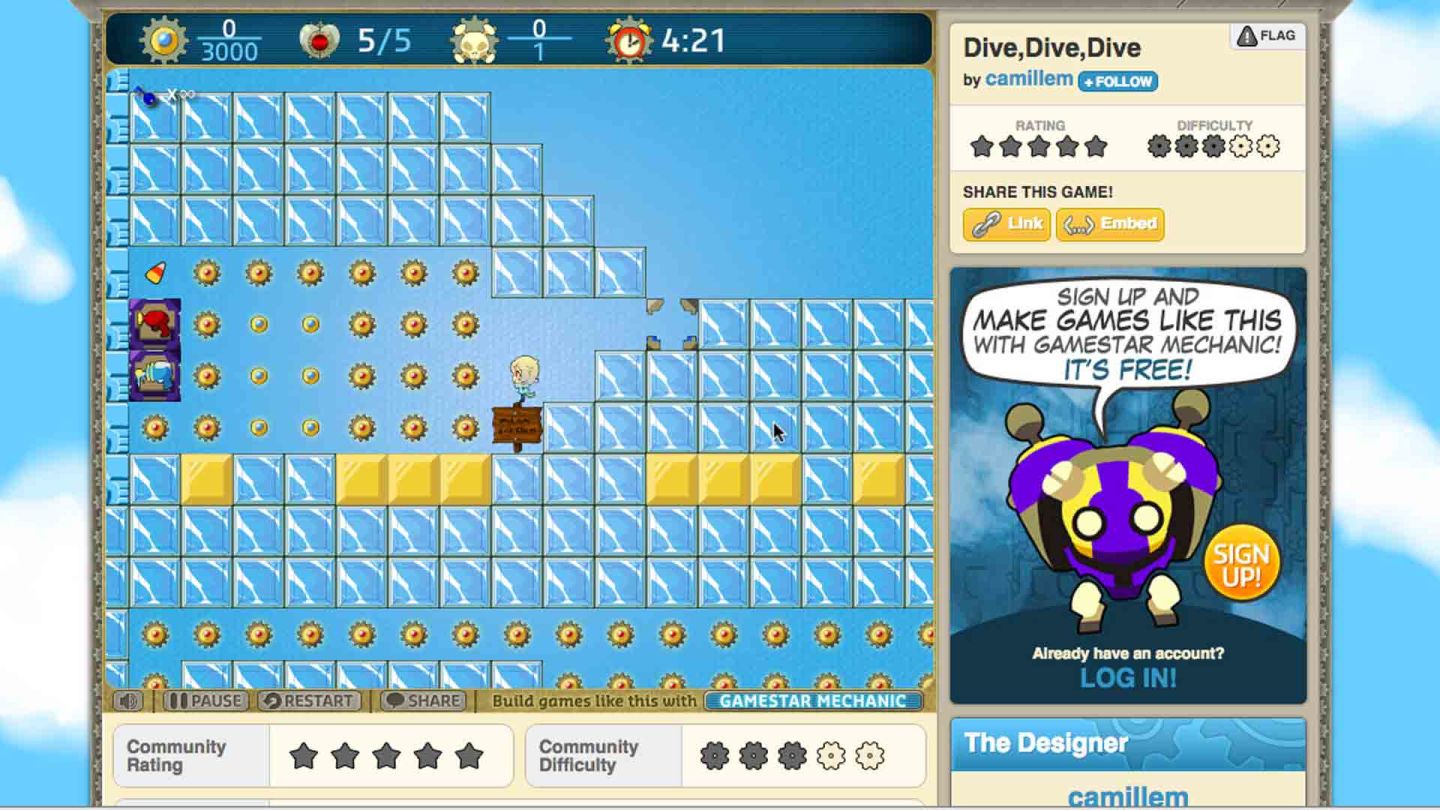
"caption": "Screen grab of a coin collecting game created by a middle school student using Gamestar Mechanic. ",
"description": null,
"title": "Dive-Dive-Dive",
"credit": null,
"status": "inherit",
"isLoading": false,
"fetchFailed": false
},
"mindshift_41463": {
"type": "attachments",
"id": "mindshift_41463",
"meta": {
"index": "attachments_1716263798",
"site": "mindshift",
"id": "41463",
"found": true
},
"parent": 41462,
"imgSizes": {
"twentyfourteen-full-width": {
"file": "https://ww2.kqed.org/app/uploads/sites/23/2015/08/mg_5073_slide-e90d6fface36c7dafec6ec1a457cdf0e5e7dd839-1038x576.jpg",
"width": 1038,
"mimeType": "image/jpeg",
"height": 576
},
"thumbnail": {
"file": "https://ww2.kqed.org/app/uploads/sites/23/2015/08/mg_5073_slide-e90d6fface36c7dafec6ec1a457cdf0e5e7dd839-400x267.jpg",
"width": 400,
"mimeType": "image/jpeg",
"height": 267
},
"fd-sm": {
"file": "https://ww2.kqed.org/app/uploads/sites/23/2015/08/mg_5073_slide-e90d6fface36c7dafec6ec1a457cdf0e5e7dd839-960x640.jpg",
"width": 960,
"mimeType": "image/jpeg",
"height": 640
},
"post-thumbnail": {
"file": "https://ww2.kqed.org/app/uploads/sites/23/2015/08/mg_5073_slide-e90d6fface36c7dafec6ec1a457cdf0e5e7dd839-672x372.jpg",
"width": 672,
"mimeType": "image/jpeg",
"height": 372
},
"kqedFullSize": {
"file": "https://ww2.kqed.org/app/uploads/sites/23/2015/08/mg_5073_slide-e90d6fface36c7dafec6ec1a457cdf0e5e7dd839-e1438605038104.jpg",
"width": 1920,
"height": 1279
},
"large": {
"file": "https://ww2.kqed.org/app/uploads/sites/23/2015/08/mg_5073_slide-e90d6fface36c7dafec6ec1a457cdf0e5e7dd839-1440x960.jpg",
"width": 1440,
"mimeType": "image/jpeg",
"height": 960
},
"guest-author-96": {
"file": "https://ww2.kqed.org/app/uploads/sites/23/2015/08/mg_5073_slide-e90d6fface36c7dafec6ec1a457cdf0e5e7dd839-96x96.jpg",
"width": 96,
"mimeType": "image/jpeg",
"height": 96
},
"medium": {
"file": "https://ww2.kqed.org/app/uploads/sites/23/2015/08/mg_5073_slide-e90d6fface36c7dafec6ec1a457cdf0e5e7dd839-800x533.jpg",
"width": 800,
"mimeType": "image/jpeg",
"height": 533
},
"guest-author-64": {
"file": "https://ww2.kqed.org/app/uploads/sites/23/2015/08/mg_5073_slide-e90d6fface36c7dafec6ec1a457cdf0e5e7dd839-64x64.jpg",
"width": 64,
"mimeType": "image/jpeg",
"height": 64
},
"guest-author-32": {
"file": "https://ww2.kqed.org/app/uploads/sites/23/2015/08/mg_5073_slide-e90d6fface36c7dafec6ec1a457cdf0e5e7dd839-32x32.jpg",
"width": 32,
"mimeType": "image/jpeg",
"height": 32
},
"cat_post_thumb_sizecategory-posts-2": {
"file": "https://ww2.kqed.org/app/uploads/sites/23/2015/08/mg_5073_slide-e90d6fface36c7dafec6ec1a457cdf0e5e7dd839-50x50.jpg",
"width": 50,
"mimeType": "image/jpeg",
"height": 50
},
"fd-lrg": {
"file": "https://ww2.kqed.org/app/uploads/sites/23/2015/08/mg_5073_slide-e90d6fface36c7dafec6ec1a457cdf0e5e7dd839-1920x1279.jpg",
"width": 1920,
"mimeType": "image/jpeg",
"height": 1279
},
"fd-med": {
"file": "https://ww2.kqed.org/app/uploads/sites/23/2015/08/mg_5073_slide-e90d6fface36c7dafec6ec1a457cdf0e5e7dd839-1180x786.jpg",
"width": 1180,
"mimeType": "image/jpeg",
"height": 786
},
"detail": {
"file": "https://ww2.kqed.org/app/uploads/sites/23/2015/08/mg_5073_slide-e90d6fface36c7dafec6ec1a457cdf0e5e7dd839-75x75.jpg",
"width": 75,
"mimeType": "image/jpeg",
"height": 75
},
"guest-author-128": {
"file": "https://ww2.kqed.org/app/uploads/sites/23/2015/08/mg_5073_slide-e90d6fface36c7dafec6ec1a457cdf0e5e7dd839-128x128.jpg",
"width": 128,
"mimeType": "image/jpeg",
"height": 128
}
},
"publishDate": 1438604923,
"modified": 1438605054,
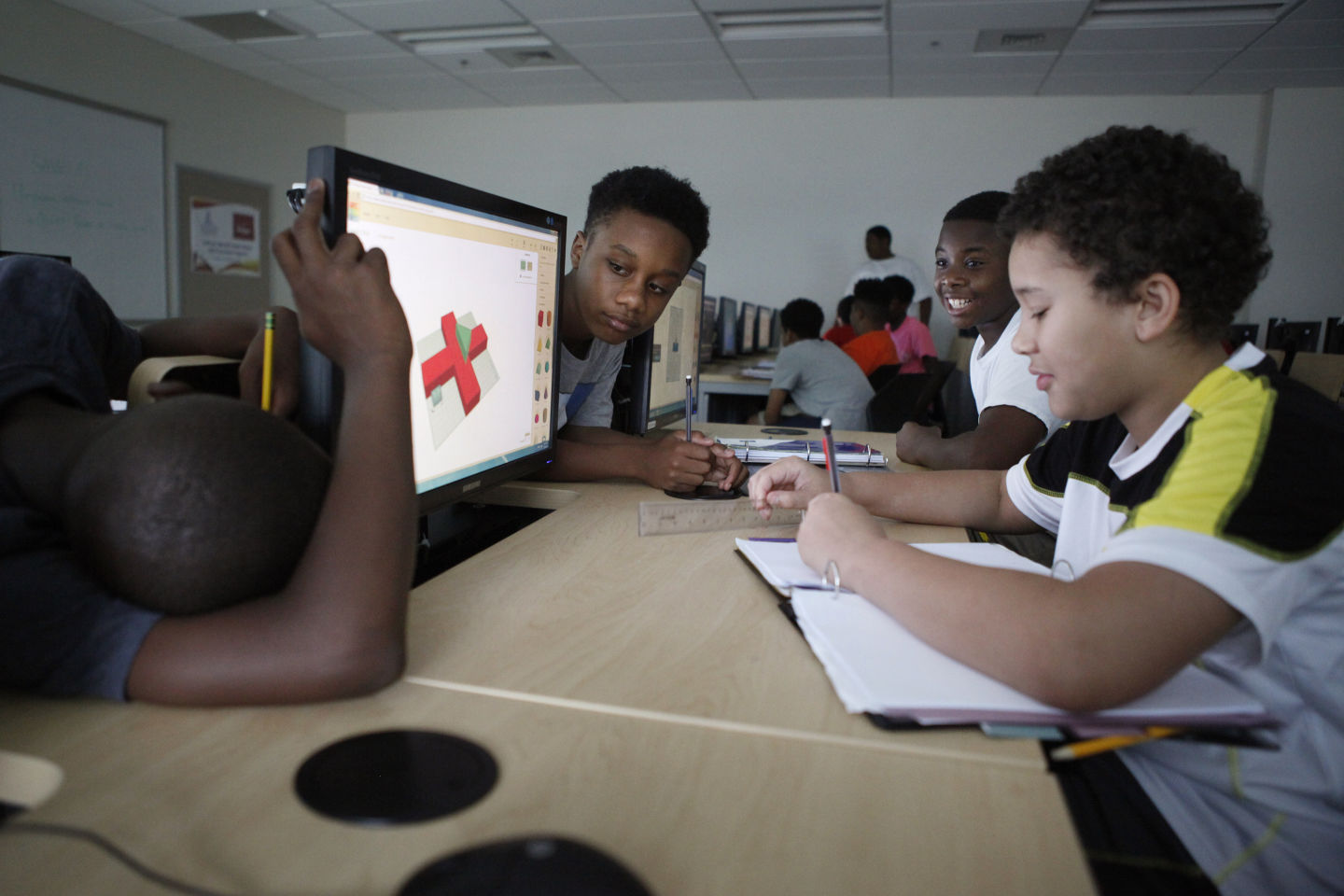
"caption": "Middle-school boys participate in the Minority Male Makers summer program at Morgan State University in Baltimore.",
"description": "Middle-school boys participate in the Minority Male Makers summer program at Morgan State University in Baltimore.",
"title": "Middle-school boys participate in the Minority Male Makers summer program at Morgan State University in Baltimore.",
"credit": "Elissa Nadworny/NPR",
"status": "inherit",
"isLoading": false,
"fetchFailed": false
},
"mindshift_41415": {
"type": "attachments",
"id": "mindshift_41415",
"meta": {
"index": "attachments_1716263798",
"site": "mindshift",
"id": "41415",
"found": true
},
"parent": 41396,
"imgSizes": {
"twentyfourteen-full-width": {
"file": "https://ww2.kqed.org/app/uploads/sites/23/2015/07/Video-Games-Howard-County-Library-System-1024x576.jpg",
"width": 1024,
"mimeType": "image/jpeg",
"height": 576
},
"thumbnail": {
"file": "https://ww2.kqed.org/app/uploads/sites/23/2015/07/Video-Games-Howard-County-Library-System-400x233.jpg",
"width": 400,
"mimeType": "image/jpeg",
"height": 233
},
"fd-sm": {
"file": "https://ww2.kqed.org/app/uploads/sites/23/2015/07/Video-Games-Howard-County-Library-System-960x560.jpg",
"width": 960,
"mimeType": "image/jpeg",
"height": 560
},
"post-thumbnail": {
"file": "https://ww2.kqed.org/app/uploads/sites/23/2015/07/Video-Games-Howard-County-Library-System-672x372.jpg",
"width": 672,
"mimeType": "image/jpeg",
"height": 372
},
"kqedFullSize": {
"file": "https://ww2.kqed.org/app/uploads/sites/23/2015/07/Video-Games-Howard-County-Library-System.jpg",
"width": 1024,
"height": 597
},
"cat_post_thumb_sizecategory-posts-2": {
"file": "https://ww2.kqed.org/app/uploads/sites/23/2015/07/Video-Games-Howard-County-Library-System-50x50.jpg",
"width": 50,
"mimeType": "image/jpeg",
"height": 50
},
"guest-author-96": {
"file": "https://ww2.kqed.org/app/uploads/sites/23/2015/07/Video-Games-Howard-County-Library-System-96x96.jpg",
"width": 96,
"mimeType": "image/jpeg",
"height": 96
},
"medium": {
"file": "https://ww2.kqed.org/app/uploads/sites/23/2015/07/Video-Games-Howard-County-Library-System-800x466.jpg",
"width": 800,
"mimeType": "image/jpeg",
"height": 466
},
"guest-author-64": {
"file": "https://ww2.kqed.org/app/uploads/sites/23/2015/07/Video-Games-Howard-County-Library-System-64x64.jpg",
"width": 64,
"mimeType": "image/jpeg",
"height": 64
},
"detail": {
"file": "https://ww2.kqed.org/app/uploads/sites/23/2015/07/Video-Games-Howard-County-Library-System-75x75.jpg",
"width": 75,
"mimeType": "image/jpeg",
"height": 75
},
"guest-author-32": {
"file": "https://ww2.kqed.org/app/uploads/sites/23/2015/07/Video-Games-Howard-County-Library-System-32x32.jpg",
"width": 32,
"mimeType": "image/jpeg",
"height": 32
},
"guest-author-128": {
"file": "https://ww2.kqed.org/app/uploads/sites/23/2015/07/Video-Games-Howard-County-Library-System-128x128.jpg",
"width": 128,
"mimeType": "image/jpeg",
"height": 128
}
},
"publishDate": 1438232469,
"modified": 1438232522,
"caption": null,
"description": null,
"title": "From HCLS HiTech Symposium",
"credit": "Howard County Library System/Flickr",
"status": "inherit",
"isLoading": false,
"fetchFailed": false
},
"mindshift_41298": {
"type": "attachments",
"id": "mindshift_41298",
"meta": {
"index": "attachments_1716263798",
"site": "mindshift",
"id": "41298",
"found": true
},
"parent": 41165,
"imgSizes": {
"twentyfourteen-full-width": {
"file": "https://ww2.kqed.org/app/uploads/sites/23/2015/07/50-Apps-1038x576.jpg",
"width": 1038,
"mimeType": "image/jpeg",
"height": 576
},
"thumbnail": {
"file": "https://ww2.kqed.org/app/uploads/sites/23/2015/07/50-Apps-400x225.jpg",
"width": 400,
"mimeType": "image/jpeg",
"height": 225
},
"fd-sm": {
"file": "https://ww2.kqed.org/app/uploads/sites/23/2015/07/50-Apps-960x540.jpg",
"width": 960,
"mimeType": "image/jpeg",
"height": 540
},
"post-thumbnail": {
"file": "https://ww2.kqed.org/app/uploads/sites/23/2015/07/50-Apps-672x372.jpg",
"width": 672,
"mimeType": "image/jpeg",
"height": 372
},
"kqedFullSize": {
"file": "https://ww2.kqed.org/app/uploads/sites/23/2015/07/50-Apps.jpg",
"width": 1920,
"height": 1080
},
"large": {
"file": "https://ww2.kqed.org/app/uploads/sites/23/2015/07/50-Apps-1440x810.jpg",
"width": 1440,
"mimeType": "image/jpeg",
"height": 810
},
"guest-author-96": {
"file": "https://ww2.kqed.org/app/uploads/sites/23/2015/07/50-Apps-96x96.jpg",
"width": 96,
"mimeType": "image/jpeg",
"height": 96
},
"medium": {
"file": "https://ww2.kqed.org/app/uploads/sites/23/2015/07/50-Apps-800x450.jpg",
"width": 800,
"mimeType": "image/jpeg",
"height": 450
},
"guest-author-64": {
"file": "https://ww2.kqed.org/app/uploads/sites/23/2015/07/50-Apps-64x64.jpg",
"width": 64,
"mimeType": "image/jpeg",
"height": 64
},
"guest-author-32": {
"file": "https://ww2.kqed.org/app/uploads/sites/23/2015/07/50-Apps-32x32.jpg",
"width": 32,
"mimeType": "image/jpeg",
"height": 32
},
"cat_post_thumb_sizecategory-posts-2": {
"file": "https://ww2.kqed.org/app/uploads/sites/23/2015/07/50-Apps-50x50.jpg",
"width": 50,
"mimeType": "image/jpeg",
"height": 50
},
"fd-lrg": {
"file": "https://ww2.kqed.org/app/uploads/sites/23/2015/07/50-Apps-1400x788.jpg",
"width": 1400,
"mimeType": "image/jpeg",
"height": 788
},
"fd-med": {
"file": "https://ww2.kqed.org/app/uploads/sites/23/2015/07/50-Apps-1180x664.jpg",
"width": 1180,
"mimeType": "image/jpeg",
"height": 664
},
"detail": {
"file": "https://ww2.kqed.org/app/uploads/sites/23/2015/07/50-Apps-75x75.jpg",
"width": 75,
"mimeType": "image/jpeg",
"height": 75
},
"guest-author-128": {
"file": "https://ww2.kqed.org/app/uploads/sites/23/2015/07/50-Apps-128x128.jpg",
"width": 128,
"mimeType": "image/jpeg",
"height": 128
}
},
"publishDate": 1437975857,
"modified": 1437975857,
"caption": null,
"description": null,
"title": "50-Apps",
"credit": null,
"status": "inherit",
"isLoading": false,
"fetchFailed": false
},
"mindshift_40421": {
"type": "attachments",
"id": "mindshift_40421",
"meta": {
"index": "attachments_1716263798",
"site": "mindshift",
"id": "40421",
"found": true
},
"parent": 40232,
"imgSizes": {
"twentyfourteen-full-width": {
"file": "https://ww2.kqed.org/app/uploads/sites/23/2015/04/MIL-ESL-1038x576.jpg",
"width": 1038,
"mimeType": "image/jpeg",
"height": 576
},
"thumbnail": {
"file": "https://ww2.kqed.org/app/uploads/sites/23/2015/04/MIL-ESL-400x225.jpg",
"width": 400,
"mimeType": "image/jpeg",
"height": 225
},
"fd-sm": {
"file": "https://ww2.kqed.org/app/uploads/sites/23/2015/04/MIL-ESL-960x540.jpg",
"width": 960,
"mimeType": "image/jpeg",
"height": 540
},
"post-thumbnail": {
"file": "https://ww2.kqed.org/app/uploads/sites/23/2015/04/MIL-ESL-672x372.jpg",
"width": 672,
"mimeType": "image/jpeg",
"height": 372
},
"kqedFullSize": {
"file": "https://ww2.kqed.org/app/uploads/sites/23/2015/04/MIL-ESL.jpg",
"width": 1920,
"height": 1080
},
"large": {
"file": "https://ww2.kqed.org/app/uploads/sites/23/2015/04/MIL-ESL-1440x810.jpg",
"width": 1440,
"mimeType": "image/jpeg",
"height": 810
},
"guest-author-96": {
"file": "https://ww2.kqed.org/app/uploads/sites/23/2015/04/MIL-ESL-96x96.jpg",
"width": 96,
"mimeType": "image/jpeg",
"height": 96
},
"medium": {
"file": "https://ww2.kqed.org/app/uploads/sites/23/2015/04/MIL-ESL-800x450.jpg",
"width": 800,
"mimeType": "image/jpeg",
"height": 450
},
"guest-author-64": {
"file": "https://ww2.kqed.org/app/uploads/sites/23/2015/04/MIL-ESL-64x64.jpg",
"width": 64,
"mimeType": "image/jpeg",
"height": 64
},
"guest-author-32": {
"file": "https://ww2.kqed.org/app/uploads/sites/23/2015/04/MIL-ESL-32x32.jpg",
"width": 32,
"mimeType": "image/jpeg",
"height": 32
},
"cat_post_thumb_sizecategory-posts-2": {
"file": "https://ww2.kqed.org/app/uploads/sites/23/2015/04/MIL-ESL-50x50.jpg",
"width": 50,
"mimeType": "image/jpeg",
"height": 50
},
"fd-med": {
"file": "https://ww2.kqed.org/app/uploads/sites/23/2015/04/MIL-ESL-1180x664.jpg",
"width": 1180,
"mimeType": "image/jpeg",
"height": 664
},
"detail": {
"file": "https://ww2.kqed.org/app/uploads/sites/23/2015/04/MIL-ESL-75x75.jpg",
"width": 75,
"mimeType": "image/jpeg",
"height": 75
},
"guest-author-128": {
"file": "https://ww2.kqed.org/app/uploads/sites/23/2015/04/MIL-ESL-128x128.jpg",
"width": 128,
"mimeType": "image/jpeg",
"height": 128
}
},
"publishDate": 1430781708,
"modified": 1430781782,
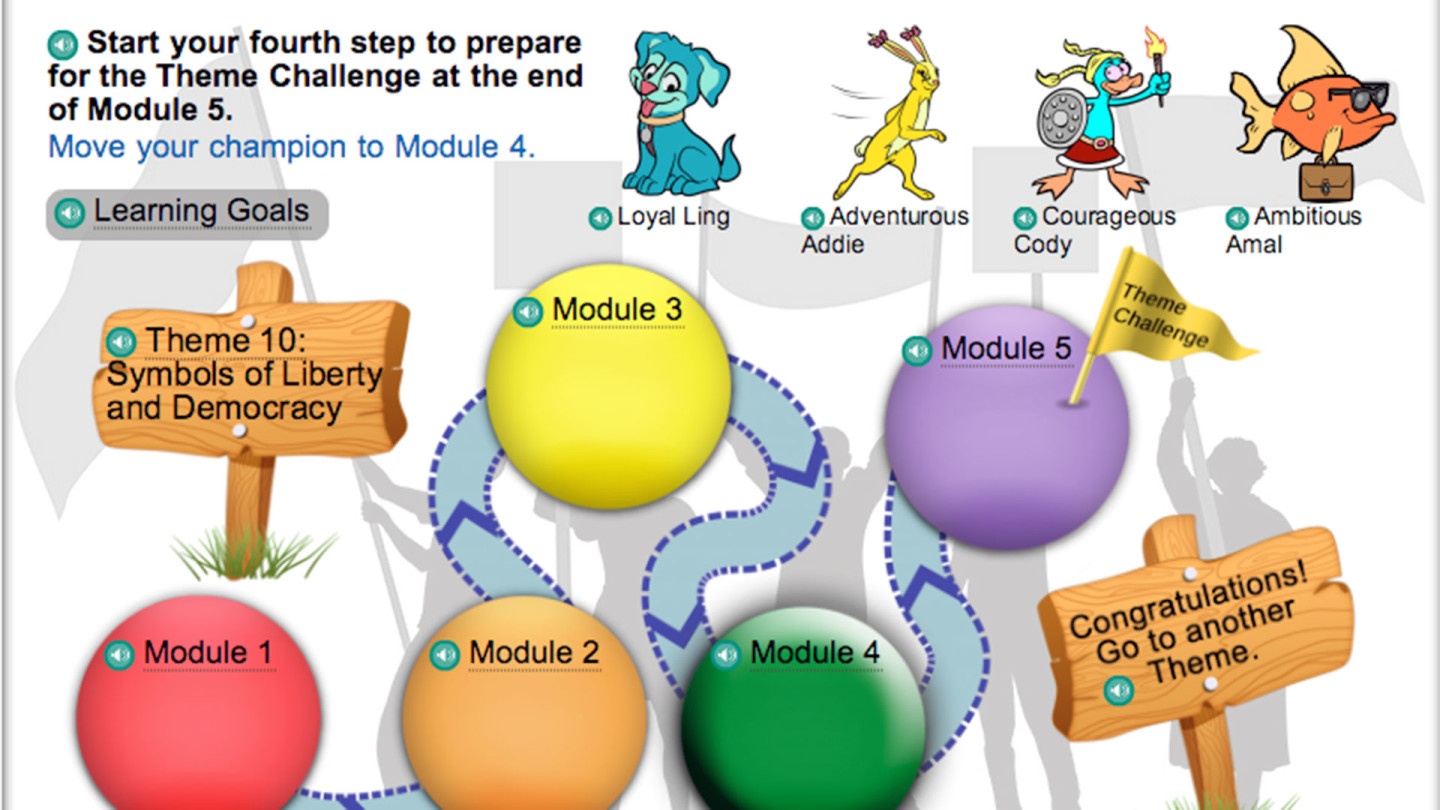
"caption": "ESL students can choose avatars to navigate them through certain sections of the course.",
"description": null,
"title": "MIL-ESL",
"credit": "Middlebury Interactive Languages",
"status": "inherit",
"isLoading": false,
"fetchFailed": false
},
"mindshift_40988": {
"type": "attachments",
"id": "mindshift_40988",
"meta": {
"index": "attachments_1716263798",
"site": "mindshift",
"id": "40988",
"found": true
},
"parent": 40956,
"imgSizes": {
"twentyfourteen-full-width": {
"file": "https://ww2.kqed.org/app/uploads/sites/23/2015/06/Binoculars-1038x576.jpg",
"width": 1038,
"mimeType": "image/jpeg",
"height": 576
},
"thumbnail": {
"file": "https://ww2.kqed.org/app/uploads/sites/23/2015/06/Binoculars-400x225.jpg",
"width": 400,
"mimeType": "image/jpeg",
"height": 225
},
"fd-sm": {
"file": "https://ww2.kqed.org/app/uploads/sites/23/2015/06/Binoculars-960x540.jpg",
"width": 960,
"mimeType": "image/jpeg",
"height": 540
},
"post-thumbnail": {
"file": "https://ww2.kqed.org/app/uploads/sites/23/2015/06/Binoculars-672x372.jpg",
"width": 672,
"mimeType": "image/jpeg",
"height": 372
},
"kqedFullSize": {
"file": "https://ww2.kqed.org/app/uploads/sites/23/2015/06/Binoculars.jpg",
"width": 1920,
"height": 1080
},
"large": {
"file": "https://ww2.kqed.org/app/uploads/sites/23/2015/06/Binoculars-1440x810.jpg",
"width": 1440,
"mimeType": "image/jpeg",
"height": 810
},
"guest-author-96": {
"file": "https://ww2.kqed.org/app/uploads/sites/23/2015/06/Binoculars-96x96.jpg",
"width": 96,
"mimeType": "image/jpeg",
"height": 96
},
"medium": {
"file": "https://ww2.kqed.org/app/uploads/sites/23/2015/06/Binoculars-800x450.jpg",
"width": 800,
"mimeType": "image/jpeg",
"height": 450
},
"guest-author-64": {
"file": "https://ww2.kqed.org/app/uploads/sites/23/2015/06/Binoculars-64x64.jpg",
"width": 64,
"mimeType": "image/jpeg",
"height": 64
},
"guest-author-32": {
"file": "https://ww2.kqed.org/app/uploads/sites/23/2015/06/Binoculars-32x32.jpg",
"width": 32,
"mimeType": "image/jpeg",
"height": 32
},
"cat_post_thumb_sizecategory-posts-2": {
"file": "https://ww2.kqed.org/app/uploads/sites/23/2015/06/Binoculars-50x50.jpg",
"width": 50,
"mimeType": "image/jpeg",
"height": 50
},
"fd-med": {
"file": "https://ww2.kqed.org/app/uploads/sites/23/2015/06/Binoculars-1180x664.jpg",
"width": 1180,
"mimeType": "image/jpeg",
"height": 664
},
"detail": {
"file": "https://ww2.kqed.org/app/uploads/sites/23/2015/06/Binoculars-75x75.jpg",
"width": 75,
"mimeType": "image/jpeg",
"height": 75
},
"guest-author-128": {
"file": "https://ww2.kqed.org/app/uploads/sites/23/2015/06/Binoculars-128x128.jpg",
"width": 128,
"mimeType": "image/jpeg",
"height": 128
}
},
"publishDate": 1435585452,
"modified": 1435585473,
"caption": null,
"description": null,
"title": "Binoculars",
"credit": "urbanworkbench/flickr",
"status": "inherit",
"isLoading": false,
"fetchFailed": false
},
"mindshift_40849": {
"type": "attachments",
"id": "mindshift_40849",
"meta": {
"index": "attachments_1716263798",
"site": "mindshift",
"id": "40849",
"found": true
},
"parent": 40841,
"imgSizes": {
"twentyfourteen-full-width": {
"file": "https://ww2.kqed.org/app/uploads/sites/23/2015/06/Podcast-Alexa-1-1038x576.jpg",
"width": 1038,
"mimeType": "image/jpeg",
"height": 576
},
"thumbnail": {
"file": "https://ww2.kqed.org/app/uploads/sites/23/2015/06/Podcast-Alexa-1-400x225.jpg",
"width": 400,
"mimeType": "image/jpeg",
"height": 225
},
"fd-sm": {
"file": "https://ww2.kqed.org/app/uploads/sites/23/2015/06/Podcast-Alexa-1-960x540.jpg",
"width": 960,
"mimeType": "image/jpeg",
"height": 540
},
"post-thumbnail": {
"file": "https://ww2.kqed.org/app/uploads/sites/23/2015/06/Podcast-Alexa-1-672x372.jpg",
"width": 672,
"mimeType": "image/jpeg",
"height": 372
},
"kqedFullSize": {
"file": "https://ww2.kqed.org/app/uploads/sites/23/2015/06/Podcast-Alexa-1.jpg",
"width": 1920,
"height": 1080
},
"large": {
"file": "https://ww2.kqed.org/app/uploads/sites/23/2015/06/Podcast-Alexa-1-1440x810.jpg",
"width": 1440,
"mimeType": "image/jpeg",
"height": 810
},
"guest-author-96": {
"file": "https://ww2.kqed.org/app/uploads/sites/23/2015/06/Podcast-Alexa-1-96x96.jpg",
"width": 96,
"mimeType": "image/jpeg",
"height": 96
},
"medium": {
"file": "https://ww2.kqed.org/app/uploads/sites/23/2015/06/Podcast-Alexa-1-800x450.jpg",
"width": 800,
"mimeType": "image/jpeg",
"height": 450
},
"guest-author-64": {
"file": "https://ww2.kqed.org/app/uploads/sites/23/2015/06/Podcast-Alexa-1-64x64.jpg",
"width": 64,
"mimeType": "image/jpeg",
"height": 64
},
"guest-author-32": {
"file": "https://ww2.kqed.org/app/uploads/sites/23/2015/06/Podcast-Alexa-1-32x32.jpg",
"width": 32,
"mimeType": "image/jpeg",
"height": 32
},
"cat_post_thumb_sizecategory-posts-2": {
"file": "https://ww2.kqed.org/app/uploads/sites/23/2015/06/Podcast-Alexa-1-50x50.jpg",
"width": 50,
"mimeType": "image/jpeg",
"height": 50
},
"fd-med": {
"file": "https://ww2.kqed.org/app/uploads/sites/23/2015/06/Podcast-Alexa-1-1180x664.jpg",
"width": 1180,
"mimeType": "image/jpeg",
"height": 664
},
"detail": {
"file": "https://ww2.kqed.org/app/uploads/sites/23/2015/06/Podcast-Alexa-1-75x75.jpg",
"width": 75,
"mimeType": "image/jpeg",
"height": 75
},
"guest-author-128": {
"file": "https://ww2.kqed.org/app/uploads/sites/23/2015/06/Podcast-Alexa-1-128x128.jpg",
"width": 128,
"mimeType": "image/jpeg",
"height": 128
}
},
"publishDate": 1434585470,
"modified": 1434585595,
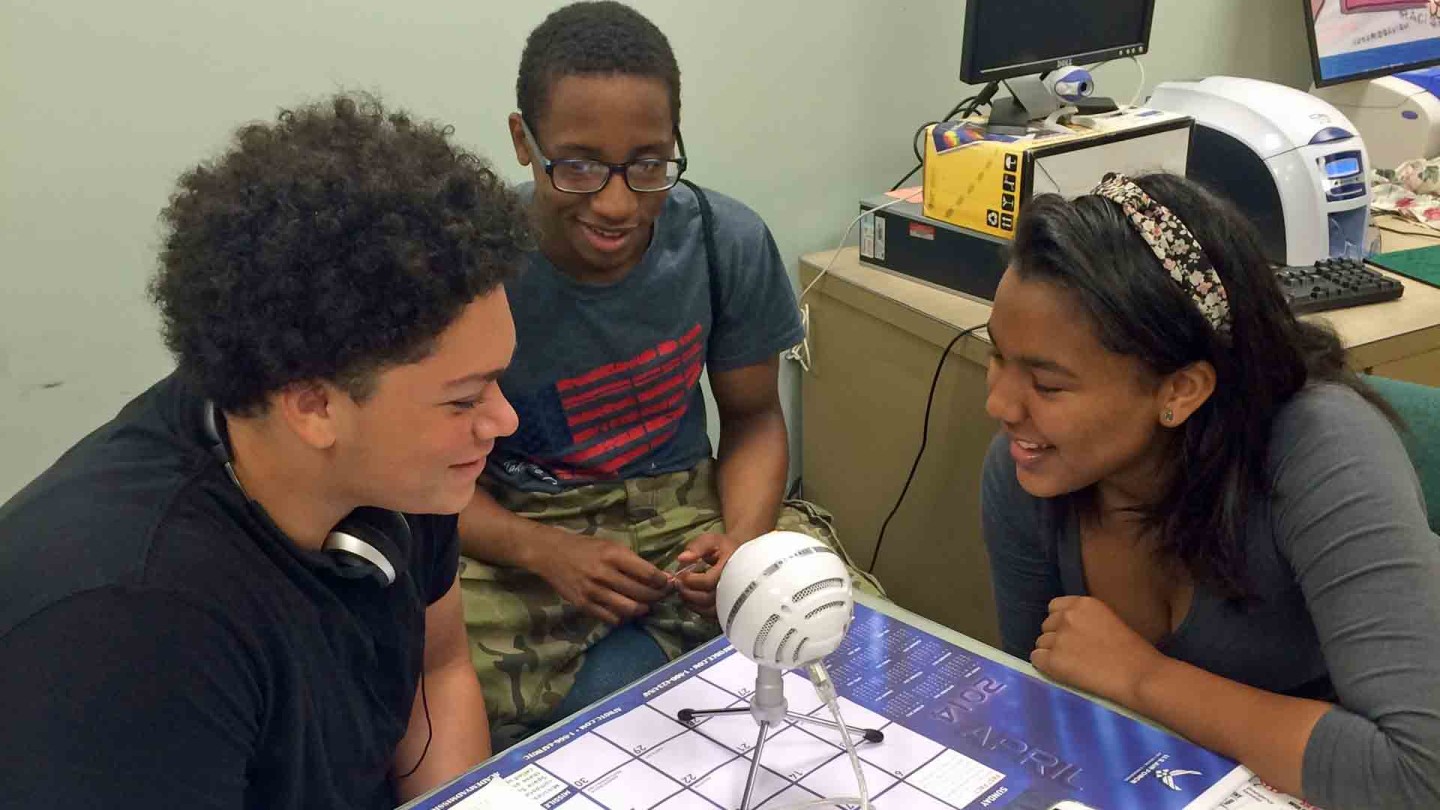
"caption": "Three students talk into a microphone to record their final exam podcast. ",
"description": null,
"title": "Podcast-Alexa-1",
"credit": "Alexa Schlechter",
"status": "inherit",
"isLoading": false,
"fetchFailed": false
},
"mindshift_40437": {
"type": "attachments",
"id": "mindshift_40437",
"meta": {
"index": "attachments_1716263798",
"site": "mindshift",
"id": "40437",
"found": true
},
"parent": 40229,
"imgSizes": {
"twentyfourteen-full-width": {
"file": "https://ww2.kqed.org/app/uploads/sites/23/2015/04/Small-lab-1038x576.jpg",
"width": 1038,
"mimeType": "image/jpeg",
"height": 576
},
"thumbnail": {
"file": "https://ww2.kqed.org/app/uploads/sites/23/2015/04/Small-lab-400x225.jpg",
"width": 400,
"mimeType": "image/jpeg",
"height": 225
},
"fd-sm": {
"file": "https://ww2.kqed.org/app/uploads/sites/23/2015/04/Small-lab-960x540.jpg",
"width": 960,
"mimeType": "image/jpeg",
"height": 540
},
"post-thumbnail": {
"file": "https://ww2.kqed.org/app/uploads/sites/23/2015/04/Small-lab-672x372.jpg",
"width": 672,
"mimeType": "image/jpeg",
"height": 372
},
"kqedFullSize": {
"file": "https://ww2.kqed.org/app/uploads/sites/23/2015/04/Small-lab.jpg",
"width": 1920,
"height": 1080
},
"large": {
"file": "https://ww2.kqed.org/app/uploads/sites/23/2015/04/Small-lab-1440x810.jpg",
"width": 1440,
"mimeType": "image/jpeg",
"height": 810
},
"guest-author-96": {
"file": "https://ww2.kqed.org/app/uploads/sites/23/2015/04/Small-lab-96x96.jpg",
"width": 96,
"mimeType": "image/jpeg",
"height": 96
},
"medium": {
"file": "https://ww2.kqed.org/app/uploads/sites/23/2015/04/Small-lab-800x450.jpg",
"width": 800,
"mimeType": "image/jpeg",
"height": 450
},
"guest-author-64": {
"file": "https://ww2.kqed.org/app/uploads/sites/23/2015/04/Small-lab-64x64.jpg",
"width": 64,
"mimeType": "image/jpeg",
"height": 64
},
"guest-author-32": {
"file": "https://ww2.kqed.org/app/uploads/sites/23/2015/04/Small-lab-32x32.jpg",
"width": 32,
"mimeType": "image/jpeg",
"height": 32
},
"cat_post_thumb_sizecategory-posts-2": {
"file": "https://ww2.kqed.org/app/uploads/sites/23/2015/04/Small-lab-50x50.jpg",
"width": 50,
"mimeType": "image/jpeg",
"height": 50
},
"fd-med": {
"file": "https://ww2.kqed.org/app/uploads/sites/23/2015/04/Small-lab-1180x664.jpg",
"width": 1180,
"mimeType": "image/jpeg",
"height": 664
},
"detail": {
"file": "https://ww2.kqed.org/app/uploads/sites/23/2015/04/Small-lab-75x75.jpg",
"width": 75,
"mimeType": "image/jpeg",
"height": 75
},
"guest-author-128": {
"file": "https://ww2.kqed.org/app/uploads/sites/23/2015/04/Small-lab-128x128.jpg",
"width": 128,
"mimeType": "image/jpeg",
"height": 128
}
},
"publishDate": 1430850218,
"modified": 1430850306,
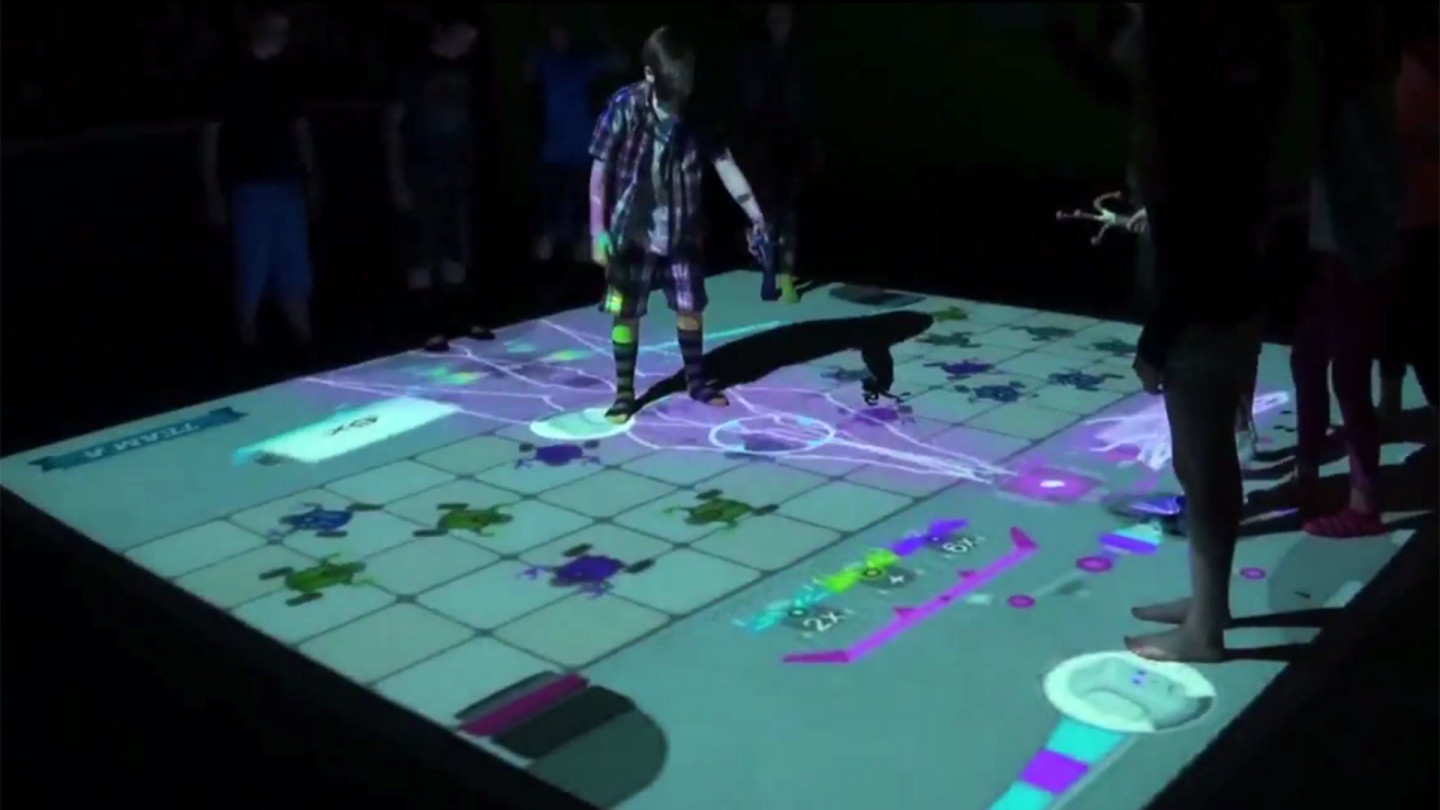
"caption": "Kids in Elizabeth Forward's SMALLab use wands to interact with learning games projected on the floor.",
"description": null,
"title": "Small-lab",
"credit": "\u003ca href=\"http://www.etc.cmu.edu/projects/aweseven/?page_id=310\">AweSeven\u003c/a>",
"status": "inherit",
"isLoading": false,
"fetchFailed": false
},
"mindshift_40389": {
"type": "attachments",
"id": "mindshift_40389",
"meta": {
"index": "attachments_1716263798",
"site": "mindshift",
"id": "40389",
"found": true
},
"parent": 40307,
"imgSizes": {
"twentyfourteen-full-width": {
"file": "https://ww2.kqed.org/app/uploads/sites/23/2015/04/Explee2-1038x576.jpg",
"width": 1038,
"mimeType": "image/jpeg",
"height": 576
},
"thumbnail": {
"file": "https://ww2.kqed.org/app/uploads/sites/23/2015/04/Explee2-400x225.jpg",
"width": 400,
"mimeType": "image/jpeg",
"height": 225
},
"fd-sm": {
"file": "https://ww2.kqed.org/app/uploads/sites/23/2015/04/Explee2-960x540.jpg",
"width": 960,
"mimeType": "image/jpeg",
"height": 540
},
"post-thumbnail": {
"file": "https://ww2.kqed.org/app/uploads/sites/23/2015/04/Explee2-672x372.jpg",
"width": 672,
"mimeType": "image/jpeg",
"height": 372
},
"kqedFullSize": {
"file": "https://ww2.kqed.org/app/uploads/sites/23/2015/04/Explee2.jpg",
"width": 1920,
"height": 1080
},
"large": {
"file": "https://ww2.kqed.org/app/uploads/sites/23/2015/04/Explee2-1440x810.jpg",
"width": 1440,
"mimeType": "image/jpeg",
"height": 810
},
"guest-author-96": {
"file": "https://ww2.kqed.org/app/uploads/sites/23/2015/04/Explee2-96x96.jpg",
"width": 96,
"mimeType": "image/jpeg",
"height": 96
},
"medium": {
"file": "https://ww2.kqed.org/app/uploads/sites/23/2015/04/Explee2-800x450.jpg",
"width": 800,
"mimeType": "image/jpeg",
"height": 450
},
"guest-author-64": {
"file": "https://ww2.kqed.org/app/uploads/sites/23/2015/04/Explee2-64x64.jpg",
"width": 64,
"mimeType": "image/jpeg",
"height": 64
},
"guest-author-32": {
"file": "https://ww2.kqed.org/app/uploads/sites/23/2015/04/Explee2-32x32.jpg",
"width": 32,
"mimeType": "image/jpeg",
"height": 32
},
"cat_post_thumb_sizecategory-posts-2": {
"file": "https://ww2.kqed.org/app/uploads/sites/23/2015/04/Explee2-50x50.jpg",
"width": 50,
"mimeType": "image/jpeg",
"height": 50
},
"fd-med": {
"file": "https://ww2.kqed.org/app/uploads/sites/23/2015/04/Explee2-1180x664.jpg",
"width": 1180,
"mimeType": "image/jpeg",
"height": 664
},
"detail": {
"file": "https://ww2.kqed.org/app/uploads/sites/23/2015/04/Explee2-75x75.jpg",
"width": 75,
"mimeType": "image/jpeg",
"height": 75
},
"guest-author-128": {
"file": "https://ww2.kqed.org/app/uploads/sites/23/2015/04/Explee2-128x128.jpg",
"width": 128,
"mimeType": "image/jpeg",
"height": 128
}
},
"publishDate": 1430443434,
"modified": 1430443445,
"caption": null,
"description": null,
"title": "Explee2",
"credit": "Rachel Langenhorst",
"status": "inherit",
"isLoading": false,
"fetchFailed": false
},
"mindshift_40297": {
"type": "attachments",
"id": "mindshift_40297",
"meta": {
"index": "attachments_1716263798",
"site": "mindshift",
"id": "40297",
"found": true
},
"parent": 40296,
"imgSizes": {
"twentyfourteen-full-width": {
"file": "https://ww2.kqed.org/app/uploads/sites/23/2015/04/45598882_h34347160_custom-236fb2c4bbdc8e887d79947b14eca6be4b105761-1038x576.jpg",
"width": 1038,
"mimeType": "image/jpeg",
"height": 576
},
"thumbnail": {
"file": "https://ww2.kqed.org/app/uploads/sites/23/2015/04/45598882_h34347160_custom-236fb2c4bbdc8e887d79947b14eca6be4b105761-400x271.jpg",
"width": 400,
"mimeType": "image/jpeg",
"height": 271
},
"fd-sm": {
"file": "https://ww2.kqed.org/app/uploads/sites/23/2015/04/45598882_h34347160_custom-236fb2c4bbdc8e887d79947b14eca6be4b105761-960x651.jpg",
"width": 960,
"mimeType": "image/jpeg",
"height": 651
},
"post-thumbnail": {
"file": "https://ww2.kqed.org/app/uploads/sites/23/2015/04/45598882_h34347160_custom-236fb2c4bbdc8e887d79947b14eca6be4b105761-672x372.jpg",
"width": 672,
"mimeType": "image/jpeg",
"height": 372
},
"kqedFullSize": {
"file": "https://ww2.kqed.org/app/uploads/sites/23/2015/04/45598882_h34347160_custom-236fb2c4bbdc8e887d79947b14eca6be4b105761.jpg",
"width": 1916,
"height": 1300
},
"large": {
"file": "https://ww2.kqed.org/app/uploads/sites/23/2015/04/45598882_h34347160_custom-236fb2c4bbdc8e887d79947b14eca6be4b105761-1440x977.jpg",
"width": 1440,
"mimeType": "image/jpeg",
"height": 977
},
"guest-author-96": {
"file": "https://ww2.kqed.org/app/uploads/sites/23/2015/04/45598882_h34347160_custom-236fb2c4bbdc8e887d79947b14eca6be4b105761-96x96.jpg",
"width": 96,
"mimeType": "image/jpeg",
"height": 96
},
"medium": {
"file": "https://ww2.kqed.org/app/uploads/sites/23/2015/04/45598882_h34347160_custom-236fb2c4bbdc8e887d79947b14eca6be4b105761-800x543.jpg",
"width": 800,
"mimeType": "image/jpeg",
"height": 543
},
"guest-author-64": {
"file": "https://ww2.kqed.org/app/uploads/sites/23/2015/04/45598882_h34347160_custom-236fb2c4bbdc8e887d79947b14eca6be4b105761-64x64.jpg",
"width": 64,
"mimeType": "image/jpeg",
"height": 64
},
"guest-author-32": {
"file": "https://ww2.kqed.org/app/uploads/sites/23/2015/04/45598882_h34347160_custom-236fb2c4bbdc8e887d79947b14eca6be4b105761-32x32.jpg",
"width": 32,
"mimeType": "image/jpeg",
"height": 32
},
"cat_post_thumb_sizecategory-posts-2": {
"file": "https://ww2.kqed.org/app/uploads/sites/23/2015/04/45598882_h34347160_custom-236fb2c4bbdc8e887d79947b14eca6be4b105761-50x50.jpg",
"width": 50,
"mimeType": "image/jpeg",
"height": 50
},
"fd-med": {
"file": "https://ww2.kqed.org/app/uploads/sites/23/2015/04/45598882_h34347160_custom-236fb2c4bbdc8e887d79947b14eca6be4b105761-1180x801.jpg",
"width": 1180,
"mimeType": "image/jpeg",
"height": 801
},
"detail": {
"file": "https://ww2.kqed.org/app/uploads/sites/23/2015/04/45598882_h34347160_custom-236fb2c4bbdc8e887d79947b14eca6be4b105761-75x75.jpg",
"width": 75,
"mimeType": "image/jpeg",
"height": 75
},
"guest-author-128": {
"file": "https://ww2.kqed.org/app/uploads/sites/23/2015/04/45598882_h34347160_custom-236fb2c4bbdc8e887d79947b14eca6be4b105761-128x128.jpg",
"width": 128,
"mimeType": "image/jpeg",
"height": 128
}
},
"publishDate": 1430313276,
"modified": 1430314419,
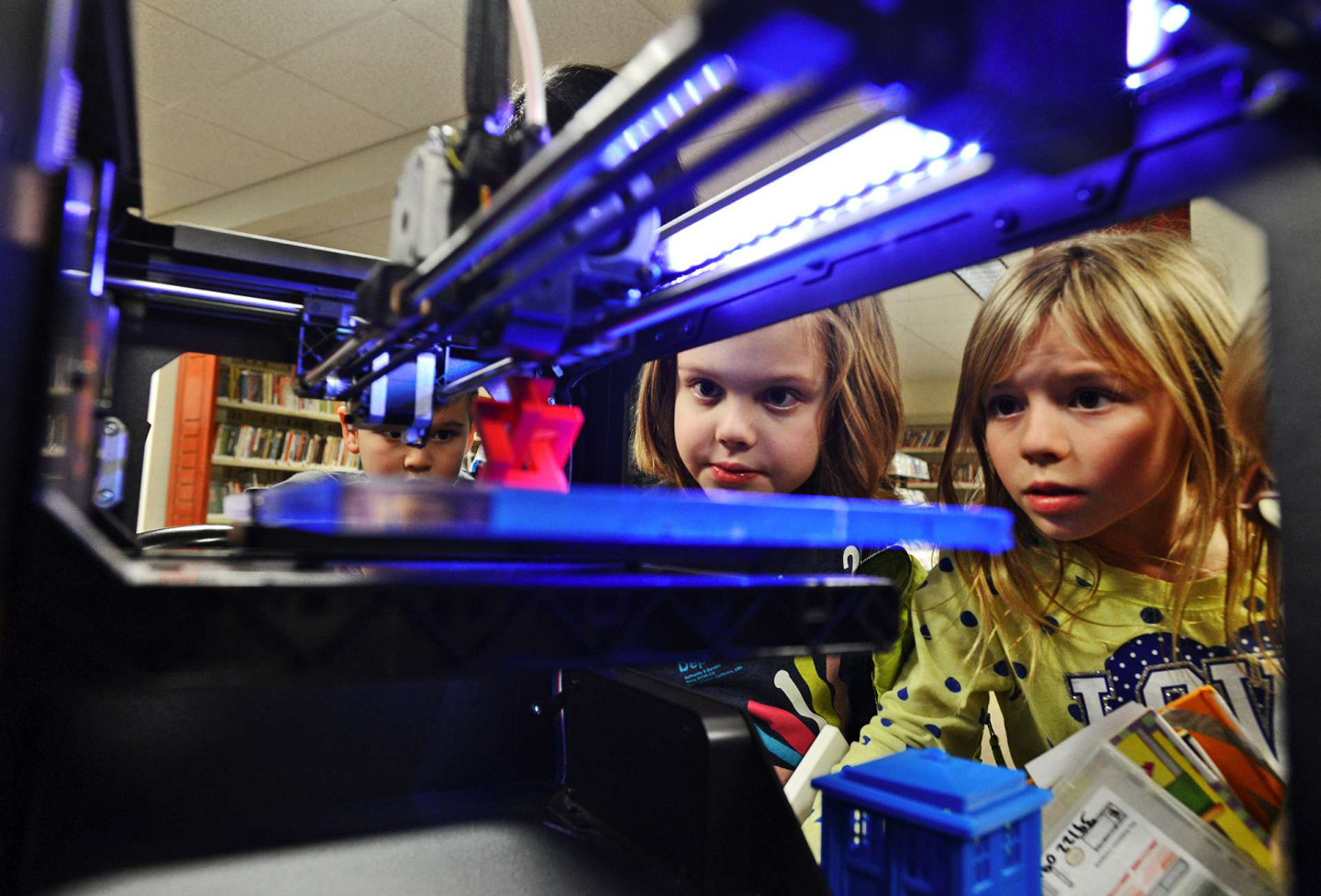
"caption": "Liam Gaynor (center), 8, and Laura Stark (right), 8, watch as an object is made on a 3-D printer at the Hillsdale (N.J.) Public Library in January.",
"description": "Liam Gaynor (center), 8, and Laura Stark (right), 8, watch as an object is made on a 3-D printer at the Hillsdale (N.J.) Public Library in January.",
"title": "Liam Gaynor (center), 8, and Laura Stark (right), 8, watch as an object is made on a 3-D printer at the Hillsdale (N.J.) Public Library in January.",
"credit": "Michael Karas/North Jersey/Landov",
"status": "inherit",
"isLoading": false,
"fetchFailed": false
}
},
"audioPlayerReducer": {
"postId": "stream_live",
"isPaused": true,
"isPlaying": false,
"pfsActive": false,
"pledgeModalIsOpen": true,
"playerDrawerIsOpen": false,
"liveAudioPlayStartedAt": 0,
"liveAudioPlayContext": ""
},
"authorsReducer": {
"byline_mindshift_41462": {
"type": "authors",
"id": "byline_mindshift_41462",
"meta": {
"override": true
},
"slug": "byline_mindshift_41462",
"name": "Elissa Nadworny, \u003ca href=\"http://www.npr.org/sections/ed/2015/08/01/427416157/coding-camp-to-baltimore-schools-bring-us-your-bored\">NPR\u003c/a> ",
"isLoading": false
},
"byline_mindshift_40296": {
"type": "authors",
"id": "byline_mindshift_40296",
"meta": {
"override": true
},
"slug": "byline_mindshift_40296",
"name": "Joseph Leahy",
"isLoading": false
},
"katrinaschwartz": {
"type": "authors",
"id": "234",
"meta": {
"index": "authors_1716337520",
"id": "234",
"found": true
},
"name": "Katrina Schwartz",
"firstName": "Katrina",
"lastName": "Schwartz",
"slug": "katrinaschwartz",
"email": "kschwartz@kqed.org",
"display_author_email": false,
"staff_mastheads": [
"news"
],
"title": "Producer",
"bio": "Katrina Schwartz is a journalist based in San Francisco. She's worked at KPCC public radio in LA and has reported on air and online for KQED since 2010. She covered how teaching and learning is changing for MindShift between 2012 and 2020. She is the co-host of the MindShift podcast and now produces KQED's Bay Curious podcast.",
"avatar": "https://secure.gravatar.com/avatar/edb4ee79070447a018538c9aae6eeecf28786515b8a0c30e43b6b7dce5aa44c8?s=600&d=blank&r=g",
"twitter": "kschwart",
"bluesky": null,
"facebook": null,
"instagram": null,
"linkedin": null,
"sites": [
{
"site": "",
"roles": [
"editor"
]
},
{
"site": "news",
"roles": [
"editor"
]
},
{
"site": "mindshift",
"roles": [
"administrator"
]
},
{
"site": "stateofhealth",
"roles": [
"author"
]
},
{
"site": "science",
"roles": [
"editor"
]
}
],
"headData": {
"title": "Katrina Schwartz | KQED",
"description": "Producer",
"ogImgSrc": "https://secure.gravatar.com/avatar/edb4ee79070447a018538c9aae6eeecf28786515b8a0c30e43b6b7dce5aa44c8?s=600&d=blank&r=g",
"twImgSrc": "https://secure.gravatar.com/avatar/edb4ee79070447a018538c9aae6eeecf28786515b8a0c30e43b6b7dce5aa44c8?s=600&d=blank&r=g"
},
"isLoading": false,
"link": "/author/katrinaschwartz"
},
"ksung": {
"type": "authors",
"id": "4596",
"meta": {
"index": "authors_1716337520",
"id": "4596",
"found": true
},
"name": "Ki Sung",
"firstName": "Ki",
"lastName": "Sung",
"slug": "ksung",
"email": "ksung@kqed.org",
"display_author_email": false,
"staff_mastheads": [
"news"
],
"title": "KQED Contributor",
"bio": "Ki Sung is Managing Editor of Digital News at KQED. She is former Senior Editor of MindShift and worked at NPR before joining KQED in 2014.",
"avatar": "https://secure.gravatar.com/avatar/64271e01dc95486c133be56937739045b7c00c990525bf9add12d3dd4f0433c9?s=600&d=blank&r=g",
"twitter": null,
"bluesky": null,
"facebook": null,
"instagram": null,
"linkedin": null,
"sites": [
{
"site": "news",
"roles": [
"editor"
]
},
{
"site": "mindshift",
"roles": [
"administrator"
]
},
{
"site": "elections",
"roles": [
"administrator"
]
}
],
"headData": {
"title": "Ki Sung | KQED",
"description": "KQED Contributor",
"ogImgSrc": "https://secure.gravatar.com/avatar/64271e01dc95486c133be56937739045b7c00c990525bf9add12d3dd4f0433c9?s=600&d=blank&r=g",
"twImgSrc": "https://secure.gravatar.com/avatar/64271e01dc95486c133be56937739045b7c00c990525bf9add12d3dd4f0433c9?s=600&d=blank&r=g"
},
"isLoading": false,
"link": "/author/ksung"
},
"lindaflan": {
"type": "authors",
"id": "4613",
"meta": {
"index": "authors_1716337520",
"id": "4613",
"found": true
},
"name": "Linda Flanagan",
"firstName": "Linda",
"lastName": "Flanagan",
"slug": "lindaflan",
"email": "lindaflan@comcast.net",
"display_author_email": false,
"staff_mastheads": [],
"title": null,
"bio": "Linda Flanagan is a freelance writer, researcher, and editor. Her work has appeared in The Atlantic, The Wall St. Journal, Newsweek, Running Times, and Mind/Shift, and she blogs regularly for the Huffington Post. Linda writes about education, culture, athletics, youth sports, mental health, politics, college admissions, and other curiosities. She also reviews books and conducts interviews.",
"avatar": "https://secure.gravatar.com/avatar/6bca04c0736bf5eaea80654019de688f?s=600&d=blank&r=g",
"twitter": "LindaFlanagan2",
"facebook": null,
"instagram": null,
"linkedin": null,
"sites": [
{
"site": "mindshift",
"roles": [
"contributor"
]
}
],
"headData": {
"title": "Linda Flanagan | KQED",
"description": null,
"ogImgSrc": "https://secure.gravatar.com/avatar/6bca04c0736bf5eaea80654019de688f?s=600&d=blank&r=g",
"twImgSrc": "https://secure.gravatar.com/avatar/6bca04c0736bf5eaea80654019de688f?s=600&d=blank&r=g"
},
"isLoading": false,
"link": "/author/lindaflan"
}
},
"pagesReducer": {
"mindshift_category_digital-tools": {
"type": "terms",
"id": "mindshift_195",
"meta": {
"index": "terms_1716263798",
"site": "mindshift",
"id": "195",
"score": 14.406026
},
"featImg": null,
"name": "Digital Tools",
"description": "How devices, software, and the Internet are changing the classroom dynamic.",
"taxonomy": "category",
"headData": {
"twImgId": null,
"twTitle": null,
"ogTitle": null,
"ogImgId": null,
"twDescription": null,
"description": "How devices, software, and the Internet are changing the classroom dynamic.",
"title": "Digital Tools Archives | KQED Mindshift",
"ogDescription": null
},
"ttid": 195,
"slug": "digital-tools",
"isLoading": false,
"title": "Digital Tools",
"pageMeta": {
"site": "mindshift",
"WpPageTemplate": "page-topic-editorial",
"currentPage": 15
},
"blocks": [
{
"blockName": "kqed/company-paragraph",
"content": "How devices, software, and the Internet are changing the classroom dynamic."
},
{
"blockName": "kqed/post-list",
"attrs": {
"layout": "cardArticle2",
"query": "posts/mindshift?category=digital-tools",
"seeMore": false,
"paginated": true,
"page": 15
}
},
{
"blockName": "kqed/ad"
}
]
}
},
"pfsSessionReducer": {},
"postsReducer": {
"stream_live": {
"type": "live",
"id": "stream_live",
"audioUrl": "https://streams.kqed.org/kqedradio",
"title": "Live Stream",
"excerpt": "Live Stream information currently unavailable.",
"link": "/radio",
"featImg": "",
"label": {
"name": "KQED Live",
"link": "/"
}
},
"stream_kqedNewscast": {
"type": "posts",
"id": "stream_kqedNewscast",
"audioUrl": "https://www.kqed.org/.stream/anon/radio/RDnews/newscast.mp3?_=1",
"title": "KQED Newscast",
"featImg": "",
"label": {
"name": "88.5 FM",
"link": "/"
}
},
"mindshift_41614": {
"type": "posts",
"id": "mindshift_41614",
"meta": {
"index": "posts_1716263798",
"site": "mindshift",
"id": "41614",
"score": null,
"sort": [
1439472969000
]
},
"parent": 0,
"labelTerm": {
"site": "mindshift"
},
"blocks": [],
"publishDate": 1439472969,
"format": "standard",
"disqusTitle": "What Do Sixth Graders Say About Learning With Games? It Works",
"title": "What Do Sixth Graders Say About Learning With Games? It Works",
"headTitle": "MindShift | KQED News",
"content": "\u003cp>By Alexandria Neason\u003c/p>\n\u003cp>\u003cem>This story was produced by \u003c/em>\u003ca href=\"http://hechingerreport.org/\">The Hechinger Report\u003c/a>\u003cem>, a nonprofit, independent news organization focused on inequality and innovation in education. Read more about \u003c/em>\u003ca href=\"http://hechingerreport.org/special-reports/blended-learning/\">\u003cem>technology in the classroom\u003c/em>\u003c/a>\u003cem>.\u003c/em>\u003c/p>\n\u003cp>NEW YORK — One morning, just before classes at New York City’s \u003ca href=\"http://q2l.org/\">Quest to Learn\u003c/a> Middle School broke for lunch, Etai Kurtzman found himself transformed into a lemon tree.\u003c/p>\n\u003cp>It was a warm day in late April, and his chatty sixth-grade class had been corralled from a narrow hallway into a classroom at the end of a short hall. Etai, tall and lanky, lugged a gray backpack to a desk that had been pushed up against a wall.\u003c/p>\n\u003cp>Each student had been cast for a role-playing game either as a honeybee sent out from the hive or as a plant. In a flurry of organized chaos, the students simulated the pollination process: student honey bees, wearing pipe-cleaner antennae, approached classmates pretending to be plants and received small, colored building blocks. When a plant ran out of blocks, it meant their flowers had been pollinated. But the bees had to be careful: some of the plants randomly gave them white blocks, which represented pesticides and caused the bees to die.\u003c/p>\n\u003cp>[ad fullwidth]\u003c/p>\n\u003cp>Their teacher, Kate Selkirk, was using this game as a starting point for an eight-week unit on math concepts — data analysis and graphing, proportions, probability and slope. But what does a beehive or a lemon tree have to do with any of that?\u003c/p>\n\u003cp>The designers behind Quest to Learn believe that student engagement is so significantly enhanced by narrative role-play, analog games and digital games that every subject — from health to math — begins or ends with a game.\u003c/p>\n\u003cp>[contextly_sidebar id=\"GlWxhCUW0jgcNTQbOsMGKovi0xHKoV78\"]\u003c/p>\n\u003cp>A lesson about power and privilege, for example, might begin with a card game in which some players are deliberately and arbitrarily more disadvantaged than others. This type of simulation creates real empathy, which helps to make abstract concepts more concrete — and boosts engagement as a result.\u003c/p>\n\u003cp>But while blended learning — a mix of teacher-led and computerized instruction — is proliferating across the country, schools that wholeheartedly embrace games-based learning remain rare.\u003c/p>\n\u003cp>“There are a very small number if schools that really try to redesign the school around games-based learning,” said Justin Leites, vice-president of Amplify Learning, a company that makes digital education games. One of the biggest challenges, he says, is bringing games into schools that are bogged down by accountability demands—often ones that rely heavily on standardized testing. Attempts to use games as assessments ruin the playful experiences that make them an effective learning tool, he said. And designing good games is no easy task.\u003c/p>\n\u003cp>“It’s very hard to design a good game of any sort,” he said. “And a really good learning experience, that’s even harder.” The training teachers need to design strong games for the classroom takes time and money—a hard sell at schools strapped for cash and resources.\u003c/p>\n\u003cp>But this type of classroom, while unusual, makes perfect sense to Etai and his classmates. At the core of gaming is the concept of a challenge, and a player’s journey to meet it. That makes perfect sense inside a school building, Etai told me.\u003c/p>\n\u003cp>“It’s not competitive,” he said. “It’s more about ‘let’s figure it out.’”\u003c/p>\n\u003cfigure id=\"attachment_41618\" class=\"wp-caption alignnone\" style=\"max-width: 1920px\">\u003cimg class=\"size-full wp-image-41618\" src=\"http://ww2.kqed.org/mindshift/wp-content/uploads/sites/23/2015/08/GamesStudent-173-e1439445468256.jpg\" alt=\"Etai Kurtzman, 12, at Luna Park in Coney Island in Brooklyn, NY May 28, 2015. The group of students from Quest to Learn School took the day trip to Coney Island to analyze user experience on games and rides at Luna Park as part of their late-spring school curriculum. \" width=\"1920\" height=\"1280\">\u003cfigcaption class=\"wp-caption-text\">Etai Kurtzman, 12, at Luna Park in Coney Island in Brooklyn, NY May 28, 2015. The group of students from Quest to Learn School took the day trip to Coney Island to analyze user experience on games and rides at Luna Park as part of their late-spring school curriculum. \u003ccite>(Kevin Hagen for The Hechinger Report)\u003c/cite>\u003c/figcaption>\u003c/figure>\n\u003cp>Quest to Learn is housed in the Bayard Rustin Educational Complex, a massive brick fortress that is home to six schools on West 18th Street in Chelsea. The overlapping schedules of each school create a steady echo of activity in the hallways: a couple of teens who showed up late for school explaining themselves to a school safety officer, teachers ushering wayward kids into classrooms, the sharp beeping of the heavy service elevators.\u003c/p>\n\u003cp>On that day in late April, the new unit in Etai’s “Codeworlds” math class was built around a narrative about a restless honey bee named Buzz, who leaves the monotony of the hive in search of real fun. The obvious metaphor for bored kids stuck inside a stuffy school building all day immediately seemed to resonate with the class.\u003c/p>\n\u003cp>The “roll out,” as it’s known in Quest lingo, was intended to get the class invested in the plight of Buzz. The actual math concepts would be delivered as the class returned again and again to this character.\u003c/p>\n\u003cp>In Etai’s old school, P.S. 41 in Greenwich Village, these concepts would likely have been taught through daily lessons and note-taking. There were no games or role-playing. There were workbooks and worksheets.\u003c/p>\n\u003cp>“I definitely learned a lot, but it was not as fun, not as interesting,” he said.\u003c/p>\n\u003cp>Mor Armony-Kurtzman, Etai’s mother, said he rarely talked about school while at P.S. 41. “I expected that when he got to middle school, we’d start hearing [even] less about school,” she said. “It’s the exact opposite.”\u003c/p>\n\u003cfigure id=\"attachment_41619\" class=\"wp-caption alignnone\" style=\"max-width: 1920px\">\u003cimg class=\"size-full wp-image-41619\" src=\"http://ww2.kqed.org/mindshift/wp-content/uploads/sites/23/2015/08/GamesStudent-100-e1439445680375.jpg\" alt=\"Etai Kurtzman, 12, and Terrell Gantt, 12, on a ride at Luna Park in Coney Island in Brooklyn, NY May 28, 2015. The group of students from Quest to Learn School took the day trip to Coney Island to analyze user experience on games and rides at Luna Park as part of their late-spring school curriculum. \" width=\"1920\" height=\"1280\">\u003cfigcaption class=\"wp-caption-text\">Etai Kurtzman, 12, and Terrell Gantt, 12, on a ride at Luna Park in Coney Island in Brooklyn, NY May 28, 2015. The group of students from Quest to Learn School took the day trip to Coney Island to analyze user experience on games and rides at Luna Park as part of their late-spring school curriculum. \u003ccite>(Kevin Hagen for The Hechinger Report)\u003c/cite>\u003c/figcaption>\u003c/figure>\n\u003cp>When I visited his class again, during lunch one day early in May, Etai munched on mini bagels slathered in cream cheese while he taught me to play a dice game.\u003c/p>\n\u003cp>The game, called Skunk, was a primer for a lesson in probability. Students roll dice to earn points. You can roll the dice as many times as you want through each of five rounds, but if you roll a one on either die, you earn no points. And a roll of double ones erases all your points. When I asked Etai what the purpose was, he said that he was supposed to learn about the relationship between choice and chance. These two concepts later helped him understand how calculating probability could help him make a decision about whether or not to take a risk.\u003c/p>\n\u003cp>For Etai, it is easy to find places in his life outside school where probability matters. In games he plays for fun, like Monopoly and another board game called Settlers of Catan, players make strategic decisions that can be more expertly executed if they understand the probability of rolling a particular combination of numbers on the dice.\u003c/p>\n\u003cp>In Settlers of Catan, Etai explained, players choose which parts of an imaginary new world to settle. Different types of terrain come paired with different numbers.\u003c/p>\n\u003cp>“In that game, you strategize where you place pieces based on the likelihood of numbers you’ll roll,” he said. “I never took into account the number of choices, the possibilities when rolling the dice. I thought the numbers were there just because. Now I know.”\u003c/p>\n\u003cp>And suddenly, the bee role-playing game that he had participated in weeks earlier also made sense. “I realized that the activity actually had something to do with probability, because there were only three white blocks,” he said.\u003c/p>\n\u003cp>This sort of indirect entry into a Common Core standard — in which students are supposed to realize the \u003cem>usefulness\u003c/em> of a concept before they learn how to use it — is at the root of all teaching instruction at Quest, according to Rebecca Rufo-Tepper, the director of professional development for the Institute of Play, which promotes gaming in schools and designed Quest to Learn. The old mantra that demands kids work before they play doesn’t apply. Here, playing enables the learning. But the two cannot exist in isolation. Traditional learning must still happen to help students master standards.\u003c/p>\n\u003cp>“A game can’t do everything, and that’s a mistake we often see,” said Rufo-Tepper. “The game has a very specific role.”\u003c/p>\n\u003cp>In Skunk, that role was to get kids thinking about how and when they can use choice to beat chance. Only then were the kids ready — eager, even — to learn how to mathematically calculate the likelihood of rolling any particular combination on the dice.\u003c/p>\n\u003cp>The games demonstrate to the kids why the skills they’ll soon learn matter beyond tests and grades. Teachers then move on to use more traditional, straightforward teaching practices. Warm-up and group activities and quizzes appear regularly in Etai’s class, sometimes to help settle the kids after a rowdy lunch period.\u003c/p>\n\u003cfigure id=\"attachment_41621\" class=\"wp-caption alignnone\" style=\"max-width: 1920px\">\u003cimg class=\"size-full wp-image-41621\" src=\"http://ww2.kqed.org/mindshift/wp-content/uploads/sites/23/2015/08/GamesStudent-1194-e1439446077925.jpg\" alt=\"Students fill out games analysis worksheets at the Roll-A-Ball game during a trip to Coney Island in Brooklyn, NY May 28, 2015. The group of students from Quest to Learn School took the day trip to Coney Island to analyze user experience on games and rides at Luna Park as part of their late-spring school curriculum. \" width=\"1920\" height=\"1280\">\u003cfigcaption class=\"wp-caption-text\">Students fill out games analysis worksheets at the Roll-A-Ball game during a trip to Coney Island in Brooklyn, NY May 28, 2015. The group of students from Quest to Learn School took the day trip to Coney Island to analyze user experience on games and rides at Luna Park as part of their late-spring school curriculum. \u003ccite>(Kevin Hagen for The Hechinger Report )\u003c/cite>\u003c/figcaption>\u003c/figure>\n\u003cp>In the sticky May humidity, Selkirk wrote definitions on the whiteboard with a squeaky black marker while the class fidgeted and copied them down. Video lessons, worksheets and group work followed.\u003c/p>\n\u003cp>These are, after all, sixth-graders. “There is a routine, a regular structure,” Selkirk said. “You can’t abandon traditional teaching practices. It’s not ‘Play a game and you’re never going to have to demonstrate that you’ve learned anything.’”\u003c/p>\n\u003cp>After playing Skunk, the kids had two days of more straightforward math lessons. They charted all the potential combinations they could roll on two dice to help them visualize how probable it was to roll any particular combination. They practiced expressing probability in fractions, in their notebooks and on worksheets. That learning was then reinforced with yet another game, called Caterpillar.\u003c/p>\n\u003cp>In Caterpillar, students used their knowledge of how likely it is to roll a specific dice combination to place blocks, called mushrooms, on a plastic game board. Etai’s favorite parts of this game? Doing the math quickly. Strategizing. And winning as a result.\u003c/p>\n\u003cp>And then it was time for the quiz.\u003c/p>\n\u003cp>Etai peered at the screen of a silver MacBook laptop, his notebook open on the desk next to him. He moved quickly through the multiple-choice questions, including one very confusing-looking chart full of fractions; he told me that it was a frequency chart. He scanned it, considered his options and paused. Click. Swipe. Remembering the chart he’d completed with his class a few days earlier, he answered all but one of the questions correctly.\u003c/p>\n\u003cp>But the class average score on the probability quiz was just 76 percent, a reflection of the sometimes-difficult task of getting kids to use game strategies when no games are present.\u003c/p>\n\u003cp>And yet, middle schoolers at Quest perform well on state standardized tests. For example, in 2013, the school reports, 56 percent of Quest middle school students scored higher than their citywide peers on the statewide English language arts test. Richard Arum, an education researcher based at New York University, is working with the school to study its efficiency by tracking things like student test scores over time. But administrators stress that test scores are not the primary clue that a school is working. The games teach students how to think and how to design their own learning opportunities—skills not easily measured on a test.\u003c/p>\n\u003cp>By May 20, Buzz, the honeybee who fled the hive, had tried new food at a picnic (a lesson in proportions and bar graphs) and evaded the Queen Bee’s scheme to lure him back. The class had created line graphs and histograms, and had also learned about how bees see color differently from humans.\u003c/p>\n\u003cp>At the beginning of one lesson, Etai worked on a crossword puzzle filled with algebraic terms like “linear,” “absolute” and “y-axis.” I asked why he thought they were reviewing the terms, and what this had to do with Buzz. “In the beginning of the year, we learned about coordinates, so I think this may eventually get into that,” he said.\u003c/p>\n\u003cp>For the rest of the period, he sat hunched over a table with his classmates Alex, Sydney and Kevin. Linear equations flashed on a laptop screen. The game, called Get to the Point, required them to solve equations and plot all the possible coordinates on an oversized plastic graph. For example, “If x+y = 6” appears, the players put cubes on all the potential answers. It was a fast-moving game, but Etai seemed less concerned with winning than with getting the problems right.\u003c/p>\n\u003cp>They used quick mental math, their pens and notebooks banished to the corners of the desk, until one problem stumped them. “The product of x and y is positive or negative 12” flashed across the screen. Etai and Sydney reached for their pencils while the others worked through the math out loud, brows furrowed.\u003c/p>\n\u003cp>I stood by, the most confused in the bunch, while the boys tentatively placed blocks on the board, looking for validation in one another’s eyes. Kevin and Etai placed their last pieces on the board and peered at each other. “Are we done?” one boy asked.\u003c/p>\n\u003cp>As it turns out, they weren’t. An answer key on the laptop revealed that they’d forgotten one coordinate — grounds for lost points, according to the rules of the game. The next few minutes were spent arguing over who exactly would lose the point. And then they clicked to the next challenge.\u003c/p>\n\u003cfigure id=\"attachment_41624\" class=\"wp-caption alignnone\" style=\"max-width: 1920px\">\u003cimg class=\"size-full wp-image-41624\" src=\"http://ww2.kqed.org/mindshift/wp-content/uploads/sites/23/2015/08/GamesStudent-1217-e1439446276692.jpg\" alt=\"Student Etai Kurtzman, 12, wins a bear at the Roll-A-Ball game at Coney Island in Brooklyn, NY May 28, 2015. The group of students from Quest to Learn School took the day trip to Coney Island to analyze user experience on games and rides at Luna Park as part of their late-spring school curriculum. \" width=\"1920\" height=\"1280\">\u003cfigcaption class=\"wp-caption-text\">Student Etai Kurtzman, 12, wins a bear at the Roll-A-Ball game at Coney Island in Brooklyn, NY May 28, 2015. The group of students from Quest to Learn School took the day trip to Coney Island to analyze user experience on games and rides at Luna Park as part of their late-spring school curriculum. \u003ccite>(Kevin Hagen for The Hechinger Report )\u003c/cite>\u003c/figcaption>\u003c/figure>\n\u003cp>In two years, Etai will start the high school application rat race in New York City. While Quest does extend to high school (they’ll graduate their first senior class next year), whether Etai will stick around that long remains to be seen.\u003c/p>\n\u003cp>His parents say the games have made him a risk-taker, unaffected by the frustration he often felt in elementary school if something didn’t work the first time. It was not until he got to Quest that he realized just how good he was at math, said Armony-Kurtzman.\u003c/p>\n\u003cp>But some parents worry that if their children leave Quest for a more conventional classroom, the absence of games could be detrimental to their learning.\u003c/p>\n\u003cp>Anita Ramsey, whose daughter Mia is in Etai’s class, said her daughter used to be shy and reluctant to participate in class. Now she raises her hand frequently and comes home energized about her schoolwork. Ramsey worries that a return to rote memorization might push her daughter back into her shell, putting her at a disadvantage.\u003c/p>\n\u003cp>In 2014, according to Rufo-Tepper, 52 percent of Quest eighth-graders returned for ninth grade, while a sizeable 28 percent went to selective or specialized high schools around the city, a sign that the model is working well so far. Although 20 percent of students left after middle school, that is partly attributable to the fact that Quest to Learn has no track record yet for high school (it will graduate its first senior class next year).\u003c/p>\n\u003cp>Selkirk said narratives like the one about Buzz the bee teach her students creativity and problem-solving. “Those are skills that will lead them to be successful in any classroom,” she said.\u003c/p>\n\u003cp>Etai agrees. When I asked him if he thought that growing accustomed to learning with games would make high school harder if he left Quest, the answer was a definitive no. And for high school, he has no doubt he’ll be at least as prepared as anyone else — no matter what kind of school he attends.\u003c/p>\n\u003cp>At the end of May, the sixth-grade class left the bubble of their school. They’d spent three humid days drudging through lessons about slope — where to find it and how to calculate it. Now Buzz was on the hunt for something fun to do.\u003c/p>\n\u003cp>A long, noisy subway ride dropped them off at Brooklyn’s Coney Island for a good old-fashioned field trip. Chaperones ran after Etai and crew as they zipped on and off of rides at Luna Park. The students huddled together to answer questions from a handout about how they’d experienced slope in real time on the rides, and about how the games they had played illustrated probability and other terms they’d learned.\u003c/p>\n\u003cfigure id=\"attachment_41623\" class=\"wp-caption alignnone\" style=\"max-width: 1920px\">\u003cimg class=\"size-full wp-image-41623\" src=\"http://ww2.kqed.org/mindshift/wp-content/uploads/sites/23/2015/08/GamesStudent-466-e1439446030700.jpg\" alt=\"Thea Jones, 12, at left, Etai Kurtzman, 12, Seth Samuel, 12 and Terrell Gantt, 12, fill out game analysis worksheets at Coney Island in Brooklyn, NY May 28, 2015. The group of students from Quest to Learn School took the day trip to Coney Island to analyze user experience on games and rides at Luna Park as part of their late-spring school curriculum. \" width=\"1920\" height=\"1280\">\u003cfigcaption class=\"wp-caption-text\">Thea Jones, 12, at left, Etai Kurtzman, 12, Seth Samuel, 12 and Terrell Gantt, 12, fill out game analysis worksheets at Coney Island in Brooklyn, NY May 28, 2015. The group of students from Quest to Learn School took the day trip to Coney Island to analyze user experience on games and rides at Luna Park as part of their late-spring school curriculum. \u003ccite>(Kevin Hagen for The Hechinger Report)\u003c/cite>\u003c/figcaption>\u003c/figure>\n\u003cp>After a ride on a bumpy red roller coaster that dipped up and down and spun around sharp corners, Etai crouched near the exit and pulled out a pencil.\u003c/p>\n\u003cp>“No-slope is more thrilling because you’re going against gravity and it kind of makes you feel weird,” he wrote.\u003c/p>\n\u003cp>But after waiting in line for another ride, he changed his mind, darting out of his seat and bolting for the exit. That ride — mini-airplanes that spun and flipped their passengers vertically — had no slope, he told me. And no slope was a no-go.\u003c/p>\n\u003cp>The experience at the park would later help him design his own roller coaster in class — complete with an example of each different type of slope — using Minecraft.\u003c/p>\n\u003cp>At the park, Etai and his classmates looked like kids from any other middle school: energetic, loud, a little bit hyper. They seemed as concerned with re-riding the Steeplechase roller coaster as many times as possible as they were with finishing their assignment packets. They laughed and ate candy, but they were also talking about math, even while on the rides. When Selkirk rode a roller coaster with a group of students, they shouted out the different kinds of slopes as the ride whipped up and down.\u003c/p>\n\u003cfigure id=\"attachment_41622\" class=\"wp-caption alignnone\" style=\"max-width: 1920px\">\u003cimg class=\"size-full wp-image-41622\" src=\"http://ww2.kqed.org/mindshift/wp-content/uploads/sites/23/2015/08/GamesStudent-1412-e1439446361299.jpg\" alt=\"Students Terrell Gantt, left, and Etai Kurtzman, 12, share an Icee during a class trip to Coney Island in Brooklyn, NY May 28, 2015. The group of students from Quest to Learn School took the day trip to Coney Island to analyze user experience on games and rides at Luna Park as part of their late-spring school curriculum. \" width=\"1920\" height=\"1280\">\u003cfigcaption class=\"wp-caption-text\">Students Terrell Gantt, left, and Etai Kurtzman, 12, share an Icee during a class trip to Coney Island in Brooklyn, NY May 28, 2015. The group of students from Quest to Learn School took the day trip to Coney Island to analyze user experience on games and rides at Luna Park as part of their late-spring school curriculum. \u003ccite>(Kevin Hagen for The Hechinger Report )\u003c/cite>\u003c/figcaption>\u003c/figure>\n\u003cp>The larger point of the trip — to see where math happens in real life — didn’t seem lost on the bunch. Playing games, whether at an amusement park or in the classroom, is no gimmick, said Ella Reyl, a classmate who was in Etai’s group for the trip. The games and activities and trips, Ella said, are for the future.\u003c/p>\n\u003cp>“It’s not to just copy stuff down,” she said. “It’s for next time, when we don’t have a game. We have a way to think about it.”\u003c/p>\n\u003cp>And learning how to think is arguably the point of it all.\u003c/p>\n\u003cp>[ad floatright]\u003c/p>\n\u003cp>\u003cem>This story was produced by \u003c/em>\u003ca href=\"http://hechingerreport.org/\">The Hechinger Report\u003c/a>\u003cem>, a nonprofit, independent news organization focused on inequality and innovation in education. Read more about \u003c/em>\u003ca href=\"http://hechingerreport.org/special-reports/blended-learning/\">\u003cem>technology in the classroom\u003c/em>\u003c/a>\u003cem>.\u003c/em>\u003c/p>\n\n",
"disqusIdentifier": "41614 http://ww2.kqed.org/mindshift/?p=41614",
"disqusUrl": "https://ww2.kqed.org/mindshift/2015/08/13/what-do-sixth-graders-say-about-learning-with-games-it-works/",
"stats": {
"hasVideo": false,
"hasChartOrMap": false,
"hasAudio": false,
"hasPolis": false,
"wordCount": 3958,
"hasGoogleForm": false,
"hasGallery": false,
"hasHearkenModule": false,
"iframeSrcs": [],
"paragraphCount": 64
},
"modified": 1439473929,
"excerpt": "At Quest to Learn, the school applies games to help kids learn more deeply and feel engaged about what they're learning. ",
"headData": {
"twImgId": "",
"twTitle": "",
"ogTitle": "",
"ogImgId": "",
"twDescription": "",
"description": "At Quest to Learn, the school applies games to help kids learn more deeply and feel engaged about what they're learning. ",
"title": "What Do Sixth Graders Say About Learning With Games? It Works | KQED",
"ogDescription": "",
"schema": {
"@context": "https://schema.org",
"@type": "Article",
"headline": "What Do Sixth Graders Say About Learning With Games? It Works",
"datePublished": "2015-08-13T06:36:09-07:00",
"dateModified": "2015-08-13T06:52:09-07:00",
"image": "https://cdn.kqed.org/wp-content/uploads/2020/02/KQED-OG-Image@1x.png"
}
},
"guestAuthors": [],
"slug": "what-do-sixth-graders-say-about-learning-with-games-it-works",
"status": "publish",
"path": "/mindshift/41614/what-do-sixth-graders-say-about-learning-with-games-it-works",
"audioTrackLength": null,
"parsedContent": [
{
"type": "contentString",
"content": "\u003cdiv class=\"post-body\">\u003cp>\u003cp>By Alexandria Neason\u003c/p>\n\u003cp>\u003cem>This story was produced by \u003c/em>\u003ca href=\"http://hechingerreport.org/\">The Hechinger Report\u003c/a>\u003cem>, a nonprofit, independent news organization focused on inequality and innovation in education. Read more about \u003c/em>\u003ca href=\"http://hechingerreport.org/special-reports/blended-learning/\">\u003cem>technology in the classroom\u003c/em>\u003c/a>\u003cem>.\u003c/em>\u003c/p>\n\u003cp>NEW YORK — One morning, just before classes at New York City’s \u003ca href=\"http://q2l.org/\">Quest to Learn\u003c/a> Middle School broke for lunch, Etai Kurtzman found himself transformed into a lemon tree.\u003c/p>\n\u003cp>It was a warm day in late April, and his chatty sixth-grade class had been corralled from a narrow hallway into a classroom at the end of a short hall. Etai, tall and lanky, lugged a gray backpack to a desk that had been pushed up against a wall.\u003c/p>\n\u003cp>Each student had been cast for a role-playing game either as a honeybee sent out from the hive or as a plant. In a flurry of organized chaos, the students simulated the pollination process: student honey bees, wearing pipe-cleaner antennae, approached classmates pretending to be plants and received small, colored building blocks. When a plant ran out of blocks, it meant their flowers had been pollinated. But the bees had to be careful: some of the plants randomly gave them white blocks, which represented pesticides and caused the bees to die.\u003c/p>\n\u003cp>\u003c/p>\u003c/div>",
"attributes": {
"named": {},
"numeric": []
}
},
{
"type": "component",
"content": "",
"name": "ad",
"attributes": {
"named": {
"label": "fullwidth"
},
"numeric": [
"fullwidth"
]
}
},
{
"type": "contentString",
"content": "\u003cdiv class=\"post-body\">\u003cp>\u003c/p>\n\u003cp>Their teacher, Kate Selkirk, was using this game as a starting point for an eight-week unit on math concepts — data analysis and graphing, proportions, probability and slope. But what does a beehive or a lemon tree have to do with any of that?\u003c/p>\n\u003cp>The designers behind Quest to Learn believe that student engagement is so significantly enhanced by narrative role-play, analog games and digital games that every subject — from health to math — begins or ends with a game.\u003c/p>\n\u003cp>\u003c/p>\u003cp>\u003c/p>\u003cp>\u003c/p>\n\u003cp>A lesson about power and privilege, for example, might begin with a card game in which some players are deliberately and arbitrarily more disadvantaged than others. This type of simulation creates real empathy, which helps to make abstract concepts more concrete — and boosts engagement as a result.\u003c/p>\n\u003cp>But while blended learning — a mix of teacher-led and computerized instruction — is proliferating across the country, schools that wholeheartedly embrace games-based learning remain rare.\u003c/p>\n\u003cp>“There are a very small number if schools that really try to redesign the school around games-based learning,” said Justin Leites, vice-president of Amplify Learning, a company that makes digital education games. One of the biggest challenges, he says, is bringing games into schools that are bogged down by accountability demands—often ones that rely heavily on standardized testing. Attempts to use games as assessments ruin the playful experiences that make them an effective learning tool, he said. And designing good games is no easy task.\u003c/p>\n\u003cp>“It’s very hard to design a good game of any sort,” he said. “And a really good learning experience, that’s even harder.” The training teachers need to design strong games for the classroom takes time and money—a hard sell at schools strapped for cash and resources.\u003c/p>\n\u003cp>But this type of classroom, while unusual, makes perfect sense to Etai and his classmates. At the core of gaming is the concept of a challenge, and a player’s journey to meet it. That makes perfect sense inside a school building, Etai told me.\u003c/p>\n\u003cp>“It’s not competitive,” he said. “It’s more about ‘let’s figure it out.’”\u003c/p>\n\u003cfigure id=\"attachment_41618\" class=\"wp-caption alignnone\" style=\"max-width: 1920px\">\u003cimg class=\"size-full wp-image-41618\" src=\"http://ww2.kqed.org/mindshift/wp-content/uploads/sites/23/2015/08/GamesStudent-173-e1439445468256.jpg\" alt=\"Etai Kurtzman, 12, at Luna Park in Coney Island in Brooklyn, NY May 28, 2015. The group of students from Quest to Learn School took the day trip to Coney Island to analyze user experience on games and rides at Luna Park as part of their late-spring school curriculum. \" width=\"1920\" height=\"1280\">\u003cfigcaption class=\"wp-caption-text\">Etai Kurtzman, 12, at Luna Park in Coney Island in Brooklyn, NY May 28, 2015. The group of students from Quest to Learn School took the day trip to Coney Island to analyze user experience on games and rides at Luna Park as part of their late-spring school curriculum. \u003ccite>(Kevin Hagen for The Hechinger Report)\u003c/cite>\u003c/figcaption>\u003c/figure>\n\u003cp>Quest to Learn is housed in the Bayard Rustin Educational Complex, a massive brick fortress that is home to six schools on West 18th Street in Chelsea. The overlapping schedules of each school create a steady echo of activity in the hallways: a couple of teens who showed up late for school explaining themselves to a school safety officer, teachers ushering wayward kids into classrooms, the sharp beeping of the heavy service elevators.\u003c/p>\n\u003cp>On that day in late April, the new unit in Etai’s “Codeworlds” math class was built around a narrative about a restless honey bee named Buzz, who leaves the monotony of the hive in search of real fun. The obvious metaphor for bored kids stuck inside a stuffy school building all day immediately seemed to resonate with the class.\u003c/p>\n\u003cp>The “roll out,” as it’s known in Quest lingo, was intended to get the class invested in the plight of Buzz. The actual math concepts would be delivered as the class returned again and again to this character.\u003c/p>\n\u003cp>In Etai’s old school, P.S. 41 in Greenwich Village, these concepts would likely have been taught through daily lessons and note-taking. There were no games or role-playing. There were workbooks and worksheets.\u003c/p>\n\u003cp>“I definitely learned a lot, but it was not as fun, not as interesting,” he said.\u003c/p>\n\u003cp>Mor Armony-Kurtzman, Etai’s mother, said he rarely talked about school while at P.S. 41. “I expected that when he got to middle school, we’d start hearing [even] less about school,” she said. “It’s the exact opposite.”\u003c/p>\n\u003cfigure id=\"attachment_41619\" class=\"wp-caption alignnone\" style=\"max-width: 1920px\">\u003cimg class=\"size-full wp-image-41619\" src=\"http://ww2.kqed.org/mindshift/wp-content/uploads/sites/23/2015/08/GamesStudent-100-e1439445680375.jpg\" alt=\"Etai Kurtzman, 12, and Terrell Gantt, 12, on a ride at Luna Park in Coney Island in Brooklyn, NY May 28, 2015. The group of students from Quest to Learn School took the day trip to Coney Island to analyze user experience on games and rides at Luna Park as part of their late-spring school curriculum. \" width=\"1920\" height=\"1280\">\u003cfigcaption class=\"wp-caption-text\">Etai Kurtzman, 12, and Terrell Gantt, 12, on a ride at Luna Park in Coney Island in Brooklyn, NY May 28, 2015. The group of students from Quest to Learn School took the day trip to Coney Island to analyze user experience on games and rides at Luna Park as part of their late-spring school curriculum. \u003ccite>(Kevin Hagen for The Hechinger Report)\u003c/cite>\u003c/figcaption>\u003c/figure>\n\u003cp>When I visited his class again, during lunch one day early in May, Etai munched on mini bagels slathered in cream cheese while he taught me to play a dice game.\u003c/p>\n\u003cp>The game, called Skunk, was a primer for a lesson in probability. Students roll dice to earn points. You can roll the dice as many times as you want through each of five rounds, but if you roll a one on either die, you earn no points. And a roll of double ones erases all your points. When I asked Etai what the purpose was, he said that he was supposed to learn about the relationship between choice and chance. These two concepts later helped him understand how calculating probability could help him make a decision about whether or not to take a risk.\u003c/p>\n\u003cp>For Etai, it is easy to find places in his life outside school where probability matters. In games he plays for fun, like Monopoly and another board game called Settlers of Catan, players make strategic decisions that can be more expertly executed if they understand the probability of rolling a particular combination of numbers on the dice.\u003c/p>\n\u003cp>In Settlers of Catan, Etai explained, players choose which parts of an imaginary new world to settle. Different types of terrain come paired with different numbers.\u003c/p>\n\u003cp>“In that game, you strategize where you place pieces based on the likelihood of numbers you’ll roll,” he said. “I never took into account the number of choices, the possibilities when rolling the dice. I thought the numbers were there just because. Now I know.”\u003c/p>\n\u003cp>And suddenly, the bee role-playing game that he had participated in weeks earlier also made sense. “I realized that the activity actually had something to do with probability, because there were only three white blocks,” he said.\u003c/p>\n\u003cp>This sort of indirect entry into a Common Core standard — in which students are supposed to realize the \u003cem>usefulness\u003c/em> of a concept before they learn how to use it — is at the root of all teaching instruction at Quest, according to Rebecca Rufo-Tepper, the director of professional development for the Institute of Play, which promotes gaming in schools and designed Quest to Learn. The old mantra that demands kids work before they play doesn’t apply. Here, playing enables the learning. But the two cannot exist in isolation. Traditional learning must still happen to help students master standards.\u003c/p>\n\u003cp>“A game can’t do everything, and that’s a mistake we often see,” said Rufo-Tepper. “The game has a very specific role.”\u003c/p>\n\u003cp>In Skunk, that role was to get kids thinking about how and when they can use choice to beat chance. Only then were the kids ready — eager, even — to learn how to mathematically calculate the likelihood of rolling any particular combination on the dice.\u003c/p>\n\u003cp>The games demonstrate to the kids why the skills they’ll soon learn matter beyond tests and grades. Teachers then move on to use more traditional, straightforward teaching practices. Warm-up and group activities and quizzes appear regularly in Etai’s class, sometimes to help settle the kids after a rowdy lunch period.\u003c/p>\n\u003cfigure id=\"attachment_41621\" class=\"wp-caption alignnone\" style=\"max-width: 1920px\">\u003cimg class=\"size-full wp-image-41621\" src=\"http://ww2.kqed.org/mindshift/wp-content/uploads/sites/23/2015/08/GamesStudent-1194-e1439446077925.jpg\" alt=\"Students fill out games analysis worksheets at the Roll-A-Ball game during a trip to Coney Island in Brooklyn, NY May 28, 2015. The group of students from Quest to Learn School took the day trip to Coney Island to analyze user experience on games and rides at Luna Park as part of their late-spring school curriculum. \" width=\"1920\" height=\"1280\">\u003cfigcaption class=\"wp-caption-text\">Students fill out games analysis worksheets at the Roll-A-Ball game during a trip to Coney Island in Brooklyn, NY May 28, 2015. The group of students from Quest to Learn School took the day trip to Coney Island to analyze user experience on games and rides at Luna Park as part of their late-spring school curriculum. \u003ccite>(Kevin Hagen for The Hechinger Report )\u003c/cite>\u003c/figcaption>\u003c/figure>\n\u003cp>In the sticky May humidity, Selkirk wrote definitions on the whiteboard with a squeaky black marker while the class fidgeted and copied them down. Video lessons, worksheets and group work followed.\u003c/p>\n\u003cp>These are, after all, sixth-graders. “There is a routine, a regular structure,” Selkirk said. “You can’t abandon traditional teaching practices. It’s not ‘Play a game and you’re never going to have to demonstrate that you’ve learned anything.’”\u003c/p>\n\u003cp>After playing Skunk, the kids had two days of more straightforward math lessons. They charted all the potential combinations they could roll on two dice to help them visualize how probable it was to roll any particular combination. They practiced expressing probability in fractions, in their notebooks and on worksheets. That learning was then reinforced with yet another game, called Caterpillar.\u003c/p>\n\u003cp>In Caterpillar, students used their knowledge of how likely it is to roll a specific dice combination to place blocks, called mushrooms, on a plastic game board. Etai’s favorite parts of this game? Doing the math quickly. Strategizing. And winning as a result.\u003c/p>\n\u003cp>And then it was time for the quiz.\u003c/p>\n\u003cp>Etai peered at the screen of a silver MacBook laptop, his notebook open on the desk next to him. He moved quickly through the multiple-choice questions, including one very confusing-looking chart full of fractions; he told me that it was a frequency chart. He scanned it, considered his options and paused. Click. Swipe. Remembering the chart he’d completed with his class a few days earlier, he answered all but one of the questions correctly.\u003c/p>\n\u003cp>But the class average score on the probability quiz was just 76 percent, a reflection of the sometimes-difficult task of getting kids to use game strategies when no games are present.\u003c/p>\n\u003cp>And yet, middle schoolers at Quest perform well on state standardized tests. For example, in 2013, the school reports, 56 percent of Quest middle school students scored higher than their citywide peers on the statewide English language arts test. Richard Arum, an education researcher based at New York University, is working with the school to study its efficiency by tracking things like student test scores over time. But administrators stress that test scores are not the primary clue that a school is working. The games teach students how to think and how to design their own learning opportunities—skills not easily measured on a test.\u003c/p>\n\u003cp>By May 20, Buzz, the honeybee who fled the hive, had tried new food at a picnic (a lesson in proportions and bar graphs) and evaded the Queen Bee’s scheme to lure him back. The class had created line graphs and histograms, and had also learned about how bees see color differently from humans.\u003c/p>\n\u003cp>At the beginning of one lesson, Etai worked on a crossword puzzle filled with algebraic terms like “linear,” “absolute” and “y-axis.” I asked why he thought they were reviewing the terms, and what this had to do with Buzz. “In the beginning of the year, we learned about coordinates, so I think this may eventually get into that,” he said.\u003c/p>\n\u003cp>For the rest of the period, he sat hunched over a table with his classmates Alex, Sydney and Kevin. Linear equations flashed on a laptop screen. The game, called Get to the Point, required them to solve equations and plot all the possible coordinates on an oversized plastic graph. For example, “If x+y = 6” appears, the players put cubes on all the potential answers. It was a fast-moving game, but Etai seemed less concerned with winning than with getting the problems right.\u003c/p>\n\u003cp>They used quick mental math, their pens and notebooks banished to the corners of the desk, until one problem stumped them. “The product of x and y is positive or negative 12” flashed across the screen. Etai and Sydney reached for their pencils while the others worked through the math out loud, brows furrowed.\u003c/p>\n\u003cp>I stood by, the most confused in the bunch, while the boys tentatively placed blocks on the board, looking for validation in one another’s eyes. Kevin and Etai placed their last pieces on the board and peered at each other. “Are we done?” one boy asked.\u003c/p>\n\u003cp>As it turns out, they weren’t. An answer key on the laptop revealed that they’d forgotten one coordinate — grounds for lost points, according to the rules of the game. The next few minutes were spent arguing over who exactly would lose the point. And then they clicked to the next challenge.\u003c/p>\n\u003cfigure id=\"attachment_41624\" class=\"wp-caption alignnone\" style=\"max-width: 1920px\">\u003cimg class=\"size-full wp-image-41624\" src=\"http://ww2.kqed.org/mindshift/wp-content/uploads/sites/23/2015/08/GamesStudent-1217-e1439446276692.jpg\" alt=\"Student Etai Kurtzman, 12, wins a bear at the Roll-A-Ball game at Coney Island in Brooklyn, NY May 28, 2015. The group of students from Quest to Learn School took the day trip to Coney Island to analyze user experience on games and rides at Luna Park as part of their late-spring school curriculum. \" width=\"1920\" height=\"1280\">\u003cfigcaption class=\"wp-caption-text\">Student Etai Kurtzman, 12, wins a bear at the Roll-A-Ball game at Coney Island in Brooklyn, NY May 28, 2015. The group of students from Quest to Learn School took the day trip to Coney Island to analyze user experience on games and rides at Luna Park as part of their late-spring school curriculum. \u003ccite>(Kevin Hagen for The Hechinger Report )\u003c/cite>\u003c/figcaption>\u003c/figure>\n\u003cp>In two years, Etai will start the high school application rat race in New York City. While Quest does extend to high school (they’ll graduate their first senior class next year), whether Etai will stick around that long remains to be seen.\u003c/p>\n\u003cp>His parents say the games have made him a risk-taker, unaffected by the frustration he often felt in elementary school if something didn’t work the first time. It was not until he got to Quest that he realized just how good he was at math, said Armony-Kurtzman.\u003c/p>\n\u003cp>But some parents worry that if their children leave Quest for a more conventional classroom, the absence of games could be detrimental to their learning.\u003c/p>\n\u003cp>Anita Ramsey, whose daughter Mia is in Etai’s class, said her daughter used to be shy and reluctant to participate in class. Now she raises her hand frequently and comes home energized about her schoolwork. Ramsey worries that a return to rote memorization might push her daughter back into her shell, putting her at a disadvantage.\u003c/p>\n\u003cp>In 2014, according to Rufo-Tepper, 52 percent of Quest eighth-graders returned for ninth grade, while a sizeable 28 percent went to selective or specialized high schools around the city, a sign that the model is working well so far. Although 20 percent of students left after middle school, that is partly attributable to the fact that Quest to Learn has no track record yet for high school (it will graduate its first senior class next year).\u003c/p>\n\u003cp>Selkirk said narratives like the one about Buzz the bee teach her students creativity and problem-solving. “Those are skills that will lead them to be successful in any classroom,” she said.\u003c/p>\n\u003cp>Etai agrees. When I asked him if he thought that growing accustomed to learning with games would make high school harder if he left Quest, the answer was a definitive no. And for high school, he has no doubt he’ll be at least as prepared as anyone else — no matter what kind of school he attends.\u003c/p>\n\u003cp>At the end of May, the sixth-grade class left the bubble of their school. They’d spent three humid days drudging through lessons about slope — where to find it and how to calculate it. Now Buzz was on the hunt for something fun to do.\u003c/p>\n\u003cp>A long, noisy subway ride dropped them off at Brooklyn’s Coney Island for a good old-fashioned field trip. Chaperones ran after Etai and crew as they zipped on and off of rides at Luna Park. The students huddled together to answer questions from a handout about how they’d experienced slope in real time on the rides, and about how the games they had played illustrated probability and other terms they’d learned.\u003c/p>\n\u003cfigure id=\"attachment_41623\" class=\"wp-caption alignnone\" style=\"max-width: 1920px\">\u003cimg class=\"size-full wp-image-41623\" src=\"http://ww2.kqed.org/mindshift/wp-content/uploads/sites/23/2015/08/GamesStudent-466-e1439446030700.jpg\" alt=\"Thea Jones, 12, at left, Etai Kurtzman, 12, Seth Samuel, 12 and Terrell Gantt, 12, fill out game analysis worksheets at Coney Island in Brooklyn, NY May 28, 2015. The group of students from Quest to Learn School took the day trip to Coney Island to analyze user experience on games and rides at Luna Park as part of their late-spring school curriculum. \" width=\"1920\" height=\"1280\">\u003cfigcaption class=\"wp-caption-text\">Thea Jones, 12, at left, Etai Kurtzman, 12, Seth Samuel, 12 and Terrell Gantt, 12, fill out game analysis worksheets at Coney Island in Brooklyn, NY May 28, 2015. The group of students from Quest to Learn School took the day trip to Coney Island to analyze user experience on games and rides at Luna Park as part of their late-spring school curriculum. \u003ccite>(Kevin Hagen for The Hechinger Report)\u003c/cite>\u003c/figcaption>\u003c/figure>\n\u003cp>After a ride on a bumpy red roller coaster that dipped up and down and spun around sharp corners, Etai crouched near the exit and pulled out a pencil.\u003c/p>\n\u003cp>“No-slope is more thrilling because you’re going against gravity and it kind of makes you feel weird,” he wrote.\u003c/p>\n\u003cp>But after waiting in line for another ride, he changed his mind, darting out of his seat and bolting for the exit. That ride — mini-airplanes that spun and flipped their passengers vertically — had no slope, he told me. And no slope was a no-go.\u003c/p>\n\u003cp>The experience at the park would later help him design his own roller coaster in class — complete with an example of each different type of slope — using Minecraft.\u003c/p>\n\u003cp>At the park, Etai and his classmates looked like kids from any other middle school: energetic, loud, a little bit hyper. They seemed as concerned with re-riding the Steeplechase roller coaster as many times as possible as they were with finishing their assignment packets. They laughed and ate candy, but they were also talking about math, even while on the rides. When Selkirk rode a roller coaster with a group of students, they shouted out the different kinds of slopes as the ride whipped up and down.\u003c/p>\n\u003cfigure id=\"attachment_41622\" class=\"wp-caption alignnone\" style=\"max-width: 1920px\">\u003cimg class=\"size-full wp-image-41622\" src=\"http://ww2.kqed.org/mindshift/wp-content/uploads/sites/23/2015/08/GamesStudent-1412-e1439446361299.jpg\" alt=\"Students Terrell Gantt, left, and Etai Kurtzman, 12, share an Icee during a class trip to Coney Island in Brooklyn, NY May 28, 2015. The group of students from Quest to Learn School took the day trip to Coney Island to analyze user experience on games and rides at Luna Park as part of their late-spring school curriculum. \" width=\"1920\" height=\"1280\">\u003cfigcaption class=\"wp-caption-text\">Students Terrell Gantt, left, and Etai Kurtzman, 12, share an Icee during a class trip to Coney Island in Brooklyn, NY May 28, 2015. The group of students from Quest to Learn School took the day trip to Coney Island to analyze user experience on games and rides at Luna Park as part of their late-spring school curriculum. \u003ccite>(Kevin Hagen for The Hechinger Report )\u003c/cite>\u003c/figcaption>\u003c/figure>\n\u003cp>The larger point of the trip — to see where math happens in real life — didn’t seem lost on the bunch. Playing games, whether at an amusement park or in the classroom, is no gimmick, said Ella Reyl, a classmate who was in Etai’s group for the trip. The games and activities and trips, Ella said, are for the future.\u003c/p>\n\u003cp>“It’s not to just copy stuff down,” she said. “It’s for next time, when we don’t have a game. We have a way to think about it.”\u003c/p>\n\u003cp>And learning how to think is arguably the point of it all.\u003c/p>\n\u003cp>\u003c/p>\u003c/div>",
"attributes": {
"named": {},
"numeric": []
}
},
{
"type": "component",
"content": "",
"name": "ad",
"attributes": {
"named": {
"label": "floatright"
},
"numeric": [
"floatright"
]
}
},
{
"type": "contentString",
"content": "\u003cdiv class=\"post-body\">\u003cp>\u003c/p>\n\u003cp>\u003cem>This story was produced by \u003c/em>\u003ca href=\"http://hechingerreport.org/\">The Hechinger Report\u003c/a>\u003cem>, a nonprofit, independent news organization focused on inequality and innovation in education. Read more about \u003c/em>\u003ca href=\"http://hechingerreport.org/special-reports/blended-learning/\">\u003cem>technology in the classroom\u003c/em>\u003c/a>\u003cem>.\u003c/em>\u003c/p>\n\n\u003c/div>\u003c/p>",
"attributes": {
"named": {},
"numeric": []
}
}
],
"link": "/mindshift/41614/what-do-sixth-graders-say-about-learning-with-games-it-works",
"authors": [
"4354"
],
"categories": [
"mindshift_192",
"mindshift_195"
],
"tags": [
"mindshift_20784",
"mindshift_1040",
"mindshift_548",
"mindshift_930"
],
"featImg": "mindshift_41617",
"label": "mindshift"
},
"mindshift_41500": {
"type": "posts",
"id": "mindshift_41500",
"meta": {
"index": "posts_1716263798",
"site": "mindshift",
"id": "41500",
"score": null,
"sort": [
1438954533000
]
},
"parent": 0,
"labelTerm": {
"site": "mindshift"
},
"blocks": [],
"publishDate": 1438954533,
"format": "standard",
"disqusTitle": "Can an Immersive Video Game Teach the Nuances of American History?",
"title": "Can an Immersive Video Game Teach the Nuances of American History?",
"headTitle": "MindShift | KQED News",
"content": "\u003cp>The students in Scott Jackson’s eleventh grade American History class have almost no common knowledge about the country’s early beginnings and important moments. His students at \u003ca href=\"http://www.mybihs.org/\" target=\"_blank\">Brooklyn International High School\u003c/a> are recent immigrants to this country who are learning English and how to be American school students at the same time. Jackson uses the immersive role-playing game \u003ca href=\"http://www.mission-us.org/\" target=\"_blank\">Mission US\u003c/a> to give his students a common experience of what it would have been like to live during important historical moments. The game is designed to encourage students to empathize with the game’s characters, make connections to their own experiences and ultimately remember what happened in history.\u003c/p>\n\u003cp>“It levels the playing field,” Jackson said. “Everyone is able to see the history, jump into the history and describe what they’re seeing.” Even if one student can read and understand 95 percent of what’s happening in the game and another student only gets 15 percent because his language skills are less developed, they can each talk about what they saw in the game. The game becomes a shared experience to discuss the choices each made in the game and how those choices changed their experience of the historical moment.\u003c/p>\n\u003caside class=\"pullquote alignleft\">The most encouraging to see is the games being launchpads for really in-depth conversations in which kids at varying academic levels feel equipped to participate and draw on their experiences with the game and the learning materials.\"\u003c/aside>\n\u003cp>Mission US currently has four missions based around different important points in history. Jackson has found the game to be such an \u003ca href=\"http://ww2.kqed.org/mindshift/2014/01/16/forget-the-textbook-video-games-as-social-studies-content/\" target=\"_blank\">effective stand-in for a textbook \u003c/a>that he structures several units around the game’s themes, using them as the basis of inquiry that branches far beyond the core narrative of the missions, and most importantly, giving his students lots of chances to use their language skills.\u003c/p>\n\u003cp>The first Mission called “For Crown or Colony?” is set in pre-Revolutionary War Boston and leads up to the Boston Massacre. Students take on the identity of Nat Wheeler, an apprentice in a printshop. As they play, students make choices in the game that build up a personality for their version of Nat Wheeler. Aside from the specific knowledge about the events of the Boston Massacre, the game asks students to consider how history changes when told from different perspectives.\u003c/p>\n\u003cp>\u003c!-- iframe plugin v.4.3 wordpress.org/plugins/iframe/ -->\u003cbr>\n\u003ciframe width=\"640\" height=\"360\" src=\"https://www.youtube.com/embed/wyHiNU3oBmc\" frameborder=\"0\" scrolling=\"yes\" class=\"iframe-class\">\u003c/iframe>\u003c/p>\n\u003cp>[ad fullwidth]\u003c/p>\n\u003cp>“When students experience the Boston Massacre in the world of the game, students in the same classroom may have very different experiences of the same event,” said Chris Czajka, senior director of education at WNET on an edWeb webinar about games and learning. WNET, the public television station in New York City, produces Mission US in collaboration with video game designers at \u003ca href=\"http://electricfunstuff.com/\" target=\"_blank\">Electric Funstuff\u003c/a>.\u003c/p>\n\u003cp>The second mission, “Flight to Freedom,” places students in the shoes of Lucy King, a fourteen year old slave girl in Kentucky. This mission explores the US pre-Civil War, focusing on the idea of cause and effect. Many students think Lincoln freed the slaves with the stroke of a pen, but know little to nothing about the many people working hard to abolish slavery long before the Emancipation Proclamation was signed.\u003c/p>\n\u003cp>“'Flight to Freedom' shows that many actions by people over a long period of time and in many locations all contributed to the end of slavery,” Czajka said.\u003c/p>\n\u003cp>This mission in particular has \u003ca href=\"http://blogs.edweek.org/edweek/DigitalEducation/2015/02/slavery_simulation_digital_game.html\" target=\"_blank\">generated controversy \u003c/a>over whether it is appropriate to simulate slavery. Some educators have been trying to get the \"Flight to Freedom\" mission \u003ca href=\"http://rafranzdavis.com/because-slavery-should-not-be-edtech-gamified-slavesimulation/\" target=\"_blank\">banned from schools\u003c/a> pending further review, arguing that simulating slavery minimizes the atrocities real people faced. They also contend the game could be traumatizing to children , especially for students of color.*\u003c/p>\n\u003cp>[contextly_sidebar id=\"1za4A38PRzCHiWmoWcOI4mUSbacXnSWN\"]\u003c/p>\n\u003cp>The third mission looks at how westward expansion affected Native Americans living on the Great Plains. “A Cheyenne Odyssey” puts students in the role of Little Fox, as he and his tribe interact with colonial settlers. The mission focuses on trying to understand the various issues behind the conflicts between settlers and Plains Indian tribes.\u003c/p>\n\u003cp>“We worked very closely with the Northern Cheyenne tribe in Montana and really wanted to illustrate that this is a culture -- alive and thriving -- in the United States,” Czajka said. Jackson noted that his immigrant students particularly empathize with the story of Native Americans. It's a favorite mission, even though it makes them sad.\u003c/p>\n\u003cp>The fourth and most recent mission focuses on early twentieth century New York and the surge of immigrants entering the country at that time. In “City of Immigrants” students become Lena Brodsky as she navigates a ship voyage from Minsk to New York, settles in the Lower East Side and make choices about her employment. Along the way there are interesting themes to follow including women’s rights and the burgeoning labor movement. The big theme in this mission is turning points and how they resonate throughout history.\u003c/p>\n\u003cp>[youtube https://www.youtube.com/watch?v=MP14t7I1RpE?rel=0&start=105&end=234&w=640&h=360]\u003c/p>\n\u003cp>All these games are available both to stream online and download. They are Flash-based and won’t work on iPads or Android tablets that don’t support Flash. WNET producers said iPad compatible versions are currently under development.\u003c/p>\n\u003cp>Mission US producers are aware that bandwidth and access to technology are often issues in public schools, so they tried to provide several options for educators to access the games. In addition to the free games, each mission has hundreds of pages of supporting materials, including lesson plans, writing prompts, vocabulary lists, primary document activities and suggestions for discussion.\u003c/p>\n\u003cp>Jackson often has his students play the game in pairs so they can discuss their decisions together. The choices students make cannot change the outcome of history, but they can affect how the student-player experiences the time period. For example, when Lena arrives in New York she is given three options for work: sewing, accounting and singing. Depending on which path the student chooses Lena ends up in different places, taking on different personality traits.\u003c/p>\n\u003cp>Kids in the same class are having different experiences of history, which makes for a great classroom discussion. Seventh grade social studies teacher Matthew Farber likes to keep his students in their characters even once they aren’t playing anymore, asking them to write from the character’s perspective or to discuss historical events from the perspective of the character. He finds bringing characters into the classroom helps students transfer the historical knowledge they’ve gained beyond the game.\u003c/p>\n\u003cp>Many educational games track student clicks in a game and localize that information in a teacher dashboard. Jackson said that would be a helpful way to remind his students the choice they made, along with the accompanying consequences. Farber, on the other hand, is skeptical of any attempt to assess through the game. He points out that the game is replacing the textbook, helping to bring history alive, but it’s up to the teacher to sustain that energy and deepen students’ thinking around the themes and topics raised.\u003c/p>\n\u003cfigure id=\"attachment_41501\" class=\"wp-caption alignleft\" style=\"max-width: 800px\">\u003cimg class=\"size-medium wp-image-41501\" src=\"http://ww2.kqed.org/mindshift/wp-content/uploads/sites/23/2015/08/boston-map-800x450.jpg\" alt='Screenshot of \"For Crown or Colony?\"' width=\"800\" height=\"450\" srcset=\"https://ww2.kqed.org/app/uploads/sites/23/2015/08/boston-map-800x450.jpg 800w, https://ww2.kqed.org/app/uploads/sites/23/2015/08/boston-map-400x225.jpg 400w, https://ww2.kqed.org/app/uploads/sites/23/2015/08/boston-map-1440x810.jpg 1440w, https://ww2.kqed.org/app/uploads/sites/23/2015/08/boston-map-1180x664.jpg 1180w, https://ww2.kqed.org/app/uploads/sites/23/2015/08/boston-map-960x540.jpg 960w\" sizes=\"(max-width: 800px) 100vw, 800px\">\u003cfigcaption class=\"wp-caption-text\">Screenshot of \"For Crown or Colony?\" \u003ccite>(Mission US)\u003c/cite>\u003c/figcaption>\u003c/figure>\n\u003cp>Mission US producers say 1.3 million people play their games and that “Crown or Colony?” is the most popular. That may be because it aligns well with many middle school social studies curricula. Jackson has more freedom to use all the missions in his lessons because his school, Brooklyn International School, is part of of the \u003ca href=\"http://performanceassessment.org/\" target=\"_blank\">New York Performance Standards Consortium\u003c/a>, a group of 28 schools across the state exempted from state standardized tests. Jackson has a lot of freedom to create his own curriculum and to make it as engaging as possible. Since his students are still learning English, the middle school materials that Mission US offers are about right for his students.\u003c/p>\n\u003cp>External evaluators of the game want to ensure that students are learning the historical content, as well as the broader historical thinking skills. So far those evaluators are reporting gains in domain specific vocabulary, content knowledge and historical concepts.\u003c/p>\n\u003cp>“The most encouraging to see is the games being launchpads for really in-depth conversations in which kids at varying academic levels feel equipped to participate and draw on their experiences with the game and the learning materials,” said Leah Potter, an instructional designer with Electric Funstuff. Farber says they are great for inculcating his students with the idea that everything is connected and that changes in one arena of life affect what happens everywhere.\u003c/p>\n\u003cp>All the Mission US games and materials are free. The team is currently working on a fifth mission due out soon tentatively titled “The Hardest Times” about the Great Depression and the Dustbowl.\u003c/p>\n\u003cp>[ad floatright]\u003c/p>\n\u003cp>\u003cem>*The paragraph about controversy over \"Flight to Freedom\" was added after publication when it was brought to the author's attention by a reader.\u003c/em>\u003c/p>\n\n",
"disqusIdentifier": "41500 http://ww2.kqed.org/mindshift/?p=41500",
"disqusUrl": "https://ww2.kqed.org/mindshift/2015/08/07/can-an-immersive-video-game-teach-the-nuances-of-american-history/",
"stats": {
"hasVideo": true,
"hasChartOrMap": true,
"hasAudio": false,
"hasPolis": false,
"wordCount": 1518,
"hasGoogleForm": false,
"hasGallery": false,
"hasHearkenModule": false,
"iframeSrcs": [
"https://www.youtube.com/embed/wyHiNU3oBmc"
],
"paragraphCount": 26
},
"modified": 1455177697,
"excerpt": "This free immersive history game lets students see what it would be like to be a young person during various pivotal moments in American history.",
"headData": {
"twImgId": "",
"twTitle": "",
"ogTitle": "",
"ogImgId": "",
"twDescription": "",
"description": "This free immersive history game lets students see what it would be like to be a young person during various pivotal moments in American history.",
"title": "Can an Immersive Video Game Teach the Nuances of American History? | KQED",
"ogDescription": "",
"schema": {
"@context": "https://schema.org",
"@type": "Article",
"headline": "Can an Immersive Video Game Teach the Nuances of American History?",
"datePublished": "2015-08-07T06:35:33-07:00",
"dateModified": "2016-02-11T00:01:37-08:00",
"image": "https://cdn.kqed.org/wp-content/uploads/2020/02/KQED-OG-Image@1x.png"
}
},
"guestAuthors": [],
"slug": "can-an-immersive-video-game-teach-the-nuances-of-american-history",
"status": "publish",
"path": "/mindshift/41500/can-an-immersive-video-game-teach-the-nuances-of-american-history",
"audioTrackLength": null,
"parsedContent": [
{
"type": "contentString",
"content": "\u003cdiv class=\"post-body\">\u003cp>\u003cp>The students in Scott Jackson’s eleventh grade American History class have almost no common knowledge about the country’s early beginnings and important moments. His students at \u003ca href=\"http://www.mybihs.org/\" target=\"_blank\">Brooklyn International High School\u003c/a> are recent immigrants to this country who are learning English and how to be American school students at the same time. Jackson uses the immersive role-playing game \u003ca href=\"http://www.mission-us.org/\" target=\"_blank\">Mission US\u003c/a> to give his students a common experience of what it would have been like to live during important historical moments. The game is designed to encourage students to empathize with the game’s characters, make connections to their own experiences and ultimately remember what happened in history.\u003c/p>\n\u003cp>“It levels the playing field,” Jackson said. “Everyone is able to see the history, jump into the history and describe what they’re seeing.” Even if one student can read and understand 95 percent of what’s happening in the game and another student only gets 15 percent because his language skills are less developed, they can each talk about what they saw in the game. The game becomes a shared experience to discuss the choices each made in the game and how those choices changed their experience of the historical moment.\u003c/p>\n\u003caside class=\"pullquote alignleft\">The most encouraging to see is the games being launchpads for really in-depth conversations in which kids at varying academic levels feel equipped to participate and draw on their experiences with the game and the learning materials.\"\u003c/aside>\n\u003cp>Mission US currently has four missions based around different important points in history. Jackson has found the game to be such an \u003ca href=\"http://ww2.kqed.org/mindshift/2014/01/16/forget-the-textbook-video-games-as-social-studies-content/\" target=\"_blank\">effective stand-in for a textbook \u003c/a>that he structures several units around the game’s themes, using them as the basis of inquiry that branches far beyond the core narrative of the missions, and most importantly, giving his students lots of chances to use their language skills.\u003c/p>\n\u003cp>The first Mission called “For Crown or Colony?” is set in pre-Revolutionary War Boston and leads up to the Boston Massacre. Students take on the identity of Nat Wheeler, an apprentice in a printshop. As they play, students make choices in the game that build up a personality for their version of Nat Wheeler. Aside from the specific knowledge about the events of the Boston Massacre, the game asks students to consider how history changes when told from different perspectives.\u003c/p>\n\u003cp>\u003c!-- iframe plugin v.4.3 wordpress.org/plugins/iframe/ -->\u003cbr>\n\u003ciframe width=\"640\" height=\"360\" src=\"https://www.youtube.com/embed/wyHiNU3oBmc\" frameborder=\"0\" scrolling=\"yes\" class=\"iframe-class\">\u003c/iframe>\u003c/p>\n\u003cp>\u003c/p>\u003c/div>",
"attributes": {
"named": {},
"numeric": []
}
},
{
"type": "component",
"content": "",
"name": "ad",
"attributes": {
"named": {
"label": "fullwidth"
},
"numeric": [
"fullwidth"
]
}
},
{
"type": "contentString",
"content": "\u003cdiv class=\"post-body\">\u003cp>\u003c/p>\n\u003cp>“When students experience the Boston Massacre in the world of the game, students in the same classroom may have very different experiences of the same event,” said Chris Czajka, senior director of education at WNET on an edWeb webinar about games and learning. WNET, the public television station in New York City, produces Mission US in collaboration with video game designers at \u003ca href=\"http://electricfunstuff.com/\" target=\"_blank\">Electric Funstuff\u003c/a>.\u003c/p>\n\u003cp>The second mission, “Flight to Freedom,” places students in the shoes of Lucy King, a fourteen year old slave girl in Kentucky. This mission explores the US pre-Civil War, focusing on the idea of cause and effect. Many students think Lincoln freed the slaves with the stroke of a pen, but know little to nothing about the many people working hard to abolish slavery long before the Emancipation Proclamation was signed.\u003c/p>\n\u003cp>“'Flight to Freedom' shows that many actions by people over a long period of time and in many locations all contributed to the end of slavery,” Czajka said.\u003c/p>\n\u003cp>This mission in particular has \u003ca href=\"http://blogs.edweek.org/edweek/DigitalEducation/2015/02/slavery_simulation_digital_game.html\" target=\"_blank\">generated controversy \u003c/a>over whether it is appropriate to simulate slavery. Some educators have been trying to get the \"Flight to Freedom\" mission \u003ca href=\"http://rafranzdavis.com/because-slavery-should-not-be-edtech-gamified-slavesimulation/\" target=\"_blank\">banned from schools\u003c/a> pending further review, arguing that simulating slavery minimizes the atrocities real people faced. They also contend the game could be traumatizing to children , especially for students of color.*\u003c/p>\n\u003cp>\u003c/p>\u003cp>\u003c/p>\u003cp>\u003c/p>\n\u003cp>The third mission looks at how westward expansion affected Native Americans living on the Great Plains. “A Cheyenne Odyssey” puts students in the role of Little Fox, as he and his tribe interact with colonial settlers. The mission focuses on trying to understand the various issues behind the conflicts between settlers and Plains Indian tribes.\u003c/p>\n\u003cp>“We worked very closely with the Northern Cheyenne tribe in Montana and really wanted to illustrate that this is a culture -- alive and thriving -- in the United States,” Czajka said. Jackson noted that his immigrant students particularly empathize with the story of Native Americans. It's a favorite mission, even though it makes them sad.\u003c/p>\n\u003cp>The fourth and most recent mission focuses on early twentieth century New York and the surge of immigrants entering the country at that time. In “City of Immigrants” students become Lena Brodsky as she navigates a ship voyage from Minsk to New York, settles in the Lower East Side and make choices about her employment. Along the way there are interesting themes to follow including women’s rights and the burgeoning labor movement. The big theme in this mission is turning points and how they resonate throughout history.\u003c/p>\n\u003cp>\u003c/p>\u003cp>\u003cspan class='utils-parseShortcode-shortcodes-__youtubeShortcode__embedYoutube'>\n \u003cspan class='utils-parseShortcode-shortcodes-__youtubeShortcode__embedYoutubeInside'>\n \u003ciframe\n loading='lazy'\n class='utils-parseShortcode-shortcodes-__youtubeShortcode__youtubePlayer'\n type='text/html'\n src='//www.youtube.com/embed/MP14t7I1RpE?rel=0'\n title='//www.youtube.com/embed/MP14t7I1RpE?rel=0'\n allowfullscreen='true'\n style='border:0;'>\u003c/iframe>\n \u003c/span>\n \u003c/span>\u003c/p>\u003cp>\u003c/p>\n\u003cp>All these games are available both to stream online and download. They are Flash-based and won’t work on iPads or Android tablets that don’t support Flash. WNET producers said iPad compatible versions are currently under development.\u003c/p>\n\u003cp>Mission US producers are aware that bandwidth and access to technology are often issues in public schools, so they tried to provide several options for educators to access the games. In addition to the free games, each mission has hundreds of pages of supporting materials, including lesson plans, writing prompts, vocabulary lists, primary document activities and suggestions for discussion.\u003c/p>\n\u003cp>Jackson often has his students play the game in pairs so they can discuss their decisions together. The choices students make cannot change the outcome of history, but they can affect how the student-player experiences the time period. For example, when Lena arrives in New York she is given three options for work: sewing, accounting and singing. Depending on which path the student chooses Lena ends up in different places, taking on different personality traits.\u003c/p>\n\u003cp>Kids in the same class are having different experiences of history, which makes for a great classroom discussion. Seventh grade social studies teacher Matthew Farber likes to keep his students in their characters even once they aren’t playing anymore, asking them to write from the character’s perspective or to discuss historical events from the perspective of the character. He finds bringing characters into the classroom helps students transfer the historical knowledge they’ve gained beyond the game.\u003c/p>\n\u003cp>Many educational games track student clicks in a game and localize that information in a teacher dashboard. Jackson said that would be a helpful way to remind his students the choice they made, along with the accompanying consequences. Farber, on the other hand, is skeptical of any attempt to assess through the game. He points out that the game is replacing the textbook, helping to bring history alive, but it’s up to the teacher to sustain that energy and deepen students’ thinking around the themes and topics raised.\u003c/p>\n\u003cfigure id=\"attachment_41501\" class=\"wp-caption alignleft\" style=\"max-width: 800px\">\u003cimg class=\"size-medium wp-image-41501\" src=\"http://ww2.kqed.org/mindshift/wp-content/uploads/sites/23/2015/08/boston-map-800x450.jpg\" alt='Screenshot of \"For Crown or Colony?\"' width=\"800\" height=\"450\" srcset=\"https://ww2.kqed.org/app/uploads/sites/23/2015/08/boston-map-800x450.jpg 800w, https://ww2.kqed.org/app/uploads/sites/23/2015/08/boston-map-400x225.jpg 400w, https://ww2.kqed.org/app/uploads/sites/23/2015/08/boston-map-1440x810.jpg 1440w, https://ww2.kqed.org/app/uploads/sites/23/2015/08/boston-map-1180x664.jpg 1180w, https://ww2.kqed.org/app/uploads/sites/23/2015/08/boston-map-960x540.jpg 960w\" sizes=\"(max-width: 800px) 100vw, 800px\">\u003cfigcaption class=\"wp-caption-text\">Screenshot of \"For Crown or Colony?\" \u003ccite>(Mission US)\u003c/cite>\u003c/figcaption>\u003c/figure>\n\u003cp>Mission US producers say 1.3 million people play their games and that “Crown or Colony?” is the most popular. That may be because it aligns well with many middle school social studies curricula. Jackson has more freedom to use all the missions in his lessons because his school, Brooklyn International School, is part of of the \u003ca href=\"http://performanceassessment.org/\" target=\"_blank\">New York Performance Standards Consortium\u003c/a>, a group of 28 schools across the state exempted from state standardized tests. Jackson has a lot of freedom to create his own curriculum and to make it as engaging as possible. Since his students are still learning English, the middle school materials that Mission US offers are about right for his students.\u003c/p>\n\u003cp>External evaluators of the game want to ensure that students are learning the historical content, as well as the broader historical thinking skills. So far those evaluators are reporting gains in domain specific vocabulary, content knowledge and historical concepts.\u003c/p>\n\u003cp>“The most encouraging to see is the games being launchpads for really in-depth conversations in which kids at varying academic levels feel equipped to participate and draw on their experiences with the game and the learning materials,” said Leah Potter, an instructional designer with Electric Funstuff. Farber says they are great for inculcating his students with the idea that everything is connected and that changes in one arena of life affect what happens everywhere.\u003c/p>\n\u003cp>All the Mission US games and materials are free. The team is currently working on a fifth mission due out soon tentatively titled “The Hardest Times” about the Great Depression and the Dustbowl.\u003c/p>\n\u003cp>\u003c/p>\u003c/div>",
"attributes": {
"named": {},
"numeric": []
}
},
{
"type": "component",
"content": "",
"name": "ad",
"attributes": {
"named": {
"label": "floatright"
},
"numeric": [
"floatright"
]
}
},
{
"type": "contentString",
"content": "\u003cdiv class=\"post-body\">\u003cp>\u003c/p>\n\u003cp>\u003cem>*The paragraph about controversy over \"Flight to Freedom\" was added after publication when it was brought to the author's attention by a reader.\u003c/em>\u003c/p>\n\n\u003c/div>\u003c/p>",
"attributes": {
"named": {},
"numeric": []
}
}
],
"link": "/mindshift/41500/can-an-immersive-video-game-teach-the-nuances-of-american-history",
"authors": [
"234"
],
"categories": [
"mindshift_195"
],
"tags": [
"mindshift_20784",
"mindshift_1040",
"mindshift_548",
"mindshift_1013",
"mindshift_20774",
"mindshift_20615"
],
"featImg": "mindshift_41505",
"label": "mindshift"
},
"mindshift_41508": {
"type": "posts",
"id": "mindshift_41508",
"meta": {
"index": "posts_1716263798",
"site": "mindshift",
"id": "41508",
"score": null,
"sort": [
1438878388000
]
},
"parent": 0,
"labelTerm": {
"site": "mindshift"
},
"blocks": [],
"publishDate": 1438878388,
"format": "standard",
"disqusTitle": "Why Kids Should Make the Video Games They Love to Play",
"title": "Why Kids Should Make the Video Games They Love to Play",
"headTitle": "MindShift | KQED News",
"content": "\u003cp>When educator Lynn Koresh hears from kids that they want a career doing something with computers, she asks, “To do \u003cem>what\u003c/em> with computers?”\u003c/p>\n\u003cp>Adults often encourage kids to pursue science, technology, engineering and math (STEM) skills, and computing classes are usually a first stop. But Koresh knows it’s the real-world applications of computational thinking and coding language skills that bring such knowledge to life.\u003c/p>\n\u003cp>She reasoned that most middle school students are already playing video games and might respond well to a unit on how to design, create, test and promote video games. Along the way, she's also teaching them about digital citizenship and entrepreneurship.\u003c/p>\n\u003cp>“I wanted to give kids exposure to what it means to have a career using computers,” said Koresh, technology coordinator at Edgewood Campus School in Madison, Wisconsin.\u003c/p>\n\u003cp>She gave students the task of designing a game using \u003ca href=\"https://gamestarmechanic.com/\">Gamestar Mechanic\u003c/a>. It’s a Web tool that helps kids create games. Before any programming begins, students talk about their games, set objectives and start storyboarding on paper. They think about the game’s avatars and how the game mechanics will work. Koresh shared her experience teaching this class at the \u003ca href=\"http://glsconference.org/\">Games Learning Society\u003c/a> conference in Madison.\u003c/p>\n\u003cp>[ad fullwidth]\u003c/p>\n\u003cp>[contextly_sidebar id=\"JV265pYjEj1rLGOQTUv9AyB68XMwB1kk\"]\u003c/p>\n\u003cp>As students develop their games, they test them on one another throughout the semester. Koresh has found kids often give short and positive feedback, making it challenging to learn enough to improve the game. She says the kids respond this way mostly because they’re concerned for their friends and worry that they’ll get a bad grade, even though that’s not the case.\u003c/p>\n\u003cp>\"You have to get specific enough so they don't say, 'It's good, I liked it.' You have to force them to take a stand.\"\u003c/p>\n\u003cp>To help improve the process, she has reframed the questions around student game critiques in a consumer-oriented way, such as, “Would you pay 99 cents for this app? Would you give it three stars or four stars?”\u003c/p>\n\u003cp>To help them become more critical thinkers, the students read product reviews on blogs and business sites to learn about features that might improve the user experience. In the process, Koresh hopes the kids learn to be selective digital consumers and do research before making purchases or trusting a source.\u003c/p>\n\u003cp>It’s also an opportunity to talk about a person’s digital footprint and the types of comments, images and videos that can come back to haunt someone.\u003c/p>\n\u003cp>“If you put it online, it should be worthy of other students, grandma, everyone seeing it,” said Koresh.\u003c/p>\n\u003cp>Once the games are completed, the middle school students have three seconds to pitch their game to fourth-grade players in the form of a slide on a computer screen. Since time to persuade the audience is limited, much like in real life, game designers have to “sell” their game with one compelling slide. Students have to be selective about which elements of the game to highlight. Creating the slide is also an opportunity to talk about marketing.\u003c/p>\n\u003cp>“It’s great you’ve made something, but how do you get other people to use it?\" Koresh asks her students. They get a good idea about how well their ad has worked based on the number of plays their games receive.\u003c/p>\n\u003cp>As for whether parents object to kids spending more time on video games, she says they have been supportive of STEM activities and pre-coding skills learned in game design. Koresh has found the time students spent on the games, both inside and outside class, has helped them think about coding as an extracurricular activity. Girls who have created games in her class have gone on to enter STEM design competitions.\u003c/p>\n\u003cp>Here are some of the ads Koresh's students created that link to their games:\u003c/p>\n\u003cp>\u003cstrong>Dive, Dive, Dive\u003c/strong>\u003ca href=\"https://gamestarmechanic.com/game/shared/245461/10012f920834f982ef3768547cc47e8e\">\u003cimg class=\"alignnone size-full wp-image-41524\" src=\"http://ww2.kqed.org/mindshift/wp-content/uploads/sites/23/2015/08/Koresh-Coin-Collecting.png\" alt=\"Coin Collecting Game Dive Dive Dive\" width=\"1366\" height=\"768\" srcset=\"https://ww2.kqed.org/app/uploads/sites/23/2015/08/Koresh-Coin-Collecting.png 1366w, https://ww2.kqed.org/app/uploads/sites/23/2015/08/Koresh-Coin-Collecting-400x225.png 400w, https://ww2.kqed.org/app/uploads/sites/23/2015/08/Koresh-Coin-Collecting-800x450.png 800w, https://ww2.kqed.org/app/uploads/sites/23/2015/08/Koresh-Coin-Collecting-1180x663.png 1180w, https://ww2.kqed.org/app/uploads/sites/23/2015/08/Koresh-Coin-Collecting-960x540.png 960w\" sizes=\"(max-width: 1366px) 100vw, 1366px\">\u003c/a>\u003c/p>\n\u003cp>\u003cstrong>Those Mondays\u003c/strong>\u003cbr>\n\u003ca href=\"https://gamestarmechanic.com/game/shared/248065/26abaa1d9745aeacd566ed9bf15667a0\">\u003cimg class=\"alignnone size-full wp-image-41526\" src=\"http://ww2.kqed.org/mindshift/wp-content/uploads/sites/23/2015/08/Koresh-Mondays-game.png\" alt=\"Those Mondays game\" width=\"1366\" height=\"768\" srcset=\"https://ww2.kqed.org/app/uploads/sites/23/2015/08/Koresh-Mondays-game.png 1366w, https://ww2.kqed.org/app/uploads/sites/23/2015/08/Koresh-Mondays-game-400x225.png 400w, https://ww2.kqed.org/app/uploads/sites/23/2015/08/Koresh-Mondays-game-800x450.png 800w, https://ww2.kqed.org/app/uploads/sites/23/2015/08/Koresh-Mondays-game-1180x663.png 1180w, https://ww2.kqed.org/app/uploads/sites/23/2015/08/Koresh-Mondays-game-960x540.png 960w\" sizes=\"(max-width: 1366px) 100vw, 1366px\">\u003c/a>\u003c/p>\n\u003cp>\u003c/p>\n\u003cp>\u003cstrong>Plague Dusters\u003c/strong>\u003cimg class=\"alignnone size-full wp-image-41529\" src=\"http://ww2.kqed.org/mindshift/wp-content/uploads/sites/23/2015/08/Plaque-Dusters.png\" alt=\"Plague Dusters\" width=\"1366\" height=\"768\" srcset=\"https://ww2.kqed.org/app/uploads/sites/23/2015/08/Plaque-Dusters.png 1366w, https://ww2.kqed.org/app/uploads/sites/23/2015/08/Plaque-Dusters-400x225.png 400w, https://ww2.kqed.org/app/uploads/sites/23/2015/08/Plaque-Dusters-800x450.png 800w, https://ww2.kqed.org/app/uploads/sites/23/2015/08/Plaque-Dusters-1180x663.png 1180w, https://ww2.kqed.org/app/uploads/sites/23/2015/08/Plaque-Dusters-960x540.png 960w\" sizes=\"(max-width: 1366px) 100vw, 1366px\">\u003c/p>\n\n",
"disqusIdentifier": "41508 http://ww2.kqed.org/mindshift/?p=41508",
"disqusUrl": "https://ww2.kqed.org/mindshift/2015/08/06/why-kids-should-make-the-video-games-they-love-to-play/",
"stats": {
"hasVideo": false,
"hasChartOrMap": false,
"hasAudio": false,
"hasPolis": false,
"wordCount": 682,
"hasGoogleForm": false,
"hasGallery": false,
"hasHearkenModule": false,
"iframeSrcs": [],
"paragraphCount": 21
},
"modified": 1438878388,
"excerpt": "Making video games is a fun way to get kids coding and thinking carefully about what makes a compelling game.",
"headData": {
"twImgId": "",
"twTitle": "",
"ogTitle": "",
"ogImgId": "",
"twDescription": "",
"description": "Making video games is a fun way to get kids coding and thinking carefully about what makes a compelling game.",
"title": "Why Kids Should Make the Video Games They Love to Play | KQED",
"ogDescription": "",
"schema": {
"@context": "https://schema.org",
"@type": "Article",
"headline": "Why Kids Should Make the Video Games They Love to Play",
"datePublished": "2015-08-06T09:26:28-07:00",
"dateModified": "2015-08-06T09:26:28-07:00",
"image": "https://cdn.kqed.org/wp-content/uploads/2020/02/KQED-OG-Image@1x.png"
}
},
"guestAuthors": [],
"slug": "why-kids-should-make-the-video-games-they-love-to-play",
"status": "publish",
"path": "/mindshift/41508/why-kids-should-make-the-video-games-they-love-to-play",
"audioTrackLength": null,
"parsedContent": [
{
"type": "contentString",
"content": "\u003cdiv class=\"post-body\">\u003cp>\u003cp>When educator Lynn Koresh hears from kids that they want a career doing something with computers, she asks, “To do \u003cem>what\u003c/em> with computers?”\u003c/p>\n\u003cp>Adults often encourage kids to pursue science, technology, engineering and math (STEM) skills, and computing classes are usually a first stop. But Koresh knows it’s the real-world applications of computational thinking and coding language skills that bring such knowledge to life.\u003c/p>\n\u003cp>She reasoned that most middle school students are already playing video games and might respond well to a unit on how to design, create, test and promote video games. Along the way, she's also teaching them about digital citizenship and entrepreneurship.\u003c/p>\n\u003cp>“I wanted to give kids exposure to what it means to have a career using computers,” said Koresh, technology coordinator at Edgewood Campus School in Madison, Wisconsin.\u003c/p>\n\u003cp>She gave students the task of designing a game using \u003ca href=\"https://gamestarmechanic.com/\">Gamestar Mechanic\u003c/a>. It’s a Web tool that helps kids create games. Before any programming begins, students talk about their games, set objectives and start storyboarding on paper. They think about the game’s avatars and how the game mechanics will work. Koresh shared her experience teaching this class at the \u003ca href=\"http://glsconference.org/\">Games Learning Society\u003c/a> conference in Madison.\u003c/p>\n\u003cp>\u003c/p>\u003c/div>",
"attributes": {
"named": {},
"numeric": []
}
},
{
"type": "component",
"content": "",
"name": "ad",
"attributes": {
"named": {
"label": "fullwidth"
},
"numeric": [
"fullwidth"
]
}
},
{
"type": "contentString",
"content": "\u003cdiv class=\"post-body\">\u003cp>\u003c/p>\n\u003cp>\u003c/p>\u003cp>\u003c/p>\u003cp>\u003c/p>\n\u003cp>As students develop their games, they test them on one another throughout the semester. Koresh has found kids often give short and positive feedback, making it challenging to learn enough to improve the game. She says the kids respond this way mostly because they’re concerned for their friends and worry that they’ll get a bad grade, even though that’s not the case.\u003c/p>\n\u003cp>\"You have to get specific enough so they don't say, 'It's good, I liked it.' You have to force them to take a stand.\"\u003c/p>\n\u003cp>To help improve the process, she has reframed the questions around student game critiques in a consumer-oriented way, such as, “Would you pay 99 cents for this app? Would you give it three stars or four stars?”\u003c/p>\n\u003cp>To help them become more critical thinkers, the students read product reviews on blogs and business sites to learn about features that might improve the user experience. In the process, Koresh hopes the kids learn to be selective digital consumers and do research before making purchases or trusting a source.\u003c/p>\n\u003cp>It’s also an opportunity to talk about a person’s digital footprint and the types of comments, images and videos that can come back to haunt someone.\u003c/p>\n\u003cp>“If you put it online, it should be worthy of other students, grandma, everyone seeing it,” said Koresh.\u003c/p>\n\u003cp>Once the games are completed, the middle school students have three seconds to pitch their game to fourth-grade players in the form of a slide on a computer screen. Since time to persuade the audience is limited, much like in real life, game designers have to “sell” their game with one compelling slide. Students have to be selective about which elements of the game to highlight. Creating the slide is also an opportunity to talk about marketing.\u003c/p>\n\u003cp>“It’s great you’ve made something, but how do you get other people to use it?\" Koresh asks her students. They get a good idea about how well their ad has worked based on the number of plays their games receive.\u003c/p>\n\u003cp>As for whether parents object to kids spending more time on video games, she says they have been supportive of STEM activities and pre-coding skills learned in game design. Koresh has found the time students spent on the games, both inside and outside class, has helped them think about coding as an extracurricular activity. Girls who have created games in her class have gone on to enter STEM design competitions.\u003c/p>\n\u003cp>Here are some of the ads Koresh's students created that link to their games:\u003c/p>\n\u003cp>\u003cstrong>Dive, Dive, Dive\u003c/strong>\u003ca href=\"https://gamestarmechanic.com/game/shared/245461/10012f920834f982ef3768547cc47e8e\">\u003cimg class=\"alignnone size-full wp-image-41524\" src=\"http://ww2.kqed.org/mindshift/wp-content/uploads/sites/23/2015/08/Koresh-Coin-Collecting.png\" alt=\"Coin Collecting Game Dive Dive Dive\" width=\"1366\" height=\"768\" srcset=\"https://ww2.kqed.org/app/uploads/sites/23/2015/08/Koresh-Coin-Collecting.png 1366w, https://ww2.kqed.org/app/uploads/sites/23/2015/08/Koresh-Coin-Collecting-400x225.png 400w, https://ww2.kqed.org/app/uploads/sites/23/2015/08/Koresh-Coin-Collecting-800x450.png 800w, https://ww2.kqed.org/app/uploads/sites/23/2015/08/Koresh-Coin-Collecting-1180x663.png 1180w, https://ww2.kqed.org/app/uploads/sites/23/2015/08/Koresh-Coin-Collecting-960x540.png 960w\" sizes=\"(max-width: 1366px) 100vw, 1366px\">\u003c/a>\u003c/p>\n\u003cp>\u003cstrong>Those Mondays\u003c/strong>\u003cbr>\n\u003ca href=\"https://gamestarmechanic.com/game/shared/248065/26abaa1d9745aeacd566ed9bf15667a0\">\u003cimg class=\"alignnone size-full wp-image-41526\" src=\"http://ww2.kqed.org/mindshift/wp-content/uploads/sites/23/2015/08/Koresh-Mondays-game.png\" alt=\"Those Mondays game\" width=\"1366\" height=\"768\" srcset=\"https://ww2.kqed.org/app/uploads/sites/23/2015/08/Koresh-Mondays-game.png 1366w, https://ww2.kqed.org/app/uploads/sites/23/2015/08/Koresh-Mondays-game-400x225.png 400w, https://ww2.kqed.org/app/uploads/sites/23/2015/08/Koresh-Mondays-game-800x450.png 800w, https://ww2.kqed.org/app/uploads/sites/23/2015/08/Koresh-Mondays-game-1180x663.png 1180w, https://ww2.kqed.org/app/uploads/sites/23/2015/08/Koresh-Mondays-game-960x540.png 960w\" sizes=\"(max-width: 1366px) 100vw, 1366px\">\u003c/a>\u003c/p>\n\u003cp>\u003c/p>\n\u003cp>\u003cstrong>Plague Dusters\u003c/strong>\u003cimg class=\"alignnone size-full wp-image-41529\" src=\"http://ww2.kqed.org/mindshift/wp-content/uploads/sites/23/2015/08/Plaque-Dusters.png\" alt=\"Plague Dusters\" width=\"1366\" height=\"768\" srcset=\"https://ww2.kqed.org/app/uploads/sites/23/2015/08/Plaque-Dusters.png 1366w, https://ww2.kqed.org/app/uploads/sites/23/2015/08/Plaque-Dusters-400x225.png 400w, https://ww2.kqed.org/app/uploads/sites/23/2015/08/Plaque-Dusters-800x450.png 800w, https://ww2.kqed.org/app/uploads/sites/23/2015/08/Plaque-Dusters-1180x663.png 1180w, https://ww2.kqed.org/app/uploads/sites/23/2015/08/Plaque-Dusters-960x540.png 960w\" sizes=\"(max-width: 1366px) 100vw, 1366px\">\u003c/p>\n\n\u003c/div>\u003c/p>",
"attributes": {
"named": {},
"numeric": []
}
}
],
"link": "/mindshift/41508/why-kids-should-make-the-video-games-they-love-to-play",
"authors": [
"4596"
],
"categories": [
"mindshift_195",
"mindshift_193"
],
"tags": [
"mindshift_981",
"mindshift_20784",
"mindshift_1040",
"mindshift_548",
"mindshift_20890",
"mindshift_114"
],
"featImg": "mindshift_41523",
"label": "mindshift"
},
"mindshift_41462": {
"type": "posts",
"id": "mindshift_41462",
"meta": {
"index": "posts_1716263798",
"site": "mindshift",
"id": "41462",
"score": null,
"sort": [
1438606664000
]
},
"parent": 0,
"labelTerm": {
"site": "mindshift"
},
"blocks": [],
"publishDate": 1438606664,
"format": "standard",
"disqusTitle": "Coding Camp for Minority Boys Where Mentors Make a Big Difference",
"title": "Coding Camp for Minority Boys Where Mentors Make a Big Difference",
"headTitle": "MindShift | KQED News",
"content": "\u003cp>On the second floor of Morgan State University's engineering building, Jacob Walker, 12, is putting the finishing touches on a ruler he's just created.\u003c/p>\n\u003cp>Not yet an actual ruler. One he's designing on the computer. He just needs to add his initials — then it's time to produce it on a 3-D printer.\u003c/p>\n\u003cp>Jacob starts seventh grade in the fall and has big dreams. Building this ruler is all part of the plan.\u003c/p>\n\u003cp>\"When I was a child,\" he says, \"I loved to play with Legos, and it inspired me to be an engineer when I get older.\"\u003c/p>\n\u003cp>Jacob is one of some 50 boys in this free, four-week camp at Morgan State. It's called the Minority Male Makers Program — paid for by Verizon.\u003c/p>\n\u003cp>[ad fullwidth]\u003c/p>\n\u003cp>Students learn to code, design apps, create products — even build a business plan. After they design their rulers, they start pitching ideas: a candy-selling business, a website for kids having trouble studying, an app to find your lost keys.\u003c/p>\n\u003cp>\"We knew that they had these types of capabilities,\" says LaDawn Partlow, a lecturer at Morgan State, who oversees the program. \"It just was about providing them the opportunities and the resources and the outlets to bring it out of them.\"\u003c/p>\n\u003cfigure id=\"attachment_41466\" class=\"wp-caption alignnone\" style=\"max-width: 1920px\">\u003cimg class=\"size-full wp-image-41466\" src=\"http://ww2.kqed.org/mindshift/wp-content/uploads/sites/23/2015/08/mg_5178_slide-a6f97a2ea3b418ddc556121f8a525506dd96dcb0-e1438605006397.jpg\" alt=\"Current Morgan State students work as teaching aides and mentors.\" width=\"1920\" height=\"1280\">\u003cfigcaption class=\"wp-caption-text\">Current Morgan State students work as teaching aides and mentors. \u003ccite>(Elissa Nadworny/NPR)\u003c/cite>\u003c/figcaption>\u003c/figure>\n\u003cp>To find students, Partlow and her team reached out to local middle-school principals and counselors with this simple request:\u003c/p>\n\u003cp>\"We want students who seem like they may need more of a challenge, who on a daily basis may seem a little removed from class,\" she says. \"They may be bored.\"\u003c/p>\n\u003cp>They aren't now. Partlow says some of these kids know the material better than she does, but they're still young and impressionable. And that matters.\u003c/p>\n\u003cp>\"Why not start with the middle schools,\" she says. \"That's where you want to grab the attention of the students. After that they've pretty much formed their own path.\"\u003c/p>\n\u003cp>[contextly_sidebar id=\"hWYnUlyiaRsRmI3VQHuW2aqxZko22GiP\"]\u003c/p>\n\u003cp>Another benefit of the program: Current Morgan State students work as teaching aides and mentors. They're not just there to help students with the work. They're role models, showing these kids what's possible: college and a career in engineering, math, or tech.\u003c/p>\n\u003cp>\"I relate a lot to these kids,\" says mentor Chris Gaines, 26. \"There's no limits for them, and that's what I want to share with them.\"\u003c/p>\n\u003cp>Gaines is back at Morgan State earning a math degree — after working for several years as an electrical engineer.\u003c/p>\n\u003cp>\"From my experience in the industry, there's not many young men of color,\" Gaines says. At work, it sometimes got uncomfortable when talk turned to stories of Trayvon Martin or Michael Brown.\u003c/p>\n\u003cp>\"I was the only young black man in my previous job,\" Gaines says. \"I just had to speak up for these young fellows. So they could understand my perspective. Instead of arguing, I said, 'How about I just contribute and do my part?' And that's why I'm here.\"\u003c/p>\n\u003cfigure id=\"attachment_41465\" class=\"wp-caption alignnone\" style=\"max-width: 1920px\">\u003cimg class=\"size-full wp-image-41465\" src=\"http://ww2.kqed.org/mindshift/wp-content/uploads/sites/23/2015/08/mg_5032_slide-f64f4344a8987206d69174ee3a9e0af8d8e218e9-e1438605143285.jpg\" alt=\"Darryl Burrell, a junior at Morgan State, helps rising seventh-grader Antonne Richardson, 11, build his 3-D ruler.\" width=\"1920\" height=\"1280\">\u003cfigcaption class=\"wp-caption-text\">Darryl Burrell, a junior at Morgan State, helps rising seventh-grader Antonne Richardson, 11, build his 3-D ruler. \u003ccite>(Elissa Nadworny/NPR)\u003c/cite>\u003c/figcaption>\u003c/figure>\n\u003cp>Though summer classes wrapped up this week, the program runs for two years.\u003c/p>\n\u003cp>\u003c/p>\n\u003cp>Jacob Walker and his classmates will come back to campus for several Saturdays throughout the school year. Mentor Chris Gaines says he'll be there to answer questions about engineering, college — and life.\u003c/p>\n\u003cdiv class=\"fullattribution\">Copyright 2015 NPR. To see more, visit http://www.npr.org/.\u003cimg src=\"http://www.google-analytics.com/__utm.gif?utmac=UA-5828686-4&utmdt=Coding+Camp+to+Baltimore+Schools%3A+Bring+Us+Your+Bored%21&utme=8(APIKey)9(MDAxOTAwOTE4MDEyMTkxMDAzNjczZDljZA004)\" alt=\"\">\u003c/div>\n\n",
"disqusIdentifier": "41462 http://ww2.kqed.org/mindshift/?p=41462",
"disqusUrl": "https://ww2.kqed.org/mindshift/2015/08/03/coding-camp-for-minority-boys-where-mentors-make-a-big-difference/",
"stats": {
"hasVideo": false,
"hasChartOrMap": false,
"hasAudio": false,
"hasPolis": false,
"wordCount": 597,
"hasGoogleForm": false,
"hasGallery": false,
"hasHearkenModule": false,
"iframeSrcs": [],
"paragraphCount": 21
},
"modified": 1438606664,
"excerpt": "A summer program in Baltimore has black middle-schoolers coding, designing apps and altogether hooked on engineering.",
"headData": {
"twImgId": "",
"twTitle": "",
"ogTitle": "",
"ogImgId": "",
"twDescription": "",
"description": "A summer program in Baltimore has black middle-schoolers coding, designing apps and altogether hooked on engineering.",
"title": "Coding Camp for Minority Boys Where Mentors Make a Big Difference | KQED",
"ogDescription": "",
"schema": {
"@context": "https://schema.org",
"@type": "Article",
"headline": "Coding Camp for Minority Boys Where Mentors Make a Big Difference",
"datePublished": "2015-08-03T05:57:44-07:00",
"dateModified": "2015-08-03T05:57:44-07:00",
"image": "https://cdn.kqed.org/wp-content/uploads/2020/02/KQED-OG-Image@1x.png"
}
},
"guestAuthors": [],
"slug": "coding-camp-for-minority-boys-where-mentors-make-a-big-difference",
"status": "publish",
"nprApiLink": "http://api.npr.org/query?id=427416157&apiKey=MDAxOTAwOTE4MDEyMTkxMDAzNjczZDljZA004",
"nprByline": "Elissa Nadworny, \u003ca href=\"http://www.npr.org/sections/ed/2015/08/01/427416157/coding-camp-to-baltimore-schools-bring-us-your-bored\">NPR\u003c/a> ",
"nprStoryDate": "Sat, 01 Aug 2015 05:32:00 -0400",
"nprLastModifiedDate": "Sat, 01 Aug 2015 05:35:47 -0400",
"nprHtmlLink": "http://www.npr.org/sections/ed/2015/08/01/427416157/coding-camp-to-baltimore-schools-bring-us-your-bored?ft=nprml&f=427416157",
"nprStoryId": "427416157",
"nprRetrievedStory": "1",
"nprPubDate": "Sat, 01 Aug 2015 05:35:00 -0400",
"path": "/mindshift/41462/coding-camp-for-minority-boys-where-mentors-make-a-big-difference",
"audioTrackLength": null,
"parsedContent": [
{
"type": "contentString",
"content": "\u003cdiv class=\"post-body\">\u003cp>\u003cp>On the second floor of Morgan State University's engineering building, Jacob Walker, 12, is putting the finishing touches on a ruler he's just created.\u003c/p>\n\u003cp>Not yet an actual ruler. One he's designing on the computer. He just needs to add his initials — then it's time to produce it on a 3-D printer.\u003c/p>\n\u003cp>Jacob starts seventh grade in the fall and has big dreams. Building this ruler is all part of the plan.\u003c/p>\n\u003cp>\"When I was a child,\" he says, \"I loved to play with Legos, and it inspired me to be an engineer when I get older.\"\u003c/p>\n\u003cp>Jacob is one of some 50 boys in this free, four-week camp at Morgan State. It's called the Minority Male Makers Program — paid for by Verizon.\u003c/p>\n\u003cp>\u003c/p>\u003c/div>",
"attributes": {
"named": {},
"numeric": []
}
},
{
"type": "component",
"content": "",
"name": "ad",
"attributes": {
"named": {
"label": "fullwidth"
},
"numeric": [
"fullwidth"
]
}
},
{
"type": "contentString",
"content": "\u003cdiv class=\"post-body\">\u003cp>\u003c/p>\n\u003cp>Students learn to code, design apps, create products — even build a business plan. After they design their rulers, they start pitching ideas: a candy-selling business, a website for kids having trouble studying, an app to find your lost keys.\u003c/p>\n\u003cp>\"We knew that they had these types of capabilities,\" says LaDawn Partlow, a lecturer at Morgan State, who oversees the program. \"It just was about providing them the opportunities and the resources and the outlets to bring it out of them.\"\u003c/p>\n\u003cfigure id=\"attachment_41466\" class=\"wp-caption alignnone\" style=\"max-width: 1920px\">\u003cimg class=\"size-full wp-image-41466\" src=\"http://ww2.kqed.org/mindshift/wp-content/uploads/sites/23/2015/08/mg_5178_slide-a6f97a2ea3b418ddc556121f8a525506dd96dcb0-e1438605006397.jpg\" alt=\"Current Morgan State students work as teaching aides and mentors.\" width=\"1920\" height=\"1280\">\u003cfigcaption class=\"wp-caption-text\">Current Morgan State students work as teaching aides and mentors. \u003ccite>(Elissa Nadworny/NPR)\u003c/cite>\u003c/figcaption>\u003c/figure>\n\u003cp>To find students, Partlow and her team reached out to local middle-school principals and counselors with this simple request:\u003c/p>\n\u003cp>\"We want students who seem like they may need more of a challenge, who on a daily basis may seem a little removed from class,\" she says. \"They may be bored.\"\u003c/p>\n\u003cp>They aren't now. Partlow says some of these kids know the material better than she does, but they're still young and impressionable. And that matters.\u003c/p>\n\u003cp>\"Why not start with the middle schools,\" she says. \"That's where you want to grab the attention of the students. After that they've pretty much formed their own path.\"\u003c/p>\n\u003cp>\u003c/p>\u003cp>\u003c/p>\u003cp>\u003c/p>\n\u003cp>Another benefit of the program: Current Morgan State students work as teaching aides and mentors. They're not just there to help students with the work. They're role models, showing these kids what's possible: college and a career in engineering, math, or tech.\u003c/p>\n\u003cp>\"I relate a lot to these kids,\" says mentor Chris Gaines, 26. \"There's no limits for them, and that's what I want to share with them.\"\u003c/p>\n\u003cp>Gaines is back at Morgan State earning a math degree — after working for several years as an electrical engineer.\u003c/p>\n\u003cp>\"From my experience in the industry, there's not many young men of color,\" Gaines says. At work, it sometimes got uncomfortable when talk turned to stories of Trayvon Martin or Michael Brown.\u003c/p>\n\u003cp>\"I was the only young black man in my previous job,\" Gaines says. \"I just had to speak up for these young fellows. So they could understand my perspective. Instead of arguing, I said, 'How about I just contribute and do my part?' And that's why I'm here.\"\u003c/p>\n\u003cfigure id=\"attachment_41465\" class=\"wp-caption alignnone\" style=\"max-width: 1920px\">\u003cimg class=\"size-full wp-image-41465\" src=\"http://ww2.kqed.org/mindshift/wp-content/uploads/sites/23/2015/08/mg_5032_slide-f64f4344a8987206d69174ee3a9e0af8d8e218e9-e1438605143285.jpg\" alt=\"Darryl Burrell, a junior at Morgan State, helps rising seventh-grader Antonne Richardson, 11, build his 3-D ruler.\" width=\"1920\" height=\"1280\">\u003cfigcaption class=\"wp-caption-text\">Darryl Burrell, a junior at Morgan State, helps rising seventh-grader Antonne Richardson, 11, build his 3-D ruler. \u003ccite>(Elissa Nadworny/NPR)\u003c/cite>\u003c/figcaption>\u003c/figure>\n\u003cp>Though summer classes wrapped up this week, the program runs for two years.\u003c/p>\n\u003cp>\u003c/p>\n\u003cp>Jacob Walker and his classmates will come back to campus for several Saturdays throughout the school year. Mentor Chris Gaines says he'll be there to answer questions about engineering, college — and life.\u003c/p>\n\u003cdiv class=\"fullattribution\">Copyright 2015 NPR. To see more, visit http://www.npr.org/.\u003cimg src=\"http://www.google-analytics.com/__utm.gif?utmac=UA-5828686-4&utmdt=Coding+Camp+to+Baltimore+Schools%3A+Bring+Us+Your+Bored%21&utme=8(APIKey)9(MDAxOTAwOTE4MDEyMTkxMDAzNjczZDljZA004)\" alt=\"\">\u003c/div>\n\n\u003c/div>\u003c/p>",
"attributes": {
"named": {},
"numeric": []
}
}
],
"link": "/mindshift/41462/coding-camp-for-minority-boys-where-mentors-make-a-big-difference",
"authors": [
"byline_mindshift_41462"
],
"categories": [
"mindshift_195",
"mindshift_20639"
],
"tags": [
"mindshift_981",
"mindshift_20784",
"mindshift_1040",
"mindshift_391"
],
"featImg": "mindshift_41463",
"label": "mindshift"
},
"mindshift_41396": {
"type": "posts",
"id": "mindshift_41396",
"meta": {
"index": "posts_1716263798",
"site": "mindshift",
"id": "41396",
"score": null,
"sort": [
1438347632000
]
},
"parent": 0,
"labelTerm": {
"site": "mindshift"
},
"blocks": [],
"publishDate": 1438347632,
"format": "standard",
"disqusTitle": "Taking the First Steps Towards Teaching With Video Games",
"title": "Taking the First Steps Towards Teaching With Video Games",
"headTitle": "MindShift | KQED News",
"content": "\u003cp>Educators at Nordahl Grieg Upper Secondary, a public high school in Norway, are taking a \u003ca href=\"http://ww2.kqed.org/mindshift/2014/07/21/literature-ethics-physics-its-all-in-video-games-at-this-norwegian-school/\" target=\"_blank\">unique approach to teaching\u003c/a> that treats video games as just another classroom tool.\u003c/p>\n\u003cp>If teachers use books, music, videos and websites as resources for teaching, video games should also be included on that list, according to Nordahl Grieg teacher Tobias Staaby. He and his colleagues, including Aleksander Husøy, have been demonstrating the uses of video games to educators by inviting them to a workshop at the school each semester.\u003c/p>\n\u003cp>Staaby says it helps to take a look at who plays games. According to the Entertainment Software Association, which represents the video game industry, the average age of a video game player in the U.S. is \u003ca href=\"http://www.theesa.com/wp-content/uploads/2015/04/ESA-Essential-Facts-2015.pdf\">35 years old\u003c/a>, which can be closer to the age of a teacher than a student.\u003c/p>\n\u003cp>Staaby and Husøy were at the Games Learning Society \u003ca href=\"http://www.glsconference.org/\">conference\u003c/a> in Wisconsin earlier this month to talk about how they use video games in the classroom. When they host their workshops for teachers, they start off with these steps:\u003c/p>\n\u003cp>\u003cstrong>Show That It Works\u003c/strong>\u003cbr>\nWhen educators observe classrooms that use video games for learning, they can see the discussions that unfold and the lessons learned through the platform. In digital games like \"\u003ca href=\"https://www.telltalegames.com/walkingdead/\">The Walking Dead\u003c/a>,\" players have to make choices, explain their decisions and experience the results of their selections. Controlling outcomes, such as a character's path and responses, makes a video game a different and more immersive experience than traditional books or movies in which the content is fixed.\u003c/p>\n\u003cfigure id=\"attachment_41397\" class=\"wp-caption alignnone\" style=\"max-width: 1280px\">\u003cimg class=\"wp-image-41397 size-full\" src=\"http://ww2.kqed.org/mindshift/wp-content/uploads/sites/23/2015/07/Walking-Dead.jpg\" alt=\"A screengrab of The Walking Dead game by TellTale Games. The player has to decide how to respond to a group of strangers. \" width=\"1280\" height=\"720\" srcset=\"https://ww2.kqed.org/app/uploads/sites/23/2015/07/Walking-Dead.jpg 1280w, https://ww2.kqed.org/app/uploads/sites/23/2015/07/Walking-Dead-400x225.jpg 400w, https://ww2.kqed.org/app/uploads/sites/23/2015/07/Walking-Dead-800x450.jpg 800w, https://ww2.kqed.org/app/uploads/sites/23/2015/07/Walking-Dead-1180x664.jpg 1180w, https://ww2.kqed.org/app/uploads/sites/23/2015/07/Walking-Dead-960x540.jpg 960w\" sizes=\"(max-width: 1280px) 100vw, 1280px\">\u003cfigcaption class=\"wp-caption-text\">A screengrab of 'The Walking Dead' game by TellTale Games. In this scene, the player has to decide how to respond to a group of strangers.\u003c/figcaption>\u003c/figure>\n\u003cp>Attending a Nordahl Grieg workshop to learn about video games in the classroom is one option, but there may be a teacher nearby who is using games. For educators with specific content areas and needs, there are game reviews written by educators on \u003ca href=\"http://www.gamindex.org\">Gamindex\u003c/a> and Common Sense \u003ca href=\"https://www.graphite.org/\">Graphite\u003c/a>.\u003c/p>\n\u003cp>[ad fullwidth]\u003c/p>\n\u003cp>\u003cstrong>Play!\u003c/strong>\u003cbr>\nIn the workshop, educators can start playing games to see how they work. Staaby and Husøy start them off with \"\u003ca href=\"http://ww2.kqed.org/mindshift/2015/01/16/gone-home-a-video-game-as-a-tool-for-teaching-critical-thinking/\">Gone Home\u003c/a>,\" \"\u003ca href=\"http://ww2.kqed.org/mindshift/2014/07/21/literature-ethics-physics-its-all-in-video-games-at-this-norwegian-school/\">The Walking Dead\u003c/a>\" and \"\u003ca href=\"https://www.youtube.com/watch?v=pH_tYB_Ntlg\">This War of Mine\u003c/a>.\"\u003c/p>\n\u003cp>\u003cstrong>Create\u003c/strong>\u003cbr>\nAfter trying out the games, educators look for ways to create lessons. Staaby, Husøy and their colleagues share and develop ideas during the workshop, but encourage anyone interested in using video games in the classroom to take ownership over how they will use them.\u003c/p>\n\u003cp>“It’s important to experience autonomy and be in control of whatever you’re doing,” said Staaby. “We say it’s important for students to be motivated and be in control of their learning situation, but that applies to teachers as well.”\u003c/p>\n\u003cp>And while there are out-of-the-box lesson plans, Staaby encourages educators to adapt lessons to their own classrooms. He says to think of a lesson plan as a recipe that can be adjusted for the ingredients you have available and that will meet the dietary needs of your students.\u003c/p>\n\u003cp>[contextly_sidebar id=\"tiJlDvUtqYfLOcWfvsbr6WaFcYMGWLjd\"]\u003c/p>\n\u003cp>\u003cstrong>Rethink Learning Goals\u003c/strong>\u003cbr>\nIn some cases, the learning that takes place when using games isn’t immediately obvious. Many of the workshop video games at Nordahl Grieg were not designed to be educational and don’t come with specified learning goals, but creative educators identified benefits for students anyway.\u003c/p>\n\u003cp>Staaby likens this approach to what teachers already do with films, books or videos that weren’t created with students in mind but can spark lessons, even if those sources are not packaged as educational content. He refers to an observation Husøy made about the bias many educators feel against video games as a learning tool.\u003c/p>\n\u003cp>“It’s weird the assumption that games have to have this stamp of approval,\" said Staaby. \"If it’s the EDU version, it’s OK. But we don’t have EDU versions of classical literature or music or movies.”\u003c/p>\n\u003cp>\u003cstrong>Don’t Be Afraid to Fail\u003c/strong>\u003cbr>\nGames allow players multiple attempts at accomplishing any goal, a good model for educators to use in their own approach to teaching with video games. Often teachers feel they need to be technically savvy with the game before using it as a teaching tool, but games are the perfect opportunity for teachers to share responsibility for learning with students. Trusting students in this way gives them learning autonomy, builds relationships and lets them be the experts, a great way to learn.\u003c/p>\n\u003cp>“The teacher’s job is not to be a good game player. You are supposed to be an enabler and catalyst for learning,\" Staaby said.\u003c/p>\n\u003cp>Check out what learning is like at Nordahl Grieg Upper Secondary:\u003c/p>\n\u003cp>https://www.youtube.com/watch?v=d0DjI4u8OEg\u003c/p>\n\u003cp>\u003c/p>\n\u003cp> \u003c/p>\n\n",
"disqusIdentifier": "41396 http://ww2.kqed.org/mindshift/?p=41396",
"disqusUrl": "https://ww2.kqed.org/mindshift/2015/07/31/taking-the-first-steps-towards-teaching-with-video-games/",
"stats": {
"hasVideo": true,
"hasChartOrMap": false,
"hasAudio": false,
"hasPolis": false,
"wordCount": 829,
"hasGoogleForm": false,
"hasGallery": false,
"hasHearkenModule": false,
"iframeSrcs": [],
"paragraphCount": 19
},
"modified": 1438373213,
"excerpt": "When teachers think of video games as another book or video resource for the classroom, creative uses often emerge.",
"headData": {
"twImgId": "",
"twTitle": "",
"ogTitle": "",
"ogImgId": "",
"twDescription": "",
"description": "When teachers think of video games as another book or video resource for the classroom, creative uses often emerge.",
"title": "Taking the First Steps Towards Teaching With Video Games | KQED",
"ogDescription": "",
"schema": {
"@context": "https://schema.org",
"@type": "Article",
"headline": "Taking the First Steps Towards Teaching With Video Games",
"datePublished": "2015-07-31T06:00:32-07:00",
"dateModified": "2015-07-31T13:06:53-07:00",
"image": "https://cdn.kqed.org/wp-content/uploads/2020/02/KQED-OG-Image@1x.png"
}
},
"guestAuthors": [],
"slug": "taking-the-first-steps-towards-teaching-with-video-games",
"status": "publish",
"path": "/mindshift/41396/taking-the-first-steps-towards-teaching-with-video-games",
"audioTrackLength": null,
"parsedContent": [
{
"type": "contentString",
"content": "\u003cdiv class=\"post-body\">\u003cp>\u003cp>Educators at Nordahl Grieg Upper Secondary, a public high school in Norway, are taking a \u003ca href=\"http://ww2.kqed.org/mindshift/2014/07/21/literature-ethics-physics-its-all-in-video-games-at-this-norwegian-school/\" target=\"_blank\">unique approach to teaching\u003c/a> that treats video games as just another classroom tool.\u003c/p>\n\u003cp>If teachers use books, music, videos and websites as resources for teaching, video games should also be included on that list, according to Nordahl Grieg teacher Tobias Staaby. He and his colleagues, including Aleksander Husøy, have been demonstrating the uses of video games to educators by inviting them to a workshop at the school each semester.\u003c/p>\n\u003cp>Staaby says it helps to take a look at who plays games. According to the Entertainment Software Association, which represents the video game industry, the average age of a video game player in the U.S. is \u003ca href=\"http://www.theesa.com/wp-content/uploads/2015/04/ESA-Essential-Facts-2015.pdf\">35 years old\u003c/a>, which can be closer to the age of a teacher than a student.\u003c/p>\n\u003cp>Staaby and Husøy were at the Games Learning Society \u003ca href=\"http://www.glsconference.org/\">conference\u003c/a> in Wisconsin earlier this month to talk about how they use video games in the classroom. When they host their workshops for teachers, they start off with these steps:\u003c/p>\n\u003cp>\u003cstrong>Show That It Works\u003c/strong>\u003cbr>\nWhen educators observe classrooms that use video games for learning, they can see the discussions that unfold and the lessons learned through the platform. In digital games like \"\u003ca href=\"https://www.telltalegames.com/walkingdead/\">The Walking Dead\u003c/a>,\" players have to make choices, explain their decisions and experience the results of their selections. Controlling outcomes, such as a character's path and responses, makes a video game a different and more immersive experience than traditional books or movies in which the content is fixed.\u003c/p>\n\u003cfigure id=\"attachment_41397\" class=\"wp-caption alignnone\" style=\"max-width: 1280px\">\u003cimg class=\"wp-image-41397 size-full\" src=\"http://ww2.kqed.org/mindshift/wp-content/uploads/sites/23/2015/07/Walking-Dead.jpg\" alt=\"A screengrab of The Walking Dead game by TellTale Games. The player has to decide how to respond to a group of strangers. \" width=\"1280\" height=\"720\" srcset=\"https://ww2.kqed.org/app/uploads/sites/23/2015/07/Walking-Dead.jpg 1280w, https://ww2.kqed.org/app/uploads/sites/23/2015/07/Walking-Dead-400x225.jpg 400w, https://ww2.kqed.org/app/uploads/sites/23/2015/07/Walking-Dead-800x450.jpg 800w, https://ww2.kqed.org/app/uploads/sites/23/2015/07/Walking-Dead-1180x664.jpg 1180w, https://ww2.kqed.org/app/uploads/sites/23/2015/07/Walking-Dead-960x540.jpg 960w\" sizes=\"(max-width: 1280px) 100vw, 1280px\">\u003cfigcaption class=\"wp-caption-text\">A screengrab of 'The Walking Dead' game by TellTale Games. In this scene, the player has to decide how to respond to a group of strangers.\u003c/figcaption>\u003c/figure>\n\u003cp>Attending a Nordahl Grieg workshop to learn about video games in the classroom is one option, but there may be a teacher nearby who is using games. For educators with specific content areas and needs, there are game reviews written by educators on \u003ca href=\"http://www.gamindex.org\">Gamindex\u003c/a> and Common Sense \u003ca href=\"https://www.graphite.org/\">Graphite\u003c/a>.\u003c/p>\n\u003cp>\u003c/p>\u003c/div>",
"attributes": {
"named": {},
"numeric": []
}
},
{
"type": "component",
"content": "",
"name": "ad",
"attributes": {
"named": {
"label": "fullwidth"
},
"numeric": [
"fullwidth"
]
}
},
{
"type": "contentString",
"content": "\u003cdiv class=\"post-body\">\u003cp>\u003c/p>\n\u003cp>\u003cstrong>Play!\u003c/strong>\u003cbr>\nIn the workshop, educators can start playing games to see how they work. Staaby and Husøy start them off with \"\u003ca href=\"http://ww2.kqed.org/mindshift/2015/01/16/gone-home-a-video-game-as-a-tool-for-teaching-critical-thinking/\">Gone Home\u003c/a>,\" \"\u003ca href=\"http://ww2.kqed.org/mindshift/2014/07/21/literature-ethics-physics-its-all-in-video-games-at-this-norwegian-school/\">The Walking Dead\u003c/a>\" and \"\u003ca href=\"https://www.youtube.com/watch?v=pH_tYB_Ntlg\">This War of Mine\u003c/a>.\"\u003c/p>\n\u003cp>\u003cstrong>Create\u003c/strong>\u003cbr>\nAfter trying out the games, educators look for ways to create lessons. Staaby, Husøy and their colleagues share and develop ideas during the workshop, but encourage anyone interested in using video games in the classroom to take ownership over how they will use them.\u003c/p>\n\u003cp>“It’s important to experience autonomy and be in control of whatever you’re doing,” said Staaby. “We say it’s important for students to be motivated and be in control of their learning situation, but that applies to teachers as well.”\u003c/p>\n\u003cp>And while there are out-of-the-box lesson plans, Staaby encourages educators to adapt lessons to their own classrooms. He says to think of a lesson plan as a recipe that can be adjusted for the ingredients you have available and that will meet the dietary needs of your students.\u003c/p>\n\u003cp>\u003c/p>\u003cp>\u003c/p>\u003cp>\u003c/p>\n\u003cp>\u003cstrong>Rethink Learning Goals\u003c/strong>\u003cbr>\nIn some cases, the learning that takes place when using games isn’t immediately obvious. Many of the workshop video games at Nordahl Grieg were not designed to be educational and don’t come with specified learning goals, but creative educators identified benefits for students anyway.\u003c/p>\n\u003cp>Staaby likens this approach to what teachers already do with films, books or videos that weren’t created with students in mind but can spark lessons, even if those sources are not packaged as educational content. He refers to an observation Husøy made about the bias many educators feel against video games as a learning tool.\u003c/p>\n\u003cp>“It’s weird the assumption that games have to have this stamp of approval,\" said Staaby. \"If it’s the EDU version, it’s OK. But we don’t have EDU versions of classical literature or music or movies.”\u003c/p>\n\u003cp>\u003cstrong>Don’t Be Afraid to Fail\u003c/strong>\u003cbr>\nGames allow players multiple attempts at accomplishing any goal, a good model for educators to use in their own approach to teaching with video games. Often teachers feel they need to be technically savvy with the game before using it as a teaching tool, but games are the perfect opportunity for teachers to share responsibility for learning with students. Trusting students in this way gives them learning autonomy, builds relationships and lets them be the experts, a great way to learn.\u003c/p>\n\u003cp>“The teacher’s job is not to be a good game player. You are supposed to be an enabler and catalyst for learning,\" Staaby said.\u003c/p>\n\u003cp>Check out what learning is like at Nordahl Grieg Upper Secondary:\u003c/p>\u003c/p>\u003cp>\u003cspan class='utils-parseShortcode-shortcodes-__youtubeShortcode__embedYoutube'>\n \u003cspan class='utils-parseShortcode-shortcodes-__youtubeShortcode__embedYoutubeInside'>\n \u003ciframe\n loading='lazy'\n class='utils-parseShortcode-shortcodes-__youtubeShortcode__youtubePlayer'\n type='text/html'\n src='//www.youtube.com/embed/d0DjI4u8OEg'\n title='//www.youtube.com/embed/d0DjI4u8OEg'\n allowfullscreen='true'\n style='border:0;'>\u003c/iframe>\n \u003c/span>\n \u003c/span>\u003c/p>\u003cp>\u003cp>\u003c/p>\n\u003cp> \u003c/p>\n\n\u003c/div>\u003c/p>",
"attributes": {
"named": {},
"numeric": []
}
}
],
"link": "/mindshift/41396/taking-the-first-steps-towards-teaching-with-video-games",
"authors": [
"4596"
],
"categories": [
"mindshift_195",
"mindshift_193"
],
"tags": [
"mindshift_20784",
"mindshift_1040",
"mindshift_548",
"mindshift_20655",
"mindshift_20774",
"mindshift_114"
],
"featImg": "mindshift_41415",
"label": "mindshift"
},
"mindshift_41165": {
"type": "posts",
"id": "mindshift_41165",
"meta": {
"index": "posts_1716263798",
"site": "mindshift",
"id": "41165",
"score": null,
"sort": [
1438174801000
]
},
"parent": 0,
"labelTerm": {
"site": "mindshift"
},
"blocks": [],
"publishDate": 1438174801,
"format": "standard",
"disqusTitle": "Teacher Recommended: 50 Favorite Classroom Apps",
"title": "Teacher Recommended: 50 Favorite Classroom Apps",
"headTitle": "MindShift | KQED News",
"content": "\u003cp>Educators and students are quickly becoming more comfortable with classroom technology, allowing them to shift from thinking about the technical side of integrating a new tool to focusing on how it improves learning. While the sheer number of education apps is still overwhelming, increasingly teachers have found what works for them and are sticking to them.\u003c/p>\n\u003cp>“The conversations I had were radically different than they were a year ago,” said \u003ca href=\"http://mluhtala.blogspot.com/\" target=\"_blank\">Michelle Luhtala\u003c/a>, the librarian for New Canaan High School and host of an Emerging Tech webinar on \u003ca href=\"http://home.edweb.net/\" target=\"_blank\">edWeb\u003c/a>. She tapped her professional learning network of educators, teaching all grades and located all over the country, to share their favorite tech tools.\u003c/p>\n\u003caside class=\"pullquote alignright\">'If it doesn’t feel different than it did a year ago, that's alarming. It should feel the same, but better.'\u003c/aside>\n\u003cp>“A year ago people felt like it was this new thing that was so overwhelming,” Luhtala said, “and now it really seems much more comfortable.”\u003c/p>\n\u003cp>Educators have become proficient with their favorite classroom apps and are getting more creative with using them to achieve teaching goals. “You are giving them an opportunity to improve their own expectations because they aren’t just dealing with the technology,\" Luhtala said. \"They are thinking about how to best integrate the innovation with content.\"\u003c/p>\n\u003cp>Rather than picking an app and trying to find a place for it in the classroom, Luhtala is hearing educators and their students describe what they want to do and then how they chose a tech tool to make that happen. “They’re talking about what kids are doing in the classroom far more than they are about the devices and the apps,” Luhtala said. “That’s where we want to be.”\u003c/p>\n\u003cp>[ad fullwidth]\u003c/p>\n\u003cp>Luhtala has also noticed some app fatigue among her colleagues. If they are using something that works well, they’ll probably stick with it, even if another slightly better product comes along. Learning is hard and change is even harder, so once teachers have found a tool that meets their learning goals, they are unlikely to shift without a good reason.\u003c/p>\n\u003cp>“It’s hard to get the teachers on board with this at all, so to say we’re going to do it differently next year is a tough sell,” Luhtala said.\u003c/p>\n\u003cp>The list of apps that educators favor this year shares some commonalities with \u003ca href=\"http://ww2.kqed.org/mindshift/2014/06/11/apps-that-rise-to-the-top-tested-and-approved-by-teachers/\" target=\"_blank\">last year’s favorites\u003c/a>. Teachers tend to drop apps if they become too expensive or sometimes if the updates are so overwhelming that they no longer know how to use the product. Luhtala explained it’s a delicate balance: “If it doesn’t feel different than it did a year ago, that’s alarming. It should feel the same, but better.”\u003c/p>\n\u003cp>The repeat apps that have made it to \u003ca href=\"https://edshelf.com/shelf/qzufyn3-edwebet59/\" target=\"_blank\">this favorite list\u003c/a> added functionality without doing so too quickly. They also tend to target younger students -- high school students mostly use their phones for personal computing and their laptops for school. The emphasis in the higher grades is still on reading and typing -- teachers give students fewer opportunities to express their learning in creative ways, so the tools of choice tend to be basic. High school kids use Google Apps because they can easily collaborate.\u003c/p>\n\u003cp>\u003cstrong>APPS TO ACQUIRE INFORMATION\u003c/strong>\u003c/p>\n\u003cp>\u003ca href=\"http://ww2.kqed.org/mindshift/wp-content/uploads/sites/23/2015/07/Skype.png\">\u003cimg class=\"alignleft size-full wp-image-41311\" src=\"http://ww2.kqed.org/mindshift/wp-content/uploads/sites/23/2015/07/Skype.png\" alt=\"Skype\" width=\"140\" height=\"140\" srcset=\"https://ww2.kqed.org/app/uploads/sites/23/2015/07/Skype.png 140w, https://ww2.kqed.org/app/uploads/sites/23/2015/07/Skype-32x32.png 32w, https://ww2.kqed.org/app/uploads/sites/23/2015/07/Skype-64x64.png 64w, https://ww2.kqed.org/app/uploads/sites/23/2015/07/Skype-96x96.png 96w, https://ww2.kqed.org/app/uploads/sites/23/2015/07/Skype-128x128.png 128w, https://ww2.kqed.org/app/uploads/sites/23/2015/07/Skype-50x50.png 50w, https://ww2.kqed.org/app/uploads/sites/23/2015/07/Skype-75x75.png 75w\" sizes=\"(max-width: 140px) 100vw, 140px\">\u003c/a>\u003ca href=\"https://edshelf.com/tool/skype/\" target=\"_blank\">Skype\u003c/a>: Educators love simple tools that they can use in multiple ways. Skype is a great way to virtually bring experts into the classroom and to help students make real-world connections to what they’re learning. “If we are talking about acquiring knowledge, Skype is brilliant,” Luhtala said.\u003c/p>\n\u003cp>\u003ca href=\"http://ww2.kqed.org/mindshift/wp-content/uploads/sites/23/2015/07/Google-hangout-e1438028060143.png\">\u003cimg class=\"alignleft wp-image-41312 size-full\" src=\"http://ww2.kqed.org/mindshift/wp-content/uploads/sites/23/2015/07/Google-hangout-e1438028123180.png\" alt=\"Google hangout\" width=\"140\" height=\"140\">\u003c/a>\u003ca href=\"https://edshelf.com/tool/google-hangouts/\" target=\"_blank\">Google Hangouts\u003c/a>: Similarly, Google Hangouts is a great tool for connecting with other educators, students and classes. It’s easy to integrate with other Google products like Google Calendar and easy to send notifications inviting people to the conversation. “It is a highly utilitarian tool because of all the functionalities,” Luhtala said.\u003c/p>\n\u003cp>\u003ca href=\"http://ww2.kqed.org/mindshift/wp-content/uploads/sites/23/2015/07/junaio.jpg\">\u003cimg class=\"alignleft size-full wp-image-41341\" src=\"http://ww2.kqed.org/mindshift/wp-content/uploads/sites/23/2015/07/junaio.jpg\" alt=\"junaio\" width=\"140\" height=\"140\" srcset=\"https://ww2.kqed.org/app/uploads/sites/23/2015/07/junaio.jpg 140w, https://ww2.kqed.org/app/uploads/sites/23/2015/07/junaio-32x32.jpg 32w, https://ww2.kqed.org/app/uploads/sites/23/2015/07/junaio-64x64.jpg 64w, https://ww2.kqed.org/app/uploads/sites/23/2015/07/junaio-96x96.jpg 96w, https://ww2.kqed.org/app/uploads/sites/23/2015/07/junaio-128x128.jpg 128w, https://ww2.kqed.org/app/uploads/sites/23/2015/07/junaio-50x50.jpg 50w, https://ww2.kqed.org/app/uploads/sites/23/2015/07/junaio-75x75.jpg 75w\" sizes=\"(max-width: 140px) 100vw, 140px\">\u003c/a>\u003ca href=\"https://edshelf.com/tool/junaio/\" target=\"_blank\">Junaio\u003c/a>: This augmented reality app is a great way to connect digital media content to a physical object. Unlike similar products, it will scan both QR codes and bar codes. It can be used in connection to maps, to find local events and in any number of other creative ways. “It’s really a cool way to discover your world,” Luhtala said. It works only on iPhones, but is free.\u003c/p>\n\u003cp>\u003ca href=\"http://ww2.kqed.org/mindshift/wp-content/uploads/sites/23/2015/07/Screen-shot-2015-07-27-at-2.50.43-PM-e1438033977831.png\">\u003cimg class=\"alignleft size-full wp-image-41337\" src=\"http://ww2.kqed.org/mindshift/wp-content/uploads/sites/23/2015/07/Screen-shot-2015-07-27-at-2.50.43-PM-e1438033977831.png\" alt=\"Screen shot 2015-07-27 at 2.50.43 PM\" width=\"140\" height=\"136\">\u003c/a>\u003ca href=\"https://edshelf.com/tool/layar/\" target=\"_blank\">Layar\u003c/a>: Another augmented reality tool, several elementary school teachers found it worked better for little kids than Aurasma, which requires individual accounts that can get complicated with young learners. Luhtala has used augmented reality to attach student-created video book reviews to titles in the library. Compatible with iPhones and iPads, this app is free.\u003c/p>\n\u003cp>\u003ca href=\"http://ww2.kqed.org/mindshift/wp-content/uploads/sites/23/2015/07/ilearn.jpg\">\u003cimg class=\"alignleft size-full wp-image-41338\" src=\"http://ww2.kqed.org/mindshift/wp-content/uploads/sites/23/2015/07/ilearn.jpg\" alt=\"ilearn\" width=\"140\" height=\"140\" srcset=\"https://ww2.kqed.org/app/uploads/sites/23/2015/07/ilearn.jpg 140w, https://ww2.kqed.org/app/uploads/sites/23/2015/07/ilearn-32x32.jpg 32w, https://ww2.kqed.org/app/uploads/sites/23/2015/07/ilearn-64x64.jpg 64w, https://ww2.kqed.org/app/uploads/sites/23/2015/07/ilearn-96x96.jpg 96w, https://ww2.kqed.org/app/uploads/sites/23/2015/07/ilearn-128x128.jpg 128w, https://ww2.kqed.org/app/uploads/sites/23/2015/07/ilearn-50x50.jpg 50w, https://ww2.kqed.org/app/uploads/sites/23/2015/07/ilearn-75x75.jpg 75w\" sizes=\"(max-width: 140px) 100vw, 140px\">\u003c/a>\u003ca href=\"https://edshelf.com/tool/ilearn-us-states/\" target=\"_blank\">iLearn United States\u003c/a>: This game-like app has a learn mode and a game mode. Students acquire facts about a state like its state flower and flag and then use that information in a game, scoring points against a clock. It works on iPhone and iPad and the lite version is free.\u003c/p>\n\u003cp>\u003ca href=\"http://ww2.kqed.org/mindshift/wp-content/uploads/sites/23/2015/07/stackstates.jpg\">\u003cimg class=\"alignleft size-full wp-image-41339\" src=\"http://ww2.kqed.org/mindshift/wp-content/uploads/sites/23/2015/07/stackstates.jpg\" alt=\"stackstates\" width=\"140\" height=\"140\" srcset=\"https://ww2.kqed.org/app/uploads/sites/23/2015/07/stackstates.jpg 140w, https://ww2.kqed.org/app/uploads/sites/23/2015/07/stackstates-32x32.jpg 32w, https://ww2.kqed.org/app/uploads/sites/23/2015/07/stackstates-64x64.jpg 64w, https://ww2.kqed.org/app/uploads/sites/23/2015/07/stackstates-96x96.jpg 96w, https://ww2.kqed.org/app/uploads/sites/23/2015/07/stackstates-128x128.jpg 128w, https://ww2.kqed.org/app/uploads/sites/23/2015/07/stackstates-50x50.jpg 50w, https://ww2.kqed.org/app/uploads/sites/23/2015/07/stackstates-75x75.jpg 75w\" sizes=\"(max-width: 140px) 100vw, 140px\">\u003c/a>\u003ca href=\"https://edshelf.com/tool/stack-the-states/\" target=\"_blank\">Stack the States\u003c/a>: This app allows kids to play with virtual flashcards in a fun easy way. Once they know the information, they put them in their “stack.” It works on iPhones and iPads and the lite version is free.\u003c/p>\n\u003cp> \u003c/p>\n\u003cp>\u003ca href=\"http://ww2.kqed.org/mindshift/wp-content/uploads/sites/23/2015/07/Kahoot-e1438028199416.jpeg\">\u003cimg class=\"alignleft size-full wp-image-41316\" src=\"http://ww2.kqed.org/mindshift/wp-content/uploads/sites/23/2015/07/Kahoot-e1438028199416.jpeg\" alt=\"Kahoot\" width=\"140\" height=\"140\">\u003c/a>\u003ca href=\"https://edshelf.com/tool/kahoot/\" target=\"_blank\">Kahoot\u003c/a>: This app allows teachers to create quizzes that are more fun and interactive than what can be done simply in Google Forms. “Kahoot is an opportunity for teachers to create much more engaging materials,” Luhtala said. It also allows teachers to customize quizzes for students’ needs, changing details down to a very granular level. It is Web-based and free.\u003c/p>\n\u003cp>\u003ca href=\"http://ww2.kqed.org/mindshift/wp-content/uploads/sites/23/2015/07/Plickers-e1438028309526.png\">\u003cimg class=\"alignleft size-full wp-image-41317\" src=\"http://ww2.kqed.org/mindshift/wp-content/uploads/sites/23/2015/07/Plickers-e1438028309526.png\" alt=\"Plickers\" width=\"140\" height=\"140\">\u003c/a>\u003ca href=\"https://edshelf.com/tool/plickers/\" target=\"_blank\">Plickers\u003c/a>: One easy way many educators are using technology in the classroom is to have students respond to short questions during a lesson to test for understanding. That works fine when all kids have a smartphone or device, but Plickers is a solution for more low-tech classrooms. Teachers issue cards with choices on them (A,B,C,D). The teacher poses the question and students hold up the card corresponding to the answer they want to give. The teacher then uses her phone or iPad to scan across the room. Plickers registers the results and feeds it all into a database. It can be used on iPhone and Android devices as well as on the Web and is free.\u003c/p>\n\u003cp>\u003ca href=\"http://ww2.kqed.org/mindshift/wp-content/uploads/sites/23/2015/07/ABCya.jpg\">\u003cimg class=\"alignleft size-full wp-image-41340\" src=\"http://ww2.kqed.org/mindshift/wp-content/uploads/sites/23/2015/07/ABCya.jpg\" alt=\"ABCya\" width=\"140\" height=\"140\" srcset=\"https://ww2.kqed.org/app/uploads/sites/23/2015/07/ABCya.jpg 140w, https://ww2.kqed.org/app/uploads/sites/23/2015/07/ABCya-32x32.jpg 32w, https://ww2.kqed.org/app/uploads/sites/23/2015/07/ABCya-64x64.jpg 64w, https://ww2.kqed.org/app/uploads/sites/23/2015/07/ABCya-96x96.jpg 96w, https://ww2.kqed.org/app/uploads/sites/23/2015/07/ABCya-128x128.jpg 128w, https://ww2.kqed.org/app/uploads/sites/23/2015/07/ABCya-50x50.jpg 50w, https://ww2.kqed.org/app/uploads/sites/23/2015/07/ABCya-75x75.jpg 75w\" sizes=\"(max-width: 140px) 100vw, 140px\">\u003c/a>\u003ca href=\"https://edshelf.com/tool/abcya-com/\" target=\"_blank\">ABCya\u003c/a>: This app offers an interactive game-based learning environment for language. It is designed for grades K-5 and features beautiful design and crisp graphics. It’s also Web-based and uses Flash, but students can log in at home as well. This tool is Web-based and free.\u003c/p>\n\u003cp>\u003ca href=\"http://ww2.kqed.org/mindshift/wp-content/uploads/sites/23/2015/07/Spelling-City.jpeg\">\u003cimg class=\"alignleft wp-image-41308 size-full\" src=\"http://ww2.kqed.org/mindshift/wp-content/uploads/sites/23/2015/07/Spelling-City-e1438028148232.jpeg\" alt=\"Spelling City\" width=\"140\" height=\"140\">\u003c/a>\u003ca href=\"https://edshelf.com/tool/vocabulary-spellingcity/\" target=\"_blank\">Spelling City\u003c/a>: The app offers 25 online spelling games. “It’s totally customizable so [the teacher] can have control over how to tie the word into a sentence,” Luhtala said. Teachers love this because they can connect the vocabulary to other classroom content and share what’s going on in class with parents. It is Web-based, as well as available on iPad and iPhone. The basic version is free.\u003c/p>\n\u003cp>\u003ca href=\"http://ww2.kqed.org/mindshift/wp-content/uploads/sites/23/2015/07/epic.jpg\">\u003cimg class=\"alignleft size-full wp-image-41343\" src=\"http://ww2.kqed.org/mindshift/wp-content/uploads/sites/23/2015/07/epic.jpg\" alt=\"epic\" width=\"140\" height=\"140\" srcset=\"https://ww2.kqed.org/app/uploads/sites/23/2015/07/epic.jpg 140w, https://ww2.kqed.org/app/uploads/sites/23/2015/07/epic-32x32.jpg 32w, https://ww2.kqed.org/app/uploads/sites/23/2015/07/epic-64x64.jpg 64w, https://ww2.kqed.org/app/uploads/sites/23/2015/07/epic-96x96.jpg 96w, https://ww2.kqed.org/app/uploads/sites/23/2015/07/epic-128x128.jpg 128w, https://ww2.kqed.org/app/uploads/sites/23/2015/07/epic-50x50.jpg 50w, https://ww2.kqed.org/app/uploads/sites/23/2015/07/epic-75x75.jpg 75w\" sizes=\"(max-width: 140px) 100vw, 140px\">\u003c/a>\u003ca href=\"https://edshelf.com/tool/epic-books-for-kids/\" target=\"_blank\">Epic!\u003c/a>: This is essentially a huge e-book library. “They have amazing stuff,” Luhtala said. The collection includes everything from picture books to graphic novels and even junior novels. One teacher described Epic as “Netflix for kids books” because it offers thousands of titles. The books are for ages 4 and up and are fairly interactive. It is free and works on iPads and iPhones.\u003c/p>\n\u003cp>\u003ca href=\"http://ww2.kqed.org/mindshift/wp-content/uploads/sites/23/2015/07/Biblionasium-e1438028345921.jpeg\">\u003cimg class=\"alignleft size-full wp-image-41318\" src=\"http://ww2.kqed.org/mindshift/wp-content/uploads/sites/23/2015/07/Biblionasium-e1438028345921.jpeg\" alt=\"Biblionasium\" width=\"140\" height=\"140\">\u003c/a>\u003ca href=\"https://edshelf.com/tool/biblionasium/\" target=\"_blank\">Biblionasium\u003c/a>: Part learning management system, part conversation starter, Biblionasium is like GoodReads for elementary and middle school students. Teachers can create classrooms within the site, monitor students’ reading and see conversations around a book. This is a great way for younger kids to practice interacting in an online forum that is designated for them and their books. The site is Web-based and FREE.\u003c/p>\n\u003cp>\u003cstrong>APPS THAT HELP MAKE MEANING\u003c/strong>\u003c/p>\n\u003cp>The apps in this section help organize or share information that students or teachers have already found. “This is when we start shifting the knowledge around and owning it,” Luhtala said. “It’s not just ingesting knowledge, it’s manipulating it.”\u003c/p>\n\u003cp>\u003ca href=\"http://ww2.kqed.org/mindshift/wp-content/uploads/sites/23/2015/07/Symbaloo-e1438028379372.png\">\u003cimg class=\"alignleft size-full wp-image-41319\" src=\"http://ww2.kqed.org/mindshift/wp-content/uploads/sites/23/2015/07/Symbaloo-e1438028379372.png\" alt=\"Symbaloo\" width=\"140\" height=\"140\">\u003c/a>\u003ca href=\"https://edshelf.com/tool/symbaloo-edu/\" target=\"_blank\">Symbaloo\u003c/a>: Many teachers love this organizational tool. It allows a librarian or teacher to create accounts featuring a group of apps appropriate for each group of students. Kids can get comfortable with the apps and sites the teacher expects them to use without distractions. “This has been highly effective in the elementary library,” Luhtala said. This app is available on the Web, Android phones and iPhones. It’s free for individual use, $34.99/year for a librarian or teacher account.\u003c/p>\n\u003cp>\u003ca href=\"http://ww2.kqed.org/mindshift/wp-content/uploads/sites/23/2015/07/pearltrees.jpg\">\u003cimg class=\"alignleft size-full wp-image-41344\" src=\"http://ww2.kqed.org/mindshift/wp-content/uploads/sites/23/2015/07/pearltrees.jpg\" alt=\"pearltrees\" width=\"140\" height=\"140\" srcset=\"https://ww2.kqed.org/app/uploads/sites/23/2015/07/pearltrees.jpg 140w, https://ww2.kqed.org/app/uploads/sites/23/2015/07/pearltrees-32x32.jpg 32w, https://ww2.kqed.org/app/uploads/sites/23/2015/07/pearltrees-64x64.jpg 64w, https://ww2.kqed.org/app/uploads/sites/23/2015/07/pearltrees-96x96.jpg 96w, https://ww2.kqed.org/app/uploads/sites/23/2015/07/pearltrees-128x128.jpg 128w, https://ww2.kqed.org/app/uploads/sites/23/2015/07/pearltrees-50x50.jpg 50w, https://ww2.kqed.org/app/uploads/sites/23/2015/07/pearltrees-75x75.jpg 75w\" sizes=\"(max-width: 140px) 100vw, 140px\">\u003c/a>\u003ca href=\"https://edshelf.com/tool/pearltrees/\" target=\"_blank\">Pearltrees\u003c/a>: Luhtala loves this app as an organizational, bookmarking and social tool all at once. It’s a bit like a Livebinder and allows users to share lists of resources easily. Luhtala’s one complaint is that she can’t duplicate a Pearltree and modify it without modifying the original. It’s available for iPhone, iPad and Web with flash and is free.\u003c/p>\n\u003cp>\u003ca href=\"http://ww2.kqed.org/mindshift/wp-content/uploads/sites/23/2015/07/Seesaw-app-e1438028409114.jpeg\">\u003cimg class=\"alignleft size-full wp-image-41320\" src=\"http://ww2.kqed.org/mindshift/wp-content/uploads/sites/23/2015/07/Seesaw-app-e1438028409114.jpeg\" alt=\"Seesaw app\" width=\"140\" height=\"140\">\u003c/a>\u003ca href=\"https://edshelf.com/tool/seesaw-the-learning-journal/\" target=\"_blank\">SeeSaw\u003c/a>: This is an easy portfolio tool that allows teachers, students and parents to see and access video, audio, photo and text artifacts of learning. It’s easy to set up and even kids at the lowest level can use it. “You can watch the growth of the student and collect that formative assessment evidence through their progression,” Luhtala said. It's compatible with iOS devices and is free.\u003c/p>\n\u003cp>\u003ca href=\"http://ww2.kqed.org/mindshift/wp-content/uploads/sites/23/2015/07/evernote.jpg\">\u003cimg class=\"alignleft size-full wp-image-41345\" src=\"http://ww2.kqed.org/mindshift/wp-content/uploads/sites/23/2015/07/evernote.jpg\" alt=\"evernote\" width=\"140\" height=\"140\" srcset=\"https://ww2.kqed.org/app/uploads/sites/23/2015/07/evernote.jpg 140w, https://ww2.kqed.org/app/uploads/sites/23/2015/07/evernote-32x32.jpg 32w, https://ww2.kqed.org/app/uploads/sites/23/2015/07/evernote-64x64.jpg 64w, https://ww2.kqed.org/app/uploads/sites/23/2015/07/evernote-96x96.jpg 96w, https://ww2.kqed.org/app/uploads/sites/23/2015/07/evernote-128x128.jpg 128w, https://ww2.kqed.org/app/uploads/sites/23/2015/07/evernote-50x50.jpg 50w, https://ww2.kqed.org/app/uploads/sites/23/2015/07/evernote-75x75.jpg 75w\" sizes=\"(max-width: 140px) 100vw, 140px\">\u003c/a>\u003ca href=\"http://ww2.kqed.org/mindshift/wp-content/uploads/sites/23/2015/07/notability.jpg\">\u003cimg class=\"alignleft size-full wp-image-41346\" src=\"http://ww2.kqed.org/mindshift/wp-content/uploads/sites/23/2015/07/notability.jpg\" alt=\"notability\" width=\"140\" height=\"140\" srcset=\"https://ww2.kqed.org/app/uploads/sites/23/2015/07/notability.jpg 140w, https://ww2.kqed.org/app/uploads/sites/23/2015/07/notability-32x32.jpg 32w, https://ww2.kqed.org/app/uploads/sites/23/2015/07/notability-64x64.jpg 64w, https://ww2.kqed.org/app/uploads/sites/23/2015/07/notability-96x96.jpg 96w, https://ww2.kqed.org/app/uploads/sites/23/2015/07/notability-128x128.jpg 128w, https://ww2.kqed.org/app/uploads/sites/23/2015/07/notability-50x50.jpg 50w, https://ww2.kqed.org/app/uploads/sites/23/2015/07/notability-75x75.jpg 75w\" sizes=\"(max-width: 140px) 100vw, 140px\">\u003c/a>\u003ca href=\"https://edshelf.com/tool/evernote/\" target=\"_blank\">Evernote\u003c/a> and \u003ca href=\"https://edshelf.com/tool/notability/\" target=\"_blank\">Notability\u003c/a>: Both these apps are often mentioned. Evernote is free and cross-platform, but tends to compartmentalize. Notability has a charge associated with it ($1.99 per download) and is only for iPads. However, that allows it to integrate elements of Apple apps into the experience. Luhtala’s sophomore students experimented with both apps and liked Notability better for school work. Luhtala believes the apps could have separate purposes, and users don’t have to choose one or the other.\u003c/p>\n\u003cp>\u003ca href=\"http://ww2.kqed.org/mindshift/wp-content/uploads/sites/23/2015/07/padlet-e1438028444487.jpeg\">\u003cimg class=\"alignleft size-full wp-image-41321\" src=\"http://ww2.kqed.org/mindshift/wp-content/uploads/sites/23/2015/07/padlet-e1438028444487.jpeg\" alt=\"padlet\" width=\"140\" height=\"140\">\u003c/a>\u003ca href=\"https://edshelf.com/tool/padlet/\" target=\"_blank\">Padlet\u003c/a>: “I’ve shared this multiple times and will continue to share,” Luhtala said. The simple app is a great way to crowdsource info, essentially collecting notes from lots of people in one place. Padlet is Web-based and free.\u003c/p>\n\u003cp>\u003ca href=\"http://ww2.kqed.org/mindshift/wp-content/uploads/sites/23/2015/07/postit.jpg\">\u003cimg class=\"alignleft size-full wp-image-41347\" src=\"http://ww2.kqed.org/mindshift/wp-content/uploads/sites/23/2015/07/postit.jpg\" alt=\"postit\" width=\"140\" height=\"140\" srcset=\"https://ww2.kqed.org/app/uploads/sites/23/2015/07/postit.jpg 140w, https://ww2.kqed.org/app/uploads/sites/23/2015/07/postit-32x32.jpg 32w, https://ww2.kqed.org/app/uploads/sites/23/2015/07/postit-64x64.jpg 64w, https://ww2.kqed.org/app/uploads/sites/23/2015/07/postit-96x96.jpg 96w, https://ww2.kqed.org/app/uploads/sites/23/2015/07/postit-128x128.jpg 128w, https://ww2.kqed.org/app/uploads/sites/23/2015/07/postit-50x50.jpg 50w, https://ww2.kqed.org/app/uploads/sites/23/2015/07/postit-75x75.jpg 75w\" sizes=\"(max-width: 140px) 100vw, 140px\">\u003c/a>\u003ca href=\"https://edshelf.com/tool/post-it-plus/\" target=\"_blank\">Post-it Plus\u003c/a>: This app is offering a solution to that moment at the end of a workshop when the whiteboard is covered in individual Post-it notes that need to be captured. Take a snapshot of the board with the app, and it recognizes each individual small Post-it as a separate message. The user can then reorganize and share. This app is iOS compatible and free.\u003c/p>\n\u003cp>\u003ca href=\"http://ww2.kqed.org/mindshift/wp-content/uploads/sites/23/2015/07/Mindomo.png\">\u003cimg class=\"alignleft size-full wp-image-41322\" src=\"http://ww2.kqed.org/mindshift/wp-content/uploads/sites/23/2015/07/Mindomo.png\" alt=\"Mindomo\" width=\"140\" height=\"140\" srcset=\"https://ww2.kqed.org/app/uploads/sites/23/2015/07/Mindomo.png 140w, https://ww2.kqed.org/app/uploads/sites/23/2015/07/Mindomo-32x32.png 32w, https://ww2.kqed.org/app/uploads/sites/23/2015/07/Mindomo-64x64.png 64w, https://ww2.kqed.org/app/uploads/sites/23/2015/07/Mindomo-96x96.png 96w, https://ww2.kqed.org/app/uploads/sites/23/2015/07/Mindomo-128x128.png 128w, https://ww2.kqed.org/app/uploads/sites/23/2015/07/Mindomo-50x50.png 50w, https://ww2.kqed.org/app/uploads/sites/23/2015/07/Mindomo-75x75.png 75w\" sizes=\"(max-width: 140px) 100vw, 140px\">\u003c/a>\u003ca href=\"https://edshelf.com/tool/mindomo/\" target=\"_blank\">Mindomo\u003c/a>: This graphic organizing tool allows students to collaboratively create “mind-maps” of ideas. Luhtala used this tool with sophomores. “They were able to web out all their thinking and connect links to the major ideas around this one book,” she said. The free version allows a user to make three maps. After that a teacher license is $69/year. It is Web-based.\u003c/p>\n\u003cp>\u003ca href=\"http://ww2.kqed.org/mindshift/wp-content/uploads/sites/23/2015/07/Desmos-e1438028498199.png\">\u003cimg class=\"alignleft size-full wp-image-41323\" src=\"http://ww2.kqed.org/mindshift/wp-content/uploads/sites/23/2015/07/Desmos-e1438028498199.png\" alt=\"Desmos\" width=\"140\" height=\"140\">\u003c/a>\u003ca href=\"https://edshelf.com/tool/desmos/\" target=\"_blank\">Desmos\u003c/a>: This company has essentially replicated the functionalities of graphing calculators online, so all kids can have access. “Every kid should have access to amazing tools that makes math fun,” Luhtala said. Graphing calculators are often one of the most expensive things on a back-to-school list, making this software very useful. It is Web-based, works on iPads and is free.\u003c/p>\n\u003cp>\u003ca href=\"http://ww2.kqed.org/mindshift/wp-content/uploads/sites/23/2015/07/wordcloud.jpg\">\u003cimg class=\"alignleft size-full wp-image-41348\" src=\"http://ww2.kqed.org/mindshift/wp-content/uploads/sites/23/2015/07/wordcloud.jpg\" alt=\"wordcloud\" width=\"140\" height=\"140\" srcset=\"https://ww2.kqed.org/app/uploads/sites/23/2015/07/wordcloud.jpg 140w, https://ww2.kqed.org/app/uploads/sites/23/2015/07/wordcloud-32x32.jpg 32w, https://ww2.kqed.org/app/uploads/sites/23/2015/07/wordcloud-64x64.jpg 64w, https://ww2.kqed.org/app/uploads/sites/23/2015/07/wordcloud-96x96.jpg 96w, https://ww2.kqed.org/app/uploads/sites/23/2015/07/wordcloud-128x128.jpg 128w, https://ww2.kqed.org/app/uploads/sites/23/2015/07/wordcloud-50x50.jpg 50w, https://ww2.kqed.org/app/uploads/sites/23/2015/07/wordcloud-75x75.jpg 75w\" sizes=\"(max-width: 140px) 100vw, 140px\">\u003c/a>\u003ca href=\"https://edshelf.com/tool/word-clouds-by-abcya-com/\" target=\"_blank\">Word Clouds\u003c/a>: Teachers use this app instead of Wordle if they use iPads.\u003c/p>\n\u003cp> \u003c/p>\n\u003cp> \u003c/p>\n\u003cp>\u003ca href=\"http://ww2.kqed.org/mindshift/wp-content/uploads/sites/23/2015/07/classdojo.jpg\">\u003cimg class=\"alignleft size-full wp-image-41349\" src=\"http://ww2.kqed.org/mindshift/wp-content/uploads/sites/23/2015/07/classdojo.jpg\" alt=\"classdojo\" width=\"140\" height=\"140\" srcset=\"https://ww2.kqed.org/app/uploads/sites/23/2015/07/classdojo.jpg 140w, https://ww2.kqed.org/app/uploads/sites/23/2015/07/classdojo-32x32.jpg 32w, https://ww2.kqed.org/app/uploads/sites/23/2015/07/classdojo-64x64.jpg 64w, https://ww2.kqed.org/app/uploads/sites/23/2015/07/classdojo-96x96.jpg 96w, https://ww2.kqed.org/app/uploads/sites/23/2015/07/classdojo-128x128.jpg 128w, https://ww2.kqed.org/app/uploads/sites/23/2015/07/classdojo-50x50.jpg 50w, https://ww2.kqed.org/app/uploads/sites/23/2015/07/classdojo-75x75.jpg 75w\" sizes=\"(max-width: 140px) 100vw, 140px\">\u003c/a>\u003ca href=\"https://edshelf.com/tool/classdojo/\" target=\"_blank\">ClassDojo\u003c/a>: This tool is a fun and easy way to keep track of student behavior, allowing teachers to take attendance quickly and give positive or negative reinforcement, depending on a child’s actions that day. Each student gets a critter and \u003ca href=\"http://ww2.kqed.org/mindshift/2012/10/24/what-works-in-tech-tools-spotlight-on-classdojo/\" target=\"_blank\">some teachers find it very effective\u003c/a>. It works on iPhones and iPads, as well as Android phones and the Web. It is free.\u003c/p>\n\u003cp>\u003ca href=\"http://ww2.kqed.org/mindshift/wp-content/uploads/sites/23/2015/07/photomind.jpg\">\u003cimg class=\"alignleft size-full wp-image-41350\" src=\"http://ww2.kqed.org/mindshift/wp-content/uploads/sites/23/2015/07/photomind.jpg\" alt=\"photomind\" width=\"140\" height=\"140\" srcset=\"https://ww2.kqed.org/app/uploads/sites/23/2015/07/photomind.jpg 140w, https://ww2.kqed.org/app/uploads/sites/23/2015/07/photomind-32x32.jpg 32w, https://ww2.kqed.org/app/uploads/sites/23/2015/07/photomind-64x64.jpg 64w, https://ww2.kqed.org/app/uploads/sites/23/2015/07/photomind-96x96.jpg 96w, https://ww2.kqed.org/app/uploads/sites/23/2015/07/photomind-128x128.jpg 128w, https://ww2.kqed.org/app/uploads/sites/23/2015/07/photomind-50x50.jpg 50w, https://ww2.kqed.org/app/uploads/sites/23/2015/07/photomind-75x75.jpg 75w\" sizes=\"(max-width: 140px) 100vw, 140px\">\u003c/a>\u003ca href=\"https://edshelf.com/tool/photomind/\" target=\"_blank\">PhotoMind\u003c/a>: Luhtala loves this tool because she relies on pictures to document her life. It lets her set a reminder on a photo. “This is a great way to remind myself of things I need to do,” she said. It costs $2.99 and works on iPhones and iPads.\u003c/p>\n\u003cp>\u003ca href=\"http://ww2.kqed.org/mindshift/wp-content/uploads/sites/23/2015/07/Puffin-e1438028530611.jpeg\">\u003cimg class=\"alignleft size-full wp-image-41324\" src=\"http://ww2.kqed.org/mindshift/wp-content/uploads/sites/23/2015/07/Puffin-e1438028530611.jpeg\" alt=\"Puffin\" width=\"140\" height=\"140\">\u003c/a>\u003ca href=\"https://edshelf.com/tool/puffin-web-browser/\" target=\"_blank\">Puffin Web Browser\u003c/a>: Educators using iPads have trouble running any program with Flash or Javascript. This Web browser allows both and is a good workaround if there’s a Web-based tool that has been out of reach because of platform incompatibility. It also has fast load times. There is a free version that works with Android and iOS products.\u003c/p>\n\u003cp>\u003cstrong>KNOWLEDGE TRANSFER APPS\u003c/strong>\u003c/p>\n\u003cp>“Kids have ingested information, they’ve found ways to manipulate the information, and now they are ready to create something,” Luhtala said.\u003c/p>\n\u003cp>\u003ca href=\"http://ww2.kqed.org/mindshift/wp-content/uploads/sites/23/2015/07/Skitch-e1438028561697.png\">\u003cimg class=\"alignleft size-full wp-image-41325\" src=\"http://ww2.kqed.org/mindshift/wp-content/uploads/sites/23/2015/07/Skitch-e1438028561697.png\" alt=\"Skitch\" width=\"140\" height=\"140\">\u003c/a>\u003ca href=\"https://edshelf.com/tool/skitch/\" target=\"_blank\">Skitch\u003c/a>: This app allows students to take a picture, write on it, decorate it, direct it to someone else, even use emojii on it. It's another way to mix media to show understanding or add knowledge. Available for Android and iOS products for free.\u003c/p>\n\u003cp>\u003ca href=\"http://ww2.kqed.org/mindshift/wp-content/uploads/sites/23/2015/07/aviary-e1438028591427.png\">\u003cimg class=\"alignleft size-full wp-image-41326\" src=\"http://ww2.kqed.org/mindshift/wp-content/uploads/sites/23/2015/07/aviary-e1438028591427.png\" alt=\"aviary\" width=\"140\" height=\"140\">\u003c/a>\u003ca href=\"https://edshelf.com/tool/photo-editor-by-aviary/\" target=\"_blank\">Photo Editor by Aviary\u003c/a>: This is a powerful photo editing tool with many rich options to tweak and share images. It works on both Android and iOS devices and is free.\u003c/p>\n\u003cp> \u003c/p>\n\u003cp>\u003ca href=\"http://ww2.kqed.org/mindshift/wp-content/uploads/sites/23/2015/07/piktochart.jpg\">\u003cimg class=\"alignleft size-full wp-image-41351\" src=\"http://ww2.kqed.org/mindshift/wp-content/uploads/sites/23/2015/07/piktochart.jpg\" alt=\"piktochart\" width=\"140\" height=\"140\" srcset=\"https://ww2.kqed.org/app/uploads/sites/23/2015/07/piktochart.jpg 140w, https://ww2.kqed.org/app/uploads/sites/23/2015/07/piktochart-32x32.jpg 32w, https://ww2.kqed.org/app/uploads/sites/23/2015/07/piktochart-64x64.jpg 64w, https://ww2.kqed.org/app/uploads/sites/23/2015/07/piktochart-96x96.jpg 96w, https://ww2.kqed.org/app/uploads/sites/23/2015/07/piktochart-128x128.jpg 128w, https://ww2.kqed.org/app/uploads/sites/23/2015/07/piktochart-50x50.jpg 50w, https://ww2.kqed.org/app/uploads/sites/23/2015/07/piktochart-75x75.jpg 75w\" sizes=\"(max-width: 140px) 100vw, 140px\">\u003c/a>\u003ca href=\"https://edshelf.com/tool/piktochart/\" target=\"_blank\">Piktochart\u003c/a>: An easy app to creates beautiful infographics. It's free for the most simple templates and $39.99/month for over 100 themes. It is Web-based.\u003c/p>\n\u003cp> \u003c/p>\n\u003cp>\u003ca href=\"http://ww2.kqed.org/mindshift/wp-content/uploads/sites/23/2015/07/sway.jpg\">\u003cimg class=\"alignleft size-full wp-image-41352\" src=\"http://ww2.kqed.org/mindshift/wp-content/uploads/sites/23/2015/07/sway.jpg\" alt=\"sway\" width=\"140\" height=\"140\" srcset=\"https://ww2.kqed.org/app/uploads/sites/23/2015/07/sway.jpg 140w, https://ww2.kqed.org/app/uploads/sites/23/2015/07/sway-32x32.jpg 32w, https://ww2.kqed.org/app/uploads/sites/23/2015/07/sway-64x64.jpg 64w, https://ww2.kqed.org/app/uploads/sites/23/2015/07/sway-96x96.jpg 96w, https://ww2.kqed.org/app/uploads/sites/23/2015/07/sway-128x128.jpg 128w, https://ww2.kqed.org/app/uploads/sites/23/2015/07/sway-50x50.jpg 50w, https://ww2.kqed.org/app/uploads/sites/23/2015/07/sway-75x75.jpg 75w\" sizes=\"(max-width: 140px) 100vw, 140px\">\u003c/a>\u003ca href=\"http://ww2.kqed.org/mindshift/wp-content/uploads/sites/23/2015/07/realsway.jpg\">\u003cimg class=\"alignleft size-full wp-image-41354\" src=\"http://ww2.kqed.org/mindshift/wp-content/uploads/sites/23/2015/07/realsway.jpg\" alt=\"realsway\" width=\"140\" height=\"140\" srcset=\"https://ww2.kqed.org/app/uploads/sites/23/2015/07/realsway.jpg 140w, https://ww2.kqed.org/app/uploads/sites/23/2015/07/realsway-32x32.jpg 32w, https://ww2.kqed.org/app/uploads/sites/23/2015/07/realsway-64x64.jpg 64w, https://ww2.kqed.org/app/uploads/sites/23/2015/07/realsway-96x96.jpg 96w, https://ww2.kqed.org/app/uploads/sites/23/2015/07/realsway-128x128.jpg 128w, https://ww2.kqed.org/app/uploads/sites/23/2015/07/realsway-50x50.jpg 50w, https://ww2.kqed.org/app/uploads/sites/23/2015/07/realsway-75x75.jpg 75w\" sizes=\"(max-width: 140px) 100vw, 140px\">\u003c/a>\u003ca href=\"https://edshelf.com/tool/adobe-slate/\" target=\"_blank\">Adobe Slate\u003c/a>: While similar to its competitor Microsoft Sway, some educators reported this presentation tool to be more engaging. “When I did this webinar a year ago, I didn’t feel there was a presentation tool that worked for me,” Luhtala said. “Now there are.\" Adobe Slate works on iPads and is free. \u003ca href=\"https://edshelf.com/tool/sway/\" target=\"_blank\">Microsoft Sway\u003c/a> is free and Web-based.\u003c/p>\n\u003cp>\u003ca href=\"http://ww2.kqed.org/mindshift/wp-content/uploads/sites/23/2015/07/voice.jpg\">\u003cimg class=\"alignleft size-full wp-image-41355\" src=\"http://ww2.kqed.org/mindshift/wp-content/uploads/sites/23/2015/07/voice.jpg\" alt=\"voice\" width=\"140\" height=\"140\" srcset=\"https://ww2.kqed.org/app/uploads/sites/23/2015/07/voice.jpg 140w, https://ww2.kqed.org/app/uploads/sites/23/2015/07/voice-32x32.jpg 32w, https://ww2.kqed.org/app/uploads/sites/23/2015/07/voice-64x64.jpg 64w, https://ww2.kqed.org/app/uploads/sites/23/2015/07/voice-96x96.jpg 96w, https://ww2.kqed.org/app/uploads/sites/23/2015/07/voice-128x128.jpg 128w, https://ww2.kqed.org/app/uploads/sites/23/2015/07/voice-50x50.jpg 50w, https://ww2.kqed.org/app/uploads/sites/23/2015/07/voice-75x75.jpg 75w\" sizes=\"(max-width: 140px) 100vw, 140px\">\u003c/a>\u003ca href=\"https://edshelf.com/tool/adobe-voice/\" target=\"_blank\">Adobe Voice\u003c/a>: This iPad (only) app allows users to attach a voice recording over images. It is free.\u003c/p>\n\u003cp> \u003c/p>\n\u003cp> \u003c/p>\n\u003cp>\u003ca href=\"http://ww2.kqed.org/mindshift/wp-content/uploads/sites/23/2015/07/Tellagami-e1438028621364.jpeg\">\u003cimg class=\"alignleft size-full wp-image-41327\" src=\"http://ww2.kqed.org/mindshift/wp-content/uploads/sites/23/2015/07/Tellagami-e1438028621364.jpeg\" alt=\"Tellagami\" width=\"140\" height=\"140\">\u003c/a>\u003ca href=\"https://edshelf.com/tool/tellagami/\" target=\"_blank\">Tellagami\u003c/a>: This app has long been a favorite of many educators. It’s a quick and easy way to create and share animated messages. “Kids really like them in the lower school,” Luhtala said. It works on iPads, iPhones and Android devices, and is free.\u003c/p>\n\u003cp>\u003ca href=\"http://ww2.kqed.org/mindshift/wp-content/uploads/sites/23/2015/07/30-Hands-e1438028659562.png\">\u003cimg class=\"alignleft size-full wp-image-41328\" src=\"http://ww2.kqed.org/mindshift/wp-content/uploads/sites/23/2015/07/30-Hands-e1438028659562.png\" alt=\"30 Hands\" width=\"140\" height=\"140\">\u003c/a>\u003ca href=\"https://edshelf.com/tool/30hands/\" target=\"_blank\">30Hands\u003c/a>: This storytelling app has been particularly successful with elementary kids who are still struggling to write all that they know. Instead, a student or teacher can narrate presentations or images, sharing their learning that way. This is for iOS devices and has a free version.\u003c/p>\n\u003cp>\u003ca href=\"http://ww2.kqed.org/mindshift/wp-content/uploads/sites/23/2015/07/Little-bird-tales-e1438028688119.jpeg\">\u003cimg class=\"alignleft size-full wp-image-41329\" src=\"http://ww2.kqed.org/mindshift/wp-content/uploads/sites/23/2015/07/Little-bird-tales-e1438028688119.jpeg\" alt=\"Little bird tales\" width=\"140\" height=\"140\">\u003c/a>\u003ca href=\"https://edshelf.com/tool/little-bird-tales/\" target=\"_blank\">Little Bird Tales\u003c/a>: Multiple educators wrote to Luhtala highlighting this favorite app. It’s another simple-to-use, voice-capture tool for storytelling. It's free, works on iOS devices and has a Web-based version.\u003c/p>\n\u003cp> \u003c/p>\n\u003cp>\u003ca href=\"http://ww2.kqed.org/mindshift/wp-content/uploads/sites/23/2015/07/powtoon-e1438028715242.jpg\">\u003cimg class=\"alignleft size-full wp-image-41330\" src=\"http://ww2.kqed.org/mindshift/wp-content/uploads/sites/23/2015/07/powtoon-e1438028715242.jpg\" alt=\"powtoon\" width=\"140\" height=\"140\">\u003c/a>\u003ca href=\"https://edshelf.com/tool/powtoon/\" target=\"_blank\">Powtoon\u003c/a>: This Web-based tool allows students to create animated presentations. Luhtala acknowledges that it has a steeper learning curve than some tools, but the payoff is pretty cool. There is a free version and an expanded educator version for $6.25/month.\u003c/p>\n\u003cp>\u003ca href=\"http://ww2.kqed.org/mindshift/wp-content/uploads/sites/23/2015/07/glogster.jpg\">\u003cimg class=\"alignleft size-full wp-image-41356\" src=\"http://ww2.kqed.org/mindshift/wp-content/uploads/sites/23/2015/07/glogster.jpg\" alt=\"glogster\" width=\"140\" height=\"140\" srcset=\"https://ww2.kqed.org/app/uploads/sites/23/2015/07/glogster.jpg 140w, https://ww2.kqed.org/app/uploads/sites/23/2015/07/glogster-32x32.jpg 32w, https://ww2.kqed.org/app/uploads/sites/23/2015/07/glogster-64x64.jpg 64w, https://ww2.kqed.org/app/uploads/sites/23/2015/07/glogster-96x96.jpg 96w, https://ww2.kqed.org/app/uploads/sites/23/2015/07/glogster-128x128.jpg 128w, https://ww2.kqed.org/app/uploads/sites/23/2015/07/glogster-50x50.jpg 50w, https://ww2.kqed.org/app/uploads/sites/23/2015/07/glogster-75x75.jpg 75w\" sizes=\"(max-width: 140px) 100vw, 140px\">\u003c/a>\u003ca href=\"https://edshelf.com/tool/glogster/\" target=\"_blank\">Glogster\u003c/a>: This poster-making tool has been around for a long time, but recently got a huge overhaul. Now students can embed audio, video and music. Unfortunately, it is no longer free. Teacher light licenses start at $29.99/yr for 50 accounts. It works on the Web, iPads, iPhones, and Google Chrome.\u003c/p>\n\u003cp>\u003ca href=\"http://ww2.kqed.org/mindshift/wp-content/uploads/sites/23/2015/07/prezi.jpg\">\u003cimg class=\"alignleft size-full wp-image-41357\" src=\"http://ww2.kqed.org/mindshift/wp-content/uploads/sites/23/2015/07/prezi.jpg\" alt=\"prezi\" width=\"140\" height=\"140\" srcset=\"https://ww2.kqed.org/app/uploads/sites/23/2015/07/prezi.jpg 140w, https://ww2.kqed.org/app/uploads/sites/23/2015/07/prezi-32x32.jpg 32w, https://ww2.kqed.org/app/uploads/sites/23/2015/07/prezi-64x64.jpg 64w, https://ww2.kqed.org/app/uploads/sites/23/2015/07/prezi-96x96.jpg 96w, https://ww2.kqed.org/app/uploads/sites/23/2015/07/prezi-128x128.jpg 128w, https://ww2.kqed.org/app/uploads/sites/23/2015/07/prezi-50x50.jpg 50w, https://ww2.kqed.org/app/uploads/sites/23/2015/07/prezi-75x75.jpg 75w\" sizes=\"(max-width: 140px) 100vw, 140px\">\u003c/a>\u003ca href=\"https://edshelf.com/tool/prezi/\" target=\"_blank\">Prezi\u003c/a>: This is a good, free presentation tool for high school students. While some people complain it makes them dizzy, many still use it.\u003c/p>\n\u003cp> \u003c/p>\n\u003cp>\u003ca href=\"http://ww2.kqed.org/mindshift/wp-content/uploads/sites/23/2015/07/Scratch-e1438028775598.jpeg\">\u003cimg class=\"alignleft size-full wp-image-41331\" src=\"http://ww2.kqed.org/mindshift/wp-content/uploads/sites/23/2015/07/Scratch-e1438028775598.jpeg\" alt=\"Scratch\" width=\"140\" height=\"151\">\u003c/a>\u003ca href=\"https://edshelf.com/tool/scratch/\" target=\"_blank\">Scratch\u003c/a>: Lots of elementary school teachers use Scratch to teach rudimentary coding. This tool built at MIT Media Lab allows students to make neat programs, enhancing their coding knowledge as they go. It is Web-based and free.\u003c/p>\n\u003cp>\u003ca href=\"http://ww2.kqed.org/mindshift/wp-content/uploads/sites/23/2015/07/made-with-code.jpg\">\u003cimg class=\"alignleft size-full wp-image-41362\" src=\"http://ww2.kqed.org/mindshift/wp-content/uploads/sites/23/2015/07/made-with-code.jpg\" alt=\"made-with-code\" width=\"140\" height=\"140\" srcset=\"https://ww2.kqed.org/app/uploads/sites/23/2015/07/made-with-code.jpg 140w, https://ww2.kqed.org/app/uploads/sites/23/2015/07/made-with-code-32x32.jpg 32w, https://ww2.kqed.org/app/uploads/sites/23/2015/07/made-with-code-64x64.jpg 64w, https://ww2.kqed.org/app/uploads/sites/23/2015/07/made-with-code-96x96.jpg 96w, https://ww2.kqed.org/app/uploads/sites/23/2015/07/made-with-code-128x128.jpg 128w, https://ww2.kqed.org/app/uploads/sites/23/2015/07/made-with-code-50x50.jpg 50w, https://ww2.kqed.org/app/uploads/sites/23/2015/07/made-with-code-75x75.jpg 75w\" sizes=\"(max-width: 140px) 100vw, 140px\">\u003c/a>\u003ca href=\"https://edshelf.com/tool/made-with-code/\" target=\"_blank\">Made with Code\u003c/a>: This free Google product is meant to entice girls into making code.\u003c/p>\n\u003cp> \u003c/p>\n\u003cp> \u003c/p>\n\u003cp>\u003ca href=\"http://ww2.kqed.org/mindshift/wp-content/uploads/sites/23/2015/07/cato.jpg\">\u003cimg class=\"alignleft size-full wp-image-41358\" src=\"http://ww2.kqed.org/mindshift/wp-content/uploads/sites/23/2015/07/cato.jpg\" alt=\"cato\" width=\"140\" height=\"140\" srcset=\"https://ww2.kqed.org/app/uploads/sites/23/2015/07/cato.jpg 140w, https://ww2.kqed.org/app/uploads/sites/23/2015/07/cato-32x32.jpg 32w, https://ww2.kqed.org/app/uploads/sites/23/2015/07/cato-64x64.jpg 64w, https://ww2.kqed.org/app/uploads/sites/23/2015/07/cato-96x96.jpg 96w, https://ww2.kqed.org/app/uploads/sites/23/2015/07/cato-128x128.jpg 128w, https://ww2.kqed.org/app/uploads/sites/23/2015/07/cato-50x50.jpg 50w, https://ww2.kqed.org/app/uploads/sites/23/2015/07/cato-75x75.jpg 75w\" sizes=\"(max-width: 140px) 100vw, 140px\">\u003c/a>\u003ca href=\"https://edshelf.com/tool/catos-hike/\" target=\"_blank\">Cato’s Hike\u003c/a>: This is a game that teaches programming by expecting kids to figure out the rules to a new world as they make their way through it. As students play, they must use code to create a path around obstacles Cato faces on his adventure. Lite version is free.\u003c/p>\n\u003cp>\u003ca href=\"http://ww2.kqed.org/mindshift/wp-content/uploads/sites/23/2015/07/Hopscotch-e1438028810674.png\">\u003cimg class=\"alignleft size-full wp-image-41332\" src=\"http://ww2.kqed.org/mindshift/wp-content/uploads/sites/23/2015/07/Hopscotch-e1438028810674.png\" alt=\"Hopscotch\" width=\"140\" height=\"140\">\u003c/a>\u003ca href=\"https://edshelf.com/tool/hopscotch/\" target=\"_blank\">Hopscotch\u003c/a>: Another coding tool that many elementary school teachers use to expose students to the beginning of computational thinking and code. The tool allow students to build animations and games using a visual programming language. It works on iOS devices and is free.\u003c/p>\n\u003cp>\u003ca href=\"http://ww2.kqed.org/mindshift/wp-content/uploads/sites/23/2015/07/Pixel-Press--e1438028839174.png\">\u003cimg class=\"alignleft size-full wp-image-41333\" src=\"http://ww2.kqed.org/mindshift/wp-content/uploads/sites/23/2015/07/Pixel-Press--e1438028839174.png\" alt=\"Pixel Press\" width=\"140\" height=\"140\">\u003c/a>\u003ca href=\"https://edshelf.com/tool/pixel-press-floors/\" target=\"_blank\">Pixel Press Floors\u003c/a>: One teacher described this game as a bit like Mario Brothers. Students can draw a blueprint for a video game and the app turns it into code. The game changes, depending on how they lay out their titles, and kids can share their tiles, essentially crowdsourcing ideas and collaboratively building. Then games can be published to the Arcade. This app is iOS compatible and is free (for now).\u003c/p>\n\u003cp>\u003ca href=\"http://ww2.kqed.org/mindshift/wp-content/uploads/sites/23/2015/07/green-screen-e1438028867916.jpeg\">\u003cimg class=\"alignleft size-full wp-image-41334\" src=\"http://ww2.kqed.org/mindshift/wp-content/uploads/sites/23/2015/07/green-screen-e1438028867916.jpeg\" alt=\"green screen\" width=\"140\" height=\"140\">\u003c/a>\u003ca href=\"https://edshelf.com/tool/green-screen-by-do-ink/\" target=\"_blank\">Green Screen\u003c/a>: This app has been around for several years, but educators are still using it often. “Everyone who has iPads is using this,” Luhtala said. It’s only for iPads and it costs $2.99.\u003c/p>\n\u003cp> \u003c/p>\n\u003cp>\u003ca href=\"http://ww2.kqed.org/mindshift/wp-content/uploads/sites/23/2015/07/sock-puppets.jpg\">\u003cimg class=\"alignleft size-full wp-image-41360\" src=\"http://ww2.kqed.org/mindshift/wp-content/uploads/sites/23/2015/07/sock-puppets.jpg\" alt=\"sock-puppets\" width=\"140\" height=\"140\" srcset=\"https://ww2.kqed.org/app/uploads/sites/23/2015/07/sock-puppets.jpg 140w, https://ww2.kqed.org/app/uploads/sites/23/2015/07/sock-puppets-32x32.jpg 32w, https://ww2.kqed.org/app/uploads/sites/23/2015/07/sock-puppets-64x64.jpg 64w, https://ww2.kqed.org/app/uploads/sites/23/2015/07/sock-puppets-96x96.jpg 96w, https://ww2.kqed.org/app/uploads/sites/23/2015/07/sock-puppets-128x128.jpg 128w, https://ww2.kqed.org/app/uploads/sites/23/2015/07/sock-puppets-50x50.jpg 50w, https://ww2.kqed.org/app/uploads/sites/23/2015/07/sock-puppets-75x75.jpg 75w\" sizes=\"(max-width: 140px) 100vw, 140px\">\u003c/a>\u003ca href=\"https://edshelf.com/tool/sock-puppets/\" target=\"_blank\">Sock Puppet\u003c/a>: A video creator with sock puppet characters, students can lip sync their own videos. Only for iPhone and iPad and free.\u003c/p>\n\u003cp> \u003c/p>\n\u003cp>\u003ca href=\"http://ww2.kqed.org/mindshift/wp-content/uploads/sites/23/2015/07/knowmia.jpg\">\u003cimg class=\"alignleft size-full wp-image-41359\" src=\"http://ww2.kqed.org/mindshift/wp-content/uploads/sites/23/2015/07/knowmia.jpg\" alt=\"knowmia\" width=\"140\" height=\"140\" srcset=\"https://ww2.kqed.org/app/uploads/sites/23/2015/07/knowmia.jpg 140w, https://ww2.kqed.org/app/uploads/sites/23/2015/07/knowmia-32x32.jpg 32w, https://ww2.kqed.org/app/uploads/sites/23/2015/07/knowmia-64x64.jpg 64w, https://ww2.kqed.org/app/uploads/sites/23/2015/07/knowmia-96x96.jpg 96w, https://ww2.kqed.org/app/uploads/sites/23/2015/07/knowmia-128x128.jpg 128w, https://ww2.kqed.org/app/uploads/sites/23/2015/07/knowmia-50x50.jpg 50w, https://ww2.kqed.org/app/uploads/sites/23/2015/07/knowmia-75x75.jpg 75w\" sizes=\"(max-width: 140px) 100vw, 140px\">\u003c/a>\u003ca href=\"https://edshelf.com/tool/knowmia/\" target=\"_blank\">Knowmia\u003c/a>: Many teachers use this tool for flipping their lessons. The software offers lots of tools to design short video lessons. They can assign the video to their class and track who has watched it. Additionally, other people have access to the lesson. “It’s a way to have a larger audience and create tools you need,” Luhtala said. This is a Web-based tool and is free.\u003c/p>\n\u003cp>\u003ca href=\"http://ww2.kqed.org/mindshift/wp-content/uploads/sites/23/2015/07/camtasia.jpg\">\u003cimg class=\"alignleft size-full wp-image-41361\" src=\"http://ww2.kqed.org/mindshift/wp-content/uploads/sites/23/2015/07/camtasia.jpg\" alt=\"camtasia\" width=\"140\" height=\"140\" srcset=\"https://ww2.kqed.org/app/uploads/sites/23/2015/07/camtasia.jpg 140w, https://ww2.kqed.org/app/uploads/sites/23/2015/07/camtasia-32x32.jpg 32w, https://ww2.kqed.org/app/uploads/sites/23/2015/07/camtasia-64x64.jpg 64w, https://ww2.kqed.org/app/uploads/sites/23/2015/07/camtasia-96x96.jpg 96w, https://ww2.kqed.org/app/uploads/sites/23/2015/07/camtasia-128x128.jpg 128w, https://ww2.kqed.org/app/uploads/sites/23/2015/07/camtasia-50x50.jpg 50w, https://ww2.kqed.org/app/uploads/sites/23/2015/07/camtasia-75x75.jpg 75w\" sizes=\"(max-width: 140px) 100vw, 140px\">\u003c/a>\u003ca href=\"https://edshelf.com/tool/fuse-for-camtasia-relay/\" target=\"_blank\">TechSmith Fuse for Camtasia Relay\u003c/a>: This app is for the high-level video editor. It allows users to upload video and audio from an iPhone or iPad videos to a personal server, where they can edit and publish. It's free, but only works on iPads and iPhones.\u003c/p>\n\u003cp>\u003ca href=\"http://ww2.kqed.org/mindshift/wp-content/uploads/sites/23/2015/07/abcya-animate.jpg\">\u003cimg class=\"alignleft size-full wp-image-41363\" src=\"http://ww2.kqed.org/mindshift/wp-content/uploads/sites/23/2015/07/abcya-animate.jpg\" alt=\"abcya-animate\" width=\"140\" height=\"140\" srcset=\"https://ww2.kqed.org/app/uploads/sites/23/2015/07/abcya-animate.jpg 140w, https://ww2.kqed.org/app/uploads/sites/23/2015/07/abcya-animate-32x32.jpg 32w, https://ww2.kqed.org/app/uploads/sites/23/2015/07/abcya-animate-64x64.jpg 64w, https://ww2.kqed.org/app/uploads/sites/23/2015/07/abcya-animate-96x96.jpg 96w, https://ww2.kqed.org/app/uploads/sites/23/2015/07/abcya-animate-128x128.jpg 128w, https://ww2.kqed.org/app/uploads/sites/23/2015/07/abcya-animate-50x50.jpg 50w, https://ww2.kqed.org/app/uploads/sites/23/2015/07/abcya-animate-75x75.jpg 75w\" sizes=\"(max-width: 140px) 100vw, 140px\">\u003c/a>\u003ca href=\"https://edshelf.com/tool/abcya-animate/\" target=\"_blank\">ABCya Animate\u003c/a>: This versatile platform is so easy to use that kindergartners can make animations on it. It's Web-based and compatible with iPads, but costs $1.99.\u003c/p>\n\u003cp> \u003c/p>\n\u003cp>\u003ca href=\"http://ww2.kqed.org/mindshift/wp-content/uploads/sites/23/2015/07/DoInk.jpg\">\u003cimg class=\"alignleft size-full wp-image-41364\" src=\"http://ww2.kqed.org/mindshift/wp-content/uploads/sites/23/2015/07/DoInk.jpg\" alt=\"DoInk\" width=\"140\" height=\"140\" srcset=\"https://ww2.kqed.org/app/uploads/sites/23/2015/07/DoInk.jpg 140w, https://ww2.kqed.org/app/uploads/sites/23/2015/07/DoInk-32x32.jpg 32w, https://ww2.kqed.org/app/uploads/sites/23/2015/07/DoInk-64x64.jpg 64w, https://ww2.kqed.org/app/uploads/sites/23/2015/07/DoInk-96x96.jpg 96w, https://ww2.kqed.org/app/uploads/sites/23/2015/07/DoInk-128x128.jpg 128w, https://ww2.kqed.org/app/uploads/sites/23/2015/07/DoInk-50x50.jpg 50w, https://ww2.kqed.org/app/uploads/sites/23/2015/07/DoInk-75x75.jpg 75w\" sizes=\"(max-width: 140px) 100vw, 140px\">\u003c/a>\u003ca href=\"https://edshelf.com/tool/do-ink-animation-drawing/\" target=\"_blank\">Do Ink Animate and Draw\u003c/a>: A similar app for animating, this is better for older kids. It's only for iPad and costs $4.99.\u003c/p>\n\u003cp> \u003c/p>\n\u003cp> \u003c/p>\n\u003cp>\u003ca href=\"http://ww2.kqed.org/mindshift/wp-content/uploads/sites/23/2015/07/chatterpix.jpg\">\u003cimg class=\"alignleft size-full wp-image-41365\" src=\"http://ww2.kqed.org/mindshift/wp-content/uploads/sites/23/2015/07/chatterpix.jpg\" alt=\"chatterpix\" width=\"140\" height=\"140\" srcset=\"https://ww2.kqed.org/app/uploads/sites/23/2015/07/chatterpix.jpg 140w, https://ww2.kqed.org/app/uploads/sites/23/2015/07/chatterpix-32x32.jpg 32w, https://ww2.kqed.org/app/uploads/sites/23/2015/07/chatterpix-64x64.jpg 64w, https://ww2.kqed.org/app/uploads/sites/23/2015/07/chatterpix-96x96.jpg 96w, https://ww2.kqed.org/app/uploads/sites/23/2015/07/chatterpix-128x128.jpg 128w, https://ww2.kqed.org/app/uploads/sites/23/2015/07/chatterpix-50x50.jpg 50w, https://ww2.kqed.org/app/uploads/sites/23/2015/07/chatterpix-75x75.jpg 75w\" sizes=\"(max-width: 140px) 100vw, 140px\">\u003c/a>\u003ca href=\"https://edshelf.com/tool/chatterpix-kids/\" target=\"_blank\">Chatter Pix Kids\u003c/a>: Students can take photos or other images and easily create a voice over. It's free and iOS compatible.\u003c/p>\n\u003cp> \u003c/p>\n\u003cp> \u003c/p>\n\u003cp>[ad floatright]\u003c/p>\n\u003cp>\u003ca href=\"http://ww2.kqed.org/mindshift/wp-content/uploads/sites/23/2015/07/lego.jpg\">\u003cimg class=\"alignleft size-full wp-image-41366\" src=\"http://ww2.kqed.org/mindshift/wp-content/uploads/sites/23/2015/07/lego.jpg\" alt=\"lego\" width=\"140\" height=\"140\" srcset=\"https://ww2.kqed.org/app/uploads/sites/23/2015/07/lego.jpg 140w, https://ww2.kqed.org/app/uploads/sites/23/2015/07/lego-32x32.jpg 32w, https://ww2.kqed.org/app/uploads/sites/23/2015/07/lego-64x64.jpg 64w, https://ww2.kqed.org/app/uploads/sites/23/2015/07/lego-96x96.jpg 96w, https://ww2.kqed.org/app/uploads/sites/23/2015/07/lego-128x128.jpg 128w, https://ww2.kqed.org/app/uploads/sites/23/2015/07/lego-50x50.jpg 50w, https://ww2.kqed.org/app/uploads/sites/23/2015/07/lego-75x75.jpg 75w\" sizes=\"(max-width: 140px) 100vw, 140px\">\u003c/a>\u003ca href=\"https://edshelf.com/tool/lego-movie-maker/\" target=\"_blank\">Lego Movie Maker\u003c/a>: Students can create their own version of a Lego movie by building a scene and then capturing it with an iPad or iPhone. It's then easy to add and delete frames, adde a soundtrack, and even change the color filter. “This is just one more tool your kids will get jazzed about because who doesn’t love Legos?” Luhtala asked. It's free and iOS compatible.\u003c/p>\n\n",
"disqusIdentifier": "41165 http://ww2.kqed.org/mindshift/?p=41165",
"disqusUrl": "https://ww2.kqed.org/mindshift/2015/07/29/teacher-recommended-50-favorite-teaching-apps/",
"stats": {
"hasVideo": false,
"hasChartOrMap": false,
"hasAudio": false,
"hasPolis": false,
"wordCount": 3168,
"hasGoogleForm": false,
"hasGallery": false,
"hasHearkenModule": false,
"iframeSrcs": [],
"paragraphCount": 64
},
"modified": 1438127114,
"excerpt": "Educators from around the country shared their favorite teaching apps.",
"headData": {
"twImgId": "",
"twTitle": "",
"ogTitle": "",
"ogImgId": "",
"twDescription": "",
"description": "Educators from around the country shared their favorite teaching apps.",
"title": "Teacher Recommended: 50 Favorite Classroom Apps | KQED",
"ogDescription": "",
"schema": {
"@context": "https://schema.org",
"@type": "Article",
"headline": "Teacher Recommended: 50 Favorite Classroom Apps",
"datePublished": "2015-07-29T06:00:01-07:00",
"dateModified": "2015-07-28T16:45:14-07:00",
"image": "https://cdn.kqed.org/wp-content/uploads/2020/02/KQED-OG-Image@1x.png"
}
},
"guestAuthors": [],
"slug": "teacher-recommended-50-favorite-teaching-apps",
"status": "publish",
"path": "/mindshift/41165/teacher-recommended-50-favorite-teaching-apps",
"audioTrackLength": null,
"parsedContent": [
{
"type": "contentString",
"content": "\u003cdiv class=\"post-body\">\u003cp>\u003cp>Educators and students are quickly becoming more comfortable with classroom technology, allowing them to shift from thinking about the technical side of integrating a new tool to focusing on how it improves learning. While the sheer number of education apps is still overwhelming, increasingly teachers have found what works for them and are sticking to them.\u003c/p>\n\u003cp>“The conversations I had were radically different than they were a year ago,” said \u003ca href=\"http://mluhtala.blogspot.com/\" target=\"_blank\">Michelle Luhtala\u003c/a>, the librarian for New Canaan High School and host of an Emerging Tech webinar on \u003ca href=\"http://home.edweb.net/\" target=\"_blank\">edWeb\u003c/a>. She tapped her professional learning network of educators, teaching all grades and located all over the country, to share their favorite tech tools.\u003c/p>\n\u003caside class=\"pullquote alignright\">'If it doesn’t feel different than it did a year ago, that's alarming. It should feel the same, but better.'\u003c/aside>\n\u003cp>“A year ago people felt like it was this new thing that was so overwhelming,” Luhtala said, “and now it really seems much more comfortable.”\u003c/p>\n\u003cp>Educators have become proficient with their favorite classroom apps and are getting more creative with using them to achieve teaching goals. “You are giving them an opportunity to improve their own expectations because they aren’t just dealing with the technology,\" Luhtala said. \"They are thinking about how to best integrate the innovation with content.\"\u003c/p>\n\u003cp>Rather than picking an app and trying to find a place for it in the classroom, Luhtala is hearing educators and their students describe what they want to do and then how they chose a tech tool to make that happen. “They’re talking about what kids are doing in the classroom far more than they are about the devices and the apps,” Luhtala said. “That’s where we want to be.”\u003c/p>\n\u003cp>\u003c/p>\u003c/div>",
"attributes": {
"named": {},
"numeric": []
}
},
{
"type": "component",
"content": "",
"name": "ad",
"attributes": {
"named": {
"label": "fullwidth"
},
"numeric": [
"fullwidth"
]
}
},
{
"type": "contentString",
"content": "\u003cdiv class=\"post-body\">\u003cp>\u003c/p>\n\u003cp>Luhtala has also noticed some app fatigue among her colleagues. If they are using something that works well, they’ll probably stick with it, even if another slightly better product comes along. Learning is hard and change is even harder, so once teachers have found a tool that meets their learning goals, they are unlikely to shift without a good reason.\u003c/p>\n\u003cp>“It’s hard to get the teachers on board with this at all, so to say we’re going to do it differently next year is a tough sell,” Luhtala said.\u003c/p>\n\u003cp>The list of apps that educators favor this year shares some commonalities with \u003ca href=\"http://ww2.kqed.org/mindshift/2014/06/11/apps-that-rise-to-the-top-tested-and-approved-by-teachers/\" target=\"_blank\">last year’s favorites\u003c/a>. Teachers tend to drop apps if they become too expensive or sometimes if the updates are so overwhelming that they no longer know how to use the product. Luhtala explained it’s a delicate balance: “If it doesn’t feel different than it did a year ago, that’s alarming. It should feel the same, but better.”\u003c/p>\n\u003cp>The repeat apps that have made it to \u003ca href=\"https://edshelf.com/shelf/qzufyn3-edwebet59/\" target=\"_blank\">this favorite list\u003c/a> added functionality without doing so too quickly. They also tend to target younger students -- high school students mostly use their phones for personal computing and their laptops for school. The emphasis in the higher grades is still on reading and typing -- teachers give students fewer opportunities to express their learning in creative ways, so the tools of choice tend to be basic. High school kids use Google Apps because they can easily collaborate.\u003c/p>\n\u003cp>\u003cstrong>APPS TO ACQUIRE INFORMATION\u003c/strong>\u003c/p>\n\u003cp>\u003ca href=\"http://ww2.kqed.org/mindshift/wp-content/uploads/sites/23/2015/07/Skype.png\">\u003cimg class=\"alignleft size-full wp-image-41311\" src=\"http://ww2.kqed.org/mindshift/wp-content/uploads/sites/23/2015/07/Skype.png\" alt=\"Skype\" width=\"140\" height=\"140\" srcset=\"https://ww2.kqed.org/app/uploads/sites/23/2015/07/Skype.png 140w, https://ww2.kqed.org/app/uploads/sites/23/2015/07/Skype-32x32.png 32w, https://ww2.kqed.org/app/uploads/sites/23/2015/07/Skype-64x64.png 64w, https://ww2.kqed.org/app/uploads/sites/23/2015/07/Skype-96x96.png 96w, https://ww2.kqed.org/app/uploads/sites/23/2015/07/Skype-128x128.png 128w, https://ww2.kqed.org/app/uploads/sites/23/2015/07/Skype-50x50.png 50w, https://ww2.kqed.org/app/uploads/sites/23/2015/07/Skype-75x75.png 75w\" sizes=\"(max-width: 140px) 100vw, 140px\">\u003c/a>\u003ca href=\"https://edshelf.com/tool/skype/\" target=\"_blank\">Skype\u003c/a>: Educators love simple tools that they can use in multiple ways. Skype is a great way to virtually bring experts into the classroom and to help students make real-world connections to what they’re learning. “If we are talking about acquiring knowledge, Skype is brilliant,” Luhtala said.\u003c/p>\n\u003cp>\u003ca href=\"http://ww2.kqed.org/mindshift/wp-content/uploads/sites/23/2015/07/Google-hangout-e1438028060143.png\">\u003cimg class=\"alignleft wp-image-41312 size-full\" src=\"http://ww2.kqed.org/mindshift/wp-content/uploads/sites/23/2015/07/Google-hangout-e1438028123180.png\" alt=\"Google hangout\" width=\"140\" height=\"140\">\u003c/a>\u003ca href=\"https://edshelf.com/tool/google-hangouts/\" target=\"_blank\">Google Hangouts\u003c/a>: Similarly, Google Hangouts is a great tool for connecting with other educators, students and classes. It’s easy to integrate with other Google products like Google Calendar and easy to send notifications inviting people to the conversation. “It is a highly utilitarian tool because of all the functionalities,” Luhtala said.\u003c/p>\n\u003cp>\u003ca href=\"http://ww2.kqed.org/mindshift/wp-content/uploads/sites/23/2015/07/junaio.jpg\">\u003cimg class=\"alignleft size-full wp-image-41341\" src=\"http://ww2.kqed.org/mindshift/wp-content/uploads/sites/23/2015/07/junaio.jpg\" alt=\"junaio\" width=\"140\" height=\"140\" srcset=\"https://ww2.kqed.org/app/uploads/sites/23/2015/07/junaio.jpg 140w, https://ww2.kqed.org/app/uploads/sites/23/2015/07/junaio-32x32.jpg 32w, https://ww2.kqed.org/app/uploads/sites/23/2015/07/junaio-64x64.jpg 64w, https://ww2.kqed.org/app/uploads/sites/23/2015/07/junaio-96x96.jpg 96w, https://ww2.kqed.org/app/uploads/sites/23/2015/07/junaio-128x128.jpg 128w, https://ww2.kqed.org/app/uploads/sites/23/2015/07/junaio-50x50.jpg 50w, https://ww2.kqed.org/app/uploads/sites/23/2015/07/junaio-75x75.jpg 75w\" sizes=\"(max-width: 140px) 100vw, 140px\">\u003c/a>\u003ca href=\"https://edshelf.com/tool/junaio/\" target=\"_blank\">Junaio\u003c/a>: This augmented reality app is a great way to connect digital media content to a physical object. Unlike similar products, it will scan both QR codes and bar codes. It can be used in connection to maps, to find local events and in any number of other creative ways. “It’s really a cool way to discover your world,” Luhtala said. It works only on iPhones, but is free.\u003c/p>\n\u003cp>\u003ca href=\"http://ww2.kqed.org/mindshift/wp-content/uploads/sites/23/2015/07/Screen-shot-2015-07-27-at-2.50.43-PM-e1438033977831.png\">\u003cimg class=\"alignleft size-full wp-image-41337\" src=\"http://ww2.kqed.org/mindshift/wp-content/uploads/sites/23/2015/07/Screen-shot-2015-07-27-at-2.50.43-PM-e1438033977831.png\" alt=\"Screen shot 2015-07-27 at 2.50.43 PM\" width=\"140\" height=\"136\">\u003c/a>\u003ca href=\"https://edshelf.com/tool/layar/\" target=\"_blank\">Layar\u003c/a>: Another augmented reality tool, several elementary school teachers found it worked better for little kids than Aurasma, which requires individual accounts that can get complicated with young learners. Luhtala has used augmented reality to attach student-created video book reviews to titles in the library. Compatible with iPhones and iPads, this app is free.\u003c/p>\n\u003cp>\u003ca href=\"http://ww2.kqed.org/mindshift/wp-content/uploads/sites/23/2015/07/ilearn.jpg\">\u003cimg class=\"alignleft size-full wp-image-41338\" src=\"http://ww2.kqed.org/mindshift/wp-content/uploads/sites/23/2015/07/ilearn.jpg\" alt=\"ilearn\" width=\"140\" height=\"140\" srcset=\"https://ww2.kqed.org/app/uploads/sites/23/2015/07/ilearn.jpg 140w, https://ww2.kqed.org/app/uploads/sites/23/2015/07/ilearn-32x32.jpg 32w, https://ww2.kqed.org/app/uploads/sites/23/2015/07/ilearn-64x64.jpg 64w, https://ww2.kqed.org/app/uploads/sites/23/2015/07/ilearn-96x96.jpg 96w, https://ww2.kqed.org/app/uploads/sites/23/2015/07/ilearn-128x128.jpg 128w, https://ww2.kqed.org/app/uploads/sites/23/2015/07/ilearn-50x50.jpg 50w, https://ww2.kqed.org/app/uploads/sites/23/2015/07/ilearn-75x75.jpg 75w\" sizes=\"(max-width: 140px) 100vw, 140px\">\u003c/a>\u003ca href=\"https://edshelf.com/tool/ilearn-us-states/\" target=\"_blank\">iLearn United States\u003c/a>: This game-like app has a learn mode and a game mode. Students acquire facts about a state like its state flower and flag and then use that information in a game, scoring points against a clock. It works on iPhone and iPad and the lite version is free.\u003c/p>\n\u003cp>\u003ca href=\"http://ww2.kqed.org/mindshift/wp-content/uploads/sites/23/2015/07/stackstates.jpg\">\u003cimg class=\"alignleft size-full wp-image-41339\" src=\"http://ww2.kqed.org/mindshift/wp-content/uploads/sites/23/2015/07/stackstates.jpg\" alt=\"stackstates\" width=\"140\" height=\"140\" srcset=\"https://ww2.kqed.org/app/uploads/sites/23/2015/07/stackstates.jpg 140w, https://ww2.kqed.org/app/uploads/sites/23/2015/07/stackstates-32x32.jpg 32w, https://ww2.kqed.org/app/uploads/sites/23/2015/07/stackstates-64x64.jpg 64w, https://ww2.kqed.org/app/uploads/sites/23/2015/07/stackstates-96x96.jpg 96w, https://ww2.kqed.org/app/uploads/sites/23/2015/07/stackstates-128x128.jpg 128w, https://ww2.kqed.org/app/uploads/sites/23/2015/07/stackstates-50x50.jpg 50w, https://ww2.kqed.org/app/uploads/sites/23/2015/07/stackstates-75x75.jpg 75w\" sizes=\"(max-width: 140px) 100vw, 140px\">\u003c/a>\u003ca href=\"https://edshelf.com/tool/stack-the-states/\" target=\"_blank\">Stack the States\u003c/a>: This app allows kids to play with virtual flashcards in a fun easy way. Once they know the information, they put them in their “stack.” It works on iPhones and iPads and the lite version is free.\u003c/p>\n\u003cp> \u003c/p>\n\u003cp>\u003ca href=\"http://ww2.kqed.org/mindshift/wp-content/uploads/sites/23/2015/07/Kahoot-e1438028199416.jpeg\">\u003cimg class=\"alignleft size-full wp-image-41316\" src=\"http://ww2.kqed.org/mindshift/wp-content/uploads/sites/23/2015/07/Kahoot-e1438028199416.jpeg\" alt=\"Kahoot\" width=\"140\" height=\"140\">\u003c/a>\u003ca href=\"https://edshelf.com/tool/kahoot/\" target=\"_blank\">Kahoot\u003c/a>: This app allows teachers to create quizzes that are more fun and interactive than what can be done simply in Google Forms. “Kahoot is an opportunity for teachers to create much more engaging materials,” Luhtala said. It also allows teachers to customize quizzes for students’ needs, changing details down to a very granular level. It is Web-based and free.\u003c/p>\n\u003cp>\u003ca href=\"http://ww2.kqed.org/mindshift/wp-content/uploads/sites/23/2015/07/Plickers-e1438028309526.png\">\u003cimg class=\"alignleft size-full wp-image-41317\" src=\"http://ww2.kqed.org/mindshift/wp-content/uploads/sites/23/2015/07/Plickers-e1438028309526.png\" alt=\"Plickers\" width=\"140\" height=\"140\">\u003c/a>\u003ca href=\"https://edshelf.com/tool/plickers/\" target=\"_blank\">Plickers\u003c/a>: One easy way many educators are using technology in the classroom is to have students respond to short questions during a lesson to test for understanding. That works fine when all kids have a smartphone or device, but Plickers is a solution for more low-tech classrooms. Teachers issue cards with choices on them (A,B,C,D). The teacher poses the question and students hold up the card corresponding to the answer they want to give. The teacher then uses her phone or iPad to scan across the room. Plickers registers the results and feeds it all into a database. It can be used on iPhone and Android devices as well as on the Web and is free.\u003c/p>\n\u003cp>\u003ca href=\"http://ww2.kqed.org/mindshift/wp-content/uploads/sites/23/2015/07/ABCya.jpg\">\u003cimg class=\"alignleft size-full wp-image-41340\" src=\"http://ww2.kqed.org/mindshift/wp-content/uploads/sites/23/2015/07/ABCya.jpg\" alt=\"ABCya\" width=\"140\" height=\"140\" srcset=\"https://ww2.kqed.org/app/uploads/sites/23/2015/07/ABCya.jpg 140w, https://ww2.kqed.org/app/uploads/sites/23/2015/07/ABCya-32x32.jpg 32w, https://ww2.kqed.org/app/uploads/sites/23/2015/07/ABCya-64x64.jpg 64w, https://ww2.kqed.org/app/uploads/sites/23/2015/07/ABCya-96x96.jpg 96w, https://ww2.kqed.org/app/uploads/sites/23/2015/07/ABCya-128x128.jpg 128w, https://ww2.kqed.org/app/uploads/sites/23/2015/07/ABCya-50x50.jpg 50w, https://ww2.kqed.org/app/uploads/sites/23/2015/07/ABCya-75x75.jpg 75w\" sizes=\"(max-width: 140px) 100vw, 140px\">\u003c/a>\u003ca href=\"https://edshelf.com/tool/abcya-com/\" target=\"_blank\">ABCya\u003c/a>: This app offers an interactive game-based learning environment for language. It is designed for grades K-5 and features beautiful design and crisp graphics. It’s also Web-based and uses Flash, but students can log in at home as well. This tool is Web-based and free.\u003c/p>\n\u003cp>\u003ca href=\"http://ww2.kqed.org/mindshift/wp-content/uploads/sites/23/2015/07/Spelling-City.jpeg\">\u003cimg class=\"alignleft wp-image-41308 size-full\" src=\"http://ww2.kqed.org/mindshift/wp-content/uploads/sites/23/2015/07/Spelling-City-e1438028148232.jpeg\" alt=\"Spelling City\" width=\"140\" height=\"140\">\u003c/a>\u003ca href=\"https://edshelf.com/tool/vocabulary-spellingcity/\" target=\"_blank\">Spelling City\u003c/a>: The app offers 25 online spelling games. “It’s totally customizable so [the teacher] can have control over how to tie the word into a sentence,” Luhtala said. Teachers love this because they can connect the vocabulary to other classroom content and share what’s going on in class with parents. It is Web-based, as well as available on iPad and iPhone. The basic version is free.\u003c/p>\n\u003cp>\u003ca href=\"http://ww2.kqed.org/mindshift/wp-content/uploads/sites/23/2015/07/epic.jpg\">\u003cimg class=\"alignleft size-full wp-image-41343\" src=\"http://ww2.kqed.org/mindshift/wp-content/uploads/sites/23/2015/07/epic.jpg\" alt=\"epic\" width=\"140\" height=\"140\" srcset=\"https://ww2.kqed.org/app/uploads/sites/23/2015/07/epic.jpg 140w, https://ww2.kqed.org/app/uploads/sites/23/2015/07/epic-32x32.jpg 32w, https://ww2.kqed.org/app/uploads/sites/23/2015/07/epic-64x64.jpg 64w, https://ww2.kqed.org/app/uploads/sites/23/2015/07/epic-96x96.jpg 96w, https://ww2.kqed.org/app/uploads/sites/23/2015/07/epic-128x128.jpg 128w, https://ww2.kqed.org/app/uploads/sites/23/2015/07/epic-50x50.jpg 50w, https://ww2.kqed.org/app/uploads/sites/23/2015/07/epic-75x75.jpg 75w\" sizes=\"(max-width: 140px) 100vw, 140px\">\u003c/a>\u003ca href=\"https://edshelf.com/tool/epic-books-for-kids/\" target=\"_blank\">Epic!\u003c/a>: This is essentially a huge e-book library. “They have amazing stuff,” Luhtala said. The collection includes everything from picture books to graphic novels and even junior novels. One teacher described Epic as “Netflix for kids books” because it offers thousands of titles. The books are for ages 4 and up and are fairly interactive. It is free and works on iPads and iPhones.\u003c/p>\n\u003cp>\u003ca href=\"http://ww2.kqed.org/mindshift/wp-content/uploads/sites/23/2015/07/Biblionasium-e1438028345921.jpeg\">\u003cimg class=\"alignleft size-full wp-image-41318\" src=\"http://ww2.kqed.org/mindshift/wp-content/uploads/sites/23/2015/07/Biblionasium-e1438028345921.jpeg\" alt=\"Biblionasium\" width=\"140\" height=\"140\">\u003c/a>\u003ca href=\"https://edshelf.com/tool/biblionasium/\" target=\"_blank\">Biblionasium\u003c/a>: Part learning management system, part conversation starter, Biblionasium is like GoodReads for elementary and middle school students. Teachers can create classrooms within the site, monitor students’ reading and see conversations around a book. This is a great way for younger kids to practice interacting in an online forum that is designated for them and their books. The site is Web-based and FREE.\u003c/p>\n\u003cp>\u003cstrong>APPS THAT HELP MAKE MEANING\u003c/strong>\u003c/p>\n\u003cp>The apps in this section help organize or share information that students or teachers have already found. “This is when we start shifting the knowledge around and owning it,” Luhtala said. “It’s not just ingesting knowledge, it’s manipulating it.”\u003c/p>\n\u003cp>\u003ca href=\"http://ww2.kqed.org/mindshift/wp-content/uploads/sites/23/2015/07/Symbaloo-e1438028379372.png\">\u003cimg class=\"alignleft size-full wp-image-41319\" src=\"http://ww2.kqed.org/mindshift/wp-content/uploads/sites/23/2015/07/Symbaloo-e1438028379372.png\" alt=\"Symbaloo\" width=\"140\" height=\"140\">\u003c/a>\u003ca href=\"https://edshelf.com/tool/symbaloo-edu/\" target=\"_blank\">Symbaloo\u003c/a>: Many teachers love this organizational tool. It allows a librarian or teacher to create accounts featuring a group of apps appropriate for each group of students. Kids can get comfortable with the apps and sites the teacher expects them to use without distractions. “This has been highly effective in the elementary library,” Luhtala said. This app is available on the Web, Android phones and iPhones. It’s free for individual use, $34.99/year for a librarian or teacher account.\u003c/p>\n\u003cp>\u003ca href=\"http://ww2.kqed.org/mindshift/wp-content/uploads/sites/23/2015/07/pearltrees.jpg\">\u003cimg class=\"alignleft size-full wp-image-41344\" src=\"http://ww2.kqed.org/mindshift/wp-content/uploads/sites/23/2015/07/pearltrees.jpg\" alt=\"pearltrees\" width=\"140\" height=\"140\" srcset=\"https://ww2.kqed.org/app/uploads/sites/23/2015/07/pearltrees.jpg 140w, https://ww2.kqed.org/app/uploads/sites/23/2015/07/pearltrees-32x32.jpg 32w, https://ww2.kqed.org/app/uploads/sites/23/2015/07/pearltrees-64x64.jpg 64w, https://ww2.kqed.org/app/uploads/sites/23/2015/07/pearltrees-96x96.jpg 96w, https://ww2.kqed.org/app/uploads/sites/23/2015/07/pearltrees-128x128.jpg 128w, https://ww2.kqed.org/app/uploads/sites/23/2015/07/pearltrees-50x50.jpg 50w, https://ww2.kqed.org/app/uploads/sites/23/2015/07/pearltrees-75x75.jpg 75w\" sizes=\"(max-width: 140px) 100vw, 140px\">\u003c/a>\u003ca href=\"https://edshelf.com/tool/pearltrees/\" target=\"_blank\">Pearltrees\u003c/a>: Luhtala loves this app as an organizational, bookmarking and social tool all at once. It’s a bit like a Livebinder and allows users to share lists of resources easily. Luhtala’s one complaint is that she can’t duplicate a Pearltree and modify it without modifying the original. It’s available for iPhone, iPad and Web with flash and is free.\u003c/p>\n\u003cp>\u003ca href=\"http://ww2.kqed.org/mindshift/wp-content/uploads/sites/23/2015/07/Seesaw-app-e1438028409114.jpeg\">\u003cimg class=\"alignleft size-full wp-image-41320\" src=\"http://ww2.kqed.org/mindshift/wp-content/uploads/sites/23/2015/07/Seesaw-app-e1438028409114.jpeg\" alt=\"Seesaw app\" width=\"140\" height=\"140\">\u003c/a>\u003ca href=\"https://edshelf.com/tool/seesaw-the-learning-journal/\" target=\"_blank\">SeeSaw\u003c/a>: This is an easy portfolio tool that allows teachers, students and parents to see and access video, audio, photo and text artifacts of learning. It’s easy to set up and even kids at the lowest level can use it. “You can watch the growth of the student and collect that formative assessment evidence through their progression,” Luhtala said. It's compatible with iOS devices and is free.\u003c/p>\n\u003cp>\u003ca href=\"http://ww2.kqed.org/mindshift/wp-content/uploads/sites/23/2015/07/evernote.jpg\">\u003cimg class=\"alignleft size-full wp-image-41345\" src=\"http://ww2.kqed.org/mindshift/wp-content/uploads/sites/23/2015/07/evernote.jpg\" alt=\"evernote\" width=\"140\" height=\"140\" srcset=\"https://ww2.kqed.org/app/uploads/sites/23/2015/07/evernote.jpg 140w, https://ww2.kqed.org/app/uploads/sites/23/2015/07/evernote-32x32.jpg 32w, https://ww2.kqed.org/app/uploads/sites/23/2015/07/evernote-64x64.jpg 64w, https://ww2.kqed.org/app/uploads/sites/23/2015/07/evernote-96x96.jpg 96w, https://ww2.kqed.org/app/uploads/sites/23/2015/07/evernote-128x128.jpg 128w, https://ww2.kqed.org/app/uploads/sites/23/2015/07/evernote-50x50.jpg 50w, https://ww2.kqed.org/app/uploads/sites/23/2015/07/evernote-75x75.jpg 75w\" sizes=\"(max-width: 140px) 100vw, 140px\">\u003c/a>\u003ca href=\"http://ww2.kqed.org/mindshift/wp-content/uploads/sites/23/2015/07/notability.jpg\">\u003cimg class=\"alignleft size-full wp-image-41346\" src=\"http://ww2.kqed.org/mindshift/wp-content/uploads/sites/23/2015/07/notability.jpg\" alt=\"notability\" width=\"140\" height=\"140\" srcset=\"https://ww2.kqed.org/app/uploads/sites/23/2015/07/notability.jpg 140w, https://ww2.kqed.org/app/uploads/sites/23/2015/07/notability-32x32.jpg 32w, https://ww2.kqed.org/app/uploads/sites/23/2015/07/notability-64x64.jpg 64w, https://ww2.kqed.org/app/uploads/sites/23/2015/07/notability-96x96.jpg 96w, https://ww2.kqed.org/app/uploads/sites/23/2015/07/notability-128x128.jpg 128w, https://ww2.kqed.org/app/uploads/sites/23/2015/07/notability-50x50.jpg 50w, https://ww2.kqed.org/app/uploads/sites/23/2015/07/notability-75x75.jpg 75w\" sizes=\"(max-width: 140px) 100vw, 140px\">\u003c/a>\u003ca href=\"https://edshelf.com/tool/evernote/\" target=\"_blank\">Evernote\u003c/a> and \u003ca href=\"https://edshelf.com/tool/notability/\" target=\"_blank\">Notability\u003c/a>: Both these apps are often mentioned. Evernote is free and cross-platform, but tends to compartmentalize. Notability has a charge associated with it ($1.99 per download) and is only for iPads. However, that allows it to integrate elements of Apple apps into the experience. Luhtala’s sophomore students experimented with both apps and liked Notability better for school work. Luhtala believes the apps could have separate purposes, and users don’t have to choose one or the other.\u003c/p>\n\u003cp>\u003ca href=\"http://ww2.kqed.org/mindshift/wp-content/uploads/sites/23/2015/07/padlet-e1438028444487.jpeg\">\u003cimg class=\"alignleft size-full wp-image-41321\" src=\"http://ww2.kqed.org/mindshift/wp-content/uploads/sites/23/2015/07/padlet-e1438028444487.jpeg\" alt=\"padlet\" width=\"140\" height=\"140\">\u003c/a>\u003ca href=\"https://edshelf.com/tool/padlet/\" target=\"_blank\">Padlet\u003c/a>: “I’ve shared this multiple times and will continue to share,” Luhtala said. The simple app is a great way to crowdsource info, essentially collecting notes from lots of people in one place. Padlet is Web-based and free.\u003c/p>\n\u003cp>\u003ca href=\"http://ww2.kqed.org/mindshift/wp-content/uploads/sites/23/2015/07/postit.jpg\">\u003cimg class=\"alignleft size-full wp-image-41347\" src=\"http://ww2.kqed.org/mindshift/wp-content/uploads/sites/23/2015/07/postit.jpg\" alt=\"postit\" width=\"140\" height=\"140\" srcset=\"https://ww2.kqed.org/app/uploads/sites/23/2015/07/postit.jpg 140w, https://ww2.kqed.org/app/uploads/sites/23/2015/07/postit-32x32.jpg 32w, https://ww2.kqed.org/app/uploads/sites/23/2015/07/postit-64x64.jpg 64w, https://ww2.kqed.org/app/uploads/sites/23/2015/07/postit-96x96.jpg 96w, https://ww2.kqed.org/app/uploads/sites/23/2015/07/postit-128x128.jpg 128w, https://ww2.kqed.org/app/uploads/sites/23/2015/07/postit-50x50.jpg 50w, https://ww2.kqed.org/app/uploads/sites/23/2015/07/postit-75x75.jpg 75w\" sizes=\"(max-width: 140px) 100vw, 140px\">\u003c/a>\u003ca href=\"https://edshelf.com/tool/post-it-plus/\" target=\"_blank\">Post-it Plus\u003c/a>: This app is offering a solution to that moment at the end of a workshop when the whiteboard is covered in individual Post-it notes that need to be captured. Take a snapshot of the board with the app, and it recognizes each individual small Post-it as a separate message. The user can then reorganize and share. This app is iOS compatible and free.\u003c/p>\n\u003cp>\u003ca href=\"http://ww2.kqed.org/mindshift/wp-content/uploads/sites/23/2015/07/Mindomo.png\">\u003cimg class=\"alignleft size-full wp-image-41322\" src=\"http://ww2.kqed.org/mindshift/wp-content/uploads/sites/23/2015/07/Mindomo.png\" alt=\"Mindomo\" width=\"140\" height=\"140\" srcset=\"https://ww2.kqed.org/app/uploads/sites/23/2015/07/Mindomo.png 140w, https://ww2.kqed.org/app/uploads/sites/23/2015/07/Mindomo-32x32.png 32w, https://ww2.kqed.org/app/uploads/sites/23/2015/07/Mindomo-64x64.png 64w, https://ww2.kqed.org/app/uploads/sites/23/2015/07/Mindomo-96x96.png 96w, https://ww2.kqed.org/app/uploads/sites/23/2015/07/Mindomo-128x128.png 128w, https://ww2.kqed.org/app/uploads/sites/23/2015/07/Mindomo-50x50.png 50w, https://ww2.kqed.org/app/uploads/sites/23/2015/07/Mindomo-75x75.png 75w\" sizes=\"(max-width: 140px) 100vw, 140px\">\u003c/a>\u003ca href=\"https://edshelf.com/tool/mindomo/\" target=\"_blank\">Mindomo\u003c/a>: This graphic organizing tool allows students to collaboratively create “mind-maps” of ideas. Luhtala used this tool with sophomores. “They were able to web out all their thinking and connect links to the major ideas around this one book,” she said. The free version allows a user to make three maps. After that a teacher license is $69/year. It is Web-based.\u003c/p>\n\u003cp>\u003ca href=\"http://ww2.kqed.org/mindshift/wp-content/uploads/sites/23/2015/07/Desmos-e1438028498199.png\">\u003cimg class=\"alignleft size-full wp-image-41323\" src=\"http://ww2.kqed.org/mindshift/wp-content/uploads/sites/23/2015/07/Desmos-e1438028498199.png\" alt=\"Desmos\" width=\"140\" height=\"140\">\u003c/a>\u003ca href=\"https://edshelf.com/tool/desmos/\" target=\"_blank\">Desmos\u003c/a>: This company has essentially replicated the functionalities of graphing calculators online, so all kids can have access. “Every kid should have access to amazing tools that makes math fun,” Luhtala said. Graphing calculators are often one of the most expensive things on a back-to-school list, making this software very useful. It is Web-based, works on iPads and is free.\u003c/p>\n\u003cp>\u003ca href=\"http://ww2.kqed.org/mindshift/wp-content/uploads/sites/23/2015/07/wordcloud.jpg\">\u003cimg class=\"alignleft size-full wp-image-41348\" src=\"http://ww2.kqed.org/mindshift/wp-content/uploads/sites/23/2015/07/wordcloud.jpg\" alt=\"wordcloud\" width=\"140\" height=\"140\" srcset=\"https://ww2.kqed.org/app/uploads/sites/23/2015/07/wordcloud.jpg 140w, https://ww2.kqed.org/app/uploads/sites/23/2015/07/wordcloud-32x32.jpg 32w, https://ww2.kqed.org/app/uploads/sites/23/2015/07/wordcloud-64x64.jpg 64w, https://ww2.kqed.org/app/uploads/sites/23/2015/07/wordcloud-96x96.jpg 96w, https://ww2.kqed.org/app/uploads/sites/23/2015/07/wordcloud-128x128.jpg 128w, https://ww2.kqed.org/app/uploads/sites/23/2015/07/wordcloud-50x50.jpg 50w, https://ww2.kqed.org/app/uploads/sites/23/2015/07/wordcloud-75x75.jpg 75w\" sizes=\"(max-width: 140px) 100vw, 140px\">\u003c/a>\u003ca href=\"https://edshelf.com/tool/word-clouds-by-abcya-com/\" target=\"_blank\">Word Clouds\u003c/a>: Teachers use this app instead of Wordle if they use iPads.\u003c/p>\n\u003cp> \u003c/p>\n\u003cp> \u003c/p>\n\u003cp>\u003ca href=\"http://ww2.kqed.org/mindshift/wp-content/uploads/sites/23/2015/07/classdojo.jpg\">\u003cimg class=\"alignleft size-full wp-image-41349\" src=\"http://ww2.kqed.org/mindshift/wp-content/uploads/sites/23/2015/07/classdojo.jpg\" alt=\"classdojo\" width=\"140\" height=\"140\" srcset=\"https://ww2.kqed.org/app/uploads/sites/23/2015/07/classdojo.jpg 140w, https://ww2.kqed.org/app/uploads/sites/23/2015/07/classdojo-32x32.jpg 32w, https://ww2.kqed.org/app/uploads/sites/23/2015/07/classdojo-64x64.jpg 64w, https://ww2.kqed.org/app/uploads/sites/23/2015/07/classdojo-96x96.jpg 96w, https://ww2.kqed.org/app/uploads/sites/23/2015/07/classdojo-128x128.jpg 128w, https://ww2.kqed.org/app/uploads/sites/23/2015/07/classdojo-50x50.jpg 50w, https://ww2.kqed.org/app/uploads/sites/23/2015/07/classdojo-75x75.jpg 75w\" sizes=\"(max-width: 140px) 100vw, 140px\">\u003c/a>\u003ca href=\"https://edshelf.com/tool/classdojo/\" target=\"_blank\">ClassDojo\u003c/a>: This tool is a fun and easy way to keep track of student behavior, allowing teachers to take attendance quickly and give positive or negative reinforcement, depending on a child’s actions that day. Each student gets a critter and \u003ca href=\"http://ww2.kqed.org/mindshift/2012/10/24/what-works-in-tech-tools-spotlight-on-classdojo/\" target=\"_blank\">some teachers find it very effective\u003c/a>. It works on iPhones and iPads, as well as Android phones and the Web. It is free.\u003c/p>\n\u003cp>\u003ca href=\"http://ww2.kqed.org/mindshift/wp-content/uploads/sites/23/2015/07/photomind.jpg\">\u003cimg class=\"alignleft size-full wp-image-41350\" src=\"http://ww2.kqed.org/mindshift/wp-content/uploads/sites/23/2015/07/photomind.jpg\" alt=\"photomind\" width=\"140\" height=\"140\" srcset=\"https://ww2.kqed.org/app/uploads/sites/23/2015/07/photomind.jpg 140w, https://ww2.kqed.org/app/uploads/sites/23/2015/07/photomind-32x32.jpg 32w, https://ww2.kqed.org/app/uploads/sites/23/2015/07/photomind-64x64.jpg 64w, https://ww2.kqed.org/app/uploads/sites/23/2015/07/photomind-96x96.jpg 96w, https://ww2.kqed.org/app/uploads/sites/23/2015/07/photomind-128x128.jpg 128w, https://ww2.kqed.org/app/uploads/sites/23/2015/07/photomind-50x50.jpg 50w, https://ww2.kqed.org/app/uploads/sites/23/2015/07/photomind-75x75.jpg 75w\" sizes=\"(max-width: 140px) 100vw, 140px\">\u003c/a>\u003ca href=\"https://edshelf.com/tool/photomind/\" target=\"_blank\">PhotoMind\u003c/a>: Luhtala loves this tool because she relies on pictures to document her life. It lets her set a reminder on a photo. “This is a great way to remind myself of things I need to do,” she said. It costs $2.99 and works on iPhones and iPads.\u003c/p>\n\u003cp>\u003ca href=\"http://ww2.kqed.org/mindshift/wp-content/uploads/sites/23/2015/07/Puffin-e1438028530611.jpeg\">\u003cimg class=\"alignleft size-full wp-image-41324\" src=\"http://ww2.kqed.org/mindshift/wp-content/uploads/sites/23/2015/07/Puffin-e1438028530611.jpeg\" alt=\"Puffin\" width=\"140\" height=\"140\">\u003c/a>\u003ca href=\"https://edshelf.com/tool/puffin-web-browser/\" target=\"_blank\">Puffin Web Browser\u003c/a>: Educators using iPads have trouble running any program with Flash or Javascript. This Web browser allows both and is a good workaround if there’s a Web-based tool that has been out of reach because of platform incompatibility. It also has fast load times. There is a free version that works with Android and iOS products.\u003c/p>\n\u003cp>\u003cstrong>KNOWLEDGE TRANSFER APPS\u003c/strong>\u003c/p>\n\u003cp>“Kids have ingested information, they’ve found ways to manipulate the information, and now they are ready to create something,” Luhtala said.\u003c/p>\n\u003cp>\u003ca href=\"http://ww2.kqed.org/mindshift/wp-content/uploads/sites/23/2015/07/Skitch-e1438028561697.png\">\u003cimg class=\"alignleft size-full wp-image-41325\" src=\"http://ww2.kqed.org/mindshift/wp-content/uploads/sites/23/2015/07/Skitch-e1438028561697.png\" alt=\"Skitch\" width=\"140\" height=\"140\">\u003c/a>\u003ca href=\"https://edshelf.com/tool/skitch/\" target=\"_blank\">Skitch\u003c/a>: This app allows students to take a picture, write on it, decorate it, direct it to someone else, even use emojii on it. It's another way to mix media to show understanding or add knowledge. Available for Android and iOS products for free.\u003c/p>\n\u003cp>\u003ca href=\"http://ww2.kqed.org/mindshift/wp-content/uploads/sites/23/2015/07/aviary-e1438028591427.png\">\u003cimg class=\"alignleft size-full wp-image-41326\" src=\"http://ww2.kqed.org/mindshift/wp-content/uploads/sites/23/2015/07/aviary-e1438028591427.png\" alt=\"aviary\" width=\"140\" height=\"140\">\u003c/a>\u003ca href=\"https://edshelf.com/tool/photo-editor-by-aviary/\" target=\"_blank\">Photo Editor by Aviary\u003c/a>: This is a powerful photo editing tool with many rich options to tweak and share images. It works on both Android and iOS devices and is free.\u003c/p>\n\u003cp> \u003c/p>\n\u003cp>\u003ca href=\"http://ww2.kqed.org/mindshift/wp-content/uploads/sites/23/2015/07/piktochart.jpg\">\u003cimg class=\"alignleft size-full wp-image-41351\" src=\"http://ww2.kqed.org/mindshift/wp-content/uploads/sites/23/2015/07/piktochart.jpg\" alt=\"piktochart\" width=\"140\" height=\"140\" srcset=\"https://ww2.kqed.org/app/uploads/sites/23/2015/07/piktochart.jpg 140w, https://ww2.kqed.org/app/uploads/sites/23/2015/07/piktochart-32x32.jpg 32w, https://ww2.kqed.org/app/uploads/sites/23/2015/07/piktochart-64x64.jpg 64w, https://ww2.kqed.org/app/uploads/sites/23/2015/07/piktochart-96x96.jpg 96w, https://ww2.kqed.org/app/uploads/sites/23/2015/07/piktochart-128x128.jpg 128w, https://ww2.kqed.org/app/uploads/sites/23/2015/07/piktochart-50x50.jpg 50w, https://ww2.kqed.org/app/uploads/sites/23/2015/07/piktochart-75x75.jpg 75w\" sizes=\"(max-width: 140px) 100vw, 140px\">\u003c/a>\u003ca href=\"https://edshelf.com/tool/piktochart/\" target=\"_blank\">Piktochart\u003c/a>: An easy app to creates beautiful infographics. It's free for the most simple templates and $39.99/month for over 100 themes. It is Web-based.\u003c/p>\n\u003cp> \u003c/p>\n\u003cp>\u003ca href=\"http://ww2.kqed.org/mindshift/wp-content/uploads/sites/23/2015/07/sway.jpg\">\u003cimg class=\"alignleft size-full wp-image-41352\" src=\"http://ww2.kqed.org/mindshift/wp-content/uploads/sites/23/2015/07/sway.jpg\" alt=\"sway\" width=\"140\" height=\"140\" srcset=\"https://ww2.kqed.org/app/uploads/sites/23/2015/07/sway.jpg 140w, https://ww2.kqed.org/app/uploads/sites/23/2015/07/sway-32x32.jpg 32w, https://ww2.kqed.org/app/uploads/sites/23/2015/07/sway-64x64.jpg 64w, https://ww2.kqed.org/app/uploads/sites/23/2015/07/sway-96x96.jpg 96w, https://ww2.kqed.org/app/uploads/sites/23/2015/07/sway-128x128.jpg 128w, https://ww2.kqed.org/app/uploads/sites/23/2015/07/sway-50x50.jpg 50w, https://ww2.kqed.org/app/uploads/sites/23/2015/07/sway-75x75.jpg 75w\" sizes=\"(max-width: 140px) 100vw, 140px\">\u003c/a>\u003ca href=\"http://ww2.kqed.org/mindshift/wp-content/uploads/sites/23/2015/07/realsway.jpg\">\u003cimg class=\"alignleft size-full wp-image-41354\" src=\"http://ww2.kqed.org/mindshift/wp-content/uploads/sites/23/2015/07/realsway.jpg\" alt=\"realsway\" width=\"140\" height=\"140\" srcset=\"https://ww2.kqed.org/app/uploads/sites/23/2015/07/realsway.jpg 140w, https://ww2.kqed.org/app/uploads/sites/23/2015/07/realsway-32x32.jpg 32w, https://ww2.kqed.org/app/uploads/sites/23/2015/07/realsway-64x64.jpg 64w, https://ww2.kqed.org/app/uploads/sites/23/2015/07/realsway-96x96.jpg 96w, https://ww2.kqed.org/app/uploads/sites/23/2015/07/realsway-128x128.jpg 128w, https://ww2.kqed.org/app/uploads/sites/23/2015/07/realsway-50x50.jpg 50w, https://ww2.kqed.org/app/uploads/sites/23/2015/07/realsway-75x75.jpg 75w\" sizes=\"(max-width: 140px) 100vw, 140px\">\u003c/a>\u003ca href=\"https://edshelf.com/tool/adobe-slate/\" target=\"_blank\">Adobe Slate\u003c/a>: While similar to its competitor Microsoft Sway, some educators reported this presentation tool to be more engaging. “When I did this webinar a year ago, I didn’t feel there was a presentation tool that worked for me,” Luhtala said. “Now there are.\" Adobe Slate works on iPads and is free. \u003ca href=\"https://edshelf.com/tool/sway/\" target=\"_blank\">Microsoft Sway\u003c/a> is free and Web-based.\u003c/p>\n\u003cp>\u003ca href=\"http://ww2.kqed.org/mindshift/wp-content/uploads/sites/23/2015/07/voice.jpg\">\u003cimg class=\"alignleft size-full wp-image-41355\" src=\"http://ww2.kqed.org/mindshift/wp-content/uploads/sites/23/2015/07/voice.jpg\" alt=\"voice\" width=\"140\" height=\"140\" srcset=\"https://ww2.kqed.org/app/uploads/sites/23/2015/07/voice.jpg 140w, https://ww2.kqed.org/app/uploads/sites/23/2015/07/voice-32x32.jpg 32w, https://ww2.kqed.org/app/uploads/sites/23/2015/07/voice-64x64.jpg 64w, https://ww2.kqed.org/app/uploads/sites/23/2015/07/voice-96x96.jpg 96w, https://ww2.kqed.org/app/uploads/sites/23/2015/07/voice-128x128.jpg 128w, https://ww2.kqed.org/app/uploads/sites/23/2015/07/voice-50x50.jpg 50w, https://ww2.kqed.org/app/uploads/sites/23/2015/07/voice-75x75.jpg 75w\" sizes=\"(max-width: 140px) 100vw, 140px\">\u003c/a>\u003ca href=\"https://edshelf.com/tool/adobe-voice/\" target=\"_blank\">Adobe Voice\u003c/a>: This iPad (only) app allows users to attach a voice recording over images. It is free.\u003c/p>\n\u003cp> \u003c/p>\n\u003cp> \u003c/p>\n\u003cp>\u003ca href=\"http://ww2.kqed.org/mindshift/wp-content/uploads/sites/23/2015/07/Tellagami-e1438028621364.jpeg\">\u003cimg class=\"alignleft size-full wp-image-41327\" src=\"http://ww2.kqed.org/mindshift/wp-content/uploads/sites/23/2015/07/Tellagami-e1438028621364.jpeg\" alt=\"Tellagami\" width=\"140\" height=\"140\">\u003c/a>\u003ca href=\"https://edshelf.com/tool/tellagami/\" target=\"_blank\">Tellagami\u003c/a>: This app has long been a favorite of many educators. It’s a quick and easy way to create and share animated messages. “Kids really like them in the lower school,” Luhtala said. It works on iPads, iPhones and Android devices, and is free.\u003c/p>\n\u003cp>\u003ca href=\"http://ww2.kqed.org/mindshift/wp-content/uploads/sites/23/2015/07/30-Hands-e1438028659562.png\">\u003cimg class=\"alignleft size-full wp-image-41328\" src=\"http://ww2.kqed.org/mindshift/wp-content/uploads/sites/23/2015/07/30-Hands-e1438028659562.png\" alt=\"30 Hands\" width=\"140\" height=\"140\">\u003c/a>\u003ca href=\"https://edshelf.com/tool/30hands/\" target=\"_blank\">30Hands\u003c/a>: This storytelling app has been particularly successful with elementary kids who are still struggling to write all that they know. Instead, a student or teacher can narrate presentations or images, sharing their learning that way. This is for iOS devices and has a free version.\u003c/p>\n\u003cp>\u003ca href=\"http://ww2.kqed.org/mindshift/wp-content/uploads/sites/23/2015/07/Little-bird-tales-e1438028688119.jpeg\">\u003cimg class=\"alignleft size-full wp-image-41329\" src=\"http://ww2.kqed.org/mindshift/wp-content/uploads/sites/23/2015/07/Little-bird-tales-e1438028688119.jpeg\" alt=\"Little bird tales\" width=\"140\" height=\"140\">\u003c/a>\u003ca href=\"https://edshelf.com/tool/little-bird-tales/\" target=\"_blank\">Little Bird Tales\u003c/a>: Multiple educators wrote to Luhtala highlighting this favorite app. It’s another simple-to-use, voice-capture tool for storytelling. It's free, works on iOS devices and has a Web-based version.\u003c/p>\n\u003cp> \u003c/p>\n\u003cp>\u003ca href=\"http://ww2.kqed.org/mindshift/wp-content/uploads/sites/23/2015/07/powtoon-e1438028715242.jpg\">\u003cimg class=\"alignleft size-full wp-image-41330\" src=\"http://ww2.kqed.org/mindshift/wp-content/uploads/sites/23/2015/07/powtoon-e1438028715242.jpg\" alt=\"powtoon\" width=\"140\" height=\"140\">\u003c/a>\u003ca href=\"https://edshelf.com/tool/powtoon/\" target=\"_blank\">Powtoon\u003c/a>: This Web-based tool allows students to create animated presentations. Luhtala acknowledges that it has a steeper learning curve than some tools, but the payoff is pretty cool. There is a free version and an expanded educator version for $6.25/month.\u003c/p>\n\u003cp>\u003ca href=\"http://ww2.kqed.org/mindshift/wp-content/uploads/sites/23/2015/07/glogster.jpg\">\u003cimg class=\"alignleft size-full wp-image-41356\" src=\"http://ww2.kqed.org/mindshift/wp-content/uploads/sites/23/2015/07/glogster.jpg\" alt=\"glogster\" width=\"140\" height=\"140\" srcset=\"https://ww2.kqed.org/app/uploads/sites/23/2015/07/glogster.jpg 140w, https://ww2.kqed.org/app/uploads/sites/23/2015/07/glogster-32x32.jpg 32w, https://ww2.kqed.org/app/uploads/sites/23/2015/07/glogster-64x64.jpg 64w, https://ww2.kqed.org/app/uploads/sites/23/2015/07/glogster-96x96.jpg 96w, https://ww2.kqed.org/app/uploads/sites/23/2015/07/glogster-128x128.jpg 128w, https://ww2.kqed.org/app/uploads/sites/23/2015/07/glogster-50x50.jpg 50w, https://ww2.kqed.org/app/uploads/sites/23/2015/07/glogster-75x75.jpg 75w\" sizes=\"(max-width: 140px) 100vw, 140px\">\u003c/a>\u003ca href=\"https://edshelf.com/tool/glogster/\" target=\"_blank\">Glogster\u003c/a>: This poster-making tool has been around for a long time, but recently got a huge overhaul. Now students can embed audio, video and music. Unfortunately, it is no longer free. Teacher light licenses start at $29.99/yr for 50 accounts. It works on the Web, iPads, iPhones, and Google Chrome.\u003c/p>\n\u003cp>\u003ca href=\"http://ww2.kqed.org/mindshift/wp-content/uploads/sites/23/2015/07/prezi.jpg\">\u003cimg class=\"alignleft size-full wp-image-41357\" src=\"http://ww2.kqed.org/mindshift/wp-content/uploads/sites/23/2015/07/prezi.jpg\" alt=\"prezi\" width=\"140\" height=\"140\" srcset=\"https://ww2.kqed.org/app/uploads/sites/23/2015/07/prezi.jpg 140w, https://ww2.kqed.org/app/uploads/sites/23/2015/07/prezi-32x32.jpg 32w, https://ww2.kqed.org/app/uploads/sites/23/2015/07/prezi-64x64.jpg 64w, https://ww2.kqed.org/app/uploads/sites/23/2015/07/prezi-96x96.jpg 96w, https://ww2.kqed.org/app/uploads/sites/23/2015/07/prezi-128x128.jpg 128w, https://ww2.kqed.org/app/uploads/sites/23/2015/07/prezi-50x50.jpg 50w, https://ww2.kqed.org/app/uploads/sites/23/2015/07/prezi-75x75.jpg 75w\" sizes=\"(max-width: 140px) 100vw, 140px\">\u003c/a>\u003ca href=\"https://edshelf.com/tool/prezi/\" target=\"_blank\">Prezi\u003c/a>: This is a good, free presentation tool for high school students. While some people complain it makes them dizzy, many still use it.\u003c/p>\n\u003cp> \u003c/p>\n\u003cp>\u003ca href=\"http://ww2.kqed.org/mindshift/wp-content/uploads/sites/23/2015/07/Scratch-e1438028775598.jpeg\">\u003cimg class=\"alignleft size-full wp-image-41331\" src=\"http://ww2.kqed.org/mindshift/wp-content/uploads/sites/23/2015/07/Scratch-e1438028775598.jpeg\" alt=\"Scratch\" width=\"140\" height=\"151\">\u003c/a>\u003ca href=\"https://edshelf.com/tool/scratch/\" target=\"_blank\">Scratch\u003c/a>: Lots of elementary school teachers use Scratch to teach rudimentary coding. This tool built at MIT Media Lab allows students to make neat programs, enhancing their coding knowledge as they go. It is Web-based and free.\u003c/p>\n\u003cp>\u003ca href=\"http://ww2.kqed.org/mindshift/wp-content/uploads/sites/23/2015/07/made-with-code.jpg\">\u003cimg class=\"alignleft size-full wp-image-41362\" src=\"http://ww2.kqed.org/mindshift/wp-content/uploads/sites/23/2015/07/made-with-code.jpg\" alt=\"made-with-code\" width=\"140\" height=\"140\" srcset=\"https://ww2.kqed.org/app/uploads/sites/23/2015/07/made-with-code.jpg 140w, https://ww2.kqed.org/app/uploads/sites/23/2015/07/made-with-code-32x32.jpg 32w, https://ww2.kqed.org/app/uploads/sites/23/2015/07/made-with-code-64x64.jpg 64w, https://ww2.kqed.org/app/uploads/sites/23/2015/07/made-with-code-96x96.jpg 96w, https://ww2.kqed.org/app/uploads/sites/23/2015/07/made-with-code-128x128.jpg 128w, https://ww2.kqed.org/app/uploads/sites/23/2015/07/made-with-code-50x50.jpg 50w, https://ww2.kqed.org/app/uploads/sites/23/2015/07/made-with-code-75x75.jpg 75w\" sizes=\"(max-width: 140px) 100vw, 140px\">\u003c/a>\u003ca href=\"https://edshelf.com/tool/made-with-code/\" target=\"_blank\">Made with Code\u003c/a>: This free Google product is meant to entice girls into making code.\u003c/p>\n\u003cp> \u003c/p>\n\u003cp> \u003c/p>\n\u003cp>\u003ca href=\"http://ww2.kqed.org/mindshift/wp-content/uploads/sites/23/2015/07/cato.jpg\">\u003cimg class=\"alignleft size-full wp-image-41358\" src=\"http://ww2.kqed.org/mindshift/wp-content/uploads/sites/23/2015/07/cato.jpg\" alt=\"cato\" width=\"140\" height=\"140\" srcset=\"https://ww2.kqed.org/app/uploads/sites/23/2015/07/cato.jpg 140w, https://ww2.kqed.org/app/uploads/sites/23/2015/07/cato-32x32.jpg 32w, https://ww2.kqed.org/app/uploads/sites/23/2015/07/cato-64x64.jpg 64w, https://ww2.kqed.org/app/uploads/sites/23/2015/07/cato-96x96.jpg 96w, https://ww2.kqed.org/app/uploads/sites/23/2015/07/cato-128x128.jpg 128w, https://ww2.kqed.org/app/uploads/sites/23/2015/07/cato-50x50.jpg 50w, https://ww2.kqed.org/app/uploads/sites/23/2015/07/cato-75x75.jpg 75w\" sizes=\"(max-width: 140px) 100vw, 140px\">\u003c/a>\u003ca href=\"https://edshelf.com/tool/catos-hike/\" target=\"_blank\">Cato’s Hike\u003c/a>: This is a game that teaches programming by expecting kids to figure out the rules to a new world as they make their way through it. As students play, they must use code to create a path around obstacles Cato faces on his adventure. Lite version is free.\u003c/p>\n\u003cp>\u003ca href=\"http://ww2.kqed.org/mindshift/wp-content/uploads/sites/23/2015/07/Hopscotch-e1438028810674.png\">\u003cimg class=\"alignleft size-full wp-image-41332\" src=\"http://ww2.kqed.org/mindshift/wp-content/uploads/sites/23/2015/07/Hopscotch-e1438028810674.png\" alt=\"Hopscotch\" width=\"140\" height=\"140\">\u003c/a>\u003ca href=\"https://edshelf.com/tool/hopscotch/\" target=\"_blank\">Hopscotch\u003c/a>: Another coding tool that many elementary school teachers use to expose students to the beginning of computational thinking and code. The tool allow students to build animations and games using a visual programming language. It works on iOS devices and is free.\u003c/p>\n\u003cp>\u003ca href=\"http://ww2.kqed.org/mindshift/wp-content/uploads/sites/23/2015/07/Pixel-Press--e1438028839174.png\">\u003cimg class=\"alignleft size-full wp-image-41333\" src=\"http://ww2.kqed.org/mindshift/wp-content/uploads/sites/23/2015/07/Pixel-Press--e1438028839174.png\" alt=\"Pixel Press\" width=\"140\" height=\"140\">\u003c/a>\u003ca href=\"https://edshelf.com/tool/pixel-press-floors/\" target=\"_blank\">Pixel Press Floors\u003c/a>: One teacher described this game as a bit like Mario Brothers. Students can draw a blueprint for a video game and the app turns it into code. The game changes, depending on how they lay out their titles, and kids can share their tiles, essentially crowdsourcing ideas and collaboratively building. Then games can be published to the Arcade. This app is iOS compatible and is free (for now).\u003c/p>\n\u003cp>\u003ca href=\"http://ww2.kqed.org/mindshift/wp-content/uploads/sites/23/2015/07/green-screen-e1438028867916.jpeg\">\u003cimg class=\"alignleft size-full wp-image-41334\" src=\"http://ww2.kqed.org/mindshift/wp-content/uploads/sites/23/2015/07/green-screen-e1438028867916.jpeg\" alt=\"green screen\" width=\"140\" height=\"140\">\u003c/a>\u003ca href=\"https://edshelf.com/tool/green-screen-by-do-ink/\" target=\"_blank\">Green Screen\u003c/a>: This app has been around for several years, but educators are still using it often. “Everyone who has iPads is using this,” Luhtala said. It’s only for iPads and it costs $2.99.\u003c/p>\n\u003cp> \u003c/p>\n\u003cp>\u003ca href=\"http://ww2.kqed.org/mindshift/wp-content/uploads/sites/23/2015/07/sock-puppets.jpg\">\u003cimg class=\"alignleft size-full wp-image-41360\" src=\"http://ww2.kqed.org/mindshift/wp-content/uploads/sites/23/2015/07/sock-puppets.jpg\" alt=\"sock-puppets\" width=\"140\" height=\"140\" srcset=\"https://ww2.kqed.org/app/uploads/sites/23/2015/07/sock-puppets.jpg 140w, https://ww2.kqed.org/app/uploads/sites/23/2015/07/sock-puppets-32x32.jpg 32w, https://ww2.kqed.org/app/uploads/sites/23/2015/07/sock-puppets-64x64.jpg 64w, https://ww2.kqed.org/app/uploads/sites/23/2015/07/sock-puppets-96x96.jpg 96w, https://ww2.kqed.org/app/uploads/sites/23/2015/07/sock-puppets-128x128.jpg 128w, https://ww2.kqed.org/app/uploads/sites/23/2015/07/sock-puppets-50x50.jpg 50w, https://ww2.kqed.org/app/uploads/sites/23/2015/07/sock-puppets-75x75.jpg 75w\" sizes=\"(max-width: 140px) 100vw, 140px\">\u003c/a>\u003ca href=\"https://edshelf.com/tool/sock-puppets/\" target=\"_blank\">Sock Puppet\u003c/a>: A video creator with sock puppet characters, students can lip sync their own videos. Only for iPhone and iPad and free.\u003c/p>\n\u003cp> \u003c/p>\n\u003cp>\u003ca href=\"http://ww2.kqed.org/mindshift/wp-content/uploads/sites/23/2015/07/knowmia.jpg\">\u003cimg class=\"alignleft size-full wp-image-41359\" src=\"http://ww2.kqed.org/mindshift/wp-content/uploads/sites/23/2015/07/knowmia.jpg\" alt=\"knowmia\" width=\"140\" height=\"140\" srcset=\"https://ww2.kqed.org/app/uploads/sites/23/2015/07/knowmia.jpg 140w, https://ww2.kqed.org/app/uploads/sites/23/2015/07/knowmia-32x32.jpg 32w, https://ww2.kqed.org/app/uploads/sites/23/2015/07/knowmia-64x64.jpg 64w, https://ww2.kqed.org/app/uploads/sites/23/2015/07/knowmia-96x96.jpg 96w, https://ww2.kqed.org/app/uploads/sites/23/2015/07/knowmia-128x128.jpg 128w, https://ww2.kqed.org/app/uploads/sites/23/2015/07/knowmia-50x50.jpg 50w, https://ww2.kqed.org/app/uploads/sites/23/2015/07/knowmia-75x75.jpg 75w\" sizes=\"(max-width: 140px) 100vw, 140px\">\u003c/a>\u003ca href=\"https://edshelf.com/tool/knowmia/\" target=\"_blank\">Knowmia\u003c/a>: Many teachers use this tool for flipping their lessons. The software offers lots of tools to design short video lessons. They can assign the video to their class and track who has watched it. Additionally, other people have access to the lesson. “It’s a way to have a larger audience and create tools you need,” Luhtala said. This is a Web-based tool and is free.\u003c/p>\n\u003cp>\u003ca href=\"http://ww2.kqed.org/mindshift/wp-content/uploads/sites/23/2015/07/camtasia.jpg\">\u003cimg class=\"alignleft size-full wp-image-41361\" src=\"http://ww2.kqed.org/mindshift/wp-content/uploads/sites/23/2015/07/camtasia.jpg\" alt=\"camtasia\" width=\"140\" height=\"140\" srcset=\"https://ww2.kqed.org/app/uploads/sites/23/2015/07/camtasia.jpg 140w, https://ww2.kqed.org/app/uploads/sites/23/2015/07/camtasia-32x32.jpg 32w, https://ww2.kqed.org/app/uploads/sites/23/2015/07/camtasia-64x64.jpg 64w, https://ww2.kqed.org/app/uploads/sites/23/2015/07/camtasia-96x96.jpg 96w, https://ww2.kqed.org/app/uploads/sites/23/2015/07/camtasia-128x128.jpg 128w, https://ww2.kqed.org/app/uploads/sites/23/2015/07/camtasia-50x50.jpg 50w, https://ww2.kqed.org/app/uploads/sites/23/2015/07/camtasia-75x75.jpg 75w\" sizes=\"(max-width: 140px) 100vw, 140px\">\u003c/a>\u003ca href=\"https://edshelf.com/tool/fuse-for-camtasia-relay/\" target=\"_blank\">TechSmith Fuse for Camtasia Relay\u003c/a>: This app is for the high-level video editor. It allows users to upload video and audio from an iPhone or iPad videos to a personal server, where they can edit and publish. It's free, but only works on iPads and iPhones.\u003c/p>\n\u003cp>\u003ca href=\"http://ww2.kqed.org/mindshift/wp-content/uploads/sites/23/2015/07/abcya-animate.jpg\">\u003cimg class=\"alignleft size-full wp-image-41363\" src=\"http://ww2.kqed.org/mindshift/wp-content/uploads/sites/23/2015/07/abcya-animate.jpg\" alt=\"abcya-animate\" width=\"140\" height=\"140\" srcset=\"https://ww2.kqed.org/app/uploads/sites/23/2015/07/abcya-animate.jpg 140w, https://ww2.kqed.org/app/uploads/sites/23/2015/07/abcya-animate-32x32.jpg 32w, https://ww2.kqed.org/app/uploads/sites/23/2015/07/abcya-animate-64x64.jpg 64w, https://ww2.kqed.org/app/uploads/sites/23/2015/07/abcya-animate-96x96.jpg 96w, https://ww2.kqed.org/app/uploads/sites/23/2015/07/abcya-animate-128x128.jpg 128w, https://ww2.kqed.org/app/uploads/sites/23/2015/07/abcya-animate-50x50.jpg 50w, https://ww2.kqed.org/app/uploads/sites/23/2015/07/abcya-animate-75x75.jpg 75w\" sizes=\"(max-width: 140px) 100vw, 140px\">\u003c/a>\u003ca href=\"https://edshelf.com/tool/abcya-animate/\" target=\"_blank\">ABCya Animate\u003c/a>: This versatile platform is so easy to use that kindergartners can make animations on it. It's Web-based and compatible with iPads, but costs $1.99.\u003c/p>\n\u003cp> \u003c/p>\n\u003cp>\u003ca href=\"http://ww2.kqed.org/mindshift/wp-content/uploads/sites/23/2015/07/DoInk.jpg\">\u003cimg class=\"alignleft size-full wp-image-41364\" src=\"http://ww2.kqed.org/mindshift/wp-content/uploads/sites/23/2015/07/DoInk.jpg\" alt=\"DoInk\" width=\"140\" height=\"140\" srcset=\"https://ww2.kqed.org/app/uploads/sites/23/2015/07/DoInk.jpg 140w, https://ww2.kqed.org/app/uploads/sites/23/2015/07/DoInk-32x32.jpg 32w, https://ww2.kqed.org/app/uploads/sites/23/2015/07/DoInk-64x64.jpg 64w, https://ww2.kqed.org/app/uploads/sites/23/2015/07/DoInk-96x96.jpg 96w, https://ww2.kqed.org/app/uploads/sites/23/2015/07/DoInk-128x128.jpg 128w, https://ww2.kqed.org/app/uploads/sites/23/2015/07/DoInk-50x50.jpg 50w, https://ww2.kqed.org/app/uploads/sites/23/2015/07/DoInk-75x75.jpg 75w\" sizes=\"(max-width: 140px) 100vw, 140px\">\u003c/a>\u003ca href=\"https://edshelf.com/tool/do-ink-animation-drawing/\" target=\"_blank\">Do Ink Animate and Draw\u003c/a>: A similar app for animating, this is better for older kids. It's only for iPad and costs $4.99.\u003c/p>\n\u003cp> \u003c/p>\n\u003cp> \u003c/p>\n\u003cp>\u003ca href=\"http://ww2.kqed.org/mindshift/wp-content/uploads/sites/23/2015/07/chatterpix.jpg\">\u003cimg class=\"alignleft size-full wp-image-41365\" src=\"http://ww2.kqed.org/mindshift/wp-content/uploads/sites/23/2015/07/chatterpix.jpg\" alt=\"chatterpix\" width=\"140\" height=\"140\" srcset=\"https://ww2.kqed.org/app/uploads/sites/23/2015/07/chatterpix.jpg 140w, https://ww2.kqed.org/app/uploads/sites/23/2015/07/chatterpix-32x32.jpg 32w, https://ww2.kqed.org/app/uploads/sites/23/2015/07/chatterpix-64x64.jpg 64w, https://ww2.kqed.org/app/uploads/sites/23/2015/07/chatterpix-96x96.jpg 96w, https://ww2.kqed.org/app/uploads/sites/23/2015/07/chatterpix-128x128.jpg 128w, https://ww2.kqed.org/app/uploads/sites/23/2015/07/chatterpix-50x50.jpg 50w, https://ww2.kqed.org/app/uploads/sites/23/2015/07/chatterpix-75x75.jpg 75w\" sizes=\"(max-width: 140px) 100vw, 140px\">\u003c/a>\u003ca href=\"https://edshelf.com/tool/chatterpix-kids/\" target=\"_blank\">Chatter Pix Kids\u003c/a>: Students can take photos or other images and easily create a voice over. It's free and iOS compatible.\u003c/p>\n\u003cp> \u003c/p>\n\u003cp> \u003c/p>\n\u003cp>\u003c/p>\u003c/div>",
"attributes": {
"named": {},
"numeric": []
}
},
{
"type": "component",
"content": "",
"name": "ad",
"attributes": {
"named": {
"label": "floatright"
},
"numeric": [
"floatright"
]
}
},
{
"type": "contentString",
"content": "\u003cdiv class=\"post-body\">\u003cp>\u003c/p>\n\u003cp>\u003ca href=\"http://ww2.kqed.org/mindshift/wp-content/uploads/sites/23/2015/07/lego.jpg\">\u003cimg class=\"alignleft size-full wp-image-41366\" src=\"http://ww2.kqed.org/mindshift/wp-content/uploads/sites/23/2015/07/lego.jpg\" alt=\"lego\" width=\"140\" height=\"140\" srcset=\"https://ww2.kqed.org/app/uploads/sites/23/2015/07/lego.jpg 140w, https://ww2.kqed.org/app/uploads/sites/23/2015/07/lego-32x32.jpg 32w, https://ww2.kqed.org/app/uploads/sites/23/2015/07/lego-64x64.jpg 64w, https://ww2.kqed.org/app/uploads/sites/23/2015/07/lego-96x96.jpg 96w, https://ww2.kqed.org/app/uploads/sites/23/2015/07/lego-128x128.jpg 128w, https://ww2.kqed.org/app/uploads/sites/23/2015/07/lego-50x50.jpg 50w, https://ww2.kqed.org/app/uploads/sites/23/2015/07/lego-75x75.jpg 75w\" sizes=\"(max-width: 140px) 100vw, 140px\">\u003c/a>\u003ca href=\"https://edshelf.com/tool/lego-movie-maker/\" target=\"_blank\">Lego Movie Maker\u003c/a>: Students can create their own version of a Lego movie by building a scene and then capturing it with an iPad or iPhone. It's then easy to add and delete frames, adde a soundtrack, and even change the color filter. “This is just one more tool your kids will get jazzed about because who doesn’t love Legos?” Luhtala asked. It's free and iOS compatible.\u003c/p>\n\n\u003c/div>\u003c/p>",
"attributes": {
"named": {},
"numeric": []
}
}
],
"link": "/mindshift/41165/teacher-recommended-50-favorite-teaching-apps",
"authors": [
"234"
],
"categories": [
"mindshift_195"
],
"tags": [
"mindshift_134",
"mindshift_20583",
"mindshift_20784",
"mindshift_1040"
],
"featImg": "mindshift_41298",
"label": "mindshift"
},
"mindshift_40232": {
"type": "posts",
"id": "mindshift_40232",
"meta": {
"index": "posts_1716263798",
"site": "mindshift",
"id": "40232",
"score": null,
"sort": [
1436537185000
]
},
"parent": 0,
"labelTerm": {
"site": "mindshift"
},
"blocks": [],
"publishDate": 1436537185,
"format": "standard",
"disqusTitle": "The Key to Boosting English Learners' Language Skills? Challenging Content",
"title": "The Key to Boosting English Learners' Language Skills? Challenging Content",
"headTitle": "MindShift | KQED News",
"content": "\u003cp>The English language learner population in the United States is growing quickly, posing a challenge for cash-strapped schools struggling to balance the diverse needs of learners. And while technology is becoming a more ubiquitous part of the school experience, it hasn’t always been used effectively to improve the language skills of English learners. A new curriculum using both online modules and teacher-led instruction developed by \u003ca href=\"https://www.middleburyinteractive.com/\" target=\"_blank\">Middlebury Interactive Languages\u003c/a> in partnership with \u003ca href=\"http://www.hartfordschools.org/\" target=\"_blank\">Hartford Public Schools\u003c/a> is showing promise as an engaging way for students working on their English skills to also access challenging content.\u003c/p>\n\u003cp>Middlebury Interactive Languages is known for its online world languages program, but the partnership with Hartford marks the company’s entry into developing a blended-learning program meant for students learning English. Middlebury used research showing that English language learners need to develop academic English to succeed in school, as well as motivation to learn a new language through challenging and interesting work. To that end, the ESL curriculum uses content from science, math, social studies and English language arts curriculum as the basis for building up language skills.\u003c/p>\n\u003caside class=\"pullquote alignright\">\"None of the curricular components are watered down; we were able to take grade-level appropriate content and scaffold it so they can access it.\"\u003ccite>Monica Quinones, Hartford Public Schools director of English Language Learner Services\u003c/cite>\u003c/aside>\n\u003cp>“The whole process and developing these courses has been extremely collaborative with the real users,” said Aline Germain-Rutherford, chief academic officer for Middlebury Interactive Languages. “We take [the teacher and student] feedback and integrate that into our design.” For example, the Middlebury designers had little understanding of how much language a level one ELL student has. After looking at an initial prototype, Hartford educators came back to the company explaining areas that needed more background, context and clues to scaffold a student's understanding of texts.\u003c/p>\n\u003cp>Hartford educators have been pleased with the progress their 4th-8th grade students are making using the blended learning curriculum and with the collaboration generally. They are currently piloting the program in the eight schools with the highest population of English language learners. “The curriculum is not static,” said Mary-Beth Russo, a Hartford ELL coach about the program's flexibility. “It’s online, but you can take parts of it and build out, and it’s theme based.”\u003c/p>\n\u003cp>Before, Hartford used a typical model that included both helping English learners within their subject area classes and pulling them out to work on language specifically. If a class was reading \u003cem>The House on Mango Street\u003c/em>, the ELL teacher might try to front-load important vocabulary with students so they would have some idea of what was going on in the book, but often limited language skills still kept those students from participating in discussions.\u003c/p>\n\u003cp>[ad fullwidth]\u003c/p>\n\u003cp>[contextly_sidebar id=\"vIvRpmNk8Nlb3210Hu6GtU4bJjGfYjn8\"]\u003c/p>\n\u003cp>In comparison, the Middlebury blended curriculum is grouped by overarching themes and subthemes. Each subtheme follows a predictable progression of modules that focus on vocabulary, reading, writing, listening and speaking. Students are working towards completing a project in each module. Since the curriculum is meant to be used as a supplement to in-person instruction, ESL teachers can build off the modules however they see fit, adding elements the connect explicitly back to curriculum in other classes or differentiating for individual students as they see fit.\u003c/p>\n\u003cp>\u003cstrong>RIGOROUS CONTENT\u003c/strong>\u003c/p>\n\u003cp>“None of the curricular components are watered down,” said Monica Quinones, director of English Language Learners Support Services for Hartford Public Schools. “That’s something we were very adamant about. We were able to take grade-level appropriate content and scaffold it so they can access it.”\u003c/p>\n\u003cp>That’s a big leap for a group of students who are often thought to be less smart because they don’t understand English as well. A big part of helping those students access their content coursework is to help them develop the academic English they will be expected to use throughout their school careers.\u003c/p>\n\u003cp>“A piece that’s really different is the rigor of the content,” Russo said. “We worked hard to align it to the Common Core.” For example, in sixth grade, Common Core State Standards recommend reading work by Frederick Douglass. Helping a student who only knows a few words of English understand this difficult text requires lots of supports.\u003c/p>\n\u003cp>The program does this by helping the learner deconstruct the text. Difficult words have pop-up boxes with visual, audio and written definitions. Activities are built in to help learners identify key words that signal an idea is being introduced or an example given. They work on identifying word roots, common prefixes and suffixes that give clues about whether the word is a noun or a verb and families of words.\u003c/p>\n\u003cp>The activities also use the well-worn practice of modeling by offering students examples of the written or oral statement they have been asked to produce. “We expect that at first the learner will model his sentence on the model,” Germain-Rutherford said. “And bit by bit, he will become more independent.”\u003c/p>\n\u003cp>Quinones and Russo said Hartford ESL teachers were wary of the pilot at first, believing the content would be too challenging for very new English speakers. “Now those teachers are coming back and saying they can’t believe the quality of work their students are producing,” Russo said.\u003c/p>\n\u003cp>\u003cstrong>GOOD INITIAL RESULTS\u003c/strong>\u003c/p>\n\u003cp>While Hartford won’t have real data for several more years, Russo and Quinones say students in the pilot courses are accelerating their reading, writing and speaking skills more quickly than those not in the course. They’ve shown improvement on benchmark tests and seem more engaged in their work. Teachers are reporting better attendance and, interestingly, more engagement from parents.\u003c/p>\n\u003cp>A big part of the curriculum is recognizing that students come with a culture and a set of skills from their first language that they can use to learn English. Rather than suppressing the first language, the curriculum celebrates it. “Research really shows that the more you help the students develop a multicultural and multilingual identity….the more students are engaged and motivated,” Germain-Rutherford said. The projects included in each module always connect back to the student’s culture. Students are encouraged to talk about who they are and where they come from in English. This celebration has in turn made parents feel more welcome at school.\u003c/p>\n\u003cp>“[Students are] so invested in learning,” Quinones said. “The discussions they have amongst each other, even if they aren’t in agreement, these are things we haven’t seen before.” Students even feel empowered to give direct feedback on the program to Middlebury. One student wrote to the Middlebury Interactive Languages CEO, Jane Swift, with some recommendations about the user interface and a complaint that his country’s flag wasn’t represented on the site.\u003c/p>\n\u003cp>[ad floatright]\u003c/p>\n\u003cp>“Districts have to know what the program is and understand that there’s no silver bullet that’s going to answer everybody’s needs to grow ELLs overnight,” Russo said. But, after 28 years as an ELL teacher and coach, she says the Middlebury program is the best technology tool she’s seen. It’s flexible enough for teachers to incorporate their own lessons, provides a predictable path for students and engages them in high level work. Russo says it takes five to seven years for a child to acquire language, but she’s hoping in a few years time, the bet her district made on Middlebury will pay off.\u003c/p>\n\n",
"disqusIdentifier": "40232 http://ww2.kqed.org/mindshift/?p=40232",
"disqusUrl": "https://ww2.kqed.org/mindshift/2015/07/10/the-key-to-boosting-english-learners-language-skills-challenging-content/",
"stats": {
"hasVideo": false,
"hasChartOrMap": false,
"hasAudio": false,
"hasPolis": false,
"wordCount": 1309,
"hasGoogleForm": false,
"hasGallery": false,
"hasHearkenModule": false,
"iframeSrcs": [],
"paragraphCount": 21
},
"modified": 1436537185,
"excerpt": "A blended learning curriculum meant to help English Language Learners pick up the academic vocabulary they'll need to succeed has been created through a partnership between Middlebury Interactive Languages and Hartford Public Schools.",
"headData": {
"twImgId": "",
"twTitle": "",
"ogTitle": "",
"ogImgId": "",
"twDescription": "",
"description": "A blended learning curriculum meant to help English Language Learners pick up the academic vocabulary they'll need to succeed has been created through a partnership between Middlebury Interactive Languages and Hartford Public Schools.",
"title": "The Key to Boosting English Learners' Language Skills? Challenging Content | KQED",
"ogDescription": "",
"schema": {
"@context": "https://schema.org",
"@type": "Article",
"headline": "The Key to Boosting English Learners' Language Skills? Challenging Content",
"datePublished": "2015-07-10T07:06:25-07:00",
"dateModified": "2015-07-10T07:06:25-07:00",
"image": "https://cdn.kqed.org/wp-content/uploads/2020/02/KQED-OG-Image@1x.png"
}
},
"guestAuthors": [],
"slug": "the-key-to-boosting-english-learners-language-skills-challenging-content",
"status": "publish",
"path": "/mindshift/40232/the-key-to-boosting-english-learners-language-skills-challenging-content",
"audioTrackLength": null,
"parsedContent": [
{
"type": "contentString",
"content": "\u003cdiv class=\"post-body\">\u003cp>\u003cp>The English language learner population in the United States is growing quickly, posing a challenge for cash-strapped schools struggling to balance the diverse needs of learners. And while technology is becoming a more ubiquitous part of the school experience, it hasn’t always been used effectively to improve the language skills of English learners. A new curriculum using both online modules and teacher-led instruction developed by \u003ca href=\"https://www.middleburyinteractive.com/\" target=\"_blank\">Middlebury Interactive Languages\u003c/a> in partnership with \u003ca href=\"http://www.hartfordschools.org/\" target=\"_blank\">Hartford Public Schools\u003c/a> is showing promise as an engaging way for students working on their English skills to also access challenging content.\u003c/p>\n\u003cp>Middlebury Interactive Languages is known for its online world languages program, but the partnership with Hartford marks the company’s entry into developing a blended-learning program meant for students learning English. Middlebury used research showing that English language learners need to develop academic English to succeed in school, as well as motivation to learn a new language through challenging and interesting work. To that end, the ESL curriculum uses content from science, math, social studies and English language arts curriculum as the basis for building up language skills.\u003c/p>\n\u003caside class=\"pullquote alignright\">\"None of the curricular components are watered down; we were able to take grade-level appropriate content and scaffold it so they can access it.\"\u003ccite>Monica Quinones, Hartford Public Schools director of English Language Learner Services\u003c/cite>\u003c/aside>\n\u003cp>“The whole process and developing these courses has been extremely collaborative with the real users,” said Aline Germain-Rutherford, chief academic officer for Middlebury Interactive Languages. “We take [the teacher and student] feedback and integrate that into our design.” For example, the Middlebury designers had little understanding of how much language a level one ELL student has. After looking at an initial prototype, Hartford educators came back to the company explaining areas that needed more background, context and clues to scaffold a student's understanding of texts.\u003c/p>\n\u003cp>Hartford educators have been pleased with the progress their 4th-8th grade students are making using the blended learning curriculum and with the collaboration generally. They are currently piloting the program in the eight schools with the highest population of English language learners. “The curriculum is not static,” said Mary-Beth Russo, a Hartford ELL coach about the program's flexibility. “It’s online, but you can take parts of it and build out, and it’s theme based.”\u003c/p>\n\u003cp>Before, Hartford used a typical model that included both helping English learners within their subject area classes and pulling them out to work on language specifically. If a class was reading \u003cem>The House on Mango Street\u003c/em>, the ELL teacher might try to front-load important vocabulary with students so they would have some idea of what was going on in the book, but often limited language skills still kept those students from participating in discussions.\u003c/p>\n\u003cp>\u003c/p>\u003c/div>",
"attributes": {
"named": {},
"numeric": []
}
},
{
"type": "component",
"content": "",
"name": "ad",
"attributes": {
"named": {
"label": "fullwidth"
},
"numeric": [
"fullwidth"
]
}
},
{
"type": "contentString",
"content": "\u003cdiv class=\"post-body\">\u003cp>\u003c/p>\n\u003cp>\u003c/p>\u003cp>\u003c/p>\u003cp>\u003c/p>\n\u003cp>In comparison, the Middlebury blended curriculum is grouped by overarching themes and subthemes. Each subtheme follows a predictable progression of modules that focus on vocabulary, reading, writing, listening and speaking. Students are working towards completing a project in each module. Since the curriculum is meant to be used as a supplement to in-person instruction, ESL teachers can build off the modules however they see fit, adding elements the connect explicitly back to curriculum in other classes or differentiating for individual students as they see fit.\u003c/p>\n\u003cp>\u003cstrong>RIGOROUS CONTENT\u003c/strong>\u003c/p>\n\u003cp>“None of the curricular components are watered down,” said Monica Quinones, director of English Language Learners Support Services for Hartford Public Schools. “That’s something we were very adamant about. We were able to take grade-level appropriate content and scaffold it so they can access it.”\u003c/p>\n\u003cp>That’s a big leap for a group of students who are often thought to be less smart because they don’t understand English as well. A big part of helping those students access their content coursework is to help them develop the academic English they will be expected to use throughout their school careers.\u003c/p>\n\u003cp>“A piece that’s really different is the rigor of the content,” Russo said. “We worked hard to align it to the Common Core.” For example, in sixth grade, Common Core State Standards recommend reading work by Frederick Douglass. Helping a student who only knows a few words of English understand this difficult text requires lots of supports.\u003c/p>\n\u003cp>The program does this by helping the learner deconstruct the text. Difficult words have pop-up boxes with visual, audio and written definitions. Activities are built in to help learners identify key words that signal an idea is being introduced or an example given. They work on identifying word roots, common prefixes and suffixes that give clues about whether the word is a noun or a verb and families of words.\u003c/p>\n\u003cp>The activities also use the well-worn practice of modeling by offering students examples of the written or oral statement they have been asked to produce. “We expect that at first the learner will model his sentence on the model,” Germain-Rutherford said. “And bit by bit, he will become more independent.”\u003c/p>\n\u003cp>Quinones and Russo said Hartford ESL teachers were wary of the pilot at first, believing the content would be too challenging for very new English speakers. “Now those teachers are coming back and saying they can’t believe the quality of work their students are producing,” Russo said.\u003c/p>\n\u003cp>\u003cstrong>GOOD INITIAL RESULTS\u003c/strong>\u003c/p>\n\u003cp>While Hartford won’t have real data for several more years, Russo and Quinones say students in the pilot courses are accelerating their reading, writing and speaking skills more quickly than those not in the course. They’ve shown improvement on benchmark tests and seem more engaged in their work. Teachers are reporting better attendance and, interestingly, more engagement from parents.\u003c/p>\n\u003cp>A big part of the curriculum is recognizing that students come with a culture and a set of skills from their first language that they can use to learn English. Rather than suppressing the first language, the curriculum celebrates it. “Research really shows that the more you help the students develop a multicultural and multilingual identity….the more students are engaged and motivated,” Germain-Rutherford said. The projects included in each module always connect back to the student’s culture. Students are encouraged to talk about who they are and where they come from in English. This celebration has in turn made parents feel more welcome at school.\u003c/p>\n\u003cp>“[Students are] so invested in learning,” Quinones said. “The discussions they have amongst each other, even if they aren’t in agreement, these are things we haven’t seen before.” Students even feel empowered to give direct feedback on the program to Middlebury. One student wrote to the Middlebury Interactive Languages CEO, Jane Swift, with some recommendations about the user interface and a complaint that his country’s flag wasn’t represented on the site.\u003c/p>\n\u003cp>\u003c/p>\u003c/div>",
"attributes": {
"named": {},
"numeric": []
}
},
{
"type": "component",
"content": "",
"name": "ad",
"attributes": {
"named": {
"label": "floatright"
},
"numeric": [
"floatright"
]
}
},
{
"type": "contentString",
"content": "\u003cdiv class=\"post-body\">\u003cp>\u003c/p>\n\u003cp>“Districts have to know what the program is and understand that there’s no silver bullet that’s going to answer everybody’s needs to grow ELLs overnight,” Russo said. But, after 28 years as an ELL teacher and coach, she says the Middlebury program is the best technology tool she’s seen. It’s flexible enough for teachers to incorporate their own lessons, provides a predictable path for students and engages them in high level work. Russo says it takes five to seven years for a child to acquire language, but she’s hoping in a few years time, the bet her district made on Middlebury will pay off.\u003c/p>\n\n\u003c/div>\u003c/p>",
"attributes": {
"named": {},
"numeric": []
}
}
],
"link": "/mindshift/40232/the-key-to-boosting-english-learners-language-skills-challenging-content",
"authors": [
"234"
],
"categories": [
"mindshift_20546",
"mindshift_195",
"mindshift_193"
],
"tags": [
"mindshift_399",
"mindshift_398",
"mindshift_20851",
"mindshift_20784",
"mindshift_1040",
"mindshift_287"
],
"featImg": "mindshift_40421",
"label": "mindshift"
},
"mindshift_40956": {
"type": "posts",
"id": "mindshift_40956",
"meta": {
"index": "posts_1716263798",
"site": "mindshift",
"id": "40956",
"score": null,
"sort": [
1435585926000
]
},
"parent": 0,
"labelTerm": {
"site": "mindshift"
},
"blocks": [],
"publishDate": 1435585926,
"format": "standard",
"disqusTitle": "What Education Technology Could Look Like Over the Next Five Years",
"title": "What Education Technology Could Look Like Over the Next Five Years",
"headTitle": "MindShift | KQED News",
"content": "\u003cp>In a fast-moving field like education technology, it’s worth taking a moment to take stock of new developments, persistent trends and the challenges to effective tech implementation in real classrooms. The \u003ca href=\"http://go.nmc.org/2015-k12\" target=\"_blank\">NMC Horizon 2015 K-12\u003c/a> report offers a snapshot of where ed tech stands now and where it is likely to go in the next five years, according to 56 education and technology experts from 22 countries.\u003c/p>\n\u003cp>\u003cstrong>TRENDS\u003c/strong>\u003c/p>\n\u003cp>\u003cstrong>Deeper Learning: \u003c/strong>The expert panel identified several long-term trends that will greatly influence the adoption of technology in classrooms over the next five years and beyond. They see worldwide educators focusing on “\u003ca href=\"http://ww2.kqed.org/mindshift/2014/10/03/report-finds-deeper-learning-model-improves-outcomes-for-all-students/\">deeper learning\u003c/a>” outcomes that try to connect what happens in the classroom to experts and experiences beyond school as an important trend.\u003c/p>\n\u003cp>Teachers at the cutting edge of this work are asking students to use technology to access and synthesize information in the service of finding solutions to multifaceted, complex problems they might encounter in the real world. The popularity of \u003ca href=\"http://ww2.kqed.org/mindshift/2013/01/02/what-project-based-learning-is-and-isnt/\">project-based learning\u003c/a>, \u003ca href=\"http://ww2.kqed.org/mindshift/2012/11/19/5-ways-to-inspire-students-through-global-collaboration/\">global collaboration\u003c/a> and \u003ca href=\"http://ww2.kqed.org/mindshift/2015/01/13/how-integrating-arts-into-other-subjects-makes-learning-come-alive/\">integrated learning experiences\u003c/a> is driving this trend and powerful tech use as an extension of it.\u003c/p>\n\u003cp>\u003cstrong>Rethinking Traditions:\u003c/strong> Educators are also rethinking how school has traditionally worked, questioning everything from school schedules, to how individual disciplines are taught and how success and creativity are \u003ca href=\"http://ww2.kqed.org/mindshift/2015/01/06/beyond-standardized-tests-existing-tools-for-measuring-student-progress/\">measured\u003c/a>. This macro trend to shake up typical ways of schooling is opening new opportunities for technology to play an even bigger role in education. \u003ca href=\"http://ww2.kqed.org/mindshift/2015/03/23/tossing-out-teaching-by-subject-as-part-of-a-modern-high-school-education/\">Finland\u003c/a> took a big step toward reimagining school when it did away with many traditional subjects in favor of interdisciplinary classes that more accurately reflect a world in which disciplines influence one another. Some U.S districts have also tried to reimagine how school would look with movements toward \u003ca href=\"http://ww2.kqed.org/mindshift/2014/06/16/going-all-in-how-to-make-competency-based-learning-work/\">competency-based models\u003c/a> that don’t rely on time in class as the constant variable.\u003c/p>\n\u003cp>[ad fullwidth]\u003c/p>\n\u003cp>[contextly_sidebar id=\"PmeaaeceW76uOnXIu8Fa2cHS6W5FB6bI\"]\u003c/p>\n\u003cp>\u003cstrong>Collaborations:\u003c/strong> In the next three to four years, experts see collaborative social learning and a move to transition students from consumers to creators as big trends in education technology. Educators have long known learning is a social process -- when teachers and students create meaning together, often the results are much more effective. The \u003ca href=\"http://www.nmc.org/publication/nmc-horizon-report-2015-k-12-edition/\">NMC Horizon report\u003c/a> highlights four principles of collaborative learning: “placing the learner at the center, emphasizing interaction and doing, working in groups, and developing solutions to real-world problems.” Working in this way necessarily pushes students to create solutions, rather than passively consume content, lectures and lessons handed out by teachers. Access to mobile technology especially has helped students feel comfortable in the role of digital creator.\u003c/p>\n\u003cp>\u003cstrong>Blended Learning:\u003c/strong> Blended learning, or the use of technology alongside in-person instruction from a teacher, has been included in the NMC Horizons report before. Now, experts see it as a short-term trend that is quickly becoming common in many classrooms and is driving many efforts to integrate technology. STEAM programs, in which teachers \u003ca href=\"http://ww2.kqed.org/mindshift/2015/01/13/how-integrating-arts-into-other-subjects-makes-learning-come-alive/\" target=\"_blank\">integrate the arts and humanities into teaching about science, technology, engineering and math\u003c/a>, is also a short-term trend driving technology.\u003c/p>\n\u003cp>\u003cstrong>CHALLENGES\u003c/strong>\u003c/p>\n\u003cp>\u003cstrong>Authentic Learning:\u003c/strong> As with any changing industry, there are many problems standing in the way of effective technology implementation. Some problems are already being solved in creative ways by educators setting an example of the way forward, while others are more difficult and haven’t yet been solved. One challenge that persists in mainstream education is how to create truly \u003ca href=\"http://ww2.kqed.org/mindshift/2014/12/03/what-meaningful-reflection-on-student-work-can-do-for-learning/\">authentic learning\u003c/a> opportunities within the bureaucracy of schools. As with other education buzzwords, many schools believe they are providing authentic learning, but they don’t offer the apprenticeships, vocational training and portfolio-based assessments that often characterize work that carries larger life lessons.\u003c/p>\n\u003cp>\u003cimg class=\" size-medium wp-image-40973 alignright\" src=\"http://ww2.kqed.org/mindshift/wp-content/uploads/sites/23/2015/06/2015-K-12-Report-Topics-Graphic-800x620.png\" alt=\"2015 K-12 Report Topics Graphic\" width=\"800\" height=\"620\" srcset=\"https://ww2.kqed.org/app/uploads/sites/23/2015/06/2015-K-12-Report-Topics-Graphic-800x620.png 800w, https://ww2.kqed.org/app/uploads/sites/23/2015/06/2015-K-12-Report-Topics-Graphic-400x310.png 400w, https://ww2.kqed.org/app/uploads/sites/23/2015/06/2015-K-12-Report-Topics-Graphic-1180x915.png 1180w, https://ww2.kqed.org/app/uploads/sites/23/2015/06/2015-K-12-Report-Topics-Graphic-960x745.png 960w, https://ww2.kqed.org/app/uploads/sites/23/2015/06/2015-K-12-Report-Topics-Graphic.png 1390w\" sizes=\"(max-width: 800px) 100vw, 800px\">\u003c/p>\n\u003cp>\u003cstrong>Professional Development:\u003c/strong> Another challenge being met in some places is how to incorporate technology into teacher-training programs. When teachers don’t use technology in their classrooms, it’s often because they don’t feel comfortable with it or don’t see how it enhances their teaching. \u003ca href=\"http://ww2.kqed.org/mindshift/2013/02/13/are-teachers-of-tomorrow-prepared-to-use-innovative-tech/\" target=\"_blank\">Exposure during teacher training would help seed good practices\u003c/a> early and ingrain digital literacy as an important skill for students to learn. As things stand now, many teachers receive professional development around technology platforms that often turn over or are replaced by something else. The report notes, “This challenge is exacerbated by the fact that digital literacy is less about tools and more about thinking, and thus skills and standards based on tools and platforms have proven to be somewhat ephemeral.”\u003c/p>\n\u003cp>\u003cstrong>Personalized Learning & Teacher's Role:\u003c/strong> Two of the much more difficult challenges facing tech integration are effective strategies for personalizing learning and reevaluating the role of teachers in education. These two challenges go hand-in-hand, as they require a complete re-engineering of the school experience, rather than tinkering around the edges of traditional school. Many school leaders believe that by using technology and adaptive software to allow students to move at different paces, they are offering “personalized learning.” But the experts behind this report caution that, “this approach may be indicative of personalized learning solutions being sold to schools as a mass commodity that helps them raise standardized test scores, ultimately missing the goal of making learning a more meaningful experience.”\u003c/p>\n\u003cp>The value in “personalized learning” lies in \u003ca href=\"http://ww2.kqed.org/mindshift/2015/02/02/what-do-we-really-mean-when-we-say-personalized-learning/\" target=\"_blank\">student autonomy and individualized instruction and support\u003c/a>, not in the control and compliance model required to achieve high test scores. If this more radical and child-centered definition of “personalized” is to be achieved, the role teachers play also need reimagining. With online interactions facilitating collaboration for both students and teachers, and learning taking place at all times of the day online and off, a lot is being asked of teachers. Their guidance is no longer confined to school hours.\u003c/p>\n\u003cp>The report points out that teachers are no longer information distributors, but their new role has not always been well defined or supported by education leaders and policymakers:\u003c/p>\n\u003cblockquote>\u003cp>“In ideal situations, the teacher’s role is becoming that of a mentor, visiting with groups and individual learners during class to help guide them, while allowing them to have more of a say in their own learning. However, these types of interactions and the enabling use of technology are not always inherent or sufficiently integrated in pre-service training.”\u003c/p>\u003c/blockquote>\n\u003cp>\u003cstrong>Scalability:\u003c/strong> The really thorny challenges -- those that are “complex to define, let alone address\" -- provide food for thought. Experts identified \u003ca href=\"http://ww2.kqed.org/mindshift/2014/01/08/steve-hargadon-escaping-the-education-matrix/\" target=\"_blank\">scaling innovative technologies and approaches\u003c/a> as one intractable dilemma. Educators are familiar with the frustration of trying to break through rules and bureaucracy to experiment with innovative ideas. While inspiring teaching is happening all over the world, in many cases it does so in pockets, due to the tireless work of a dedicated educator, and not as part of mainstream education.\u003c/p>\n\u003cp>A similarly tricky problem lies in how to teach students the complex thinking skills that will be required to nimbly move through future challenges. One way educators are trying to cultivate these skills is through \u003ca href=\"http://ww2.kqed.org/mindshift/2015/06/25/what-schools-hope-to-achieve-by-making-computer-science-widespread/\" target=\"_blank\">computer science and coding\u003c/a>. However, coding alone won’t solve all the problems of the world, and as long as traditional school remains siloed into discrete subject areas, it will be difficult to allow students opportunities to tackle truly complex problems.\u003c/p>\n\u003cp>\u003cstrong>DEVELOPMENTS IN ED TECH\u003c/strong>\u003c/p>\n\u003cp>\u003cstrong>BYOD/Maker Movement:\u003c/strong> In just one or two years, experts predict \u003ca href=\"http://ww2.kqed.org/mindshift/tag/byod/\" target=\"_blank\">Bring Your Own Device\u003c/a> policies and \u003ca href=\"http://ww2.kqed.org/mindshift/2014/09/04/how-to-turn-your-school-into-a-maker-haven/\" target=\"_blank\">makerspaces will be commonplace in schools\u003c/a>. A \u003ca href=\"http://www.cosn.org/focus-areas/it-management/it-leadership-survey\" target=\"_blank\">2014 Consortium for School Networking (CoSN) survey\u003c/a> found that 81 percent of surveyed schools either had a BYOD policy or planned to implement one. These policies reflect the reality of students’ lives and can also cut down on school technology costs. Similarly, the popular Maker Movement and increasing emphasis on hands-on learning has propelled school makerspaces into the limelight. School leaders see these spaces as a way for students to take initiative: designing, prototyping and building their ideas from start to finish.\u003c/p>\n\u003cp>\u003cstrong>3-D Printing:\u003c/strong> The report notes that in the next two to three years, 3-D printing and adaptive learning technologies will have become mainstream school technologies. Experts believe \u003ca href=\"http://ww2.kqed.org/mindshift/2013/07/23/time-to-start-making-free-design-programs-for-3d-printers/\" target=\"_blank\">3-D printing offers tremendous opportunities\u003c/a> for students to explore objects and concepts that might be difficult to experience in school. The printer can help students visualize mathematical graphs and models or touch replicas of historic artifacts. Low-cost online design tools and cheaper machines are helping to make 3-D printing accessible to schools, while project-based pedagogy is making it popular.\u003c/p>\n\u003cp>\u003cstrong>Adaptive Learning:\u003c/strong> Adaptive learning refers to software that adjusts to students’ learning needs as they use the product. Increasingly, this kind of software is being used to \u003ca href=\"http://ww2.kqed.org/mindshift/2015/01/12/some-benefits-and-drawbacks-of-blended-learning/\" target=\"_blank\">allow each student to move at his or her own pace\u003c/a>. The idea is tremendously appealing to some education leaders, while others worry that relying on software to recognize student needs will actually diminish the personalized attention from an educator that each student deserves.\u003c/p>\n\u003cp>While the authors of the NMC Horizon report feel adaptive learning could soon be a game changer, they caution that the software may not be sophisticated enough yet to meet educators' dreams. Instead, the authors posit its best use may be to analyze macro-level data on the effectiveness of curriculum and instruction.\u003c/p>\n\u003cp>\u003cstrong>Badges and Wearables:\u003c/strong> On the long-term horizon, experts see digital badges and wearable technology as important technology developments in four to five years. Badges are already being used to recognize competence in a skill in digital spaces like Khan Academy. Increasingly, schools are looking to \u003ca href=\"http://ww2.kqed.org/mindshift/2013/03/25/how-mozillas-open-badges-may-work-in-the-real-world/\" target=\"_blank\">badges as a way to validate informal learning\u003c/a> for both students and teachers. While not yet pervasive, badges could offer a more comprehensive way to certify learning opportunities, inside and outside of school.\u003c/p>\n\u003cp>[ad floatright]\u003c/p>\n\u003cp>NMC Horizon reports have highlighted wearable technology in the past, pointing to learning opportunities in virtual reality experiences and the potential for biometric devices to teach about nutrition and exercise. Now, educators around the world are beginning to use wearable technology to \u003ca href=\"http://ww2.kqed.org/mindshift/2014/09/17/how-virtual-reality-meets-real-life-learning-with-mobile-games/\" target=\"_blank\">push limits and offer creative outlets\u003c/a>, but use is not widespread. Experts note one place that wearable technology could have a particularly large impact is on disabled students.\u003c/p>\n\n",
"disqusIdentifier": "40956 http://ww2.kqed.org/mindshift/?p=40956",
"disqusUrl": "https://ww2.kqed.org/mindshift/2015/06/29/what-education-technology-could-look-like-over-the-next-five-years/",
"stats": {
"hasVideo": false,
"hasChartOrMap": false,
"hasAudio": false,
"hasPolis": false,
"wordCount": 1703,
"hasGoogleForm": false,
"hasGallery": false,
"hasHearkenModule": false,
"iframeSrcs": [],
"paragraphCount": 27
},
"modified": 1435585926,
"excerpt": "A survey of schools around the world reveals what schools could look like, trends in personalized learning, the role of teachers and challenges to exciting techniques. ",
"headData": {
"twImgId": "",
"twTitle": "",
"ogTitle": "",
"ogImgId": "",
"twDescription": "",
"description": "A survey of schools around the world reveals what schools could look like, trends in personalized learning, the role of teachers and challenges to exciting techniques. ",
"title": "What Education Technology Could Look Like Over the Next Five Years | KQED",
"ogDescription": "",
"schema": {
"@context": "https://schema.org",
"@type": "Article",
"headline": "What Education Technology Could Look Like Over the Next Five Years",
"datePublished": "2015-06-29T06:52:06-07:00",
"dateModified": "2015-06-29T06:52:06-07:00",
"image": "https://cdn.kqed.org/wp-content/uploads/2020/02/KQED-OG-Image@1x.png"
}
},
"guestAuthors": [],
"slug": "what-education-technology-could-look-like-over-the-next-five-years",
"status": "publish",
"path": "/mindshift/40956/what-education-technology-could-look-like-over-the-next-five-years",
"audioTrackLength": null,
"parsedContent": [
{
"type": "contentString",
"content": "\u003cdiv class=\"post-body\">\u003cp>\u003cp>In a fast-moving field like education technology, it’s worth taking a moment to take stock of new developments, persistent trends and the challenges to effective tech implementation in real classrooms. The \u003ca href=\"http://go.nmc.org/2015-k12\" target=\"_blank\">NMC Horizon 2015 K-12\u003c/a> report offers a snapshot of where ed tech stands now and where it is likely to go in the next five years, according to 56 education and technology experts from 22 countries.\u003c/p>\n\u003cp>\u003cstrong>TRENDS\u003c/strong>\u003c/p>\n\u003cp>\u003cstrong>Deeper Learning: \u003c/strong>The expert panel identified several long-term trends that will greatly influence the adoption of technology in classrooms over the next five years and beyond. They see worldwide educators focusing on “\u003ca href=\"http://ww2.kqed.org/mindshift/2014/10/03/report-finds-deeper-learning-model-improves-outcomes-for-all-students/\">deeper learning\u003c/a>” outcomes that try to connect what happens in the classroom to experts and experiences beyond school as an important trend.\u003c/p>\n\u003cp>Teachers at the cutting edge of this work are asking students to use technology to access and synthesize information in the service of finding solutions to multifaceted, complex problems they might encounter in the real world. The popularity of \u003ca href=\"http://ww2.kqed.org/mindshift/2013/01/02/what-project-based-learning-is-and-isnt/\">project-based learning\u003c/a>, \u003ca href=\"http://ww2.kqed.org/mindshift/2012/11/19/5-ways-to-inspire-students-through-global-collaboration/\">global collaboration\u003c/a> and \u003ca href=\"http://ww2.kqed.org/mindshift/2015/01/13/how-integrating-arts-into-other-subjects-makes-learning-come-alive/\">integrated learning experiences\u003c/a> is driving this trend and powerful tech use as an extension of it.\u003c/p>\n\u003cp>\u003cstrong>Rethinking Traditions:\u003c/strong> Educators are also rethinking how school has traditionally worked, questioning everything from school schedules, to how individual disciplines are taught and how success and creativity are \u003ca href=\"http://ww2.kqed.org/mindshift/2015/01/06/beyond-standardized-tests-existing-tools-for-measuring-student-progress/\">measured\u003c/a>. This macro trend to shake up typical ways of schooling is opening new opportunities for technology to play an even bigger role in education. \u003ca href=\"http://ww2.kqed.org/mindshift/2015/03/23/tossing-out-teaching-by-subject-as-part-of-a-modern-high-school-education/\">Finland\u003c/a> took a big step toward reimagining school when it did away with many traditional subjects in favor of interdisciplinary classes that more accurately reflect a world in which disciplines influence one another. Some U.S districts have also tried to reimagine how school would look with movements toward \u003ca href=\"http://ww2.kqed.org/mindshift/2014/06/16/going-all-in-how-to-make-competency-based-learning-work/\">competency-based models\u003c/a> that don’t rely on time in class as the constant variable.\u003c/p>\n\u003cp>\u003c/p>\u003c/div>",
"attributes": {
"named": {},
"numeric": []
}
},
{
"type": "component",
"content": "",
"name": "ad",
"attributes": {
"named": {
"label": "fullwidth"
},
"numeric": [
"fullwidth"
]
}
},
{
"type": "contentString",
"content": "\u003cdiv class=\"post-body\">\u003cp>\u003c/p>\n\u003cp>\u003c/p>\u003cp>\u003c/p>\u003cp>\u003c/p>\n\u003cp>\u003cstrong>Collaborations:\u003c/strong> In the next three to four years, experts see collaborative social learning and a move to transition students from consumers to creators as big trends in education technology. Educators have long known learning is a social process -- when teachers and students create meaning together, often the results are much more effective. The \u003ca href=\"http://www.nmc.org/publication/nmc-horizon-report-2015-k-12-edition/\">NMC Horizon report\u003c/a> highlights four principles of collaborative learning: “placing the learner at the center, emphasizing interaction and doing, working in groups, and developing solutions to real-world problems.” Working in this way necessarily pushes students to create solutions, rather than passively consume content, lectures and lessons handed out by teachers. Access to mobile technology especially has helped students feel comfortable in the role of digital creator.\u003c/p>\n\u003cp>\u003cstrong>Blended Learning:\u003c/strong> Blended learning, or the use of technology alongside in-person instruction from a teacher, has been included in the NMC Horizons report before. Now, experts see it as a short-term trend that is quickly becoming common in many classrooms and is driving many efforts to integrate technology. STEAM programs, in which teachers \u003ca href=\"http://ww2.kqed.org/mindshift/2015/01/13/how-integrating-arts-into-other-subjects-makes-learning-come-alive/\" target=\"_blank\">integrate the arts and humanities into teaching about science, technology, engineering and math\u003c/a>, is also a short-term trend driving technology.\u003c/p>\n\u003cp>\u003cstrong>CHALLENGES\u003c/strong>\u003c/p>\n\u003cp>\u003cstrong>Authentic Learning:\u003c/strong> As with any changing industry, there are many problems standing in the way of effective technology implementation. Some problems are already being solved in creative ways by educators setting an example of the way forward, while others are more difficult and haven’t yet been solved. One challenge that persists in mainstream education is how to create truly \u003ca href=\"http://ww2.kqed.org/mindshift/2014/12/03/what-meaningful-reflection-on-student-work-can-do-for-learning/\">authentic learning\u003c/a> opportunities within the bureaucracy of schools. As with other education buzzwords, many schools believe they are providing authentic learning, but they don’t offer the apprenticeships, vocational training and portfolio-based assessments that often characterize work that carries larger life lessons.\u003c/p>\n\u003cp>\u003cimg class=\" size-medium wp-image-40973 alignright\" src=\"http://ww2.kqed.org/mindshift/wp-content/uploads/sites/23/2015/06/2015-K-12-Report-Topics-Graphic-800x620.png\" alt=\"2015 K-12 Report Topics Graphic\" width=\"800\" height=\"620\" srcset=\"https://ww2.kqed.org/app/uploads/sites/23/2015/06/2015-K-12-Report-Topics-Graphic-800x620.png 800w, https://ww2.kqed.org/app/uploads/sites/23/2015/06/2015-K-12-Report-Topics-Graphic-400x310.png 400w, https://ww2.kqed.org/app/uploads/sites/23/2015/06/2015-K-12-Report-Topics-Graphic-1180x915.png 1180w, https://ww2.kqed.org/app/uploads/sites/23/2015/06/2015-K-12-Report-Topics-Graphic-960x745.png 960w, https://ww2.kqed.org/app/uploads/sites/23/2015/06/2015-K-12-Report-Topics-Graphic.png 1390w\" sizes=\"(max-width: 800px) 100vw, 800px\">\u003c/p>\n\u003cp>\u003cstrong>Professional Development:\u003c/strong> Another challenge being met in some places is how to incorporate technology into teacher-training programs. When teachers don’t use technology in their classrooms, it’s often because they don’t feel comfortable with it or don’t see how it enhances their teaching. \u003ca href=\"http://ww2.kqed.org/mindshift/2013/02/13/are-teachers-of-tomorrow-prepared-to-use-innovative-tech/\" target=\"_blank\">Exposure during teacher training would help seed good practices\u003c/a> early and ingrain digital literacy as an important skill for students to learn. As things stand now, many teachers receive professional development around technology platforms that often turn over or are replaced by something else. The report notes, “This challenge is exacerbated by the fact that digital literacy is less about tools and more about thinking, and thus skills and standards based on tools and platforms have proven to be somewhat ephemeral.”\u003c/p>\n\u003cp>\u003cstrong>Personalized Learning & Teacher's Role:\u003c/strong> Two of the much more difficult challenges facing tech integration are effective strategies for personalizing learning and reevaluating the role of teachers in education. These two challenges go hand-in-hand, as they require a complete re-engineering of the school experience, rather than tinkering around the edges of traditional school. Many school leaders believe that by using technology and adaptive software to allow students to move at different paces, they are offering “personalized learning.” But the experts behind this report caution that, “this approach may be indicative of personalized learning solutions being sold to schools as a mass commodity that helps them raise standardized test scores, ultimately missing the goal of making learning a more meaningful experience.”\u003c/p>\n\u003cp>The value in “personalized learning” lies in \u003ca href=\"http://ww2.kqed.org/mindshift/2015/02/02/what-do-we-really-mean-when-we-say-personalized-learning/\" target=\"_blank\">student autonomy and individualized instruction and support\u003c/a>, not in the control and compliance model required to achieve high test scores. If this more radical and child-centered definition of “personalized” is to be achieved, the role teachers play also need reimagining. With online interactions facilitating collaboration for both students and teachers, and learning taking place at all times of the day online and off, a lot is being asked of teachers. Their guidance is no longer confined to school hours.\u003c/p>\n\u003cp>The report points out that teachers are no longer information distributors, but their new role has not always been well defined or supported by education leaders and policymakers:\u003c/p>\n\u003cblockquote>\u003cp>“In ideal situations, the teacher’s role is becoming that of a mentor, visiting with groups and individual learners during class to help guide them, while allowing them to have more of a say in their own learning. However, these types of interactions and the enabling use of technology are not always inherent or sufficiently integrated in pre-service training.”\u003c/p>\u003c/blockquote>\n\u003cp>\u003cstrong>Scalability:\u003c/strong> The really thorny challenges -- those that are “complex to define, let alone address\" -- provide food for thought. Experts identified \u003ca href=\"http://ww2.kqed.org/mindshift/2014/01/08/steve-hargadon-escaping-the-education-matrix/\" target=\"_blank\">scaling innovative technologies and approaches\u003c/a> as one intractable dilemma. Educators are familiar with the frustration of trying to break through rules and bureaucracy to experiment with innovative ideas. While inspiring teaching is happening all over the world, in many cases it does so in pockets, due to the tireless work of a dedicated educator, and not as part of mainstream education.\u003c/p>\n\u003cp>A similarly tricky problem lies in how to teach students the complex thinking skills that will be required to nimbly move through future challenges. One way educators are trying to cultivate these skills is through \u003ca href=\"http://ww2.kqed.org/mindshift/2015/06/25/what-schools-hope-to-achieve-by-making-computer-science-widespread/\" target=\"_blank\">computer science and coding\u003c/a>. However, coding alone won’t solve all the problems of the world, and as long as traditional school remains siloed into discrete subject areas, it will be difficult to allow students opportunities to tackle truly complex problems.\u003c/p>\n\u003cp>\u003cstrong>DEVELOPMENTS IN ED TECH\u003c/strong>\u003c/p>\n\u003cp>\u003cstrong>BYOD/Maker Movement:\u003c/strong> In just one or two years, experts predict \u003ca href=\"http://ww2.kqed.org/mindshift/tag/byod/\" target=\"_blank\">Bring Your Own Device\u003c/a> policies and \u003ca href=\"http://ww2.kqed.org/mindshift/2014/09/04/how-to-turn-your-school-into-a-maker-haven/\" target=\"_blank\">makerspaces will be commonplace in schools\u003c/a>. A \u003ca href=\"http://www.cosn.org/focus-areas/it-management/it-leadership-survey\" target=\"_blank\">2014 Consortium for School Networking (CoSN) survey\u003c/a> found that 81 percent of surveyed schools either had a BYOD policy or planned to implement one. These policies reflect the reality of students’ lives and can also cut down on school technology costs. Similarly, the popular Maker Movement and increasing emphasis on hands-on learning has propelled school makerspaces into the limelight. School leaders see these spaces as a way for students to take initiative: designing, prototyping and building their ideas from start to finish.\u003c/p>\n\u003cp>\u003cstrong>3-D Printing:\u003c/strong> The report notes that in the next two to three years, 3-D printing and adaptive learning technologies will have become mainstream school technologies. Experts believe \u003ca href=\"http://ww2.kqed.org/mindshift/2013/07/23/time-to-start-making-free-design-programs-for-3d-printers/\" target=\"_blank\">3-D printing offers tremendous opportunities\u003c/a> for students to explore objects and concepts that might be difficult to experience in school. The printer can help students visualize mathematical graphs and models or touch replicas of historic artifacts. Low-cost online design tools and cheaper machines are helping to make 3-D printing accessible to schools, while project-based pedagogy is making it popular.\u003c/p>\n\u003cp>\u003cstrong>Adaptive Learning:\u003c/strong> Adaptive learning refers to software that adjusts to students’ learning needs as they use the product. Increasingly, this kind of software is being used to \u003ca href=\"http://ww2.kqed.org/mindshift/2015/01/12/some-benefits-and-drawbacks-of-blended-learning/\" target=\"_blank\">allow each student to move at his or her own pace\u003c/a>. The idea is tremendously appealing to some education leaders, while others worry that relying on software to recognize student needs will actually diminish the personalized attention from an educator that each student deserves.\u003c/p>\n\u003cp>While the authors of the NMC Horizon report feel adaptive learning could soon be a game changer, they caution that the software may not be sophisticated enough yet to meet educators' dreams. Instead, the authors posit its best use may be to analyze macro-level data on the effectiveness of curriculum and instruction.\u003c/p>\n\u003cp>\u003cstrong>Badges and Wearables:\u003c/strong> On the long-term horizon, experts see digital badges and wearable technology as important technology developments in four to five years. Badges are already being used to recognize competence in a skill in digital spaces like Khan Academy. Increasingly, schools are looking to \u003ca href=\"http://ww2.kqed.org/mindshift/2013/03/25/how-mozillas-open-badges-may-work-in-the-real-world/\" target=\"_blank\">badges as a way to validate informal learning\u003c/a> for both students and teachers. While not yet pervasive, badges could offer a more comprehensive way to certify learning opportunities, inside and outside of school.\u003c/p>\n\u003cp>\u003c/p>\u003c/div>",
"attributes": {
"named": {},
"numeric": []
}
},
{
"type": "component",
"content": "",
"name": "ad",
"attributes": {
"named": {
"label": "floatright"
},
"numeric": [
"floatright"
]
}
},
{
"type": "contentString",
"content": "\u003cdiv class=\"post-body\">\u003cp>\u003c/p>\n\u003cp>NMC Horizon reports have highlighted wearable technology in the past, pointing to learning opportunities in virtual reality experiences and the potential for biometric devices to teach about nutrition and exercise. Now, educators around the world are beginning to use wearable technology to \u003ca href=\"http://ww2.kqed.org/mindshift/2014/09/17/how-virtual-reality-meets-real-life-learning-with-mobile-games/\" target=\"_blank\">push limits and offer creative outlets\u003c/a>, but use is not widespread. Experts note one place that wearable technology could have a particularly large impact is on disabled students.\u003c/p>\n\n\u003c/div>\u003c/p>",
"attributes": {
"named": {},
"numeric": []
}
}
],
"link": "/mindshift/40956/what-education-technology-could-look-like-over-the-next-five-years",
"authors": [
"234"
],
"categories": [
"mindshift_195"
],
"tags": [
"mindshift_20509",
"mindshift_561",
"mindshift_775",
"mindshift_20906",
"mindshift_544",
"mindshift_20784",
"mindshift_1040",
"mindshift_980",
"mindshift_820",
"mindshift_421"
],
"featImg": "mindshift_40988",
"label": "mindshift"
},
"mindshift_40841": {
"type": "posts",
"id": "mindshift_40841",
"meta": {
"index": "posts_1716263798",
"site": "mindshift",
"id": "40841",
"score": null,
"sort": [
1434630368000
]
},
"parent": 0,
"labelTerm": {
"site": "mindshift"
},
"blocks": [],
"publishDate": 1434630368,
"format": "standard",
"disqusTitle": "Inspired By Serial, Teens Create Podcasts As A Final Exam",
"title": "Inspired By Serial, Teens Create Podcasts As A Final Exam",
"headTitle": "MindShift | KQED News",
"content": "\u003cp>In the months leading up to the final exam, 10\u003csup>th\u003c/sup> grade teacher Alexa Schlechter struggled. She’s an English teacher -- an educator of stories told through the written word. But instead of focusing solely on classic books read in the 10\u003csup>th\u003c/sup> grade, she and her students at Norwalk High School in Connecticut were immersed in a teenage story about murder, set in the 1990s, detailed in blog \u003ca href=\"http://serialpodcast.org/maps\">posts\u003c/a>, communicated in audio: \u003cem>\u003ca href=\"http://serialpodcast.org/\">Serial\u003c/a>\u003c/em>, the hit podcast from the producers of \u003cem>\u003ca href=\"http://www.thisamericanlife.org/\">This American Life\u003c/a>\u003c/em>.\u003c/p>\n\u003cp>After spending months \u003ca href=\"http://ww2.kqed.org/mindshift/2015/03/11/what-teens-are-learning-from-serial-and-other-podcasts/\">listening to \u003cem>Serial\u003c/em>\u003c/a> and talking about it as a class, a two-hour sit-down final seemed pointless, irrelevant and an inaccurate gauge of all the learning that had taken place throughout the year. But learning as we know it in schools must be assessed. How else would adults know what kids have learned? So Alexa pursued an end-of-year assessment, possibly worthy of MailChimp (Mail \u003cem>Khimp\u003c/em>?), in the form of a podcast.\u003c/p>\n\u003cp>While driving to school one day, thinking about \u003cem>Serial\u003c/em> host Sarah Koenig’s frustrating evolution over the course of the series, Schlechter had what she calls an “aha moment.” Her students would draw on the skills they learned while listening to and studying \u003cem>Serial\u003c/em>. They would work in groups (imagine Koenig, Dana Chivvis, Julie Snyder, the engineer who came up with their theme song, Ira Glass). Students would create a series of podcasts told from the point of view of a memoirist they’d read earlier in the year, such as Alice Sebold.\u003c/p>\n\u003cp>\u003cspan style=\"line-height: 1.5\">[contextly_sidebar id=\"C9AtbDusb2erIFiF9H0bDXLjRMa7nkri\"]\u003c/span>\u003c/p>\n\u003cp>\u003cspan style=\"line-height: 1.5\">“’You’ve lost your mind,’” Schlechter recalls her students saying when she introduced the assignment. But by breaking the project into discrete steps, and emphasizing the particular skills the students needed to demonstrate, Schlechter made the assignment come alive in her classes.\u003c/span>Each group would discuss a central idea from Harper Lee’s\u003cem> To Kill a Mockingbird\u003c/em>, which the classes had recently analyzed, and ponder that theme as if they were the author of the previously-read memoir. Throughout, students were to integrate the priority standards from the Common Core into their work, including analysis, writing, collaboration and logical reasoning.\u003c/p>\n\u003cp>[ad fullwidth]\u003c/p>\n\u003cp>Already, the students had spent months discussing themes and central ideas in literature; this part of the project would be easy. But the final assignment forced them to consider literary themes from another’s viewpoint and work together to present these findings in a thoughtful podcast. And how to find common ground among memoirists as diverse as Elie Wiesel, Piper Kerman, Michael Vick and Dave Eggers? “Once they found what their memoirs had in common, I helped them figure out how that connected to a central idea in \u003cem>To Kill a Mockingbird\u003c/em>, and then it was up to them to develop an idea for a podcast,” she says. “The sky was the limit in terms of creativity,” she adds.\u003c/p>\n\u003cfigure id=\"attachment_40850\" class=\"wp-caption alignnone\" style=\"max-width: 1920px\">\u003ca href=\"http://ww2.kqed.org/mindshift/wp-content/uploads/sites/23/2015/06/Podcast-Alexa-2.jpg\">\u003cimg class=\"wp-image-40850 size-full\" src=\"http://ww2.kqed.org/mindshift/wp-content/uploads/sites/23/2015/06/Podcast-Alexa-2.jpg\" alt=\"Two students from Norwalk High School record their memoir author's biographical information for their podcast final.\" width=\"1920\" height=\"1080\" srcset=\"https://ww2.kqed.org/app/uploads/sites/23/2015/06/Podcast-Alexa-2.jpg 1920w, https://ww2.kqed.org/app/uploads/sites/23/2015/06/Podcast-Alexa-2-400x225.jpg 400w, https://ww2.kqed.org/app/uploads/sites/23/2015/06/Podcast-Alexa-2-800x450.jpg 800w, https://ww2.kqed.org/app/uploads/sites/23/2015/06/Podcast-Alexa-2-1440x810.jpg 1440w, https://ww2.kqed.org/app/uploads/sites/23/2015/06/Podcast-Alexa-2-1180x664.jpg 1180w, https://ww2.kqed.org/app/uploads/sites/23/2015/06/Podcast-Alexa-2-960x540.jpg 960w\" sizes=\"(max-width: 1920px) 100vw, 1920px\">\u003c/a>\u003cfigcaption class=\"wp-caption-text\">Two students from Norwalk High School record their memoir author's biographical information for their podcast final. \u003ccite>(Alexa Schlechter)\u003c/cite>\u003c/figcaption>\u003c/figure>\n\u003cp>The podcasts the students created varied widely in style and tone. One group of students named their podcast “The Silent Struggle,” referring to women’s repression in history. Memoir “authors” Al Michaels, Jeannette Walls, Cupcake Brown, Farrah Abraham, and \u003cem>Go Ask Alice\u003c/em> diarist Alice Smith \u003ca href=\"http://thesilentstruggle.podomatic.com/entry/2015-06-10T07_43_43-07_00\">discussed their own troubles\u003c/a> with drugs and drinking, and interviewed \u003cem>To Kill a Mockingbird\u003c/em> character Mayella Ewell about her alcoholic father.\u003c/p>\n\u003cp>In “\u003ca href=\"https://maycombzone.wordpress.com/\">The Maycomb Zone: A Twist on the Twilight Zone\u003c/a>,” another group analyzed the human tendency to make sense of the unknown by resorting to prejudice and bullying; some of the participants included Drew Brees, Muhammad Ali and Augusten Burroughs.\u003c/p>\n\u003cp>Other students aimed at humor. In studying the long-term impact of youthful friendships, “memoirists” in one group recounted a funny story from their childhoods, and then discussed revelatory experiences of \u003cem>Mockingbird\u003c/em> children Dill, Scout and Jem. Reflecting the creativity the assignment inspired, another collection of 10\u003csup>th\u003c/sup> graders turned their podcast into a radio call-in show, featuring \u003ca href=\"http://tommybenincaso.podbean.com/e/real-life-radio-show-episode-2/\">Nelson Mandela\u003c/a> and “\u003ca href=\"http://tommybenincaso.podbean.com/e/real-life-radio-show-episode-1/\">Ron Burgundy\u003c/a>.”\u003c/p>\n\u003cfigure id=\"attachment_40870\" class=\"wp-caption alignnone\" style=\"max-width: 1920px\">\u003ca href=\"http://ww2.kqed.org/mindshift/wp-content/uploads/sites/23/2015/06/Podcast-Alexa-3.jpg\">\u003cimg class=\"size-full wp-image-40870\" src=\"http://ww2.kqed.org/mindshift/wp-content/uploads/sites/23/2015/06/Podcast-Alexa-3.jpg\" alt=\"Students discuss ideas for their final presentation.\" width=\"1920\" height=\"1080\" srcset=\"https://ww2.kqed.org/app/uploads/sites/23/2015/06/Podcast-Alexa-3.jpg 1920w, https://ww2.kqed.org/app/uploads/sites/23/2015/06/Podcast-Alexa-3-400x225.jpg 400w, https://ww2.kqed.org/app/uploads/sites/23/2015/06/Podcast-Alexa-3-800x450.jpg 800w, https://ww2.kqed.org/app/uploads/sites/23/2015/06/Podcast-Alexa-3-1440x810.jpg 1440w, https://ww2.kqed.org/app/uploads/sites/23/2015/06/Podcast-Alexa-3-1180x664.jpg 1180w, https://ww2.kqed.org/app/uploads/sites/23/2015/06/Podcast-Alexa-3-960x540.jpg 960w\" sizes=\"(max-width: 1920px) 100vw, 1920px\">\u003c/a>\u003cfigcaption class=\"wp-caption-text\">Students discuss ideas for their final presentation. \u003ccite>(Alexa Schlechter )\u003c/cite>\u003c/figcaption>\u003c/figure>\n\u003cp>As demanding as it was, the assignment involved more than group podcast presentations. To stay on top of daily assignments, every student was required to write a paragraph assessing how she and her group performed that day. Before sharing their podcasts in class, students also needed to come up with a five-minute biographical presentation on their memoir author, using any kind of medium they preferred; some kids recorded raps, while others produced short movies and commercials. And on the last day of class, every pupil had to hand in a two-page reflection paper on the experience.\u003c/p>\n\u003cp>Adding to the students’ challenge, they all needed to be proficient in Google Classroom, Google Forms, Edublogs, and Soundtrap.com, an online site that allows students to record and create their own music.\u003c/p>\n\u003cp>Schlechter read every update and tried to resolve brewing conflicts before they became unmanageable. “Almost every problem has had to do with communication,” she says, adding that she talks often with students about finding better ways to stay connected. And the daily feedback has been surprisingly positive, Schlechter says. Rather than complain about a classmate not doing his or her fair share, many students use the regular assessment to acknowledge a group member’s great idea or hilarious delivery.\u003c/p>\n\u003cp>\u003c/p>\n\u003cp>“They’ve really done it,” Schlechter says about her students, who are presenting their podcasts in class during the time carved-out for finals. She’d had doubts at the early stages of the project, wondering if she’d been too ambitious in assigning such complex and time-consuming work to scads of teenagers so close to the start of summer. Support from a school administrator and her own determination to press forward kept her going. “I wanted to push them beyond their comfort level and push myself beyond my own,” she adds. “How can I expect to have rigor in my classroom if it’s not rigorous?” Schlechter asks.\u003c/p>\n\n",
"disqusIdentifier": "40841 http://ww2.kqed.org/mindshift/?p=40841",
"disqusUrl": "https://ww2.kqed.org/mindshift/2015/06/18/inspired-by-serial-teens-create-podcasts-as-a-final-exam/",
"stats": {
"hasVideo": false,
"hasChartOrMap": false,
"hasAudio": false,
"hasPolis": false,
"wordCount": 1038,
"hasGoogleForm": false,
"hasGallery": false,
"hasHearkenModule": false,
"iframeSrcs": [],
"paragraphCount": 15
},
"modified": 1434658211,
"excerpt": "An English teacher became so compelled with podcasts, she assigned the creation of one as a final exam to replace the traditional seated test. ",
"headData": {
"twImgId": "",
"twTitle": "",
"ogTitle": "",
"ogImgId": "",
"twDescription": "",
"description": "An English teacher became so compelled with podcasts, she assigned the creation of one as a final exam to replace the traditional seated test. ",
"title": "Inspired By Serial, Teens Create Podcasts As A Final Exam | KQED",
"ogDescription": "",
"schema": {
"@context": "https://schema.org",
"@type": "Article",
"headline": "Inspired By Serial, Teens Create Podcasts As A Final Exam",
"datePublished": "2015-06-18T05:26:08-07:00",
"dateModified": "2015-06-18T13:10:11-07:00",
"image": "https://cdn.kqed.org/wp-content/uploads/2020/02/KQED-OG-Image@1x.png"
}
},
"guestAuthors": [],
"slug": "inspired-by-serial-teens-create-podcasts-as-a-final-exam",
"status": "publish",
"path": "/mindshift/40841/inspired-by-serial-teens-create-podcasts-as-a-final-exam",
"audioTrackLength": null,
"parsedContent": [
{
"type": "contentString",
"content": "\u003cdiv class=\"post-body\">\u003cp>\u003cp>In the months leading up to the final exam, 10\u003csup>th\u003c/sup> grade teacher Alexa Schlechter struggled. She’s an English teacher -- an educator of stories told through the written word. But instead of focusing solely on classic books read in the 10\u003csup>th\u003c/sup> grade, she and her students at Norwalk High School in Connecticut were immersed in a teenage story about murder, set in the 1990s, detailed in blog \u003ca href=\"http://serialpodcast.org/maps\">posts\u003c/a>, communicated in audio: \u003cem>\u003ca href=\"http://serialpodcast.org/\">Serial\u003c/a>\u003c/em>, the hit podcast from the producers of \u003cem>\u003ca href=\"http://www.thisamericanlife.org/\">This American Life\u003c/a>\u003c/em>.\u003c/p>\n\u003cp>After spending months \u003ca href=\"http://ww2.kqed.org/mindshift/2015/03/11/what-teens-are-learning-from-serial-and-other-podcasts/\">listening to \u003cem>Serial\u003c/em>\u003c/a> and talking about it as a class, a two-hour sit-down final seemed pointless, irrelevant and an inaccurate gauge of all the learning that had taken place throughout the year. But learning as we know it in schools must be assessed. How else would adults know what kids have learned? So Alexa pursued an end-of-year assessment, possibly worthy of MailChimp (Mail \u003cem>Khimp\u003c/em>?), in the form of a podcast.\u003c/p>\n\u003cp>While driving to school one day, thinking about \u003cem>Serial\u003c/em> host Sarah Koenig’s frustrating evolution over the course of the series, Schlechter had what she calls an “aha moment.” Her students would draw on the skills they learned while listening to and studying \u003cem>Serial\u003c/em>. They would work in groups (imagine Koenig, Dana Chivvis, Julie Snyder, the engineer who came up with their theme song, Ira Glass). Students would create a series of podcasts told from the point of view of a memoirist they’d read earlier in the year, such as Alice Sebold.\u003c/p>\n\u003cp>\u003cspan style=\"line-height: 1.5\">\u003c/p>\u003cp>\u003c/p>\u003cp>\u003c/span>\u003c/p>\n\u003cp>\u003cspan style=\"line-height: 1.5\">“’You’ve lost your mind,’” Schlechter recalls her students saying when she introduced the assignment. But by breaking the project into discrete steps, and emphasizing the particular skills the students needed to demonstrate, Schlechter made the assignment come alive in her classes.\u003c/span>Each group would discuss a central idea from Harper Lee’s\u003cem> To Kill a Mockingbird\u003c/em>, which the classes had recently analyzed, and ponder that theme as if they were the author of the previously-read memoir. Throughout, students were to integrate the priority standards from the Common Core into their work, including analysis, writing, collaboration and logical reasoning.\u003c/p>\n\u003cp>\u003c/p>\u003c/div>",
"attributes": {
"named": {},
"numeric": []
}
},
{
"type": "component",
"content": "",
"name": "ad",
"attributes": {
"named": {
"label": "fullwidth"
},
"numeric": [
"fullwidth"
]
}
},
{
"type": "contentString",
"content": "\u003cdiv class=\"post-body\">\u003cp>\u003c/p>\n\u003cp>Already, the students had spent months discussing themes and central ideas in literature; this part of the project would be easy. But the final assignment forced them to consider literary themes from another’s viewpoint and work together to present these findings in a thoughtful podcast. And how to find common ground among memoirists as diverse as Elie Wiesel, Piper Kerman, Michael Vick and Dave Eggers? “Once they found what their memoirs had in common, I helped them figure out how that connected to a central idea in \u003cem>To Kill a Mockingbird\u003c/em>, and then it was up to them to develop an idea for a podcast,” she says. “The sky was the limit in terms of creativity,” she adds.\u003c/p>\n\u003cfigure id=\"attachment_40850\" class=\"wp-caption alignnone\" style=\"max-width: 1920px\">\u003ca href=\"http://ww2.kqed.org/mindshift/wp-content/uploads/sites/23/2015/06/Podcast-Alexa-2.jpg\">\u003cimg class=\"wp-image-40850 size-full\" src=\"http://ww2.kqed.org/mindshift/wp-content/uploads/sites/23/2015/06/Podcast-Alexa-2.jpg\" alt=\"Two students from Norwalk High School record their memoir author's biographical information for their podcast final.\" width=\"1920\" height=\"1080\" srcset=\"https://ww2.kqed.org/app/uploads/sites/23/2015/06/Podcast-Alexa-2.jpg 1920w, https://ww2.kqed.org/app/uploads/sites/23/2015/06/Podcast-Alexa-2-400x225.jpg 400w, https://ww2.kqed.org/app/uploads/sites/23/2015/06/Podcast-Alexa-2-800x450.jpg 800w, https://ww2.kqed.org/app/uploads/sites/23/2015/06/Podcast-Alexa-2-1440x810.jpg 1440w, https://ww2.kqed.org/app/uploads/sites/23/2015/06/Podcast-Alexa-2-1180x664.jpg 1180w, https://ww2.kqed.org/app/uploads/sites/23/2015/06/Podcast-Alexa-2-960x540.jpg 960w\" sizes=\"(max-width: 1920px) 100vw, 1920px\">\u003c/a>\u003cfigcaption class=\"wp-caption-text\">Two students from Norwalk High School record their memoir author's biographical information for their podcast final. \u003ccite>(Alexa Schlechter)\u003c/cite>\u003c/figcaption>\u003c/figure>\n\u003cp>The podcasts the students created varied widely in style and tone. One group of students named their podcast “The Silent Struggle,” referring to women’s repression in history. Memoir “authors” Al Michaels, Jeannette Walls, Cupcake Brown, Farrah Abraham, and \u003cem>Go Ask Alice\u003c/em> diarist Alice Smith \u003ca href=\"http://thesilentstruggle.podomatic.com/entry/2015-06-10T07_43_43-07_00\">discussed their own troubles\u003c/a> with drugs and drinking, and interviewed \u003cem>To Kill a Mockingbird\u003c/em> character Mayella Ewell about her alcoholic father.\u003c/p>\n\u003cp>In “\u003ca href=\"https://maycombzone.wordpress.com/\">The Maycomb Zone: A Twist on the Twilight Zone\u003c/a>,” another group analyzed the human tendency to make sense of the unknown by resorting to prejudice and bullying; some of the participants included Drew Brees, Muhammad Ali and Augusten Burroughs.\u003c/p>\n\u003cp>Other students aimed at humor. In studying the long-term impact of youthful friendships, “memoirists” in one group recounted a funny story from their childhoods, and then discussed revelatory experiences of \u003cem>Mockingbird\u003c/em> children Dill, Scout and Jem. Reflecting the creativity the assignment inspired, another collection of 10\u003csup>th\u003c/sup> graders turned their podcast into a radio call-in show, featuring \u003ca href=\"http://tommybenincaso.podbean.com/e/real-life-radio-show-episode-2/\">Nelson Mandela\u003c/a> and “\u003ca href=\"http://tommybenincaso.podbean.com/e/real-life-radio-show-episode-1/\">Ron Burgundy\u003c/a>.”\u003c/p>\n\u003cfigure id=\"attachment_40870\" class=\"wp-caption alignnone\" style=\"max-width: 1920px\">\u003ca href=\"http://ww2.kqed.org/mindshift/wp-content/uploads/sites/23/2015/06/Podcast-Alexa-3.jpg\">\u003cimg class=\"size-full wp-image-40870\" src=\"http://ww2.kqed.org/mindshift/wp-content/uploads/sites/23/2015/06/Podcast-Alexa-3.jpg\" alt=\"Students discuss ideas for their final presentation.\" width=\"1920\" height=\"1080\" srcset=\"https://ww2.kqed.org/app/uploads/sites/23/2015/06/Podcast-Alexa-3.jpg 1920w, https://ww2.kqed.org/app/uploads/sites/23/2015/06/Podcast-Alexa-3-400x225.jpg 400w, https://ww2.kqed.org/app/uploads/sites/23/2015/06/Podcast-Alexa-3-800x450.jpg 800w, https://ww2.kqed.org/app/uploads/sites/23/2015/06/Podcast-Alexa-3-1440x810.jpg 1440w, https://ww2.kqed.org/app/uploads/sites/23/2015/06/Podcast-Alexa-3-1180x664.jpg 1180w, https://ww2.kqed.org/app/uploads/sites/23/2015/06/Podcast-Alexa-3-960x540.jpg 960w\" sizes=\"(max-width: 1920px) 100vw, 1920px\">\u003c/a>\u003cfigcaption class=\"wp-caption-text\">Students discuss ideas for their final presentation. \u003ccite>(Alexa Schlechter )\u003c/cite>\u003c/figcaption>\u003c/figure>\n\u003cp>As demanding as it was, the assignment involved more than group podcast presentations. To stay on top of daily assignments, every student was required to write a paragraph assessing how she and her group performed that day. Before sharing their podcasts in class, students also needed to come up with a five-minute biographical presentation on their memoir author, using any kind of medium they preferred; some kids recorded raps, while others produced short movies and commercials. And on the last day of class, every pupil had to hand in a two-page reflection paper on the experience.\u003c/p>\n\u003cp>Adding to the students’ challenge, they all needed to be proficient in Google Classroom, Google Forms, Edublogs, and Soundtrap.com, an online site that allows students to record and create their own music.\u003c/p>\n\u003cp>Schlechter read every update and tried to resolve brewing conflicts before they became unmanageable. “Almost every problem has had to do with communication,” she says, adding that she talks often with students about finding better ways to stay connected. And the daily feedback has been surprisingly positive, Schlechter says. Rather than complain about a classmate not doing his or her fair share, many students use the regular assessment to acknowledge a group member’s great idea or hilarious delivery.\u003c/p>\n\u003cp>\u003c/p>\n\u003cp>“They’ve really done it,” Schlechter says about her students, who are presenting their podcasts in class during the time carved-out for finals. She’d had doubts at the early stages of the project, wondering if she’d been too ambitious in assigning such complex and time-consuming work to scads of teenagers so close to the start of summer. Support from a school administrator and her own determination to press forward kept her going. “I wanted to push them beyond their comfort level and push myself beyond my own,” she adds. “How can I expect to have rigor in my classroom if it’s not rigorous?” Schlechter asks.\u003c/p>\n\n\u003c/div>\u003c/p>",
"attributes": {
"named": {},
"numeric": []
}
}
],
"link": "/mindshift/40841/inspired-by-serial-teens-create-podcasts-as-a-final-exam",
"authors": [
"4613"
],
"categories": [
"mindshift_195",
"mindshift_193"
],
"tags": [
"mindshift_1004",
"mindshift_20646",
"mindshift_20784",
"mindshift_1040",
"mindshift_20821",
"mindshift_74"
],
"featImg": "mindshift_40849",
"label": "mindshift"
},
"mindshift_40229": {
"type": "posts",
"id": "mindshift_40229",
"meta": {
"index": "posts_1716263798",
"site": "mindshift",
"id": "40229",
"score": null,
"sort": [
1434462455000
]
},
"parent": 0,
"labelTerm": {
"site": "mindshift"
},
"blocks": [],
"publishDate": 1434462455,
"format": "standard",
"disqusTitle": "How to Turn Digital Games Into a Fun Physical Learning Experience at School",
"title": "How to Turn Digital Games Into a Fun Physical Learning Experience at School",
"headTitle": "MindShift | KQED News",
"content": "\u003cp>In order to take learning to the next level, there's an experiment in Pittsburgh that brings game designers closer to the educators who want games for learning. The hope is that by working together, within the school, game designers can create products that more directly meet teachers’ needs. For example, when English Language Arts teachers at \u003ca href=\"http://www.edlinesites.net/pages/EF_MiddleSchool\" target=\"_blank\">Elizabeth Forward Middle School\u003c/a> were asked to identify an area of the curriculum kids loathe, they named grammar. The teachers then worked with graduate students at the \u003ca href=\"http://www.etc.cmu.edu/\" target=\"_blank\">Entertainment Technology Center\u003c/a> at Carnegie Mellon University (CMU) to develop learning games.\u003c/p>\n\u003cp>The graduate students designed games for a \u003ca href=\"http://centerforcreativity.net/2012/09/17/smalllab-elizabeth-forward-school-district/\" target=\"_blank\">Situated Media and Learning Lab\u003c/a> (SMALLab), which allows kids to have an embodied learning experience while interacting with different scenarios projected onto the floor. The sensors pick up on the movement of wands students carry, interacting with them as students manipulate pieces and scenes.\u003c/p>\n\u003cp>To address the struggles around grammar, the team designed a space race game in which students choose pronouns from meteors at the bottom of the mat and put them into their own spaceship. Groups race against one another to launch a rocket into space first. Students are moving, discussing their answers and physically choosing words to add to their spaceships. “It almost feels like they’re inside the game,” said Rachael Egan, a sixth grade language arts teacher.\u003c/p>\n\u003cp>[youtube http://www.youtube.com/watch?v=C7SXuSqWtKA&w=640&h=360]\u003c/p>\n\u003cp>The game also facilitates collaborative learning. There are only three wands, so students often work in groups, discussing strategy, what answers are correct and how to win. “When you step into the SMALLab, it’s not a classroom, it’s a total shift,” Egan said. “They get to do more than sit at a desk and take notes.”\u003c/p>\n\u003cp>[ad fullwidth]\u003c/p>\n\u003cp>Egan says she’s seeing results in her students. “I’ve seen a big shift in ability level,” she said. “It doesn’t matter who you are in there with, they all step up to the challenge and take things on.\"\u003c/p>\n\u003cp>The CMU students have the complicated job of designing products that are both intrinsically fun for kids and that meet learning goals. “These are great creative challenges in and of themselves,” said Drew Davidson, director of CMU’s Entertainment Technology Center. These games are competing with what students do at home for fun, not with a lecture. “You want your educational game to be something they choose to do,” he said.\u003c/p>\n\u003cp>[contextly_sidebar id=\"OFNcYfopUKyFixb9dQK7XR1IzR6jOGqr\"]\u003c/p>\n\u003cp>Elizabeth Forward and CMU are two of the many schools, universities, museums and organizations that make up the \u003ca href=\"http://remakelearning.org/collection/kcn/\" target=\"_blank\">Kids and Creativity Network, now known as the Remake Learning Network\u003c/a>, which is focused on finding ways to bring hands-on learning to more Pittsburgh children. With the leadership of assistant superintendent Dr. Todd Keruskin, Elizabeth Forward has seized on an opportunity to expand the types of learning opportunities the school offers to its mostly low-income population.\u003c/p>\n\u003cp>Partnerships are becoming an increasingly important vehicle for innovation in the modern education landscape. Public-private partnerships like the ones behind \u003ca href=\"http://www.mc2stemhighschool.org/\" target=\"_blank\">MC2 STEM High School\u003c/a> in Cleveland and the many grants supporting innovative teaching practices are just some examples of how institutions with similar interests are working together to improve the kind of education offered to all kids.\u003c/p>\n\u003cp>\u003cstrong>THE ENERGY LAB\u003c/strong>\u003c/p>\n\u003cp>Learning in the SMALLab has become so popular that the room is almost always booked. With a grant from Chevron, a big employer in the Pittsburgh area, Elizabeth Forward is now trying a similar embodied learning approach around \u003ca href=\"http://www.edlinesites.net/pages/EF_MiddleSchool/Important_Links/Energy_Lab\" target=\"_blank\">science curriculum and energy issues\u003c/a> in particular. In the fall semester, CMU students designed and built a dome with interactive panels that students can manipulate as they learn about solar energy. An app serves up an imaginary world onto the walls and students have to move solar panels around to produce the most energy. As they experiment and get the hang of it, the game levels them up, giving them a new QR code that allows them to access harder problems.\u003c/p>\n\u003cfigure id=\"attachment_40440\" class=\"wp-caption alignleft\" style=\"max-width: 800px\">\u003ca href=\"http://ww2.kqed.org/mindshift/wp-content/uploads/sites/23/2015/05/kiosk.jpg\">\u003cimg class=\"size-medium wp-image-40440\" src=\"http://ww2.kqed.org/mindshift/wp-content/uploads/sites/23/2015/05/kiosk-800x450.jpg\" alt=\"In this game about natural resources students are trying to find enough fuel to light up Pittsburgh's skyline.\" width=\"800\" height=\"450\" srcset=\"https://ww2.kqed.org/app/uploads/sites/23/2015/05/kiosk-800x450.jpg 800w, https://ww2.kqed.org/app/uploads/sites/23/2015/05/kiosk-400x225.jpg 400w, https://ww2.kqed.org/app/uploads/sites/23/2015/05/kiosk.jpg 960w\" sizes=\"(max-width: 800px) 100vw, 800px\">\u003c/a>\u003cfigcaption class=\"wp-caption-text\">In this game about natural resources students are trying to find enough fuel to light up Pittsburgh's skyline. \u003ccite>(\u003ca href=\"http://www.etc.cmu.edu/projects/vis-viva/?page_id=13\">Vis Viva\u003c/a>)\u003c/cite>\u003c/figcaption>\u003c/figure>\n\u003cp>CMU students included a discussion board in the app so students can reflect on their experiences in the dome and connect it back to other aspects of what they’re learning. “We all learn from experience and that’s the real crux to my classes,” said Paul Callaghan, a seventh grade science teacher at Elizabeth Forward. He often posts articles or videos to the discussion board, asking students to make connections between their physical experiences in the dome and the more complex reading assignments.\u003c/p>\n\u003cp>Another tool Callaghan uses is the augmented reality sandbox. The tool uses a Kinect and a PC to read the contours of the sand and render it as a three-dimensional image. Callaghan has used the sandbox to help his students understand how land divides create watersheds and tributaries.\u003c/p>\n\u003cp>“This is the kind of technology that I think really helps us because it gives kids a quick look and they understand what’s going on,” Callaghan said. In one assignment, he asks his students to shape a mountain in the sand that could be considered a divide. They have to show the distinct watersheds and tributaries created by that land structure. He then switches on the projectors and the class can see if they’ve achieved the effect they desired. They can make corrections on the fly and discuss where and why they went wrong. He even uses it as an alternative assessment, asking students to create the concepts they’ve studied, explaining along the way using the scientific vocabulary when applicable.\u003c/p>\n\u003cp>This semester the graduate students have taken on the challenge of making geology fun with a game meant to simulate resource discovery. Students send a seismic wave into the rock using their voices and calculate the kind of resources they might discover in different locations based on the density and permeability of the rock. They learn about the different geological properties of resources like coal, natural gas and oil. Based on the results they can discover from the seismic wave test, students simulate taking a core sample of the earth, comparing it to other rock formations, calculating depth and making a guess about the percentage-chance of hitting a resource there.\u003c/p>\n\u003cp>[youtube http://www.youtube.com/watch?v=24lLOf-K7fo&w=640&h=360]\u003c/p>\n\u003cp>At the end, the energy students find is put into a battery and used to literally light up part of the Pittsburgh skyline that CMU students built into the game. This final part isn’t just for fun; it helps reinforce the idea that all this drilling simulation is connected to human energy use.\u003c/p>\n\u003cp>The energy resource game has been difficult to design, according to Lisa Elkin, a CMU graduate student working on the project. Her team came up with a list of concrete learning goals after listening to teachers' priorities. Those elements were non-negotiable, but other aspects could change. For example, a main goal of the resource game is for students to understand that the frequency* of the wave is what determines its depth. And, when students drill for core samples, the main point is to see the layers of earth and compare them to other kinds or rock. When designing with those learning goals top of mind, other details like the angle of the drill aren’t as important.\u003c/p>\n\u003cp>“We’ve worked very hard to make sure that education is central to the fun,” Elkin said. She says game designers never want to create “chocolate covered broccoli,” the worksheet in disguise that students sniff out and dismiss immediately. Instead, the games should be fun precisely because they are educational.\u003c/p>\n\u003cp>“Our success depends on us meeting their goals,” Elkin said. The resource game is an example of how crucial feedback from students and teachers is to getting it right. “We went out and we tested it and no one liked it,” Elkin said. Some of the game mechanics were confusing to students and CMU students had added elements meant to increase collaboration and communication that detracted from the central educational goals. After watching kids interact with the game they went back to the lab to make some major changes.\u003c/p>\n\u003cp>“They’re the best clients,” Elkin said. “They give lots of great feedback; they’re enthusiastic; they’re responsive, and they really believe what they’re doing and that’s so fun.” And there’s the added benefit of taking a difficult learning concept, turning it into a fun and engaging game and knowing students learned along the way.\u003c/p>\n\u003cp>\u003cstrong>A BENEFICIAL RELATIONSHIP\u003c/strong>\u003c/p>\n\u003cp>The partnership between CMU’s Entertainment Technology Center and Elizabeth Forward has been fruitful for both parties. CMU students get the experience of working with real clients on real problems that will have an impact on education. They have to be creative to take the content knowledge of teachers and makes games students will choose over any other activity. “You either do the boring obvious thing or you do your job,” Elkin said of coming up with great games based on general teacher needs.\u003c/p>\n\u003cp>Elizabeth Forward has gained several interesting embodied learning games and simulations to help them teach the most difficult parts of their curriculum. Middle school students get the experience of giving their feedback and advice as co-creators in the project. And, best of all the school benefits from an infusion of outside energy and expertise no teacher is expected to have. Teachers are content area experts, not game designers, but when the two team up really useful resources can be developed.\u003c/p>\n\u003cp>[ad floatright]\u003c/p>\n\u003cp>*This article has been changed to reflect the fact that frequency, not amplitude, determines the depth of the sound wave. We regret the error.\u003c/p>\n\n",
"disqusIdentifier": "40229 http://ww2.kqed.org/mindshift/?p=40229",
"disqusUrl": "https://ww2.kqed.org/mindshift/2015/06/16/how-to-turn-digital-games-into-a-fun-physical-learning-experience-at-school/",
"stats": {
"hasVideo": true,
"hasChartOrMap": false,
"hasAudio": false,
"hasPolis": false,
"wordCount": 1716,
"hasGoogleForm": false,
"hasGallery": false,
"hasHearkenModule": false,
"iframeSrcs": [],
"paragraphCount": 28
},
"modified": 1434737473,
"excerpt": "Digital games grounded in body movements bring learning to life, thanks to close collaboration between teachers and game designers. ",
"headData": {
"twImgId": "",
"twTitle": "",
"ogTitle": "",
"ogImgId": "",
"twDescription": "",
"description": "Digital games grounded in body movements bring learning to life, thanks to close collaboration between teachers and game designers. ",
"title": "How to Turn Digital Games Into a Fun Physical Learning Experience at School | KQED",
"ogDescription": "",
"schema": {
"@context": "https://schema.org",
"@type": "Article",
"headline": "How to Turn Digital Games Into a Fun Physical Learning Experience at School",
"datePublished": "2015-06-16T06:47:35-07:00",
"dateModified": "2015-06-19T11:11:13-07:00",
"image": "https://cdn.kqed.org/wp-content/uploads/2020/02/KQED-OG-Image@1x.png"
}
},
"guestAuthors": [],
"slug": "how-to-turn-digital-games-into-a-fun-physical-learning-experience-at-school",
"status": "publish",
"path": "/mindshift/40229/how-to-turn-digital-games-into-a-fun-physical-learning-experience-at-school",
"audioTrackLength": null,
"parsedContent": [
{
"type": "contentString",
"content": "\u003cdiv class=\"post-body\">\u003cp>\u003cp>In order to take learning to the next level, there's an experiment in Pittsburgh that brings game designers closer to the educators who want games for learning. The hope is that by working together, within the school, game designers can create products that more directly meet teachers’ needs. For example, when English Language Arts teachers at \u003ca href=\"http://www.edlinesites.net/pages/EF_MiddleSchool\" target=\"_blank\">Elizabeth Forward Middle School\u003c/a> were asked to identify an area of the curriculum kids loathe, they named grammar. The teachers then worked with graduate students at the \u003ca href=\"http://www.etc.cmu.edu/\" target=\"_blank\">Entertainment Technology Center\u003c/a> at Carnegie Mellon University (CMU) to develop learning games.\u003c/p>\n\u003cp>The graduate students designed games for a \u003ca href=\"http://centerforcreativity.net/2012/09/17/smalllab-elizabeth-forward-school-district/\" target=\"_blank\">Situated Media and Learning Lab\u003c/a> (SMALLab), which allows kids to have an embodied learning experience while interacting with different scenarios projected onto the floor. The sensors pick up on the movement of wands students carry, interacting with them as students manipulate pieces and scenes.\u003c/p>\n\u003cp>To address the struggles around grammar, the team designed a space race game in which students choose pronouns from meteors at the bottom of the mat and put them into their own spaceship. Groups race against one another to launch a rocket into space first. Students are moving, discussing their answers and physically choosing words to add to their spaceships. “It almost feels like they’re inside the game,” said Rachael Egan, a sixth grade language arts teacher.\u003c/p>\n\u003cp>\u003c/p>\u003cp>\u003cspan class='utils-parseShortcode-shortcodes-__youtubeShortcode__embedYoutube'>\n \u003cspan class='utils-parseShortcode-shortcodes-__youtubeShortcode__embedYoutubeInside'>\n \u003ciframe\n loading='lazy'\n class='utils-parseShortcode-shortcodes-__youtubeShortcode__youtubePlayer'\n type='text/html'\n src='//www.youtube.com/embed/C7SXuSqWtKA'\n title='//www.youtube.com/embed/C7SXuSqWtKA'\n allowfullscreen='true'\n style='border:0;'>\u003c/iframe>\n \u003c/span>\n \u003c/span>\u003c/p>\u003cp>\u003c/p>\n\u003cp>The game also facilitates collaborative learning. There are only three wands, so students often work in groups, discussing strategy, what answers are correct and how to win. “When you step into the SMALLab, it’s not a classroom, it’s a total shift,” Egan said. “They get to do more than sit at a desk and take notes.”\u003c/p>\n\u003cp>\u003c/p>\u003c/div>",
"attributes": {
"named": {},
"numeric": []
}
},
{
"type": "component",
"content": "",
"name": "ad",
"attributes": {
"named": {
"label": "fullwidth"
},
"numeric": [
"fullwidth"
]
}
},
{
"type": "contentString",
"content": "\u003cdiv class=\"post-body\">\u003cp>\u003c/p>\n\u003cp>Egan says she’s seeing results in her students. “I’ve seen a big shift in ability level,” she said. “It doesn’t matter who you are in there with, they all step up to the challenge and take things on.\"\u003c/p>\n\u003cp>The CMU students have the complicated job of designing products that are both intrinsically fun for kids and that meet learning goals. “These are great creative challenges in and of themselves,” said Drew Davidson, director of CMU’s Entertainment Technology Center. These games are competing with what students do at home for fun, not with a lecture. “You want your educational game to be something they choose to do,” he said.\u003c/p>\n\u003cp>\u003c/p>\u003cp>\u003c/p>\u003cp>\u003c/p>\n\u003cp>Elizabeth Forward and CMU are two of the many schools, universities, museums and organizations that make up the \u003ca href=\"http://remakelearning.org/collection/kcn/\" target=\"_blank\">Kids and Creativity Network, now known as the Remake Learning Network\u003c/a>, which is focused on finding ways to bring hands-on learning to more Pittsburgh children. With the leadership of assistant superintendent Dr. Todd Keruskin, Elizabeth Forward has seized on an opportunity to expand the types of learning opportunities the school offers to its mostly low-income population.\u003c/p>\n\u003cp>Partnerships are becoming an increasingly important vehicle for innovation in the modern education landscape. Public-private partnerships like the ones behind \u003ca href=\"http://www.mc2stemhighschool.org/\" target=\"_blank\">MC2 STEM High School\u003c/a> in Cleveland and the many grants supporting innovative teaching practices are just some examples of how institutions with similar interests are working together to improve the kind of education offered to all kids.\u003c/p>\n\u003cp>\u003cstrong>THE ENERGY LAB\u003c/strong>\u003c/p>\n\u003cp>Learning in the SMALLab has become so popular that the room is almost always booked. With a grant from Chevron, a big employer in the Pittsburgh area, Elizabeth Forward is now trying a similar embodied learning approach around \u003ca href=\"http://www.edlinesites.net/pages/EF_MiddleSchool/Important_Links/Energy_Lab\" target=\"_blank\">science curriculum and energy issues\u003c/a> in particular. In the fall semester, CMU students designed and built a dome with interactive panels that students can manipulate as they learn about solar energy. An app serves up an imaginary world onto the walls and students have to move solar panels around to produce the most energy. As they experiment and get the hang of it, the game levels them up, giving them a new QR code that allows them to access harder problems.\u003c/p>\n\u003cfigure id=\"attachment_40440\" class=\"wp-caption alignleft\" style=\"max-width: 800px\">\u003ca href=\"http://ww2.kqed.org/mindshift/wp-content/uploads/sites/23/2015/05/kiosk.jpg\">\u003cimg class=\"size-medium wp-image-40440\" src=\"http://ww2.kqed.org/mindshift/wp-content/uploads/sites/23/2015/05/kiosk-800x450.jpg\" alt=\"In this game about natural resources students are trying to find enough fuel to light up Pittsburgh's skyline.\" width=\"800\" height=\"450\" srcset=\"https://ww2.kqed.org/app/uploads/sites/23/2015/05/kiosk-800x450.jpg 800w, https://ww2.kqed.org/app/uploads/sites/23/2015/05/kiosk-400x225.jpg 400w, https://ww2.kqed.org/app/uploads/sites/23/2015/05/kiosk.jpg 960w\" sizes=\"(max-width: 800px) 100vw, 800px\">\u003c/a>\u003cfigcaption class=\"wp-caption-text\">In this game about natural resources students are trying to find enough fuel to light up Pittsburgh's skyline. \u003ccite>(\u003ca href=\"http://www.etc.cmu.edu/projects/vis-viva/?page_id=13\">Vis Viva\u003c/a>)\u003c/cite>\u003c/figcaption>\u003c/figure>\n\u003cp>CMU students included a discussion board in the app so students can reflect on their experiences in the dome and connect it back to other aspects of what they’re learning. “We all learn from experience and that’s the real crux to my classes,” said Paul Callaghan, a seventh grade science teacher at Elizabeth Forward. He often posts articles or videos to the discussion board, asking students to make connections between their physical experiences in the dome and the more complex reading assignments.\u003c/p>\n\u003cp>Another tool Callaghan uses is the augmented reality sandbox. The tool uses a Kinect and a PC to read the contours of the sand and render it as a three-dimensional image. Callaghan has used the sandbox to help his students understand how land divides create watersheds and tributaries.\u003c/p>\n\u003cp>“This is the kind of technology that I think really helps us because it gives kids a quick look and they understand what’s going on,” Callaghan said. In one assignment, he asks his students to shape a mountain in the sand that could be considered a divide. They have to show the distinct watersheds and tributaries created by that land structure. He then switches on the projectors and the class can see if they’ve achieved the effect they desired. They can make corrections on the fly and discuss where and why they went wrong. He even uses it as an alternative assessment, asking students to create the concepts they’ve studied, explaining along the way using the scientific vocabulary when applicable.\u003c/p>\n\u003cp>This semester the graduate students have taken on the challenge of making geology fun with a game meant to simulate resource discovery. Students send a seismic wave into the rock using their voices and calculate the kind of resources they might discover in different locations based on the density and permeability of the rock. They learn about the different geological properties of resources like coal, natural gas and oil. Based on the results they can discover from the seismic wave test, students simulate taking a core sample of the earth, comparing it to other rock formations, calculating depth and making a guess about the percentage-chance of hitting a resource there.\u003c/p>\n\u003cp>\u003c/p>\u003cp>\u003cspan class='utils-parseShortcode-shortcodes-__youtubeShortcode__embedYoutube'>\n \u003cspan class='utils-parseShortcode-shortcodes-__youtubeShortcode__embedYoutubeInside'>\n \u003ciframe\n loading='lazy'\n class='utils-parseShortcode-shortcodes-__youtubeShortcode__youtubePlayer'\n type='text/html'\n src='//www.youtube.com/embed/24lLOf-K7fo'\n title='//www.youtube.com/embed/24lLOf-K7fo'\n allowfullscreen='true'\n style='border:0;'>\u003c/iframe>\n \u003c/span>\n \u003c/span>\u003c/p>\u003cp>\u003c/p>\n\u003cp>At the end, the energy students find is put into a battery and used to literally light up part of the Pittsburgh skyline that CMU students built into the game. This final part isn’t just for fun; it helps reinforce the idea that all this drilling simulation is connected to human energy use.\u003c/p>\n\u003cp>The energy resource game has been difficult to design, according to Lisa Elkin, a CMU graduate student working on the project. Her team came up with a list of concrete learning goals after listening to teachers' priorities. Those elements were non-negotiable, but other aspects could change. For example, a main goal of the resource game is for students to understand that the frequency* of the wave is what determines its depth. And, when students drill for core samples, the main point is to see the layers of earth and compare them to other kinds or rock. When designing with those learning goals top of mind, other details like the angle of the drill aren’t as important.\u003c/p>\n\u003cp>“We’ve worked very hard to make sure that education is central to the fun,” Elkin said. She says game designers never want to create “chocolate covered broccoli,” the worksheet in disguise that students sniff out and dismiss immediately. Instead, the games should be fun precisely because they are educational.\u003c/p>\n\u003cp>“Our success depends on us meeting their goals,” Elkin said. The resource game is an example of how crucial feedback from students and teachers is to getting it right. “We went out and we tested it and no one liked it,” Elkin said. Some of the game mechanics were confusing to students and CMU students had added elements meant to increase collaboration and communication that detracted from the central educational goals. After watching kids interact with the game they went back to the lab to make some major changes.\u003c/p>\n\u003cp>“They’re the best clients,” Elkin said. “They give lots of great feedback; they’re enthusiastic; they’re responsive, and they really believe what they’re doing and that’s so fun.” And there’s the added benefit of taking a difficult learning concept, turning it into a fun and engaging game and knowing students learned along the way.\u003c/p>\n\u003cp>\u003cstrong>A BENEFICIAL RELATIONSHIP\u003c/strong>\u003c/p>\n\u003cp>The partnership between CMU’s Entertainment Technology Center and Elizabeth Forward has been fruitful for both parties. CMU students get the experience of working with real clients on real problems that will have an impact on education. They have to be creative to take the content knowledge of teachers and makes games students will choose over any other activity. “You either do the boring obvious thing or you do your job,” Elkin said of coming up with great games based on general teacher needs.\u003c/p>\n\u003cp>Elizabeth Forward has gained several interesting embodied learning games and simulations to help them teach the most difficult parts of their curriculum. Middle school students get the experience of giving their feedback and advice as co-creators in the project. And, best of all the school benefits from an infusion of outside energy and expertise no teacher is expected to have. Teachers are content area experts, not game designers, but when the two team up really useful resources can be developed.\u003c/p>\n\u003cp>\u003c/p>\u003c/div>",
"attributes": {
"named": {},
"numeric": []
}
},
{
"type": "component",
"content": "",
"name": "ad",
"attributes": {
"named": {
"label": "floatright"
},
"numeric": [
"floatright"
]
}
},
{
"type": "contentString",
"content": "\u003cdiv class=\"post-body\">\u003cp>\u003c/p>\n\u003cp>*This article has been changed to reflect the fact that frequency, not amplitude, determines the depth of the sound wave. We regret the error.\u003c/p>\n\n\u003c/div>\u003c/p>",
"attributes": {
"named": {},
"numeric": []
}
}
],
"link": "/mindshift/40229/how-to-turn-digital-games-into-a-fun-physical-learning-experience-at-school",
"authors": [
"234"
],
"categories": [
"mindshift_195",
"mindshift_193"
],
"tags": [
"mindshift_20711",
"mindshift_20784",
"mindshift_1040",
"mindshift_548",
"mindshift_973"
],
"featImg": "mindshift_40437",
"label": "mindshift"
},
"mindshift_40307": {
"type": "posts",
"id": "mindshift_40307",
"meta": {
"index": "posts_1716263798",
"site": "mindshift",
"id": "40307",
"score": null,
"sort": [
1432215119000
]
},
"parent": 0,
"labelTerm": {
"site": "mindshift"
},
"blocks": [],
"publishDate": 1432215119,
"format": "standard",
"disqusTitle": "Favorite Tech Tools For Social Studies Classes",
"title": "Favorite Tech Tools For Social Studies Classes",
"headTitle": "MindShift | KQED News",
"content": "\u003cp>Educators are looking for ways to help students participate in a digital world, but the choices for digital engagement in the classroom can be overwhelming. Many teachers have little to no money to pay for premium versions of apps and are \u003ca href=\"http://ww2.kqed.org/mindshift/2014/06/11/apps-that-rise-to-the-top-tested-and-approved-by-teachers/\" target=\"_blank\">looking for quick and easy ways\u003c/a> to determine how an app works. They must also consider why it might be useful for their teaching practice.\u003c/p>\n\u003cp>Rachel Langenhorst helps teachers in her district find solutions for those issues. She used to teach social studies, but is now the K-12 Technology Integrationist and Instructional Coach at \u003ca href=\"http://www.rvcsd.net/education/school/school.php?sectionid=3\" target=\"_blank\">Rock Valley Community Schools\u003c/a> in Iowa.\u003c/p>\n\u003caside class=\"pullquote alignright\">\"Really be cognizant of the digital tools you’re picking and why you are picking them.\"\u003c/aside>\n\u003cp>She put together a list of favorite digital tools for the social studies classroom and shared them during an \u003ca href=\"http://home.edweb.net/\" target=\"_blank\">edWeb webinar\u003c/a>. She emphasizes that, as with any classroom technology, teachers need to be careful not to just substitute a tech tool for an analog one. Instead, technology should be used to enhance classroom learning in ways that wouldn’t be possible otherwise, including expanding learning beyond the classroom walls.\u003c/p>\n\u003cp>“Really be cognizant of the digital tools you’re picking and why you are picking them,” Langenhorst said. As much as possible, she recommends using technology to allow students to create work that demonstrates their learning in engaging, fun ways.\u003c/p>\n\u003cp>\u003ca href=\"http://ww2.kqed.org/mindshift/wp-content/uploads/sites/23/2015/04/Draggo.jpg\">\u003cimg class=\"alignleft size-full wp-image-40310\" src=\"http://ww2.kqed.org/mindshift/wp-content/uploads/sites/23/2015/04/Draggo.jpg\" alt=\"Draggo\" width=\"200\" height=\"200\" srcset=\"https://ww2.kqed.org/app/uploads/sites/23/2015/04/Draggo.jpg 200w, https://ww2.kqed.org/app/uploads/sites/23/2015/04/Draggo-32x32.jpg 32w, https://ww2.kqed.org/app/uploads/sites/23/2015/04/Draggo-64x64.jpg 64w, https://ww2.kqed.org/app/uploads/sites/23/2015/04/Draggo-96x96.jpg 96w, https://ww2.kqed.org/app/uploads/sites/23/2015/04/Draggo-128x128.jpg 128w, https://ww2.kqed.org/app/uploads/sites/23/2015/04/Draggo-50x50.jpg 50w, https://ww2.kqed.org/app/uploads/sites/23/2015/04/Draggo-75x75.jpg 75w\" sizes=\"(max-width: 200px) 100vw, 200px\">\u003c/a>Every educator in the digital world needs a bookmarking tool to help keep track of resources, ideas and sources for students. Langenhorst prefers \u003ca href=\"http://draggo.com/\" target=\"_blank\">Draggo\u003c/a> because she can stores sites, categorize them and they are easy to share with other people, including students. “I can have a different category for different kids and different projects,” Langenhorst said. Other popular bookmarking tools are Diggo and Pocket.\u003c/p>\n\u003cp>[ad fullwidth]\u003c/p>\n\u003cp>\u003ca href=\"http://ww2.kqed.org/mindshift/wp-content/uploads/sites/23/2015/04/Explee.jpg\">\u003cimg class=\"alignleft size-full wp-image-40312\" src=\"http://ww2.kqed.org/mindshift/wp-content/uploads/sites/23/2015/04/Explee.jpg\" alt=\"Explee\" width=\"200\" height=\"200\" srcset=\"https://ww2.kqed.org/app/uploads/sites/23/2015/04/Explee.jpg 200w, https://ww2.kqed.org/app/uploads/sites/23/2015/04/Explee-32x32.jpg 32w, https://ww2.kqed.org/app/uploads/sites/23/2015/04/Explee-64x64.jpg 64w, https://ww2.kqed.org/app/uploads/sites/23/2015/04/Explee-96x96.jpg 96w, https://ww2.kqed.org/app/uploads/sites/23/2015/04/Explee-128x128.jpg 128w, https://ww2.kqed.org/app/uploads/sites/23/2015/04/Explee-50x50.jpg 50w, https://ww2.kqed.org/app/uploads/sites/23/2015/04/Explee-75x75.jpg 75w\" sizes=\"(max-width: 200px) 100vw, 200px\">\u003c/a> \u003ca href=\"https://explee.com/\" target=\"_blank\">Explee \u003c/a>is a video scribing tool that simulates the effect of sketchnoting and allows students to find and add images, text, video clips or audio to a workspace. “This is a great project creation tool for your students,” Langenhorst said. “And as we all know, it’s the creating, that upper echelon of learning, that lets kids really get learning.”\u003c/p>\n\u003cp>\u003ca href=\"http://ww2.kqed.org/mindshift/wp-content/uploads/sites/23/2015/05/Mackvia.jpg\">\u003cimg class=\"alignleft size-full wp-image-40413\" src=\"http://ww2.kqed.org/mindshift/wp-content/uploads/sites/23/2015/05/Mackvia.jpg\" alt=\"Mackvia\" width=\"200\" height=\"200\" srcset=\"https://ww2.kqed.org/app/uploads/sites/23/2015/05/Mackvia.jpg 200w, https://ww2.kqed.org/app/uploads/sites/23/2015/05/Mackvia-32x32.jpg 32w, https://ww2.kqed.org/app/uploads/sites/23/2015/05/Mackvia-64x64.jpg 64w, https://ww2.kqed.org/app/uploads/sites/23/2015/05/Mackvia-96x96.jpg 96w, https://ww2.kqed.org/app/uploads/sites/23/2015/05/Mackvia-128x128.jpg 128w, https://ww2.kqed.org/app/uploads/sites/23/2015/05/Mackvia-50x50.jpg 50w, https://ww2.kqed.org/app/uploads/sites/23/2015/05/Mackvia-75x75.jpg 75w\" sizes=\"(max-width: 200px) 100vw, 200px\">\u003c/a>\u003ca href=\"https://www.mackinvia.com/\" target=\"_blank\">MackinVIA\u003c/a> is a free database of primary sources. “It’s given us the ability to look at topics from several different perspectives because of the resources available to us,” Langenhorst said. She also likes the “backpack” feature, which allows students to save books or excerpts that they want to come back to and can be great way to keep track of research materials. And, crucially, the service offers many digital copies of the same books or articles, which has eliminated any fighting over books that might have taken place around big research projects in the past.\u003c/p>\n\u003cp>\u003ca href=\"http://ww2.kqed.org/mindshift/wp-content/uploads/sites/23/2015/04/BookFlix.jpg\">\u003cimg class=\"alignleft size-full wp-image-40315\" src=\"http://ww2.kqed.org/mindshift/wp-content/uploads/sites/23/2015/04/BookFlix.jpg\" alt=\"BookFlix\" width=\"200\" height=\"200\" srcset=\"https://ww2.kqed.org/app/uploads/sites/23/2015/04/BookFlix.jpg 200w, https://ww2.kqed.org/app/uploads/sites/23/2015/04/BookFlix-32x32.jpg 32w, https://ww2.kqed.org/app/uploads/sites/23/2015/04/BookFlix-64x64.jpg 64w, https://ww2.kqed.org/app/uploads/sites/23/2015/04/BookFlix-96x96.jpg 96w, https://ww2.kqed.org/app/uploads/sites/23/2015/04/BookFlix-128x128.jpg 128w, https://ww2.kqed.org/app/uploads/sites/23/2015/04/BookFlix-50x50.jpg 50w, https://ww2.kqed.org/app/uploads/sites/23/2015/04/BookFlix-75x75.jpg 75w\" sizes=\"(max-width: 200px) 100vw, 200px\">\u003c/a>\u003ca href=\"http://teacher.scholastic.com/products/bookflixfreetrial/\" target=\"_blank\">BookFlix\u003c/a> is a tool Langenhorst uses to get lower elementary level students interested in non-fiction. The app pairs a piece of fiction with a non-fiction article so that when a student finishes reading a story about puppies, for example, there’s an explanatory article about dog breeds to follow up. TrueFlix is the version for older kids.\u003c/p>\n\u003cp>\u003ca href=\"http://ww2.kqed.org/mindshift/wp-content/uploads/sites/23/2015/05/recite.jpg\">\u003cimg class=\"alignleft size-full wp-image-40415\" src=\"http://ww2.kqed.org/mindshift/wp-content/uploads/sites/23/2015/05/recite.jpg\" alt=\"recite\" width=\"200\" height=\"200\" srcset=\"https://ww2.kqed.org/app/uploads/sites/23/2015/05/recite.jpg 200w, https://ww2.kqed.org/app/uploads/sites/23/2015/05/recite-32x32.jpg 32w, https://ww2.kqed.org/app/uploads/sites/23/2015/05/recite-64x64.jpg 64w, https://ww2.kqed.org/app/uploads/sites/23/2015/05/recite-96x96.jpg 96w, https://ww2.kqed.org/app/uploads/sites/23/2015/05/recite-128x128.jpg 128w, https://ww2.kqed.org/app/uploads/sites/23/2015/05/recite-50x50.jpg 50w, https://ww2.kqed.org/app/uploads/sites/23/2015/05/recite-75x75.jpg 75w\" sizes=\"(max-width: 200px) 100vw, 200px\">\u003c/a>\u003ca href=\"http://recite.com/\" target=\"_blank\">Recite.com\u003c/a> allows students to type in a quote and create a stylized version. “You can save this slide and put it in anything - like a PowerPoint or an iMovie,” Langenhorst said. “This can be a great way for kids to pick out important pieces of information.”\u003c/p>\n\u003cp>\u003ca href=\"http://ww2.kqed.org/mindshift/wp-content/uploads/sites/23/2015/05/symbaloo.jpg\">\u003cimg class=\"alignleft size-full wp-image-40416\" src=\"http://ww2.kqed.org/mindshift/wp-content/uploads/sites/23/2015/05/symbaloo.jpg\" alt=\"symbaloo\" width=\"200\" height=\"200\" srcset=\"https://ww2.kqed.org/app/uploads/sites/23/2015/05/symbaloo.jpg 200w, https://ww2.kqed.org/app/uploads/sites/23/2015/05/symbaloo-32x32.jpg 32w, https://ww2.kqed.org/app/uploads/sites/23/2015/05/symbaloo-64x64.jpg 64w, https://ww2.kqed.org/app/uploads/sites/23/2015/05/symbaloo-96x96.jpg 96w, https://ww2.kqed.org/app/uploads/sites/23/2015/05/symbaloo-128x128.jpg 128w, https://ww2.kqed.org/app/uploads/sites/23/2015/05/symbaloo-50x50.jpg 50w, https://ww2.kqed.org/app/uploads/sites/23/2015/05/symbaloo-75x75.jpg 75w\" sizes=\"(max-width: 200px) 100vw, 200px\">\u003c/a>\u003ca href=\"http://www.symbaloo.com/home/mix/13eOcK1fiV\" target=\"_blank\">Symbaloo\u003c/a> is an organizational tool Langenhorst has found to be helpful in libraries and social studies classes, especially with younger students. The desktop or mobile app helps keep track of websites students are often using, displaying them as an easy-click icon. Kids can quickly click on the application they need, eliminating slow typing and saving a lot of class time. It’s also possible to make a Symbaloo and make it the homepage on class computers. “You could even do tabs for different chapters to keep all your content organized,” Langenhorst said.\u003c/p>\n\u003cp>\u003ca href=\"http://ww2.kqed.org/mindshift/wp-content/uploads/sites/23/2015/05/lucidchart.jpg\">\u003cimg class=\"alignleft size-full wp-image-40417\" src=\"http://ww2.kqed.org/mindshift/wp-content/uploads/sites/23/2015/05/lucidchart.jpg\" alt=\"lucidchart\" width=\"200\" height=\"200\" srcset=\"https://ww2.kqed.org/app/uploads/sites/23/2015/05/lucidchart.jpg 200w, https://ww2.kqed.org/app/uploads/sites/23/2015/05/lucidchart-32x32.jpg 32w, https://ww2.kqed.org/app/uploads/sites/23/2015/05/lucidchart-64x64.jpg 64w, https://ww2.kqed.org/app/uploads/sites/23/2015/05/lucidchart-96x96.jpg 96w, https://ww2.kqed.org/app/uploads/sites/23/2015/05/lucidchart-128x128.jpg 128w, https://ww2.kqed.org/app/uploads/sites/23/2015/05/lucidchart-50x50.jpg 50w, https://ww2.kqed.org/app/uploads/sites/23/2015/05/lucidchart-75x75.jpg 75w\" sizes=\"(max-width: 200px) 100vw, 200px\">\u003c/a>\u003ca href=\"https://www.lucidchart.com/personahomepage\" target=\"_blank\">Lucidchart\u003c/a> is a Chrome add-on that Langenhorst’s teachers often use in conjunction with other Google products, like Docs or Slides. “There are a variety of templates to create things like timelines or organizational webs,” Langenhorst said. She’s found Lucidchart to work well when students are working individually, preparing materials for an essay, for example. They can put all their resources on a timeline or in a brainstorming web.\u003c/p>\n\u003cp>\u003ca href=\"http://ww2.kqed.org/mindshift/wp-content/uploads/sites/23/2015/05/icivics.jpg\">\u003cimg class=\"alignleft size-full wp-image-40418\" src=\"http://ww2.kqed.org/mindshift/wp-content/uploads/sites/23/2015/05/icivics.jpg\" alt=\"icivics\" width=\"200\" height=\"200\" srcset=\"https://ww2.kqed.org/app/uploads/sites/23/2015/05/icivics.jpg 200w, https://ww2.kqed.org/app/uploads/sites/23/2015/05/icivics-32x32.jpg 32w, https://ww2.kqed.org/app/uploads/sites/23/2015/05/icivics-64x64.jpg 64w, https://ww2.kqed.org/app/uploads/sites/23/2015/05/icivics-96x96.jpg 96w, https://ww2.kqed.org/app/uploads/sites/23/2015/05/icivics-128x128.jpg 128w, https://ww2.kqed.org/app/uploads/sites/23/2015/05/icivics-50x50.jpg 50w, https://ww2.kqed.org/app/uploads/sites/23/2015/05/icivics-75x75.jpg 75w\" sizes=\"(max-width: 200px) 100vw, 200px\">\u003c/a>\u003ca href=\"https://www.icivics.org/our-story\" target=\"_blank\">iCivics\u003c/a> is a free web-based resource that brings interactive and engaging Civics content to classrooms in the form of games, lesson plans and other digital content. Founded by Sandra Day O'Connor, iCivics puts students in civic roles and asks them to solve real-world issues. The games have great audio, decent video and feel like commercial games. “It is phenomenal,” Langenhorst said. “I can’t wait to share this with more people.”\u003c/p>\n\u003cp>\u003ca href=\"http://ww2.kqed.org/mindshift/wp-content/uploads/sites/23/2015/04/infogram.jpg\">\u003cimg class=\"alignleft size-full wp-image-40322\" src=\"http://ww2.kqed.org/mindshift/wp-content/uploads/sites/23/2015/04/infogram.jpg\" alt=\"infogram\" width=\"200\" height=\"200\" srcset=\"https://ww2.kqed.org/app/uploads/sites/23/2015/04/infogram.jpg 200w, https://ww2.kqed.org/app/uploads/sites/23/2015/04/infogram-32x32.jpg 32w, https://ww2.kqed.org/app/uploads/sites/23/2015/04/infogram-64x64.jpg 64w, https://ww2.kqed.org/app/uploads/sites/23/2015/04/infogram-96x96.jpg 96w, https://ww2.kqed.org/app/uploads/sites/23/2015/04/infogram-128x128.jpg 128w, https://ww2.kqed.org/app/uploads/sites/23/2015/04/infogram-50x50.jpg 50w, https://ww2.kqed.org/app/uploads/sites/23/2015/04/infogram-75x75.jpg 75w\" sizes=\"(max-width: 200px) 100vw, 200px\">\u003c/a>\u003ca href=\"https://infogr.am/education\" target=\"_blank\">Infogr.am\u003c/a> is one of many free tools available to make infographics. Langenhorst prefers it because students have a lot of choice over stylistic changes to make it their own.\u003c/p>\n\u003cdiv style=\"clear: both;margin-bottom: 30px\">\u003c/div>\n\u003cp>\u003ca href=\"http://ww2.kqed.org/mindshift/wp-content/uploads/sites/23/2015/04/padlet.jpg\">\u003cimg class=\"alignleft size-full wp-image-40321\" src=\"http://ww2.kqed.org/mindshift/wp-content/uploads/sites/23/2015/04/padlet.jpg\" alt=\"padlet\" width=\"200\" height=\"200\" srcset=\"https://ww2.kqed.org/app/uploads/sites/23/2015/04/padlet.jpg 200w, https://ww2.kqed.org/app/uploads/sites/23/2015/04/padlet-32x32.jpg 32w, https://ww2.kqed.org/app/uploads/sites/23/2015/04/padlet-64x64.jpg 64w, https://ww2.kqed.org/app/uploads/sites/23/2015/04/padlet-96x96.jpg 96w, https://ww2.kqed.org/app/uploads/sites/23/2015/04/padlet-128x128.jpg 128w, https://ww2.kqed.org/app/uploads/sites/23/2015/04/padlet-50x50.jpg 50w, https://ww2.kqed.org/app/uploads/sites/23/2015/04/padlet-75x75.jpg 75w\" sizes=\"(max-width: 200px) 100vw, 200px\">\u003c/a>\u003ca href=\"https://padlet.com/premium/backpack\" target=\"_blank\">Padlet\u003c/a> is a digital bulletin board that has been around for several years and is often cited as a favorite among educators. It is free for a trial period and then five dollars per teacher after that. “The thing I love about Padlet is you can work on things simultaneously with other people,” Langenhorst said. In a social studies context, she likes the interactive maps and the opportunity to build interactive timelines. She even uses Padlet with new teachers to help them organize all the content that can overwhelm new hires.\u003c/p>\n\u003cp>\u003ca href=\"http://www.classtools.net/\" target=\"_blank\">\u003cbr>\n\u003c/a>\u003ca href=\"http://ww2.kqed.org/mindshift/wp-content/uploads/sites/23/2015/05/ClassTools1.jpg\">\u003cimg class=\"alignleft size-full wp-image-40611\" src=\"http://ww2.kqed.org/mindshift/wp-content/uploads/sites/23/2015/05/ClassTools1.jpg\" alt=\"ClassTools\" width=\"200\" height=\"200\" srcset=\"https://ww2.kqed.org/app/uploads/sites/23/2015/05/ClassTools1.jpg 200w, https://ww2.kqed.org/app/uploads/sites/23/2015/05/ClassTools1-32x32.jpg 32w, https://ww2.kqed.org/app/uploads/sites/23/2015/05/ClassTools1-64x64.jpg 64w, https://ww2.kqed.org/app/uploads/sites/23/2015/05/ClassTools1-96x96.jpg 96w, https://ww2.kqed.org/app/uploads/sites/23/2015/05/ClassTools1-128x128.jpg 128w, https://ww2.kqed.org/app/uploads/sites/23/2015/05/ClassTools1-50x50.jpg 50w, https://ww2.kqed.org/app/uploads/sites/23/2015/05/ClassTools1-75x75.jpg 75w\" sizes=\"(max-width: 200px) 100vw, 200px\">\u003c/a>\u003ca href=\"http://www.classtools.net/\" target=\"_blank\">ClassTools.net\u003c/a> is a good tool for high school. One of the resources on the site is \u003ca href=\"http://www.classtools.net/FB/home-page\" target=\"_blank\">Fakebook\u003c/a>, a made up version of Facebook that allows students to change the profile picture, name, info and post as the character they’ve developed. “Very quickly you can take this fake Facebook page and turn it into something that seems as if it was created by a historic figure,” Langenhorst said. It requires research to prepare a page like that and has the added benefit of allowing different students acting as historical characters to post on one another’s walls. “It’s a great way for kids to show they understand different interactions that may have happened in history,” Langenhorst said.\u003c/p>\n\u003cp>\u003ca href=\"http://ww2.kqed.org/mindshift/wp-content/uploads/sites/23/2015/04/flipsnack.jpg\">\u003cimg class=\"alignleft size-full wp-image-40326\" src=\"http://ww2.kqed.org/mindshift/wp-content/uploads/sites/23/2015/04/flipsnack.jpg\" alt=\"flipsnack\" width=\"200\" height=\"200\" srcset=\"https://ww2.kqed.org/app/uploads/sites/23/2015/04/flipsnack.jpg 200w, https://ww2.kqed.org/app/uploads/sites/23/2015/04/flipsnack-32x32.jpg 32w, https://ww2.kqed.org/app/uploads/sites/23/2015/04/flipsnack-64x64.jpg 64w, https://ww2.kqed.org/app/uploads/sites/23/2015/04/flipsnack-96x96.jpg 96w, https://ww2.kqed.org/app/uploads/sites/23/2015/04/flipsnack-128x128.jpg 128w, https://ww2.kqed.org/app/uploads/sites/23/2015/04/flipsnack-50x50.jpg 50w, https://ww2.kqed.org/app/uploads/sites/23/2015/04/flipsnack-75x75.jpg 75w\" sizes=\"(max-width: 200px) 100vw, 200px\">\u003c/a>\u003ca href=\"http://www.flipsnack.com/\" target=\"_blank\">Flipsnack\u003c/a> allows students to create a short interactive book (15 pages on a free account). Langenhorst likes Flipsnack better than other similar products because it simulates the sound of turning pages and feels like she is actually flipping through a book. “Our kids have been using this in history to pull in different projects they’ve done,” Langenhorst said. “It serves as a portfolio for them.”\u003c/p>\n\u003cp>\u003ca href=\"http://ww2.kqed.org/mindshift/wp-content/uploads/sites/23/2015/04/ck12.jpg\">\u003cimg class=\"alignleft size-full wp-image-40327\" src=\"http://ww2.kqed.org/mindshift/wp-content/uploads/sites/23/2015/04/ck12.jpg\" alt=\"ck12\" width=\"200\" height=\"200\" srcset=\"https://ww2.kqed.org/app/uploads/sites/23/2015/04/ck12.jpg 200w, https://ww2.kqed.org/app/uploads/sites/23/2015/04/ck12-32x32.jpg 32w, https://ww2.kqed.org/app/uploads/sites/23/2015/04/ck12-64x64.jpg 64w, https://ww2.kqed.org/app/uploads/sites/23/2015/04/ck12-96x96.jpg 96w, https://ww2.kqed.org/app/uploads/sites/23/2015/04/ck12-128x128.jpg 128w, https://ww2.kqed.org/app/uploads/sites/23/2015/04/ck12-50x50.jpg 50w, https://ww2.kqed.org/app/uploads/sites/23/2015/04/ck12-75x75.jpg 75w\" sizes=\"(max-width: 200px) 100vw, 200px\">\u003c/a>\u003ca href=\"http://www.ck12.org/about/features/\" target=\"_blank\">CK-12 Flexbooks\u003c/a> allow teachers on a tight budget to either create their own content or look at content that’s already added. The resources are free and high quality, so teachers can pick what’s applicable to their unit or needs and package them in one neat Flexbook.\u003c/p>\n\u003cp>\u003ca href=\"http://ww2.kqed.org/mindshift/wp-content/uploads/sites/23/2015/04/livebinder.jpg\">\u003cimg class=\"alignleft size-full wp-image-40328\" src=\"http://ww2.kqed.org/mindshift/wp-content/uploads/sites/23/2015/04/livebinder.jpg\" alt=\"livebinder\" width=\"200\" height=\"200\" srcset=\"https://ww2.kqed.org/app/uploads/sites/23/2015/04/livebinder.jpg 200w, https://ww2.kqed.org/app/uploads/sites/23/2015/04/livebinder-32x32.jpg 32w, https://ww2.kqed.org/app/uploads/sites/23/2015/04/livebinder-64x64.jpg 64w, https://ww2.kqed.org/app/uploads/sites/23/2015/04/livebinder-96x96.jpg 96w, https://ww2.kqed.org/app/uploads/sites/23/2015/04/livebinder-128x128.jpg 128w, https://ww2.kqed.org/app/uploads/sites/23/2015/04/livebinder-50x50.jpg 50w, https://ww2.kqed.org/app/uploads/sites/23/2015/04/livebinder-75x75.jpg 75w\" sizes=\"(max-width: 200px) 100vw, 200px\">\u003c/a>\u003ca href=\"http://www.livebinders.com/welcome/home\" target=\"_blank\">Livebinders\u003c/a> are basically digital three-ring binders, great for keeping track of stuff that might otherwise be printed and stuck in a drawer somewhere. It offers some pre-made tools for teachers to choose from and can be a great way to present information to substitute teachers or to parents. The pre-made history binders are often made by other teachers and are free to look at for ideas. Many are even free to copy, so teachers don’t have to replicate work an educator somewhere else in the country or world has already done. “The amount of information within a Livebinder is tremendous,” Langenhorst said. The Livebinder can be organized by tabs and shows all the topics covered under each tab.\u003c/p>\n\u003cp>\u003ca href=\"http://ww2.kqed.org/mindshift/wp-content/uploads/sites/23/2015/04/tubechop.jpg\">\u003cimg class=\"alignleft size-full wp-image-40329\" src=\"http://ww2.kqed.org/mindshift/wp-content/uploads/sites/23/2015/04/tubechop.jpg\" alt=\"tubechop\" width=\"200\" height=\"200\" srcset=\"https://ww2.kqed.org/app/uploads/sites/23/2015/04/tubechop.jpg 200w, https://ww2.kqed.org/app/uploads/sites/23/2015/04/tubechop-32x32.jpg 32w, https://ww2.kqed.org/app/uploads/sites/23/2015/04/tubechop-64x64.jpg 64w, https://ww2.kqed.org/app/uploads/sites/23/2015/04/tubechop-96x96.jpg 96w, https://ww2.kqed.org/app/uploads/sites/23/2015/04/tubechop-128x128.jpg 128w, https://ww2.kqed.org/app/uploads/sites/23/2015/04/tubechop-50x50.jpg 50w, https://ww2.kqed.org/app/uploads/sites/23/2015/04/tubechop-75x75.jpg 75w\" sizes=\"(max-width: 200px) 100vw, 200px\">\u003c/a>\u003ca href=\"http://www.tubechop.com/\" target=\"_blank\">Tubechop \u003c/a>is a quick and easy way to cut down a YouTube video to only show the small portion appropriate or interesting for a class activity. The program creates a new link teachers can send to students.\u003c/p>\n\u003cdiv style=\"clear: both;margin-bottom: 30px\">\u003c/div>\n\u003cp>\u003ca href=\"http://ww2.kqed.org/mindshift/wp-content/uploads/sites/23/2015/04/socrative.jpg\">\u003cimg class=\"alignleft size-full wp-image-40330\" src=\"http://ww2.kqed.org/mindshift/wp-content/uploads/sites/23/2015/04/socrative.jpg\" alt=\"socrative\" width=\"200\" height=\"200\" srcset=\"https://ww2.kqed.org/app/uploads/sites/23/2015/04/socrative.jpg 200w, https://ww2.kqed.org/app/uploads/sites/23/2015/04/socrative-32x32.jpg 32w, https://ww2.kqed.org/app/uploads/sites/23/2015/04/socrative-64x64.jpg 64w, https://ww2.kqed.org/app/uploads/sites/23/2015/04/socrative-96x96.jpg 96w, https://ww2.kqed.org/app/uploads/sites/23/2015/04/socrative-128x128.jpg 128w, https://ww2.kqed.org/app/uploads/sites/23/2015/04/socrative-50x50.jpg 50w, https://ww2.kqed.org/app/uploads/sites/23/2015/04/socrative-75x75.jpg 75w\" sizes=\"(max-width: 200px) 100vw, 200px\">\u003c/a>\u003ca href=\"http://www.socrative.com/\" target=\"_blank\">Socrative\u003c/a> has long been a favorite in many classrooms for the easy formative assessment it offers. In social studies, Langenhorst notes, it’s particularly important to make sure students understand how events are building upon one another and influencing what comes next. The app offers exit tickets and quick clicker services, but also a “space race” that Langenhorst likes.\u003c/p>\n\u003cp>In a space race, students are randomly assigned a color, and as they answer the questions in the quiz, rockets in those colors advance. Kids are working as a team, but they don’t know who else is on their team. “It is such an easy, phenomenal way to get kids excited about their learning,” Langenhorst said. “I’ve got 12th graders who are still excited about space race.” Student responses with Socrative can go directly into a gradebook, or just offer some insight into whether students are picking up on the key ideas.\u003c/p>\n\u003cp>\u003ca href=\"http://ww2.kqed.org/mindshift/wp-content/uploads/sites/23/2015/04/kahoot.jpg\">\u003cimg class=\"alignleft size-full wp-image-40332\" src=\"http://ww2.kqed.org/mindshift/wp-content/uploads/sites/23/2015/04/kahoot.jpg\" alt=\"kahoot\" width=\"200\" height=\"200\" srcset=\"https://ww2.kqed.org/app/uploads/sites/23/2015/04/kahoot.jpg 200w, https://ww2.kqed.org/app/uploads/sites/23/2015/04/kahoot-32x32.jpg 32w, https://ww2.kqed.org/app/uploads/sites/23/2015/04/kahoot-64x64.jpg 64w, https://ww2.kqed.org/app/uploads/sites/23/2015/04/kahoot-96x96.jpg 96w, https://ww2.kqed.org/app/uploads/sites/23/2015/04/kahoot-128x128.jpg 128w, https://ww2.kqed.org/app/uploads/sites/23/2015/04/kahoot-50x50.jpg 50w, https://ww2.kqed.org/app/uploads/sites/23/2015/04/kahoot-75x75.jpg 75w\" sizes=\"(max-width: 200px) 100vw, 200px\">\u003c/a>\u003ca href=\"https://kahoot.it/#/\" target=\"_blank\">Kahoot.it\u003c/a> creates interactive quizzes that have a gameshow quality to them. “If your kids are like ours, and they’re always wanting to interact and be competitive, this is great,” Langenhorst said.\u003c/p>\n\u003cdiv style=\"clear: both;margin-bottom: 30px\">\u003c/div>\n\u003cp>\u003ca href=\"http://ww2.kqed.org/mindshift/wp-content/uploads/sites/23/2015/04/educreations.jpg\">\u003cimg class=\"alignleft size-full wp-image-40333\" src=\"http://ww2.kqed.org/mindshift/wp-content/uploads/sites/23/2015/04/educreations.jpg\" alt=\"educreations\" width=\"200\" height=\"200\" srcset=\"https://ww2.kqed.org/app/uploads/sites/23/2015/04/educreations.jpg 200w, https://ww2.kqed.org/app/uploads/sites/23/2015/04/educreations-32x32.jpg 32w, https://ww2.kqed.org/app/uploads/sites/23/2015/04/educreations-64x64.jpg 64w, https://ww2.kqed.org/app/uploads/sites/23/2015/04/educreations-96x96.jpg 96w, https://ww2.kqed.org/app/uploads/sites/23/2015/04/educreations-128x128.jpg 128w, https://ww2.kqed.org/app/uploads/sites/23/2015/04/educreations-50x50.jpg 50w, https://ww2.kqed.org/app/uploads/sites/23/2015/04/educreations-75x75.jpg 75w\" sizes=\"(max-width: 200px) 100vw, 200px\">\u003c/a>\u003ca href=\"https://www.educreations.com/\" target=\"_blank\">Educreations\u003c/a> is another presentation tool that can aid in flipping the classroom or letting kids \u003ca href=\"http://ww2.kqed.org/mindshift/2012/12/06/smartboard-make-way-for-educreations/\" target=\"_blank\">explain their thinking\u003c/a>. “Educreations allows students to record their voice, draw and import pictures,” Langenhorst said. She often uses this tool to spot-check understanding. The free version limits how many Educreations can be made on one account, but teachers in Rock Valley just change old ones. They don’t pay for the premium version and still get a lot of use out of what’s accessible free of charge.\u003c/p>\n\u003cp>\u003ca href=\"http://ww2.kqed.org/mindshift/wp-content/uploads/sites/23/2015/04/nearpod.jpg\">\u003cimg class=\"alignleft size-full wp-image-40334\" src=\"http://ww2.kqed.org/mindshift/wp-content/uploads/sites/23/2015/04/nearpod.jpg\" alt=\"nearpod\" width=\"200\" height=\"200\" srcset=\"https://ww2.kqed.org/app/uploads/sites/23/2015/04/nearpod.jpg 200w, https://ww2.kqed.org/app/uploads/sites/23/2015/04/nearpod-32x32.jpg 32w, https://ww2.kqed.org/app/uploads/sites/23/2015/04/nearpod-64x64.jpg 64w, https://ww2.kqed.org/app/uploads/sites/23/2015/04/nearpod-96x96.jpg 96w, https://ww2.kqed.org/app/uploads/sites/23/2015/04/nearpod-128x128.jpg 128w, https://ww2.kqed.org/app/uploads/sites/23/2015/04/nearpod-50x50.jpg 50w, https://ww2.kqed.org/app/uploads/sites/23/2015/04/nearpod-75x75.jpg 75w\" sizes=\"(max-width: 200px) 100vw, 200px\">\u003c/a>The iPad app \u003ca href=\"http://www.nearpod.com/schools/?utm_source=landing&utm_medium=home_nearpod_B&utm_campaign=new_website&utm_content=school_promo&utm_term=botton\" target=\"_blank\">Nearpod\u003c/a> is great in one-to-one classrooms of little kids. It lets the teacher control how and when the screen advances. Little kids often want to click or swipe on everything, but Nearpod keeps them on task.\u003c/p>\n\u003cdiv style=\"clear: both;margin-bottom: 30px\">\u003c/div>\n\u003cp>\u003ca href=\"http://ww2.kqed.org/mindshift/wp-content/uploads/sites/23/2015/04/blendspace.jpg\">\u003cimg class=\"alignleft size-full wp-image-40336\" src=\"http://ww2.kqed.org/mindshift/wp-content/uploads/sites/23/2015/04/blendspace.jpg\" alt=\"blendspace\" width=\"200\" height=\"200\" srcset=\"https://ww2.kqed.org/app/uploads/sites/23/2015/04/blendspace.jpg 200w, https://ww2.kqed.org/app/uploads/sites/23/2015/04/blendspace-32x32.jpg 32w, https://ww2.kqed.org/app/uploads/sites/23/2015/04/blendspace-64x64.jpg 64w, https://ww2.kqed.org/app/uploads/sites/23/2015/04/blendspace-96x96.jpg 96w, https://ww2.kqed.org/app/uploads/sites/23/2015/04/blendspace-128x128.jpg 128w, https://ww2.kqed.org/app/uploads/sites/23/2015/04/blendspace-50x50.jpg 50w, https://ww2.kqed.org/app/uploads/sites/23/2015/04/blendspace-75x75.jpg 75w\" sizes=\"(max-width: 200px) 100vw, 200px\">\u003c/a>Langenhorst uses \u003ca href=\"https://www.blendspace.com/\" target=\"_blank\">Blendspace\u003c/a> to help teachers find and keep track of their resources. Her district offers individualized professional development that teachers design it for themselves. Blendspace allows them to save sites to one location and access them all. Sites are then easy to drag and drop to reorder. “I love the idea of using this for students who are absent,” Langenhorst said. “Get all your information in one place and share it out through email so the student has access to everything you did in class.”\u003c/p>\n\u003cp>\u003ca href=\"http://ww2.kqed.org/mindshift/wp-content/uploads/sites/23/2015/04/powtoon.jpg\">\u003cimg class=\"alignleft size-full wp-image-40338\" src=\"http://ww2.kqed.org/mindshift/wp-content/uploads/sites/23/2015/04/powtoon.jpg\" alt=\"powtoon\" width=\"200\" height=\"200\" srcset=\"https://ww2.kqed.org/app/uploads/sites/23/2015/04/powtoon.jpg 200w, https://ww2.kqed.org/app/uploads/sites/23/2015/04/powtoon-32x32.jpg 32w, https://ww2.kqed.org/app/uploads/sites/23/2015/04/powtoon-64x64.jpg 64w, https://ww2.kqed.org/app/uploads/sites/23/2015/04/powtoon-96x96.jpg 96w, https://ww2.kqed.org/app/uploads/sites/23/2015/04/powtoon-128x128.jpg 128w, https://ww2.kqed.org/app/uploads/sites/23/2015/04/powtoon-50x50.jpg 50w, https://ww2.kqed.org/app/uploads/sites/23/2015/04/powtoon-75x75.jpg 75w\" sizes=\"(max-width: 200px) 100vw, 200px\">\u003c/a>The \u003ca href=\"http://www.powtoon.com/\" target=\"_blank\">PowToon\u003c/a> web-based app allows students to make animated videos. They can choose music and make it look fairly professional without too much technical know-how. “This would be a great way to reenact something,” Langenhorst said.\u003c/p>\n\u003cp>\u003ca href=\"http://ww2.kqed.org/mindshift/wp-content/uploads/sites/23/2015/04/bitstrips.jpg\">\u003cimg class=\"alignleft size-full wp-image-40341\" src=\"http://ww2.kqed.org/mindshift/wp-content/uploads/sites/23/2015/04/bitstrips.jpg\" alt=\"bitstrips\" width=\"200\" height=\"200\" srcset=\"https://ww2.kqed.org/app/uploads/sites/23/2015/04/bitstrips.jpg 200w, https://ww2.kqed.org/app/uploads/sites/23/2015/04/bitstrips-32x32.jpg 32w, https://ww2.kqed.org/app/uploads/sites/23/2015/04/bitstrips-64x64.jpg 64w, https://ww2.kqed.org/app/uploads/sites/23/2015/04/bitstrips-96x96.jpg 96w, https://ww2.kqed.org/app/uploads/sites/23/2015/04/bitstrips-128x128.jpg 128w, https://ww2.kqed.org/app/uploads/sites/23/2015/04/bitstrips-50x50.jpg 50w, https://ww2.kqed.org/app/uploads/sites/23/2015/04/bitstrips-75x75.jpg 75w\" sizes=\"(max-width: 200px) 100vw, 200px\">\u003c/a>\u003ca href=\"https://www.bitstrips.com/\" target=\"_blank\">Bitstrips\u003c/a> has been around for a long time, but is still a “goodie” in Langenhorst’s opinion. It's a tool that allows students to summarize or display what they know by choosing characters and constructing scenes. “When you have all these different tools, you just have to think about what standards you are trying to meet and choose based on that,” Langenhorst said.\u003c/p>\n\u003cp>\u003ca href=\"http://ww2.kqed.org/mindshift/wp-content/uploads/sites/23/2015/04/make-beliefs.jpg\">\u003cimg class=\"alignleft size-full wp-image-40342\" src=\"http://ww2.kqed.org/mindshift/wp-content/uploads/sites/23/2015/04/make-beliefs.jpg\" alt=\"make-beliefs\" width=\"200\" height=\"200\" srcset=\"https://ww2.kqed.org/app/uploads/sites/23/2015/04/make-beliefs.jpg 200w, https://ww2.kqed.org/app/uploads/sites/23/2015/04/make-beliefs-32x32.jpg 32w, https://ww2.kqed.org/app/uploads/sites/23/2015/04/make-beliefs-64x64.jpg 64w, https://ww2.kqed.org/app/uploads/sites/23/2015/04/make-beliefs-96x96.jpg 96w, https://ww2.kqed.org/app/uploads/sites/23/2015/04/make-beliefs-128x128.jpg 128w, https://ww2.kqed.org/app/uploads/sites/23/2015/04/make-beliefs-50x50.jpg 50w, https://ww2.kqed.org/app/uploads/sites/23/2015/04/make-beliefs-75x75.jpg 75w\" sizes=\"(max-width: 200px) 100vw, 200px\">\u003c/a>\u003ca href=\"http://www.makebeliefscomix.com/\" target=\"_blank\">Make Beliefs Comix\u003c/a> is another summarizing tool, but is especially good for bilingual students because resources are displayed in multiple languages.\u003c/p>\n\u003cdiv style=\"clear: both;margin-bottom: 30px\">\u003c/div>\n\u003cp>\u003ca href=\"http://ww2.kqed.org/mindshift/wp-content/uploads/sites/23/2015/04/pixton.jpg\">\u003cimg class=\"alignleft size-full wp-image-40343\" src=\"http://ww2.kqed.org/mindshift/wp-content/uploads/sites/23/2015/04/pixton.jpg\" alt=\"pixton\" width=\"200\" height=\"200\" srcset=\"https://ww2.kqed.org/app/uploads/sites/23/2015/04/pixton.jpg 200w, https://ww2.kqed.org/app/uploads/sites/23/2015/04/pixton-32x32.jpg 32w, https://ww2.kqed.org/app/uploads/sites/23/2015/04/pixton-64x64.jpg 64w, https://ww2.kqed.org/app/uploads/sites/23/2015/04/pixton-96x96.jpg 96w, https://ww2.kqed.org/app/uploads/sites/23/2015/04/pixton-128x128.jpg 128w, https://ww2.kqed.org/app/uploads/sites/23/2015/04/pixton-50x50.jpg 50w, https://ww2.kqed.org/app/uploads/sites/23/2015/04/pixton-75x75.jpg 75w\" sizes=\"(max-width: 200px) 100vw, 200px\">\u003c/a>\u003ca href=\"http://www.pixton.com/\" target=\"_blank\">Pixton\u003c/a> is a creation tool for older students. Kids can create characters from scratch, put them into a comic and animate them to tell a story, explain an idea or summarize something.\u003c/p>\n\u003cdiv style=\"clear: both;margin-bottom: 30px\">\u003c/div>\n\u003cp>\u003ca href=\"http://ww2.kqed.org/mindshift/wp-content/uploads/sites/23/2015/04/QRstuff.jpg\">\u003cimg class=\"alignleft size-full wp-image-40344\" src=\"http://ww2.kqed.org/mindshift/wp-content/uploads/sites/23/2015/04/QRstuff.jpg\" alt=\"QRstuff\" width=\"200\" height=\"200\" srcset=\"https://ww2.kqed.org/app/uploads/sites/23/2015/04/QRstuff.jpg 200w, https://ww2.kqed.org/app/uploads/sites/23/2015/04/QRstuff-32x32.jpg 32w, https://ww2.kqed.org/app/uploads/sites/23/2015/04/QRstuff-64x64.jpg 64w, https://ww2.kqed.org/app/uploads/sites/23/2015/04/QRstuff-96x96.jpg 96w, https://ww2.kqed.org/app/uploads/sites/23/2015/04/QRstuff-128x128.jpg 128w, https://ww2.kqed.org/app/uploads/sites/23/2015/04/QRstuff-50x50.jpg 50w, https://ww2.kqed.org/app/uploads/sites/23/2015/04/QRstuff-75x75.jpg 75w\" sizes=\"(max-width: 200px) 100vw, 200px\">\u003c/a>\u003ca href=\"http://www.qrstuff.com/\" target=\"_blank\">QR Stuff\u003c/a> is an app many teachers in Rock Valley use when creating posters. “QR codes can lead to so much more,” Langenhorst said. One student used a QR code on a project about Jefferson to take people on a virtual tour of Monticello. Teachers or students can open up a whole world of resources on the Internet by including QR codes in a poster project.\u003c/p>\n\u003cp>\u003ca href=\"http://ww2.kqed.org/mindshift/wp-content/uploads/sites/23/2015/04/euronews.jpg\">\u003cimg class=\"alignleft size-full wp-image-40346\" src=\"http://ww2.kqed.org/mindshift/wp-content/uploads/sites/23/2015/04/euronews.jpg\" alt=\"euronews\" width=\"200\" height=\"200\" srcset=\"https://ww2.kqed.org/app/uploads/sites/23/2015/04/euronews.jpg 200w, https://ww2.kqed.org/app/uploads/sites/23/2015/04/euronews-32x32.jpg 32w, https://ww2.kqed.org/app/uploads/sites/23/2015/04/euronews-64x64.jpg 64w, https://ww2.kqed.org/app/uploads/sites/23/2015/04/euronews-96x96.jpg 96w, https://ww2.kqed.org/app/uploads/sites/23/2015/04/euronews-128x128.jpg 128w, https://ww2.kqed.org/app/uploads/sites/23/2015/04/euronews-50x50.jpg 50w, https://ww2.kqed.org/app/uploads/sites/23/2015/04/euronews-75x75.jpg 75w\" sizes=\"(max-width: 200px) 100vw, 200px\">\u003c/a>\u003ca href=\"http://www.euronews.com/\" target=\"_blank\">Euronews\u003c/a> is great for social studies because it gives the news from all over the world in many languages. It’s a great resource for finding multiple perspectives on a historic event.\u003c/p>\n\u003cdiv style=\"clear: both;margin-bottom: 30px\">\u003c/div>\n\u003cp>\u003ca href=\"http://ww2.kqed.org/mindshift/wp-content/uploads/sites/23/2015/04/newseum.jpg\">\u003cimg class=\"alignleft size-full wp-image-40347\" src=\"http://ww2.kqed.org/mindshift/wp-content/uploads/sites/23/2015/04/newseum.jpg\" alt=\"newseum\" width=\"200\" height=\"200\" srcset=\"https://ww2.kqed.org/app/uploads/sites/23/2015/04/newseum.jpg 200w, https://ww2.kqed.org/app/uploads/sites/23/2015/04/newseum-32x32.jpg 32w, https://ww2.kqed.org/app/uploads/sites/23/2015/04/newseum-64x64.jpg 64w, https://ww2.kqed.org/app/uploads/sites/23/2015/04/newseum-96x96.jpg 96w, https://ww2.kqed.org/app/uploads/sites/23/2015/04/newseum-128x128.jpg 128w, https://ww2.kqed.org/app/uploads/sites/23/2015/04/newseum-50x50.jpg 50w, https://ww2.kqed.org/app/uploads/sites/23/2015/04/newseum-75x75.jpg 75w\" sizes=\"(max-width: 200px) 100vw, 200px\">\u003c/a>The \u003ca href=\"http://www.newseumdigitalclassroom.org/digital-classroom/default.aspx\" target=\"_blank\">Newseum Digital Classroom\u003c/a>, part of the Washington DC museum, allows students to look up the real time reporting for big historic events. The app has papers from all over the world and can be a great glimpse back through history.\u003c/p>\n\u003cp>\u003ca href=\"http://ww2.kqed.org/mindshift/wp-content/uploads/sites/23/2015/04/newsela.jpg\">\u003cimg class=\"alignleft size-full wp-image-40349\" src=\"http://ww2.kqed.org/mindshift/wp-content/uploads/sites/23/2015/04/newsela.jpg\" alt=\"newsela\" width=\"200\" height=\"200\" srcset=\"https://ww2.kqed.org/app/uploads/sites/23/2015/04/newsela.jpg 200w, https://ww2.kqed.org/app/uploads/sites/23/2015/04/newsela-32x32.jpg 32w, https://ww2.kqed.org/app/uploads/sites/23/2015/04/newsela-64x64.jpg 64w, https://ww2.kqed.org/app/uploads/sites/23/2015/04/newsela-96x96.jpg 96w, https://ww2.kqed.org/app/uploads/sites/23/2015/04/newsela-128x128.jpg 128w, https://ww2.kqed.org/app/uploads/sites/23/2015/04/newsela-50x50.jpg 50w, https://ww2.kqed.org/app/uploads/sites/23/2015/04/newsela-75x75.jpg 75w\" sizes=\"(max-width: 200px) 100vw, 200px\">\u003c/a>\u003ca href=\"https://newsela.com/\" target=\"_blank\">Newsela\u003c/a> is a non-fiction and current events databases. The app allows teachers to see how well students read something and how much they understood through mini quizzes. There’s a lot of choice available for students, but teachers can also assign readings.\u003c/p>\n\u003cp>\u003ca href=\"http://ww2.kqed.org/mindshift/wp-content/uploads/sites/23/2015/04/thinglink.jpg\">\u003cimg class=\"alignleft size-full wp-image-40351\" src=\"http://ww2.kqed.org/mindshift/wp-content/uploads/sites/23/2015/04/thinglink.jpg\" alt=\"thinglink\" width=\"200\" height=\"200\" srcset=\"https://ww2.kqed.org/app/uploads/sites/23/2015/04/thinglink.jpg 200w, https://ww2.kqed.org/app/uploads/sites/23/2015/04/thinglink-32x32.jpg 32w, https://ww2.kqed.org/app/uploads/sites/23/2015/04/thinglink-64x64.jpg 64w, https://ww2.kqed.org/app/uploads/sites/23/2015/04/thinglink-96x96.jpg 96w, https://ww2.kqed.org/app/uploads/sites/23/2015/04/thinglink-128x128.jpg 128w, https://ww2.kqed.org/app/uploads/sites/23/2015/04/thinglink-50x50.jpg 50w, https://ww2.kqed.org/app/uploads/sites/23/2015/04/thinglink-75x75.jpg 75w\" sizes=\"(max-width: 200px) 100vw, 200px\">\u003c/a>\u003ca href=\"https://www.thinglink.com/\" target=\"_blank\">Thinglink\u003c/a> makes pictures interactive. It is a desktop program or iPad app. Fourth graders in Rock Valley are using a collage creator to pull pictures of their region into a messy array. Then they use Thinglink to link to lots of other resources and sites. “One of the teachers I’m doing this with is a beginner to Internet use and some of these tools, and he said it was very easy to use,” Langenhorst said.\u003c/p>\n\u003cp>[ad floatright]\u003c/p>\n\u003cp>\u003ca href=\"http://ww2.kqed.org/mindshift/wp-content/uploads/sites/23/2015/04/wonderopolis.jpg\">\u003cimg class=\"alignleft size-full wp-image-40354\" src=\"http://ww2.kqed.org/mindshift/wp-content/uploads/sites/23/2015/04/wonderopolis.jpg\" alt=\"wonderopolis\" width=\"200\" height=\"200\" srcset=\"https://ww2.kqed.org/app/uploads/sites/23/2015/04/wonderopolis.jpg 200w, https://ww2.kqed.org/app/uploads/sites/23/2015/04/wonderopolis-32x32.jpg 32w, https://ww2.kqed.org/app/uploads/sites/23/2015/04/wonderopolis-64x64.jpg 64w, https://ww2.kqed.org/app/uploads/sites/23/2015/04/wonderopolis-96x96.jpg 96w, https://ww2.kqed.org/app/uploads/sites/23/2015/04/wonderopolis-128x128.jpg 128w, https://ww2.kqed.org/app/uploads/sites/23/2015/04/wonderopolis-50x50.jpg 50w, https://ww2.kqed.org/app/uploads/sites/23/2015/04/wonderopolis-75x75.jpg 75w\" sizes=\"(max-width: 200px) 100vw, 200px\">\u003c/a>\u003ca href=\"http://wonderopolis.org/\" target=\"_blank\">Wonderopolis\u003c/a> is a nice way to get students musing on the big questions like, “How do you listen to music,” or “Why is the Statue of Liberty green?” There’s a lot of good information and vocabulary specific to different topics. So, if there was a question about the Supreme Court, for example, Wonderopolis has a glossary of associated terms.\u003c/p>\n\n",
"disqusIdentifier": "40307 http://ww2.kqed.org/mindshift/?p=40307",
"disqusUrl": "https://ww2.kqed.org/mindshift/2015/05/21/favorite-tech-tools-for-social-studies-classes/",
"stats": {
"hasVideo": false,
"hasChartOrMap": false,
"hasAudio": false,
"hasPolis": false,
"wordCount": 2275,
"hasGoogleForm": false,
"hasGallery": false,
"hasHearkenModule": false,
"iframeSrcs": [],
"paragraphCount": 37
},
"modified": 1432215119,
"excerpt": "How can educators decide which tech to use in the classroom? There are specialists who can help with that. ",
"headData": {
"twImgId": "",
"twTitle": "",
"ogTitle": "",
"ogImgId": "",
"twDescription": "",
"description": "How can educators decide which tech to use in the classroom? There are specialists who can help with that. ",
"title": "Favorite Tech Tools For Social Studies Classes | KQED",
"ogDescription": "",
"schema": {
"@context": "https://schema.org",
"@type": "Article",
"headline": "Favorite Tech Tools For Social Studies Classes",
"datePublished": "2015-05-21T06:31:59-07:00",
"dateModified": "2015-05-21T06:31:59-07:00",
"image": "https://cdn.kqed.org/wp-content/uploads/2020/02/KQED-OG-Image@1x.png"
}
},
"guestAuthors": [],
"slug": "favorite-tech-tools-for-social-studies-classes",
"status": "publish",
"path": "/mindshift/40307/favorite-tech-tools-for-social-studies-classes",
"audioTrackLength": null,
"parsedContent": [
{
"type": "contentString",
"content": "\u003cdiv class=\"post-body\">\u003cp>\u003cp>Educators are looking for ways to help students participate in a digital world, but the choices for digital engagement in the classroom can be overwhelming. Many teachers have little to no money to pay for premium versions of apps and are \u003ca href=\"http://ww2.kqed.org/mindshift/2014/06/11/apps-that-rise-to-the-top-tested-and-approved-by-teachers/\" target=\"_blank\">looking for quick and easy ways\u003c/a> to determine how an app works. They must also consider why it might be useful for their teaching practice.\u003c/p>\n\u003cp>Rachel Langenhorst helps teachers in her district find solutions for those issues. She used to teach social studies, but is now the K-12 Technology Integrationist and Instructional Coach at \u003ca href=\"http://www.rvcsd.net/education/school/school.php?sectionid=3\" target=\"_blank\">Rock Valley Community Schools\u003c/a> in Iowa.\u003c/p>\n\u003caside class=\"pullquote alignright\">\"Really be cognizant of the digital tools you’re picking and why you are picking them.\"\u003c/aside>\n\u003cp>She put together a list of favorite digital tools for the social studies classroom and shared them during an \u003ca href=\"http://home.edweb.net/\" target=\"_blank\">edWeb webinar\u003c/a>. She emphasizes that, as with any classroom technology, teachers need to be careful not to just substitute a tech tool for an analog one. Instead, technology should be used to enhance classroom learning in ways that wouldn’t be possible otherwise, including expanding learning beyond the classroom walls.\u003c/p>\n\u003cp>“Really be cognizant of the digital tools you’re picking and why you are picking them,” Langenhorst said. As much as possible, she recommends using technology to allow students to create work that demonstrates their learning in engaging, fun ways.\u003c/p>\n\u003cp>\u003ca href=\"http://ww2.kqed.org/mindshift/wp-content/uploads/sites/23/2015/04/Draggo.jpg\">\u003cimg class=\"alignleft size-full wp-image-40310\" src=\"http://ww2.kqed.org/mindshift/wp-content/uploads/sites/23/2015/04/Draggo.jpg\" alt=\"Draggo\" width=\"200\" height=\"200\" srcset=\"https://ww2.kqed.org/app/uploads/sites/23/2015/04/Draggo.jpg 200w, https://ww2.kqed.org/app/uploads/sites/23/2015/04/Draggo-32x32.jpg 32w, https://ww2.kqed.org/app/uploads/sites/23/2015/04/Draggo-64x64.jpg 64w, https://ww2.kqed.org/app/uploads/sites/23/2015/04/Draggo-96x96.jpg 96w, https://ww2.kqed.org/app/uploads/sites/23/2015/04/Draggo-128x128.jpg 128w, https://ww2.kqed.org/app/uploads/sites/23/2015/04/Draggo-50x50.jpg 50w, https://ww2.kqed.org/app/uploads/sites/23/2015/04/Draggo-75x75.jpg 75w\" sizes=\"(max-width: 200px) 100vw, 200px\">\u003c/a>Every educator in the digital world needs a bookmarking tool to help keep track of resources, ideas and sources for students. Langenhorst prefers \u003ca href=\"http://draggo.com/\" target=\"_blank\">Draggo\u003c/a> because she can stores sites, categorize them and they are easy to share with other people, including students. “I can have a different category for different kids and different projects,” Langenhorst said. Other popular bookmarking tools are Diggo and Pocket.\u003c/p>\n\u003cp>\u003c/p>\u003c/div>",
"attributes": {
"named": {},
"numeric": []
}
},
{
"type": "component",
"content": "",
"name": "ad",
"attributes": {
"named": {
"label": "fullwidth"
},
"numeric": [
"fullwidth"
]
}
},
{
"type": "contentString",
"content": "\u003cdiv class=\"post-body\">\u003cp>\u003c/p>\n\u003cp>\u003ca href=\"http://ww2.kqed.org/mindshift/wp-content/uploads/sites/23/2015/04/Explee.jpg\">\u003cimg class=\"alignleft size-full wp-image-40312\" src=\"http://ww2.kqed.org/mindshift/wp-content/uploads/sites/23/2015/04/Explee.jpg\" alt=\"Explee\" width=\"200\" height=\"200\" srcset=\"https://ww2.kqed.org/app/uploads/sites/23/2015/04/Explee.jpg 200w, https://ww2.kqed.org/app/uploads/sites/23/2015/04/Explee-32x32.jpg 32w, https://ww2.kqed.org/app/uploads/sites/23/2015/04/Explee-64x64.jpg 64w, https://ww2.kqed.org/app/uploads/sites/23/2015/04/Explee-96x96.jpg 96w, https://ww2.kqed.org/app/uploads/sites/23/2015/04/Explee-128x128.jpg 128w, https://ww2.kqed.org/app/uploads/sites/23/2015/04/Explee-50x50.jpg 50w, https://ww2.kqed.org/app/uploads/sites/23/2015/04/Explee-75x75.jpg 75w\" sizes=\"(max-width: 200px) 100vw, 200px\">\u003c/a> \u003ca href=\"https://explee.com/\" target=\"_blank\">Explee \u003c/a>is a video scribing tool that simulates the effect of sketchnoting and allows students to find and add images, text, video clips or audio to a workspace. “This is a great project creation tool for your students,” Langenhorst said. “And as we all know, it’s the creating, that upper echelon of learning, that lets kids really get learning.”\u003c/p>\n\u003cp>\u003ca href=\"http://ww2.kqed.org/mindshift/wp-content/uploads/sites/23/2015/05/Mackvia.jpg\">\u003cimg class=\"alignleft size-full wp-image-40413\" src=\"http://ww2.kqed.org/mindshift/wp-content/uploads/sites/23/2015/05/Mackvia.jpg\" alt=\"Mackvia\" width=\"200\" height=\"200\" srcset=\"https://ww2.kqed.org/app/uploads/sites/23/2015/05/Mackvia.jpg 200w, https://ww2.kqed.org/app/uploads/sites/23/2015/05/Mackvia-32x32.jpg 32w, https://ww2.kqed.org/app/uploads/sites/23/2015/05/Mackvia-64x64.jpg 64w, https://ww2.kqed.org/app/uploads/sites/23/2015/05/Mackvia-96x96.jpg 96w, https://ww2.kqed.org/app/uploads/sites/23/2015/05/Mackvia-128x128.jpg 128w, https://ww2.kqed.org/app/uploads/sites/23/2015/05/Mackvia-50x50.jpg 50w, https://ww2.kqed.org/app/uploads/sites/23/2015/05/Mackvia-75x75.jpg 75w\" sizes=\"(max-width: 200px) 100vw, 200px\">\u003c/a>\u003ca href=\"https://www.mackinvia.com/\" target=\"_blank\">MackinVIA\u003c/a> is a free database of primary sources. “It’s given us the ability to look at topics from several different perspectives because of the resources available to us,” Langenhorst said. She also likes the “backpack” feature, which allows students to save books or excerpts that they want to come back to and can be great way to keep track of research materials. And, crucially, the service offers many digital copies of the same books or articles, which has eliminated any fighting over books that might have taken place around big research projects in the past.\u003c/p>\n\u003cp>\u003ca href=\"http://ww2.kqed.org/mindshift/wp-content/uploads/sites/23/2015/04/BookFlix.jpg\">\u003cimg class=\"alignleft size-full wp-image-40315\" src=\"http://ww2.kqed.org/mindshift/wp-content/uploads/sites/23/2015/04/BookFlix.jpg\" alt=\"BookFlix\" width=\"200\" height=\"200\" srcset=\"https://ww2.kqed.org/app/uploads/sites/23/2015/04/BookFlix.jpg 200w, https://ww2.kqed.org/app/uploads/sites/23/2015/04/BookFlix-32x32.jpg 32w, https://ww2.kqed.org/app/uploads/sites/23/2015/04/BookFlix-64x64.jpg 64w, https://ww2.kqed.org/app/uploads/sites/23/2015/04/BookFlix-96x96.jpg 96w, https://ww2.kqed.org/app/uploads/sites/23/2015/04/BookFlix-128x128.jpg 128w, https://ww2.kqed.org/app/uploads/sites/23/2015/04/BookFlix-50x50.jpg 50w, https://ww2.kqed.org/app/uploads/sites/23/2015/04/BookFlix-75x75.jpg 75w\" sizes=\"(max-width: 200px) 100vw, 200px\">\u003c/a>\u003ca href=\"http://teacher.scholastic.com/products/bookflixfreetrial/\" target=\"_blank\">BookFlix\u003c/a> is a tool Langenhorst uses to get lower elementary level students interested in non-fiction. The app pairs a piece of fiction with a non-fiction article so that when a student finishes reading a story about puppies, for example, there’s an explanatory article about dog breeds to follow up. TrueFlix is the version for older kids.\u003c/p>\n\u003cp>\u003ca href=\"http://ww2.kqed.org/mindshift/wp-content/uploads/sites/23/2015/05/recite.jpg\">\u003cimg class=\"alignleft size-full wp-image-40415\" src=\"http://ww2.kqed.org/mindshift/wp-content/uploads/sites/23/2015/05/recite.jpg\" alt=\"recite\" width=\"200\" height=\"200\" srcset=\"https://ww2.kqed.org/app/uploads/sites/23/2015/05/recite.jpg 200w, https://ww2.kqed.org/app/uploads/sites/23/2015/05/recite-32x32.jpg 32w, https://ww2.kqed.org/app/uploads/sites/23/2015/05/recite-64x64.jpg 64w, https://ww2.kqed.org/app/uploads/sites/23/2015/05/recite-96x96.jpg 96w, https://ww2.kqed.org/app/uploads/sites/23/2015/05/recite-128x128.jpg 128w, https://ww2.kqed.org/app/uploads/sites/23/2015/05/recite-50x50.jpg 50w, https://ww2.kqed.org/app/uploads/sites/23/2015/05/recite-75x75.jpg 75w\" sizes=\"(max-width: 200px) 100vw, 200px\">\u003c/a>\u003ca href=\"http://recite.com/\" target=\"_blank\">Recite.com\u003c/a> allows students to type in a quote and create a stylized version. “You can save this slide and put it in anything - like a PowerPoint or an iMovie,” Langenhorst said. “This can be a great way for kids to pick out important pieces of information.”\u003c/p>\n\u003cp>\u003ca href=\"http://ww2.kqed.org/mindshift/wp-content/uploads/sites/23/2015/05/symbaloo.jpg\">\u003cimg class=\"alignleft size-full wp-image-40416\" src=\"http://ww2.kqed.org/mindshift/wp-content/uploads/sites/23/2015/05/symbaloo.jpg\" alt=\"symbaloo\" width=\"200\" height=\"200\" srcset=\"https://ww2.kqed.org/app/uploads/sites/23/2015/05/symbaloo.jpg 200w, https://ww2.kqed.org/app/uploads/sites/23/2015/05/symbaloo-32x32.jpg 32w, https://ww2.kqed.org/app/uploads/sites/23/2015/05/symbaloo-64x64.jpg 64w, https://ww2.kqed.org/app/uploads/sites/23/2015/05/symbaloo-96x96.jpg 96w, https://ww2.kqed.org/app/uploads/sites/23/2015/05/symbaloo-128x128.jpg 128w, https://ww2.kqed.org/app/uploads/sites/23/2015/05/symbaloo-50x50.jpg 50w, https://ww2.kqed.org/app/uploads/sites/23/2015/05/symbaloo-75x75.jpg 75w\" sizes=\"(max-width: 200px) 100vw, 200px\">\u003c/a>\u003ca href=\"http://www.symbaloo.com/home/mix/13eOcK1fiV\" target=\"_blank\">Symbaloo\u003c/a> is an organizational tool Langenhorst has found to be helpful in libraries and social studies classes, especially with younger students. The desktop or mobile app helps keep track of websites students are often using, displaying them as an easy-click icon. Kids can quickly click on the application they need, eliminating slow typing and saving a lot of class time. It’s also possible to make a Symbaloo and make it the homepage on class computers. “You could even do tabs for different chapters to keep all your content organized,” Langenhorst said.\u003c/p>\n\u003cp>\u003ca href=\"http://ww2.kqed.org/mindshift/wp-content/uploads/sites/23/2015/05/lucidchart.jpg\">\u003cimg class=\"alignleft size-full wp-image-40417\" src=\"http://ww2.kqed.org/mindshift/wp-content/uploads/sites/23/2015/05/lucidchart.jpg\" alt=\"lucidchart\" width=\"200\" height=\"200\" srcset=\"https://ww2.kqed.org/app/uploads/sites/23/2015/05/lucidchart.jpg 200w, https://ww2.kqed.org/app/uploads/sites/23/2015/05/lucidchart-32x32.jpg 32w, https://ww2.kqed.org/app/uploads/sites/23/2015/05/lucidchart-64x64.jpg 64w, https://ww2.kqed.org/app/uploads/sites/23/2015/05/lucidchart-96x96.jpg 96w, https://ww2.kqed.org/app/uploads/sites/23/2015/05/lucidchart-128x128.jpg 128w, https://ww2.kqed.org/app/uploads/sites/23/2015/05/lucidchart-50x50.jpg 50w, https://ww2.kqed.org/app/uploads/sites/23/2015/05/lucidchart-75x75.jpg 75w\" sizes=\"(max-width: 200px) 100vw, 200px\">\u003c/a>\u003ca href=\"https://www.lucidchart.com/personahomepage\" target=\"_blank\">Lucidchart\u003c/a> is a Chrome add-on that Langenhorst’s teachers often use in conjunction with other Google products, like Docs or Slides. “There are a variety of templates to create things like timelines or organizational webs,” Langenhorst said. She’s found Lucidchart to work well when students are working individually, preparing materials for an essay, for example. They can put all their resources on a timeline or in a brainstorming web.\u003c/p>\n\u003cp>\u003ca href=\"http://ww2.kqed.org/mindshift/wp-content/uploads/sites/23/2015/05/icivics.jpg\">\u003cimg class=\"alignleft size-full wp-image-40418\" src=\"http://ww2.kqed.org/mindshift/wp-content/uploads/sites/23/2015/05/icivics.jpg\" alt=\"icivics\" width=\"200\" height=\"200\" srcset=\"https://ww2.kqed.org/app/uploads/sites/23/2015/05/icivics.jpg 200w, https://ww2.kqed.org/app/uploads/sites/23/2015/05/icivics-32x32.jpg 32w, https://ww2.kqed.org/app/uploads/sites/23/2015/05/icivics-64x64.jpg 64w, https://ww2.kqed.org/app/uploads/sites/23/2015/05/icivics-96x96.jpg 96w, https://ww2.kqed.org/app/uploads/sites/23/2015/05/icivics-128x128.jpg 128w, https://ww2.kqed.org/app/uploads/sites/23/2015/05/icivics-50x50.jpg 50w, https://ww2.kqed.org/app/uploads/sites/23/2015/05/icivics-75x75.jpg 75w\" sizes=\"(max-width: 200px) 100vw, 200px\">\u003c/a>\u003ca href=\"https://www.icivics.org/our-story\" target=\"_blank\">iCivics\u003c/a> is a free web-based resource that brings interactive and engaging Civics content to classrooms in the form of games, lesson plans and other digital content. Founded by Sandra Day O'Connor, iCivics puts students in civic roles and asks them to solve real-world issues. The games have great audio, decent video and feel like commercial games. “It is phenomenal,” Langenhorst said. “I can’t wait to share this with more people.”\u003c/p>\n\u003cp>\u003ca href=\"http://ww2.kqed.org/mindshift/wp-content/uploads/sites/23/2015/04/infogram.jpg\">\u003cimg class=\"alignleft size-full wp-image-40322\" src=\"http://ww2.kqed.org/mindshift/wp-content/uploads/sites/23/2015/04/infogram.jpg\" alt=\"infogram\" width=\"200\" height=\"200\" srcset=\"https://ww2.kqed.org/app/uploads/sites/23/2015/04/infogram.jpg 200w, https://ww2.kqed.org/app/uploads/sites/23/2015/04/infogram-32x32.jpg 32w, https://ww2.kqed.org/app/uploads/sites/23/2015/04/infogram-64x64.jpg 64w, https://ww2.kqed.org/app/uploads/sites/23/2015/04/infogram-96x96.jpg 96w, https://ww2.kqed.org/app/uploads/sites/23/2015/04/infogram-128x128.jpg 128w, https://ww2.kqed.org/app/uploads/sites/23/2015/04/infogram-50x50.jpg 50w, https://ww2.kqed.org/app/uploads/sites/23/2015/04/infogram-75x75.jpg 75w\" sizes=\"(max-width: 200px) 100vw, 200px\">\u003c/a>\u003ca href=\"https://infogr.am/education\" target=\"_blank\">Infogr.am\u003c/a> is one of many free tools available to make infographics. Langenhorst prefers it because students have a lot of choice over stylistic changes to make it their own.\u003c/p>\n\u003cdiv style=\"clear: both;margin-bottom: 30px\">\u003c/div>\n\u003cp>\u003ca href=\"http://ww2.kqed.org/mindshift/wp-content/uploads/sites/23/2015/04/padlet.jpg\">\u003cimg class=\"alignleft size-full wp-image-40321\" src=\"http://ww2.kqed.org/mindshift/wp-content/uploads/sites/23/2015/04/padlet.jpg\" alt=\"padlet\" width=\"200\" height=\"200\" srcset=\"https://ww2.kqed.org/app/uploads/sites/23/2015/04/padlet.jpg 200w, https://ww2.kqed.org/app/uploads/sites/23/2015/04/padlet-32x32.jpg 32w, https://ww2.kqed.org/app/uploads/sites/23/2015/04/padlet-64x64.jpg 64w, https://ww2.kqed.org/app/uploads/sites/23/2015/04/padlet-96x96.jpg 96w, https://ww2.kqed.org/app/uploads/sites/23/2015/04/padlet-128x128.jpg 128w, https://ww2.kqed.org/app/uploads/sites/23/2015/04/padlet-50x50.jpg 50w, https://ww2.kqed.org/app/uploads/sites/23/2015/04/padlet-75x75.jpg 75w\" sizes=\"(max-width: 200px) 100vw, 200px\">\u003c/a>\u003ca href=\"https://padlet.com/premium/backpack\" target=\"_blank\">Padlet\u003c/a> is a digital bulletin board that has been around for several years and is often cited as a favorite among educators. It is free for a trial period and then five dollars per teacher after that. “The thing I love about Padlet is you can work on things simultaneously with other people,” Langenhorst said. In a social studies context, she likes the interactive maps and the opportunity to build interactive timelines. She even uses Padlet with new teachers to help them organize all the content that can overwhelm new hires.\u003c/p>\n\u003cp>\u003ca href=\"http://www.classtools.net/\" target=\"_blank\">\u003cbr>\n\u003c/a>\u003ca href=\"http://ww2.kqed.org/mindshift/wp-content/uploads/sites/23/2015/05/ClassTools1.jpg\">\u003cimg class=\"alignleft size-full wp-image-40611\" src=\"http://ww2.kqed.org/mindshift/wp-content/uploads/sites/23/2015/05/ClassTools1.jpg\" alt=\"ClassTools\" width=\"200\" height=\"200\" srcset=\"https://ww2.kqed.org/app/uploads/sites/23/2015/05/ClassTools1.jpg 200w, https://ww2.kqed.org/app/uploads/sites/23/2015/05/ClassTools1-32x32.jpg 32w, https://ww2.kqed.org/app/uploads/sites/23/2015/05/ClassTools1-64x64.jpg 64w, https://ww2.kqed.org/app/uploads/sites/23/2015/05/ClassTools1-96x96.jpg 96w, https://ww2.kqed.org/app/uploads/sites/23/2015/05/ClassTools1-128x128.jpg 128w, https://ww2.kqed.org/app/uploads/sites/23/2015/05/ClassTools1-50x50.jpg 50w, https://ww2.kqed.org/app/uploads/sites/23/2015/05/ClassTools1-75x75.jpg 75w\" sizes=\"(max-width: 200px) 100vw, 200px\">\u003c/a>\u003ca href=\"http://www.classtools.net/\" target=\"_blank\">ClassTools.net\u003c/a> is a good tool for high school. One of the resources on the site is \u003ca href=\"http://www.classtools.net/FB/home-page\" target=\"_blank\">Fakebook\u003c/a>, a made up version of Facebook that allows students to change the profile picture, name, info and post as the character they’ve developed. “Very quickly you can take this fake Facebook page and turn it into something that seems as if it was created by a historic figure,” Langenhorst said. It requires research to prepare a page like that and has the added benefit of allowing different students acting as historical characters to post on one another’s walls. “It’s a great way for kids to show they understand different interactions that may have happened in history,” Langenhorst said.\u003c/p>\n\u003cp>\u003ca href=\"http://ww2.kqed.org/mindshift/wp-content/uploads/sites/23/2015/04/flipsnack.jpg\">\u003cimg class=\"alignleft size-full wp-image-40326\" src=\"http://ww2.kqed.org/mindshift/wp-content/uploads/sites/23/2015/04/flipsnack.jpg\" alt=\"flipsnack\" width=\"200\" height=\"200\" srcset=\"https://ww2.kqed.org/app/uploads/sites/23/2015/04/flipsnack.jpg 200w, https://ww2.kqed.org/app/uploads/sites/23/2015/04/flipsnack-32x32.jpg 32w, https://ww2.kqed.org/app/uploads/sites/23/2015/04/flipsnack-64x64.jpg 64w, https://ww2.kqed.org/app/uploads/sites/23/2015/04/flipsnack-96x96.jpg 96w, https://ww2.kqed.org/app/uploads/sites/23/2015/04/flipsnack-128x128.jpg 128w, https://ww2.kqed.org/app/uploads/sites/23/2015/04/flipsnack-50x50.jpg 50w, https://ww2.kqed.org/app/uploads/sites/23/2015/04/flipsnack-75x75.jpg 75w\" sizes=\"(max-width: 200px) 100vw, 200px\">\u003c/a>\u003ca href=\"http://www.flipsnack.com/\" target=\"_blank\">Flipsnack\u003c/a> allows students to create a short interactive book (15 pages on a free account). Langenhorst likes Flipsnack better than other similar products because it simulates the sound of turning pages and feels like she is actually flipping through a book. “Our kids have been using this in history to pull in different projects they’ve done,” Langenhorst said. “It serves as a portfolio for them.”\u003c/p>\n\u003cp>\u003ca href=\"http://ww2.kqed.org/mindshift/wp-content/uploads/sites/23/2015/04/ck12.jpg\">\u003cimg class=\"alignleft size-full wp-image-40327\" src=\"http://ww2.kqed.org/mindshift/wp-content/uploads/sites/23/2015/04/ck12.jpg\" alt=\"ck12\" width=\"200\" height=\"200\" srcset=\"https://ww2.kqed.org/app/uploads/sites/23/2015/04/ck12.jpg 200w, https://ww2.kqed.org/app/uploads/sites/23/2015/04/ck12-32x32.jpg 32w, https://ww2.kqed.org/app/uploads/sites/23/2015/04/ck12-64x64.jpg 64w, https://ww2.kqed.org/app/uploads/sites/23/2015/04/ck12-96x96.jpg 96w, https://ww2.kqed.org/app/uploads/sites/23/2015/04/ck12-128x128.jpg 128w, https://ww2.kqed.org/app/uploads/sites/23/2015/04/ck12-50x50.jpg 50w, https://ww2.kqed.org/app/uploads/sites/23/2015/04/ck12-75x75.jpg 75w\" sizes=\"(max-width: 200px) 100vw, 200px\">\u003c/a>\u003ca href=\"http://www.ck12.org/about/features/\" target=\"_blank\">CK-12 Flexbooks\u003c/a> allow teachers on a tight budget to either create their own content or look at content that’s already added. The resources are free and high quality, so teachers can pick what’s applicable to their unit or needs and package them in one neat Flexbook.\u003c/p>\n\u003cp>\u003ca href=\"http://ww2.kqed.org/mindshift/wp-content/uploads/sites/23/2015/04/livebinder.jpg\">\u003cimg class=\"alignleft size-full wp-image-40328\" src=\"http://ww2.kqed.org/mindshift/wp-content/uploads/sites/23/2015/04/livebinder.jpg\" alt=\"livebinder\" width=\"200\" height=\"200\" srcset=\"https://ww2.kqed.org/app/uploads/sites/23/2015/04/livebinder.jpg 200w, https://ww2.kqed.org/app/uploads/sites/23/2015/04/livebinder-32x32.jpg 32w, https://ww2.kqed.org/app/uploads/sites/23/2015/04/livebinder-64x64.jpg 64w, https://ww2.kqed.org/app/uploads/sites/23/2015/04/livebinder-96x96.jpg 96w, https://ww2.kqed.org/app/uploads/sites/23/2015/04/livebinder-128x128.jpg 128w, https://ww2.kqed.org/app/uploads/sites/23/2015/04/livebinder-50x50.jpg 50w, https://ww2.kqed.org/app/uploads/sites/23/2015/04/livebinder-75x75.jpg 75w\" sizes=\"(max-width: 200px) 100vw, 200px\">\u003c/a>\u003ca href=\"http://www.livebinders.com/welcome/home\" target=\"_blank\">Livebinders\u003c/a> are basically digital three-ring binders, great for keeping track of stuff that might otherwise be printed and stuck in a drawer somewhere. It offers some pre-made tools for teachers to choose from and can be a great way to present information to substitute teachers or to parents. The pre-made history binders are often made by other teachers and are free to look at for ideas. Many are even free to copy, so teachers don’t have to replicate work an educator somewhere else in the country or world has already done. “The amount of information within a Livebinder is tremendous,” Langenhorst said. The Livebinder can be organized by tabs and shows all the topics covered under each tab.\u003c/p>\n\u003cp>\u003ca href=\"http://ww2.kqed.org/mindshift/wp-content/uploads/sites/23/2015/04/tubechop.jpg\">\u003cimg class=\"alignleft size-full wp-image-40329\" src=\"http://ww2.kqed.org/mindshift/wp-content/uploads/sites/23/2015/04/tubechop.jpg\" alt=\"tubechop\" width=\"200\" height=\"200\" srcset=\"https://ww2.kqed.org/app/uploads/sites/23/2015/04/tubechop.jpg 200w, https://ww2.kqed.org/app/uploads/sites/23/2015/04/tubechop-32x32.jpg 32w, https://ww2.kqed.org/app/uploads/sites/23/2015/04/tubechop-64x64.jpg 64w, https://ww2.kqed.org/app/uploads/sites/23/2015/04/tubechop-96x96.jpg 96w, https://ww2.kqed.org/app/uploads/sites/23/2015/04/tubechop-128x128.jpg 128w, https://ww2.kqed.org/app/uploads/sites/23/2015/04/tubechop-50x50.jpg 50w, https://ww2.kqed.org/app/uploads/sites/23/2015/04/tubechop-75x75.jpg 75w\" sizes=\"(max-width: 200px) 100vw, 200px\">\u003c/a>\u003ca href=\"http://www.tubechop.com/\" target=\"_blank\">Tubechop \u003c/a>is a quick and easy way to cut down a YouTube video to only show the small portion appropriate or interesting for a class activity. The program creates a new link teachers can send to students.\u003c/p>\n\u003cdiv style=\"clear: both;margin-bottom: 30px\">\u003c/div>\n\u003cp>\u003ca href=\"http://ww2.kqed.org/mindshift/wp-content/uploads/sites/23/2015/04/socrative.jpg\">\u003cimg class=\"alignleft size-full wp-image-40330\" src=\"http://ww2.kqed.org/mindshift/wp-content/uploads/sites/23/2015/04/socrative.jpg\" alt=\"socrative\" width=\"200\" height=\"200\" srcset=\"https://ww2.kqed.org/app/uploads/sites/23/2015/04/socrative.jpg 200w, https://ww2.kqed.org/app/uploads/sites/23/2015/04/socrative-32x32.jpg 32w, https://ww2.kqed.org/app/uploads/sites/23/2015/04/socrative-64x64.jpg 64w, https://ww2.kqed.org/app/uploads/sites/23/2015/04/socrative-96x96.jpg 96w, https://ww2.kqed.org/app/uploads/sites/23/2015/04/socrative-128x128.jpg 128w, https://ww2.kqed.org/app/uploads/sites/23/2015/04/socrative-50x50.jpg 50w, https://ww2.kqed.org/app/uploads/sites/23/2015/04/socrative-75x75.jpg 75w\" sizes=\"(max-width: 200px) 100vw, 200px\">\u003c/a>\u003ca href=\"http://www.socrative.com/\" target=\"_blank\">Socrative\u003c/a> has long been a favorite in many classrooms for the easy formative assessment it offers. In social studies, Langenhorst notes, it’s particularly important to make sure students understand how events are building upon one another and influencing what comes next. The app offers exit tickets and quick clicker services, but also a “space race” that Langenhorst likes.\u003c/p>\n\u003cp>In a space race, students are randomly assigned a color, and as they answer the questions in the quiz, rockets in those colors advance. Kids are working as a team, but they don’t know who else is on their team. “It is such an easy, phenomenal way to get kids excited about their learning,” Langenhorst said. “I’ve got 12th graders who are still excited about space race.” Student responses with Socrative can go directly into a gradebook, or just offer some insight into whether students are picking up on the key ideas.\u003c/p>\n\u003cp>\u003ca href=\"http://ww2.kqed.org/mindshift/wp-content/uploads/sites/23/2015/04/kahoot.jpg\">\u003cimg class=\"alignleft size-full wp-image-40332\" src=\"http://ww2.kqed.org/mindshift/wp-content/uploads/sites/23/2015/04/kahoot.jpg\" alt=\"kahoot\" width=\"200\" height=\"200\" srcset=\"https://ww2.kqed.org/app/uploads/sites/23/2015/04/kahoot.jpg 200w, https://ww2.kqed.org/app/uploads/sites/23/2015/04/kahoot-32x32.jpg 32w, https://ww2.kqed.org/app/uploads/sites/23/2015/04/kahoot-64x64.jpg 64w, https://ww2.kqed.org/app/uploads/sites/23/2015/04/kahoot-96x96.jpg 96w, https://ww2.kqed.org/app/uploads/sites/23/2015/04/kahoot-128x128.jpg 128w, https://ww2.kqed.org/app/uploads/sites/23/2015/04/kahoot-50x50.jpg 50w, https://ww2.kqed.org/app/uploads/sites/23/2015/04/kahoot-75x75.jpg 75w\" sizes=\"(max-width: 200px) 100vw, 200px\">\u003c/a>\u003ca href=\"https://kahoot.it/#/\" target=\"_blank\">Kahoot.it\u003c/a> creates interactive quizzes that have a gameshow quality to them. “If your kids are like ours, and they’re always wanting to interact and be competitive, this is great,” Langenhorst said.\u003c/p>\n\u003cdiv style=\"clear: both;margin-bottom: 30px\">\u003c/div>\n\u003cp>\u003ca href=\"http://ww2.kqed.org/mindshift/wp-content/uploads/sites/23/2015/04/educreations.jpg\">\u003cimg class=\"alignleft size-full wp-image-40333\" src=\"http://ww2.kqed.org/mindshift/wp-content/uploads/sites/23/2015/04/educreations.jpg\" alt=\"educreations\" width=\"200\" height=\"200\" srcset=\"https://ww2.kqed.org/app/uploads/sites/23/2015/04/educreations.jpg 200w, https://ww2.kqed.org/app/uploads/sites/23/2015/04/educreations-32x32.jpg 32w, https://ww2.kqed.org/app/uploads/sites/23/2015/04/educreations-64x64.jpg 64w, https://ww2.kqed.org/app/uploads/sites/23/2015/04/educreations-96x96.jpg 96w, https://ww2.kqed.org/app/uploads/sites/23/2015/04/educreations-128x128.jpg 128w, https://ww2.kqed.org/app/uploads/sites/23/2015/04/educreations-50x50.jpg 50w, https://ww2.kqed.org/app/uploads/sites/23/2015/04/educreations-75x75.jpg 75w\" sizes=\"(max-width: 200px) 100vw, 200px\">\u003c/a>\u003ca href=\"https://www.educreations.com/\" target=\"_blank\">Educreations\u003c/a> is another presentation tool that can aid in flipping the classroom or letting kids \u003ca href=\"http://ww2.kqed.org/mindshift/2012/12/06/smartboard-make-way-for-educreations/\" target=\"_blank\">explain their thinking\u003c/a>. “Educreations allows students to record their voice, draw and import pictures,” Langenhorst said. She often uses this tool to spot-check understanding. The free version limits how many Educreations can be made on one account, but teachers in Rock Valley just change old ones. They don’t pay for the premium version and still get a lot of use out of what’s accessible free of charge.\u003c/p>\n\u003cp>\u003ca href=\"http://ww2.kqed.org/mindshift/wp-content/uploads/sites/23/2015/04/nearpod.jpg\">\u003cimg class=\"alignleft size-full wp-image-40334\" src=\"http://ww2.kqed.org/mindshift/wp-content/uploads/sites/23/2015/04/nearpod.jpg\" alt=\"nearpod\" width=\"200\" height=\"200\" srcset=\"https://ww2.kqed.org/app/uploads/sites/23/2015/04/nearpod.jpg 200w, https://ww2.kqed.org/app/uploads/sites/23/2015/04/nearpod-32x32.jpg 32w, https://ww2.kqed.org/app/uploads/sites/23/2015/04/nearpod-64x64.jpg 64w, https://ww2.kqed.org/app/uploads/sites/23/2015/04/nearpod-96x96.jpg 96w, https://ww2.kqed.org/app/uploads/sites/23/2015/04/nearpod-128x128.jpg 128w, https://ww2.kqed.org/app/uploads/sites/23/2015/04/nearpod-50x50.jpg 50w, https://ww2.kqed.org/app/uploads/sites/23/2015/04/nearpod-75x75.jpg 75w\" sizes=\"(max-width: 200px) 100vw, 200px\">\u003c/a>The iPad app \u003ca href=\"http://www.nearpod.com/schools/?utm_source=landing&utm_medium=home_nearpod_B&utm_campaign=new_website&utm_content=school_promo&utm_term=botton\" target=\"_blank\">Nearpod\u003c/a> is great in one-to-one classrooms of little kids. It lets the teacher control how and when the screen advances. Little kids often want to click or swipe on everything, but Nearpod keeps them on task.\u003c/p>\n\u003cdiv style=\"clear: both;margin-bottom: 30px\">\u003c/div>\n\u003cp>\u003ca href=\"http://ww2.kqed.org/mindshift/wp-content/uploads/sites/23/2015/04/blendspace.jpg\">\u003cimg class=\"alignleft size-full wp-image-40336\" src=\"http://ww2.kqed.org/mindshift/wp-content/uploads/sites/23/2015/04/blendspace.jpg\" alt=\"blendspace\" width=\"200\" height=\"200\" srcset=\"https://ww2.kqed.org/app/uploads/sites/23/2015/04/blendspace.jpg 200w, https://ww2.kqed.org/app/uploads/sites/23/2015/04/blendspace-32x32.jpg 32w, https://ww2.kqed.org/app/uploads/sites/23/2015/04/blendspace-64x64.jpg 64w, https://ww2.kqed.org/app/uploads/sites/23/2015/04/blendspace-96x96.jpg 96w, https://ww2.kqed.org/app/uploads/sites/23/2015/04/blendspace-128x128.jpg 128w, https://ww2.kqed.org/app/uploads/sites/23/2015/04/blendspace-50x50.jpg 50w, https://ww2.kqed.org/app/uploads/sites/23/2015/04/blendspace-75x75.jpg 75w\" sizes=\"(max-width: 200px) 100vw, 200px\">\u003c/a>Langenhorst uses \u003ca href=\"https://www.blendspace.com/\" target=\"_blank\">Blendspace\u003c/a> to help teachers find and keep track of their resources. Her district offers individualized professional development that teachers design it for themselves. Blendspace allows them to save sites to one location and access them all. Sites are then easy to drag and drop to reorder. “I love the idea of using this for students who are absent,” Langenhorst said. “Get all your information in one place and share it out through email so the student has access to everything you did in class.”\u003c/p>\n\u003cp>\u003ca href=\"http://ww2.kqed.org/mindshift/wp-content/uploads/sites/23/2015/04/powtoon.jpg\">\u003cimg class=\"alignleft size-full wp-image-40338\" src=\"http://ww2.kqed.org/mindshift/wp-content/uploads/sites/23/2015/04/powtoon.jpg\" alt=\"powtoon\" width=\"200\" height=\"200\" srcset=\"https://ww2.kqed.org/app/uploads/sites/23/2015/04/powtoon.jpg 200w, https://ww2.kqed.org/app/uploads/sites/23/2015/04/powtoon-32x32.jpg 32w, https://ww2.kqed.org/app/uploads/sites/23/2015/04/powtoon-64x64.jpg 64w, https://ww2.kqed.org/app/uploads/sites/23/2015/04/powtoon-96x96.jpg 96w, https://ww2.kqed.org/app/uploads/sites/23/2015/04/powtoon-128x128.jpg 128w, https://ww2.kqed.org/app/uploads/sites/23/2015/04/powtoon-50x50.jpg 50w, https://ww2.kqed.org/app/uploads/sites/23/2015/04/powtoon-75x75.jpg 75w\" sizes=\"(max-width: 200px) 100vw, 200px\">\u003c/a>The \u003ca href=\"http://www.powtoon.com/\" target=\"_blank\">PowToon\u003c/a> web-based app allows students to make animated videos. They can choose music and make it look fairly professional without too much technical know-how. “This would be a great way to reenact something,” Langenhorst said.\u003c/p>\n\u003cp>\u003ca href=\"http://ww2.kqed.org/mindshift/wp-content/uploads/sites/23/2015/04/bitstrips.jpg\">\u003cimg class=\"alignleft size-full wp-image-40341\" src=\"http://ww2.kqed.org/mindshift/wp-content/uploads/sites/23/2015/04/bitstrips.jpg\" alt=\"bitstrips\" width=\"200\" height=\"200\" srcset=\"https://ww2.kqed.org/app/uploads/sites/23/2015/04/bitstrips.jpg 200w, https://ww2.kqed.org/app/uploads/sites/23/2015/04/bitstrips-32x32.jpg 32w, https://ww2.kqed.org/app/uploads/sites/23/2015/04/bitstrips-64x64.jpg 64w, https://ww2.kqed.org/app/uploads/sites/23/2015/04/bitstrips-96x96.jpg 96w, https://ww2.kqed.org/app/uploads/sites/23/2015/04/bitstrips-128x128.jpg 128w, https://ww2.kqed.org/app/uploads/sites/23/2015/04/bitstrips-50x50.jpg 50w, https://ww2.kqed.org/app/uploads/sites/23/2015/04/bitstrips-75x75.jpg 75w\" sizes=\"(max-width: 200px) 100vw, 200px\">\u003c/a>\u003ca href=\"https://www.bitstrips.com/\" target=\"_blank\">Bitstrips\u003c/a> has been around for a long time, but is still a “goodie” in Langenhorst’s opinion. It's a tool that allows students to summarize or display what they know by choosing characters and constructing scenes. “When you have all these different tools, you just have to think about what standards you are trying to meet and choose based on that,” Langenhorst said.\u003c/p>\n\u003cp>\u003ca href=\"http://ww2.kqed.org/mindshift/wp-content/uploads/sites/23/2015/04/make-beliefs.jpg\">\u003cimg class=\"alignleft size-full wp-image-40342\" src=\"http://ww2.kqed.org/mindshift/wp-content/uploads/sites/23/2015/04/make-beliefs.jpg\" alt=\"make-beliefs\" width=\"200\" height=\"200\" srcset=\"https://ww2.kqed.org/app/uploads/sites/23/2015/04/make-beliefs.jpg 200w, https://ww2.kqed.org/app/uploads/sites/23/2015/04/make-beliefs-32x32.jpg 32w, https://ww2.kqed.org/app/uploads/sites/23/2015/04/make-beliefs-64x64.jpg 64w, https://ww2.kqed.org/app/uploads/sites/23/2015/04/make-beliefs-96x96.jpg 96w, https://ww2.kqed.org/app/uploads/sites/23/2015/04/make-beliefs-128x128.jpg 128w, https://ww2.kqed.org/app/uploads/sites/23/2015/04/make-beliefs-50x50.jpg 50w, https://ww2.kqed.org/app/uploads/sites/23/2015/04/make-beliefs-75x75.jpg 75w\" sizes=\"(max-width: 200px) 100vw, 200px\">\u003c/a>\u003ca href=\"http://www.makebeliefscomix.com/\" target=\"_blank\">Make Beliefs Comix\u003c/a> is another summarizing tool, but is especially good for bilingual students because resources are displayed in multiple languages.\u003c/p>\n\u003cdiv style=\"clear: both;margin-bottom: 30px\">\u003c/div>\n\u003cp>\u003ca href=\"http://ww2.kqed.org/mindshift/wp-content/uploads/sites/23/2015/04/pixton.jpg\">\u003cimg class=\"alignleft size-full wp-image-40343\" src=\"http://ww2.kqed.org/mindshift/wp-content/uploads/sites/23/2015/04/pixton.jpg\" alt=\"pixton\" width=\"200\" height=\"200\" srcset=\"https://ww2.kqed.org/app/uploads/sites/23/2015/04/pixton.jpg 200w, https://ww2.kqed.org/app/uploads/sites/23/2015/04/pixton-32x32.jpg 32w, https://ww2.kqed.org/app/uploads/sites/23/2015/04/pixton-64x64.jpg 64w, https://ww2.kqed.org/app/uploads/sites/23/2015/04/pixton-96x96.jpg 96w, https://ww2.kqed.org/app/uploads/sites/23/2015/04/pixton-128x128.jpg 128w, https://ww2.kqed.org/app/uploads/sites/23/2015/04/pixton-50x50.jpg 50w, https://ww2.kqed.org/app/uploads/sites/23/2015/04/pixton-75x75.jpg 75w\" sizes=\"(max-width: 200px) 100vw, 200px\">\u003c/a>\u003ca href=\"http://www.pixton.com/\" target=\"_blank\">Pixton\u003c/a> is a creation tool for older students. Kids can create characters from scratch, put them into a comic and animate them to tell a story, explain an idea or summarize something.\u003c/p>\n\u003cdiv style=\"clear: both;margin-bottom: 30px\">\u003c/div>\n\u003cp>\u003ca href=\"http://ww2.kqed.org/mindshift/wp-content/uploads/sites/23/2015/04/QRstuff.jpg\">\u003cimg class=\"alignleft size-full wp-image-40344\" src=\"http://ww2.kqed.org/mindshift/wp-content/uploads/sites/23/2015/04/QRstuff.jpg\" alt=\"QRstuff\" width=\"200\" height=\"200\" srcset=\"https://ww2.kqed.org/app/uploads/sites/23/2015/04/QRstuff.jpg 200w, https://ww2.kqed.org/app/uploads/sites/23/2015/04/QRstuff-32x32.jpg 32w, https://ww2.kqed.org/app/uploads/sites/23/2015/04/QRstuff-64x64.jpg 64w, https://ww2.kqed.org/app/uploads/sites/23/2015/04/QRstuff-96x96.jpg 96w, https://ww2.kqed.org/app/uploads/sites/23/2015/04/QRstuff-128x128.jpg 128w, https://ww2.kqed.org/app/uploads/sites/23/2015/04/QRstuff-50x50.jpg 50w, https://ww2.kqed.org/app/uploads/sites/23/2015/04/QRstuff-75x75.jpg 75w\" sizes=\"(max-width: 200px) 100vw, 200px\">\u003c/a>\u003ca href=\"http://www.qrstuff.com/\" target=\"_blank\">QR Stuff\u003c/a> is an app many teachers in Rock Valley use when creating posters. “QR codes can lead to so much more,” Langenhorst said. One student used a QR code on a project about Jefferson to take people on a virtual tour of Monticello. Teachers or students can open up a whole world of resources on the Internet by including QR codes in a poster project.\u003c/p>\n\u003cp>\u003ca href=\"http://ww2.kqed.org/mindshift/wp-content/uploads/sites/23/2015/04/euronews.jpg\">\u003cimg class=\"alignleft size-full wp-image-40346\" src=\"http://ww2.kqed.org/mindshift/wp-content/uploads/sites/23/2015/04/euronews.jpg\" alt=\"euronews\" width=\"200\" height=\"200\" srcset=\"https://ww2.kqed.org/app/uploads/sites/23/2015/04/euronews.jpg 200w, https://ww2.kqed.org/app/uploads/sites/23/2015/04/euronews-32x32.jpg 32w, https://ww2.kqed.org/app/uploads/sites/23/2015/04/euronews-64x64.jpg 64w, https://ww2.kqed.org/app/uploads/sites/23/2015/04/euronews-96x96.jpg 96w, https://ww2.kqed.org/app/uploads/sites/23/2015/04/euronews-128x128.jpg 128w, https://ww2.kqed.org/app/uploads/sites/23/2015/04/euronews-50x50.jpg 50w, https://ww2.kqed.org/app/uploads/sites/23/2015/04/euronews-75x75.jpg 75w\" sizes=\"(max-width: 200px) 100vw, 200px\">\u003c/a>\u003ca href=\"http://www.euronews.com/\" target=\"_blank\">Euronews\u003c/a> is great for social studies because it gives the news from all over the world in many languages. It’s a great resource for finding multiple perspectives on a historic event.\u003c/p>\n\u003cdiv style=\"clear: both;margin-bottom: 30px\">\u003c/div>\n\u003cp>\u003ca href=\"http://ww2.kqed.org/mindshift/wp-content/uploads/sites/23/2015/04/newseum.jpg\">\u003cimg class=\"alignleft size-full wp-image-40347\" src=\"http://ww2.kqed.org/mindshift/wp-content/uploads/sites/23/2015/04/newseum.jpg\" alt=\"newseum\" width=\"200\" height=\"200\" srcset=\"https://ww2.kqed.org/app/uploads/sites/23/2015/04/newseum.jpg 200w, https://ww2.kqed.org/app/uploads/sites/23/2015/04/newseum-32x32.jpg 32w, https://ww2.kqed.org/app/uploads/sites/23/2015/04/newseum-64x64.jpg 64w, https://ww2.kqed.org/app/uploads/sites/23/2015/04/newseum-96x96.jpg 96w, https://ww2.kqed.org/app/uploads/sites/23/2015/04/newseum-128x128.jpg 128w, https://ww2.kqed.org/app/uploads/sites/23/2015/04/newseum-50x50.jpg 50w, https://ww2.kqed.org/app/uploads/sites/23/2015/04/newseum-75x75.jpg 75w\" sizes=\"(max-width: 200px) 100vw, 200px\">\u003c/a>The \u003ca href=\"http://www.newseumdigitalclassroom.org/digital-classroom/default.aspx\" target=\"_blank\">Newseum Digital Classroom\u003c/a>, part of the Washington DC museum, allows students to look up the real time reporting for big historic events. The app has papers from all over the world and can be a great glimpse back through history.\u003c/p>\n\u003cp>\u003ca href=\"http://ww2.kqed.org/mindshift/wp-content/uploads/sites/23/2015/04/newsela.jpg\">\u003cimg class=\"alignleft size-full wp-image-40349\" src=\"http://ww2.kqed.org/mindshift/wp-content/uploads/sites/23/2015/04/newsela.jpg\" alt=\"newsela\" width=\"200\" height=\"200\" srcset=\"https://ww2.kqed.org/app/uploads/sites/23/2015/04/newsela.jpg 200w, https://ww2.kqed.org/app/uploads/sites/23/2015/04/newsela-32x32.jpg 32w, https://ww2.kqed.org/app/uploads/sites/23/2015/04/newsela-64x64.jpg 64w, https://ww2.kqed.org/app/uploads/sites/23/2015/04/newsela-96x96.jpg 96w, https://ww2.kqed.org/app/uploads/sites/23/2015/04/newsela-128x128.jpg 128w, https://ww2.kqed.org/app/uploads/sites/23/2015/04/newsela-50x50.jpg 50w, https://ww2.kqed.org/app/uploads/sites/23/2015/04/newsela-75x75.jpg 75w\" sizes=\"(max-width: 200px) 100vw, 200px\">\u003c/a>\u003ca href=\"https://newsela.com/\" target=\"_blank\">Newsela\u003c/a> is a non-fiction and current events databases. The app allows teachers to see how well students read something and how much they understood through mini quizzes. There’s a lot of choice available for students, but teachers can also assign readings.\u003c/p>\n\u003cp>\u003ca href=\"http://ww2.kqed.org/mindshift/wp-content/uploads/sites/23/2015/04/thinglink.jpg\">\u003cimg class=\"alignleft size-full wp-image-40351\" src=\"http://ww2.kqed.org/mindshift/wp-content/uploads/sites/23/2015/04/thinglink.jpg\" alt=\"thinglink\" width=\"200\" height=\"200\" srcset=\"https://ww2.kqed.org/app/uploads/sites/23/2015/04/thinglink.jpg 200w, https://ww2.kqed.org/app/uploads/sites/23/2015/04/thinglink-32x32.jpg 32w, https://ww2.kqed.org/app/uploads/sites/23/2015/04/thinglink-64x64.jpg 64w, https://ww2.kqed.org/app/uploads/sites/23/2015/04/thinglink-96x96.jpg 96w, https://ww2.kqed.org/app/uploads/sites/23/2015/04/thinglink-128x128.jpg 128w, https://ww2.kqed.org/app/uploads/sites/23/2015/04/thinglink-50x50.jpg 50w, https://ww2.kqed.org/app/uploads/sites/23/2015/04/thinglink-75x75.jpg 75w\" sizes=\"(max-width: 200px) 100vw, 200px\">\u003c/a>\u003ca href=\"https://www.thinglink.com/\" target=\"_blank\">Thinglink\u003c/a> makes pictures interactive. It is a desktop program or iPad app. Fourth graders in Rock Valley are using a collage creator to pull pictures of their region into a messy array. Then they use Thinglink to link to lots of other resources and sites. “One of the teachers I’m doing this with is a beginner to Internet use and some of these tools, and he said it was very easy to use,” Langenhorst said.\u003c/p>\n\u003cp>\u003c/p>\u003c/div>",
"attributes": {
"named": {},
"numeric": []
}
},
{
"type": "component",
"content": "",
"name": "ad",
"attributes": {
"named": {
"label": "floatright"
},
"numeric": [
"floatright"
]
}
},
{
"type": "contentString",
"content": "\u003cdiv class=\"post-body\">\u003cp>\u003c/p>\n\u003cp>\u003ca href=\"http://ww2.kqed.org/mindshift/wp-content/uploads/sites/23/2015/04/wonderopolis.jpg\">\u003cimg class=\"alignleft size-full wp-image-40354\" src=\"http://ww2.kqed.org/mindshift/wp-content/uploads/sites/23/2015/04/wonderopolis.jpg\" alt=\"wonderopolis\" width=\"200\" height=\"200\" srcset=\"https://ww2.kqed.org/app/uploads/sites/23/2015/04/wonderopolis.jpg 200w, https://ww2.kqed.org/app/uploads/sites/23/2015/04/wonderopolis-32x32.jpg 32w, https://ww2.kqed.org/app/uploads/sites/23/2015/04/wonderopolis-64x64.jpg 64w, https://ww2.kqed.org/app/uploads/sites/23/2015/04/wonderopolis-96x96.jpg 96w, https://ww2.kqed.org/app/uploads/sites/23/2015/04/wonderopolis-128x128.jpg 128w, https://ww2.kqed.org/app/uploads/sites/23/2015/04/wonderopolis-50x50.jpg 50w, https://ww2.kqed.org/app/uploads/sites/23/2015/04/wonderopolis-75x75.jpg 75w\" sizes=\"(max-width: 200px) 100vw, 200px\">\u003c/a>\u003ca href=\"http://wonderopolis.org/\" target=\"_blank\">Wonderopolis\u003c/a> is a nice way to get students musing on the big questions like, “How do you listen to music,” or “Why is the Statue of Liberty green?” There’s a lot of good information and vocabulary specific to different topics. So, if there was a question about the Supreme Court, for example, Wonderopolis has a glossary of associated terms.\u003c/p>\n\n\u003c/div>\u003c/p>",
"attributes": {
"named": {},
"numeric": []
}
}
],
"link": "/mindshift/40307/favorite-tech-tools-for-social-studies-classes",
"authors": [
"234"
],
"categories": [
"mindshift_195"
],
"tags": [
"mindshift_134",
"mindshift_20784",
"mindshift_1040",
"mindshift_20615",
"mindshift_125"
],
"featImg": "mindshift_40389",
"label": "mindshift"
},
"mindshift_40296": {
"type": "posts",
"id": "mindshift_40296",
"meta": {
"index": "posts_1716263798",
"site": "mindshift",
"id": "40296",
"score": null,
"sort": [
1430314458000
]
},
"parent": 0,
"labelTerm": {
"site": "mindshift"
},
"blocks": [],
"publishDate": 1430314458,
"format": "standard",
"disqusTitle": "How Public Libraries Balance Thorny Issues Raised by 3D Printers",
"title": "How Public Libraries Balance Thorny Issues Raised by 3D Printers",
"headTitle": "MindShift | KQED News",
"content": "\u003cp>By Joseph Leahy, \u003ca href=\"http://www.npr.org/blogs/alltechconsidered/2015/04/29/401236656/libraries-make-space-for-3-d-printers-rules-are-sure-to-follow\">St. Louis Public Radio\u003c/a>\u003c/p>\n\u003cp>At hundreds of libraries across the U.S., 3-D printers can sometimes be heard whirring in the background, part of an effort to encourage interest in the new technology and foster DIY \"maker spaces.\"\u003c/p>\n\u003cp>In some libraries, officials have begun to set restrictions on the 3-D printers amid concerns about how they'll be used.\u003c/p>\n\u003cp>At the University City Public Library in St. Louis, Patrick Wall recently printed a green plastic sword from the game Minecraft.\u003c/p>\n\u003cp>He runs this library and was demonstrating its new 3-D printer for a group of kids and adults. The play sword took close to seven hours to print, Wall says.\u003c/p>\n\u003cp>[ad fullwidth]\u003c/p>\n\u003cp>[contextly_sidebar id=\"OW7PTQlGeZP1Lm9w49Uo7S8SlZctEV9S\"]\u003c/p>\n\u003cp>The printer is roughly the size of a microwave with an open space in the middle. A coil of filament feeds an extruder that moves back and forth inside, dabbing molten plastic into layers that harden.\u003c/p>\n\u003cp>The 3-D printer, a 3-D scanner and filament cost about $4,500, Wall says.\u003c/p>\n\u003cp>University City was the first of two public libraries in the St. Louis area to set up 3-D printers for public use. But, according to the American Library Association, more than 250 libraries across the country that have one.\u003c/p>\n\u003cp>\"It's actually part of a larger trend,\" says the ALA's Sari Feldman. 3-D printers are just the newest example of the interactive spaces that libraries are becoming for their communities, she says.\u003c/p>\n\u003cp>\"So, where once we thought of libraries as places where we had things for people, now we really do things for people — or do things with people,\" Feldman says.\u003c/p>\n\u003cp>She says libraries large and small across the U.S. are setting up so-called \"maker spaces,\" offering increasingly sophisticated hardware and software, including studio production equipment, design software and in some cases, even laser cutters.\u003c/p>\n\u003cp>But Feldman says the possibilities that come with cheap, user-friendly 3-D printers have also created a new gray area in setting library policy.\u003c/p>\n\u003cp>\"There are many legal and intellectual freedom issues that need to be addressed when you make 3-D printers freely available for public use,\" she says.\u003c/p>\n\u003cp>For instance, the same technology that can print a plastic Minecraft sword is also capable of printing \u003ca href=\"http://www.npr.org/blogs/alltechconsidered/2013/11/14/245078880/plastic-guns-made-with-3-d-printers-pose-new-security-concerns\">plastic gun parts\u003c/a> or other items.\u003c/p>\n\u003cp>The ALA has recommended guidelines for libraries to address concerns about safety, access and liability. But some local libraries have established rules on their own.\u003c/p>\n\u003cp>At the Pope County Library System in central Arkansas, new restrictions have been placed on its two printers. They include printing objects that are prohibited by law, or deemed obscene or otherwise inappropriate.\u003c/p>\n\u003cp>Adult and Teen Services Librarian Sherry Simpson says there were just too many unknowns.\u003c/p>\n\u003cp>\"We want to inspire their interest in design and we want them to bring their creations to life. However, some creations probably don't need to see life through the library,\" she says.\u003c/p>\n\u003cp>Like most other libraries, University City's currently has no specific limits on using its 3-D printer. Director Patrick Wall says it falls under the library's general policy that applies to 2-D printers and other services and materials.\u003c/p>\n\u003cp>\"It hasn't come up,\" he says. \"We tend not to make policies about things that we fear might happen in the future. I'm sure there'll come a day when someone does something that we weren't expecting and at that time, we'll sit down and talk about it.\"\u003c/p>\n\u003cp>\u003c/p>\n\u003cp>And in an age where digital and technical literacy is stressed alongside traditional reading and writing, libraries are setting up plenty of space for the unexpected.\u003c/p>\n\u003cdiv class=\"fullattribution\">Copyright 2015 KWMU-FM. To see more, visit \u003ca href=\"http://www.stlpublicradio.org\">http://www.stlpublicradio.org\u003c/a>.\u003cimg src=\"http://www.google-analytics.com/__utm.gif?utmac=UA-5828686-4&utmdt=Libraries+Make+Space+For+3-D+Printers%3B+Rules+Are+Sure+To+Follow&utme=8(APIKey)9(MDAxOTAwOTE4MDEyMTkxMDAzNjczZDljZA004)\" alt=\"\">\u003c/div>\n\n",
"disqusIdentifier": "40296 http://ww2.kqed.org/mindshift/?p=40296",
"disqusUrl": "https://ww2.kqed.org/mindshift/2015/04/29/how-public-libraries-balance-thorny-issues-raised-by-3d-printers/",
"stats": {
"hasVideo": false,
"hasChartOrMap": false,
"hasAudio": false,
"hasPolis": false,
"wordCount": 624,
"hasGoogleForm": false,
"hasGallery": false,
"hasHearkenModule": false,
"iframeSrcs": [],
"paragraphCount": 24
},
"modified": 1430314458,
"excerpt": "They're the latest addition to so-called \"maker spaces\" showing up in a number of libraries. But as libraries work to redefine their purpose in the digital age, it also raises questions about misuse.",
"headData": {
"twImgId": "",
"twTitle": "",
"ogTitle": "",
"ogImgId": "",
"twDescription": "",
"description": "They're the latest addition to so-called "maker spaces" showing up in a number of libraries. But as libraries work to redefine their purpose in the digital age, it also raises questions about misuse.",
"title": "How Public Libraries Balance Thorny Issues Raised by 3D Printers | KQED",
"ogDescription": "",
"schema": {
"@context": "https://schema.org",
"@type": "Article",
"headline": "How Public Libraries Balance Thorny Issues Raised by 3D Printers",
"datePublished": "2015-04-29T06:34:18-07:00",
"dateModified": "2015-04-29T06:34:18-07:00",
"image": "https://cdn.kqed.org/wp-content/uploads/2020/02/KQED-OG-Image@1x.png"
}
},
"guestAuthors": [],
"slug": "how-public-libraries-balance-thorny-issues-raised-by-3d-printers",
"status": "publish",
"nprApiLink": "http://api.npr.org/query?id=401236656&apiKey=MDAxOTAwOTE4MDEyMTkxMDAzNjczZDljZA004",
"nprByline": "Joseph Leahy",
"nprStoryDate": "Wed, 29 Apr 2015 03:50:00 -0400",
"nprLastModifiedDate": "Wed, 29 Apr 2015 06:38:21 -0400",
"nprHtmlLink": "http://www.npr.org/blogs/alltechconsidered/2015/04/29/401236656/libraries-make-space-for-3-d-printers-rules-are-sure-to-follow?ft=nprml&f=401236656",
"nprAudio": "http://pd.npr.org/anon.npr-mp3/npr/me/2015/04/20150429_me_libraries_make_space_for_3-d_printers_rules_are_sure_to_follow.mp3?orgId=278&topicId=1019&e=401236656&d=227&ft=nprml&f=401236656",
"nprAudioM3u": "http://api.npr.org/m3u/1402971551-4234c8.m3u?orgId=278&topicId=1019&e=401236656&d=227&ft=nprml&f=401236656",
"nprStoryId": "401236656",
"nprRetrievedStory": "1",
"nprPubDate": "Wed, 29 Apr 2015 08:51:00 -0400",
"path": "/mindshift/40296/how-public-libraries-balance-thorny-issues-raised-by-3d-printers",
"audioUrl": "http://pd.npr.org/anon.npr-mp3/npr/me/2015/04/20150429_me_libraries_make_space_for_3-d_printers_rules_are_sure_to_follow.mp3?orgId=278&topicId=1019&e=401236656&d=227&ft=nprml&f=401236656",
"audioTrackLength": null,
"parsedContent": [
{
"type": "contentString",
"content": "\u003cdiv class=\"post-body\">\u003cp>\u003cp>By Joseph Leahy, \u003ca href=\"http://www.npr.org/blogs/alltechconsidered/2015/04/29/401236656/libraries-make-space-for-3-d-printers-rules-are-sure-to-follow\">St. Louis Public Radio\u003c/a>\u003c/p>\n\u003cp>At hundreds of libraries across the U.S., 3-D printers can sometimes be heard whirring in the background, part of an effort to encourage interest in the new technology and foster DIY \"maker spaces.\"\u003c/p>\n\u003cp>In some libraries, officials have begun to set restrictions on the 3-D printers amid concerns about how they'll be used.\u003c/p>\n\u003cp>At the University City Public Library in St. Louis, Patrick Wall recently printed a green plastic sword from the game Minecraft.\u003c/p>\n\u003cp>He runs this library and was demonstrating its new 3-D printer for a group of kids and adults. The play sword took close to seven hours to print, Wall says.\u003c/p>\n\u003cp>\u003c/p>\u003c/div>",
"attributes": {
"named": {},
"numeric": []
}
},
{
"type": "component",
"content": "",
"name": "ad",
"attributes": {
"named": {
"label": "fullwidth"
},
"numeric": [
"fullwidth"
]
}
},
{
"type": "contentString",
"content": "\u003cdiv class=\"post-body\">\u003cp>\u003c/p>\n\u003cp>\u003c/p>\u003cp>\u003c/p>\u003cp>\u003c/p>\n\u003cp>The printer is roughly the size of a microwave with an open space in the middle. A coil of filament feeds an extruder that moves back and forth inside, dabbing molten plastic into layers that harden.\u003c/p>\n\u003cp>The 3-D printer, a 3-D scanner and filament cost about $4,500, Wall says.\u003c/p>\n\u003cp>University City was the first of two public libraries in the St. Louis area to set up 3-D printers for public use. But, according to the American Library Association, more than 250 libraries across the country that have one.\u003c/p>\n\u003cp>\"It's actually part of a larger trend,\" says the ALA's Sari Feldman. 3-D printers are just the newest example of the interactive spaces that libraries are becoming for their communities, she says.\u003c/p>\n\u003cp>\"So, where once we thought of libraries as places where we had things for people, now we really do things for people — or do things with people,\" Feldman says.\u003c/p>\n\u003cp>She says libraries large and small across the U.S. are setting up so-called \"maker spaces,\" offering increasingly sophisticated hardware and software, including studio production equipment, design software and in some cases, even laser cutters.\u003c/p>\n\u003cp>But Feldman says the possibilities that come with cheap, user-friendly 3-D printers have also created a new gray area in setting library policy.\u003c/p>\n\u003cp>\"There are many legal and intellectual freedom issues that need to be addressed when you make 3-D printers freely available for public use,\" she says.\u003c/p>\n\u003cp>For instance, the same technology that can print a plastic Minecraft sword is also capable of printing \u003ca href=\"http://www.npr.org/blogs/alltechconsidered/2013/11/14/245078880/plastic-guns-made-with-3-d-printers-pose-new-security-concerns\">plastic gun parts\u003c/a> or other items.\u003c/p>\n\u003cp>The ALA has recommended guidelines for libraries to address concerns about safety, access and liability. But some local libraries have established rules on their own.\u003c/p>\n\u003cp>At the Pope County Library System in central Arkansas, new restrictions have been placed on its two printers. They include printing objects that are prohibited by law, or deemed obscene or otherwise inappropriate.\u003c/p>\n\u003cp>Adult and Teen Services Librarian Sherry Simpson says there were just too many unknowns.\u003c/p>\n\u003cp>\"We want to inspire their interest in design and we want them to bring their creations to life. However, some creations probably don't need to see life through the library,\" she says.\u003c/p>\n\u003cp>Like most other libraries, University City's currently has no specific limits on using its 3-D printer. Director Patrick Wall says it falls under the library's general policy that applies to 2-D printers and other services and materials.\u003c/p>\n\u003cp>\"It hasn't come up,\" he says. \"We tend not to make policies about things that we fear might happen in the future. I'm sure there'll come a day when someone does something that we weren't expecting and at that time, we'll sit down and talk about it.\"\u003c/p>\n\u003cp>\u003c/p>\n\u003cp>And in an age where digital and technical literacy is stressed alongside traditional reading and writing, libraries are setting up plenty of space for the unexpected.\u003c/p>\n\u003cdiv class=\"fullattribution\">Copyright 2015 KWMU-FM. To see more, visit \u003ca href=\"http://www.stlpublicradio.org\">http://www.stlpublicradio.org\u003c/a>.\u003cimg src=\"http://www.google-analytics.com/__utm.gif?utmac=UA-5828686-4&utmdt=Libraries+Make+Space+For+3-D+Printers%3B+Rules+Are+Sure+To+Follow&utme=8(APIKey)9(MDAxOTAwOTE4MDEyMTkxMDAzNjczZDljZA004)\" alt=\"\">\u003c/div>\n\n\u003c/div>\u003c/p>",
"attributes": {
"named": {},
"numeric": []
}
}
],
"link": "/mindshift/40296/how-public-libraries-balance-thorny-issues-raised-by-3d-printers",
"authors": [
"byline_mindshift_40296"
],
"categories": [
"mindshift_195"
],
"tags": [
"mindshift_20509",
"mindshift_20784",
"mindshift_1040",
"mindshift_895",
"mindshift_885"
],
"featImg": "mindshift_40297",
"label": "mindshift"
}
},
"podcastsReducer": {
"isFetching": false,
"fetchFailed": false,
"hasFetched": false,
"podcasts": {}
},
"radioProgramsReducer": {
"isFetching": false,
"fetchFailed": false,
"hasFetched": false,
"radioPrograms": {}
},
"radioSearchSegmentsReducer": {},
"programsReducer": {
"all-things-considered": {
"id": "all-things-considered",
"title": "All Things Considered",
"info": "Every weekday, \u003cem>All Things Considered\u003c/em> hosts Robert Siegel, Audie Cornish, Ari Shapiro, and Kelly McEvers present the program's trademark mix of news, interviews, commentaries, reviews, and offbeat features. Michel Martin hosts on the weekends.",
"airtime": "MON-FRI 1pm-2pm, 4:30pm-6:30pm\u003cbr />SAT-SUN 5pm-6pm",
"imageSrc": "https://cdn.kqed.org/wp-content/uploads/2024/04/All-Things-Considered-Podcast-Tile-360x360-1.jpg",
"officialWebsiteLink": "https://www.npr.org/programs/all-things-considered/",
"meta": {
"site": "news",
"source": "npr"
},
"link": "/radio/program/all-things-considered"
},
"american-suburb-podcast": {
"id": "american-suburb-podcast",
"title": "American Suburb: The Podcast",
"tagline": "The flip side of gentrification, told through one town",
"info": "Gentrification is changing cities across America, forcing people from neighborhoods they have long called home. Call them the displaced. Now those priced out of the Bay Area are looking for a better life in an unlikely place. American Suburb follows this migration to one California town along the Delta, 45 miles from San Francisco. But is this once sleepy suburb ready for them?",
"imageSrc": "https://cdn.kqed.org/wp-content/uploads/2024/04/American-Suburb-Podcast-Tile-703x703-1.jpg",
"officialWebsiteLink": "/news/series/american-suburb-podcast",
"meta": {
"site": "news",
"source": "kqed",
"order": 19
},
"link": "/news/series/american-suburb-podcast/",
"subscribe": {
"npr": "https://rpb3r.app.goo.gl/RBrW",
"apple": "https://itunes.apple.com/WebObjects/MZStore.woa/wa/viewPodcast?mt=2&id=1287748328",
"tuneIn": "https://tunein.com/radio/American-Suburb-p1086805/",
"rss": "https://ww2.kqed.org/news/series/american-suburb-podcast/feed/podcast",
"google": "https://podcasts.google.com/feed/aHR0cHM6Ly9mZWVkcy5tZWdhcGhvbmUuZm0vS1FJTkMzMDExODgxNjA5"
}
},
"baycurious": {
"id": "baycurious",
"title": "Bay Curious",
"tagline": "Exploring the Bay Area, one question at a time",
"info": "KQED’s new podcast, Bay Curious, gets to the bottom of the mysteries — both profound and peculiar — that give the Bay Area its unique identity. And we’ll do it with your help! You ask the questions. You decide what Bay Curious investigates. And you join us on the journey to find the answers.",
"imageSrc": "https://cdn.kqed.org/wp-content/uploads/2024/04/Bay-Curious-Podcast-Tile-703x703-1.jpg",
"imageAlt": "KQED Bay Curious",
"officialWebsiteLink": "/news/series/baycurious",
"meta": {
"site": "news",
"source": "kqed",
"order": 3
},
"link": "/podcasts/baycurious",
"subscribe": {
"apple": "https://podcasts.apple.com/us/podcast/bay-curious/id1172473406",
"npr": "https://www.npr.org/podcasts/500557090/bay-curious",
"rss": "https://ww2.kqed.org/news/category/bay-curious-podcast/feed/podcast",
"amazon": "https://music.amazon.com/podcasts/9a90d476-aa04-455d-9a4c-0871ed6216d4/bay-curious",
"stitcher": "https://www.stitcher.com/podcast/kqed/bay-curious",
"spotify": "https://open.spotify.com/show/6O76IdmhixfijmhTZLIJ8k"
}
},
"bbc-world-service": {
"id": "bbc-world-service",
"title": "BBC World Service",
"info": "The day's top stories from BBC News compiled twice daily in the week, once at weekends.",
"airtime": "MON-FRI 9pm-10pm, TUE-FRI 1am-2am",
"imageSrc": "https://cdn.kqed.org/wp-content/uploads/2024/04/BBC-World-Service-Podcast-Tile-360x360-1.jpg",
"officialWebsiteLink": "https://www.bbc.co.uk/sounds/play/live:bbc_world_service",
"meta": {
"site": "news",
"source": "BBC World Service"
},
"link": "/radio/program/bbc-world-service",
"subscribe": {
"apple": "https://itunes.apple.com/us/podcast/global-news-podcast/id135067274?mt=2",
"tuneIn": "https://tunein.com/radio/BBC-World-Service-p455581/",
"rss": "https://podcasts.files.bbci.co.uk/p02nq0gn.rss"
}
},
"californiareport": {
"id": "californiareport",
"title": "The California Report",
"tagline": "California, day by day",
"info": "KQED’s statewide radio news program providing daily coverage of issues, trends and public policy decisions.",
"imageSrc": "https://cdn.kqed.org/wp-content/uploads/2024/04/The-California-Report-Podcast-Tile-703x703-1.jpg",
"imageAlt": "KQED The California Report",
"officialWebsiteLink": "/californiareport",
"meta": {
"site": "news",
"source": "kqed",
"order": 8
},
"link": "/californiareport",
"subscribe": {
"apple": "https://podcasts.apple.com/us/podcast/kqeds-the-california-report/id79681292",
"amazon": "https://music.amazon.com/podcasts/26099305-72af-4542-9dde-ac1807fe36d5/kqed-s-the-california-report",
"npr": "https://www.npr.org/podcasts/432285393/the-california-report",
"stitcher": "https://www.stitcher.com/podcast/kqedfm-kqeds-the-california-report-podcast-8838",
"rss": "https://ww2.kqed.org/news/tag/tcram/feed/podcast"
}
},
"californiareportmagazine": {
"id": "californiareportmagazine",
"title": "The California Report Magazine",
"tagline": "Your state, your stories",
"info": "Every week, The California Report Magazine takes you on a road trip for the ears: to visit the places and meet the people who make California unique. The in-depth storytelling podcast from the California Report.",
"airtime": "FRI 4:30pm-5pm, 6:30pm-7pm, 11pm-11:30pm",
"imageSrc": "https://cdn.kqed.org/wp-content/uploads/2024/04/The-California-Report-Magazine-Podcast-Tile-703x703-1.jpg",
"imageAlt": "KQED The California Report Magazine",
"officialWebsiteLink": "/californiareportmagazine",
"meta": {
"site": "news",
"source": "kqed",
"order": 10
},
"link": "/californiareportmagazine",
"subscribe": {
"apple": "https://podcasts.apple.com/us/podcast/the-california-report-magazine/id1314750545",
"google": "https://podcasts.google.com/feed/aHR0cHM6Ly9mZWVkcy5tZWdhcGhvbmUuZm0vS1FJTkM3NjkwNjk1OTAz",
"npr": "https://www.npr.org/podcasts/564733126/the-california-report-magazine",
"stitcher": "https://www.stitcher.com/podcast/kqed/the-california-report-magazine",
"rss": "https://ww2.kqed.org/news/tag/tcrmag/feed/podcast"
}
},
"city-arts": {
"id": "city-arts",
"title": "City Arts & Lectures",
"info": "A one-hour radio program to hear celebrated writers, artists and thinkers address contemporary ideas and values, often discussing the creative process. Please note: tapes or transcripts are not available",
"imageSrc": "https://ww2.kqed.org/radio/wp-content/uploads/sites/50/2018/05/cityartsandlecture-300x300.jpg",
"officialWebsiteLink": "https://www.cityarts.net/",
"airtime": "SUN 1pm-2pm, TUE 10pm, WED 1am",
"meta": {
"site": "news",
"source": "City Arts & Lectures"
},
"link": "https://www.cityarts.net",
"subscribe": {
"tuneIn": "https://tunein.com/radio/City-Arts-and-Lectures-p692/",
"rss": "https://www.cityarts.net/feed/"
}
},
"closealltabs": {
"id": "closealltabs",
"title": "Close All Tabs",
"tagline": "Your irreverent guide to the trends redefining our world",
"info": "Close All Tabs breaks down how digital culture shapes our world through thoughtful insights and irreverent humor.",
"imageSrc": "https://cdn.kqed.org/wp-content/uploads/2025/02/CAT_2_Tile-scaled.jpg",
"imageAlt": "KQED Close All Tabs",
"officialWebsiteLink": "/podcasts/closealltabs",
"meta": {
"site": "news",
"source": "kqed",
"order": 1
},
"link": "/podcasts/closealltabs",
"subscribe": {
"apple": "https://podcasts.apple.com/us/podcast/close-all-tabs/id214663465",
"rss": "https://feeds.megaphone.fm/KQINC6993880386",
"amazon": "https://music.amazon.com/podcasts/92d9d4ac-67a3-4eed-b10a-fb45d45b1ef2/close-all-tabs",
"spotify": "https://open.spotify.com/show/6LAJFHnGK1pYXYzv6SIol6?si=deb0cae19813417c"
}
},
"code-switch-life-kit": {
"id": "code-switch-life-kit",
"title": "Code Switch / Life Kit",
"info": "\u003cem>Code Switch\u003c/em>, which listeners will hear in the first part of the hour, has fearless and much-needed conversations about race. Hosted by journalists of color, the show tackles the subject of race head-on, exploring how it impacts every part of society — from politics and pop culture to history, sports and more.\u003cbr />\u003cbr />\u003cem>Life Kit\u003c/em>, which will be in the second part of the hour, guides you through spaces and feelings no one prepares you for — from finances to mental health, from workplace microaggressions to imposter syndrome, from relationships to parenting. The show features experts with real world experience and shares their knowledge. Because everyone needs a little help being human.\u003cbr />\u003cbr />\u003ca href=\"https://www.npr.org/podcasts/510312/codeswitch\">\u003cem>Code Switch\u003c/em> offical site and podcast\u003c/a>\u003cbr />\u003ca href=\"https://www.npr.org/lifekit\">\u003cem>Life Kit\u003c/em> offical site and podcast\u003c/a>\u003cbr />",
"airtime": "SUN 9pm-10pm",
"imageSrc": "https://cdn.kqed.org/wp-content/uploads/2024/04/Code-Switch-Life-Kit-Podcast-Tile-360x360-1.jpg",
"meta": {
"site": "radio",
"source": "npr"
},
"link": "/radio/program/code-switch-life-kit",
"subscribe": {
"apple": "https://podcasts.apple.com/podcast/1112190608?mt=2&at=11l79Y&ct=nprdirectory",
"google": "https://podcasts.google.com/feed/aHR0cHM6Ly93d3cubnByLm9yZy9yc3MvcG9kY2FzdC5waHA_aWQ9NTEwMzEy",
"spotify": "https://open.spotify.com/show/3bExJ9JQpkwNhoHvaIIuyV",
"rss": "https://feeds.npr.org/510312/podcast.xml"
}
},
"commonwealth-club": {
"id": "commonwealth-club",
"title": "Commonwealth Club of California Podcast",
"info": "The Commonwealth Club of California is the nation's oldest and largest public affairs forum. As a non-partisan forum, The Club brings to the public airwaves diverse viewpoints on important topics. The Club's weekly radio broadcast - the oldest in the U.S., dating back to 1924 - is carried across the nation on public radio stations and is now podcasting. Our website archive features audio of our recent programs, as well as selected speeches from our long and distinguished history. This podcast feed is usually updated twice a week and is always un-edited.",
"airtime": "THU 10pm, FRI 1am",
"imageSrc": "https://cdn.kqed.org/wp-content/uploads/2024/04/Commonwealth-Club-Podcast-Tile-360x360-1.jpg",
"officialWebsiteLink": "https://www.commonwealthclub.org/podcasts",
"meta": {
"site": "news",
"source": "Commonwealth Club of California"
},
"link": "/radio/program/commonwealth-club",
"subscribe": {
"apple": "https://itunes.apple.com/us/podcast/commonwealth-club-of-california-podcast/id976334034?mt=2",
"google": "https://podcasts.google.com/feed/aHR0cDovL3d3dy5jb21tb253ZWFsdGhjbHViLm9yZy9hdWRpby9wb2RjYXN0L3dlZWtseS54bWw",
"tuneIn": "https://tunein.com/radio/Commonwealth-Club-of-California-p1060/"
}
},
"forum": {
"id": "forum",
"title": "Forum",
"tagline": "The conversation starts here",
"info": "KQED’s live call-in program discussing local, state, national and international issues, as well as in-depth interviews.",
"airtime": "MON-FRI 9am-11am, 10pm-11pm",
"imageSrc": "https://cdn.kqed.org/wp-content/uploads/2024/04/Forum-Podcast-Tile-703x703-1.jpg",
"imageAlt": "KQED Forum with Mina Kim and Alexis Madrigal",
"officialWebsiteLink": "/forum",
"meta": {
"site": "news",
"source": "kqed",
"order": 9
},
"link": "/forum",
"subscribe": {
"apple": "https://podcasts.apple.com/us/podcast/kqeds-forum/id73329719",
"google": "https://podcasts.google.com/feed/aHR0cHM6Ly9mZWVkcy5tZWdhcGhvbmUuZm0vS1FJTkM5NTU3MzgxNjMz",
"npr": "https://www.npr.org/podcasts/432307980/forum",
"stitcher": "https://www.stitcher.com/podcast/kqedfm-kqeds-forum-podcast",
"rss": "https://feeds.megaphone.fm/KQINC9557381633"
}
},
"freakonomics-radio": {
"id": "freakonomics-radio",
"title": "Freakonomics Radio",
"info": "Freakonomics Radio is a one-hour award-winning podcast and public-radio project hosted by Stephen Dubner, with co-author Steve Levitt as a regular guest. It is produced in partnership with WNYC.",
"imageSrc": "https://ww2.kqed.org/news/wp-content/uploads/sites/10/2018/05/freakonomicsRadio.png",
"officialWebsiteLink": "http://freakonomics.com/",
"airtime": "SUN 1am-2am, SAT 3pm-4pm",
"meta": {
"site": "radio",
"source": "WNYC"
},
"link": "/radio/program/freakonomics-radio",
"subscribe": {
"npr": "https://rpb3r.app.goo.gl/4s8b",
"apple": "https://itunes.apple.com/us/podcast/freakonomics-radio/id354668519",
"tuneIn": "https://tunein.com/podcasts/WNYC-Podcasts/Freakonomics-Radio-p272293/",
"rss": "https://feeds.feedburner.com/freakonomicsradio"
}
},
"fresh-air": {
"id": "fresh-air",
"title": "Fresh Air",
"info": "Hosted by Terry Gross, \u003cem>Fresh Air from WHYY\u003c/em> is the Peabody Award-winning weekday magazine of contemporary arts and issues. One of public radio's most popular programs, Fresh Air features intimate conversations with today's biggest luminaries.",
"airtime": "MON-FRI 7pm-8pm",
"imageSrc": "https://cdn.kqed.org/wp-content/uploads/2024/04/Fresh-Air-Podcast-Tile-360x360-1.jpg",
"officialWebsiteLink": "https://www.npr.org/programs/fresh-air/",
"meta": {
"site": "radio",
"source": "npr"
},
"link": "/radio/program/fresh-air",
"subscribe": {
"npr": "https://rpb3r.app.goo.gl/4s8b",
"apple": "https://itunes.apple.com/WebObjects/MZStore.woa/wa/viewPodcast?s=143441&mt=2&id=214089682&at=11l79Y&ct=nprdirectory",
"tuneIn": "https://tunein.com/radio/Fresh-Air-p17/",
"rss": "https://feeds.npr.org/381444908/podcast.xml"
}
},
"here-and-now": {
"id": "here-and-now",
"title": "Here & Now",
"info": "A live production of NPR and WBUR Boston, in collaboration with stations across the country, Here & Now reflects the fluid world of news as it's happening in the middle of the day, with timely, in-depth news, interviews and conversation. Hosted by Robin Young, Jeremy Hobson and Tonya Mosley.",
"airtime": "MON-THU 11am-12pm",
"imageSrc": "https://cdn.kqed.org/wp-content/uploads/2024/04/Here-And-Now-Podcast-Tile-360x360-1.jpg",
"officialWebsiteLink": "http://www.wbur.org/hereandnow",
"meta": {
"site": "news",
"source": "npr"
},
"link": "/radio/program/here-and-now",
"subsdcribe": {
"apple": "https://itunes.apple.com/WebObjects/MZStore.woa/wa/viewPodcast?mt=2&id=426698661",
"tuneIn": "https://tunein.com/radio/Here--Now-p211/",
"rss": "https://feeds.npr.org/510051/podcast.xml"
}
},
"hidden-brain": {
"id": "hidden-brain",
"title": "Hidden Brain",
"info": "Shankar Vedantam uses science and storytelling to reveal the unconscious patterns that drive human behavior, shape our choices and direct our relationships.",
"imageSrc": "https://ww2.kqed.org/radio/wp-content/uploads/sites/50/2018/05/hiddenbrain.jpg",
"officialWebsiteLink": "https://www.npr.org/series/423302056/hidden-brain",
"airtime": "SUN 7pm-8pm",
"meta": {
"site": "news",
"source": "NPR"
},
"link": "/radio/program/hidden-brain",
"subscribe": {
"apple": "https://itunes.apple.com/us/podcast/hidden-brain/id1028908750?mt=2",
"tuneIn": "https://tunein.com/podcasts/Science-Podcasts/Hidden-Brain-p787503/",
"rss": "https://feeds.npr.org/510308/podcast.xml"
}
},
"how-i-built-this": {
"id": "how-i-built-this",
"title": "How I Built This with Guy Raz",
"info": "Guy Raz dives into the stories behind some of the world's best known companies. How I Built This weaves a narrative journey about innovators, entrepreneurs and idealists—and the movements they built.",
"imageSrc": "https://ww2.kqed.org/news/wp-content/uploads/sites/10/2018/05/howIBuiltThis.png",
"officialWebsiteLink": "https://www.npr.org/podcasts/510313/how-i-built-this",
"airtime": "SUN 7:30pm-8pm",
"meta": {
"site": "news",
"source": "npr"
},
"link": "/radio/program/how-i-built-this",
"subscribe": {
"npr": "https://rpb3r.app.goo.gl/3zxy",
"apple": "https://itunes.apple.com/us/podcast/how-i-built-this-with-guy-raz/id1150510297?mt=2",
"tuneIn": "https://tunein.com/podcasts/Arts--Culture-Podcasts/How-I-Built-This-p910896/",
"rss": "https://feeds.npr.org/510313/podcast.xml"
}
},
"hyphenacion": {
"id": "hyphenacion",
"title": "Hyphenación",
"tagline": "Where conversation and cultura meet",
"info": "What kind of no sabo word is Hyphenación? For us, it’s about living within a hyphenation. Like being a third-gen Mexican-American from the Texas border now living that Bay Area Chicano life. Like Xorje! Each week we bring together a couple of hyphenated Latinos to talk all about personal life choices: family, careers, relationships, belonging … everything is on the table. ",
"imageSrc": "https://cdn.kqed.org/wp-content/uploads/2025/03/Hyphenacion_FinalAssets_PodcastTile.png",
"imageAlt": "KQED Hyphenación",
"officialWebsiteLink": "/podcasts/hyphenacion",
"meta": {
"site": "news",
"source": "kqed",
"order": 15
},
"link": "/podcasts/hyphenacion",
"subscribe": {
"apple": "https://podcasts.apple.com/us/podcast/hyphenaci%C3%B3n/id1191591838",
"spotify": "https://open.spotify.com/show/2p3Fifq96nw9BPcmFdIq0o?si=39209f7b25774f38",
"youtube": "https://www.youtube.com/c/kqedarts",
"amazon": "https://music.amazon.com/podcasts/6c3dd23c-93fb-4aab-97ba-1725fa6315f1/hyphenaci%C3%B3n",
"rss": "https://feeds.megaphone.fm/KQINC2275451163"
}
},
"jerrybrown": {
"id": "jerrybrown",
"title": "The Political Mind of Jerry Brown",
"tagline": "Lessons from a lifetime in politics",
"info": "The Political Mind of Jerry Brown brings listeners the wisdom of the former Governor, Mayor, and presidential candidate. Scott Shafer interviewed Brown for more than 40 hours, covering the former governor's life and half-century in the political game – and Brown has some lessons he'd like to share. ",
"imageSrc": "https://cdn.kqed.org/wp-content/uploads/2024/04/The-Political-Mind-of-Jerry-Brown-Podcast-Tile-703x703-1.jpg",
"imageAlt": "KQED The Political Mind of Jerry Brown",
"officialWebsiteLink": "/podcasts/jerrybrown",
"meta": {
"site": "news",
"source": "kqed",
"order": 18
},
"link": "/podcasts/jerrybrown",
"subscribe": {
"npr": "https://www.npr.org/podcasts/790253322/the-political-mind-of-jerry-brown",
"apple": "https://itunes.apple.com/us/podcast/id1492194549",
"rss": "https://ww2.kqed.org/news/series/jerrybrown/feed/podcast/",
"tuneIn": "http://tun.in/pjGcK",
"stitcher": "https://www.stitcher.com/podcast/kqed/the-political-mind-of-jerry-brown",
"spotify": "https://open.spotify.com/show/54C1dmuyFyKMFttY6X2j6r?si=K8SgRCoISNK6ZbjpXrX5-w",
"amazon": "https://music.amazon.com/podcasts/44420f75-3b0e-4301-ab3b-16da6b09e543/the-political-mind-of-jerry-brown"
}
},
"latino-usa": {
"id": "latino-usa",
"title": "Latino USA",
"airtime": "MON 1am-2am, SUN 6pm-7pm",
"info": "Latino USA, the radio journal of news and culture, is the only national, English-language radio program produced from a Latino perspective.",
"imageSrc": "https://ww2.kqed.org/radio/wp-content/uploads/sites/50/2018/04/latinoUsa.jpg",
"officialWebsiteLink": "http://latinousa.org/",
"meta": {
"site": "news",
"source": "npr"
},
"link": "/radio/program/latino-usa",
"subscribe": {
"npr": "https://rpb3r.app.goo.gl/xtTd",
"apple": "https://itunes.apple.com/WebObjects/MZStore.woa/wa/viewPodcast?s=143441&mt=2&id=79681317&at=11l79Y&ct=nprdirectory",
"tuneIn": "https://tunein.com/radio/Latino-USA-p621/",
"rss": "https://feeds.npr.org/510016/podcast.xml"
}
},
"marketplace": {
"id": "marketplace",
"title": "Marketplace",
"info": "Our flagship program, helmed by Kai Ryssdal, examines what the day in money delivered, through stories, conversations, newsworthy numbers and more. Updated Monday through Friday at about 3:30 p.m. PT.",
"airtime": "MON-FRI 4pm-4:30pm, MON-WED 6:30pm-7pm",
"imageSrc": "https://cdn.kqed.org/wp-content/uploads/2024/04/Marketplace-Podcast-Tile-360x360-1.jpg",
"officialWebsiteLink": "https://www.marketplace.org/",
"meta": {
"site": "news",
"source": "American Public Media"
},
"link": "/radio/program/marketplace",
"subscribe": {
"apple": "https://itunes.apple.com/WebObjects/MZStore.woa/wa/viewPodcast?s=143441&mt=2&id=201853034&at=11l79Y&ct=nprdirectory",
"tuneIn": "https://tunein.com/radio/APM-Marketplace-p88/",
"rss": "https://feeds.publicradio.org/public_feeds/marketplace-pm/rss/rss"
}
},
"masters-of-scale": {
"id": "masters-of-scale",
"title": "Masters of Scale",
"info": "Masters of Scale is an original podcast in which LinkedIn co-founder and Greylock Partner Reid Hoffman sets out to describe and prove theories that explain how great entrepreneurs take their companies from zero to a gazillion in ingenious fashion.",
"airtime": "Every other Wednesday June 12 through October 16 at 8pm (repeats Thursdays at 2am)",
"imageSrc": "https://cdn.kqed.org/wp-content/uploads/2024/04/Masters-of-Scale-Podcast-Tile-360x360-1.jpg",
"officialWebsiteLink": "https://mastersofscale.com/",
"meta": {
"site": "radio",
"source": "WaitWhat"
},
"link": "/radio/program/masters-of-scale",
"subscribe": {
"apple": "http://mastersofscale.app.link/",
"rss": "https://rss.art19.com/masters-of-scale"
}
},
"mindshift": {
"id": "mindshift",
"title": "MindShift",
"tagline": "A podcast about the future of learning and how we raise our kids",
"info": "The MindShift podcast explores the innovations in education that are shaping how kids learn. Hosts Ki Sung and Katrina Schwartz introduce listeners to educators, researchers, parents and students who are developing effective ways to improve how kids learn. We cover topics like how fed-up administrators are developing surprising tactics to deal with classroom disruptions; how listening to podcasts are helping kids develop reading skills; the consequences of overparenting; and why interdisciplinary learning can engage students on all ends of the traditional achievement spectrum. This podcast is part of the MindShift education site, a division of KQED News. KQED is an NPR/PBS member station based in San Francisco. You can also visit the MindShift website for episodes and supplemental blog posts or tweet us \u003ca href=\"https://twitter.com/MindShiftKQED\">@MindShiftKQED\u003c/a> or visit us at \u003ca href=\"/mindshift\">MindShift.KQED.org\u003c/a>",
"imageSrc": "https://cdn.kqed.org/wp-content/uploads/2024/04/Mindshift-Podcast-Tile-703x703-1.jpg",
"imageAlt": "KQED MindShift: How We Will Learn",
"officialWebsiteLink": "/mindshift/",
"meta": {
"site": "news",
"source": "kqed",
"order": 12
},
"link": "/podcasts/mindshift",
"subscribe": {
"apple": "https://podcasts.apple.com/us/podcast/mindshift-podcast/id1078765985",
"google": "https://podcasts.google.com/feed/aHR0cHM6Ly9mZWVkcy5tZWdhcGhvbmUuZm0vS1FJTkM1NzY0NjAwNDI5",
"npr": "https://www.npr.org/podcasts/464615685/mind-shift-podcast",
"stitcher": "https://www.stitcher.com/podcast/kqed/stories-teachers-share",
"spotify": "https://open.spotify.com/show/0MxSpNYZKNprFLCl7eEtyx"
}
},
"morning-edition": {
"id": "morning-edition",
"title": "Morning Edition",
"info": "\u003cem>Morning Edition\u003c/em> takes listeners around the country and the world with multi-faceted stories and commentaries every weekday. Hosts Steve Inskeep, David Greene and Rachel Martin bring you the latest breaking news and features to prepare you for the day.",
"airtime": "MON-FRI 3am-9am",
"imageSrc": "https://cdn.kqed.org/wp-content/uploads/2024/04/Morning-Edition-Podcast-Tile-360x360-1.jpg",
"officialWebsiteLink": "https://www.npr.org/programs/morning-edition/",
"meta": {
"site": "news",
"source": "npr"
},
"link": "/radio/program/morning-edition"
},
"onourwatch": {
"id": "onourwatch",
"title": "On Our Watch",
"tagline": "Deeply-reported investigative journalism",
"info": "For decades, the process for how police police themselves has been inconsistent – if not opaque. In some states, like California, these proceedings were completely hidden. After a new police transparency law unsealed scores of internal affairs files, our reporters set out to examine these cases and the shadow world of police discipline. On Our Watch brings listeners into the rooms where officers are questioned and witnesses are interrogated to find out who this system is really protecting. Is it the officers, or the public they've sworn to serve?",
"imageSrc": "https://cdn.kqed.org/wp-content/uploads/2024/04/On-Our-Watch-Podcast-Tile-703x703-1.jpg",
"imageAlt": "On Our Watch from NPR and KQED",
"officialWebsiteLink": "/podcasts/onourwatch",
"meta": {
"site": "news",
"source": "kqed",
"order": 11
},
"link": "/podcasts/onourwatch",
"subscribe": {
"apple": "https://podcasts.apple.com/podcast/id1567098962",
"google": "https://podcasts.google.com/feed/aHR0cHM6Ly9mZWVkcy5ucHIub3JnLzUxMDM2MC9wb2RjYXN0LnhtbD9zYz1nb29nbGVwb2RjYXN0cw",
"npr": "https://rpb3r.app.goo.gl/onourwatch",
"spotify": "https://open.spotify.com/show/0OLWoyizopu6tY1XiuX70x",
"tuneIn": "https://tunein.com/radio/On-Our-Watch-p1436229/",
"stitcher": "https://www.stitcher.com/show/on-our-watch",
"rss": "https://feeds.npr.org/510360/podcast.xml"
}
},
"on-the-media": {
"id": "on-the-media",
"title": "On The Media",
"info": "Our weekly podcast explores how the media 'sausage' is made, casts an incisive eye on fluctuations in the marketplace of ideas, and examines threats to the freedom of information and expression in America and abroad. For one hour a week, the show tries to lift the veil from the process of \"making media,\" especially news media, because it's through that lens that we see the world and the world sees us",
"airtime": "SUN 2pm-3pm, MON 12am-1am",
"imageSrc": "https://ww2.kqed.org/radio/wp-content/uploads/sites/50/2018/04/onTheMedia.png",
"officialWebsiteLink": "https://www.wnycstudios.org/shows/otm",
"meta": {
"site": "news",
"source": "wnyc"
},
"link": "/radio/program/on-the-media",
"subscribe": {
"apple": "https://itunes.apple.com/us/podcast/on-the-media/id73330715?mt=2",
"tuneIn": "https://tunein.com/radio/On-the-Media-p69/",
"rss": "http://feeds.wnyc.org/onthemedia"
}
},
"pbs-newshour": {
"id": "pbs-newshour",
"title": "PBS NewsHour",
"info": "Analysis, background reports and updates from the PBS NewsHour putting today's news in context.",
"airtime": "MON-FRI 3pm-4pm",
"imageSrc": "https://cdn.kqed.org/wp-content/uploads/2024/04/PBS-News-Hour-Podcast-Tile-360x360-1.jpg",
"officialWebsiteLink": "https://www.pbs.org/newshour/",
"meta": {
"site": "news",
"source": "pbs"
},
"link": "/radio/program/pbs-newshour",
"subscribe": {
"apple": "https://itunes.apple.com/us/podcast/pbs-newshour-full-show/id394432287?mt=2",
"tuneIn": "https://tunein.com/radio/PBS-NewsHour---Full-Show-p425698/",
"rss": "https://www.pbs.org/newshour/feeds/rss/podcasts/show"
}
},
"perspectives": {
"id": "perspectives",
"title": "Perspectives",
"tagline": "KQED's series of daily listener commentaries since 1991",
"info": "KQED's series of daily listener commentaries since 1991.",
"imageSrc": "https://cdn.kqed.org/wp-content/uploads/2025/01/Perspectives_Tile_Final.jpg",
"imageAlt": "KQED Perspectives",
"officialWebsiteLink": "/perspectives/",
"meta": {
"site": "radio",
"source": "kqed",
"order": 14
},
"link": "/perspectives",
"subscribe": {
"apple": "https://podcasts.apple.com/us/podcast/id73801135",
"npr": "https://www.npr.org/podcasts/432309616/perspectives",
"rss": "https://ww2.kqed.org/perspectives/category/perspectives/feed/",
"google": "https://podcasts.google.com/feed/aHR0cHM6Ly93dzIua3FlZC5vcmcvcGVyc3BlY3RpdmVzL2NhdGVnb3J5L3BlcnNwZWN0aXZlcy9mZWVkLw"
}
},
"planet-money": {
"id": "planet-money",
"title": "Planet Money",
"info": "The economy explained. Imagine you could call up a friend and say, Meet me at the bar and tell me what's going on with the economy. Now imagine that's actually a fun evening.",
"airtime": "SUN 3pm-4pm",
"imageSrc": "https://ww2.kqed.org/radio/wp-content/uploads/sites/50/2018/04/planetmoney.jpg",
"officialWebsiteLink": "https://www.npr.org/sections/money/",
"meta": {
"site": "news",
"source": "npr"
},
"link": "/radio/program/planet-money",
"subscribe": {
"npr": "https://rpb3r.app.goo.gl/M4f5",
"apple": "https://itunes.apple.com/us/podcast/planet-money/id290783428?mt=2",
"tuneIn": "https://tunein.com/podcasts/Business--Economics-Podcasts/Planet-Money-p164680/",
"rss": "https://feeds.npr.org/510289/podcast.xml"
}
},
"politicalbreakdown": {
"id": "politicalbreakdown",
"title": "Political Breakdown",
"tagline": "Politics from a personal perspective",
"info": "Political Breakdown is a new series that explores the political intersection of California and the nation. Each week hosts Scott Shafer and Marisa Lagos are joined with a new special guest to unpack politics -- with personality — and offer an insider’s glimpse at how politics happens.",
"airtime": "THU 6:30pm-7pm",
"imageSrc": "https://cdn.kqed.org/wp-content/uploads/2024/04/Political-Breakdown-2024-Podcast-Tile-703x703-1.jpg",
"imageAlt": "KQED Political Breakdown",
"officialWebsiteLink": "/podcasts/politicalbreakdown",
"meta": {
"site": "radio",
"source": "kqed",
"order": 5
},
"link": "/podcasts/politicalbreakdown",
"subscribe": {
"apple": "https://podcasts.apple.com/us/podcast/political-breakdown/id1327641087",
"amazon": "https://music.amazon.com/podcasts/e0c2d153-ad36-4c8d-901d-f1da6a724824/political-breakdown",
"npr": "https://www.npr.org/podcasts/572155894/political-breakdown",
"stitcher": "https://www.stitcher.com/podcast/kqed/political-breakdown",
"spotify": "https://open.spotify.com/show/07RVyIjIdk2WDuVehvBMoN",
"rss": "https://ww2.kqed.org/news/tag/political-breakdown/feed/podcast"
}
},
"possible": {
"id": "possible",
"title": "Possible",
"info": "Possible is hosted by entrepreneur Reid Hoffman and writer Aria Finger. Together in Possible, Hoffman and Finger lead enlightening discussions about building a brighter collective future. The show features interviews with visionary guests like Trevor Noah, Sam Altman and Janette Sadik-Khan. Possible paints an optimistic portrait of the world we can create through science, policy, business, art and our shared humanity. It asks: What if everything goes right for once? How can we get there? Each episode also includes a short fiction story generated by advanced AI GPT-4, serving as a thought-provoking springboard to speculate how humanity could leverage technology for good.",
"airtime": "SUN 2pm",
"imageSrc": "https://cdn.kqed.org/wp-content/uploads/2024/04/Possible-Podcast-Tile-360x360-1.jpg",
"officialWebsiteLink": "https://www.possible.fm/",
"meta": {
"site": "news",
"source": "Possible"
},
"link": "/radio/program/possible",
"subscribe": {
"apple": "https://podcasts.apple.com/us/podcast/possible/id1677184070",
"spotify": "https://open.spotify.com/show/730YpdUSNlMyPQwNnyjp4k"
}
},
"pri-the-world": {
"id": "pri-the-world",
"title": "PRI's The World: Latest Edition",
"info": "Each weekday, host Marco Werman and his team of producers bring you the world's most interesting stories in an hour of radio that reminds us just how small our planet really is.",
"airtime": "MON-FRI 2pm-3pm",
"imageSrc": "https://cdn.kqed.org/wp-content/uploads/2024/04/The-World-Podcast-Tile-360x360-1.jpg",
"officialWebsiteLink": "https://www.pri.org/programs/the-world",
"meta": {
"site": "news",
"source": "PRI"
},
"link": "/radio/program/pri-the-world",
"subscribe": {
"apple": "https://itunes.apple.com/us/podcast/pris-the-world-latest-edition/id278196007?mt=2",
"tuneIn": "https://tunein.com/podcasts/News--Politics-Podcasts/PRIs-The-World-p24/",
"rss": "http://feeds.feedburner.com/pri/theworld"
}
},
"radiolab": {
"id": "radiolab",
"title": "Radiolab",
"info": "A two-time Peabody Award-winner, Radiolab is an investigation told through sounds and stories, and centered around one big idea. In the Radiolab world, information sounds like music and science and culture collide. Hosted by Jad Abumrad and Robert Krulwich, the show is designed for listeners who demand skepticism, but appreciate wonder. WNYC Studios is the producer of other leading podcasts including Freakonomics Radio, Death, Sex & Money, On the Media and many more.",
"airtime": "SUN 12am-1am, SAT 2pm-3pm",
"imageSrc": "https://ww2.kqed.org/radio/wp-content/uploads/sites/50/2018/04/radiolab1400.png",
"officialWebsiteLink": "https://www.wnycstudios.org/shows/radiolab/",
"meta": {
"site": "science",
"source": "WNYC"
},
"link": "/radio/program/radiolab",
"subscribe": {
"apple": "https://itunes.apple.com/us/podcast/radiolab/id152249110?mt=2",
"tuneIn": "https://tunein.com/radio/RadioLab-p68032/",
"rss": "https://feeds.wnyc.org/radiolab"
}
},
"reveal": {
"id": "reveal",
"title": "Reveal",
"info": "Created by The Center for Investigative Reporting and PRX, Reveal is public radios first one-hour weekly radio show and podcast dedicated to investigative reporting. Credible, fact based and without a partisan agenda, Reveal combines the power and artistry of driveway moment storytelling with data-rich reporting on critically important issues. The result is stories that inform and inspire, arming our listeners with information to right injustices, hold the powerful accountable and improve lives.Reveal is hosted by Al Letson and showcases the award-winning work of CIR and newsrooms large and small across the nation. In a radio and podcast market crowded with choices, Reveal focuses on important and often surprising stories that illuminate the world for our listeners.",
"airtime": "SAT 4pm-5pm",
"imageSrc": "https://ww2.kqed.org/radio/wp-content/uploads/sites/50/2018/04/reveal300px.png",
"officialWebsiteLink": "https://www.revealnews.org/episodes/",
"meta": {
"site": "news",
"source": "npr"
},
"link": "/radio/program/reveal",
"subscribe": {
"apple": "https://itunes.apple.com/us/podcast/reveal/id886009669",
"tuneIn": "https://tunein.com/radio/Reveal-p679597/",
"rss": "http://feeds.revealradio.org/revealpodcast"
}
},
"rightnowish": {
"id": "rightnowish",
"title": "Rightnowish",
"tagline": "Art is where you find it",
"info": "Rightnowish digs into life in the Bay Area right now… ish. Journalist Pendarvis Harshaw takes us to galleries painted on the sides of liquor stores in West Oakland. We'll dance in warehouses in the Bayview, make smoothies with kids in South Berkeley, and listen to classical music in a 1984 Cutlass Supreme in Richmond. Every week, Pen talks to movers and shakers about how the Bay Area shapes what they create, and how they shape the place we call home.",
"imageSrc": "https://cdn.kqed.org/wp-content/uploads/2024/04/Rightnowish-Podcast-Tile-500x500-1.jpg",
"imageAlt": "KQED Rightnowish with Pendarvis Harshaw",
"officialWebsiteLink": "/podcasts/rightnowish",
"meta": {
"site": "arts",
"source": "kqed",
"order": 16
},
"link": "/podcasts/rightnowish",
"subscribe": {
"npr": "https://www.npr.org/podcasts/721590300/rightnowish",
"rss": "https://ww2.kqed.org/arts/programs/rightnowish/feed/podcast",
"apple": "https://podcasts.apple.com/us/podcast/rightnowish/id1482187648",
"stitcher": "https://www.stitcher.com/podcast/kqed/rightnowish",
"google": "https://podcasts.google.com/feed/aHR0cHM6Ly9mZWVkcy5tZWdhcGhvbmUuZm0vS1FJTkMxMjU5MTY3NDc4",
"spotify": "https://open.spotify.com/show/7kEJuafTzTVan7B78ttz1I"
}
},
"science-friday": {
"id": "science-friday",
"title": "Science Friday",
"info": "Science Friday is a weekly science talk show, broadcast live over public radio stations nationwide. Each week, the show focuses on science topics that are in the news and tries to bring an educated, balanced discussion to bear on the scientific issues at hand. Panels of expert guests join host Ira Flatow, a veteran science journalist, to discuss science and to take questions from listeners during the call-in portion of the program.",
"airtime": "FRI 11am-1pm",
"imageSrc": "https://cdn.kqed.org/wp-content/uploads/2024/04/Science-Friday-Podcast-Tile-360x360-1.jpg",
"officialWebsiteLink": "https://www.wnycstudios.org/shows/science-friday",
"meta": {
"site": "news",
"source": "npr"
},
"link": "/radio/program/science-friday",
"subscribe": {
"apple": "https://itunes.apple.com/WebObjects/MZStore.woa/wa/viewPodcast?s=143441&mt=2&id=73329284&at=11l79Y&ct=nprdirectory",
"tuneIn": "https://tunein.com/radio/Science-Friday-p394/",
"rss": "http://feeds.wnyc.org/science-friday"
}
},
"snap-judgment": {
"id": "snap-judgment",
"title": "Snap Judgment",
"tagline": "Real stories with killer beats",
"info": "The Snap Judgment radio show and podcast mixes real stories with killer beats to produce cinematic, dramatic radio. Snap's musical brand of storytelling dares listeners to see the world through the eyes of another. This is storytelling... with a BEAT!! Snap first aired on public radio stations nationwide in July 2010. Today, Snap Judgment airs on over 450 public radio stations and is brought to the airwaves by KQED & PRX.",
"airtime": "SAT 1pm-2pm, 9pm-10pm",
"imageSrc": "https://cdn.kqed.org/wp-content/uploads/2024/05/Snap-Judgment-Podcast-Tile-703x703-1.jpg",
"imageAlt": "KQED Snap Judgment",
"officialWebsiteLink": "https://snapjudgment.org",
"meta": {
"site": "arts",
"source": "kqed",
"order": 4
},
"link": "https://snapjudgment.org",
"subscribe": {
"apple": "https://podcasts.apple.com/us/podcast/snap-judgment/id283657561",
"npr": "https://www.npr.org/podcasts/449018144/snap-judgment",
"stitcher": "https://www.pandora.com/podcast/snap-judgment/PC:241?source=stitcher-sunset",
"spotify": "https://open.spotify.com/show/3Cct7ZWmxHNAtLgBTqjC5v",
"rss": "https://snap.feed.snapjudgment.org/"
}
},
"soldout": {
"id": "soldout",
"title": "SOLD OUT: Rethinking Housing in America",
"tagline": "A new future for housing",
"info": "Sold Out: Rethinking Housing in America",
"imageSrc": "https://cdn.kqed.org/wp-content/uploads/2024/04/Sold-Out-Podcast-Tile-703x703-1.jpg",
"imageAlt": "KQED Sold Out: Rethinking Housing in America",
"officialWebsiteLink": "/podcasts/soldout",
"meta": {
"site": "news",
"source": "kqed",
"order": 13
},
"link": "/podcasts/soldout",
"subscribe": {
"npr": "https://www.npr.org/podcasts/911586047/s-o-l-d-o-u-t-a-new-future-for-housing",
"apple": "https://podcasts.apple.com/us/podcast/introducing-sold-out-rethinking-housing-in-america/id1531354937",
"rss": "https://feeds.megaphone.fm/soldout",
"spotify": "https://open.spotify.com/show/38dTBSk2ISFoPiyYNoKn1X",
"stitcher": "https://www.stitcher.com/podcast/kqed/sold-out-rethinking-housing-in-america",
"tunein": "https://tunein.com/radio/SOLD-OUT-Rethinking-Housing-in-America-p1365871/"
}
},
"spooked": {
"id": "spooked",
"title": "Spooked",
"tagline": "True-life supernatural stories",
"info": "",
"imageSrc": "https://cdn.kqed.org/wp-content/uploads/2024/10/Spooked-Podcast-Tile-703x703-1.jpg",
"imageAlt": "KQED Spooked",
"officialWebsiteLink": "https://spookedpodcast.org/",
"meta": {
"site": "news",
"source": "kqed",
"order": 7
},
"link": "https://spookedpodcast.org/",
"subscribe": {
"apple": "https://podcasts.apple.com/us/podcast/spooked/id1279361017",
"npr": "https://www.npr.org/podcasts/549547848/snap-judgment-presents-spooked",
"spotify": "https://open.spotify.com/show/76571Rfl3m7PLJQZKQIGCT",
"rss": "https://feeds.simplecast.com/TBotaapn"
}
},
"tech-nation": {
"id": "tech-nation",
"title": "Tech Nation Radio Podcast",
"info": "Tech Nation is a weekly public radio program, hosted by Dr. Moira Gunn. Founded in 1993, it has grown from a simple interview show to a multi-faceted production, featuring conversations with noted technology and science leaders, and a weekly science and technology-related commentary.",
"airtime": "FRI 10pm",
"imageSrc": "https://cdn.kqed.org/wp-content/uploads/2024/04/Tech-Nation-Radio-Podcast-Tile-360x360-1.jpg",
"officialWebsiteLink": "http://technation.podomatic.com/",
"meta": {
"site": "science",
"source": "Tech Nation Media"
},
"link": "/radio/program/tech-nation",
"subscribe": {
"rss": "https://technation.podomatic.com/rss2.xml"
}
},
"ted-radio-hour": {
"id": "ted-radio-hour",
"title": "TED Radio Hour",
"info": "The TED Radio Hour is a journey through fascinating ideas, astonishing inventions, fresh approaches to old problems, and new ways to think and create.",
"airtime": "SUN 3pm-4pm, SAT 10pm-11pm",
"imageSrc": "https://ww2.kqed.org/radio/wp-content/uploads/sites/50/2018/04/tedRadioHour.jpg",
"officialWebsiteLink": "https://www.npr.org/programs/ted-radio-hour/?showDate=2018-06-22",
"meta": {
"site": "news",
"source": "npr"
},
"link": "/radio/program/ted-radio-hour",
"subscribe": {
"npr": "https://rpb3r.app.goo.gl/8vsS",
"apple": "https://itunes.apple.com/WebObjects/MZStore.woa/wa/viewPodcast?s=143441&mt=2&id=523121474&at=11l79Y&ct=nprdirectory",
"tuneIn": "https://tunein.com/radio/TED-Radio-Hour-p418021/",
"rss": "https://feeds.npr.org/510298/podcast.xml"
}
},
"thebay": {
"id": "thebay",
"title": "The Bay",
"tagline": "Local news to keep you rooted",
"info": "Host Devin Katayama walks you through the biggest story of the day with reporters and newsmakers.",
"imageSrc": "https://cdn.kqed.org/wp-content/uploads/2024/04/The-Bay-Podcast-Tile-703x703-1.jpg",
"imageAlt": "KQED The Bay",
"officialWebsiteLink": "/podcasts/thebay",
"meta": {
"site": "radio",
"source": "kqed",
"order": 2
},
"link": "/podcasts/thebay",
"subscribe": {
"apple": "https://podcasts.apple.com/us/podcast/the-bay/id1350043452",
"amazon": "https://music.amazon.com/podcasts/d800ea4c-7a2c-42f2-b861-edaf78a5db0b/the-bay",
"npr": "https://www.npr.org/podcasts/586725995/the-bay",
"stitcher": "https://www.stitcher.com/podcast/kqed/the-bay",
"spotify": "https://open.spotify.com/show/4BIKBKIujizLHlIlBNaAqQ",
"rss": "https://feeds.megaphone.fm/KQINC8259786327"
}
},
"thelatest": {
"id": "thelatest",
"title": "The Latest",
"tagline": "Trusted local news in real time",
"info": "",
"imageSrc": "https://cdn.kqed.org/wp-content/uploads/2025/05/The-Latest-2025-Podcast-Tile-703x703-1.jpg",
"imageAlt": "KQED The Latest",
"officialWebsiteLink": "/thelatest",
"meta": {
"site": "news",
"source": "kqed",
"order": 6
},
"link": "/thelatest",
"subscribe": {
"apple": "https://podcasts.apple.com/us/podcast/the-latest-from-kqed/id1197721799",
"npr": "https://www.npr.org/podcasts/1257949365/the-latest-from-k-q-e-d",
"spotify": "https://open.spotify.com/show/5KIIXMgM9GTi5AepwOYvIZ?si=bd3053fec7244dba",
"rss": "https://feeds.megaphone.fm/KQINC9137121918"
}
},
"theleap": {
"id": "theleap",
"title": "The Leap",
"tagline": "What if you closed your eyes, and jumped?",
"info": "Stories about people making dramatic, risky changes, told by award-winning public radio reporter Judy Campbell.",
"imageSrc": "https://cdn.kqed.org/wp-content/uploads/2024/04/The-Leap-Podcast-Tile-703x703-1.jpg",
"imageAlt": "KQED The Leap",
"officialWebsiteLink": "/podcasts/theleap",
"meta": {
"site": "news",
"source": "kqed",
"order": 17
},
"link": "/podcasts/theleap",
"subscribe": {
"apple": "https://podcasts.apple.com/us/podcast/the-leap/id1046668171",
"npr": "https://www.npr.org/podcasts/447248267/the-leap",
"stitcher": "https://www.stitcher.com/podcast/kqed/the-leap",
"spotify": "https://open.spotify.com/show/3sSlVHHzU0ytLwuGs1SD1U",
"rss": "https://ww2.kqed.org/news/programs/the-leap/feed/podcast"
}
},
"the-moth-radio-hour": {
"id": "the-moth-radio-hour",
"title": "The Moth Radio Hour",
"info": "Since its launch in 1997, The Moth has presented thousands of true stories, told live and without notes, to standing-room-only crowds worldwide. Moth storytellers stand alone, under a spotlight, with only a microphone and a roomful of strangers. The storyteller and the audience embark on a high-wire act of shared experience which is both terrifying and exhilarating. Since 2008, The Moth podcast has featured many of our favorite stories told live on Moth stages around the country. For information on all of our programs and live events, visit themoth.org.",
"airtime": "SAT 8pm-9pm and SUN 11am-12pm",
"imageSrc": "https://ww2.kqed.org/radio/wp-content/uploads/sites/50/2018/04/theMoth.jpg",
"officialWebsiteLink": "https://themoth.org/",
"meta": {
"site": "arts",
"source": "prx"
},
"link": "/radio/program/the-moth-radio-hour",
"subscribe": {
"apple": "https://itunes.apple.com/us/podcast/the-moth-podcast/id275699983?mt=2",
"tuneIn": "https://tunein.com/radio/The-Moth-p273888/",
"rss": "http://feeds.themoth.org/themothpodcast"
}
},
"the-new-yorker-radio-hour": {
"id": "the-new-yorker-radio-hour",
"title": "The New Yorker Radio Hour",
"info": "The New Yorker Radio Hour is a weekly program presented by the magazine's editor, David Remnick, and produced by WNYC Studios and The New Yorker. Each episode features a diverse mix of interviews, profiles, storytelling, and an occasional burst of humor inspired by the magazine, and shaped by its writers, artists, and editors. This isn't a radio version of a magazine, but something all its own, reflecting the rich possibilities of audio storytelling and conversation. Theme music for the show was composed and performed by Merrill Garbus of tUnE-YArDs.",
"airtime": "SAT 10am-11am",
"imageSrc": "https://cdn.kqed.org/wp-content/uploads/2024/04/The-New-Yorker-Podcast-Tile-360x360-1.jpg",
"officialWebsiteLink": "https://www.wnycstudios.org/shows/tnyradiohour",
"meta": {
"site": "arts",
"source": "WNYC"
},
"link": "/radio/program/the-new-yorker-radio-hour",
"subscribe": {
"apple": "https://itunes.apple.com/us/podcast/id1050430296",
"tuneIn": "https://tunein.com/podcasts/WNYC-Podcasts/New-Yorker-Radio-Hour-p803804/",
"rss": "https://feeds.feedburner.com/newyorkerradiohour"
}
},
"the-sam-sanders-show": {
"id": "the-sam-sanders-show",
"title": "The Sam Sanders Show",
"info": "One of public radio's most dynamic voices, Sam Sanders helped launch The NPR Politics Podcast and hosted NPR's hit show It's Been A Minute. Now, the award-winning host returns with something brand new, The Sam Sanders Show. Every week, Sam Sanders and friends dig into the culture that shapes our lives: what's driving the biggest trends, how artists really think, and even the memes you can't stop scrolling past. Sam is beloved for his way of unpacking the world and bringing you up close to fresh currents and engaging conversations. The Sam Sanders Show is smart, funny and always a good time.",
"airtime": "FRI 12-1pm AND SAT 11am-12pm",
"imageSrc": "https://cdn.kqed.org/wp-content/uploads/2025/11/The-Sam-Sanders-Show-Podcast-Tile-400x400-1.jpg",
"officialWebsiteLink": "https://www.kcrw.com/shows/the-sam-sanders-show/latest",
"meta": {
"site": "arts",
"source": "KCRW"
},
"link": "https://www.kcrw.com/shows/the-sam-sanders-show/latest",
"subscribe": {
"rss": "https://feed.cdnstream1.com/zjb/feed/download/ac/28/59/ac28594c-e1d0-4231-8728-61865cdc80e8.xml"
}
},
"the-splendid-table": {
"id": "the-splendid-table",
"title": "The Splendid Table",
"info": "\u003cem>The Splendid Table\u003c/em> hosts our nation's conversations about cooking, sustainability and food culture.",
"imageSrc": "https://cdn.kqed.org/wp-content/uploads/2024/04/The-Splendid-Table-Podcast-Tile-360x360-1.jpg",
"officialWebsiteLink": "https://www.splendidtable.org/",
"airtime": "SUN 10-11 pm",
"meta": {
"site": "radio",
"source": "npr"
},
"link": "/radio/program/the-splendid-table"
},
"this-american-life": {
"id": "this-american-life",
"title": "This American Life",
"info": "This American Life is a weekly public radio show, heard by 2.2 million people on more than 500 stations. Another 2.5 million people download the weekly podcast. It is hosted by Ira Glass, produced in collaboration with Chicago Public Media, delivered to stations by PRX The Public Radio Exchange, and has won all of the major broadcasting awards.",
"airtime": "SAT 12pm-1pm, 7pm-8pm",
"imageSrc": "https://ww2.kqed.org/radio/wp-content/uploads/sites/50/2018/04/thisAmericanLife.png",
"officialWebsiteLink": "https://www.thisamericanlife.org/",
"meta": {
"site": "news",
"source": "wbez"
},
"link": "/radio/program/this-american-life",
"subscribe": {
"apple": "https://itunes.apple.com/WebObjects/MZStore.woa/wa/viewPodcast?s=143441&mt=2&id=201671138&at=11l79Y&ct=nprdirectory",
"rss": "https://www.thisamericanlife.org/podcast/rss.xml"
}
},
"tinydeskradio": {
"id": "tinydeskradio",
"title": "Tiny Desk Radio",
"info": "We're bringing the best of Tiny Desk to the airwaves, only on public radio.",
"airtime": "SUN 8pm and SAT 9pm",
"imageSrc": "https://cdn.kqed.org/wp-content/uploads/2025/04/300x300-For-Member-Station-Logo-Tiny-Desk-Radio-@2x.png",
"officialWebsiteLink": "https://www.npr.org/series/g-s1-52030/tiny-desk-radio",
"meta": {
"site": "news",
"source": "npr"
},
"link": "/radio/program/tinydeskradio",
"subscribe": {
"rss": "https://feeds.npr.org/g-s1-52030/rss.xml"
}
},
"wait-wait-dont-tell-me": {
"id": "wait-wait-dont-tell-me",
"title": "Wait Wait... Don't Tell Me!",
"info": "Peter Sagal and Bill Kurtis host the weekly NPR News quiz show alongside some of the best and brightest news and entertainment personalities.",
"airtime": "SUN 10am-11am, SAT 11am-12pm, SAT 6pm-7pm",
"imageSrc": "https://cdn.kqed.org/wp-content/uploads/2024/04/Wait-Wait-Podcast-Tile-300x300-1.jpg",
"officialWebsiteLink": "https://www.npr.org/programs/wait-wait-dont-tell-me/",
"meta": {
"site": "news",
"source": "npr"
},
"link": "/radio/program/wait-wait-dont-tell-me",
"subscribe": {
"npr": "https://rpb3r.app.goo.gl/Xogv",
"apple": "https://itunes.apple.com/WebObjects/MZStore.woa/wa/viewPodcast?s=143441&mt=2&id=121493804&at=11l79Y&ct=nprdirectory",
"tuneIn": "https://tunein.com/radio/Wait-Wait-Dont-Tell-Me-p46/",
"rss": "https://feeds.npr.org/344098539/podcast.xml"
}
},
"weekend-edition-saturday": {
"id": "weekend-edition-saturday",
"title": "Weekend Edition Saturday",
"info": "Weekend Edition Saturday wraps up the week's news and offers a mix of analysis and features on a wide range of topics, including arts, sports, entertainment, and human interest stories. The two-hour program is hosted by NPR's Peabody Award-winning Scott Simon.",
"airtime": "SAT 5am-10am",
"imageSrc": "https://cdn.kqed.org/wp-content/uploads/2024/04/Weekend-Edition-Podcast-Tile-360x360-1.jpg",
"officialWebsiteLink": "https://www.npr.org/programs/weekend-edition-saturday/",
"meta": {
"site": "news",
"source": "npr"
},
"link": "/radio/program/weekend-edition-saturday"
},
"weekend-edition-sunday": {
"id": "weekend-edition-sunday",
"title": "Weekend Edition Sunday",
"info": "Weekend Edition Sunday features interviews with newsmakers, artists, scientists, politicians, musicians, writers, theologians and historians. The program has covered news events from Nelson Mandela's 1990 release from a South African prison to the capture of Saddam Hussein.",
"airtime": "SUN 5am-10am",
"imageSrc": "https://cdn.kqed.org/wp-content/uploads/2024/04/Weekend-Edition-Podcast-Tile-360x360-1.jpg",
"officialWebsiteLink": "https://www.npr.org/programs/weekend-edition-sunday/",
"meta": {
"site": "news",
"source": "npr"
},
"link": "/radio/program/weekend-edition-sunday"
}
},
"racesReducer": {},
"racesGenElectionReducer": {},
"racesGenElection2026Reducer": {},
"radioSchedulesReducer": {},
"listsReducer": {
"posts/mindshift?category=digital-tools": {
"isFetching": false,
"latestQuery": {
"from": 168,
"size": 12
},
"vitalsOnly": false,
"totalRequested": 12,
"isLoading": false,
"isLoadingMore": true,
"total": {
"value": 747,
"relation": "eq"
},
"items": [
"mindshift_41614",
"mindshift_41500",
"mindshift_41508",
"mindshift_41462",
"mindshift_41396",
"mindshift_41165",
"mindshift_40232",
"mindshift_40956",
"mindshift_40841",
"mindshift_40229",
"mindshift_40307",
"mindshift_40296"
],
"complete": true
}
},
"recallGuideReducer": {
"intros": {},
"policy": {},
"candidates": {}
},
"savedArticleReducer": {
"articles": [],
"status": {}
},
"newslettersReducer": {
"isFetching": false,
"fetchFailed": false,
"hasFetched": false,
"newsletters": {},
"isSubscribing": false,
"isUnsubscribing": false,
"subscribedNewsletters": {}
},
"termsReducer": {
"about": {
"name": "About",
"type": "terms",
"id": "about",
"slug": "about",
"link": "/about",
"taxonomy": "site"
},
"arts": {
"name": "Arts & Culture",
"grouping": [
"arts",
"pop",
"trulyca"
],
"description": "KQED Arts provides daily in-depth coverage of the Bay Area's music, art, film, performing arts, literature and arts news, as well as cultural commentary and criticism.",
"type": "terms",
"id": "arts",
"slug": "arts",
"link": "/arts",
"taxonomy": "site"
},
"artschool": {
"name": "Art School",
"parent": "arts",
"type": "terms",
"id": "artschool",
"slug": "artschool",
"link": "/artschool",
"taxonomy": "site"
},
"bayareabites": {
"name": "KQED food",
"grouping": [
"food",
"bayareabites",
"checkplease"
],
"parent": "food",
"type": "terms",
"id": "bayareabites",
"slug": "bayareabites",
"link": "/food",
"taxonomy": "site"
},
"bayareahiphop": {
"name": "Bay Area Hiphop",
"type": "terms",
"id": "bayareahiphop",
"slug": "bayareahiphop",
"link": "/bayareahiphop",
"taxonomy": "site"
},
"campaign21": {
"name": "Campaign 21",
"type": "terms",
"id": "campaign21",
"slug": "campaign21",
"link": "/campaign21",
"taxonomy": "site"
},
"careers": {
"name": "Careers",
"type": "terms",
"id": "careers",
"slug": "careers",
"link": "/careers",
"taxonomy": "site"
},
"checkplease": {
"name": "KQED food",
"grouping": [
"food",
"bayareabites",
"checkplease"
],
"parent": "food",
"type": "terms",
"id": "checkplease",
"slug": "checkplease",
"link": "/food",
"taxonomy": "site"
},
"education": {
"name": "Education",
"grouping": [
"education"
],
"type": "terms",
"id": "education",
"slug": "education",
"link": "/education",
"taxonomy": "site"
},
"elections": {
"name": "Elections",
"type": "terms",
"id": "elections",
"slug": "elections",
"link": "/elections",
"taxonomy": "site"
},
"events": {
"name": "Events",
"type": "terms",
"id": "events",
"slug": "events",
"link": "/events",
"taxonomy": "site"
},
"event": {
"name": "Event",
"alias": "events",
"type": "terms",
"id": "event",
"slug": "event",
"link": "/event",
"taxonomy": "site"
},
"filmschoolshorts": {
"name": "Film School Shorts",
"type": "terms",
"id": "filmschoolshorts",
"slug": "filmschoolshorts",
"link": "/filmschoolshorts",
"taxonomy": "site"
},
"food": {
"name": "KQED food",
"grouping": [
"food",
"bayareabites",
"checkplease"
],
"type": "terms",
"id": "food",
"slug": "food",
"link": "/food",
"taxonomy": "site"
},
"forum": {
"name": "Forum",
"relatedContentQuery": "posts/forum?",
"parent": "news",
"type": "terms",
"id": "forum",
"slug": "forum",
"link": "/forum",
"taxonomy": "site"
},
"futureofyou": {
"name": "Future of You",
"grouping": [
"science",
"futureofyou"
],
"parent": "science",
"type": "terms",
"id": "futureofyou",
"slug": "futureofyou",
"link": "/futureofyou",
"taxonomy": "site"
},
"jpepinheart": {
"name": "KQED food",
"relatedContentQuery": "posts/food,bayareabites,checkplease",
"parent": "food",
"type": "terms",
"id": "jpepinheart",
"slug": "jpepinheart",
"link": "/food",
"taxonomy": "site"
},
"liveblog": {
"name": "Live Blog",
"type": "terms",
"id": "liveblog",
"slug": "liveblog",
"link": "/liveblog",
"taxonomy": "site"
},
"livetv": {
"name": "Live TV",
"parent": "tv",
"type": "terms",
"id": "livetv",
"slug": "livetv",
"link": "/livetv",
"taxonomy": "site"
},
"lowdown": {
"name": "The Lowdown",
"relatedContentQuery": "posts/lowdown?",
"parent": "news",
"type": "terms",
"id": "lowdown",
"slug": "lowdown",
"link": "/lowdown",
"taxonomy": "site"
},
"mindshift": {
"name": "Mindshift",
"parent": "news",
"description": "MindShift explores the future of education by highlighting the innovative – and sometimes counterintuitive – ways educators and parents are helping all children succeed.",
"type": "terms",
"id": "mindshift",
"slug": "mindshift",
"link": "/mindshift",
"taxonomy": "site"
},
"news": {
"name": "News",
"grouping": [
"news",
"forum"
],
"type": "terms",
"id": "news",
"slug": "news",
"link": "/news",
"taxonomy": "site"
},
"newsletters": {
"name": "newsletters",
"type": "terms",
"id": "newsletters",
"slug": "newsletters",
"link": "/newsletters",
"taxonomy": "site"
},
"perspectives": {
"name": "Perspectives",
"parent": "radio",
"type": "terms",
"id": "perspectives",
"slug": "perspectives",
"link": "/perspectives",
"taxonomy": "site"
},
"podcasts": {
"name": "Podcasts",
"type": "terms",
"id": "podcasts",
"slug": "podcasts",
"link": "/podcasts",
"taxonomy": "site"
},
"pop": {
"name": "Pop",
"parent": "arts",
"type": "terms",
"id": "pop",
"slug": "pop",
"link": "/pop",
"taxonomy": "site"
},
"pressroom": {
"name": "Pressroom",
"type": "terms",
"id": "pressroom",
"slug": "pressroom",
"link": "/pressroom",
"taxonomy": "site"
},
"quest": {
"name": "Quest",
"parent": "science",
"type": "terms",
"id": "quest",
"slug": "quest",
"link": "/quest",
"taxonomy": "site"
},
"radio": {
"name": "Radio",
"grouping": [
"forum",
"perspectives"
],
"description": "Listen to KQED Public Radio – home of Forum and The California Report – on 88.5 FM in San Francisco, 89.3 FM in Sacramento, 88.3 FM in Santa Rosa and 88.1 FM in Martinez.",
"type": "terms",
"id": "radio",
"slug": "radio",
"link": "/radio",
"taxonomy": "site"
},
"root": {
"name": "KQED",
"image": "https://ww2.kqed.org/app/uploads/2020/02/KQED-OG-Image@1x.png",
"imageWidth": 1200,
"imageHeight": 630,
"headData": {
"title": "KQED | News, Radio, Podcasts, TV | Public Media for Northern California",
"description": "KQED provides public radio, television, and independent reporting on issues that matter to the Bay Area. We’re the NPR and PBS member station for Northern California."
},
"type": "terms",
"id": "root",
"slug": "root",
"link": "/root",
"taxonomy": "site"
},
"science": {
"name": "Science",
"grouping": [
"science",
"futureofyou"
],
"description": "KQED Science brings you award-winning science and environment coverage from the Bay Area and beyond.",
"type": "terms",
"id": "science",
"slug": "science",
"link": "/science",
"taxonomy": "site"
},
"stateofhealth": {
"name": "State of Health",
"parent": "science",
"type": "terms",
"id": "stateofhealth",
"slug": "stateofhealth",
"link": "/stateofhealth",
"taxonomy": "site"
},
"support": {
"name": "Support",
"type": "terms",
"id": "support",
"slug": "support",
"link": "/support",
"taxonomy": "site"
},
"thedolist": {
"name": "The Do List",
"parent": "arts",
"type": "terms",
"id": "thedolist",
"slug": "thedolist",
"link": "/thedolist",
"taxonomy": "site"
},
"trulyca": {
"name": "Truly CA",
"grouping": [
"arts",
"pop",
"trulyca"
],
"parent": "arts",
"type": "terms",
"id": "trulyca",
"slug": "trulyca",
"link": "/trulyca",
"taxonomy": "site"
},
"tv": {
"name": "TV",
"type": "terms",
"id": "tv",
"slug": "tv",
"link": "/tv",
"taxonomy": "site"
},
"voterguide": {
"name": "Voter Guide",
"parent": "elections",
"alias": "elections",
"type": "terms",
"id": "voterguide",
"slug": "voterguide",
"link": "/voterguide",
"taxonomy": "site"
},
"guiaelectoral": {
"name": "Guia Electoral",
"parent": "elections",
"alias": "elections",
"type": "terms",
"id": "guiaelectoral",
"slug": "guiaelectoral",
"link": "/guiaelectoral",
"taxonomy": "site"
},
"mindshift_category_digital-tools": {
"isLoading": true
},
"mindshift_195": {
"type": "terms",
"id": "mindshift_195",
"meta": {
"index": "terms_1716263798",
"site": "mindshift",
"id": "195",
"found": true
},
"relationships": {},
"featImg": null,
"name": "Digital Tools",
"description": "How devices, software, and the Internet are changing the classroom dynamic.",
"taxonomy": "category",
"headData": {
"twImgId": null,
"twTitle": null,
"ogTitle": null,
"ogImgId": null,
"twDescription": null,
"description": "How devices, software, and the Internet are changing the classroom dynamic.",
"title": "Digital Tools Archives | KQED Mindshift",
"ogDescription": null
},
"ttid": 195,
"slug": "digital-tools",
"isLoading": false,
"link": "/mindshift/category/digital-tools"
},
"mindshift_192": {
"type": "terms",
"id": "mindshift_192",
"meta": {
"index": "terms_1716263798",
"site": "mindshift",
"id": "192",
"found": true
},
"relationships": {},
"featImg": null,
"name": "Big Ideas",
"description": "The latest findings from experts in the field related to the future of learning.",
"taxonomy": "category",
"headData": {
"twImgId": null,
"twTitle": null,
"ogTitle": null,
"ogImgId": null,
"twDescription": null,
"description": "The latest findings from experts in the field related to the future of learning.",
"title": "Big Ideas Archives | KQED Mindshift",
"ogDescription": null
},
"ttid": 192,
"slug": "big-ideas",
"isLoading": false,
"link": "/mindshift/category/big-ideas"
},
"mindshift_20784": {
"type": "terms",
"id": "mindshift_20784",
"meta": {
"index": "terms_1716263798",
"site": "mindshift",
"id": "20784",
"found": true
},
"relationships": {},
"featImg": null,
"name": "featured",
"description": null,
"taxonomy": "tag",
"headData": {
"twImgId": null,
"twTitle": null,
"ogTitle": null,
"ogImgId": null,
"twDescription": null,
"description": null,
"title": "featured Archives | KQED Mindshift",
"ogDescription": null
},
"ttid": 20061,
"slug": "featured",
"isLoading": false,
"link": "/mindshift/tag/featured"
},
"mindshift_1040": {
"type": "terms",
"id": "mindshift_1040",
"meta": {
"index": "terms_1716263798",
"site": "mindshift",
"id": "1040",
"found": true
},
"relationships": {},
"featImg": null,
"name": "full-image",
"description": null,
"taxonomy": "tag",
"headData": {
"twImgId": null,
"twTitle": null,
"ogTitle": null,
"ogImgId": null,
"twDescription": null,
"description": null,
"title": "full-image Archives | KQED Mindshift",
"ogDescription": null
},
"ttid": 1045,
"slug": "full-image",
"isLoading": false,
"link": "/mindshift/tag/full-image"
},
"mindshift_548": {
"type": "terms",
"id": "mindshift_548",
"meta": {
"index": "terms_1716263798",
"site": "mindshift",
"id": "548",
"found": true
},
"relationships": {},
"featImg": null,
"name": "game-based learning",
"description": null,
"taxonomy": "tag",
"headData": {
"twImgId": null,
"twTitle": null,
"ogTitle": null,
"ogImgId": null,
"twDescription": null,
"description": null,
"title": "game-based learning Archives | KQED Mindshift",
"ogDescription": null
},
"ttid": 551,
"slug": "game-based-learning",
"isLoading": false,
"link": "/mindshift/tag/game-based-learning"
},
"mindshift_930": {
"type": "terms",
"id": "mindshift_930",
"meta": {
"index": "terms_1716263798",
"site": "mindshift",
"id": "930",
"found": true
},
"relationships": {},
"featImg": null,
"name": "Quest to Learn",
"description": null,
"taxonomy": "tag",
"headData": {
"twImgId": null,
"twTitle": null,
"ogTitle": null,
"ogImgId": null,
"twDescription": null,
"description": null,
"title": "Quest to Learn Archives | KQED Mindshift",
"ogDescription": null
},
"ttid": 934,
"slug": "quest-to-learn",
"isLoading": false,
"link": "/mindshift/tag/quest-to-learn"
},
"mindshift_1013": {
"type": "terms",
"id": "mindshift_1013",
"meta": {
"index": "terms_1716263798",
"site": "mindshift",
"id": "1013",
"found": true
},
"relationships": {},
"featImg": null,
"name": "history",
"description": null,
"taxonomy": "tag",
"headData": {
"twImgId": null,
"twTitle": null,
"ogTitle": null,
"ogImgId": null,
"twDescription": null,
"description": null,
"title": "history Archives | KQED Mindshift",
"ogDescription": null
},
"ttid": 1018,
"slug": "history",
"isLoading": false,
"link": "/mindshift/tag/history"
},
"mindshift_20774": {
"type": "terms",
"id": "mindshift_20774",
"meta": {
"index": "terms_1716263798",
"site": "mindshift",
"id": "20774",
"found": true
},
"relationships": {},
"featImg": null,
"name": "role-playing games",
"description": null,
"taxonomy": "tag",
"headData": {
"twImgId": null,
"twTitle": null,
"ogTitle": null,
"ogImgId": null,
"twDescription": null,
"description": null,
"title": "role-playing games Archives | KQED Mindshift",
"ogDescription": null
},
"ttid": 20051,
"slug": "role-playing-games",
"isLoading": false,
"link": "/mindshift/tag/role-playing-games"
},
"mindshift_20615": {
"type": "terms",
"id": "mindshift_20615",
"meta": {
"index": "terms_1716263798",
"site": "mindshift",
"id": "20615",
"found": true
},
"relationships": {},
"featImg": null,
"name": "social studies",
"description": null,
"taxonomy": "tag",
"headData": {
"twImgId": null,
"twTitle": null,
"ogTitle": null,
"ogImgId": null,
"twDescription": null,
"description": null,
"title": "social studies Archives | KQED Mindshift",
"ogDescription": null
},
"ttid": 19892,
"slug": "social-studies",
"isLoading": false,
"link": "/mindshift/tag/social-studies"
},
"mindshift_193": {
"type": "terms",
"id": "mindshift_193",
"meta": {
"index": "terms_1716263798",
"site": "mindshift",
"id": "193",
"found": true
},
"relationships": {},
"featImg": null,
"name": "Teaching Strategies",
"description": "Innovative ideas - projects, processes, curricula, and more - that are transforming how we teach and learn.",
"taxonomy": "category",
"headData": {
"twImgId": null,
"twTitle": null,
"ogTitle": null,
"ogImgId": null,
"twDescription": null,
"description": "Innovative ideas - projects, processes, curricula, and more - that are transforming how we teach and learn.",
"title": "Teaching Strategies Archives | KQED Mindshift",
"ogDescription": null
},
"ttid": 193,
"slug": "teaching-strategies",
"isLoading": false,
"link": "/mindshift/category/teaching-strategies"
},
"mindshift_981": {
"type": "terms",
"id": "mindshift_981",
"meta": {
"index": "terms_1716263798",
"site": "mindshift",
"id": "981",
"found": true
},
"relationships": {},
"featImg": null,
"name": "coding",
"description": null,
"taxonomy": "tag",
"headData": {
"twImgId": null,
"twTitle": null,
"ogTitle": null,
"ogImgId": null,
"twDescription": null,
"description": null,
"title": "coding Archives | KQED Mindshift",
"ogDescription": null
},
"ttid": 986,
"slug": "coding",
"isLoading": false,
"link": "/mindshift/tag/coding"
},
"mindshift_20890": {
"type": "terms",
"id": "mindshift_20890",
"meta": {
"index": "terms_1716263798",
"site": "mindshift",
"id": "20890",
"found": true
},
"relationships": {},
"featImg": null,
"name": "GameStar Mechanic",
"description": null,
"taxonomy": "tag",
"headData": {
"twImgId": null,
"twTitle": null,
"ogTitle": null,
"ogImgId": null,
"twDescription": null,
"description": null,
"title": "GameStar Mechanic Archives | KQED Mindshift",
"ogDescription": null
},
"ttid": 20168,
"slug": "gamestar-mechanic",
"isLoading": false,
"link": "/mindshift/tag/gamestar-mechanic"
},
"mindshift_114": {
"type": "terms",
"id": "mindshift_114",
"meta": {
"index": "terms_1716263798",
"site": "mindshift",
"id": "114",
"found": true
},
"relationships": {},
"featImg": null,
"name": "video games",
"description": null,
"taxonomy": "tag",
"headData": {
"twImgId": null,
"twTitle": null,
"ogTitle": null,
"ogImgId": null,
"twDescription": null,
"description": null,
"title": "video games Archives | KQED Mindshift",
"ogDescription": null
},
"ttid": 114,
"slug": "video-games",
"isLoading": false,
"link": "/mindshift/tag/video-games"
},
"mindshift_20639": {
"type": "terms",
"id": "mindshift_20639",
"meta": {
"index": "terms_1716263798",
"site": "mindshift",
"id": "20639",
"found": true
},
"relationships": {},
"featImg": null,
"name": "Kids and Coding",
"description": null,
"taxonomy": "category",
"headData": {
"twImgId": null,
"twTitle": null,
"ogTitle": null,
"ogImgId": null,
"twDescription": null,
"description": null,
"title": "Kids and Coding Archives | KQED Mindshift",
"ogDescription": null
},
"ttid": 19916,
"slug": "kids-and-coding",
"isLoading": false,
"link": "/mindshift/category/kids-and-coding"
},
"mindshift_391": {
"type": "terms",
"id": "mindshift_391",
"meta": {
"index": "terms_1716263798",
"site": "mindshift",
"id": "391",
"found": true
},
"relationships": {},
"featImg": null,
"name": "STEM education",
"description": null,
"taxonomy": "tag",
"headData": {
"twImgId": null,
"twTitle": null,
"ogTitle": null,
"ogImgId": null,
"twDescription": null,
"description": null,
"title": "STEM education Archives | KQED Mindshift",
"ogDescription": null
},
"ttid": 392,
"slug": "stem-education",
"isLoading": false,
"link": "/mindshift/tag/stem-education"
},
"mindshift_20655": {
"type": "terms",
"id": "mindshift_20655",
"meta": {
"index": "terms_1716263798",
"site": "mindshift",
"id": "20655",
"found": true
},
"relationships": {},
"featImg": null,
"name": "Games and learning",
"description": null,
"taxonomy": "tag",
"headData": {
"twImgId": null,
"twTitle": null,
"ogTitle": null,
"ogImgId": null,
"twDescription": null,
"description": null,
"title": "Games and learning Archives | KQED Mindshift",
"ogDescription": null
},
"ttid": 19932,
"slug": "games-and-learning",
"isLoading": false,
"link": "/mindshift/tag/games-and-learning"
},
"mindshift_134": {
"type": "terms",
"id": "mindshift_134",
"meta": {
"index": "terms_1716263798",
"site": "mindshift",
"id": "134",
"found": true
},
"relationships": {},
"featImg": null,
"name": "apps",
"description": null,
"taxonomy": "tag",
"headData": {
"twImgId": null,
"twTitle": null,
"ogTitle": null,
"ogImgId": null,
"twDescription": null,
"description": null,
"title": "apps Archives | KQED Mindshift",
"ogDescription": null
},
"ttid": 134,
"slug": "apps",
"isLoading": false,
"link": "/mindshift/tag/apps"
},
"mindshift_20583": {
"type": "terms",
"id": "mindshift_20583",
"meta": {
"index": "terms_1716263798",
"site": "mindshift",
"id": "20583",
"found": true
},
"relationships": {},
"featImg": null,
"name": "educational apps",
"description": null,
"taxonomy": "tag",
"headData": {
"twImgId": null,
"twTitle": null,
"ogTitle": null,
"ogImgId": null,
"twDescription": null,
"description": null,
"title": "educational apps Archives | KQED Mindshift",
"ogDescription": null
},
"ttid": 19860,
"slug": "educational-apps-2",
"isLoading": false,
"link": "/mindshift/tag/educational-apps-2"
},
"mindshift_20546": {
"type": "terms",
"id": "mindshift_20546",
"meta": {
"index": "terms_1716263798",
"site": "mindshift",
"id": "20546",
"found": true
},
"relationships": {},
"featImg": null,
"name": "Blended Learning",
"description": null,
"taxonomy": "category",
"headData": {
"twImgId": null,
"twTitle": null,
"ogTitle": null,
"ogImgId": null,
"twDescription": null,
"description": null,
"title": "Blended Learning Archives | KQED Mindshift",
"ogDescription": null
},
"ttid": 19823,
"slug": "blended-learning-2",
"isLoading": false,
"link": "/mindshift/category/blended-learning-2"
},
"mindshift_399": {
"type": "terms",
"id": "mindshift_399",
"meta": {
"index": "terms_1716263798",
"site": "mindshift",
"id": "399",
"found": true
},
"relationships": {},
"featImg": null,
"name": "blended learning",
"description": null,
"taxonomy": "tag",
"headData": {
"twImgId": null,
"twTitle": null,
"ogTitle": null,
"ogImgId": null,
"twDescription": null,
"description": null,
"title": "blended learning Archives | KQED Mindshift",
"ogDescription": null
},
"ttid": 400,
"slug": "blended-learning",
"isLoading": false,
"link": "/mindshift/tag/blended-learning"
},
"mindshift_398": {
"type": "terms",
"id": "mindshift_398",
"meta": {
"index": "terms_1716263798",
"site": "mindshift",
"id": "398",
"found": true
},
"relationships": {},
"featImg": null,
"name": "ELL",
"description": null,
"taxonomy": "tag",
"headData": {
"twImgId": null,
"twTitle": null,
"ogTitle": null,
"ogImgId": null,
"twDescription": null,
"description": null,
"title": "ELL Archives | KQED Mindshift",
"ogDescription": null
},
"ttid": 399,
"slug": "ell",
"isLoading": false,
"link": "/mindshift/tag/ell"
},
"mindshift_20851": {
"type": "terms",
"id": "mindshift_20851",
"meta": {
"index": "terms_1716263798",
"site": "mindshift",
"id": "20851",
"found": true
},
"relationships": {},
"featImg": null,
"name": "English Language Learners",
"description": null,
"taxonomy": "tag",
"headData": {
"twImgId": null,
"twTitle": null,
"ogTitle": null,
"ogImgId": null,
"twDescription": null,
"description": null,
"title": "English Language Learners Archives | KQED Mindshift",
"ogDescription": null
},
"ttid": 20129,
"slug": "english-language-learners",
"isLoading": false,
"link": "/mindshift/tag/english-language-learners"
},
"mindshift_287": {
"type": "terms",
"id": "mindshift_287",
"meta": {
"index": "terms_1716263798",
"site": "mindshift",
"id": "287",
"found": true
},
"relationships": {},
"featImg": null,
"name": "online educational resources",
"description": null,
"taxonomy": "tag",
"headData": {
"twImgId": null,
"twTitle": null,
"ogTitle": null,
"ogImgId": null,
"twDescription": null,
"description": null,
"title": "online educational resources Archives | KQED Mindshift",
"ogDescription": null
},
"ttid": 288,
"slug": "online-educational-resources",
"isLoading": false,
"link": "/mindshift/tag/online-educational-resources"
},
"mindshift_20509": {
"type": "terms",
"id": "mindshift_20509",
"meta": {
"index": "terms_1716263798",
"site": "mindshift",
"id": "20509",
"found": true
},
"relationships": {},
"featImg": null,
"name": "3D printing",
"description": null,
"taxonomy": "tag",
"headData": {
"twImgId": null,
"twTitle": null,
"ogTitle": null,
"ogImgId": null,
"twDescription": null,
"description": null,
"title": "3D printing Archives | KQED Mindshift",
"ogDescription": null
},
"ttid": 19786,
"slug": "3d-printing",
"isLoading": false,
"link": "/mindshift/tag/3d-printing"
},
"mindshift_561": {
"type": "terms",
"id": "mindshift_561",
"meta": {
"index": "terms_1716263798",
"site": "mindshift",
"id": "561",
"found": true
},
"relationships": {},
"featImg": null,
"name": "adaptive technology",
"description": null,
"taxonomy": "tag",
"headData": {
"twImgId": null,
"twTitle": null,
"ogTitle": null,
"ogImgId": null,
"twDescription": null,
"description": null,
"title": "adaptive technology Archives | KQED Mindshift",
"ogDescription": null
},
"ttid": 564,
"slug": "adaptive-technology",
"isLoading": false,
"link": "/mindshift/tag/adaptive-technology"
},
"mindshift_775": {
"type": "terms",
"id": "mindshift_775",
"meta": {
"index": "terms_1716263798",
"site": "mindshift",
"id": "775",
"found": true
},
"relationships": {},
"featImg": null,
"name": "badges",
"description": null,
"taxonomy": "tag",
"headData": {
"twImgId": null,
"twTitle": null,
"ogTitle": null,
"ogImgId": null,
"twDescription": null,
"description": null,
"title": "badges Archives | KQED Mindshift",
"ogDescription": null
},
"ttid": 778,
"slug": "badges",
"isLoading": false,
"link": "/mindshift/tag/badges"
},
"mindshift_20906": {
"type": "terms",
"id": "mindshift_20906",
"meta": {
"index": "terms_1716263798",
"site": "mindshift",
"id": "20906",
"found": true
},
"relationships": {},
"featImg": null,
"name": "BYOD",
"description": null,
"taxonomy": "tag",
"headData": {
"twImgId": null,
"twTitle": null,
"ogTitle": null,
"ogImgId": null,
"twDescription": null,
"description": null,
"title": "BYOD Archives | KQED Mindshift",
"ogDescription": null
},
"ttid": 935,
"slug": "byod",
"isLoading": false,
"link": "/mindshift/tag/byod"
},
"mindshift_544": {
"type": "terms",
"id": "mindshift_544",
"meta": {
"index": "terms_1716263798",
"site": "mindshift",
"id": "544",
"found": true
},
"relationships": {},
"featImg": null,
"name": "CoSN",
"description": null,
"taxonomy": "tag",
"headData": {
"twImgId": null,
"twTitle": null,
"ogTitle": null,
"ogImgId": null,
"twDescription": null,
"description": null,
"title": "CoSN Archives | KQED Mindshift",
"ogDescription": null
},
"ttid": 547,
"slug": "cosn",
"isLoading": false,
"link": "/mindshift/tag/cosn"
},
"mindshift_980": {
"type": "terms",
"id": "mindshift_980",
"meta": {
"index": "terms_1716263798",
"site": "mindshift",
"id": "980",
"found": true
},
"relationships": {},
"featImg": null,
"name": "maker movement",
"description": null,
"taxonomy": "tag",
"headData": {
"twImgId": null,
"twTitle": null,
"ogTitle": null,
"ogImgId": null,
"twDescription": null,
"description": null,
"title": "maker movement Archives | KQED Mindshift",
"ogDescription": null
},
"ttid": 985,
"slug": "maker-movement",
"isLoading": false,
"link": "/mindshift/tag/maker-movement"
},
"mindshift_820": {
"type": "terms",
"id": "mindshift_820",
"meta": {
"index": "terms_1716263798",
"site": "mindshift",
"id": "820",
"found": true
},
"relationships": {},
"featImg": null,
"name": "NMC Horizon Report",
"description": null,
"taxonomy": "tag",
"headData": {
"twImgId": null,
"twTitle": null,
"ogTitle": null,
"ogImgId": null,
"twDescription": null,
"description": null,
"title": "NMC Horizon Report Archives | KQED Mindshift",
"ogDescription": null
},
"ttid": 823,
"slug": "nmc-horizon-report",
"isLoading": false,
"link": "/mindshift/tag/nmc-horizon-report"
},
"mindshift_421": {
"type": "terms",
"id": "mindshift_421",
"meta": {
"index": "terms_1716263798",
"site": "mindshift",
"id": "421",
"found": true
},
"relationships": {},
"featImg": null,
"name": "personalized learning",
"description": null,
"taxonomy": "tag",
"headData": {
"twImgId": null,
"twTitle": null,
"ogTitle": null,
"ogImgId": null,
"twDescription": null,
"description": null,
"title": "personalized learning Archives | KQED Mindshift",
"ogDescription": null
},
"ttid": 422,
"slug": "personalized-learning",
"isLoading": false,
"link": "/mindshift/tag/personalized-learning"
},
"mindshift_1004": {
"type": "terms",
"id": "mindshift_1004",
"meta": {
"index": "terms_1716263798",
"site": "mindshift",
"id": "1004",
"found": true
},
"relationships": {},
"featImg": null,
"name": "Common Core State Standards",
"description": null,
"taxonomy": "tag",
"headData": {
"twImgId": null,
"twTitle": null,
"ogTitle": null,
"ogImgId": null,
"twDescription": null,
"description": null,
"title": "Common Core State Standards Archives | KQED Mindshift",
"ogDescription": null
},
"ttid": 1009,
"slug": "common-core",
"isLoading": false,
"link": "/mindshift/tag/common-core"
},
"mindshift_20646": {
"type": "terms",
"id": "mindshift_20646",
"meta": {
"index": "terms_1716263798",
"site": "mindshift",
"id": "20646",
"found": true
},
"relationships": {},
"featImg": null,
"name": "English Language Arts",
"description": null,
"taxonomy": "tag",
"headData": {
"twImgId": null,
"twTitle": null,
"ogTitle": null,
"ogImgId": null,
"twDescription": null,
"description": null,
"title": "English Language Arts Archives | KQED Mindshift",
"ogDescription": null
},
"ttid": 19923,
"slug": "english-language-arts",
"isLoading": false,
"link": "/mindshift/tag/english-language-arts"
},
"mindshift_20821": {
"type": "terms",
"id": "mindshift_20821",
"meta": {
"index": "terms_1716263798",
"site": "mindshift",
"id": "20821",
"found": true
},
"relationships": {},
"featImg": null,
"name": "listening and learning",
"description": null,
"taxonomy": "tag",
"headData": {
"twImgId": null,
"twTitle": null,
"ogTitle": null,
"ogImgId": null,
"twDescription": null,
"description": null,
"title": "listening and learning Archives | KQED Mindshift",
"ogDescription": null
},
"ttid": 20098,
"slug": "listening-and-learning",
"isLoading": false,
"link": "/mindshift/tag/listening-and-learning"
},
"mindshift_74": {
"type": "terms",
"id": "mindshift_74",
"meta": {
"index": "terms_1716263798",
"site": "mindshift",
"id": "74",
"found": true
},
"relationships": {},
"featImg": null,
"name": "Podcasts",
"description": null,
"taxonomy": "tag",
"headData": {
"twImgId": null,
"twTitle": null,
"ogTitle": null,
"ogImgId": null,
"twDescription": null,
"description": null,
"title": "Podcasts Archives | KQED Mindshift",
"ogDescription": null
},
"ttid": 74,
"slug": "podcasts",
"isLoading": false,
"link": "/mindshift/tag/podcasts"
},
"mindshift_20711": {
"type": "terms",
"id": "mindshift_20711",
"meta": {
"index": "terms_1716263798",
"site": "mindshift",
"id": "20711",
"found": true
},
"relationships": {},
"featImg": null,
"name": "embodied learning",
"description": null,
"taxonomy": "tag",
"headData": {
"twImgId": null,
"twTitle": null,
"ogTitle": null,
"ogImgId": null,
"twDescription": null,
"description": null,
"title": "embodied learning Archives | KQED Mindshift",
"ogDescription": null
},
"ttid": 19988,
"slug": "embodied-learning",
"isLoading": false,
"link": "/mindshift/tag/embodied-learning"
},
"mindshift_973": {
"type": "terms",
"id": "mindshift_973",
"meta": {
"index": "terms_1716263798",
"site": "mindshift",
"id": "973",
"found": true
},
"relationships": {},
"featImg": null,
"name": "SMALLab",
"description": null,
"taxonomy": "tag",
"headData": {
"twImgId": null,
"twTitle": null,
"ogTitle": null,
"ogImgId": null,
"twDescription": null,
"description": null,
"title": "SMALLab Archives | KQED Mindshift",
"ogDescription": null
},
"ttid": 978,
"slug": "smallab",
"isLoading": false,
"link": "/mindshift/tag/smallab"
},
"mindshift_125": {
"type": "terms",
"id": "mindshift_125",
"meta": {
"index": "terms_1716263798",
"site": "mindshift",
"id": "125",
"found": true
},
"relationships": {},
"featImg": null,
"name": "tech tools",
"description": null,
"taxonomy": "tag",
"headData": {
"twImgId": null,
"twTitle": null,
"ogTitle": null,
"ogImgId": null,
"twDescription": null,
"description": null,
"title": "tech tools Archives | KQED Mindshift",
"ogDescription": null
},
"ttid": 125,
"slug": "tech-tools",
"isLoading": false,
"link": "/mindshift/tag/tech-tools"
},
"mindshift_895": {
"type": "terms",
"id": "mindshift_895",
"meta": {
"index": "terms_1716263798",
"site": "mindshift",
"id": "895",
"found": true
},
"relationships": {},
"featImg": null,
"name": "libraries",
"description": null,
"taxonomy": "tag",
"headData": {
"twImgId": null,
"twTitle": null,
"ogTitle": null,
"ogImgId": null,
"twDescription": null,
"description": null,
"title": "libraries Archives | KQED Mindshift",
"ogDescription": null
},
"ttid": 899,
"slug": "libraries",
"isLoading": false,
"link": "/mindshift/tag/libraries"
},
"mindshift_885": {
"type": "terms",
"id": "mindshift_885",
"meta": {
"index": "terms_1716263798",
"site": "mindshift",
"id": "885",
"found": true
},
"relationships": {},
"featImg": null,
"name": "Maker Space",
"description": null,
"taxonomy": "tag",
"headData": {
"twImgId": null,
"twTitle": null,
"ogTitle": null,
"ogImgId": null,
"twDescription": null,
"description": null,
"title": "Maker Space Archives | KQED Mindshift",
"ogDescription": null
},
"ttid": 888,
"slug": "maker-space",
"isLoading": false,
"link": "/mindshift/tag/maker-space"
}
},
"userPermissionsReducer": {
"wpLoggedIn": false
},
"eventsReducer": {},
"fssReducer": {},
"tvDailyScheduleReducer": {},
"tvWeeklyScheduleReducer": {},
"tvPrimetimeScheduleReducer": {},
"tvMonthlyScheduleReducer": {},
"userAccountReducer": {
"user": {
"email": null,
"emailStatus": "EMAIL_UNVALIDATED",
"loggedStatus": "LOGGED_OUT",
"loggingChecked": false,
"articles": [],
"firstName": null,
"lastName": null,
"phoneNumber": null,
"fetchingMembership": false,
"membershipError": false,
"memberships": [
{
"id": null,
"startDate": null,
"firstName": null,
"lastName": null,
"familyNumber": null,
"memberNumber": null,
"memberSince": null,
"expirationDate": null,
"pfsEligible": false,
"isSustaining": false,
"membershipLevel": "Prospect",
"membershipStatus": "Non Member",
"lastGiftDate": null,
"renewalDate": null,
"lastDonationAmount": null
}
]
},
"authModal": {
"isOpen": false,
"view": "LANDING_VIEW"
},
"error": null
},
"youthMediaReducer": {},
"checkPleaseReducer": {
"filterData": {
"region": {
"key": "Restaurant Region",
"filters": [
"Any Region"
]
},
"cuisine": {
"key": "Restaurant Cuisine",
"filters": [
"Any Cuisine"
]
}
},
"restaurantDataById": {},
"restaurantIdsSorted": [],
"error": null
},
"userAgentReducer": {
"userAgent": "Mozilla/5.0 AppleWebKit/537.36 (KHTML, like Gecko; compatible; ClaudeBot/1.0; +claudebot@anthropic.com)",
"isBot": true
},
"requestOutcomesReducer": {
"notFound": []
}
}