window.__IS_SSR__=true
window.__INITIAL_STATE__={
"attachmentsReducer": {
"audio_0": {
"type": "attachments",
"id": "audio_0",
"imgSizes": {
"kqedFullSize": {
"file": "https://ww2.kqed.org/news/wp-content/themes/KQED-unified/img/audio_bgs/background0.jpg"
}
}
},
"audio_1": {
"type": "attachments",
"id": "audio_1",
"imgSizes": {
"kqedFullSize": {
"file": "https://ww2.kqed.org/news/wp-content/themes/KQED-unified/img/audio_bgs/background1.jpg"
}
}
},
"audio_2": {
"type": "attachments",
"id": "audio_2",
"imgSizes": {
"kqedFullSize": {
"file": "https://ww2.kqed.org/news/wp-content/themes/KQED-unified/img/audio_bgs/background2.jpg"
}
}
},
"audio_3": {
"type": "attachments",
"id": "audio_3",
"imgSizes": {
"kqedFullSize": {
"file": "https://ww2.kqed.org/news/wp-content/themes/KQED-unified/img/audio_bgs/background3.jpg"
}
}
},
"audio_4": {
"type": "attachments",
"id": "audio_4",
"imgSizes": {
"kqedFullSize": {
"file": "https://ww2.kqed.org/news/wp-content/themes/KQED-unified/img/audio_bgs/background4.jpg"
}
}
},
"placeholder": {
"type": "attachments",
"id": "placeholder",
"imgSizes": {
"thumbnail": {
"file": "https://cdn.kqed.org/wp-content/uploads/2024/12/KQED-Default-Image-816638274-2000x1333-1-160x107.jpg",
"width": 160,
"height": 107,
"mimeType": "image/jpeg"
},
"medium": {
"file": "https://cdn.kqed.org/wp-content/uploads/2024/12/KQED-Default-Image-816638274-2000x1333-1-800x533.jpg",
"width": 800,
"height": 533,
"mimeType": "image/jpeg"
},
"medium_large": {
"file": "https://cdn.kqed.org/wp-content/uploads/2024/12/KQED-Default-Image-816638274-2000x1333-1-768x512.jpg",
"width": 768,
"height": 512,
"mimeType": "image/jpeg"
},
"large": {
"file": "https://cdn.kqed.org/wp-content/uploads/2024/12/KQED-Default-Image-816638274-2000x1333-1-1020x680.jpg",
"width": 1020,
"height": 680,
"mimeType": "image/jpeg"
},
"1536x1536": {
"file": "https://cdn.kqed.org/wp-content/uploads/2024/12/KQED-Default-Image-816638274-2000x1333-1-1536x1024.jpg",
"width": 1536,
"height": 1024,
"mimeType": "image/jpeg"
},
"fd-lrg": {
"file": "https://cdn.kqed.org/wp-content/uploads/2024/12/KQED-Default-Image-816638274-2000x1333-1-1536x1024.jpg",
"width": 1536,
"height": 1024,
"mimeType": "image/jpeg"
},
"fd-med": {
"file": "https://cdn.kqed.org/wp-content/uploads/2024/12/KQED-Default-Image-816638274-2000x1333-1-1020x680.jpg",
"width": 1020,
"height": 680,
"mimeType": "image/jpeg"
},
"fd-sm": {
"file": "https://cdn.kqed.org/wp-content/uploads/2024/12/KQED-Default-Image-816638274-2000x1333-1-800x533.jpg",
"width": 800,
"height": 533,
"mimeType": "image/jpeg"
},
"post-thumbnail": {
"file": "https://cdn.kqed.org/wp-content/uploads/2024/12/KQED-Default-Image-816638274-2000x1333-1-672x372.jpg",
"width": 672,
"height": 372,
"mimeType": "image/jpeg"
},
"twentyfourteen-full-width": {
"file": "https://cdn.kqed.org/wp-content/uploads/2024/12/KQED-Default-Image-816638274-2000x1333-1-1038x576.jpg",
"width": 1038,
"height": 576,
"mimeType": "image/jpeg"
},
"xxsmall": {
"file": "https://cdn.kqed.org/wp-content/uploads/2024/12/KQED-Default-Image-816638274-2000x1333-1-160x107.jpg",
"width": 160,
"height": 107,
"mimeType": "image/jpeg"
},
"xsmall": {
"file": "https://cdn.kqed.org/wp-content/uploads/2024/12/KQED-Default-Image-816638274-2000x1333-1-672x372.jpg",
"width": 672,
"height": 372,
"mimeType": "image/jpeg"
},
"small": {
"file": "https://cdn.kqed.org/wp-content/uploads/2024/12/KQED-Default-Image-816638274-2000x1333-1-672x372.jpg",
"width": 672,
"height": 372,
"mimeType": "image/jpeg"
},
"xlarge": {
"file": "https://cdn.kqed.org/wp-content/uploads/2024/12/KQED-Default-Image-816638274-2000x1333-1-1020x680.jpg",
"width": 1020,
"height": 680,
"mimeType": "image/jpeg"
},
"full-width": {
"file": "https://cdn.kqed.org/wp-content/uploads/2024/12/KQED-Default-Image-816638274-2000x1333-1-1920x1280.jpg",
"width": 1920,
"height": 1280,
"mimeType": "image/jpeg"
},
"guest-author-32": {
"file": "https://cdn.kqed.org/wp-content/uploads/2025/01/KQED-Default-Image-816638274-1333x1333-1-160x160.jpg",
"width": 32,
"height": 32,
"mimeType": "image/jpeg"
},
"guest-author-50": {
"file": "https://cdn.kqed.org/wp-content/uploads/2025/01/KQED-Default-Image-816638274-1333x1333-1-160x160.jpg",
"width": 50,
"height": 50,
"mimeType": "image/jpeg"
},
"guest-author-64": {
"file": "https://cdn.kqed.org/wp-content/uploads/2025/01/KQED-Default-Image-816638274-1333x1333-1-160x160.jpg",
"width": 64,
"height": 64,
"mimeType": "image/jpeg"
},
"guest-author-96": {
"file": "https://cdn.kqed.org/wp-content/uploads/2025/01/KQED-Default-Image-816638274-1333x1333-1-160x160.jpg",
"width": 96,
"height": 96,
"mimeType": "image/jpeg"
},
"guest-author-128": {
"file": "https://cdn.kqed.org/wp-content/uploads/2025/01/KQED-Default-Image-816638274-1333x1333-1-160x160.jpg",
"width": 128,
"height": 128,
"mimeType": "image/jpeg"
},
"detail": {
"file": "https://cdn.kqed.org/wp-content/uploads/2025/01/KQED-Default-Image-816638274-1333x1333-1-160x160.jpg",
"width": 160,
"height": 160,
"mimeType": "image/jpeg"
},
"kqedFullSize": {
"file": "https://cdn.kqed.org/wp-content/uploads/2024/12/KQED-Default-Image-816638274-2000x1333-1.jpg",
"width": 2000,
"height": 1333
}
}
},
"mindshift_47463": {
"type": "attachments",
"id": "mindshift_47463",
"meta": {
"index": "attachments_1716263798",
"site": "mindshift",
"id": "47463",
"found": true
},
"parent": 47461,
"imgSizes": {
"small": {
"file": "https://ww2.kqed.org/app/uploads/sites/23/2017/02/lion-problem-520x282.png",
"width": 520,
"mimeType": "image/png",
"height": 282
},
"thumbnail": {
"file": "https://ww2.kqed.org/app/uploads/sites/23/2017/02/lion-problem-160x87.png",
"width": 160,
"mimeType": "image/png",
"height": 87
},
"post-thumbnail": {
"file": "https://ww2.kqed.org/app/uploads/sites/23/2017/02/lion-problem-672x372.png",
"width": 672,
"mimeType": "image/png",
"height": 372
},
"xsmall": {
"file": "https://ww2.kqed.org/app/uploads/sites/23/2017/02/lion-problem-375x204.png",
"width": 375,
"mimeType": "image/png",
"height": 204
},
"kqedFullSize": {
"file": "https://ww2.kqed.org/app/uploads/sites/23/2017/02/lion-problem.png",
"width": 794,
"height": 431
},
"guest-author-50": {
"file": "https://ww2.kqed.org/app/uploads/sites/23/2017/02/lion-problem-50x50.png",
"width": 50,
"mimeType": "image/png",
"height": 50
},
"guest-author-96": {
"file": "https://ww2.kqed.org/app/uploads/sites/23/2017/02/lion-problem-96x96.png",
"width": 96,
"mimeType": "image/png",
"height": 96
},
"guest-author-64": {
"file": "https://ww2.kqed.org/app/uploads/sites/23/2017/02/lion-problem-64x64.png",
"width": 64,
"mimeType": "image/png",
"height": 64
},
"guest-author-32": {
"file": "https://ww2.kqed.org/app/uploads/sites/23/2017/02/lion-problem-32x32.png",
"width": 32,
"mimeType": "image/png",
"height": 32
},
"detail": {
"file": "https://ww2.kqed.org/app/uploads/sites/23/2017/02/lion-problem-150x150.png",
"width": 150,
"mimeType": "image/png",
"height": 150
},
"medium_large": {
"file": "https://ww2.kqed.org/app/uploads/sites/23/2017/02/lion-problem-768x417.png",
"width": 768,
"mimeType": "image/png",
"height": 417
},
"guest-author-128": {
"file": "https://ww2.kqed.org/app/uploads/sites/23/2017/02/lion-problem-128x128.png",
"width": 128,
"mimeType": "image/png",
"height": 128
},
"xxsmall": {
"file": "https://ww2.kqed.org/app/uploads/sites/23/2017/02/lion-problem-240x130.png",
"width": 240,
"mimeType": "image/png",
"height": 130
}
},
"publishDate": 1485998320,
"modified": 1485998402,
"caption": null,
"description": null,
"title": "lion problem",
"credit": "Artrake Studio/\u003ca href=\"https://ed.ted.com/lessons/can-you-solve-the-river-crossing-riddle-lisa-winer\">TED-Ed\u003c/a>",
"status": "inherit",
"isLoading": false,
"fetchFailed": false
},
"mindshift_47296": {
"type": "attachments",
"id": "mindshift_47296",
"meta": {
"index": "attachments_1716263798",
"site": "mindshift",
"id": "47296",
"found": true
},
"parent": 47291,
"imgSizes": {
"small": {
"file": "https://ww2.kqed.org/app/uploads/sites/23/2017/01/Jill-Barshay-Pittsburgh-Data-Geeks1-1-520x308.jpg",
"width": 520,
"mimeType": "image/jpeg",
"height": 308
},
"twentyfourteen-full-width": {
"file": "https://ww2.kqed.org/app/uploads/sites/23/2017/01/Jill-Barshay-Pittsburgh-Data-Geeks1-1-1038x576.jpg",
"width": 1038,
"mimeType": "image/jpeg",
"height": 576
},
"thumbnail": {
"file": "https://ww2.kqed.org/app/uploads/sites/23/2017/01/Jill-Barshay-Pittsburgh-Data-Geeks1-1-160x95.jpg",
"width": 160,
"mimeType": "image/jpeg",
"height": 95
},
"fd-sm": {
"file": "https://ww2.kqed.org/app/uploads/sites/23/2017/01/Jill-Barshay-Pittsburgh-Data-Geeks1-1-960x569.jpg",
"width": 960,
"mimeType": "image/jpeg",
"height": 569
},
"post-thumbnail": {
"file": "https://ww2.kqed.org/app/uploads/sites/23/2017/01/Jill-Barshay-Pittsburgh-Data-Geeks1-1-672x372.jpg",
"width": 672,
"mimeType": "image/jpeg",
"height": 372
},
"xsmall": {
"file": "https://ww2.kqed.org/app/uploads/sites/23/2017/01/Jill-Barshay-Pittsburgh-Data-Geeks1-1-375x222.jpg",
"width": 375,
"mimeType": "image/jpeg",
"height": 222
},
"kqedFullSize": {
"file": "https://ww2.kqed.org/app/uploads/sites/23/2017/01/Jill-Barshay-Pittsburgh-Data-Geeks1-1-e1483991221785.jpg",
"width": 1920,
"height": 1138
},
"large": {
"file": "https://ww2.kqed.org/app/uploads/sites/23/2017/01/Jill-Barshay-Pittsburgh-Data-Geeks1-1-1020x604.jpg",
"width": 1020,
"mimeType": "image/jpeg",
"height": 604
},
"xlarge": {
"file": "https://ww2.kqed.org/app/uploads/sites/23/2017/01/Jill-Barshay-Pittsburgh-Data-Geeks1-1-1180x699.jpg",
"width": 1180,
"mimeType": "image/jpeg",
"height": 699
},
"guest-author-50": {
"file": "https://ww2.kqed.org/app/uploads/sites/23/2017/01/Jill-Barshay-Pittsburgh-Data-Geeks1-1-50x50.jpg",
"width": 50,
"mimeType": "image/jpeg",
"height": 50
},
"guest-author-96": {
"file": "https://ww2.kqed.org/app/uploads/sites/23/2017/01/Jill-Barshay-Pittsburgh-Data-Geeks1-1-96x96.jpg",
"width": 96,
"mimeType": "image/jpeg",
"height": 96
},
"medium": {
"file": "https://ww2.kqed.org/app/uploads/sites/23/2017/01/Jill-Barshay-Pittsburgh-Data-Geeks1-1-800x474.jpg",
"width": 800,
"mimeType": "image/jpeg",
"height": 474
},
"guest-author-64": {
"file": "https://ww2.kqed.org/app/uploads/sites/23/2017/01/Jill-Barshay-Pittsburgh-Data-Geeks1-1-64x64.jpg",
"width": 64,
"mimeType": "image/jpeg",
"height": 64
},
"guest-author-32": {
"file": "https://ww2.kqed.org/app/uploads/sites/23/2017/01/Jill-Barshay-Pittsburgh-Data-Geeks1-1-32x32.jpg",
"width": 32,
"mimeType": "image/jpeg",
"height": 32
},
"fd-lrg": {
"file": "https://ww2.kqed.org/app/uploads/sites/23/2017/01/Jill-Barshay-Pittsburgh-Data-Geeks1-1-1920x1138.jpg",
"width": 1920,
"mimeType": "image/jpeg",
"height": 1138
},
"fd-med": {
"file": "https://ww2.kqed.org/app/uploads/sites/23/2017/01/Jill-Barshay-Pittsburgh-Data-Geeks1-1-1180x699.jpg",
"width": 1180,
"mimeType": "image/jpeg",
"height": 699
},
"full-width": {
"file": "https://ww2.kqed.org/app/uploads/sites/23/2017/01/Jill-Barshay-Pittsburgh-Data-Geeks1-1-1920x1138.jpg",
"width": 1920,
"mimeType": "image/jpeg",
"height": 1138
},
"detail": {
"file": "https://ww2.kqed.org/app/uploads/sites/23/2017/01/Jill-Barshay-Pittsburgh-Data-Geeks1-1-150x150.jpg",
"width": 150,
"mimeType": "image/jpeg",
"height": 150
},
"medium_large": {
"file": "https://ww2.kqed.org/app/uploads/sites/23/2017/01/Jill-Barshay-Pittsburgh-Data-Geeks1-1-768x455.jpg",
"width": 768,
"mimeType": "image/jpeg",
"height": 455
},
"guest-author-128": {
"file": "https://ww2.kqed.org/app/uploads/sites/23/2017/01/Jill-Barshay-Pittsburgh-Data-Geeks1-1-128x128.jpg",
"width": 128,
"mimeType": "image/jpeg",
"height": 128
},
"xxsmall": {
"file": "https://ww2.kqed.org/app/uploads/sites/23/2017/01/Jill-Barshay-Pittsburgh-Data-Geeks1-1-240x142.jpg",
"width": 240,
"mimeType": "image/jpeg",
"height": 142
}
},
"publishDate": 1483991187,
"modified": 1484037409,
"caption": "Two Forest Grove Elementary School students show off their block structures for Nesra Yannier to photograph during an experiment.",
"description": null,
"title": "jill-barshay-pittsburgh-data-geeks1",
"credit": "Jill Barshay",
"status": "inherit",
"isLoading": false,
"fetchFailed": false
},
"mindshift_47134": {
"type": "attachments",
"id": "mindshift_47134",
"meta": {
"index": "attachments_1716263798",
"site": "mindshift",
"id": "47134",
"found": true
},
"parent": 46956,
"imgSizes": {
"small": {
"file": "https://ww2.kqed.org/app/uploads/sites/23/2016/12/Brain-520x286.jpg",
"width": 520,
"mimeType": "image/jpeg",
"height": 286
},
"twentyfourteen-full-width": {
"file": "https://ww2.kqed.org/app/uploads/sites/23/2016/12/Brain-1038x576.jpg",
"width": 1038,
"mimeType": "image/jpeg",
"height": 576
},
"thumbnail": {
"file": "https://ww2.kqed.org/app/uploads/sites/23/2016/12/Brain-160x88.jpg",
"width": 160,
"mimeType": "image/jpeg",
"height": 88
},
"fd-sm": {
"file": "https://ww2.kqed.org/app/uploads/sites/23/2016/12/Brain-960x528.jpg",
"width": 960,
"mimeType": "image/jpeg",
"height": 528
},
"post-thumbnail": {
"file": "https://ww2.kqed.org/app/uploads/sites/23/2016/12/Brain-672x372.jpg",
"width": 672,
"mimeType": "image/jpeg",
"height": 372
},
"xsmall": {
"file": "https://ww2.kqed.org/app/uploads/sites/23/2016/12/Brain-375x206.jpg",
"width": 375,
"mimeType": "image/jpeg",
"height": 206
},
"kqedFullSize": {
"file": "https://ww2.kqed.org/app/uploads/sites/23/2016/12/Brain-e1481700413761.jpg",
"width": 1920,
"height": 1057
},
"large": {
"file": "https://ww2.kqed.org/app/uploads/sites/23/2016/12/Brain-1020x561.jpg",
"width": 1020,
"mimeType": "image/jpeg",
"height": 561
},
"xlarge": {
"file": "https://ww2.kqed.org/app/uploads/sites/23/2016/12/Brain-1180x649.jpg",
"width": 1180,
"mimeType": "image/jpeg",
"height": 649
},
"guest-author-50": {
"file": "https://ww2.kqed.org/app/uploads/sites/23/2016/12/Brain-50x50.jpg",
"width": 50,
"mimeType": "image/jpeg",
"height": 50
},
"guest-author-96": {
"file": "https://ww2.kqed.org/app/uploads/sites/23/2016/12/Brain-96x96.jpg",
"width": 96,
"mimeType": "image/jpeg",
"height": 96
},
"medium": {
"file": "https://ww2.kqed.org/app/uploads/sites/23/2016/12/Brain-800x440.jpg",
"width": 800,
"mimeType": "image/jpeg",
"height": 440
},
"guest-author-64": {
"file": "https://ww2.kqed.org/app/uploads/sites/23/2016/12/Brain-64x64.jpg",
"width": 64,
"mimeType": "image/jpeg",
"height": 64
},
"guest-author-32": {
"file": "https://ww2.kqed.org/app/uploads/sites/23/2016/12/Brain-32x32.jpg",
"width": 32,
"mimeType": "image/jpeg",
"height": 32
},
"fd-lrg": {
"file": "https://ww2.kqed.org/app/uploads/sites/23/2016/12/Brain-1920x1057.jpg",
"width": 1920,
"mimeType": "image/jpeg",
"height": 1057
},
"fd-med": {
"file": "https://ww2.kqed.org/app/uploads/sites/23/2016/12/Brain-1180x649.jpg",
"width": 1180,
"mimeType": "image/jpeg",
"height": 649
},
"full-width": {
"file": "https://ww2.kqed.org/app/uploads/sites/23/2016/12/Brain-1920x1057.jpg",
"width": 1920,
"mimeType": "image/jpeg",
"height": 1057
},
"detail": {
"file": "https://ww2.kqed.org/app/uploads/sites/23/2016/12/Brain-150x150.jpg",
"width": 150,
"mimeType": "image/jpeg",
"height": 150
},
"medium_large": {
"file": "https://ww2.kqed.org/app/uploads/sites/23/2016/12/Brain-768x423.jpg",
"width": 768,
"mimeType": "image/jpeg",
"height": 423
},
"guest-author-128": {
"file": "https://ww2.kqed.org/app/uploads/sites/23/2016/12/Brain-128x128.jpg",
"width": 128,
"mimeType": "image/jpeg",
"height": 128
},
"xxsmall": {
"file": "https://ww2.kqed.org/app/uploads/sites/23/2016/12/Brain-240x132.jpg",
"width": 240,
"mimeType": "image/jpeg",
"height": 132
}
},
"publishDate": 1481700388,
"modified": 1481700408,
"caption": null,
"description": null,
"title": "brain",
"credit": "iStock/manopjk",
"status": "inherit",
"isLoading": false,
"fetchFailed": false
},
"mindshift_46944": {
"type": "attachments",
"id": "mindshift_46944",
"meta": {
"index": "attachments_1716263798",
"site": "mindshift",
"id": "46944",
"found": true
},
"parent": 46839,
"imgSizes": {
"small": {
"file": "https://ww2.kqed.org/app/uploads/sites/23/2016/11/Computer-Science-520x322.jpg",
"width": 520,
"mimeType": "image/jpeg",
"height": 322
},
"twentyfourteen-full-width": {
"file": "https://ww2.kqed.org/app/uploads/sites/23/2016/11/Computer-Science-1038x576.jpg",
"width": 1038,
"mimeType": "image/jpeg",
"height": 576
},
"thumbnail": {
"file": "https://ww2.kqed.org/app/uploads/sites/23/2016/11/Computer-Science-160x99.jpg",
"width": 160,
"mimeType": "image/jpeg",
"height": 99
},
"fd-sm": {
"file": "https://ww2.kqed.org/app/uploads/sites/23/2016/11/Computer-Science-960x594.jpg",
"width": 960,
"mimeType": "image/jpeg",
"height": 594
},
"post-thumbnail": {
"file": "https://ww2.kqed.org/app/uploads/sites/23/2016/11/Computer-Science-672x372.jpg",
"width": 672,
"mimeType": "image/jpeg",
"height": 372
},
"xsmall": {
"file": "https://ww2.kqed.org/app/uploads/sites/23/2016/11/Computer-Science-375x232.jpg",
"width": 375,
"mimeType": "image/jpeg",
"height": 232
},
"kqedFullSize": {
"file": "https://ww2.kqed.org/app/uploads/sites/23/2016/11/Computer-Science-e1478718046492.jpg",
"width": 1920,
"height": 1189
},
"large": {
"file": "https://ww2.kqed.org/app/uploads/sites/23/2016/11/Computer-Science-1020x632.jpg",
"width": 1020,
"mimeType": "image/jpeg",
"height": 632
},
"xlarge": {
"file": "https://ww2.kqed.org/app/uploads/sites/23/2016/11/Computer-Science-1180x731.jpg",
"width": 1180,
"mimeType": "image/jpeg",
"height": 731
},
"guest-author-50": {
"file": "https://ww2.kqed.org/app/uploads/sites/23/2016/11/Computer-Science-50x50.jpg",
"width": 50,
"mimeType": "image/jpeg",
"height": 50
},
"guest-author-96": {
"file": "https://ww2.kqed.org/app/uploads/sites/23/2016/11/Computer-Science-96x96.jpg",
"width": 96,
"mimeType": "image/jpeg",
"height": 96
},
"medium": {
"file": "https://ww2.kqed.org/app/uploads/sites/23/2016/11/Computer-Science-800x495.jpg",
"width": 800,
"mimeType": "image/jpeg",
"height": 495
},
"guest-author-64": {
"file": "https://ww2.kqed.org/app/uploads/sites/23/2016/11/Computer-Science-64x64.jpg",
"width": 64,
"mimeType": "image/jpeg",
"height": 64
},
"guest-author-32": {
"file": "https://ww2.kqed.org/app/uploads/sites/23/2016/11/Computer-Science-32x32.jpg",
"width": 32,
"mimeType": "image/jpeg",
"height": 32
},
"fd-lrg": {
"file": "https://ww2.kqed.org/app/uploads/sites/23/2016/11/Computer-Science-1920x1189.jpg",
"width": 1920,
"mimeType": "image/jpeg",
"height": 1189
},
"fd-med": {
"file": "https://ww2.kqed.org/app/uploads/sites/23/2016/11/Computer-Science-1180x731.jpg",
"width": 1180,
"mimeType": "image/jpeg",
"height": 731
},
"full-width": {
"file": "https://ww2.kqed.org/app/uploads/sites/23/2016/11/Computer-Science-1920x1189.jpg",
"width": 1920,
"mimeType": "image/jpeg",
"height": 1189
},
"detail": {
"file": "https://ww2.kqed.org/app/uploads/sites/23/2016/11/Computer-Science-150x150.jpg",
"width": 150,
"mimeType": "image/jpeg",
"height": 150
},
"medium_large": {
"file": "https://ww2.kqed.org/app/uploads/sites/23/2016/11/Computer-Science-768x476.jpg",
"width": 768,
"mimeType": "image/jpeg",
"height": 476
},
"guest-author-128": {
"file": "https://ww2.kqed.org/app/uploads/sites/23/2016/11/Computer-Science-128x128.jpg",
"width": 128,
"mimeType": "image/jpeg",
"height": 128
},
"xxsmall": {
"file": "https://ww2.kqed.org/app/uploads/sites/23/2016/11/Computer-Science-240x149.jpg",
"width": 240,
"mimeType": "image/jpeg",
"height": 149
}
},
"publishDate": 1478718017,
"modified": 1478718040,
"caption": null,
"description": null,
"title": "computer-science",
"credit": "iStock/UberImages",
"status": "inherit",
"isLoading": false,
"fetchFailed": false
},
"mindshift_46947": {
"type": "attachments",
"id": "mindshift_46947",
"meta": {
"index": "attachments_1716263798",
"site": "mindshift",
"id": "46947",
"found": true
},
"parent": 46820,
"imgSizes": {
"small": {
"file": "https://ww2.kqed.org/app/uploads/sites/23/2016/11/Generation-Global-520x251.jpg",
"width": 520,
"mimeType": "image/jpeg",
"height": 251
},
"twentyfourteen-full-width": {
"file": "https://ww2.kqed.org/app/uploads/sites/23/2016/11/Generation-Global-1038x576.jpg",
"width": 1038,
"mimeType": "image/jpeg",
"height": 576
},
"thumbnail": {
"file": "https://ww2.kqed.org/app/uploads/sites/23/2016/11/Generation-Global-160x77.jpg",
"width": 160,
"mimeType": "image/jpeg",
"height": 77
},
"fd-sm": {
"file": "https://ww2.kqed.org/app/uploads/sites/23/2016/11/Generation-Global-960x463.jpg",
"width": 960,
"mimeType": "image/jpeg",
"height": 463
},
"post-thumbnail": {
"file": "https://ww2.kqed.org/app/uploads/sites/23/2016/11/Generation-Global-672x372.jpg",
"width": 672,
"mimeType": "image/jpeg",
"height": 372
},
"xsmall": {
"file": "https://ww2.kqed.org/app/uploads/sites/23/2016/11/Generation-Global-375x181.jpg",
"width": 375,
"mimeType": "image/jpeg",
"height": 181
},
"kqedFullSize": {
"file": "https://ww2.kqed.org/app/uploads/sites/23/2016/11/Generation-Global.jpg",
"width": 1357,
"height": 655
},
"large": {
"file": "https://ww2.kqed.org/app/uploads/sites/23/2016/11/Generation-Global-1020x492.jpg",
"width": 1020,
"mimeType": "image/jpeg",
"height": 492
},
"xlarge": {
"file": "https://ww2.kqed.org/app/uploads/sites/23/2016/11/Generation-Global-1180x570.jpg",
"width": 1180,
"mimeType": "image/jpeg",
"height": 570
},
"guest-author-50": {
"file": "https://ww2.kqed.org/app/uploads/sites/23/2016/11/Generation-Global-50x50.jpg",
"width": 50,
"mimeType": "image/jpeg",
"height": 50
},
"guest-author-96": {
"file": "https://ww2.kqed.org/app/uploads/sites/23/2016/11/Generation-Global-96x96.jpg",
"width": 96,
"mimeType": "image/jpeg",
"height": 96
},
"medium": {
"file": "https://ww2.kqed.org/app/uploads/sites/23/2016/11/Generation-Global-800x386.jpg",
"width": 800,
"mimeType": "image/jpeg",
"height": 386
},
"guest-author-64": {
"file": "https://ww2.kqed.org/app/uploads/sites/23/2016/11/Generation-Global-64x64.jpg",
"width": 64,
"mimeType": "image/jpeg",
"height": 64
},
"guest-author-32": {
"file": "https://ww2.kqed.org/app/uploads/sites/23/2016/11/Generation-Global-32x32.jpg",
"width": 32,
"mimeType": "image/jpeg",
"height": 32
},
"fd-med": {
"file": "https://ww2.kqed.org/app/uploads/sites/23/2016/11/Generation-Global-1180x570.jpg",
"width": 1180,
"mimeType": "image/jpeg",
"height": 570
},
"detail": {
"file": "https://ww2.kqed.org/app/uploads/sites/23/2016/11/Generation-Global-150x150.jpg",
"width": 150,
"mimeType": "image/jpeg",
"height": 150
},
"medium_large": {
"file": "https://ww2.kqed.org/app/uploads/sites/23/2016/11/Generation-Global-768x371.jpg",
"width": 768,
"mimeType": "image/jpeg",
"height": 371
},
"guest-author-128": {
"file": "https://ww2.kqed.org/app/uploads/sites/23/2016/11/Generation-Global-128x128.jpg",
"width": 128,
"mimeType": "image/jpeg",
"height": 128
},
"xxsmall": {
"file": "https://ww2.kqed.org/app/uploads/sites/23/2016/11/Generation-Global-240x116.jpg",
"width": 240,
"mimeType": "image/jpeg",
"height": 116
}
},
"publishDate": 1478724266,
"modified": 1478724287,
"caption": "Screen grab from Generation Global",
"description": null,
"title": "generation-global",
"credit": null,
"status": "inherit",
"isLoading": false,
"fetchFailed": false
},
"mindshift_46786": {
"type": "attachments",
"id": "mindshift_46786",
"meta": {
"index": "attachments_1716263798",
"site": "mindshift",
"id": "46786",
"found": true
},
"parent": 46600,
"imgSizes": {
"small": {
"file": "https://ww2.kqed.org/app/uploads/sites/23/2016/10/Headphones-520x308.jpg",
"width": 520,
"mimeType": "image/jpeg",
"height": 308
},
"twentyfourteen-full-width": {
"file": "https://ww2.kqed.org/app/uploads/sites/23/2016/10/Headphones-1038x576.jpg",
"width": 1038,
"mimeType": "image/jpeg",
"height": 576
},
"thumbnail": {
"file": "https://ww2.kqed.org/app/uploads/sites/23/2016/10/Headphones-160x95.jpg",
"width": 160,
"mimeType": "image/jpeg",
"height": 95
},
"fd-sm": {
"file": "https://ww2.kqed.org/app/uploads/sites/23/2016/10/Headphones-960x569.jpg",
"width": 960,
"mimeType": "image/jpeg",
"height": 569
},
"post-thumbnail": {
"file": "https://ww2.kqed.org/app/uploads/sites/23/2016/10/Headphones-672x372.jpg",
"width": 672,
"mimeType": "image/jpeg",
"height": 372
},
"xsmall": {
"file": "https://ww2.kqed.org/app/uploads/sites/23/2016/10/Headphones-375x222.jpg",
"width": 375,
"mimeType": "image/jpeg",
"height": 222
},
"kqedFullSize": {
"file": "https://ww2.kqed.org/app/uploads/sites/23/2016/10/Headphones-e1477288986681.jpg",
"width": 1920,
"height": 1139
},
"large": {
"file": "https://ww2.kqed.org/app/uploads/sites/23/2016/10/Headphones-1020x605.jpg",
"width": 1020,
"mimeType": "image/jpeg",
"height": 605
},
"xlarge": {
"file": "https://ww2.kqed.org/app/uploads/sites/23/2016/10/Headphones-1180x700.jpg",
"width": 1180,
"mimeType": "image/jpeg",
"height": 700
},
"guest-author-50": {
"file": "https://ww2.kqed.org/app/uploads/sites/23/2016/10/Headphones-50x50.jpg",
"width": 50,
"mimeType": "image/jpeg",
"height": 50
},
"guest-author-96": {
"file": "https://ww2.kqed.org/app/uploads/sites/23/2016/10/Headphones-96x96.jpg",
"width": 96,
"mimeType": "image/jpeg",
"height": 96
},
"medium": {
"file": "https://ww2.kqed.org/app/uploads/sites/23/2016/10/Headphones-800x475.jpg",
"width": 800,
"mimeType": "image/jpeg",
"height": 475
},
"guest-author-64": {
"file": "https://ww2.kqed.org/app/uploads/sites/23/2016/10/Headphones-64x64.jpg",
"width": 64,
"mimeType": "image/jpeg",
"height": 64
},
"guest-author-32": {
"file": "https://ww2.kqed.org/app/uploads/sites/23/2016/10/Headphones-32x32.jpg",
"width": 32,
"mimeType": "image/jpeg",
"height": 32
},
"fd-lrg": {
"file": "https://ww2.kqed.org/app/uploads/sites/23/2016/10/Headphones-1920x1139.jpg",
"width": 1920,
"mimeType": "image/jpeg",
"height": 1139
},
"fd-med": {
"file": "https://ww2.kqed.org/app/uploads/sites/23/2016/10/Headphones-1180x700.jpg",
"width": 1180,
"mimeType": "image/jpeg",
"height": 700
},
"full-width": {
"file": "https://ww2.kqed.org/app/uploads/sites/23/2016/10/Headphones-1920x1139.jpg",
"width": 1920,
"mimeType": "image/jpeg",
"height": 1139
},
"detail": {
"file": "https://ww2.kqed.org/app/uploads/sites/23/2016/10/Headphones-150x150.jpg",
"width": 150,
"mimeType": "image/jpeg",
"height": 150
},
"medium_large": {
"file": "https://ww2.kqed.org/app/uploads/sites/23/2016/10/Headphones-768x456.jpg",
"width": 768,
"mimeType": "image/jpeg",
"height": 456
},
"guest-author-128": {
"file": "https://ww2.kqed.org/app/uploads/sites/23/2016/10/Headphones-128x128.jpg",
"width": 128,
"mimeType": "image/jpeg",
"height": 128
},
"xxsmall": {
"file": "https://ww2.kqed.org/app/uploads/sites/23/2016/10/Headphones-240x142.jpg",
"width": 240,
"mimeType": "image/jpeg",
"height": 142
}
},
"publishDate": 1477288965,
"modified": 1477288981,
"caption": null,
"description": null,
"title": "Headphones",
"credit": "iStock/Rohappy",
"status": "inherit",
"isLoading": false,
"fetchFailed": false
},
"mindshift_46528": {
"type": "attachments",
"id": "mindshift_46528",
"meta": {
"index": "attachments_1716263798",
"site": "mindshift",
"id": "46528",
"found": true
},
"parent": 46527,
"imgSizes": {
"twentyfourteen-full-width": {
"file": "https://ww2.kqed.org/app/uploads/sites/23/2016/09/building-den-1038x576.png",
"width": 1038,
"mimeType": "image/png",
"height": 576
},
"thumbnail": {
"file": "https://ww2.kqed.org/app/uploads/sites/23/2016/09/building-den-400x210.png",
"width": 400,
"mimeType": "image/png",
"height": 210
},
"fd-sm": {
"file": "https://ww2.kqed.org/app/uploads/sites/23/2016/09/building-den-960x505.png",
"width": 960,
"mimeType": "image/png",
"height": 505
},
"post-thumbnail": {
"file": "https://ww2.kqed.org/app/uploads/sites/23/2016/09/building-den-672x372.png",
"width": 672,
"mimeType": "image/png",
"height": 372
},
"kqedFullSize": {
"file": "https://ww2.kqed.org/app/uploads/sites/23/2016/09/building-den.png",
"width": 1278,
"height": 672
},
"guest-author-50": {
"file": "https://ww2.kqed.org/app/uploads/sites/23/2016/09/building-den-50x50.png",
"width": 50,
"mimeType": "image/png",
"height": 50
},
"guest-author-96": {
"file": "https://ww2.kqed.org/app/uploads/sites/23/2016/09/building-den-96x96.png",
"width": 96,
"mimeType": "image/png",
"height": 96
},
"medium": {
"file": "https://ww2.kqed.org/app/uploads/sites/23/2016/09/building-den-800x421.png",
"width": 800,
"mimeType": "image/png",
"height": 421
},
"guest-author-64": {
"file": "https://ww2.kqed.org/app/uploads/sites/23/2016/09/building-den-64x64.png",
"width": 64,
"mimeType": "image/png",
"height": 64
},
"guest-author-32": {
"file": "https://ww2.kqed.org/app/uploads/sites/23/2016/09/building-den-32x32.png",
"width": 32,
"mimeType": "image/png",
"height": 32
},
"cat_post_thumb_sizecategory-posts-2": {
"file": "https://ww2.kqed.org/app/uploads/sites/23/2016/09/building-den-50x50.png",
"width": 50,
"mimeType": "image/png",
"height": 50
},
"fd-med": {
"file": "https://ww2.kqed.org/app/uploads/sites/23/2016/09/building-den-1180x620.png",
"width": 1180,
"mimeType": "image/png",
"height": 620
},
"detail": {
"file": "https://ww2.kqed.org/app/uploads/sites/23/2016/09/building-den-150x150.png",
"width": 150,
"mimeType": "image/png",
"height": 150
},
"medium_large": {
"file": "https://ww2.kqed.org/app/uploads/sites/23/2016/09/building-den-768x404.png",
"width": 768,
"mimeType": "image/png",
"height": 404
},
"guest-author-128": {
"file": "https://ww2.kqed.org/app/uploads/sites/23/2016/09/building-den-128x128.png",
"width": 128,
"mimeType": "image/png",
"height": 128
}
},
"publishDate": 1475185750,
"modified": 1475185849,
"caption": "Footage from a GoPro strapped to a third grader's chest shows classmates working to build a den to protect kindergarteners when they play outside in the cold.",
"description": null,
"title": "building den",
"credit": "Courtesy Michelle Cordy",
"status": "inherit",
"isLoading": false,
"fetchFailed": false
},
"mindshift_46634": {
"type": "attachments",
"id": "mindshift_46634",
"meta": {
"index": "attachments_1716263798",
"site": "mindshift",
"id": "46634",
"found": true
},
"parent": 46598,
"imgSizes": {
"twentyfourteen-full-width": {
"file": "https://ww2.kqed.org/app/uploads/sites/23/2016/10/CodeMonkey-1038x576.jpg",
"width": 1038,
"mimeType": "image/jpeg",
"height": 576
},
"thumbnail": {
"file": "https://ww2.kqed.org/app/uploads/sites/23/2016/10/CodeMonkey-400x225.jpg",
"width": 400,
"mimeType": "image/jpeg",
"height": 225
},
"fd-sm": {
"file": "https://ww2.kqed.org/app/uploads/sites/23/2016/10/CodeMonkey-960x540.jpg",
"width": 960,
"mimeType": "image/jpeg",
"height": 540
},
"post-thumbnail": {
"file": "https://ww2.kqed.org/app/uploads/sites/23/2016/10/CodeMonkey-672x372.jpg",
"width": 672,
"mimeType": "image/jpeg",
"height": 372
},
"kqedFullSize": {
"file": "https://ww2.kqed.org/app/uploads/sites/23/2016/10/CodeMonkey.jpg",
"width": 1920,
"height": 1080
},
"large": {
"file": "https://ww2.kqed.org/app/uploads/sites/23/2016/10/CodeMonkey-1440x810.jpg",
"width": 1440,
"mimeType": "image/jpeg",
"height": 810
},
"guest-author-50": {
"file": "https://ww2.kqed.org/app/uploads/sites/23/2016/10/CodeMonkey-50x50.jpg",
"width": 50,
"mimeType": "image/jpeg",
"height": 50
},
"guest-author-96": {
"file": "https://ww2.kqed.org/app/uploads/sites/23/2016/10/CodeMonkey-96x96.jpg",
"width": 96,
"mimeType": "image/jpeg",
"height": 96
},
"medium": {
"file": "https://ww2.kqed.org/app/uploads/sites/23/2016/10/CodeMonkey-800x450.jpg",
"width": 800,
"mimeType": "image/jpeg",
"height": 450
},
"guest-author-64": {
"file": "https://ww2.kqed.org/app/uploads/sites/23/2016/10/CodeMonkey-64x64.jpg",
"width": 64,
"mimeType": "image/jpeg",
"height": 64
},
"guest-author-32": {
"file": "https://ww2.kqed.org/app/uploads/sites/23/2016/10/CodeMonkey-32x32.jpg",
"width": 32,
"mimeType": "image/jpeg",
"height": 32
},
"cat_post_thumb_sizecategory-posts-2": {
"file": "https://ww2.kqed.org/app/uploads/sites/23/2016/10/CodeMonkey-50x50.jpg",
"width": 50,
"mimeType": "image/jpeg",
"height": 50
},
"fd-lrg": {
"file": "https://ww2.kqed.org/app/uploads/sites/23/2016/10/CodeMonkey-1920x1080.jpg",
"width": 1920,
"mimeType": "image/jpeg",
"height": 1080
},
"fd-med": {
"file": "https://ww2.kqed.org/app/uploads/sites/23/2016/10/CodeMonkey-1180x664.jpg",
"width": 1180,
"mimeType": "image/jpeg",
"height": 664
},
"detail": {
"file": "https://ww2.kqed.org/app/uploads/sites/23/2016/10/CodeMonkey-150x150.jpg",
"width": 150,
"mimeType": "image/jpeg",
"height": 150
},
"medium_large": {
"file": "https://ww2.kqed.org/app/uploads/sites/23/2016/10/CodeMonkey-768x432.jpg",
"width": 768,
"mimeType": "image/jpeg",
"height": 432
},
"guest-author-128": {
"file": "https://ww2.kqed.org/app/uploads/sites/23/2016/10/CodeMonkey-128x128.jpg",
"width": 128,
"mimeType": "image/jpeg",
"height": 128
}
},
"publishDate": 1475738161,
"modified": 1475738183,
"caption": null,
"description": null,
"title": "CodeMonkey",
"credit": "Screengrab of CodeMonkey",
"status": "inherit",
"isLoading": false,
"fetchFailed": false
},
"mindshift_46412": {
"type": "attachments",
"id": "mindshift_46412",
"meta": {
"index": "attachments_1716263798",
"site": "mindshift",
"id": "46412",
"found": true
},
"parent": 46409,
"imgSizes": {
"thumbnail": {
"file": "https://ww2.kqed.org/app/uploads/sites/23/2016/09/berdik_IMG_2435-400x300.jpeg",
"width": 400,
"mimeType": "image/jpeg",
"height": 300
},
"post-thumbnail": {
"file": "https://ww2.kqed.org/app/uploads/sites/23/2016/09/berdik_IMG_2435-640x372.jpeg",
"width": 640,
"mimeType": "image/jpeg",
"height": 372
},
"kqedFullSize": {
"file": "https://ww2.kqed.org/app/uploads/sites/23/2016/09/berdik_IMG_2435.jpeg",
"width": 640,
"height": 480
},
"cat_post_thumb_sizecategory-posts-2": {
"file": "https://ww2.kqed.org/app/uploads/sites/23/2016/09/berdik_IMG_2435-50x50.jpeg",
"width": 50,
"mimeType": "image/jpeg",
"height": 50
},
"guest-author-50": {
"file": "https://ww2.kqed.org/app/uploads/sites/23/2016/09/berdik_IMG_2435-50x50.jpeg",
"width": 50,
"mimeType": "image/jpeg",
"height": 50
},
"guest-author-96": {
"file": "https://ww2.kqed.org/app/uploads/sites/23/2016/09/berdik_IMG_2435-96x96.jpeg",
"width": 96,
"mimeType": "image/jpeg",
"height": 96
},
"guest-author-64": {
"file": "https://ww2.kqed.org/app/uploads/sites/23/2016/09/berdik_IMG_2435-64x64.jpeg",
"width": 64,
"mimeType": "image/jpeg",
"height": 64
},
"detail": {
"file": "https://ww2.kqed.org/app/uploads/sites/23/2016/09/berdik_IMG_2435-150x150.jpeg",
"width": 150,
"mimeType": "image/jpeg",
"height": 150
},
"guest-author-32": {
"file": "https://ww2.kqed.org/app/uploads/sites/23/2016/09/berdik_IMG_2435-32x32.jpeg",
"width": 32,
"mimeType": "image/jpeg",
"height": 32
},
"guest-author-128": {
"file": "https://ww2.kqed.org/app/uploads/sites/23/2016/09/berdik_IMG_2435-128x128.jpeg",
"width": 128,
"mimeType": "image/jpeg",
"height": 128
}
},
"publishDate": 1474461206,
"modified": 1474461783,
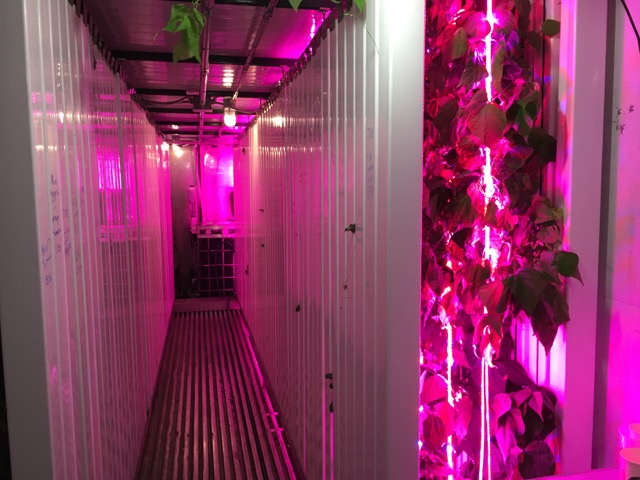
"caption": "Green beans and other vegetables growing in the computer-controlled climate of a hydroponic farm in an old shipping container at Boston Latin School. Students monitor and control it all, on site or with a mobile app. ",
"description": null,
"title": "berdik_IMG_2435",
"credit": "Chris Berdik ",
"status": "inherit",
"isLoading": false,
"fetchFailed": false
},
"mindshift_46385": {
"type": "attachments",
"id": "mindshift_46385",
"meta": {
"index": "attachments_1716263798",
"site": "mindshift",
"id": "46385",
"found": true
},
"parent": 46371,
"imgSizes": {
"twentyfourteen-full-width": {
"file": "https://ww2.kqed.org/app/uploads/sites/23/2016/09/Desktop-1038x576.jpg",
"width": 1038,
"mimeType": "image/jpeg",
"height": 576
},
"thumbnail": {
"file": "https://ww2.kqed.org/app/uploads/sites/23/2016/09/Desktop-400x267.jpg",
"width": 400,
"mimeType": "image/jpeg",
"height": 267
},
"fd-sm": {
"file": "https://ww2.kqed.org/app/uploads/sites/23/2016/09/Desktop-960x640.jpg",
"width": 960,
"mimeType": "image/jpeg",
"height": 640
},
"post-thumbnail": {
"file": "https://ww2.kqed.org/app/uploads/sites/23/2016/09/Desktop-672x372.jpg",
"width": 672,
"mimeType": "image/jpeg",
"height": 372
},
"kqedFullSize": {
"file": "https://ww2.kqed.org/app/uploads/sites/23/2016/09/Desktop-e1474029681209.jpg",
"width": 1920,
"height": 1280
},
"large": {
"file": "https://ww2.kqed.org/app/uploads/sites/23/2016/09/Desktop-1440x960.jpg",
"width": 1440,
"mimeType": "image/jpeg",
"height": 960
},
"guest-author-50": {
"file": "https://ww2.kqed.org/app/uploads/sites/23/2016/09/Desktop-50x50.jpg",
"width": 50,
"mimeType": "image/jpeg",
"height": 50
},
"guest-author-96": {
"file": "https://ww2.kqed.org/app/uploads/sites/23/2016/09/Desktop-96x96.jpg",
"width": 96,
"mimeType": "image/jpeg",
"height": 96
},
"medium": {
"file": "https://ww2.kqed.org/app/uploads/sites/23/2016/09/Desktop-800x533.jpg",
"width": 800,
"mimeType": "image/jpeg",
"height": 533
},
"guest-author-64": {
"file": "https://ww2.kqed.org/app/uploads/sites/23/2016/09/Desktop-64x64.jpg",
"width": 64,
"mimeType": "image/jpeg",
"height": 64
},
"guest-author-32": {
"file": "https://ww2.kqed.org/app/uploads/sites/23/2016/09/Desktop-32x32.jpg",
"width": 32,
"mimeType": "image/jpeg",
"height": 32
},
"cat_post_thumb_sizecategory-posts-2": {
"file": "https://ww2.kqed.org/app/uploads/sites/23/2016/09/Desktop-50x50.jpg",
"width": 50,
"mimeType": "image/jpeg",
"height": 50
},
"fd-lrg": {
"file": "https://ww2.kqed.org/app/uploads/sites/23/2016/09/Desktop-1920x1280.jpg",
"width": 1920,
"mimeType": "image/jpeg",
"height": 1280
},
"fd-med": {
"file": "https://ww2.kqed.org/app/uploads/sites/23/2016/09/Desktop-1180x787.jpg",
"width": 1180,
"mimeType": "image/jpeg",
"height": 787
},
"detail": {
"file": "https://ww2.kqed.org/app/uploads/sites/23/2016/09/Desktop-150x150.jpg",
"width": 150,
"mimeType": "image/jpeg",
"height": 150
},
"medium_large": {
"file": "https://ww2.kqed.org/app/uploads/sites/23/2016/09/Desktop-768x512.jpg",
"width": 768,
"mimeType": "image/jpeg",
"height": 512
},
"guest-author-128": {
"file": "https://ww2.kqed.org/app/uploads/sites/23/2016/09/Desktop-128x128.jpg",
"width": 128,
"mimeType": "image/jpeg",
"height": 128
}
},
"publishDate": 1474029656,
"modified": 1474029712,
"caption": null,
"description": null,
"title": "Desktop",
"credit": "iStock/monkeybusinessimages",
"status": "inherit",
"isLoading": false,
"fetchFailed": false
},
"mindshift_46146": {
"type": "attachments",
"id": "mindshift_46146",
"meta": {
"index": "attachments_1716263798",
"site": "mindshift",
"id": "46146",
"found": true
},
"parent": 46090,
"imgSizes": {
"twentyfourteen-full-width": {
"file": "https://ww2.kqed.org/app/uploads/sites/23/2016/08/digital-writing-1038x576.jpg",
"width": 1038,
"mimeType": "image/jpeg",
"height": 576
},
"thumbnail": {
"file": "https://ww2.kqed.org/app/uploads/sites/23/2016/08/digital-writing-400x225.jpg",
"width": 400,
"mimeType": "image/jpeg",
"height": 225
},
"fd-sm": {
"file": "https://ww2.kqed.org/app/uploads/sites/23/2016/08/digital-writing-960x540.jpg",
"width": 960,
"mimeType": "image/jpeg",
"height": 540
},
"post-thumbnail": {
"file": "https://ww2.kqed.org/app/uploads/sites/23/2016/08/digital-writing-672x372.jpg",
"width": 672,
"mimeType": "image/jpeg",
"height": 372
},
"kqedFullSize": {
"file": "https://ww2.kqed.org/app/uploads/sites/23/2016/08/digital-writing.jpg",
"width": 1920,
"height": 1080
},
"large": {
"file": "https://ww2.kqed.org/app/uploads/sites/23/2016/08/digital-writing-1440x810.jpg",
"width": 1440,
"mimeType": "image/jpeg",
"height": 810
},
"guest-author-50": {
"file": "https://ww2.kqed.org/app/uploads/sites/23/2016/08/digital-writing-50x50.jpg",
"width": 50,
"mimeType": "image/jpeg",
"height": 50
},
"guest-author-96": {
"file": "https://ww2.kqed.org/app/uploads/sites/23/2016/08/digital-writing-96x96.jpg",
"width": 96,
"mimeType": "image/jpeg",
"height": 96
},
"medium": {
"file": "https://ww2.kqed.org/app/uploads/sites/23/2016/08/digital-writing-800x450.jpg",
"width": 800,
"mimeType": "image/jpeg",
"height": 450
},
"guest-author-64": {
"file": "https://ww2.kqed.org/app/uploads/sites/23/2016/08/digital-writing-64x64.jpg",
"width": 64,
"mimeType": "image/jpeg",
"height": 64
},
"guest-author-32": {
"file": "https://ww2.kqed.org/app/uploads/sites/23/2016/08/digital-writing-32x32.jpg",
"width": 32,
"mimeType": "image/jpeg",
"height": 32
},
"cat_post_thumb_sizecategory-posts-2": {
"file": "https://ww2.kqed.org/app/uploads/sites/23/2016/08/digital-writing-50x50.jpg",
"width": 50,
"mimeType": "image/jpeg",
"height": 50
},
"fd-lrg": {
"file": "https://ww2.kqed.org/app/uploads/sites/23/2016/08/digital-writing-1920x1080.jpg",
"width": 1920,
"mimeType": "image/jpeg",
"height": 1080
},
"fd-med": {
"file": "https://ww2.kqed.org/app/uploads/sites/23/2016/08/digital-writing-1180x664.jpg",
"width": 1180,
"mimeType": "image/jpeg",
"height": 664
},
"detail": {
"file": "https://ww2.kqed.org/app/uploads/sites/23/2016/08/digital-writing-150x150.jpg",
"width": 150,
"mimeType": "image/jpeg",
"height": 150
},
"medium_large": {
"file": "https://ww2.kqed.org/app/uploads/sites/23/2016/08/digital-writing-768x432.jpg",
"width": 768,
"mimeType": "image/jpeg",
"height": 432
},
"guest-author-128": {
"file": "https://ww2.kqed.org/app/uploads/sites/23/2016/08/digital-writing-128x128.jpg",
"width": 128,
"mimeType": "image/jpeg",
"height": 128
}
},
"publishDate": 1471628544,
"modified": 1471628597,
"caption": null,
"description": null,
"title": "digital-writing",
"credit": "Brad Flickinger/\u003ca href=\"https://www.flickr.com/photos/56155476@N08/7950148860/in/album-72157631452347356/\">Flickr\u003c/a>",
"status": "inherit",
"isLoading": false,
"fetchFailed": false
},
"mindshift_46133": {
"type": "attachments",
"id": "mindshift_46133",
"meta": {
"index": "attachments_1716263798",
"site": "mindshift",
"id": "46133",
"found": true
},
"parent": 46125,
"imgSizes": {
"twentyfourteen-full-width": {
"file": "https://ww2.kqed.org/app/uploads/sites/23/2016/08/Audio-Books-1038x576.jpg",
"width": 1038,
"mimeType": "image/jpeg",
"height": 576
},
"thumbnail": {
"file": "https://ww2.kqed.org/app/uploads/sites/23/2016/08/Audio-Books-400x267.jpg",
"width": 400,
"mimeType": "image/jpeg",
"height": 267
},
"fd-sm": {
"file": "https://ww2.kqed.org/app/uploads/sites/23/2016/08/Audio-Books-960x640.jpg",
"width": 960,
"mimeType": "image/jpeg",
"height": 640
},
"post-thumbnail": {
"file": "https://ww2.kqed.org/app/uploads/sites/23/2016/08/Audio-Books-672x372.jpg",
"width": 672,
"mimeType": "image/jpeg",
"height": 372
},
"kqedFullSize": {
"file": "https://ww2.kqed.org/app/uploads/sites/23/2016/08/Audio-Books.jpg",
"width": 2715,
"height": 1810
},
"large": {
"file": "https://ww2.kqed.org/app/uploads/sites/23/2016/08/Audio-Books-1440x960.jpg",
"width": 1440,
"mimeType": "image/jpeg",
"height": 960
},
"guest-author-50": {
"file": "https://ww2.kqed.org/app/uploads/sites/23/2016/08/Audio-Books-50x50.jpg",
"width": 50,
"mimeType": "image/jpeg",
"height": 50
},
"guest-author-96": {
"file": "https://ww2.kqed.org/app/uploads/sites/23/2016/08/Audio-Books-96x96.jpg",
"width": 96,
"mimeType": "image/jpeg",
"height": 96
},
"medium": {
"file": "https://ww2.kqed.org/app/uploads/sites/23/2016/08/Audio-Books-800x533.jpg",
"width": 800,
"mimeType": "image/jpeg",
"height": 533
},
"guest-author-64": {
"file": "https://ww2.kqed.org/app/uploads/sites/23/2016/08/Audio-Books-64x64.jpg",
"width": 64,
"mimeType": "image/jpeg",
"height": 64
},
"guest-author-32": {
"file": "https://ww2.kqed.org/app/uploads/sites/23/2016/08/Audio-Books-32x32.jpg",
"width": 32,
"mimeType": "image/jpeg",
"height": 32
},
"cat_post_thumb_sizecategory-posts-2": {
"file": "https://ww2.kqed.org/app/uploads/sites/23/2016/08/Audio-Books-50x50.jpg",
"width": 50,
"mimeType": "image/jpeg",
"height": 50
},
"fd-lrg": {
"file": "https://ww2.kqed.org/app/uploads/sites/23/2016/08/Audio-Books-1920x1280.jpg",
"width": 1920,
"mimeType": "image/jpeg",
"height": 1280
},
"fd-med": {
"file": "https://ww2.kqed.org/app/uploads/sites/23/2016/08/Audio-Books-1180x787.jpg",
"width": 1180,
"mimeType": "image/jpeg",
"height": 787
},
"detail": {
"file": "https://ww2.kqed.org/app/uploads/sites/23/2016/08/Audio-Books-150x150.jpg",
"width": 150,
"mimeType": "image/jpeg",
"height": 150
},
"medium_large": {
"file": "https://ww2.kqed.org/app/uploads/sites/23/2016/08/Audio-Books-768x512.jpg",
"width": 768,
"mimeType": "image/jpeg",
"height": 512
},
"guest-author-128": {
"file": "https://ww2.kqed.org/app/uploads/sites/23/2016/08/Audio-Books-128x128.jpg",
"width": 128,
"mimeType": "image/jpeg",
"height": 128
}
},
"publishDate": 1471546531,
"modified": 1471546552,
"caption": null,
"description": null,
"title": "Audio-Books",
"credit": "iStock",
"status": "inherit",
"isLoading": false,
"fetchFailed": false
}
},
"audioPlayerReducer": {
"postId": "stream_live",
"isPaused": true,
"isPlaying": false,
"pfsActive": false,
"pledgeModalIsOpen": true,
"playerDrawerIsOpen": false,
"liveAudioPlayStartedAt": 0,
"liveAudioPlayContext": ""
},
"authorsReducer": {
"byline_mindshift_47291": {
"type": "authors",
"id": "byline_mindshift_47291",
"meta": {
"override": true
},
"slug": "byline_mindshift_47291",
"name": "Jill Barshay, \u003ca href=\"http://hechingerreport.org/\">The Hechinger Report\u003c/a>",
"isLoading": false
},
"byline_mindshift_46409": {
"type": "authors",
"id": "byline_mindshift_46409",
"meta": {
"override": true
},
"slug": "byline_mindshift_46409",
"name": "Chris Berdik, \u003ca href=\"http://hechingerreport.org/\">The Hechinger Report\u003c/a>",
"isLoading": false
},
"katrinaschwartz": {
"type": "authors",
"id": "234",
"meta": {
"index": "authors_1716337520",
"id": "234",
"found": true
},
"name": "Katrina Schwartz",
"firstName": "Katrina",
"lastName": "Schwartz",
"slug": "katrinaschwartz",
"email": "kschwartz@kqed.org",
"display_author_email": false,
"staff_mastheads": [
"news"
],
"title": "Producer",
"bio": "Katrina Schwartz is a journalist based in San Francisco. She's worked at KPCC public radio in LA and has reported on air and online for KQED since 2010. She covered how teaching and learning is changing for MindShift between 2012 and 2020. She is the co-host of the MindShift podcast and now produces KQED's Bay Curious podcast.",
"avatar": "https://secure.gravatar.com/avatar/edb4ee79070447a018538c9aae6eeecf28786515b8a0c30e43b6b7dce5aa44c8?s=600&d=blank&r=g",
"twitter": "kschwart",
"bluesky": null,
"facebook": null,
"instagram": null,
"linkedin": null,
"sites": [
{
"site": "",
"roles": [
"editor"
]
},
{
"site": "news",
"roles": [
"editor"
]
},
{
"site": "mindshift",
"roles": [
"administrator"
]
},
{
"site": "stateofhealth",
"roles": [
"author"
]
},
{
"site": "science",
"roles": [
"editor"
]
}
],
"headData": {
"title": "Katrina Schwartz | KQED",
"description": "Producer",
"ogImgSrc": "https://secure.gravatar.com/avatar/edb4ee79070447a018538c9aae6eeecf28786515b8a0c30e43b6b7dce5aa44c8?s=600&d=blank&r=g",
"twImgSrc": "https://secure.gravatar.com/avatar/edb4ee79070447a018538c9aae6eeecf28786515b8a0c30e43b6b7dce5aa44c8?s=600&d=blank&r=g"
},
"isLoading": false,
"link": "/author/katrinaschwartz"
},
"ksung": {
"type": "authors",
"id": "4596",
"meta": {
"index": "authors_1716337520",
"id": "4596",
"found": true
},
"name": "Ki Sung",
"firstName": "Ki",
"lastName": "Sung",
"slug": "ksung",
"email": "ksung@kqed.org",
"display_author_email": false,
"staff_mastheads": [
"news"
],
"title": "KQED Contributor",
"bio": "Ki Sung is Managing Editor of Digital News at KQED. She is former Senior Editor of MindShift and worked at NPR before joining KQED in 2014.",
"avatar": "https://secure.gravatar.com/avatar/64271e01dc95486c133be56937739045b7c00c990525bf9add12d3dd4f0433c9?s=600&d=blank&r=g",
"twitter": null,
"bluesky": null,
"facebook": null,
"instagram": null,
"linkedin": null,
"sites": [
{
"site": "news",
"roles": [
"editor"
]
},
{
"site": "mindshift",
"roles": [
"administrator"
]
},
{
"site": "elections",
"roles": [
"administrator"
]
}
],
"headData": {
"title": "Ki Sung | KQED",
"description": "KQED Contributor",
"ogImgSrc": "https://secure.gravatar.com/avatar/64271e01dc95486c133be56937739045b7c00c990525bf9add12d3dd4f0433c9?s=600&d=blank&r=g",
"twImgSrc": "https://secure.gravatar.com/avatar/64271e01dc95486c133be56937739045b7c00c990525bf9add12d3dd4f0433c9?s=600&d=blank&r=g"
},
"isLoading": false,
"link": "/author/ksung"
},
"lindaflan": {
"type": "authors",
"id": "4613",
"meta": {
"index": "authors_1716337520",
"id": "4613",
"found": true
},
"name": "Linda Flanagan",
"firstName": "Linda",
"lastName": "Flanagan",
"slug": "lindaflan",
"email": "lindaflan@comcast.net",
"display_author_email": false,
"staff_mastheads": [],
"title": null,
"bio": "Linda Flanagan is a freelance writer, researcher, and editor. Her work has appeared in The Atlantic, The Wall St. Journal, Newsweek, Running Times, and Mind/Shift, and she blogs regularly for the Huffington Post. Linda writes about education, culture, athletics, youth sports, mental health, politics, college admissions, and other curiosities. She also reviews books and conducts interviews.",
"avatar": "https://secure.gravatar.com/avatar/6bca04c0736bf5eaea80654019de688f?s=600&d=blank&r=g",
"twitter": "LindaFlanagan2",
"facebook": null,
"instagram": null,
"linkedin": null,
"sites": [
{
"site": "mindshift",
"roles": [
"contributor"
]
}
],
"headData": {
"title": "Linda Flanagan | KQED",
"description": null,
"ogImgSrc": "https://secure.gravatar.com/avatar/6bca04c0736bf5eaea80654019de688f?s=600&d=blank&r=g",
"twImgSrc": "https://secure.gravatar.com/avatar/6bca04c0736bf5eaea80654019de688f?s=600&d=blank&r=g"
},
"isLoading": false,
"link": "/author/lindaflan"
},
"dfkris": {
"type": "authors",
"id": "11087",
"meta": {
"index": "authors_1716337520",
"id": "11087",
"found": true
},
"name": "Deborah Farmer Kris",
"firstName": "Deborah Farmer",
"lastName": "Kris",
"slug": "dfkris",
"email": "dfkris@gmail.com",
"display_author_email": false,
"staff_mastheads": [],
"title": null,
"bio": "\u003cem>\u003ca href=\"https://twitter.com/@dfkris\">Deborah Farmer Kris\u003c/a> has taught elementary, middle and high school and served as a charter school administrator. She spent a decade as an associate at Boston University’s \u003c/em>\u003cem>\u003ca href=\"http://www.bu.edu/ccsr/about-us/\">Center for Character and Social Responsibility\u003c/a>, \u003c/em>\u003cem>researching, writing, and consulting with schools. She is the mother of two young children. You can follower her on Twitter \u003ca href=\"https://twitter.com/@dfkris\">@dfkris\u003c/a>.\u003c/em>",
"avatar": "https://secure.gravatar.com/avatar/48efe6f17031ed31222b74af9605fe5a?s=600&d=blank&r=g",
"twitter": "dfkris",
"facebook": null,
"instagram": null,
"linkedin": null,
"sites": [
{
"site": "mindshift",
"roles": [
"author"
]
}
],
"headData": {
"title": "Deborah Farmer Kris | KQED",
"description": null,
"ogImgSrc": "https://secure.gravatar.com/avatar/48efe6f17031ed31222b74af9605fe5a?s=600&d=blank&r=g",
"twImgSrc": "https://secure.gravatar.com/avatar/48efe6f17031ed31222b74af9605fe5a?s=600&d=blank&r=g"
},
"isLoading": false,
"link": "/author/dfkris"
}
},
"pagesReducer": {
"mindshift_category_digital-tools": {
"type": "terms",
"id": "mindshift_195",
"meta": {
"index": "terms_1716263798",
"site": "mindshift",
"id": "195",
"score": 14.406026
},
"featImg": null,
"name": "Digital Tools",
"description": "How devices, software, and the Internet are changing the classroom dynamic.",
"taxonomy": "category",
"headData": {
"twImgId": null,
"twTitle": null,
"ogTitle": null,
"ogImgId": null,
"twDescription": null,
"description": "How devices, software, and the Internet are changing the classroom dynamic.",
"title": "Digital Tools Archives | KQED Mindshift",
"ogDescription": null
},
"ttid": 195,
"slug": "digital-tools",
"isLoading": false,
"title": "Digital Tools",
"pageMeta": {
"site": "mindshift",
"WpPageTemplate": "page-topic-editorial",
"currentPage": 10
},
"blocks": [
{
"blockName": "kqed/company-paragraph",
"content": "How devices, software, and the Internet are changing the classroom dynamic."
},
{
"blockName": "kqed/post-list",
"attrs": {
"layout": "cardArticle2",
"query": "posts/mindshift?category=digital-tools",
"seeMore": false,
"paginated": true,
"page": 10
}
},
{
"blockName": "kqed/ad"
}
]
}
},
"pfsSessionReducer": {},
"postsReducer": {
"stream_live": {
"type": "live",
"id": "stream_live",
"audioUrl": "https://streams.kqed.org/kqedradio",
"title": "Live Stream",
"excerpt": "Live Stream information currently unavailable.",
"link": "/radio",
"featImg": "",
"label": {
"name": "KQED Live",
"link": "/"
}
},
"stream_kqedNewscast": {
"type": "posts",
"id": "stream_kqedNewscast",
"audioUrl": "https://www.kqed.org/.stream/anon/radio/RDnews/newscast.mp3?_=1",
"title": "KQED Newscast",
"featImg": "",
"label": {
"name": "88.5 FM",
"link": "/"
}
},
"mindshift_47461": {
"type": "posts",
"id": "mindshift_47461",
"meta": {
"index": "posts_1716263798",
"site": "mindshift",
"id": "47461",
"score": null,
"sort": [
1486142888000
]
},
"parent": 0,
"labelTerm": {
"site": "mindshift"
},
"blocks": [],
"publishDate": 1486142888,
"format": "standard",
"disqusTitle": "Two Puzzles to Stretch Students' Logical Thinking",
"title": "Two Puzzles to Stretch Students' Logical Thinking",
"headTitle": "MindShift | KQED News",
"content": "\u003cp>Riddles are a fun way to get students thinking logically and tackling problems that can seem overwhelming at first. In this\u003ca href=\"https://ed.ted.com/lessons/can-you-solve-the-counterfeit-coin-riddle-jennifer-lu\"> TED-Ed riddle\u003c/a>, students are put in the position of a famous mathematician who has been jailed by his king, but has a chance at freedom if he can figure out which of 12 seemingly identical coins has been counterfeited by a corrupt official. The video sets up the conditions of the riddle at the beginning and the answer comes at 1:18.\u003c/p>\n\u003cp>https://www.youtube.com/watch?v=tE2dZLDJSjA\u003c/p>\n\u003cp>This \u003ca href=\"https://ed.ted.com/lessons/can-you-solve-the-river-crossing-riddle-lisa-winer\">second riddle\u003c/a> is a classic river crossing problem with unique limitations that force students to think through various options. The video even offers some problem solving strategies, that could be used as clues. The answer comes at 1:04 in this video.\u003c/p>\n\u003cp>https://www.youtube.com/watch?v=ADR7dUoVh_c\u003c/p>\n\u003cp>[ad fullwidth]\u003c/p>\u003cp>\u003c/p>\n",
"disqusIdentifier": "47461 https://ww2.kqed.org/mindshift/?p=47461",
"disqusUrl": "https://ww2.kqed.org/mindshift/2017/02/03/two-puzzles-to-stretch-students-logical-thinking/",
"stats": {
"hasVideo": true,
"hasChartOrMap": false,
"hasAudio": false,
"hasPolis": false,
"wordCount": 145,
"hasGoogleForm": false,
"hasGallery": false,
"hasHearkenModule": false,
"iframeSrcs": [],
"paragraphCount": 4
},
"modified": 1486142888,
"excerpt": "Logical thinking and staying calm under pressure are two great skills for academics and life. Riddles can be a great way to get students involved in fun problem solving to develop these abilities.",
"headData": {
"twImgId": "",
"twTitle": "",
"ogTitle": "",
"ogImgId": "",
"twDescription": "",
"description": "Logical thinking and staying calm under pressure are two great skills for academics and life. Riddles can be a great way to get students involved in fun problem solving to develop these abilities.",
"title": "Two Puzzles to Stretch Students' Logical Thinking | KQED",
"ogDescription": "",
"schema": {
"@context": "https://schema.org",
"@type": "Article",
"headline": "Two Puzzles to Stretch Students' Logical Thinking",
"datePublished": "2017-02-03T09:28:08-08:00",
"dateModified": "2017-02-03T09:28:08-08:00",
"image": "https://cdn.kqed.org/wp-content/uploads/2020/02/KQED-OG-Image@1x.png"
}
},
"guestAuthors": [],
"slug": "two-puzzles-to-stretch-students-logical-thinking",
"status": "publish",
"path": "/mindshift/47461/two-puzzles-to-stretch-students-logical-thinking",
"audioTrackLength": null,
"parsedContent": [
{
"type": "contentString",
"content": "\u003cdiv class=\"post-body\">\u003cp>\u003cp>Riddles are a fun way to get students thinking logically and tackling problems that can seem overwhelming at first. In this\u003ca href=\"https://ed.ted.com/lessons/can-you-solve-the-counterfeit-coin-riddle-jennifer-lu\"> TED-Ed riddle\u003c/a>, students are put in the position of a famous mathematician who has been jailed by his king, but has a chance at freedom if he can figure out which of 12 seemingly identical coins has been counterfeited by a corrupt official. The video sets up the conditions of the riddle at the beginning and the answer comes at 1:18.\u003c/p>\u003c/p>\u003cp>\u003cspan class='utils-parseShortcode-shortcodes-__youtubeShortcode__embedYoutube'>\n \u003cspan class='utils-parseShortcode-shortcodes-__youtubeShortcode__embedYoutubeInside'>\n \u003ciframe\n loading='lazy'\n class='utils-parseShortcode-shortcodes-__youtubeShortcode__youtubePlayer'\n type='text/html'\n src='//www.youtube.com/embed/tE2dZLDJSjA'\n title='//www.youtube.com/embed/tE2dZLDJSjA'\n allowfullscreen='true'\n style='border:0;'>\u003c/iframe>\n \u003c/span>\n \u003c/span>\u003c/p>\u003cp>\u003cp>This \u003ca href=\"https://ed.ted.com/lessons/can-you-solve-the-river-crossing-riddle-lisa-winer\">second riddle\u003c/a> is a classic river crossing problem with unique limitations that force students to think through various options. The video even offers some problem solving strategies, that could be used as clues. The answer comes at 1:04 in this video.\u003c/p>\u003c/p>\u003cp>\u003cspan class='utils-parseShortcode-shortcodes-__youtubeShortcode__embedYoutube'>\n \u003cspan class='utils-parseShortcode-shortcodes-__youtubeShortcode__embedYoutubeInside'>\n \u003ciframe\n loading='lazy'\n class='utils-parseShortcode-shortcodes-__youtubeShortcode__youtubePlayer'\n type='text/html'\n src='//www.youtube.com/embed/ADR7dUoVh_c'\n title='//www.youtube.com/embed/ADR7dUoVh_c'\n allowfullscreen='true'\n style='border:0;'>\u003c/iframe>\n \u003c/span>\n \u003c/span>\u003c/p>\u003cp>\u003cp>\u003c/p>\u003c/div>",
"attributes": {
"named": {},
"numeric": []
}
},
{
"type": "component",
"content": "",
"name": "ad",
"attributes": {
"named": {
"label": "fullwidth"
},
"numeric": [
"fullwidth"
]
}
},
{
"type": "contentString",
"content": "\u003cdiv class=\"post-body\">\u003cp>\u003c/p>\u003cp>\u003c/p>\n\u003c/div>\u003c/p>",
"attributes": {
"named": {},
"numeric": []
}
}
],
"link": "/mindshift/47461/two-puzzles-to-stretch-students-logical-thinking",
"authors": [
"4354"
],
"categories": [
"mindshift_195"
],
"tags": [
"mindshift_20784",
"mindshift_1040",
"mindshift_21058",
"mindshift_875"
],
"featImg": "mindshift_47463",
"label": "mindshift"
},
"mindshift_47291": {
"type": "posts",
"id": "mindshift_47291",
"meta": {
"index": "posts_1716263798",
"site": "mindshift",
"id": "47291",
"score": null,
"sort": [
1484038920000
]
},
"parent": 0,
"labelTerm": {
"site": "mindshift"
},
"blocks": [],
"publishDate": 1484038920,
"format": "standard",
"disqusTitle": "What Kids Can Learn When Blocks Get A Tech Boost",
"title": "What Kids Can Learn When Blocks Get A Tech Boost",
"headTitle": "MindShift | KQED News",
"content": "\u003cp>PITTSBURGH — At Forest Grove Elementary School, along the Ohio River just northwest of Pittsburgh, the Rust Belt is giving way to educational innovation. In a windowless room in the library, first- and second-graders experiment with a strange teaching device that’s half computer and half wooden play table. A giant computer screen looms over the table, and a touch-screen tablet is built into the table’s surface. A dancing cartoon gorilla appears on both screens, while a disembodied female voice commands two students to erect towers. The children reach into two bins of colorful wooden blocks and oversized Legos and build.\u003c/p>\n\u003cp>Suddenly the table shakes wildly. The towers fall. Laughter ensues.\u003c/p>\n\u003cp>The kids rebuild. The table shakes. The blocks topple again.\u003c/p>\n\u003cp>The gorilla voice asks the children to place two different shapes on the earthquake table and guess which will fall first when the table shakes. A boy named Damon taps the picture of the smaller tower on the right side of the tablet screen. When the table shakes, the small tower remains standing.\u003c/p>\n\u003cp>“Uh-oh, your prediction was not quite right,” the computer voice responds. “The left tower fell first. Why do you think this tower fell first? Because it is taller, because it has a thinner base, because it has more weight on top than bottom, because it is not symmetrical or same on both sides?”\u003c/p>\n\u003cfigure id=\"attachment_47297\" class=\"wp-caption alignnone\" style=\"max-width: 1920px\">\u003cimg class=\"size-full wp-image-47297\" src=\"http://ww2.kqed.org/mindshift/wp-content/uploads/sites/23/2017/01/Jill-Barshay-Pittsburgh-Data-Geeks4-1-e1483992946762.jpg\" alt=\"A prototype of Nesra Yannier's "mixed-reality" teaching machine in a laboratory of Carnegie Mellon University. \" width=\"1920\" height=\"1440\">\u003cfigcaption class=\"wp-caption-text\">A prototype of Nesra Yannier's \"mixed-reality\" teaching machine in a laboratory of Carnegie Mellon University. \u003ccite>(Jill Barshay)\u003c/cite>\u003c/figcaption>\u003c/figure>\n\u003cp>Damon’s classmate Lauren quickly taps the first of the four choices on the tablet screen without discussion, eager to get her hands on some blocks to start building again.\u003c/p>\n\u003cp>[ad fullwidth]\u003c/p>\n\u003cp>“Good job,” the voice responds. “It fell first because it was taller than the other tower. Click ‘continue’ to play again.”\u003c/p>\n\u003cp>About 20 minutes into these amusing build-and-bust cycles, the voice develops a broken-record speech impediment: “Because it. Because it. Because it …”\u003c/p>\n\u003cp>Nesra Yannier, the inventor of this teaching machine, confidently smiles. She’s a postdoctoral student at nearby Carnegie Mellon University in a new field called “Human-Computer Interaction.” A computer scientist, she opens a door in the table’s guts where a laptop computer is hidden, types on its keyboard and, within seconds, the animated gorilla is back to her pedagogical self again. “Please clear the old towers off table,” the voice instructs, “Place these towers on the table. Good job.”\u003c/p>\n\u003cp>Yannier’s research experiment is part of a partnership between Forest Grove’s school district and Carnegie Mellon to see if high-tech ideas can improve teaching and learning. Yannier calls her machine “mixed reality” — part digital and part analog at the same time. Her work is one of several research efforts to let children take advantage of the instant feedback that computerized instruction offers without losing the tactile joys and social interactions of the real world.\u003c/p>\n\u003cp>Some tech companies are also trying to mix hands-on play with digital learning. A company called Sphero, for example, has successfully marketed a ball to teach coding, geometry and genetics. Toymail has invented a two-way communications device that can be used to transmit lessons. Most of these efforts are essentially cute toys with educational uses. Yannier’s invention, by contrast, is a giant piece of furniture intended for schools and museums.\u003c/p>\n\u003cp>With it, she joins a debate in education about whether or not very young children should be taught through computers at school, even some of the time. Advocates like the way that educational software can alert kids to their mistakes right away and help to fix them more quickly. Sophisticated programs can adjust to each student’s needs and pace, like a personal tutor. Teachers can get real-time feedback on what students are struggling with. Plus, video game animations can be so adorably entertaining. Kids love them.\u003c/p>\n\u003cfigure id=\"attachment_47294\" class=\"wp-caption alignnone\" style=\"max-width: 1920px\">\u003cimg class=\"size-full wp-image-47294\" src=\"http://ww2.kqed.org/mindshift/wp-content/uploads/sites/23/2017/01/Jill-Barshay-Pittsburgh-Data-Geeks3-e1483992900159.jpg\" alt=\"Nesra Yannier reacts to student responses during an experiment at Forest Grove Elementary School \" width=\"1920\" height=\"1440\">\u003cfigcaption class=\"wp-caption-text\">Nesra Yannier reacts to student responses during an experiment at Forest Grove Elementary School \u003ccite>(Jill Barshay)\u003c/cite>\u003c/figcaption>\u003c/figure>\n\u003cp>Several years ago, after obtaining a master’s degree in learning design and technology at Stanford University, Yannier had misgivings about her career path. “Most technology is so isolating,” she said. “I didn’t want that.”\u003c/p>\n\u003cp>Yannier was deeply affected by a robotics competition in her native Turkey, where she coached underprivileged students to build and program a wheelchair. Her team won, and the motivating power of group work left an impression on her. She didn’t want to spend her career designing software that would result in students sitting silently with headphones in front of computers.\u003c/p>\n\u003cp>So when she arrived as a Ph.D. student at Carnegie Mellon, Yannier decided to invent a new kind of educational machine with which kids could learn together. Hers would use a real table with real blocks — and a computer at the heart of it that uses motion sensors to “see” what students are doing. A camera transmits a near-infrared light to the objects on the table, and when the light bounces back, like sonar, it sends information back to the transmitter, which forms a 3-D image of what is on the table. Thus, the computer can “see” what shape the block towers are taking and whether or not they’re still standing.\u003cstrong> \u003c/strong>\u003c/p>\n\u003cp>In 2015 she began testing her shaking table contraption to see how well young kids, ages 6 through 8, could learn basic physics principles from it. Yannier began with two lesson plans: one given to kids only on the computer; and one given to a different group of kids using her mixed-reality contraption. Both lessons guided students to discover concepts through a series of questions, rather than just teaching kids to memorize and regurgitate facts. She had the children take a test before and after the lesson to gauge how much they learned. She found that students learned five times as much using her machine as they did from solely using software on a flat computer screen.\u003c/p>\n\u003cp>The astounding result surprised Yannier’s dissertation advisor, Ken Koedinger, because other Carnegie Mellon researchers had failed to find educational benefits from teaching middle-schoolers with actual objects (such as a stretchy spring) compared to computerized simulations. Koedinger speculated that older kids might be better able to process information on a flat screen than younger kids. “I do think our brains take some time to process a 2-D display,” Koedinger said.\u003c/p>\n\u003cp>To develop her prototype, Yannier tried various combinations of the physical and virtual. Instead of a real earthquake table that actually shakes, she had students shake a tablet to see if a virtual tower would fall. That didn’t work too well. “Shaking a tablet wasn’t improving learning or enjoyment,” she said. “You need the physical trigger.”\u003c/p>\n\u003cp>In her pilot tests, she also experimented with just how much of the physical world to mix with the technological world, and found that kids went off task more often as the pendulum swung toward the physical. “If you have a really great teacher, maybe you can guide them,” she said. “It’s hard to keep the kids from going off task.” (It’s an open question whether a human teacher could get just as strong outcomes with these youngsters as Yannier’s contraption; Yannier hasn’t checked that, and doesn’t plan to do so.)\u003c/p>\n\u003cfigure id=\"attachment_47293\" class=\"wp-caption alignnone\" style=\"max-width: 1920px\">\u003cimg class=\"size-full wp-image-47293\" src=\"http://ww2.kqed.org/mindshift/wp-content/uploads/sites/23/2017/01/Jill-Barshay-Pittsburgh-Data-Geeks2-e1483992853110.jpg\" alt=\"A tower of blocks on Nesra Yannier's earthquake table during an experiment at Forest Grove Elementary School.\" width=\"1920\" height=\"1440\">\u003cfigcaption class=\"wp-caption-text\">A tower of blocks on Nesra Yannier's earthquake table during an experiment at Forest Grove Elementary School. \u003ccite>(Jill Barshay)\u003c/cite>\u003c/figcaption>\u003c/figure>\n\u003cp>At the elementary school, the gorilla voice keeps Damon and Lauren on task, asking them to find wooden blocks that match the ones pictured on the screen and place them on the earthquake table. One is shaped like a lowercase ‘t,’ and the other is the same, but upside-down. Which one will fall?\u003c/p>\n\u003cp>This turns out to be one of the hardest questions in the lesson. Koedinger, the professor, admits he got this one wrong when he tried it. He imagined his daughter’s arms extended out on the high beam to maintain balance in gymnastics class. But Damon and Lauren correctly guess that the upside-down ‘t’ will survive the tremors.\u003c/p>\n\u003cp>“Good job,” the computer table says.\u003c/p>\n\u003cp>In an earlier experiment with her machine, Yannier tested another long-debated educational theory: Do kids learn best individually, or collaboratively in pairs? She found that some students collaborated productively and had great learning gains. But others just distracted each other. When averaged, the two canceled each other out, and her results showed that, overall, collaborative learning was no better than solitary learning.\u003c/p>\n\u003cp>But, Yannier explained, “the teacher feedback was that they liked the productive dialogue. The teachers and parents liked it, so I kept it.”\u003c/p>\n\u003cp>In fact, a school district leader said that his favorite part of Yannier’s experiments was that they require students to work collaboratively, something he thinks will better prepare students for the workforce.\u003c/p>\n\u003cp>So far, Yannier’s earthquake table seems like a joyful way to learn about centers of gravity, symmetry and balance. Could it be adapted to teach anything else, such as fractions? Yannier said she’s working on creating a table with a two-armed balance scale, which will be more conducive to math and physics instruction. Whether it will be as engaging as earthquakes and toppling blocks is another question.\u003c/p>\n\u003cp>Another problem is size. The table and screen together are more than six feet wide, deep and tall. The machine looks more like a museum installation than classroom equipment.\u003c/p>\n\u003cp>Moreover, it’s not a very efficient teacher, since only two kids can build towers at a time, and, at the moment, it requires an adult’s constant presence to set things up and deal with technical glitches.\u003c/p>\n\u003cp>Yannier has added wheels and folding wings to her contraption to make it portable, so that it can be used in a classroom as kids rotate through different stations. And she wants to add an intelligent tutoring system, to personalize instruction so that more advanced kids can be given more advanced tasks and challenges.\u003c/p>\n\u003cp>Despite the fact that Yannier’s invention is still a work in progress, with a lack of clarity over what it can and cannot teach, there’s already interest in commercializing it. Both the Fred Rogers Foundation and Carnegie Mellon University awarded her grants to spin her idea off into a company, which she is launching alongside her research work. (Yannier said she’s going to call it NoRILLA, which memorably rhymes with gorilla, but is an acronym for this mouthful: Novel Research-based Intelligent Lifelong Learning Apparatus.)\u003c/p>\n\u003cp>Yannier might be onto something. After more than an hour of lessons, and pre-tests and post-tests, Damon and Lauren don’t want to leave the table.\u003c/p>\n\u003cp>“Me have great idea,” Damon says in an Elmo voice, and asks if they can keep building. The two build an enormous structure with a giant cantilever arm. It falls before the earthquake even hits. Then they tinker some more and build another beast — still with a cantilever arm, but this time with a much larger base. It miraculously withstands six seconds of shakes.\u003c/p>\n\u003cp>“It’s cool,” Damon declares. Indeed, it is.\u003c/p>\n\u003cp>[ad floatright]\u003c/p>\n\u003cp>\u003cem>This story was produced by \u003c/em>\u003ca href=\"http://www.hechingerreport.org/\">The Hechinger Report\u003c/a>\u003cem>, a nonprofit, independent news organization focused on inequality and innovation in education. Sign up for our newsletter to get a weekly update on \u003c/em>\u003ca href=\"http://hechingerreport.org/special-reports/blended-learning/\">blended learning\u003c/a>\u003cstrong>. \u003c/strong>\u003c/p>\n\n",
"disqusIdentifier": "47291 http://ww2.kqed.org/mindshift/?p=47291",
"disqusUrl": "https://ww2.kqed.org/mindshift/2017/01/10/what-kids-can-learn-when-blocks-get-a-tech-boost/",
"stats": {
"hasVideo": false,
"hasChartOrMap": false,
"hasAudio": false,
"hasPolis": false,
"wordCount": 1977,
"hasGoogleForm": false,
"hasGallery": false,
"hasHearkenModule": false,
"iframeSrcs": [],
"paragraphCount": 36
},
"modified": 1484038920,
"excerpt": "A program at Carnegie Mellon is using technology to enhance the block-building experience for kids.",
"headData": {
"twImgId": "",
"twTitle": "",
"ogTitle": "",
"ogImgId": "",
"twDescription": "",
"description": "A program at Carnegie Mellon is using technology to enhance the block-building experience for kids.",
"title": "What Kids Can Learn When Blocks Get A Tech Boost | KQED",
"ogDescription": "",
"schema": {
"@context": "https://schema.org",
"@type": "Article",
"headline": "What Kids Can Learn When Blocks Get A Tech Boost",
"datePublished": "2017-01-10T01:02:00-08:00",
"dateModified": "2017-01-10T01:02:00-08:00",
"image": "https://cdn.kqed.org/wp-content/uploads/2020/02/KQED-OG-Image@1x.png"
}
},
"guestAuthors": [],
"slug": "what-kids-can-learn-when-blocks-get-a-tech-boost",
"status": "publish",
"nprByline": "Jill Barshay, \u003ca href=\"http://hechingerreport.org/\">The Hechinger Report\u003c/a>",
"path": "/mindshift/47291/what-kids-can-learn-when-blocks-get-a-tech-boost",
"audioTrackLength": null,
"parsedContent": [
{
"type": "contentString",
"content": "\u003cdiv class=\"post-body\">\u003cp>\u003cp>PITTSBURGH — At Forest Grove Elementary School, along the Ohio River just northwest of Pittsburgh, the Rust Belt is giving way to educational innovation. In a windowless room in the library, first- and second-graders experiment with a strange teaching device that’s half computer and half wooden play table. A giant computer screen looms over the table, and a touch-screen tablet is built into the table’s surface. A dancing cartoon gorilla appears on both screens, while a disembodied female voice commands two students to erect towers. The children reach into two bins of colorful wooden blocks and oversized Legos and build.\u003c/p>\n\u003cp>Suddenly the table shakes wildly. The towers fall. Laughter ensues.\u003c/p>\n\u003cp>The kids rebuild. The table shakes. The blocks topple again.\u003c/p>\n\u003cp>The gorilla voice asks the children to place two different shapes on the earthquake table and guess which will fall first when the table shakes. A boy named Damon taps the picture of the smaller tower on the right side of the tablet screen. When the table shakes, the small tower remains standing.\u003c/p>\n\u003cp>“Uh-oh, your prediction was not quite right,” the computer voice responds. “The left tower fell first. Why do you think this tower fell first? Because it is taller, because it has a thinner base, because it has more weight on top than bottom, because it is not symmetrical or same on both sides?”\u003c/p>\n\u003cfigure id=\"attachment_47297\" class=\"wp-caption alignnone\" style=\"max-width: 1920px\">\u003cimg class=\"size-full wp-image-47297\" src=\"http://ww2.kqed.org/mindshift/wp-content/uploads/sites/23/2017/01/Jill-Barshay-Pittsburgh-Data-Geeks4-1-e1483992946762.jpg\" alt=\"A prototype of Nesra Yannier's "mixed-reality" teaching machine in a laboratory of Carnegie Mellon University. \" width=\"1920\" height=\"1440\">\u003cfigcaption class=\"wp-caption-text\">A prototype of Nesra Yannier's \"mixed-reality\" teaching machine in a laboratory of Carnegie Mellon University. \u003ccite>(Jill Barshay)\u003c/cite>\u003c/figcaption>\u003c/figure>\n\u003cp>Damon’s classmate Lauren quickly taps the first of the four choices on the tablet screen without discussion, eager to get her hands on some blocks to start building again.\u003c/p>\n\u003cp>\u003c/p>\u003c/div>",
"attributes": {
"named": {},
"numeric": []
}
},
{
"type": "component",
"content": "",
"name": "ad",
"attributes": {
"named": {
"label": "fullwidth"
},
"numeric": [
"fullwidth"
]
}
},
{
"type": "contentString",
"content": "\u003cdiv class=\"post-body\">\u003cp>\u003c/p>\n\u003cp>“Good job,” the voice responds. “It fell first because it was taller than the other tower. Click ‘continue’ to play again.”\u003c/p>\n\u003cp>About 20 minutes into these amusing build-and-bust cycles, the voice develops a broken-record speech impediment: “Because it. Because it. Because it …”\u003c/p>\n\u003cp>Nesra Yannier, the inventor of this teaching machine, confidently smiles. She’s a postdoctoral student at nearby Carnegie Mellon University in a new field called “Human-Computer Interaction.” A computer scientist, she opens a door in the table’s guts where a laptop computer is hidden, types on its keyboard and, within seconds, the animated gorilla is back to her pedagogical self again. “Please clear the old towers off table,” the voice instructs, “Place these towers on the table. Good job.”\u003c/p>\n\u003cp>Yannier’s research experiment is part of a partnership between Forest Grove’s school district and Carnegie Mellon to see if high-tech ideas can improve teaching and learning. Yannier calls her machine “mixed reality” — part digital and part analog at the same time. Her work is one of several research efforts to let children take advantage of the instant feedback that computerized instruction offers without losing the tactile joys and social interactions of the real world.\u003c/p>\n\u003cp>Some tech companies are also trying to mix hands-on play with digital learning. A company called Sphero, for example, has successfully marketed a ball to teach coding, geometry and genetics. Toymail has invented a two-way communications device that can be used to transmit lessons. Most of these efforts are essentially cute toys with educational uses. Yannier’s invention, by contrast, is a giant piece of furniture intended for schools and museums.\u003c/p>\n\u003cp>With it, she joins a debate in education about whether or not very young children should be taught through computers at school, even some of the time. Advocates like the way that educational software can alert kids to their mistakes right away and help to fix them more quickly. Sophisticated programs can adjust to each student’s needs and pace, like a personal tutor. Teachers can get real-time feedback on what students are struggling with. Plus, video game animations can be so adorably entertaining. Kids love them.\u003c/p>\n\u003cfigure id=\"attachment_47294\" class=\"wp-caption alignnone\" style=\"max-width: 1920px\">\u003cimg class=\"size-full wp-image-47294\" src=\"http://ww2.kqed.org/mindshift/wp-content/uploads/sites/23/2017/01/Jill-Barshay-Pittsburgh-Data-Geeks3-e1483992900159.jpg\" alt=\"Nesra Yannier reacts to student responses during an experiment at Forest Grove Elementary School \" width=\"1920\" height=\"1440\">\u003cfigcaption class=\"wp-caption-text\">Nesra Yannier reacts to student responses during an experiment at Forest Grove Elementary School \u003ccite>(Jill Barshay)\u003c/cite>\u003c/figcaption>\u003c/figure>\n\u003cp>Several years ago, after obtaining a master’s degree in learning design and technology at Stanford University, Yannier had misgivings about her career path. “Most technology is so isolating,” she said. “I didn’t want that.”\u003c/p>\n\u003cp>Yannier was deeply affected by a robotics competition in her native Turkey, where she coached underprivileged students to build and program a wheelchair. Her team won, and the motivating power of group work left an impression on her. She didn’t want to spend her career designing software that would result in students sitting silently with headphones in front of computers.\u003c/p>\n\u003cp>So when she arrived as a Ph.D. student at Carnegie Mellon, Yannier decided to invent a new kind of educational machine with which kids could learn together. Hers would use a real table with real blocks — and a computer at the heart of it that uses motion sensors to “see” what students are doing. A camera transmits a near-infrared light to the objects on the table, and when the light bounces back, like sonar, it sends information back to the transmitter, which forms a 3-D image of what is on the table. Thus, the computer can “see” what shape the block towers are taking and whether or not they’re still standing.\u003cstrong> \u003c/strong>\u003c/p>\n\u003cp>In 2015 she began testing her shaking table contraption to see how well young kids, ages 6 through 8, could learn basic physics principles from it. Yannier began with two lesson plans: one given to kids only on the computer; and one given to a different group of kids using her mixed-reality contraption. Both lessons guided students to discover concepts through a series of questions, rather than just teaching kids to memorize and regurgitate facts. She had the children take a test before and after the lesson to gauge how much they learned. She found that students learned five times as much using her machine as they did from solely using software on a flat computer screen.\u003c/p>\n\u003cp>The astounding result surprised Yannier’s dissertation advisor, Ken Koedinger, because other Carnegie Mellon researchers had failed to find educational benefits from teaching middle-schoolers with actual objects (such as a stretchy spring) compared to computerized simulations. Koedinger speculated that older kids might be better able to process information on a flat screen than younger kids. “I do think our brains take some time to process a 2-D display,” Koedinger said.\u003c/p>\n\u003cp>To develop her prototype, Yannier tried various combinations of the physical and virtual. Instead of a real earthquake table that actually shakes, she had students shake a tablet to see if a virtual tower would fall. That didn’t work too well. “Shaking a tablet wasn’t improving learning or enjoyment,” she said. “You need the physical trigger.”\u003c/p>\n\u003cp>In her pilot tests, she also experimented with just how much of the physical world to mix with the technological world, and found that kids went off task more often as the pendulum swung toward the physical. “If you have a really great teacher, maybe you can guide them,” she said. “It’s hard to keep the kids from going off task.” (It’s an open question whether a human teacher could get just as strong outcomes with these youngsters as Yannier’s contraption; Yannier hasn’t checked that, and doesn’t plan to do so.)\u003c/p>\n\u003cfigure id=\"attachment_47293\" class=\"wp-caption alignnone\" style=\"max-width: 1920px\">\u003cimg class=\"size-full wp-image-47293\" src=\"http://ww2.kqed.org/mindshift/wp-content/uploads/sites/23/2017/01/Jill-Barshay-Pittsburgh-Data-Geeks2-e1483992853110.jpg\" alt=\"A tower of blocks on Nesra Yannier's earthquake table during an experiment at Forest Grove Elementary School.\" width=\"1920\" height=\"1440\">\u003cfigcaption class=\"wp-caption-text\">A tower of blocks on Nesra Yannier's earthquake table during an experiment at Forest Grove Elementary School. \u003ccite>(Jill Barshay)\u003c/cite>\u003c/figcaption>\u003c/figure>\n\u003cp>At the elementary school, the gorilla voice keeps Damon and Lauren on task, asking them to find wooden blocks that match the ones pictured on the screen and place them on the earthquake table. One is shaped like a lowercase ‘t,’ and the other is the same, but upside-down. Which one will fall?\u003c/p>\n\u003cp>This turns out to be one of the hardest questions in the lesson. Koedinger, the professor, admits he got this one wrong when he tried it. He imagined his daughter’s arms extended out on the high beam to maintain balance in gymnastics class. But Damon and Lauren correctly guess that the upside-down ‘t’ will survive the tremors.\u003c/p>\n\u003cp>“Good job,” the computer table says.\u003c/p>\n\u003cp>In an earlier experiment with her machine, Yannier tested another long-debated educational theory: Do kids learn best individually, or collaboratively in pairs? She found that some students collaborated productively and had great learning gains. But others just distracted each other. When averaged, the two canceled each other out, and her results showed that, overall, collaborative learning was no better than solitary learning.\u003c/p>\n\u003cp>But, Yannier explained, “the teacher feedback was that they liked the productive dialogue. The teachers and parents liked it, so I kept it.”\u003c/p>\n\u003cp>In fact, a school district leader said that his favorite part of Yannier’s experiments was that they require students to work collaboratively, something he thinks will better prepare students for the workforce.\u003c/p>\n\u003cp>So far, Yannier’s earthquake table seems like a joyful way to learn about centers of gravity, symmetry and balance. Could it be adapted to teach anything else, such as fractions? Yannier said she’s working on creating a table with a two-armed balance scale, which will be more conducive to math and physics instruction. Whether it will be as engaging as earthquakes and toppling blocks is another question.\u003c/p>\n\u003cp>Another problem is size. The table and screen together are more than six feet wide, deep and tall. The machine looks more like a museum installation than classroom equipment.\u003c/p>\n\u003cp>Moreover, it’s not a very efficient teacher, since only two kids can build towers at a time, and, at the moment, it requires an adult’s constant presence to set things up and deal with technical glitches.\u003c/p>\n\u003cp>Yannier has added wheels and folding wings to her contraption to make it portable, so that it can be used in a classroom as kids rotate through different stations. And she wants to add an intelligent tutoring system, to personalize instruction so that more advanced kids can be given more advanced tasks and challenges.\u003c/p>\n\u003cp>Despite the fact that Yannier’s invention is still a work in progress, with a lack of clarity over what it can and cannot teach, there’s already interest in commercializing it. Both the Fred Rogers Foundation and Carnegie Mellon University awarded her grants to spin her idea off into a company, which she is launching alongside her research work. (Yannier said she’s going to call it NoRILLA, which memorably rhymes with gorilla, but is an acronym for this mouthful: Novel Research-based Intelligent Lifelong Learning Apparatus.)\u003c/p>\n\u003cp>Yannier might be onto something. After more than an hour of lessons, and pre-tests and post-tests, Damon and Lauren don’t want to leave the table.\u003c/p>\n\u003cp>“Me have great idea,” Damon says in an Elmo voice, and asks if they can keep building. The two build an enormous structure with a giant cantilever arm. It falls before the earthquake even hits. Then they tinker some more and build another beast — still with a cantilever arm, but this time with a much larger base. It miraculously withstands six seconds of shakes.\u003c/p>\n\u003cp>“It’s cool,” Damon declares. Indeed, it is.\u003c/p>\n\u003cp>\u003c/p>\u003c/div>",
"attributes": {
"named": {},
"numeric": []
}
},
{
"type": "component",
"content": "",
"name": "ad",
"attributes": {
"named": {
"label": "floatright"
},
"numeric": [
"floatright"
]
}
},
{
"type": "contentString",
"content": "\u003cdiv class=\"post-body\">\u003cp>\u003c/p>\n\u003cp>\u003cem>This story was produced by \u003c/em>\u003ca href=\"http://www.hechingerreport.org/\">The Hechinger Report\u003c/a>\u003cem>, a nonprofit, independent news organization focused on inequality and innovation in education. Sign up for our newsletter to get a weekly update on \u003c/em>\u003ca href=\"http://hechingerreport.org/special-reports/blended-learning/\">blended learning\u003c/a>\u003cstrong>. \u003c/strong>\u003c/p>\n\n\u003c/div>\u003c/p>",
"attributes": {
"named": {},
"numeric": []
}
}
],
"link": "/mindshift/47291/what-kids-can-learn-when-blocks-get-a-tech-boost",
"authors": [
"byline_mindshift_47291"
],
"categories": [
"mindshift_195"
],
"tags": [
"mindshift_20784",
"mindshift_1040",
"mindshift_391"
],
"featImg": "mindshift_47296",
"label": "mindshift"
},
"mindshift_46956": {
"type": "posts",
"id": "mindshift_46956",
"meta": {
"index": "posts_1716263798",
"site": "mindshift",
"id": "46956",
"score": null,
"sort": [
1481700881000
]
},
"parent": 0,
"labelTerm": {
"site": "mindshift"
},
"blocks": [],
"publishDate": 1481700881,
"format": "standard",
"disqusTitle": "Why Executive Function Is A Vital Stepping-Stone For Kids' Ability to Learn",
"title": "Why Executive Function Is A Vital Stepping-Stone For Kids' Ability to Learn",
"headTitle": "MindShift | KQED News",
"content": "\u003cp>Neuroscientists and educational psychologists are constantly learning more about how children learn and the various influences beyond IQ that affect cognition. Some research, like Carol Dweck’s on \u003ca href=\"https://ww2.kqed.org/mindshift/tag/growth-mindset/\" target=\"_blank\">growth mindset\u003c/a> or Angela Duckworth’s on \u003ca href=\"https://ww2.kqed.org/mindshift/2014/03/17/can-focus-on-grit-work-in-school-cultures-that-reward-grades/\" target=\"_blank\">grit\u003c/a>, quickly became catch phrases among educators. At the same time, \u003ca href=\"https://ww2.kqed.org/mindshift/2015/05/05/does-the-grit-narrative-blame-students-for-schools-shortcomings/\" target=\"_blank\">critics have pushed back\u003c/a> against the notion that students underperform only because of cognitive deficits, pointing to an equally pressing need for big changes to teaching practice. Many teachers are trying to combine the research about cognitive skills with more effective teaching practices. They are finding that whether students are working on self-directed projects or worksheets, executive functioning skills are important.\u003c/p>\n\u003cp>Bruce Wexler has been studying executive functioning -- a group of \u003ca href=\"http://www.c8sciences.com/about/8ccc/\" target=\"_blank\">cognitive abilities\u003c/a> crucial for managing oneself and information -- for the past 20 years. He first worked with adults, but he began to wonder if he could design interventions specifically for young children to get them started down a positive path before any of the negative secondary qualities associated with under-achievement -- like disengagement, low self-esteem and behavior problems -- began to manifest at school.\u003c/p>\n\u003cp>“The data just keeps coming in about the importance of focus, self-control and working memory for learning and life,” Wexler said in an \u003ca href=\"http://www.edweb.net/brain\" target=\"_blank\">edWeb\u003c/a> webinar. One meta-analysis of six studies found that a child’s executive functioning skills in kindergarten \u003ca href=\"http://eprints.ioe.ac.uk/5971/1/Duckworth2007SchoolReadiness1428.pdf\" target=\"_blank\">predicted reading and math achievement into middle school\u003c/a> and beyond. This research is particularly important because students who have poor executive functioning skills because of trauma, poverty, or diagnosed disorders are missing out on learning. Often these children haven’t had a chance to develop executive functioning skills required for school before arriving there.\u003c/p>\n\u003cp>\u003ca href=\"https://www.ncbi.nlm.nih.gov/pmc/articles/PMC4200392/\" target=\"_blank\">Many kinds of interventions can work\u003c/a> to improve executive functioning, another reason researchers feel confident that this cognitive ability is not innate, but rather taught. Martial arts, yoga and exercise, among others, help improve students’ ability to focus and control themselves. Wexler helped design his own intervention, called \u003ca href=\"http://www.c8sciences.com/\" target=\"_blank\">Activate\u003c/a>, which uses a mixture of online games and physical activities to target \u003ca href=\"http://www.c8sciences.com/about/8ccc/sustained-attention/\" target=\"_blank\">focus\u003c/a>, \u003ca href=\"http://www.c8sciences.com/about/8ccc/response-inhibition/\" target=\"_blank\">self-control\u003c/a> and \u003ca href=\"http://www.c8sciences.com/about/8ccc/working-memory/\" target=\"_blank\">working memory\u003c/a>, the skills most closely linked with academic achievement.\u003c/p>\n\u003cp>To test whether the program works Wexler’s company, C8Sciences, took \u003ca href=\"http://www.c8sciences.com/about/nih-toolbox-assessments/\" target=\"_blank\">executive function tests \u003c/a>designed by the National Institutes of Health and made them Web-based so teachers could use them in class. These tests helped Wexler’s team learn about the relative areas of cognitive weaknesses in students before using the Activate program.\u003c/p>\n\u003cp>[ad fullwidth]\u003c/p>\n\u003cp>“Soon it became evident that not only did we want that information, but that it was very valuable for teachers,” Wexler said. It’s often hard for a teacher to know when a student isn’t learning something because of a lack of executive functioning capacity, because it hasn’t been taught well enough, or because the student just needs more time with the content. The online diagnostic tests helped give them valuable insight to tailor their teaching.\u003c/p>\n\u003cp>After determining a baseline for students, Wexler’s team asked teachers to use the Activate program and then tested students after four months to see how it affected their cognitive abilities. Early tests showed the training \u003ca href=\"http://www.c8schools.com/bristol-kids-improve-test-scores/\" target=\"_blank\">improved working memory\u003c/a>, but Wexler was more interested in whether the training would carry over into \u003ca href=\"http://www.c8schools.com/academic-outcomes/\" target=\"_blank\">academic achievement\u003c/a>, so he tested third-graders from a low-income school on reading proficiency. In the test group that used Activate, 83 percent of students reached third-grade reading proficiency, compared to 58 percent districtwide. On a first-grade math proficiency test, 92 percent of students in the test group reached proficiency, compared to 63 percent districtwide. In another first-grade class at the same school that did not receive the training, only 53 percent of students reached proficiency.\u003c/p>\n\u003cp>“Training these executive functions leads to improvement in achievement schools,” Wexler concluded. And the effects seemed to last through the summer. Another test showed kindergartners who received the training showed better executive functioning skills when they started first grade than their peers.\u003c/p>\n\u003cp>When Wexler compared the effects he was seeing to other interventions -- like one-on-one tutoring, summer and after-school programming -- improving executive functioning skills had a much bigger effect. “Training a whole classroom in focus, self-control, and memory has a bigger effect on math achievement than providing one-on-one tutoring,” Wexler said. Tutoring had the next strongest effect.\u003c/p>\n\u003cp>Executive functioning training also seems to make a difference regardless of student IQ. “Its effect was four times as big as the differences in IQ,” Wexler said. “Of course IQ is important, but executive functioning is something we can do something about.”\u003c/p>\n\u003cp>\u003cstrong>SCHOOLS FOCUSING ON EXECUTIVE FUNCTIONING\u003c/strong>\u003c/p>\n\u003cp>\u003ca href=\"http://www.carlisleschools.org/\" target=\"_blank\">Carlisle Area School District\u003c/a> has taken the research on executive function and put it into practice, especially in K-5 schools where educators hope to improve these cognitive skills early so students don’t fall behind. District leaders started by educating teachers about different neural pathways and why problems with executive functioning could lead to problems with learning. In trainings they give teachers scenarios, and ask them to identify a student’s cognitive weakness based on behavior, and then design an intervention. They also ask teachers to reflect on their own cognitive weaknesses and where they might be able to identify with a disorganized student or one who has a hard time staying on task.\u003c/p>\n\u003cp>Carlisle teachers also have a long list of strategies they integrate into the day with the whole class that emphasize \u003ca href=\"https://ww2.kqed.org/mindshift/2016/03/03/20-strategies-for-motivating-reluctant-learners/\">brain breaks\u003c/a>, exercise and routines. Additionally, some children need more help developing executive functioning, and educators differentiate strategies for them as well. They often talk to students about how their brain works and emphasize that when their “amygdala is hijacked,” they need to stop and think about the next action rather than lashing out.\u003c/p>\n\u003cp>\u003cstrong>STRATEGIES\u003c/strong>\u003c/p>\n\u003cul>\n\u003cli>Breathing buddies: Students lie down on the floor with a favorite stuffed animal on their chests. They slowly breathe in and out, watching the animal rise and fall. This helps students calm down when they are upset and gives them a strategy to implement when they feel themselves getting worked up.\u003c/li>\n\u003cli>Teachers keep “meta boxes” in their classrooms full of fidget toys students can use to help them pay attention when they feel like they need to move.\u003c/li>\n\u003cli>When transitioning between subjects or recess, teachers often play calming music and let only five kids in at a time to limit the chaos.\u003c/li>\n\u003cli>Many elementary school teachers have had the experience of asking a question, seeing many hands in the air, but then calling on a student who says he forgot. That could be a working memory problem. Some Carlisle teachers are proactively addressing this by letting those kids record their thoughts on paper or a device so they can contribute when they’re called on.\u003c/li>\n\u003cli>Carlisle was an early adopter of Wexler’s Activate program, too. The iPad lessons focus on typical working memory games that require students to remember the order of things, progressively getting harder as the game develops. The physical games reinforce the online learning with social interactions that help embed the memories in movement. Mass ball is one game that requires students to throw a ball in a specific sequence. Students have to juggle paying attention to the order and catching the ball.\u003c/li>\n\u003cli>Carlisle teachers also have students do a lot of balancing games, which help with executive functioning. Teachers might ask students to walk on a line balancing bean bags on their heads or to do the same walk on tiptoe. Teachers also use relay races to get kids moving, since exercise alone helps with executive functioning.\u003c/li>\n\u003c/ul>\n\u003cp>Adults have an attention span of about 12 minutes with a fully developed executive functioning system, so it’s no wonder kids can’t focus without a break. “It cannot be overemphasized that all of us need to be thinking about taking information in smaller chunks,” said Malinda Mikesell, the reading supervisor for the Carlisle Area School District. She said kids need an opportunity to do something with the information on their own before having the chance to reset for the next chunk of information.\u003c/p>\n\u003cp>“We have mature executive function systems as adults, so we have to be careful that we’re not putting our perspective onto very immature executive functioning systems,” Mikesell said. She also emphasized that teachers in her district have successfully involved parents in their effort to improve executive functions, educating the adults about the brain and what cognitive weaknesses look like. Often parents have noticed the same lack of short-term memory, difficulty focusing, and disorganization affecting kids at school, and are happy to learn tips to help their child.\u003c/p>\n\u003cp>[ad floatright]\u003c/p>\n\u003cp>Mikesell said Carlisle is in the early stages of evaluating data on how well their approach is working. Early data showed that kids in the Activate program were outperforming peers not in the program on reading tests. Teachers are also reporting stories about disorganized students improving, who never had what they needed for the day or activity. Now those students are able to follow the classroom routines and are benefiting from checklists and visual organizers that teachers put together to help them with their working memory weaknesses.\u003c/p>\n\n",
"disqusIdentifier": "46956 http://ww2.kqed.org/mindshift/?p=46956",
"disqusUrl": "https://ww2.kqed.org/mindshift/2016/12/13/why-executive-function-is-a-vital-stepping-stone-for-kids-ability-to-learn/",
"stats": {
"hasVideo": false,
"hasChartOrMap": false,
"hasAudio": false,
"hasPolis": false,
"wordCount": 1563,
"hasGoogleForm": false,
"hasGallery": false,
"hasHearkenModule": false,
"iframeSrcs": [],
"paragraphCount": 19
},
"modified": 1481763422,
"excerpt": "Training teachers how identify executive functioning issues in kids is helping to create opportunities for teaching kids skills that lead to better lives. ",
"headData": {
"twImgId": "",
"twTitle": "",
"ogTitle": "",
"ogImgId": "",
"twDescription": "",
"description": "Training teachers how identify executive functioning issues in kids is helping to create opportunities for teaching kids skills that lead to better lives. ",
"title": "Why Executive Function Is A Vital Stepping-Stone For Kids' Ability to Learn | KQED",
"ogDescription": "",
"schema": {
"@context": "https://schema.org",
"@type": "Article",
"headline": "Why Executive Function Is A Vital Stepping-Stone For Kids' Ability to Learn",
"datePublished": "2016-12-13T23:34:41-08:00",
"dateModified": "2016-12-14T16:57:02-08:00",
"image": "https://cdn.kqed.org/wp-content/uploads/2020/02/KQED-OG-Image@1x.png"
}
},
"guestAuthors": [],
"slug": "why-executive-function-is-a-vital-stepping-stone-for-kids-ability-to-learn",
"status": "publish",
"path": "/mindshift/46956/why-executive-function-is-a-vital-stepping-stone-for-kids-ability-to-learn",
"audioTrackLength": null,
"parsedContent": [
{
"type": "contentString",
"content": "\u003cdiv class=\"post-body\">\u003cp>\u003cp>Neuroscientists and educational psychologists are constantly learning more about how children learn and the various influences beyond IQ that affect cognition. Some research, like Carol Dweck’s on \u003ca href=\"https://ww2.kqed.org/mindshift/tag/growth-mindset/\" target=\"_blank\">growth mindset\u003c/a> or Angela Duckworth’s on \u003ca href=\"https://ww2.kqed.org/mindshift/2014/03/17/can-focus-on-grit-work-in-school-cultures-that-reward-grades/\" target=\"_blank\">grit\u003c/a>, quickly became catch phrases among educators. At the same time, \u003ca href=\"https://ww2.kqed.org/mindshift/2015/05/05/does-the-grit-narrative-blame-students-for-schools-shortcomings/\" target=\"_blank\">critics have pushed back\u003c/a> against the notion that students underperform only because of cognitive deficits, pointing to an equally pressing need for big changes to teaching practice. Many teachers are trying to combine the research about cognitive skills with more effective teaching practices. They are finding that whether students are working on self-directed projects or worksheets, executive functioning skills are important.\u003c/p>\n\u003cp>Bruce Wexler has been studying executive functioning -- a group of \u003ca href=\"http://www.c8sciences.com/about/8ccc/\" target=\"_blank\">cognitive abilities\u003c/a> crucial for managing oneself and information -- for the past 20 years. He first worked with adults, but he began to wonder if he could design interventions specifically for young children to get them started down a positive path before any of the negative secondary qualities associated with under-achievement -- like disengagement, low self-esteem and behavior problems -- began to manifest at school.\u003c/p>\n\u003cp>“The data just keeps coming in about the importance of focus, self-control and working memory for learning and life,” Wexler said in an \u003ca href=\"http://www.edweb.net/brain\" target=\"_blank\">edWeb\u003c/a> webinar. One meta-analysis of six studies found that a child’s executive functioning skills in kindergarten \u003ca href=\"http://eprints.ioe.ac.uk/5971/1/Duckworth2007SchoolReadiness1428.pdf\" target=\"_blank\">predicted reading and math achievement into middle school\u003c/a> and beyond. This research is particularly important because students who have poor executive functioning skills because of trauma, poverty, or diagnosed disorders are missing out on learning. Often these children haven’t had a chance to develop executive functioning skills required for school before arriving there.\u003c/p>\n\u003cp>\u003ca href=\"https://www.ncbi.nlm.nih.gov/pmc/articles/PMC4200392/\" target=\"_blank\">Many kinds of interventions can work\u003c/a> to improve executive functioning, another reason researchers feel confident that this cognitive ability is not innate, but rather taught. Martial arts, yoga and exercise, among others, help improve students’ ability to focus and control themselves. Wexler helped design his own intervention, called \u003ca href=\"http://www.c8sciences.com/\" target=\"_blank\">Activate\u003c/a>, which uses a mixture of online games and physical activities to target \u003ca href=\"http://www.c8sciences.com/about/8ccc/sustained-attention/\" target=\"_blank\">focus\u003c/a>, \u003ca href=\"http://www.c8sciences.com/about/8ccc/response-inhibition/\" target=\"_blank\">self-control\u003c/a> and \u003ca href=\"http://www.c8sciences.com/about/8ccc/working-memory/\" target=\"_blank\">working memory\u003c/a>, the skills most closely linked with academic achievement.\u003c/p>\n\u003cp>To test whether the program works Wexler’s company, C8Sciences, took \u003ca href=\"http://www.c8sciences.com/about/nih-toolbox-assessments/\" target=\"_blank\">executive function tests \u003c/a>designed by the National Institutes of Health and made them Web-based so teachers could use them in class. These tests helped Wexler’s team learn about the relative areas of cognitive weaknesses in students before using the Activate program.\u003c/p>\n\u003cp>\u003c/p>\u003c/div>",
"attributes": {
"named": {},
"numeric": []
}
},
{
"type": "component",
"content": "",
"name": "ad",
"attributes": {
"named": {
"label": "fullwidth"
},
"numeric": [
"fullwidth"
]
}
},
{
"type": "contentString",
"content": "\u003cdiv class=\"post-body\">\u003cp>\u003c/p>\n\u003cp>“Soon it became evident that not only did we want that information, but that it was very valuable for teachers,” Wexler said. It’s often hard for a teacher to know when a student isn’t learning something because of a lack of executive functioning capacity, because it hasn’t been taught well enough, or because the student just needs more time with the content. The online diagnostic tests helped give them valuable insight to tailor their teaching.\u003c/p>\n\u003cp>After determining a baseline for students, Wexler’s team asked teachers to use the Activate program and then tested students after four months to see how it affected their cognitive abilities. Early tests showed the training \u003ca href=\"http://www.c8schools.com/bristol-kids-improve-test-scores/\" target=\"_blank\">improved working memory\u003c/a>, but Wexler was more interested in whether the training would carry over into \u003ca href=\"http://www.c8schools.com/academic-outcomes/\" target=\"_blank\">academic achievement\u003c/a>, so he tested third-graders from a low-income school on reading proficiency. In the test group that used Activate, 83 percent of students reached third-grade reading proficiency, compared to 58 percent districtwide. On a first-grade math proficiency test, 92 percent of students in the test group reached proficiency, compared to 63 percent districtwide. In another first-grade class at the same school that did not receive the training, only 53 percent of students reached proficiency.\u003c/p>\n\u003cp>“Training these executive functions leads to improvement in achievement schools,” Wexler concluded. And the effects seemed to last through the summer. Another test showed kindergartners who received the training showed better executive functioning skills when they started first grade than their peers.\u003c/p>\n\u003cp>When Wexler compared the effects he was seeing to other interventions -- like one-on-one tutoring, summer and after-school programming -- improving executive functioning skills had a much bigger effect. “Training a whole classroom in focus, self-control, and memory has a bigger effect on math achievement than providing one-on-one tutoring,” Wexler said. Tutoring had the next strongest effect.\u003c/p>\n\u003cp>Executive functioning training also seems to make a difference regardless of student IQ. “Its effect was four times as big as the differences in IQ,” Wexler said. “Of course IQ is important, but executive functioning is something we can do something about.”\u003c/p>\n\u003cp>\u003cstrong>SCHOOLS FOCUSING ON EXECUTIVE FUNCTIONING\u003c/strong>\u003c/p>\n\u003cp>\u003ca href=\"http://www.carlisleschools.org/\" target=\"_blank\">Carlisle Area School District\u003c/a> has taken the research on executive function and put it into practice, especially in K-5 schools where educators hope to improve these cognitive skills early so students don’t fall behind. District leaders started by educating teachers about different neural pathways and why problems with executive functioning could lead to problems with learning. In trainings they give teachers scenarios, and ask them to identify a student’s cognitive weakness based on behavior, and then design an intervention. They also ask teachers to reflect on their own cognitive weaknesses and where they might be able to identify with a disorganized student or one who has a hard time staying on task.\u003c/p>\n\u003cp>Carlisle teachers also have a long list of strategies they integrate into the day with the whole class that emphasize \u003ca href=\"https://ww2.kqed.org/mindshift/2016/03/03/20-strategies-for-motivating-reluctant-learners/\">brain breaks\u003c/a>, exercise and routines. Additionally, some children need more help developing executive functioning, and educators differentiate strategies for them as well. They often talk to students about how their brain works and emphasize that when their “amygdala is hijacked,” they need to stop and think about the next action rather than lashing out.\u003c/p>\n\u003cp>\u003cstrong>STRATEGIES\u003c/strong>\u003c/p>\n\u003cul>\n\u003cli>Breathing buddies: Students lie down on the floor with a favorite stuffed animal on their chests. They slowly breathe in and out, watching the animal rise and fall. This helps students calm down when they are upset and gives them a strategy to implement when they feel themselves getting worked up.\u003c/li>\n\u003cli>Teachers keep “meta boxes” in their classrooms full of fidget toys students can use to help them pay attention when they feel like they need to move.\u003c/li>\n\u003cli>When transitioning between subjects or recess, teachers often play calming music and let only five kids in at a time to limit the chaos.\u003c/li>\n\u003cli>Many elementary school teachers have had the experience of asking a question, seeing many hands in the air, but then calling on a student who says he forgot. That could be a working memory problem. Some Carlisle teachers are proactively addressing this by letting those kids record their thoughts on paper or a device so they can contribute when they’re called on.\u003c/li>\n\u003cli>Carlisle was an early adopter of Wexler’s Activate program, too. The iPad lessons focus on typical working memory games that require students to remember the order of things, progressively getting harder as the game develops. The physical games reinforce the online learning with social interactions that help embed the memories in movement. Mass ball is one game that requires students to throw a ball in a specific sequence. Students have to juggle paying attention to the order and catching the ball.\u003c/li>\n\u003cli>Carlisle teachers also have students do a lot of balancing games, which help with executive functioning. Teachers might ask students to walk on a line balancing bean bags on their heads or to do the same walk on tiptoe. Teachers also use relay races to get kids moving, since exercise alone helps with executive functioning.\u003c/li>\n\u003c/ul>\n\u003cp>Adults have an attention span of about 12 minutes with a fully developed executive functioning system, so it’s no wonder kids can’t focus without a break. “It cannot be overemphasized that all of us need to be thinking about taking information in smaller chunks,” said Malinda Mikesell, the reading supervisor for the Carlisle Area School District. She said kids need an opportunity to do something with the information on their own before having the chance to reset for the next chunk of information.\u003c/p>\n\u003cp>“We have mature executive function systems as adults, so we have to be careful that we’re not putting our perspective onto very immature executive functioning systems,” Mikesell said. She also emphasized that teachers in her district have successfully involved parents in their effort to improve executive functions, educating the adults about the brain and what cognitive weaknesses look like. Often parents have noticed the same lack of short-term memory, difficulty focusing, and disorganization affecting kids at school, and are happy to learn tips to help their child.\u003c/p>\n\u003cp>\u003c/p>\u003c/div>",
"attributes": {
"named": {},
"numeric": []
}
},
{
"type": "component",
"content": "",
"name": "ad",
"attributes": {
"named": {
"label": "floatright"
},
"numeric": [
"floatright"
]
}
},
{
"type": "contentString",
"content": "\u003cdiv class=\"post-body\">\u003cp>\u003c/p>\n\u003cp>Mikesell said Carlisle is in the early stages of evaluating data on how well their approach is working. Early data showed that kids in the Activate program were outperforming peers not in the program on reading tests. Teachers are also reporting stories about disorganized students improving, who never had what they needed for the day or activity. Now those students are able to follow the classroom routines and are benefiting from checklists and visual organizers that teachers put together to help them with their working memory weaknesses.\u003c/p>\n\n\u003c/div>\u003c/p>",
"attributes": {
"named": {},
"numeric": []
}
}
],
"link": "/mindshift/46956/why-executive-function-is-a-vital-stepping-stone-for-kids-ability-to-learn",
"authors": [
"234"
],
"categories": [
"mindshift_195",
"mindshift_193"
],
"tags": [
"mindshift_20955",
"mindshift_20784",
"mindshift_1040",
"mindshift_46",
"mindshift_20867"
],
"featImg": "mindshift_47134",
"label": "mindshift"
},
"mindshift_46839": {
"type": "posts",
"id": "mindshift_46839",
"meta": {
"index": "posts_1716263798",
"site": "mindshift",
"id": "46839",
"score": null,
"sort": [
1479405995000
]
},
"parent": 0,
"labelTerm": {
"site": "mindshift"
},
"blocks": [],
"publishDate": 1479405995,
"format": "standard",
"disqusTitle": "Steps Teachers Can Take to Keep Girls and Minorities in Computer Science Education",
"title": "Steps Teachers Can Take to Keep Girls and Minorities in Computer Science Education",
"headTitle": "MindShift | KQED News",
"content": "\u003cp>It’s no secret that women, African Americans and Hispanics are underrepresented in computer science classrooms and careers.\u003c/p>\n\u003cp>\u003cspan style=\"font-weight: 400\">Among students who take AP Computer Science courses in high school, for example, \u003c/span>\u003ca href=\"http://www.computerscience.org/resources/women-in-computer-science/\">\u003cspan style=\"font-weight: 400\">boys outnumber girls\u003c/span>\u003c/a>\u003cspan style=\"font-weight: 400\"> by more than 4 to 1. \u003c/span>\u003ca href=\"http://home.cc.gatech.edu/ice-gt/556\">\u003cspan style=\"font-weight: 400\">In\u003c/span>\u003cspan style=\"font-weight: 400\"> 2013,\u003c/span>\u003c/a>\u003cspan style=\"font-weight: 400\"> only eight percent of students taking the AP CS exam were Hispanic and just three percent were African American. \u003c/span>\u003cspan style=\"font-weight: 400\">A \u003c/span>\u003ca href=\"http://services.google.com/fh/files/misc/diversity-gaps-in-computer-science-report.pdf\">\u003cspan style=\"font-weight: 400\">recent report from Google and Gallup \u003c/span>\u003c/a>\u003cspan style=\"font-weight: 400\">on diversity gaps in computer science education pointed to “structural and social barriers” for these three populations. \u003c/span>\u003c/p>\n\u003cp>\u003cspan style=\"font-weight: 400\">It’s not enough to simply recruit underrepresented students to enroll in CS classes, say \u003c/span>\u003ca href=\"https://www.whitehouse.gov/blog/2016/01/30/computer-science-all\">\u003cspan style=\"font-weight: 400\">leaders\u003c/span>\u003c/a> \u003ca href=\"http://schedule.gracehopper.org/session/code-schools-and-fostering-more-inclusive-workplace-communities/\">\u003cspan style=\"font-weight: 400\">in\u003c/span>\u003c/a> \u003ca href=\"https://ww2.kqed.org/mindshift/2016/09/28/how-to-start-and-build-an-inclusive-computer-science-program/\">\u003cspan style=\"font-weight: 400\">the\u003c/span>\u003c/a> \u003cspan style=\"font-weight: 400\">\u003ca href=\"https://www.ncwit.org/infographic/3435\">field\u003c/a>; o\u003c/span>\u003cspan style=\"font-weight: 400\">nce students are signed up, schools need do more to create inclusive classroom environments that position them for success.\u003c/span>\u003c/p>\n\u003cp>\u003cspan style=\"font-weight: 400\">Last summer, Cynthia Lee, a lecturer in the computer science department at Stanford University, created a widely-circulated document called, “\u003c/span>\u003cspan style=\"font-weight: 400\">\u003ca href=\"https://drive.google.com/drive/folders/0B4x2OQ0oLnRsfnU1VFNiZEFjSnM2WGZFVUpQdEFVS000YWZsZDlPakdoZjg5bmd1bmtLU2M\">What can I do today to create a more inclusive community in CS?”\u003c/a> The list was developed during a summer workshop funded by the National Science Foundation for newly hired computer science faculty and was designed for busy educators. \u003c/span>\u003c/p>\n\u003cp>\u003cspan style=\"font-weight: 400\">“I know the research behind these best practices,\" said Lee, \"but my passion comes from what I’ve experienced in tech spaces, and what students have told me about their experiences in computer science classrooms.”\u003c/span>\u003c/p>\n\u003cp>[ad fullwidth]\u003c/p>\n\u003cp>\u003cspan style=\"font-weight: 400\">Too often students from diverse backgrounds “feel that they simply aren’t wanted,” said Lee. “What I hear from students is that when they are working on their assignments, they love [computer science]. But when they look up and look around the classroom, they see that ‘there aren’t many people like me here.’ If anything is said or done to accentuate that, it can raise these doubts in their mind that cause them to questions their positive feelings about the subject matter.”\u003c/span>\u003c/p>\n\u003cp>\u003cspan style=\"font-weight: 400\">Students from underrepresented demographics are more likely to interpret a single piece of feedback -- such as a poor quiz score -- as a \u003c/span>\u003ca href=\"https://en.wikipedia.org/wiki/Impostor_syndrome\">\u003cspan style=\"font-weight: 400\">generalized assessment\u003c/span>\u003c/a>\u003cspan style=\"font-weight: 400\"> of their skill and potential. “They may say to themselves, ‘Everyone was right all along. I really don’t belong here,’” said Lee. In contrast, when students who are in the majority perform poorly on a quiz, “they are more likely to contextualize or externalize their performance, telling themselves, ‘It’s just one score; I was having a bad day; or the teacher made the test too difficult.’”\u003c/span>\u003c/p>\n\u003cp>\u003cspan style=\"font-weight: 400\">Many of the suggestions on Lee’s list can be adapted for use in middle and high school computer science classrooms. \u003c/span>\u003ca href=\"http://suh.sweetwaterschools.org/staff/teacher-of-the-year/\">\u003cspan style=\"font-weight: 400\">Art Lopez\u003c/span>\u003c/a>\u003cspan style=\"font-weight: 400\"> teaches at Sweetwater High School in the San Diego County, where 85 percent of students qualify for free or reduced lunch. \u003c/span>\u003ca href=\"https://ww2.kqed.org/mindshift/2016/09/28/how-to-start-and-build-an-inclusive-computer-science-program/\">\u003cspan style=\"font-weight: 400\">Under his leadership,\u003c/span>\u003c/a>\u003cspan style=\"font-weight: 400\"> his district has gone from offering zero CS classes five years ago to offering 41 this year. He says Lee’s list resonates with his efforts: “You have got to make sure you build a community in the classroom. That’s so important.”\u003c/span>\u003c/p>\n\u003cp>\u003cb>PRACTICAL STEPS\u003c/b>\u003c/p>\n\u003cp>\u003cb>Create a Warm Climate that Encourages a Growth Mindset\u003c/b>\u003c/p>\n\u003cp>\u003cspan style=\"font-weight: 400\">Lee recommends opening class by telling the students that “you are proud of them and how hard they are working.” As her CS colleague John Ousterhout is fond of telling students, “A little bit of slope makes up for a lot of y-intercept.” In other words, rather than focus on a single point in time or a single quiz score, focus on the big picture: their growing understanding of the material.\u003c/span>\u003c/p>\n\u003cp>\u003cspan style=\"font-weight: 400\">A little warmth goes a long way, especially when students are nervous about whether they belong, said Lee. “Something as simple as saying, ‘I like working with you and I am enjoying teaching this class’ lets them know that their presence is respected.”\u003c/span>\u003c/p>\n\u003cp>\u003cspan style=\"font-weight: 400\">Lopez begins the year by \u003c/span>\u003ca href=\"https://ww2.kqed.org/mindshift/2016/05/10/how-teens-benefit-from-reading-about-the-struggles-of-scientists/\">\u003cspan style=\"font-weight: 400\">destigmatizing the idea of failure\u003c/span>\u003c/a>\u003cspan style=\"font-weight: 400\"> and pledging his support: “I tell my students, ‘I’m going to learn from you as much as you are going to learn from me. We are on this journey together. Don’t worry about failing! Computing is all about trying and failing. But then we’ll try to fix the program and make it work right.’”\u003c/span>\u003c/p>\n\u003cp>\u003cb>Help Students Find Meaning with the Work\u003c/b>\u003c/p>\n\u003cp>\u003cspan style=\"font-weight: 400\">As an introductory activity, Lee suggests asking students to \u003c/span>\u003ca href=\"https://www.gsb.stanford.edu/insights/value-values-affirmation\">\u003cspan style=\"font-weight: 400\">name one of their core values\u003c/span>\u003c/a>\u003cspan style=\"font-weight: 400\"> and describe how CS could be used in service of that value. This can create a connection between the instructor and the student and help students find personal relevance with the course material. \u003c/span>\u003c/p>\n\u003cp>\u003cspan style=\"font-weight: 400\">Lopez says that this approach can help students who have a narrow, stereotypical view of computer programming. “You have to give lots of entry points. Show them how they can use CS to help their community, to serve others, to creative video games, or to work for \u003ca href=\"https://ww2.kqed.org/mindshift/2015/09/03/pixar-in-a-box-teaches-math-through-real-animation-challenges/\">Pixar\u003c/a>. Connect it to their interests. Computer science is creative.”\u003c/span>\u003c/p>\n\u003cp>\u003cb>Examine Bias and Representation in Class Materials\u003c/b>\u003c/p>\n\u003cp>\u003cspan style=\"font-weight: 400\">Review presentations and handouts to make sure that they are free from gendered pronouns, especially those used in stereotypical ways, said Lee. Look at materials, posters, and images with a critical eye: do they include diverse races and genders in non-stereotyped roles? Do they include a broad selection of names? \u003c/span>\u003c/p>\n\u003cp>\u003cspan style=\"font-weight: 400\">Lopez asks his students to close their eyes and imagine a computer scientist. When they open their eyes, he puts up pictures of his former students -- and pictures of them. “I tell them ‘Here is what I see when I think about computer scientists.’”\u003c/span>\u003c/p>\n\u003cp>\u003cb>Examine Your Own Bias\u003c/b>\u003c/p>\n\u003cp>\u003cspan style=\"font-weight: 400\">Sometimes teachers slip into stereotypical language without meaning to. For example, said Lee, phrases such as “This is so easy your mom could use it” or “How would you explain this to your grandma?” implicitly equate women with a lack of tech savvy. Other suggestions from her list include:\u003c/span>\u003c/p>\n\u003cul>\n\u003cli style=\"font-weight: 400\">\u003cspan style=\"font-weight: 400\">Believe that hard work and effective practice matters more than DNA. Your beliefs influence students’ beliefs and impact their performance.\u003c/span>\u003c/li>\n\u003cli style=\"font-weight: 400\">\u003cspan style=\"font-weight: 400\">When a student is speaking, wait for the student to finish and then count “one one-thousand, two one-thousand” in your mind before responding. Both \u003c/span>\u003ca href=\"http://nytlive.nytimes.com/womenintheworld/2015/03/19/google-chief-blasted-for-repeatedly-interrupting-female-government-official/\">\u003cspan style=\"font-weight: 400\">men and women are prone\u003c/span>\u003c/a>\u003cspan style=\"font-weight: 400\"> to prematurely cutting off women when they speak. \u003c/span>\u003c/li>\n\u003cli style=\"font-weight: 400\">\u003cspan style=\"font-weight: 400\">Watch out for examples or anecdotes about your childhood or daily life that may cause students to feel excluded for economic reasons (e.g., talking about pricey gadgets or vacations in Hawaii as normal). \u003c/span>\u003c/li>\n\u003c/ul>\n\u003cp>[ad floatright]\u003c/p>\n\u003cp>\u003cspan style=\"font-weight: 400\">At Sweetwater and Stanford, this deliberate emphasis on inclusivity has had an impact. In Lopez’s district CS class enrollment expanded rapidly, and his students have begun to serve as\u003ca href=\"https://ww2.kqed.org/mindshift/2016/09/28/how-to-start-and-build-an-inclusive-computer-science-program/\"> national role models \u003c/a>for inclusivity in the field: in September, some of Lopez’s students were invited to present at the White House Summit on Computer Science for All. At Stanford, computer science has become one of the most popular majors for women. Currently, 32 percent of declared CS undergraduate majors are women -- \u003c/span>\u003ca href=\"http://cra.org/wp-content/uploads/2016/05/2015-Taulbee-Survey.pdf\">\u003cspan style=\"font-weight: 400\">twice the national average.\u003c/span>\u003c/a>\u003cspan style=\"font-weight: 400\"> Lee gives some of the credit to the department’s emphasis to inclusivity. “The faculty are extremely committed to implementing the types of things on this list,\" Lee said.\u003c/span>\u003c/p>\n\n",
"disqusIdentifier": "46839 http://ww2.kqed.org/mindshift/?p=46839",
"disqusUrl": "https://ww2.kqed.org/mindshift/2016/11/17/steps-teachers-can-take-to-keep-girls-and-minorities-in-computer-science-education/",
"stats": {
"hasVideo": false,
"hasChartOrMap": false,
"hasAudio": false,
"hasPolis": false,
"wordCount": 1232,
"hasGoogleForm": false,
"hasGallery": false,
"hasHearkenModule": false,
"iframeSrcs": [],
"paragraphCount": 24
},
"modified": 1479406077,
"excerpt": "An outline of practical steps has helped teachers keep students from under represented minority groups in computer science class. Part of the guideline means addressing bias in classwork and helping students feel included.",
"headData": {
"twImgId": "",
"twTitle": "",
"ogTitle": "",
"ogImgId": "",
"twDescription": "",
"description": "An outline of practical steps has helped teachers keep students from under represented minority groups in computer science class. Part of the guideline means addressing bias in classwork and helping students feel included.",
"title": "Steps Teachers Can Take to Keep Girls and Minorities in Computer Science Education | KQED",
"ogDescription": "",
"schema": {
"@context": "https://schema.org",
"@type": "Article",
"headline": "Steps Teachers Can Take to Keep Girls and Minorities in Computer Science Education",
"datePublished": "2016-11-17T10:06:35-08:00",
"dateModified": "2016-11-17T10:07:57-08:00",
"image": "https://cdn.kqed.org/wp-content/uploads/2020/02/KQED-OG-Image@1x.png"
}
},
"guestAuthors": [],
"slug": "steps-teachers-can-take-to-keep-girls-and-minorities-in-computer-science-education",
"status": "publish",
"path": "/mindshift/46839/steps-teachers-can-take-to-keep-girls-and-minorities-in-computer-science-education",
"audioTrackLength": null,
"parsedContent": [
{
"type": "contentString",
"content": "\u003cdiv class=\"post-body\">\u003cp>\u003cp>It’s no secret that women, African Americans and Hispanics are underrepresented in computer science classrooms and careers.\u003c/p>\n\u003cp>\u003cspan style=\"font-weight: 400\">Among students who take AP Computer Science courses in high school, for example, \u003c/span>\u003ca href=\"http://www.computerscience.org/resources/women-in-computer-science/\">\u003cspan style=\"font-weight: 400\">boys outnumber girls\u003c/span>\u003c/a>\u003cspan style=\"font-weight: 400\"> by more than 4 to 1. \u003c/span>\u003ca href=\"http://home.cc.gatech.edu/ice-gt/556\">\u003cspan style=\"font-weight: 400\">In\u003c/span>\u003cspan style=\"font-weight: 400\"> 2013,\u003c/span>\u003c/a>\u003cspan style=\"font-weight: 400\"> only eight percent of students taking the AP CS exam were Hispanic and just three percent were African American. \u003c/span>\u003cspan style=\"font-weight: 400\">A \u003c/span>\u003ca href=\"http://services.google.com/fh/files/misc/diversity-gaps-in-computer-science-report.pdf\">\u003cspan style=\"font-weight: 400\">recent report from Google and Gallup \u003c/span>\u003c/a>\u003cspan style=\"font-weight: 400\">on diversity gaps in computer science education pointed to “structural and social barriers” for these three populations. \u003c/span>\u003c/p>\n\u003cp>\u003cspan style=\"font-weight: 400\">It’s not enough to simply recruit underrepresented students to enroll in CS classes, say \u003c/span>\u003ca href=\"https://www.whitehouse.gov/blog/2016/01/30/computer-science-all\">\u003cspan style=\"font-weight: 400\">leaders\u003c/span>\u003c/a> \u003ca href=\"http://schedule.gracehopper.org/session/code-schools-and-fostering-more-inclusive-workplace-communities/\">\u003cspan style=\"font-weight: 400\">in\u003c/span>\u003c/a> \u003ca href=\"https://ww2.kqed.org/mindshift/2016/09/28/how-to-start-and-build-an-inclusive-computer-science-program/\">\u003cspan style=\"font-weight: 400\">the\u003c/span>\u003c/a> \u003cspan style=\"font-weight: 400\">\u003ca href=\"https://www.ncwit.org/infographic/3435\">field\u003c/a>; o\u003c/span>\u003cspan style=\"font-weight: 400\">nce students are signed up, schools need do more to create inclusive classroom environments that position them for success.\u003c/span>\u003c/p>\n\u003cp>\u003cspan style=\"font-weight: 400\">Last summer, Cynthia Lee, a lecturer in the computer science department at Stanford University, created a widely-circulated document called, “\u003c/span>\u003cspan style=\"font-weight: 400\">\u003ca href=\"https://drive.google.com/drive/folders/0B4x2OQ0oLnRsfnU1VFNiZEFjSnM2WGZFVUpQdEFVS000YWZsZDlPakdoZjg5bmd1bmtLU2M\">What can I do today to create a more inclusive community in CS?”\u003c/a> The list was developed during a summer workshop funded by the National Science Foundation for newly hired computer science faculty and was designed for busy educators. \u003c/span>\u003c/p>\n\u003cp>\u003cspan style=\"font-weight: 400\">“I know the research behind these best practices,\" said Lee, \"but my passion comes from what I’ve experienced in tech spaces, and what students have told me about their experiences in computer science classrooms.”\u003c/span>\u003c/p>\n\u003cp>\u003c/p>\u003c/div>",
"attributes": {
"named": {},
"numeric": []
}
},
{
"type": "component",
"content": "",
"name": "ad",
"attributes": {
"named": {
"label": "fullwidth"
},
"numeric": [
"fullwidth"
]
}
},
{
"type": "contentString",
"content": "\u003cdiv class=\"post-body\">\u003cp>\u003c/p>\n\u003cp>\u003cspan style=\"font-weight: 400\">Too often students from diverse backgrounds “feel that they simply aren’t wanted,” said Lee. “What I hear from students is that when they are working on their assignments, they love [computer science]. But when they look up and look around the classroom, they see that ‘there aren’t many people like me here.’ If anything is said or done to accentuate that, it can raise these doubts in their mind that cause them to questions their positive feelings about the subject matter.”\u003c/span>\u003c/p>\n\u003cp>\u003cspan style=\"font-weight: 400\">Students from underrepresented demographics are more likely to interpret a single piece of feedback -- such as a poor quiz score -- as a \u003c/span>\u003ca href=\"https://en.wikipedia.org/wiki/Impostor_syndrome\">\u003cspan style=\"font-weight: 400\">generalized assessment\u003c/span>\u003c/a>\u003cspan style=\"font-weight: 400\"> of their skill and potential. “They may say to themselves, ‘Everyone was right all along. I really don’t belong here,’” said Lee. In contrast, when students who are in the majority perform poorly on a quiz, “they are more likely to contextualize or externalize their performance, telling themselves, ‘It’s just one score; I was having a bad day; or the teacher made the test too difficult.’”\u003c/span>\u003c/p>\n\u003cp>\u003cspan style=\"font-weight: 400\">Many of the suggestions on Lee’s list can be adapted for use in middle and high school computer science classrooms. \u003c/span>\u003ca href=\"http://suh.sweetwaterschools.org/staff/teacher-of-the-year/\">\u003cspan style=\"font-weight: 400\">Art Lopez\u003c/span>\u003c/a>\u003cspan style=\"font-weight: 400\"> teaches at Sweetwater High School in the San Diego County, where 85 percent of students qualify for free or reduced lunch. \u003c/span>\u003ca href=\"https://ww2.kqed.org/mindshift/2016/09/28/how-to-start-and-build-an-inclusive-computer-science-program/\">\u003cspan style=\"font-weight: 400\">Under his leadership,\u003c/span>\u003c/a>\u003cspan style=\"font-weight: 400\"> his district has gone from offering zero CS classes five years ago to offering 41 this year. He says Lee’s list resonates with his efforts: “You have got to make sure you build a community in the classroom. That’s so important.”\u003c/span>\u003c/p>\n\u003cp>\u003cb>PRACTICAL STEPS\u003c/b>\u003c/p>\n\u003cp>\u003cb>Create a Warm Climate that Encourages a Growth Mindset\u003c/b>\u003c/p>\n\u003cp>\u003cspan style=\"font-weight: 400\">Lee recommends opening class by telling the students that “you are proud of them and how hard they are working.” As her CS colleague John Ousterhout is fond of telling students, “A little bit of slope makes up for a lot of y-intercept.” In other words, rather than focus on a single point in time or a single quiz score, focus on the big picture: their growing understanding of the material.\u003c/span>\u003c/p>\n\u003cp>\u003cspan style=\"font-weight: 400\">A little warmth goes a long way, especially when students are nervous about whether they belong, said Lee. “Something as simple as saying, ‘I like working with you and I am enjoying teaching this class’ lets them know that their presence is respected.”\u003c/span>\u003c/p>\n\u003cp>\u003cspan style=\"font-weight: 400\">Lopez begins the year by \u003c/span>\u003ca href=\"https://ww2.kqed.org/mindshift/2016/05/10/how-teens-benefit-from-reading-about-the-struggles-of-scientists/\">\u003cspan style=\"font-weight: 400\">destigmatizing the idea of failure\u003c/span>\u003c/a>\u003cspan style=\"font-weight: 400\"> and pledging his support: “I tell my students, ‘I’m going to learn from you as much as you are going to learn from me. We are on this journey together. Don’t worry about failing! Computing is all about trying and failing. But then we’ll try to fix the program and make it work right.’”\u003c/span>\u003c/p>\n\u003cp>\u003cb>Help Students Find Meaning with the Work\u003c/b>\u003c/p>\n\u003cp>\u003cspan style=\"font-weight: 400\">As an introductory activity, Lee suggests asking students to \u003c/span>\u003ca href=\"https://www.gsb.stanford.edu/insights/value-values-affirmation\">\u003cspan style=\"font-weight: 400\">name one of their core values\u003c/span>\u003c/a>\u003cspan style=\"font-weight: 400\"> and describe how CS could be used in service of that value. This can create a connection between the instructor and the student and help students find personal relevance with the course material. \u003c/span>\u003c/p>\n\u003cp>\u003cspan style=\"font-weight: 400\">Lopez says that this approach can help students who have a narrow, stereotypical view of computer programming. “You have to give lots of entry points. Show them how they can use CS to help their community, to serve others, to creative video games, or to work for \u003ca href=\"https://ww2.kqed.org/mindshift/2015/09/03/pixar-in-a-box-teaches-math-through-real-animation-challenges/\">Pixar\u003c/a>. Connect it to their interests. Computer science is creative.”\u003c/span>\u003c/p>\n\u003cp>\u003cb>Examine Bias and Representation in Class Materials\u003c/b>\u003c/p>\n\u003cp>\u003cspan style=\"font-weight: 400\">Review presentations and handouts to make sure that they are free from gendered pronouns, especially those used in stereotypical ways, said Lee. Look at materials, posters, and images with a critical eye: do they include diverse races and genders in non-stereotyped roles? Do they include a broad selection of names? \u003c/span>\u003c/p>\n\u003cp>\u003cspan style=\"font-weight: 400\">Lopez asks his students to close their eyes and imagine a computer scientist. When they open their eyes, he puts up pictures of his former students -- and pictures of them. “I tell them ‘Here is what I see when I think about computer scientists.’”\u003c/span>\u003c/p>\n\u003cp>\u003cb>Examine Your Own Bias\u003c/b>\u003c/p>\n\u003cp>\u003cspan style=\"font-weight: 400\">Sometimes teachers slip into stereotypical language without meaning to. For example, said Lee, phrases such as “This is so easy your mom could use it” or “How would you explain this to your grandma?” implicitly equate women with a lack of tech savvy. Other suggestions from her list include:\u003c/span>\u003c/p>\n\u003cul>\n\u003cli style=\"font-weight: 400\">\u003cspan style=\"font-weight: 400\">Believe that hard work and effective practice matters more than DNA. Your beliefs influence students’ beliefs and impact their performance.\u003c/span>\u003c/li>\n\u003cli style=\"font-weight: 400\">\u003cspan style=\"font-weight: 400\">When a student is speaking, wait for the student to finish and then count “one one-thousand, two one-thousand” in your mind before responding. Both \u003c/span>\u003ca href=\"http://nytlive.nytimes.com/womenintheworld/2015/03/19/google-chief-blasted-for-repeatedly-interrupting-female-government-official/\">\u003cspan style=\"font-weight: 400\">men and women are prone\u003c/span>\u003c/a>\u003cspan style=\"font-weight: 400\"> to prematurely cutting off women when they speak. \u003c/span>\u003c/li>\n\u003cli style=\"font-weight: 400\">\u003cspan style=\"font-weight: 400\">Watch out for examples or anecdotes about your childhood or daily life that may cause students to feel excluded for economic reasons (e.g., talking about pricey gadgets or vacations in Hawaii as normal). \u003c/span>\u003c/li>\n\u003c/ul>\n\u003cp>\u003c/p>\u003c/div>",
"attributes": {
"named": {},
"numeric": []
}
},
{
"type": "component",
"content": "",
"name": "ad",
"attributes": {
"named": {
"label": "floatright"
},
"numeric": [
"floatright"
]
}
},
{
"type": "contentString",
"content": "\u003cdiv class=\"post-body\">\u003cp>\u003c/p>\n\u003cp>\u003cspan style=\"font-weight: 400\">At Sweetwater and Stanford, this deliberate emphasis on inclusivity has had an impact. In Lopez’s district CS class enrollment expanded rapidly, and his students have begun to serve as\u003ca href=\"https://ww2.kqed.org/mindshift/2016/09/28/how-to-start-and-build-an-inclusive-computer-science-program/\"> national role models \u003c/a>for inclusivity in the field: in September, some of Lopez’s students were invited to present at the White House Summit on Computer Science for All. At Stanford, computer science has become one of the most popular majors for women. Currently, 32 percent of declared CS undergraduate majors are women -- \u003c/span>\u003ca href=\"http://cra.org/wp-content/uploads/2016/05/2015-Taulbee-Survey.pdf\">\u003cspan style=\"font-weight: 400\">twice the national average.\u003c/span>\u003c/a>\u003cspan style=\"font-weight: 400\"> Lee gives some of the credit to the department’s emphasis to inclusivity. “The faculty are extremely committed to implementing the types of things on this list,\" Lee said.\u003c/span>\u003c/p>\n\n\u003c/div>\u003c/p>",
"attributes": {
"named": {},
"numeric": []
}
}
],
"link": "/mindshift/46839/steps-teachers-can-take-to-keep-girls-and-minorities-in-computer-science-education",
"authors": [
"11087"
],
"categories": [
"mindshift_195"
],
"tags": [
"mindshift_557",
"mindshift_20701",
"mindshift_20784",
"mindshift_1040",
"mindshift_20825",
"mindshift_499",
"mindshift_47"
],
"featImg": "mindshift_46944",
"label": "mindshift"
},
"mindshift_46820": {
"type": "posts",
"id": "mindshift_46820",
"meta": {
"index": "posts_1716263798",
"site": "mindshift",
"id": "46820",
"score": null,
"sort": [
1478782821000
]
},
"parent": 0,
"labelTerm": {
"site": "mindshift"
},
"blocks": [],
"publishDate": 1478782821,
"format": "standard",
"disqusTitle": "How Cross-Cultural Dialogue Builds Critical Thinking and Empathy",
"title": "How Cross-Cultural Dialogue Builds Critical Thinking and Empathy",
"headTitle": "MindShift | KQED News",
"content": "\u003cp>The world and the people who work and live in it have become ever more connected as the internet becomes more accessible. Yet despite the ability to connect and learn about happenings on the other side of the globe, many communities have become more polarized and entrenched in a particular worldview. As these trends emerge, teachers are looking for ways to foster productive dialogue skills in today’s students -- the generation that will have to deal with complex, increasingly global problems.\u003c/p>\n\u003cp>\u003ca href=\"https://ww2.kqed.org/mindshift/2012/11/19/5-ways-to-inspire-students-through-global-collaboration/\" target=\"_blank\" rel=\"noopener\">Activities that connect students to peers in other countries\u003c/a> have become more common in classrooms because it’s now possible. Decades ago students might have had an international penpal, now they can easily have digital penpals or video conference with students all over the world. Teachers are using this new ability to connect to offer students of all ages authentic audiences to practice writing and language skills, but often the focus has been on younger children. A program called \u003ca href=\"http://generation.global/\" target=\"_blank\" rel=\"noopener\">Generation Global\u003c/a>, which is part of the Tony Blair Faith Foundation, offers a similar program focused around the skills of dialogue for adolescents ages 12-17.\u003c/p>\n\u003cp>“What I noticed and appreciated is the students really start reflecting on themselves and their perspectives on the world,” said high school teacher Cory Davis in an \u003ca href=\"http://home.edweb.net/\" target=\"_blank\" rel=\"noopener\">edWeb\u003c/a> webinar. Davis teaches AP English and AP Psychology in Spokane, Washington. He said parents and students have been grateful for the opportunity to learn about other parts of the world.\u003c/p>\n\u003cp>Often adolescents hold strong opinions, but they don’t always know where and how they came to those beliefs. When a teacher pushes them to think critically about why they feel the way they do, it's easy for students to ignore them. But, when video conferencing with a teenager from another country who genuinely wants to know the answer, students often respond more thoughtfully.\u003c/p>\n\u003cp>\u003cstrong>HOW IT WORKS\u003c/strong>\u003c/p>\n\u003cp>[ad fullwidth]\u003c/p>\n\u003cp>A teacher interested in using Generation Global must register the school with the program first. Then he or she can access free lesson plans to introduce the basics of dialogue. Davis said one of his favorite elements of the product is its flexibility. Teachers can modify the lesson plans easily while still maintaining the spirit of the lesson.\u003c/p>\n\u003caside class=\"alignright\">\n\u003ch3>Generation Global Definition of Dialogue\u003c/h3>\n\u003cp>Dialogue is an empowering process that enables students to encounter the other in a safe environment; transforming the unfamiliar into the familiar. It is profoundly reciprocal, and rooted in an open, mutually respectful approach.\u003c/p>\u003c/aside>\n\u003cp>“They trust that you know your students best,” Davis said. “The lessons are designed so you can get at the heart of the meaning of the lesson without following the lesson prescriptively.”\u003c/p>\n\u003cp>Students practice dialogue skills like active listening and speaking from the “I” perspective with one another in class. Thus, not only do students have the ability to dialogue about the personal experiences, values and beliefs of peers across the world, but in the lead-up they do the same with students who they’ve sat next to for years, but still might not know very well.\u003c/p>\n\u003cp>After students have been introduced to the skills involved in productive dialogue, the teacher can set up various types of interactions with classes in one of the 20 countries where schools have signed up for Generation Global. This can be done through the site and is painless, according to Davis. Teachers can choose a one-to-one dialogue with another class or they can choose to participate in a multipoint dialogue, where up to four classes are participating. All the dialogues are moderated by a trained facilitator who keeps the conversation moving, helps move past the awkward beginning and makes sure that everyone feel safe within the dialogue. The dialogues are all in English.\u003c/p>\n\u003cp>\u003c!-- iframe plugin v.4.3 wordpress.org/plugins/iframe/ -->\u003cbr>\n\u003ciframe width=\"640\" height=\"360\" src=\"https://www.youtube.com/embed/Y8mYC91P8JQ\" frameborder=\"0\" scrolling=\"yes\" class=\"iframe-class\">\u003c/iframe>\u003c/p>\n\u003cp>Additionally, Generation Global has a secure online dialogue feature that allows two classes to commit to a longer dialogue on a series of questions. The site groups students for a more intimate experience and they respond to one another in writing. Teachers and facilitators can see all these interactions, and the technology offers teachers a dashboard on their students’ participation, too.\u003c/p>\n\u003cp>“The great thing about dialogue is it enables you to get inside someone else’s perspective,” said Ian Jamison, head of education for Generation Global. “So you explore not knowledge, but experiences, values and beliefs.”\u003c/p>\n\u003cp>He stresses that the dialogue topics are usually not about specific curriculum because, while there is some overlap in the curricula of different countries, it can also vary widely. Instead, the program staff at Generation Global are interested in how students can build empathy for one another by learning about personal experiences of culture and the world.\u003c/p>\n\u003cp>The goal is to make the exotic familiar. “One of the side effects of familiarity is it makes it very hard to hang on to prejudice,” Jamison said. He described one video conference he facilitated between a class in Pakistan and a class in the U.K. In the course of the conversation one of the students in Pakistan said that Islam was illegal in the U.K. He was surprised to hear from a U.K. student of Pakistani descent that actually he was himself a Muslim and attended a mosque in Birmingham.\u003c/p>\n\u003cp>“That’s the kind of misinformed comment that doesn't help people get on with one another,” Jamison said. But when the students could look one another in the eye and hear a different narrative about a place they’d never been, it started to change their views about the world.\u003c/p>\n\u003cp>“One of the things we often take for granted is we often think of ourselves as ordinary and the other as exotic,” Jamison said. But every person can be exotic to someone living in a different culture, and these global dialogues can have a huge impact on the many biases and stereotypes that get passed around almost unconsciously.\u003c/p>\n\u003cp>\u003cstrong>SAFETY AND SECURITY\u003c/strong>\u003c/p>\n\u003cp>Generation Global takes safety and security seriously both because its staff know that students must feel emotionally safe to open up about personal experiences, but also because they know parents worry about student safety online. The schools that participate have been vetted by Generation Global and the video conferences and online chats take place in a secure environment that is never shared.\u003c/p>\n\u003cp>In many ways this program asks students to do something that many adults aren’t modeling well -- how to be respectful of someone with a different lived experience and opinion. The dialogue skills are particularly important when people disagree strongly.\u003c/p>\n\u003cp>“As a teacher it was so refreshing to have a facilitator make sure that safe space for dialogue and conversation was kept,” Davis said. Conversations can still get heated, but if a student gets worked up the facilitator will stop the conversation, ask participants to take a moment, and then work to re-establish safety before continuing the conversation.\u003c/p>\n\u003cp>Jamison sees the online dialogue as an equally important element of helping adolescents to develop positive habits around interactions online, something that again many adults do not model well for students.\u003c/p>\n\u003cp>[ad floatright]\u003c/p>\n\u003cp>“What we want to end up with are young people who are able to take part confidently in dialogue,” Jamison said.\u003c/p>\n\n",
"disqusIdentifier": "46820 http://ww2.kqed.org/mindshift/?p=46820",
"disqusUrl": "https://ww2.kqed.org/mindshift/2016/11/10/how-cross-cultural-dialogue-builds-critical-thinking-and-empathy/",
"stats": {
"hasVideo": true,
"hasChartOrMap": true,
"hasAudio": false,
"hasPolis": false,
"wordCount": 1229,
"hasGoogleForm": false,
"hasGallery": false,
"hasHearkenModule": false,
"iframeSrcs": [
"https://www.youtube.com/embed/Y8mYC91P8JQ"
],
"paragraphCount": 25
},
"modified": 1532145515,
"excerpt": "Generation Global helps students build empathy for those in different cultures by engaging in dialogue about their experiences. The goal is to make the exotic familiar. ",
"headData": {
"twImgId": "",
"twTitle": "",
"ogTitle": "",
"ogImgId": "",
"twDescription": "",
"description": "Generation Global helps students build empathy for those in different cultures by engaging in dialogue about their experiences. The goal is to make the exotic familiar. ",
"title": "How Cross-Cultural Dialogue Builds Critical Thinking and Empathy | KQED",
"ogDescription": "",
"schema": {
"@context": "https://schema.org",
"@type": "Article",
"headline": "How Cross-Cultural Dialogue Builds Critical Thinking and Empathy",
"datePublished": "2016-11-10T05:00:21-08:00",
"dateModified": "2018-07-20T20:58:35-07:00",
"image": "https://cdn.kqed.org/wp-content/uploads/2020/02/KQED-OG-Image@1x.png"
}
},
"guestAuthors": [],
"slug": "how-cross-cultural-dialogue-builds-critical-thinking-and-empathy",
"status": "publish",
"path": "/mindshift/46820/how-cross-cultural-dialogue-builds-critical-thinking-and-empathy",
"audioTrackLength": null,
"parsedContent": [
{
"type": "contentString",
"content": "\u003cdiv class=\"post-body\">\u003cp>\u003cp>The world and the people who work and live in it have become ever more connected as the internet becomes more accessible. Yet despite the ability to connect and learn about happenings on the other side of the globe, many communities have become more polarized and entrenched in a particular worldview. As these trends emerge, teachers are looking for ways to foster productive dialogue skills in today’s students -- the generation that will have to deal with complex, increasingly global problems.\u003c/p>\n\u003cp>\u003ca href=\"https://ww2.kqed.org/mindshift/2012/11/19/5-ways-to-inspire-students-through-global-collaboration/\" target=\"_blank\" rel=\"noopener\">Activities that connect students to peers in other countries\u003c/a> have become more common in classrooms because it’s now possible. Decades ago students might have had an international penpal, now they can easily have digital penpals or video conference with students all over the world. Teachers are using this new ability to connect to offer students of all ages authentic audiences to practice writing and language skills, but often the focus has been on younger children. A program called \u003ca href=\"http://generation.global/\" target=\"_blank\" rel=\"noopener\">Generation Global\u003c/a>, which is part of the Tony Blair Faith Foundation, offers a similar program focused around the skills of dialogue for adolescents ages 12-17.\u003c/p>\n\u003cp>“What I noticed and appreciated is the students really start reflecting on themselves and their perspectives on the world,” said high school teacher Cory Davis in an \u003ca href=\"http://home.edweb.net/\" target=\"_blank\" rel=\"noopener\">edWeb\u003c/a> webinar. Davis teaches AP English and AP Psychology in Spokane, Washington. He said parents and students have been grateful for the opportunity to learn about other parts of the world.\u003c/p>\n\u003cp>Often adolescents hold strong opinions, but they don’t always know where and how they came to those beliefs. When a teacher pushes them to think critically about why they feel the way they do, it's easy for students to ignore them. But, when video conferencing with a teenager from another country who genuinely wants to know the answer, students often respond more thoughtfully.\u003c/p>\n\u003cp>\u003cstrong>HOW IT WORKS\u003c/strong>\u003c/p>\n\u003cp>\u003c/p>\u003c/div>",
"attributes": {
"named": {},
"numeric": []
}
},
{
"type": "component",
"content": "",
"name": "ad",
"attributes": {
"named": {
"label": "fullwidth"
},
"numeric": [
"fullwidth"
]
}
},
{
"type": "contentString",
"content": "\u003cdiv class=\"post-body\">\u003cp>\u003c/p>\n\u003cp>A teacher interested in using Generation Global must register the school with the program first. Then he or she can access free lesson plans to introduce the basics of dialogue. Davis said one of his favorite elements of the product is its flexibility. Teachers can modify the lesson plans easily while still maintaining the spirit of the lesson.\u003c/p>\n\u003caside class=\"alignright\">\n\u003ch3>Generation Global Definition of Dialogue\u003c/h3>\n\u003cp>Dialogue is an empowering process that enables students to encounter the other in a safe environment; transforming the unfamiliar into the familiar. It is profoundly reciprocal, and rooted in an open, mutually respectful approach.\u003c/p>\u003c/aside>\n\u003cp>“They trust that you know your students best,” Davis said. “The lessons are designed so you can get at the heart of the meaning of the lesson without following the lesson prescriptively.”\u003c/p>\n\u003cp>Students practice dialogue skills like active listening and speaking from the “I” perspective with one another in class. Thus, not only do students have the ability to dialogue about the personal experiences, values and beliefs of peers across the world, but in the lead-up they do the same with students who they’ve sat next to for years, but still might not know very well.\u003c/p>\n\u003cp>After students have been introduced to the skills involved in productive dialogue, the teacher can set up various types of interactions with classes in one of the 20 countries where schools have signed up for Generation Global. This can be done through the site and is painless, according to Davis. Teachers can choose a one-to-one dialogue with another class or they can choose to participate in a multipoint dialogue, where up to four classes are participating. All the dialogues are moderated by a trained facilitator who keeps the conversation moving, helps move past the awkward beginning and makes sure that everyone feel safe within the dialogue. The dialogues are all in English.\u003c/p>\n\u003cp>\u003c!-- iframe plugin v.4.3 wordpress.org/plugins/iframe/ -->\u003cbr>\n\u003ciframe width=\"640\" height=\"360\" src=\"https://www.youtube.com/embed/Y8mYC91P8JQ\" frameborder=\"0\" scrolling=\"yes\" class=\"iframe-class\">\u003c/iframe>\u003c/p>\n\u003cp>Additionally, Generation Global has a secure online dialogue feature that allows two classes to commit to a longer dialogue on a series of questions. The site groups students for a more intimate experience and they respond to one another in writing. Teachers and facilitators can see all these interactions, and the technology offers teachers a dashboard on their students’ participation, too.\u003c/p>\n\u003cp>“The great thing about dialogue is it enables you to get inside someone else’s perspective,” said Ian Jamison, head of education for Generation Global. “So you explore not knowledge, but experiences, values and beliefs.”\u003c/p>\n\u003cp>He stresses that the dialogue topics are usually not about specific curriculum because, while there is some overlap in the curricula of different countries, it can also vary widely. Instead, the program staff at Generation Global are interested in how students can build empathy for one another by learning about personal experiences of culture and the world.\u003c/p>\n\u003cp>The goal is to make the exotic familiar. “One of the side effects of familiarity is it makes it very hard to hang on to prejudice,” Jamison said. He described one video conference he facilitated between a class in Pakistan and a class in the U.K. In the course of the conversation one of the students in Pakistan said that Islam was illegal in the U.K. He was surprised to hear from a U.K. student of Pakistani descent that actually he was himself a Muslim and attended a mosque in Birmingham.\u003c/p>\n\u003cp>“That’s the kind of misinformed comment that doesn't help people get on with one another,” Jamison said. But when the students could look one another in the eye and hear a different narrative about a place they’d never been, it started to change their views about the world.\u003c/p>\n\u003cp>“One of the things we often take for granted is we often think of ourselves as ordinary and the other as exotic,” Jamison said. But every person can be exotic to someone living in a different culture, and these global dialogues can have a huge impact on the many biases and stereotypes that get passed around almost unconsciously.\u003c/p>\n\u003cp>\u003cstrong>SAFETY AND SECURITY\u003c/strong>\u003c/p>\n\u003cp>Generation Global takes safety and security seriously both because its staff know that students must feel emotionally safe to open up about personal experiences, but also because they know parents worry about student safety online. The schools that participate have been vetted by Generation Global and the video conferences and online chats take place in a secure environment that is never shared.\u003c/p>\n\u003cp>In many ways this program asks students to do something that many adults aren’t modeling well -- how to be respectful of someone with a different lived experience and opinion. The dialogue skills are particularly important when people disagree strongly.\u003c/p>\n\u003cp>“As a teacher it was so refreshing to have a facilitator make sure that safe space for dialogue and conversation was kept,” Davis said. Conversations can still get heated, but if a student gets worked up the facilitator will stop the conversation, ask participants to take a moment, and then work to re-establish safety before continuing the conversation.\u003c/p>\n\u003cp>Jamison sees the online dialogue as an equally important element of helping adolescents to develop positive habits around interactions online, something that again many adults do not model well for students.\u003c/p>\n\u003cp>\u003c/p>\u003c/div>",
"attributes": {
"named": {},
"numeric": []
}
},
{
"type": "component",
"content": "",
"name": "ad",
"attributes": {
"named": {
"label": "floatright"
},
"numeric": [
"floatright"
]
}
},
{
"type": "contentString",
"content": "\u003cdiv class=\"post-body\">\u003cp>\u003c/p>\n\u003cp>“What we want to end up with are young people who are able to take part confidently in dialogue,” Jamison said.\u003c/p>\n\n\u003c/div>\u003c/p>",
"attributes": {
"named": {},
"numeric": []
}
}
],
"link": "/mindshift/46820/how-cross-cultural-dialogue-builds-critical-thinking-and-empathy",
"authors": [
"234"
],
"categories": [
"mindshift_195",
"mindshift_193"
],
"tags": [
"mindshift_843",
"mindshift_20784",
"mindshift_1040",
"mindshift_85"
],
"featImg": "mindshift_46947",
"label": "mindshift"
},
"mindshift_46600": {
"type": "posts",
"id": "mindshift_46600",
"meta": {
"index": "posts_1716263798",
"site": "mindshift",
"id": "46600",
"score": null,
"sort": [
1477290827000
]
},
"parent": 0,
"labelTerm": {
"site": "mindshift"
},
"blocks": [],
"publishDate": 1477290827,
"format": "standard",
"disqusTitle": "How Audiobooks Can Help Kids Who Struggle with Reading",
"title": "How Audiobooks Can Help Kids Who Struggle with Reading",
"headTitle": "MindShift | KQED News",
"content": "\u003cp>School librarian Mary Ann Scheuer remembers a second grader who couldn’t keep up with the class during reading time. The child was a grade-level behind in reading, and while the rest of the class could sit quietly for 30 minutes, engrossed in \u003cem>Horrible Harry\u003c/em>, this child began to act out after ten frustrating minutes with the book. On Scheuer’s recommendation, the teacher introduced the student to the same story via an audiobook; he listened to the story, and then sat alone with the book to read on his own. Scheuer recalls the boy saying, \"I read it so much faster by myself after I listened to it!.\" She added, “It was a game changer for him.”\u003c/p>\n\u003cp>Teachers and parents who read aloud to children have long known that good stories have the power to captivate the most restless of kids. Before books became the main means of conveying information, spoken word was the vehicle for sharing culture, tradition and values. The continuation of those experiences depended on the attention of the listener. Being able to listen well and remember what was said was an essential part of the oral tradition.\u003c/p>\n\u003cp>Research underscores the link between listening and literacy. Work by \u003ca href=\"http://www.stanleyteacherprep.org/uploads/2/3/3/0/23305258/soh_the_early_catastrophe_-_the_30_million_word_gap_by_age_3_-_risley_and_hart_-_summary.pdf\">Betty Hart and Todd Risley\u003c/a> found that the vocabularies of three-year-olds were predictive of their language and reading skills at age ten. Studies carried out at \u003ca href=\"http://news.stanford.edu/news/2013/september/toddler-language-gap-091213.html\">Stanford\u003c/a> showed a gap in vocabularies between children of the well-off and those with lower socioeconomic status is apparent in children as young as 18 months. And professor \u003ca href=\"http://www.npr.org/sections/ed/2016/07/22/486452431/from-mozart-to-mr-rogers-literacy-music-and-the-brain\">Nina Kraus\u003c/a> at Northwestern University, who explores the complexity of sound processing in the brain, has found that a variety of factors, including income level and a mother’s education, play a role in how well children process sound—which in turn affects reading ability.\u003c/p>\n\u003cp>Educators like Mary Ann Scheuer, who has taught with and promoted audiobooks in the classroom -- and began her own blog \u003ca href=\"http://greatkidbooks.blogspot.com/\">Great Kid Books \u003c/a>-- sees how exposing kids to the spoken word via rich stories improves literacy. While books require readers to decode every word, stories told aloud free up the listener to connect with the story and the storyteller. “It provides an emotional connection to the narrator,” Scheuer said, which in turn motivates kids to continue listening. Well-told stories can also fill the vocabulary gap for those students who haven’t been exposed to a rich array of words over their lives. For children with already abundant vocabularies, listening to stories with more complex language expands their stable of words and exposes them to more sophisticated stories. Scheuer said her 8\u003csup>th\u003c/sup> grade daughter, who struggles with ADD, listened to Walter Isaacson’s massive biography of Steve Jobs—something she would have given up on in written form—while doodling in a notebook. “It pulled her in and kept her attention,” she said.\u003c/p>\n\u003cp>For Ashley Alicea, a third grade teacher at W.J. Gurganus Elementary School in Havelock, North Carolina, audiobooks have been most transformative for those kids who hate to read. “It almost seems to open up a world of reading for them,” Alicea said. She encourages kids to make a movie in their minds while listening—to visualize the story they’re hearing. Absent the need to decipher each word, reread for content, and then picture the story, these struggling readers listening to stories soon fall for the book itself, and are able to participate in class discussions about plot and character. Many kids go on to read the books after hearing them read aloud. And audiobooks help all readers improve their fluency: Alicea sometimes plays a paragraph, and invites her students to read it aloud and try to match the narrator’s pacing, tone, and expression. “Every modality and learning type can benefit from audiobooks,” Alicea said.\u003c/p>\n\u003cp>[ad fullwidth]\u003c/p>\n\u003cp>Audiobooks and podcasts are popular ways of bringing stories to students, and each mode brings something unique to the class. William Weil, who with his wife founded the audiobook steaming service for schools, \u003ca href=\"https://www.tales2go.com/\">Tales2Go\u003c/a>, said that even kids surrounded by articulate adults benefit from hearing the complex words and sentences found in novels and nonfiction; correct usage is often lacking in ordinary conversation. Further, audiobooks come with “transcripts”—the book itself—which help support literacy. Finally, advances in digital technology allow teachers to bring audiobooks to the classroom without depending on dated cassettes or CDs: the site Tales2Go allows teachers and schools to buy instant, simultaneous, and unlimited access to audiobooks, letting students listen to stories on multiple devices.\u003c/p>\n\u003cp>Podcasts have their own virtues. Monica Brady-Myerov, who provides NPR podcasts to teachers through \u003ca href=\"https://listenwise.com/\">Listenwise\u003c/a>, said that hearing real people tell their stories triggers an emotional reaction among listeners. “Empathy comes from listening to other people tell their story, which improves learning,” she said—the same reason author \u003ca href=\"http://www.recode.net/2016/6/16/11934370/malcolm-gladwell-podcast-revisionist-history-mass-shootings\">Malcolm Gladwell\u003c/a> gave for starting his own podcast: to “move people emotionally.” Also, unlike audiobooks, which started on paper and were written to be read, podcasts are created to be heard. “That’s what moves the story along—the flow; it sounds better,” she said. Podcasts also often have the advantage of being shorter. What most podcasts don’t have, versus audiobooks? The editors or publishers who provide oversight. “A lot are provided by people who are just interested in the subject,” she said. This is fine, Brady-Myerov adds, except that the “tsunami of podcasts” makes it harder for teachers and parents to discern the legitimate from the looney.\u003c/p>\n\u003cp>For teachers eager to introduce audiobooks and podcasts to their classroom, the following compilation of stories have been recommended by educators and individuals cited in this post:\u003c/p>\n\u003cp>\u003cstrong>Audiobooks \u003c/strong>\u003c/p>\n\u003cp>\u003cspan style=\"text-decoration: underline\">Preschool-second grade\u003c/span>\u003cbr>\n\u003cem>Creepy Carrots\u003c/em>, by James Naughton\u003cbr>\n\u003cem>Don’t Let the Pigeon Drive the Bus\u003c/em>, by Mo Willems\u003cbr>\n\u003cem>Dynamite Daniels\u003c/em>, by Nikki Grimes\u003cbr>\n\u003cem>Frog & Toad\u003c/em>, by Arnold Lobel\u003cbr>\n\u003cem>Mercy Watson\u003c/em>, by Kate DiCamillo\u003cbr>\n\u003cem>Magic Treehouse Series\u003c/em>, by Mary Pope Osborne\u003cbr>\n\u003cem>Year of the Dog\u003c/em>, by Grace Lin\u003c/p>\n\u003cp>\u003cspan style=\"text-decoration: underline\">Elementary level\u003c/span>\u003cbr>\n\u003cem>What Elephants Know\u003c/em>, by Eric Dinerstein\u003cbr>\n\u003cem>Turtle in Paradise\u003c/em>, by Jennifer Holm\u003cbr>\n\u003cem>Bud, Not Buddy\u003c/em>, by Christopher Paul Curtis\u003cbr>\n\u003cem>The Watsons Go to Birmingham\u003c/em>, by Christopher Paul Curtis\u003cbr>\n\u003cem>H.O.R.S.E. A Game of Basketball and Imagination\u003c/em>, by Christopher Myers\u003cbr>\n\u003cem>Echo\u003c/em>, by Pam Munoz Ryan\u003cbr>\n\u003cem>Five, Six, Seven, Nate!\u003c/em> By Tim Federle\u003cbr>\n\u003cem>The Witches\u003c/em>, and \u003cem>BFG\u003c/em>, by Roald Dahl\u003cbr>\n\u003cem>Deep and Dark and Dangerous\u003c/em>, by Mary Downing Hahn\u003cbr>\n\u003cem>Ghetto Cowboy\u003c/em>, by G. Neri\u003cbr>\n\u003cem>The War That Saved My Life\u003c/em>, Kimberly Brubaker Bradley\u003cbr>\n\u003cem>Home of the Brave\u003c/em>, by Katherine Applegate\u003c/p>\n\u003cp>\u003cspan style=\"text-decoration: underline\">Teenagers\u003c/span>\u003cbr>\n\u003cem>All American Boy,\u003c/em> by Jason Reynolds\u003cbr>\n\u003cem>Anna and the Swallow Man\u003c/em>, by Gavriel Savit\u003cbr>\n\u003cem>Nimona\u003c/em>, by Noelle Stevenson\u003cbr>\n\u003cem>The Darkest Part of the Forest\u003c/em>, by Holly Black\u003cbr>\n\u003cem>Eleanor & Park: A Novel\u003c/em>, by Rainbow Rowell\u003cbr>\n\u003cem>The Fault in Our Stars\u003c/em>, by John Green\u003c/p>\n\u003cp>\u003cstrong>Podcasts\u003c/strong>\u003c/p>\n\u003cp>\u003cspan style=\"text-decoration: underline\">Pre-K to 3\u003cbr>\n\u003c/span>\u003cem>But Why?\u003c/em> – From Vermont Public Radio, starting with questions asked by young children. (Do bumblebees have hearts?)\u003cbr>\n\u003cem>Earsnacks\u003c/em> – An exploration of various topics, using kids’ voices, expert opinions, and music.\u003c/p>\n\u003cp>\u003cu>Grades 4 - 8\u003cbr>\n\u003c/u>\u003cem>Welcome to Nightvale – \u003c/em>A dark and funny exploration of the fictional town of Nightvale.\u003cbr>\n\u003cem>The Radio Adventures of Eleanor Amplified\u003c/em>– From WHYY in Philadelphia, this show follows young journalist and adventurer Eleanor, who goes from space to sea. With sound effects, lots of voices, and music.\u003c/p>\n\u003cp>\u003cu>Grades 9 - 12\u003cbr>\n\u003c/u>\u003cem>Lore\u003c/em> – Soon to be a TV show, this podcast examines the origins of vampires, witches and other grim historical tales.\u003cbr>\n\u003cem>Serial\u003c/em> – From NPR’s This American Life, these podcast series examine two dramatic events: the murder trial of Adnan Syed, and the disappearance of Sergeant Bowe Bergdahl from his unit in Afghanistan. (Adult content and language.)\u003cbr>\n\u003cem>Mortified\u003c/em> – Adults reading from their teenage diaries, with much embarrassment and humor. (Adult content and language.)\u003cbr>\n\u003cem>RadioLab\u003c/em> – From NPR, documentary-style examinations of real events and problems, told with music.\u003cbr>\n\u003cem>Revisionist History\u003c/em> – From Malcolm Gladwell, close looks at historical events that were either overlooked or possibly misinterpreted.\u003c/p>\n\u003cp>[ad floatright]\u003c/p>\n\u003cp>\u003cem>Are there other audiobooks we should know about? Please add to the list in the comments section below. \u003c/em>\u003c/p>\n\n",
"disqusIdentifier": "46600 http://ww2.kqed.org/mindshift/?p=46600",
"disqusUrl": "https://ww2.kqed.org/mindshift/2016/10/23/how-audiobooks-can-help-kids-who-struggle-with-reading/",
"stats": {
"hasVideo": false,
"hasChartOrMap": false,
"hasAudio": false,
"hasPolis": false,
"wordCount": 1403,
"hasGoogleForm": false,
"hasGallery": false,
"hasHearkenModule": false,
"iframeSrcs": [],
"paragraphCount": 19
},
"modified": 1477290827,
"excerpt": "The growth in digital technologies and spread of storytelling have made audiobooks easier than ever to download and use with kids. ",
"headData": {
"twImgId": "",
"twTitle": "",
"ogTitle": "",
"ogImgId": "",
"twDescription": "",
"description": "The growth in digital technologies and spread of storytelling have made audiobooks easier than ever to download and use with kids. ",
"title": "How Audiobooks Can Help Kids Who Struggle with Reading | KQED",
"ogDescription": "",
"schema": {
"@context": "https://schema.org",
"@type": "Article",
"headline": "How Audiobooks Can Help Kids Who Struggle with Reading",
"datePublished": "2016-10-23T23:33:47-07:00",
"dateModified": "2016-10-23T23:33:47-07:00",
"image": "https://cdn.kqed.org/wp-content/uploads/2020/02/KQED-OG-Image@1x.png"
}
},
"guestAuthors": [],
"slug": "how-audiobooks-can-help-kids-who-struggle-with-reading",
"status": "publish",
"path": "/mindshift/46600/how-audiobooks-can-help-kids-who-struggle-with-reading",
"audioTrackLength": null,
"parsedContent": [
{
"type": "contentString",
"content": "\u003cdiv class=\"post-body\">\u003cp>\u003cp>School librarian Mary Ann Scheuer remembers a second grader who couldn’t keep up with the class during reading time. The child was a grade-level behind in reading, and while the rest of the class could sit quietly for 30 minutes, engrossed in \u003cem>Horrible Harry\u003c/em>, this child began to act out after ten frustrating minutes with the book. On Scheuer’s recommendation, the teacher introduced the student to the same story via an audiobook; he listened to the story, and then sat alone with the book to read on his own. Scheuer recalls the boy saying, \"I read it so much faster by myself after I listened to it!.\" She added, “It was a game changer for him.”\u003c/p>\n\u003cp>Teachers and parents who read aloud to children have long known that good stories have the power to captivate the most restless of kids. Before books became the main means of conveying information, spoken word was the vehicle for sharing culture, tradition and values. The continuation of those experiences depended on the attention of the listener. Being able to listen well and remember what was said was an essential part of the oral tradition.\u003c/p>\n\u003cp>Research underscores the link between listening and literacy. Work by \u003ca href=\"http://www.stanleyteacherprep.org/uploads/2/3/3/0/23305258/soh_the_early_catastrophe_-_the_30_million_word_gap_by_age_3_-_risley_and_hart_-_summary.pdf\">Betty Hart and Todd Risley\u003c/a> found that the vocabularies of three-year-olds were predictive of their language and reading skills at age ten. Studies carried out at \u003ca href=\"http://news.stanford.edu/news/2013/september/toddler-language-gap-091213.html\">Stanford\u003c/a> showed a gap in vocabularies between children of the well-off and those with lower socioeconomic status is apparent in children as young as 18 months. And professor \u003ca href=\"http://www.npr.org/sections/ed/2016/07/22/486452431/from-mozart-to-mr-rogers-literacy-music-and-the-brain\">Nina Kraus\u003c/a> at Northwestern University, who explores the complexity of sound processing in the brain, has found that a variety of factors, including income level and a mother’s education, play a role in how well children process sound—which in turn affects reading ability.\u003c/p>\n\u003cp>Educators like Mary Ann Scheuer, who has taught with and promoted audiobooks in the classroom -- and began her own blog \u003ca href=\"http://greatkidbooks.blogspot.com/\">Great Kid Books \u003c/a>-- sees how exposing kids to the spoken word via rich stories improves literacy. While books require readers to decode every word, stories told aloud free up the listener to connect with the story and the storyteller. “It provides an emotional connection to the narrator,” Scheuer said, which in turn motivates kids to continue listening. Well-told stories can also fill the vocabulary gap for those students who haven’t been exposed to a rich array of words over their lives. For children with already abundant vocabularies, listening to stories with more complex language expands their stable of words and exposes them to more sophisticated stories. Scheuer said her 8\u003csup>th\u003c/sup> grade daughter, who struggles with ADD, listened to Walter Isaacson’s massive biography of Steve Jobs—something she would have given up on in written form—while doodling in a notebook. “It pulled her in and kept her attention,” she said.\u003c/p>\n\u003cp>For Ashley Alicea, a third grade teacher at W.J. Gurganus Elementary School in Havelock, North Carolina, audiobooks have been most transformative for those kids who hate to read. “It almost seems to open up a world of reading for them,” Alicea said. She encourages kids to make a movie in their minds while listening—to visualize the story they’re hearing. Absent the need to decipher each word, reread for content, and then picture the story, these struggling readers listening to stories soon fall for the book itself, and are able to participate in class discussions about plot and character. Many kids go on to read the books after hearing them read aloud. And audiobooks help all readers improve their fluency: Alicea sometimes plays a paragraph, and invites her students to read it aloud and try to match the narrator’s pacing, tone, and expression. “Every modality and learning type can benefit from audiobooks,” Alicea said.\u003c/p>\n\u003cp>\u003c/p>\u003c/div>",
"attributes": {
"named": {},
"numeric": []
}
},
{
"type": "component",
"content": "",
"name": "ad",
"attributes": {
"named": {
"label": "fullwidth"
},
"numeric": [
"fullwidth"
]
}
},
{
"type": "contentString",
"content": "\u003cdiv class=\"post-body\">\u003cp>\u003c/p>\n\u003cp>Audiobooks and podcasts are popular ways of bringing stories to students, and each mode brings something unique to the class. William Weil, who with his wife founded the audiobook steaming service for schools, \u003ca href=\"https://www.tales2go.com/\">Tales2Go\u003c/a>, said that even kids surrounded by articulate adults benefit from hearing the complex words and sentences found in novels and nonfiction; correct usage is often lacking in ordinary conversation. Further, audiobooks come with “transcripts”—the book itself—which help support literacy. Finally, advances in digital technology allow teachers to bring audiobooks to the classroom without depending on dated cassettes or CDs: the site Tales2Go allows teachers and schools to buy instant, simultaneous, and unlimited access to audiobooks, letting students listen to stories on multiple devices.\u003c/p>\n\u003cp>Podcasts have their own virtues. Monica Brady-Myerov, who provides NPR podcasts to teachers through \u003ca href=\"https://listenwise.com/\">Listenwise\u003c/a>, said that hearing real people tell their stories triggers an emotional reaction among listeners. “Empathy comes from listening to other people tell their story, which improves learning,” she said—the same reason author \u003ca href=\"http://www.recode.net/2016/6/16/11934370/malcolm-gladwell-podcast-revisionist-history-mass-shootings\">Malcolm Gladwell\u003c/a> gave for starting his own podcast: to “move people emotionally.” Also, unlike audiobooks, which started on paper and were written to be read, podcasts are created to be heard. “That’s what moves the story along—the flow; it sounds better,” she said. Podcasts also often have the advantage of being shorter. What most podcasts don’t have, versus audiobooks? The editors or publishers who provide oversight. “A lot are provided by people who are just interested in the subject,” she said. This is fine, Brady-Myerov adds, except that the “tsunami of podcasts” makes it harder for teachers and parents to discern the legitimate from the looney.\u003c/p>\n\u003cp>For teachers eager to introduce audiobooks and podcasts to their classroom, the following compilation of stories have been recommended by educators and individuals cited in this post:\u003c/p>\n\u003cp>\u003cstrong>Audiobooks \u003c/strong>\u003c/p>\n\u003cp>\u003cspan style=\"text-decoration: underline\">Preschool-second grade\u003c/span>\u003cbr>\n\u003cem>Creepy Carrots\u003c/em>, by James Naughton\u003cbr>\n\u003cem>Don’t Let the Pigeon Drive the Bus\u003c/em>, by Mo Willems\u003cbr>\n\u003cem>Dynamite Daniels\u003c/em>, by Nikki Grimes\u003cbr>\n\u003cem>Frog & Toad\u003c/em>, by Arnold Lobel\u003cbr>\n\u003cem>Mercy Watson\u003c/em>, by Kate DiCamillo\u003cbr>\n\u003cem>Magic Treehouse Series\u003c/em>, by Mary Pope Osborne\u003cbr>\n\u003cem>Year of the Dog\u003c/em>, by Grace Lin\u003c/p>\n\u003cp>\u003cspan style=\"text-decoration: underline\">Elementary level\u003c/span>\u003cbr>\n\u003cem>What Elephants Know\u003c/em>, by Eric Dinerstein\u003cbr>\n\u003cem>Turtle in Paradise\u003c/em>, by Jennifer Holm\u003cbr>\n\u003cem>Bud, Not Buddy\u003c/em>, by Christopher Paul Curtis\u003cbr>\n\u003cem>The Watsons Go to Birmingham\u003c/em>, by Christopher Paul Curtis\u003cbr>\n\u003cem>H.O.R.S.E. A Game of Basketball and Imagination\u003c/em>, by Christopher Myers\u003cbr>\n\u003cem>Echo\u003c/em>, by Pam Munoz Ryan\u003cbr>\n\u003cem>Five, Six, Seven, Nate!\u003c/em> By Tim Federle\u003cbr>\n\u003cem>The Witches\u003c/em>, and \u003cem>BFG\u003c/em>, by Roald Dahl\u003cbr>\n\u003cem>Deep and Dark and Dangerous\u003c/em>, by Mary Downing Hahn\u003cbr>\n\u003cem>Ghetto Cowboy\u003c/em>, by G. Neri\u003cbr>\n\u003cem>The War That Saved My Life\u003c/em>, Kimberly Brubaker Bradley\u003cbr>\n\u003cem>Home of the Brave\u003c/em>, by Katherine Applegate\u003c/p>\n\u003cp>\u003cspan style=\"text-decoration: underline\">Teenagers\u003c/span>\u003cbr>\n\u003cem>All American Boy,\u003c/em> by Jason Reynolds\u003cbr>\n\u003cem>Anna and the Swallow Man\u003c/em>, by Gavriel Savit\u003cbr>\n\u003cem>Nimona\u003c/em>, by Noelle Stevenson\u003cbr>\n\u003cem>The Darkest Part of the Forest\u003c/em>, by Holly Black\u003cbr>\n\u003cem>Eleanor & Park: A Novel\u003c/em>, by Rainbow Rowell\u003cbr>\n\u003cem>The Fault in Our Stars\u003c/em>, by John Green\u003c/p>\n\u003cp>\u003cstrong>Podcasts\u003c/strong>\u003c/p>\n\u003cp>\u003cspan style=\"text-decoration: underline\">Pre-K to 3\u003cbr>\n\u003c/span>\u003cem>But Why?\u003c/em> – From Vermont Public Radio, starting with questions asked by young children. (Do bumblebees have hearts?)\u003cbr>\n\u003cem>Earsnacks\u003c/em> – An exploration of various topics, using kids’ voices, expert opinions, and music.\u003c/p>\n\u003cp>\u003cu>Grades 4 - 8\u003cbr>\n\u003c/u>\u003cem>Welcome to Nightvale – \u003c/em>A dark and funny exploration of the fictional town of Nightvale.\u003cbr>\n\u003cem>The Radio Adventures of Eleanor Amplified\u003c/em>– From WHYY in Philadelphia, this show follows young journalist and adventurer Eleanor, who goes from space to sea. With sound effects, lots of voices, and music.\u003c/p>\n\u003cp>\u003cu>Grades 9 - 12\u003cbr>\n\u003c/u>\u003cem>Lore\u003c/em> – Soon to be a TV show, this podcast examines the origins of vampires, witches and other grim historical tales.\u003cbr>\n\u003cem>Serial\u003c/em> – From NPR’s This American Life, these podcast series examine two dramatic events: the murder trial of Adnan Syed, and the disappearance of Sergeant Bowe Bergdahl from his unit in Afghanistan. (Adult content and language.)\u003cbr>\n\u003cem>Mortified\u003c/em> – Adults reading from their teenage diaries, with much embarrassment and humor. (Adult content and language.)\u003cbr>\n\u003cem>RadioLab\u003c/em> – From NPR, documentary-style examinations of real events and problems, told with music.\u003cbr>\n\u003cem>Revisionist History\u003c/em> – From Malcolm Gladwell, close looks at historical events that were either overlooked or possibly misinterpreted.\u003c/p>\n\u003cp>\u003c/p>\u003c/div>",
"attributes": {
"named": {},
"numeric": []
}
},
{
"type": "component",
"content": "",
"name": "ad",
"attributes": {
"named": {
"label": "floatright"
},
"numeric": [
"floatright"
]
}
},
{
"type": "contentString",
"content": "\u003cdiv class=\"post-body\">\u003cp>\u003c/p>\n\u003cp>\u003cem>Are there other audiobooks we should know about? Please add to the list in the comments section below. \u003c/em>\u003c/p>\n\n\u003c/div>\u003c/p>",
"attributes": {
"named": {},
"numeric": []
}
}
],
"link": "/mindshift/46600/how-audiobooks-can-help-kids-who-struggle-with-reading",
"authors": [
"4613"
],
"categories": [
"mindshift_195",
"mindshift_193"
],
"tags": [
"mindshift_21023",
"mindshift_20784",
"mindshift_1040",
"mindshift_74",
"mindshift_550",
"mindshift_1037"
],
"featImg": "mindshift_46786",
"label": "mindshift"
},
"mindshift_46527": {
"type": "posts",
"id": "mindshift_46527",
"meta": {
"index": "posts_1716263798",
"site": "mindshift",
"id": "46527",
"score": null,
"sort": [
1476189686000
]
},
"parent": 0,
"labelTerm": {
"site": "mindshift"
},
"blocks": [],
"publishDate": 1476189686,
"format": "standard",
"disqusTitle": "How Can Teachers Help Students See Themselves in the Curriculum?",
"title": "How Can Teachers Help Students See Themselves in the Curriculum?",
"headTitle": "MindShift | KQED News",
"content": "\u003cp>“What’s your plan?” yells a panting eight-year-old as he runs up to a group of his classmates working to build protected shelters for the kindergarteners out of recycled Christmas trees. The video is shot from his perspective and the viewer can not only hear his steps crunching in the snow, but hear his panting breath and his heart beat as they experience this school project from his perspective. It’s all part of third grade teacher \u003ca href=\"https://twitter.com/cordym?lang=en\" target=\"_blank\">Michelle Cordy’s\u003c/a> plan to help students see themselves in the curriculum and take ownership over their work.\u003c/p>\n\u003cp>Cordy first got the idea to put GoPro cameras on her students from her husband, who teaches kindergarten in an outdoor education program. He had tried equipping students with a GoPro to see what the day was like from their perspective and brought the video home for viewing. Cordy said they were on the floor laughing at the things students said and did. But it got her thinking about how she could use cameras to be places she wasn’t.\u003c/p>\n\u003cp>\u003c!-- iframe plugin v.4.3 wordpress.org/plugins/iframe/ -->\u003cbr>\n\u003ciframe width=\"640\" height=\"360\" src=\"https://www.youtube.com/embed/xAsRaoLW0b0?rel=0\" frameborder=\"0\" scrolling=\"yes\" class=\"iframe-class\">\u003c/iframe>\u003c/p>\n\u003cp>“We realized that we saw things that we miss because our attention is in different places,” Cordy said. Seeing the world from the height of an eight-year-old’s chest (that’s where the camera is strapped) changed how Cordy viewed what was happening in her classroom. She started calling camera-wearers the “Hero of the Day” and tasked them with checking in on each group as they worked on a project.\u003c/p>\n\u003cp>When a classmate asked students, “What is your plan?” it forced them to stop, think about their plan, and reflect upon it, something that might have gotten lost in the excitement of being outside building.\u003c/p>\n\u003cp>[ad fullwidth]\u003c/p>\n\u003cp>“It ended up being this cool tool for kids to be metacognitive,” Cordy said. It’s also serving as a duplicate set of eyes for Cordy. She takes the raw footage home, and while trying not to get too nauseous from the jerky cameras, she edits it down into something more meaningful she can show her class later.\u003c/p>\n\u003cp>“It served a double purpose of capturing in the moment stop, think and justify,” Cordy said. She also found she could see soft skills at work as students worked with one another, shared tools and tried to apply what they were learning to the project. When rewatching the video with students, Cordy could stop and have a discussion with the class about an interaction and how it could have gone differently. The whole class became part of a reflective conversation that otherwise would have just been between the teacher and a few kids.\u003c/p>\n\u003cfigure id=\"attachment_46530\" class=\"wp-caption aligncenter\" style=\"max-width: 1273px\">\u003cimg class=\"size-full wp-image-46530\" src=\"http://ww2.kqed.org/mindshift/wp-content/uploads/sites/23/2016/09/kindies-in-fort.png\" alt=\"Kindergarteners enjoying the fort the third graders made for them.\" width=\"1273\" height=\"672\" srcset=\"https://ww2.kqed.org/app/uploads/sites/23/2016/09/kindies-in-fort.png 1273w, https://ww2.kqed.org/app/uploads/sites/23/2016/09/kindies-in-fort-400x211.png 400w, https://ww2.kqed.org/app/uploads/sites/23/2016/09/kindies-in-fort-800x422.png 800w, https://ww2.kqed.org/app/uploads/sites/23/2016/09/kindies-in-fort-768x405.png 768w, https://ww2.kqed.org/app/uploads/sites/23/2016/09/kindies-in-fort-1180x623.png 1180w, https://ww2.kqed.org/app/uploads/sites/23/2016/09/kindies-in-fort-960x507.png 960w\" sizes=\"(max-width: 1273px) 100vw, 1273px\">\u003cfigcaption class=\"wp-caption-text\">Kindergarteners enjoying the fort the third graders made for them. \u003ccite>(Courtesy Michelle Cordy)\u003c/cite>\u003c/figcaption>\u003c/figure>\n\u003cp>The same goes for moments of bad behavior or altercations between students. In the moment everyone is riled up, including the teacher, who is frustrated at the behavior she sees. But later, when everyone has some distance from the event and it has cooled off, Cordy can have a very different conversation with students about what happened.\u003c/p>\n\u003cp>“If you can catch it from their perspective and get a little bit of distance from it, all of a sudden you’re able to teach these soft skills,” Cordy said. “You’re taking some of the heat out of them.”\u003c/p>\n\u003cp>Obviously editing down hours of GoPro footage and showing it in class is time consuming, so Cordy only uses her GoPros when she has planned a particularly hands-on lesson or a big activity, like the Christmas tree shelters, that students have been planning and talking about for awhile.\u003c/p>\n\u003cp>“You can do this instead of something else if you think it’s a bit more powerful, a bit more engaging, that it’s going to get to something better than other technology,” Cordy said. Her students love seeing and hearing themselves on film. They love being the Hero of the Day and they ask to watch the videos over and over again, the same way they would with a favorite toy or book.\u003c/p>\n\u003cp>Adding GoPros into the mix also helps Cordy identify things about her lesson that she didn’t necessarily anticipate. In the snow shelter video, for example, it was a surprise to her when students said they had no plan. They’d been working in groups to design their shelters and think about materials for days before actually getting outside to build. Cordy felt like the exercise had been well-scaffolded, so it was useful to see in real time how students needed reminding about their planning work.\u003c/p>\n\u003cp>Cordy teaches at a public school in a middle-income neighborhood in London, Ontario. She has a big curriculum to cover, just like many other public school teachers, but she sees it as her duty to not just get through the content and help kids learn what they’re expected to master by the end of grade three, but also to find ways for them to see themselves in the curriculum.\u003c/p>\n\u003cp>\u003c!-- iframe plugin v.4.3 wordpress.org/plugins/iframe/ -->\u003cbr>\n\u003ciframe width=\"640\" height=\"360\" src=\"https://www.youtube.com/embed/CVh1ZxlwW14?rel=0\" frameborder=\"0\" scrolling=\"yes\" class=\"iframe-class\">\u003c/iframe>\u003c/p>\n\u003cp>“Any kind of video where you can honor the children as powerful learners leads to them seeing themselves in the curriculum,” Cordy said. But she also tries to make space for choice and passion even when GoPros aren’t part of the strategy. “It’s up to educators to carve out that room to do what we know we need and want, and that our kids need and want.”\u003c/p>\n\u003cp>She compared the process to budgeting money in life. She makes sure to pay her mortgage and grocery bills, but also budgets for fun and home improvement. Teachers have to make sure they cover the bases for testing and curriculum, but still budget time for the fun, exploratory and child-honoring activities that kids will remember, but that also tend to take more time.\u003c/p>\n\u003cp>[ad floatright]\u003c/p>\n\u003cp>When Cordy feels bogged down in things like grade three end-of-year testing, she tries to \u003ca href=\"https://www.youtube.com/watch?v=vVLwlsBRrCs\" target=\"_blank\">reach out to other like-minded educators\u003c/a> she’s met in her district, at conferences, or on Twitter. “Talking to other educators who are passionate and engaged is like putting on an oxygen mask,” Cordy said. Their energy and commitment help remind her why she loves teaching, and the deeper mission and goals she has for her student learning that go way beyond what’s in the curriculum.\u003c/p>\n\n",
"disqusIdentifier": "46527 http://ww2.kqed.org/mindshift/?p=46527",
"disqusUrl": "https://ww2.kqed.org/mindshift/2016/10/11/how-can-teachers-help-students-see-themselves-in-the-curriculum/",
"stats": {
"hasVideo": true,
"hasChartOrMap": true,
"hasAudio": false,
"hasPolis": false,
"wordCount": 1093,
"hasGoogleForm": false,
"hasGallery": false,
"hasHearkenModule": false,
"iframeSrcs": [
"https://www.youtube.com/embed/xAsRaoLW0b0",
"https://www.youtube.com/embed/CVh1ZxlwW14"
],
"paragraphCount": 19
},
"modified": 1476189686,
"excerpt": "Michelle Cordy knew her students would have fun with GoPro cameras. What she didn't anticipate was seeing how much everyone could learn from capturing the students' perspectives.",
"headData": {
"twImgId": "",
"twTitle": "",
"ogTitle": "",
"ogImgId": "",
"twDescription": "",
"description": "Michelle Cordy knew her students would have fun with GoPro cameras. What she didn't anticipate was seeing how much everyone could learn from capturing the students' perspectives.",
"title": "How Can Teachers Help Students See Themselves in the Curriculum? | KQED",
"ogDescription": "",
"schema": {
"@context": "https://schema.org",
"@type": "Article",
"headline": "How Can Teachers Help Students See Themselves in the Curriculum?",
"datePublished": "2016-10-11T05:41:26-07:00",
"dateModified": "2016-10-11T05:41:26-07:00",
"image": "https://cdn.kqed.org/wp-content/uploads/2020/02/KQED-OG-Image@1x.png"
}
},
"guestAuthors": [],
"slug": "how-can-teachers-help-students-see-themselves-in-the-curriculum",
"status": "publish",
"path": "/mindshift/46527/how-can-teachers-help-students-see-themselves-in-the-curriculum",
"audioTrackLength": null,
"parsedContent": [
{
"type": "contentString",
"content": "\u003cdiv class=\"post-body\">\u003cp>\u003cp>“What’s your plan?” yells a panting eight-year-old as he runs up to a group of his classmates working to build protected shelters for the kindergarteners out of recycled Christmas trees. The video is shot from his perspective and the viewer can not only hear his steps crunching in the snow, but hear his panting breath and his heart beat as they experience this school project from his perspective. It’s all part of third grade teacher \u003ca href=\"https://twitter.com/cordym?lang=en\" target=\"_blank\">Michelle Cordy’s\u003c/a> plan to help students see themselves in the curriculum and take ownership over their work.\u003c/p>\n\u003cp>Cordy first got the idea to put GoPro cameras on her students from her husband, who teaches kindergarten in an outdoor education program. He had tried equipping students with a GoPro to see what the day was like from their perspective and brought the video home for viewing. Cordy said they were on the floor laughing at the things students said and did. But it got her thinking about how she could use cameras to be places she wasn’t.\u003c/p>\n\u003cp>\u003c!-- iframe plugin v.4.3 wordpress.org/plugins/iframe/ -->\u003cbr>\n\u003ciframe width=\"640\" height=\"360\" src=\"https://www.youtube.com/embed/xAsRaoLW0b0?rel=0\" frameborder=\"0\" scrolling=\"yes\" class=\"iframe-class\">\u003c/iframe>\u003c/p>\n\u003cp>“We realized that we saw things that we miss because our attention is in different places,” Cordy said. Seeing the world from the height of an eight-year-old’s chest (that’s where the camera is strapped) changed how Cordy viewed what was happening in her classroom. She started calling camera-wearers the “Hero of the Day” and tasked them with checking in on each group as they worked on a project.\u003c/p>\n\u003cp>When a classmate asked students, “What is your plan?” it forced them to stop, think about their plan, and reflect upon it, something that might have gotten lost in the excitement of being outside building.\u003c/p>\n\u003cp>\u003c/p>\u003c/div>",
"attributes": {
"named": {},
"numeric": []
}
},
{
"type": "component",
"content": "",
"name": "ad",
"attributes": {
"named": {
"label": "fullwidth"
},
"numeric": [
"fullwidth"
]
}
},
{
"type": "contentString",
"content": "\u003cdiv class=\"post-body\">\u003cp>\u003c/p>\n\u003cp>“It ended up being this cool tool for kids to be metacognitive,” Cordy said. It’s also serving as a duplicate set of eyes for Cordy. She takes the raw footage home, and while trying not to get too nauseous from the jerky cameras, she edits it down into something more meaningful she can show her class later.\u003c/p>\n\u003cp>“It served a double purpose of capturing in the moment stop, think and justify,” Cordy said. She also found she could see soft skills at work as students worked with one another, shared tools and tried to apply what they were learning to the project. When rewatching the video with students, Cordy could stop and have a discussion with the class about an interaction and how it could have gone differently. The whole class became part of a reflective conversation that otherwise would have just been between the teacher and a few kids.\u003c/p>\n\u003cfigure id=\"attachment_46530\" class=\"wp-caption aligncenter\" style=\"max-width: 1273px\">\u003cimg class=\"size-full wp-image-46530\" src=\"http://ww2.kqed.org/mindshift/wp-content/uploads/sites/23/2016/09/kindies-in-fort.png\" alt=\"Kindergarteners enjoying the fort the third graders made for them.\" width=\"1273\" height=\"672\" srcset=\"https://ww2.kqed.org/app/uploads/sites/23/2016/09/kindies-in-fort.png 1273w, https://ww2.kqed.org/app/uploads/sites/23/2016/09/kindies-in-fort-400x211.png 400w, https://ww2.kqed.org/app/uploads/sites/23/2016/09/kindies-in-fort-800x422.png 800w, https://ww2.kqed.org/app/uploads/sites/23/2016/09/kindies-in-fort-768x405.png 768w, https://ww2.kqed.org/app/uploads/sites/23/2016/09/kindies-in-fort-1180x623.png 1180w, https://ww2.kqed.org/app/uploads/sites/23/2016/09/kindies-in-fort-960x507.png 960w\" sizes=\"(max-width: 1273px) 100vw, 1273px\">\u003cfigcaption class=\"wp-caption-text\">Kindergarteners enjoying the fort the third graders made for them. \u003ccite>(Courtesy Michelle Cordy)\u003c/cite>\u003c/figcaption>\u003c/figure>\n\u003cp>The same goes for moments of bad behavior or altercations between students. In the moment everyone is riled up, including the teacher, who is frustrated at the behavior she sees. But later, when everyone has some distance from the event and it has cooled off, Cordy can have a very different conversation with students about what happened.\u003c/p>\n\u003cp>“If you can catch it from their perspective and get a little bit of distance from it, all of a sudden you’re able to teach these soft skills,” Cordy said. “You’re taking some of the heat out of them.”\u003c/p>\n\u003cp>Obviously editing down hours of GoPro footage and showing it in class is time consuming, so Cordy only uses her GoPros when she has planned a particularly hands-on lesson or a big activity, like the Christmas tree shelters, that students have been planning and talking about for awhile.\u003c/p>\n\u003cp>“You can do this instead of something else if you think it’s a bit more powerful, a bit more engaging, that it’s going to get to something better than other technology,” Cordy said. Her students love seeing and hearing themselves on film. They love being the Hero of the Day and they ask to watch the videos over and over again, the same way they would with a favorite toy or book.\u003c/p>\n\u003cp>Adding GoPros into the mix also helps Cordy identify things about her lesson that she didn’t necessarily anticipate. In the snow shelter video, for example, it was a surprise to her when students said they had no plan. They’d been working in groups to design their shelters and think about materials for days before actually getting outside to build. Cordy felt like the exercise had been well-scaffolded, so it was useful to see in real time how students needed reminding about their planning work.\u003c/p>\n\u003cp>Cordy teaches at a public school in a middle-income neighborhood in London, Ontario. She has a big curriculum to cover, just like many other public school teachers, but she sees it as her duty to not just get through the content and help kids learn what they’re expected to master by the end of grade three, but also to find ways for them to see themselves in the curriculum.\u003c/p>\n\u003cp>\u003c!-- iframe plugin v.4.3 wordpress.org/plugins/iframe/ -->\u003cbr>\n\u003ciframe width=\"640\" height=\"360\" src=\"https://www.youtube.com/embed/CVh1ZxlwW14?rel=0\" frameborder=\"0\" scrolling=\"yes\" class=\"iframe-class\">\u003c/iframe>\u003c/p>\n\u003cp>“Any kind of video where you can honor the children as powerful learners leads to them seeing themselves in the curriculum,” Cordy said. But she also tries to make space for choice and passion even when GoPros aren’t part of the strategy. “It’s up to educators to carve out that room to do what we know we need and want, and that our kids need and want.”\u003c/p>\n\u003cp>She compared the process to budgeting money in life. She makes sure to pay her mortgage and grocery bills, but also budgets for fun and home improvement. Teachers have to make sure they cover the bases for testing and curriculum, but still budget time for the fun, exploratory and child-honoring activities that kids will remember, but that also tend to take more time.\u003c/p>\n\u003cp>\u003c/p>\u003c/div>",
"attributes": {
"named": {},
"numeric": []
}
},
{
"type": "component",
"content": "",
"name": "ad",
"attributes": {
"named": {
"label": "floatright"
},
"numeric": [
"floatright"
]
}
},
{
"type": "contentString",
"content": "\u003cdiv class=\"post-body\">\u003cp>\u003c/p>\n\u003cp>When Cordy feels bogged down in things like grade three end-of-year testing, she tries to \u003ca href=\"https://www.youtube.com/watch?v=vVLwlsBRrCs\" target=\"_blank\">reach out to other like-minded educators\u003c/a> she’s met in her district, at conferences, or on Twitter. “Talking to other educators who are passionate and engaged is like putting on an oxygen mask,” Cordy said. Their energy and commitment help remind her why she loves teaching, and the deeper mission and goals she has for her student learning that go way beyond what’s in the curriculum.\u003c/p>\n\n\u003c/div>\u003c/p>",
"attributes": {
"named": {},
"numeric": []
}
}
],
"link": "/mindshift/46527/how-can-teachers-help-students-see-themselves-in-the-curriculum",
"authors": [
"234"
],
"categories": [
"mindshift_195"
],
"tags": [
"mindshift_923",
"mindshift_20784",
"mindshift_1040",
"mindshift_20571"
],
"featImg": "mindshift_46528",
"label": "mindshift"
},
"mindshift_46598": {
"type": "posts",
"id": "mindshift_46598",
"meta": {
"index": "posts_1716263798",
"site": "mindshift",
"id": "46598",
"score": null,
"sort": [
1475753889000
]
},
"parent": 0,
"labelTerm": {
"site": "mindshift"
},
"blocks": [],
"publishDate": 1475753889,
"format": "standard",
"disqusTitle": "From Dabbling to Doing: 6 Tools That Excite Kids About Coding",
"title": "From Dabbling to Doing: 6 Tools That Excite Kids About Coding",
"headTitle": "MindShift | KQED News",
"content": "\u003cp>\u003cstrong>By Tanner Higgin, \u003ca href=\"https://www.commonsensemedia.org/educators\">Common Sense Education\u003c/a>\u003c/strong>\u003c/p>\n\u003cp>It’s clear coding and computer science have become key priorities in K-12 education. From \u003ca href=\"http://www.geekwire.com/2016/code-org-lands-23m-as-u-s-business-leaders-call-on-congress-to-fund-computer-science-education/\">Code.org’s massive round of funding\u003c/a> and \u003ca href=\"http://www.csecoalition.org/wp-content/uploads/2016/04/OpenLetter-PressRelease-FINAL.pdf\">the formulation of the Computer Science Coalition\u003c/a> to \u003ca href=\"https://www.whitehouse.gov/blog/2016/01/30/computer-science-all\">President Obama’s Computer Science For All initiative\u003c/a> to big school districts, like the San Francisco Unified School District, building \u003ca href=\"http://www.sfusd.edu/en/news/current-news/2015-news-archive/06/board-approves-plans-to-expand-computer-science-curriculum-to-all-grades.html\">K-12 computer science curriculum\u003c/a> – there’s indications that this is more than a passing fad.\u003c/p>\n\u003cp>Many educators are excited about the opportunities coding and computer science offer students, but with these new curricular priorities come the major practical, pedagogical challenges of building a scope and sequence and then transforming it into units and lessons (not to mention, you know, teaching). Given the problems computer science has had \u003ca href=\"http://www.pbs.org/newshour/updates/teaching-coding-kids-key-closing-fields-diversity-gap/\">meeting the needs of all students\u003c/a> -- especially early on -- there’s some tough challenges ahead for school leaders and educators to make sure computer science for all doesn’t fall flat.\u003c/p>\n\u003cp>If we just focus on the coding part of the equation (computer science is its own set of challenges), there’s some good news. Learning designers have been hard at work cracking three of the biggest make or break challenges facing learn to code initiatives: hooking kids (especially girls) early, crossing the chasm between drag-and-drop and written code, and providing interest-driven projects that fuel learning outside school.\u003c/p>\n\u003cp>Below I’ve highlighted some great coding apps and websites already out there that tackle these three big challenges in inventive ways, providing opportunities for learners of all ages and backgrounds opportunities to dabble then dive-in to coding.\u003c/p>\n\u003cp>[ad fullwidth]\u003c/p>\n\u003cp>\u003cstrong>Hooking kids early\u003c/strong>\u003c/p>\n\u003cp>Tools that spark interest in coding through creativity and puzzle solving while teaching the basic premises of logic and sequencing.\u003c/p>\n\u003cp>\u003ca href=\"https://www.commonsense.org/education/website/scratch\">Scratch\u003cbr>\n\u003c/a>Scratch, as far as learning tools go, is a classic, and for good reason. It distills down the basic core competencies of programming into an easy to use and manipulate visual block system that’s been adopted by numerous other tools. What distinguishes Scratch though is its boundless creative possibilities and healthy community which encourage learners to express themselves and share their work. It’s the perfect option for creative kids.\u003c/p>\n\u003cp>https://vimeo.com/65583694\u003c/p>\n\u003cp>\u003ca href=\"https://www.commonsense.org/education/app/cork-the-volcano-puzzlets-0\">Cork The Volcano -- Puzzlets\u003cbr>\n\u003c/a>For many early learners, it can be useful to supplement digital coding and interaction with physical, hands-on activity. Cork the Volcano, an app for the Puzzlets platform, uses a similar, but stripped-down, visual block system like Scratch, and focuses on puzzle solving rather than creation. Kids sequence physical blocks on a game board in front of them that causes things to move and behave in the puzzle game. It can be an effective way to jumpstart interest in programmatic thinking for those kids that love problem solving.\u003c/p>\n\u003cp>https://www.youtube.com/watch?v=Z_tp1MPRmT0\u003c/p>\n\u003cp>\u003cstrong>Crossing the chasm \u003c/strong>\u003c/p>\n\u003cp>Tools that move kids elegantly toward writing actual code and learning languages and syntax while still providing engaging contexts.\u003c/p>\n\u003cp>\u003ca href=\"https://www.commonsense.org/education/game/gamemaker-studio\">GameMaker: Studio\u003cbr>\n\u003c/a>For Scratch users, GameMaker provides a nice next step. It still has the drag-and-drop elements of Scratch as well as the all-in-one experience of design, art asset creation, and coding, but introduces much more fine-tuned control and incredible depth. GameMaker will level-up along with kids’ sensibilities, allowing them to more fully realize the types of games they envision.\u003c/p>\n\u003cp>https://www.youtube.com/watch?v=7XDcSXVUGsE\u003c/p>\n\u003cp>\u003ca href=\"https://www.commonsense.org/education/website/codemonkey\">CodeMonkey\u003cbr>\n\u003c/a>If GameMaker is a bit too much, CodeMonkey is a nice option for easing into more complex platforms. Like Puzzlets, CodeMonkey uses problem solving to motivate curious kids. Unlike Puzzlets, however, CodeMonkey is entirely digital. CodeMonkey also leaps across the chasm, introducing kids to written scripting using CoffeScript, a great introductory language that’ll help kids learn syntax.\u003c/p>\n\u003cp>https://www.youtube.com/watch?v=o3geZ_0r_3Q\u003c/p>\n\u003cp>\u003cstrong>Harnessing interests\u003c/strong>\u003c/p>\n\u003cp>Tools that expand the horizons to what code can do, showing kids how code can be useful no matter their interests and background.\u003c/p>\n\u003cp>\u003ca href=\"https://www.commonsense.org/education/website/google-cs-first\">Google CS First\u003cbr>\n\u003c/a>More curriculum than tool, Google CS First provides instructional support for kids in grades 4-8 to learn actual coding. The key with CS First, though, is that it allows kids to choose from a set of varied interests (everything from fashion to sports to music), and then uses those topics to drive coding projects. There are also grab-and-go resources for educators to start up clubs in their schools or communities.\u003c/p>\n\u003cp>https://www.youtube.com/watch?v=3U5OYQ6ehm0\u003c/p>\n\u003cp>\u003ca href=\"https://www.commonsense.org/education/website/vidcode\">Vidcode\u003cbr>\n\u003c/a>From Instagram to Snapchat to Facebook, just about every teen uses some kind of social media. Vidcode uses the established grammar of social media -- filters, memes, and animation -- as an irresistible context for creative JavaScript coding projects that are genuinely fun and relevant to teens. Paid upgrades also add advanced tutorials as well as curriculum and lesson plans educators can use to get whole classes up and running.\u003c/p>\n\u003cp>https://www.youtube.com/watch?v=QuxMsQJIyPQ\u003c/p>\n\u003cp>Of course, there’s much more out there. We’ve got Top Picks lists featuring many more tools over on Common Sense Education for \u003ca href=\"https://www.commonsense.org/education/top-picks/best-coding-tools-for-elementary\">elementary\u003c/a>, \u003ca href=\"https://www.commonsense.org/education/top-picks/best-coding-tools-for-middle-school\">middle school\u003c/a>, and \u003ca href=\"https://www.commonsense.org/education/top-picks/best-coding-tools-for-high-school\">high school\u003c/a> you can check out. And don’t get me wrong; I’m not arguing that these tools solve the problem of computer science for all (after all, I’ve only focused on coding), or that these are the only three challenges facing such an ambitious shift in K-12 education. However, if the promise of computer science for all has hope of being achieved, we need to beyond traditional curricular approaches. We need to supplement or reinvent curriculum with informal resources – the kinds of passion-driven, authentic experiences much better equipped to ignite meaningful interest.\u003c/p>\n\u003cp>\u003c/p>\n\u003cp>\u003cem>\u003cspan class=\"il\">Tanner\u003c/span> Higgin is senior manager, education content at \u003ca href=\"https://www.commonsensemedia.org/educators\" target=\"_blank\">Common Sense\u003c/a>\u003ca href=\"https://www.commonsensemedia.org/educators\" target=\"_blank\"> \u003c/a>\u003ca href=\"https://www.commonsensemedia.org/educators\" target=\"_blank\">Education\u003c/a>, \u003cem>which helps educators find the best ed-tech tools, learn best practices for teaching with tech, and equip students with the skills they need to use technology safely and responsibly. Go to \u003ca href=\"https://www.commonsensemedia.org/educators\" target=\"_blank\">Common Sense Education\u003c/a> for free resources, including full reviews of digital tools.\u003c/em>\u003c/em>\u003c/p>\n\n",
"disqusIdentifier": "46598 http://ww2.kqed.org/mindshift/?p=46598",
"disqusUrl": "https://ww2.kqed.org/mindshift/2016/10/06/from-dabbling-to-doing-6-tools-that-excite-kids-about-coding/",
"stats": {
"hasVideo": true,
"hasChartOrMap": false,
"hasAudio": false,
"hasPolis": false,
"wordCount": 1014,
"hasGoogleForm": false,
"hasGallery": false,
"hasHearkenModule": false,
"iframeSrcs": [],
"paragraphCount": 21
},
"modified": 1475753889,
"excerpt": "Finding the right app or website can help kids of all skill levels discover the fun of coding, whether it's drag-and-drop commands or writing lines of code.",
"headData": {
"twImgId": "",
"twTitle": "",
"ogTitle": "",
"ogImgId": "",
"twDescription": "",
"description": "Finding the right app or website can help kids of all skill levels discover the fun of coding, whether it's drag-and-drop commands or writing lines of code.",
"title": "From Dabbling to Doing: 6 Tools That Excite Kids About Coding | KQED",
"ogDescription": "",
"schema": {
"@context": "https://schema.org",
"@type": "Article",
"headline": "From Dabbling to Doing: 6 Tools That Excite Kids About Coding",
"datePublished": "2016-10-06T04:38:09-07:00",
"dateModified": "2016-10-06T04:38:09-07:00",
"image": "https://cdn.kqed.org/wp-content/uploads/2020/02/KQED-OG-Image@1x.png"
}
},
"guestAuthors": [],
"slug": "from-dabbling-to-doing-6-tools-that-excite-kids-about-coding",
"status": "publish",
"path": "/mindshift/46598/from-dabbling-to-doing-6-tools-that-excite-kids-about-coding",
"audioTrackLength": null,
"parsedContent": [
{
"type": "contentString",
"content": "\u003cdiv class=\"post-body\">\u003cp>\u003cp>\u003cstrong>By Tanner Higgin, \u003ca href=\"https://www.commonsensemedia.org/educators\">Common Sense Education\u003c/a>\u003c/strong>\u003c/p>\n\u003cp>It’s clear coding and computer science have become key priorities in K-12 education. From \u003ca href=\"http://www.geekwire.com/2016/code-org-lands-23m-as-u-s-business-leaders-call-on-congress-to-fund-computer-science-education/\">Code.org’s massive round of funding\u003c/a> and \u003ca href=\"http://www.csecoalition.org/wp-content/uploads/2016/04/OpenLetter-PressRelease-FINAL.pdf\">the formulation of the Computer Science Coalition\u003c/a> to \u003ca href=\"https://www.whitehouse.gov/blog/2016/01/30/computer-science-all\">President Obama’s Computer Science For All initiative\u003c/a> to big school districts, like the San Francisco Unified School District, building \u003ca href=\"http://www.sfusd.edu/en/news/current-news/2015-news-archive/06/board-approves-plans-to-expand-computer-science-curriculum-to-all-grades.html\">K-12 computer science curriculum\u003c/a> – there’s indications that this is more than a passing fad.\u003c/p>\n\u003cp>Many educators are excited about the opportunities coding and computer science offer students, but with these new curricular priorities come the major practical, pedagogical challenges of building a scope and sequence and then transforming it into units and lessons (not to mention, you know, teaching). Given the problems computer science has had \u003ca href=\"http://www.pbs.org/newshour/updates/teaching-coding-kids-key-closing-fields-diversity-gap/\">meeting the needs of all students\u003c/a> -- especially early on -- there’s some tough challenges ahead for school leaders and educators to make sure computer science for all doesn’t fall flat.\u003c/p>\n\u003cp>If we just focus on the coding part of the equation (computer science is its own set of challenges), there’s some good news. Learning designers have been hard at work cracking three of the biggest make or break challenges facing learn to code initiatives: hooking kids (especially girls) early, crossing the chasm between drag-and-drop and written code, and providing interest-driven projects that fuel learning outside school.\u003c/p>\n\u003cp>Below I’ve highlighted some great coding apps and websites already out there that tackle these three big challenges in inventive ways, providing opportunities for learners of all ages and backgrounds opportunities to dabble then dive-in to coding.\u003c/p>\n\u003cp>\u003c/p>\u003c/div>",
"attributes": {
"named": {},
"numeric": []
}
},
{
"type": "component",
"content": "",
"name": "ad",
"attributes": {
"named": {
"label": "fullwidth"
},
"numeric": [
"fullwidth"
]
}
},
{
"type": "contentString",
"content": "\u003cdiv class=\"post-body\">\u003cp>\u003c/p>\n\u003cp>\u003cstrong>Hooking kids early\u003c/strong>\u003c/p>\n\u003cp>Tools that spark interest in coding through creativity and puzzle solving while teaching the basic premises of logic and sequencing.\u003c/p>\n\u003cp>\u003ca href=\"https://www.commonsense.org/education/website/scratch\">Scratch\u003cbr>\n\u003c/a>Scratch, as far as learning tools go, is a classic, and for good reason. It distills down the basic core competencies of programming into an easy to use and manipulate visual block system that’s been adopted by numerous other tools. What distinguishes Scratch though is its boundless creative possibilities and healthy community which encourage learners to express themselves and share their work. It’s the perfect option for creative kids.\u003c/p>\u003c/p>\u003c/div>",
"attributes": {
"named": {},
"numeric": []
}
},
{
"type": "component",
"content": "",
"name": "vimeoLink",
"attributes": {
"named": {
"vimeoId": "65583694"
},
"numeric": []
}
},
{
"type": "contentString",
"content": "\u003cdiv class=\"post-body\">\u003cp>\u003cp>\u003ca href=\"https://www.commonsense.org/education/app/cork-the-volcano-puzzlets-0\">Cork The Volcano -- Puzzlets\u003cbr>\n\u003c/a>For many early learners, it can be useful to supplement digital coding and interaction with physical, hands-on activity. Cork the Volcano, an app for the Puzzlets platform, uses a similar, but stripped-down, visual block system like Scratch, and focuses on puzzle solving rather than creation. Kids sequence physical blocks on a game board in front of them that causes things to move and behave in the puzzle game. It can be an effective way to jumpstart interest in programmatic thinking for those kids that love problem solving.\u003c/p>\u003c/p>\u003cp>\u003cspan class='utils-parseShortcode-shortcodes-__youtubeShortcode__embedYoutube'>\n \u003cspan class='utils-parseShortcode-shortcodes-__youtubeShortcode__embedYoutubeInside'>\n \u003ciframe\n loading='lazy'\n class='utils-parseShortcode-shortcodes-__youtubeShortcode__youtubePlayer'\n type='text/html'\n src='//www.youtube.com/embed/Z_tp1MPRmT0'\n title='//www.youtube.com/embed/Z_tp1MPRmT0'\n allowfullscreen='true'\n style='border:0;'>\u003c/iframe>\n \u003c/span>\n \u003c/span>\u003c/p>\u003cp>\u003cp>\u003cstrong>Crossing the chasm \u003c/strong>\u003c/p>\n\u003cp>Tools that move kids elegantly toward writing actual code and learning languages and syntax while still providing engaging contexts.\u003c/p>\n\u003cp>\u003ca href=\"https://www.commonsense.org/education/game/gamemaker-studio\">GameMaker: Studio\u003cbr>\n\u003c/a>For Scratch users, GameMaker provides a nice next step. It still has the drag-and-drop elements of Scratch as well as the all-in-one experience of design, art asset creation, and coding, but introduces much more fine-tuned control and incredible depth. GameMaker will level-up along with kids’ sensibilities, allowing them to more fully realize the types of games they envision.\u003c/p>\u003c/p>\u003cp>\u003cspan class='utils-parseShortcode-shortcodes-__youtubeShortcode__embedYoutube'>\n \u003cspan class='utils-parseShortcode-shortcodes-__youtubeShortcode__embedYoutubeInside'>\n \u003ciframe\n loading='lazy'\n class='utils-parseShortcode-shortcodes-__youtubeShortcode__youtubePlayer'\n type='text/html'\n src='//www.youtube.com/embed/7XDcSXVUGsE'\n title='//www.youtube.com/embed/7XDcSXVUGsE'\n allowfullscreen='true'\n style='border:0;'>\u003c/iframe>\n \u003c/span>\n \u003c/span>\u003c/p>\u003cp>\u003cp>\u003ca href=\"https://www.commonsense.org/education/website/codemonkey\">CodeMonkey\u003cbr>\n\u003c/a>If GameMaker is a bit too much, CodeMonkey is a nice option for easing into more complex platforms. Like Puzzlets, CodeMonkey uses problem solving to motivate curious kids. Unlike Puzzlets, however, CodeMonkey is entirely digital. CodeMonkey also leaps across the chasm, introducing kids to written scripting using CoffeScript, a great introductory language that’ll help kids learn syntax.\u003c/p>\u003c/p>\u003cp>\u003cspan class='utils-parseShortcode-shortcodes-__youtubeShortcode__embedYoutube'>\n \u003cspan class='utils-parseShortcode-shortcodes-__youtubeShortcode__embedYoutubeInside'>\n \u003ciframe\n loading='lazy'\n class='utils-parseShortcode-shortcodes-__youtubeShortcode__youtubePlayer'\n type='text/html'\n src='//www.youtube.com/embed/o3geZ_0r_3Q'\n title='//www.youtube.com/embed/o3geZ_0r_3Q'\n allowfullscreen='true'\n style='border:0;'>\u003c/iframe>\n \u003c/span>\n \u003c/span>\u003c/p>\u003cp>\u003cp>\u003cstrong>Harnessing interests\u003c/strong>\u003c/p>\n\u003cp>Tools that expand the horizons to what code can do, showing kids how code can be useful no matter their interests and background.\u003c/p>\n\u003cp>\u003ca href=\"https://www.commonsense.org/education/website/google-cs-first\">Google CS First\u003cbr>\n\u003c/a>More curriculum than tool, Google CS First provides instructional support for kids in grades 4-8 to learn actual coding. The key with CS First, though, is that it allows kids to choose from a set of varied interests (everything from fashion to sports to music), and then uses those topics to drive coding projects. There are also grab-and-go resources for educators to start up clubs in their schools or communities.\u003c/p>\u003c/p>\u003cp>\u003cspan class='utils-parseShortcode-shortcodes-__youtubeShortcode__embedYoutube'>\n \u003cspan class='utils-parseShortcode-shortcodes-__youtubeShortcode__embedYoutubeInside'>\n \u003ciframe\n loading='lazy'\n class='utils-parseShortcode-shortcodes-__youtubeShortcode__youtubePlayer'\n type='text/html'\n src='//www.youtube.com/embed/3U5OYQ6ehm0'\n title='//www.youtube.com/embed/3U5OYQ6ehm0'\n allowfullscreen='true'\n style='border:0;'>\u003c/iframe>\n \u003c/span>\n \u003c/span>\u003c/p>\u003cp>\u003cp>\u003ca href=\"https://www.commonsense.org/education/website/vidcode\">Vidcode\u003cbr>\n\u003c/a>From Instagram to Snapchat to Facebook, just about every teen uses some kind of social media. Vidcode uses the established grammar of social media -- filters, memes, and animation -- as an irresistible context for creative JavaScript coding projects that are genuinely fun and relevant to teens. Paid upgrades also add advanced tutorials as well as curriculum and lesson plans educators can use to get whole classes up and running.\u003c/p>\u003c/p>\u003cp>\u003cspan class='utils-parseShortcode-shortcodes-__youtubeShortcode__embedYoutube'>\n \u003cspan class='utils-parseShortcode-shortcodes-__youtubeShortcode__embedYoutubeInside'>\n \u003ciframe\n loading='lazy'\n class='utils-parseShortcode-shortcodes-__youtubeShortcode__youtubePlayer'\n type='text/html'\n src='//www.youtube.com/embed/QuxMsQJIyPQ'\n title='//www.youtube.com/embed/QuxMsQJIyPQ'\n allowfullscreen='true'\n style='border:0;'>\u003c/iframe>\n \u003c/span>\n \u003c/span>\u003c/p>\u003cp>\u003cp>Of course, there’s much more out there. We’ve got Top Picks lists featuring many more tools over on Common Sense Education for \u003ca href=\"https://www.commonsense.org/education/top-picks/best-coding-tools-for-elementary\">elementary\u003c/a>, \u003ca href=\"https://www.commonsense.org/education/top-picks/best-coding-tools-for-middle-school\">middle school\u003c/a>, and \u003ca href=\"https://www.commonsense.org/education/top-picks/best-coding-tools-for-high-school\">high school\u003c/a> you can check out. And don’t get me wrong; I’m not arguing that these tools solve the problem of computer science for all (after all, I’ve only focused on coding), or that these are the only three challenges facing such an ambitious shift in K-12 education. However, if the promise of computer science for all has hope of being achieved, we need to beyond traditional curricular approaches. We need to supplement or reinvent curriculum with informal resources – the kinds of passion-driven, authentic experiences much better equipped to ignite meaningful interest.\u003c/p>\n\u003cp>\u003c/p>\n\u003cp>\u003cem>\u003cspan class=\"il\">Tanner\u003c/span> Higgin is senior manager, education content at \u003ca href=\"https://www.commonsensemedia.org/educators\" target=\"_blank\">Common Sense\u003c/a>\u003ca href=\"https://www.commonsensemedia.org/educators\" target=\"_blank\"> \u003c/a>\u003ca href=\"https://www.commonsensemedia.org/educators\" target=\"_blank\">Education\u003c/a>, \u003cem>which helps educators find the best ed-tech tools, learn best practices for teaching with tech, and equip students with the skills they need to use technology safely and responsibly. Go to \u003ca href=\"https://www.commonsensemedia.org/educators\" target=\"_blank\">Common Sense Education\u003c/a> for free resources, including full reviews of digital tools.\u003c/em>\u003c/em>\u003c/p>\n\n\u003c/div>\u003c/p>",
"attributes": {
"named": {},
"numeric": []
}
}
],
"link": "/mindshift/46598/from-dabbling-to-doing-6-tools-that-excite-kids-about-coding",
"authors": [
"4354"
],
"categories": [
"mindshift_195"
],
"tags": [
"mindshift_981",
"mindshift_20525",
"mindshift_281",
"mindshift_557",
"mindshift_20784",
"mindshift_1040",
"mindshift_282",
"mindshift_20655"
],
"featImg": "mindshift_46634",
"label": "mindshift"
},
"mindshift_46409": {
"type": "posts",
"id": "mindshift_46409",
"meta": {
"index": "posts_1716263798",
"site": "mindshift",
"id": "46409",
"score": null,
"sort": [
1474462584000
]
},
"parent": 0,
"labelTerm": {
"site": "mindshift"
},
"blocks": [],
"publishDate": 1474462584,
"format": "standard",
"disqusTitle": "What High Tech Urban Farms Can Teach Kids About Tinkering",
"title": "What High Tech Urban Farms Can Teach Kids About Tinkering",
"headTitle": "MindShift | KQED News",
"content": "\u003cp>BOSTON – On the cramped urban campus of Boston Latin School, high-school students grow an acre’s worth of vegetables in an old shipping container that’s been transformed into a computer-controlled hydroponic \u003ca href=\"http://www.blsleafygreenmachine.org\">farm\u003c/a>. Using a wall-mounted keyboard or a mobile app, the student farmers can monitor their crops, tweak the climate, make it rain and schedule every ultraviolet sunrise.\u003c/p>\n\u003cp>In a few decades, nine billion people will crowd our planet, and the challenge of sustainably feeding everybody has sparked a boom in high-tech farming that is now budding up in schools. These farms offer hands-on learning about everything from plant physiology to computer science, along with insights into the complexities and controversies of sustainability. The school farms are also incubators, joining a larger online community of farm hackers.\u003c/p>\n\u003cp>“We are constantly experimenting,” said Catherine Arnold, a Boston Latin history teacher who oversees the environmental club that runs the farm as an extracurricular activity. It was built by a Boston startup called \u003ca href=\"http://www.freightfarms.com\">Freight Farms\u003c/a>, which “upcycles” discarded shipping containers into “Leafy Green Machines” for small-scale growers and restaurants, as well as a dozen schools and colleges.\u003c/p>\n\u003cp>The latest version of a freight farm costs $82,000. Boston Latin has a cheaper, earlier version, paid for with a green-schools grant. The students have been giving their food away but plan to sell produce to parents and neighbors this year, to cover the annual cost of seeds, nutrients and other supplies.\u003c/p>\n\u003cp>On a recent morning, Arnold showed off rows of spinach, peppers, tomatoes, lettuces, green beans and herbs hanging below drip irrigation that was bathing the roots in a recirculating mix of water and nutrients. The plants grew out of a recycled plastic mesh rather than soil and were lit by thin strips of LED lights.\u003c/p>\n\u003cp>[ad fullwidth]\u003c/p>\n\u003cp>When the school’s farm opened in 2014, Freight Farms staffers taught students about crops that have a proven hydroponic track record and their preferred mixes of temperature, nutrients, moisture and other factors. But Arnold said the real learning comes from trying new things.\u003c/p>\n\u003cp>“They never said you can grow green beans, but we have two varieties,” Arnold said. “This year, we’re going to try carrots and turnips. Anything the students want to try, we’re going see what happens.”\u003c/p>\n\u003cfigure id=\"attachment_46411\" class=\"wp-caption alignnone\" style=\"max-width: 640px\">\u003cimg class=\"size-full wp-image-46411\" src=\"http://ww2.kqed.org/mindshift/wp-content/uploads/sites/23/2016/09/berdik_14285536_1272299456134258_2003253988_o.jpeg\" alt=\"James O’Brien, a Connecticut high school senior, built and programmed his own “food computer” after watching a TED talk on YouTube; then he demonstrated the computer and the lettuce he grew with it to middle schoolers at a local summer camp. \" width=\"640\" height=\"480\" srcset=\"https://ww2.kqed.org/app/uploads/sites/23/2016/09/berdik_14285536_1272299456134258_2003253988_o.jpeg 640w, https://ww2.kqed.org/app/uploads/sites/23/2016/09/berdik_14285536_1272299456134258_2003253988_o-400x300.jpeg 400w\" sizes=\"(max-width: 640px) 100vw, 640px\">\u003cfigcaption class=\"wp-caption-text\">James O’Brien, a Connecticut high school senior, built and programmed his own “food computer” after watching a TED talk on YouTube; then he demonstrated the computer and the lettuce he grew with it to middle schoolers at a local summer camp. \u003ccite>(Eileen O’Brien)\u003c/cite>\u003c/figcaption>\u003c/figure>\n\u003cp>A video camera and sensors send real-time data about the growing environment to a computer that triggers farm systems set to schedules and thresholds (such as carbon dioxide or nitrogen levels). Students monitor and control it all, on site or with a mobile app. According to Graeme Marcoux, a high-school environmental and marine science teacher in Salem, Massachusetts, whose school \u003ca href=\"http://www.massfarmtoschool.org/2016/06/07/salem-high-schools-garden-featured-on-cbs/\">set up a freight farm\u003c/a> last spring, the remote access is essential, because only so many students can work inside a 320-square-foot box, and because farming doesn’t stop when the bell rings.\u003c/p>\n\u003cp>“My students can collect data on the farm from anywhere, whenever they want to,” said Marcoux, who teaches a vocational course (worth one science credit) in hydroponics and aquaculture.\u003c/p>\n\u003cp>Besides passing on technical knowhow, Marcoux encourages class debates about food sustainability. The many high-tech automated \u003ca href=\"https://www.theguardian.com/environment/2016/aug/14/world-largest-vertical-farm-newark-green-revolution\">“vertical farms”\u003c/a> popping up in cities around the world have a shared mission of growing more food locally, while using a lot less land and water than conventional farms. Being indoors means no pesticides, and their closed systems mean they don’t poison waterways with fertilizer runoff.\u003c/p>\n\u003cp>But \u003ca href=\"http://news.cornell.edu/stories/2014/02/indoor-urban-farms-called-wasteful-pie-sky\">critics\u003c/a> say that indoor farms are energy hogs. A farm like the one at Boston Latin, for instance, uses enough energy to power about two and a half American households. Of course, conventional agriculture also has many hidden energy costs, from shipping food, refrigerating storage facilities, manufacturing and operating massive farm equipment, and moving and treating all that irrigation water. Plus, rapid gains in LED efficiency and renewable energy will help shrink the carbon footprint of indoor farms.\u003c/p>\n\u003cp>“It’s a great debate to have with the students, because by the end of that debate everybody has a much deeper sense of what actually makes something sustainable,” said Marcoux.\u003c/p>\n\u003cp>The Freight Farm app links to a repository of articles about everything from crop scheduling to food safety. There’s also a Facebook group of freight farmers who are a ready source of ideas and advice on topics such as how to deal with tiny spots on your lettuce or how best to keep the humidity under control.\u003c/p>\n\u003cp>The potential of networked farmers swapping expertise and experimental results – call it crowdsourcing crops – is also at the heart of \u003ca href=\"http://openag.media.mit.edu\">OpenAg\u003c/a>, an initiative of MIT’s Media Lab, led by research scientist Caleb Harper. In 2015, the OpenAg group gave a handful of local schools prototypes of their “personal food computers,” which are tabletop hydroponic farms that users program with “climate recipes.” Every recipe, as well as the user-interface code, is open-source and posted online for use by a global community of green-thumbed hackers.\u003c/p>\n\u003cp>One of the early food-computer recipients was the Shady Hill School, a private preK-8 academy not far from MIT in Cambridge, where students grew basil, sage and various leafy greens.\u003c/p>\n\u003cp>Every grade had some access to the food computer. The first-graders, for instance, featured it in their “farm to table” unit, alongside food grown in an outdoor garden.\u003c/p>\n\u003cp>“They could not only measure the plants, they could see and measure the growing roots,” said Will Borden, Shady Hill’s director of academic technology.\u003c/p>\n\u003cp>“To imagine you could help feed people with this computer was amazing to these kids,” he added. “Most of them don’t think about technology and food going together, when clearly they do, even in traditional farming.”\u003c/p>\n\u003cp>The food computers for the pilot schools came pre-assembled. But for everyone else, they were totally DIY, using downloadable step-by-step instructions. For example, James O’Brien, a senior at Staples High School in Westport, Connecticut, was inspired to build a food computer after watching a Caleb Harper TED talk on YouTube last summer.\u003c/p>\n\u003cp>On his own, O’Brien machined and assembled the parts, bought the sensors, wired them into a circuit board, and programmed the computer’s brain. He demonstrated his food computer and the lettuce he grew with it to middle school kids at a summer camp run at a local farm. In August, he started a nonprofit called \u003ca href=\"https://www.facebook.com/workshopgarden/\">Workshop Garden Technologies\u003c/a> to create after-school programs for middle-school students using food computers.\u003c/p>\n\u003cp>OpenAg is now readying a more refined and user-friendly kit version of the food computer for a second round of school pilots planned for the spring. It will also be possible to program the “climate recipes” with a simpler, block-based coding language, such as Scratch (another Media Lab creation).\u003c/p>\n\u003cp>There will still be a strong DIY element, however. The idea is that lesson plans, like climate recipes, will be created, shared and improved upon by the community of school food-computer users.\u003c/p>\n\u003cp>“We want to include kids in a co-creation process, to let them play with the food computer and help us improve the engagement and experience of growing with it,” said Hildreth England, OpenAg’s program coordinator. “Kids are natural tinkerers. It’s a perfect fit.”\u003c/p>\n\u003cp>\u003cem>This story was produced by \u003c/em>\u003ca href=\"http://hechingerreport.org/\">The Hechinger Report\u003c/a>\u003cem>, a nonprofit, independent news organization focused on inequality and innovation in education. Read more about \u003c/em>\u003ca href=\"http://hechingerreport.org/special-reports/blended-learning/\">Blended Learning\u003cem>.\u003c/em>\u003c/a>\u003c/p>\n\u003cp>[ad floatright]\u003c/p>\n\u003cp> \u003c/p>\n\n",
"disqusIdentifier": "46409 http://ww2.kqed.org/mindshift/?p=46409",
"disqusUrl": "https://ww2.kqed.org/mindshift/2016/09/21/what-high-tech-urban-farms-can-teach-kids-about-tinkering/",
"stats": {
"hasVideo": false,
"hasChartOrMap": false,
"hasAudio": false,
"hasPolis": false,
"wordCount": 1340,
"hasGoogleForm": false,
"hasGallery": false,
"hasHearkenModule": false,
"iframeSrcs": [],
"paragraphCount": 26
},
"modified": 1474462804,
"excerpt": "Creating opportunities for students to operate an indoor farm remotely using technology has helped kids lean about food while seeing themselves as makers. ",
"headData": {
"twImgId": "",
"twTitle": "",
"ogTitle": "",
"ogImgId": "",
"twDescription": "",
"description": "Creating opportunities for students to operate an indoor farm remotely using technology has helped kids lean about food while seeing themselves as makers. ",
"title": "What High Tech Urban Farms Can Teach Kids About Tinkering | KQED",
"ogDescription": "",
"schema": {
"@context": "https://schema.org",
"@type": "Article",
"headline": "What High Tech Urban Farms Can Teach Kids About Tinkering",
"datePublished": "2016-09-21T05:56:24-07:00",
"dateModified": "2016-09-21T06:00:04-07:00",
"image": "https://cdn.kqed.org/wp-content/uploads/2020/02/KQED-OG-Image@1x.png"
}
},
"guestAuthors": [],
"slug": "what-high-tech-urban-farms-can-teach-kids-about-tinkering",
"status": "publish",
"nprByline": "Chris Berdik, \u003ca href=\"http://hechingerreport.org/\">The Hechinger Report\u003c/a>",
"path": "/mindshift/46409/what-high-tech-urban-farms-can-teach-kids-about-tinkering",
"audioTrackLength": null,
"parsedContent": [
{
"type": "contentString",
"content": "\u003cdiv class=\"post-body\">\u003cp>\u003cp>BOSTON – On the cramped urban campus of Boston Latin School, high-school students grow an acre’s worth of vegetables in an old shipping container that’s been transformed into a computer-controlled hydroponic \u003ca href=\"http://www.blsleafygreenmachine.org\">farm\u003c/a>. Using a wall-mounted keyboard or a mobile app, the student farmers can monitor their crops, tweak the climate, make it rain and schedule every ultraviolet sunrise.\u003c/p>\n\u003cp>In a few decades, nine billion people will crowd our planet, and the challenge of sustainably feeding everybody has sparked a boom in high-tech farming that is now budding up in schools. These farms offer hands-on learning about everything from plant physiology to computer science, along with insights into the complexities and controversies of sustainability. The school farms are also incubators, joining a larger online community of farm hackers.\u003c/p>\n\u003cp>“We are constantly experimenting,” said Catherine Arnold, a Boston Latin history teacher who oversees the environmental club that runs the farm as an extracurricular activity. It was built by a Boston startup called \u003ca href=\"http://www.freightfarms.com\">Freight Farms\u003c/a>, which “upcycles” discarded shipping containers into “Leafy Green Machines” for small-scale growers and restaurants, as well as a dozen schools and colleges.\u003c/p>\n\u003cp>The latest version of a freight farm costs $82,000. Boston Latin has a cheaper, earlier version, paid for with a green-schools grant. The students have been giving their food away but plan to sell produce to parents and neighbors this year, to cover the annual cost of seeds, nutrients and other supplies.\u003c/p>\n\u003cp>On a recent morning, Arnold showed off rows of spinach, peppers, tomatoes, lettuces, green beans and herbs hanging below drip irrigation that was bathing the roots in a recirculating mix of water and nutrients. The plants grew out of a recycled plastic mesh rather than soil and were lit by thin strips of LED lights.\u003c/p>\n\u003cp>\u003c/p>\u003c/div>",
"attributes": {
"named": {},
"numeric": []
}
},
{
"type": "component",
"content": "",
"name": "ad",
"attributes": {
"named": {
"label": "fullwidth"
},
"numeric": [
"fullwidth"
]
}
},
{
"type": "contentString",
"content": "\u003cdiv class=\"post-body\">\u003cp>\u003c/p>\n\u003cp>When the school’s farm opened in 2014, Freight Farms staffers taught students about crops that have a proven hydroponic track record and their preferred mixes of temperature, nutrients, moisture and other factors. But Arnold said the real learning comes from trying new things.\u003c/p>\n\u003cp>“They never said you can grow green beans, but we have two varieties,” Arnold said. “This year, we’re going to try carrots and turnips. Anything the students want to try, we’re going see what happens.”\u003c/p>\n\u003cfigure id=\"attachment_46411\" class=\"wp-caption alignnone\" style=\"max-width: 640px\">\u003cimg class=\"size-full wp-image-46411\" src=\"http://ww2.kqed.org/mindshift/wp-content/uploads/sites/23/2016/09/berdik_14285536_1272299456134258_2003253988_o.jpeg\" alt=\"James O’Brien, a Connecticut high school senior, built and programmed his own “food computer” after watching a TED talk on YouTube; then he demonstrated the computer and the lettuce he grew with it to middle schoolers at a local summer camp. \" width=\"640\" height=\"480\" srcset=\"https://ww2.kqed.org/app/uploads/sites/23/2016/09/berdik_14285536_1272299456134258_2003253988_o.jpeg 640w, https://ww2.kqed.org/app/uploads/sites/23/2016/09/berdik_14285536_1272299456134258_2003253988_o-400x300.jpeg 400w\" sizes=\"(max-width: 640px) 100vw, 640px\">\u003cfigcaption class=\"wp-caption-text\">James O’Brien, a Connecticut high school senior, built and programmed his own “food computer” after watching a TED talk on YouTube; then he demonstrated the computer and the lettuce he grew with it to middle schoolers at a local summer camp. \u003ccite>(Eileen O’Brien)\u003c/cite>\u003c/figcaption>\u003c/figure>\n\u003cp>A video camera and sensors send real-time data about the growing environment to a computer that triggers farm systems set to schedules and thresholds (such as carbon dioxide or nitrogen levels). Students monitor and control it all, on site or with a mobile app. According to Graeme Marcoux, a high-school environmental and marine science teacher in Salem, Massachusetts, whose school \u003ca href=\"http://www.massfarmtoschool.org/2016/06/07/salem-high-schools-garden-featured-on-cbs/\">set up a freight farm\u003c/a> last spring, the remote access is essential, because only so many students can work inside a 320-square-foot box, and because farming doesn’t stop when the bell rings.\u003c/p>\n\u003cp>“My students can collect data on the farm from anywhere, whenever they want to,” said Marcoux, who teaches a vocational course (worth one science credit) in hydroponics and aquaculture.\u003c/p>\n\u003cp>Besides passing on technical knowhow, Marcoux encourages class debates about food sustainability. The many high-tech automated \u003ca href=\"https://www.theguardian.com/environment/2016/aug/14/world-largest-vertical-farm-newark-green-revolution\">“vertical farms”\u003c/a> popping up in cities around the world have a shared mission of growing more food locally, while using a lot less land and water than conventional farms. Being indoors means no pesticides, and their closed systems mean they don’t poison waterways with fertilizer runoff.\u003c/p>\n\u003cp>But \u003ca href=\"http://news.cornell.edu/stories/2014/02/indoor-urban-farms-called-wasteful-pie-sky\">critics\u003c/a> say that indoor farms are energy hogs. A farm like the one at Boston Latin, for instance, uses enough energy to power about two and a half American households. Of course, conventional agriculture also has many hidden energy costs, from shipping food, refrigerating storage facilities, manufacturing and operating massive farm equipment, and moving and treating all that irrigation water. Plus, rapid gains in LED efficiency and renewable energy will help shrink the carbon footprint of indoor farms.\u003c/p>\n\u003cp>“It’s a great debate to have with the students, because by the end of that debate everybody has a much deeper sense of what actually makes something sustainable,” said Marcoux.\u003c/p>\n\u003cp>The Freight Farm app links to a repository of articles about everything from crop scheduling to food safety. There’s also a Facebook group of freight farmers who are a ready source of ideas and advice on topics such as how to deal with tiny spots on your lettuce or how best to keep the humidity under control.\u003c/p>\n\u003cp>The potential of networked farmers swapping expertise and experimental results – call it crowdsourcing crops – is also at the heart of \u003ca href=\"http://openag.media.mit.edu\">OpenAg\u003c/a>, an initiative of MIT’s Media Lab, led by research scientist Caleb Harper. In 2015, the OpenAg group gave a handful of local schools prototypes of their “personal food computers,” which are tabletop hydroponic farms that users program with “climate recipes.” Every recipe, as well as the user-interface code, is open-source and posted online for use by a global community of green-thumbed hackers.\u003c/p>\n\u003cp>One of the early food-computer recipients was the Shady Hill School, a private preK-8 academy not far from MIT in Cambridge, where students grew basil, sage and various leafy greens.\u003c/p>\n\u003cp>Every grade had some access to the food computer. The first-graders, for instance, featured it in their “farm to table” unit, alongside food grown in an outdoor garden.\u003c/p>\n\u003cp>“They could not only measure the plants, they could see and measure the growing roots,” said Will Borden, Shady Hill’s director of academic technology.\u003c/p>\n\u003cp>“To imagine you could help feed people with this computer was amazing to these kids,” he added. “Most of them don’t think about technology and food going together, when clearly they do, even in traditional farming.”\u003c/p>\n\u003cp>The food computers for the pilot schools came pre-assembled. But for everyone else, they were totally DIY, using downloadable step-by-step instructions. For example, James O’Brien, a senior at Staples High School in Westport, Connecticut, was inspired to build a food computer after watching a Caleb Harper TED talk on YouTube last summer.\u003c/p>\n\u003cp>On his own, O’Brien machined and assembled the parts, bought the sensors, wired them into a circuit board, and programmed the computer’s brain. He demonstrated his food computer and the lettuce he grew with it to middle school kids at a summer camp run at a local farm. In August, he started a nonprofit called \u003ca href=\"https://www.facebook.com/workshopgarden/\">Workshop Garden Technologies\u003c/a> to create after-school programs for middle-school students using food computers.\u003c/p>\n\u003cp>OpenAg is now readying a more refined and user-friendly kit version of the food computer for a second round of school pilots planned for the spring. It will also be possible to program the “climate recipes” with a simpler, block-based coding language, such as Scratch (another Media Lab creation).\u003c/p>\n\u003cp>There will still be a strong DIY element, however. The idea is that lesson plans, like climate recipes, will be created, shared and improved upon by the community of school food-computer users.\u003c/p>\n\u003cp>“We want to include kids in a co-creation process, to let them play with the food computer and help us improve the engagement and experience of growing with it,” said Hildreth England, OpenAg’s program coordinator. “Kids are natural tinkerers. It’s a perfect fit.”\u003c/p>\n\u003cp>\u003cem>This story was produced by \u003c/em>\u003ca href=\"http://hechingerreport.org/\">The Hechinger Report\u003c/a>\u003cem>, a nonprofit, independent news organization focused on inequality and innovation in education. Read more about \u003c/em>\u003ca href=\"http://hechingerreport.org/special-reports/blended-learning/\">Blended Learning\u003cem>.\u003c/em>\u003c/a>\u003c/p>\n\u003cp>\u003c/p>\u003c/div>",
"attributes": {
"named": {},
"numeric": []
}
},
{
"type": "component",
"content": "",
"name": "ad",
"attributes": {
"named": {
"label": "floatright"
},
"numeric": [
"floatright"
]
}
},
{
"type": "contentString",
"content": "\u003cdiv class=\"post-body\">\u003cp>\u003c/p>\n\u003cp> \u003c/p>\n\n\u003c/div>\u003c/p>",
"attributes": {
"named": {},
"numeric": []
}
}
],
"link": "/mindshift/46409/what-high-tech-urban-farms-can-teach-kids-about-tinkering",
"authors": [
"byline_mindshift_46409"
],
"categories": [
"mindshift_195"
],
"tags": [
"mindshift_20784",
"mindshift_1040",
"mindshift_125",
"mindshift_21034"
],
"featImg": "mindshift_46412",
"label": "mindshift"
},
"mindshift_46371": {
"type": "posts",
"id": "mindshift_46371",
"meta": {
"index": "posts_1716263798",
"site": "mindshift",
"id": "46371",
"score": null,
"sort": [
1474030438000
]
},
"parent": 0,
"labelTerm": {
"site": "mindshift"
},
"blocks": [],
"publishDate": 1474030438,
"format": "standard",
"disqusTitle": "The Trends and Challenges Shaping Technology Adoption In Schools",
"title": "The Trends and Challenges Shaping Technology Adoption In Schools",
"headTitle": "MindShift | KQED News",
"content": "\u003cp>Every year for the past 15 years the \u003ca href=\"http://www.nmc.org/\">New Media Consortium\u003c/a> and the Consortium for School Networking (CoSN) have been taking the pulse of where education technology stands among K-12 educators. A panel of 59 experts from 18 countries discussed major trends in education that are driving the adoption of technology, as well as the big challenges to effective implementation. This collaborative effort helps to \u003ca href=\"http://cdn.nmc.org/media/2016-nmc-cosn-horizon-report-k12-EN.pdf\" target=\"_blank\">paint a picture of where things stand now and where they might be going\u003c/a>. This year NMC and CoSN have also put together a \u003ca href=\"http://cosn.org/focus-areas/leadership-vision/horizon-report\" target=\"_blank\">digital toolkit\u003c/a> to help educators and policy leaders start conversations about these trends in their community, with the hope that some of the changes they see happening in pockets around the world will become more broadly accepted.\u003c/p>\n\u003cp>“It gives lots of way to facilitate activities at a PTA meeting, at a school board meeting or a local chamber of commerce,” said Keith Kruger, CEO of \u003ca href=\"http://www.cosn.org/\">CoSN\u003c/a>. “We’re hoping you don’t see the report as something you read once and file away, but that you start using it to really start stimulating conversation.”\u003c/p>\n\u003cfigure id=\"attachment_46373\" class=\"wp-caption aligncenter\" style=\"max-width: 988px\">\u003ca href=\"http://cdn.nmc.org/media/2016-nmc-cosn-horizon-report-k12-EN.pdf\">\u003cimg class=\"size-full wp-image-46373\" src=\"http://ww2.kqed.org/mindshift/wp-content/uploads/sites/23/2016/09/NMC-trends.png\" alt=\"Trends affecting the adoption of technology in schools.\" width=\"988\" height=\"778\" srcset=\"https://ww2.kqed.org/app/uploads/sites/23/2016/09/NMC-trends.png 988w, https://ww2.kqed.org/app/uploads/sites/23/2016/09/NMC-trends-400x315.png 400w, https://ww2.kqed.org/app/uploads/sites/23/2016/09/NMC-trends-800x630.png 800w, https://ww2.kqed.org/app/uploads/sites/23/2016/09/NMC-trends-768x605.png 768w, https://ww2.kqed.org/app/uploads/sites/23/2016/09/NMC-trends-960x756.png 960w\" sizes=\"(max-width: 988px) 100vw, 988px\">\u003c/a>\u003cfigcaption class=\"wp-caption-text\">Trends affecting the adoption of technology in schools. \u003ccite>(NMC/CoSN Horizons Report: K-12 Edition)\u003c/cite>\u003c/figcaption>\u003c/figure>\n\u003cp>\u003cstrong>TRENDS\u003c/strong>\u003c/p>\n\u003cp>\u003cstrong>Redesigning Learning Spaces:\u003c/strong> Panelists identified \u003ca href=\"https://ww2.kqed.org/mindshift/2013/08/14/to-foster-productivity-and-creativity-in-class-ditch-the-desks/\">changing learning spaces\u003c/a> as a trend that educators and district leaders have embraced for quite some time and which is likely to continue. An increasing number of educators are finding that collaborative, hands-on learning requires a different type of space than most traditional classrooms offer, and that the learning environment greatly impacts both pedagogy and student engagement.\u003c/p>\n\u003cp>\u003cstrong>Rethinking How Schools Work:\u003c/strong> Another trend educators have long talked about is the need to make learning more interdisciplinary, interactive and student-driven. Many schools are moving toward these goals by adopting pedagogies like \u003ca href=\"https://ww2.kqed.org/mindshift/tag/project-based-learning/\">project-based learning\u003c/a> and \u003ca href=\"https://ww2.kqed.org/mindshift/tag/competency-based-education/\">competency-based learning\u003c/a> that allow students to move more organically between academic tasks and rely less on rigid bell schedules and siloed disciplines. Technology could be a productive part of this shift by changing where and how students engage with learning.\u003c/p>\n\u003cp>[ad fullwidth]\u003c/p>\n\u003cp>\u003cstrong>Collaborative Learning: \u003c/strong>In the next three to five years, experts see \u003ca href=\"https://ww2.kqed.org/mindshift/2016/09/06/how-failure-and-solving-real-problems-helps-this-school-thrive/\">collaborative social learning\u003c/a> as an important factor in what educators are trying to do with students. Teachers have long known learning is a social process -- when students create meaning together, often the results are much more effective. The \u003ca href=\"http://cdn.nmc.org/media/2016-nmc-cosn-horizon-report-k12-EN.pdf\">NMC/CoSN Horizon report\u003c/a> highlights four principles of collaborative learning: “placing the learner at the center, emphasizing interaction, working in groups, and developing solutions to real-world problems.” Working in this way necessarily pushes students to create solutions, rather than passively consume content, lectures and lessons handed out by teachers.\u003c/p>\n\u003cp>\u003cstrong>Deeper Learning:\u003c/strong> Last year the expert panel identified \u003ca href=\"https://ww2.kqed.org/mindshift/tag/deeper-learning/\">deeper learning\u003c/a> as a long-term trend, but this year is has moved to the medium term. The report focuses on how deeper learning can once again deepen student engagement with ideas and problem-solving: “Pedagogical approaches that shift the dynamic from passive to active learning allow students to develop ideas themselves from new information and take control of how they engage with a subject.”\u003c/p>\n\u003cp>\u003cstrong>Coding as Literacy and Students as Creators:\u003c/strong> Over the next one to two years, experts on the panel expect that more schools will accept \u003ca href=\"https://ww2.kqed.org/mindshift/tag/coding/\">coding\u003c/a> as a new kind of literacy. While this will drive the adoption of technology, it also requires explicit planning for equity. Similarly, educators are recognizing that the most powerful uses of technology in the classroom position \u003ca href=\"https://ww2.kqed.org/mindshift/2014/08/06/what-are-the-most-powerful-uses-of-tech-for-learning/\">students as creators of content, not passive consumers\u003c/a>. However, a problem remains in equity of use, where schools serving socioeconomically disadvantaged kids are given fewer opportunities to create with technology.\u003c/p>\n\u003cp>\u003cstrong>CHALLENGES\u003c/strong>\u003c/p>\n\u003cp>As with any changing industry, there are many problems standing in the way of effective technology implementation. Some problems are already being solved in creative ways by educators setting an example of the way forward, while others are more difficult and haven’t yet been solved.\u003c/p>\n\u003cp>\u003cstrong>Authentic Learning Experiences:\u003c/strong> One challenge that persists in mainstream education, although it is one the panelists say is well understood and can be solved, is how to create\u003ca href=\"https://ww2.kqed.org/mindshift/2015/12/08/is-the-public-system-scared-to-put-students-at-the-center-of-education/\"> truly authentic learning opportunities\u003c/a> within the bureaucracy of schools. As with other education buzzwords, many schools believe they are providing authentic learning, but they don’t offer the \u003ca href=\"https://ww2.kqed.org/mindshift/2016/06/16/interests-to-internships-when-students-take-the-lead-in-learning/\">apprenticeships\u003c/a>, vocational training and relationships with outside experts that often characterize work that carries larger life lessons.\u003c/p>\n\u003cp>\u003cstrong>Rethinking the Role of Teachers:\u003c/strong> The other challenge identified as a lower-bar challenge is how the role of the teacher will change. Just as the expectations of students are shifting from memorizing content to what they can do with information, so teachers must shift to \u003ca href=\"https://ww2.kqed.org/mindshift/2016/05/20/when-schools-help-students-transcend-chronic-stress-to-tap-motivation/\">create environments\u003c/a> conducive to that type of work. This evolving expectation requires teachers to \u003ca href=\"https://ww2.kqed.org/mindshift/2016/02/29/tapping-teachers-intrinsic-motivation-to-develop-school-improvements/\">engage in their own professional development in different ways\u003c/a>, pushing them to be active learners, too.\u003c/p>\n\u003cp>\u003cstrong>Advancing Digital Equity and Scaling Innovation:\u003c/strong> Equal access to high-speed internet at home and at school remains a problem that educators can easily identify, but for which solutions are elusive. As more learning moves into digital spaces, this access gap has the potential to deepen the achievement and opportunity gaps, rather than close them. Scaling promising innovations is another problem that most educators run up against, but don’t know how to get around. The report notes, “Success in teaching is closely tied to test results, and teachers are not frequently rewarded for innovative approaches and improvements in teaching and learning, much less allowed to scale and replicate these breakthroughs.” This environment of stagnation frustrates many teachers and prevents good ideas from spreading.\u003c/p>\n\u003cp>\u003cstrong>Achievement Gap and Personalized Learning:\u003c/strong> These are two issues that the 2016 Horizon Report identifies as thorny challenges -- those that are “complex to define, let alone address.” The achievement gap between students from different socioeconomic backgrounds and experiences has long existed, but it is promising that this report has finally identified it as a major challenge in technology implementation. Similarly, while the term “personalized learning” has been used among educators for a long time, its presence in this report as a “thorny challenge” indicates that merely adapting the pace of a student’s learning with software doesn’t achieve the \u003ca href=\"https://ww2.kqed.org/mindshift/2015/02/02/what-do-we-really-mean-when-we-say-personalized-learning/\">full potential of what it means to make learning personal\u003c/a>.\u003c/p>\n\u003cp>\u003cstrong>DEVELOPMENTS IN ED TECH\u003c/strong>\u003c/p>\n\u003cp>\u003cstrong>Makerspaces/Online Learning:\u003c/strong> In just one or two years, experts predict makerspaces and online learning will be common in schools. \u003ca href=\"https://ww2.kqed.org/mindshift/tag/maker-education/\">Makerspaces\u003c/a> have emerged as one way to pack many of the trends identified above into one experience; students can identify problems, design solutions, problem solve and learn in hands-on ways in these spaces. Online learning, on the other hand, has been around for decades, but the panel notes that \u003ca href=\"https://ww2.kqed.org/mindshift/tag/blended-learning/\">adoption of online learning components in brick-and-mortar classrooms\u003c/a> has increased. Teachers are becoming more comfortable with this idea of “blending learning.”\u003c/p>\n\u003cp>\u003cstrong>Robotics and Virtual Reality:\u003c/strong> While the panel still agrees these technologies are two to three years from widespread adoption in K-12 learning spaces, experts predict more schools will be \u003ca href=\"http://ww2.kqed.org/mindshift/tag/robots/\">teaching with robots \u003c/a>and asking students to design and build them as part of science, technology, engineering and math (STEM) courses. Virtual Reality, on the other hand, is j\u003ca href=\"https://ww2.kqed.org/mindshift/2016/08/17/five-ethical-considerations-for-using-virtual-reality-with-children-and-adolescents/\">ust entering the K-12 space\u003c/a>, but is garnering a lot of excitement. Educators see VR as a way to give students experiences that could promote empathy and expand access to novel locations.\u003c/p>\n\u003cp>\u003cstrong>Artificial Intelligence and Wearables:\u003c/strong> On the four- to five-year horizon, experts see artificial intelligence and wearable technology making more of an impact on K-12 schools. Included in the report as a bit of a “wow factor,” the panel sees huge potential in these technologies to inspire creativity in kids and educators. While it isn’t making a big impact yet, the report notes that as AI improves it could dramatically improve online learning experiences, adaptive technology and digital simulations.\u003c/p>\n\u003cp>While by no means comprehensive, the \u003ca href=\"http://cdn.nmc.org/media/2016-nmc-cosn-horizon-report-k12-EN.pdf\" target=\"_blank\">NMC/CoSN Horizon Report: K-12 Edition\u003c/a> offers a snapshot of the ed-tech industry as the larger picture into which they fit. Sometimes technologies on earlier versions of this list have gained a lot of attention and then receded from view in subsequent years, like \u003ca href=\"http://ww2.kqed.org/mindshift/tag/moocs/\">Massive Open Online Courses (MOOCs)\u003c/a> or \u003ca href=\"http://ww2.kqed.org/mindshift/tag/game-based-learning/\">game-based learning\u003c/a>. Others gradually move from a projection into the 20 percent adoption rate that’s considered mainstream by the report.\u003c/p>\n\u003cp>[ad floatright]\u003c/p>\n\u003cp>Perhaps one of the most important things is to keep in mind is that all the technology operates within an ecosystem of trends and challenges that ultimately determine the impact it makes. And no technology can make a positive impact on learning without strong pedagogy behind it.\u003c/p>\n\n",
"disqusIdentifier": "46371 http://ww2.kqed.org/mindshift/?p=46371",
"disqusUrl": "https://ww2.kqed.org/mindshift/2016/09/16/the-trends-and-challenges-shaping-technology-adoption-in-schools/",
"stats": {
"hasVideo": false,
"hasChartOrMap": false,
"hasAudio": false,
"hasPolis": false,
"wordCount": 1465,
"hasGoogleForm": false,
"hasGallery": false,
"hasHearkenModule": false,
"iframeSrcs": [],
"paragraphCount": 22
},
"modified": 1474030438,
"excerpt": "The trends and challenges that shape the landscape of education technology are just as important as the technologies themselves.",
"headData": {
"twImgId": "",
"twTitle": "",
"ogTitle": "",
"ogImgId": "",
"twDescription": "",
"description": "The trends and challenges that shape the landscape of education technology are just as important as the technologies themselves.",
"title": "The Trends and Challenges Shaping Technology Adoption In Schools | KQED",
"ogDescription": "",
"schema": {
"@context": "https://schema.org",
"@type": "Article",
"headline": "The Trends and Challenges Shaping Technology Adoption In Schools",
"datePublished": "2016-09-16T05:53:58-07:00",
"dateModified": "2016-09-16T05:53:58-07:00",
"image": "https://cdn.kqed.org/wp-content/uploads/2020/02/KQED-OG-Image@1x.png"
}
},
"guestAuthors": [],
"slug": "the-trends-and-challenges-shaping-technology-adoption-in-schools",
"status": "publish",
"path": "/mindshift/46371/the-trends-and-challenges-shaping-technology-adoption-in-schools",
"audioTrackLength": null,
"parsedContent": [
{
"type": "contentString",
"content": "\u003cdiv class=\"post-body\">\u003cp>\u003cp>Every year for the past 15 years the \u003ca href=\"http://www.nmc.org/\">New Media Consortium\u003c/a> and the Consortium for School Networking (CoSN) have been taking the pulse of where education technology stands among K-12 educators. A panel of 59 experts from 18 countries discussed major trends in education that are driving the adoption of technology, as well as the big challenges to effective implementation. This collaborative effort helps to \u003ca href=\"http://cdn.nmc.org/media/2016-nmc-cosn-horizon-report-k12-EN.pdf\" target=\"_blank\">paint a picture of where things stand now and where they might be going\u003c/a>. This year NMC and CoSN have also put together a \u003ca href=\"http://cosn.org/focus-areas/leadership-vision/horizon-report\" target=\"_blank\">digital toolkit\u003c/a> to help educators and policy leaders start conversations about these trends in their community, with the hope that some of the changes they see happening in pockets around the world will become more broadly accepted.\u003c/p>\n\u003cp>“It gives lots of way to facilitate activities at a PTA meeting, at a school board meeting or a local chamber of commerce,” said Keith Kruger, CEO of \u003ca href=\"http://www.cosn.org/\">CoSN\u003c/a>. “We’re hoping you don’t see the report as something you read once and file away, but that you start using it to really start stimulating conversation.”\u003c/p>\n\u003cfigure id=\"attachment_46373\" class=\"wp-caption aligncenter\" style=\"max-width: 988px\">\u003ca href=\"http://cdn.nmc.org/media/2016-nmc-cosn-horizon-report-k12-EN.pdf\">\u003cimg class=\"size-full wp-image-46373\" src=\"http://ww2.kqed.org/mindshift/wp-content/uploads/sites/23/2016/09/NMC-trends.png\" alt=\"Trends affecting the adoption of technology in schools.\" width=\"988\" height=\"778\" srcset=\"https://ww2.kqed.org/app/uploads/sites/23/2016/09/NMC-trends.png 988w, https://ww2.kqed.org/app/uploads/sites/23/2016/09/NMC-trends-400x315.png 400w, https://ww2.kqed.org/app/uploads/sites/23/2016/09/NMC-trends-800x630.png 800w, https://ww2.kqed.org/app/uploads/sites/23/2016/09/NMC-trends-768x605.png 768w, https://ww2.kqed.org/app/uploads/sites/23/2016/09/NMC-trends-960x756.png 960w\" sizes=\"(max-width: 988px) 100vw, 988px\">\u003c/a>\u003cfigcaption class=\"wp-caption-text\">Trends affecting the adoption of technology in schools. \u003ccite>(NMC/CoSN Horizons Report: K-12 Edition)\u003c/cite>\u003c/figcaption>\u003c/figure>\n\u003cp>\u003cstrong>TRENDS\u003c/strong>\u003c/p>\n\u003cp>\u003cstrong>Redesigning Learning Spaces:\u003c/strong> Panelists identified \u003ca href=\"https://ww2.kqed.org/mindshift/2013/08/14/to-foster-productivity-and-creativity-in-class-ditch-the-desks/\">changing learning spaces\u003c/a> as a trend that educators and district leaders have embraced for quite some time and which is likely to continue. An increasing number of educators are finding that collaborative, hands-on learning requires a different type of space than most traditional classrooms offer, and that the learning environment greatly impacts both pedagogy and student engagement.\u003c/p>\n\u003cp>\u003cstrong>Rethinking How Schools Work:\u003c/strong> Another trend educators have long talked about is the need to make learning more interdisciplinary, interactive and student-driven. Many schools are moving toward these goals by adopting pedagogies like \u003ca href=\"https://ww2.kqed.org/mindshift/tag/project-based-learning/\">project-based learning\u003c/a> and \u003ca href=\"https://ww2.kqed.org/mindshift/tag/competency-based-education/\">competency-based learning\u003c/a> that allow students to move more organically between academic tasks and rely less on rigid bell schedules and siloed disciplines. Technology could be a productive part of this shift by changing where and how students engage with learning.\u003c/p>\n\u003cp>\u003c/p>\u003c/div>",
"attributes": {
"named": {},
"numeric": []
}
},
{
"type": "component",
"content": "",
"name": "ad",
"attributes": {
"named": {
"label": "fullwidth"
},
"numeric": [
"fullwidth"
]
}
},
{
"type": "contentString",
"content": "\u003cdiv class=\"post-body\">\u003cp>\u003c/p>\n\u003cp>\u003cstrong>Collaborative Learning: \u003c/strong>In the next three to five years, experts see \u003ca href=\"https://ww2.kqed.org/mindshift/2016/09/06/how-failure-and-solving-real-problems-helps-this-school-thrive/\">collaborative social learning\u003c/a> as an important factor in what educators are trying to do with students. Teachers have long known learning is a social process -- when students create meaning together, often the results are much more effective. The \u003ca href=\"http://cdn.nmc.org/media/2016-nmc-cosn-horizon-report-k12-EN.pdf\">NMC/CoSN Horizon report\u003c/a> highlights four principles of collaborative learning: “placing the learner at the center, emphasizing interaction, working in groups, and developing solutions to real-world problems.” Working in this way necessarily pushes students to create solutions, rather than passively consume content, lectures and lessons handed out by teachers.\u003c/p>\n\u003cp>\u003cstrong>Deeper Learning:\u003c/strong> Last year the expert panel identified \u003ca href=\"https://ww2.kqed.org/mindshift/tag/deeper-learning/\">deeper learning\u003c/a> as a long-term trend, but this year is has moved to the medium term. The report focuses on how deeper learning can once again deepen student engagement with ideas and problem-solving: “Pedagogical approaches that shift the dynamic from passive to active learning allow students to develop ideas themselves from new information and take control of how they engage with a subject.”\u003c/p>\n\u003cp>\u003cstrong>Coding as Literacy and Students as Creators:\u003c/strong> Over the next one to two years, experts on the panel expect that more schools will accept \u003ca href=\"https://ww2.kqed.org/mindshift/tag/coding/\">coding\u003c/a> as a new kind of literacy. While this will drive the adoption of technology, it also requires explicit planning for equity. Similarly, educators are recognizing that the most powerful uses of technology in the classroom position \u003ca href=\"https://ww2.kqed.org/mindshift/2014/08/06/what-are-the-most-powerful-uses-of-tech-for-learning/\">students as creators of content, not passive consumers\u003c/a>. However, a problem remains in equity of use, where schools serving socioeconomically disadvantaged kids are given fewer opportunities to create with technology.\u003c/p>\n\u003cp>\u003cstrong>CHALLENGES\u003c/strong>\u003c/p>\n\u003cp>As with any changing industry, there are many problems standing in the way of effective technology implementation. Some problems are already being solved in creative ways by educators setting an example of the way forward, while others are more difficult and haven’t yet been solved.\u003c/p>\n\u003cp>\u003cstrong>Authentic Learning Experiences:\u003c/strong> One challenge that persists in mainstream education, although it is one the panelists say is well understood and can be solved, is how to create\u003ca href=\"https://ww2.kqed.org/mindshift/2015/12/08/is-the-public-system-scared-to-put-students-at-the-center-of-education/\"> truly authentic learning opportunities\u003c/a> within the bureaucracy of schools. As with other education buzzwords, many schools believe they are providing authentic learning, but they don’t offer the \u003ca href=\"https://ww2.kqed.org/mindshift/2016/06/16/interests-to-internships-when-students-take-the-lead-in-learning/\">apprenticeships\u003c/a>, vocational training and relationships with outside experts that often characterize work that carries larger life lessons.\u003c/p>\n\u003cp>\u003cstrong>Rethinking the Role of Teachers:\u003c/strong> The other challenge identified as a lower-bar challenge is how the role of the teacher will change. Just as the expectations of students are shifting from memorizing content to what they can do with information, so teachers must shift to \u003ca href=\"https://ww2.kqed.org/mindshift/2016/05/20/when-schools-help-students-transcend-chronic-stress-to-tap-motivation/\">create environments\u003c/a> conducive to that type of work. This evolving expectation requires teachers to \u003ca href=\"https://ww2.kqed.org/mindshift/2016/02/29/tapping-teachers-intrinsic-motivation-to-develop-school-improvements/\">engage in their own professional development in different ways\u003c/a>, pushing them to be active learners, too.\u003c/p>\n\u003cp>\u003cstrong>Advancing Digital Equity and Scaling Innovation:\u003c/strong> Equal access to high-speed internet at home and at school remains a problem that educators can easily identify, but for which solutions are elusive. As more learning moves into digital spaces, this access gap has the potential to deepen the achievement and opportunity gaps, rather than close them. Scaling promising innovations is another problem that most educators run up against, but don’t know how to get around. The report notes, “Success in teaching is closely tied to test results, and teachers are not frequently rewarded for innovative approaches and improvements in teaching and learning, much less allowed to scale and replicate these breakthroughs.” This environment of stagnation frustrates many teachers and prevents good ideas from spreading.\u003c/p>\n\u003cp>\u003cstrong>Achievement Gap and Personalized Learning:\u003c/strong> These are two issues that the 2016 Horizon Report identifies as thorny challenges -- those that are “complex to define, let alone address.” The achievement gap between students from different socioeconomic backgrounds and experiences has long existed, but it is promising that this report has finally identified it as a major challenge in technology implementation. Similarly, while the term “personalized learning” has been used among educators for a long time, its presence in this report as a “thorny challenge” indicates that merely adapting the pace of a student’s learning with software doesn’t achieve the \u003ca href=\"https://ww2.kqed.org/mindshift/2015/02/02/what-do-we-really-mean-when-we-say-personalized-learning/\">full potential of what it means to make learning personal\u003c/a>.\u003c/p>\n\u003cp>\u003cstrong>DEVELOPMENTS IN ED TECH\u003c/strong>\u003c/p>\n\u003cp>\u003cstrong>Makerspaces/Online Learning:\u003c/strong> In just one or two years, experts predict makerspaces and online learning will be common in schools. \u003ca href=\"https://ww2.kqed.org/mindshift/tag/maker-education/\">Makerspaces\u003c/a> have emerged as one way to pack many of the trends identified above into one experience; students can identify problems, design solutions, problem solve and learn in hands-on ways in these spaces. Online learning, on the other hand, has been around for decades, but the panel notes that \u003ca href=\"https://ww2.kqed.org/mindshift/tag/blended-learning/\">adoption of online learning components in brick-and-mortar classrooms\u003c/a> has increased. Teachers are becoming more comfortable with this idea of “blending learning.”\u003c/p>\n\u003cp>\u003cstrong>Robotics and Virtual Reality:\u003c/strong> While the panel still agrees these technologies are two to three years from widespread adoption in K-12 learning spaces, experts predict more schools will be \u003ca href=\"http://ww2.kqed.org/mindshift/tag/robots/\">teaching with robots \u003c/a>and asking students to design and build them as part of science, technology, engineering and math (STEM) courses. Virtual Reality, on the other hand, is j\u003ca href=\"https://ww2.kqed.org/mindshift/2016/08/17/five-ethical-considerations-for-using-virtual-reality-with-children-and-adolescents/\">ust entering the K-12 space\u003c/a>, but is garnering a lot of excitement. Educators see VR as a way to give students experiences that could promote empathy and expand access to novel locations.\u003c/p>\n\u003cp>\u003cstrong>Artificial Intelligence and Wearables:\u003c/strong> On the four- to five-year horizon, experts see artificial intelligence and wearable technology making more of an impact on K-12 schools. Included in the report as a bit of a “wow factor,” the panel sees huge potential in these technologies to inspire creativity in kids and educators. While it isn’t making a big impact yet, the report notes that as AI improves it could dramatically improve online learning experiences, adaptive technology and digital simulations.\u003c/p>\n\u003cp>While by no means comprehensive, the \u003ca href=\"http://cdn.nmc.org/media/2016-nmc-cosn-horizon-report-k12-EN.pdf\" target=\"_blank\">NMC/CoSN Horizon Report: K-12 Edition\u003c/a> offers a snapshot of the ed-tech industry as the larger picture into which they fit. Sometimes technologies on earlier versions of this list have gained a lot of attention and then receded from view in subsequent years, like \u003ca href=\"http://ww2.kqed.org/mindshift/tag/moocs/\">Massive Open Online Courses (MOOCs)\u003c/a> or \u003ca href=\"http://ww2.kqed.org/mindshift/tag/game-based-learning/\">game-based learning\u003c/a>. Others gradually move from a projection into the 20 percent adoption rate that’s considered mainstream by the report.\u003c/p>\n\u003cp>\u003c/p>\u003c/div>",
"attributes": {
"named": {},
"numeric": []
}
},
{
"type": "component",
"content": "",
"name": "ad",
"attributes": {
"named": {
"label": "floatright"
},
"numeric": [
"floatright"
]
}
},
{
"type": "contentString",
"content": "\u003cdiv class=\"post-body\">\u003cp>\u003c/p>\n\u003cp>Perhaps one of the most important things is to keep in mind is that all the technology operates within an ecosystem of trends and challenges that ultimately determine the impact it makes. And no technology can make a positive impact on learning without strong pedagogy behind it.\u003c/p>\n\n\u003c/div>\u003c/p>",
"attributes": {
"named": {},
"numeric": []
}
}
],
"link": "/mindshift/46371/the-trends-and-challenges-shaping-technology-adoption-in-schools",
"authors": [
"234"
],
"categories": [
"mindshift_195"
],
"tags": [
"mindshift_20678",
"mindshift_20784",
"mindshift_1040",
"mindshift_820"
],
"featImg": "mindshift_46385",
"label": "mindshift"
},
"mindshift_46090": {
"type": "posts",
"id": "mindshift_46090",
"meta": {
"index": "posts_1716263798",
"site": "mindshift",
"id": "46090",
"score": null,
"sort": [
1471630457000
]
},
"parent": 0,
"labelTerm": {
"site": "mindshift"
},
"blocks": [],
"publishDate": 1471630457,
"format": "standard",
"disqusTitle": "18 Digital Tools and Strategies That Support Students' Reading and Writing",
"title": "18 Digital Tools and Strategies That Support Students' Reading and Writing",
"headTitle": "MindShift | KQED News",
"content": "\u003cp>Teachers in Littleton, Colorado -- like teachers in many places -- are increasingly asking students to read and write online. Free tools like Google Docs have made it easy for students to work on the same piece of writing at home and at school, and have allowed teachers to explore collaborative writing assignments and synchronous editing with students. There are also many digital tools that can support students as they learn how to read deeply, take well-cited notes, and navigate the writing process.\u003c/p>\n\u003cp>While many teachers are finding efficiency in allowing students to write and submit assignments online, not all students or teachers want to use the exact same set of tools. That’s why Littleton’s Instructional Technology Specialist, Dana Levesque, started compiling resources on a site that both teachers and students can access to find the tools that fit their needs.\u003c/p>\n\u003cp>In a presentation at the \u003ca href=\"https://conference.iste.org/2016/\">International Society for Technology in Education (ISTE)\u003c/a> conference on an array of digital reading and writing tools teachers and students in her district find most helpful, Levesque said she tries to follow the advice of educator and author John Holt:\u003c/p>\n\u003cblockquote>\u003cp>“We can best help children learn, not by deciding what we think they should learn and thinking of ingenious ways to teach it to them, but by making the world, as far as we can, accessible to them…”\u003c/p>\u003c/blockquote>\n\u003cp>Levesque said she wants to make sure teachers and students are aware of tools that could help them, and to develop the agency to choose what works for them. Some students use many tools to bolster their writing and build skills, others don’t use any. The idea is to give students a toolbox they can continually return to both in school and in life beyond its doors.\u003c/p>\n\u003cp>“Kids have different learning styles,” Levesque said. “Why should I make them learn in a way that’s not their strength.” She said often teachers let students know about the district’s sites for \u003ca href=\"https://sites.google.com/a/lpsk12.org/inspired-writing/home\">writing\u003c/a>, \u003ca href=\"https://docs.google.com/document/d/1BNqkzD2_4ApMdIGQopMjcakTZURqiSQACGXm73BgLnc/edit\">reading\u003c/a> and \u003ca href=\"https://docs.google.com/document/d/1v-KkA88vGNWuhPu9aSbjfBdAL8NL6JtuSwVuX4iIgo4/edit\">research tools\u003c/a> at the beginning of school and then let them decide what will work for them throughout the year.\u003c/p>\n\u003cp>[ad fullwidth]\u003c/p>\n\u003cp>Marissa Broyles taught English and social studies to a class or sixth graders who needed extra support last year. She experimented with many of the tools Levesque has compiled and saw how her willingness to be flexible as a teacher made her students feel supported.\u003c/p>\n\u003cp>One girl with \u003ca href=\"https://ww2.kqed.org/mindshift/tag/dyslexia/\">dyslexia\u003c/a> could easily have been mistaken for being further behind than she really was because of how much she struggled with writing. “That was her only barrier, and it was so sad for me because she's one of the brightest students I've ever taught, but the dyslexia was really getting in her way,\" Broyles said.\u003c/p>\n\u003cp>Broyles began allowing the student to use \u003ca href=\"https://www.screencastify.com/faq\" target=\"_blank\">Screencastify\u003c/a>, a Chrome extension that lets users record a video of what's happening on their screen while voicing an explanation. The student would pull up a digital copy of a book, for example, find evidence to support her claims, and explain her thinking orally. All her moves on the computer, as well as her exposition, were recorded, showing Broyles the complexity of her thinking.\u003c/p>\n\u003cp>When Broyles presented to her middle school colleagues about the success of this approach she got push back from some teachers who wondered when the girl would learn crucial writing skills if she was always allowed to use the work around.\u003c/p>\n\u003cp>“At that point I wanted to know her thinking,\" Broyles said. \"I didn’t really care about the physical act of her writing, and I wasn’t scoring her on the writing.\" But at other times they did focus on the mechanics of writing, and the student did improve. But Broyles doesn't believe a student should have to write as a prerequisite to having ideas. Even better, the student learned to advocate for herself, identifying some assignments when Screencastify was appropriate and others when writing was necessary.\u003c/p>\n\u003cp>That student is now entering seventh grade, where she won't have the same intensive support that she had last year, but Broyles feels confident that she now has a bag of tools to rely on for her assignments. And, since all students at this middle school have Chromebooks, no one has to know when she's using a support or not.\u003c/p>\n\u003cp>Both Broyles and Levesque say the important thing is for kids to begin to think metacognitively about what they need to succeed in school and to advocate for what works. Not every student will use the same tools, but there are lots of powerful ones that could be the slight boost a student needs to feel successful.\u003c/p>\n\u003cp>\u003cstrong>PREWRITING\u003c/strong>\u003c/p>\n\u003cp>Graphic organizers are a common way teachers try to support kids to brainstorm ideas and organize them into cohesive arguments. But some students might not find graphic organizers inspiring or exciting, and since the ideas, not the worksheet are what is important, Levesque has compiled \u003ca href=\"https://sites.google.com/a/lpsk12.org/inspired-writing/prewriting\">many tools\u003c/a> kids might use to organize their thoughts.\u003c/p>\n\u003cp>For example, some kids still prefer to write and draw ideas on paper, and there’s no reason why they shouldn’t do that even if their ultimate writing product will be digital. Students can easily take a \u003ca href=\"https://docs.google.com/document/d/1nDzLMqj8Yf8cNVD8x0Beb0Cf0vzA2D90q4AhPLxCa60/edit?pref=2&pli=1\">snapshot \u003c/a>of written thoughts to document them digitally. Or they could download a variety of visual templates Levesque has compiled or even use a tool like \u003ca href=\"https://answergarden.ch/\">Answer Garden\u003c/a> to generate a word cloud. “It’s just one more way to capture it,” Levesque said.\u003c/p>\n\u003cp>\u003cstrong>DRAFTING\u003c/strong>\u003c/p>\n\u003cp>Many students who struggle with writing get hung up when it comes to putting the first ideas to paper. But if teachers help them see drafting -- the first iteration of a writing piece -- as a separate step from editing, there are many ways to help students jump this initial hurdle.\u003c/p>\n\u003cp>Voice typing could be one such strategy. \"Just have the kid talk about their topic, and at least they can draft it out and then have time to edit,” Levesque said. After getting those initial ideas down, a student can spend time restructuring sentences and improving the vocabulary. Often having something to work with can make this process smoother and it helps students begin to see multiple drafts and editing as a crucial part of writing. Levesque also noted voice typing is good for students still learning English, especially because it can translate languages.\u003c/p>\n\u003cp>“Drafting is for ideas and editing is where you’re going to start making sure all those ideas are right,” Levesque said. That’s why she often encourages students to “remove spelling suggestions” for documents in the drafting stage. When kids aren’t paralyzed by the squiggly red line indicating spelling mistakes it’s often easier for them to get their ideas down.\u003c/p>\n\u003cp>\u003cstrong>EDITING\u003c/strong>\u003c/p>\n\u003cp>At this stage, students are working to make their sentences crisp and clear and to use higher level vocabulary words to express their points. Levesque said many of Littleton’s teachers use a strategy called “find richer words” when students are editing digital documents. Right clicking on a word in Google Docs brings up a list of synonyms. The student can choose a richer word and make a note to the teacher about the word used previously.\u003c/p>\n\u003cp>“We see a lot of teachers doing this so when they have time to edit [students] work they have a quick visual of what were those edits that they made,” Levesque said. This is also a good time to turn spelling suggestions back on and clean up any mistakes.\u003c/p>\n\u003cp>Teachers can also look at the full revision history of a document to see the progression and changes a student has made over time. Many students have appreciated learning about revision history when they delete a paragraph and what to recover it in a later draft.\u003c/p>\n\u003cp>Levesque has also written up \u003ca href=\"https://docs.google.com/document/d/16ZPKE_RGUw9IGcC_t5xYMEc2IZ_evDTRPwIYQJOXlC8/edit?pref=2&pli=1\">careful directions\u003c/a> for ways students can embed snapshots or images and then label them. In science, students will often take a picture of their lab station, upload it as a drawing, and then add arrows and text to label each element.\u003c/p>\n\u003cp>\u003cstrong>PUBLISHING\u003c/strong>\u003c/p>\n\u003cp>“When it comes to writing, we’re changing our writing product to not just be a writing piece,” Levesque said. Teachers in her district are trying to honor the strengths of different students within the same assignment by assigning an artistic representation and an audio description alongside writing.\u003c/p>\n\u003cp>“The reason this example stuck with me is maybe this kid's writing is not their strength, but wow did they showcase on their speaking part, or the art piece,” Levesque said. The writing is still important, but honoring the strengths of the whole child can give students confidence that their ideas will be understood.\u003c/p>\n\u003cp>Teachers are also experimenting with publishing to more authentic audiences. In one assignment, elementary students published their art pieces online and high school students wrote poems based on that art before publishing them again. Levesque said the elementary students were thrilled that high school students had taken the time to appreciate, interpret and reinterpret their work. And having the same ideas bouncing around within the district in multiple mediums and multiple times strengthened the meaning of the work.\u003c/p>\n\u003cp>\u003cstrong>EVALUATING\u003c/strong>\u003c/p>\n\u003cp>Evaluating is important for both teachers and students. It’s important for students to be able to identify accurate sources and understand online permissions as they work on writing and multimedia projects. Levesque has \u003ca href=\"https://sites.google.com/a/lpsk12.org/inspired-writing/evaluating\">put together some exercises \u003c/a>teachers can use with students to get them in the habit of carefully evaluating the accuracy of online sources.\u003c/p>\n\u003cp>And when teachers evaluate student work within an online environment they have a huge advantage; they can see the revision history and comments from students about their changes, which also have a time stamp. Levesque recommends teachers embed the rubric for an assignment at the bottom of a Google Doc so students know exactly what’s expected of them. \u003ca href=\"http://rubistar.4teachers.org/index.php\">Rubistar\u003c/a> is an easy way to create a rubric. They can also give examples of specific skills they’d like to see so students know what’s expected of them.\u003c/p>\n\u003cp>\u003cstrong>READING\u003c/strong>\u003c/p>\n\u003cp>“These tools help scaffold reading for many of our readers who can’t access certain texts,” Levesque said. “Kids use tools they think they need.\"\u003c/p>\n\u003cp>She has compiled a list of Chrome extensions that help kids access dictionaries and pronunciations they don’t know, as well as Speak It and Read&Write, which offer audio supports for students having difficulty reading text.\u003c/p>\n\u003cp>“Some kids are using this a lot especially in content areas like science where there are a lot of vocabulary words,” Levesque said. Some teachers she works with no longer compile vocabulary lists for students. Instead students make lists of the words they don’t know with definitions and examples as they read.\u003c/p>\n\u003cp>Levesque was surprised at how excited her high school teachers were to discover a tool called \u003ca href=\"https://rewordify.com/\">Rewordify\u003c/a>, which allows students to paste a link and get back a version with simpler words and sentence constructions. When students hover over highlighted areas the original, richer text shows up so they can gradually build their vocabulary and familiarity with difficult texts.\u003c/p>\n\u003cp>Levesque also recommends \u003ca href=\"https://newsela.com/\">Newsela\u003c/a> and the free and nearly identical tool \u003ca href=\"http://tweentribune.com/\">Tween Tribune\u003c/a> for non-fiction readings offered at various reading levels. The app offers texts in both Spanish and English.\u003c/p>\n\u003cp>\u003cstrong>RESEARCH\u003c/strong>\u003c/p>\n\u003cp>Research is a central skill for students and yet often teachers don’t give them questions that require the synthesis, analysis and critical thinking inherent in good research. Levesque has \u003ca href=\"https://docs.google.com/drawings/d/17eOafGx-Zutke9VbTzC5SHCKyqGjDGNwW2cnDQGtH0E/edit\">compiled resources to help teachers design “thicker questions”\u003c/a> that push students to use multiple sources, analyze them, develop an opinion and connect to the real world.\u003c/p>\n\u003cp>There are lots of useful digital tools to help students keep track of information they find online and to cite it correctly. The easiest is the research tool within Google Docs, which pulls up a whole list of resources related to any right-clicked word, and can be filtered by license or type of search. If students pull quotes, images or tables into a research document they’ll also get a link back to the original site and information about how to correctly cite it.\u003c/p>\n\u003cp>Younger kids can get overwhelmed by text-heavy search results might enjoy using \u003ca href=\"https://www.instagrok.com/\">Instagrok\u003c/a>. This tool will return a concept map related to the topic, instead of text heavy articles. That could help students plot a roadmap for their research without getting overwhelmed and frustrated.\u003c/p>\n\u003cp>Levesque finds students are often most appreciative for little tips or tricks that make their researching more efficient or less frustrating. For example, they were thrilled when she told them that if they accidentally closed a tab in Chrome they could re-open it by right-clicking on the previous tab and selecting “reopen closed tab.” Students can also “pin tabs” that they are continually going back to so they don’t accidentally close them. A frustrating moment like that can discourage students from continuing with their research, and little tricks help smooth the process.\u003c/p>\n\u003cp>“Being aware of the small things that help with transitions my students say are crazy important,” Levesque said. For example, students were thrilled to learn about “bookmark all tabs” for those moments when they have ten tabs with research open and the bell rings. It helps them save all the research they’ve carefully found and they can open them all easily next time they need their work.\u003c/p>\n\u003cp>[ad floatright]\u003c/p>\n\u003cp>Above all, Levesque wants to build self-confidence in students and teachers around helpful tools. After that, it’s up to the individual to own what strategies are helpful and which can be ignored.\u003c/p>\n\n",
"disqusIdentifier": "46090 http://ww2.kqed.org/mindshift/?p=46090",
"disqusUrl": "https://ww2.kqed.org/mindshift/2016/08/19/18-digital-tools-and-strategies-that-support-students-reading-and-writing/",
"stats": {
"hasVideo": false,
"hasChartOrMap": false,
"hasAudio": false,
"hasPolis": false,
"wordCount": 2345,
"hasGoogleForm": false,
"hasGallery": false,
"hasHearkenModule": false,
"iframeSrcs": [],
"paragraphCount": 47
},
"modified": 1471637062,
"excerpt": "The tech team in Littleton, Colorado is trying to build self-sufficiency in students by compiling digital tools for reading and writing that students can choose whether or not to access.",
"headData": {
"twImgId": "",
"twTitle": "",
"ogTitle": "",
"ogImgId": "",
"twDescription": "",
"description": "The tech team in Littleton, Colorado is trying to build self-sufficiency in students by compiling digital tools for reading and writing that students can choose whether or not to access.",
"title": "18 Digital Tools and Strategies That Support Students' Reading and Writing | KQED",
"ogDescription": "",
"schema": {
"@context": "https://schema.org",
"@type": "Article",
"headline": "18 Digital Tools and Strategies That Support Students' Reading and Writing",
"datePublished": "2016-08-19T11:14:17-07:00",
"dateModified": "2016-08-19T13:04:22-07:00",
"image": "https://cdn.kqed.org/wp-content/uploads/2020/02/KQED-OG-Image@1x.png"
}
},
"guestAuthors": [],
"slug": "18-digital-tools-and-strategies-that-support-students-reading-and-writing",
"status": "publish",
"path": "/mindshift/46090/18-digital-tools-and-strategies-that-support-students-reading-and-writing",
"audioTrackLength": null,
"parsedContent": [
{
"type": "contentString",
"content": "\u003cdiv class=\"post-body\">\u003cp>\u003cp>Teachers in Littleton, Colorado -- like teachers in many places -- are increasingly asking students to read and write online. Free tools like Google Docs have made it easy for students to work on the same piece of writing at home and at school, and have allowed teachers to explore collaborative writing assignments and synchronous editing with students. There are also many digital tools that can support students as they learn how to read deeply, take well-cited notes, and navigate the writing process.\u003c/p>\n\u003cp>While many teachers are finding efficiency in allowing students to write and submit assignments online, not all students or teachers want to use the exact same set of tools. That’s why Littleton’s Instructional Technology Specialist, Dana Levesque, started compiling resources on a site that both teachers and students can access to find the tools that fit their needs.\u003c/p>\n\u003cp>In a presentation at the \u003ca href=\"https://conference.iste.org/2016/\">International Society for Technology in Education (ISTE)\u003c/a> conference on an array of digital reading and writing tools teachers and students in her district find most helpful, Levesque said she tries to follow the advice of educator and author John Holt:\u003c/p>\n\u003cblockquote>\u003cp>“We can best help children learn, not by deciding what we think they should learn and thinking of ingenious ways to teach it to them, but by making the world, as far as we can, accessible to them…”\u003c/p>\u003c/blockquote>\n\u003cp>Levesque said she wants to make sure teachers and students are aware of tools that could help them, and to develop the agency to choose what works for them. Some students use many tools to bolster their writing and build skills, others don’t use any. The idea is to give students a toolbox they can continually return to both in school and in life beyond its doors.\u003c/p>\n\u003cp>“Kids have different learning styles,” Levesque said. “Why should I make them learn in a way that’s not their strength.” She said often teachers let students know about the district’s sites for \u003ca href=\"https://sites.google.com/a/lpsk12.org/inspired-writing/home\">writing\u003c/a>, \u003ca href=\"https://docs.google.com/document/d/1BNqkzD2_4ApMdIGQopMjcakTZURqiSQACGXm73BgLnc/edit\">reading\u003c/a> and \u003ca href=\"https://docs.google.com/document/d/1v-KkA88vGNWuhPu9aSbjfBdAL8NL6JtuSwVuX4iIgo4/edit\">research tools\u003c/a> at the beginning of school and then let them decide what will work for them throughout the year.\u003c/p>\n\u003cp>\u003c/p>\u003c/div>",
"attributes": {
"named": {},
"numeric": []
}
},
{
"type": "component",
"content": "",
"name": "ad",
"attributes": {
"named": {
"label": "fullwidth"
},
"numeric": [
"fullwidth"
]
}
},
{
"type": "contentString",
"content": "\u003cdiv class=\"post-body\">\u003cp>\u003c/p>\n\u003cp>Marissa Broyles taught English and social studies to a class or sixth graders who needed extra support last year. She experimented with many of the tools Levesque has compiled and saw how her willingness to be flexible as a teacher made her students feel supported.\u003c/p>\n\u003cp>One girl with \u003ca href=\"https://ww2.kqed.org/mindshift/tag/dyslexia/\">dyslexia\u003c/a> could easily have been mistaken for being further behind than she really was because of how much she struggled with writing. “That was her only barrier, and it was so sad for me because she's one of the brightest students I've ever taught, but the dyslexia was really getting in her way,\" Broyles said.\u003c/p>\n\u003cp>Broyles began allowing the student to use \u003ca href=\"https://www.screencastify.com/faq\" target=\"_blank\">Screencastify\u003c/a>, a Chrome extension that lets users record a video of what's happening on their screen while voicing an explanation. The student would pull up a digital copy of a book, for example, find evidence to support her claims, and explain her thinking orally. All her moves on the computer, as well as her exposition, were recorded, showing Broyles the complexity of her thinking.\u003c/p>\n\u003cp>When Broyles presented to her middle school colleagues about the success of this approach she got push back from some teachers who wondered when the girl would learn crucial writing skills if she was always allowed to use the work around.\u003c/p>\n\u003cp>“At that point I wanted to know her thinking,\" Broyles said. \"I didn’t really care about the physical act of her writing, and I wasn’t scoring her on the writing.\" But at other times they did focus on the mechanics of writing, and the student did improve. But Broyles doesn't believe a student should have to write as a prerequisite to having ideas. Even better, the student learned to advocate for herself, identifying some assignments when Screencastify was appropriate and others when writing was necessary.\u003c/p>\n\u003cp>That student is now entering seventh grade, where she won't have the same intensive support that she had last year, but Broyles feels confident that she now has a bag of tools to rely on for her assignments. And, since all students at this middle school have Chromebooks, no one has to know when she's using a support or not.\u003c/p>\n\u003cp>Both Broyles and Levesque say the important thing is for kids to begin to think metacognitively about what they need to succeed in school and to advocate for what works. Not every student will use the same tools, but there are lots of powerful ones that could be the slight boost a student needs to feel successful.\u003c/p>\n\u003cp>\u003cstrong>PREWRITING\u003c/strong>\u003c/p>\n\u003cp>Graphic organizers are a common way teachers try to support kids to brainstorm ideas and organize them into cohesive arguments. But some students might not find graphic organizers inspiring or exciting, and since the ideas, not the worksheet are what is important, Levesque has compiled \u003ca href=\"https://sites.google.com/a/lpsk12.org/inspired-writing/prewriting\">many tools\u003c/a> kids might use to organize their thoughts.\u003c/p>\n\u003cp>For example, some kids still prefer to write and draw ideas on paper, and there’s no reason why they shouldn’t do that even if their ultimate writing product will be digital. Students can easily take a \u003ca href=\"https://docs.google.com/document/d/1nDzLMqj8Yf8cNVD8x0Beb0Cf0vzA2D90q4AhPLxCa60/edit?pref=2&pli=1\">snapshot \u003c/a>of written thoughts to document them digitally. Or they could download a variety of visual templates Levesque has compiled or even use a tool like \u003ca href=\"https://answergarden.ch/\">Answer Garden\u003c/a> to generate a word cloud. “It’s just one more way to capture it,” Levesque said.\u003c/p>\n\u003cp>\u003cstrong>DRAFTING\u003c/strong>\u003c/p>\n\u003cp>Many students who struggle with writing get hung up when it comes to putting the first ideas to paper. But if teachers help them see drafting -- the first iteration of a writing piece -- as a separate step from editing, there are many ways to help students jump this initial hurdle.\u003c/p>\n\u003cp>Voice typing could be one such strategy. \"Just have the kid talk about their topic, and at least they can draft it out and then have time to edit,” Levesque said. After getting those initial ideas down, a student can spend time restructuring sentences and improving the vocabulary. Often having something to work with can make this process smoother and it helps students begin to see multiple drafts and editing as a crucial part of writing. Levesque also noted voice typing is good for students still learning English, especially because it can translate languages.\u003c/p>\n\u003cp>“Drafting is for ideas and editing is where you’re going to start making sure all those ideas are right,” Levesque said. That’s why she often encourages students to “remove spelling suggestions” for documents in the drafting stage. When kids aren’t paralyzed by the squiggly red line indicating spelling mistakes it’s often easier for them to get their ideas down.\u003c/p>\n\u003cp>\u003cstrong>EDITING\u003c/strong>\u003c/p>\n\u003cp>At this stage, students are working to make their sentences crisp and clear and to use higher level vocabulary words to express their points. Levesque said many of Littleton’s teachers use a strategy called “find richer words” when students are editing digital documents. Right clicking on a word in Google Docs brings up a list of synonyms. The student can choose a richer word and make a note to the teacher about the word used previously.\u003c/p>\n\u003cp>“We see a lot of teachers doing this so when they have time to edit [students] work they have a quick visual of what were those edits that they made,” Levesque said. This is also a good time to turn spelling suggestions back on and clean up any mistakes.\u003c/p>\n\u003cp>Teachers can also look at the full revision history of a document to see the progression and changes a student has made over time. Many students have appreciated learning about revision history when they delete a paragraph and what to recover it in a later draft.\u003c/p>\n\u003cp>Levesque has also written up \u003ca href=\"https://docs.google.com/document/d/16ZPKE_RGUw9IGcC_t5xYMEc2IZ_evDTRPwIYQJOXlC8/edit?pref=2&pli=1\">careful directions\u003c/a> for ways students can embed snapshots or images and then label them. In science, students will often take a picture of their lab station, upload it as a drawing, and then add arrows and text to label each element.\u003c/p>\n\u003cp>\u003cstrong>PUBLISHING\u003c/strong>\u003c/p>\n\u003cp>“When it comes to writing, we’re changing our writing product to not just be a writing piece,” Levesque said. Teachers in her district are trying to honor the strengths of different students within the same assignment by assigning an artistic representation and an audio description alongside writing.\u003c/p>\n\u003cp>“The reason this example stuck with me is maybe this kid's writing is not their strength, but wow did they showcase on their speaking part, or the art piece,” Levesque said. The writing is still important, but honoring the strengths of the whole child can give students confidence that their ideas will be understood.\u003c/p>\n\u003cp>Teachers are also experimenting with publishing to more authentic audiences. In one assignment, elementary students published their art pieces online and high school students wrote poems based on that art before publishing them again. Levesque said the elementary students were thrilled that high school students had taken the time to appreciate, interpret and reinterpret their work. And having the same ideas bouncing around within the district in multiple mediums and multiple times strengthened the meaning of the work.\u003c/p>\n\u003cp>\u003cstrong>EVALUATING\u003c/strong>\u003c/p>\n\u003cp>Evaluating is important for both teachers and students. It’s important for students to be able to identify accurate sources and understand online permissions as they work on writing and multimedia projects. Levesque has \u003ca href=\"https://sites.google.com/a/lpsk12.org/inspired-writing/evaluating\">put together some exercises \u003c/a>teachers can use with students to get them in the habit of carefully evaluating the accuracy of online sources.\u003c/p>\n\u003cp>And when teachers evaluate student work within an online environment they have a huge advantage; they can see the revision history and comments from students about their changes, which also have a time stamp. Levesque recommends teachers embed the rubric for an assignment at the bottom of a Google Doc so students know exactly what’s expected of them. \u003ca href=\"http://rubistar.4teachers.org/index.php\">Rubistar\u003c/a> is an easy way to create a rubric. They can also give examples of specific skills they’d like to see so students know what’s expected of them.\u003c/p>\n\u003cp>\u003cstrong>READING\u003c/strong>\u003c/p>\n\u003cp>“These tools help scaffold reading for many of our readers who can’t access certain texts,” Levesque said. “Kids use tools they think they need.\"\u003c/p>\n\u003cp>She has compiled a list of Chrome extensions that help kids access dictionaries and pronunciations they don’t know, as well as Speak It and Read&Write, which offer audio supports for students having difficulty reading text.\u003c/p>\n\u003cp>“Some kids are using this a lot especially in content areas like science where there are a lot of vocabulary words,” Levesque said. Some teachers she works with no longer compile vocabulary lists for students. Instead students make lists of the words they don’t know with definitions and examples as they read.\u003c/p>\n\u003cp>Levesque was surprised at how excited her high school teachers were to discover a tool called \u003ca href=\"https://rewordify.com/\">Rewordify\u003c/a>, which allows students to paste a link and get back a version with simpler words and sentence constructions. When students hover over highlighted areas the original, richer text shows up so they can gradually build their vocabulary and familiarity with difficult texts.\u003c/p>\n\u003cp>Levesque also recommends \u003ca href=\"https://newsela.com/\">Newsela\u003c/a> and the free and nearly identical tool \u003ca href=\"http://tweentribune.com/\">Tween Tribune\u003c/a> for non-fiction readings offered at various reading levels. The app offers texts in both Spanish and English.\u003c/p>\n\u003cp>\u003cstrong>RESEARCH\u003c/strong>\u003c/p>\n\u003cp>Research is a central skill for students and yet often teachers don’t give them questions that require the synthesis, analysis and critical thinking inherent in good research. Levesque has \u003ca href=\"https://docs.google.com/drawings/d/17eOafGx-Zutke9VbTzC5SHCKyqGjDGNwW2cnDQGtH0E/edit\">compiled resources to help teachers design “thicker questions”\u003c/a> that push students to use multiple sources, analyze them, develop an opinion and connect to the real world.\u003c/p>\n\u003cp>There are lots of useful digital tools to help students keep track of information they find online and to cite it correctly. The easiest is the research tool within Google Docs, which pulls up a whole list of resources related to any right-clicked word, and can be filtered by license or type of search. If students pull quotes, images or tables into a research document they’ll also get a link back to the original site and information about how to correctly cite it.\u003c/p>\n\u003cp>Younger kids can get overwhelmed by text-heavy search results might enjoy using \u003ca href=\"https://www.instagrok.com/\">Instagrok\u003c/a>. This tool will return a concept map related to the topic, instead of text heavy articles. That could help students plot a roadmap for their research without getting overwhelmed and frustrated.\u003c/p>\n\u003cp>Levesque finds students are often most appreciative for little tips or tricks that make their researching more efficient or less frustrating. For example, they were thrilled when she told them that if they accidentally closed a tab in Chrome they could re-open it by right-clicking on the previous tab and selecting “reopen closed tab.” Students can also “pin tabs” that they are continually going back to so they don’t accidentally close them. A frustrating moment like that can discourage students from continuing with their research, and little tricks help smooth the process.\u003c/p>\n\u003cp>“Being aware of the small things that help with transitions my students say are crazy important,” Levesque said. For example, students were thrilled to learn about “bookmark all tabs” for those moments when they have ten tabs with research open and the bell rings. It helps them save all the research they’ve carefully found and they can open them all easily next time they need their work.\u003c/p>\n\u003cp>\u003c/p>\u003c/div>",
"attributes": {
"named": {},
"numeric": []
}
},
{
"type": "component",
"content": "",
"name": "ad",
"attributes": {
"named": {
"label": "floatright"
},
"numeric": [
"floatright"
]
}
},
{
"type": "contentString",
"content": "\u003cdiv class=\"post-body\">\u003cp>\u003c/p>\n\u003cp>Above all, Levesque wants to build self-confidence in students and teachers around helpful tools. After that, it’s up to the individual to own what strategies are helpful and which can be ignored.\u003c/p>\n\n\u003c/div>\u003c/p>",
"attributes": {
"named": {},
"numeric": []
}
}
],
"link": "/mindshift/46090/18-digital-tools-and-strategies-that-support-students-reading-and-writing",
"authors": [
"234"
],
"categories": [
"mindshift_195"
],
"tags": [
"mindshift_20678",
"mindshift_20784",
"mindshift_1040",
"mindshift_550",
"mindshift_851"
],
"featImg": "mindshift_46146",
"label": "mindshift"
},
"mindshift_46125": {
"type": "posts",
"id": "mindshift_46125",
"meta": {
"index": "posts_1716263798",
"site": "mindshift",
"id": "46125",
"score": null,
"sort": [
1471548186000
]
},
"parent": 0,
"labelTerm": {
"site": "mindshift"
},
"blocks": [],
"publishDate": 1471548186,
"format": "standard",
"disqusTitle": "Listening Isn’t Cheating: How Audio Books Can Help Us Learn",
"title": "Listening Isn’t Cheating: How Audio Books Can Help Us Learn",
"headTitle": "MindShift | KQED News",
"content": "\u003cp class=\"p1\">Audio books have surged in popularity in recent years, enabled by their ease of use and advancements in smart phones. Gone are the days of numbered cassettes and bulky players. Technology has created more opportunities to listen to good books.\u003c/p>\n\u003cp class=\"p1\">But not everyone believes listening to books is a good thing -- biases in favor of reading run deep, and those who listen are often accused of \"cheating.\" There's a common perception that listening doesn't require the same amount of work to reach understanding as reading does.\u003c/p>\n\u003cp class=\"p1\">The debate can come to the fore of the classroom, where audio books can be a valuable tool for learning. Listening is a critical component of Common Core State \u003ca href=\"http://www.corestandards.org/ELA-Literacy/CCRA/SL/\">Standards\u003c/a> in English Language Arts, as is reading. To help teachers and students (and perhaps audio book listeners who get pulled into these debates), professor Daniel Willingham, author of \u003ca href=\"http://www.wiley.com/WileyCDA/WileyTitle/productCd-1118769724.html\">Raising Kids Who Read\u003c/a>, explains the difference in how the brain processes listening vs. reading. In his blog post, he answers the question he gets all the time, \u003ca href=\"http://www.danielwillingham.com/daniel-willingham-science-and-education-blog/is-listening-to-an-audio-book-cheating\">is listening to audio books cheating?\u003c/a>\u003c/p>\n\u003cblockquote>\n\u003cp class=\"p3\">\u003cspan class=\"s1\">Listening to an audio book might be considered cheating if the act of decoding were the point; audio books allow you to seem to have decoded without doing so. But if appreciating the language and the story is the point, it’s not. Comparing audio books to cheating is like meeting a friend at Disneyland and saying “you took a bus here? I drove myself, you big cheater.” The point is getting to and enjoying the destination. The point is not how you traveled. \u003c/span>\u003c/p>\n\u003c/blockquote>\n\u003cp class=\"p3\">Learning to read is certainly important, no one is saying that it isn't, but in some cases, listening to the story can\u003ca href=\"https://ww2.kqed.org/mindshift/2016/03/18/why-listening-to-podcasts-helps-kids-improve-reading-skills/\"> encourage students to read more,\u003c/a> something high school English teacher Michael Godsey discovered using podcast audio with transcripts. And let's not forget the role of speaking in the writing of books. Numerous \u003ca href=\"http://www.wsj.com/articles/the-fastest-growing-format-in-publishing-audiobooks-1469139910\">classics\u003c/a>, including the \"Illiad,\" were based on the spoken word, and some authors \u003ca href=\"http://blogs.wsj.com/speakeasy/2015/05/01/how-i-got-through-henry-jamess-580-page-golden-bowl/\">dictated\u003c/a> their stories. In reading Henry James' \"The Golden Bowl,\" Henry James Scholar Greg Zacharias told the Wall Street Journal:\u003c/p>\n\u003cblockquote>\u003cp>“I was not really successful in reading James until I slowed down my reading speed to almost-speaking speed,” he says. That way, “we can sort of mimic the dictation.”\u003c/p>\u003c/blockquote>\n\u003cp class=\"p3\">To learn more about the differences between reading and listening, check out Daniel Willingham's post below:\u003c/p>\n\u003cp>[ad fullwidth]\u003c/p>\n\u003cp>\u003c/p>\n\u003cp>http://www.danielwillingham.com/daniel-willingham-science-and-education-blog/is-listening-to-an-audio-book-cheating\u003c/p>\n\n",
"disqusIdentifier": "46125 http://ww2.kqed.org/mindshift/?p=46125",
"disqusUrl": "https://ww2.kqed.org/mindshift/2016/08/18/listening-isnt-cheating-how-audio-books-can-help-us-learn/",
"stats": {
"hasVideo": false,
"hasChartOrMap": false,
"hasAudio": false,
"hasPolis": false,
"wordCount": 445,
"hasGoogleForm": false,
"hasGallery": false,
"hasHearkenModule": false,
"iframeSrcs": [],
"paragraphCount": 3
},
"modified": 1471548186,
"excerpt": "Audio book listeners can find themselves having to explain to book readers why listening isn't cheating. Professor Daniel Willingham explains the differences. ",
"headData": {
"twImgId": "",
"twTitle": "",
"ogTitle": "",
"ogImgId": "",
"twDescription": "",
"description": "Audio book listeners can find themselves having to explain to book readers why listening isn't cheating. Professor Daniel Willingham explains the differences. ",
"title": "Listening Isn’t Cheating: How Audio Books Can Help Us Learn | KQED",
"ogDescription": "",
"schema": {
"@context": "https://schema.org",
"@type": "Article",
"headline": "Listening Isn’t Cheating: How Audio Books Can Help Us Learn",
"datePublished": "2016-08-18T12:23:06-07:00",
"dateModified": "2016-08-18T12:23:06-07:00",
"image": "https://cdn.kqed.org/wp-content/uploads/2020/02/KQED-OG-Image@1x.png"
}
},
"guestAuthors": [],
"slug": "listening-isnt-cheating-how-audio-books-can-help-us-learn",
"status": "publish",
"path": "/mindshift/46125/listening-isnt-cheating-how-audio-books-can-help-us-learn",
"audioTrackLength": null,
"parsedContent": [
{
"type": "contentString",
"content": "\u003cdiv class=\"post-body\">\u003cp>\u003cp class=\"p1\">Audio books have surged in popularity in recent years, enabled by their ease of use and advancements in smart phones. Gone are the days of numbered cassettes and bulky players. Technology has created more opportunities to listen to good books.\u003c/p>\n\u003cp class=\"p1\">But not everyone believes listening to books is a good thing -- biases in favor of reading run deep, and those who listen are often accused of \"cheating.\" There's a common perception that listening doesn't require the same amount of work to reach understanding as reading does.\u003c/p>\n\u003cp class=\"p1\">The debate can come to the fore of the classroom, where audio books can be a valuable tool for learning. Listening is a critical component of Common Core State \u003ca href=\"http://www.corestandards.org/ELA-Literacy/CCRA/SL/\">Standards\u003c/a> in English Language Arts, as is reading. To help teachers and students (and perhaps audio book listeners who get pulled into these debates), professor Daniel Willingham, author of \u003ca href=\"http://www.wiley.com/WileyCDA/WileyTitle/productCd-1118769724.html\">Raising Kids Who Read\u003c/a>, explains the difference in how the brain processes listening vs. reading. In his blog post, he answers the question he gets all the time, \u003ca href=\"http://www.danielwillingham.com/daniel-willingham-science-and-education-blog/is-listening-to-an-audio-book-cheating\">is listening to audio books cheating?\u003c/a>\u003c/p>\n\u003cblockquote>\n\u003cp class=\"p3\">\u003cspan class=\"s1\">Listening to an audio book might be considered cheating if the act of decoding were the point; audio books allow you to seem to have decoded without doing so. But if appreciating the language and the story is the point, it’s not. Comparing audio books to cheating is like meeting a friend at Disneyland and saying “you took a bus here? I drove myself, you big cheater.” The point is getting to and enjoying the destination. The point is not how you traveled. \u003c/span>\u003c/p>\n\u003c/blockquote>\n\u003cp class=\"p3\">Learning to read is certainly important, no one is saying that it isn't, but in some cases, listening to the story can\u003ca href=\"https://ww2.kqed.org/mindshift/2016/03/18/why-listening-to-podcasts-helps-kids-improve-reading-skills/\"> encourage students to read more,\u003c/a> something high school English teacher Michael Godsey discovered using podcast audio with transcripts. And let's not forget the role of speaking in the writing of books. Numerous \u003ca href=\"http://www.wsj.com/articles/the-fastest-growing-format-in-publishing-audiobooks-1469139910\">classics\u003c/a>, including the \"Illiad,\" were based on the spoken word, and some authors \u003ca href=\"http://blogs.wsj.com/speakeasy/2015/05/01/how-i-got-through-henry-jamess-580-page-golden-bowl/\">dictated\u003c/a> their stories. In reading Henry James' \"The Golden Bowl,\" Henry James Scholar Greg Zacharias told the Wall Street Journal:\u003c/p>\n\u003cblockquote>\u003cp>“I was not really successful in reading James until I slowed down my reading speed to almost-speaking speed,” he says. That way, “we can sort of mimic the dictation.”\u003c/p>\u003c/blockquote>\n\u003cp class=\"p3\">To learn more about the differences between reading and listening, check out Daniel Willingham's post below:\u003c/p>\n\u003cp>\u003c/p>\u003c/div>",
"attributes": {
"named": {},
"numeric": []
}
},
{
"type": "component",
"content": "",
"name": "ad",
"attributes": {
"named": {
"label": "fullwidth"
},
"numeric": [
"fullwidth"
]
}
},
{
"type": "contentString",
"content": "\u003cdiv class=\"post-body\">\u003cp>\u003c/p>\n\u003cp>\u003c/p>\n\u003cp>http://www.danielwillingham.com/daniel-willingham-science-and-education-blog/is-listening-to-an-audio-book-cheating\u003c/p>\n\n\u003c/div>\u003c/p>",
"attributes": {
"named": {},
"numeric": []
}
}
],
"link": "/mindshift/46125/listening-isnt-cheating-how-audio-books-can-help-us-learn",
"authors": [
"4596"
],
"categories": [
"mindshift_195"
],
"tags": [
"mindshift_21023",
"mindshift_21024",
"mindshift_20784",
"mindshift_1040",
"mindshift_74",
"mindshift_550"
],
"featImg": "mindshift_46133",
"label": "mindshift"
}
},
"podcastsReducer": {
"isFetching": false,
"fetchFailed": false,
"hasFetched": false,
"podcasts": {}
},
"radioProgramsReducer": {
"isFetching": false,
"fetchFailed": false,
"hasFetched": false,
"radioPrograms": {}
},
"radioSearchSegmentsReducer": {},
"programsReducer": {
"all-things-considered": {
"id": "all-things-considered",
"title": "All Things Considered",
"info": "Every weekday, \u003cem>All Things Considered\u003c/em> hosts Robert Siegel, Audie Cornish, Ari Shapiro, and Kelly McEvers present the program's trademark mix of news, interviews, commentaries, reviews, and offbeat features. Michel Martin hosts on the weekends.",
"airtime": "MON-FRI 1pm-2pm, 4:30pm-6:30pm\u003cbr />SAT-SUN 5pm-6pm",
"imageSrc": "https://cdn.kqed.org/wp-content/uploads/2024/04/All-Things-Considered-Podcast-Tile-360x360-1.jpg",
"officialWebsiteLink": "https://www.npr.org/programs/all-things-considered/",
"meta": {
"site": "news",
"source": "npr"
},
"link": "/radio/program/all-things-considered"
},
"american-suburb-podcast": {
"id": "american-suburb-podcast",
"title": "American Suburb: The Podcast",
"tagline": "The flip side of gentrification, told through one town",
"info": "Gentrification is changing cities across America, forcing people from neighborhoods they have long called home. Call them the displaced. Now those priced out of the Bay Area are looking for a better life in an unlikely place. American Suburb follows this migration to one California town along the Delta, 45 miles from San Francisco. But is this once sleepy suburb ready for them?",
"imageSrc": "https://cdn.kqed.org/wp-content/uploads/2024/04/American-Suburb-Podcast-Tile-703x703-1.jpg",
"officialWebsiteLink": "/news/series/american-suburb-podcast",
"meta": {
"site": "news",
"source": "kqed",
"order": 19
},
"link": "/news/series/american-suburb-podcast/",
"subscribe": {
"npr": "https://rpb3r.app.goo.gl/RBrW",
"apple": "https://itunes.apple.com/WebObjects/MZStore.woa/wa/viewPodcast?mt=2&id=1287748328",
"tuneIn": "https://tunein.com/radio/American-Suburb-p1086805/",
"rss": "https://ww2.kqed.org/news/series/american-suburb-podcast/feed/podcast",
"google": "https://podcasts.google.com/feed/aHR0cHM6Ly9mZWVkcy5tZWdhcGhvbmUuZm0vS1FJTkMzMDExODgxNjA5"
}
},
"baycurious": {
"id": "baycurious",
"title": "Bay Curious",
"tagline": "Exploring the Bay Area, one question at a time",
"info": "KQED’s new podcast, Bay Curious, gets to the bottom of the mysteries — both profound and peculiar — that give the Bay Area its unique identity. And we’ll do it with your help! You ask the questions. You decide what Bay Curious investigates. And you join us on the journey to find the answers.",
"imageSrc": "https://cdn.kqed.org/wp-content/uploads/2024/04/Bay-Curious-Podcast-Tile-703x703-1.jpg",
"imageAlt": "KQED Bay Curious",
"officialWebsiteLink": "/news/series/baycurious",
"meta": {
"site": "news",
"source": "kqed",
"order": 3
},
"link": "/podcasts/baycurious",
"subscribe": {
"apple": "https://podcasts.apple.com/us/podcast/bay-curious/id1172473406",
"npr": "https://www.npr.org/podcasts/500557090/bay-curious",
"rss": "https://ww2.kqed.org/news/category/bay-curious-podcast/feed/podcast",
"amazon": "https://music.amazon.com/podcasts/9a90d476-aa04-455d-9a4c-0871ed6216d4/bay-curious",
"stitcher": "https://www.stitcher.com/podcast/kqed/bay-curious",
"spotify": "https://open.spotify.com/show/6O76IdmhixfijmhTZLIJ8k"
}
},
"bbc-world-service": {
"id": "bbc-world-service",
"title": "BBC World Service",
"info": "The day's top stories from BBC News compiled twice daily in the week, once at weekends.",
"airtime": "MON-FRI 9pm-10pm, TUE-FRI 1am-2am",
"imageSrc": "https://cdn.kqed.org/wp-content/uploads/2024/04/BBC-World-Service-Podcast-Tile-360x360-1.jpg",
"officialWebsiteLink": "https://www.bbc.co.uk/sounds/play/live:bbc_world_service",
"meta": {
"site": "news",
"source": "BBC World Service"
},
"link": "/radio/program/bbc-world-service",
"subscribe": {
"apple": "https://itunes.apple.com/us/podcast/global-news-podcast/id135067274?mt=2",
"tuneIn": "https://tunein.com/radio/BBC-World-Service-p455581/",
"rss": "https://podcasts.files.bbci.co.uk/p02nq0gn.rss"
}
},
"californiareport": {
"id": "californiareport",
"title": "The California Report",
"tagline": "California, day by day",
"info": "KQED’s statewide radio news program providing daily coverage of issues, trends and public policy decisions.",
"imageSrc": "https://cdn.kqed.org/wp-content/uploads/2024/04/The-California-Report-Podcast-Tile-703x703-1.jpg",
"imageAlt": "KQED The California Report",
"officialWebsiteLink": "/californiareport",
"meta": {
"site": "news",
"source": "kqed",
"order": 8
},
"link": "/californiareport",
"subscribe": {
"apple": "https://podcasts.apple.com/us/podcast/kqeds-the-california-report/id79681292",
"amazon": "https://music.amazon.com/podcasts/26099305-72af-4542-9dde-ac1807fe36d5/kqed-s-the-california-report",
"npr": "https://www.npr.org/podcasts/432285393/the-california-report",
"stitcher": "https://www.stitcher.com/podcast/kqedfm-kqeds-the-california-report-podcast-8838",
"rss": "https://ww2.kqed.org/news/tag/tcram/feed/podcast"
}
},
"californiareportmagazine": {
"id": "californiareportmagazine",
"title": "The California Report Magazine",
"tagline": "Your state, your stories",
"info": "Every week, The California Report Magazine takes you on a road trip for the ears: to visit the places and meet the people who make California unique. The in-depth storytelling podcast from the California Report.",
"airtime": "FRI 4:30pm-5pm, 6:30pm-7pm, 11pm-11:30pm",
"imageSrc": "https://cdn.kqed.org/wp-content/uploads/2024/04/The-California-Report-Magazine-Podcast-Tile-703x703-1.jpg",
"imageAlt": "KQED The California Report Magazine",
"officialWebsiteLink": "/californiareportmagazine",
"meta": {
"site": "news",
"source": "kqed",
"order": 10
},
"link": "/californiareportmagazine",
"subscribe": {
"apple": "https://podcasts.apple.com/us/podcast/the-california-report-magazine/id1314750545",
"google": "https://podcasts.google.com/feed/aHR0cHM6Ly9mZWVkcy5tZWdhcGhvbmUuZm0vS1FJTkM3NjkwNjk1OTAz",
"npr": "https://www.npr.org/podcasts/564733126/the-california-report-magazine",
"stitcher": "https://www.stitcher.com/podcast/kqed/the-california-report-magazine",
"rss": "https://ww2.kqed.org/news/tag/tcrmag/feed/podcast"
}
},
"city-arts": {
"id": "city-arts",
"title": "City Arts & Lectures",
"info": "A one-hour radio program to hear celebrated writers, artists and thinkers address contemporary ideas and values, often discussing the creative process. Please note: tapes or transcripts are not available",
"imageSrc": "https://ww2.kqed.org/radio/wp-content/uploads/sites/50/2018/05/cityartsandlecture-300x300.jpg",
"officialWebsiteLink": "https://www.cityarts.net/",
"airtime": "SUN 1pm-2pm, TUE 10pm, WED 1am",
"meta": {
"site": "news",
"source": "City Arts & Lectures"
},
"link": "https://www.cityarts.net",
"subscribe": {
"tuneIn": "https://tunein.com/radio/City-Arts-and-Lectures-p692/",
"rss": "https://www.cityarts.net/feed/"
}
},
"closealltabs": {
"id": "closealltabs",
"title": "Close All Tabs",
"tagline": "Your irreverent guide to the trends redefining our world",
"info": "Close All Tabs breaks down how digital culture shapes our world through thoughtful insights and irreverent humor.",
"imageSrc": "https://cdn.kqed.org/wp-content/uploads/2025/02/CAT_2_Tile-scaled.jpg",
"imageAlt": "KQED Close All Tabs",
"officialWebsiteLink": "/podcasts/closealltabs",
"meta": {
"site": "news",
"source": "kqed",
"order": 1
},
"link": "/podcasts/closealltabs",
"subscribe": {
"apple": "https://podcasts.apple.com/us/podcast/close-all-tabs/id214663465",
"rss": "https://feeds.megaphone.fm/KQINC6993880386",
"amazon": "https://music.amazon.com/podcasts/92d9d4ac-67a3-4eed-b10a-fb45d45b1ef2/close-all-tabs",
"spotify": "https://open.spotify.com/show/6LAJFHnGK1pYXYzv6SIol6?si=deb0cae19813417c"
}
},
"code-switch-life-kit": {
"id": "code-switch-life-kit",
"title": "Code Switch / Life Kit",
"info": "\u003cem>Code Switch\u003c/em>, which listeners will hear in the first part of the hour, has fearless and much-needed conversations about race. Hosted by journalists of color, the show tackles the subject of race head-on, exploring how it impacts every part of society — from politics and pop culture to history, sports and more.\u003cbr />\u003cbr />\u003cem>Life Kit\u003c/em>, which will be in the second part of the hour, guides you through spaces and feelings no one prepares you for — from finances to mental health, from workplace microaggressions to imposter syndrome, from relationships to parenting. The show features experts with real world experience and shares their knowledge. Because everyone needs a little help being human.\u003cbr />\u003cbr />\u003ca href=\"https://www.npr.org/podcasts/510312/codeswitch\">\u003cem>Code Switch\u003c/em> offical site and podcast\u003c/a>\u003cbr />\u003ca href=\"https://www.npr.org/lifekit\">\u003cem>Life Kit\u003c/em> offical site and podcast\u003c/a>\u003cbr />",
"airtime": "SUN 9pm-10pm",
"imageSrc": "https://cdn.kqed.org/wp-content/uploads/2024/04/Code-Switch-Life-Kit-Podcast-Tile-360x360-1.jpg",
"meta": {
"site": "radio",
"source": "npr"
},
"link": "/radio/program/code-switch-life-kit",
"subscribe": {
"apple": "https://podcasts.apple.com/podcast/1112190608?mt=2&at=11l79Y&ct=nprdirectory",
"google": "https://podcasts.google.com/feed/aHR0cHM6Ly93d3cubnByLm9yZy9yc3MvcG9kY2FzdC5waHA_aWQ9NTEwMzEy",
"spotify": "https://open.spotify.com/show/3bExJ9JQpkwNhoHvaIIuyV",
"rss": "https://feeds.npr.org/510312/podcast.xml"
}
},
"commonwealth-club": {
"id": "commonwealth-club",
"title": "Commonwealth Club of California Podcast",
"info": "The Commonwealth Club of California is the nation's oldest and largest public affairs forum. As a non-partisan forum, The Club brings to the public airwaves diverse viewpoints on important topics. The Club's weekly radio broadcast - the oldest in the U.S., dating back to 1924 - is carried across the nation on public radio stations and is now podcasting. Our website archive features audio of our recent programs, as well as selected speeches from our long and distinguished history. This podcast feed is usually updated twice a week and is always un-edited.",
"airtime": "THU 10pm, FRI 1am",
"imageSrc": "https://cdn.kqed.org/wp-content/uploads/2024/04/Commonwealth-Club-Podcast-Tile-360x360-1.jpg",
"officialWebsiteLink": "https://www.commonwealthclub.org/podcasts",
"meta": {
"site": "news",
"source": "Commonwealth Club of California"
},
"link": "/radio/program/commonwealth-club",
"subscribe": {
"apple": "https://itunes.apple.com/us/podcast/commonwealth-club-of-california-podcast/id976334034?mt=2",
"google": "https://podcasts.google.com/feed/aHR0cDovL3d3dy5jb21tb253ZWFsdGhjbHViLm9yZy9hdWRpby9wb2RjYXN0L3dlZWtseS54bWw",
"tuneIn": "https://tunein.com/radio/Commonwealth-Club-of-California-p1060/"
}
},
"forum": {
"id": "forum",
"title": "Forum",
"tagline": "The conversation starts here",
"info": "KQED’s live call-in program discussing local, state, national and international issues, as well as in-depth interviews.",
"airtime": "MON-FRI 9am-11am, 10pm-11pm",
"imageSrc": "https://cdn.kqed.org/wp-content/uploads/2024/04/Forum-Podcast-Tile-703x703-1.jpg",
"imageAlt": "KQED Forum with Mina Kim and Alexis Madrigal",
"officialWebsiteLink": "/forum",
"meta": {
"site": "news",
"source": "kqed",
"order": 9
},
"link": "/forum",
"subscribe": {
"apple": "https://podcasts.apple.com/us/podcast/kqeds-forum/id73329719",
"google": "https://podcasts.google.com/feed/aHR0cHM6Ly9mZWVkcy5tZWdhcGhvbmUuZm0vS1FJTkM5NTU3MzgxNjMz",
"npr": "https://www.npr.org/podcasts/432307980/forum",
"stitcher": "https://www.stitcher.com/podcast/kqedfm-kqeds-forum-podcast",
"rss": "https://feeds.megaphone.fm/KQINC9557381633"
}
},
"freakonomics-radio": {
"id": "freakonomics-radio",
"title": "Freakonomics Radio",
"info": "Freakonomics Radio is a one-hour award-winning podcast and public-radio project hosted by Stephen Dubner, with co-author Steve Levitt as a regular guest. It is produced in partnership with WNYC.",
"imageSrc": "https://ww2.kqed.org/news/wp-content/uploads/sites/10/2018/05/freakonomicsRadio.png",
"officialWebsiteLink": "http://freakonomics.com/",
"airtime": "SUN 1am-2am, SAT 3pm-4pm",
"meta": {
"site": "radio",
"source": "WNYC"
},
"link": "/radio/program/freakonomics-radio",
"subscribe": {
"npr": "https://rpb3r.app.goo.gl/4s8b",
"apple": "https://itunes.apple.com/us/podcast/freakonomics-radio/id354668519",
"tuneIn": "https://tunein.com/podcasts/WNYC-Podcasts/Freakonomics-Radio-p272293/",
"rss": "https://feeds.feedburner.com/freakonomicsradio"
}
},
"fresh-air": {
"id": "fresh-air",
"title": "Fresh Air",
"info": "Hosted by Terry Gross, \u003cem>Fresh Air from WHYY\u003c/em> is the Peabody Award-winning weekday magazine of contemporary arts and issues. One of public radio's most popular programs, Fresh Air features intimate conversations with today's biggest luminaries.",
"airtime": "MON-FRI 7pm-8pm",
"imageSrc": "https://cdn.kqed.org/wp-content/uploads/2024/04/Fresh-Air-Podcast-Tile-360x360-1.jpg",
"officialWebsiteLink": "https://www.npr.org/programs/fresh-air/",
"meta": {
"site": "radio",
"source": "npr"
},
"link": "/radio/program/fresh-air",
"subscribe": {
"npr": "https://rpb3r.app.goo.gl/4s8b",
"apple": "https://itunes.apple.com/WebObjects/MZStore.woa/wa/viewPodcast?s=143441&mt=2&id=214089682&at=11l79Y&ct=nprdirectory",
"tuneIn": "https://tunein.com/radio/Fresh-Air-p17/",
"rss": "https://feeds.npr.org/381444908/podcast.xml"
}
},
"here-and-now": {
"id": "here-and-now",
"title": "Here & Now",
"info": "A live production of NPR and WBUR Boston, in collaboration with stations across the country, Here & Now reflects the fluid world of news as it's happening in the middle of the day, with timely, in-depth news, interviews and conversation. Hosted by Robin Young, Jeremy Hobson and Tonya Mosley.",
"airtime": "MON-THU 11am-12pm",
"imageSrc": "https://cdn.kqed.org/wp-content/uploads/2024/04/Here-And-Now-Podcast-Tile-360x360-1.jpg",
"officialWebsiteLink": "http://www.wbur.org/hereandnow",
"meta": {
"site": "news",
"source": "npr"
},
"link": "/radio/program/here-and-now",
"subsdcribe": {
"apple": "https://itunes.apple.com/WebObjects/MZStore.woa/wa/viewPodcast?mt=2&id=426698661",
"tuneIn": "https://tunein.com/radio/Here--Now-p211/",
"rss": "https://feeds.npr.org/510051/podcast.xml"
}
},
"hidden-brain": {
"id": "hidden-brain",
"title": "Hidden Brain",
"info": "Shankar Vedantam uses science and storytelling to reveal the unconscious patterns that drive human behavior, shape our choices and direct our relationships.",
"imageSrc": "https://ww2.kqed.org/radio/wp-content/uploads/sites/50/2018/05/hiddenbrain.jpg",
"officialWebsiteLink": "https://www.npr.org/series/423302056/hidden-brain",
"airtime": "SUN 7pm-8pm",
"meta": {
"site": "news",
"source": "NPR"
},
"link": "/radio/program/hidden-brain",
"subscribe": {
"apple": "https://itunes.apple.com/us/podcast/hidden-brain/id1028908750?mt=2",
"tuneIn": "https://tunein.com/podcasts/Science-Podcasts/Hidden-Brain-p787503/",
"rss": "https://feeds.npr.org/510308/podcast.xml"
}
},
"how-i-built-this": {
"id": "how-i-built-this",
"title": "How I Built This with Guy Raz",
"info": "Guy Raz dives into the stories behind some of the world's best known companies. How I Built This weaves a narrative journey about innovators, entrepreneurs and idealists—and the movements they built.",
"imageSrc": "https://ww2.kqed.org/news/wp-content/uploads/sites/10/2018/05/howIBuiltThis.png",
"officialWebsiteLink": "https://www.npr.org/podcasts/510313/how-i-built-this",
"airtime": "SUN 7:30pm-8pm",
"meta": {
"site": "news",
"source": "npr"
},
"link": "/radio/program/how-i-built-this",
"subscribe": {
"npr": "https://rpb3r.app.goo.gl/3zxy",
"apple": "https://itunes.apple.com/us/podcast/how-i-built-this-with-guy-raz/id1150510297?mt=2",
"tuneIn": "https://tunein.com/podcasts/Arts--Culture-Podcasts/How-I-Built-This-p910896/",
"rss": "https://feeds.npr.org/510313/podcast.xml"
}
},
"hyphenacion": {
"id": "hyphenacion",
"title": "Hyphenación",
"tagline": "Where conversation and cultura meet",
"info": "What kind of no sabo word is Hyphenación? For us, it’s about living within a hyphenation. Like being a third-gen Mexican-American from the Texas border now living that Bay Area Chicano life. Like Xorje! Each week we bring together a couple of hyphenated Latinos to talk all about personal life choices: family, careers, relationships, belonging … everything is on the table. ",
"imageSrc": "https://cdn.kqed.org/wp-content/uploads/2025/03/Hyphenacion_FinalAssets_PodcastTile.png",
"imageAlt": "KQED Hyphenación",
"officialWebsiteLink": "/podcasts/hyphenacion",
"meta": {
"site": "news",
"source": "kqed",
"order": 15
},
"link": "/podcasts/hyphenacion",
"subscribe": {
"apple": "https://podcasts.apple.com/us/podcast/hyphenaci%C3%B3n/id1191591838",
"spotify": "https://open.spotify.com/show/2p3Fifq96nw9BPcmFdIq0o?si=39209f7b25774f38",
"youtube": "https://www.youtube.com/c/kqedarts",
"amazon": "https://music.amazon.com/podcasts/6c3dd23c-93fb-4aab-97ba-1725fa6315f1/hyphenaci%C3%B3n",
"rss": "https://feeds.megaphone.fm/KQINC2275451163"
}
},
"jerrybrown": {
"id": "jerrybrown",
"title": "The Political Mind of Jerry Brown",
"tagline": "Lessons from a lifetime in politics",
"info": "The Political Mind of Jerry Brown brings listeners the wisdom of the former Governor, Mayor, and presidential candidate. Scott Shafer interviewed Brown for more than 40 hours, covering the former governor's life and half-century in the political game – and Brown has some lessons he'd like to share. ",
"imageSrc": "https://cdn.kqed.org/wp-content/uploads/2024/04/The-Political-Mind-of-Jerry-Brown-Podcast-Tile-703x703-1.jpg",
"imageAlt": "KQED The Political Mind of Jerry Brown",
"officialWebsiteLink": "/podcasts/jerrybrown",
"meta": {
"site": "news",
"source": "kqed",
"order": 18
},
"link": "/podcasts/jerrybrown",
"subscribe": {
"npr": "https://www.npr.org/podcasts/790253322/the-political-mind-of-jerry-brown",
"apple": "https://itunes.apple.com/us/podcast/id1492194549",
"rss": "https://ww2.kqed.org/news/series/jerrybrown/feed/podcast/",
"tuneIn": "http://tun.in/pjGcK",
"stitcher": "https://www.stitcher.com/podcast/kqed/the-political-mind-of-jerry-brown",
"spotify": "https://open.spotify.com/show/54C1dmuyFyKMFttY6X2j6r?si=K8SgRCoISNK6ZbjpXrX5-w",
"amazon": "https://music.amazon.com/podcasts/44420f75-3b0e-4301-ab3b-16da6b09e543/the-political-mind-of-jerry-brown"
}
},
"latino-usa": {
"id": "latino-usa",
"title": "Latino USA",
"airtime": "MON 1am-2am, SUN 6pm-7pm",
"info": "Latino USA, the radio journal of news and culture, is the only national, English-language radio program produced from a Latino perspective.",
"imageSrc": "https://ww2.kqed.org/radio/wp-content/uploads/sites/50/2018/04/latinoUsa.jpg",
"officialWebsiteLink": "http://latinousa.org/",
"meta": {
"site": "news",
"source": "npr"
},
"link": "/radio/program/latino-usa",
"subscribe": {
"npr": "https://rpb3r.app.goo.gl/xtTd",
"apple": "https://itunes.apple.com/WebObjects/MZStore.woa/wa/viewPodcast?s=143441&mt=2&id=79681317&at=11l79Y&ct=nprdirectory",
"tuneIn": "https://tunein.com/radio/Latino-USA-p621/",
"rss": "https://feeds.npr.org/510016/podcast.xml"
}
},
"marketplace": {
"id": "marketplace",
"title": "Marketplace",
"info": "Our flagship program, helmed by Kai Ryssdal, examines what the day in money delivered, through stories, conversations, newsworthy numbers and more. Updated Monday through Friday at about 3:30 p.m. PT.",
"airtime": "MON-FRI 4pm-4:30pm, MON-WED 6:30pm-7pm",
"imageSrc": "https://cdn.kqed.org/wp-content/uploads/2024/04/Marketplace-Podcast-Tile-360x360-1.jpg",
"officialWebsiteLink": "https://www.marketplace.org/",
"meta": {
"site": "news",
"source": "American Public Media"
},
"link": "/radio/program/marketplace",
"subscribe": {
"apple": "https://itunes.apple.com/WebObjects/MZStore.woa/wa/viewPodcast?s=143441&mt=2&id=201853034&at=11l79Y&ct=nprdirectory",
"tuneIn": "https://tunein.com/radio/APM-Marketplace-p88/",
"rss": "https://feeds.publicradio.org/public_feeds/marketplace-pm/rss/rss"
}
},
"masters-of-scale": {
"id": "masters-of-scale",
"title": "Masters of Scale",
"info": "Masters of Scale is an original podcast in which LinkedIn co-founder and Greylock Partner Reid Hoffman sets out to describe and prove theories that explain how great entrepreneurs take their companies from zero to a gazillion in ingenious fashion.",
"airtime": "Every other Wednesday June 12 through October 16 at 8pm (repeats Thursdays at 2am)",
"imageSrc": "https://cdn.kqed.org/wp-content/uploads/2024/04/Masters-of-Scale-Podcast-Tile-360x360-1.jpg",
"officialWebsiteLink": "https://mastersofscale.com/",
"meta": {
"site": "radio",
"source": "WaitWhat"
},
"link": "/radio/program/masters-of-scale",
"subscribe": {
"apple": "http://mastersofscale.app.link/",
"rss": "https://rss.art19.com/masters-of-scale"
}
},
"mindshift": {
"id": "mindshift",
"title": "MindShift",
"tagline": "A podcast about the future of learning and how we raise our kids",
"info": "The MindShift podcast explores the innovations in education that are shaping how kids learn. Hosts Ki Sung and Katrina Schwartz introduce listeners to educators, researchers, parents and students who are developing effective ways to improve how kids learn. We cover topics like how fed-up administrators are developing surprising tactics to deal with classroom disruptions; how listening to podcasts are helping kids develop reading skills; the consequences of overparenting; and why interdisciplinary learning can engage students on all ends of the traditional achievement spectrum. This podcast is part of the MindShift education site, a division of KQED News. KQED is an NPR/PBS member station based in San Francisco. You can also visit the MindShift website for episodes and supplemental blog posts or tweet us \u003ca href=\"https://twitter.com/MindShiftKQED\">@MindShiftKQED\u003c/a> or visit us at \u003ca href=\"/mindshift\">MindShift.KQED.org\u003c/a>",
"imageSrc": "https://cdn.kqed.org/wp-content/uploads/2024/04/Mindshift-Podcast-Tile-703x703-1.jpg",
"imageAlt": "KQED MindShift: How We Will Learn",
"officialWebsiteLink": "/mindshift/",
"meta": {
"site": "news",
"source": "kqed",
"order": 12
},
"link": "/podcasts/mindshift",
"subscribe": {
"apple": "https://podcasts.apple.com/us/podcast/mindshift-podcast/id1078765985",
"google": "https://podcasts.google.com/feed/aHR0cHM6Ly9mZWVkcy5tZWdhcGhvbmUuZm0vS1FJTkM1NzY0NjAwNDI5",
"npr": "https://www.npr.org/podcasts/464615685/mind-shift-podcast",
"stitcher": "https://www.stitcher.com/podcast/kqed/stories-teachers-share",
"spotify": "https://open.spotify.com/show/0MxSpNYZKNprFLCl7eEtyx"
}
},
"morning-edition": {
"id": "morning-edition",
"title": "Morning Edition",
"info": "\u003cem>Morning Edition\u003c/em> takes listeners around the country and the world with multi-faceted stories and commentaries every weekday. Hosts Steve Inskeep, David Greene and Rachel Martin bring you the latest breaking news and features to prepare you for the day.",
"airtime": "MON-FRI 3am-9am",
"imageSrc": "https://cdn.kqed.org/wp-content/uploads/2024/04/Morning-Edition-Podcast-Tile-360x360-1.jpg",
"officialWebsiteLink": "https://www.npr.org/programs/morning-edition/",
"meta": {
"site": "news",
"source": "npr"
},
"link": "/radio/program/morning-edition"
},
"onourwatch": {
"id": "onourwatch",
"title": "On Our Watch",
"tagline": "Deeply-reported investigative journalism",
"info": "For decades, the process for how police police themselves has been inconsistent – if not opaque. In some states, like California, these proceedings were completely hidden. After a new police transparency law unsealed scores of internal affairs files, our reporters set out to examine these cases and the shadow world of police discipline. On Our Watch brings listeners into the rooms where officers are questioned and witnesses are interrogated to find out who this system is really protecting. Is it the officers, or the public they've sworn to serve?",
"imageSrc": "https://cdn.kqed.org/wp-content/uploads/2024/04/On-Our-Watch-Podcast-Tile-703x703-1.jpg",
"imageAlt": "On Our Watch from NPR and KQED",
"officialWebsiteLink": "/podcasts/onourwatch",
"meta": {
"site": "news",
"source": "kqed",
"order": 11
},
"link": "/podcasts/onourwatch",
"subscribe": {
"apple": "https://podcasts.apple.com/podcast/id1567098962",
"google": "https://podcasts.google.com/feed/aHR0cHM6Ly9mZWVkcy5ucHIub3JnLzUxMDM2MC9wb2RjYXN0LnhtbD9zYz1nb29nbGVwb2RjYXN0cw",
"npr": "https://rpb3r.app.goo.gl/onourwatch",
"spotify": "https://open.spotify.com/show/0OLWoyizopu6tY1XiuX70x",
"tuneIn": "https://tunein.com/radio/On-Our-Watch-p1436229/",
"stitcher": "https://www.stitcher.com/show/on-our-watch",
"rss": "https://feeds.npr.org/510360/podcast.xml"
}
},
"on-the-media": {
"id": "on-the-media",
"title": "On The Media",
"info": "Our weekly podcast explores how the media 'sausage' is made, casts an incisive eye on fluctuations in the marketplace of ideas, and examines threats to the freedom of information and expression in America and abroad. For one hour a week, the show tries to lift the veil from the process of \"making media,\" especially news media, because it's through that lens that we see the world and the world sees us",
"airtime": "SUN 2pm-3pm, MON 12am-1am",
"imageSrc": "https://ww2.kqed.org/radio/wp-content/uploads/sites/50/2018/04/onTheMedia.png",
"officialWebsiteLink": "https://www.wnycstudios.org/shows/otm",
"meta": {
"site": "news",
"source": "wnyc"
},
"link": "/radio/program/on-the-media",
"subscribe": {
"apple": "https://itunes.apple.com/us/podcast/on-the-media/id73330715?mt=2",
"tuneIn": "https://tunein.com/radio/On-the-Media-p69/",
"rss": "http://feeds.wnyc.org/onthemedia"
}
},
"pbs-newshour": {
"id": "pbs-newshour",
"title": "PBS NewsHour",
"info": "Analysis, background reports and updates from the PBS NewsHour putting today's news in context.",
"airtime": "MON-FRI 3pm-4pm",
"imageSrc": "https://cdn.kqed.org/wp-content/uploads/2024/04/PBS-News-Hour-Podcast-Tile-360x360-1.jpg",
"officialWebsiteLink": "https://www.pbs.org/newshour/",
"meta": {
"site": "news",
"source": "pbs"
},
"link": "/radio/program/pbs-newshour",
"subscribe": {
"apple": "https://itunes.apple.com/us/podcast/pbs-newshour-full-show/id394432287?mt=2",
"tuneIn": "https://tunein.com/radio/PBS-NewsHour---Full-Show-p425698/",
"rss": "https://www.pbs.org/newshour/feeds/rss/podcasts/show"
}
},
"perspectives": {
"id": "perspectives",
"title": "Perspectives",
"tagline": "KQED's series of daily listener commentaries since 1991",
"info": "KQED's series of daily listener commentaries since 1991.",
"imageSrc": "https://cdn.kqed.org/wp-content/uploads/2025/01/Perspectives_Tile_Final.jpg",
"imageAlt": "KQED Perspectives",
"officialWebsiteLink": "/perspectives/",
"meta": {
"site": "radio",
"source": "kqed",
"order": 14
},
"link": "/perspectives",
"subscribe": {
"apple": "https://podcasts.apple.com/us/podcast/id73801135",
"npr": "https://www.npr.org/podcasts/432309616/perspectives",
"rss": "https://ww2.kqed.org/perspectives/category/perspectives/feed/",
"google": "https://podcasts.google.com/feed/aHR0cHM6Ly93dzIua3FlZC5vcmcvcGVyc3BlY3RpdmVzL2NhdGVnb3J5L3BlcnNwZWN0aXZlcy9mZWVkLw"
}
},
"planet-money": {
"id": "planet-money",
"title": "Planet Money",
"info": "The economy explained. Imagine you could call up a friend and say, Meet me at the bar and tell me what's going on with the economy. Now imagine that's actually a fun evening.",
"airtime": "SUN 3pm-4pm",
"imageSrc": "https://ww2.kqed.org/radio/wp-content/uploads/sites/50/2018/04/planetmoney.jpg",
"officialWebsiteLink": "https://www.npr.org/sections/money/",
"meta": {
"site": "news",
"source": "npr"
},
"link": "/radio/program/planet-money",
"subscribe": {
"npr": "https://rpb3r.app.goo.gl/M4f5",
"apple": "https://itunes.apple.com/us/podcast/planet-money/id290783428?mt=2",
"tuneIn": "https://tunein.com/podcasts/Business--Economics-Podcasts/Planet-Money-p164680/",
"rss": "https://feeds.npr.org/510289/podcast.xml"
}
},
"politicalbreakdown": {
"id": "politicalbreakdown",
"title": "Political Breakdown",
"tagline": "Politics from a personal perspective",
"info": "Political Breakdown is a new series that explores the political intersection of California and the nation. Each week hosts Scott Shafer and Marisa Lagos are joined with a new special guest to unpack politics -- with personality — and offer an insider’s glimpse at how politics happens.",
"airtime": "THU 6:30pm-7pm",
"imageSrc": "https://cdn.kqed.org/wp-content/uploads/2024/04/Political-Breakdown-2024-Podcast-Tile-703x703-1.jpg",
"imageAlt": "KQED Political Breakdown",
"officialWebsiteLink": "/podcasts/politicalbreakdown",
"meta": {
"site": "radio",
"source": "kqed",
"order": 5
},
"link": "/podcasts/politicalbreakdown",
"subscribe": {
"apple": "https://podcasts.apple.com/us/podcast/political-breakdown/id1327641087",
"amazon": "https://music.amazon.com/podcasts/e0c2d153-ad36-4c8d-901d-f1da6a724824/political-breakdown",
"npr": "https://www.npr.org/podcasts/572155894/political-breakdown",
"stitcher": "https://www.stitcher.com/podcast/kqed/political-breakdown",
"spotify": "https://open.spotify.com/show/07RVyIjIdk2WDuVehvBMoN",
"rss": "https://ww2.kqed.org/news/tag/political-breakdown/feed/podcast"
}
},
"possible": {
"id": "possible",
"title": "Possible",
"info": "Possible is hosted by entrepreneur Reid Hoffman and writer Aria Finger. Together in Possible, Hoffman and Finger lead enlightening discussions about building a brighter collective future. The show features interviews with visionary guests like Trevor Noah, Sam Altman and Janette Sadik-Khan. Possible paints an optimistic portrait of the world we can create through science, policy, business, art and our shared humanity. It asks: What if everything goes right for once? How can we get there? Each episode also includes a short fiction story generated by advanced AI GPT-4, serving as a thought-provoking springboard to speculate how humanity could leverage technology for good.",
"airtime": "SUN 2pm",
"imageSrc": "https://cdn.kqed.org/wp-content/uploads/2024/04/Possible-Podcast-Tile-360x360-1.jpg",
"officialWebsiteLink": "https://www.possible.fm/",
"meta": {
"site": "news",
"source": "Possible"
},
"link": "/radio/program/possible",
"subscribe": {
"apple": "https://podcasts.apple.com/us/podcast/possible/id1677184070",
"spotify": "https://open.spotify.com/show/730YpdUSNlMyPQwNnyjp4k"
}
},
"pri-the-world": {
"id": "pri-the-world",
"title": "PRI's The World: Latest Edition",
"info": "Each weekday, host Marco Werman and his team of producers bring you the world's most interesting stories in an hour of radio that reminds us just how small our planet really is.",
"airtime": "MON-FRI 2pm-3pm",
"imageSrc": "https://cdn.kqed.org/wp-content/uploads/2024/04/The-World-Podcast-Tile-360x360-1.jpg",
"officialWebsiteLink": "https://www.pri.org/programs/the-world",
"meta": {
"site": "news",
"source": "PRI"
},
"link": "/radio/program/pri-the-world",
"subscribe": {
"apple": "https://itunes.apple.com/us/podcast/pris-the-world-latest-edition/id278196007?mt=2",
"tuneIn": "https://tunein.com/podcasts/News--Politics-Podcasts/PRIs-The-World-p24/",
"rss": "http://feeds.feedburner.com/pri/theworld"
}
},
"radiolab": {
"id": "radiolab",
"title": "Radiolab",
"info": "A two-time Peabody Award-winner, Radiolab is an investigation told through sounds and stories, and centered around one big idea. In the Radiolab world, information sounds like music and science and culture collide. Hosted by Jad Abumrad and Robert Krulwich, the show is designed for listeners who demand skepticism, but appreciate wonder. WNYC Studios is the producer of other leading podcasts including Freakonomics Radio, Death, Sex & Money, On the Media and many more.",
"airtime": "SUN 12am-1am, SAT 2pm-3pm",
"imageSrc": "https://ww2.kqed.org/radio/wp-content/uploads/sites/50/2018/04/radiolab1400.png",
"officialWebsiteLink": "https://www.wnycstudios.org/shows/radiolab/",
"meta": {
"site": "science",
"source": "WNYC"
},
"link": "/radio/program/radiolab",
"subscribe": {
"apple": "https://itunes.apple.com/us/podcast/radiolab/id152249110?mt=2",
"tuneIn": "https://tunein.com/radio/RadioLab-p68032/",
"rss": "https://feeds.wnyc.org/radiolab"
}
},
"reveal": {
"id": "reveal",
"title": "Reveal",
"info": "Created by The Center for Investigative Reporting and PRX, Reveal is public radios first one-hour weekly radio show and podcast dedicated to investigative reporting. Credible, fact based and without a partisan agenda, Reveal combines the power and artistry of driveway moment storytelling with data-rich reporting on critically important issues. The result is stories that inform and inspire, arming our listeners with information to right injustices, hold the powerful accountable and improve lives.Reveal is hosted by Al Letson and showcases the award-winning work of CIR and newsrooms large and small across the nation. In a radio and podcast market crowded with choices, Reveal focuses on important and often surprising stories that illuminate the world for our listeners.",
"airtime": "SAT 4pm-5pm",
"imageSrc": "https://ww2.kqed.org/radio/wp-content/uploads/sites/50/2018/04/reveal300px.png",
"officialWebsiteLink": "https://www.revealnews.org/episodes/",
"meta": {
"site": "news",
"source": "npr"
},
"link": "/radio/program/reveal",
"subscribe": {
"apple": "https://itunes.apple.com/us/podcast/reveal/id886009669",
"tuneIn": "https://tunein.com/radio/Reveal-p679597/",
"rss": "http://feeds.revealradio.org/revealpodcast"
}
},
"rightnowish": {
"id": "rightnowish",
"title": "Rightnowish",
"tagline": "Art is where you find it",
"info": "Rightnowish digs into life in the Bay Area right now… ish. Journalist Pendarvis Harshaw takes us to galleries painted on the sides of liquor stores in West Oakland. We'll dance in warehouses in the Bayview, make smoothies with kids in South Berkeley, and listen to classical music in a 1984 Cutlass Supreme in Richmond. Every week, Pen talks to movers and shakers about how the Bay Area shapes what they create, and how they shape the place we call home.",
"imageSrc": "https://cdn.kqed.org/wp-content/uploads/2024/04/Rightnowish-Podcast-Tile-500x500-1.jpg",
"imageAlt": "KQED Rightnowish with Pendarvis Harshaw",
"officialWebsiteLink": "/podcasts/rightnowish",
"meta": {
"site": "arts",
"source": "kqed",
"order": 16
},
"link": "/podcasts/rightnowish",
"subscribe": {
"npr": "https://www.npr.org/podcasts/721590300/rightnowish",
"rss": "https://ww2.kqed.org/arts/programs/rightnowish/feed/podcast",
"apple": "https://podcasts.apple.com/us/podcast/rightnowish/id1482187648",
"stitcher": "https://www.stitcher.com/podcast/kqed/rightnowish",
"google": "https://podcasts.google.com/feed/aHR0cHM6Ly9mZWVkcy5tZWdhcGhvbmUuZm0vS1FJTkMxMjU5MTY3NDc4",
"spotify": "https://open.spotify.com/show/7kEJuafTzTVan7B78ttz1I"
}
},
"science-friday": {
"id": "science-friday",
"title": "Science Friday",
"info": "Science Friday is a weekly science talk show, broadcast live over public radio stations nationwide. Each week, the show focuses on science topics that are in the news and tries to bring an educated, balanced discussion to bear on the scientific issues at hand. Panels of expert guests join host Ira Flatow, a veteran science journalist, to discuss science and to take questions from listeners during the call-in portion of the program.",
"airtime": "FRI 11am-1pm",
"imageSrc": "https://cdn.kqed.org/wp-content/uploads/2024/04/Science-Friday-Podcast-Tile-360x360-1.jpg",
"officialWebsiteLink": "https://www.wnycstudios.org/shows/science-friday",
"meta": {
"site": "news",
"source": "npr"
},
"link": "/radio/program/science-friday",
"subscribe": {
"apple": "https://itunes.apple.com/WebObjects/MZStore.woa/wa/viewPodcast?s=143441&mt=2&id=73329284&at=11l79Y&ct=nprdirectory",
"tuneIn": "https://tunein.com/radio/Science-Friday-p394/",
"rss": "http://feeds.wnyc.org/science-friday"
}
},
"snap-judgment": {
"id": "snap-judgment",
"title": "Snap Judgment",
"tagline": "Real stories with killer beats",
"info": "The Snap Judgment radio show and podcast mixes real stories with killer beats to produce cinematic, dramatic radio. Snap's musical brand of storytelling dares listeners to see the world through the eyes of another. This is storytelling... with a BEAT!! Snap first aired on public radio stations nationwide in July 2010. Today, Snap Judgment airs on over 450 public radio stations and is brought to the airwaves by KQED & PRX.",
"airtime": "SAT 1pm-2pm, 9pm-10pm",
"imageSrc": "https://cdn.kqed.org/wp-content/uploads/2024/05/Snap-Judgment-Podcast-Tile-703x703-1.jpg",
"imageAlt": "KQED Snap Judgment",
"officialWebsiteLink": "https://snapjudgment.org",
"meta": {
"site": "arts",
"source": "kqed",
"order": 4
},
"link": "https://snapjudgment.org",
"subscribe": {
"apple": "https://podcasts.apple.com/us/podcast/snap-judgment/id283657561",
"npr": "https://www.npr.org/podcasts/449018144/snap-judgment",
"stitcher": "https://www.pandora.com/podcast/snap-judgment/PC:241?source=stitcher-sunset",
"spotify": "https://open.spotify.com/show/3Cct7ZWmxHNAtLgBTqjC5v",
"rss": "https://snap.feed.snapjudgment.org/"
}
},
"soldout": {
"id": "soldout",
"title": "SOLD OUT: Rethinking Housing in America",
"tagline": "A new future for housing",
"info": "Sold Out: Rethinking Housing in America",
"imageSrc": "https://cdn.kqed.org/wp-content/uploads/2024/04/Sold-Out-Podcast-Tile-703x703-1.jpg",
"imageAlt": "KQED Sold Out: Rethinking Housing in America",
"officialWebsiteLink": "/podcasts/soldout",
"meta": {
"site": "news",
"source": "kqed",
"order": 13
},
"link": "/podcasts/soldout",
"subscribe": {
"npr": "https://www.npr.org/podcasts/911586047/s-o-l-d-o-u-t-a-new-future-for-housing",
"apple": "https://podcasts.apple.com/us/podcast/introducing-sold-out-rethinking-housing-in-america/id1531354937",
"rss": "https://feeds.megaphone.fm/soldout",
"spotify": "https://open.spotify.com/show/38dTBSk2ISFoPiyYNoKn1X",
"stitcher": "https://www.stitcher.com/podcast/kqed/sold-out-rethinking-housing-in-america",
"tunein": "https://tunein.com/radio/SOLD-OUT-Rethinking-Housing-in-America-p1365871/"
}
},
"spooked": {
"id": "spooked",
"title": "Spooked",
"tagline": "True-life supernatural stories",
"info": "",
"imageSrc": "https://cdn.kqed.org/wp-content/uploads/2024/10/Spooked-Podcast-Tile-703x703-1.jpg",
"imageAlt": "KQED Spooked",
"officialWebsiteLink": "https://spookedpodcast.org/",
"meta": {
"site": "news",
"source": "kqed",
"order": 7
},
"link": "https://spookedpodcast.org/",
"subscribe": {
"apple": "https://podcasts.apple.com/us/podcast/spooked/id1279361017",
"npr": "https://www.npr.org/podcasts/549547848/snap-judgment-presents-spooked",
"spotify": "https://open.spotify.com/show/76571Rfl3m7PLJQZKQIGCT",
"rss": "https://feeds.simplecast.com/TBotaapn"
}
},
"tech-nation": {
"id": "tech-nation",
"title": "Tech Nation Radio Podcast",
"info": "Tech Nation is a weekly public radio program, hosted by Dr. Moira Gunn. Founded in 1993, it has grown from a simple interview show to a multi-faceted production, featuring conversations with noted technology and science leaders, and a weekly science and technology-related commentary.",
"airtime": "FRI 10pm",
"imageSrc": "https://cdn.kqed.org/wp-content/uploads/2024/04/Tech-Nation-Radio-Podcast-Tile-360x360-1.jpg",
"officialWebsiteLink": "http://technation.podomatic.com/",
"meta": {
"site": "science",
"source": "Tech Nation Media"
},
"link": "/radio/program/tech-nation",
"subscribe": {
"rss": "https://technation.podomatic.com/rss2.xml"
}
},
"ted-radio-hour": {
"id": "ted-radio-hour",
"title": "TED Radio Hour",
"info": "The TED Radio Hour is a journey through fascinating ideas, astonishing inventions, fresh approaches to old problems, and new ways to think and create.",
"airtime": "SUN 3pm-4pm, SAT 10pm-11pm",
"imageSrc": "https://ww2.kqed.org/radio/wp-content/uploads/sites/50/2018/04/tedRadioHour.jpg",
"officialWebsiteLink": "https://www.npr.org/programs/ted-radio-hour/?showDate=2018-06-22",
"meta": {
"site": "news",
"source": "npr"
},
"link": "/radio/program/ted-radio-hour",
"subscribe": {
"npr": "https://rpb3r.app.goo.gl/8vsS",
"apple": "https://itunes.apple.com/WebObjects/MZStore.woa/wa/viewPodcast?s=143441&mt=2&id=523121474&at=11l79Y&ct=nprdirectory",
"tuneIn": "https://tunein.com/radio/TED-Radio-Hour-p418021/",
"rss": "https://feeds.npr.org/510298/podcast.xml"
}
},
"thebay": {
"id": "thebay",
"title": "The Bay",
"tagline": "Local news to keep you rooted",
"info": "Host Devin Katayama walks you through the biggest story of the day with reporters and newsmakers.",
"imageSrc": "https://cdn.kqed.org/wp-content/uploads/2024/04/The-Bay-Podcast-Tile-703x703-1.jpg",
"imageAlt": "KQED The Bay",
"officialWebsiteLink": "/podcasts/thebay",
"meta": {
"site": "radio",
"source": "kqed",
"order": 2
},
"link": "/podcasts/thebay",
"subscribe": {
"apple": "https://podcasts.apple.com/us/podcast/the-bay/id1350043452",
"amazon": "https://music.amazon.com/podcasts/d800ea4c-7a2c-42f2-b861-edaf78a5db0b/the-bay",
"npr": "https://www.npr.org/podcasts/586725995/the-bay",
"stitcher": "https://www.stitcher.com/podcast/kqed/the-bay",
"spotify": "https://open.spotify.com/show/4BIKBKIujizLHlIlBNaAqQ",
"rss": "https://feeds.megaphone.fm/KQINC8259786327"
}
},
"thelatest": {
"id": "thelatest",
"title": "The Latest",
"tagline": "Trusted local news in real time",
"info": "",
"imageSrc": "https://cdn.kqed.org/wp-content/uploads/2025/05/The-Latest-2025-Podcast-Tile-703x703-1.jpg",
"imageAlt": "KQED The Latest",
"officialWebsiteLink": "/thelatest",
"meta": {
"site": "news",
"source": "kqed",
"order": 6
},
"link": "/thelatest",
"subscribe": {
"apple": "https://podcasts.apple.com/us/podcast/the-latest-from-kqed/id1197721799",
"npr": "https://www.npr.org/podcasts/1257949365/the-latest-from-k-q-e-d",
"spotify": "https://open.spotify.com/show/5KIIXMgM9GTi5AepwOYvIZ?si=bd3053fec7244dba",
"rss": "https://feeds.megaphone.fm/KQINC9137121918"
}
},
"theleap": {
"id": "theleap",
"title": "The Leap",
"tagline": "What if you closed your eyes, and jumped?",
"info": "Stories about people making dramatic, risky changes, told by award-winning public radio reporter Judy Campbell.",
"imageSrc": "https://cdn.kqed.org/wp-content/uploads/2024/04/The-Leap-Podcast-Tile-703x703-1.jpg",
"imageAlt": "KQED The Leap",
"officialWebsiteLink": "/podcasts/theleap",
"meta": {
"site": "news",
"source": "kqed",
"order": 17
},
"link": "/podcasts/theleap",
"subscribe": {
"apple": "https://podcasts.apple.com/us/podcast/the-leap/id1046668171",
"npr": "https://www.npr.org/podcasts/447248267/the-leap",
"stitcher": "https://www.stitcher.com/podcast/kqed/the-leap",
"spotify": "https://open.spotify.com/show/3sSlVHHzU0ytLwuGs1SD1U",
"rss": "https://ww2.kqed.org/news/programs/the-leap/feed/podcast"
}
},
"the-moth-radio-hour": {
"id": "the-moth-radio-hour",
"title": "The Moth Radio Hour",
"info": "Since its launch in 1997, The Moth has presented thousands of true stories, told live and without notes, to standing-room-only crowds worldwide. Moth storytellers stand alone, under a spotlight, with only a microphone and a roomful of strangers. The storyteller and the audience embark on a high-wire act of shared experience which is both terrifying and exhilarating. Since 2008, The Moth podcast has featured many of our favorite stories told live on Moth stages around the country. For information on all of our programs and live events, visit themoth.org.",
"airtime": "SAT 8pm-9pm and SUN 11am-12pm",
"imageSrc": "https://ww2.kqed.org/radio/wp-content/uploads/sites/50/2018/04/theMoth.jpg",
"officialWebsiteLink": "https://themoth.org/",
"meta": {
"site": "arts",
"source": "prx"
},
"link": "/radio/program/the-moth-radio-hour",
"subscribe": {
"apple": "https://itunes.apple.com/us/podcast/the-moth-podcast/id275699983?mt=2",
"tuneIn": "https://tunein.com/radio/The-Moth-p273888/",
"rss": "http://feeds.themoth.org/themothpodcast"
}
},
"the-new-yorker-radio-hour": {
"id": "the-new-yorker-radio-hour",
"title": "The New Yorker Radio Hour",
"info": "The New Yorker Radio Hour is a weekly program presented by the magazine's editor, David Remnick, and produced by WNYC Studios and The New Yorker. Each episode features a diverse mix of interviews, profiles, storytelling, and an occasional burst of humor inspired by the magazine, and shaped by its writers, artists, and editors. This isn't a radio version of a magazine, but something all its own, reflecting the rich possibilities of audio storytelling and conversation. Theme music for the show was composed and performed by Merrill Garbus of tUnE-YArDs.",
"airtime": "SAT 10am-11am",
"imageSrc": "https://cdn.kqed.org/wp-content/uploads/2024/04/The-New-Yorker-Podcast-Tile-360x360-1.jpg",
"officialWebsiteLink": "https://www.wnycstudios.org/shows/tnyradiohour",
"meta": {
"site": "arts",
"source": "WNYC"
},
"link": "/radio/program/the-new-yorker-radio-hour",
"subscribe": {
"apple": "https://itunes.apple.com/us/podcast/id1050430296",
"tuneIn": "https://tunein.com/podcasts/WNYC-Podcasts/New-Yorker-Radio-Hour-p803804/",
"rss": "https://feeds.feedburner.com/newyorkerradiohour"
}
},
"the-sam-sanders-show": {
"id": "the-sam-sanders-show",
"title": "The Sam Sanders Show",
"info": "One of public radio's most dynamic voices, Sam Sanders helped launch The NPR Politics Podcast and hosted NPR's hit show It's Been A Minute. Now, the award-winning host returns with something brand new, The Sam Sanders Show. Every week, Sam Sanders and friends dig into the culture that shapes our lives: what's driving the biggest trends, how artists really think, and even the memes you can't stop scrolling past. Sam is beloved for his way of unpacking the world and bringing you up close to fresh currents and engaging conversations. The Sam Sanders Show is smart, funny and always a good time.",
"airtime": "FRI 12-1pm AND SAT 11am-12pm",
"imageSrc": "https://cdn.kqed.org/wp-content/uploads/2025/11/The-Sam-Sanders-Show-Podcast-Tile-400x400-1.jpg",
"officialWebsiteLink": "https://www.kcrw.com/shows/the-sam-sanders-show/latest",
"meta": {
"site": "arts",
"source": "KCRW"
},
"link": "https://www.kcrw.com/shows/the-sam-sanders-show/latest",
"subscribe": {
"rss": "https://feed.cdnstream1.com/zjb/feed/download/ac/28/59/ac28594c-e1d0-4231-8728-61865cdc80e8.xml"
}
},
"the-splendid-table": {
"id": "the-splendid-table",
"title": "The Splendid Table",
"info": "\u003cem>The Splendid Table\u003c/em> hosts our nation's conversations about cooking, sustainability and food culture.",
"imageSrc": "https://cdn.kqed.org/wp-content/uploads/2024/04/The-Splendid-Table-Podcast-Tile-360x360-1.jpg",
"officialWebsiteLink": "https://www.splendidtable.org/",
"airtime": "SUN 10-11 pm",
"meta": {
"site": "radio",
"source": "npr"
},
"link": "/radio/program/the-splendid-table"
},
"this-american-life": {
"id": "this-american-life",
"title": "This American Life",
"info": "This American Life is a weekly public radio show, heard by 2.2 million people on more than 500 stations. Another 2.5 million people download the weekly podcast. It is hosted by Ira Glass, produced in collaboration with Chicago Public Media, delivered to stations by PRX The Public Radio Exchange, and has won all of the major broadcasting awards.",
"airtime": "SAT 12pm-1pm, 7pm-8pm",
"imageSrc": "https://ww2.kqed.org/radio/wp-content/uploads/sites/50/2018/04/thisAmericanLife.png",
"officialWebsiteLink": "https://www.thisamericanlife.org/",
"meta": {
"site": "news",
"source": "wbez"
},
"link": "/radio/program/this-american-life",
"subscribe": {
"apple": "https://itunes.apple.com/WebObjects/MZStore.woa/wa/viewPodcast?s=143441&mt=2&id=201671138&at=11l79Y&ct=nprdirectory",
"rss": "https://www.thisamericanlife.org/podcast/rss.xml"
}
},
"tinydeskradio": {
"id": "tinydeskradio",
"title": "Tiny Desk Radio",
"info": "We're bringing the best of Tiny Desk to the airwaves, only on public radio.",
"airtime": "SUN 8pm and SAT 9pm",
"imageSrc": "https://cdn.kqed.org/wp-content/uploads/2025/04/300x300-For-Member-Station-Logo-Tiny-Desk-Radio-@2x.png",
"officialWebsiteLink": "https://www.npr.org/series/g-s1-52030/tiny-desk-radio",
"meta": {
"site": "news",
"source": "npr"
},
"link": "/radio/program/tinydeskradio",
"subscribe": {
"rss": "https://feeds.npr.org/g-s1-52030/rss.xml"
}
},
"wait-wait-dont-tell-me": {
"id": "wait-wait-dont-tell-me",
"title": "Wait Wait... Don't Tell Me!",
"info": "Peter Sagal and Bill Kurtis host the weekly NPR News quiz show alongside some of the best and brightest news and entertainment personalities.",
"airtime": "SUN 10am-11am, SAT 11am-12pm, SAT 6pm-7pm",
"imageSrc": "https://cdn.kqed.org/wp-content/uploads/2024/04/Wait-Wait-Podcast-Tile-300x300-1.jpg",
"officialWebsiteLink": "https://www.npr.org/programs/wait-wait-dont-tell-me/",
"meta": {
"site": "news",
"source": "npr"
},
"link": "/radio/program/wait-wait-dont-tell-me",
"subscribe": {
"npr": "https://rpb3r.app.goo.gl/Xogv",
"apple": "https://itunes.apple.com/WebObjects/MZStore.woa/wa/viewPodcast?s=143441&mt=2&id=121493804&at=11l79Y&ct=nprdirectory",
"tuneIn": "https://tunein.com/radio/Wait-Wait-Dont-Tell-Me-p46/",
"rss": "https://feeds.npr.org/344098539/podcast.xml"
}
},
"weekend-edition-saturday": {
"id": "weekend-edition-saturday",
"title": "Weekend Edition Saturday",
"info": "Weekend Edition Saturday wraps up the week's news and offers a mix of analysis and features on a wide range of topics, including arts, sports, entertainment, and human interest stories. The two-hour program is hosted by NPR's Peabody Award-winning Scott Simon.",
"airtime": "SAT 5am-10am",
"imageSrc": "https://cdn.kqed.org/wp-content/uploads/2024/04/Weekend-Edition-Podcast-Tile-360x360-1.jpg",
"officialWebsiteLink": "https://www.npr.org/programs/weekend-edition-saturday/",
"meta": {
"site": "news",
"source": "npr"
},
"link": "/radio/program/weekend-edition-saturday"
},
"weekend-edition-sunday": {
"id": "weekend-edition-sunday",
"title": "Weekend Edition Sunday",
"info": "Weekend Edition Sunday features interviews with newsmakers, artists, scientists, politicians, musicians, writers, theologians and historians. The program has covered news events from Nelson Mandela's 1990 release from a South African prison to the capture of Saddam Hussein.",
"airtime": "SUN 5am-10am",
"imageSrc": "https://cdn.kqed.org/wp-content/uploads/2024/04/Weekend-Edition-Podcast-Tile-360x360-1.jpg",
"officialWebsiteLink": "https://www.npr.org/programs/weekend-edition-sunday/",
"meta": {
"site": "news",
"source": "npr"
},
"link": "/radio/program/weekend-edition-sunday"
}
},
"racesReducer": {},
"racesGenElectionReducer": {},
"racesGenElection2026Reducer": {},
"radioSchedulesReducer": {},
"listsReducer": {
"posts/mindshift?category=digital-tools": {
"isFetching": false,
"latestQuery": {
"from": 108,
"size": 12
},
"vitalsOnly": false,
"totalRequested": 12,
"isLoading": false,
"isLoadingMore": true,
"total": {
"value": 747,
"relation": "eq"
},
"items": [
"mindshift_47461",
"mindshift_47291",
"mindshift_46956",
"mindshift_46839",
"mindshift_46820",
"mindshift_46600",
"mindshift_46527",
"mindshift_46598",
"mindshift_46409",
"mindshift_46371",
"mindshift_46090",
"mindshift_46125"
],
"complete": true
}
},
"recallGuideReducer": {
"intros": {},
"policy": {},
"candidates": {}
},
"savedArticleReducer": {
"articles": [],
"status": {}
},
"newslettersReducer": {
"isFetching": false,
"fetchFailed": false,
"hasFetched": false,
"newsletters": {},
"isSubscribing": false,
"isUnsubscribing": false,
"subscribedNewsletters": {}
},
"termsReducer": {
"about": {
"name": "About",
"type": "terms",
"id": "about",
"slug": "about",
"link": "/about",
"taxonomy": "site"
},
"arts": {
"name": "Arts & Culture",
"grouping": [
"arts",
"pop",
"trulyca"
],
"description": "KQED Arts provides daily in-depth coverage of the Bay Area's music, art, film, performing arts, literature and arts news, as well as cultural commentary and criticism.",
"type": "terms",
"id": "arts",
"slug": "arts",
"link": "/arts",
"taxonomy": "site"
},
"artschool": {
"name": "Art School",
"parent": "arts",
"type": "terms",
"id": "artschool",
"slug": "artschool",
"link": "/artschool",
"taxonomy": "site"
},
"bayareabites": {
"name": "KQED food",
"grouping": [
"food",
"bayareabites",
"checkplease"
],
"parent": "food",
"type": "terms",
"id": "bayareabites",
"slug": "bayareabites",
"link": "/food",
"taxonomy": "site"
},
"bayareahiphop": {
"name": "Bay Area Hiphop",
"type": "terms",
"id": "bayareahiphop",
"slug": "bayareahiphop",
"link": "/bayareahiphop",
"taxonomy": "site"
},
"campaign21": {
"name": "Campaign 21",
"type": "terms",
"id": "campaign21",
"slug": "campaign21",
"link": "/campaign21",
"taxonomy": "site"
},
"careers": {
"name": "Careers",
"type": "terms",
"id": "careers",
"slug": "careers",
"link": "/careers",
"taxonomy": "site"
},
"checkplease": {
"name": "KQED food",
"grouping": [
"food",
"bayareabites",
"checkplease"
],
"parent": "food",
"type": "terms",
"id": "checkplease",
"slug": "checkplease",
"link": "/food",
"taxonomy": "site"
},
"education": {
"name": "Education",
"grouping": [
"education"
],
"type": "terms",
"id": "education",
"slug": "education",
"link": "/education",
"taxonomy": "site"
},
"elections": {
"name": "Elections",
"type": "terms",
"id": "elections",
"slug": "elections",
"link": "/elections",
"taxonomy": "site"
},
"events": {
"name": "Events",
"type": "terms",
"id": "events",
"slug": "events",
"link": "/events",
"taxonomy": "site"
},
"event": {
"name": "Event",
"alias": "events",
"type": "terms",
"id": "event",
"slug": "event",
"link": "/event",
"taxonomy": "site"
},
"filmschoolshorts": {
"name": "Film School Shorts",
"type": "terms",
"id": "filmschoolshorts",
"slug": "filmschoolshorts",
"link": "/filmschoolshorts",
"taxonomy": "site"
},
"food": {
"name": "KQED food",
"grouping": [
"food",
"bayareabites",
"checkplease"
],
"type": "terms",
"id": "food",
"slug": "food",
"link": "/food",
"taxonomy": "site"
},
"forum": {
"name": "Forum",
"relatedContentQuery": "posts/forum?",
"parent": "news",
"type": "terms",
"id": "forum",
"slug": "forum",
"link": "/forum",
"taxonomy": "site"
},
"futureofyou": {
"name": "Future of You",
"grouping": [
"science",
"futureofyou"
],
"parent": "science",
"type": "terms",
"id": "futureofyou",
"slug": "futureofyou",
"link": "/futureofyou",
"taxonomy": "site"
},
"jpepinheart": {
"name": "KQED food",
"relatedContentQuery": "posts/food,bayareabites,checkplease",
"parent": "food",
"type": "terms",
"id": "jpepinheart",
"slug": "jpepinheart",
"link": "/food",
"taxonomy": "site"
},
"liveblog": {
"name": "Live Blog",
"type": "terms",
"id": "liveblog",
"slug": "liveblog",
"link": "/liveblog",
"taxonomy": "site"
},
"livetv": {
"name": "Live TV",
"parent": "tv",
"type": "terms",
"id": "livetv",
"slug": "livetv",
"link": "/livetv",
"taxonomy": "site"
},
"lowdown": {
"name": "The Lowdown",
"relatedContentQuery": "posts/lowdown?",
"parent": "news",
"type": "terms",
"id": "lowdown",
"slug": "lowdown",
"link": "/lowdown",
"taxonomy": "site"
},
"mindshift": {
"name": "Mindshift",
"parent": "news",
"description": "MindShift explores the future of education by highlighting the innovative – and sometimes counterintuitive – ways educators and parents are helping all children succeed.",
"type": "terms",
"id": "mindshift",
"slug": "mindshift",
"link": "/mindshift",
"taxonomy": "site"
},
"news": {
"name": "News",
"grouping": [
"news",
"forum"
],
"type": "terms",
"id": "news",
"slug": "news",
"link": "/news",
"taxonomy": "site"
},
"newsletters": {
"name": "newsletters",
"type": "terms",
"id": "newsletters",
"slug": "newsletters",
"link": "/newsletters",
"taxonomy": "site"
},
"perspectives": {
"name": "Perspectives",
"parent": "radio",
"type": "terms",
"id": "perspectives",
"slug": "perspectives",
"link": "/perspectives",
"taxonomy": "site"
},
"podcasts": {
"name": "Podcasts",
"type": "terms",
"id": "podcasts",
"slug": "podcasts",
"link": "/podcasts",
"taxonomy": "site"
},
"pop": {
"name": "Pop",
"parent": "arts",
"type": "terms",
"id": "pop",
"slug": "pop",
"link": "/pop",
"taxonomy": "site"
},
"pressroom": {
"name": "Pressroom",
"type": "terms",
"id": "pressroom",
"slug": "pressroom",
"link": "/pressroom",
"taxonomy": "site"
},
"quest": {
"name": "Quest",
"parent": "science",
"type": "terms",
"id": "quest",
"slug": "quest",
"link": "/quest",
"taxonomy": "site"
},
"radio": {
"name": "Radio",
"grouping": [
"forum",
"perspectives"
],
"description": "Listen to KQED Public Radio – home of Forum and The California Report – on 88.5 FM in San Francisco, 89.3 FM in Sacramento, 88.3 FM in Santa Rosa and 88.1 FM in Martinez.",
"type": "terms",
"id": "radio",
"slug": "radio",
"link": "/radio",
"taxonomy": "site"
},
"root": {
"name": "KQED",
"image": "https://ww2.kqed.org/app/uploads/2020/02/KQED-OG-Image@1x.png",
"imageWidth": 1200,
"imageHeight": 630,
"headData": {
"title": "KQED | News, Radio, Podcasts, TV | Public Media for Northern California",
"description": "KQED provides public radio, television, and independent reporting on issues that matter to the Bay Area. We’re the NPR and PBS member station for Northern California."
},
"type": "terms",
"id": "root",
"slug": "root",
"link": "/root",
"taxonomy": "site"
},
"science": {
"name": "Science",
"grouping": [
"science",
"futureofyou"
],
"description": "KQED Science brings you award-winning science and environment coverage from the Bay Area and beyond.",
"type": "terms",
"id": "science",
"slug": "science",
"link": "/science",
"taxonomy": "site"
},
"stateofhealth": {
"name": "State of Health",
"parent": "science",
"type": "terms",
"id": "stateofhealth",
"slug": "stateofhealth",
"link": "/stateofhealth",
"taxonomy": "site"
},
"support": {
"name": "Support",
"type": "terms",
"id": "support",
"slug": "support",
"link": "/support",
"taxonomy": "site"
},
"thedolist": {
"name": "The Do List",
"parent": "arts",
"type": "terms",
"id": "thedolist",
"slug": "thedolist",
"link": "/thedolist",
"taxonomy": "site"
},
"trulyca": {
"name": "Truly CA",
"grouping": [
"arts",
"pop",
"trulyca"
],
"parent": "arts",
"type": "terms",
"id": "trulyca",
"slug": "trulyca",
"link": "/trulyca",
"taxonomy": "site"
},
"tv": {
"name": "TV",
"type": "terms",
"id": "tv",
"slug": "tv",
"link": "/tv",
"taxonomy": "site"
},
"voterguide": {
"name": "Voter Guide",
"parent": "elections",
"alias": "elections",
"type": "terms",
"id": "voterguide",
"slug": "voterguide",
"link": "/voterguide",
"taxonomy": "site"
},
"guiaelectoral": {
"name": "Guia Electoral",
"parent": "elections",
"alias": "elections",
"type": "terms",
"id": "guiaelectoral",
"slug": "guiaelectoral",
"link": "/guiaelectoral",
"taxonomy": "site"
},
"mindshift_category_digital-tools": {
"isLoading": true
},
"mindshift_195": {
"type": "terms",
"id": "mindshift_195",
"meta": {
"index": "terms_1716263798",
"site": "mindshift",
"id": "195",
"found": true
},
"relationships": {},
"featImg": null,
"name": "Digital Tools",
"description": "How devices, software, and the Internet are changing the classroom dynamic.",
"taxonomy": "category",
"headData": {
"twImgId": null,
"twTitle": null,
"ogTitle": null,
"ogImgId": null,
"twDescription": null,
"description": "How devices, software, and the Internet are changing the classroom dynamic.",
"title": "Digital Tools Archives | KQED Mindshift",
"ogDescription": null
},
"ttid": 195,
"slug": "digital-tools",
"isLoading": false,
"link": "/mindshift/category/digital-tools"
},
"mindshift_20784": {
"type": "terms",
"id": "mindshift_20784",
"meta": {
"index": "terms_1716263798",
"site": "mindshift",
"id": "20784",
"found": true
},
"relationships": {},
"featImg": null,
"name": "featured",
"description": null,
"taxonomy": "tag",
"headData": {
"twImgId": null,
"twTitle": null,
"ogTitle": null,
"ogImgId": null,
"twDescription": null,
"description": null,
"title": "featured Archives | KQED Mindshift",
"ogDescription": null
},
"ttid": 20061,
"slug": "featured",
"isLoading": false,
"link": "/mindshift/tag/featured"
},
"mindshift_1040": {
"type": "terms",
"id": "mindshift_1040",
"meta": {
"index": "terms_1716263798",
"site": "mindshift",
"id": "1040",
"found": true
},
"relationships": {},
"featImg": null,
"name": "full-image",
"description": null,
"taxonomy": "tag",
"headData": {
"twImgId": null,
"twTitle": null,
"ogTitle": null,
"ogImgId": null,
"twDescription": null,
"description": null,
"title": "full-image Archives | KQED Mindshift",
"ogDescription": null
},
"ttid": 1045,
"slug": "full-image",
"isLoading": false,
"link": "/mindshift/tag/full-image"
},
"mindshift_21058": {
"type": "terms",
"id": "mindshift_21058",
"meta": {
"index": "terms_1716263798",
"site": "mindshift",
"id": "21058",
"found": true
},
"relationships": {},
"featImg": null,
"name": "logic",
"description": null,
"taxonomy": "tag",
"headData": {
"twImgId": null,
"twTitle": null,
"ogTitle": null,
"ogImgId": null,
"twDescription": null,
"description": null,
"title": "logic Archives | KQED Mindshift",
"ogDescription": null
},
"ttid": 20330,
"slug": "logic",
"isLoading": false,
"link": "/mindshift/tag/logic"
},
"mindshift_875": {
"type": "terms",
"id": "mindshift_875",
"meta": {
"index": "terms_1716263798",
"site": "mindshift",
"id": "875",
"found": true
},
"relationships": {},
"featImg": null,
"name": "TED-Ed",
"description": null,
"taxonomy": "tag",
"headData": {
"twImgId": null,
"twTitle": null,
"ogTitle": null,
"ogImgId": null,
"twDescription": null,
"description": null,
"title": "TED-Ed Archives | KQED Mindshift",
"ogDescription": null
},
"ttid": 878,
"slug": "ted-ed",
"isLoading": false,
"link": "/mindshift/tag/ted-ed"
},
"mindshift_391": {
"type": "terms",
"id": "mindshift_391",
"meta": {
"index": "terms_1716263798",
"site": "mindshift",
"id": "391",
"found": true
},
"relationships": {},
"featImg": null,
"name": "STEM education",
"description": null,
"taxonomy": "tag",
"headData": {
"twImgId": null,
"twTitle": null,
"ogTitle": null,
"ogImgId": null,
"twDescription": null,
"description": null,
"title": "STEM education Archives | KQED Mindshift",
"ogDescription": null
},
"ttid": 392,
"slug": "stem-education",
"isLoading": false,
"link": "/mindshift/tag/stem-education"
},
"mindshift_193": {
"type": "terms",
"id": "mindshift_193",
"meta": {
"index": "terms_1716263798",
"site": "mindshift",
"id": "193",
"found": true
},
"relationships": {},
"featImg": null,
"name": "Teaching Strategies",
"description": "Innovative ideas - projects, processes, curricula, and more - that are transforming how we teach and learn.",
"taxonomy": "category",
"headData": {
"twImgId": null,
"twTitle": null,
"ogTitle": null,
"ogImgId": null,
"twDescription": null,
"description": "Innovative ideas - projects, processes, curricula, and more - that are transforming how we teach and learn.",
"title": "Teaching Strategies Archives | KQED Mindshift",
"ogDescription": null
},
"ttid": 193,
"slug": "teaching-strategies",
"isLoading": false,
"link": "/mindshift/category/teaching-strategies"
},
"mindshift_20955": {
"type": "terms",
"id": "mindshift_20955",
"meta": {
"index": "terms_1716263798",
"site": "mindshift",
"id": "20955",
"found": true
},
"relationships": {},
"featImg": null,
"name": "executive function",
"description": null,
"taxonomy": "tag",
"headData": {
"twImgId": null,
"twTitle": null,
"ogTitle": null,
"ogImgId": null,
"twDescription": null,
"description": null,
"title": "executive function Archives | KQED Mindshift",
"ogDescription": null
},
"ttid": 20227,
"slug": "executive-function",
"isLoading": false,
"link": "/mindshift/tag/executive-function"
},
"mindshift_46": {
"type": "terms",
"id": "mindshift_46",
"meta": {
"index": "terms_1716263798",
"site": "mindshift",
"id": "46",
"found": true
},
"relationships": {},
"featImg": null,
"name": "Neuroscience",
"description": null,
"taxonomy": "tag",
"headData": {
"twImgId": null,
"twTitle": null,
"ogTitle": null,
"ogImgId": null,
"twDescription": null,
"description": null,
"title": "Neuroscience Archives | KQED Mindshift",
"ogDescription": null
},
"ttid": 46,
"slug": "neuroscience",
"isLoading": false,
"link": "/mindshift/tag/neuroscience"
},
"mindshift_20867": {
"type": "terms",
"id": "mindshift_20867",
"meta": {
"index": "terms_1716263798",
"site": "mindshift",
"id": "20867",
"found": true
},
"relationships": {},
"featImg": null,
"name": "non-cognitive skills",
"description": null,
"taxonomy": "tag",
"headData": {
"twImgId": null,
"twTitle": null,
"ogTitle": null,
"ogImgId": null,
"twDescription": null,
"description": null,
"title": "non-cognitive skills Archives | KQED Mindshift",
"ogDescription": null
},
"ttid": 20145,
"slug": "non-cognitive-skills",
"isLoading": false,
"link": "/mindshift/tag/non-cognitive-skills"
},
"mindshift_557": {
"type": "terms",
"id": "mindshift_557",
"meta": {
"index": "terms_1716263798",
"site": "mindshift",
"id": "557",
"found": true
},
"relationships": {},
"featImg": null,
"name": "computer science",
"description": null,
"taxonomy": "tag",
"headData": {
"twImgId": null,
"twTitle": null,
"ogTitle": null,
"ogImgId": null,
"twDescription": null,
"description": null,
"title": "computer science Archives | KQED Mindshift",
"ogDescription": null
},
"ttid": 560,
"slug": "computer-science",
"isLoading": false,
"link": "/mindshift/tag/computer-science"
},
"mindshift_20701": {
"type": "terms",
"id": "mindshift_20701",
"meta": {
"index": "terms_1716263798",
"site": "mindshift",
"id": "20701",
"found": true
},
"relationships": {},
"featImg": null,
"name": "equity",
"description": null,
"taxonomy": "tag",
"headData": {
"twImgId": null,
"twTitle": null,
"ogTitle": null,
"ogImgId": null,
"twDescription": null,
"description": null,
"title": "equity Archives - KQED Mindshift",
"ogDescription": null
},
"ttid": 19978,
"slug": "equity",
"isLoading": false,
"link": "/mindshift/tag/equity"
},
"mindshift_20825": {
"type": "terms",
"id": "mindshift_20825",
"meta": {
"index": "terms_1716263798",
"site": "mindshift",
"id": "20825",
"found": true
},
"relationships": {},
"featImg": null,
"name": "girls",
"description": null,
"taxonomy": "tag",
"headData": {
"twImgId": null,
"twTitle": null,
"ogTitle": null,
"ogImgId": null,
"twDescription": null,
"description": null,
"title": "girls Archives | KQED Mindshift",
"ogDescription": null
},
"ttid": 20102,
"slug": "girls",
"isLoading": false,
"link": "/mindshift/tag/girls"
},
"mindshift_499": {
"type": "terms",
"id": "mindshift_499",
"meta": {
"index": "terms_1716263798",
"site": "mindshift",
"id": "499",
"found": true
},
"relationships": {},
"featImg": null,
"name": "programming",
"description": null,
"taxonomy": "tag",
"headData": {
"twImgId": null,
"twTitle": null,
"ogTitle": null,
"ogImgId": null,
"twDescription": null,
"description": null,
"title": "programming Archives | KQED Mindshift",
"ogDescription": null
},
"ttid": 502,
"slug": "programming",
"isLoading": false,
"link": "/mindshift/tag/programming"
},
"mindshift_47": {
"type": "terms",
"id": "mindshift_47",
"meta": {
"index": "terms_1716263798",
"site": "mindshift",
"id": "47",
"found": true
},
"relationships": {},
"featImg": null,
"name": "STEM",
"description": null,
"taxonomy": "tag",
"headData": {
"twImgId": null,
"twTitle": null,
"ogTitle": null,
"ogImgId": null,
"twDescription": null,
"description": null,
"title": "STEM Archives - KQED Mindshift",
"ogDescription": null
},
"ttid": 47,
"slug": "stem",
"isLoading": false,
"link": "/mindshift/tag/stem"
},
"mindshift_843": {
"type": "terms",
"id": "mindshift_843",
"meta": {
"index": "terms_1716263798",
"site": "mindshift",
"id": "843",
"found": true
},
"relationships": {},
"featImg": null,
"name": "critical thinking",
"description": null,
"taxonomy": "tag",
"headData": {
"twImgId": null,
"twTitle": null,
"ogTitle": null,
"ogImgId": null,
"twDescription": null,
"description": null,
"title": "critical thinking Archives | KQED Mindshift",
"ogDescription": null
},
"ttid": 846,
"slug": "critical-thinking",
"isLoading": false,
"link": "/mindshift/tag/critical-thinking"
},
"mindshift_85": {
"type": "terms",
"id": "mindshift_85",
"meta": {
"index": "terms_1716263798",
"site": "mindshift",
"id": "85",
"found": true
},
"relationships": {},
"featImg": null,
"name": "global learning",
"description": null,
"taxonomy": "tag",
"headData": {
"twImgId": null,
"twTitle": null,
"ogTitle": null,
"ogImgId": null,
"twDescription": null,
"description": null,
"title": "global learning Archives | KQED Mindshift",
"ogDescription": null
},
"ttid": 85,
"slug": "global-learning",
"isLoading": false,
"link": "/mindshift/tag/global-learning"
},
"mindshift_21023": {
"type": "terms",
"id": "mindshift_21023",
"meta": {
"index": "terms_1716263798",
"site": "mindshift",
"id": "21023",
"found": true
},
"relationships": {},
"featImg": null,
"name": "audio books",
"description": null,
"taxonomy": "tag",
"headData": {
"twImgId": null,
"twTitle": null,
"ogTitle": null,
"ogImgId": null,
"twDescription": null,
"description": null,
"title": "audio books Archives | KQED Mindshift",
"ogDescription": null
},
"ttid": 20295,
"slug": "audio-books",
"isLoading": false,
"link": "/mindshift/tag/audio-books"
},
"mindshift_74": {
"type": "terms",
"id": "mindshift_74",
"meta": {
"index": "terms_1716263798",
"site": "mindshift",
"id": "74",
"found": true
},
"relationships": {},
"featImg": null,
"name": "Podcasts",
"description": null,
"taxonomy": "tag",
"headData": {
"twImgId": null,
"twTitle": null,
"ogTitle": null,
"ogImgId": null,
"twDescription": null,
"description": null,
"title": "Podcasts Archives | KQED Mindshift",
"ogDescription": null
},
"ttid": 74,
"slug": "podcasts",
"isLoading": false,
"link": "/mindshift/tag/podcasts"
},
"mindshift_550": {
"type": "terms",
"id": "mindshift_550",
"meta": {
"index": "terms_1716263798",
"site": "mindshift",
"id": "550",
"found": true
},
"relationships": {},
"featImg": null,
"name": "Reading",
"description": null,
"taxonomy": "tag",
"headData": {
"twImgId": null,
"twTitle": null,
"ogTitle": null,
"ogImgId": null,
"twDescription": null,
"description": null,
"title": "Reading Archives | KQED Mindshift",
"ogDescription": null
},
"ttid": 553,
"slug": "reading",
"isLoading": false,
"link": "/mindshift/tag/reading"
},
"mindshift_1037": {
"type": "terms",
"id": "mindshift_1037",
"meta": {
"index": "terms_1716263798",
"site": "mindshift",
"id": "1037",
"found": true
},
"relationships": {},
"featImg": null,
"name": "Reading aloud",
"description": null,
"taxonomy": "tag",
"headData": {
"twImgId": null,
"twTitle": null,
"ogTitle": null,
"ogImgId": null,
"twDescription": null,
"description": null,
"title": "Reading aloud Archives | KQED Mindshift",
"ogDescription": null
},
"ttid": 1042,
"slug": "reading-aloud",
"isLoading": false,
"link": "/mindshift/tag/reading-aloud"
},
"mindshift_923": {
"type": "terms",
"id": "mindshift_923",
"meta": {
"index": "terms_1716263798",
"site": "mindshift",
"id": "923",
"found": true
},
"relationships": {},
"featImg": null,
"name": "Connected Educator Month",
"description": null,
"taxonomy": "tag",
"headData": {
"twImgId": null,
"twTitle": null,
"ogTitle": null,
"ogImgId": null,
"twDescription": null,
"description": null,
"title": "Connected Educator Month Archives | KQED Mindshift",
"ogDescription": null
},
"ttid": 927,
"slug": "connected-educator-month",
"isLoading": false,
"link": "/mindshift/tag/connected-educator-month"
},
"mindshift_20571": {
"type": "terms",
"id": "mindshift_20571",
"meta": {
"index": "terms_1716263798",
"site": "mindshift",
"id": "20571",
"found": true
},
"relationships": {},
"featImg": null,
"name": "video",
"description": null,
"taxonomy": "tag",
"headData": {
"twImgId": null,
"twTitle": null,
"ogTitle": null,
"ogImgId": null,
"twDescription": null,
"description": null,
"title": "video Archives | KQED Mindshift",
"ogDescription": null
},
"ttid": 19848,
"slug": "video-2",
"isLoading": false,
"link": "/mindshift/tag/video-2"
},
"mindshift_981": {
"type": "terms",
"id": "mindshift_981",
"meta": {
"index": "terms_1716263798",
"site": "mindshift",
"id": "981",
"found": true
},
"relationships": {},
"featImg": null,
"name": "coding",
"description": null,
"taxonomy": "tag",
"headData": {
"twImgId": null,
"twTitle": null,
"ogTitle": null,
"ogImgId": null,
"twDescription": null,
"description": null,
"title": "coding Archives | KQED Mindshift",
"ogDescription": null
},
"ttid": 986,
"slug": "coding",
"isLoading": false,
"link": "/mindshift/tag/coding"
},
"mindshift_20525": {
"type": "terms",
"id": "mindshift_20525",
"meta": {
"index": "terms_1716263798",
"site": "mindshift",
"id": "20525",
"found": true
},
"relationships": {},
"featImg": null,
"name": "Common Sense Media",
"description": null,
"taxonomy": "tag",
"headData": {
"twImgId": null,
"twTitle": null,
"ogTitle": null,
"ogImgId": null,
"twDescription": null,
"description": null,
"title": "Common Sense Media Archives | KQED Mindshift",
"ogDescription": null
},
"ttid": 19802,
"slug": "common-sense-media",
"isLoading": false,
"link": "/mindshift/tag/common-sense-media"
},
"mindshift_281": {
"type": "terms",
"id": "mindshift_281",
"meta": {
"index": "terms_1716263798",
"site": "mindshift",
"id": "281",
"found": true
},
"relationships": {},
"featImg": null,
"name": "computer games",
"description": null,
"taxonomy": "tag",
"headData": {
"twImgId": null,
"twTitle": null,
"ogTitle": null,
"ogImgId": null,
"twDescription": null,
"description": null,
"title": "computer games Archives | KQED Mindshift",
"ogDescription": null
},
"ttid": 282,
"slug": "computer-games",
"isLoading": false,
"link": "/mindshift/tag/computer-games"
},
"mindshift_282": {
"type": "terms",
"id": "mindshift_282",
"meta": {
"index": "terms_1716263798",
"site": "mindshift",
"id": "282",
"found": true
},
"relationships": {},
"featImg": null,
"name": "game design",
"description": null,
"taxonomy": "tag",
"headData": {
"twImgId": null,
"twTitle": null,
"ogTitle": null,
"ogImgId": null,
"twDescription": null,
"description": null,
"title": "game design Archives | KQED Mindshift",
"ogDescription": null
},
"ttid": 283,
"slug": "game-design",
"isLoading": false,
"link": "/mindshift/tag/game-design"
},
"mindshift_20655": {
"type": "terms",
"id": "mindshift_20655",
"meta": {
"index": "terms_1716263798",
"site": "mindshift",
"id": "20655",
"found": true
},
"relationships": {},
"featImg": null,
"name": "Games and learning",
"description": null,
"taxonomy": "tag",
"headData": {
"twImgId": null,
"twTitle": null,
"ogTitle": null,
"ogImgId": null,
"twDescription": null,
"description": null,
"title": "Games and learning Archives | KQED Mindshift",
"ogDescription": null
},
"ttid": 19932,
"slug": "games-and-learning",
"isLoading": false,
"link": "/mindshift/tag/games-and-learning"
},
"mindshift_125": {
"type": "terms",
"id": "mindshift_125",
"meta": {
"index": "terms_1716263798",
"site": "mindshift",
"id": "125",
"found": true
},
"relationships": {},
"featImg": null,
"name": "tech tools",
"description": null,
"taxonomy": "tag",
"headData": {
"twImgId": null,
"twTitle": null,
"ogTitle": null,
"ogImgId": null,
"twDescription": null,
"description": null,
"title": "tech tools Archives | KQED Mindshift",
"ogDescription": null
},
"ttid": 125,
"slug": "tech-tools",
"isLoading": false,
"link": "/mindshift/tag/tech-tools"
},
"mindshift_21034": {
"type": "terms",
"id": "mindshift_21034",
"meta": {
"index": "terms_1716263798",
"site": "mindshift",
"id": "21034",
"found": true
},
"relationships": {},
"featImg": null,
"name": "urban farming",
"description": null,
"taxonomy": "tag",
"headData": {
"twImgId": null,
"twTitle": null,
"ogTitle": null,
"ogImgId": null,
"twDescription": null,
"description": null,
"title": "urban farming Archives | KQED Mindshift",
"ogDescription": null
},
"ttid": 20306,
"slug": "urban-farming",
"isLoading": false,
"link": "/mindshift/tag/urban-farming"
},
"mindshift_20678": {
"type": "terms",
"id": "mindshift_20678",
"meta": {
"index": "terms_1716263798",
"site": "mindshift",
"id": "20678",
"found": true
},
"relationships": {},
"featImg": null,
"name": "education technology",
"description": null,
"taxonomy": "tag",
"headData": {
"twImgId": null,
"twTitle": null,
"ogTitle": null,
"ogImgId": null,
"twDescription": null,
"description": null,
"title": "education technology Archives | KQED Mindshift",
"ogDescription": null
},
"ttid": 19955,
"slug": "education-technology",
"isLoading": false,
"link": "/mindshift/tag/education-technology"
},
"mindshift_820": {
"type": "terms",
"id": "mindshift_820",
"meta": {
"index": "terms_1716263798",
"site": "mindshift",
"id": "820",
"found": true
},
"relationships": {},
"featImg": null,
"name": "NMC Horizon Report",
"description": null,
"taxonomy": "tag",
"headData": {
"twImgId": null,
"twTitle": null,
"ogTitle": null,
"ogImgId": null,
"twDescription": null,
"description": null,
"title": "NMC Horizon Report Archives | KQED Mindshift",
"ogDescription": null
},
"ttid": 823,
"slug": "nmc-horizon-report",
"isLoading": false,
"link": "/mindshift/tag/nmc-horizon-report"
},
"mindshift_851": {
"type": "terms",
"id": "mindshift_851",
"meta": {
"index": "terms_1716263798",
"site": "mindshift",
"id": "851",
"found": true
},
"relationships": {},
"featImg": null,
"name": "writing",
"description": null,
"taxonomy": "tag",
"headData": {
"twImgId": null,
"twTitle": null,
"ogTitle": null,
"ogImgId": null,
"twDescription": null,
"description": null,
"title": "writing Archives | KQED Mindshift",
"ogDescription": null
},
"ttid": 854,
"slug": "writing",
"isLoading": false,
"link": "/mindshift/tag/writing"
},
"mindshift_21024": {
"type": "terms",
"id": "mindshift_21024",
"meta": {
"index": "terms_1716263798",
"site": "mindshift",
"id": "21024",
"found": true
},
"relationships": {},
"featImg": null,
"name": "decoding",
"description": null,
"taxonomy": "tag",
"headData": {
"twImgId": null,
"twTitle": null,
"ogTitle": null,
"ogImgId": null,
"twDescription": null,
"description": null,
"title": "decoding Archives | KQED Mindshift",
"ogDescription": null
},
"ttid": 20296,
"slug": "decoding",
"isLoading": false,
"link": "/mindshift/tag/decoding"
}
},
"userPermissionsReducer": {
"wpLoggedIn": false
},
"eventsReducer": {},
"fssReducer": {},
"tvDailyScheduleReducer": {},
"tvWeeklyScheduleReducer": {},
"tvPrimetimeScheduleReducer": {},
"tvMonthlyScheduleReducer": {},
"userAccountReducer": {
"user": {
"email": null,
"emailStatus": "EMAIL_UNVALIDATED",
"loggedStatus": "LOGGED_OUT",
"loggingChecked": false,
"articles": [],
"firstName": null,
"lastName": null,
"phoneNumber": null,
"fetchingMembership": false,
"membershipError": false,
"memberships": [
{
"id": null,
"startDate": null,
"firstName": null,
"lastName": null,
"familyNumber": null,
"memberNumber": null,
"memberSince": null,
"expirationDate": null,
"pfsEligible": false,
"isSustaining": false,
"membershipLevel": "Prospect",
"membershipStatus": "Non Member",
"lastGiftDate": null,
"renewalDate": null,
"lastDonationAmount": null
}
]
},
"authModal": {
"isOpen": false,
"view": "LANDING_VIEW"
},
"error": null
},
"youthMediaReducer": {},
"checkPleaseReducer": {
"filterData": {
"region": {
"key": "Restaurant Region",
"filters": [
"Any Region"
]
},
"cuisine": {
"key": "Restaurant Cuisine",
"filters": [
"Any Cuisine"
]
}
},
"restaurantDataById": {},
"restaurantIdsSorted": [],
"error": null
},
"userAgentReducer": {
"userAgent": "Mozilla/5.0 AppleWebKit/537.36 (KHTML, like Gecko; compatible; ClaudeBot/1.0; +claudebot@anthropic.com)",
"isBot": true
},
"requestOutcomesReducer": {
"notFound": []
}
}