window.__IS_SSR__=true
window.__INITIAL_STATE__={
"attachmentsReducer": {
"audio_0": {
"type": "attachments",
"id": "audio_0",
"imgSizes": {
"kqedFullSize": {
"file": "https://ww2.kqed.org/news/wp-content/themes/KQED-unified/img/audio_bgs/background0.jpg"
}
}
},
"audio_1": {
"type": "attachments",
"id": "audio_1",
"imgSizes": {
"kqedFullSize": {
"file": "https://ww2.kqed.org/news/wp-content/themes/KQED-unified/img/audio_bgs/background1.jpg"
}
}
},
"audio_2": {
"type": "attachments",
"id": "audio_2",
"imgSizes": {
"kqedFullSize": {
"file": "https://ww2.kqed.org/news/wp-content/themes/KQED-unified/img/audio_bgs/background2.jpg"
}
}
},
"audio_3": {
"type": "attachments",
"id": "audio_3",
"imgSizes": {
"kqedFullSize": {
"file": "https://ww2.kqed.org/news/wp-content/themes/KQED-unified/img/audio_bgs/background3.jpg"
}
}
},
"audio_4": {
"type": "attachments",
"id": "audio_4",
"imgSizes": {
"kqedFullSize": {
"file": "https://ww2.kqed.org/news/wp-content/themes/KQED-unified/img/audio_bgs/background4.jpg"
}
}
},
"placeholder": {
"type": "attachments",
"id": "placeholder",
"imgSizes": {
"thumbnail": {
"file": "https://cdn.kqed.org/wp-content/uploads/2024/12/KQED-Default-Image-816638274-2000x1333-1-160x107.jpg",
"width": 160,
"height": 107,
"mimeType": "image/jpeg"
},
"medium": {
"file": "https://cdn.kqed.org/wp-content/uploads/2024/12/KQED-Default-Image-816638274-2000x1333-1-800x533.jpg",
"width": 800,
"height": 533,
"mimeType": "image/jpeg"
},
"medium_large": {
"file": "https://cdn.kqed.org/wp-content/uploads/2024/12/KQED-Default-Image-816638274-2000x1333-1-768x512.jpg",
"width": 768,
"height": 512,
"mimeType": "image/jpeg"
},
"large": {
"file": "https://cdn.kqed.org/wp-content/uploads/2024/12/KQED-Default-Image-816638274-2000x1333-1-1020x680.jpg",
"width": 1020,
"height": 680,
"mimeType": "image/jpeg"
},
"1536x1536": {
"file": "https://cdn.kqed.org/wp-content/uploads/2024/12/KQED-Default-Image-816638274-2000x1333-1-1536x1024.jpg",
"width": 1536,
"height": 1024,
"mimeType": "image/jpeg"
},
"fd-lrg": {
"file": "https://cdn.kqed.org/wp-content/uploads/2024/12/KQED-Default-Image-816638274-2000x1333-1-1536x1024.jpg",
"width": 1536,
"height": 1024,
"mimeType": "image/jpeg"
},
"fd-med": {
"file": "https://cdn.kqed.org/wp-content/uploads/2024/12/KQED-Default-Image-816638274-2000x1333-1-1020x680.jpg",
"width": 1020,
"height": 680,
"mimeType": "image/jpeg"
},
"fd-sm": {
"file": "https://cdn.kqed.org/wp-content/uploads/2024/12/KQED-Default-Image-816638274-2000x1333-1-800x533.jpg",
"width": 800,
"height": 533,
"mimeType": "image/jpeg"
},
"post-thumbnail": {
"file": "https://cdn.kqed.org/wp-content/uploads/2024/12/KQED-Default-Image-816638274-2000x1333-1-672x372.jpg",
"width": 672,
"height": 372,
"mimeType": "image/jpeg"
},
"twentyfourteen-full-width": {
"file": "https://cdn.kqed.org/wp-content/uploads/2024/12/KQED-Default-Image-816638274-2000x1333-1-1038x576.jpg",
"width": 1038,
"height": 576,
"mimeType": "image/jpeg"
},
"xxsmall": {
"file": "https://cdn.kqed.org/wp-content/uploads/2024/12/KQED-Default-Image-816638274-2000x1333-1-160x107.jpg",
"width": 160,
"height": 107,
"mimeType": "image/jpeg"
},
"xsmall": {
"file": "https://cdn.kqed.org/wp-content/uploads/2024/12/KQED-Default-Image-816638274-2000x1333-1-672x372.jpg",
"width": 672,
"height": 372,
"mimeType": "image/jpeg"
},
"small": {
"file": "https://cdn.kqed.org/wp-content/uploads/2024/12/KQED-Default-Image-816638274-2000x1333-1-672x372.jpg",
"width": 672,
"height": 372,
"mimeType": "image/jpeg"
},
"xlarge": {
"file": "https://cdn.kqed.org/wp-content/uploads/2024/12/KQED-Default-Image-816638274-2000x1333-1-1020x680.jpg",
"width": 1020,
"height": 680,
"mimeType": "image/jpeg"
},
"full-width": {
"file": "https://cdn.kqed.org/wp-content/uploads/2024/12/KQED-Default-Image-816638274-2000x1333-1-1920x1280.jpg",
"width": 1920,
"height": 1280,
"mimeType": "image/jpeg"
},
"guest-author-32": {
"file": "https://cdn.kqed.org/wp-content/uploads/2025/01/KQED-Default-Image-816638274-1333x1333-1-160x160.jpg",
"width": 32,
"height": 32,
"mimeType": "image/jpeg"
},
"guest-author-50": {
"file": "https://cdn.kqed.org/wp-content/uploads/2025/01/KQED-Default-Image-816638274-1333x1333-1-160x160.jpg",
"width": 50,
"height": 50,
"mimeType": "image/jpeg"
},
"guest-author-64": {
"file": "https://cdn.kqed.org/wp-content/uploads/2025/01/KQED-Default-Image-816638274-1333x1333-1-160x160.jpg",
"width": 64,
"height": 64,
"mimeType": "image/jpeg"
},
"guest-author-96": {
"file": "https://cdn.kqed.org/wp-content/uploads/2025/01/KQED-Default-Image-816638274-1333x1333-1-160x160.jpg",
"width": 96,
"height": 96,
"mimeType": "image/jpeg"
},
"guest-author-128": {
"file": "https://cdn.kqed.org/wp-content/uploads/2025/01/KQED-Default-Image-816638274-1333x1333-1-160x160.jpg",
"width": 128,
"height": 128,
"mimeType": "image/jpeg"
},
"detail": {
"file": "https://cdn.kqed.org/wp-content/uploads/2025/01/KQED-Default-Image-816638274-1333x1333-1-160x160.jpg",
"width": 160,
"height": 160,
"mimeType": "image/jpeg"
},
"kqedFullSize": {
"file": "https://cdn.kqed.org/wp-content/uploads/2024/12/KQED-Default-Image-816638274-2000x1333-1.jpg",
"width": 2000,
"height": 1333
}
}
},
"mindshift_58744": {
"type": "attachments",
"id": "mindshift_58744",
"meta": {
"index": "attachments_1716263798",
"site": "mindshift",
"id": "58744",
"found": true
},
"parent": 58743,
"imgSizes": {
"twentyfourteen-full-width": {
"file": "https://ww2.kqed.org/app/uploads/sites/23/2021/11/capossela-transfer-lifekit-revised_wide-0f78c524677fe42c3fcff01fb7438c52b4096c33-1038x576.jpg",
"width": 1038,
"mimeType": "image/jpeg",
"height": 576
},
"thumbnail": {
"file": "https://ww2.kqed.org/app/uploads/sites/23/2021/11/capossela-transfer-lifekit-revised_wide-0f78c524677fe42c3fcff01fb7438c52b4096c33-160x90.jpg",
"width": 160,
"mimeType": "image/jpeg",
"height": 90
},
"post-thumbnail": {
"file": "https://ww2.kqed.org/app/uploads/sites/23/2021/11/capossela-transfer-lifekit-revised_wide-0f78c524677fe42c3fcff01fb7438c52b4096c33-672x372.jpg",
"width": 672,
"mimeType": "image/jpeg",
"height": 372
},
"kqedFullSize": {
"file": "https://ww2.kqed.org/app/uploads/sites/23/2021/11/capossela-transfer-lifekit-revised_wide-0f78c524677fe42c3fcff01fb7438c52b4096c33.jpg",
"width": 1917,
"height": 1078
},
"large": {
"file": "https://ww2.kqed.org/app/uploads/sites/23/2021/11/capossela-transfer-lifekit-revised_wide-0f78c524677fe42c3fcff01fb7438c52b4096c33-1020x574.jpg",
"width": 1020,
"mimeType": "image/jpeg",
"height": 574
},
"1536x1536": {
"file": "https://ww2.kqed.org/app/uploads/sites/23/2021/11/capossela-transfer-lifekit-revised_wide-0f78c524677fe42c3fcff01fb7438c52b4096c33-1536x864.jpg",
"width": 1536,
"mimeType": "image/jpeg",
"height": 864
},
"medium": {
"file": "https://ww2.kqed.org/app/uploads/sites/23/2021/11/capossela-transfer-lifekit-revised_wide-0f78c524677fe42c3fcff01fb7438c52b4096c33-800x450.jpg",
"width": 800,
"mimeType": "image/jpeg",
"height": 450
},
"medium_large": {
"file": "https://ww2.kqed.org/app/uploads/sites/23/2021/11/capossela-transfer-lifekit-revised_wide-0f78c524677fe42c3fcff01fb7438c52b4096c33-768x432.jpg",
"width": 768,
"mimeType": "image/jpeg",
"height": 432
}
},
"publishDate": 1636705285,
"modified": 1636705328,
"caption": null,
"description": null,
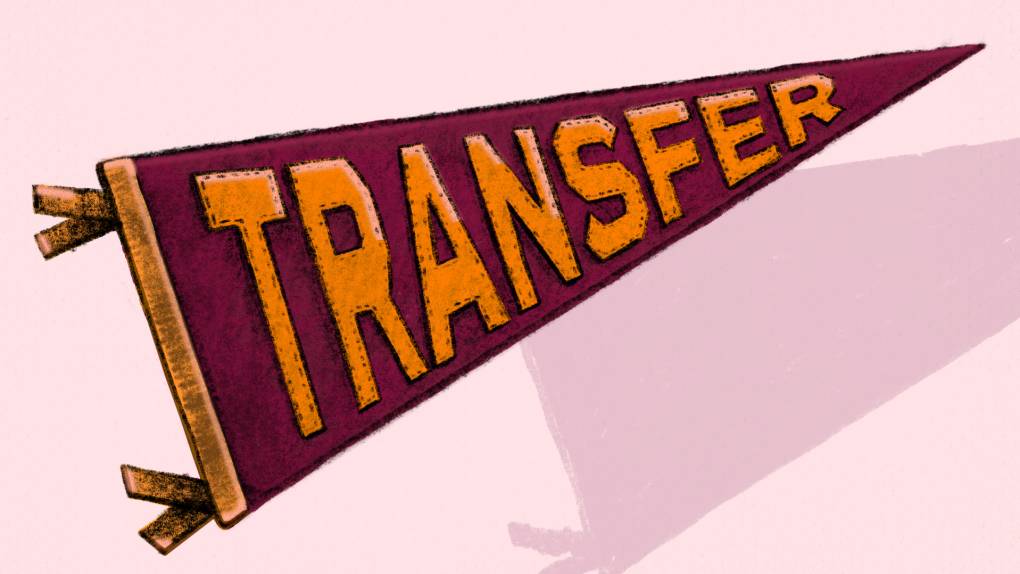
"title": "Illustration of a maroon and gold pennant flag with the word \"transfer\" stitched on it in big bold letters. The flag is in front of a pink background, casting a shadow.",
"credit": "Annelise Capossela for NPR",
"status": "inherit",
"altTag": null,
"isLoading": false,
"fetchFailed": false
},
"mindshift_58636": {
"type": "attachments",
"id": "mindshift_58636",
"meta": {
"index": "attachments_1716263798",
"site": "mindshift",
"id": "58636",
"found": true
},
"parent": 58633,
"imgSizes": {
"twentyfourteen-full-width": {
"file": "https://ww2.kqed.org/app/uploads/sites/23/2021/10/iStock-1266808508-1038x576.jpg",
"width": 1038,
"mimeType": "image/jpeg",
"height": 576
},
"thumbnail": {
"file": "https://ww2.kqed.org/app/uploads/sites/23/2021/10/iStock-1266808508-160x107.jpg",
"width": 160,
"mimeType": "image/jpeg",
"height": 107
},
"post-thumbnail": {
"file": "https://ww2.kqed.org/app/uploads/sites/23/2021/10/iStock-1266808508-672x372.jpg",
"width": 672,
"mimeType": "image/jpeg",
"height": 372
},
"kqedFullSize": {
"file": "https://ww2.kqed.org/app/uploads/sites/23/2021/10/iStock-1266808508-e1634280245528.jpg",
"width": 1920,
"height": 1281
},
"2048x2048": {
"file": "https://ww2.kqed.org/app/uploads/sites/23/2021/10/iStock-1266808508-2048x1366.jpg",
"width": 2048,
"mimeType": "image/jpeg",
"height": 1366
},
"large": {
"file": "https://ww2.kqed.org/app/uploads/sites/23/2021/10/iStock-1266808508-1020x680.jpg",
"width": 1020,
"mimeType": "image/jpeg",
"height": 680
},
"1536x1536": {
"file": "https://ww2.kqed.org/app/uploads/sites/23/2021/10/iStock-1266808508-1536x1024.jpg",
"width": 1536,
"mimeType": "image/jpeg",
"height": 1024
},
"full-width": {
"file": "https://ww2.kqed.org/app/uploads/sites/23/2021/10/iStock-1266808508-1920x1281.jpg",
"width": 1920,
"mimeType": "image/jpeg",
"height": 1281
},
"medium": {
"file": "https://ww2.kqed.org/app/uploads/sites/23/2021/10/iStock-1266808508-800x534.jpg",
"width": 800,
"mimeType": "image/jpeg",
"height": 534
},
"medium_large": {
"file": "https://ww2.kqed.org/app/uploads/sites/23/2021/10/iStock-1266808508-768x512.jpg",
"width": 768,
"mimeType": "image/jpeg",
"height": 512
}
},
"publishDate": 1634280222,
"modified": 1634280259,
"caption": null,
"description": null,
"title": null,
"credit": "VisualArtStudio/iStock",
"status": "inherit",
"altTag": null,
"isLoading": false,
"fetchFailed": false
},
"mindshift_58620": {
"type": "attachments",
"id": "mindshift_58620",
"meta": {
"index": "attachments_1716263798",
"site": "mindshift",
"id": "58620",
"found": true
},
"parent": 58619,
"imgSizes": {
"twentyfourteen-full-width": {
"file": "https://ww2.kqed.org/app/uploads/sites/23/2021/10/gettyimages-1332741556-82c55801f530d37a69f4201f86a995958d179fe1-1038x576.jpg",
"width": 1038,
"mimeType": "image/jpeg",
"height": 576
},
"thumbnail": {
"file": "https://ww2.kqed.org/app/uploads/sites/23/2021/10/gettyimages-1332741556-82c55801f530d37a69f4201f86a995958d179fe1-160x120.jpg",
"width": 160,
"mimeType": "image/jpeg",
"height": 120
},
"post-thumbnail": {
"file": "https://ww2.kqed.org/app/uploads/sites/23/2021/10/gettyimages-1332741556-82c55801f530d37a69f4201f86a995958d179fe1-672x372.jpg",
"width": 672,
"mimeType": "image/jpeg",
"height": 372
},
"kqedFullSize": {
"file": "https://ww2.kqed.org/app/uploads/sites/23/2021/10/gettyimages-1332741556-82c55801f530d37a69f4201f86a995958d179fe1-scaled-e1634059244176.jpg",
"width": 1920,
"height": 1440
},
"2048x2048": {
"file": "https://ww2.kqed.org/app/uploads/sites/23/2021/10/gettyimages-1332741556-82c55801f530d37a69f4201f86a995958d179fe1-2048x1536.jpg",
"width": 2048,
"mimeType": "image/jpeg",
"height": 1536
},
"large": {
"file": "https://ww2.kqed.org/app/uploads/sites/23/2021/10/gettyimages-1332741556-82c55801f530d37a69f4201f86a995958d179fe1-1020x765.jpg",
"width": 1020,
"mimeType": "image/jpeg",
"height": 765
},
"1536x1536": {
"file": "https://ww2.kqed.org/app/uploads/sites/23/2021/10/gettyimages-1332741556-82c55801f530d37a69f4201f86a995958d179fe1-1536x1152.jpg",
"width": 1536,
"mimeType": "image/jpeg",
"height": 1152
},
"full-width": {
"file": "https://ww2.kqed.org/app/uploads/sites/23/2021/10/gettyimages-1332741556-82c55801f530d37a69f4201f86a995958d179fe1-1920x1440.jpg",
"width": 1920,
"mimeType": "image/jpeg",
"height": 1440
},
"medium": {
"file": "https://ww2.kqed.org/app/uploads/sites/23/2021/10/gettyimages-1332741556-82c55801f530d37a69f4201f86a995958d179fe1-800x600.jpg",
"width": 800,
"mimeType": "image/jpeg",
"height": 600
},
"medium_large": {
"file": "https://ww2.kqed.org/app/uploads/sites/23/2021/10/gettyimages-1332741556-82c55801f530d37a69f4201f86a995958d179fe1-768x576.jpg",
"width": 768,
"mimeType": "image/jpeg",
"height": 576
}
},
"publishDate": 1634059205,
"modified": 1634059266,
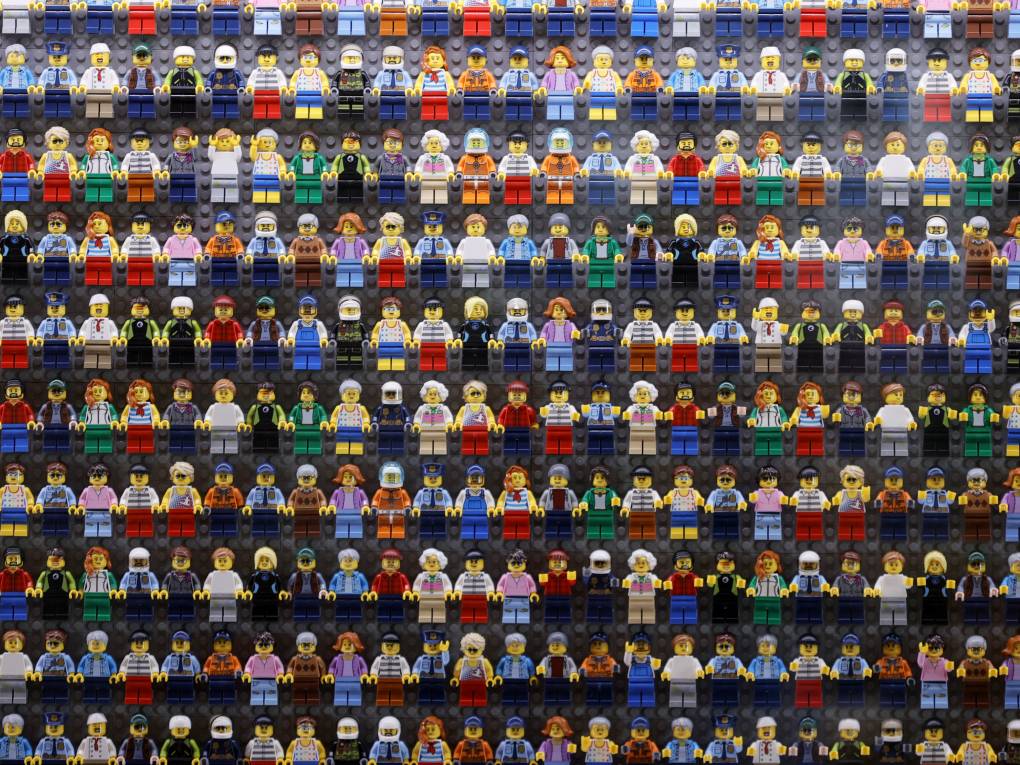
"caption": "A wall of LEGO minifigures is encased inside the lobby of the LEGOLAND New York Hotel, pictured on Aug. 6 2021 in Goshen, New York. The Danish company is pledging to remove harmful stereotypes from its products and marketing.\n",
"description": "GOSHEN, NEW YORK - AUGUST 06: A wall of LEGO minifigures (detail) is encased inside the lobby of the LEGOLAND New York Hotel during its grand opening at the LEGOLAND Resort on August 06, 2021 in Goshen, New York. (Photo by Michael Loccisano/Getty Images)",
"title": "A wall of LEGO minifigures is encased inside the lobby of the LEGOLAND New York Hotel, pictured on Aug. 6 2021 in Goshen, New York. The Danish company is pledging to remove harmful stereotypes from its products and marketing.",
"credit": "Michael Loccisano/Getty Images",
"status": "inherit",
"altTag": "A wall of LEGO minifigures is encased inside the lobby of the LEGOLAND New York Hotel, pictured on Aug. 6 2021 in Goshen, New York. The Danish company is pledging to remove harmful stereotypes from its products and marketing.",
"isLoading": false,
"fetchFailed": false
},
"mindshift_58609": {
"type": "attachments",
"id": "mindshift_58609",
"meta": {
"index": "attachments_1716263798",
"site": "mindshift",
"id": "58609",
"found": true
},
"parent": 58608,
"imgSizes": {
"twentyfourteen-full-width": {
"file": "https://ww2.kqed.org/app/uploads/sites/23/2021/10/npr-final-illustration-cha-pornea_slide-1b3a91d6c44ed96ce82c32fdfb1e26995da7808a-1038x576.jpg",
"width": 1038,
"mimeType": "image/jpeg",
"height": 576
},
"thumbnail": {
"file": "https://ww2.kqed.org/app/uploads/sites/23/2021/10/npr-final-illustration-cha-pornea_slide-1b3a91d6c44ed96ce82c32fdfb1e26995da7808a-160x107.jpg",
"width": 160,
"mimeType": "image/jpeg",
"height": 107
},
"post-thumbnail": {
"file": "https://ww2.kqed.org/app/uploads/sites/23/2021/10/npr-final-illustration-cha-pornea_slide-1b3a91d6c44ed96ce82c32fdfb1e26995da7808a-672x372.jpg",
"width": 672,
"mimeType": "image/jpeg",
"height": 372
},
"kqedFullSize": {
"file": "https://ww2.kqed.org/app/uploads/sites/23/2021/10/npr-final-illustration-cha-pornea_slide-1b3a91d6c44ed96ce82c32fdfb1e26995da7808a-scaled-e1633675615225.jpg",
"width": 1920,
"height": 1280
},
"2048x2048": {
"file": "https://ww2.kqed.org/app/uploads/sites/23/2021/10/npr-final-illustration-cha-pornea_slide-1b3a91d6c44ed96ce82c32fdfb1e26995da7808a-2048x1365.jpg",
"width": 2048,
"mimeType": "image/jpeg",
"height": 1365
},
"large": {
"file": "https://ww2.kqed.org/app/uploads/sites/23/2021/10/npr-final-illustration-cha-pornea_slide-1b3a91d6c44ed96ce82c32fdfb1e26995da7808a-1020x680.jpg",
"width": 1020,
"mimeType": "image/jpeg",
"height": 680
},
"1536x1536": {
"file": "https://ww2.kqed.org/app/uploads/sites/23/2021/10/npr-final-illustration-cha-pornea_slide-1b3a91d6c44ed96ce82c32fdfb1e26995da7808a-1536x1024.jpg",
"width": 1536,
"mimeType": "image/jpeg",
"height": 1024
},
"full-width": {
"file": "https://ww2.kqed.org/app/uploads/sites/23/2021/10/npr-final-illustration-cha-pornea_slide-1b3a91d6c44ed96ce82c32fdfb1e26995da7808a-1920x1280.jpg",
"width": 1920,
"mimeType": "image/jpeg",
"height": 1280
},
"medium": {
"file": "https://ww2.kqed.org/app/uploads/sites/23/2021/10/npr-final-illustration-cha-pornea_slide-1b3a91d6c44ed96ce82c32fdfb1e26995da7808a-800x533.jpg",
"width": 800,
"mimeType": "image/jpeg",
"height": 533
},
"medium_large": {
"file": "https://ww2.kqed.org/app/uploads/sites/23/2021/10/npr-final-illustration-cha-pornea_slide-1b3a91d6c44ed96ce82c32fdfb1e26995da7808a-768x512.jpg",
"width": 768,
"mimeType": "image/jpeg",
"height": 512
}
},
"publishDate": 1633675583,
"modified": 1633675628,
"caption": null,
"description": null,
"title": "Illustration by Cha Pornea",
"credit": "Cha Pornea for NPR",
"status": "inherit",
"altTag": null,
"isLoading": false,
"fetchFailed": false
},
"mindshift_58479": {
"type": "attachments",
"id": "mindshift_58479",
"meta": {
"index": "attachments_1716263798",
"site": "mindshift",
"id": "58479",
"found": true
},
"parent": 58470,
"imgSizes": {
"twentyfourteen-full-width": {
"file": "https://ww2.kqed.org/app/uploads/sites/23/2021/09/iStock-1224686303-1038x576.jpg",
"width": 1038,
"mimeType": "image/jpeg",
"height": 576
},
"thumbnail": {
"file": "https://ww2.kqed.org/app/uploads/sites/23/2021/09/iStock-1224686303-160x107.jpg",
"width": 160,
"mimeType": "image/jpeg",
"height": 107
},
"post-thumbnail": {
"file": "https://ww2.kqed.org/app/uploads/sites/23/2021/09/iStock-1224686303-672x372.jpg",
"width": 672,
"mimeType": "image/jpeg",
"height": 372
},
"kqedFullSize": {
"file": "https://ww2.kqed.org/app/uploads/sites/23/2021/09/iStock-1224686303-e1631087310685.jpg",
"width": 1920,
"height": 1280
},
"2048x2048": {
"file": "https://ww2.kqed.org/app/uploads/sites/23/2021/09/iStock-1224686303-2048x1365.jpg",
"width": 2048,
"mimeType": "image/jpeg",
"height": 1365
},
"large": {
"file": "https://ww2.kqed.org/app/uploads/sites/23/2021/09/iStock-1224686303-1020x680.jpg",
"width": 1020,
"mimeType": "image/jpeg",
"height": 680
},
"1536x1536": {
"file": "https://ww2.kqed.org/app/uploads/sites/23/2021/09/iStock-1224686303-1536x1024.jpg",
"width": 1536,
"mimeType": "image/jpeg",
"height": 1024
},
"full-width": {
"file": "https://ww2.kqed.org/app/uploads/sites/23/2021/09/iStock-1224686303-1920x1280.jpg",
"width": 1920,
"mimeType": "image/jpeg",
"height": 1280
},
"medium": {
"file": "https://ww2.kqed.org/app/uploads/sites/23/2021/09/iStock-1224686303-800x533.jpg",
"width": 800,
"mimeType": "image/jpeg",
"height": 533
},
"medium_large": {
"file": "https://ww2.kqed.org/app/uploads/sites/23/2021/09/iStock-1224686303-768x512.jpg",
"width": 768,
"mimeType": "image/jpeg",
"height": 512
}
},
"publishDate": 1631087281,
"modified": 1631087329,
"caption": null,
"description": null,
"title": "Getting entertained while waiting for their flight",
"credit": "jacoblund/iStock",
"status": "inherit",
"altTag": "Girl on iPad alongside parent",
"isLoading": false,
"fetchFailed": false
},
"mindshift_58134": {
"type": "attachments",
"id": "mindshift_58134",
"meta": {
"index": "attachments_1716263798",
"site": "mindshift",
"id": "58134",
"found": true
},
"parent": 58133,
"imgSizes": {
"twentyfourteen-full-width": {
"file": "https://ww2.kqed.org/app/uploads/sites/23/2021/07/nprhrybykjuly2021_slide-a1a1786d81aa294324708cdaac18f76e1143d648-1038x576.jpg",
"width": 1038,
"mimeType": "image/jpeg",
"height": 576
},
"thumbnail": {
"file": "https://ww2.kqed.org/app/uploads/sites/23/2021/07/nprhrybykjuly2021_slide-a1a1786d81aa294324708cdaac18f76e1143d648-160x107.jpg",
"width": 160,
"mimeType": "image/jpeg",
"height": 107
},
"post-thumbnail": {
"file": "https://ww2.kqed.org/app/uploads/sites/23/2021/07/nprhrybykjuly2021_slide-a1a1786d81aa294324708cdaac18f76e1143d648-672x372.jpg",
"width": 672,
"mimeType": "image/jpeg",
"height": 372
},
"kqedFullSize": {
"file": "https://ww2.kqed.org/app/uploads/sites/23/2021/07/nprhrybykjuly2021_slide-a1a1786d81aa294324708cdaac18f76e1143d648-scaled.jpg",
"width": 2560,
"height": 1707
},
"2048x2048": {
"file": "https://ww2.kqed.org/app/uploads/sites/23/2021/07/nprhrybykjuly2021_slide-a1a1786d81aa294324708cdaac18f76e1143d648-2048x1365.jpg",
"width": 2048,
"mimeType": "image/jpeg",
"height": 1365
},
"large": {
"file": "https://ww2.kqed.org/app/uploads/sites/23/2021/07/nprhrybykjuly2021_slide-a1a1786d81aa294324708cdaac18f76e1143d648-1020x680.jpg",
"width": 1020,
"mimeType": "image/jpeg",
"height": 680
},
"1536x1536": {
"file": "https://ww2.kqed.org/app/uploads/sites/23/2021/07/nprhrybykjuly2021_slide-a1a1786d81aa294324708cdaac18f76e1143d648-1536x1024.jpg",
"width": 1536,
"mimeType": "image/jpeg",
"height": 1024
},
"full-width": {
"file": "https://ww2.kqed.org/app/uploads/sites/23/2021/07/nprhrybykjuly2021_slide-a1a1786d81aa294324708cdaac18f76e1143d648-1920x1280.jpg",
"width": 1920,
"mimeType": "image/jpeg",
"height": 1280
},
"medium": {
"file": "https://ww2.kqed.org/app/uploads/sites/23/2021/07/nprhrybykjuly2021_slide-a1a1786d81aa294324708cdaac18f76e1143d648-800x533.jpg",
"width": 800,
"mimeType": "image/jpeg",
"height": 533
},
"medium_large": {
"file": "https://ww2.kqed.org/app/uploads/sites/23/2021/07/nprhrybykjuly2021_slide-a1a1786d81aa294324708cdaac18f76e1143d648-768x512.jpg",
"width": 768,
"mimeType": "image/jpeg",
"height": 512
}
},
"publishDate": 1626420470,
"modified": 1626420499,
"caption": null,
"description": null,
"title": "Flipping through textbooks with holes in them.",
"credit": "Laurent Hrybyk for NPR",
"status": "inherit",
"altTag": null,
"isLoading": false,
"fetchFailed": false
},
"mindshift_58139": {
"type": "attachments",
"id": "mindshift_58139",
"meta": {
"index": "attachments_1716263798",
"site": "mindshift",
"id": "58139",
"found": true
},
"parent": 58138,
"imgSizes": {
"twentyfourteen-full-width": {
"file": "https://ww2.kqed.org/app/uploads/sites/23/2021/07/ap20142757671717-1d69972e3e36bfc6fd68243dffb09dda70c9798e-1038x576.jpg",
"width": 1038,
"mimeType": "image/jpeg",
"height": 576
},
"thumbnail": {
"file": "https://ww2.kqed.org/app/uploads/sites/23/2021/07/ap20142757671717-1d69972e3e36bfc6fd68243dffb09dda70c9798e-160x120.jpg",
"width": 160,
"mimeType": "image/jpeg",
"height": 120
},
"post-thumbnail": {
"file": "https://ww2.kqed.org/app/uploads/sites/23/2021/07/ap20142757671717-1d69972e3e36bfc6fd68243dffb09dda70c9798e-672x372.jpg",
"width": 672,
"mimeType": "image/jpeg",
"height": 372
},
"kqedFullSize": {
"file": "https://ww2.kqed.org/app/uploads/sites/23/2021/07/ap20142757671717-1d69972e3e36bfc6fd68243dffb09dda70c9798e-scaled-e1626447941899.jpg",
"width": 1920,
"height": 1440
},
"2048x2048": {
"file": "https://ww2.kqed.org/app/uploads/sites/23/2021/07/ap20142757671717-1d69972e3e36bfc6fd68243dffb09dda70c9798e-2048x1536.jpg",
"width": 2048,
"mimeType": "image/jpeg",
"height": 1536
},
"large": {
"file": "https://ww2.kqed.org/app/uploads/sites/23/2021/07/ap20142757671717-1d69972e3e36bfc6fd68243dffb09dda70c9798e-1020x765.jpg",
"width": 1020,
"mimeType": "image/jpeg",
"height": 765
},
"1536x1536": {
"file": "https://ww2.kqed.org/app/uploads/sites/23/2021/07/ap20142757671717-1d69972e3e36bfc6fd68243dffb09dda70c9798e-1536x1152.jpg",
"width": 1536,
"mimeType": "image/jpeg",
"height": 1152
},
"full-width": {
"file": "https://ww2.kqed.org/app/uploads/sites/23/2021/07/ap20142757671717-1d69972e3e36bfc6fd68243dffb09dda70c9798e-1920x1440.jpg",
"width": 1920,
"mimeType": "image/jpeg",
"height": 1440
},
"medium": {
"file": "https://ww2.kqed.org/app/uploads/sites/23/2021/07/ap20142757671717-1d69972e3e36bfc6fd68243dffb09dda70c9798e-800x600.jpg",
"width": 800,
"mimeType": "image/jpeg",
"height": 600
},
"medium_large": {
"file": "https://ww2.kqed.org/app/uploads/sites/23/2021/07/ap20142757671717-1d69972e3e36bfc6fd68243dffb09dda70c9798e-768x576.jpg",
"width": 768,
"mimeType": "image/jpeg",
"height": 576
}
},
"publishDate": 1626447889,
"modified": 1626447956,
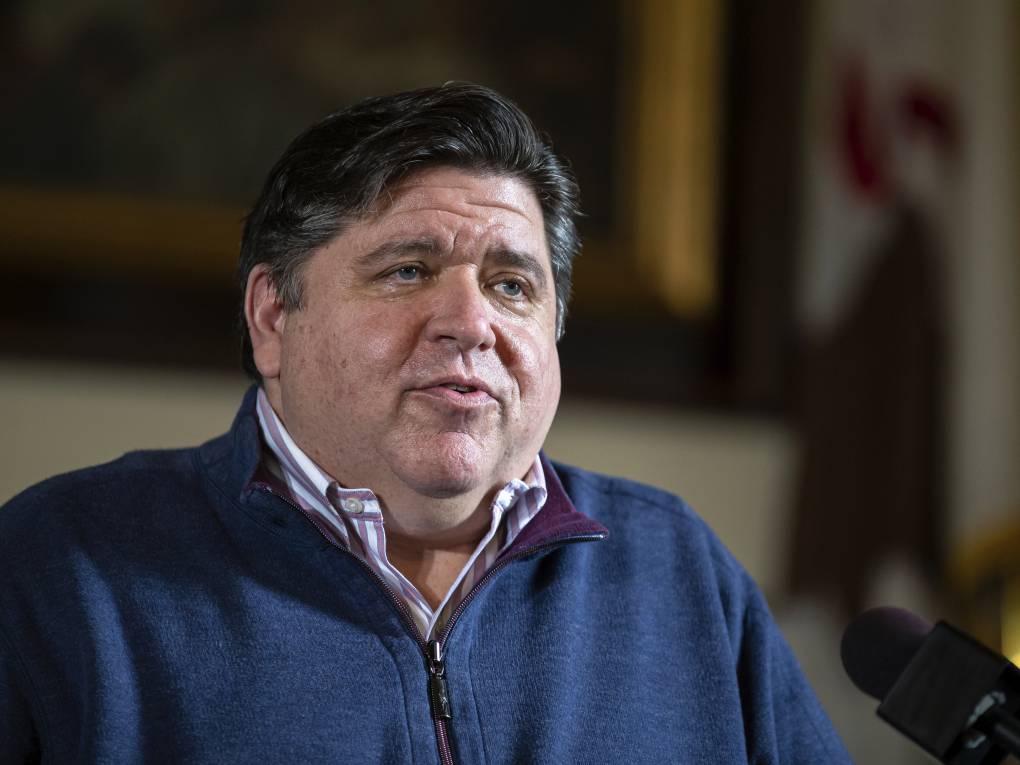
"caption": "Gov. J.B. Pritzker, pictured at the Illinois State Capitol in May 2020, has signed legislation that makes his state the first in the nation to require the teaching of Asian American history in public schools.\n",
"description": "Illinois Gov. JB Pritzker answers questions during his daily press briefing on the COVID-19 pandemic held in his office at the Illinois State Capitol, Thursday, May 21, 2020, in Springfield, Ill. (Justin L. Fowler/The State Journal-Register via AP, Pool)",
"title": "Gov. J.B. Pritzker, pictured at the Illinois State Capitol in May 2020, has signed legislation that makes his state the first in the nation to require the teaching of Asian American history in public schools.",
"credit": "Justin L. Fowler/AP",
"status": "inherit",
"altTag": null,
"isLoading": false,
"fetchFailed": false
},
"mindshift_57914": {
"type": "attachments",
"id": "mindshift_57914",
"meta": {
"index": "attachments_1716263798",
"site": "mindshift",
"id": "57914",
"found": true
},
"parent": 57913,
"imgSizes": {
"thumbnail": {
"file": "https://ww2.kqed.org/app/uploads/sites/23/2021/05/harvardpublicopinionpoll_slide-3862d474356fcc19ddbfa6fc95f0d8a1df0b2ec4-160x107.jpe",
"width": 160,
"mimeType": "image/jpeg",
"height": 107
},
"post-thumbnail": {
"file": "https://ww2.kqed.org/app/uploads/sites/23/2021/05/harvardpublicopinionpoll_slide-3862d474356fcc19ddbfa6fc95f0d8a1df0b2ec4-672x372.jpe",
"width": 672,
"mimeType": "image/jpeg",
"height": 372
},
"kqedFullSize": {
"file": "https://ww2.kqed.org/app/uploads/sites/23/2021/05/harvardpublicopinionpoll_slide-3862d474356fcc19ddbfa6fc95f0d8a1df0b2ec4.jpe",
"width": 799,
"height": 532
},
"medium_large": {
"file": "https://ww2.kqed.org/app/uploads/sites/23/2021/05/harvardpublicopinionpoll_slide-3862d474356fcc19ddbfa6fc95f0d8a1df0b2ec4-768x511.jpe",
"width": 768,
"mimeType": "image/jpeg",
"height": 511
}
},
"publishDate": 1622186087,
"modified": 1622186110,
"caption": null,
"description": "A recent FBI investigation has shown just how selective some elite colleges are -- and the lengths people will go to keep it that way.",
"title": "Legacy admissions have long been a target for reform.",
"credit": "Rob Dobi for NPR",
"status": "inherit",
"altTag": null,
"isLoading": false,
"fetchFailed": false
},
"mindshift_57882": {
"type": "attachments",
"id": "mindshift_57882",
"meta": {
"index": "attachments_1716263798",
"site": "mindshift",
"id": "57882",
"found": true
},
"parent": 57881,
"imgSizes": {
"twentyfourteen-full-width": {
"file": "https://ww2.kqed.org/app/uploads/sites/23/2021/05/gettyimages-1133955303_wide-44424ab757aa40e2eb736c3adcfc513a76507143-1038x576.jpg",
"width": 1038,
"mimeType": "image/jpeg",
"height": 576
},
"thumbnail": {
"file": "https://ww2.kqed.org/app/uploads/sites/23/2021/05/gettyimages-1133955303_wide-44424ab757aa40e2eb736c3adcfc513a76507143-160x90.jpg",
"width": 160,
"mimeType": "image/jpeg",
"height": 90
},
"post-thumbnail": {
"file": "https://ww2.kqed.org/app/uploads/sites/23/2021/05/gettyimages-1133955303_wide-44424ab757aa40e2eb736c3adcfc513a76507143-672x372.jpg",
"width": 672,
"mimeType": "image/jpeg",
"height": 372
},
"kqedFullSize": {
"file": "https://ww2.kqed.org/app/uploads/sites/23/2021/05/gettyimages-1133955303_wide-44424ab757aa40e2eb736c3adcfc513a76507143-scaled.jpg",
"width": 2560,
"height": 1440
},
"2048x2048": {
"file": "https://ww2.kqed.org/app/uploads/sites/23/2021/05/gettyimages-1133955303_wide-44424ab757aa40e2eb736c3adcfc513a76507143-2048x1152.jpg",
"width": 2048,
"mimeType": "image/jpeg",
"height": 1152
},
"large": {
"file": "https://ww2.kqed.org/app/uploads/sites/23/2021/05/gettyimages-1133955303_wide-44424ab757aa40e2eb736c3adcfc513a76507143-1020x574.jpg",
"width": 1020,
"mimeType": "image/jpeg",
"height": 574
},
"1536x1536": {
"file": "https://ww2.kqed.org/app/uploads/sites/23/2021/05/gettyimages-1133955303_wide-44424ab757aa40e2eb736c3adcfc513a76507143-1536x864.jpg",
"width": 1536,
"mimeType": "image/jpeg",
"height": 864
},
"full-width": {
"file": "https://ww2.kqed.org/app/uploads/sites/23/2021/05/gettyimages-1133955303_wide-44424ab757aa40e2eb736c3adcfc513a76507143-1920x1080.jpg",
"width": 1920,
"mimeType": "image/jpeg",
"height": 1080
},
"medium": {
"file": "https://ww2.kqed.org/app/uploads/sites/23/2021/05/gettyimages-1133955303_wide-44424ab757aa40e2eb736c3adcfc513a76507143-800x450.jpg",
"width": 800,
"mimeType": "image/jpeg",
"height": 450
},
"medium_large": {
"file": "https://ww2.kqed.org/app/uploads/sites/23/2021/05/gettyimages-1133955303_wide-44424ab757aa40e2eb736c3adcfc513a76507143-768x432.jpg",
"width": 768,
"mimeType": "image/jpeg",
"height": 432
}
},
"publishDate": 1621493198,
"modified": 1621493241,
"caption": null,
"description": null,
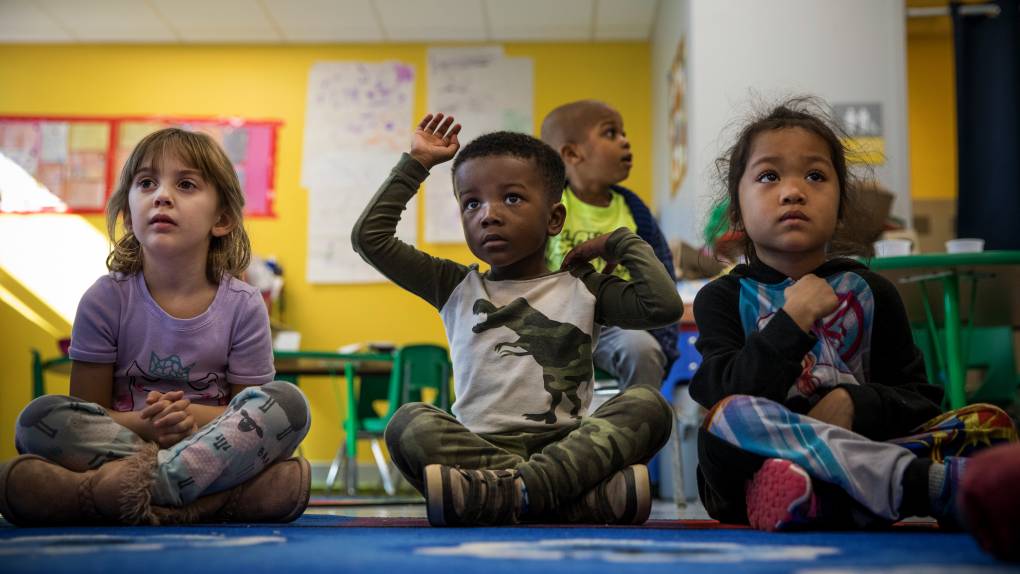
"title": "Preschool class",
"credit": "Evelyn Hockstein for The Washington Post via Getty Images",
"status": "inherit",
"altTag": null,
"isLoading": false,
"fetchFailed": false
},
"mindshift_57831": {
"type": "attachments",
"id": "mindshift_57831",
"meta": {
"index": "attachments_1716263798",
"site": "mindshift",
"id": "57831",
"found": true
},
"parent": 57830,
"imgSizes": {
"twentyfourteen-full-width": {
"file": "https://ww2.kqed.org/app/uploads/sites/23/2021/05/918scphi6cl_custom-558d53d9ac3a9da15157c785a83d1a7d4e00bafe-1038x576.jpg",
"width": 1038,
"mimeType": "image/jpeg",
"height": 576
},
"thumbnail": {
"file": "https://ww2.kqed.org/app/uploads/sites/23/2021/05/918scphi6cl_custom-558d53d9ac3a9da15157c785a83d1a7d4e00bafe-160x192.jpg",
"width": 160,
"mimeType": "image/jpeg",
"height": 192
},
"post-thumbnail": {
"file": "https://ww2.kqed.org/app/uploads/sites/23/2021/05/918scphi6cl_custom-558d53d9ac3a9da15157c785a83d1a7d4e00bafe-672x372.jpg",
"width": 672,
"mimeType": "image/jpeg",
"height": 372
},
"kqedFullSize": {
"file": "https://ww2.kqed.org/app/uploads/sites/23/2021/05/918scphi6cl_custom-558d53d9ac3a9da15157c785a83d1a7d4e00bafe-e1620629519241.jpg",
"width": 1920,
"height": 2309
},
"2048x2048": {
"file": "https://ww2.kqed.org/app/uploads/sites/23/2021/05/918scphi6cl_custom-558d53d9ac3a9da15157c785a83d1a7d4e00bafe-1703x2048.jpg",
"width": 1703,
"mimeType": "image/jpeg",
"height": 2048
},
"large": {
"file": "https://ww2.kqed.org/app/uploads/sites/23/2021/05/918scphi6cl_custom-558d53d9ac3a9da15157c785a83d1a7d4e00bafe-1020x1226.jpg",
"width": 1020,
"mimeType": "image/jpeg",
"height": 1226
},
"1536x1536": {
"file": "https://ww2.kqed.org/app/uploads/sites/23/2021/05/918scphi6cl_custom-558d53d9ac3a9da15157c785a83d1a7d4e00bafe-1277x1536.jpg",
"width": 1277,
"mimeType": "image/jpeg",
"height": 1536
},
"full-width": {
"file": "https://ww2.kqed.org/app/uploads/sites/23/2021/05/918scphi6cl_custom-558d53d9ac3a9da15157c785a83d1a7d4e00bafe-1920x2309.jpg",
"width": 1920,
"mimeType": "image/jpeg",
"height": 2309
},
"medium": {
"file": "https://ww2.kqed.org/app/uploads/sites/23/2021/05/918scphi6cl_custom-558d53d9ac3a9da15157c785a83d1a7d4e00bafe-800x962.jpg",
"width": 800,
"mimeType": "image/jpeg",
"height": 962
},
"medium_large": {
"file": "https://ww2.kqed.org/app/uploads/sites/23/2021/05/918scphi6cl_custom-558d53d9ac3a9da15157c785a83d1a7d4e00bafe-768x923.jpg",
"width": 768,
"mimeType": "image/jpeg",
"height": 923
}
},
"publishDate": 1620629294,
"modified": 1620629540,
"caption": null,
"description": null,
"title": "A Kid's Guide to Fandom, by Amy Ratcliffe",
"credit": "Running Press Kids",
"status": "inherit",
"altTag": null,
"isLoading": false,
"fetchFailed": false
},
"mindshift_57809": {
"type": "attachments",
"id": "mindshift_57809",
"meta": {
"index": "attachments_1716263798",
"site": "mindshift",
"id": "57809",
"found": true
},
"parent": 57806,
"imgSizes": {
"twentyfourteen-full-width": {
"file": "https://ww2.kqed.org/app/uploads/sites/23/2021/05/Teachlivingpoets-1-1038x576.png",
"width": 1038,
"mimeType": "image/png",
"height": 576
},
"thumbnail": {
"file": "https://ww2.kqed.org/app/uploads/sites/23/2021/05/Teachlivingpoets-1-160x90.png",
"width": 160,
"mimeType": "image/png",
"height": 90
},
"post-thumbnail": {
"file": "https://ww2.kqed.org/app/uploads/sites/23/2021/05/Teachlivingpoets-1-672x372.png",
"width": 672,
"mimeType": "image/png",
"height": 372
},
"kqedFullSize": {
"file": "https://ww2.kqed.org/app/uploads/sites/23/2021/05/Teachlivingpoets-1.png",
"width": 1102,
"height": 620
},
"large": {
"file": "https://ww2.kqed.org/app/uploads/sites/23/2021/05/Teachlivingpoets-1-1020x574.png",
"width": 1020,
"mimeType": "image/png",
"height": 574
},
"medium": {
"file": "https://ww2.kqed.org/app/uploads/sites/23/2021/05/Teachlivingpoets-1-800x450.png",
"width": 800,
"mimeType": "image/png",
"height": 450
},
"medium_large": {
"file": "https://ww2.kqed.org/app/uploads/sites/23/2021/05/Teachlivingpoets-1-768x432.png",
"width": 768,
"mimeType": "image/png",
"height": 432
}
},
"publishDate": 1620026160,
"modified": 1620026182,
"caption": "\u003ca>Living Poets Digital Library\u003c/a>",
"description": null,
"title": "Teachlivingpoets",
"credit": "TeachLivingPoets",
"status": "inherit",
"altTag": null,
"isLoading": false,
"fetchFailed": false
},
"mindshift_57752": {
"type": "attachments",
"id": "mindshift_57752",
"meta": {
"index": "attachments_1716263798",
"site": "mindshift",
"id": "57752",
"found": true
},
"parent": 57751,
"imgSizes": {
"twentyfourteen-full-width": {
"file": "https://ww2.kqed.org/app/uploads/sites/23/2021/04/npr-how-not-to-go-to-college_wide-72229ce37d9c8e98c9fa396f835d094cf70ac153-1038x576.jpg",
"width": 1038,
"mimeType": "image/jpeg",
"height": 576
},
"thumbnail": {
"file": "https://ww2.kqed.org/app/uploads/sites/23/2021/04/npr-how-not-to-go-to-college_wide-72229ce37d9c8e98c9fa396f835d094cf70ac153-160x90.jpg",
"width": 160,
"mimeType": "image/jpeg",
"height": 90
},
"post-thumbnail": {
"file": "https://ww2.kqed.org/app/uploads/sites/23/2021/04/npr-how-not-to-go-to-college_wide-72229ce37d9c8e98c9fa396f835d094cf70ac153-672x372.jpg",
"width": 672,
"mimeType": "image/jpeg",
"height": 372
},
"kqedFullSize": {
"file": "https://ww2.kqed.org/app/uploads/sites/23/2021/04/npr-how-not-to-go-to-college_wide-72229ce37d9c8e98c9fa396f835d094cf70ac153-scaled-e1619677663484.jpg",
"width": 1920,
"height": 1080
},
"2048x2048": {
"file": "https://ww2.kqed.org/app/uploads/sites/23/2021/04/npr-how-not-to-go-to-college_wide-72229ce37d9c8e98c9fa396f835d094cf70ac153-2048x1152.jpg",
"width": 2048,
"mimeType": "image/jpeg",
"height": 1152
},
"large": {
"file": "https://ww2.kqed.org/app/uploads/sites/23/2021/04/npr-how-not-to-go-to-college_wide-72229ce37d9c8e98c9fa396f835d094cf70ac153-1020x574.jpg",
"width": 1020,
"mimeType": "image/jpeg",
"height": 574
},
"1536x1536": {
"file": "https://ww2.kqed.org/app/uploads/sites/23/2021/04/npr-how-not-to-go-to-college_wide-72229ce37d9c8e98c9fa396f835d094cf70ac153-1536x864.jpg",
"width": 1536,
"mimeType": "image/jpeg",
"height": 864
},
"full-width": {
"file": "https://ww2.kqed.org/app/uploads/sites/23/2021/04/npr-how-not-to-go-to-college_wide-72229ce37d9c8e98c9fa396f835d094cf70ac153-1920x1080.jpg",
"width": 1920,
"mimeType": "image/jpeg",
"height": 1080
},
"medium": {
"file": "https://ww2.kqed.org/app/uploads/sites/23/2021/04/npr-how-not-to-go-to-college_wide-72229ce37d9c8e98c9fa396f835d094cf70ac153-800x450.jpg",
"width": 800,
"mimeType": "image/jpeg",
"height": 450
},
"medium_large": {
"file": "https://ww2.kqed.org/app/uploads/sites/23/2021/04/npr-how-not-to-go-to-college_wide-72229ce37d9c8e98c9fa396f835d094cf70ac153-768x432.jpg",
"width": 768,
"mimeType": "image/jpeg",
"height": 432
}
},
"publishDate": 1619677465,
"modified": 1619677676,
"caption": null,
"description": null,
"title": null,
"credit": "Cha Pornea for NPR",
"status": "inherit",
"altTag": null,
"isLoading": false,
"fetchFailed": false
}
},
"audioPlayerReducer": {
"postId": "stream_live",
"isPaused": true,
"isPlaying": false,
"pfsActive": false,
"pledgeModalIsOpen": true,
"playerDrawerIsOpen": false,
"liveAudioPlayStartedAt": 0,
"liveAudioPlayContext": ""
},
"authorsReducer": {
"byline_mindshift_58743": {
"type": "authors",
"id": "byline_mindshift_58743",
"meta": {
"override": true
},
"slug": "byline_mindshift_58743",
"name": "Elissa Nadworny and Clare Marie Schneider",
"isLoading": false
},
"byline_mindshift_58633": {
"type": "authors",
"id": "byline_mindshift_58633",
"meta": {
"override": true
},
"slug": "byline_mindshift_58633",
"name": "Kalyn Belsha, \u003ca href=\"https://www.chalkbeat.org/2021/10/14/22726271/students-with-disabilities-denied-virtual-special-education\">Chalkbeat\u003c/a>",
"isLoading": false
},
"byline_mindshift_58619": {
"type": "authors",
"id": "byline_mindshift_58619",
"meta": {
"override": true
},
"slug": "byline_mindshift_58619",
"name": "Rachel Treisman",
"isLoading": false
},
"byline_mindshift_58608": {
"type": "authors",
"id": "byline_mindshift_58608",
"meta": {
"override": true
},
"slug": "byline_mindshift_58608",
"name": "Elissa Nadworny ",
"isLoading": false
},
"byline_mindshift_58470": {
"type": "authors",
"id": "byline_mindshift_58470",
"meta": {
"override": true
},
"slug": "byline_mindshift_58470",
"name": "Benjamin Herold, \u003ca href=\"https://hechingerreport.org/\">The Hechinger Report\u003c/a>",
"isLoading": false
},
"byline_mindshift_58133": {
"type": "authors",
"id": "byline_mindshift_58133",
"meta": {
"override": true
},
"slug": "byline_mindshift_58133",
"name": "Cory Turner",
"isLoading": false
},
"byline_mindshift_58138": {
"type": "authors",
"id": "byline_mindshift_58138",
"meta": {
"override": true
},
"slug": "byline_mindshift_58138",
"name": "Deepa Shivaram",
"isLoading": false
},
"byline_mindshift_57913": {
"type": "authors",
"id": "byline_mindshift_57913",
"meta": {
"override": true
},
"slug": "byline_mindshift_57913",
"name": "Elissa Nadworny ",
"isLoading": false
},
"byline_mindshift_57881": {
"type": "authors",
"id": "byline_mindshift_57881",
"meta": {
"override": true
},
"slug": "byline_mindshift_57881",
"name": "Greg Rosalsky",
"isLoading": false
},
"byline_mindshift_57830": {
"type": "authors",
"id": "byline_mindshift_57830",
"meta": {
"override": true
},
"slug": "byline_mindshift_57830",
"name": "Alan Yu",
"isLoading": false
},
"byline_mindshift_57751": {
"type": "authors",
"id": "byline_mindshift_57751",
"meta": {
"override": true
},
"slug": "byline_mindshift_57751",
"name": "Elissa Nadworny and Andee Tagle",
"isLoading": false
},
"kdnewhouse": {
"type": "authors",
"id": "11487",
"meta": {
"index": "authors_1716337520",
"id": "11487",
"found": true
},
"name": "Kara Newhouse",
"firstName": "Kara",
"lastName": "Newhouse",
"slug": "kdnewhouse",
"email": "knewhouse@kqed.org",
"display_author_email": false,
"staff_mastheads": [],
"title": "MindShift Editor",
"bio": null,
"avatar": "https://secure.gravatar.com/avatar/3dceed6fb271527113abfa9a8e9df34e?s=600&d=blank&r=g",
"twitter": null,
"facebook": null,
"instagram": null,
"linkedin": null,
"sites": [
{
"site": "",
"roles": [
"editor"
]
},
{
"site": "mindshift",
"roles": []
}
],
"headData": {
"title": "Kara Newhouse | KQED",
"description": "MindShift Editor",
"ogImgSrc": "https://secure.gravatar.com/avatar/3dceed6fb271527113abfa9a8e9df34e?s=600&d=blank&r=g",
"twImgSrc": "https://secure.gravatar.com/avatar/3dceed6fb271527113abfa9a8e9df34e?s=600&d=blank&r=g"
},
"isLoading": false,
"link": "/author/kdnewhouse"
}
},
"pagesReducer": {
"mindshift_category_big-ideas": {
"type": "terms",
"id": "mindshift_192",
"meta": {
"index": "terms_1716263798",
"site": "mindshift",
"id": "192",
"score": 14.406534
},
"featImg": null,
"name": "Big Ideas",
"description": "The latest findings from experts in the field related to the future of learning.",
"taxonomy": "category",
"headData": {
"twImgId": null,
"twTitle": null,
"ogTitle": null,
"ogImgId": null,
"twDescription": null,
"description": "The latest findings from experts in the field related to the future of learning.",
"title": "Big Ideas Archives | KQED Mindshift",
"ogDescription": null
},
"ttid": 192,
"slug": "big-ideas",
"isLoading": false,
"title": "Big Ideas",
"pageMeta": {
"site": "mindshift",
"WpPageTemplate": "page-topic-editorial",
"currentPage": 7
},
"blocks": [
{
"blockName": "kqed/company-paragraph",
"content": "The latest findings from experts in the field related to the future of learning."
},
{
"blockName": "kqed/post-list",
"attrs": {
"layout": "cardArticle2",
"query": "posts/mindshift?category=big-ideas",
"seeMore": false,
"paginated": true,
"page": 7
}
},
{
"blockName": "kqed/ad"
}
]
}
},
"pfsSessionReducer": {},
"postsReducer": {
"stream_live": {
"type": "live",
"id": "stream_live",
"audioUrl": "https://streams.kqed.org/kqedradio",
"title": "Live Stream",
"excerpt": "Live Stream information currently unavailable.",
"link": "/radio",
"featImg": "",
"label": {
"name": "KQED Live",
"link": "/"
}
},
"stream_kqedNewscast": {
"type": "posts",
"id": "stream_kqedNewscast",
"audioUrl": "https://www.kqed.org/.stream/anon/radio/RDnews/newscast.mp3?_=1",
"title": "KQED Newscast",
"featImg": "",
"label": {
"name": "88.5 FM",
"link": "/"
}
},
"mindshift_58743": {
"type": "posts",
"id": "mindshift_58743",
"meta": {
"index": "posts_1716263798",
"site": "mindshift",
"id": "58743",
"score": null,
"sort": [
1636705417000
]
},
"parent": 0,
"labelTerm": {
"site": "mindshift"
},
"blocks": [],
"publishDate": 1636705417,
"format": "standard",
"disqusTitle": "Most students who want to transfer colleges don't. Here's how to start",
"title": "Most students who want to transfer colleges don't. Here's how to start",
"headTitle": "MindShift | KQED News",
"content": "\u003cp>Unique. Complicated. Overwhelming. Those are just a few of the ways people have described the college transfer process.\u003c/p>\n\u003cp>\u003ca href=\"https://impactstudio.oregonstate.edu/transfer-enrollment-and-success-expansion\">Bridget Jones\u003c/a>, the senior associate director of transfer admissions at Oregon State University, has a different way of describing it, though: \"Complex ... but not in a scary way.\" Jones helps guide students through the transfer process because even if it's not scary, it can definitely be confusing.\u003c/p>\n\u003cp>Research shows that 80% of community college students intend to transfer but fewer than a third actually do.\u003c/p>\n\u003cp>Despite these hurdles, transferring is a popular route to a four-year college and can be a great way to save money or move from a school that isn't a good fit. It can also offer you a different or new location and open up doors to career opportunities.\u003c/p>\n\u003cp>\"The great news is that transfers thrive when they transfer,\" explains \u003ca href=\"https://www.aspeninstitute.org/our-people/heather-adams/\">Heather Adams\u003c/a>, a senior program manager at the Aspen Institute's College Excellence Program.\u003c/p>\n\u003cp>[ad fullwidth]\u003c/p>\n\u003cp>So how do you make the transfer process go as smoothly as possible? Here's what experts recommend.\u003c/p>\n\u003ch3>It's never too early to start\u003c/h3>\n\u003cp>First off, who can help you start this process? If you're at a community college, reach out to your school's transfer center. It'll often be staffed with transfer advisers who can help you figure out what you need to do. You can also directly contact the transfer center at the university you'd like to transfer to. Honestly, it might be a good idea to do both.\u003c/p>\n\u003cp>\"You need to start planning from Day 1,\" says Marisa Serrano, a \u003ca href=\"https://www.austincc.edu/students/transfer-services/transfer-advising-specialists\">transfer resources coordinator \u003c/a>for the Austin Community College (ACC) District. Her job is to help students through the transfer process, and she says students often come into her office on a tight timeline the semester before they're trying to transfer. \"A lot of things could have happened that we could have helped them with along the process if we knew they were going to transfer.\"\u003c/p>\n\u003cp>She says your first semester at community college is not too early to start thinking about transferring. Your transfer journey can even start in high school.\u003c/p>\n\u003cp>Joseph Hauck took classes at ACC when he was still in high school. That's when he started to map out his plan for graduation. \"I always knew I was pretty much going to transfer from ACC,\" says Hauck, who did his freshman year at ACC before transferring to the University of Texas at Austin. \"I knew that there wouldn't be a four-year degree for me at ACC.\" The year he took classes at the community college, he worked with a transfer counselor to plot out his courses so the jump to university would be seamless.\u003c/p>\n\u003cp>Do beware of deadlines! Jones says the first question students should ask is, what's the deadline to transfer? If you missed it, don't worry too much — many schools admit students at several points throughout the year. Oregon State University offers admissions four times a year.\u003c/p>\n\u003ch3>Figure out what you want to study, and make sure your credits apply\u003c/h3>\n\u003cp>A lot of people don't know exactly what they want to study when they begin college, but deciding on a major is essential to the transfer process. First off, you want to make sure you're looking at schools that offer the majors you're interested in.\u003c/p>\n\u003cp>Once you figure out what you might want to study, look into what credits the degree requires. For example, if you're thinking of studying engineering at a four-year institution, you're going to need a lot of math credits. But if you're hoping to major in psychology, you might need fewer math classes.\u003c/p>\n\u003cp>\"Nobody wants to take calculus if they don't have to,\" says Serrano. It's best, she says, not to just take classes for the sake of taking classes. You want to know that the classes you're taking at community college are going toward your degree.\u003c/p>\n\u003cp>There's a distinction between credits that just transfer and credits that \u003cem>apply\u003c/em> to your major. To help figure this out, lots of schools offer transfer guides — documents that show which credits apply to your program of study, which leads us to our next takeaway.\u003c/p>\n\u003ch3>Find a school that fits\u003c/h3>\n\u003cp>Mia Mendoza knows a thing or two about transferring. She has transferred twice — once from City College of San Francisco to San Francisco State University and again from San Francisco State to California State University, San Bernardino (CSUSB). She says she initially transferred to San Francisco State because it was close by and familiar. \"I knew friends who went there, so they could help me out with anything if I needed it.\" In retrospect, she wishes she'd done more research about student life, resources for transfer students and campus feel.\u003c/p>\n\u003cp>When thinking about institutions to transfer to, Mendoza, who is also a transfer peer mentor at CSUSB, says to look for schools that have support in place for transfer students. \"One thing I would strongly recommend is to see if they have a transfer center. If they have it, I would say that's already a good sign.\"\u003c/p>\n\u003cp>The second time Mendoza transferred, she conducted a lot more research and made sure the campus, academics and student opportunities were all a good fit for her.\u003c/p>\n\u003cp>When thinking about how many schools to apply to, Jones recommends \"the tried-and-true three. You should not be stressing yourself out trying to apply to 20 different schools.\" Jones says students should look for three to five schools that \"have programs that are suited to their end goal\" and that work with their lifestyle and will help them thrive in the classroom.\u003c/p>\n\u003cp>When you're trying to figure out if a school would be a good fit for you, you can ask yourself: Do you want big or small classroom sizes? Do you prefer urban or rural environments or something in between? What career opportunities do they have for you? And of course, do they offer the major you're interested in?\u003c/p>\n\u003cp>Simeone Miller, a transfer peer mentor at CSUSB who transferred from Chaffey College, a community college in Rancho Cucamonga, Calif., recommends reaching out directly to the department chairs of the schools you're applying to. \"Look at the program you're applying for. See if it fits what your interests might be.\" Miller, who was interested in studying political science, says CSUSB's program \"stood out to me the most.\"\u003c/p>\n\u003ch3>Stay organized\u003c/h3>\n\u003cp>Credits, official transcripts, essays — the transfer process has a lot of moving parts to keep track of. For Mendoza, staying organized was key to her success during the transfer process. \"By the time I transferred, I had Google Sheet documents listing all the classes I had and all the grades I got.\"\u003c/p>\n\u003cp>Serrano suggests saving your class syllabuses. \"Take a picture, store it in the drive or keep a hard copy,\" she says. Your syllabuses can help with transferring out of state or to private universities. If you're trying to make a class apply to a course at a four-year institution, she says it can help to have the syllabus as a record of what you did for that class.\u003c/p>\n\u003cp>You'll also need to request official transcripts from all the schools you've taken classes at, usually through an office called the registrar — which is the official record keeper of a college. Miller recommends clarifying how the transcripts are being sent because schools do it differently: \"Am I sending it? Or are you doing it on my behalf?\"\u003c/p>\n\u003cp>If you're planning to move out of state to transfer, you'll also need to establish residency to qualify for in-state tuition. Hannah Beck, who transferred from the University of Alaska Fairbanks to Oregon State University, says to make sure you keep track of important documents such as bank statements and mail that show your new address. You might also need government-issued documents such as a voter registration card dated at least 12 months prior to your first day of class. Make sure to check your state's guidelines for establishing residency.\u003c/p>\n\u003ch3>Ask for help\u003c/h3>\n\u003cp>For people who work in transfer admissions at four-year schools, like Jones, or transfer counselors at community colleges, like Serrano, their whole job is designed to help you through this process, so take advantage of that.\u003c/p>\n\u003cp>Clarissa Perez, a transfer peer mentor at CSUSB, says to reach out to the university you want to attend and ask questions. \"Find those email addresses and literally ask all the questions that you have as transfer students.\" Most college websites have a directory to look up contact information for members of the transfer staff.\u003c/p>\n\u003cp>Perez says that just because you're familiar with the ropes of post-secondary education doesn't mean you don't need support transferring to another institution. \"The expectation is that we already know how to college — we've already done the community college, we know what it takes and we know the whole process. But that's not true because the university system is a completely different monster.\"\u003c/p>\n\u003cp>If you don't have questions, she still recommends reaching out. \"Just find an email address and say, 'Hey, I'm a transfer student thinking about coming in. Is there anything you can share with me?' Because if you never reach out, you're not going to get anything.\"\u003c/p>\n\u003chr>\n\u003cp>\u003cem>This story was adapted for digital by Clare Marie Schneider, who also produced the audio portion of this story, with engineering support from Neal Rauch.\u003c/em>\u003c/p>\n\u003cp>\u003cem>We'd love to hear from you. If you have a good life hack, leave us a voicemail at 202-216-9823, or email us at \u003c/em>\u003ca href=\"mailto:lifekit@npr.org\">\u003cem>LifeKit@npr.org\u003c/em>\u003c/a>\u003cem>. Your tip could appear in an upcoming episode.\u003c/em>\u003c/p>\n\u003cp>[ad floatright]\u003c/p>\n\u003cp>\u003cem>If you love Life Kit and want more,\u003c/em>\u003ca href=\"https://www.npr.org/newsletter/life-kit\">\u003cem> subscribe to our newsletter\u003c/em>\u003c/a>\u003cem>.\u003c/em>\u003c/p>\n\u003cdiv class=\"fullattribution\">Copyright 2021 NPR. To see more, visit https://www.npr.org.\u003cimg src=\"https://www.google-analytics.com/__utm.gif?utmac=UA-5828686-4&utmdt=Most+students+who+want+to+transfer+colleges+don%27t.+Here%27s+how+to+start&utme=8(APIKey)9(MDAxOTAwOTE4MDEyMTkxMDAzNjczZDljZA004)\">\u003c/div>\n\n",
"disqusIdentifier": "58743 https://ww2.kqed.org/mindshift/?p=58743",
"disqusUrl": "https://ww2.kqed.org/mindshift/2021/11/12/most-students-who-want-to-transfer-colleges-dont-heres-how-to-start/",
"stats": {
"hasVideo": false,
"hasChartOrMap": false,
"hasAudio": false,
"hasPolis": false,
"wordCount": 1673,
"hasGoogleForm": false,
"hasGallery": false,
"hasHearkenModule": false,
"iframeSrcs": [],
"paragraphCount": 34
},
"modified": 1636705417,
"excerpt": "Most students who want to transfer colleges don't. The process can be complicated and confusing and differ from state to state and institution to institution. Despite these hurdles, transferring is a common route to a four-year college. So how do you make the process go as smoothly as possible? Start early, stay organized and find a good fit.",
"headData": {
"twImgId": "",
"twTitle": "",
"ogTitle": "",
"ogImgId": "",
"twDescription": "",
"description": "Most students who want to transfer colleges don't. The process can be complicated and confusing and differ from state to state and institution to institution. Despite these hurdles, transferring is a common route to a four-year college. So how do you make the process go as smoothly as possible? Start early, stay organized and find a good fit.",
"title": "Most students who want to transfer colleges don't. Here's how to start - MindShift",
"ogDescription": "",
"schema": {
"@context": "https://schema.org",
"@type": "Article",
"headline": "Most students who want to transfer colleges don't. Here's how to start",
"datePublished": "2021-11-12T00:23:37-08:00",
"dateModified": "2021-11-12T00:23:37-08:00",
"image": "https://cdn.kqed.org/wp-content/uploads/2020/02/KQED-OG-Image@1x.png"
}
},
"guestAuthors": [],
"slug": "most-students-who-want-to-transfer-colleges-dont-heres-how-to-start",
"status": "publish",
"nprApiLink": "http://api.npr.org/query?id=1054306602&profileTypeId=15&apiKey=MDAxOTAwOTE4MDEyMTkxMDAzNjczZDljZA004",
"nprByline": "Elissa Nadworny and Clare Marie Schneider",
"nprStoryDate": "Thu, 11 Nov 2021 00:03:42 -0500",
"excludeFromSiteSearch": "Include",
"nprLastModifiedDate": "Thu, 11 Nov 2021 12:03:21 -0500",
"nprHtmlLink": "https://www.npr.org/2021/11/10/1054306602/how-to-transfer-colleges?ft=nprml&f=1054306602",
"nprAudio": "https://ondemand.npr.org/anon.npr-mp3/npr/lifekit/2021/11/20211111_lifekit_transferring_college_life_kit__-_final.mp3?orgId=1&topicId=1013&aggIds=676529561&d=1168&p=510338&story=1054306602&t=podcast&e=1054306602&ft=nprml&f=1054306602",
"nprImageAgency": "Annelise Capossela for NPR",
"nprAudioM3u": "http://api.npr.org/m3u/11054444268-cdb1cc.m3u?orgId=1&topicId=1013&aggIds=676529561&d=1168&p=510338&story=1054306602&t=podcast&e=1054306602&ft=nprml&f=1054306602",
"nprStoryId": "1054306602",
"nprRetrievedStory": "1",
"nprPubDate": "Thu, 11 Nov 2021 00:03:00 -0500",
"path": "/mindshift/58743/most-students-who-want-to-transfer-colleges-dont-heres-how-to-start",
"audioUrl": "https://ondemand.npr.org/anon.npr-mp3/npr/lifekit/2021/11/20211111_lifekit_transferring_college_life_kit__-_final.mp3?orgId=1&topicId=1013&aggIds=676529561&d=1168&p=510338&story=1054306602&t=podcast&e=1054306602&ft=nprml&f=1054306602",
"audioTrackLength": null,
"parsedContent": [
{
"type": "contentString",
"content": "\u003cdiv class=\"post-body\">\u003cp>\u003cp>Unique. Complicated. Overwhelming. Those are just a few of the ways people have described the college transfer process.\u003c/p>\n\u003cp>\u003ca href=\"https://impactstudio.oregonstate.edu/transfer-enrollment-and-success-expansion\">Bridget Jones\u003c/a>, the senior associate director of transfer admissions at Oregon State University, has a different way of describing it, though: \"Complex ... but not in a scary way.\" Jones helps guide students through the transfer process because even if it's not scary, it can definitely be confusing.\u003c/p>\n\u003cp>Research shows that 80% of community college students intend to transfer but fewer than a third actually do.\u003c/p>\n\u003cp>Despite these hurdles, transferring is a popular route to a four-year college and can be a great way to save money or move from a school that isn't a good fit. It can also offer you a different or new location and open up doors to career opportunities.\u003c/p>\n\u003cp>\"The great news is that transfers thrive when they transfer,\" explains \u003ca href=\"https://www.aspeninstitute.org/our-people/heather-adams/\">Heather Adams\u003c/a>, a senior program manager at the Aspen Institute's College Excellence Program.\u003c/p>\n\u003cp>\u003c/p>\u003c/div>",
"attributes": {
"named": {},
"numeric": []
}
},
{
"type": "component",
"content": "",
"name": "ad",
"attributes": {
"named": {
"label": "fullwidth"
},
"numeric": [
"fullwidth"
]
}
},
{
"type": "contentString",
"content": "\u003cdiv class=\"post-body\">\u003cp>\u003c/p>\n\u003cp>So how do you make the transfer process go as smoothly as possible? Here's what experts recommend.\u003c/p>\n\u003ch3>It's never too early to start\u003c/h3>\n\u003cp>First off, who can help you start this process? If you're at a community college, reach out to your school's transfer center. It'll often be staffed with transfer advisers who can help you figure out what you need to do. You can also directly contact the transfer center at the university you'd like to transfer to. Honestly, it might be a good idea to do both.\u003c/p>\n\u003cp>\"You need to start planning from Day 1,\" says Marisa Serrano, a \u003ca href=\"https://www.austincc.edu/students/transfer-services/transfer-advising-specialists\">transfer resources coordinator \u003c/a>for the Austin Community College (ACC) District. Her job is to help students through the transfer process, and she says students often come into her office on a tight timeline the semester before they're trying to transfer. \"A lot of things could have happened that we could have helped them with along the process if we knew they were going to transfer.\"\u003c/p>\n\u003cp>She says your first semester at community college is not too early to start thinking about transferring. Your transfer journey can even start in high school.\u003c/p>\n\u003cp>Joseph Hauck took classes at ACC when he was still in high school. That's when he started to map out his plan for graduation. \"I always knew I was pretty much going to transfer from ACC,\" says Hauck, who did his freshman year at ACC before transferring to the University of Texas at Austin. \"I knew that there wouldn't be a four-year degree for me at ACC.\" The year he took classes at the community college, he worked with a transfer counselor to plot out his courses so the jump to university would be seamless.\u003c/p>\n\u003cp>Do beware of deadlines! Jones says the first question students should ask is, what's the deadline to transfer? If you missed it, don't worry too much — many schools admit students at several points throughout the year. Oregon State University offers admissions four times a year.\u003c/p>\n\u003ch3>Figure out what you want to study, and make sure your credits apply\u003c/h3>\n\u003cp>A lot of people don't know exactly what they want to study when they begin college, but deciding on a major is essential to the transfer process. First off, you want to make sure you're looking at schools that offer the majors you're interested in.\u003c/p>\n\u003cp>Once you figure out what you might want to study, look into what credits the degree requires. For example, if you're thinking of studying engineering at a four-year institution, you're going to need a lot of math credits. But if you're hoping to major in psychology, you might need fewer math classes.\u003c/p>\n\u003cp>\"Nobody wants to take calculus if they don't have to,\" says Serrano. It's best, she says, not to just take classes for the sake of taking classes. You want to know that the classes you're taking at community college are going toward your degree.\u003c/p>\n\u003cp>There's a distinction between credits that just transfer and credits that \u003cem>apply\u003c/em> to your major. To help figure this out, lots of schools offer transfer guides — documents that show which credits apply to your program of study, which leads us to our next takeaway.\u003c/p>\n\u003ch3>Find a school that fits\u003c/h3>\n\u003cp>Mia Mendoza knows a thing or two about transferring. She has transferred twice — once from City College of San Francisco to San Francisco State University and again from San Francisco State to California State University, San Bernardino (CSUSB). She says she initially transferred to San Francisco State because it was close by and familiar. \"I knew friends who went there, so they could help me out with anything if I needed it.\" In retrospect, she wishes she'd done more research about student life, resources for transfer students and campus feel.\u003c/p>\n\u003cp>When thinking about institutions to transfer to, Mendoza, who is also a transfer peer mentor at CSUSB, says to look for schools that have support in place for transfer students. \"One thing I would strongly recommend is to see if they have a transfer center. If they have it, I would say that's already a good sign.\"\u003c/p>\n\u003cp>The second time Mendoza transferred, she conducted a lot more research and made sure the campus, academics and student opportunities were all a good fit for her.\u003c/p>\n\u003cp>When thinking about how many schools to apply to, Jones recommends \"the tried-and-true three. You should not be stressing yourself out trying to apply to 20 different schools.\" Jones says students should look for three to five schools that \"have programs that are suited to their end goal\" and that work with their lifestyle and will help them thrive in the classroom.\u003c/p>\n\u003cp>When you're trying to figure out if a school would be a good fit for you, you can ask yourself: Do you want big or small classroom sizes? Do you prefer urban or rural environments or something in between? What career opportunities do they have for you? And of course, do they offer the major you're interested in?\u003c/p>\n\u003cp>Simeone Miller, a transfer peer mentor at CSUSB who transferred from Chaffey College, a community college in Rancho Cucamonga, Calif., recommends reaching out directly to the department chairs of the schools you're applying to. \"Look at the program you're applying for. See if it fits what your interests might be.\" Miller, who was interested in studying political science, says CSUSB's program \"stood out to me the most.\"\u003c/p>\n\u003ch3>Stay organized\u003c/h3>\n\u003cp>Credits, official transcripts, essays — the transfer process has a lot of moving parts to keep track of. For Mendoza, staying organized was key to her success during the transfer process. \"By the time I transferred, I had Google Sheet documents listing all the classes I had and all the grades I got.\"\u003c/p>\n\u003cp>Serrano suggests saving your class syllabuses. \"Take a picture, store it in the drive or keep a hard copy,\" she says. Your syllabuses can help with transferring out of state or to private universities. If you're trying to make a class apply to a course at a four-year institution, she says it can help to have the syllabus as a record of what you did for that class.\u003c/p>\n\u003cp>You'll also need to request official transcripts from all the schools you've taken classes at, usually through an office called the registrar — which is the official record keeper of a college. Miller recommends clarifying how the transcripts are being sent because schools do it differently: \"Am I sending it? Or are you doing it on my behalf?\"\u003c/p>\n\u003cp>If you're planning to move out of state to transfer, you'll also need to establish residency to qualify for in-state tuition. Hannah Beck, who transferred from the University of Alaska Fairbanks to Oregon State University, says to make sure you keep track of important documents such as bank statements and mail that show your new address. You might also need government-issued documents such as a voter registration card dated at least 12 months prior to your first day of class. Make sure to check your state's guidelines for establishing residency.\u003c/p>\n\u003ch3>Ask for help\u003c/h3>\n\u003cp>For people who work in transfer admissions at four-year schools, like Jones, or transfer counselors at community colleges, like Serrano, their whole job is designed to help you through this process, so take advantage of that.\u003c/p>\n\u003cp>Clarissa Perez, a transfer peer mentor at CSUSB, says to reach out to the university you want to attend and ask questions. \"Find those email addresses and literally ask all the questions that you have as transfer students.\" Most college websites have a directory to look up contact information for members of the transfer staff.\u003c/p>\n\u003cp>Perez says that just because you're familiar with the ropes of post-secondary education doesn't mean you don't need support transferring to another institution. \"The expectation is that we already know how to college — we've already done the community college, we know what it takes and we know the whole process. But that's not true because the university system is a completely different monster.\"\u003c/p>\n\u003cp>If you don't have questions, she still recommends reaching out. \"Just find an email address and say, 'Hey, I'm a transfer student thinking about coming in. Is there anything you can share with me?' Because if you never reach out, you're not going to get anything.\"\u003c/p>\n\u003chr>\n\u003cp>\u003cem>This story was adapted for digital by Clare Marie Schneider, who also produced the audio portion of this story, with engineering support from Neal Rauch.\u003c/em>\u003c/p>\n\u003cp>\u003cem>We'd love to hear from you. If you have a good life hack, leave us a voicemail at 202-216-9823, or email us at \u003c/em>\u003ca href=\"mailto:lifekit@npr.org\">\u003cem>LifeKit@npr.org\u003c/em>\u003c/a>\u003cem>. Your tip could appear in an upcoming episode.\u003c/em>\u003c/p>\n\u003cp>\u003c/p>\u003c/div>",
"attributes": {
"named": {},
"numeric": []
}
},
{
"type": "component",
"content": "",
"name": "ad",
"attributes": {
"named": {
"label": "floatright"
},
"numeric": [
"floatright"
]
}
},
{
"type": "contentString",
"content": "\u003cdiv class=\"post-body\">\u003cp>\u003c/p>\n\u003cp>\u003cem>If you love Life Kit and want more,\u003c/em>\u003ca href=\"https://www.npr.org/newsletter/life-kit\">\u003cem> subscribe to our newsletter\u003c/em>\u003c/a>\u003cem>.\u003c/em>\u003c/p>\n\u003cdiv class=\"fullattribution\">Copyright 2021 NPR. To see more, visit https://www.npr.org.\u003cimg src=\"https://www.google-analytics.com/__utm.gif?utmac=UA-5828686-4&utmdt=Most+students+who+want+to+transfer+colleges+don%27t.+Here%27s+how+to+start&utme=8(APIKey)9(MDAxOTAwOTE4MDEyMTkxMDAzNjczZDljZA004)\">\u003c/div>\n\n\u003c/div>\u003c/p>",
"attributes": {
"named": {},
"numeric": []
}
}
],
"link": "/mindshift/58743/most-students-who-want-to-transfer-colleges-dont-heres-how-to-start",
"authors": [
"byline_mindshift_58743"
],
"categories": [
"mindshift_192"
],
"tags": [
"mindshift_20733",
"mindshift_21452",
"mindshift_20966"
],
"featImg": "mindshift_58744",
"label": "mindshift"
},
"mindshift_58633": {
"type": "posts",
"id": "mindshift_58633",
"meta": {
"index": "posts_1716263798",
"site": "mindshift",
"id": "58633",
"score": null,
"sort": [
1634280575000
]
},
"parent": 0,
"labelTerm": {
"site": "mindshift"
},
"blocks": [],
"publishDate": 1634280575,
"format": "standard",
"disqusTitle": "‘This is not inclusive.’ Some students with disabilities are going without as districts scale back virtual programs",
"title": "‘This is not inclusive.’ Some students with disabilities are going without as districts scale back virtual programs",
"headTitle": "MindShift | KQED News",
"content": "\u003cp>\u003ctime>Oct 14, 4:46pm EDT\u003c/time>\u003c/p>\n\u003cp>As the new school year approached, Susan Graham wanted to know: Would her California school district have a remote learning option for her fifth grader?\u003c/p>\n\u003cp>State lawmakers put \u003ca href=\"https://edsource.org/2021/california-directs-districts-to-offer-remote-independent-study-this-fall/657578\">strict limits\u003c/a> on virtual learning this year, so her son’s district wasn’t offering daily classes over Zoom anymore. Instead, the district had an “independent study” program. Graham hoped it could work as a stopgap until her 10-year-old, who has Down syndrome and a respiratory condition, could be vaccinated against COVID.\u003c/p>\n\u003cp>At a virtual town hall about the remote program, though, she was told it was a “general education” program only. If her son enrolled, he would lose access to modified lessons, speech therapy, and occupational therapy.\u003c/p>\n\u003cp>“I was pretty stunned,” Graham said. “This is not inclusive.”\u003c/p>\n\u003cp>[ad fullwidth]\u003c/p>\n\u003cp>School districts don’t have to offer virtual learning this year, and most have \u003ca href=\"https://www.chalkbeat.org/2021/9/2/22654905/virtual-school-option-standalone-interest-dips\">scaled back their virtual offerings\u003c/a> to encourage students to return to in-person school. But where virtual school is available, some students with disabilities are finding it’s closed to them — or they are being asked to \u003ca href=\"https://www.latimes.com/california/story/2021-09-27/independent-study-california-lausd\">give up certain kinds of support\u003c/a> to enroll.\u003c/p>\n\u003cp>That’s left families, advocates, lawyers, and school districts disagreeing on a key question: With schools open nationwide, what exactly must districts provide online?\u003c/p>\n\u003cp>Federal officials have stressed the importance of in-person learning for students with disabilities, many of whom have \u003ca href=\"https://www.chalkbeat.org/2020/10/22/21529431/students-with-disabilities-return-to-schools-more-learning-and-needed-services-not-normal-yet\">struggled to learn online\u003c/a> while trading hands-on services for virtual stand-ins. “The best thing we could do for students with disabilities is the same thing we can do for all students — get them back in the classroom,” Secretary of Education Miguel Cardona \u003ca href=\"https://www.help.senate.gov/hearings/school-reopening-during-covid-19-supporting-students-educators-and-families\">said at a Senate hearing\u003c/a> last month.\u003c/p>\n\u003cp>In a lengthy \u003ca href=\"https://sites.ed.gov/idea/idea-files/return-to-school-roadmap-development-and-implementation-of-ieps/#_Toc83713882,citem_53a6-0311\">guidance document\u003c/a>, the federal education department recently told districts that if they open a virtual program to all students, the district “must ensure that a child with a disability whose needs can be met through virtual learning” receives all of the services they’re legally entitled to. That leaves districts with some discretion to decide who those students are.\u003c/p>\n\u003cp>But across the country, lawyers say districts are inappropriately excluding students and saying their needs cannot be met online, including many students who received special education services virtually last year.\u003c/p>\n\u003cp>A Maryland attorney recently filed a civil rights complaint with the U.S. Department of Education after Baltimore County schools denied a third grader with Down syndrome access to the district’s virtual school. In California, attorneys \u003ca href=\"https://www.disabilityrightsca.org/press-release/complaint-filed-on-behalf-of-students-with-disabilities-for-discrimination-from-new\">filed a complaint\u003c/a> with the U.S. Department of Justice and a federal lawsuit over instances in which students with disabilities, including Graham’s son, were denied access to independent study programs or were told they’d have to give up their services to enroll.\u003c/p>\n\u003cp>If a district declines to modify lessons or add staff to make a virtual program work for all, “That’s a choice,” said Leslie Seid Margolis, the managing attorney at Disability Rights Maryland, who is representing several families who were told their children with disabilities couldn’t be served in virtual programs this year. “And it’s a choice that has a discriminatory impact on kids who may need those supplementary aids and services.”\u003c/p>\n\u003cp>School officials, for their part, \u003ca href=\"https://calmatters.org/education/k-12-education/2021/09/special-education/\">are wary\u003c/a> of letting students with disabilities attend virtual programs that they believe will be inferior to in-person school or that they can’t staff appropriately while also serving students in person. \u003ca href=\"https://www.chalkbeat.org/2021/9/23/22689774/teacher-vacancies-shortages-covid\">Special education teachers\u003c/a> and \u003ca href=\"https://www.bridgemi.com/talent-education/michigan-schools-cant-fill-teacher-aide-jobs-there-are-no-applicants\">paraprofessionals\u003c/a> have been among the hardest positions for schools to fill this school year, adding to the challenge.\u003c/p>\n\u003cp>Detroit, for example, offered a virtual program that includes live instruction to any student who wanted to learn online this year. But the district turned down some students with disabilities who had needs the district didn’t think it could meet in the virtual school. Many who were denied entry previously attended centers that offer specialized support.\u003c/p>\n\u003cp>“We did not want to violate IEPs,” Superintendent Nikolai Vitti said in a statement, referring to the plans that spell out a student’s accommodations and services. “Some children’s needs, whether it be instructional or physical, cannot be met through virtual learning.”\u003c/p>\n\u003cp>Philadelphia \u003ca href=\"https://philadelphia.chalkbeat.org/2021/8/11/22620931/heres-what-we-know-about-philadelphias-remote-school-option\">expanded its virtual school\u003c/a> to every grade except pre-kindergarten this year, and \u003ca href=\"https://pva.philasd.org/ktofiveintakeform/#PVAFAQ\">the district says\u003c/a> the virtual school does offer certain services, like speech therapy, and employs special education teachers who can modify lessons. Some virtual students can receive specialized services through an outside agency.\u003c/p>\n\u003cp>But Anna Perng, who advocates for Philadelphia students through the Chinatown Disability Advocacy Project, said when she attended a meeting with a family seeking to enroll their child in the district’s virtual school, the family’s request for their child’s usual one-on-one aide was turned down. In an email, spokesperson Marissa Orbanek said that if the district determines that a student’s needs can’t be met virtually, the available option is to attend “in-person, in the currently assigned school.”\u003c/p>\n\u003cp>Students who’ve been admitted to virtual programs expecting to receive extra help from teachers and paraprofessionals have gone without that support, too.\u003c/p>\n\u003cfigure>\u003cimg src=\"https://cdn.vox-cdn.com/uploads/chorus_asset/file/22926587/National_20211014_DETOnlineLearning_Di_AmondMoore_003.JPG\">Di’Amond Moore / Detroit Free Press\u003cfigcaption>Students like 12-year-old Tyliya Wilson in Detroit are still waiting to receive their required services virtually.\u003c/figcaption>\u003c/figure>\n\u003cp>Twelve-year-old Tyliya Wilson is supposed to get five hours of extra help each week with a teacher, according to her learning plan. Last year, she met with a teacher every day over video chat, and the teacher would pop into Tyliya’s other virtual classes to check on her.\u003c/p>\n\u003cp>But over the last five weeks in Detroit’s virtual school, Tyliya has seen such a teacher just a handful of times to get help retaking a test.\u003c/p>\n\u003cp>“It’s kind of hard, like when I need some help with my work,” Tyliya said. “Sometimes I ask my teachers, but it’s a bunch of kids in my class so they can’t help all the students.”\u003c/p>\n\u003cp>Detroit officials told her mother, Aliya Moore, that they intend to provide her daughter’s services, emails show, but Moore was told it won’t be until November that Tyliya will receive extra time with a teacher. The district struggled to \u003ca href=\"https://detroit.chalkbeat.org/2021/9/29/22701319/first-month-of-classes-in-detroit-sees-virtual-school-challenges-demand-for-hourly-employees\">adequately staff the virtual school\u003c/a>, Moore was told, after more students enrolled than were expected.\u003c/p>\n\u003cp>When Maria Juarez enrolled her 10-year-old in her Texas district’s virtual program, she was initially told that her daughter would receive her services after school. Her fifth grader has an emotional disability and attention-deficit hyperactivity disorder and is entitled to extra help from a teacher and visual charts to help with math skills like subtraction and division.\u003c/p>\n\u003cp>But so far, she’s gotten none of that. Juarez says she was later told her daughter’s needs are too complex for the virtual program. (Her district, Arlington Independent schools, did not respond to a request for comment.)\u003c/p>\n\u003cp>“I am just so lost right now because she needs the help,” Juarez said. “Whether you’re virtual or you’re in class, you should be offered the same education.”\u003c/p>\n\u003cp>Some say the continued demand for virtual learning was foreseeable, especially since some students with disabilities have medical conditions that make them more vulnerable to COVID and there is no vaccine for children under 12 yet. On top of that, school districts received extra \u003ca href=\"https://www2.ed.gov/policy/speced/leg/arp/index.html\">COVID relief funding\u003c/a> specifically to help students with disabilities.\u003c/p>\n\u003cp>“I don’t understand how after 18 months of this, that schools were not better prepared to offer virtual options to students with disabilities,” said Selene Almazan, the legal director at the Council of Parent Attorneys and Advocates. “I really don’t.”\u003c/p>\n\u003cp>Some families who were told their district’s virtual option wasn’t a good match for their child’s needs \u003ca href=\"https://co.chalkbeat.org/2021/9/3/22656415/denver-virtual-school-students-with-disabilities\">have been directed\u003c/a> to \u003ca href=\"https://www.palmbeachpost.com/story/news/education/2021/07/23/ese-students-struggling-find-virtual-options-could-violate-their-rights/7769465002/\">home and hospital instruction\u003c/a>, programs typically reserved for students with a short-term medical condition. These programs offer \u003ca href=\"https://www.timesfreepress.com/news/local/story/2021/sep/26/few-school-options-kids-disabilities-during-c/554879/?bcsubid=9ecb0787-4dfd-4f92-9dda-6fc4e2506c32&pbdialog=reg-wall-login-created-tfp\">significantly less instruction\u003c/a> than a regular school day and usually don’t provide interaction with peers.\u003c/p>\n\u003cfigure>\u003cimg src=\"https://cdn.vox-cdn.com/uploads/chorus_asset/file/22926585/National_20211014_DETOnlineLearning_Di_AmondMoore_001.JPG\">Di’Amond Moore / Detroit Free Press\u003cfigcaption>Tyliya Wilson’s mother gives her extra work for times when teachers have been missing from her virtual classes.\u003c/figcaption>\u003c/figure>\n\u003cp>Allegra and Arik Marcell’s 9-year-old son, who has Down syndrome, went a month without school after Baltimore County schools told the family the district’s virtual program wasn’t a fit for their son’s needs. Recently, their son has been meeting with a virtual tutor for about eight hours a week through the district’s home and hospital program, and he’s started receiving virtual speech and occupational therapy, too.\u003c/p>\n\u003cp>Still, the Marcells worry their son is falling behind, as he’s often given assignments below his grade level.\u003c/p>\n\u003cp>The third grader has an active imagination, but without classmates, he’s spending a lot of time in his own private world. “He’s extremely isolated,” Arik Marcell said.\u003c/p>\n\u003cp>Charles Herndon, a spokesperson for Baltimore County schools, said the district doesn’t comment on cases involving specific students or families due to privacy concerns. The county’s virtual learning program is open to students with disabilities, he said in a statement, but it’s up to the team that works on the student’s learning plan to decide whether that’s an appropriate placement.\u003c/p>\n\u003cp>For students who’ve been shut out of both virtual and home and hospital programs, there are few other remote options.\u003c/p>\n\u003cp>In California, Graham hired a private tutor to work a few hours a week with her son, after deciding not to give up his services to enroll in their district’s independent study and being denied home and hospital services. Now she’s waiting for the legal process to play out.\u003c/p>\n\u003cp>In the meantime, she’s worried her son is missing out on lessons that would help him write independently and refine his motor skills.\u003c/p>\n\u003cp>“He’s not progressing,” she said. “Trying to step in and do those specialty things — my toolbox is very limited.”\u003c/p>\n\u003cp>\u003cem>This story was updated to include a response from Baltimore County schools.\u003c/em>\u003c/p>\n\u003cp>Chalkbeat is a nonprofit news site covering educational change in public schools.\u003c/p>\n\u003cp>[ad floatright]\u003c/p>\n\u003cp>\u003cimg src=\"http://www.itjon.com/phppt/pixel.php?a=https%3A%2F%2Fwww.chalkbeat.org%2F2021%2F10%2F14%2F22726271%2Fstudents-with-disabilities-denied-virtual-special-education\" alt=\"\">\u003c/p>\n\n",
"disqusIdentifier": "58633 https://ww2.kqed.org/mindshift/?p=58633",
"disqusUrl": "https://ww2.kqed.org/mindshift/2021/10/14/this-is-not-inclusive-some-students-with-disabilities-are-going-without-as-districts-scale-back-virtual-programs/",
"stats": {
"hasVideo": false,
"hasChartOrMap": false,
"hasAudio": false,
"hasPolis": false,
"wordCount": 1789,
"hasGoogleForm": false,
"hasGallery": false,
"hasHearkenModule": false,
"iframeSrcs": [],
"paragraphCount": 41
},
"modified": 1634280575,
"excerpt": "Since school buildings reopened and in-person learning restarted, students with disabilities who need to learn online are facing difficulties.",
"headData": {
"twImgId": "",
"twTitle": "",
"ogTitle": "",
"ogImgId": "",
"twDescription": "",
"description": "Since school buildings reopened and in-person learning restarted, students with disabilities who need to learn online are facing difficulties.",
"title": "‘This is not inclusive.’ Some students with disabilities are going without as districts scale back virtual programs - MindShift",
"ogDescription": "",
"schema": {
"@context": "https://schema.org",
"@type": "Article",
"headline": "‘This is not inclusive.’ Some students with disabilities are going without as districts scale back virtual programs",
"datePublished": "2021-10-14T23:49:35-07:00",
"dateModified": "2021-10-14T23:49:35-07:00",
"image": "https://cdn.kqed.org/wp-content/uploads/2020/02/KQED-OG-Image@1x.png"
}
},
"guestAuthors": [],
"slug": "this-is-not-inclusive-some-students-with-disabilities-are-going-without-as-districts-scale-back-virtual-programs",
"status": "publish",
"nprByline": "Kalyn Belsha, \u003ca href=\"https://www.chalkbeat.org/2021/10/14/22726271/students-with-disabilities-denied-virtual-special-education\">Chalkbeat\u003c/a>",
"path": "/mindshift/58633/this-is-not-inclusive-some-students-with-disabilities-are-going-without-as-districts-scale-back-virtual-programs",
"audioTrackLength": null,
"parsedContent": [
{
"type": "contentString",
"content": "\u003cdiv class=\"post-body\">\u003cp>\u003cp>\u003ctime>Oct 14, 4:46pm EDT\u003c/time>\u003c/p>\n\u003cp>As the new school year approached, Susan Graham wanted to know: Would her California school district have a remote learning option for her fifth grader?\u003c/p>\n\u003cp>State lawmakers put \u003ca href=\"https://edsource.org/2021/california-directs-districts-to-offer-remote-independent-study-this-fall/657578\">strict limits\u003c/a> on virtual learning this year, so her son’s district wasn’t offering daily classes over Zoom anymore. Instead, the district had an “independent study” program. Graham hoped it could work as a stopgap until her 10-year-old, who has Down syndrome and a respiratory condition, could be vaccinated against COVID.\u003c/p>\n\u003cp>At a virtual town hall about the remote program, though, she was told it was a “general education” program only. If her son enrolled, he would lose access to modified lessons, speech therapy, and occupational therapy.\u003c/p>\n\u003cp>“I was pretty stunned,” Graham said. “This is not inclusive.”\u003c/p>\n\u003cp>\u003c/p>\u003c/div>",
"attributes": {
"named": {},
"numeric": []
}
},
{
"type": "component",
"content": "",
"name": "ad",
"attributes": {
"named": {
"label": "fullwidth"
},
"numeric": [
"fullwidth"
]
}
},
{
"type": "contentString",
"content": "\u003cdiv class=\"post-body\">\u003cp>\u003c/p>\n\u003cp>School districts don’t have to offer virtual learning this year, and most have \u003ca href=\"https://www.chalkbeat.org/2021/9/2/22654905/virtual-school-option-standalone-interest-dips\">scaled back their virtual offerings\u003c/a> to encourage students to return to in-person school. But where virtual school is available, some students with disabilities are finding it’s closed to them — or they are being asked to \u003ca href=\"https://www.latimes.com/california/story/2021-09-27/independent-study-california-lausd\">give up certain kinds of support\u003c/a> to enroll.\u003c/p>\n\u003cp>That’s left families, advocates, lawyers, and school districts disagreeing on a key question: With schools open nationwide, what exactly must districts provide online?\u003c/p>\n\u003cp>Federal officials have stressed the importance of in-person learning for students with disabilities, many of whom have \u003ca href=\"https://www.chalkbeat.org/2020/10/22/21529431/students-with-disabilities-return-to-schools-more-learning-and-needed-services-not-normal-yet\">struggled to learn online\u003c/a> while trading hands-on services for virtual stand-ins. “The best thing we could do for students with disabilities is the same thing we can do for all students — get them back in the classroom,” Secretary of Education Miguel Cardona \u003ca href=\"https://www.help.senate.gov/hearings/school-reopening-during-covid-19-supporting-students-educators-and-families\">said at a Senate hearing\u003c/a> last month.\u003c/p>\n\u003cp>In a lengthy \u003ca href=\"https://sites.ed.gov/idea/idea-files/return-to-school-roadmap-development-and-implementation-of-ieps/#_Toc83713882,citem_53a6-0311\">guidance document\u003c/a>, the federal education department recently told districts that if they open a virtual program to all students, the district “must ensure that a child with a disability whose needs can be met through virtual learning” receives all of the services they’re legally entitled to. That leaves districts with some discretion to decide who those students are.\u003c/p>\n\u003cp>But across the country, lawyers say districts are inappropriately excluding students and saying their needs cannot be met online, including many students who received special education services virtually last year.\u003c/p>\n\u003cp>A Maryland attorney recently filed a civil rights complaint with the U.S. Department of Education after Baltimore County schools denied a third grader with Down syndrome access to the district’s virtual school. In California, attorneys \u003ca href=\"https://www.disabilityrightsca.org/press-release/complaint-filed-on-behalf-of-students-with-disabilities-for-discrimination-from-new\">filed a complaint\u003c/a> with the U.S. Department of Justice and a federal lawsuit over instances in which students with disabilities, including Graham’s son, were denied access to independent study programs or were told they’d have to give up their services to enroll.\u003c/p>\n\u003cp>If a district declines to modify lessons or add staff to make a virtual program work for all, “That’s a choice,” said Leslie Seid Margolis, the managing attorney at Disability Rights Maryland, who is representing several families who were told their children with disabilities couldn’t be served in virtual programs this year. “And it’s a choice that has a discriminatory impact on kids who may need those supplementary aids and services.”\u003c/p>\n\u003cp>School officials, for their part, \u003ca href=\"https://calmatters.org/education/k-12-education/2021/09/special-education/\">are wary\u003c/a> of letting students with disabilities attend virtual programs that they believe will be inferior to in-person school or that they can’t staff appropriately while also serving students in person. \u003ca href=\"https://www.chalkbeat.org/2021/9/23/22689774/teacher-vacancies-shortages-covid\">Special education teachers\u003c/a> and \u003ca href=\"https://www.bridgemi.com/talent-education/michigan-schools-cant-fill-teacher-aide-jobs-there-are-no-applicants\">paraprofessionals\u003c/a> have been among the hardest positions for schools to fill this school year, adding to the challenge.\u003c/p>\n\u003cp>Detroit, for example, offered a virtual program that includes live instruction to any student who wanted to learn online this year. But the district turned down some students with disabilities who had needs the district didn’t think it could meet in the virtual school. Many who were denied entry previously attended centers that offer specialized support.\u003c/p>\n\u003cp>“We did not want to violate IEPs,” Superintendent Nikolai Vitti said in a statement, referring to the plans that spell out a student’s accommodations and services. “Some children’s needs, whether it be instructional or physical, cannot be met through virtual learning.”\u003c/p>\n\u003cp>Philadelphia \u003ca href=\"https://philadelphia.chalkbeat.org/2021/8/11/22620931/heres-what-we-know-about-philadelphias-remote-school-option\">expanded its virtual school\u003c/a> to every grade except pre-kindergarten this year, and \u003ca href=\"https://pva.philasd.org/ktofiveintakeform/#PVAFAQ\">the district says\u003c/a> the virtual school does offer certain services, like speech therapy, and employs special education teachers who can modify lessons. Some virtual students can receive specialized services through an outside agency.\u003c/p>\n\u003cp>But Anna Perng, who advocates for Philadelphia students through the Chinatown Disability Advocacy Project, said when she attended a meeting with a family seeking to enroll their child in the district’s virtual school, the family’s request for their child’s usual one-on-one aide was turned down. In an email, spokesperson Marissa Orbanek said that if the district determines that a student’s needs can’t be met virtually, the available option is to attend “in-person, in the currently assigned school.”\u003c/p>\n\u003cp>Students who’ve been admitted to virtual programs expecting to receive extra help from teachers and paraprofessionals have gone without that support, too.\u003c/p>\n\u003cfigure>\u003cimg src=\"https://cdn.vox-cdn.com/uploads/chorus_asset/file/22926587/National_20211014_DETOnlineLearning_Di_AmondMoore_003.JPG\">Di’Amond Moore / Detroit Free Press\u003cfigcaption>Students like 12-year-old Tyliya Wilson in Detroit are still waiting to receive their required services virtually.\u003c/figcaption>\u003c/figure>\n\u003cp>Twelve-year-old Tyliya Wilson is supposed to get five hours of extra help each week with a teacher, according to her learning plan. Last year, she met with a teacher every day over video chat, and the teacher would pop into Tyliya’s other virtual classes to check on her.\u003c/p>\n\u003cp>But over the last five weeks in Detroit’s virtual school, Tyliya has seen such a teacher just a handful of times to get help retaking a test.\u003c/p>\n\u003cp>“It’s kind of hard, like when I need some help with my work,” Tyliya said. “Sometimes I ask my teachers, but it’s a bunch of kids in my class so they can’t help all the students.”\u003c/p>\n\u003cp>Detroit officials told her mother, Aliya Moore, that they intend to provide her daughter’s services, emails show, but Moore was told it won’t be until November that Tyliya will receive extra time with a teacher. The district struggled to \u003ca href=\"https://detroit.chalkbeat.org/2021/9/29/22701319/first-month-of-classes-in-detroit-sees-virtual-school-challenges-demand-for-hourly-employees\">adequately staff the virtual school\u003c/a>, Moore was told, after more students enrolled than were expected.\u003c/p>\n\u003cp>When Maria Juarez enrolled her 10-year-old in her Texas district’s virtual program, she was initially told that her daughter would receive her services after school. Her fifth grader has an emotional disability and attention-deficit hyperactivity disorder and is entitled to extra help from a teacher and visual charts to help with math skills like subtraction and division.\u003c/p>\n\u003cp>But so far, she’s gotten none of that. Juarez says she was later told her daughter’s needs are too complex for the virtual program. (Her district, Arlington Independent schools, did not respond to a request for comment.)\u003c/p>\n\u003cp>“I am just so lost right now because she needs the help,” Juarez said. “Whether you’re virtual or you’re in class, you should be offered the same education.”\u003c/p>\n\u003cp>Some say the continued demand for virtual learning was foreseeable, especially since some students with disabilities have medical conditions that make them more vulnerable to COVID and there is no vaccine for children under 12 yet. On top of that, school districts received extra \u003ca href=\"https://www2.ed.gov/policy/speced/leg/arp/index.html\">COVID relief funding\u003c/a> specifically to help students with disabilities.\u003c/p>\n\u003cp>“I don’t understand how after 18 months of this, that schools were not better prepared to offer virtual options to students with disabilities,” said Selene Almazan, the legal director at the Council of Parent Attorneys and Advocates. “I really don’t.”\u003c/p>\n\u003cp>Some families who were told their district’s virtual option wasn’t a good match for their child’s needs \u003ca href=\"https://co.chalkbeat.org/2021/9/3/22656415/denver-virtual-school-students-with-disabilities\">have been directed\u003c/a> to \u003ca href=\"https://www.palmbeachpost.com/story/news/education/2021/07/23/ese-students-struggling-find-virtual-options-could-violate-their-rights/7769465002/\">home and hospital instruction\u003c/a>, programs typically reserved for students with a short-term medical condition. These programs offer \u003ca href=\"https://www.timesfreepress.com/news/local/story/2021/sep/26/few-school-options-kids-disabilities-during-c/554879/?bcsubid=9ecb0787-4dfd-4f92-9dda-6fc4e2506c32&pbdialog=reg-wall-login-created-tfp\">significantly less instruction\u003c/a> than a regular school day and usually don’t provide interaction with peers.\u003c/p>\n\u003cfigure>\u003cimg src=\"https://cdn.vox-cdn.com/uploads/chorus_asset/file/22926585/National_20211014_DETOnlineLearning_Di_AmondMoore_001.JPG\">Di’Amond Moore / Detroit Free Press\u003cfigcaption>Tyliya Wilson’s mother gives her extra work for times when teachers have been missing from her virtual classes.\u003c/figcaption>\u003c/figure>\n\u003cp>Allegra and Arik Marcell’s 9-year-old son, who has Down syndrome, went a month without school after Baltimore County schools told the family the district’s virtual program wasn’t a fit for their son’s needs. Recently, their son has been meeting with a virtual tutor for about eight hours a week through the district’s home and hospital program, and he’s started receiving virtual speech and occupational therapy, too.\u003c/p>\n\u003cp>Still, the Marcells worry their son is falling behind, as he’s often given assignments below his grade level.\u003c/p>\n\u003cp>The third grader has an active imagination, but without classmates, he’s spending a lot of time in his own private world. “He’s extremely isolated,” Arik Marcell said.\u003c/p>\n\u003cp>Charles Herndon, a spokesperson for Baltimore County schools, said the district doesn’t comment on cases involving specific students or families due to privacy concerns. The county’s virtual learning program is open to students with disabilities, he said in a statement, but it’s up to the team that works on the student’s learning plan to decide whether that’s an appropriate placement.\u003c/p>\n\u003cp>For students who’ve been shut out of both virtual and home and hospital programs, there are few other remote options.\u003c/p>\n\u003cp>In California, Graham hired a private tutor to work a few hours a week with her son, after deciding not to give up his services to enroll in their district’s independent study and being denied home and hospital services. Now she’s waiting for the legal process to play out.\u003c/p>\n\u003cp>In the meantime, she’s worried her son is missing out on lessons that would help him write independently and refine his motor skills.\u003c/p>\n\u003cp>“He’s not progressing,” she said. “Trying to step in and do those specialty things — my toolbox is very limited.”\u003c/p>\n\u003cp>\u003cem>This story was updated to include a response from Baltimore County schools.\u003c/em>\u003c/p>\n\u003cp>Chalkbeat is a nonprofit news site covering educational change in public schools.\u003c/p>\n\u003cp>\u003c/p>\u003c/div>",
"attributes": {
"named": {},
"numeric": []
}
},
{
"type": "component",
"content": "",
"name": "ad",
"attributes": {
"named": {
"label": "floatright"
},
"numeric": [
"floatright"
]
}
},
{
"type": "contentString",
"content": "\u003cdiv class=\"post-body\">\u003cp>\u003c/p>\n\u003cp>\u003cimg src=\"http://www.itjon.com/phppt/pixel.php?a=https%3A%2F%2Fwww.chalkbeat.org%2F2021%2F10%2F14%2F22726271%2Fstudents-with-disabilities-denied-virtual-special-education\" alt=\"\">\u003c/p>\n\n\u003c/div>\u003c/p>",
"attributes": {
"named": {},
"numeric": []
}
}
],
"link": "/mindshift/58633/this-is-not-inclusive-some-students-with-disabilities-are-going-without-as-districts-scale-back-virtual-programs",
"authors": [
"byline_mindshift_58633"
],
"categories": [
"mindshift_192"
],
"tags": [
"mindshift_21344",
"mindshift_21343",
"mindshift_358",
"mindshift_21347",
"mindshift_20934"
],
"featImg": "mindshift_58636",
"label": "mindshift"
},
"mindshift_58619": {
"type": "posts",
"id": "mindshift_58619",
"meta": {
"index": "posts_1716263798",
"site": "mindshift",
"id": "58619",
"score": null,
"sort": [
1634059307000
]
},
"parent": 0,
"labelTerm": {
"site": "mindshift"
},
"blocks": [],
"publishDate": 1634059307,
"format": "standard",
"disqusTitle": "Lego says it will work to rid its toys of harmful gender bias",
"title": "Lego says it will work to rid its toys of harmful gender bias",
"headTitle": "MindShift | KQED News",
"content": "\u003cp>The LEGO Group hopes its iconic blocks can help build not just trains and houses, but a more inclusive society.\u003c/p>\n\u003cp>The Danish toy company announced Monday that it will work to remove gender stereotypes from its products and marketing, citing the results of a worldwide survey that found general attitudes towards kids' play and creative careers remain \"unequal and restrictive.\"\u003c/p>\n\u003cp>\"The benefits of creative play such as building confidence, creativity and communication skills are felt by all children and yet we still experience age-old stereotypes that label activities as only being suitable for one specific gender,\" Julia Goldin, Lego's chief marketing officer, \u003ca href=\"https://www.lego.com/en-us/aboutus/news/2021/september/lego-ready-for-girls-campaign\">said in a statement\u003c/a>, adding that \"at the LEGO Group we know we have a role to play in putting this right.\"\u003c/p>\n\u003cp>Lego partnered with the \u003ca href=\"https://www.npr.org/2019/08/07/749067994/this-changes-everything-geena-davis-on-empowering-women-in-hollywood\">Geena Davis Institute on Gender in Media\u003c/a> — a research organization that advocates for equal representation of women — to explore whether parents and kids see creativity as gendered. It surveyed nearly 7,000 people in seven countries and released its findings to coincide with the United Nations' International Day of the Girl.\u003c/p>\n\u003ch3>The survey's stark findings on gender stereotypes\u003c/h3>\n\u003cp>Lego said the survey \"tested for implicit bias in how parents define creativity differently for their sons and their daughters.\" In it, parents of kids between the ages of 6 and 14 completed the first half of the survey, then passed it off to their children.\u003c/p>\n\u003cp>[ad fullwidth]\u003c/p>\n\u003cp>The company noted that its findings are based solely on daughters and sons, because no children identified as gender non-conforming in any of the seven countries surveyed: United States, China, Japan, Poland, Russia, the Czech Republic and the United Kingdom.\u003c/p>\n\u003cp>In summing up the study, Lego says that \"girls are ready for the world but society isn't quite ready to support their growth through play,\" pointing to gender biases against its own products. For instance, 76% of parents said they would encourage their sons to play with Legos, compared to 24% who would recommend it to their daughters.\u003c/p>\n\u003cp>\"New research commissioned by the LEGO Group reveals that girls today feel increasingly confident to engage in all types of play and creative activities, but remain held back by society's ingrained gender stereotypes as they grow older,\" it said.\u003c/p>\n\u003cp>Other takeaways from the study include:\u003c/p>\n\u003cul>\n\u003cli>Girls feel less restrained by typical gender biases than boys when it comes to creative play. Some 74% of boys, and 62% of girls, expressed belief that some activities are meant just for girls while others are meant for boys.\u003c/li>\n\u003cli>Girls are also more open to different kinds of creative play than what their parents and society typically encourage, with 82% of girls believing it's okay for girls to play football and boys to do ballet — compared to 71% of boys.\u003c/li>\n\u003cli>Boys also face prejudice when it comes to playing with toys traditionally perceived as feminine. The survey found that 71% of boys say they worry about being made fun of if they play with a toy typically associated with the other gender, but just 42% of girls do.\u003c/li>\n\u003cli>Parents are almost five times as likely to encourage girls (over boys) to engage in activities like dance and dressing up, and more than three times as likely to do the same for cooking and baking. On the other hand, they're almost four times as likely to encourage boys to engage in sports and more than twice as likely with coding toys.\u003c/li>\n\u003c/ul>\n\u003cp>Researchers say these gender stereotypes impact children's creative development and, in the longer term, their potential career paths. Parents are six times as likely to think of scientists as men than women, and more than eight times as likely to think of engineers as men than women, according to the \u003ca href=\"https://seejane.org/research-informs-empowers/lego-creativity-study/\">Geena Davis Institute\u003c/a>.\u003c/p>\n\u003ch3>The building blocks of Lego's plan\u003c/h3>\n\u003cp>Lego has pledged to collaborate with the Geena Davis Institute and UNICEF to remove gender biases and harmful stereotypes from its products and marketing.\u003c/p>\n\u003cp>It also published a \u003ca href=\"https://seejane.org/wp-content/uploads/LEGO-10-Steps-Infographic.pdf\">10-step guide\u003c/a> for inspiring inclusive creative play, and is releasing short films to highlight inspiring and entrepreneurial girls as part of a new \"Ready for Girls\" campaign.\u003c/p>\n\u003cp>A spokesperson told NPR over email that the survey reinforces longtime company priorities, noting for instance that customers have not been able to search products by gender online or in Lego stores for years. Instead, they can choose from categories like age, theme, interest and price range.\u003c/p>\n\u003cp>The company would not elaborate on whether it is planning any changes to specific toys or marketing campaigns. But the spokesperson highlighted some of Lego's ongoing efforts, like testing all product franchises with both boys and girls and publicly spotlighting strong male and female role models in interviews and at events.\u003c/p>\n\u003ch3>A growing push for gender-neutral kids' toys\u003c/h3>\n\u003cp>Lego's efforts are part of a growing trend to make childhood toys more inclusive. In fact, the company's announcement came just days after California Gov. Gavin Newsom \u003ca href=\"https://leginfo.legislature.ca.gov/faces/billTextClient.xhtml?bill_id=202120220AB1084\">signed legislation\u003c/a> requiring large retailers to have non-gendered toy sections beginning in 2024.\u003c/p>\n\u003cp>The law won't prohibit department stores from having boys' and girls' sections, but requires them to maintain a \"reasonable selection\" of children's toys and items in a gender-neutral section. Stores that don't comply would face a fine of up to $250 on their first offense and up to $500 for their second.\u003c/p>\n\u003cp>\u003c/p>\n\u003cp>Supporters of the law say it will help increase freedom of expression for children and parents, and note that products marketed to girls often cost more. Conservative critics say the state should not interfere with business owners' freedom to market their products.\u003c/p>\n\u003cdiv class=\"fullattribution\">Copyright 2021 NPR. To see more, visit https://www.npr.org.\u003cimg src=\"https://www.google-analytics.com/__utm.gif?utmac=UA-5828686-4&utmdt=Lego+says+it+will+work+to+rid+its+toys+of+harmful+gender+bias+&utme=8(APIKey)9(MDAxOTAwOTE4MDEyMTkxMDAzNjczZDljZA004)\">\u003c/div>\n\n",
"disqusIdentifier": "58619 https://ww2.kqed.org/mindshift/?p=58619",
"disqusUrl": "https://ww2.kqed.org/mindshift/2021/10/12/lego-says-it-will-work-to-rid-its-toys-of-harmful-gender-bias/",
"stats": {
"hasVideo": false,
"hasChartOrMap": false,
"hasAudio": false,
"hasPolis": false,
"wordCount": 955,
"hasGoogleForm": false,
"hasGallery": false,
"hasHearkenModule": false,
"iframeSrcs": [],
"paragraphCount": 19
},
"modified": 1634059307,
"excerpt": "The toy company says it will work to make its products and marketing more inclusive, citing new research into how kids and parents gender creativity. ",
"headData": {
"twImgId": "",
"twTitle": "",
"ogTitle": "",
"ogImgId": "",
"twDescription": "",
"description": "The toy company says it will work to make its products and marketing more inclusive, citing new research into how kids and parents gender creativity. ",
"title": "Lego says it will work to rid its toys of harmful gender bias - MindShift",
"ogDescription": "",
"schema": {
"@context": "https://schema.org",
"@type": "Article",
"headline": "Lego says it will work to rid its toys of harmful gender bias",
"datePublished": "2021-10-12T10:21:47-07:00",
"dateModified": "2021-10-12T10:21:47-07:00",
"image": "https://cdn.kqed.org/wp-content/uploads/2020/02/KQED-OG-Image@1x.png"
}
},
"guestAuthors": [],
"slug": "lego-says-it-will-work-to-rid-its-toys-of-harmful-gender-bias",
"status": "publish",
"nprApiLink": "http://api.npr.org/query?id=1045244110&apiKey=MDAxOTAwOTE4MDEyMTkxMDAzNjczZDljZA004",
"nprByline": "Rachel Treisman",
"nprStoryDate": "Tue, 12 Oct 2021 12:08:15 -0400",
"nprLastModifiedDate": "Tue, 12 Oct 2021 12:09:22 -0400",
"nprHtmlLink": "https://www.npr.org/2021/10/12/1045244110/lego-toys-survey-gender-bias-stereotypes?ft=nprml&f=1045244110",
"nprImageAgency": "Getty Images",
"nprImageCredit": "Michael Loccisano",
"nprStoryId": "1045244110",
"nprRetrievedStory": "1",
"nprPubDate": "Tue, 12 Oct 2021 12:09:00 -0400",
"path": "/mindshift/58619/lego-says-it-will-work-to-rid-its-toys-of-harmful-gender-bias",
"audioTrackLength": null,
"parsedContent": [
{
"type": "contentString",
"content": "\u003cdiv class=\"post-body\">\u003cp>\u003cp>The LEGO Group hopes its iconic blocks can help build not just trains and houses, but a more inclusive society.\u003c/p>\n\u003cp>The Danish toy company announced Monday that it will work to remove gender stereotypes from its products and marketing, citing the results of a worldwide survey that found general attitudes towards kids' play and creative careers remain \"unequal and restrictive.\"\u003c/p>\n\u003cp>\"The benefits of creative play such as building confidence, creativity and communication skills are felt by all children and yet we still experience age-old stereotypes that label activities as only being suitable for one specific gender,\" Julia Goldin, Lego's chief marketing officer, \u003ca href=\"https://www.lego.com/en-us/aboutus/news/2021/september/lego-ready-for-girls-campaign\">said in a statement\u003c/a>, adding that \"at the LEGO Group we know we have a role to play in putting this right.\"\u003c/p>\n\u003cp>Lego partnered with the \u003ca href=\"https://www.npr.org/2019/08/07/749067994/this-changes-everything-geena-davis-on-empowering-women-in-hollywood\">Geena Davis Institute on Gender in Media\u003c/a> — a research organization that advocates for equal representation of women — to explore whether parents and kids see creativity as gendered. It surveyed nearly 7,000 people in seven countries and released its findings to coincide with the United Nations' International Day of the Girl.\u003c/p>\n\u003ch3>The survey's stark findings on gender stereotypes\u003c/h3>\n\u003cp>Lego said the survey \"tested for implicit bias in how parents define creativity differently for their sons and their daughters.\" In it, parents of kids between the ages of 6 and 14 completed the first half of the survey, then passed it off to their children.\u003c/p>\n\u003cp>\u003c/p>\u003c/div>",
"attributes": {
"named": {},
"numeric": []
}
},
{
"type": "component",
"content": "",
"name": "ad",
"attributes": {
"named": {
"label": "fullwidth"
},
"numeric": [
"fullwidth"
]
}
},
{
"type": "contentString",
"content": "\u003cdiv class=\"post-body\">\u003cp>\u003c/p>\n\u003cp>The company noted that its findings are based solely on daughters and sons, because no children identified as gender non-conforming in any of the seven countries surveyed: United States, China, Japan, Poland, Russia, the Czech Republic and the United Kingdom.\u003c/p>\n\u003cp>In summing up the study, Lego says that \"girls are ready for the world but society isn't quite ready to support their growth through play,\" pointing to gender biases against its own products. For instance, 76% of parents said they would encourage their sons to play with Legos, compared to 24% who would recommend it to their daughters.\u003c/p>\n\u003cp>\"New research commissioned by the LEGO Group reveals that girls today feel increasingly confident to engage in all types of play and creative activities, but remain held back by society's ingrained gender stereotypes as they grow older,\" it said.\u003c/p>\n\u003cp>Other takeaways from the study include:\u003c/p>\n\u003cul>\n\u003cli>Girls feel less restrained by typical gender biases than boys when it comes to creative play. Some 74% of boys, and 62% of girls, expressed belief that some activities are meant just for girls while others are meant for boys.\u003c/li>\n\u003cli>Girls are also more open to different kinds of creative play than what their parents and society typically encourage, with 82% of girls believing it's okay for girls to play football and boys to do ballet — compared to 71% of boys.\u003c/li>\n\u003cli>Boys also face prejudice when it comes to playing with toys traditionally perceived as feminine. The survey found that 71% of boys say they worry about being made fun of if they play with a toy typically associated with the other gender, but just 42% of girls do.\u003c/li>\n\u003cli>Parents are almost five times as likely to encourage girls (over boys) to engage in activities like dance and dressing up, and more than three times as likely to do the same for cooking and baking. On the other hand, they're almost four times as likely to encourage boys to engage in sports and more than twice as likely with coding toys.\u003c/li>\n\u003c/ul>\n\u003cp>Researchers say these gender stereotypes impact children's creative development and, in the longer term, their potential career paths. Parents are six times as likely to think of scientists as men than women, and more than eight times as likely to think of engineers as men than women, according to the \u003ca href=\"https://seejane.org/research-informs-empowers/lego-creativity-study/\">Geena Davis Institute\u003c/a>.\u003c/p>\n\u003ch3>The building blocks of Lego's plan\u003c/h3>\n\u003cp>Lego has pledged to collaborate with the Geena Davis Institute and UNICEF to remove gender biases and harmful stereotypes from its products and marketing.\u003c/p>\n\u003cp>It also published a \u003ca href=\"https://seejane.org/wp-content/uploads/LEGO-10-Steps-Infographic.pdf\">10-step guide\u003c/a> for inspiring inclusive creative play, and is releasing short films to highlight inspiring and entrepreneurial girls as part of a new \"Ready for Girls\" campaign.\u003c/p>\n\u003cp>A spokesperson told NPR over email that the survey reinforces longtime company priorities, noting for instance that customers have not been able to search products by gender online or in Lego stores for years. Instead, they can choose from categories like age, theme, interest and price range.\u003c/p>\n\u003cp>The company would not elaborate on whether it is planning any changes to specific toys or marketing campaigns. But the spokesperson highlighted some of Lego's ongoing efforts, like testing all product franchises with both boys and girls and publicly spotlighting strong male and female role models in interviews and at events.\u003c/p>\n\u003ch3>A growing push for gender-neutral kids' toys\u003c/h3>\n\u003cp>Lego's efforts are part of a growing trend to make childhood toys more inclusive. In fact, the company's announcement came just days after California Gov. Gavin Newsom \u003ca href=\"https://leginfo.legislature.ca.gov/faces/billTextClient.xhtml?bill_id=202120220AB1084\">signed legislation\u003c/a> requiring large retailers to have non-gendered toy sections beginning in 2024.\u003c/p>\n\u003cp>The law won't prohibit department stores from having boys' and girls' sections, but requires them to maintain a \"reasonable selection\" of children's toys and items in a gender-neutral section. Stores that don't comply would face a fine of up to $250 on their first offense and up to $500 for their second.\u003c/p>\n\u003cp>\u003c/p>\n\u003cp>Supporters of the law say it will help increase freedom of expression for children and parents, and note that products marketed to girls often cost more. Conservative critics say the state should not interfere with business owners' freedom to market their products.\u003c/p>\n\u003cdiv class=\"fullattribution\">Copyright 2021 NPR. To see more, visit https://www.npr.org.\u003cimg src=\"https://www.google-analytics.com/__utm.gif?utmac=UA-5828686-4&utmdt=Lego+says+it+will+work+to+rid+its+toys+of+harmful+gender+bias+&utme=8(APIKey)9(MDAxOTAwOTE4MDEyMTkxMDAzNjczZDljZA004)\">\u003c/div>\n\n\u003c/div>\u003c/p>",
"attributes": {
"named": {},
"numeric": []
}
}
],
"link": "/mindshift/58619/lego-says-it-will-work-to-rid-its-toys-of-harmful-gender-bias",
"authors": [
"byline_mindshift_58619"
],
"categories": [
"mindshift_192"
],
"tags": [
"mindshift_21257",
"mindshift_21256"
],
"featImg": "mindshift_58620",
"label": "mindshift"
},
"mindshift_58608": {
"type": "posts",
"id": "mindshift_58608",
"meta": {
"index": "posts_1716263798",
"site": "mindshift",
"id": "58608",
"score": null,
"sort": [
1633675693000
]
},
"parent": 0,
"labelTerm": {
"site": "mindshift"
},
"blocks": [],
"publishDate": 1633675693,
"format": "standard",
"disqusTitle": "You don't need a bachelor's degree to land a high-paying job",
"title": "You don't need a bachelor's degree to land a high-paying job",
"headTitle": "MindShift | KQED News",
"content": "\u003cp>It's common knowledge at this point that the more education you have, the more money you'll make. \u003ca href=\"https://www2.ed.gov/policy/highered/reg/hearulemaking/2011/collegepayoff.pdf\">Studies\u003c/a> have \u003ca href=\"https://www.bls.gov/emp/chart-unemployment-earnings-education.htm\">shown that\u003c/a>, on average, someone with a bachelor's degree will earn more than someone with an associate degree or a yearlong certificate.\u003c/p>\n\u003cp>But according to new research released on Thursday, there are also a lot of exceptions.\u003c/p>\n\u003cp>A\u003ca href=\"https://cew.georgetown.edu/collegepayoff2021\"> new study \u003c/a>from Georgetown University's Center on Education and the Workforce finds a growing number of people without a bachelor's degree are now out-earning those \u003cem>with \u003c/em>one. The study found that in the years 2017 through 2019, on average, 16% of high school graduates, 23% of workers with some college and 28% of associate degree holders earned\u003cem> more money\u003c/em> than half of all workers with a bachelor's degree.\u003c/p>\n\u003cp>Tony Carnevale, one of the report's authors, says these findings support the idea that \"you have to go to college\" isn't always the best advice for high schoolers.\u003c/p>\n\u003cp>\"The level of education matters less,\" explains Carnevale, who also directs the Center on Education and the Workforce. \"Where you go matters less ... which makes this whole experience and the set of decisions students have to make a lot more complicated.\"\u003c/p>\n\u003cp>[ad fullwidth]\u003c/p>\n\u003cp>The new report suggests that a student's field of study, the type of job they're training for and where they live can affect their earnings more than their type of degree. \"Your specific education has its value and the value varies enormously,\" Carnevale says. \"That's why somebody who can do air conditioning will make more than somebody who becomes a schoolteacher.\"\u003c/p>\n\u003cp>And not just air conditioning — \u003ca href=\"https://www.bls.gov/ooh/transportation-and-material-moving/air-traffic-controllers.htm\">air traffic controllers\u003c/a>, \u003ca href=\"https://www.bls.gov/ooh/construction-and-extraction/construction-and-building-inspectors.htm\">construction inspectors\u003c/a>, \u003ca href=\"https://www.bls.gov/ooh/healthcare/respiratory-therapists.htm\">respiratory therapists\u003c/a> and \u003ca href=\"https://www.bls.gov/ooh/healthcare/diagnostic-medical-sonographers.htm\">cardiovascular technicians\u003c/a> all earn more than, or about the same as, the median bachelor's degree holder.\u003c/p>\n\u003ch3>There aren't enough school counselors to help students make informed decisions\u003c/h3>\n\u003cp>Back in high school, Isis Harris never imagined herself working as an electrician — everyone around her was just so focused on college.\u003c/p>\n\u003cp>\"College was the thing, the big thing, in high school,\" remembers Harris, 44. \"The friends that I had there were going to college ... that's what the big excitement was around.\"\u003c/p>\n\u003cp>After meandering for more than a decade — taking some college classes and holding lots of different jobs — Harris signed up for a course designed to let her sample different jobs in the construction industry. One of the activities involved wiring a lightbulb.\u003c/p>\n\u003cp>\"Wiring that circuit, I did it correctly and the light came on and I was like, 'This is it!' The light came on for me. That was the trade for me.\"\u003c/p>\n\u003cp>Now she's just a few months away from becoming a licensed journeyman electrician in Portland, Ore. She spends her days working on a new construction site, where her most recent task was running low voltage wire underneath a new floor to connect a thermostat. Her hourly wage adds up to about $80,000 for full-time work per year.\u003c/p>\n\u003cp>Harris says she wishes she had found this path sooner. Back in high school, \"nobody ever talked about apprenticeships,\" she says. \"I think there was always a misconception about trade workers and skilled trades and the viability of that career and how it could actually provide the same type of lifestyle that a bachelor's [could].\"\u003c/p>\n\u003cp>One thing that could help correct that misconception, according to the report authors, would be for schools to employ more career counselors to guide students through the complex web of post-high school options.\u003c/p>\n\u003cp>\"The simple advice to high school students to 'go to college' no longer suffices,\" the authors write. Instead, counselors need to walk students through the many different paths they can take.\u003c/p>\n\u003cp>But career counselors can be hard to find. In the 2014-2015 school year, the student-to-counselor ratio was about 482:1, \u003ca href=\"https://www.nacacnet.org/news--publications/Research/state-by-state-student-to-counselor-ratio-report2/\">according to research\u003c/a> from the National Association for College Admission Counseling.\u003c/p>\n\u003cp>\"There is a lack of access to college counseling,\" says Jonathan Ruiz, a college adviser working with \u003ca href=\"https://kcscholars.org/\">KC Scholars\u003c/a> in the Kansas City metro area. He's been in schools where counselors are overworked with too many students to serve. He says not only is there not enough time in the day to meet one-on-one with students, but there are so many other demands that get in the way of college and career talk.\u003c/p>\n\u003cp>\"Usually we have counselors working with scheduling and making sure people can graduate on time,\" he says. Mental health support is often on a school counselors plate too.\u003c/p>\n\u003cp>Ruiz sees his job as expanding the number of options students consider for themselves post-graduation. He gives them quizzes and resources that make them think about the skills and experiences they've had — and how they might translate into a career.\u003c/p>\n\u003cp>\"A lot of students will come and say, 'I'm here, I want to go to college because it's expected of me,' or, you know, 'That's what I want to do, just because I heard it's the best thing for me,' \" Ruiz explains. But just getting a degree for the sake of getting a degree has spelled trouble in the past for his students. \"They're missing out on a whole bunch of options this way,\" he says.\u003c/p>\n\u003cp>Of course, education isn't the only variable that affects earning — there's also race, age, gender and location, among other things. For example, the report authors write, \"Women have lower median lifetime earnings than men at every level of education.\" They also note, \"Depending on the education level, Asian and White workers earn more than workers who are Black, Latino, Native Hawaiian/Pacific Islander, or Native American/Alaskan Native.\"\u003c/p>\n\u003ch3>It's easy to look up promising careers that don't require degrees\u003c/h3>\n\u003cp>For students who don't have access to a career or college counselor, there are a number of helpful resources for making post-high school decisions. The U.S. Bureau of Labor Statistics offers tools to help people understand the earning potential of different careers. One of those tools, the \u003ca href=\"https://www.bls.gov/ooh/\">Occupational Outlook Handbook\u003c/a>, sorts career options based on average pay, the level of education needed and how much the profession is expected to grow over the next 10 years.\u003c/p>\n\u003cp>Ryan Farrell is an economist who works on the handbook. He says when he first got into the data, he was surprised at how many opportunities there were in high-paying jobs that didn't require a bachelor's degree.\u003c/p>\n\u003cp>\"People getting an associate degree can be a little bit overlooked and there are plenty of occupations where that's the required entry level education,\" he says.\u003c/p>\n\u003cp>Even for people with just a high school diploma, Farrell says there are a number of high-paying trade jobs where workers get on-the-job training or can acquire skills through an apprenticeship.\u003c/p>\n\u003cp>That's how Isis Harris, in Portland, got her training to become an electrician, a career, she says, that helps her feel fulfilled both physically and mentally.\u003c/p>\n\u003cp>\"You use your body, of course, because it's a physical job. But you also have to use your mind every day,\" she explains. \"You get to create what needs to happen in this room. And at the end of the day, you look back and, like, you've completed this apartment unit. Or you've completed this office space. Or you've installed this fire alarm system. And you can see the accomplishment every day of what you did the day previously.\"\u003c/p>\n\u003cp>When Harris completes her training in December, she'll be in a job that pays about $100,000 a year or more. The job security that comes from working in an in-demand field — with wages that allow her to support herself and her 2-year-old son — brings peace of mind.\u003c/p>\n\u003cp>[ad floatright]\u003c/p>\n\u003cp>\"Having a decent wage or a nice income, you can do some financial planning,\" Harris says. \"You can save some money. You can plan for emergencies. You can do all those things that may not be tangible when you're living paycheck to paycheck.\"\u003c/p>\n\u003cdiv class=\"fullattribution\">Copyright 2021 NPR. To see more, visit https://www.npr.org.\u003cimg src=\"https://www.google-analytics.com/__utm.gif?utmac=UA-5828686-4&utmdt=You+don%27t+need+a+bachelor%27s+degree+to+land+a+high-paying+job&utme=8(APIKey)9(MDAxOTAwOTE4MDEyMTkxMDAzNjczZDljZA004)\">\u003c/div>\n\n",
"disqusIdentifier": "58608 https://ww2.kqed.org/mindshift/?p=58608",
"disqusUrl": "https://ww2.kqed.org/mindshift/2021/10/07/you-dont-need-a-bachelors-degree-to-land-a-high-paying-job/",
"stats": {
"hasVideo": false,
"hasChartOrMap": false,
"hasAudio": false,
"hasPolis": false,
"wordCount": 1369,
"hasGoogleForm": false,
"hasGallery": false,
"hasHearkenModule": false,
"iframeSrcs": [],
"paragraphCount": 31
},
"modified": 1633675693,
"excerpt": "On average, a worker with a bachelor's degree will earn more than a worker who doesn't have one. But new research shows there are a lot of exceptions.",
"headData": {
"twImgId": "",
"twTitle": "",
"ogTitle": "",
"ogImgId": "",
"twDescription": "",
"description": "On average, a worker with a bachelor's degree will earn more than a worker who doesn't have one. But new research shows there are a lot of exceptions.",
"title": "You don't need a bachelor's degree to land a high-paying job - MindShift",
"ogDescription": "",
"schema": {
"@context": "https://schema.org",
"@type": "Article",
"headline": "You don't need a bachelor's degree to land a high-paying job",
"datePublished": "2021-10-07T23:48:13-07:00",
"dateModified": "2021-10-07T23:48:13-07:00",
"image": "https://cdn.kqed.org/wp-content/uploads/2020/02/KQED-OG-Image@1x.png"
}
},
"guestAuthors": [],
"slug": "you-dont-need-a-bachelors-degree-to-land-a-high-paying-job",
"status": "publish",
"nprApiLink": "http://api.npr.org/query?id=1043737586&apiKey=MDAxOTAwOTE4MDEyMTkxMDAzNjczZDljZA004",
"nprByline": "Elissa Nadworny ",
"nprStoryDate": "Thu, 07 Oct 2021 06:00:57 -0400",
"nprLastModifiedDate": "Thu, 07 Oct 2021 16:31:44 -0400",
"nprHtmlLink": "https://www.npr.org/2021/10/07/1043737586/college-degree-high-school-diploma-high-paying-trade-jobs?ft=nprml&f=1043737586",
"nprImageAgency": "Cha Pornea for NPR",
"nprStoryId": "1043737586",
"nprRetrievedStory": "1",
"nprPubDate": "Thu, 07 Oct 2021 16:31:00 -0400",
"path": "/mindshift/58608/you-dont-need-a-bachelors-degree-to-land-a-high-paying-job",
"audioTrackLength": null,
"parsedContent": [
{
"type": "contentString",
"content": "\u003cdiv class=\"post-body\">\u003cp>\u003cp>It's common knowledge at this point that the more education you have, the more money you'll make. \u003ca href=\"https://www2.ed.gov/policy/highered/reg/hearulemaking/2011/collegepayoff.pdf\">Studies\u003c/a> have \u003ca href=\"https://www.bls.gov/emp/chart-unemployment-earnings-education.htm\">shown that\u003c/a>, on average, someone with a bachelor's degree will earn more than someone with an associate degree or a yearlong certificate.\u003c/p>\n\u003cp>But according to new research released on Thursday, there are also a lot of exceptions.\u003c/p>\n\u003cp>A\u003ca href=\"https://cew.georgetown.edu/collegepayoff2021\"> new study \u003c/a>from Georgetown University's Center on Education and the Workforce finds a growing number of people without a bachelor's degree are now out-earning those \u003cem>with \u003c/em>one. The study found that in the years 2017 through 2019, on average, 16% of high school graduates, 23% of workers with some college and 28% of associate degree holders earned\u003cem> more money\u003c/em> than half of all workers with a bachelor's degree.\u003c/p>\n\u003cp>Tony Carnevale, one of the report's authors, says these findings support the idea that \"you have to go to college\" isn't always the best advice for high schoolers.\u003c/p>\n\u003cp>\"The level of education matters less,\" explains Carnevale, who also directs the Center on Education and the Workforce. \"Where you go matters less ... which makes this whole experience and the set of decisions students have to make a lot more complicated.\"\u003c/p>\n\u003cp>\u003c/p>\u003c/div>",
"attributes": {
"named": {},
"numeric": []
}
},
{
"type": "component",
"content": "",
"name": "ad",
"attributes": {
"named": {
"label": "fullwidth"
},
"numeric": [
"fullwidth"
]
}
},
{
"type": "contentString",
"content": "\u003cdiv class=\"post-body\">\u003cp>\u003c/p>\n\u003cp>The new report suggests that a student's field of study, the type of job they're training for and where they live can affect their earnings more than their type of degree. \"Your specific education has its value and the value varies enormously,\" Carnevale says. \"That's why somebody who can do air conditioning will make more than somebody who becomes a schoolteacher.\"\u003c/p>\n\u003cp>And not just air conditioning — \u003ca href=\"https://www.bls.gov/ooh/transportation-and-material-moving/air-traffic-controllers.htm\">air traffic controllers\u003c/a>, \u003ca href=\"https://www.bls.gov/ooh/construction-and-extraction/construction-and-building-inspectors.htm\">construction inspectors\u003c/a>, \u003ca href=\"https://www.bls.gov/ooh/healthcare/respiratory-therapists.htm\">respiratory therapists\u003c/a> and \u003ca href=\"https://www.bls.gov/ooh/healthcare/diagnostic-medical-sonographers.htm\">cardiovascular technicians\u003c/a> all earn more than, or about the same as, the median bachelor's degree holder.\u003c/p>\n\u003ch3>There aren't enough school counselors to help students make informed decisions\u003c/h3>\n\u003cp>Back in high school, Isis Harris never imagined herself working as an electrician — everyone around her was just so focused on college.\u003c/p>\n\u003cp>\"College was the thing, the big thing, in high school,\" remembers Harris, 44. \"The friends that I had there were going to college ... that's what the big excitement was around.\"\u003c/p>\n\u003cp>After meandering for more than a decade — taking some college classes and holding lots of different jobs — Harris signed up for a course designed to let her sample different jobs in the construction industry. One of the activities involved wiring a lightbulb.\u003c/p>\n\u003cp>\"Wiring that circuit, I did it correctly and the light came on and I was like, 'This is it!' The light came on for me. That was the trade for me.\"\u003c/p>\n\u003cp>Now she's just a few months away from becoming a licensed journeyman electrician in Portland, Ore. She spends her days working on a new construction site, where her most recent task was running low voltage wire underneath a new floor to connect a thermostat. Her hourly wage adds up to about $80,000 for full-time work per year.\u003c/p>\n\u003cp>Harris says she wishes she had found this path sooner. Back in high school, \"nobody ever talked about apprenticeships,\" she says. \"I think there was always a misconception about trade workers and skilled trades and the viability of that career and how it could actually provide the same type of lifestyle that a bachelor's [could].\"\u003c/p>\n\u003cp>One thing that could help correct that misconception, according to the report authors, would be for schools to employ more career counselors to guide students through the complex web of post-high school options.\u003c/p>\n\u003cp>\"The simple advice to high school students to 'go to college' no longer suffices,\" the authors write. Instead, counselors need to walk students through the many different paths they can take.\u003c/p>\n\u003cp>But career counselors can be hard to find. In the 2014-2015 school year, the student-to-counselor ratio was about 482:1, \u003ca href=\"https://www.nacacnet.org/news--publications/Research/state-by-state-student-to-counselor-ratio-report2/\">according to research\u003c/a> from the National Association for College Admission Counseling.\u003c/p>\n\u003cp>\"There is a lack of access to college counseling,\" says Jonathan Ruiz, a college adviser working with \u003ca href=\"https://kcscholars.org/\">KC Scholars\u003c/a> in the Kansas City metro area. He's been in schools where counselors are overworked with too many students to serve. He says not only is there not enough time in the day to meet one-on-one with students, but there are so many other demands that get in the way of college and career talk.\u003c/p>\n\u003cp>\"Usually we have counselors working with scheduling and making sure people can graduate on time,\" he says. Mental health support is often on a school counselors plate too.\u003c/p>\n\u003cp>Ruiz sees his job as expanding the number of options students consider for themselves post-graduation. He gives them quizzes and resources that make them think about the skills and experiences they've had — and how they might translate into a career.\u003c/p>\n\u003cp>\"A lot of students will come and say, 'I'm here, I want to go to college because it's expected of me,' or, you know, 'That's what I want to do, just because I heard it's the best thing for me,' \" Ruiz explains. But just getting a degree for the sake of getting a degree has spelled trouble in the past for his students. \"They're missing out on a whole bunch of options this way,\" he says.\u003c/p>\n\u003cp>Of course, education isn't the only variable that affects earning — there's also race, age, gender and location, among other things. For example, the report authors write, \"Women have lower median lifetime earnings than men at every level of education.\" They also note, \"Depending on the education level, Asian and White workers earn more than workers who are Black, Latino, Native Hawaiian/Pacific Islander, or Native American/Alaskan Native.\"\u003c/p>\n\u003ch3>It's easy to look up promising careers that don't require degrees\u003c/h3>\n\u003cp>For students who don't have access to a career or college counselor, there are a number of helpful resources for making post-high school decisions. The U.S. Bureau of Labor Statistics offers tools to help people understand the earning potential of different careers. One of those tools, the \u003ca href=\"https://www.bls.gov/ooh/\">Occupational Outlook Handbook\u003c/a>, sorts career options based on average pay, the level of education needed and how much the profession is expected to grow over the next 10 years.\u003c/p>\n\u003cp>Ryan Farrell is an economist who works on the handbook. He says when he first got into the data, he was surprised at how many opportunities there were in high-paying jobs that didn't require a bachelor's degree.\u003c/p>\n\u003cp>\"People getting an associate degree can be a little bit overlooked and there are plenty of occupations where that's the required entry level education,\" he says.\u003c/p>\n\u003cp>Even for people with just a high school diploma, Farrell says there are a number of high-paying trade jobs where workers get on-the-job training or can acquire skills through an apprenticeship.\u003c/p>\n\u003cp>That's how Isis Harris, in Portland, got her training to become an electrician, a career, she says, that helps her feel fulfilled both physically and mentally.\u003c/p>\n\u003cp>\"You use your body, of course, because it's a physical job. But you also have to use your mind every day,\" she explains. \"You get to create what needs to happen in this room. And at the end of the day, you look back and, like, you've completed this apartment unit. Or you've completed this office space. Or you've installed this fire alarm system. And you can see the accomplishment every day of what you did the day previously.\"\u003c/p>\n\u003cp>When Harris completes her training in December, she'll be in a job that pays about $100,000 a year or more. The job security that comes from working in an in-demand field — with wages that allow her to support herself and her 2-year-old son — brings peace of mind.\u003c/p>\n\u003cp>\u003c/p>\u003c/div>",
"attributes": {
"named": {},
"numeric": []
}
},
{
"type": "component",
"content": "",
"name": "ad",
"attributes": {
"named": {
"label": "floatright"
},
"numeric": [
"floatright"
]
}
},
{
"type": "contentString",
"content": "\u003cdiv class=\"post-body\">\u003cp>\u003c/p>\n\u003cp>\"Having a decent wage or a nice income, you can do some financial planning,\" Harris says. \"You can save some money. You can plan for emergencies. You can do all those things that may not be tangible when you're living paycheck to paycheck.\"\u003c/p>\n\u003cdiv class=\"fullattribution\">Copyright 2021 NPR. To see more, visit https://www.npr.org.\u003cimg src=\"https://www.google-analytics.com/__utm.gif?utmac=UA-5828686-4&utmdt=You+don%27t+need+a+bachelor%27s+degree+to+land+a+high-paying+job&utme=8(APIKey)9(MDAxOTAwOTE4MDEyMTkxMDAzNjczZDljZA004)\">\u003c/div>\n\n\u003c/div>\u003c/p>",
"attributes": {
"named": {},
"numeric": []
}
}
],
"link": "/mindshift/58608/you-dont-need-a-bachelors-degree-to-land-a-high-paying-job",
"authors": [
"byline_mindshift_58608"
],
"categories": [
"mindshift_192"
],
"tags": [
"mindshift_21188",
"mindshift_21261",
"mindshift_21305"
],
"featImg": "mindshift_58609",
"label": "mindshift"
},
"mindshift_58470": {
"type": "posts",
"id": "mindshift_58470",
"meta": {
"index": "posts_1716263798",
"site": "mindshift",
"id": "58470",
"score": null,
"sort": [
1631087396000
]
},
"parent": 0,
"labelTerm": {
"site": "mindshift"
},
"blocks": [],
"publishDate": 1631087396,
"format": "standard",
"disqusTitle": "How Minecraft YouTubers Made me a Better Parent During the Pandemic",
"title": "How Minecraft YouTubers Made me a Better Parent During the Pandemic",
"headTitle": "MindShift | KQED News",
"content": "\u003cp>\u003cem>This story about \u003c/em>\u003ca href=\"https://hechingerreport.org/how-minecraft-youtubers-made-me-a-better-parent-during-the-pandemic/\">\u003cem>The Dream SMP\u003c/em>\u003c/a>\u003cem> was produced by \u003c/em>\u003ca href=\"http://hechingerreport.org/\">The Hechinger Report\u003c/a>\u003cem>, a nonprofit, independent news organization focused on inequality and innovation in education. Sign up for \u003c/em>\u003ca href=\"http://eepurl.com/c36ixT\">\u003cem>Hechinger’s newsletter\u003c/em>\u003c/a>\u003cem>.\u003c/em>\u003c/p>\n\u003cp>Back in the spring of 2020, before my tween daughters became obsessed with Minecraft YouTube, I thought I had pandemic parenting figured out. Their teachers were struggling to put together half-days of online instruction, so I filled the void with “Dad School,” folding my children into a world full of all my favorite things. We made family dinners. We built a fort in the woods. I even let my girls stay up late to watch “The Last Dance,” the documentary series about Michael Jordan’s Chicago Bulls, so I could show them one of my childhood heroes and they could dye my hair just like Dennis Rodman’s.\u003c/p>\n\u003cp>The high point of this period was a weeks-long Dungeons & Dragons quest. My heart nearly burst when my girls fell in love with the role-playing narrative adventure game I had once enjoyed so much. My older daughter, 10 years old at the time, with new glasses and a growing collection of high-waisted jeans, spent hours crafting an elaborate back story for her character, a moon-elf sorcerer named Glory who was intensely loyal to her friends and harbored a blind hatred of injustice. My younger daughter, 8, and still all elbows and knees, helped me concoct fantastical adventures, forcing her sister’s alter-ego to choose between risking death to save injured goblins or playing it safe to protect her fellow adventures.\u003c/p>\n\u003cp>This lasted until June. Then extended quarantine started to pull us in separate directions. For my daughters, stuck at home with their parents and still detached from their social lives, time started to spin faster, shredding their remaining days of childhood. But for me, middle-aged and increasingly exhausted, time slowed to a crawl, turning each day into trench warfare.\u003c/p>\n\u003cp>“Dad,” my 10-year-old asked one evening as I confronted the dishes, “speaking as a Boomer, is it harder to make friends as you get older?”\u003c/p>\n\u003cp>[ad fullwidth]\u003c/p>\n\u003cp>Actually, I said, I’m Gen X. And yes. Yes, it is.\u003c/p>\n\u003cp>Recognizing our kids’ growing social isolation, my wife and I tried to compensate by adopting a puppy. We also bought an Xbox, so they could join their friends for online Minecraft, the hugely popular video game that lets users explore vast digital realms and use animated 3-D blocks to build whatever they can imagine.\u003c/p>\n\u003cp>This is still OK, I remember thinking. Sure, my kids will be in front of screens more. But Minecraft is rich with opportunities for collaboration and creative problem-solving and all the other good stuff experts encourage.\u003c/p>\n\u003cp>It was a Saturday evening in late August when my illusions finally shattered. Instead of creating their own Minecraft worlds, my daughters were starting to spend hours watching other people play the game on YouTube. I tried to take advantage of their new habit, cleaning the house and chasing the puppy and catching up on overdue work. By 8:30 p.m., I was beat, so I scavenged cold leftovers in the kitchen, then crumpled into the sofa and turned the TV to an NBA playoff game.\u003c/p>\n\u003cp>Twenty minutes later, my 10-year-old wandered into the room, bleary-eyed and hungry. I had lost track of her, and she had lost track of time.\u003c/p>\n\u003cp>“It’s almost 9 o’clock,” she said. “Are we going to have dinner?”\u003c/p>\n\u003cp>\u003cstrong>Making ‘The Dream SMP’\u003c/strong>\u003c/p>\n\u003cp>The YouTube content that came to consume my daughters’ attention was called “The Dream SMP.”\u003c/p>\n\u003cp>The “Dream’” part refers to the username of a popular online gamer. According to his Wikitubia fan page, Dream is a 21-year-old former AppleCare worker from Orlando, Florida. He has yet to publicly reveal his face or full name, creating instead an online identity around a white blob with a smiley face. He did not respond to my requests for an interview.\u003c/p>\n\u003cp>“SMP,” meanwhile, is shorthand for “survival multiplayer.” This refers to the private Minecraft server that Dream launched in April 2020 so he and a few gamer friends could explore a new update to the game. Starting in July 2020, however, dozens of other prominent Minecraft YouTubers with usernames like Quackity and Technoblade and CaptainPuffy began joining in, turning The Dream SMP into a sprawling collaborative experiment. By late 2020, gameplay on the server was being guided by “Hamilton”-inspired narrative storylines and loosely sketched character arcs, with more than 30 players taking part in improvised role-plays that were streamed on multiple Twitch and YouTube channels, allowing millions of kids like mine to follow along.\u003c/p>\n\u003cp>It was the Minecraft equivalent of Marvel Studios’ superhero-filled cinematic universe. My whole body sagged with age when my older daughter first tried to explain it to me.\u003c/p>\n\u003cp>“So basically, there’s an evil egg on the server, and it like infests everything, making you evil and power-hungry, and it kind of like whispers you things inside your head. And then there’s like a whole faction, the Eggpire, and they held a Red Banquet, which was supposed to be like, ‘Oh, we come in peace,’ but then really they were actually gonna kill everybody,” she told me one evening in the kitchen while I chopped peppers.\u003c/p>\n\u003cp>I grimaced and nodded along, trying not to slice my fingers as I fought to keep the puppy from eating the placemats.\u003c/p>\n\u003cp>\u003cstrong>Related: \u003c/strong>\u003ca href=\"https://hechingerreport.org/screen-time-isnt-created-equally/\">\u003cstrong>Why all screen time isn’t created equally\u003c/strong>\u003c/a>\u003c/p>\n\u003cp>On the one hand, my children’s fascination with The Dream SMP was a relief. They certainly seemed to enjoy it more than the family viewings of “Stranger Things” I had arranged in a failed attempt to reclaim their focus.\u003c/p>\n\u003cp>At the same time, however, The Dream SMP also gave me plenty of reason to worry. When I came downstairs, my girls would immediately pause whatever video they were watching, setting off my dad alarm. When I insisted that they let me watch along, I saw a pale-skinned, mop-haired British teenager who seemed to communicate mostly via screams, braying laughs, and random phrases he seemed to feel obliged to repeat at least four times.\u003c/p>\n\u003cp>“Dude, I’ve never been that close to weeing myself on stream,” was one of the few complete sentences I caught through the din.\u003c/p>\n\u003cp>This, I learned, was Thomas “TommyInnit” Simons, a hyperactive chaos agent who liked to burn down other players’ Minecraft houses and was in hot online water after sharing his platform with another gamer who had a history of uttering transphobic slurs. My daughters seemed captivated by his incessant trolling, filling my head with panicked visions of once-sweet children being transformed into obnoxious adolescent QAnon adherents who railed against cancel culture.\u003c/p>\n\u003cp>When confronted with such moments, experts urge parents to play the long game, creating a safe space for open communication by asking lots of open-ended questions and offering non-judgmental statements of our own values.\u003c/p>\n\u003cp>“If you’re able to make them feel like you truly care about their interests, you’re setting the stage for a future of important conversations,” said Yalda T. Uhls, who studies the ways media influences children’s development for the Center for Scholars & Storytellers at the University of California, Los Angeles.\u003c/p>\n\u003cp>In the moment, of course, I fell well short of this advice, fixating instead on my own fears.\u003c/p>\n\u003cp>“So, do you have a crush on this Tommy guy?” I asked my older daughter, by then 11 years old and attending a new school where she’d never met her teachers or most of her classmates in person.\u003c/p>\n\u003cp>“Ugh,” she responded, storming out of the room.\u003c/p>\n\u003cp>\u003cstrong>‘A very beautiful ecology’\u003c/strong>\u003c/p>\n\u003cp>The YouTube content that finally brought my family together featured two of the biggest stars on The Dream SMP: Dream and George “GeorgeNotFound” Davidson, a 24-year-old gamer from Britain.\u003c/p>\n\u003cp>The video started with the duo explaining how they hacked an electronic dog collar, using computer code and a pocket-sized microcontroller to reprogram the device to deliver electric shocks each time the wearer’s Minecraft character took damage during gameplay. From there, the tension slowly mounted, reaching a crescendo when GeorgeNotFound got zapped in the arm and started howling wildly.\u003c/p>\n\u003cp>For a few glorious minutes, I felt young again, transported back to the hours I used to spend watching ‘Jackass’ reruns and recording dumb skits on cassette tapes with my brothers.\u003c/p>\n\u003cp>“Look, Dad is actually laughing!” my younger daughter told her sister in amazement. “Usually, he only laughs at his own jokes.”\u003c/p>\n\u003cp>It was then that I decided to make more of an effort to see The Dream SMP through my girls’ eyes.\u003c/p>\n\u003cp>\u003cstrong>Related: \u003c/strong>\u003ca href=\"https://hechingerreport.org/proof-points-paper-beats-pixels-on-most-picture-books-research-finds/\">\u003cstrong>Paper beats pixels on most picture books, research finds\u003c/strong>\u003c/a>\u003c/p>\n\u003cp>Part of what they found so appealing, it turned out, were the storylines, full of revolution and betrayal and shifting alliances. They also loved the characters, none of whom is entirely good or always bad. And they took great pleasure in digging through the multi-layered identities of all the players in The Dream SMP, each of whom is simultaneously an actual human being and a crafted online persona and a character being role-played for dramatic effect.\u003c/p>\n\u003cp>In other words, I came to realize, my children’s new online world was very much like the fourth and fifth grade classrooms they were missing out on as remote learning sucked the life out of their 2020-21 school year.\u003c/p>\n\u003cp>“It’s not that I didn’t like ‘Stranger Things,’” my older daughter eventually confessed. “But I love the chaotic-ness of The Dream SMP. It feels more realistic. There’s always multiple stories going on, and you have to consider multiple people’s points of view.”\u003c/p>\n\u003cp>By that point, Dad School was a distant memory, and my girls had started describing themselves as members of the “The Dream SMP community.” They spent hours online, searching out the digital artwork and fiction created by the other young fans with whom they now shared a connection.\u003c/p>\n\u003cp>“It’s a very beautiful ecology,” said Crystal Abidin, an associate professor of Internet Studies at Australia’s Curtin University. “By creating their own version of these fictive worlds, young people are taking spaces like Minecraft and making them their own.”\u003c/p>\n\u003cp>Inspired, I decided to join my kids in exploring the Dream SMP universe. I quickly developed a fondness for fan art featuring a participant named BadBoyHalo, YouTube-famous for saying “muffins” instead of curse words during his streams.\u003c/p>\n\u003cp>One of my favorite images featured a grinning boy and a smiling puppy, both holding fresh-baked muffins against a backdrop of multi-colored hearts. I texted it to my older daughter, saying that I too now thought some parts of The Dream SMP were pretty awesome.\u003c/p>\n\u003cp>“Dang ur on a roll that ones cool,” she quickly texted back.\u003c/p>\n\u003cp>\u003cstrong>From Friday movie night to Friday YouTube night\u003c/strong>\u003c/p>\n\u003cp>Although Dream wouldn’t discuss the phenomenal popularity of his Minecraft server with me, he did join YouTube interviewer Anthony Padilla for an \u003ca href=\"https://www.youtube.com/watch?v=3WAkPJ6654o\">online conversation\u003c/a> this June.\u003c/p>\n\u003cp>By that point, he had amassed nearly 22 million YouTube subscribers, but ceded significant control of his Minecraft server to his fellow participants. As a result, TommyInnit’s videos had collectively been viewed nearly a billion times, while other players were adding hundreds of thousands of new followers a month and launching fresh YouTube channels for their other creative endeavors.\u003c/p>\n\u003cp>“I’m honestly not that surprised,” Dream said. “When I go through and add somebody to the SMP, I don’t want them to just be successful in the SMP. I want them to take that and be successful [elsewhere].”\u003c/p>\n\u003cp>Ironically, experts recommend that parents try to empower their children in similar ways.\u003c/p>\n\u003cp>“Your job is to teach your kids how to get through their digital adolescence by managing themselves, so they can do the things they want to do online with grace,” said Amanda Lenhart, who studies technology’s impact on families for the Data & Society, a nonprofit research organization.\u003c/p>\n\u003cp>\u003cstrong>Related: \u003c/strong>\u003ca href=\"https://hechingerreport.org/a-drastic-experiment-in-progress-how-will-coronavirus-change-our-kids/\">\u003cstrong>What are the effects of social isolation from coronavirus on kids?\u003c/strong>\u003c/a>\u003c/p>\n\u003cp>That perspective reflects a growing consensus that guardrails around children’s screen time should take circumstance into account, while focusing more on quality than quantity. When the pandemic era is viewed through that lens, Lenhart said, it actually seems pretty great that many kids responded to a time of severe social isolation by going online in search of communities and stories that could help them make sense of the world and themselves. That’s an important lesson that adults can carry forward, even as the pandemic eases and many children return to in-person school.\u003c/p>\n\u003cp>“Things like The Dream SMP should expand our ideas of what is art and what makes for good narrative and where opportunities for creative expression now show up in our children’s lives,” Lenhart said. “It’s no longer just in the books they get from the library.”\u003c/p>\n\u003cp>To be sure, Minecraft YouTube still gives me plenty of reason for concern. I’m not thrilled with all the penis jokes. I worry about the growing subsection of Dream fans linked to toxic and threatening online behavior. YouTube’s algorithm, which feeds users an unrelenting tsunami of related content, constantly overwhelms whatever bandwidth busy parents like me have to monitor what our children are doing online, a problem the platform’s parental controls have yet to adequately solve.\u003c/p>\n\u003cp>The amazing thing, though, was that once I started trusting my children, they started to bring such issues to my attention on their own. My daughters wanted to know what my wife and I thought. Even better, they wanted us to know what they thought.\u003c/p>\n\u003cp>As the 2020-21 school year came to a close, my children suggested that maybe we could swap out Friday movie night for Friday YouTube night. I pouted a little at the prospect of changing a cherished family ritual, but quickly caught myself. My girls promptly rewarded my progress.\u003c/p>\n\u003cp>They started the evening by showing a recap of the first few months of The Dream SMP, made by fans who blew me away by painstakingly recreating the entire Minecraft world on their own server. Then my girls played streams from some of the seminal events in The Dream SMP storyline, including a full-on role-played political debate between the server’s competing political parties, SWAG2020 and POG2020. Our watch party closed with a heartbreakingly beautiful animation created by digital artist SAD-ist, who according to Wikitubia is an 18-year-old fan from the Philippines who splices together dialogue from Dream SMP streams with her own drawings and music by the German composers 2WEI.\u003c/p>\n\u003cp>The high point was a dramatic recreation of the scene that led to The Dream SMP’s most famous one-liner, since meme-ified by millions of fans like my daughters and me.\u003c/p>\n\u003cp>“It was never meant to be,” we yelled along when the big moment came.\u003c/p>\n\u003cp>When we finally turned the Xbox off, it felt like we had reached an important new milestone.\u003c/p>\n\u003cp>“Girls, thank you so much for showing me all this,” I said. “I’m sorry I can be such a difficult student.”\u003c/p>\n\u003cp>“It’s OK,” my children agreed. “It’s fun trying to teach you about the things we like.”\u003c/p>\n\u003cp>\u003cem>This story about \u003c/em>\u003ca href=\"https://hechingerreport.org/how-minecraft-youtubers-made-me-a-better-parent-during-the-pandemic/\">\u003cem>The Dream SMP\u003c/em>\u003c/a>\u003cem> was produced by \u003c/em>\u003ca href=\"http://hechingerreport.org/\">The Hechinger Report\u003c/a>,\u003cem> a nonprofit, independent news organization focused on inequality and innovation in education. Sign up for \u003c/em>\u003ca href=\"http://eepurl.com/c36ixT\">\u003cem>Hechinger’s newsletter\u003c/em>\u003c/a>\u003cem>.\u003c/em>\u003c/p>\n\u003cp>[ad floatright]\u003c/p>\n\u003cp>\u003cem> \u003c/em>\u003c/p>\n\n",
"disqusIdentifier": "58470 https://ww2.kqed.org/mindshift/?p=58470",
"disqusUrl": "https://ww2.kqed.org/mindshift/2021/09/08/how-minecraft-youtubers-made-me-a-better-parent-during-the-pandemic/",
"stats": {
"hasVideo": false,
"hasChartOrMap": false,
"hasAudio": false,
"hasPolis": false,
"wordCount": 2733,
"hasGoogleForm": false,
"hasGallery": false,
"hasHearkenModule": false,
"iframeSrcs": [],
"paragraphCount": 64
},
"modified": 1631087396,
"excerpt": "In a time of profound disruption, innovative online content like ‘The Dream SMP’ helped millions of kids stay connected to the social world. ",
"headData": {
"twImgId": "",
"twTitle": "",
"ogTitle": "",
"ogImgId": "",
"twDescription": "",
"description": "In a time of profound disruption, innovative online content like ‘The Dream SMP’ helped millions of kids stay connected to the social world. ",
"title": "How Minecraft YouTubers Made me a Better Parent During the Pandemic - MindShift",
"ogDescription": "",
"schema": {
"@context": "https://schema.org",
"@type": "Article",
"headline": "How Minecraft YouTubers Made me a Better Parent During the Pandemic",
"datePublished": "2021-09-08T00:49:56-07:00",
"dateModified": "2021-09-08T00:49:56-07:00",
"image": "https://cdn.kqed.org/wp-content/uploads/2020/02/KQED-OG-Image@1x.png"
}
},
"guestAuthors": [],
"slug": "how-minecraft-youtubers-made-me-a-better-parent-during-the-pandemic",
"status": "publish",
"nprByline": "Benjamin Herold, \u003ca href=\"https://hechingerreport.org/\">The Hechinger Report\u003c/a>",
"path": "/mindshift/58470/how-minecraft-youtubers-made-me-a-better-parent-during-the-pandemic",
"audioTrackLength": null,
"parsedContent": [
{
"type": "contentString",
"content": "\u003cdiv class=\"post-body\">\u003cp>\u003cp>\u003cem>This story about \u003c/em>\u003ca href=\"https://hechingerreport.org/how-minecraft-youtubers-made-me-a-better-parent-during-the-pandemic/\">\u003cem>The Dream SMP\u003c/em>\u003c/a>\u003cem> was produced by \u003c/em>\u003ca href=\"http://hechingerreport.org/\">The Hechinger Report\u003c/a>\u003cem>, a nonprofit, independent news organization focused on inequality and innovation in education. Sign up for \u003c/em>\u003ca href=\"http://eepurl.com/c36ixT\">\u003cem>Hechinger’s newsletter\u003c/em>\u003c/a>\u003cem>.\u003c/em>\u003c/p>\n\u003cp>Back in the spring of 2020, before my tween daughters became obsessed with Minecraft YouTube, I thought I had pandemic parenting figured out. Their teachers were struggling to put together half-days of online instruction, so I filled the void with “Dad School,” folding my children into a world full of all my favorite things. We made family dinners. We built a fort in the woods. I even let my girls stay up late to watch “The Last Dance,” the documentary series about Michael Jordan’s Chicago Bulls, so I could show them one of my childhood heroes and they could dye my hair just like Dennis Rodman’s.\u003c/p>\n\u003cp>The high point of this period was a weeks-long Dungeons & Dragons quest. My heart nearly burst when my girls fell in love with the role-playing narrative adventure game I had once enjoyed so much. My older daughter, 10 years old at the time, with new glasses and a growing collection of high-waisted jeans, spent hours crafting an elaborate back story for her character, a moon-elf sorcerer named Glory who was intensely loyal to her friends and harbored a blind hatred of injustice. My younger daughter, 8, and still all elbows and knees, helped me concoct fantastical adventures, forcing her sister’s alter-ego to choose between risking death to save injured goblins or playing it safe to protect her fellow adventures.\u003c/p>\n\u003cp>This lasted until June. Then extended quarantine started to pull us in separate directions. For my daughters, stuck at home with their parents and still detached from their social lives, time started to spin faster, shredding their remaining days of childhood. But for me, middle-aged and increasingly exhausted, time slowed to a crawl, turning each day into trench warfare.\u003c/p>\n\u003cp>“Dad,” my 10-year-old asked one evening as I confronted the dishes, “speaking as a Boomer, is it harder to make friends as you get older?”\u003c/p>\n\u003cp>\u003c/p>\u003c/div>",
"attributes": {
"named": {},
"numeric": []
}
},
{
"type": "component",
"content": "",
"name": "ad",
"attributes": {
"named": {
"label": "fullwidth"
},
"numeric": [
"fullwidth"
]
}
},
{
"type": "contentString",
"content": "\u003cdiv class=\"post-body\">\u003cp>\u003c/p>\n\u003cp>Actually, I said, I’m Gen X. And yes. Yes, it is.\u003c/p>\n\u003cp>Recognizing our kids’ growing social isolation, my wife and I tried to compensate by adopting a puppy. We also bought an Xbox, so they could join their friends for online Minecraft, the hugely popular video game that lets users explore vast digital realms and use animated 3-D blocks to build whatever they can imagine.\u003c/p>\n\u003cp>This is still OK, I remember thinking. Sure, my kids will be in front of screens more. But Minecraft is rich with opportunities for collaboration and creative problem-solving and all the other good stuff experts encourage.\u003c/p>\n\u003cp>It was a Saturday evening in late August when my illusions finally shattered. Instead of creating their own Minecraft worlds, my daughters were starting to spend hours watching other people play the game on YouTube. I tried to take advantage of their new habit, cleaning the house and chasing the puppy and catching up on overdue work. By 8:30 p.m., I was beat, so I scavenged cold leftovers in the kitchen, then crumpled into the sofa and turned the TV to an NBA playoff game.\u003c/p>\n\u003cp>Twenty minutes later, my 10-year-old wandered into the room, bleary-eyed and hungry. I had lost track of her, and she had lost track of time.\u003c/p>\n\u003cp>“It’s almost 9 o’clock,” she said. “Are we going to have dinner?”\u003c/p>\n\u003cp>\u003cstrong>Making ‘The Dream SMP’\u003c/strong>\u003c/p>\n\u003cp>The YouTube content that came to consume my daughters’ attention was called “The Dream SMP.”\u003c/p>\n\u003cp>The “Dream’” part refers to the username of a popular online gamer. According to his Wikitubia fan page, Dream is a 21-year-old former AppleCare worker from Orlando, Florida. He has yet to publicly reveal his face or full name, creating instead an online identity around a white blob with a smiley face. He did not respond to my requests for an interview.\u003c/p>\n\u003cp>“SMP,” meanwhile, is shorthand for “survival multiplayer.” This refers to the private Minecraft server that Dream launched in April 2020 so he and a few gamer friends could explore a new update to the game. Starting in July 2020, however, dozens of other prominent Minecraft YouTubers with usernames like Quackity and Technoblade and CaptainPuffy began joining in, turning The Dream SMP into a sprawling collaborative experiment. By late 2020, gameplay on the server was being guided by “Hamilton”-inspired narrative storylines and loosely sketched character arcs, with more than 30 players taking part in improvised role-plays that were streamed on multiple Twitch and YouTube channels, allowing millions of kids like mine to follow along.\u003c/p>\n\u003cp>It was the Minecraft equivalent of Marvel Studios’ superhero-filled cinematic universe. My whole body sagged with age when my older daughter first tried to explain it to me.\u003c/p>\n\u003cp>“So basically, there’s an evil egg on the server, and it like infests everything, making you evil and power-hungry, and it kind of like whispers you things inside your head. And then there’s like a whole faction, the Eggpire, and they held a Red Banquet, which was supposed to be like, ‘Oh, we come in peace,’ but then really they were actually gonna kill everybody,” she told me one evening in the kitchen while I chopped peppers.\u003c/p>\n\u003cp>I grimaced and nodded along, trying not to slice my fingers as I fought to keep the puppy from eating the placemats.\u003c/p>\n\u003cp>\u003cstrong>Related: \u003c/strong>\u003ca href=\"https://hechingerreport.org/screen-time-isnt-created-equally/\">\u003cstrong>Why all screen time isn’t created equally\u003c/strong>\u003c/a>\u003c/p>\n\u003cp>On the one hand, my children’s fascination with The Dream SMP was a relief. They certainly seemed to enjoy it more than the family viewings of “Stranger Things” I had arranged in a failed attempt to reclaim their focus.\u003c/p>\n\u003cp>At the same time, however, The Dream SMP also gave me plenty of reason to worry. When I came downstairs, my girls would immediately pause whatever video they were watching, setting off my dad alarm. When I insisted that they let me watch along, I saw a pale-skinned, mop-haired British teenager who seemed to communicate mostly via screams, braying laughs, and random phrases he seemed to feel obliged to repeat at least four times.\u003c/p>\n\u003cp>“Dude, I’ve never been that close to weeing myself on stream,” was one of the few complete sentences I caught through the din.\u003c/p>\n\u003cp>This, I learned, was Thomas “TommyInnit” Simons, a hyperactive chaos agent who liked to burn down other players’ Minecraft houses and was in hot online water after sharing his platform with another gamer who had a history of uttering transphobic slurs. My daughters seemed captivated by his incessant trolling, filling my head with panicked visions of once-sweet children being transformed into obnoxious adolescent QAnon adherents who railed against cancel culture.\u003c/p>\n\u003cp>When confronted with such moments, experts urge parents to play the long game, creating a safe space for open communication by asking lots of open-ended questions and offering non-judgmental statements of our own values.\u003c/p>\n\u003cp>“If you’re able to make them feel like you truly care about their interests, you’re setting the stage for a future of important conversations,” said Yalda T. Uhls, who studies the ways media influences children’s development for the Center for Scholars & Storytellers at the University of California, Los Angeles.\u003c/p>\n\u003cp>In the moment, of course, I fell well short of this advice, fixating instead on my own fears.\u003c/p>\n\u003cp>“So, do you have a crush on this Tommy guy?” I asked my older daughter, by then 11 years old and attending a new school where she’d never met her teachers or most of her classmates in person.\u003c/p>\n\u003cp>“Ugh,” she responded, storming out of the room.\u003c/p>\n\u003cp>\u003cstrong>‘A very beautiful ecology’\u003c/strong>\u003c/p>\n\u003cp>The YouTube content that finally brought my family together featured two of the biggest stars on The Dream SMP: Dream and George “GeorgeNotFound” Davidson, a 24-year-old gamer from Britain.\u003c/p>\n\u003cp>The video started with the duo explaining how they hacked an electronic dog collar, using computer code and a pocket-sized microcontroller to reprogram the device to deliver electric shocks each time the wearer’s Minecraft character took damage during gameplay. From there, the tension slowly mounted, reaching a crescendo when GeorgeNotFound got zapped in the arm and started howling wildly.\u003c/p>\n\u003cp>For a few glorious minutes, I felt young again, transported back to the hours I used to spend watching ‘Jackass’ reruns and recording dumb skits on cassette tapes with my brothers.\u003c/p>\n\u003cp>“Look, Dad is actually laughing!” my younger daughter told her sister in amazement. “Usually, he only laughs at his own jokes.”\u003c/p>\n\u003cp>It was then that I decided to make more of an effort to see The Dream SMP through my girls’ eyes.\u003c/p>\n\u003cp>\u003cstrong>Related: \u003c/strong>\u003ca href=\"https://hechingerreport.org/proof-points-paper-beats-pixels-on-most-picture-books-research-finds/\">\u003cstrong>Paper beats pixels on most picture books, research finds\u003c/strong>\u003c/a>\u003c/p>\n\u003cp>Part of what they found so appealing, it turned out, were the storylines, full of revolution and betrayal and shifting alliances. They also loved the characters, none of whom is entirely good or always bad. And they took great pleasure in digging through the multi-layered identities of all the players in The Dream SMP, each of whom is simultaneously an actual human being and a crafted online persona and a character being role-played for dramatic effect.\u003c/p>\n\u003cp>In other words, I came to realize, my children’s new online world was very much like the fourth and fifth grade classrooms they were missing out on as remote learning sucked the life out of their 2020-21 school year.\u003c/p>\n\u003cp>“It’s not that I didn’t like ‘Stranger Things,’” my older daughter eventually confessed. “But I love the chaotic-ness of The Dream SMP. It feels more realistic. There’s always multiple stories going on, and you have to consider multiple people’s points of view.”\u003c/p>\n\u003cp>By that point, Dad School was a distant memory, and my girls had started describing themselves as members of the “The Dream SMP community.” They spent hours online, searching out the digital artwork and fiction created by the other young fans with whom they now shared a connection.\u003c/p>\n\u003cp>“It’s a very beautiful ecology,” said Crystal Abidin, an associate professor of Internet Studies at Australia’s Curtin University. “By creating their own version of these fictive worlds, young people are taking spaces like Minecraft and making them their own.”\u003c/p>\n\u003cp>Inspired, I decided to join my kids in exploring the Dream SMP universe. I quickly developed a fondness for fan art featuring a participant named BadBoyHalo, YouTube-famous for saying “muffins” instead of curse words during his streams.\u003c/p>\n\u003cp>One of my favorite images featured a grinning boy and a smiling puppy, both holding fresh-baked muffins against a backdrop of multi-colored hearts. I texted it to my older daughter, saying that I too now thought some parts of The Dream SMP were pretty awesome.\u003c/p>\n\u003cp>“Dang ur on a roll that ones cool,” she quickly texted back.\u003c/p>\n\u003cp>\u003cstrong>From Friday movie night to Friday YouTube night\u003c/strong>\u003c/p>\n\u003cp>Although Dream wouldn’t discuss the phenomenal popularity of his Minecraft server with me, he did join YouTube interviewer Anthony Padilla for an \u003ca href=\"https://www.youtube.com/watch?v=3WAkPJ6654o\">online conversation\u003c/a> this June.\u003c/p>\n\u003cp>By that point, he had amassed nearly 22 million YouTube subscribers, but ceded significant control of his Minecraft server to his fellow participants. As a result, TommyInnit’s videos had collectively been viewed nearly a billion times, while other players were adding hundreds of thousands of new followers a month and launching fresh YouTube channels for their other creative endeavors.\u003c/p>\n\u003cp>“I’m honestly not that surprised,” Dream said. “When I go through and add somebody to the SMP, I don’t want them to just be successful in the SMP. I want them to take that and be successful [elsewhere].”\u003c/p>\n\u003cp>Ironically, experts recommend that parents try to empower their children in similar ways.\u003c/p>\n\u003cp>“Your job is to teach your kids how to get through their digital adolescence by managing themselves, so they can do the things they want to do online with grace,” said Amanda Lenhart, who studies technology’s impact on families for the Data & Society, a nonprofit research organization.\u003c/p>\n\u003cp>\u003cstrong>Related: \u003c/strong>\u003ca href=\"https://hechingerreport.org/a-drastic-experiment-in-progress-how-will-coronavirus-change-our-kids/\">\u003cstrong>What are the effects of social isolation from coronavirus on kids?\u003c/strong>\u003c/a>\u003c/p>\n\u003cp>That perspective reflects a growing consensus that guardrails around children’s screen time should take circumstance into account, while focusing more on quality than quantity. When the pandemic era is viewed through that lens, Lenhart said, it actually seems pretty great that many kids responded to a time of severe social isolation by going online in search of communities and stories that could help them make sense of the world and themselves. That’s an important lesson that adults can carry forward, even as the pandemic eases and many children return to in-person school.\u003c/p>\n\u003cp>“Things like The Dream SMP should expand our ideas of what is art and what makes for good narrative and where opportunities for creative expression now show up in our children’s lives,” Lenhart said. “It’s no longer just in the books they get from the library.”\u003c/p>\n\u003cp>To be sure, Minecraft YouTube still gives me plenty of reason for concern. I’m not thrilled with all the penis jokes. I worry about the growing subsection of Dream fans linked to toxic and threatening online behavior. YouTube’s algorithm, which feeds users an unrelenting tsunami of related content, constantly overwhelms whatever bandwidth busy parents like me have to monitor what our children are doing online, a problem the platform’s parental controls have yet to adequately solve.\u003c/p>\n\u003cp>The amazing thing, though, was that once I started trusting my children, they started to bring such issues to my attention on their own. My daughters wanted to know what my wife and I thought. Even better, they wanted us to know what they thought.\u003c/p>\n\u003cp>As the 2020-21 school year came to a close, my children suggested that maybe we could swap out Friday movie night for Friday YouTube night. I pouted a little at the prospect of changing a cherished family ritual, but quickly caught myself. My girls promptly rewarded my progress.\u003c/p>\n\u003cp>They started the evening by showing a recap of the first few months of The Dream SMP, made by fans who blew me away by painstakingly recreating the entire Minecraft world on their own server. Then my girls played streams from some of the seminal events in The Dream SMP storyline, including a full-on role-played political debate between the server’s competing political parties, SWAG2020 and POG2020. Our watch party closed with a heartbreakingly beautiful animation created by digital artist SAD-ist, who according to Wikitubia is an 18-year-old fan from the Philippines who splices together dialogue from Dream SMP streams with her own drawings and music by the German composers 2WEI.\u003c/p>\n\u003cp>The high point was a dramatic recreation of the scene that led to The Dream SMP’s most famous one-liner, since meme-ified by millions of fans like my daughters and me.\u003c/p>\n\u003cp>“It was never meant to be,” we yelled along when the big moment came.\u003c/p>\n\u003cp>When we finally turned the Xbox off, it felt like we had reached an important new milestone.\u003c/p>\n\u003cp>“Girls, thank you so much for showing me all this,” I said. “I’m sorry I can be such a difficult student.”\u003c/p>\n\u003cp>“It’s OK,” my children agreed. “It’s fun trying to teach you about the things we like.”\u003c/p>\n\u003cp>\u003cem>This story about \u003c/em>\u003ca href=\"https://hechingerreport.org/how-minecraft-youtubers-made-me-a-better-parent-during-the-pandemic/\">\u003cem>The Dream SMP\u003c/em>\u003c/a>\u003cem> was produced by \u003c/em>\u003ca href=\"http://hechingerreport.org/\">The Hechinger Report\u003c/a>,\u003cem> a nonprofit, independent news organization focused on inequality and innovation in education. Sign up for \u003c/em>\u003ca href=\"http://eepurl.com/c36ixT\">\u003cem>Hechinger’s newsletter\u003c/em>\u003c/a>\u003cem>.\u003c/em>\u003c/p>\n\u003cp>\u003c/p>\u003c/div>",
"attributes": {
"named": {},
"numeric": []
}
},
{
"type": "component",
"content": "",
"name": "ad",
"attributes": {
"named": {
"label": "floatright"
},
"numeric": [
"floatright"
]
}
},
{
"type": "contentString",
"content": "\u003cdiv class=\"post-body\">\u003cp>\u003c/p>\n\u003cp>\u003cem> \u003c/em>\u003c/p>\n\n\u003c/div>\u003c/p>",
"attributes": {
"named": {},
"numeric": []
}
}
],
"link": "/mindshift/58470/how-minecraft-youtubers-made-me-a-better-parent-during-the-pandemic",
"authors": [
"byline_mindshift_58470"
],
"categories": [
"mindshift_192"
],
"tags": [
"mindshift_21093",
"mindshift_21344",
"mindshift_358",
"mindshift_20655",
"mindshift_861"
],
"featImg": "mindshift_58479",
"label": "mindshift"
},
"mindshift_58133": {
"type": "posts",
"id": "mindshift_58133",
"meta": {
"index": "posts_1716263798",
"site": "mindshift",
"id": "58133",
"score": null,
"sort": [
1626420826000
]
},
"parent": 0,
"labelTerm": {
"site": "mindshift"
},
"blocks": [],
"publishDate": 1626420826,
"format": "standard",
"disqusTitle": "What Do Alabama And California Have In Common? Top-Notch U.S. History Standards",
"title": "What Do Alabama And California Have In Common? Top-Notch U.S. History Standards",
"headTitle": "MindShift | KQED News",
"content": "\u003cdiv class=\"storyMajorUpdateDate\">\u003cstrong>Updated July 15, 2021 at 7:55 AM ET\u003c/strong>\u003c/div>\n\u003cp>A new review of states' learning standards brings fresh insight — and facts — to \u003ca href=\"https://www.npr.org/2021/05/28/1000537206/teachers-laws-banning-critical-race-theory-are-leading-to-self-censorship\">the heated debate\u003c/a> over critical race theory (CRT) and America's K-12 schools.\u003c/p>\n\u003cp>Critical race theory is an academic approach that looks at how race and racism has shaped U.S. institutions — and the discourse around it has been hard to miss. Some families, mostly white, accuse K-12 schools of teaching children to be ashamed of their race and their country. Many educators and school leaders insist they're simply teaching U.S. history, and that they are victims in \u003ca href=\"https://www.npr.org/2021/06/02/1001055828/the-brewing-political-battle-over-critical-race-theory\">a culture war\u003c/a> drummed up by conservative activists.\u003c/p>\n\u003cp>Into this fight arrives a 377-page review of states' U.S. history and civics standards that eschews politics for a deep-dive into what states say kids should actually be learning.\u003c/p>\n\u003cp>Learning standards act as a kind of lighthouse for schools, guiding curriculum, the creation of textbooks and, ultimately, teaching itself. They might not be a thrilling read, but they do provide vital context for this roiling CRT debate — because they are the clearest view we have of a state's \u003cem>values\u003c/em>. Where else but Texas would \u003ca href=\"https://tea.texas.gov/sites/default/files/ch113a.pdf\">standards require\u003c/a> that first-graders understand the contributions of George Washington, Abraham Lincoln, Martin Luther King Jr. and ... Sam Houston, \u003ca href=\"https://www.britannica.com/biography/Sam-Houston\">a leader of the Texas Revolution\u003c/a>?\u003c/p>\n\u003cp>Better yet, while many educators and activists have argued that students everywhere should learn about \u003ca href=\"https://www.npr.org/2021/05/24/998683497/a-century-after-the-race-massacre-tulsa-confronts-its-bloody-past\">the 1921 Tulsa Race Massacre\u003c/a>, Oklahoma \u003ca href=\"https://sde.ok.gov/sites/default/files/documents/files/Oklahoma%20Academic%20Standards%20for%20Social%20Studies%208.26.19.pdf\">\u003cem>requires\u003c/em> it\u003c/a> in its fifth grade history standards. Yes, the language still uses \"riot\" to describe \u003ca href=\"https://www.tulsahistory.org/exhibit/1921-tulsa-race-massacre/\">the slaughter of as many as 300 Black Tulsans\u003c/a>, but a follow-up standard demands that classrooms examine \"the role labels play in understanding historic events, for example 'riot' versus 'massacre.' \" If the former suggests Oklahoma's continued reluctance to speak honestly of its painful past, the latter shines a hot light on that reluctance and invites students to pick it apart.\u003c/p>\n\u003cp>[ad fullwidth]\u003c/p>\n\u003cp>For \u003ca href=\"https://fordhaminstitute.org/sites/default/files/publication/pdfs/20210623-state-state-standards-civics-and-us-history-20210.pdf#page=15\">this new survey\u003c/a>, reviewers rated the U.S. history and civics standards for all 50 states and Washington, D.C., giving them letter grades — A through F — for things like depth and clarity.\u003c/p>\n\u003cp>At the top, earning As, were Alabama, California, D.C., Massachusetts and Tennessee. At the bottom, 10 states earned Fs, including Pennsylvania, Wisconsin and Alaska. In the case of Alaska, the reviewers quipped, \"The Lower Forty-Eight states sometimes seem to forget that Alaska exists — and judging from its social studies standards, the state seems determined to return the favor.\"\u003c/p>\n\u003cp>Ouch.\u003c/p>\n\u003cp>Ten more states scored no better than Ds.\u003c/p>\n\u003cp>\"Unfortunately, what I found is that [the low-rated standards] tended to be broad and vague, not specific enough,\" says José Gregory, who has taught high school U.S. history for nearly 20 years and was one of the reviewers for the r\u003ca href=\"https://apps.npr.org/dailygraphics/graphics/fordham-grades-20210713/\">eport, which comes from the Thomas B. Fordham Institute\u003c/a>. Though Fordham is a conservative-leaning think tank, a handful of experts told NPR the \u003ca href=\"https://apps.npr.org/dailygraphics/graphics/fordham-grades-20210713/\">survey\u003c/a> is nonpartisan and worth taking seriously.\u003c/p>\n\u003cp>\"I'm really worried,\" says Hasan Kwame Jeffries, an associate professor of history at the Ohio State University. \"If you don't teach about race and racism in American history, past and present, I don't know what the hell you're teaching. It's not the truth.\"\u003c/p>\n\u003cp>Jeffries says the fight over critical race theory is, essentially, about how schools teach about race and racism. And \u003cem>that\u003c/em> is deeply informed by what states do — and do not — include in their U.S. history and civics standards.\u003c/p>\n\u003ch3>In Texas, students learn about the Civil War before they learn about slavery\u003c/h3>\n\u003cp>Since its last survey, in 2011, Fordham says states' handling of race and racism — for example, slavery and Jim Crow — has improved, though many states' standards are still vague or disjointed.\u003c/p>\n\u003cp>Texas, for example, wants fifth-graders to \"explain the central role of the expansion of slavery in causing sectionalism, disagreement over states' rights, and the Civil War.\" But students aren't expected to learn about slavery itself — including \"the development of the plantation system, the transatlantic slave trade, and the spread of slavery\" — until three years later, in eighth grade.\u003c/p>\n\u003cp>\"I cannot teach students about the emancipation without talking about slavery itself,\" says reviewer José Gregory, who currently teaches AP U.S. History in Georgia. \"I cannot talk about civil rights and the movement for equality without discussing Jim Crow.\"\u003c/p>\n\u003cp>The Fordham report highlights one Southern state with a more streamlined approach. In Tennessee, third-graders must \"identify the economic, political, and religious reasons for founding the Thirteen Colonies and the role of indentured servitude and slavery in their settlement.\"\u003c/p>\n\u003cp>The following year, in fourth grade, Tennessee asks students to \"contrast how the principles set forth in the Declaration of Independence clashed with treatment of different groups including: women, slaves, and American Indians.\"\u003c/p>\n\u003ch3>Strong state standards can help teachers navigate anti-CRT laws\u003c/h3>\n\u003cp>The depth and clarity of history and civics standards matter now more than ever as some state legislatures have moved to pass anti-CRT laws that purport to limit what teachers can say about race and racism in the classroom. For example, in June, \u003ca href=\"https://www.desmoinesregister.com/story/news/politics/2021/06/08/governor-kim-reynolds-signs-law-targeting-critical-race-theory-iowa-schools-diversity-training/7489896002/\">Iowa's governor signed a new law\u003c/a> prohibiting teachers from doing anything that might make students \"feel discomfort, guilt, anguish, or any other form of psychological distress on account of that individual's race or sex.\"\u003c/p>\n\u003cp>Stefanie Wager, past president of the National Council for the Social Studies, lives in Iowa and says she's heard from history teachers there who say they feel vulnerable.\u003c/p>\n\u003cp>\"They're just very scared. They don't know, you know, 'Does this mean I can't, like, teach my unit on the Civil War and we talk about slavery as one of the causes? Like, what does this mean?' \"\u003c/p>\n\u003cp>The same is true, Wager says, when Iowa teachers tackle the U.S. Constitution. How should they handle something like the Three-Fifths Compromise, which allowed states to count three-fifths of enslaved people in their population tallies — thereby \u003ca href=\"https://apnews.com/article/electoral-college-slavery-election-2020-race-and-ethnicity-government-and-politics-0ef97970a86255bf89c897838fcdb335\">increasing slaveholding states' political power\u003c/a>.\u003c/p>\n\u003cp>\"How could you talk about that in any other way than to say this was all about White power, maintaining systems of power,\" Wager asks.\u003c/p>\n\u003cp>In some states, educators can turn to their state's standards for help and, to a certain extent, political cover. But Fordham gave Iowa's U.S. history standards an F for their lack of depth; the standards don't mention the Three-Fifths Compromise, which could make it easier for anxious teachers to avoid it.\u003c/p>\n\u003cp>On the other hand, Oklahoma — which got a B+ for both its history and civics standards — specifically says fifth-graders should study the Three-Fifths Compromise \"and its maintenance of the institution of slavery.\"\u003c/p>\n\u003cp>[ad floatright]\u003c/p>\n\u003cp>As it happens, \u003ca href=\"https://stateimpact.npr.org/oklahoma/2021/07/08/what-oklahoma-teachers-need-to-know-about-the-states-so-called-critical-race-theory-ban/\">Oklahoma also recently passed an anti-CRT law\u003c/a> which, like Iowa's, says students should not be made to feel discomfort based on race. But unlike Iowa, Oklahoma's standards offer educators a roadmap through the uncomfortable facts of our history. And that new Oklahoma law? It says, explicitly, that it does not stop teachers from following those standards.\u003c/p>\n\u003cdiv class=\"fullattribution\">Copyright 2021 NPR. To see more, visit https://www.npr.org.\u003cimg src=\"https://www.google-analytics.com/__utm.gif?utmac=UA-5828686-4&utmdt=What+Do+Alabama+And+California+Have+In+Common%3F+Top-Notch+U.S.+History+Standards&utme=8(APIKey)9(MDAxOTAwOTE4MDEyMTkxMDAzNjczZDljZA004)\">\u003c/div>\n\n",
"disqusIdentifier": "58133 https://ww2.kqed.org/mindshift/?p=58133",
"disqusUrl": "https://ww2.kqed.org/mindshift/2021/07/16/what-do-alabama-and-california-have-in-common-top-notch-u-s-history-standards/",
"stats": {
"hasVideo": false,
"hasChartOrMap": false,
"hasAudio": false,
"hasPolis": false,
"wordCount": 1218,
"hasGoogleForm": false,
"hasGallery": false,
"hasHearkenModule": false,
"iframeSrcs": [],
"paragraphCount": 27
},
"modified": 1626420826,
"excerpt": "State history standards can give educators a roadmap through the uncomfortable facts of U.S. history. In the current debate over critical race theory, they can also offer political cover.",
"headData": {
"twImgId": "",
"twTitle": "",
"ogTitle": "",
"ogImgId": "",
"twDescription": "",
"description": "State history standards can give educators a roadmap through the uncomfortable facts of U.S. history. In the current debate over critical race theory, they can also offer political cover.",
"title": "What Do Alabama And California Have In Common? Top-Notch U.S. History Standards - MindShift",
"ogDescription": "",
"schema": {
"@context": "https://schema.org",
"@type": "Article",
"headline": "What Do Alabama And California Have In Common? Top-Notch U.S. History Standards",
"datePublished": "2021-07-16T00:33:46-07:00",
"dateModified": "2021-07-16T00:33:46-07:00",
"image": "https://cdn.kqed.org/wp-content/uploads/2020/02/KQED-OG-Image@1x.png"
}
},
"guestAuthors": [],
"slug": "what-do-alabama-and-california-have-in-common-top-notch-u-s-history-standards",
"status": "publish",
"nprApiLink": "http://api.npr.org/query?id=1015338155&apiKey=MDAxOTAwOTE4MDEyMTkxMDAzNjczZDljZA004",
"nprByline": "Cory Turner",
"nprStoryDate": "Mon, 12 Jul 2021 16:20:00 -0400",
"nprLastModifiedDate": "Thu, 15 Jul 2021 07:55:21 -0400",
"nprHtmlLink": "https://www.npr.org/2021/07/12/1015338155/new-survey-shows-what-parts-of-u-s-history-kids-across-america-are-actually-lear?ft=nprml&f=1015338155",
"nprAudio": "https://ondemand.npr.org/anon.npr-mp3/npr/atc/2021/07/20210712_atc_history_standards_review.mp3?orgId=1&topicId=1013&d=244&p=2&story=1015338155&ft=nprml&f=1015338155",
"nprImageAgency": "Laurent Hrybyk for NPR",
"nprAudioM3u": "http://api.npr.org/m3u/11015371462-c10b77.m3u?orgId=1&topicId=1013&d=244&p=2&story=1015338155&ft=nprml&f=1015338155",
"nprStoryId": "1015338155",
"nprRetrievedStory": "1",
"nprPubDate": "Thu, 15 Jul 2021 07:55:00 -0400",
"path": "/mindshift/58133/what-do-alabama-and-california-have-in-common-top-notch-u-s-history-standards",
"audioUrl": "https://ondemand.npr.org/anon.npr-mp3/npr/atc/2021/07/20210712_atc_history_standards_review.mp3?orgId=1&topicId=1013&d=244&p=2&story=1015338155&ft=nprml&f=1015338155",
"audioTrackLength": null,
"parsedContent": [
{
"type": "contentString",
"content": "\u003cdiv class=\"post-body\">\u003cp>\u003cdiv class=\"storyMajorUpdateDate\">\u003cstrong>Updated July 15, 2021 at 7:55 AM ET\u003c/strong>\u003c/div>\n\u003cp>A new review of states' learning standards brings fresh insight — and facts — to \u003ca href=\"https://www.npr.org/2021/05/28/1000537206/teachers-laws-banning-critical-race-theory-are-leading-to-self-censorship\">the heated debate\u003c/a> over critical race theory (CRT) and America's K-12 schools.\u003c/p>\n\u003cp>Critical race theory is an academic approach that looks at how race and racism has shaped U.S. institutions — and the discourse around it has been hard to miss. Some families, mostly white, accuse K-12 schools of teaching children to be ashamed of their race and their country. Many educators and school leaders insist they're simply teaching U.S. history, and that they are victims in \u003ca href=\"https://www.npr.org/2021/06/02/1001055828/the-brewing-political-battle-over-critical-race-theory\">a culture war\u003c/a> drummed up by conservative activists.\u003c/p>\n\u003cp>Into this fight arrives a 377-page review of states' U.S. history and civics standards that eschews politics for a deep-dive into what states say kids should actually be learning.\u003c/p>\n\u003cp>Learning standards act as a kind of lighthouse for schools, guiding curriculum, the creation of textbooks and, ultimately, teaching itself. They might not be a thrilling read, but they do provide vital context for this roiling CRT debate — because they are the clearest view we have of a state's \u003cem>values\u003c/em>. Where else but Texas would \u003ca href=\"https://tea.texas.gov/sites/default/files/ch113a.pdf\">standards require\u003c/a> that first-graders understand the contributions of George Washington, Abraham Lincoln, Martin Luther King Jr. and ... Sam Houston, \u003ca href=\"https://www.britannica.com/biography/Sam-Houston\">a leader of the Texas Revolution\u003c/a>?\u003c/p>\n\u003cp>Better yet, while many educators and activists have argued that students everywhere should learn about \u003ca href=\"https://www.npr.org/2021/05/24/998683497/a-century-after-the-race-massacre-tulsa-confronts-its-bloody-past\">the 1921 Tulsa Race Massacre\u003c/a>, Oklahoma \u003ca href=\"https://sde.ok.gov/sites/default/files/documents/files/Oklahoma%20Academic%20Standards%20for%20Social%20Studies%208.26.19.pdf\">\u003cem>requires\u003c/em> it\u003c/a> in its fifth grade history standards. Yes, the language still uses \"riot\" to describe \u003ca href=\"https://www.tulsahistory.org/exhibit/1921-tulsa-race-massacre/\">the slaughter of as many as 300 Black Tulsans\u003c/a>, but a follow-up standard demands that classrooms examine \"the role labels play in understanding historic events, for example 'riot' versus 'massacre.' \" If the former suggests Oklahoma's continued reluctance to speak honestly of its painful past, the latter shines a hot light on that reluctance and invites students to pick it apart.\u003c/p>\n\u003cp>\u003c/p>\u003c/div>",
"attributes": {
"named": {},
"numeric": []
}
},
{
"type": "component",
"content": "",
"name": "ad",
"attributes": {
"named": {
"label": "fullwidth"
},
"numeric": [
"fullwidth"
]
}
},
{
"type": "contentString",
"content": "\u003cdiv class=\"post-body\">\u003cp>\u003c/p>\n\u003cp>For \u003ca href=\"https://fordhaminstitute.org/sites/default/files/publication/pdfs/20210623-state-state-standards-civics-and-us-history-20210.pdf#page=15\">this new survey\u003c/a>, reviewers rated the U.S. history and civics standards for all 50 states and Washington, D.C., giving them letter grades — A through F — for things like depth and clarity.\u003c/p>\n\u003cp>At the top, earning As, were Alabama, California, D.C., Massachusetts and Tennessee. At the bottom, 10 states earned Fs, including Pennsylvania, Wisconsin and Alaska. In the case of Alaska, the reviewers quipped, \"The Lower Forty-Eight states sometimes seem to forget that Alaska exists — and judging from its social studies standards, the state seems determined to return the favor.\"\u003c/p>\n\u003cp>Ouch.\u003c/p>\n\u003cp>Ten more states scored no better than Ds.\u003c/p>\n\u003cp>\"Unfortunately, what I found is that [the low-rated standards] tended to be broad and vague, not specific enough,\" says José Gregory, who has taught high school U.S. history for nearly 20 years and was one of the reviewers for the r\u003ca href=\"https://apps.npr.org/dailygraphics/graphics/fordham-grades-20210713/\">eport, which comes from the Thomas B. Fordham Institute\u003c/a>. Though Fordham is a conservative-leaning think tank, a handful of experts told NPR the \u003ca href=\"https://apps.npr.org/dailygraphics/graphics/fordham-grades-20210713/\">survey\u003c/a> is nonpartisan and worth taking seriously.\u003c/p>\n\u003cp>\"I'm really worried,\" says Hasan Kwame Jeffries, an associate professor of history at the Ohio State University. \"If you don't teach about race and racism in American history, past and present, I don't know what the hell you're teaching. It's not the truth.\"\u003c/p>\n\u003cp>Jeffries says the fight over critical race theory is, essentially, about how schools teach about race and racism. And \u003cem>that\u003c/em> is deeply informed by what states do — and do not — include in their U.S. history and civics standards.\u003c/p>\n\u003ch3>In Texas, students learn about the Civil War before they learn about slavery\u003c/h3>\n\u003cp>Since its last survey, in 2011, Fordham says states' handling of race and racism — for example, slavery and Jim Crow — has improved, though many states' standards are still vague or disjointed.\u003c/p>\n\u003cp>Texas, for example, wants fifth-graders to \"explain the central role of the expansion of slavery in causing sectionalism, disagreement over states' rights, and the Civil War.\" But students aren't expected to learn about slavery itself — including \"the development of the plantation system, the transatlantic slave trade, and the spread of slavery\" — until three years later, in eighth grade.\u003c/p>\n\u003cp>\"I cannot teach students about the emancipation without talking about slavery itself,\" says reviewer José Gregory, who currently teaches AP U.S. History in Georgia. \"I cannot talk about civil rights and the movement for equality without discussing Jim Crow.\"\u003c/p>\n\u003cp>The Fordham report highlights one Southern state with a more streamlined approach. In Tennessee, third-graders must \"identify the economic, political, and religious reasons for founding the Thirteen Colonies and the role of indentured servitude and slavery in their settlement.\"\u003c/p>\n\u003cp>The following year, in fourth grade, Tennessee asks students to \"contrast how the principles set forth in the Declaration of Independence clashed with treatment of different groups including: women, slaves, and American Indians.\"\u003c/p>\n\u003ch3>Strong state standards can help teachers navigate anti-CRT laws\u003c/h3>\n\u003cp>The depth and clarity of history and civics standards matter now more than ever as some state legislatures have moved to pass anti-CRT laws that purport to limit what teachers can say about race and racism in the classroom. For example, in June, \u003ca href=\"https://www.desmoinesregister.com/story/news/politics/2021/06/08/governor-kim-reynolds-signs-law-targeting-critical-race-theory-iowa-schools-diversity-training/7489896002/\">Iowa's governor signed a new law\u003c/a> prohibiting teachers from doing anything that might make students \"feel discomfort, guilt, anguish, or any other form of psychological distress on account of that individual's race or sex.\"\u003c/p>\n\u003cp>Stefanie Wager, past president of the National Council for the Social Studies, lives in Iowa and says she's heard from history teachers there who say they feel vulnerable.\u003c/p>\n\u003cp>\"They're just very scared. They don't know, you know, 'Does this mean I can't, like, teach my unit on the Civil War and we talk about slavery as one of the causes? Like, what does this mean?' \"\u003c/p>\n\u003cp>The same is true, Wager says, when Iowa teachers tackle the U.S. Constitution. How should they handle something like the Three-Fifths Compromise, which allowed states to count three-fifths of enslaved people in their population tallies — thereby \u003ca href=\"https://apnews.com/article/electoral-college-slavery-election-2020-race-and-ethnicity-government-and-politics-0ef97970a86255bf89c897838fcdb335\">increasing slaveholding states' political power\u003c/a>.\u003c/p>\n\u003cp>\"How could you talk about that in any other way than to say this was all about White power, maintaining systems of power,\" Wager asks.\u003c/p>\n\u003cp>In some states, educators can turn to their state's standards for help and, to a certain extent, political cover. But Fordham gave Iowa's U.S. history standards an F for their lack of depth; the standards don't mention the Three-Fifths Compromise, which could make it easier for anxious teachers to avoid it.\u003c/p>\n\u003cp>On the other hand, Oklahoma — which got a B+ for both its history and civics standards — specifically says fifth-graders should study the Three-Fifths Compromise \"and its maintenance of the institution of slavery.\"\u003c/p>\n\u003cp>\u003c/p>\u003c/div>",
"attributes": {
"named": {},
"numeric": []
}
},
{
"type": "component",
"content": "",
"name": "ad",
"attributes": {
"named": {
"label": "floatright"
},
"numeric": [
"floatright"
]
}
},
{
"type": "contentString",
"content": "\u003cdiv class=\"post-body\">\u003cp>\u003c/p>\n\u003cp>As it happens, \u003ca href=\"https://stateimpact.npr.org/oklahoma/2021/07/08/what-oklahoma-teachers-need-to-know-about-the-states-so-called-critical-race-theory-ban/\">Oklahoma also recently passed an anti-CRT law\u003c/a> which, like Iowa's, says students should not be made to feel discomfort based on race. But unlike Iowa, Oklahoma's standards offer educators a roadmap through the uncomfortable facts of our history. And that new Oklahoma law? It says, explicitly, that it does not stop teachers from following those standards.\u003c/p>\n\u003cdiv class=\"fullattribution\">Copyright 2021 NPR. To see more, visit https://www.npr.org.\u003cimg src=\"https://www.google-analytics.com/__utm.gif?utmac=UA-5828686-4&utmdt=What+Do+Alabama+And+California+Have+In+Common%3F+Top-Notch+U.S.+History+Standards&utme=8(APIKey)9(MDAxOTAwOTE4MDEyMTkxMDAzNjczZDljZA004)\">\u003c/div>\n\n\u003c/div>\u003c/p>",
"attributes": {
"named": {},
"numeric": []
}
}
],
"link": "/mindshift/58133/what-do-alabama-and-california-have-in-common-top-notch-u-s-history-standards",
"authors": [
"byline_mindshift_58133"
],
"categories": [
"mindshift_192"
],
"tags": [
"mindshift_21322",
"mindshift_20533",
"mindshift_21442",
"mindshift_21067",
"mindshift_20615"
],
"featImg": "mindshift_58134",
"label": "mindshift"
},
"mindshift_58138": {
"type": "posts",
"id": "mindshift_58138",
"meta": {
"index": "posts_1716263798",
"site": "mindshift",
"id": "58138",
"score": null,
"sort": [
1626275104000
]
},
"parent": 0,
"labelTerm": {
"site": "mindshift"
},
"blocks": [],
"publishDate": 1626275104,
"format": "standard",
"disqusTitle": "Illinois Has Become The First State To Require The Teaching Of Asian American History",
"title": "Illinois Has Become The First State To Require The Teaching Of Asian American History",
"headTitle": "MindShift | KQED News",
"content": "\u003cp>Illinois Governor J.B. Pritzker has signed legislation requiring that Asian American history be taught in public schools starting in the 2022-2023 school year. Illinois is the first state in the nation to hold such a requirement.\u003c/p>\n\u003cp>The Teaching Equitable Asian American History (TEAACH) Act comes at a time when growing numbers of Asian Americans have become the targets of hate crimes in the midst of the COVID-19 pandemic. Asian Americans are facing hate incidents at a\u003ca href=\"https://www.npr.org/2021/03/11/975592502/asian-americans-experience-far-more-hate-incidents-than-numbers-indicate\"> higher rate \u003c/a>than ever reported before, and the Democratic governor says teaching students about Asian American history will help combat \u003ca href=\"https://www2.illinois.gov/Pages/news-item.aspx?ReleaseID=23548\">false stereotypes\u003c/a>.\u003c/p>\n\u003cp>https://twitter.com/GovPritzker/status/1413575466380931081\u003c/p>\n\u003cp>\"We are setting a new standard for what it means to truly reckon with our history. It's a new standard that helps us understand one another, and, ultimately, to move ourselves closer to the nation of our ideals,\" Pritzker \u003ca href=\"https://twitter.com/GovPritzker/status/1413575466380931081\">said\u003c/a> last Friday after signing the legislation into law.\u003c/p>\n\u003cp>The new curriculum will add a new unit for every public elementary school and high school to learn about Asian American history, and the story of Asian Americans in Illinois and the Midwest, specifically.\u003c/p>\n\u003ch3>The bill focuses on the contributions of Asian Americans\u003c/h3>\n\u003cp>Required topics that will be covered in the new school year include the Asian Americans advancing civil rights and the contributions Asian Americans have made in government, the arts, sciences, economics and politics.\u003c/p>\n\u003cp>[ad fullwidth]\u003c/p>\n\u003cp>\"Asian American history is American history. Yet we are often invisible. The TEAACH Act will ensure that the next generation of Asian American students won't need to attend law school to learn about their heritage,\" said State Representative Jennifer Gong-Gershowitz, who sponsored the legislation.\u003c/p>\n\u003cp>\u003c/p>\n\u003cp>\"Empathy comes from understanding. We cannot do better unless we know better. A lack of knowledge is the root cause of discrimination and the best weapon against ignorance is education,\" she said.\u003c/p>\n\u003cdiv class=\"fullattribution\">Copyright 2021 NPR. To see more, visit https://www.npr.org.\u003cimg src=\"https://www.google-analytics.com/__utm.gif?utmac=UA-5828686-4&utmdt=Illinois+Has+Become+The+First+State+To+Require+The+Teaching+Of+Asian+American+History&utme=8(APIKey)9(MDAxOTAwOTE4MDEyMTkxMDAzNjczZDljZA004)\">\u003c/div>\n\n",
"disqusIdentifier": "58138 https://ww2.kqed.org/mindshift/?p=58138",
"disqusUrl": "https://ww2.kqed.org/mindshift/2021/07/14/illinois-has-become-the-first-state-to-require-the-teaching-of-asian-american-history/",
"stats": {
"hasVideo": false,
"hasChartOrMap": false,
"hasAudio": false,
"hasPolis": false,
"wordCount": 323,
"hasGoogleForm": false,
"hasGallery": false,
"hasHearkenModule": false,
"iframeSrcs": [],
"paragraphCount": 9
},
"modified": 1626447994,
"excerpt": "Governor J.B. Pritzker signed legislation last week that will require public school students to learn about Asian American history starting in the 2022-2023 school year.",
"headData": {
"twImgId": "",
"twTitle": "",
"ogTitle": "",
"ogImgId": "",
"twDescription": "",
"description": "Governor J.B. Pritzker signed legislation last week that will require public school students to learn about Asian American history starting in the 2022-2023 school year.",
"title": "Illinois Has Become The First State To Require The Teaching Of Asian American History - MindShift",
"ogDescription": "",
"schema": {
"@context": "https://schema.org",
"@type": "Article",
"headline": "Illinois Has Become The First State To Require The Teaching Of Asian American History",
"datePublished": "2021-07-14T08:05:04-07:00",
"dateModified": "2021-07-16T08:06:34-07:00",
"image": "https://cdn.kqed.org/wp-content/uploads/2020/02/KQED-OG-Image@1x.png"
}
},
"guestAuthors": [],
"slug": "illinois-has-become-the-first-state-to-require-the-teaching-of-asian-american-history",
"status": "publish",
"nprApiLink": "http://api.npr.org/query?id=1015596570&apiKey=MDAxOTAwOTE4MDEyMTkxMDAzNjczZDljZA004",
"nprByline": "Deepa Shivaram",
"nprStoryDate": "Tue, 13 Jul 2021 10:54:15 -0400",
"nprLastModifiedDate": "Tue, 13 Jul 2021 10:54:15 -0400",
"nprHtmlLink": "https://www.npr.org/2021/07/13/1015596570/illinois-has-become-the-first-state-to-require-the-teaching-of-asian-american-hi?ft=nprml&f=1015596570",
"nprImageAgency": "AP",
"nprImageCredit": "Justin L. Fowler",
"nprStoryId": "1015596570",
"nprRetrievedStory": "1",
"nprPubDate": "Tue, 13 Jul 2021 10:54:00 -0400",
"path": "/mindshift/58138/illinois-has-become-the-first-state-to-require-the-teaching-of-asian-american-history",
"audioTrackLength": null,
"parsedContent": [
{
"type": "contentString",
"content": "\u003cdiv class=\"post-body\">\u003cp>\u003cp>Illinois Governor J.B. Pritzker has signed legislation requiring that Asian American history be taught in public schools starting in the 2022-2023 school year. Illinois is the first state in the nation to hold such a requirement.\u003c/p>\n\u003cp>The Teaching Equitable Asian American History (TEAACH) Act comes at a time when growing numbers of Asian Americans have become the targets of hate crimes in the midst of the COVID-19 pandemic. Asian Americans are facing hate incidents at a\u003ca href=\"https://www.npr.org/2021/03/11/975592502/asian-americans-experience-far-more-hate-incidents-than-numbers-indicate\"> higher rate \u003c/a>than ever reported before, and the Democratic governor says teaching students about Asian American history will help combat \u003ca href=\"https://www2.illinois.gov/Pages/news-item.aspx?ReleaseID=23548\">false stereotypes\u003c/a>.\u003c/p>\u003c/p>\u003c/div>",
"attributes": {
"named": {},
"numeric": []
}
},
{
"type": "component",
"content": "",
"name": "singleTwitterStatus",
"attributes": {
"named": {
"id": "1413575466380931081"
},
"numeric": []
}
},
{
"type": "contentString",
"content": "\u003cdiv class=\"post-body\">\u003cp>\n\u003cp>\"We are setting a new standard for what it means to truly reckon with our history. It's a new standard that helps us understand one another, and, ultimately, to move ourselves closer to the nation of our ideals,\" Pritzker \u003ca href=\"https://twitter.com/GovPritzker/status/1413575466380931081\">said\u003c/a> last Friday after signing the legislation into law.\u003c/p>\n\u003cp>The new curriculum will add a new unit for every public elementary school and high school to learn about Asian American history, and the story of Asian Americans in Illinois and the Midwest, specifically.\u003c/p>\n\u003ch3>The bill focuses on the contributions of Asian Americans\u003c/h3>\n\u003cp>Required topics that will be covered in the new school year include the Asian Americans advancing civil rights and the contributions Asian Americans have made in government, the arts, sciences, economics and politics.\u003c/p>\n\u003cp>\u003c/p>\u003c/div>",
"attributes": {
"named": {},
"numeric": []
}
},
{
"type": "component",
"content": "",
"name": "ad",
"attributes": {
"named": {
"label": "fullwidth"
},
"numeric": [
"fullwidth"
]
}
},
{
"type": "contentString",
"content": "\u003cdiv class=\"post-body\">\u003cp>\u003c/p>\n\u003cp>\"Asian American history is American history. Yet we are often invisible. The TEAACH Act will ensure that the next generation of Asian American students won't need to attend law school to learn about their heritage,\" said State Representative Jennifer Gong-Gershowitz, who sponsored the legislation.\u003c/p>\n\u003cp>\u003c/p>\n\u003cp>\"Empathy comes from understanding. We cannot do better unless we know better. A lack of knowledge is the root cause of discrimination and the best weapon against ignorance is education,\" she said.\u003c/p>\n\u003cdiv class=\"fullattribution\">Copyright 2021 NPR. To see more, visit https://www.npr.org.\u003cimg src=\"https://www.google-analytics.com/__utm.gif?utmac=UA-5828686-4&utmdt=Illinois+Has+Become+The+First+State+To+Require+The+Teaching+Of+Asian+American+History&utme=8(APIKey)9(MDAxOTAwOTE4MDEyMTkxMDAzNjczZDljZA004)\">\u003c/div>\n\n\u003c/div>\u003c/p>",
"attributes": {
"named": {},
"numeric": []
}
}
],
"link": "/mindshift/58138/illinois-has-become-the-first-state-to-require-the-teaching-of-asian-american-history",
"authors": [
"byline_mindshift_58138"
],
"categories": [
"mindshift_192"
],
"tags": [
"mindshift_21322",
"mindshift_21425",
"mindshift_21125"
],
"featImg": "mindshift_58139",
"label": "mindshift"
},
"mindshift_57913": {
"type": "posts",
"id": "mindshift_57913",
"meta": {
"index": "posts_1716263798",
"site": "mindshift",
"id": "57913",
"score": null,
"sort": [
1622186185000
]
},
"parent": 0,
"labelTerm": {
"site": "mindshift"
},
"blocks": [],
"publishDate": 1622186185,
"format": "standard",
"disqusTitle": "Colorado Becomes 1st State To Ban Legacy College Admissions",
"title": "Colorado Becomes 1st State To Ban Legacy College Admissions",
"headTitle": "MindShift | KQED News",
"content": "\u003cdiv class=\"storyMajorUpdateDate\">\u003cstrong>Updated May 27, 2021 at 2:54 PM ET\u003c/strong>\u003c/div>\n\u003cp>When someone applies to college, there's often a box or a section on the application that asks about any relatives who attended the university — perhaps a parent or a cousin. This is called \"legacy,\" and for decades it's given U.S. college applicants a leg up in admissions. But no longer in Colorado's public colleges.\u003c/p>\n\u003cp>On Tuesday, Colorado became the first state to do away with that admissions boost when Democratic Gov. Jared Polis \u003ca href=\"https://leg.colorado.gov/sites/default/files/2021a_1173_signed.pdf\">signed a ban on the practice into law\u003c/a>. The governor also \u003ca href=\"https://leg.colorado.gov/sites/default/files/2021a_1067_signed.pdf\">signed a bill \u003c/a>that removes a requirement that public colleges consider SAT or ACT scores for freshmen, though the new law still allows students to submit test scores if they wish.\u003c/p>\n\u003cp>Both moves are aimed at making higher education access more equitable. According to the legislation, 67% of middle- to high-income students in Colorado enroll in bachelor's degree programs straight from high school, while 47% of low-income students do. There are also major differences when it comes to race, with white students far more likely to enroll in college.\u003c/p>\n\u003cp>Legacy admissions \u003ca href=\"https://www.npr.org/2018/11/04/663629750/legacy-admissions-offer-an-advantage-and-not-just-at-schools-like-harvard\">have long been a target for reform\u003c/a>. In a \u003ca href=\"https://www.insidehighered.com/news/survey/2018-surveys-admissions-leaders-pressure-grows\">2018 survey\u003c/a> of admissions directors by Inside Higher Ed, 42% of private institutions and 6% of public institutions said they consider legacy status as a factor in admissions. Some of the nation's largest public universities do not consider legacy, including both the University of California and the California State University systems. However, private colleges in California \u003ca href=\"https://www.insidehighered.com/admissions/article/2020/07/06/california-law-sheds-light-how-private-colleges-handle-applications\">have reported\u003c/a> using legacy as a way to encourage philanthropic giving and donations.\u003c/p>\n\u003cp>During the pandemic, \u003ca href=\"https://www.npr.org/2020/06/12/875367144/colleges-are-backing-off-sat-act-scores-but-the-exams-will-be-hard-to-shake\">many colleges backed off \u003c/a>on using SAT and ACT scores in admissions. \u003ca href=\"https://www.npr.org/sections/ed/2018/04/26/604875394/study-colleges-that-ditch-the-sat-and-act-can-enhance-diversity\">Research has shown\u003c/a> — \u003ca href=\"https://www.npr.org/2019/12/10/786257347/lawsuit-claims-sat-and-act-are-illegal-in-california-admissions\">and lawsuits have argued \u003c/a>— that the tests, long used to measure aptitude for college, \u003ca href=\"https://www.washingtonpost.com/news/wonk/wp/2014/03/05/these-four-charts-show-how-the-sat-favors-the-rich-educated-families/\">are far more connected to family income\u003c/a> and don't provide meaningful information about a student's ability to succeed in college. Wealthier families are also more likely to pay for test prep courses, or attend schools with curricula that focus on the exams.\u003c/p>\n\u003cp>[ad fullwidth]\u003c/p>\n\u003cp>As pandemic restrictions loosen up, and in-person testing resumes, some universities have \u003ca href=\"https://www.ajc.com/education/get-schooled-blog/georgia-public-campuses-will-require-actsat-next-year/G2KD2PPGYZAZ7E6ZJQ6G2PAZRE/\">begun to reincorporate\u003c/a> the SAT and ACT into their admissions. But others have made the temporary changes permanent. That includes Washington state's public universities, which \u003ca href=\"https://www.seattletimes.com/education-lab/washingtons-public-universities-will-no-longer-require-the-sat-or-act-will-admissions-become-more-equitable/?campaign_id=174&emc=edit_csb_20210527&instance_id=31703&nl=education-briefing®i_id=56769302&segment_id=59199&te=1&user_id=d344db4218e6d5e9b7523b55123aa04c\">announced earlier this month\u003c/a> that its schools will no longer require test scores for admission.\u003c/p>\n\u003cp>\u003c/p>\n\u003cp>This spring, the University of California system \u003ca href=\"https://aboutblaw.com/Xvt\">agreed\u003c/a> to continue a test-free admissions policy through 2025. California sends the largest number of high school students to U.S. colleges, and if the UC system no longer uses the tests, it's unclear whether those students will be interested in applying to other schools that do require them.\u003c/p>\n\u003cdiv class=\"fullattribution\">Copyright 2021 NPR. To see more, visit https://www.npr.org.\u003cimg src=\"https://www.google-analytics.com/__utm.gif?utmac=UA-5828686-4&utmdt=Colorado+Becomes+1st+State+To+Ban+Legacy+College+Admissions&utme=8(APIKey)9(MDAxOTAwOTE4MDEyMTkxMDAzNjczZDljZA004)\">\u003c/div>\n\n",
"disqusIdentifier": "57913 https://ww2.kqed.org/mindshift/?p=57913",
"disqusUrl": "https://ww2.kqed.org/mindshift/2021/05/28/colorado-becomes-1st-state-to-ban-legacy-college-admissions/",
"stats": {
"hasVideo": false,
"hasChartOrMap": false,
"hasAudio": false,
"hasPolis": false,
"wordCount": 474,
"hasGoogleForm": false,
"hasGallery": false,
"hasHearkenModule": false,
"iframeSrcs": [],
"paragraphCount": 9
},
"modified": 1622186185,
"excerpt": "Colorado has become the first state to do away with legacy admissions in public colleges. The governor also ended a requirement that public colleges consider SAT or ACT scores for freshmen.",
"headData": {
"twImgId": "",
"twTitle": "",
"ogTitle": "",
"ogImgId": "",
"twDescription": "",
"description": "Colorado has become the first state to do away with legacy admissions in public colleges. The governor also ended a requirement that public colleges consider SAT or ACT scores for freshmen.",
"title": "Colorado Becomes 1st State To Ban Legacy College Admissions - MindShift",
"ogDescription": "",
"schema": {
"@context": "https://schema.org",
"@type": "Article",
"headline": "Colorado Becomes 1st State To Ban Legacy College Admissions",
"datePublished": "2021-05-28T00:16:25-07:00",
"dateModified": "2021-05-28T00:16:25-07:00",
"image": "https://cdn.kqed.org/wp-content/uploads/2020/02/KQED-OG-Image@1x.png"
}
},
"guestAuthors": [],
"slug": "colorado-becomes-1st-state-to-ban-legacy-college-admissions",
"status": "publish",
"nprApiLink": "http://api.npr.org/query?id=1000868262&apiKey=MDAxOTAwOTE4MDEyMTkxMDAzNjczZDljZA004",
"nprByline": "Elissa Nadworny ",
"nprStoryDate": "Thu, 27 May 2021 12:04:50 -0400",
"nprLastModifiedDate": "Thu, 27 May 2021 14:54:20 -0400",
"nprHtmlLink": "https://www.npr.org/2021/05/27/1000868262/colorado-becomes-first-state-to-ban-legacy-college-admissions?ft=nprml&f=1000868262",
"nprImageAgency": "Rob Dobi for NPR",
"nprStoryId": "1000868262",
"nprRetrievedStory": "1",
"nprPubDate": "Thu, 27 May 2021 14:54:00 -0400",
"path": "/mindshift/57913/colorado-becomes-1st-state-to-ban-legacy-college-admissions",
"audioTrackLength": null,
"parsedContent": [
{
"type": "contentString",
"content": "\u003cdiv class=\"post-body\">\u003cp>\u003cdiv class=\"storyMajorUpdateDate\">\u003cstrong>Updated May 27, 2021 at 2:54 PM ET\u003c/strong>\u003c/div>\n\u003cp>When someone applies to college, there's often a box or a section on the application that asks about any relatives who attended the university — perhaps a parent or a cousin. This is called \"legacy,\" and for decades it's given U.S. college applicants a leg up in admissions. But no longer in Colorado's public colleges.\u003c/p>\n\u003cp>On Tuesday, Colorado became the first state to do away with that admissions boost when Democratic Gov. Jared Polis \u003ca href=\"https://leg.colorado.gov/sites/default/files/2021a_1173_signed.pdf\">signed a ban on the practice into law\u003c/a>. The governor also \u003ca href=\"https://leg.colorado.gov/sites/default/files/2021a_1067_signed.pdf\">signed a bill \u003c/a>that removes a requirement that public colleges consider SAT or ACT scores for freshmen, though the new law still allows students to submit test scores if they wish.\u003c/p>\n\u003cp>Both moves are aimed at making higher education access more equitable. According to the legislation, 67% of middle- to high-income students in Colorado enroll in bachelor's degree programs straight from high school, while 47% of low-income students do. There are also major differences when it comes to race, with white students far more likely to enroll in college.\u003c/p>\n\u003cp>Legacy admissions \u003ca href=\"https://www.npr.org/2018/11/04/663629750/legacy-admissions-offer-an-advantage-and-not-just-at-schools-like-harvard\">have long been a target for reform\u003c/a>. In a \u003ca href=\"https://www.insidehighered.com/news/survey/2018-surveys-admissions-leaders-pressure-grows\">2018 survey\u003c/a> of admissions directors by Inside Higher Ed, 42% of private institutions and 6% of public institutions said they consider legacy status as a factor in admissions. Some of the nation's largest public universities do not consider legacy, including both the University of California and the California State University systems. However, private colleges in California \u003ca href=\"https://www.insidehighered.com/admissions/article/2020/07/06/california-law-sheds-light-how-private-colleges-handle-applications\">have reported\u003c/a> using legacy as a way to encourage philanthropic giving and donations.\u003c/p>\n\u003cp>During the pandemic, \u003ca href=\"https://www.npr.org/2020/06/12/875367144/colleges-are-backing-off-sat-act-scores-but-the-exams-will-be-hard-to-shake\">many colleges backed off \u003c/a>on using SAT and ACT scores in admissions. \u003ca href=\"https://www.npr.org/sections/ed/2018/04/26/604875394/study-colleges-that-ditch-the-sat-and-act-can-enhance-diversity\">Research has shown\u003c/a> — \u003ca href=\"https://www.npr.org/2019/12/10/786257347/lawsuit-claims-sat-and-act-are-illegal-in-california-admissions\">and lawsuits have argued \u003c/a>— that the tests, long used to measure aptitude for college, \u003ca href=\"https://www.washingtonpost.com/news/wonk/wp/2014/03/05/these-four-charts-show-how-the-sat-favors-the-rich-educated-families/\">are far more connected to family income\u003c/a> and don't provide meaningful information about a student's ability to succeed in college. Wealthier families are also more likely to pay for test prep courses, or attend schools with curricula that focus on the exams.\u003c/p>\n\u003cp>\u003c/p>\u003c/div>",
"attributes": {
"named": {},
"numeric": []
}
},
{
"type": "component",
"content": "",
"name": "ad",
"attributes": {
"named": {
"label": "fullwidth"
},
"numeric": [
"fullwidth"
]
}
},
{
"type": "contentString",
"content": "\u003cdiv class=\"post-body\">\u003cp>\u003c/p>\n\u003cp>As pandemic restrictions loosen up, and in-person testing resumes, some universities have \u003ca href=\"https://www.ajc.com/education/get-schooled-blog/georgia-public-campuses-will-require-actsat-next-year/G2KD2PPGYZAZ7E6ZJQ6G2PAZRE/\">begun to reincorporate\u003c/a> the SAT and ACT into their admissions. But others have made the temporary changes permanent. That includes Washington state's public universities, which \u003ca href=\"https://www.seattletimes.com/education-lab/washingtons-public-universities-will-no-longer-require-the-sat-or-act-will-admissions-become-more-equitable/?campaign_id=174&emc=edit_csb_20210527&instance_id=31703&nl=education-briefing®i_id=56769302&segment_id=59199&te=1&user_id=d344db4218e6d5e9b7523b55123aa04c\">announced earlier this month\u003c/a> that its schools will no longer require test scores for admission.\u003c/p>\n\u003cp>\u003c/p>\n\u003cp>This spring, the University of California system \u003ca href=\"https://aboutblaw.com/Xvt\">agreed\u003c/a> to continue a test-free admissions policy through 2025. California sends the largest number of high school students to U.S. colleges, and if the UC system no longer uses the tests, it's unclear whether those students will be interested in applying to other schools that do require them.\u003c/p>\n\u003cdiv class=\"fullattribution\">Copyright 2021 NPR. To see more, visit https://www.npr.org.\u003cimg src=\"https://www.google-analytics.com/__utm.gif?utmac=UA-5828686-4&utmdt=Colorado+Becomes+1st+State+To+Ban+Legacy+College+Admissions&utme=8(APIKey)9(MDAxOTAwOTE4MDEyMTkxMDAzNjczZDljZA004)\">\u003c/div>\n\n\u003c/div>\u003c/p>",
"attributes": {
"named": {},
"numeric": []
}
}
],
"link": "/mindshift/57913/colorado-becomes-1st-state-to-ban-legacy-college-admissions",
"authors": [
"byline_mindshift_57913"
],
"categories": [
"mindshift_192"
],
"tags": [
"mindshift_21189",
"mindshift_20701"
],
"featImg": "mindshift_57914",
"label": "mindshift"
},
"mindshift_57881": {
"type": "posts",
"id": "mindshift_57881",
"meta": {
"index": "posts_1716263798",
"site": "mindshift",
"id": "57881",
"score": null,
"sort": [
1621493335000
]
},
"parent": 0,
"labelTerm": {
"site": "mindshift"
},
"blocks": [],
"publishDate": 1621493335,
"format": "standard",
"disqusTitle": "The Case For Universal Pre-K Just Got Stronger",
"title": "The Case For Universal Pre-K Just Got Stronger",
"headTitle": "MindShift | KQED News",
"content": "\u003cp>\u003cstrong>\u003cem>Editor's note:\u003c/em>\u003c/strong>\u003cem> This is an excerpt of \u003c/em>Planet Money\u003cem>'s newsletter. You can \u003c/em>\u003ca href=\"https://www.npr.org/newsletter/money\">\u003cem>sign up here\u003c/em>\u003c/a>\u003cem>.\u003c/em>\u003c/p>\n\u003cp>According to the National Institute For Early Childhood Research, \u003ca href=\"https://click.nl.npr.org/?qs=94e8e96eef62032d4c22e96cbfd907a2f26b63648bcb5792339c4569e6b6fd937182523b6fac96f0015c310a7018608512c20bf3c91d5ef5\">nearly half\u003c/a> of all 3-year-olds and \u003ca href=\"https://click.nl.npr.org/?qs=94e8e96eef62032d1b027b25a7c360a9e2e505e4e84ac8aee0aa682819dca8fcbb59dc1a4de23015b8c547baedbc34a3651d774e737990c1\">a third\u003c/a> of all 4-year-olds in the United States were not enrolled in preschool in 2019. That's in large part because \u003ca href=\"https://click.nl.npr.org/?qs=94e8e96eef62032d2d7f46e74bf3d7f55c3ec221c5410714712d0455213f3b4f721b3deb2db6d78183db2ee8fdeb139e8201869779cbab9b\">many parents\u003c/a> can't afford it. Imagine a future where we changed that. A future where every American child had access to two years of preschool during a critical period of their mental development. How would their lives change? How would society change? If President Biden gets his way, and Congress agrees to spend $200 billion on \u003ca href=\"https://click.nl.npr.org/?qs=94e8e96eef62032d38cb3e59f09fab0a52629ac34d110250363032ed2b474a3950d445505b04665a0255031e80e22f0764bb685b07c9a44d\">his proposal\u003c/a> for universal preschool, then we may begin to find out.\u003c/p>\n\u003cp>But it turns out, we kind of already know. In fact, \u003ca href=\"https://click.nl.npr.org/?qs=94e8e96eef62032d9425ec8523f76a7b6979a4ea88f64770efaee0c251be3e87106643927daf03534f24a303d299e9b13de14097689c895f\">a new study\u003c/a> from the National Bureau of Economic Research gives us a glimpse of what that world could look like. It adds to a burgeoning amount of high-quality research that shows just how valuable preschool is — and maybe not for the reasons you might think.\u003c/p>\n\u003cp>\u003cstrong>An accidental experiment \u003c/strong>\u003c/p>\n\u003cp>The story begins back in the mid-to-late 1990s. The Mayor of Boston, Thomas Menino, wanted to improve the city's schools. One of his big goals was to provide universal, full-day kindergarten for Boston's kids. But the budget was tight, and following a task force's recommendations, he and local lawmakers decided to move resources from preschool (for 4-year-olds) to kindergarten (for 5-year-olds) in order to achieve it.\u003c/p>\n\u003cp>[ad fullwidth]\u003c/p>\n\u003cp>The result was an even more limited number of slots for city-funded preschool, and the city officials had to figure out how to fairly divvy up those slots. They resorted to a lottery system, randomly selecting kids who would get in.\u003c/p>\n\u003cp>Fast forward two decades later, and the economists Christopher R. Walters, Guthrie Gray-Lobe and Parag A. Pathak saw this as a golden opportunity to see how preschool can affect people's lives. The fact that Boston's school administrators randomized who got admitted meant there were two virtually identical groups of kids with only one difference: one group got an extra year of education by going to preschool. That gave the researchers the opportunity to compare and contrast the two groups of kids and credibly see how kids' lives changed as a result of getting into preschool.\u003c/p>\n\u003cp>About 4,000 4-year-olds took part in Boston's preschool lottery between 1997 and 2003. Walters, Gray-Lobe, and Pathak acquired data on them from the Boston school system. And then they were able to get additional data from other sources that gave them insight into ways that the children's lives might have benefited from an additional year of preschool education. These kids are now all twenty-somethings — a fact that should make you feel old.\u003c/p>\n\u003cp>Consistent with other studies that find preschool has a huge effect on kids, Walters, Gray-Lobe and Pathak find that the kids lucky enough to get accepted into preschools in Boston saw meaningful changes to their lives. These kids were less likely to get suspended from school, less likely to skip class, and less likely to get in trouble and be placed in a juvenile detention facility. They were more likely to take the SATs and prepare for college.\u003c/p>\n\u003cp>The most eye-popping effects the researchers find are on high school graduation and college enrollment rates. The kids who got accepted into preschool ended up having a high-school graduation rate of 70% — six percentage points higher than the kids who were denied preschool, who saw a graduation rate of only 64%. And 54% of the preschoolers ended up going to college after they graduated — eight percentage points higher than their counterparts who didn't go to preschool. These effects were bigger for boys than for girls. And they're all the more remarkable because the researchers only looked at the effects of a single year of preschool, as opposed to two years of preschool (as President Biden is now proposing for the nation's youth). Moreover, in many cases, the classes were only half a day.\u003c/p>\n\u003cp>Intriguingly, while attending preschool at age 4 had clear effects on these kids' entire lives, it did not improve their performance on standardized tests. These findings fit into a large body of research that suggests the true value of preschool is helping little ones to develop \"non-cognitive skills,\" like emotional and social intelligence, grit and respect for the rules.\u003c/p>\n\u003cp>\"The combination of findings — that we \u003cem>don't\u003c/em> see an impact on test scores, but we \u003cem>do\u003c/em> see an impact on these behavioral outcomes and the likelihood of attending college — is consistent with this idea that there's some kind of behavioral or socio-emotional, non-cognitive impact from preschool,\" says Christopher Walters, an economist at UC Berkeley who co-authored the study.\u003c/p>\n\u003cp>In other words, there's growing evidence that preschool can permanently improve kids' lives — but it's not necessarily because it makes them smarter. It seems more related to making them more disciplined and motivated, which is just as important (or perhaps even more important) for their future livelihoods as how well they perform on reading or math tests.\u003c/p>\n\u003cp>\u003cstrong>The bigger picture\u003c/strong>\u003c/p>\n\u003cp>This latest study isn't the first to show the outsized effects of providing a preschool education. The Nobel Prize-winning economist James Heckman has spent many years studying the results of small, randomized experiments with preschool in the 1960s and 1970s. The most famous such experiment was The Perry Preschool Project, which was conducted in Ypsilanti, Mich. The program provided two years of high-quality preschool for disadvantaged 3- and 4-year-olds.\u003c/p>\n\u003cp>Heckman and his colleagues found that the Perry Preschool had seismic effects on the kids who participated. They were much \u003ca href=\"https://click.nl.npr.org/?qs=94e8e96eef62032d3a63d66ca2beda2211a8298b1ad9c245ee908edf19b67b26966b7176004ca643763e3586199d537be9f26e3e86ee704f\">less likely to get arrested\u003c/a>, \u003ca href=\"https://click.nl.npr.org/?qs=94e8e96eef62032db50544263dfc1f06614ebcbc355d0532235633c19b6d71fc78d17285653d9241a3fb1e356f1bf2f1462412810b7a430f\">go on welfare\u003c/a> or \u003ca href=\"https://click.nl.npr.org/?qs=94e8e96eef62032d68f7315042ff3cadc61314a8b681659166f7908c6d4895af4975d2fae23c8dff21cc5cdf63df33b89b3e59c2b3b39cd4\">be unemployed\u003c/a> as adults. They \u003ca href=\"https://click.nl.npr.org/?qs=94e8e96eef62032d6cae0202ce99e39b520adbb56cef8334c9f8987c17919a61f35c31a36df4f384f041016b1960f6871459362a8d155717\">earned significantly more\u003c/a>. In \u003ca href=\"https://click.nl.npr.org/?qs=94e8e96eef62032d414b7e77d794effc77a9147a588c7c46bdbd9dd61336ce26f182b1bb5f8abb91f707a5b2024e26a103b11e8ae2915d49\">a recent study\u003c/a>, Heckman and his team found that even the kids of the kids who went to the Perry preschool had significantly better outcomes in life.\u003c/p>\n\u003cp>All in all, Heckman and his team estimate that every dollar the Perry Preschool project invested in kids had a return on investment of \u003ca href=\"https://click.nl.npr.org/?qs=94e8e96eef62032dafc544bfb6d24088111f8b615871a64c082eabe8a6b85846fb457f7375f5a1735fd100590b03b2b2961f3640a0538ce2\">7-10%\u003c/a> per year, through increased economic gains for the kids and decreased public spending on them through other social programs when they got older. That's a substantial return, equal to or greater than the average annual return from the stock market, and much greater than most other things our government spends money on.\u003c/p>\n\u003cp>Other preschool programs studied by Heckman and his colleagues have had even greater benefits. In the 1970s, a couple of programs in North Carolina experimented with high-quality childcare centers for kids. The centers offered kids aged zero to five education, medical checkups, and nutritious food. Heckman and his team found these centers delivered \u003ca href=\"https://click.nl.npr.org/?qs=94e8e96eef62032d125a933d78a86a73040813dbf4f4b416ab62a4a7552952cc5484f3511015b7c72d5c1cfa8fbb4bcad0c9f1ed96c39490\">a 13 percent annual return on investment\u003c/a> to the public for every dollar they invested. The program helped Heckman develop what's known as \"\u003ca href=\"https://click.nl.npr.org/?qs=94e8e96eef62032dd469abbd13b9965e17e97eb7336816aecc1aebf55b50796887a8f17d9a067133a6041542fc46649d5b9a38653040622b\">the Heckman Curve\u003c/a>,\" which asserts that the government gets more bang for the buck the earlier it provides resources to educate people. Educating toddlers, Heckman says, is much more powerful than educating high-schoolers, college students, or adults in, for example, job-training programs.\u003c/p>\n\u003cp>As astounding as Heckman's findings about preschool have been, naysayers have long questioned whether such effects could be replicated with larger scale programs, like the one President Biden is now proposing. This new study out of Boston, which looks at a large-scale program conducted across the entire city, is another brick in the growing edifice of evidence that shows preschool is a worthy investment, not just for kids, but for society overall.\u003c/p>\n\u003cp>[ad floatright]\u003c/p>\n\u003cp>\u003cem>Did you enjoy this newsletter segment? Well, it looks even better in your inbox! You can\u003c/em> \u003ca href=\"https://www.npr.org/newsletter/money\">\u003cem>sign up here\u003c/em>\u003c/a>\u003cem>.\u003c/em>\u003c/p>\n\u003cdiv class=\"fullattribution\">Copyright 2021 NPR. To see more, visit https://www.npr.org.\u003cimg src=\"https://www.google-analytics.com/__utm.gif?utmac=UA-5828686-4&utmdt=The+Case+For+Universal+Pre-K+Just+Got+Stronger&utme=8(APIKey)9(MDAxOTAwOTE4MDEyMTkxMDAzNjczZDljZA004)\">\u003c/div>\n\n",
"disqusIdentifier": "57881 https://ww2.kqed.org/mindshift/?p=57881",
"disqusUrl": "https://ww2.kqed.org/mindshift/2021/05/19/the-case-for-universal-pre-k-just-got-stronger/",
"stats": {
"hasVideo": false,
"hasChartOrMap": false,
"hasAudio": false,
"hasPolis": false,
"wordCount": 1340,
"hasGoogleForm": false,
"hasGallery": false,
"hasHearkenModule": false,
"iframeSrcs": [],
"paragraphCount": 22
},
"modified": 1621493335,
"excerpt": "A new study looks at the effects of government-funded preschool in Boston and finds big benefits for kids.",
"headData": {
"twImgId": "",
"twTitle": "",
"ogTitle": "",
"ogImgId": "",
"twDescription": "",
"description": "A new study looks at the effects of government-funded preschool in Boston and finds big benefits for kids.",
"title": "The Case For Universal Pre-K Just Got Stronger - MindShift",
"ogDescription": "",
"schema": {
"@context": "https://schema.org",
"@type": "Article",
"headline": "The Case For Universal Pre-K Just Got Stronger",
"datePublished": "2021-05-19T23:48:55-07:00",
"dateModified": "2021-05-19T23:48:55-07:00",
"image": "https://cdn.kqed.org/wp-content/uploads/2020/02/KQED-OG-Image@1x.png"
}
},
"guestAuthors": [],
"slug": "the-case-for-universal-pre-k-just-got-stronger",
"status": "publish",
"nprApiLink": "http://api.npr.org/query?id=997501946&apiKey=MDAxOTAwOTE4MDEyMTkxMDAzNjczZDljZA004",
"nprByline": "Greg Rosalsky",
"nprStoryDate": "Tue, 18 May 2021 06:30:31 -0400",
"nprLastModifiedDate": "Tue, 18 May 2021 12:01:22 -0400",
"nprHtmlLink": "https://www.npr.org/sections/money/2021/05/18/997501946/the-case-for-universal-pre-k-just-got-stronger?ft=nprml&f=997501946",
"nprImageAgency": "Evelyn Hockstein for The Washington Post via Getty Images",
"nprStoryId": "997501946",
"nprRetrievedStory": "1",
"nprPubDate": "Tue, 18 May 2021 12:01:00 -0400",
"path": "/mindshift/57881/the-case-for-universal-pre-k-just-got-stronger",
"audioTrackLength": null,
"parsedContent": [
{
"type": "contentString",
"content": "\u003cdiv class=\"post-body\">\u003cp>\u003cp>\u003cstrong>\u003cem>Editor's note:\u003c/em>\u003c/strong>\u003cem> This is an excerpt of \u003c/em>Planet Money\u003cem>'s newsletter. You can \u003c/em>\u003ca href=\"https://www.npr.org/newsletter/money\">\u003cem>sign up here\u003c/em>\u003c/a>\u003cem>.\u003c/em>\u003c/p>\n\u003cp>According to the National Institute For Early Childhood Research, \u003ca href=\"https://click.nl.npr.org/?qs=94e8e96eef62032d4c22e96cbfd907a2f26b63648bcb5792339c4569e6b6fd937182523b6fac96f0015c310a7018608512c20bf3c91d5ef5\">nearly half\u003c/a> of all 3-year-olds and \u003ca href=\"https://click.nl.npr.org/?qs=94e8e96eef62032d1b027b25a7c360a9e2e505e4e84ac8aee0aa682819dca8fcbb59dc1a4de23015b8c547baedbc34a3651d774e737990c1\">a third\u003c/a> of all 4-year-olds in the United States were not enrolled in preschool in 2019. That's in large part because \u003ca href=\"https://click.nl.npr.org/?qs=94e8e96eef62032d2d7f46e74bf3d7f55c3ec221c5410714712d0455213f3b4f721b3deb2db6d78183db2ee8fdeb139e8201869779cbab9b\">many parents\u003c/a> can't afford it. Imagine a future where we changed that. A future where every American child had access to two years of preschool during a critical period of their mental development. How would their lives change? How would society change? If President Biden gets his way, and Congress agrees to spend $200 billion on \u003ca href=\"https://click.nl.npr.org/?qs=94e8e96eef62032d38cb3e59f09fab0a52629ac34d110250363032ed2b474a3950d445505b04665a0255031e80e22f0764bb685b07c9a44d\">his proposal\u003c/a> for universal preschool, then we may begin to find out.\u003c/p>\n\u003cp>But it turns out, we kind of already know. In fact, \u003ca href=\"https://click.nl.npr.org/?qs=94e8e96eef62032d9425ec8523f76a7b6979a4ea88f64770efaee0c251be3e87106643927daf03534f24a303d299e9b13de14097689c895f\">a new study\u003c/a> from the National Bureau of Economic Research gives us a glimpse of what that world could look like. It adds to a burgeoning amount of high-quality research that shows just how valuable preschool is — and maybe not for the reasons you might think.\u003c/p>\n\u003cp>\u003cstrong>An accidental experiment \u003c/strong>\u003c/p>\n\u003cp>The story begins back in the mid-to-late 1990s. The Mayor of Boston, Thomas Menino, wanted to improve the city's schools. One of his big goals was to provide universal, full-day kindergarten for Boston's kids. But the budget was tight, and following a task force's recommendations, he and local lawmakers decided to move resources from preschool (for 4-year-olds) to kindergarten (for 5-year-olds) in order to achieve it.\u003c/p>\n\u003cp>\u003c/p>\u003c/div>",
"attributes": {
"named": {},
"numeric": []
}
},
{
"type": "component",
"content": "",
"name": "ad",
"attributes": {
"named": {
"label": "fullwidth"
},
"numeric": [
"fullwidth"
]
}
},
{
"type": "contentString",
"content": "\u003cdiv class=\"post-body\">\u003cp>\u003c/p>\n\u003cp>The result was an even more limited number of slots for city-funded preschool, and the city officials had to figure out how to fairly divvy up those slots. They resorted to a lottery system, randomly selecting kids who would get in.\u003c/p>\n\u003cp>Fast forward two decades later, and the economists Christopher R. Walters, Guthrie Gray-Lobe and Parag A. Pathak saw this as a golden opportunity to see how preschool can affect people's lives. The fact that Boston's school administrators randomized who got admitted meant there were two virtually identical groups of kids with only one difference: one group got an extra year of education by going to preschool. That gave the researchers the opportunity to compare and contrast the two groups of kids and credibly see how kids' lives changed as a result of getting into preschool.\u003c/p>\n\u003cp>About 4,000 4-year-olds took part in Boston's preschool lottery between 1997 and 2003. Walters, Gray-Lobe, and Pathak acquired data on them from the Boston school system. And then they were able to get additional data from other sources that gave them insight into ways that the children's lives might have benefited from an additional year of preschool education. These kids are now all twenty-somethings — a fact that should make you feel old.\u003c/p>\n\u003cp>Consistent with other studies that find preschool has a huge effect on kids, Walters, Gray-Lobe and Pathak find that the kids lucky enough to get accepted into preschools in Boston saw meaningful changes to their lives. These kids were less likely to get suspended from school, less likely to skip class, and less likely to get in trouble and be placed in a juvenile detention facility. They were more likely to take the SATs and prepare for college.\u003c/p>\n\u003cp>The most eye-popping effects the researchers find are on high school graduation and college enrollment rates. The kids who got accepted into preschool ended up having a high-school graduation rate of 70% — six percentage points higher than the kids who were denied preschool, who saw a graduation rate of only 64%. And 54% of the preschoolers ended up going to college after they graduated — eight percentage points higher than their counterparts who didn't go to preschool. These effects were bigger for boys than for girls. And they're all the more remarkable because the researchers only looked at the effects of a single year of preschool, as opposed to two years of preschool (as President Biden is now proposing for the nation's youth). Moreover, in many cases, the classes were only half a day.\u003c/p>\n\u003cp>Intriguingly, while attending preschool at age 4 had clear effects on these kids' entire lives, it did not improve their performance on standardized tests. These findings fit into a large body of research that suggests the true value of preschool is helping little ones to develop \"non-cognitive skills,\" like emotional and social intelligence, grit and respect for the rules.\u003c/p>\n\u003cp>\"The combination of findings — that we \u003cem>don't\u003c/em> see an impact on test scores, but we \u003cem>do\u003c/em> see an impact on these behavioral outcomes and the likelihood of attending college — is consistent with this idea that there's some kind of behavioral or socio-emotional, non-cognitive impact from preschool,\" says Christopher Walters, an economist at UC Berkeley who co-authored the study.\u003c/p>\n\u003cp>In other words, there's growing evidence that preschool can permanently improve kids' lives — but it's not necessarily because it makes them smarter. It seems more related to making them more disciplined and motivated, which is just as important (or perhaps even more important) for their future livelihoods as how well they perform on reading or math tests.\u003c/p>\n\u003cp>\u003cstrong>The bigger picture\u003c/strong>\u003c/p>\n\u003cp>This latest study isn't the first to show the outsized effects of providing a preschool education. The Nobel Prize-winning economist James Heckman has spent many years studying the results of small, randomized experiments with preschool in the 1960s and 1970s. The most famous such experiment was The Perry Preschool Project, which was conducted in Ypsilanti, Mich. The program provided two years of high-quality preschool for disadvantaged 3- and 4-year-olds.\u003c/p>\n\u003cp>Heckman and his colleagues found that the Perry Preschool had seismic effects on the kids who participated. They were much \u003ca href=\"https://click.nl.npr.org/?qs=94e8e96eef62032d3a63d66ca2beda2211a8298b1ad9c245ee908edf19b67b26966b7176004ca643763e3586199d537be9f26e3e86ee704f\">less likely to get arrested\u003c/a>, \u003ca href=\"https://click.nl.npr.org/?qs=94e8e96eef62032db50544263dfc1f06614ebcbc355d0532235633c19b6d71fc78d17285653d9241a3fb1e356f1bf2f1462412810b7a430f\">go on welfare\u003c/a> or \u003ca href=\"https://click.nl.npr.org/?qs=94e8e96eef62032d68f7315042ff3cadc61314a8b681659166f7908c6d4895af4975d2fae23c8dff21cc5cdf63df33b89b3e59c2b3b39cd4\">be unemployed\u003c/a> as adults. They \u003ca href=\"https://click.nl.npr.org/?qs=94e8e96eef62032d6cae0202ce99e39b520adbb56cef8334c9f8987c17919a61f35c31a36df4f384f041016b1960f6871459362a8d155717\">earned significantly more\u003c/a>. In \u003ca href=\"https://click.nl.npr.org/?qs=94e8e96eef62032d414b7e77d794effc77a9147a588c7c46bdbd9dd61336ce26f182b1bb5f8abb91f707a5b2024e26a103b11e8ae2915d49\">a recent study\u003c/a>, Heckman and his team found that even the kids of the kids who went to the Perry preschool had significantly better outcomes in life.\u003c/p>\n\u003cp>All in all, Heckman and his team estimate that every dollar the Perry Preschool project invested in kids had a return on investment of \u003ca href=\"https://click.nl.npr.org/?qs=94e8e96eef62032dafc544bfb6d24088111f8b615871a64c082eabe8a6b85846fb457f7375f5a1735fd100590b03b2b2961f3640a0538ce2\">7-10%\u003c/a> per year, through increased economic gains for the kids and decreased public spending on them through other social programs when they got older. That's a substantial return, equal to or greater than the average annual return from the stock market, and much greater than most other things our government spends money on.\u003c/p>\n\u003cp>Other preschool programs studied by Heckman and his colleagues have had even greater benefits. In the 1970s, a couple of programs in North Carolina experimented with high-quality childcare centers for kids. The centers offered kids aged zero to five education, medical checkups, and nutritious food. Heckman and his team found these centers delivered \u003ca href=\"https://click.nl.npr.org/?qs=94e8e96eef62032d125a933d78a86a73040813dbf4f4b416ab62a4a7552952cc5484f3511015b7c72d5c1cfa8fbb4bcad0c9f1ed96c39490\">a 13 percent annual return on investment\u003c/a> to the public for every dollar they invested. The program helped Heckman develop what's known as \"\u003ca href=\"https://click.nl.npr.org/?qs=94e8e96eef62032dd469abbd13b9965e17e97eb7336816aecc1aebf55b50796887a8f17d9a067133a6041542fc46649d5b9a38653040622b\">the Heckman Curve\u003c/a>,\" which asserts that the government gets more bang for the buck the earlier it provides resources to educate people. Educating toddlers, Heckman says, is much more powerful than educating high-schoolers, college students, or adults in, for example, job-training programs.\u003c/p>\n\u003cp>As astounding as Heckman's findings about preschool have been, naysayers have long questioned whether such effects could be replicated with larger scale programs, like the one President Biden is now proposing. This new study out of Boston, which looks at a large-scale program conducted across the entire city, is another brick in the growing edifice of evidence that shows preschool is a worthy investment, not just for kids, but for society overall.\u003c/p>\n\u003cp>\u003c/p>\u003c/div>",
"attributes": {
"named": {},
"numeric": []
}
},
{
"type": "component",
"content": "",
"name": "ad",
"attributes": {
"named": {
"label": "floatright"
},
"numeric": [
"floatright"
]
}
},
{
"type": "contentString",
"content": "\u003cdiv class=\"post-body\">\u003cp>\u003c/p>\n\u003cp>\u003cem>Did you enjoy this newsletter segment? Well, it looks even better in your inbox! You can\u003c/em> \u003ca href=\"https://www.npr.org/newsletter/money\">\u003cem>sign up here\u003c/em>\u003c/a>\u003cem>.\u003c/em>\u003c/p>\n\u003cdiv class=\"fullattribution\">Copyright 2021 NPR. To see more, visit https://www.npr.org.\u003cimg src=\"https://www.google-analytics.com/__utm.gif?utmac=UA-5828686-4&utmdt=The+Case+For+Universal+Pre-K+Just+Got+Stronger&utme=8(APIKey)9(MDAxOTAwOTE4MDEyMTkxMDAzNjczZDljZA004)\">\u003c/div>\n\n\u003c/div>\u003c/p>",
"attributes": {
"named": {},
"numeric": []
}
}
],
"link": "/mindshift/57881/the-case-for-universal-pre-k-just-got-stronger",
"authors": [
"byline_mindshift_57881"
],
"categories": [
"mindshift_192"
],
"tags": [
"mindshift_20720",
"mindshift_165",
"mindshift_20867",
"mindshift_152",
"mindshift_943",
"mindshift_21155"
],
"featImg": "mindshift_57882",
"label": "mindshift"
},
"mindshift_57830": {
"type": "posts",
"id": "mindshift_57830",
"meta": {
"index": "posts_1716263798",
"site": "mindshift",
"id": "57830",
"score": null,
"sort": [
1620629634000
]
},
"parent": 0,
"labelTerm": {
"site": "mindshift"
},
"blocks": [],
"publishDate": 1620629634,
"format": "standard",
"disqusTitle": "Fandom Can Be A Lot Like High School — Here's How To Avoid The Bad Stuff",
"title": "Fandom Can Be A Lot Like High School — Here's How To Avoid The Bad Stuff",
"headTitle": "MindShift | KQED News",
"content": "\u003cp>The first thing Kristen Lopez remembers being a fan of is Disney, specifically the \u003cem>Pirates of the Caribbean\u003c/em> movies.\u003c/p>\n\u003cp>\"I remember celebrating my birthday ... and we all went and saw it, full disclosure, I saw \u003cem>Pirates of the Caribbean\u003c/em> 16 times in theaters to the point that I could memorize swaths of this movie,\" she says. \"I look back on it now and I was like, 'god we were nerds,' but there was a lot of fun to it ... it was a feeling of understanding and camaraderie with my friends, they definitely understood and didn't look down on me.\"\u003c/p>\n\u003cp>Growing up disabled, Lopez says places like Disneyland gave her \"the sense of possibility and no barriers.\" Other fandoms — like Turner Classic Movies — came later; Lopez says that becoming part of the supportive TCM fandom felt \"like the best parts of high school, where you feel that acceptance and people like what you like, and you don't really have to explain or justify it.\"\u003c/p>\n\u003cp>But fandom has a darker side as well. When Lopez \u003ca href=\"https://www.thedailybeast.com/marvels-ant-man-and-the-wasp-and-hollywoods-misunderstanding-of-disability-2\">wrote about the portrayal of chronic pain in 2018's \u003cem>Ant-Man and the Wasp\u003c/em>\u003c/a>, she got several days of vitriol online, including rape threats.\u003c/p>\n\u003cp>\"There's the people that love to troll and that love to stir the pot, but then there's also the people that feel very defensive about the fandom communities that they love, and feel that any criticism is a criticism of them,\" she says. \"I get very nervous when I'm talking about genre things that I know have a very deep fandom, and it's like, 'great they're going to be mad at me ... talking about this.' ... That happens a lot professionally.\"\u003c/p>\n\u003cp>[ad fullwidth]\u003c/p>\n\u003cp>So how do fans navigate these communities, to find the good parts while being aware of the bad?\u003c/p>\n\u003cp>Amy Ratcliffe, managing editor for the pop culture site Nerdist, addresses this as part of her new book, \u003ca href=\"https://www.hachettebookgroup.com/titles/amy-ratcliffe/a-kids-guide-to-fandom/9780762498772\">\u003cem>A Kid's Guide to Fandom\u003c/em>\u003c/a>\u003cem>. \u003c/em>She says it's the book that she wishes she could have had when she was a young fan looking for others like her. Ratcliffe remembers growing up as a fan of the \u003ca href=\"https://www.npr.org/2013/01/06/168627939/for-wheel-of-time-fans-the-last-battle-is-at-hand\">Wheel of Time\u003c/a> series, using her family's dial-up internet to visit online forums.\u003c/p>\n\u003cp>She says her objective is for kids to be aware of fandom, \"that other people like the same things that you like ... even if it's one other person, like you're not alone.\"\u003c/p>\n\u003cp>\"I still hear stories about \u003ca href=\"https://www.usatoday.com/story/life/allthemoms/2018/03/30/mark-hamill-star-wars-twitter-girl-bullied/34927491/\">young girls being bullied because they like Star Wars\u003c/a>; they think they're the only kid,\" she says. \"It's about teaching kids that there are ... many other people who like the same things that they do in the same enthusiastic ways and hopefully, helping kids feel more comfortable and confident.\"\u003c/p>\n\u003ch2>\u003cstrong>No one gets to decide who is a \"real\" fan\u003c/strong>\u003c/h2>\n\u003cp>Ratcliffe explains in her book that some fans can become gatekeepers, people who want to decide who is or is not a \"real fan.\" Fans, she says, should never have to prove themselves.\u003c/p>\n\u003cp>Ratcliffe herself has run into gatekeepers; once, at a \u003cem>Star Wars\u003c/em> convention, a man saw her Rebel Alliance tattoo, \"looked at the tattoo, looked at my then-boyfriend who was with me, and was like ... completely serious by the way, no sarcasm, like, 'oh that was really nice of you to get that tattoo for your boyfriend.'\"\u003c/p>\n\u003cp>Her advice for younger fans who want to find communities is to start with groups or places that they know: a local library, or a game shop they go to with their family; to trust their instincts when they feel something is off; and to get an older sibling, a parent, or guardian involved.\u003c/p>\n\u003ch2>\u003cstrong>Think critically about the work you like\u003c/strong>\u003c/h2>\n\u003cp>\u003ca href=\"https://www.instagram.com/mackmactalksback/?hl=en\">Mackenzie MacDade\u003c/a> has thought a lot about this too, as someone who is deeply engaged with fandom and is a diversity and inclusion consultant for, among other things, \u003ca href=\"https://www.instagram.com/p/CLIEyk2DCEY/\">\u003cem>Buffering the Vampire Slayer\u003c/em>\u003c/a>, a podcast about \u003cem>Buffy the Vampire Slayer\u003c/em>; and \u003ca href=\"https://twitter.com/Gingerhazing/status/1300904455064268801\">Noelle Stevenson\u003c/a>, creator of the Netflix show \u003cem>She-Ra and the Princesses of Power. \u003c/em>\u003c/p>\n\u003cp>\"The first thing I start with, whether kids or adult, is: Do not passively consume media,\" she says. She explains that means people should think critically about what is portrayed, be aware of problems either in the fictional world or how creators and stars behave, and then decide to enjoy the work anyway if that is what they want.\u003c/p>\n\u003cp>As an example, she brings up the relationship between Rey and Kylo Ren in the most recent \u003cem>Star Wars\u003c/em> movies — \u003ca href=\"https://archiveofourown.org/tags/Rey*s*Ben%20Solo%20%7C%20Kylo%20Ren/works\">a favorite topic for fan fiction writers.\u003c/a>\u003c/p>\n\u003cp>\"If we look at how Kylo and Rey interact, is that a way that you would actually want to interact with someone and then date them? Would you feel comfortable and safe doing that? No? Great. You understand, then feel free to read the fic anyway if that's what you want to do.\"\u003c/p>\n\u003cp>\"Don't watch it and just think, 'oh, this is just entertainment', because popular culture shapes our culture whether we want to admit that or not,\" she says. \"Now, we kind of do shape popular culture, but for the most part, the messages that we get from popular culture are internalized and often played out.\"\u003c/p>\n\u003ch2>\u003cstrong>What are the creators doing?\u003c/strong>\u003c/h2>\n\u003cp>MacDade adds fans can also look to the creators, or people involved in a movie or TV show or book series, to get a sense of how they interact with fans.\u003c/p>\n\u003cp>\"What the best creators do: they create a sandbox, they build a couple of castles and they let it go, and they let people play and have fun,\" she says. \"That's how you find the best fandoms, I think, you look at what is the creator doing, how do they feel about it.\"\u003c/p>\n\u003cp>She cites the example of Rick Riordan, creator of the Percy Jackson book series, who promotes fan creations, and extended the his fictional universe by \u003ca href=\"https://rickriordan.com/rick-riordan-presents/\">working with authors from different backgrounds to write about the gods in their cultures.\u003c/a>\u003c/p>\n\u003cp>\u003ca href=\"https://tracydeonn.com/\">Tracy Deonn\u003c/a>, author and creator of the \u003ca href=\"https://www.simonandschuster.com/books/Legendborn/Tracy-Deonn/The-Legendborn-Cycle/9781534441606\">Legendborn\u003c/a> fantasy book series, thought specifically about future fans while writing her book. She says there are moments that she chose not to write because it might be something that people might enjoy writing as fan fiction.\u003c/p>\n\u003cp>\"It's sort of my love letter, my thank you back to the fandom community, creating the little pockets ... fans will often find the crack in a story, and I like to say they get in like water and expand like ice,\" she says.\u003c/p>\n\u003cp>\"That organic growth is why people stick around,\" she says.\u003c/p>\n\u003ch2>\u003cstrong>Fandom is an identity you choose for yourself\u003c/strong>\u003c/h2>\n\u003cp>Deonn's advice to fans is to find the people who enjoy something in the same way they do, to know there are probably other people like that out there, and to remember that their relationship to a work is special.\u003c/p>\n\u003cp>\"I think about how many different identities are applied to individuals from external sources ... I'm walking down the street, I'm minding my own business, someone else externally refers to me as a Black woman, and then that comes with a whole lot of historical, social, cultural weight depending on who that person is and what they're looking at,\" she says. \"Fandom is something that is pure choice: no one can really call you a fan of something just based on an external visual. Even if I'm walking down the street wearing a Leia costume, someone could call me that but they don't fully understand my engagement with the story. That feels like something really personal and empowering ...when someone claims for themselves that they're a fan of something.\"\u003c/p>\n\u003cp>[ad floatright]\u003c/p>\n\u003cp>\u003cem>Alan Yu reports on science for \u003c/em>\u003ca href=\"https://urldefense.com/v3/__http:/whyy.org/news__;!!Iwwt!F5a3WhLrddASgSnD2Go9phtvWuVuuX1kk0awnJ1tcRX5ZXuaFCCaliZ4_H8%24\">\u003cem>WHYY in Philadelphia\u003c/em>\u003c/a>\u003cem>.\u003c/em>\u003c/p>\n\u003cdiv class=\"fullattribution\">Copyright 2021 NPR. To see more, visit https://www.npr.org.\u003cimg src=\"https://www.google-analytics.com/__utm.gif?utmac=UA-5828686-4&utmdt=Fandom+Can+Be+A+Lot+Like+High+School+%E2%80%94+Here%27s+How+To+Avoid+The+Bad+Stuff&utme=8(APIKey)9(MDAxOTAwOTE4MDEyMTkxMDAzNjczZDljZA004)\">\u003c/div>\n\n",
"disqusIdentifier": "57830 https://ww2.kqed.org/mindshift/?p=57830",
"disqusUrl": "https://ww2.kqed.org/mindshift/2021/05/09/fandom-can-be-a-lot-like-high-school-heres-how-to-avoid-the-bad-stuff/",
"stats": {
"hasVideo": false,
"hasChartOrMap": false,
"hasAudio": false,
"hasPolis": false,
"wordCount": 1312,
"hasGoogleForm": false,
"hasGallery": false,
"hasHearkenModule": false,
"iframeSrcs": [],
"paragraphCount": 28
},
"modified": 1620629634,
"excerpt": "Finding a supportive fandom — a group of people who love what you love — is a great experience. But some fan communities can be toxic, so here are a few tips for kids looking for fan connections.",
"headData": {
"twImgId": "",
"twTitle": "",
"ogTitle": "",
"ogImgId": "",
"twDescription": "",
"description": "Finding a supportive fandom — a group of people who love what you love — is a great experience. But some fan communities can be toxic, so here are a few tips for kids looking for fan connections.",
"title": "Fandom Can Be A Lot Like High School — Here's How To Avoid The Bad Stuff - MindShift",
"ogDescription": "",
"schema": {
"@context": "https://schema.org",
"@type": "Article",
"headline": "Fandom Can Be A Lot Like High School — Here's How To Avoid The Bad Stuff",
"datePublished": "2021-05-09T23:53:54-07:00",
"dateModified": "2021-05-09T23:53:54-07:00",
"image": "https://cdn.kqed.org/wp-content/uploads/2020/02/KQED-OG-Image@1x.png"
}
},
"guestAuthors": [],
"slug": "fandom-can-be-a-lot-like-high-school-heres-how-to-avoid-the-bad-stuff",
"status": "publish",
"nprApiLink": "http://api.npr.org/query?id=994850492&apiKey=MDAxOTAwOTE4MDEyMTkxMDAzNjczZDljZA004",
"nprByline": "Alan Yu",
"nprStoryDate": "Sun, 09 May 2021 05:00:00 -0400",
"nprLastModifiedDate": "Sun, 09 May 2021 13:25:36 -0400",
"nprHtmlLink": "https://www.npr.org/2021/05/09/994850492/fandom-can-be-a-lot-like-high-school-heres-how-to-avoid-the-bad-stuff?ft=nprml&f=994850492",
"nprImageAgency": "Running Press Kids",
"nprStoryId": "994850492",
"nprRetrievedStory": "1",
"nprPubDate": "Sun, 09 May 2021 13:25:00 -0400",
"path": "/mindshift/57830/fandom-can-be-a-lot-like-high-school-heres-how-to-avoid-the-bad-stuff",
"audioTrackLength": null,
"parsedContent": [
{
"type": "contentString",
"content": "\u003cdiv class=\"post-body\">\u003cp>\u003cp>The first thing Kristen Lopez remembers being a fan of is Disney, specifically the \u003cem>Pirates of the Caribbean\u003c/em> movies.\u003c/p>\n\u003cp>\"I remember celebrating my birthday ... and we all went and saw it, full disclosure, I saw \u003cem>Pirates of the Caribbean\u003c/em> 16 times in theaters to the point that I could memorize swaths of this movie,\" she says. \"I look back on it now and I was like, 'god we were nerds,' but there was a lot of fun to it ... it was a feeling of understanding and camaraderie with my friends, they definitely understood and didn't look down on me.\"\u003c/p>\n\u003cp>Growing up disabled, Lopez says places like Disneyland gave her \"the sense of possibility and no barriers.\" Other fandoms — like Turner Classic Movies — came later; Lopez says that becoming part of the supportive TCM fandom felt \"like the best parts of high school, where you feel that acceptance and people like what you like, and you don't really have to explain or justify it.\"\u003c/p>\n\u003cp>But fandom has a darker side as well. When Lopez \u003ca href=\"https://www.thedailybeast.com/marvels-ant-man-and-the-wasp-and-hollywoods-misunderstanding-of-disability-2\">wrote about the portrayal of chronic pain in 2018's \u003cem>Ant-Man and the Wasp\u003c/em>\u003c/a>, she got several days of vitriol online, including rape threats.\u003c/p>\n\u003cp>\"There's the people that love to troll and that love to stir the pot, but then there's also the people that feel very defensive about the fandom communities that they love, and feel that any criticism is a criticism of them,\" she says. \"I get very nervous when I'm talking about genre things that I know have a very deep fandom, and it's like, 'great they're going to be mad at me ... talking about this.' ... That happens a lot professionally.\"\u003c/p>\n\u003cp>\u003c/p>\u003c/div>",
"attributes": {
"named": {},
"numeric": []
}
},
{
"type": "component",
"content": "",
"name": "ad",
"attributes": {
"named": {
"label": "fullwidth"
},
"numeric": [
"fullwidth"
]
}
},
{
"type": "contentString",
"content": "\u003cdiv class=\"post-body\">\u003cp>\u003c/p>\n\u003cp>So how do fans navigate these communities, to find the good parts while being aware of the bad?\u003c/p>\n\u003cp>Amy Ratcliffe, managing editor for the pop culture site Nerdist, addresses this as part of her new book, \u003ca href=\"https://www.hachettebookgroup.com/titles/amy-ratcliffe/a-kids-guide-to-fandom/9780762498772\">\u003cem>A Kid's Guide to Fandom\u003c/em>\u003c/a>\u003cem>. \u003c/em>She says it's the book that she wishes she could have had when she was a young fan looking for others like her. Ratcliffe remembers growing up as a fan of the \u003ca href=\"https://www.npr.org/2013/01/06/168627939/for-wheel-of-time-fans-the-last-battle-is-at-hand\">Wheel of Time\u003c/a> series, using her family's dial-up internet to visit online forums.\u003c/p>\n\u003cp>She says her objective is for kids to be aware of fandom, \"that other people like the same things that you like ... even if it's one other person, like you're not alone.\"\u003c/p>\n\u003cp>\"I still hear stories about \u003ca href=\"https://www.usatoday.com/story/life/allthemoms/2018/03/30/mark-hamill-star-wars-twitter-girl-bullied/34927491/\">young girls being bullied because they like Star Wars\u003c/a>; they think they're the only kid,\" she says. \"It's about teaching kids that there are ... many other people who like the same things that they do in the same enthusiastic ways and hopefully, helping kids feel more comfortable and confident.\"\u003c/p>\n\u003ch2>\u003cstrong>No one gets to decide who is a \"real\" fan\u003c/strong>\u003c/h2>\n\u003cp>Ratcliffe explains in her book that some fans can become gatekeepers, people who want to decide who is or is not a \"real fan.\" Fans, she says, should never have to prove themselves.\u003c/p>\n\u003cp>Ratcliffe herself has run into gatekeepers; once, at a \u003cem>Star Wars\u003c/em> convention, a man saw her Rebel Alliance tattoo, \"looked at the tattoo, looked at my then-boyfriend who was with me, and was like ... completely serious by the way, no sarcasm, like, 'oh that was really nice of you to get that tattoo for your boyfriend.'\"\u003c/p>\n\u003cp>Her advice for younger fans who want to find communities is to start with groups or places that they know: a local library, or a game shop they go to with their family; to trust their instincts when they feel something is off; and to get an older sibling, a parent, or guardian involved.\u003c/p>\n\u003ch2>\u003cstrong>Think critically about the work you like\u003c/strong>\u003c/h2>\n\u003cp>\u003ca href=\"https://www.instagram.com/mackmactalksback/?hl=en\">Mackenzie MacDade\u003c/a> has thought a lot about this too, as someone who is deeply engaged with fandom and is a diversity and inclusion consultant for, among other things, \u003ca href=\"https://www.instagram.com/p/CLIEyk2DCEY/\">\u003cem>Buffering the Vampire Slayer\u003c/em>\u003c/a>, a podcast about \u003cem>Buffy the Vampire Slayer\u003c/em>; and \u003ca href=\"https://twitter.com/Gingerhazing/status/1300904455064268801\">Noelle Stevenson\u003c/a>, creator of the Netflix show \u003cem>She-Ra and the Princesses of Power. \u003c/em>\u003c/p>\n\u003cp>\"The first thing I start with, whether kids or adult, is: Do not passively consume media,\" she says. She explains that means people should think critically about what is portrayed, be aware of problems either in the fictional world or how creators and stars behave, and then decide to enjoy the work anyway if that is what they want.\u003c/p>\n\u003cp>As an example, she brings up the relationship between Rey and Kylo Ren in the most recent \u003cem>Star Wars\u003c/em> movies — \u003ca href=\"https://archiveofourown.org/tags/Rey*s*Ben%20Solo%20%7C%20Kylo%20Ren/works\">a favorite topic for fan fiction writers.\u003c/a>\u003c/p>\n\u003cp>\"If we look at how Kylo and Rey interact, is that a way that you would actually want to interact with someone and then date them? Would you feel comfortable and safe doing that? No? Great. You understand, then feel free to read the fic anyway if that's what you want to do.\"\u003c/p>\n\u003cp>\"Don't watch it and just think, 'oh, this is just entertainment', because popular culture shapes our culture whether we want to admit that or not,\" she says. \"Now, we kind of do shape popular culture, but for the most part, the messages that we get from popular culture are internalized and often played out.\"\u003c/p>\n\u003ch2>\u003cstrong>What are the creators doing?\u003c/strong>\u003c/h2>\n\u003cp>MacDade adds fans can also look to the creators, or people involved in a movie or TV show or book series, to get a sense of how they interact with fans.\u003c/p>\n\u003cp>\"What the best creators do: they create a sandbox, they build a couple of castles and they let it go, and they let people play and have fun,\" she says. \"That's how you find the best fandoms, I think, you look at what is the creator doing, how do they feel about it.\"\u003c/p>\n\u003cp>She cites the example of Rick Riordan, creator of the Percy Jackson book series, who promotes fan creations, and extended the his fictional universe by \u003ca href=\"https://rickriordan.com/rick-riordan-presents/\">working with authors from different backgrounds to write about the gods in their cultures.\u003c/a>\u003c/p>\n\u003cp>\u003ca href=\"https://tracydeonn.com/\">Tracy Deonn\u003c/a>, author and creator of the \u003ca href=\"https://www.simonandschuster.com/books/Legendborn/Tracy-Deonn/The-Legendborn-Cycle/9781534441606\">Legendborn\u003c/a> fantasy book series, thought specifically about future fans while writing her book. She says there are moments that she chose not to write because it might be something that people might enjoy writing as fan fiction.\u003c/p>\n\u003cp>\"It's sort of my love letter, my thank you back to the fandom community, creating the little pockets ... fans will often find the crack in a story, and I like to say they get in like water and expand like ice,\" she says.\u003c/p>\n\u003cp>\"That organic growth is why people stick around,\" she says.\u003c/p>\n\u003ch2>\u003cstrong>Fandom is an identity you choose for yourself\u003c/strong>\u003c/h2>\n\u003cp>Deonn's advice to fans is to find the people who enjoy something in the same way they do, to know there are probably other people like that out there, and to remember that their relationship to a work is special.\u003c/p>\n\u003cp>\"I think about how many different identities are applied to individuals from external sources ... I'm walking down the street, I'm minding my own business, someone else externally refers to me as a Black woman, and then that comes with a whole lot of historical, social, cultural weight depending on who that person is and what they're looking at,\" she says. \"Fandom is something that is pure choice: no one can really call you a fan of something just based on an external visual. Even if I'm walking down the street wearing a Leia costume, someone could call me that but they don't fully understand my engagement with the story. That feels like something really personal and empowering ...when someone claims for themselves that they're a fan of something.\"\u003c/p>\n\u003cp>\u003c/p>\u003c/div>",
"attributes": {
"named": {},
"numeric": []
}
},
{
"type": "component",
"content": "",
"name": "ad",
"attributes": {
"named": {
"label": "floatright"
},
"numeric": [
"floatright"
]
}
},
{
"type": "contentString",
"content": "\u003cdiv class=\"post-body\">\u003cp>\u003c/p>\n\u003cp>\u003cem>Alan Yu reports on science for \u003c/em>\u003ca href=\"https://urldefense.com/v3/__http:/whyy.org/news__;!!Iwwt!F5a3WhLrddASgSnD2Go9phtvWuVuuX1kk0awnJ1tcRX5ZXuaFCCaliZ4_H8%24\">\u003cem>WHYY in Philadelphia\u003c/em>\u003c/a>\u003cem>.\u003c/em>\u003c/p>\n\u003cdiv class=\"fullattribution\">Copyright 2021 NPR. To see more, visit https://www.npr.org.\u003cimg src=\"https://www.google-analytics.com/__utm.gif?utmac=UA-5828686-4&utmdt=Fandom+Can+Be+A+Lot+Like+High+School+%E2%80%94+Here%27s+How+To+Avoid+The+Bad+Stuff&utme=8(APIKey)9(MDAxOTAwOTE4MDEyMTkxMDAzNjczZDljZA004)\">\u003c/div>\n\n\u003c/div>\u003c/p>",
"attributes": {
"named": {},
"numeric": []
}
}
],
"link": "/mindshift/57830/fandom-can-be-a-lot-like-high-school-heres-how-to-avoid-the-bad-stuff",
"authors": [
"byline_mindshift_57830"
],
"categories": [
"mindshift_192"
],
"tags": [
"mindshift_73",
"mindshift_968",
"mindshift_273",
"mindshift_403",
"mindshift_21432",
"mindshift_21433"
],
"featImg": "mindshift_57831",
"label": "mindshift"
},
"mindshift_57806": {
"type": "posts",
"id": "mindshift_57806",
"meta": {
"index": "posts_1716263798",
"site": "mindshift",
"id": "57806",
"score": null,
"sort": [
1620026745000
]
},
"parent": 0,
"labelTerm": {
"site": "mindshift"
},
"blocks": [],
"publishDate": 1620026745,
"format": "standard",
"title": "How Teaching the Work of Living Poets Can Make English Class More Exciting and Inclusive",
"headTitle": "How Teaching the Work of Living Poets Can Make English Class More Exciting and Inclusive | KQED",
"content": "\u003cp>\u003cspan style=\"font-weight: 400\">When a young Black poet in a canary yellow coat dazzled audiences at President Joe Biden’s inauguration, high school teacher \u003c/span>\u003ca href=\"https://twitter.com/MelAlterSmith\">\u003cspan style=\"font-weight: 400\">Melissa Alter Smith\u003c/span>\u003c/a>\u003cspan style=\"font-weight: 400\"> was ready. Using a lesson plan from a friend and fellow teacher, she’d prepared her students to watch Amanda Gorman’s performance and analyze her words. Other teachers took notice, too, and additional \u003c/span>\u003ca href=\"https://larryferlazzo.edublogs.org/2021/01/20/here-are-three-lesson-plans-about-amanda-gormans-share-others/\">\u003cspan style=\"font-weight: 400\">lesson plans\u003c/span>\u003c/a>\u003cspan style=\"font-weight: 400\"> about “The Hill We Climb” circulated online in the following days.\u003c/span>\u003c/p>\n\u003cp>\u003cspan style=\"font-weight: 400\">Smith was glad to see it. “I love what Amanda Gorman did right now for poetry. She just brought it and made it into this huge thing that kids are excited about,” she said.\u003c/span>\u003c/p>\n\u003cp>\u003cspan style=\"font-weight: 400\">Smith, who teaches at a public charter school in Huntersville, North Carolina, wants educators to expand their curriculum to include other contemporary poets, too. A few years ago, she started a hashtag, \u003c/span>\u003ca href=\"https://twitter.com/search?q=%23teachlivingpoets&src=typed_query&f=live\">\u003cspan style=\"font-weight: 400\">#TeachLivingPoets\u003c/span>\u003c/a>\u003cspan style=\"font-weight: 400\">, to encourage the practice. She organizes a monthly \u003c/span>\u003ca href=\"https://twitter.com/search?q=%23teachlivingpoets&src=typed_query&f=live\">\u003cspan style=\"font-weight: 400\">Twitter chat\u003c/span>\u003c/a>\u003cspan style=\"font-weight: 400\"> for teachers to exchange ideas. She runs a website, \u003c/span>\u003ca href=\"https://teachlivingpoets.com/\">\u003cspan style=\"font-weight: 400\">TeachLivingPoets.com, \u003c/span>\u003c/a>\u003cspan style=\"font-weight: 400\">and she recently co-authored a \u003ca href=\"https://teachlivingpoets.com/2020/10/16/pre-order-teachlivingpoets-book/\">book\u003c/a> on the subject. A teacher of 16 years, Smith said teaching living poets can bring new voices to the literary canon and change the dynamics of a classroom. \u003c/span>\u003c/p>\n\u003cp>\u003cb>How did your students respond to Gorman’s poem?\u003c/b>\u003c/p>\n\u003cp>\u003cb>Smith: \u003c/b>\u003cspan style=\"font-weight: 400\">Oh, my gosh, they loved it. We were all in anticipation for it, and I kind of built it up as like a big deal. And yeah, her poem was so hopeful and also the craft of it, too. Being able to notice the allusions and the metaphors and all those things that we love looking at in English class with poetry. It was such a perfect unison of all the things to enjoy about poetry.\u003c/span>\u003c/p>\n\u003cp>[ad fullwidth]\u003c/p>\n\u003cp>\u003cb>Why is it important to teach living poets?\u003c/b>\u003c/p>\n\u003cp>\u003cb>Smith: \u003c/b>\u003cspan style=\"font-weight: 400\">Not only does it help teachers rejuvenate their passion for \u003c/span>\u003ca href=\"https://www.kqed.org/mindshift/tag/poetry\">\u003cspan style=\"font-weight: 400\">teaching poetry\u003c/span>\u003c/a>\u003cspan style=\"font-weight: 400\">, it helps the students in so many different ways. Back when, pre-#TeachLivingPoets, I admit I was one of the teachers who stuck pretty much to canonical poetry: Frost, Whitman, Dickinson. And not to say we should not teach those; I think we absolutely should. #TeachLivingPoets is not about closing the door on the canon whatsoever. It’s just about \u003c/span>\u003ca href=\"https://www.kqed.org/mindshift/55039/how-the-disrupttexts-movement-can-help-english-teachers-be-more-inclusive\">\u003cspan style=\"font-weight: 400\">opening the door wider\u003c/span>\u003c/a>\u003cspan style=\"font-weight: 400\"> for more voices, more contemporary voices to come into our classroom space.\u003c/span>\u003c/p>\n\u003cp>\u003cspan style=\"font-weight: 400\">It finally offers a lot of students a chance to not only \u003c/span>\u003ca href=\"https://www.kqed.org/mindshift/57026/diversifying-your-classroom-book-collections-avoid-these-7-pitfalls\">\u003cspan style=\"font-weight: 400\">see themselves reflected in the work that they read\u003c/span>\u003c/a>\u003cspan style=\"font-weight: 400\">, but to learn, too, often about others who are different than us. Because one of the main focuses of #TeachLivingPoets is to center Black poets, indigenous poets, poets with disabilities, poets in the LGBTQ+ community and these voices that have often just been missing from the canon.\u003c/span>\u003c/p>\n\u003cp>\u003cb>What does that look like in practice in your classroom?\u003c/b>\u003c/p>\n\u003cp>\u003cb>Smith: \u003c/b>\u003cspan style=\"font-weight: 400\">I used to be a teacher who would be up in the front of the room, sage-on-the-stage kind of deal and have students identify what is happening in a line, find the simile in the poem, and ask, ‘What do you think it all means?’ And really what that was doing was making my students not discover the poem for themselves, but to just try to identify the answer that they thought I wanted to hear. What has happened since I started teaching living poets is that I’ve really tried to focus the learning and \u003c/span>\u003ca href=\"https://www.kqed.org/mindshift/tag/student-centered-learning\">\u003cspan style=\"font-weight: 400\">make it student-centered\u003c/span>\u003c/a>\u003cspan style=\"font-weight: 400\">.\u003c/span>\u003c/p>\n\u003cp>\u003cb>What’s an example of that?\u003c/b>\u003c/p>\n\u003cp>\u003cb>Smith:\u003c/b>\u003cspan style=\"font-weight: 400\"> This teacher, Tia Miller, so kindly shared \u003c/span>\u003ca href=\"https://teachlivingpoets.com/2019/01/04/get-your-students-engaged-with-poetry-collections-with-this-hands-on-hexagon-activity/\">\u003cspan style=\"font-weight: 400\">one of my favorite lessons\u003c/span>\u003c/a>\u003cspan style=\"font-weight: 400\">, and you could do it in various different ways. But the way that I do it is you cut out all these hexagons and on each hexagon there’s a title of a poem. So say I teach a full collection, like \u003c/span>\u003ca href=\"https://twitter.com/rblancopoet\">\u003cspan style=\"font-weight: 400\">Richard Blanco’s\u003c/span>\u003c/a>\u003cspan style=\"font-weight: 400\"> “How to Love a Country” or \u003c/span>\u003ca href=\"https://twitter.com/_joseolivarez\">\u003cspan style=\"font-weight: 400\">José Olivarez’s\u003c/span>\u003c/a>\u003cspan style=\"font-weight: 400\"> “Citizen Illegal” or \u003c/span>\u003ca href=\"https://twitter.com/ClintSmithIII\">\u003cspan style=\"font-weight: 400\">Clint Smith\u003c/span>\u003c/a>\u003cspan style=\"font-weight: 400\">‘s “Counting Descent.” So we have this whole collection of poems, and students have to put the hexagons together so that the sides that are touching indicate a connection that they see between those two poems.\u003c/span>\u003c/p>\n\u003cp>\u003cspan style=\"font-weight: 400\">And the discussions that they have when they do this — I’m not doing anything but walking around and just listening with my little teacher heart going gaga over what they’re saying.\u003c/span>\u003c/p>\n\u003cp>\u003cb>I’d love to hear some of the memorable moments that have happened through those activities or other activities.\u003c/b>\u003c/p>\n\u003cp>\u003cspan style=\"font-weight: 400\">\u003cb>Smith:\u003c/b> I had a student whose father died the summer before I had him in my senior year AP literature class. It was a really, really, really \u003c/span>\u003ca href=\"https://www.kqed.org/mindshift/57511/why-helping-grieving-students-heal-matters-so-much\">\u003cspan style=\"font-weight: 400\">rough year\u003c/span>\u003c/a>\u003cspan style=\"font-weight: 400\">. Then he got assigned a poem by \u003c/span>\u003ca href=\"http://kavehakbar.com/#/\">\u003cspan style=\"font-weight: 400\">Kaveh Akbar\u003c/span>\u003c/a>\u003cspan style=\"font-weight: 400\"> for this big project that they do for class. My student just felt a connection to Kaveh’s work and it felt like he read it, not with his eyes or his heart, but like, with his spirit, with his soul. I know this sounds so weird, but I’m telling you, this is what poetry can do. Right? It’s the power of poetry.\u003c/span>\u003c/p>\n\u003cp>\u003cspan style=\"font-weight: 400\">But the cool part was at the end of the year when Kaveh Akbar actually \u003c/span>\u003ca href=\"https://teachlivingpoets.com/2018/04/23/school-visit-with-ra-villanueva-kaveh-akbar/\">\u003cspan style=\"font-weight: 400\">came to class for a poetry workshop visit\u003c/span>\u003c/a>\u003cspan style=\"font-weight: 400\"> and the student got to meet Kaveh and thank him in person just for his work and everything that his work did for him. Since meeting Kaveh, the student has gone on to college and is now a creative writing major and is writing all the time and performing at slams. You can’t do that with Emily Dickinson.\u003c/span>\u003c/p>\n\u003cp>https://www.youtube.com/watch?v=hlKmNWHKmUk&t=15s\u003c/p>\n\u003cp> \u003c/p>\n\u003cp>\u003cb>You also have a book now, “\u003ca href=\"https://teachlivingpoets.com/2020/10/16/pre-order-teachlivingpoets-book/\">Teach Living Poets\u003c/a>,” co-written by Lindsay Illich. And that’s also geared toward educators, right?\u003c/b>\u003c/p>\n\u003cp>\u003cb>Smith: \u003c/b>\u003cspan style=\"font-weight: 400\">Yes, so it’s another resource that lays out the philosophy of why we teach living poets, and why we think it’s so important to teach living poets. But then the book does move into teaching specifically two different collections and lots of ideas for teaching individual poems, ideas for connecting with poets, whether that be through social media or through classroom visits, and becoming a connected educator into the world of poetry.\u003c/span>\u003c/p>\n\u003cp>\u003cb>What challenges or hesitations have you noticed among other teachers who are incorporating living poets in their curriculum for the first time?\u003c/b>\u003c/p>\n\u003cp>\u003cb>Smith: \u003c/b>\u003cspan style=\"font-weight: 400\">Trying something new is very hard and there aren’t a lot of resources out there. So that’s also why I started the website. It’s my favorite when teachers reach out to me and are just so excited about something that they tried. That’s the best. That’s what keeps me going and keeping up with this website is how it’s \u003c/span>\u003ca href=\"https://www.kqed.org/mindshift/56836/how-teachers-are-leaning-on-each-other-to-stay-resilient-during-covid-19\">\u003cspan style=\"font-weight: 400\">helping teachers\u003c/span>\u003c/a>\u003cspan style=\"font-weight: 400\">.\u003c/span>\u003c/p>\n\u003cp>[ad floatright]\u003c/p>\n\u003cp>\u003ci>\u003cspan style=\"font-weight: 400\">This interview was edited for length and clarity.\u003c/span>\u003c/i>\u003c/p>\n\n",
"stats": {
"hasVideo": true,
"hasChartOrMap": false,
"hasAudio": false,
"hasPolis": false,
"wordCount": 1165,
"hasGoogleForm": false,
"hasGallery": false,
"hasHearkenModule": false,
"iframeSrcs": [],
"paragraphCount": 23
},
"modified": 1711034416,
"excerpt": "Teaching poems by living poets can help bring more contemporary perspectives to English class, especially if the student can see themselves reflected in the author. ",
"headData": {
"twImgId": "",
"twTitle": "",
"ogTitle": "",
"ogImgId": "",
"twDescription": "",
"description": "Teaching poems by living poets can help bring more contemporary perspectives to English class, especially if the student can see themselves reflected in the author.",
"socialDescription": "Teaching poems by living poets can help bring more contemporary perspectives to English class, especially if the student can see themselves reflected in the author.",
"title": "How Teaching the Work of Living Poets Can Make English Class More Exciting and Inclusive | KQED",
"ogDescription": "",
"schema": {
"@context": "https://schema.org",
"@type": "Article",
"headline": "How Teaching the Work of Living Poets Can Make English Class More Exciting and Inclusive",
"datePublished": "2021-05-03T00:25:45-07:00",
"dateModified": "2024-03-21T08:20:16-07:00",
"image": "https://cdn.kqed.org/wp-content/uploads/2020/02/KQED-OG-Image@1x.png"
}
},
"guestAuthors": [],
"slug": "how-teaching-the-work-of-living-poets-can-make-english-class-more-exciting-and-inclusive",
"status": "publish",
"excludeFromSiteSearch": "Include",
"sticky": false,
"articleAge": "0",
"path": "/mindshift/57806/how-teaching-the-work-of-living-poets-can-make-english-class-more-exciting-and-inclusive",
"audioTrackLength": null,
"parsedContent": [
{
"type": "contentString",
"content": "\u003cdiv class=\"post-body\">\u003cp>\u003cp>\u003cspan style=\"font-weight: 400\">When a young Black poet in a canary yellow coat dazzled audiences at President Joe Biden’s inauguration, high school teacher \u003c/span>\u003ca href=\"https://twitter.com/MelAlterSmith\">\u003cspan style=\"font-weight: 400\">Melissa Alter Smith\u003c/span>\u003c/a>\u003cspan style=\"font-weight: 400\"> was ready. Using a lesson plan from a friend and fellow teacher, she’d prepared her students to watch Amanda Gorman’s performance and analyze her words. Other teachers took notice, too, and additional \u003c/span>\u003ca href=\"https://larryferlazzo.edublogs.org/2021/01/20/here-are-three-lesson-plans-about-amanda-gormans-share-others/\">\u003cspan style=\"font-weight: 400\">lesson plans\u003c/span>\u003c/a>\u003cspan style=\"font-weight: 400\"> about “The Hill We Climb” circulated online in the following days.\u003c/span>\u003c/p>\n\u003cp>\u003cspan style=\"font-weight: 400\">Smith was glad to see it. “I love what Amanda Gorman did right now for poetry. She just brought it and made it into this huge thing that kids are excited about,” she said.\u003c/span>\u003c/p>\n\u003cp>\u003cspan style=\"font-weight: 400\">Smith, who teaches at a public charter school in Huntersville, North Carolina, wants educators to expand their curriculum to include other contemporary poets, too. A few years ago, she started a hashtag, \u003c/span>\u003ca href=\"https://twitter.com/search?q=%23teachlivingpoets&src=typed_query&f=live\">\u003cspan style=\"font-weight: 400\">#TeachLivingPoets\u003c/span>\u003c/a>\u003cspan style=\"font-weight: 400\">, to encourage the practice. She organizes a monthly \u003c/span>\u003ca href=\"https://twitter.com/search?q=%23teachlivingpoets&src=typed_query&f=live\">\u003cspan style=\"font-weight: 400\">Twitter chat\u003c/span>\u003c/a>\u003cspan style=\"font-weight: 400\"> for teachers to exchange ideas. She runs a website, \u003c/span>\u003ca href=\"https://teachlivingpoets.com/\">\u003cspan style=\"font-weight: 400\">TeachLivingPoets.com, \u003c/span>\u003c/a>\u003cspan style=\"font-weight: 400\">and she recently co-authored a \u003ca href=\"https://teachlivingpoets.com/2020/10/16/pre-order-teachlivingpoets-book/\">book\u003c/a> on the subject. A teacher of 16 years, Smith said teaching living poets can bring new voices to the literary canon and change the dynamics of a classroom. \u003c/span>\u003c/p>\n\u003cp>\u003cb>How did your students respond to Gorman’s poem?\u003c/b>\u003c/p>\n\u003cp>\u003cb>Smith: \u003c/b>\u003cspan style=\"font-weight: 400\">Oh, my gosh, they loved it. We were all in anticipation for it, and I kind of built it up as like a big deal. And yeah, her poem was so hopeful and also the craft of it, too. Being able to notice the allusions and the metaphors and all those things that we love looking at in English class with poetry. It was such a perfect unison of all the things to enjoy about poetry.\u003c/span>\u003c/p>\n\u003cp>\u003c/p>\u003c/div>",
"attributes": {
"named": {},
"numeric": []
}
},
{
"type": "component",
"content": "",
"name": "ad",
"attributes": {
"named": {
"label": "fullwidth"
},
"numeric": [
"fullwidth"
]
}
},
{
"type": "contentString",
"content": "\u003cdiv class=\"post-body\">\u003cp>\u003c/p>\n\u003cp>\u003cb>Why is it important to teach living poets?\u003c/b>\u003c/p>\n\u003cp>\u003cb>Smith: \u003c/b>\u003cspan style=\"font-weight: 400\">Not only does it help teachers rejuvenate their passion for \u003c/span>\u003ca href=\"https://www.kqed.org/mindshift/tag/poetry\">\u003cspan style=\"font-weight: 400\">teaching poetry\u003c/span>\u003c/a>\u003cspan style=\"font-weight: 400\">, it helps the students in so many different ways. Back when, pre-#TeachLivingPoets, I admit I was one of the teachers who stuck pretty much to canonical poetry: Frost, Whitman, Dickinson. And not to say we should not teach those; I think we absolutely should. #TeachLivingPoets is not about closing the door on the canon whatsoever. It’s just about \u003c/span>\u003ca href=\"https://www.kqed.org/mindshift/55039/how-the-disrupttexts-movement-can-help-english-teachers-be-more-inclusive\">\u003cspan style=\"font-weight: 400\">opening the door wider\u003c/span>\u003c/a>\u003cspan style=\"font-weight: 400\"> for more voices, more contemporary voices to come into our classroom space.\u003c/span>\u003c/p>\n\u003cp>\u003cspan style=\"font-weight: 400\">It finally offers a lot of students a chance to not only \u003c/span>\u003ca href=\"https://www.kqed.org/mindshift/57026/diversifying-your-classroom-book-collections-avoid-these-7-pitfalls\">\u003cspan style=\"font-weight: 400\">see themselves reflected in the work that they read\u003c/span>\u003c/a>\u003cspan style=\"font-weight: 400\">, but to learn, too, often about others who are different than us. Because one of the main focuses of #TeachLivingPoets is to center Black poets, indigenous poets, poets with disabilities, poets in the LGBTQ+ community and these voices that have often just been missing from the canon.\u003c/span>\u003c/p>\n\u003cp>\u003cb>What does that look like in practice in your classroom?\u003c/b>\u003c/p>\n\u003cp>\u003cb>Smith: \u003c/b>\u003cspan style=\"font-weight: 400\">I used to be a teacher who would be up in the front of the room, sage-on-the-stage kind of deal and have students identify what is happening in a line, find the simile in the poem, and ask, ‘What do you think it all means?’ And really what that was doing was making my students not discover the poem for themselves, but to just try to identify the answer that they thought I wanted to hear. What has happened since I started teaching living poets is that I’ve really tried to focus the learning and \u003c/span>\u003ca href=\"https://www.kqed.org/mindshift/tag/student-centered-learning\">\u003cspan style=\"font-weight: 400\">make it student-centered\u003c/span>\u003c/a>\u003cspan style=\"font-weight: 400\">.\u003c/span>\u003c/p>\n\u003cp>\u003cb>What’s an example of that?\u003c/b>\u003c/p>\n\u003cp>\u003cb>Smith:\u003c/b>\u003cspan style=\"font-weight: 400\"> This teacher, Tia Miller, so kindly shared \u003c/span>\u003ca href=\"https://teachlivingpoets.com/2019/01/04/get-your-students-engaged-with-poetry-collections-with-this-hands-on-hexagon-activity/\">\u003cspan style=\"font-weight: 400\">one of my favorite lessons\u003c/span>\u003c/a>\u003cspan style=\"font-weight: 400\">, and you could do it in various different ways. But the way that I do it is you cut out all these hexagons and on each hexagon there’s a title of a poem. So say I teach a full collection, like \u003c/span>\u003ca href=\"https://twitter.com/rblancopoet\">\u003cspan style=\"font-weight: 400\">Richard Blanco’s\u003c/span>\u003c/a>\u003cspan style=\"font-weight: 400\"> “How to Love a Country” or \u003c/span>\u003ca href=\"https://twitter.com/_joseolivarez\">\u003cspan style=\"font-weight: 400\">José Olivarez’s\u003c/span>\u003c/a>\u003cspan style=\"font-weight: 400\"> “Citizen Illegal” or \u003c/span>\u003ca href=\"https://twitter.com/ClintSmithIII\">\u003cspan style=\"font-weight: 400\">Clint Smith\u003c/span>\u003c/a>\u003cspan style=\"font-weight: 400\">‘s “Counting Descent.” So we have this whole collection of poems, and students have to put the hexagons together so that the sides that are touching indicate a connection that they see between those two poems.\u003c/span>\u003c/p>\n\u003cp>\u003cspan style=\"font-weight: 400\">And the discussions that they have when they do this — I’m not doing anything but walking around and just listening with my little teacher heart going gaga over what they’re saying.\u003c/span>\u003c/p>\n\u003cp>\u003cb>I’d love to hear some of the memorable moments that have happened through those activities or other activities.\u003c/b>\u003c/p>\n\u003cp>\u003cspan style=\"font-weight: 400\">\u003cb>Smith:\u003c/b> I had a student whose father died the summer before I had him in my senior year AP literature class. It was a really, really, really \u003c/span>\u003ca href=\"https://www.kqed.org/mindshift/57511/why-helping-grieving-students-heal-matters-so-much\">\u003cspan style=\"font-weight: 400\">rough year\u003c/span>\u003c/a>\u003cspan style=\"font-weight: 400\">. Then he got assigned a poem by \u003c/span>\u003ca href=\"http://kavehakbar.com/#/\">\u003cspan style=\"font-weight: 400\">Kaveh Akbar\u003c/span>\u003c/a>\u003cspan style=\"font-weight: 400\"> for this big project that they do for class. My student just felt a connection to Kaveh’s work and it felt like he read it, not with his eyes or his heart, but like, with his spirit, with his soul. I know this sounds so weird, but I’m telling you, this is what poetry can do. Right? It’s the power of poetry.\u003c/span>\u003c/p>\n\u003cp>\u003cspan style=\"font-weight: 400\">But the cool part was at the end of the year when Kaveh Akbar actually \u003c/span>\u003ca href=\"https://teachlivingpoets.com/2018/04/23/school-visit-with-ra-villanueva-kaveh-akbar/\">\u003cspan style=\"font-weight: 400\">came to class for a poetry workshop visit\u003c/span>\u003c/a>\u003cspan style=\"font-weight: 400\"> and the student got to meet Kaveh and thank him in person just for his work and everything that his work did for him. Since meeting Kaveh, the student has gone on to college and is now a creative writing major and is writing all the time and performing at slams. You can’t do that with Emily Dickinson.\u003c/span>\u003c/p>\u003c/p>\u003cp>\u003cspan class='utils-parseShortcode-shortcodes-__youtubeShortcode__embedYoutube'>\n \u003cspan class='utils-parseShortcode-shortcodes-__youtubeShortcode__embedYoutubeInside'>\n \u003ciframe\n loading='lazy'\n class='utils-parseShortcode-shortcodes-__youtubeShortcode__youtubePlayer'\n type='text/html'\n src='//www.youtube.com/embed/hlKmNWHKmUk'\n title='//www.youtube.com/embed/hlKmNWHKmUk'\n allowfullscreen='true'\n style='border:0;'>\u003c/iframe>\n \u003c/span>\n \u003c/span>\u003c/p>\u003cp>\u003cp> \u003c/p>\n\u003cp>\u003cb>You also have a book now, “\u003ca href=\"https://teachlivingpoets.com/2020/10/16/pre-order-teachlivingpoets-book/\">Teach Living Poets\u003c/a>,” co-written by Lindsay Illich. And that’s also geared toward educators, right?\u003c/b>\u003c/p>\n\u003cp>\u003cb>Smith: \u003c/b>\u003cspan style=\"font-weight: 400\">Yes, so it’s another resource that lays out the philosophy of why we teach living poets, and why we think it’s so important to teach living poets. But then the book does move into teaching specifically two different collections and lots of ideas for teaching individual poems, ideas for connecting with poets, whether that be through social media or through classroom visits, and becoming a connected educator into the world of poetry.\u003c/span>\u003c/p>\n\u003cp>\u003cb>What challenges or hesitations have you noticed among other teachers who are incorporating living poets in their curriculum for the first time?\u003c/b>\u003c/p>\n\u003cp>\u003cb>Smith: \u003c/b>\u003cspan style=\"font-weight: 400\">Trying something new is very hard and there aren’t a lot of resources out there. So that’s also why I started the website. It’s my favorite when teachers reach out to me and are just so excited about something that they tried. That’s the best. That’s what keeps me going and keeping up with this website is how it’s \u003c/span>\u003ca href=\"https://www.kqed.org/mindshift/56836/how-teachers-are-leaning-on-each-other-to-stay-resilient-during-covid-19\">\u003cspan style=\"font-weight: 400\">helping teachers\u003c/span>\u003c/a>\u003cspan style=\"font-weight: 400\">.\u003c/span>\u003c/p>\n\u003cp>\u003c/p>\u003c/div>",
"attributes": {
"named": {},
"numeric": []
}
},
{
"type": "component",
"content": "",
"name": "ad",
"attributes": {
"named": {
"label": "floatright"
},
"numeric": [
"floatright"
]
}
},
{
"type": "contentString",
"content": "\u003cdiv class=\"post-body\">\u003cp>\u003c/p>\n\u003cp>\u003ci>\u003cspan style=\"font-weight: 400\">This interview was edited for length and clarity.\u003c/span>\u003c/i>\u003c/p>\n\n\u003c/div>\u003c/p>",
"attributes": {
"named": {},
"numeric": []
}
}
],
"link": "/mindshift/57806/how-teaching-the-work-of-living-poets-can-make-english-class-more-exciting-and-inclusive",
"authors": [
"11487"
],
"categories": [
"mindshift_192"
],
"tags": [
"mindshift_972",
"mindshift_20610",
"mindshift_20701",
"mindshift_21583",
"mindshift_21016",
"mindshift_21431"
],
"featImg": "mindshift_57809",
"label": "mindshift"
},
"mindshift_57751": {
"type": "posts",
"id": "mindshift_57751",
"meta": {
"index": "posts_1716263798",
"site": "mindshift",
"id": "57751",
"score": null,
"sort": [
1619677723000
]
},
"parent": 0,
"labelTerm": {
"site": "mindshift"
},
"blocks": [],
"publishDate": 1619677723,
"format": "standard",
"disqusTitle": "Tips for Finding Your Way to a (High-Paying) Trade Job",
"title": "Tips for Finding Your Way to a (High-Paying) Trade Job",
"headTitle": "MindShift | KQED News",
"content": "\u003cp>Figuring out what to do with your life is a challenge for anyone. Students are often told to get their bachelor's degree and find their passion and they'll eventually be rewarded by landing their dream job.\u003c/p>\n\u003cp>For most people, it's not that simple.\u003c/p>\n\u003cp>Along the way, Isis Harris in Portland, Ore., says, \"I kept hitting walls and I kept running into obstacles.\" Then she took a course designed to sample different jobs in construction, and while wiring a light bulb, a switch flipped in her head. Almost five years later, Isis is finishing up her apprenticeship to become a certified electrician.\u003c/p>\n\u003cp>She didn't aim to be in the construction industry, she says, but \"once I did and it clicked so well, I had no intention of ever looking back on anything else.\"\u003c/p>\n\u003cp>There are lots of jobs out there like Isis's, that don't require a bachelor's degree. Whether you're looking for your first job or changing paths, here's what to know about getting a job in the trades.\u003c/p>\n\u003ch3>You can make good money working in the trades — and jobs are in demand\u003c/h3>\n\u003cp>\"There are thousands of jobs that go unfilled every year because they can't find qualified people with both the skills and the interest to pursue them,\" says Carrie Akins, director for career and technology education for Calvert County Public Schools in Maryland.\u003c/p>\n\u003cp>[ad fullwidth]\u003c/p>\n\u003cp>Many of these jobs aren't just available — they also pay well. With an associate degree, air traffic controllers made a median salary of $130,420 per year in 2020. Some other lucrative jobs that don't require a bachelor's degree? Construction managers ($97,180), aircraft mechanics ($66,680), plumbers ($56,330) and firefighters ($52,500). And those are just the median salaries. Depending on where you live, you could make more.\u003c/p>\n\u003cp>Isis Harris is constantly trying to get this message out to as many people as she can. \"Earning your own money and being able to take care of yourself and not have to depend on anybody else is so important when you're trying to put your life together,\" she says.\u003c/p>\n\u003ch3>It's not four-year college vs. the trades\u003c/h3>\n\u003cp>Getting an associate degree, doing an apprenticeship program or getting a certificate doesn't mean you can't get a bachelor's degree later — or vice versa. Nearly a million students currently enrolled in community college classes already have a bachelor's degree.\u003c/p>\n\u003cp>\"College is a necessary tool for some careers, and it's a great way to continue to learn. But not every great career requires college,\" says Carrie Akins. Getting a four-year degree isn't a bad thing, she says, \"but you just want to make sure that you are taking the time to really think about why you're going.\"\u003c/p>\n\u003ch3>Think about who you want to be\u003c/h3>\n\u003cp>Jobs shape our lives in lots of different ways. So as you're thinking about what you want to do for work, it's equally important to think about how you envision your life.\u003c/p>\n\u003cp>Michael Torrence, president of Motlow State Community College in Tennessee, says his advice to his students — and his daughter, who is thinking about her path right now — is to ask themselves some questions: \"Where do you want to live? How do you want to live? Where do you want to take vacation? How do you want to dress? Who do you want your friends to be? What do you want to drive?\"\u003c/p>\n\u003cp>These are big questions, but there's a good chance you have \u003cem>some\u003c/em> idea. Would you prefer working outdoors or in an office? Isis Harris says she did an honest assessment of her skills: \"What is it that I like about work? What are my strengths when I'm working? You know, what are my strengths just as an individual, period?\" She realized pretty quickly that she wanted to work with her hands — and use her knowledge. She found that as an electrician.\u003c/p>\n\u003cp>\u003cstrong>A note on \"following your passion\"\u003c/strong>\u003c/p>\n\u003cp>Lots of people are told to get out there and find their passion — but Mike Rowe, the host of the TV show \u003cem>Dirty Jobs\u003c/em>, says that's bad advice. If you're heading out into the world in search of your passion, he says, \"then you might as well go out into the world and start looking for your soul mate. It's a needle in a haystack. Doesn't mean you're not going to find it. But in this world, I'm all for stacking the deck in my favor.\" Instead of waiting for your dream job, he suggests going where the opportunities are and building from there. The big lesson from \u003cem>Dirty Jobs\u003c/em>, Rowe says, \"was don't follow your passion. Bring it with you wherever you go, but don't follow it around.\"\u003c/p>\n\u003ch3>Make a plan\u003c/h3>\n\u003cp>There are several ways to get into the trades.\u003c/p>\n\u003cp>You can get an apprenticeship, like Isis Harris did. Employers, local trade associations and other professional groups, such as unions, can connect you to training programs.\u003c/p>\n\u003cp>Community colleges also offer lots of great programs to catapult you into a career in the trades. Look at their job placement rates to see how well their students land jobs after they graduate.\u003c/p>\n\u003cp>Most community colleges are inexpensive, while for-profit trade schools have higher price tags. To pay, start by filling out the FAFSA — the \u003ca href=\"https://studentaid.gov/h/apply-for-aid/fafsa\">Free Application for Federal Student Aid\u003c/a>.\u003c/p>\n\u003cp>Once you land in a program, there will be hurdles. You might change your path, stop and start again. That's OK.\u003c/p>\n\u003chr>\n\u003cp>\u003cem>The podcast portion of this episode was produced by \u003c/em>\u003ca href=\"https://www.npr.org/people/776533008/andee-tagle\">\u003cem>Andee Tagle\u003c/em>\u003c/a>\u003cem>. The digital version was written by \u003c/em>\u003ca href=\"https://www.npr.org/people/628526516/clare-lombardo\">\u003cem>Clare Lombardo\u003c/em>\u003c/a>\u003cem>. \u003c/em>\u003c/p>\n\u003cp>\u003cem>We'd love to hear from you. Leave us a voicemail at 202-216-9823, or email us at \u003c/em>\u003ca href=\"mailto:LifeKit@npr.org\">\u003cem>LifeKit@npr.org\u003c/em>\u003c/a>\u003cem>.\u003c/em>\u003c/p>\n\u003cp>\u003c/p>\n\u003cp>\u003cem>For more Life Kit, \u003c/em>\u003ca href=\"https://www.npr.org/newsletter/life-kit\">\u003cem>subscribe to our newsletter\u003c/em>\u003c/a>\u003cem>.\u003c/em>\u003c/p>\n\u003cdiv class=\"fullattribution\">Copyright 2021 NPR. To see more, visit https://www.npr.org.\u003cimg src=\"https://www.google-analytics.com/__utm.gif?utmac=UA-5828686-4&utmdt=Finding+Your+Way+To+A+%28High-Paying%29+Trade+Job&utme=8(APIKey)9(MDAxOTAwOTE4MDEyMTkxMDAzNjczZDljZA004)\">\u003c/div>\n\n",
"disqusIdentifier": "57751 https://ww2.kqed.org/mindshift/?p=57751",
"disqusUrl": "https://ww2.kqed.org/mindshift/2021/04/28/tips-for-finding-your-way-to-a-high-paying-trade-job/",
"stats": {
"hasVideo": false,
"hasChartOrMap": false,
"hasAudio": false,
"hasPolis": false,
"wordCount": 1003,
"hasGoogleForm": false,
"hasGallery": false,
"hasHearkenModule": false,
"iframeSrcs": [],
"paragraphCount": 25
},
"modified": 1619677723,
"excerpt": " There are lots of jobs that don't require a bachelor's degree — and pay well. Here's what to consider if you're thinking about a job in the trades — from assessing your options to choosing a training program. ",
"headData": {
"twImgId": "",
"twTitle": "",
"ogTitle": "",
"ogImgId": "",
"twDescription": "",
"description": "There are lots of jobs that don't require a bachelor's degree — and pay well. Here's what to consider if you're thinking about a job in the trades — from assessing your options to choosing a training program.",
"title": "Tips for Finding Your Way to a (High-Paying) Trade Job - MindShift",
"ogDescription": "",
"schema": {
"@context": "https://schema.org",
"@type": "Article",
"headline": "Tips for Finding Your Way to a (High-Paying) Trade Job",
"datePublished": "2021-04-28T23:28:43-07:00",
"dateModified": "2021-04-28T23:28:43-07:00",
"image": "https://cdn.kqed.org/wp-content/uploads/2020/02/KQED-OG-Image@1x.png"
}
},
"guestAuthors": [],
"slug": "tips-for-finding-your-way-to-a-high-paying-trade-job",
"status": "publish",
"nprApiLink": "http://api.npr.org/query?id=989609489&profileTypeId=15&apiKey=MDAxOTAwOTE4MDEyMTkxMDAzNjczZDljZA004",
"nprByline": "Elissa Nadworny and Andee Tagle",
"nprStoryDate": "Mon, 26 Apr 2021 00:03:22 -0400",
"nprLastModifiedDate": "Mon, 26 Apr 2021 15:51:27 -0400",
"nprHtmlLink": "https://www.npr.org/2021/04/21/989609489/finding-your-way-to-a-high-paying-trade-job-without-college?ft=nprml&f=989609489",
"nprAudio": "https://ondemand.npr.org/anon.npr-mp3/npr/lifekit/2021/04/20210426_lifekit_life_kit_how_not_to_go_to_college__-_final.mp3?orgId=1&topicId=1013&aggIds=676529561&d=1360&p=510338&story=989609489&t=podcast&e=989609489&ft=nprml&f=989609489",
"nprImageAgency": "Cha Pornea for NPR",
"nprAudioM3u": "http://api.npr.org/m3u/1990330393-5718a8.m3u?orgId=1&topicId=1013&aggIds=676529561&d=1360&p=510338&story=989609489&t=podcast&e=989609489&ft=nprml&f=989609489",
"nprStoryId": "989609489",
"nprRetrievedStory": "1",
"nprPubDate": "Mon, 26 Apr 2021 15:51:00 -0400",
"path": "/mindshift/57751/tips-for-finding-your-way-to-a-high-paying-trade-job",
"audioUrl": "https://ondemand.npr.org/anon.npr-mp3/npr/lifekit/2021/04/20210426_lifekit_life_kit_how_not_to_go_to_college__-_final.mp3?orgId=1&topicId=1013&aggIds=676529561&d=1360&p=510338&story=989609489&t=podcast&e=989609489&ft=nprml&f=989609489",
"audioTrackLength": null,
"parsedContent": [
{
"type": "contentString",
"content": "\u003cdiv class=\"post-body\">\u003cp>\u003cp>Figuring out what to do with your life is a challenge for anyone. Students are often told to get their bachelor's degree and find their passion and they'll eventually be rewarded by landing their dream job.\u003c/p>\n\u003cp>For most people, it's not that simple.\u003c/p>\n\u003cp>Along the way, Isis Harris in Portland, Ore., says, \"I kept hitting walls and I kept running into obstacles.\" Then she took a course designed to sample different jobs in construction, and while wiring a light bulb, a switch flipped in her head. Almost five years later, Isis is finishing up her apprenticeship to become a certified electrician.\u003c/p>\n\u003cp>She didn't aim to be in the construction industry, she says, but \"once I did and it clicked so well, I had no intention of ever looking back on anything else.\"\u003c/p>\n\u003cp>There are lots of jobs out there like Isis's, that don't require a bachelor's degree. Whether you're looking for your first job or changing paths, here's what to know about getting a job in the trades.\u003c/p>\n\u003ch3>You can make good money working in the trades — and jobs are in demand\u003c/h3>\n\u003cp>\"There are thousands of jobs that go unfilled every year because they can't find qualified people with both the skills and the interest to pursue them,\" says Carrie Akins, director for career and technology education for Calvert County Public Schools in Maryland.\u003c/p>\n\u003cp>\u003c/p>\u003c/div>",
"attributes": {
"named": {},
"numeric": []
}
},
{
"type": "component",
"content": "",
"name": "ad",
"attributes": {
"named": {
"label": "fullwidth"
},
"numeric": [
"fullwidth"
]
}
},
{
"type": "contentString",
"content": "\u003cdiv class=\"post-body\">\u003cp>\u003c/p>\n\u003cp>Many of these jobs aren't just available — they also pay well. With an associate degree, air traffic controllers made a median salary of $130,420 per year in 2020. Some other lucrative jobs that don't require a bachelor's degree? Construction managers ($97,180), aircraft mechanics ($66,680), plumbers ($56,330) and firefighters ($52,500). And those are just the median salaries. Depending on where you live, you could make more.\u003c/p>\n\u003cp>Isis Harris is constantly trying to get this message out to as many people as she can. \"Earning your own money and being able to take care of yourself and not have to depend on anybody else is so important when you're trying to put your life together,\" she says.\u003c/p>\n\u003ch3>It's not four-year college vs. the trades\u003c/h3>\n\u003cp>Getting an associate degree, doing an apprenticeship program or getting a certificate doesn't mean you can't get a bachelor's degree later — or vice versa. Nearly a million students currently enrolled in community college classes already have a bachelor's degree.\u003c/p>\n\u003cp>\"College is a necessary tool for some careers, and it's a great way to continue to learn. But not every great career requires college,\" says Carrie Akins. Getting a four-year degree isn't a bad thing, she says, \"but you just want to make sure that you are taking the time to really think about why you're going.\"\u003c/p>\n\u003ch3>Think about who you want to be\u003c/h3>\n\u003cp>Jobs shape our lives in lots of different ways. So as you're thinking about what you want to do for work, it's equally important to think about how you envision your life.\u003c/p>\n\u003cp>Michael Torrence, president of Motlow State Community College in Tennessee, says his advice to his students — and his daughter, who is thinking about her path right now — is to ask themselves some questions: \"Where do you want to live? How do you want to live? Where do you want to take vacation? How do you want to dress? Who do you want your friends to be? What do you want to drive?\"\u003c/p>\n\u003cp>These are big questions, but there's a good chance you have \u003cem>some\u003c/em> idea. Would you prefer working outdoors or in an office? Isis Harris says she did an honest assessment of her skills: \"What is it that I like about work? What are my strengths when I'm working? You know, what are my strengths just as an individual, period?\" She realized pretty quickly that she wanted to work with her hands — and use her knowledge. She found that as an electrician.\u003c/p>\n\u003cp>\u003cstrong>A note on \"following your passion\"\u003c/strong>\u003c/p>\n\u003cp>Lots of people are told to get out there and find their passion — but Mike Rowe, the host of the TV show \u003cem>Dirty Jobs\u003c/em>, says that's bad advice. If you're heading out into the world in search of your passion, he says, \"then you might as well go out into the world and start looking for your soul mate. It's a needle in a haystack. Doesn't mean you're not going to find it. But in this world, I'm all for stacking the deck in my favor.\" Instead of waiting for your dream job, he suggests going where the opportunities are and building from there. The big lesson from \u003cem>Dirty Jobs\u003c/em>, Rowe says, \"was don't follow your passion. Bring it with you wherever you go, but don't follow it around.\"\u003c/p>\n\u003ch3>Make a plan\u003c/h3>\n\u003cp>There are several ways to get into the trades.\u003c/p>\n\u003cp>You can get an apprenticeship, like Isis Harris did. Employers, local trade associations and other professional groups, such as unions, can connect you to training programs.\u003c/p>\n\u003cp>Community colleges also offer lots of great programs to catapult you into a career in the trades. Look at their job placement rates to see how well their students land jobs after they graduate.\u003c/p>\n\u003cp>Most community colleges are inexpensive, while for-profit trade schools have higher price tags. To pay, start by filling out the FAFSA — the \u003ca href=\"https://studentaid.gov/h/apply-for-aid/fafsa\">Free Application for Federal Student Aid\u003c/a>.\u003c/p>\n\u003cp>Once you land in a program, there will be hurdles. You might change your path, stop and start again. That's OK.\u003c/p>\n\u003chr>\n\u003cp>\u003cem>The podcast portion of this episode was produced by \u003c/em>\u003ca href=\"https://www.npr.org/people/776533008/andee-tagle\">\u003cem>Andee Tagle\u003c/em>\u003c/a>\u003cem>. The digital version was written by \u003c/em>\u003ca href=\"https://www.npr.org/people/628526516/clare-lombardo\">\u003cem>Clare Lombardo\u003c/em>\u003c/a>\u003cem>. \u003c/em>\u003c/p>\n\u003cp>\u003cem>We'd love to hear from you. Leave us a voicemail at 202-216-9823, or email us at \u003c/em>\u003ca href=\"mailto:LifeKit@npr.org\">\u003cem>LifeKit@npr.org\u003c/em>\u003c/a>\u003cem>.\u003c/em>\u003c/p>\n\u003cp>\u003c/p>\n\u003cp>\u003cem>For more Life Kit, \u003c/em>\u003ca href=\"https://www.npr.org/newsletter/life-kit\">\u003cem>subscribe to our newsletter\u003c/em>\u003c/a>\u003cem>.\u003c/em>\u003c/p>\n\u003cdiv class=\"fullattribution\">Copyright 2021 NPR. To see more, visit https://www.npr.org.\u003cimg src=\"https://www.google-analytics.com/__utm.gif?utmac=UA-5828686-4&utmdt=Finding+Your+Way+To+A+%28High-Paying%29+Trade+Job&utme=8(APIKey)9(MDAxOTAwOTE4MDEyMTkxMDAzNjczZDljZA004)\">\u003c/div>\n\n\u003c/div>\u003c/p>",
"attributes": {
"named": {},
"numeric": []
}
}
],
"link": "/mindshift/57751/tips-for-finding-your-way-to-a-high-paying-trade-job",
"authors": [
"byline_mindshift_57751"
],
"categories": [
"mindshift_192"
],
"tags": [
"mindshift_20966",
"mindshift_21429"
],
"featImg": "mindshift_57752",
"label": "mindshift"
}
},
"podcastsReducer": {
"isFetching": false,
"fetchFailed": false,
"hasFetched": false,
"podcasts": {}
},
"radioProgramsReducer": {
"isFetching": false,
"fetchFailed": false,
"hasFetched": false,
"radioPrograms": {}
},
"radioSearchSegmentsReducer": {},
"programsReducer": {
"all-things-considered": {
"id": "all-things-considered",
"title": "All Things Considered",
"info": "Every weekday, \u003cem>All Things Considered\u003c/em> hosts Robert Siegel, Audie Cornish, Ari Shapiro, and Kelly McEvers present the program's trademark mix of news, interviews, commentaries, reviews, and offbeat features. Michel Martin hosts on the weekends.",
"airtime": "MON-FRI 1pm-2pm, 4:30pm-6:30pm\u003cbr />SAT-SUN 5pm-6pm",
"imageSrc": "https://cdn.kqed.org/wp-content/uploads/2024/04/All-Things-Considered-Podcast-Tile-360x360-1.jpg",
"officialWebsiteLink": "https://www.npr.org/programs/all-things-considered/",
"meta": {
"site": "news",
"source": "npr"
},
"link": "/radio/program/all-things-considered"
},
"american-suburb-podcast": {
"id": "american-suburb-podcast",
"title": "American Suburb: The Podcast",
"tagline": "The flip side of gentrification, told through one town",
"info": "Gentrification is changing cities across America, forcing people from neighborhoods they have long called home. Call them the displaced. Now those priced out of the Bay Area are looking for a better life in an unlikely place. American Suburb follows this migration to one California town along the Delta, 45 miles from San Francisco. But is this once sleepy suburb ready for them?",
"imageSrc": "https://cdn.kqed.org/wp-content/uploads/2024/04/American-Suburb-Podcast-Tile-703x703-1.jpg",
"officialWebsiteLink": "/news/series/american-suburb-podcast",
"meta": {
"site": "news",
"source": "kqed",
"order": 19
},
"link": "/news/series/american-suburb-podcast/",
"subscribe": {
"npr": "https://rpb3r.app.goo.gl/RBrW",
"apple": "https://itunes.apple.com/WebObjects/MZStore.woa/wa/viewPodcast?mt=2&id=1287748328",
"tuneIn": "https://tunein.com/radio/American-Suburb-p1086805/",
"rss": "https://ww2.kqed.org/news/series/american-suburb-podcast/feed/podcast",
"google": "https://podcasts.google.com/feed/aHR0cHM6Ly9mZWVkcy5tZWdhcGhvbmUuZm0vS1FJTkMzMDExODgxNjA5"
}
},
"baycurious": {
"id": "baycurious",
"title": "Bay Curious",
"tagline": "Exploring the Bay Area, one question at a time",
"info": "KQED’s new podcast, Bay Curious, gets to the bottom of the mysteries — both profound and peculiar — that give the Bay Area its unique identity. And we’ll do it with your help! You ask the questions. You decide what Bay Curious investigates. And you join us on the journey to find the answers.",
"imageSrc": "https://cdn.kqed.org/wp-content/uploads/2024/04/Bay-Curious-Podcast-Tile-703x703-1.jpg",
"imageAlt": "KQED Bay Curious",
"officialWebsiteLink": "/news/series/baycurious",
"meta": {
"site": "news",
"source": "kqed",
"order": 3
},
"link": "/podcasts/baycurious",
"subscribe": {
"apple": "https://podcasts.apple.com/us/podcast/bay-curious/id1172473406",
"npr": "https://www.npr.org/podcasts/500557090/bay-curious",
"rss": "https://ww2.kqed.org/news/category/bay-curious-podcast/feed/podcast",
"amazon": "https://music.amazon.com/podcasts/9a90d476-aa04-455d-9a4c-0871ed6216d4/bay-curious",
"stitcher": "https://www.stitcher.com/podcast/kqed/bay-curious",
"spotify": "https://open.spotify.com/show/6O76IdmhixfijmhTZLIJ8k"
}
},
"bbc-world-service": {
"id": "bbc-world-service",
"title": "BBC World Service",
"info": "The day's top stories from BBC News compiled twice daily in the week, once at weekends.",
"airtime": "MON-FRI 9pm-10pm, TUE-FRI 1am-2am",
"imageSrc": "https://cdn.kqed.org/wp-content/uploads/2024/04/BBC-World-Service-Podcast-Tile-360x360-1.jpg",
"officialWebsiteLink": "https://www.bbc.co.uk/sounds/play/live:bbc_world_service",
"meta": {
"site": "news",
"source": "BBC World Service"
},
"link": "/radio/program/bbc-world-service",
"subscribe": {
"apple": "https://itunes.apple.com/us/podcast/global-news-podcast/id135067274?mt=2",
"tuneIn": "https://tunein.com/radio/BBC-World-Service-p455581/",
"rss": "https://podcasts.files.bbci.co.uk/p02nq0gn.rss"
}
},
"californiareport": {
"id": "californiareport",
"title": "The California Report",
"tagline": "California, day by day",
"info": "KQED’s statewide radio news program providing daily coverage of issues, trends and public policy decisions.",
"imageSrc": "https://cdn.kqed.org/wp-content/uploads/2024/04/The-California-Report-Podcast-Tile-703x703-1.jpg",
"imageAlt": "KQED The California Report",
"officialWebsiteLink": "/californiareport",
"meta": {
"site": "news",
"source": "kqed",
"order": 8
},
"link": "/californiareport",
"subscribe": {
"apple": "https://podcasts.apple.com/us/podcast/kqeds-the-california-report/id79681292",
"amazon": "https://music.amazon.com/podcasts/26099305-72af-4542-9dde-ac1807fe36d5/kqed-s-the-california-report",
"npr": "https://www.npr.org/podcasts/432285393/the-california-report",
"stitcher": "https://www.stitcher.com/podcast/kqedfm-kqeds-the-california-report-podcast-8838",
"rss": "https://ww2.kqed.org/news/tag/tcram/feed/podcast"
}
},
"californiareportmagazine": {
"id": "californiareportmagazine",
"title": "The California Report Magazine",
"tagline": "Your state, your stories",
"info": "Every week, The California Report Magazine takes you on a road trip for the ears: to visit the places and meet the people who make California unique. The in-depth storytelling podcast from the California Report.",
"airtime": "FRI 4:30pm-5pm, 6:30pm-7pm, 11pm-11:30pm",
"imageSrc": "https://cdn.kqed.org/wp-content/uploads/2024/04/The-California-Report-Magazine-Podcast-Tile-703x703-1.jpg",
"imageAlt": "KQED The California Report Magazine",
"officialWebsiteLink": "/californiareportmagazine",
"meta": {
"site": "news",
"source": "kqed",
"order": 10
},
"link": "/californiareportmagazine",
"subscribe": {
"apple": "https://podcasts.apple.com/us/podcast/the-california-report-magazine/id1314750545",
"google": "https://podcasts.google.com/feed/aHR0cHM6Ly9mZWVkcy5tZWdhcGhvbmUuZm0vS1FJTkM3NjkwNjk1OTAz",
"npr": "https://www.npr.org/podcasts/564733126/the-california-report-magazine",
"stitcher": "https://www.stitcher.com/podcast/kqed/the-california-report-magazine",
"rss": "https://ww2.kqed.org/news/tag/tcrmag/feed/podcast"
}
},
"city-arts": {
"id": "city-arts",
"title": "City Arts & Lectures",
"info": "A one-hour radio program to hear celebrated writers, artists and thinkers address contemporary ideas and values, often discussing the creative process. Please note: tapes or transcripts are not available",
"imageSrc": "https://ww2.kqed.org/radio/wp-content/uploads/sites/50/2018/05/cityartsandlecture-300x300.jpg",
"officialWebsiteLink": "https://www.cityarts.net/",
"airtime": "SUN 1pm-2pm, TUE 10pm, WED 1am",
"meta": {
"site": "news",
"source": "City Arts & Lectures"
},
"link": "https://www.cityarts.net",
"subscribe": {
"tuneIn": "https://tunein.com/radio/City-Arts-and-Lectures-p692/",
"rss": "https://www.cityarts.net/feed/"
}
},
"closealltabs": {
"id": "closealltabs",
"title": "Close All Tabs",
"tagline": "Your irreverent guide to the trends redefining our world",
"info": "Close All Tabs breaks down how digital culture shapes our world through thoughtful insights and irreverent humor.",
"imageSrc": "https://cdn.kqed.org/wp-content/uploads/2025/02/CAT_2_Tile-scaled.jpg",
"imageAlt": "KQED Close All Tabs",
"officialWebsiteLink": "/podcasts/closealltabs",
"meta": {
"site": "news",
"source": "kqed",
"order": 1
},
"link": "/podcasts/closealltabs",
"subscribe": {
"apple": "https://podcasts.apple.com/us/podcast/close-all-tabs/id214663465",
"rss": "https://feeds.megaphone.fm/KQINC6993880386",
"amazon": "https://music.amazon.com/podcasts/92d9d4ac-67a3-4eed-b10a-fb45d45b1ef2/close-all-tabs",
"spotify": "https://open.spotify.com/show/6LAJFHnGK1pYXYzv6SIol6?si=deb0cae19813417c"
}
},
"code-switch-life-kit": {
"id": "code-switch-life-kit",
"title": "Code Switch / Life Kit",
"info": "\u003cem>Code Switch\u003c/em>, which listeners will hear in the first part of the hour, has fearless and much-needed conversations about race. Hosted by journalists of color, the show tackles the subject of race head-on, exploring how it impacts every part of society — from politics and pop culture to history, sports and more.\u003cbr />\u003cbr />\u003cem>Life Kit\u003c/em>, which will be in the second part of the hour, guides you through spaces and feelings no one prepares you for — from finances to mental health, from workplace microaggressions to imposter syndrome, from relationships to parenting. The show features experts with real world experience and shares their knowledge. Because everyone needs a little help being human.\u003cbr />\u003cbr />\u003ca href=\"https://www.npr.org/podcasts/510312/codeswitch\">\u003cem>Code Switch\u003c/em> offical site and podcast\u003c/a>\u003cbr />\u003ca href=\"https://www.npr.org/lifekit\">\u003cem>Life Kit\u003c/em> offical site and podcast\u003c/a>\u003cbr />",
"airtime": "SUN 9pm-10pm",
"imageSrc": "https://cdn.kqed.org/wp-content/uploads/2024/04/Code-Switch-Life-Kit-Podcast-Tile-360x360-1.jpg",
"meta": {
"site": "radio",
"source": "npr"
},
"link": "/radio/program/code-switch-life-kit",
"subscribe": {
"apple": "https://podcasts.apple.com/podcast/1112190608?mt=2&at=11l79Y&ct=nprdirectory",
"google": "https://podcasts.google.com/feed/aHR0cHM6Ly93d3cubnByLm9yZy9yc3MvcG9kY2FzdC5waHA_aWQ9NTEwMzEy",
"spotify": "https://open.spotify.com/show/3bExJ9JQpkwNhoHvaIIuyV",
"rss": "https://feeds.npr.org/510312/podcast.xml"
}
},
"commonwealth-club": {
"id": "commonwealth-club",
"title": "Commonwealth Club of California Podcast",
"info": "The Commonwealth Club of California is the nation's oldest and largest public affairs forum. As a non-partisan forum, The Club brings to the public airwaves diverse viewpoints on important topics. The Club's weekly radio broadcast - the oldest in the U.S., dating back to 1924 - is carried across the nation on public radio stations and is now podcasting. Our website archive features audio of our recent programs, as well as selected speeches from our long and distinguished history. This podcast feed is usually updated twice a week and is always un-edited.",
"airtime": "THU 10pm, FRI 1am",
"imageSrc": "https://cdn.kqed.org/wp-content/uploads/2024/04/Commonwealth-Club-Podcast-Tile-360x360-1.jpg",
"officialWebsiteLink": "https://www.commonwealthclub.org/podcasts",
"meta": {
"site": "news",
"source": "Commonwealth Club of California"
},
"link": "/radio/program/commonwealth-club",
"subscribe": {
"apple": "https://itunes.apple.com/us/podcast/commonwealth-club-of-california-podcast/id976334034?mt=2",
"google": "https://podcasts.google.com/feed/aHR0cDovL3d3dy5jb21tb253ZWFsdGhjbHViLm9yZy9hdWRpby9wb2RjYXN0L3dlZWtseS54bWw",
"tuneIn": "https://tunein.com/radio/Commonwealth-Club-of-California-p1060/"
}
},
"forum": {
"id": "forum",
"title": "Forum",
"tagline": "The conversation starts here",
"info": "KQED’s live call-in program discussing local, state, national and international issues, as well as in-depth interviews.",
"airtime": "MON-FRI 9am-11am, 10pm-11pm",
"imageSrc": "https://cdn.kqed.org/wp-content/uploads/2024/04/Forum-Podcast-Tile-703x703-1.jpg",
"imageAlt": "KQED Forum with Mina Kim and Alexis Madrigal",
"officialWebsiteLink": "/forum",
"meta": {
"site": "news",
"source": "kqed",
"order": 9
},
"link": "/forum",
"subscribe": {
"apple": "https://podcasts.apple.com/us/podcast/kqeds-forum/id73329719",
"google": "https://podcasts.google.com/feed/aHR0cHM6Ly9mZWVkcy5tZWdhcGhvbmUuZm0vS1FJTkM5NTU3MzgxNjMz",
"npr": "https://www.npr.org/podcasts/432307980/forum",
"stitcher": "https://www.stitcher.com/podcast/kqedfm-kqeds-forum-podcast",
"rss": "https://feeds.megaphone.fm/KQINC9557381633"
}
},
"freakonomics-radio": {
"id": "freakonomics-radio",
"title": "Freakonomics Radio",
"info": "Freakonomics Radio is a one-hour award-winning podcast and public-radio project hosted by Stephen Dubner, with co-author Steve Levitt as a regular guest. It is produced in partnership with WNYC.",
"imageSrc": "https://ww2.kqed.org/news/wp-content/uploads/sites/10/2018/05/freakonomicsRadio.png",
"officialWebsiteLink": "http://freakonomics.com/",
"airtime": "SUN 1am-2am, SAT 3pm-4pm",
"meta": {
"site": "radio",
"source": "WNYC"
},
"link": "/radio/program/freakonomics-radio",
"subscribe": {
"npr": "https://rpb3r.app.goo.gl/4s8b",
"apple": "https://itunes.apple.com/us/podcast/freakonomics-radio/id354668519",
"tuneIn": "https://tunein.com/podcasts/WNYC-Podcasts/Freakonomics-Radio-p272293/",
"rss": "https://feeds.feedburner.com/freakonomicsradio"
}
},
"fresh-air": {
"id": "fresh-air",
"title": "Fresh Air",
"info": "Hosted by Terry Gross, \u003cem>Fresh Air from WHYY\u003c/em> is the Peabody Award-winning weekday magazine of contemporary arts and issues. One of public radio's most popular programs, Fresh Air features intimate conversations with today's biggest luminaries.",
"airtime": "MON-FRI 7pm-8pm",
"imageSrc": "https://cdn.kqed.org/wp-content/uploads/2024/04/Fresh-Air-Podcast-Tile-360x360-1.jpg",
"officialWebsiteLink": "https://www.npr.org/programs/fresh-air/",
"meta": {
"site": "radio",
"source": "npr"
},
"link": "/radio/program/fresh-air",
"subscribe": {
"npr": "https://rpb3r.app.goo.gl/4s8b",
"apple": "https://itunes.apple.com/WebObjects/MZStore.woa/wa/viewPodcast?s=143441&mt=2&id=214089682&at=11l79Y&ct=nprdirectory",
"tuneIn": "https://tunein.com/radio/Fresh-Air-p17/",
"rss": "https://feeds.npr.org/381444908/podcast.xml"
}
},
"here-and-now": {
"id": "here-and-now",
"title": "Here & Now",
"info": "A live production of NPR and WBUR Boston, in collaboration with stations across the country, Here & Now reflects the fluid world of news as it's happening in the middle of the day, with timely, in-depth news, interviews and conversation. Hosted by Robin Young, Jeremy Hobson and Tonya Mosley.",
"airtime": "MON-THU 11am-12pm",
"imageSrc": "https://cdn.kqed.org/wp-content/uploads/2024/04/Here-And-Now-Podcast-Tile-360x360-1.jpg",
"officialWebsiteLink": "http://www.wbur.org/hereandnow",
"meta": {
"site": "news",
"source": "npr"
},
"link": "/radio/program/here-and-now",
"subsdcribe": {
"apple": "https://itunes.apple.com/WebObjects/MZStore.woa/wa/viewPodcast?mt=2&id=426698661",
"tuneIn": "https://tunein.com/radio/Here--Now-p211/",
"rss": "https://feeds.npr.org/510051/podcast.xml"
}
},
"hidden-brain": {
"id": "hidden-brain",
"title": "Hidden Brain",
"info": "Shankar Vedantam uses science and storytelling to reveal the unconscious patterns that drive human behavior, shape our choices and direct our relationships.",
"imageSrc": "https://ww2.kqed.org/radio/wp-content/uploads/sites/50/2018/05/hiddenbrain.jpg",
"officialWebsiteLink": "https://www.npr.org/series/423302056/hidden-brain",
"airtime": "SUN 7pm-8pm",
"meta": {
"site": "news",
"source": "NPR"
},
"link": "/radio/program/hidden-brain",
"subscribe": {
"apple": "https://itunes.apple.com/us/podcast/hidden-brain/id1028908750?mt=2",
"tuneIn": "https://tunein.com/podcasts/Science-Podcasts/Hidden-Brain-p787503/",
"rss": "https://feeds.npr.org/510308/podcast.xml"
}
},
"how-i-built-this": {
"id": "how-i-built-this",
"title": "How I Built This with Guy Raz",
"info": "Guy Raz dives into the stories behind some of the world's best known companies. How I Built This weaves a narrative journey about innovators, entrepreneurs and idealists—and the movements they built.",
"imageSrc": "https://ww2.kqed.org/news/wp-content/uploads/sites/10/2018/05/howIBuiltThis.png",
"officialWebsiteLink": "https://www.npr.org/podcasts/510313/how-i-built-this",
"airtime": "SUN 7:30pm-8pm",
"meta": {
"site": "news",
"source": "npr"
},
"link": "/radio/program/how-i-built-this",
"subscribe": {
"npr": "https://rpb3r.app.goo.gl/3zxy",
"apple": "https://itunes.apple.com/us/podcast/how-i-built-this-with-guy-raz/id1150510297?mt=2",
"tuneIn": "https://tunein.com/podcasts/Arts--Culture-Podcasts/How-I-Built-This-p910896/",
"rss": "https://feeds.npr.org/510313/podcast.xml"
}
},
"hyphenacion": {
"id": "hyphenacion",
"title": "Hyphenación",
"tagline": "Where conversation and cultura meet",
"info": "What kind of no sabo word is Hyphenación? For us, it’s about living within a hyphenation. Like being a third-gen Mexican-American from the Texas border now living that Bay Area Chicano life. Like Xorje! Each week we bring together a couple of hyphenated Latinos to talk all about personal life choices: family, careers, relationships, belonging … everything is on the table. ",
"imageSrc": "https://cdn.kqed.org/wp-content/uploads/2025/03/Hyphenacion_FinalAssets_PodcastTile.png",
"imageAlt": "KQED Hyphenación",
"officialWebsiteLink": "/podcasts/hyphenacion",
"meta": {
"site": "news",
"source": "kqed",
"order": 15
},
"link": "/podcasts/hyphenacion",
"subscribe": {
"apple": "https://podcasts.apple.com/us/podcast/hyphenaci%C3%B3n/id1191591838",
"spotify": "https://open.spotify.com/show/2p3Fifq96nw9BPcmFdIq0o?si=39209f7b25774f38",
"youtube": "https://www.youtube.com/c/kqedarts",
"amazon": "https://music.amazon.com/podcasts/6c3dd23c-93fb-4aab-97ba-1725fa6315f1/hyphenaci%C3%B3n",
"rss": "https://feeds.megaphone.fm/KQINC2275451163"
}
},
"jerrybrown": {
"id": "jerrybrown",
"title": "The Political Mind of Jerry Brown",
"tagline": "Lessons from a lifetime in politics",
"info": "The Political Mind of Jerry Brown brings listeners the wisdom of the former Governor, Mayor, and presidential candidate. Scott Shafer interviewed Brown for more than 40 hours, covering the former governor's life and half-century in the political game – and Brown has some lessons he'd like to share. ",
"imageSrc": "https://cdn.kqed.org/wp-content/uploads/2024/04/The-Political-Mind-of-Jerry-Brown-Podcast-Tile-703x703-1.jpg",
"imageAlt": "KQED The Political Mind of Jerry Brown",
"officialWebsiteLink": "/podcasts/jerrybrown",
"meta": {
"site": "news",
"source": "kqed",
"order": 18
},
"link": "/podcasts/jerrybrown",
"subscribe": {
"npr": "https://www.npr.org/podcasts/790253322/the-political-mind-of-jerry-brown",
"apple": "https://itunes.apple.com/us/podcast/id1492194549",
"rss": "https://ww2.kqed.org/news/series/jerrybrown/feed/podcast/",
"tuneIn": "http://tun.in/pjGcK",
"stitcher": "https://www.stitcher.com/podcast/kqed/the-political-mind-of-jerry-brown",
"spotify": "https://open.spotify.com/show/54C1dmuyFyKMFttY6X2j6r?si=K8SgRCoISNK6ZbjpXrX5-w",
"amazon": "https://music.amazon.com/podcasts/44420f75-3b0e-4301-ab3b-16da6b09e543/the-political-mind-of-jerry-brown"
}
},
"latino-usa": {
"id": "latino-usa",
"title": "Latino USA",
"airtime": "MON 1am-2am, SUN 6pm-7pm",
"info": "Latino USA, the radio journal of news and culture, is the only national, English-language radio program produced from a Latino perspective.",
"imageSrc": "https://ww2.kqed.org/radio/wp-content/uploads/sites/50/2018/04/latinoUsa.jpg",
"officialWebsiteLink": "http://latinousa.org/",
"meta": {
"site": "news",
"source": "npr"
},
"link": "/radio/program/latino-usa",
"subscribe": {
"npr": "https://rpb3r.app.goo.gl/xtTd",
"apple": "https://itunes.apple.com/WebObjects/MZStore.woa/wa/viewPodcast?s=143441&mt=2&id=79681317&at=11l79Y&ct=nprdirectory",
"tuneIn": "https://tunein.com/radio/Latino-USA-p621/",
"rss": "https://feeds.npr.org/510016/podcast.xml"
}
},
"marketplace": {
"id": "marketplace",
"title": "Marketplace",
"info": "Our flagship program, helmed by Kai Ryssdal, examines what the day in money delivered, through stories, conversations, newsworthy numbers and more. Updated Monday through Friday at about 3:30 p.m. PT.",
"airtime": "MON-FRI 4pm-4:30pm, MON-WED 6:30pm-7pm",
"imageSrc": "https://cdn.kqed.org/wp-content/uploads/2024/04/Marketplace-Podcast-Tile-360x360-1.jpg",
"officialWebsiteLink": "https://www.marketplace.org/",
"meta": {
"site": "news",
"source": "American Public Media"
},
"link": "/radio/program/marketplace",
"subscribe": {
"apple": "https://itunes.apple.com/WebObjects/MZStore.woa/wa/viewPodcast?s=143441&mt=2&id=201853034&at=11l79Y&ct=nprdirectory",
"tuneIn": "https://tunein.com/radio/APM-Marketplace-p88/",
"rss": "https://feeds.publicradio.org/public_feeds/marketplace-pm/rss/rss"
}
},
"masters-of-scale": {
"id": "masters-of-scale",
"title": "Masters of Scale",
"info": "Masters of Scale is an original podcast in which LinkedIn co-founder and Greylock Partner Reid Hoffman sets out to describe and prove theories that explain how great entrepreneurs take their companies from zero to a gazillion in ingenious fashion.",
"airtime": "Every other Wednesday June 12 through October 16 at 8pm (repeats Thursdays at 2am)",
"imageSrc": "https://cdn.kqed.org/wp-content/uploads/2024/04/Masters-of-Scale-Podcast-Tile-360x360-1.jpg",
"officialWebsiteLink": "https://mastersofscale.com/",
"meta": {
"site": "radio",
"source": "WaitWhat"
},
"link": "/radio/program/masters-of-scale",
"subscribe": {
"apple": "http://mastersofscale.app.link/",
"rss": "https://rss.art19.com/masters-of-scale"
}
},
"mindshift": {
"id": "mindshift",
"title": "MindShift",
"tagline": "A podcast about the future of learning and how we raise our kids",
"info": "The MindShift podcast explores the innovations in education that are shaping how kids learn. Hosts Ki Sung and Katrina Schwartz introduce listeners to educators, researchers, parents and students who are developing effective ways to improve how kids learn. We cover topics like how fed-up administrators are developing surprising tactics to deal with classroom disruptions; how listening to podcasts are helping kids develop reading skills; the consequences of overparenting; and why interdisciplinary learning can engage students on all ends of the traditional achievement spectrum. This podcast is part of the MindShift education site, a division of KQED News. KQED is an NPR/PBS member station based in San Francisco. You can also visit the MindShift website for episodes and supplemental blog posts or tweet us \u003ca href=\"https://twitter.com/MindShiftKQED\">@MindShiftKQED\u003c/a> or visit us at \u003ca href=\"/mindshift\">MindShift.KQED.org\u003c/a>",
"imageSrc": "https://cdn.kqed.org/wp-content/uploads/2024/04/Mindshift-Podcast-Tile-703x703-1.jpg",
"imageAlt": "KQED MindShift: How We Will Learn",
"officialWebsiteLink": "/mindshift/",
"meta": {
"site": "news",
"source": "kqed",
"order": 12
},
"link": "/podcasts/mindshift",
"subscribe": {
"apple": "https://podcasts.apple.com/us/podcast/mindshift-podcast/id1078765985",
"google": "https://podcasts.google.com/feed/aHR0cHM6Ly9mZWVkcy5tZWdhcGhvbmUuZm0vS1FJTkM1NzY0NjAwNDI5",
"npr": "https://www.npr.org/podcasts/464615685/mind-shift-podcast",
"stitcher": "https://www.stitcher.com/podcast/kqed/stories-teachers-share",
"spotify": "https://open.spotify.com/show/0MxSpNYZKNprFLCl7eEtyx"
}
},
"morning-edition": {
"id": "morning-edition",
"title": "Morning Edition",
"info": "\u003cem>Morning Edition\u003c/em> takes listeners around the country and the world with multi-faceted stories and commentaries every weekday. Hosts Steve Inskeep, David Greene and Rachel Martin bring you the latest breaking news and features to prepare you for the day.",
"airtime": "MON-FRI 3am-9am",
"imageSrc": "https://cdn.kqed.org/wp-content/uploads/2024/04/Morning-Edition-Podcast-Tile-360x360-1.jpg",
"officialWebsiteLink": "https://www.npr.org/programs/morning-edition/",
"meta": {
"site": "news",
"source": "npr"
},
"link": "/radio/program/morning-edition"
},
"onourwatch": {
"id": "onourwatch",
"title": "On Our Watch",
"tagline": "Deeply-reported investigative journalism",
"info": "For decades, the process for how police police themselves has been inconsistent – if not opaque. In some states, like California, these proceedings were completely hidden. After a new police transparency law unsealed scores of internal affairs files, our reporters set out to examine these cases and the shadow world of police discipline. On Our Watch brings listeners into the rooms where officers are questioned and witnesses are interrogated to find out who this system is really protecting. Is it the officers, or the public they've sworn to serve?",
"imageSrc": "https://cdn.kqed.org/wp-content/uploads/2024/04/On-Our-Watch-Podcast-Tile-703x703-1.jpg",
"imageAlt": "On Our Watch from NPR and KQED",
"officialWebsiteLink": "/podcasts/onourwatch",
"meta": {
"site": "news",
"source": "kqed",
"order": 11
},
"link": "/podcasts/onourwatch",
"subscribe": {
"apple": "https://podcasts.apple.com/podcast/id1567098962",
"google": "https://podcasts.google.com/feed/aHR0cHM6Ly9mZWVkcy5ucHIub3JnLzUxMDM2MC9wb2RjYXN0LnhtbD9zYz1nb29nbGVwb2RjYXN0cw",
"npr": "https://rpb3r.app.goo.gl/onourwatch",
"spotify": "https://open.spotify.com/show/0OLWoyizopu6tY1XiuX70x",
"tuneIn": "https://tunein.com/radio/On-Our-Watch-p1436229/",
"stitcher": "https://www.stitcher.com/show/on-our-watch",
"rss": "https://feeds.npr.org/510360/podcast.xml"
}
},
"on-the-media": {
"id": "on-the-media",
"title": "On The Media",
"info": "Our weekly podcast explores how the media 'sausage' is made, casts an incisive eye on fluctuations in the marketplace of ideas, and examines threats to the freedom of information and expression in America and abroad. For one hour a week, the show tries to lift the veil from the process of \"making media,\" especially news media, because it's through that lens that we see the world and the world sees us",
"airtime": "SUN 2pm-3pm, MON 12am-1am",
"imageSrc": "https://ww2.kqed.org/radio/wp-content/uploads/sites/50/2018/04/onTheMedia.png",
"officialWebsiteLink": "https://www.wnycstudios.org/shows/otm",
"meta": {
"site": "news",
"source": "wnyc"
},
"link": "/radio/program/on-the-media",
"subscribe": {
"apple": "https://itunes.apple.com/us/podcast/on-the-media/id73330715?mt=2",
"tuneIn": "https://tunein.com/radio/On-the-Media-p69/",
"rss": "http://feeds.wnyc.org/onthemedia"
}
},
"pbs-newshour": {
"id": "pbs-newshour",
"title": "PBS NewsHour",
"info": "Analysis, background reports and updates from the PBS NewsHour putting today's news in context.",
"airtime": "MON-FRI 3pm-4pm",
"imageSrc": "https://cdn.kqed.org/wp-content/uploads/2024/04/PBS-News-Hour-Podcast-Tile-360x360-1.jpg",
"officialWebsiteLink": "https://www.pbs.org/newshour/",
"meta": {
"site": "news",
"source": "pbs"
},
"link": "/radio/program/pbs-newshour",
"subscribe": {
"apple": "https://itunes.apple.com/us/podcast/pbs-newshour-full-show/id394432287?mt=2",
"tuneIn": "https://tunein.com/radio/PBS-NewsHour---Full-Show-p425698/",
"rss": "https://www.pbs.org/newshour/feeds/rss/podcasts/show"
}
},
"perspectives": {
"id": "perspectives",
"title": "Perspectives",
"tagline": "KQED's series of daily listener commentaries since 1991",
"info": "KQED's series of daily listener commentaries since 1991.",
"imageSrc": "https://cdn.kqed.org/wp-content/uploads/2025/01/Perspectives_Tile_Final.jpg",
"imageAlt": "KQED Perspectives",
"officialWebsiteLink": "/perspectives/",
"meta": {
"site": "radio",
"source": "kqed",
"order": 14
},
"link": "/perspectives",
"subscribe": {
"apple": "https://podcasts.apple.com/us/podcast/id73801135",
"npr": "https://www.npr.org/podcasts/432309616/perspectives",
"rss": "https://ww2.kqed.org/perspectives/category/perspectives/feed/",
"google": "https://podcasts.google.com/feed/aHR0cHM6Ly93dzIua3FlZC5vcmcvcGVyc3BlY3RpdmVzL2NhdGVnb3J5L3BlcnNwZWN0aXZlcy9mZWVkLw"
}
},
"planet-money": {
"id": "planet-money",
"title": "Planet Money",
"info": "The economy explained. Imagine you could call up a friend and say, Meet me at the bar and tell me what's going on with the economy. Now imagine that's actually a fun evening.",
"airtime": "SUN 3pm-4pm",
"imageSrc": "https://ww2.kqed.org/radio/wp-content/uploads/sites/50/2018/04/planetmoney.jpg",
"officialWebsiteLink": "https://www.npr.org/sections/money/",
"meta": {
"site": "news",
"source": "npr"
},
"link": "/radio/program/planet-money",
"subscribe": {
"npr": "https://rpb3r.app.goo.gl/M4f5",
"apple": "https://itunes.apple.com/us/podcast/planet-money/id290783428?mt=2",
"tuneIn": "https://tunein.com/podcasts/Business--Economics-Podcasts/Planet-Money-p164680/",
"rss": "https://feeds.npr.org/510289/podcast.xml"
}
},
"politicalbreakdown": {
"id": "politicalbreakdown",
"title": "Political Breakdown",
"tagline": "Politics from a personal perspective",
"info": "Political Breakdown is a new series that explores the political intersection of California and the nation. Each week hosts Scott Shafer and Marisa Lagos are joined with a new special guest to unpack politics -- with personality — and offer an insider’s glimpse at how politics happens.",
"airtime": "THU 6:30pm-7pm",
"imageSrc": "https://cdn.kqed.org/wp-content/uploads/2024/04/Political-Breakdown-2024-Podcast-Tile-703x703-1.jpg",
"imageAlt": "KQED Political Breakdown",
"officialWebsiteLink": "/podcasts/politicalbreakdown",
"meta": {
"site": "radio",
"source": "kqed",
"order": 5
},
"link": "/podcasts/politicalbreakdown",
"subscribe": {
"apple": "https://podcasts.apple.com/us/podcast/political-breakdown/id1327641087",
"amazon": "https://music.amazon.com/podcasts/e0c2d153-ad36-4c8d-901d-f1da6a724824/political-breakdown",
"npr": "https://www.npr.org/podcasts/572155894/political-breakdown",
"stitcher": "https://www.stitcher.com/podcast/kqed/political-breakdown",
"spotify": "https://open.spotify.com/show/07RVyIjIdk2WDuVehvBMoN",
"rss": "https://ww2.kqed.org/news/tag/political-breakdown/feed/podcast"
}
},
"possible": {
"id": "possible",
"title": "Possible",
"info": "Possible is hosted by entrepreneur Reid Hoffman and writer Aria Finger. Together in Possible, Hoffman and Finger lead enlightening discussions about building a brighter collective future. The show features interviews with visionary guests like Trevor Noah, Sam Altman and Janette Sadik-Khan. Possible paints an optimistic portrait of the world we can create through science, policy, business, art and our shared humanity. It asks: What if everything goes right for once? How can we get there? Each episode also includes a short fiction story generated by advanced AI GPT-4, serving as a thought-provoking springboard to speculate how humanity could leverage technology for good.",
"airtime": "SUN 2pm",
"imageSrc": "https://cdn.kqed.org/wp-content/uploads/2024/04/Possible-Podcast-Tile-360x360-1.jpg",
"officialWebsiteLink": "https://www.possible.fm/",
"meta": {
"site": "news",
"source": "Possible"
},
"link": "/radio/program/possible",
"subscribe": {
"apple": "https://podcasts.apple.com/us/podcast/possible/id1677184070",
"spotify": "https://open.spotify.com/show/730YpdUSNlMyPQwNnyjp4k"
}
},
"pri-the-world": {
"id": "pri-the-world",
"title": "PRI's The World: Latest Edition",
"info": "Each weekday, host Marco Werman and his team of producers bring you the world's most interesting stories in an hour of radio that reminds us just how small our planet really is.",
"airtime": "MON-FRI 2pm-3pm",
"imageSrc": "https://cdn.kqed.org/wp-content/uploads/2024/04/The-World-Podcast-Tile-360x360-1.jpg",
"officialWebsiteLink": "https://www.pri.org/programs/the-world",
"meta": {
"site": "news",
"source": "PRI"
},
"link": "/radio/program/pri-the-world",
"subscribe": {
"apple": "https://itunes.apple.com/us/podcast/pris-the-world-latest-edition/id278196007?mt=2",
"tuneIn": "https://tunein.com/podcasts/News--Politics-Podcasts/PRIs-The-World-p24/",
"rss": "http://feeds.feedburner.com/pri/theworld"
}
},
"radiolab": {
"id": "radiolab",
"title": "Radiolab",
"info": "A two-time Peabody Award-winner, Radiolab is an investigation told through sounds and stories, and centered around one big idea. In the Radiolab world, information sounds like music and science and culture collide. Hosted by Jad Abumrad and Robert Krulwich, the show is designed for listeners who demand skepticism, but appreciate wonder. WNYC Studios is the producer of other leading podcasts including Freakonomics Radio, Death, Sex & Money, On the Media and many more.",
"airtime": "SUN 12am-1am, SAT 2pm-3pm",
"imageSrc": "https://ww2.kqed.org/radio/wp-content/uploads/sites/50/2018/04/radiolab1400.png",
"officialWebsiteLink": "https://www.wnycstudios.org/shows/radiolab/",
"meta": {
"site": "science",
"source": "WNYC"
},
"link": "/radio/program/radiolab",
"subscribe": {
"apple": "https://itunes.apple.com/us/podcast/radiolab/id152249110?mt=2",
"tuneIn": "https://tunein.com/radio/RadioLab-p68032/",
"rss": "https://feeds.wnyc.org/radiolab"
}
},
"reveal": {
"id": "reveal",
"title": "Reveal",
"info": "Created by The Center for Investigative Reporting and PRX, Reveal is public radios first one-hour weekly radio show and podcast dedicated to investigative reporting. Credible, fact based and without a partisan agenda, Reveal combines the power and artistry of driveway moment storytelling with data-rich reporting on critically important issues. The result is stories that inform and inspire, arming our listeners with information to right injustices, hold the powerful accountable and improve lives.Reveal is hosted by Al Letson and showcases the award-winning work of CIR and newsrooms large and small across the nation. In a radio and podcast market crowded with choices, Reveal focuses on important and often surprising stories that illuminate the world for our listeners.",
"airtime": "SAT 4pm-5pm",
"imageSrc": "https://ww2.kqed.org/radio/wp-content/uploads/sites/50/2018/04/reveal300px.png",
"officialWebsiteLink": "https://www.revealnews.org/episodes/",
"meta": {
"site": "news",
"source": "npr"
},
"link": "/radio/program/reveal",
"subscribe": {
"apple": "https://itunes.apple.com/us/podcast/reveal/id886009669",
"tuneIn": "https://tunein.com/radio/Reveal-p679597/",
"rss": "http://feeds.revealradio.org/revealpodcast"
}
},
"rightnowish": {
"id": "rightnowish",
"title": "Rightnowish",
"tagline": "Art is where you find it",
"info": "Rightnowish digs into life in the Bay Area right now… ish. Journalist Pendarvis Harshaw takes us to galleries painted on the sides of liquor stores in West Oakland. We'll dance in warehouses in the Bayview, make smoothies with kids in South Berkeley, and listen to classical music in a 1984 Cutlass Supreme in Richmond. Every week, Pen talks to movers and shakers about how the Bay Area shapes what they create, and how they shape the place we call home.",
"imageSrc": "https://cdn.kqed.org/wp-content/uploads/2024/04/Rightnowish-Podcast-Tile-500x500-1.jpg",
"imageAlt": "KQED Rightnowish with Pendarvis Harshaw",
"officialWebsiteLink": "/podcasts/rightnowish",
"meta": {
"site": "arts",
"source": "kqed",
"order": 16
},
"link": "/podcasts/rightnowish",
"subscribe": {
"npr": "https://www.npr.org/podcasts/721590300/rightnowish",
"rss": "https://ww2.kqed.org/arts/programs/rightnowish/feed/podcast",
"apple": "https://podcasts.apple.com/us/podcast/rightnowish/id1482187648",
"stitcher": "https://www.stitcher.com/podcast/kqed/rightnowish",
"google": "https://podcasts.google.com/feed/aHR0cHM6Ly9mZWVkcy5tZWdhcGhvbmUuZm0vS1FJTkMxMjU5MTY3NDc4",
"spotify": "https://open.spotify.com/show/7kEJuafTzTVan7B78ttz1I"
}
},
"science-friday": {
"id": "science-friday",
"title": "Science Friday",
"info": "Science Friday is a weekly science talk show, broadcast live over public radio stations nationwide. Each week, the show focuses on science topics that are in the news and tries to bring an educated, balanced discussion to bear on the scientific issues at hand. Panels of expert guests join host Ira Flatow, a veteran science journalist, to discuss science and to take questions from listeners during the call-in portion of the program.",
"airtime": "FRI 11am-1pm",
"imageSrc": "https://cdn.kqed.org/wp-content/uploads/2024/04/Science-Friday-Podcast-Tile-360x360-1.jpg",
"officialWebsiteLink": "https://www.wnycstudios.org/shows/science-friday",
"meta": {
"site": "news",
"source": "npr"
},
"link": "/radio/program/science-friday",
"subscribe": {
"apple": "https://itunes.apple.com/WebObjects/MZStore.woa/wa/viewPodcast?s=143441&mt=2&id=73329284&at=11l79Y&ct=nprdirectory",
"tuneIn": "https://tunein.com/radio/Science-Friday-p394/",
"rss": "http://feeds.wnyc.org/science-friday"
}
},
"snap-judgment": {
"id": "snap-judgment",
"title": "Snap Judgment",
"tagline": "Real stories with killer beats",
"info": "The Snap Judgment radio show and podcast mixes real stories with killer beats to produce cinematic, dramatic radio. Snap's musical brand of storytelling dares listeners to see the world through the eyes of another. This is storytelling... with a BEAT!! Snap first aired on public radio stations nationwide in July 2010. Today, Snap Judgment airs on over 450 public radio stations and is brought to the airwaves by KQED & PRX.",
"airtime": "SAT 1pm-2pm, 9pm-10pm",
"imageSrc": "https://cdn.kqed.org/wp-content/uploads/2024/05/Snap-Judgment-Podcast-Tile-703x703-1.jpg",
"imageAlt": "KQED Snap Judgment",
"officialWebsiteLink": "https://snapjudgment.org",
"meta": {
"site": "arts",
"source": "kqed",
"order": 4
},
"link": "https://snapjudgment.org",
"subscribe": {
"apple": "https://podcasts.apple.com/us/podcast/snap-judgment/id283657561",
"npr": "https://www.npr.org/podcasts/449018144/snap-judgment",
"stitcher": "https://www.pandora.com/podcast/snap-judgment/PC:241?source=stitcher-sunset",
"spotify": "https://open.spotify.com/show/3Cct7ZWmxHNAtLgBTqjC5v",
"rss": "https://snap.feed.snapjudgment.org/"
}
},
"soldout": {
"id": "soldout",
"title": "SOLD OUT: Rethinking Housing in America",
"tagline": "A new future for housing",
"info": "Sold Out: Rethinking Housing in America",
"imageSrc": "https://cdn.kqed.org/wp-content/uploads/2024/04/Sold-Out-Podcast-Tile-703x703-1.jpg",
"imageAlt": "KQED Sold Out: Rethinking Housing in America",
"officialWebsiteLink": "/podcasts/soldout",
"meta": {
"site": "news",
"source": "kqed",
"order": 13
},
"link": "/podcasts/soldout",
"subscribe": {
"npr": "https://www.npr.org/podcasts/911586047/s-o-l-d-o-u-t-a-new-future-for-housing",
"apple": "https://podcasts.apple.com/us/podcast/introducing-sold-out-rethinking-housing-in-america/id1531354937",
"rss": "https://feeds.megaphone.fm/soldout",
"spotify": "https://open.spotify.com/show/38dTBSk2ISFoPiyYNoKn1X",
"stitcher": "https://www.stitcher.com/podcast/kqed/sold-out-rethinking-housing-in-america",
"tunein": "https://tunein.com/radio/SOLD-OUT-Rethinking-Housing-in-America-p1365871/"
}
},
"spooked": {
"id": "spooked",
"title": "Spooked",
"tagline": "True-life supernatural stories",
"info": "",
"imageSrc": "https://cdn.kqed.org/wp-content/uploads/2024/10/Spooked-Podcast-Tile-703x703-1.jpg",
"imageAlt": "KQED Spooked",
"officialWebsiteLink": "https://spookedpodcast.org/",
"meta": {
"site": "news",
"source": "kqed",
"order": 7
},
"link": "https://spookedpodcast.org/",
"subscribe": {
"apple": "https://podcasts.apple.com/us/podcast/spooked/id1279361017",
"npr": "https://www.npr.org/podcasts/549547848/snap-judgment-presents-spooked",
"spotify": "https://open.spotify.com/show/76571Rfl3m7PLJQZKQIGCT",
"rss": "https://feeds.simplecast.com/TBotaapn"
}
},
"tech-nation": {
"id": "tech-nation",
"title": "Tech Nation Radio Podcast",
"info": "Tech Nation is a weekly public radio program, hosted by Dr. Moira Gunn. Founded in 1993, it has grown from a simple interview show to a multi-faceted production, featuring conversations with noted technology and science leaders, and a weekly science and technology-related commentary.",
"airtime": "FRI 10pm",
"imageSrc": "https://cdn.kqed.org/wp-content/uploads/2024/04/Tech-Nation-Radio-Podcast-Tile-360x360-1.jpg",
"officialWebsiteLink": "http://technation.podomatic.com/",
"meta": {
"site": "science",
"source": "Tech Nation Media"
},
"link": "/radio/program/tech-nation",
"subscribe": {
"rss": "https://technation.podomatic.com/rss2.xml"
}
},
"ted-radio-hour": {
"id": "ted-radio-hour",
"title": "TED Radio Hour",
"info": "The TED Radio Hour is a journey through fascinating ideas, astonishing inventions, fresh approaches to old problems, and new ways to think and create.",
"airtime": "SUN 3pm-4pm, SAT 10pm-11pm",
"imageSrc": "https://ww2.kqed.org/radio/wp-content/uploads/sites/50/2018/04/tedRadioHour.jpg",
"officialWebsiteLink": "https://www.npr.org/programs/ted-radio-hour/?showDate=2018-06-22",
"meta": {
"site": "news",
"source": "npr"
},
"link": "/radio/program/ted-radio-hour",
"subscribe": {
"npr": "https://rpb3r.app.goo.gl/8vsS",
"apple": "https://itunes.apple.com/WebObjects/MZStore.woa/wa/viewPodcast?s=143441&mt=2&id=523121474&at=11l79Y&ct=nprdirectory",
"tuneIn": "https://tunein.com/radio/TED-Radio-Hour-p418021/",
"rss": "https://feeds.npr.org/510298/podcast.xml"
}
},
"thebay": {
"id": "thebay",
"title": "The Bay",
"tagline": "Local news to keep you rooted",
"info": "Host Devin Katayama walks you through the biggest story of the day with reporters and newsmakers.",
"imageSrc": "https://cdn.kqed.org/wp-content/uploads/2024/04/The-Bay-Podcast-Tile-703x703-1.jpg",
"imageAlt": "KQED The Bay",
"officialWebsiteLink": "/podcasts/thebay",
"meta": {
"site": "radio",
"source": "kqed",
"order": 2
},
"link": "/podcasts/thebay",
"subscribe": {
"apple": "https://podcasts.apple.com/us/podcast/the-bay/id1350043452",
"amazon": "https://music.amazon.com/podcasts/d800ea4c-7a2c-42f2-b861-edaf78a5db0b/the-bay",
"npr": "https://www.npr.org/podcasts/586725995/the-bay",
"stitcher": "https://www.stitcher.com/podcast/kqed/the-bay",
"spotify": "https://open.spotify.com/show/4BIKBKIujizLHlIlBNaAqQ",
"rss": "https://feeds.megaphone.fm/KQINC8259786327"
}
},
"thelatest": {
"id": "thelatest",
"title": "The Latest",
"tagline": "Trusted local news in real time",
"info": "",
"imageSrc": "https://cdn.kqed.org/wp-content/uploads/2025/05/The-Latest-2025-Podcast-Tile-703x703-1.jpg",
"imageAlt": "KQED The Latest",
"officialWebsiteLink": "/thelatest",
"meta": {
"site": "news",
"source": "kqed",
"order": 6
},
"link": "/thelatest",
"subscribe": {
"apple": "https://podcasts.apple.com/us/podcast/the-latest-from-kqed/id1197721799",
"npr": "https://www.npr.org/podcasts/1257949365/the-latest-from-k-q-e-d",
"spotify": "https://open.spotify.com/show/5KIIXMgM9GTi5AepwOYvIZ?si=bd3053fec7244dba",
"rss": "https://feeds.megaphone.fm/KQINC9137121918"
}
},
"theleap": {
"id": "theleap",
"title": "The Leap",
"tagline": "What if you closed your eyes, and jumped?",
"info": "Stories about people making dramatic, risky changes, told by award-winning public radio reporter Judy Campbell.",
"imageSrc": "https://cdn.kqed.org/wp-content/uploads/2024/04/The-Leap-Podcast-Tile-703x703-1.jpg",
"imageAlt": "KQED The Leap",
"officialWebsiteLink": "/podcasts/theleap",
"meta": {
"site": "news",
"source": "kqed",
"order": 17
},
"link": "/podcasts/theleap",
"subscribe": {
"apple": "https://podcasts.apple.com/us/podcast/the-leap/id1046668171",
"npr": "https://www.npr.org/podcasts/447248267/the-leap",
"stitcher": "https://www.stitcher.com/podcast/kqed/the-leap",
"spotify": "https://open.spotify.com/show/3sSlVHHzU0ytLwuGs1SD1U",
"rss": "https://ww2.kqed.org/news/programs/the-leap/feed/podcast"
}
},
"the-moth-radio-hour": {
"id": "the-moth-radio-hour",
"title": "The Moth Radio Hour",
"info": "Since its launch in 1997, The Moth has presented thousands of true stories, told live and without notes, to standing-room-only crowds worldwide. Moth storytellers stand alone, under a spotlight, with only a microphone and a roomful of strangers. The storyteller and the audience embark on a high-wire act of shared experience which is both terrifying and exhilarating. Since 2008, The Moth podcast has featured many of our favorite stories told live on Moth stages around the country. For information on all of our programs and live events, visit themoth.org.",
"airtime": "SAT 8pm-9pm and SUN 11am-12pm",
"imageSrc": "https://ww2.kqed.org/radio/wp-content/uploads/sites/50/2018/04/theMoth.jpg",
"officialWebsiteLink": "https://themoth.org/",
"meta": {
"site": "arts",
"source": "prx"
},
"link": "/radio/program/the-moth-radio-hour",
"subscribe": {
"apple": "https://itunes.apple.com/us/podcast/the-moth-podcast/id275699983?mt=2",
"tuneIn": "https://tunein.com/radio/The-Moth-p273888/",
"rss": "http://feeds.themoth.org/themothpodcast"
}
},
"the-new-yorker-radio-hour": {
"id": "the-new-yorker-radio-hour",
"title": "The New Yorker Radio Hour",
"info": "The New Yorker Radio Hour is a weekly program presented by the magazine's editor, David Remnick, and produced by WNYC Studios and The New Yorker. Each episode features a diverse mix of interviews, profiles, storytelling, and an occasional burst of humor inspired by the magazine, and shaped by its writers, artists, and editors. This isn't a radio version of a magazine, but something all its own, reflecting the rich possibilities of audio storytelling and conversation. Theme music for the show was composed and performed by Merrill Garbus of tUnE-YArDs.",
"airtime": "SAT 10am-11am",
"imageSrc": "https://cdn.kqed.org/wp-content/uploads/2024/04/The-New-Yorker-Podcast-Tile-360x360-1.jpg",
"officialWebsiteLink": "https://www.wnycstudios.org/shows/tnyradiohour",
"meta": {
"site": "arts",
"source": "WNYC"
},
"link": "/radio/program/the-new-yorker-radio-hour",
"subscribe": {
"apple": "https://itunes.apple.com/us/podcast/id1050430296",
"tuneIn": "https://tunein.com/podcasts/WNYC-Podcasts/New-Yorker-Radio-Hour-p803804/",
"rss": "https://feeds.feedburner.com/newyorkerradiohour"
}
},
"the-sam-sanders-show": {
"id": "the-sam-sanders-show",
"title": "The Sam Sanders Show",
"info": "One of public radio's most dynamic voices, Sam Sanders helped launch The NPR Politics Podcast and hosted NPR's hit show It's Been A Minute. Now, the award-winning host returns with something brand new, The Sam Sanders Show. Every week, Sam Sanders and friends dig into the culture that shapes our lives: what's driving the biggest trends, how artists really think, and even the memes you can't stop scrolling past. Sam is beloved for his way of unpacking the world and bringing you up close to fresh currents and engaging conversations. The Sam Sanders Show is smart, funny and always a good time.",
"airtime": "FRI 12-1pm AND SAT 11am-12pm",
"imageSrc": "https://cdn.kqed.org/wp-content/uploads/2025/11/The-Sam-Sanders-Show-Podcast-Tile-400x400-1.jpg",
"officialWebsiteLink": "https://www.kcrw.com/shows/the-sam-sanders-show/latest",
"meta": {
"site": "arts",
"source": "KCRW"
},
"link": "https://www.kcrw.com/shows/the-sam-sanders-show/latest",
"subscribe": {
"rss": "https://feed.cdnstream1.com/zjb/feed/download/ac/28/59/ac28594c-e1d0-4231-8728-61865cdc80e8.xml"
}
},
"the-splendid-table": {
"id": "the-splendid-table",
"title": "The Splendid Table",
"info": "\u003cem>The Splendid Table\u003c/em> hosts our nation's conversations about cooking, sustainability and food culture.",
"imageSrc": "https://cdn.kqed.org/wp-content/uploads/2024/04/The-Splendid-Table-Podcast-Tile-360x360-1.jpg",
"officialWebsiteLink": "https://www.splendidtable.org/",
"airtime": "SUN 10-11 pm",
"meta": {
"site": "radio",
"source": "npr"
},
"link": "/radio/program/the-splendid-table"
},
"this-american-life": {
"id": "this-american-life",
"title": "This American Life",
"info": "This American Life is a weekly public radio show, heard by 2.2 million people on more than 500 stations. Another 2.5 million people download the weekly podcast. It is hosted by Ira Glass, produced in collaboration with Chicago Public Media, delivered to stations by PRX The Public Radio Exchange, and has won all of the major broadcasting awards.",
"airtime": "SAT 12pm-1pm, 7pm-8pm",
"imageSrc": "https://ww2.kqed.org/radio/wp-content/uploads/sites/50/2018/04/thisAmericanLife.png",
"officialWebsiteLink": "https://www.thisamericanlife.org/",
"meta": {
"site": "news",
"source": "wbez"
},
"link": "/radio/program/this-american-life",
"subscribe": {
"apple": "https://itunes.apple.com/WebObjects/MZStore.woa/wa/viewPodcast?s=143441&mt=2&id=201671138&at=11l79Y&ct=nprdirectory",
"rss": "https://www.thisamericanlife.org/podcast/rss.xml"
}
},
"tinydeskradio": {
"id": "tinydeskradio",
"title": "Tiny Desk Radio",
"info": "We're bringing the best of Tiny Desk to the airwaves, only on public radio.",
"airtime": "SUN 8pm and SAT 9pm",
"imageSrc": "https://cdn.kqed.org/wp-content/uploads/2025/04/300x300-For-Member-Station-Logo-Tiny-Desk-Radio-@2x.png",
"officialWebsiteLink": "https://www.npr.org/series/g-s1-52030/tiny-desk-radio",
"meta": {
"site": "news",
"source": "npr"
},
"link": "/radio/program/tinydeskradio",
"subscribe": {
"rss": "https://feeds.npr.org/g-s1-52030/rss.xml"
}
},
"wait-wait-dont-tell-me": {
"id": "wait-wait-dont-tell-me",
"title": "Wait Wait... Don't Tell Me!",
"info": "Peter Sagal and Bill Kurtis host the weekly NPR News quiz show alongside some of the best and brightest news and entertainment personalities.",
"airtime": "SUN 10am-11am, SAT 11am-12pm, SAT 6pm-7pm",
"imageSrc": "https://cdn.kqed.org/wp-content/uploads/2024/04/Wait-Wait-Podcast-Tile-300x300-1.jpg",
"officialWebsiteLink": "https://www.npr.org/programs/wait-wait-dont-tell-me/",
"meta": {
"site": "news",
"source": "npr"
},
"link": "/radio/program/wait-wait-dont-tell-me",
"subscribe": {
"npr": "https://rpb3r.app.goo.gl/Xogv",
"apple": "https://itunes.apple.com/WebObjects/MZStore.woa/wa/viewPodcast?s=143441&mt=2&id=121493804&at=11l79Y&ct=nprdirectory",
"tuneIn": "https://tunein.com/radio/Wait-Wait-Dont-Tell-Me-p46/",
"rss": "https://feeds.npr.org/344098539/podcast.xml"
}
},
"weekend-edition-saturday": {
"id": "weekend-edition-saturday",
"title": "Weekend Edition Saturday",
"info": "Weekend Edition Saturday wraps up the week's news and offers a mix of analysis and features on a wide range of topics, including arts, sports, entertainment, and human interest stories. The two-hour program is hosted by NPR's Peabody Award-winning Scott Simon.",
"airtime": "SAT 5am-10am",
"imageSrc": "https://cdn.kqed.org/wp-content/uploads/2024/04/Weekend-Edition-Podcast-Tile-360x360-1.jpg",
"officialWebsiteLink": "https://www.npr.org/programs/weekend-edition-saturday/",
"meta": {
"site": "news",
"source": "npr"
},
"link": "/radio/program/weekend-edition-saturday"
},
"weekend-edition-sunday": {
"id": "weekend-edition-sunday",
"title": "Weekend Edition Sunday",
"info": "Weekend Edition Sunday features interviews with newsmakers, artists, scientists, politicians, musicians, writers, theologians and historians. The program has covered news events from Nelson Mandela's 1990 release from a South African prison to the capture of Saddam Hussein.",
"airtime": "SUN 5am-10am",
"imageSrc": "https://cdn.kqed.org/wp-content/uploads/2024/04/Weekend-Edition-Podcast-Tile-360x360-1.jpg",
"officialWebsiteLink": "https://www.npr.org/programs/weekend-edition-sunday/",
"meta": {
"site": "news",
"source": "npr"
},
"link": "/radio/program/weekend-edition-sunday"
}
},
"racesReducer": {},
"racesGenElectionReducer": {},
"racesGenElection2026Reducer": {},
"racesGenElection2026PresidentialReducer": {},
"radioSchedulesReducer": {},
"listsReducer": {
"posts/mindshift?category=big-ideas": {
"isFetching": false,
"latestQuery": {
"from": 72,
"size": 12
},
"vitalsOnly": false,
"totalRequested": 12,
"isLoading": false,
"isLoadingMore": true,
"total": {
"value": 993,
"relation": "eq"
},
"items": [
"mindshift_58743",
"mindshift_58633",
"mindshift_58619",
"mindshift_58608",
"mindshift_58470",
"mindshift_58133",
"mindshift_58138",
"mindshift_57913",
"mindshift_57881",
"mindshift_57830",
"mindshift_57806",
"mindshift_57751"
],
"complete": true
}
},
"recallGuideReducer": {
"intros": {},
"policy": {},
"candidates": {}
},
"savedArticleReducer": {
"articles": [],
"status": {}
},
"newslettersReducer": {
"isFetching": false,
"fetchFailed": false,
"hasFetched": false,
"newsletters": {},
"isSubscribing": false,
"isUnsubscribing": false,
"subscribedNewsletters": {}
},
"termsReducer": {
"about": {
"name": "About",
"type": "terms",
"id": "about",
"slug": "about",
"link": "/about",
"taxonomy": "site"
},
"arts": {
"name": "Arts & Culture",
"grouping": [
"arts",
"pop",
"trulyca"
],
"description": "KQED Arts provides daily in-depth coverage of the Bay Area's music, art, film, performing arts, literature and arts news, as well as cultural commentary and criticism.",
"type": "terms",
"id": "arts",
"slug": "arts",
"link": "/arts",
"taxonomy": "site"
},
"artschool": {
"name": "Art School",
"parent": "arts",
"type": "terms",
"id": "artschool",
"slug": "artschool",
"link": "/artschool",
"taxonomy": "site"
},
"bayareabites": {
"name": "KQED food",
"grouping": [
"food",
"bayareabites",
"checkplease"
],
"parent": "food",
"type": "terms",
"id": "bayareabites",
"slug": "bayareabites",
"link": "/food",
"taxonomy": "site"
},
"bayareahiphop": {
"name": "Bay Area Hiphop",
"type": "terms",
"id": "bayareahiphop",
"slug": "bayareahiphop",
"link": "/bayareahiphop",
"taxonomy": "site"
},
"campaign21": {
"name": "Campaign 21",
"type": "terms",
"id": "campaign21",
"slug": "campaign21",
"link": "/campaign21",
"taxonomy": "site"
},
"careers": {
"name": "Careers",
"type": "terms",
"id": "careers",
"slug": "careers",
"link": "/careers",
"taxonomy": "site"
},
"checkplease": {
"name": "KQED food",
"grouping": [
"food",
"bayareabites",
"checkplease"
],
"parent": "food",
"type": "terms",
"id": "checkplease",
"slug": "checkplease",
"link": "/food",
"taxonomy": "site"
},
"education": {
"name": "Education",
"grouping": [
"education"
],
"type": "terms",
"id": "education",
"slug": "education",
"link": "/education",
"taxonomy": "site"
},
"elections": {
"name": "Elections",
"type": "terms",
"id": "elections",
"slug": "elections",
"link": "/elections",
"taxonomy": "site"
},
"events": {
"name": "Events",
"type": "terms",
"id": "events",
"slug": "events",
"link": "/events",
"taxonomy": "site"
},
"event": {
"name": "Event",
"alias": "events",
"type": "terms",
"id": "event",
"slug": "event",
"link": "/event",
"taxonomy": "site"
},
"filmschoolshorts": {
"name": "Film School Shorts",
"type": "terms",
"id": "filmschoolshorts",
"slug": "filmschoolshorts",
"link": "/filmschoolshorts",
"taxonomy": "site"
},
"food": {
"name": "KQED food",
"grouping": [
"food",
"bayareabites",
"checkplease"
],
"type": "terms",
"id": "food",
"slug": "food",
"link": "/food",
"taxonomy": "site"
},
"forum": {
"name": "Forum",
"relatedContentQuery": "posts/forum?",
"parent": "news",
"type": "terms",
"id": "forum",
"slug": "forum",
"link": "/forum",
"taxonomy": "site"
},
"futureofyou": {
"name": "Future of You",
"grouping": [
"science",
"futureofyou"
],
"parent": "science",
"type": "terms",
"id": "futureofyou",
"slug": "futureofyou",
"link": "/futureofyou",
"taxonomy": "site"
},
"jpepinheart": {
"name": "KQED food",
"relatedContentQuery": "posts/food,bayareabites,checkplease",
"parent": "food",
"type": "terms",
"id": "jpepinheart",
"slug": "jpepinheart",
"link": "/food",
"taxonomy": "site"
},
"liveblog": {
"name": "Live Blog",
"type": "terms",
"id": "liveblog",
"slug": "liveblog",
"link": "/liveblog",
"taxonomy": "site"
},
"livetv": {
"name": "Live TV",
"parent": "tv",
"type": "terms",
"id": "livetv",
"slug": "livetv",
"link": "/livetv",
"taxonomy": "site"
},
"lowdown": {
"name": "The Lowdown",
"relatedContentQuery": "posts/lowdown?",
"parent": "news",
"type": "terms",
"id": "lowdown",
"slug": "lowdown",
"link": "/lowdown",
"taxonomy": "site"
},
"mindshift": {
"name": "Mindshift",
"parent": "news",
"description": "MindShift explores the future of education by highlighting the innovative – and sometimes counterintuitive – ways educators and parents are helping all children succeed.",
"type": "terms",
"id": "mindshift",
"slug": "mindshift",
"link": "/mindshift",
"taxonomy": "site"
},
"news": {
"name": "News",
"grouping": [
"news",
"forum"
],
"type": "terms",
"id": "news",
"slug": "news",
"link": "/news",
"taxonomy": "site"
},
"newsletters": {
"name": "newsletters",
"type": "terms",
"id": "newsletters",
"slug": "newsletters",
"link": "/newsletters",
"taxonomy": "site"
},
"perspectives": {
"name": "Perspectives",
"parent": "radio",
"type": "terms",
"id": "perspectives",
"slug": "perspectives",
"link": "/perspectives",
"taxonomy": "site"
},
"podcasts": {
"name": "Podcasts",
"type": "terms",
"id": "podcasts",
"slug": "podcasts",
"link": "/podcasts",
"taxonomy": "site"
},
"pop": {
"name": "Pop",
"parent": "arts",
"type": "terms",
"id": "pop",
"slug": "pop",
"link": "/pop",
"taxonomy": "site"
},
"pressroom": {
"name": "Pressroom",
"type": "terms",
"id": "pressroom",
"slug": "pressroom",
"link": "/pressroom",
"taxonomy": "site"
},
"quest": {
"name": "Quest",
"parent": "science",
"type": "terms",
"id": "quest",
"slug": "quest",
"link": "/quest",
"taxonomy": "site"
},
"radio": {
"name": "Radio",
"grouping": [
"forum",
"perspectives"
],
"description": "Listen to KQED Public Radio – home of Forum and The California Report – on 88.5 FM in San Francisco, 89.3 FM in Sacramento, 88.3 FM in Santa Rosa and 88.1 FM in Martinez.",
"type": "terms",
"id": "radio",
"slug": "radio",
"link": "/radio",
"taxonomy": "site"
},
"root": {
"name": "KQED",
"image": "https://ww2.kqed.org/app/uploads/2020/02/KQED-OG-Image@1x.png",
"imageWidth": 1200,
"imageHeight": 630,
"headData": {
"title": "KQED | News, Radio, Podcasts, TV | Public Media for Northern California",
"description": "KQED provides public radio, television, and independent reporting on issues that matter to the Bay Area. We’re the NPR and PBS member station for Northern California."
},
"type": "terms",
"id": "root",
"slug": "root",
"link": "/root",
"taxonomy": "site"
},
"science": {
"name": "Science",
"grouping": [
"science",
"futureofyou"
],
"description": "KQED Science brings you award-winning science and environment coverage from the Bay Area and beyond.",
"type": "terms",
"id": "science",
"slug": "science",
"link": "/science",
"taxonomy": "site"
},
"stateofhealth": {
"name": "State of Health",
"parent": "science",
"type": "terms",
"id": "stateofhealth",
"slug": "stateofhealth",
"link": "/stateofhealth",
"taxonomy": "site"
},
"support": {
"name": "Support",
"type": "terms",
"id": "support",
"slug": "support",
"link": "/support",
"taxonomy": "site"
},
"thedolist": {
"name": "The Do List",
"parent": "arts",
"type": "terms",
"id": "thedolist",
"slug": "thedolist",
"link": "/thedolist",
"taxonomy": "site"
},
"trulyca": {
"name": "Truly CA",
"grouping": [
"arts",
"pop",
"trulyca"
],
"parent": "arts",
"type": "terms",
"id": "trulyca",
"slug": "trulyca",
"link": "/trulyca",
"taxonomy": "site"
},
"tv": {
"name": "TV",
"type": "terms",
"id": "tv",
"slug": "tv",
"link": "/tv",
"taxonomy": "site"
},
"voterguide": {
"name": "Voter Guide",
"parent": "elections",
"alias": "elections",
"type": "terms",
"id": "voterguide",
"slug": "voterguide",
"link": "/voterguide",
"taxonomy": "site"
},
"guiaelectoral": {
"name": "Guia Electoral",
"parent": "elections",
"alias": "elections",
"type": "terms",
"id": "guiaelectoral",
"slug": "guiaelectoral",
"link": "/guiaelectoral",
"taxonomy": "site"
},
"mindshift_category_big-ideas": {
"isLoading": true
},
"mindshift_192": {
"type": "terms",
"id": "mindshift_192",
"meta": {
"index": "terms_1716263798",
"site": "mindshift",
"id": "192",
"found": true
},
"relationships": {},
"featImg": null,
"name": "Big Ideas",
"description": "The latest findings from experts in the field related to the future of learning.",
"taxonomy": "category",
"headData": {
"twImgId": null,
"twTitle": null,
"ogTitle": null,
"ogImgId": null,
"twDescription": null,
"description": "The latest findings from experts in the field related to the future of learning.",
"title": "Big Ideas Archives | KQED Mindshift",
"ogDescription": null
},
"ttid": 192,
"slug": "big-ideas",
"isLoading": false,
"link": "/mindshift/category/big-ideas"
},
"mindshift_20733": {
"type": "terms",
"id": "mindshift_20733",
"meta": {
"index": "terms_1716263798",
"site": "mindshift",
"id": "20733",
"found": true
},
"relationships": {},
"featImg": null,
"name": "college applications",
"description": null,
"taxonomy": "tag",
"headData": {
"twImgId": null,
"twTitle": null,
"ogTitle": null,
"ogImgId": null,
"twDescription": null,
"description": null,
"title": "college applications Archives | KQED Mindshift",
"ogDescription": null
},
"ttid": 20010,
"slug": "college-applications",
"isLoading": false,
"link": "/mindshift/tag/college-applications"
},
"mindshift_21452": {
"type": "terms",
"id": "mindshift_21452",
"meta": {
"index": "terms_1716263798",
"site": "mindshift",
"id": "21452",
"found": true
},
"relationships": {},
"featImg": null,
"name": "college transfer",
"description": null,
"taxonomy": "tag",
"headData": {
"twImgId": null,
"twTitle": null,
"ogTitle": null,
"ogImgId": null,
"twDescription": null,
"description": null,
"title": "college transfer Archives | KQED Mindshift",
"ogDescription": null
},
"ttid": 20724,
"slug": "college-transfer",
"isLoading": false,
"link": "/mindshift/tag/college-transfer"
},
"mindshift_20966": {
"type": "terms",
"id": "mindshift_20966",
"meta": {
"index": "terms_1716263798",
"site": "mindshift",
"id": "20966",
"found": true
},
"relationships": {},
"featImg": null,
"name": "community college",
"description": null,
"taxonomy": "tag",
"headData": {
"twImgId": null,
"twTitle": null,
"ogTitle": null,
"ogImgId": null,
"twDescription": null,
"description": null,
"title": "community college Archives | KQED Mindshift",
"ogDescription": null
},
"ttid": 20238,
"slug": "community-college",
"isLoading": false,
"link": "/mindshift/tag/community-college"
},
"mindshift_21344": {
"type": "terms",
"id": "mindshift_21344",
"meta": {
"index": "terms_1716263798",
"site": "mindshift",
"id": "21344",
"found": true
},
"relationships": {},
"featImg": null,
"name": "coronavirus",
"description": null,
"taxonomy": "tag",
"headData": {
"twImgId": null,
"twTitle": null,
"ogTitle": null,
"ogImgId": null,
"twDescription": null,
"description": null,
"title": "coronavirus Archives | KQED Mindshift",
"ogDescription": null
},
"ttid": 20616,
"slug": "coronavirus",
"isLoading": false,
"link": "/mindshift/tag/coronavirus"
},
"mindshift_21343": {
"type": "terms",
"id": "mindshift_21343",
"meta": {
"index": "terms_1716263798",
"site": "mindshift",
"id": "21343",
"found": true
},
"relationships": {},
"featImg": null,
"name": "COVID-19",
"description": null,
"taxonomy": "tag",
"headData": {
"twImgId": null,
"twTitle": null,
"ogTitle": null,
"ogImgId": null,
"twDescription": null,
"description": null,
"title": "COVID-19 Archives - KQED Mindshift",
"ogDescription": null
},
"ttid": 20615,
"slug": "covid-19",
"isLoading": false,
"link": "/mindshift/tag/covid-19"
},
"mindshift_358": {
"type": "terms",
"id": "mindshift_358",
"meta": {
"index": "terms_1716263798",
"site": "mindshift",
"id": "358",
"found": true
},
"relationships": {},
"featImg": null,
"name": "distance learning",
"description": null,
"taxonomy": "tag",
"headData": {
"twImgId": null,
"twTitle": null,
"ogTitle": null,
"ogImgId": null,
"twDescription": null,
"description": null,
"title": "distance learning Archives - KQED Mindshift",
"ogDescription": null
},
"ttid": 359,
"slug": "distance-learning",
"isLoading": false,
"link": "/mindshift/tag/distance-learning"
},
"mindshift_21347": {
"type": "terms",
"id": "mindshift_21347",
"meta": {
"index": "terms_1716263798",
"site": "mindshift",
"id": "21347",
"found": true
},
"relationships": {},
"featImg": null,
"name": "remote learning",
"description": null,
"taxonomy": "tag",
"headData": {
"twImgId": null,
"twTitle": null,
"ogTitle": null,
"ogImgId": null,
"twDescription": null,
"description": null,
"title": "remote learning Archives | KQED Mindshift",
"ogDescription": null
},
"ttid": 20619,
"slug": "remote-learning",
"isLoading": false,
"link": "/mindshift/tag/remote-learning"
},
"mindshift_20934": {
"type": "terms",
"id": "mindshift_20934",
"meta": {
"index": "terms_1716263798",
"site": "mindshift",
"id": "20934",
"found": true
},
"relationships": {},
"featImg": null,
"name": "special education",
"description": null,
"taxonomy": "tag",
"headData": {
"twImgId": null,
"twTitle": null,
"ogTitle": null,
"ogImgId": null,
"twDescription": null,
"description": null,
"title": "special education Archives | KQED Mindshift",
"ogDescription": null
},
"ttid": 20206,
"slug": "special-education",
"isLoading": false,
"link": "/mindshift/tag/special-education"
},
"mindshift_21257": {
"type": "terms",
"id": "mindshift_21257",
"meta": {
"index": "terms_1716263798",
"site": "mindshift",
"id": "21257",
"found": true
},
"relationships": {},
"featImg": null,
"name": "gender socialization",
"description": null,
"taxonomy": "tag",
"headData": {
"twImgId": null,
"twTitle": null,
"ogTitle": null,
"ogImgId": null,
"twDescription": null,
"description": null,
"title": "gender socialization Archives | KQED Mindshift",
"ogDescription": null
},
"ttid": 20529,
"slug": "gender-socialization",
"isLoading": false,
"link": "/mindshift/tag/gender-socialization"
},
"mindshift_21256": {
"type": "terms",
"id": "mindshift_21256",
"meta": {
"index": "terms_1716263798",
"site": "mindshift",
"id": "21256",
"found": true
},
"relationships": {},
"featImg": null,
"name": "toys",
"description": null,
"taxonomy": "tag",
"headData": {
"twImgId": null,
"twTitle": null,
"ogTitle": null,
"ogImgId": null,
"twDescription": null,
"description": null,
"title": "toys Archives | KQED Mindshift",
"ogDescription": null
},
"ttid": 20528,
"slug": "toys",
"isLoading": false,
"link": "/mindshift/tag/toys"
},
"mindshift_21188": {
"type": "terms",
"id": "mindshift_21188",
"meta": {
"index": "terms_1716263798",
"site": "mindshift",
"id": "21188",
"found": true
},
"relationships": {},
"featImg": null,
"name": "Career and Technical Education",
"description": null,
"taxonomy": "tag",
"headData": {
"twImgId": null,
"twTitle": null,
"ogTitle": null,
"ogImgId": null,
"twDescription": null,
"description": null,
"title": "Career and Technical Education Archives | KQED Mindshift",
"ogDescription": null
},
"ttid": 20460,
"slug": "career-and-technical-education",
"isLoading": false,
"link": "/mindshift/tag/career-and-technical-education"
},
"mindshift_21261": {
"type": "terms",
"id": "mindshift_21261",
"meta": {
"index": "terms_1716263798",
"site": "mindshift",
"id": "21261",
"found": true
},
"relationships": {},
"featImg": null,
"name": "college",
"description": null,
"taxonomy": "tag",
"headData": {
"twImgId": null,
"twTitle": null,
"ogTitle": null,
"ogImgId": null,
"twDescription": null,
"description": null,
"title": "college Archives | KQED Mindshift",
"ogDescription": null
},
"ttid": 20533,
"slug": "college",
"isLoading": false,
"link": "/mindshift/tag/college"
},
"mindshift_21305": {
"type": "terms",
"id": "mindshift_21305",
"meta": {
"index": "terms_1716263798",
"site": "mindshift",
"id": "21305",
"found": true
},
"relationships": {},
"featImg": null,
"name": "college affordability",
"description": null,
"taxonomy": "tag",
"headData": {
"twImgId": null,
"twTitle": null,
"ogTitle": null,
"ogImgId": null,
"twDescription": null,
"description": null,
"title": "college affordability Archives | KQED Mindshift",
"ogDescription": null
},
"ttid": 20577,
"slug": "college-affordability",
"isLoading": false,
"link": "/mindshift/tag/college-affordability"
},
"mindshift_21093": {
"type": "terms",
"id": "mindshift_21093",
"meta": {
"index": "terms_1716263798",
"site": "mindshift",
"id": "21093",
"found": true
},
"relationships": {},
"featImg": null,
"name": "adolescence",
"description": null,
"taxonomy": "tag",
"headData": {
"twImgId": null,
"twTitle": null,
"ogTitle": null,
"ogImgId": null,
"twDescription": null,
"description": null,
"title": "adolescence Archives | KQED Mindshift",
"ogDescription": null
},
"ttid": 20365,
"slug": "adolescence",
"isLoading": false,
"link": "/mindshift/tag/adolescence"
},
"mindshift_20655": {
"type": "terms",
"id": "mindshift_20655",
"meta": {
"index": "terms_1716263798",
"site": "mindshift",
"id": "20655",
"found": true
},
"relationships": {},
"featImg": null,
"name": "Games and learning",
"description": null,
"taxonomy": "tag",
"headData": {
"twImgId": null,
"twTitle": null,
"ogTitle": null,
"ogImgId": null,
"twDescription": null,
"description": null,
"title": "Games and learning Archives | KQED Mindshift",
"ogDescription": null
},
"ttid": 19932,
"slug": "games-and-learning",
"isLoading": false,
"link": "/mindshift/tag/games-and-learning"
},
"mindshift_861": {
"type": "terms",
"id": "mindshift_861",
"meta": {
"index": "terms_1716263798",
"site": "mindshift",
"id": "861",
"found": true
},
"relationships": {},
"featImg": null,
"name": "Minecraft",
"description": null,
"taxonomy": "tag",
"headData": {
"twImgId": null,
"twTitle": null,
"ogTitle": null,
"ogImgId": null,
"twDescription": null,
"description": null,
"title": "Minecraft Archives | KQED Mindshift",
"ogDescription": null
},
"ttid": 864,
"slug": "minecraft",
"isLoading": false,
"link": "/mindshift/tag/minecraft"
},
"mindshift_21322": {
"type": "terms",
"id": "mindshift_21322",
"meta": {
"index": "terms_1716263798",
"site": "mindshift",
"id": "21322",
"found": true
},
"relationships": {},
"featImg": null,
"name": "antiracist",
"description": null,
"taxonomy": "tag",
"headData": {
"twImgId": null,
"twTitle": null,
"ogTitle": null,
"ogImgId": null,
"twDescription": null,
"description": null,
"title": "antiracist Archives | KQED Mindshift",
"ogDescription": null
},
"ttid": 20594,
"slug": "antiracist",
"isLoading": false,
"link": "/mindshift/tag/antiracist"
},
"mindshift_20533": {
"type": "terms",
"id": "mindshift_20533",
"meta": {
"index": "terms_1716263798",
"site": "mindshift",
"id": "20533",
"found": true
},
"relationships": {},
"featImg": null,
"name": "civics",
"description": null,
"taxonomy": "tag",
"headData": {
"twImgId": null,
"twTitle": null,
"ogTitle": null,
"ogImgId": null,
"twDescription": null,
"description": null,
"title": "civics Archives | KQED Mindshift",
"ogDescription": null
},
"ttid": 19810,
"slug": "civics",
"isLoading": false,
"link": "/mindshift/tag/civics"
},
"mindshift_21442": {
"type": "terms",
"id": "mindshift_21442",
"meta": {
"index": "terms_1716263798",
"site": "mindshift",
"id": "21442",
"found": true
},
"relationships": {},
"featImg": null,
"name": "Critical Race Theory",
"description": null,
"taxonomy": "tag",
"headData": {
"twImgId": null,
"twTitle": null,
"ogTitle": null,
"ogImgId": null,
"twDescription": null,
"description": null,
"title": "Critical Race Theory Archives | KQED Mindshift",
"ogDescription": null
},
"ttid": 20714,
"slug": "critical-race-theory",
"isLoading": false,
"link": "/mindshift/tag/critical-race-theory"
},
"mindshift_21067": {
"type": "terms",
"id": "mindshift_21067",
"meta": {
"index": "terms_1716263798",
"site": "mindshift",
"id": "21067",
"found": true
},
"relationships": {},
"featImg": null,
"name": "media literacy",
"description": null,
"taxonomy": "tag",
"headData": {
"twImgId": null,
"twTitle": null,
"ogTitle": null,
"ogImgId": null,
"twDescription": null,
"description": null,
"title": "media literacy Archives | KQED Mindshift",
"ogDescription": null
},
"ttid": 20339,
"slug": "media-literacy",
"isLoading": false,
"link": "/mindshift/tag/media-literacy"
},
"mindshift_20615": {
"type": "terms",
"id": "mindshift_20615",
"meta": {
"index": "terms_1716263798",
"site": "mindshift",
"id": "20615",
"found": true
},
"relationships": {},
"featImg": null,
"name": "social studies",
"description": null,
"taxonomy": "tag",
"headData": {
"twImgId": null,
"twTitle": null,
"ogTitle": null,
"ogImgId": null,
"twDescription": null,
"description": null,
"title": "social studies Archives | KQED Mindshift",
"ogDescription": null
},
"ttid": 19892,
"slug": "social-studies",
"isLoading": false,
"link": "/mindshift/tag/social-studies"
},
"mindshift_21425": {
"type": "terms",
"id": "mindshift_21425",
"meta": {
"index": "terms_1716263798",
"site": "mindshift",
"id": "21425",
"found": true
},
"relationships": {},
"featImg": null,
"name": "Asian Americans",
"description": null,
"taxonomy": "tag",
"headData": {
"twImgId": null,
"twTitle": null,
"ogTitle": null,
"ogImgId": null,
"twDescription": null,
"description": null,
"title": "Asian Americans Archives | KQED Mindshift",
"ogDescription": null
},
"ttid": 20697,
"slug": "asian-americans",
"isLoading": false,
"link": "/mindshift/tag/asian-americans"
},
"mindshift_21125": {
"type": "terms",
"id": "mindshift_21125",
"meta": {
"index": "terms_1716263798",
"site": "mindshift",
"id": "21125",
"found": true
},
"relationships": {},
"featImg": null,
"name": "ethnic studies",
"description": null,
"taxonomy": "tag",
"headData": {
"twImgId": null,
"twTitle": null,
"ogTitle": null,
"ogImgId": null,
"twDescription": null,
"description": null,
"title": "ethnic studies Archives | KQED Mindshift",
"ogDescription": null
},
"ttid": 20397,
"slug": "ethnic-studies",
"isLoading": false,
"link": "/mindshift/tag/ethnic-studies"
},
"mindshift_21189": {
"type": "terms",
"id": "mindshift_21189",
"meta": {
"index": "terms_1716263798",
"site": "mindshift",
"id": "21189",
"found": true
},
"relationships": {},
"featImg": null,
"name": "college admissions",
"description": null,
"taxonomy": "tag",
"headData": {
"twImgId": null,
"twTitle": null,
"ogTitle": null,
"ogImgId": null,
"twDescription": null,
"description": null,
"title": "college admissions Archives | KQED Mindshift",
"ogDescription": null
},
"ttid": 20461,
"slug": "college-admissions",
"isLoading": false,
"link": "/mindshift/tag/college-admissions"
},
"mindshift_20701": {
"type": "terms",
"id": "mindshift_20701",
"meta": {
"index": "terms_1716263798",
"site": "mindshift",
"id": "20701",
"found": true
},
"relationships": {},
"featImg": null,
"name": "equity",
"description": null,
"taxonomy": "tag",
"headData": {
"twImgId": null,
"twTitle": null,
"ogTitle": null,
"ogImgId": null,
"twDescription": null,
"description": null,
"title": "equity Archives - KQED Mindshift",
"ogDescription": null
},
"ttid": 19978,
"slug": "equity",
"isLoading": false,
"link": "/mindshift/tag/equity"
},
"mindshift_20720": {
"type": "terms",
"id": "mindshift_20720",
"meta": {
"index": "terms_1716263798",
"site": "mindshift",
"id": "20720",
"found": true
},
"relationships": {},
"featImg": null,
"name": "early childhood education",
"description": null,
"taxonomy": "tag",
"headData": {
"twImgId": null,
"twTitle": null,
"ogTitle": null,
"ogImgId": null,
"twDescription": null,
"description": null,
"title": "early childhood education Archives | KQED Mindshift",
"ogDescription": null
},
"ttid": 19997,
"slug": "early-childhood-education",
"isLoading": false,
"link": "/mindshift/tag/early-childhood-education"
},
"mindshift_165": {
"type": "terms",
"id": "mindshift_165",
"meta": {
"index": "terms_1716263798",
"site": "mindshift",
"id": "165",
"found": true
},
"relationships": {},
"featImg": null,
"name": "early-education",
"description": null,
"taxonomy": "tag",
"headData": {
"twImgId": null,
"twTitle": null,
"ogTitle": null,
"ogImgId": null,
"twDescription": null,
"description": null,
"title": "early-education Archives | KQED Mindshift",
"ogDescription": null
},
"ttid": 165,
"slug": "early-education",
"isLoading": false,
"link": "/mindshift/tag/early-education"
},
"mindshift_20867": {
"type": "terms",
"id": "mindshift_20867",
"meta": {
"index": "terms_1716263798",
"site": "mindshift",
"id": "20867",
"found": true
},
"relationships": {},
"featImg": null,
"name": "non-cognitive skills",
"description": null,
"taxonomy": "tag",
"headData": {
"twImgId": null,
"twTitle": null,
"ogTitle": null,
"ogImgId": null,
"twDescription": null,
"description": null,
"title": "non-cognitive skills Archives | KQED Mindshift",
"ogDescription": null
},
"ttid": 20145,
"slug": "non-cognitive-skills",
"isLoading": false,
"link": "/mindshift/tag/non-cognitive-skills"
},
"mindshift_152": {
"type": "terms",
"id": "mindshift_152",
"meta": {
"index": "terms_1716263798",
"site": "mindshift",
"id": "152",
"found": true
},
"relationships": {},
"featImg": null,
"name": "preschool",
"description": null,
"taxonomy": "tag",
"headData": {
"twImgId": null,
"twTitle": null,
"ogTitle": null,
"ogImgId": null,
"twDescription": null,
"description": null,
"title": "preschool Archives | KQED Mindshift",
"ogDescription": null
},
"ttid": 152,
"slug": "preschool",
"isLoading": false,
"link": "/mindshift/tag/preschool"
},
"mindshift_943": {
"type": "terms",
"id": "mindshift_943",
"meta": {
"index": "terms_1716263798",
"site": "mindshift",
"id": "943",
"found": true
},
"relationships": {},
"featImg": null,
"name": "social emotional learning",
"description": null,
"taxonomy": "tag",
"headData": {
"twImgId": null,
"twTitle": null,
"ogTitle": null,
"ogImgId": null,
"twDescription": null,
"description": null,
"title": "social emotional learning Archives - KQED Mindshift",
"ogDescription": null
},
"ttid": 948,
"slug": "social-emotional-learning",
"isLoading": false,
"link": "/mindshift/tag/social-emotional-learning"
},
"mindshift_21155": {
"type": "terms",
"id": "mindshift_21155",
"meta": {
"index": "terms_1716263798",
"site": "mindshift",
"id": "21155",
"found": true
},
"relationships": {},
"featImg": null,
"name": "universal pre-K",
"description": null,
"taxonomy": "tag",
"headData": {
"twImgId": null,
"twTitle": null,
"ogTitle": null,
"ogImgId": null,
"twDescription": null,
"description": null,
"title": "universal pre-K Archives | KQED Mindshift",
"ogDescription": null
},
"ttid": 20427,
"slug": "universal-pre-k",
"isLoading": false,
"link": "/mindshift/tag/universal-pre-k"
},
"mindshift_73": {
"type": "terms",
"id": "mindshift_73",
"meta": {
"index": "terms_1716263798",
"site": "mindshift",
"id": "73",
"found": true
},
"relationships": {},
"featImg": null,
"name": "cyberbullying",
"description": null,
"taxonomy": "tag",
"headData": {
"twImgId": null,
"twTitle": null,
"ogTitle": null,
"ogImgId": null,
"twDescription": null,
"description": null,
"title": "cyberbullying Archives | KQED Mindshift",
"ogDescription": null
},
"ttid": 73,
"slug": "cyberbullying",
"isLoading": false,
"link": "/mindshift/tag/cyberbullying"
},
"mindshift_968": {
"type": "terms",
"id": "mindshift_968",
"meta": {
"index": "terms_1716263798",
"site": "mindshift",
"id": "968",
"found": true
},
"relationships": {},
"featImg": null,
"name": "digital literacy",
"description": null,
"taxonomy": "tag",
"headData": {
"twImgId": null,
"twTitle": null,
"ogTitle": null,
"ogImgId": null,
"twDescription": null,
"description": null,
"title": "digital literacy Archives | KQED Mindshift",
"ogDescription": null
},
"ttid": 973,
"slug": "digital-literacy",
"isLoading": false,
"link": "/mindshift/tag/digital-literacy"
},
"mindshift_273": {
"type": "terms",
"id": "mindshift_273",
"meta": {
"index": "terms_1716263798",
"site": "mindshift",
"id": "273",
"found": true
},
"relationships": {},
"featImg": null,
"name": "digital media",
"description": null,
"taxonomy": "tag",
"headData": {
"twImgId": null,
"twTitle": null,
"ogTitle": null,
"ogImgId": null,
"twDescription": null,
"description": null,
"title": "digital media Archives | KQED Mindshift",
"ogDescription": null
},
"ttid": 274,
"slug": "digital-media",
"isLoading": false,
"link": "/mindshift/tag/digital-media"
},
"mindshift_403": {
"type": "terms",
"id": "mindshift_403",
"meta": {
"index": "terms_1716263798",
"site": "mindshift",
"id": "403",
"found": true
},
"relationships": {},
"featImg": null,
"name": "Fan Fiction",
"description": null,
"taxonomy": "tag",
"headData": {
"twImgId": null,
"twTitle": null,
"ogTitle": null,
"ogImgId": null,
"twDescription": null,
"description": null,
"title": "Fan Fiction Archives | KQED Mindshift",
"ogDescription": null
},
"ttid": 404,
"slug": "fan-fiction",
"isLoading": false,
"link": "/mindshift/tag/fan-fiction"
},
"mindshift_21432": {
"type": "terms",
"id": "mindshift_21432",
"meta": {
"index": "terms_1716263798",
"site": "mindshift",
"id": "21432",
"found": true
},
"relationships": {},
"featImg": null,
"name": "fandoms",
"description": null,
"taxonomy": "tag",
"headData": {
"twImgId": null,
"twTitle": null,
"ogTitle": null,
"ogImgId": null,
"twDescription": null,
"description": null,
"title": "fandoms Archives | KQED Mindshift",
"ogDescription": null
},
"ttid": 20704,
"slug": "fandoms",
"isLoading": false,
"link": "/mindshift/tag/fandoms"
},
"mindshift_21433": {
"type": "terms",
"id": "mindshift_21433",
"meta": {
"index": "terms_1716263798",
"site": "mindshift",
"id": "21433",
"found": true
},
"relationships": {},
"featImg": null,
"name": "online communities",
"description": null,
"taxonomy": "tag",
"headData": {
"twImgId": null,
"twTitle": null,
"ogTitle": null,
"ogImgId": null,
"twDescription": null,
"description": null,
"title": "online communities Archives | KQED Mindshift",
"ogDescription": null
},
"ttid": 20705,
"slug": "online-communities",
"isLoading": false,
"link": "/mindshift/tag/online-communities"
},
"mindshift_972": {
"type": "terms",
"id": "mindshift_972",
"meta": {
"index": "terms_1716263798",
"site": "mindshift",
"id": "972",
"found": true
},
"relationships": {},
"featImg": null,
"name": "books",
"description": null,
"taxonomy": "tag",
"headData": {
"twImgId": null,
"twTitle": null,
"ogTitle": null,
"ogImgId": null,
"twDescription": null,
"description": null,
"title": "books Archives | KQED Mindshift",
"ogDescription": null
},
"ttid": 977,
"slug": "books",
"isLoading": false,
"link": "/mindshift/tag/books"
},
"mindshift_20610": {
"type": "terms",
"id": "mindshift_20610",
"meta": {
"index": "terms_1716263798",
"site": "mindshift",
"id": "20610",
"found": true
},
"relationships": {},
"featImg": null,
"name": "diversity",
"description": null,
"taxonomy": "tag",
"headData": {
"twImgId": null,
"twTitle": null,
"ogTitle": null,
"ogImgId": null,
"twDescription": null,
"description": null,
"title": "diversity Archives | KQED Mindshift",
"ogDescription": null
},
"ttid": 19887,
"slug": "diversity",
"isLoading": false,
"link": "/mindshift/tag/diversity"
},
"mindshift_21583": {
"type": "terms",
"id": "mindshift_21583",
"meta": {
"index": "terms_1716263798",
"site": "mindshift",
"id": "21583",
"found": true
},
"relationships": {},
"featImg": null,
"name": "National Poetry Month",
"description": null,
"taxonomy": "tag",
"headData": {
"twImgId": null,
"twTitle": null,
"ogTitle": null,
"ogImgId": null,
"twDescription": null,
"description": null,
"title": "National Poetry Month Archives - KQED Mindshift",
"ogDescription": null
},
"ttid": 20855,
"slug": "national-poetry-month",
"isLoading": false,
"link": "/mindshift/tag/national-poetry-month"
},
"mindshift_21016": {
"type": "terms",
"id": "mindshift_21016",
"meta": {
"index": "terms_1716263798",
"site": "mindshift",
"id": "21016",
"found": true
},
"relationships": {},
"featImg": null,
"name": "poetry",
"description": null,
"taxonomy": "tag",
"headData": {
"twImgId": null,
"twTitle": null,
"ogTitle": null,
"ogImgId": null,
"twDescription": null,
"description": null,
"title": "poetry Archives | KQED Mindshift",
"ogDescription": null
},
"ttid": 20288,
"slug": "poetry",
"isLoading": false,
"link": "/mindshift/tag/poetry"
},
"mindshift_21431": {
"type": "terms",
"id": "mindshift_21431",
"meta": {
"index": "terms_1716263798",
"site": "mindshift",
"id": "21431",
"found": true
},
"relationships": {},
"featImg": null,
"name": "TeachLivingPoets",
"description": null,
"taxonomy": "tag",
"headData": {
"twImgId": null,
"twTitle": null,
"ogTitle": null,
"ogImgId": null,
"twDescription": null,
"description": null,
"title": "TeachLivingPoets Archives | KQED Mindshift",
"ogDescription": null
},
"ttid": 20703,
"slug": "teachlivingpoets",
"isLoading": false,
"link": "/mindshift/tag/teachlivingpoets"
},
"mindshift_21429": {
"type": "terms",
"id": "mindshift_21429",
"meta": {
"index": "terms_1716263798",
"site": "mindshift",
"id": "21429",
"found": true
},
"relationships": {},
"featImg": null,
"name": "trade school",
"description": null,
"taxonomy": "tag",
"headData": {
"twImgId": null,
"twTitle": null,
"ogTitle": null,
"ogImgId": null,
"twDescription": null,
"description": null,
"title": "trade school Archives | KQED Mindshift",
"ogDescription": null
},
"ttid": 20701,
"slug": "trade-school",
"isLoading": false,
"link": "/mindshift/tag/trade-school"
}
},
"userPermissionsReducer": {
"wpLoggedIn": false
},
"eventsReducer": {},
"fssReducer": {},
"tvDailyScheduleReducer": {},
"tvWeeklyScheduleReducer": {},
"tvPrimetimeScheduleReducer": {},
"tvMonthlyScheduleReducer": {},
"userAccountReducer": {
"user": {
"email": null,
"emailStatus": "EMAIL_UNVALIDATED",
"loggedStatus": "LOGGED_OUT",
"loggingChecked": false,
"articles": [],
"firstName": null,
"lastName": null,
"phoneNumber": null,
"fetchingMembership": false,
"membershipError": false,
"memberships": [
{
"id": null,
"startDate": null,
"firstName": null,
"lastName": null,
"familyNumber": null,
"memberNumber": null,
"memberSince": null,
"expirationDate": null,
"pfsEligible": false,
"isSustaining": false,
"membershipLevel": "Prospect",
"membershipStatus": "Non Member",
"lastGiftDate": null,
"renewalDate": null,
"lastDonationAmount": null
}
]
},
"authModal": {
"isOpen": false,
"view": "LANDING_VIEW"
},
"error": null
},
"youthMediaReducer": {},
"checkPleaseReducer": {
"filterData": {
"region": {
"key": "Restaurant Region",
"filters": [
"Any Region"
]
},
"cuisine": {
"key": "Restaurant Cuisine",
"filters": [
"Any Cuisine"
]
}
},
"restaurantDataById": {},
"restaurantIdsSorted": [],
"error": null
},
"userAgentReducer": {
"userAgent": "Mozilla/5.0 AppleWebKit/537.36 (KHTML, like Gecko; compatible; ClaudeBot/1.0; +claudebot@anthropic.com)",
"isBot": true
},
"requestOutcomesReducer": {
"notFound": []
}
}