window.__IS_SSR__=true
window.__INITIAL_STATE__={
"attachmentsReducer": {
"audio_0": {
"type": "attachments",
"id": "audio_0",
"imgSizes": {
"kqedFullSize": {
"file": "https://ww2.kqed.org/news/wp-content/themes/KQED-unified/img/audio_bgs/background0.jpg"
}
}
},
"audio_1": {
"type": "attachments",
"id": "audio_1",
"imgSizes": {
"kqedFullSize": {
"file": "https://ww2.kqed.org/news/wp-content/themes/KQED-unified/img/audio_bgs/background1.jpg"
}
}
},
"audio_2": {
"type": "attachments",
"id": "audio_2",
"imgSizes": {
"kqedFullSize": {
"file": "https://ww2.kqed.org/news/wp-content/themes/KQED-unified/img/audio_bgs/background2.jpg"
}
}
},
"audio_3": {
"type": "attachments",
"id": "audio_3",
"imgSizes": {
"kqedFullSize": {
"file": "https://ww2.kqed.org/news/wp-content/themes/KQED-unified/img/audio_bgs/background3.jpg"
}
}
},
"audio_4": {
"type": "attachments",
"id": "audio_4",
"imgSizes": {
"kqedFullSize": {
"file": "https://ww2.kqed.org/news/wp-content/themes/KQED-unified/img/audio_bgs/background4.jpg"
}
}
},
"placeholder": {
"type": "attachments",
"id": "placeholder",
"imgSizes": {
"thumbnail": {
"file": "https://cdn.kqed.org/wp-content/uploads/2024/12/KQED-Default-Image-816638274-2000x1333-1-160x107.jpg",
"width": 160,
"height": 107,
"mimeType": "image/jpeg"
},
"medium": {
"file": "https://cdn.kqed.org/wp-content/uploads/2024/12/KQED-Default-Image-816638274-2000x1333-1-800x533.jpg",
"width": 800,
"height": 533,
"mimeType": "image/jpeg"
},
"medium_large": {
"file": "https://cdn.kqed.org/wp-content/uploads/2024/12/KQED-Default-Image-816638274-2000x1333-1-768x512.jpg",
"width": 768,
"height": 512,
"mimeType": "image/jpeg"
},
"large": {
"file": "https://cdn.kqed.org/wp-content/uploads/2024/12/KQED-Default-Image-816638274-2000x1333-1-1020x680.jpg",
"width": 1020,
"height": 680,
"mimeType": "image/jpeg"
},
"1536x1536": {
"file": "https://cdn.kqed.org/wp-content/uploads/2024/12/KQED-Default-Image-816638274-2000x1333-1-1536x1024.jpg",
"width": 1536,
"height": 1024,
"mimeType": "image/jpeg"
},
"fd-lrg": {
"file": "https://cdn.kqed.org/wp-content/uploads/2024/12/KQED-Default-Image-816638274-2000x1333-1-1536x1024.jpg",
"width": 1536,
"height": 1024,
"mimeType": "image/jpeg"
},
"fd-med": {
"file": "https://cdn.kqed.org/wp-content/uploads/2024/12/KQED-Default-Image-816638274-2000x1333-1-1020x680.jpg",
"width": 1020,
"height": 680,
"mimeType": "image/jpeg"
},
"fd-sm": {
"file": "https://cdn.kqed.org/wp-content/uploads/2024/12/KQED-Default-Image-816638274-2000x1333-1-800x533.jpg",
"width": 800,
"height": 533,
"mimeType": "image/jpeg"
},
"post-thumbnail": {
"file": "https://cdn.kqed.org/wp-content/uploads/2024/12/KQED-Default-Image-816638274-2000x1333-1-672x372.jpg",
"width": 672,
"height": 372,
"mimeType": "image/jpeg"
},
"twentyfourteen-full-width": {
"file": "https://cdn.kqed.org/wp-content/uploads/2024/12/KQED-Default-Image-816638274-2000x1333-1-1038x576.jpg",
"width": 1038,
"height": 576,
"mimeType": "image/jpeg"
},
"xxsmall": {
"file": "https://cdn.kqed.org/wp-content/uploads/2024/12/KQED-Default-Image-816638274-2000x1333-1-160x107.jpg",
"width": 160,
"height": 107,
"mimeType": "image/jpeg"
},
"xsmall": {
"file": "https://cdn.kqed.org/wp-content/uploads/2024/12/KQED-Default-Image-816638274-2000x1333-1-672x372.jpg",
"width": 672,
"height": 372,
"mimeType": "image/jpeg"
},
"small": {
"file": "https://cdn.kqed.org/wp-content/uploads/2024/12/KQED-Default-Image-816638274-2000x1333-1-672x372.jpg",
"width": 672,
"height": 372,
"mimeType": "image/jpeg"
},
"xlarge": {
"file": "https://cdn.kqed.org/wp-content/uploads/2024/12/KQED-Default-Image-816638274-2000x1333-1-1020x680.jpg",
"width": 1020,
"height": 680,
"mimeType": "image/jpeg"
},
"full-width": {
"file": "https://cdn.kqed.org/wp-content/uploads/2024/12/KQED-Default-Image-816638274-2000x1333-1-1920x1280.jpg",
"width": 1920,
"height": 1280,
"mimeType": "image/jpeg"
},
"guest-author-32": {
"file": "https://cdn.kqed.org/wp-content/uploads/2025/01/KQED-Default-Image-816638274-1333x1333-1-160x160.jpg",
"width": 32,
"height": 32,
"mimeType": "image/jpeg"
},
"guest-author-50": {
"file": "https://cdn.kqed.org/wp-content/uploads/2025/01/KQED-Default-Image-816638274-1333x1333-1-160x160.jpg",
"width": 50,
"height": 50,
"mimeType": "image/jpeg"
},
"guest-author-64": {
"file": "https://cdn.kqed.org/wp-content/uploads/2025/01/KQED-Default-Image-816638274-1333x1333-1-160x160.jpg",
"width": 64,
"height": 64,
"mimeType": "image/jpeg"
},
"guest-author-96": {
"file": "https://cdn.kqed.org/wp-content/uploads/2025/01/KQED-Default-Image-816638274-1333x1333-1-160x160.jpg",
"width": 96,
"height": 96,
"mimeType": "image/jpeg"
},
"guest-author-128": {
"file": "https://cdn.kqed.org/wp-content/uploads/2025/01/KQED-Default-Image-816638274-1333x1333-1-160x160.jpg",
"width": 128,
"height": 128,
"mimeType": "image/jpeg"
},
"detail": {
"file": "https://cdn.kqed.org/wp-content/uploads/2025/01/KQED-Default-Image-816638274-1333x1333-1-160x160.jpg",
"width": 160,
"height": 160,
"mimeType": "image/jpeg"
},
"kqedFullSize": {
"file": "https://cdn.kqed.org/wp-content/uploads/2024/12/KQED-Default-Image-816638274-2000x1333-1.jpg",
"width": 2000,
"height": 1333
}
}
},
"mindshift_38720": {
"type": "attachments",
"id": "mindshift_38720",
"meta": {
"index": "attachments_1716263798",
"site": "mindshift",
"id": "38720",
"found": true
},
"parent": 38533,
"imgSizes": {
"twentyfourteen-full-width": {
"file": "https://ww2.kqed.org/app/uploads/sites/23/2014/12/Deprogramming-1038x576.gif",
"width": 1038,
"mimeType": "image/gif",
"height": 576
},
"thumbnail": {
"file": "https://ww2.kqed.org/app/uploads/sites/23/2014/12/Deprogramming-400x267.gif",
"width": 400,
"mimeType": "image/gif",
"height": 267
},
"fd-sm": {
"file": "https://ww2.kqed.org/app/uploads/sites/23/2014/12/Deprogramming-320x213.gif",
"width": 320,
"mimeType": "image/gif",
"height": 213
},
"post-thumbnail": {
"file": "https://ww2.kqed.org/app/uploads/sites/23/2014/12/Deprogramming-672x372.gif",
"width": 672,
"mimeType": "image/gif",
"height": 372
},
"kqedFullSize": {
"file": "https://ww2.kqed.org/app/uploads/sites/23/2014/12/Deprogramming.gif",
"width": 1440,
"height": 960
},
"large": {
"file": "https://ww2.kqed.org/app/uploads/sites/23/2014/12/Deprogramming-1440x960.gif",
"width": 1440,
"mimeType": "image/gif",
"height": 960
},
"guest-author-96": {
"file": "https://ww2.kqed.org/app/uploads/sites/23/2014/12/Deprogramming-96x96.gif",
"width": 96,
"mimeType": "image/gif",
"height": 96
},
"medium": {
"file": "https://ww2.kqed.org/app/uploads/sites/23/2014/12/Deprogramming-800x533.gif",
"width": 800,
"mimeType": "image/gif",
"height": 533
},
"guest-author-64": {
"file": "https://ww2.kqed.org/app/uploads/sites/23/2014/12/Deprogramming-64x64.gif",
"width": 64,
"mimeType": "image/gif",
"height": 64
},
"guest-author-32": {
"file": "https://ww2.kqed.org/app/uploads/sites/23/2014/12/Deprogramming-32x32.gif",
"width": 32,
"mimeType": "image/gif",
"height": 32
},
"fd-lrg": {
"file": "https://ww2.kqed.org/app/uploads/sites/23/2014/12/Deprogramming-1180x787.gif",
"width": 1180,
"mimeType": "image/gif",
"height": 787
},
"fd-med": {
"file": "https://ww2.kqed.org/app/uploads/sites/23/2014/12/Deprogramming-768x512.gif",
"width": 768,
"mimeType": "image/gif",
"height": 512
},
"guest-author-128": {
"file": "https://ww2.kqed.org/app/uploads/sites/23/2014/12/Deprogramming-128x128.gif",
"width": 128,
"mimeType": "image/gif",
"height": 128
}
},
"publishDate": 1418653219,
"modified": 1418653229,
"caption": "iStock",
"description": null,
"title": "Deprogramming",
"credit": null,
"status": "inherit",
"isLoading": false,
"fetchFailed": false
},
"mindshift_38654": {
"type": "attachments",
"id": "mindshift_38654",
"meta": {
"index": "attachments_1716263798",
"site": "mindshift",
"id": "38654",
"found": true
},
"parent": 38653,
"imgSizes": {
"twentyfourteen-full-width": {
"file": "https://ww2.kqed.org/app/uploads/sites/23/2014/12/preschool-math1_slide-b6d1042a22890c2e89ef42319b5db7975c86bec8-e1418129160422-1038x576.jpg",
"width": 1038,
"mimeType": "image/jpeg",
"height": 576
},
"thumbnail": {
"file": "https://ww2.kqed.org/app/uploads/sites/23/2014/12/preschool-math1_slide-b6d1042a22890c2e89ef42319b5db7975c86bec8-e1418129160422-400x267.jpg",
"width": 400,
"mimeType": "image/jpeg",
"height": 267
},
"fd-sm": {
"file": "https://ww2.kqed.org/app/uploads/sites/23/2014/12/preschool-math1_slide-b6d1042a22890c2e89ef42319b5db7975c86bec8-e1418129160422-320x213.jpg",
"width": 320,
"mimeType": "image/jpeg",
"height": 213
},
"post-thumbnail": {
"file": "https://ww2.kqed.org/app/uploads/sites/23/2014/12/preschool-math1_slide-b6d1042a22890c2e89ef42319b5db7975c86bec8-e1418129160422-672x372.jpg",
"width": 672,
"mimeType": "image/jpeg",
"height": 372
},
"kqedFullSize": {
"file": "https://ww2.kqed.org/app/uploads/sites/23/2014/12/preschool-math1_slide-b6d1042a22890c2e89ef42319b5db7975c86bec8-e1418129160422.jpg",
"width": 1440,
"height": 960
},
"large": {
"file": "https://ww2.kqed.org/app/uploads/sites/23/2014/12/preschool-math1_slide-b6d1042a22890c2e89ef42319b5db7975c86bec8-e1418129160422-1440x960.jpg",
"width": 1440,
"mimeType": "image/jpeg",
"height": 960
},
"guest-author-96": {
"file": "https://ww2.kqed.org/app/uploads/sites/23/2014/12/preschool-math1_slide-b6d1042a22890c2e89ef42319b5db7975c86bec8-e1418129160422-96x96.jpg",
"width": 96,
"mimeType": "image/jpeg",
"height": 96
},
"medium": {
"file": "https://ww2.kqed.org/app/uploads/sites/23/2014/12/preschool-math1_slide-b6d1042a22890c2e89ef42319b5db7975c86bec8-e1418129160422-800x533.jpg",
"width": 800,
"mimeType": "image/jpeg",
"height": 533
},
"guest-author-64": {
"file": "https://ww2.kqed.org/app/uploads/sites/23/2014/12/preschool-math1_slide-b6d1042a22890c2e89ef42319b5db7975c86bec8-e1418129160422-64x64.jpg",
"width": 64,
"mimeType": "image/jpeg",
"height": 64
},
"guest-author-32": {
"file": "https://ww2.kqed.org/app/uploads/sites/23/2014/12/preschool-math1_slide-b6d1042a22890c2e89ef42319b5db7975c86bec8-e1418129160422-32x32.jpg",
"width": 32,
"mimeType": "image/jpeg",
"height": 32
},
"fd-lrg": {
"file": "https://ww2.kqed.org/app/uploads/sites/23/2014/12/preschool-math1_slide-b6d1042a22890c2e89ef42319b5db7975c86bec8-e1418129160422-1180x787.jpg",
"width": 1180,
"mimeType": "image/jpeg",
"height": 787
},
"fd-med": {
"file": "https://ww2.kqed.org/app/uploads/sites/23/2014/12/preschool-math1_slide-b6d1042a22890c2e89ef42319b5db7975c86bec8-e1418129160422-768x512.jpg",
"width": 768,
"mimeType": "image/jpeg",
"height": 512
},
"detail": {
"file": "https://ww2.kqed.org/app/uploads/sites/23/2014/12/preschool-math1_slide-b6d1042a22890c2e89ef42319b5db7975c86bec8-e1418129160422-75x75.jpg",
"width": 75,
"mimeType": "image/jpeg",
"height": 75
},
"guest-author-128": {
"file": "https://ww2.kqed.org/app/uploads/sites/23/2014/12/preschool-math1_slide-b6d1042a22890c2e89ef42319b5db7975c86bec8-e1418129160422-128x128.jpg",
"width": 128,
"mimeType": "image/jpeg",
"height": 128
}
},
"publishDate": 1418129048,
"modified": 1418129107,
"caption": "There's a real lack of math learning in pre-K. In one study, in fact, just 58 seconds out of a full preschool day was spent on math activities. (Kaylhew/Flikr Creative Commons)",
"description": null,
"title": "There's a real lack of math learning in pre-K. In one study, in fact, just 58 seconds out of a full preschool day was spent on math activities.",
"credit": null,
"status": "inherit",
"isLoading": false,
"fetchFailed": false
},
"mindshift_38645": {
"type": "attachments",
"id": "mindshift_38645",
"meta": {
"index": "attachments_1716263798",
"site": "mindshift",
"id": "38645",
"found": true
},
"parent": 38640,
"imgSizes": {
"twentyfourteen-full-width": {
"file": "https://ww2.kqed.org/app/uploads/sites/23/2014/12/4328886363_99bb6cae82_o-e1417821558283-1038x576.jpg",
"width": 1038,
"mimeType": "image/jpeg",
"height": 576
},
"thumbnail": {
"file": "https://ww2.kqed.org/app/uploads/sites/23/2014/12/4328886363_99bb6cae82_o-e1417821558283-400x246.jpg",
"width": 400,
"mimeType": "image/jpeg",
"height": 246
},
"fd-sm": {
"file": "https://ww2.kqed.org/app/uploads/sites/23/2014/12/4328886363_99bb6cae82_o-e1417821558283-320x197.jpg",
"width": 320,
"mimeType": "image/jpeg",
"height": 197
},
"post-thumbnail": {
"file": "https://ww2.kqed.org/app/uploads/sites/23/2014/12/4328886363_99bb6cae82_o-e1417821558283-672x372.jpg",
"width": 672,
"mimeType": "image/jpeg",
"height": 372
},
"kqedFullSize": {
"file": "https://ww2.kqed.org/app/uploads/sites/23/2014/12/4328886363_99bb6cae82_o-e1417821558283.jpg",
"width": 3264,
"height": 2007
},
"large": {
"file": "https://ww2.kqed.org/app/uploads/sites/23/2014/12/4328886363_99bb6cae82_o-e1417821558283-1440x885.jpg",
"width": 1440,
"mimeType": "image/jpeg",
"height": 885
},
"guest-author-96": {
"file": "https://ww2.kqed.org/app/uploads/sites/23/2014/12/4328886363_99bb6cae82_o-e1417821558283-96x96.jpg",
"width": 96,
"mimeType": "image/jpeg",
"height": 96
},
"medium": {
"file": "https://ww2.kqed.org/app/uploads/sites/23/2014/12/4328886363_99bb6cae82_o-e1417821558283-800x492.jpg",
"width": 800,
"mimeType": "image/jpeg",
"height": 492
},
"guest-author-64": {
"file": "https://ww2.kqed.org/app/uploads/sites/23/2014/12/4328886363_99bb6cae82_o-e1417821558283-64x64.jpg",
"width": 64,
"mimeType": "image/jpeg",
"height": 64
},
"guest-author-32": {
"file": "https://ww2.kqed.org/app/uploads/sites/23/2014/12/4328886363_99bb6cae82_o-e1417821558283-32x32.jpg",
"width": 32,
"mimeType": "image/jpeg",
"height": 32
},
"fd-lrg": {
"file": "https://ww2.kqed.org/app/uploads/sites/23/2014/12/4328886363_99bb6cae82_o-e1417821558283-1180x726.jpg",
"width": 1180,
"mimeType": "image/jpeg",
"height": 726
},
"fd-med": {
"file": "https://ww2.kqed.org/app/uploads/sites/23/2014/12/4328886363_99bb6cae82_o-e1417821558283-768x472.jpg",
"width": 768,
"mimeType": "image/jpeg",
"height": 472
},
"guest-author-128": {
"file": "https://ww2.kqed.org/app/uploads/sites/23/2014/12/4328886363_99bb6cae82_o-e1417821558283-128x128.jpg",
"width": 128,
"mimeType": "image/jpeg",
"height": 128
}
},
"publishDate": 1417821496,
"modified": 1417821496,
"caption": null,
"description": null,
"title": "4328886363_99bb6cae82_o",
"credit": null,
"status": "inherit",
"isLoading": false,
"fetchFailed": false
},
"mindshift_38638": {
"type": "attachments",
"id": "mindshift_38638",
"meta": {
"index": "attachments_1716263798",
"site": "mindshift",
"id": "38638",
"found": true
},
"parent": 38631,
"imgSizes": {
"twentyfourteen-full-width": {
"file": "https://ww2.kqed.org/app/uploads/sites/23/2014/12/Numbers1-1038x576.gif",
"width": 1038,
"mimeType": "image/gif",
"height": 576
},
"thumbnail": {
"file": "https://ww2.kqed.org/app/uploads/sites/23/2014/12/Numbers1-400x225.gif",
"width": 400,
"mimeType": "image/gif",
"height": 225
},
"fd-sm": {
"file": "https://ww2.kqed.org/app/uploads/sites/23/2014/12/Numbers1-320x180.gif",
"width": 320,
"mimeType": "image/gif",
"height": 180
},
"post-thumbnail": {
"file": "https://ww2.kqed.org/app/uploads/sites/23/2014/12/Numbers1-672x372.gif",
"width": 672,
"mimeType": "image/gif",
"height": 372
},
"kqedFullSize": {
"file": "https://ww2.kqed.org/app/uploads/sites/23/2014/12/Numbers1.gif",
"width": 1280,
"height": 720
},
"fd-lrg": {
"file": "https://ww2.kqed.org/app/uploads/sites/23/2014/12/Numbers1-1180x664.gif",
"width": 1180,
"mimeType": "image/gif",
"height": 664
},
"fd-med": {
"file": "https://ww2.kqed.org/app/uploads/sites/23/2014/12/Numbers1-768x432.gif",
"width": 768,
"mimeType": "image/gif",
"height": 432
},
"guest-author-96": {
"file": "https://ww2.kqed.org/app/uploads/sites/23/2014/12/Numbers1-96x96.gif",
"width": 96,
"mimeType": "image/gif",
"height": 96
},
"medium": {
"file": "https://ww2.kqed.org/app/uploads/sites/23/2014/12/Numbers1-800x450.gif",
"width": 800,
"mimeType": "image/gif",
"height": 450
},
"guest-author-64": {
"file": "https://ww2.kqed.org/app/uploads/sites/23/2014/12/Numbers1-64x64.gif",
"width": 64,
"mimeType": "image/gif",
"height": 64
},
"guest-author-32": {
"file": "https://ww2.kqed.org/app/uploads/sites/23/2014/12/Numbers1-32x32.gif",
"width": 32,
"mimeType": "image/gif",
"height": 32
},
"guest-author-128": {
"file": "https://ww2.kqed.org/app/uploads/sites/23/2014/12/Numbers1-128x128.gif",
"width": 128,
"mimeType": "image/gif",
"height": 128
}
},
"publishDate": 1417703359,
"modified": 1417703382,
"caption": "iStock",
"description": "STEM",
"title": "Numbers",
"credit": null,
"status": "inherit",
"isLoading": false,
"fetchFailed": false
},
"mindshift_38531": {
"type": "attachments",
"id": "mindshift_38531",
"meta": {
"index": "attachments_1716263798",
"site": "mindshift",
"id": "38531",
"found": true
},
"parent": 37944,
"imgSizes": {
"twentyfourteen-full-width": {
"file": "https://ww2.kqed.org/app/uploads/sites/23/2014/11/Maze-istock-1038x576.gif",
"width": 1038,
"mimeType": "image/gif",
"height": 576
},
"thumbnail": {
"file": "https://ww2.kqed.org/app/uploads/sites/23/2014/11/Maze-istock-400x225.gif",
"width": 400,
"mimeType": "image/gif",
"height": 225
},
"fd-sm": {
"file": "https://ww2.kqed.org/app/uploads/sites/23/2014/11/Maze-istock-320x180.gif",
"width": 320,
"mimeType": "image/gif",
"height": 180
},
"post-thumbnail": {
"file": "https://ww2.kqed.org/app/uploads/sites/23/2014/11/Maze-istock-672x372.gif",
"width": 672,
"mimeType": "image/gif",
"height": 372
},
"kqedFullSize": {
"file": "https://ww2.kqed.org/app/uploads/sites/23/2014/11/Maze-istock.gif",
"width": 1280,
"height": 720
},
"fd-lrg": {
"file": "https://ww2.kqed.org/app/uploads/sites/23/2014/11/Maze-istock-1180x664.gif",
"width": 1180,
"mimeType": "image/gif",
"height": 664
},
"fd-med": {
"file": "https://ww2.kqed.org/app/uploads/sites/23/2014/11/Maze-istock-768x432.gif",
"width": 768,
"mimeType": "image/gif",
"height": 432
},
"guest-author-96": {
"file": "https://ww2.kqed.org/app/uploads/sites/23/2014/11/Maze-istock-96x96.gif",
"width": 96,
"mimeType": "image/gif",
"height": 96
},
"medium": {
"file": "https://ww2.kqed.org/app/uploads/sites/23/2014/11/Maze-istock-800x450.gif",
"width": 800,
"mimeType": "image/gif",
"height": 450
},
"guest-author-64": {
"file": "https://ww2.kqed.org/app/uploads/sites/23/2014/11/Maze-istock-64x64.gif",
"width": 64,
"mimeType": "image/gif",
"height": 64
},
"guest-author-32": {
"file": "https://ww2.kqed.org/app/uploads/sites/23/2014/11/Maze-istock-32x32.gif",
"width": 32,
"mimeType": "image/gif",
"height": 32
},
"guest-author-128": {
"file": "https://ww2.kqed.org/app/uploads/sites/23/2014/11/Maze-istock-128x128.gif",
"width": 128,
"mimeType": "image/gif",
"height": 128
}
},
"publishDate": 1416601147,
"modified": 1416601147,
"caption": "iStock",
"description": null,
"title": "Maze-istock",
"credit": null,
"status": "inherit",
"isLoading": false,
"fetchFailed": false
},
"mindshift_38472": {
"type": "attachments",
"id": "mindshift_38472",
"meta": {
"index": "attachments_1716263798",
"site": "mindshift",
"id": "38472",
"found": true
},
"parent": 38470,
"imgSizes": {
"twentyfourteen-full-width": {
"file": "https://ww2.kqed.org/app/uploads/sites/23/2014/11/teacher-perform2_slide-9dd15112dafe963cfaf89b76c762db832fb152dd-e1416425375796-1038x576.jpg",
"width": 1038,
"mimeType": "image/jpeg",
"height": 576
},
"thumbnail": {
"file": "https://ww2.kqed.org/app/uploads/sites/23/2014/11/teacher-perform2_slide-9dd15112dafe963cfaf89b76c762db832fb152dd-e1416425375796-400x267.jpg",
"width": 400,
"mimeType": "image/jpeg",
"height": 267
},
"fd-sm": {
"file": "https://ww2.kqed.org/app/uploads/sites/23/2014/11/teacher-perform2_slide-9dd15112dafe963cfaf89b76c762db832fb152dd-e1416425375796-320x213.jpg",
"width": 320,
"mimeType": "image/jpeg",
"height": 213
},
"post-thumbnail": {
"file": "https://ww2.kqed.org/app/uploads/sites/23/2014/11/teacher-perform2_slide-9dd15112dafe963cfaf89b76c762db832fb152dd-e1416425375796-672x372.jpg",
"width": 672,
"mimeType": "image/jpeg",
"height": 372
},
"kqedFullSize": {
"file": "https://ww2.kqed.org/app/uploads/sites/23/2014/11/teacher-perform2_slide-9dd15112dafe963cfaf89b76c762db832fb152dd-e1416425375796.jpg",
"width": 1440,
"height": 960
},
"large": {
"file": "https://ww2.kqed.org/app/uploads/sites/23/2014/11/teacher-perform2_slide-9dd15112dafe963cfaf89b76c762db832fb152dd-e1416425375796-1440x960.jpg",
"width": 1440,
"mimeType": "image/jpeg",
"height": 960
},
"guest-author-96": {
"file": "https://ww2.kqed.org/app/uploads/sites/23/2014/11/teacher-perform2_slide-9dd15112dafe963cfaf89b76c762db832fb152dd-e1416425375796-96x96.jpg",
"width": 96,
"mimeType": "image/jpeg",
"height": 96
},
"medium": {
"file": "https://ww2.kqed.org/app/uploads/sites/23/2014/11/teacher-perform2_slide-9dd15112dafe963cfaf89b76c762db832fb152dd-e1416425375796-800x533.jpg",
"width": 800,
"mimeType": "image/jpeg",
"height": 533
},
"guest-author-64": {
"file": "https://ww2.kqed.org/app/uploads/sites/23/2014/11/teacher-perform2_slide-9dd15112dafe963cfaf89b76c762db832fb152dd-e1416425375796-64x64.jpg",
"width": 64,
"mimeType": "image/jpeg",
"height": 64
},
"guest-author-32": {
"file": "https://ww2.kqed.org/app/uploads/sites/23/2014/11/teacher-perform2_slide-9dd15112dafe963cfaf89b76c762db832fb152dd-e1416425375796-32x32.jpg",
"width": 32,
"mimeType": "image/jpeg",
"height": 32
},
"fd-lrg": {
"file": "https://ww2.kqed.org/app/uploads/sites/23/2014/11/teacher-perform2_slide-9dd15112dafe963cfaf89b76c762db832fb152dd-e1416425375796-1180x787.jpg",
"width": 1180,
"mimeType": "image/jpeg",
"height": 787
},
"fd-med": {
"file": "https://ww2.kqed.org/app/uploads/sites/23/2014/11/teacher-perform2_slide-9dd15112dafe963cfaf89b76c762db832fb152dd-e1416425375796-768x512.jpg",
"width": 768,
"mimeType": "image/jpeg",
"height": 512
},
"detail": {
"file": "https://ww2.kqed.org/app/uploads/sites/23/2014/11/teacher-perform2_slide-9dd15112dafe963cfaf89b76c762db832fb152dd-e1416425375796-75x75.jpg",
"width": 75,
"mimeType": "image/jpeg",
"height": 75
},
"guest-author-128": {
"file": "https://ww2.kqed.org/app/uploads/sites/23/2014/11/teacher-perform2_slide-9dd15112dafe963cfaf89b76c762db832fb152dd-e1416425375796-128x128.jpg",
"width": 128,
"mimeType": "image/jpeg",
"height": 128
}
},
"publishDate": 1416423231,
"modified": 1416423231,
"caption": "Second-grade teacher Amanda Siepiola points to Hannah Wiener during a game at Horace Mann Elementary in Washington, DC. (Gabrielle Emanuel/NPR)",
"description": "Second-grade teacher Amanda Siepiola points to Hannah Wiener during a game at Horace Mann Elementary in Washington, DC.",
"title": "Second-grade teacher Amanda Siepiola points to Hannah Wiener during a game at Horace Mann Elementary in Washington, DC.",
"credit": null,
"status": "inherit",
"isLoading": false,
"fetchFailed": false
},
"mindshift_32511": {
"type": "attachments",
"id": "mindshift_32511",
"meta": {
"index": "attachments_1716263798",
"site": "mindshift",
"id": "32511",
"found": true
},
"parent": 32503,
"imgSizes": {
"thumbnail": {
"file": "https://ww2.kqed.org/app/uploads/sites/23/2013/11/3663391435_a9edf49128_z-e1383542890924-400x226.jpg",
"width": 400,
"mimeType": "image/jpeg",
"height": 226
},
"fd-sm": {
"file": "https://ww2.kqed.org/app/uploads/sites/23/2013/11/3663391435_a9edf49128_z-e1383542890924-320x181.jpg",
"width": 320,
"mimeType": "image/jpeg",
"height": 181
},
"kqedFullSize": {
"file": "https://ww2.kqed.org/app/uploads/sites/23/2013/11/3663391435_a9edf49128_z-e1383542890924.jpg",
"width": 638,
"height": 360
},
"guest-author-96": {
"file": "https://ww2.kqed.org/app/uploads/sites/23/2013/11/3663391435_a9edf49128_z-e1383542890924-96x96.jpg",
"width": 96,
"mimeType": "image/jpeg",
"height": 96
},
"guest-author-64": {
"file": "https://ww2.kqed.org/app/uploads/sites/23/2013/11/3663391435_a9edf49128_z-e1383542890924-64x64.jpg",
"width": 64,
"mimeType": "image/jpeg",
"height": 64
},
"detail": {
"file": "https://ww2.kqed.org/app/uploads/sites/23/2013/11/3663391435_a9edf49128_z-e1383542890924-75x75.jpg",
"width": 75,
"mimeType": "image/jpeg",
"height": 75
},
"guest-author-32": {
"file": "https://ww2.kqed.org/app/uploads/sites/23/2013/11/3663391435_a9edf49128_z-e1383542890924-32x32.jpg",
"width": 32,
"mimeType": "image/jpeg",
"height": 32
},
"guest-author-128": {
"file": "https://ww2.kqed.org/app/uploads/sites/23/2013/11/3663391435_a9edf49128_z-e1383542890924-128x128.jpg",
"width": 128,
"mimeType": "image/jpeg",
"height": 128
}
},
"publishDate": 1383542837,
"modified": 1383542837,
"caption": null,
"description": null,
"title": "3663391435_a9edf49128_z",
"credit": null,
"status": "inherit",
"isLoading": false,
"fetchFailed": false
},
"mindshift_38284": {
"type": "attachments",
"id": "mindshift_38284",
"meta": {
"index": "attachments_1716263798",
"site": "mindshift",
"id": "38284",
"found": true
},
"parent": 37765,
"imgSizes": {
"twentyfourteen-full-width": {
"file": "https://ww2.kqed.org/app/uploads/sites/23/2014/10/Simona-Math-1038x576.gif",
"width": 1038,
"mimeType": "image/gif",
"height": 576
},
"thumbnail": {
"file": "https://ww2.kqed.org/app/uploads/sites/23/2014/10/Simona-Math-400x225.gif",
"width": 400,
"mimeType": "image/gif",
"height": 225
},
"fd-sm": {
"file": "https://ww2.kqed.org/app/uploads/sites/23/2014/10/Simona-Math-320x180.gif",
"width": 320,
"mimeType": "image/gif",
"height": 180
},
"post-thumbnail": {
"file": "https://ww2.kqed.org/app/uploads/sites/23/2014/10/Simona-Math-672x372.gif",
"width": 672,
"mimeType": "image/gif",
"height": 372
},
"kqedFullSize": {
"file": "https://ww2.kqed.org/app/uploads/sites/23/2014/10/Simona-Math.gif",
"width": 1280,
"height": 720
},
"fd-lrg": {
"file": "https://ww2.kqed.org/app/uploads/sites/23/2014/10/Simona-Math-1180x664.gif",
"width": 1180,
"mimeType": "image/gif",
"height": 664
},
"fd-med": {
"file": "https://ww2.kqed.org/app/uploads/sites/23/2014/10/Simona-Math-768x432.gif",
"width": 768,
"mimeType": "image/gif",
"height": 432
},
"guest-author-96": {
"file": "https://ww2.kqed.org/app/uploads/sites/23/2014/10/Simona-Math-96x96.gif",
"width": 96,
"mimeType": "image/gif",
"height": 96
},
"medium": {
"file": "https://ww2.kqed.org/app/uploads/sites/23/2014/10/Simona-Math-800x450.gif",
"width": 800,
"mimeType": "image/gif",
"height": 450
},
"guest-author-64": {
"file": "https://ww2.kqed.org/app/uploads/sites/23/2014/10/Simona-Math-64x64.gif",
"width": 64,
"mimeType": "image/gif",
"height": 64
},
"guest-author-32": {
"file": "https://ww2.kqed.org/app/uploads/sites/23/2014/10/Simona-Math-32x32.gif",
"width": 32,
"mimeType": "image/gif",
"height": 32
},
"guest-author-128": {
"file": "https://ww2.kqed.org/app/uploads/sites/23/2014/10/Simona-Math-128x128.gif",
"width": 128,
"mimeType": "image/gif",
"height": 128
}
},
"publishDate": 1414500002,
"modified": 1414500002,
"caption": "Simona/Flickr",
"description": null,
"title": "Simona-Math",
"credit": null,
"status": "inherit",
"isLoading": false,
"fetchFailed": false
},
"mindshift_37072": {
"type": "attachments",
"id": "mindshift_37072",
"meta": {
"index": "attachments_1716263798",
"site": "mindshift",
"id": "37072",
"found": true
},
"parent": 37020,
"imgSizes": {
"thumbnail": {
"file": "https://ww2.kqed.org/app/uploads/sites/23/2014/08/Mindshift1_illo2_72-400x225.jpg",
"width": 400,
"mimeType": "image/jpeg",
"height": 225
},
"fd-sm": {
"file": "https://ww2.kqed.org/app/uploads/sites/23/2014/08/Mindshift1_illo2_72-320x180.jpg",
"width": 320,
"mimeType": "image/jpeg",
"height": 180
},
"kqedFullSize": {
"file": "https://ww2.kqed.org/app/uploads/sites/23/2014/08/Mindshift1_illo2_72.jpg",
"width": 640,
"height": 360
},
"guest-author-96": {
"file": "https://ww2.kqed.org/app/uploads/sites/23/2014/08/Mindshift1_illo2_72-96x96.jpg",
"width": 96,
"mimeType": "image/jpeg",
"height": 96
},
"guest-author-64": {
"file": "https://ww2.kqed.org/app/uploads/sites/23/2014/08/Mindshift1_illo2_72-64x64.jpg",
"width": 64,
"mimeType": "image/jpeg",
"height": 64
},
"guest-author-32": {
"file": "https://ww2.kqed.org/app/uploads/sites/23/2014/08/Mindshift1_illo2_72-32x32.jpg",
"width": 32,
"mimeType": "image/jpeg",
"height": 32
},
"guest-author-128": {
"file": "https://ww2.kqed.org/app/uploads/sites/23/2014/08/Mindshift1_illo2_72-128x128.jpg",
"width": 128,
"mimeType": "image/jpeg",
"height": 128
}
},
"publishDate": 1407012914,
"modified": 1407012914,
"caption": "Jane Mount/MindShift",
"description": null,
"title": "Mindshift1_illo2_72",
"credit": null,
"status": "inherit",
"isLoading": false,
"fetchFailed": false
},
"mindshift_36834": {
"type": "attachments",
"id": "mindshift_36834",
"meta": {
"index": "attachments_1716263798",
"site": "mindshift",
"id": "36834",
"found": true
},
"parent": 35883,
"imgSizes": {
"thumbnail": {
"file": "https://ww2.kqed.org/app/uploads/sites/23/2014/07/erinscott_-7085-400x225.jpg",
"width": 400,
"mimeType": "image/jpeg",
"height": 225
},
"fd-sm": {
"file": "https://ww2.kqed.org/app/uploads/sites/23/2014/07/erinscott_-7085-320x180.jpg",
"width": 320,
"mimeType": "image/jpeg",
"height": 180
},
"kqedFullSize": {
"file": "https://ww2.kqed.org/app/uploads/sites/23/2014/07/erinscott_-7085.jpg",
"width": 640,
"height": 360
},
"guest-author-96": {
"file": "https://ww2.kqed.org/app/uploads/sites/23/2014/07/erinscott_-7085-96x96.jpg",
"width": 96,
"mimeType": "image/jpeg",
"height": 96
},
"guest-author-64": {
"file": "https://ww2.kqed.org/app/uploads/sites/23/2014/07/erinscott_-7085-64x64.jpg",
"width": 64,
"mimeType": "image/jpeg",
"height": 64
},
"guest-author-32": {
"file": "https://ww2.kqed.org/app/uploads/sites/23/2014/07/erinscott_-7085-32x32.jpg",
"width": 32,
"mimeType": "image/jpeg",
"height": 32
},
"guest-author-128": {
"file": "https://ww2.kqed.org/app/uploads/sites/23/2014/07/erinscott_-7085-128x128.jpg",
"width": 128,
"mimeType": "image/jpeg",
"height": 128
}
},
"publishDate": 1405016627,
"modified": 1405016627,
"caption": "Erin Scott",
"description": null,
"title": "erinscott_-7085",
"credit": null,
"status": "inherit",
"isLoading": false,
"fetchFailed": false
},
"mindshift_38295": {
"type": "attachments",
"id": "mindshift_38295",
"meta": {
"index": "attachments_1716263798",
"site": "mindshift",
"id": "38295",
"found": true
},
"parent": 38278,
"imgSizes": {
"twentyfourteen-full-width": {
"file": "https://ww2.kqed.org/app/uploads/sites/23/2014/10/student-montage-1038x576.jpg",
"width": 1038,
"mimeType": "image/jpeg",
"height": 576
},
"thumbnail": {
"file": "https://ww2.kqed.org/app/uploads/sites/23/2014/10/student-montage-400x225.jpg",
"width": 400,
"mimeType": "image/jpeg",
"height": 225
},
"fd-sm": {
"file": "https://ww2.kqed.org/app/uploads/sites/23/2014/10/student-montage-320x180.jpg",
"width": 320,
"mimeType": "image/jpeg",
"height": 180
},
"post-thumbnail": {
"file": "https://ww2.kqed.org/app/uploads/sites/23/2014/10/student-montage-672x372.jpg",
"width": 672,
"mimeType": "image/jpeg",
"height": 372
},
"kqedFullSize": {
"file": "https://ww2.kqed.org/app/uploads/sites/23/2014/10/student-montage.jpg",
"width": 1440,
"height": 810
},
"large": {
"file": "https://ww2.kqed.org/app/uploads/sites/23/2014/10/student-montage-1440x810.jpg",
"width": 1440,
"mimeType": "image/jpeg",
"height": 810
},
"guest-author-96": {
"file": "https://ww2.kqed.org/app/uploads/sites/23/2014/10/student-montage-96x96.jpg",
"width": 96,
"mimeType": "image/jpeg",
"height": 96
},
"medium": {
"file": "https://ww2.kqed.org/app/uploads/sites/23/2014/10/student-montage-800x450.jpg",
"width": 800,
"mimeType": "image/jpeg",
"height": 450
},
"guest-author-64": {
"file": "https://ww2.kqed.org/app/uploads/sites/23/2014/10/student-montage-64x64.jpg",
"width": 64,
"mimeType": "image/jpeg",
"height": 64
},
"guest-author-32": {
"file": "https://ww2.kqed.org/app/uploads/sites/23/2014/10/student-montage-32x32.jpg",
"width": 32,
"mimeType": "image/jpeg",
"height": 32
},
"fd-lrg": {
"file": "https://ww2.kqed.org/app/uploads/sites/23/2014/10/student-montage-1180x664.jpg",
"width": 1180,
"mimeType": "image/jpeg",
"height": 664
},
"fd-med": {
"file": "https://ww2.kqed.org/app/uploads/sites/23/2014/10/student-montage-768x432.jpg",
"width": 768,
"mimeType": "image/jpeg",
"height": 432
},
"guest-author-128": {
"file": "https://ww2.kqed.org/app/uploads/sites/23/2014/10/student-montage-128x128.jpg",
"width": 128,
"mimeType": "image/jpeg",
"height": 128
}
},
"publishDate": 1414540705,
"modified": 1414540705,
"caption": "Science Leadership Academy students (Bailey Collins)",
"description": "Science Leadership Academy students (Bailey Collins)",
"title": "student-montage",
"credit": null,
"status": "inherit",
"isLoading": false,
"fetchFailed": false
},
"mindshift_38261": {
"type": "attachments",
"id": "mindshift_38261",
"meta": {
"index": "attachments_1716263798",
"site": "mindshift",
"id": "38261",
"found": true
},
"parent": 38260,
"imgSizes": {
"twentyfourteen-full-width": {
"file": "https://ww2.kqed.org/app/uploads/sites/23/2014/10/your-brain-on-curiosity2_custom-13fe3369f114a09ed1703a471c366c336294995b-1038x576.jpg",
"width": 1038,
"mimeType": "image/jpeg",
"height": 576
},
"thumbnail": {
"file": "https://ww2.kqed.org/app/uploads/sites/23/2014/10/your-brain-on-curiosity2_custom-13fe3369f114a09ed1703a471c366c336294995b-400x265.jpg",
"width": 400,
"mimeType": "image/jpeg",
"height": 265
},
"fd-sm": {
"file": "https://ww2.kqed.org/app/uploads/sites/23/2014/10/your-brain-on-curiosity2_custom-13fe3369f114a09ed1703a471c366c336294995b-320x212.jpg",
"width": 320,
"mimeType": "image/jpeg",
"height": 212
},
"post-thumbnail": {
"file": "https://ww2.kqed.org/app/uploads/sites/23/2014/10/your-brain-on-curiosity2_custom-13fe3369f114a09ed1703a471c366c336294995b-672x372.jpg",
"width": 672,
"mimeType": "image/jpeg",
"height": 372
},
"kqedFullSize": {
"file": "https://ww2.kqed.org/app/uploads/sites/23/2014/10/your-brain-on-curiosity2_custom-13fe3369f114a09ed1703a471c366c336294995b.jpg",
"width": 3171,
"height": 2099
},
"large": {
"file": "https://ww2.kqed.org/app/uploads/sites/23/2014/10/your-brain-on-curiosity2_custom-13fe3369f114a09ed1703a471c366c336294995b-1440x953.jpg",
"width": 1440,
"mimeType": "image/jpeg",
"height": 953
},
"guest-author-96": {
"file": "https://ww2.kqed.org/app/uploads/sites/23/2014/10/your-brain-on-curiosity2_custom-13fe3369f114a09ed1703a471c366c336294995b-96x96.jpg",
"width": 96,
"mimeType": "image/jpeg",
"height": 96
},
"medium": {
"file": "https://ww2.kqed.org/app/uploads/sites/23/2014/10/your-brain-on-curiosity2_custom-13fe3369f114a09ed1703a471c366c336294995b-800x530.jpg",
"width": 800,
"mimeType": "image/jpeg",
"height": 530
},
"guest-author-64": {
"file": "https://ww2.kqed.org/app/uploads/sites/23/2014/10/your-brain-on-curiosity2_custom-13fe3369f114a09ed1703a471c366c336294995b-64x64.jpg",
"width": 64,
"mimeType": "image/jpeg",
"height": 64
},
"guest-author-32": {
"file": "https://ww2.kqed.org/app/uploads/sites/23/2014/10/your-brain-on-curiosity2_custom-13fe3369f114a09ed1703a471c366c336294995b-32x32.jpg",
"width": 32,
"mimeType": "image/jpeg",
"height": 32
},
"fd-lrg": {
"file": "https://ww2.kqed.org/app/uploads/sites/23/2014/10/your-brain-on-curiosity2_custom-13fe3369f114a09ed1703a471c366c336294995b-1180x781.jpg",
"width": 1180,
"mimeType": "image/jpeg",
"height": 781
},
"fd-med": {
"file": "https://ww2.kqed.org/app/uploads/sites/23/2014/10/your-brain-on-curiosity2_custom-13fe3369f114a09ed1703a471c366c336294995b-768x508.jpg",
"width": 768,
"mimeType": "image/jpeg",
"height": 508
},
"guest-author-128": {
"file": "https://ww2.kqed.org/app/uploads/sites/23/2014/10/your-brain-on-curiosity2_custom-13fe3369f114a09ed1703a471c366c336294995b-128x128.jpg",
"width": 128,
"mimeType": "image/jpeg",
"height": 128
}
},
"publishDate": 1414184727,
"modified": 1414184727,
"caption": null,
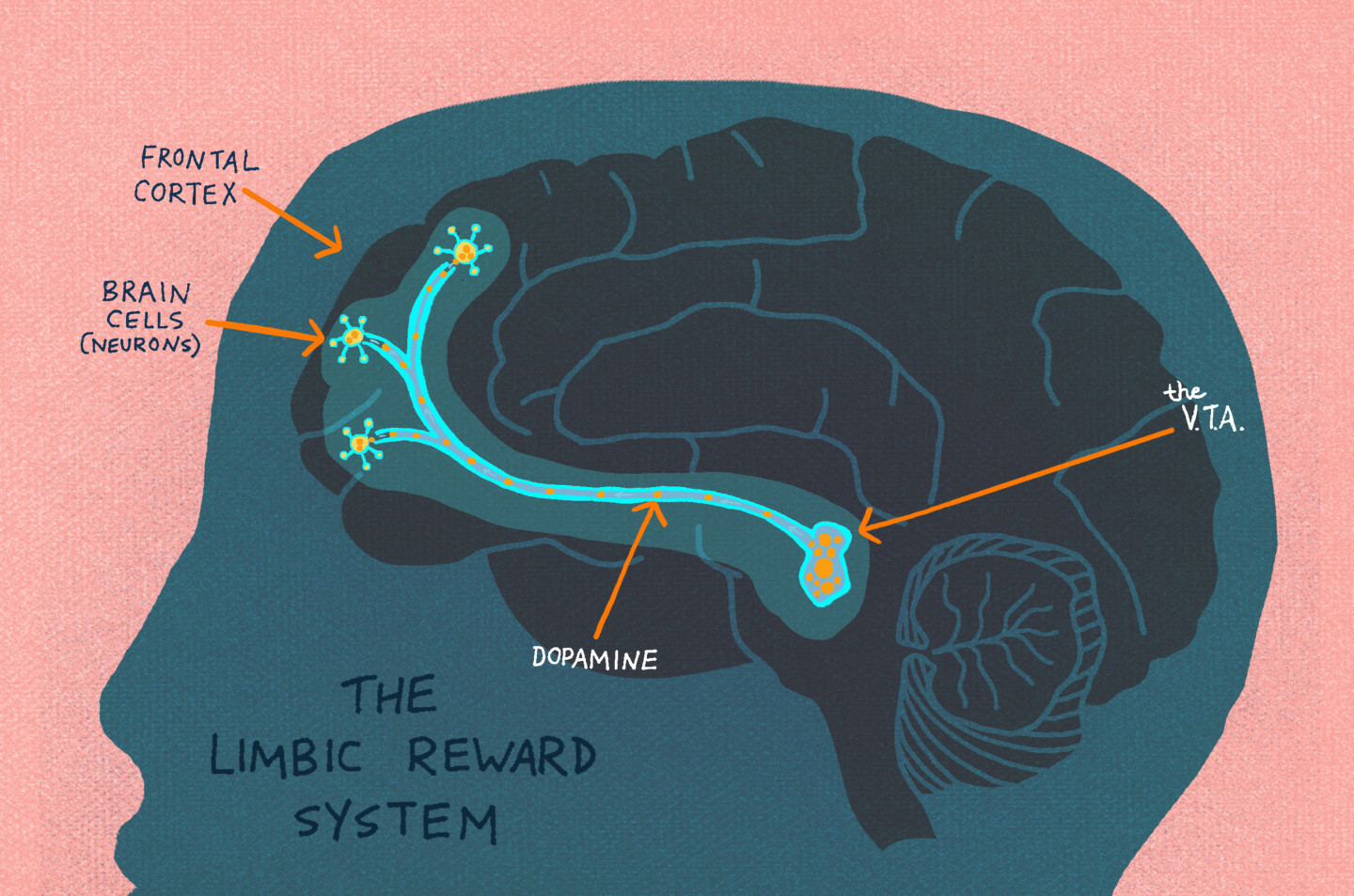
"description": "The Limbic Reward System lights up when curiosity is piqued.",
"title": "The Limbic Reward System lights up when curiosity is piqued.",
"credit": null,
"status": "inherit",
"isLoading": false,
"fetchFailed": false
}
},
"audioPlayerReducer": {
"postId": "stream_live",
"isPaused": true,
"isPlaying": false,
"pfsActive": false,
"pledgeModalIsOpen": true,
"playerDrawerIsOpen": false,
"liveAudioPlayStartedAt": 0,
"liveAudioPlayContext": ""
},
"authorsReducer": {
"byline_mindshift_38653": {
"type": "authors",
"id": "byline_mindshift_38653",
"meta": {
"override": true
},
"slug": "byline_mindshift_38653",
"name": "Anya Kamenetz",
"isLoading": false
},
"byline_mindshift_38470": {
"type": "authors",
"id": "byline_mindshift_38470",
"meta": {
"override": true
},
"slug": "byline_mindshift_38470",
"name": "Gabrielle Emanuel",
"isLoading": false
},
"byline_mindshift_38260": {
"type": "authors",
"id": "byline_mindshift_38260",
"meta": {
"override": true
},
"slug": "byline_mindshift_38260",
"name": "Maanvi Singh",
"isLoading": false
},
"katrinaschwartz": {
"type": "authors",
"id": "234",
"meta": {
"index": "authors_1716337520",
"id": "234",
"found": true
},
"name": "Katrina Schwartz",
"firstName": "Katrina",
"lastName": "Schwartz",
"slug": "katrinaschwartz",
"email": "kschwartz@kqed.org",
"display_author_email": false,
"staff_mastheads": [
"news"
],
"title": "Producer",
"bio": "Katrina Schwartz is a journalist based in San Francisco. She's worked at KPCC public radio in LA and has reported on air and online for KQED since 2010. She covered how teaching and learning is changing for MindShift between 2012 and 2020. She is the co-host of the MindShift podcast and now produces KQED's Bay Curious podcast.",
"avatar": "https://secure.gravatar.com/avatar/edb4ee79070447a018538c9aae6eeecf28786515b8a0c30e43b6b7dce5aa44c8?s=600&d=blank&r=g",
"twitter": "kschwart",
"bluesky": null,
"facebook": null,
"instagram": null,
"linkedin": null,
"sites": [
{
"site": "",
"roles": [
"editor"
]
},
{
"site": "news",
"roles": [
"editor"
]
},
{
"site": "mindshift",
"roles": [
"administrator"
]
},
{
"site": "stateofhealth",
"roles": [
"author"
]
},
{
"site": "science",
"roles": [
"editor"
]
}
],
"headData": {
"title": "Katrina Schwartz | KQED",
"description": "Producer",
"ogImgSrc": "https://secure.gravatar.com/avatar/edb4ee79070447a018538c9aae6eeecf28786515b8a0c30e43b6b7dce5aa44c8?s=600&d=blank&r=g",
"twImgSrc": "https://secure.gravatar.com/avatar/edb4ee79070447a018538c9aae6eeecf28786515b8a0c30e43b6b7dce5aa44c8?s=600&d=blank&r=g"
},
"isLoading": false,
"link": "/author/katrinaschwartz"
}
},
"pagesReducer": {
"mindshift_category_big-ideas": {
"type": "terms",
"id": "mindshift_192",
"meta": {
"index": "terms_1716263798",
"site": "mindshift",
"id": "192",
"score": 14.406956
},
"featImg": null,
"name": "Big Ideas",
"description": "The latest findings from experts in the field related to the future of learning.",
"taxonomy": "category",
"headData": {
"twImgId": null,
"twTitle": null,
"ogTitle": null,
"ogImgId": null,
"twDescription": null,
"description": "The latest findings from experts in the field related to the future of learning.",
"title": "Big Ideas Archives | KQED Mindshift",
"ogDescription": null
},
"ttid": 192,
"slug": "big-ideas",
"isLoading": false,
"title": "Big Ideas",
"pageMeta": {
"site": "mindshift",
"WpPageTemplate": "page-topic-editorial",
"currentPage": 58
},
"blocks": [
{
"blockName": "kqed/company-paragraph",
"content": "The latest findings from experts in the field related to the future of learning."
},
{
"blockName": "kqed/post-list",
"attrs": {
"layout": "cardArticle2",
"query": "posts/mindshift?category=big-ideas",
"seeMore": false,
"paginated": true,
"page": 58
}
},
{
"blockName": "kqed/ad"
}
]
}
},
"pfsSessionReducer": {},
"postsReducer": {
"stream_live": {
"type": "live",
"id": "stream_live",
"audioUrl": "https://streams.kqed.org/kqedradio",
"title": "Live Stream",
"excerpt": "Live Stream information currently unavailable.",
"link": "/radio",
"featImg": "",
"label": {
"name": "KQED Live",
"link": "/"
}
},
"stream_kqedNewscast": {
"type": "posts",
"id": "stream_kqedNewscast",
"audioUrl": "https://www.kqed.org/.stream/anon/radio/RDnews/newscast.mp3?_=1",
"title": "KQED Newscast",
"featImg": "",
"label": {
"name": "88.5 FM",
"link": "/"
}
},
"mindshift_38533": {
"type": "posts",
"id": "mindshift_38533",
"meta": {
"index": "posts_1716263798",
"site": "mindshift",
"id": "38533",
"score": null,
"sort": [
1418653917000
]
},
"parent": 0,
"labelTerm": {
"site": "mindshift"
},
"blocks": [],
"publishDate": 1418653917,
"format": "aside",
"disqusTitle": "How 'Deprogramming' Kids From How to 'Do School' Could Improve Learning",
"title": "How 'Deprogramming' Kids From How to 'Do School' Could Improve Learning",
"headTitle": "MindShift | KQED News",
"content": "\u003cfigure id=\"attachment_38720\" class=\"wp-caption alignnone\" style=\"max-width: 640px\">\u003ca href=\"http://ww2.kqed.org/mindshift/wp-content/uploads/sites/23/2014/12/Deprogramming.gif\">\u003cimg class=\"size-full wp-image-38720\" src=\"http://ww2.kqed.org/mindshift/wp-content/uploads/sites/23/2014/12/Deprogramming.gif\" alt=\"iStock\" width=\"640\" height=\"960\">\u003c/a>\u003cfigcaption class=\"wp-caption-text\">iStock\u003c/figcaption>\u003c/figure>\n\u003cp class=\"dropcap-serif\">One day, \u003ca href=\"http://www.adamholman.org/\" target=\"_blank\" rel=\"noopener\">Adam Holman\u003c/a> decided he was fed up with trying to cram knowledge into the brains of the high school students he taught. They weren’t grasping the physics he was teaching at the level he knew they were capable of, so he decided to change up his teaching style. It wasn’t that his students didn’t care about achieving -- he taught at high performing, affluent schools where students knew they needed high grades to get into good colleges. They argued for every point to make sure their grades were as high as possible, but were they learning?\u003c/p>\n\u003cp>“I felt I had to remove all the barriers I could on my end before I could ask my kids to meet me halfway,” Holman said. The first thing he did was move to standards-based grading. He told his students to show him they’d learned the material, it didn’t matter how long it took them.\u003c/p>\n\u003caside class=\"pullquote alignleft\">'We know how kids learn; we know what classes should look like, and yet our classes look almost the opposite.'\u003c/aside>\n\u003cp>“The kids realized this made sense,” Holman said. He taught physics and math at Anderson High School in Austin, before moving on to become a vice-principal. His students were mostly well-off, high achievers, and they knew how to play the game to get the grades they needed. But Holman found when he changed the grading policy, students worried about grades less and focused more on working together to understand the material.\u003c/p>\n\u003cp>“It turned my students into classmates and collaborators because I didn’t have a system in place to deny the collaboration,” Holman said. His students stopped copying homework. There was no curve that guaranteed some kids would be at the bottom. Instead, the class moved at its regular pace, but if a student persisted at a topic until they could show they understood it, Holman would give them credit. “It turned the kids on my side,” Holman said. “I was there to help them learn.”\u003c/p>\n\u003cp>\u003cstrong>BUILDING TRUST\u003c/strong>\u003c/p>\n\u003cp>[ad fullwidth]\u003c/p>\n\u003cp>Holman didn’t just change his grading policies. He also changed his teaching style to focus on inquiry, good questions and independent discovery. Starting off, he knew juniors and seniors weren’t used to learning that way, so first he had to build trust with them so they’d understand why he was asking so much of them.\u003c/p>\n\u003cp>At the start of each class period Holman and his students did icebreakers and read and discussed articles about how human brains learn best. Holman knew he was asking students to be vulnerable with one another--to share their misperceptions about math and physics--and so he spent precious class time working to make sure students trusted one another and him.\u003c/p>\n\u003cp>[contextly_sidebar id=\"raasozgPmILWw5ntfcxfANYVHysGaz8S\"]\u003c/p>\n\u003cp>The class read Timothy Slater’s article, “\u003ca href=\"https://esledu.files.wordpress.com/2015/09/when-is-good-teaching-a-bad-thing2.pdf\">When Is a Good Day Teaching a Bad Thing?\u003c/a>” which discusses the unspoken contract that can exist between teachers and students by which a teacher will pass a student as long as he or she doesn’t make trouble. Students recognized their own experience of education in the article. “It wasn’t meant to be a bash on teachers, but just to say we are aware that teaching is really complex,” Holman said. “It’s really difficult and sometimes we don’t know how to handle kids.”\u003c/p>\n\u003cp>Holman also asked students to read “\u003ca href=\"https://www.researchgate.net/publication/293604312_Sermons_for_grumpy_campers\">Sermons For Grumpy Campers\u003c/a>,” by Richard Felder, a graduate level professor who never lectured. In it, Felder describes his students grumbling that they hated group work and that it was his job to teach them, not the other way around. Holman’s students said the complaints sounded like they came from kindergarteners or themselves and were amazed to find out the complainers were graduate level engineering students.\u003c/p>\n\u003cp>Talking about these issues openly validated the inevitable complaints of students and helped them buy into the new approach. If an article was a little harder, Holman would use it as differentiated instruction, asking his best readers to take it on and summarize it for the class.\u003c/p>\n\u003cp>“It wasn’t perfect and it didn’t turn my kids into all physics majors, but for the kids who were on the border, it made a difference,” Holman said. Discussing their learning with them, switching grading policies and assigning more inquiry-based, hands on lessons all helped Holman’s students feel he trusted and respected them. And they rose to the challenge. “I think the kids were just waiting to be let loose and to be treated like adults,” Holman said.\u003c/p>\n\u003cp>\u003cstrong>STUDENT RESPONSES\u003c/strong>\u003c/p>\n\u003cp>Most of the students responded well to the new teaching style, Holman said, but he was most touched by his struggling math class. “I saw that my kids had been told they were stupid and failures, but I saw so much potential in them,” Holman said. They’ve never been given the time to master a concept through multiple tries. So when Holman opened his door to help them after school and during lunch for as long as it took, many seized the opportunity.\u003c/p>\n\u003caside class=\"pullquote alignleft\">'I think many students didn't realize that they could learn without a textbook or without step by step instruction.'\u003c/aside>\n\u003cp>Holman remember one struggling math student, Isabel, particularly well. She was taking algebra, convinced she was terrible at math. But when the grading policy was changed and she had a little more time to work on units that were difficult for her, she became a top student in the class. “She said, ‘for the first time in my life I’m trying to learn everything instead of just get a 70 [percent],’” Holman said.\u003c/p>\n\u003cp>“Students clearly learned in Mr. Holman's class, and he never pushed fear,” wrote a former student, Kate Nunke, in an email. She described the rest of her high school experience as one long fear fest: “Fear of not getting into college, fear of not passing, fear of disappointing parents, fear of looking like a fool in front of your peers,” the list goes on. But Nunke says Holman’s teaching style jolted students into thinking about their learning in a new way.\u003c/p>\n\u003cp>“I think many students didn't realize that they could learn without a textbook or without step by step instruction,” Nunke wrote. “At times I felt that Mr. Holman's physics class was the hardest class ever because I didn't get a step-by-step instruction. We are used to being handed the answer, thus not necessarily learning, just being told.”\u003c/p>\n\u003cp>Nunke said she’s been thinking a lot about Holman’s approach now that she has graduated and is taking a gap year in which she spent a semester at an outdoor education school focused entirely on experiential learning. “A lot of the teaching that Mr. Holman did, now that I think back to it, was teaching his students how to ask questions and investigate by themselves,” she wrote.\u003c/p>\n\u003cp>\u003cstrong>TEACHERS RESIST WHAT WORKS\u003c/strong>\u003c/p>\n\u003cp>Despite his success, Holman has had a hard time convincing other teachers to try some of his more progressive approaches. He became a vice-principal to spread and support the instructional practices he believes work, modeling lessons and pushing teachers to step out of their comfort zone.\u003c/p>\n\u003cp>“We know how kids learn; we know what classes should look like, and yet our classes look almost the opposite,” Holman said. He says there’s a particular deficit in math, where teachers and parents expect things to be taught the way they learned them. Not everyone has \u003ca href=\"http://davidwees.com/content/why-it-so-hard-change-math-education\" target=\"_blank\" rel=\"noopener\">experienced good math instruction\u003c/a> themselves, Holman said, so they can’t even begin to conceptualize a new way of doing it. “Imagine explaining color to someone who has never seen it,” Holman said. “You have to show them, you have to model it.”\u003c/p>\n\u003cp>But all of these approaches require taking a leap of faith and many teachers don’t feel they have that luxury. Teachers often complain that more progressive approaches like this suck up time and they can’t cover everything in the jam-packed curriculum. These arguments are excuses, Holman said. He said he never covered every single topic in the curriculum, but he did delve deeply into the ones he saw as most important.\u003c/p>\n\u003cp>\u003cstrong>HOLMAN'S READING LIST\u003c/strong>\u003c/p>\n\u003cp>For those interested in building metacognitive moments into the day, here are the articles Holman found to be useful and more or less reading-level appropriate for his high school students.\u003c/p>\n\u003cul>\n\u003cli>\u003ca href=\"https://www.alfiekohn.org/article/degrading-de-grading/\">\"From Degrading to De-Grading\u003c/a>,” by Alfie Kohn\u003c/li>\n\u003cli>\u003ca href=\"https://www.researchgate.net/publication/293604312_Sermons_for_grumpy_campers\">\"Sermons For Grumpy Campers\u003c/a>,” Richard Felder\u003c/li>\n\u003cli>\u003ca href=\"https://esledu.files.wordpress.com/2015/09/when-is-good-teaching-a-bad-thing2.pdf\">\"When Is a Good Day of Teaching a Bad Thing?\u003c/a>,” by Timothy Slater\u003c/li>\n\u003cli>\u003ca href=\"https://www.researchgate.net/publication/232994665_Navigating_the_Bumpy_Road_to_Student-Centered_Instruction\" target=\"_blank\" rel=\"noopener\">\"Navigating the Bumpy Road to Student-Centered Instruction\u003c/a>,” by Richard Felder\u003c/li>\n\u003cli>\u003ca href=\"http://www2.phy.ilstu.edu/pte/publications/minimizing_resistance.pdf\" target=\"_blank\" rel=\"noopener\">\"Minimizing resistance to inquiry-oriented science instruction: The importance of climate setting\u003c/a>,” by Carl J. Wenning\u003c/li>\n\u003cli>\u003ca href=\"https://www.alfiekohn.org/article/well-duh-ten-obvious-truths-shouldnt-ignoring/\">\"Well, Duh!” -- Ten Obvious Truths That We Shouldn’t Be Ignoring,\u003c/a>” by Alfie Kohn\u003c/li>\n\u003cli>\u003ca href=\"http://tech.mit.edu/V130/N49/normandin.html\" target=\"_blank\" rel=\"noopener\">“Opinion: Why TEAL Works: 10 Years Ago MIT Had a Physics Problem. TEAL Fixed It\u003c/a>,” by Ryan Normandin\u003c/li>\n\u003c/ul>\n\u003cp>[ad floatright]\u003c/p>\n\u003cp> \u003c/p>\n\n",
"disqusIdentifier": "38533 http://blogs.kqed.org/mindshift/?p=38533",
"disqusUrl": "https://ww2.kqed.org/mindshift/2014/12/15/how-deprogramming-kids-from-how-to-do-school-could-improve-learning/",
"stats": {
"hasVideo": false,
"hasChartOrMap": false,
"hasAudio": false,
"hasPolis": false,
"wordCount": 1574,
"hasGoogleForm": false,
"hasGallery": false,
"hasHearkenModule": false,
"iframeSrcs": [],
"paragraphCount": 25
},
"modified": 1562950139,
"excerpt": "Student know how to play school like it's a game, but if teachers change the rules, they just might appreciate it.",
"headData": {
"twImgId": "",
"twTitle": "",
"ogTitle": "",
"ogImgId": "",
"twDescription": "",
"description": "Student know how to play school like it's a game, but if teachers change the rules, they just might appreciate it.",
"title": "How 'Deprogramming' Kids From How to 'Do School' Could Improve Learning | KQED",
"ogDescription": "",
"schema": {
"@context": "https://schema.org",
"@type": "Article",
"headline": "How 'Deprogramming' Kids From How to 'Do School' Could Improve Learning",
"datePublished": "2014-12-15T06:31:57-08:00",
"dateModified": "2019-07-12T09:48:59-07:00",
"image": "https://cdn.kqed.org/wp-content/uploads/2020/02/KQED-OG-Image@1x.png"
}
},
"guestAuthors": [],
"slug": "how-deprogramming-kids-from-how-to-do-school-could-improve-learning",
"status": "publish",
"path": "/mindshift/38533/how-deprogramming-kids-from-how-to-do-school-could-improve-learning",
"audioTrackLength": null,
"parsedContent": [
{
"type": "contentString",
"content": "\u003cdiv class=\"post-body\">\u003cp>\u003cfigure id=\"attachment_38720\" class=\"wp-caption alignnone\" style=\"max-width: 640px\">\u003ca href=\"http://ww2.kqed.org/mindshift/wp-content/uploads/sites/23/2014/12/Deprogramming.gif\">\u003cimg class=\"size-full wp-image-38720\" src=\"http://ww2.kqed.org/mindshift/wp-content/uploads/sites/23/2014/12/Deprogramming.gif\" alt=\"iStock\" width=\"640\" height=\"960\">\u003c/a>\u003cfigcaption class=\"wp-caption-text\">iStock\u003c/figcaption>\u003c/figure>\n\u003cp class=\"dropcap-serif\">One day, \u003ca href=\"http://www.adamholman.org/\" target=\"_blank\" rel=\"noopener\">Adam Holman\u003c/a> decided he was fed up with trying to cram knowledge into the brains of the high school students he taught. They weren’t grasping the physics he was teaching at the level he knew they were capable of, so he decided to change up his teaching style. It wasn’t that his students didn’t care about achieving -- he taught at high performing, affluent schools where students knew they needed high grades to get into good colleges. They argued for every point to make sure their grades were as high as possible, but were they learning?\u003c/p>\n\u003cp>“I felt I had to remove all the barriers I could on my end before I could ask my kids to meet me halfway,” Holman said. The first thing he did was move to standards-based grading. He told his students to show him they’d learned the material, it didn’t matter how long it took them.\u003c/p>\n\u003caside class=\"pullquote alignleft\">'We know how kids learn; we know what classes should look like, and yet our classes look almost the opposite.'\u003c/aside>\n\u003cp>“The kids realized this made sense,” Holman said. He taught physics and math at Anderson High School in Austin, before moving on to become a vice-principal. His students were mostly well-off, high achievers, and they knew how to play the game to get the grades they needed. But Holman found when he changed the grading policy, students worried about grades less and focused more on working together to understand the material.\u003c/p>\n\u003cp>“It turned my students into classmates and collaborators because I didn’t have a system in place to deny the collaboration,” Holman said. His students stopped copying homework. There was no curve that guaranteed some kids would be at the bottom. Instead, the class moved at its regular pace, but if a student persisted at a topic until they could show they understood it, Holman would give them credit. “It turned the kids on my side,” Holman said. “I was there to help them learn.”\u003c/p>\n\u003cp>\u003cstrong>BUILDING TRUST\u003c/strong>\u003c/p>\n\u003cp>\u003c/p>\u003c/div>",
"attributes": {
"named": {},
"numeric": []
}
},
{
"type": "component",
"content": "",
"name": "ad",
"attributes": {
"named": {
"label": "fullwidth"
},
"numeric": [
"fullwidth"
]
}
},
{
"type": "contentString",
"content": "\u003cdiv class=\"post-body\">\u003cp>\u003c/p>\n\u003cp>Holman didn’t just change his grading policies. He also changed his teaching style to focus on inquiry, good questions and independent discovery. Starting off, he knew juniors and seniors weren’t used to learning that way, so first he had to build trust with them so they’d understand why he was asking so much of them.\u003c/p>\n\u003cp>At the start of each class period Holman and his students did icebreakers and read and discussed articles about how human brains learn best. Holman knew he was asking students to be vulnerable with one another--to share their misperceptions about math and physics--and so he spent precious class time working to make sure students trusted one another and him.\u003c/p>\n\u003cp>\u003c/p>\u003cp>\u003c/p>\u003cp>\u003c/p>\n\u003cp>The class read Timothy Slater’s article, “\u003ca href=\"https://esledu.files.wordpress.com/2015/09/when-is-good-teaching-a-bad-thing2.pdf\">When Is a Good Day Teaching a Bad Thing?\u003c/a>” which discusses the unspoken contract that can exist between teachers and students by which a teacher will pass a student as long as he or she doesn’t make trouble. Students recognized their own experience of education in the article. “It wasn’t meant to be a bash on teachers, but just to say we are aware that teaching is really complex,” Holman said. “It’s really difficult and sometimes we don’t know how to handle kids.”\u003c/p>\n\u003cp>Holman also asked students to read “\u003ca href=\"https://www.researchgate.net/publication/293604312_Sermons_for_grumpy_campers\">Sermons For Grumpy Campers\u003c/a>,” by Richard Felder, a graduate level professor who never lectured. In it, Felder describes his students grumbling that they hated group work and that it was his job to teach them, not the other way around. Holman’s students said the complaints sounded like they came from kindergarteners or themselves and were amazed to find out the complainers were graduate level engineering students.\u003c/p>\n\u003cp>Talking about these issues openly validated the inevitable complaints of students and helped them buy into the new approach. If an article was a little harder, Holman would use it as differentiated instruction, asking his best readers to take it on and summarize it for the class.\u003c/p>\n\u003cp>“It wasn’t perfect and it didn’t turn my kids into all physics majors, but for the kids who were on the border, it made a difference,” Holman said. Discussing their learning with them, switching grading policies and assigning more inquiry-based, hands on lessons all helped Holman’s students feel he trusted and respected them. And they rose to the challenge. “I think the kids were just waiting to be let loose and to be treated like adults,” Holman said.\u003c/p>\n\u003cp>\u003cstrong>STUDENT RESPONSES\u003c/strong>\u003c/p>\n\u003cp>Most of the students responded well to the new teaching style, Holman said, but he was most touched by his struggling math class. “I saw that my kids had been told they were stupid and failures, but I saw so much potential in them,” Holman said. They’ve never been given the time to master a concept through multiple tries. So when Holman opened his door to help them after school and during lunch for as long as it took, many seized the opportunity.\u003c/p>\n\u003caside class=\"pullquote alignleft\">'I think many students didn't realize that they could learn without a textbook or without step by step instruction.'\u003c/aside>\n\u003cp>Holman remember one struggling math student, Isabel, particularly well. She was taking algebra, convinced she was terrible at math. But when the grading policy was changed and she had a little more time to work on units that were difficult for her, she became a top student in the class. “She said, ‘for the first time in my life I’m trying to learn everything instead of just get a 70 [percent],’” Holman said.\u003c/p>\n\u003cp>“Students clearly learned in Mr. Holman's class, and he never pushed fear,” wrote a former student, Kate Nunke, in an email. She described the rest of her high school experience as one long fear fest: “Fear of not getting into college, fear of not passing, fear of disappointing parents, fear of looking like a fool in front of your peers,” the list goes on. But Nunke says Holman’s teaching style jolted students into thinking about their learning in a new way.\u003c/p>\n\u003cp>“I think many students didn't realize that they could learn without a textbook or without step by step instruction,” Nunke wrote. “At times I felt that Mr. Holman's physics class was the hardest class ever because I didn't get a step-by-step instruction. We are used to being handed the answer, thus not necessarily learning, just being told.”\u003c/p>\n\u003cp>Nunke said she’s been thinking a lot about Holman’s approach now that she has graduated and is taking a gap year in which she spent a semester at an outdoor education school focused entirely on experiential learning. “A lot of the teaching that Mr. Holman did, now that I think back to it, was teaching his students how to ask questions and investigate by themselves,” she wrote.\u003c/p>\n\u003cp>\u003cstrong>TEACHERS RESIST WHAT WORKS\u003c/strong>\u003c/p>\n\u003cp>Despite his success, Holman has had a hard time convincing other teachers to try some of his more progressive approaches. He became a vice-principal to spread and support the instructional practices he believes work, modeling lessons and pushing teachers to step out of their comfort zone.\u003c/p>\n\u003cp>“We know how kids learn; we know what classes should look like, and yet our classes look almost the opposite,” Holman said. He says there’s a particular deficit in math, where teachers and parents expect things to be taught the way they learned them. Not everyone has \u003ca href=\"http://davidwees.com/content/why-it-so-hard-change-math-education\" target=\"_blank\" rel=\"noopener\">experienced good math instruction\u003c/a> themselves, Holman said, so they can’t even begin to conceptualize a new way of doing it. “Imagine explaining color to someone who has never seen it,” Holman said. “You have to show them, you have to model it.”\u003c/p>\n\u003cp>But all of these approaches require taking a leap of faith and many teachers don’t feel they have that luxury. Teachers often complain that more progressive approaches like this suck up time and they can’t cover everything in the jam-packed curriculum. These arguments are excuses, Holman said. He said he never covered every single topic in the curriculum, but he did delve deeply into the ones he saw as most important.\u003c/p>\n\u003cp>\u003cstrong>HOLMAN'S READING LIST\u003c/strong>\u003c/p>\n\u003cp>For those interested in building metacognitive moments into the day, here are the articles Holman found to be useful and more or less reading-level appropriate for his high school students.\u003c/p>\n\u003cul>\n\u003cli>\u003ca href=\"https://www.alfiekohn.org/article/degrading-de-grading/\">\"From Degrading to De-Grading\u003c/a>,” by Alfie Kohn\u003c/li>\n\u003cli>\u003ca href=\"https://www.researchgate.net/publication/293604312_Sermons_for_grumpy_campers\">\"Sermons For Grumpy Campers\u003c/a>,” Richard Felder\u003c/li>\n\u003cli>\u003ca href=\"https://esledu.files.wordpress.com/2015/09/when-is-good-teaching-a-bad-thing2.pdf\">\"When Is a Good Day of Teaching a Bad Thing?\u003c/a>,” by Timothy Slater\u003c/li>\n\u003cli>\u003ca href=\"https://www.researchgate.net/publication/232994665_Navigating_the_Bumpy_Road_to_Student-Centered_Instruction\" target=\"_blank\" rel=\"noopener\">\"Navigating the Bumpy Road to Student-Centered Instruction\u003c/a>,” by Richard Felder\u003c/li>\n\u003cli>\u003ca href=\"http://www2.phy.ilstu.edu/pte/publications/minimizing_resistance.pdf\" target=\"_blank\" rel=\"noopener\">\"Minimizing resistance to inquiry-oriented science instruction: The importance of climate setting\u003c/a>,” by Carl J. Wenning\u003c/li>\n\u003cli>\u003ca href=\"https://www.alfiekohn.org/article/well-duh-ten-obvious-truths-shouldnt-ignoring/\">\"Well, Duh!” -- Ten Obvious Truths That We Shouldn’t Be Ignoring,\u003c/a>” by Alfie Kohn\u003c/li>\n\u003cli>\u003ca href=\"http://tech.mit.edu/V130/N49/normandin.html\" target=\"_blank\" rel=\"noopener\">“Opinion: Why TEAL Works: 10 Years Ago MIT Had a Physics Problem. TEAL Fixed It\u003c/a>,” by Ryan Normandin\u003c/li>\n\u003c/ul>\n\u003cp>\u003c/p>\u003c/div>",
"attributes": {
"named": {},
"numeric": []
}
},
{
"type": "component",
"content": "",
"name": "ad",
"attributes": {
"named": {
"label": "floatright"
},
"numeric": [
"floatright"
]
}
},
{
"type": "contentString",
"content": "\u003cdiv class=\"post-body\">\u003cp>\u003c/p>\n\u003cp> \u003c/p>\n\n\u003c/div>\u003c/p>",
"attributes": {
"named": {},
"numeric": []
}
}
],
"link": "/mindshift/38533/how-deprogramming-kids-from-how-to-do-school-could-improve-learning",
"authors": [
"234"
],
"categories": [
"mindshift_192"
],
"tags": [
"mindshift_870",
"mindshift_20784",
"mindshift_1040",
"mindshift_797",
"mindshift_392"
],
"featImg": "mindshift_38720",
"label": "mindshift"
},
"mindshift_38653": {
"type": "posts",
"id": "mindshift_38653",
"meta": {
"index": "posts_1716263798",
"site": "mindshift",
"id": "38653",
"score": null,
"sort": [
1418131470000
]
},
"parent": 0,
"labelTerm": {
"site": "mindshift"
},
"blocks": [],
"publishDate": 1418131470,
"format": "aside",
"disqusTitle": "Why Math Might Be The Secret To School Success",
"title": "Why Math Might Be The Secret To School Success",
"headTitle": "MindShift | KQED News",
"content": "\u003cfigure id=\"attachment_38654\" class=\"wp-caption alignnone\" style=\"max-width: 640px\">\u003ca href=\"http://ww2.kqed.org/mindshift/wp-content/uploads/sites/23/2014/12/preschool-math1_slide-b6d1042a22890c2e89ef42319b5db7975c86bec8-e1418129160422.jpg\">\u003cimg class=\"size-full wp-image-38654\" src=\"http://ww2.kqed.org/mindshift/wp-content/uploads/sites/23/2014/12/preschool-math1_slide-b6d1042a22890c2e89ef42319b5db7975c86bec8-e1418129160422.jpg\" alt=\"There's a real lack of math learning in pre-K. In one study, in fact, just 58 seconds out of a full preschool day was spent on math activities. (Kaylhew/Flikr Creative Commons)\" width=\"640\" height=\"960\">\u003c/a>\u003cfigcaption class=\"wp-caption-text\">There's a real lack of math learning in pre-K. In one study, in fact, just 58 seconds out of a full preschool day was spent on math activities. (Kaylhew/Flikr Creative Commons)\u003c/figcaption>\u003c/figure>\n\u003cp>\u003cstrong>By Anya Kamenetz, \u003ca href=\"http://www.npr.org/blogs/ed/2014/12/09/367814446/why-math-might-be-the-secret-to-school-success\">NPR\u003c/a>\u003c/strong>\u003c/p>\n\u003cp>Little children are big news this week, as the White House holds a summit on early childhood education December 10. The President wants every four year old to go to preschool, but the new Congress is unlikely to foot that bill.\u003c/p>\n\u003cp>Since last year, more than 30 states have expanded access to preschool. But there's still a lack of evidence about exactly what kinds of interventions are most effective in those crucial early years.\u003c/p>\n\u003cp>In New York City, an ambitious, $25 million dollar study is collecting evidence on the best way to raise outcomes for kids in poverty. Their hunch is that it may begin with math.\u003c/p>\n\u003cp>\u003cstrong>Time That Counts\u003c/strong>\u003c/p>\n\u003cp>[ad fullwidth]\u003c/p>\n\u003cp>\"One! Two! Three! Four! Five!\"\u003c/p>\n\u003cp>Gayle Conigliaro's preschool class are jumping as they count, to get the feeling of the numbers into their bodies--a concept called \"embodied cognition.\"\u003c/p>\n\u003cp>P.S. 43 is located in Far Rockaway, Queens, just steps from the ocean. The area is still recovering from Hurricane Sandy. But now it's been chosen as one of 69 high-poverty sites around New York City for a research study to test whether stronger math teaching can make all the difference for young kids. The study is funded by the Robin Hood Foundation, which is dedicated to ending poverty in New York. Pamela Morris, with research group MDRC, is lead investigator.\u003c/p>\n\u003cp>\"MDRC and the Robin Hood Foundation developed a partnership really with a broad goal,\" she says, \"Which is, they want to change the trajectories of low income children. And to do so by focusing on preschool.\"\u003c/p>\n\u003cp>[contextly_sidebar id=\"HAm5nUFzQhXpp3OgwCnGnRpWNsTqXr5z\"]\u003c/p>\n\u003cp>There's plenty of evidence on the long-term importance of preschool. But why math? Morris says that a 2013 study by Greg Duncan, at the University of California, Irvine, showed that math knowledge at the beginning of elementary school was the single most powerful predictor determining whether a student would graduate from high school and attend college. \"We think math might be sort of a lever to improve outcomes for kids longer term,\" Morris says.\u003c/p>\n\u003cp>But there's a real lack of math learning in pre-K. In one study, in fact, just 58 seconds out of a five-hour preschool day was spent on math activities. Part of the problem, says Doug Clements, at the University of Denver, is that \"Most teachers, of course, have been through our United States mathematics education, so they tend to think of math as just skills. They tend to think of it as a quiet activity.\"\u003c/p>\n\u003cp>Clements is the creator of Building Blocks, the math curriculum being tested in this new study. Building Blocks is designed to be just the opposite: engaging, exciting, and loud. \"We want kids running around the classroom and bumping into mathematics at every turn.\"\u003c/p>\n\u003cp>At P.S. 43, math games, toys, and activities are woven through the entire day. At transition time, the teacher asks the students to line up and touches their heads with the \"counting wand.\" At circle time, fittingly, the children talk about shapes. Just a few months into the school year, they observe correctly that a geometric shape must be a \"closed figure\" and that a square is \"a special rectangle.\"\u003c/p>\n\u003cp>\"How do you know it's a circle?\" asks the teacher. \"Because it goes round and round,\" says one girl with a bear barrette in her hair.\u003c/p>\n\u003cp>When Ms. Conigliaro asks, \"how do you know,\" she's asking the kids to think about their own thinking. That's a skill called metacognition. Explaining your reasoning out loud also develops verbal ability.\u003c/p>\n\u003cp>At choice time, besides the play-dough and pattern blocks, there are computer games matched to Building Blocks that keep track of each student's progress. And two children play a game called Number Match (\"Is three more than two? How do you know?\") as a teacher watches. The teacher is keeping notes of each child's level of understanding. The idea of developmental paths, or \"trajectories of understanding,\" is a core concept in Building Blocks.\u003c/p>\n\u003cp>\"There are reliable levels of thinking through which kids pass on their way to achieving a certain understanding in mathematics,\" Clements says. For example, children go from simply chanting \"onetwothreefourfive,\" to separating out each number word, to associating a number word with a given amount, to knowing that when you stop counting, the last number tells you \"how many.\"\u003c/p>\n\u003cp>Also in the classroom is a coach from Bank Street College of Education, who comes every other week to help the teacher put Building Blocks into practice. This is important to the study design. The coaches ensure that the curriculum is being implemented. Pamela Morris says, \"Often we ask teachers what curriculum they're delivering and we find it's a book on their bookshelf collecting dust.\"\u003c/p>\n\u003cp>The study will follow up with these students and a control group all the way through the third grade. They'll be directly assessing their math and reading abilities and looking at their grades and test scores later on. Morris is curious whether working on math will enhance the children's ability to self-regulate, inhibit impulses, pay attention appropriately and hold important concepts in working memory. This is a group of skills known as executive functioning. For example, if the teacher says \"clap and count to five,\" will you be able to stop clapping before you get to six?\u003c/p>\n\u003cp>But Conigliaro, a 24-year veteran teacher, is already convinced of the value of this curriculum.\u003c/p>\n\u003cp>\u003c/p>\n\u003cp>\"I just feel like the aha moment. This is what teaching should be. Where's the literacy program?\" she says. \"We would just like it to be a research based program so we can give our kids the best.\" She says the kids' progress amazes her every day.\u003c/p>\n\u003cdiv class=\"fullattribution\">Copyright 2014 NPR. To see more, visit http://www.npr.org/.\u003cimg src=\"http://www.google-analytics.com/__utm.gif?utmac=UA-5828686-4&utmdt=Why+Math+Might+Be+The+Secret+To+School+Success&utme=8(APIKey)9(MDAxOTAwOTE4MDEyMTkxMDAzNjczZDljZA004)\" alt=\"\">\u003c/div>\n\n",
"disqusIdentifier": "38653 http://blogs.kqed.org/mindshift/?p=38653",
"disqusUrl": "https://ww2.kqed.org/mindshift/2014/12/09/why-math-might-be-the-secret-to-school-success/",
"stats": {
"hasVideo": false,
"hasChartOrMap": false,
"hasAudio": false,
"hasPolis": false,
"wordCount": 1010,
"hasGoogleForm": false,
"hasGallery": false,
"hasHearkenModule": false,
"iframeSrcs": [],
"paragraphCount": 24
},
"modified": 1418150756,
"excerpt": "A new study is focusing on what works best to prepare kids for school. Math may be what really counts, say researchers, one of who describes it as \"a lever to improve outcomes for kids longer term.\"",
"headData": {
"twImgId": "",
"twTitle": "",
"ogTitle": "",
"ogImgId": "",
"twDescription": "",
"description": "A new study is focusing on what works best to prepare kids for school. Math may be what really counts, say researchers, one of who describes it as "a lever to improve outcomes for kids longer term."",
"title": "Why Math Might Be The Secret To School Success | KQED",
"ogDescription": "",
"schema": {
"@context": "https://schema.org",
"@type": "Article",
"headline": "Why Math Might Be The Secret To School Success",
"datePublished": "2014-12-09T05:24:30-08:00",
"dateModified": "2014-12-09T10:45:56-08:00",
"image": "https://cdn.kqed.org/wp-content/uploads/2020/02/KQED-OG-Image@1x.png"
}
},
"guestAuthors": [],
"slug": "why-math-might-be-the-secret-to-school-success",
"status": "publish",
"nprApiLink": "http://api.npr.org/query?id=367814446&apiKey=MDAxOTAwOTE4MDEyMTkxMDAzNjczZDljZA004",
"nprByline": "Anya Kamenetz",
"nprStoryDate": "Tue, 09 Dec 2014 03:48:00 -0500",
"nprLastModifiedDate": "Tue, 09 Dec 2014 06:10:43 -0500",
"nprHtmlLink": "http://www.npr.org/blogs/ed/2014/12/09/367814446/why-math-might-be-the-secret-to-school-success?ft=3&f=367814446",
"nprAudio": "http://pd.npr.org/anon.npr-mp3/npr/me/2014/12/20141209_me_why_math_might_be_the_secret_to_school_success.mp3?orgId=1&topicId=1001&ft=3&f=367814446",
"nprAudioM3u": "http://api.npr.org/m3u/1369536853-cf8e55.m3u?orgId=1&topicId=1001&ft=3&f=367814446",
"nprStoryId": "367814446",
"nprRetrievedStory": "1",
"nprPubDate": "Tue, 09 Dec 2014 06:49:00 -0500",
"path": "/mindshift/38653/why-math-might-be-the-secret-to-school-success",
"audioUrl": "http://pd.npr.org/anon.npr-mp3/npr/me/2014/12/20141209_me_why_math_might_be_the_secret_to_school_success.mp3?orgId=1&topicId=1001&ft=3&f=367814446",
"audioTrackLength": null,
"parsedContent": [
{
"type": "contentString",
"content": "\u003cdiv class=\"post-body\">\u003cp>\u003cfigure id=\"attachment_38654\" class=\"wp-caption alignnone\" style=\"max-width: 640px\">\u003ca href=\"http://ww2.kqed.org/mindshift/wp-content/uploads/sites/23/2014/12/preschool-math1_slide-b6d1042a22890c2e89ef42319b5db7975c86bec8-e1418129160422.jpg\">\u003cimg class=\"size-full wp-image-38654\" src=\"http://ww2.kqed.org/mindshift/wp-content/uploads/sites/23/2014/12/preschool-math1_slide-b6d1042a22890c2e89ef42319b5db7975c86bec8-e1418129160422.jpg\" alt=\"There's a real lack of math learning in pre-K. In one study, in fact, just 58 seconds out of a full preschool day was spent on math activities. (Kaylhew/Flikr Creative Commons)\" width=\"640\" height=\"960\">\u003c/a>\u003cfigcaption class=\"wp-caption-text\">There's a real lack of math learning in pre-K. In one study, in fact, just 58 seconds out of a full preschool day was spent on math activities. (Kaylhew/Flikr Creative Commons)\u003c/figcaption>\u003c/figure>\n\u003cp>\u003cstrong>By Anya Kamenetz, \u003ca href=\"http://www.npr.org/blogs/ed/2014/12/09/367814446/why-math-might-be-the-secret-to-school-success\">NPR\u003c/a>\u003c/strong>\u003c/p>\n\u003cp>Little children are big news this week, as the White House holds a summit on early childhood education December 10. The President wants every four year old to go to preschool, but the new Congress is unlikely to foot that bill.\u003c/p>\n\u003cp>Since last year, more than 30 states have expanded access to preschool. But there's still a lack of evidence about exactly what kinds of interventions are most effective in those crucial early years.\u003c/p>\n\u003cp>In New York City, an ambitious, $25 million dollar study is collecting evidence on the best way to raise outcomes for kids in poverty. Their hunch is that it may begin with math.\u003c/p>\n\u003cp>\u003cstrong>Time That Counts\u003c/strong>\u003c/p>\n\u003cp>\u003c/p>\u003c/div>",
"attributes": {
"named": {},
"numeric": []
}
},
{
"type": "component",
"content": "",
"name": "ad",
"attributes": {
"named": {
"label": "fullwidth"
},
"numeric": [
"fullwidth"
]
}
},
{
"type": "contentString",
"content": "\u003cdiv class=\"post-body\">\u003cp>\u003c/p>\n\u003cp>\"One! Two! Three! Four! Five!\"\u003c/p>\n\u003cp>Gayle Conigliaro's preschool class are jumping as they count, to get the feeling of the numbers into their bodies--a concept called \"embodied cognition.\"\u003c/p>\n\u003cp>P.S. 43 is located in Far Rockaway, Queens, just steps from the ocean. The area is still recovering from Hurricane Sandy. But now it's been chosen as one of 69 high-poverty sites around New York City for a research study to test whether stronger math teaching can make all the difference for young kids. The study is funded by the Robin Hood Foundation, which is dedicated to ending poverty in New York. Pamela Morris, with research group MDRC, is lead investigator.\u003c/p>\n\u003cp>\"MDRC and the Robin Hood Foundation developed a partnership really with a broad goal,\" she says, \"Which is, they want to change the trajectories of low income children. And to do so by focusing on preschool.\"\u003c/p>\n\u003cp>\u003c/p>\u003cp>\u003c/p>\u003cp>\u003c/p>\n\u003cp>There's plenty of evidence on the long-term importance of preschool. But why math? Morris says that a 2013 study by Greg Duncan, at the University of California, Irvine, showed that math knowledge at the beginning of elementary school was the single most powerful predictor determining whether a student would graduate from high school and attend college. \"We think math might be sort of a lever to improve outcomes for kids longer term,\" Morris says.\u003c/p>\n\u003cp>But there's a real lack of math learning in pre-K. In one study, in fact, just 58 seconds out of a five-hour preschool day was spent on math activities. Part of the problem, says Doug Clements, at the University of Denver, is that \"Most teachers, of course, have been through our United States mathematics education, so they tend to think of math as just skills. They tend to think of it as a quiet activity.\"\u003c/p>\n\u003cp>Clements is the creator of Building Blocks, the math curriculum being tested in this new study. Building Blocks is designed to be just the opposite: engaging, exciting, and loud. \"We want kids running around the classroom and bumping into mathematics at every turn.\"\u003c/p>\n\u003cp>At P.S. 43, math games, toys, and activities are woven through the entire day. At transition time, the teacher asks the students to line up and touches their heads with the \"counting wand.\" At circle time, fittingly, the children talk about shapes. Just a few months into the school year, they observe correctly that a geometric shape must be a \"closed figure\" and that a square is \"a special rectangle.\"\u003c/p>\n\u003cp>\"How do you know it's a circle?\" asks the teacher. \"Because it goes round and round,\" says one girl with a bear barrette in her hair.\u003c/p>\n\u003cp>When Ms. Conigliaro asks, \"how do you know,\" she's asking the kids to think about their own thinking. That's a skill called metacognition. Explaining your reasoning out loud also develops verbal ability.\u003c/p>\n\u003cp>At choice time, besides the play-dough and pattern blocks, there are computer games matched to Building Blocks that keep track of each student's progress. And two children play a game called Number Match (\"Is three more than two? How do you know?\") as a teacher watches. The teacher is keeping notes of each child's level of understanding. The idea of developmental paths, or \"trajectories of understanding,\" is a core concept in Building Blocks.\u003c/p>\n\u003cp>\"There are reliable levels of thinking through which kids pass on their way to achieving a certain understanding in mathematics,\" Clements says. For example, children go from simply chanting \"onetwothreefourfive,\" to separating out each number word, to associating a number word with a given amount, to knowing that when you stop counting, the last number tells you \"how many.\"\u003c/p>\n\u003cp>Also in the classroom is a coach from Bank Street College of Education, who comes every other week to help the teacher put Building Blocks into practice. This is important to the study design. The coaches ensure that the curriculum is being implemented. Pamela Morris says, \"Often we ask teachers what curriculum they're delivering and we find it's a book on their bookshelf collecting dust.\"\u003c/p>\n\u003cp>The study will follow up with these students and a control group all the way through the third grade. They'll be directly assessing their math and reading abilities and looking at their grades and test scores later on. Morris is curious whether working on math will enhance the children's ability to self-regulate, inhibit impulses, pay attention appropriately and hold important concepts in working memory. This is a group of skills known as executive functioning. For example, if the teacher says \"clap and count to five,\" will you be able to stop clapping before you get to six?\u003c/p>\n\u003cp>But Conigliaro, a 24-year veteran teacher, is already convinced of the value of this curriculum.\u003c/p>\n\u003cp>\u003c/p>\n\u003cp>\"I just feel like the aha moment. This is what teaching should be. Where's the literacy program?\" she says. \"We would just like it to be a research based program so we can give our kids the best.\" She says the kids' progress amazes her every day.\u003c/p>\n\u003cdiv class=\"fullattribution\">Copyright 2014 NPR. To see more, visit http://www.npr.org/.\u003cimg src=\"http://www.google-analytics.com/__utm.gif?utmac=UA-5828686-4&utmdt=Why+Math+Might+Be+The+Secret+To+School+Success&utme=8(APIKey)9(MDAxOTAwOTE4MDEyMTkxMDAzNjczZDljZA004)\" alt=\"\">\u003c/div>\n\n\u003c/div>\u003c/p>",
"attributes": {
"named": {},
"numeric": []
}
}
],
"link": "/mindshift/38653/why-math-might-be-the-secret-to-school-success",
"authors": [
"byline_mindshift_38653"
],
"categories": [
"mindshift_192"
],
"tags": [
"mindshift_20711",
"mindshift_20784",
"mindshift_1040",
"mindshift_392",
"mindshift_20790"
],
"featImg": "mindshift_38654",
"label": "mindshift"
},
"mindshift_38640": {
"type": "posts",
"id": "mindshift_38640",
"meta": {
"index": "posts_1716263798",
"site": "mindshift",
"id": "38640",
"score": null,
"sort": [
1418048136000
]
},
"parent": 0,
"labelTerm": {
"site": "mindshift"
},
"blocks": [],
"publishDate": 1418048136,
"format": "aside",
"disqusTitle": "How Dissecting a Pencil Can Ignite Curiosity and Wonderment",
"title": "How Dissecting a Pencil Can Ignite Curiosity and Wonderment",
"headTitle": "MindShift | KQED News",
"content": "\u003cfigure id=\"attachment_38645\" class=\"wp-caption aligncenter\" style=\"max-width: 640px\">\u003ca href=\"https://www.flickr.com/photos/dcosand/4328886363\">\u003cimg class=\"wp-image-38645 size-large\" src=\"http://ww2.kqed.org/mindshift/wp-content/uploads/sites/23/2014/12/4328886363_99bb6cae82_o-e1417821558283-640x393.jpg\" alt=\"4328886363_99bb6cae82_o\" width=\"640\" height=\"393\">\u003c/a>\u003cfigcaption class=\"wp-caption-text\">David Cosand/Flickr\u003c/figcaption>\u003c/figure>\n\u003cp class=\"dropcap serif\">Can the act of making or designing something help kids feel like they have agency over the objects and systems in their lives? That’s the main question a group of researchers at \u003ca href=\"http://www.pz.harvard.edu/\" target=\"_blank\">Project Zero\u003c/a>, a research group out of the Harvard Graduate School of Education, are tackling alongside classroom-based teachers in Oakland, California. In an evolving process, researchers are \u003ca href=\"http://ww2.kqed.org/mindshift/2012/11/harvard-wants-to-know-how-does-making-shape-kids-brains/\" target=\"_blank\">testing out activities they’ve designed \u003c/a>to help students to look more closely, explain more deeply and take on opportunities to change things they see around them.\u003c/p>\n\u003cp>The program is called \u003ca href=\"http://www.pz.gse.harvard.edu/agency_by_design.php\" target=\"_blank\">Agency By Design \u003c/a>and it relies on nimble, malleable activities Project Zero researchers call “thinking routines” that slow down the pace of the classroom to make space for deep observation and wonderment. That happens by talking and discussing objects or systems in the everyday world to help kids develop words to describe their thinking. It’s more a framework than a specific step-by-step process. The Oakland educators experimenting with thinking routines teach a range of ages across public, private and charter schools. They each adapted the exercises to fit their purposes.\u003c/p>\n\u003caside class=\"pullquote alignleft\">'I'm moving them in a direction to question things around them and be really curious about the world around them.'\u003c/aside>\n\u003cp>\"The main focus we’re looking at is an idea about how students might gain an alertness to their designed world, the designed objects and systems in their world,” said Jessica Ross, a senior practitioner specialist at Project Zero. “If you have multiple opportunities to engage with the designed world and notice the complexities of the design, will those repeated activities allow you to see that you might change that design?” Ross queried.\u003c/p>\n\u003cp>One big emphasis in the project so far has been on looking deeply at even the simplest of objects. In a thinking routine called “parts, purpose, complexity” students are asked to carefully observe the individual parts that make up an object. When each part has been thoroughly explored they start discussing and wondering about the purpose of each part. Then they think about how even a simple object can be complicated when broken down into its component parts.\u003c/p>\n\u003cp>A public school kindergarten teacher at Emerson Elementary found that this thinking routine needed to be broken down further for her young students. She first thought she’d try the “parts, purpose, and complexity” routine to toy cars. “What we found was that students didn’t have the language for them to go really deep,” said Carla Aiello, “so we started looking at a pencil because it’s an everyday object they use all the time and that they have language for.”\u003c/p>\n\u003cp>[ad fullwidth]\u003c/p>\n\u003cp>Because students were looking at something completely ordinary, they were able to describe very specifically what they were noticing, dissect its simple parts and talk about how those parts work together. Students even designed their own pencils and looked at mechanical pencils as a design innovation. “That could lead into thinking about not just objects, but systems, and are they working for you, and if not why, and what would you do differently,” Aiello said.\u003c/p>\n\u003cp>Now, Aiello says she sees students approaching all their work in a different way. A thinking routine called “see, think, wonder” has opened up her students’ ability to question. In the routine students look closely at something, take note of their thinking and then ask questions about what they can't see.\u003c/p>\n\u003cp>After introducing this thinking routine, Aiello moved onto a science unit on snails where she didn’t intend to introduce any Agency By Design material. But her students approached the snails with a depth of observation she’d never seen them use before. They started talking about the parts of snail, what they do, how they work together. She and the kids charted what they noticed visually (making thinking visible), which helped each child see how his or her classmates were thinking and helped spark new ideas that pushed their thinking a little deeper. They ended up talking about what they could design to make life easier for the snail, including the ideal habitat and conditions for it to live.\u003c/p>\n\u003cp>[contextly_sidebar id=\"26zSmLGBXNKxa1PfONamX6yUJFdjBlPj\"]\u003c/p>\n\u003cp>“I’m moving them in a direction to question things around them and be really curious about the world around them,” Aiello said. She sees the routines building critical thinking skills and reigniting wonder in her students, something she hardly saw before, even in kindergarteners. The open-ended quality to wondering, and lack of a right or wrong answer, has also inspired her students to start wondering about more the stories they read in class. That was a new experience for many of them, who don’t often read at home and aren’t accustomed to questioning stories they’re told.\u003c/p>\n\u003cp>“It’s already changing how I approach science, and even art; I definitely think more about how to get students to question and problem solve,” Aiello said. She thinks it has been helpful as she tries to teach the Common Core too. “They’re going to have to defend their thinking and so practicing this kind of thinking is going to set them up for the real critical thinking they’ll do later.”\u003c/p>\n\u003cp>The routines have also given kids who struggle with academics like handwriting, math or English Language Arts to show their creativity and success in school. “[Some] really excelled at looking closely and defending why they were creating something a certain way, and had really thought through why they were doing something,” Aiello said.\u003c/p>\n\u003cp>\u003cstrong>APPLYING THE METHOD TO HIGH SCHOOL\u003c/strong>\u003c/p>\n\u003cp>When Brooke Toczylowski, a high school art teacher at Oakland International High School first heard about Agency By Design, she wasn’t sure its focus on Maker Education fit the art classroom. She thought of it as something technical, for engineers and programmers. “My thinking has shifted,” she said because the project emphasizes the crossover between designing and making.\u003c/p>\n\u003caside class=\"pullquote alignleft\">'We sparked this idea at our school that you can alter and change space and that space is an important element of how we experience education.'\u003c/aside>\n\u003cp>In many ways Toczylowski was already practicing skills like close looking and iteration in her classroom because art has always required prototyping, changing course and incorporating critique. But she sees Agency By Design as a great way to bridge the gap between the arts integration work she does and the subject area teaching of many of her colleagues.\u003c/p>\n\u003cp>“Teachers are designers; they design lessons every single day,” Toczylowski said. “They are trying to meet the needs of their students all the time. It’s a natural fit for teachers, their brains work that way.” So giving her colleagues actual tools like “parts, purpose and complexity” or “see, think, wonder” has been a helpful to all the teachers at her school who are beginning to build those models into their subject areas.\u003c/p>\n\u003cp>Oakland International teachers have found the thinking routines especially helpful because all of their students are English Language Learners who have been in the country for a short time. Scaffolding language is a part of every teacher’s job, even in art, and giving kids thinking routines that they can do again and again, while developing their language skills is a natural fit.\u003c/p>\n\u003cp>“It’s just a great way of looking at the world in general, it’s a great way to build curiosity,” Toczylowski said. She’s found that the routines work well with her under-privileged students of color, so she uses them, but she’s troubled at how little diversity there is in the Maker-ed and design thinking movements. She’d like to see these kinds of professional development opportunities offered to more Title I teachers, to help inspire the kind of creative teaching that can ignite learning in all kids.\u003c/p>\n\u003cp>At the end of last year, Toczylowski worked with a small group of students for three weeks every day, all day on a design project. They redesigned and built new tables for the art room. “They’re these gorgeous wooden tables that students designed and built,” she said. Student conducted interviews to determine what needed changing, and ended up building tables of various heights built in storage space for binders and drawers for materials. They even repurposed some old district materials. At the end of the three weeks Toczylowski said they were much more comfortable with the idea of themselves as designers and builders.\u003c/p>\n\u003cp>In an after school design group Toczylowski and a group of students even took on a library redesign. They moved a wall, carved out a reading space, moved the mailboxes to somewhere more private and reconceptualized how the space could be used. “We sparked this idea at our school that you can alter and change space and that space is an important element of how we experience education,” Toczylowski said.\u003c/p>\n\u003cp>They ran into bureaucratic problems along the way, which led to a deeper realization about the way schools operate. “The structure of school is not necessarily set up for deep, hands on, mucky learning,” Toczylowski said.\u003c/p>\n\u003cp>\u003cstrong>A COMMUNITY OF LEARNERS\u003c/strong>\u003c/p>\n\u003cp>While the research and in-class experimentation with design thinking oriented routines has been eye opening to many teachers, even shifting how they think about their practice, one of Agency By Design’s biggest strengths has been to provide teachers with a community to come together and share ideas. Even better, Project Zero researchers valued teacher’s input, tweaking activities based on their feedback.\u003c/p>\n\u003cp>“These kinds of projects invest in teacher's personal learning, which has major impact in the classroom,” Toczylowski said. “An engaged, happy, curious teacher is going to inspire his or her students in that same way.” She especially grateful for the local focus of the project, which was funded by the \u003ca href=\"http://www.abundance.org/arts-education/agency-by-design/\" target=\"_blank\">Abundance Foundation\u003c/a>, an Oakland group that requested the research take place in schools in a specific neighborhood. “What’s really exciting is that it has built this network, which never happens,” Toczylowski said. “Some of us are within blocks of each other and we’re coming together to do research and try things.”\u003c/p>\n\u003cp>Project Zero researchers also recognize that to change classroom practice the research must first make sense and resonate with the teacher. “With any of this kind of work you have to think about the teachers who are exploring this and having time to think about this,” Ross said. Thinking routines that spend a good amount of time just looking at an object might not automatically appeal to a harried teacher trying to get through a busy year.\u003c/p>\n\u003cp>[ad floatright]\u003c/p>\n\u003cp>“We expect teachers to be professionals, to know their learners and know the content they are introducing alongside it,” Ross said. That professional courtesy and the deep discussions around pedagogy and practice are why many teachers enjoyed participating in the program even though it took significant extra time and energy. For their part, researchers are tremendously grateful to teachers for helping them hone their research questions. The research hasn’t yet produced any definitive results, but now they know better where and how to look.\u003c/p>\n\n",
"disqusIdentifier": "38640 http://blogs.kqed.org/mindshift/?p=38640",
"disqusUrl": "https://ww2.kqed.org/mindshift/2014/12/08/how-dissecting-a-pencil-can-ignite-curiosity-and-wonderment/",
"stats": {
"hasVideo": false,
"hasChartOrMap": false,
"hasAudio": false,
"hasPolis": false,
"wordCount": 1931,
"hasGoogleForm": false,
"hasGallery": false,
"hasHearkenModule": false,
"iframeSrcs": [],
"paragraphCount": 27
},
"modified": 1418048136,
"excerpt": "Researchers are studying how engaging in design thinking and tinkering can help kids feel they have agency over the lives and surroundings.",
"headData": {
"twImgId": "",
"twTitle": "",
"ogTitle": "",
"ogImgId": "",
"twDescription": "",
"description": "Researchers are studying how engaging in design thinking and tinkering can help kids feel they have agency over the lives and surroundings.",
"title": "How Dissecting a Pencil Can Ignite Curiosity and Wonderment | KQED",
"ogDescription": "",
"schema": {
"@context": "https://schema.org",
"@type": "Article",
"headline": "How Dissecting a Pencil Can Ignite Curiosity and Wonderment",
"datePublished": "2014-12-08T06:15:36-08:00",
"dateModified": "2014-12-08T06:15:36-08:00",
"image": "https://cdn.kqed.org/wp-content/uploads/2020/02/KQED-OG-Image@1x.png"
}
},
"guestAuthors": [],
"slug": "how-dissecting-a-pencil-can-ignite-curiosity-and-wonderment",
"status": "publish",
"path": "/mindshift/38640/how-dissecting-a-pencil-can-ignite-curiosity-and-wonderment",
"audioTrackLength": null,
"parsedContent": [
{
"type": "contentString",
"content": "\u003cdiv class=\"post-body\">\u003cp>\u003cfigure id=\"attachment_38645\" class=\"wp-caption aligncenter\" style=\"max-width: 640px\">\u003ca href=\"https://www.flickr.com/photos/dcosand/4328886363\">\u003cimg class=\"wp-image-38645 size-large\" src=\"http://ww2.kqed.org/mindshift/wp-content/uploads/sites/23/2014/12/4328886363_99bb6cae82_o-e1417821558283-640x393.jpg\" alt=\"4328886363_99bb6cae82_o\" width=\"640\" height=\"393\">\u003c/a>\u003cfigcaption class=\"wp-caption-text\">David Cosand/Flickr\u003c/figcaption>\u003c/figure>\n\u003cp class=\"dropcap serif\">Can the act of making or designing something help kids feel like they have agency over the objects and systems in their lives? That’s the main question a group of researchers at \u003ca href=\"http://www.pz.harvard.edu/\" target=\"_blank\">Project Zero\u003c/a>, a research group out of the Harvard Graduate School of Education, are tackling alongside classroom-based teachers in Oakland, California. In an evolving process, researchers are \u003ca href=\"http://ww2.kqed.org/mindshift/2012/11/harvard-wants-to-know-how-does-making-shape-kids-brains/\" target=\"_blank\">testing out activities they’ve designed \u003c/a>to help students to look more closely, explain more deeply and take on opportunities to change things they see around them.\u003c/p>\n\u003cp>The program is called \u003ca href=\"http://www.pz.gse.harvard.edu/agency_by_design.php\" target=\"_blank\">Agency By Design \u003c/a>and it relies on nimble, malleable activities Project Zero researchers call “thinking routines” that slow down the pace of the classroom to make space for deep observation and wonderment. That happens by talking and discussing objects or systems in the everyday world to help kids develop words to describe their thinking. It’s more a framework than a specific step-by-step process. The Oakland educators experimenting with thinking routines teach a range of ages across public, private and charter schools. They each adapted the exercises to fit their purposes.\u003c/p>\n\u003caside class=\"pullquote alignleft\">'I'm moving them in a direction to question things around them and be really curious about the world around them.'\u003c/aside>\n\u003cp>\"The main focus we’re looking at is an idea about how students might gain an alertness to their designed world, the designed objects and systems in their world,” said Jessica Ross, a senior practitioner specialist at Project Zero. “If you have multiple opportunities to engage with the designed world and notice the complexities of the design, will those repeated activities allow you to see that you might change that design?” Ross queried.\u003c/p>\n\u003cp>One big emphasis in the project so far has been on looking deeply at even the simplest of objects. In a thinking routine called “parts, purpose, complexity” students are asked to carefully observe the individual parts that make up an object. When each part has been thoroughly explored they start discussing and wondering about the purpose of each part. Then they think about how even a simple object can be complicated when broken down into its component parts.\u003c/p>\n\u003cp>A public school kindergarten teacher at Emerson Elementary found that this thinking routine needed to be broken down further for her young students. She first thought she’d try the “parts, purpose, and complexity” routine to toy cars. “What we found was that students didn’t have the language for them to go really deep,” said Carla Aiello, “so we started looking at a pencil because it’s an everyday object they use all the time and that they have language for.”\u003c/p>\n\u003cp>\u003c/p>\u003c/div>",
"attributes": {
"named": {},
"numeric": []
}
},
{
"type": "component",
"content": "",
"name": "ad",
"attributes": {
"named": {
"label": "fullwidth"
},
"numeric": [
"fullwidth"
]
}
},
{
"type": "contentString",
"content": "\u003cdiv class=\"post-body\">\u003cp>\u003c/p>\n\u003cp>Because students were looking at something completely ordinary, they were able to describe very specifically what they were noticing, dissect its simple parts and talk about how those parts work together. Students even designed their own pencils and looked at mechanical pencils as a design innovation. “That could lead into thinking about not just objects, but systems, and are they working for you, and if not why, and what would you do differently,” Aiello said.\u003c/p>\n\u003cp>Now, Aiello says she sees students approaching all their work in a different way. A thinking routine called “see, think, wonder” has opened up her students’ ability to question. In the routine students look closely at something, take note of their thinking and then ask questions about what they can't see.\u003c/p>\n\u003cp>After introducing this thinking routine, Aiello moved onto a science unit on snails where she didn’t intend to introduce any Agency By Design material. But her students approached the snails with a depth of observation she’d never seen them use before. They started talking about the parts of snail, what they do, how they work together. She and the kids charted what they noticed visually (making thinking visible), which helped each child see how his or her classmates were thinking and helped spark new ideas that pushed their thinking a little deeper. They ended up talking about what they could design to make life easier for the snail, including the ideal habitat and conditions for it to live.\u003c/p>\n\u003cp>\u003c/p>\u003cp>\u003c/p>\u003cp>\u003c/p>\n\u003cp>“I’m moving them in a direction to question things around them and be really curious about the world around them,” Aiello said. She sees the routines building critical thinking skills and reigniting wonder in her students, something she hardly saw before, even in kindergarteners. The open-ended quality to wondering, and lack of a right or wrong answer, has also inspired her students to start wondering about more the stories they read in class. That was a new experience for many of them, who don’t often read at home and aren’t accustomed to questioning stories they’re told.\u003c/p>\n\u003cp>“It’s already changing how I approach science, and even art; I definitely think more about how to get students to question and problem solve,” Aiello said. She thinks it has been helpful as she tries to teach the Common Core too. “They’re going to have to defend their thinking and so practicing this kind of thinking is going to set them up for the real critical thinking they’ll do later.”\u003c/p>\n\u003cp>The routines have also given kids who struggle with academics like handwriting, math or English Language Arts to show their creativity and success in school. “[Some] really excelled at looking closely and defending why they were creating something a certain way, and had really thought through why they were doing something,” Aiello said.\u003c/p>\n\u003cp>\u003cstrong>APPLYING THE METHOD TO HIGH SCHOOL\u003c/strong>\u003c/p>\n\u003cp>When Brooke Toczylowski, a high school art teacher at Oakland International High School first heard about Agency By Design, she wasn’t sure its focus on Maker Education fit the art classroom. She thought of it as something technical, for engineers and programmers. “My thinking has shifted,” she said because the project emphasizes the crossover between designing and making.\u003c/p>\n\u003caside class=\"pullquote alignleft\">'We sparked this idea at our school that you can alter and change space and that space is an important element of how we experience education.'\u003c/aside>\n\u003cp>In many ways Toczylowski was already practicing skills like close looking and iteration in her classroom because art has always required prototyping, changing course and incorporating critique. But she sees Agency By Design as a great way to bridge the gap between the arts integration work she does and the subject area teaching of many of her colleagues.\u003c/p>\n\u003cp>“Teachers are designers; they design lessons every single day,” Toczylowski said. “They are trying to meet the needs of their students all the time. It’s a natural fit for teachers, their brains work that way.” So giving her colleagues actual tools like “parts, purpose and complexity” or “see, think, wonder” has been a helpful to all the teachers at her school who are beginning to build those models into their subject areas.\u003c/p>\n\u003cp>Oakland International teachers have found the thinking routines especially helpful because all of their students are English Language Learners who have been in the country for a short time. Scaffolding language is a part of every teacher’s job, even in art, and giving kids thinking routines that they can do again and again, while developing their language skills is a natural fit.\u003c/p>\n\u003cp>“It’s just a great way of looking at the world in general, it’s a great way to build curiosity,” Toczylowski said. She’s found that the routines work well with her under-privileged students of color, so she uses them, but she’s troubled at how little diversity there is in the Maker-ed and design thinking movements. She’d like to see these kinds of professional development opportunities offered to more Title I teachers, to help inspire the kind of creative teaching that can ignite learning in all kids.\u003c/p>\n\u003cp>At the end of last year, Toczylowski worked with a small group of students for three weeks every day, all day on a design project. They redesigned and built new tables for the art room. “They’re these gorgeous wooden tables that students designed and built,” she said. Student conducted interviews to determine what needed changing, and ended up building tables of various heights built in storage space for binders and drawers for materials. They even repurposed some old district materials. At the end of the three weeks Toczylowski said they were much more comfortable with the idea of themselves as designers and builders.\u003c/p>\n\u003cp>In an after school design group Toczylowski and a group of students even took on a library redesign. They moved a wall, carved out a reading space, moved the mailboxes to somewhere more private and reconceptualized how the space could be used. “We sparked this idea at our school that you can alter and change space and that space is an important element of how we experience education,” Toczylowski said.\u003c/p>\n\u003cp>They ran into bureaucratic problems along the way, which led to a deeper realization about the way schools operate. “The structure of school is not necessarily set up for deep, hands on, mucky learning,” Toczylowski said.\u003c/p>\n\u003cp>\u003cstrong>A COMMUNITY OF LEARNERS\u003c/strong>\u003c/p>\n\u003cp>While the research and in-class experimentation with design thinking oriented routines has been eye opening to many teachers, even shifting how they think about their practice, one of Agency By Design’s biggest strengths has been to provide teachers with a community to come together and share ideas. Even better, Project Zero researchers valued teacher’s input, tweaking activities based on their feedback.\u003c/p>\n\u003cp>“These kinds of projects invest in teacher's personal learning, which has major impact in the classroom,” Toczylowski said. “An engaged, happy, curious teacher is going to inspire his or her students in that same way.” She especially grateful for the local focus of the project, which was funded by the \u003ca href=\"http://www.abundance.org/arts-education/agency-by-design/\" target=\"_blank\">Abundance Foundation\u003c/a>, an Oakland group that requested the research take place in schools in a specific neighborhood. “What’s really exciting is that it has built this network, which never happens,” Toczylowski said. “Some of us are within blocks of each other and we’re coming together to do research and try things.”\u003c/p>\n\u003cp>Project Zero researchers also recognize that to change classroom practice the research must first make sense and resonate with the teacher. “With any of this kind of work you have to think about the teachers who are exploring this and having time to think about this,” Ross said. Thinking routines that spend a good amount of time just looking at an object might not automatically appeal to a harried teacher trying to get through a busy year.\u003c/p>\n\u003cp>\u003c/p>\u003c/div>",
"attributes": {
"named": {},
"numeric": []
}
},
{
"type": "component",
"content": "",
"name": "ad",
"attributes": {
"named": {
"label": "floatright"
},
"numeric": [
"floatright"
]
}
},
{
"type": "contentString",
"content": "\u003cdiv class=\"post-body\">\u003cp>\u003c/p>\n\u003cp>“We expect teachers to be professionals, to know their learners and know the content they are introducing alongside it,” Ross said. That professional courtesy and the deep discussions around pedagogy and practice are why many teachers enjoyed participating in the program even though it took significant extra time and energy. For their part, researchers are tremendously grateful to teachers for helping them hone their research questions. The research hasn’t yet produced any definitive results, but now they know better where and how to look.\u003c/p>\n\n\u003c/div>\u003c/p>",
"attributes": {
"named": {},
"numeric": []
}
}
],
"link": "/mindshift/38640/how-dissecting-a-pencil-can-ignite-curiosity-and-wonderment",
"authors": [
"234"
],
"categories": [
"mindshift_192"
],
"tags": [
"mindshift_20784",
"mindshift_1040",
"mindshift_980",
"mindshift_967"
],
"featImg": "mindshift_38645",
"label": "mindshift"
},
"mindshift_38631": {
"type": "posts",
"id": "mindshift_38631",
"meta": {
"index": "posts_1716263798",
"site": "mindshift",
"id": "38631",
"score": null,
"sort": [
1417702864000
]
},
"parent": 0,
"labelTerm": {
"site": "mindshift"
},
"blocks": [],
"publishDate": 1417702864,
"format": "aside",
"disqusTitle": "Being Conscientious About the Buzz Around STEM Education",
"title": "Being Conscientious About the Buzz Around STEM Education",
"headTitle": "MindShift | KQED News",
"content": "\u003cp>There’s no shortage of attention on science, technology, engineering and math education in the United States these days. As expectations about STEM's promises grow, leaders in politics, education and business may even find themselves echoing popular sentiments about STEM they don't fully understand. Alexandra Ossola, who covers STEM education for \u003ca href=\"http://www.theatlantic.com/education/archive/2014/12/is-the-us-focusing-too-much-on-stem/383353/\">The Atlantic\u003c/a>, writes: \u003c/p>\n\u003cp>\"STEM can sometimes be an overused buzzword, the negative impacts of which are felt by students who don’t get a quality, well-rounded education. But in general its hype is justified because students simply need greater scientific and technological literacy than they did before to function in today’s society and economy.\" \u003c/p>\n\u003cp>http://www.theatlantic.com/education/archive/2014/12/is-the-us-focusing-too-much-on-stem/383353/\u003c/p>\n\u003cp>[ad fullwidth]\u003c/p>\u003cp>\u003c/p>\n",
"disqusIdentifier": "38631 http://blogs.kqed.org/mindshift/?p=38631",
"disqusUrl": "https://ww2.kqed.org/mindshift/2014/12/04/being-conscientious-about-the-buzz-around-stem-education/",
"stats": {
"hasVideo": false,
"hasChartOrMap": false,
"hasAudio": false,
"hasPolis": false,
"wordCount": 131,
"hasGoogleForm": false,
"hasGallery": false,
"hasHearkenModule": false,
"iframeSrcs": [],
"paragraphCount": 4
},
"modified": 1456260573,
"excerpt": "STEM, though sometimes misunderstood, has become a popular acronym to rally around, and that kind of publicity has been helpful to educators. ",
"headData": {
"twImgId": "",
"twTitle": "",
"ogTitle": "",
"ogImgId": "",
"twDescription": "",
"description": "STEM, though sometimes misunderstood, has become a popular acronym to rally around, and that kind of publicity has been helpful to educators. ",
"title": "Being Conscientious About the Buzz Around STEM Education | KQED",
"ogDescription": "",
"schema": {
"@context": "https://schema.org",
"@type": "Article",
"headline": "Being Conscientious About the Buzz Around STEM Education",
"datePublished": "2014-12-04T06:21:04-08:00",
"dateModified": "2016-02-23T12:49:33-08:00",
"image": "https://cdn.kqed.org/wp-content/uploads/2020/02/KQED-OG-Image@1x.png"
}
},
"guestAuthors": [],
"slug": "being-conscientious-about-the-buzz-around-stem-education",
"status": "publish",
"path": "/mindshift/38631/being-conscientious-about-the-buzz-around-stem-education",
"audioTrackLength": null,
"parsedContent": [
{
"type": "contentString",
"content": "\u003cdiv class=\"post-body\">\u003cp>\u003cp>There’s no shortage of attention on science, technology, engineering and math education in the United States these days. As expectations about STEM's promises grow, leaders in politics, education and business may even find themselves echoing popular sentiments about STEM they don't fully understand. Alexandra Ossola, who covers STEM education for \u003ca href=\"http://www.theatlantic.com/education/archive/2014/12/is-the-us-focusing-too-much-on-stem/383353/\">The Atlantic\u003c/a>, writes: \u003c/p>\n\u003cp>\"STEM can sometimes be an overused buzzword, the negative impacts of which are felt by students who don’t get a quality, well-rounded education. But in general its hype is justified because students simply need greater scientific and technological literacy than they did before to function in today’s society and economy.\" \u003c/p>\n\u003cp>http://www.theatlantic.com/education/archive/2014/12/is-the-us-focusing-too-much-on-stem/383353/\u003c/p>\n\u003cp>\u003c/p>\u003c/div>",
"attributes": {
"named": {},
"numeric": []
}
},
{
"type": "component",
"content": "",
"name": "ad",
"attributes": {
"named": {
"label": "fullwidth"
},
"numeric": [
"fullwidth"
]
}
},
{
"type": "contentString",
"content": "\u003cdiv class=\"post-body\">\u003cp>\u003c/p>\u003cp>\u003c/p>\n\u003c/div>\u003c/p>",
"attributes": {
"named": {},
"numeric": []
}
}
],
"link": "/mindshift/38631/being-conscientious-about-the-buzz-around-stem-education",
"authors": [
"4354"
],
"categories": [
"mindshift_192"
],
"tags": [
"mindshift_20784",
"mindshift_1040",
"mindshift_391"
],
"featImg": "mindshift_38638",
"label": "mindshift"
},
"mindshift_37944": {
"type": "posts",
"id": "mindshift_37944",
"meta": {
"index": "posts_1716263798",
"site": "mindshift",
"id": "37944",
"score": null,
"sort": [
1416837694000
]
},
"parent": 0,
"labelTerm": {
"site": "mindshift"
},
"blocks": [],
"publishDate": 1416837694,
"format": "aside",
"disqusTitle": "Some Struggles Teachers Face Using Games in the Classroom ",
"title": "Some Struggles Teachers Face Using Games in the Classroom ",
"headTitle": "MindShift | KQED News",
"content": "\u003cfigure id=\"attachment_38531\" class=\"wp-caption alignnone\" style=\"max-width: 640px\">\u003ca href=\"http://ww2.kqed.org/mindshift/wp-content/uploads/sites/23/2014/11/Maze-istock.gif\">\u003cimg src=\"http://ww2.kqed.org/mindshift/wp-content/uploads/sites/23/2014/11/Maze-istock-640x360.gif\" alt=\"iStock\" width=\"640\" height=\"360\" class=\"size-large wp-image-38531\">\u003c/a>\u003cfigcaption class=\"wp-caption-text\">iStock\u003c/figcaption>\u003c/figure>\n\u003cp class=\"dropcap-serif\">Teachers have long known that making content more playful can be a great way to engage students and add diversity to classroom activities. As technology becomes an ever more significant part of modern classrooms, it makes sense that teachers are using video games for everything from teaching content, to keeping tabs on learning progress, and for skills practice. In a recent survey, the Joan Ganz Cooney Center found that 74 percent of K-8 \u003ca href=\"http://ww2.kqed.org/mindshift/2014/06/surprising-insights-how-teachers-use-games-in-the-classroom/\" target=\"_blank\">teachers surveyed\u003c/a> use digital games for instruction in some way and 55 percent use them weekly.\u003c/p>\n\u003cp>While digital games are becoming more common, many teachers still use them primarily as supplemental material or as a reward when the “real work” has been accomplished, not as the main instructional tool. Many teachers are still skeptical that students will learn mandated content from digital games well enough to prove mastery on state exams.\u003c/p>\n\u003cp>\u003cstrong>TIME IS THE BIGGEST BARRIER\u003c/strong>\u003c/p>\n\u003cp>Tony Mai experimented with some digital games in his middle school English Language Arts classroom as part of a pilot project at \u003ca href=\"http://www.mckinleyis259.org\" target=\"_blank\">William McKinley IS 259, \u003c/a> a junior high school in New York City. His principal chose him to participate because he’s comfortable with technology and likes to play video games himself. The game, \u003ca href=\"http://www.classroominc.org/tsn2\" target=\"_blank\">The Sports Network 2\u003c/a>, required students to take on the roles of employees at a media company trying to market a product to a younger audience.\u003c/p>\n\u003caside class=\"pullquote alignleft\"> “Localized leadership allows me to use games during intervention time, but it’s not something that’s supported broadly.”\u003c/aside>\n\u003cp>In addition to the virtual gameplay, students had to do offline research on solutions they could use within the game. The Sports Network 2 is aligned with Common Core ELA standards but places the skills within the context of real-life tasks. “They had to read fake email and highlight important things on screen,” Mai said. “I saw improvement with students’ ability to figure out difficult vocabulary words using context clues.” He also said students stayed more motivated.\u003c/p>\n\u003cp>[ad fullwidth]\u003c/p>\n\u003cp>Still, playing the game took precious time and Mai slowly started to fall behind the other eighth-grade ELA teachers on the mandated curriculum. “It does take someone who’s willing to make sure the rest of the curriculum is covered while using these games in the classroom,” Mai said. Teachers are under a lot of pressure to make sure they cover a jampacked curriculum, and that can make any game feel like one more thing to do, something extra or supplemental.\u003c/p>\n\u003cp>“At the end of the day, if the teachers know that their curriculum already addresses all the other standards, then they won’t feel there’s a need for the game in the classroom,” Mai said. That’s why he thinks games that have robust data tracking and clear corollaries to standards will get the most teacher buy-in. “Teachers want to be able to see the gains that students are making on a specific skill and be able to link it to a specific question or part of the game,” Mai said.\u003c/p>\n\u003cp>The immersive quality of the game deeply engaged students and showed them how the skills they were learning applied to the real world, Mai said. But it was those same game qualities that made him worry that he wasn’t covering the basics. The more that a game maps exactly to the standards, the less game-like it becomes, he acknowledged, and the more it resembles educational software, not a game.\u003c/p>\n\u003cp>Concerns about time and explicit instructional standards being met are mirrored in the Cooney Center report. “Few teachers are using learning games of the immersive variety, the kind that lend themselves to deep exploration and participation in the types of activities that set digital games apart from more didactic forms of instruction,” writes Lori Takeuchi in the report’s executive summary. “Most teachers instead report using short-form games that students can finish within a single class period. While lack of time is a likely explanation, teachers may also find shorter-form games to be easier to map to curriculum standards.”\u003c/p>\n\u003cp>\u003cstrong>ADMINISTRATIVE SUPPORT\u003c/strong>\u003c/p>\n\u003cp>Heather Robertson teaches English language learners (ELL) in a K-5 school in Wisconsin.\u003cbr>\nThe district has great access to technology — they’ve gone one-to-one with Chromebooks, but the devices are mainly used for what Robertson calls “worksheets on a computer.” She'd like those setting policies and vision in schools to recognize that while online testing may have brought the devices into schools, they can be used for far more than that. “We’re so focused on our testing and we’re not going deep in our learning,” Robertson said. “We’re just really trying to get through the surface of it.”\u003c/p>\n\u003cp>[contextly_sidebar id=\"2wMxdajS31bIJqdtCmgTjDJCBtWzXWdq\"]\u003c/p>\n\u003cp>Robertson used to teach in a less conventional district in Madison where she had more freedom to explore different teaching strategies. “The most exciting thing is that research around ELLs shows that concrete experiences are the best way for them to learn,” Robertson said. But how can teachers give students concrete experiences of abstract ideas like government? Robertson has used the \u003ca href=\"http://ww2.kqed.org/mindshift/2012/10/video-games-that-bring-civics-class-to-life/\" target=\"_blank\">digital game iCivics\u003c/a> to help give students that virtual experience.\u003c/p>\n\u003cp>“Games like that allow kids to interact in an almost concrete way that is very powerful,” she said. “They take on the role of the characters and understand it in a much deeper way than they would otherwise.”\u003c/p>\n\u003cp>That \u003ca href=\"http://ww2.kqed.org/mindshift/2013/11/teaching-empathy-through-digital-game-play/\" target=\"_blank\">virtual experience, paired with conversation\u003c/a>, can be very powerful for students who are having trouble accessing the content. “I believe what English language learners need more than anything is a lot of talking and interaction,” Robertson said. “Game-playing is actually a key component of that.” She treats games a bit like she would a text, scaffolding learning around gameplay, and using students’ excitement about the game to connect more meaningfully. Kids play the game for a while and then stop and talk about it with Robertson.\u003c/p>\n\u003cp>“I think [games are] best when paired with reflective conversation,” Robertson said. “It’s developing the awareness of what you’re doing. The only way to really develop metacognition is to have a conversation with someone who can ask Socratic questions.”\u003c/p>\n\u003cp>Robertson still uses games in her classroom, because she has support from her principal, but she doesn't feel that same commitment from the district leadership. “Localized leadership allows me to use games during intervention time, but it’s not something that’s supported broadly,\" Richardson said. Despite the barriers, she pushes on with the practice because she has experienced how motivated struggling learners can be by games and how much that inspires her.\u003c/p>\n\u003cp>But without support it’s getting harder to hold onto that conviction. For example, this year Robertson put \u003ca href=\"http://ww2.kqed.org/mindshift/2012/05/teachers-transform-commercial-video-game-for-class-use/\" target=\"_blank\">MinecraftEDU\u003c/a> on her supplies list and got it approved by her principal, only to have the request held up at the district level. Another time, Robertson was invited to help develop a game-based assessment by World-Class Instructional Design and Assessement (WIDA), an assessment consortium focused on English Language Learner growth. “Which seems to me like an incredible learning experience, but I was told no because I’d already used my three professional development days,\" Robertson said.\u003c/p>\n\u003cp>It’s these experiences that make Robertson understand why so many teachers are reluctant to step out of line or try something new. Most teacher professional development focuses on the subjects that are tested -- reading, writing and math -- not tools like digital games that could provide a more engaging way of teaching those things. And teachers don’t have a lot of extra time to experiment and play with unfamiliar games, let alone find quality games that suit their needs. \u003c/p>\n\u003cp>There are \u003ca href=\"http://ww2.kqed.org/mindshift/2013/07/for-overwhelmed-educators-new-site-rates-ed-tech-tools/\" target=\"_blank\">some good game-rating sites\u003c/a> now available, but too few teachers know about them. And, when districts are actively encouraging teachers to focus on prescribed curriculum, there’s little incentive to put in the time to play around and test out more immersive games.\u003c/p>\n\u003cp>[ad floatright]\u003c/p>\n\u003cp>The obstacles to widespread teacher adoption of games as the primary means of instruction are many, but despite the struggles, many teachers do use digital games creatively to push students to think critically. Those early-adopting teachers will be the ones to inspire and teach their colleagues about what works and where the pitfalls lie as this trend grows.\u003c/p>\n\n",
"disqusIdentifier": "37944 http://blogs.kqed.org/mindshift/?p=37944",
"disqusUrl": "https://ww2.kqed.org/mindshift/2014/11/24/some-struggles-teachers-face-using-games-in-the-classroom/",
"stats": {
"hasVideo": false,
"hasChartOrMap": false,
"hasAudio": false,
"hasPolis": false,
"wordCount": 1456,
"hasGoogleForm": false,
"hasGallery": false,
"hasHearkenModule": false,
"iframeSrcs": [],
"paragraphCount": 22
},
"modified": 1416837750,
"excerpt": "Lack of time and administrative support are just some of the obstacles to using games in the classroom. ",
"headData": {
"twImgId": "",
"twTitle": "",
"ogTitle": "",
"ogImgId": "",
"twDescription": "",
"description": "Lack of time and administrative support are just some of the obstacles to using games in the classroom. ",
"title": "Some Struggles Teachers Face Using Games in the Classroom | KQED",
"ogDescription": "",
"schema": {
"@context": "https://schema.org",
"@type": "Article",
"headline": "Some Struggles Teachers Face Using Games in the Classroom ",
"datePublished": "2014-11-24T06:01:34-08:00",
"dateModified": "2014-11-24T06:02:30-08:00",
"image": "https://cdn.kqed.org/wp-content/uploads/2020/02/KQED-OG-Image@1x.png"
}
},
"guestAuthors": [],
"slug": "some-struggles-teachers-face-using-games-in-the-classroom",
"status": "publish",
"path": "/mindshift/37944/some-struggles-teachers-face-using-games-in-the-classroom",
"audioTrackLength": null,
"parsedContent": [
{
"type": "contentString",
"content": "\u003cdiv class=\"post-body\">\u003cp>\u003cfigure id=\"attachment_38531\" class=\"wp-caption alignnone\" style=\"max-width: 640px\">\u003ca href=\"http://ww2.kqed.org/mindshift/wp-content/uploads/sites/23/2014/11/Maze-istock.gif\">\u003cimg src=\"http://ww2.kqed.org/mindshift/wp-content/uploads/sites/23/2014/11/Maze-istock-640x360.gif\" alt=\"iStock\" width=\"640\" height=\"360\" class=\"size-large wp-image-38531\">\u003c/a>\u003cfigcaption class=\"wp-caption-text\">iStock\u003c/figcaption>\u003c/figure>\n\u003cp class=\"dropcap-serif\">Teachers have long known that making content more playful can be a great way to engage students and add diversity to classroom activities. As technology becomes an ever more significant part of modern classrooms, it makes sense that teachers are using video games for everything from teaching content, to keeping tabs on learning progress, and for skills practice. In a recent survey, the Joan Ganz Cooney Center found that 74 percent of K-8 \u003ca href=\"http://ww2.kqed.org/mindshift/2014/06/surprising-insights-how-teachers-use-games-in-the-classroom/\" target=\"_blank\">teachers surveyed\u003c/a> use digital games for instruction in some way and 55 percent use them weekly.\u003c/p>\n\u003cp>While digital games are becoming more common, many teachers still use them primarily as supplemental material or as a reward when the “real work” has been accomplished, not as the main instructional tool. Many teachers are still skeptical that students will learn mandated content from digital games well enough to prove mastery on state exams.\u003c/p>\n\u003cp>\u003cstrong>TIME IS THE BIGGEST BARRIER\u003c/strong>\u003c/p>\n\u003cp>Tony Mai experimented with some digital games in his middle school English Language Arts classroom as part of a pilot project at \u003ca href=\"http://www.mckinleyis259.org\" target=\"_blank\">William McKinley IS 259, \u003c/a> a junior high school in New York City. His principal chose him to participate because he’s comfortable with technology and likes to play video games himself. The game, \u003ca href=\"http://www.classroominc.org/tsn2\" target=\"_blank\">The Sports Network 2\u003c/a>, required students to take on the roles of employees at a media company trying to market a product to a younger audience.\u003c/p>\n\u003caside class=\"pullquote alignleft\"> “Localized leadership allows me to use games during intervention time, but it’s not something that’s supported broadly.”\u003c/aside>\n\u003cp>In addition to the virtual gameplay, students had to do offline research on solutions they could use within the game. The Sports Network 2 is aligned with Common Core ELA standards but places the skills within the context of real-life tasks. “They had to read fake email and highlight important things on screen,” Mai said. “I saw improvement with students’ ability to figure out difficult vocabulary words using context clues.” He also said students stayed more motivated.\u003c/p>\n\u003cp>\u003c/p>\u003c/div>",
"attributes": {
"named": {},
"numeric": []
}
},
{
"type": "component",
"content": "",
"name": "ad",
"attributes": {
"named": {
"label": "fullwidth"
},
"numeric": [
"fullwidth"
]
}
},
{
"type": "contentString",
"content": "\u003cdiv class=\"post-body\">\u003cp>\u003c/p>\n\u003cp>Still, playing the game took precious time and Mai slowly started to fall behind the other eighth-grade ELA teachers on the mandated curriculum. “It does take someone who’s willing to make sure the rest of the curriculum is covered while using these games in the classroom,” Mai said. Teachers are under a lot of pressure to make sure they cover a jampacked curriculum, and that can make any game feel like one more thing to do, something extra or supplemental.\u003c/p>\n\u003cp>“At the end of the day, if the teachers know that their curriculum already addresses all the other standards, then they won’t feel there’s a need for the game in the classroom,” Mai said. That’s why he thinks games that have robust data tracking and clear corollaries to standards will get the most teacher buy-in. “Teachers want to be able to see the gains that students are making on a specific skill and be able to link it to a specific question or part of the game,” Mai said.\u003c/p>\n\u003cp>The immersive quality of the game deeply engaged students and showed them how the skills they were learning applied to the real world, Mai said. But it was those same game qualities that made him worry that he wasn’t covering the basics. The more that a game maps exactly to the standards, the less game-like it becomes, he acknowledged, and the more it resembles educational software, not a game.\u003c/p>\n\u003cp>Concerns about time and explicit instructional standards being met are mirrored in the Cooney Center report. “Few teachers are using learning games of the immersive variety, the kind that lend themselves to deep exploration and participation in the types of activities that set digital games apart from more didactic forms of instruction,” writes Lori Takeuchi in the report’s executive summary. “Most teachers instead report using short-form games that students can finish within a single class period. While lack of time is a likely explanation, teachers may also find shorter-form games to be easier to map to curriculum standards.”\u003c/p>\n\u003cp>\u003cstrong>ADMINISTRATIVE SUPPORT\u003c/strong>\u003c/p>\n\u003cp>Heather Robertson teaches English language learners (ELL) in a K-5 school in Wisconsin.\u003cbr>\nThe district has great access to technology — they’ve gone one-to-one with Chromebooks, but the devices are mainly used for what Robertson calls “worksheets on a computer.” She'd like those setting policies and vision in schools to recognize that while online testing may have brought the devices into schools, they can be used for far more than that. “We’re so focused on our testing and we’re not going deep in our learning,” Robertson said. “We’re just really trying to get through the surface of it.”\u003c/p>\n\u003cp>\u003c/p>\u003cp>\u003c/p>\u003cp>\u003c/p>\n\u003cp>Robertson used to teach in a less conventional district in Madison where she had more freedom to explore different teaching strategies. “The most exciting thing is that research around ELLs shows that concrete experiences are the best way for them to learn,” Robertson said. But how can teachers give students concrete experiences of abstract ideas like government? Robertson has used the \u003ca href=\"http://ww2.kqed.org/mindshift/2012/10/video-games-that-bring-civics-class-to-life/\" target=\"_blank\">digital game iCivics\u003c/a> to help give students that virtual experience.\u003c/p>\n\u003cp>“Games like that allow kids to interact in an almost concrete way that is very powerful,” she said. “They take on the role of the characters and understand it in a much deeper way than they would otherwise.”\u003c/p>\n\u003cp>That \u003ca href=\"http://ww2.kqed.org/mindshift/2013/11/teaching-empathy-through-digital-game-play/\" target=\"_blank\">virtual experience, paired with conversation\u003c/a>, can be very powerful for students who are having trouble accessing the content. “I believe what English language learners need more than anything is a lot of talking and interaction,” Robertson said. “Game-playing is actually a key component of that.” She treats games a bit like she would a text, scaffolding learning around gameplay, and using students’ excitement about the game to connect more meaningfully. Kids play the game for a while and then stop and talk about it with Robertson.\u003c/p>\n\u003cp>“I think [games are] best when paired with reflective conversation,” Robertson said. “It’s developing the awareness of what you’re doing. The only way to really develop metacognition is to have a conversation with someone who can ask Socratic questions.”\u003c/p>\n\u003cp>Robertson still uses games in her classroom, because she has support from her principal, but she doesn't feel that same commitment from the district leadership. “Localized leadership allows me to use games during intervention time, but it’s not something that’s supported broadly,\" Richardson said. Despite the barriers, she pushes on with the practice because she has experienced how motivated struggling learners can be by games and how much that inspires her.\u003c/p>\n\u003cp>But without support it’s getting harder to hold onto that conviction. For example, this year Robertson put \u003ca href=\"http://ww2.kqed.org/mindshift/2012/05/teachers-transform-commercial-video-game-for-class-use/\" target=\"_blank\">MinecraftEDU\u003c/a> on her supplies list and got it approved by her principal, only to have the request held up at the district level. Another time, Robertson was invited to help develop a game-based assessment by World-Class Instructional Design and Assessement (WIDA), an assessment consortium focused on English Language Learner growth. “Which seems to me like an incredible learning experience, but I was told no because I’d already used my three professional development days,\" Robertson said.\u003c/p>\n\u003cp>It’s these experiences that make Robertson understand why so many teachers are reluctant to step out of line or try something new. Most teacher professional development focuses on the subjects that are tested -- reading, writing and math -- not tools like digital games that could provide a more engaging way of teaching those things. And teachers don’t have a lot of extra time to experiment and play with unfamiliar games, let alone find quality games that suit their needs. \u003c/p>\n\u003cp>There are \u003ca href=\"http://ww2.kqed.org/mindshift/2013/07/for-overwhelmed-educators-new-site-rates-ed-tech-tools/\" target=\"_blank\">some good game-rating sites\u003c/a> now available, but too few teachers know about them. And, when districts are actively encouraging teachers to focus on prescribed curriculum, there’s little incentive to put in the time to play around and test out more immersive games.\u003c/p>\n\u003cp>\u003c/p>\u003c/div>",
"attributes": {
"named": {},
"numeric": []
}
},
{
"type": "component",
"content": "",
"name": "ad",
"attributes": {
"named": {
"label": "floatright"
},
"numeric": [
"floatright"
]
}
},
{
"type": "contentString",
"content": "\u003cdiv class=\"post-body\">\u003cp>\u003c/p>\n\u003cp>The obstacles to widespread teacher adoption of games as the primary means of instruction are many, but despite the struggles, many teachers do use digital games creatively to push students to think critically. Those early-adopting teachers will be the ones to inspire and teach their colleagues about what works and where the pitfalls lie as this trend grows.\u003c/p>\n\n\u003c/div>\u003c/p>",
"attributes": {
"named": {},
"numeric": []
}
}
],
"link": "/mindshift/37944/some-struggles-teachers-face-using-games-in-the-classroom",
"authors": [
"234"
],
"categories": [
"mindshift_192"
],
"tags": [
"mindshift_20784",
"mindshift_1040",
"mindshift_548",
"mindshift_20902",
"mindshift_200"
],
"featImg": "mindshift_38531",
"label": "mindshift"
},
"mindshift_38470": {
"type": "posts",
"id": "mindshift_38470",
"meta": {
"index": "posts_1716263798",
"site": "mindshift",
"id": "38470",
"score": null,
"sort": [
1416424258000
]
},
"parent": 0,
"labelTerm": {
"site": "mindshift"
},
"blocks": [],
"publishDate": 1416424258,
"format": "aside",
"disqusTitle": "How Much Performance Pizzazz Does a Teacher Need to be Effective?",
"title": "How Much Performance Pizzazz Does a Teacher Need to be Effective?",
"headTitle": "MindShift | KQED News",
"content": "\u003cfigure id=\"attachment_38472\" class=\"wp-caption alignnone\" style=\"max-width: 640px\">\u003ca href=\"http://ww2.kqed.org/mindshift/wp-content/uploads/sites/23/2014/11/teacher-perform2_slide-9dd15112dafe963cfaf89b76c762db832fb152dd.jpg\">\u003cimg src=\"http://ww2.kqed.org/mindshift/wp-content/uploads/sites/23/2014/11/teacher-perform2_slide-9dd15112dafe963cfaf89b76c762db832fb152dd-640x426.jpg\" alt=\"Second-grade teacher Amanda Siepiola points to Hannah Wiener during a game at Horace Mann Elementary in Washington, DC. (Gabrielle Emanuel/NPR)\" width=\"640\" height=\"426\" class=\"size-large wp-image-38472\">\u003c/a>\u003cfigcaption class=\"wp-caption-text\">Second-grade teacher Amanda Siepiola points to Hannah Wiener during a game at Horace Mann Elementary in Washington, DC. (Gabrielle Emanuel/NPR)\u003c/figcaption>\u003c/figure>\n\u003cp>\u003cstrong>By GABRIELLE EMANUEL, \u003ca href=\"http://www.npr.org/blogs/ed/2014/11/17/343729767/channeling-springsteen-teachers-as-performers\">NPR\u003c/a>\u003c/strong>\u003c/p>\n\u003cp>\u003cem>This fall the NPR Ed team is celebrating great teachers and examining what makes great teaching.\u003c/em>\u003c/p>\n\u003cp class=\"dropcap-serif\">When Amanda Siepiola steps into her second-grade classroom, she channels two role models.\u003c/p>\n\u003cp>\"I'm a big Bruce Springsteen fan,\" says Siepiola, a teacher at Horace Mann Elementary School in Washington, DC. \"And when I go to his concerts, I end up leaving and saying, 'I want to teach like him.' \"\u003c/p>\n\u003cp>The other role model is Siepiola's own English teacher from the 1990s at Clinton High School in upstate New York: Ms. Hepburn.\u003c/p>\n\u003cp>[ad fullwidth]\u003c/p>\n\u003cp>\"She was a performer, where she was on all the time,\" Siepiola says. \"That made me want to stay in that chair and be there.\"\u003c/p>\n\u003cp>Siepiola has been teaching for well over a decade and says she is naturally quiet and reserved but, in the classroom, she amps up her enthusiasm. She mixes the energy of Springsteen and the drama of Ms. Hepburn.\u003c/p>\n\u003cp>Siepiola readily admits, \"I am performing.\"\u003c/p>\n\u003cp>One morning as her second-graders sit cross-legged on the rug, Siepiola whispers, \"See what makes you feel excited.\" The students are learning to browse the classroom books.\u003c/p>\n\u003cp>\"See what makes your heart race a little bit, your face get a little hot. Which book adventures do you want to go on?\" Her voice is rising as she anticipates the impending adventures.\u003c/p>\n\u003cp>One girl's hand shoots up as she blurts out, \"I know what it means by 'lost in a book.' \"\u003c/p>\n\u003cp>Siepiola swears her own energy makes the students more engaged and motivated. I spoke to a lot of teachers for this story and all of them said they feel like they're performing.\u003c/p>\n\u003cp>But here's a funny thing: this isn't something you'll find in a typical ed school curriculum. It's rarely taught.\u003c/p>\n\u003cp>\"I don't think I have ever learned any techniques in any kind of formal way,\" says Siepiola.\u003c/p>\n\u003cfigure id=\"attachment_38471\" class=\"wp-caption alignnone\" style=\"max-width: 640px\">\u003ca href=\"http://ww2.kqed.org/mindshift/wp-content/uploads/sites/23/2014/11/teacher-perform1_slide-11ba5b7ef564fb4817f6b461885dd257ec8443cb.jpg\">\u003cimg src=\"http://ww2.kqed.org/mindshift/wp-content/uploads/sites/23/2014/11/teacher-perform1_slide-11ba5b7ef564fb4817f6b461885dd257ec8443cb-640x426.jpg\" alt=\"Second-grade teacher Amanda Siepiola reads with Cornelia Blixt and Isabelle Posner-Brown. (Gabrielle Emanuel/NPR)\" width=\"640\" height=\"426\" class=\"size-large wp-image-38471\">\u003c/a>\u003cfigcaption class=\"wp-caption-text\">Second-grade teacher Amanda Siepiola reads with Cornelia Blixt and Isabelle Posner-Brown. (Gabrielle Emanuel/NPR)\u003c/figcaption>\u003c/figure>\n\u003cp>\u003cstrong>'Anyone? Anyone?'\u003c/strong>\u003c/p>\n\u003cp>In other words, a basic element of a teacher's job — the very way in which they impart information — may not be a part of their training.\u003c/p>\n\u003cp>Now, maybe that's not a surprise to anyone who's struggled to stay awake through a droning 90-minute lecture. But it raises a question: How much performance — how much pizzazz — does a teacher need?\u003c/p>\n\u003cp>For answers, let's go to the movies.\u003c/p>\n\u003cp>There is Ben Stein, master of the monotone lecture, in the 1986 classic, \u003cem>Ferris Bueller's Day Off\u003c/em>. His lifeless, \"Anyone? Anyone?\" punctuates his speaking and has earned him a spot as one of the most boring teachers in movie history.\u003c/p>\n\u003cp>At the other end of the spectrum, more in the Springsteen and Ms. Hepburn category, is the late Robin Williams in the 1989 film,\u003cem> Dead Poets Societ\u003c/em>y.\u003c/p>\n\u003cp>This prep school teacher peppers his lectures with skilled impersonations. He leaps onto his desk to demonstrate that looking at things from a new perspective is important. His excitement, his passion, his theatrics have made him a model of educational inspiration.\u003c/p>\n\u003cp>So, is Robin Williams' character all the things a great teacher should be?\u003c/p>\n\u003cp>\u003cstrong>Beyond The Lecture\u003c/strong>\u003c/p>\n\u003cp>Maybe not, says Bruce Lenthall, who runs the Center for Teaching and Learning at the University of Pennsylvania. He has seen some teachers bristle at the idea that successful teachers have to also be performers.\u003c/p>\n\u003cp>\"Remember that's not what they've signed on for and that can, in fact, be alienating to them.\" Lenthall says teachers tell him, \" 'I'm here to convey my ideas, I don't need to get into this stuff that seems ephemeral.' \"\u003c/p>\n\u003cp>But what if the teacher is really boring?\u003c/p>\n\u003cp>Lenthall says that's not his primary concern. He's worried about what students are learning, and argues that entertaining doesn't equal learning.\u003c/p>\n\u003cp>\"There is not a clear relationship between whether students enjoy paying attention to a lecture and whether they learn from the experience,\" Lenthall says.\u003c/p>\n\u003cp>So it's more complicated that Ben Stein vs. Robin Williams.\u003c/p>\n\u003cp>Lenthall and others say it's not supposed to be about the teacher. It's about the students. They are the ones who should be fired up. The teacher's role is to guide, to encourage, to prod along. And that doesn't necessarily mean standing on the desk or playing the guitar.\u003c/p>\n\u003cp>This model is called \"active learning.\" It's a popular idea that largely rejects the lecture. Instead of sitting quietly in the audience, the students experience the magic of discovering information and exploring ideas themselves.\u003c/p>\n\u003cp>\"That's where the push is going on right now in educational theory,\" says Lenthall.\u003c/p>\n\u003cp>Of course, he doesn't think teachers should be boring. But he also doesn't think lectures are the way to go.\u003c/p>\n\u003cp>In many ways, the performance question has gotten caught up in this fight between active learning and lecturing.\u003c/p>\n\u003cp>\"We assume that performance only relates to lecture, only relates to the passive delivery. And thus it should be discarded along with the lecture,\" says Robert Lue, the faculty director of Harvard University's Derek Bok Center for Teaching and Learning.\u003c/p>\n\u003cp>Lue is a big fan of honing a teacher's performance gene. He insists the absolute best active learning teachers have it too.\u003c/p>\n\u003cp>\"You look at these faculty members and you watch them. Oh boy! They are performers. They are performers. I mean you have to be,\" Lue says. \"And our failure to recognize that is a problem.\"\u003c/p>\n\u003cp>But maybe just maybe, there is another factor here too.\u003c/p>\n\u003cp>\u003c/p>\n\u003cp>Perhaps it's not just a question of which method imparts more facts or produces the highest test score. It's also about a teacher's ability to inspire. \u003c/p>\n\u003cdiv class=\"fullattribution\">Copyright 2014 NPR. To see more, visit http://www.npr.org/.\u003cimg src=\"http://www.google-analytics.com/__utm.gif?utmac=UA-5828686-4&utmdt=Channeling+Springsteen%3A+Teachers+As+Performers&utme=8(APIKey)9(MDAxOTAwOTE4MDEyMTkxMDAzNjczZDljZA004)\">\u003c/div>\n\n",
"disqusIdentifier": "38470 http://blogs.kqed.org/mindshift/?p=38470",
"disqusUrl": "https://ww2.kqed.org/mindshift/2014/11/19/how-much-performance-pizzazz-does-a-teacher-need-to-be-effective/",
"stats": {
"hasVideo": false,
"hasChartOrMap": false,
"hasAudio": false,
"hasPolis": false,
"wordCount": 1000,
"hasGoogleForm": false,
"hasGallery": false,
"hasHearkenModule": false,
"iframeSrcs": [],
"paragraphCount": 40
},
"modified": 1416424258,
"excerpt": "Does does a teacher's performance distract, or does it inspire?",
"headData": {
"twImgId": "",
"twTitle": "",
"ogTitle": "",
"ogImgId": "",
"twDescription": "",
"description": "Does does a teacher's performance distract, or does it inspire?",
"title": "How Much Performance Pizzazz Does a Teacher Need to be Effective? | KQED",
"ogDescription": "",
"schema": {
"@context": "https://schema.org",
"@type": "Article",
"headline": "How Much Performance Pizzazz Does a Teacher Need to be Effective?",
"datePublished": "2014-11-19T11:10:58-08:00",
"dateModified": "2014-11-19T11:10:58-08:00",
"image": "https://cdn.kqed.org/wp-content/uploads/2020/02/KQED-OG-Image@1x.png"
}
},
"guestAuthors": [],
"slug": "how-much-performance-pizzazz-does-a-teacher-need-to-be-effective",
"status": "publish",
"nprApiLink": "http://api.npr.org/query?id=343729767&apiKey=MDAxOTAwOTE4MDEyMTkxMDAzNjczZDljZA004",
"nprByline": "Gabrielle Emanuel",
"nprStoryDate": "Mon, 17 Nov 2014 16:18:00 -0500",
"nprLastModifiedDate": "Mon, 17 Nov 2014 17:28:54 -0500",
"nprHtmlLink": "http://www.npr.org/blogs/ed/2014/11/17/343729767/channeling-springsteen-teachers-as-performers?ft=3&f=343729767",
"nprAudio": "http://pd.npr.org/anon.npr-mp3/npr/atc/2014/11/20141117_atc_channeling_springsteen_teachers_as_performers.mp3?orgId=1&topicId=1013&aggIds=359618671&ft=3&f=343729767",
"nprAudioM3u": "http://api.npr.org/m3u/1364760970-804e3a.m3u?orgId=1&topicId=1013&aggIds=359618671&ft=3&f=343729767",
"nprStoryId": "343729767",
"nprRetrievedStory": "1",
"nprPubDate": "Mon, 17 Nov 2014 21:59:00 -0500",
"path": "/mindshift/38470/how-much-performance-pizzazz-does-a-teacher-need-to-be-effective",
"audioUrl": "http://pd.npr.org/anon.npr-mp3/npr/atc/2014/11/20141117_atc_channeling_springsteen_teachers_as_performers.mp3?orgId=1&topicId=1013&aggIds=359618671&ft=3&f=343729767",
"audioTrackLength": null,
"parsedContent": [
{
"type": "contentString",
"content": "\u003cdiv class=\"post-body\">\u003cp>\u003cfigure id=\"attachment_38472\" class=\"wp-caption alignnone\" style=\"max-width: 640px\">\u003ca href=\"http://ww2.kqed.org/mindshift/wp-content/uploads/sites/23/2014/11/teacher-perform2_slide-9dd15112dafe963cfaf89b76c762db832fb152dd.jpg\">\u003cimg src=\"http://ww2.kqed.org/mindshift/wp-content/uploads/sites/23/2014/11/teacher-perform2_slide-9dd15112dafe963cfaf89b76c762db832fb152dd-640x426.jpg\" alt=\"Second-grade teacher Amanda Siepiola points to Hannah Wiener during a game at Horace Mann Elementary in Washington, DC. (Gabrielle Emanuel/NPR)\" width=\"640\" height=\"426\" class=\"size-large wp-image-38472\">\u003c/a>\u003cfigcaption class=\"wp-caption-text\">Second-grade teacher Amanda Siepiola points to Hannah Wiener during a game at Horace Mann Elementary in Washington, DC. (Gabrielle Emanuel/NPR)\u003c/figcaption>\u003c/figure>\n\u003cp>\u003cstrong>By GABRIELLE EMANUEL, \u003ca href=\"http://www.npr.org/blogs/ed/2014/11/17/343729767/channeling-springsteen-teachers-as-performers\">NPR\u003c/a>\u003c/strong>\u003c/p>\n\u003cp>\u003cem>This fall the NPR Ed team is celebrating great teachers and examining what makes great teaching.\u003c/em>\u003c/p>\n\u003cp class=\"dropcap-serif\">When Amanda Siepiola steps into her second-grade classroom, she channels two role models.\u003c/p>\n\u003cp>\"I'm a big Bruce Springsteen fan,\" says Siepiola, a teacher at Horace Mann Elementary School in Washington, DC. \"And when I go to his concerts, I end up leaving and saying, 'I want to teach like him.' \"\u003c/p>\n\u003cp>The other role model is Siepiola's own English teacher from the 1990s at Clinton High School in upstate New York: Ms. Hepburn.\u003c/p>\n\u003cp>\u003c/p>\u003c/div>",
"attributes": {
"named": {},
"numeric": []
}
},
{
"type": "component",
"content": "",
"name": "ad",
"attributes": {
"named": {
"label": "fullwidth"
},
"numeric": [
"fullwidth"
]
}
},
{
"type": "contentString",
"content": "\u003cdiv class=\"post-body\">\u003cp>\u003c/p>\n\u003cp>\"She was a performer, where she was on all the time,\" Siepiola says. \"That made me want to stay in that chair and be there.\"\u003c/p>\n\u003cp>Siepiola has been teaching for well over a decade and says she is naturally quiet and reserved but, in the classroom, she amps up her enthusiasm. She mixes the energy of Springsteen and the drama of Ms. Hepburn.\u003c/p>\n\u003cp>Siepiola readily admits, \"I am performing.\"\u003c/p>\n\u003cp>One morning as her second-graders sit cross-legged on the rug, Siepiola whispers, \"See what makes you feel excited.\" The students are learning to browse the classroom books.\u003c/p>\n\u003cp>\"See what makes your heart race a little bit, your face get a little hot. Which book adventures do you want to go on?\" Her voice is rising as she anticipates the impending adventures.\u003c/p>\n\u003cp>One girl's hand shoots up as she blurts out, \"I know what it means by 'lost in a book.' \"\u003c/p>\n\u003cp>Siepiola swears her own energy makes the students more engaged and motivated. I spoke to a lot of teachers for this story and all of them said they feel like they're performing.\u003c/p>\n\u003cp>But here's a funny thing: this isn't something you'll find in a typical ed school curriculum. It's rarely taught.\u003c/p>\n\u003cp>\"I don't think I have ever learned any techniques in any kind of formal way,\" says Siepiola.\u003c/p>\n\u003cfigure id=\"attachment_38471\" class=\"wp-caption alignnone\" style=\"max-width: 640px\">\u003ca href=\"http://ww2.kqed.org/mindshift/wp-content/uploads/sites/23/2014/11/teacher-perform1_slide-11ba5b7ef564fb4817f6b461885dd257ec8443cb.jpg\">\u003cimg src=\"http://ww2.kqed.org/mindshift/wp-content/uploads/sites/23/2014/11/teacher-perform1_slide-11ba5b7ef564fb4817f6b461885dd257ec8443cb-640x426.jpg\" alt=\"Second-grade teacher Amanda Siepiola reads with Cornelia Blixt and Isabelle Posner-Brown. (Gabrielle Emanuel/NPR)\" width=\"640\" height=\"426\" class=\"size-large wp-image-38471\">\u003c/a>\u003cfigcaption class=\"wp-caption-text\">Second-grade teacher Amanda Siepiola reads with Cornelia Blixt and Isabelle Posner-Brown. (Gabrielle Emanuel/NPR)\u003c/figcaption>\u003c/figure>\n\u003cp>\u003cstrong>'Anyone? Anyone?'\u003c/strong>\u003c/p>\n\u003cp>In other words, a basic element of a teacher's job — the very way in which they impart information — may not be a part of their training.\u003c/p>\n\u003cp>Now, maybe that's not a surprise to anyone who's struggled to stay awake through a droning 90-minute lecture. But it raises a question: How much performance — how much pizzazz — does a teacher need?\u003c/p>\n\u003cp>For answers, let's go to the movies.\u003c/p>\n\u003cp>There is Ben Stein, master of the monotone lecture, in the 1986 classic, \u003cem>Ferris Bueller's Day Off\u003c/em>. His lifeless, \"Anyone? Anyone?\" punctuates his speaking and has earned him a spot as one of the most boring teachers in movie history.\u003c/p>\n\u003cp>At the other end of the spectrum, more in the Springsteen and Ms. Hepburn category, is the late Robin Williams in the 1989 film,\u003cem> Dead Poets Societ\u003c/em>y.\u003c/p>\n\u003cp>This prep school teacher peppers his lectures with skilled impersonations. He leaps onto his desk to demonstrate that looking at things from a new perspective is important. His excitement, his passion, his theatrics have made him a model of educational inspiration.\u003c/p>\n\u003cp>So, is Robin Williams' character all the things a great teacher should be?\u003c/p>\n\u003cp>\u003cstrong>Beyond The Lecture\u003c/strong>\u003c/p>\n\u003cp>Maybe not, says Bruce Lenthall, who runs the Center for Teaching and Learning at the University of Pennsylvania. He has seen some teachers bristle at the idea that successful teachers have to also be performers.\u003c/p>\n\u003cp>\"Remember that's not what they've signed on for and that can, in fact, be alienating to them.\" Lenthall says teachers tell him, \" 'I'm here to convey my ideas, I don't need to get into this stuff that seems ephemeral.' \"\u003c/p>\n\u003cp>But what if the teacher is really boring?\u003c/p>\n\u003cp>Lenthall says that's not his primary concern. He's worried about what students are learning, and argues that entertaining doesn't equal learning.\u003c/p>\n\u003cp>\"There is not a clear relationship between whether students enjoy paying attention to a lecture and whether they learn from the experience,\" Lenthall says.\u003c/p>\n\u003cp>So it's more complicated that Ben Stein vs. Robin Williams.\u003c/p>\n\u003cp>Lenthall and others say it's not supposed to be about the teacher. It's about the students. They are the ones who should be fired up. The teacher's role is to guide, to encourage, to prod along. And that doesn't necessarily mean standing on the desk or playing the guitar.\u003c/p>\n\u003cp>This model is called \"active learning.\" It's a popular idea that largely rejects the lecture. Instead of sitting quietly in the audience, the students experience the magic of discovering information and exploring ideas themselves.\u003c/p>\n\u003cp>\"That's where the push is going on right now in educational theory,\" says Lenthall.\u003c/p>\n\u003cp>Of course, he doesn't think teachers should be boring. But he also doesn't think lectures are the way to go.\u003c/p>\n\u003cp>In many ways, the performance question has gotten caught up in this fight between active learning and lecturing.\u003c/p>\n\u003cp>\"We assume that performance only relates to lecture, only relates to the passive delivery. And thus it should be discarded along with the lecture,\" says Robert Lue, the faculty director of Harvard University's Derek Bok Center for Teaching and Learning.\u003c/p>\n\u003cp>Lue is a big fan of honing a teacher's performance gene. He insists the absolute best active learning teachers have it too.\u003c/p>\n\u003cp>\"You look at these faculty members and you watch them. Oh boy! They are performers. They are performers. I mean you have to be,\" Lue says. \"And our failure to recognize that is a problem.\"\u003c/p>\n\u003cp>But maybe just maybe, there is another factor here too.\u003c/p>\n\u003cp>\u003c/p>\n\u003cp>Perhaps it's not just a question of which method imparts more facts or produces the highest test score. It's also about a teacher's ability to inspire. \u003c/p>\n\u003cdiv class=\"fullattribution\">Copyright 2014 NPR. To see more, visit http://www.npr.org/.\u003cimg src=\"http://www.google-analytics.com/__utm.gif?utmac=UA-5828686-4&utmdt=Channeling+Springsteen%3A+Teachers+As+Performers&utme=8(APIKey)9(MDAxOTAwOTE4MDEyMTkxMDAzNjczZDljZA004)\">\u003c/div>\n\n\u003c/div>\u003c/p>",
"attributes": {
"named": {},
"numeric": []
}
}
],
"link": "/mindshift/38470/how-much-performance-pizzazz-does-a-teacher-need-to-be-effective",
"authors": [
"byline_mindshift_38470"
],
"categories": [
"mindshift_192"
],
"tags": [
"mindshift_20786",
"mindshift_20784",
"mindshift_1040",
"mindshift_394"
],
"featImg": "mindshift_38472",
"label": "mindshift"
},
"mindshift_38389": {
"type": "posts",
"id": "mindshift_38389",
"meta": {
"index": "posts_1716263798",
"site": "mindshift",
"id": "38389",
"score": null,
"sort": [
1415974438000
]
},
"parent": 0,
"labelTerm": {
"site": "mindshift"
},
"blocks": [],
"publishDate": 1415974438,
"format": "aside",
"disqusTitle": "Curiosity in Young Learners Is the Foundation of Academic Success",
"title": "Curiosity in Young Learners Is the Foundation of Academic Success",
"headTitle": "MindShift | KQED News",
"content": "\u003cp>Kids begin building the foundations for academic learning at an early age. In her \u003ca href=\"http://www.theatlantic.com/education/archive/2014/11/turning-3-year-olds-into-scientists/382304/\" target=\"_blank\">Atlantic article\u003c/a>, Alexandra Ossola explores how preschool children are beginning to make meaning out of the world around them, which translates into the ability down the line to grasp complicated math and science concepts. She writes:\u003c/p>\n\u003cp>\"Kids also begin exploring early math and science concepts by observing comparing objects. They're intuitively drawn to quantities, patterns, shapes, rhythms, symmetry, ratios— 'A lot of the informal aspects of math that appear intuitive,' Mazzocco said. Kids are really good at spatial reasoning, she added; they appreciate the ratios and patterns when building with blocks like Legos. These ideas are not as complex as the theory of relativity, obviously. But these concepts that connect the tangible to the abstract lay the foundation for scientific and mathematical thinking that later education can build upon.\"\u003c/p>\n\u003cp>http://www.theatlantic.com/education/archive/2014/11/turning-3-year-olds-into-scientists/382304/\u003c/p>\n\u003cp>[ad fullwidth]\u003c/p>\u003cp>\u003c/p>\n",
"disqusIdentifier": "38389 http://blogs.kqed.org/mindshift/?p=38389",
"disqusUrl": "https://ww2.kqed.org/mindshift/2014/11/14/curiosity-in-young-learners-is-the-foundation-of-academic-success/",
"stats": {
"hasVideo": false,
"hasChartOrMap": false,
"hasAudio": false,
"hasPolis": false,
"wordCount": 162,
"hasGoogleForm": false,
"hasGallery": false,
"hasHearkenModule": false,
"iframeSrcs": [],
"paragraphCount": 4
},
"modified": 1456260513,
"excerpt": "Early childhood education is important for nurturing academic growth later in a students' life.",
"headData": {
"twImgId": "",
"twTitle": "",
"ogTitle": "",
"ogImgId": "",
"twDescription": "",
"description": "Early childhood education is important for nurturing academic growth later in a students' life.",
"title": "Curiosity in Young Learners Is the Foundation of Academic Success | KQED",
"ogDescription": "",
"schema": {
"@context": "https://schema.org",
"@type": "Article",
"headline": "Curiosity in Young Learners Is the Foundation of Academic Success",
"datePublished": "2014-11-14T06:13:58-08:00",
"dateModified": "2016-02-23T12:48:33-08:00",
"image": "https://cdn.kqed.org/wp-content/uploads/2020/02/KQED-OG-Image@1x.png"
}
},
"guestAuthors": [],
"slug": "curiosity-in-young-learners-is-the-foundation-of-academic-success",
"status": "publish",
"path": "/mindshift/38389/curiosity-in-young-learners-is-the-foundation-of-academic-success",
"audioTrackLength": null,
"parsedContent": [
{
"type": "contentString",
"content": "\u003cdiv class=\"post-body\">\u003cp>\u003cp>Kids begin building the foundations for academic learning at an early age. In her \u003ca href=\"http://www.theatlantic.com/education/archive/2014/11/turning-3-year-olds-into-scientists/382304/\" target=\"_blank\">Atlantic article\u003c/a>, Alexandra Ossola explores how preschool children are beginning to make meaning out of the world around them, which translates into the ability down the line to grasp complicated math and science concepts. She writes:\u003c/p>\n\u003cp>\"Kids also begin exploring early math and science concepts by observing comparing objects. They're intuitively drawn to quantities, patterns, shapes, rhythms, symmetry, ratios— 'A lot of the informal aspects of math that appear intuitive,' Mazzocco said. Kids are really good at spatial reasoning, she added; they appreciate the ratios and patterns when building with blocks like Legos. These ideas are not as complex as the theory of relativity, obviously. But these concepts that connect the tangible to the abstract lay the foundation for scientific and mathematical thinking that later education can build upon.\"\u003c/p>\n\u003cp>http://www.theatlantic.com/education/archive/2014/11/turning-3-year-olds-into-scientists/382304/\u003c/p>\n\u003cp>\u003c/p>\u003c/div>",
"attributes": {
"named": {},
"numeric": []
}
},
{
"type": "component",
"content": "",
"name": "ad",
"attributes": {
"named": {
"label": "fullwidth"
},
"numeric": [
"fullwidth"
]
}
},
{
"type": "contentString",
"content": "\u003cdiv class=\"post-body\">\u003cp>\u003c/p>\u003cp>\u003c/p>\n\u003c/div>\u003c/p>",
"attributes": {
"named": {},
"numeric": []
}
}
],
"link": "/mindshift/38389/curiosity-in-young-learners-is-the-foundation-of-academic-success",
"authors": [
"4354"
],
"categories": [
"mindshift_192"
],
"tags": [
"mindshift_1020",
"mindshift_20784",
"mindshift_1040",
"mindshift_152"
],
"featImg": "mindshift_32511",
"label": "mindshift"
},
"mindshift_38353": {
"type": "posts",
"id": "mindshift_38353",
"meta": {
"index": "posts_1716263798",
"site": "mindshift",
"id": "38353",
"score": null,
"sort": [
1415715808000
]
},
"parent": 0,
"labelTerm": {
"site": "mindshift"
},
"blocks": [],
"publishDate": 1415715808,
"format": "aside",
"disqusTitle": "What Can Programmers and Writers Learn From One Another?",
"title": "What Can Programmers and Writers Learn From One Another?",
"headTitle": "MindShift | KQED News",
"content": "\u003cfigure id=\"attachment_38284\" class=\"wp-caption aligncenter\" style=\"max-width: 640px\">\u003ca href=\"http://ww2.kqed.org/mindshift/wp-content/uploads/sites/23/2014/10/Simona-Math.gif\">\u003cimg class=\"size-large wp-image-38284\" src=\"http://ww2.kqed.org/mindshift/wp-content/uploads/sites/23/2014/10/Simona-Math-640x360.gif\" alt=\"Simona/Flickr\" width=\"640\" height=\"360\">\u003c/a>\u003cfigcaption class=\"wp-caption-text\">Simona/Flickr\u003c/figcaption>\u003c/figure>\n\u003cp class=\"dropcap-serif\">Proponents of stronger computer science and programming courses in schools generally focus on the usefulness of those skills in today’s world. Some argue that computer programming should be offered instead of a foreign language requirement, while others say it’s crucial to engineering and robotics. Rarely is coding considered a complement to the English curriculum. But what if learning to code could also make students better writers?\u003c/p>\n\u003cp>There are more similarities between coding and prose than meet the eye. “The interesting thing about writing code is you don’t really write code for the machine,” said Vikram Chandra, a professor of creative writing at UC Berkeley and author of \u003ca href=\"http://www.nytimes.com/2014/08/24/books/review/geek-sublime-by-vikram-chandra.html\" target=\"_blank\">\"Geek Sublime,\"\u003c/a> on \u003ca href=\"http://www.kqed.org/a/forum/R201410211000\" target=\"_blank\">KQED's \u003cem>Forum\u003c/em>\u003c/a>. “That’s almost an incidental byproduct. Who you really write code for is all the programmers in the future who will try to fix it, extend it and debug it.\u003c/p>\n\u003caside class=\"pullquote alignleft\">'When I give you a piece of text to read, I’m handing you a script that you will run inside your own brain, that you will perform inside your own brain, and that will transform you.'\u003c/aside>\n\u003cp>A famous programmer, Donald Knuth, championed the idea of “literate programming,” the idea that code should be written for humans, not just machines. Knuth compared the programmer with an essayist, Chandra said, paraphrasing his argument. “Somebody who sits down with a thesaurus and tries to construct a script that is best for human understanding, not for computer understanding.”\u003c/p>\n\u003cp>And code, like powerful literature, can have a long shelf life. If it is well written, it can be built upon many times over. And poorly written code could still be the cornerstone of an important software program that no one understands. To Chandra, truly elegant code solves a problem simply and within the aesthetics of functionality. And therein lies the difference between code and an art form like writing.\u003c/p>\n\u003cp>“Making something beautiful is not the same thing as being an artist,” Chandra said. “There is a substantial difference in what you are trying to do with the beauty.”\u003c/p>\n\u003cp>[ad fullwidth]\u003c/p>\n\u003cp>The difference lies in the intention behind each form of writing. Fiction tries to evoke emotion or illuminate a human truth, whereas good code strives to be as denotative as possible. If a line of code leaves something up to interpretation it is not doing its job. “Code has to be designed for change in the future,” Chandra said. Coding, unlike most fiction writing, is essentially collaborative in nature. If computer scientists can’t follow the effects of the code through the machine, it becomes incomprehensible -- a “big ball of mud,” in programmer lingo.\u003c/p>\n\u003cp>[contextly_sidebar id=\"rvcBWH6qv3du6dL08FVKEplqh6MXr8gm\"]\u003c/p>\n\u003cp>Chandra is clear that while code can be elegantly written and even beautiful in form, it does not reach the level of art. “I think you become an artist by making an object that rewards contemplation outside of functionality,” Chandra said. A poem is powerful both in what it says and what is left out; it requires the participation of the reader. “If you introduce ambiguity into code, you’re setting up a potential disaster,” Chandra said.\u003c/p>\n\u003cp>Still, as both a writer and an amateur computer programmer, Chandra sees parallels that might help blossoming writers and coders learn from one another. “When I’m writing a novel and when I’m writing code, I can see certain analogies,” he said. “For example, the composition of complexity by building simple objects and putting them together.”\u003c/p>\n\u003cp>In a work of fiction, the narrative and thematic structures are built upon paragraphs, composed of sentences, made of words. Code isn’t so different, except it has to be easier to break apart. “Each little piece of code that you write has one function that you can then test,” Chandra said. “And then you compose all these small bits of functionality to make greater functionality. It’s like putting together a mosaic or a jigsaw puzzle, but the jigsaw puzzle has to come apart very easily and then allow the replacement of some of the parts with newer parts.”\u003c/p>\n\u003cp>\u003cstrong>EARLY STAGES\u003c/strong>\u003c/p>\n\u003cp>The digital world has come a long way in the last 40 years, but in many ways it still imitates analog equivalents, especially when it comes to education materials. E-books exist, but they are just that -- electronic books -- a digital form of a concept that has been around for centuries. The first books printed after the advent of the printing press looked a lot like manuscripts until people began to experiment more liberally with the new form.\u003c/p>\n\u003cp>Similarly, Chandra believes humans are still at the beginning of the code revolution. Programmers and users are still imitating what came before, and haven’t even imagined all that could be in the future. “There are certain possibilities in making narrative within e-books, but I still don’t have the tools to do it yet. It’s too difficult,” Chandra said as one example. In another, perhaps one day lines of code will literally take a three-dimensional form, becoming sculpture.\u003c/p>\n\u003cp>One thing Chandra is sure of is that code is a type of language, based on the same logic as Sanskrit, and for the first time in history language can change the physical world. That’s something literature has been trying to do for a long time. Think about it like this, Chandra said: “When I give you a piece of text to read, I’m handing you a script that you will run inside your own brain, that you will perform inside your own brain, and that will transform you.”\u003c/p>\n\u003cp>\u003c/p>\n\u003cp>That might be just as good as transforming the physical world.\u003c/p>\n\n",
"disqusIdentifier": "38353 http://blogs.kqed.org/mindshift/?p=38353",
"disqusUrl": "https://ww2.kqed.org/mindshift/2014/11/11/what-can-programmers-and-writers-learn-from-one-another/",
"stats": {
"hasVideo": false,
"hasChartOrMap": false,
"hasAudio": false,
"hasPolis": false,
"wordCount": 986,
"hasGoogleForm": false,
"hasGallery": false,
"hasHearkenModule": false,
"iframeSrcs": [],
"paragraphCount": 16
},
"modified": 1415715808,
"excerpt": "Simple, elegant solutions work, no matter the discipline.",
"headData": {
"twImgId": "",
"twTitle": "",
"ogTitle": "",
"ogImgId": "",
"twDescription": "",
"description": "Simple, elegant solutions work, no matter the discipline.",
"title": "What Can Programmers and Writers Learn From One Another? | KQED",
"ogDescription": "",
"schema": {
"@context": "https://schema.org",
"@type": "Article",
"headline": "What Can Programmers and Writers Learn From One Another?",
"datePublished": "2014-11-11T06:23:28-08:00",
"dateModified": "2014-11-11T06:23:28-08:00",
"image": "https://cdn.kqed.org/wp-content/uploads/2020/02/KQED-OG-Image@1x.png"
}
},
"guestAuthors": [],
"slug": "what-can-programmers-and-writers-learn-from-one-another",
"status": "publish",
"path": "/mindshift/38353/what-can-programmers-and-writers-learn-from-one-another",
"audioTrackLength": null,
"parsedContent": [
{
"type": "contentString",
"content": "\u003cdiv class=\"post-body\">\u003cp>\u003cfigure id=\"attachment_38284\" class=\"wp-caption aligncenter\" style=\"max-width: 640px\">\u003ca href=\"http://ww2.kqed.org/mindshift/wp-content/uploads/sites/23/2014/10/Simona-Math.gif\">\u003cimg class=\"size-large wp-image-38284\" src=\"http://ww2.kqed.org/mindshift/wp-content/uploads/sites/23/2014/10/Simona-Math-640x360.gif\" alt=\"Simona/Flickr\" width=\"640\" height=\"360\">\u003c/a>\u003cfigcaption class=\"wp-caption-text\">Simona/Flickr\u003c/figcaption>\u003c/figure>\n\u003cp class=\"dropcap-serif\">Proponents of stronger computer science and programming courses in schools generally focus on the usefulness of those skills in today’s world. Some argue that computer programming should be offered instead of a foreign language requirement, while others say it’s crucial to engineering and robotics. Rarely is coding considered a complement to the English curriculum. But what if learning to code could also make students better writers?\u003c/p>\n\u003cp>There are more similarities between coding and prose than meet the eye. “The interesting thing about writing code is you don’t really write code for the machine,” said Vikram Chandra, a professor of creative writing at UC Berkeley and author of \u003ca href=\"http://www.nytimes.com/2014/08/24/books/review/geek-sublime-by-vikram-chandra.html\" target=\"_blank\">\"Geek Sublime,\"\u003c/a> on \u003ca href=\"http://www.kqed.org/a/forum/R201410211000\" target=\"_blank\">KQED's \u003cem>Forum\u003c/em>\u003c/a>. “That’s almost an incidental byproduct. Who you really write code for is all the programmers in the future who will try to fix it, extend it and debug it.\u003c/p>\n\u003caside class=\"pullquote alignleft\">'When I give you a piece of text to read, I’m handing you a script that you will run inside your own brain, that you will perform inside your own brain, and that will transform you.'\u003c/aside>\n\u003cp>A famous programmer, Donald Knuth, championed the idea of “literate programming,” the idea that code should be written for humans, not just machines. Knuth compared the programmer with an essayist, Chandra said, paraphrasing his argument. “Somebody who sits down with a thesaurus and tries to construct a script that is best for human understanding, not for computer understanding.”\u003c/p>\n\u003cp>And code, like powerful literature, can have a long shelf life. If it is well written, it can be built upon many times over. And poorly written code could still be the cornerstone of an important software program that no one understands. To Chandra, truly elegant code solves a problem simply and within the aesthetics of functionality. And therein lies the difference between code and an art form like writing.\u003c/p>\n\u003cp>“Making something beautiful is not the same thing as being an artist,” Chandra said. “There is a substantial difference in what you are trying to do with the beauty.”\u003c/p>\n\u003cp>\u003c/p>\u003c/div>",
"attributes": {
"named": {},
"numeric": []
}
},
{
"type": "component",
"content": "",
"name": "ad",
"attributes": {
"named": {
"label": "fullwidth"
},
"numeric": [
"fullwidth"
]
}
},
{
"type": "contentString",
"content": "\u003cdiv class=\"post-body\">\u003cp>\u003c/p>\n\u003cp>The difference lies in the intention behind each form of writing. Fiction tries to evoke emotion or illuminate a human truth, whereas good code strives to be as denotative as possible. If a line of code leaves something up to interpretation it is not doing its job. “Code has to be designed for change in the future,” Chandra said. Coding, unlike most fiction writing, is essentially collaborative in nature. If computer scientists can’t follow the effects of the code through the machine, it becomes incomprehensible -- a “big ball of mud,” in programmer lingo.\u003c/p>\n\u003cp>\u003c/p>\u003cp>\u003c/p>\u003cp>\u003c/p>\n\u003cp>Chandra is clear that while code can be elegantly written and even beautiful in form, it does not reach the level of art. “I think you become an artist by making an object that rewards contemplation outside of functionality,” Chandra said. A poem is powerful both in what it says and what is left out; it requires the participation of the reader. “If you introduce ambiguity into code, you’re setting up a potential disaster,” Chandra said.\u003c/p>\n\u003cp>Still, as both a writer and an amateur computer programmer, Chandra sees parallels that might help blossoming writers and coders learn from one another. “When I’m writing a novel and when I’m writing code, I can see certain analogies,” he said. “For example, the composition of complexity by building simple objects and putting them together.”\u003c/p>\n\u003cp>In a work of fiction, the narrative and thematic structures are built upon paragraphs, composed of sentences, made of words. Code isn’t so different, except it has to be easier to break apart. “Each little piece of code that you write has one function that you can then test,” Chandra said. “And then you compose all these small bits of functionality to make greater functionality. It’s like putting together a mosaic or a jigsaw puzzle, but the jigsaw puzzle has to come apart very easily and then allow the replacement of some of the parts with newer parts.”\u003c/p>\n\u003cp>\u003cstrong>EARLY STAGES\u003c/strong>\u003c/p>\n\u003cp>The digital world has come a long way in the last 40 years, but in many ways it still imitates analog equivalents, especially when it comes to education materials. E-books exist, but they are just that -- electronic books -- a digital form of a concept that has been around for centuries. The first books printed after the advent of the printing press looked a lot like manuscripts until people began to experiment more liberally with the new form.\u003c/p>\n\u003cp>Similarly, Chandra believes humans are still at the beginning of the code revolution. Programmers and users are still imitating what came before, and haven’t even imagined all that could be in the future. “There are certain possibilities in making narrative within e-books, but I still don’t have the tools to do it yet. It’s too difficult,” Chandra said as one example. In another, perhaps one day lines of code will literally take a three-dimensional form, becoming sculpture.\u003c/p>\n\u003cp>One thing Chandra is sure of is that code is a type of language, based on the same logic as Sanskrit, and for the first time in history language can change the physical world. That’s something literature has been trying to do for a long time. Think about it like this, Chandra said: “When I give you a piece of text to read, I’m handing you a script that you will run inside your own brain, that you will perform inside your own brain, and that will transform you.”\u003c/p>\n\u003cp>\u003c/p>\n\u003cp>That might be just as good as transforming the physical world.\u003c/p>\n\n\u003c/div>\u003c/p>",
"attributes": {
"named": {},
"numeric": []
}
}
],
"link": "/mindshift/38353/what-can-programmers-and-writers-learn-from-one-another",
"authors": [
"234"
],
"categories": [
"mindshift_192"
],
"tags": [
"mindshift_981",
"mindshift_20784",
"mindshift_1040",
"mindshift_499",
"mindshift_851"
],
"featImg": "mindshift_38284",
"label": "mindshift"
},
"mindshift_38164": {
"type": "posts",
"id": "mindshift_38164",
"meta": {
"index": "posts_1716263798",
"site": "mindshift",
"id": "38164",
"score": null,
"sort": [
1415109832000
]
},
"parent": 0,
"labelTerm": {
"site": "mindshift"
},
"blocks": [],
"publishDate": 1415109832,
"format": "aside",
"disqusTitle": "Why Trust Is A Crucial Ingredient in Shaping Independent Learners",
"title": "Why Trust Is A Crucial Ingredient in Shaping Independent Learners",
"headTitle": "MindShift | KQED News",
"content": "\u003cfigure id=\"attachment_36701\" class=\"wp-caption aligncenter\" style=\"max-width: 640px\">\u003ca href=\"http://ww2.kqed.org/mindshift/wp-content/uploads/sites/23/2014/07/Mindshift1_illo2_72.jpg\">\u003cimg class=\"size-full wp-image-36701\" src=\"http://ww2.kqed.org/mindshift/wp-content/uploads/sites/23/2014/07/Mindshift1_illo2_72.jpg\" alt=\"By Jane Mount/MindShift\" width=\"640\" height=\"360\" srcset=\"https://ww2.kqed.org/app/uploads/sites/23/2014/07/Mindshift1_illo2_72.jpg 640w, https://ww2.kqed.org/app/uploads/sites/23/2014/07/Mindshift1_illo2_72-400x225.jpg 400w, https://ww2.kqed.org/app/uploads/sites/23/2014/07/Mindshift1_illo2_72-320x180.jpg 320w\" sizes=\"(max-width: 640px) 100vw, 640px\">\u003c/a>\u003cfigcaption class=\"wp-caption-text\">By Jane Mount/MindShift\u003c/figcaption>\u003c/figure>\n\u003cp class=\"dropcap-serif\">Preparing students to be “college and career ready” is a catch phrase in many schools, but those same institutions often \u003ca href=\"http://ww2.kqed.org/mindshift/2011/04/straight-from-the-doe-facts-about-blocking-sites-in-schools/\" target=\"_blank\">block large swaths of the internet\u003c/a> in an attempt to protect students from acting inappropriately online. While well-intentioned, blocking useful digital tools prevents educators from guiding students through appropriate online behavior while still in the relative safety of school. \u003ca href=\"http://ww2.kqed.org/mindshift/2014/06/employers-challenge-to-educators-make-school-relevant-to-students-lives/\" target=\"_blank\">College and job recruiters are seeking students\u003c/a> who are creative problem solvers, collaborative workers and independent thinkers, but in many cases, rules prevent students from practicing those skills online.\u003c/p>\n\u003caside class=\"pullquote alignleft\">'If we trust them to engage with the content then we have the power to teach them the digital citizenship.'\u003c/aside>\n\u003cp>“When you try to use a computer in a school, it’s shocking what is blocked,” said \u003ca href=\"https://twitter.com/mluhtala\" target=\"_blank\">Michelle Luhtala\u003c/a>, head librarian at New Caanan High School in Connecticut during an \u003ca href=\"http://home.edweb.net/\" target=\"_blank\">edWeb\u003c/a> webinar. “That is not 21st century learning.” Luhtala doesn’t believe schools can make good on their promise to prepare kids for the world that awaits them outside school walls if they don’t first prepare them to use the tools to operate online in safe ways. She acknowledges that letting students direct their own learning in virtual spaces can be scary and that it takes a lot of trust.\u003c/p>\n\u003cp>In many ways, trust underlies much of what happens in school each day. The job of helping young people grow into well-educated and independent adults rests upon the relationship between teachers and students, teachers and their administrators, the community and its school staff. And yet many of the rules governing schools are about control. Psychologist David DeSteno explores the tension between risk and reward inherent in trust in his book \u003ca href=\"http://www.amazon.com/exec/obidos/ASIN/1594631239/braipick-20\" target=\"_blank\">\"The Truth About Trust: How It Determines Success in Life, Love, Learning and More.\"\u003c/a> Maria Popova summarizes some of the key points in \u003ca href=\"http://www.brainpickings.org/2014/02/03/david-desteno-truth-about-trust/\">Brain Pickings\u003c/a>.\u003c/p>\n\u003cp>\"At the most basic level, the need to trust implies one fundamental fact: you're vulnerable,\" DeSteno writes. \"The ability to satisfy your needs or obtain the outcomes you desire is not entirely under your control.\" That loss of control is part of what intimidates educators, who have been conditioned to take responsibility for the learning of their students, no matter what. \u003c/p>\n\u003cp>\"Trust, then, is simply a bet, and like all bets, it contains an element of risk,\" DeSteno writes. Removing filters, changing device policies and empowering teachers to try new things in the classroom require the kind of risk that DeSteno says makes humans uncomfortable. \u003c/p>\n\u003cp>[ad fullwidth]\u003c/p>\n\u003cp>While Luhtala understands the risk educators take when it comes to trusting kids with digital tools, she has also seen the \u003ca href=\"http://ww2.kqed.org/mindshift/2013/10/teach-kids-to-be-their-own-filter/\" target=\"_blank\">rich rewards of taking that leap\u003c/a>. Ultimately, DeSteno writes, trust is crucial to human evolution:\u003c/p>\n\u003cblockquote>\u003cp>The potential benefits from trusting others considerably outweigh the potential losses on average. The ever-increasing complexity and resources of human society — its technological advancement, interconnected social capital, and burgeoning economic resources — all depend on trust and cooperation. . . . More can be achieved by working together than by working alone. That’s why we trust — plain and simple. \u003c/p>\u003c/blockquote>\n\u003cp>\u003cstrong>REACHING A DIFFERENT GENERATION\u003c/strong>\u003c/p>\n\u003cp>The millennial generation of students is often criticized for being impatient, unfocused, entitled and lazy, but Luhtala said that’s an old-school way of looking at a group of kids who have grown up in a dramatically different world than their teachers. “I don’t think kids are unfocused,” she said. “I think they can be super focused if you give them something to do. And I really mean DO, not listening or watching, but really physically doing something.”\u003c/p>\n\u003cp>Creating learning opportunities that don’t rely on lectures, textbooks or sitting quietly goes against established educational patterns and can feel foreign to many adults who learned that way themselves. It requires trust, but once given, can often produce incredible projects from students that might never have materialized without giving them the freedom to think and act independently, Luhtala said.\u003c/p>\n\u003cp>“Passive learning is really not an effective way to teach these kids,” Luhtala said. “The reality is that kids will retain less than ten percent of what we say in a lecture setting. So we need to empower them to become independent learners.”\u003c/p>\n\u003cp>At New Caanan High School, students are allowed to use their phones and other devices anytime during school. Each year, the current seniors make a “We Trust You” video that freshmen watch in their first week of school. It highlights the \u003ca href=\"http://ww2.kqed.org/mindshift/2013/10/teach-kids-to-be-their-own-filter/\" target=\"_blank\">school culture of trust and the responsibility \u003c/a>that comes along with it.\u003c/p>\n\u003cp>“The subtext is, ‘don’t break it; we like it this way,’” Luhtala said. She and her colleagues actively give students opportunities to use digital tools for learning that otherwise might only be used for texting or social networking, helping them to become responsible digital citizens along the way.\u003c/p>\n\u003cp>https://vimeo.com/79674425\u003c/p>\n\u003cp>\u003cstrong>REPORTING ON MODEL UN DAY\u003c/strong>\u003c/p>\n\u003cp>One way New Canaan teachers showed trust for their students was during a Model United Nations day. The 120 students actively involved in Model UN club organized a mock conference at the school to give everyone a chance to experience their passion. The entire event is student run and it engages most of the student body. When there were more participants than roles, unassigned kids became the press corp for the conference.\u003c/p>\n\u003cp>Students choose to report on Twitter, Facebook or Flickr, documenting the conference as it progresses through the day. “We watch the backchannel on devices,” Luhtala said. “And in six years of doing this we’ve only had one instance of an inappropriate tweet.” Trusting students to behave correctly on informal networks like this has the added benefit of bringing the broader community into the activities happening at school.\u003c/p>\n\u003cp>[contextly_sidebar id=\"PY3RyllcTMiOtEHk5INBBZV5j2pKlZhB\"]\u003c/p>\n\u003cp>Luhtala highlighted another example of how trusting students opens learning doors when she described the “text a librarian” program she runs. Students have a Google Voice number for the library that they can text anytime, day or night. The texts show up in an email account that all the librarians can access. Luhtala is proud that in just one year, student use of the system has exploded. The library dealt with 172 queries in the 2013-2014 school year. In just the first three weeks of the 2014 school year, it had already received 54 queries through text, most of which came in during the evening.\u003c/p>\n\u003cp>“This is saying that given the opportunity to have real time learning experiences, kids want to learn,” Luhtala said. Teachers at the school are assigning complicated tasks that can be difficult to complete, but students are rising to the challenge, navigating their way through complex work and asking for help when they need it.\u003c/p>\n\u003cp>\u003cstrong>OPENING THE DOOR TO TEACH DIGITAL CITIZENSHIP\u003cbr>\n\u003c/strong>\u003cbr>\n“If we trust them to engage with the content, then we have the power to teach them the digital citizenship,” Luhtala said. As with most learning, students understand the necessity of responsible behavior online when they are confronted with real choices as part of their school work. “We have to let them go to places that may feel scary at a lot of levels, but digital citizenship is an important part of 21st century learning,” Luhtala said.\u003c/p>\n\u003cp>At this point in any discussion about technology in education, there will be many parents and educators who raise questions of equity and the digital divide. While it is true that the digital divide exists, some studies suggest the gap in access to devices themselves may be narrowing rapidly, especially when it comes to mobile access. In 2011, 27 percent of low income families surveyed by \u003ca href=\"https://www.commonsensemedia.org/research/zero-to-eight-childrens-media-use-in-america-2013/key-finding-5%3A-reduced-but-persistent-mobile-digital-divide\" target=\"_blank\">Common Sense Media\u003c/a> had access to a smartphone, but by 2013 that number had grown to 51 percent. Similarly tablet ownership among low income families grew to 20 percent in 2013. That still doesn’t match access for higher income children, but it shows rapid growth in access to some kind of device.\u003c/p>\n\u003cp>The more troubling divide lies in how devices are being used and the amount of guidance and direction children get from the adults in their lives. The same \u003ca href=\"https://www.commonsensemedia.org/research/zero-to-eight-childrens-media-use-in-america-2013\" target=\"_blank\">Common Sense Media Zero to Eight Study\u003c/a> found that in 2013, 31 percent of low-income parents had downloaded an app for their children, whereas 75 percent of higher income parents had done the same. Educators can play a big role in helping to close that \u003ca href=\"http://ww2.kqed.org/mindshift/2014/08/what-are-the-most-powerful-uses-of-tech-for-learning/\" target=\"_blank\">gap in powerful use\u003c/a> that could end up being a crucial part of educational equity.\u003c/p>\n\u003cp>“Kids really need to have safe passage and access to content in order to use and experiment with it with guided instruction,” Luhtala said. She’s adamant that educators have a responsibility to recognize their potential for great influence in this area and make the tools available to students.\u003c/p>\n\u003cp>While New Canaan High School is progressive in its approach to devices and internet access, Luhtala recognizes that many educators work in environments with much less freedom.\u003c/p>\n\u003cp>“The frustrated people have gone silent to a large extent,” Luhtala said. She encourages them to voice their opinions to their districts and advocate for the right to teach these important skills so their students don’t miss out on an opportunity. ”There are some kids who are getting a very different learning experience than the kids in those blocked schools and environments,” Luhtala said. “And that’s a digital divide we really could fix. All it takes is trust.”\u003c/p>\n\u003cp>[ad floatright]\u003c/p>\n\u003cp>If a school wants to encourage students to follow their natural inclination towards learning, school materials need to be digital, and available on mobile devices 24/7, Luhtala said. When educators make the materials accessible in these ways, students can find answers to their questions as they arise, and have no excuse for not taking responsibility for their work.\u003c/p>\n\n",
"disqusIdentifier": "38164 http://blogs.kqed.org/mindshift/?p=38164",
"disqusUrl": "https://ww2.kqed.org/mindshift/2014/11/04/why-trust-is-a-crucial-ingredient-to-shaping-independent-learners/",
"stats": {
"hasVideo": false,
"hasChartOrMap": false,
"hasAudio": false,
"hasPolis": false,
"wordCount": 1679,
"hasGoogleForm": false,
"hasGallery": false,
"hasHearkenModule": false,
"iframeSrcs": [],
"paragraphCount": 27
},
"modified": 1427409877,
"excerpt": "Without trust, students don't have the space to build the skills they'll need to learn on their own.",
"headData": {
"twImgId": "",
"twTitle": "",
"ogTitle": "",
"ogImgId": "",
"twDescription": "",
"description": "Without trust, students don't have the space to build the skills they'll need to learn on their own.",
"title": "Why Trust Is A Crucial Ingredient in Shaping Independent Learners | KQED",
"ogDescription": "",
"schema": {
"@context": "https://schema.org",
"@type": "Article",
"headline": "Why Trust Is A Crucial Ingredient in Shaping Independent Learners",
"datePublished": "2014-11-04T06:03:52-08:00",
"dateModified": "2015-03-26T15:44:37-07:00",
"image": "https://cdn.kqed.org/wp-content/uploads/2020/02/KQED-OG-Image@1x.png"
}
},
"guestAuthors": [],
"slug": "why-trust-is-a-crucial-ingredient-to-shaping-independent-learners",
"status": "publish",
"path": "/mindshift/38164/why-trust-is-a-crucial-ingredient-to-shaping-independent-learners",
"audioTrackLength": null,
"parsedContent": [
{
"type": "contentString",
"content": "\u003cdiv class=\"post-body\">\u003cp>\u003cfigure id=\"attachment_36701\" class=\"wp-caption aligncenter\" style=\"max-width: 640px\">\u003ca href=\"http://ww2.kqed.org/mindshift/wp-content/uploads/sites/23/2014/07/Mindshift1_illo2_72.jpg\">\u003cimg class=\"size-full wp-image-36701\" src=\"http://ww2.kqed.org/mindshift/wp-content/uploads/sites/23/2014/07/Mindshift1_illo2_72.jpg\" alt=\"By Jane Mount/MindShift\" width=\"640\" height=\"360\" srcset=\"https://ww2.kqed.org/app/uploads/sites/23/2014/07/Mindshift1_illo2_72.jpg 640w, https://ww2.kqed.org/app/uploads/sites/23/2014/07/Mindshift1_illo2_72-400x225.jpg 400w, https://ww2.kqed.org/app/uploads/sites/23/2014/07/Mindshift1_illo2_72-320x180.jpg 320w\" sizes=\"(max-width: 640px) 100vw, 640px\">\u003c/a>\u003cfigcaption class=\"wp-caption-text\">By Jane Mount/MindShift\u003c/figcaption>\u003c/figure>\n\u003cp class=\"dropcap-serif\">Preparing students to be “college and career ready” is a catch phrase in many schools, but those same institutions often \u003ca href=\"http://ww2.kqed.org/mindshift/2011/04/straight-from-the-doe-facts-about-blocking-sites-in-schools/\" target=\"_blank\">block large swaths of the internet\u003c/a> in an attempt to protect students from acting inappropriately online. While well-intentioned, blocking useful digital tools prevents educators from guiding students through appropriate online behavior while still in the relative safety of school. \u003ca href=\"http://ww2.kqed.org/mindshift/2014/06/employers-challenge-to-educators-make-school-relevant-to-students-lives/\" target=\"_blank\">College and job recruiters are seeking students\u003c/a> who are creative problem solvers, collaborative workers and independent thinkers, but in many cases, rules prevent students from practicing those skills online.\u003c/p>\n\u003caside class=\"pullquote alignleft\">'If we trust them to engage with the content then we have the power to teach them the digital citizenship.'\u003c/aside>\n\u003cp>“When you try to use a computer in a school, it’s shocking what is blocked,” said \u003ca href=\"https://twitter.com/mluhtala\" target=\"_blank\">Michelle Luhtala\u003c/a>, head librarian at New Caanan High School in Connecticut during an \u003ca href=\"http://home.edweb.net/\" target=\"_blank\">edWeb\u003c/a> webinar. “That is not 21st century learning.” Luhtala doesn’t believe schools can make good on their promise to prepare kids for the world that awaits them outside school walls if they don’t first prepare them to use the tools to operate online in safe ways. She acknowledges that letting students direct their own learning in virtual spaces can be scary and that it takes a lot of trust.\u003c/p>\n\u003cp>In many ways, trust underlies much of what happens in school each day. The job of helping young people grow into well-educated and independent adults rests upon the relationship between teachers and students, teachers and their administrators, the community and its school staff. And yet many of the rules governing schools are about control. Psychologist David DeSteno explores the tension between risk and reward inherent in trust in his book \u003ca href=\"http://www.amazon.com/exec/obidos/ASIN/1594631239/braipick-20\" target=\"_blank\">\"The Truth About Trust: How It Determines Success in Life, Love, Learning and More.\"\u003c/a> Maria Popova summarizes some of the key points in \u003ca href=\"http://www.brainpickings.org/2014/02/03/david-desteno-truth-about-trust/\">Brain Pickings\u003c/a>.\u003c/p>\n\u003cp>\"At the most basic level, the need to trust implies one fundamental fact: you're vulnerable,\" DeSteno writes. \"The ability to satisfy your needs or obtain the outcomes you desire is not entirely under your control.\" That loss of control is part of what intimidates educators, who have been conditioned to take responsibility for the learning of their students, no matter what. \u003c/p>\n\u003cp>\"Trust, then, is simply a bet, and like all bets, it contains an element of risk,\" DeSteno writes. Removing filters, changing device policies and empowering teachers to try new things in the classroom require the kind of risk that DeSteno says makes humans uncomfortable. \u003c/p>\n\u003cp>\u003c/p>\u003c/div>",
"attributes": {
"named": {},
"numeric": []
}
},
{
"type": "component",
"content": "",
"name": "ad",
"attributes": {
"named": {
"label": "fullwidth"
},
"numeric": [
"fullwidth"
]
}
},
{
"type": "contentString",
"content": "\u003cdiv class=\"post-body\">\u003cp>\u003c/p>\n\u003cp>While Luhtala understands the risk educators take when it comes to trusting kids with digital tools, she has also seen the \u003ca href=\"http://ww2.kqed.org/mindshift/2013/10/teach-kids-to-be-their-own-filter/\" target=\"_blank\">rich rewards of taking that leap\u003c/a>. Ultimately, DeSteno writes, trust is crucial to human evolution:\u003c/p>\n\u003cblockquote>\u003cp>The potential benefits from trusting others considerably outweigh the potential losses on average. The ever-increasing complexity and resources of human society — its technological advancement, interconnected social capital, and burgeoning economic resources — all depend on trust and cooperation. . . . More can be achieved by working together than by working alone. That’s why we trust — plain and simple. \u003c/p>\u003c/blockquote>\n\u003cp>\u003cstrong>REACHING A DIFFERENT GENERATION\u003c/strong>\u003c/p>\n\u003cp>The millennial generation of students is often criticized for being impatient, unfocused, entitled and lazy, but Luhtala said that’s an old-school way of looking at a group of kids who have grown up in a dramatically different world than their teachers. “I don’t think kids are unfocused,” she said. “I think they can be super focused if you give them something to do. And I really mean DO, not listening or watching, but really physically doing something.”\u003c/p>\n\u003cp>Creating learning opportunities that don’t rely on lectures, textbooks or sitting quietly goes against established educational patterns and can feel foreign to many adults who learned that way themselves. It requires trust, but once given, can often produce incredible projects from students that might never have materialized without giving them the freedom to think and act independently, Luhtala said.\u003c/p>\n\u003cp>“Passive learning is really not an effective way to teach these kids,” Luhtala said. “The reality is that kids will retain less than ten percent of what we say in a lecture setting. So we need to empower them to become independent learners.”\u003c/p>\n\u003cp>At New Caanan High School, students are allowed to use their phones and other devices anytime during school. Each year, the current seniors make a “We Trust You” video that freshmen watch in their first week of school. It highlights the \u003ca href=\"http://ww2.kqed.org/mindshift/2013/10/teach-kids-to-be-their-own-filter/\" target=\"_blank\">school culture of trust and the responsibility \u003c/a>that comes along with it.\u003c/p>\n\u003cp>“The subtext is, ‘don’t break it; we like it this way,’” Luhtala said. She and her colleagues actively give students opportunities to use digital tools for learning that otherwise might only be used for texting or social networking, helping them to become responsible digital citizens along the way.\u003c/p>\u003c/p>\u003c/div>",
"attributes": {
"named": {},
"numeric": []
}
},
{
"type": "component",
"content": "",
"name": "vimeoLink",
"attributes": {
"named": {
"vimeoId": "79674425"
},
"numeric": []
}
},
{
"type": "contentString",
"content": "\u003cdiv class=\"post-body\">\u003cp>\u003cp>\u003cstrong>REPORTING ON MODEL UN DAY\u003c/strong>\u003c/p>\n\u003cp>One way New Canaan teachers showed trust for their students was during a Model United Nations day. The 120 students actively involved in Model UN club organized a mock conference at the school to give everyone a chance to experience their passion. The entire event is student run and it engages most of the student body. When there were more participants than roles, unassigned kids became the press corp for the conference.\u003c/p>\n\u003cp>Students choose to report on Twitter, Facebook or Flickr, documenting the conference as it progresses through the day. “We watch the backchannel on devices,” Luhtala said. “And in six years of doing this we’ve only had one instance of an inappropriate tweet.” Trusting students to behave correctly on informal networks like this has the added benefit of bringing the broader community into the activities happening at school.\u003c/p>\n\u003cp>\u003c/p>\u003cp>\u003c/p>\u003cp>\u003c/p>\n\u003cp>Luhtala highlighted another example of how trusting students opens learning doors when she described the “text a librarian” program she runs. Students have a Google Voice number for the library that they can text anytime, day or night. The texts show up in an email account that all the librarians can access. Luhtala is proud that in just one year, student use of the system has exploded. The library dealt with 172 queries in the 2013-2014 school year. In just the first three weeks of the 2014 school year, it had already received 54 queries through text, most of which came in during the evening.\u003c/p>\n\u003cp>“This is saying that given the opportunity to have real time learning experiences, kids want to learn,” Luhtala said. Teachers at the school are assigning complicated tasks that can be difficult to complete, but students are rising to the challenge, navigating their way through complex work and asking for help when they need it.\u003c/p>\n\u003cp>\u003cstrong>OPENING THE DOOR TO TEACH DIGITAL CITIZENSHIP\u003cbr>\n\u003c/strong>\u003cbr>\n“If we trust them to engage with the content, then we have the power to teach them the digital citizenship,” Luhtala said. As with most learning, students understand the necessity of responsible behavior online when they are confronted with real choices as part of their school work. “We have to let them go to places that may feel scary at a lot of levels, but digital citizenship is an important part of 21st century learning,” Luhtala said.\u003c/p>\n\u003cp>At this point in any discussion about technology in education, there will be many parents and educators who raise questions of equity and the digital divide. While it is true that the digital divide exists, some studies suggest the gap in access to devices themselves may be narrowing rapidly, especially when it comes to mobile access. In 2011, 27 percent of low income families surveyed by \u003ca href=\"https://www.commonsensemedia.org/research/zero-to-eight-childrens-media-use-in-america-2013/key-finding-5%3A-reduced-but-persistent-mobile-digital-divide\" target=\"_blank\">Common Sense Media\u003c/a> had access to a smartphone, but by 2013 that number had grown to 51 percent. Similarly tablet ownership among low income families grew to 20 percent in 2013. That still doesn’t match access for higher income children, but it shows rapid growth in access to some kind of device.\u003c/p>\n\u003cp>The more troubling divide lies in how devices are being used and the amount of guidance and direction children get from the adults in their lives. The same \u003ca href=\"https://www.commonsensemedia.org/research/zero-to-eight-childrens-media-use-in-america-2013\" target=\"_blank\">Common Sense Media Zero to Eight Study\u003c/a> found that in 2013, 31 percent of low-income parents had downloaded an app for their children, whereas 75 percent of higher income parents had done the same. Educators can play a big role in helping to close that \u003ca href=\"http://ww2.kqed.org/mindshift/2014/08/what-are-the-most-powerful-uses-of-tech-for-learning/\" target=\"_blank\">gap in powerful use\u003c/a> that could end up being a crucial part of educational equity.\u003c/p>\n\u003cp>“Kids really need to have safe passage and access to content in order to use and experiment with it with guided instruction,” Luhtala said. She’s adamant that educators have a responsibility to recognize their potential for great influence in this area and make the tools available to students.\u003c/p>\n\u003cp>While New Canaan High School is progressive in its approach to devices and internet access, Luhtala recognizes that many educators work in environments with much less freedom.\u003c/p>\n\u003cp>“The frustrated people have gone silent to a large extent,” Luhtala said. She encourages them to voice their opinions to their districts and advocate for the right to teach these important skills so their students don’t miss out on an opportunity. ”There are some kids who are getting a very different learning experience than the kids in those blocked schools and environments,” Luhtala said. “And that’s a digital divide we really could fix. All it takes is trust.”\u003c/p>\n\u003cp>\u003c/p>\u003c/div>",
"attributes": {
"named": {},
"numeric": []
}
},
{
"type": "component",
"content": "",
"name": "ad",
"attributes": {
"named": {
"label": "floatright"
},
"numeric": [
"floatright"
]
}
},
{
"type": "contentString",
"content": "\u003cdiv class=\"post-body\">\u003cp>\u003c/p>\n\u003cp>If a school wants to encourage students to follow their natural inclination towards learning, school materials need to be digital, and available on mobile devices 24/7, Luhtala said. When educators make the materials accessible in these ways, students can find answers to their questions as they arise, and have no excuse for not taking responsibility for their work.\u003c/p>\n\n\u003c/div>\u003c/p>",
"attributes": {
"named": {},
"numeric": []
}
}
],
"link": "/mindshift/38164/why-trust-is-a-crucial-ingredient-to-shaping-independent-learners",
"authors": [
"234"
],
"categories": [
"mindshift_192",
"mindshift_194"
],
"tags": [
"mindshift_20906",
"mindshift_822",
"mindshift_1040",
"mindshift_20719"
],
"featImg": "mindshift_37072",
"label": "mindshift"
},
"mindshift_38307": {
"type": "posts",
"id": "mindshift_38307",
"meta": {
"index": "posts_1716263798",
"site": "mindshift",
"id": "38307",
"score": null,
"sort": [
1415023198000
]
},
"parent": 0,
"labelTerm": {
"site": "mindshift"
},
"blocks": [],
"publishDate": 1415023198,
"format": "aside",
"disqusTitle": "The Benefits of Students Teaching Students Through Online Video",
"title": "The Benefits of Students Teaching Students Through Online Video",
"headTitle": "MindShift | KQED News",
"content": "\u003cfigure id=\"attachment_36834\" class=\"wp-caption aligncenter\" style=\"max-width: 640px\">\u003ca href=\"http://ww2.kqed.org/mindshift/wp-content/uploads/sites/23/2014/07/erinscott_-7085.jpg\">\u003cimg src=\"http://ww2.kqed.org/mindshift/wp-content/uploads/sites/23/2014/07/erinscott_-7085.jpg\" alt=\"Erin Scott\" width=\"640\" height=\"360\" class=\"size-full wp-image-36834\" srcset=\"https://ww2.kqed.org/app/uploads/sites/23/2014/07/erinscott_-7085.jpg 640w, https://ww2.kqed.org/app/uploads/sites/23/2014/07/erinscott_-7085-400x225.jpg 400w, https://ww2.kqed.org/app/uploads/sites/23/2014/07/erinscott_-7085-320x180.jpg 320w\" sizes=\"(max-width: 640px) 100vw, 640px\">\u003c/a>\u003cfigcaption class=\"wp-caption-text\">Erin Scott\u003c/figcaption>\u003c/figure>\n\u003cp class=\"dropcap-serif\">\nVideos have already become an important part of modern education, whether through well-known education platforms like Khan Academy or content created by teachers for their students' use. Video tutorials can help students with questions on homework or test preparation. However, students are finding the value in creating tutorial videos themselves for other students. \u003c/p>\n\u003cp>During her sophomore year, Shilpa Yarlagadda was falling behind in her high school courses and began looking up video tutorials online to help catch up. But she soon realized she learned difficult material better from her friends than from any of the content she could find online. She was struggling with AP Chemistry that year, but when a concept finally clicked, she would make a video about it to help her friends taking lower level chemistry classes.\u003c/p>\n\u003cp>\"What really makes a video tutorial powerful is capturing the essence of the student’s voice from someone who initially didn't understand the material,\" Yarlagadda \u003ca href=\"http://novemberlearning.com/blog/2014/02/17/students-teaching-students-club-academia-interview-shilpa-yarlagadda/\" target=\"_blank\">told Alan November in a podcast last year\u003c/a>. Shilpa co-founded, with Roya Huang, \u003ca href=\"http://clubacademia.org/\" target=\"_blank\">Club Academia\u003c/a>, a site hosting tutorial videos created by high school students and vetted for accuracy by teachers.\u003c/p>\n\u003caside class=\"pullquote alignleft\">Eric Marcos has found that demonstrating learning in this way is a better fit for learners who might not have done well in a traditional setting.\u003c/aside>\n\u003cp>\"When students explain it and they have a way to make it extremely relevant to your life and show you how this actually relates to you specifically, that can make the material really exciting,” Yarlagadda said. Huang has become famous in some education circles for a video she made explaining the physics concept of position by telling a story about a girl who wanted to sit close to a boy in the movie theater, but not too close in case her interest was too obvious. \u003c/p>\n\u003cp>“It's about making the material exciting for someone else,” Yarlagadda said. “When you’re able to do that for someone else really properly, it’s so rewarding.” The most important element to make a video exciting and relevant is the student presenter’s passion for the subject. When a student loves the ideas she’s teaching, it’s infectious and often helps her come up with creative ways to relate the material to the lives of peers.\u003c/p>\n\u003cp>[ad fullwidth]\u003c/p>\n\u003cp>[youtube //www.youtube-nocookie.com/embed/Ar1akEU0nYA]\u003c/p>\n\u003cp>The best student teachers are the ones who've struggled to understand and have a fresh memory of that \"aha moment\" when they got it, according to Yarlagadda. Those students can often walk another student through the process in a more visceral way.\u003c/p>\n\u003cp>\"We're not looking for the brightest kid in the class,\" she said. \"We're looking for the most passionate kids. Someone who had difficulty learning, but was really persistent in the learning process and was eventually able to understand it.”\u003c/p>\n\u003cp>Students’ ability to make powerful resources for one another often surprises adults, Yarlagadda said, but it’s also emblematic of a bigger problem in education. “I really believe that the best people to solve problems are the people who face them,” she said. “In the field of education, those people are students, and I think it’s unfortunate that we’re often left out of the conversation.”\u003c/p>\n\u003cp>Yarlagadda graduated from Gunn High School in Palo Alto, California, last year and is taking a gap year to explore opportunities to expand Club Academia. She says students at Gunn are good at explaining materials within their particular context, but that it might not fit another school somewhere else in the country. She wants Club Academia to grow into an international chapter-based organization, where kids make videos for other kids experiencing life in the same way. She’s already got some takers in Australia and Columbia - she’s just working out some kinks in the website code to make it open source. She wants people to be able to upload and approve videos for their local chapter.\u003c/p>\n\u003cp>\u003cstrong>NOT JUST FOR HIGH SCHOOL KIDS\u003c/strong>\u003c/p>\n\u003cp>A California middle school teacher found out first hand just how hard students are willing to work when they get to pick the topic, show creative license and publish it online. Eric Marcos has been publishing student-created tutorials on his site \u003ca href=\"http://mathtrain.tv/\" target=\"_blank\">Mathtrain\u003c/a> since 2007, some of which have garnered thousands of views. The project started informally, just kids messing around after school. That independence and creative license is part of what makes the videos powerful, Marcos said.\u003c/p>\n\u003cp>[contextly_sidebar id=\"BOzG070PSeXQwJ9qD8ETkw4HgFKMvOio\"]\u003c/p>\n\u003cp>“The kids are definitely aware now that people are watching from all over the world, but they don’t get too psyched out about that,” Marcos said. “They still won’t let the video go if it’s not the best it can be.” A colleague of Marcos saw how much kids liked making tutorials and assigned videos for extra credit. One girl came in and made a video using the tablets in Marcos’ class. She was getting ready to turn it in when Marcos told her he’d put the video up on Mathtrain. She immediately ran back in and said he couldn’t post it until she'd fixed some little things.\u003c/p>\n\u003cp>“When it was for homework, she was happy to just get it done,” Marcos said. But she wasn’t content to let something go up on the website, where everyone could see it, if it wasn’t her best work.\u003c/p>\n\u003cp>A student making a video has to know the material well and offer it up with a narrative structure, a “math story.” Marcos has found that demonstrating learning in this way is a better fit for learners who might not have done well in a traditional setting. Marcos was asked to tutor a student who was failing algebra. She asked to make a video and it soon became apparent she knew way more than anyone thought she did about math. \u003c/p>\n\u003cp>“You would never think that person was not doing well in math class because she knows what she’s doing,” Marcos said. The student’s success with video making gave her confidence and soon her performance improved on more traditional tasks as well.\u003c/p>\n\u003cp>Student-made videos may be more important than ever now, as teachers, parents and students alike adjust to new Common Core State Standards. The standards emphasize situational math, solving problems collaboratively and talking through the underlying concepts of each answer. Many parents find the new approach bewildering because it doesn’t look like the “plug and chug” formulaic math they were taught. Marcos sees a glaring need for quality online resources to support the whole community in this transition.\u003c/p>\n\u003cp>http://www.youtube.com/watch?v=3IyYoJteGGU\u003c/p>\n\u003cp>[ad floatright]\u003c/p>\n\u003cp>“We have people who are dying for information and are looking for resources, whether it’s kids or families,” Marcos said. “I’m going to encourage the students to make videos that follow along with the Common Core themes.” He’s interested to see how the new instructional style that goes along with new curriculum will translate into the students videos. Will they use more stories to relay math concepts? He suspects they might, but he’s not going to tell them what to do because that would destroy what makes Mathtrain unique -- students creating math content because they think it's fun.\u003c/p>\n\n",
"disqusIdentifier": "38307 http://blogs.kqed.org/mindshift/?p=38307",
"disqusUrl": "https://ww2.kqed.org/mindshift/2014/11/03/the-benefits-of-students-teaching-students-through-online-video/",
"stats": {
"hasVideo": true,
"hasChartOrMap": false,
"hasAudio": false,
"hasPolis": false,
"wordCount": 1266,
"hasGoogleForm": false,
"hasGallery": false,
"hasHearkenModule": false,
"iframeSrcs": [],
"paragraphCount": 20
},
"modified": 1456260453,
"excerpt": "The best student video tutorial creators are sometimes made the kids who've struggled the most to understand.",
"headData": {
"twImgId": "",
"twTitle": "",
"ogTitle": "",
"ogImgId": "",
"twDescription": "",
"description": "The best student video tutorial creators are sometimes made the kids who've struggled the most to understand.",
"title": "The Benefits of Students Teaching Students Through Online Video | KQED",
"ogDescription": "",
"schema": {
"@context": "https://schema.org",
"@type": "Article",
"headline": "The Benefits of Students Teaching Students Through Online Video",
"datePublished": "2014-11-03T05:59:58-08:00",
"dateModified": "2016-02-23T12:47:33-08:00",
"image": "https://cdn.kqed.org/wp-content/uploads/2020/02/KQED-OG-Image@1x.png"
}
},
"guestAuthors": [],
"slug": "the-benefits-of-students-teaching-students-through-online-video",
"status": "publish",
"path": "/mindshift/38307/the-benefits-of-students-teaching-students-through-online-video",
"audioTrackLength": null,
"parsedContent": [
{
"type": "contentString",
"content": "\u003cdiv class=\"post-body\">\u003cp>\u003cfigure id=\"attachment_36834\" class=\"wp-caption aligncenter\" style=\"max-width: 640px\">\u003ca href=\"http://ww2.kqed.org/mindshift/wp-content/uploads/sites/23/2014/07/erinscott_-7085.jpg\">\u003cimg src=\"http://ww2.kqed.org/mindshift/wp-content/uploads/sites/23/2014/07/erinscott_-7085.jpg\" alt=\"Erin Scott\" width=\"640\" height=\"360\" class=\"size-full wp-image-36834\" srcset=\"https://ww2.kqed.org/app/uploads/sites/23/2014/07/erinscott_-7085.jpg 640w, https://ww2.kqed.org/app/uploads/sites/23/2014/07/erinscott_-7085-400x225.jpg 400w, https://ww2.kqed.org/app/uploads/sites/23/2014/07/erinscott_-7085-320x180.jpg 320w\" sizes=\"(max-width: 640px) 100vw, 640px\">\u003c/a>\u003cfigcaption class=\"wp-caption-text\">Erin Scott\u003c/figcaption>\u003c/figure>\n\u003cp class=\"dropcap-serif\">\nVideos have already become an important part of modern education, whether through well-known education platforms like Khan Academy or content created by teachers for their students' use. Video tutorials can help students with questions on homework or test preparation. However, students are finding the value in creating tutorial videos themselves for other students. \u003c/p>\n\u003cp>During her sophomore year, Shilpa Yarlagadda was falling behind in her high school courses and began looking up video tutorials online to help catch up. But she soon realized she learned difficult material better from her friends than from any of the content she could find online. She was struggling with AP Chemistry that year, but when a concept finally clicked, she would make a video about it to help her friends taking lower level chemistry classes.\u003c/p>\n\u003cp>\"What really makes a video tutorial powerful is capturing the essence of the student’s voice from someone who initially didn't understand the material,\" Yarlagadda \u003ca href=\"http://novemberlearning.com/blog/2014/02/17/students-teaching-students-club-academia-interview-shilpa-yarlagadda/\" target=\"_blank\">told Alan November in a podcast last year\u003c/a>. Shilpa co-founded, with Roya Huang, \u003ca href=\"http://clubacademia.org/\" target=\"_blank\">Club Academia\u003c/a>, a site hosting tutorial videos created by high school students and vetted for accuracy by teachers.\u003c/p>\n\u003caside class=\"pullquote alignleft\">Eric Marcos has found that demonstrating learning in this way is a better fit for learners who might not have done well in a traditional setting.\u003c/aside>\n\u003cp>\"When students explain it and they have a way to make it extremely relevant to your life and show you how this actually relates to you specifically, that can make the material really exciting,” Yarlagadda said. Huang has become famous in some education circles for a video she made explaining the physics concept of position by telling a story about a girl who wanted to sit close to a boy in the movie theater, but not too close in case her interest was too obvious. \u003c/p>\n\u003cp>“It's about making the material exciting for someone else,” Yarlagadda said. “When you’re able to do that for someone else really properly, it’s so rewarding.” The most important element to make a video exciting and relevant is the student presenter’s passion for the subject. When a student loves the ideas she’s teaching, it’s infectious and often helps her come up with creative ways to relate the material to the lives of peers.\u003c/p>\n\u003cp>\u003c/p>\u003c/div>",
"attributes": {
"named": {},
"numeric": []
}
},
{
"type": "component",
"content": "",
"name": "ad",
"attributes": {
"named": {
"label": "fullwidth"
},
"numeric": [
"fullwidth"
]
}
},
{
"type": "contentString",
"content": "\u003cdiv class=\"post-body\">\u003cp>\u003c/p>\n\u003cp>\u003c/p>\u003cp>null\u003c/p>\u003cp>\u003c/p>\n\u003cp>The best student teachers are the ones who've struggled to understand and have a fresh memory of that \"aha moment\" when they got it, according to Yarlagadda. Those students can often walk another student through the process in a more visceral way.\u003c/p>\n\u003cp>\"We're not looking for the brightest kid in the class,\" she said. \"We're looking for the most passionate kids. Someone who had difficulty learning, but was really persistent in the learning process and was eventually able to understand it.”\u003c/p>\n\u003cp>Students’ ability to make powerful resources for one another often surprises adults, Yarlagadda said, but it’s also emblematic of a bigger problem in education. “I really believe that the best people to solve problems are the people who face them,” she said. “In the field of education, those people are students, and I think it’s unfortunate that we’re often left out of the conversation.”\u003c/p>\n\u003cp>Yarlagadda graduated from Gunn High School in Palo Alto, California, last year and is taking a gap year to explore opportunities to expand Club Academia. She says students at Gunn are good at explaining materials within their particular context, but that it might not fit another school somewhere else in the country. She wants Club Academia to grow into an international chapter-based organization, where kids make videos for other kids experiencing life in the same way. She’s already got some takers in Australia and Columbia - she’s just working out some kinks in the website code to make it open source. She wants people to be able to upload and approve videos for their local chapter.\u003c/p>\n\u003cp>\u003cstrong>NOT JUST FOR HIGH SCHOOL KIDS\u003c/strong>\u003c/p>\n\u003cp>A California middle school teacher found out first hand just how hard students are willing to work when they get to pick the topic, show creative license and publish it online. Eric Marcos has been publishing student-created tutorials on his site \u003ca href=\"http://mathtrain.tv/\" target=\"_blank\">Mathtrain\u003c/a> since 2007, some of which have garnered thousands of views. The project started informally, just kids messing around after school. That independence and creative license is part of what makes the videos powerful, Marcos said.\u003c/p>\n\u003cp>\u003c/p>\u003cp>\u003c/p>\u003cp>\u003c/p>\n\u003cp>“The kids are definitely aware now that people are watching from all over the world, but they don’t get too psyched out about that,” Marcos said. “They still won’t let the video go if it’s not the best it can be.” A colleague of Marcos saw how much kids liked making tutorials and assigned videos for extra credit. One girl came in and made a video using the tablets in Marcos’ class. She was getting ready to turn it in when Marcos told her he’d put the video up on Mathtrain. She immediately ran back in and said he couldn’t post it until she'd fixed some little things.\u003c/p>\n\u003cp>“When it was for homework, she was happy to just get it done,” Marcos said. But she wasn’t content to let something go up on the website, where everyone could see it, if it wasn’t her best work.\u003c/p>\n\u003cp>A student making a video has to know the material well and offer it up with a narrative structure, a “math story.” Marcos has found that demonstrating learning in this way is a better fit for learners who might not have done well in a traditional setting. Marcos was asked to tutor a student who was failing algebra. She asked to make a video and it soon became apparent she knew way more than anyone thought she did about math. \u003c/p>\n\u003cp>“You would never think that person was not doing well in math class because she knows what she’s doing,” Marcos said. The student’s success with video making gave her confidence and soon her performance improved on more traditional tasks as well.\u003c/p>\n\u003cp>Student-made videos may be more important than ever now, as teachers, parents and students alike adjust to new Common Core State Standards. The standards emphasize situational math, solving problems collaboratively and talking through the underlying concepts of each answer. Many parents find the new approach bewildering because it doesn’t look like the “plug and chug” formulaic math they were taught. Marcos sees a glaring need for quality online resources to support the whole community in this transition.\u003c/p>\u003c/p>\u003cp>\u003cspan class='utils-parseShortcode-shortcodes-__youtubeShortcode__embedYoutube'>\n \u003cspan class='utils-parseShortcode-shortcodes-__youtubeShortcode__embedYoutubeInside'>\n \u003ciframe\n loading='lazy'\n class='utils-parseShortcode-shortcodes-__youtubeShortcode__youtubePlayer'\n type='text/html'\n src='//www.youtube.com/embed/3IyYoJteGGU'\n title='//www.youtube.com/embed/3IyYoJteGGU'\n allowfullscreen='true'\n style='border:0;'>\u003c/iframe>\n \u003c/span>\n \u003c/span>\u003c/p>\u003cp>\u003cp>\u003c/p>\u003c/div>",
"attributes": {
"named": {},
"numeric": []
}
},
{
"type": "component",
"content": "",
"name": "ad",
"attributes": {
"named": {
"label": "floatright"
},
"numeric": [
"floatright"
]
}
},
{
"type": "contentString",
"content": "\u003cdiv class=\"post-body\">\u003cp>\u003c/p>\n\u003cp>“We have people who are dying for information and are looking for resources, whether it’s kids or families,” Marcos said. “I’m going to encourage the students to make videos that follow along with the Common Core themes.” He’s interested to see how the new instructional style that goes along with new curriculum will translate into the students videos. Will they use more stories to relay math concepts? He suspects they might, but he’s not going to tell them what to do because that would destroy what makes Mathtrain unique -- students creating math content because they think it's fun.\u003c/p>\n\n\u003c/div>\u003c/p>",
"attributes": {
"named": {},
"numeric": []
}
}
],
"link": "/mindshift/38307/the-benefits-of-students-teaching-students-through-online-video",
"authors": [
"234"
],
"categories": [
"mindshift_192",
"mindshift_195"
],
"tags": [
"mindshift_1040",
"mindshift_20783",
"mindshift_20779",
"mindshift_20571"
],
"featImg": "mindshift_36834",
"label": "mindshift"
},
"mindshift_38278": {
"type": "posts",
"id": "mindshift_38278",
"meta": {
"index": "posts_1716263798",
"site": "mindshift",
"id": "38278",
"score": null,
"sort": [
1414585689000
]
},
"parent": 0,
"labelTerm": {
"site": "mindshift"
},
"blocks": [],
"publishDate": 1414585689,
"format": "aside",
"disqusTitle": "Students Tell All: What It's Like to Be Trusted Partners in Learning",
"title": "Students Tell All: What It's Like to Be Trusted Partners in Learning",
"headTitle": "MindShift | KQED News",
"content": "\u003cfigure id=\"attachment_38295\" class=\"wp-caption aligncenter\" style=\"max-width: 640px\">\u003ca href=\"http://ww2.kqed.org/mindshift/wp-content/uploads/sites/23/2014/10/student-montage.jpg\">\u003cimg src=\"http://ww2.kqed.org/mindshift/wp-content/uploads/sites/23/2014/10/student-montage-640x360.jpg\" alt=\"Science Leadership Academy students (Bailey Collins)\" width=\"640\" height=\"360\" class=\"size-large wp-image-38295\">\u003c/a>\u003cfigcaption class=\"wp-caption-text\">Science Leadership Academy students (Bailey Collins)\u003c/figcaption>\u003c/figure>\n\u003cp class=\"dropcap-serif\">Inquiry-based learning is not a new pedagogy, but it has come back into fashion in progressive education circles recently because of new emphasis on the power of students' innate curiosity to drive learning. \u003ca href=\"http://ww2.kqed.org/mindshift/2013/09/reinventing-school-new-learning-environment-ecosystems-for-inquiry-learning/\" target=\"_blank\">Inquiry-based learning\u003c/a> asks students to discover knowledge on their own with \u003ca href=\"http://ww2.kqed.org/mindshift/2014/02/math-and-inquiry-the-importance-of-letting-students-stumble/\" target=\"_blank\">guidance from their teachers\u003c/a>. Rather than receiving information up front through lectures, students research guiding questions, ask their own follow-ups and get help along the way.\u003c/p>\n\u003cp>Learning through inquiry requires more student agency and demands that teachers and administrators trust that students will ask when they need help. It also places the responsibility for completing tasks and meeting deadlines on the shoulders of students. \u003ca href=\"https://www.scienceleadership.org/\" target=\"_blank\">Science Leadership Academy\u003c/a> (SLA) in Philadelphia is a partnership between The School District of Philadelphia and The Franklin Institute. It has become well-known for its project-based, inquiry focused teaching style, which asks students to demonstrate their learning in a variety of ways. Students like the approach, but acknowledge that sometimes it puts them at a disadvantage when it comes to testing - they aren't used to them.\u003c/p>\n\u003cp>Science Leadership Academy students spoke about their learning experience at the school. They describe the challenge of staying on task, but see it as a lifelong skill. “You know what you should and you shouldn't do,\" said Eric Loth, who admits it isn't easy. \"You just got to realize it's gotta get done sooner or later.\"\u003c/p>\n\u003cp>Nomi Martin-Brouilette said she appreciates the trust SLA's teachers place in students to be partners in their learning. \"It's good to find things out for yourself, to come up with your own questions about things you're wondering about,\" she said. \"It makes learning more meaningful than answering a question that already has an answer and you don't understand why you are doing it.\"\u003c/p>\n\u003cp>Listen to students describe the good parts and the hard parts of learning through inquiry.\u003c/p>\n\u003cp>[ad fullwidth]\u003c/p>\n\u003cp>\u003cem>*These interviews were done in January, 2014 and some students have graduated.\u003c/em>\u003c/p>\n\u003cp>\u003c/p>\n\u003cp>\u003cem>All photos by Bailey Collins\u003c/em>\u003c/p>\n\u003cdiv style=\"float: left;margin: 0 15px 15px 0\">\u003ciframe src=\"https://w.soundcloud.com/player/?url=https%3A//api.soundcloud.com/tracks/174146172&auto_play=false&hide_related=false&show_comments=true&show_user=true&show_reposts=false&visual=true\" width=\"100%\" height=\"300\" frameborder=\"no\" scrolling=\"no\">\u003c/iframe>\u003c/div>\n\u003cdiv style=\"float: left;margin: 0 15px 15px 0\">\u003ciframe src=\"https://w.soundcloud.com/player/?url=https%3A//api.soundcloud.com/tracks/174146336&auto_play=false&hide_related=false&show_comments=true&show_user=true&show_reposts=false&visual=true\" width=\"100%\" height=\"300\" frameborder=\"no\" scrolling=\"no\">\u003c/iframe>\u003c/div>\n\u003cdiv style=\"float: left;margin: 0 15px 15px 0\">\u003ciframe src=\"https://w.soundcloud.com/player/?url=https%3A//api.soundcloud.com/tracks/174146000&auto_play=false&hide_related=false&show_comments=true&show_user=true&show_reposts=false&visual=true\" width=\"100%\" height=\"300\" frameborder=\"no\" scrolling=\"no\">\u003c/iframe>\u003c/div>\n\u003cdiv style=\"float: left;margin: 0 15px 15px 0\">\u003ciframe src=\"https://w.soundcloud.com/player/?url=https%3A//api.soundcloud.com/tracks/174146881&auto_play=false&hide_related=false&show_comments=true&show_user=true&show_reposts=false&visual=true\" width=\"100%\" height=\"300\" frameborder=\"no\" scrolling=\"no\">\u003c/iframe>\u003c/div>\n\u003cdiv style=\"float: left;margin: 0 15px 15px 0\">\u003ciframe src=\"https://w.soundcloud.com/player/?url=https%3A//api.soundcloud.com/tracks/174147187&auto_play=false&hide_related=false&show_comments=true&show_user=true&show_reposts=false&visual=true\" width=\"100%\" height=\"300\" frameborder=\"no\" scrolling=\"no\">\u003c/iframe>\u003c/div>\n\u003cdiv style=\"float: left;margin: 0 15px 15px 0\">\u003ciframe src=\"https://w.soundcloud.com/player/?url=https%3A//api.soundcloud.com/tracks/174147474&auto_play=false&hide_related=false&show_comments=true&show_user=true&show_reposts=false&visual=true\" width=\"100%\" height=\"300\" frameborder=\"no\" scrolling=\"no\">\u003c/iframe>\u003c/div>\n\u003cdiv style=\"float: left;margin: 0 15px 15px 0\">\u003ciframe src=\"https://w.soundcloud.com/player/?url=https%3A//api.soundcloud.com/tracks/174148124&auto_play=false&hide_related=false&show_comments=true&show_user=true&show_reposts=false&visual=true\" width=\"100%\" height=\"300\" frameborder=\"no\" scrolling=\"no\">\u003c/iframe>\u003c/div>\n\u003cdiv style=\"float: left;margin: 0 15px 15px 0\">\u003ciframe src=\"https://w.soundcloud.com/player/?url=https%3A//api.soundcloud.com/tracks/174147904&auto_play=false&hide_related=false&show_comments=true&show_user=true&show_reposts=false&visual=true\" width=\"100%\" height=\"300\" frameborder=\"no\" scrolling=\"no\">\u003c/iframe>\u003c/div>\n\u003cdiv style=\"float: left;margin: 0 15px 15px 0\">\u003ciframe src=\"https://w.soundcloud.com/player/?url=https%3A//api.soundcloud.com/tracks/174147317&auto_play=false&hide_related=false&show_comments=true&show_user=true&show_reposts=false&visual=true\" width=\"100%\" height=\"300\" frameborder=\"no\" scrolling=\"no\">\u003c/iframe>\u003c/div>\n\u003cdiv style=\"float: left;margin: 0 15px 15px 0\">\u003ciframe src=\"https://w.soundcloud.com/player/?url=https%3A//api.soundcloud.com/tracks/174147607&auto_play=false&hide_related=false&show_comments=true&show_user=true&show_reposts=false&visual=true\" width=\"100%\" height=\"300\" frameborder=\"no\" scrolling=\"no\">\u003c/iframe>\u003c/div>\n\u003cdiv style=\"clear: both;margin-bottom: 30px\">\u003c/div>\n\n",
"disqusIdentifier": "38278 http://blogs.kqed.org/mindshift/?p=38278",
"disqusUrl": "https://ww2.kqed.org/mindshift/2014/10/29/students-tell-all-what-its-like-to-be-trusted-partners-in-learning/",
"stats": {
"hasVideo": false,
"hasChartOrMap": true,
"hasAudio": true,
"hasPolis": false,
"wordCount": 348,
"hasGoogleForm": false,
"hasGallery": false,
"hasHearkenModule": false,
"iframeSrcs": [
"https://w.soundcloud.com/player/"
],
"paragraphCount": 8
},
"modified": 1414585689,
"excerpt": "High school students at Science Leadership Academy explain what they value in their education.",
"headData": {
"twImgId": "",
"twTitle": "",
"ogTitle": "",
"ogImgId": "",
"twDescription": "",
"description": "High school students at Science Leadership Academy explain what they value in their education.",
"title": "Students Tell All: What It's Like to Be Trusted Partners in Learning | KQED",
"ogDescription": "",
"schema": {
"@context": "https://schema.org",
"@type": "Article",
"headline": "Students Tell All: What It's Like to Be Trusted Partners in Learning",
"datePublished": "2014-10-29T05:28:09-07:00",
"dateModified": "2014-10-29T05:28:09-07:00",
"image": "https://cdn.kqed.org/wp-content/uploads/2020/02/KQED-OG-Image@1x.png"
}
},
"guestAuthors": [],
"slug": "students-tell-all-what-its-like-to-be-trusted-partners-in-learning",
"status": "publish",
"path": "/mindshift/38278/students-tell-all-what-its-like-to-be-trusted-partners-in-learning",
"audioTrackLength": null,
"parsedContent": [
{
"type": "contentString",
"content": "\u003cdiv class=\"post-body\">\u003cp>\u003cfigure id=\"attachment_38295\" class=\"wp-caption aligncenter\" style=\"max-width: 640px\">\u003ca href=\"http://ww2.kqed.org/mindshift/wp-content/uploads/sites/23/2014/10/student-montage.jpg\">\u003cimg src=\"http://ww2.kqed.org/mindshift/wp-content/uploads/sites/23/2014/10/student-montage-640x360.jpg\" alt=\"Science Leadership Academy students (Bailey Collins)\" width=\"640\" height=\"360\" class=\"size-large wp-image-38295\">\u003c/a>\u003cfigcaption class=\"wp-caption-text\">Science Leadership Academy students (Bailey Collins)\u003c/figcaption>\u003c/figure>\n\u003cp class=\"dropcap-serif\">Inquiry-based learning is not a new pedagogy, but it has come back into fashion in progressive education circles recently because of new emphasis on the power of students' innate curiosity to drive learning. \u003ca href=\"http://ww2.kqed.org/mindshift/2013/09/reinventing-school-new-learning-environment-ecosystems-for-inquiry-learning/\" target=\"_blank\">Inquiry-based learning\u003c/a> asks students to discover knowledge on their own with \u003ca href=\"http://ww2.kqed.org/mindshift/2014/02/math-and-inquiry-the-importance-of-letting-students-stumble/\" target=\"_blank\">guidance from their teachers\u003c/a>. Rather than receiving information up front through lectures, students research guiding questions, ask their own follow-ups and get help along the way.\u003c/p>\n\u003cp>Learning through inquiry requires more student agency and demands that teachers and administrators trust that students will ask when they need help. It also places the responsibility for completing tasks and meeting deadlines on the shoulders of students. \u003ca href=\"https://www.scienceleadership.org/\" target=\"_blank\">Science Leadership Academy\u003c/a> (SLA) in Philadelphia is a partnership between The School District of Philadelphia and The Franklin Institute. It has become well-known for its project-based, inquiry focused teaching style, which asks students to demonstrate their learning in a variety of ways. Students like the approach, but acknowledge that sometimes it puts them at a disadvantage when it comes to testing - they aren't used to them.\u003c/p>\n\u003cp>Science Leadership Academy students spoke about their learning experience at the school. They describe the challenge of staying on task, but see it as a lifelong skill. “You know what you should and you shouldn't do,\" said Eric Loth, who admits it isn't easy. \"You just got to realize it's gotta get done sooner or later.\"\u003c/p>\n\u003cp>Nomi Martin-Brouilette said she appreciates the trust SLA's teachers place in students to be partners in their learning. \"It's good to find things out for yourself, to come up with your own questions about things you're wondering about,\" she said. \"It makes learning more meaningful than answering a question that already has an answer and you don't understand why you are doing it.\"\u003c/p>\n\u003cp>Listen to students describe the good parts and the hard parts of learning through inquiry.\u003c/p>\n\u003cp>\u003c/p>\u003c/div>",
"attributes": {
"named": {},
"numeric": []
}
},
{
"type": "component",
"content": "",
"name": "ad",
"attributes": {
"named": {
"label": "fullwidth"
},
"numeric": [
"fullwidth"
]
}
},
{
"type": "contentString",
"content": "\u003cdiv class=\"post-body\">\u003cp>\u003c/p>\n\u003cp>\u003cem>*These interviews were done in January, 2014 and some students have graduated.\u003c/em>\u003c/p>\n\u003cp>\u003c/p>\n\u003cp>\u003cem>All photos by Bailey Collins\u003c/em>\u003c/p>\n\u003cdiv style=\"float: left;margin: 0 15px 15px 0\">\u003ciframe src=\"https://w.soundcloud.com/player/?url=https%3A//api.soundcloud.com/tracks/174146172&auto_play=false&hide_related=false&show_comments=true&show_user=true&show_reposts=false&visual=true\" width=\"100%\" height=\"300\" frameborder=\"no\" scrolling=\"no\">\u003c/iframe>\u003c/div>\n\u003cdiv style=\"float: left;margin: 0 15px 15px 0\">\u003ciframe src=\"https://w.soundcloud.com/player/?url=https%3A//api.soundcloud.com/tracks/174146336&auto_play=false&hide_related=false&show_comments=true&show_user=true&show_reposts=false&visual=true\" width=\"100%\" height=\"300\" frameborder=\"no\" scrolling=\"no\">\u003c/iframe>\u003c/div>\n\u003cdiv style=\"float: left;margin: 0 15px 15px 0\">\u003ciframe src=\"https://w.soundcloud.com/player/?url=https%3A//api.soundcloud.com/tracks/174146000&auto_play=false&hide_related=false&show_comments=true&show_user=true&show_reposts=false&visual=true\" width=\"100%\" height=\"300\" frameborder=\"no\" scrolling=\"no\">\u003c/iframe>\u003c/div>\n\u003cdiv style=\"float: left;margin: 0 15px 15px 0\">\u003ciframe src=\"https://w.soundcloud.com/player/?url=https%3A//api.soundcloud.com/tracks/174146881&auto_play=false&hide_related=false&show_comments=true&show_user=true&show_reposts=false&visual=true\" width=\"100%\" height=\"300\" frameborder=\"no\" scrolling=\"no\">\u003c/iframe>\u003c/div>\n\u003cdiv style=\"float: left;margin: 0 15px 15px 0\">\u003ciframe src=\"https://w.soundcloud.com/player/?url=https%3A//api.soundcloud.com/tracks/174147187&auto_play=false&hide_related=false&show_comments=true&show_user=true&show_reposts=false&visual=true\" width=\"100%\" height=\"300\" frameborder=\"no\" scrolling=\"no\">\u003c/iframe>\u003c/div>\n\u003cdiv style=\"float: left;margin: 0 15px 15px 0\">\u003ciframe src=\"https://w.soundcloud.com/player/?url=https%3A//api.soundcloud.com/tracks/174147474&auto_play=false&hide_related=false&show_comments=true&show_user=true&show_reposts=false&visual=true\" width=\"100%\" height=\"300\" frameborder=\"no\" scrolling=\"no\">\u003c/iframe>\u003c/div>\n\u003cdiv style=\"float: left;margin: 0 15px 15px 0\">\u003ciframe src=\"https://w.soundcloud.com/player/?url=https%3A//api.soundcloud.com/tracks/174148124&auto_play=false&hide_related=false&show_comments=true&show_user=true&show_reposts=false&visual=true\" width=\"100%\" height=\"300\" frameborder=\"no\" scrolling=\"no\">\u003c/iframe>\u003c/div>\n\u003cdiv style=\"float: left;margin: 0 15px 15px 0\">\u003ciframe src=\"https://w.soundcloud.com/player/?url=https%3A//api.soundcloud.com/tracks/174147904&auto_play=false&hide_related=false&show_comments=true&show_user=true&show_reposts=false&visual=true\" width=\"100%\" height=\"300\" frameborder=\"no\" scrolling=\"no\">\u003c/iframe>\u003c/div>\n\u003cdiv style=\"float: left;margin: 0 15px 15px 0\">\u003ciframe src=\"https://w.soundcloud.com/player/?url=https%3A//api.soundcloud.com/tracks/174147317&auto_play=false&hide_related=false&show_comments=true&show_user=true&show_reposts=false&visual=true\" width=\"100%\" height=\"300\" frameborder=\"no\" scrolling=\"no\">\u003c/iframe>\u003c/div>\n\u003cdiv style=\"float: left;margin: 0 15px 15px 0\">\u003ciframe src=\"https://w.soundcloud.com/player/?url=https%3A//api.soundcloud.com/tracks/174147607&auto_play=false&hide_related=false&show_comments=true&show_user=true&show_reposts=false&visual=true\" width=\"100%\" height=\"300\" frameborder=\"no\" scrolling=\"no\">\u003c/iframe>\u003c/div>\n\u003cdiv style=\"clear: both;margin-bottom: 30px\">\u003c/div>\n\n\u003c/div>\u003c/p>",
"attributes": {
"named": {},
"numeric": []
}
}
],
"link": "/mindshift/38278/students-tell-all-what-its-like-to-be-trusted-partners-in-learning",
"authors": [
"234"
],
"categories": [
"mindshift_192"
],
"tags": [
"mindshift_1040",
"mindshift_797",
"mindshift_956",
"mindshift_20624"
],
"featImg": "mindshift_38295",
"label": "mindshift"
},
"mindshift_38260": {
"type": "posts",
"id": "mindshift_38260",
"meta": {
"index": "posts_1716263798",
"site": "mindshift",
"id": "38260",
"score": null,
"sort": [
1414411650000
]
},
"parent": 0,
"labelTerm": {
"site": "mindshift"
},
"blocks": [],
"publishDate": 1414411650,
"format": "aside",
"disqusTitle": "What's Going on Inside the Brain Of A Curious Child?",
"title": "What's Going on Inside the Brain Of A Curious Child?",
"headTitle": "MindShift | KQED News",
"content": "\u003cfigure id=\"attachment_38263\" class=\"wp-caption aligncenter\" style=\"max-width: 640px\">\u003ca href=\"http://ww2.kqed.org/mindshift/wp-content/uploads/sites/23/2014/10/curious-brain.jpg\">\u003cimg class=\"size-large wp-image-38263\" src=\"http://ww2.kqed.org/mindshift/wp-content/uploads/sites/23/2014/10/curious-brain-640x359.jpg\" alt=\"The Limbic Reward System lights up when curiosity is piqued. (LA Johnson/NPR)\" width=\"640\" height=\"359\">\u003c/a>\u003cfigcaption class=\"wp-caption-text\">The Limbic Reward System lights up when curiosity is piqued. (LA Johnson/NPR)\u003c/figcaption>\u003c/figure>\n\u003cp>\u003cstrong>By Maanvi Singh, \u003ca href=\"http://www.npr.org/blogs/ed/\" target=\"_blank\">NPR\u003c/a>\u003c/strong>\u003c/p>\n\u003cp class=\"dropcap-serif\">How does a sunset work? We love to look at them, but Jolanda Blackwell wanted her 8th graders to really think about them, to wonder and question.\u003c/p>\n\u003cp>So Blackwell, who teaches science at Oliver Wendell Holmes Junior High in Davis, Calif., had her students watch a video of a sunset on YouTube as part of a physics lesson on motion.\u003c/p>\n\u003cp>\"I asked them: 'So what's moving? And why?'\" Blackwell says. The students had a lot of ideas. Some thought the sun was moving, others, of course, knew that a sunset is the result of the earth spinning around on its axis.\u003c/p>\n\u003cp>Once she got the discussion going, the questions came rapid-fire. \"My biggest challenge usually is trying to keep them patient,\" she says. \"They just have so many burning questions.\"\u003c/p>\n\u003caside class=\"pullquote alignleft\">'Curiosity really is one of the very intense and very basic impulses in humans. We should base education on this behavior.'\u003c/aside>\n\u003cp>Students asking questions and then exploring the answers. That's something any good teacher lives for. And at the heart of it all is curiosity.\u003c/p>\n\u003cp>[ad fullwidth]\u003c/p>\n\u003cp>Blackwell, like many others teachers, understands that when kids are curious, they're much more likely to stay engaged.\u003c/p>\n\u003cp>But why? What, exactly, is curiosity and how does it work? A \u003ca href=\"http://www.cell.com/neuron/abstract/S0896-6273%2814%2900804-6\">study\u003c/a> published in the October issue of the journal \u003cem>Neuron\u003c/em>, suggests that the brain's chemistry changes when we become curious, helping us better learn and retain information.\u003c/p>\n\u003cp>\u003cstrong>Our Brains On Curiosity\u003c/strong>\u003c/p>\n\u003cp>\"In any given day, we encounter a barrage of new information,\" says Charan Ranganath, a psychologist at the University of California, Davis, and one of the researchers behind the study. \"But even people with really good memory will remember only a small fraction of what happened two days ago.\"\u003c/p>\n\u003cp>\u003ca href=\"http://psychology.ucdavis.edu/faculty/ranganath/\">Ranganath\u003c/a> was curious to know why we retain some information and forget other things.\u003c/p>\n\u003cp>So he and his colleagues rounded up 19 volunteers and asked them to review more than 100 trivia questions. Questions such as, \"What does the term 'dinosaur' actually mean?\" and \"What Beatles single lasted longest on the charts, at 19 weeks?\"\u003c/p>\n\u003cp>Participants rated each question in terms of how curious they were about the answer.\u003c/p>\n\u003cp>Next, everyone reviewed the questions — and their answers — while the researchers monitored their brain activity using an MRI machine. When the participants' curiosity was piqued, the parts of their brains that regulate pleasure and reward lit up. Curious minds also showed increased activity in the hippocampus, which is involved in the creation of memories.\u003c/p>\n\u003cp>\"There's this basic circuit in the brain that energizes people to go out and get things that are intrinsically rewarding,\" Ranganath explains. This circuit lights up when we get money, or candy. It also lights up when we're curious.\u003c/p>\n\u003cp>When the circuit is activated, our brains release a chemical called dopamine which gives us a high. \"The dopamine also seems to play a role in enhancing the connections between cells that are involved in learning.\"\u003c/p>\n\u003cp>Indeed, when the researchers later tested participants on what they learned, those who were more curious were more likely to remember the right answers.\u003c/p>\n\u003cp>\u003cstrong>Curiosity Helps Us Learn Boring Stuff, Too\u003c/strong>\u003c/p>\n\u003cp>There was one more twist in Ranganath's study: Throughout the experiment, the researchers flashed photos of random faces, without giving the participants any explanation as to why.\u003c/p>\n\u003cp>Those whose curiosity was already piqued were also the best at remembering these faces.\u003c/p>\n\u003cp>The researchers were surprised to learn that curious brains are better at learning not only about the subject at hand, but also other stuff — even incidental, boring information.\u003c/p>\n\u003cp>[contextly_sidebar id=\"APhqSDecvU7SSCwUAZPQEkytlqtP0kxg\"]\u003c/p>\n\u003cp>\"Say you're watching the \u003cem>Breaking Bad\u003c/em> finale,\" Ranganath explains. If you're a huge fan of the show, you're certainly really curious to know what happens to its main character, Walter White.\u003c/p>\n\u003cp>\"You'll undoubtedly remember what happens in the finale,\" he says, but you might also remember what you ate before watching the episode, and what you did right after.\u003c/p>\n\u003cp>This is a phenomenon teachers can use to their advantage in the classroom, says \u003ca href=\"http://www.uta.edu/ccsl/for-faculty/service-learning-bios/uta/dr.-evie-malaia.php\">Evie Malaia\u003c/a>, an assistant professor at the \u003ca href=\"http://www.uta.edu/coehp/curricandinstruct/research-community/mind-brain/\" target=\"_blank\">Southwest Center for Mind, Brain and Education\u003c/a> at the University of Texas at Arlington.\u003c/p>\n\u003cp>\"Say a kid wants to be an astronaut,\" she says. \"Well, how do you link that goal with learning multiplication tables?\" A teacher may choose to ask her class an interesting word problem that involves space exploration, Malaia says.\u003c/p>\n\u003cp>At the end of the class, students may remember the answer to the word problem, but they'll also remember how they found the answer through multiplication.\u003c/p>\n\u003cp>\"This way kids basically get into the driver's seat,\" Malaia says. \"They feel especially good if they discover something, if they construct knowledge themselves.\"\u003c/p>\n\u003cp>Teachers have been using this technique instinctively for years, she adds, and now the science is backing that up. \"Curiosity really is one of the very intense and very basic impulses in humans. We should base education on this behavior.\"\u003c/p>\n\u003cp>\u003cstrong>What We Still Don't Know\u003c/strong>\u003c/p>\n\u003cp>There's a lot scientists still don't understand about curiosity. \"There's only a handful of studies on curiosity,\" Ranganath says. \"It's very hard to study.\"\u003c/p>\n\u003cp>Researchers don't know, for example, why exactly we get such a high off of learning, through Ranganath says it makes sense from an evolutionary standpoint. \"We might have a basic drive in our brain to fight uncertainty,\" he says. The more we know about the world, the more likely we are to survive its many perils.\u003c/p>\n\u003cp>Scientists are also trying to figure out how long the effects of curiosity last — if a kid's curiosity is piqued at the beginning of the school day, will she be good at absorbing knowledge all day long? Or will she lose interest?\u003c/p>\n\u003cp>What Ranganath wants to know most is why some people seem naturally more curious than others. Lots of factors, including stress, aging and certain drugs can affect dopamine processing in the brain, he says. Genetic factors may also influence how inquisitive we are.\u003c/p>\n\u003cp>\"If we could figure these things out, it would have a huge impact. We could help those who may just seem bored.\" Ranganath says.\u003c/p>\n\u003cp>Blackwell, the science teacher in California, says she doesn't have to deal with that problem too often.\u003c/p>\n\u003cp>She says her students love exploring the mysterious unknowns in science: What happens when a car crashes? Why does one car get more beat up than the other? Why do some people look more like their aunt than their mom? How do rainbows work?\u003c/p>\n\u003cp>[ad floatright]\u003c/p>\n\u003cp>\"I tell my kids there's no dumb questions,\" Blackwell says. \"That's science: Asking questions and seeking answers.\"\u003c/p>\n\u003cdiv class=\"fullattribution\">Copyright 2014 \u003ca href=\"http://www.npr.org\" target=\"_blank\">NPR\u003c/a>.\u003c/div>\n\n",
"disqusIdentifier": "38260 http://blogs.kqed.org/mindshift/?p=38260",
"disqusUrl": "https://ww2.kqed.org/mindshift/2014/10/27/whats-going-on-inside-the-brain-of-a-curious-child/",
"stats": {
"hasVideo": false,
"hasChartOrMap": false,
"hasAudio": false,
"hasPolis": false,
"wordCount": 1133,
"hasGoogleForm": false,
"hasGallery": false,
"hasHearkenModule": false,
"iframeSrcs": [],
"paragraphCount": 39
},
"modified": 1432732956,
"excerpt": "New research suggests that curiosity triggers chemical changes in the brain that help students better understand and retain information.",
"headData": {
"twImgId": "",
"twTitle": "",
"ogTitle": "",
"ogImgId": "",
"twDescription": "",
"description": "New research suggests that curiosity triggers chemical changes in the brain that help students better understand and retain information.",
"title": "What's Going on Inside the Brain Of A Curious Child? | KQED",
"ogDescription": "",
"schema": {
"@context": "https://schema.org",
"@type": "Article",
"headline": "What's Going on Inside the Brain Of A Curious Child?",
"datePublished": "2014-10-27T05:07:30-07:00",
"dateModified": "2015-05-27T06:22:36-07:00",
"image": "https://cdn.kqed.org/wp-content/uploads/2020/02/KQED-OG-Image@1x.png"
}
},
"guestAuthors": [],
"slug": "whats-going-on-inside-the-brain-of-a-curious-child",
"status": "publish",
"nprApiLink": "http://api.npr.org/query?id=357811146&apiKey=MDAxOTAwOTE4MDEyMTkxMDAzNjczZDljZA004",
"nprByline": "Maanvi Singh",
"nprStoryDate": "Fri, 24 Oct 2014 11:53:15 -0400",
"nprLastModifiedDate": "Fri, 24 Oct 2014 11:53:15 -0400",
"nprHtmlLink": "http://www.npr.org/blogs/ed/2014/10/24/357811146/curiosity-it-may-have-killed-the-cat-but-it-helps-us-learn?ft=3&f=357811146",
"nprStoryId": "357811146",
"nprRetrievedStory": "1",
"nprPubDate": "Fri, 24 Oct 2014 11:53:00 -0400",
"path": "/mindshift/38260/whats-going-on-inside-the-brain-of-a-curious-child",
"audioTrackLength": null,
"parsedContent": [
{
"type": "contentString",
"content": "\u003cdiv class=\"post-body\">\u003cp>\u003cfigure id=\"attachment_38263\" class=\"wp-caption aligncenter\" style=\"max-width: 640px\">\u003ca href=\"http://ww2.kqed.org/mindshift/wp-content/uploads/sites/23/2014/10/curious-brain.jpg\">\u003cimg class=\"size-large wp-image-38263\" src=\"http://ww2.kqed.org/mindshift/wp-content/uploads/sites/23/2014/10/curious-brain-640x359.jpg\" alt=\"The Limbic Reward System lights up when curiosity is piqued. (LA Johnson/NPR)\" width=\"640\" height=\"359\">\u003c/a>\u003cfigcaption class=\"wp-caption-text\">The Limbic Reward System lights up when curiosity is piqued. (LA Johnson/NPR)\u003c/figcaption>\u003c/figure>\n\u003cp>\u003cstrong>By Maanvi Singh, \u003ca href=\"http://www.npr.org/blogs/ed/\" target=\"_blank\">NPR\u003c/a>\u003c/strong>\u003c/p>\n\u003cp class=\"dropcap-serif\">How does a sunset work? We love to look at them, but Jolanda Blackwell wanted her 8th graders to really think about them, to wonder and question.\u003c/p>\n\u003cp>So Blackwell, who teaches science at Oliver Wendell Holmes Junior High in Davis, Calif., had her students watch a video of a sunset on YouTube as part of a physics lesson on motion.\u003c/p>\n\u003cp>\"I asked them: 'So what's moving? And why?'\" Blackwell says. The students had a lot of ideas. Some thought the sun was moving, others, of course, knew that a sunset is the result of the earth spinning around on its axis.\u003c/p>\n\u003cp>Once she got the discussion going, the questions came rapid-fire. \"My biggest challenge usually is trying to keep them patient,\" she says. \"They just have so many burning questions.\"\u003c/p>\n\u003caside class=\"pullquote alignleft\">'Curiosity really is one of the very intense and very basic impulses in humans. We should base education on this behavior.'\u003c/aside>\n\u003cp>Students asking questions and then exploring the answers. That's something any good teacher lives for. And at the heart of it all is curiosity.\u003c/p>\n\u003cp>\u003c/p>\u003c/div>",
"attributes": {
"named": {},
"numeric": []
}
},
{
"type": "component",
"content": "",
"name": "ad",
"attributes": {
"named": {
"label": "fullwidth"
},
"numeric": [
"fullwidth"
]
}
},
{
"type": "contentString",
"content": "\u003cdiv class=\"post-body\">\u003cp>\u003c/p>\n\u003cp>Blackwell, like many others teachers, understands that when kids are curious, they're much more likely to stay engaged.\u003c/p>\n\u003cp>But why? What, exactly, is curiosity and how does it work? A \u003ca href=\"http://www.cell.com/neuron/abstract/S0896-6273%2814%2900804-6\">study\u003c/a> published in the October issue of the journal \u003cem>Neuron\u003c/em>, suggests that the brain's chemistry changes when we become curious, helping us better learn and retain information.\u003c/p>\n\u003cp>\u003cstrong>Our Brains On Curiosity\u003c/strong>\u003c/p>\n\u003cp>\"In any given day, we encounter a barrage of new information,\" says Charan Ranganath, a psychologist at the University of California, Davis, and one of the researchers behind the study. \"But even people with really good memory will remember only a small fraction of what happened two days ago.\"\u003c/p>\n\u003cp>\u003ca href=\"http://psychology.ucdavis.edu/faculty/ranganath/\">Ranganath\u003c/a> was curious to know why we retain some information and forget other things.\u003c/p>\n\u003cp>So he and his colleagues rounded up 19 volunteers and asked them to review more than 100 trivia questions. Questions such as, \"What does the term 'dinosaur' actually mean?\" and \"What Beatles single lasted longest on the charts, at 19 weeks?\"\u003c/p>\n\u003cp>Participants rated each question in terms of how curious they were about the answer.\u003c/p>\n\u003cp>Next, everyone reviewed the questions — and their answers — while the researchers monitored their brain activity using an MRI machine. When the participants' curiosity was piqued, the parts of their brains that regulate pleasure and reward lit up. Curious minds also showed increased activity in the hippocampus, which is involved in the creation of memories.\u003c/p>\n\u003cp>\"There's this basic circuit in the brain that energizes people to go out and get things that are intrinsically rewarding,\" Ranganath explains. This circuit lights up when we get money, or candy. It also lights up when we're curious.\u003c/p>\n\u003cp>When the circuit is activated, our brains release a chemical called dopamine which gives us a high. \"The dopamine also seems to play a role in enhancing the connections between cells that are involved in learning.\"\u003c/p>\n\u003cp>Indeed, when the researchers later tested participants on what they learned, those who were more curious were more likely to remember the right answers.\u003c/p>\n\u003cp>\u003cstrong>Curiosity Helps Us Learn Boring Stuff, Too\u003c/strong>\u003c/p>\n\u003cp>There was one more twist in Ranganath's study: Throughout the experiment, the researchers flashed photos of random faces, without giving the participants any explanation as to why.\u003c/p>\n\u003cp>Those whose curiosity was already piqued were also the best at remembering these faces.\u003c/p>\n\u003cp>The researchers were surprised to learn that curious brains are better at learning not only about the subject at hand, but also other stuff — even incidental, boring information.\u003c/p>\n\u003cp>\u003c/p>\u003cp>\u003c/p>\u003cp>\u003c/p>\n\u003cp>\"Say you're watching the \u003cem>Breaking Bad\u003c/em> finale,\" Ranganath explains. If you're a huge fan of the show, you're certainly really curious to know what happens to its main character, Walter White.\u003c/p>\n\u003cp>\"You'll undoubtedly remember what happens in the finale,\" he says, but you might also remember what you ate before watching the episode, and what you did right after.\u003c/p>\n\u003cp>This is a phenomenon teachers can use to their advantage in the classroom, says \u003ca href=\"http://www.uta.edu/ccsl/for-faculty/service-learning-bios/uta/dr.-evie-malaia.php\">Evie Malaia\u003c/a>, an assistant professor at the \u003ca href=\"http://www.uta.edu/coehp/curricandinstruct/research-community/mind-brain/\" target=\"_blank\">Southwest Center for Mind, Brain and Education\u003c/a> at the University of Texas at Arlington.\u003c/p>\n\u003cp>\"Say a kid wants to be an astronaut,\" she says. \"Well, how do you link that goal with learning multiplication tables?\" A teacher may choose to ask her class an interesting word problem that involves space exploration, Malaia says.\u003c/p>\n\u003cp>At the end of the class, students may remember the answer to the word problem, but they'll also remember how they found the answer through multiplication.\u003c/p>\n\u003cp>\"This way kids basically get into the driver's seat,\" Malaia says. \"They feel especially good if they discover something, if they construct knowledge themselves.\"\u003c/p>\n\u003cp>Teachers have been using this technique instinctively for years, she adds, and now the science is backing that up. \"Curiosity really is one of the very intense and very basic impulses in humans. We should base education on this behavior.\"\u003c/p>\n\u003cp>\u003cstrong>What We Still Don't Know\u003c/strong>\u003c/p>\n\u003cp>There's a lot scientists still don't understand about curiosity. \"There's only a handful of studies on curiosity,\" Ranganath says. \"It's very hard to study.\"\u003c/p>\n\u003cp>Researchers don't know, for example, why exactly we get such a high off of learning, through Ranganath says it makes sense from an evolutionary standpoint. \"We might have a basic drive in our brain to fight uncertainty,\" he says. The more we know about the world, the more likely we are to survive its many perils.\u003c/p>\n\u003cp>Scientists are also trying to figure out how long the effects of curiosity last — if a kid's curiosity is piqued at the beginning of the school day, will she be good at absorbing knowledge all day long? Or will she lose interest?\u003c/p>\n\u003cp>What Ranganath wants to know most is why some people seem naturally more curious than others. Lots of factors, including stress, aging and certain drugs can affect dopamine processing in the brain, he says. Genetic factors may also influence how inquisitive we are.\u003c/p>\n\u003cp>\"If we could figure these things out, it would have a huge impact. We could help those who may just seem bored.\" Ranganath says.\u003c/p>\n\u003cp>Blackwell, the science teacher in California, says she doesn't have to deal with that problem too often.\u003c/p>\n\u003cp>She says her students love exploring the mysterious unknowns in science: What happens when a car crashes? Why does one car get more beat up than the other? Why do some people look more like their aunt than their mom? How do rainbows work?\u003c/p>\n\u003cp>\u003c/p>\u003c/div>",
"attributes": {
"named": {},
"numeric": []
}
},
{
"type": "component",
"content": "",
"name": "ad",
"attributes": {
"named": {
"label": "floatright"
},
"numeric": [
"floatright"
]
}
},
{
"type": "contentString",
"content": "\u003cdiv class=\"post-body\">\u003cp>\u003c/p>\n\u003cp>\"I tell my kids there's no dumb questions,\" Blackwell says. \"That's science: Asking questions and seeking answers.\"\u003c/p>\n\u003cdiv class=\"fullattribution\">Copyright 2014 \u003ca href=\"http://www.npr.org\" target=\"_blank\">NPR\u003c/a>.\u003c/div>\n\n\u003c/div>\u003c/p>",
"attributes": {
"named": {},
"numeric": []
}
}
],
"link": "/mindshift/38260/whats-going-on-inside-the-brain-of-a-curious-child",
"authors": [
"byline_mindshift_38260"
],
"categories": [
"mindshift_192"
],
"tags": [
"mindshift_767",
"mindshift_1020",
"mindshift_1040"
],
"featImg": "mindshift_38261",
"label": "mindshift"
}
},
"podcastsReducer": {
"isFetching": false,
"fetchFailed": false,
"hasFetched": false,
"podcasts": {}
},
"radioProgramsReducer": {
"isFetching": false,
"fetchFailed": false,
"hasFetched": false,
"radioPrograms": {}
},
"radioSearchSegmentsReducer": {},
"programsReducer": {
"all-things-considered": {
"id": "all-things-considered",
"title": "All Things Considered",
"info": "Every weekday, \u003cem>All Things Considered\u003c/em> hosts Robert Siegel, Audie Cornish, Ari Shapiro, and Kelly McEvers present the program's trademark mix of news, interviews, commentaries, reviews, and offbeat features. Michel Martin hosts on the weekends.",
"airtime": "MON-FRI 1pm-2pm, 4:30pm-6:30pm\u003cbr />SAT-SUN 5pm-6pm",
"imageSrc": "https://cdn.kqed.org/wp-content/uploads/2024/04/All-Things-Considered-Podcast-Tile-360x360-1.jpg",
"officialWebsiteLink": "https://www.npr.org/programs/all-things-considered/",
"meta": {
"site": "news",
"source": "npr"
},
"link": "/radio/program/all-things-considered"
},
"american-suburb-podcast": {
"id": "american-suburb-podcast",
"title": "American Suburb: The Podcast",
"tagline": "The flip side of gentrification, told through one town",
"info": "Gentrification is changing cities across America, forcing people from neighborhoods they have long called home. Call them the displaced. Now those priced out of the Bay Area are looking for a better life in an unlikely place. American Suburb follows this migration to one California town along the Delta, 45 miles from San Francisco. But is this once sleepy suburb ready for them?",
"imageSrc": "https://cdn.kqed.org/wp-content/uploads/2024/04/American-Suburb-Podcast-Tile-703x703-1.jpg",
"officialWebsiteLink": "/news/series/american-suburb-podcast",
"meta": {
"site": "news",
"source": "kqed",
"order": 19
},
"link": "/news/series/american-suburb-podcast/",
"subscribe": {
"npr": "https://rpb3r.app.goo.gl/RBrW",
"apple": "https://itunes.apple.com/WebObjects/MZStore.woa/wa/viewPodcast?mt=2&id=1287748328",
"tuneIn": "https://tunein.com/radio/American-Suburb-p1086805/",
"rss": "https://ww2.kqed.org/news/series/american-suburb-podcast/feed/podcast",
"google": "https://podcasts.google.com/feed/aHR0cHM6Ly9mZWVkcy5tZWdhcGhvbmUuZm0vS1FJTkMzMDExODgxNjA5"
}
},
"baycurious": {
"id": "baycurious",
"title": "Bay Curious",
"tagline": "Exploring the Bay Area, one question at a time",
"info": "KQED’s new podcast, Bay Curious, gets to the bottom of the mysteries — both profound and peculiar — that give the Bay Area its unique identity. And we’ll do it with your help! You ask the questions. You decide what Bay Curious investigates. And you join us on the journey to find the answers.",
"imageSrc": "https://cdn.kqed.org/wp-content/uploads/2024/04/Bay-Curious-Podcast-Tile-703x703-1.jpg",
"imageAlt": "KQED Bay Curious",
"officialWebsiteLink": "/news/series/baycurious",
"meta": {
"site": "news",
"source": "kqed",
"order": 3
},
"link": "/podcasts/baycurious",
"subscribe": {
"apple": "https://podcasts.apple.com/us/podcast/bay-curious/id1172473406",
"npr": "https://www.npr.org/podcasts/500557090/bay-curious",
"rss": "https://ww2.kqed.org/news/category/bay-curious-podcast/feed/podcast",
"amazon": "https://music.amazon.com/podcasts/9a90d476-aa04-455d-9a4c-0871ed6216d4/bay-curious",
"stitcher": "https://www.stitcher.com/podcast/kqed/bay-curious",
"spotify": "https://open.spotify.com/show/6O76IdmhixfijmhTZLIJ8k"
}
},
"bbc-world-service": {
"id": "bbc-world-service",
"title": "BBC World Service",
"info": "The day's top stories from BBC News compiled twice daily in the week, once at weekends.",
"airtime": "MON-FRI 9pm-10pm, TUE-FRI 1am-2am",
"imageSrc": "https://cdn.kqed.org/wp-content/uploads/2024/04/BBC-World-Service-Podcast-Tile-360x360-1.jpg",
"officialWebsiteLink": "https://www.bbc.co.uk/sounds/play/live:bbc_world_service",
"meta": {
"site": "news",
"source": "BBC World Service"
},
"link": "/radio/program/bbc-world-service",
"subscribe": {
"apple": "https://itunes.apple.com/us/podcast/global-news-podcast/id135067274?mt=2",
"tuneIn": "https://tunein.com/radio/BBC-World-Service-p455581/",
"rss": "https://podcasts.files.bbci.co.uk/p02nq0gn.rss"
}
},
"californiareport": {
"id": "californiareport",
"title": "The California Report",
"tagline": "California, day by day",
"info": "KQED’s statewide radio news program providing daily coverage of issues, trends and public policy decisions.",
"imageSrc": "https://cdn.kqed.org/wp-content/uploads/2024/04/The-California-Report-Podcast-Tile-703x703-1.jpg",
"imageAlt": "KQED The California Report",
"officialWebsiteLink": "/californiareport",
"meta": {
"site": "news",
"source": "kqed",
"order": 8
},
"link": "/californiareport",
"subscribe": {
"apple": "https://podcasts.apple.com/us/podcast/kqeds-the-california-report/id79681292",
"amazon": "https://music.amazon.com/podcasts/26099305-72af-4542-9dde-ac1807fe36d5/kqed-s-the-california-report",
"npr": "https://www.npr.org/podcasts/432285393/the-california-report",
"stitcher": "https://www.stitcher.com/podcast/kqedfm-kqeds-the-california-report-podcast-8838",
"rss": "https://ww2.kqed.org/news/tag/tcram/feed/podcast"
}
},
"californiareportmagazine": {
"id": "californiareportmagazine",
"title": "The California Report Magazine",
"tagline": "Your state, your stories",
"info": "Every week, The California Report Magazine takes you on a road trip for the ears: to visit the places and meet the people who make California unique. The in-depth storytelling podcast from the California Report.",
"airtime": "FRI 4:30pm-5pm, 6:30pm-7pm, 11pm-11:30pm",
"imageSrc": "https://cdn.kqed.org/wp-content/uploads/2024/04/The-California-Report-Magazine-Podcast-Tile-703x703-1.jpg",
"imageAlt": "KQED The California Report Magazine",
"officialWebsiteLink": "/californiareportmagazine",
"meta": {
"site": "news",
"source": "kqed",
"order": 10
},
"link": "/californiareportmagazine",
"subscribe": {
"apple": "https://podcasts.apple.com/us/podcast/the-california-report-magazine/id1314750545",
"google": "https://podcasts.google.com/feed/aHR0cHM6Ly9mZWVkcy5tZWdhcGhvbmUuZm0vS1FJTkM3NjkwNjk1OTAz",
"npr": "https://www.npr.org/podcasts/564733126/the-california-report-magazine",
"stitcher": "https://www.stitcher.com/podcast/kqed/the-california-report-magazine",
"rss": "https://ww2.kqed.org/news/tag/tcrmag/feed/podcast"
}
},
"city-arts": {
"id": "city-arts",
"title": "City Arts & Lectures",
"info": "A one-hour radio program to hear celebrated writers, artists and thinkers address contemporary ideas and values, often discussing the creative process. Please note: tapes or transcripts are not available",
"imageSrc": "https://ww2.kqed.org/radio/wp-content/uploads/sites/50/2018/05/cityartsandlecture-300x300.jpg",
"officialWebsiteLink": "https://www.cityarts.net/",
"airtime": "SUN 1pm-2pm, TUE 10pm, WED 1am",
"meta": {
"site": "news",
"source": "City Arts & Lectures"
},
"link": "https://www.cityarts.net",
"subscribe": {
"tuneIn": "https://tunein.com/radio/City-Arts-and-Lectures-p692/",
"rss": "https://www.cityarts.net/feed/"
}
},
"closealltabs": {
"id": "closealltabs",
"title": "Close All Tabs",
"tagline": "Your irreverent guide to the trends redefining our world",
"info": "Close All Tabs breaks down how digital culture shapes our world through thoughtful insights and irreverent humor.",
"imageSrc": "https://cdn.kqed.org/wp-content/uploads/2025/02/CAT_2_Tile-scaled.jpg",
"imageAlt": "KQED Close All Tabs",
"officialWebsiteLink": "/podcasts/closealltabs",
"meta": {
"site": "news",
"source": "kqed",
"order": 1
},
"link": "/podcasts/closealltabs",
"subscribe": {
"apple": "https://podcasts.apple.com/us/podcast/close-all-tabs/id214663465",
"rss": "https://feeds.megaphone.fm/KQINC6993880386",
"amazon": "https://music.amazon.com/podcasts/92d9d4ac-67a3-4eed-b10a-fb45d45b1ef2/close-all-tabs",
"spotify": "https://open.spotify.com/show/6LAJFHnGK1pYXYzv6SIol6?si=deb0cae19813417c"
}
},
"code-switch-life-kit": {
"id": "code-switch-life-kit",
"title": "Code Switch / Life Kit",
"info": "\u003cem>Code Switch\u003c/em>, which listeners will hear in the first part of the hour, has fearless and much-needed conversations about race. Hosted by journalists of color, the show tackles the subject of race head-on, exploring how it impacts every part of society — from politics and pop culture to history, sports and more.\u003cbr />\u003cbr />\u003cem>Life Kit\u003c/em>, which will be in the second part of the hour, guides you through spaces and feelings no one prepares you for — from finances to mental health, from workplace microaggressions to imposter syndrome, from relationships to parenting. The show features experts with real world experience and shares their knowledge. Because everyone needs a little help being human.\u003cbr />\u003cbr />\u003ca href=\"https://www.npr.org/podcasts/510312/codeswitch\">\u003cem>Code Switch\u003c/em> offical site and podcast\u003c/a>\u003cbr />\u003ca href=\"https://www.npr.org/lifekit\">\u003cem>Life Kit\u003c/em> offical site and podcast\u003c/a>\u003cbr />",
"airtime": "SUN 9pm-10pm",
"imageSrc": "https://cdn.kqed.org/wp-content/uploads/2024/04/Code-Switch-Life-Kit-Podcast-Tile-360x360-1.jpg",
"meta": {
"site": "radio",
"source": "npr"
},
"link": "/radio/program/code-switch-life-kit",
"subscribe": {
"apple": "https://podcasts.apple.com/podcast/1112190608?mt=2&at=11l79Y&ct=nprdirectory",
"google": "https://podcasts.google.com/feed/aHR0cHM6Ly93d3cubnByLm9yZy9yc3MvcG9kY2FzdC5waHA_aWQ9NTEwMzEy",
"spotify": "https://open.spotify.com/show/3bExJ9JQpkwNhoHvaIIuyV",
"rss": "https://feeds.npr.org/510312/podcast.xml"
}
},
"commonwealth-club": {
"id": "commonwealth-club",
"title": "Commonwealth Club of California Podcast",
"info": "The Commonwealth Club of California is the nation's oldest and largest public affairs forum. As a non-partisan forum, The Club brings to the public airwaves diverse viewpoints on important topics. The Club's weekly radio broadcast - the oldest in the U.S., dating back to 1924 - is carried across the nation on public radio stations and is now podcasting. Our website archive features audio of our recent programs, as well as selected speeches from our long and distinguished history. This podcast feed is usually updated twice a week and is always un-edited.",
"airtime": "THU 10pm, FRI 1am",
"imageSrc": "https://cdn.kqed.org/wp-content/uploads/2024/04/Commonwealth-Club-Podcast-Tile-360x360-1.jpg",
"officialWebsiteLink": "https://www.commonwealthclub.org/podcasts",
"meta": {
"site": "news",
"source": "Commonwealth Club of California"
},
"link": "/radio/program/commonwealth-club",
"subscribe": {
"apple": "https://itunes.apple.com/us/podcast/commonwealth-club-of-california-podcast/id976334034?mt=2",
"google": "https://podcasts.google.com/feed/aHR0cDovL3d3dy5jb21tb253ZWFsdGhjbHViLm9yZy9hdWRpby9wb2RjYXN0L3dlZWtseS54bWw",
"tuneIn": "https://tunein.com/radio/Commonwealth-Club-of-California-p1060/"
}
},
"forum": {
"id": "forum",
"title": "Forum",
"tagline": "The conversation starts here",
"info": "KQED’s live call-in program discussing local, state, national and international issues, as well as in-depth interviews.",
"airtime": "MON-FRI 9am-11am, 10pm-11pm",
"imageSrc": "https://cdn.kqed.org/wp-content/uploads/2024/04/Forum-Podcast-Tile-703x703-1.jpg",
"imageAlt": "KQED Forum with Mina Kim and Alexis Madrigal",
"officialWebsiteLink": "/forum",
"meta": {
"site": "news",
"source": "kqed",
"order": 9
},
"link": "/forum",
"subscribe": {
"apple": "https://podcasts.apple.com/us/podcast/kqeds-forum/id73329719",
"google": "https://podcasts.google.com/feed/aHR0cHM6Ly9mZWVkcy5tZWdhcGhvbmUuZm0vS1FJTkM5NTU3MzgxNjMz",
"npr": "https://www.npr.org/podcasts/432307980/forum",
"stitcher": "https://www.stitcher.com/podcast/kqedfm-kqeds-forum-podcast",
"rss": "https://feeds.megaphone.fm/KQINC9557381633"
}
},
"freakonomics-radio": {
"id": "freakonomics-radio",
"title": "Freakonomics Radio",
"info": "Freakonomics Radio is a one-hour award-winning podcast and public-radio project hosted by Stephen Dubner, with co-author Steve Levitt as a regular guest. It is produced in partnership with WNYC.",
"imageSrc": "https://ww2.kqed.org/news/wp-content/uploads/sites/10/2018/05/freakonomicsRadio.png",
"officialWebsiteLink": "http://freakonomics.com/",
"airtime": "SUN 1am-2am, SAT 3pm-4pm",
"meta": {
"site": "radio",
"source": "WNYC"
},
"link": "/radio/program/freakonomics-radio",
"subscribe": {
"npr": "https://rpb3r.app.goo.gl/4s8b",
"apple": "https://itunes.apple.com/us/podcast/freakonomics-radio/id354668519",
"tuneIn": "https://tunein.com/podcasts/WNYC-Podcasts/Freakonomics-Radio-p272293/",
"rss": "https://feeds.feedburner.com/freakonomicsradio"
}
},
"fresh-air": {
"id": "fresh-air",
"title": "Fresh Air",
"info": "Hosted by Terry Gross, \u003cem>Fresh Air from WHYY\u003c/em> is the Peabody Award-winning weekday magazine of contemporary arts and issues. One of public radio's most popular programs, Fresh Air features intimate conversations with today's biggest luminaries.",
"airtime": "MON-FRI 7pm-8pm",
"imageSrc": "https://cdn.kqed.org/wp-content/uploads/2024/04/Fresh-Air-Podcast-Tile-360x360-1.jpg",
"officialWebsiteLink": "https://www.npr.org/programs/fresh-air/",
"meta": {
"site": "radio",
"source": "npr"
},
"link": "/radio/program/fresh-air",
"subscribe": {
"npr": "https://rpb3r.app.goo.gl/4s8b",
"apple": "https://itunes.apple.com/WebObjects/MZStore.woa/wa/viewPodcast?s=143441&mt=2&id=214089682&at=11l79Y&ct=nprdirectory",
"tuneIn": "https://tunein.com/radio/Fresh-Air-p17/",
"rss": "https://feeds.npr.org/381444908/podcast.xml"
}
},
"here-and-now": {
"id": "here-and-now",
"title": "Here & Now",
"info": "A live production of NPR and WBUR Boston, in collaboration with stations across the country, Here & Now reflects the fluid world of news as it's happening in the middle of the day, with timely, in-depth news, interviews and conversation. Hosted by Robin Young, Jeremy Hobson and Tonya Mosley.",
"airtime": "MON-THU 11am-12pm",
"imageSrc": "https://cdn.kqed.org/wp-content/uploads/2024/04/Here-And-Now-Podcast-Tile-360x360-1.jpg",
"officialWebsiteLink": "http://www.wbur.org/hereandnow",
"meta": {
"site": "news",
"source": "npr"
},
"link": "/radio/program/here-and-now",
"subsdcribe": {
"apple": "https://itunes.apple.com/WebObjects/MZStore.woa/wa/viewPodcast?mt=2&id=426698661",
"tuneIn": "https://tunein.com/radio/Here--Now-p211/",
"rss": "https://feeds.npr.org/510051/podcast.xml"
}
},
"hidden-brain": {
"id": "hidden-brain",
"title": "Hidden Brain",
"info": "Shankar Vedantam uses science and storytelling to reveal the unconscious patterns that drive human behavior, shape our choices and direct our relationships.",
"imageSrc": "https://ww2.kqed.org/radio/wp-content/uploads/sites/50/2018/05/hiddenbrain.jpg",
"officialWebsiteLink": "https://www.npr.org/series/423302056/hidden-brain",
"airtime": "SUN 7pm-8pm",
"meta": {
"site": "news",
"source": "NPR"
},
"link": "/radio/program/hidden-brain",
"subscribe": {
"apple": "https://itunes.apple.com/us/podcast/hidden-brain/id1028908750?mt=2",
"tuneIn": "https://tunein.com/podcasts/Science-Podcasts/Hidden-Brain-p787503/",
"rss": "https://feeds.npr.org/510308/podcast.xml"
}
},
"how-i-built-this": {
"id": "how-i-built-this",
"title": "How I Built This with Guy Raz",
"info": "Guy Raz dives into the stories behind some of the world's best known companies. How I Built This weaves a narrative journey about innovators, entrepreneurs and idealists—and the movements they built.",
"imageSrc": "https://ww2.kqed.org/news/wp-content/uploads/sites/10/2018/05/howIBuiltThis.png",
"officialWebsiteLink": "https://www.npr.org/podcasts/510313/how-i-built-this",
"airtime": "SUN 7:30pm-8pm",
"meta": {
"site": "news",
"source": "npr"
},
"link": "/radio/program/how-i-built-this",
"subscribe": {
"npr": "https://rpb3r.app.goo.gl/3zxy",
"apple": "https://itunes.apple.com/us/podcast/how-i-built-this-with-guy-raz/id1150510297?mt=2",
"tuneIn": "https://tunein.com/podcasts/Arts--Culture-Podcasts/How-I-Built-This-p910896/",
"rss": "https://feeds.npr.org/510313/podcast.xml"
}
},
"hyphenacion": {
"id": "hyphenacion",
"title": "Hyphenación",
"tagline": "Where conversation and cultura meet",
"info": "What kind of no sabo word is Hyphenación? For us, it’s about living within a hyphenation. Like being a third-gen Mexican-American from the Texas border now living that Bay Area Chicano life. Like Xorje! Each week we bring together a couple of hyphenated Latinos to talk all about personal life choices: family, careers, relationships, belonging … everything is on the table. ",
"imageSrc": "https://cdn.kqed.org/wp-content/uploads/2025/03/Hyphenacion_FinalAssets_PodcastTile.png",
"imageAlt": "KQED Hyphenación",
"officialWebsiteLink": "/podcasts/hyphenacion",
"meta": {
"site": "news",
"source": "kqed",
"order": 15
},
"link": "/podcasts/hyphenacion",
"subscribe": {
"apple": "https://podcasts.apple.com/us/podcast/hyphenaci%C3%B3n/id1191591838",
"spotify": "https://open.spotify.com/show/2p3Fifq96nw9BPcmFdIq0o?si=39209f7b25774f38",
"youtube": "https://www.youtube.com/c/kqedarts",
"amazon": "https://music.amazon.com/podcasts/6c3dd23c-93fb-4aab-97ba-1725fa6315f1/hyphenaci%C3%B3n",
"rss": "https://feeds.megaphone.fm/KQINC2275451163"
}
},
"jerrybrown": {
"id": "jerrybrown",
"title": "The Political Mind of Jerry Brown",
"tagline": "Lessons from a lifetime in politics",
"info": "The Political Mind of Jerry Brown brings listeners the wisdom of the former Governor, Mayor, and presidential candidate. Scott Shafer interviewed Brown for more than 40 hours, covering the former governor's life and half-century in the political game – and Brown has some lessons he'd like to share. ",
"imageSrc": "https://cdn.kqed.org/wp-content/uploads/2024/04/The-Political-Mind-of-Jerry-Brown-Podcast-Tile-703x703-1.jpg",
"imageAlt": "KQED The Political Mind of Jerry Brown",
"officialWebsiteLink": "/podcasts/jerrybrown",
"meta": {
"site": "news",
"source": "kqed",
"order": 18
},
"link": "/podcasts/jerrybrown",
"subscribe": {
"npr": "https://www.npr.org/podcasts/790253322/the-political-mind-of-jerry-brown",
"apple": "https://itunes.apple.com/us/podcast/id1492194549",
"rss": "https://ww2.kqed.org/news/series/jerrybrown/feed/podcast/",
"tuneIn": "http://tun.in/pjGcK",
"stitcher": "https://www.stitcher.com/podcast/kqed/the-political-mind-of-jerry-brown",
"spotify": "https://open.spotify.com/show/54C1dmuyFyKMFttY6X2j6r?si=K8SgRCoISNK6ZbjpXrX5-w",
"amazon": "https://music.amazon.com/podcasts/44420f75-3b0e-4301-ab3b-16da6b09e543/the-political-mind-of-jerry-brown"
}
},
"latino-usa": {
"id": "latino-usa",
"title": "Latino USA",
"airtime": "MON 1am-2am, SUN 6pm-7pm",
"info": "Latino USA, the radio journal of news and culture, is the only national, English-language radio program produced from a Latino perspective.",
"imageSrc": "https://ww2.kqed.org/radio/wp-content/uploads/sites/50/2018/04/latinoUsa.jpg",
"officialWebsiteLink": "http://latinousa.org/",
"meta": {
"site": "news",
"source": "npr"
},
"link": "/radio/program/latino-usa",
"subscribe": {
"npr": "https://rpb3r.app.goo.gl/xtTd",
"apple": "https://itunes.apple.com/WebObjects/MZStore.woa/wa/viewPodcast?s=143441&mt=2&id=79681317&at=11l79Y&ct=nprdirectory",
"tuneIn": "https://tunein.com/radio/Latino-USA-p621/",
"rss": "https://feeds.npr.org/510016/podcast.xml"
}
},
"marketplace": {
"id": "marketplace",
"title": "Marketplace",
"info": "Our flagship program, helmed by Kai Ryssdal, examines what the day in money delivered, through stories, conversations, newsworthy numbers and more. Updated Monday through Friday at about 3:30 p.m. PT.",
"airtime": "MON-FRI 4pm-4:30pm, MON-WED 6:30pm-7pm",
"imageSrc": "https://cdn.kqed.org/wp-content/uploads/2024/04/Marketplace-Podcast-Tile-360x360-1.jpg",
"officialWebsiteLink": "https://www.marketplace.org/",
"meta": {
"site": "news",
"source": "American Public Media"
},
"link": "/radio/program/marketplace",
"subscribe": {
"apple": "https://itunes.apple.com/WebObjects/MZStore.woa/wa/viewPodcast?s=143441&mt=2&id=201853034&at=11l79Y&ct=nprdirectory",
"tuneIn": "https://tunein.com/radio/APM-Marketplace-p88/",
"rss": "https://feeds.publicradio.org/public_feeds/marketplace-pm/rss/rss"
}
},
"masters-of-scale": {
"id": "masters-of-scale",
"title": "Masters of Scale",
"info": "Masters of Scale is an original podcast in which LinkedIn co-founder and Greylock Partner Reid Hoffman sets out to describe and prove theories that explain how great entrepreneurs take their companies from zero to a gazillion in ingenious fashion.",
"airtime": "Every other Wednesday June 12 through October 16 at 8pm (repeats Thursdays at 2am)",
"imageSrc": "https://cdn.kqed.org/wp-content/uploads/2024/04/Masters-of-Scale-Podcast-Tile-360x360-1.jpg",
"officialWebsiteLink": "https://mastersofscale.com/",
"meta": {
"site": "radio",
"source": "WaitWhat"
},
"link": "/radio/program/masters-of-scale",
"subscribe": {
"apple": "http://mastersofscale.app.link/",
"rss": "https://rss.art19.com/masters-of-scale"
}
},
"mindshift": {
"id": "mindshift",
"title": "MindShift",
"tagline": "A podcast about the future of learning and how we raise our kids",
"info": "The MindShift podcast explores the innovations in education that are shaping how kids learn. Hosts Ki Sung and Katrina Schwartz introduce listeners to educators, researchers, parents and students who are developing effective ways to improve how kids learn. We cover topics like how fed-up administrators are developing surprising tactics to deal with classroom disruptions; how listening to podcasts are helping kids develop reading skills; the consequences of overparenting; and why interdisciplinary learning can engage students on all ends of the traditional achievement spectrum. This podcast is part of the MindShift education site, a division of KQED News. KQED is an NPR/PBS member station based in San Francisco. You can also visit the MindShift website for episodes and supplemental blog posts or tweet us \u003ca href=\"https://twitter.com/MindShiftKQED\">@MindShiftKQED\u003c/a> or visit us at \u003ca href=\"/mindshift\">MindShift.KQED.org\u003c/a>",
"imageSrc": "https://cdn.kqed.org/wp-content/uploads/2024/04/Mindshift-Podcast-Tile-703x703-1.jpg",
"imageAlt": "KQED MindShift: How We Will Learn",
"officialWebsiteLink": "/mindshift/",
"meta": {
"site": "news",
"source": "kqed",
"order": 12
},
"link": "/podcasts/mindshift",
"subscribe": {
"apple": "https://podcasts.apple.com/us/podcast/mindshift-podcast/id1078765985",
"google": "https://podcasts.google.com/feed/aHR0cHM6Ly9mZWVkcy5tZWdhcGhvbmUuZm0vS1FJTkM1NzY0NjAwNDI5",
"npr": "https://www.npr.org/podcasts/464615685/mind-shift-podcast",
"stitcher": "https://www.stitcher.com/podcast/kqed/stories-teachers-share",
"spotify": "https://open.spotify.com/show/0MxSpNYZKNprFLCl7eEtyx"
}
},
"morning-edition": {
"id": "morning-edition",
"title": "Morning Edition",
"info": "\u003cem>Morning Edition\u003c/em> takes listeners around the country and the world with multi-faceted stories and commentaries every weekday. Hosts Steve Inskeep, David Greene and Rachel Martin bring you the latest breaking news and features to prepare you for the day.",
"airtime": "MON-FRI 3am-9am",
"imageSrc": "https://cdn.kqed.org/wp-content/uploads/2024/04/Morning-Edition-Podcast-Tile-360x360-1.jpg",
"officialWebsiteLink": "https://www.npr.org/programs/morning-edition/",
"meta": {
"site": "news",
"source": "npr"
},
"link": "/radio/program/morning-edition"
},
"onourwatch": {
"id": "onourwatch",
"title": "On Our Watch",
"tagline": "Deeply-reported investigative journalism",
"info": "For decades, the process for how police police themselves has been inconsistent – if not opaque. In some states, like California, these proceedings were completely hidden. After a new police transparency law unsealed scores of internal affairs files, our reporters set out to examine these cases and the shadow world of police discipline. On Our Watch brings listeners into the rooms where officers are questioned and witnesses are interrogated to find out who this system is really protecting. Is it the officers, or the public they've sworn to serve?",
"imageSrc": "https://cdn.kqed.org/wp-content/uploads/2024/04/On-Our-Watch-Podcast-Tile-703x703-1.jpg",
"imageAlt": "On Our Watch from NPR and KQED",
"officialWebsiteLink": "/podcasts/onourwatch",
"meta": {
"site": "news",
"source": "kqed",
"order": 11
},
"link": "/podcasts/onourwatch",
"subscribe": {
"apple": "https://podcasts.apple.com/podcast/id1567098962",
"google": "https://podcasts.google.com/feed/aHR0cHM6Ly9mZWVkcy5ucHIub3JnLzUxMDM2MC9wb2RjYXN0LnhtbD9zYz1nb29nbGVwb2RjYXN0cw",
"npr": "https://rpb3r.app.goo.gl/onourwatch",
"spotify": "https://open.spotify.com/show/0OLWoyizopu6tY1XiuX70x",
"tuneIn": "https://tunein.com/radio/On-Our-Watch-p1436229/",
"stitcher": "https://www.stitcher.com/show/on-our-watch",
"rss": "https://feeds.npr.org/510360/podcast.xml"
}
},
"on-the-media": {
"id": "on-the-media",
"title": "On The Media",
"info": "Our weekly podcast explores how the media 'sausage' is made, casts an incisive eye on fluctuations in the marketplace of ideas, and examines threats to the freedom of information and expression in America and abroad. For one hour a week, the show tries to lift the veil from the process of \"making media,\" especially news media, because it's through that lens that we see the world and the world sees us",
"airtime": "SUN 2pm-3pm, MON 12am-1am",
"imageSrc": "https://ww2.kqed.org/radio/wp-content/uploads/sites/50/2018/04/onTheMedia.png",
"officialWebsiteLink": "https://www.wnycstudios.org/shows/otm",
"meta": {
"site": "news",
"source": "wnyc"
},
"link": "/radio/program/on-the-media",
"subscribe": {
"apple": "https://itunes.apple.com/us/podcast/on-the-media/id73330715?mt=2",
"tuneIn": "https://tunein.com/radio/On-the-Media-p69/",
"rss": "http://feeds.wnyc.org/onthemedia"
}
},
"pbs-newshour": {
"id": "pbs-newshour",
"title": "PBS NewsHour",
"info": "Analysis, background reports and updates from the PBS NewsHour putting today's news in context.",
"airtime": "MON-FRI 3pm-4pm",
"imageSrc": "https://cdn.kqed.org/wp-content/uploads/2024/04/PBS-News-Hour-Podcast-Tile-360x360-1.jpg",
"officialWebsiteLink": "https://www.pbs.org/newshour/",
"meta": {
"site": "news",
"source": "pbs"
},
"link": "/radio/program/pbs-newshour",
"subscribe": {
"apple": "https://itunes.apple.com/us/podcast/pbs-newshour-full-show/id394432287?mt=2",
"tuneIn": "https://tunein.com/radio/PBS-NewsHour---Full-Show-p425698/",
"rss": "https://www.pbs.org/newshour/feeds/rss/podcasts/show"
}
},
"perspectives": {
"id": "perspectives",
"title": "Perspectives",
"tagline": "KQED's series of daily listener commentaries since 1991",
"info": "KQED's series of daily listener commentaries since 1991.",
"imageSrc": "https://cdn.kqed.org/wp-content/uploads/2025/01/Perspectives_Tile_Final.jpg",
"imageAlt": "KQED Perspectives",
"officialWebsiteLink": "/perspectives/",
"meta": {
"site": "radio",
"source": "kqed",
"order": 14
},
"link": "/perspectives",
"subscribe": {
"apple": "https://podcasts.apple.com/us/podcast/id73801135",
"npr": "https://www.npr.org/podcasts/432309616/perspectives",
"rss": "https://ww2.kqed.org/perspectives/category/perspectives/feed/",
"google": "https://podcasts.google.com/feed/aHR0cHM6Ly93dzIua3FlZC5vcmcvcGVyc3BlY3RpdmVzL2NhdGVnb3J5L3BlcnNwZWN0aXZlcy9mZWVkLw"
}
},
"planet-money": {
"id": "planet-money",
"title": "Planet Money",
"info": "The economy explained. Imagine you could call up a friend and say, Meet me at the bar and tell me what's going on with the economy. Now imagine that's actually a fun evening.",
"airtime": "SUN 3pm-4pm",
"imageSrc": "https://ww2.kqed.org/radio/wp-content/uploads/sites/50/2018/04/planetmoney.jpg",
"officialWebsiteLink": "https://www.npr.org/sections/money/",
"meta": {
"site": "news",
"source": "npr"
},
"link": "/radio/program/planet-money",
"subscribe": {
"npr": "https://rpb3r.app.goo.gl/M4f5",
"apple": "https://itunes.apple.com/us/podcast/planet-money/id290783428?mt=2",
"tuneIn": "https://tunein.com/podcasts/Business--Economics-Podcasts/Planet-Money-p164680/",
"rss": "https://feeds.npr.org/510289/podcast.xml"
}
},
"politicalbreakdown": {
"id": "politicalbreakdown",
"title": "Political Breakdown",
"tagline": "Politics from a personal perspective",
"info": "Political Breakdown is a new series that explores the political intersection of California and the nation. Each week hosts Scott Shafer and Marisa Lagos are joined with a new special guest to unpack politics -- with personality — and offer an insider’s glimpse at how politics happens.",
"airtime": "THU 6:30pm-7pm",
"imageSrc": "https://cdn.kqed.org/wp-content/uploads/2024/04/Political-Breakdown-2024-Podcast-Tile-703x703-1.jpg",
"imageAlt": "KQED Political Breakdown",
"officialWebsiteLink": "/podcasts/politicalbreakdown",
"meta": {
"site": "radio",
"source": "kqed",
"order": 5
},
"link": "/podcasts/politicalbreakdown",
"subscribe": {
"apple": "https://podcasts.apple.com/us/podcast/political-breakdown/id1327641087",
"amazon": "https://music.amazon.com/podcasts/e0c2d153-ad36-4c8d-901d-f1da6a724824/political-breakdown",
"npr": "https://www.npr.org/podcasts/572155894/political-breakdown",
"stitcher": "https://www.stitcher.com/podcast/kqed/political-breakdown",
"spotify": "https://open.spotify.com/show/07RVyIjIdk2WDuVehvBMoN",
"rss": "https://ww2.kqed.org/news/tag/political-breakdown/feed/podcast"
}
},
"possible": {
"id": "possible",
"title": "Possible",
"info": "Possible is hosted by entrepreneur Reid Hoffman and writer Aria Finger. Together in Possible, Hoffman and Finger lead enlightening discussions about building a brighter collective future. The show features interviews with visionary guests like Trevor Noah, Sam Altman and Janette Sadik-Khan. Possible paints an optimistic portrait of the world we can create through science, policy, business, art and our shared humanity. It asks: What if everything goes right for once? How can we get there? Each episode also includes a short fiction story generated by advanced AI GPT-4, serving as a thought-provoking springboard to speculate how humanity could leverage technology for good.",
"airtime": "SUN 2pm",
"imageSrc": "https://cdn.kqed.org/wp-content/uploads/2024/04/Possible-Podcast-Tile-360x360-1.jpg",
"officialWebsiteLink": "https://www.possible.fm/",
"meta": {
"site": "news",
"source": "Possible"
},
"link": "/radio/program/possible",
"subscribe": {
"apple": "https://podcasts.apple.com/us/podcast/possible/id1677184070",
"spotify": "https://open.spotify.com/show/730YpdUSNlMyPQwNnyjp4k"
}
},
"pri-the-world": {
"id": "pri-the-world",
"title": "PRI's The World: Latest Edition",
"info": "Each weekday, host Marco Werman and his team of producers bring you the world's most interesting stories in an hour of radio that reminds us just how small our planet really is.",
"airtime": "MON-FRI 2pm-3pm",
"imageSrc": "https://cdn.kqed.org/wp-content/uploads/2024/04/The-World-Podcast-Tile-360x360-1.jpg",
"officialWebsiteLink": "https://www.pri.org/programs/the-world",
"meta": {
"site": "news",
"source": "PRI"
},
"link": "/radio/program/pri-the-world",
"subscribe": {
"apple": "https://itunes.apple.com/us/podcast/pris-the-world-latest-edition/id278196007?mt=2",
"tuneIn": "https://tunein.com/podcasts/News--Politics-Podcasts/PRIs-The-World-p24/",
"rss": "http://feeds.feedburner.com/pri/theworld"
}
},
"radiolab": {
"id": "radiolab",
"title": "Radiolab",
"info": "A two-time Peabody Award-winner, Radiolab is an investigation told through sounds and stories, and centered around one big idea. In the Radiolab world, information sounds like music and science and culture collide. Hosted by Jad Abumrad and Robert Krulwich, the show is designed for listeners who demand skepticism, but appreciate wonder. WNYC Studios is the producer of other leading podcasts including Freakonomics Radio, Death, Sex & Money, On the Media and many more.",
"airtime": "SUN 12am-1am, SAT 2pm-3pm",
"imageSrc": "https://ww2.kqed.org/radio/wp-content/uploads/sites/50/2018/04/radiolab1400.png",
"officialWebsiteLink": "https://www.wnycstudios.org/shows/radiolab/",
"meta": {
"site": "science",
"source": "WNYC"
},
"link": "/radio/program/radiolab",
"subscribe": {
"apple": "https://itunes.apple.com/us/podcast/radiolab/id152249110?mt=2",
"tuneIn": "https://tunein.com/radio/RadioLab-p68032/",
"rss": "https://feeds.wnyc.org/radiolab"
}
},
"reveal": {
"id": "reveal",
"title": "Reveal",
"info": "Created by The Center for Investigative Reporting and PRX, Reveal is public radios first one-hour weekly radio show and podcast dedicated to investigative reporting. Credible, fact based and without a partisan agenda, Reveal combines the power and artistry of driveway moment storytelling with data-rich reporting on critically important issues. The result is stories that inform and inspire, arming our listeners with information to right injustices, hold the powerful accountable and improve lives.Reveal is hosted by Al Letson and showcases the award-winning work of CIR and newsrooms large and small across the nation. In a radio and podcast market crowded with choices, Reveal focuses on important and often surprising stories that illuminate the world for our listeners.",
"airtime": "SAT 4pm-5pm",
"imageSrc": "https://ww2.kqed.org/radio/wp-content/uploads/sites/50/2018/04/reveal300px.png",
"officialWebsiteLink": "https://www.revealnews.org/episodes/",
"meta": {
"site": "news",
"source": "npr"
},
"link": "/radio/program/reveal",
"subscribe": {
"apple": "https://itunes.apple.com/us/podcast/reveal/id886009669",
"tuneIn": "https://tunein.com/radio/Reveal-p679597/",
"rss": "http://feeds.revealradio.org/revealpodcast"
}
},
"rightnowish": {
"id": "rightnowish",
"title": "Rightnowish",
"tagline": "Art is where you find it",
"info": "Rightnowish digs into life in the Bay Area right now… ish. Journalist Pendarvis Harshaw takes us to galleries painted on the sides of liquor stores in West Oakland. We'll dance in warehouses in the Bayview, make smoothies with kids in South Berkeley, and listen to classical music in a 1984 Cutlass Supreme in Richmond. Every week, Pen talks to movers and shakers about how the Bay Area shapes what they create, and how they shape the place we call home.",
"imageSrc": "https://cdn.kqed.org/wp-content/uploads/2024/04/Rightnowish-Podcast-Tile-500x500-1.jpg",
"imageAlt": "KQED Rightnowish with Pendarvis Harshaw",
"officialWebsiteLink": "/podcasts/rightnowish",
"meta": {
"site": "arts",
"source": "kqed",
"order": 16
},
"link": "/podcasts/rightnowish",
"subscribe": {
"npr": "https://www.npr.org/podcasts/721590300/rightnowish",
"rss": "https://ww2.kqed.org/arts/programs/rightnowish/feed/podcast",
"apple": "https://podcasts.apple.com/us/podcast/rightnowish/id1482187648",
"stitcher": "https://www.stitcher.com/podcast/kqed/rightnowish",
"google": "https://podcasts.google.com/feed/aHR0cHM6Ly9mZWVkcy5tZWdhcGhvbmUuZm0vS1FJTkMxMjU5MTY3NDc4",
"spotify": "https://open.spotify.com/show/7kEJuafTzTVan7B78ttz1I"
}
},
"science-friday": {
"id": "science-friday",
"title": "Science Friday",
"info": "Science Friday is a weekly science talk show, broadcast live over public radio stations nationwide. Each week, the show focuses on science topics that are in the news and tries to bring an educated, balanced discussion to bear on the scientific issues at hand. Panels of expert guests join host Ira Flatow, a veteran science journalist, to discuss science and to take questions from listeners during the call-in portion of the program.",
"airtime": "FRI 11am-1pm",
"imageSrc": "https://cdn.kqed.org/wp-content/uploads/2024/04/Science-Friday-Podcast-Tile-360x360-1.jpg",
"officialWebsiteLink": "https://www.wnycstudios.org/shows/science-friday",
"meta": {
"site": "news",
"source": "npr"
},
"link": "/radio/program/science-friday",
"subscribe": {
"apple": "https://itunes.apple.com/WebObjects/MZStore.woa/wa/viewPodcast?s=143441&mt=2&id=73329284&at=11l79Y&ct=nprdirectory",
"tuneIn": "https://tunein.com/radio/Science-Friday-p394/",
"rss": "http://feeds.wnyc.org/science-friday"
}
},
"snap-judgment": {
"id": "snap-judgment",
"title": "Snap Judgment",
"tagline": "Real stories with killer beats",
"info": "The Snap Judgment radio show and podcast mixes real stories with killer beats to produce cinematic, dramatic radio. Snap's musical brand of storytelling dares listeners to see the world through the eyes of another. This is storytelling... with a BEAT!! Snap first aired on public radio stations nationwide in July 2010. Today, Snap Judgment airs on over 450 public radio stations and is brought to the airwaves by KQED & PRX.",
"airtime": "SAT 1pm-2pm, 9pm-10pm",
"imageSrc": "https://cdn.kqed.org/wp-content/uploads/2024/05/Snap-Judgment-Podcast-Tile-703x703-1.jpg",
"imageAlt": "KQED Snap Judgment",
"officialWebsiteLink": "https://snapjudgment.org",
"meta": {
"site": "arts",
"source": "kqed",
"order": 4
},
"link": "https://snapjudgment.org",
"subscribe": {
"apple": "https://podcasts.apple.com/us/podcast/snap-judgment/id283657561",
"npr": "https://www.npr.org/podcasts/449018144/snap-judgment",
"stitcher": "https://www.pandora.com/podcast/snap-judgment/PC:241?source=stitcher-sunset",
"spotify": "https://open.spotify.com/show/3Cct7ZWmxHNAtLgBTqjC5v",
"rss": "https://snap.feed.snapjudgment.org/"
}
},
"soldout": {
"id": "soldout",
"title": "SOLD OUT: Rethinking Housing in America",
"tagline": "A new future for housing",
"info": "Sold Out: Rethinking Housing in America",
"imageSrc": "https://cdn.kqed.org/wp-content/uploads/2024/04/Sold-Out-Podcast-Tile-703x703-1.jpg",
"imageAlt": "KQED Sold Out: Rethinking Housing in America",
"officialWebsiteLink": "/podcasts/soldout",
"meta": {
"site": "news",
"source": "kqed",
"order": 13
},
"link": "/podcasts/soldout",
"subscribe": {
"npr": "https://www.npr.org/podcasts/911586047/s-o-l-d-o-u-t-a-new-future-for-housing",
"apple": "https://podcasts.apple.com/us/podcast/introducing-sold-out-rethinking-housing-in-america/id1531354937",
"rss": "https://feeds.megaphone.fm/soldout",
"spotify": "https://open.spotify.com/show/38dTBSk2ISFoPiyYNoKn1X",
"stitcher": "https://www.stitcher.com/podcast/kqed/sold-out-rethinking-housing-in-america",
"tunein": "https://tunein.com/radio/SOLD-OUT-Rethinking-Housing-in-America-p1365871/"
}
},
"spooked": {
"id": "spooked",
"title": "Spooked",
"tagline": "True-life supernatural stories",
"info": "",
"imageSrc": "https://cdn.kqed.org/wp-content/uploads/2024/10/Spooked-Podcast-Tile-703x703-1.jpg",
"imageAlt": "KQED Spooked",
"officialWebsiteLink": "https://spookedpodcast.org/",
"meta": {
"site": "news",
"source": "kqed",
"order": 7
},
"link": "https://spookedpodcast.org/",
"subscribe": {
"apple": "https://podcasts.apple.com/us/podcast/spooked/id1279361017",
"npr": "https://www.npr.org/podcasts/549547848/snap-judgment-presents-spooked",
"spotify": "https://open.spotify.com/show/76571Rfl3m7PLJQZKQIGCT",
"rss": "https://feeds.simplecast.com/TBotaapn"
}
},
"tech-nation": {
"id": "tech-nation",
"title": "Tech Nation Radio Podcast",
"info": "Tech Nation is a weekly public radio program, hosted by Dr. Moira Gunn. Founded in 1993, it has grown from a simple interview show to a multi-faceted production, featuring conversations with noted technology and science leaders, and a weekly science and technology-related commentary.",
"airtime": "FRI 10pm",
"imageSrc": "https://cdn.kqed.org/wp-content/uploads/2024/04/Tech-Nation-Radio-Podcast-Tile-360x360-1.jpg",
"officialWebsiteLink": "http://technation.podomatic.com/",
"meta": {
"site": "science",
"source": "Tech Nation Media"
},
"link": "/radio/program/tech-nation",
"subscribe": {
"rss": "https://technation.podomatic.com/rss2.xml"
}
},
"ted-radio-hour": {
"id": "ted-radio-hour",
"title": "TED Radio Hour",
"info": "The TED Radio Hour is a journey through fascinating ideas, astonishing inventions, fresh approaches to old problems, and new ways to think and create.",
"airtime": "SUN 3pm-4pm, SAT 10pm-11pm",
"imageSrc": "https://ww2.kqed.org/radio/wp-content/uploads/sites/50/2018/04/tedRadioHour.jpg",
"officialWebsiteLink": "https://www.npr.org/programs/ted-radio-hour/?showDate=2018-06-22",
"meta": {
"site": "news",
"source": "npr"
},
"link": "/radio/program/ted-radio-hour",
"subscribe": {
"npr": "https://rpb3r.app.goo.gl/8vsS",
"apple": "https://itunes.apple.com/WebObjects/MZStore.woa/wa/viewPodcast?s=143441&mt=2&id=523121474&at=11l79Y&ct=nprdirectory",
"tuneIn": "https://tunein.com/radio/TED-Radio-Hour-p418021/",
"rss": "https://feeds.npr.org/510298/podcast.xml"
}
},
"thebay": {
"id": "thebay",
"title": "The Bay",
"tagline": "Local news to keep you rooted",
"info": "Host Devin Katayama walks you through the biggest story of the day with reporters and newsmakers.",
"imageSrc": "https://cdn.kqed.org/wp-content/uploads/2024/04/The-Bay-Podcast-Tile-703x703-1.jpg",
"imageAlt": "KQED The Bay",
"officialWebsiteLink": "/podcasts/thebay",
"meta": {
"site": "radio",
"source": "kqed",
"order": 2
},
"link": "/podcasts/thebay",
"subscribe": {
"apple": "https://podcasts.apple.com/us/podcast/the-bay/id1350043452",
"amazon": "https://music.amazon.com/podcasts/d800ea4c-7a2c-42f2-b861-edaf78a5db0b/the-bay",
"npr": "https://www.npr.org/podcasts/586725995/the-bay",
"stitcher": "https://www.stitcher.com/podcast/kqed/the-bay",
"spotify": "https://open.spotify.com/show/4BIKBKIujizLHlIlBNaAqQ",
"rss": "https://feeds.megaphone.fm/KQINC8259786327"
}
},
"thelatest": {
"id": "thelatest",
"title": "The Latest",
"tagline": "Trusted local news in real time",
"info": "",
"imageSrc": "https://cdn.kqed.org/wp-content/uploads/2025/05/The-Latest-2025-Podcast-Tile-703x703-1.jpg",
"imageAlt": "KQED The Latest",
"officialWebsiteLink": "/thelatest",
"meta": {
"site": "news",
"source": "kqed",
"order": 6
},
"link": "/thelatest",
"subscribe": {
"apple": "https://podcasts.apple.com/us/podcast/the-latest-from-kqed/id1197721799",
"npr": "https://www.npr.org/podcasts/1257949365/the-latest-from-k-q-e-d",
"spotify": "https://open.spotify.com/show/5KIIXMgM9GTi5AepwOYvIZ?si=bd3053fec7244dba",
"rss": "https://feeds.megaphone.fm/KQINC9137121918"
}
},
"theleap": {
"id": "theleap",
"title": "The Leap",
"tagline": "What if you closed your eyes, and jumped?",
"info": "Stories about people making dramatic, risky changes, told by award-winning public radio reporter Judy Campbell.",
"imageSrc": "https://cdn.kqed.org/wp-content/uploads/2024/04/The-Leap-Podcast-Tile-703x703-1.jpg",
"imageAlt": "KQED The Leap",
"officialWebsiteLink": "/podcasts/theleap",
"meta": {
"site": "news",
"source": "kqed",
"order": 17
},
"link": "/podcasts/theleap",
"subscribe": {
"apple": "https://podcasts.apple.com/us/podcast/the-leap/id1046668171",
"npr": "https://www.npr.org/podcasts/447248267/the-leap",
"stitcher": "https://www.stitcher.com/podcast/kqed/the-leap",
"spotify": "https://open.spotify.com/show/3sSlVHHzU0ytLwuGs1SD1U",
"rss": "https://ww2.kqed.org/news/programs/the-leap/feed/podcast"
}
},
"the-moth-radio-hour": {
"id": "the-moth-radio-hour",
"title": "The Moth Radio Hour",
"info": "Since its launch in 1997, The Moth has presented thousands of true stories, told live and without notes, to standing-room-only crowds worldwide. Moth storytellers stand alone, under a spotlight, with only a microphone and a roomful of strangers. The storyteller and the audience embark on a high-wire act of shared experience which is both terrifying and exhilarating. Since 2008, The Moth podcast has featured many of our favorite stories told live on Moth stages around the country. For information on all of our programs and live events, visit themoth.org.",
"airtime": "SAT 8pm-9pm and SUN 11am-12pm",
"imageSrc": "https://ww2.kqed.org/radio/wp-content/uploads/sites/50/2018/04/theMoth.jpg",
"officialWebsiteLink": "https://themoth.org/",
"meta": {
"site": "arts",
"source": "prx"
},
"link": "/radio/program/the-moth-radio-hour",
"subscribe": {
"apple": "https://itunes.apple.com/us/podcast/the-moth-podcast/id275699983?mt=2",
"tuneIn": "https://tunein.com/radio/The-Moth-p273888/",
"rss": "http://feeds.themoth.org/themothpodcast"
}
},
"the-new-yorker-radio-hour": {
"id": "the-new-yorker-radio-hour",
"title": "The New Yorker Radio Hour",
"info": "The New Yorker Radio Hour is a weekly program presented by the magazine's editor, David Remnick, and produced by WNYC Studios and The New Yorker. Each episode features a diverse mix of interviews, profiles, storytelling, and an occasional burst of humor inspired by the magazine, and shaped by its writers, artists, and editors. This isn't a radio version of a magazine, but something all its own, reflecting the rich possibilities of audio storytelling and conversation. Theme music for the show was composed and performed by Merrill Garbus of tUnE-YArDs.",
"airtime": "SAT 10am-11am",
"imageSrc": "https://cdn.kqed.org/wp-content/uploads/2024/04/The-New-Yorker-Podcast-Tile-360x360-1.jpg",
"officialWebsiteLink": "https://www.wnycstudios.org/shows/tnyradiohour",
"meta": {
"site": "arts",
"source": "WNYC"
},
"link": "/radio/program/the-new-yorker-radio-hour",
"subscribe": {
"apple": "https://itunes.apple.com/us/podcast/id1050430296",
"tuneIn": "https://tunein.com/podcasts/WNYC-Podcasts/New-Yorker-Radio-Hour-p803804/",
"rss": "https://feeds.feedburner.com/newyorkerradiohour"
}
},
"the-sam-sanders-show": {
"id": "the-sam-sanders-show",
"title": "The Sam Sanders Show",
"info": "One of public radio's most dynamic voices, Sam Sanders helped launch The NPR Politics Podcast and hosted NPR's hit show It's Been A Minute. Now, the award-winning host returns with something brand new, The Sam Sanders Show. Every week, Sam Sanders and friends dig into the culture that shapes our lives: what's driving the biggest trends, how artists really think, and even the memes you can't stop scrolling past. Sam is beloved for his way of unpacking the world and bringing you up close to fresh currents and engaging conversations. The Sam Sanders Show is smart, funny and always a good time.",
"airtime": "FRI 12-1pm AND SAT 11am-12pm",
"imageSrc": "https://cdn.kqed.org/wp-content/uploads/2025/11/The-Sam-Sanders-Show-Podcast-Tile-400x400-1.jpg",
"officialWebsiteLink": "https://www.kcrw.com/shows/the-sam-sanders-show/latest",
"meta": {
"site": "arts",
"source": "KCRW"
},
"link": "https://www.kcrw.com/shows/the-sam-sanders-show/latest",
"subscribe": {
"rss": "https://feed.cdnstream1.com/zjb/feed/download/ac/28/59/ac28594c-e1d0-4231-8728-61865cdc80e8.xml"
}
},
"the-splendid-table": {
"id": "the-splendid-table",
"title": "The Splendid Table",
"info": "\u003cem>The Splendid Table\u003c/em> hosts our nation's conversations about cooking, sustainability and food culture.",
"imageSrc": "https://cdn.kqed.org/wp-content/uploads/2024/04/The-Splendid-Table-Podcast-Tile-360x360-1.jpg",
"officialWebsiteLink": "https://www.splendidtable.org/",
"airtime": "SUN 10-11 pm",
"meta": {
"site": "radio",
"source": "npr"
},
"link": "/radio/program/the-splendid-table"
},
"this-american-life": {
"id": "this-american-life",
"title": "This American Life",
"info": "This American Life is a weekly public radio show, heard by 2.2 million people on more than 500 stations. Another 2.5 million people download the weekly podcast. It is hosted by Ira Glass, produced in collaboration with Chicago Public Media, delivered to stations by PRX The Public Radio Exchange, and has won all of the major broadcasting awards.",
"airtime": "SAT 12pm-1pm, 7pm-8pm",
"imageSrc": "https://ww2.kqed.org/radio/wp-content/uploads/sites/50/2018/04/thisAmericanLife.png",
"officialWebsiteLink": "https://www.thisamericanlife.org/",
"meta": {
"site": "news",
"source": "wbez"
},
"link": "/radio/program/this-american-life",
"subscribe": {
"apple": "https://itunes.apple.com/WebObjects/MZStore.woa/wa/viewPodcast?s=143441&mt=2&id=201671138&at=11l79Y&ct=nprdirectory",
"rss": "https://www.thisamericanlife.org/podcast/rss.xml"
}
},
"tinydeskradio": {
"id": "tinydeskradio",
"title": "Tiny Desk Radio",
"info": "We're bringing the best of Tiny Desk to the airwaves, only on public radio.",
"airtime": "SUN 8pm and SAT 9pm",
"imageSrc": "https://cdn.kqed.org/wp-content/uploads/2025/04/300x300-For-Member-Station-Logo-Tiny-Desk-Radio-@2x.png",
"officialWebsiteLink": "https://www.npr.org/series/g-s1-52030/tiny-desk-radio",
"meta": {
"site": "news",
"source": "npr"
},
"link": "/radio/program/tinydeskradio",
"subscribe": {
"rss": "https://feeds.npr.org/g-s1-52030/rss.xml"
}
},
"wait-wait-dont-tell-me": {
"id": "wait-wait-dont-tell-me",
"title": "Wait Wait... Don't Tell Me!",
"info": "Peter Sagal and Bill Kurtis host the weekly NPR News quiz show alongside some of the best and brightest news and entertainment personalities.",
"airtime": "SUN 10am-11am, SAT 11am-12pm, SAT 6pm-7pm",
"imageSrc": "https://cdn.kqed.org/wp-content/uploads/2024/04/Wait-Wait-Podcast-Tile-300x300-1.jpg",
"officialWebsiteLink": "https://www.npr.org/programs/wait-wait-dont-tell-me/",
"meta": {
"site": "news",
"source": "npr"
},
"link": "/radio/program/wait-wait-dont-tell-me",
"subscribe": {
"npr": "https://rpb3r.app.goo.gl/Xogv",
"apple": "https://itunes.apple.com/WebObjects/MZStore.woa/wa/viewPodcast?s=143441&mt=2&id=121493804&at=11l79Y&ct=nprdirectory",
"tuneIn": "https://tunein.com/radio/Wait-Wait-Dont-Tell-Me-p46/",
"rss": "https://feeds.npr.org/344098539/podcast.xml"
}
},
"weekend-edition-saturday": {
"id": "weekend-edition-saturday",
"title": "Weekend Edition Saturday",
"info": "Weekend Edition Saturday wraps up the week's news and offers a mix of analysis and features on a wide range of topics, including arts, sports, entertainment, and human interest stories. The two-hour program is hosted by NPR's Peabody Award-winning Scott Simon.",
"airtime": "SAT 5am-10am",
"imageSrc": "https://cdn.kqed.org/wp-content/uploads/2024/04/Weekend-Edition-Podcast-Tile-360x360-1.jpg",
"officialWebsiteLink": "https://www.npr.org/programs/weekend-edition-saturday/",
"meta": {
"site": "news",
"source": "npr"
},
"link": "/radio/program/weekend-edition-saturday"
},
"weekend-edition-sunday": {
"id": "weekend-edition-sunday",
"title": "Weekend Edition Sunday",
"info": "Weekend Edition Sunday features interviews with newsmakers, artists, scientists, politicians, musicians, writers, theologians and historians. The program has covered news events from Nelson Mandela's 1990 release from a South African prison to the capture of Saddam Hussein.",
"airtime": "SUN 5am-10am",
"imageSrc": "https://cdn.kqed.org/wp-content/uploads/2024/04/Weekend-Edition-Podcast-Tile-360x360-1.jpg",
"officialWebsiteLink": "https://www.npr.org/programs/weekend-edition-sunday/",
"meta": {
"site": "news",
"source": "npr"
},
"link": "/radio/program/weekend-edition-sunday"
}
},
"racesReducer": {},
"racesGenElectionReducer": {},
"racesGenElection2026Reducer": {},
"racesGenElection2026PresidentialReducer": {},
"radioSchedulesReducer": {},
"listsReducer": {
"posts/mindshift?category=big-ideas": {
"isFetching": false,
"latestQuery": {
"from": 684,
"size": 12
},
"vitalsOnly": false,
"totalRequested": 12,
"isLoading": false,
"isLoadingMore": true,
"total": {
"value": 993,
"relation": "eq"
},
"items": [
"mindshift_38533",
"mindshift_38653",
"mindshift_38640",
"mindshift_38631",
"mindshift_37944",
"mindshift_38470",
"mindshift_38389",
"mindshift_38353",
"mindshift_38164",
"mindshift_38307",
"mindshift_38278",
"mindshift_38260"
],
"complete": true
}
},
"recallGuideReducer": {
"intros": {},
"policy": {},
"candidates": {}
},
"savedArticleReducer": {
"articles": [],
"status": {}
},
"newslettersReducer": {
"isFetching": false,
"fetchFailed": false,
"hasFetched": false,
"newsletters": {},
"isSubscribing": false,
"isUnsubscribing": false,
"subscribedNewsletters": {}
},
"termsReducer": {
"about": {
"name": "About",
"type": "terms",
"id": "about",
"slug": "about",
"link": "/about",
"taxonomy": "site"
},
"arts": {
"name": "Arts & Culture",
"grouping": [
"arts",
"pop",
"trulyca"
],
"description": "KQED Arts provides daily in-depth coverage of the Bay Area's music, art, film, performing arts, literature and arts news, as well as cultural commentary and criticism.",
"type": "terms",
"id": "arts",
"slug": "arts",
"link": "/arts",
"taxonomy": "site"
},
"artschool": {
"name": "Art School",
"parent": "arts",
"type": "terms",
"id": "artschool",
"slug": "artschool",
"link": "/artschool",
"taxonomy": "site"
},
"bayareabites": {
"name": "KQED food",
"grouping": [
"food",
"bayareabites",
"checkplease"
],
"parent": "food",
"type": "terms",
"id": "bayareabites",
"slug": "bayareabites",
"link": "/food",
"taxonomy": "site"
},
"bayareahiphop": {
"name": "Bay Area Hiphop",
"type": "terms",
"id": "bayareahiphop",
"slug": "bayareahiphop",
"link": "/bayareahiphop",
"taxonomy": "site"
},
"campaign21": {
"name": "Campaign 21",
"type": "terms",
"id": "campaign21",
"slug": "campaign21",
"link": "/campaign21",
"taxonomy": "site"
},
"careers": {
"name": "Careers",
"type": "terms",
"id": "careers",
"slug": "careers",
"link": "/careers",
"taxonomy": "site"
},
"checkplease": {
"name": "KQED food",
"grouping": [
"food",
"bayareabites",
"checkplease"
],
"parent": "food",
"type": "terms",
"id": "checkplease",
"slug": "checkplease",
"link": "/food",
"taxonomy": "site"
},
"education": {
"name": "Education",
"grouping": [
"education"
],
"type": "terms",
"id": "education",
"slug": "education",
"link": "/education",
"taxonomy": "site"
},
"elections": {
"name": "Elections",
"type": "terms",
"id": "elections",
"slug": "elections",
"link": "/elections",
"taxonomy": "site"
},
"events": {
"name": "Events",
"type": "terms",
"id": "events",
"slug": "events",
"link": "/events",
"taxonomy": "site"
},
"event": {
"name": "Event",
"alias": "events",
"type": "terms",
"id": "event",
"slug": "event",
"link": "/event",
"taxonomy": "site"
},
"filmschoolshorts": {
"name": "Film School Shorts",
"type": "terms",
"id": "filmschoolshorts",
"slug": "filmschoolshorts",
"link": "/filmschoolshorts",
"taxonomy": "site"
},
"food": {
"name": "KQED food",
"grouping": [
"food",
"bayareabites",
"checkplease"
],
"type": "terms",
"id": "food",
"slug": "food",
"link": "/food",
"taxonomy": "site"
},
"forum": {
"name": "Forum",
"relatedContentQuery": "posts/forum?",
"parent": "news",
"type": "terms",
"id": "forum",
"slug": "forum",
"link": "/forum",
"taxonomy": "site"
},
"futureofyou": {
"name": "Future of You",
"grouping": [
"science",
"futureofyou"
],
"parent": "science",
"type": "terms",
"id": "futureofyou",
"slug": "futureofyou",
"link": "/futureofyou",
"taxonomy": "site"
},
"jpepinheart": {
"name": "KQED food",
"relatedContentQuery": "posts/food,bayareabites,checkplease",
"parent": "food",
"type": "terms",
"id": "jpepinheart",
"slug": "jpepinheart",
"link": "/food",
"taxonomy": "site"
},
"liveblog": {
"name": "Live Blog",
"type": "terms",
"id": "liveblog",
"slug": "liveblog",
"link": "/liveblog",
"taxonomy": "site"
},
"livetv": {
"name": "Live TV",
"parent": "tv",
"type": "terms",
"id": "livetv",
"slug": "livetv",
"link": "/livetv",
"taxonomy": "site"
},
"lowdown": {
"name": "The Lowdown",
"relatedContentQuery": "posts/lowdown?",
"parent": "news",
"type": "terms",
"id": "lowdown",
"slug": "lowdown",
"link": "/lowdown",
"taxonomy": "site"
},
"mindshift": {
"name": "Mindshift",
"parent": "news",
"description": "MindShift explores the future of education by highlighting the innovative – and sometimes counterintuitive – ways educators and parents are helping all children succeed.",
"type": "terms",
"id": "mindshift",
"slug": "mindshift",
"link": "/mindshift",
"taxonomy": "site"
},
"news": {
"name": "News",
"grouping": [
"news",
"forum"
],
"type": "terms",
"id": "news",
"slug": "news",
"link": "/news",
"taxonomy": "site"
},
"newsletters": {
"name": "newsletters",
"type": "terms",
"id": "newsletters",
"slug": "newsletters",
"link": "/newsletters",
"taxonomy": "site"
},
"perspectives": {
"name": "Perspectives",
"parent": "radio",
"type": "terms",
"id": "perspectives",
"slug": "perspectives",
"link": "/perspectives",
"taxonomy": "site"
},
"podcasts": {
"name": "Podcasts",
"type": "terms",
"id": "podcasts",
"slug": "podcasts",
"link": "/podcasts",
"taxonomy": "site"
},
"pop": {
"name": "Pop",
"parent": "arts",
"type": "terms",
"id": "pop",
"slug": "pop",
"link": "/pop",
"taxonomy": "site"
},
"pressroom": {
"name": "Pressroom",
"type": "terms",
"id": "pressroom",
"slug": "pressroom",
"link": "/pressroom",
"taxonomy": "site"
},
"quest": {
"name": "Quest",
"parent": "science",
"type": "terms",
"id": "quest",
"slug": "quest",
"link": "/quest",
"taxonomy": "site"
},
"radio": {
"name": "Radio",
"grouping": [
"forum",
"perspectives"
],
"description": "Listen to KQED Public Radio – home of Forum and The California Report – on 88.5 FM in San Francisco, 89.3 FM in Sacramento, 88.3 FM in Santa Rosa and 88.1 FM in Martinez.",
"type": "terms",
"id": "radio",
"slug": "radio",
"link": "/radio",
"taxonomy": "site"
},
"root": {
"name": "KQED",
"image": "https://ww2.kqed.org/app/uploads/2020/02/KQED-OG-Image@1x.png",
"imageWidth": 1200,
"imageHeight": 630,
"headData": {
"title": "KQED | News, Radio, Podcasts, TV | Public Media for Northern California",
"description": "KQED provides public radio, television, and independent reporting on issues that matter to the Bay Area. We’re the NPR and PBS member station for Northern California."
},
"type": "terms",
"id": "root",
"slug": "root",
"link": "/root",
"taxonomy": "site"
},
"science": {
"name": "Science",
"grouping": [
"science",
"futureofyou"
],
"description": "KQED Science brings you award-winning science and environment coverage from the Bay Area and beyond.",
"type": "terms",
"id": "science",
"slug": "science",
"link": "/science",
"taxonomy": "site"
},
"stateofhealth": {
"name": "State of Health",
"parent": "science",
"type": "terms",
"id": "stateofhealth",
"slug": "stateofhealth",
"link": "/stateofhealth",
"taxonomy": "site"
},
"support": {
"name": "Support",
"type": "terms",
"id": "support",
"slug": "support",
"link": "/support",
"taxonomy": "site"
},
"thedolist": {
"name": "The Do List",
"parent": "arts",
"type": "terms",
"id": "thedolist",
"slug": "thedolist",
"link": "/thedolist",
"taxonomy": "site"
},
"trulyca": {
"name": "Truly CA",
"grouping": [
"arts",
"pop",
"trulyca"
],
"parent": "arts",
"type": "terms",
"id": "trulyca",
"slug": "trulyca",
"link": "/trulyca",
"taxonomy": "site"
},
"tv": {
"name": "TV",
"type": "terms",
"id": "tv",
"slug": "tv",
"link": "/tv",
"taxonomy": "site"
},
"voterguide": {
"name": "Voter Guide",
"parent": "elections",
"alias": "elections",
"type": "terms",
"id": "voterguide",
"slug": "voterguide",
"link": "/voterguide",
"taxonomy": "site"
},
"guiaelectoral": {
"name": "Guia Electoral",
"parent": "elections",
"alias": "elections",
"type": "terms",
"id": "guiaelectoral",
"slug": "guiaelectoral",
"link": "/guiaelectoral",
"taxonomy": "site"
},
"mindshift_category_big-ideas": {
"isLoading": true
},
"mindshift_192": {
"type": "terms",
"id": "mindshift_192",
"meta": {
"index": "terms_1716263798",
"site": "mindshift",
"id": "192",
"found": true
},
"relationships": {},
"featImg": null,
"name": "Big Ideas",
"description": "The latest findings from experts in the field related to the future of learning.",
"taxonomy": "category",
"headData": {
"twImgId": null,
"twTitle": null,
"ogTitle": null,
"ogImgId": null,
"twDescription": null,
"description": "The latest findings from experts in the field related to the future of learning.",
"title": "Big Ideas Archives | KQED Mindshift",
"ogDescription": null
},
"ttid": 192,
"slug": "big-ideas",
"isLoading": false,
"link": "/mindshift/category/big-ideas"
},
"mindshift_870": {
"type": "terms",
"id": "mindshift_870",
"meta": {
"index": "terms_1716263798",
"site": "mindshift",
"id": "870",
"found": true
},
"relationships": {},
"featImg": null,
"name": "Failure",
"description": null,
"taxonomy": "tag",
"headData": {
"twImgId": null,
"twTitle": null,
"ogTitle": null,
"ogImgId": null,
"twDescription": null,
"description": null,
"title": "Failure Archives | KQED Mindshift",
"ogDescription": null
},
"ttid": 873,
"slug": "failure",
"isLoading": false,
"link": "/mindshift/tag/failure"
},
"mindshift_20784": {
"type": "terms",
"id": "mindshift_20784",
"meta": {
"index": "terms_1716263798",
"site": "mindshift",
"id": "20784",
"found": true
},
"relationships": {},
"featImg": null,
"name": "featured",
"description": null,
"taxonomy": "tag",
"headData": {
"twImgId": null,
"twTitle": null,
"ogTitle": null,
"ogImgId": null,
"twDescription": null,
"description": null,
"title": "featured Archives | KQED Mindshift",
"ogDescription": null
},
"ttid": 20061,
"slug": "featured",
"isLoading": false,
"link": "/mindshift/tag/featured"
},
"mindshift_1040": {
"type": "terms",
"id": "mindshift_1040",
"meta": {
"index": "terms_1716263798",
"site": "mindshift",
"id": "1040",
"found": true
},
"relationships": {},
"featImg": null,
"name": "full-image",
"description": null,
"taxonomy": "tag",
"headData": {
"twImgId": null,
"twTitle": null,
"ogTitle": null,
"ogImgId": null,
"twDescription": null,
"description": null,
"title": "full-image Archives | KQED Mindshift",
"ogDescription": null
},
"ttid": 1045,
"slug": "full-image",
"isLoading": false,
"link": "/mindshift/tag/full-image"
},
"mindshift_797": {
"type": "terms",
"id": "mindshift_797",
"meta": {
"index": "terms_1716263798",
"site": "mindshift",
"id": "797",
"found": true
},
"relationships": {},
"featImg": null,
"name": "inquiry learning",
"description": null,
"taxonomy": "tag",
"headData": {
"twImgId": null,
"twTitle": null,
"ogTitle": null,
"ogImgId": null,
"twDescription": null,
"description": null,
"title": "inquiry learning Archives - KQED Mindshift",
"ogDescription": null
},
"ttid": 800,
"slug": "inquiry-learning",
"isLoading": false,
"link": "/mindshift/tag/inquiry-learning"
},
"mindshift_392": {
"type": "terms",
"id": "mindshift_392",
"meta": {
"index": "terms_1716263798",
"site": "mindshift",
"id": "392",
"found": true
},
"relationships": {},
"featImg": null,
"name": "math",
"description": null,
"taxonomy": "tag",
"headData": {
"twImgId": null,
"twTitle": null,
"ogTitle": null,
"ogImgId": null,
"twDescription": null,
"description": null,
"title": "math Archives - KQED Mindshift",
"ogDescription": null
},
"ttid": 393,
"slug": "math",
"isLoading": false,
"link": "/mindshift/tag/math"
},
"mindshift_20711": {
"type": "terms",
"id": "mindshift_20711",
"meta": {
"index": "terms_1716263798",
"site": "mindshift",
"id": "20711",
"found": true
},
"relationships": {},
"featImg": null,
"name": "embodied learning",
"description": null,
"taxonomy": "tag",
"headData": {
"twImgId": null,
"twTitle": null,
"ogTitle": null,
"ogImgId": null,
"twDescription": null,
"description": null,
"title": "embodied learning Archives | KQED Mindshift",
"ogDescription": null
},
"ttid": 19988,
"slug": "embodied-learning",
"isLoading": false,
"link": "/mindshift/tag/embodied-learning"
},
"mindshift_20790": {
"type": "terms",
"id": "mindshift_20790",
"meta": {
"index": "terms_1716263798",
"site": "mindshift",
"id": "20790",
"found": true
},
"relationships": {},
"featImg": null,
"name": "metacognition",
"description": null,
"taxonomy": "tag",
"headData": {
"twImgId": null,
"twTitle": null,
"ogTitle": null,
"ogImgId": null,
"twDescription": null,
"description": null,
"title": "metacognition Archives | KQED Mindshift",
"ogDescription": null
},
"ttid": 20067,
"slug": "metacognition",
"isLoading": false,
"link": "/mindshift/tag/metacognition"
},
"mindshift_980": {
"type": "terms",
"id": "mindshift_980",
"meta": {
"index": "terms_1716263798",
"site": "mindshift",
"id": "980",
"found": true
},
"relationships": {},
"featImg": null,
"name": "maker movement",
"description": null,
"taxonomy": "tag",
"headData": {
"twImgId": null,
"twTitle": null,
"ogTitle": null,
"ogImgId": null,
"twDescription": null,
"description": null,
"title": "maker movement Archives | KQED Mindshift",
"ogDescription": null
},
"ttid": 985,
"slug": "maker-movement",
"isLoading": false,
"link": "/mindshift/tag/maker-movement"
},
"mindshift_967": {
"type": "terms",
"id": "mindshift_967",
"meta": {
"index": "terms_1716263798",
"site": "mindshift",
"id": "967",
"found": true
},
"relationships": {},
"featImg": null,
"name": "Project Zero",
"description": null,
"taxonomy": "tag",
"headData": {
"twImgId": null,
"twTitle": null,
"ogTitle": null,
"ogImgId": null,
"twDescription": null,
"description": null,
"title": "Project Zero Archives | KQED Mindshift",
"ogDescription": null
},
"ttid": 972,
"slug": "project-zero",
"isLoading": false,
"link": "/mindshift/tag/project-zero"
},
"mindshift_391": {
"type": "terms",
"id": "mindshift_391",
"meta": {
"index": "terms_1716263798",
"site": "mindshift",
"id": "391",
"found": true
},
"relationships": {},
"featImg": null,
"name": "STEM education",
"description": null,
"taxonomy": "tag",
"headData": {
"twImgId": null,
"twTitle": null,
"ogTitle": null,
"ogImgId": null,
"twDescription": null,
"description": null,
"title": "STEM education Archives | KQED Mindshift",
"ogDescription": null
},
"ttid": 392,
"slug": "stem-education",
"isLoading": false,
"link": "/mindshift/tag/stem-education"
},
"mindshift_548": {
"type": "terms",
"id": "mindshift_548",
"meta": {
"index": "terms_1716263798",
"site": "mindshift",
"id": "548",
"found": true
},
"relationships": {},
"featImg": null,
"name": "game-based learning",
"description": null,
"taxonomy": "tag",
"headData": {
"twImgId": null,
"twTitle": null,
"ogTitle": null,
"ogImgId": null,
"twDescription": null,
"description": null,
"title": "game-based learning Archives | KQED Mindshift",
"ogDescription": null
},
"ttid": 551,
"slug": "game-based-learning",
"isLoading": false,
"link": "/mindshift/tag/game-based-learning"
},
"mindshift_20902": {
"type": "terms",
"id": "mindshift_20902",
"meta": {
"index": "terms_1716263798",
"site": "mindshift",
"id": "20902",
"found": true
},
"relationships": {},
"featImg": null,
"name": "Games",
"description": null,
"taxonomy": "tag",
"headData": {
"twImgId": null,
"twTitle": null,
"ogTitle": null,
"ogImgId": null,
"twDescription": null,
"description": null,
"title": "Games Archives - KQED Mindshift",
"ogDescription": null
},
"ttid": 67,
"slug": "games",
"isLoading": false,
"link": "/mindshift/tag/games"
},
"mindshift_200": {
"type": "terms",
"id": "mindshift_200",
"meta": {
"index": "terms_1716263798",
"site": "mindshift",
"id": "200",
"found": true
},
"relationships": {},
"featImg": null,
"name": "Joan Ganz Cooney Center",
"description": null,
"taxonomy": "tag",
"headData": {
"twImgId": null,
"twTitle": null,
"ogTitle": null,
"ogImgId": null,
"twDescription": null,
"description": null,
"title": "Joan Ganz Cooney Center Archives | KQED Mindshift",
"ogDescription": null
},
"ttid": 200,
"slug": "joan-ganz-cooney-center",
"isLoading": false,
"link": "/mindshift/tag/joan-ganz-cooney-center"
},
"mindshift_20786": {
"type": "terms",
"id": "mindshift_20786",
"meta": {
"index": "terms_1716263798",
"site": "mindshift",
"id": "20786",
"found": true
},
"relationships": {},
"featImg": null,
"name": "active learning",
"description": null,
"taxonomy": "tag",
"headData": {
"twImgId": null,
"twTitle": null,
"ogTitle": null,
"ogImgId": null,
"twDescription": null,
"description": null,
"title": "active learning Archives | KQED Mindshift",
"ogDescription": null
},
"ttid": 20063,
"slug": "active-learning",
"isLoading": false,
"link": "/mindshift/tag/active-learning"
},
"mindshift_394": {
"type": "terms",
"id": "mindshift_394",
"meta": {
"index": "terms_1716263798",
"site": "mindshift",
"id": "394",
"found": true
},
"relationships": {},
"featImg": null,
"name": "teacher resources",
"description": null,
"taxonomy": "tag",
"headData": {
"twImgId": null,
"twTitle": null,
"ogTitle": null,
"ogImgId": null,
"twDescription": null,
"description": null,
"title": "teacher resources Archives | KQED Mindshift",
"ogDescription": null
},
"ttid": 395,
"slug": "teacher-resources",
"isLoading": false,
"link": "/mindshift/tag/teacher-resources"
},
"mindshift_1020": {
"type": "terms",
"id": "mindshift_1020",
"meta": {
"index": "terms_1716263798",
"site": "mindshift",
"id": "1020",
"found": true
},
"relationships": {},
"featImg": null,
"name": "Curiosity",
"description": null,
"taxonomy": "tag",
"headData": {
"twImgId": null,
"twTitle": null,
"ogTitle": null,
"ogImgId": null,
"twDescription": null,
"description": null,
"title": "Curiosity Archives | KQED Mindshift",
"ogDescription": null
},
"ttid": 1025,
"slug": "curiosity",
"isLoading": false,
"link": "/mindshift/tag/curiosity"
},
"mindshift_152": {
"type": "terms",
"id": "mindshift_152",
"meta": {
"index": "terms_1716263798",
"site": "mindshift",
"id": "152",
"found": true
},
"relationships": {},
"featImg": null,
"name": "preschool",
"description": null,
"taxonomy": "tag",
"headData": {
"twImgId": null,
"twTitle": null,
"ogTitle": null,
"ogImgId": null,
"twDescription": null,
"description": null,
"title": "preschool Archives | KQED Mindshift",
"ogDescription": null
},
"ttid": 152,
"slug": "preschool",
"isLoading": false,
"link": "/mindshift/tag/preschool"
},
"mindshift_981": {
"type": "terms",
"id": "mindshift_981",
"meta": {
"index": "terms_1716263798",
"site": "mindshift",
"id": "981",
"found": true
},
"relationships": {},
"featImg": null,
"name": "coding",
"description": null,
"taxonomy": "tag",
"headData": {
"twImgId": null,
"twTitle": null,
"ogTitle": null,
"ogImgId": null,
"twDescription": null,
"description": null,
"title": "coding Archives | KQED Mindshift",
"ogDescription": null
},
"ttid": 986,
"slug": "coding",
"isLoading": false,
"link": "/mindshift/tag/coding"
},
"mindshift_499": {
"type": "terms",
"id": "mindshift_499",
"meta": {
"index": "terms_1716263798",
"site": "mindshift",
"id": "499",
"found": true
},
"relationships": {},
"featImg": null,
"name": "programming",
"description": null,
"taxonomy": "tag",
"headData": {
"twImgId": null,
"twTitle": null,
"ogTitle": null,
"ogImgId": null,
"twDescription": null,
"description": null,
"title": "programming Archives | KQED Mindshift",
"ogDescription": null
},
"ttid": 502,
"slug": "programming",
"isLoading": false,
"link": "/mindshift/tag/programming"
},
"mindshift_851": {
"type": "terms",
"id": "mindshift_851",
"meta": {
"index": "terms_1716263798",
"site": "mindshift",
"id": "851",
"found": true
},
"relationships": {},
"featImg": null,
"name": "writing",
"description": null,
"taxonomy": "tag",
"headData": {
"twImgId": null,
"twTitle": null,
"ogTitle": null,
"ogImgId": null,
"twDescription": null,
"description": null,
"title": "writing Archives | KQED Mindshift",
"ogDescription": null
},
"ttid": 854,
"slug": "writing",
"isLoading": false,
"link": "/mindshift/tag/writing"
},
"mindshift_194": {
"type": "terms",
"id": "mindshift_194",
"meta": {
"index": "terms_1716263798",
"site": "mindshift",
"id": "194",
"found": true
},
"relationships": {},
"featImg": null,
"name": "Culture",
"description": "How trends in technology – social networks, Internet privacy, cyberbullying – influence education.",
"taxonomy": "category",
"headData": {
"twImgId": null,
"twTitle": null,
"ogTitle": null,
"ogImgId": null,
"twDescription": null,
"description": "How trends in technology – social networks, Internet privacy, cyberbullying – influence education.",
"title": "Culture Archives | KQED Mindshift",
"ogDescription": null
},
"ttid": 194,
"slug": "culture",
"isLoading": false,
"link": "/mindshift/category/culture"
},
"mindshift_20906": {
"type": "terms",
"id": "mindshift_20906",
"meta": {
"index": "terms_1716263798",
"site": "mindshift",
"id": "20906",
"found": true
},
"relationships": {},
"featImg": null,
"name": "BYOD",
"description": null,
"taxonomy": "tag",
"headData": {
"twImgId": null,
"twTitle": null,
"ogTitle": null,
"ogImgId": null,
"twDescription": null,
"description": null,
"title": "BYOD Archives | KQED Mindshift",
"ogDescription": null
},
"ttid": 935,
"slug": "byod",
"isLoading": false,
"link": "/mindshift/tag/byod"
},
"mindshift_822": {
"type": "terms",
"id": "mindshift_822",
"meta": {
"index": "terms_1716263798",
"site": "mindshift",
"id": "822",
"found": true
},
"relationships": {},
"featImg": null,
"name": "digital citizenship",
"description": null,
"taxonomy": "tag",
"headData": {
"twImgId": null,
"twTitle": null,
"ogTitle": null,
"ogImgId": null,
"twDescription": null,
"description": null,
"title": "digital citizenship Archives | KQED Mindshift",
"ogDescription": null
},
"ttid": 825,
"slug": "digital-citizenship",
"isLoading": false,
"link": "/mindshift/tag/digital-citizenship"
},
"mindshift_20719": {
"type": "terms",
"id": "mindshift_20719",
"meta": {
"index": "terms_1716263798",
"site": "mindshift",
"id": "20719",
"found": true
},
"relationships": {},
"featImg": null,
"name": "trust",
"description": null,
"taxonomy": "tag",
"headData": {
"twImgId": null,
"twTitle": null,
"ogTitle": null,
"ogImgId": null,
"twDescription": null,
"description": null,
"title": "trust Archives | KQED Mindshift",
"ogDescription": null
},
"ttid": 19996,
"slug": "trust",
"isLoading": false,
"link": "/mindshift/tag/trust"
},
"mindshift_195": {
"type": "terms",
"id": "mindshift_195",
"meta": {
"index": "terms_1716263798",
"site": "mindshift",
"id": "195",
"found": true
},
"relationships": {},
"featImg": null,
"name": "Digital Tools",
"description": "How devices, software, and the Internet are changing the classroom dynamic.",
"taxonomy": "category",
"headData": {
"twImgId": null,
"twTitle": null,
"ogTitle": null,
"ogImgId": null,
"twDescription": null,
"description": "How devices, software, and the Internet are changing the classroom dynamic.",
"title": "Digital Tools Archives | KQED Mindshift",
"ogDescription": null
},
"ttid": 195,
"slug": "digital-tools",
"isLoading": false,
"link": "/mindshift/category/digital-tools"
},
"mindshift_20783": {
"type": "terms",
"id": "mindshift_20783",
"meta": {
"index": "terms_1716263798",
"site": "mindshift",
"id": "20783",
"found": true
},
"relationships": {},
"featImg": null,
"name": "peer to peer learning",
"description": null,
"taxonomy": "tag",
"headData": {
"twImgId": null,
"twTitle": null,
"ogTitle": null,
"ogImgId": null,
"twDescription": null,
"description": null,
"title": "peer to peer learning Archives | KQED Mindshift",
"ogDescription": null
},
"ttid": 20060,
"slug": "peer-to-peer-learning",
"isLoading": false,
"link": "/mindshift/tag/peer-to-peer-learning"
},
"mindshift_20779": {
"type": "terms",
"id": "mindshift_20779",
"meta": {
"index": "terms_1716263798",
"site": "mindshift",
"id": "20779",
"found": true
},
"relationships": {},
"featImg": null,
"name": "student voice",
"description": null,
"taxonomy": "tag",
"headData": {
"twImgId": null,
"twTitle": null,
"ogTitle": null,
"ogImgId": null,
"twDescription": null,
"description": null,
"title": "student voice Archives - KQED Mindshift",
"ogDescription": null
},
"ttid": 20056,
"slug": "student-voice",
"isLoading": false,
"link": "/mindshift/tag/student-voice"
},
"mindshift_20571": {
"type": "terms",
"id": "mindshift_20571",
"meta": {
"index": "terms_1716263798",
"site": "mindshift",
"id": "20571",
"found": true
},
"relationships": {},
"featImg": null,
"name": "video",
"description": null,
"taxonomy": "tag",
"headData": {
"twImgId": null,
"twTitle": null,
"ogTitle": null,
"ogImgId": null,
"twDescription": null,
"description": null,
"title": "video Archives | KQED Mindshift",
"ogDescription": null
},
"ttid": 19848,
"slug": "video-2",
"isLoading": false,
"link": "/mindshift/tag/video-2"
},
"mindshift_956": {
"type": "terms",
"id": "mindshift_956",
"meta": {
"index": "terms_1716263798",
"site": "mindshift",
"id": "956",
"found": true
},
"relationships": {},
"featImg": null,
"name": "Science Leadership Academy",
"description": null,
"taxonomy": "tag",
"headData": {
"twImgId": null,
"twTitle": null,
"ogTitle": null,
"ogImgId": null,
"twDescription": null,
"description": null,
"title": "Science Leadership Academy Archives | KQED Mindshift",
"ogDescription": null
},
"ttid": 961,
"slug": "science-leadership-academy",
"isLoading": false,
"link": "/mindshift/tag/science-leadership-academy"
},
"mindshift_20624": {
"type": "terms",
"id": "mindshift_20624",
"meta": {
"index": "terms_1716263798",
"site": "mindshift",
"id": "20624",
"found": true
},
"relationships": {},
"featImg": null,
"name": "student voices",
"description": null,
"taxonomy": "tag",
"headData": {
"twImgId": null,
"twTitle": null,
"ogTitle": null,
"ogImgId": null,
"twDescription": null,
"description": null,
"title": "student voices Archives | KQED Mindshift",
"ogDescription": null
},
"ttid": 19901,
"slug": "student-voices",
"isLoading": false,
"link": "/mindshift/tag/student-voices"
},
"mindshift_767": {
"type": "terms",
"id": "mindshift_767",
"meta": {
"index": "terms_1716263798",
"site": "mindshift",
"id": "767",
"found": true
},
"relationships": {},
"featImg": null,
"name": "brain research",
"description": null,
"taxonomy": "tag",
"headData": {
"twImgId": null,
"twTitle": null,
"ogTitle": null,
"ogImgId": null,
"twDescription": null,
"description": null,
"title": "brain research Archives | KQED Mindshift",
"ogDescription": null
},
"ttid": 770,
"slug": "brain-research",
"isLoading": false,
"link": "/mindshift/tag/brain-research"
}
},
"userPermissionsReducer": {
"wpLoggedIn": false
},
"eventsReducer": {},
"fssReducer": {},
"tvDailyScheduleReducer": {},
"tvWeeklyScheduleReducer": {},
"tvPrimetimeScheduleReducer": {},
"tvMonthlyScheduleReducer": {},
"userAccountReducer": {
"user": {
"email": null,
"emailStatus": "EMAIL_UNVALIDATED",
"loggedStatus": "LOGGED_OUT",
"loggingChecked": false,
"articles": [],
"firstName": null,
"lastName": null,
"phoneNumber": null,
"fetchingMembership": false,
"membershipError": false,
"memberships": [
{
"id": null,
"startDate": null,
"firstName": null,
"lastName": null,
"familyNumber": null,
"memberNumber": null,
"memberSince": null,
"expirationDate": null,
"pfsEligible": false,
"isSustaining": false,
"membershipLevel": "Prospect",
"membershipStatus": "Non Member",
"lastGiftDate": null,
"renewalDate": null,
"lastDonationAmount": null
}
]
},
"authModal": {
"isOpen": false,
"view": "LANDING_VIEW"
},
"error": null
},
"youthMediaReducer": {},
"checkPleaseReducer": {
"filterData": {
"region": {
"key": "Restaurant Region",
"filters": [
"Any Region"
]
},
"cuisine": {
"key": "Restaurant Cuisine",
"filters": [
"Any Cuisine"
]
}
},
"restaurantDataById": {},
"restaurantIdsSorted": [],
"error": null
},
"userAgentReducer": {
"userAgent": "Mozilla/5.0 AppleWebKit/537.36 (KHTML, like Gecko; compatible; ClaudeBot/1.0; +claudebot@anthropic.com)",
"isBot": true
},
"requestOutcomesReducer": {
"notFound": []
}
}