window.__IS_SSR__=true
window.__INITIAL_STATE__={
"attachmentsReducer": {
"audio_0": {
"type": "attachments",
"id": "audio_0",
"imgSizes": {
"kqedFullSize": {
"file": "https://ww2.kqed.org/news/wp-content/themes/KQED-unified/img/audio_bgs/background0.jpg"
}
}
},
"audio_1": {
"type": "attachments",
"id": "audio_1",
"imgSizes": {
"kqedFullSize": {
"file": "https://ww2.kqed.org/news/wp-content/themes/KQED-unified/img/audio_bgs/background1.jpg"
}
}
},
"audio_2": {
"type": "attachments",
"id": "audio_2",
"imgSizes": {
"kqedFullSize": {
"file": "https://ww2.kqed.org/news/wp-content/themes/KQED-unified/img/audio_bgs/background2.jpg"
}
}
},
"audio_3": {
"type": "attachments",
"id": "audio_3",
"imgSizes": {
"kqedFullSize": {
"file": "https://ww2.kqed.org/news/wp-content/themes/KQED-unified/img/audio_bgs/background3.jpg"
}
}
},
"audio_4": {
"type": "attachments",
"id": "audio_4",
"imgSizes": {
"kqedFullSize": {
"file": "https://ww2.kqed.org/news/wp-content/themes/KQED-unified/img/audio_bgs/background4.jpg"
}
}
},
"placeholder": {
"type": "attachments",
"id": "placeholder",
"imgSizes": {
"thumbnail": {
"file": "https://cdn.kqed.org/wp-content/uploads/2024/12/KQED-Default-Image-816638274-2000x1333-1-160x107.jpg",
"width": 160,
"height": 107,
"mimeType": "image/jpeg"
},
"medium": {
"file": "https://cdn.kqed.org/wp-content/uploads/2024/12/KQED-Default-Image-816638274-2000x1333-1-800x533.jpg",
"width": 800,
"height": 533,
"mimeType": "image/jpeg"
},
"medium_large": {
"file": "https://cdn.kqed.org/wp-content/uploads/2024/12/KQED-Default-Image-816638274-2000x1333-1-768x512.jpg",
"width": 768,
"height": 512,
"mimeType": "image/jpeg"
},
"large": {
"file": "https://cdn.kqed.org/wp-content/uploads/2024/12/KQED-Default-Image-816638274-2000x1333-1-1020x680.jpg",
"width": 1020,
"height": 680,
"mimeType": "image/jpeg"
},
"1536x1536": {
"file": "https://cdn.kqed.org/wp-content/uploads/2024/12/KQED-Default-Image-816638274-2000x1333-1-1536x1024.jpg",
"width": 1536,
"height": 1024,
"mimeType": "image/jpeg"
},
"fd-lrg": {
"file": "https://cdn.kqed.org/wp-content/uploads/2024/12/KQED-Default-Image-816638274-2000x1333-1-1536x1024.jpg",
"width": 1536,
"height": 1024,
"mimeType": "image/jpeg"
},
"fd-med": {
"file": "https://cdn.kqed.org/wp-content/uploads/2024/12/KQED-Default-Image-816638274-2000x1333-1-1020x680.jpg",
"width": 1020,
"height": 680,
"mimeType": "image/jpeg"
},
"fd-sm": {
"file": "https://cdn.kqed.org/wp-content/uploads/2024/12/KQED-Default-Image-816638274-2000x1333-1-800x533.jpg",
"width": 800,
"height": 533,
"mimeType": "image/jpeg"
},
"post-thumbnail": {
"file": "https://cdn.kqed.org/wp-content/uploads/2024/12/KQED-Default-Image-816638274-2000x1333-1-672x372.jpg",
"width": 672,
"height": 372,
"mimeType": "image/jpeg"
},
"twentyfourteen-full-width": {
"file": "https://cdn.kqed.org/wp-content/uploads/2024/12/KQED-Default-Image-816638274-2000x1333-1-1038x576.jpg",
"width": 1038,
"height": 576,
"mimeType": "image/jpeg"
},
"xxsmall": {
"file": "https://cdn.kqed.org/wp-content/uploads/2024/12/KQED-Default-Image-816638274-2000x1333-1-160x107.jpg",
"width": 160,
"height": 107,
"mimeType": "image/jpeg"
},
"xsmall": {
"file": "https://cdn.kqed.org/wp-content/uploads/2024/12/KQED-Default-Image-816638274-2000x1333-1-672x372.jpg",
"width": 672,
"height": 372,
"mimeType": "image/jpeg"
},
"small": {
"file": "https://cdn.kqed.org/wp-content/uploads/2024/12/KQED-Default-Image-816638274-2000x1333-1-672x372.jpg",
"width": 672,
"height": 372,
"mimeType": "image/jpeg"
},
"xlarge": {
"file": "https://cdn.kqed.org/wp-content/uploads/2024/12/KQED-Default-Image-816638274-2000x1333-1-1020x680.jpg",
"width": 1020,
"height": 680,
"mimeType": "image/jpeg"
},
"full-width": {
"file": "https://cdn.kqed.org/wp-content/uploads/2024/12/KQED-Default-Image-816638274-2000x1333-1-1920x1280.jpg",
"width": 1920,
"height": 1280,
"mimeType": "image/jpeg"
},
"guest-author-32": {
"file": "https://cdn.kqed.org/wp-content/uploads/2025/01/KQED-Default-Image-816638274-1333x1333-1-160x160.jpg",
"width": 32,
"height": 32,
"mimeType": "image/jpeg"
},
"guest-author-50": {
"file": "https://cdn.kqed.org/wp-content/uploads/2025/01/KQED-Default-Image-816638274-1333x1333-1-160x160.jpg",
"width": 50,
"height": 50,
"mimeType": "image/jpeg"
},
"guest-author-64": {
"file": "https://cdn.kqed.org/wp-content/uploads/2025/01/KQED-Default-Image-816638274-1333x1333-1-160x160.jpg",
"width": 64,
"height": 64,
"mimeType": "image/jpeg"
},
"guest-author-96": {
"file": "https://cdn.kqed.org/wp-content/uploads/2025/01/KQED-Default-Image-816638274-1333x1333-1-160x160.jpg",
"width": 96,
"height": 96,
"mimeType": "image/jpeg"
},
"guest-author-128": {
"file": "https://cdn.kqed.org/wp-content/uploads/2025/01/KQED-Default-Image-816638274-1333x1333-1-160x160.jpg",
"width": 128,
"height": 128,
"mimeType": "image/jpeg"
},
"detail": {
"file": "https://cdn.kqed.org/wp-content/uploads/2025/01/KQED-Default-Image-816638274-1333x1333-1-160x160.jpg",
"width": 160,
"height": 160,
"mimeType": "image/jpeg"
},
"kqedFullSize": {
"file": "https://cdn.kqed.org/wp-content/uploads/2024/12/KQED-Default-Image-816638274-2000x1333-1.jpg",
"width": 2000,
"height": 1333
}
}
},
"mindshift_61389": {
"type": "attachments",
"id": "mindshift_61389",
"meta": {
"index": "attachments_1716263798",
"site": "mindshift",
"id": "61389",
"found": true
},
"parent": 61388,
"imgSizes": {
"twentyfourteen-full-width": {
"file": "https://ww2.kqed.org/app/uploads/sites/23/2023/04/GettyImages-1250750946-1038x576.jpg",
"width": 1038,
"mimeType": "image/jpeg",
"height": 576
},
"thumbnail": {
"file": "https://ww2.kqed.org/app/uploads/sites/23/2023/04/GettyImages-1250750946-160x107.jpg",
"width": 160,
"mimeType": "image/jpeg",
"height": 107
},
"post-thumbnail": {
"file": "https://ww2.kqed.org/app/uploads/sites/23/2023/04/GettyImages-1250750946-672x372.jpg",
"width": 672,
"mimeType": "image/jpeg",
"height": 372
},
"kqedFullSize": {
"file": "https://ww2.kqed.org/app/uploads/sites/23/2023/04/GettyImages-1250750946-scaled.jpg",
"width": 2560,
"height": 1707
},
"2048x2048": {
"file": "https://ww2.kqed.org/app/uploads/sites/23/2023/04/GettyImages-1250750946-2048x1365.jpg",
"width": 2048,
"mimeType": "image/jpeg",
"height": 1365
},
"large": {
"file": "https://ww2.kqed.org/app/uploads/sites/23/2023/04/GettyImages-1250750946-1020x680.jpg",
"width": 1020,
"mimeType": "image/jpeg",
"height": 680
},
"1536x1536": {
"file": "https://ww2.kqed.org/app/uploads/sites/23/2023/04/GettyImages-1250750946-1536x1024.jpg",
"width": 1536,
"mimeType": "image/jpeg",
"height": 1024
},
"full-width": {
"file": "https://ww2.kqed.org/app/uploads/sites/23/2023/04/GettyImages-1250750946-1920x1280.jpg",
"width": 1920,
"mimeType": "image/jpeg",
"height": 1280
},
"medium": {
"file": "https://ww2.kqed.org/app/uploads/sites/23/2023/04/GettyImages-1250750946-800x533.jpg",
"width": 800,
"mimeType": "image/jpeg",
"height": 533
},
"medium_large": {
"file": "https://ww2.kqed.org/app/uploads/sites/23/2023/04/GettyImages-1250750946-768x512.jpg",
"width": 768,
"mimeType": "image/jpeg",
"height": 512
}
},
"publishDate": 1681171593,
"modified": 1682461122,
"caption": "Anti-gun demonstrators protest at the Tennessee Capitol for stricter gun laws in Nashville, Tennessee, on April 3, 2023. - Students were encouraged by an anti-gun violence group to walk out of classrooms at 10:13 AM, the same time police say a shooter entered The Covenant School beginning an attack in which three young children and three adults were killed last week at a private Christian school in Nashville.",
"description": null,
"title": "US-GUNS-VIOLENCE-PROTEST",
"credit": "Photo by JOHN AMIS/AFP via Getty Images",
"status": "inherit",
"altTag": null,
"isLoading": false,
"fetchFailed": false
},
"mindshift_61257": {
"type": "attachments",
"id": "mindshift_61257",
"meta": {
"index": "attachments_1716263798",
"site": "mindshift",
"id": "61257",
"found": true
},
"parent": 61254,
"imgSizes": {
"twentyfourteen-full-width": {
"file": "https://ww2.kqed.org/app/uploads/sites/23/2023/03/mg_5379_slide-e0fcdc0a61cb5bc22b69be662b738acd7609a685-1038x576.jpg",
"width": 1038,
"mimeType": "image/jpeg",
"height": 576
},
"thumbnail": {
"file": "https://ww2.kqed.org/app/uploads/sites/23/2023/03/mg_5379_slide-e0fcdc0a61cb5bc22b69be662b738acd7609a685-160x107.jpg",
"width": 160,
"mimeType": "image/jpeg",
"height": 107
},
"post-thumbnail": {
"file": "https://ww2.kqed.org/app/uploads/sites/23/2023/03/mg_5379_slide-e0fcdc0a61cb5bc22b69be662b738acd7609a685-672x372.jpg",
"width": 672,
"mimeType": "image/jpeg",
"height": 372
},
"kqedFullSize": {
"file": "https://ww2.kqed.org/app/uploads/sites/23/2023/03/mg_5379_slide-e0fcdc0a61cb5bc22b69be662b738acd7609a685-scaled.jpg",
"width": 2560,
"height": 1706
},
"2048x2048": {
"file": "https://ww2.kqed.org/app/uploads/sites/23/2023/03/mg_5379_slide-e0fcdc0a61cb5bc22b69be662b738acd7609a685-2048x1365.jpg",
"width": 2048,
"mimeType": "image/jpeg",
"height": 1365
},
"large": {
"file": "https://ww2.kqed.org/app/uploads/sites/23/2023/03/mg_5379_slide-e0fcdc0a61cb5bc22b69be662b738acd7609a685-1020x680.jpg",
"width": 1020,
"mimeType": "image/jpeg",
"height": 680
},
"1536x1536": {
"file": "https://ww2.kqed.org/app/uploads/sites/23/2023/03/mg_5379_slide-e0fcdc0a61cb5bc22b69be662b738acd7609a685-1536x1024.jpg",
"width": 1536,
"mimeType": "image/jpeg",
"height": 1024
},
"full-width": {
"file": "https://ww2.kqed.org/app/uploads/sites/23/2023/03/mg_5379_slide-e0fcdc0a61cb5bc22b69be662b738acd7609a685-1920x1280.jpg",
"width": 1920,
"mimeType": "image/jpeg",
"height": 1280
},
"medium": {
"file": "https://ww2.kqed.org/app/uploads/sites/23/2023/03/mg_5379_slide-e0fcdc0a61cb5bc22b69be662b738acd7609a685-800x533.jpg",
"width": 800,
"mimeType": "image/jpeg",
"height": 533
},
"medium_large": {
"file": "https://ww2.kqed.org/app/uploads/sites/23/2023/03/mg_5379_slide-e0fcdc0a61cb5bc22b69be662b738acd7609a685-768x512.jpg",
"width": 768,
"mimeType": "image/jpeg",
"height": 512
}
},
"publishDate": 1679536767,
"modified": 1679595079,
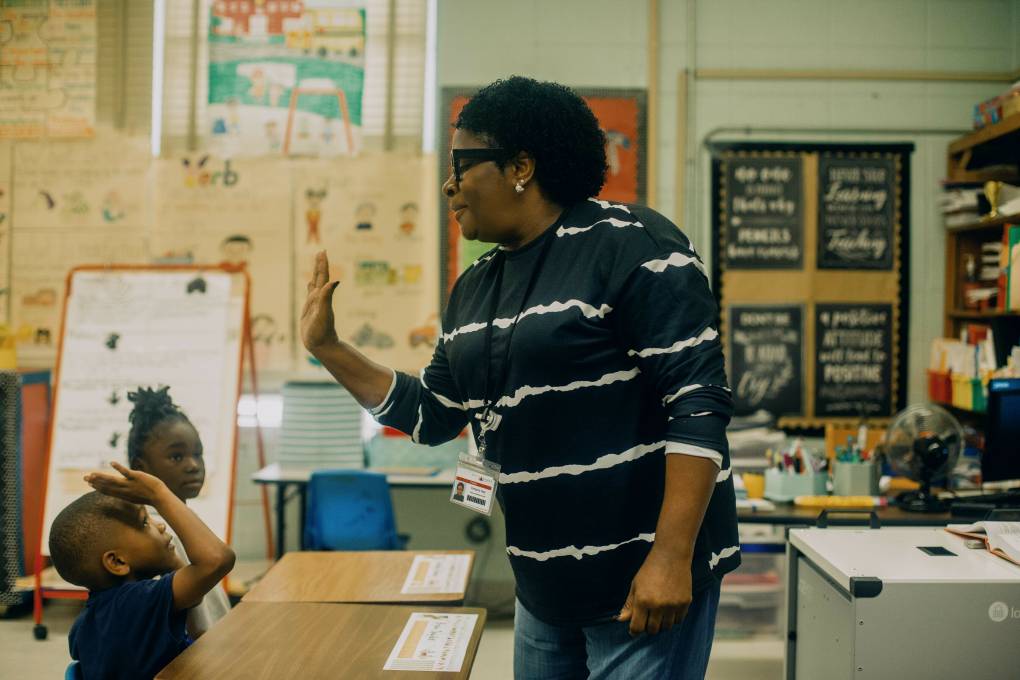
"caption": "First-grade teacher Kimberly Pate, 52, worked for nearly two decades as a classroom assistant. Through the Mississippi Teacher Residency, she'll earn a master's degree plus dual certification in elementary and special education, all at no cost. \"How could you pass that up?\" she laughs.",
"description": null,
"title": null,
"credit": "Imani Khayyam for NPR",
"status": "inherit",
"altTag": null,
"isLoading": false,
"fetchFailed": false
},
"mindshift_60332": {
"type": "attachments",
"id": "mindshift_60332",
"meta": {
"index": "attachments_1716263798",
"site": "mindshift",
"id": "60332",
"found": true
},
"parent": 60328,
"imgSizes": {
"twentyfourteen-full-width": {
"file": "https://ww2.kqed.org/app/uploads/sites/23/2022/11/GettyImages-1244715934-1038x576.jpg",
"width": 1038,
"mimeType": "image/jpeg",
"height": 576
},
"thumbnail": {
"file": "https://ww2.kqed.org/app/uploads/sites/23/2022/11/GettyImages-1244715934-160x107.jpg",
"width": 160,
"mimeType": "image/jpeg",
"height": 107
},
"post-thumbnail": {
"file": "https://ww2.kqed.org/app/uploads/sites/23/2022/11/GettyImages-1244715934-672x372.jpg",
"width": 672,
"mimeType": "image/jpeg",
"height": 372
},
"kqedFullSize": {
"file": "https://ww2.kqed.org/app/uploads/sites/23/2022/11/GettyImages-1244715934-scaled-e1668694717118.jpg",
"width": 1920,
"height": 1280
},
"2048x2048": {
"file": "https://ww2.kqed.org/app/uploads/sites/23/2022/11/GettyImages-1244715934-2048x1365.jpg",
"width": 2048,
"mimeType": "image/jpeg",
"height": 1365
},
"large": {
"file": "https://ww2.kqed.org/app/uploads/sites/23/2022/11/GettyImages-1244715934-1020x680.jpg",
"width": 1020,
"mimeType": "image/jpeg",
"height": 680
},
"1536x1536": {
"file": "https://ww2.kqed.org/app/uploads/sites/23/2022/11/GettyImages-1244715934-1536x1024.jpg",
"width": 1536,
"mimeType": "image/jpeg",
"height": 1024
},
"full-width": {
"file": "https://ww2.kqed.org/app/uploads/sites/23/2022/11/GettyImages-1244715934-1920x1280.jpg",
"width": 1920,
"mimeType": "image/jpeg",
"height": 1280
},
"medium": {
"file": "https://ww2.kqed.org/app/uploads/sites/23/2022/11/GettyImages-1244715934-800x533.jpg",
"width": 800,
"mimeType": "image/jpeg",
"height": 533
},
"medium_large": {
"file": "https://ww2.kqed.org/app/uploads/sites/23/2022/11/GettyImages-1244715934-768x512.jpg",
"width": 768,
"mimeType": "image/jpeg",
"height": 512
}
},
"publishDate": 1668694251,
"modified": 1668694763,
"caption": "CARDIFF, WALES - NOVEMBER 12: A boy holds a sign saying help during a protest for climate justice on November 12, 2022 in Cardiff, Wales. The demonstration was part of a global day of action to coincide with the COP27 UN global climate summit taking place in Egypt. Demonstrations, organised by the Climate Justice Coalition, took place across Wales, including in Cardiff, Carmarthen, Caernarfon, and Swansea.",
"description": null,
"title": "COP27 Protest Takes Place In Cardiff",
"credit": "Matthew Horwood/Getty Images",
"status": "inherit",
"altTag": "A boy holds a sign saying help during a protest for climate justice",
"isLoading": false,
"fetchFailed": false
},
"mindshift_60300": {
"type": "attachments",
"id": "mindshift_60300",
"meta": {
"index": "attachments_1716263798",
"site": "mindshift",
"id": "60300",
"found": true
},
"parent": 60253,
"imgSizes": {
"twentyfourteen-full-width": {
"file": "https://ww2.kqed.org/app/uploads/sites/23/2022/11/Samuels-MS-Play6-and-FEAT-1038x576.jpg",
"width": 1038,
"mimeType": "image/jpeg",
"height": 576
},
"thumbnail": {
"file": "https://ww2.kqed.org/app/uploads/sites/23/2022/11/Samuels-MS-Play6-and-FEAT-160x107.jpg",
"width": 160,
"mimeType": "image/jpeg",
"height": 107
},
"post-thumbnail": {
"file": "https://ww2.kqed.org/app/uploads/sites/23/2022/11/Samuels-MS-Play6-and-FEAT-672x372.jpg",
"width": 672,
"mimeType": "image/jpeg",
"height": 372
},
"kqedFullSize": {
"file": "https://ww2.kqed.org/app/uploads/sites/23/2022/11/Samuels-MS-Play6-and-FEAT-scaled-e1668315174638.jpg",
"width": 1920,
"height": 1280
},
"2048x2048": {
"file": "https://ww2.kqed.org/app/uploads/sites/23/2022/11/Samuels-MS-Play6-and-FEAT-2048x1365.jpg",
"width": 2048,
"mimeType": "image/jpeg",
"height": 1365
},
"large": {
"file": "https://ww2.kqed.org/app/uploads/sites/23/2022/11/Samuels-MS-Play6-and-FEAT-1020x680.jpg",
"width": 1020,
"mimeType": "image/jpeg",
"height": 680
},
"1536x1536": {
"file": "https://ww2.kqed.org/app/uploads/sites/23/2022/11/Samuels-MS-Play6-and-FEAT-1536x1024.jpg",
"width": 1536,
"mimeType": "image/jpeg",
"height": 1024
},
"full-width": {
"file": "https://ww2.kqed.org/app/uploads/sites/23/2022/11/Samuels-MS-Play6-and-FEAT-1920x1280.jpg",
"width": 1920,
"mimeType": "image/jpeg",
"height": 1280
},
"medium": {
"file": "https://ww2.kqed.org/app/uploads/sites/23/2022/11/Samuels-MS-Play6-and-FEAT-800x533.jpg",
"width": 800,
"mimeType": "image/jpeg",
"height": 533
},
"medium_large": {
"file": "https://ww2.kqed.org/app/uploads/sites/23/2022/11/Samuels-MS-Play6-and-FEAT-768x512.jpg",
"width": 768,
"mimeType": "image/jpeg",
"height": 512
}
},
"publishDate": 1668314923,
"modified": 1668315750,
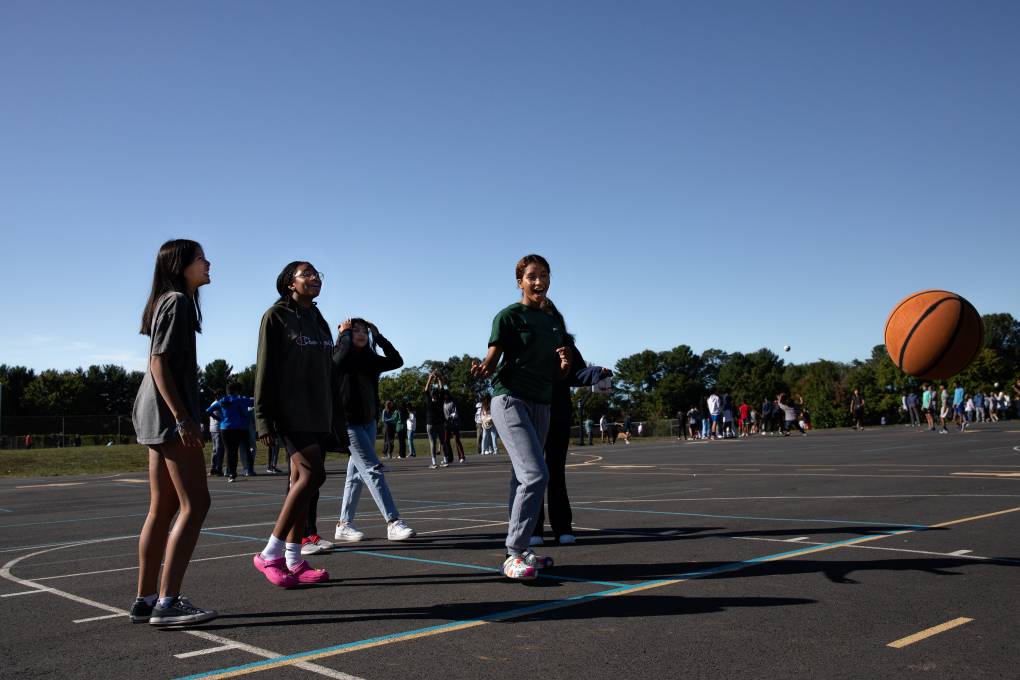
"caption": "A group of friends gather for an impromptu game of basketball during Rocky Run Middle School’s 15-minute recess break. The students at the Chantilly, Virginia, school say they like the chance to chat with friends.",
"description": null,
"title": "Play Middle School",
"credit": "Tom Sandner for The Hechinger Report",
"status": "inherit",
"altTag": null,
"isLoading": false,
"fetchFailed": false
},
"mindshift_60268": {
"type": "attachments",
"id": "mindshift_60268",
"meta": {
"index": "attachments_1716263798",
"site": "mindshift",
"id": "60268",
"found": true
},
"parent": 60251,
"imgSizes": {
"twentyfourteen-full-width": {
"file": "https://ww2.kqed.org/app/uploads/sites/23/2022/11/Gilreath-Play-Elementary2-1038x576.jpg",
"width": 1038,
"mimeType": "image/jpeg",
"height": 576
},
"thumbnail": {
"file": "https://ww2.kqed.org/app/uploads/sites/23/2022/11/Gilreath-Play-Elementary2-160x120.jpg",
"width": 160,
"mimeType": "image/jpeg",
"height": 120
},
"post-thumbnail": {
"file": "https://ww2.kqed.org/app/uploads/sites/23/2022/11/Gilreath-Play-Elementary2-672x372.jpg",
"width": 672,
"mimeType": "image/jpeg",
"height": 372
},
"kqedFullSize": {
"file": "https://ww2.kqed.org/app/uploads/sites/23/2022/11/Gilreath-Play-Elementary2-scaled-e1668302794462.jpg",
"width": 1920,
"height": 1440
},
"2048x2048": {
"file": "https://ww2.kqed.org/app/uploads/sites/23/2022/11/Gilreath-Play-Elementary2-2048x1536.jpg",
"width": 2048,
"mimeType": "image/jpeg",
"height": 1536
},
"large": {
"file": "https://ww2.kqed.org/app/uploads/sites/23/2022/11/Gilreath-Play-Elementary2-1020x765.jpg",
"width": 1020,
"mimeType": "image/jpeg",
"height": 765
},
"1536x1536": {
"file": "https://ww2.kqed.org/app/uploads/sites/23/2022/11/Gilreath-Play-Elementary2-1536x1152.jpg",
"width": 1536,
"mimeType": "image/jpeg",
"height": 1152
},
"full-width": {
"file": "https://ww2.kqed.org/app/uploads/sites/23/2022/11/Gilreath-Play-Elementary2-1920x1440.jpg",
"width": 1920,
"mimeType": "image/jpeg",
"height": 1440
},
"medium": {
"file": "https://ww2.kqed.org/app/uploads/sites/23/2022/11/Gilreath-Play-Elementary2-800x600.jpg",
"width": 800,
"mimeType": "image/jpeg",
"height": 600
},
"medium_large": {
"file": "https://ww2.kqed.org/app/uploads/sites/23/2022/11/Gilreath-Play-Elementary2-768x576.jpg",
"width": 768,
"mimeType": "image/jpeg",
"height": 576
}
},
"publishDate": 1668290408,
"modified": 1668312733,
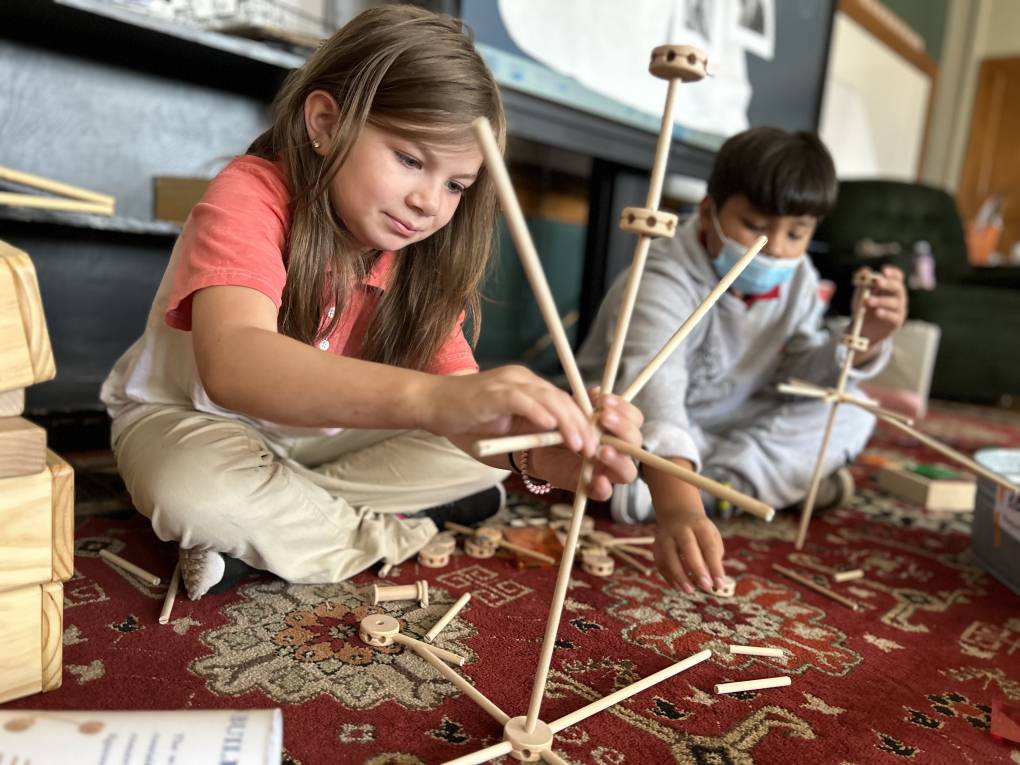
"caption": "A student uses a wooden construction toy to create a model solar system as she plays in Crystal O’Brien’s third grade class at Shidler Elementary School in Oklahoma City.",
"description": null,
"title": "Gilreath Play Elementary2",
"credit": "Ariel Gilreath/The Hechinger Report",
"status": "inherit",
"altTag": null,
"isLoading": false,
"fetchFailed": false
},
"mindshift_60265": {
"type": "attachments",
"id": "mindshift_60265",
"meta": {
"index": "attachments_1716263798",
"site": "mindshift",
"id": "60265",
"found": true
},
"parent": 60251,
"imgSizes": {
"twentyfourteen-full-width": {
"file": "https://ww2.kqed.org/app/uploads/sites/23/2022/11/Mader-Play-PreK4-and-FEAT-1038x576.jpg",
"width": 1038,
"mimeType": "image/jpeg",
"height": 576
},
"thumbnail": {
"file": "https://ww2.kqed.org/app/uploads/sites/23/2022/11/Mader-Play-PreK4-and-FEAT-160x107.jpg",
"width": 160,
"mimeType": "image/jpeg",
"height": 107
},
"post-thumbnail": {
"file": "https://ww2.kqed.org/app/uploads/sites/23/2022/11/Mader-Play-PreK4-and-FEAT-672x372.jpg",
"width": 672,
"mimeType": "image/jpeg",
"height": 372
},
"kqedFullSize": {
"file": "https://ww2.kqed.org/app/uploads/sites/23/2022/11/Mader-Play-PreK4-and-FEAT-scaled.jpg",
"width": 2560,
"height": 1707
},
"2048x2048": {
"file": "https://ww2.kqed.org/app/uploads/sites/23/2022/11/Mader-Play-PreK4-and-FEAT-2048x1365.jpg",
"width": 2048,
"mimeType": "image/jpeg",
"height": 1365
},
"large": {
"file": "https://ww2.kqed.org/app/uploads/sites/23/2022/11/Mader-Play-PreK4-and-FEAT-1020x680.jpg",
"width": 1020,
"mimeType": "image/jpeg",
"height": 680
},
"1536x1536": {
"file": "https://ww2.kqed.org/app/uploads/sites/23/2022/11/Mader-Play-PreK4-and-FEAT-1536x1024.jpg",
"width": 1536,
"mimeType": "image/jpeg",
"height": 1024
},
"full-width": {
"file": "https://ww2.kqed.org/app/uploads/sites/23/2022/11/Mader-Play-PreK4-and-FEAT-1920x1280.jpg",
"width": 1920,
"mimeType": "image/jpeg",
"height": 1280
},
"medium": {
"file": "https://ww2.kqed.org/app/uploads/sites/23/2022/11/Mader-Play-PreK4-and-FEAT-800x533.jpg",
"width": 800,
"mimeType": "image/jpeg",
"height": 533
},
"medium_large": {
"file": "https://ww2.kqed.org/app/uploads/sites/23/2022/11/Mader-Play-PreK4-and-FEAT-768x512.jpg",
"width": 768,
"mimeType": "image/jpeg",
"height": 512
}
},
"publishDate": 1668201844,
"modified": 1668301491,
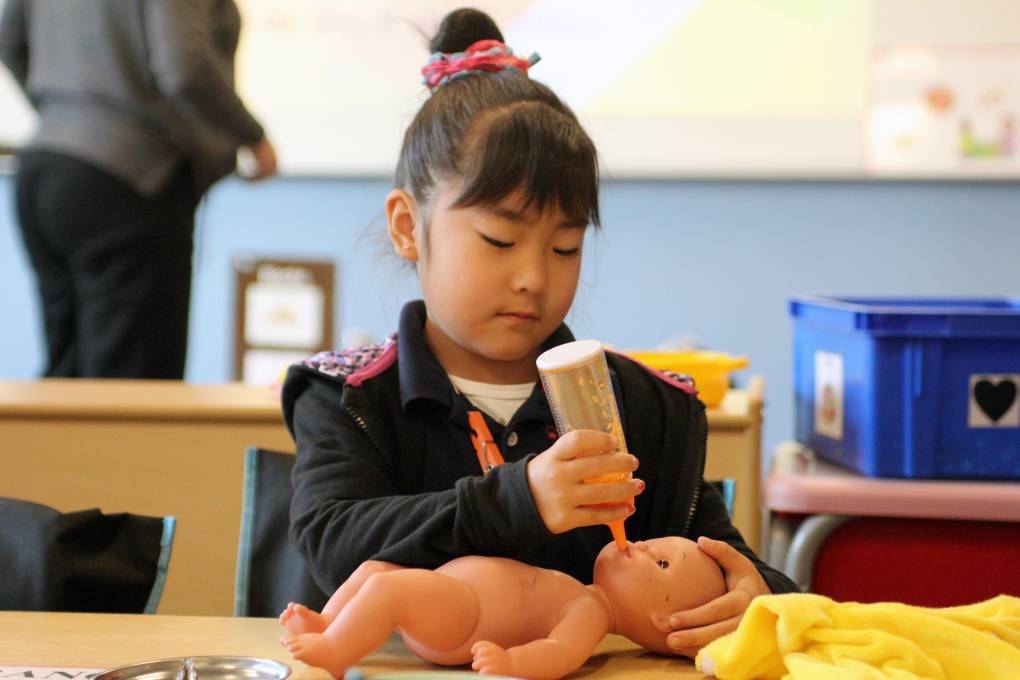
"caption": "A student at Impact Salish Sea Elementary feeds a doll during a morning play session. ",
"description": null,
"title": "Mader Play PreK4 and FEAT",
"credit": "Jackie Mader/The Hechinger Report",
"status": "inherit",
"altTag": "A child with hair in a bun feeds a doll in a classroom.",
"isLoading": false,
"fetchFailed": false
},
"mindshift_60260": {
"type": "attachments",
"id": "mindshift_60260",
"meta": {
"index": "attachments_1716263798",
"site": "mindshift",
"id": "60260",
"found": true
},
"parent": 60251,
"imgSizes": {
"twentyfourteen-full-width": {
"file": "https://ww2.kqed.org/app/uploads/sites/23/2022/11/mader-play1-FEAT2-1038x576.png",
"width": 1038,
"mimeType": "image/png",
"height": 576
},
"thumbnail": {
"file": "https://ww2.kqed.org/app/uploads/sites/23/2022/11/mader-play1-FEAT2-160x107.png",
"width": 160,
"mimeType": "image/png",
"height": 107
},
"post-thumbnail": {
"file": "https://ww2.kqed.org/app/uploads/sites/23/2022/11/mader-play1-FEAT2-672x372.png",
"width": 672,
"mimeType": "image/png",
"height": 372
},
"kqedFullSize": {
"file": "https://ww2.kqed.org/app/uploads/sites/23/2022/11/mader-play1-FEAT2-e1668301840177.png",
"width": 1920,
"height": 1281
},
"2048x2048": {
"file": "https://ww2.kqed.org/app/uploads/sites/23/2022/11/mader-play1-FEAT2-2048x1367.png",
"width": 2048,
"mimeType": "image/png",
"height": 1367
},
"large": {
"file": "https://ww2.kqed.org/app/uploads/sites/23/2022/11/mader-play1-FEAT2-1020x681.png",
"width": 1020,
"mimeType": "image/png",
"height": 681
},
"1536x1536": {
"file": "https://ww2.kqed.org/app/uploads/sites/23/2022/11/mader-play1-FEAT2-1536x1025.png",
"width": 1536,
"mimeType": "image/png",
"height": 1025
},
"full-width": {
"file": "https://ww2.kqed.org/app/uploads/sites/23/2022/11/mader-play1-FEAT2-1920x1281.png",
"width": 1920,
"mimeType": "image/png",
"height": 1281
},
"medium": {
"file": "https://ww2.kqed.org/app/uploads/sites/23/2022/11/mader-play1-FEAT2-800x534.png",
"width": 800,
"mimeType": "image/png",
"height": 534
},
"medium_large": {
"file": "https://ww2.kqed.org/app/uploads/sites/23/2022/11/mader-play1-FEAT2-768x513.png",
"width": 768,
"mimeType": "image/png",
"height": 513
}
},
"publishDate": 1668201519,
"modified": 1668301845,
"caption": null,
"description": null,
"title": "mader-play1-FEAT(2)",
"credit": "Camilla Forte/The Hechinger Report",
"status": "inherit",
"altTag": "Black and white photo of a woman jumping with arms in the air. Surrounded by illustrated blue, yellow and red outlines.",
"isLoading": false,
"fetchFailed": false
},
"mindshift_60065": {
"type": "attachments",
"id": "mindshift_60065",
"meta": {
"index": "attachments_1716263798",
"site": "mindshift",
"id": "60065",
"found": true
},
"parent": 60064,
"imgSizes": {
"twentyfourteen-full-width": {
"file": "https://ww2.kqed.org/app/uploads/sites/23/2022/10/jchang_studentloans_final_v01-015c60a774e98217c3c52385841207035e6317b6-1038x576.jpg",
"width": 1038,
"mimeType": "image/jpeg",
"height": 576
},
"thumbnail": {
"file": "https://ww2.kqed.org/app/uploads/sites/23/2022/10/jchang_studentloans_final_v01-015c60a774e98217c3c52385841207035e6317b6-160x120.jpg",
"width": 160,
"mimeType": "image/jpeg",
"height": 120
},
"post-thumbnail": {
"file": "https://ww2.kqed.org/app/uploads/sites/23/2022/10/jchang_studentloans_final_v01-015c60a774e98217c3c52385841207035e6317b6-672x372.jpg",
"width": 672,
"mimeType": "image/jpeg",
"height": 372
},
"kqedFullSize": {
"file": "https://ww2.kqed.org/app/uploads/sites/23/2022/10/jchang_studentloans_final_v01-015c60a774e98217c3c52385841207035e6317b6-scaled-e1666971265278.jpg",
"width": 1920,
"height": 1440
},
"2048x2048": {
"file": "https://ww2.kqed.org/app/uploads/sites/23/2022/10/jchang_studentloans_final_v01-015c60a774e98217c3c52385841207035e6317b6-2048x1536.jpg",
"width": 2048,
"mimeType": "image/jpeg",
"height": 1536
},
"large": {
"file": "https://ww2.kqed.org/app/uploads/sites/23/2022/10/jchang_studentloans_final_v01-015c60a774e98217c3c52385841207035e6317b6-1020x765.jpg",
"width": 1020,
"mimeType": "image/jpeg",
"height": 765
},
"1536x1536": {
"file": "https://ww2.kqed.org/app/uploads/sites/23/2022/10/jchang_studentloans_final_v01-015c60a774e98217c3c52385841207035e6317b6-1536x1152.jpg",
"width": 1536,
"mimeType": "image/jpeg",
"height": 1152
},
"full-width": {
"file": "https://ww2.kqed.org/app/uploads/sites/23/2022/10/jchang_studentloans_final_v01-015c60a774e98217c3c52385841207035e6317b6-1920x1440.jpg",
"width": 1920,
"mimeType": "image/jpeg",
"height": 1440
},
"medium": {
"file": "https://ww2.kqed.org/app/uploads/sites/23/2022/10/jchang_studentloans_final_v01-015c60a774e98217c3c52385841207035e6317b6-800x600.jpg",
"width": 800,
"mimeType": "image/jpeg",
"height": 600
},
"medium_large": {
"file": "https://ww2.kqed.org/app/uploads/sites/23/2022/10/jchang_studentloans_final_v01-015c60a774e98217c3c52385841207035e6317b6-768x576.jpg",
"width": 768,
"mimeType": "image/jpeg",
"height": 576
}
},
"publishDate": 1666971244,
"modified": 1666971348,
"caption": null,
"description": null,
"title": "Where do I apply? Who qualifies? Can borrowers get a refund? NPR took the most frequently asked questions readers had about Biden's student loan relief plan and answered them.",
"credit": "Janice Chang for NPR",
"status": "inherit",
"altTag": "Illustration of student loan bills and payment cycle",
"isLoading": false,
"fetchFailed": false
},
"mindshift_60058": {
"type": "attachments",
"id": "mindshift_60058",
"meta": {
"index": "attachments_1716263798",
"site": "mindshift",
"id": "60058",
"found": true
},
"parent": 60057,
"imgSizes": {
"twentyfourteen-full-width": {
"file": "https://ww2.kqed.org/app/uploads/sites/23/2022/10/george-headshot1-147d9b956955698ea8793a407843664316a09544-1038x576.jpg",
"width": 1038,
"mimeType": "image/jpeg",
"height": 576
},
"thumbnail": {
"file": "https://ww2.kqed.org/app/uploads/sites/23/2022/10/george-headshot1-147d9b956955698ea8793a407843664316a09544-160x120.jpg",
"width": 160,
"mimeType": "image/jpeg",
"height": 120
},
"post-thumbnail": {
"file": "https://ww2.kqed.org/app/uploads/sites/23/2022/10/george-headshot1-147d9b956955698ea8793a407843664316a09544-672x372.jpg",
"width": 672,
"mimeType": "image/jpeg",
"height": 372
},
"kqedFullSize": {
"file": "https://ww2.kqed.org/app/uploads/sites/23/2022/10/george-headshot1-147d9b956955698ea8793a407843664316a09544-scaled-e1666852208265.jpg",
"width": 1920,
"height": 1440
},
"2048x2048": {
"file": "https://ww2.kqed.org/app/uploads/sites/23/2022/10/george-headshot1-147d9b956955698ea8793a407843664316a09544-2048x1536.jpg",
"width": 2048,
"mimeType": "image/jpeg",
"height": 1536
},
"large": {
"file": "https://ww2.kqed.org/app/uploads/sites/23/2022/10/george-headshot1-147d9b956955698ea8793a407843664316a09544-1020x765.jpg",
"width": 1020,
"mimeType": "image/jpeg",
"height": 765
},
"1536x1536": {
"file": "https://ww2.kqed.org/app/uploads/sites/23/2022/10/george-headshot1-147d9b956955698ea8793a407843664316a09544-1536x1152.jpg",
"width": 1536,
"mimeType": "image/jpeg",
"height": 1152
},
"full-width": {
"file": "https://ww2.kqed.org/app/uploads/sites/23/2022/10/george-headshot1-147d9b956955698ea8793a407843664316a09544-1920x1440.jpg",
"width": 1920,
"mimeType": "image/jpeg",
"height": 1440
},
"medium": {
"file": "https://ww2.kqed.org/app/uploads/sites/23/2022/10/george-headshot1-147d9b956955698ea8793a407843664316a09544-800x600.jpg",
"width": 800,
"mimeType": "image/jpeg",
"height": 600
},
"medium_large": {
"file": "https://ww2.kqed.org/app/uploads/sites/23/2022/10/george-headshot1-147d9b956955698ea8793a407843664316a09544-768x576.jpg",
"width": 768,
"mimeType": "image/jpeg",
"height": 576
}
},
"publishDate": 1666852164,
"modified": 1666852227,
"caption": "Writer and LGBTQ activist George M. Johnson sparked conversation — and controversy — with their 2020 memoir about growing up Black and queer. All Boys Aren't Blue has been banned in dozens of school libraries.\n",
"description": null,
"title": "Writer and LGBTQ activist George M. Johnson sparked conversation — and controversy — with their 2020 memoir about growing up Black and queer. All Boys Aren't Blue has been banned in dozens of school libraries.",
"credit": "Vincent Marc",
"status": "inherit",
"altTag": "Writer and LGBTQ activist George M. Johnson",
"isLoading": false,
"fetchFailed": false
},
"mindshift_59970": {
"type": "attachments",
"id": "mindshift_59970",
"meta": {
"index": "attachments_1716263798",
"site": "mindshift",
"id": "59970",
"found": true
},
"parent": 59968,
"imgSizes": {
"twentyfourteen-full-width": {
"file": "https://ww2.kqed.org/app/uploads/sites/23/2022/10/barshay-proof-pointsFEAT-1038x576.jpeg",
"width": 1038,
"mimeType": "image/jpeg",
"height": 576
},
"thumbnail": {
"file": "https://ww2.kqed.org/app/uploads/sites/23/2022/10/barshay-proof-pointsFEAT-160x120.jpeg",
"width": 160,
"mimeType": "image/jpeg",
"height": 120
},
"post-thumbnail": {
"file": "https://ww2.kqed.org/app/uploads/sites/23/2022/10/barshay-proof-pointsFEAT-672x372.jpeg",
"width": 672,
"mimeType": "image/jpeg",
"height": 372
},
"kqedFullSize": {
"file": "https://ww2.kqed.org/app/uploads/sites/23/2022/10/barshay-proof-pointsFEAT-e1664781138986.jpeg",
"width": 1920,
"height": 1440
},
"2048x2048": {
"file": "https://ww2.kqed.org/app/uploads/sites/23/2022/10/barshay-proof-pointsFEAT-2048x1536.jpeg",
"width": 2048,
"mimeType": "image/jpeg",
"height": 1536
},
"large": {
"file": "https://ww2.kqed.org/app/uploads/sites/23/2022/10/barshay-proof-pointsFEAT-1020x765.jpeg",
"width": 1020,
"mimeType": "image/jpeg",
"height": 765
},
"1536x1536": {
"file": "https://ww2.kqed.org/app/uploads/sites/23/2022/10/barshay-proof-pointsFEAT-1536x1152.jpeg",
"width": 1536,
"mimeType": "image/jpeg",
"height": 1152
},
"full-width": {
"file": "https://ww2.kqed.org/app/uploads/sites/23/2022/10/barshay-proof-pointsFEAT-1920x1440.jpeg",
"width": 1920,
"mimeType": "image/jpeg",
"height": 1440
},
"medium": {
"file": "https://ww2.kqed.org/app/uploads/sites/23/2022/10/barshay-proof-pointsFEAT-800x600.jpeg",
"width": 800,
"mimeType": "image/jpeg",
"height": 600
},
"medium_large": {
"file": "https://ww2.kqed.org/app/uploads/sites/23/2022/10/barshay-proof-pointsFEAT-768x576.jpeg",
"width": 768,
"mimeType": "image/jpeg",
"height": 576
}
},
"publishDate": 1664781102,
"modified": 1664781164,
"caption": null,
"description": null,
"title": "barshay-proof-pointsFEAT",
"credit": "Jackie Mader/The Hechinger Report",
"status": "inherit",
"altTag": "Desks in an empty classroom",
"isLoading": false,
"fetchFailed": false
},
"mindshift_59945": {
"type": "attachments",
"id": "mindshift_59945",
"meta": {
"index": "attachments_1716263798",
"site": "mindshift",
"id": "59945",
"found": true
},
"parent": 59944,
"imgSizes": {
"twentyfourteen-full-width": {
"file": "https://ww2.kqed.org/app/uploads/sites/23/2022/09/lengleman-sel_revised2_custom-fe8885ea967becbd4f16499786f0f5a17fde7f1a-1038x576.jpg",
"width": 1038,
"mimeType": "image/jpeg",
"height": 576
},
"thumbnail": {
"file": "https://ww2.kqed.org/app/uploads/sites/23/2022/09/lengleman-sel_revised2_custom-fe8885ea967becbd4f16499786f0f5a17fde7f1a-160x100.jpg",
"width": 160,
"mimeType": "image/jpeg",
"height": 100
},
"post-thumbnail": {
"file": "https://ww2.kqed.org/app/uploads/sites/23/2022/09/lengleman-sel_revised2_custom-fe8885ea967becbd4f16499786f0f5a17fde7f1a-672x372.jpg",
"width": 672,
"mimeType": "image/jpeg",
"height": 372
},
"kqedFullSize": {
"file": "https://ww2.kqed.org/app/uploads/sites/23/2022/09/lengleman-sel_revised2_custom-fe8885ea967becbd4f16499786f0f5a17fde7f1a-scaled-e1664520430727.jpg",
"width": 1920,
"height": 1199
},
"2048x2048": {
"file": "https://ww2.kqed.org/app/uploads/sites/23/2022/09/lengleman-sel_revised2_custom-fe8885ea967becbd4f16499786f0f5a17fde7f1a-2048x1278.jpg",
"width": 2048,
"mimeType": "image/jpeg",
"height": 1278
},
"large": {
"file": "https://ww2.kqed.org/app/uploads/sites/23/2022/09/lengleman-sel_revised2_custom-fe8885ea967becbd4f16499786f0f5a17fde7f1a-1020x637.jpg",
"width": 1020,
"mimeType": "image/jpeg",
"height": 637
},
"1536x1536": {
"file": "https://ww2.kqed.org/app/uploads/sites/23/2022/09/lengleman-sel_revised2_custom-fe8885ea967becbd4f16499786f0f5a17fde7f1a-1536x959.jpg",
"width": 1536,
"mimeType": "image/jpeg",
"height": 959
},
"full-width": {
"file": "https://ww2.kqed.org/app/uploads/sites/23/2022/09/lengleman-sel_revised2_custom-fe8885ea967becbd4f16499786f0f5a17fde7f1a-1920x1198.jpg",
"width": 1920,
"mimeType": "image/jpeg",
"height": 1198
},
"medium": {
"file": "https://ww2.kqed.org/app/uploads/sites/23/2022/09/lengleman-sel_revised2_custom-fe8885ea967becbd4f16499786f0f5a17fde7f1a-800x499.jpg",
"width": 800,
"mimeType": "image/jpeg",
"height": 499
},
"medium_large": {
"file": "https://ww2.kqed.org/app/uploads/sites/23/2022/09/lengleman-sel_revised2_custom-fe8885ea967becbd4f16499786f0f5a17fde7f1a-768x479.jpg",
"width": 768,
"mimeType": "image/jpeg",
"height": 479
}
},
"publishDate": 1664520399,
"modified": 1664520496,
"caption": null,
"description": null,
"title": "Classrooms through the decades.",
"credit": "Lucy Engleman for NPR",
"status": "inherit",
"altTag": "Illustration of classrooms through the decades.",
"isLoading": false,
"fetchFailed": false
},
"mindshift_59831": {
"type": "attachments",
"id": "mindshift_59831",
"meta": {
"index": "attachments_1716263798",
"site": "mindshift",
"id": "59831",
"found": true
},
"parent": 59828,
"imgSizes": {
"twentyfourteen-full-width": {
"file": "https://ww2.kqed.org/app/uploads/sites/23/2022/08/gettyimages-1242400938-dc093fc12f15b7d5187da0857fdc0b9a3baf2b78-911x576.jpg",
"width": 911,
"mimeType": "image/jpeg",
"height": 576
},
"thumbnail": {
"file": "https://ww2.kqed.org/app/uploads/sites/23/2022/08/gettyimages-1242400938-dc093fc12f15b7d5187da0857fdc0b9a3baf2b78-160x120.jpg",
"width": 160,
"mimeType": "image/jpeg",
"height": 120
},
"post-thumbnail": {
"file": "https://ww2.kqed.org/app/uploads/sites/23/2022/08/gettyimages-1242400938-dc093fc12f15b7d5187da0857fdc0b9a3baf2b78-672x372.jpg",
"width": 672,
"mimeType": "image/jpeg",
"height": 372
},
"kqedFullSize": {
"file": "https://ww2.kqed.org/app/uploads/sites/23/2022/08/gettyimages-1242400938-dc093fc12f15b7d5187da0857fdc0b9a3baf2b78.jpg",
"width": 911,
"height": 683
},
"medium": {
"file": "https://ww2.kqed.org/app/uploads/sites/23/2022/08/gettyimages-1242400938-dc093fc12f15b7d5187da0857fdc0b9a3baf2b78-800x600.jpg",
"width": 800,
"mimeType": "image/jpeg",
"height": 600
},
"medium_large": {
"file": "https://ww2.kqed.org/app/uploads/sites/23/2022/08/gettyimages-1242400938-dc093fc12f15b7d5187da0857fdc0b9a3baf2b78-768x576.jpg",
"width": 768,
"mimeType": "image/jpeg",
"height": 576
}
},
"publishDate": 1662017375,
"modified": 1662017424,
"caption": "To nudge people to eat more fruits and vegetables, one idea is to expand access to programs that give SNAP beneficiaries more money when they buy produce at places like farmer's markets.\n",
"description": "Boston, MA - July 21: Sophie Leggett, left, community program and farms assistant, and 16-year-old root crew member Reuben Pomerantz help bag carrots for a customer, at a farmers market, at Dudley Street and Blue Hill Avenue. (Photo by Pat Greenhouse/The Boston Globe via Getty Images)",
"title": "To nudge people to eat more fruits and vegetables, one idea is to expand access to programs that give SNAP beneficiaries more money when they buy produce at places like farmer's markets.",
"credit": "Boston Globe/Boston Globe via Getty Images",
"status": "inherit",
"altTag": "Two shoppers selecting carrots at a farmer's market",
"isLoading": false,
"fetchFailed": false
}
},
"audioPlayerReducer": {
"postId": "stream_live",
"isPaused": true,
"isPlaying": false,
"pfsActive": false,
"pledgeModalIsOpen": true,
"playerDrawerIsOpen": false,
"liveAudioPlayStartedAt": 0,
"liveAudioPlayContext": ""
},
"authorsReducer": {
"byline_mindshift_61388": {
"type": "authors",
"id": "byline_mindshift_61388",
"meta": {
"override": true
},
"slug": "byline_mindshift_61388",
"name": "Liz Willen, \u003ca href=\"https://hechingerreport.org/\" target=\"_blank\">The Hechinger Report\u003c/a>",
"isLoading": false
},
"byline_mindshift_61254": {
"type": "authors",
"id": "byline_mindshift_61254",
"meta": {
"override": true
},
"slug": "byline_mindshift_61254",
"name": "Cory Turner",
"isLoading": false
},
"byline_mindshift_60328": {
"type": "authors",
"id": "byline_mindshift_60328",
"meta": {
"override": true
},
"slug": "byline_mindshift_60328",
"name": "Anya Kamenetz, \u003ca href=\"https://hechingerreport.org/\">The Hechinger Report\u003c/a>",
"isLoading": false
},
"byline_mindshift_60253": {
"type": "authors",
"id": "byline_mindshift_60253",
"meta": {
"override": true
},
"slug": "byline_mindshift_60253",
"name": "Christina A. Samuels, \u003ca href=\"https://hechingerreport.org/\">The Hechinger Report\u003c/a>",
"isLoading": false
},
"byline_mindshift_60255": {
"type": "authors",
"id": "byline_mindshift_60255",
"meta": {
"override": true
},
"slug": "byline_mindshift_60255",
"name": "Ariel Gilreath, \u003ca href=\"https://hechingerreport.org/\">The Hechinger Report\u003c/a>",
"isLoading": false
},
"byline_mindshift_60248": {
"type": "authors",
"id": "byline_mindshift_60248",
"meta": {
"override": true
},
"slug": "byline_mindshift_60248",
"name": "Jackie Mader, \u003ca href=\"https://hechingerreport.org/\">The Hechinger Report\u003c/a>",
"isLoading": false
},
"byline_mindshift_60251": {
"type": "authors",
"id": "byline_mindshift_60251",
"meta": {
"override": true
},
"slug": "byline_mindshift_60251",
"name": "Jackie Mader, \u003ca href=\"https://hechingerreport.org/\">The Hechinger Report\u003c/a>",
"isLoading": false
},
"byline_mindshift_60064": {
"type": "authors",
"id": "byline_mindshift_60064",
"meta": {
"override": true
},
"slug": "byline_mindshift_60064",
"name": " Sequoia Carrillo and Cory Turner",
"isLoading": false
},
"byline_mindshift_60057": {
"type": "authors",
"id": "byline_mindshift_60057",
"meta": {
"override": true
},
"slug": "byline_mindshift_60057",
"name": "Reena Advani and Rachel Treisman",
"isLoading": false
},
"byline_mindshift_59968": {
"type": "authors",
"id": "byline_mindshift_59968",
"meta": {
"override": true
},
"slug": "byline_mindshift_59968",
"name": "Jill Barshay, \u003ca href=\"https://hechingerreport.org/\">The Hechinger Report\u003c/a>",
"isLoading": false
},
"byline_mindshift_59944": {
"type": "authors",
"id": "byline_mindshift_59944",
"meta": {
"override": true
},
"slug": "byline_mindshift_59944",
"name": "Meg Anderson",
"isLoading": false
},
"byline_mindshift_59828": {
"type": "authors",
"id": "byline_mindshift_59828",
"meta": {
"override": true
},
"slug": "byline_mindshift_59828",
"name": "Allison Aubrey",
"isLoading": false
}
},
"pagesReducer": {
"mindshift_category_big-ideas": {
"type": "terms",
"id": "mindshift_192",
"meta": {
"index": "terms_1716263798",
"site": "mindshift",
"id": "192",
"score": 14.406195
},
"featImg": null,
"name": "Big Ideas",
"description": "The latest findings from experts in the field related to the future of learning.",
"taxonomy": "category",
"headData": {
"twImgId": null,
"twTitle": null,
"ogTitle": null,
"ogImgId": null,
"twDescription": null,
"description": "The latest findings from experts in the field related to the future of learning.",
"title": "Big Ideas Archives | KQED Mindshift",
"ogDescription": null
},
"ttid": 192,
"slug": "big-ideas",
"isLoading": false,
"title": "Big Ideas",
"pageMeta": {
"site": "mindshift",
"WpPageTemplate": "page-topic-editorial",
"currentPage": 4
},
"blocks": [
{
"blockName": "kqed/company-paragraph",
"content": "The latest findings from experts in the field related to the future of learning."
},
{
"blockName": "kqed/post-list",
"attrs": {
"layout": "cardArticle2",
"query": "posts/mindshift?category=big-ideas",
"seeMore": false,
"paginated": true,
"page": 4
}
},
{
"blockName": "kqed/ad"
}
]
}
},
"pfsSessionReducer": {},
"postsReducer": {
"stream_live": {
"type": "live",
"id": "stream_live",
"audioUrl": "https://streams.kqed.org/kqedradio",
"title": "Live Stream",
"excerpt": "Live Stream information currently unavailable.",
"link": "/radio",
"featImg": "",
"label": {
"name": "KQED Live",
"link": "/"
}
},
"stream_kqedNewscast": {
"type": "posts",
"id": "stream_kqedNewscast",
"audioUrl": "https://www.kqed.org/.stream/anon/radio/RDnews/newscast.mp3?_=1",
"title": "KQED Newscast",
"featImg": "",
"label": {
"name": "88.5 FM",
"link": "/"
}
},
"mindshift_61388": {
"type": "posts",
"id": "mindshift_61388",
"meta": {
"index": "posts_1716263798",
"site": "mindshift",
"id": "61388",
"score": null,
"sort": [
1681156844000
]
},
"parent": 0,
"labelTerm": {
"site": "mindshift"
},
"blocks": [],
"publishDate": 1681156844,
"format": "standard",
"title": "Why Nashville student activists aren't willing to wait a generation for gun control",
"headTitle": "Why Nashville student activists aren’t willing to wait a generation for gun control | KQED",
"content": "\u003cp>\u003ci>\u003cspan style=\"font-weight: 400\">This opinion column about the \u003c/span>\u003c/i>\u003ca href=\"https://hechingerreport.org/column-nashville-student-activists-not-willing-to-wait-a-generation-for-gun-control/\" target=\"_blank\" rel=\"noopener\">\u003ci>\u003cspan style=\"font-weight: 400\">Tennessee expulsion\u003c/span>\u003c/i>\u003c/a>\u003ci>\u003cspan style=\"font-weight: 400\"> was produced by The Hechinger Report, a nonprofit, independent news organization focused on inequality and innovation in education. \u003c/span>\u003c/i>\u003ca href=\"https://hechingerreport.org/newsletters/\" target=\"_blank\" rel=\"noopener\">\u003ci>\u003cspan style=\"font-weight: 400\">Sign up\u003c/span>\u003c/i>\u003c/a>\u003ci>\u003cspan style=\"font-weight: 400\"> for Hechinger’s weekly newsletters. \u003c/span>\u003c/i>\u003c/p>\n\u003cp>\u003cspan style=\"font-weight: 400\">Activism has been part of \u003c/span>\u003cspan style=\"font-weight: 400\">Safiyah Suara’s\u003c/span>\u003cspan style=\"font-weight: 400\"> young life since her politician mother hauled her along to demonstrations in a baby carrier. That’s why she’ll be spending this week protesting guns and the expulsion from the Tennessee House of two Democratic lawmakers by their Republican colleagues. \u003c/span>\u003c/p>\n\u003cp>\u003cspan style=\"font-weight: 400\">She’s hoping more young Tennesseans will join her.\u003c/span>\u003c/p>\n\u003cp>\u003cspan style=\"font-weight: 400\">“The most important thing is to keep speaking out, and to show the legislature and the rest of the world that we won’t stop fighting,” said Safiyah, an 18-year-old senior at \u003c/span>\u003ca href=\"https://humefogg.mnps.org/\" target=\"_blank\" rel=\"noopener\">\u003cspan style=\"font-weight: 400\">Hume-Fogg\u003c/span>\u003c/a>\u003cspan style=\"font-weight: 400\">, a magnet high school just four a few blocks from the state capitol.\u003c/span>\u003c/p>\n\u003cp>\u003cspan style=\"font-weight: 400\">Some 7,000 students who walked out of school in Nashville on April 3 did exactly that, after three children and three adults were killed by an assailant armed with semi-automatic weapons at a nearby church-affiliated school. They \u003c/span>\u003ca href=\"https://www.newsweek.com/nashville-children-scream-republicans-gun-control-viral-photo-1792437\" target=\"_blank\" rel=\"noopener\">\u003cspan style=\"font-weight: 400\">confronted lawmakers\u003c/span>\u003c/a>\u003cspan style=\"font-weight: 400\"> in the capitol, then later watched in dismay as a Republican majority ousted Rep. Justin Pearson and Rep. Justin Jones for interrupting debate by leading a gun control protest on March 30 inside the chamber.\u003c/span>\u003c/p>\n\u003cp>[ad fullwidth]\u003c/p>\n\u003cp>\u003cspan style=\"font-weight: 400\">On Sunday, the day before yet another mass shooting left five dead in Louisville, I spoke via Zoom with Safiyah and two of her Hume-Fogg classmates, along with their English teacher \u003c/span>\u003ca href=\"https://www.tennessean.com/story/opinion/contributors/2023/03/30/covenant-school-shooting-may-our-children-succeed-in-ending-violence/70058947007/\" target=\"_blank\" rel=\"noopener\">\u003cspan style=\"font-weight: 400\">Courtney Shultz.\u003c/span>\u003c/a>\u003cspan style=\"font-weight: 400\"> They described what they see as an attack on democracy, one that has trained the nation’s eyes on their home state. Despite anguish over gun violence and the legislature’s failure to act on the issue, the high school seniors hope to build a better Tennessee, a state with a history of racism and segregation that only recently \u003c/span>\u003ca href=\"https://www.knoxnews.com/story/news/politics/2021/07/23/tennessees-nathan-bedford-forrest-bust-has-been-moved-museum/8064468002/\" target=\"_blank\" rel=\"noopener\">\u003cspan style=\"font-weight: 400\">removed \u003c/span>\u003c/a>\u003cspan style=\"font-weight: 400\">the bust of the first grand wizard of the Ku Klux Klan from the state capitol.\u003c/span>\u003c/p>\n\u003cp>\u003cspan style=\"font-weight: 400\">“Unfortunately, it’s up to our generation to push back and let them know we are not going to be silent anymore,” said Ren Peters, 18, who plans to study oceanography in college this fall in Florida, but wants to come back to his home state and continue fighting for stricter gun control. “We are going to be heard. You are not going to push us around. This isn’t a dictatorship.”\u003c/span>\u003c/p>\n\u003cp>\u003cspan style=\"font-weight: 400\">Shultz, who is also the school’s debate team coach, described the lesson in democracy she and about 25 Hume-Fogg students received last Thursday, when student government leaders from the school held a peaceful demonstration in support of Pearson and Jones in front of the capitol alongside their principal. Many waited in a packed tunnel for two hours to enter the building before they were confronted by state troopers who told them the building was full and they couldn’t enter, Schultz recalled.\u003c/span>\u003c/p>\n\u003cfigure id=\"attachment_61395\" class=\"wp-caption alignnone\" style=\"max-width: 800px\">\u003cimg decoding=\"async\" loading=\"lazy\" class=\"size-medium wp-image-61395\" src=\"https://ww2.kqed.org/app/uploads/sites/23/2023/04/willen-nashville-column1-800x600.jpg\" alt=\"\" width=\"800\" height=\"600\" srcset=\"https://ww2.kqed.org/app/uploads/sites/23/2023/04/willen-nashville-column1-800x600.jpg 800w, https://ww2.kqed.org/app/uploads/sites/23/2023/04/willen-nashville-column1-1020x765.jpg 1020w, https://ww2.kqed.org/app/uploads/sites/23/2023/04/willen-nashville-column1-160x120.jpg 160w, https://ww2.kqed.org/app/uploads/sites/23/2023/04/willen-nashville-column1-768x576.jpg 768w, https://ww2.kqed.org/app/uploads/sites/23/2023/04/willen-nashville-column1-1536x1152.jpg 1536w, https://ww2.kqed.org/app/uploads/sites/23/2023/04/willen-nashville-column1-2048x1536.jpg 2048w, https://ww2.kqed.org/app/uploads/sites/23/2023/04/willen-nashville-column1-1920x1440.jpg 1920w\" sizes=\"(max-width: 800px) 100vw, 800px\">\u003cfigcaption class=\"wp-caption-text\">Courtney Shultz, an English teacher and debate coach at Hume-Fogg High School in Nashville, protesting inaction on gun laws at the state capitol in Tennessee last week with senior Ren Peters. \u003ccite>(Courtesy of Coutney Shultz.)\u003c/cite>\u003c/figcaption>\u003c/figure>\n\u003cp>\u003cspan style=\"font-weight: 400\">The students carried small signs (after being warned they could not be larger than 8.5 x 11) with slogans like “Make Murder More Difficult,” and “We Just Want to Live Through High School.”\u003c/span>\u003c/p>\n\u003cp>\u003cspan style=\"font-weight: 400\">They led chants and songs, including the renowned gospel tune \u003c/span>\u003ca href=\"https://www.npr.org/2018/08/06/630051651/american-anthem-this-little-light-of-mine-resistance\" target=\"_blank\" rel=\"noopener\">\u003cspan style=\"font-weight: 400\">“This little light of mine.”\u003c/span>\u003c/a>\u003cspan style=\"font-weight: 400\"> Several said they have been angry at the lack of stricter gun control laws in Tennessee and elsewhere for years, along with their legislature’s more recent focus on banning books, abortion and \u003c/span>\u003ca href=\"https://www.npr.org/2023/03/02/1160784530/tennessee-ban-public-drag-shows-transgender-health-care-youth\" target=\"_blank\" rel=\"noopener\">\u003cspan style=\"font-weight: 400\">drag shows.\u003c/span>\u003c/a>\u003cspan style=\"font-weight: 400\"> \u003c/span>\u003c/p>\n\u003cp>\u003cspan style=\"font-weight: 400\">“\u003c/span>\u003cspan style=\"font-weight: 400\">We have been repeatedly asked to be patient. At this point, patience is ignorance,” Hume-Fogg senior Wyatt Bassow wrote in a letter to Republican \u003c/span>\u003cspan style=\"font-weight: 400\">Tennessee Gov\u003c/span>\u003cspan style=\"font-weight: 400\">. Bill Lee, \u003c/span>\u003ca href=\"https://www.usatoday.com/story/opinion/voices/2023/04/09/gen-z-tired-being-patient-gun-reform-nashville-shooting/11621908002/\" target=\"_blank\" rel=\"noopener\">\u003cspan style=\"font-weight: 400\">published\u003c/span>\u003c/a>\u003cspan style=\"font-weight: 400\"> in USA Today. “The reason this keeps happening is not drag shows or video games or a leftist agenda or books or schools or dress code or ‘wokeness’ or civil rights.”\u003c/span>\u003c/p>\n\u003cp>\u003cspan style=\"font-weight: 400\">Like Ren, Wyatt plans to attend college in Florida, but told me he sees a future for himself in Tennessee, perhaps in politics. He’s both outraged and energized by what he witnessed in the state capitol. \u003c/span>\u003c/p>\n\u003cp>\u003cspan style=\"font-weight: 400\">“This is fascism. We are looking at it straight in the face, and the first step to fascism is silence,” Wyatt told me. “That’s why I want to come back here and make havoc. I know I can make change, even though our democracy is fragile.”\u003c/span>\u003c/p>\n\u003cfigure id=\"attachment_61396\" class=\"wp-caption aligncenter\" style=\"max-width: 500px\">\u003cimg decoding=\"async\" loading=\"lazy\" class=\"wp-image-61396\" src=\"https://ww2.kqed.org/app/uploads/sites/23/2023/04/willen-nashville-column2-1020x1360.jpg\" alt=\"\" width=\"500\" height=\"667\" srcset=\"https://ww2.kqed.org/app/uploads/sites/23/2023/04/willen-nashville-column2-1020x1360.jpg 1020w, https://ww2.kqed.org/app/uploads/sites/23/2023/04/willen-nashville-column2-800x1067.jpg 800w, https://ww2.kqed.org/app/uploads/sites/23/2023/04/willen-nashville-column2-160x213.jpg 160w, https://ww2.kqed.org/app/uploads/sites/23/2023/04/willen-nashville-column2-768x1024.jpg 768w, https://ww2.kqed.org/app/uploads/sites/23/2023/04/willen-nashville-column2-1152x1536.jpg 1152w, https://ww2.kqed.org/app/uploads/sites/23/2023/04/willen-nashville-column2-1536x2048.jpg 1536w, https://ww2.kqed.org/app/uploads/sites/23/2023/04/willen-nashville-column2-scaled.jpg 1920w\" sizes=\"(max-width: 500px) 100vw, 500px\">\u003cfigcaption class=\"wp-caption-text\">Students held up signs after marching to the state capitol in Tennessee to make their voices heard, as teacher Courtney Shultz has encouraged them to do. The Tennessee expulsion has ignited anger among students across Nashville. \u003ccite>(Courtesy of Courtney Shultz)\u003c/cite>\u003c/figcaption>\u003c/figure>\n\u003cp>\u003cspan style=\"font-weight: 400\">Safiyah, a member of the mayor’s youth council, has more practice at protesting than her classmates Ren and Wyatt. She’s the daughter\u003c/span>\u003cspan style=\"font-weight: 400\"> of at-large Metro Council member \u003c/span>\u003ca href=\"https://zulfatsuara.com/\" target=\"_blank\" rel=\"noopener\">\u003cspan style=\"font-weight: 400\">Zulfat Suara,\u003c/span>\u003c/a>\u003cspan style=\"font-weight: 400\"> who came to Tennessee the U.S. from Nigeria in 1993 and \u003c/span>\u003ca href=\"https://www.tennessean.com/picture-gallery/news/2023/04/07/vp-kamala-harris-meets-tennessee-three/11623365002/\" target=\"_blank\" rel=\"noopener\">\u003cspan style=\"font-weight: 400\">was with\u003c/span>\u003c/a>\u003cspan style=\"font-weight: 400\"> Vice President Kamala Harris when she visited Nashville on April 7 and told protestors: “Your voices are part of the conscience of our country.”\u003c/span>\u003c/p>\n\u003cp>\u003cspan style=\"font-weight: 400\">Safiyah has already \u003c/span>\u003ca href=\"https://www.tennessean.com/story/news/local/2023/02/18/donald-trump-protest-nashville-road-name-change-john-lewis-way/69912918007/\" target=\"_blank\" rel=\"noopener\">\u003cspan style=\"font-weight: 400\">led a rally\u003c/span>\u003c/a>\u003cspan style=\"font-weight: 400\"> to stop Republicans from changing part of a Tennessee street named for Georgia Democrat and civil rights icon Rep. \u003c/span>\u003ca href=\"https://www.nytimes.com/2020/07/17/us/john-lewis-dead.html\" target=\"_blank\" rel=\"noopener\">\u003cspan style=\"font-weight: 400\">John Lewis\u003c/span>\u003c/a>\u003cspan style=\"font-weight: 400\"> to Donald Trump Boulevard. She’s met members of Lewis’s family in Alabama, and knows both Jones and Pearson. \u003c/span>\u003c/p>\n\u003cp>\u003cspan style=\"font-weight: 400\">The ouster felt even more personal because Safiyah knows both men. The two legislators, both of whom are Black, were ousted while Rep. Gloria Jones, who is white and who also joined the protestors, was not. Collectively they’ve become known as \u003c/span>\u003ca href=\"https://www.tennessean.com/story/news/politics/2023/04/04/tennessee-house-expulsion-gloria-johnson-justin-jones-justin-pearson/70080338007/\" target=\"_blank\" rel=\"noopener\">\u003cspan style=\"font-weight: 400\">“The Tennessee Three,”\u003c/span>\u003c/a>\u003cspan style=\"font-weight: 400\"> but only Jones and Pearson must now \u003c/span>\u003ca href=\"https://www.politico.com/news/2023/04/09/justin-pearson-tennessee-expelled-00091113\" target=\"_blank\" rel=\"noopener\">\u003cspan style=\"font-weight: 400\">fight\u003c/span>\u003c/a>\u003cspan style=\"font-weight: 400\"> to get their positions back.\u003c/span>\u003c/p>\n\u003cp>\u003cspan style=\"font-weight: 400\">Once school is out today, Safiyah will \u003c/span>\u003ca href=\"https://twitter.com/zulfat4council/status/1645118911413616647/photo/1\" target=\"_blank\" rel=\"noopener\">\u003cspan style=\"font-weight: 400\">head back to the state capitol\u003c/span>\u003c/a>\u003cspan style=\"font-weight: 400\"> in support of Jones and Pearson, where a special meeting of the city’s metro council will be held to discuss the vacant seats. She said she feels tired. But when Safiyah enters \u003c/span>\u003ca href=\"https://www.rhodes.edu/\" target=\"_blank\" rel=\"noopener\">\u003cspan style=\"font-weight: 400\">Rhodes College\u003c/span>\u003c/a>\u003cspan style=\"font-weight: 400\"> in Memphis next fall, she’ll continue fighting and protesting, making the kind of “good trouble” Rep. John Lewis personified.\u003c/span>\u003c/p>\n\u003cp>\u003cspan style=\"font-weight: 400\">“He would be sick to his stomach seeing everything that is happening,” Safiyah told me. “He’d be sad for the state of Tennessee.”\u003c/span>\u003c/p>\n\u003cp>\u003cspan style=\"font-weight: 400\">She’s certain that he would also be heartened by the voices of young students, pushing back, just as Safiyah was taught to do from the time she was born.\u003c/span>\u003c/p>\n\u003cp>\u003cspan style=\"font-weight: 400\">“My mom,” Safiya told me, “has always taught me that if you don’t have a seat at the table, full up a folding chair.”\u003c/span>\u003c/p>\n\u003cp>[ad floatright]\u003c/p>\n\u003cp>\u003ci>\u003cspan style=\"font-weight: 400\">This opinion column about the \u003c/span>\u003c/i>\u003ca href=\"https://hechingerreport.org/column-nashville-student-activists-not-willing-to-wait-a-generation-for-gun-control/\" target=\"_blank\" rel=\"noopener\">\u003ci>\u003cspan style=\"font-weight: 400\">Tennessee expulsion\u003c/span>\u003c/i>\u003c/a>\u003ci>\u003cspan style=\"font-weight: 400\"> was produced by The Hechinger Report, a nonprofit, independent news organization focused on inequality and innovation in education. \u003c/span>\u003c/i>\u003ca href=\"https://hechingerreport.org/newsletters/\">\u003ci>\u003cspan style=\"font-weight: 400\">Sign up\u003c/span>\u003c/i>\u003c/a>\u003ci>\u003cspan style=\"font-weight: 400\"> for our weekly newsletters. \u003c/span>\u003c/i>\u003c/p>\n\n",
"stats": {
"hasVideo": false,
"hasChartOrMap": false,
"hasAudio": false,
"hasPolis": false,
"wordCount": 1211,
"hasGoogleForm": false,
"hasGallery": false,
"hasHearkenModule": false,
"iframeSrcs": [],
"paragraphCount": 23
},
"modified": 1682461126,
"excerpt": "Despite anguish over gun violence and the Tennessee state legislature’s failure to act, high schoolers in Nashville have hopes for building a better Tennessee, a state with a history of racism and segregation.",
"headData": {
"twImgId": "",
"twTitle": "",
"ogTitle": "",
"ogImgId": "",
"twDescription": "",
"description": "Despite anguish over gun violence and the Tennessee state legislature’s failure to act, high schoolers in Nashville have hopes for building a better Tennessee, a state with a history of racism and segregation.",
"title": "Why Nashville student activists aren't willing to wait a generation for gun control | KQED",
"ogDescription": "",
"schema": {
"@context": "https://schema.org",
"@type": "Article",
"headline": "Why Nashville student activists aren't willing to wait a generation for gun control",
"datePublished": "2023-04-10T13:00:44-07:00",
"dateModified": "2023-04-25T15:18:46-07:00",
"image": "https://cdn.kqed.org/wp-content/uploads/2020/02/KQED-OG-Image@1x.png"
}
},
"guestAuthors": [],
"slug": "why-nashville-student-activists-arent-going-to-wait-a-generation-for-gun-control",
"status": "publish",
"nprByline": "Liz Willen, \u003ca href=\"https://hechingerreport.org/\" target=\"_blank\">The Hechinger Report\u003c/a>",
"excludeFromSiteSearch": "Include",
"showOnAuthorArchivePages": "No",
"articleAge": "0",
"path": "/mindshift/61388/why-nashville-student-activists-arent-going-to-wait-a-generation-for-gun-control",
"audioTrackLength": null,
"parsedContent": [
{
"type": "contentString",
"content": "\u003cdiv class=\"post-body\">\u003cp>\u003cp>\u003ci>\u003cspan style=\"font-weight: 400\">This opinion column about the \u003c/span>\u003c/i>\u003ca href=\"https://hechingerreport.org/column-nashville-student-activists-not-willing-to-wait-a-generation-for-gun-control/\" target=\"_blank\" rel=\"noopener\">\u003ci>\u003cspan style=\"font-weight: 400\">Tennessee expulsion\u003c/span>\u003c/i>\u003c/a>\u003ci>\u003cspan style=\"font-weight: 400\"> was produced by The Hechinger Report, a nonprofit, independent news organization focused on inequality and innovation in education. \u003c/span>\u003c/i>\u003ca href=\"https://hechingerreport.org/newsletters/\" target=\"_blank\" rel=\"noopener\">\u003ci>\u003cspan style=\"font-weight: 400\">Sign up\u003c/span>\u003c/i>\u003c/a>\u003ci>\u003cspan style=\"font-weight: 400\"> for Hechinger’s weekly newsletters. \u003c/span>\u003c/i>\u003c/p>\n\u003cp>\u003cspan style=\"font-weight: 400\">Activism has been part of \u003c/span>\u003cspan style=\"font-weight: 400\">Safiyah Suara’s\u003c/span>\u003cspan style=\"font-weight: 400\"> young life since her politician mother hauled her along to demonstrations in a baby carrier. That’s why she’ll be spending this week protesting guns and the expulsion from the Tennessee House of two Democratic lawmakers by their Republican colleagues. \u003c/span>\u003c/p>\n\u003cp>\u003cspan style=\"font-weight: 400\">She’s hoping more young Tennesseans will join her.\u003c/span>\u003c/p>\n\u003cp>\u003cspan style=\"font-weight: 400\">“The most important thing is to keep speaking out, and to show the legislature and the rest of the world that we won’t stop fighting,” said Safiyah, an 18-year-old senior at \u003c/span>\u003ca href=\"https://humefogg.mnps.org/\" target=\"_blank\" rel=\"noopener\">\u003cspan style=\"font-weight: 400\">Hume-Fogg\u003c/span>\u003c/a>\u003cspan style=\"font-weight: 400\">, a magnet high school just four a few blocks from the state capitol.\u003c/span>\u003c/p>\n\u003cp>\u003cspan style=\"font-weight: 400\">Some 7,000 students who walked out of school in Nashville on April 3 did exactly that, after three children and three adults were killed by an assailant armed with semi-automatic weapons at a nearby church-affiliated school. They \u003c/span>\u003ca href=\"https://www.newsweek.com/nashville-children-scream-republicans-gun-control-viral-photo-1792437\" target=\"_blank\" rel=\"noopener\">\u003cspan style=\"font-weight: 400\">confronted lawmakers\u003c/span>\u003c/a>\u003cspan style=\"font-weight: 400\"> in the capitol, then later watched in dismay as a Republican majority ousted Rep. Justin Pearson and Rep. Justin Jones for interrupting debate by leading a gun control protest on March 30 inside the chamber.\u003c/span>\u003c/p>\n\u003cp>\u003c/p>\u003c/div>",
"attributes": {
"named": {},
"numeric": []
}
},
{
"type": "component",
"content": "",
"name": "ad",
"attributes": {
"named": {
"label": "fullwidth"
},
"numeric": [
"fullwidth"
]
}
},
{
"type": "contentString",
"content": "\u003cdiv class=\"post-body\">\u003cp>\u003c/p>\n\u003cp>\u003cspan style=\"font-weight: 400\">On Sunday, the day before yet another mass shooting left five dead in Louisville, I spoke via Zoom with Safiyah and two of her Hume-Fogg classmates, along with their English teacher \u003c/span>\u003ca href=\"https://www.tennessean.com/story/opinion/contributors/2023/03/30/covenant-school-shooting-may-our-children-succeed-in-ending-violence/70058947007/\" target=\"_blank\" rel=\"noopener\">\u003cspan style=\"font-weight: 400\">Courtney Shultz.\u003c/span>\u003c/a>\u003cspan style=\"font-weight: 400\"> They described what they see as an attack on democracy, one that has trained the nation’s eyes on their home state. Despite anguish over gun violence and the legislature’s failure to act on the issue, the high school seniors hope to build a better Tennessee, a state with a history of racism and segregation that only recently \u003c/span>\u003ca href=\"https://www.knoxnews.com/story/news/politics/2021/07/23/tennessees-nathan-bedford-forrest-bust-has-been-moved-museum/8064468002/\" target=\"_blank\" rel=\"noopener\">\u003cspan style=\"font-weight: 400\">removed \u003c/span>\u003c/a>\u003cspan style=\"font-weight: 400\">the bust of the first grand wizard of the Ku Klux Klan from the state capitol.\u003c/span>\u003c/p>\n\u003cp>\u003cspan style=\"font-weight: 400\">“Unfortunately, it’s up to our generation to push back and let them know we are not going to be silent anymore,” said Ren Peters, 18, who plans to study oceanography in college this fall in Florida, but wants to come back to his home state and continue fighting for stricter gun control. “We are going to be heard. You are not going to push us around. This isn’t a dictatorship.”\u003c/span>\u003c/p>\n\u003cp>\u003cspan style=\"font-weight: 400\">Shultz, who is also the school’s debate team coach, described the lesson in democracy she and about 25 Hume-Fogg students received last Thursday, when student government leaders from the school held a peaceful demonstration in support of Pearson and Jones in front of the capitol alongside their principal. Many waited in a packed tunnel for two hours to enter the building before they were confronted by state troopers who told them the building was full and they couldn’t enter, Schultz recalled.\u003c/span>\u003c/p>\n\u003cfigure id=\"attachment_61395\" class=\"wp-caption alignnone\" style=\"max-width: 800px\">\u003cimg decoding=\"async\" loading=\"lazy\" class=\"size-medium wp-image-61395\" src=\"https://ww2.kqed.org/app/uploads/sites/23/2023/04/willen-nashville-column1-800x600.jpg\" alt=\"\" width=\"800\" height=\"600\" srcset=\"https://ww2.kqed.org/app/uploads/sites/23/2023/04/willen-nashville-column1-800x600.jpg 800w, https://ww2.kqed.org/app/uploads/sites/23/2023/04/willen-nashville-column1-1020x765.jpg 1020w, https://ww2.kqed.org/app/uploads/sites/23/2023/04/willen-nashville-column1-160x120.jpg 160w, https://ww2.kqed.org/app/uploads/sites/23/2023/04/willen-nashville-column1-768x576.jpg 768w, https://ww2.kqed.org/app/uploads/sites/23/2023/04/willen-nashville-column1-1536x1152.jpg 1536w, https://ww2.kqed.org/app/uploads/sites/23/2023/04/willen-nashville-column1-2048x1536.jpg 2048w, https://ww2.kqed.org/app/uploads/sites/23/2023/04/willen-nashville-column1-1920x1440.jpg 1920w\" sizes=\"(max-width: 800px) 100vw, 800px\">\u003cfigcaption class=\"wp-caption-text\">Courtney Shultz, an English teacher and debate coach at Hume-Fogg High School in Nashville, protesting inaction on gun laws at the state capitol in Tennessee last week with senior Ren Peters. \u003ccite>(Courtesy of Coutney Shultz.)\u003c/cite>\u003c/figcaption>\u003c/figure>\n\u003cp>\u003cspan style=\"font-weight: 400\">The students carried small signs (after being warned they could not be larger than 8.5 x 11) with slogans like “Make Murder More Difficult,” and “We Just Want to Live Through High School.”\u003c/span>\u003c/p>\n\u003cp>\u003cspan style=\"font-weight: 400\">They led chants and songs, including the renowned gospel tune \u003c/span>\u003ca href=\"https://www.npr.org/2018/08/06/630051651/american-anthem-this-little-light-of-mine-resistance\" target=\"_blank\" rel=\"noopener\">\u003cspan style=\"font-weight: 400\">“This little light of mine.”\u003c/span>\u003c/a>\u003cspan style=\"font-weight: 400\"> Several said they have been angry at the lack of stricter gun control laws in Tennessee and elsewhere for years, along with their legislature’s more recent focus on banning books, abortion and \u003c/span>\u003ca href=\"https://www.npr.org/2023/03/02/1160784530/tennessee-ban-public-drag-shows-transgender-health-care-youth\" target=\"_blank\" rel=\"noopener\">\u003cspan style=\"font-weight: 400\">drag shows.\u003c/span>\u003c/a>\u003cspan style=\"font-weight: 400\"> \u003c/span>\u003c/p>\n\u003cp>\u003cspan style=\"font-weight: 400\">“\u003c/span>\u003cspan style=\"font-weight: 400\">We have been repeatedly asked to be patient. At this point, patience is ignorance,” Hume-Fogg senior Wyatt Bassow wrote in a letter to Republican \u003c/span>\u003cspan style=\"font-weight: 400\">Tennessee Gov\u003c/span>\u003cspan style=\"font-weight: 400\">. Bill Lee, \u003c/span>\u003ca href=\"https://www.usatoday.com/story/opinion/voices/2023/04/09/gen-z-tired-being-patient-gun-reform-nashville-shooting/11621908002/\" target=\"_blank\" rel=\"noopener\">\u003cspan style=\"font-weight: 400\">published\u003c/span>\u003c/a>\u003cspan style=\"font-weight: 400\"> in USA Today. “The reason this keeps happening is not drag shows or video games or a leftist agenda or books or schools or dress code or ‘wokeness’ or civil rights.”\u003c/span>\u003c/p>\n\u003cp>\u003cspan style=\"font-weight: 400\">Like Ren, Wyatt plans to attend college in Florida, but told me he sees a future for himself in Tennessee, perhaps in politics. He’s both outraged and energized by what he witnessed in the state capitol. \u003c/span>\u003c/p>\n\u003cp>\u003cspan style=\"font-weight: 400\">“This is fascism. We are looking at it straight in the face, and the first step to fascism is silence,” Wyatt told me. “That’s why I want to come back here and make havoc. I know I can make change, even though our democracy is fragile.”\u003c/span>\u003c/p>\n\u003cfigure id=\"attachment_61396\" class=\"wp-caption aligncenter\" style=\"max-width: 500px\">\u003cimg decoding=\"async\" loading=\"lazy\" class=\"wp-image-61396\" src=\"https://ww2.kqed.org/app/uploads/sites/23/2023/04/willen-nashville-column2-1020x1360.jpg\" alt=\"\" width=\"500\" height=\"667\" srcset=\"https://ww2.kqed.org/app/uploads/sites/23/2023/04/willen-nashville-column2-1020x1360.jpg 1020w, https://ww2.kqed.org/app/uploads/sites/23/2023/04/willen-nashville-column2-800x1067.jpg 800w, https://ww2.kqed.org/app/uploads/sites/23/2023/04/willen-nashville-column2-160x213.jpg 160w, https://ww2.kqed.org/app/uploads/sites/23/2023/04/willen-nashville-column2-768x1024.jpg 768w, https://ww2.kqed.org/app/uploads/sites/23/2023/04/willen-nashville-column2-1152x1536.jpg 1152w, https://ww2.kqed.org/app/uploads/sites/23/2023/04/willen-nashville-column2-1536x2048.jpg 1536w, https://ww2.kqed.org/app/uploads/sites/23/2023/04/willen-nashville-column2-scaled.jpg 1920w\" sizes=\"(max-width: 500px) 100vw, 500px\">\u003cfigcaption class=\"wp-caption-text\">Students held up signs after marching to the state capitol in Tennessee to make their voices heard, as teacher Courtney Shultz has encouraged them to do. The Tennessee expulsion has ignited anger among students across Nashville. \u003ccite>(Courtesy of Courtney Shultz)\u003c/cite>\u003c/figcaption>\u003c/figure>\n\u003cp>\u003cspan style=\"font-weight: 400\">Safiyah, a member of the mayor’s youth council, has more practice at protesting than her classmates Ren and Wyatt. She’s the daughter\u003c/span>\u003cspan style=\"font-weight: 400\"> of at-large Metro Council member \u003c/span>\u003ca href=\"https://zulfatsuara.com/\" target=\"_blank\" rel=\"noopener\">\u003cspan style=\"font-weight: 400\">Zulfat Suara,\u003c/span>\u003c/a>\u003cspan style=\"font-weight: 400\"> who came to Tennessee the U.S. from Nigeria in 1993 and \u003c/span>\u003ca href=\"https://www.tennessean.com/picture-gallery/news/2023/04/07/vp-kamala-harris-meets-tennessee-three/11623365002/\" target=\"_blank\" rel=\"noopener\">\u003cspan style=\"font-weight: 400\">was with\u003c/span>\u003c/a>\u003cspan style=\"font-weight: 400\"> Vice President Kamala Harris when she visited Nashville on April 7 and told protestors: “Your voices are part of the conscience of our country.”\u003c/span>\u003c/p>\n\u003cp>\u003cspan style=\"font-weight: 400\">Safiyah has already \u003c/span>\u003ca href=\"https://www.tennessean.com/story/news/local/2023/02/18/donald-trump-protest-nashville-road-name-change-john-lewis-way/69912918007/\" target=\"_blank\" rel=\"noopener\">\u003cspan style=\"font-weight: 400\">led a rally\u003c/span>\u003c/a>\u003cspan style=\"font-weight: 400\"> to stop Republicans from changing part of a Tennessee street named for Georgia Democrat and civil rights icon Rep. \u003c/span>\u003ca href=\"https://www.nytimes.com/2020/07/17/us/john-lewis-dead.html\" target=\"_blank\" rel=\"noopener\">\u003cspan style=\"font-weight: 400\">John Lewis\u003c/span>\u003c/a>\u003cspan style=\"font-weight: 400\"> to Donald Trump Boulevard. She’s met members of Lewis’s family in Alabama, and knows both Jones and Pearson. \u003c/span>\u003c/p>\n\u003cp>\u003cspan style=\"font-weight: 400\">The ouster felt even more personal because Safiyah knows both men. The two legislators, both of whom are Black, were ousted while Rep. Gloria Jones, who is white and who also joined the protestors, was not. Collectively they’ve become known as \u003c/span>\u003ca href=\"https://www.tennessean.com/story/news/politics/2023/04/04/tennessee-house-expulsion-gloria-johnson-justin-jones-justin-pearson/70080338007/\" target=\"_blank\" rel=\"noopener\">\u003cspan style=\"font-weight: 400\">“The Tennessee Three,”\u003c/span>\u003c/a>\u003cspan style=\"font-weight: 400\"> but only Jones and Pearson must now \u003c/span>\u003ca href=\"https://www.politico.com/news/2023/04/09/justin-pearson-tennessee-expelled-00091113\" target=\"_blank\" rel=\"noopener\">\u003cspan style=\"font-weight: 400\">fight\u003c/span>\u003c/a>\u003cspan style=\"font-weight: 400\"> to get their positions back.\u003c/span>\u003c/p>\n\u003cp>\u003cspan style=\"font-weight: 400\">Once school is out today, Safiyah will \u003c/span>\u003ca href=\"https://twitter.com/zulfat4council/status/1645118911413616647/photo/1\" target=\"_blank\" rel=\"noopener\">\u003cspan style=\"font-weight: 400\">head back to the state capitol\u003c/span>\u003c/a>\u003cspan style=\"font-weight: 400\"> in support of Jones and Pearson, where a special meeting of the city’s metro council will be held to discuss the vacant seats. She said she feels tired. But when Safiyah enters \u003c/span>\u003ca href=\"https://www.rhodes.edu/\" target=\"_blank\" rel=\"noopener\">\u003cspan style=\"font-weight: 400\">Rhodes College\u003c/span>\u003c/a>\u003cspan style=\"font-weight: 400\"> in Memphis next fall, she’ll continue fighting and protesting, making the kind of “good trouble” Rep. John Lewis personified.\u003c/span>\u003c/p>\n\u003cp>\u003cspan style=\"font-weight: 400\">“He would be sick to his stomach seeing everything that is happening,” Safiyah told me. “He’d be sad for the state of Tennessee.”\u003c/span>\u003c/p>\n\u003cp>\u003cspan style=\"font-weight: 400\">She’s certain that he would also be heartened by the voices of young students, pushing back, just as Safiyah was taught to do from the time she was born.\u003c/span>\u003c/p>\n\u003cp>\u003cspan style=\"font-weight: 400\">“My mom,” Safiya told me, “has always taught me that if you don’t have a seat at the table, full up a folding chair.”\u003c/span>\u003c/p>\n\u003cp>\u003c/p>\u003c/div>",
"attributes": {
"named": {},
"numeric": []
}
},
{
"type": "component",
"content": "",
"name": "ad",
"attributes": {
"named": {
"label": "floatright"
},
"numeric": [
"floatright"
]
}
},
{
"type": "contentString",
"content": "\u003cdiv class=\"post-body\">\u003cp>\u003c/p>\n\u003cp>\u003ci>\u003cspan style=\"font-weight: 400\">This opinion column about the \u003c/span>\u003c/i>\u003ca href=\"https://hechingerreport.org/column-nashville-student-activists-not-willing-to-wait-a-generation-for-gun-control/\" target=\"_blank\" rel=\"noopener\">\u003ci>\u003cspan style=\"font-weight: 400\">Tennessee expulsion\u003c/span>\u003c/i>\u003c/a>\u003ci>\u003cspan style=\"font-weight: 400\"> was produced by The Hechinger Report, a nonprofit, independent news organization focused on inequality and innovation in education. \u003c/span>\u003c/i>\u003ca href=\"https://hechingerreport.org/newsletters/\">\u003ci>\u003cspan style=\"font-weight: 400\">Sign up\u003c/span>\u003c/i>\u003c/a>\u003ci>\u003cspan style=\"font-weight: 400\"> for our weekly newsletters. \u003c/span>\u003c/i>\u003c/p>\n\n\u003c/div>\u003c/p>",
"attributes": {
"named": {},
"numeric": []
}
}
],
"link": "/mindshift/61388/why-nashville-student-activists-arent-going-to-wait-a-generation-for-gun-control",
"authors": [
"byline_mindshift_61388"
],
"categories": [
"mindshift_21445",
"mindshift_192"
],
"tags": [
"mindshift_21585",
"mindshift_21466",
"mindshift_21467",
"mindshift_21278",
"mindshift_20624",
"mindshift_21586"
],
"featImg": "mindshift_61389",
"label": "mindshift"
},
"mindshift_61254": {
"type": "posts",
"id": "mindshift_61254",
"meta": {
"index": "posts_1716263798",
"site": "mindshift",
"id": "61254",
"score": null,
"sort": [
1679490315000
]
},
"guestAuthors": [],
"slug": "what-we-do-and-dont-know-about-teacher-shortages-and-what-can-be-done-about-them",
"title": "What We Do (And Don't) Know About Teacher Shortages, And What Can Be Done About Them",
"publishDate": 1679490315,
"format": "standard",
"headTitle": "What We Do (And Don’t) Know About Teacher Shortages, And What Can Be Done About Them | KQED",
"labelTerm": {
"site": "mindshift"
},
"content": "\u003cp>Wearing an effortless smile and a crisp, gray suit with a cloth lapel flower, Tommy Nalls Jr. projects confidence. Which is the point. In a ballroom full of job candidates, no one wants to dance with a desperate partner. And, as badly as his district needs teachers, Nalls doesn’t want just anyone.\u003c/p>\n\u003cp>“They have to have this certain grit, that certain fight,” says Nalls, director of recruitment for Jackson Public Schools, in Mississippi’s capital city. “That dog in ’em, so to speak.”\u003c/p>\n\u003cfigure id=\"attachment_61255\" class=\"wp-caption alignleft\" style=\"max-width: 200px\">\u003cimg loading=\"lazy\" decoding=\"async\" class=\"size-full wp-image-61255\" src=\"https://ww2.kqed.org/app/uploads/sites/23/2023/03/cturner_thomas_jps_custom-df7dec0a6831ff3a275c7c614c10d0df58b98813.jpg\" alt=\"\" width=\"200\" height=\"320\" srcset=\"https://cdn.kqed.org/wp-content/uploads/sites/23/2023/03/cturner_thomas_jps_custom-df7dec0a6831ff3a275c7c614c10d0df58b98813.jpg 200w, https://cdn.kqed.org/wp-content/uploads/sites/23/2023/03/cturner_thomas_jps_custom-df7dec0a6831ff3a275c7c614c10d0df58b98813-160x256.jpg 160w\" sizes=\"(max-width: 200px) 100vw, 200px\">\u003cfigcaption class=\"wp-caption-text\">Tommy Nalls Jr. at a teacher job fair in Starkville, Miss. The head of recruitment for Jackson Public Schools says he’s proud of his district’s rise in state rankings, from an F-rated district to a C. \u003ccite>(Cory Turner/NPR)\u003c/cite>\u003c/figcaption>\u003c/figure>\n\u003cp>On this sun-kissed morning in March, he’s a couple hours north of Jackson, in a ballroom on the campus of Mississippi State University, at a job fair full of soon-to-graduate teachers and school district recruiters from all over the state, and even out-of-state, competing to hire them.\u003c/p>\n\u003cp>Many districts across the country are grappling with teacher shortages large and small. \u003ca href=\"https://nces.ed.gov/whatsnew/press_releases/12_6_2022.asp?utm_content=&utm_medium=email&utm_name=&utm_source=govdelivery&utm_term=\" target=\"_blank\" rel=\"noopener\">Limited federal data\u003c/a> show, as of October 2022, 45% of public schools had at least one teacher vacancy; that’s after the school year had already begun. And schools that serve high-poverty neighborhoods and/or a “high-minority student body” were more likely to have vacancies.\u003c/p>\n\u003cp>For several months, NPR has been exploring the forces at work behind these local teacher shortages. Interviews with more than 70 experts and educators across the country, including teachers both aspiring and retiring, offer several explanations: For nearly a decade,\u003ca href=\"https://cdn.americanprogress.org/content/uploads/2019/12/04113550/TeacherPrep-report1.pdf\" target=\"_blank\" rel=\"noopener\"> fewer people have been going to school to become teachers\u003c/a>; \u003ca href=\"https://nces.ed.gov/programs/digest/d22/tables/dt22_211.60.asp\" target=\"_blank\" rel=\"noopener\">pay remains low in many places\u003c/a>; and, with unemployment also low, some could-be teachers have chosen more lucrative work elsewhere. Researchers and educators also point to a cultural undertow pulling at the profession: \u003ca href=\"https://www.edworkingpapers.com/sites/default/files/Kraft%20Lyon%202022%20State%20of%20the%20Teaching%20Profession_0.pdf\" target=\"_blank\" rel=\"noopener\">a long decline in Americans’ esteem for teaching\u003c/a>.\u003c/p>\n\u003cp>[ad fullwidth]\u003c/p>\n\u003cp>Educators shared stories of students learning Spanish from computers, and superintendents doing double duty as substitute teachers. But they also shared stories of creative, committed efforts – from San Antonio to Hooper Bay, Alaska – to grow a new generation of teachers, while doing more to make sure veteran teachers want to stay.\u003c/p>\n\u003cp>Jackson’s story is instructive, if not unique. On average, Nalls says, the district loses 1 in 5 teachers every year. Salaries there start at just $44,000, and, back at the job fair, Nalls has to compete with a suburban Texas district, a few tables over, advertising $58,000.\u003c/p>\n\u003cp>Jackson’s shortage is also exacerbated by a \u003ca href=\"https://www.npr.org/2022/10/01/1126121420/jackson-miss-residents-struggle-with-basic-needs-as-the-water-crisis-disrupts-li\" target=\"_blank\" rel=\"noopener\">years-long water crisis\u003c/a> and poverty, which can follow students to school in the form of trauma, disruptive behavior and lower test scores. In Mississippi, districts are publicly rated on student performance – a rating novice educators are well aware of. Just a few years ago, Jackson was an F-rated district, and this job fair has plenty of districts with higher salaries and technicolor banners trumpeting their A ratings.\u003c/p>\n\u003cp>It takes 20 minutes for the first teacher candidate to pause at Nalls’ table.\u003c/p>\n\u003cp>“I’m looking for a good work environment,” says Kierra Carr, who plans to become an elementary school teacher. “And I just want to have fun with the students, basically.”\u003c/p>\n\u003cp>“You hadn’t considered ever coming to work and teach in Jackson?” Nalls asks playfully, low-pressure. “Why not?! We’ve got some of the best elementary schools in the state!”\u003c/p>\n\u003cp>Carr leaves her name and email on Nalls’ interest list, while admitting she has reservations about teaching in Jackson: “It’s kind of scary. I think that’s why most people stray away from teaching there because of what’s been said on the news a lot.”\u003c/p>\n\u003cp>Nalls leans into these headwinds with patient optimism. Jackson is on the rise, he points out, earning a C rating from the state last year. And he’s proud to make that pitch to the eight candidates he interviews at the fair and the half dozen more who leave their contact information.\u003c/p>\n\u003cp>“They’re not beating the table down trying to get to Jackson,” Nalls says toward the end of the fair. “But we’re working on that part of it.”\u003c/p>\n\u003ch3>It’s hard to know the size of the problem\u003c/h3>\n\u003cp>“Teacher shortages are poorly understood.” That’s \u003ca href=\"https://edworkingpapers.com/sites/default/files/ai22-631.pdf\" target=\"_blank\" rel=\"noopener\">according to a paper\u003c/a> published last summer. The reason they’re poorly understood? A profound “lack of data” at the federal and state levels.\u003c/p>\n\u003cp>So the paper’s researchers built their own dataset by combing through news reports and the websites of state departments of education. Their conclusion, what they consider a “conservative” estimate of teacher shortages nationwide: at least 36,000 vacant positions and many times more jobs being filled by underqualified teachers. One of those researchers, Tuan Nguyen, shares his data at the easy-to-remember \u003ca href=\"https://www.teachershortages.com/\" target=\"_blank\" rel=\"noopener\">teachershortages.com\u003c/a>.\u003c/p>\n\u003cp>\u003ca href=\"https://www.rand.org/pubs/research_reports/RRA956-14.html\" target=\"_blank\" rel=\"noopener\">A nationally representative survey\u003c/a> by the RAND Corporation, found that “teacher turnover increased 4 percentage points above prepandemic levels, reaching 10 percent nationally at the end of the 2021–2022 school year.”\u003c/p>\n\u003cp>It’s important to think of school staffing challenges not as one national shortage, but as innumerable hyper-local shortages. Because nationally, “we have more teachers on a numeric basis than we did before the pandemic, and we have fewer students” due to enrollment drops, says Chad Aldeman, a researcher who studies teacher shortages.\u003c/p>\n\u003cp>“Contrary to popular talking points, there is no generic shortage of teachers,” \u003ca href=\"https://files.eric.ed.gov/fulltext/ED596444.pdf\" target=\"_blank\" rel=\"noopener\">reads one deep-dive into the available data\u003c/a>. “The biggest issue districts face in staffing schools with qualified teachers is… a chronic and perpetual misalignment of teacher supply and demand.”\u003c/p>\n\u003cp>Some \u003cem>kinds\u003c/em> of teachers are consistently in short supply. Jackson Public Schools need special education, science and math teachers. But so does every other district at the job fair.\u003c/p>\n\u003cp>The misalignment of supply and demand is also geographic and economic, though.\u003c/p>\n\u003ch3>There’s an inequity around teacher shortages\u003c/h3>\n\u003cp>“Some schools are harder to staff,” Aldeman says.\u003c/p>\n\u003cp>Many districts “have dozens of teachers applying for the same positions,” Tuan Nguyen explains. “But in a nearby district that is more economically disadvantaged or has a higher proportion of minority students, they have difficulty attracting teachers.”\u003c/p>\n\u003cfigure id=\"attachment_61258\" class=\"wp-caption alignnone\" style=\"max-width: 800px\">\u003cimg loading=\"lazy\" decoding=\"async\" class=\"size-medium wp-image-61258\" src=\"https://ww2.kqed.org/app/uploads/sites/23/2023/03/mg_5766_slide-1e2f38352762c012c1f38117568a5a219bd88a4e-800x533.jpg\" alt=\"\" width=\"800\" height=\"533\" srcset=\"https://cdn.kqed.org/wp-content/uploads/sites/23/2023/03/mg_5766_slide-1e2f38352762c012c1f38117568a5a219bd88a4e-800x533.jpg 800w, https://cdn.kqed.org/wp-content/uploads/sites/23/2023/03/mg_5766_slide-1e2f38352762c012c1f38117568a5a219bd88a4e-1020x680.jpg 1020w, https://cdn.kqed.org/wp-content/uploads/sites/23/2023/03/mg_5766_slide-1e2f38352762c012c1f38117568a5a219bd88a4e-160x107.jpg 160w, https://cdn.kqed.org/wp-content/uploads/sites/23/2023/03/mg_5766_slide-1e2f38352762c012c1f38117568a5a219bd88a4e-768x512.jpg 768w, https://cdn.kqed.org/wp-content/uploads/sites/23/2023/03/mg_5766_slide-1e2f38352762c012c1f38117568a5a219bd88a4e-1536x1024.jpg 1536w, https://cdn.kqed.org/wp-content/uploads/sites/23/2023/03/mg_5766_slide-1e2f38352762c012c1f38117568a5a219bd88a4e-2048x1365.jpg 2048w, https://cdn.kqed.org/wp-content/uploads/sites/23/2023/03/mg_5766_slide-1e2f38352762c012c1f38117568a5a219bd88a4e-1920x1280.jpg 1920w\" sizes=\"(max-width: 800px) 100vw, 800px\">\u003cfigcaption class=\"wp-caption-text\">Jennifer Carter earned her master’s degree in December through the Mississippi Teacher Residency. She’s now a special education teacher by day and drives a bus before and after school to make extra money. \u003ccite>(Imani Khayyam for NPR)\u003c/cite>\u003c/figcaption>\u003c/figure>\n\u003cp>In Jackson, the median income of school district households is \u003ca href=\"https://nces.ed.gov/Programs/Edge/ACSDashboard/2802190\" target=\"_blank\" rel=\"noopener\">under $39,000\u003c/a>, and 95% of students are Black, after generations of white flight from the district.\u003c/p>\n\u003cp>It turns out, shortages are a lot like school districts themselves. They often begin and end at arbitrary lines that have more to do with privilege and zip code than the needs of children.\u003c/p>\n\u003cp>At the job fair, Nalls meets a few candidates who, though they’re from the Jackson area, say they’re more interested in teaching in nearby, more affluent suburban schools.\u003c/p>\n\u003cp>“It’s the kids that need the most that are getting the least,” says Margarita Bianco, who studies teacher recruitment at the University of Colorado Denver. “And it’s perpetuating an already horrific problem in terms of an opportunity gap between kids of color and their white, more affluent peers.”\u003c/p>\n\u003ch3>Pay and the cost of college also play a role\u003c/h3>\n\u003cp>Given that economically disadvantaged districts like Jackson are generally hit harder by shortages, the answer to why has to start with money. \u003ca href=\"https://nces.ed.gov/programs/digest/d22/tables/dt22_211.60.asp\" target=\"_blank\" rel=\"noopener\">According to federal data\u003c/a>, teachers in the U.S. earned an average of $66,397 in 2021-22. But there are a few wrinkles in that number.\u003c/p>\n\u003cp>First, it hides enormous variation in school funding and teacher pay from state to state. The average salary in Connecticut, $81,185, may be a comfortable wage, but the average in Mississippi was just $47,162. Keep in mind, that’s not the average \u003cem>starting \u003c/em>salary; that’s the average for \u003cem>all \u003c/em>public elementary and secondary school teachers in the state.\u003c/p>\n\u003cp>Salaries can also vary wildly from district to district.\u003c/p>\n\u003cp>“If I moved down to the district in which I live and taught there, I would probably get a $10,000 pay raise just from switching districts,” says Renee, a veteran high school English teacher in rural Ohio who asked that we not use her last name for fear of reprisal from her district. “We lose a lot of teachers in my district after one, two, three, four years, because if they’re single, especially, it’s not enough money to have even just an apartment by themselves.”\u003c/p>\n\u003cp>What’s more, after adjusting for inflation, the average teacher’s salary has \u003ca href=\"https://nces.ed.gov/programs/digest/d22/tables/dt22_211.60.asp\" target=\"_blank\" rel=\"noopener\">stagnated since 1990.\u003c/a> According to \u003ca href=\"https://www.epi.org/publication/teacher-pay-penalty-2022/\" target=\"_blank\" rel=\"noopener\">research from the Economic Policy Institute\u003c/a>, that means teachers also earned 23.5% less than comparable college graduates in 2021. Even after factoring in other benefits, teacher compensation still lagged other college grads by roughly 14%.\u003c/p>\n\u003cp>“I’m more educated than my husband,” says Renee in rural Ohio. “I have two master’s degrees and a bachelor’s degree, and I earn way less than he does.”\u003c/p>\n\u003cp>Renee echoed something NPR heard from many teachers – that she’s tired of hearing school leaders and politicians talk of teaching as “a calling,” while pay remains so low.\u003c/p>\n\u003cfigure id=\"attachment_61259\" class=\"wp-caption alignnone\" style=\"max-width: 800px\">\u003cimg loading=\"lazy\" decoding=\"async\" class=\"size-medium wp-image-61259\" src=\"https://ww2.kqed.org/app/uploads/sites/23/2023/03/mg_5518_slide-3a954c1bda11b527fe239fd33ee860a6601b0aa0-800x533.jpg\" alt=\"\" width=\"800\" height=\"533\" srcset=\"https://cdn.kqed.org/wp-content/uploads/sites/23/2023/03/mg_5518_slide-3a954c1bda11b527fe239fd33ee860a6601b0aa0-800x533.jpg 800w, https://cdn.kqed.org/wp-content/uploads/sites/23/2023/03/mg_5518_slide-3a954c1bda11b527fe239fd33ee860a6601b0aa0-1020x680.jpg 1020w, https://cdn.kqed.org/wp-content/uploads/sites/23/2023/03/mg_5518_slide-3a954c1bda11b527fe239fd33ee860a6601b0aa0-160x107.jpg 160w, https://cdn.kqed.org/wp-content/uploads/sites/23/2023/03/mg_5518_slide-3a954c1bda11b527fe239fd33ee860a6601b0aa0-768x512.jpg 768w, https://cdn.kqed.org/wp-content/uploads/sites/23/2023/03/mg_5518_slide-3a954c1bda11b527fe239fd33ee860a6601b0aa0-1536x1024.jpg 1536w, https://cdn.kqed.org/wp-content/uploads/sites/23/2023/03/mg_5518_slide-3a954c1bda11b527fe239fd33ee860a6601b0aa0-2048x1365.jpg 2048w, https://cdn.kqed.org/wp-content/uploads/sites/23/2023/03/mg_5518_slide-3a954c1bda11b527fe239fd33ee860a6601b0aa0-1920x1280.jpg 1920w\" sizes=\"(max-width: 800px) 100vw, 800px\">\u003cfigcaption class=\"wp-caption-text\">Pastor Dwayne Williams, aka Mister D, started as a substitute teacher, but fell in love with the work and eventually enrolled in the Mississippi Teacher Residency program. Now the 61-year-old is teaching second-graders. “You may not change everybody,” Williams says, “but you can change somebody.” \u003ccite>(Imani Khayyam for NPR)\u003c/cite>\u003c/figcaption>\u003c/figure>\n\u003cp>Yes, she says, “it’s a calling. But it also should be a career.”\u003c/p>\n\u003cp>There’s also the front-end cost of becoming a teacher. Most places still require at least 4 years of college, and \u003ca href=\"https://nces.ed.gov/programs/digest/d21/tables/dt21_330.10.asp?current=yes\" target=\"_blank\" rel=\"noopener\">federal data\u003c/a> shows that, while teacher pay has been stagnant since 1990, the inflation-adjusted cost of college has nearly doubled, from about $15,000 a year in 1990 to $29,000 in 2020.\u003c/p>\n\u003cp>Making matters worse, federal loan forgiveness programs meant to help teachers shed college debts \u003ca href=\"https://www.npr.org/series/672219778/the-trouble-with-teach-grants\" target=\"_blank\" rel=\"noopener\">have made headlines\u003c/a> for doing the opposite. The rising cost of college is forcing an uncomfortable cost-benefit analysis on aspiring teachers. Ominously, between 2010 and 2018, enrollment in traditional teacher preparation programs \u003ca href=\"https://cdn.americanprogress.org/content/uploads/2019/12/04113550/TeacherPrep-report1.pdf\" target=\"_blank\" rel=\"noopener\">dropped by roughly a third\u003c/a>.\u003c/p>\n\u003cp>One important caveat to that decline, and an early sign of good news, is that since 2018 “the data suggest that things are getting better, not worse,” says researcher Chad Aldeman.\u003c/p>\n\u003ch3>The prestige associated with teaching isn’t what it used to be\u003c/h3>\n\u003cp>Pay, specialty and zip code matter a lot when it comes to local teacher shortages, but Matthew Kraft, who studies teacher hiring and training at Brown University, says subtler, no less important forces are also at work – about how we \u003cem>perceive\u003c/em> teaching.\u003c/p>\n\u003cp>Meaning, do we, as a culture, think teaching is prestigious? Is it a worthwhile pursuit that rewards hard work and earns the respect of peers? Are teachers happy they chose teaching?\u003c/p>\n\u003cp>“We were stunned by what we found\u003cem>,” \u003c/em>says Kraft of the aptly titled paper “\u003ca href=\"https://www.edworkingpapers.com/ai22-679\" target=\"_blank\" rel=\"noopener\">The Rise and Fall of the Teaching Profession\u003c/a>.”\u003c/p>\n\u003cp>Kraft and his colleague studied more than a dozen datasets in an effort to gauge the health of the teaching profession over time. They looked at a nationally representative poll of high school seniors and multiple job satisfaction surveys of educators themselves.\u003c/p>\n\u003cp>“Across every single indicator we measure, our findings show that the overall wellbeing of the teaching profession today is at or near historically low levels,” they write.\u003c/p>\n\u003cp>Perceptions of teacher prestige have fallen in the last decade, they write, “to be at or near the lowest levels recorded over the last half century.”\u003c/p>\n\u003cp>So too has interest in teaching fallen among high school seniors and college freshmen: “50% since the 1990s, and 38% since 2010, reaching the lowest level in the last 50 years.”\u003c/p>\n\u003cp>So that’s generations of could-be teachers choosing other paths. What about those who do choose teaching?\u003c/p>\n\u003cp>“Teachers’ job satisfaction is also at the lowest level in five decades, with the percent of teachers who feel the stress of their job is worth it dropping from 81% to 42% in the last 15 years.”\u003c/p>\n\u003cp>And that drop is not simply the result of pandemic stress, the researchers write. “Most of these declines occurred steadily throughout the last decade suggesting they are a function of larger, long-standing structural issues with the profession. In our view, these findings should be cause for serious national concern.”\u003c/p>\n\u003cp>In NPR interviews, former and current teachers offered story after story that echoed these broader findings – that teaching through the pandemic was incredibly difficult, but that many challenges had begun long before COVID-19.\u003c/p>\n\u003cp>“We have definitely hit a new low,” says Sandy Brumbaum, an elementary school teacher and literacy coach in the California Bay Area, who says teachers have felt micromanaged and disrespected by political efforts at the national, state and district level for years. “When politicians and parents get involved and say, ‘You can’t teach this, and you can’t teach that.’ Like, you’re judged and you’re shamed for how you’re teaching. I think that is demeaning.\u003cem>“\u003c/em>\u003c/p>\n\u003cp>In rural Kansas, Chelsey Juenemann has been teaching middle school language arts for most of her 20-year career, but, in November, she told her superintendent she’d be leaving at the end of the school year.\u003c/p>\n\u003cp>“The view of education, the view of teachers has changed,” Juenemann worries. “There’s not a lot of respect for education and educators. And it just takes it out of you after a while.”\u003c/p>\n\u003cp>Teachers were once thought of as “heroes,” Juenemann says, echoing generations of polling. “These heroes that make such a difference in children’s lives. And I don’t feel like education and educators are viewed that way anymore.”\u003c/p>\n\u003cp>“Fix the teacher shortage? Well, how about you have supported teachers,” says Christina Trosper of Knox County, Ky., who’s in her 21st year of teaching. Trosper says, as a high school social studies teacher, the politics around what she can teach have become toxic. “I’ve struggled. I have been ostracized. I have been straight up harassed. I have had death threats.”\u003c/p>\n\u003cp>But Trosper says she won’t stop teaching. “I f***ing love it. I love it. It is my passion.”\u003c/p>\n\u003cp>Marie, an elementary school teacher for 10 years in Milwaukee, resigned in summer 2020. She says she loved working with children; it was the lesson-planning on nights and weekends, low pay, tension with some parents and lack of support from school leaders that led her to leave. Marie didn’t want to use her full name because she still sometimes works as a substitute teacher in the district.\u003c/p>\n\u003cp>“I cried so hard writing that resignation letter,” she says. “I mourned the loss of that part of me and what could have been. And I was really heartbroken because it didn’t have to be like this. Like, education could be good. It could be a good profession. But it just wasn’t for me.”\u003c/p>\n\u003ch3>How some districts are trying to convince people teaching \u003cem>is\u003c/em> for them\u003c/h3>\n\u003cp>There is still plenty that states and districts can do to better support current teachers and invest in the next generation of educators.\u003c/p>\n\u003cp>One option stems from a national movement around Grow Your Own (GYO) programs, in which teacher candidates are cultivated from the local community. The hope is that a community member will be more personally invested in the school system and more likely to stick around.\u003c/p>\n\u003cfigure id=\"attachment_61260\" class=\"wp-caption alignnone\" style=\"max-width: 800px\">\u003cimg loading=\"lazy\" decoding=\"async\" class=\"size-medium wp-image-61260\" src=\"https://ww2.kqed.org/app/uploads/sites/23/2023/03/mg_5321_slide-3b67e64810ad87a73d045c7aa0b7066cf274b214-800x533.jpg\" alt=\"\" width=\"800\" height=\"533\" srcset=\"https://cdn.kqed.org/wp-content/uploads/sites/23/2023/03/mg_5321_slide-3b67e64810ad87a73d045c7aa0b7066cf274b214-800x533.jpg 800w, https://cdn.kqed.org/wp-content/uploads/sites/23/2023/03/mg_5321_slide-3b67e64810ad87a73d045c7aa0b7066cf274b214-1020x680.jpg 1020w, https://cdn.kqed.org/wp-content/uploads/sites/23/2023/03/mg_5321_slide-3b67e64810ad87a73d045c7aa0b7066cf274b214-160x107.jpg 160w, https://cdn.kqed.org/wp-content/uploads/sites/23/2023/03/mg_5321_slide-3b67e64810ad87a73d045c7aa0b7066cf274b214-768x512.jpg 768w, https://cdn.kqed.org/wp-content/uploads/sites/23/2023/03/mg_5321_slide-3b67e64810ad87a73d045c7aa0b7066cf274b214-1536x1024.jpg 1536w, https://cdn.kqed.org/wp-content/uploads/sites/23/2023/03/mg_5321_slide-3b67e64810ad87a73d045c7aa0b7066cf274b214-2048x1365.jpg 2048w, https://cdn.kqed.org/wp-content/uploads/sites/23/2023/03/mg_5321_slide-3b67e64810ad87a73d045c7aa0b7066cf274b214-1920x1280.jpg 1920w\" sizes=\"(max-width: 800px) 100vw, 800px\">\u003cfigcaption class=\"wp-caption-text\">Elementary school teacher Jonah Thomas, 22, is new to the classroom. Later this spring, he’ll earn his master’s in education through the Mississippi Teacher Residency. \u003ccite>(Imani Khayyam for NPR)\u003c/cite>\u003c/figcaption>\u003c/figure>\n\u003cp>Drawing teachers from the community also makes it easier for students to see themselves and their life experiences reflected in their teachers.\u003c/p>\n\u003cp>\u003ca href=\"https://www.newamerica.org/education-policy/reports/grow-your-own-teachers/a-look-at-the-data\" target=\"_blank\" rel=\"noopener\">According to New America\u003c/a>, at least 35 states have some sort of GYO policy on the books and/or fund a GYO program. Among those states is Mississippi, where Kimberly Pate now teaches first grade.\u003c/p>\n\u003cp>Pate, 52, worked for nearly two decades in Jackson’s schools as a classroom assistant.\u003c/p>\n\u003cp>The pay was “peanuts,” Pate says, “so I was working literally two full-time jobs to make ends meet.” With four children of her own, she couldn’t afford to go back to college, to become a fully-licensed teacher. That is, until she was offered a slot in the Mississippi Teacher Residency.\u003c/p>\n\u003cp>The pitch was hard to believe: In one year, she’d get a fully-paid-for master’s degree from nearby Jackson State University and a better salary. She’d be assigned an experienced mentor at the school where she works (in her case, the assistant principal) to support her. Plus, Pate could keep working full time while being a student – so she could support her family.\u003c/p>\n\u003cp>“If it wasn’t a full salary, I don’t think I would be able to do it,” says Pate, who will earn her master’s, plus dual certification in elementary and special education, later this spring. “It’s like, how could you pass that up?”\u003c/p>\n\u003cp>In return for all of that, Jackson gets a few things. A fully licensed elementary and special education teacher, both in short supply there. Also, a promise from Pate that she will keep teaching in the city for at least three years.\u003c/p>\n\u003cp>The Mississippi Department of Education is focusing its Grow Your Own efforts in 42 districts across the state that have had the hardest time finding and keeping staff. The Mississippi Teacher Residency stands out for its generosity.\u003c/p>\n\u003cp>“It’s really a no-cost pathway. It is a Cadillac package,” says Courtney Van Cleve, who heads teacher talent acquisition for the Mississippi Department of Education. “We cover everything: tuition, books, testing fees.”\u003c/p>\n\u003cp>Originally paid for by a grant from the W.K. Kellogg Foundation, the Residency is now funded with federal dollars, through the Elementary and Secondary School Emergency Relief (ESSER) Fund.\u003c/p>\n\u003cp>Not only does the program cover the full costs of a master’s degree while allowing candidates to continue working full time, it is also explicitly intended to diversify the teacher workforce. According to the state, 70% of the program’s residents identify as teachers of color.\u003c/p>\n\u003cp>“Fewer than 1 in 5 teachers are people of color, but more than half of U.S. students are young people of color,” wrote U.S. Education Secretary Miguel Cardona \u003ca href=\"https://www.tampabay.com/opinion/2023/03/16/us-education-secretary-i-want-us-enrich-public-schools-not-ban-books-topics-column/?utm_content=&utm_medium=email&utm_name=&utm_source=govdelivery&utm_term=\" target=\"_blank\" rel=\"noopener\">in a recent op-ed\u003c/a>. “We know that our students benefit from being taught by teachers of all backgrounds.”\u003c/p>\n\u003cp>In Jackson, that means using the Residency program to continue to train and retain teachers of color, including Pate and Jonah Thomas, 22, whose classroom is just down the hall from Pate’s.\u003c/p>\n\u003cp>\u003cimg loading=\"lazy\" decoding=\"async\" class=\"size-full wp-image-61256 alignright\" src=\"https://ww2.kqed.org/app/uploads/sites/23/2023/03/mg_5401_custom-36195b59b3fe0c6cdcab4f5c144e043329acde1b.jpg\" alt=\"\" width=\"200\" height=\"300\" srcset=\"https://cdn.kqed.org/wp-content/uploads/sites/23/2023/03/mg_5401_custom-36195b59b3fe0c6cdcab4f5c144e043329acde1b.jpg 200w, https://cdn.kqed.org/wp-content/uploads/sites/23/2023/03/mg_5401_custom-36195b59b3fe0c6cdcab4f5c144e043329acde1b-160x240.jpg 160w\" sizes=\"(max-width: 200px) 100vw, 200px\">\u003c/p>\n\u003cp>“You don’t see too many Black male teachers in elementary [school],” says Thomas, who daps up a group of boys at the cafeteria door as he walks to class. “Their father may not be here or their parents may not be getting along, so they’re not seeing their father.”\u003c/p>\n\u003cp>Thomas says, “I’m here for them. And I can talk to [them] about anything that [they] may be going through.”\u003c/p>\n\u003cp>Thomas wears a crisp black shirt, the sleeves just short enough to show his brother’s name, Jonathan, tattooed on his right arm. He’s an example of how GYO programs use incentives to reach college grads who might not have even considered teaching. He studied economics in college.\u003c/p>\n\u003cp>“I was still looking for accounting jobs,” Thomas says, when he heard about the Mississippi Teacher Residency. “If it weren’t for this program, I wouldn’t even be a teacher.”\u003c/p>\n\u003cp>But he was enticed by the idea, having seen first-hand the power of great teaching.\u003c/p>\n\u003cp>“I watched my mom teach growing up as a little boy. She treated other kids like they were her kids. Like, I remember being jealous sometimes,” Thomas laughs.\u003c/p>\n\u003cp>He says taking master’s-level classes while also working in the classroom has been exhausting, but kind of amazing. “Everything that we learned we can apply it to our classroom. Like, we’d have classes sometimes where we may learn Wednesday something we can come to school and apply Thursday.”\u003c/p>\n\u003cp>Eighteen full-fledged Jackson teachers have already come out of the Residency program, and about as many are on their way.\u003c/p>\n\u003cp>Kimberly Pate says, if it weren’t for the Mississippi Teacher Residency, she likely wouldn’t be where she is now either, in her own classroom, facing a room full of eager first-graders.\u003c/p>\n\u003cp>Working on a reading lesson, the children smile on the edge of their chairs, sounding out P-ai-n-t.\u003c/p>\n\u003cp>It’s hard work, reading. But they know they have Ms. Pate, and she isn’t going anywhere.\u003c/p>\n\u003cp>[ad floatright]\u003c/p>\n\u003cp>\u003cem>Edited by: Nicole Cohen\u003cbr>\nVisual design and development by: LA Johnson and Ashley Ahn\u003cbr>\nResearch by: Jonaki Mehta\u003cbr>\nAudio stories produced by: Lauren Migaki\u003cbr>\nAudio stories edited by: Steven Drummond and Nicole Cohen\u003c/em>\u003c/p>\n\u003cdiv class=\"fullattribution\">Copyright 2023 NPR. To see more, visit https://www.npr.org.\u003cimg decoding=\"async\" src=\"https://www.google-analytics.com/__utm.gif?utmac=UA-5828686-4&utmdt=What+we+do+%28and+don%27t%29+know+about+teacher+shortages%2C+and+what+can+be+done+about+them&utme=8(APIKey)9(MDAxOTAwOTE4MDEyMTkxMDAzNjczZDljZA004)\">\u003c/div>\n\n",
"blocks": [],
"excerpt": "Limited national data suggests teachers are plentiful, but many districts that serve some of the most vulnerable students would beg to differ.",
"status": "publish",
"parent": 0,
"modified": 1719325256,
"stats": {
"hasAudio": false,
"hasVideo": false,
"hasChartOrMap": false,
"iframeSrcs": [],
"hasGoogleForm": false,
"hasGallery": false,
"hasHearkenModule": false,
"hasPolis": false,
"paragraphCount": 87,
"wordCount": 3763
},
"headData": {
"title": "What We Do (And Don't) Know About Teacher Shortages, And What Can Be Done About Them | KQED",
"description": "It's important to think of school staffing challenges not as one national shortage, but as innumerable hyper-local shortages.",
"ogTitle": "",
"ogDescription": "",
"ogImgId": "",
"twTitle": "",
"twDescription": "",
"twImgId": "",
"socialDescription": "It's important to think of school staffing challenges not as one national shortage, but as innumerable hyper-local shortages.",
"schema": {
"@context": "https://schema.org",
"@type": "Article",
"headline": "What We Do (And Don't) Know About Teacher Shortages, And What Can Be Done About Them",
"datePublished": "2023-03-22T06:05:15-07:00",
"dateModified": "2024-06-25T07:20:56-07:00",
"image": "https://cdn.kqed.org/wp-content/uploads/2020/02/KQED-OG-Image@1x.png"
}
},
"sticky": false,
"nprByline": "Cory Turner",
"nprImageAgency": "Imani Khayyam for NPR",
"nprStoryId": "1160371732",
"nprApiLink": "http://api.npr.org/query?id=1160371732&apiKey=MDAxOTAwOTE4MDEyMTkxMDAzNjczZDljZA004",
"nprHtmlLink": "https://www.npr.org/2023/03/22/1160371732/teacher-shortages-mississippi-education-job-fair?ft=nprml&f=1160371732",
"nprRetrievedStory": "1",
"nprPubDate": "Wed, 22 Mar 2023 12:12:00 -0400",
"nprStoryDate": "Wed, 22 Mar 2023 05:00:31 -0400",
"nprLastModifiedDate": "Wed, 22 Mar 2023 12:12:50 -0400",
"nprAudio": "https://ondemand.npr.org/anon.npr-mp3/npr/me/2023/03/20230322_me_what_we_do_and_dont_know_about_teacher_shortages_and_what_can_be_done_about_them.mp3?orgId=1&topicId=1013&d=399&p=3&story=1160371732&ft=nprml&f=1160371732",
"nprAudioM3u": "http://api.npr.org/m3u/11165250019-209fd4.m3u?orgId=1&topicId=1013&d=399&p=3&story=1160371732&ft=nprml&f=1160371732",
"excludeFromSiteSearch": "Include",
"showOnAuthorArchivePages": "No",
"articleAge": "0",
"path": "/mindshift/61254/what-we-do-and-dont-know-about-teacher-shortages-and-what-can-be-done-about-them",
"audioUrl": "https://ondemand.npr.org/anon.npr-mp3/npr/me/2023/03/20230322_me_what_we_do_and_dont_know_about_teacher_shortages_and_what_can_be_done_about_them.mp3?orgId=1&topicId=1013&d=399&p=3&story=1160371732&ft=nprml&f=1160371732",
"audioTrackLength": null,
"parsedContent": [
{
"type": "contentString",
"content": "\u003cdiv class=\"post-body\">\u003cp>\u003cp>Wearing an effortless smile and a crisp, gray suit with a cloth lapel flower, Tommy Nalls Jr. projects confidence. Which is the point. In a ballroom full of job candidates, no one wants to dance with a desperate partner. And, as badly as his district needs teachers, Nalls doesn’t want just anyone.\u003c/p>\n\u003cp>“They have to have this certain grit, that certain fight,” says Nalls, director of recruitment for Jackson Public Schools, in Mississippi’s capital city. “That dog in ’em, so to speak.”\u003c/p>\n\u003cfigure id=\"attachment_61255\" class=\"wp-caption alignleft\" style=\"max-width: 200px\">\u003cimg loading=\"lazy\" decoding=\"async\" class=\"size-full wp-image-61255\" src=\"https://ww2.kqed.org/app/uploads/sites/23/2023/03/cturner_thomas_jps_custom-df7dec0a6831ff3a275c7c614c10d0df58b98813.jpg\" alt=\"\" width=\"200\" height=\"320\" srcset=\"https://cdn.kqed.org/wp-content/uploads/sites/23/2023/03/cturner_thomas_jps_custom-df7dec0a6831ff3a275c7c614c10d0df58b98813.jpg 200w, https://cdn.kqed.org/wp-content/uploads/sites/23/2023/03/cturner_thomas_jps_custom-df7dec0a6831ff3a275c7c614c10d0df58b98813-160x256.jpg 160w\" sizes=\"(max-width: 200px) 100vw, 200px\">\u003cfigcaption class=\"wp-caption-text\">Tommy Nalls Jr. at a teacher job fair in Starkville, Miss. The head of recruitment for Jackson Public Schools says he’s proud of his district’s rise in state rankings, from an F-rated district to a C. \u003ccite>(Cory Turner/NPR)\u003c/cite>\u003c/figcaption>\u003c/figure>\n\u003cp>On this sun-kissed morning in March, he’s a couple hours north of Jackson, in a ballroom on the campus of Mississippi State University, at a job fair full of soon-to-graduate teachers and school district recruiters from all over the state, and even out-of-state, competing to hire them.\u003c/p>\n\u003cp>Many districts across the country are grappling with teacher shortages large and small. \u003ca href=\"https://nces.ed.gov/whatsnew/press_releases/12_6_2022.asp?utm_content=&utm_medium=email&utm_name=&utm_source=govdelivery&utm_term=\" target=\"_blank\" rel=\"noopener\">Limited federal data\u003c/a> show, as of October 2022, 45% of public schools had at least one teacher vacancy; that’s after the school year had already begun. And schools that serve high-poverty neighborhoods and/or a “high-minority student body” were more likely to have vacancies.\u003c/p>\n\u003cp>For several months, NPR has been exploring the forces at work behind these local teacher shortages. Interviews with more than 70 experts and educators across the country, including teachers both aspiring and retiring, offer several explanations: For nearly a decade,\u003ca href=\"https://cdn.americanprogress.org/content/uploads/2019/12/04113550/TeacherPrep-report1.pdf\" target=\"_blank\" rel=\"noopener\"> fewer people have been going to school to become teachers\u003c/a>; \u003ca href=\"https://nces.ed.gov/programs/digest/d22/tables/dt22_211.60.asp\" target=\"_blank\" rel=\"noopener\">pay remains low in many places\u003c/a>; and, with unemployment also low, some could-be teachers have chosen more lucrative work elsewhere. Researchers and educators also point to a cultural undertow pulling at the profession: \u003ca href=\"https://www.edworkingpapers.com/sites/default/files/Kraft%20Lyon%202022%20State%20of%20the%20Teaching%20Profession_0.pdf\" target=\"_blank\" rel=\"noopener\">a long decline in Americans’ esteem for teaching\u003c/a>.\u003c/p>\n\u003cp>\u003c/p>\u003c/div>",
"attributes": {
"named": {},
"numeric": []
}
},
{
"type": "component",
"content": "",
"name": "ad",
"attributes": {
"named": {
"label": "fullwidth"
},
"numeric": [
"fullwidth"
]
}
},
{
"type": "contentString",
"content": "\u003cdiv class=\"post-body\">\u003cp>\u003c/p>\n\u003cp>Educators shared stories of students learning Spanish from computers, and superintendents doing double duty as substitute teachers. But they also shared stories of creative, committed efforts – from San Antonio to Hooper Bay, Alaska – to grow a new generation of teachers, while doing more to make sure veteran teachers want to stay.\u003c/p>\n\u003cp>Jackson’s story is instructive, if not unique. On average, Nalls says, the district loses 1 in 5 teachers every year. Salaries there start at just $44,000, and, back at the job fair, Nalls has to compete with a suburban Texas district, a few tables over, advertising $58,000.\u003c/p>\n\u003cp>Jackson’s shortage is also exacerbated by a \u003ca href=\"https://www.npr.org/2022/10/01/1126121420/jackson-miss-residents-struggle-with-basic-needs-as-the-water-crisis-disrupts-li\" target=\"_blank\" rel=\"noopener\">years-long water crisis\u003c/a> and poverty, which can follow students to school in the form of trauma, disruptive behavior and lower test scores. In Mississippi, districts are publicly rated on student performance – a rating novice educators are well aware of. Just a few years ago, Jackson was an F-rated district, and this job fair has plenty of districts with higher salaries and technicolor banners trumpeting their A ratings.\u003c/p>\n\u003cp>It takes 20 minutes for the first teacher candidate to pause at Nalls’ table.\u003c/p>\n\u003cp>“I’m looking for a good work environment,” says Kierra Carr, who plans to become an elementary school teacher. “And I just want to have fun with the students, basically.”\u003c/p>\n\u003cp>“You hadn’t considered ever coming to work and teach in Jackson?” Nalls asks playfully, low-pressure. “Why not?! We’ve got some of the best elementary schools in the state!”\u003c/p>\n\u003cp>Carr leaves her name and email on Nalls’ interest list, while admitting she has reservations about teaching in Jackson: “It’s kind of scary. I think that’s why most people stray away from teaching there because of what’s been said on the news a lot.”\u003c/p>\n\u003cp>Nalls leans into these headwinds with patient optimism. Jackson is on the rise, he points out, earning a C rating from the state last year. And he’s proud to make that pitch to the eight candidates he interviews at the fair and the half dozen more who leave their contact information.\u003c/p>\n\u003cp>“They’re not beating the table down trying to get to Jackson,” Nalls says toward the end of the fair. “But we’re working on that part of it.”\u003c/p>\n\u003ch3>It’s hard to know the size of the problem\u003c/h3>\n\u003cp>“Teacher shortages are poorly understood.” That’s \u003ca href=\"https://edworkingpapers.com/sites/default/files/ai22-631.pdf\" target=\"_blank\" rel=\"noopener\">according to a paper\u003c/a> published last summer. The reason they’re poorly understood? A profound “lack of data” at the federal and state levels.\u003c/p>\n\u003cp>So the paper’s researchers built their own dataset by combing through news reports and the websites of state departments of education. Their conclusion, what they consider a “conservative” estimate of teacher shortages nationwide: at least 36,000 vacant positions and many times more jobs being filled by underqualified teachers. One of those researchers, Tuan Nguyen, shares his data at the easy-to-remember \u003ca href=\"https://www.teachershortages.com/\" target=\"_blank\" rel=\"noopener\">teachershortages.com\u003c/a>.\u003c/p>\n\u003cp>\u003ca href=\"https://www.rand.org/pubs/research_reports/RRA956-14.html\" target=\"_blank\" rel=\"noopener\">A nationally representative survey\u003c/a> by the RAND Corporation, found that “teacher turnover increased 4 percentage points above prepandemic levels, reaching 10 percent nationally at the end of the 2021–2022 school year.”\u003c/p>\n\u003cp>It’s important to think of school staffing challenges not as one national shortage, but as innumerable hyper-local shortages. Because nationally, “we have more teachers on a numeric basis than we did before the pandemic, and we have fewer students” due to enrollment drops, says Chad Aldeman, a researcher who studies teacher shortages.\u003c/p>\n\u003cp>“Contrary to popular talking points, there is no generic shortage of teachers,” \u003ca href=\"https://files.eric.ed.gov/fulltext/ED596444.pdf\" target=\"_blank\" rel=\"noopener\">reads one deep-dive into the available data\u003c/a>. “The biggest issue districts face in staffing schools with qualified teachers is… a chronic and perpetual misalignment of teacher supply and demand.”\u003c/p>\n\u003cp>Some \u003cem>kinds\u003c/em> of teachers are consistently in short supply. Jackson Public Schools need special education, science and math teachers. But so does every other district at the job fair.\u003c/p>\n\u003cp>The misalignment of supply and demand is also geographic and economic, though.\u003c/p>\n\u003ch3>There’s an inequity around teacher shortages\u003c/h3>\n\u003cp>“Some schools are harder to staff,” Aldeman says.\u003c/p>\n\u003cp>Many districts “have dozens of teachers applying for the same positions,” Tuan Nguyen explains. “But in a nearby district that is more economically disadvantaged or has a higher proportion of minority students, they have difficulty attracting teachers.”\u003c/p>\n\u003cfigure id=\"attachment_61258\" class=\"wp-caption alignnone\" style=\"max-width: 800px\">\u003cimg loading=\"lazy\" decoding=\"async\" class=\"size-medium wp-image-61258\" src=\"https://ww2.kqed.org/app/uploads/sites/23/2023/03/mg_5766_slide-1e2f38352762c012c1f38117568a5a219bd88a4e-800x533.jpg\" alt=\"\" width=\"800\" height=\"533\" srcset=\"https://cdn.kqed.org/wp-content/uploads/sites/23/2023/03/mg_5766_slide-1e2f38352762c012c1f38117568a5a219bd88a4e-800x533.jpg 800w, https://cdn.kqed.org/wp-content/uploads/sites/23/2023/03/mg_5766_slide-1e2f38352762c012c1f38117568a5a219bd88a4e-1020x680.jpg 1020w, https://cdn.kqed.org/wp-content/uploads/sites/23/2023/03/mg_5766_slide-1e2f38352762c012c1f38117568a5a219bd88a4e-160x107.jpg 160w, https://cdn.kqed.org/wp-content/uploads/sites/23/2023/03/mg_5766_slide-1e2f38352762c012c1f38117568a5a219bd88a4e-768x512.jpg 768w, https://cdn.kqed.org/wp-content/uploads/sites/23/2023/03/mg_5766_slide-1e2f38352762c012c1f38117568a5a219bd88a4e-1536x1024.jpg 1536w, https://cdn.kqed.org/wp-content/uploads/sites/23/2023/03/mg_5766_slide-1e2f38352762c012c1f38117568a5a219bd88a4e-2048x1365.jpg 2048w, https://cdn.kqed.org/wp-content/uploads/sites/23/2023/03/mg_5766_slide-1e2f38352762c012c1f38117568a5a219bd88a4e-1920x1280.jpg 1920w\" sizes=\"(max-width: 800px) 100vw, 800px\">\u003cfigcaption class=\"wp-caption-text\">Jennifer Carter earned her master’s degree in December through the Mississippi Teacher Residency. She’s now a special education teacher by day and drives a bus before and after school to make extra money. \u003ccite>(Imani Khayyam for NPR)\u003c/cite>\u003c/figcaption>\u003c/figure>\n\u003cp>In Jackson, the median income of school district households is \u003ca href=\"https://nces.ed.gov/Programs/Edge/ACSDashboard/2802190\" target=\"_blank\" rel=\"noopener\">under $39,000\u003c/a>, and 95% of students are Black, after generations of white flight from the district.\u003c/p>\n\u003cp>It turns out, shortages are a lot like school districts themselves. They often begin and end at arbitrary lines that have more to do with privilege and zip code than the needs of children.\u003c/p>\n\u003cp>At the job fair, Nalls meets a few candidates who, though they’re from the Jackson area, say they’re more interested in teaching in nearby, more affluent suburban schools.\u003c/p>\n\u003cp>“It’s the kids that need the most that are getting the least,” says Margarita Bianco, who studies teacher recruitment at the University of Colorado Denver. “And it’s perpetuating an already horrific problem in terms of an opportunity gap between kids of color and their white, more affluent peers.”\u003c/p>\n\u003ch3>Pay and the cost of college also play a role\u003c/h3>\n\u003cp>Given that economically disadvantaged districts like Jackson are generally hit harder by shortages, the answer to why has to start with money. \u003ca href=\"https://nces.ed.gov/programs/digest/d22/tables/dt22_211.60.asp\" target=\"_blank\" rel=\"noopener\">According to federal data\u003c/a>, teachers in the U.S. earned an average of $66,397 in 2021-22. But there are a few wrinkles in that number.\u003c/p>\n\u003cp>First, it hides enormous variation in school funding and teacher pay from state to state. The average salary in Connecticut, $81,185, may be a comfortable wage, but the average in Mississippi was just $47,162. Keep in mind, that’s not the average \u003cem>starting \u003c/em>salary; that’s the average for \u003cem>all \u003c/em>public elementary and secondary school teachers in the state.\u003c/p>\n\u003cp>Salaries can also vary wildly from district to district.\u003c/p>\n\u003cp>“If I moved down to the district in which I live and taught there, I would probably get a $10,000 pay raise just from switching districts,” says Renee, a veteran high school English teacher in rural Ohio who asked that we not use her last name for fear of reprisal from her district. “We lose a lot of teachers in my district after one, two, three, four years, because if they’re single, especially, it’s not enough money to have even just an apartment by themselves.”\u003c/p>\n\u003cp>What’s more, after adjusting for inflation, the average teacher’s salary has \u003ca href=\"https://nces.ed.gov/programs/digest/d22/tables/dt22_211.60.asp\" target=\"_blank\" rel=\"noopener\">stagnated since 1990.\u003c/a> According to \u003ca href=\"https://www.epi.org/publication/teacher-pay-penalty-2022/\" target=\"_blank\" rel=\"noopener\">research from the Economic Policy Institute\u003c/a>, that means teachers also earned 23.5% less than comparable college graduates in 2021. Even after factoring in other benefits, teacher compensation still lagged other college grads by roughly 14%.\u003c/p>\n\u003cp>“I’m more educated than my husband,” says Renee in rural Ohio. “I have two master’s degrees and a bachelor’s degree, and I earn way less than he does.”\u003c/p>\n\u003cp>Renee echoed something NPR heard from many teachers – that she’s tired of hearing school leaders and politicians talk of teaching as “a calling,” while pay remains so low.\u003c/p>\n\u003cfigure id=\"attachment_61259\" class=\"wp-caption alignnone\" style=\"max-width: 800px\">\u003cimg loading=\"lazy\" decoding=\"async\" class=\"size-medium wp-image-61259\" src=\"https://ww2.kqed.org/app/uploads/sites/23/2023/03/mg_5518_slide-3a954c1bda11b527fe239fd33ee860a6601b0aa0-800x533.jpg\" alt=\"\" width=\"800\" height=\"533\" srcset=\"https://cdn.kqed.org/wp-content/uploads/sites/23/2023/03/mg_5518_slide-3a954c1bda11b527fe239fd33ee860a6601b0aa0-800x533.jpg 800w, https://cdn.kqed.org/wp-content/uploads/sites/23/2023/03/mg_5518_slide-3a954c1bda11b527fe239fd33ee860a6601b0aa0-1020x680.jpg 1020w, https://cdn.kqed.org/wp-content/uploads/sites/23/2023/03/mg_5518_slide-3a954c1bda11b527fe239fd33ee860a6601b0aa0-160x107.jpg 160w, https://cdn.kqed.org/wp-content/uploads/sites/23/2023/03/mg_5518_slide-3a954c1bda11b527fe239fd33ee860a6601b0aa0-768x512.jpg 768w, https://cdn.kqed.org/wp-content/uploads/sites/23/2023/03/mg_5518_slide-3a954c1bda11b527fe239fd33ee860a6601b0aa0-1536x1024.jpg 1536w, https://cdn.kqed.org/wp-content/uploads/sites/23/2023/03/mg_5518_slide-3a954c1bda11b527fe239fd33ee860a6601b0aa0-2048x1365.jpg 2048w, https://cdn.kqed.org/wp-content/uploads/sites/23/2023/03/mg_5518_slide-3a954c1bda11b527fe239fd33ee860a6601b0aa0-1920x1280.jpg 1920w\" sizes=\"(max-width: 800px) 100vw, 800px\">\u003cfigcaption class=\"wp-caption-text\">Pastor Dwayne Williams, aka Mister D, started as a substitute teacher, but fell in love with the work and eventually enrolled in the Mississippi Teacher Residency program. Now the 61-year-old is teaching second-graders. “You may not change everybody,” Williams says, “but you can change somebody.” \u003ccite>(Imani Khayyam for NPR)\u003c/cite>\u003c/figcaption>\u003c/figure>\n\u003cp>Yes, she says, “it’s a calling. But it also should be a career.”\u003c/p>\n\u003cp>There’s also the front-end cost of becoming a teacher. Most places still require at least 4 years of college, and \u003ca href=\"https://nces.ed.gov/programs/digest/d21/tables/dt21_330.10.asp?current=yes\" target=\"_blank\" rel=\"noopener\">federal data\u003c/a> shows that, while teacher pay has been stagnant since 1990, the inflation-adjusted cost of college has nearly doubled, from about $15,000 a year in 1990 to $29,000 in 2020.\u003c/p>\n\u003cp>Making matters worse, federal loan forgiveness programs meant to help teachers shed college debts \u003ca href=\"https://www.npr.org/series/672219778/the-trouble-with-teach-grants\" target=\"_blank\" rel=\"noopener\">have made headlines\u003c/a> for doing the opposite. The rising cost of college is forcing an uncomfortable cost-benefit analysis on aspiring teachers. Ominously, between 2010 and 2018, enrollment in traditional teacher preparation programs \u003ca href=\"https://cdn.americanprogress.org/content/uploads/2019/12/04113550/TeacherPrep-report1.pdf\" target=\"_blank\" rel=\"noopener\">dropped by roughly a third\u003c/a>.\u003c/p>\n\u003cp>One important caveat to that decline, and an early sign of good news, is that since 2018 “the data suggest that things are getting better, not worse,” says researcher Chad Aldeman.\u003c/p>\n\u003ch3>The prestige associated with teaching isn’t what it used to be\u003c/h3>\n\u003cp>Pay, specialty and zip code matter a lot when it comes to local teacher shortages, but Matthew Kraft, who studies teacher hiring and training at Brown University, says subtler, no less important forces are also at work – about how we \u003cem>perceive\u003c/em> teaching.\u003c/p>\n\u003cp>Meaning, do we, as a culture, think teaching is prestigious? Is it a worthwhile pursuit that rewards hard work and earns the respect of peers? Are teachers happy they chose teaching?\u003c/p>\n\u003cp>“We were stunned by what we found\u003cem>,” \u003c/em>says Kraft of the aptly titled paper “\u003ca href=\"https://www.edworkingpapers.com/ai22-679\" target=\"_blank\" rel=\"noopener\">The Rise and Fall of the Teaching Profession\u003c/a>.”\u003c/p>\n\u003cp>Kraft and his colleague studied more than a dozen datasets in an effort to gauge the health of the teaching profession over time. They looked at a nationally representative poll of high school seniors and multiple job satisfaction surveys of educators themselves.\u003c/p>\n\u003cp>“Across every single indicator we measure, our findings show that the overall wellbeing of the teaching profession today is at or near historically low levels,” they write.\u003c/p>\n\u003cp>Perceptions of teacher prestige have fallen in the last decade, they write, “to be at or near the lowest levels recorded over the last half century.”\u003c/p>\n\u003cp>So too has interest in teaching fallen among high school seniors and college freshmen: “50% since the 1990s, and 38% since 2010, reaching the lowest level in the last 50 years.”\u003c/p>\n\u003cp>So that’s generations of could-be teachers choosing other paths. What about those who do choose teaching?\u003c/p>\n\u003cp>“Teachers’ job satisfaction is also at the lowest level in five decades, with the percent of teachers who feel the stress of their job is worth it dropping from 81% to 42% in the last 15 years.”\u003c/p>\n\u003cp>And that drop is not simply the result of pandemic stress, the researchers write. “Most of these declines occurred steadily throughout the last decade suggesting they are a function of larger, long-standing structural issues with the profession. In our view, these findings should be cause for serious national concern.”\u003c/p>\n\u003cp>In NPR interviews, former and current teachers offered story after story that echoed these broader findings – that teaching through the pandemic was incredibly difficult, but that many challenges had begun long before COVID-19.\u003c/p>\n\u003cp>“We have definitely hit a new low,” says Sandy Brumbaum, an elementary school teacher and literacy coach in the California Bay Area, who says teachers have felt micromanaged and disrespected by political efforts at the national, state and district level for years. “When politicians and parents get involved and say, ‘You can’t teach this, and you can’t teach that.’ Like, you’re judged and you’re shamed for how you’re teaching. I think that is demeaning.\u003cem>“\u003c/em>\u003c/p>\n\u003cp>In rural Kansas, Chelsey Juenemann has been teaching middle school language arts for most of her 20-year career, but, in November, she told her superintendent she’d be leaving at the end of the school year.\u003c/p>\n\u003cp>“The view of education, the view of teachers has changed,” Juenemann worries. “There’s not a lot of respect for education and educators. And it just takes it out of you after a while.”\u003c/p>\n\u003cp>Teachers were once thought of as “heroes,” Juenemann says, echoing generations of polling. “These heroes that make such a difference in children’s lives. And I don’t feel like education and educators are viewed that way anymore.”\u003c/p>\n\u003cp>“Fix the teacher shortage? Well, how about you have supported teachers,” says Christina Trosper of Knox County, Ky., who’s in her 21st year of teaching. Trosper says, as a high school social studies teacher, the politics around what she can teach have become toxic. “I’ve struggled. I have been ostracized. I have been straight up harassed. I have had death threats.”\u003c/p>\n\u003cp>But Trosper says she won’t stop teaching. “I f***ing love it. I love it. It is my passion.”\u003c/p>\n\u003cp>Marie, an elementary school teacher for 10 years in Milwaukee, resigned in summer 2020. She says she loved working with children; it was the lesson-planning on nights and weekends, low pay, tension with some parents and lack of support from school leaders that led her to leave. Marie didn’t want to use her full name because she still sometimes works as a substitute teacher in the district.\u003c/p>\n\u003cp>“I cried so hard writing that resignation letter,” she says. “I mourned the loss of that part of me and what could have been. And I was really heartbroken because it didn’t have to be like this. Like, education could be good. It could be a good profession. But it just wasn’t for me.”\u003c/p>\n\u003ch3>How some districts are trying to convince people teaching \u003cem>is\u003c/em> for them\u003c/h3>\n\u003cp>There is still plenty that states and districts can do to better support current teachers and invest in the next generation of educators.\u003c/p>\n\u003cp>One option stems from a national movement around Grow Your Own (GYO) programs, in which teacher candidates are cultivated from the local community. The hope is that a community member will be more personally invested in the school system and more likely to stick around.\u003c/p>\n\u003cfigure id=\"attachment_61260\" class=\"wp-caption alignnone\" style=\"max-width: 800px\">\u003cimg loading=\"lazy\" decoding=\"async\" class=\"size-medium wp-image-61260\" src=\"https://ww2.kqed.org/app/uploads/sites/23/2023/03/mg_5321_slide-3b67e64810ad87a73d045c7aa0b7066cf274b214-800x533.jpg\" alt=\"\" width=\"800\" height=\"533\" srcset=\"https://cdn.kqed.org/wp-content/uploads/sites/23/2023/03/mg_5321_slide-3b67e64810ad87a73d045c7aa0b7066cf274b214-800x533.jpg 800w, https://cdn.kqed.org/wp-content/uploads/sites/23/2023/03/mg_5321_slide-3b67e64810ad87a73d045c7aa0b7066cf274b214-1020x680.jpg 1020w, https://cdn.kqed.org/wp-content/uploads/sites/23/2023/03/mg_5321_slide-3b67e64810ad87a73d045c7aa0b7066cf274b214-160x107.jpg 160w, https://cdn.kqed.org/wp-content/uploads/sites/23/2023/03/mg_5321_slide-3b67e64810ad87a73d045c7aa0b7066cf274b214-768x512.jpg 768w, https://cdn.kqed.org/wp-content/uploads/sites/23/2023/03/mg_5321_slide-3b67e64810ad87a73d045c7aa0b7066cf274b214-1536x1024.jpg 1536w, https://cdn.kqed.org/wp-content/uploads/sites/23/2023/03/mg_5321_slide-3b67e64810ad87a73d045c7aa0b7066cf274b214-2048x1365.jpg 2048w, https://cdn.kqed.org/wp-content/uploads/sites/23/2023/03/mg_5321_slide-3b67e64810ad87a73d045c7aa0b7066cf274b214-1920x1280.jpg 1920w\" sizes=\"(max-width: 800px) 100vw, 800px\">\u003cfigcaption class=\"wp-caption-text\">Elementary school teacher Jonah Thomas, 22, is new to the classroom. Later this spring, he’ll earn his master’s in education through the Mississippi Teacher Residency. \u003ccite>(Imani Khayyam for NPR)\u003c/cite>\u003c/figcaption>\u003c/figure>\n\u003cp>Drawing teachers from the community also makes it easier for students to see themselves and their life experiences reflected in their teachers.\u003c/p>\n\u003cp>\u003ca href=\"https://www.newamerica.org/education-policy/reports/grow-your-own-teachers/a-look-at-the-data\" target=\"_blank\" rel=\"noopener\">According to New America\u003c/a>, at least 35 states have some sort of GYO policy on the books and/or fund a GYO program. Among those states is Mississippi, where Kimberly Pate now teaches first grade.\u003c/p>\n\u003cp>Pate, 52, worked for nearly two decades in Jackson’s schools as a classroom assistant.\u003c/p>\n\u003cp>The pay was “peanuts,” Pate says, “so I was working literally two full-time jobs to make ends meet.” With four children of her own, she couldn’t afford to go back to college, to become a fully-licensed teacher. That is, until she was offered a slot in the Mississippi Teacher Residency.\u003c/p>\n\u003cp>The pitch was hard to believe: In one year, she’d get a fully-paid-for master’s degree from nearby Jackson State University and a better salary. She’d be assigned an experienced mentor at the school where she works (in her case, the assistant principal) to support her. Plus, Pate could keep working full time while being a student – so she could support her family.\u003c/p>\n\u003cp>“If it wasn’t a full salary, I don’t think I would be able to do it,” says Pate, who will earn her master’s, plus dual certification in elementary and special education, later this spring. “It’s like, how could you pass that up?”\u003c/p>\n\u003cp>In return for all of that, Jackson gets a few things. A fully licensed elementary and special education teacher, both in short supply there. Also, a promise from Pate that she will keep teaching in the city for at least three years.\u003c/p>\n\u003cp>The Mississippi Department of Education is focusing its Grow Your Own efforts in 42 districts across the state that have had the hardest time finding and keeping staff. The Mississippi Teacher Residency stands out for its generosity.\u003c/p>\n\u003cp>“It’s really a no-cost pathway. It is a Cadillac package,” says Courtney Van Cleve, who heads teacher talent acquisition for the Mississippi Department of Education. “We cover everything: tuition, books, testing fees.”\u003c/p>\n\u003cp>Originally paid for by a grant from the W.K. Kellogg Foundation, the Residency is now funded with federal dollars, through the Elementary and Secondary School Emergency Relief (ESSER) Fund.\u003c/p>\n\u003cp>Not only does the program cover the full costs of a master’s degree while allowing candidates to continue working full time, it is also explicitly intended to diversify the teacher workforce. According to the state, 70% of the program’s residents identify as teachers of color.\u003c/p>\n\u003cp>“Fewer than 1 in 5 teachers are people of color, but more than half of U.S. students are young people of color,” wrote U.S. Education Secretary Miguel Cardona \u003ca href=\"https://www.tampabay.com/opinion/2023/03/16/us-education-secretary-i-want-us-enrich-public-schools-not-ban-books-topics-column/?utm_content=&utm_medium=email&utm_name=&utm_source=govdelivery&utm_term=\" target=\"_blank\" rel=\"noopener\">in a recent op-ed\u003c/a>. “We know that our students benefit from being taught by teachers of all backgrounds.”\u003c/p>\n\u003cp>In Jackson, that means using the Residency program to continue to train and retain teachers of color, including Pate and Jonah Thomas, 22, whose classroom is just down the hall from Pate’s.\u003c/p>\n\u003cp>\u003cimg loading=\"lazy\" decoding=\"async\" class=\"size-full wp-image-61256 alignright\" src=\"https://ww2.kqed.org/app/uploads/sites/23/2023/03/mg_5401_custom-36195b59b3fe0c6cdcab4f5c144e043329acde1b.jpg\" alt=\"\" width=\"200\" height=\"300\" srcset=\"https://cdn.kqed.org/wp-content/uploads/sites/23/2023/03/mg_5401_custom-36195b59b3fe0c6cdcab4f5c144e043329acde1b.jpg 200w, https://cdn.kqed.org/wp-content/uploads/sites/23/2023/03/mg_5401_custom-36195b59b3fe0c6cdcab4f5c144e043329acde1b-160x240.jpg 160w\" sizes=\"(max-width: 200px) 100vw, 200px\">\u003c/p>\n\u003cp>“You don’t see too many Black male teachers in elementary [school],” says Thomas, who daps up a group of boys at the cafeteria door as he walks to class. “Their father may not be here or their parents may not be getting along, so they’re not seeing their father.”\u003c/p>\n\u003cp>Thomas says, “I’m here for them. And I can talk to [them] about anything that [they] may be going through.”\u003c/p>\n\u003cp>Thomas wears a crisp black shirt, the sleeves just short enough to show his brother’s name, Jonathan, tattooed on his right arm. He’s an example of how GYO programs use incentives to reach college grads who might not have even considered teaching. He studied economics in college.\u003c/p>\n\u003cp>“I was still looking for accounting jobs,” Thomas says, when he heard about the Mississippi Teacher Residency. “If it weren’t for this program, I wouldn’t even be a teacher.”\u003c/p>\n\u003cp>But he was enticed by the idea, having seen first-hand the power of great teaching.\u003c/p>\n\u003cp>“I watched my mom teach growing up as a little boy. She treated other kids like they were her kids. Like, I remember being jealous sometimes,” Thomas laughs.\u003c/p>\n\u003cp>He says taking master’s-level classes while also working in the classroom has been exhausting, but kind of amazing. “Everything that we learned we can apply it to our classroom. Like, we’d have classes sometimes where we may learn Wednesday something we can come to school and apply Thursday.”\u003c/p>\n\u003cp>Eighteen full-fledged Jackson teachers have already come out of the Residency program, and about as many are on their way.\u003c/p>\n\u003cp>Kimberly Pate says, if it weren’t for the Mississippi Teacher Residency, she likely wouldn’t be where she is now either, in her own classroom, facing a room full of eager first-graders.\u003c/p>\n\u003cp>Working on a reading lesson, the children smile on the edge of their chairs, sounding out P-ai-n-t.\u003c/p>\n\u003cp>It’s hard work, reading. But they know they have Ms. Pate, and she isn’t going anywhere.\u003c/p>\n\u003cp>\u003c/p>\u003c/div>",
"attributes": {
"named": {},
"numeric": []
}
},
{
"type": "component",
"content": "",
"name": "ad",
"attributes": {
"named": {
"label": "floatright"
},
"numeric": [
"floatright"
]
}
},
{
"type": "contentString",
"content": "\u003cdiv class=\"post-body\">\u003cp>\u003c/p>\n\u003cp>\u003cem>Edited by: Nicole Cohen\u003cbr>\nVisual design and development by: LA Johnson and Ashley Ahn\u003cbr>\nResearch by: Jonaki Mehta\u003cbr>\nAudio stories produced by: Lauren Migaki\u003cbr>\nAudio stories edited by: Steven Drummond and Nicole Cohen\u003c/em>\u003c/p>\n\u003cdiv class=\"fullattribution\">Copyright 2023 NPR. To see more, visit https://www.npr.org.\u003cimg decoding=\"async\" src=\"https://www.google-analytics.com/__utm.gif?utmac=UA-5828686-4&utmdt=What+we+do+%28and+don%27t%29+know+about+teacher+shortages%2C+and+what+can+be+done+about+them&utme=8(APIKey)9(MDAxOTAwOTE4MDEyMTkxMDAzNjczZDljZA004)\">\u003c/div>\n\n\u003c/div>\u003c/p>",
"attributes": {
"named": {},
"numeric": []
}
}
],
"link": "/mindshift/61254/what-we-do-and-dont-know-about-teacher-shortages-and-what-can-be-done-about-them",
"authors": [
"byline_mindshift_61254"
],
"categories": [
"mindshift_192"
],
"tags": [
"mindshift_21479",
"mindshift_21575",
"mindshift_21567",
"mindshift_21398",
"mindshift_21576",
"mindshift_21461",
"mindshift_21263",
"mindshift_208"
],
"featImg": "mindshift_61257",
"label": "mindshift"
},
"mindshift_60328": {
"type": "posts",
"id": "mindshift_60328",
"meta": {
"index": "posts_1716263798",
"site": "mindshift",
"id": "60328",
"score": null,
"sort": [
1668704400000
]
},
"parent": 0,
"labelTerm": {
"site": "mindshift"
},
"blocks": [],
"publishDate": 1668704400,
"format": "standard",
"disqusTitle": "Schools are not only threatened by climate change, they’re a key part of the solution",
"title": "Schools are not only threatened by climate change, they’re a key part of the solution",
"headTitle": "MindShift | KQED News",
"content": "\u003cp>\u003cstrong>\u003cem>This opinion piece about \u003c/em>\u003ca href=\"https://hechingerreport.org/column-the-world-is-waking-up-to-educations-essential-role-in-climate-solutions/\">\u003cem>COP 27\u003c/em>\u003c/a>\u003cem> was produced by \u003c/em>\u003ca href=\"https://hechingerreport.org/\">The Hechinger Report\u003c/a>\u003cem>, a nonprofit, independent news organization focused on inequality and innovation in education. Sign up for the \u003c/em>\u003ca href=\"https://hechingerreport.org/newsletters/\">\u003cem>Hechinger newsletter\u003c/em>\u003c/a>\u003cem>.\u003c/em>\u003c/strong>\u003c/p>\n\u003cp>Earlier this year \u003ca href=\"https://www.npr.org/2022/03/21/1084912552/climate-change-schools\">I visited an empty school\u003c/a> in an affluent part of New Jersey. During Hurricane Ida in the summer of 2021, floodwaters had poured into vents set inches above ground level. The water turned the auditorium into “an aquarium,” in the words of one teacher, and destroyed the heating and cooling systems, along with millions of dollars’ worth of computers and audiovisual equipment. The building was still unusable seven months later, with Covid-weary students having passed yet another year attending only part-time in person, in spaces borrowed from local churches.\u003c/p>\n\u003cp>The struggles of that one school community are being repeated right now on a massive scale \u003ca href=\"https://www.unicef.org/press-releases/schools-more-2-million-children-pakistan-remain-inaccessible-due-devastating-floods\">in developing countries like Pakistan,\u003c/a> where schools serving more than 2 million children have been destroyed this year by catastrophic flooding.\u003c/p>\n\u003cp>Schools clearly aren’t ready for the changes to the climate that are already here. And it’s time they got ready, because our schools aren’t just threatened by climate — they’re also a key part of the solution. This month’s \u003ca href=\"https://www.un.org/climatechange\">Conference of the Parties\u003c/a>, or COP 27, in Sharm el-Sheikh, Egypt, the United Nations’ annual “let’s not burn the planet” gathering, has a brand-new focus on education. The goal: making pre-K through higher education all around the world climate-ready — the buildings, yes, but also the curricula, the teachers and, of course, the students.\u003c/p>\n\u003cp>For the first time, this COP, which runs through Nov. 18, is holding in-person and virtual events at a \u003ca href=\"https://www.earthday.org/climateeducationhub/\">“Climate Education Hub.”\u003c/a> “We need to equip people with the knowledge and attitudes and values to solve the climate crisis, and the best way to do that is through education spaces,” said Matthew Aruch, the global education director of the organization EarthDay.org, which is hosting the Climate Education Hub. He spoke with me via Zoom from Egypt.\u003c/p>\n\u003cp>[ad fullwidth]\u003c/p>\n\u003cp>In fact, we can’t achieve the world’s climate goals without education, Aruch said:\u003c/p>\n\u003cp>“None of these implementations that are being discussed [at COP] are attainable without making investments in providing high-quality education opportunities for learning all throughout the life span.”\u003c/p>\n\u003cp>Furthermore, at COP 27, UNESCO, the U.N.’s educational, scientific and cultural arm, is unveiling something called the \u003ca href=\"https://www.unesco.org/en/education/sustainable-development/greening-future\">Greening Education Partnership\u003c/a>. The organization is asking countries to set goals by 2030 and to monitor progress in four target areas:\u003c/p>\n\u003cul>\n\u003cli>Making schools’ physical infrastructure more sustainable (Hello, New Jersey);\u003c/li>\n\u003cli>Updating curricula;\u003c/li>\n\u003cli>Building capacity by getting teachers and school leaders up to speed;\u003c/li>\n\u003cli>Bringing climate education into the community, to ensure that working adult and lifelong learners also get the information they need to be resilient to climate effects and ready for emerging climate jobs.\u003c/li>\n\u003c/ul>\n\u003cp>(Disclosure: I’m an adviser to \u003ca href=\"https://www.thisisplaneted.org/initiatives\">This Is Planet Ed, \u003c/a>an initiative of the Aspen Institute that promotes a similar agenda across U.S. education.)\u003c/p>\n\u003cp>UNESCO cites some recent findings to underscore the urgency of this mission:\u003c/p>\n\u003cul>\n\u003cli>Around \u003cstrong>half of 100 countries\u003c/strong> the organization reviewed had no mention of climate change in their national curriculum. (The United States, of course, has no national curriculum. \u003ca href=\"https://hechingerreport.org/one-state-mandates-teaching-climate-change-in-almost-all-subjects-even-pe/\">Only 20 states have adopted the Next Generation Science Standards,\u003c/a> meaning coverage of climate in classrooms is limited and inconsistent.)\u003c/li>\n\u003cli>While\u003cstrong> 95 percent \u003c/strong>of 58,000 primary and secondary teachers in 2021 felt that teaching climate change is important, just 32 percent felt they can explain climate change in their local context.\u003c/li>\n\u003cli>Climate ignorance is widespread among youth. Among 17,000 11- to 19-year-olds surveyed globally, 70 percent say that they cannot explain climate change, can only explain its broad principles, or do not know anything about it.\u003c/li>\n\u003cli>\u003cstrong>75 percent\u003c/strong> of youth in that same survey say that they are frightened about their future because of climate change.\u003c/li>\n\u003c/ul>\n\u003cp>That last point is crucial. The fact that we’re having this conversation about climate education in the first place is thanks to young people, Aruch said. For the past few years, global youth activists have heroically pushed climate onto the international agenda, making it unignorable. But members of Gen Z are also suffering from severe eco-anxiety, and they want to be armed with information that helps them cope and be part of the solution.\u003c/p>\n\u003cfigure id=\"attachment_60333\" class=\"wp-caption alignnone\" style=\"max-width: 800px\">\u003cimg class=\"size-medium wp-image-60333\" src=\"https://ww2.kqed.org/app/uploads/sites/23/2022/11/GettyImages-1169603120-800x515.jpg\" alt=\"\" width=\"800\" height=\"515\">\u003cfigcaption class=\"wp-caption-text\">HOUSTON, TX - SEPTEMBER 19: A school bus makes its way on the flooded Hopper Rd. on September 19, 2019 in Houston, Texas. Gov. Greg Abbott has declared much of Southeast Texas disaster areas after heavy rain and flooding from the remnants of Tropical Depression Imelda dumped more than two feet of water across some areas. \u003ccite>(Thomas B. Shea/Getty Images)\u003c/cite>\u003c/figcaption>\u003c/figure>\n\u003cp>“You see the energy that people in my generation have. It gives a bit of hope. But that’s only if they have a chance to be at the table,” said Elizabeth Machache. She is a biodiversity master’s student in Zimbabwe and is officially representing children and youth at COP 27. She sees the importance of climate education both at the basic level of survival — teaching local subsistence farmers to adopt drought-resistant crops, for example — and at the level of what you might call ethics. “To make good choices people need to be educated and aware. We need people who are aware of what is currently happening, to make the right decisions for future generations.”\u003c/p>\n\u003cp>Aruch agreed: “Students and educators might need to be equipped with the technical skills of understanding the climate science, which is really important. But just as important are general social-emotional skills and awareness: The resources to break down how you’re feeling, and feeling like you have some agency in an issue that can often be an overwhelming topic.”\u003c/p>\n\u003cp>As a case in point, I recently interviewed Danny Cage, a high school student and organizer for the \u003ca href=\"https://www.sunrisemovement.org/\">Sunrise Movement\u003c/a> in Portland, Oregon. This spring, he and fellow student leaders helped get Portland Public Schools to adopt one of the most \u003ca href=\"https://www.oregonlive.com/opinion/2022/03/opinion-pps-climate-policy-a-student-driven-path-to-the-future.html\">ambitious climate policies\u003c/a> in the nation. It aims for net-zero buildings and electric buses; it also includes a high school elective course in \u003ca href=\"https://greenschoolsnationalnetwork.org/climate-justice-curriculum-takes-root-in-portland-public-schools/\">“climate justice,”\u003c/a> which combines climate science with what you might call “climate social studies” — understanding the disproportionate impact on frontline communities around the world, often those that are marginalized by race and/or class. Cage was open with me about his own struggles with eco-anxiety, and the need for schools to incorporate more mental health resources to help students cope with the realities of the world they’ll inherit.\u003c/p>\n\u003cp>Aruch outlines a broad group of mindsets and competencies that ideally are part of high-quality climate education: civic and political engagement; social and environmental justice; innovation and entrepreneurship; networks and communication — telling stories and building alliances; and systems thinking, understanding how all of this is connected.\u003c/p>\n\u003cp>Integrating all of these elements into our classrooms may sound like a tall order, especially when you think about the strains that the pandemic has already put on students and teachers around the world. Not to mention the strain of climate change itself on schools, as felt from Pakistan to New Jersey.\u003c/p>\n\u003cp>On the other hand, the urgency is indisputable. And climate education can also be a force that creates its own positive momentum once the ball is rolling. One of the organizations getting the spotlight at the COP27 Climate Education Hub is CAMFED International. The nonprofit organization supports the education of girls in the African countries of Ghana, Malawi, Tanzania, Zambia and Zimbabwe\u003cem>.\u003c/em> It then hires some of its own graduates to be climate educators in their own communities. Local women farmers, who usually tend to small plots of land, are dealing with inconsistent rainfall and higher temperatures; CAMFED “guides” teach techniques for climate-smart agriculture, such as drip irrigation and intercropping.\u003c/p>\n\u003cp>Not only can these women now grow more food for their families, they can be empowered, inspired and ready for the changes to come, Esnath Divasoni told me in an interview. She was educated with the help of CAMFED and now works in turn with the program in Zimbabwe. “In communities where women are actually educated, they are at less risk of being affected by weather-related extremes,” she said, citing\u003ca href=\"https://camfed.org/us/why-girls-education/climate-action/\"> research\u003c/a>. “When one is educated, you are more able to make decisions on your own. You have more critical thinking skills.”\u003c/p>\n\u003cp>[ad floatright]\u003c/p>\n\u003cp>\u003cem>Anya Kamenetz is a journalist, the author of “\u003c/em>\u003cem>The Stolen Year: How Covid Changed Children's Lives, and Where We Go Now,” \u003c/em>\u003cem>and a senior adviser to the Aspen Institute's This Is Planet Ed initiative. \u003c/em>\u003c/p>\n\n",
"disqusIdentifier": "60328 https://ww2.kqed.org/mindshift/?p=60328",
"disqusUrl": "https://ww2.kqed.org/mindshift/2022/11/17/school/",
"stats": {
"hasVideo": false,
"hasChartOrMap": false,
"hasAudio": false,
"hasPolis": false,
"wordCount": 1494,
"hasGoogleForm": false,
"hasGallery": false,
"hasHearkenModule": false,
"iframeSrcs": [],
"paragraphCount": 21
},
"modified": 1668720627,
"excerpt": "This month’s Conference of the Parties, or COP 27, in Sharm el-Sheikh, Egypt, the United Nations’ official annual “let’s not burn the planet” gathering, has a brand-new focus on education. The goal: making pre-K through higher education all around the world climate-ready — the buildings, yes, but also the curricula, the teachers and, of course, the students. ",
"headData": {
"twImgId": "",
"twTitle": "",
"ogTitle": "",
"ogImgId": "",
"twDescription": "",
"description": "The UN wants to make schools around the world climate-ready — the buildings, yes, but also the curricula, the teachers and the students.",
"title": "Schools are not only threatened by climate change, they’re a key part of the solution - MindShift",
"ogDescription": "",
"schema": {
"@context": "https://schema.org",
"@type": "Article",
"headline": "Schools are not only threatened by climate change, they’re a key part of the solution",
"datePublished": "2022-11-17T09:00:00-08:00",
"dateModified": "2022-11-17T13:30:27-08:00",
"image": "https://cdn.kqed.org/wp-content/uploads/2020/02/KQED-OG-Image@1x.png"
}
},
"guestAuthors": [],
"slug": "school",
"status": "publish",
"nprByline": "Anya Kamenetz, \u003ca href=\"https://hechingerreport.org/\">The Hechinger Report\u003c/a>",
"excludeFromSiteSearch": "Include",
"showOnAuthorArchivePages": "No",
"path": "/mindshift/60328/school",
"audioTrackLength": null,
"parsedContent": [
{
"type": "contentString",
"content": "\u003cdiv class=\"post-body\">\u003cp>\u003cp>\u003cstrong>\u003cem>This opinion piece about \u003c/em>\u003ca href=\"https://hechingerreport.org/column-the-world-is-waking-up-to-educations-essential-role-in-climate-solutions/\">\u003cem>COP 27\u003c/em>\u003c/a>\u003cem> was produced by \u003c/em>\u003ca href=\"https://hechingerreport.org/\">The Hechinger Report\u003c/a>\u003cem>, a nonprofit, independent news organization focused on inequality and innovation in education. Sign up for the \u003c/em>\u003ca href=\"https://hechingerreport.org/newsletters/\">\u003cem>Hechinger newsletter\u003c/em>\u003c/a>\u003cem>.\u003c/em>\u003c/strong>\u003c/p>\n\u003cp>Earlier this year \u003ca href=\"https://www.npr.org/2022/03/21/1084912552/climate-change-schools\">I visited an empty school\u003c/a> in an affluent part of New Jersey. During Hurricane Ida in the summer of 2021, floodwaters had poured into vents set inches above ground level. The water turned the auditorium into “an aquarium,” in the words of one teacher, and destroyed the heating and cooling systems, along with millions of dollars’ worth of computers and audiovisual equipment. The building was still unusable seven months later, with Covid-weary students having passed yet another year attending only part-time in person, in spaces borrowed from local churches.\u003c/p>\n\u003cp>The struggles of that one school community are being repeated right now on a massive scale \u003ca href=\"https://www.unicef.org/press-releases/schools-more-2-million-children-pakistan-remain-inaccessible-due-devastating-floods\">in developing countries like Pakistan,\u003c/a> where schools serving more than 2 million children have been destroyed this year by catastrophic flooding.\u003c/p>\n\u003cp>Schools clearly aren’t ready for the changes to the climate that are already here. And it’s time they got ready, because our schools aren’t just threatened by climate — they’re also a key part of the solution. This month’s \u003ca href=\"https://www.un.org/climatechange\">Conference of the Parties\u003c/a>, or COP 27, in Sharm el-Sheikh, Egypt, the United Nations’ annual “let’s not burn the planet” gathering, has a brand-new focus on education. The goal: making pre-K through higher education all around the world climate-ready — the buildings, yes, but also the curricula, the teachers and, of course, the students.\u003c/p>\n\u003cp>For the first time, this COP, which runs through Nov. 18, is holding in-person and virtual events at a \u003ca href=\"https://www.earthday.org/climateeducationhub/\">“Climate Education Hub.”\u003c/a> “We need to equip people with the knowledge and attitudes and values to solve the climate crisis, and the best way to do that is through education spaces,” said Matthew Aruch, the global education director of the organization EarthDay.org, which is hosting the Climate Education Hub. He spoke with me via Zoom from Egypt.\u003c/p>\n\u003cp>\u003c/p>\u003c/div>",
"attributes": {
"named": {},
"numeric": []
}
},
{
"type": "component",
"content": "",
"name": "ad",
"attributes": {
"named": {
"label": "fullwidth"
},
"numeric": [
"fullwidth"
]
}
},
{
"type": "contentString",
"content": "\u003cdiv class=\"post-body\">\u003cp>\u003c/p>\n\u003cp>In fact, we can’t achieve the world’s climate goals without education, Aruch said:\u003c/p>\n\u003cp>“None of these implementations that are being discussed [at COP] are attainable without making investments in providing high-quality education opportunities for learning all throughout the life span.”\u003c/p>\n\u003cp>Furthermore, at COP 27, UNESCO, the U.N.’s educational, scientific and cultural arm, is unveiling something called the \u003ca href=\"https://www.unesco.org/en/education/sustainable-development/greening-future\">Greening Education Partnership\u003c/a>. The organization is asking countries to set goals by 2030 and to monitor progress in four target areas:\u003c/p>\n\u003cul>\n\u003cli>Making schools’ physical infrastructure more sustainable (Hello, New Jersey);\u003c/li>\n\u003cli>Updating curricula;\u003c/li>\n\u003cli>Building capacity by getting teachers and school leaders up to speed;\u003c/li>\n\u003cli>Bringing climate education into the community, to ensure that working adult and lifelong learners also get the information they need to be resilient to climate effects and ready for emerging climate jobs.\u003c/li>\n\u003c/ul>\n\u003cp>(Disclosure: I’m an adviser to \u003ca href=\"https://www.thisisplaneted.org/initiatives\">This Is Planet Ed, \u003c/a>an initiative of the Aspen Institute that promotes a similar agenda across U.S. education.)\u003c/p>\n\u003cp>UNESCO cites some recent findings to underscore the urgency of this mission:\u003c/p>\n\u003cul>\n\u003cli>Around \u003cstrong>half of 100 countries\u003c/strong> the organization reviewed had no mention of climate change in their national curriculum. (The United States, of course, has no national curriculum. \u003ca href=\"https://hechingerreport.org/one-state-mandates-teaching-climate-change-in-almost-all-subjects-even-pe/\">Only 20 states have adopted the Next Generation Science Standards,\u003c/a> meaning coverage of climate in classrooms is limited and inconsistent.)\u003c/li>\n\u003cli>While\u003cstrong> 95 percent \u003c/strong>of 58,000 primary and secondary teachers in 2021 felt that teaching climate change is important, just 32 percent felt they can explain climate change in their local context.\u003c/li>\n\u003cli>Climate ignorance is widespread among youth. Among 17,000 11- to 19-year-olds surveyed globally, 70 percent say that they cannot explain climate change, can only explain its broad principles, or do not know anything about it.\u003c/li>\n\u003cli>\u003cstrong>75 percent\u003c/strong> of youth in that same survey say that they are frightened about their future because of climate change.\u003c/li>\n\u003c/ul>\n\u003cp>That last point is crucial. The fact that we’re having this conversation about climate education in the first place is thanks to young people, Aruch said. For the past few years, global youth activists have heroically pushed climate onto the international agenda, making it unignorable. But members of Gen Z are also suffering from severe eco-anxiety, and they want to be armed with information that helps them cope and be part of the solution.\u003c/p>\n\u003cfigure id=\"attachment_60333\" class=\"wp-caption alignnone\" style=\"max-width: 800px\">\u003cimg class=\"size-medium wp-image-60333\" src=\"https://ww2.kqed.org/app/uploads/sites/23/2022/11/GettyImages-1169603120-800x515.jpg\" alt=\"\" width=\"800\" height=\"515\">\u003cfigcaption class=\"wp-caption-text\">HOUSTON, TX - SEPTEMBER 19: A school bus makes its way on the flooded Hopper Rd. on September 19, 2019 in Houston, Texas. Gov. Greg Abbott has declared much of Southeast Texas disaster areas after heavy rain and flooding from the remnants of Tropical Depression Imelda dumped more than two feet of water across some areas. \u003ccite>(Thomas B. Shea/Getty Images)\u003c/cite>\u003c/figcaption>\u003c/figure>\n\u003cp>“You see the energy that people in my generation have. It gives a bit of hope. But that’s only if they have a chance to be at the table,” said Elizabeth Machache. She is a biodiversity master’s student in Zimbabwe and is officially representing children and youth at COP 27. She sees the importance of climate education both at the basic level of survival — teaching local subsistence farmers to adopt drought-resistant crops, for example — and at the level of what you might call ethics. “To make good choices people need to be educated and aware. We need people who are aware of what is currently happening, to make the right decisions for future generations.”\u003c/p>\n\u003cp>Aruch agreed: “Students and educators might need to be equipped with the technical skills of understanding the climate science, which is really important. But just as important are general social-emotional skills and awareness: The resources to break down how you’re feeling, and feeling like you have some agency in an issue that can often be an overwhelming topic.”\u003c/p>\n\u003cp>As a case in point, I recently interviewed Danny Cage, a high school student and organizer for the \u003ca href=\"https://www.sunrisemovement.org/\">Sunrise Movement\u003c/a> in Portland, Oregon. This spring, he and fellow student leaders helped get Portland Public Schools to adopt one of the most \u003ca href=\"https://www.oregonlive.com/opinion/2022/03/opinion-pps-climate-policy-a-student-driven-path-to-the-future.html\">ambitious climate policies\u003c/a> in the nation. It aims for net-zero buildings and electric buses; it also includes a high school elective course in \u003ca href=\"https://greenschoolsnationalnetwork.org/climate-justice-curriculum-takes-root-in-portland-public-schools/\">“climate justice,”\u003c/a> which combines climate science with what you might call “climate social studies” — understanding the disproportionate impact on frontline communities around the world, often those that are marginalized by race and/or class. Cage was open with me about his own struggles with eco-anxiety, and the need for schools to incorporate more mental health resources to help students cope with the realities of the world they’ll inherit.\u003c/p>\n\u003cp>Aruch outlines a broad group of mindsets and competencies that ideally are part of high-quality climate education: civic and political engagement; social and environmental justice; innovation and entrepreneurship; networks and communication — telling stories and building alliances; and systems thinking, understanding how all of this is connected.\u003c/p>\n\u003cp>Integrating all of these elements into our classrooms may sound like a tall order, especially when you think about the strains that the pandemic has already put on students and teachers around the world. Not to mention the strain of climate change itself on schools, as felt from Pakistan to New Jersey.\u003c/p>\n\u003cp>On the other hand, the urgency is indisputable. And climate education can also be a force that creates its own positive momentum once the ball is rolling. One of the organizations getting the spotlight at the COP27 Climate Education Hub is CAMFED International. The nonprofit organization supports the education of girls in the African countries of Ghana, Malawi, Tanzania, Zambia and Zimbabwe\u003cem>.\u003c/em> It then hires some of its own graduates to be climate educators in their own communities. Local women farmers, who usually tend to small plots of land, are dealing with inconsistent rainfall and higher temperatures; CAMFED “guides” teach techniques for climate-smart agriculture, such as drip irrigation and intercropping.\u003c/p>\n\u003cp>Not only can these women now grow more food for their families, they can be empowered, inspired and ready for the changes to come, Esnath Divasoni told me in an interview. She was educated with the help of CAMFED and now works in turn with the program in Zimbabwe. “In communities where women are actually educated, they are at less risk of being affected by weather-related extremes,” she said, citing\u003ca href=\"https://camfed.org/us/why-girls-education/climate-action/\"> research\u003c/a>. “When one is educated, you are more able to make decisions on your own. You have more critical thinking skills.”\u003c/p>\n\u003cp>\u003c/p>\u003c/div>",
"attributes": {
"named": {},
"numeric": []
}
},
{
"type": "component",
"content": "",
"name": "ad",
"attributes": {
"named": {
"label": "floatright"
},
"numeric": [
"floatright"
]
}
},
{
"type": "contentString",
"content": "\u003cdiv class=\"post-body\">\u003cp>\u003c/p>\n\u003cp>\u003cem>Anya Kamenetz is a journalist, the author of “\u003c/em>\u003cem>The Stolen Year: How Covid Changed Children's Lives, and Where We Go Now,” \u003c/em>\u003cem>and a senior adviser to the Aspen Institute's This Is Planet Ed initiative. \u003c/em>\u003c/p>\n\n\u003c/div>\u003c/p>",
"attributes": {
"named": {},
"numeric": []
}
}
],
"link": "/mindshift/60328/school",
"authors": [
"byline_mindshift_60328"
],
"categories": [
"mindshift_192"
],
"tags": [
"mindshift_21124",
"mindshift_21463",
"mindshift_21059",
"mindshift_21490",
"mindshift_21278"
],
"featImg": "mindshift_60332",
"label": "mindshift"
},
"mindshift_60253": {
"type": "posts",
"id": "mindshift_60253",
"meta": {
"index": "posts_1716263798",
"site": "mindshift",
"id": "60253",
"score": null,
"sort": [
1668682818000
]
},
"guestAuthors": [],
"slug": "play-is-crucial-for-middle-schoolers-too",
"title": "Play Is Crucial for Middle Schoolers, Too",
"publishDate": 1668682818,
"format": "standard",
"headTitle": "Play Is Crucial for Middle Schoolers, Too | KQED",
"labelTerm": {
"site": "mindshift"
},
"content": "\u003cp>\u003cspan style=\"font-weight: 400\">CHANTILLY, Va. — In Fairfax County, Virginia, thousands of middle school students experience what most of their peers leave behind in elementary school — recess.\u003c/span>\u003c/p>\n\u003cp>\u003cspan style=\"font-weight: 400\">The break is only 15 minutes long. But at Rocky Run Middle School, about 25 miles west of the nation’s capital, the seventh and eighth graders make the most of one of the few stretches of time in school that they can truly call their own. Fairfax County schools, a district of around 181,000 students, has taken an unusual step in mandating recess for all its middle school students.\u003c/span>\u003c/p>\n\u003cp>\u003cspan style=\"font-weight: 400\">On a day in early fall, a large group of students tossed their backpacks in a messy pile and made a beeline towards the school’s blacktop for pickup basketball and soccer games. A kickball game started up on the baseball field, with a teacher handling pitching duties to keep the action moving. Smaller groups of students headed to the school’s gym, while others peeled off towards the cafeteria to play board games, get in some extra study time with their Chromebooks, or just chat with their friends.\u003c/span>\u003c/p>\n\u003cp>\u003cspan style=\"font-weight: 400\">“It’s a break after all this other stuff you have to do,” said 12-year-old Colin Bigley, a seventh grader playing the board game Sorry! with three friends. “Playing outside is also nice. You have the option of what you’re going to do.” \u003c/span>\u003c/p>\n\u003cp>\u003cspan style=\"font-weight: 400\">Aminah Naqvi, a 13-year-old eighth grader, loves the social time. She was hanging out with friends on the blacktop, shooting baskets. “You might not get to see your friends if you don’t have the same lunch,” she said.\u003c/span>\u003c/p>\n\u003cp>[ad fullwidth]\u003c/p>\n\u003cp>\u003cspan style=\"font-weight: 400\">Even the school’s principal, Amy Goodloe, agrees that play is important. “There’s really high value for students and, I will underscore, teachers to have that break in the day,” she said. “We underestimate how important that is as a partner to academic learning.”\u003c/span>\u003c/p>\n\u003cfigure id=\"attachment_60298\" class=\"wp-caption alignnone\" style=\"max-width: 800px\">\u003cimg loading=\"lazy\" decoding=\"async\" class=\"size-medium wp-image-60298\" src=\"https://ww2.kqed.org/app/uploads/sites/23/2022/11/Samuels-MS-Play4-800x533.jpg\" alt=\"\" width=\"800\" height=\"533\">\u003cfigcaption class=\"wp-caption-text\">Schools in Fairfax County, Virginia, made a 15-minute recess break mandatory for middle school. At Rocky Run Middle School in Chantilly, Virginia, dozens of students took the opportunity to get some fresh air. \u003ccite>(Tom Sandner for The Hechinger Report)\u003c/cite>\u003c/figcaption>\u003c/figure>\n\u003cp>\u003cspan style=\"font-weight: 400\">But Fairfax County is an exception. In most communities, opportunities for play and playful learning tend to recede in middle school, replaced by direct instruction, competitive sports and tightly structured academic time. Educators and researchers say students pay the price. Young adolescents go through profound \u003c/span>\u003ca href=\"https://pubmed.ncbi.nlm.nih.gov/31449373/\">\u003cspan style=\"font-weight: 400\">physical, emotional and physiological changes\u003c/span>\u003c/a>\u003cspan style=\"font-weight: 400\">;\u003c/span>\u003cspan style=\"font-weight: 400\"> play inside and outside the classroom can provide one way \u003c/span>\u003ca href=\"https://cpb-us-e1.wpmucdn.com/sites.ucsc.edu/dist/a/409/files/2017/07/MSBT-Report-8.28.18-19gf2qp.pdf\">\u003cspan style=\"font-weight: 400\">for kids to develop healthy bonds with friends and become more self-confident\u003c/span>\u003c/a>\u003cspan style=\"font-weight: 400\">. \u003c/span>\u003c/p>\n\u003cp>\u003cspan style=\"font-weight: 400\">“I teach at a K-8 school, and when I look at these seventh and eighth graders, they’re no different than the kindergarteners,” said Robert Lane, a STEM teacher at the Sierra Verde STEAM Academy in Glendale, Arizona. “They get excited when I bring out Play Doh and googly eyes.”\u003c/span>\u003c/p>\n\u003cp>\u003cspan style=\"font-weight: 400\">Lane’s class is entirely built around playful learning. For example, the modeling clay and other crafts were used as part of a stop-motion animation project in his classroom. Other activities for the school’s older students included creating cardboard roller coasters to be judged by the school’s second graders and building a robot that can move without wheels.\u003c/span>\u003c/p>\n\u003cfigure id=\"attachment_60295\" class=\"wp-caption alignnone\" style=\"max-width: 800px\">\u003cimg loading=\"lazy\" decoding=\"async\" class=\"size-medium wp-image-60295\" src=\"https://ww2.kqed.org/app/uploads/sites/23/2022/11/Samuels-MS-Play1-800x600.jpg\" alt=\"\" width=\"800\" height=\"600\">\u003cfigcaption class=\"wp-caption-text\">Middle school students in Robert Lane’s STEM class dig through a box of supplies for a class project. Lane, a teacher at Sierra Verde STEAM Academy in Glendale, Arizona, says play is just as popular with older students as it is with the younger ones he works with. \u003ccite>(Image courtesy of Robert Lane)\u003c/cite>\u003c/figcaption>\u003c/figure>\n\u003cp>\u003cspan style=\"font-weight: 400\">“I break them into groups where they don’t know each other and they just go all in,” said Lane, who also hosts a podcast as “Mr. Lane the STEM Guy.” The activities also give his students a chance to learn how to cooperate, accept failure when it happens, and solve problems as a team, he said.\u003c/span>\u003c/p>\n\u003cp>\u003cspan style=\"font-weight: 400\">“I want these kids to have all these soft skills as they get ready to go to high school and to college,” Lane said. \u003c/span>\u003c/p>\n\u003cp>\u003cspan style=\"font-weight: 400\">In addition to developing soft skills, recess is a tool that can get adolescents moving more at a time of life when they become much more sedentary.\u003c/span>\u003c/p>\n\u003cfigure id=\"attachment_60296\" class=\"wp-caption alignnone\" style=\"max-width: 800px\">\u003cimg loading=\"lazy\" decoding=\"async\" class=\"size-medium wp-image-60296\" src=\"https://ww2.kqed.org/app/uploads/sites/23/2022/11/Samuels-MS-Play2-800x600.jpg\" alt=\"\" width=\"800\" height=\"600\">\u003cfigcaption class=\"wp-caption-text\">In Robert Lane’s STEM class at Sierra Verde STEAM Academy in Glendale, Arizona, playful learning takes the place of lectures and workbooks. Lane says this type of work builds so-called “soft” skills like cooperation and resilience. \u003ccite>(Image courtesy of Robert Lane)\u003c/cite>\u003c/figcaption>\u003c/figure>\n\u003cp>\u003ca href=\"https://jamanetwork.com/journals/jama/fullarticle/182251\">\u003cspan style=\"font-weight: 400\">A 2008 study in the Journal of the American Medical Association\u003c/span>\u003c/a>\u003cspan style=\"font-weight: 400\"> used accelerometers to capture the activity levels of youth from ages 9 to 15. Nine-year-olds, on average, engaged in three hours of moderate to vigorous activity on weekends and weekdays, well above the \u003c/span>\u003ca href=\"https://www.cdc.gov/physicalactivity/basics/children/what_counts.htm\">\u003cspan style=\"font-weight: 400\">recommendation of 60 minutes a day\u003c/span>\u003c/a>\u003cspan style=\"font-weight: 400\"> from the Centers for Disease Control and Prevention. The researchers found that activity levels plunged as children reached adolescence. By age 15, they were getting an average of 49 minutes on weekdays and 35 minutes on weekends. \u003c/span>\u003c/p>\n\u003cp>\u003cspan style=\"font-weight: 400\">With benefits that appear so clear, why does middle school seem to mark an end to both unstructured play time and playful learning? There are several competing challenges, both logistical and social.\u003c/span>\u003c/p>\n\u003cp>\u003cspan style=\"font-weight: 400\">Middle schools generally have more students than elementary schools, and the students themselves are taller and heavier. It’s challenging for school leaders to find enough space and teacher supervision to manage hundreds of children during a break time. The supervision is particularly important because, while middle schoolers crave time with their friends, unstructured time like recess, lunchtime and passing between classes often offers \u003c/span>\u003ca href=\"https://violence.chop.edu/bullying-schools\">\u003cspan style=\"font-weight: 400\">fertile opportunities for bullying\u003c/span>\u003c/a>\u003cspan style=\"font-weight: 400\">. \u003c/span>\u003c/p>\n\u003cfigure id=\"attachment_60301\" class=\"wp-caption alignnone\" style=\"max-width: 800px\">\u003cimg loading=\"lazy\" decoding=\"async\" class=\"size-medium wp-image-60301\" src=\"https://ww2.kqed.org/app/uploads/sites/23/2022/11/Samuels-MS-Play7-800x533.jpg\" alt=\"\" width=\"800\" height=\"533\">\u003cfigcaption class=\"wp-caption-text\">Unstructured play and playful learning is usually left behind by middle school, but experts say adolescents need opportunities for play just as much as younger students. \u003ccite>(Tom Sandner for The Hechinger Report)\u003c/cite>\u003c/figcaption>\u003c/figure>\n\u003cp>\u003cspan style=\"font-weight: 400\">Fairfax County educators had to come up with new solutions. “The logistics were a little bit hard to figure out,” said Cynthia Conley, the principal of Washington Irving Middle School in Springfield, Virginia. Irving, with about \u003c/span>\u003ca href=\"https://schoolprofiles.fcps.edu/schlprfl/f?p=108:13:::NO::P0_CURRENT_SCHOOL_ID,P0_EDSL:151,0\">\u003cspan style=\"font-weight: 400\">1,200 students\u003c/span>\u003c/a>\u003cspan style=\"font-weight: 400\">, is one of the Fairfax County schools that has added recess to its schedule. \u003c/span>\u003c/p>\n\u003cp>\u003cspan style=\"font-weight: 400\">“We have four lunch shifts, and we had to figure out how to have four breaks,” said Conley. To accommodate all the students on break at any given time, administrators have opened up several different recess areas for students, including the gym, the blacktop, and the library, which features chess sets, card games, and an exercise bike with a built-in bookstand.\u003c/span>\u003c/p>\n\u003cp>\u003cspan style=\"font-weight: 400\">“As soon as their feet hit the outside they are shooting, throwing, whatever they have in mind,” Conley said. “I’ve heard people say, why do they need a break. If you can, find me an adult who doesn’t need a 15-minute break during their work day. Everybody takes a break, to look away from the screen a little bit.” \u003c/span>\u003c/p>\n\u003cfigure id=\"attachment_60304\" class=\"wp-caption alignnone\" style=\"max-width: 800px\">\u003cimg loading=\"lazy\" decoding=\"async\" class=\"size-medium wp-image-60304\" src=\"https://ww2.kqed.org/app/uploads/sites/23/2022/11/Samuels-MS-Play10-800x533.jpg\" alt=\"\" width=\"800\" height=\"533\">\u003cfigcaption class=\"wp-caption-text\">Rocky Run Middle School in Chantilly, Virginia, provides several popular games, such as Connect 4, for students who want to play indoors during their 15-minute recess period. \u003ccite>(Tom Sandner for The Hechinger Report)\u003c/cite>\u003c/figcaption>\u003c/figure>\n\u003cp>\u003cspan style=\"font-weight: 400\">An additional challenge is that middle school students don’t think like younger students. Some athletic equipment won’t be enough to engage all, or even most of them. \u003c/span>\u003c/p>\n\u003cp>\u003cspan style=\"font-weight: 400\">Rebecca London, a professor of sociology at the University of California, Santa Cruz, has studied what happens when educators add break or recess time for middle school students. In the middle schools she observed, the sports activities were often dominated by older boys. Younger boys and girls, even athletes, tended to spend break times walking and talking unless schools made an extra effort to set up activities that would attract them.\u003c/span>\u003c/p>\n\u003cp>\u003cspan style=\"font-weight: 400\">One powerful way to do that is for adults to play alongside students, even if adolescents sometimes act as if they want to get away from adults.\u003c/span>\u003c/p>\n\u003cfigure id=\"attachment_60303\" class=\"wp-caption alignnone\" style=\"max-width: 800px\">\u003cimg loading=\"lazy\" decoding=\"async\" class=\"size-medium wp-image-60303\" src=\"https://ww2.kqed.org/app/uploads/sites/23/2022/11/Samuels-MS-Play9-800x533.jpg\" alt=\"\" width=\"800\" height=\"533\">\u003cfigcaption class=\"wp-caption-text\">Adolescents often respond warmly when adults play along with them, and the adult presence often creates a safe space for those who are more shy or less athletic, say researchers. \u003ccite>(Tom Sandner for The Hechinger Report)\u003c/cite>\u003c/figcaption>\u003c/figure>\n\u003cp>\u003cspan style=\"font-weight: 400\">“As soon as the adults start playing, the kids want to play,” London said. “Kids inherently crave that. It’s an opportunity for kids to be seen as an expert or a leader.” A warm adult presence also makes the situation feel safer for students who may not be sports stars. \u003c/span>\u003c/p>\n\u003cp>\u003cspan style=\"font-weight: 400\">“For all those reasons, it’s great to have adults out there leading games, connecting with students in different ways,” she said. \u003c/span>\u003c/p>\n\u003cp>\u003cspan style=\"font-weight: 400\">Fairfax County piloted a middle school recess break for the 2021-22 school year. Last April, the school board \u003c/span>\u003ca href=\"https://wjla.com/news/local/an-important-break-recess-will-soon-be-required-at-all-fairfax-county-middle-schools\">\u003cspan style=\"font-weight: 400\">voted to make the break mandatory\u003c/span>\u003c/a>\u003cspan style=\"font-weight: 400\"> for all the district’s middle schools, starting in 2022-23. \u003c/span>\u003ca href=\"https://go.boarddocs.com/vsba/fairfax/Board.nsf/files/CCLKUS53985E/%24file/P2100.3%20Wellness%20Policy03.24.2022.pdf\">\u003cspan style=\"font-weight: 400\">District policy\u003c/span>\u003c/a>\u003cspan style=\"font-weight: 400\"> for elementary students requires at least 30 minutes of recess a day over two segments. There is no recess policy in the district for high school students. \u003c/span>\u003c/p>\n\u003cfigure id=\"attachment_60302\" class=\"wp-caption alignnone\" style=\"max-width: 800px\">\u003cimg loading=\"lazy\" decoding=\"async\" class=\"size-medium wp-image-60302\" src=\"https://ww2.kqed.org/app/uploads/sites/23/2022/11/Samuels-MS-Play8-800x533.jpg\" alt=\"\" width=\"800\" height=\"533\">\u003cfigcaption class=\"wp-caption-text\">Students watch a kickball game during recess at Rocky Run Middle School in Chantilly, Virginia. Fairfax County schools implemented a recess period for all of its middle schools, starting in the 2022-23 school year. \u003ccite>(Tom Sandner for The Hechinger Report)\u003c/cite>\u003c/figcaption>\u003c/figure>\n\u003cp>\u003cspan style=\"font-weight: 400\">Advocates for the change say it filled a real need. “All of our students need some time to rejuvenate,” said Ricardy Anderson, one of the champions of the recess policy on the school board and a former middle school principal. “We have middle school students that get into the building at 7:15 in the morning and they don’t leave the building until 2:30.” \u003c/span>\u003c/p>\n\u003cp>\u003cspan style=\"font-weight: 400\">Anderson said that’s why it’s essential for students “to have a little bit of freedom to do what they’d like to do — to be free of the noise of the cafeteria. just to get some fresh air, just to have a little break in the day. The outdoors component is even more critical.”\u003c/span>\u003c/p>\n\u003cp>\u003cspan style=\"font-weight: 400\">Parents of elementary school children are often the driving force behind recess policies, but London, the sociology professor, hasn’t seen that same level of energy behind break times for older students. She thinks the isolation kids experienced during the first phase of the pandemic makes break time even more crucial. “It’s going to take a long time before these kids are fully recovered,” she said. “We may need even more play for older kids.”\u003c/span>\u003c/p>\n\u003cfigure id=\"attachment_60297\" class=\"wp-caption alignnone\" style=\"max-width: 800px\">\u003cimg loading=\"lazy\" decoding=\"async\" class=\"size-medium wp-image-60297\" src=\"https://ww2.kqed.org/app/uploads/sites/23/2022/11/Samuels-MS-Play3-800x600.jpg\" alt=\"\" width=\"800\" height=\"600\">\u003cfigcaption class=\"wp-caption-text\">Two students work on a stop-motion animation project in Robert Lane’s STEM class at Sierra Verde STEAM Academy in Glendale, Arizona. \u003ccite>(Image courtesy of Robert Lane)\u003c/cite>\u003c/figcaption>\u003c/figure>\n\u003cp>\u003cspan style=\"font-weight: 400\">Lane, at the Sierra STEAM Academy, said that another barrier may be parents and school administrators who may not see the importance of playful learning.\u003c/span>\u003c/p>\n\u003cp>\u003cspan style=\"font-weight: 400\">“Teachers are under so much pressure to get to a certain point,” he said, and they’re also under a microscope. Parents might not understand why class time is spent on playful learning as opposed to more clearly academic pursuits, for example. \u003c/span>\u003c/p>\n\u003cp>\u003cspan style=\"font-weight: 400\">Seventh and eighth graders spend a quarter each year engaged in hands-on projects in his classroom, adding up to a semester of active learning. These activities allow students to explore their passions and also understand why failure is part of learning, Lane said. “That’s a K-8 thing, campus-wide. We don’t get frustrated. We come back, we play smarter. And the seventh and eighth graders, they crave it.”\u003c/span>\u003c/p>\n\u003cfigure id=\"attachment_60305\" class=\"wp-caption alignnone\" style=\"max-width: 800px\">\u003cimg loading=\"lazy\" decoding=\"async\" class=\"size-medium wp-image-60305\" src=\"https://ww2.kqed.org/app/uploads/sites/23/2022/11/Samuels-MS-Play11-800x533.jpg\" alt=\"\" width=\"800\" height=\"533\">\u003cfigcaption class=\"wp-caption-text\">Because Rocky Run Middle has to accommodate hundreds of students during its mandatory recess period, administrators open several spaces, including the gym. \u003ccite>(Tom Sandner for The Hechinger Report)\u003c/cite>\u003c/figcaption>\u003c/figure>\n\u003cp>\u003cspan style=\"font-weight: 400\">Despite the difficulties that may come with figuring out how to squeeze play into upper grades, London said school leaders have the benefit of a set of opinionated experts — the students themselves.\u003c/span>\u003c/p>\n\u003cp>\u003cspan style=\"font-weight: 400\">“If you’re going to start a recess, you should ask your students what they want to do in that time,” he said. “You can even create a school climate task force; the students who volunteer to help think about that time can be tapped as leaders. They know what they need.” \u003c/span>\u003c/p>\n\u003cp>[ad floatright]\u003c/p>\n\u003cp>\u003ci>\u003cspan style=\"font-weight: 400\">This story about \u003ca href=\"https://hechingerreport.org/play-is-crucial-for-middle-schoolers-too/\">middle school and play\u003c/a> was produced by \u003c/span>\u003c/i>\u003ca href=\"https://hechingerreport.org/\">\u003cspan style=\"font-weight: 400\">The Hechinger Report\u003c/span>\u003c/a>\u003ci>\u003cspan style=\"font-weight: 400\">, a nonprofit, independent news organization focused on inequality and innovation in education. Sign up for \u003c/span>\u003c/i>\u003ca href=\"https://hechingerreport.org/newsletters/\">\u003ci>\u003cspan style=\"font-weight: 400\">Hechinger Report newsletters\u003c/span>\u003c/i>\u003c/a>\u003ci>\u003cspan style=\"font-weight: 400\">.\u003c/span>\u003c/i>\u003c/p>\n\n",
"blocks": [],
"excerpt": "Unstructured time and playful learning are as essential for middle school students as they are for younger children, say researchers and educators. Play offers an opportunity for students to bond with their friends and learn “soft skills” that will serve them well in college and beyond. ",
"status": "publish",
"parent": 0,
"modified": 1716927358,
"stats": {
"hasAudio": false,
"hasVideo": false,
"hasChartOrMap": false,
"iframeSrcs": [],
"hasGoogleForm": false,
"hasGallery": false,
"hasHearkenModule": false,
"hasPolis": false,
"paragraphCount": 35,
"wordCount": 2138
},
"headData": {
"title": "Play Is Crucial for Middle Schoolers, Too | KQED",
"description": "Play for middle school students offers an opportunity for physical activity and learning “soft skills” that will serve them well in college and beyond.",
"ogTitle": "",
"ogDescription": "",
"ogImgId": "",
"twTitle": "",
"twDescription": "",
"twImgId": "",
"socialDescription": "Play for middle school students offers an opportunity for physical activity and learning “soft skills” that will serve them well in college and beyond.",
"schema": {
"@context": "https://schema.org",
"@type": "Article",
"headline": "Play Is Crucial for Middle Schoolers, Too",
"datePublished": "2022-11-17T03:00:18-08:00",
"dateModified": "2024-05-28T13:15:58-07:00",
"image": "https://cdn.kqed.org/wp-content/uploads/2020/02/KQED-OG-Image@1x.png"
}
},
"sticky": false,
"nprByline": "Christina A. Samuels, \u003ca href=\"https://hechingerreport.org/\">The Hechinger Report\u003c/a>",
"excludeFromSiteSearch": "Include",
"showOnAuthorArchivePages": "No",
"articleAge": "0",
"path": "/mindshift/60253/play-is-crucial-for-middle-schoolers-too",
"audioTrackLength": null,
"parsedContent": [
{
"type": "contentString",
"content": "\u003cdiv class=\"post-body\">\u003cp>\u003cp>\u003cspan style=\"font-weight: 400\">CHANTILLY, Va. — In Fairfax County, Virginia, thousands of middle school students experience what most of their peers leave behind in elementary school — recess.\u003c/span>\u003c/p>\n\u003cp>\u003cspan style=\"font-weight: 400\">The break is only 15 minutes long. But at Rocky Run Middle School, about 25 miles west of the nation’s capital, the seventh and eighth graders make the most of one of the few stretches of time in school that they can truly call their own. Fairfax County schools, a district of around 181,000 students, has taken an unusual step in mandating recess for all its middle school students.\u003c/span>\u003c/p>\n\u003cp>\u003cspan style=\"font-weight: 400\">On a day in early fall, a large group of students tossed their backpacks in a messy pile and made a beeline towards the school’s blacktop for pickup basketball and soccer games. A kickball game started up on the baseball field, with a teacher handling pitching duties to keep the action moving. Smaller groups of students headed to the school’s gym, while others peeled off towards the cafeteria to play board games, get in some extra study time with their Chromebooks, or just chat with their friends.\u003c/span>\u003c/p>\n\u003cp>\u003cspan style=\"font-weight: 400\">“It’s a break after all this other stuff you have to do,” said 12-year-old Colin Bigley, a seventh grader playing the board game Sorry! with three friends. “Playing outside is also nice. You have the option of what you’re going to do.” \u003c/span>\u003c/p>\n\u003cp>\u003cspan style=\"font-weight: 400\">Aminah Naqvi, a 13-year-old eighth grader, loves the social time. She was hanging out with friends on the blacktop, shooting baskets. “You might not get to see your friends if you don’t have the same lunch,” she said.\u003c/span>\u003c/p>\n\u003cp>\u003c/p>\u003c/div>",
"attributes": {
"named": {},
"numeric": []
}
},
{
"type": "component",
"content": "",
"name": "ad",
"attributes": {
"named": {
"label": "fullwidth"
},
"numeric": [
"fullwidth"
]
}
},
{
"type": "contentString",
"content": "\u003cdiv class=\"post-body\">\u003cp>\u003c/p>\n\u003cp>\u003cspan style=\"font-weight: 400\">Even the school’s principal, Amy Goodloe, agrees that play is important. “There’s really high value for students and, I will underscore, teachers to have that break in the day,” she said. “We underestimate how important that is as a partner to academic learning.”\u003c/span>\u003c/p>\n\u003cfigure id=\"attachment_60298\" class=\"wp-caption alignnone\" style=\"max-width: 800px\">\u003cimg loading=\"lazy\" decoding=\"async\" class=\"size-medium wp-image-60298\" src=\"https://ww2.kqed.org/app/uploads/sites/23/2022/11/Samuels-MS-Play4-800x533.jpg\" alt=\"\" width=\"800\" height=\"533\">\u003cfigcaption class=\"wp-caption-text\">Schools in Fairfax County, Virginia, made a 15-minute recess break mandatory for middle school. At Rocky Run Middle School in Chantilly, Virginia, dozens of students took the opportunity to get some fresh air. \u003ccite>(Tom Sandner for The Hechinger Report)\u003c/cite>\u003c/figcaption>\u003c/figure>\n\u003cp>\u003cspan style=\"font-weight: 400\">But Fairfax County is an exception. In most communities, opportunities for play and playful learning tend to recede in middle school, replaced by direct instruction, competitive sports and tightly structured academic time. Educators and researchers say students pay the price. Young adolescents go through profound \u003c/span>\u003ca href=\"https://pubmed.ncbi.nlm.nih.gov/31449373/\">\u003cspan style=\"font-weight: 400\">physical, emotional and physiological changes\u003c/span>\u003c/a>\u003cspan style=\"font-weight: 400\">;\u003c/span>\u003cspan style=\"font-weight: 400\"> play inside and outside the classroom can provide one way \u003c/span>\u003ca href=\"https://cpb-us-e1.wpmucdn.com/sites.ucsc.edu/dist/a/409/files/2017/07/MSBT-Report-8.28.18-19gf2qp.pdf\">\u003cspan style=\"font-weight: 400\">for kids to develop healthy bonds with friends and become more self-confident\u003c/span>\u003c/a>\u003cspan style=\"font-weight: 400\">. \u003c/span>\u003c/p>\n\u003cp>\u003cspan style=\"font-weight: 400\">“I teach at a K-8 school, and when I look at these seventh and eighth graders, they’re no different than the kindergarteners,” said Robert Lane, a STEM teacher at the Sierra Verde STEAM Academy in Glendale, Arizona. “They get excited when I bring out Play Doh and googly eyes.”\u003c/span>\u003c/p>\n\u003cp>\u003cspan style=\"font-weight: 400\">Lane’s class is entirely built around playful learning. For example, the modeling clay and other crafts were used as part of a stop-motion animation project in his classroom. Other activities for the school’s older students included creating cardboard roller coasters to be judged by the school’s second graders and building a robot that can move without wheels.\u003c/span>\u003c/p>\n\u003cfigure id=\"attachment_60295\" class=\"wp-caption alignnone\" style=\"max-width: 800px\">\u003cimg loading=\"lazy\" decoding=\"async\" class=\"size-medium wp-image-60295\" src=\"https://ww2.kqed.org/app/uploads/sites/23/2022/11/Samuels-MS-Play1-800x600.jpg\" alt=\"\" width=\"800\" height=\"600\">\u003cfigcaption class=\"wp-caption-text\">Middle school students in Robert Lane’s STEM class dig through a box of supplies for a class project. Lane, a teacher at Sierra Verde STEAM Academy in Glendale, Arizona, says play is just as popular with older students as it is with the younger ones he works with. \u003ccite>(Image courtesy of Robert Lane)\u003c/cite>\u003c/figcaption>\u003c/figure>\n\u003cp>\u003cspan style=\"font-weight: 400\">“I break them into groups where they don’t know each other and they just go all in,” said Lane, who also hosts a podcast as “Mr. Lane the STEM Guy.” The activities also give his students a chance to learn how to cooperate, accept failure when it happens, and solve problems as a team, he said.\u003c/span>\u003c/p>\n\u003cp>\u003cspan style=\"font-weight: 400\">“I want these kids to have all these soft skills as they get ready to go to high school and to college,” Lane said. \u003c/span>\u003c/p>\n\u003cp>\u003cspan style=\"font-weight: 400\">In addition to developing soft skills, recess is a tool that can get adolescents moving more at a time of life when they become much more sedentary.\u003c/span>\u003c/p>\n\u003cfigure id=\"attachment_60296\" class=\"wp-caption alignnone\" style=\"max-width: 800px\">\u003cimg loading=\"lazy\" decoding=\"async\" class=\"size-medium wp-image-60296\" src=\"https://ww2.kqed.org/app/uploads/sites/23/2022/11/Samuels-MS-Play2-800x600.jpg\" alt=\"\" width=\"800\" height=\"600\">\u003cfigcaption class=\"wp-caption-text\">In Robert Lane’s STEM class at Sierra Verde STEAM Academy in Glendale, Arizona, playful learning takes the place of lectures and workbooks. Lane says this type of work builds so-called “soft” skills like cooperation and resilience. \u003ccite>(Image courtesy of Robert Lane)\u003c/cite>\u003c/figcaption>\u003c/figure>\n\u003cp>\u003ca href=\"https://jamanetwork.com/journals/jama/fullarticle/182251\">\u003cspan style=\"font-weight: 400\">A 2008 study in the Journal of the American Medical Association\u003c/span>\u003c/a>\u003cspan style=\"font-weight: 400\"> used accelerometers to capture the activity levels of youth from ages 9 to 15. Nine-year-olds, on average, engaged in three hours of moderate to vigorous activity on weekends and weekdays, well above the \u003c/span>\u003ca href=\"https://www.cdc.gov/physicalactivity/basics/children/what_counts.htm\">\u003cspan style=\"font-weight: 400\">recommendation of 60 minutes a day\u003c/span>\u003c/a>\u003cspan style=\"font-weight: 400\"> from the Centers for Disease Control and Prevention. The researchers found that activity levels plunged as children reached adolescence. By age 15, they were getting an average of 49 minutes on weekdays and 35 minutes on weekends. \u003c/span>\u003c/p>\n\u003cp>\u003cspan style=\"font-weight: 400\">With benefits that appear so clear, why does middle school seem to mark an end to both unstructured play time and playful learning? There are several competing challenges, both logistical and social.\u003c/span>\u003c/p>\n\u003cp>\u003cspan style=\"font-weight: 400\">Middle schools generally have more students than elementary schools, and the students themselves are taller and heavier. It’s challenging for school leaders to find enough space and teacher supervision to manage hundreds of children during a break time. The supervision is particularly important because, while middle schoolers crave time with their friends, unstructured time like recess, lunchtime and passing between classes often offers \u003c/span>\u003ca href=\"https://violence.chop.edu/bullying-schools\">\u003cspan style=\"font-weight: 400\">fertile opportunities for bullying\u003c/span>\u003c/a>\u003cspan style=\"font-weight: 400\">. \u003c/span>\u003c/p>\n\u003cfigure id=\"attachment_60301\" class=\"wp-caption alignnone\" style=\"max-width: 800px\">\u003cimg loading=\"lazy\" decoding=\"async\" class=\"size-medium wp-image-60301\" src=\"https://ww2.kqed.org/app/uploads/sites/23/2022/11/Samuels-MS-Play7-800x533.jpg\" alt=\"\" width=\"800\" height=\"533\">\u003cfigcaption class=\"wp-caption-text\">Unstructured play and playful learning is usually left behind by middle school, but experts say adolescents need opportunities for play just as much as younger students. \u003ccite>(Tom Sandner for The Hechinger Report)\u003c/cite>\u003c/figcaption>\u003c/figure>\n\u003cp>\u003cspan style=\"font-weight: 400\">Fairfax County educators had to come up with new solutions. “The logistics were a little bit hard to figure out,” said Cynthia Conley, the principal of Washington Irving Middle School in Springfield, Virginia. Irving, with about \u003c/span>\u003ca href=\"https://schoolprofiles.fcps.edu/schlprfl/f?p=108:13:::NO::P0_CURRENT_SCHOOL_ID,P0_EDSL:151,0\">\u003cspan style=\"font-weight: 400\">1,200 students\u003c/span>\u003c/a>\u003cspan style=\"font-weight: 400\">, is one of the Fairfax County schools that has added recess to its schedule. \u003c/span>\u003c/p>\n\u003cp>\u003cspan style=\"font-weight: 400\">“We have four lunch shifts, and we had to figure out how to have four breaks,” said Conley. To accommodate all the students on break at any given time, administrators have opened up several different recess areas for students, including the gym, the blacktop, and the library, which features chess sets, card games, and an exercise bike with a built-in bookstand.\u003c/span>\u003c/p>\n\u003cp>\u003cspan style=\"font-weight: 400\">“As soon as their feet hit the outside they are shooting, throwing, whatever they have in mind,” Conley said. “I’ve heard people say, why do they need a break. If you can, find me an adult who doesn’t need a 15-minute break during their work day. Everybody takes a break, to look away from the screen a little bit.” \u003c/span>\u003c/p>\n\u003cfigure id=\"attachment_60304\" class=\"wp-caption alignnone\" style=\"max-width: 800px\">\u003cimg loading=\"lazy\" decoding=\"async\" class=\"size-medium wp-image-60304\" src=\"https://ww2.kqed.org/app/uploads/sites/23/2022/11/Samuels-MS-Play10-800x533.jpg\" alt=\"\" width=\"800\" height=\"533\">\u003cfigcaption class=\"wp-caption-text\">Rocky Run Middle School in Chantilly, Virginia, provides several popular games, such as Connect 4, for students who want to play indoors during their 15-minute recess period. \u003ccite>(Tom Sandner for The Hechinger Report)\u003c/cite>\u003c/figcaption>\u003c/figure>\n\u003cp>\u003cspan style=\"font-weight: 400\">An additional challenge is that middle school students don’t think like younger students. Some athletic equipment won’t be enough to engage all, or even most of them. \u003c/span>\u003c/p>\n\u003cp>\u003cspan style=\"font-weight: 400\">Rebecca London, a professor of sociology at the University of California, Santa Cruz, has studied what happens when educators add break or recess time for middle school students. In the middle schools she observed, the sports activities were often dominated by older boys. Younger boys and girls, even athletes, tended to spend break times walking and talking unless schools made an extra effort to set up activities that would attract them.\u003c/span>\u003c/p>\n\u003cp>\u003cspan style=\"font-weight: 400\">One powerful way to do that is for adults to play alongside students, even if adolescents sometimes act as if they want to get away from adults.\u003c/span>\u003c/p>\n\u003cfigure id=\"attachment_60303\" class=\"wp-caption alignnone\" style=\"max-width: 800px\">\u003cimg loading=\"lazy\" decoding=\"async\" class=\"size-medium wp-image-60303\" src=\"https://ww2.kqed.org/app/uploads/sites/23/2022/11/Samuels-MS-Play9-800x533.jpg\" alt=\"\" width=\"800\" height=\"533\">\u003cfigcaption class=\"wp-caption-text\">Adolescents often respond warmly when adults play along with them, and the adult presence often creates a safe space for those who are more shy or less athletic, say researchers. \u003ccite>(Tom Sandner for The Hechinger Report)\u003c/cite>\u003c/figcaption>\u003c/figure>\n\u003cp>\u003cspan style=\"font-weight: 400\">“As soon as the adults start playing, the kids want to play,” London said. “Kids inherently crave that. It’s an opportunity for kids to be seen as an expert or a leader.” A warm adult presence also makes the situation feel safer for students who may not be sports stars. \u003c/span>\u003c/p>\n\u003cp>\u003cspan style=\"font-weight: 400\">“For all those reasons, it’s great to have adults out there leading games, connecting with students in different ways,” she said. \u003c/span>\u003c/p>\n\u003cp>\u003cspan style=\"font-weight: 400\">Fairfax County piloted a middle school recess break for the 2021-22 school year. Last April, the school board \u003c/span>\u003ca href=\"https://wjla.com/news/local/an-important-break-recess-will-soon-be-required-at-all-fairfax-county-middle-schools\">\u003cspan style=\"font-weight: 400\">voted to make the break mandatory\u003c/span>\u003c/a>\u003cspan style=\"font-weight: 400\"> for all the district’s middle schools, starting in 2022-23. \u003c/span>\u003ca href=\"https://go.boarddocs.com/vsba/fairfax/Board.nsf/files/CCLKUS53985E/%24file/P2100.3%20Wellness%20Policy03.24.2022.pdf\">\u003cspan style=\"font-weight: 400\">District policy\u003c/span>\u003c/a>\u003cspan style=\"font-weight: 400\"> for elementary students requires at least 30 minutes of recess a day over two segments. There is no recess policy in the district for high school students. \u003c/span>\u003c/p>\n\u003cfigure id=\"attachment_60302\" class=\"wp-caption alignnone\" style=\"max-width: 800px\">\u003cimg loading=\"lazy\" decoding=\"async\" class=\"size-medium wp-image-60302\" src=\"https://ww2.kqed.org/app/uploads/sites/23/2022/11/Samuels-MS-Play8-800x533.jpg\" alt=\"\" width=\"800\" height=\"533\">\u003cfigcaption class=\"wp-caption-text\">Students watch a kickball game during recess at Rocky Run Middle School in Chantilly, Virginia. Fairfax County schools implemented a recess period for all of its middle schools, starting in the 2022-23 school year. \u003ccite>(Tom Sandner for The Hechinger Report)\u003c/cite>\u003c/figcaption>\u003c/figure>\n\u003cp>\u003cspan style=\"font-weight: 400\">Advocates for the change say it filled a real need. “All of our students need some time to rejuvenate,” said Ricardy Anderson, one of the champions of the recess policy on the school board and a former middle school principal. “We have middle school students that get into the building at 7:15 in the morning and they don’t leave the building until 2:30.” \u003c/span>\u003c/p>\n\u003cp>\u003cspan style=\"font-weight: 400\">Anderson said that’s why it’s essential for students “to have a little bit of freedom to do what they’d like to do — to be free of the noise of the cafeteria. just to get some fresh air, just to have a little break in the day. The outdoors component is even more critical.”\u003c/span>\u003c/p>\n\u003cp>\u003cspan style=\"font-weight: 400\">Parents of elementary school children are often the driving force behind recess policies, but London, the sociology professor, hasn’t seen that same level of energy behind break times for older students. She thinks the isolation kids experienced during the first phase of the pandemic makes break time even more crucial. “It’s going to take a long time before these kids are fully recovered,” she said. “We may need even more play for older kids.”\u003c/span>\u003c/p>\n\u003cfigure id=\"attachment_60297\" class=\"wp-caption alignnone\" style=\"max-width: 800px\">\u003cimg loading=\"lazy\" decoding=\"async\" class=\"size-medium wp-image-60297\" src=\"https://ww2.kqed.org/app/uploads/sites/23/2022/11/Samuels-MS-Play3-800x600.jpg\" alt=\"\" width=\"800\" height=\"600\">\u003cfigcaption class=\"wp-caption-text\">Two students work on a stop-motion animation project in Robert Lane’s STEM class at Sierra Verde STEAM Academy in Glendale, Arizona. \u003ccite>(Image courtesy of Robert Lane)\u003c/cite>\u003c/figcaption>\u003c/figure>\n\u003cp>\u003cspan style=\"font-weight: 400\">Lane, at the Sierra STEAM Academy, said that another barrier may be parents and school administrators who may not see the importance of playful learning.\u003c/span>\u003c/p>\n\u003cp>\u003cspan style=\"font-weight: 400\">“Teachers are under so much pressure to get to a certain point,” he said, and they’re also under a microscope. Parents might not understand why class time is spent on playful learning as opposed to more clearly academic pursuits, for example. \u003c/span>\u003c/p>\n\u003cp>\u003cspan style=\"font-weight: 400\">Seventh and eighth graders spend a quarter each year engaged in hands-on projects in his classroom, adding up to a semester of active learning. These activities allow students to explore their passions and also understand why failure is part of learning, Lane said. “That’s a K-8 thing, campus-wide. We don’t get frustrated. We come back, we play smarter. And the seventh and eighth graders, they crave it.”\u003c/span>\u003c/p>\n\u003cfigure id=\"attachment_60305\" class=\"wp-caption alignnone\" style=\"max-width: 800px\">\u003cimg loading=\"lazy\" decoding=\"async\" class=\"size-medium wp-image-60305\" src=\"https://ww2.kqed.org/app/uploads/sites/23/2022/11/Samuels-MS-Play11-800x533.jpg\" alt=\"\" width=\"800\" height=\"533\">\u003cfigcaption class=\"wp-caption-text\">Because Rocky Run Middle has to accommodate hundreds of students during its mandatory recess period, administrators open several spaces, including the gym. \u003ccite>(Tom Sandner for The Hechinger Report)\u003c/cite>\u003c/figcaption>\u003c/figure>\n\u003cp>\u003cspan style=\"font-weight: 400\">Despite the difficulties that may come with figuring out how to squeeze play into upper grades, London said school leaders have the benefit of a set of opinionated experts — the students themselves.\u003c/span>\u003c/p>\n\u003cp>\u003cspan style=\"font-weight: 400\">“If you’re going to start a recess, you should ask your students what they want to do in that time,” he said. “You can even create a school climate task force; the students who volunteer to help think about that time can be tapped as leaders. They know what they need.” \u003c/span>\u003c/p>\n\u003cp>\u003c/p>\u003c/div>",
"attributes": {
"named": {},
"numeric": []
}
},
{
"type": "component",
"content": "",
"name": "ad",
"attributes": {
"named": {
"label": "floatright"
},
"numeric": [
"floatright"
]
}
},
{
"type": "contentString",
"content": "\u003cdiv class=\"post-body\">\u003cp>\u003c/p>\n\u003cp>\u003ci>\u003cspan style=\"font-weight: 400\">This story about \u003ca href=\"https://hechingerreport.org/play-is-crucial-for-middle-schoolers-too/\">middle school and play\u003c/a> was produced by \u003c/span>\u003c/i>\u003ca href=\"https://hechingerreport.org/\">\u003cspan style=\"font-weight: 400\">The Hechinger Report\u003c/span>\u003c/a>\u003ci>\u003cspan style=\"font-weight: 400\">, a nonprofit, independent news organization focused on inequality and innovation in education. Sign up for \u003c/span>\u003c/i>\u003ca href=\"https://hechingerreport.org/newsletters/\">\u003ci>\u003cspan style=\"font-weight: 400\">Hechinger Report newsletters\u003c/span>\u003c/i>\u003c/a>\u003ci>\u003cspan style=\"font-weight: 400\">.\u003c/span>\u003c/i>\u003c/p>\n\n\u003c/div>\u003c/p>",
"attributes": {
"named": {},
"numeric": []
}
}
],
"link": "/mindshift/60253/play-is-crucial-for-middle-schoolers-too",
"authors": [
"byline_mindshift_60253"
],
"categories": [
"mindshift_192",
"mindshift_21345"
],
"tags": [
"mindshift_767",
"mindshift_21078",
"mindshift_21473",
"mindshift_21214",
"mindshift_21184",
"mindshift_145",
"mindshift_46",
"mindshift_498"
],
"featImg": "mindshift_60300",
"label": "mindshift"
},
"mindshift_60255": {
"type": "posts",
"id": "mindshift_60255",
"meta": {
"index": "posts_1716263798",
"site": "mindshift",
"id": "60255",
"score": null,
"sort": [
1668596451000
]
},
"guestAuthors": [],
"slug": "in-elementary-classrooms-demand-grows-for-play-based-learning",
"title": "In Elementary Classrooms, Demand Grows for Play-Based Learning",
"publishDate": 1668596451,
"format": "standard",
"headTitle": "In Elementary Classrooms, Demand Grows for Play-Based Learning | KQED",
"labelTerm": {
"site": "mindshift"
},
"content": "\u003cp>\u003cspan style=\"font-weight: 400\">OKLAHOMA CITY — Two third-graders sat on the floor of their classroom and lined up a row of dominoes along the edge of a low-lying table. They positioned themselves at each end of the row of rectangles, leaned in, and blew. The dominoes tumbled forward, crashing into each other. The girls flung their heads back and laughed.\u003c/span>\u003c/p>\n\u003cp>\u003cspan style=\"font-weight: 400\">In another part of the room, two students spontaneously connected a set of wooden orbs to sticks to mimic planets circling a sun.\u003c/span>\u003c/p>\n\u003cp>\u003cspan style=\"font-weight: 400\">“It’s a solar system,” one of the students said.\u003c/span>\u003c/p>\n\u003cp>\u003cspan style=\"font-weight: 400\">The third-graders in Crystal O’Brien’s class darted from station to station — laughing, arguing, playing. But it wasn’t indoor recess — play is one of the ways students learn every day in O’Brien’s science and social studies class at Shidler Elementary School. Throughout the day, O’Brien weaves free and structured play into her class time. During structured play, O’Brien guides the topic and provides parameters. But during free play, she only asks them to connect something they learned that day to their chosen play activity.\u003c/span>\u003c/p>\n\u003cp>\u003cspan style=\"font-weight: 400\">“They are able to choose whatever materials they want to play with in the room, but I encourage them to think about what we’ve been doing in our science block when they’re playing,” O’Brien said. “And sometimes they’ll just naturally do that. They’ll tell me, ‘Look, this is an example of gravity. This is an unbalanced force. This is a chain reaction.’”\u003c/span>\u003c/p>\n\u003cp>[ad fullwidth]\u003c/p>\n\u003cp>\u003cspan style=\"font-weight: 400\">While play-based learning remains relatively rare in elementary classrooms, Oklahoma City is among a small number of school districts across the country experimenting with increased play time for children as old as 8 or 9. In Watertown, New York, for example, educators have been teaching through play in pre-K and kindergarten for years, said former Superintendent Patti LaBarr, but the district recently shifted to encouraging play for older elementary students, too. And in Austin, Texas, one school official has started training elementary teachers to use Lego Education products toys as a play-based learning tool during class time.\u003c/span>\u003c/p>\n\u003cfigure id=\"attachment_60270\" class=\"wp-caption alignnone\" style=\"max-width: 800px\">\u003cimg loading=\"lazy\" decoding=\"async\" class=\"size-medium wp-image-60270\" src=\"https://ww2.kqed.org/app/uploads/sites/23/2022/11/Gilreath-Play-Elementary4-800x600.jpg\" alt=\"\" width=\"800\" height=\"600\">\u003cfigcaption class=\"wp-caption-text\">A third grade student sets the last domino down in a row along the edge of a table while playing in Crystal O’Brien’s classroom at Shidler Elementary School in Oklahoma City. \u003ccite>(Ariel Gilreath/The Hechinger Report)\u003c/cite>\u003c/figcaption>\u003c/figure>\n\u003cp>\u003cspan style=\"font-weight: 400\">The growing focus on play in older grades is not always easy, as teachers contend with pressure to meet standardized testing mandates and a lack of support from some administrators. But educators who have turned to play-based learning say the approach is particularly helpful now, as pandemic disruptions have left students with social, emotional and behavioral gaps.\u003c/span>\u003c/p>\n\u003cp>\u003cspan style=\"font-weight: 400\">It can be difficult to explain what play-based learning looks like, said Mara Krechevsky, senior researcher at Project Zero, an education research group in Harvard’s Graduate School of Education. Over the past seven years, Krechevsky and her research team have been working on a project called the \u003c/span>\u003ca href=\"http://www.pz.harvard.edu/projects/pedagogy-of-play\">\u003cspan style=\"font-weight: 400\">Pedagogy of Play\u003c/span>\u003c/a>\u003cspan style=\"font-weight: 400\">, studying play-based learning at schools in Boston, Denmark, South Africa and Colombia.\u003c/span>\u003c/p>\n\u003cp>\u003cspan style=\"font-weight: 400\">Through their research, Krechevsky’s group came up with three basic tenets for playful learning: students should be able to help lead their own learning, explore the unknown, and find joy. Under this framework, play time doesn’t have to be the reward for completing work and learning. Play can actually be the work, Krechevsky said.\u003c/span>\u003c/p>\n\u003cp>\u003cspan style=\"font-weight: 400\">Much of the impetus for the shift in Oklahoma City comes from Stephanie Hinton, who started overseeing pre-K through second grade at Oklahoma City Public Schools a few years ago. She knew she wanted to encourage hands-on, playful learning as much as possible. The approach worked for her as a teacher, and it’s \u003c/span>\u003ca href=\"https://srcd.onlinelibrary.wiley.com/doi/10.1111/cdev.13730\">\u003cspan style=\"font-weight: 400\">backed up by research\u003c/span>\u003c/a>\u003cspan style=\"font-weight: 400\">.\u003c/span>\u003c/p>\n\u003cp>\u003cspan style=\"font-weight: 400\">At Shidler Elementary, most students qualify for free and reduced lunch and test scores have \u003c/span>\u003ca href=\"https://oklaschools.com/school/988/\">\u003cspan style=\"font-weight: 400\">historically been low\u003c/span>\u003c/a>\u003cspan style=\"font-weight: 400\">. It’s the kind of school where, typically, it’s difficult to get everyone on board with play-based learning, Hinton said. Despite those challenges, play has begun to catch on in its classrooms.\u003c/span>\u003c/p>\n\u003cp>\u003cspan style=\"font-weight: 400\">“There is this push for skill and drill in schools and communities where we’re not passing the test,” Hinton said. It can be easy to think the solution is assigning more schoolwork and sending home more worksheets, Hinton added. That’s because worksheets are black and white — either the student knows the answer to the questions on the assignment or they don’t. But Hinton said regurgitating answers on a piece of paper isn’t a sign of understanding.\u003c/span>\u003c/p>\n\u003cp>\u003cspan style=\"font-weight: 400\">“It’s not authentic, it’s not true learning,” she said. “And we know from research that when it comes down to it, it hasn’t engaged enough of the brain to make it permanent learning.”\u003c/span>\u003c/p>\n\u003cfigure id=\"attachment_60269\" class=\"wp-caption alignnone\" style=\"max-width: 800px\">\u003cimg loading=\"lazy\" decoding=\"async\" class=\"size-medium wp-image-60269\" src=\"https://ww2.kqed.org/app/uploads/sites/23/2022/11/Gilreath-Play-Elementary3-800x600.jpg\" alt=\"\" width=\"800\" height=\"600\">\u003cfigcaption class=\"wp-caption-text\">Crystal O’Brien, center, plays with her third grade students during free play time in her classroom at Shidler Elementary School in Oklahoma City. Free play, which is when O’Brien lets students play any way they want, is a regular part of their class time. \u003ccite>(Ariel Gilreath/The Hechinger Report)\u003c/cite>\u003c/figcaption>\u003c/figure>\n\u003cp>\u003cspan style=\"font-weight: 400\">But letting kids learn through play is hard to grasp for educators who have been trained to follow the rules and structure of a traditional school setting, said Peg Drappo, who runs the pre-K program in Watertown City School District in New York. Watertown began to increase its focus on playful learning in 2015, when the district received a federal grant that helped expand play in its pre-K program. In the seven years since, Drappo and the district’s superintendent have been helping teachers of the older grades who approached them about adding play to their own classrooms.\u003c/span>\u003c/p>\n\u003cp>\u003cspan style=\"font-weight: 400\">But when she was an elementary school principal several years ago, Drappo didn’t understand what playful learning was supposed to look like. Now, when she speaks at conferences on play-based learning, she tells a story about visiting a kindergarten classroom when she was a principal.\u003c/span>\u003c/p>\n\u003cp>\u003cspan style=\"font-weight: 400\">“The kids were all over the place, all over the floor doing things — just like a kindergarten classroom should be. But I did not know this world of pre-K and play, so I said to [the teacher], ‘I’ll come back to your classroom when you’re teaching,’” Drappo said. “Now when I walk into a classroom and it’s loud and a teacher apologizes, I say, ‘Stop apologizing. This is how it’s supposed to sound.’”\u003c/span>\u003c/p>\n\u003cfigure id=\"attachment_60271\" class=\"wp-caption alignnone\" style=\"max-width: 800px\">\u003cimg loading=\"lazy\" decoding=\"async\" class=\"size-medium wp-image-60271\" src=\"https://ww2.kqed.org/app/uploads/sites/23/2022/11/Gilreath-Play-Elementary5-800x600.jpg\" alt=\"\" width=\"800\" height=\"600\">\u003cfigcaption class=\"wp-caption-text\">A group of third graders in Crystal O’Brien’s class at Shidler Elementary School in Oklahoma City play with toys during a part of class time in which they are allowed to play however they want. At other times of the day, O’Brien guides the students through playful lessons. \u003ccite>(Ariel Gilreath/The Hechinger Report)\u003c/cite>\u003c/figcaption>\u003c/figure>\n\u003cp>\u003cspan style=\"font-weight: 400\">In Oklahoma, playful learning has support from lawmakers as well.\u003c/span>\u003c/p>\n\u003cp>\u003cspan style=\"font-weight: 400\">Before becoming a teacher, Oklahoma state Rep. Jacob Rosecrants, a Democrat, thought all students were taught lessons through play. \u003c/span>\u003c/p>\n\u003cp>\u003cspan style=\"font-weight: 400\">“I became a teacher back in 2012 and I realized it’s [play] not even accepted anymore as a way to learn, even in the younger grades,” Rosecrants said. “Some schools do it great, but I’m talking about the way that I learned — going outside, playing, discovering — that type of thing was not something that was focused on in any of the public schools I went to [as a teacher].” (Rosecrants left teaching in 2017 when he was elected to represent Norman, Oklahoma in the state house.)\u003c/span>\u003c/p>\n\u003cp>\u003cspan style=\"font-weight: 400\">As a middle school teacher, Rosecrants said, he rebelled against the idea that students should learn via memorization, drills, and worksheets. In 2021, the Oklahoma legislature \u003c/span>\u003ca href=\"http://webserver1.lsb.state.ok.us/cf_pdf/2021-22%20ENR/hB/HB1569%20ENR.PDF\">\u003cspan style=\"font-weight: 400\">passed a law\u003c/span>\u003c/a>\u003cspan style=\"font-weight: 400\"> that encourages the use of play in pre-K through third grade classrooms. The law, which was written by Rosecrants with bi-partisan assistance, also forbids administrators from prohibiting educators’ use of a play-based approach to teaching.\u003c/span>\u003c/p>\n\u003cp>\u003cspan style=\"font-weight: 400\">“I’ve had a lot of teachers who asked me to print it out so they can post it in their classroom, because administrators will come in and be like, ‘Hey, we gotta hit this standard, what are you doing?’ And they’re like, ‘Well, we’re hitting this standard, but we’re [doing it] with blocks,’” Rosecrants said. “I want to add a piece to [the law] probably this year … to require training for play-based learning for all administrators in pre-K through third grade.”\u003c/span>\u003c/p>\n\u003cfigure id=\"attachment_60273\" class=\"wp-caption alignnone\" style=\"max-width: 800px\">\u003cimg loading=\"lazy\" decoding=\"async\" class=\"size-medium wp-image-60273\" src=\"https://ww2.kqed.org/app/uploads/sites/23/2022/11/Gilreath-Play-Elementary8-800x533.jpg\" alt=\"\" width=\"800\" height=\"533\">\u003cfigcaption class=\"wp-caption-text\">Educators at Blake Manor Elementary School say that students learn important math and problem-solving skills while they build, code and play with robots. \u003ccite>(Jackie Mader/The Hechinger Report)\u003c/cite>\u003c/figcaption>\u003c/figure>\n\u003cp>\u003cspan style=\"font-weight: 400\">Some schools are trying to increase play by turning to STEM-focused activities, like building robots with Lego Education products. Manor Independent School District, a district of about 9,000 students just east of Austin, Texas, launched a robotics program around a decade ago, in an attempt to bring more playful learning to students in the early years of elementary school. For several years, robotics was mostly confined to an after-school program.\u003c/span>\u003c/p>\n\u003cp>\u003cspan style=\"font-weight: 400\">Jacob Luevano, the innovative teaching strategist at Manor ISD, said he has been working to train teachers to integrate robotics into their classrooms. “I think now more than ever, we need [playful learning] in the classrooms,” Luevano said. \u003c/span>\u003c/p>\n\u003cp>\u003cspan style=\"font-weight: 400\">So far, Luevano has had more success in getting robotics activities introduced to classrooms in kindergarten through second grade than in upper elementary, which he attributes, in part, to the pressure of standardized testing that starts in third grade. \u003c/span>\u003c/p>\n\u003cfigure id=\"attachment_60272\" class=\"wp-caption alignnone\" style=\"max-width: 800px\">\u003cimg loading=\"lazy\" decoding=\"async\" class=\"size-medium wp-image-60272\" src=\"https://ww2.kqed.org/app/uploads/sites/23/2022/11/Gilreath-Play-Elementary7-800x562.jpg\" alt=\"\" width=\"800\" height=\"562\">\u003cfigcaption class=\"wp-caption-text\">A student at Blake Manor Elementary School in Manor, Texas, works on a Lego Robotics program during a morning meeting of the school’s robotics club. The Manor Independent School District is trying to increase play opportunities for students by using Lego Robotics. \u003ccite>(Jackie Mader/The Hechinger Report)\u003c/cite>\u003c/figcaption>\u003c/figure>\n\u003cp>\u003cspan style=\"font-weight: 400\">As children recover from the isolation of the Covid-19 pandemic, active, playful learning is more important than ever because it strengthens social and emotional skills, said Hinton in Oklahoma City. \u003c/span>\u003c/p>\n\u003cp>\u003cspan style=\"font-weight: 400\">“This isn’t just about play. This is about building relationships, and social-emotional learning,” Hinton said. “Sometimes when an adult is losing their mind about something, I think: I wonder what your play behaviors were like as a child?” It helps, she clarifies, if children have already experienced losing in a cooperative setting — whether at Monopoly, Hi Ho! Cherry-O or another game. “How you handle that, it says a lot about where you are in your social emotional development,” she said.\u003c/span>\u003c/p>\n\u003cp>\u003cspan style=\"font-weight: 400\">In O’Brien’s classroom in Oklahoma City, there are no desks. Instead, students sit at round tables or on a rug in front of the whiteboard, depending on the activity.\u003c/span>\u003c/p>\n\u003cp>\u003cspan style=\"font-weight: 400\">Recently, the class learned about static electricity. O’Brien set up stations with different items — balloons, tissue, paper — to show the kids how static electricity works. \u003c/span>\u003c/p>\n\u003cp>\u003cspan style=\"font-weight: 400\">“I asked them to figure out how they could make these different materials move without directly touching them,” O’Brien said. After that, she led a discussion on what the students discovered and presented them with some technical, scientific terms.\u003c/span>\u003c/p>\n\u003cp>\u003cspan style=\"font-weight: 400\">This year is O’Brien’s first back at Shidler Elementary. She left the district in 2021 to get a master’s degree in early childhood education and work at a private preschool in Colorado that uses the \u003c/span>\u003ca href=\"https://www.nytimes.com/2020/04/19/parenting/reggio-emilia-preschool.html\">\u003cspan style=\"font-weight: 400\">Reggio Emilia approach\u003c/span>\u003c/a>\u003cspan style=\"font-weight: 400\"> to teaching, an approach born in Italy that encompasses significant play.\u003c/span>\u003c/p>\n\u003cp>\u003cspan style=\"font-weight: 400\">Like other play-based programs, Reggio Emilia is most often seen in private and affluent preschool classrooms. When O’Brien made the decision to return to Shidler Elementary, she was partly on a mission to bring play-based learning to a public setting. \u003c/span>\u003c/p>\n\u003cp>\u003cspan style=\"font-weight: 400\">“It’s not something that should just be for the elite, and I think all children can benefit from learning this way,” O’Brien said.\u003c/span>\u003c/p>\n\u003cp>\u003ci>\u003cspan style=\"font-weight: 400\">This story about \u003ca href=\"https://hechingerreport.org/in-elementary-classrooms-demand-grows-for-play-based-learning/\">play-based learning\u003c/a> was produced by \u003c/span>\u003c/i>\u003ca href=\"https://hechingerreport.org/\">\u003cspan style=\"font-weight: 400\">The Hechinger Report\u003c/span>\u003c/a>\u003ci>\u003cspan style=\"font-weight: 400\">, a nonprofit, independent news organization focused on inequality and innovation in education. Sign up for \u003c/span>\u003c/i>\u003ca href=\"https://hechingerreport.org/newsletters/\">\u003ci>\u003cspan style=\"font-weight: 400\">Hechinger Reporter newsletters\u003c/span>\u003c/i>\u003c/a>\u003ci>\u003cspan style=\"font-weight: 400\">.\u003c/span>\u003c/i>\u003c/p>\n\u003cp>\u003ci>\u003cspan style=\"font-weight: 400\">Jackie Mader contributed reporting to this story.\u003c/span>\u003c/i>\u003c/p>\n\u003cp>[ad floatright]\u003c/p>\n\u003cp>Correction: This story has been updated to note that Manor ISD in Texas is using LEGO Education products.\u003c/p>\n\n",
"blocks": [],
"excerpt": "As students returned from remote learning with gaps in social emotional skills, elementary schools across the United States have started teaching more students through play — an approach to learning typically confined to preschools.",
"status": "publish",
"parent": 0,
"modified": 1716928502,
"stats": {
"hasAudio": false,
"hasVideo": false,
"hasChartOrMap": false,
"iframeSrcs": [],
"hasGoogleForm": false,
"hasGallery": false,
"hasHearkenModule": false,
"hasPolis": false,
"paragraphCount": 37,
"wordCount": 2138
},
"headData": {
"title": "In Elementary Classrooms, Demand Grows for Play-Based Learning | KQED",
"description": "As students returned from remote learning with gaps in social emotional skills, elementary schools across the United States have started teaching more students through play — an approach to learning typically confined to preschools.",
"ogTitle": "",
"ogDescription": "",
"ogImgId": "",
"twTitle": "",
"twDescription": "",
"twImgId": "",
"socialDescription": "As students returned from remote learning with gaps in social emotional skills, elementary schools across the United States have started teaching more students through play — an approach to learning typically confined to preschools.",
"schema": {
"@context": "https://schema.org",
"@type": "Article",
"headline": "In Elementary Classrooms, Demand Grows for Play-Based Learning",
"datePublished": "2022-11-16T03:00:51-08:00",
"dateModified": "2024-05-28T13:35:02-07:00",
"image": "https://cdn.kqed.org/wp-content/uploads/2020/02/KQED-OG-Image@1x.png"
}
},
"sticky": false,
"nprByline": "Ariel Gilreath, \u003ca href=\"https://hechingerreport.org/\">The Hechinger Report\u003c/a>",
"excludeFromSiteSearch": "Include",
"showOnAuthorArchivePages": "No",
"articleAge": "0",
"path": "/mindshift/60255/in-elementary-classrooms-demand-grows-for-play-based-learning",
"audioTrackLength": null,
"parsedContent": [
{
"type": "contentString",
"content": "\u003cdiv class=\"post-body\">\u003cp>\u003cp>\u003cspan style=\"font-weight: 400\">OKLAHOMA CITY — Two third-graders sat on the floor of their classroom and lined up a row of dominoes along the edge of a low-lying table. They positioned themselves at each end of the row of rectangles, leaned in, and blew. The dominoes tumbled forward, crashing into each other. The girls flung their heads back and laughed.\u003c/span>\u003c/p>\n\u003cp>\u003cspan style=\"font-weight: 400\">In another part of the room, two students spontaneously connected a set of wooden orbs to sticks to mimic planets circling a sun.\u003c/span>\u003c/p>\n\u003cp>\u003cspan style=\"font-weight: 400\">“It’s a solar system,” one of the students said.\u003c/span>\u003c/p>\n\u003cp>\u003cspan style=\"font-weight: 400\">The third-graders in Crystal O’Brien’s class darted from station to station — laughing, arguing, playing. But it wasn’t indoor recess — play is one of the ways students learn every day in O’Brien’s science and social studies class at Shidler Elementary School. Throughout the day, O’Brien weaves free and structured play into her class time. During structured play, O’Brien guides the topic and provides parameters. But during free play, she only asks them to connect something they learned that day to their chosen play activity.\u003c/span>\u003c/p>\n\u003cp>\u003cspan style=\"font-weight: 400\">“They are able to choose whatever materials they want to play with in the room, but I encourage them to think about what we’ve been doing in our science block when they’re playing,” O’Brien said. “And sometimes they’ll just naturally do that. They’ll tell me, ‘Look, this is an example of gravity. This is an unbalanced force. This is a chain reaction.’”\u003c/span>\u003c/p>\n\u003cp>\u003c/p>\u003c/div>",
"attributes": {
"named": {},
"numeric": []
}
},
{
"type": "component",
"content": "",
"name": "ad",
"attributes": {
"named": {
"label": "fullwidth"
},
"numeric": [
"fullwidth"
]
}
},
{
"type": "contentString",
"content": "\u003cdiv class=\"post-body\">\u003cp>\u003c/p>\n\u003cp>\u003cspan style=\"font-weight: 400\">While play-based learning remains relatively rare in elementary classrooms, Oklahoma City is among a small number of school districts across the country experimenting with increased play time for children as old as 8 or 9. In Watertown, New York, for example, educators have been teaching through play in pre-K and kindergarten for years, said former Superintendent Patti LaBarr, but the district recently shifted to encouraging play for older elementary students, too. And in Austin, Texas, one school official has started training elementary teachers to use Lego Education products toys as a play-based learning tool during class time.\u003c/span>\u003c/p>\n\u003cfigure id=\"attachment_60270\" class=\"wp-caption alignnone\" style=\"max-width: 800px\">\u003cimg loading=\"lazy\" decoding=\"async\" class=\"size-medium wp-image-60270\" src=\"https://ww2.kqed.org/app/uploads/sites/23/2022/11/Gilreath-Play-Elementary4-800x600.jpg\" alt=\"\" width=\"800\" height=\"600\">\u003cfigcaption class=\"wp-caption-text\">A third grade student sets the last domino down in a row along the edge of a table while playing in Crystal O’Brien’s classroom at Shidler Elementary School in Oklahoma City. \u003ccite>(Ariel Gilreath/The Hechinger Report)\u003c/cite>\u003c/figcaption>\u003c/figure>\n\u003cp>\u003cspan style=\"font-weight: 400\">The growing focus on play in older grades is not always easy, as teachers contend with pressure to meet standardized testing mandates and a lack of support from some administrators. But educators who have turned to play-based learning say the approach is particularly helpful now, as pandemic disruptions have left students with social, emotional and behavioral gaps.\u003c/span>\u003c/p>\n\u003cp>\u003cspan style=\"font-weight: 400\">It can be difficult to explain what play-based learning looks like, said Mara Krechevsky, senior researcher at Project Zero, an education research group in Harvard’s Graduate School of Education. Over the past seven years, Krechevsky and her research team have been working on a project called the \u003c/span>\u003ca href=\"http://www.pz.harvard.edu/projects/pedagogy-of-play\">\u003cspan style=\"font-weight: 400\">Pedagogy of Play\u003c/span>\u003c/a>\u003cspan style=\"font-weight: 400\">, studying play-based learning at schools in Boston, Denmark, South Africa and Colombia.\u003c/span>\u003c/p>\n\u003cp>\u003cspan style=\"font-weight: 400\">Through their research, Krechevsky’s group came up with three basic tenets for playful learning: students should be able to help lead their own learning, explore the unknown, and find joy. Under this framework, play time doesn’t have to be the reward for completing work and learning. Play can actually be the work, Krechevsky said.\u003c/span>\u003c/p>\n\u003cp>\u003cspan style=\"font-weight: 400\">Much of the impetus for the shift in Oklahoma City comes from Stephanie Hinton, who started overseeing pre-K through second grade at Oklahoma City Public Schools a few years ago. She knew she wanted to encourage hands-on, playful learning as much as possible. The approach worked for her as a teacher, and it’s \u003c/span>\u003ca href=\"https://srcd.onlinelibrary.wiley.com/doi/10.1111/cdev.13730\">\u003cspan style=\"font-weight: 400\">backed up by research\u003c/span>\u003c/a>\u003cspan style=\"font-weight: 400\">.\u003c/span>\u003c/p>\n\u003cp>\u003cspan style=\"font-weight: 400\">At Shidler Elementary, most students qualify for free and reduced lunch and test scores have \u003c/span>\u003ca href=\"https://oklaschools.com/school/988/\">\u003cspan style=\"font-weight: 400\">historically been low\u003c/span>\u003c/a>\u003cspan style=\"font-weight: 400\">. It’s the kind of school where, typically, it’s difficult to get everyone on board with play-based learning, Hinton said. Despite those challenges, play has begun to catch on in its classrooms.\u003c/span>\u003c/p>\n\u003cp>\u003cspan style=\"font-weight: 400\">“There is this push for skill and drill in schools and communities where we’re not passing the test,” Hinton said. It can be easy to think the solution is assigning more schoolwork and sending home more worksheets, Hinton added. That’s because worksheets are black and white — either the student knows the answer to the questions on the assignment or they don’t. But Hinton said regurgitating answers on a piece of paper isn’t a sign of understanding.\u003c/span>\u003c/p>\n\u003cp>\u003cspan style=\"font-weight: 400\">“It’s not authentic, it’s not true learning,” she said. “And we know from research that when it comes down to it, it hasn’t engaged enough of the brain to make it permanent learning.”\u003c/span>\u003c/p>\n\u003cfigure id=\"attachment_60269\" class=\"wp-caption alignnone\" style=\"max-width: 800px\">\u003cimg loading=\"lazy\" decoding=\"async\" class=\"size-medium wp-image-60269\" src=\"https://ww2.kqed.org/app/uploads/sites/23/2022/11/Gilreath-Play-Elementary3-800x600.jpg\" alt=\"\" width=\"800\" height=\"600\">\u003cfigcaption class=\"wp-caption-text\">Crystal O’Brien, center, plays with her third grade students during free play time in her classroom at Shidler Elementary School in Oklahoma City. Free play, which is when O’Brien lets students play any way they want, is a regular part of their class time. \u003ccite>(Ariel Gilreath/The Hechinger Report)\u003c/cite>\u003c/figcaption>\u003c/figure>\n\u003cp>\u003cspan style=\"font-weight: 400\">But letting kids learn through play is hard to grasp for educators who have been trained to follow the rules and structure of a traditional school setting, said Peg Drappo, who runs the pre-K program in Watertown City School District in New York. Watertown began to increase its focus on playful learning in 2015, when the district received a federal grant that helped expand play in its pre-K program. In the seven years since, Drappo and the district’s superintendent have been helping teachers of the older grades who approached them about adding play to their own classrooms.\u003c/span>\u003c/p>\n\u003cp>\u003cspan style=\"font-weight: 400\">But when she was an elementary school principal several years ago, Drappo didn’t understand what playful learning was supposed to look like. Now, when she speaks at conferences on play-based learning, she tells a story about visiting a kindergarten classroom when she was a principal.\u003c/span>\u003c/p>\n\u003cp>\u003cspan style=\"font-weight: 400\">“The kids were all over the place, all over the floor doing things — just like a kindergarten classroom should be. But I did not know this world of pre-K and play, so I said to [the teacher], ‘I’ll come back to your classroom when you’re teaching,’” Drappo said. “Now when I walk into a classroom and it’s loud and a teacher apologizes, I say, ‘Stop apologizing. This is how it’s supposed to sound.’”\u003c/span>\u003c/p>\n\u003cfigure id=\"attachment_60271\" class=\"wp-caption alignnone\" style=\"max-width: 800px\">\u003cimg loading=\"lazy\" decoding=\"async\" class=\"size-medium wp-image-60271\" src=\"https://ww2.kqed.org/app/uploads/sites/23/2022/11/Gilreath-Play-Elementary5-800x600.jpg\" alt=\"\" width=\"800\" height=\"600\">\u003cfigcaption class=\"wp-caption-text\">A group of third graders in Crystal O’Brien’s class at Shidler Elementary School in Oklahoma City play with toys during a part of class time in which they are allowed to play however they want. At other times of the day, O’Brien guides the students through playful lessons. \u003ccite>(Ariel Gilreath/The Hechinger Report)\u003c/cite>\u003c/figcaption>\u003c/figure>\n\u003cp>\u003cspan style=\"font-weight: 400\">In Oklahoma, playful learning has support from lawmakers as well.\u003c/span>\u003c/p>\n\u003cp>\u003cspan style=\"font-weight: 400\">Before becoming a teacher, Oklahoma state Rep. Jacob Rosecrants, a Democrat, thought all students were taught lessons through play. \u003c/span>\u003c/p>\n\u003cp>\u003cspan style=\"font-weight: 400\">“I became a teacher back in 2012 and I realized it’s [play] not even accepted anymore as a way to learn, even in the younger grades,” Rosecrants said. “Some schools do it great, but I’m talking about the way that I learned — going outside, playing, discovering — that type of thing was not something that was focused on in any of the public schools I went to [as a teacher].” (Rosecrants left teaching in 2017 when he was elected to represent Norman, Oklahoma in the state house.)\u003c/span>\u003c/p>\n\u003cp>\u003cspan style=\"font-weight: 400\">As a middle school teacher, Rosecrants said, he rebelled against the idea that students should learn via memorization, drills, and worksheets. In 2021, the Oklahoma legislature \u003c/span>\u003ca href=\"http://webserver1.lsb.state.ok.us/cf_pdf/2021-22%20ENR/hB/HB1569%20ENR.PDF\">\u003cspan style=\"font-weight: 400\">passed a law\u003c/span>\u003c/a>\u003cspan style=\"font-weight: 400\"> that encourages the use of play in pre-K through third grade classrooms. The law, which was written by Rosecrants with bi-partisan assistance, also forbids administrators from prohibiting educators’ use of a play-based approach to teaching.\u003c/span>\u003c/p>\n\u003cp>\u003cspan style=\"font-weight: 400\">“I’ve had a lot of teachers who asked me to print it out so they can post it in their classroom, because administrators will come in and be like, ‘Hey, we gotta hit this standard, what are you doing?’ And they’re like, ‘Well, we’re hitting this standard, but we’re [doing it] with blocks,’” Rosecrants said. “I want to add a piece to [the law] probably this year … to require training for play-based learning for all administrators in pre-K through third grade.”\u003c/span>\u003c/p>\n\u003cfigure id=\"attachment_60273\" class=\"wp-caption alignnone\" style=\"max-width: 800px\">\u003cimg loading=\"lazy\" decoding=\"async\" class=\"size-medium wp-image-60273\" src=\"https://ww2.kqed.org/app/uploads/sites/23/2022/11/Gilreath-Play-Elementary8-800x533.jpg\" alt=\"\" width=\"800\" height=\"533\">\u003cfigcaption class=\"wp-caption-text\">Educators at Blake Manor Elementary School say that students learn important math and problem-solving skills while they build, code and play with robots. \u003ccite>(Jackie Mader/The Hechinger Report)\u003c/cite>\u003c/figcaption>\u003c/figure>\n\u003cp>\u003cspan style=\"font-weight: 400\">Some schools are trying to increase play by turning to STEM-focused activities, like building robots with Lego Education products. Manor Independent School District, a district of about 9,000 students just east of Austin, Texas, launched a robotics program around a decade ago, in an attempt to bring more playful learning to students in the early years of elementary school. For several years, robotics was mostly confined to an after-school program.\u003c/span>\u003c/p>\n\u003cp>\u003cspan style=\"font-weight: 400\">Jacob Luevano, the innovative teaching strategist at Manor ISD, said he has been working to train teachers to integrate robotics into their classrooms. “I think now more than ever, we need [playful learning] in the classrooms,” Luevano said. \u003c/span>\u003c/p>\n\u003cp>\u003cspan style=\"font-weight: 400\">So far, Luevano has had more success in getting robotics activities introduced to classrooms in kindergarten through second grade than in upper elementary, which he attributes, in part, to the pressure of standardized testing that starts in third grade. \u003c/span>\u003c/p>\n\u003cfigure id=\"attachment_60272\" class=\"wp-caption alignnone\" style=\"max-width: 800px\">\u003cimg loading=\"lazy\" decoding=\"async\" class=\"size-medium wp-image-60272\" src=\"https://ww2.kqed.org/app/uploads/sites/23/2022/11/Gilreath-Play-Elementary7-800x562.jpg\" alt=\"\" width=\"800\" height=\"562\">\u003cfigcaption class=\"wp-caption-text\">A student at Blake Manor Elementary School in Manor, Texas, works on a Lego Robotics program during a morning meeting of the school’s robotics club. The Manor Independent School District is trying to increase play opportunities for students by using Lego Robotics. \u003ccite>(Jackie Mader/The Hechinger Report)\u003c/cite>\u003c/figcaption>\u003c/figure>\n\u003cp>\u003cspan style=\"font-weight: 400\">As children recover from the isolation of the Covid-19 pandemic, active, playful learning is more important than ever because it strengthens social and emotional skills, said Hinton in Oklahoma City. \u003c/span>\u003c/p>\n\u003cp>\u003cspan style=\"font-weight: 400\">“This isn’t just about play. This is about building relationships, and social-emotional learning,” Hinton said. “Sometimes when an adult is losing their mind about something, I think: I wonder what your play behaviors were like as a child?” It helps, she clarifies, if children have already experienced losing in a cooperative setting — whether at Monopoly, Hi Ho! Cherry-O or another game. “How you handle that, it says a lot about where you are in your social emotional development,” she said.\u003c/span>\u003c/p>\n\u003cp>\u003cspan style=\"font-weight: 400\">In O’Brien’s classroom in Oklahoma City, there are no desks. Instead, students sit at round tables or on a rug in front of the whiteboard, depending on the activity.\u003c/span>\u003c/p>\n\u003cp>\u003cspan style=\"font-weight: 400\">Recently, the class learned about static electricity. O’Brien set up stations with different items — balloons, tissue, paper — to show the kids how static electricity works. \u003c/span>\u003c/p>\n\u003cp>\u003cspan style=\"font-weight: 400\">“I asked them to figure out how they could make these different materials move without directly touching them,” O’Brien said. After that, she led a discussion on what the students discovered and presented them with some technical, scientific terms.\u003c/span>\u003c/p>\n\u003cp>\u003cspan style=\"font-weight: 400\">This year is O’Brien’s first back at Shidler Elementary. She left the district in 2021 to get a master’s degree in early childhood education and work at a private preschool in Colorado that uses the \u003c/span>\u003ca href=\"https://www.nytimes.com/2020/04/19/parenting/reggio-emilia-preschool.html\">\u003cspan style=\"font-weight: 400\">Reggio Emilia approach\u003c/span>\u003c/a>\u003cspan style=\"font-weight: 400\"> to teaching, an approach born in Italy that encompasses significant play.\u003c/span>\u003c/p>\n\u003cp>\u003cspan style=\"font-weight: 400\">Like other play-based programs, Reggio Emilia is most often seen in private and affluent preschool classrooms. When O’Brien made the decision to return to Shidler Elementary, she was partly on a mission to bring play-based learning to a public setting. \u003c/span>\u003c/p>\n\u003cp>\u003cspan style=\"font-weight: 400\">“It’s not something that should just be for the elite, and I think all children can benefit from learning this way,” O’Brien said.\u003c/span>\u003c/p>\n\u003cp>\u003ci>\u003cspan style=\"font-weight: 400\">This story about \u003ca href=\"https://hechingerreport.org/in-elementary-classrooms-demand-grows-for-play-based-learning/\">play-based learning\u003c/a> was produced by \u003c/span>\u003c/i>\u003ca href=\"https://hechingerreport.org/\">\u003cspan style=\"font-weight: 400\">The Hechinger Report\u003c/span>\u003c/a>\u003ci>\u003cspan style=\"font-weight: 400\">, a nonprofit, independent news organization focused on inequality and innovation in education. Sign up for \u003c/span>\u003c/i>\u003ca href=\"https://hechingerreport.org/newsletters/\">\u003ci>\u003cspan style=\"font-weight: 400\">Hechinger Reporter newsletters\u003c/span>\u003c/i>\u003c/a>\u003ci>\u003cspan style=\"font-weight: 400\">.\u003c/span>\u003c/i>\u003c/p>\n\u003cp>\u003ci>\u003cspan style=\"font-weight: 400\">Jackie Mader contributed reporting to this story.\u003c/span>\u003c/i>\u003c/p>\n\u003cp>\u003c/p>\u003c/div>",
"attributes": {
"named": {},
"numeric": []
}
},
{
"type": "component",
"content": "",
"name": "ad",
"attributes": {
"named": {
"label": "floatright"
},
"numeric": [
"floatright"
]
}
},
{
"type": "contentString",
"content": "\u003cdiv class=\"post-body\">\u003cp>\u003c/p>\n\u003cp>Correction: This story has been updated to note that Manor ISD in Texas is using LEGO Education products.\u003c/p>\n\n\u003c/div>\u003c/p>",
"attributes": {
"named": {},
"numeric": []
}
}
],
"link": "/mindshift/60255/in-elementary-classrooms-demand-grows-for-play-based-learning",
"authors": [
"byline_mindshift_60255"
],
"categories": [
"mindshift_192",
"mindshift_21345"
],
"tags": [
"mindshift_767",
"mindshift_21078",
"mindshift_20720",
"mindshift_21101",
"mindshift_21214",
"mindshift_21184",
"mindshift_46",
"mindshift_498"
],
"featImg": "mindshift_60268",
"label": "mindshift"
},
"mindshift_60248": {
"type": "posts",
"id": "mindshift_60248",
"meta": {
"index": "posts_1716263798",
"site": "mindshift",
"id": "60248",
"score": null,
"sort": [
1668510059000
]
},
"guestAuthors": [],
"slug": "the-complex-world-of-pre-k-play-young-kids-benefit-from-play-but-what-should-it-look-like",
"title": "Young Kids Benefit From Play. But What Should It Look Like?",
"publishDate": 1668510059,
"format": "standard",
"headTitle": "Young Kids Benefit From Play. But What Should It Look Like? | KQED",
"labelTerm": {
"site": "mindshift"
},
"content": "\u003cp>\u003cspan style=\"font-weight: 400\">SEATTLE — On a bright October morning, two dozen 4- and 5-year-olds were scattered around a classroom at Impact Salish Sea Elementary in south Seattle, enthralled by plastic food, dolls, blocks and clay. In the center of the room, four children buzzed around a wooden play kitchen, mixing various pretend food items in pots and pans. \u003c/span>\u003c/p>\n\u003cp>\u003cspan style=\"font-weight: 400\">“I’m making chocolate cupcakes,” proclaimed Rosa, age 5. A few feet away, Jordyn, 4, was carefully washing plastic dishes in a bright red sink filled with water, before drying them off with a blue towel. When their teacher, Shareece DeLeon, took a seat at a pint-sized table in the middle of the kitchen, the children paused and turned to look. \u003c/span>\u003c/p>\n\u003cp>\u003cspan style=\"font-weight: 400\">“Our customer is here!” one student proclaimed. \u003c/span>\u003c/p>\n\u003cp>\u003cspan style=\"font-weight: 400\">With challenging elementary standards and kindergarten readiness assessments looming, some may question whether educators should be spending so much time on play. But child development experts agree that this type of playful activity is exactly what young students should be doing every day — now more than ever since young children lost crucial opportunities to play and build social and pre-academic skills during the pandemic.\u003c/span>\u003c/p>\n\u003cp>\u003cspan style=\"font-weight: 400\">Play is uniquely imperative for young children given that the parts of the brain that are most developed in the earliest years are those that respond to play and activity, experts say. Young children have shown \u003c/span>\u003ca href=\"https://parentingscience.com/benefits-of-play/\">\u003cspan style=\"font-weight: 400\">improved language skills\u003c/span>\u003c/a>\u003cspan style=\"font-weight: 400\">, math skills and problem-solving skills after playing. Certain types of \u003c/span>\u003ca href=\"https://srcd.onlinelibrary.wiley.com/doi/abs/10.1111/cdev.12695\">\u003cspan style=\"font-weight: 400\">imaginative play\u003c/span>\u003c/a>\u003cspan style=\"font-weight: 400\"> have been found to improve perseverance. When children play, their brains release \u003c/span>\u003ca href=\"https://www.primalplay.com/blog/play-and-the-feel-good-hormones\">\u003cspan style=\"font-weight: 400\">chemicals\u003c/span>\u003c/a>\u003cspan style=\"font-weight: 400\"> that can impact memory, motivation, attention and mood, and help regulate emotions and support social skills. Play is so powerful, there is evidence that it can \u003c/span>\u003ca href=\"https://hechingerreport.org/twenty-six-studies-point-to-more-play-for-young-children/\">\u003cspan style=\"font-weight: 400\">close achievement gaps\u003c/span>\u003c/a>\u003cspan style=\"font-weight: 400\"> between children ages three to six.\u003c/span>\u003c/p>\n\u003cp>[ad fullwidth]\u003c/p>\n\u003cp>\u003cspan style=\"font-weight: 400\">“We don’t have to see it as a choice between play or academics, play should be academics for preschoolers,” said \u003c/span>\u003cspan style=\"font-weight: 400\">Alissa Mwenelupembe, the senior director for early learning program accreditation at the National Association for the Education of Young Children (NAEYC)\u003c/span>\u003cspan style=\"font-weight: 400\">.\u003c/span>\u003c/p>\n\u003cp>\u003cspan style=\"font-weight: 400\">But what does that look like? Experts and educators \u003c/span>\u003cspan style=\"font-weight: 400\">generally agree on \u003c/span>\u003ca href=\"https://www.naeyc.org/our-work/families/five-essentials-meaningful-play\">\u003cspan style=\"font-weight: 400\">a few main principles\u003c/span>\u003c/a>\u003cspan style=\"font-weight: 400\"> when it comes to quality play for young kids: It should be a defining feature of the day and not just a brief diversion, like recess; there should be some element of choice — allowing kids to pick an activity and decide how to pursue it; it should be enjoyable and spontaneous; and in most cases, a supportive adult should provide at least some guidance and help reinforce academic and social emotional concepts. \u003c/span>\u003c/p>\n\u003cp>\u003cspan style=\"font-weight: 400\">Beyond those tenets, what learning through play looks like on the ground — or playground, as the case may be — can vary greatly based on a program’s approach or philosophy. Play in early ed settings is more deliberate and nuanced — not to mention important — than the casual observer realizes. \u003c/span>\u003c/p>\n\u003cp>\u003cspan style=\"font-weight: 400\"> “When you’re actually really being intentional with how they’re going to play, they do pick up a lot more and they understand a lot more,” said DeLeon. \u003c/span>\u003c/p>\n\u003cfigure id=\"attachment_60263\" class=\"wp-caption alignnone\" style=\"max-width: 800px\">\u003cimg loading=\"lazy\" decoding=\"async\" class=\"size-medium wp-image-60263\" src=\"https://ww2.kqed.org/app/uploads/sites/23/2022/11/Mader-Play-PreK2-800x533.jpg\" alt=\"A teacher accepts plastic food items from one of her students.\" width=\"800\" height=\"533\">\u003cfigcaption class=\"wp-caption-text\">Shareece DeLeon, a teacher at Impact Public School’s Salish Sea Elementary, accepts plastic food items from one of her students during a 90-minute block of play time. \u003ccite>(Jackie Mader/The Hechinger Report )\u003c/cite>\u003c/figcaption>\u003c/figure>\n\u003cp>\u003cspan style=\"font-weight: 400\">At Impact Salish Sea Elementary, one of three elementary charter schools in the Seattle area run by Impact Public Schools, educators focus on “imaginary play,” like pretending to run a restaurant or hospital, as a tool to teach young children self-regulation and cognitive skills. The approach is partially inspired by Russian developmental psychologist Lev Vygotsky, who saw \u003c/span>\u003ca href=\"https://www.child-encyclopedia.com/play-based-learning/according-experts/role-make-believe-play-development-self-regulation\">\u003cspan style=\"font-weight: 400\">imaginative play as a critical activity\u003c/span>\u003c/a>\u003cspan style=\"font-weight: 400\"> to support a child’s development. This differs from “immature play,” where children “don’t interact with each other and flit from thing to thing,” said Deborah Leong, co-founder and president of Tools of the Mind, the organization behind the curriculum used by Impact and \u003c/span>\u003ca href=\"https://toolsofthemind.org/learn/locations-alignments/\">\u003cspan style=\"font-weight: 400\">dozens of other school\u003c/span>\u003c/a>\u003cspan style=\"font-weight: 400\"> districts and charter schools nationwide.\u003c/span>\u003c/p>\n\u003cp>\u003cspan style=\"font-weight: 400\">Teachers act as “play mentors” to help children develop and create a scenario, build props, and plan out their play. Classrooms embrace themes — like grocery store or home — and transform their space accordingly. Children have around 90 minutes each day for this play time.\u003c/span>\u003c/p>\n\u003cp>\u003cspan style=\"font-weight: 400\">This daily experience ultimately supports the development of “mature” play, where children are able to stay in pretend roles for a longer period of time, Leong said. “It’s the foundation for being able to imagine a world that’s different from what you’re living in,” she said.\u003c/span>\u003c/p>\n\u003cfigure id=\"attachment_60266\" class=\"wp-caption alignnone\" style=\"max-width: 800px\">\u003cimg loading=\"lazy\" decoding=\"async\" class=\"size-medium wp-image-60266\" src=\"https://ww2.kqed.org/app/uploads/sites/23/2022/11/Mader-Play-PreK5-800x533.jpg\" alt=\"The front of a school building with bricks and windows. The school name, Impact, is written above the double door entrance.\" width=\"800\" height=\"533\">\u003cfigcaption class=\"wp-caption-text\">Impact Salish Sea Elementary, in south Seattle, is one of three charter schools run by Impact Public Schools. \u003ccite>(Jackie Mader/The Hechinger Report)\u003c/cite>\u003c/figcaption>\u003c/figure>\n\u003cp>\u003cspan style=\"font-weight: 400\">Just a few weeks into the school year, the students at Impact Salish Sea were still learning the routines of their transitional kindergarten classroom, a year meant to prepare 4- and 5-year-olds for kindergarten. Play period began one mid-October morning with students picking a colorful clothespin from a board and affixing it to their shirt. The different colors of the clothespins corresponded to various play centers in the classroom. As children fanned out across the room, the classroom’s two teachers circulated. They stopped to watch various students, asking questions about their play, and encouraging them to count as they used blocks to build rocket ships or problem solve when the water in the sink became too cold. When a young charge approached DeLeon after the doll she wanted was taken by another student, DeLeon encouraged her to go talk to her peer and try to work it out. \u003c/span>\u003c/p>\n\u003cp>\u003cspan style=\"font-weight: 400\">While such classrooms can look different from traditional elementary classrooms, and even appear chaotic at times, students are indeed learning how to interact with their peers and solidifying early math, science and literacy skills. “It’s not just play for play’s sake,” said Lauren Ellis, senior director of programs at Impact Public Schools, though free play is also important, she added. Students at Impact also receive nearly an hour of recess a day, play games throughout the day and have a block of free play near the end of the day. \u003c/span>\u003c/p>\n\u003cp>\u003cspan style=\"font-weight: 400\">Having frequent opportunities to play is something experts with NAEYC look for when assessing the quality of preschools. Regardless of the school’s curriculum or approach, NAEYC evaluators want children to be engaged in play and have some choice about their activities for a “substantial” part of the day, said Mwenelupembe.\u003c/span>\u003c/p>\n\u003cp>\u003cspan style=\"font-weight: 400\">One sign of quality play is when children are interacting with materials and peers, she added. Teachers should be asking questions that “stretch” emerging knowledge, and helping children navigate conflicts. \u003c/span>\u003c/p>\n\u003cfigure id=\"attachment_60264\" class=\"wp-caption alignnone\" style=\"max-width: 800px\">\u003cimg loading=\"lazy\" decoding=\"async\" class=\"size-medium wp-image-60264\" src=\"https://ww2.kqed.org/app/uploads/sites/23/2022/11/Mader-Play-PreK3-800x533.jpg\" alt=\"Two children play with blocks and other tools during a morning play session at Impact Salish Sea Elementary.\" width=\"800\" height=\"533\">\u003cfigcaption class=\"wp-caption-text\">Students at Impact Salish Sea Elementary play during a long, morning play session. The school uses a curriculum by Tools of the Mind that emphasizes imaginative play. \u003ccite>(Jackie Mader/The Hechinger Report)\u003c/cite>\u003c/figcaption>\u003c/figure>\n\u003cp>\u003cspan style=\"font-weight: 400\">Play can be seen as a spectrum, ranging from direct, teacher-led instruction on one end, to free play on the other, said Kathy Hirsh-Pasek, a professor of psychology at Temple University and senior fellow at the Brookings Institution. While there are benefits to other types of play, the sweet spot for classrooms is in the middle at “guided play,” she added, where children play with a learning goal in mind and educators provide gentle guidance. That does not, however, include activities that some teachers may view as play, she added, like making letters out of Play-Doh. “That is direct instruction in play clothes,” she said, since children are being told exactly what to do with their materials.\u003c/span>\u003c/p>\n\u003cp>\u003cspan style=\"font-weight: 400\">Yet some play advocates lean more toward a form of free play that includes no adult-directed learning goal or teacher direction. AnjiPlay, a philosophy that originated in the Zhejiang Province of China about 20 years ago and has pilot programs around the world, provides children with at least two hours of uninterrupted outdoor play each day using materials like \u003c/span>\u003ca href=\"http://www.anjiplay.com/materials\">\u003cspan style=\"font-weight: 400\">ladders, barrels and climbing cubes\u003c/span>\u003c/a>\u003cspan style=\"font-weight: 400\">. Children have additional play time inside, read daily and spend time reflecting on their play through drawings and discussion.\u003c/span>\u003c/p>\n\u003cp>\u003cspan style=\"font-weight: 400\">The goal, as stated on the organization’s website, is to enable “\u003c/span>\u003ca href=\"http://www.anjiplay.com/rights\">\u003cspan style=\"font-weight: 400\">deep and uninterrupted engagement\u003c/span>\u003c/a>\u003cspan style=\"font-weight: 400\">” in a chosen play activity. While teachers are on hand, they do not steer or guide students at all. \u003c/span>\u003c/p>\n\u003cp>\u003cspan style=\"font-weight: 400\">“Children make the distinction between play that belongs to them, and play that is coming from somebody else,” said Jesse Coffino, CEO of Anji Education, Inc. and chair of the True Play Foundation. “I don’t see guided play as play,” he said. “There’s specific learning outcomes that an adult has decided are important.” \u003c/span>\u003c/p>\n\u003cp>\u003cspan style=\"font-weight: 400\">This type of child-led, free play is beneficial and all too often lacking, said Doris Bergen, a distinguished professor emeritus at Miami University of Ohio’s Department of Educational Psychology whose research has focused on child development and play. Bergen finds it worrisome when “children have too much structured time when they’re young,” adding that they should be permitted to make up their own rules and pursue their own interests at least part of the time. “They need to have some control, and some time where they are deciding what to do … and where to be, and what to use.” \u003c/span>\u003c/p>\n\u003cfigure id=\"attachment_60261\" class=\"wp-caption alignnone\" style=\"max-width: 800px\">\u003cimg loading=\"lazy\" decoding=\"async\" class=\"size-medium wp-image-60261\" src=\"https://ww2.kqed.org/app/uploads/sites/23/2022/11/Mader-Play-PreK6-800x600.jpg\" alt=\"\" width=\"800\" height=\"600\">\u003cfigcaption class=\"wp-caption-text\">Experts say providing ample time for play is even more important now than ever, helping to mitigate the impact of the pandemic on young children, many of whom missed out on opportunities to play and build relationships with their peers. \u003ccite>(Jackie Mader/The Hechinger Report)\u003c/cite>\u003c/figcaption>\u003c/figure>\n\u003cp>\u003cspan style=\"font-weight: 400\">The obstacles to introducing more play opportunities can be formidable: \u003c/span>\u003ca href=\"https://slate.com/human-interest/2014/11/teaching-pre-k-higher-standards-not-enough-training-and-the-importance-of-purposeful-play.html\">\u003cspan style=\"font-weight: 400\">Rigorous\u003c/span>\u003c/a>\u003cspan style=\"font-weight: 400\"> academic concepts are \u003c/span>\u003ca href=\"https://www.researchgate.net/publication/307895775_Pulling_preK_1_into_a_K-12_orbit_the_evolution_of_preK_in_the_age_of_standards\">\u003cspan style=\"font-weight: 400\">sliding down\u003c/span>\u003c/a>\u003cspan style=\"font-weight: 400\"> to the preschool years as kids are prepped for more challenging early elementary grades. In addition, research shows teachers may not have support for play-based learning from some school \u003c/span>\u003ca href=\"https://www.naeyc.org/resources/blog/academics-vs-play\">\u003cspan style=\"font-weight: 400\">principals\u003c/span>\u003c/a>\u003cspan style=\"font-weight: 400\"> who don’t understand that young children learn most readily through play, or teachers may get \u003c/span>\u003ca href=\"https://www.tandfonline.com/doi/full/10.1080/1350293X.2019.1678717?src=recsys\">\u003cspan style=\"font-weight: 400\">pushback from parents\u003c/span>\u003c/a>\u003cspan style=\"font-weight: 400\"> who fear children won’t be prepared for kindergarten. Play and free-choice time can be even more restricted in classrooms that serve \u003c/span>\u003ca href=\"https://www.sciencedirect.com/science/article/pii/S0885200609000726?via%3Dihub\">\u003cspan style=\"font-weight: 400\">high rates of low-income, Black or Hispanic children\u003c/span>\u003c/a>\u003cspan style=\"font-weight: 400\">, research shows. \u003c/span>\u003c/p>\n\u003cp>\u003cspan style=\"font-weight: 400\">Given the constraints many teachers are under when introducing or \u003c/span>\u003ca href=\"https://thechart.blogs.cnn.com/2012/01/04/playtime-for-preschoolers-essential-study-says/\">\u003cspan style=\"font-weight: 400\">expanding play time\u003c/span>\u003c/a>\u003cspan style=\"font-weight: 400\">, some experts try not to get consumed in debates over approach. Instead, they say, they advise educators to get going however they can. \u003c/span>\u003c/p>\n\u003cp>\u003cspan style=\"font-weight: 400\">“Any amount of play someone brings, we should be celebrating it,” said Sally Haughey, a former early childhood educator who taught in public and private settings for nearly 20 years before founding an organization that trains educators in play-based learning. Teachers who want to include more play can start simply by adding some student-led play time in their day, she added. \u003c/span>\u003c/p>\n\u003cp>\u003cspan style=\"font-weight: 400\">“Start with what’s freely chosen and just keep expanding it.” \u003c/span>\u003c/p>\n\u003cp>\u003cspan style=\"font-weight: 400\">Even if teachers have a strict curriculum to teach, it’s possible to infuse more play, said Temple’s Hirsh-Pasek. “It’s redoing the mindset of how you teach the curriculum,” she added, like swapping out a worksheet about numbers with a physical activity where kids can jump, run and compare distances to learn about counting, adding and subtracting. More training and support could help. “It’s imperative that we start putting it in teacher preparation right now,” she said. \u003c/span>\u003c/p>\n\u003cp>\u003cspan style=\"font-weight: 400\">Amber Unger, a pre-K teacher in Milwaukee who has been teaching for 14 years, encourages teachers to look at their schedules to find a few minutes a day to add or expand free-choice play. If teachers typically start the day with desk work, for example, she suggests swapping that out with play time, even just once a week to start. Unger’s efforts are supported by her district, which has embraced a play-based approach to pre-K, but she knows other teachers who don’t have that support. “We all have different situations,” she said. “You just need to do the best you can with the knowledge and experience you have.” \u003c/span>\u003c/p>\n\u003cfigure id=\"attachment_60262\" class=\"wp-caption alignnone\" style=\"max-width: 800px\">\u003cimg loading=\"lazy\" decoding=\"async\" class=\"size-medium wp-image-60262\" src=\"https://ww2.kqed.org/app/uploads/sites/23/2022/11/Mader-Play-PreK1-800x533.jpg\" alt=\"A 4-year-old child washes dishes as part of a classroom activity.\" width=\"800\" height=\"533\">\u003cfigcaption class=\"wp-caption-text\">Jordyn, 4, washes dishes during a unit about the home in one of Impact Salish Sea’s transitional kindergarten, or TK, class. \u003ccite>(Jackie Mader/The Hechinger Report)\u003c/cite>\u003c/figcaption>\u003c/figure>\n\u003cp>\u003cspan style=\"font-weight: 400\">Unger, who also runs a \u003c/span>\u003ca href=\"https://creamcityteacher.com/\">\u003cspan style=\"font-weight: 400\">website\u003c/span>\u003c/a>\u003cspan style=\"font-weight: 400\"> which helps teachers incorporate play-based learning strategies, slots a “play workshop” into her longest, uninterrupted block of time each day. During that time, children are free to play at 17 different centers around her classroom. Over the past few years, she has increased the amount of play in her room by looking for opportunities to make moments “playful” during the day: encouraging students to pretend to be butterflies while walking down the hallway or using playful activities to reinforce skills taught during brief periods of direct instruction, like making patterns out of shells and corks. “Play is the vehicle to make that happen,” she said. “I 100 percent, confidently believe that play allows our students to practice what we are teaching them.” \u003c/span>\u003c/p>\n\u003cp>\u003cspan style=\"font-weight: 400\">Still, Unger said it’s taken years of research and practice to nurture her approach to play-based learning, and she is still learning and finding what works best for her students. “I definitely see more opportunities for play than what I did five years ago,” she said. “I was so hung up on doing play ‘right’ … There isn’t a right way and a wrong way to do play.”\u003c/span>\u003c/p>\n\u003cp>\u003ci>\u003cspan style=\"font-weight: 400\">This story about \u003ca href=\"https://hechingerreport.org/the-complex-world-of-pre-k-play/\">learning through play\u003c/a> was produced by \u003c/span>\u003c/i>\u003ca href=\"http://hechingerreport.org/\">\u003cspan style=\"font-weight: 400\">The Hechinger Report\u003c/span>\u003c/a>\u003ci>\u003cspan style=\"font-weight: 400\">, a nonprofit, independent news organization focused on inequality and innovation. Sign up for \u003ca href=\"https://hechingerreport.org/earlychildhood/\">Hechinger Report newsletters\u003c/a>.\u003c/span>\u003c/i>\u003c/p>\n\u003cp>[ad floatright]\u003c/p>\n\u003cp>Correction: This article has been updated to reflect Lauren Ellis’ job title.\u003c/p>\n\n",
"blocks": [],
"excerpt": "Young kids benefit from learning through play. But what should it look like?",
"status": "publish",
"parent": 0,
"modified": 1716928787,
"stats": {
"hasAudio": false,
"hasVideo": false,
"hasChartOrMap": false,
"iframeSrcs": [],
"hasGoogleForm": false,
"hasGallery": false,
"hasHearkenModule": false,
"hasPolis": false,
"paragraphCount": 32,
"wordCount": 2376
},
"headData": {
"title": "Young Kids Benefit From Play. But What Should It Look Like? | KQED",
"description": "Experts and educators agree that play should be central to pre-K. It should also involve choice and reinforcement of learning by adults.",
"ogTitle": "",
"ogDescription": "",
"ogImgId": "",
"twTitle": "",
"twDescription": "",
"twImgId": "",
"socialDescription": "Experts and educators agree that play should be central to pre-K. It should also involve choice and reinforcement of learning by adults.",
"schema": {
"@context": "https://schema.org",
"@type": "Article",
"headline": "Young Kids Benefit From Play. But What Should It Look Like?",
"datePublished": "2022-11-15T03:00:59-08:00",
"dateModified": "2024-05-28T13:39:47-07:00",
"image": "https://cdn.kqed.org/wp-content/uploads/2020/02/KQED-OG-Image@1x.png"
}
},
"sticky": false,
"nprByline": "Jackie Mader, \u003ca href=\"https://hechingerreport.org/\">The Hechinger Report\u003c/a>",
"excludeFromSiteSearch": "Include",
"showOnAuthorArchivePages": "No",
"articleAge": "0",
"path": "/mindshift/60248/the-complex-world-of-pre-k-play-young-kids-benefit-from-play-but-what-should-it-look-like",
"audioTrackLength": null,
"parsedContent": [
{
"type": "contentString",
"content": "\u003cdiv class=\"post-body\">\u003cp>\u003cp>\u003cspan style=\"font-weight: 400\">SEATTLE — On a bright October morning, two dozen 4- and 5-year-olds were scattered around a classroom at Impact Salish Sea Elementary in south Seattle, enthralled by plastic food, dolls, blocks and clay. In the center of the room, four children buzzed around a wooden play kitchen, mixing various pretend food items in pots and pans. \u003c/span>\u003c/p>\n\u003cp>\u003cspan style=\"font-weight: 400\">“I’m making chocolate cupcakes,” proclaimed Rosa, age 5. A few feet away, Jordyn, 4, was carefully washing plastic dishes in a bright red sink filled with water, before drying them off with a blue towel. When their teacher, Shareece DeLeon, took a seat at a pint-sized table in the middle of the kitchen, the children paused and turned to look. \u003c/span>\u003c/p>\n\u003cp>\u003cspan style=\"font-weight: 400\">“Our customer is here!” one student proclaimed. \u003c/span>\u003c/p>\n\u003cp>\u003cspan style=\"font-weight: 400\">With challenging elementary standards and kindergarten readiness assessments looming, some may question whether educators should be spending so much time on play. But child development experts agree that this type of playful activity is exactly what young students should be doing every day — now more than ever since young children lost crucial opportunities to play and build social and pre-academic skills during the pandemic.\u003c/span>\u003c/p>\n\u003cp>\u003cspan style=\"font-weight: 400\">Play is uniquely imperative for young children given that the parts of the brain that are most developed in the earliest years are those that respond to play and activity, experts say. Young children have shown \u003c/span>\u003ca href=\"https://parentingscience.com/benefits-of-play/\">\u003cspan style=\"font-weight: 400\">improved language skills\u003c/span>\u003c/a>\u003cspan style=\"font-weight: 400\">, math skills and problem-solving skills after playing. Certain types of \u003c/span>\u003ca href=\"https://srcd.onlinelibrary.wiley.com/doi/abs/10.1111/cdev.12695\">\u003cspan style=\"font-weight: 400\">imaginative play\u003c/span>\u003c/a>\u003cspan style=\"font-weight: 400\"> have been found to improve perseverance. When children play, their brains release \u003c/span>\u003ca href=\"https://www.primalplay.com/blog/play-and-the-feel-good-hormones\">\u003cspan style=\"font-weight: 400\">chemicals\u003c/span>\u003c/a>\u003cspan style=\"font-weight: 400\"> that can impact memory, motivation, attention and mood, and help regulate emotions and support social skills. Play is so powerful, there is evidence that it can \u003c/span>\u003ca href=\"https://hechingerreport.org/twenty-six-studies-point-to-more-play-for-young-children/\">\u003cspan style=\"font-weight: 400\">close achievement gaps\u003c/span>\u003c/a>\u003cspan style=\"font-weight: 400\"> between children ages three to six.\u003c/span>\u003c/p>\n\u003cp>\u003c/p>\u003c/div>",
"attributes": {
"named": {},
"numeric": []
}
},
{
"type": "component",
"content": "",
"name": "ad",
"attributes": {
"named": {
"label": "fullwidth"
},
"numeric": [
"fullwidth"
]
}
},
{
"type": "contentString",
"content": "\u003cdiv class=\"post-body\">\u003cp>\u003c/p>\n\u003cp>\u003cspan style=\"font-weight: 400\">“We don’t have to see it as a choice between play or academics, play should be academics for preschoolers,” said \u003c/span>\u003cspan style=\"font-weight: 400\">Alissa Mwenelupembe, the senior director for early learning program accreditation at the National Association for the Education of Young Children (NAEYC)\u003c/span>\u003cspan style=\"font-weight: 400\">.\u003c/span>\u003c/p>\n\u003cp>\u003cspan style=\"font-weight: 400\">But what does that look like? Experts and educators \u003c/span>\u003cspan style=\"font-weight: 400\">generally agree on \u003c/span>\u003ca href=\"https://www.naeyc.org/our-work/families/five-essentials-meaningful-play\">\u003cspan style=\"font-weight: 400\">a few main principles\u003c/span>\u003c/a>\u003cspan style=\"font-weight: 400\"> when it comes to quality play for young kids: It should be a defining feature of the day and not just a brief diversion, like recess; there should be some element of choice — allowing kids to pick an activity and decide how to pursue it; it should be enjoyable and spontaneous; and in most cases, a supportive adult should provide at least some guidance and help reinforce academic and social emotional concepts. \u003c/span>\u003c/p>\n\u003cp>\u003cspan style=\"font-weight: 400\">Beyond those tenets, what learning through play looks like on the ground — or playground, as the case may be — can vary greatly based on a program’s approach or philosophy. Play in early ed settings is more deliberate and nuanced — not to mention important — than the casual observer realizes. \u003c/span>\u003c/p>\n\u003cp>\u003cspan style=\"font-weight: 400\"> “When you’re actually really being intentional with how they’re going to play, they do pick up a lot more and they understand a lot more,” said DeLeon. \u003c/span>\u003c/p>\n\u003cfigure id=\"attachment_60263\" class=\"wp-caption alignnone\" style=\"max-width: 800px\">\u003cimg loading=\"lazy\" decoding=\"async\" class=\"size-medium wp-image-60263\" src=\"https://ww2.kqed.org/app/uploads/sites/23/2022/11/Mader-Play-PreK2-800x533.jpg\" alt=\"A teacher accepts plastic food items from one of her students.\" width=\"800\" height=\"533\">\u003cfigcaption class=\"wp-caption-text\">Shareece DeLeon, a teacher at Impact Public School’s Salish Sea Elementary, accepts plastic food items from one of her students during a 90-minute block of play time. \u003ccite>(Jackie Mader/The Hechinger Report )\u003c/cite>\u003c/figcaption>\u003c/figure>\n\u003cp>\u003cspan style=\"font-weight: 400\">At Impact Salish Sea Elementary, one of three elementary charter schools in the Seattle area run by Impact Public Schools, educators focus on “imaginary play,” like pretending to run a restaurant or hospital, as a tool to teach young children self-regulation and cognitive skills. The approach is partially inspired by Russian developmental psychologist Lev Vygotsky, who saw \u003c/span>\u003ca href=\"https://www.child-encyclopedia.com/play-based-learning/according-experts/role-make-believe-play-development-self-regulation\">\u003cspan style=\"font-weight: 400\">imaginative play as a critical activity\u003c/span>\u003c/a>\u003cspan style=\"font-weight: 400\"> to support a child’s development. This differs from “immature play,” where children “don’t interact with each other and flit from thing to thing,” said Deborah Leong, co-founder and president of Tools of the Mind, the organization behind the curriculum used by Impact and \u003c/span>\u003ca href=\"https://toolsofthemind.org/learn/locations-alignments/\">\u003cspan style=\"font-weight: 400\">dozens of other school\u003c/span>\u003c/a>\u003cspan style=\"font-weight: 400\"> districts and charter schools nationwide.\u003c/span>\u003c/p>\n\u003cp>\u003cspan style=\"font-weight: 400\">Teachers act as “play mentors” to help children develop and create a scenario, build props, and plan out their play. Classrooms embrace themes — like grocery store or home — and transform their space accordingly. Children have around 90 minutes each day for this play time.\u003c/span>\u003c/p>\n\u003cp>\u003cspan style=\"font-weight: 400\">This daily experience ultimately supports the development of “mature” play, where children are able to stay in pretend roles for a longer period of time, Leong said. “It’s the foundation for being able to imagine a world that’s different from what you’re living in,” she said.\u003c/span>\u003c/p>\n\u003cfigure id=\"attachment_60266\" class=\"wp-caption alignnone\" style=\"max-width: 800px\">\u003cimg loading=\"lazy\" decoding=\"async\" class=\"size-medium wp-image-60266\" src=\"https://ww2.kqed.org/app/uploads/sites/23/2022/11/Mader-Play-PreK5-800x533.jpg\" alt=\"The front of a school building with bricks and windows. The school name, Impact, is written above the double door entrance.\" width=\"800\" height=\"533\">\u003cfigcaption class=\"wp-caption-text\">Impact Salish Sea Elementary, in south Seattle, is one of three charter schools run by Impact Public Schools. \u003ccite>(Jackie Mader/The Hechinger Report)\u003c/cite>\u003c/figcaption>\u003c/figure>\n\u003cp>\u003cspan style=\"font-weight: 400\">Just a few weeks into the school year, the students at Impact Salish Sea were still learning the routines of their transitional kindergarten classroom, a year meant to prepare 4- and 5-year-olds for kindergarten. Play period began one mid-October morning with students picking a colorful clothespin from a board and affixing it to their shirt. The different colors of the clothespins corresponded to various play centers in the classroom. As children fanned out across the room, the classroom’s two teachers circulated. They stopped to watch various students, asking questions about their play, and encouraging them to count as they used blocks to build rocket ships or problem solve when the water in the sink became too cold. When a young charge approached DeLeon after the doll she wanted was taken by another student, DeLeon encouraged her to go talk to her peer and try to work it out. \u003c/span>\u003c/p>\n\u003cp>\u003cspan style=\"font-weight: 400\">While such classrooms can look different from traditional elementary classrooms, and even appear chaotic at times, students are indeed learning how to interact with their peers and solidifying early math, science and literacy skills. “It’s not just play for play’s sake,” said Lauren Ellis, senior director of programs at Impact Public Schools, though free play is also important, she added. Students at Impact also receive nearly an hour of recess a day, play games throughout the day and have a block of free play near the end of the day. \u003c/span>\u003c/p>\n\u003cp>\u003cspan style=\"font-weight: 400\">Having frequent opportunities to play is something experts with NAEYC look for when assessing the quality of preschools. Regardless of the school’s curriculum or approach, NAEYC evaluators want children to be engaged in play and have some choice about their activities for a “substantial” part of the day, said Mwenelupembe.\u003c/span>\u003c/p>\n\u003cp>\u003cspan style=\"font-weight: 400\">One sign of quality play is when children are interacting with materials and peers, she added. Teachers should be asking questions that “stretch” emerging knowledge, and helping children navigate conflicts. \u003c/span>\u003c/p>\n\u003cfigure id=\"attachment_60264\" class=\"wp-caption alignnone\" style=\"max-width: 800px\">\u003cimg loading=\"lazy\" decoding=\"async\" class=\"size-medium wp-image-60264\" src=\"https://ww2.kqed.org/app/uploads/sites/23/2022/11/Mader-Play-PreK3-800x533.jpg\" alt=\"Two children play with blocks and other tools during a morning play session at Impact Salish Sea Elementary.\" width=\"800\" height=\"533\">\u003cfigcaption class=\"wp-caption-text\">Students at Impact Salish Sea Elementary play during a long, morning play session. The school uses a curriculum by Tools of the Mind that emphasizes imaginative play. \u003ccite>(Jackie Mader/The Hechinger Report)\u003c/cite>\u003c/figcaption>\u003c/figure>\n\u003cp>\u003cspan style=\"font-weight: 400\">Play can be seen as a spectrum, ranging from direct, teacher-led instruction on one end, to free play on the other, said Kathy Hirsh-Pasek, a professor of psychology at Temple University and senior fellow at the Brookings Institution. While there are benefits to other types of play, the sweet spot for classrooms is in the middle at “guided play,” she added, where children play with a learning goal in mind and educators provide gentle guidance. That does not, however, include activities that some teachers may view as play, she added, like making letters out of Play-Doh. “That is direct instruction in play clothes,” she said, since children are being told exactly what to do with their materials.\u003c/span>\u003c/p>\n\u003cp>\u003cspan style=\"font-weight: 400\">Yet some play advocates lean more toward a form of free play that includes no adult-directed learning goal or teacher direction. AnjiPlay, a philosophy that originated in the Zhejiang Province of China about 20 years ago and has pilot programs around the world, provides children with at least two hours of uninterrupted outdoor play each day using materials like \u003c/span>\u003ca href=\"http://www.anjiplay.com/materials\">\u003cspan style=\"font-weight: 400\">ladders, barrels and climbing cubes\u003c/span>\u003c/a>\u003cspan style=\"font-weight: 400\">. Children have additional play time inside, read daily and spend time reflecting on their play through drawings and discussion.\u003c/span>\u003c/p>\n\u003cp>\u003cspan style=\"font-weight: 400\">The goal, as stated on the organization’s website, is to enable “\u003c/span>\u003ca href=\"http://www.anjiplay.com/rights\">\u003cspan style=\"font-weight: 400\">deep and uninterrupted engagement\u003c/span>\u003c/a>\u003cspan style=\"font-weight: 400\">” in a chosen play activity. While teachers are on hand, they do not steer or guide students at all. \u003c/span>\u003c/p>\n\u003cp>\u003cspan style=\"font-weight: 400\">“Children make the distinction between play that belongs to them, and play that is coming from somebody else,” said Jesse Coffino, CEO of Anji Education, Inc. and chair of the True Play Foundation. “I don’t see guided play as play,” he said. “There’s specific learning outcomes that an adult has decided are important.” \u003c/span>\u003c/p>\n\u003cp>\u003cspan style=\"font-weight: 400\">This type of child-led, free play is beneficial and all too often lacking, said Doris Bergen, a distinguished professor emeritus at Miami University of Ohio’s Department of Educational Psychology whose research has focused on child development and play. Bergen finds it worrisome when “children have too much structured time when they’re young,” adding that they should be permitted to make up their own rules and pursue their own interests at least part of the time. “They need to have some control, and some time where they are deciding what to do … and where to be, and what to use.” \u003c/span>\u003c/p>\n\u003cfigure id=\"attachment_60261\" class=\"wp-caption alignnone\" style=\"max-width: 800px\">\u003cimg loading=\"lazy\" decoding=\"async\" class=\"size-medium wp-image-60261\" src=\"https://ww2.kqed.org/app/uploads/sites/23/2022/11/Mader-Play-PreK6-800x600.jpg\" alt=\"\" width=\"800\" height=\"600\">\u003cfigcaption class=\"wp-caption-text\">Experts say providing ample time for play is even more important now than ever, helping to mitigate the impact of the pandemic on young children, many of whom missed out on opportunities to play and build relationships with their peers. \u003ccite>(Jackie Mader/The Hechinger Report)\u003c/cite>\u003c/figcaption>\u003c/figure>\n\u003cp>\u003cspan style=\"font-weight: 400\">The obstacles to introducing more play opportunities can be formidable: \u003c/span>\u003ca href=\"https://slate.com/human-interest/2014/11/teaching-pre-k-higher-standards-not-enough-training-and-the-importance-of-purposeful-play.html\">\u003cspan style=\"font-weight: 400\">Rigorous\u003c/span>\u003c/a>\u003cspan style=\"font-weight: 400\"> academic concepts are \u003c/span>\u003ca href=\"https://www.researchgate.net/publication/307895775_Pulling_preK_1_into_a_K-12_orbit_the_evolution_of_preK_in_the_age_of_standards\">\u003cspan style=\"font-weight: 400\">sliding down\u003c/span>\u003c/a>\u003cspan style=\"font-weight: 400\"> to the preschool years as kids are prepped for more challenging early elementary grades. In addition, research shows teachers may not have support for play-based learning from some school \u003c/span>\u003ca href=\"https://www.naeyc.org/resources/blog/academics-vs-play\">\u003cspan style=\"font-weight: 400\">principals\u003c/span>\u003c/a>\u003cspan style=\"font-weight: 400\"> who don’t understand that young children learn most readily through play, or teachers may get \u003c/span>\u003ca href=\"https://www.tandfonline.com/doi/full/10.1080/1350293X.2019.1678717?src=recsys\">\u003cspan style=\"font-weight: 400\">pushback from parents\u003c/span>\u003c/a>\u003cspan style=\"font-weight: 400\"> who fear children won’t be prepared for kindergarten. Play and free-choice time can be even more restricted in classrooms that serve \u003c/span>\u003ca href=\"https://www.sciencedirect.com/science/article/pii/S0885200609000726?via%3Dihub\">\u003cspan style=\"font-weight: 400\">high rates of low-income, Black or Hispanic children\u003c/span>\u003c/a>\u003cspan style=\"font-weight: 400\">, research shows. \u003c/span>\u003c/p>\n\u003cp>\u003cspan style=\"font-weight: 400\">Given the constraints many teachers are under when introducing or \u003c/span>\u003ca href=\"https://thechart.blogs.cnn.com/2012/01/04/playtime-for-preschoolers-essential-study-says/\">\u003cspan style=\"font-weight: 400\">expanding play time\u003c/span>\u003c/a>\u003cspan style=\"font-weight: 400\">, some experts try not to get consumed in debates over approach. Instead, they say, they advise educators to get going however they can. \u003c/span>\u003c/p>\n\u003cp>\u003cspan style=\"font-weight: 400\">“Any amount of play someone brings, we should be celebrating it,” said Sally Haughey, a former early childhood educator who taught in public and private settings for nearly 20 years before founding an organization that trains educators in play-based learning. Teachers who want to include more play can start simply by adding some student-led play time in their day, she added. \u003c/span>\u003c/p>\n\u003cp>\u003cspan style=\"font-weight: 400\">“Start with what’s freely chosen and just keep expanding it.” \u003c/span>\u003c/p>\n\u003cp>\u003cspan style=\"font-weight: 400\">Even if teachers have a strict curriculum to teach, it’s possible to infuse more play, said Temple’s Hirsh-Pasek. “It’s redoing the mindset of how you teach the curriculum,” she added, like swapping out a worksheet about numbers with a physical activity where kids can jump, run and compare distances to learn about counting, adding and subtracting. More training and support could help. “It’s imperative that we start putting it in teacher preparation right now,” she said. \u003c/span>\u003c/p>\n\u003cp>\u003cspan style=\"font-weight: 400\">Amber Unger, a pre-K teacher in Milwaukee who has been teaching for 14 years, encourages teachers to look at their schedules to find a few minutes a day to add or expand free-choice play. If teachers typically start the day with desk work, for example, she suggests swapping that out with play time, even just once a week to start. Unger’s efforts are supported by her district, which has embraced a play-based approach to pre-K, but she knows other teachers who don’t have that support. “We all have different situations,” she said. “You just need to do the best you can with the knowledge and experience you have.” \u003c/span>\u003c/p>\n\u003cfigure id=\"attachment_60262\" class=\"wp-caption alignnone\" style=\"max-width: 800px\">\u003cimg loading=\"lazy\" decoding=\"async\" class=\"size-medium wp-image-60262\" src=\"https://ww2.kqed.org/app/uploads/sites/23/2022/11/Mader-Play-PreK1-800x533.jpg\" alt=\"A 4-year-old child washes dishes as part of a classroom activity.\" width=\"800\" height=\"533\">\u003cfigcaption class=\"wp-caption-text\">Jordyn, 4, washes dishes during a unit about the home in one of Impact Salish Sea’s transitional kindergarten, or TK, class. \u003ccite>(Jackie Mader/The Hechinger Report)\u003c/cite>\u003c/figcaption>\u003c/figure>\n\u003cp>\u003cspan style=\"font-weight: 400\">Unger, who also runs a \u003c/span>\u003ca href=\"https://creamcityteacher.com/\">\u003cspan style=\"font-weight: 400\">website\u003c/span>\u003c/a>\u003cspan style=\"font-weight: 400\"> which helps teachers incorporate play-based learning strategies, slots a “play workshop” into her longest, uninterrupted block of time each day. During that time, children are free to play at 17 different centers around her classroom. Over the past few years, she has increased the amount of play in her room by looking for opportunities to make moments “playful” during the day: encouraging students to pretend to be butterflies while walking down the hallway or using playful activities to reinforce skills taught during brief periods of direct instruction, like making patterns out of shells and corks. “Play is the vehicle to make that happen,” she said. “I 100 percent, confidently believe that play allows our students to practice what we are teaching them.” \u003c/span>\u003c/p>\n\u003cp>\u003cspan style=\"font-weight: 400\">Still, Unger said it’s taken years of research and practice to nurture her approach to play-based learning, and she is still learning and finding what works best for her students. “I definitely see more opportunities for play than what I did five years ago,” she said. “I was so hung up on doing play ‘right’ … There isn’t a right way and a wrong way to do play.”\u003c/span>\u003c/p>\n\u003cp>\u003ci>\u003cspan style=\"font-weight: 400\">This story about \u003ca href=\"https://hechingerreport.org/the-complex-world-of-pre-k-play/\">learning through play\u003c/a> was produced by \u003c/span>\u003c/i>\u003ca href=\"http://hechingerreport.org/\">\u003cspan style=\"font-weight: 400\">The Hechinger Report\u003c/span>\u003c/a>\u003ci>\u003cspan style=\"font-weight: 400\">, a nonprofit, independent news organization focused on inequality and innovation. Sign up for \u003ca href=\"https://hechingerreport.org/earlychildhood/\">Hechinger Report newsletters\u003c/a>.\u003c/span>\u003c/i>\u003c/p>\n\u003cp>\u003c/p>\u003c/div>",
"attributes": {
"named": {},
"numeric": []
}
},
{
"type": "component",
"content": "",
"name": "ad",
"attributes": {
"named": {
"label": "floatright"
},
"numeric": [
"floatright"
]
}
},
{
"type": "contentString",
"content": "\u003cdiv class=\"post-body\">\u003cp>\u003c/p>\n\u003cp>Correction: This article has been updated to reflect Lauren Ellis’ job title.\u003c/p>\n\n\u003c/div>\u003c/p>",
"attributes": {
"named": {},
"numeric": []
}
}
],
"link": "/mindshift/60248/the-complex-world-of-pre-k-play-young-kids-benefit-from-play-but-what-should-it-look-like",
"authors": [
"byline_mindshift_60248"
],
"categories": [
"mindshift_192",
"mindshift_21345"
],
"tags": [
"mindshift_767",
"mindshift_21078",
"mindshift_20720",
"mindshift_21214",
"mindshift_21184",
"mindshift_46",
"mindshift_498",
"mindshift_164"
],
"featImg": "mindshift_60265",
"label": "mindshift"
},
"mindshift_60251": {
"type": "posts",
"id": "mindshift_60251",
"meta": {
"index": "posts_1716263798",
"site": "mindshift",
"id": "60251",
"score": null,
"sort": [
1668423635000
]
},
"parent": 0,
"labelTerm": {
"site": "mindshift"
},
"blocks": [],
"publishDate": 1668423635,
"format": "standard",
"disqusTitle": "Want resilient and well-adjusted kids? Let them play",
"title": "Want resilient and well-adjusted kids? Let them play",
"headTitle": "MindShift | KQED News",
"content": "\u003cp>\u003cspan style=\"font-weight: 400\">In 1966, when psychiatrist Dr. Stuart Brown was assigned to a commission to investigate what led University of Texas student Charles Whitman to kill 12 people in one of the country’s first mass shootings, Brown and his colleagues considered many different aspects of Whitman’s background. The student had access to firearms at home; he had witnessed abuse while growing up; and he had a difficult relationship with his father.\u003c/span>\u003c/p>\n\u003cp>\u003cspan style=\"font-weight: 400\">But Brown was struck by one other factor that came up in the \u003c/span>\u003ca href=\"https://www.playcore.com/news/rough-and-tumble-play-is-it-necessary-part-2\">\u003cspan style=\"font-weight: 400\">commission’s discussions\u003c/span>\u003c/a>\u003cspan style=\"font-weight: 400\">: Whitman had experienced play deprivation, or an “almost complete suppression of normal play behavior,” as the commission put it, while growing up. \u003c/span>\u003c/p>\n\u003cp>\u003cspan style=\"font-weight: 400\">That finding motivated Brown to ask more questions about play and its role in healthy human development. In the years after the shooting, he and a team of researchers interviewed men who were incarcerated in the Texas Huntsville Prison for homicide. When the researchers compared information about the inmates’ childhoods with a population outside the prison, they found that the comparison group could provide abundant examples of free play in childhood, while the group inside prison largely \u003c/span>\u003ca href=\"https://www.playcore.com/news/rough-and-tumble-play-is-it-necessary-part-2\">\u003cspan style=\"font-weight: 400\">could not\u003c/span>\u003c/a>\u003cspan style=\"font-weight: 400\">. “The parallelism between their play deficiencies, and the objective problems in forming trusting social bonds with others seems very significant,” concluded Brown in a 2018 article. \u003c/span>\u003c/p>\n\u003cp>\u003cspan style=\"font-weight: 400\">While such play deficiencies did not on their own cause the men to commit homicide, they significantly shaped their well-being and development, Brown said in an interview with The Hechinger Report this summer. “The adaptive tolerance and empathy toward others that is learned in early preschool through rough and tumble play is really a fundamental part of our having tolerance for people who are different than we are,” Brown said. \u003c/span>\u003c/p>\n\u003cp>\u003cspan style=\"font-weight: 400\">Now 89, Brown is the founder and past president of the National Institute for Play, and has spent much of his life studying play’s importance. While he cautions against drawing conclusions about outcomes for children who experience a lack of play, he said his findings in numerous studies since the Texas tragedy all underscore the fact that human beings – and, in fact, all mammals – have an innate need to engage in playful activities as a part of healthy development. \u003c/span>\u003c/p>\n\u003cp>[ad fullwidth]\u003c/p>\n\u003cp>\u003cspan style=\"font-weight: 400\">“The presence or absence of play, particularly in child development, has a great deal to do with competency, resiliency, emotional health [and] brain size,” Brown said. Play is “not frivolous and not just for kids, but something that is an inherent part of human nature.”\u003c/span>\u003c/p>\n\u003cp>\u003cspan style=\"font-weight: 400\">Indeed, numerous researchers have found play is a natural and critical part of child development. This year, The Hechinger Report embarked on a reporting project to look at the often overlooked yet deeply consequential role of play in child development — and at the small but growing movement to bring play back into classrooms across the country. Our team of reporters found that although play is natural for children, opportunities to play in a school setting, and even outside of it, can be minimal and uneven and many obstacles stand in the way of increasing and improving play time.\u003c/span>\u003c/p>\n\u003cp>\u003cspan style=\"font-weight: 400\">Experts say adults, including parents and educators, need more support and encouragement to maximize the benefits of play, but face many obstacles in doing so. At the school level, it can be challenging to get a buy-in for more play time from stressed-out administrators and educators who are dealing with state testing pressures. Adults working in classrooms with younger children find that it takes planning and careful thought to design play environments and experiences that allow children to reap the benefits of play. And parents must be convinced that free time to play can be as important as organized activities and lessons. \u003c/span>\u003c/p>\n\u003cp>\u003cspan style=\"font-weight: 400\">As the country emerges from a pandemic during which children spent more time \u003c/span>\u003ca href=\"https://jamanetwork.com/journals/jamapediatrics/fullarticle/2785686\">\u003cspan style=\"font-weight: 400\">in front of screens\u003c/span>\u003c/a>\u003cspan style=\"font-weight: 400\">, \u003c/span>\u003ca href=\"https://www.ncbi.nlm.nih.gov/pmc/articles/PMC8393419/\">\u003cspan style=\"font-weight: 400\">missing crucial play opportunities\u003c/span>\u003c/a>\u003cspan style=\"font-weight: 400\">, the stakes are high. Thoughtful efforts to reintegrate play into daily routines can be crucial for children’s emotional, social, and academic health and progress. \u003c/span>\u003c/p>\n\u003cfigure id=\"attachment_60258\" class=\"wp-caption alignnone\" style=\"max-width: 800px\">\u003cimg class=\"size-medium wp-image-60258\" src=\"https://ww2.kqed.org/app/uploads/sites/23/2022/11/Mader-Play-Research-2-800x534.jpeg\" alt=\"\" width=\"800\" height=\"534\">\u003cfigcaption class=\"wp-caption-text\">Children play at a Milwaukee child care center. Research shows when children play, there is also a release of chemicals in the brain that can support social skills and impact memory and attention. \u003ccite>(Camilla Forte/The Hechinger Report)\u003c/cite>\u003c/figcaption>\u003c/figure>\n\u003cp>\u003cspan style=\"font-weight: 400\">Play should not be seen as tangential to learning, experts say, but should be viewed instead as the natural way young children learn. “The parts of the brain that are most developed in the early years are the ones that respond to active experiences,” said Dee Ray, a professor of early childhood education and director of the Center for Play Therapy at the University of North Texas College of Education. In contrast, the parts of the brain that allow children to learn by listening to a lecture or watching a video are developed later, she added. “The brain is structured to learn from experience first, and then learn through all the other means that we usually use [to teach],” she said. “Play is essential to education. Play is education for children.”\u003c/span>\u003c/p>\n\u003cp>\u003cspan style=\"font-weight: 400\">When children play with dolls, for example, they can test out different scenarios for responding to a crying baby, including holding the doll or feeding the doll, Dee added. They create new neural networks and gain new understanding. This “pretend play” is a critical way children explore their environment and learn about the world, said Doris Bergen, a professor at Miami University of Ohio’s Department of Educational Psychology whose research has focused on child development and play. \u003c/span>\u003c/p>\n\u003cp>\u003cspan style=\"font-weight: 400\">Research shows that when mammals play, their \u003c/span>\u003ca href=\"https://www.nifplay.org/what-is-play/biological-drive-to-play/#evolved\">\u003cspan style=\"font-weight: 400\">brains are activated\u003c/span>\u003c/a>\u003cspan style=\"font-weight: 400\"> in a way that can \u003c/span>\u003ca href=\"https://www.npr.org/sections/ed/2014/08/06/336361277/scientists-say-childs-play-helps-build-a-better-brain\">\u003cspan style=\"font-weight: 400\">change neuron connections\u003c/span>\u003c/a>\u003cspan style=\"font-weight: 400\"> in the prefrontal cortex, which impact emotional regulation and problem-solving. Play can also release \u003c/span>\u003ca href=\"https://www.primalplay.com/blog/play-and-the-feel-good-hormones\">\u003cspan style=\"font-weight: 400\">chemicals\u003c/span>\u003c/a>\u003cspan style=\"font-weight: 400\"> in the brain, including oxytocin (which helps regulate emotions and supports social skills) and \u003c/span>\u003ca href=\"https://my.clevelandclinic.org/health/articles/22581-dopamine\">\u003cspan style=\"font-weight: 400\">dopamine\u003c/span>\u003c/a>\u003cspan style=\"font-weight: 400\"> (a neurotransmitter that impacts memory, motivation, attention and mood). Kids are “flooded, a lot of times in play, with positive emotions,” Dee said. Play is so powerful that it is often used as a form of therapy for children who deal with anxiety or trauma.\u003c/span>\u003c/p>\n\u003cp>\u003cspan style=\"font-weight: 400\">Even as children move up through the early grades, research shows play can continue to have an impact. \u003c/span>\u003ca href=\"https://childrenatrisk.org/wp-content/uploads/2019/03/2018-CHILDREN-AT-RISK-Texas-Recess-Report.pdf\">\u003cspan style=\"font-weight: 400\">Elementary principals\u003c/span>\u003c/a> \u003cspan style=\"font-weight: 400\">have reported that recess, for example, has a \u003c/span>\u003ca href=\"https://hechingerreport.org/is-recess-a-right-or-a-privilege/\">\u003cspan style=\"font-weight: 400\">positive impact\u003c/span>\u003c/a>\u003cspan style=\"font-weight: 400\"> on academic performance and that students are more focused afterward. Play is considered to be integral to the academic environment for both social-emotional and academic development, according to the \u003c/span>\u003ca href=\"https://publications.aap.org/pediatrics/article/119/1/182/70699/The-Importance-of-Play-in-Promoting-Healthy-Child\">\u003cspan style=\"font-weight: 400\">American Academy of Pediatrics\u003c/span>\u003c/a>\u003cspan style=\"font-weight: 400\">. \u003c/span>\u003c/p>\n\u003cp>\u003cspan style=\"font-weight: 400\">Researchers have largely relied on experiments with animals to hone in on play’s impact on the brain. A \u003c/span>\u003ca href=\"https://parentingscience.com/benefits-of-play/\">\u003cspan style=\"font-weight: 400\">2003\u003c/span>\u003c/a>\u003cspan style=\"font-weight: 400\"> study of rats’ brains found that rats raised in a playful, stimulating environment had higher levels of a protein that grows and maintains brain cells than rats raised in a solitary, boring environment. Other studies have shown that play in young rats impacts the parts of the brain associated with \u003c/span>\u003ca href=\"https://www.npr.org/sections/ed/2014/08/06/336361277/scientists-say-childs-play-helps-build-a-better-brain\">\u003cspan style=\"font-weight: 400\">social interactions and thinking\u003c/span>\u003c/a>\u003cspan style=\"font-weight: 400\">. Studies of children have also shown play’s benefits, including \u003c/span>\u003ca href=\"https://parentingscience.com/benefits-of-play/\">\u003cspan style=\"font-weight: 400\">improved language skills\u003c/span>\u003c/a>\u003cspan style=\"font-weight: 400\">, problem solving skills and math skills. Certain types of \u003c/span>\u003ca href=\"https://srcd.onlinelibrary.wiley.com/doi/abs/10.1111/cdev.12695\">\u003cspan style=\"font-weight: 400\">imaginative play\u003c/span>\u003c/a>\u003cspan style=\"font-weight: 400\"> have been found to improve perseverance. Play can even be used to \u003c/span>\u003ca href=\"https://hechingerreport.org/twenty-six-studies-point-to-more-play-for-young-children/\">\u003cspan style=\"font-weight: 400\">close achievement gaps\u003c/span>\u003c/a>\u003cspan style=\"font-weight: 400\"> between young children, some experts argue.\u003c/span>\u003c/p>\n\u003cp>\u003cspan style=\"font-weight: 400\">To truly benefit from play, children must be given ample, unstructured play time, said Bergen. That means they should receive at least an hour each day in a safe environment to “create their own enjoyment, their own rules, their own experiences,” she said. This child-led free play time can also help children internalize what they are taught about the world, she added. “Play is one of the main ways that children really consolidate their learning. The way we really make our skills permanent and enriched and highly developed, is often through our play experiences.”\u003c/span>\u003c/p>\n\u003cp>\u003cspan style=\"font-weight: 400\">Experts say such play time should not just happen outside of school or at recess, but should be a necessary part of teaching and learning. Supporting the most beneficial play activities, however, can take training and planning. Play should be looked at as a way to learn within schools, said Kathy Hirsh-Pasek, a professor of psychology at Temple University and senior fellow at the Brookings Institution. Hirsh-Pasek sees play as a spectrum of activity, ranging from free play, where “adults should just get out of the way,” to direct instruction, where adults set the agenda.\u003c/span>\u003c/p>\n\u003cfigure id=\"attachment_60259\" class=\"wp-caption alignnone\" style=\"max-width: 800px\">\u003cimg class=\"size-medium wp-image-60259\" src=\"https://ww2.kqed.org/app/uploads/sites/23/2022/11/Mader-play-research-3-800x533.jpg\" alt=\"\" width=\"800\" height=\"533\">\u003cfigcaption class=\"wp-caption-text\">Children play a game at a forest school. Experts say unstructured play time is critical for healthy child development. \u003ccite>(Adria Malcolm for The Hechinger Report)\u003c/cite>\u003c/figcaption>\u003c/figure>\n\u003cp>\u003cspan style=\"font-weight: 400\">It’s the middle of this spectrum, where children experience “guided play” with a learning goal in mind, that has perhaps the most potential for young children, she added. For instance, to teach engineering concepts, adults might tell children to \u003c/span>\u003ca href=\"https://www.cmu.edu/dietrich/psychology/pdf/klahr/PDFs/Guided%20Play%202016.pdf\">\u003cspan style=\"font-weight: 400\">build a sturdy skyscraper\u003c/span>\u003c/a>\u003cspan style=\"font-weight: 400\">, then ask the children open-ended questions about their efforts. To foster the development of mathematical concepts and skills, adults might draw a number line on the ground, ask children to jump, and then compare their distances. Some research shows children can learn just as much – if not more -- through guided play experiences like these than when they are taught in less active ways. \u003c/span>\u003c/p>\n\u003cp>\u003cspan style=\"font-weight: 400\">An added benefit to increasing play-based learning in classrooms is that active and engaging learning experiences can lead to deeper, more permanent learning, Hirsh-Pasek said. “Where do you find these features: something being active, engaging, meaningful, iterative and joyful? They coalesce under this behavior we call play.” \u003c/span>\u003c/p>\n\u003cp>[ad floatright]\u003c/p>\n\u003cp>\u003ci>\u003cspan style=\"font-weight: 400\">This story about the \u003ca href=\"https://hechingerreport.org/want-resilient-and-well-adjusted-kids-let-them-play/\">benefits of play\u003c/a> was produced by \u003c/span>\u003c/i>\u003ca href=\"http://hechingerreport.org/\">\u003cspan style=\"font-weight: 400\">The Hechinger Report\u003c/span>\u003c/a>\u003ci>\u003cspan style=\"font-weight: 400\">, a nonprofit, independent news organization focused on inequality and innovation. Sign up for \u003ca href=\"https://hechingerreport.org/earlychildhood/\">Hechinger Report newsletters\u003c/a>.\u003c/span>\u003c/i>\u003c/p>\n\n",
"disqusIdentifier": "60251 https://ww2.kqed.org/mindshift/?p=60251",
"disqusUrl": "https://ww2.kqed.org/mindshift/2022/11/14/want-resilient-and-well-adjusted-kids-let-them-play/",
"stats": {
"hasVideo": false,
"hasChartOrMap": false,
"hasAudio": false,
"hasPolis": false,
"wordCount": 1646,
"hasGoogleForm": false,
"hasGallery": false,
"hasHearkenModule": false,
"iframeSrcs": [],
"paragraphCount": 21
},
"modified": 1668432414,
"excerpt": "The benefits of play are immense across all ages, research shows.",
"headData": {
"twImgId": "",
"twTitle": "",
"ogTitle": "",
"ogImgId": "",
"twDescription": "",
"description": "The benefits of play are immense across all ages, research shows.",
"title": "Want resilient and well-adjusted kids? Let them play - MindShift",
"ogDescription": "",
"schema": {
"@context": "https://schema.org",
"@type": "Article",
"headline": "Want resilient and well-adjusted kids? Let them play",
"datePublished": "2022-11-14T03:00:35-08:00",
"dateModified": "2022-11-14T05:26:54-08:00",
"image": "https://cdn.kqed.org/wp-content/uploads/2020/02/KQED-OG-Image@1x.png"
}
},
"guestAuthors": [],
"slug": "want-resilient-and-well-adjusted-kids-let-them-play",
"status": "publish",
"nprByline": "Jackie Mader, \u003ca href=\"https://hechingerreport.org/\">The Hechinger Report\u003c/a>",
"excludeFromSiteSearch": "Include",
"showOnAuthorArchivePages": "No",
"path": "/mindshift/60251/want-resilient-and-well-adjusted-kids-let-them-play",
"audioTrackLength": null,
"parsedContent": [
{
"type": "contentString",
"content": "\u003cdiv class=\"post-body\">\u003cp>\u003cp>\u003cspan style=\"font-weight: 400\">In 1966, when psychiatrist Dr. Stuart Brown was assigned to a commission to investigate what led University of Texas student Charles Whitman to kill 12 people in one of the country’s first mass shootings, Brown and his colleagues considered many different aspects of Whitman’s background. The student had access to firearms at home; he had witnessed abuse while growing up; and he had a difficult relationship with his father.\u003c/span>\u003c/p>\n\u003cp>\u003cspan style=\"font-weight: 400\">But Brown was struck by one other factor that came up in the \u003c/span>\u003ca href=\"https://www.playcore.com/news/rough-and-tumble-play-is-it-necessary-part-2\">\u003cspan style=\"font-weight: 400\">commission’s discussions\u003c/span>\u003c/a>\u003cspan style=\"font-weight: 400\">: Whitman had experienced play deprivation, or an “almost complete suppression of normal play behavior,” as the commission put it, while growing up. \u003c/span>\u003c/p>\n\u003cp>\u003cspan style=\"font-weight: 400\">That finding motivated Brown to ask more questions about play and its role in healthy human development. In the years after the shooting, he and a team of researchers interviewed men who were incarcerated in the Texas Huntsville Prison for homicide. When the researchers compared information about the inmates’ childhoods with a population outside the prison, they found that the comparison group could provide abundant examples of free play in childhood, while the group inside prison largely \u003c/span>\u003ca href=\"https://www.playcore.com/news/rough-and-tumble-play-is-it-necessary-part-2\">\u003cspan style=\"font-weight: 400\">could not\u003c/span>\u003c/a>\u003cspan style=\"font-weight: 400\">. “The parallelism between their play deficiencies, and the objective problems in forming trusting social bonds with others seems very significant,” concluded Brown in a 2018 article. \u003c/span>\u003c/p>\n\u003cp>\u003cspan style=\"font-weight: 400\">While such play deficiencies did not on their own cause the men to commit homicide, they significantly shaped their well-being and development, Brown said in an interview with The Hechinger Report this summer. “The adaptive tolerance and empathy toward others that is learned in early preschool through rough and tumble play is really a fundamental part of our having tolerance for people who are different than we are,” Brown said. \u003c/span>\u003c/p>\n\u003cp>\u003cspan style=\"font-weight: 400\">Now 89, Brown is the founder and past president of the National Institute for Play, and has spent much of his life studying play’s importance. While he cautions against drawing conclusions about outcomes for children who experience a lack of play, he said his findings in numerous studies since the Texas tragedy all underscore the fact that human beings – and, in fact, all mammals – have an innate need to engage in playful activities as a part of healthy development. \u003c/span>\u003c/p>\n\u003cp>\u003c/p>\u003c/div>",
"attributes": {
"named": {},
"numeric": []
}
},
{
"type": "component",
"content": "",
"name": "ad",
"attributes": {
"named": {
"label": "fullwidth"
},
"numeric": [
"fullwidth"
]
}
},
{
"type": "contentString",
"content": "\u003cdiv class=\"post-body\">\u003cp>\u003c/p>\n\u003cp>\u003cspan style=\"font-weight: 400\">“The presence or absence of play, particularly in child development, has a great deal to do with competency, resiliency, emotional health [and] brain size,” Brown said. Play is “not frivolous and not just for kids, but something that is an inherent part of human nature.”\u003c/span>\u003c/p>\n\u003cp>\u003cspan style=\"font-weight: 400\">Indeed, numerous researchers have found play is a natural and critical part of child development. This year, The Hechinger Report embarked on a reporting project to look at the often overlooked yet deeply consequential role of play in child development — and at the small but growing movement to bring play back into classrooms across the country. Our team of reporters found that although play is natural for children, opportunities to play in a school setting, and even outside of it, can be minimal and uneven and many obstacles stand in the way of increasing and improving play time.\u003c/span>\u003c/p>\n\u003cp>\u003cspan style=\"font-weight: 400\">Experts say adults, including parents and educators, need more support and encouragement to maximize the benefits of play, but face many obstacles in doing so. At the school level, it can be challenging to get a buy-in for more play time from stressed-out administrators and educators who are dealing with state testing pressures. Adults working in classrooms with younger children find that it takes planning and careful thought to design play environments and experiences that allow children to reap the benefits of play. And parents must be convinced that free time to play can be as important as organized activities and lessons. \u003c/span>\u003c/p>\n\u003cp>\u003cspan style=\"font-weight: 400\">As the country emerges from a pandemic during which children spent more time \u003c/span>\u003ca href=\"https://jamanetwork.com/journals/jamapediatrics/fullarticle/2785686\">\u003cspan style=\"font-weight: 400\">in front of screens\u003c/span>\u003c/a>\u003cspan style=\"font-weight: 400\">, \u003c/span>\u003ca href=\"https://www.ncbi.nlm.nih.gov/pmc/articles/PMC8393419/\">\u003cspan style=\"font-weight: 400\">missing crucial play opportunities\u003c/span>\u003c/a>\u003cspan style=\"font-weight: 400\">, the stakes are high. Thoughtful efforts to reintegrate play into daily routines can be crucial for children’s emotional, social, and academic health and progress. \u003c/span>\u003c/p>\n\u003cfigure id=\"attachment_60258\" class=\"wp-caption alignnone\" style=\"max-width: 800px\">\u003cimg class=\"size-medium wp-image-60258\" src=\"https://ww2.kqed.org/app/uploads/sites/23/2022/11/Mader-Play-Research-2-800x534.jpeg\" alt=\"\" width=\"800\" height=\"534\">\u003cfigcaption class=\"wp-caption-text\">Children play at a Milwaukee child care center. Research shows when children play, there is also a release of chemicals in the brain that can support social skills and impact memory and attention. \u003ccite>(Camilla Forte/The Hechinger Report)\u003c/cite>\u003c/figcaption>\u003c/figure>\n\u003cp>\u003cspan style=\"font-weight: 400\">Play should not be seen as tangential to learning, experts say, but should be viewed instead as the natural way young children learn. “The parts of the brain that are most developed in the early years are the ones that respond to active experiences,” said Dee Ray, a professor of early childhood education and director of the Center for Play Therapy at the University of North Texas College of Education. In contrast, the parts of the brain that allow children to learn by listening to a lecture or watching a video are developed later, she added. “The brain is structured to learn from experience first, and then learn through all the other means that we usually use [to teach],” she said. “Play is essential to education. Play is education for children.”\u003c/span>\u003c/p>\n\u003cp>\u003cspan style=\"font-weight: 400\">When children play with dolls, for example, they can test out different scenarios for responding to a crying baby, including holding the doll or feeding the doll, Dee added. They create new neural networks and gain new understanding. This “pretend play” is a critical way children explore their environment and learn about the world, said Doris Bergen, a professor at Miami University of Ohio’s Department of Educational Psychology whose research has focused on child development and play. \u003c/span>\u003c/p>\n\u003cp>\u003cspan style=\"font-weight: 400\">Research shows that when mammals play, their \u003c/span>\u003ca href=\"https://www.nifplay.org/what-is-play/biological-drive-to-play/#evolved\">\u003cspan style=\"font-weight: 400\">brains are activated\u003c/span>\u003c/a>\u003cspan style=\"font-weight: 400\"> in a way that can \u003c/span>\u003ca href=\"https://www.npr.org/sections/ed/2014/08/06/336361277/scientists-say-childs-play-helps-build-a-better-brain\">\u003cspan style=\"font-weight: 400\">change neuron connections\u003c/span>\u003c/a>\u003cspan style=\"font-weight: 400\"> in the prefrontal cortex, which impact emotional regulation and problem-solving. Play can also release \u003c/span>\u003ca href=\"https://www.primalplay.com/blog/play-and-the-feel-good-hormones\">\u003cspan style=\"font-weight: 400\">chemicals\u003c/span>\u003c/a>\u003cspan style=\"font-weight: 400\"> in the brain, including oxytocin (which helps regulate emotions and supports social skills) and \u003c/span>\u003ca href=\"https://my.clevelandclinic.org/health/articles/22581-dopamine\">\u003cspan style=\"font-weight: 400\">dopamine\u003c/span>\u003c/a>\u003cspan style=\"font-weight: 400\"> (a neurotransmitter that impacts memory, motivation, attention and mood). Kids are “flooded, a lot of times in play, with positive emotions,” Dee said. Play is so powerful that it is often used as a form of therapy for children who deal with anxiety or trauma.\u003c/span>\u003c/p>\n\u003cp>\u003cspan style=\"font-weight: 400\">Even as children move up through the early grades, research shows play can continue to have an impact. \u003c/span>\u003ca href=\"https://childrenatrisk.org/wp-content/uploads/2019/03/2018-CHILDREN-AT-RISK-Texas-Recess-Report.pdf\">\u003cspan style=\"font-weight: 400\">Elementary principals\u003c/span>\u003c/a> \u003cspan style=\"font-weight: 400\">have reported that recess, for example, has a \u003c/span>\u003ca href=\"https://hechingerreport.org/is-recess-a-right-or-a-privilege/\">\u003cspan style=\"font-weight: 400\">positive impact\u003c/span>\u003c/a>\u003cspan style=\"font-weight: 400\"> on academic performance and that students are more focused afterward. Play is considered to be integral to the academic environment for both social-emotional and academic development, according to the \u003c/span>\u003ca href=\"https://publications.aap.org/pediatrics/article/119/1/182/70699/The-Importance-of-Play-in-Promoting-Healthy-Child\">\u003cspan style=\"font-weight: 400\">American Academy of Pediatrics\u003c/span>\u003c/a>\u003cspan style=\"font-weight: 400\">. \u003c/span>\u003c/p>\n\u003cp>\u003cspan style=\"font-weight: 400\">Researchers have largely relied on experiments with animals to hone in on play’s impact on the brain. A \u003c/span>\u003ca href=\"https://parentingscience.com/benefits-of-play/\">\u003cspan style=\"font-weight: 400\">2003\u003c/span>\u003c/a>\u003cspan style=\"font-weight: 400\"> study of rats’ brains found that rats raised in a playful, stimulating environment had higher levels of a protein that grows and maintains brain cells than rats raised in a solitary, boring environment. Other studies have shown that play in young rats impacts the parts of the brain associated with \u003c/span>\u003ca href=\"https://www.npr.org/sections/ed/2014/08/06/336361277/scientists-say-childs-play-helps-build-a-better-brain\">\u003cspan style=\"font-weight: 400\">social interactions and thinking\u003c/span>\u003c/a>\u003cspan style=\"font-weight: 400\">. Studies of children have also shown play’s benefits, including \u003c/span>\u003ca href=\"https://parentingscience.com/benefits-of-play/\">\u003cspan style=\"font-weight: 400\">improved language skills\u003c/span>\u003c/a>\u003cspan style=\"font-weight: 400\">, problem solving skills and math skills. Certain types of \u003c/span>\u003ca href=\"https://srcd.onlinelibrary.wiley.com/doi/abs/10.1111/cdev.12695\">\u003cspan style=\"font-weight: 400\">imaginative play\u003c/span>\u003c/a>\u003cspan style=\"font-weight: 400\"> have been found to improve perseverance. Play can even be used to \u003c/span>\u003ca href=\"https://hechingerreport.org/twenty-six-studies-point-to-more-play-for-young-children/\">\u003cspan style=\"font-weight: 400\">close achievement gaps\u003c/span>\u003c/a>\u003cspan style=\"font-weight: 400\"> between young children, some experts argue.\u003c/span>\u003c/p>\n\u003cp>\u003cspan style=\"font-weight: 400\">To truly benefit from play, children must be given ample, unstructured play time, said Bergen. That means they should receive at least an hour each day in a safe environment to “create their own enjoyment, their own rules, their own experiences,” she said. This child-led free play time can also help children internalize what they are taught about the world, she added. “Play is one of the main ways that children really consolidate their learning. The way we really make our skills permanent and enriched and highly developed, is often through our play experiences.”\u003c/span>\u003c/p>\n\u003cp>\u003cspan style=\"font-weight: 400\">Experts say such play time should not just happen outside of school or at recess, but should be a necessary part of teaching and learning. Supporting the most beneficial play activities, however, can take training and planning. Play should be looked at as a way to learn within schools, said Kathy Hirsh-Pasek, a professor of psychology at Temple University and senior fellow at the Brookings Institution. Hirsh-Pasek sees play as a spectrum of activity, ranging from free play, where “adults should just get out of the way,” to direct instruction, where adults set the agenda.\u003c/span>\u003c/p>\n\u003cfigure id=\"attachment_60259\" class=\"wp-caption alignnone\" style=\"max-width: 800px\">\u003cimg class=\"size-medium wp-image-60259\" src=\"https://ww2.kqed.org/app/uploads/sites/23/2022/11/Mader-play-research-3-800x533.jpg\" alt=\"\" width=\"800\" height=\"533\">\u003cfigcaption class=\"wp-caption-text\">Children play a game at a forest school. Experts say unstructured play time is critical for healthy child development. \u003ccite>(Adria Malcolm for The Hechinger Report)\u003c/cite>\u003c/figcaption>\u003c/figure>\n\u003cp>\u003cspan style=\"font-weight: 400\">It’s the middle of this spectrum, where children experience “guided play” with a learning goal in mind, that has perhaps the most potential for young children, she added. For instance, to teach engineering concepts, adults might tell children to \u003c/span>\u003ca href=\"https://www.cmu.edu/dietrich/psychology/pdf/klahr/PDFs/Guided%20Play%202016.pdf\">\u003cspan style=\"font-weight: 400\">build a sturdy skyscraper\u003c/span>\u003c/a>\u003cspan style=\"font-weight: 400\">, then ask the children open-ended questions about their efforts. To foster the development of mathematical concepts and skills, adults might draw a number line on the ground, ask children to jump, and then compare their distances. Some research shows children can learn just as much – if not more -- through guided play experiences like these than when they are taught in less active ways. \u003c/span>\u003c/p>\n\u003cp>\u003cspan style=\"font-weight: 400\">An added benefit to increasing play-based learning in classrooms is that active and engaging learning experiences can lead to deeper, more permanent learning, Hirsh-Pasek said. “Where do you find these features: something being active, engaging, meaningful, iterative and joyful? They coalesce under this behavior we call play.” \u003c/span>\u003c/p>\n\u003cp>\u003c/p>\u003c/div>",
"attributes": {
"named": {},
"numeric": []
}
},
{
"type": "component",
"content": "",
"name": "ad",
"attributes": {
"named": {
"label": "floatright"
},
"numeric": [
"floatright"
]
}
},
{
"type": "contentString",
"content": "\u003cdiv class=\"post-body\">\u003cp>\u003c/p>\n\u003cp>\u003ci>\u003cspan style=\"font-weight: 400\">This story about the \u003ca href=\"https://hechingerreport.org/want-resilient-and-well-adjusted-kids-let-them-play/\">benefits of play\u003c/a> was produced by \u003c/span>\u003c/i>\u003ca href=\"http://hechingerreport.org/\">\u003cspan style=\"font-weight: 400\">The Hechinger Report\u003c/span>\u003c/a>\u003ci>\u003cspan style=\"font-weight: 400\">, a nonprofit, independent news organization focused on inequality and innovation. Sign up for \u003ca href=\"https://hechingerreport.org/earlychildhood/\">Hechinger Report newsletters\u003c/a>.\u003c/span>\u003c/i>\u003c/p>\n\n\u003c/div>\u003c/p>",
"attributes": {
"named": {},
"numeric": []
}
}
],
"link": "/mindshift/60251/want-resilient-and-well-adjusted-kids-let-them-play",
"authors": [
"byline_mindshift_60251"
],
"categories": [
"mindshift_192",
"mindshift_21345"
],
"tags": [
"mindshift_767",
"mindshift_21078",
"mindshift_20720",
"mindshift_21214",
"mindshift_21184",
"mindshift_46",
"mindshift_498"
],
"featImg": "mindshift_60260",
"label": "mindshift"
},
"mindshift_60064": {
"type": "posts",
"id": "mindshift_60064",
"meta": {
"index": "posts_1716263798",
"site": "mindshift",
"id": "60064",
"score": null,
"sort": [
1666971500000
]
},
"parent": 0,
"labelTerm": {
"site": "mindshift"
},
"blocks": [],
"publishDate": 1666971500,
"format": "standard",
"disqusTitle": "You asked us about Biden's student debt relief plan. We found the answers",
"title": "You asked us about Biden's student debt relief plan. We found the answers",
"headTitle": "MindShift | KQED News",
"content": "\u003cp>When Biden's student loan relief application officially went live early last week, we asked readers what questions they were still struggling with. There's been \u003ca href=\"https://www.npr.org/2022/10/01/1126387816/the-biden-administration-is-changing-who-qualifies-for-student-loan-cancellation\">some confusion \u003c/a>over what loans – and which borrowers – qualify. And it makes sense borrowers want to get this right – the plan has the potential to impact the debt of over 40 million Americans and completely wipe out the balances of about 20 million.\u003c/p>\n\u003cp>Some questions were easier than others, but NPR's education desk answered a few of the most frequently submitted topics posed by readers.\u003c/p>\n\u003ch3>How do I apply for student loan relief?\u003c/h3>\n\u003cp>The application itself is straightforward. The U.S. Department of Education has \u003ca href=\"https://studentaid.gov/debt-relief/application\">set up a website dedicated solely\u003c/a> to this one-time relief. Applicants simply need to go there, and fill out the form. It will ask for your name, date of birth, social security number, phone and email. You will not need to create an account or upload any additional documents.\u003c/p>\n\u003cp>There is one box that borrowers have to check to certify, under penalty of perjury, that they meet the program's income requirements: $125,000 for individuals or $250,000 for couples. If you met those requirements in \u003cem>either\u003c/em> 2020 or 2021 you qualify for the relief\u003c/p>\n\u003ch3>I filled out the application – what happens next?\u003c/h3>\n\u003cp>After submitting, borrowers will receive an email confirmation from the Education Department essentially saying, \"Hey, we got it. It's time to wait.\"\u003c/p>\n\u003cp>[ad fullwidth]\u003c/p>\n\u003cp>\u003ca href=\"https://www.npr.org/2022/10/11/1128046324/student-loan-forgiveness-application-biden-debt\">Senior administration officials\u003c/a> say the Education Department will then verify your eligibility using loan and income information it already has on file. It sounds vague because it is! The department has revealed very few details on this process, but it has said that it plans to flag any discrepancies. Borrowers who get flagged may need to submit additional documentation to verify their incomes.\u003c/p>\n\u003cp>But if you don't get flagged, the department says you probably won't hear from them until your application has been approved.\u003c/p>\n\u003cp>There is no official timeline for when borrowers will hear whether or not they've been approved, but Education Secretary Miguel Cardona \u003ca href=\"https://www.npr.org/2022/10/11/1128046324/student-loan-forgiveness-application-biden-debt\">told NPR\u003c/a> in September, he hopes to process as many of the applications as possible before the federal student loan payment pause ends on Jan. 1.\u003c/p>\n\u003ch3>There are lawsuits challenging the plan. Is it possible one of them could stop the Education Department from actually canceling these debts?\u003c/h3>\n\u003cp>It is possible. Here is what the landscape looks like as of Friday morning:\u003c/p>\n\u003cp>The administration got two legal wins late last week. One case, filed by a taxpayer group in Wisconsin, was \u003ca href=\"https://www.npr.org/2022/10/20/1130394661/student-loan-debt-relief-supreme-court-dismiss\">rejected by\u003c/a> the Supreme Court. The other, which legal experts told NPR was probably the strongest case against debt relief, \u003ca href=\"https://storage.courtlistener.com/recap/gov.uscourts.moed.198213/gov.uscourts.moed.198213.44.0.pdf\">was dismissed\u003c/a> by a federal judge in Missouri. However, that decision was immediately appealed, and within 24 hours, a U.S. appeals court had ordered the debt relief be temporarily put on hold. It's unclear how long it will take for that case, or any others that may arise, to resolve itself.\u003c/p>\n\u003cp>Legal experts who spoke to NPR have different takes on what would happen if courts block the program after borrowers have already seen their debt reduced. Most agreed, however, that it would be highly unlikely for the administration to reinstate the debt.\u003c/p>\n\u003ch3>What if I paid off a portion of my loans during the pandemic payment pause? Can I get that money back?\u003c/h3>\n\u003cp>The guidance here from the Education Department has been confusing. At first the department suggested that borrowers should ask their servicers for a refund first and then apply for debt forgiveness. Now \u003ca href=\"https://studentaid.gov/manage-loans/forgiveness-cancellation/debt-relief-info\">the guidance says\u003c/a> that borrowers whose loans are less than the relief they're entitled to – either $10,000 or $20,000 – only have to submit the one \u003ca href=\"https://studentaid.gov/debt-relief/application\">application\u003c/a> and the department says they will handle the rest of it. These borrowers can expect an automatic refund for payments made during the pause up to their entitled relief amount.\u003c/p>\n\u003cp>The Education Department gave an example in its guidance:\u003c/p>\n\u003cblockquote>\u003cp>\u003cem>Let's say you're eligible for $10,000 in debt relief. If you currently owe $9,500, that amount of relief will be applied to your loan(s). If you paid $1,000 during the payment pause, you'll be automatically refunded $500—the remaining amount of your $10,000 of debt relief.\u003c/em>\u003c/p>\u003c/blockquote>\n\u003ch3>Can I choose which loans are reduced first? What if I want a loan with a higher interest rate to be prioritized?\u003c/h3>\n\u003cp>The department says \u003ca href=\"https://studentaid.gov/manage-loans/forgiveness-cancellation/debt-relief-info\">it will apply relief\u003c/a> to any defaulted loans first and then it will target loans with the highest interest rate first.\u003c/p>\n\u003cp>Officials say they are trying to prioritize the loans that are causing the most harm to borrowers.\u003c/p>\n\u003ch3>What if I am waiting for Public Service Loan Forgiveness, or PSLF? Should I just wait for that relief?\u003c/h3>\n\u003cp>The short answer is don't wait. Apply for the relief even if you're still working toward PSLF.\u003c/p>\n\u003cp>And, while we're on the topic, there's an important deadline coming up for PSLF. Last year, the administration opened up a waiver for borrowers working in public service jobs to apply to PSLF under \u003ca href=\"https://www.npr.org/2021/10/06/1043332307/public-service-loan-forgiveness-education-department-overhaul\">new, more flexible \u003c/a>regulations. This week the Education Department \u003ca href=\"https://www.npr.org/2022/10/26/1131461940/student-loan-forgiveness-pslf\">made some of those changes permanent\u003c/a>, but says borrowers should still apply for the waiver. It expires on Monday, and it's unlikely it will be renewed. So if you have any possibility of qualifying for PSLF, apply \u003ca href=\"https://studentaid.gov/announcements-events/pslf-limited-waiver?utm_medium=paid_search&utm_source=google&utm_campaign=camp587_pslf&utm_content=waiver&gclid=CjwKCAjw79iaBhAJEiwAPYwoCEW5_QMN7KiY1MtcQopVhblnxfCbqwcSRpRyFyAz5bVAG_jfHSOOxBoCEfkQAvD_BwE\">here\u003c/a>.\u003c/p>\n\u003ch3>Are Federal Family Education Loans, or FFEL, eligible for relief under Biden's plan?\u003c/h3>\n\u003cp>\u003c/p>\n\u003cp>FFEL loans held by private lenders are \u003ca href=\"https://www.npr.org/2022/10/17/1129402200/after-gop-challenges-many-borrowers-say-their-loans-dont-qualify-for-relief\">excluded under this loan relief plan\u003c/a>. Not sure if your FFEL loans qualify? A good litmus test is: Did you have to keep making payments over the pandemic pause? Did your interest keep accruing? If the answer to either of these is yes, that's because your loans are still held by one of these private lenders and don't qualify. If your payments were paused during the pandemic, you should be eligible. Only borrowers with loans managed by the Education Department were eligible for the pause.\u003c/p>\n\u003cdiv class=\"fullattribution\">Copyright 2022 NPR. To see more, visit https://www.npr.org.\u003cimg src=\"https://www.google-analytics.com/__utm.gif?utmac=UA-5828686-4&utmdt=You+asked+us+about+Biden%27s+student+debt+relief+plan.+We+found+the+answers&utme=8(APIKey)9(MDAxOTAwOTE4MDEyMTkxMDAzNjczZDljZA004)\">\u003c/div>\n\n",
"disqusIdentifier": "60064 https://ww2.kqed.org/mindshift/?p=60064",
"disqusUrl": "https://ww2.kqed.org/mindshift/2022/10/28/you-asked-us-about-bidens-student-debt-relief-plan-we-found-the-answers/",
"stats": {
"hasVideo": false,
"hasChartOrMap": false,
"hasAudio": false,
"hasPolis": false,
"wordCount": 1032,
"hasGoogleForm": false,
"hasGallery": false,
"hasHearkenModule": false,
"iframeSrcs": [],
"paragraphCount": 21
},
"modified": 1666985720,
"excerpt": "Where do I apply? Who qualifies? Can borrowers get a refund? NPR took the most frequently asked questions readers had about Biden's student loan relief plan and answered them.",
"headData": {
"twImgId": "",
"twTitle": "",
"ogTitle": "",
"ogImgId": "",
"twDescription": "",
"description": "Where do I apply? Who qualifies? Can borrowers get a refund? NPR took the most frequently asked questions readers had about Biden's student loan relief plan and answered them.",
"title": "You asked us about Biden's student debt relief plan. We found the answers - MindShift",
"ogDescription": "",
"schema": {
"@context": "https://schema.org",
"@type": "Article",
"headline": "You asked us about Biden's student debt relief plan. We found the answers",
"datePublished": "2022-10-28T08:38:20-07:00",
"dateModified": "2022-10-28T12:35:20-07:00",
"image": "https://cdn.kqed.org/wp-content/uploads/2020/02/KQED-OG-Image@1x.png"
}
},
"guestAuthors": [],
"slug": "you-asked-us-about-bidens-student-debt-relief-plan-we-found-the-answers",
"status": "publish",
"nprApiLink": "http://api.npr.org/query?id=1132107116&apiKey=MDAxOTAwOTE4MDEyMTkxMDAzNjczZDljZA004",
"nprStoryDate": "Fri, 28 Oct 2022 05:00:00 -0400",
"excludeFromSiteSearch": "Include",
"nprLastModifiedDate": "Fri, 28 Oct 2022 09:52:35 -0400",
"nprHtmlLink": "https://www.npr.org/2022/10/28/1132107116/biden-student-loans-debt-forgiveness-faq?ft=nprml&f=1132107116",
"nprAudio": "https://ondemand.npr.org/anon.npr-mp3/npr/lifekit/2022/10/20221021_lifekit_4606de7a-4fa6-4a44-9315-2c43fa3338e7.mp3?orgId=1&topicId=1013&d=875&story=1132107116&ft=nprml&f=1132107116",
"nprImageAgency": "Janice Chang for NPR",
"nprAudioM3u": "http://api.npr.org/m3u/11132205933-aa75ea.m3u?orgId=1&topicId=1013&d=875&story=1132107116&ft=nprml&f=1132107116",
"nprStoryId": "1132107116",
"nprByline": " Sequoia Carrillo and Cory Turner",
"showOnAuthorArchivePages": "No",
"nprRetrievedStory": "1",
"nprPubDate": "Fri, 28 Oct 2022 09:52:00 -0400",
"path": "/mindshift/60064/you-asked-us-about-bidens-student-debt-relief-plan-we-found-the-answers",
"audioUrl": "https://ondemand.npr.org/anon.npr-mp3/npr/lifekit/2022/10/20221021_lifekit_4606de7a-4fa6-4a44-9315-2c43fa3338e7.mp3?orgId=1&topicId=1013&d=875&story=1132107116&ft=nprml&f=1132107116",
"audioTrackLength": null,
"parsedContent": [
{
"type": "contentString",
"content": "\u003cdiv class=\"post-body\">\u003cp>\u003cp>When Biden's student loan relief application officially went live early last week, we asked readers what questions they were still struggling with. There's been \u003ca href=\"https://www.npr.org/2022/10/01/1126387816/the-biden-administration-is-changing-who-qualifies-for-student-loan-cancellation\">some confusion \u003c/a>over what loans – and which borrowers – qualify. And it makes sense borrowers want to get this right – the plan has the potential to impact the debt of over 40 million Americans and completely wipe out the balances of about 20 million.\u003c/p>\n\u003cp>Some questions were easier than others, but NPR's education desk answered a few of the most frequently submitted topics posed by readers.\u003c/p>\n\u003ch3>How do I apply for student loan relief?\u003c/h3>\n\u003cp>The application itself is straightforward. The U.S. Department of Education has \u003ca href=\"https://studentaid.gov/debt-relief/application\">set up a website dedicated solely\u003c/a> to this one-time relief. Applicants simply need to go there, and fill out the form. It will ask for your name, date of birth, social security number, phone and email. You will not need to create an account or upload any additional documents.\u003c/p>\n\u003cp>There is one box that borrowers have to check to certify, under penalty of perjury, that they meet the program's income requirements: $125,000 for individuals or $250,000 for couples. If you met those requirements in \u003cem>either\u003c/em> 2020 or 2021 you qualify for the relief\u003c/p>\n\u003ch3>I filled out the application – what happens next?\u003c/h3>\n\u003cp>After submitting, borrowers will receive an email confirmation from the Education Department essentially saying, \"Hey, we got it. It's time to wait.\"\u003c/p>\n\u003cp>\u003c/p>\u003c/div>",
"attributes": {
"named": {},
"numeric": []
}
},
{
"type": "component",
"content": "",
"name": "ad",
"attributes": {
"named": {
"label": "fullwidth"
},
"numeric": [
"fullwidth"
]
}
},
{
"type": "contentString",
"content": "\u003cdiv class=\"post-body\">\u003cp>\u003c/p>\n\u003cp>\u003ca href=\"https://www.npr.org/2022/10/11/1128046324/student-loan-forgiveness-application-biden-debt\">Senior administration officials\u003c/a> say the Education Department will then verify your eligibility using loan and income information it already has on file. It sounds vague because it is! The department has revealed very few details on this process, but it has said that it plans to flag any discrepancies. Borrowers who get flagged may need to submit additional documentation to verify their incomes.\u003c/p>\n\u003cp>But if you don't get flagged, the department says you probably won't hear from them until your application has been approved.\u003c/p>\n\u003cp>There is no official timeline for when borrowers will hear whether or not they've been approved, but Education Secretary Miguel Cardona \u003ca href=\"https://www.npr.org/2022/10/11/1128046324/student-loan-forgiveness-application-biden-debt\">told NPR\u003c/a> in September, he hopes to process as many of the applications as possible before the federal student loan payment pause ends on Jan. 1.\u003c/p>\n\u003ch3>There are lawsuits challenging the plan. Is it possible one of them could stop the Education Department from actually canceling these debts?\u003c/h3>\n\u003cp>It is possible. Here is what the landscape looks like as of Friday morning:\u003c/p>\n\u003cp>The administration got two legal wins late last week. One case, filed by a taxpayer group in Wisconsin, was \u003ca href=\"https://www.npr.org/2022/10/20/1130394661/student-loan-debt-relief-supreme-court-dismiss\">rejected by\u003c/a> the Supreme Court. The other, which legal experts told NPR was probably the strongest case against debt relief, \u003ca href=\"https://storage.courtlistener.com/recap/gov.uscourts.moed.198213/gov.uscourts.moed.198213.44.0.pdf\">was dismissed\u003c/a> by a federal judge in Missouri. However, that decision was immediately appealed, and within 24 hours, a U.S. appeals court had ordered the debt relief be temporarily put on hold. It's unclear how long it will take for that case, or any others that may arise, to resolve itself.\u003c/p>\n\u003cp>Legal experts who spoke to NPR have different takes on what would happen if courts block the program after borrowers have already seen their debt reduced. Most agreed, however, that it would be highly unlikely for the administration to reinstate the debt.\u003c/p>\n\u003ch3>What if I paid off a portion of my loans during the pandemic payment pause? Can I get that money back?\u003c/h3>\n\u003cp>The guidance here from the Education Department has been confusing. At first the department suggested that borrowers should ask their servicers for a refund first and then apply for debt forgiveness. Now \u003ca href=\"https://studentaid.gov/manage-loans/forgiveness-cancellation/debt-relief-info\">the guidance says\u003c/a> that borrowers whose loans are less than the relief they're entitled to – either $10,000 or $20,000 – only have to submit the one \u003ca href=\"https://studentaid.gov/debt-relief/application\">application\u003c/a> and the department says they will handle the rest of it. These borrowers can expect an automatic refund for payments made during the pause up to their entitled relief amount.\u003c/p>\n\u003cp>The Education Department gave an example in its guidance:\u003c/p>\n\u003cblockquote>\u003cp>\u003cem>Let's say you're eligible for $10,000 in debt relief. If you currently owe $9,500, that amount of relief will be applied to your loan(s). If you paid $1,000 during the payment pause, you'll be automatically refunded $500—the remaining amount of your $10,000 of debt relief.\u003c/em>\u003c/p>\u003c/blockquote>\n\u003ch3>Can I choose which loans are reduced first? What if I want a loan with a higher interest rate to be prioritized?\u003c/h3>\n\u003cp>The department says \u003ca href=\"https://studentaid.gov/manage-loans/forgiveness-cancellation/debt-relief-info\">it will apply relief\u003c/a> to any defaulted loans first and then it will target loans with the highest interest rate first.\u003c/p>\n\u003cp>Officials say they are trying to prioritize the loans that are causing the most harm to borrowers.\u003c/p>\n\u003ch3>What if I am waiting for Public Service Loan Forgiveness, or PSLF? Should I just wait for that relief?\u003c/h3>\n\u003cp>The short answer is don't wait. Apply for the relief even if you're still working toward PSLF.\u003c/p>\n\u003cp>And, while we're on the topic, there's an important deadline coming up for PSLF. Last year, the administration opened up a waiver for borrowers working in public service jobs to apply to PSLF under \u003ca href=\"https://www.npr.org/2021/10/06/1043332307/public-service-loan-forgiveness-education-department-overhaul\">new, more flexible \u003c/a>regulations. This week the Education Department \u003ca href=\"https://www.npr.org/2022/10/26/1131461940/student-loan-forgiveness-pslf\">made some of those changes permanent\u003c/a>, but says borrowers should still apply for the waiver. It expires on Monday, and it's unlikely it will be renewed. So if you have any possibility of qualifying for PSLF, apply \u003ca href=\"https://studentaid.gov/announcements-events/pslf-limited-waiver?utm_medium=paid_search&utm_source=google&utm_campaign=camp587_pslf&utm_content=waiver&gclid=CjwKCAjw79iaBhAJEiwAPYwoCEW5_QMN7KiY1MtcQopVhblnxfCbqwcSRpRyFyAz5bVAG_jfHSOOxBoCEfkQAvD_BwE\">here\u003c/a>.\u003c/p>\n\u003ch3>Are Federal Family Education Loans, or FFEL, eligible for relief under Biden's plan?\u003c/h3>\n\u003cp>\u003c/p>\n\u003cp>FFEL loans held by private lenders are \u003ca href=\"https://www.npr.org/2022/10/17/1129402200/after-gop-challenges-many-borrowers-say-their-loans-dont-qualify-for-relief\">excluded under this loan relief plan\u003c/a>. Not sure if your FFEL loans qualify? A good litmus test is: Did you have to keep making payments over the pandemic pause? Did your interest keep accruing? If the answer to either of these is yes, that's because your loans are still held by one of these private lenders and don't qualify. If your payments were paused during the pandemic, you should be eligible. Only borrowers with loans managed by the Education Department were eligible for the pause.\u003c/p>\n\u003cdiv class=\"fullattribution\">Copyright 2022 NPR. To see more, visit https://www.npr.org.\u003cimg src=\"https://www.google-analytics.com/__utm.gif?utmac=UA-5828686-4&utmdt=You+asked+us+about+Biden%27s+student+debt+relief+plan.+We+found+the+answers&utme=8(APIKey)9(MDAxOTAwOTE4MDEyMTkxMDAzNjczZDljZA004)\">\u003c/div>\n\n\u003c/div>\u003c/p>",
"attributes": {
"named": {},
"numeric": []
}
}
],
"link": "/mindshift/60064/you-asked-us-about-bidens-student-debt-relief-plan-we-found-the-answers",
"authors": [
"byline_mindshift_60064"
],
"categories": [
"mindshift_192"
],
"tags": [
"mindshift_20741",
"mindshift_21485",
"mindshift_21484",
"mindshift_21408"
],
"featImg": "mindshift_60065",
"label": "mindshift"
},
"mindshift_60057": {
"type": "posts",
"id": "mindshift_60057",
"meta": {
"index": "posts_1716263798",
"site": "mindshift",
"id": "60057",
"score": null,
"sort": [
1666766280000
]
},
"parent": 0,
"labelTerm": {
"site": "mindshift"
},
"blocks": [],
"publishDate": 1666766280,
"format": "standard",
"disqusTitle": "Their book is banned from dozens of districts, but has helped countless young readers",
"title": "Their book is banned from dozens of districts, but has helped countless young readers",
"headTitle": "MindShift | KQED News",
"content": "\u003cp>George M. Johnson's young-adult memoir \u003cem>All Boys Aren't Blue \u003c/em>has become one of the \u003ca href=\"https://www.ala.org/advocacy/bbooks/frequentlychallengedbooks/top10\">most banned books\u003c/a> in the U.S.\u003c/p>\n\u003cp>The book is about growing up Black and queer, and always feeling different but not having the words to express it. Over the past couple of years, at least 29 school districts have banned the book because of its LGBTQ content and for being sexually explicit.\u003c/p>\n\u003cp>\"Any time you write a book where you write about your truth, there are going to be people who want to silence that truth,\" Johnson, who uses they/them pronouns, tells \u003cem>Morning Edition\u003c/em>'s Leila Fadel.\u003c/p>\n\u003cp>PEN America, a group that advocates for freedom of expression, says more than 1,600 books about gender and race were banned in more than 130 districts between 2021 and 2022, in what it calls a growing movement to \u003ca href=\"https://pen.org/report/banned-usa-growing-movement-to-censor-books-in-schools/\">censor books in schools\u003c/a>. Taken together, the bans impacted some 4 million students at more than 5,000 schools.\u003c/p>\n\u003cp>Johnson worries about schools censoring works like theirs.\u003c/p>\n\u003cfigure id=\"attachment_60059\" class=\"wp-caption alignright\" style=\"max-width: 250px\">\u003cimg class=\"size-full wp-image-60059\" src=\"https://ww2.kqed.org/app/uploads/sites/23/2022/10/all-boys-aren_t-blue_custom-1975c8a182f611ecb900120bf4cbbf407b7bf31a-e1666852260430.jpg\" alt=\"\" width=\"250\" height=\"385\">\u003cfigcaption class=\"wp-caption-text\">Johnson's debut \"memoir-manifesto\" published in April 2020. \u003ccite>(Macmillan)\u003c/cite>\u003c/figcaption>\u003c/figure>\n\u003cp>\"The curriculum that is being taught in most school systems is still heavily geared towards the straight, white, male teen,\" Johnson says. \"And so when we now have the ability to put books into curriculum that tell other stories, that tell stories that are non-white, that tell stories that are non-heterosexual, they're trying to take them out across the board because, you know, it's like, 'Oh, my God, how dangerous would it be if young white teens had to actually learn about the other people who exist in society with them?'\"\u003c/p>\n\u003ch3>\u003cem>\"All Boys Aren't Blue\"\u003c/em> is bigger than Johnson's story\u003c/h3>\n\u003cp>Johnson's book is still on the shelves in the New Jersey school district where they grew up, even though it has faced challenges in their home state. They say that some of their former classmates are now high school teachers, and recognize the book's value for students who may be struggling with questions about their own identities.\u003c/p>\n\u003cp>[ad fullwidth]\u003c/p>\n\u003cp>\"They're using the book and telling them, 'I had a friend in high school who's gone through what you're going through,'\" Johnson says. \"And so it became very relatable.\"\u003c/p>\n\u003cp>Johnson is glad to have written a book that might help others, but says watching it be banned has been bittersweet. They say that if parents don't want their own child to read it, they should opt them out rather than try to block all students — some who may really need the book — from accessing it.\u003c/p>\n\u003cp>\"Students ... have publicly said on record that works like mine have saved their lives, works like mine have helped them name their abusers, works like mine have helped them come to terms with who they are and feel validated in the fact that there is somebody else that exists in the world like them,\" Johnson says. \"And you want to remove that from them. I just think it's sad.\"\u003c/p>\n\u003cp>Johnson also knows that the actual content of \u003cem>All Boys Aren't Blue \u003c/em>isn't under attack, because the people who want it banned most likely haven't read it.\u003c/p>\n\u003cp>\"You can't attack something you actually don't know,\" they say. \"And this is really just an attack on an ideology, that just says that LGBTQ people shouldn't exist. And they want teens to feel unsafe and to feel silenced — and that is just something that I refuse to see happen again, because I lived as one that felt that way.\"\u003c/p>\n\u003ch3>Johnson says the book has more supporters than critics\u003c/h3>\n\u003cp>Johnson anticipated that their book would be challenged even before it published. They remember seeing Angie Thomas' novel \u003cem>The Hate U Give \u003c/em>face bans years ago because it features profanity and racism, and saw it as a signal that their own book would also get caught up in controversy. (Thomas' book, published in 2017, has been among the top banned books nearly every year since its release.)\u003c/p>\n\u003cp>Johnson never expected the controversy around \u003cem>All Boys Aren't Blue\u003c/em> to rise quite to this level, but says a lifetime of LGBTQ advocacy prepared them for the current conversation. Theirs is an important voice in the LGTBQ community — this year \u003cem>TIME \u003c/em>magazine named them \u003ca href=\"https://time.com/collection/time100-next-2022/6213806/george-m-johnson/\">one of the 100 influencers\u003c/a> shaping the next generation.\u003c/p>\n\u003cp>\"I've been fighting for LGBTQ rights for as long as I can remember, because in turn I'm fighting for myself and fighting for people like me. This is just an extension of the advocacy work that I do,\" Johnson says. \"Writing is a form of activism. ... And any time you do something that's a form of activism, there's going to be another side that doesn't like it.\"\u003c/p>\n\u003cp>While the book has its vocal critics, Johnson says they are far outweighed by its supporters, whom they've heard from at school board meetings and in written letters and recreated cover artwork.\u003c/p>\n\u003cp>\"So the book ... is so much bigger than just my story,\" Johnson says. \"And I'm watching it in real time help so many people, from parents to children to teachers to librarians, across the board. I just feel like the support is greater, and we just have to find ways to make sure that everybody sees that, too.\"\u003c/p>\n\u003cp>\u003c/p>\n\u003cp>\u003cem>The audio interview was produced by Kurt Gardinier. \u003c/em>\u003c/p>\n\u003cdiv class=\"fullattribution\">Copyright 2022 NPR. To see more, visit https://www.npr.org.\u003cimg src=\"https://www.google-analytics.com/__utm.gif?utmac=UA-5828686-4&utmdt=Their+book+is+banned+from+dozens+of+districts%2C+but+has+helped+countless+young+readers&utme=8(APIKey)9(MDAxOTAwOTE4MDEyMTkxMDAzNjczZDljZA004)\">\u003c/div>\n\n",
"disqusIdentifier": "60057 https://ww2.kqed.org/mindshift/?p=60057",
"disqusUrl": "https://ww2.kqed.org/mindshift/2022/10/25/their-book-is-banned-from-dozens-of-districts-but-has-helped-countless-young-readers/",
"stats": {
"hasVideo": false,
"hasChartOrMap": false,
"hasAudio": false,
"hasPolis": false,
"wordCount": 918,
"hasGoogleForm": false,
"hasGallery": false,
"hasHearkenModule": false,
"iframeSrcs": [],
"paragraphCount": 20
},
"modified": 1666852816,
"excerpt": "Writer and LGBTQ activist George M. Johnson spoke with \u003cem>Morning Edition\u003c/em> about what's lost when books like their 2020 memoir \u003cem>All Boys Aren't Blue\u003c/em> are banned from school libraries.",
"headData": {
"twImgId": "",
"twTitle": "",
"ogTitle": "",
"ogImgId": "",
"twDescription": "",
"description": "Writer and LGBTQ activist George M. Johnson spoke with Morning Edition about what's lost when books like their 2020 memoir All Boys Aren't Blue are banned from school libraries.",
"title": "Their book is banned from dozens of districts, but has helped countless young readers - MindShift",
"ogDescription": "",
"schema": {
"@context": "https://schema.org",
"@type": "Article",
"headline": "Their book is banned from dozens of districts, but has helped countless young readers",
"datePublished": "2022-10-25T23:38:00-07:00",
"dateModified": "2022-10-26T23:40:16-07:00",
"image": "https://cdn.kqed.org/wp-content/uploads/2020/02/KQED-OG-Image@1x.png"
}
},
"guestAuthors": [],
"slug": "their-book-is-banned-from-dozens-of-districts-but-has-helped-countless-young-readers",
"status": "publish",
"nprApiLink": "http://api.npr.org/query?id=1130433140&apiKey=MDAxOTAwOTE4MDEyMTkxMDAzNjczZDljZA004",
"nprStoryDate": "Tue, 25 Oct 2022 05:00:42 -0400",
"excludeFromSiteSearch": "Include",
"nprLastModifiedDate": "Tue, 25 Oct 2022 05:00:42 -0400",
"nprHtmlLink": "https://www.npr.org/2022/10/25/1130433140/banned-books-all-boys-arent-blue-george-johnson-lgbtq-ya?ft=nprml&f=1130433140",
"nprAudio": "https://ondemand.npr.org/anon.npr-mp3/npr/me/2022/10/20221025_me_their_book_is_banned_from_dozens_of_districts_but_has_helped_countless_young_readers.mp3?orgId=1&topicId=1033&d=409&p=3&story=1130433140&ft=nprml&f=1130433140",
"nprImageAgency": "Vincent Marc",
"nprAudioM3u": "http://api.npr.org/m3u/11131279365-08b1af.m3u?orgId=1&topicId=1033&d=409&p=3&story=1130433140&ft=nprml&f=1130433140",
"nprStoryId": "1130433140",
"nprByline": "Reena Advani and Rachel Treisman",
"showOnAuthorArchivePages": "No",
"nprRetrievedStory": "1",
"nprPubDate": "Tue, 25 Oct 2022 13:30:00 -0400",
"path": "/mindshift/60057/their-book-is-banned-from-dozens-of-districts-but-has-helped-countless-young-readers",
"audioUrl": "https://ondemand.npr.org/anon.npr-mp3/npr/me/2022/10/20221025_me_their_book_is_banned_from_dozens_of_districts_but_has_helped_countless_young_readers.mp3?orgId=1&topicId=1033&d=409&p=3&story=1130433140&ft=nprml&f=1130433140",
"audioTrackLength": null,
"parsedContent": [
{
"type": "contentString",
"content": "\u003cdiv class=\"post-body\">\u003cp>\u003cp>George M. Johnson's young-adult memoir \u003cem>All Boys Aren't Blue \u003c/em>has become one of the \u003ca href=\"https://www.ala.org/advocacy/bbooks/frequentlychallengedbooks/top10\">most banned books\u003c/a> in the U.S.\u003c/p>\n\u003cp>The book is about growing up Black and queer, and always feeling different but not having the words to express it. Over the past couple of years, at least 29 school districts have banned the book because of its LGBTQ content and for being sexually explicit.\u003c/p>\n\u003cp>\"Any time you write a book where you write about your truth, there are going to be people who want to silence that truth,\" Johnson, who uses they/them pronouns, tells \u003cem>Morning Edition\u003c/em>'s Leila Fadel.\u003c/p>\n\u003cp>PEN America, a group that advocates for freedom of expression, says more than 1,600 books about gender and race were banned in more than 130 districts between 2021 and 2022, in what it calls a growing movement to \u003ca href=\"https://pen.org/report/banned-usa-growing-movement-to-censor-books-in-schools/\">censor books in schools\u003c/a>. Taken together, the bans impacted some 4 million students at more than 5,000 schools.\u003c/p>\n\u003cp>Johnson worries about schools censoring works like theirs.\u003c/p>\n\u003cfigure id=\"attachment_60059\" class=\"wp-caption alignright\" style=\"max-width: 250px\">\u003cimg class=\"size-full wp-image-60059\" src=\"https://ww2.kqed.org/app/uploads/sites/23/2022/10/all-boys-aren_t-blue_custom-1975c8a182f611ecb900120bf4cbbf407b7bf31a-e1666852260430.jpg\" alt=\"\" width=\"250\" height=\"385\">\u003cfigcaption class=\"wp-caption-text\">Johnson's debut \"memoir-manifesto\" published in April 2020. \u003ccite>(Macmillan)\u003c/cite>\u003c/figcaption>\u003c/figure>\n\u003cp>\"The curriculum that is being taught in most school systems is still heavily geared towards the straight, white, male teen,\" Johnson says. \"And so when we now have the ability to put books into curriculum that tell other stories, that tell stories that are non-white, that tell stories that are non-heterosexual, they're trying to take them out across the board because, you know, it's like, 'Oh, my God, how dangerous would it be if young white teens had to actually learn about the other people who exist in society with them?'\"\u003c/p>\n\u003ch3>\u003cem>\"All Boys Aren't Blue\"\u003c/em> is bigger than Johnson's story\u003c/h3>\n\u003cp>Johnson's book is still on the shelves in the New Jersey school district where they grew up, even though it has faced challenges in their home state. They say that some of their former classmates are now high school teachers, and recognize the book's value for students who may be struggling with questions about their own identities.\u003c/p>\n\u003cp>\u003c/p>\u003c/div>",
"attributes": {
"named": {},
"numeric": []
}
},
{
"type": "component",
"content": "",
"name": "ad",
"attributes": {
"named": {
"label": "fullwidth"
},
"numeric": [
"fullwidth"
]
}
},
{
"type": "contentString",
"content": "\u003cdiv class=\"post-body\">\u003cp>\u003c/p>\n\u003cp>\"They're using the book and telling them, 'I had a friend in high school who's gone through what you're going through,'\" Johnson says. \"And so it became very relatable.\"\u003c/p>\n\u003cp>Johnson is glad to have written a book that might help others, but says watching it be banned has been bittersweet. They say that if parents don't want their own child to read it, they should opt them out rather than try to block all students — some who may really need the book — from accessing it.\u003c/p>\n\u003cp>\"Students ... have publicly said on record that works like mine have saved their lives, works like mine have helped them name their abusers, works like mine have helped them come to terms with who they are and feel validated in the fact that there is somebody else that exists in the world like them,\" Johnson says. \"And you want to remove that from them. I just think it's sad.\"\u003c/p>\n\u003cp>Johnson also knows that the actual content of \u003cem>All Boys Aren't Blue \u003c/em>isn't under attack, because the people who want it banned most likely haven't read it.\u003c/p>\n\u003cp>\"You can't attack something you actually don't know,\" they say. \"And this is really just an attack on an ideology, that just says that LGBTQ people shouldn't exist. And they want teens to feel unsafe and to feel silenced — and that is just something that I refuse to see happen again, because I lived as one that felt that way.\"\u003c/p>\n\u003ch3>Johnson says the book has more supporters than critics\u003c/h3>\n\u003cp>Johnson anticipated that their book would be challenged even before it published. They remember seeing Angie Thomas' novel \u003cem>The Hate U Give \u003c/em>face bans years ago because it features profanity and racism, and saw it as a signal that their own book would also get caught up in controversy. (Thomas' book, published in 2017, has been among the top banned books nearly every year since its release.)\u003c/p>\n\u003cp>Johnson never expected the controversy around \u003cem>All Boys Aren't Blue\u003c/em> to rise quite to this level, but says a lifetime of LGBTQ advocacy prepared them for the current conversation. Theirs is an important voice in the LGTBQ community — this year \u003cem>TIME \u003c/em>magazine named them \u003ca href=\"https://time.com/collection/time100-next-2022/6213806/george-m-johnson/\">one of the 100 influencers\u003c/a> shaping the next generation.\u003c/p>\n\u003cp>\"I've been fighting for LGBTQ rights for as long as I can remember, because in turn I'm fighting for myself and fighting for people like me. This is just an extension of the advocacy work that I do,\" Johnson says. \"Writing is a form of activism. ... And any time you do something that's a form of activism, there's going to be another side that doesn't like it.\"\u003c/p>\n\u003cp>While the book has its vocal critics, Johnson says they are far outweighed by its supporters, whom they've heard from at school board meetings and in written letters and recreated cover artwork.\u003c/p>\n\u003cp>\"So the book ... is so much bigger than just my story,\" Johnson says. \"And I'm watching it in real time help so many people, from parents to children to teachers to librarians, across the board. I just feel like the support is greater, and we just have to find ways to make sure that everybody sees that, too.\"\u003c/p>\n\u003cp>\u003c/p>\n\u003cp>\u003cem>The audio interview was produced by Kurt Gardinier. \u003c/em>\u003c/p>\n\u003cdiv class=\"fullattribution\">Copyright 2022 NPR. To see more, visit https://www.npr.org.\u003cimg src=\"https://www.google-analytics.com/__utm.gif?utmac=UA-5828686-4&utmdt=Their+book+is+banned+from+dozens+of+districts%2C+but+has+helped+countless+young+readers&utme=8(APIKey)9(MDAxOTAwOTE4MDEyMTkxMDAzNjczZDljZA004)\">\u003c/div>\n\n\u003c/div>\u003c/p>",
"attributes": {
"named": {},
"numeric": []
}
}
],
"link": "/mindshift/60057/their-book-is-banned-from-dozens-of-districts-but-has-helped-countless-young-readers",
"authors": [
"byline_mindshift_60057"
],
"categories": [
"mindshift_192"
],
"tags": [
"mindshift_21339"
],
"featImg": "mindshift_60058",
"label": "mindshift"
},
"mindshift_59968": {
"type": "posts",
"id": "mindshift_59968",
"meta": {
"index": "posts_1716263798",
"site": "mindshift",
"id": "59968",
"score": null,
"sort": [
1664780484000
]
},
"parent": 0,
"labelTerm": {
"site": "mindshift"
},
"blocks": [],
"publishDate": 1664780484,
"format": "standard",
"disqusTitle": "A third of public school children were chronically absent after classrooms re-opened, advocacy group says",
"title": "A third of public school children were chronically absent after classrooms re-opened, advocacy group says",
"headTitle": "MindShift | KQED News",
"content": "\u003cp>A national group that seeks to curb student absenteeism is sounding an alarm after finding that the number of chronically absent students continued to surge even as pandemic closings abated.\u003c/p>\n\u003cp>The organization, Attendance Works, believes that the number of students missing at least 18 days* of school a year doubled to 16 million in 2021-22 from 8 million students before the pandemic. If correct, this means that one out of every three public school children was chronically absent during the second full school year of the pandemic, when most children were learning in person and should have been catching up from the disrupted year of 2020 and the first half of 2021. Before the pandemic, only about \u003ca href=\"https://www2.ed.gov/datastory/chronicabsenteeism.html\">16 percent of U.S. school children were chronically absent\u003c/a>.\u003c/p>\n\u003cp>“One out of three kids is a lot,” said Hedy Chang, executive director of Attendance Works. She called the absenteeism rate “alarming.” While COVID quarantines explained some of the extra absences, Chang said, many children and teens skipped additional days, as social connections with teachers and classmates frayed after prolonged pandemic-related absences.\u003c/p>\n\u003cp>“Missing too much school, even for excused reasons, can then cause a student to avoid returning to class if they have fallen behind and are struggling to learn,” said Chang.\u003c/p>\n\u003cp>Absenteeism matters, of course, because students don’t learn as much when they’re not in school. During the pandemic, school closures and remote learning gave many families a taste of the consequences of chronic absenteeism. Nationwide, \u003ca href=\"https://hechingerreport.org/proof-points-six-puzzling-questions-from-the-disastrous-naep-results/\">test scores fell back to where they had been 20 years earlier\u003c/a> with low-income children bearing the brunt of the achievement declines. Historically, low-income students have been more likely to be absent from school and so these new attendance estimates make it unlikely that many low-income children will succeed in making up the ground they lost.\u003c/p>\n\u003cp>[ad fullwidth]\u003c/p>\n\u003cp>Attendance Works based its “alarming” estimate on 2021-22 attendance data it has from four states where chronic absenteeism doubled from pre-pandemic levels: California, Connecticut, Ohio and Virginia. “Given the diversity of these states, this offers evidence that chronic absence has at least doubled nationwide,” Chang wrote in a Sept. 27, 2022 \u003ca href=\"https://www.attendanceworks.org/pandemic-causes-alarming-increase-in-chronic-absence-and-reveals-need-for-better-data/\">blog post\u003c/a>.\u003c/p>\n\u003cp>It may be a full year before we will have national data on student absences during 2021-22 from the U.S. Department of Education. The department only recently posted data from the 2020-21 school year, which showed that 10 million students were chronically absent. That was 2 million more than before the pandemic.\u003c/p>\n\u003cp>Attendance Works disputes these official figures. Chang points out that five states reported a decrease in chronic absenteeism – an improvement in student attendance – during some of the worst days of the pandemic. “I don’t think so,” said Chang. “That’s got to be an undercount.”\u003c/p>\n\u003cp>For example, Alabama reported that more than 15 percent of its students were chronically absent in the three years before the pandemic, but in 2020-21, the state reported that its attendance rates had dramatically improved with only 11 percent of its students chronically absent. (A research group at Johns Hopkins University, the \u003ca href=\"https://new.every1graduates.org/\">Everyone Graduates Center\u003c/a>, downloaded data on each state’s absenteeism from the Department of Education website, \u003ca href=\"https://eddataexpress.ed.gov/\">ED Data Express\u003c/a>, and shared it with Attendance Works, which, in turn, shared it with me.)\u003c/p>\n\u003cp>Some states did not require taking daily attendance in 2020-21. Alabama, the example I cited above, was one of \u003ca href=\"https://www.attendanceworks.org/are-students-present-and-accounted-for-an-examination-of-state-attendance-policies-during-the-covid-19-pandemic/\">11 states where taking attendance was up to the discretion of local officials\u003c/a>. If attendance isn’t taken, then absences aren’t recorded.\u003c/p>\n\u003cp>Other states admitted to very high absenteeism levels in the federal 2020-21 data. More than 30 percent of students were chronically absent in Arizona, Nevada, Kentucky, New Mexico, Oregon and Rhode Island.\u003c/p>\n\u003cp>The federal 2019-20 attendance data appears to be even less reliable. During this first year of the pandemic, the number of chronically absent students decreased in almost every state and for the country as a whole, dropping from 8 million to 6 million students. “This unlikely outcome very probably reflects the fact that most districts \u003ca href=\"https://crpe.org/too-many-schools-leave-learning-to-chance-during-the-pandemic/\">stopped taking daily attendance \u003c/a>once school buildings closed,” Chang said.\u003c/p>\n\u003cp>By the fall of 2021, many schools were supposed to reopen as usual, expecting students to come every day. However, new COVID variants swept through communities, forcing fresh quarantines and causing many teachers to miss school too.\u003c/p>\n\u003cp>“The timing of the Delta and Omicron variants was extremely detrimental for attendance,” said Chang, explaining how the rocky start of the school year made it harder for many children to get into a regular routine and keep up if they missed core concepts in the fall. “Students who missed too much school in the first month of school were more likely to be chronically absent for the remainder of the year,” she said.\u003c/p>\n\u003cp>Connecticut, a state that has a reputation for keeping rather accurate attendance records, shows that chronic absenteeism was worst among older high school students and the youngest elementary school students in kindergarten. Still, the 2021-22 absenteeism rate more than doubled for students of every age.\u003c/p>\n\u003ch2>\u003cstrong>Absenteeism in Connecticut rose sharply for students of every age in 2021-22\u003c/strong>\u003c/h2>\n\u003cfigure id=\"attachment_59969\" class=\"wp-caption alignnone\" style=\"max-width: 977px\">\u003cimg class=\"size-full wp-image-59969\" src=\"https://ww2.kqed.org/app/uploads/sites/23/2022/10/Hechinger-Chronic-Absence-Trends-by-Grade-Level.png\" alt=\"Graph showing rise in chronic absenteeism. \" width=\"977\" height=\"550\" srcset=\"https://ww2.kqed.org/app/uploads/sites/23/2022/10/Hechinger-Chronic-Absence-Trends-by-Grade-Level.png 977w, https://ww2.kqed.org/app/uploads/sites/23/2022/10/Hechinger-Chronic-Absence-Trends-by-Grade-Level-800x450.png 800w, https://ww2.kqed.org/app/uploads/sites/23/2022/10/Hechinger-Chronic-Absence-Trends-by-Grade-Level-160x90.png 160w, https://ww2.kqed.org/app/uploads/sites/23/2022/10/Hechinger-Chronic-Absence-Trends-by-Grade-Level-768x432.png 768w\" sizes=\"(max-width: 977px) 100vw, 977px\">\u003cfigcaption class=\"wp-caption-text\">Source: Connecticut State Department of Education (CSDE) slide presented at a webinar that Attendance Works held on September 28, 2022.\u003c/figcaption>\u003c/figure>\n\u003cp>Solving chronic absenteeism isn’t easy and involves\u003ca href=\"https://k12.designprinciples.org/positive-developmental-relationships\"> building human relationships among teachers, parents and students\u003c/a>. Chang says that \u003ca href=\"https://pthvp.org/pthv-model/\">scheduled teacher visits to families’ homes\u003c/a> are a “proven strategy.” She also recommends advisory groups for middle and high school students to build connections with faculty. And she suggests that elementary school students be assigned the same teacher for more than one year, a practice called “looping” in education jargon, to build longer lasting relationships. More of her thoughts on \u003ca href=\"https://learningpolicyinstitute.org/blog/attendance-essential-ingredient-educational-equity\">what schools can do to address chronic absenteeism\u003c/a> are in a blog post she wrote for the Learning Policy Institute on Sept. 28, 2022.\u003c/p>\n\u003cp>\u003cem>*Correction: The U.S. Department of Education updated the threshold for \u003ca href=\"https://protect-us.mimecast.com/s/yFXWCBBnzjcPwMQgT63BZI?domain=nces.ed.gov\" target=\"_blank\" rel=\"noreferrer noopener\">chronic absenteeism\u003c/a> in 2016-17 from 15 days to 10 percent of the school year, which equals 18 days in schools that are in session for 180 days a year. An earlier version of this story cited the 15-day figure.\u003c/em>\u003c/p>\n\u003cp>[ad floatright]\u003c/p>\n\u003cp>\u003cem>This story about \u003c/em>\u003ca href=\"https://hechingerreport.org/proof-points-a-third-of-public-school-children-were-chronically-absent-after-classrooms-re-opened-advocacy-group-says/\">\u003cem>chronic absenteeism\u003c/em>\u003c/a>\u003cem> was written by Jill Barshay and produced by \u003c/em>The Hechinger Report\u003cem>, a nonprofit, independent news organization focused on inequality and innovation in education. Sign up for the \u003c/em>\u003ca href=\"http://hechingerreport.us2.list-manage1.com/subscribe?u=66c306eebb323868c3ce353c1&id=d3ee4c3e04\">\u003cem>Hechinger newsletter\u003c/em>\u003c/a>.\u003c/p>\n\n",
"disqusIdentifier": "59968 https://ww2.kqed.org/mindshift/?p=59968",
"disqusUrl": "https://ww2.kqed.org/mindshift/2022/10/03/a-third-of-public-school-children-were-chronically-absent-after-classrooms-re-opened-advocacy-group-says/",
"stats": {
"hasVideo": false,
"hasChartOrMap": false,
"hasAudio": false,
"hasPolis": false,
"wordCount": 1109,
"hasGoogleForm": false,
"hasGallery": false,
"hasHearkenModule": false,
"iframeSrcs": [],
"paragraphCount": 20
},
"modified": 1664846278,
"excerpt": "Estimate indicates that millions of students will struggle to catch up",
"headData": {
"twImgId": "",
"twTitle": "",
"ogTitle": "",
"ogImgId": "",
"twDescription": "",
"description": "Estimate indicates that millions of students will struggle to catch up",
"title": "A third of public school children were chronically absent after classrooms re-opened, advocacy group says - MindShift",
"ogDescription": "",
"schema": {
"@context": "https://schema.org",
"@type": "Article",
"headline": "A third of public school children were chronically absent after classrooms re-opened, advocacy group says",
"datePublished": "2022-10-03T00:01:24-07:00",
"dateModified": "2022-10-03T18:17:58-07:00",
"image": "https://cdn.kqed.org/wp-content/uploads/2020/02/KQED-OG-Image@1x.png"
}
},
"guestAuthors": [],
"slug": "a-third-of-public-school-children-were-chronically-absent-after-classrooms-re-opened-advocacy-group-says",
"status": "publish",
"nprByline": "Jill Barshay, \u003ca href=\"https://hechingerreport.org/\">The Hechinger Report\u003c/a>",
"excludeFromSiteSearch": "Include",
"showOnAuthorArchivePages": "No",
"path": "/mindshift/59968/a-third-of-public-school-children-were-chronically-absent-after-classrooms-re-opened-advocacy-group-says",
"audioTrackLength": null,
"parsedContent": [
{
"type": "contentString",
"content": "\u003cdiv class=\"post-body\">\u003cp>\u003cp>A national group that seeks to curb student absenteeism is sounding an alarm after finding that the number of chronically absent students continued to surge even as pandemic closings abated.\u003c/p>\n\u003cp>The organization, Attendance Works, believes that the number of students missing at least 18 days* of school a year doubled to 16 million in 2021-22 from 8 million students before the pandemic. If correct, this means that one out of every three public school children was chronically absent during the second full school year of the pandemic, when most children were learning in person and should have been catching up from the disrupted year of 2020 and the first half of 2021. Before the pandemic, only about \u003ca href=\"https://www2.ed.gov/datastory/chronicabsenteeism.html\">16 percent of U.S. school children were chronically absent\u003c/a>.\u003c/p>\n\u003cp>“One out of three kids is a lot,” said Hedy Chang, executive director of Attendance Works. She called the absenteeism rate “alarming.” While COVID quarantines explained some of the extra absences, Chang said, many children and teens skipped additional days, as social connections with teachers and classmates frayed after prolonged pandemic-related absences.\u003c/p>\n\u003cp>“Missing too much school, even for excused reasons, can then cause a student to avoid returning to class if they have fallen behind and are struggling to learn,” said Chang.\u003c/p>\n\u003cp>Absenteeism matters, of course, because students don’t learn as much when they’re not in school. During the pandemic, school closures and remote learning gave many families a taste of the consequences of chronic absenteeism. Nationwide, \u003ca href=\"https://hechingerreport.org/proof-points-six-puzzling-questions-from-the-disastrous-naep-results/\">test scores fell back to where they had been 20 years earlier\u003c/a> with low-income children bearing the brunt of the achievement declines. Historically, low-income students have been more likely to be absent from school and so these new attendance estimates make it unlikely that many low-income children will succeed in making up the ground they lost.\u003c/p>\n\u003cp>\u003c/p>\u003c/div>",
"attributes": {
"named": {},
"numeric": []
}
},
{
"type": "component",
"content": "",
"name": "ad",
"attributes": {
"named": {
"label": "fullwidth"
},
"numeric": [
"fullwidth"
]
}
},
{
"type": "contentString",
"content": "\u003cdiv class=\"post-body\">\u003cp>\u003c/p>\n\u003cp>Attendance Works based its “alarming” estimate on 2021-22 attendance data it has from four states where chronic absenteeism doubled from pre-pandemic levels: California, Connecticut, Ohio and Virginia. “Given the diversity of these states, this offers evidence that chronic absence has at least doubled nationwide,” Chang wrote in a Sept. 27, 2022 \u003ca href=\"https://www.attendanceworks.org/pandemic-causes-alarming-increase-in-chronic-absence-and-reveals-need-for-better-data/\">blog post\u003c/a>.\u003c/p>\n\u003cp>It may be a full year before we will have national data on student absences during 2021-22 from the U.S. Department of Education. The department only recently posted data from the 2020-21 school year, which showed that 10 million students were chronically absent. That was 2 million more than before the pandemic.\u003c/p>\n\u003cp>Attendance Works disputes these official figures. Chang points out that five states reported a decrease in chronic absenteeism – an improvement in student attendance – during some of the worst days of the pandemic. “I don’t think so,” said Chang. “That’s got to be an undercount.”\u003c/p>\n\u003cp>For example, Alabama reported that more than 15 percent of its students were chronically absent in the three years before the pandemic, but in 2020-21, the state reported that its attendance rates had dramatically improved with only 11 percent of its students chronically absent. (A research group at Johns Hopkins University, the \u003ca href=\"https://new.every1graduates.org/\">Everyone Graduates Center\u003c/a>, downloaded data on each state’s absenteeism from the Department of Education website, \u003ca href=\"https://eddataexpress.ed.gov/\">ED Data Express\u003c/a>, and shared it with Attendance Works, which, in turn, shared it with me.)\u003c/p>\n\u003cp>Some states did not require taking daily attendance in 2020-21. Alabama, the example I cited above, was one of \u003ca href=\"https://www.attendanceworks.org/are-students-present-and-accounted-for-an-examination-of-state-attendance-policies-during-the-covid-19-pandemic/\">11 states where taking attendance was up to the discretion of local officials\u003c/a>. If attendance isn’t taken, then absences aren’t recorded.\u003c/p>\n\u003cp>Other states admitted to very high absenteeism levels in the federal 2020-21 data. More than 30 percent of students were chronically absent in Arizona, Nevada, Kentucky, New Mexico, Oregon and Rhode Island.\u003c/p>\n\u003cp>The federal 2019-20 attendance data appears to be even less reliable. During this first year of the pandemic, the number of chronically absent students decreased in almost every state and for the country as a whole, dropping from 8 million to 6 million students. “This unlikely outcome very probably reflects the fact that most districts \u003ca href=\"https://crpe.org/too-many-schools-leave-learning-to-chance-during-the-pandemic/\">stopped taking daily attendance \u003c/a>once school buildings closed,” Chang said.\u003c/p>\n\u003cp>By the fall of 2021, many schools were supposed to reopen as usual, expecting students to come every day. However, new COVID variants swept through communities, forcing fresh quarantines and causing many teachers to miss school too.\u003c/p>\n\u003cp>“The timing of the Delta and Omicron variants was extremely detrimental for attendance,” said Chang, explaining how the rocky start of the school year made it harder for many children to get into a regular routine and keep up if they missed core concepts in the fall. “Students who missed too much school in the first month of school were more likely to be chronically absent for the remainder of the year,” she said.\u003c/p>\n\u003cp>Connecticut, a state that has a reputation for keeping rather accurate attendance records, shows that chronic absenteeism was worst among older high school students and the youngest elementary school students in kindergarten. Still, the 2021-22 absenteeism rate more than doubled for students of every age.\u003c/p>\n\u003ch2>\u003cstrong>Absenteeism in Connecticut rose sharply for students of every age in 2021-22\u003c/strong>\u003c/h2>\n\u003cfigure id=\"attachment_59969\" class=\"wp-caption alignnone\" style=\"max-width: 977px\">\u003cimg class=\"size-full wp-image-59969\" src=\"https://ww2.kqed.org/app/uploads/sites/23/2022/10/Hechinger-Chronic-Absence-Trends-by-Grade-Level.png\" alt=\"Graph showing rise in chronic absenteeism. \" width=\"977\" height=\"550\" srcset=\"https://ww2.kqed.org/app/uploads/sites/23/2022/10/Hechinger-Chronic-Absence-Trends-by-Grade-Level.png 977w, https://ww2.kqed.org/app/uploads/sites/23/2022/10/Hechinger-Chronic-Absence-Trends-by-Grade-Level-800x450.png 800w, https://ww2.kqed.org/app/uploads/sites/23/2022/10/Hechinger-Chronic-Absence-Trends-by-Grade-Level-160x90.png 160w, https://ww2.kqed.org/app/uploads/sites/23/2022/10/Hechinger-Chronic-Absence-Trends-by-Grade-Level-768x432.png 768w\" sizes=\"(max-width: 977px) 100vw, 977px\">\u003cfigcaption class=\"wp-caption-text\">Source: Connecticut State Department of Education (CSDE) slide presented at a webinar that Attendance Works held on September 28, 2022.\u003c/figcaption>\u003c/figure>\n\u003cp>Solving chronic absenteeism isn’t easy and involves\u003ca href=\"https://k12.designprinciples.org/positive-developmental-relationships\"> building human relationships among teachers, parents and students\u003c/a>. Chang says that \u003ca href=\"https://pthvp.org/pthv-model/\">scheduled teacher visits to families’ homes\u003c/a> are a “proven strategy.” She also recommends advisory groups for middle and high school students to build connections with faculty. And she suggests that elementary school students be assigned the same teacher for more than one year, a practice called “looping” in education jargon, to build longer lasting relationships. More of her thoughts on \u003ca href=\"https://learningpolicyinstitute.org/blog/attendance-essential-ingredient-educational-equity\">what schools can do to address chronic absenteeism\u003c/a> are in a blog post she wrote for the Learning Policy Institute on Sept. 28, 2022.\u003c/p>\n\u003cp>\u003cem>*Correction: The U.S. Department of Education updated the threshold for \u003ca href=\"https://protect-us.mimecast.com/s/yFXWCBBnzjcPwMQgT63BZI?domain=nces.ed.gov\" target=\"_blank\" rel=\"noreferrer noopener\">chronic absenteeism\u003c/a> in 2016-17 from 15 days to 10 percent of the school year, which equals 18 days in schools that are in session for 180 days a year. An earlier version of this story cited the 15-day figure.\u003c/em>\u003c/p>\n\u003cp>\u003c/p>\u003c/div>",
"attributes": {
"named": {},
"numeric": []
}
},
{
"type": "component",
"content": "",
"name": "ad",
"attributes": {
"named": {
"label": "floatright"
},
"numeric": [
"floatright"
]
}
},
{
"type": "contentString",
"content": "\u003cdiv class=\"post-body\">\u003cp>\u003c/p>\n\u003cp>\u003cem>This story about \u003c/em>\u003ca href=\"https://hechingerreport.org/proof-points-a-third-of-public-school-children-were-chronically-absent-after-classrooms-re-opened-advocacy-group-says/\">\u003cem>chronic absenteeism\u003c/em>\u003c/a>\u003cem> was written by Jill Barshay and produced by \u003c/em>The Hechinger Report\u003cem>, a nonprofit, independent news organization focused on inequality and innovation in education. Sign up for the \u003c/em>\u003ca href=\"http://hechingerreport.us2.list-manage1.com/subscribe?u=66c306eebb323868c3ce353c1&id=d3ee4c3e04\">\u003cem>Hechinger newsletter\u003c/em>\u003c/a>.\u003c/p>\n\n\u003c/div>\u003c/p>",
"attributes": {
"named": {},
"numeric": []
}
}
],
"link": "/mindshift/59968/a-third-of-public-school-children-were-chronically-absent-after-classrooms-re-opened-advocacy-group-says",
"authors": [
"byline_mindshift_59968"
],
"categories": [
"mindshift_192"
],
"tags": [
"mindshift_21146"
],
"featImg": "mindshift_59970",
"label": "mindshift"
},
"mindshift_59944": {
"type": "posts",
"id": "mindshift_59944",
"meta": {
"index": "posts_1716263798",
"site": "mindshift",
"id": "59944",
"score": null,
"sort": [
1664347611000
]
},
"parent": 0,
"labelTerm": {
"site": "mindshift"
},
"blocks": [],
"publishDate": 1664347611,
"format": "standard",
"disqusTitle": "How social-emotional learning became a frontline in the battle against CRT",
"title": "How social-emotional learning became a frontline in the battle against CRT",
"headTitle": "MindShift | KQED News",
"content": "\u003cp>It's hard to pinpoint when exactly the questions started coming in. Angelyn Nichols, an administrator for Virginia Beach City Public Schools, thinks it was sometime in early 2021.\u003c/p>\n\u003cp>What she does know is that no one really expected them in the first place, and no one expected them to keep coming – week after week, and now, year after year.\u003c/p>\n\u003cp>That's because the questions involved a decades-old teaching concept many educators thought was settled, uncontroversial territory: the idea that, in order to learn, students need to know how to manage themselves and get along with others.\u003c/p>\n\u003cp>\"Principals were being asked, 'Can you talk to me about how you use social-emotional learning in your school? Are there connections to critical race theory?\" says Nichols, who coordinates professional learning for the district. \"Families were asking at a PTA meeting. Parents were asking their child's classroom teacher.\"\u003c/p>\n\u003cp>But one of the most visible places these concerns emerged was at the school board meetings.\u003c/p>\n\u003cp>[ad fullwidth]\u003c/p>\n\u003cp>\"Our school board meetings have been tense and they've gotten heated,\" says Natalie Allen, the district's chief communications and community engagement officer. \"We saw multiple terms being linked to critical race theory. Social-emotional learning just seems like the latest.\"\u003c/p>\n\u003cp>Virginia Beach is not an anomaly.\u003c/p>\n\u003cp>Although its core concepts have been around nearly as long as public education itself, \u003ca href=\"https://www.npr.org/sections/ed/2017/08/14/542070550/social-and-emotional-skills-everybody-loves-them-but-still-cant-define-them\">social-emotional learning\u003c/a> is emerging as the latest lightning rod in the battles over what gets taught in schools nationwide.\u003c/p>\n\u003cp>Across the country, parents and community members \u003ca href=\"https://www.nbcnews.com/news/us-news/parents-protesting-critical-race-theory-identify-new-target-mental-hea-rcna4991\">have protested angrily\u003c/a> at school board meetings, administrators \u003ca href=\"https://www.idahoednews.org/news/state-districts-navigate-political-pushback-on-social-emotional-learning/\">have distanced themselves\u003c/a> from the term and legislators have \u003ca href=\"https://kfor.com/news/local/senator-proposes-bill-that-would-prohibit-social-emotional-learning-in-oklahoma-schools/\">introduced bills trying to ban it\u003c/a>. In the last two years, NPR found evidence of disputes specifically concerning social-emotional learning in at least 25 states.\u003c/p>\n\u003ch2>What is social-emotional learning?\u003c/h2>\n\u003cp>Essentially, social-emotional learning teaches students how to manage their emotions, how to make good decisions, how to collaborate and how to understand themselves and others better.\u003c/p>\n\u003cp>It's more common in younger grades: \u003ca href=\"https://www.ncsl.org/research/education/social-emotional-learning.aspx\">All 50 states\u003c/a> have standards related to SEL in preschool, and \u003ca href=\"https://casel.org/systemic-implementation/sel-policy-at-the-state-level/\">more than half\u003c/a> have standards in K-12.\u003c/p>\n\u003cp>It has existed \u003ca href=\"https://www.npr.org/sections/ed/2017/08/14/542070550/social-and-emotional-skills-everybody-loves-them-but-still-cant-define-them\">under different names\u003c/a> across the decades: character education, 21st century skills, noncognitive skills. In the adult world, they're often called soft skills.\u003c/p>\n\u003cp>\"It was just part of what a good teacher does,\" says Aaliyah Samuel, president and CEO of the Collaborative for Academic, Social, and Emotional Learning, or CASEL.\u003c/p>\n\u003cp>Samuel says social-emotional learning can be broken down into five areas: self-awareness, self-management, social awareness, relationship skills and responsible decision-making.\u003c/p>\n\u003cp>\"Let's say a student is working on a really difficult algebra problem and they get so frustrated because they can't remember what the next step is,\" says Samuel. \"They have to be self-aware enough to say, 'You know what? I'm feeling frustrated. How do I handle this?' \"\u003c/p>\n\u003cp>A student solving a hard math problem, for example, might use all these skills to recognize and deal with their frustration and ask another student or a teacher for help. Think of any situation that happens in a school, and social-emotional skills probably come into play.\u003c/p>\n\u003cp>https://youtu.be/anE-_o41B9I\u003c/p>\n\u003cp>\"All academics also have a social-emotional component,\" says Lisa Xagas, an assistant superintendent for student services in Naperville, Ill. \"It's impossible to tease them apart because you can't have academics if you don't have social-emotional learning.\"\u003c/p>\n\u003cp>Research shows this type of approach pays off. In 2011, \u003ca href=\"https://srcd.onlinelibrary.wiley.com/doi/full/10.1111/j.1467-8624.2010.01564.x\">researchers looked at\u003c/a> more than 200 SEL programs across the country and saw improvements in behavior and academic achievement. \u003ca href=\"https://ajph.aphapublications.org/doi/full/10.2105/AJPH.2015.302630\">A 2015 study\u003c/a> found students deemed more socially competent in kindergarten were more likely to graduate from high school on time, complete a college degree and get a stable job in young adulthood. From an economic point of view, \u003ca href=\"https://www.researchgate.net/publication/272748098_The_Economic_Value_of_Social_and_Emotional_Learning\">another 2015 study\u003c/a> found SEL programs yield $11 for every $1 spent on them, by reducing crime, increasing earnings and contributing to better health.\u003c/p>\n\u003ch2>Conservatives began connecting social-emotional learning to CRT\u003c/h2>\n\u003cp>All of which is why the educators in Virginia Beach were puzzled when those questions started coming in.\u003c/p>\n\u003cp>\"Everything related to social-emotional learning that we are putting out there is research-based and it's in demand,\" says Allen, who handles community engagement at the district. \"Very often there's been a narrative created that's not accurate.\"\u003c/p>\n\u003cp>In the last year, in states across the country, parents and community members have increasingly been fighting the teaching of social-emotional learning in schools – largely because social-emotional learning has become linked with another flashpoint in public education: critical race theory, or CRT.\u003c/p>\n\u003cp>\u003ca href=\"https://www.npr.org/2021/07/02/1012696188/how-critical-race-theory-went-from-harvard-law-to-fox-news\">Critical race theory\u003c/a>, a decades-old legal framework, is the concept that racism goes far beyond the individual: It is systemic and deeply entrenched in our laws, policies and institutions. Nearly 900 school districts experienced anti-CRT protests between September of 2020 and August of last year, according to \u003ca href=\"https://idea.gseis.ucla.edu/publications/the-conflict-campaign/publications/files/the-conflict-campaign-report\">a report released this year\u003c/a> from the Institute for Democracy, Education, and Access at the University of California, Los Angeles.\u003c/p>\n\u003cp>\"We've seen a real freak-out on the right about the so-called teaching of critical race theory in schools. And usually the terms of that freak-out are white children are being taught to hate themselves and all children are being taught to hate America,\" says Natalia Mehlman Petrzela, an associate professor of history at the New School in New York City and the author of \u003cem>Classroom Wars: Language, Sex, and the Making of Modern Political Culture.\u003c/em>\u003c/p>\n\u003cp>But critical race theory itself is not something that is explicitly taught in K-12 schools.\u003c/p>\n\u003cp>\"The defense of most educators has been: 'I don't even know what critical race theory is. I've never heard of it until you, the conservative at the school board, brought it to my attention,' \" says Andrew Hartman, a professor and historian of educational trends at Illinois State University. \"But of course, all educators now know what social-emotional learning is. It's something much more tangible. It's a curriculum that is officially being implemented in schools all across the country.\"\u003c/p>\n\u003cp>A few years ago, conservatives began to connect the two concepts. A 2021 article in the \u003cem>Washington Examiner\u003c/em> said conservative activists were calling social-emotional learning a \u003ca href=\"https://www.washingtonexaminer.com/restoring-america/community-family/conservative-activists-call-social-emotional-learning-a-trojan-horse-for-critical-race-theory\">\"Trojan horse\"\u003c/a> for both critical race theory and transgender advocacy. In April of this year, a conservative group referred to it as a \u003ca href=\"https://amac.us/new-variant-of-the-crt-virus-social-emotional-learning/\">\"new variant of the \"CRT-virus.\"\u003c/a>\u003c/p>\n\u003cp>\"It will be concealed as a number of different things,\" \u003ca href=\"https://thefederalist.com/2021/08/18/how-to-see-if-critical-race-theory-is-in-your-kids-school-and-fight-it/\">another article published\u003c/a> on the right-wing website \u003cem>The Federalist\u003c/em> says. \"Most common is something including 'social justice,' 'equity and diversity,' 'multicultural education,' or 'social-emotional learning,' which is the most deceptive because it doesn't sound like it involves race at all!\"\u003c/p>\n\u003cp>An \u003ca href=\"https://defendinged.org/map/\">\"IndoctriNation Map\"\u003c/a> on the website of the conservative group Parents Defending Education tracked \"incidents\" in schools related to gender ideology, ethnic studies and social-emotional learning. The conservative Center for Renewing America includes social-emotional learning in its \u003ca href=\"https://americarenewing.com/issues/glossary-of-crt-related-terms/\">glossary of \"CRT-related terms.\"\u003c/a>\u003c/p>\n\u003ch2>How the SEL-CRT narrative is impacting schools\u003c/h2>\n\u003cp>In some places, these \u003ca href=\"https://www.npr.org/2021/10/22/1048450156/school-boards-a-new-front-line-in-the-culture-wars\">attacks have had real consequences\u003c/a>. In Georgia, an administrator tasked with leading a district's diversity, equity and inclusion efforts was \u003ca href=\"https://www.propublica.org/article/georgia-dei-crt-schools-parents\">forced to resign before she even started\u003c/a>, with one protester referring to social-emotional learning as \"synonymous\" with critical race theory.\u003c/p>\n\u003cp>In Wisconsin, Republican lawmakers \u003ca href=\"https://www.jsonline.com/story/news/politics/2021/09/28/wisconsin-lawmakers-take-up-controversial-bill-teaching-racism/5899255001/\">introduced a bill last year\u003c/a> trying to limit how educators talk about race and racism in the classroom. One of those lawmakers, Rep. Chuck Wichgers, \u003ca href=\"https://docs.legis.wisconsin.gov/misc/lc/hearing_testimony_and_materials/2021/ab411/ab0411_2021_08_11.pdf\">added an addendum\u003c/a> of terms he thought were associated with CRT, including social-emotional learning.\u003c/p>\n\u003cp>And when the Florida Department of Education issued \u003ca href=\"https://www.fldoe.org/core/fileparse.php/5574/urlt/SocialStudies-IM-Spec.pdf\">specifications for this year's social studies textbooks\u003c/a>, it indicated: \"Critical Race Theory, Social Justice, Culturally Responsive Teaching, Social and Emotional Learning, and any other unsolicited theories that may lead to student indoctrination are prohibited.\"\u003c/p>\n\u003cp>Rick Hess, the director of education policy studies at the conservative-leaning American Enterprise Institute, says some of the angry debates about social-emotional learning are a direct reaction to the stories about SEL that conservatives are seeing on social media, Fox News and elsewhere.\u003c/p>\n\u003cp>\"I think a lot of people wind up wedged into these debates about something like SEL, not because they necessarily have paid a lot of attention and have decided that, 'Gosh, you know, in good faith, we really disagree,' \" Hess says. \"It's more a gut level reaction to the other team and to be with your guys, than it is to really parse like, 'What are we arguing about here? And is there a more constructive way to solve this?' \"\u003c/p>\n\u003cp>For some parents, the outrage is rooted in mistrust – particularly of organizations that provide SEL resources and recommendations to school districts.\u003c/p>\n\u003cp>Hess says many parents feel \"this is a case of big, deep-pocketed, liberal, coastal foundations coming in, led by people who went to elite colleges who aren't from their communities, pushing ideological agendas that they find problematic and then calling them racists and idiots when they push back.\"\u003c/p>\n\u003cp>\"If there's anything more likely to turn skepticism into full blown rebellion, it's hard to think of what it might be,\" he added.\u003c/p>\n\u003ch2>SEL has always had an identity component\u003c/h2>\n\u003cp>Hess says many conservatives ultimately feel social-emotional learning spends too much time talking about identity.\u003c/p>\n\u003cp>But Hartman, the Illinois State University historian, says there actually is an important identity component to teaching students how to get along with others.\u003c/p>\n\u003cp>\"It's pretty impossible to do social and emotional learning without larger social issues coming into play. It's not just about individuals. It's about how an individual is situated in a society,\" Hartman says. \"If you're going to be a healthy, emotional individual, you're going to have to understand your own identity relative to society.\"\u003c/p>\n\u003cp>CASEL is quick to emphasize that social-emotional learning is not tied to any political viewpoints. But the organization acknowledges that questions of identity and culture might come up, for example, in conversations about social awareness, one of the organization's key SEL competencies.\u003c/p>\n\u003cp>\"Social awareness is about developing a better understanding of people around you so that you understand different perspectives and build healthy relationships,\" Samuel, the CEO, says. \"For students, this might mean learning about different cultures, reading about different people's experiences and perspectives, or studying historical figures and their strengths.\"\u003c/p>\n\u003cp>Some SEL advocates want those conversations to be more explicit about systemic racism.\u003c/p>\n\u003cp>Dena Simmons, the founder of LiberatED, an organization which aims to center racial social justice in social and emotional learning, says being able to talk about social-emotional learning without talking about identity is an example of white privilege.\u003c/p>\n\u003cp>\"You can't have those conversations without talking about identity ... Social-emotional learning is so that people can get along better. We also have to talk about why people don't get along,\" Simmons says. \"If we don't apply an anti-racist, abolitionist, anti-oppressive, anti-bias lens to social-emotional learning, it can very easily turn into white supremacy with a hug.\"\u003c/p>\n\u003cp>Some prominent SEL programs do talk about racial justice and racism. The website for Second Step, for instance, has a section dedicated to \u003ca href=\"https://www.secondstep.org/anti-racism-and-anti-bias-resources\">Anti-Racism and Anti-Bias Resources\u003c/a>. When educators don't acknowledge that identity component, it can make things worse, Mehlman Petrzela at the New School says.\u003c/p>\n\u003cp>\"I know it's really hard to have these nuanced conversations, especially when often some of these attacks are scary, and they're bad faith, and they're distracting from teaching kids,\" she says. \"But I do think it's really incumbent upon people to paint the full picture of what's going on here. Because without that, I don't really think we can move forward.\"\u003c/p>\n\u003ch2>The fear that teachers are indoctrinating children is not new\u003c/h2>\n\u003cp>The actual term \"social-emotional learning\" has existed since at least the 1990s. In 1997, researchers at CASEL published a book titled \u003cem>Promoting Social and Emotional Learning: Guidelines for Educators.\u003c/em> But social-emotional learning, in a broader sense, has existed for much longer.\u003c/p>\n\u003cp>\"One of the great ironies of the backlash around teaching morality or values in American education through social-emotional learning today is that American schools have always been about teaching values and character,\" says Mehlman Petrzela. \"And for much of American history, that focus has been on pretty conservative values, quite honestly.\"\u003c/p>\n\u003cp>In the mid-1800s, small books called \u003ca href=\"https://loc.gov/rr/rarebook/coll/152.html\">McGuffey readers\u003c/a> sought to instill morals in young readers. Around the same time, Horace Mann, an education reformer and proponent of public education, saw schools as the \"great equalizer\" in society.\u003c/p>\n\u003cp>\"This is where you impart in children not only academic learning, but the sort of beauty of the American experiment that one can transcend,\" Mehlman Petrzela says. \"You work hard. You are industrious. You don't lie. You are a good member of your community. Those are values.\"\u003c/p>\n\u003cp>In the early 20th century, John Dewey advocated for the idea that schools should educate the \u003ca href=\"https://eric.ed.gov/?id=ED533221\">\"whole\" child.\u003c/a> By the 1950s, there was \u003ca href=\"https://scalar.usc.edu/works/constructing-a-culture/life-adjustment-movement\">\"life adjustment\" education\u003c/a>, which focused on social order and patriotism as a response to growing fears of communism. Coronet Instructional Films were shown in schools, with titles like \"marriage is a partnership\" and \"mind your manners.\"\u003c/p>\n\u003cp>Then the 1960s happened. Some teachers began to address topics like social justice and racial equality – and, much like we're seeing today, those teachers faced a backlash.\u003c/p>\n\u003cp>The fear that teachers are trying to brainwash or indoctrinate children has been around for a while. Today, it's present not just in the disputes over SEL and CRT, but also in the current debates around sex education, transgender rights and banned books, says Mehlman Petrzela.\u003c/p>\n\u003cp>\"I sometimes cannot believe how much what we are experiencing right now feels so similar to what we have gone through in other moments, particularly in the 1960s and 70s,\" she says. \"The rhetoric is the same.\"\u003c/p>\n\u003ch2>How one school district is finding common ground with parents\u003c/h2>\n\u003cp>But in places like Virginia Beach, educators weren't there 50 years ago. They're in schools now, stuck in the middle of a political fight that feels new, at a time when \u003ca href=\"https://www.aecf.org/blog/national-state-by-state-data-show-depth-of-youth-mental-health-pandemic\">many students are struggling\u003c/a> and need more support managing their emotions, not less.\u003c/p>\n\u003cp>Angelyn Nichols, the district's lead for social-emotional learning, says 2020 put a heightened scrutiny on public education – one that's been rapidly evolving. First, it was about COVID policies. Then, after the police murder of George Floyd and the subsequent protests against racism, the conversation shifted to critical race theory. Now, it has spread to any topic deemed to be \u003cem>related \u003c/em>to critical race theory.\u003c/p>\n\u003cp>That's when Aaron Spence, superintendent of Virginia Beach City Public Schools, \u003ca href=\"https://www.pilotonline.com/opinion/columns/vp-ed-column-spence-0704-20210703-egpphwsp2bauna2vijnjf2puue-story.html\">wrote an op-ed\u003c/a> for \u003cem>The Virginian Pilot\u003c/em>.\u003c/p>\n\u003cp>\"Conflating good and longstanding work — such as our work around social and emotional learning — with things that simply aren't happening in our schools, debating who is more invested in our children, and undermining the credibility of public education with accusations of indoctrination is disappointing at best and debilitating at worst,\" he wrote.\u003c/p>\n\u003cp>Spence asked community members to look for common ground. For Nichols, that's been easier to find outside of the school board meetings, in one-on-one conversations with parents.\u003c/p>\n\u003cp>\"We can sit down together and say, 'Can you share with me what part of this is a concern for you? Which skill here do you feel is a threat, feels like indoctrination, or is of a concern for you?' \" she says. \"I've never exited one of those conversations where both parties didn't say, 'I actually think this is really important.' \"\u003c/p>\n\u003cp>[ad floatright]\u003c/p>\n\u003cp>She feels good about the progress they've made so far this year. In September, the school board passed a resolution that, in part, supports the continued teaching of social-emotional learning in schools.\u003c/p>\n\u003cdiv class=\"fullattribution\">Copyright 2022 NPR. To see more, visit https://www.npr.org.\u003cimg src=\"https://www.google-analytics.com/__utm.gif?utmac=UA-5828686-4&utmdt=How+social-emotional+learning+became+a+frontline+in+the+battle+against+CRT&utme=8(APIKey)9(MDAxOTAwOTE4MDEyMTkxMDAzNjczZDljZA004)\">\u003c/div>\n\n",
"disqusIdentifier": "59944 https://ww2.kqed.org/mindshift/?p=59944",
"disqusUrl": "https://ww2.kqed.org/mindshift/2022/09/27/how-social-emotional-learning-became-a-frontline-in-the-battle-against-crt/",
"stats": {
"hasVideo": false,
"hasChartOrMap": false,
"hasAudio": false,
"hasPolis": false,
"wordCount": 2680,
"hasGoogleForm": false,
"hasGallery": false,
"hasHearkenModule": false,
"iframeSrcs": [],
"paragraphCount": 63
},
"modified": 1664520819,
"excerpt": "Nationwide, community members are protesting the teaching of social-emotional learning – largely because conservatives have linked it with another flashpoint in public education: critical race theory.",
"headData": {
"twImgId": "",
"twTitle": "",
"ogTitle": "",
"ogImgId": "",
"twDescription": "",
"description": "Nationwide, community members are protesting the teaching of social-emotional learning – largely because conservatives have linked it with another flashpoint in public education: critical race theory.",
"title": "How social-emotional learning became a frontline in the battle against CRT - MindShift",
"ogDescription": "",
"schema": {
"@context": "https://schema.org",
"@type": "Article",
"headline": "How social-emotional learning became a frontline in the battle against CRT",
"datePublished": "2022-09-27T23:46:51-07:00",
"dateModified": "2022-09-29T23:53:39-07:00",
"image": "https://cdn.kqed.org/wp-content/uploads/2020/02/KQED-OG-Image@1x.png"
}
},
"guestAuthors": [],
"slug": "how-social-emotional-learning-became-a-frontline-in-the-battle-against-crt",
"status": "publish",
"nprApiLink": "http://api.npr.org/query?id=1124082878&apiKey=MDAxOTAwOTE4MDEyMTkxMDAzNjczZDljZA004",
"nprStoryDate": "Mon, 26 Sep 2022 05:01:12 -0400",
"excludeFromSiteSearch": "Include",
"nprLastModifiedDate": "Thu, 29 Sep 2022 19:19:53 -0400",
"nprHtmlLink": "https://www.npr.org/2022/09/26/1124082878/how-social-emotional-learning-became-a-frontline-in-the-battle-against-crt?ft=nprml&f=1124082878",
"nprAudio": "https://ondemand.npr.org/anon.npr-mp3/npr/atc/2022/09/20220929_atc_how_social-emotional_learning_became_a_frontline_in_the_battle_against_crt.mp3?orgId=1&topicId=1013&d=435&p=2&story=1124082878&ft=nprml&f=1124082878",
"nprImageAgency": "Lucy Engleman for NPR",
"nprAudioM3u": "http://api.npr.org/m3u/11126022587-26bade.m3u?orgId=1&topicId=1013&d=435&p=2&story=1124082878&ft=nprml&f=1124082878",
"nprStoryId": "1124082878",
"nprByline": "Meg Anderson",
"showOnAuthorArchivePages": "No",
"nprRetrievedStory": "1",
"nprPubDate": "Thu, 29 Sep 2022 19:12:00 -0400",
"path": "/mindshift/59944/how-social-emotional-learning-became-a-frontline-in-the-battle-against-crt",
"audioUrl": "https://ondemand.npr.org/anon.npr-mp3/npr/atc/2022/09/20220929_atc_how_social-emotional_learning_became_a_frontline_in_the_battle_against_crt.mp3?orgId=1&topicId=1013&d=435&p=2&story=1124082878&ft=nprml&f=1124082878",
"audioTrackLength": null,
"parsedContent": [
{
"type": "contentString",
"content": "\u003cdiv class=\"post-body\">\u003cp>\u003cp>It's hard to pinpoint when exactly the questions started coming in. Angelyn Nichols, an administrator for Virginia Beach City Public Schools, thinks it was sometime in early 2021.\u003c/p>\n\u003cp>What she does know is that no one really expected them in the first place, and no one expected them to keep coming – week after week, and now, year after year.\u003c/p>\n\u003cp>That's because the questions involved a decades-old teaching concept many educators thought was settled, uncontroversial territory: the idea that, in order to learn, students need to know how to manage themselves and get along with others.\u003c/p>\n\u003cp>\"Principals were being asked, 'Can you talk to me about how you use social-emotional learning in your school? Are there connections to critical race theory?\" says Nichols, who coordinates professional learning for the district. \"Families were asking at a PTA meeting. Parents were asking their child's classroom teacher.\"\u003c/p>\n\u003cp>But one of the most visible places these concerns emerged was at the school board meetings.\u003c/p>\n\u003cp>\u003c/p>\u003c/div>",
"attributes": {
"named": {},
"numeric": []
}
},
{
"type": "component",
"content": "",
"name": "ad",
"attributes": {
"named": {
"label": "fullwidth"
},
"numeric": [
"fullwidth"
]
}
},
{
"type": "contentString",
"content": "\u003cdiv class=\"post-body\">\u003cp>\u003c/p>\n\u003cp>\"Our school board meetings have been tense and they've gotten heated,\" says Natalie Allen, the district's chief communications and community engagement officer. \"We saw multiple terms being linked to critical race theory. Social-emotional learning just seems like the latest.\"\u003c/p>\n\u003cp>Virginia Beach is not an anomaly.\u003c/p>\n\u003cp>Although its core concepts have been around nearly as long as public education itself, \u003ca href=\"https://www.npr.org/sections/ed/2017/08/14/542070550/social-and-emotional-skills-everybody-loves-them-but-still-cant-define-them\">social-emotional learning\u003c/a> is emerging as the latest lightning rod in the battles over what gets taught in schools nationwide.\u003c/p>\n\u003cp>Across the country, parents and community members \u003ca href=\"https://www.nbcnews.com/news/us-news/parents-protesting-critical-race-theory-identify-new-target-mental-hea-rcna4991\">have protested angrily\u003c/a> at school board meetings, administrators \u003ca href=\"https://www.idahoednews.org/news/state-districts-navigate-political-pushback-on-social-emotional-learning/\">have distanced themselves\u003c/a> from the term and legislators have \u003ca href=\"https://kfor.com/news/local/senator-proposes-bill-that-would-prohibit-social-emotional-learning-in-oklahoma-schools/\">introduced bills trying to ban it\u003c/a>. In the last two years, NPR found evidence of disputes specifically concerning social-emotional learning in at least 25 states.\u003c/p>\n\u003ch2>What is social-emotional learning?\u003c/h2>\n\u003cp>Essentially, social-emotional learning teaches students how to manage their emotions, how to make good decisions, how to collaborate and how to understand themselves and others better.\u003c/p>\n\u003cp>It's more common in younger grades: \u003ca href=\"https://www.ncsl.org/research/education/social-emotional-learning.aspx\">All 50 states\u003c/a> have standards related to SEL in preschool, and \u003ca href=\"https://casel.org/systemic-implementation/sel-policy-at-the-state-level/\">more than half\u003c/a> have standards in K-12.\u003c/p>\n\u003cp>It has existed \u003ca href=\"https://www.npr.org/sections/ed/2017/08/14/542070550/social-and-emotional-skills-everybody-loves-them-but-still-cant-define-them\">under different names\u003c/a> across the decades: character education, 21st century skills, noncognitive skills. In the adult world, they're often called soft skills.\u003c/p>\n\u003cp>\"It was just part of what a good teacher does,\" says Aaliyah Samuel, president and CEO of the Collaborative for Academic, Social, and Emotional Learning, or CASEL.\u003c/p>\n\u003cp>Samuel says social-emotional learning can be broken down into five areas: self-awareness, self-management, social awareness, relationship skills and responsible decision-making.\u003c/p>\n\u003cp>\"Let's say a student is working on a really difficult algebra problem and they get so frustrated because they can't remember what the next step is,\" says Samuel. \"They have to be self-aware enough to say, 'You know what? I'm feeling frustrated. How do I handle this?' \"\u003c/p>\n\u003cp>A student solving a hard math problem, for example, might use all these skills to recognize and deal with their frustration and ask another student or a teacher for help. Think of any situation that happens in a school, and social-emotional skills probably come into play.\u003c/p>\u003c/p>\u003cp>\u003cspan class='utils-parseShortcode-shortcodes-__youtubeShortcode__embedYoutube'>\n \u003cspan class='utils-parseShortcode-shortcodes-__youtubeShortcode__embedYoutubeInside'>\n \u003ciframe\n loading='lazy'\n class='utils-parseShortcode-shortcodes-__youtubeShortcode__youtubePlayer'\n type='text/html'\n src='//www.youtube.com/embed/anE-_o41B9I'\n title='//www.youtube.com/embed/anE-_o41B9I'\n allowfullscreen='true'\n style='border:0;'>\u003c/iframe>\n \u003c/span>\n \u003c/span>\u003c/p>\u003cp>\u003cp>\"All academics also have a social-emotional component,\" says Lisa Xagas, an assistant superintendent for student services in Naperville, Ill. \"It's impossible to tease them apart because you can't have academics if you don't have social-emotional learning.\"\u003c/p>\n\u003cp>Research shows this type of approach pays off. In 2011, \u003ca href=\"https://srcd.onlinelibrary.wiley.com/doi/full/10.1111/j.1467-8624.2010.01564.x\">researchers looked at\u003c/a> more than 200 SEL programs across the country and saw improvements in behavior and academic achievement. \u003ca href=\"https://ajph.aphapublications.org/doi/full/10.2105/AJPH.2015.302630\">A 2015 study\u003c/a> found students deemed more socially competent in kindergarten were more likely to graduate from high school on time, complete a college degree and get a stable job in young adulthood. From an economic point of view, \u003ca href=\"https://www.researchgate.net/publication/272748098_The_Economic_Value_of_Social_and_Emotional_Learning\">another 2015 study\u003c/a> found SEL programs yield $11 for every $1 spent on them, by reducing crime, increasing earnings and contributing to better health.\u003c/p>\n\u003ch2>Conservatives began connecting social-emotional learning to CRT\u003c/h2>\n\u003cp>All of which is why the educators in Virginia Beach were puzzled when those questions started coming in.\u003c/p>\n\u003cp>\"Everything related to social-emotional learning that we are putting out there is research-based and it's in demand,\" says Allen, who handles community engagement at the district. \"Very often there's been a narrative created that's not accurate.\"\u003c/p>\n\u003cp>In the last year, in states across the country, parents and community members have increasingly been fighting the teaching of social-emotional learning in schools – largely because social-emotional learning has become linked with another flashpoint in public education: critical race theory, or CRT.\u003c/p>\n\u003cp>\u003ca href=\"https://www.npr.org/2021/07/02/1012696188/how-critical-race-theory-went-from-harvard-law-to-fox-news\">Critical race theory\u003c/a>, a decades-old legal framework, is the concept that racism goes far beyond the individual: It is systemic and deeply entrenched in our laws, policies and institutions. Nearly 900 school districts experienced anti-CRT protests between September of 2020 and August of last year, according to \u003ca href=\"https://idea.gseis.ucla.edu/publications/the-conflict-campaign/publications/files/the-conflict-campaign-report\">a report released this year\u003c/a> from the Institute for Democracy, Education, and Access at the University of California, Los Angeles.\u003c/p>\n\u003cp>\"We've seen a real freak-out on the right about the so-called teaching of critical race theory in schools. And usually the terms of that freak-out are white children are being taught to hate themselves and all children are being taught to hate America,\" says Natalia Mehlman Petrzela, an associate professor of history at the New School in New York City and the author of \u003cem>Classroom Wars: Language, Sex, and the Making of Modern Political Culture.\u003c/em>\u003c/p>\n\u003cp>But critical race theory itself is not something that is explicitly taught in K-12 schools.\u003c/p>\n\u003cp>\"The defense of most educators has been: 'I don't even know what critical race theory is. I've never heard of it until you, the conservative at the school board, brought it to my attention,' \" says Andrew Hartman, a professor and historian of educational trends at Illinois State University. \"But of course, all educators now know what social-emotional learning is. It's something much more tangible. It's a curriculum that is officially being implemented in schools all across the country.\"\u003c/p>\n\u003cp>A few years ago, conservatives began to connect the two concepts. A 2021 article in the \u003cem>Washington Examiner\u003c/em> said conservative activists were calling social-emotional learning a \u003ca href=\"https://www.washingtonexaminer.com/restoring-america/community-family/conservative-activists-call-social-emotional-learning-a-trojan-horse-for-critical-race-theory\">\"Trojan horse\"\u003c/a> for both critical race theory and transgender advocacy. In April of this year, a conservative group referred to it as a \u003ca href=\"https://amac.us/new-variant-of-the-crt-virus-social-emotional-learning/\">\"new variant of the \"CRT-virus.\"\u003c/a>\u003c/p>\n\u003cp>\"It will be concealed as a number of different things,\" \u003ca href=\"https://thefederalist.com/2021/08/18/how-to-see-if-critical-race-theory-is-in-your-kids-school-and-fight-it/\">another article published\u003c/a> on the right-wing website \u003cem>The Federalist\u003c/em> says. \"Most common is something including 'social justice,' 'equity and diversity,' 'multicultural education,' or 'social-emotional learning,' which is the most deceptive because it doesn't sound like it involves race at all!\"\u003c/p>\n\u003cp>An \u003ca href=\"https://defendinged.org/map/\">\"IndoctriNation Map\"\u003c/a> on the website of the conservative group Parents Defending Education tracked \"incidents\" in schools related to gender ideology, ethnic studies and social-emotional learning. The conservative Center for Renewing America includes social-emotional learning in its \u003ca href=\"https://americarenewing.com/issues/glossary-of-crt-related-terms/\">glossary of \"CRT-related terms.\"\u003c/a>\u003c/p>\n\u003ch2>How the SEL-CRT narrative is impacting schools\u003c/h2>\n\u003cp>In some places, these \u003ca href=\"https://www.npr.org/2021/10/22/1048450156/school-boards-a-new-front-line-in-the-culture-wars\">attacks have had real consequences\u003c/a>. In Georgia, an administrator tasked with leading a district's diversity, equity and inclusion efforts was \u003ca href=\"https://www.propublica.org/article/georgia-dei-crt-schools-parents\">forced to resign before she even started\u003c/a>, with one protester referring to social-emotional learning as \"synonymous\" with critical race theory.\u003c/p>\n\u003cp>In Wisconsin, Republican lawmakers \u003ca href=\"https://www.jsonline.com/story/news/politics/2021/09/28/wisconsin-lawmakers-take-up-controversial-bill-teaching-racism/5899255001/\">introduced a bill last year\u003c/a> trying to limit how educators talk about race and racism in the classroom. One of those lawmakers, Rep. Chuck Wichgers, \u003ca href=\"https://docs.legis.wisconsin.gov/misc/lc/hearing_testimony_and_materials/2021/ab411/ab0411_2021_08_11.pdf\">added an addendum\u003c/a> of terms he thought were associated with CRT, including social-emotional learning.\u003c/p>\n\u003cp>And when the Florida Department of Education issued \u003ca href=\"https://www.fldoe.org/core/fileparse.php/5574/urlt/SocialStudies-IM-Spec.pdf\">specifications for this year's social studies textbooks\u003c/a>, it indicated: \"Critical Race Theory, Social Justice, Culturally Responsive Teaching, Social and Emotional Learning, and any other unsolicited theories that may lead to student indoctrination are prohibited.\"\u003c/p>\n\u003cp>Rick Hess, the director of education policy studies at the conservative-leaning American Enterprise Institute, says some of the angry debates about social-emotional learning are a direct reaction to the stories about SEL that conservatives are seeing on social media, Fox News and elsewhere.\u003c/p>\n\u003cp>\"I think a lot of people wind up wedged into these debates about something like SEL, not because they necessarily have paid a lot of attention and have decided that, 'Gosh, you know, in good faith, we really disagree,' \" Hess says. \"It's more a gut level reaction to the other team and to be with your guys, than it is to really parse like, 'What are we arguing about here? And is there a more constructive way to solve this?' \"\u003c/p>\n\u003cp>For some parents, the outrage is rooted in mistrust – particularly of organizations that provide SEL resources and recommendations to school districts.\u003c/p>\n\u003cp>Hess says many parents feel \"this is a case of big, deep-pocketed, liberal, coastal foundations coming in, led by people who went to elite colleges who aren't from their communities, pushing ideological agendas that they find problematic and then calling them racists and idiots when they push back.\"\u003c/p>\n\u003cp>\"If there's anything more likely to turn skepticism into full blown rebellion, it's hard to think of what it might be,\" he added.\u003c/p>\n\u003ch2>SEL has always had an identity component\u003c/h2>\n\u003cp>Hess says many conservatives ultimately feel social-emotional learning spends too much time talking about identity.\u003c/p>\n\u003cp>But Hartman, the Illinois State University historian, says there actually is an important identity component to teaching students how to get along with others.\u003c/p>\n\u003cp>\"It's pretty impossible to do social and emotional learning without larger social issues coming into play. It's not just about individuals. It's about how an individual is situated in a society,\" Hartman says. \"If you're going to be a healthy, emotional individual, you're going to have to understand your own identity relative to society.\"\u003c/p>\n\u003cp>CASEL is quick to emphasize that social-emotional learning is not tied to any political viewpoints. But the organization acknowledges that questions of identity and culture might come up, for example, in conversations about social awareness, one of the organization's key SEL competencies.\u003c/p>\n\u003cp>\"Social awareness is about developing a better understanding of people around you so that you understand different perspectives and build healthy relationships,\" Samuel, the CEO, says. \"For students, this might mean learning about different cultures, reading about different people's experiences and perspectives, or studying historical figures and their strengths.\"\u003c/p>\n\u003cp>Some SEL advocates want those conversations to be more explicit about systemic racism.\u003c/p>\n\u003cp>Dena Simmons, the founder of LiberatED, an organization which aims to center racial social justice in social and emotional learning, says being able to talk about social-emotional learning without talking about identity is an example of white privilege.\u003c/p>\n\u003cp>\"You can't have those conversations without talking about identity ... Social-emotional learning is so that people can get along better. We also have to talk about why people don't get along,\" Simmons says. \"If we don't apply an anti-racist, abolitionist, anti-oppressive, anti-bias lens to social-emotional learning, it can very easily turn into white supremacy with a hug.\"\u003c/p>\n\u003cp>Some prominent SEL programs do talk about racial justice and racism. The website for Second Step, for instance, has a section dedicated to \u003ca href=\"https://www.secondstep.org/anti-racism-and-anti-bias-resources\">Anti-Racism and Anti-Bias Resources\u003c/a>. When educators don't acknowledge that identity component, it can make things worse, Mehlman Petrzela at the New School says.\u003c/p>\n\u003cp>\"I know it's really hard to have these nuanced conversations, especially when often some of these attacks are scary, and they're bad faith, and they're distracting from teaching kids,\" she says. \"But I do think it's really incumbent upon people to paint the full picture of what's going on here. Because without that, I don't really think we can move forward.\"\u003c/p>\n\u003ch2>The fear that teachers are indoctrinating children is not new\u003c/h2>\n\u003cp>The actual term \"social-emotional learning\" has existed since at least the 1990s. In 1997, researchers at CASEL published a book titled \u003cem>Promoting Social and Emotional Learning: Guidelines for Educators.\u003c/em> But social-emotional learning, in a broader sense, has existed for much longer.\u003c/p>\n\u003cp>\"One of the great ironies of the backlash around teaching morality or values in American education through social-emotional learning today is that American schools have always been about teaching values and character,\" says Mehlman Petrzela. \"And for much of American history, that focus has been on pretty conservative values, quite honestly.\"\u003c/p>\n\u003cp>In the mid-1800s, small books called \u003ca href=\"https://loc.gov/rr/rarebook/coll/152.html\">McGuffey readers\u003c/a> sought to instill morals in young readers. Around the same time, Horace Mann, an education reformer and proponent of public education, saw schools as the \"great equalizer\" in society.\u003c/p>\n\u003cp>\"This is where you impart in children not only academic learning, but the sort of beauty of the American experiment that one can transcend,\" Mehlman Petrzela says. \"You work hard. You are industrious. You don't lie. You are a good member of your community. Those are values.\"\u003c/p>\n\u003cp>In the early 20th century, John Dewey advocated for the idea that schools should educate the \u003ca href=\"https://eric.ed.gov/?id=ED533221\">\"whole\" child.\u003c/a> By the 1950s, there was \u003ca href=\"https://scalar.usc.edu/works/constructing-a-culture/life-adjustment-movement\">\"life adjustment\" education\u003c/a>, which focused on social order and patriotism as a response to growing fears of communism. Coronet Instructional Films were shown in schools, with titles like \"marriage is a partnership\" and \"mind your manners.\"\u003c/p>\n\u003cp>Then the 1960s happened. Some teachers began to address topics like social justice and racial equality – and, much like we're seeing today, those teachers faced a backlash.\u003c/p>\n\u003cp>The fear that teachers are trying to brainwash or indoctrinate children has been around for a while. Today, it's present not just in the disputes over SEL and CRT, but also in the current debates around sex education, transgender rights and banned books, says Mehlman Petrzela.\u003c/p>\n\u003cp>\"I sometimes cannot believe how much what we are experiencing right now feels so similar to what we have gone through in other moments, particularly in the 1960s and 70s,\" she says. \"The rhetoric is the same.\"\u003c/p>\n\u003ch2>How one school district is finding common ground with parents\u003c/h2>\n\u003cp>But in places like Virginia Beach, educators weren't there 50 years ago. They're in schools now, stuck in the middle of a political fight that feels new, at a time when \u003ca href=\"https://www.aecf.org/blog/national-state-by-state-data-show-depth-of-youth-mental-health-pandemic\">many students are struggling\u003c/a> and need more support managing their emotions, not less.\u003c/p>\n\u003cp>Angelyn Nichols, the district's lead for social-emotional learning, says 2020 put a heightened scrutiny on public education – one that's been rapidly evolving. First, it was about COVID policies. Then, after the police murder of George Floyd and the subsequent protests against racism, the conversation shifted to critical race theory. Now, it has spread to any topic deemed to be \u003cem>related \u003c/em>to critical race theory.\u003c/p>\n\u003cp>That's when Aaron Spence, superintendent of Virginia Beach City Public Schools, \u003ca href=\"https://www.pilotonline.com/opinion/columns/vp-ed-column-spence-0704-20210703-egpphwsp2bauna2vijnjf2puue-story.html\">wrote an op-ed\u003c/a> for \u003cem>The Virginian Pilot\u003c/em>.\u003c/p>\n\u003cp>\"Conflating good and longstanding work — such as our work around social and emotional learning — with things that simply aren't happening in our schools, debating who is more invested in our children, and undermining the credibility of public education with accusations of indoctrination is disappointing at best and debilitating at worst,\" he wrote.\u003c/p>\n\u003cp>Spence asked community members to look for common ground. For Nichols, that's been easier to find outside of the school board meetings, in one-on-one conversations with parents.\u003c/p>\n\u003cp>\"We can sit down together and say, 'Can you share with me what part of this is a concern for you? Which skill here do you feel is a threat, feels like indoctrination, or is of a concern for you?' \" she says. \"I've never exited one of those conversations where both parties didn't say, 'I actually think this is really important.' \"\u003c/p>\n\u003cp>\u003c/p>\u003c/div>",
"attributes": {
"named": {},
"numeric": []
}
},
{
"type": "component",
"content": "",
"name": "ad",
"attributes": {
"named": {
"label": "floatright"
},
"numeric": [
"floatright"
]
}
},
{
"type": "contentString",
"content": "\u003cdiv class=\"post-body\">\u003cp>\u003c/p>\n\u003cp>She feels good about the progress they've made so far this year. In September, the school board passed a resolution that, in part, supports the continued teaching of social-emotional learning in schools.\u003c/p>\n\u003cdiv class=\"fullattribution\">Copyright 2022 NPR. To see more, visit https://www.npr.org.\u003cimg src=\"https://www.google-analytics.com/__utm.gif?utmac=UA-5828686-4&utmdt=How+social-emotional+learning+became+a+frontline+in+the+battle+against+CRT&utme=8(APIKey)9(MDAxOTAwOTE4MDEyMTkxMDAzNjczZDljZA004)\">\u003c/div>\n\n\u003c/div>\u003c/p>",
"attributes": {
"named": {},
"numeric": []
}
}
],
"link": "/mindshift/59944/how-social-emotional-learning-became-a-frontline-in-the-battle-against-crt",
"authors": [
"byline_mindshift_59944"
],
"categories": [
"mindshift_21445",
"mindshift_192"
],
"tags": [
"mindshift_21442",
"mindshift_21126",
"mindshift_21015",
"mindshift_943"
],
"featImg": "mindshift_59945",
"label": "mindshift"
},
"mindshift_59828": {
"type": "posts",
"id": "mindshift_59828",
"meta": {
"index": "posts_1716263798",
"site": "mindshift",
"id": "59828",
"score": null,
"sort": [
1662017682000
]
},
"parent": 0,
"labelTerm": {
"site": "mindshift"
},
"blocks": [],
"publishDate": 1662017682,
"format": "standard",
"disqusTitle": "The U.S. diet is deadly. Here are 7 ideas to get Americans eating healthier",
"title": "The U.S. diet is deadly. Here are 7 ideas to get Americans eating healthier",
"headTitle": "MindShift | KQED News",
"content": "\u003cp>The data are stark: the typical American diet is shortening the lives of many Americans. \u003ca href=\"https://www.npr.org/sections/thesalt/2019/04/03/709507504/bad-diets-are-responsible-for-more-deaths-than-smoking-global-study-finds\">Diet-related deaths outrank\u003c/a> deaths from smoking, and about\u003ca href=\"https://www.npr.org/sections/thesalt/2017/03/11/519443324/eating-more-or-less-of-10-foods-may-cut-risk-of-death-from-heart-disease\"> half of U.S. deaths from heart disease\u003c/a> – nearly 900 deaths a day – are linked to poor diet. The pandemic highlighted the problem, with much worse outcomes for people with obesity and other diet-related diseases.\u003c/p>\n\u003cp>\"We're really in a nutrition crisis in this country.\" says \u003ca href=\"https://nutrition.tufts.edu/profile/faculty/dariush-mozaffarian\">Dariush Mozaffarian\u003c/a>, a cardiologist and dean of the Friedman School of Nutrition Science and Policy at Tufts University\u003c/p>\n\u003cp>Now, there's growing momentum to tackle this problem. The Biden administration will hold the \u003ca href=\"https://health.gov/our-work/nutrition-physical-activity/white-house-conference-hunger-nutrition-and-health/conference-details\">White House Conference on Hunger, Nutrition, and Health\u003c/a> on September 28th, and will announce a new national strategy. This comes more than 50 years after a \u003ca href=\"https://sites.tufts.edu/foodnutritionandhealth2019/1969-white-house-conference/\">landmark White House conference\u003c/a> which helped launch today's major federal food assistance programs.\u003c/p>\n\u003cp>\"The 1969 conference was transformative,\" Mozaffarian says. The programs it ushered in, like the \u003ca href=\"https://www.fns.usda.gov/wic/about-wic\">WIC program\u003c/a>, have helped feed millions of low-income families.\u003c/p>\n\u003cp>But this hasn't been enough to solve the dual problems of food insecurity and diet-related disease. Food policy leaders say it's time to think anew and build on what we've learned. The U.S. can't \"fix\" hunger by just feeding people cheap, high-calorie, processed foods – the food that's so abundant in our food supply, they say. Instead, it's got to find ways to nourish people with healthy, nutrient-dense foods.\u003c/p>\n\u003cp>[ad fullwidth]\u003c/p>\n\u003cp>\"There's a lot of enthusiasm and thinking about food more broadly and how we can fix this crisis,\" Mozaffarian told NPR. He's co-chair of an \u003ca href=\"https://informingwhc.org/task-force/\">independent task force\u003c/a> that includes doctors, chefs, food policy and business experts, as well as farming and health advocates, who are helping form the agenda at upcoming the White House conference.\u003c/p>\n\u003cp>In a \u003ca href=\"https://informingwhc.org/\">new report\u003c/a>, they've proposed a wide-ranging set of recommendations to end hunger, advance nutrition and improve health. Here are seven big ideas they're excited about.\u003c/p>\n\u003cfigure id=\"attachment_59830\" class=\"wp-caption alignnone\" style=\"max-width: 1023px\">\u003cimg class=\"size-full wp-image-59830\" src=\"https://ww2.kqed.org/app/uploads/sites/23/2022/08/gettyimages-1191971177-d2f48a6ba5d83c9ceedc0df24284276e614cec07.jpg\" alt=\"Fresh produce at a store that accepts EBT payment\" width=\"1023\" height=\"767\" srcset=\"https://ww2.kqed.org/app/uploads/sites/23/2022/08/gettyimages-1191971177-d2f48a6ba5d83c9ceedc0df24284276e614cec07.jpg 1023w, https://ww2.kqed.org/app/uploads/sites/23/2022/08/gettyimages-1191971177-d2f48a6ba5d83c9ceedc0df24284276e614cec07-800x600.jpg 800w, https://ww2.kqed.org/app/uploads/sites/23/2022/08/gettyimages-1191971177-d2f48a6ba5d83c9ceedc0df24284276e614cec07-1020x765.jpg 1020w, https://ww2.kqed.org/app/uploads/sites/23/2022/08/gettyimages-1191971177-d2f48a6ba5d83c9ceedc0df24284276e614cec07-160x120.jpg 160w, https://ww2.kqed.org/app/uploads/sites/23/2022/08/gettyimages-1191971177-d2f48a6ba5d83c9ceedc0df24284276e614cec07-768x576.jpg 768w\" sizes=\"(max-width: 1023px) 100vw, 1023px\">\u003cfigcaption class=\"wp-caption-text\">Nutrition advocates say SNAP and WIC benefits, which give low-income families money for groceries, could be designed to incentivize buying more fresh produce. \u003ccite>(Justin Sullivan/Getty Images)\u003c/cite>\u003c/figcaption>\u003c/figure>\n\u003ch2>1. Treat food as medicine\u003c/h2>\n\u003cp>There's a growing movement to integrate food and nutrition into health care, by providing healthy meals and groceries to patients to help prevent or manage diet-related illness.The task force wants to see this kind of work expand.\u003c/p>\n\u003cp>\"We should pay for food-based interventions that are effective,\" Mozaffarian says.\u003c/p>\n\u003cp>For example, there's \u003ca href=\"https://pubmed.ncbi.nlm.nih.gov/33999108/\">mounting evidence\u003c/a> that providing\u003ca href=\"https://www.npr.org/sections/thesalt/2017/05/08/526952657/fresh-food-by-prescription-this-health-care-firm-is-trimming-costs-and-waistline\"> prescriptions for fruit and vegetables\u003c/a> can spur people to eat better and manage weight and blood sugar. The idea is for health care systems or insurers to provide or pay for healthy groceries, combined with nutrition education, to help patients change their eating habits. It is \u003ca href=\"https://nationalproduceprescription.org/\">being piloted around the country\u003c/a>.\u003c/p>\n\u003cp>\"Produce prescription programs help improve diet quality and food security,\" says task force member Dr. \u003ca href=\"https://profiles.ucsf.edu/hilary.seligman\">Hilary Seligman\u003c/a>, a food insecurity expert and professor of medicine at University of California, San Francisco, noting that they can help with diet-related diseases like high blood pressure and diabetes.\u003c/p>\n\u003cp>Another idea is to offer medically tailored meals aimed at helping people who are already sick reverse chronic disease. Currently the federal government is running \u003ca href=\"http://www.fimcoalition.org/healthcare-innovation\">pilot programs that let Medicaid or Medicare pay\u003c/a> for the meals in several states.\u003c/p>\n\u003ch2>2. Focus on quality of calories, not just quantity\u003c/h2>\n\u003cp>The U.S. food supply is awash in cheap calories. And when you're on a tight budget or relying on benefits like SNAP (food stamps), processed foods like chips and soda can set you back less than fresh produce. Of course, eating processed foods also contributes to cardiovascular disease, stroke, diabetes and other chronic illnesses, warns Nancy Brown, CEO of the American Heart Association.\u003c/p>\n\u003cp>Brown says federal food assistance programs have helped to address hunger. \"However, many U.S. food policies and programs focus on improving access to sufficient \u003cem>quantities\u003c/em> of food,\" she says. Instead, it's time to modernize these policies and focus on the \u003cem>quality of food, \"\u003c/em>so people have access to enough nutritious food.\"\u003c/p>\n\u003cp>The task force wants to see food programs redesigned to nudge people towards healthier options. The report points to the \u003ca href=\"https://www.nutritionincentivehub.org/about/gusnip\">GusNIP\u003c/a> nutrition incentive program – which, in select communities – gives SNAP participants more money to buy fruit and vegetables. It's a similar concept to the \u003ca href=\"https://doubleupamerica.org/\">Double Bucks\u003c/a> program which\u003ca href=\"https://www.npr.org/sections/thesalt/2014/11/10/361803607/how-double-bucks-for-food-stamps-conquered-capitol-hill\"> doubles the value of SNAP benefits\u003c/a> when used to buy produce at farmers markets and other venues.\u003c/p>\n\u003cp>\"It is important to scale up these efforts to ensure that everyone has access to healthy food options,\" says task force member \u003ca href=\"https://www.human.cornell.edu/people/amo2\">Angela Odoms-Young\u003c/a>, a nutrition professor at Cornell University.\u003c/p>\n\u003cp>The task force recommends that Congress establish a nationwide produce incentive program for all SNAP participants. \"These types of programs can help promote equity,\" Odoms-Young says, noting that people of color disproportionately suffer from chronic illnesses.\u003c/p>\n\u003cfigure id=\"attachment_59829\" class=\"wp-caption alignnone\" style=\"max-width: 804px\">\u003cimg class=\"size-full wp-image-59829\" src=\"https://ww2.kqed.org/app/uploads/sites/23/2022/08/gettyimages-1241885697-91c3f9cae8e416540f0fd95f6e97d06daa310a75.jpg\" alt=\"Shoppers at a grocery store\" width=\"804\" height=\"603\" srcset=\"https://ww2.kqed.org/app/uploads/sites/23/2022/08/gettyimages-1241885697-91c3f9cae8e416540f0fd95f6e97d06daa310a75.jpg 804w, https://ww2.kqed.org/app/uploads/sites/23/2022/08/gettyimages-1241885697-91c3f9cae8e416540f0fd95f6e97d06daa310a75-800x600.jpg 800w, https://ww2.kqed.org/app/uploads/sites/23/2022/08/gettyimages-1241885697-91c3f9cae8e416540f0fd95f6e97d06daa310a75-160x120.jpg 160w, https://ww2.kqed.org/app/uploads/sites/23/2022/08/gettyimages-1241885697-91c3f9cae8e416540f0fd95f6e97d06daa310a75-768x576.jpg 768w\" sizes=\"(max-width: 804px) 100vw, 804px\">\u003cfigcaption class=\"wp-caption-text\">The U.S. food system makes junk food plentiful and cheap. Eating a diet based on whole foods like fresh fruit and vegetables can promote health - but can also strain a tight grocery budget. Food leaders are looking for ways to improve how Americans eat. \u003ccite>(FREDERIC J. BROWN/AFP via Getty Images)\u003c/cite>\u003c/figcaption>\u003c/figure>\n\u003ch2>3. Expand access to dietary and lifestyle counseling\u003c/h2>\n\u003cp>The Affordable Care Act mandates that\u003ca href=\"https://www.healthcare.gov/preventive-care-adults/\"> diet counseling\u003c/a> be covered by insurers as a preventive care benefit for those at higher risk of chronic disease. The exact details of who is eligible for which services are left up to an advisory group of doctors and health care providers, as well as insurers, and many patients who would benefit may not have access to this service.\u003c/p>\n\u003cp>\"The vast majority of Americans should be getting preventative behavioral lifestyle treatment,\" Mozaffarian says. Too often, he says, doctors prescribe drugs for conditions before recommending or trying lifestyle changes. \"Doctors go right to the drug,\" he says. \"I think that's a big problem.\"\u003c/p>\n\u003cp>The task force recommends that Congress expand Medicare and Medicaid coverage for medical nutrition therapy to people with high blood pressure, prediabetes, celiac disease, HIV/AIDS, cancer and other diet-related conditions. It also calls for expanded coverage of cooking classes and nutrition assistance, as well as coverage of the \u003ca href=\"https://www.cdc.gov/diabetes/prevention/index.html\">Diabetes Prevention Program\u003c/a>, delivered by telehealth. This behavior-change program has been shown to be more effective than medicine in reducing the onset of Type 2 diabetes among people at high risk.\u003c/p>\n\u003ch2>4. Support food entrepreneurs\u003c/h2>\n\u003cp>People who start food businesses can help nourish their communities and create jobs. The task force calls on the federal government to pass policies that boost new healthy food enterprises, including providing new loans and grants to food and nutrition-related companies centered on health, equity, and sustainability. The idea is to focus especially on businesses owned by people of color and other marginalized groups.\u003c/p>\n\u003cp>\"We don't need more businesses creating diabetes and obesity,\" says \u003ca href=\"https://www.iamwanda.org/post/usda-secretary-vilsack-appoints-wanda-ceo-tambra-raye-stevenson-to-nareee-advisory-board\">Tambra Raye Stevenson\u003c/a>, who runs Wanda, a non-profit group that aims to build a pipeline and platform for a million Black women and girls to become local food leaders. \"We need entrepreneurs that provide teaching kitchens, community gardens, healthy food retails, wellness studios, nutrition services, healthy consumer products, and urban agricultural centers,\" she says.\u003c/p>\n\u003cp>She points to food entrepreneurs like Amanda Stephenson who opened a specialty food market in an underserved neighborhood in Washington, DC, \u003ca href=\"https://www.bizjournals.com/washington/news/2021/09/24/when-solving-a-community-s-ills-look-within.html\">Fresh Food Factory,\u003c/a> and \u003ca href=\"https://www.halcyonhouse.org/halcyon-incubator/fellows/mary-blackford/\">Mary Blackford of Market 7\u003c/a> who is \u003ca href=\"https://www.thelistareyouonit.com/coming-soon/market-7\">planning\u003c/a> a \u003ca href=\"https://dc.eater.com/2021/9/29/22664765/market-7-food-hall-construction-black-owned-businesses\">food hall that\u003c/a> features Black-owned food and lifestyle businesses. \"They are our food she-roes making a positive impact and providing healthy food access for our children and other women,\" says Stevenson.\u003c/p>\n\u003cp>In the lead up to next month's White House conference, groups like Food Tank, a food think tank, have \u003ca href=\"https://www.eventbrite.com/e/listening-session-white-house-conference-on-hunger-nutrition-and-health-tickets-367682577487\">organized listening sessions\u003c/a> with food researchers and entrepreneurs. \"For food to be more accessible and affordable, we need entrepreneurs that use science and technology,\" says Danielle Nierenberg of Food Tank. She points to innovators like \u003ca href=\"http://journeyfoods.io/\">Journey Foods\u003c/a> which is helping entrepreneurs bring nutritious foods and snacks to market.\u003c/p>\n\u003ch2>5. Increase the number of new farmers growing healthy foods using regenerative farming techniques\u003c/h2>\n\u003cp>If all Americans began to eat the\u003ca href=\"https://www.dietaryguidelines.gov/\"> recommended amounts of fruits and vegetables\u003c/a> each day, there would be \u003ca href=\"https://www.npr.org/sections/thesalt/2019/07/17/742670701/if-we-all-ate-enough-fruits-and-vegetables-thered-be-big-shortages\">shortages\u003c/a>. That's because corn and soybeans are grown on most cropland in the U.S.. Now, there's growing recognition of the need for more specialty crops - including fruits, vegetables, and nuts.\u003c/p>\n\u003cp>The task force recommends that Congress create a Farmer Corps to support new farmers, building on the\u003ca href=\"https://www.nifa.usda.gov/grants/programs/beginning-farmer-rancher-development-program-bfrdp#:~:text=The%20Beginning%20Farmer%20and%20Rancher,for%20beginning%20farmers%20or%20ranchers.\"> Beginning Farmers and Ranchers Development Program\u003c/a>. The idea is to provide new farmers with paid internships and apprenticeships to learn about sustainable farming, and funding to cover a living wage and housing. It also is pushing for loans to go to farmers growing with sustainable practices.\u003c/p>\n\u003cp>Growing the same crop, season after season, as many farmers do, can make lands less productive over time, and deplete nutrients from the soil.\"The unfortunate reality is that today we subsidize conventional practices that degrade the soil,\"says\u003ca href=\"https://www.ess.washington.edu/people/profile.php?pid=montgomery--david\"> David Montgomery\u003c/a>, a professor at the University of Washington and the author of \u003ca href=\"https://wwnorton.com/books/9781324004530\">\u003cem>What Your Food Ate\u003c/em>\u003c/a>who attended a listening session.\u003c/p>\n\u003cp>\"What we need to sustain agriculture is to incentivize restoring healthy soils and train more farmers to be successful doing that,\" he says.\u003c/p>\n\u003ch2>6. Make school meals free for all students\u003c/h2>\n\u003cp>School meals have been a fixture in U.S. schools ever since President Harry Truman \u003ca href=\"https://www.trumanlibrary.gov/library/public-papers/128/statement-president-upon-signing-national-school-lunch-act\">signed the National School Lunch Act back in 1946.\u003c/a> For decades, the federal government has reimbursed schools for meals they serve, and low-income students can qualify for free or reduced priced meals. Research has shown that low-income children who participate have\u003ca href=\"https://www.sciencedirect.com/science/article/abs/pii/S0304407611001205?via%3Dihub\"> better health\u003c/a>.\u003c/p>\n\u003cp>Yet, many families who are eligible for free or reduced-priced meals may not receive them, sometimes due to the paperwork, bureaucracy or stigma of participating or enrolling. Amid the pandemic, school meals have been offered for free to all students. Now, the task force says this should be a permanent change.\u003c/p>\n\u003cp>\"Without access to free meals at school, many children go without food at all during the day, and many more do not have access to the nutritious foods they need to thrive,' says Seligman, of UC San Francisco. She notes that school meals help not only with kids' nutrition, but they also reduce absenteeism and improve academic outcomes.\u003c/p>\n\u003ch2>7. Establish a federal 'food czar'\u003c/h2>\n\u003cp>In order to turn ideas like these into action, the task force recommends the creation of a new role in the federal government, a national director of food and nutrition, a food czar figure, if you will. The new director would help streamline and coordinate the many disparate efforts already underway. The U.S. government spends more than $150 billion each year on food and nutrition related programs, and the health care system also spends billions on treatment of diet related diseases.\u003c/p>\n\u003cp>[ad floatright]\u003c/p>\n\u003cp>\"This spending is fragmented across 200 separate actions and 21 different departments and agencies without harmonization or synergy,\" the task force concludes. Now, they conclude, it's time for a new approach.\u003c/p>\n\u003cdiv class=\"fullattribution\">Copyright 2022 NPR. To see more, visit https://www.npr.org.\u003cimg src=\"https://www.google-analytics.com/__utm.gif?utmac=UA-5828686-4&utmdt=The+U.S.+diet+is+deadly.+Here+are+7+ideas+to+get+Americans+eating+healthier&utme=8(APIKey)9(MDAxOTAwOTE4MDEyMTkxMDAzNjczZDljZA004)\">\u003c/div>\n\n",
"disqusIdentifier": "59828 https://ww2.kqed.org/mindshift/?p=59828",
"disqusUrl": "https://ww2.kqed.org/mindshift/2022/09/01/the-u-s-diet-is-deadly-here-are-7-ideas-to-get-americans-eating-healthier/",
"stats": {
"hasVideo": false,
"hasChartOrMap": false,
"hasAudio": false,
"hasPolis": false,
"wordCount": 1875,
"hasGoogleForm": false,
"hasGallery": false,
"hasHearkenModule": false,
"iframeSrcs": [],
"paragraphCount": 35
},
"modified": 1662017682,
"excerpt": "The way many Americans eat is fueling chronic disease. Here are seven big ideas from the White House's upcoming nutrition conference for how to improve Americans' diets.",
"headData": {
"twImgId": "",
"twTitle": "",
"ogTitle": "",
"ogImgId": "",
"twDescription": "",
"description": "The way many Americans eat is fueling chronic disease. Here are seven big ideas from the White House's upcoming nutrition conference for how to improve Americans' diets.",
"title": "The U.S. diet is deadly. Here are 7 ideas to get Americans eating healthier - MindShift",
"ogDescription": "",
"schema": {
"@context": "https://schema.org",
"@type": "Article",
"headline": "The U.S. diet is deadly. Here are 7 ideas to get Americans eating healthier",
"datePublished": "2022-09-01T00:34:42-07:00",
"dateModified": "2022-09-01T00:34:42-07:00",
"image": "https://cdn.kqed.org/wp-content/uploads/2020/02/KQED-OG-Image@1x.png"
}
},
"guestAuthors": [],
"slug": "the-u-s-diet-is-deadly-here-are-7-ideas-to-get-americans-eating-healthier",
"status": "publish",
"nprApiLink": "http://api.npr.org/query?id=1120004717&apiKey=MDAxOTAwOTE4MDEyMTkxMDAzNjczZDljZA004",
"nprByline": "Allison Aubrey",
"nprStoryDate": "Wed, 31 Aug 2022 12:28:25 -0400",
"excludeFromSiteSearch": "Include",
"nprLastModifiedDate": "Wed, 31 Aug 2022 13:41:01 -0400",
"nprHtmlLink": "https://www.npr.org/sections/health-shots/2022/08/31/1120004717/the-u-s-diet-is-deadly-here-are-7-ideas-to-get-americans-eating-healthier?ft=nprml&f=1120004717",
"nprImageAgency": "AFP via Getty Images",
"nprImageCredit": "FREDERIC J. BROWN",
"showOnAuthorArchivePages": "No",
"nprStoryId": "1120004717",
"nprRetrievedStory": "1",
"nprPubDate": "Wed, 31 Aug 2022 13:41:00 -0400",
"path": "/mindshift/59828/the-u-s-diet-is-deadly-here-are-7-ideas-to-get-americans-eating-healthier",
"audioTrackLength": null,
"parsedContent": [
{
"type": "contentString",
"content": "\u003cdiv class=\"post-body\">\u003cp>\u003cp>The data are stark: the typical American diet is shortening the lives of many Americans. \u003ca href=\"https://www.npr.org/sections/thesalt/2019/04/03/709507504/bad-diets-are-responsible-for-more-deaths-than-smoking-global-study-finds\">Diet-related deaths outrank\u003c/a> deaths from smoking, and about\u003ca href=\"https://www.npr.org/sections/thesalt/2017/03/11/519443324/eating-more-or-less-of-10-foods-may-cut-risk-of-death-from-heart-disease\"> half of U.S. deaths from heart disease\u003c/a> – nearly 900 deaths a day – are linked to poor diet. The pandemic highlighted the problem, with much worse outcomes for people with obesity and other diet-related diseases.\u003c/p>\n\u003cp>\"We're really in a nutrition crisis in this country.\" says \u003ca href=\"https://nutrition.tufts.edu/profile/faculty/dariush-mozaffarian\">Dariush Mozaffarian\u003c/a>, a cardiologist and dean of the Friedman School of Nutrition Science and Policy at Tufts University\u003c/p>\n\u003cp>Now, there's growing momentum to tackle this problem. The Biden administration will hold the \u003ca href=\"https://health.gov/our-work/nutrition-physical-activity/white-house-conference-hunger-nutrition-and-health/conference-details\">White House Conference on Hunger, Nutrition, and Health\u003c/a> on September 28th, and will announce a new national strategy. This comes more than 50 years after a \u003ca href=\"https://sites.tufts.edu/foodnutritionandhealth2019/1969-white-house-conference/\">landmark White House conference\u003c/a> which helped launch today's major federal food assistance programs.\u003c/p>\n\u003cp>\"The 1969 conference was transformative,\" Mozaffarian says. The programs it ushered in, like the \u003ca href=\"https://www.fns.usda.gov/wic/about-wic\">WIC program\u003c/a>, have helped feed millions of low-income families.\u003c/p>\n\u003cp>But this hasn't been enough to solve the dual problems of food insecurity and diet-related disease. Food policy leaders say it's time to think anew and build on what we've learned. The U.S. can't \"fix\" hunger by just feeding people cheap, high-calorie, processed foods – the food that's so abundant in our food supply, they say. Instead, it's got to find ways to nourish people with healthy, nutrient-dense foods.\u003c/p>\n\u003cp>\u003c/p>\u003c/div>",
"attributes": {
"named": {},
"numeric": []
}
},
{
"type": "component",
"content": "",
"name": "ad",
"attributes": {
"named": {
"label": "fullwidth"
},
"numeric": [
"fullwidth"
]
}
},
{
"type": "contentString",
"content": "\u003cdiv class=\"post-body\">\u003cp>\u003c/p>\n\u003cp>\"There's a lot of enthusiasm and thinking about food more broadly and how we can fix this crisis,\" Mozaffarian told NPR. He's co-chair of an \u003ca href=\"https://informingwhc.org/task-force/\">independent task force\u003c/a> that includes doctors, chefs, food policy and business experts, as well as farming and health advocates, who are helping form the agenda at upcoming the White House conference.\u003c/p>\n\u003cp>In a \u003ca href=\"https://informingwhc.org/\">new report\u003c/a>, they've proposed a wide-ranging set of recommendations to end hunger, advance nutrition and improve health. Here are seven big ideas they're excited about.\u003c/p>\n\u003cfigure id=\"attachment_59830\" class=\"wp-caption alignnone\" style=\"max-width: 1023px\">\u003cimg class=\"size-full wp-image-59830\" src=\"https://ww2.kqed.org/app/uploads/sites/23/2022/08/gettyimages-1191971177-d2f48a6ba5d83c9ceedc0df24284276e614cec07.jpg\" alt=\"Fresh produce at a store that accepts EBT payment\" width=\"1023\" height=\"767\" srcset=\"https://ww2.kqed.org/app/uploads/sites/23/2022/08/gettyimages-1191971177-d2f48a6ba5d83c9ceedc0df24284276e614cec07.jpg 1023w, https://ww2.kqed.org/app/uploads/sites/23/2022/08/gettyimages-1191971177-d2f48a6ba5d83c9ceedc0df24284276e614cec07-800x600.jpg 800w, https://ww2.kqed.org/app/uploads/sites/23/2022/08/gettyimages-1191971177-d2f48a6ba5d83c9ceedc0df24284276e614cec07-1020x765.jpg 1020w, https://ww2.kqed.org/app/uploads/sites/23/2022/08/gettyimages-1191971177-d2f48a6ba5d83c9ceedc0df24284276e614cec07-160x120.jpg 160w, https://ww2.kqed.org/app/uploads/sites/23/2022/08/gettyimages-1191971177-d2f48a6ba5d83c9ceedc0df24284276e614cec07-768x576.jpg 768w\" sizes=\"(max-width: 1023px) 100vw, 1023px\">\u003cfigcaption class=\"wp-caption-text\">Nutrition advocates say SNAP and WIC benefits, which give low-income families money for groceries, could be designed to incentivize buying more fresh produce. \u003ccite>(Justin Sullivan/Getty Images)\u003c/cite>\u003c/figcaption>\u003c/figure>\n\u003ch2>1. Treat food as medicine\u003c/h2>\n\u003cp>There's a growing movement to integrate food and nutrition into health care, by providing healthy meals and groceries to patients to help prevent or manage diet-related illness.The task force wants to see this kind of work expand.\u003c/p>\n\u003cp>\"We should pay for food-based interventions that are effective,\" Mozaffarian says.\u003c/p>\n\u003cp>For example, there's \u003ca href=\"https://pubmed.ncbi.nlm.nih.gov/33999108/\">mounting evidence\u003c/a> that providing\u003ca href=\"https://www.npr.org/sections/thesalt/2017/05/08/526952657/fresh-food-by-prescription-this-health-care-firm-is-trimming-costs-and-waistline\"> prescriptions for fruit and vegetables\u003c/a> can spur people to eat better and manage weight and blood sugar. The idea is for health care systems or insurers to provide or pay for healthy groceries, combined with nutrition education, to help patients change their eating habits. It is \u003ca href=\"https://nationalproduceprescription.org/\">being piloted around the country\u003c/a>.\u003c/p>\n\u003cp>\"Produce prescription programs help improve diet quality and food security,\" says task force member Dr. \u003ca href=\"https://profiles.ucsf.edu/hilary.seligman\">Hilary Seligman\u003c/a>, a food insecurity expert and professor of medicine at University of California, San Francisco, noting that they can help with diet-related diseases like high blood pressure and diabetes.\u003c/p>\n\u003cp>Another idea is to offer medically tailored meals aimed at helping people who are already sick reverse chronic disease. Currently the federal government is running \u003ca href=\"http://www.fimcoalition.org/healthcare-innovation\">pilot programs that let Medicaid or Medicare pay\u003c/a> for the meals in several states.\u003c/p>\n\u003ch2>2. Focus on quality of calories, not just quantity\u003c/h2>\n\u003cp>The U.S. food supply is awash in cheap calories. And when you're on a tight budget or relying on benefits like SNAP (food stamps), processed foods like chips and soda can set you back less than fresh produce. Of course, eating processed foods also contributes to cardiovascular disease, stroke, diabetes and other chronic illnesses, warns Nancy Brown, CEO of the American Heart Association.\u003c/p>\n\u003cp>Brown says federal food assistance programs have helped to address hunger. \"However, many U.S. food policies and programs focus on improving access to sufficient \u003cem>quantities\u003c/em> of food,\" she says. Instead, it's time to modernize these policies and focus on the \u003cem>quality of food, \"\u003c/em>so people have access to enough nutritious food.\"\u003c/p>\n\u003cp>The task force wants to see food programs redesigned to nudge people towards healthier options. The report points to the \u003ca href=\"https://www.nutritionincentivehub.org/about/gusnip\">GusNIP\u003c/a> nutrition incentive program – which, in select communities – gives SNAP participants more money to buy fruit and vegetables. It's a similar concept to the \u003ca href=\"https://doubleupamerica.org/\">Double Bucks\u003c/a> program which\u003ca href=\"https://www.npr.org/sections/thesalt/2014/11/10/361803607/how-double-bucks-for-food-stamps-conquered-capitol-hill\"> doubles the value of SNAP benefits\u003c/a> when used to buy produce at farmers markets and other venues.\u003c/p>\n\u003cp>\"It is important to scale up these efforts to ensure that everyone has access to healthy food options,\" says task force member \u003ca href=\"https://www.human.cornell.edu/people/amo2\">Angela Odoms-Young\u003c/a>, a nutrition professor at Cornell University.\u003c/p>\n\u003cp>The task force recommends that Congress establish a nationwide produce incentive program for all SNAP participants. \"These types of programs can help promote equity,\" Odoms-Young says, noting that people of color disproportionately suffer from chronic illnesses.\u003c/p>\n\u003cfigure id=\"attachment_59829\" class=\"wp-caption alignnone\" style=\"max-width: 804px\">\u003cimg class=\"size-full wp-image-59829\" src=\"https://ww2.kqed.org/app/uploads/sites/23/2022/08/gettyimages-1241885697-91c3f9cae8e416540f0fd95f6e97d06daa310a75.jpg\" alt=\"Shoppers at a grocery store\" width=\"804\" height=\"603\" srcset=\"https://ww2.kqed.org/app/uploads/sites/23/2022/08/gettyimages-1241885697-91c3f9cae8e416540f0fd95f6e97d06daa310a75.jpg 804w, https://ww2.kqed.org/app/uploads/sites/23/2022/08/gettyimages-1241885697-91c3f9cae8e416540f0fd95f6e97d06daa310a75-800x600.jpg 800w, https://ww2.kqed.org/app/uploads/sites/23/2022/08/gettyimages-1241885697-91c3f9cae8e416540f0fd95f6e97d06daa310a75-160x120.jpg 160w, https://ww2.kqed.org/app/uploads/sites/23/2022/08/gettyimages-1241885697-91c3f9cae8e416540f0fd95f6e97d06daa310a75-768x576.jpg 768w\" sizes=\"(max-width: 804px) 100vw, 804px\">\u003cfigcaption class=\"wp-caption-text\">The U.S. food system makes junk food plentiful and cheap. Eating a diet based on whole foods like fresh fruit and vegetables can promote health - but can also strain a tight grocery budget. Food leaders are looking for ways to improve how Americans eat. \u003ccite>(FREDERIC J. BROWN/AFP via Getty Images)\u003c/cite>\u003c/figcaption>\u003c/figure>\n\u003ch2>3. Expand access to dietary and lifestyle counseling\u003c/h2>\n\u003cp>The Affordable Care Act mandates that\u003ca href=\"https://www.healthcare.gov/preventive-care-adults/\"> diet counseling\u003c/a> be covered by insurers as a preventive care benefit for those at higher risk of chronic disease. The exact details of who is eligible for which services are left up to an advisory group of doctors and health care providers, as well as insurers, and many patients who would benefit may not have access to this service.\u003c/p>\n\u003cp>\"The vast majority of Americans should be getting preventative behavioral lifestyle treatment,\" Mozaffarian says. Too often, he says, doctors prescribe drugs for conditions before recommending or trying lifestyle changes. \"Doctors go right to the drug,\" he says. \"I think that's a big problem.\"\u003c/p>\n\u003cp>The task force recommends that Congress expand Medicare and Medicaid coverage for medical nutrition therapy to people with high blood pressure, prediabetes, celiac disease, HIV/AIDS, cancer and other diet-related conditions. It also calls for expanded coverage of cooking classes and nutrition assistance, as well as coverage of the \u003ca href=\"https://www.cdc.gov/diabetes/prevention/index.html\">Diabetes Prevention Program\u003c/a>, delivered by telehealth. This behavior-change program has been shown to be more effective than medicine in reducing the onset of Type 2 diabetes among people at high risk.\u003c/p>\n\u003ch2>4. Support food entrepreneurs\u003c/h2>\n\u003cp>People who start food businesses can help nourish their communities and create jobs. The task force calls on the federal government to pass policies that boost new healthy food enterprises, including providing new loans and grants to food and nutrition-related companies centered on health, equity, and sustainability. The idea is to focus especially on businesses owned by people of color and other marginalized groups.\u003c/p>\n\u003cp>\"We don't need more businesses creating diabetes and obesity,\" says \u003ca href=\"https://www.iamwanda.org/post/usda-secretary-vilsack-appoints-wanda-ceo-tambra-raye-stevenson-to-nareee-advisory-board\">Tambra Raye Stevenson\u003c/a>, who runs Wanda, a non-profit group that aims to build a pipeline and platform for a million Black women and girls to become local food leaders. \"We need entrepreneurs that provide teaching kitchens, community gardens, healthy food retails, wellness studios, nutrition services, healthy consumer products, and urban agricultural centers,\" she says.\u003c/p>\n\u003cp>She points to food entrepreneurs like Amanda Stephenson who opened a specialty food market in an underserved neighborhood in Washington, DC, \u003ca href=\"https://www.bizjournals.com/washington/news/2021/09/24/when-solving-a-community-s-ills-look-within.html\">Fresh Food Factory,\u003c/a> and \u003ca href=\"https://www.halcyonhouse.org/halcyon-incubator/fellows/mary-blackford/\">Mary Blackford of Market 7\u003c/a> who is \u003ca href=\"https://www.thelistareyouonit.com/coming-soon/market-7\">planning\u003c/a> a \u003ca href=\"https://dc.eater.com/2021/9/29/22664765/market-7-food-hall-construction-black-owned-businesses\">food hall that\u003c/a> features Black-owned food and lifestyle businesses. \"They are our food she-roes making a positive impact and providing healthy food access for our children and other women,\" says Stevenson.\u003c/p>\n\u003cp>In the lead up to next month's White House conference, groups like Food Tank, a food think tank, have \u003ca href=\"https://www.eventbrite.com/e/listening-session-white-house-conference-on-hunger-nutrition-and-health-tickets-367682577487\">organized listening sessions\u003c/a> with food researchers and entrepreneurs. \"For food to be more accessible and affordable, we need entrepreneurs that use science and technology,\" says Danielle Nierenberg of Food Tank. She points to innovators like \u003ca href=\"http://journeyfoods.io/\">Journey Foods\u003c/a> which is helping entrepreneurs bring nutritious foods and snacks to market.\u003c/p>\n\u003ch2>5. Increase the number of new farmers growing healthy foods using regenerative farming techniques\u003c/h2>\n\u003cp>If all Americans began to eat the\u003ca href=\"https://www.dietaryguidelines.gov/\"> recommended amounts of fruits and vegetables\u003c/a> each day, there would be \u003ca href=\"https://www.npr.org/sections/thesalt/2019/07/17/742670701/if-we-all-ate-enough-fruits-and-vegetables-thered-be-big-shortages\">shortages\u003c/a>. That's because corn and soybeans are grown on most cropland in the U.S.. Now, there's growing recognition of the need for more specialty crops - including fruits, vegetables, and nuts.\u003c/p>\n\u003cp>The task force recommends that Congress create a Farmer Corps to support new farmers, building on the\u003ca href=\"https://www.nifa.usda.gov/grants/programs/beginning-farmer-rancher-development-program-bfrdp#:~:text=The%20Beginning%20Farmer%20and%20Rancher,for%20beginning%20farmers%20or%20ranchers.\"> Beginning Farmers and Ranchers Development Program\u003c/a>. The idea is to provide new farmers with paid internships and apprenticeships to learn about sustainable farming, and funding to cover a living wage and housing. It also is pushing for loans to go to farmers growing with sustainable practices.\u003c/p>\n\u003cp>Growing the same crop, season after season, as many farmers do, can make lands less productive over time, and deplete nutrients from the soil.\"The unfortunate reality is that today we subsidize conventional practices that degrade the soil,\"says\u003ca href=\"https://www.ess.washington.edu/people/profile.php?pid=montgomery--david\"> David Montgomery\u003c/a>, a professor at the University of Washington and the author of \u003ca href=\"https://wwnorton.com/books/9781324004530\">\u003cem>What Your Food Ate\u003c/em>\u003c/a>who attended a listening session.\u003c/p>\n\u003cp>\"What we need to sustain agriculture is to incentivize restoring healthy soils and train more farmers to be successful doing that,\" he says.\u003c/p>\n\u003ch2>6. Make school meals free for all students\u003c/h2>\n\u003cp>School meals have been a fixture in U.S. schools ever since President Harry Truman \u003ca href=\"https://www.trumanlibrary.gov/library/public-papers/128/statement-president-upon-signing-national-school-lunch-act\">signed the National School Lunch Act back in 1946.\u003c/a> For decades, the federal government has reimbursed schools for meals they serve, and low-income students can qualify for free or reduced priced meals. Research has shown that low-income children who participate have\u003ca href=\"https://www.sciencedirect.com/science/article/abs/pii/S0304407611001205?via%3Dihub\"> better health\u003c/a>.\u003c/p>\n\u003cp>Yet, many families who are eligible for free or reduced-priced meals may not receive them, sometimes due to the paperwork, bureaucracy or stigma of participating or enrolling. Amid the pandemic, school meals have been offered for free to all students. Now, the task force says this should be a permanent change.\u003c/p>\n\u003cp>\"Without access to free meals at school, many children go without food at all during the day, and many more do not have access to the nutritious foods they need to thrive,' says Seligman, of UC San Francisco. She notes that school meals help not only with kids' nutrition, but they also reduce absenteeism and improve academic outcomes.\u003c/p>\n\u003ch2>7. Establish a federal 'food czar'\u003c/h2>\n\u003cp>In order to turn ideas like these into action, the task force recommends the creation of a new role in the federal government, a national director of food and nutrition, a food czar figure, if you will. The new director would help streamline and coordinate the many disparate efforts already underway. The U.S. government spends more than $150 billion each year on food and nutrition related programs, and the health care system also spends billions on treatment of diet related diseases.\u003c/p>\n\u003cp>\u003c/p>\u003c/div>",
"attributes": {
"named": {},
"numeric": []
}
},
{
"type": "component",
"content": "",
"name": "ad",
"attributes": {
"named": {
"label": "floatright"
},
"numeric": [
"floatright"
]
}
},
{
"type": "contentString",
"content": "\u003cdiv class=\"post-body\">\u003cp>\u003c/p>\n\u003cp>\"This spending is fragmented across 200 separate actions and 21 different departments and agencies without harmonization or synergy,\" the task force concludes. Now, they conclude, it's time for a new approach.\u003c/p>\n\u003cdiv class=\"fullattribution\">Copyright 2022 NPR. To see more, visit https://www.npr.org.\u003cimg src=\"https://www.google-analytics.com/__utm.gif?utmac=UA-5828686-4&utmdt=The+U.S.+diet+is+deadly.+Here+are+7+ideas+to+get+Americans+eating+healthier&utme=8(APIKey)9(MDAxOTAwOTE4MDEyMTkxMDAzNjczZDljZA004)\">\u003c/div>\n\n\u003c/div>\u003c/p>",
"attributes": {
"named": {},
"numeric": []
}
}
],
"link": "/mindshift/59828/the-u-s-diet-is-deadly-here-are-7-ideas-to-get-americans-eating-healthier",
"authors": [
"byline_mindshift_59828"
],
"categories": [
"mindshift_192"
],
"tags": [
"mindshift_21077",
"mindshift_21301",
"mindshift_21277"
],
"featImg": "mindshift_59831",
"label": "mindshift"
}
},
"podcastsReducer": {
"isFetching": false,
"fetchFailed": false,
"hasFetched": false,
"podcasts": {}
},
"radioProgramsReducer": {
"isFetching": false,
"fetchFailed": false,
"hasFetched": false,
"radioPrograms": {}
},
"radioSearchSegmentsReducer": {},
"programsReducer": {
"all-things-considered": {
"id": "all-things-considered",
"title": "All Things Considered",
"info": "Every weekday, \u003cem>All Things Considered\u003c/em> hosts Robert Siegel, Audie Cornish, Ari Shapiro, and Kelly McEvers present the program's trademark mix of news, interviews, commentaries, reviews, and offbeat features. Michel Martin hosts on the weekends.",
"airtime": "MON-FRI 1pm-2pm, 4:30pm-6:30pm\u003cbr />SAT-SUN 5pm-6pm",
"imageSrc": "https://cdn.kqed.org/wp-content/uploads/2024/04/All-Things-Considered-Podcast-Tile-360x360-1.jpg",
"officialWebsiteLink": "https://www.npr.org/programs/all-things-considered/",
"meta": {
"site": "news",
"source": "npr"
},
"link": "/radio/program/all-things-considered"
},
"american-suburb-podcast": {
"id": "american-suburb-podcast",
"title": "American Suburb: The Podcast",
"tagline": "The flip side of gentrification, told through one town",
"info": "Gentrification is changing cities across America, forcing people from neighborhoods they have long called home. Call them the displaced. Now those priced out of the Bay Area are looking for a better life in an unlikely place. American Suburb follows this migration to one California town along the Delta, 45 miles from San Francisco. But is this once sleepy suburb ready for them?",
"imageSrc": "https://cdn.kqed.org/wp-content/uploads/2024/04/American-Suburb-Podcast-Tile-703x703-1.jpg",
"officialWebsiteLink": "/news/series/american-suburb-podcast",
"meta": {
"site": "news",
"source": "kqed",
"order": 19
},
"link": "/news/series/american-suburb-podcast/",
"subscribe": {
"npr": "https://rpb3r.app.goo.gl/RBrW",
"apple": "https://itunes.apple.com/WebObjects/MZStore.woa/wa/viewPodcast?mt=2&id=1287748328",
"tuneIn": "https://tunein.com/radio/American-Suburb-p1086805/",
"rss": "https://ww2.kqed.org/news/series/american-suburb-podcast/feed/podcast",
"google": "https://podcasts.google.com/feed/aHR0cHM6Ly9mZWVkcy5tZWdhcGhvbmUuZm0vS1FJTkMzMDExODgxNjA5"
}
},
"baycurious": {
"id": "baycurious",
"title": "Bay Curious",
"tagline": "Exploring the Bay Area, one question at a time",
"info": "KQED’s new podcast, Bay Curious, gets to the bottom of the mysteries — both profound and peculiar — that give the Bay Area its unique identity. And we’ll do it with your help! You ask the questions. You decide what Bay Curious investigates. And you join us on the journey to find the answers.",
"imageSrc": "https://cdn.kqed.org/wp-content/uploads/2024/04/Bay-Curious-Podcast-Tile-703x703-1.jpg",
"imageAlt": "KQED Bay Curious",
"officialWebsiteLink": "/news/series/baycurious",
"meta": {
"site": "news",
"source": "kqed",
"order": 3
},
"link": "/podcasts/baycurious",
"subscribe": {
"apple": "https://podcasts.apple.com/us/podcast/bay-curious/id1172473406",
"npr": "https://www.npr.org/podcasts/500557090/bay-curious",
"rss": "https://ww2.kqed.org/news/category/bay-curious-podcast/feed/podcast",
"amazon": "https://music.amazon.com/podcasts/9a90d476-aa04-455d-9a4c-0871ed6216d4/bay-curious",
"stitcher": "https://www.stitcher.com/podcast/kqed/bay-curious",
"spotify": "https://open.spotify.com/show/6O76IdmhixfijmhTZLIJ8k"
}
},
"bbc-world-service": {
"id": "bbc-world-service",
"title": "BBC World Service",
"info": "The day's top stories from BBC News compiled twice daily in the week, once at weekends.",
"airtime": "MON-FRI 9pm-10pm, TUE-FRI 1am-2am",
"imageSrc": "https://cdn.kqed.org/wp-content/uploads/2024/04/BBC-World-Service-Podcast-Tile-360x360-1.jpg",
"officialWebsiteLink": "https://www.bbc.co.uk/sounds/play/live:bbc_world_service",
"meta": {
"site": "news",
"source": "BBC World Service"
},
"link": "/radio/program/bbc-world-service",
"subscribe": {
"apple": "https://itunes.apple.com/us/podcast/global-news-podcast/id135067274?mt=2",
"tuneIn": "https://tunein.com/radio/BBC-World-Service-p455581/",
"rss": "https://podcasts.files.bbci.co.uk/p02nq0gn.rss"
}
},
"californiareport": {
"id": "californiareport",
"title": "The California Report",
"tagline": "California, day by day",
"info": "KQED’s statewide radio news program providing daily coverage of issues, trends and public policy decisions.",
"imageSrc": "https://cdn.kqed.org/wp-content/uploads/2024/04/The-California-Report-Podcast-Tile-703x703-1.jpg",
"imageAlt": "KQED The California Report",
"officialWebsiteLink": "/californiareport",
"meta": {
"site": "news",
"source": "kqed",
"order": 8
},
"link": "/californiareport",
"subscribe": {
"apple": "https://podcasts.apple.com/us/podcast/kqeds-the-california-report/id79681292",
"amazon": "https://music.amazon.com/podcasts/26099305-72af-4542-9dde-ac1807fe36d5/kqed-s-the-california-report",
"npr": "https://www.npr.org/podcasts/432285393/the-california-report",
"stitcher": "https://www.stitcher.com/podcast/kqedfm-kqeds-the-california-report-podcast-8838",
"rss": "https://ww2.kqed.org/news/tag/tcram/feed/podcast"
}
},
"californiareportmagazine": {
"id": "californiareportmagazine",
"title": "The California Report Magazine",
"tagline": "Your state, your stories",
"info": "Every week, The California Report Magazine takes you on a road trip for the ears: to visit the places and meet the people who make California unique. The in-depth storytelling podcast from the California Report.",
"airtime": "FRI 4:30pm-5pm, 6:30pm-7pm, 11pm-11:30pm",
"imageSrc": "https://cdn.kqed.org/wp-content/uploads/2024/04/The-California-Report-Magazine-Podcast-Tile-703x703-1.jpg",
"imageAlt": "KQED The California Report Magazine",
"officialWebsiteLink": "/californiareportmagazine",
"meta": {
"site": "news",
"source": "kqed",
"order": 10
},
"link": "/californiareportmagazine",
"subscribe": {
"apple": "https://podcasts.apple.com/us/podcast/the-california-report-magazine/id1314750545",
"google": "https://podcasts.google.com/feed/aHR0cHM6Ly9mZWVkcy5tZWdhcGhvbmUuZm0vS1FJTkM3NjkwNjk1OTAz",
"npr": "https://www.npr.org/podcasts/564733126/the-california-report-magazine",
"stitcher": "https://www.stitcher.com/podcast/kqed/the-california-report-magazine",
"rss": "https://ww2.kqed.org/news/tag/tcrmag/feed/podcast"
}
},
"city-arts": {
"id": "city-arts",
"title": "City Arts & Lectures",
"info": "A one-hour radio program to hear celebrated writers, artists and thinkers address contemporary ideas and values, often discussing the creative process. Please note: tapes or transcripts are not available",
"imageSrc": "https://ww2.kqed.org/radio/wp-content/uploads/sites/50/2018/05/cityartsandlecture-300x300.jpg",
"officialWebsiteLink": "https://www.cityarts.net/",
"airtime": "SUN 1pm-2pm, TUE 10pm, WED 1am",
"meta": {
"site": "news",
"source": "City Arts & Lectures"
},
"link": "https://www.cityarts.net",
"subscribe": {
"tuneIn": "https://tunein.com/radio/City-Arts-and-Lectures-p692/",
"rss": "https://www.cityarts.net/feed/"
}
},
"closealltabs": {
"id": "closealltabs",
"title": "Close All Tabs",
"tagline": "Your irreverent guide to the trends redefining our world",
"info": "Close All Tabs breaks down how digital culture shapes our world through thoughtful insights and irreverent humor.",
"imageSrc": "https://cdn.kqed.org/wp-content/uploads/2025/02/CAT_2_Tile-scaled.jpg",
"imageAlt": "KQED Close All Tabs",
"officialWebsiteLink": "/podcasts/closealltabs",
"meta": {
"site": "news",
"source": "kqed",
"order": 1
},
"link": "/podcasts/closealltabs",
"subscribe": {
"apple": "https://podcasts.apple.com/us/podcast/close-all-tabs/id214663465",
"rss": "https://feeds.megaphone.fm/KQINC6993880386",
"amazon": "https://music.amazon.com/podcasts/92d9d4ac-67a3-4eed-b10a-fb45d45b1ef2/close-all-tabs",
"spotify": "https://open.spotify.com/show/6LAJFHnGK1pYXYzv6SIol6?si=deb0cae19813417c"
}
},
"code-switch-life-kit": {
"id": "code-switch-life-kit",
"title": "Code Switch / Life Kit",
"info": "\u003cem>Code Switch\u003c/em>, which listeners will hear in the first part of the hour, has fearless and much-needed conversations about race. Hosted by journalists of color, the show tackles the subject of race head-on, exploring how it impacts every part of society — from politics and pop culture to history, sports and more.\u003cbr />\u003cbr />\u003cem>Life Kit\u003c/em>, which will be in the second part of the hour, guides you through spaces and feelings no one prepares you for — from finances to mental health, from workplace microaggressions to imposter syndrome, from relationships to parenting. The show features experts with real world experience and shares their knowledge. Because everyone needs a little help being human.\u003cbr />\u003cbr />\u003ca href=\"https://www.npr.org/podcasts/510312/codeswitch\">\u003cem>Code Switch\u003c/em> offical site and podcast\u003c/a>\u003cbr />\u003ca href=\"https://www.npr.org/lifekit\">\u003cem>Life Kit\u003c/em> offical site and podcast\u003c/a>\u003cbr />",
"airtime": "SUN 9pm-10pm",
"imageSrc": "https://cdn.kqed.org/wp-content/uploads/2024/04/Code-Switch-Life-Kit-Podcast-Tile-360x360-1.jpg",
"meta": {
"site": "radio",
"source": "npr"
},
"link": "/radio/program/code-switch-life-kit",
"subscribe": {
"apple": "https://podcasts.apple.com/podcast/1112190608?mt=2&at=11l79Y&ct=nprdirectory",
"google": "https://podcasts.google.com/feed/aHR0cHM6Ly93d3cubnByLm9yZy9yc3MvcG9kY2FzdC5waHA_aWQ9NTEwMzEy",
"spotify": "https://open.spotify.com/show/3bExJ9JQpkwNhoHvaIIuyV",
"rss": "https://feeds.npr.org/510312/podcast.xml"
}
},
"commonwealth-club": {
"id": "commonwealth-club",
"title": "Commonwealth Club of California Podcast",
"info": "The Commonwealth Club of California is the nation's oldest and largest public affairs forum. As a non-partisan forum, The Club brings to the public airwaves diverse viewpoints on important topics. The Club's weekly radio broadcast - the oldest in the U.S., dating back to 1924 - is carried across the nation on public radio stations and is now podcasting. Our website archive features audio of our recent programs, as well as selected speeches from our long and distinguished history. This podcast feed is usually updated twice a week and is always un-edited.",
"airtime": "THU 10pm, FRI 1am",
"imageSrc": "https://cdn.kqed.org/wp-content/uploads/2024/04/Commonwealth-Club-Podcast-Tile-360x360-1.jpg",
"officialWebsiteLink": "https://www.commonwealthclub.org/podcasts",
"meta": {
"site": "news",
"source": "Commonwealth Club of California"
},
"link": "/radio/program/commonwealth-club",
"subscribe": {
"apple": "https://itunes.apple.com/us/podcast/commonwealth-club-of-california-podcast/id976334034?mt=2",
"google": "https://podcasts.google.com/feed/aHR0cDovL3d3dy5jb21tb253ZWFsdGhjbHViLm9yZy9hdWRpby9wb2RjYXN0L3dlZWtseS54bWw",
"tuneIn": "https://tunein.com/radio/Commonwealth-Club-of-California-p1060/"
}
},
"forum": {
"id": "forum",
"title": "Forum",
"tagline": "The conversation starts here",
"info": "KQED’s live call-in program discussing local, state, national and international issues, as well as in-depth interviews.",
"airtime": "MON-FRI 9am-11am, 10pm-11pm",
"imageSrc": "https://cdn.kqed.org/wp-content/uploads/2024/04/Forum-Podcast-Tile-703x703-1.jpg",
"imageAlt": "KQED Forum with Mina Kim and Alexis Madrigal",
"officialWebsiteLink": "/forum",
"meta": {
"site": "news",
"source": "kqed",
"order": 9
},
"link": "/forum",
"subscribe": {
"apple": "https://podcasts.apple.com/us/podcast/kqeds-forum/id73329719",
"google": "https://podcasts.google.com/feed/aHR0cHM6Ly9mZWVkcy5tZWdhcGhvbmUuZm0vS1FJTkM5NTU3MzgxNjMz",
"npr": "https://www.npr.org/podcasts/432307980/forum",
"stitcher": "https://www.stitcher.com/podcast/kqedfm-kqeds-forum-podcast",
"rss": "https://feeds.megaphone.fm/KQINC9557381633"
}
},
"freakonomics-radio": {
"id": "freakonomics-radio",
"title": "Freakonomics Radio",
"info": "Freakonomics Radio is a one-hour award-winning podcast and public-radio project hosted by Stephen Dubner, with co-author Steve Levitt as a regular guest. It is produced in partnership with WNYC.",
"imageSrc": "https://ww2.kqed.org/news/wp-content/uploads/sites/10/2018/05/freakonomicsRadio.png",
"officialWebsiteLink": "http://freakonomics.com/",
"airtime": "SUN 1am-2am, SAT 3pm-4pm",
"meta": {
"site": "radio",
"source": "WNYC"
},
"link": "/radio/program/freakonomics-radio",
"subscribe": {
"npr": "https://rpb3r.app.goo.gl/4s8b",
"apple": "https://itunes.apple.com/us/podcast/freakonomics-radio/id354668519",
"tuneIn": "https://tunein.com/podcasts/WNYC-Podcasts/Freakonomics-Radio-p272293/",
"rss": "https://feeds.feedburner.com/freakonomicsradio"
}
},
"fresh-air": {
"id": "fresh-air",
"title": "Fresh Air",
"info": "Hosted by Terry Gross, \u003cem>Fresh Air from WHYY\u003c/em> is the Peabody Award-winning weekday magazine of contemporary arts and issues. One of public radio's most popular programs, Fresh Air features intimate conversations with today's biggest luminaries.",
"airtime": "MON-FRI 7pm-8pm",
"imageSrc": "https://cdn.kqed.org/wp-content/uploads/2024/04/Fresh-Air-Podcast-Tile-360x360-1.jpg",
"officialWebsiteLink": "https://www.npr.org/programs/fresh-air/",
"meta": {
"site": "radio",
"source": "npr"
},
"link": "/radio/program/fresh-air",
"subscribe": {
"npr": "https://rpb3r.app.goo.gl/4s8b",
"apple": "https://itunes.apple.com/WebObjects/MZStore.woa/wa/viewPodcast?s=143441&mt=2&id=214089682&at=11l79Y&ct=nprdirectory",
"tuneIn": "https://tunein.com/radio/Fresh-Air-p17/",
"rss": "https://feeds.npr.org/381444908/podcast.xml"
}
},
"here-and-now": {
"id": "here-and-now",
"title": "Here & Now",
"info": "A live production of NPR and WBUR Boston, in collaboration with stations across the country, Here & Now reflects the fluid world of news as it's happening in the middle of the day, with timely, in-depth news, interviews and conversation. Hosted by Robin Young, Jeremy Hobson and Tonya Mosley.",
"airtime": "MON-THU 11am-12pm",
"imageSrc": "https://cdn.kqed.org/wp-content/uploads/2024/04/Here-And-Now-Podcast-Tile-360x360-1.jpg",
"officialWebsiteLink": "http://www.wbur.org/hereandnow",
"meta": {
"site": "news",
"source": "npr"
},
"link": "/radio/program/here-and-now",
"subsdcribe": {
"apple": "https://itunes.apple.com/WebObjects/MZStore.woa/wa/viewPodcast?mt=2&id=426698661",
"tuneIn": "https://tunein.com/radio/Here--Now-p211/",
"rss": "https://feeds.npr.org/510051/podcast.xml"
}
},
"hidden-brain": {
"id": "hidden-brain",
"title": "Hidden Brain",
"info": "Shankar Vedantam uses science and storytelling to reveal the unconscious patterns that drive human behavior, shape our choices and direct our relationships.",
"imageSrc": "https://ww2.kqed.org/radio/wp-content/uploads/sites/50/2018/05/hiddenbrain.jpg",
"officialWebsiteLink": "https://www.npr.org/series/423302056/hidden-brain",
"airtime": "SUN 7pm-8pm",
"meta": {
"site": "news",
"source": "NPR"
},
"link": "/radio/program/hidden-brain",
"subscribe": {
"apple": "https://itunes.apple.com/us/podcast/hidden-brain/id1028908750?mt=2",
"tuneIn": "https://tunein.com/podcasts/Science-Podcasts/Hidden-Brain-p787503/",
"rss": "https://feeds.npr.org/510308/podcast.xml"
}
},
"how-i-built-this": {
"id": "how-i-built-this",
"title": "How I Built This with Guy Raz",
"info": "Guy Raz dives into the stories behind some of the world's best known companies. How I Built This weaves a narrative journey about innovators, entrepreneurs and idealists—and the movements they built.",
"imageSrc": "https://ww2.kqed.org/news/wp-content/uploads/sites/10/2018/05/howIBuiltThis.png",
"officialWebsiteLink": "https://www.npr.org/podcasts/510313/how-i-built-this",
"airtime": "SUN 7:30pm-8pm",
"meta": {
"site": "news",
"source": "npr"
},
"link": "/radio/program/how-i-built-this",
"subscribe": {
"npr": "https://rpb3r.app.goo.gl/3zxy",
"apple": "https://itunes.apple.com/us/podcast/how-i-built-this-with-guy-raz/id1150510297?mt=2",
"tuneIn": "https://tunein.com/podcasts/Arts--Culture-Podcasts/How-I-Built-This-p910896/",
"rss": "https://feeds.npr.org/510313/podcast.xml"
}
},
"hyphenacion": {
"id": "hyphenacion",
"title": "Hyphenación",
"tagline": "Where conversation and cultura meet",
"info": "What kind of no sabo word is Hyphenación? For us, it’s about living within a hyphenation. Like being a third-gen Mexican-American from the Texas border now living that Bay Area Chicano life. Like Xorje! Each week we bring together a couple of hyphenated Latinos to talk all about personal life choices: family, careers, relationships, belonging … everything is on the table. ",
"imageSrc": "https://cdn.kqed.org/wp-content/uploads/2025/03/Hyphenacion_FinalAssets_PodcastTile.png",
"imageAlt": "KQED Hyphenación",
"officialWebsiteLink": "/podcasts/hyphenacion",
"meta": {
"site": "news",
"source": "kqed",
"order": 15
},
"link": "/podcasts/hyphenacion",
"subscribe": {
"apple": "https://podcasts.apple.com/us/podcast/hyphenaci%C3%B3n/id1191591838",
"spotify": "https://open.spotify.com/show/2p3Fifq96nw9BPcmFdIq0o?si=39209f7b25774f38",
"youtube": "https://www.youtube.com/c/kqedarts",
"amazon": "https://music.amazon.com/podcasts/6c3dd23c-93fb-4aab-97ba-1725fa6315f1/hyphenaci%C3%B3n",
"rss": "https://feeds.megaphone.fm/KQINC2275451163"
}
},
"jerrybrown": {
"id": "jerrybrown",
"title": "The Political Mind of Jerry Brown",
"tagline": "Lessons from a lifetime in politics",
"info": "The Political Mind of Jerry Brown brings listeners the wisdom of the former Governor, Mayor, and presidential candidate. Scott Shafer interviewed Brown for more than 40 hours, covering the former governor's life and half-century in the political game – and Brown has some lessons he'd like to share. ",
"imageSrc": "https://cdn.kqed.org/wp-content/uploads/2024/04/The-Political-Mind-of-Jerry-Brown-Podcast-Tile-703x703-1.jpg",
"imageAlt": "KQED The Political Mind of Jerry Brown",
"officialWebsiteLink": "/podcasts/jerrybrown",
"meta": {
"site": "news",
"source": "kqed",
"order": 18
},
"link": "/podcasts/jerrybrown",
"subscribe": {
"npr": "https://www.npr.org/podcasts/790253322/the-political-mind-of-jerry-brown",
"apple": "https://itunes.apple.com/us/podcast/id1492194549",
"rss": "https://ww2.kqed.org/news/series/jerrybrown/feed/podcast/",
"tuneIn": "http://tun.in/pjGcK",
"stitcher": "https://www.stitcher.com/podcast/kqed/the-political-mind-of-jerry-brown",
"spotify": "https://open.spotify.com/show/54C1dmuyFyKMFttY6X2j6r?si=K8SgRCoISNK6ZbjpXrX5-w",
"amazon": "https://music.amazon.com/podcasts/44420f75-3b0e-4301-ab3b-16da6b09e543/the-political-mind-of-jerry-brown"
}
},
"latino-usa": {
"id": "latino-usa",
"title": "Latino USA",
"airtime": "MON 1am-2am, SUN 6pm-7pm",
"info": "Latino USA, the radio journal of news and culture, is the only national, English-language radio program produced from a Latino perspective.",
"imageSrc": "https://ww2.kqed.org/radio/wp-content/uploads/sites/50/2018/04/latinoUsa.jpg",
"officialWebsiteLink": "http://latinousa.org/",
"meta": {
"site": "news",
"source": "npr"
},
"link": "/radio/program/latino-usa",
"subscribe": {
"npr": "https://rpb3r.app.goo.gl/xtTd",
"apple": "https://itunes.apple.com/WebObjects/MZStore.woa/wa/viewPodcast?s=143441&mt=2&id=79681317&at=11l79Y&ct=nprdirectory",
"tuneIn": "https://tunein.com/radio/Latino-USA-p621/",
"rss": "https://feeds.npr.org/510016/podcast.xml"
}
},
"marketplace": {
"id": "marketplace",
"title": "Marketplace",
"info": "Our flagship program, helmed by Kai Ryssdal, examines what the day in money delivered, through stories, conversations, newsworthy numbers and more. Updated Monday through Friday at about 3:30 p.m. PT.",
"airtime": "MON-FRI 4pm-4:30pm, MON-WED 6:30pm-7pm",
"imageSrc": "https://cdn.kqed.org/wp-content/uploads/2024/04/Marketplace-Podcast-Tile-360x360-1.jpg",
"officialWebsiteLink": "https://www.marketplace.org/",
"meta": {
"site": "news",
"source": "American Public Media"
},
"link": "/radio/program/marketplace",
"subscribe": {
"apple": "https://itunes.apple.com/WebObjects/MZStore.woa/wa/viewPodcast?s=143441&mt=2&id=201853034&at=11l79Y&ct=nprdirectory",
"tuneIn": "https://tunein.com/radio/APM-Marketplace-p88/",
"rss": "https://feeds.publicradio.org/public_feeds/marketplace-pm/rss/rss"
}
},
"masters-of-scale": {
"id": "masters-of-scale",
"title": "Masters of Scale",
"info": "Masters of Scale is an original podcast in which LinkedIn co-founder and Greylock Partner Reid Hoffman sets out to describe and prove theories that explain how great entrepreneurs take their companies from zero to a gazillion in ingenious fashion.",
"airtime": "Every other Wednesday June 12 through October 16 at 8pm (repeats Thursdays at 2am)",
"imageSrc": "https://cdn.kqed.org/wp-content/uploads/2024/04/Masters-of-Scale-Podcast-Tile-360x360-1.jpg",
"officialWebsiteLink": "https://mastersofscale.com/",
"meta": {
"site": "radio",
"source": "WaitWhat"
},
"link": "/radio/program/masters-of-scale",
"subscribe": {
"apple": "http://mastersofscale.app.link/",
"rss": "https://rss.art19.com/masters-of-scale"
}
},
"mindshift": {
"id": "mindshift",
"title": "MindShift",
"tagline": "A podcast about the future of learning and how we raise our kids",
"info": "The MindShift podcast explores the innovations in education that are shaping how kids learn. Hosts Ki Sung and Katrina Schwartz introduce listeners to educators, researchers, parents and students who are developing effective ways to improve how kids learn. We cover topics like how fed-up administrators are developing surprising tactics to deal with classroom disruptions; how listening to podcasts are helping kids develop reading skills; the consequences of overparenting; and why interdisciplinary learning can engage students on all ends of the traditional achievement spectrum. This podcast is part of the MindShift education site, a division of KQED News. KQED is an NPR/PBS member station based in San Francisco. You can also visit the MindShift website for episodes and supplemental blog posts or tweet us \u003ca href=\"https://twitter.com/MindShiftKQED\">@MindShiftKQED\u003c/a> or visit us at \u003ca href=\"/mindshift\">MindShift.KQED.org\u003c/a>",
"imageSrc": "https://cdn.kqed.org/wp-content/uploads/2024/04/Mindshift-Podcast-Tile-703x703-1.jpg",
"imageAlt": "KQED MindShift: How We Will Learn",
"officialWebsiteLink": "/mindshift/",
"meta": {
"site": "news",
"source": "kqed",
"order": 12
},
"link": "/podcasts/mindshift",
"subscribe": {
"apple": "https://podcasts.apple.com/us/podcast/mindshift-podcast/id1078765985",
"google": "https://podcasts.google.com/feed/aHR0cHM6Ly9mZWVkcy5tZWdhcGhvbmUuZm0vS1FJTkM1NzY0NjAwNDI5",
"npr": "https://www.npr.org/podcasts/464615685/mind-shift-podcast",
"stitcher": "https://www.stitcher.com/podcast/kqed/stories-teachers-share",
"spotify": "https://open.spotify.com/show/0MxSpNYZKNprFLCl7eEtyx"
}
},
"morning-edition": {
"id": "morning-edition",
"title": "Morning Edition",
"info": "\u003cem>Morning Edition\u003c/em> takes listeners around the country and the world with multi-faceted stories and commentaries every weekday. Hosts Steve Inskeep, David Greene and Rachel Martin bring you the latest breaking news and features to prepare you for the day.",
"airtime": "MON-FRI 3am-9am",
"imageSrc": "https://cdn.kqed.org/wp-content/uploads/2024/04/Morning-Edition-Podcast-Tile-360x360-1.jpg",
"officialWebsiteLink": "https://www.npr.org/programs/morning-edition/",
"meta": {
"site": "news",
"source": "npr"
},
"link": "/radio/program/morning-edition"
},
"onourwatch": {
"id": "onourwatch",
"title": "On Our Watch",
"tagline": "Deeply-reported investigative journalism",
"info": "For decades, the process for how police police themselves has been inconsistent – if not opaque. In some states, like California, these proceedings were completely hidden. After a new police transparency law unsealed scores of internal affairs files, our reporters set out to examine these cases and the shadow world of police discipline. On Our Watch brings listeners into the rooms where officers are questioned and witnesses are interrogated to find out who this system is really protecting. Is it the officers, or the public they've sworn to serve?",
"imageSrc": "https://cdn.kqed.org/wp-content/uploads/2024/04/On-Our-Watch-Podcast-Tile-703x703-1.jpg",
"imageAlt": "On Our Watch from NPR and KQED",
"officialWebsiteLink": "/podcasts/onourwatch",
"meta": {
"site": "news",
"source": "kqed",
"order": 11
},
"link": "/podcasts/onourwatch",
"subscribe": {
"apple": "https://podcasts.apple.com/podcast/id1567098962",
"google": "https://podcasts.google.com/feed/aHR0cHM6Ly9mZWVkcy5ucHIub3JnLzUxMDM2MC9wb2RjYXN0LnhtbD9zYz1nb29nbGVwb2RjYXN0cw",
"npr": "https://rpb3r.app.goo.gl/onourwatch",
"spotify": "https://open.spotify.com/show/0OLWoyizopu6tY1XiuX70x",
"tuneIn": "https://tunein.com/radio/On-Our-Watch-p1436229/",
"stitcher": "https://www.stitcher.com/show/on-our-watch",
"rss": "https://feeds.npr.org/510360/podcast.xml"
}
},
"on-the-media": {
"id": "on-the-media",
"title": "On The Media",
"info": "Our weekly podcast explores how the media 'sausage' is made, casts an incisive eye on fluctuations in the marketplace of ideas, and examines threats to the freedom of information and expression in America and abroad. For one hour a week, the show tries to lift the veil from the process of \"making media,\" especially news media, because it's through that lens that we see the world and the world sees us",
"airtime": "SUN 2pm-3pm, MON 12am-1am",
"imageSrc": "https://ww2.kqed.org/radio/wp-content/uploads/sites/50/2018/04/onTheMedia.png",
"officialWebsiteLink": "https://www.wnycstudios.org/shows/otm",
"meta": {
"site": "news",
"source": "wnyc"
},
"link": "/radio/program/on-the-media",
"subscribe": {
"apple": "https://itunes.apple.com/us/podcast/on-the-media/id73330715?mt=2",
"tuneIn": "https://tunein.com/radio/On-the-Media-p69/",
"rss": "http://feeds.wnyc.org/onthemedia"
}
},
"pbs-newshour": {
"id": "pbs-newshour",
"title": "PBS NewsHour",
"info": "Analysis, background reports and updates from the PBS NewsHour putting today's news in context.",
"airtime": "MON-FRI 3pm-4pm",
"imageSrc": "https://cdn.kqed.org/wp-content/uploads/2024/04/PBS-News-Hour-Podcast-Tile-360x360-1.jpg",
"officialWebsiteLink": "https://www.pbs.org/newshour/",
"meta": {
"site": "news",
"source": "pbs"
},
"link": "/radio/program/pbs-newshour",
"subscribe": {
"apple": "https://itunes.apple.com/us/podcast/pbs-newshour-full-show/id394432287?mt=2",
"tuneIn": "https://tunein.com/radio/PBS-NewsHour---Full-Show-p425698/",
"rss": "https://www.pbs.org/newshour/feeds/rss/podcasts/show"
}
},
"perspectives": {
"id": "perspectives",
"title": "Perspectives",
"tagline": "KQED's series of daily listener commentaries since 1991",
"info": "KQED's series of daily listener commentaries since 1991.",
"imageSrc": "https://cdn.kqed.org/wp-content/uploads/2025/01/Perspectives_Tile_Final.jpg",
"imageAlt": "KQED Perspectives",
"officialWebsiteLink": "/perspectives/",
"meta": {
"site": "radio",
"source": "kqed",
"order": 14
},
"link": "/perspectives",
"subscribe": {
"apple": "https://podcasts.apple.com/us/podcast/id73801135",
"npr": "https://www.npr.org/podcasts/432309616/perspectives",
"rss": "https://ww2.kqed.org/perspectives/category/perspectives/feed/",
"google": "https://podcasts.google.com/feed/aHR0cHM6Ly93dzIua3FlZC5vcmcvcGVyc3BlY3RpdmVzL2NhdGVnb3J5L3BlcnNwZWN0aXZlcy9mZWVkLw"
}
},
"planet-money": {
"id": "planet-money",
"title": "Planet Money",
"info": "The economy explained. Imagine you could call up a friend and say, Meet me at the bar and tell me what's going on with the economy. Now imagine that's actually a fun evening.",
"airtime": "SUN 3pm-4pm",
"imageSrc": "https://ww2.kqed.org/radio/wp-content/uploads/sites/50/2018/04/planetmoney.jpg",
"officialWebsiteLink": "https://www.npr.org/sections/money/",
"meta": {
"site": "news",
"source": "npr"
},
"link": "/radio/program/planet-money",
"subscribe": {
"npr": "https://rpb3r.app.goo.gl/M4f5",
"apple": "https://itunes.apple.com/us/podcast/planet-money/id290783428?mt=2",
"tuneIn": "https://tunein.com/podcasts/Business--Economics-Podcasts/Planet-Money-p164680/",
"rss": "https://feeds.npr.org/510289/podcast.xml"
}
},
"politicalbreakdown": {
"id": "politicalbreakdown",
"title": "Political Breakdown",
"tagline": "Politics from a personal perspective",
"info": "Political Breakdown is a new series that explores the political intersection of California and the nation. Each week hosts Scott Shafer and Marisa Lagos are joined with a new special guest to unpack politics -- with personality — and offer an insider’s glimpse at how politics happens.",
"airtime": "THU 6:30pm-7pm",
"imageSrc": "https://cdn.kqed.org/wp-content/uploads/2024/04/Political-Breakdown-2024-Podcast-Tile-703x703-1.jpg",
"imageAlt": "KQED Political Breakdown",
"officialWebsiteLink": "/podcasts/politicalbreakdown",
"meta": {
"site": "radio",
"source": "kqed",
"order": 5
},
"link": "/podcasts/politicalbreakdown",
"subscribe": {
"apple": "https://podcasts.apple.com/us/podcast/political-breakdown/id1327641087",
"amazon": "https://music.amazon.com/podcasts/e0c2d153-ad36-4c8d-901d-f1da6a724824/political-breakdown",
"npr": "https://www.npr.org/podcasts/572155894/political-breakdown",
"stitcher": "https://www.stitcher.com/podcast/kqed/political-breakdown",
"spotify": "https://open.spotify.com/show/07RVyIjIdk2WDuVehvBMoN",
"rss": "https://ww2.kqed.org/news/tag/political-breakdown/feed/podcast"
}
},
"possible": {
"id": "possible",
"title": "Possible",
"info": "Possible is hosted by entrepreneur Reid Hoffman and writer Aria Finger. Together in Possible, Hoffman and Finger lead enlightening discussions about building a brighter collective future. The show features interviews with visionary guests like Trevor Noah, Sam Altman and Janette Sadik-Khan. Possible paints an optimistic portrait of the world we can create through science, policy, business, art and our shared humanity. It asks: What if everything goes right for once? How can we get there? Each episode also includes a short fiction story generated by advanced AI GPT-4, serving as a thought-provoking springboard to speculate how humanity could leverage technology for good.",
"airtime": "SUN 2pm",
"imageSrc": "https://cdn.kqed.org/wp-content/uploads/2024/04/Possible-Podcast-Tile-360x360-1.jpg",
"officialWebsiteLink": "https://www.possible.fm/",
"meta": {
"site": "news",
"source": "Possible"
},
"link": "/radio/program/possible",
"subscribe": {
"apple": "https://podcasts.apple.com/us/podcast/possible/id1677184070",
"spotify": "https://open.spotify.com/show/730YpdUSNlMyPQwNnyjp4k"
}
},
"pri-the-world": {
"id": "pri-the-world",
"title": "PRI's The World: Latest Edition",
"info": "Each weekday, host Marco Werman and his team of producers bring you the world's most interesting stories in an hour of radio that reminds us just how small our planet really is.",
"airtime": "MON-FRI 2pm-3pm",
"imageSrc": "https://cdn.kqed.org/wp-content/uploads/2024/04/The-World-Podcast-Tile-360x360-1.jpg",
"officialWebsiteLink": "https://www.pri.org/programs/the-world",
"meta": {
"site": "news",
"source": "PRI"
},
"link": "/radio/program/pri-the-world",
"subscribe": {
"apple": "https://itunes.apple.com/us/podcast/pris-the-world-latest-edition/id278196007?mt=2",
"tuneIn": "https://tunein.com/podcasts/News--Politics-Podcasts/PRIs-The-World-p24/",
"rss": "http://feeds.feedburner.com/pri/theworld"
}
},
"radiolab": {
"id": "radiolab",
"title": "Radiolab",
"info": "A two-time Peabody Award-winner, Radiolab is an investigation told through sounds and stories, and centered around one big idea. In the Radiolab world, information sounds like music and science and culture collide. Hosted by Jad Abumrad and Robert Krulwich, the show is designed for listeners who demand skepticism, but appreciate wonder. WNYC Studios is the producer of other leading podcasts including Freakonomics Radio, Death, Sex & Money, On the Media and many more.",
"airtime": "SUN 12am-1am, SAT 2pm-3pm",
"imageSrc": "https://ww2.kqed.org/radio/wp-content/uploads/sites/50/2018/04/radiolab1400.png",
"officialWebsiteLink": "https://www.wnycstudios.org/shows/radiolab/",
"meta": {
"site": "science",
"source": "WNYC"
},
"link": "/radio/program/radiolab",
"subscribe": {
"apple": "https://itunes.apple.com/us/podcast/radiolab/id152249110?mt=2",
"tuneIn": "https://tunein.com/radio/RadioLab-p68032/",
"rss": "https://feeds.wnyc.org/radiolab"
}
},
"reveal": {
"id": "reveal",
"title": "Reveal",
"info": "Created by The Center for Investigative Reporting and PRX, Reveal is public radios first one-hour weekly radio show and podcast dedicated to investigative reporting. Credible, fact based and without a partisan agenda, Reveal combines the power and artistry of driveway moment storytelling with data-rich reporting on critically important issues. The result is stories that inform and inspire, arming our listeners with information to right injustices, hold the powerful accountable and improve lives.Reveal is hosted by Al Letson and showcases the award-winning work of CIR and newsrooms large and small across the nation. In a radio and podcast market crowded with choices, Reveal focuses on important and often surprising stories that illuminate the world for our listeners.",
"airtime": "SAT 4pm-5pm",
"imageSrc": "https://ww2.kqed.org/radio/wp-content/uploads/sites/50/2018/04/reveal300px.png",
"officialWebsiteLink": "https://www.revealnews.org/episodes/",
"meta": {
"site": "news",
"source": "npr"
},
"link": "/radio/program/reveal",
"subscribe": {
"apple": "https://itunes.apple.com/us/podcast/reveal/id886009669",
"tuneIn": "https://tunein.com/radio/Reveal-p679597/",
"rss": "http://feeds.revealradio.org/revealpodcast"
}
},
"rightnowish": {
"id": "rightnowish",
"title": "Rightnowish",
"tagline": "Art is where you find it",
"info": "Rightnowish digs into life in the Bay Area right now… ish. Journalist Pendarvis Harshaw takes us to galleries painted on the sides of liquor stores in West Oakland. We'll dance in warehouses in the Bayview, make smoothies with kids in South Berkeley, and listen to classical music in a 1984 Cutlass Supreme in Richmond. Every week, Pen talks to movers and shakers about how the Bay Area shapes what they create, and how they shape the place we call home.",
"imageSrc": "https://cdn.kqed.org/wp-content/uploads/2024/04/Rightnowish-Podcast-Tile-500x500-1.jpg",
"imageAlt": "KQED Rightnowish with Pendarvis Harshaw",
"officialWebsiteLink": "/podcasts/rightnowish",
"meta": {
"site": "arts",
"source": "kqed",
"order": 16
},
"link": "/podcasts/rightnowish",
"subscribe": {
"npr": "https://www.npr.org/podcasts/721590300/rightnowish",
"rss": "https://ww2.kqed.org/arts/programs/rightnowish/feed/podcast",
"apple": "https://podcasts.apple.com/us/podcast/rightnowish/id1482187648",
"stitcher": "https://www.stitcher.com/podcast/kqed/rightnowish",
"google": "https://podcasts.google.com/feed/aHR0cHM6Ly9mZWVkcy5tZWdhcGhvbmUuZm0vS1FJTkMxMjU5MTY3NDc4",
"spotify": "https://open.spotify.com/show/7kEJuafTzTVan7B78ttz1I"
}
},
"science-friday": {
"id": "science-friday",
"title": "Science Friday",
"info": "Science Friday is a weekly science talk show, broadcast live over public radio stations nationwide. Each week, the show focuses on science topics that are in the news and tries to bring an educated, balanced discussion to bear on the scientific issues at hand. Panels of expert guests join host Ira Flatow, a veteran science journalist, to discuss science and to take questions from listeners during the call-in portion of the program.",
"airtime": "FRI 11am-1pm",
"imageSrc": "https://cdn.kqed.org/wp-content/uploads/2024/04/Science-Friday-Podcast-Tile-360x360-1.jpg",
"officialWebsiteLink": "https://www.wnycstudios.org/shows/science-friday",
"meta": {
"site": "news",
"source": "npr"
},
"link": "/radio/program/science-friday",
"subscribe": {
"apple": "https://itunes.apple.com/WebObjects/MZStore.woa/wa/viewPodcast?s=143441&mt=2&id=73329284&at=11l79Y&ct=nprdirectory",
"tuneIn": "https://tunein.com/radio/Science-Friday-p394/",
"rss": "http://feeds.wnyc.org/science-friday"
}
},
"snap-judgment": {
"id": "snap-judgment",
"title": "Snap Judgment",
"tagline": "Real stories with killer beats",
"info": "The Snap Judgment radio show and podcast mixes real stories with killer beats to produce cinematic, dramatic radio. Snap's musical brand of storytelling dares listeners to see the world through the eyes of another. This is storytelling... with a BEAT!! Snap first aired on public radio stations nationwide in July 2010. Today, Snap Judgment airs on over 450 public radio stations and is brought to the airwaves by KQED & PRX.",
"airtime": "SAT 1pm-2pm, 9pm-10pm",
"imageSrc": "https://cdn.kqed.org/wp-content/uploads/2024/05/Snap-Judgment-Podcast-Tile-703x703-1.jpg",
"imageAlt": "KQED Snap Judgment",
"officialWebsiteLink": "https://snapjudgment.org",
"meta": {
"site": "arts",
"source": "kqed",
"order": 4
},
"link": "https://snapjudgment.org",
"subscribe": {
"apple": "https://podcasts.apple.com/us/podcast/snap-judgment/id283657561",
"npr": "https://www.npr.org/podcasts/449018144/snap-judgment",
"stitcher": "https://www.pandora.com/podcast/snap-judgment/PC:241?source=stitcher-sunset",
"spotify": "https://open.spotify.com/show/3Cct7ZWmxHNAtLgBTqjC5v",
"rss": "https://snap.feed.snapjudgment.org/"
}
},
"soldout": {
"id": "soldout",
"title": "SOLD OUT: Rethinking Housing in America",
"tagline": "A new future for housing",
"info": "Sold Out: Rethinking Housing in America",
"imageSrc": "https://cdn.kqed.org/wp-content/uploads/2024/04/Sold-Out-Podcast-Tile-703x703-1.jpg",
"imageAlt": "KQED Sold Out: Rethinking Housing in America",
"officialWebsiteLink": "/podcasts/soldout",
"meta": {
"site": "news",
"source": "kqed",
"order": 13
},
"link": "/podcasts/soldout",
"subscribe": {
"npr": "https://www.npr.org/podcasts/911586047/s-o-l-d-o-u-t-a-new-future-for-housing",
"apple": "https://podcasts.apple.com/us/podcast/introducing-sold-out-rethinking-housing-in-america/id1531354937",
"rss": "https://feeds.megaphone.fm/soldout",
"spotify": "https://open.spotify.com/show/38dTBSk2ISFoPiyYNoKn1X",
"stitcher": "https://www.stitcher.com/podcast/kqed/sold-out-rethinking-housing-in-america",
"tunein": "https://tunein.com/radio/SOLD-OUT-Rethinking-Housing-in-America-p1365871/"
}
},
"spooked": {
"id": "spooked",
"title": "Spooked",
"tagline": "True-life supernatural stories",
"info": "",
"imageSrc": "https://cdn.kqed.org/wp-content/uploads/2024/10/Spooked-Podcast-Tile-703x703-1.jpg",
"imageAlt": "KQED Spooked",
"officialWebsiteLink": "https://spookedpodcast.org/",
"meta": {
"site": "news",
"source": "kqed",
"order": 7
},
"link": "https://spookedpodcast.org/",
"subscribe": {
"apple": "https://podcasts.apple.com/us/podcast/spooked/id1279361017",
"npr": "https://www.npr.org/podcasts/549547848/snap-judgment-presents-spooked",
"spotify": "https://open.spotify.com/show/76571Rfl3m7PLJQZKQIGCT",
"rss": "https://feeds.simplecast.com/TBotaapn"
}
},
"tech-nation": {
"id": "tech-nation",
"title": "Tech Nation Radio Podcast",
"info": "Tech Nation is a weekly public radio program, hosted by Dr. Moira Gunn. Founded in 1993, it has grown from a simple interview show to a multi-faceted production, featuring conversations with noted technology and science leaders, and a weekly science and technology-related commentary.",
"airtime": "FRI 10pm",
"imageSrc": "https://cdn.kqed.org/wp-content/uploads/2024/04/Tech-Nation-Radio-Podcast-Tile-360x360-1.jpg",
"officialWebsiteLink": "http://technation.podomatic.com/",
"meta": {
"site": "science",
"source": "Tech Nation Media"
},
"link": "/radio/program/tech-nation",
"subscribe": {
"rss": "https://technation.podomatic.com/rss2.xml"
}
},
"ted-radio-hour": {
"id": "ted-radio-hour",
"title": "TED Radio Hour",
"info": "The TED Radio Hour is a journey through fascinating ideas, astonishing inventions, fresh approaches to old problems, and new ways to think and create.",
"airtime": "SUN 3pm-4pm, SAT 10pm-11pm",
"imageSrc": "https://ww2.kqed.org/radio/wp-content/uploads/sites/50/2018/04/tedRadioHour.jpg",
"officialWebsiteLink": "https://www.npr.org/programs/ted-radio-hour/?showDate=2018-06-22",
"meta": {
"site": "news",
"source": "npr"
},
"link": "/radio/program/ted-radio-hour",
"subscribe": {
"npr": "https://rpb3r.app.goo.gl/8vsS",
"apple": "https://itunes.apple.com/WebObjects/MZStore.woa/wa/viewPodcast?s=143441&mt=2&id=523121474&at=11l79Y&ct=nprdirectory",
"tuneIn": "https://tunein.com/radio/TED-Radio-Hour-p418021/",
"rss": "https://feeds.npr.org/510298/podcast.xml"
}
},
"thebay": {
"id": "thebay",
"title": "The Bay",
"tagline": "Local news to keep you rooted",
"info": "Host Devin Katayama walks you through the biggest story of the day with reporters and newsmakers.",
"imageSrc": "https://cdn.kqed.org/wp-content/uploads/2024/04/The-Bay-Podcast-Tile-703x703-1.jpg",
"imageAlt": "KQED The Bay",
"officialWebsiteLink": "/podcasts/thebay",
"meta": {
"site": "radio",
"source": "kqed",
"order": 2
},
"link": "/podcasts/thebay",
"subscribe": {
"apple": "https://podcasts.apple.com/us/podcast/the-bay/id1350043452",
"amazon": "https://music.amazon.com/podcasts/d800ea4c-7a2c-42f2-b861-edaf78a5db0b/the-bay",
"npr": "https://www.npr.org/podcasts/586725995/the-bay",
"stitcher": "https://www.stitcher.com/podcast/kqed/the-bay",
"spotify": "https://open.spotify.com/show/4BIKBKIujizLHlIlBNaAqQ",
"rss": "https://feeds.megaphone.fm/KQINC8259786327"
}
},
"thelatest": {
"id": "thelatest",
"title": "The Latest",
"tagline": "Trusted local news in real time",
"info": "",
"imageSrc": "https://cdn.kqed.org/wp-content/uploads/2025/05/The-Latest-2025-Podcast-Tile-703x703-1.jpg",
"imageAlt": "KQED The Latest",
"officialWebsiteLink": "/thelatest",
"meta": {
"site": "news",
"source": "kqed",
"order": 6
},
"link": "/thelatest",
"subscribe": {
"apple": "https://podcasts.apple.com/us/podcast/the-latest-from-kqed/id1197721799",
"npr": "https://www.npr.org/podcasts/1257949365/the-latest-from-k-q-e-d",
"spotify": "https://open.spotify.com/show/5KIIXMgM9GTi5AepwOYvIZ?si=bd3053fec7244dba",
"rss": "https://feeds.megaphone.fm/KQINC9137121918"
}
},
"theleap": {
"id": "theleap",
"title": "The Leap",
"tagline": "What if you closed your eyes, and jumped?",
"info": "Stories about people making dramatic, risky changes, told by award-winning public radio reporter Judy Campbell.",
"imageSrc": "https://cdn.kqed.org/wp-content/uploads/2024/04/The-Leap-Podcast-Tile-703x703-1.jpg",
"imageAlt": "KQED The Leap",
"officialWebsiteLink": "/podcasts/theleap",
"meta": {
"site": "news",
"source": "kqed",
"order": 17
},
"link": "/podcasts/theleap",
"subscribe": {
"apple": "https://podcasts.apple.com/us/podcast/the-leap/id1046668171",
"npr": "https://www.npr.org/podcasts/447248267/the-leap",
"stitcher": "https://www.stitcher.com/podcast/kqed/the-leap",
"spotify": "https://open.spotify.com/show/3sSlVHHzU0ytLwuGs1SD1U",
"rss": "https://ww2.kqed.org/news/programs/the-leap/feed/podcast"
}
},
"the-moth-radio-hour": {
"id": "the-moth-radio-hour",
"title": "The Moth Radio Hour",
"info": "Since its launch in 1997, The Moth has presented thousands of true stories, told live and without notes, to standing-room-only crowds worldwide. Moth storytellers stand alone, under a spotlight, with only a microphone and a roomful of strangers. The storyteller and the audience embark on a high-wire act of shared experience which is both terrifying and exhilarating. Since 2008, The Moth podcast has featured many of our favorite stories told live on Moth stages around the country. For information on all of our programs and live events, visit themoth.org.",
"airtime": "SAT 8pm-9pm and SUN 11am-12pm",
"imageSrc": "https://ww2.kqed.org/radio/wp-content/uploads/sites/50/2018/04/theMoth.jpg",
"officialWebsiteLink": "https://themoth.org/",
"meta": {
"site": "arts",
"source": "prx"
},
"link": "/radio/program/the-moth-radio-hour",
"subscribe": {
"apple": "https://itunes.apple.com/us/podcast/the-moth-podcast/id275699983?mt=2",
"tuneIn": "https://tunein.com/radio/The-Moth-p273888/",
"rss": "http://feeds.themoth.org/themothpodcast"
}
},
"the-new-yorker-radio-hour": {
"id": "the-new-yorker-radio-hour",
"title": "The New Yorker Radio Hour",
"info": "The New Yorker Radio Hour is a weekly program presented by the magazine's editor, David Remnick, and produced by WNYC Studios and The New Yorker. Each episode features a diverse mix of interviews, profiles, storytelling, and an occasional burst of humor inspired by the magazine, and shaped by its writers, artists, and editors. This isn't a radio version of a magazine, but something all its own, reflecting the rich possibilities of audio storytelling and conversation. Theme music for the show was composed and performed by Merrill Garbus of tUnE-YArDs.",
"airtime": "SAT 10am-11am",
"imageSrc": "https://cdn.kqed.org/wp-content/uploads/2024/04/The-New-Yorker-Podcast-Tile-360x360-1.jpg",
"officialWebsiteLink": "https://www.wnycstudios.org/shows/tnyradiohour",
"meta": {
"site": "arts",
"source": "WNYC"
},
"link": "/radio/program/the-new-yorker-radio-hour",
"subscribe": {
"apple": "https://itunes.apple.com/us/podcast/id1050430296",
"tuneIn": "https://tunein.com/podcasts/WNYC-Podcasts/New-Yorker-Radio-Hour-p803804/",
"rss": "https://feeds.feedburner.com/newyorkerradiohour"
}
},
"the-sam-sanders-show": {
"id": "the-sam-sanders-show",
"title": "The Sam Sanders Show",
"info": "One of public radio's most dynamic voices, Sam Sanders helped launch The NPR Politics Podcast and hosted NPR's hit show It's Been A Minute. Now, the award-winning host returns with something brand new, The Sam Sanders Show. Every week, Sam Sanders and friends dig into the culture that shapes our lives: what's driving the biggest trends, how artists really think, and even the memes you can't stop scrolling past. Sam is beloved for his way of unpacking the world and bringing you up close to fresh currents and engaging conversations. The Sam Sanders Show is smart, funny and always a good time.",
"airtime": "FRI 12-1pm AND SAT 11am-12pm",
"imageSrc": "https://cdn.kqed.org/wp-content/uploads/2025/11/The-Sam-Sanders-Show-Podcast-Tile-400x400-1.jpg",
"officialWebsiteLink": "https://www.kcrw.com/shows/the-sam-sanders-show/latest",
"meta": {
"site": "arts",
"source": "KCRW"
},
"link": "https://www.kcrw.com/shows/the-sam-sanders-show/latest",
"subscribe": {
"rss": "https://feed.cdnstream1.com/zjb/feed/download/ac/28/59/ac28594c-e1d0-4231-8728-61865cdc80e8.xml"
}
},
"the-splendid-table": {
"id": "the-splendid-table",
"title": "The Splendid Table",
"info": "\u003cem>The Splendid Table\u003c/em> hosts our nation's conversations about cooking, sustainability and food culture.",
"imageSrc": "https://cdn.kqed.org/wp-content/uploads/2024/04/The-Splendid-Table-Podcast-Tile-360x360-1.jpg",
"officialWebsiteLink": "https://www.splendidtable.org/",
"airtime": "SUN 10-11 pm",
"meta": {
"site": "radio",
"source": "npr"
},
"link": "/radio/program/the-splendid-table"
},
"this-american-life": {
"id": "this-american-life",
"title": "This American Life",
"info": "This American Life is a weekly public radio show, heard by 2.2 million people on more than 500 stations. Another 2.5 million people download the weekly podcast. It is hosted by Ira Glass, produced in collaboration with Chicago Public Media, delivered to stations by PRX The Public Radio Exchange, and has won all of the major broadcasting awards.",
"airtime": "SAT 12pm-1pm, 7pm-8pm",
"imageSrc": "https://ww2.kqed.org/radio/wp-content/uploads/sites/50/2018/04/thisAmericanLife.png",
"officialWebsiteLink": "https://www.thisamericanlife.org/",
"meta": {
"site": "news",
"source": "wbez"
},
"link": "/radio/program/this-american-life",
"subscribe": {
"apple": "https://itunes.apple.com/WebObjects/MZStore.woa/wa/viewPodcast?s=143441&mt=2&id=201671138&at=11l79Y&ct=nprdirectory",
"rss": "https://www.thisamericanlife.org/podcast/rss.xml"
}
},
"tinydeskradio": {
"id": "tinydeskradio",
"title": "Tiny Desk Radio",
"info": "We're bringing the best of Tiny Desk to the airwaves, only on public radio.",
"airtime": "SUN 8pm and SAT 9pm",
"imageSrc": "https://cdn.kqed.org/wp-content/uploads/2025/04/300x300-For-Member-Station-Logo-Tiny-Desk-Radio-@2x.png",
"officialWebsiteLink": "https://www.npr.org/series/g-s1-52030/tiny-desk-radio",
"meta": {
"site": "news",
"source": "npr"
},
"link": "/radio/program/tinydeskradio",
"subscribe": {
"rss": "https://feeds.npr.org/g-s1-52030/rss.xml"
}
},
"wait-wait-dont-tell-me": {
"id": "wait-wait-dont-tell-me",
"title": "Wait Wait... Don't Tell Me!",
"info": "Peter Sagal and Bill Kurtis host the weekly NPR News quiz show alongside some of the best and brightest news and entertainment personalities.",
"airtime": "SUN 10am-11am, SAT 11am-12pm, SAT 6pm-7pm",
"imageSrc": "https://cdn.kqed.org/wp-content/uploads/2024/04/Wait-Wait-Podcast-Tile-300x300-1.jpg",
"officialWebsiteLink": "https://www.npr.org/programs/wait-wait-dont-tell-me/",
"meta": {
"site": "news",
"source": "npr"
},
"link": "/radio/program/wait-wait-dont-tell-me",
"subscribe": {
"npr": "https://rpb3r.app.goo.gl/Xogv",
"apple": "https://itunes.apple.com/WebObjects/MZStore.woa/wa/viewPodcast?s=143441&mt=2&id=121493804&at=11l79Y&ct=nprdirectory",
"tuneIn": "https://tunein.com/radio/Wait-Wait-Dont-Tell-Me-p46/",
"rss": "https://feeds.npr.org/344098539/podcast.xml"
}
},
"weekend-edition-saturday": {
"id": "weekend-edition-saturday",
"title": "Weekend Edition Saturday",
"info": "Weekend Edition Saturday wraps up the week's news and offers a mix of analysis and features on a wide range of topics, including arts, sports, entertainment, and human interest stories. The two-hour program is hosted by NPR's Peabody Award-winning Scott Simon.",
"airtime": "SAT 5am-10am",
"imageSrc": "https://cdn.kqed.org/wp-content/uploads/2024/04/Weekend-Edition-Podcast-Tile-360x360-1.jpg",
"officialWebsiteLink": "https://www.npr.org/programs/weekend-edition-saturday/",
"meta": {
"site": "news",
"source": "npr"
},
"link": "/radio/program/weekend-edition-saturday"
},
"weekend-edition-sunday": {
"id": "weekend-edition-sunday",
"title": "Weekend Edition Sunday",
"info": "Weekend Edition Sunday features interviews with newsmakers, artists, scientists, politicians, musicians, writers, theologians and historians. The program has covered news events from Nelson Mandela's 1990 release from a South African prison to the capture of Saddam Hussein.",
"airtime": "SUN 5am-10am",
"imageSrc": "https://cdn.kqed.org/wp-content/uploads/2024/04/Weekend-Edition-Podcast-Tile-360x360-1.jpg",
"officialWebsiteLink": "https://www.npr.org/programs/weekend-edition-sunday/",
"meta": {
"site": "news",
"source": "npr"
},
"link": "/radio/program/weekend-edition-sunday"
}
},
"racesReducer": {},
"racesGenElectionReducer": {},
"racesGenElection2026Reducer": {},
"racesGenElection2026PresidentialReducer": {},
"radioSchedulesReducer": {},
"listsReducer": {
"posts/mindshift?category=big-ideas": {
"isFetching": false,
"latestQuery": {
"from": 36,
"size": 12
},
"vitalsOnly": false,
"totalRequested": 12,
"isLoading": false,
"isLoadingMore": true,
"total": {
"value": 993,
"relation": "eq"
},
"items": [
"mindshift_61388",
"mindshift_61254",
"mindshift_60328",
"mindshift_60253",
"mindshift_60255",
"mindshift_60248",
"mindshift_60251",
"mindshift_60064",
"mindshift_60057",
"mindshift_59968",
"mindshift_59944",
"mindshift_59828"
],
"complete": true
}
},
"recallGuideReducer": {
"intros": {},
"policy": {},
"candidates": {}
},
"savedArticleReducer": {
"articles": [],
"status": {}
},
"newslettersReducer": {
"isFetching": false,
"fetchFailed": false,
"hasFetched": false,
"newsletters": {},
"isSubscribing": false,
"isUnsubscribing": false,
"subscribedNewsletters": {}
},
"termsReducer": {
"about": {
"name": "About",
"type": "terms",
"id": "about",
"slug": "about",
"link": "/about",
"taxonomy": "site"
},
"arts": {
"name": "Arts & Culture",
"grouping": [
"arts",
"pop",
"trulyca"
],
"description": "KQED Arts provides daily in-depth coverage of the Bay Area's music, art, film, performing arts, literature and arts news, as well as cultural commentary and criticism.",
"type": "terms",
"id": "arts",
"slug": "arts",
"link": "/arts",
"taxonomy": "site"
},
"artschool": {
"name": "Art School",
"parent": "arts",
"type": "terms",
"id": "artschool",
"slug": "artschool",
"link": "/artschool",
"taxonomy": "site"
},
"bayareabites": {
"name": "KQED food",
"grouping": [
"food",
"bayareabites",
"checkplease"
],
"parent": "food",
"type": "terms",
"id": "bayareabites",
"slug": "bayareabites",
"link": "/food",
"taxonomy": "site"
},
"bayareahiphop": {
"name": "Bay Area Hiphop",
"type": "terms",
"id": "bayareahiphop",
"slug": "bayareahiphop",
"link": "/bayareahiphop",
"taxonomy": "site"
},
"campaign21": {
"name": "Campaign 21",
"type": "terms",
"id": "campaign21",
"slug": "campaign21",
"link": "/campaign21",
"taxonomy": "site"
},
"careers": {
"name": "Careers",
"type": "terms",
"id": "careers",
"slug": "careers",
"link": "/careers",
"taxonomy": "site"
},
"checkplease": {
"name": "KQED food",
"grouping": [
"food",
"bayareabites",
"checkplease"
],
"parent": "food",
"type": "terms",
"id": "checkplease",
"slug": "checkplease",
"link": "/food",
"taxonomy": "site"
},
"education": {
"name": "Education",
"grouping": [
"education"
],
"type": "terms",
"id": "education",
"slug": "education",
"link": "/education",
"taxonomy": "site"
},
"elections": {
"name": "Elections",
"type": "terms",
"id": "elections",
"slug": "elections",
"link": "/elections",
"taxonomy": "site"
},
"events": {
"name": "Events",
"type": "terms",
"id": "events",
"slug": "events",
"link": "/events",
"taxonomy": "site"
},
"event": {
"name": "Event",
"alias": "events",
"type": "terms",
"id": "event",
"slug": "event",
"link": "/event",
"taxonomy": "site"
},
"filmschoolshorts": {
"name": "Film School Shorts",
"type": "terms",
"id": "filmschoolshorts",
"slug": "filmschoolshorts",
"link": "/filmschoolshorts",
"taxonomy": "site"
},
"food": {
"name": "KQED food",
"grouping": [
"food",
"bayareabites",
"checkplease"
],
"type": "terms",
"id": "food",
"slug": "food",
"link": "/food",
"taxonomy": "site"
},
"forum": {
"name": "Forum",
"relatedContentQuery": "posts/forum?",
"parent": "news",
"type": "terms",
"id": "forum",
"slug": "forum",
"link": "/forum",
"taxonomy": "site"
},
"futureofyou": {
"name": "Future of You",
"grouping": [
"science",
"futureofyou"
],
"parent": "science",
"type": "terms",
"id": "futureofyou",
"slug": "futureofyou",
"link": "/futureofyou",
"taxonomy": "site"
},
"jpepinheart": {
"name": "KQED food",
"relatedContentQuery": "posts/food,bayareabites,checkplease",
"parent": "food",
"type": "terms",
"id": "jpepinheart",
"slug": "jpepinheart",
"link": "/food",
"taxonomy": "site"
},
"liveblog": {
"name": "Live Blog",
"type": "terms",
"id": "liveblog",
"slug": "liveblog",
"link": "/liveblog",
"taxonomy": "site"
},
"livetv": {
"name": "Live TV",
"parent": "tv",
"type": "terms",
"id": "livetv",
"slug": "livetv",
"link": "/livetv",
"taxonomy": "site"
},
"lowdown": {
"name": "The Lowdown",
"relatedContentQuery": "posts/lowdown?",
"parent": "news",
"type": "terms",
"id": "lowdown",
"slug": "lowdown",
"link": "/lowdown",
"taxonomy": "site"
},
"mindshift": {
"name": "Mindshift",
"parent": "news",
"description": "MindShift explores the future of education by highlighting the innovative – and sometimes counterintuitive – ways educators and parents are helping all children succeed.",
"type": "terms",
"id": "mindshift",
"slug": "mindshift",
"link": "/mindshift",
"taxonomy": "site"
},
"news": {
"name": "News",
"grouping": [
"news",
"forum"
],
"type": "terms",
"id": "news",
"slug": "news",
"link": "/news",
"taxonomy": "site"
},
"newsletters": {
"name": "newsletters",
"type": "terms",
"id": "newsletters",
"slug": "newsletters",
"link": "/newsletters",
"taxonomy": "site"
},
"perspectives": {
"name": "Perspectives",
"parent": "radio",
"type": "terms",
"id": "perspectives",
"slug": "perspectives",
"link": "/perspectives",
"taxonomy": "site"
},
"podcasts": {
"name": "Podcasts",
"type": "terms",
"id": "podcasts",
"slug": "podcasts",
"link": "/podcasts",
"taxonomy": "site"
},
"pop": {
"name": "Pop",
"parent": "arts",
"type": "terms",
"id": "pop",
"slug": "pop",
"link": "/pop",
"taxonomy": "site"
},
"pressroom": {
"name": "Pressroom",
"type": "terms",
"id": "pressroom",
"slug": "pressroom",
"link": "/pressroom",
"taxonomy": "site"
},
"quest": {
"name": "Quest",
"parent": "science",
"type": "terms",
"id": "quest",
"slug": "quest",
"link": "/quest",
"taxonomy": "site"
},
"radio": {
"name": "Radio",
"grouping": [
"forum",
"perspectives"
],
"description": "Listen to KQED Public Radio – home of Forum and The California Report – on 88.5 FM in San Francisco, 89.3 FM in Sacramento, 88.3 FM in Santa Rosa and 88.1 FM in Martinez.",
"type": "terms",
"id": "radio",
"slug": "radio",
"link": "/radio",
"taxonomy": "site"
},
"root": {
"name": "KQED",
"image": "https://ww2.kqed.org/app/uploads/2020/02/KQED-OG-Image@1x.png",
"imageWidth": 1200,
"imageHeight": 630,
"headData": {
"title": "KQED | News, Radio, Podcasts, TV | Public Media for Northern California",
"description": "KQED provides public radio, television, and independent reporting on issues that matter to the Bay Area. We’re the NPR and PBS member station for Northern California."
},
"type": "terms",
"id": "root",
"slug": "root",
"link": "/root",
"taxonomy": "site"
},
"science": {
"name": "Science",
"grouping": [
"science",
"futureofyou"
],
"description": "KQED Science brings you award-winning science and environment coverage from the Bay Area and beyond.",
"type": "terms",
"id": "science",
"slug": "science",
"link": "/science",
"taxonomy": "site"
},
"stateofhealth": {
"name": "State of Health",
"parent": "science",
"type": "terms",
"id": "stateofhealth",
"slug": "stateofhealth",
"link": "/stateofhealth",
"taxonomy": "site"
},
"support": {
"name": "Support",
"type": "terms",
"id": "support",
"slug": "support",
"link": "/support",
"taxonomy": "site"
},
"thedolist": {
"name": "The Do List",
"parent": "arts",
"type": "terms",
"id": "thedolist",
"slug": "thedolist",
"link": "/thedolist",
"taxonomy": "site"
},
"trulyca": {
"name": "Truly CA",
"grouping": [
"arts",
"pop",
"trulyca"
],
"parent": "arts",
"type": "terms",
"id": "trulyca",
"slug": "trulyca",
"link": "/trulyca",
"taxonomy": "site"
},
"tv": {
"name": "TV",
"type": "terms",
"id": "tv",
"slug": "tv",
"link": "/tv",
"taxonomy": "site"
},
"voterguide": {
"name": "Voter Guide",
"parent": "elections",
"alias": "elections",
"type": "terms",
"id": "voterguide",
"slug": "voterguide",
"link": "/voterguide",
"taxonomy": "site"
},
"guiaelectoral": {
"name": "Guia Electoral",
"parent": "elections",
"alias": "elections",
"type": "terms",
"id": "guiaelectoral",
"slug": "guiaelectoral",
"link": "/guiaelectoral",
"taxonomy": "site"
},
"mindshift_category_big-ideas": {
"isLoading": true
},
"mindshift_192": {
"type": "terms",
"id": "mindshift_192",
"meta": {
"index": "terms_1716263798",
"site": "mindshift",
"id": "192",
"found": true
},
"relationships": {},
"featImg": null,
"name": "Big Ideas",
"description": "The latest findings from experts in the field related to the future of learning.",
"taxonomy": "category",
"headData": {
"twImgId": null,
"twTitle": null,
"ogTitle": null,
"ogImgId": null,
"twDescription": null,
"description": "The latest findings from experts in the field related to the future of learning.",
"title": "Big Ideas Archives | KQED Mindshift",
"ogDescription": null
},
"ttid": 192,
"slug": "big-ideas",
"isLoading": false,
"link": "/mindshift/category/big-ideas"
},
"mindshift_21445": {
"type": "terms",
"id": "mindshift_21445",
"meta": {
"index": "terms_1716263798",
"site": "mindshift",
"id": "21445",
"found": true
},
"relationships": {},
"featImg": null,
"name": "Adolescence",
"description": null,
"taxonomy": "category",
"headData": {
"twImgId": null,
"twTitle": null,
"ogTitle": null,
"ogImgId": null,
"twDescription": null,
"description": null,
"title": "Adolescence Archives | KQED Mindshift",
"ogDescription": null
},
"ttid": 20717,
"slug": "adolescence",
"isLoading": false,
"link": "/mindshift/category/adolescence"
},
"mindshift_21585": {
"type": "terms",
"id": "mindshift_21585",
"meta": {
"index": "terms_1716263798",
"site": "mindshift",
"id": "21585",
"found": true
},
"relationships": {},
"featImg": null,
"name": "gun control",
"description": null,
"taxonomy": "tag",
"headData": {
"twImgId": null,
"twTitle": null,
"ogTitle": null,
"ogImgId": null,
"twDescription": null,
"description": null,
"title": "gun control Archives - KQED Mindshift",
"ogDescription": null
},
"ttid": 20857,
"slug": "gun-control",
"isLoading": false,
"link": "/mindshift/tag/gun-control"
},
"mindshift_21466": {
"type": "terms",
"id": "mindshift_21466",
"meta": {
"index": "terms_1716263798",
"site": "mindshift",
"id": "21466",
"found": true
},
"relationships": {},
"featImg": null,
"name": "gun violence",
"description": null,
"taxonomy": "tag",
"headData": {
"twImgId": null,
"twTitle": null,
"ogTitle": null,
"ogImgId": null,
"twDescription": null,
"description": null,
"title": "gun violence Archives | KQED Mindshift",
"ogDescription": null
},
"ttid": 20738,
"slug": "gun-violence",
"isLoading": false,
"link": "/mindshift/tag/gun-violence"
},
"mindshift_21467": {
"type": "terms",
"id": "mindshift_21467",
"meta": {
"index": "terms_1716263798",
"site": "mindshift",
"id": "21467",
"found": true
},
"relationships": {},
"featImg": null,
"name": "school shootings",
"description": null,
"taxonomy": "tag",
"headData": {
"twImgId": null,
"twTitle": null,
"ogTitle": null,
"ogImgId": null,
"twDescription": null,
"description": null,
"title": "school shootings Archives | KQED Mindshift",
"ogDescription": null
},
"ttid": 20739,
"slug": "school-shootings",
"isLoading": false,
"link": "/mindshift/tag/school-shootings"
},
"mindshift_21278": {
"type": "terms",
"id": "mindshift_21278",
"meta": {
"index": "terms_1716263798",
"site": "mindshift",
"id": "21278",
"found": true
},
"relationships": {},
"featImg": null,
"name": "student activism",
"description": null,
"taxonomy": "tag",
"headData": {
"twImgId": null,
"twTitle": null,
"ogTitle": null,
"ogImgId": null,
"twDescription": null,
"description": null,
"title": "student activism Archives | KQED Mindshift",
"ogDescription": null
},
"ttid": 20550,
"slug": "student-activism",
"isLoading": false,
"link": "/mindshift/tag/student-activism"
},
"mindshift_20624": {
"type": "terms",
"id": "mindshift_20624",
"meta": {
"index": "terms_1716263798",
"site": "mindshift",
"id": "20624",
"found": true
},
"relationships": {},
"featImg": null,
"name": "student voices",
"description": null,
"taxonomy": "tag",
"headData": {
"twImgId": null,
"twTitle": null,
"ogTitle": null,
"ogImgId": null,
"twDescription": null,
"description": null,
"title": "student voices Archives | KQED Mindshift",
"ogDescription": null
},
"ttid": 19901,
"slug": "student-voices",
"isLoading": false,
"link": "/mindshift/tag/student-voices"
},
"mindshift_21586": {
"type": "terms",
"id": "mindshift_21586",
"meta": {
"index": "terms_1716263798",
"site": "mindshift",
"id": "21586",
"found": true
},
"relationships": {},
"featImg": null,
"name": "Tennessee",
"description": null,
"taxonomy": "tag",
"headData": {
"twImgId": null,
"twTitle": null,
"ogTitle": null,
"ogImgId": null,
"twDescription": null,
"description": null,
"title": "Tennessee Archives - KQED Mindshift",
"ogDescription": null
},
"ttid": 20858,
"slug": "tennessee",
"isLoading": false,
"link": "/mindshift/tag/tennessee"
},
"mindshift_21479": {
"type": "terms",
"id": "mindshift_21479",
"meta": {
"index": "terms_1716263798",
"site": "mindshift",
"id": "21479",
"found": true
},
"relationships": {},
"featImg": null,
"name": "Black teachers",
"description": null,
"taxonomy": "tag",
"headData": {
"twImgId": null,
"twTitle": null,
"ogTitle": null,
"ogImgId": null,
"twDescription": null,
"description": null,
"title": "Black teachers Archives | KQED Mindshift",
"ogDescription": null
},
"ttid": 20751,
"slug": "black-teachers",
"isLoading": false,
"link": "/mindshift/tag/black-teachers"
},
"mindshift_21575": {
"type": "terms",
"id": "mindshift_21575",
"meta": {
"index": "terms_1716263798",
"site": "mindshift",
"id": "21575",
"found": true
},
"relationships": {},
"featImg": null,
"name": "Mississippi",
"description": null,
"taxonomy": "tag",
"headData": {
"twImgId": null,
"twTitle": null,
"ogTitle": null,
"ogImgId": null,
"twDescription": null,
"description": null,
"title": "Mississippi Archives - KQED Mindshift",
"ogDescription": null
},
"ttid": 20847,
"slug": "mississippi",
"isLoading": false,
"link": "/mindshift/tag/mississippi"
},
"mindshift_21567": {
"type": "terms",
"id": "mindshift_21567",
"meta": {
"index": "terms_1716263798",
"site": "mindshift",
"id": "21567",
"found": true
},
"relationships": {},
"featImg": null,
"name": "teacher attrition",
"description": null,
"taxonomy": "tag",
"headData": {
"twImgId": null,
"twTitle": null,
"ogTitle": null,
"ogImgId": null,
"twDescription": null,
"description": null,
"title": "teacher attrition Archives - KQED Mindshift",
"ogDescription": null
},
"ttid": 20839,
"slug": "teacher-attrition",
"isLoading": false,
"link": "/mindshift/tag/teacher-attrition"
},
"mindshift_21398": {
"type": "terms",
"id": "mindshift_21398",
"meta": {
"index": "terms_1716263798",
"site": "mindshift",
"id": "21398",
"found": true
},
"relationships": {},
"featImg": null,
"name": "teacher burnout",
"description": null,
"taxonomy": "tag",
"headData": {
"twImgId": null,
"twTitle": null,
"ogTitle": null,
"ogImgId": null,
"twDescription": null,
"description": null,
"title": "teacher burnout Archives | KQED Mindshift",
"ogDescription": null
},
"ttid": 20670,
"slug": "teacher-burnout",
"isLoading": false,
"link": "/mindshift/tag/teacher-burnout"
},
"mindshift_21576": {
"type": "terms",
"id": "mindshift_21576",
"meta": {
"index": "terms_1716263798",
"site": "mindshift",
"id": "21576",
"found": true
},
"relationships": {},
"featImg": null,
"name": "teacher recruitment",
"description": null,
"taxonomy": "tag",
"headData": {
"twImgId": null,
"twTitle": null,
"ogTitle": null,
"ogImgId": null,
"twDescription": null,
"description": null,
"title": "teacher recruitment Archives - KQED Mindshift",
"ogDescription": null
},
"ttid": 20848,
"slug": "teacher-recruitment",
"isLoading": false,
"link": "/mindshift/tag/teacher-recruitment"
},
"mindshift_21461": {
"type": "terms",
"id": "mindshift_21461",
"meta": {
"index": "terms_1716263798",
"site": "mindshift",
"id": "21461",
"found": true
},
"relationships": {},
"featImg": null,
"name": "teacher retention",
"description": null,
"taxonomy": "tag",
"headData": {
"twImgId": null,
"twTitle": null,
"ogTitle": null,
"ogImgId": null,
"twDescription": null,
"description": null,
"title": "teacher retention Archives | KQED Mindshift",
"ogDescription": null
},
"ttid": 20733,
"slug": "teacher-retention",
"isLoading": false,
"link": "/mindshift/tag/teacher-retention"
},
"mindshift_21263": {
"type": "terms",
"id": "mindshift_21263",
"meta": {
"index": "terms_1716263798",
"site": "mindshift",
"id": "21263",
"found": true
},
"relationships": {},
"featImg": null,
"name": "teacher shortage",
"description": null,
"taxonomy": "tag",
"headData": {
"twImgId": null,
"twTitle": null,
"ogTitle": null,
"ogImgId": null,
"twDescription": null,
"description": null,
"title": "teacher shortage Archives | KQED Mindshift",
"ogDescription": null
},
"ttid": 20535,
"slug": "teacher-shortage",
"isLoading": false,
"link": "/mindshift/tag/teacher-shortage"
},
"mindshift_208": {
"type": "terms",
"id": "mindshift_208",
"meta": {
"index": "terms_1716263798",
"site": "mindshift",
"id": "208",
"found": true
},
"relationships": {},
"featImg": null,
"name": "teacher-training",
"description": null,
"taxonomy": "tag",
"headData": {
"twImgId": null,
"twTitle": null,
"ogTitle": null,
"ogImgId": null,
"twDescription": null,
"description": null,
"title": "teacher-training Archives | KQED Mindshift",
"ogDescription": null
},
"ttid": 208,
"slug": "teacher-training",
"isLoading": false,
"link": "/mindshift/tag/teacher-training"
},
"mindshift_21124": {
"type": "terms",
"id": "mindshift_21124",
"meta": {
"index": "terms_1716263798",
"site": "mindshift",
"id": "21124",
"found": true
},
"relationships": {},
"featImg": null,
"name": "climate change",
"description": null,
"taxonomy": "tag",
"headData": {
"twImgId": null,
"twTitle": null,
"ogTitle": null,
"ogImgId": null,
"twDescription": null,
"description": null,
"title": "climate change Archives | KQED Mindshift",
"ogDescription": null
},
"ttid": 20396,
"slug": "climate-change",
"isLoading": false,
"link": "/mindshift/tag/climate-change"
},
"mindshift_21463": {
"type": "terms",
"id": "mindshift_21463",
"meta": {
"index": "terms_1716263798",
"site": "mindshift",
"id": "21463",
"found": true
},
"relationships": {},
"featImg": null,
"name": "climate-action",
"description": null,
"taxonomy": "tag",
"headData": {
"twImgId": null,
"twTitle": null,
"ogTitle": null,
"ogImgId": null,
"twDescription": null,
"description": null,
"title": "climate-action Archives | KQED Mindshift",
"ogDescription": null
},
"ttid": 20735,
"slug": "climate-action",
"isLoading": false,
"link": "/mindshift/tag/climate-action"
},
"mindshift_21059": {
"type": "terms",
"id": "mindshift_21059",
"meta": {
"index": "terms_1716263798",
"site": "mindshift",
"id": "21059",
"found": true
},
"relationships": {},
"featImg": null,
"name": "environmental education",
"description": null,
"taxonomy": "tag",
"headData": {
"twImgId": null,
"twTitle": null,
"ogTitle": null,
"ogImgId": null,
"twDescription": null,
"description": null,
"title": "environmental education Archives | KQED Mindshift",
"ogDescription": null
},
"ttid": 20331,
"slug": "environmental-education",
"isLoading": false,
"link": "/mindshift/tag/environmental-education"
},
"mindshift_21490": {
"type": "terms",
"id": "mindshift_21490",
"meta": {
"index": "terms_1716263798",
"site": "mindshift",
"id": "21490",
"found": true
},
"relationships": {},
"featImg": null,
"name": "school infrastructure",
"description": null,
"taxonomy": "tag",
"headData": {
"twImgId": null,
"twTitle": null,
"ogTitle": null,
"ogImgId": null,
"twDescription": null,
"description": null,
"title": "school infrastructure Archives | KQED Mindshift",
"ogDescription": null
},
"ttid": 20762,
"slug": "school-infrastructure",
"isLoading": false,
"link": "/mindshift/tag/school-infrastructure"
},
"mindshift_21345": {
"type": "terms",
"id": "mindshift_21345",
"meta": {
"index": "terms_1716263798",
"site": "mindshift",
"id": "21345",
"found": true
},
"relationships": {},
"featImg": null,
"name": "COVID-19",
"description": null,
"taxonomy": "category",
"headData": {
"twImgId": null,
"twTitle": null,
"ogTitle": null,
"ogImgId": null,
"twDescription": null,
"description": null,
"title": "COVID-19 Archives | KQED Mindshift",
"ogDescription": null
},
"ttid": 20617,
"slug": "covid-19",
"isLoading": false,
"link": "/mindshift/category/covid-19"
},
"mindshift_767": {
"type": "terms",
"id": "mindshift_767",
"meta": {
"index": "terms_1716263798",
"site": "mindshift",
"id": "767",
"found": true
},
"relationships": {},
"featImg": null,
"name": "brain research",
"description": null,
"taxonomy": "tag",
"headData": {
"twImgId": null,
"twTitle": null,
"ogTitle": null,
"ogImgId": null,
"twDescription": null,
"description": null,
"title": "brain research Archives | KQED Mindshift",
"ogDescription": null
},
"ttid": 770,
"slug": "brain-research",
"isLoading": false,
"link": "/mindshift/tag/brain-research"
},
"mindshift_21078": {
"type": "terms",
"id": "mindshift_21078",
"meta": {
"index": "terms_1716263798",
"site": "mindshift",
"id": "21078",
"found": true
},
"relationships": {},
"featImg": null,
"name": "cognitive development",
"description": null,
"taxonomy": "tag",
"headData": {
"twImgId": null,
"twTitle": null,
"ogTitle": null,
"ogImgId": null,
"twDescription": null,
"description": null,
"title": "cognitive development Archives | KQED Mindshift",
"ogDescription": null
},
"ttid": 20350,
"slug": "cognitive-development",
"isLoading": false,
"link": "/mindshift/tag/cognitive-development"
},
"mindshift_21473": {
"type": "terms",
"id": "mindshift_21473",
"meta": {
"index": "terms_1716263798",
"site": "mindshift",
"id": "21473",
"found": true
},
"relationships": {},
"featImg": null,
"name": "early adolescence",
"description": null,
"taxonomy": "tag",
"headData": {
"twImgId": null,
"twTitle": null,
"ogTitle": null,
"ogImgId": null,
"twDescription": null,
"description": null,
"title": "early adolescence Archives | KQED Mindshift",
"ogDescription": null
},
"ttid": 20745,
"slug": "early-adolescence",
"isLoading": false,
"link": "/mindshift/tag/early-adolescence"
},
"mindshift_21214": {
"type": "terms",
"id": "mindshift_21214",
"meta": {
"index": "terms_1716263798",
"site": "mindshift",
"id": "21214",
"found": true
},
"relationships": {},
"featImg": null,
"name": "free play",
"description": null,
"taxonomy": "tag",
"headData": {
"twImgId": null,
"twTitle": null,
"ogTitle": null,
"ogImgId": null,
"twDescription": null,
"description": null,
"title": "free play Archives | KQED Mindshift",
"ogDescription": null
},
"ttid": 20486,
"slug": "free-play",
"isLoading": false,
"link": "/mindshift/tag/free-play"
},
"mindshift_21184": {
"type": "terms",
"id": "mindshift_21184",
"meta": {
"index": "terms_1716263798",
"site": "mindshift",
"id": "21184",
"found": true
},
"relationships": {},
"featImg": null,
"name": "Learning and the Brain",
"description": null,
"taxonomy": "tag",
"headData": {
"twImgId": null,
"twTitle": null,
"ogTitle": null,
"ogImgId": null,
"twDescription": null,
"description": null,
"title": "Learning and the Brain Archives | KQED Mindshift",
"ogDescription": null
},
"ttid": 20456,
"slug": "learning-and-the-brain",
"isLoading": false,
"link": "/mindshift/tag/learning-and-the-brain"
},
"mindshift_145": {
"type": "terms",
"id": "mindshift_145",
"meta": {
"index": "terms_1716263798",
"site": "mindshift",
"id": "145",
"found": true
},
"relationships": {},
"featImg": null,
"name": "Middle School",
"description": null,
"taxonomy": "tag",
"headData": {
"twImgId": null,
"twTitle": null,
"ogTitle": null,
"ogImgId": null,
"twDescription": null,
"description": null,
"title": "Middle School Archives | KQED Mindshift",
"ogDescription": null
},
"ttid": 145,
"slug": "middle-school",
"isLoading": false,
"link": "/mindshift/tag/middle-school"
},
"mindshift_46": {
"type": "terms",
"id": "mindshift_46",
"meta": {
"index": "terms_1716263798",
"site": "mindshift",
"id": "46",
"found": true
},
"relationships": {},
"featImg": null,
"name": "Neuroscience",
"description": null,
"taxonomy": "tag",
"headData": {
"twImgId": null,
"twTitle": null,
"ogTitle": null,
"ogImgId": null,
"twDescription": null,
"description": null,
"title": "Neuroscience Archives | KQED Mindshift",
"ogDescription": null
},
"ttid": 46,
"slug": "neuroscience",
"isLoading": false,
"link": "/mindshift/tag/neuroscience"
},
"mindshift_498": {
"type": "terms",
"id": "mindshift_498",
"meta": {
"index": "terms_1716263798",
"site": "mindshift",
"id": "498",
"found": true
},
"relationships": {},
"featImg": null,
"name": "play",
"description": null,
"taxonomy": "tag",
"headData": {
"twImgId": null,
"twTitle": null,
"ogTitle": null,
"ogImgId": null,
"twDescription": null,
"description": null,
"title": "play Archives | KQED Mindshift",
"ogDescription": null
},
"ttid": 501,
"slug": "play",
"isLoading": false,
"link": "/mindshift/tag/play"
},
"mindshift_20720": {
"type": "terms",
"id": "mindshift_20720",
"meta": {
"index": "terms_1716263798",
"site": "mindshift",
"id": "20720",
"found": true
},
"relationships": {},
"featImg": null,
"name": "early childhood education",
"description": null,
"taxonomy": "tag",
"headData": {
"twImgId": null,
"twTitle": null,
"ogTitle": null,
"ogImgId": null,
"twDescription": null,
"description": null,
"title": "early childhood education Archives | KQED Mindshift",
"ogDescription": null
},
"ttid": 19997,
"slug": "early-childhood-education",
"isLoading": false,
"link": "/mindshift/tag/early-childhood-education"
},
"mindshift_21101": {
"type": "terms",
"id": "mindshift_21101",
"meta": {
"index": "terms_1716263798",
"site": "mindshift",
"id": "21101",
"found": true
},
"relationships": {},
"featImg": null,
"name": "elementary",
"description": null,
"taxonomy": "tag",
"headData": {
"twImgId": null,
"twTitle": null,
"ogTitle": null,
"ogImgId": null,
"twDescription": null,
"description": null,
"title": "elementary Archives | KQED Mindshift",
"ogDescription": null
},
"ttid": 20373,
"slug": "elementary",
"isLoading": false,
"link": "/mindshift/tag/elementary"
},
"mindshift_164": {
"type": "terms",
"id": "mindshift_164",
"meta": {
"index": "terms_1716263798",
"site": "mindshift",
"id": "164",
"found": true
},
"relationships": {},
"featImg": null,
"name": "prek",
"description": null,
"taxonomy": "tag",
"headData": {
"twImgId": null,
"twTitle": null,
"ogTitle": null,
"ogImgId": null,
"twDescription": null,
"description": null,
"title": "prek Archives | KQED Mindshift",
"ogDescription": null
},
"ttid": 164,
"slug": "prek",
"isLoading": false,
"link": "/mindshift/tag/prek"
},
"mindshift_20741": {
"type": "terms",
"id": "mindshift_20741",
"meta": {
"index": "terms_1716263798",
"site": "mindshift",
"id": "20741",
"found": true
},
"relationships": {},
"featImg": null,
"name": "news",
"description": null,
"taxonomy": "tag",
"headData": {
"twImgId": null,
"twTitle": null,
"ogTitle": null,
"ogImgId": null,
"twDescription": null,
"description": null,
"title": "news Archives | KQED Mindshift",
"ogDescription": null
},
"ttid": 20018,
"slug": "news",
"isLoading": false,
"link": "/mindshift/tag/news"
},
"mindshift_21485": {
"type": "terms",
"id": "mindshift_21485",
"meta": {
"index": "terms_1716263798",
"site": "mindshift",
"id": "21485",
"found": true
},
"relationships": {},
"featImg": null,
"name": "PSLF",
"description": null,
"taxonomy": "tag",
"headData": {
"twImgId": null,
"twTitle": null,
"ogTitle": null,
"ogImgId": null,
"twDescription": null,
"description": null,
"title": "PSLF Archives | KQED Mindshift",
"ogDescription": null
},
"ttid": 20757,
"slug": "pslf",
"isLoading": false,
"link": "/mindshift/tag/pslf"
},
"mindshift_21484": {
"type": "terms",
"id": "mindshift_21484",
"meta": {
"index": "terms_1716263798",
"site": "mindshift",
"id": "21484",
"found": true
},
"relationships": {},
"featImg": null,
"name": "Public Service Loan Forgiveness",
"description": null,
"taxonomy": "tag",
"headData": {
"twImgId": null,
"twTitle": null,
"ogTitle": null,
"ogImgId": null,
"twDescription": null,
"description": null,
"title": "Public Service Loan Forgiveness Archives | KQED Mindshift",
"ogDescription": null
},
"ttid": 20756,
"slug": "public-service-loan-forgiveness",
"isLoading": false,
"link": "/mindshift/tag/public-service-loan-forgiveness"
},
"mindshift_21408": {
"type": "terms",
"id": "mindshift_21408",
"meta": {
"index": "terms_1716263798",
"site": "mindshift",
"id": "21408",
"found": true
},
"relationships": {},
"featImg": null,
"name": "student loans",
"description": null,
"taxonomy": "tag",
"headData": {
"twImgId": null,
"twTitle": null,
"ogTitle": null,
"ogImgId": null,
"twDescription": null,
"description": null,
"title": "student loans Archives | KQED Mindshift",
"ogDescription": null
},
"ttid": 20680,
"slug": "student-loans",
"isLoading": false,
"link": "/mindshift/tag/student-loans"
},
"mindshift_21339": {
"type": "terms",
"id": "mindshift_21339",
"meta": {
"index": "terms_1716263798",
"site": "mindshift",
"id": "21339",
"found": true
},
"relationships": {},
"featImg": null,
"name": "LGBTQ",
"description": null,
"taxonomy": "tag",
"headData": {
"twImgId": null,
"twTitle": null,
"ogTitle": null,
"ogImgId": null,
"twDescription": null,
"description": null,
"title": "LGBTQ Archives | KQED Mindshift",
"ogDescription": null
},
"ttid": 20611,
"slug": "lgbtq",
"isLoading": false,
"link": "/mindshift/tag/lgbtq"
},
"mindshift_21146": {
"type": "terms",
"id": "mindshift_21146",
"meta": {
"index": "terms_1716263798",
"site": "mindshift",
"id": "21146",
"found": true
},
"relationships": {},
"featImg": null,
"name": "chronic absenteeism",
"description": null,
"taxonomy": "tag",
"headData": {
"twImgId": null,
"twTitle": null,
"ogTitle": null,
"ogImgId": null,
"twDescription": null,
"description": null,
"title": "chronic absenteeism Archives | KQED Mindshift",
"ogDescription": null
},
"ttid": 20418,
"slug": "chronic-absenteeism",
"isLoading": false,
"link": "/mindshift/tag/chronic-absenteeism"
},
"mindshift_21442": {
"type": "terms",
"id": "mindshift_21442",
"meta": {
"index": "terms_1716263798",
"site": "mindshift",
"id": "21442",
"found": true
},
"relationships": {},
"featImg": null,
"name": "Critical Race Theory",
"description": null,
"taxonomy": "tag",
"headData": {
"twImgId": null,
"twTitle": null,
"ogTitle": null,
"ogImgId": null,
"twDescription": null,
"description": null,
"title": "Critical Race Theory Archives | KQED Mindshift",
"ogDescription": null
},
"ttid": 20714,
"slug": "critical-race-theory",
"isLoading": false,
"link": "/mindshift/tag/critical-race-theory"
},
"mindshift_21126": {
"type": "terms",
"id": "mindshift_21126",
"meta": {
"index": "terms_1716263798",
"site": "mindshift",
"id": "21126",
"found": true
},
"relationships": {},
"featImg": null,
"name": "culturally responsive teaching",
"description": null,
"taxonomy": "tag",
"headData": {
"twImgId": null,
"twTitle": null,
"ogTitle": null,
"ogImgId": null,
"twDescription": null,
"description": null,
"title": "culturally responsive teaching Archives | KQED Mindshift",
"ogDescription": null
},
"ttid": 20398,
"slug": "culturally-responsive-teaching",
"isLoading": false,
"link": "/mindshift/tag/culturally-responsive-teaching"
},
"mindshift_21015": {
"type": "terms",
"id": "mindshift_21015",
"meta": {
"index": "terms_1716263798",
"site": "mindshift",
"id": "21015",
"found": true
},
"relationships": {},
"featImg": null,
"name": "identity",
"description": null,
"taxonomy": "tag",
"headData": {
"twImgId": null,
"twTitle": null,
"ogTitle": null,
"ogImgId": null,
"twDescription": null,
"description": null,
"title": "identity Archives | KQED Mindshift",
"ogDescription": null
},
"ttid": 20287,
"slug": "identity",
"isLoading": false,
"link": "/mindshift/tag/identity"
},
"mindshift_943": {
"type": "terms",
"id": "mindshift_943",
"meta": {
"index": "terms_1716263798",
"site": "mindshift",
"id": "943",
"found": true
},
"relationships": {},
"featImg": null,
"name": "social emotional learning",
"description": null,
"taxonomy": "tag",
"headData": {
"twImgId": null,
"twTitle": null,
"ogTitle": null,
"ogImgId": null,
"twDescription": null,
"description": null,
"title": "social emotional learning Archives - KQED Mindshift",
"ogDescription": null
},
"ttid": 948,
"slug": "social-emotional-learning",
"isLoading": false,
"link": "/mindshift/tag/social-emotional-learning"
},
"mindshift_21077": {
"type": "terms",
"id": "mindshift_21077",
"meta": {
"index": "terms_1716263798",
"site": "mindshift",
"id": "21077",
"found": true
},
"relationships": {},
"featImg": null,
"name": "food insecurity",
"description": null,
"taxonomy": "tag",
"headData": {
"twImgId": null,
"twTitle": null,
"ogTitle": null,
"ogImgId": null,
"twDescription": null,
"description": null,
"title": "food insecurity Archives | KQED Mindshift",
"ogDescription": null
},
"ttid": 20349,
"slug": "food-insecurity",
"isLoading": false,
"link": "/mindshift/tag/food-insecurity"
},
"mindshift_21301": {
"type": "terms",
"id": "mindshift_21301",
"meta": {
"index": "terms_1716263798",
"site": "mindshift",
"id": "21301",
"found": true
},
"relationships": {},
"featImg": null,
"name": "lunch",
"description": null,
"taxonomy": "tag",
"headData": {
"twImgId": null,
"twTitle": null,
"ogTitle": null,
"ogImgId": null,
"twDescription": null,
"description": null,
"title": "lunch Archives | KQED Mindshift",
"ogDescription": null
},
"ttid": 20573,
"slug": "lunch",
"isLoading": false,
"link": "/mindshift/tag/lunch"
},
"mindshift_21277": {
"type": "terms",
"id": "mindshift_21277",
"meta": {
"index": "terms_1716263798",
"site": "mindshift",
"id": "21277",
"found": true
},
"relationships": {},
"featImg": null,
"name": "nutrition",
"description": null,
"taxonomy": "tag",
"headData": {
"twImgId": null,
"twTitle": null,
"ogTitle": null,
"ogImgId": null,
"twDescription": null,
"description": null,
"title": "nutrition Archives | KQED Mindshift",
"ogDescription": null
},
"ttid": 20549,
"slug": "nutrition",
"isLoading": false,
"link": "/mindshift/tag/nutrition"
}
},
"userPermissionsReducer": {
"wpLoggedIn": false
},
"eventsReducer": {},
"fssReducer": {},
"tvDailyScheduleReducer": {},
"tvWeeklyScheduleReducer": {},
"tvPrimetimeScheduleReducer": {},
"tvMonthlyScheduleReducer": {},
"userAccountReducer": {
"user": {
"email": null,
"emailStatus": "EMAIL_UNVALIDATED",
"loggedStatus": "LOGGED_OUT",
"loggingChecked": false,
"articles": [],
"firstName": null,
"lastName": null,
"phoneNumber": null,
"fetchingMembership": false,
"membershipError": false,
"memberships": [
{
"id": null,
"startDate": null,
"firstName": null,
"lastName": null,
"familyNumber": null,
"memberNumber": null,
"memberSince": null,
"expirationDate": null,
"pfsEligible": false,
"isSustaining": false,
"membershipLevel": "Prospect",
"membershipStatus": "Non Member",
"lastGiftDate": null,
"renewalDate": null,
"lastDonationAmount": null
}
]
},
"authModal": {
"isOpen": false,
"view": "LANDING_VIEW"
},
"error": null
},
"youthMediaReducer": {},
"checkPleaseReducer": {
"filterData": {
"region": {
"key": "Restaurant Region",
"filters": [
"Any Region"
]
},
"cuisine": {
"key": "Restaurant Cuisine",
"filters": [
"Any Cuisine"
]
}
},
"restaurantDataById": {},
"restaurantIdsSorted": [],
"error": null
},
"userAgentReducer": {
"userAgent": "Mozilla/5.0 AppleWebKit/537.36 (KHTML, like Gecko; compatible; ClaudeBot/1.0; +claudebot@anthropic.com)",
"isBot": true
},
"requestOutcomesReducer": {
"notFound": []
}
}