window.__IS_SSR__=true
window.__INITIAL_STATE__={
"attachmentsReducer": {
"audio_0": {
"type": "attachments",
"id": "audio_0",
"imgSizes": {
"kqedFullSize": {
"file": "https://ww2.kqed.org/news/wp-content/themes/KQED-unified/img/audio_bgs/background0.jpg"
}
}
},
"audio_1": {
"type": "attachments",
"id": "audio_1",
"imgSizes": {
"kqedFullSize": {
"file": "https://ww2.kqed.org/news/wp-content/themes/KQED-unified/img/audio_bgs/background1.jpg"
}
}
},
"audio_2": {
"type": "attachments",
"id": "audio_2",
"imgSizes": {
"kqedFullSize": {
"file": "https://ww2.kqed.org/news/wp-content/themes/KQED-unified/img/audio_bgs/background2.jpg"
}
}
},
"audio_3": {
"type": "attachments",
"id": "audio_3",
"imgSizes": {
"kqedFullSize": {
"file": "https://ww2.kqed.org/news/wp-content/themes/KQED-unified/img/audio_bgs/background3.jpg"
}
}
},
"audio_4": {
"type": "attachments",
"id": "audio_4",
"imgSizes": {
"kqedFullSize": {
"file": "https://ww2.kqed.org/news/wp-content/themes/KQED-unified/img/audio_bgs/background4.jpg"
}
}
},
"placeholder": {
"type": "attachments",
"id": "placeholder",
"imgSizes": {
"thumbnail": {
"file": "https://cdn.kqed.org/wp-content/uploads/2024/12/KQED-Default-Image-816638274-2000x1333-1-160x107.jpg",
"width": 160,
"height": 107,
"mimeType": "image/jpeg"
},
"medium": {
"file": "https://cdn.kqed.org/wp-content/uploads/2024/12/KQED-Default-Image-816638274-2000x1333-1-800x533.jpg",
"width": 800,
"height": 533,
"mimeType": "image/jpeg"
},
"medium_large": {
"file": "https://cdn.kqed.org/wp-content/uploads/2024/12/KQED-Default-Image-816638274-2000x1333-1-768x512.jpg",
"width": 768,
"height": 512,
"mimeType": "image/jpeg"
},
"large": {
"file": "https://cdn.kqed.org/wp-content/uploads/2024/12/KQED-Default-Image-816638274-2000x1333-1-1020x680.jpg",
"width": 1020,
"height": 680,
"mimeType": "image/jpeg"
},
"1536x1536": {
"file": "https://cdn.kqed.org/wp-content/uploads/2024/12/KQED-Default-Image-816638274-2000x1333-1-1536x1024.jpg",
"width": 1536,
"height": 1024,
"mimeType": "image/jpeg"
},
"fd-lrg": {
"file": "https://cdn.kqed.org/wp-content/uploads/2024/12/KQED-Default-Image-816638274-2000x1333-1-1536x1024.jpg",
"width": 1536,
"height": 1024,
"mimeType": "image/jpeg"
},
"fd-med": {
"file": "https://cdn.kqed.org/wp-content/uploads/2024/12/KQED-Default-Image-816638274-2000x1333-1-1020x680.jpg",
"width": 1020,
"height": 680,
"mimeType": "image/jpeg"
},
"fd-sm": {
"file": "https://cdn.kqed.org/wp-content/uploads/2024/12/KQED-Default-Image-816638274-2000x1333-1-800x533.jpg",
"width": 800,
"height": 533,
"mimeType": "image/jpeg"
},
"post-thumbnail": {
"file": "https://cdn.kqed.org/wp-content/uploads/2024/12/KQED-Default-Image-816638274-2000x1333-1-672x372.jpg",
"width": 672,
"height": 372,
"mimeType": "image/jpeg"
},
"twentyfourteen-full-width": {
"file": "https://cdn.kqed.org/wp-content/uploads/2024/12/KQED-Default-Image-816638274-2000x1333-1-1038x576.jpg",
"width": 1038,
"height": 576,
"mimeType": "image/jpeg"
},
"xxsmall": {
"file": "https://cdn.kqed.org/wp-content/uploads/2024/12/KQED-Default-Image-816638274-2000x1333-1-160x107.jpg",
"width": 160,
"height": 107,
"mimeType": "image/jpeg"
},
"xsmall": {
"file": "https://cdn.kqed.org/wp-content/uploads/2024/12/KQED-Default-Image-816638274-2000x1333-1-672x372.jpg",
"width": 672,
"height": 372,
"mimeType": "image/jpeg"
},
"small": {
"file": "https://cdn.kqed.org/wp-content/uploads/2024/12/KQED-Default-Image-816638274-2000x1333-1-672x372.jpg",
"width": 672,
"height": 372,
"mimeType": "image/jpeg"
},
"xlarge": {
"file": "https://cdn.kqed.org/wp-content/uploads/2024/12/KQED-Default-Image-816638274-2000x1333-1-1020x680.jpg",
"width": 1020,
"height": 680,
"mimeType": "image/jpeg"
},
"full-width": {
"file": "https://cdn.kqed.org/wp-content/uploads/2024/12/KQED-Default-Image-816638274-2000x1333-1-1920x1280.jpg",
"width": 1920,
"height": 1280,
"mimeType": "image/jpeg"
},
"guest-author-32": {
"file": "https://cdn.kqed.org/wp-content/uploads/2025/01/KQED-Default-Image-816638274-1333x1333-1-160x160.jpg",
"width": 32,
"height": 32,
"mimeType": "image/jpeg"
},
"guest-author-50": {
"file": "https://cdn.kqed.org/wp-content/uploads/2025/01/KQED-Default-Image-816638274-1333x1333-1-160x160.jpg",
"width": 50,
"height": 50,
"mimeType": "image/jpeg"
},
"guest-author-64": {
"file": "https://cdn.kqed.org/wp-content/uploads/2025/01/KQED-Default-Image-816638274-1333x1333-1-160x160.jpg",
"width": 64,
"height": 64,
"mimeType": "image/jpeg"
},
"guest-author-96": {
"file": "https://cdn.kqed.org/wp-content/uploads/2025/01/KQED-Default-Image-816638274-1333x1333-1-160x160.jpg",
"width": 96,
"height": 96,
"mimeType": "image/jpeg"
},
"guest-author-128": {
"file": "https://cdn.kqed.org/wp-content/uploads/2025/01/KQED-Default-Image-816638274-1333x1333-1-160x160.jpg",
"width": 128,
"height": 128,
"mimeType": "image/jpeg"
},
"detail": {
"file": "https://cdn.kqed.org/wp-content/uploads/2025/01/KQED-Default-Image-816638274-1333x1333-1-160x160.jpg",
"width": 160,
"height": 160,
"mimeType": "image/jpeg"
},
"kqedFullSize": {
"file": "https://cdn.kqed.org/wp-content/uploads/2024/12/KQED-Default-Image-816638274-2000x1333-1.jpg",
"width": 2000,
"height": 1333
}
}
},
"mindshift_47634": {
"type": "attachments",
"id": "mindshift_47634",
"meta": {
"index": "attachments_1716263798",
"site": "mindshift",
"id": "47634",
"found": true
},
"parent": 47596,
"imgSizes": {
"small": {
"file": "https://ww2.kqed.org/app/uploads/sites/23/2017/02/Hands-520x346.jpg",
"width": 520,
"mimeType": "image/jpeg",
"height": 346
},
"twentyfourteen-full-width": {
"file": "https://ww2.kqed.org/app/uploads/sites/23/2017/02/Hands-1038x576.jpg",
"width": 1038,
"mimeType": "image/jpeg",
"height": 576
},
"thumbnail": {
"file": "https://ww2.kqed.org/app/uploads/sites/23/2017/02/Hands-160x106.jpg",
"width": 160,
"mimeType": "image/jpeg",
"height": 106
},
"fd-sm": {
"file": "https://ww2.kqed.org/app/uploads/sites/23/2017/02/Hands-960x638.jpg",
"width": 960,
"mimeType": "image/jpeg",
"height": 638
},
"post-thumbnail": {
"file": "https://ww2.kqed.org/app/uploads/sites/23/2017/02/Hands-672x372.jpg",
"width": 672,
"mimeType": "image/jpeg",
"height": 372
},
"xsmall": {
"file": "https://ww2.kqed.org/app/uploads/sites/23/2017/02/Hands-375x249.jpg",
"width": 375,
"mimeType": "image/jpeg",
"height": 249
},
"kqedFullSize": {
"file": "https://ww2.kqed.org/app/uploads/sites/23/2017/02/Hands-e1487747579451.jpg",
"width": 1920,
"height": 1277
},
"large": {
"file": "https://ww2.kqed.org/app/uploads/sites/23/2017/02/Hands-1020x678.jpg",
"width": 1020,
"mimeType": "image/jpeg",
"height": 678
},
"xlarge": {
"file": "https://ww2.kqed.org/app/uploads/sites/23/2017/02/Hands-1180x785.jpg",
"width": 1180,
"mimeType": "image/jpeg",
"height": 785
},
"guest-author-50": {
"file": "https://ww2.kqed.org/app/uploads/sites/23/2017/02/Hands-50x50.jpg",
"width": 50,
"mimeType": "image/jpeg",
"height": 50
},
"guest-author-96": {
"file": "https://ww2.kqed.org/app/uploads/sites/23/2017/02/Hands-96x96.jpg",
"width": 96,
"mimeType": "image/jpeg",
"height": 96
},
"medium": {
"file": "https://ww2.kqed.org/app/uploads/sites/23/2017/02/Hands-800x532.jpg",
"width": 800,
"mimeType": "image/jpeg",
"height": 532
},
"guest-author-64": {
"file": "https://ww2.kqed.org/app/uploads/sites/23/2017/02/Hands-64x64.jpg",
"width": 64,
"mimeType": "image/jpeg",
"height": 64
},
"guest-author-32": {
"file": "https://ww2.kqed.org/app/uploads/sites/23/2017/02/Hands-32x32.jpg",
"width": 32,
"mimeType": "image/jpeg",
"height": 32
},
"fd-lrg": {
"file": "https://ww2.kqed.org/app/uploads/sites/23/2017/02/Hands-1920x1277.jpg",
"width": 1920,
"mimeType": "image/jpeg",
"height": 1277
},
"fd-med": {
"file": "https://ww2.kqed.org/app/uploads/sites/23/2017/02/Hands-1180x785.jpg",
"width": 1180,
"mimeType": "image/jpeg",
"height": 785
},
"full-width": {
"file": "https://ww2.kqed.org/app/uploads/sites/23/2017/02/Hands-1920x1277.jpg",
"width": 1920,
"mimeType": "image/jpeg",
"height": 1277
},
"detail": {
"file": "https://ww2.kqed.org/app/uploads/sites/23/2017/02/Hands-150x150.jpg",
"width": 150,
"mimeType": "image/jpeg",
"height": 150
},
"medium_large": {
"file": "https://ww2.kqed.org/app/uploads/sites/23/2017/02/Hands-768x511.jpg",
"width": 768,
"mimeType": "image/jpeg",
"height": 511
},
"guest-author-128": {
"file": "https://ww2.kqed.org/app/uploads/sites/23/2017/02/Hands-128x128.jpg",
"width": 128,
"mimeType": "image/jpeg",
"height": 128
},
"xxsmall": {
"file": "https://ww2.kqed.org/app/uploads/sites/23/2017/02/Hands-240x160.jpg",
"width": 240,
"mimeType": "image/jpeg",
"height": 160
}
},
"publishDate": 1487747557,
"modified": 1487747573,
"caption": null,
"description": null,
"title": "hands - handshake",
"credit": "iStock/starfotograf ",
"status": "inherit",
"isLoading": false,
"fetchFailed": false
},
"mindshift_47565": {
"type": "attachments",
"id": "mindshift_47565",
"meta": {
"index": "attachments_1716263798",
"site": "mindshift",
"id": "47565",
"found": true
},
"parent": 47476,
"imgSizes": {
"small": {
"file": "https://ww2.kqed.org/app/uploads/sites/23/2017/02/Light-Bulb-520x303.jpg",
"width": 520,
"mimeType": "image/jpeg",
"height": 303
},
"twentyfourteen-full-width": {
"file": "https://ww2.kqed.org/app/uploads/sites/23/2017/02/Light-Bulb-1038x576.jpg",
"width": 1038,
"mimeType": "image/jpeg",
"height": 576
},
"thumbnail": {
"file": "https://ww2.kqed.org/app/uploads/sites/23/2017/02/Light-Bulb-160x93.jpg",
"width": 160,
"mimeType": "image/jpeg",
"height": 93
},
"fd-sm": {
"file": "https://ww2.kqed.org/app/uploads/sites/23/2017/02/Light-Bulb-960x560.jpg",
"width": 960,
"mimeType": "image/jpeg",
"height": 560
},
"post-thumbnail": {
"file": "https://ww2.kqed.org/app/uploads/sites/23/2017/02/Light-Bulb-672x372.jpg",
"width": 672,
"mimeType": "image/jpeg",
"height": 372
},
"xsmall": {
"file": "https://ww2.kqed.org/app/uploads/sites/23/2017/02/Light-Bulb-375x219.jpg",
"width": 375,
"mimeType": "image/jpeg",
"height": 219
},
"kqedFullSize": {
"file": "https://ww2.kqed.org/app/uploads/sites/23/2017/02/Light-Bulb-e1487167753349.jpg",
"width": 1920,
"height": 1120
},
"large": {
"file": "https://ww2.kqed.org/app/uploads/sites/23/2017/02/Light-Bulb-1020x595.jpg",
"width": 1020,
"mimeType": "image/jpeg",
"height": 595
},
"xlarge": {
"file": "https://ww2.kqed.org/app/uploads/sites/23/2017/02/Light-Bulb-1180x688.jpg",
"width": 1180,
"mimeType": "image/jpeg",
"height": 688
},
"guest-author-50": {
"file": "https://ww2.kqed.org/app/uploads/sites/23/2017/02/Light-Bulb-50x50.jpg",
"width": 50,
"mimeType": "image/jpeg",
"height": 50
},
"guest-author-96": {
"file": "https://ww2.kqed.org/app/uploads/sites/23/2017/02/Light-Bulb-96x96.jpg",
"width": 96,
"mimeType": "image/jpeg",
"height": 96
},
"medium": {
"file": "https://ww2.kqed.org/app/uploads/sites/23/2017/02/Light-Bulb-800x467.jpg",
"width": 800,
"mimeType": "image/jpeg",
"height": 467
},
"guest-author-64": {
"file": "https://ww2.kqed.org/app/uploads/sites/23/2017/02/Light-Bulb-64x64.jpg",
"width": 64,
"mimeType": "image/jpeg",
"height": 64
},
"guest-author-32": {
"file": "https://ww2.kqed.org/app/uploads/sites/23/2017/02/Light-Bulb-32x32.jpg",
"width": 32,
"mimeType": "image/jpeg",
"height": 32
},
"fd-lrg": {
"file": "https://ww2.kqed.org/app/uploads/sites/23/2017/02/Light-Bulb-1920x1120.jpg",
"width": 1920,
"mimeType": "image/jpeg",
"height": 1120
},
"fd-med": {
"file": "https://ww2.kqed.org/app/uploads/sites/23/2017/02/Light-Bulb-1180x688.jpg",
"width": 1180,
"mimeType": "image/jpeg",
"height": 688
},
"full-width": {
"file": "https://ww2.kqed.org/app/uploads/sites/23/2017/02/Light-Bulb-1920x1120.jpg",
"width": 1920,
"mimeType": "image/jpeg",
"height": 1120
},
"detail": {
"file": "https://ww2.kqed.org/app/uploads/sites/23/2017/02/Light-Bulb-150x150.jpg",
"width": 150,
"mimeType": "image/jpeg",
"height": 150
},
"medium_large": {
"file": "https://ww2.kqed.org/app/uploads/sites/23/2017/02/Light-Bulb-768x448.jpg",
"width": 768,
"mimeType": "image/jpeg",
"height": 448
},
"guest-author-128": {
"file": "https://ww2.kqed.org/app/uploads/sites/23/2017/02/Light-Bulb-128x128.jpg",
"width": 128,
"mimeType": "image/jpeg",
"height": 128
},
"xxsmall": {
"file": "https://ww2.kqed.org/app/uploads/sites/23/2017/02/Light-Bulb-240x140.jpg",
"width": 240,
"mimeType": "image/jpeg",
"height": 140
}
},
"publishDate": 1487167719,
"modified": 1487167747,
"caption": null,
"description": null,
"title": "Light-Bulb",
"credit": "iStock/Peshkova",
"status": "inherit",
"isLoading": false,
"fetchFailed": false
},
"mindshift_47553": {
"type": "attachments",
"id": "mindshift_47553",
"meta": {
"index": "attachments_1716263798",
"site": "mindshift",
"id": "47553",
"found": true
},
"parent": 47552,
"imgSizes": {
"small": {
"file": "https://ww2.kqed.org/app/uploads/sites/23/2017/02/teen-love-talk_wide-9113b9504f89a2332fca4b3eaab45c39f566905c-520x292.jpg",
"width": 520,
"mimeType": "image/jpeg",
"height": 292
},
"twentyfourteen-full-width": {
"file": "https://ww2.kqed.org/app/uploads/sites/23/2017/02/teen-love-talk_wide-9113b9504f89a2332fca4b3eaab45c39f566905c-1038x576.jpg",
"width": 1038,
"mimeType": "image/jpeg",
"height": 576
},
"thumbnail": {
"file": "https://ww2.kqed.org/app/uploads/sites/23/2017/02/teen-love-talk_wide-9113b9504f89a2332fca4b3eaab45c39f566905c-160x90.jpg",
"width": 160,
"mimeType": "image/jpeg",
"height": 90
},
"fd-sm": {
"file": "https://ww2.kqed.org/app/uploads/sites/23/2017/02/teen-love-talk_wide-9113b9504f89a2332fca4b3eaab45c39f566905c-960x540.jpg",
"width": 960,
"mimeType": "image/jpeg",
"height": 540
},
"post-thumbnail": {
"file": "https://ww2.kqed.org/app/uploads/sites/23/2017/02/teen-love-talk_wide-9113b9504f89a2332fca4b3eaab45c39f566905c-672x372.jpg",
"width": 672,
"mimeType": "image/jpeg",
"height": 372
},
"xsmall": {
"file": "https://ww2.kqed.org/app/uploads/sites/23/2017/02/teen-love-talk_wide-9113b9504f89a2332fca4b3eaab45c39f566905c-375x211.jpg",
"width": 375,
"mimeType": "image/jpeg",
"height": 211
},
"kqedFullSize": {
"file": "https://ww2.kqed.org/app/uploads/sites/23/2017/02/teen-love-talk_wide-9113b9504f89a2332fca4b3eaab45c39f566905c.jpg",
"width": 3487,
"height": 1961
},
"large": {
"file": "https://ww2.kqed.org/app/uploads/sites/23/2017/02/teen-love-talk_wide-9113b9504f89a2332fca4b3eaab45c39f566905c-1020x574.jpg",
"width": 1020,
"mimeType": "image/jpeg",
"height": 574
},
"xlarge": {
"file": "https://ww2.kqed.org/app/uploads/sites/23/2017/02/teen-love-talk_wide-9113b9504f89a2332fca4b3eaab45c39f566905c-1180x664.jpg",
"width": 1180,
"mimeType": "image/jpeg",
"height": 664
},
"guest-author-50": {
"file": "https://ww2.kqed.org/app/uploads/sites/23/2017/02/teen-love-talk_wide-9113b9504f89a2332fca4b3eaab45c39f566905c-50x50.jpg",
"width": 50,
"mimeType": "image/jpeg",
"height": 50
},
"guest-author-96": {
"file": "https://ww2.kqed.org/app/uploads/sites/23/2017/02/teen-love-talk_wide-9113b9504f89a2332fca4b3eaab45c39f566905c-96x96.jpg",
"width": 96,
"mimeType": "image/jpeg",
"height": 96
},
"medium": {
"file": "https://ww2.kqed.org/app/uploads/sites/23/2017/02/teen-love-talk_wide-9113b9504f89a2332fca4b3eaab45c39f566905c-800x450.jpg",
"width": 800,
"mimeType": "image/jpeg",
"height": 450
},
"guest-author-64": {
"file": "https://ww2.kqed.org/app/uploads/sites/23/2017/02/teen-love-talk_wide-9113b9504f89a2332fca4b3eaab45c39f566905c-64x64.jpg",
"width": 64,
"mimeType": "image/jpeg",
"height": 64
},
"guest-author-32": {
"file": "https://ww2.kqed.org/app/uploads/sites/23/2017/02/teen-love-talk_wide-9113b9504f89a2332fca4b3eaab45c39f566905c-32x32.jpg",
"width": 32,
"mimeType": "image/jpeg",
"height": 32
},
"fd-lrg": {
"file": "https://ww2.kqed.org/app/uploads/sites/23/2017/02/teen-love-talk_wide-9113b9504f89a2332fca4b3eaab45c39f566905c-1920x1080.jpg",
"width": 1920,
"mimeType": "image/jpeg",
"height": 1080
},
"fd-med": {
"file": "https://ww2.kqed.org/app/uploads/sites/23/2017/02/teen-love-talk_wide-9113b9504f89a2332fca4b3eaab45c39f566905c-1180x664.jpg",
"width": 1180,
"mimeType": "image/jpeg",
"height": 664
},
"full-width": {
"file": "https://ww2.kqed.org/app/uploads/sites/23/2017/02/teen-love-talk_wide-9113b9504f89a2332fca4b3eaab45c39f566905c-1920x1080.jpg",
"width": 1920,
"mimeType": "image/jpeg",
"height": 1080
},
"detail": {
"file": "https://ww2.kqed.org/app/uploads/sites/23/2017/02/teen-love-talk_wide-9113b9504f89a2332fca4b3eaab45c39f566905c-150x150.jpg",
"width": 150,
"mimeType": "image/jpeg",
"height": 150
},
"medium_large": {
"file": "https://ww2.kqed.org/app/uploads/sites/23/2017/02/teen-love-talk_wide-9113b9504f89a2332fca4b3eaab45c39f566905c-768x432.jpg",
"width": 768,
"mimeType": "image/jpeg",
"height": 432
},
"guest-author-128": {
"file": "https://ww2.kqed.org/app/uploads/sites/23/2017/02/teen-love-talk_wide-9113b9504f89a2332fca4b3eaab45c39f566905c-128x128.jpg",
"width": 128,
"mimeType": "image/jpeg",
"height": 128
},
"xxsmall": {
"file": "https://ww2.kqed.org/app/uploads/sites/23/2017/02/teen-love-talk_wide-9113b9504f89a2332fca4b3eaab45c39f566905c-240x135.jpg",
"width": 240,
"mimeType": "image/jpeg",
"height": 135
}
},
"publishDate": 1487081126,
"modified": 1487081126,
"caption": null,
"description": "Teens talking about love",
"title": "Teens talking about love",
"credit": null,
"status": "inherit",
"isLoading": false,
"fetchFailed": false
},
"mindshift_47536": {
"type": "attachments",
"id": "mindshift_47536",
"meta": {
"index": "attachments_1716263798",
"site": "mindshift",
"id": "47536",
"found": true
},
"parent": 47522,
"imgSizes": {
"small": {
"file": "https://ww2.kqed.org/app/uploads/sites/23/2017/02/Therapy-dogs-520x446.jpg",
"width": 520,
"mimeType": "image/jpeg",
"height": 446
},
"twentyfourteen-full-width": {
"file": "https://ww2.kqed.org/app/uploads/sites/23/2017/02/Therapy-dogs-1038x576.jpg",
"width": 1038,
"mimeType": "image/jpeg",
"height": 576
},
"thumbnail": {
"file": "https://ww2.kqed.org/app/uploads/sites/23/2017/02/Therapy-dogs-160x137.jpg",
"width": 160,
"mimeType": "image/jpeg",
"height": 137
},
"fd-sm": {
"file": "https://ww2.kqed.org/app/uploads/sites/23/2017/02/Therapy-dogs-960x823.jpg",
"width": 960,
"mimeType": "image/jpeg",
"height": 823
},
"post-thumbnail": {
"file": "https://ww2.kqed.org/app/uploads/sites/23/2017/02/Therapy-dogs-672x372.jpg",
"width": 672,
"mimeType": "image/jpeg",
"height": 372
},
"xsmall": {
"file": "https://ww2.kqed.org/app/uploads/sites/23/2017/02/Therapy-dogs-375x321.jpg",
"width": 375,
"mimeType": "image/jpeg",
"height": 321
},
"kqedFullSize": {
"file": "https://ww2.kqed.org/app/uploads/sites/23/2017/02/Therapy-dogs-e1486970701694.jpg",
"width": 1920,
"height": 1645
},
"large": {
"file": "https://ww2.kqed.org/app/uploads/sites/23/2017/02/Therapy-dogs-1020x874.jpg",
"width": 1020,
"mimeType": "image/jpeg",
"height": 874
},
"xlarge": {
"file": "https://ww2.kqed.org/app/uploads/sites/23/2017/02/Therapy-dogs-1180x1011.jpg",
"width": 1180,
"mimeType": "image/jpeg",
"height": 1011
},
"guest-author-50": {
"file": "https://ww2.kqed.org/app/uploads/sites/23/2017/02/Therapy-dogs-50x50.jpg",
"width": 50,
"mimeType": "image/jpeg",
"height": 50
},
"guest-author-96": {
"file": "https://ww2.kqed.org/app/uploads/sites/23/2017/02/Therapy-dogs-96x96.jpg",
"width": 96,
"mimeType": "image/jpeg",
"height": 96
},
"medium": {
"file": "https://ww2.kqed.org/app/uploads/sites/23/2017/02/Therapy-dogs-800x686.jpg",
"width": 800,
"mimeType": "image/jpeg",
"height": 686
},
"guest-author-64": {
"file": "https://ww2.kqed.org/app/uploads/sites/23/2017/02/Therapy-dogs-64x64.jpg",
"width": 64,
"mimeType": "image/jpeg",
"height": 64
},
"guest-author-32": {
"file": "https://ww2.kqed.org/app/uploads/sites/23/2017/02/Therapy-dogs-32x32.jpg",
"width": 32,
"mimeType": "image/jpeg",
"height": 32
},
"fd-lrg": {
"file": "https://ww2.kqed.org/app/uploads/sites/23/2017/02/Therapy-dogs-1920x1645.jpg",
"width": 1920,
"mimeType": "image/jpeg",
"height": 1645
},
"fd-med": {
"file": "https://ww2.kqed.org/app/uploads/sites/23/2017/02/Therapy-dogs-1180x1011.jpg",
"width": 1180,
"mimeType": "image/jpeg",
"height": 1011
},
"full-width": {
"file": "https://ww2.kqed.org/app/uploads/sites/23/2017/02/Therapy-dogs-1920x1645.jpg",
"width": 1920,
"mimeType": "image/jpeg",
"height": 1645
},
"detail": {
"file": "https://ww2.kqed.org/app/uploads/sites/23/2017/02/Therapy-dogs-150x150.jpg",
"width": 150,
"mimeType": "image/jpeg",
"height": 150
},
"medium_large": {
"file": "https://ww2.kqed.org/app/uploads/sites/23/2017/02/Therapy-dogs-768x658.jpg",
"width": 768,
"mimeType": "image/jpeg",
"height": 658
},
"guest-author-128": {
"file": "https://ww2.kqed.org/app/uploads/sites/23/2017/02/Therapy-dogs-128x128.jpg",
"width": 128,
"mimeType": "image/jpeg",
"height": 128
},
"xxsmall": {
"file": "https://ww2.kqed.org/app/uploads/sites/23/2017/02/Therapy-dogs-240x206.jpg",
"width": 240,
"mimeType": "image/jpeg",
"height": 206
}
},
"publishDate": 1486970587,
"modified": 1486970694,
"caption": "Norman West Therapy Dogs at Pioneer Library System",
"description": null,
"title": "Therapy dogs",
"credit": "\u003ca href=\"https://www.flickr.com/photos/jsyk/16374876928/in/album-72157650882426135/\">Flickr/Pioneer Library System\u003c/a>",
"status": "inherit",
"isLoading": false,
"fetchFailed": false
},
"mindshift_47496": {
"type": "attachments",
"id": "mindshift_47496",
"meta": {
"index": "attachments_1716263798",
"site": "mindshift",
"id": "47496",
"found": true
},
"parent": 47365,
"imgSizes": {
"small": {
"file": "https://ww2.kqed.org/app/uploads/sites/23/2017/02/attachment-5-520x390.jpeg",
"width": 520,
"mimeType": "image/jpeg",
"height": 390
},
"twentyfourteen-full-width": {
"file": "https://ww2.kqed.org/app/uploads/sites/23/2017/02/attachment-5-1038x576.jpeg",
"width": 1038,
"mimeType": "image/jpeg",
"height": 576
},
"thumbnail": {
"file": "https://ww2.kqed.org/app/uploads/sites/23/2017/02/attachment-5-160x120.jpeg",
"width": 160,
"mimeType": "image/jpeg",
"height": 120
},
"fd-sm": {
"file": "https://ww2.kqed.org/app/uploads/sites/23/2017/02/attachment-5-960x720.jpeg",
"width": 960,
"mimeType": "image/jpeg",
"height": 720
},
"post-thumbnail": {
"file": "https://ww2.kqed.org/app/uploads/sites/23/2017/02/attachment-5-672x372.jpeg",
"width": 672,
"mimeType": "image/jpeg",
"height": 372
},
"xsmall": {
"file": "https://ww2.kqed.org/app/uploads/sites/23/2017/02/attachment-5-375x281.jpeg",
"width": 375,
"mimeType": "image/jpeg",
"height": 281
},
"kqedFullSize": {
"file": "https://ww2.kqed.org/app/uploads/sites/23/2017/02/attachment-5.jpeg",
"width": 1600,
"height": 1200
},
"large": {
"file": "https://ww2.kqed.org/app/uploads/sites/23/2017/02/attachment-5-1020x765.jpeg",
"width": 1020,
"mimeType": "image/jpeg",
"height": 765
},
"xlarge": {
"file": "https://ww2.kqed.org/app/uploads/sites/23/2017/02/attachment-5-1180x885.jpeg",
"width": 1180,
"mimeType": "image/jpeg",
"height": 885
},
"guest-author-50": {
"file": "https://ww2.kqed.org/app/uploads/sites/23/2017/02/attachment-5-50x50.jpeg",
"width": 50,
"mimeType": "image/jpeg",
"height": 50
},
"guest-author-96": {
"file": "https://ww2.kqed.org/app/uploads/sites/23/2017/02/attachment-5-96x96.jpeg",
"width": 96,
"mimeType": "image/jpeg",
"height": 96
},
"medium": {
"file": "https://ww2.kqed.org/app/uploads/sites/23/2017/02/attachment-5-800x600.jpeg",
"width": 800,
"mimeType": "image/jpeg",
"height": 600
},
"guest-author-64": {
"file": "https://ww2.kqed.org/app/uploads/sites/23/2017/02/attachment-5-64x64.jpeg",
"width": 64,
"mimeType": "image/jpeg",
"height": 64
},
"guest-author-32": {
"file": "https://ww2.kqed.org/app/uploads/sites/23/2017/02/attachment-5-32x32.jpeg",
"width": 32,
"mimeType": "image/jpeg",
"height": 32
},
"fd-med": {
"file": "https://ww2.kqed.org/app/uploads/sites/23/2017/02/attachment-5-1180x885.jpeg",
"width": 1180,
"mimeType": "image/jpeg",
"height": 885
},
"detail": {
"file": "https://ww2.kqed.org/app/uploads/sites/23/2017/02/attachment-5-150x150.jpeg",
"width": 150,
"mimeType": "image/jpeg",
"height": 150
},
"medium_large": {
"file": "https://ww2.kqed.org/app/uploads/sites/23/2017/02/attachment-5-768x576.jpeg",
"width": 768,
"mimeType": "image/jpeg",
"height": 576
},
"guest-author-128": {
"file": "https://ww2.kqed.org/app/uploads/sites/23/2017/02/attachment-5-128x128.jpeg",
"width": 128,
"mimeType": "image/jpeg",
"height": 128
},
"xxsmall": {
"file": "https://ww2.kqed.org/app/uploads/sites/23/2017/02/attachment-5-240x180.jpeg",
"width": 240,
"mimeType": "image/jpeg",
"height": 180
}
},
"publishDate": 1486495179,
"modified": 1486495277,
"caption": null,
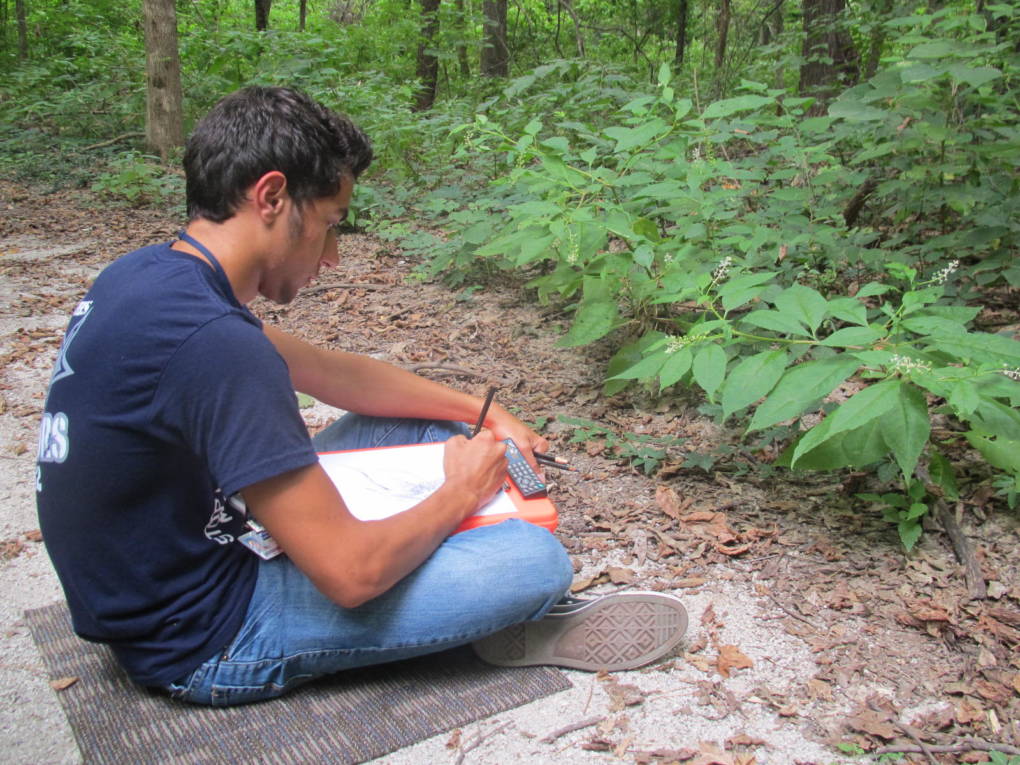
"description": "A high school field biology student journaling and reflecting on what he is seeing in the woods.",
"title": "Little Creek Nature Area",
"credit": "Courtesy of Eric Hadley",
"status": "inherit",
"isLoading": false,
"fetchFailed": false
},
"mindshift_47504": {
"type": "attachments",
"id": "mindshift_47504",
"meta": {
"index": "attachments_1716263798",
"site": "mindshift",
"id": "47504",
"found": true
},
"parent": 47502,
"imgSizes": {
"small": {
"file": "https://ww2.kqed.org/app/uploads/sites/23/2017/02/empathy-rsa-520x283.png",
"width": 520,
"mimeType": "image/png",
"height": 283
},
"thumbnail": {
"file": "https://ww2.kqed.org/app/uploads/sites/23/2017/02/empathy-rsa-160x87.png",
"width": 160,
"mimeType": "image/png",
"height": 87
},
"post-thumbnail": {
"file": "https://ww2.kqed.org/app/uploads/sites/23/2017/02/empathy-rsa-672x372.png",
"width": 672,
"mimeType": "image/png",
"height": 372
},
"xsmall": {
"file": "https://ww2.kqed.org/app/uploads/sites/23/2017/02/empathy-rsa-375x204.png",
"width": 375,
"mimeType": "image/png",
"height": 204
},
"kqedFullSize": {
"file": "https://ww2.kqed.org/app/uploads/sites/23/2017/02/empathy-rsa.png",
"width": 703,
"height": 383
},
"guest-author-50": {
"file": "https://ww2.kqed.org/app/uploads/sites/23/2017/02/empathy-rsa-50x50.png",
"width": 50,
"mimeType": "image/png",
"height": 50
},
"guest-author-96": {
"file": "https://ww2.kqed.org/app/uploads/sites/23/2017/02/empathy-rsa-96x96.png",
"width": 96,
"mimeType": "image/png",
"height": 96
},
"guest-author-64": {
"file": "https://ww2.kqed.org/app/uploads/sites/23/2017/02/empathy-rsa-64x64.png",
"width": 64,
"mimeType": "image/png",
"height": 64
},
"detail": {
"file": "https://ww2.kqed.org/app/uploads/sites/23/2017/02/empathy-rsa-150x150.png",
"width": 150,
"mimeType": "image/png",
"height": 150
},
"guest-author-32": {
"file": "https://ww2.kqed.org/app/uploads/sites/23/2017/02/empathy-rsa-32x32.png",
"width": 32,
"mimeType": "image/png",
"height": 32
},
"guest-author-128": {
"file": "https://ww2.kqed.org/app/uploads/sites/23/2017/02/empathy-rsa-128x128.png",
"width": 128,
"mimeType": "image/png",
"height": 128
},
"xxsmall": {
"file": "https://ww2.kqed.org/app/uploads/sites/23/2017/02/empathy-rsa-240x131.png",
"width": 240,
"mimeType": "image/png",
"height": 131
}
},
"publishDate": 1486576792,
"modified": 1486576858,
"caption": null,
"description": null,
"title": "empathy rsa",
"credit": "Katy David/\u003ca href=\"https://ed.ted.com/featured/BXaLcbG4#watch\">TED-Ed\u003c/a>",
"status": "inherit",
"isLoading": false,
"fetchFailed": false
},
"mindshift_47486": {
"type": "attachments",
"id": "mindshift_47486",
"meta": {
"index": "attachments_1716263798",
"site": "mindshift",
"id": "47486",
"found": true
},
"parent": 47385,
"imgSizes": {
"small": {
"file": "https://ww2.kqed.org/app/uploads/sites/23/2017/01/271992932_ee770aec41_o-520x390.jpg",
"width": 520,
"mimeType": "image/jpeg",
"height": 390
},
"twentyfourteen-full-width": {
"file": "https://ww2.kqed.org/app/uploads/sites/23/2017/01/271992932_ee770aec41_o-1038x576.jpg",
"width": 1038,
"mimeType": "image/jpeg",
"height": 576
},
"thumbnail": {
"file": "https://ww2.kqed.org/app/uploads/sites/23/2017/01/271992932_ee770aec41_o-160x120.jpg",
"width": 160,
"mimeType": "image/jpeg",
"height": 120
},
"fd-sm": {
"file": "https://ww2.kqed.org/app/uploads/sites/23/2017/01/271992932_ee770aec41_o-960x720.jpg",
"width": 960,
"mimeType": "image/jpeg",
"height": 720
},
"post-thumbnail": {
"file": "https://ww2.kqed.org/app/uploads/sites/23/2017/01/271992932_ee770aec41_o-672x372.jpg",
"width": 672,
"mimeType": "image/jpeg",
"height": 372
},
"xsmall": {
"file": "https://ww2.kqed.org/app/uploads/sites/23/2017/01/271992932_ee770aec41_o-375x281.jpg",
"width": 375,
"mimeType": "image/jpeg",
"height": 281
},
"kqedFullSize": {
"file": "https://ww2.kqed.org/app/uploads/sites/23/2017/01/271992932_ee770aec41_o-e1486366358212.jpg",
"width": 1920,
"height": 1440
},
"large": {
"file": "https://ww2.kqed.org/app/uploads/sites/23/2017/01/271992932_ee770aec41_o-1020x765.jpg",
"width": 1020,
"mimeType": "image/jpeg",
"height": 765
},
"xlarge": {
"file": "https://ww2.kqed.org/app/uploads/sites/23/2017/01/271992932_ee770aec41_o-1180x885.jpg",
"width": 1180,
"mimeType": "image/jpeg",
"height": 885
},
"guest-author-50": {
"file": "https://ww2.kqed.org/app/uploads/sites/23/2017/01/271992932_ee770aec41_o-50x50.jpg",
"width": 50,
"mimeType": "image/jpeg",
"height": 50
},
"guest-author-96": {
"file": "https://ww2.kqed.org/app/uploads/sites/23/2017/01/271992932_ee770aec41_o-96x96.jpg",
"width": 96,
"mimeType": "image/jpeg",
"height": 96
},
"medium": {
"file": "https://ww2.kqed.org/app/uploads/sites/23/2017/01/271992932_ee770aec41_o-800x600.jpg",
"width": 800,
"mimeType": "image/jpeg",
"height": 600
},
"guest-author-64": {
"file": "https://ww2.kqed.org/app/uploads/sites/23/2017/01/271992932_ee770aec41_o-64x64.jpg",
"width": 64,
"mimeType": "image/jpeg",
"height": 64
},
"guest-author-32": {
"file": "https://ww2.kqed.org/app/uploads/sites/23/2017/01/271992932_ee770aec41_o-32x32.jpg",
"width": 32,
"mimeType": "image/jpeg",
"height": 32
},
"fd-lrg": {
"file": "https://ww2.kqed.org/app/uploads/sites/23/2017/01/271992932_ee770aec41_o-1920x1440.jpg",
"width": 1920,
"mimeType": "image/jpeg",
"height": 1440
},
"fd-med": {
"file": "https://ww2.kqed.org/app/uploads/sites/23/2017/01/271992932_ee770aec41_o-1180x885.jpg",
"width": 1180,
"mimeType": "image/jpeg",
"height": 885
},
"full-width": {
"file": "https://ww2.kqed.org/app/uploads/sites/23/2017/01/271992932_ee770aec41_o-1920x1440.jpg",
"width": 1920,
"mimeType": "image/jpeg",
"height": 1440
},
"detail": {
"file": "https://ww2.kqed.org/app/uploads/sites/23/2017/01/271992932_ee770aec41_o-150x150.jpg",
"width": 150,
"mimeType": "image/jpeg",
"height": 150
},
"medium_large": {
"file": "https://ww2.kqed.org/app/uploads/sites/23/2017/01/271992932_ee770aec41_o-768x576.jpg",
"width": 768,
"mimeType": "image/jpeg",
"height": 576
},
"guest-author-128": {
"file": "https://ww2.kqed.org/app/uploads/sites/23/2017/01/271992932_ee770aec41_o-128x128.jpg",
"width": 128,
"mimeType": "image/jpeg",
"height": 128
},
"xxsmall": {
"file": "https://ww2.kqed.org/app/uploads/sites/23/2017/01/271992932_ee770aec41_o-240x180.jpg",
"width": 240,
"mimeType": "image/jpeg",
"height": 180
}
},
"publishDate": 1486366339,
"modified": 1486366373,
"caption": null,
"description": null,
"title": "Math",
"credit": "\u003ca href=\"https://www.flickr.com/photos/jantik/271992932/in/photolist-q332j-68nApf-6s4Nyv-6e9a8o-6LfqNi-8ML8Wg-6fVTSd-aJAMLe-6sXjqe-6AVTrw-8LKzan-6tR1as-6zXhpP-6y9nnq-q71UTj-7not8e-ntroQy-ddDtXi-fsUhAv-ntp41t-o2yRin-nrmFbU-8YKmez-nbUM2j-dbS3K4-b9NF3H-6PvyeT-8N2xDo-6ohCwy-9Ejn4M-79n5de-nuiaTX-ntp2hi-nbUuCZ-nbUuW4-ntp3nK-6pCfLj-6pSbvJ-ntp1TH-5pY9b-6DtzKE-6h2BaE-6qfD7B-5jzUzQ-8MPazf-7FXkHA-78Sgrr-7FSoMa-7FTDa6-7FREWj\">Flickr/Jan Tik\u003c/a>",
"status": "inherit",
"isLoading": false,
"fetchFailed": false
},
"mindshift_47435": {
"type": "attachments",
"id": "mindshift_47435",
"meta": {
"index": "attachments_1716263798",
"site": "mindshift",
"id": "47435",
"found": true
},
"parent": 47361,
"imgSizes": {
"small": {
"file": "https://ww2.kqed.org/app/uploads/sites/23/2017/01/IMG_0095-520x390.jpg",
"width": 520,
"mimeType": "image/jpeg",
"height": 390
},
"twentyfourteen-full-width": {
"file": "https://ww2.kqed.org/app/uploads/sites/23/2017/01/IMG_0095-1038x576.jpg",
"width": 1038,
"mimeType": "image/jpeg",
"height": 576
},
"thumbnail": {
"file": "https://ww2.kqed.org/app/uploads/sites/23/2017/01/IMG_0095-160x120.jpg",
"width": 160,
"mimeType": "image/jpeg",
"height": 120
},
"fd-sm": {
"file": "https://ww2.kqed.org/app/uploads/sites/23/2017/01/IMG_0095-960x720.jpg",
"width": 960,
"mimeType": "image/jpeg",
"height": 720
},
"post-thumbnail": {
"file": "https://ww2.kqed.org/app/uploads/sites/23/2017/01/IMG_0095-672x372.jpg",
"width": 672,
"mimeType": "image/jpeg",
"height": 372
},
"xsmall": {
"file": "https://ww2.kqed.org/app/uploads/sites/23/2017/01/IMG_0095-375x281.jpg",
"width": 375,
"mimeType": "image/jpeg",
"height": 281
},
"kqedFullSize": {
"file": "https://ww2.kqed.org/app/uploads/sites/23/2017/01/IMG_0095-e1485814010532.jpg",
"width": 1920,
"height": 1440
},
"large": {
"file": "https://ww2.kqed.org/app/uploads/sites/23/2017/01/IMG_0095-1020x765.jpg",
"width": 1020,
"mimeType": "image/jpeg",
"height": 765
},
"xlarge": {
"file": "https://ww2.kqed.org/app/uploads/sites/23/2017/01/IMG_0095-1180x885.jpg",
"width": 1180,
"mimeType": "image/jpeg",
"height": 885
},
"guest-author-50": {
"file": "https://ww2.kqed.org/app/uploads/sites/23/2017/01/IMG_0095-50x50.jpg",
"width": 50,
"mimeType": "image/jpeg",
"height": 50
},
"guest-author-96": {
"file": "https://ww2.kqed.org/app/uploads/sites/23/2017/01/IMG_0095-96x96.jpg",
"width": 96,
"mimeType": "image/jpeg",
"height": 96
},
"medium": {
"file": "https://ww2.kqed.org/app/uploads/sites/23/2017/01/IMG_0095-800x600.jpg",
"width": 800,
"mimeType": "image/jpeg",
"height": 600
},
"guest-author-64": {
"file": "https://ww2.kqed.org/app/uploads/sites/23/2017/01/IMG_0095-64x64.jpg",
"width": 64,
"mimeType": "image/jpeg",
"height": 64
},
"guest-author-32": {
"file": "https://ww2.kqed.org/app/uploads/sites/23/2017/01/IMG_0095-32x32.jpg",
"width": 32,
"mimeType": "image/jpeg",
"height": 32
},
"fd-lrg": {
"file": "https://ww2.kqed.org/app/uploads/sites/23/2017/01/IMG_0095-1920x1440.jpg",
"width": 1920,
"mimeType": "image/jpeg",
"height": 1440
},
"fd-med": {
"file": "https://ww2.kqed.org/app/uploads/sites/23/2017/01/IMG_0095-1180x885.jpg",
"width": 1180,
"mimeType": "image/jpeg",
"height": 885
},
"full-width": {
"file": "https://ww2.kqed.org/app/uploads/sites/23/2017/01/IMG_0095-1920x1440.jpg",
"width": 1920,
"mimeType": "image/jpeg",
"height": 1440
},
"detail": {
"file": "https://ww2.kqed.org/app/uploads/sites/23/2017/01/IMG_0095-150x150.jpg",
"width": 150,
"mimeType": "image/jpeg",
"height": 150
},
"medium_large": {
"file": "https://ww2.kqed.org/app/uploads/sites/23/2017/01/IMG_0095-768x576.jpg",
"width": 768,
"mimeType": "image/jpeg",
"height": 576
},
"guest-author-128": {
"file": "https://ww2.kqed.org/app/uploads/sites/23/2017/01/IMG_0095-128x128.jpg",
"width": 128,
"mimeType": "image/jpeg",
"height": 128
},
"xxsmall": {
"file": "https://ww2.kqed.org/app/uploads/sites/23/2017/01/IMG_0095-240x180.jpg",
"width": 240,
"mimeType": "image/jpeg",
"height": 180
}
},
"publishDate": 1485813974,
"modified": 1485826862,
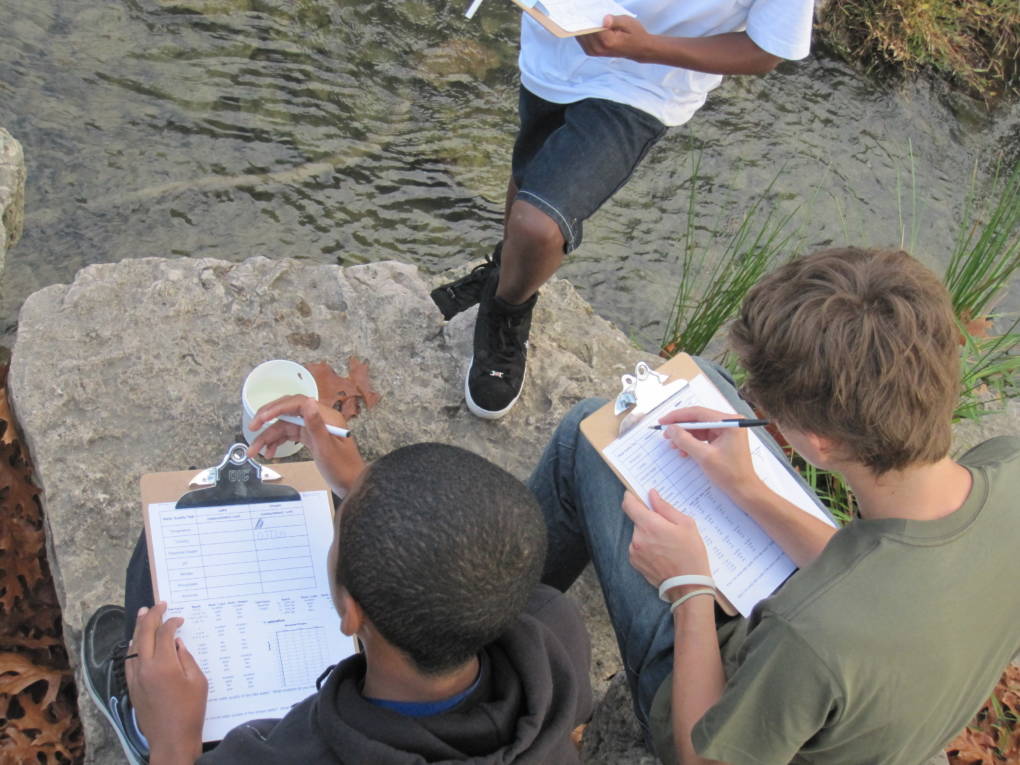
"caption": "Students at Maplewood Richmond Heights Middle School in Missouri conduct an abiotic water quality monitoring lab at Forest Park, one of the largest urban parks in the country. Students conducted chemical tests of dissolved oxygen levels, phosphates, nitrates and pH to determine water health.",
"description": null,
"title": "IMG_0095",
"credit": "Courtesy of Scott McClintock",
"status": "inherit",
"isLoading": false,
"fetchFailed": false
},
"mindshift_47452": {
"type": "attachments",
"id": "mindshift_47452",
"meta": {
"index": "attachments_1716263798",
"site": "mindshift",
"id": "47452",
"found": true
},
"parent": 47451,
"imgSizes": {
"small": {
"file": "https://ww2.kqed.org/app/uploads/sites/23/2017/02/recess-reeducation2_slide-d9a60a275363593b367d1d5d15d5373fdccd0ea3-520x347.jpg",
"width": 520,
"mimeType": "image/jpeg",
"height": 347
},
"twentyfourteen-full-width": {
"file": "https://ww2.kqed.org/app/uploads/sites/23/2017/02/recess-reeducation2_slide-d9a60a275363593b367d1d5d15d5373fdccd0ea3-1038x576.jpg",
"width": 1038,
"mimeType": "image/jpeg",
"height": 576
},
"thumbnail": {
"file": "https://ww2.kqed.org/app/uploads/sites/23/2017/02/recess-reeducation2_slide-d9a60a275363593b367d1d5d15d5373fdccd0ea3-160x107.jpg",
"width": 160,
"mimeType": "image/jpeg",
"height": 107
},
"fd-sm": {
"file": "https://ww2.kqed.org/app/uploads/sites/23/2017/02/recess-reeducation2_slide-d9a60a275363593b367d1d5d15d5373fdccd0ea3-960x640.jpg",
"width": 960,
"mimeType": "image/jpeg",
"height": 640
},
"post-thumbnail": {
"file": "https://ww2.kqed.org/app/uploads/sites/23/2017/02/recess-reeducation2_slide-d9a60a275363593b367d1d5d15d5373fdccd0ea3-672x372.jpg",
"width": 672,
"mimeType": "image/jpeg",
"height": 372
},
"xsmall": {
"file": "https://ww2.kqed.org/app/uploads/sites/23/2017/02/recess-reeducation2_slide-d9a60a275363593b367d1d5d15d5373fdccd0ea3-375x250.jpg",
"width": 375,
"mimeType": "image/jpeg",
"height": 250
},
"kqedFullSize": {
"file": "https://ww2.kqed.org/app/uploads/sites/23/2017/02/recess-reeducation2_slide-d9a60a275363593b367d1d5d15d5373fdccd0ea3-e1485953170514.jpg",
"width": 1920,
"height": 1280
},
"large": {
"file": "https://ww2.kqed.org/app/uploads/sites/23/2017/02/recess-reeducation2_slide-d9a60a275363593b367d1d5d15d5373fdccd0ea3-1020x680.jpg",
"width": 1020,
"mimeType": "image/jpeg",
"height": 680
},
"xlarge": {
"file": "https://ww2.kqed.org/app/uploads/sites/23/2017/02/recess-reeducation2_slide-d9a60a275363593b367d1d5d15d5373fdccd0ea3-1180x787.jpg",
"width": 1180,
"mimeType": "image/jpeg",
"height": 787
},
"guest-author-50": {
"file": "https://ww2.kqed.org/app/uploads/sites/23/2017/02/recess-reeducation2_slide-d9a60a275363593b367d1d5d15d5373fdccd0ea3-50x50.jpg",
"width": 50,
"mimeType": "image/jpeg",
"height": 50
},
"guest-author-96": {
"file": "https://ww2.kqed.org/app/uploads/sites/23/2017/02/recess-reeducation2_slide-d9a60a275363593b367d1d5d15d5373fdccd0ea3-96x96.jpg",
"width": 96,
"mimeType": "image/jpeg",
"height": 96
},
"medium": {
"file": "https://ww2.kqed.org/app/uploads/sites/23/2017/02/recess-reeducation2_slide-d9a60a275363593b367d1d5d15d5373fdccd0ea3-800x533.jpg",
"width": 800,
"mimeType": "image/jpeg",
"height": 533
},
"guest-author-64": {
"file": "https://ww2.kqed.org/app/uploads/sites/23/2017/02/recess-reeducation2_slide-d9a60a275363593b367d1d5d15d5373fdccd0ea3-64x64.jpg",
"width": 64,
"mimeType": "image/jpeg",
"height": 64
},
"guest-author-32": {
"file": "https://ww2.kqed.org/app/uploads/sites/23/2017/02/recess-reeducation2_slide-d9a60a275363593b367d1d5d15d5373fdccd0ea3-32x32.jpg",
"width": 32,
"mimeType": "image/jpeg",
"height": 32
},
"fd-lrg": {
"file": "https://ww2.kqed.org/app/uploads/sites/23/2017/02/recess-reeducation2_slide-d9a60a275363593b367d1d5d15d5373fdccd0ea3-1920x1280.jpg",
"width": 1920,
"mimeType": "image/jpeg",
"height": 1280
},
"fd-med": {
"file": "https://ww2.kqed.org/app/uploads/sites/23/2017/02/recess-reeducation2_slide-d9a60a275363593b367d1d5d15d5373fdccd0ea3-1180x787.jpg",
"width": 1180,
"mimeType": "image/jpeg",
"height": 787
},
"full-width": {
"file": "https://ww2.kqed.org/app/uploads/sites/23/2017/02/recess-reeducation2_slide-d9a60a275363593b367d1d5d15d5373fdccd0ea3-1920x1280.jpg",
"width": 1920,
"mimeType": "image/jpeg",
"height": 1280
},
"detail": {
"file": "https://ww2.kqed.org/app/uploads/sites/23/2017/02/recess-reeducation2_slide-d9a60a275363593b367d1d5d15d5373fdccd0ea3-150x150.jpg",
"width": 150,
"mimeType": "image/jpeg",
"height": 150
},
"medium_large": {
"file": "https://ww2.kqed.org/app/uploads/sites/23/2017/02/recess-reeducation2_slide-d9a60a275363593b367d1d5d15d5373fdccd0ea3-768x512.jpg",
"width": 768,
"mimeType": "image/jpeg",
"height": 512
},
"guest-author-128": {
"file": "https://ww2.kqed.org/app/uploads/sites/23/2017/02/recess-reeducation2_slide-d9a60a275363593b367d1d5d15d5373fdccd0ea3-128x128.jpg",
"width": 128,
"mimeType": "image/jpeg",
"height": 128
},
"xxsmall": {
"file": "https://ww2.kqed.org/app/uploads/sites/23/2017/02/recess-reeducation2_slide-d9a60a275363593b367d1d5d15d5373fdccd0ea3-240x160.jpg",
"width": 240,
"mimeType": "image/jpeg",
"height": 160
}
},
"publishDate": 1485953136,
"modified": 1485953225,
"caption": null,
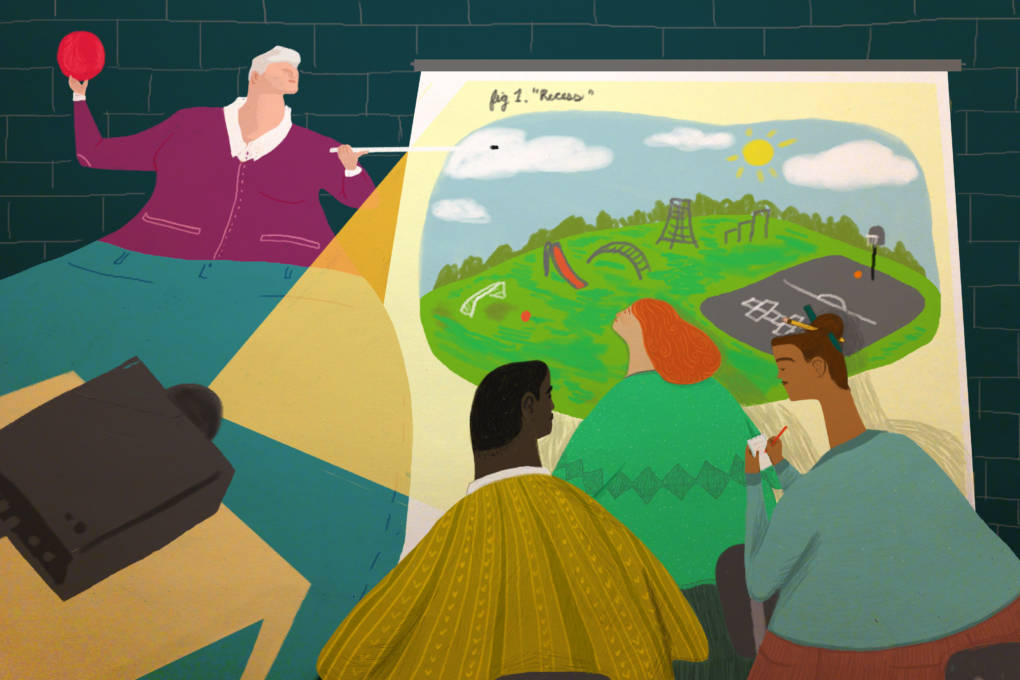
"description": "Teachers get caught up to speed on new recess guidelines.",
"title": "Teachers get caught up to speed on new recess guidelines.",
"credit": "NPR/LA Johnson",
"status": "inherit",
"isLoading": false,
"fetchFailed": false
},
"mindshift_47424": {
"type": "attachments",
"id": "mindshift_47424",
"meta": {
"index": "attachments_1716263798",
"site": "mindshift",
"id": "47424",
"found": true
},
"parent": 47420,
"imgSizes": {
"small": {
"file": "https://ww2.kqed.org/app/uploads/sites/23/2017/01/girl-2-520x347.jpg",
"width": 520,
"mimeType": "image/jpeg",
"height": 347
},
"twentyfourteen-full-width": {
"file": "https://ww2.kqed.org/app/uploads/sites/23/2017/01/girl-2-1038x576.jpg",
"width": 1038,
"mimeType": "image/jpeg",
"height": 576
},
"thumbnail": {
"file": "https://ww2.kqed.org/app/uploads/sites/23/2017/01/girl-2-160x107.jpg",
"width": 160,
"mimeType": "image/jpeg",
"height": 107
},
"fd-sm": {
"file": "https://ww2.kqed.org/app/uploads/sites/23/2017/01/girl-2-960x640.jpg",
"width": 960,
"mimeType": "image/jpeg",
"height": 640
},
"post-thumbnail": {
"file": "https://ww2.kqed.org/app/uploads/sites/23/2017/01/girl-2-672x372.jpg",
"width": 672,
"mimeType": "image/jpeg",
"height": 372
},
"xsmall": {
"file": "https://ww2.kqed.org/app/uploads/sites/23/2017/01/girl-2-375x250.jpg",
"width": 375,
"mimeType": "image/jpeg",
"height": 250
},
"kqedFullSize": {
"file": "https://ww2.kqed.org/app/uploads/sites/23/2017/01/girl-2-e1485500798133.jpg",
"width": 1920,
"height": 1280
},
"large": {
"file": "https://ww2.kqed.org/app/uploads/sites/23/2017/01/girl-2-1020x680.jpg",
"width": 1020,
"mimeType": "image/jpeg",
"height": 680
},
"xlarge": {
"file": "https://ww2.kqed.org/app/uploads/sites/23/2017/01/girl-2-1180x787.jpg",
"width": 1180,
"mimeType": "image/jpeg",
"height": 787
},
"guest-author-50": {
"file": "https://ww2.kqed.org/app/uploads/sites/23/2017/01/girl-2-50x50.jpg",
"width": 50,
"mimeType": "image/jpeg",
"height": 50
},
"guest-author-96": {
"file": "https://ww2.kqed.org/app/uploads/sites/23/2017/01/girl-2-96x96.jpg",
"width": 96,
"mimeType": "image/jpeg",
"height": 96
},
"medium": {
"file": "https://ww2.kqed.org/app/uploads/sites/23/2017/01/girl-2-800x533.jpg",
"width": 800,
"mimeType": "image/jpeg",
"height": 533
},
"guest-author-64": {
"file": "https://ww2.kqed.org/app/uploads/sites/23/2017/01/girl-2-64x64.jpg",
"width": 64,
"mimeType": "image/jpeg",
"height": 64
},
"guest-author-32": {
"file": "https://ww2.kqed.org/app/uploads/sites/23/2017/01/girl-2-32x32.jpg",
"width": 32,
"mimeType": "image/jpeg",
"height": 32
},
"fd-lrg": {
"file": "https://ww2.kqed.org/app/uploads/sites/23/2017/01/girl-2-1920x1280.jpg",
"width": 1920,
"mimeType": "image/jpeg",
"height": 1280
},
"fd-med": {
"file": "https://ww2.kqed.org/app/uploads/sites/23/2017/01/girl-2-1180x787.jpg",
"width": 1180,
"mimeType": "image/jpeg",
"height": 787
},
"full-width": {
"file": "https://ww2.kqed.org/app/uploads/sites/23/2017/01/girl-2-1920x1280.jpg",
"width": 1920,
"mimeType": "image/jpeg",
"height": 1280
},
"detail": {
"file": "https://ww2.kqed.org/app/uploads/sites/23/2017/01/girl-2-150x150.jpg",
"width": 150,
"mimeType": "image/jpeg",
"height": 150
},
"medium_large": {
"file": "https://ww2.kqed.org/app/uploads/sites/23/2017/01/girl-2-768x512.jpg",
"width": 768,
"mimeType": "image/jpeg",
"height": 512
},
"guest-author-128": {
"file": "https://ww2.kqed.org/app/uploads/sites/23/2017/01/girl-2-128x128.jpg",
"width": 128,
"mimeType": "image/jpeg",
"height": 128
},
"xxsmall": {
"file": "https://ww2.kqed.org/app/uploads/sites/23/2017/01/girl-2-240x160.jpg",
"width": 240,
"mimeType": "image/jpeg",
"height": 160
}
},
"publishDate": 1485500766,
"modified": 1485500791,
"caption": null,
"description": null,
"title": null,
"credit": "iStock/milanvirijevic ",
"status": "inherit",
"isLoading": false,
"fetchFailed": false
},
"mindshift_47405": {
"type": "attachments",
"id": "mindshift_47405",
"meta": {
"index": "attachments_1716263798",
"site": "mindshift",
"id": "47405",
"found": true
},
"parent": 47376,
"imgSizes": {
"small": {
"file": "https://ww2.kqed.org/app/uploads/sites/23/2017/01/Personalized-520x347.jpg",
"width": 520,
"mimeType": "image/jpeg",
"height": 347
},
"twentyfourteen-full-width": {
"file": "https://ww2.kqed.org/app/uploads/sites/23/2017/01/Personalized-1038x576.jpg",
"width": 1038,
"mimeType": "image/jpeg",
"height": 576
},
"thumbnail": {
"file": "https://ww2.kqed.org/app/uploads/sites/23/2017/01/Personalized-160x107.jpg",
"width": 160,
"mimeType": "image/jpeg",
"height": 107
},
"fd-sm": {
"file": "https://ww2.kqed.org/app/uploads/sites/23/2017/01/Personalized-960x640.jpg",
"width": 960,
"mimeType": "image/jpeg",
"height": 640
},
"post-thumbnail": {
"file": "https://ww2.kqed.org/app/uploads/sites/23/2017/01/Personalized-672x372.jpg",
"width": 672,
"mimeType": "image/jpeg",
"height": 372
},
"xsmall": {
"file": "https://ww2.kqed.org/app/uploads/sites/23/2017/01/Personalized-375x250.jpg",
"width": 375,
"mimeType": "image/jpeg",
"height": 250
},
"kqedFullSize": {
"file": "https://ww2.kqed.org/app/uploads/sites/23/2017/01/Personalized-e1485331725172.jpg",
"width": 1920,
"height": 1280
},
"large": {
"file": "https://ww2.kqed.org/app/uploads/sites/23/2017/01/Personalized-1020x680.jpg",
"width": 1020,
"mimeType": "image/jpeg",
"height": 680
},
"xlarge": {
"file": "https://ww2.kqed.org/app/uploads/sites/23/2017/01/Personalized-1180x787.jpg",
"width": 1180,
"mimeType": "image/jpeg",
"height": 787
},
"guest-author-50": {
"file": "https://ww2.kqed.org/app/uploads/sites/23/2017/01/Personalized-50x50.jpg",
"width": 50,
"mimeType": "image/jpeg",
"height": 50
},
"guest-author-96": {
"file": "https://ww2.kqed.org/app/uploads/sites/23/2017/01/Personalized-96x96.jpg",
"width": 96,
"mimeType": "image/jpeg",
"height": 96
},
"medium": {
"file": "https://ww2.kqed.org/app/uploads/sites/23/2017/01/Personalized-800x533.jpg",
"width": 800,
"mimeType": "image/jpeg",
"height": 533
},
"guest-author-64": {
"file": "https://ww2.kqed.org/app/uploads/sites/23/2017/01/Personalized-64x64.jpg",
"width": 64,
"mimeType": "image/jpeg",
"height": 64
},
"guest-author-32": {
"file": "https://ww2.kqed.org/app/uploads/sites/23/2017/01/Personalized-32x32.jpg",
"width": 32,
"mimeType": "image/jpeg",
"height": 32
},
"fd-lrg": {
"file": "https://ww2.kqed.org/app/uploads/sites/23/2017/01/Personalized-1920x1280.jpg",
"width": 1920,
"mimeType": "image/jpeg",
"height": 1280
},
"fd-med": {
"file": "https://ww2.kqed.org/app/uploads/sites/23/2017/01/Personalized-1180x787.jpg",
"width": 1180,
"mimeType": "image/jpeg",
"height": 787
},
"full-width": {
"file": "https://ww2.kqed.org/app/uploads/sites/23/2017/01/Personalized-1920x1280.jpg",
"width": 1920,
"mimeType": "image/jpeg",
"height": 1280
},
"detail": {
"file": "https://ww2.kqed.org/app/uploads/sites/23/2017/01/Personalized-150x150.jpg",
"width": 150,
"mimeType": "image/jpeg",
"height": 150
},
"medium_large": {
"file": "https://ww2.kqed.org/app/uploads/sites/23/2017/01/Personalized-768x512.jpg",
"width": 768,
"mimeType": "image/jpeg",
"height": 512
},
"guest-author-128": {
"file": "https://ww2.kqed.org/app/uploads/sites/23/2017/01/Personalized-128x128.jpg",
"width": 128,
"mimeType": "image/jpeg",
"height": 128
},
"xxsmall": {
"file": "https://ww2.kqed.org/app/uploads/sites/23/2017/01/Personalized-240x160.jpg",
"width": 240,
"mimeType": "image/jpeg",
"height": 160
}
},
"publishDate": 1485331700,
"modified": 1485331720,
"caption": null,
"description": null,
"title": "Elementary school students look at laptop computer",
"credit": "iStock/lewkmiller ",
"status": "inherit",
"isLoading": false,
"fetchFailed": false
},
"mindshift_47406": {
"type": "attachments",
"id": "mindshift_47406",
"meta": {
"index": "attachments_1716263798",
"site": "mindshift",
"id": "47406",
"found": true
},
"parent": 47374,
"imgSizes": {
"small": {
"file": "https://ww2.kqed.org/app/uploads/sites/23/2017/01/iStock-175453552-520x347.jpg",
"width": 520,
"mimeType": "image/jpeg",
"height": 347
},
"twentyfourteen-full-width": {
"file": "https://ww2.kqed.org/app/uploads/sites/23/2017/01/iStock-175453552-1038x576.jpg",
"width": 1038,
"mimeType": "image/jpeg",
"height": 576
},
"thumbnail": {
"file": "https://ww2.kqed.org/app/uploads/sites/23/2017/01/iStock-175453552-160x107.jpg",
"width": 160,
"mimeType": "image/jpeg",
"height": 107
},
"fd-sm": {
"file": "https://ww2.kqed.org/app/uploads/sites/23/2017/01/iStock-175453552-960x641.jpg",
"width": 960,
"mimeType": "image/jpeg",
"height": 641
},
"post-thumbnail": {
"file": "https://ww2.kqed.org/app/uploads/sites/23/2017/01/iStock-175453552-672x372.jpg",
"width": 672,
"mimeType": "image/jpeg",
"height": 372
},
"xsmall": {
"file": "https://ww2.kqed.org/app/uploads/sites/23/2017/01/iStock-175453552-375x251.jpg",
"width": 375,
"mimeType": "image/jpeg",
"height": 251
},
"kqedFullSize": {
"file": "https://ww2.kqed.org/app/uploads/sites/23/2017/01/iStock-175453552-e1485331792538.jpg",
"width": 1920,
"height": 1283
},
"large": {
"file": "https://ww2.kqed.org/app/uploads/sites/23/2017/01/iStock-175453552-1020x681.jpg",
"width": 1020,
"mimeType": "image/jpeg",
"height": 681
},
"xlarge": {
"file": "https://ww2.kqed.org/app/uploads/sites/23/2017/01/iStock-175453552-1180x788.jpg",
"width": 1180,
"mimeType": "image/jpeg",
"height": 788
},
"guest-author-50": {
"file": "https://ww2.kqed.org/app/uploads/sites/23/2017/01/iStock-175453552-50x50.jpg",
"width": 50,
"mimeType": "image/jpeg",
"height": 50
},
"guest-author-96": {
"file": "https://ww2.kqed.org/app/uploads/sites/23/2017/01/iStock-175453552-96x96.jpg",
"width": 96,
"mimeType": "image/jpeg",
"height": 96
},
"medium": {
"file": "https://ww2.kqed.org/app/uploads/sites/23/2017/01/iStock-175453552-800x534.jpg",
"width": 800,
"mimeType": "image/jpeg",
"height": 534
},
"guest-author-64": {
"file": "https://ww2.kqed.org/app/uploads/sites/23/2017/01/iStock-175453552-64x64.jpg",
"width": 64,
"mimeType": "image/jpeg",
"height": 64
},
"guest-author-32": {
"file": "https://ww2.kqed.org/app/uploads/sites/23/2017/01/iStock-175453552-32x32.jpg",
"width": 32,
"mimeType": "image/jpeg",
"height": 32
},
"fd-lrg": {
"file": "https://ww2.kqed.org/app/uploads/sites/23/2017/01/iStock-175453552-1920x1283.jpg",
"width": 1920,
"mimeType": "image/jpeg",
"height": 1283
},
"fd-med": {
"file": "https://ww2.kqed.org/app/uploads/sites/23/2017/01/iStock-175453552-1180x788.jpg",
"width": 1180,
"mimeType": "image/jpeg",
"height": 788
},
"full-width": {
"file": "https://ww2.kqed.org/app/uploads/sites/23/2017/01/iStock-175453552-1920x1283.jpg",
"width": 1920,
"mimeType": "image/jpeg",
"height": 1283
},
"detail": {
"file": "https://ww2.kqed.org/app/uploads/sites/23/2017/01/iStock-175453552-150x150.jpg",
"width": 150,
"mimeType": "image/jpeg",
"height": 150
},
"medium_large": {
"file": "https://ww2.kqed.org/app/uploads/sites/23/2017/01/iStock-175453552-768x513.jpg",
"width": 768,
"mimeType": "image/jpeg",
"height": 513
},
"guest-author-128": {
"file": "https://ww2.kqed.org/app/uploads/sites/23/2017/01/iStock-175453552-128x128.jpg",
"width": 128,
"mimeType": "image/jpeg",
"height": 128
},
"xxsmall": {
"file": "https://ww2.kqed.org/app/uploads/sites/23/2017/01/iStock-175453552-240x160.jpg",
"width": 240,
"mimeType": "image/jpeg",
"height": 160
}
},
"publishDate": 1485331762,
"modified": 1485331785,
"caption": null,
"description": null,
"title": "Elementary School Students Computer Lab",
"credit": "iStock/JasonDoiy ",
"status": "inherit",
"isLoading": false,
"fetchFailed": false
}
},
"audioPlayerReducer": {
"postId": "stream_live",
"isPaused": true,
"isPlaying": false,
"pfsActive": false,
"pledgeModalIsOpen": true,
"playerDrawerIsOpen": false,
"liveAudioPlayStartedAt": 0,
"liveAudioPlayContext": ""
},
"authorsReducer": {
"byline_mindshift_47552": {
"type": "authors",
"id": "byline_mindshift_47552",
"meta": {
"override": true
},
"slug": "byline_mindshift_47552",
"name": "Kat Lonsdorf",
"isLoading": false
},
"byline_mindshift_47451": {
"type": "authors",
"id": "byline_mindshift_47451",
"meta": {
"override": true
},
"slug": "byline_mindshift_47451",
"name": "Sophia Boyd",
"isLoading": false
},
"byline_mindshift_47420": {
"type": "authors",
"id": "byline_mindshift_47420",
"meta": {
"override": true
},
"slug": "byline_mindshift_47420",
"name": "Katherine Hobson",
"isLoading": false
},
"katrinaschwartz": {
"type": "authors",
"id": "234",
"meta": {
"index": "authors_1716337520",
"id": "234",
"found": true
},
"name": "Katrina Schwartz",
"firstName": "Katrina",
"lastName": "Schwartz",
"slug": "katrinaschwartz",
"email": "kschwartz@kqed.org",
"display_author_email": false,
"staff_mastheads": [
"news"
],
"title": "Producer",
"bio": "Katrina Schwartz is a journalist based in San Francisco. She's worked at KPCC public radio in LA and has reported on air and online for KQED since 2010. She covered how teaching and learning is changing for MindShift between 2012 and 2020. She is the co-host of the MindShift podcast and now produces KQED's Bay Curious podcast.",
"avatar": "https://secure.gravatar.com/avatar/edb4ee79070447a018538c9aae6eeecf28786515b8a0c30e43b6b7dce5aa44c8?s=600&d=blank&r=g",
"twitter": "kschwart",
"bluesky": null,
"facebook": null,
"instagram": null,
"linkedin": null,
"sites": [
{
"site": "",
"roles": [
"editor"
]
},
{
"site": "news",
"roles": [
"editor"
]
},
{
"site": "mindshift",
"roles": [
"administrator"
]
},
{
"site": "stateofhealth",
"roles": [
"author"
]
},
{
"site": "science",
"roles": [
"editor"
]
}
],
"headData": {
"title": "Katrina Schwartz | KQED",
"description": "Producer",
"ogImgSrc": "https://secure.gravatar.com/avatar/edb4ee79070447a018538c9aae6eeecf28786515b8a0c30e43b6b7dce5aa44c8?s=600&d=blank&r=g",
"twImgSrc": "https://secure.gravatar.com/avatar/edb4ee79070447a018538c9aae6eeecf28786515b8a0c30e43b6b7dce5aa44c8?s=600&d=blank&r=g"
},
"isLoading": false,
"link": "/author/katrinaschwartz"
},
"dfkris": {
"type": "authors",
"id": "11087",
"meta": {
"index": "authors_1716337520",
"id": "11087",
"found": true
},
"name": "Deborah Farmer Kris",
"firstName": "Deborah Farmer",
"lastName": "Kris",
"slug": "dfkris",
"email": "dfkris@gmail.com",
"display_author_email": false,
"staff_mastheads": [],
"title": null,
"bio": "\u003cem>\u003ca href=\"https://twitter.com/@dfkris\">Deborah Farmer Kris\u003c/a> has taught elementary, middle and high school and served as a charter school administrator. She spent a decade as an associate at Boston University’s \u003c/em>\u003cem>\u003ca href=\"http://www.bu.edu/ccsr/about-us/\">Center for Character and Social Responsibility\u003c/a>, \u003c/em>\u003cem>researching, writing, and consulting with schools. She is the mother of two young children. You can follower her on Twitter \u003ca href=\"https://twitter.com/@dfkris\">@dfkris\u003c/a>.\u003c/em>",
"avatar": "https://secure.gravatar.com/avatar/48efe6f17031ed31222b74af9605fe5a?s=600&d=blank&r=g",
"twitter": "dfkris",
"facebook": null,
"instagram": null,
"linkedin": null,
"sites": [
{
"site": "mindshift",
"roles": [
"author"
]
}
],
"headData": {
"title": "Deborah Farmer Kris | KQED",
"description": null,
"ogImgSrc": "https://secure.gravatar.com/avatar/48efe6f17031ed31222b74af9605fe5a?s=600&d=blank&r=g",
"twImgSrc": "https://secure.gravatar.com/avatar/48efe6f17031ed31222b74af9605fe5a?s=600&d=blank&r=g"
},
"isLoading": false,
"link": "/author/dfkris"
},
"lshaffer": {
"type": "authors",
"id": "11330",
"meta": {
"index": "authors_1716337520",
"id": "11330",
"found": true
},
"name": "Leah Shaffer",
"firstName": "Leah",
"lastName": "Shaffer",
"slug": "lshaffer",
"email": "leahabshaffer@gmail.com",
"display_author_email": false,
"staff_mastheads": [],
"title": null,
"bio": null,
"avatar": "https://secure.gravatar.com/avatar/ee7b4bb631d0c035e426aba5e260f9ce?s=600&d=blank&r=g",
"twitter": null,
"facebook": null,
"instagram": null,
"linkedin": null,
"sites": [
{
"site": "mindshift",
"roles": [
"author"
]
}
],
"headData": {
"title": "Leah Shaffer | KQED",
"description": null,
"ogImgSrc": "https://secure.gravatar.com/avatar/ee7b4bb631d0c035e426aba5e260f9ce?s=600&d=blank&r=g",
"twImgSrc": "https://secure.gravatar.com/avatar/ee7b4bb631d0c035e426aba5e260f9ce?s=600&d=blank&r=g"
},
"isLoading": false,
"link": "/author/lshaffer"
}
},
"pagesReducer": {
"mindshift_category_big-ideas": {
"type": "terms",
"id": "mindshift_192",
"meta": {
"index": "terms_1716263798",
"site": "mindshift",
"id": "192",
"score": 14.406956
},
"featImg": null,
"name": "Big Ideas",
"description": "The latest findings from experts in the field related to the future of learning.",
"taxonomy": "category",
"headData": {
"twImgId": null,
"twTitle": null,
"ogTitle": null,
"ogImgId": null,
"twDescription": null,
"description": "The latest findings from experts in the field related to the future of learning.",
"title": "Big Ideas Archives | KQED Mindshift",
"ogDescription": null
},
"ttid": 192,
"slug": "big-ideas",
"isLoading": false,
"title": "Big Ideas",
"pageMeta": {
"site": "mindshift",
"WpPageTemplate": "page-topic-editorial",
"currentPage": 39
},
"blocks": [
{
"blockName": "kqed/company-paragraph",
"content": "The latest findings from experts in the field related to the future of learning."
},
{
"blockName": "kqed/post-list",
"attrs": {
"layout": "cardArticle2",
"query": "posts/mindshift?category=big-ideas",
"seeMore": false,
"paginated": true,
"page": 39
}
},
{
"blockName": "kqed/ad"
}
]
}
},
"pfsSessionReducer": {},
"postsReducer": {
"stream_live": {
"type": "live",
"id": "stream_live",
"audioUrl": "https://streams.kqed.org/kqedradio",
"title": "Live Stream",
"excerpt": "Live Stream information currently unavailable.",
"link": "/radio",
"featImg": "",
"label": {
"name": "KQED Live",
"link": "/"
}
},
"stream_kqedNewscast": {
"type": "posts",
"id": "stream_kqedNewscast",
"audioUrl": "https://www.kqed.org/.stream/anon/radio/RDnews/newscast.mp3?_=1",
"title": "KQED Newscast",
"featImg": "",
"label": {
"name": "88.5 FM",
"link": "/"
}
},
"mindshift_47596": {
"type": "posts",
"id": "mindshift_47596",
"meta": {
"index": "posts_1716263798",
"site": "mindshift",
"id": "47596",
"score": null,
"sort": [
1487748212000
]
},
"parent": 0,
"labelTerm": {
"site": "mindshift"
},
"blocks": [],
"publishDate": 1487748212,
"format": "standard",
"disqusTitle": "How Social Bias Can Transfer From One Generation To The Next",
"title": "How Social Bias Can Transfer From One Generation To The Next",
"headTitle": "MindShift | KQED News",
"content": "\u003cp>\u003cspan style=\"font-weight: 400\">From an early age, children are \u003c/span>\u003ca href=\"http://journals.sagepub.com/doi/abs/10.1177/0146167208322769\">\u003cspan style=\"font-weight: 400\">sensitive\u003c/span>\u003c/a>\u003cspan style=\"font-weight: 400\"> to social cues from adults, peers, media and their surrounding environment. A closer look at adults’ nonverbal signals -- including their tone of voice, facial expression and body language -- found that children can “catch bias” simply by observing adult actions, according to\u003c/span>\u003cspan style=\"font-weight: 400\"> a\u003c/span>\u003ca href=\"http://journals.sagepub.com/doi/pdf/10.1177/0956797616678930\">\u003cspan style=\"font-weight: 400\"> new study\u003c/span>\u003c/a>\u003cspan style=\"font-weight: 400\"> out of the University of Washington.\u003c/span>\u003c/p>\n\u003cp>Allison Skinner, the study’s lead author and a postdoctoral researcher at the University of Washington, said adults “exude nonverbal signals that display their biases,” and these signals \u003cspan style=\"font-weight: 400\">create an “infected atmosphere” for children. Kids pick up on our cues like “how much we smile at each other or make eye contact, whether we seem warm and comfortable or cold and standoffish,” according to Skinner. This information is “potentially a way of forming biases.” \u003c/span>\u003c/p>\n\u003cp>\u003cspan style=\"font-weight: 400\">In the experiment, preschool students watched short videos where a female actor interacted with two female “targets” -- one wearing a red shirt and the other wearing a black shirt. The actor used identical language with each target, but she smiled and leaned in toward one, while scowling and leaning away from the other. \u003c/span>\u003c/p>\n\u003cp>\u003cspan style=\"font-weight: 400\">The study found that the children “\u003c/span>\u003cspan style=\"font-weight: 400\">significantly preferred the target of positive nonverbal signals over the target of negative nonverbal signals.” When they were offered the opportunity to give a toy to one of the targets, they were “significantly more likely” to share with the recipient of smiles and warmth.\u003c/span>\u003c/p>\n\u003cp>\u003cspan style=\"font-weight: 400\">Later, the preschool children were introduced to the targets’ “best friends,” who wore the same color shirt as the target. When the children were asked, “Which of the friends do you like the best?” the majority of kids preferred the friend of the target who had received positive nonverbal signals. In other words, they generalized their initial bias to other individuals in the same shirt-color group.\u003c/span>\u003c/p>\n\u003cp>[ad fullwidth]\u003c/p>\n\u003cp>\u003cspan style=\"font-weight: 400\">“We know that kids readily form in-group biases,” said Skinner. For example, if you take a group of kids and put half in the green group and half in the red group, kids will prefer members of their color group “even if it’s an entirely made-up thing in the lab.” \u003c/span>\u003c/p>\n\u003cp>\u003cspan style=\"font-weight: 400\">Knowing this propensity to favor one’s “in-group” -- and knowing that children absorb nonverbal cues from adults as they try to understand other groups they encounter -- the question becomes: What are the messages we are communicating about people from different religious, racial or ethnic backgrounds?\u003c/span>\u003c/p>\n\u003cp>\u003cspan style=\"font-weight: 400\">As the \u003c/span>\u003ca href=\"http://journals.sagepub.com/doi/pdf/10.1177/0956797616678930\">\u003cspan style=\"font-weight: 400\">study\u003c/span>\u003c/a>\u003cspan style=\"font-weight: 400\"> notes, \u003c/span>\u003cspan style=\"font-weight: 400\">many preschoolers in the United States live in fairly homogeneous communities, limiting their exposure to different groups and their “opportunities to observe positive nonverbal signals demonstrated toward such people.” Because of this, even brief exposure to “biased nonverbal signals against one or two out-group members could result in generalized bias against that group.” \u003c/span>\u003c/p>\n\u003cp>\u003cspan style=\"font-weight: 400\">Conversely, adults can draw upon children’s sensitivity to social signals to intentionally mitigate bias. Here are four strategies.\u003c/span>\u003c/p>\n\u003cp>\u003cb>\u003cb>Examine Your Nonverbal Messages\u003cbr>\n\u003c/b>\u003cspan style=\"font-weight: 400\">“We need to be aware of the messages we are giving to kids,” said Skinner. “How did I just interact with that person in the grocery store? If that’s the only person my kid has ever seen wearing a hijab, what did they learn from that interaction?” When children have limited contact with members of different groups, they form understandings based on these small pieces of information. With this in mind, said Skinner, “we can capitalize on using positive nonverbal signals.” Children will watch our body language as we interact with others in the checkout line or at the park -- so warm smiles, eye contact and polite interactions can help children open themselves to diverse groups.\u003c/span>\u003c/b>\u003c/p>\n\u003cp>\u003cb>\u003cb>Examine Your \u003c/b>\u003cb>Verbal Messages\u003cbr>\n\u003c/b>\u003cspan style=\"font-weight: 400\">Adults can pay attention to the language they use to describe groups of people. \u003c/span>\u003ca href=\"http://journals.sagepub.com/doi/abs/10.1177/0146167211426729\">\u003cspan style=\"font-weight: 400\">According to one study,\u003c/span>\u003c/a>\u003cspan style=\"font-weight: 400\"> young children were highly susceptible to explicit messages about groups -- even when that message contradicted their experiences. When kids were told that a particular group would be “mean” to them before they interacted, that message influenced how they perceived the interaction -- even when it was objectively positive. In other words, said Skinner, “The message was more powerful than their experiences.”\u003c/span>\u003c/b>\u003c/p>\n\u003cp>\u003cb>\u003cb>Expand Your Circle of Friendship\u003cbr>\n\u003c/b>\u003cspan style=\"font-weight: 400\">For adults who want to help children minimize bias, “diversifying your friendship network doesn’t hurt and has the potential to help,” said Skinner. One \u003c/span>\u003ca href=\"https://www.ncbi.nlm.nih.gov/pubmed/22537347\">\u003cspan style=\"font-weight: 400\">study\u003c/span>\u003c/a>\u003cspan style=\"font-weight: 400\"> found that mothers’ participation in interracial friendships was predictive of lower racial bias in children. In these friendships, said Skinner, “parents model and reinforce positive nonverbal messages” for young children. These interactions tell them, on a repeated basis, that “people of this group are to be trusted, hugged and smiled at.”\u003c/span>\u003c/b>\u003c/p>\n\u003cp>\u003cb>\u003cb>Use Books and Media To Prompt Conversation\u003cbr>\n\u003c/b>\u003cspan style=\"font-weight: 400\">If children do not directly interact with people from a variety of groups on a regular basis, adults can use books and media to intentionally open up conversation about other religious, ethnic and racial groups, tapping children's empathy and imagination. In \u003c/span>\u003ca href=\"http://pure.qub.ac.uk/portal/files/9746815/Changing_attitudes_with_a_little_imagination.pdf\">\u003cspan style=\"font-weight: 400\">one study\u003c/span>\u003c/a>\u003cspan style=\"font-weight: 400\">, 5- and 6-year-olds who were asked to \u003c/span>\u003ci>\u003cspan style=\"font-weight: 400\">imagine\u003c/span>\u003c/i>\u003cspan style=\"font-weight: 400\"> interacting with a child with a physical disability “showed reduced intergroup bias\" and \"more positive intended friendship behavior towards the disabled.” Another \u003c/span>\u003ca href=\"https://kar.kent.ac.uk/4163/1/CameronetalCD2006.pdf\">\u003cspan style=\"font-weight: 400\">study\u003c/span>\u003c/a>\u003cspan style=\"font-weight: 400\"> out of the United Kingdom found that students who read “friendship stories” featuring English children and refugees had a more positive attitude toward refugees -- particularly when these stories were paired with conversations about how these friends were similar (e.g., attending the same school) and how they were different (e.g., born in different countries).\u003c/span>\u003c/b>\u003c/p>\n\u003cp>\u003c/p>\n\u003cp>\u003cspan style=\"font-weight: 400\">Such efforts, of course, require adults to examine their own biases and to be aware of the overt and subtle cues they are sending to children. \u003c/span>\u003cspan style=\"font-weight: 400\">“If there is a group of people you are uncomfortable around, children will certainly pick up on it,” said Skinner. “And if that is the only piece of information they have about that group, that’s pretty powerful.”\u003c/span>\u003c/p>\n\n",
"disqusIdentifier": "47596 https://ww2.kqed.org/mindshift/?p=47596",
"disqusUrl": "https://ww2.kqed.org/mindshift/2017/02/21/how-social-bias-can-transfer-from-one-generation-to-the-next/",
"stats": {
"hasVideo": false,
"hasChartOrMap": false,
"hasAudio": false,
"hasPolis": false,
"wordCount": 1042,
"hasGoogleForm": false,
"hasGallery": false,
"hasHearkenModule": false,
"iframeSrcs": [],
"paragraphCount": 16
},
"modified": 1487748212,
"excerpt": "When it comes to bias, preschoolers are influenced by nonverbal cues that indicate how adults might feel about one another. Exposure to different kinds of people may help buffer those preconceived notions, especially in homogenous communities. ",
"headData": {
"twImgId": "",
"twTitle": "",
"ogTitle": "",
"ogImgId": "",
"twDescription": "",
"description": "When it comes to bias, preschoolers are influenced by nonverbal cues that indicate how adults might feel about one another. Exposure to different kinds of people may help buffer those preconceived notions, especially in homogenous communities. ",
"title": "How Social Bias Can Transfer From One Generation To The Next | KQED",
"ogDescription": "",
"schema": {
"@context": "https://schema.org",
"@type": "Article",
"headline": "How Social Bias Can Transfer From One Generation To The Next",
"datePublished": "2017-02-21T23:23:32-08:00",
"dateModified": "2017-02-21T23:23:32-08:00",
"image": "https://cdn.kqed.org/wp-content/uploads/2020/02/KQED-OG-Image@1x.png"
}
},
"guestAuthors": [],
"slug": "how-social-bias-can-transfer-from-one-generation-to-the-next",
"status": "publish",
"path": "/mindshift/47596/how-social-bias-can-transfer-from-one-generation-to-the-next",
"audioTrackLength": null,
"parsedContent": [
{
"type": "contentString",
"content": "\u003cdiv class=\"post-body\">\u003cp>\u003cp>\u003cspan style=\"font-weight: 400\">From an early age, children are \u003c/span>\u003ca href=\"http://journals.sagepub.com/doi/abs/10.1177/0146167208322769\">\u003cspan style=\"font-weight: 400\">sensitive\u003c/span>\u003c/a>\u003cspan style=\"font-weight: 400\"> to social cues from adults, peers, media and their surrounding environment. A closer look at adults’ nonverbal signals -- including their tone of voice, facial expression and body language -- found that children can “catch bias” simply by observing adult actions, according to\u003c/span>\u003cspan style=\"font-weight: 400\"> a\u003c/span>\u003ca href=\"http://journals.sagepub.com/doi/pdf/10.1177/0956797616678930\">\u003cspan style=\"font-weight: 400\"> new study\u003c/span>\u003c/a>\u003cspan style=\"font-weight: 400\"> out of the University of Washington.\u003c/span>\u003c/p>\n\u003cp>Allison Skinner, the study’s lead author and a postdoctoral researcher at the University of Washington, said adults “exude nonverbal signals that display their biases,” and these signals \u003cspan style=\"font-weight: 400\">create an “infected atmosphere” for children. Kids pick up on our cues like “how much we smile at each other or make eye contact, whether we seem warm and comfortable or cold and standoffish,” according to Skinner. This information is “potentially a way of forming biases.” \u003c/span>\u003c/p>\n\u003cp>\u003cspan style=\"font-weight: 400\">In the experiment, preschool students watched short videos where a female actor interacted with two female “targets” -- one wearing a red shirt and the other wearing a black shirt. The actor used identical language with each target, but she smiled and leaned in toward one, while scowling and leaning away from the other. \u003c/span>\u003c/p>\n\u003cp>\u003cspan style=\"font-weight: 400\">The study found that the children “\u003c/span>\u003cspan style=\"font-weight: 400\">significantly preferred the target of positive nonverbal signals over the target of negative nonverbal signals.” When they were offered the opportunity to give a toy to one of the targets, they were “significantly more likely” to share with the recipient of smiles and warmth.\u003c/span>\u003c/p>\n\u003cp>\u003cspan style=\"font-weight: 400\">Later, the preschool children were introduced to the targets’ “best friends,” who wore the same color shirt as the target. When the children were asked, “Which of the friends do you like the best?” the majority of kids preferred the friend of the target who had received positive nonverbal signals. In other words, they generalized their initial bias to other individuals in the same shirt-color group.\u003c/span>\u003c/p>\n\u003cp>\u003c/p>\u003c/div>",
"attributes": {
"named": {},
"numeric": []
}
},
{
"type": "component",
"content": "",
"name": "ad",
"attributes": {
"named": {
"label": "fullwidth"
},
"numeric": [
"fullwidth"
]
}
},
{
"type": "contentString",
"content": "\u003cdiv class=\"post-body\">\u003cp>\u003c/p>\n\u003cp>\u003cspan style=\"font-weight: 400\">“We know that kids readily form in-group biases,” said Skinner. For example, if you take a group of kids and put half in the green group and half in the red group, kids will prefer members of their color group “even if it’s an entirely made-up thing in the lab.” \u003c/span>\u003c/p>\n\u003cp>\u003cspan style=\"font-weight: 400\">Knowing this propensity to favor one’s “in-group” -- and knowing that children absorb nonverbal cues from adults as they try to understand other groups they encounter -- the question becomes: What are the messages we are communicating about people from different religious, racial or ethnic backgrounds?\u003c/span>\u003c/p>\n\u003cp>\u003cspan style=\"font-weight: 400\">As the \u003c/span>\u003ca href=\"http://journals.sagepub.com/doi/pdf/10.1177/0956797616678930\">\u003cspan style=\"font-weight: 400\">study\u003c/span>\u003c/a>\u003cspan style=\"font-weight: 400\"> notes, \u003c/span>\u003cspan style=\"font-weight: 400\">many preschoolers in the United States live in fairly homogeneous communities, limiting their exposure to different groups and their “opportunities to observe positive nonverbal signals demonstrated toward such people.” Because of this, even brief exposure to “biased nonverbal signals against one or two out-group members could result in generalized bias against that group.” \u003c/span>\u003c/p>\n\u003cp>\u003cspan style=\"font-weight: 400\">Conversely, adults can draw upon children’s sensitivity to social signals to intentionally mitigate bias. Here are four strategies.\u003c/span>\u003c/p>\n\u003cp>\u003cb>\u003cb>Examine Your Nonverbal Messages\u003cbr>\n\u003c/b>\u003cspan style=\"font-weight: 400\">“We need to be aware of the messages we are giving to kids,” said Skinner. “How did I just interact with that person in the grocery store? If that’s the only person my kid has ever seen wearing a hijab, what did they learn from that interaction?” When children have limited contact with members of different groups, they form understandings based on these small pieces of information. With this in mind, said Skinner, “we can capitalize on using positive nonverbal signals.” Children will watch our body language as we interact with others in the checkout line or at the park -- so warm smiles, eye contact and polite interactions can help children open themselves to diverse groups.\u003c/span>\u003c/b>\u003c/p>\n\u003cp>\u003cb>\u003cb>Examine Your \u003c/b>\u003cb>Verbal Messages\u003cbr>\n\u003c/b>\u003cspan style=\"font-weight: 400\">Adults can pay attention to the language they use to describe groups of people. \u003c/span>\u003ca href=\"http://journals.sagepub.com/doi/abs/10.1177/0146167211426729\">\u003cspan style=\"font-weight: 400\">According to one study,\u003c/span>\u003c/a>\u003cspan style=\"font-weight: 400\"> young children were highly susceptible to explicit messages about groups -- even when that message contradicted their experiences. When kids were told that a particular group would be “mean” to them before they interacted, that message influenced how they perceived the interaction -- even when it was objectively positive. In other words, said Skinner, “The message was more powerful than their experiences.”\u003c/span>\u003c/b>\u003c/p>\n\u003cp>\u003cb>\u003cb>Expand Your Circle of Friendship\u003cbr>\n\u003c/b>\u003cspan style=\"font-weight: 400\">For adults who want to help children minimize bias, “diversifying your friendship network doesn’t hurt and has the potential to help,” said Skinner. One \u003c/span>\u003ca href=\"https://www.ncbi.nlm.nih.gov/pubmed/22537347\">\u003cspan style=\"font-weight: 400\">study\u003c/span>\u003c/a>\u003cspan style=\"font-weight: 400\"> found that mothers’ participation in interracial friendships was predictive of lower racial bias in children. In these friendships, said Skinner, “parents model and reinforce positive nonverbal messages” for young children. These interactions tell them, on a repeated basis, that “people of this group are to be trusted, hugged and smiled at.”\u003c/span>\u003c/b>\u003c/p>\n\u003cp>\u003cb>\u003cb>Use Books and Media To Prompt Conversation\u003cbr>\n\u003c/b>\u003cspan style=\"font-weight: 400\">If children do not directly interact with people from a variety of groups on a regular basis, adults can use books and media to intentionally open up conversation about other religious, ethnic and racial groups, tapping children's empathy and imagination. In \u003c/span>\u003ca href=\"http://pure.qub.ac.uk/portal/files/9746815/Changing_attitudes_with_a_little_imagination.pdf\">\u003cspan style=\"font-weight: 400\">one study\u003c/span>\u003c/a>\u003cspan style=\"font-weight: 400\">, 5- and 6-year-olds who were asked to \u003c/span>\u003ci>\u003cspan style=\"font-weight: 400\">imagine\u003c/span>\u003c/i>\u003cspan style=\"font-weight: 400\"> interacting with a child with a physical disability “showed reduced intergroup bias\" and \"more positive intended friendship behavior towards the disabled.” Another \u003c/span>\u003ca href=\"https://kar.kent.ac.uk/4163/1/CameronetalCD2006.pdf\">\u003cspan style=\"font-weight: 400\">study\u003c/span>\u003c/a>\u003cspan style=\"font-weight: 400\"> out of the United Kingdom found that students who read “friendship stories” featuring English children and refugees had a more positive attitude toward refugees -- particularly when these stories were paired with conversations about how these friends were similar (e.g., attending the same school) and how they were different (e.g., born in different countries).\u003c/span>\u003c/b>\u003c/p>\n\u003cp>\u003c/p>\n\u003cp>\u003cspan style=\"font-weight: 400\">Such efforts, of course, require adults to examine their own biases and to be aware of the overt and subtle cues they are sending to children. \u003c/span>\u003cspan style=\"font-weight: 400\">“If there is a group of people you are uncomfortable around, children will certainly pick up on it,” said Skinner. “And if that is the only piece of information they have about that group, that’s pretty powerful.”\u003c/span>\u003c/p>\n\n\u003c/div>\u003c/p>",
"attributes": {
"named": {},
"numeric": []
}
}
],
"link": "/mindshift/47596/how-social-bias-can-transfer-from-one-generation-to-the-next",
"authors": [
"11087"
],
"categories": [
"mindshift_192",
"mindshift_194"
],
"tags": [
"mindshift_20818",
"mindshift_20610",
"mindshift_20784",
"mindshift_1040"
],
"featImg": "mindshift_47634",
"label": "mindshift"
},
"mindshift_47476": {
"type": "posts",
"id": "mindshift_47476",
"meta": {
"index": "posts_1716263798",
"site": "mindshift",
"id": "47476",
"score": null,
"sort": [
1487167842000
]
},
"parent": 0,
"labelTerm": {
"site": "mindshift"
},
"blocks": [],
"publishDate": 1487167842,
"format": "standard",
"disqusTitle": "Can Micro-credentials Create More Meaningful Professional Development For Teachers?",
"title": "Can Micro-credentials Create More Meaningful Professional Development For Teachers?",
"headTitle": "MindShift | KQED News",
"content": "\u003cp>Learning science says people learn best when they apply new information to their own contexts. When learners can make mistakes, reflect on new strategies, get feedback, and try again they gain a deeper understanding of the topic. But these elements are rarely applied to professional development. School districts spend a lot of money on trainings for educators, but the\u003ca href=\"https://s3.amazonaws.com/edtech-production/reports/Gates-PDMarketResearch-Dec5.pdf\"> returns on that investment are not always clear\u003c/a>. Many teachers say that even when the professional development is interesting -- not always a given -- they often feel like it’s one more thing to do in an already jampacked academic schedule. While educators around the country are slowly adopting various approaches that allow them to better differentiate learning for students, the same is rarely true for the adult learners in the system.\u003c/p>\n\u003cp>In order to help teachers learn and and become proficient in relevant skills, a nascent movement of nonprofits, states, districts and educators are exploring what a competency-based professional learning system could look like using micro-credentials. \u003ca href=\"http://digitalpromise.org/about/\" target=\"_blank\">Digital Promise\u003c/a>, a nonprofit with a mission of “accelerating innovation in education,” has been a \u003ca href=\"http://digitalpromise.org/initiative/educator-micro-credentials/\" target=\"_blank\">strong proponent of micro-credentials\u003c/a>, describing them as competency-based, on-demand, personalized and shareable.\u003c/p>\n\u003cp>Micro-credentials have the benefit of being rooted in classroom practice. In this model, teachers can no longer attend a workshop and receive credit for merely being there. Instead, they must take their learning back into their classrooms and try it out, submitting evidence, receiving feedback from peers and refining their approach. They also have to reflect on what they learned through those experiences. Participating teachers then submit these artifacts, which are evaluated before the micro-credential is awarded. If the reviewers feel the educator did not submit strong enough evidence of learning, they can provide feedback and ask the educators to try again. *\u003c/p>\n\u003cp>“The ability to try it right away in my classroom and to get feedback from my colleagues and the person running the micro-credential was really important,” said Brian Adamczyk, a health and physical education teacher at Kettle Moraine High School in Wisconsin. He’s taken several micro-credentials, including one on idea generation, another on productive research, and a third on effective class discussion. The discussion course involved reading a book, participating in asynchronous online discussions and reflecting on what was going poorly and well in his own implementation of the strategies. Adamczyk appreciated learning from colleagues who teach various ages across the district, all with valuable ideas he could try.\u003c/p>\n\u003caside class=\"pullquote alignleft\">'I don't consider it extra work because you're picking what you want to learn about and you're getting to use it right away with the kids.'\u003ccite>Megan Sayas, third-grade teacher\u003c/cite>\u003c/aside>\n\u003cp>In his course on effective class discussion, Adamczyk learned to focus on the depth of his question asking to provoke more thoughtful debate from students. He also tried out various brainstorming techniques to get student ideas out and circulating before diving in on a topic. He likes that he can choose to earn micro-credentials in areas of his practice where he wants to improve and that he can complete them with flexibility, contributing when he has time. Kettle Moraine uses the \u003ca href=\"https://bloomboard.com/\" target=\"_blank\">BloomBoard\u003c/a> platform to house the course materials, artifacts, feedback, discussions, and ultimately the micro-credential itself in a digital portfolio.\u003c/p>\n\u003cfigure id=\"attachment_47479\" class=\"wp-caption alignnone\" style=\"max-width: 640px\">\u003ca href=\"http://digitalpromise.org/wp-content/uploads/2014/05/micro-credentials-full-size.png\">\u003cimg class=\"size-large wp-image-47479\" src=\"https://ww2.kqed.org/mindshift/wp-content/uploads/sites/23/2017/02/micro-credentials-inforgraphic-1020x2187.png\" alt=\"Digital Promise designers created an infographic to explain the benefits they see in micro-credentials.\" width=\"640\" height=\"1372\" srcset=\"https://ww2.kqed.org/app/uploads/sites/23/2017/02/micro-credentials-inforgraphic-1020x2187.png 1020w, https://ww2.kqed.org/app/uploads/sites/23/2017/02/micro-credentials-inforgraphic-160x343.png 160w, https://ww2.kqed.org/app/uploads/sites/23/2017/02/micro-credentials-inforgraphic-800x1715.png 800w, https://ww2.kqed.org/app/uploads/sites/23/2017/02/micro-credentials-inforgraphic-768x1647.png 768w, https://ww2.kqed.org/app/uploads/sites/23/2017/02/micro-credentials-inforgraphic-1180x2530.png 1180w, https://ww2.kqed.org/app/uploads/sites/23/2017/02/micro-credentials-inforgraphic-960x2058.png 960w, https://ww2.kqed.org/app/uploads/sites/23/2017/02/micro-credentials-inforgraphic-240x515.png 240w, https://ww2.kqed.org/app/uploads/sites/23/2017/02/micro-credentials-inforgraphic-375x804.png 375w, https://ww2.kqed.org/app/uploads/sites/23/2017/02/micro-credentials-inforgraphic-520x1115.png 520w, https://ww2.kqed.org/app/uploads/sites/23/2017/02/micro-credentials-inforgraphic.png 1539w\" sizes=\"(max-width: 640px) 100vw, 640px\">\u003c/a>\u003cfigcaption class=\"wp-caption-text\">Digital Promise designers created an infographic to explain the benefits they see in micro-credentials. \u003ccite>(\u003ca href=\"http://digitalpromise.org/initiative/educator-micro-credentials/micro-credential-resources-hub/\">Digital Promise\u003c/a>)\u003c/cite>\u003c/figcaption>\u003c/figure>\n\u003cp>\u003cstrong>KETTLE MORAINE\u003c/strong>\u003c/p>\n\u003cp>[ad fullwidth]\u003c/p>\n\u003cp>Kettle Moraine, a small suburban Wisconsin district about 30 miles west of Milwaukee, has taken the lead on micro-credentials. For the past several years the district has been focused on personalizing learning for its students by introducing more choice into classrooms, using blended learning strategies and offering multi-age classrooms. In 2011, when the teachers unions in Wisconsin lost much of its bargaining power through the passage of Act 10, Kettle Moraine’s superintendent, \u003ca href=\"http://www.kmsd.edu/domain/256\" target=\"_blank\">Patricia Deklotz\u003c/a>, watched as districts around the state responded by instituting performance-based evaluations. That worried her.\u003c/p>\n\u003cp>“I was extremely concerned that all the work I had been doing to build collaboration would be trashed as they competed,” Deklotz said at a summit on micro-credentials hosted by Digital Promise. “I did not want teachers competing. I think the only way we serve students is collaboratively.”\u003c/p>\n\u003cp>Deklotz decided that rather than focusing on competition in her district, she would use the new latitude to change the compensation structure for teachers so they could add to their base pay for completing micro-credentials of their choosing. Deklotz liked this approach because it would give her teachers the chance to personalize their own professional learning, and give them some of the choice and agency that she hoped they would turn around and apply in their classrooms. Deklotz acknowledges that initially there was pushback from the most senior teachers “until they realized that they could increase their compensation beyond what was the top of our salary scale.”\u003c/p>\n\u003cp>\u003cstrong>DEVELOPING OWNERSHIP\u003c/strong>\u003c/p>\n\u003cp>Adamczyk said the most in-depth micro-credentials took him about nine or 10 weeks to complete, but said “the time is worth it when you see the results in your class.” For him, being trusted to choose the courses that will most benefit his growth or a particular group of students is a big step toward treating teachers as professionals. And, knowing that earning a micro-credential will add to his base pay is a nice incentive to pursue these opportunities.\u003c/p>\n\u003cp>In Kettle Moraine teachers can earn $200, $400 or $600 toward their base pay, depending on the type of micro-credential. The district allows teachers to take courses through outside nonprofits like Digital Promise, district-created micro-credentials or individually proposed credentials. The micro-credential must be pre-approved in order to count toward compensation, so that district leadership can keep an eye on costs.\u003c/p>\n\u003cp>“It has created the most impact of any initiative I’ve ever had in education,” Superintendent Deklotz said. As soon as the district instituted the policy, educators were developing ideas for micro-credentials. A literacy coach proposed a micro-credential on literacy across disciplines, and immediately 42 people signed up to take it.\u003c/p>\n\u003cp>“They were working on a goal we knew we wanted to accomplish, but doing it in a way to recognize the expertise of our educators,” Deklotz said. Rather than bringing in an outside expert, the group worked together to read research, apply ideas in the classroom and discuss. Deklotz said it is the first time she has seen teachers take ownership over district goals that were previously top-down initiatives.\u003c/p>\n\u003cp>“There’s an efficacy you see in teachers that are involved in this work that I think is awakening that sleeping giant. I think part of the power is giving them a voice in diagnosing and meeting the needs of students,” she said.\u003c/p>\n\u003cp>Megan Sayas, a third-grade teacher at Cushing Elementary, has taken numerous micro-credentials, often with her grade-level team. She’s found this approach particularly helpful because then she and her colleagues are on the same page about goals in the classroom. The third-grade team is unusually collaborative, often sharing students and rotating them between teachers for different subjects. Sayas and her two colleagues took a micro-credential about fostering a \u003ca href=\"https://ww2.kqed.org/mindshift/2015/12/29/beyond-working-hard-what-growth-mindset-teaches-us-about-our-brains/\" target=\"_blank\">growth mindset\u003c/a> in the classroom through Digital Promise last year, and are now jointly working to build in activities and habits of mind at the beginning of each school year.\u003c/p>\n\u003cp>Some of Sayas’ colleagues have been skeptical that the micro-credential is just more work on top of the already hectic and overwhelming job of teaching. But Sayas says because the learning directly ties into her classroom goals, and she can see gains immediately, she doesn’t feel that way. “I don’t consider it extra work because you’re picking what you want to learn about and you’re getting to use it right away with the kids,” she said. She, like Adamczyk, noted that being compensated for the work is a nice gesture from the district, but that the freedom to personalize her own professional growth has been rewarding on its own.\u003c/p>\n\u003cp>Last year Sayas tried to focus on tying together science, technology, engineering and math (STEM) concepts \u003ca href=\"https://ww2.kqed.org/mindshift/2016/12/22/five-ways-design-and-making-can-help-science-education-come-alive/\" target=\"_blank\">through design\u003c/a>. She wasn’t completely sure how to do that, although she knew it was one of the goals for elementary science, so she took a micro-credential on how to incorporate \u003ca href=\"https://ww2.kqed.org/mindshift/2013/10/16/design-thinking-deconstructed/\" target=\"_blank\">design thinking\u003c/a> into her class. Her students designed, tested, built and iterated on boat designs that would not only float, but also hold as many pennies as possible. She was already planning to teach an integrated project, but the micro-credential gave her some resources and research backing to begin that process with some support.\u003c/p>\n\u003cp>\u003c!-- iframe plugin v.4.3 wordpress.org/plugins/iframe/ -->\u003cbr>\n\u003ciframe width=\"640\" height=\"360\" src=\"https://www.youtube.com/embed/zFi1TvTygsg?rel=0\" frameborder=\"0\" scrolling=\"yes\" class=\"iframe-class\">\u003c/iframe>\u003c/p>\n\u003cp>\u003cstrong>\u003cbr>\nWHAT'S HAPPENING ELSEWHERE?\u003c/strong>\u003c/p>\n\u003cp>While Kettle Moraine has the most developed micro-credential program, other districts and states are exploring the possibilities as well. Every district operates within its own context and has its own restraints, but many educators are excited at a type of professional development that is competency-based, grounded in research, and is assessed for how it was implemented in the classroom.\u003c/p>\n\u003cp>San Lorenzo School District science coordinator Jim Clark is grappling with the thorny problem of helping middle and high school teachers adapt to the Next Generation Science Standards (NGSS) using a micro-credentialing model. He gives teachers the option of attending a two-hour workshop on a specific skill and then asks them to use that skill in their classrooms. Clark observes and gives feedback. Teachers get one micro-credential for this cycle and Clark is working to have micro-credentials recognized for advancement in the district’s salary scale.\u003c/p>\n\u003cp>“It just seemed like a really good way to address one of my main concerns, which is that there is a widespread support network for all of our teachers, which means tapping into the expertise that our teachers have,” Clark said. The NGSS represents a substantial shift in how teachers develop science lessons, and teachers need practice engaging students with content through interesting real-world phenomena. Clark sees micro-credentials as a way to recognize teachers’ hard work to develop their teaching practice in key areas, and hopes those who have been through the process will become resources for other teachers in their buildings. Ultimately, he hopes the science department across the district will be a cooperative, teamlike environment that will make teachers want to stay in the district.\u003c/p>\n\u003cp>Tennessee is currently \u003ca href=\"http://tn.gov/assets/entities/education/attachments/Personalized_Learning_Task_Force_Report.pdf\" target=\"_blank\">piloting micro-credentials\u003c/a> as a pathway toward relicensure with 60 teachers. The state is in the early stages of its program, but is working with stakeholders across the state to address issues of quality, assessment and the experiences of teachers earning micro-credentials. Advocates of micro-credentials hope that if Tennessee’s pilot progresses smoothly, it could be the first state to formalize micro-credentials in this way.\u003c/p>\n\u003cp>Seminole County Public Schools is also looking at how micro-credentials could shake up existing models of professional development after surveying its educators and finding that 70 percent of respondents were dissatisfied with workshops where they show up to “sit and get.” Teachers want more follow-up, and help putting ideas into practice. While there is no district micro-credentialing program yet, 85 teachers in the district are currently working on one designed by the \u003ca href=\"http://www.leonschools.net/cms/lib7/FL01903265/Centricity/Domain/262/Growth%20Mindset%20Micro-credential%20District%20Information%20Sheet.pdf\" target=\"_blank\">Florida Department of Education and Digital Promise\u003c/a>.\u003c/p>\n\u003cp>Seminole County is also working to build a network of Central Florida districts that recognize micro-credentials before jumping in feet first, said Ryan Peetz, who manages blended learning and digital learning implementation for the district. “We shouldn't be creating something that isn’t going to apply to the other districts around us,” Peetz said. That way, if a teacher moves to a new district, he or she can go knowing their hard work will be recognized elsewhere.\u003c/p>\n\u003cp>These are just a few of the initiatives happening around the country.\u003c/p>\n\u003cp>\u003cstrong>CHALLENGES\u003c/strong>\u003c/p>\n\u003cp>The micro-credential movement is still quite small, and many districts are still exploring how it might fit into existing pay, licensing and evaluation structures. Digital Promise has been trying to ensure that the micro-credentials that do exist are high quality by emphasizing that they should be \u003ca href=\"http://digitalpromise.org/initiative/educator-micro-credentials/how-it-works/\" target=\"_blank\">research-based, evidence-based and assessment-based\u003c/a>. Advocates hope that \u003ca href=\"http://digitalpromise.org/wp-content/uploads/2016/03/micro-credentialsforimpact.pdf\" target=\"_blank\">setting standards for high-quality micro-credentials\u003c/a> early will provide a strong foundation as more companies and nonprofits begin offering them.\u003c/p>\n\u003cp>If the movement grows, keeping the offerings high quality will be essential to their success, but it’s also an expensive endeavor. So far, organizations like Center for Teaching Quality and Digital Promise have shouldered those costs using philanthropic dollars, but reviewing micro-credential submissions takes capacity and could be quite expensive. Kettle Moraine uses its own teachers to evaluate district-initiated micro-credentials and pays them for that work. Two reviewers look at the evidence a teacher submits, and if they don’t agree a third person breaks the tie. Superintendent Deklotz says being a reviewer is great professional learning in and of itself.\u003c/p>\n\u003cp>“Everyone who is sitting on that review would tell you they are a better teacher because of their understanding of the system. They will rave about what they have learned simply by reviewing,” Deklotz said. Other districts, like Seminole County, aren’t so sure about having teachers evaluate their own peers. They are considering peer reviews by teachers from other districts.\u003c/p>\n\u003cp>Moving forward, the question of high-level rigorous review will be an important one. Leaders in this movement don’t want micro-credentials to be confused with digital badges, essentially a gold star without a lot behind it, or a rubber stamp. Instead, they hope the ecosystem will evolve so that states and districts will be able to identify high-quality courses from the rest and the micro-credential itself will be a form of currency for teachers to demonstrate their knowledge and skills.\u003c/p>\n\u003cp>[ad floatright]\u003c/p>\n\u003cp>\u003cem>*The article has been modified to reflect that while individual districts may require micro-credential evidence to be submitted within a specific time frame, the Digital Promise platform does not.\u003c/em>\u003c/p>\n\n",
"disqusIdentifier": "47476 https://ww2.kqed.org/mindshift/?p=47476",
"disqusUrl": "https://ww2.kqed.org/mindshift/2017/02/15/can-micro-credentials-create-meaningful-professional-development-for-teachers/",
"stats": {
"hasVideo": true,
"hasChartOrMap": true,
"hasAudio": false,
"hasPolis": false,
"wordCount": 2397,
"hasGoogleForm": false,
"hasGallery": false,
"hasHearkenModule": false,
"iframeSrcs": [
"https://www.youtube.com/embed/zFi1TvTygsg"
],
"paragraphCount": 35
},
"modified": 1487190647,
"excerpt": "Districts around the country are experimenting with micro-credentials as a way to allow teachers to personalize their professional learning so they can focus on growing skills they really need.",
"headData": {
"twImgId": "",
"twTitle": "",
"ogTitle": "",
"ogImgId": "",
"twDescription": "",
"description": "Districts around the country are experimenting with micro-credentials as a way to allow teachers to personalize their professional learning so they can focus on growing skills they really need.",
"title": "Can Micro-credentials Create More Meaningful Professional Development For Teachers? | KQED",
"ogDescription": "",
"schema": {
"@context": "https://schema.org",
"@type": "Article",
"headline": "Can Micro-credentials Create More Meaningful Professional Development For Teachers?",
"datePublished": "2017-02-15T06:10:42-08:00",
"dateModified": "2017-02-15T12:30:47-08:00",
"image": "https://cdn.kqed.org/wp-content/uploads/2020/02/KQED-OG-Image@1x.png"
}
},
"guestAuthors": [],
"slug": "can-micro-credentials-create-meaningful-professional-development-for-teachers",
"status": "publish",
"path": "/mindshift/47476/can-micro-credentials-create-meaningful-professional-development-for-teachers",
"audioTrackLength": null,
"parsedContent": [
{
"type": "contentString",
"content": "\u003cdiv class=\"post-body\">\u003cp>\u003cp>Learning science says people learn best when they apply new information to their own contexts. When learners can make mistakes, reflect on new strategies, get feedback, and try again they gain a deeper understanding of the topic. But these elements are rarely applied to professional development. School districts spend a lot of money on trainings for educators, but the\u003ca href=\"https://s3.amazonaws.com/edtech-production/reports/Gates-PDMarketResearch-Dec5.pdf\"> returns on that investment are not always clear\u003c/a>. Many teachers say that even when the professional development is interesting -- not always a given -- they often feel like it’s one more thing to do in an already jampacked academic schedule. While educators around the country are slowly adopting various approaches that allow them to better differentiate learning for students, the same is rarely true for the adult learners in the system.\u003c/p>\n\u003cp>In order to help teachers learn and and become proficient in relevant skills, a nascent movement of nonprofits, states, districts and educators are exploring what a competency-based professional learning system could look like using micro-credentials. \u003ca href=\"http://digitalpromise.org/about/\" target=\"_blank\">Digital Promise\u003c/a>, a nonprofit with a mission of “accelerating innovation in education,” has been a \u003ca href=\"http://digitalpromise.org/initiative/educator-micro-credentials/\" target=\"_blank\">strong proponent of micro-credentials\u003c/a>, describing them as competency-based, on-demand, personalized and shareable.\u003c/p>\n\u003cp>Micro-credentials have the benefit of being rooted in classroom practice. In this model, teachers can no longer attend a workshop and receive credit for merely being there. Instead, they must take their learning back into their classrooms and try it out, submitting evidence, receiving feedback from peers and refining their approach. They also have to reflect on what they learned through those experiences. Participating teachers then submit these artifacts, which are evaluated before the micro-credential is awarded. If the reviewers feel the educator did not submit strong enough evidence of learning, they can provide feedback and ask the educators to try again. *\u003c/p>\n\u003cp>“The ability to try it right away in my classroom and to get feedback from my colleagues and the person running the micro-credential was really important,” said Brian Adamczyk, a health and physical education teacher at Kettle Moraine High School in Wisconsin. He’s taken several micro-credentials, including one on idea generation, another on productive research, and a third on effective class discussion. The discussion course involved reading a book, participating in asynchronous online discussions and reflecting on what was going poorly and well in his own implementation of the strategies. Adamczyk appreciated learning from colleagues who teach various ages across the district, all with valuable ideas he could try.\u003c/p>\n\u003caside class=\"pullquote alignleft\">'I don't consider it extra work because you're picking what you want to learn about and you're getting to use it right away with the kids.'\u003ccite>Megan Sayas, third-grade teacher\u003c/cite>\u003c/aside>\n\u003cp>In his course on effective class discussion, Adamczyk learned to focus on the depth of his question asking to provoke more thoughtful debate from students. He also tried out various brainstorming techniques to get student ideas out and circulating before diving in on a topic. He likes that he can choose to earn micro-credentials in areas of his practice where he wants to improve and that he can complete them with flexibility, contributing when he has time. Kettle Moraine uses the \u003ca href=\"https://bloomboard.com/\" target=\"_blank\">BloomBoard\u003c/a> platform to house the course materials, artifacts, feedback, discussions, and ultimately the micro-credential itself in a digital portfolio.\u003c/p>\n\u003cfigure id=\"attachment_47479\" class=\"wp-caption alignnone\" style=\"max-width: 640px\">\u003ca href=\"http://digitalpromise.org/wp-content/uploads/2014/05/micro-credentials-full-size.png\">\u003cimg class=\"size-large wp-image-47479\" src=\"https://ww2.kqed.org/mindshift/wp-content/uploads/sites/23/2017/02/micro-credentials-inforgraphic-1020x2187.png\" alt=\"Digital Promise designers created an infographic to explain the benefits they see in micro-credentials.\" width=\"640\" height=\"1372\" srcset=\"https://ww2.kqed.org/app/uploads/sites/23/2017/02/micro-credentials-inforgraphic-1020x2187.png 1020w, https://ww2.kqed.org/app/uploads/sites/23/2017/02/micro-credentials-inforgraphic-160x343.png 160w, https://ww2.kqed.org/app/uploads/sites/23/2017/02/micro-credentials-inforgraphic-800x1715.png 800w, https://ww2.kqed.org/app/uploads/sites/23/2017/02/micro-credentials-inforgraphic-768x1647.png 768w, https://ww2.kqed.org/app/uploads/sites/23/2017/02/micro-credentials-inforgraphic-1180x2530.png 1180w, https://ww2.kqed.org/app/uploads/sites/23/2017/02/micro-credentials-inforgraphic-960x2058.png 960w, https://ww2.kqed.org/app/uploads/sites/23/2017/02/micro-credentials-inforgraphic-240x515.png 240w, https://ww2.kqed.org/app/uploads/sites/23/2017/02/micro-credentials-inforgraphic-375x804.png 375w, https://ww2.kqed.org/app/uploads/sites/23/2017/02/micro-credentials-inforgraphic-520x1115.png 520w, https://ww2.kqed.org/app/uploads/sites/23/2017/02/micro-credentials-inforgraphic.png 1539w\" sizes=\"(max-width: 640px) 100vw, 640px\">\u003c/a>\u003cfigcaption class=\"wp-caption-text\">Digital Promise designers created an infographic to explain the benefits they see in micro-credentials. \u003ccite>(\u003ca href=\"http://digitalpromise.org/initiative/educator-micro-credentials/micro-credential-resources-hub/\">Digital Promise\u003c/a>)\u003c/cite>\u003c/figcaption>\u003c/figure>\n\u003cp>\u003cstrong>KETTLE MORAINE\u003c/strong>\u003c/p>\n\u003cp>\u003c/p>\u003c/div>",
"attributes": {
"named": {},
"numeric": []
}
},
{
"type": "component",
"content": "",
"name": "ad",
"attributes": {
"named": {
"label": "fullwidth"
},
"numeric": [
"fullwidth"
]
}
},
{
"type": "contentString",
"content": "\u003cdiv class=\"post-body\">\u003cp>\u003c/p>\n\u003cp>Kettle Moraine, a small suburban Wisconsin district about 30 miles west of Milwaukee, has taken the lead on micro-credentials. For the past several years the district has been focused on personalizing learning for its students by introducing more choice into classrooms, using blended learning strategies and offering multi-age classrooms. In 2011, when the teachers unions in Wisconsin lost much of its bargaining power through the passage of Act 10, Kettle Moraine’s superintendent, \u003ca href=\"http://www.kmsd.edu/domain/256\" target=\"_blank\">Patricia Deklotz\u003c/a>, watched as districts around the state responded by instituting performance-based evaluations. That worried her.\u003c/p>\n\u003cp>“I was extremely concerned that all the work I had been doing to build collaboration would be trashed as they competed,” Deklotz said at a summit on micro-credentials hosted by Digital Promise. “I did not want teachers competing. I think the only way we serve students is collaboratively.”\u003c/p>\n\u003cp>Deklotz decided that rather than focusing on competition in her district, she would use the new latitude to change the compensation structure for teachers so they could add to their base pay for completing micro-credentials of their choosing. Deklotz liked this approach because it would give her teachers the chance to personalize their own professional learning, and give them some of the choice and agency that she hoped they would turn around and apply in their classrooms. Deklotz acknowledges that initially there was pushback from the most senior teachers “until they realized that they could increase their compensation beyond what was the top of our salary scale.”\u003c/p>\n\u003cp>\u003cstrong>DEVELOPING OWNERSHIP\u003c/strong>\u003c/p>\n\u003cp>Adamczyk said the most in-depth micro-credentials took him about nine or 10 weeks to complete, but said “the time is worth it when you see the results in your class.” For him, being trusted to choose the courses that will most benefit his growth or a particular group of students is a big step toward treating teachers as professionals. And, knowing that earning a micro-credential will add to his base pay is a nice incentive to pursue these opportunities.\u003c/p>\n\u003cp>In Kettle Moraine teachers can earn $200, $400 or $600 toward their base pay, depending on the type of micro-credential. The district allows teachers to take courses through outside nonprofits like Digital Promise, district-created micro-credentials or individually proposed credentials. The micro-credential must be pre-approved in order to count toward compensation, so that district leadership can keep an eye on costs.\u003c/p>\n\u003cp>“It has created the most impact of any initiative I’ve ever had in education,” Superintendent Deklotz said. As soon as the district instituted the policy, educators were developing ideas for micro-credentials. A literacy coach proposed a micro-credential on literacy across disciplines, and immediately 42 people signed up to take it.\u003c/p>\n\u003cp>“They were working on a goal we knew we wanted to accomplish, but doing it in a way to recognize the expertise of our educators,” Deklotz said. Rather than bringing in an outside expert, the group worked together to read research, apply ideas in the classroom and discuss. Deklotz said it is the first time she has seen teachers take ownership over district goals that were previously top-down initiatives.\u003c/p>\n\u003cp>“There’s an efficacy you see in teachers that are involved in this work that I think is awakening that sleeping giant. I think part of the power is giving them a voice in diagnosing and meeting the needs of students,” she said.\u003c/p>\n\u003cp>Megan Sayas, a third-grade teacher at Cushing Elementary, has taken numerous micro-credentials, often with her grade-level team. She’s found this approach particularly helpful because then she and her colleagues are on the same page about goals in the classroom. The third-grade team is unusually collaborative, often sharing students and rotating them between teachers for different subjects. Sayas and her two colleagues took a micro-credential about fostering a \u003ca href=\"https://ww2.kqed.org/mindshift/2015/12/29/beyond-working-hard-what-growth-mindset-teaches-us-about-our-brains/\" target=\"_blank\">growth mindset\u003c/a> in the classroom through Digital Promise last year, and are now jointly working to build in activities and habits of mind at the beginning of each school year.\u003c/p>\n\u003cp>Some of Sayas’ colleagues have been skeptical that the micro-credential is just more work on top of the already hectic and overwhelming job of teaching. But Sayas says because the learning directly ties into her classroom goals, and she can see gains immediately, she doesn’t feel that way. “I don’t consider it extra work because you’re picking what you want to learn about and you’re getting to use it right away with the kids,” she said. She, like Adamczyk, noted that being compensated for the work is a nice gesture from the district, but that the freedom to personalize her own professional growth has been rewarding on its own.\u003c/p>\n\u003cp>Last year Sayas tried to focus on tying together science, technology, engineering and math (STEM) concepts \u003ca href=\"https://ww2.kqed.org/mindshift/2016/12/22/five-ways-design-and-making-can-help-science-education-come-alive/\" target=\"_blank\">through design\u003c/a>. She wasn’t completely sure how to do that, although she knew it was one of the goals for elementary science, so she took a micro-credential on how to incorporate \u003ca href=\"https://ww2.kqed.org/mindshift/2013/10/16/design-thinking-deconstructed/\" target=\"_blank\">design thinking\u003c/a> into her class. Her students designed, tested, built and iterated on boat designs that would not only float, but also hold as many pennies as possible. She was already planning to teach an integrated project, but the micro-credential gave her some resources and research backing to begin that process with some support.\u003c/p>\n\u003cp>\u003c!-- iframe plugin v.4.3 wordpress.org/plugins/iframe/ -->\u003cbr>\n\u003ciframe width=\"640\" height=\"360\" src=\"https://www.youtube.com/embed/zFi1TvTygsg?rel=0\" frameborder=\"0\" scrolling=\"yes\" class=\"iframe-class\">\u003c/iframe>\u003c/p>\n\u003cp>\u003cstrong>\u003cbr>\nWHAT'S HAPPENING ELSEWHERE?\u003c/strong>\u003c/p>\n\u003cp>While Kettle Moraine has the most developed micro-credential program, other districts and states are exploring the possibilities as well. Every district operates within its own context and has its own restraints, but many educators are excited at a type of professional development that is competency-based, grounded in research, and is assessed for how it was implemented in the classroom.\u003c/p>\n\u003cp>San Lorenzo School District science coordinator Jim Clark is grappling with the thorny problem of helping middle and high school teachers adapt to the Next Generation Science Standards (NGSS) using a micro-credentialing model. He gives teachers the option of attending a two-hour workshop on a specific skill and then asks them to use that skill in their classrooms. Clark observes and gives feedback. Teachers get one micro-credential for this cycle and Clark is working to have micro-credentials recognized for advancement in the district’s salary scale.\u003c/p>\n\u003cp>“It just seemed like a really good way to address one of my main concerns, which is that there is a widespread support network for all of our teachers, which means tapping into the expertise that our teachers have,” Clark said. The NGSS represents a substantial shift in how teachers develop science lessons, and teachers need practice engaging students with content through interesting real-world phenomena. Clark sees micro-credentials as a way to recognize teachers’ hard work to develop their teaching practice in key areas, and hopes those who have been through the process will become resources for other teachers in their buildings. Ultimately, he hopes the science department across the district will be a cooperative, teamlike environment that will make teachers want to stay in the district.\u003c/p>\n\u003cp>Tennessee is currently \u003ca href=\"http://tn.gov/assets/entities/education/attachments/Personalized_Learning_Task_Force_Report.pdf\" target=\"_blank\">piloting micro-credentials\u003c/a> as a pathway toward relicensure with 60 teachers. The state is in the early stages of its program, but is working with stakeholders across the state to address issues of quality, assessment and the experiences of teachers earning micro-credentials. Advocates of micro-credentials hope that if Tennessee’s pilot progresses smoothly, it could be the first state to formalize micro-credentials in this way.\u003c/p>\n\u003cp>Seminole County Public Schools is also looking at how micro-credentials could shake up existing models of professional development after surveying its educators and finding that 70 percent of respondents were dissatisfied with workshops where they show up to “sit and get.” Teachers want more follow-up, and help putting ideas into practice. While there is no district micro-credentialing program yet, 85 teachers in the district are currently working on one designed by the \u003ca href=\"http://www.leonschools.net/cms/lib7/FL01903265/Centricity/Domain/262/Growth%20Mindset%20Micro-credential%20District%20Information%20Sheet.pdf\" target=\"_blank\">Florida Department of Education and Digital Promise\u003c/a>.\u003c/p>\n\u003cp>Seminole County is also working to build a network of Central Florida districts that recognize micro-credentials before jumping in feet first, said Ryan Peetz, who manages blended learning and digital learning implementation for the district. “We shouldn't be creating something that isn’t going to apply to the other districts around us,” Peetz said. That way, if a teacher moves to a new district, he or she can go knowing their hard work will be recognized elsewhere.\u003c/p>\n\u003cp>These are just a few of the initiatives happening around the country.\u003c/p>\n\u003cp>\u003cstrong>CHALLENGES\u003c/strong>\u003c/p>\n\u003cp>The micro-credential movement is still quite small, and many districts are still exploring how it might fit into existing pay, licensing and evaluation structures. Digital Promise has been trying to ensure that the micro-credentials that do exist are high quality by emphasizing that they should be \u003ca href=\"http://digitalpromise.org/initiative/educator-micro-credentials/how-it-works/\" target=\"_blank\">research-based, evidence-based and assessment-based\u003c/a>. Advocates hope that \u003ca href=\"http://digitalpromise.org/wp-content/uploads/2016/03/micro-credentialsforimpact.pdf\" target=\"_blank\">setting standards for high-quality micro-credentials\u003c/a> early will provide a strong foundation as more companies and nonprofits begin offering them.\u003c/p>\n\u003cp>If the movement grows, keeping the offerings high quality will be essential to their success, but it’s also an expensive endeavor. So far, organizations like Center for Teaching Quality and Digital Promise have shouldered those costs using philanthropic dollars, but reviewing micro-credential submissions takes capacity and could be quite expensive. Kettle Moraine uses its own teachers to evaluate district-initiated micro-credentials and pays them for that work. Two reviewers look at the evidence a teacher submits, and if they don’t agree a third person breaks the tie. Superintendent Deklotz says being a reviewer is great professional learning in and of itself.\u003c/p>\n\u003cp>“Everyone who is sitting on that review would tell you they are a better teacher because of their understanding of the system. They will rave about what they have learned simply by reviewing,” Deklotz said. Other districts, like Seminole County, aren’t so sure about having teachers evaluate their own peers. They are considering peer reviews by teachers from other districts.\u003c/p>\n\u003cp>Moving forward, the question of high-level rigorous review will be an important one. Leaders in this movement don’t want micro-credentials to be confused with digital badges, essentially a gold star without a lot behind it, or a rubber stamp. Instead, they hope the ecosystem will evolve so that states and districts will be able to identify high-quality courses from the rest and the micro-credential itself will be a form of currency for teachers to demonstrate their knowledge and skills.\u003c/p>\n\u003cp>\u003c/p>\u003c/div>",
"attributes": {
"named": {},
"numeric": []
}
},
{
"type": "component",
"content": "",
"name": "ad",
"attributes": {
"named": {
"label": "floatright"
},
"numeric": [
"floatright"
]
}
},
{
"type": "contentString",
"content": "\u003cdiv class=\"post-body\">\u003cp>\u003c/p>\n\u003cp>\u003cem>*The article has been modified to reflect that while individual districts may require micro-credential evidence to be submitted within a specific time frame, the Digital Promise platform does not.\u003c/em>\u003c/p>\n\n\u003c/div>\u003c/p>",
"attributes": {
"named": {},
"numeric": []
}
}
],
"link": "/mindshift/47476/can-micro-credentials-create-meaningful-professional-development-for-teachers",
"authors": [
"234"
],
"categories": [
"mindshift_192",
"mindshift_195"
],
"tags": [
"mindshift_721",
"mindshift_20784",
"mindshift_1040",
"mindshift_21060",
"mindshift_421",
"mindshift_96"
],
"featImg": "mindshift_47565",
"label": "mindshift"
},
"mindshift_47552": {
"type": "posts",
"id": "mindshift_47552",
"meta": {
"index": "posts_1716263798",
"site": "mindshift",
"id": "47552",
"score": null,
"sort": [
1487081523000
]
},
"parent": 0,
"labelTerm": {
"site": "mindshift"
},
"blocks": [],
"publishDate": 1487081523,
"format": "standard",
"disqusTitle": "Beyond Sex Ed: How To Talk To Teens About Love",
"title": "Beyond Sex Ed: How To Talk To Teens About Love",
"headTitle": "MindShift | KQED News",
"content": "\u003cp>Love — or infatuation, at least — is part of school, whether we want it to be or not. It's often school that gives us our first crush, our first dance-induced cold sweat, and that first bitter taste of heartbreak.\u003c/p>\n\u003cp>And so, on this Valentine's Day we ask: Should educators and parents be talking about love more with the teens and pre-teens in their lives? Could they do more to help students navigate some of the more bewildering emotions of adolescence?\u003c/p>\n\u003cp>For answers, we turn to Phyllis Fagell. She is a school counselor in Washington, D.C., a licensed clinical professional counselor and the mother of two teenagers (and an elementary-schooler). Below is an edited version of our conversation.\u003c/p>\n\u003cp>\u003cstrong>Is love really something kids want to talk about?\u003c/strong>\u003c/p>\n\u003cp>What I have found in my years as a school counselor is that kids very, very rarely ask me questions about birth control or the mechanics of sex. What they ask me are relationship questions.\u003c/p>\n\u003cp>[ad fullwidth]\u003c/p>\n\u003cp>They want to talk about why their parents divorced or how they can tell if a boy likes them or if they should break up with someone because they think that person is going to break up with them. It's those relationship questions that they're interested in.\u003c/p>\n\u003cp>But when you look at the sex ed curriculum in most schools, it's really grounded in issues related to disaster prevention — like preventing STDs or abstinence or consent. It's not geared in the same way toward teaching kids the nuanced and complex skills they need to have a relationship — and that, if they choose to enter a relationship, it could end up being one of the most important parts of their life.\u003c/p>\n\u003cp>\u003cstrong>If it's not being talked about in school, where are kids and teens getting ideas about love and relationships?\u003c/strong>\u003c/p>\n\u003cp>For the most part, we're relegating the information that teens get to the outside world, to media, and I think the portrayal of love in the media is inaccurate. It really glorifies young love. It doesn't delve into what it's like to have a mature relationship.\u003c/p>\n\u003cp>When I was growing up, I watched John Cusack movies, and I had this idea, just like in \u003cem>Sixteen Candles\u003c/em>, that when the girl finds love she's going to ride off into the sunset with a handsome older guy, even if she might not know his name. I think there's still this idea in the media — in movies, in TV shows, in popular culture — of this instantaneous, instant-gratification moment of love, as opposed to that slow building that it takes to create a lasting relationship.\u003c/p>\n\u003cp>\u003cstrong>But this isn't something that can or should only be talked about in school, right?\u003c/strong>\u003c/p>\n\u003cp>Part of the issue is that parents are not talking about this at home, either. I think if a parent has been divorced, if a parent married their first love, if a parent has had a series of failed relationships, they might think that they have nothing to offer their child, and so they choose to avoid the topic altogether. But they have wisdom — whether it's about the mistakes they've made or the good choices they've made — that they can share with their child.\u003c/p>\n\u003cp>A lot of parents \u003cem>are \u003c/em>teaching their kids about the mechanics of sex and birth control, and they're talking about those physical risks. But they're not talking about the emotional risks, the emotional vulnerability that comes with entering a relationship — that they might get their heart broken, for example.\u003c/p>\n\u003cp>And parents don't have to go into the really personal with their child. They can also look to the media when they notice an inaccurate portrayal of love — whether it's on a TV show or a movie. They can talk about how they see that relationship on TV and how they see it as not accurately portraying what real life relationships look like.\u003c/p>\n\u003cp>\u003cstrong>So it doesn't always have to be these happy endings, riding-off-into-the-sunset moments that they hear about?\u003c/strong>\u003c/p>\n\u003cp>It shouldn't be. There are huge fall-outs from failed romantic relationships — both emotionally and, later on, maybe financially. It's not just the positive but the negative as well.\u003c/p>\n\u003cp>Kids should be introduced to the idea that it might take some time to find the right person. There might be some ups and downs along the way, and there are a lot of ways to have a happy family — not leaving out single moms or divorced couples. This isn't just about how happily-coupled people can teach their children about love. It's really about how everybody's journey will be different.\u003c/p>\n\u003cp>\u003cstrong>What about a younger child who isn't necessarily old enough for a romantic relationship? Is there a way you could ease into the topic?\u003c/strong>\u003c/p>\n\u003cp>The basics, like how to choose a friend. The same skills that kids would use to choose a friend — whether it's generosity or kindness or loyalty or empathy — those are the same traits they're going to be looking for later in a relationship. So parents can help guide kids, and they can lead that discussion at home.\u003c/p>\n\u003cp>I do a lot of work in the younger grades with friendship skills: reciprocity, reflective listening, turn-taking, sharing. All of these very basic skills that you need to teach young kids so that later on, they not only have the skills to maintain a healthy relationship, they'll know how to \u003cem>identify\u003c/em> a healthy relationship, too.\u003c/p>\n\u003cp>\u003cstrong>What role can schools play in this discussion?\u003c/strong>\u003c/p>\n\u003cp>I think that if we can rally public schools to join this cause, we will do kids such a big service. I think they can incorporate these concepts into the sex ed curriculum beyond what they're doing at this time. They can have advanced sex ed classes, or provide boys and girls groups — either with an administrator or a teacher — to talk about romantic relationships and respect and all of these things that are important that would not typically get covered in your basic wellness class.\u003c/p>\n\u003cp>I also think teachers can use literature and history, they can talk about it in any other part of the curriculum that provides that natural segue. They can talk about media literacy — in terms of how relationships are portrayed, how love is portrayed.\u003c/p>\n\u003cp>We should use all the tools we've got. We spend all this time teaching kids about work, but work and love are equally important.\u003c/p>\n\u003cp>\u003cstrong>Some educators might think, 'This seems like a tough topic with a lot of taboos, I don't really know if it's appropriate to talk about in school. Maybe I should just avoid it altogether.' What would you say to that?\u003c/strong>\u003c/p>\n\u003cp>It is a complex topic, and there is a lot of subtlety involved. But I don't think the answer is to avoid it. Kids are smart. These are questions they have on their minds. These are the things they're interested in. We need to honor their intelligence. We need to talk about everything beyond safety.\u003c/p>\n\u003cp>There are so many ways we can do that without it being really fraught. In a school, the teacher's not going to delve into their personal life — of course not. Everybody's family has their own values, their own rules, their own way of addressing love at home, so it shouldn't be about telling kids what they should value.\u003c/p>\n\u003cp>[ad floatright]\u003c/p>\n\u003cp>Love comes in many different forms, but there are some basic tenets of relationships that you can convey that are not controversial.\u003c/p>\n\u003cdiv class=\"fullattribution\">Copyright 2017 NPR. To see more, visit http://www.npr.org/.\u003cimg src=\"http://www.google-analytics.com/__utm.gif?utmac=UA-5828686-4&utmdt=Beyond+Sex+Ed%3A+How+To+Talk+To+Teens+About+Love&utme=8(APIKey)9(MDAxOTAwOTE4MDEyMTkxMDAzNjczZDljZA004)\">\u003c/div>\n\n",
"disqusIdentifier": "47552 https://ww2.kqed.org/mindshift/?p=47552",
"disqusUrl": "https://ww2.kqed.org/mindshift/2017/02/14/beyond-sex-ed-how-to-talk-to-teens-about-love/",
"stats": {
"hasVideo": false,
"hasChartOrMap": false,
"hasAudio": false,
"hasPolis": false,
"wordCount": 1310,
"hasGoogleForm": false,
"hasGallery": false,
"hasHearkenModule": false,
"iframeSrcs": [],
"paragraphCount": 30
},
"modified": 1487081523,
"excerpt": "One school counselor's take on how to help teens get past the pop culture myths.",
"headData": {
"twImgId": "",
"twTitle": "",
"ogTitle": "",
"ogImgId": "",
"twDescription": "",
"description": "One school counselor's take on how to help teens get past the pop culture myths.",
"title": "Beyond Sex Ed: How To Talk To Teens About Love | KQED",
"ogDescription": "",
"schema": {
"@context": "https://schema.org",
"@type": "Article",
"headline": "Beyond Sex Ed: How To Talk To Teens About Love",
"datePublished": "2017-02-14T06:12:03-08:00",
"dateModified": "2017-02-14T06:12:03-08:00",
"image": "https://cdn.kqed.org/wp-content/uploads/2020/02/KQED-OG-Image@1x.png"
}
},
"guestAuthors": [],
"slug": "beyond-sex-ed-how-to-talk-to-teens-about-love",
"status": "publish",
"nprApiLink": "http://api.npr.org/query?id=514965963&apiKey=MDAxOTAwOTE4MDEyMTkxMDAzNjczZDljZA004",
"nprByline": "Kat Lonsdorf",
"nprStoryDate": "Tue, 14 Feb 2017 06:30:04 -0500",
"nprLastModifiedDate": "Tue, 14 Feb 2017 06:30:04 -0500",
"nprHtmlLink": "http://www.npr.org/sections/ed/2017/02/14/514965963/beyond-sex-ed-how-to-talk-to-teens-about-love?ft=nprml&f=514965963",
"nprImageAgency": "NPR",
"nprImageCredit": "LA Johnson",
"nprStoryId": "514965963",
"nprRetrievedStory": "1",
"nprPubDate": "Tue, 14 Feb 2017 06:30:00 -0500",
"path": "/mindshift/47552/beyond-sex-ed-how-to-talk-to-teens-about-love",
"audioTrackLength": null,
"parsedContent": [
{
"type": "contentString",
"content": "\u003cdiv class=\"post-body\">\u003cp>\u003cp>Love — or infatuation, at least — is part of school, whether we want it to be or not. It's often school that gives us our first crush, our first dance-induced cold sweat, and that first bitter taste of heartbreak.\u003c/p>\n\u003cp>And so, on this Valentine's Day we ask: Should educators and parents be talking about love more with the teens and pre-teens in their lives? Could they do more to help students navigate some of the more bewildering emotions of adolescence?\u003c/p>\n\u003cp>For answers, we turn to Phyllis Fagell. She is a school counselor in Washington, D.C., a licensed clinical professional counselor and the mother of two teenagers (and an elementary-schooler). Below is an edited version of our conversation.\u003c/p>\n\u003cp>\u003cstrong>Is love really something kids want to talk about?\u003c/strong>\u003c/p>\n\u003cp>What I have found in my years as a school counselor is that kids very, very rarely ask me questions about birth control or the mechanics of sex. What they ask me are relationship questions.\u003c/p>\n\u003cp>\u003c/p>\u003c/div>",
"attributes": {
"named": {},
"numeric": []
}
},
{
"type": "component",
"content": "",
"name": "ad",
"attributes": {
"named": {
"label": "fullwidth"
},
"numeric": [
"fullwidth"
]
}
},
{
"type": "contentString",
"content": "\u003cdiv class=\"post-body\">\u003cp>\u003c/p>\n\u003cp>They want to talk about why their parents divorced or how they can tell if a boy likes them or if they should break up with someone because they think that person is going to break up with them. It's those relationship questions that they're interested in.\u003c/p>\n\u003cp>But when you look at the sex ed curriculum in most schools, it's really grounded in issues related to disaster prevention — like preventing STDs or abstinence or consent. It's not geared in the same way toward teaching kids the nuanced and complex skills they need to have a relationship — and that, if they choose to enter a relationship, it could end up being one of the most important parts of their life.\u003c/p>\n\u003cp>\u003cstrong>If it's not being talked about in school, where are kids and teens getting ideas about love and relationships?\u003c/strong>\u003c/p>\n\u003cp>For the most part, we're relegating the information that teens get to the outside world, to media, and I think the portrayal of love in the media is inaccurate. It really glorifies young love. It doesn't delve into what it's like to have a mature relationship.\u003c/p>\n\u003cp>When I was growing up, I watched John Cusack movies, and I had this idea, just like in \u003cem>Sixteen Candles\u003c/em>, that when the girl finds love she's going to ride off into the sunset with a handsome older guy, even if she might not know his name. I think there's still this idea in the media — in movies, in TV shows, in popular culture — of this instantaneous, instant-gratification moment of love, as opposed to that slow building that it takes to create a lasting relationship.\u003c/p>\n\u003cp>\u003cstrong>But this isn't something that can or should only be talked about in school, right?\u003c/strong>\u003c/p>\n\u003cp>Part of the issue is that parents are not talking about this at home, either. I think if a parent has been divorced, if a parent married their first love, if a parent has had a series of failed relationships, they might think that they have nothing to offer their child, and so they choose to avoid the topic altogether. But they have wisdom — whether it's about the mistakes they've made or the good choices they've made — that they can share with their child.\u003c/p>\n\u003cp>A lot of parents \u003cem>are \u003c/em>teaching their kids about the mechanics of sex and birth control, and they're talking about those physical risks. But they're not talking about the emotional risks, the emotional vulnerability that comes with entering a relationship — that they might get their heart broken, for example.\u003c/p>\n\u003cp>And parents don't have to go into the really personal with their child. They can also look to the media when they notice an inaccurate portrayal of love — whether it's on a TV show or a movie. They can talk about how they see that relationship on TV and how they see it as not accurately portraying what real life relationships look like.\u003c/p>\n\u003cp>\u003cstrong>So it doesn't always have to be these happy endings, riding-off-into-the-sunset moments that they hear about?\u003c/strong>\u003c/p>\n\u003cp>It shouldn't be. There are huge fall-outs from failed romantic relationships — both emotionally and, later on, maybe financially. It's not just the positive but the negative as well.\u003c/p>\n\u003cp>Kids should be introduced to the idea that it might take some time to find the right person. There might be some ups and downs along the way, and there are a lot of ways to have a happy family — not leaving out single moms or divorced couples. This isn't just about how happily-coupled people can teach their children about love. It's really about how everybody's journey will be different.\u003c/p>\n\u003cp>\u003cstrong>What about a younger child who isn't necessarily old enough for a romantic relationship? Is there a way you could ease into the topic?\u003c/strong>\u003c/p>\n\u003cp>The basics, like how to choose a friend. The same skills that kids would use to choose a friend — whether it's generosity or kindness or loyalty or empathy — those are the same traits they're going to be looking for later in a relationship. So parents can help guide kids, and they can lead that discussion at home.\u003c/p>\n\u003cp>I do a lot of work in the younger grades with friendship skills: reciprocity, reflective listening, turn-taking, sharing. All of these very basic skills that you need to teach young kids so that later on, they not only have the skills to maintain a healthy relationship, they'll know how to \u003cem>identify\u003c/em> a healthy relationship, too.\u003c/p>\n\u003cp>\u003cstrong>What role can schools play in this discussion?\u003c/strong>\u003c/p>\n\u003cp>I think that if we can rally public schools to join this cause, we will do kids such a big service. I think they can incorporate these concepts into the sex ed curriculum beyond what they're doing at this time. They can have advanced sex ed classes, or provide boys and girls groups — either with an administrator or a teacher — to talk about romantic relationships and respect and all of these things that are important that would not typically get covered in your basic wellness class.\u003c/p>\n\u003cp>I also think teachers can use literature and history, they can talk about it in any other part of the curriculum that provides that natural segue. They can talk about media literacy — in terms of how relationships are portrayed, how love is portrayed.\u003c/p>\n\u003cp>We should use all the tools we've got. We spend all this time teaching kids about work, but work and love are equally important.\u003c/p>\n\u003cp>\u003cstrong>Some educators might think, 'This seems like a tough topic with a lot of taboos, I don't really know if it's appropriate to talk about in school. Maybe I should just avoid it altogether.' What would you say to that?\u003c/strong>\u003c/p>\n\u003cp>It is a complex topic, and there is a lot of subtlety involved. But I don't think the answer is to avoid it. Kids are smart. These are questions they have on their minds. These are the things they're interested in. We need to honor their intelligence. We need to talk about everything beyond safety.\u003c/p>\n\u003cp>There are so many ways we can do that without it being really fraught. In a school, the teacher's not going to delve into their personal life — of course not. Everybody's family has their own values, their own rules, their own way of addressing love at home, so it shouldn't be about telling kids what they should value.\u003c/p>\n\u003cp>\u003c/p>\u003c/div>",
"attributes": {
"named": {},
"numeric": []
}
},
{
"type": "component",
"content": "",
"name": "ad",
"attributes": {
"named": {
"label": "floatright"
},
"numeric": [
"floatright"
]
}
},
{
"type": "contentString",
"content": "\u003cdiv class=\"post-body\">\u003cp>\u003c/p>\n\u003cp>Love comes in many different forms, but there are some basic tenets of relationships that you can convey that are not controversial.\u003c/p>\n\u003cdiv class=\"fullattribution\">Copyright 2017 NPR. To see more, visit http://www.npr.org/.\u003cimg src=\"http://www.google-analytics.com/__utm.gif?utmac=UA-5828686-4&utmdt=Beyond+Sex+Ed%3A+How+To+Talk+To+Teens+About+Love&utme=8(APIKey)9(MDAxOTAwOTE4MDEyMTkxMDAzNjczZDljZA004)\">\u003c/div>\n\n\u003c/div>\u003c/p>",
"attributes": {
"named": {},
"numeric": []
}
}
],
"link": "/mindshift/47552/beyond-sex-ed-how-to-talk-to-teens-about-love",
"authors": [
"byline_mindshift_47552"
],
"categories": [
"mindshift_192",
"mindshift_20874"
],
"tags": [
"mindshift_20784",
"mindshift_1040",
"mindshift_20963",
"mindshift_1038"
],
"featImg": "mindshift_47553",
"label": "mindshift"
},
"mindshift_47522": {
"type": "posts",
"id": "mindshift_47522",
"meta": {
"index": "posts_1716263798",
"site": "mindshift",
"id": "47522",
"score": null,
"sort": [
1486973001000
]
},
"parent": 0,
"labelTerm": {
"site": "mindshift"
},
"blocks": [],
"publishDate": 1486973001,
"format": "standard",
"disqusTitle": "How Reading Aloud to Therapy Dogs Can Help Struggling Kids",
"title": "How Reading Aloud to Therapy Dogs Can Help Struggling Kids",
"headTitle": "MindShift | KQED News",
"content": "\u003cp>\u003cstrong>By Juli Fraga\u003c/strong>\u003c/p>\n\u003cp>Two years ago, principal Diane Lau-Yee grew concerned when she saw how family tragedies were impacting her students at \u003ca href=\"https://gjles-sfusd-ca.schoolloop.com/\">Gordon J. Lau Elementary School\u003c/a> in San Francisco's Chinatown.\u003c/p>\n\u003cp>“Some of the students were acting out their feelings of confusion and anger by starting fights with their peers, while other children shut down and stopped participating in class,\" says Lau-Yee.\u003c/p>\n\u003cp>When children are struggling at home, it’s often harder for them to concentrate in school. And if kids experience trauma -- such as the death of a family member, divorce or witnessing family or community violence -- \u003ca href=\"https://www.childwelfare.gov/pubPDFs/brain_development.pdf\">research\u003c/a> shows that kids will have more difficulty tolerating frustration, controlling their impulses and managing their aggression.\u003c/p>\n\u003cp>Lau-Yee wanted to equip her students with emotional tools that could help them manage these overwhelming feelings. So, she decided to enlist the help of a furry friend named Stanley, a therapeutic dog who is beloved by many children in the \u003ca href=\"https://www.facebook.com/Stanley-The-Reading-Dog-1515957668635460/\">community\u003c/a>. She hoped that Stanley could teach the kids about empathy, as well as nourish a deeper love of literacy among the students, too.\u003c/p>\n\u003cp>[ad fullwidth]\u003c/p>\n\u003cp>While many people are familiar with \u003ca href=\"http://www.itsadogsworld.biz/uncategorized/furry-angels-how-therapy-dogs-lift-us-up/\">therapeutic pets\u003c/a> and how they can help lift up people's spirits, bringing them into the classroom might sound far-fetched. How can a therapy pet possibly teach children the life lessons of kindness and empathy? Can a pet really alter the way that students feel about learning?\u003c/p>\n\u003cp>Educational therapist \u003ca href=\"http://www.goldengatepublish.com/9780985663162.html\">Rebecca Barker Bridges\u003c/a> believed that a dog could help students feel more confident about learning, and so she adopted Stanley, a golden retriever.\u003c/p>\n\u003cfigure id=\"attachment_47524\" class=\"wp-caption alignnone\" style=\"max-width: 1920px\">\u003cimg class=\"size-full wp-image-47524\" src=\"https://ww2.kqed.org/mindshift/wp-content/uploads/sites/23/2017/02/Stanley-5-e1486752311206.jpg\" alt=\"Stanley\" width=\"1920\" height=\"1536\">\u003cfigcaption class=\"wp-caption-text\">Stanley \u003ccite>(Courtesy of Golden Gate Publishing)\u003c/cite>\u003c/figcaption>\u003c/figure>\n\u003cp>\"I learned about therapy dogs from a colleague, and I knew that Stanley could help these children,” says Bridges.\u003c/p>\n\u003cp>She also says that research on pet therapy shows that animals connect people to each other and that this bond strengthens their ability to work together.\u003c/p>\n\u003cp>\"Pets are very nonjudgmental, and their calming presence distills stressful situations,\" Bridges says. \"For children who feel insecure about their capacity to do things like reading, therapy pets bolster their self-confidence, which reduces their anxiety.\"\u003c/p>\n\u003cp>“Students feel self-conscious about reading because they’re afraid of being judged by students and teachers if they don’t do a 'good job.' But Stanley dismantles this fear for them. He makes learning joyful,” says Bridges.\u003c/p>\n\u003cp>Lau-Yee had learned about Stanley through a colleague, and she invited Bridges and the dog to visit her pre-K, kindergarten and first-grade students during a school assembly.\u003c/p>\n\u003cp>\u003ca href=\"https://www.amazon.com/Meet-Stanley-Rebecca-Barker-Bridges/dp/0985663162\">\u003cimg class=\"alignright wp-image-47537\" src=\"https://ww2.kqed.org/mindshift/wp-content/uploads/sites/23/2017/02/Meet-Stanley-.jpg\" alt=\"Meet Stanley\" width=\"250\" height=\"210\" srcset=\"https://ww2.kqed.org/app/uploads/sites/23/2017/02/Meet-Stanley-.jpg 400w, https://ww2.kqed.org/app/uploads/sites/23/2017/02/Meet-Stanley--160x134.jpg 160w, https://ww2.kqed.org/app/uploads/sites/23/2017/02/Meet-Stanley--240x202.jpg 240w, https://ww2.kqed.org/app/uploads/sites/23/2017/02/Meet-Stanley--375x315.jpg 375w\" sizes=\"(max-width: 250px) 100vw, 250px\">\u003c/a>\"I introduced Stanley to the students, and I read them a book that I wrote about his work as a therapy dog,\" says Bridges, whose book is titled \u003ca href=\"https://www.amazon.com/Meet-Stanley-Rebecca-Barker-Bridges/dp/0985663162\">\"Meet Stanley: The Reading Dog.\"\u003c/a> The book tells the story of Stanley's job as a reading dog and how he’s trained to listen to children read. The book also shares that Stanley is an expert listener who is always encouraging, supportive and patient with all children who interact with him.\u003c/p>\n\u003cp>After the presentation, the students were invited to meet Stanley. Bridges says that Stanley’s presence sparked the children’s curiosity and that they asked him a lot of questions.\u003c/p>\n\u003cp>“Stanley, what do you like to eat?” asked one student.\u003c/p>\n\u003cp>“What’s it like to be a therapy dog, do you get paid for your work?” asked another.\u003c/p>\n\u003cp>\"Stanley, do you get a summer vacation from your job?\"\u003c/p>\n\u003cp>https://www.youtube.com/watch?time_continue=2&v=Rve1DukX3Mo\u003c/p>\n\u003cp>\u003cstrong>A THERAPEUTIC LESSON\u003c/strong>\u003c/p>\n\u003cp>Bridges says that therapy pets allow children to focus on the animal instead of feeling self-conscious themselves. She says that this is a therapeutic distraction technique that relieves children of their worries, which helps their performance when reading.\u003c/p>\n\u003cp>“Children love interacting with Stanley, and this connection also teaches them about kindness and empathy,” she says.\u003c/p>\n\u003cp>Lau-Yee used Stanley’s visit as a way to create a social and emotional lesson for the students.\u003c/p>\n\u003cp>“After Stanley’s visit, I told the students that Stanley is a helper who never judges others but offers them a lot of support merely by listening,\" she said. \"I also explained how people need different forms of support to help them do things like reading, sort through their feelings and solve problems. I encouraged the students to help each other out, too.”\u003c/p>\n\u003cp>Lau-Yee says that the teachers also used Stanley's visit to teach the students that there are many unconventional ways to learn things and that his visit also helped foster a love of literacy among the children.\u003c/p>\n\u003cp>\u003cstrong>FINDING A READING BUDDY\u003c/strong>\u003c/p>\n\u003cp>While Lau-Yee’s students were fortunate to meet Stanley in person, she says that he doesn’t need to make a physical appearance for students to benefit from his services.\u003c/p>\n\u003cp>\"Educators can read Stanley's book and talk about the ways that we can incorporate service into our learning with trusted friends, such as big buddies, peers and older siblings.\"\u003c/p>\n\u003cp>Bridges, who also visits libraries, says that educators can also reach out to their local SPCA to inquire if they have therapy dogs available. She also says that teachers can use a class pet as a “Stanley substitute.”\u003c/p>\n\u003cp>Several programs nationwide offer training and canines to help kids with reading, such as Intermountain Therapy Animals’ \u003ca href=\"http://www.therapyanimals.org/Read_Affiliate_Programs.html\">Reading Education Assistance Dogs\u003c/a> program. There are also some organizations like \u003ca href=\"http://www.tdi-dog.org/OurPrograms.aspx?Page=Children+Reading+to+Dogs\">Therapy Dogs International\u003c/a> that have community programs called \u003ca href=\"http://www.tdi-dog.org/OurPrograms.aspx?Page=Children+Reading+to+Dogs\">Tail Waggin' Tutors.\u003c/a> They provide therapy dogs that can help children learn how to read, too.\u003c/p>\n\u003cp>Some schools have a no-pet policy, and in those cases, Bridges recommends using a stuffed animal instead.\u003c/p>\n\u003cp>“You can apply the same principles to a stuffed animal. The most important thing is to give the child some space so that they can read to their pet (even if it isn’t a real one) in privacy, which helps them to feel safe,” she says.\u003c/p>\n\u003cp>\u003c/p>\n\u003cp>\u003cem>Juli Fraga is a psychologist and writer in San Francisco. You can find her on Twitter \u003ca href=\"https://twitter.com/dr_fraga\">@dr_fraga\u003c/a>\u003c/em>\u003c/p>\n\n",
"disqusIdentifier": "47522 https://ww2.kqed.org/mindshift/?p=47522",
"disqusUrl": "https://ww2.kqed.org/mindshift/2017/02/13/how-reading-aloud-to-therapy-dogs-can-help-struggling-kids/",
"stats": {
"hasVideo": true,
"hasChartOrMap": false,
"hasAudio": false,
"hasPolis": false,
"wordCount": 1030,
"hasGoogleForm": false,
"hasGallery": false,
"hasHearkenModule": false,
"iframeSrcs": [],
"paragraphCount": 33
},
"modified": 1492624264,
"excerpt": "Therapy dogs that are trained to listen to kids read books are helping reluctant readers develop confidence and social and emotional skills. ",
"headData": {
"twImgId": "",
"twTitle": "",
"ogTitle": "",
"ogImgId": "",
"twDescription": "",
"description": "Therapy dogs that are trained to listen to kids read books are helping reluctant readers develop confidence and social and emotional skills. ",
"title": "How Reading Aloud to Therapy Dogs Can Help Struggling Kids | KQED",
"ogDescription": "",
"schema": {
"@context": "https://schema.org",
"@type": "Article",
"headline": "How Reading Aloud to Therapy Dogs Can Help Struggling Kids",
"datePublished": "2017-02-13T00:03:21-08:00",
"dateModified": "2017-04-19T10:51:04-07:00",
"image": "https://cdn.kqed.org/wp-content/uploads/2020/02/KQED-OG-Image@1x.png"
}
},
"guestAuthors": [],
"slug": "how-reading-aloud-to-therapy-dogs-can-help-struggling-kids",
"status": "publish",
"path": "/mindshift/47522/how-reading-aloud-to-therapy-dogs-can-help-struggling-kids",
"audioTrackLength": null,
"parsedContent": [
{
"type": "contentString",
"content": "\u003cdiv class=\"post-body\">\u003cp>\u003cp>\u003cstrong>By Juli Fraga\u003c/strong>\u003c/p>\n\u003cp>Two years ago, principal Diane Lau-Yee grew concerned when she saw how family tragedies were impacting her students at \u003ca href=\"https://gjles-sfusd-ca.schoolloop.com/\">Gordon J. Lau Elementary School\u003c/a> in San Francisco's Chinatown.\u003c/p>\n\u003cp>“Some of the students were acting out their feelings of confusion and anger by starting fights with their peers, while other children shut down and stopped participating in class,\" says Lau-Yee.\u003c/p>\n\u003cp>When children are struggling at home, it’s often harder for them to concentrate in school. And if kids experience trauma -- such as the death of a family member, divorce or witnessing family or community violence -- \u003ca href=\"https://www.childwelfare.gov/pubPDFs/brain_development.pdf\">research\u003c/a> shows that kids will have more difficulty tolerating frustration, controlling their impulses and managing their aggression.\u003c/p>\n\u003cp>Lau-Yee wanted to equip her students with emotional tools that could help them manage these overwhelming feelings. So, she decided to enlist the help of a furry friend named Stanley, a therapeutic dog who is beloved by many children in the \u003ca href=\"https://www.facebook.com/Stanley-The-Reading-Dog-1515957668635460/\">community\u003c/a>. She hoped that Stanley could teach the kids about empathy, as well as nourish a deeper love of literacy among the students, too.\u003c/p>\n\u003cp>\u003c/p>\u003c/div>",
"attributes": {
"named": {},
"numeric": []
}
},
{
"type": "component",
"content": "",
"name": "ad",
"attributes": {
"named": {
"label": "fullwidth"
},
"numeric": [
"fullwidth"
]
}
},
{
"type": "contentString",
"content": "\u003cdiv class=\"post-body\">\u003cp>\u003c/p>\n\u003cp>While many people are familiar with \u003ca href=\"http://www.itsadogsworld.biz/uncategorized/furry-angels-how-therapy-dogs-lift-us-up/\">therapeutic pets\u003c/a> and how they can help lift up people's spirits, bringing them into the classroom might sound far-fetched. How can a therapy pet possibly teach children the life lessons of kindness and empathy? Can a pet really alter the way that students feel about learning?\u003c/p>\n\u003cp>Educational therapist \u003ca href=\"http://www.goldengatepublish.com/9780985663162.html\">Rebecca Barker Bridges\u003c/a> believed that a dog could help students feel more confident about learning, and so she adopted Stanley, a golden retriever.\u003c/p>\n\u003cfigure id=\"attachment_47524\" class=\"wp-caption alignnone\" style=\"max-width: 1920px\">\u003cimg class=\"size-full wp-image-47524\" src=\"https://ww2.kqed.org/mindshift/wp-content/uploads/sites/23/2017/02/Stanley-5-e1486752311206.jpg\" alt=\"Stanley\" width=\"1920\" height=\"1536\">\u003cfigcaption class=\"wp-caption-text\">Stanley \u003ccite>(Courtesy of Golden Gate Publishing)\u003c/cite>\u003c/figcaption>\u003c/figure>\n\u003cp>\"I learned about therapy dogs from a colleague, and I knew that Stanley could help these children,” says Bridges.\u003c/p>\n\u003cp>She also says that research on pet therapy shows that animals connect people to each other and that this bond strengthens their ability to work together.\u003c/p>\n\u003cp>\"Pets are very nonjudgmental, and their calming presence distills stressful situations,\" Bridges says. \"For children who feel insecure about their capacity to do things like reading, therapy pets bolster their self-confidence, which reduces their anxiety.\"\u003c/p>\n\u003cp>“Students feel self-conscious about reading because they’re afraid of being judged by students and teachers if they don’t do a 'good job.' But Stanley dismantles this fear for them. He makes learning joyful,” says Bridges.\u003c/p>\n\u003cp>Lau-Yee had learned about Stanley through a colleague, and she invited Bridges and the dog to visit her pre-K, kindergarten and first-grade students during a school assembly.\u003c/p>\n\u003cp>\u003ca href=\"https://www.amazon.com/Meet-Stanley-Rebecca-Barker-Bridges/dp/0985663162\">\u003cimg class=\"alignright wp-image-47537\" src=\"https://ww2.kqed.org/mindshift/wp-content/uploads/sites/23/2017/02/Meet-Stanley-.jpg\" alt=\"Meet Stanley\" width=\"250\" height=\"210\" srcset=\"https://ww2.kqed.org/app/uploads/sites/23/2017/02/Meet-Stanley-.jpg 400w, https://ww2.kqed.org/app/uploads/sites/23/2017/02/Meet-Stanley--160x134.jpg 160w, https://ww2.kqed.org/app/uploads/sites/23/2017/02/Meet-Stanley--240x202.jpg 240w, https://ww2.kqed.org/app/uploads/sites/23/2017/02/Meet-Stanley--375x315.jpg 375w\" sizes=\"(max-width: 250px) 100vw, 250px\">\u003c/a>\"I introduced Stanley to the students, and I read them a book that I wrote about his work as a therapy dog,\" says Bridges, whose book is titled \u003ca href=\"https://www.amazon.com/Meet-Stanley-Rebecca-Barker-Bridges/dp/0985663162\">\"Meet Stanley: The Reading Dog.\"\u003c/a> The book tells the story of Stanley's job as a reading dog and how he’s trained to listen to children read. The book also shares that Stanley is an expert listener who is always encouraging, supportive and patient with all children who interact with him.\u003c/p>\n\u003cp>After the presentation, the students were invited to meet Stanley. Bridges says that Stanley’s presence sparked the children’s curiosity and that they asked him a lot of questions.\u003c/p>\n\u003cp>“Stanley, what do you like to eat?” asked one student.\u003c/p>\n\u003cp>“What’s it like to be a therapy dog, do you get paid for your work?” asked another.\u003c/p>\n\u003cp>\"Stanley, do you get a summer vacation from your job?\"\u003c/p>\u003c/p>\u003cp>\u003cspan class='utils-parseShortcode-shortcodes-__youtubeShortcode__embedYoutube'>\n \u003cspan class='utils-parseShortcode-shortcodes-__youtubeShortcode__embedYoutubeInside'>\n \u003ciframe\n loading='lazy'\n class='utils-parseShortcode-shortcodes-__youtubeShortcode__youtubePlayer'\n type='text/html'\n src='//www.youtube.com/embed/Rve1DukX3Mo'\n title='//www.youtube.com/embed/Rve1DukX3Mo'\n allowfullscreen='true'\n style='border:0;'>\u003c/iframe>\n \u003c/span>\n \u003c/span>\u003c/p>\u003cp>\u003cp>\u003cstrong>A THERAPEUTIC LESSON\u003c/strong>\u003c/p>\n\u003cp>Bridges says that therapy pets allow children to focus on the animal instead of feeling self-conscious themselves. She says that this is a therapeutic distraction technique that relieves children of their worries, which helps their performance when reading.\u003c/p>\n\u003cp>“Children love interacting with Stanley, and this connection also teaches them about kindness and empathy,” she says.\u003c/p>\n\u003cp>Lau-Yee used Stanley’s visit as a way to create a social and emotional lesson for the students.\u003c/p>\n\u003cp>“After Stanley’s visit, I told the students that Stanley is a helper who never judges others but offers them a lot of support merely by listening,\" she said. \"I also explained how people need different forms of support to help them do things like reading, sort through their feelings and solve problems. I encouraged the students to help each other out, too.”\u003c/p>\n\u003cp>Lau-Yee says that the teachers also used Stanley's visit to teach the students that there are many unconventional ways to learn things and that his visit also helped foster a love of literacy among the children.\u003c/p>\n\u003cp>\u003cstrong>FINDING A READING BUDDY\u003c/strong>\u003c/p>\n\u003cp>While Lau-Yee’s students were fortunate to meet Stanley in person, she says that he doesn’t need to make a physical appearance for students to benefit from his services.\u003c/p>\n\u003cp>\"Educators can read Stanley's book and talk about the ways that we can incorporate service into our learning with trusted friends, such as big buddies, peers and older siblings.\"\u003c/p>\n\u003cp>Bridges, who also visits libraries, says that educators can also reach out to their local SPCA to inquire if they have therapy dogs available. She also says that teachers can use a class pet as a “Stanley substitute.”\u003c/p>\n\u003cp>Several programs nationwide offer training and canines to help kids with reading, such as Intermountain Therapy Animals’ \u003ca href=\"http://www.therapyanimals.org/Read_Affiliate_Programs.html\">Reading Education Assistance Dogs\u003c/a> program. There are also some organizations like \u003ca href=\"http://www.tdi-dog.org/OurPrograms.aspx?Page=Children+Reading+to+Dogs\">Therapy Dogs International\u003c/a> that have community programs called \u003ca href=\"http://www.tdi-dog.org/OurPrograms.aspx?Page=Children+Reading+to+Dogs\">Tail Waggin' Tutors.\u003c/a> They provide therapy dogs that can help children learn how to read, too.\u003c/p>\n\u003cp>Some schools have a no-pet policy, and in those cases, Bridges recommends using a stuffed animal instead.\u003c/p>\n\u003cp>“You can apply the same principles to a stuffed animal. The most important thing is to give the child some space so that they can read to their pet (even if it isn’t a real one) in privacy, which helps them to feel safe,” she says.\u003c/p>\n\u003cp>\u003c/p>\n\u003cp>\u003cem>Juli Fraga is a psychologist and writer in San Francisco. You can find her on Twitter \u003ca href=\"https://twitter.com/dr_fraga\">@dr_fraga\u003c/a>\u003c/em>\u003c/p>\n\n\u003c/div>\u003c/p>",
"attributes": {
"named": {},
"numeric": []
}
}
],
"link": "/mindshift/47522/how-reading-aloud-to-therapy-dogs-can-help-struggling-kids",
"authors": [
"4354"
],
"categories": [
"mindshift_192"
],
"tags": [
"mindshift_20589",
"mindshift_21089",
"mindshift_20784",
"mindshift_1040",
"mindshift_1037",
"mindshift_943",
"mindshift_21066"
],
"featImg": "mindshift_47536",
"label": "mindshift"
},
"mindshift_47365": {
"type": "posts",
"id": "mindshift_47365",
"meta": {
"index": "posts_1716263798",
"site": "mindshift",
"id": "47365",
"score": null,
"sort": [
1486661721000
]
},
"parent": 0,
"labelTerm": {
"site": "mindshift"
},
"blocks": [],
"publishDate": 1486661721,
"format": "standard",
"disqusTitle": "How Access to Nature During The School Year Can Help Students Thrive",
"title": "How Access to Nature During The School Year Can Help Students Thrive",
"headTitle": "MindShift | KQED News",
"content": "\u003cp>In Florissant, Missouri, right off a busy highway, sits the 97-acre Little Creek Nature Area, a nature facility that serves the students of the Ferguson-Florissant School District. This slice of forest is owned by the district and includes classrooms, trails, prairie, chickens, gardens and a pond. Younger students take trips to Little Creek every year and high school students can take a field biology class there.\u003c/p>\n\u003cp>“[For] students who can't keep their head in a book, this is very special for them,” said Eric Hadley, science curriculum and instruction coordinator for the Little Creek Nature Area. “There just aren't many facilities like it,” he said, adding that approximately 10,000 students use Little Creek every year.\u003c/p>\n\u003cp>Time outdoors is valuable for a child's development. With the ever-expanding increase in time spent watching screens, children suffer from “nature deficit disorder,” a term coined by author Richard Louv in his book \u003ca href=\"https://www.amazon.com/Last-Child-Woods-Children-Nature-Deficit/dp/156512605X\">“Last Child in the Woods: Saving Our Children from Nature-Deficit Disorder.”\u003c/a> Louv connects the rise of obesity, along with increased psychological and academic problems, to decline in outdoor time.\u003c/p>\n\u003cfigure id=\"attachment_47500\" class=\"wp-caption alignnone\" style=\"max-width: 1920px\">\u003cimg class=\"size-full wp-image-47500\" src=\"https://ww2.kqed.org/mindshift/wp-content/uploads/sites/23/2017/02/Little-Creek-Kitchen.jpg\" alt=\"A student cooks a meal using an outdoor kitchen in the Little Creek Nature Area's Discovery Classroom. \" width=\"1920\" height=\"1590\" srcset=\"https://ww2.kqed.org/app/uploads/sites/23/2017/02/Little-Creek-Kitchen.jpg 1920w, https://ww2.kqed.org/app/uploads/sites/23/2017/02/Little-Creek-Kitchen-160x133.jpg 160w, https://ww2.kqed.org/app/uploads/sites/23/2017/02/Little-Creek-Kitchen-800x663.jpg 800w, https://ww2.kqed.org/app/uploads/sites/23/2017/02/Little-Creek-Kitchen-768x636.jpg 768w, https://ww2.kqed.org/app/uploads/sites/23/2017/02/Little-Creek-Kitchen-1020x845.jpg 1020w, https://ww2.kqed.org/app/uploads/sites/23/2017/02/Little-Creek-Kitchen-1180x977.jpg 1180w, https://ww2.kqed.org/app/uploads/sites/23/2017/02/Little-Creek-Kitchen-960x795.jpg 960w, https://ww2.kqed.org/app/uploads/sites/23/2017/02/Little-Creek-Kitchen-240x199.jpg 240w, https://ww2.kqed.org/app/uploads/sites/23/2017/02/Little-Creek-Kitchen-375x311.jpg 375w, https://ww2.kqed.org/app/uploads/sites/23/2017/02/Little-Creek-Kitchen-520x431.jpg 520w\" sizes=\"(max-width: 1920px) 100vw, 1920px\">\u003cfigcaption class=\"wp-caption-text\">A student cooks a meal using an outdoor kitchen in the Little Creek Nature Area's Discovery Classroom. \u003ccite>(Courtesy of Eric Hadley)\u003c/cite>\u003c/figcaption>\u003c/figure>\n\u003cp>Exposure to nature contributes to “emotional restoration, decreases stress, can decrease symptoms of anxiety, can elevate mood,” according to Cathy Jordan, research director for the Children & Nature Network, a nonprofit organization Louv founded to reconnect children with nature.\u003c/p>\n\u003cp>“Kids who get to experience this kind of play and learning are happier, healthier and smarter,” she said.\u003c/p>\n\u003cp>[ad fullwidth]\u003c/p>\n\u003cp>Research into the cognitive benefits of green space is still in its infancy, but one of the stronger studies on the subject found a \u003ca href=\"http://www.pnas.org/content/112/26/7937\">connection\u003c/a> between increased green space and \u003ca href=\"http://link.springer.com/article/10.1007%2Fs40572-016-0116-x\">increased attentiveness\u003c/a>\u003ca href=\"http://link.springer.com/article/10.1007%2Fs40572-016-0116-x\"> and working memor\u003c/a>y over a 12-month period among some 2,500 elementary school children.\u003c/p>\n\u003cp>\u003cimg class=\"alignnone size-full wp-image-47493\" src=\"https://ww2.kqed.org/mindshift/wp-content/uploads/sites/23/2017/02/attachment-8.jpeg\" alt=\"Little Creek Nature Area\" width=\"800\" height=\"600\" srcset=\"https://ww2.kqed.org/app/uploads/sites/23/2017/02/attachment-8.jpeg 800w, https://ww2.kqed.org/app/uploads/sites/23/2017/02/attachment-8-160x120.jpeg 160w, https://ww2.kqed.org/app/uploads/sites/23/2017/02/attachment-8-768x576.jpeg 768w, https://ww2.kqed.org/app/uploads/sites/23/2017/02/attachment-8-240x180.jpeg 240w, https://ww2.kqed.org/app/uploads/sites/23/2017/02/attachment-8-375x281.jpeg 375w, https://ww2.kqed.org/app/uploads/sites/23/2017/02/attachment-8-520x390.jpeg 520w\" sizes=\"(max-width: 800px) 100vw, 800px\">\u003c/p>\n\u003cp>In terms of physical health, kids will obviously get more activity when they play outside, but there are some other surprising benefits. Outdoor time prevents nearsightedness that stems from deprivation of bright sunlight.\u003c/p>\n\u003cp>“The theory goes that when kids are exposed to bright sunlight, it regulates how dopamine functions in the eye; that's necessary for normal development of the shape of the eyeball,” said Jordan.\u003c/p>\n\u003cp>Intangible social benefits can also translate to better classroom behavior. When kids are doing outdoor activities, they tend to do more group work in a collaborative sort of way, said Jordan.\u003c/p>\n\u003cp>“They're learning those cooperation skills, and conflict management skills, communications skills that can transfer to other aspects of their life.”\u003c/p>\n\u003cfigure id=\"attachment_47484\" class=\"wp-caption alignnone\" style=\"max-width: 1920px\">\u003cimg class=\"wp-image-47484 size-full\" src=\"https://ww2.kqed.org/mindshift/wp-content/uploads/sites/23/2017/02/attachment-1-e1486360849663.jpeg\" width=\"1920\" height=\"1080\">\u003cfigcaption class=\"wp-caption-text\">Donna Guyre’s students take care of hermit crabs in the classroom. After spending more time observing and interacting with nature, Guyre wrote “Ultimately, my students have developed a better appreciation for nature.” \u003ccite>(Courtesy of Donna Guyre)\u003c/cite>\u003c/figcaption>\u003c/figure>\n\u003cp>\u003cstrong>IN THE CLASSROOM\u003c/strong>\u003c/p>\n\u003cp>Ferguson-Florissant first-grade teachers Donna Guyre and Elizabeth Stone have seen the difference just one trip to a nature center makes with their students.\u003c/p>\n\u003cp>“They don't have prior knowledge of farm animals or zoo animals. Bringing them (to Little Creek), they see things they've never seen before and they can relate it to things we talk about in the classroom.”\u003c/p>\n\u003cp>“They are more respectful,” to people and the living things around them, said Stone.\u003c/p>\n\u003cp>Both Guyre and Stone keep up the outdoor time for the students throughout the year. Both work at elementary schools that have set up outdoor classrooms. For instance, Stone will have her students practice making graphs by collecting pine cones and using sidewalk chalk to chart the results.\u003c/p>\n\u003cp>Such activities show teachers don't need their private nature center to get kids outside.\u003c/p>\n\u003cfigure id=\"attachment_47483\" class=\"wp-caption alignnone\" style=\"max-width: 779px\">\u003cimg class=\"wp-image-47483 size-full\" src=\"https://ww2.kqed.org/mindshift/wp-content/uploads/sites/23/2017/02/Outdoor-class.jpg\" alt=\"Outdoor-class\" width=\"779\" height=\"525\" srcset=\"https://ww2.kqed.org/app/uploads/sites/23/2017/02/Outdoor-class.jpg 779w, https://ww2.kqed.org/app/uploads/sites/23/2017/02/Outdoor-class-160x108.jpg 160w, https://ww2.kqed.org/app/uploads/sites/23/2017/02/Outdoor-class-768x518.jpg 768w, https://ww2.kqed.org/app/uploads/sites/23/2017/02/Outdoor-class-240x162.jpg 240w, https://ww2.kqed.org/app/uploads/sites/23/2017/02/Outdoor-class-375x253.jpg 375w, https://ww2.kqed.org/app/uploads/sites/23/2017/02/Outdoor-class-520x350.jpg 520w\" sizes=\"(max-width: 779px) 100vw, 779px\">\u003cfigcaption class=\"wp-caption-text\">Class outdoors. \u003ccite>(Courtesy of Donna Guyre)\u003c/cite>\u003c/figcaption>\u003c/figure>\n\u003cp>\u003cstrong>CONNECTING WITH PARKS\u003c/strong>\u003c/p>\n\u003cp>Educator Jean Turney advises teachers to make use of the natural surroundings for interdisciplinary projects. Turney is education coordinator for Forest Park Forever, a nonprofit that partners with the city of St. Louis to maintain and sustain Forest Park, its largest city park. During her time teaching fourth-grade public school students, Turney secured a grant to bus her students to Forest Park once a week.\u003c/p>\n\u003cp>“I really experienced firsthand the power of kids having repeated outdoor activity,” she said. “This park really became their classroom.”\u003c/p>\n\u003cp>Turney's students did an interdisciplinary project that had a focus on trees. Their science lesson involved calculating the age of the trees. That led into their history lesson, where they matched the tree age with a timeline of St. Louis history, and what historical events were occurring in the tree's lifetime. That led to a literature lesson where the kids had to write a story from the perspective of a tree, and then perform their story at the history museum.\u003c/p>\n\u003cp>\u003cstrong> \u003c/strong>“They had opportunities in terms of creativity that I didn't always see structured in our (indoor) classroom,” she said.\u003c/p>\n\u003cp>But teachers have to take the initiative to get started. Outdoor programs vary based on “what the teacher puts into it,” said Guyre.\u003c/p>\n\u003cp>She keeps hermit crabs and plants in her classroom and puts students in charge of their care. Perhaps one of the main hurdles for teachers is to get used to letting go of a little control.\u003c/p>\n\u003cp>Stone talked about letting kids have a “controlled uncontrolled experience.”\u003c/p>\n\u003cp>“It's being able to let go of your comfort zone so they can explore and have that experience.”\u003c/p>\n\u003cp>It can get messy but that's part of the learning process, that things don't always work the way you want.\u003c/p>\n\u003cp>“That's really what gives kids a well-rounded situation,” said Stone “You learn from all of that.”\u003c/p>\n\u003cp>For another example of learning outdoors, check out how this New York City school is getting kids into nature.\u003c/p>\n\u003cp>\u003c/p>\n\u003cp>https://www.youtube.com/watch?v=GN5Gd_YRWnE\u003c/p>\n\n",
"disqusIdentifier": "47365 https://ww2.kqed.org/mindshift/?p=47365",
"disqusUrl": "https://ww2.kqed.org/mindshift/2017/02/09/how-access-to-nature-during-the-schoolyear-can-help-students-thrive/",
"stats": {
"hasVideo": true,
"hasChartOrMap": false,
"hasAudio": false,
"hasPolis": false,
"wordCount": 1011,
"hasGoogleForm": false,
"hasGallery": false,
"hasHearkenModule": false,
"iframeSrcs": [],
"paragraphCount": 30
},
"modified": 1486679429,
"excerpt": "Getting kids out in nature on a regular basis helps kids' development. Some schools have partnerships with local parks but students in the Ferguson-Florissant School District have a district-owned nature center. ",
"headData": {
"twImgId": "",
"twTitle": "",
"ogTitle": "",
"ogImgId": "",
"twDescription": "",
"description": "Getting kids out in nature on a regular basis helps kids' development. Some schools have partnerships with local parks but students in the Ferguson-Florissant School District have a district-owned nature center. ",
"title": "How Access to Nature During The School Year Can Help Students Thrive | KQED",
"ogDescription": "",
"schema": {
"@context": "https://schema.org",
"@type": "Article",
"headline": "How Access to Nature During The School Year Can Help Students Thrive",
"datePublished": "2017-02-09T09:35:21-08:00",
"dateModified": "2017-02-09T14:30:29-08:00",
"image": "https://cdn.kqed.org/wp-content/uploads/2020/02/KQED-OG-Image@1x.png"
}
},
"guestAuthors": [],
"slug": "how-access-to-nature-during-the-schoolyear-can-help-students-thrive",
"status": "publish",
"path": "/mindshift/47365/how-access-to-nature-during-the-schoolyear-can-help-students-thrive",
"audioTrackLength": null,
"parsedContent": [
{
"type": "contentString",
"content": "\u003cdiv class=\"post-body\">\u003cp>\u003cp>In Florissant, Missouri, right off a busy highway, sits the 97-acre Little Creek Nature Area, a nature facility that serves the students of the Ferguson-Florissant School District. This slice of forest is owned by the district and includes classrooms, trails, prairie, chickens, gardens and a pond. Younger students take trips to Little Creek every year and high school students can take a field biology class there.\u003c/p>\n\u003cp>“[For] students who can't keep their head in a book, this is very special for them,” said Eric Hadley, science curriculum and instruction coordinator for the Little Creek Nature Area. “There just aren't many facilities like it,” he said, adding that approximately 10,000 students use Little Creek every year.\u003c/p>\n\u003cp>Time outdoors is valuable for a child's development. With the ever-expanding increase in time spent watching screens, children suffer from “nature deficit disorder,” a term coined by author Richard Louv in his book \u003ca href=\"https://www.amazon.com/Last-Child-Woods-Children-Nature-Deficit/dp/156512605X\">“Last Child in the Woods: Saving Our Children from Nature-Deficit Disorder.”\u003c/a> Louv connects the rise of obesity, along with increased psychological and academic problems, to decline in outdoor time.\u003c/p>\n\u003cfigure id=\"attachment_47500\" class=\"wp-caption alignnone\" style=\"max-width: 1920px\">\u003cimg class=\"size-full wp-image-47500\" src=\"https://ww2.kqed.org/mindshift/wp-content/uploads/sites/23/2017/02/Little-Creek-Kitchen.jpg\" alt=\"A student cooks a meal using an outdoor kitchen in the Little Creek Nature Area's Discovery Classroom. \" width=\"1920\" height=\"1590\" srcset=\"https://ww2.kqed.org/app/uploads/sites/23/2017/02/Little-Creek-Kitchen.jpg 1920w, https://ww2.kqed.org/app/uploads/sites/23/2017/02/Little-Creek-Kitchen-160x133.jpg 160w, https://ww2.kqed.org/app/uploads/sites/23/2017/02/Little-Creek-Kitchen-800x663.jpg 800w, https://ww2.kqed.org/app/uploads/sites/23/2017/02/Little-Creek-Kitchen-768x636.jpg 768w, https://ww2.kqed.org/app/uploads/sites/23/2017/02/Little-Creek-Kitchen-1020x845.jpg 1020w, https://ww2.kqed.org/app/uploads/sites/23/2017/02/Little-Creek-Kitchen-1180x977.jpg 1180w, https://ww2.kqed.org/app/uploads/sites/23/2017/02/Little-Creek-Kitchen-960x795.jpg 960w, https://ww2.kqed.org/app/uploads/sites/23/2017/02/Little-Creek-Kitchen-240x199.jpg 240w, https://ww2.kqed.org/app/uploads/sites/23/2017/02/Little-Creek-Kitchen-375x311.jpg 375w, https://ww2.kqed.org/app/uploads/sites/23/2017/02/Little-Creek-Kitchen-520x431.jpg 520w\" sizes=\"(max-width: 1920px) 100vw, 1920px\">\u003cfigcaption class=\"wp-caption-text\">A student cooks a meal using an outdoor kitchen in the Little Creek Nature Area's Discovery Classroom. \u003ccite>(Courtesy of Eric Hadley)\u003c/cite>\u003c/figcaption>\u003c/figure>\n\u003cp>Exposure to nature contributes to “emotional restoration, decreases stress, can decrease symptoms of anxiety, can elevate mood,” according to Cathy Jordan, research director for the Children & Nature Network, a nonprofit organization Louv founded to reconnect children with nature.\u003c/p>\n\u003cp>“Kids who get to experience this kind of play and learning are happier, healthier and smarter,” she said.\u003c/p>\n\u003cp>\u003c/p>\u003c/div>",
"attributes": {
"named": {},
"numeric": []
}
},
{
"type": "component",
"content": "",
"name": "ad",
"attributes": {
"named": {
"label": "fullwidth"
},
"numeric": [
"fullwidth"
]
}
},
{
"type": "contentString",
"content": "\u003cdiv class=\"post-body\">\u003cp>\u003c/p>\n\u003cp>Research into the cognitive benefits of green space is still in its infancy, but one of the stronger studies on the subject found a \u003ca href=\"http://www.pnas.org/content/112/26/7937\">connection\u003c/a> between increased green space and \u003ca href=\"http://link.springer.com/article/10.1007%2Fs40572-016-0116-x\">increased attentiveness\u003c/a>\u003ca href=\"http://link.springer.com/article/10.1007%2Fs40572-016-0116-x\"> and working memor\u003c/a>y over a 12-month period among some 2,500 elementary school children.\u003c/p>\n\u003cp>\u003cimg class=\"alignnone size-full wp-image-47493\" src=\"https://ww2.kqed.org/mindshift/wp-content/uploads/sites/23/2017/02/attachment-8.jpeg\" alt=\"Little Creek Nature Area\" width=\"800\" height=\"600\" srcset=\"https://ww2.kqed.org/app/uploads/sites/23/2017/02/attachment-8.jpeg 800w, https://ww2.kqed.org/app/uploads/sites/23/2017/02/attachment-8-160x120.jpeg 160w, https://ww2.kqed.org/app/uploads/sites/23/2017/02/attachment-8-768x576.jpeg 768w, https://ww2.kqed.org/app/uploads/sites/23/2017/02/attachment-8-240x180.jpeg 240w, https://ww2.kqed.org/app/uploads/sites/23/2017/02/attachment-8-375x281.jpeg 375w, https://ww2.kqed.org/app/uploads/sites/23/2017/02/attachment-8-520x390.jpeg 520w\" sizes=\"(max-width: 800px) 100vw, 800px\">\u003c/p>\n\u003cp>In terms of physical health, kids will obviously get more activity when they play outside, but there are some other surprising benefits. Outdoor time prevents nearsightedness that stems from deprivation of bright sunlight.\u003c/p>\n\u003cp>“The theory goes that when kids are exposed to bright sunlight, it regulates how dopamine functions in the eye; that's necessary for normal development of the shape of the eyeball,” said Jordan.\u003c/p>\n\u003cp>Intangible social benefits can also translate to better classroom behavior. When kids are doing outdoor activities, they tend to do more group work in a collaborative sort of way, said Jordan.\u003c/p>\n\u003cp>“They're learning those cooperation skills, and conflict management skills, communications skills that can transfer to other aspects of their life.”\u003c/p>\n\u003cfigure id=\"attachment_47484\" class=\"wp-caption alignnone\" style=\"max-width: 1920px\">\u003cimg class=\"wp-image-47484 size-full\" src=\"https://ww2.kqed.org/mindshift/wp-content/uploads/sites/23/2017/02/attachment-1-e1486360849663.jpeg\" width=\"1920\" height=\"1080\">\u003cfigcaption class=\"wp-caption-text\">Donna Guyre’s students take care of hermit crabs in the classroom. After spending more time observing and interacting with nature, Guyre wrote “Ultimately, my students have developed a better appreciation for nature.” \u003ccite>(Courtesy of Donna Guyre)\u003c/cite>\u003c/figcaption>\u003c/figure>\n\u003cp>\u003cstrong>IN THE CLASSROOM\u003c/strong>\u003c/p>\n\u003cp>Ferguson-Florissant first-grade teachers Donna Guyre and Elizabeth Stone have seen the difference just one trip to a nature center makes with their students.\u003c/p>\n\u003cp>“They don't have prior knowledge of farm animals or zoo animals. Bringing them (to Little Creek), they see things they've never seen before and they can relate it to things we talk about in the classroom.”\u003c/p>\n\u003cp>“They are more respectful,” to people and the living things around them, said Stone.\u003c/p>\n\u003cp>Both Guyre and Stone keep up the outdoor time for the students throughout the year. Both work at elementary schools that have set up outdoor classrooms. For instance, Stone will have her students practice making graphs by collecting pine cones and using sidewalk chalk to chart the results.\u003c/p>\n\u003cp>Such activities show teachers don't need their private nature center to get kids outside.\u003c/p>\n\u003cfigure id=\"attachment_47483\" class=\"wp-caption alignnone\" style=\"max-width: 779px\">\u003cimg class=\"wp-image-47483 size-full\" src=\"https://ww2.kqed.org/mindshift/wp-content/uploads/sites/23/2017/02/Outdoor-class.jpg\" alt=\"Outdoor-class\" width=\"779\" height=\"525\" srcset=\"https://ww2.kqed.org/app/uploads/sites/23/2017/02/Outdoor-class.jpg 779w, https://ww2.kqed.org/app/uploads/sites/23/2017/02/Outdoor-class-160x108.jpg 160w, https://ww2.kqed.org/app/uploads/sites/23/2017/02/Outdoor-class-768x518.jpg 768w, https://ww2.kqed.org/app/uploads/sites/23/2017/02/Outdoor-class-240x162.jpg 240w, https://ww2.kqed.org/app/uploads/sites/23/2017/02/Outdoor-class-375x253.jpg 375w, https://ww2.kqed.org/app/uploads/sites/23/2017/02/Outdoor-class-520x350.jpg 520w\" sizes=\"(max-width: 779px) 100vw, 779px\">\u003cfigcaption class=\"wp-caption-text\">Class outdoors. \u003ccite>(Courtesy of Donna Guyre)\u003c/cite>\u003c/figcaption>\u003c/figure>\n\u003cp>\u003cstrong>CONNECTING WITH PARKS\u003c/strong>\u003c/p>\n\u003cp>Educator Jean Turney advises teachers to make use of the natural surroundings for interdisciplinary projects. Turney is education coordinator for Forest Park Forever, a nonprofit that partners with the city of St. Louis to maintain and sustain Forest Park, its largest city park. During her time teaching fourth-grade public school students, Turney secured a grant to bus her students to Forest Park once a week.\u003c/p>\n\u003cp>“I really experienced firsthand the power of kids having repeated outdoor activity,” she said. “This park really became their classroom.”\u003c/p>\n\u003cp>Turney's students did an interdisciplinary project that had a focus on trees. Their science lesson involved calculating the age of the trees. That led into their history lesson, where they matched the tree age with a timeline of St. Louis history, and what historical events were occurring in the tree's lifetime. That led to a literature lesson where the kids had to write a story from the perspective of a tree, and then perform their story at the history museum.\u003c/p>\n\u003cp>\u003cstrong> \u003c/strong>“They had opportunities in terms of creativity that I didn't always see structured in our (indoor) classroom,” she said.\u003c/p>\n\u003cp>But teachers have to take the initiative to get started. Outdoor programs vary based on “what the teacher puts into it,” said Guyre.\u003c/p>\n\u003cp>She keeps hermit crabs and plants in her classroom and puts students in charge of their care. Perhaps one of the main hurdles for teachers is to get used to letting go of a little control.\u003c/p>\n\u003cp>Stone talked about letting kids have a “controlled uncontrolled experience.”\u003c/p>\n\u003cp>“It's being able to let go of your comfort zone so they can explore and have that experience.”\u003c/p>\n\u003cp>It can get messy but that's part of the learning process, that things don't always work the way you want.\u003c/p>\n\u003cp>“That's really what gives kids a well-rounded situation,” said Stone “You learn from all of that.”\u003c/p>\n\u003cp>For another example of learning outdoors, check out how this New York City school is getting kids into nature.\u003c/p>\n\u003cp>\u003c/p>\u003c/p>\u003cp>\u003cspan class='utils-parseShortcode-shortcodes-__youtubeShortcode__embedYoutube'>\n \u003cspan class='utils-parseShortcode-shortcodes-__youtubeShortcode__embedYoutubeInside'>\n \u003ciframe\n loading='lazy'\n class='utils-parseShortcode-shortcodes-__youtubeShortcode__youtubePlayer'\n type='text/html'\n src='//www.youtube.com/embed/GN5Gd_YRWnE'\n title='//www.youtube.com/embed/GN5Gd_YRWnE'\n allowfullscreen='true'\n style='border:0;'>\u003c/iframe>\n \u003c/span>\n \u003c/span>\u003c/p>\u003cp>\n\u003c/div>\u003c/p>",
"attributes": {
"named": {},
"numeric": []
}
}
],
"link": "/mindshift/47365/how-access-to-nature-during-the-schoolyear-can-help-students-thrive",
"authors": [
"11330"
],
"categories": [
"mindshift_192"
],
"tags": [
"mindshift_20784",
"mindshift_1040",
"mindshift_519",
"mindshift_21062",
"mindshift_21061"
],
"featImg": "mindshift_47496",
"label": "mindshift"
},
"mindshift_47502": {
"type": "posts",
"id": "mindshift_47502",
"meta": {
"index": "posts_1716263798",
"site": "mindshift",
"id": "47502",
"score": null,
"sort": [
1486582005000
]
},
"parent": 0,
"labelTerm": {
"site": "mindshift"
},
"blocks": [],
"publishDate": 1486582005,
"format": "standard",
"disqusTitle": "Empathy Is Tough to Teach, But Is One Of the Most Important Life Lessons",
"title": "Empathy Is Tough to Teach, But Is One Of the Most Important Life Lessons",
"headTitle": "MindShift | KQED News",
"content": "\u003cp>\u003ca href=\"http://brenebrown.com/about/\">Dr. Brené Brown\u003c/a> has become famous for her speaking and writing about vulnerability, worthiness, shame and the other important emotions running underneath daily life all the time. One theme she returns to over and over is \u003ca href=\"https://ed.ted.com/featured/BXaLcbG4#watch\">the importance of cultivating empathy\u003c/a>, a very different reaction than sympathy.\u003c/p>\n\u003cp>Dr. Brown says empathy consists of four qualities: the ability to take the perspective of another person, staying away from judgment, recognizing emotion in others, and communicating it. She defines empathy as \"feeling with people,\" and notes that it's a \"vulnerable choice\" because it requires a person to tap into something personal that identifies with the struggle of another.\u003c/p>\n\u003cp>Children have opportunities to learn empathy from their parents, but also from their \u003ca href=\"https://ww2.kqed.org/mindshift/2013/01/30/empathy-the-key-to-social-and-emotional-learning/\">teachers and peers\u003c/a>. Reading good literature can be a powerful way to develop empathy, as is studying history or being present with a friend on the playground who is having a hard time. Empathy is not found in many official school standards, but it could be one of the\u003ca href=\"https://ww2.kqed.org/mindshift/2014/06/25/why-its-imperative-to-teach-empathy-to-boys/\"> most important qualities\u003c/a> to develop in young citizens who will go on to be \u003ca href=\"https://ww2.kqed.org/mindshift/2016/11/16/why-empathy-holds-the-key-to-transforming-21st-century-learning/\">successful actors in a complicated world.\u003c/a>\u003c/p>\n\u003cp>https://www.youtube.com/watch?v=1Evwgu369Jw\u003c/p>\n\u003cp>[ad fullwidth]\u003c/p>\u003cp>\u003c/p>\n",
"disqusIdentifier": "47502 https://ww2.kqed.org/mindshift/?p=47502",
"disqusUrl": "https://ww2.kqed.org/mindshift/2017/02/08/empathy-is-tough-to-teach-but-is-one-of-the-most-important-life-lessons/",
"stats": {
"hasVideo": true,
"hasChartOrMap": false,
"hasAudio": false,
"hasPolis": false,
"wordCount": 199,
"hasGoogleForm": false,
"hasGallery": false,
"hasHearkenModule": false,
"iframeSrcs": [],
"paragraphCount": 5
},
"modified": 1486582005,
"excerpt": "Every person in a child's life can help him or her develop empathy, an important quality for personal and professional success.",
"headData": {
"twImgId": "",
"twTitle": "",
"ogTitle": "",
"ogImgId": "",
"twDescription": "",
"description": "Every person in a child's life can help him or her develop empathy, an important quality for personal and professional success.",
"title": "Empathy Is Tough to Teach, But Is One Of the Most Important Life Lessons | KQED",
"ogDescription": "",
"schema": {
"@context": "https://schema.org",
"@type": "Article",
"headline": "Empathy Is Tough to Teach, But Is One Of the Most Important Life Lessons",
"datePublished": "2017-02-08T11:26:45-08:00",
"dateModified": "2017-02-08T11:26:45-08:00",
"image": "https://cdn.kqed.org/wp-content/uploads/2020/02/KQED-OG-Image@1x.png"
}
},
"guestAuthors": [],
"slug": "empathy-is-tough-to-teach-but-is-one-of-the-most-important-life-lessons",
"status": "publish",
"path": "/mindshift/47502/empathy-is-tough-to-teach-but-is-one-of-the-most-important-life-lessons",
"audioTrackLength": null,
"parsedContent": [
{
"type": "contentString",
"content": "\u003cdiv class=\"post-body\">\u003cp>\u003cp>\u003ca href=\"http://brenebrown.com/about/\">Dr. Brené Brown\u003c/a> has become famous for her speaking and writing about vulnerability, worthiness, shame and the other important emotions running underneath daily life all the time. One theme she returns to over and over is \u003ca href=\"https://ed.ted.com/featured/BXaLcbG4#watch\">the importance of cultivating empathy\u003c/a>, a very different reaction than sympathy.\u003c/p>\n\u003cp>Dr. Brown says empathy consists of four qualities: the ability to take the perspective of another person, staying away from judgment, recognizing emotion in others, and communicating it. She defines empathy as \"feeling with people,\" and notes that it's a \"vulnerable choice\" because it requires a person to tap into something personal that identifies with the struggle of another.\u003c/p>\n\u003cp>Children have opportunities to learn empathy from their parents, but also from their \u003ca href=\"https://ww2.kqed.org/mindshift/2013/01/30/empathy-the-key-to-social-and-emotional-learning/\">teachers and peers\u003c/a>. Reading good literature can be a powerful way to develop empathy, as is studying history or being present with a friend on the playground who is having a hard time. Empathy is not found in many official school standards, but it could be one of the\u003ca href=\"https://ww2.kqed.org/mindshift/2014/06/25/why-its-imperative-to-teach-empathy-to-boys/\"> most important qualities\u003c/a> to develop in young citizens who will go on to be \u003ca href=\"https://ww2.kqed.org/mindshift/2016/11/16/why-empathy-holds-the-key-to-transforming-21st-century-learning/\">successful actors in a complicated world.\u003c/a>\u003c/p>\u003c/p>\u003cp>\u003cspan class='utils-parseShortcode-shortcodes-__youtubeShortcode__embedYoutube'>\n \u003cspan class='utils-parseShortcode-shortcodes-__youtubeShortcode__embedYoutubeInside'>\n \u003ciframe\n loading='lazy'\n class='utils-parseShortcode-shortcodes-__youtubeShortcode__youtubePlayer'\n type='text/html'\n src='//www.youtube.com/embed/1Evwgu369Jw'\n title='//www.youtube.com/embed/1Evwgu369Jw'\n allowfullscreen='true'\n style='border:0;'>\u003c/iframe>\n \u003c/span>\n \u003c/span>\u003c/p>\u003cp>\u003cp>\u003c/p>\u003c/div>",
"attributes": {
"named": {},
"numeric": []
}
},
{
"type": "component",
"content": "",
"name": "ad",
"attributes": {
"named": {
"label": "fullwidth"
},
"numeric": [
"fullwidth"
]
}
},
{
"type": "contentString",
"content": "\u003cdiv class=\"post-body\">\u003cp>\u003c/p>\u003cp>\u003c/p>\n\u003c/div>\u003c/p>",
"attributes": {
"named": {},
"numeric": []
}
}
],
"link": "/mindshift/47502/empathy-is-tough-to-teach-but-is-one-of-the-most-important-life-lessons",
"authors": [
"4354"
],
"categories": [
"mindshift_192"
],
"tags": [
"mindshift_20699",
"mindshift_20784",
"mindshift_1040",
"mindshift_943"
],
"featImg": "mindshift_47504",
"label": "mindshift"
},
"mindshift_47385": {
"type": "posts",
"id": "mindshift_47385",
"meta": {
"index": "posts_1716263798",
"site": "mindshift",
"id": "47385",
"score": null,
"sort": [
1486368020000
]
},
"parent": 0,
"labelTerm": {
"site": "mindshift"
},
"blocks": [],
"publishDate": 1486368020,
"format": "standard",
"disqusTitle": "How Playing With Math Helps Teachers Better Empathize With Students",
"title": "How Playing With Math Helps Teachers Better Empathize With Students",
"headTitle": "MindShift | KQED News",
"content": "\u003cp>Michelle Manes has taught math in almost every setting. She taught public high school students, deaf elementary school students, and middle school girls at a single-sex school. But eventually, she couldn’t fight the feeling that as much as she loved teaching math, she also loved doing math, so she went back to get her Ph.D. in mathematics and is now a professor at the University of Hawaii.\u003c/p>\n\u003cp>Although she has settled into a life of teaching undergraduate students and working on her own research, Manes still cares deeply about K-12 education. To stay connected to teachers in that world she helped start a \u003ca href=\"http://www.mathcircles.org/content/math-teachers-circle-hawaii\">Math Teachers’ Circle\u003c/a> in Honolulu. The circle meets once a month and invites math teachers from all grade levels to get together and work on fun, challenging math alongside research mathematicians.\u003c/p>\n\u003cp>“I try to bring that creativity and joy and excitement and discovery piece into the Math Teachers’ Circle and hope it trickles into the classroom,” Manes said. Unlike other professional development opportunities, the focus of these circles is not on lesson plans or pedagogy. Most of the time is spent working on and discussing a problem that the facilitators bring, with the hope that teachers will rediscover what they love about math and how it feels to be a learner.\u003c/p>\n\u003cp>This issue is personal to Manes, who wanted to be a scientist as a kid precisely because she likes solving problems. Stories about how science had improved the world were exciting to her, even if the science they were doing in school wasn’t. That wasn’t true of her math classes. She grew up thinking math was about procedures applied correctly to get a right answer -- something she was good at -- but she didn’t associate the discipline with discovery. It was only when she got to college and took higher level mathematics that she realized how exciting it could be.\u003c/p>\n\u003cp>Manes hopes Math Teachers’ Circles can help K-12 classroom teachers experience the fun of working on a challenging problem collaboratively, of being confused but continuing to struggle through, of ultimately having that feeling of discovery.\u003c/p>\n\u003cfigure id=\"attachment_47489\" class=\"wp-caption aligncenter\" style=\"max-width: 640px\">\u003cimg src=\"https://ww2.kqed.org/mindshift/wp-content/uploads/sites/23/2017/02/crooked-river1-1020x680.jpg\" alt=\"Teachers at the Crooked River Math Teachers' Circle grapple with a problem during a week-long summer institute.\" width=\"640\" height=\"427\" class=\"size-large wp-image-47489\" srcset=\"https://ww2.kqed.org/app/uploads/sites/23/2017/02/crooked-river1-1020x680.jpg 1020w, https://ww2.kqed.org/app/uploads/sites/23/2017/02/crooked-river1-160x107.jpg 160w, https://ww2.kqed.org/app/uploads/sites/23/2017/02/crooked-river1-800x533.jpg 800w, https://ww2.kqed.org/app/uploads/sites/23/2017/02/crooked-river1-768x512.jpg 768w, https://ww2.kqed.org/app/uploads/sites/23/2017/02/crooked-river1-1180x787.jpg 1180w, https://ww2.kqed.org/app/uploads/sites/23/2017/02/crooked-river1-960x640.jpg 960w, https://ww2.kqed.org/app/uploads/sites/23/2017/02/crooked-river1-240x160.jpg 240w, https://ww2.kqed.org/app/uploads/sites/23/2017/02/crooked-river1-375x250.jpg 375w, https://ww2.kqed.org/app/uploads/sites/23/2017/02/crooked-river1-520x347.jpg 520w\" sizes=\"(max-width: 640px) 100vw, 640px\">\u003cfigcaption class=\"wp-caption-text\">Teachers at the Crooked River Math Teachers' Circle grapple with a problem during a week-long summer institute. \u003ccite>(Sara Good)\u003c/cite>\u003c/figcaption>\u003c/figure>\n\u003cp>“In the end we do want to transform their experience and their students’ experiences,” Manes said. The Honolulu circle is just one of over a hundred all over the United States. Every circle runs a little differently depending on its context, but in Honolulu, where weeknight traffic is terrible, Manes has found that Saturday mornings work best. Teachers and mathematicians get together and work on math for several hours and then spend some time discussing the experience and how it might apply to the classroom. Manes has arranged it so teachers can get professional development credit for participating.\u003c/p>\n\u003cp>[ad fullwidth]\u003c/p>\n\u003cp>“For me, it’s a lot of listening, wandering around seeing what people are doing, having a sense of the room and then knowing what I want people to get out of the session,” Manes said. While groups are often working on the task from different directions or entering at different levels of understanding, Manes will often stop work if there’s something she wants to make sure all participants notice before the time is up.\u003c/p>\n\u003cp>“One thing I’ve learned from Math Teachers’ Circles is watching mathematicians who I have tremendous respect for make errors and be corrected and be OK with that,” said Heather Danforth. She’s co-director of curriculum at Helios School, an independent school for gifted kids in the San Francisco Bay Area. She has always thought of herself as a reader and a writer, not a math person, but when she started teaching elementary school she decided to take some classes to brush up on her math skills. That’s when she found Math Teachers’ Circles.\u003c/p>\n\u003cp>“It was this opportunity to engage with math in this really engaging, exciting endeavor of trying to figure out problems and maybe not always reach a solution,” Danforth said. Participating helped her revise the narrative she held about her math abilities, which was largely based on her experience of being slow with multiplication tables in third grade.\u003c/p>\n\u003cp>“Most mathematicians don’t really care how fast you can do your multiplication tables,” Danforth said. And more importantly, identifying herself as a mathematician and experiencing what that means, helped her think of math as primarily about problem solving. “That new definition of math allows more people to be good at it,” she said.\u003c/p>\n\u003cp>Danforth now leads the math teachers at her school in math circles as part of their regular professional development and they also carve out time on Fridays for students to engage in circles as well. “A well run math circle leaves everyone feeling capable,” she said. “It’s not that everyone finishes at the same place, because you don’t. But everyone has something they can engage with in a meaningful way.”\u003c/p>\n\u003cp>Danforth thinks of math circles as an opportunity to experience what it means to be a mathematician, whereas math class is more learning about math. She compares it to learning scales versus playing music. The scales are important, but the music is what people love, and what motivates them to continue to work at the scales. She believes that if students never experience the fun, exciting side of math problem solving, free of pressures to get the right answer in a specific amount of time, then they may never choose to pursue math in the future.\u003c/p>\n\u003cp>A common theme among teachers who have participated in Math Teachers’ Circles is that by placing themselves in the position of learner they are able to empathize with their students more. Many teachers felt initially intimidated to do math with professional mathematicians, as well as other K-12 teachers who may have more advanced skills.\u003c/p>\n\u003cp>“I felt the entire range of emotions because I was with other teachers who had different background experiences,” said Sara Good, a seventh grade math teacher outside of Cleveland, Ohio. She said she fell in and out of confidence throughout her first circle, an interesting experience since so many math teachers love the subject because it’s easy for them.\u003c/p>\n\u003cfigure id=\"attachment_47491\" class=\"wp-caption aligncenter\" style=\"max-width: 640px\">\u003cimg src=\"https://ww2.kqed.org/mindshift/wp-content/uploads/sites/23/2017/02/crooked-river2-1020x680.png\" alt=\"Teachers at the Crooked River Math Teachers' Circle Summer Institute grapple with a problem.\" width=\"640\" height=\"427\" class=\"size-large wp-image-47491\" srcset=\"https://ww2.kqed.org/app/uploads/sites/23/2017/02/crooked-river2-1020x680.png 1020w, https://ww2.kqed.org/app/uploads/sites/23/2017/02/crooked-river2-160x107.png 160w, https://ww2.kqed.org/app/uploads/sites/23/2017/02/crooked-river2-800x533.png 800w, https://ww2.kqed.org/app/uploads/sites/23/2017/02/crooked-river2-768x512.png 768w, https://ww2.kqed.org/app/uploads/sites/23/2017/02/crooked-river2-1180x787.png 1180w, https://ww2.kqed.org/app/uploads/sites/23/2017/02/crooked-river2-960x640.png 960w, https://ww2.kqed.org/app/uploads/sites/23/2017/02/crooked-river2-240x160.png 240w, https://ww2.kqed.org/app/uploads/sites/23/2017/02/crooked-river2-375x250.png 375w, https://ww2.kqed.org/app/uploads/sites/23/2017/02/crooked-river2-520x347.png 520w\" sizes=\"(max-width: 640px) 100vw, 640px\">\u003cfigcaption class=\"wp-caption-text\">Teachers at the Crooked River Math Teachers' Circle Summer Institute grapple with a problem. \u003ccite>(Sara Good)\u003c/cite>\u003c/figcaption>\u003c/figure>\n\u003cp>Good used to be a district math coach before cost cutting in her district landed her back in the classroom this year. She is struggling to create the vibrant community of problem solvers that she knows would be best for student learning and finds that attending Math Teachers’ Circles rejuvenates her. Participating reminds her of effective questioning strategies and helps connect her with other math teachers who want to bring a sense of wonder and discovery back to math classrooms.\u003c/p>\n\u003cp>Good says it’s “easy to feel like you’re off in your own pedagogical corner” a lot of the time, but the math circles remind her she’s part of a community and that playing with math is fun if it’s set up right. She also knows many of her students think math is far from fun, largely because of the way it has been presented to them in school.\u003c/p>\n\u003cp>Math Teachers’ Circles have become more popular in the past five years as teachers in states that have adopted the Common Core work to understand the Mathematical Practices that undergird the math they teach.\u003c/p>\n\u003cp>“A lot of teachers weren’t familiar with thinking about math that way,” said Brianna Donaldson, Director of Special Projects at the American Institute of Mathematics (AIM). Her organization supported the first Math Teachers’ Circle in 2006 and has helped educators around the country as they start their own.\u003c/p>\n\u003cp>“Each circle is intended to be a real partnership between teachers and mathematicians,” Donaldson said. And while it may seem like research mathematicians wouldn’t want to do math with K-12 teachers, the reality is that often they learn a lot about how to teach undergraduates through these circles. Everyone participating in the circle is learning the difficult lesson to “help less.”\u003c/p>\n\u003cp>“Learning how to be less helpful can be really challenging, but a lot of times facilitators say it has a big effect on their teaching,” Donaldson said. “It really changes how they see what the learners in whatever environment can do and what they’re capable of.”\u003c/p>\n\u003cp>In her research, Manes often works on the same problem for years, methodically trying different problem solving strategies to a thorny challenge that no one in the world has solved yet. That process can sometimes shake her confidence and she likes interacting with other math-lovers around fun problems as a way to remind her of her capabilities and passion for the subject.\u003c/p>\n\u003cp>“I would not want one of these research-only jobs where you never teach,” Manes said. “When I get stuck in research and I can go into a class and lead activities and answer questions and guide people to help them understand things, I feel really reenergized. It gives me confidence to go back to my research.” Engaging in this way reminds her that getting stuck is part of the process, and coaching other people through those emotions serve the dual purpose of reminding herself to stick with it too.\u003c/p>\n\u003cp>And while it’s hard to draw a straight line between the experiences teachers get in Math Teachers’ Circles and their approaches to the classroom, Manes said that many of her participants do report that it has changed how they think about teaching. They say that they’ve realized they need to give students more think time, that they focus on discourse around the mathematics more, that they assign groups to work on open-ended problems, and that they’re more open to trying new things in the classroom.\u003c/p>\n\u003cp>The American Institute of Mathematics is excited about how popular Math Teachers’ Circles have become and hope that soon there will be a circle within driving distance of every teacher in the country. They also hope that within five years, between five and ten percent of math teachers will be participating in a circle. They’re already supporting the creation of Math Teachers’ Circle networks within states, with Montana and Ohio closest to achieving statewide coverage.\u003c/p>\n\u003cp>[ad floatright]\u003c/p>\n\u003cp>“What we found is the more teachers go to Math Teachers Circles the more they see math is about problem solving,” Donaldson said. “And this problem solving view of math is highly predictive of really productive mindsets, like growth mindset and belief in grit, that if you persist at something you’re going to make progress. And that’s an important part of doing well at something.”\u003c/p>\n\n",
"disqusIdentifier": "47385 https://ww2.kqed.org/mindshift/?p=47385",
"disqusUrl": "https://ww2.kqed.org/mindshift/2017/02/06/how-playing-with-math-helps-teachers-better-empathize-with-students/",
"stats": {
"hasVideo": false,
"hasChartOrMap": false,
"hasAudio": false,
"hasPolis": false,
"wordCount": 1869,
"hasGoogleForm": false,
"hasGallery": false,
"hasHearkenModule": false,
"iframeSrcs": [],
"paragraphCount": 27
},
"modified": 1486406102,
"excerpt": "Math Teachers' Circles give educators a chance to remember why they love math and puts them in the learners' seat again.",
"headData": {
"twImgId": "",
"twTitle": "",
"ogTitle": "",
"ogImgId": "",
"twDescription": "",
"description": "Math Teachers' Circles give educators a chance to remember why they love math and puts them in the learners' seat again.",
"title": "How Playing With Math Helps Teachers Better Empathize With Students | KQED",
"ogDescription": "",
"schema": {
"@context": "https://schema.org",
"@type": "Article",
"headline": "How Playing With Math Helps Teachers Better Empathize With Students",
"datePublished": "2017-02-06T00:00:20-08:00",
"dateModified": "2017-02-06T10:35:02-08:00",
"image": "https://cdn.kqed.org/wp-content/uploads/2020/02/KQED-OG-Image@1x.png"
}
},
"guestAuthors": [],
"slug": "how-playing-with-math-helps-teachers-better-empathize-with-students",
"status": "publish",
"path": "/mindshift/47385/how-playing-with-math-helps-teachers-better-empathize-with-students",
"audioTrackLength": null,
"parsedContent": [
{
"type": "contentString",
"content": "\u003cdiv class=\"post-body\">\u003cp>\u003cp>Michelle Manes has taught math in almost every setting. She taught public high school students, deaf elementary school students, and middle school girls at a single-sex school. But eventually, she couldn’t fight the feeling that as much as she loved teaching math, she also loved doing math, so she went back to get her Ph.D. in mathematics and is now a professor at the University of Hawaii.\u003c/p>\n\u003cp>Although she has settled into a life of teaching undergraduate students and working on her own research, Manes still cares deeply about K-12 education. To stay connected to teachers in that world she helped start a \u003ca href=\"http://www.mathcircles.org/content/math-teachers-circle-hawaii\">Math Teachers’ Circle\u003c/a> in Honolulu. The circle meets once a month and invites math teachers from all grade levels to get together and work on fun, challenging math alongside research mathematicians.\u003c/p>\n\u003cp>“I try to bring that creativity and joy and excitement and discovery piece into the Math Teachers’ Circle and hope it trickles into the classroom,” Manes said. Unlike other professional development opportunities, the focus of these circles is not on lesson plans or pedagogy. Most of the time is spent working on and discussing a problem that the facilitators bring, with the hope that teachers will rediscover what they love about math and how it feels to be a learner.\u003c/p>\n\u003cp>This issue is personal to Manes, who wanted to be a scientist as a kid precisely because she likes solving problems. Stories about how science had improved the world were exciting to her, even if the science they were doing in school wasn’t. That wasn’t true of her math classes. She grew up thinking math was about procedures applied correctly to get a right answer -- something she was good at -- but she didn’t associate the discipline with discovery. It was only when she got to college and took higher level mathematics that she realized how exciting it could be.\u003c/p>\n\u003cp>Manes hopes Math Teachers’ Circles can help K-12 classroom teachers experience the fun of working on a challenging problem collaboratively, of being confused but continuing to struggle through, of ultimately having that feeling of discovery.\u003c/p>\n\u003cfigure id=\"attachment_47489\" class=\"wp-caption aligncenter\" style=\"max-width: 640px\">\u003cimg src=\"https://ww2.kqed.org/mindshift/wp-content/uploads/sites/23/2017/02/crooked-river1-1020x680.jpg\" alt=\"Teachers at the Crooked River Math Teachers' Circle grapple with a problem during a week-long summer institute.\" width=\"640\" height=\"427\" class=\"size-large wp-image-47489\" srcset=\"https://ww2.kqed.org/app/uploads/sites/23/2017/02/crooked-river1-1020x680.jpg 1020w, https://ww2.kqed.org/app/uploads/sites/23/2017/02/crooked-river1-160x107.jpg 160w, https://ww2.kqed.org/app/uploads/sites/23/2017/02/crooked-river1-800x533.jpg 800w, https://ww2.kqed.org/app/uploads/sites/23/2017/02/crooked-river1-768x512.jpg 768w, https://ww2.kqed.org/app/uploads/sites/23/2017/02/crooked-river1-1180x787.jpg 1180w, https://ww2.kqed.org/app/uploads/sites/23/2017/02/crooked-river1-960x640.jpg 960w, https://ww2.kqed.org/app/uploads/sites/23/2017/02/crooked-river1-240x160.jpg 240w, https://ww2.kqed.org/app/uploads/sites/23/2017/02/crooked-river1-375x250.jpg 375w, https://ww2.kqed.org/app/uploads/sites/23/2017/02/crooked-river1-520x347.jpg 520w\" sizes=\"(max-width: 640px) 100vw, 640px\">\u003cfigcaption class=\"wp-caption-text\">Teachers at the Crooked River Math Teachers' Circle grapple with a problem during a week-long summer institute. \u003ccite>(Sara Good)\u003c/cite>\u003c/figcaption>\u003c/figure>\n\u003cp>“In the end we do want to transform their experience and their students’ experiences,” Manes said. The Honolulu circle is just one of over a hundred all over the United States. Every circle runs a little differently depending on its context, but in Honolulu, where weeknight traffic is terrible, Manes has found that Saturday mornings work best. Teachers and mathematicians get together and work on math for several hours and then spend some time discussing the experience and how it might apply to the classroom. Manes has arranged it so teachers can get professional development credit for participating.\u003c/p>\n\u003cp>\u003c/p>\u003c/div>",
"attributes": {
"named": {},
"numeric": []
}
},
{
"type": "component",
"content": "",
"name": "ad",
"attributes": {
"named": {
"label": "fullwidth"
},
"numeric": [
"fullwidth"
]
}
},
{
"type": "contentString",
"content": "\u003cdiv class=\"post-body\">\u003cp>\u003c/p>\n\u003cp>“For me, it’s a lot of listening, wandering around seeing what people are doing, having a sense of the room and then knowing what I want people to get out of the session,” Manes said. While groups are often working on the task from different directions or entering at different levels of understanding, Manes will often stop work if there’s something she wants to make sure all participants notice before the time is up.\u003c/p>\n\u003cp>“One thing I’ve learned from Math Teachers’ Circles is watching mathematicians who I have tremendous respect for make errors and be corrected and be OK with that,” said Heather Danforth. She’s co-director of curriculum at Helios School, an independent school for gifted kids in the San Francisco Bay Area. She has always thought of herself as a reader and a writer, not a math person, but when she started teaching elementary school she decided to take some classes to brush up on her math skills. That’s when she found Math Teachers’ Circles.\u003c/p>\n\u003cp>“It was this opportunity to engage with math in this really engaging, exciting endeavor of trying to figure out problems and maybe not always reach a solution,” Danforth said. Participating helped her revise the narrative she held about her math abilities, which was largely based on her experience of being slow with multiplication tables in third grade.\u003c/p>\n\u003cp>“Most mathematicians don’t really care how fast you can do your multiplication tables,” Danforth said. And more importantly, identifying herself as a mathematician and experiencing what that means, helped her think of math as primarily about problem solving. “That new definition of math allows more people to be good at it,” she said.\u003c/p>\n\u003cp>Danforth now leads the math teachers at her school in math circles as part of their regular professional development and they also carve out time on Fridays for students to engage in circles as well. “A well run math circle leaves everyone feeling capable,” she said. “It’s not that everyone finishes at the same place, because you don’t. But everyone has something they can engage with in a meaningful way.”\u003c/p>\n\u003cp>Danforth thinks of math circles as an opportunity to experience what it means to be a mathematician, whereas math class is more learning about math. She compares it to learning scales versus playing music. The scales are important, but the music is what people love, and what motivates them to continue to work at the scales. She believes that if students never experience the fun, exciting side of math problem solving, free of pressures to get the right answer in a specific amount of time, then they may never choose to pursue math in the future.\u003c/p>\n\u003cp>A common theme among teachers who have participated in Math Teachers’ Circles is that by placing themselves in the position of learner they are able to empathize with their students more. Many teachers felt initially intimidated to do math with professional mathematicians, as well as other K-12 teachers who may have more advanced skills.\u003c/p>\n\u003cp>“I felt the entire range of emotions because I was with other teachers who had different background experiences,” said Sara Good, a seventh grade math teacher outside of Cleveland, Ohio. She said she fell in and out of confidence throughout her first circle, an interesting experience since so many math teachers love the subject because it’s easy for them.\u003c/p>\n\u003cfigure id=\"attachment_47491\" class=\"wp-caption aligncenter\" style=\"max-width: 640px\">\u003cimg src=\"https://ww2.kqed.org/mindshift/wp-content/uploads/sites/23/2017/02/crooked-river2-1020x680.png\" alt=\"Teachers at the Crooked River Math Teachers' Circle Summer Institute grapple with a problem.\" width=\"640\" height=\"427\" class=\"size-large wp-image-47491\" srcset=\"https://ww2.kqed.org/app/uploads/sites/23/2017/02/crooked-river2-1020x680.png 1020w, https://ww2.kqed.org/app/uploads/sites/23/2017/02/crooked-river2-160x107.png 160w, https://ww2.kqed.org/app/uploads/sites/23/2017/02/crooked-river2-800x533.png 800w, https://ww2.kqed.org/app/uploads/sites/23/2017/02/crooked-river2-768x512.png 768w, https://ww2.kqed.org/app/uploads/sites/23/2017/02/crooked-river2-1180x787.png 1180w, https://ww2.kqed.org/app/uploads/sites/23/2017/02/crooked-river2-960x640.png 960w, https://ww2.kqed.org/app/uploads/sites/23/2017/02/crooked-river2-240x160.png 240w, https://ww2.kqed.org/app/uploads/sites/23/2017/02/crooked-river2-375x250.png 375w, https://ww2.kqed.org/app/uploads/sites/23/2017/02/crooked-river2-520x347.png 520w\" sizes=\"(max-width: 640px) 100vw, 640px\">\u003cfigcaption class=\"wp-caption-text\">Teachers at the Crooked River Math Teachers' Circle Summer Institute grapple with a problem. \u003ccite>(Sara Good)\u003c/cite>\u003c/figcaption>\u003c/figure>\n\u003cp>Good used to be a district math coach before cost cutting in her district landed her back in the classroom this year. She is struggling to create the vibrant community of problem solvers that she knows would be best for student learning and finds that attending Math Teachers’ Circles rejuvenates her. Participating reminds her of effective questioning strategies and helps connect her with other math teachers who want to bring a sense of wonder and discovery back to math classrooms.\u003c/p>\n\u003cp>Good says it’s “easy to feel like you’re off in your own pedagogical corner” a lot of the time, but the math circles remind her she’s part of a community and that playing with math is fun if it’s set up right. She also knows many of her students think math is far from fun, largely because of the way it has been presented to them in school.\u003c/p>\n\u003cp>Math Teachers’ Circles have become more popular in the past five years as teachers in states that have adopted the Common Core work to understand the Mathematical Practices that undergird the math they teach.\u003c/p>\n\u003cp>“A lot of teachers weren’t familiar with thinking about math that way,” said Brianna Donaldson, Director of Special Projects at the American Institute of Mathematics (AIM). Her organization supported the first Math Teachers’ Circle in 2006 and has helped educators around the country as they start their own.\u003c/p>\n\u003cp>“Each circle is intended to be a real partnership between teachers and mathematicians,” Donaldson said. And while it may seem like research mathematicians wouldn’t want to do math with K-12 teachers, the reality is that often they learn a lot about how to teach undergraduates through these circles. Everyone participating in the circle is learning the difficult lesson to “help less.”\u003c/p>\n\u003cp>“Learning how to be less helpful can be really challenging, but a lot of times facilitators say it has a big effect on their teaching,” Donaldson said. “It really changes how they see what the learners in whatever environment can do and what they’re capable of.”\u003c/p>\n\u003cp>In her research, Manes often works on the same problem for years, methodically trying different problem solving strategies to a thorny challenge that no one in the world has solved yet. That process can sometimes shake her confidence and she likes interacting with other math-lovers around fun problems as a way to remind her of her capabilities and passion for the subject.\u003c/p>\n\u003cp>“I would not want one of these research-only jobs where you never teach,” Manes said. “When I get stuck in research and I can go into a class and lead activities and answer questions and guide people to help them understand things, I feel really reenergized. It gives me confidence to go back to my research.” Engaging in this way reminds her that getting stuck is part of the process, and coaching other people through those emotions serve the dual purpose of reminding herself to stick with it too.\u003c/p>\n\u003cp>And while it’s hard to draw a straight line between the experiences teachers get in Math Teachers’ Circles and their approaches to the classroom, Manes said that many of her participants do report that it has changed how they think about teaching. They say that they’ve realized they need to give students more think time, that they focus on discourse around the mathematics more, that they assign groups to work on open-ended problems, and that they’re more open to trying new things in the classroom.\u003c/p>\n\u003cp>The American Institute of Mathematics is excited about how popular Math Teachers’ Circles have become and hope that soon there will be a circle within driving distance of every teacher in the country. They also hope that within five years, between five and ten percent of math teachers will be participating in a circle. They’re already supporting the creation of Math Teachers’ Circle networks within states, with Montana and Ohio closest to achieving statewide coverage.\u003c/p>\n\u003cp>\u003c/p>\u003c/div>",
"attributes": {
"named": {},
"numeric": []
}
},
{
"type": "component",
"content": "",
"name": "ad",
"attributes": {
"named": {
"label": "floatright"
},
"numeric": [
"floatright"
]
}
},
{
"type": "contentString",
"content": "\u003cdiv class=\"post-body\">\u003cp>\u003c/p>\n\u003cp>“What we found is the more teachers go to Math Teachers Circles the more they see math is about problem solving,” Donaldson said. “And this problem solving view of math is highly predictive of really productive mindsets, like growth mindset and belief in grit, that if you persist at something you’re going to make progress. And that’s an important part of doing well at something.”\u003c/p>\n\n\u003c/div>\u003c/p>",
"attributes": {
"named": {},
"numeric": []
}
}
],
"link": "/mindshift/47385/how-playing-with-math-helps-teachers-better-empathize-with-students",
"authors": [
"234"
],
"categories": [
"mindshift_192"
],
"tags": [
"mindshift_20784",
"mindshift_1040",
"mindshift_20512",
"mindshift_392",
"mindshift_20813",
"mindshift_96"
],
"featImg": "mindshift_47486",
"label": "mindshift"
},
"mindshift_47361": {
"type": "posts",
"id": "mindshift_47361",
"meta": {
"index": "posts_1716263798",
"site": "mindshift",
"id": "47361",
"score": null,
"sort": [
1486041204000
]
},
"parent": 0,
"labelTerm": {
"site": "mindshift"
},
"blocks": [],
"publishDate": 1486041204,
"format": "standard",
"disqusTitle": "How Small Steps Can Create Outdoors Experiences In Schools",
"title": "How Small Steps Can Create Outdoors Experiences In Schools",
"headTitle": "MindShift | KQED News",
"content": "\u003cp>It started with a school garden at Maplewood Richmond Heights Middle School. The garden did so well that students built another garden. Then they added native plants, where seventh-grade students learned lessons in data collection as they counted pollinators. The students wanted more pollinators, so they added a beehive. The bees made honey, and the kids used their sweet surplus to learn about the economics of commodities, said science educator Scott McClintock, who helped build the MRH middle school science program.\u003c/p>\n\u003cp>But students didn't stop there.\u003c/p>\n\u003cp>Next came an aquaponics lab in the basement, said McClintock, “so we had this giant tub that we were growing talapia in.”\u003c/p>\n\u003cp>The nitrates from the fish waste got recycled back into the garden.\u003c/p>\n\u003cp>All this took place at a public middle school near St. Louis that previously \u003ca href=\"http://news.stlpublicradio.org/post/finding-student-success-tree-tops-maplewood-richmond-heights#stream/0\">struggled\u003c/a> academically. MRH Middle School has the same budget constraints that many school districts face, but they took their limited budget and directed funds toward outdoor learning. It's an investment that pays off in the form of physically, mentally and socially healthier students. McClintock and other teachers saw students become more kind to each other outside.\u003c/p>\n\u003cp>[ad fullwidth]\u003c/p>\n\u003cp>https://www.youtube.com/watch?v=kNe6W54bLkA&feature=youtu.be\u003c/p>\n\u003cp>Outdoor classrooms help children develop properly because they provide small risks that help kids gain confidence and good judgment, according to Sharon Danks, CEO of Green Schoolyards America. Even in urban school districts, teachers can create multidisciplinary outdoor classrooms.\u003c/p>\n\u003cp>“Mental health and social and emotional well-being are two key areas that we believe children benefit from in a green schoolyard,” said Danks.\u003c/p>\n\u003cp>Teachers can also look to city and school parks as a daily resource, according to Jean Turney, an education coordinator for St. Louis-based nonprofit Forest Park Forever. Turney, a former elementary school teacher, now trains other teachers in how to use parks as a classroom.\u003c/p>\n\u003cp>“It's not a field trip, but it's more of experience,” she said. The park can become a science lab, art studio or gymnasium.\u003c/p>\n\u003cp>Science teachers are usually the most interested in outdoor classrooms, but math and language arts lessons can be enhanced by using outdoor spaces, said Turney. Part of it is letting go of structured lessons, to let students set their own course, “trusting that kids really do figure it out.”\u003cstrong> \u003c/strong>\u003c/p>\n\u003cfigure id=\"attachment_47437\" class=\"wp-caption alignnone\" style=\"max-width: 1920px\">\u003cimg class=\"wp-image-47437 size-full\" src=\"https://ww2.kqed.org/mindshift/wp-content/uploads/sites/23/2017/01/IMG_2669-e1485814676847.jpg\" alt=\"This is Pat Wilborn owner of PortFish, an aquaponics farm in Port Washington, WI. My 6th grade students were there last week for an urban farming/sustainability expedition. The water these plants grown in are a part of a closed loop system that also grows fish. Basically the plants, bacteria in the filters, and fish form a self cleaning system where the waste products of one, become the nutrients for the other. Pat can grow year round using this system using less energy, resources, and space even in the harsh winters in Wisconsin.\" width=\"1920\" height=\"1440\">\u003cfigcaption class=\"wp-caption-text\">McClintock took his current students at Chesterfield Day School to PortFish, an aquaponics farm in Port Washington, Wisconsin. Owner Pat Wilborn shows how plants and fish can be grown in a closed-loop system. According to McClintock, \"Basically the plants, bacteria in the filters, and fish form a self-cleaning system where the waste products of one become the nutrients for the other. Pat can grow year-round using this system using less energy, resources and space even in the harsh winters in Wisconsin.\" \u003ccite>(Courtesy of Scott McClintock )\u003c/cite>\u003c/figcaption>\u003c/figure>\n\u003cp>\u003cstrong>GROWING A PROGRAM\u003c/strong>\u003c/p>\n\u003cp>When Maplewood-Richmond Heights was redesigned to include a garden in its space, McClintock wanted to take gardening a step further by keeping a growing list of pollinator counts so students could track those populations over the years. And the garden went beyond just counting insects and harvesting plants -- his students also had an entire unit on soil food webs and microorganisms.\u003c/p>\n\u003cp>These kinds of projects and activities require funding, so McClintock found partners from the community to cover the bills. Missouri's Department of Conservation provided free teacher training that included conservation curriculum. Participating teachers also received funds for trips and gear.\u003c/p>\n\u003cp>“They offered some amazing opportunities for teachers in terms of curriculum they designed for teaching outdoors,” said McClintock.\u003c/p>\n\u003cp>But that wasn't the only place he found help. Even though he had no funding for trips, he found organizations that would help cover transportation. And when he couldn't secure funding for a bus, he tried to bring nature to his students. At a previous school in downtown St. Louis, McClintock used a supply grant to purchase a backyard pond kit. He built the pond in the classroom and filled it with fish and crayfish he bought from the bait store.\u003c/p>\n\u003cp>“That was on the fourth floor of a building downtown,” he said. “While I couldn't take my kids out, I ended up bringing nature in and that was awesome and that lasted for years.”\u003c/p>\n\u003cp>Those fourth-graders he taught in downtown St. Louis are now high school seniors, three of whom e-mailed him recently and told him that they were inspired to go into science because of their time in his classroom.\u003c/p>\n\u003cp>“The work we did with them as fourth-graders had that impact,” McClintock said.\u003c/p>\n\u003cfigure id=\"attachment_47436\" class=\"wp-caption alignnone\" style=\"max-width: 1920px\">\u003cimg class=\"wp-image-47436 size-full\" src=\"https://ww2.kqed.org/mindshift/wp-content/uploads/sites/23/2017/01/IMG_2440-e1485814208843.jpg\" alt=\"This was my sustainability class preparing the grounds for a 1200 sq ft rain garden installation. The students designed the garden, calculated the amount of soil, researched native prairie plants, prepared the seeds using a treatment called “cold stratification” to mimic Missouri winters, delivered their proposal for the superintendent/board, and then installed the garden. 100ft long and 20ft wide. In addition to the positive effects on the watershed, the rain garden also served as a pollinator garden and used in longitudinal data collection on pollinators in our campus gardens. \" width=\"1920\" height=\"1440\">\u003cfigcaption class=\"wp-caption-text\">Middle school students prepare the grounds for a 1200-square-foot rain garden installation. According to McClintock, \"The students designed the garden, calculated the amount of soil, researched native prairie plants, prepared the seeds using a treatment called “cold stratification” to mimic Missouri winters, delivered their proposal for the superintendent/board, and then installed the garden, 100 feet long and 20 feet wide. In addition to the positive effects on the watershed, the rain garden also served as a pollinator garden and was used in longitudinal data collection on pollinators in our campus gardens.\" \u003ccite>(Courtesy of Scott McClintock)\u003c/cite>\u003c/figcaption>\u003c/figure>\n\u003cp>\u003cstrong>START SMALL\u003c/strong>\u003c/p>\n\u003cp>Children have powerful tools in the form of their imagination. Even if students are just sitting in a soccer field, they can use their imagination to transform it into another space, said Janet Staal, an environmental education consultant at Blandford Nature Center in Grand Rapids, Michigan.\u003c/p>\n\u003cp>“We'll just pretend we're kestrels and we have to survive by getting our food differently than humans,” said Staal, who works with teachers in Grand Rapids Public Schools. One of those schools is based out of Blandford Nature Center and has most lessons in outdoor spaces. But for other city schools, Staal serves as a liaison to give hesitant teachers a starting point to outdoor learning. It doesn't have to be an additional burden for teachers, according to Staal. Just start with a simple question: “What are you currently doing this week in your plan and what could you potentially do outdoors?”\u003c/p>\n\u003cp>Some other starter tips:\u003c/p>\n\u003cp>*If reading aloud in class, take the book outside.\u003cbr>\n*Adopt a tree on your school grounds.\u003cbr>\n*Do a study of one square yard of grass. Have your students count different plants and insects in that space.\u003cbr>\n*Ask groundskeepers to leave a patch of grass uncut. Track what grows there.\u003c/p>\n\u003cp>Danielle Hughes, a science teacher at Dearborn STEM Academy in Boston, managed to get science lessons out of taking her students around the neighborhood to identify rocks, or even to the grocery store, where they offered a free nutrition class. And Hughes' school partnered with the nearby Harbor Islands to take students out for a three-day expedition where they learned about the geologic processes that formed the island. With only a short amount of repeated exposure, students quickly grew comfortable with the outdoors. On the Harbor Islands trip, some students first complained, “then by the third day they don't want to leave,” said Hughes.\u003c/p>\n\u003cp>\u003cstrong>MAKE IT ROUTINE\u003c/strong>\u003c/p>\n\u003cp>Outdoor learning does take commitment and should become part of the daily routine.\u003c/p>\n\u003cp>“If an activity can be done outside, why not?” said Hughes.\u003c/p>\n\u003cp>Passionate teachers like Hughes are important, but part of the work of Green Schoolyards is to change the institutional requirements so outdoor learning is the norm.\u003c/p>\n\u003cp>“What we have in the form of our school grounds is public land that is our most used public parks and we haven't treated them that way,” said Danks.\u003c/p>\n\u003cp>Greening asphalt schoolyards can help with stormwater infiltration and climate change, so those initiatives should qualify for funds used in climate mitigation.\u003c/p>\n\u003cp>“A green schoolyard is an ecosystem of opportunities,” said Danks.\u003cstrong> \u003c/strong>\u003c/p>\n\u003cp>These places can be resources to the community after school hours as well, she added. But city planners often leave these spaces out off their maps.\u003c/p>\n\u003cp>Green Schoolyards provides a \u003ca href=\"http://www.greenschoolyards.org/2015-living-schoolyard-month-activity-guide.html\">free guides\u003c/a> with more than 150 examples of what teachers can do on their own playgrounds, no matter the size.\u003c/p>\n\u003cp>“It is something you can change incrementally over time and make better and it's something that kids can experience every day, right outside the door, if you do it,” said Danks.\u003c/p>\n\u003cp>Rather than being disempowered about large-scale environmental problems, said Danks, this is something where students can look out at their asphalt schoolyard and ask: How can you make this better?\u003c/p>\n\u003cp>[ad floatright]\u003c/p>\n\u003cp>“That small-scale positive interaction can give them confidence to do bigger things when their capabilities grow,” she added. “We're looking to empower children to be stewards of their place, of their community.”\u003c/p>\n\n",
"disqusIdentifier": "47361 https://ww2.kqed.org/mindshift/?p=47361",
"disqusUrl": "https://ww2.kqed.org/mindshift/2017/02/02/how-small-steps-can-create-outdoors-experiences-in-schools/",
"stats": {
"hasVideo": true,
"hasChartOrMap": false,
"hasAudio": false,
"hasPolis": false,
"wordCount": 1492,
"hasGoogleForm": false,
"hasGallery": false,
"hasHearkenModule": false,
"iframeSrcs": [],
"paragraphCount": 38
},
"modified": 1486041204,
"excerpt": "Teachers are finding creative ways to make nature a more meaningful part of learning by bringing outdoor elements to school or making better use of educational programs at nearby parks. ",
"headData": {
"twImgId": "",
"twTitle": "",
"ogTitle": "",
"ogImgId": "",
"twDescription": "",
"description": "Teachers are finding creative ways to make nature a more meaningful part of learning by bringing outdoor elements to school or making better use of educational programs at nearby parks. ",
"title": "How Small Steps Can Create Outdoors Experiences In Schools | KQED",
"ogDescription": "",
"schema": {
"@context": "https://schema.org",
"@type": "Article",
"headline": "How Small Steps Can Create Outdoors Experiences In Schools",
"datePublished": "2017-02-02T05:13:24-08:00",
"dateModified": "2017-02-02T05:13:24-08:00",
"image": "https://cdn.kqed.org/wp-content/uploads/2020/02/KQED-OG-Image@1x.png"
}
},
"guestAuthors": [],
"slug": "how-small-steps-can-create-outdoors-experiences-in-schools",
"status": "publish",
"path": "/mindshift/47361/how-small-steps-can-create-outdoors-experiences-in-schools",
"audioTrackLength": null,
"parsedContent": [
{
"type": "contentString",
"content": "\u003cdiv class=\"post-body\">\u003cp>\u003cp>It started with a school garden at Maplewood Richmond Heights Middle School. The garden did so well that students built another garden. Then they added native plants, where seventh-grade students learned lessons in data collection as they counted pollinators. The students wanted more pollinators, so they added a beehive. The bees made honey, and the kids used their sweet surplus to learn about the economics of commodities, said science educator Scott McClintock, who helped build the MRH middle school science program.\u003c/p>\n\u003cp>But students didn't stop there.\u003c/p>\n\u003cp>Next came an aquaponics lab in the basement, said McClintock, “so we had this giant tub that we were growing talapia in.”\u003c/p>\n\u003cp>The nitrates from the fish waste got recycled back into the garden.\u003c/p>\n\u003cp>All this took place at a public middle school near St. Louis that previously \u003ca href=\"http://news.stlpublicradio.org/post/finding-student-success-tree-tops-maplewood-richmond-heights#stream/0\">struggled\u003c/a> academically. MRH Middle School has the same budget constraints that many school districts face, but they took their limited budget and directed funds toward outdoor learning. It's an investment that pays off in the form of physically, mentally and socially healthier students. McClintock and other teachers saw students become more kind to each other outside.\u003c/p>\n\u003cp>\u003c/p>\u003c/div>",
"attributes": {
"named": {},
"numeric": []
}
},
{
"type": "component",
"content": "",
"name": "ad",
"attributes": {
"named": {
"label": "fullwidth"
},
"numeric": [
"fullwidth"
]
}
},
{
"type": "contentString",
"content": "\u003cdiv class=\"post-body\">\u003cp>\u003c/p>\u003c/p>\u003cp>\u003cspan class='utils-parseShortcode-shortcodes-__youtubeShortcode__embedYoutube'>\n \u003cspan class='utils-parseShortcode-shortcodes-__youtubeShortcode__embedYoutubeInside'>\n \u003ciframe\n loading='lazy'\n class='utils-parseShortcode-shortcodes-__youtubeShortcode__youtubePlayer'\n type='text/html'\n src='//www.youtube.com/embed/kNe6W54bLkA'\n title='//www.youtube.com/embed/kNe6W54bLkA'\n allowfullscreen='true'\n style='border:0;'>\u003c/iframe>\n \u003c/span>\n \u003c/span>\u003c/p>\u003cp>\u003cp>Outdoor classrooms help children develop properly because they provide small risks that help kids gain confidence and good judgment, according to Sharon Danks, CEO of Green Schoolyards America. Even in urban school districts, teachers can create multidisciplinary outdoor classrooms.\u003c/p>\n\u003cp>“Mental health and social and emotional well-being are two key areas that we believe children benefit from in a green schoolyard,” said Danks.\u003c/p>\n\u003cp>Teachers can also look to city and school parks as a daily resource, according to Jean Turney, an education coordinator for St. Louis-based nonprofit Forest Park Forever. Turney, a former elementary school teacher, now trains other teachers in how to use parks as a classroom.\u003c/p>\n\u003cp>“It's not a field trip, but it's more of experience,” she said. The park can become a science lab, art studio or gymnasium.\u003c/p>\n\u003cp>Science teachers are usually the most interested in outdoor classrooms, but math and language arts lessons can be enhanced by using outdoor spaces, said Turney. Part of it is letting go of structured lessons, to let students set their own course, “trusting that kids really do figure it out.”\u003cstrong> \u003c/strong>\u003c/p>\n\u003cfigure id=\"attachment_47437\" class=\"wp-caption alignnone\" style=\"max-width: 1920px\">\u003cimg class=\"wp-image-47437 size-full\" src=\"https://ww2.kqed.org/mindshift/wp-content/uploads/sites/23/2017/01/IMG_2669-e1485814676847.jpg\" alt=\"This is Pat Wilborn owner of PortFish, an aquaponics farm in Port Washington, WI. My 6th grade students were there last week for an urban farming/sustainability expedition. The water these plants grown in are a part of a closed loop system that also grows fish. Basically the plants, bacteria in the filters, and fish form a self cleaning system where the waste products of one, become the nutrients for the other. Pat can grow year round using this system using less energy, resources, and space even in the harsh winters in Wisconsin.\" width=\"1920\" height=\"1440\">\u003cfigcaption class=\"wp-caption-text\">McClintock took his current students at Chesterfield Day School to PortFish, an aquaponics farm in Port Washington, Wisconsin. Owner Pat Wilborn shows how plants and fish can be grown in a closed-loop system. According to McClintock, \"Basically the plants, bacteria in the filters, and fish form a self-cleaning system where the waste products of one become the nutrients for the other. Pat can grow year-round using this system using less energy, resources and space even in the harsh winters in Wisconsin.\" \u003ccite>(Courtesy of Scott McClintock )\u003c/cite>\u003c/figcaption>\u003c/figure>\n\u003cp>\u003cstrong>GROWING A PROGRAM\u003c/strong>\u003c/p>\n\u003cp>When Maplewood-Richmond Heights was redesigned to include a garden in its space, McClintock wanted to take gardening a step further by keeping a growing list of pollinator counts so students could track those populations over the years. And the garden went beyond just counting insects and harvesting plants -- his students also had an entire unit on soil food webs and microorganisms.\u003c/p>\n\u003cp>These kinds of projects and activities require funding, so McClintock found partners from the community to cover the bills. Missouri's Department of Conservation provided free teacher training that included conservation curriculum. Participating teachers also received funds for trips and gear.\u003c/p>\n\u003cp>“They offered some amazing opportunities for teachers in terms of curriculum they designed for teaching outdoors,” said McClintock.\u003c/p>\n\u003cp>But that wasn't the only place he found help. Even though he had no funding for trips, he found organizations that would help cover transportation. And when he couldn't secure funding for a bus, he tried to bring nature to his students. At a previous school in downtown St. Louis, McClintock used a supply grant to purchase a backyard pond kit. He built the pond in the classroom and filled it with fish and crayfish he bought from the bait store.\u003c/p>\n\u003cp>“That was on the fourth floor of a building downtown,” he said. “While I couldn't take my kids out, I ended up bringing nature in and that was awesome and that lasted for years.”\u003c/p>\n\u003cp>Those fourth-graders he taught in downtown St. Louis are now high school seniors, three of whom e-mailed him recently and told him that they were inspired to go into science because of their time in his classroom.\u003c/p>\n\u003cp>“The work we did with them as fourth-graders had that impact,” McClintock said.\u003c/p>\n\u003cfigure id=\"attachment_47436\" class=\"wp-caption alignnone\" style=\"max-width: 1920px\">\u003cimg class=\"wp-image-47436 size-full\" src=\"https://ww2.kqed.org/mindshift/wp-content/uploads/sites/23/2017/01/IMG_2440-e1485814208843.jpg\" alt=\"This was my sustainability class preparing the grounds for a 1200 sq ft rain garden installation. The students designed the garden, calculated the amount of soil, researched native prairie plants, prepared the seeds using a treatment called “cold stratification” to mimic Missouri winters, delivered their proposal for the superintendent/board, and then installed the garden. 100ft long and 20ft wide. In addition to the positive effects on the watershed, the rain garden also served as a pollinator garden and used in longitudinal data collection on pollinators in our campus gardens. \" width=\"1920\" height=\"1440\">\u003cfigcaption class=\"wp-caption-text\">Middle school students prepare the grounds for a 1200-square-foot rain garden installation. According to McClintock, \"The students designed the garden, calculated the amount of soil, researched native prairie plants, prepared the seeds using a treatment called “cold stratification” to mimic Missouri winters, delivered their proposal for the superintendent/board, and then installed the garden, 100 feet long and 20 feet wide. In addition to the positive effects on the watershed, the rain garden also served as a pollinator garden and was used in longitudinal data collection on pollinators in our campus gardens.\" \u003ccite>(Courtesy of Scott McClintock)\u003c/cite>\u003c/figcaption>\u003c/figure>\n\u003cp>\u003cstrong>START SMALL\u003c/strong>\u003c/p>\n\u003cp>Children have powerful tools in the form of their imagination. Even if students are just sitting in a soccer field, they can use their imagination to transform it into another space, said Janet Staal, an environmental education consultant at Blandford Nature Center in Grand Rapids, Michigan.\u003c/p>\n\u003cp>“We'll just pretend we're kestrels and we have to survive by getting our food differently than humans,” said Staal, who works with teachers in Grand Rapids Public Schools. One of those schools is based out of Blandford Nature Center and has most lessons in outdoor spaces. But for other city schools, Staal serves as a liaison to give hesitant teachers a starting point to outdoor learning. It doesn't have to be an additional burden for teachers, according to Staal. Just start with a simple question: “What are you currently doing this week in your plan and what could you potentially do outdoors?”\u003c/p>\n\u003cp>Some other starter tips:\u003c/p>\n\u003cp>*If reading aloud in class, take the book outside.\u003cbr>\n*Adopt a tree on your school grounds.\u003cbr>\n*Do a study of one square yard of grass. Have your students count different plants and insects in that space.\u003cbr>\n*Ask groundskeepers to leave a patch of grass uncut. Track what grows there.\u003c/p>\n\u003cp>Danielle Hughes, a science teacher at Dearborn STEM Academy in Boston, managed to get science lessons out of taking her students around the neighborhood to identify rocks, or even to the grocery store, where they offered a free nutrition class. And Hughes' school partnered with the nearby Harbor Islands to take students out for a three-day expedition where they learned about the geologic processes that formed the island. With only a short amount of repeated exposure, students quickly grew comfortable with the outdoors. On the Harbor Islands trip, some students first complained, “then by the third day they don't want to leave,” said Hughes.\u003c/p>\n\u003cp>\u003cstrong>MAKE IT ROUTINE\u003c/strong>\u003c/p>\n\u003cp>Outdoor learning does take commitment and should become part of the daily routine.\u003c/p>\n\u003cp>“If an activity can be done outside, why not?” said Hughes.\u003c/p>\n\u003cp>Passionate teachers like Hughes are important, but part of the work of Green Schoolyards is to change the institutional requirements so outdoor learning is the norm.\u003c/p>\n\u003cp>“What we have in the form of our school grounds is public land that is our most used public parks and we haven't treated them that way,” said Danks.\u003c/p>\n\u003cp>Greening asphalt schoolyards can help with stormwater infiltration and climate change, so those initiatives should qualify for funds used in climate mitigation.\u003c/p>\n\u003cp>“A green schoolyard is an ecosystem of opportunities,” said Danks.\u003cstrong> \u003c/strong>\u003c/p>\n\u003cp>These places can be resources to the community after school hours as well, she added. But city planners often leave these spaces out off their maps.\u003c/p>\n\u003cp>Green Schoolyards provides a \u003ca href=\"http://www.greenschoolyards.org/2015-living-schoolyard-month-activity-guide.html\">free guides\u003c/a> with more than 150 examples of what teachers can do on their own playgrounds, no matter the size.\u003c/p>\n\u003cp>“It is something you can change incrementally over time and make better and it's something that kids can experience every day, right outside the door, if you do it,” said Danks.\u003c/p>\n\u003cp>Rather than being disempowered about large-scale environmental problems, said Danks, this is something where students can look out at their asphalt schoolyard and ask: How can you make this better?\u003c/p>\n\u003cp>\u003c/p>\u003c/div>",
"attributes": {
"named": {},
"numeric": []
}
},
{
"type": "component",
"content": "",
"name": "ad",
"attributes": {
"named": {
"label": "floatright"
},
"numeric": [
"floatright"
]
}
},
{
"type": "contentString",
"content": "\u003cdiv class=\"post-body\">\u003cp>\u003c/p>\n\u003cp>“That small-scale positive interaction can give them confidence to do bigger things when their capabilities grow,” she added. “We're looking to empower children to be stewards of their place, of their community.”\u003c/p>\n\n\u003c/div>\u003c/p>",
"attributes": {
"named": {},
"numeric": []
}
}
],
"link": "/mindshift/47361/how-small-steps-can-create-outdoors-experiences-in-schools",
"authors": [
"11330"
],
"categories": [
"mindshift_192"
],
"tags": [
"mindshift_21059",
"mindshift_20784",
"mindshift_1040",
"mindshift_519"
],
"featImg": "mindshift_47435",
"label": "mindshift"
},
"mindshift_47451": {
"type": "posts",
"id": "mindshift_47451",
"meta": {
"index": "posts_1716263798",
"site": "mindshift",
"id": "47451",
"score": null,
"sort": [
1485953607000
]
},
"parent": 0,
"labelTerm": {
"site": "mindshift"
},
"blocks": [],
"publishDate": 1485953607,
"format": "standard",
"disqusTitle": "Designing School Recess That Helps Kids Learn, Play And Eat Healthy Food",
"title": "Designing School Recess That Helps Kids Learn, Play And Eat Healthy Food",
"headTitle": "MindShift | KQED News",
"content": "\u003cp>What's the best time for students to have recess? Before lunch, or after? What happens if it rains? If students are misbehaving, is it a good idea to punish them by making them sit out recess?\u003c/p>\n\u003cp>Those are just a few of the issues in new guidelines designed to help schools have \u003cem>good\u003c/em> recess. The recommendations come from a group called \u003ca href=\"http://www.shapeamerica.org/\">SHAPE (Society of Health and Physical Educators) America\u003c/a> and from the Centers for Disease Control and Prevention.\u003c/p>\n\u003cp>Recess might seem simple — just open the doors and let the kids run free. But only eight states have policies that require it, according to last year's \u003ca href=\"http://www.shapeamerica.org/advocacy/son/2016/upload/Shape-of-the-Nation-2016_web.pdf\">Shape of the Nation report\u003c/a>. And when researchers started looking, they found very little consistency or guidances about what makes recess effective.\u003c/p>\n\u003cp>The new guidelines, in two documents, offer educators \u003ca href=\"http://portal.shapeamerica.org/uploads/pdfs/recess/SchoolRecessStrategies.pdf\">a list of 19 evidence-based strategies\u003c/a> and \u003ca href=\"http://portal.shapeamerica.org/uploads/pdfs/recess/SchoolRecessPlanning.pdf\">a template\u003c/a> to show them what a good recess policy looks like.\u003c/p>\n\u003cp>Some of the suggestions seem obvious, like \"promote a physically active environment\" or \"designate spaces for outdoor and indoor recess.\" But there's a point there. Without a designated indoor space, for example, schools might just cancel recess when it's raining or snowing.\u003c/p>\n\u003cp>[ad fullwidth]\u003c/p>\n\u003cp>Oh, and the answers to those other questions above? \u003cem>Before \u003c/em>lunch is better, the guidelines say, because recess can make kids hungry, and thus more likely to eat healthy foods like fruits and vegetables. And maybe they won't throw food away uneaten. And they say recess should never be used as punishment, because it deprives students of physical activity — which can be a much-needed outlet.\u003c/p>\n\u003cp>\"There's a lot that has to be squeezed in [to] that time a student is in class,\" says Michelle Carter, senior program manager at SHAPE who helped develop the guidelines. \"I don't think there's a value placed in recess and physical activity,\" Carter says.\u003c/p>\n\u003cp>The guidelines seek to impress on schools that recess isn't just down time for educators or play time for students. Research \u003ca href=\"http://www.npr.org/sections/ed/2014/08/06/336361277/scientists-say-childs-play-helps-build-a-better-brain\">has shown\u003c/a> that play helps students pay attention in class, prevents bullying and develops social and emotional learning.\u003c/p>\n\u003cp>\u003cstrong>An Evolving Process \u003c/strong>\u003c/p>\n\u003cp>One school that's tried to put these guidelines into practice is Thomasville Primary School in Thomasville, N.C. The researchers at SHAPE and CDC used the pre-K through third grade school as a case study in developing the new policies.\u003c/p>\n\u003cp>Alyson Shoaf, the school's active living wellness coordinator, says the guidelines helped make recess part of the curriculum. \"There was really just nothing out there to help the school-level people support and implement this stuff,\" she says.\u003c/p>\n\u003cp>Before the new policy, Shoaf says, recess was often withheld from students as punishment. Teachers might be looking at their phones and not paying attention. And sometimes, students got into arguments.\u003c/p>\n\u003cp>The new approach brought several key changes: creating special zones on the playground where teachers monitor students, scheduling teachers for recess duty and giving students access to the entire playground. The goals? More structure, more freedom and more fun.\u003c/p>\n\u003cp>Initially, Thomasville's principal wasn't too wild about the idea.\u003c/p>\n\u003cp>\"Absolutely not,\" said Principal Angela Moore. When Shoaf first brought the idea to her, Moore says the program seemed too structured, and she thought it would force the students to play games that didn't interest them.\u003c/p>\n\u003cp>But Moore says she changed her mind when she saw how much more active students were at recess. And how much more the teachers were involved. The numbers prove it was working: Schoolwide discipline referrals, she says, have declined — from more than 100 last school year, to 24 so far this year. That's roughly, Moore notes, a 50 percent drop.\u003c/p>\n\u003cp>Alyson Shoaf says some teachers needed extra convincing, too.\u003c/p>\n\u003cp>\"This was a process. It did not just happen overnight,\" Moore says. \"And it's still a process.\"\u003c/p>\n\u003cp>\u003cstrong>No Equipment? No Problem\u003c/strong>\u003c/p>\n\u003cp>A concern at some schools — especially in low-income neighborhoods — might be whether a structured recess program would require a lot of expensive equipment. Not so, says Michelle Carter of SHAPE.\u003c/p>\n\u003cp>She's a former physical education teacher, and she knows the struggle educators face when there are minimal resources.\u003c/p>\n\u003cp>\u003c/p>\n\u003cp>\"You don't need equipment to have recess,\" Carter says. \"If you have a place for them to go and you have adult supervision and this plan in place, you can have recess for students.\"\u003c/p>\n\u003chr>\n\u003cdiv class=\"fullattribution\">Copyright 2017 NPR. To see more, visit http://www.npr.org/.\u003cimg src=\"http://www.google-analytics.com/__utm.gif?utmac=UA-5828686-4&utmdt=Recess+Gets+A+Makeover&utme=8(APIKey)9(MDAxOTAwOTE4MDEyMTkxMDAzNjczZDljZA004)\">\u003c/div>\n\n",
"disqusIdentifier": "47451 https://ww2.kqed.org/mindshift/?p=47451",
"disqusUrl": "https://ww2.kqed.org/mindshift/2017/02/01/designing-school-recess-to-helps-kids-learn-play-and-eat-healthy-foods/",
"stats": {
"hasVideo": false,
"hasChartOrMap": false,
"hasAudio": false,
"hasPolis": false,
"wordCount": 752,
"hasGoogleForm": false,
"hasGallery": false,
"hasHearkenModule": false,
"iframeSrcs": [],
"paragraphCount": 24
},
"modified": 1485979376,
"excerpt": "Research-based guidelines can help schools give kids a better recess experience, which can have positive effects in the classroom and on students' health. ",
"headData": {
"twImgId": "",
"twTitle": "",
"ogTitle": "",
"ogImgId": "",
"twDescription": "",
"description": "Research-based guidelines can help schools give kids a better recess experience, which can have positive effects in the classroom and on students' health. ",
"title": "Designing School Recess That Helps Kids Learn, Play And Eat Healthy Food | KQED",
"ogDescription": "",
"schema": {
"@context": "https://schema.org",
"@type": "Article",
"headline": "Designing School Recess That Helps Kids Learn, Play And Eat Healthy Food",
"datePublished": "2017-02-01T04:53:27-08:00",
"dateModified": "2017-02-01T12:02:56-08:00",
"image": "https://cdn.kqed.org/wp-content/uploads/2020/02/KQED-OG-Image@1x.png"
}
},
"guestAuthors": [],
"slug": "designing-school-recess-to-helps-kids-learn-play-and-eat-healthy-foods",
"status": "publish",
"nprApiLink": "http://api.npr.org/query?id=509724975&apiKey=MDAxOTAwOTE4MDEyMTkxMDAzNjczZDljZA004",
"nprByline": "Sophia Boyd",
"nprStoryDate": "Wed, 01 Feb 2017 06:20:50 -0500",
"nprLastModifiedDate": "Wed, 01 Feb 2017 06:20:50 -0500",
"nprHtmlLink": "http://www.npr.org/sections/ed/2017/02/01/509724975/recess-gets-a-makeover?ft=nprml&f=509724975",
"nprImageAgency": "NPR",
"nprImageCredit": "LA Johnson",
"nprStoryId": "509724975",
"nprRetrievedStory": "1",
"nprPubDate": "Wed, 01 Feb 2017 06:20:00 -0500",
"path": "/mindshift/47451/designing-school-recess-to-helps-kids-learn-play-and-eat-healthy-foods",
"audioTrackLength": null,
"parsedContent": [
{
"type": "contentString",
"content": "\u003cdiv class=\"post-body\">\u003cp>\u003cp>What's the best time for students to have recess? Before lunch, or after? What happens if it rains? If students are misbehaving, is it a good idea to punish them by making them sit out recess?\u003c/p>\n\u003cp>Those are just a few of the issues in new guidelines designed to help schools have \u003cem>good\u003c/em> recess. The recommendations come from a group called \u003ca href=\"http://www.shapeamerica.org/\">SHAPE (Society of Health and Physical Educators) America\u003c/a> and from the Centers for Disease Control and Prevention.\u003c/p>\n\u003cp>Recess might seem simple — just open the doors and let the kids run free. But only eight states have policies that require it, according to last year's \u003ca href=\"http://www.shapeamerica.org/advocacy/son/2016/upload/Shape-of-the-Nation-2016_web.pdf\">Shape of the Nation report\u003c/a>. And when researchers started looking, they found very little consistency or guidances about what makes recess effective.\u003c/p>\n\u003cp>The new guidelines, in two documents, offer educators \u003ca href=\"http://portal.shapeamerica.org/uploads/pdfs/recess/SchoolRecessStrategies.pdf\">a list of 19 evidence-based strategies\u003c/a> and \u003ca href=\"http://portal.shapeamerica.org/uploads/pdfs/recess/SchoolRecessPlanning.pdf\">a template\u003c/a> to show them what a good recess policy looks like.\u003c/p>\n\u003cp>Some of the suggestions seem obvious, like \"promote a physically active environment\" or \"designate spaces for outdoor and indoor recess.\" But there's a point there. Without a designated indoor space, for example, schools might just cancel recess when it's raining or snowing.\u003c/p>\n\u003cp>\u003c/p>\u003c/div>",
"attributes": {
"named": {},
"numeric": []
}
},
{
"type": "component",
"content": "",
"name": "ad",
"attributes": {
"named": {
"label": "fullwidth"
},
"numeric": [
"fullwidth"
]
}
},
{
"type": "contentString",
"content": "\u003cdiv class=\"post-body\">\u003cp>\u003c/p>\n\u003cp>Oh, and the answers to those other questions above? \u003cem>Before \u003c/em>lunch is better, the guidelines say, because recess can make kids hungry, and thus more likely to eat healthy foods like fruits and vegetables. And maybe they won't throw food away uneaten. And they say recess should never be used as punishment, because it deprives students of physical activity — which can be a much-needed outlet.\u003c/p>\n\u003cp>\"There's a lot that has to be squeezed in [to] that time a student is in class,\" says Michelle Carter, senior program manager at SHAPE who helped develop the guidelines. \"I don't think there's a value placed in recess and physical activity,\" Carter says.\u003c/p>\n\u003cp>The guidelines seek to impress on schools that recess isn't just down time for educators or play time for students. Research \u003ca href=\"http://www.npr.org/sections/ed/2014/08/06/336361277/scientists-say-childs-play-helps-build-a-better-brain\">has shown\u003c/a> that play helps students pay attention in class, prevents bullying and develops social and emotional learning.\u003c/p>\n\u003cp>\u003cstrong>An Evolving Process \u003c/strong>\u003c/p>\n\u003cp>One school that's tried to put these guidelines into practice is Thomasville Primary School in Thomasville, N.C. The researchers at SHAPE and CDC used the pre-K through third grade school as a case study in developing the new policies.\u003c/p>\n\u003cp>Alyson Shoaf, the school's active living wellness coordinator, says the guidelines helped make recess part of the curriculum. \"There was really just nothing out there to help the school-level people support and implement this stuff,\" she says.\u003c/p>\n\u003cp>Before the new policy, Shoaf says, recess was often withheld from students as punishment. Teachers might be looking at their phones and not paying attention. And sometimes, students got into arguments.\u003c/p>\n\u003cp>The new approach brought several key changes: creating special zones on the playground where teachers monitor students, scheduling teachers for recess duty and giving students access to the entire playground. The goals? More structure, more freedom and more fun.\u003c/p>\n\u003cp>Initially, Thomasville's principal wasn't too wild about the idea.\u003c/p>\n\u003cp>\"Absolutely not,\" said Principal Angela Moore. When Shoaf first brought the idea to her, Moore says the program seemed too structured, and she thought it would force the students to play games that didn't interest them.\u003c/p>\n\u003cp>But Moore says she changed her mind when she saw how much more active students were at recess. And how much more the teachers were involved. The numbers prove it was working: Schoolwide discipline referrals, she says, have declined — from more than 100 last school year, to 24 so far this year. That's roughly, Moore notes, a 50 percent drop.\u003c/p>\n\u003cp>Alyson Shoaf says some teachers needed extra convincing, too.\u003c/p>\n\u003cp>\"This was a process. It did not just happen overnight,\" Moore says. \"And it's still a process.\"\u003c/p>\n\u003cp>\u003cstrong>No Equipment? No Problem\u003c/strong>\u003c/p>\n\u003cp>A concern at some schools — especially in low-income neighborhoods — might be whether a structured recess program would require a lot of expensive equipment. Not so, says Michelle Carter of SHAPE.\u003c/p>\n\u003cp>She's a former physical education teacher, and she knows the struggle educators face when there are minimal resources.\u003c/p>\n\u003cp>\u003c/p>\n\u003cp>\"You don't need equipment to have recess,\" Carter says. \"If you have a place for them to go and you have adult supervision and this plan in place, you can have recess for students.\"\u003c/p>\n\u003chr>\n\u003cdiv class=\"fullattribution\">Copyright 2017 NPR. To see more, visit http://www.npr.org/.\u003cimg src=\"http://www.google-analytics.com/__utm.gif?utmac=UA-5828686-4&utmdt=Recess+Gets+A+Makeover&utme=8(APIKey)9(MDAxOTAwOTE4MDEyMTkxMDAzNjczZDljZA004)\">\u003c/div>\n\n\u003c/div>\u003c/p>",
"attributes": {
"named": {},
"numeric": []
}
}
],
"link": "/mindshift/47451/designing-school-recess-to-helps-kids-learn-play-and-eat-healthy-foods",
"authors": [
"byline_mindshift_47451"
],
"categories": [
"mindshift_192"
],
"tags": [
"mindshift_20784",
"mindshift_1040",
"mindshift_21057",
"mindshift_498",
"mindshift_20531"
],
"featImg": "mindshift_47452",
"label": "mindshift"
},
"mindshift_47420": {
"type": "posts",
"id": "mindshift_47420",
"meta": {
"index": "posts_1716263798",
"site": "mindshift",
"id": "47420",
"score": null,
"sort": [
1485501508000
]
},
"parent": 0,
"labelTerm": {
"site": "mindshift"
},
"blocks": [],
"publishDate": 1485501508,
"format": "standard",
"disqusTitle": "At Age 6, Girls Are Less Likely to Identify Females As 'Really, Really Smart'",
"title": "At Age 6, Girls Are Less Likely to Identify Females As 'Really, Really Smart'",
"headTitle": "MindShift | KQED News",
"content": "\u003cp>Girls in the first few years of elementary school are less likely than boys to say that their own gender is \"really, really smart,\" and less likely to opt into a game described as being for super-smart kids, research finds.\u003c/p>\n\u003cp>The \u003ca href=\"http://science.sciencemag.org/content/355/6323/389\">study\u003c/a>, which appears Thursday in \u003cem>Science\u003c/em>, comes amid a push to figure out why women are underrepresented in science, technology, engineering and mathematics, or STEM, fields. One line of research involves stereotypes, and how they might influence academic and career choices.\u003c/p>\n\u003cp>Andrei Cimpian, a professor of psychology at New York University and an author of the study, says his lab's \u003ca href=\"http://science.sciencemag.org/content/347/6219/262.long\">previous work\u003c/a> showed that women were particularly underrepresented in both STEM and humanities fields whose members thought you needed to be brilliant — that is, to have innate talent — to succeed.\u003c/p>\n\u003cp>\"You might think these stereotypes start in college, but we know from a lot of developmental work that children are incredibly attuned to social signals,\" \u003ca href=\"http://www.cimpianlab.com/people\">Cimpian \u003c/a>says. So they decided to look at kids from ages 5 to 7, the period during which stereotypes seem to start to take hold.\u003c/p>\n\u003cp>The researchers conducted a series of experiments that included 400 children. In one, they took 96 kids and asked them a series of questions about brilliance and gender. For example, they were told a brief story about a person who was \"really, really smart\" and then asked to pick the protagonist from four photos, two of men and two of women.\u003c/p>\n\u003cp>[ad fullwidth]\u003c/p>\n\u003cp>Across the various questions, 5-year-old boys said their own gender was smart 71 percent of the time, compared to 69 percent of the time for girls. Among 6-year-olds, the numbers were 65 percent for boys and 48 percent for girls. And among 7-year-olds, it was 68 percent for boys and 54 percent for girls.\u003c/p>\n\u003cp>\"The surprising thing is that already, by age 6, girls and boys are saying different things,\" says \u003ca href=\"https://faculty.washington.edu/scheryan/research.htm\">Sapna Cheryan\u003c/a>, an associate professor of psychology at the University of Washington who wasn't involved with the research. \"Before they've heard of physics or computer science they are getting these messages.\"\u003c/p>\n\u003cp>Another experiment showed that even as older girls were less likely to associate their own gender with brilliance, they (correctly) assessed that at their age, girls were more likely to get good grades in school.\u003c/p>\n\u003cp>And another experiment asked 6- and 7-year-olds about the appeal of two similar imaginary games, one intended for \"children who are really, really smart,\" and one for \"children who try really, really hard.\" Girls were less interested than boys in the game aimed at smart kids but interest was similar in the game for hard workers.\u003c/p>\n\u003cp>The research can't explain how these messages are getting to kids or how they could be changed, says Cimpian. He is planning a long-term study of young children that would measure environmental factors, including media exposure and parental beliefs. That would give a better idea of what factors predict the emergence of stereotypes, and what levers are available to change attitudes.\u003c/p>\n\u003cp>\u003ca href=\"https://www.ncbi.nlm.nih.gov/pubmed/21142376\">Research does suggest\u003c/a> that role models might \"inoculate\" women and members of other underrepresented groups. So the movie \u003cem>Hidden Figures\u003c/em>, about female African-American mathematicians at NASA during the late 1950s and early 1960s, \u003ca href=\"http://www.npr.org/2017/01/08/508842213/hidden-figures-a-hit-with-young-women-of-color-interested-in-stem\">could inspire girls and teens of color\u003c/a> to pursue STEM fields.\u003c/p>\n\u003cp>But it's also important to step back and ask what the goal of any intervention should be, says Cheryan.\u003c/p>\n\u003cp>Girls, after all, were split about evenly in associating brilliance with their gender, she notes. The boys were more likely to make the association with their own gender. So do girls need help in thinking more like the boys, or vice versa? Cimpian says it's important not to fall into the trap of always assuming it's the girls who need to change. But he says that girls at this age are usually overwhelmingly positive about their own gender, so any deviation from that baseline may suggest the beginning of negative attitudes.\u003c/p>\n\u003cp>Another approach is to change the characterization of the academic fields themselves, namely that certain areas require inborn brilliance rather than hard work.\u003c/p>\n\u003cp>\"Stereotypes are all about who has an innate ability,\" says Cimpian. If kids were instead exposed to the idea that success comes not because of fixed ability, but \u003ca href=\"http://www.npr.org/templates/story/story.php?storyId=7406521\">because of hard work over time\u003c/a> (a so-called \"growth mindset,\" the idea developed by \u003ca href=\"http://www.npr.org/2016/06/24/483126798/should-we-stop-telling-kids-theyre-smart\">Stanford psychologist Carol Dweck\u003c/a>,) maybe those stereotypes would lose their punch.\u003c/p>\n\u003cp>Kids might also benefit from being exposed early on to fields like engineering, which aren't typically studied in high school, to demystify them, says Cheryan.\u003c/p>\n\u003cp>\u003c/p>\n\u003cp>\u003cem>Katherine Hobson is a freelance health and science writer based in Brooklyn, N.Y. She's on Twitter: \u003c/em>\u003ca href=\"https://twitter.com/katherinehobson\">\u003cem>@katherinehobson\u003c/em>\u003c/a>\u003cem>.\u003c/em>\u003c/p>\n\u003cdiv class=\"fullattribution\">Copyright 2017 NPR. To see more, visit http://www.npr.org/.\u003cimg src=\"http://www.google-analytics.com/__utm.gif?utmac=UA-5828686-4&utmdt=Young+Girls+Are+Less+Apt+To+Think+That+Women+Are+Really%2C+Really+Smart&utme=8(APIKey)9(MDAxOTAwOTE4MDEyMTkxMDAzNjczZDljZA004)\">\u003c/div>\n\n",
"disqusIdentifier": "47420 https://ww2.kqed.org/mindshift/?p=47420",
"disqusUrl": "https://ww2.kqed.org/mindshift/2017/01/26/at-age-6-girls-are-less-likely-to-identify-females-as-really-really-smart/",
"stats": {
"hasVideo": false,
"hasChartOrMap": false,
"hasAudio": false,
"hasPolis": false,
"wordCount": 805,
"hasGoogleForm": false,
"hasGallery": false,
"hasHearkenModule": false,
"iframeSrcs": [],
"paragraphCount": 19
},
"modified": 1485501508,
"excerpt": "Girls are less likely to identify their own gender as brilliant than boys are according to a new study. ",
"headData": {
"twImgId": "",
"twTitle": "",
"ogTitle": "",
"ogImgId": "",
"twDescription": "",
"description": "Girls are less likely to identify their own gender as brilliant than boys are according to a new study. ",
"title": "At Age 6, Girls Are Less Likely to Identify Females As 'Really, Really Smart' | KQED",
"ogDescription": "",
"schema": {
"@context": "https://schema.org",
"@type": "Article",
"headline": "At Age 6, Girls Are Less Likely to Identify Females As 'Really, Really Smart'",
"datePublished": "2017-01-26T23:18:28-08:00",
"dateModified": "2017-01-26T23:18:28-08:00",
"image": "https://cdn.kqed.org/wp-content/uploads/2020/02/KQED-OG-Image@1x.png"
}
},
"guestAuthors": [],
"slug": "at-age-6-girls-are-less-likely-to-identify-females-as-really-really-smart",
"status": "publish",
"nprApiLink": "http://api.npr.org/query?id=511801423&apiKey=MDAxOTAwOTE4MDEyMTkxMDAzNjczZDljZA004",
"nprByline": "Katherine Hobson",
"nprStoryDate": "Thu, 26 Jan 2017 14:14:00 -0500",
"nprLastModifiedDate": "Thu, 26 Jan 2017 14:29:11 -0500",
"nprHtmlLink": "http://www.npr.org/sections/health-shots/2017/01/26/511801423/young-girls-are-less-apt-to-think-women-are-really-really-smart?ft=nprml&f=511801423",
"nprImageAgency": "Getty Images/Blend Images",
"nprImageCredit": "Marc Romanelli",
"nprStoryId": "511801423",
"nprRetrievedStory": "1",
"nprPubDate": "Thu, 26 Jan 2017 14:29:00 -0500",
"path": "/mindshift/47420/at-age-6-girls-are-less-likely-to-identify-females-as-really-really-smart",
"audioTrackLength": null,
"parsedContent": [
{
"type": "contentString",
"content": "\u003cdiv class=\"post-body\">\u003cp>\u003cp>Girls in the first few years of elementary school are less likely than boys to say that their own gender is \"really, really smart,\" and less likely to opt into a game described as being for super-smart kids, research finds.\u003c/p>\n\u003cp>The \u003ca href=\"http://science.sciencemag.org/content/355/6323/389\">study\u003c/a>, which appears Thursday in \u003cem>Science\u003c/em>, comes amid a push to figure out why women are underrepresented in science, technology, engineering and mathematics, or STEM, fields. One line of research involves stereotypes, and how they might influence academic and career choices.\u003c/p>\n\u003cp>Andrei Cimpian, a professor of psychology at New York University and an author of the study, says his lab's \u003ca href=\"http://science.sciencemag.org/content/347/6219/262.long\">previous work\u003c/a> showed that women were particularly underrepresented in both STEM and humanities fields whose members thought you needed to be brilliant — that is, to have innate talent — to succeed.\u003c/p>\n\u003cp>\"You might think these stereotypes start in college, but we know from a lot of developmental work that children are incredibly attuned to social signals,\" \u003ca href=\"http://www.cimpianlab.com/people\">Cimpian \u003c/a>says. So they decided to look at kids from ages 5 to 7, the period during which stereotypes seem to start to take hold.\u003c/p>\n\u003cp>The researchers conducted a series of experiments that included 400 children. In one, they took 96 kids and asked them a series of questions about brilliance and gender. For example, they were told a brief story about a person who was \"really, really smart\" and then asked to pick the protagonist from four photos, two of men and two of women.\u003c/p>\n\u003cp>\u003c/p>\u003c/div>",
"attributes": {
"named": {},
"numeric": []
}
},
{
"type": "component",
"content": "",
"name": "ad",
"attributes": {
"named": {
"label": "fullwidth"
},
"numeric": [
"fullwidth"
]
}
},
{
"type": "contentString",
"content": "\u003cdiv class=\"post-body\">\u003cp>\u003c/p>\n\u003cp>Across the various questions, 5-year-old boys said their own gender was smart 71 percent of the time, compared to 69 percent of the time for girls. Among 6-year-olds, the numbers were 65 percent for boys and 48 percent for girls. And among 7-year-olds, it was 68 percent for boys and 54 percent for girls.\u003c/p>\n\u003cp>\"The surprising thing is that already, by age 6, girls and boys are saying different things,\" says \u003ca href=\"https://faculty.washington.edu/scheryan/research.htm\">Sapna Cheryan\u003c/a>, an associate professor of psychology at the University of Washington who wasn't involved with the research. \"Before they've heard of physics or computer science they are getting these messages.\"\u003c/p>\n\u003cp>Another experiment showed that even as older girls were less likely to associate their own gender with brilliance, they (correctly) assessed that at their age, girls were more likely to get good grades in school.\u003c/p>\n\u003cp>And another experiment asked 6- and 7-year-olds about the appeal of two similar imaginary games, one intended for \"children who are really, really smart,\" and one for \"children who try really, really hard.\" Girls were less interested than boys in the game aimed at smart kids but interest was similar in the game for hard workers.\u003c/p>\n\u003cp>The research can't explain how these messages are getting to kids or how they could be changed, says Cimpian. He is planning a long-term study of young children that would measure environmental factors, including media exposure and parental beliefs. That would give a better idea of what factors predict the emergence of stereotypes, and what levers are available to change attitudes.\u003c/p>\n\u003cp>\u003ca href=\"https://www.ncbi.nlm.nih.gov/pubmed/21142376\">Research does suggest\u003c/a> that role models might \"inoculate\" women and members of other underrepresented groups. So the movie \u003cem>Hidden Figures\u003c/em>, about female African-American mathematicians at NASA during the late 1950s and early 1960s, \u003ca href=\"http://www.npr.org/2017/01/08/508842213/hidden-figures-a-hit-with-young-women-of-color-interested-in-stem\">could inspire girls and teens of color\u003c/a> to pursue STEM fields.\u003c/p>\n\u003cp>But it's also important to step back and ask what the goal of any intervention should be, says Cheryan.\u003c/p>\n\u003cp>Girls, after all, were split about evenly in associating brilliance with their gender, she notes. The boys were more likely to make the association with their own gender. So do girls need help in thinking more like the boys, or vice versa? Cimpian says it's important not to fall into the trap of always assuming it's the girls who need to change. But he says that girls at this age are usually overwhelmingly positive about their own gender, so any deviation from that baseline may suggest the beginning of negative attitudes.\u003c/p>\n\u003cp>Another approach is to change the characterization of the academic fields themselves, namely that certain areas require inborn brilliance rather than hard work.\u003c/p>\n\u003cp>\"Stereotypes are all about who has an innate ability,\" says Cimpian. If kids were instead exposed to the idea that success comes not because of fixed ability, but \u003ca href=\"http://www.npr.org/templates/story/story.php?storyId=7406521\">because of hard work over time\u003c/a> (a so-called \"growth mindset,\" the idea developed by \u003ca href=\"http://www.npr.org/2016/06/24/483126798/should-we-stop-telling-kids-theyre-smart\">Stanford psychologist Carol Dweck\u003c/a>,) maybe those stereotypes would lose their punch.\u003c/p>\n\u003cp>Kids might also benefit from being exposed early on to fields like engineering, which aren't typically studied in high school, to demystify them, says Cheryan.\u003c/p>\n\u003cp>\u003c/p>\n\u003cp>\u003cem>Katherine Hobson is a freelance health and science writer based in Brooklyn, N.Y. She's on Twitter: \u003c/em>\u003ca href=\"https://twitter.com/katherinehobson\">\u003cem>@katherinehobson\u003c/em>\u003c/a>\u003cem>.\u003c/em>\u003c/p>\n\u003cdiv class=\"fullattribution\">Copyright 2017 NPR. To see more, visit http://www.npr.org/.\u003cimg src=\"http://www.google-analytics.com/__utm.gif?utmac=UA-5828686-4&utmdt=Young+Girls+Are+Less+Apt+To+Think+That+Women+Are+Really%2C+Really+Smart&utme=8(APIKey)9(MDAxOTAwOTE4MDEyMTkxMDAzNjczZDljZA004)\">\u003c/div>\n\n\u003c/div>\u003c/p>",
"attributes": {
"named": {},
"numeric": []
}
}
],
"link": "/mindshift/47420/at-age-6-girls-are-less-likely-to-identify-females-as-really-really-smart",
"authors": [
"byline_mindshift_47420"
],
"categories": [
"mindshift_192"
],
"tags": [
"mindshift_20784",
"mindshift_1040",
"mindshift_20512",
"mindshift_21053"
],
"featImg": "mindshift_47424",
"label": "mindshift"
},
"mindshift_47376": {
"type": "posts",
"id": "mindshift_47376",
"meta": {
"index": "posts_1716263798",
"site": "mindshift",
"id": "47376",
"score": null,
"sort": [
1485367390000
]
},
"parent": 0,
"labelTerm": {
"site": "mindshift"
},
"blocks": [],
"publishDate": 1485367390,
"format": "standard",
"disqusTitle": "The Growing Role of Technology in Personalized Learning",
"title": "The Growing Role of Technology in Personalized Learning",
"headTitle": "MindShift | KQED News",
"content": "\u003cp>\u003cstrong>By NICHOLE DOBO, \u003ca href=\"http://www.hechingerreport.org/\">\u003cem>The Hechinger Report\u003c/em>\u003c/a>\u003c/strong>\u003c/p>\n\u003cp>By design, some students go through two years of kindergarten in Middletown, New York.\u003c/p>\n\u003cp>People associate repeating grades with disastrous consequences. But in the Middletown City School District, the kindergarten repeaters often end up ahead of their peers in later grades — standout students who avoided getting forever labeled as performing “below expectations.” They’ve had the extra instruction they needed, when they needed it. The district has worked to remove the stigma of being “slow,” and has stopped moving children in lockstep through school in grade bands defined by age. They now focus on each child's individual needs.\u003c/p>\n\u003cp>“We have proven the fact that all children can learn — and can learn well — under the right instructional circumstances,” said Kenneth W. Eastwood, the district's superintendent.\u003c/p>\n\u003cp>About a decade ago, leaders in this public school district nearly 70 miles northwest of New York City decided to radically change the way they provide education to its diverse and academically challenged student body. They decided to “personalize” learning for every child, which means that they tailored lessons to each student’s needs, interests and learning pace. They gave each student access to technology that helps teachers customize their lessons. And they ended social promotion, so that struggling students are no longer shuttled along to the next grade level simply to keep them with the herd of similarly aged classmates.\u003c/p>\n\u003cp>[ad fullwidth]\u003c/p>\n\u003cp>The shift has coincided with improved test scores and graduation rates.\u003c/p>\n\u003cp>“I am overwhelmed with joy for my students because I know now they each stand a better chance of being a successful student,” said Regina Trout, who teaches the second-year kindergarteners at Maple Hill Elementary School in Middletown. “When they come to me knowing zero letter recognition — some might not even be able to recognize their own name. And at the end of the year, to just see their growth … I start to get teary.”\u003c/p>\n\u003cp>And it would not be possible, Trout said, without small-group instruction and the assistance of classroom technology that helps her deliver a custom-fit lesson for each student.\u003c/p>\n\u003cp>Personalized learning dates back to a Chicago lab school at the turn of the 20th century, but the concept is having a renaissance because of today’s more sophisticated technology — and the excitement and investment the technology has inspired. Last year, the founder of Facebook pledged to donate $45 billion to social causes, one of them personalized learning. And various technology companies — from no-name startups to behemoths like Pearson — boast of new programs meant to facilitate this style of education. Conferences for teachers from coast to coast brim with representatives from the multibillion-dollar technology industry, many of them promising to help teachers provide customized tracks for education.\u003c/p>\n\u003cp>“All of them are searching for that holy grail of tailoring content and skills to the weaknesses of each kid,” said Larry Cuban, an emeritus professor at Stanford University's Graduate School of Education, who often writes about education technology on his popular blog.\u003c/p>\n\u003cp>What is personalized learning? It can look a little different in every school, in every classroom and for each student. Teachers create lessons that are challenging without being too hard, and that suit the individual interests of each child.\u003c/p>\n\u003cp>It's easy to see why this is an attractive idea.\u003c/p>\n\u003cp>When teachers face 25 or 30 students, if they decide to teach in the conventional way of standing in front of the room and lecturing, then they must provide a lesson that will benefit the majority of the room — the average student. That leaves behind those who are below or above expectations. The best teachers find ways to help those students, but it's a tall order. It takes a superhuman amount of work to find lessons that fit each student every single day.\u003c/p>\n\u003cp>That's where technology comes in. Various products on the market today claim they can help the teacher create bespoke lessons for individual students, or otherwise make teaching more effective and efficient.\u003c/p>\n\u003cp>Some education technology developers, such as Knewton, say machines can figure out what students need to know and how best to deliver it. The computer system does this by constantly assessing how a particular student answers questions and what kind of lesson most engages that student. For instance, Waggle, a program powered by Knewton’s technology, serves students new tasks based on how well they did on previous tasks. Knewton’s claim to fame (and some are skeptical of it) is that it provides the right difficulty and the right presentation, and can find whatever style students seem to like best.\u003c/p>\n\u003cp>But for that concept to work, a child must spend a lot of time on the computer, feeding the system with data that the software uses to improve itself.\u003c/p>\n\u003cp>“You want to extend and maximize their time in the system,” said Jose Ferreira, Knewton's founder and CEO.\u003c/p>\n\u003cp>There's the rub: The idea of students, especially younger children, spending a lot of time on a computer worries some people.\u003c/p>\n\u003cp>And they suspect that education technology companies may be promising more than they can deliver.\u003c/p>\n\u003cp>“The words 'personalized learning' probably generate more heat than light,” said Arthur Levine, president of the Woodrow Wilson National Fellowship Foundation and a former president and professor of education at Teachers College, Columbia University.\u003c/p>\n\u003cp>The phrase “personalized learning” is now emblazoned on a wide variety of programs and products. Some schools say they have trouble figuring out what to buy. Many programs and products produce reams of “research,” but they’re just sales materials masquerading as effectiveness studies.\u003c/p>\n\u003cp>“You wouldn't take a medicine that hasn't been tested,” said Ryan S. Baker, associate professor in the Graduate School of Education at the University of Pennsylvania and the director of the new Penn Center for Learning Analytics. “But people will adopt a curriculum after just being pitched by a salesman. The things that are good are not the same as those that have good marketing.”\u003c/p>\n\u003cp>Baker thinks the real problem is lack of awareness about what's available. There is a lot of good research about what works in education technology, he said, adding, “The problem is there is not a lot of good research about every system.”\u003c/p>\n\u003cp>The enthusiasm to be in on the latest and greatest thing in education can lead schools to try splashy programs that fail to take into account teacher training and valid research into how students learn. And the schools may then adopt and fast-track those programs without giving proper thought to what personalized learning entails or how to train their teachers to do this work.\u003c/p>\n\u003cp>“Don't believe the sticker,” said Karen Cator, president and CEO of Digital Promise, a nonprofit organization that promotes effective use of education technology. “I shouldn't say 'don't believe,' but I mean double-check and see if, in fact, it's marketing. Or does it actually follow the promise of personalization?”\u003c/p>\n\u003cp>It’s impossible to say precisely how many school districts, nationwide, are implementing personalized learning. But the popularity of education technology comes at a time when computer algorithms are creeping into just about every part of the day. Netflix provides suggested movies based on what you've watched in the past. Google's search engine serves up more of what you’ve clicked on in the past. Social media sites suggest new “friends” and sources of information tailored to your connections.\u003c/p>\n\u003cp>Many say that for education to be truly personalized, the student should get some say in his or her learning, and teachers should be there to guide them — not just push them along based on whatever a computer algorithm determines is best.\u003c/p>\n\u003cp>“A lot of folks, when they say ‘personalized learning,’ they mean something about a technology platform that changes for [different] kids,” said Jennifer Davis Poon, director of the Innovation Lab Network at the Council of Chief State School Officers, a Washington, D.C.-based education reform advocacy group. “But in a more traditional setting, it is a very teacher-focused, teacher-driven type of instruction.”\u003c/p>\n\u003cp>And for Trout, the kindergarten teacher at Middletown, New York, her work reveals an instructional shift that goes beyond buzzwords like personalized learning — or the flash of new technology.\u003c/p>\n\u003cp>When students get what they need when they need it, and when they are treated as an individual, it makes all the difference.\u003c/p>\n\u003cp>“I see how the students grow,” Trout said. “I see their confidence level take off. They really become learners and ready for the process of learning.”\u003c/p>\n\u003cp>[ad floatright]\u003c/p>\n\u003cp>\u003cem>For more, check out this story about \u003ca href=\"https://wp.me/p5XgRA-ck6\">personalized learning and Common Core \u003c/a>by Sarah Garland. This story was written by \u003c/em>\u003ca href=\"http://www.hechingerreport.org/\">The Hechinger Report\u003c/a>\u003cem>, a nonprofit, independent news organization focused on inequality and innovation in education. Sign up for our newsletter to get a weekly update on \u003c/em>\u003ca href=\"http://hechingerreport.org/special-reports/blended-learning/\">\u003cem>blended learning\u003c/em>\u003c/a>\u003cem>.\u003c/em>\u003c/p>\n\n",
"disqusIdentifier": "47376 https://ww2.kqed.org/mindshift/?p=47376",
"disqusUrl": "https://ww2.kqed.org/mindshift/2017/01/25/the-growing-role-of-technology-in-personalized-learning/",
"stats": {
"hasVideo": false,
"hasChartOrMap": false,
"hasAudio": false,
"hasPolis": false,
"wordCount": 1542,
"hasGoogleForm": false,
"hasGallery": false,
"hasHearkenModule": false,
"iframeSrcs": [],
"paragraphCount": 34
},
"modified": 1485367390,
"excerpt": "Technology has made creating lessons that are custom-fit to each child easier, but that doesn't mean kids' learning needs are always met. ",
"headData": {
"twImgId": "",
"twTitle": "",
"ogTitle": "",
"ogImgId": "",
"twDescription": "",
"description": "Technology has made creating lessons that are custom-fit to each child easier, but that doesn't mean kids' learning needs are always met. ",
"title": "The Growing Role of Technology in Personalized Learning | KQED",
"ogDescription": "",
"schema": {
"@context": "https://schema.org",
"@type": "Article",
"headline": "The Growing Role of Technology in Personalized Learning",
"datePublished": "2017-01-25T10:03:10-08:00",
"dateModified": "2017-01-25T10:03:10-08:00",
"image": "https://cdn.kqed.org/wp-content/uploads/2020/02/KQED-OG-Image@1x.png"
}
},
"guestAuthors": [],
"slug": "the-growing-role-of-technology-in-personalized-learning",
"status": "publish",
"path": "/mindshift/47376/the-growing-role-of-technology-in-personalized-learning",
"audioTrackLength": null,
"parsedContent": [
{
"type": "contentString",
"content": "\u003cdiv class=\"post-body\">\u003cp>\u003cp>\u003cstrong>By NICHOLE DOBO, \u003ca href=\"http://www.hechingerreport.org/\">\u003cem>The Hechinger Report\u003c/em>\u003c/a>\u003c/strong>\u003c/p>\n\u003cp>By design, some students go through two years of kindergarten in Middletown, New York.\u003c/p>\n\u003cp>People associate repeating grades with disastrous consequences. But in the Middletown City School District, the kindergarten repeaters often end up ahead of their peers in later grades — standout students who avoided getting forever labeled as performing “below expectations.” They’ve had the extra instruction they needed, when they needed it. The district has worked to remove the stigma of being “slow,” and has stopped moving children in lockstep through school in grade bands defined by age. They now focus on each child's individual needs.\u003c/p>\n\u003cp>“We have proven the fact that all children can learn — and can learn well — under the right instructional circumstances,” said Kenneth W. Eastwood, the district's superintendent.\u003c/p>\n\u003cp>About a decade ago, leaders in this public school district nearly 70 miles northwest of New York City decided to radically change the way they provide education to its diverse and academically challenged student body. They decided to “personalize” learning for every child, which means that they tailored lessons to each student’s needs, interests and learning pace. They gave each student access to technology that helps teachers customize their lessons. And they ended social promotion, so that struggling students are no longer shuttled along to the next grade level simply to keep them with the herd of similarly aged classmates.\u003c/p>\n\u003cp>\u003c/p>\u003c/div>",
"attributes": {
"named": {},
"numeric": []
}
},
{
"type": "component",
"content": "",
"name": "ad",
"attributes": {
"named": {
"label": "fullwidth"
},
"numeric": [
"fullwidth"
]
}
},
{
"type": "contentString",
"content": "\u003cdiv class=\"post-body\">\u003cp>\u003c/p>\n\u003cp>The shift has coincided with improved test scores and graduation rates.\u003c/p>\n\u003cp>“I am overwhelmed with joy for my students because I know now they each stand a better chance of being a successful student,” said Regina Trout, who teaches the second-year kindergarteners at Maple Hill Elementary School in Middletown. “When they come to me knowing zero letter recognition — some might not even be able to recognize their own name. And at the end of the year, to just see their growth … I start to get teary.”\u003c/p>\n\u003cp>And it would not be possible, Trout said, without small-group instruction and the assistance of classroom technology that helps her deliver a custom-fit lesson for each student.\u003c/p>\n\u003cp>Personalized learning dates back to a Chicago lab school at the turn of the 20th century, but the concept is having a renaissance because of today’s more sophisticated technology — and the excitement and investment the technology has inspired. Last year, the founder of Facebook pledged to donate $45 billion to social causes, one of them personalized learning. And various technology companies — from no-name startups to behemoths like Pearson — boast of new programs meant to facilitate this style of education. Conferences for teachers from coast to coast brim with representatives from the multibillion-dollar technology industry, many of them promising to help teachers provide customized tracks for education.\u003c/p>\n\u003cp>“All of them are searching for that holy grail of tailoring content and skills to the weaknesses of each kid,” said Larry Cuban, an emeritus professor at Stanford University's Graduate School of Education, who often writes about education technology on his popular blog.\u003c/p>\n\u003cp>What is personalized learning? It can look a little different in every school, in every classroom and for each student. Teachers create lessons that are challenging without being too hard, and that suit the individual interests of each child.\u003c/p>\n\u003cp>It's easy to see why this is an attractive idea.\u003c/p>\n\u003cp>When teachers face 25 or 30 students, if they decide to teach in the conventional way of standing in front of the room and lecturing, then they must provide a lesson that will benefit the majority of the room — the average student. That leaves behind those who are below or above expectations. The best teachers find ways to help those students, but it's a tall order. It takes a superhuman amount of work to find lessons that fit each student every single day.\u003c/p>\n\u003cp>That's where technology comes in. Various products on the market today claim they can help the teacher create bespoke lessons for individual students, or otherwise make teaching more effective and efficient.\u003c/p>\n\u003cp>Some education technology developers, such as Knewton, say machines can figure out what students need to know and how best to deliver it. The computer system does this by constantly assessing how a particular student answers questions and what kind of lesson most engages that student. For instance, Waggle, a program powered by Knewton’s technology, serves students new tasks based on how well they did on previous tasks. Knewton’s claim to fame (and some are skeptical of it) is that it provides the right difficulty and the right presentation, and can find whatever style students seem to like best.\u003c/p>\n\u003cp>But for that concept to work, a child must spend a lot of time on the computer, feeding the system with data that the software uses to improve itself.\u003c/p>\n\u003cp>“You want to extend and maximize their time in the system,” said Jose Ferreira, Knewton's founder and CEO.\u003c/p>\n\u003cp>There's the rub: The idea of students, especially younger children, spending a lot of time on a computer worries some people.\u003c/p>\n\u003cp>And they suspect that education technology companies may be promising more than they can deliver.\u003c/p>\n\u003cp>“The words 'personalized learning' probably generate more heat than light,” said Arthur Levine, president of the Woodrow Wilson National Fellowship Foundation and a former president and professor of education at Teachers College, Columbia University.\u003c/p>\n\u003cp>The phrase “personalized learning” is now emblazoned on a wide variety of programs and products. Some schools say they have trouble figuring out what to buy. Many programs and products produce reams of “research,” but they’re just sales materials masquerading as effectiveness studies.\u003c/p>\n\u003cp>“You wouldn't take a medicine that hasn't been tested,” said Ryan S. Baker, associate professor in the Graduate School of Education at the University of Pennsylvania and the director of the new Penn Center for Learning Analytics. “But people will adopt a curriculum after just being pitched by a salesman. The things that are good are not the same as those that have good marketing.”\u003c/p>\n\u003cp>Baker thinks the real problem is lack of awareness about what's available. There is a lot of good research about what works in education technology, he said, adding, “The problem is there is not a lot of good research about every system.”\u003c/p>\n\u003cp>The enthusiasm to be in on the latest and greatest thing in education can lead schools to try splashy programs that fail to take into account teacher training and valid research into how students learn. And the schools may then adopt and fast-track those programs without giving proper thought to what personalized learning entails or how to train their teachers to do this work.\u003c/p>\n\u003cp>“Don't believe the sticker,” said Karen Cator, president and CEO of Digital Promise, a nonprofit organization that promotes effective use of education technology. “I shouldn't say 'don't believe,' but I mean double-check and see if, in fact, it's marketing. Or does it actually follow the promise of personalization?”\u003c/p>\n\u003cp>It’s impossible to say precisely how many school districts, nationwide, are implementing personalized learning. But the popularity of education technology comes at a time when computer algorithms are creeping into just about every part of the day. Netflix provides suggested movies based on what you've watched in the past. Google's search engine serves up more of what you’ve clicked on in the past. Social media sites suggest new “friends” and sources of information tailored to your connections.\u003c/p>\n\u003cp>Many say that for education to be truly personalized, the student should get some say in his or her learning, and teachers should be there to guide them — not just push them along based on whatever a computer algorithm determines is best.\u003c/p>\n\u003cp>“A lot of folks, when they say ‘personalized learning,’ they mean something about a technology platform that changes for [different] kids,” said Jennifer Davis Poon, director of the Innovation Lab Network at the Council of Chief State School Officers, a Washington, D.C.-based education reform advocacy group. “But in a more traditional setting, it is a very teacher-focused, teacher-driven type of instruction.”\u003c/p>\n\u003cp>And for Trout, the kindergarten teacher at Middletown, New York, her work reveals an instructional shift that goes beyond buzzwords like personalized learning — or the flash of new technology.\u003c/p>\n\u003cp>When students get what they need when they need it, and when they are treated as an individual, it makes all the difference.\u003c/p>\n\u003cp>“I see how the students grow,” Trout said. “I see their confidence level take off. They really become learners and ready for the process of learning.”\u003c/p>\n\u003cp>\u003c/p>\u003c/div>",
"attributes": {
"named": {},
"numeric": []
}
},
{
"type": "component",
"content": "",
"name": "ad",
"attributes": {
"named": {
"label": "floatright"
},
"numeric": [
"floatright"
]
}
},
{
"type": "contentString",
"content": "\u003cdiv class=\"post-body\">\u003cp>\u003c/p>\n\u003cp>\u003cem>For more, check out this story about \u003ca href=\"https://wp.me/p5XgRA-ck6\">personalized learning and Common Core \u003c/a>by Sarah Garland. This story was written by \u003c/em>\u003ca href=\"http://www.hechingerreport.org/\">The Hechinger Report\u003c/a>\u003cem>, a nonprofit, independent news organization focused on inequality and innovation in education. Sign up for our newsletter to get a weekly update on \u003c/em>\u003ca href=\"http://hechingerreport.org/special-reports/blended-learning/\">\u003cem>blended learning\u003c/em>\u003c/a>\u003cem>.\u003c/em>\u003c/p>\n\n\u003c/div>\u003c/p>",
"attributes": {
"named": {},
"numeric": []
}
}
],
"link": "/mindshift/47376/the-growing-role-of-technology-in-personalized-learning",
"authors": [
"4354"
],
"categories": [
"mindshift_192"
],
"tags": [
"mindshift_421"
],
"featImg": "mindshift_47405",
"label": "mindshift"
},
"mindshift_47374": {
"type": "posts",
"id": "mindshift_47374",
"meta": {
"index": "posts_1716263798",
"site": "mindshift",
"id": "47374",
"score": null,
"sort": [
1485367358000
]
},
"parent": 0,
"labelTerm": {
"site": "mindshift"
},
"blocks": [],
"publishDate": 1485367358,
"format": "standard",
"disqusTitle": "Can Personalized Learning Flourish Within A Traditional System?",
"title": "Can Personalized Learning Flourish Within A Traditional System?",
"headTitle": "MindShift | KQED News",
"content": "\u003cp>\u003cstrong>By SARAH GARLAND, \u003ca href=\"http://hechingerreport.org\">The Hechinger Report\u003c/a>\u003c/strong>\u003c/p>\n\u003cp>Can students learn about what they like, at their own pace, and still pass standardized tests at the end of each year? It’s a dilemma facing a growing number of schools and districts that have jumped onto a new tech-fueled trend in education known as “personalized learning.”\u003c/p>\n\u003cp>The goal of personalized learning is to tailor lessons for individual students to help them master content on their own schedule, whether it’s faster or slower than their same-age peers. At its most extreme, personalized learning can also unfetter kids to study whatever they’re most interested in, although experts say most schools still require students to cover key subjects and skills.\u003c/p>\n\u003cp>The new educational philosophy has spread from Maine to Silicon Valley, propelled by new technology making it easier for a classroom of students to work on different tasks and by passionate proponents who see it as the future for an American education system that badly needs updating.\u003c/p>\n\u003cp>But as more schools, districts, states and even the federal government begin to embrace the idea, personalized learning is coming into conflict with an older movement in American education: standards-based accountability.\u003c/p>\n\u003cp>[ad fullwidth]\u003c/p>\n\u003cp>Grade-level standards – the content and skills students are supposed to master each year – and the end-of-year tests that measure them aren’t forgiving to schools and teachers who stray far from the predetermined path. The consequences of failing can include sanctions for schools and teachers, and even school closure, and now the standards are more rigorous with 40-plus states having adopted the Common Core State Standards.\u003c/p>\n\u003cp>The rigidity of the current standards-based system could present a problem as personalized learning tries to grow – although some hope advocates on both sides will find compromise that strengthen both ideas.\u003c/p>\n\u003cp>“There’s a conflict in the sense that the standards and accountability movement has focused on grade-level standards,” said Sara Mead, a partner at Bellwether Education Partners, a Washington, D.C.-based policy group, “and the idea that equity to some extent is based on getting everybody to master the same content at the same time.”\u003c/p>\n\u003cp>The standards movement, driven by fears that American students were falling behind their international counterparts, has dominated U.S. education reform since the 1990s. Reformers sought to raise the rigor of American classrooms and shine a light on achievement gaps between high-needs groups and their peers. Standardized testing, enshrined by the federal No Child Left Behind Act in 2002, became the method of holding schools to account to ensure they were helping disadvantaged groups catch up.\u003c/p>\n\u003cp>“The standards movement was intended as a way to say, hold up, if we are holding kids who are coming in more ready to learn to higher standards than kids who need extra help, then what we’re effectively doing is perpetuating the achievement gap over time,” said Kathleen Porter-Magee, a fellow at the Thomas B. Fordham Institute, a right-leaning think tank.\u003c/p>\n\u003cp>“It’s helpful to have some common language that says here’s what fifth grade is, and here’s what sixth grade is,” she said. “The most disadvantaged students benefit from that.”\u003c/p>\n\u003cp>But the standards movement has faced a backlash in recent years after a majority of states, urged on by the federal government, adopted the controversial Common Core standards. A motley coalition of teachers unions, parents, and politicians and activists from both the left and right fought against Common Core and the new standardized tests linked to it. Common Core still stands in most states, but many have tweaked the standards and changed the name to something less politically charged. At the same time, the new federal education law passed last year has removed some of No Child Left Behind’s teeth.\u003c/p>\n\u003cp>Yet, though the standards movement may be weakened, it seems unlikely a freer approach to education in the form of personalized learning-for-all will take its place – or that it should.\u003c/p>\n\u003cp>“If you’re goal is self-actualization for the child, and you want them to discover what they’re good at, then personalizing learning sounds like it would be really wonderful,” said Daniel Willingham, a psychology professor at the University of Virginia who studies how cognitive psychology applies to schooling. “There’s a good argument to be made for a standard curriculum, though, especially if your goal is a civic citizenship, and children being able to get a job when they finish: If you want everyone to have basic numeracy and civic engagement.”\u003c/p>\n\u003cp>Most personalized learning advocates wouldn’t disagree. Although personalized learning supporters say they want even more changes to the current structure of standards-based accountability, many also are adamant that high standards are compatible and even necessary for their movement to keep up its momentum.\u003c/p>\n\u003cp>“We have to be careful with all this personalized learning where there’s still a floor,” said Brian Greenberg, CEO of the Silicon Schools Fund, which funds new schools that use personalized learning. “We don’t want to go back to a model of low expectations. We need to give those students more support to accelerate them. In a race, there’s still a trail vehicle to make sure no one falls back.”\u003c/p>\n\u003cp>The ideal, both according to personalized learning backers like Greenberg and supporters of standards like Porter-Magee, would be a system where the two education philosophies not only coexist, but strengthen each other.\u003c/p>\n\u003cp>Mead, who is a co-author of \u003ca href=\"http://bellwethereducation.org/sites/default/files/Bellwether_PersLearning.pdf\">a report about the tensions between standards-based accountability and personalized learning\u003c/a>, says, for example, that personalized learning might show the way for schools trying to catch up children who are far behind. “If you have a kid who is several years below grade level, what you should be doing is not teaching them grade-level content. You should be going back and filling in the gaps,” she said, “so that eventually they can reach grade-level standards, and get there faster.”\u003c/p>\n\u003cp>Joel Rose, co-founder of School of One, a personalized learning program in New York City now known as Teach to One, said that although standards – and specifically, the annual tests attached to them – are a challenge for his model, “having a fixed target we’re aiming for to make sure kids get over that line is critical.”\u003c/p>\n\u003cp>For now, personalized learning may clash with the grade-level standards and accountability regime, Rose acknowledged, but as the movement expands “it may also lead to looking at scores not on an annual basis, but in increments. We oftentimes look at kids who are on or above grade level when they enter middle school and then look at that same number when they exit middle school. By focusing less on the year-on-year state test scores, it enables allows us to meet kids where they are, with an eye on high school readiness.”\u003c/p>\n\u003cp>One proposal is standardized tests that kids take when they’re ready, over the course of three years, say, instead of every spring.\u003c/p>\n\u003cp>In the meantime, Brian Greenberg believes the best schools should be able to handle both.\u003c/p>\n\u003cp>“If we only teach kids at their instructional levels, kids who are below may never catch up and the kids who are ahead may never interact with their peers,” he said. “Common sense and compromise can be pretty powerful. There’s room for kids to learn a canon of knowledge that we want every one to learn, and to have some choice and agency in what they learn.”\u003c/p>\n\u003cp>\u003cem>To read about how \u003ca href=\"https://wp.me/p5XgRA-ck8\">personalized learning \u003c/a>is growing in schools, check out this report by Nichole Dobo. This story was produced by \u003c/em>\u003ca href=\"http://www.hechingerreport.org/\">The Hechinger Report\u003c/a>\u003cem>, a nonprofit, independent news organization focused on inequality and innovation in education.\u003c/em>\u003c/p>\n\u003cp>[ad floatright]\u003c/p>\n\u003cp> \u003c/p>\n\n",
"disqusIdentifier": "47374 https://ww2.kqed.org/mindshift/?p=47374",
"disqusUrl": "https://ww2.kqed.org/mindshift/2017/01/25/can-personalized-learning-flourish-within-a-traditional-system/",
"stats": {
"hasVideo": false,
"hasChartOrMap": false,
"hasAudio": false,
"hasPolis": false,
"wordCount": 1358,
"hasGoogleForm": false,
"hasGallery": false,
"hasHearkenModule": false,
"iframeSrcs": [],
"paragraphCount": 26
},
"modified": 1485367411,
"excerpt": "The rigidity of the current standards-based system could present a problem as personalized learning tries to grow – although some hope advocates on both sides will find compromise that strengthen both ideas.",
"headData": {
"twImgId": "",
"twTitle": "",
"ogTitle": "",
"ogImgId": "",
"twDescription": "",
"description": "The rigidity of the current standards-based system could present a problem as personalized learning tries to grow – although some hope advocates on both sides will find compromise that strengthen both ideas.",
"title": "Can Personalized Learning Flourish Within A Traditional System? | KQED",
"ogDescription": "",
"schema": {
"@context": "https://schema.org",
"@type": "Article",
"headline": "Can Personalized Learning Flourish Within A Traditional System?",
"datePublished": "2017-01-25T10:02:38-08:00",
"dateModified": "2017-01-25T10:03:31-08:00",
"image": "https://cdn.kqed.org/wp-content/uploads/2020/02/KQED-OG-Image@1x.png"
}
},
"guestAuthors": [],
"slug": "can-personalized-learning-flourish-within-a-traditional-system",
"status": "publish",
"path": "/mindshift/47374/can-personalized-learning-flourish-within-a-traditional-system",
"audioTrackLength": null,
"parsedContent": [
{
"type": "contentString",
"content": "\u003cdiv class=\"post-body\">\u003cp>\u003cp>\u003cstrong>By SARAH GARLAND, \u003ca href=\"http://hechingerreport.org\">The Hechinger Report\u003c/a>\u003c/strong>\u003c/p>\n\u003cp>Can students learn about what they like, at their own pace, and still pass standardized tests at the end of each year? It’s a dilemma facing a growing number of schools and districts that have jumped onto a new tech-fueled trend in education known as “personalized learning.”\u003c/p>\n\u003cp>The goal of personalized learning is to tailor lessons for individual students to help them master content on their own schedule, whether it’s faster or slower than their same-age peers. At its most extreme, personalized learning can also unfetter kids to study whatever they’re most interested in, although experts say most schools still require students to cover key subjects and skills.\u003c/p>\n\u003cp>The new educational philosophy has spread from Maine to Silicon Valley, propelled by new technology making it easier for a classroom of students to work on different tasks and by passionate proponents who see it as the future for an American education system that badly needs updating.\u003c/p>\n\u003cp>But as more schools, districts, states and even the federal government begin to embrace the idea, personalized learning is coming into conflict with an older movement in American education: standards-based accountability.\u003c/p>\n\u003cp>\u003c/p>\u003c/div>",
"attributes": {
"named": {},
"numeric": []
}
},
{
"type": "component",
"content": "",
"name": "ad",
"attributes": {
"named": {
"label": "fullwidth"
},
"numeric": [
"fullwidth"
]
}
},
{
"type": "contentString",
"content": "\u003cdiv class=\"post-body\">\u003cp>\u003c/p>\n\u003cp>Grade-level standards – the content and skills students are supposed to master each year – and the end-of-year tests that measure them aren’t forgiving to schools and teachers who stray far from the predetermined path. The consequences of failing can include sanctions for schools and teachers, and even school closure, and now the standards are more rigorous with 40-plus states having adopted the Common Core State Standards.\u003c/p>\n\u003cp>The rigidity of the current standards-based system could present a problem as personalized learning tries to grow – although some hope advocates on both sides will find compromise that strengthen both ideas.\u003c/p>\n\u003cp>“There’s a conflict in the sense that the standards and accountability movement has focused on grade-level standards,” said Sara Mead, a partner at Bellwether Education Partners, a Washington, D.C.-based policy group, “and the idea that equity to some extent is based on getting everybody to master the same content at the same time.”\u003c/p>\n\u003cp>The standards movement, driven by fears that American students were falling behind their international counterparts, has dominated U.S. education reform since the 1990s. Reformers sought to raise the rigor of American classrooms and shine a light on achievement gaps between high-needs groups and their peers. Standardized testing, enshrined by the federal No Child Left Behind Act in 2002, became the method of holding schools to account to ensure they were helping disadvantaged groups catch up.\u003c/p>\n\u003cp>“The standards movement was intended as a way to say, hold up, if we are holding kids who are coming in more ready to learn to higher standards than kids who need extra help, then what we’re effectively doing is perpetuating the achievement gap over time,” said Kathleen Porter-Magee, a fellow at the Thomas B. Fordham Institute, a right-leaning think tank.\u003c/p>\n\u003cp>“It’s helpful to have some common language that says here’s what fifth grade is, and here’s what sixth grade is,” she said. “The most disadvantaged students benefit from that.”\u003c/p>\n\u003cp>But the standards movement has faced a backlash in recent years after a majority of states, urged on by the federal government, adopted the controversial Common Core standards. A motley coalition of teachers unions, parents, and politicians and activists from both the left and right fought against Common Core and the new standardized tests linked to it. Common Core still stands in most states, but many have tweaked the standards and changed the name to something less politically charged. At the same time, the new federal education law passed last year has removed some of No Child Left Behind’s teeth.\u003c/p>\n\u003cp>Yet, though the standards movement may be weakened, it seems unlikely a freer approach to education in the form of personalized learning-for-all will take its place – or that it should.\u003c/p>\n\u003cp>“If you’re goal is self-actualization for the child, and you want them to discover what they’re good at, then personalizing learning sounds like it would be really wonderful,” said Daniel Willingham, a psychology professor at the University of Virginia who studies how cognitive psychology applies to schooling. “There’s a good argument to be made for a standard curriculum, though, especially if your goal is a civic citizenship, and children being able to get a job when they finish: If you want everyone to have basic numeracy and civic engagement.”\u003c/p>\n\u003cp>Most personalized learning advocates wouldn’t disagree. Although personalized learning supporters say they want even more changes to the current structure of standards-based accountability, many also are adamant that high standards are compatible and even necessary for their movement to keep up its momentum.\u003c/p>\n\u003cp>“We have to be careful with all this personalized learning where there’s still a floor,” said Brian Greenberg, CEO of the Silicon Schools Fund, which funds new schools that use personalized learning. “We don’t want to go back to a model of low expectations. We need to give those students more support to accelerate them. In a race, there’s still a trail vehicle to make sure no one falls back.”\u003c/p>\n\u003cp>The ideal, both according to personalized learning backers like Greenberg and supporters of standards like Porter-Magee, would be a system where the two education philosophies not only coexist, but strengthen each other.\u003c/p>\n\u003cp>Mead, who is a co-author of \u003ca href=\"http://bellwethereducation.org/sites/default/files/Bellwether_PersLearning.pdf\">a report about the tensions between standards-based accountability and personalized learning\u003c/a>, says, for example, that personalized learning might show the way for schools trying to catch up children who are far behind. “If you have a kid who is several years below grade level, what you should be doing is not teaching them grade-level content. You should be going back and filling in the gaps,” she said, “so that eventually they can reach grade-level standards, and get there faster.”\u003c/p>\n\u003cp>Joel Rose, co-founder of School of One, a personalized learning program in New York City now known as Teach to One, said that although standards – and specifically, the annual tests attached to them – are a challenge for his model, “having a fixed target we’re aiming for to make sure kids get over that line is critical.”\u003c/p>\n\u003cp>For now, personalized learning may clash with the grade-level standards and accountability regime, Rose acknowledged, but as the movement expands “it may also lead to looking at scores not on an annual basis, but in increments. We oftentimes look at kids who are on or above grade level when they enter middle school and then look at that same number when they exit middle school. By focusing less on the year-on-year state test scores, it enables allows us to meet kids where they are, with an eye on high school readiness.”\u003c/p>\n\u003cp>One proposal is standardized tests that kids take when they’re ready, over the course of three years, say, instead of every spring.\u003c/p>\n\u003cp>In the meantime, Brian Greenberg believes the best schools should be able to handle both.\u003c/p>\n\u003cp>“If we only teach kids at their instructional levels, kids who are below may never catch up and the kids who are ahead may never interact with their peers,” he said. “Common sense and compromise can be pretty powerful. There’s room for kids to learn a canon of knowledge that we want every one to learn, and to have some choice and agency in what they learn.”\u003c/p>\n\u003cp>\u003cem>To read about how \u003ca href=\"https://wp.me/p5XgRA-ck8\">personalized learning \u003c/a>is growing in schools, check out this report by Nichole Dobo. This story was produced by \u003c/em>\u003ca href=\"http://www.hechingerreport.org/\">The Hechinger Report\u003c/a>\u003cem>, a nonprofit, independent news organization focused on inequality and innovation in education.\u003c/em>\u003c/p>\n\u003cp>\u003c/p>\u003c/div>",
"attributes": {
"named": {},
"numeric": []
}
},
{
"type": "component",
"content": "",
"name": "ad",
"attributes": {
"named": {
"label": "floatright"
},
"numeric": [
"floatright"
]
}
},
{
"type": "contentString",
"content": "\u003cdiv class=\"post-body\">\u003cp>\u003c/p>\n\u003cp> \u003c/p>\n\n\u003c/div>\u003c/p>",
"attributes": {
"named": {},
"numeric": []
}
}
],
"link": "/mindshift/47374/can-personalized-learning-flourish-within-a-traditional-system",
"authors": [
"4354"
],
"categories": [
"mindshift_192"
],
"tags": [
"mindshift_1004",
"mindshift_20784",
"mindshift_1040",
"mindshift_421"
],
"featImg": "mindshift_47406",
"label": "mindshift"
}
},
"podcastsReducer": {
"isFetching": false,
"fetchFailed": false,
"hasFetched": false,
"podcasts": {}
},
"radioProgramsReducer": {
"isFetching": false,
"fetchFailed": false,
"hasFetched": false,
"radioPrograms": {}
},
"radioSearchSegmentsReducer": {},
"programsReducer": {
"all-things-considered": {
"id": "all-things-considered",
"title": "All Things Considered",
"info": "Every weekday, \u003cem>All Things Considered\u003c/em> hosts Robert Siegel, Audie Cornish, Ari Shapiro, and Kelly McEvers present the program's trademark mix of news, interviews, commentaries, reviews, and offbeat features. Michel Martin hosts on the weekends.",
"airtime": "MON-FRI 1pm-2pm, 4:30pm-6:30pm\u003cbr />SAT-SUN 5pm-6pm",
"imageSrc": "https://cdn.kqed.org/wp-content/uploads/2024/04/All-Things-Considered-Podcast-Tile-360x360-1.jpg",
"officialWebsiteLink": "https://www.npr.org/programs/all-things-considered/",
"meta": {
"site": "news",
"source": "npr"
},
"link": "/radio/program/all-things-considered"
},
"american-suburb-podcast": {
"id": "american-suburb-podcast",
"title": "American Suburb: The Podcast",
"tagline": "The flip side of gentrification, told through one town",
"info": "Gentrification is changing cities across America, forcing people from neighborhoods they have long called home. Call them the displaced. Now those priced out of the Bay Area are looking for a better life in an unlikely place. American Suburb follows this migration to one California town along the Delta, 45 miles from San Francisco. But is this once sleepy suburb ready for them?",
"imageSrc": "https://cdn.kqed.org/wp-content/uploads/2024/04/American-Suburb-Podcast-Tile-703x703-1.jpg",
"officialWebsiteLink": "/news/series/american-suburb-podcast",
"meta": {
"site": "news",
"source": "kqed",
"order": 19
},
"link": "/news/series/american-suburb-podcast/",
"subscribe": {
"npr": "https://rpb3r.app.goo.gl/RBrW",
"apple": "https://itunes.apple.com/WebObjects/MZStore.woa/wa/viewPodcast?mt=2&id=1287748328",
"tuneIn": "https://tunein.com/radio/American-Suburb-p1086805/",
"rss": "https://ww2.kqed.org/news/series/american-suburb-podcast/feed/podcast",
"google": "https://podcasts.google.com/feed/aHR0cHM6Ly9mZWVkcy5tZWdhcGhvbmUuZm0vS1FJTkMzMDExODgxNjA5"
}
},
"baycurious": {
"id": "baycurious",
"title": "Bay Curious",
"tagline": "Exploring the Bay Area, one question at a time",
"info": "KQED’s new podcast, Bay Curious, gets to the bottom of the mysteries — both profound and peculiar — that give the Bay Area its unique identity. And we’ll do it with your help! You ask the questions. You decide what Bay Curious investigates. And you join us on the journey to find the answers.",
"imageSrc": "https://cdn.kqed.org/wp-content/uploads/2024/04/Bay-Curious-Podcast-Tile-703x703-1.jpg",
"imageAlt": "KQED Bay Curious",
"officialWebsiteLink": "/news/series/baycurious",
"meta": {
"site": "news",
"source": "kqed",
"order": 3
},
"link": "/podcasts/baycurious",
"subscribe": {
"apple": "https://podcasts.apple.com/us/podcast/bay-curious/id1172473406",
"npr": "https://www.npr.org/podcasts/500557090/bay-curious",
"rss": "https://ww2.kqed.org/news/category/bay-curious-podcast/feed/podcast",
"amazon": "https://music.amazon.com/podcasts/9a90d476-aa04-455d-9a4c-0871ed6216d4/bay-curious",
"stitcher": "https://www.stitcher.com/podcast/kqed/bay-curious",
"spotify": "https://open.spotify.com/show/6O76IdmhixfijmhTZLIJ8k"
}
},
"bbc-world-service": {
"id": "bbc-world-service",
"title": "BBC World Service",
"info": "The day's top stories from BBC News compiled twice daily in the week, once at weekends.",
"airtime": "MON-FRI 9pm-10pm, TUE-FRI 1am-2am",
"imageSrc": "https://cdn.kqed.org/wp-content/uploads/2024/04/BBC-World-Service-Podcast-Tile-360x360-1.jpg",
"officialWebsiteLink": "https://www.bbc.co.uk/sounds/play/live:bbc_world_service",
"meta": {
"site": "news",
"source": "BBC World Service"
},
"link": "/radio/program/bbc-world-service",
"subscribe": {
"apple": "https://itunes.apple.com/us/podcast/global-news-podcast/id135067274?mt=2",
"tuneIn": "https://tunein.com/radio/BBC-World-Service-p455581/",
"rss": "https://podcasts.files.bbci.co.uk/p02nq0gn.rss"
}
},
"californiareport": {
"id": "californiareport",
"title": "The California Report",
"tagline": "California, day by day",
"info": "KQED’s statewide radio news program providing daily coverage of issues, trends and public policy decisions.",
"imageSrc": "https://cdn.kqed.org/wp-content/uploads/2024/04/The-California-Report-Podcast-Tile-703x703-1.jpg",
"imageAlt": "KQED The California Report",
"officialWebsiteLink": "/californiareport",
"meta": {
"site": "news",
"source": "kqed",
"order": 8
},
"link": "/californiareport",
"subscribe": {
"apple": "https://podcasts.apple.com/us/podcast/kqeds-the-california-report/id79681292",
"amazon": "https://music.amazon.com/podcasts/26099305-72af-4542-9dde-ac1807fe36d5/kqed-s-the-california-report",
"npr": "https://www.npr.org/podcasts/432285393/the-california-report",
"stitcher": "https://www.stitcher.com/podcast/kqedfm-kqeds-the-california-report-podcast-8838",
"rss": "https://ww2.kqed.org/news/tag/tcram/feed/podcast"
}
},
"californiareportmagazine": {
"id": "californiareportmagazine",
"title": "The California Report Magazine",
"tagline": "Your state, your stories",
"info": "Every week, The California Report Magazine takes you on a road trip for the ears: to visit the places and meet the people who make California unique. The in-depth storytelling podcast from the California Report.",
"airtime": "FRI 4:30pm-5pm, 6:30pm-7pm, 11pm-11:30pm",
"imageSrc": "https://cdn.kqed.org/wp-content/uploads/2024/04/The-California-Report-Magazine-Podcast-Tile-703x703-1.jpg",
"imageAlt": "KQED The California Report Magazine",
"officialWebsiteLink": "/californiareportmagazine",
"meta": {
"site": "news",
"source": "kqed",
"order": 10
},
"link": "/californiareportmagazine",
"subscribe": {
"apple": "https://podcasts.apple.com/us/podcast/the-california-report-magazine/id1314750545",
"google": "https://podcasts.google.com/feed/aHR0cHM6Ly9mZWVkcy5tZWdhcGhvbmUuZm0vS1FJTkM3NjkwNjk1OTAz",
"npr": "https://www.npr.org/podcasts/564733126/the-california-report-magazine",
"stitcher": "https://www.stitcher.com/podcast/kqed/the-california-report-magazine",
"rss": "https://ww2.kqed.org/news/tag/tcrmag/feed/podcast"
}
},
"city-arts": {
"id": "city-arts",
"title": "City Arts & Lectures",
"info": "A one-hour radio program to hear celebrated writers, artists and thinkers address contemporary ideas and values, often discussing the creative process. Please note: tapes or transcripts are not available",
"imageSrc": "https://ww2.kqed.org/radio/wp-content/uploads/sites/50/2018/05/cityartsandlecture-300x300.jpg",
"officialWebsiteLink": "https://www.cityarts.net/",
"airtime": "SUN 1pm-2pm, TUE 10pm, WED 1am",
"meta": {
"site": "news",
"source": "City Arts & Lectures"
},
"link": "https://www.cityarts.net",
"subscribe": {
"tuneIn": "https://tunein.com/radio/City-Arts-and-Lectures-p692/",
"rss": "https://www.cityarts.net/feed/"
}
},
"closealltabs": {
"id": "closealltabs",
"title": "Close All Tabs",
"tagline": "Your irreverent guide to the trends redefining our world",
"info": "Close All Tabs breaks down how digital culture shapes our world through thoughtful insights and irreverent humor.",
"imageSrc": "https://cdn.kqed.org/wp-content/uploads/2025/02/CAT_2_Tile-scaled.jpg",
"imageAlt": "KQED Close All Tabs",
"officialWebsiteLink": "/podcasts/closealltabs",
"meta": {
"site": "news",
"source": "kqed",
"order": 1
},
"link": "/podcasts/closealltabs",
"subscribe": {
"apple": "https://podcasts.apple.com/us/podcast/close-all-tabs/id214663465",
"rss": "https://feeds.megaphone.fm/KQINC6993880386",
"amazon": "https://music.amazon.com/podcasts/92d9d4ac-67a3-4eed-b10a-fb45d45b1ef2/close-all-tabs",
"spotify": "https://open.spotify.com/show/6LAJFHnGK1pYXYzv6SIol6?si=deb0cae19813417c"
}
},
"code-switch-life-kit": {
"id": "code-switch-life-kit",
"title": "Code Switch / Life Kit",
"info": "\u003cem>Code Switch\u003c/em>, which listeners will hear in the first part of the hour, has fearless and much-needed conversations about race. Hosted by journalists of color, the show tackles the subject of race head-on, exploring how it impacts every part of society — from politics and pop culture to history, sports and more.\u003cbr />\u003cbr />\u003cem>Life Kit\u003c/em>, which will be in the second part of the hour, guides you through spaces and feelings no one prepares you for — from finances to mental health, from workplace microaggressions to imposter syndrome, from relationships to parenting. The show features experts with real world experience and shares their knowledge. Because everyone needs a little help being human.\u003cbr />\u003cbr />\u003ca href=\"https://www.npr.org/podcasts/510312/codeswitch\">\u003cem>Code Switch\u003c/em> offical site and podcast\u003c/a>\u003cbr />\u003ca href=\"https://www.npr.org/lifekit\">\u003cem>Life Kit\u003c/em> offical site and podcast\u003c/a>\u003cbr />",
"airtime": "SUN 9pm-10pm",
"imageSrc": "https://cdn.kqed.org/wp-content/uploads/2024/04/Code-Switch-Life-Kit-Podcast-Tile-360x360-1.jpg",
"meta": {
"site": "radio",
"source": "npr"
},
"link": "/radio/program/code-switch-life-kit",
"subscribe": {
"apple": "https://podcasts.apple.com/podcast/1112190608?mt=2&at=11l79Y&ct=nprdirectory",
"google": "https://podcasts.google.com/feed/aHR0cHM6Ly93d3cubnByLm9yZy9yc3MvcG9kY2FzdC5waHA_aWQ9NTEwMzEy",
"spotify": "https://open.spotify.com/show/3bExJ9JQpkwNhoHvaIIuyV",
"rss": "https://feeds.npr.org/510312/podcast.xml"
}
},
"commonwealth-club": {
"id": "commonwealth-club",
"title": "Commonwealth Club of California Podcast",
"info": "The Commonwealth Club of California is the nation's oldest and largest public affairs forum. As a non-partisan forum, The Club brings to the public airwaves diverse viewpoints on important topics. The Club's weekly radio broadcast - the oldest in the U.S., dating back to 1924 - is carried across the nation on public radio stations and is now podcasting. Our website archive features audio of our recent programs, as well as selected speeches from our long and distinguished history. This podcast feed is usually updated twice a week and is always un-edited.",
"airtime": "THU 10pm, FRI 1am",
"imageSrc": "https://cdn.kqed.org/wp-content/uploads/2024/04/Commonwealth-Club-Podcast-Tile-360x360-1.jpg",
"officialWebsiteLink": "https://www.commonwealthclub.org/podcasts",
"meta": {
"site": "news",
"source": "Commonwealth Club of California"
},
"link": "/radio/program/commonwealth-club",
"subscribe": {
"apple": "https://itunes.apple.com/us/podcast/commonwealth-club-of-california-podcast/id976334034?mt=2",
"google": "https://podcasts.google.com/feed/aHR0cDovL3d3dy5jb21tb253ZWFsdGhjbHViLm9yZy9hdWRpby9wb2RjYXN0L3dlZWtseS54bWw",
"tuneIn": "https://tunein.com/radio/Commonwealth-Club-of-California-p1060/"
}
},
"forum": {
"id": "forum",
"title": "Forum",
"tagline": "The conversation starts here",
"info": "KQED’s live call-in program discussing local, state, national and international issues, as well as in-depth interviews.",
"airtime": "MON-FRI 9am-11am, 10pm-11pm",
"imageSrc": "https://cdn.kqed.org/wp-content/uploads/2024/04/Forum-Podcast-Tile-703x703-1.jpg",
"imageAlt": "KQED Forum with Mina Kim and Alexis Madrigal",
"officialWebsiteLink": "/forum",
"meta": {
"site": "news",
"source": "kqed",
"order": 9
},
"link": "/forum",
"subscribe": {
"apple": "https://podcasts.apple.com/us/podcast/kqeds-forum/id73329719",
"google": "https://podcasts.google.com/feed/aHR0cHM6Ly9mZWVkcy5tZWdhcGhvbmUuZm0vS1FJTkM5NTU3MzgxNjMz",
"npr": "https://www.npr.org/podcasts/432307980/forum",
"stitcher": "https://www.stitcher.com/podcast/kqedfm-kqeds-forum-podcast",
"rss": "https://feeds.megaphone.fm/KQINC9557381633"
}
},
"freakonomics-radio": {
"id": "freakonomics-radio",
"title": "Freakonomics Radio",
"info": "Freakonomics Radio is a one-hour award-winning podcast and public-radio project hosted by Stephen Dubner, with co-author Steve Levitt as a regular guest. It is produced in partnership with WNYC.",
"imageSrc": "https://ww2.kqed.org/news/wp-content/uploads/sites/10/2018/05/freakonomicsRadio.png",
"officialWebsiteLink": "http://freakonomics.com/",
"airtime": "SUN 1am-2am, SAT 3pm-4pm",
"meta": {
"site": "radio",
"source": "WNYC"
},
"link": "/radio/program/freakonomics-radio",
"subscribe": {
"npr": "https://rpb3r.app.goo.gl/4s8b",
"apple": "https://itunes.apple.com/us/podcast/freakonomics-radio/id354668519",
"tuneIn": "https://tunein.com/podcasts/WNYC-Podcasts/Freakonomics-Radio-p272293/",
"rss": "https://feeds.feedburner.com/freakonomicsradio"
}
},
"fresh-air": {
"id": "fresh-air",
"title": "Fresh Air",
"info": "Hosted by Terry Gross, \u003cem>Fresh Air from WHYY\u003c/em> is the Peabody Award-winning weekday magazine of contemporary arts and issues. One of public radio's most popular programs, Fresh Air features intimate conversations with today's biggest luminaries.",
"airtime": "MON-FRI 7pm-8pm",
"imageSrc": "https://cdn.kqed.org/wp-content/uploads/2024/04/Fresh-Air-Podcast-Tile-360x360-1.jpg",
"officialWebsiteLink": "https://www.npr.org/programs/fresh-air/",
"meta": {
"site": "radio",
"source": "npr"
},
"link": "/radio/program/fresh-air",
"subscribe": {
"npr": "https://rpb3r.app.goo.gl/4s8b",
"apple": "https://itunes.apple.com/WebObjects/MZStore.woa/wa/viewPodcast?s=143441&mt=2&id=214089682&at=11l79Y&ct=nprdirectory",
"tuneIn": "https://tunein.com/radio/Fresh-Air-p17/",
"rss": "https://feeds.npr.org/381444908/podcast.xml"
}
},
"here-and-now": {
"id": "here-and-now",
"title": "Here & Now",
"info": "A live production of NPR and WBUR Boston, in collaboration with stations across the country, Here & Now reflects the fluid world of news as it's happening in the middle of the day, with timely, in-depth news, interviews and conversation. Hosted by Robin Young, Jeremy Hobson and Tonya Mosley.",
"airtime": "MON-THU 11am-12pm",
"imageSrc": "https://cdn.kqed.org/wp-content/uploads/2024/04/Here-And-Now-Podcast-Tile-360x360-1.jpg",
"officialWebsiteLink": "http://www.wbur.org/hereandnow",
"meta": {
"site": "news",
"source": "npr"
},
"link": "/radio/program/here-and-now",
"subsdcribe": {
"apple": "https://itunes.apple.com/WebObjects/MZStore.woa/wa/viewPodcast?mt=2&id=426698661",
"tuneIn": "https://tunein.com/radio/Here--Now-p211/",
"rss": "https://feeds.npr.org/510051/podcast.xml"
}
},
"hidden-brain": {
"id": "hidden-brain",
"title": "Hidden Brain",
"info": "Shankar Vedantam uses science and storytelling to reveal the unconscious patterns that drive human behavior, shape our choices and direct our relationships.",
"imageSrc": "https://ww2.kqed.org/radio/wp-content/uploads/sites/50/2018/05/hiddenbrain.jpg",
"officialWebsiteLink": "https://www.npr.org/series/423302056/hidden-brain",
"airtime": "SUN 7pm-8pm",
"meta": {
"site": "news",
"source": "NPR"
},
"link": "/radio/program/hidden-brain",
"subscribe": {
"apple": "https://itunes.apple.com/us/podcast/hidden-brain/id1028908750?mt=2",
"tuneIn": "https://tunein.com/podcasts/Science-Podcasts/Hidden-Brain-p787503/",
"rss": "https://feeds.npr.org/510308/podcast.xml"
}
},
"how-i-built-this": {
"id": "how-i-built-this",
"title": "How I Built This with Guy Raz",
"info": "Guy Raz dives into the stories behind some of the world's best known companies. How I Built This weaves a narrative journey about innovators, entrepreneurs and idealists—and the movements they built.",
"imageSrc": "https://ww2.kqed.org/news/wp-content/uploads/sites/10/2018/05/howIBuiltThis.png",
"officialWebsiteLink": "https://www.npr.org/podcasts/510313/how-i-built-this",
"airtime": "SUN 7:30pm-8pm",
"meta": {
"site": "news",
"source": "npr"
},
"link": "/radio/program/how-i-built-this",
"subscribe": {
"npr": "https://rpb3r.app.goo.gl/3zxy",
"apple": "https://itunes.apple.com/us/podcast/how-i-built-this-with-guy-raz/id1150510297?mt=2",
"tuneIn": "https://tunein.com/podcasts/Arts--Culture-Podcasts/How-I-Built-This-p910896/",
"rss": "https://feeds.npr.org/510313/podcast.xml"
}
},
"hyphenacion": {
"id": "hyphenacion",
"title": "Hyphenación",
"tagline": "Where conversation and cultura meet",
"info": "What kind of no sabo word is Hyphenación? For us, it’s about living within a hyphenation. Like being a third-gen Mexican-American from the Texas border now living that Bay Area Chicano life. Like Xorje! Each week we bring together a couple of hyphenated Latinos to talk all about personal life choices: family, careers, relationships, belonging … everything is on the table. ",
"imageSrc": "https://cdn.kqed.org/wp-content/uploads/2025/03/Hyphenacion_FinalAssets_PodcastTile.png",
"imageAlt": "KQED Hyphenación",
"officialWebsiteLink": "/podcasts/hyphenacion",
"meta": {
"site": "news",
"source": "kqed",
"order": 15
},
"link": "/podcasts/hyphenacion",
"subscribe": {
"apple": "https://podcasts.apple.com/us/podcast/hyphenaci%C3%B3n/id1191591838",
"spotify": "https://open.spotify.com/show/2p3Fifq96nw9BPcmFdIq0o?si=39209f7b25774f38",
"youtube": "https://www.youtube.com/c/kqedarts",
"amazon": "https://music.amazon.com/podcasts/6c3dd23c-93fb-4aab-97ba-1725fa6315f1/hyphenaci%C3%B3n",
"rss": "https://feeds.megaphone.fm/KQINC2275451163"
}
},
"jerrybrown": {
"id": "jerrybrown",
"title": "The Political Mind of Jerry Brown",
"tagline": "Lessons from a lifetime in politics",
"info": "The Political Mind of Jerry Brown brings listeners the wisdom of the former Governor, Mayor, and presidential candidate. Scott Shafer interviewed Brown for more than 40 hours, covering the former governor's life and half-century in the political game – and Brown has some lessons he'd like to share. ",
"imageSrc": "https://cdn.kqed.org/wp-content/uploads/2024/04/The-Political-Mind-of-Jerry-Brown-Podcast-Tile-703x703-1.jpg",
"imageAlt": "KQED The Political Mind of Jerry Brown",
"officialWebsiteLink": "/podcasts/jerrybrown",
"meta": {
"site": "news",
"source": "kqed",
"order": 18
},
"link": "/podcasts/jerrybrown",
"subscribe": {
"npr": "https://www.npr.org/podcasts/790253322/the-political-mind-of-jerry-brown",
"apple": "https://itunes.apple.com/us/podcast/id1492194549",
"rss": "https://ww2.kqed.org/news/series/jerrybrown/feed/podcast/",
"tuneIn": "http://tun.in/pjGcK",
"stitcher": "https://www.stitcher.com/podcast/kqed/the-political-mind-of-jerry-brown",
"spotify": "https://open.spotify.com/show/54C1dmuyFyKMFttY6X2j6r?si=K8SgRCoISNK6ZbjpXrX5-w",
"amazon": "https://music.amazon.com/podcasts/44420f75-3b0e-4301-ab3b-16da6b09e543/the-political-mind-of-jerry-brown"
}
},
"latino-usa": {
"id": "latino-usa",
"title": "Latino USA",
"airtime": "MON 1am-2am, SUN 6pm-7pm",
"info": "Latino USA, the radio journal of news and culture, is the only national, English-language radio program produced from a Latino perspective.",
"imageSrc": "https://ww2.kqed.org/radio/wp-content/uploads/sites/50/2018/04/latinoUsa.jpg",
"officialWebsiteLink": "http://latinousa.org/",
"meta": {
"site": "news",
"source": "npr"
},
"link": "/radio/program/latino-usa",
"subscribe": {
"npr": "https://rpb3r.app.goo.gl/xtTd",
"apple": "https://itunes.apple.com/WebObjects/MZStore.woa/wa/viewPodcast?s=143441&mt=2&id=79681317&at=11l79Y&ct=nprdirectory",
"tuneIn": "https://tunein.com/radio/Latino-USA-p621/",
"rss": "https://feeds.npr.org/510016/podcast.xml"
}
},
"marketplace": {
"id": "marketplace",
"title": "Marketplace",
"info": "Our flagship program, helmed by Kai Ryssdal, examines what the day in money delivered, through stories, conversations, newsworthy numbers and more. Updated Monday through Friday at about 3:30 p.m. PT.",
"airtime": "MON-FRI 4pm-4:30pm, MON-WED 6:30pm-7pm",
"imageSrc": "https://cdn.kqed.org/wp-content/uploads/2024/04/Marketplace-Podcast-Tile-360x360-1.jpg",
"officialWebsiteLink": "https://www.marketplace.org/",
"meta": {
"site": "news",
"source": "American Public Media"
},
"link": "/radio/program/marketplace",
"subscribe": {
"apple": "https://itunes.apple.com/WebObjects/MZStore.woa/wa/viewPodcast?s=143441&mt=2&id=201853034&at=11l79Y&ct=nprdirectory",
"tuneIn": "https://tunein.com/radio/APM-Marketplace-p88/",
"rss": "https://feeds.publicradio.org/public_feeds/marketplace-pm/rss/rss"
}
},
"masters-of-scale": {
"id": "masters-of-scale",
"title": "Masters of Scale",
"info": "Masters of Scale is an original podcast in which LinkedIn co-founder and Greylock Partner Reid Hoffman sets out to describe and prove theories that explain how great entrepreneurs take their companies from zero to a gazillion in ingenious fashion.",
"airtime": "Every other Wednesday June 12 through October 16 at 8pm (repeats Thursdays at 2am)",
"imageSrc": "https://cdn.kqed.org/wp-content/uploads/2024/04/Masters-of-Scale-Podcast-Tile-360x360-1.jpg",
"officialWebsiteLink": "https://mastersofscale.com/",
"meta": {
"site": "radio",
"source": "WaitWhat"
},
"link": "/radio/program/masters-of-scale",
"subscribe": {
"apple": "http://mastersofscale.app.link/",
"rss": "https://rss.art19.com/masters-of-scale"
}
},
"mindshift": {
"id": "mindshift",
"title": "MindShift",
"tagline": "A podcast about the future of learning and how we raise our kids",
"info": "The MindShift podcast explores the innovations in education that are shaping how kids learn. Hosts Ki Sung and Katrina Schwartz introduce listeners to educators, researchers, parents and students who are developing effective ways to improve how kids learn. We cover topics like how fed-up administrators are developing surprising tactics to deal with classroom disruptions; how listening to podcasts are helping kids develop reading skills; the consequences of overparenting; and why interdisciplinary learning can engage students on all ends of the traditional achievement spectrum. This podcast is part of the MindShift education site, a division of KQED News. KQED is an NPR/PBS member station based in San Francisco. You can also visit the MindShift website for episodes and supplemental blog posts or tweet us \u003ca href=\"https://twitter.com/MindShiftKQED\">@MindShiftKQED\u003c/a> or visit us at \u003ca href=\"/mindshift\">MindShift.KQED.org\u003c/a>",
"imageSrc": "https://cdn.kqed.org/wp-content/uploads/2024/04/Mindshift-Podcast-Tile-703x703-1.jpg",
"imageAlt": "KQED MindShift: How We Will Learn",
"officialWebsiteLink": "/mindshift/",
"meta": {
"site": "news",
"source": "kqed",
"order": 12
},
"link": "/podcasts/mindshift",
"subscribe": {
"apple": "https://podcasts.apple.com/us/podcast/mindshift-podcast/id1078765985",
"google": "https://podcasts.google.com/feed/aHR0cHM6Ly9mZWVkcy5tZWdhcGhvbmUuZm0vS1FJTkM1NzY0NjAwNDI5",
"npr": "https://www.npr.org/podcasts/464615685/mind-shift-podcast",
"stitcher": "https://www.stitcher.com/podcast/kqed/stories-teachers-share",
"spotify": "https://open.spotify.com/show/0MxSpNYZKNprFLCl7eEtyx"
}
},
"morning-edition": {
"id": "morning-edition",
"title": "Morning Edition",
"info": "\u003cem>Morning Edition\u003c/em> takes listeners around the country and the world with multi-faceted stories and commentaries every weekday. Hosts Steve Inskeep, David Greene and Rachel Martin bring you the latest breaking news and features to prepare you for the day.",
"airtime": "MON-FRI 3am-9am",
"imageSrc": "https://cdn.kqed.org/wp-content/uploads/2024/04/Morning-Edition-Podcast-Tile-360x360-1.jpg",
"officialWebsiteLink": "https://www.npr.org/programs/morning-edition/",
"meta": {
"site": "news",
"source": "npr"
},
"link": "/radio/program/morning-edition"
},
"onourwatch": {
"id": "onourwatch",
"title": "On Our Watch",
"tagline": "Deeply-reported investigative journalism",
"info": "For decades, the process for how police police themselves has been inconsistent – if not opaque. In some states, like California, these proceedings were completely hidden. After a new police transparency law unsealed scores of internal affairs files, our reporters set out to examine these cases and the shadow world of police discipline. On Our Watch brings listeners into the rooms where officers are questioned and witnesses are interrogated to find out who this system is really protecting. Is it the officers, or the public they've sworn to serve?",
"imageSrc": "https://cdn.kqed.org/wp-content/uploads/2024/04/On-Our-Watch-Podcast-Tile-703x703-1.jpg",
"imageAlt": "On Our Watch from NPR and KQED",
"officialWebsiteLink": "/podcasts/onourwatch",
"meta": {
"site": "news",
"source": "kqed",
"order": 11
},
"link": "/podcasts/onourwatch",
"subscribe": {
"apple": "https://podcasts.apple.com/podcast/id1567098962",
"google": "https://podcasts.google.com/feed/aHR0cHM6Ly9mZWVkcy5ucHIub3JnLzUxMDM2MC9wb2RjYXN0LnhtbD9zYz1nb29nbGVwb2RjYXN0cw",
"npr": "https://rpb3r.app.goo.gl/onourwatch",
"spotify": "https://open.spotify.com/show/0OLWoyizopu6tY1XiuX70x",
"tuneIn": "https://tunein.com/radio/On-Our-Watch-p1436229/",
"stitcher": "https://www.stitcher.com/show/on-our-watch",
"rss": "https://feeds.npr.org/510360/podcast.xml"
}
},
"on-the-media": {
"id": "on-the-media",
"title": "On The Media",
"info": "Our weekly podcast explores how the media 'sausage' is made, casts an incisive eye on fluctuations in the marketplace of ideas, and examines threats to the freedom of information and expression in America and abroad. For one hour a week, the show tries to lift the veil from the process of \"making media,\" especially news media, because it's through that lens that we see the world and the world sees us",
"airtime": "SUN 2pm-3pm, MON 12am-1am",
"imageSrc": "https://ww2.kqed.org/radio/wp-content/uploads/sites/50/2018/04/onTheMedia.png",
"officialWebsiteLink": "https://www.wnycstudios.org/shows/otm",
"meta": {
"site": "news",
"source": "wnyc"
},
"link": "/radio/program/on-the-media",
"subscribe": {
"apple": "https://itunes.apple.com/us/podcast/on-the-media/id73330715?mt=2",
"tuneIn": "https://tunein.com/radio/On-the-Media-p69/",
"rss": "http://feeds.wnyc.org/onthemedia"
}
},
"pbs-newshour": {
"id": "pbs-newshour",
"title": "PBS NewsHour",
"info": "Analysis, background reports and updates from the PBS NewsHour putting today's news in context.",
"airtime": "MON-FRI 3pm-4pm",
"imageSrc": "https://cdn.kqed.org/wp-content/uploads/2024/04/PBS-News-Hour-Podcast-Tile-360x360-1.jpg",
"officialWebsiteLink": "https://www.pbs.org/newshour/",
"meta": {
"site": "news",
"source": "pbs"
},
"link": "/radio/program/pbs-newshour",
"subscribe": {
"apple": "https://itunes.apple.com/us/podcast/pbs-newshour-full-show/id394432287?mt=2",
"tuneIn": "https://tunein.com/radio/PBS-NewsHour---Full-Show-p425698/",
"rss": "https://www.pbs.org/newshour/feeds/rss/podcasts/show"
}
},
"perspectives": {
"id": "perspectives",
"title": "Perspectives",
"tagline": "KQED's series of daily listener commentaries since 1991",
"info": "KQED's series of daily listener commentaries since 1991.",
"imageSrc": "https://cdn.kqed.org/wp-content/uploads/2025/01/Perspectives_Tile_Final.jpg",
"imageAlt": "KQED Perspectives",
"officialWebsiteLink": "/perspectives/",
"meta": {
"site": "radio",
"source": "kqed",
"order": 14
},
"link": "/perspectives",
"subscribe": {
"apple": "https://podcasts.apple.com/us/podcast/id73801135",
"npr": "https://www.npr.org/podcasts/432309616/perspectives",
"rss": "https://ww2.kqed.org/perspectives/category/perspectives/feed/",
"google": "https://podcasts.google.com/feed/aHR0cHM6Ly93dzIua3FlZC5vcmcvcGVyc3BlY3RpdmVzL2NhdGVnb3J5L3BlcnNwZWN0aXZlcy9mZWVkLw"
}
},
"planet-money": {
"id": "planet-money",
"title": "Planet Money",
"info": "The economy explained. Imagine you could call up a friend and say, Meet me at the bar and tell me what's going on with the economy. Now imagine that's actually a fun evening.",
"airtime": "SUN 3pm-4pm",
"imageSrc": "https://ww2.kqed.org/radio/wp-content/uploads/sites/50/2018/04/planetmoney.jpg",
"officialWebsiteLink": "https://www.npr.org/sections/money/",
"meta": {
"site": "news",
"source": "npr"
},
"link": "/radio/program/planet-money",
"subscribe": {
"npr": "https://rpb3r.app.goo.gl/M4f5",
"apple": "https://itunes.apple.com/us/podcast/planet-money/id290783428?mt=2",
"tuneIn": "https://tunein.com/podcasts/Business--Economics-Podcasts/Planet-Money-p164680/",
"rss": "https://feeds.npr.org/510289/podcast.xml"
}
},
"politicalbreakdown": {
"id": "politicalbreakdown",
"title": "Political Breakdown",
"tagline": "Politics from a personal perspective",
"info": "Political Breakdown is a new series that explores the political intersection of California and the nation. Each week hosts Scott Shafer and Marisa Lagos are joined with a new special guest to unpack politics -- with personality — and offer an insider’s glimpse at how politics happens.",
"airtime": "THU 6:30pm-7pm",
"imageSrc": "https://cdn.kqed.org/wp-content/uploads/2024/04/Political-Breakdown-2024-Podcast-Tile-703x703-1.jpg",
"imageAlt": "KQED Political Breakdown",
"officialWebsiteLink": "/podcasts/politicalbreakdown",
"meta": {
"site": "radio",
"source": "kqed",
"order": 5
},
"link": "/podcasts/politicalbreakdown",
"subscribe": {
"apple": "https://podcasts.apple.com/us/podcast/political-breakdown/id1327641087",
"amazon": "https://music.amazon.com/podcasts/e0c2d153-ad36-4c8d-901d-f1da6a724824/political-breakdown",
"npr": "https://www.npr.org/podcasts/572155894/political-breakdown",
"stitcher": "https://www.stitcher.com/podcast/kqed/political-breakdown",
"spotify": "https://open.spotify.com/show/07RVyIjIdk2WDuVehvBMoN",
"rss": "https://ww2.kqed.org/news/tag/political-breakdown/feed/podcast"
}
},
"possible": {
"id": "possible",
"title": "Possible",
"info": "Possible is hosted by entrepreneur Reid Hoffman and writer Aria Finger. Together in Possible, Hoffman and Finger lead enlightening discussions about building a brighter collective future. The show features interviews with visionary guests like Trevor Noah, Sam Altman and Janette Sadik-Khan. Possible paints an optimistic portrait of the world we can create through science, policy, business, art and our shared humanity. It asks: What if everything goes right for once? How can we get there? Each episode also includes a short fiction story generated by advanced AI GPT-4, serving as a thought-provoking springboard to speculate how humanity could leverage technology for good.",
"airtime": "SUN 2pm",
"imageSrc": "https://cdn.kqed.org/wp-content/uploads/2024/04/Possible-Podcast-Tile-360x360-1.jpg",
"officialWebsiteLink": "https://www.possible.fm/",
"meta": {
"site": "news",
"source": "Possible"
},
"link": "/radio/program/possible",
"subscribe": {
"apple": "https://podcasts.apple.com/us/podcast/possible/id1677184070",
"spotify": "https://open.spotify.com/show/730YpdUSNlMyPQwNnyjp4k"
}
},
"pri-the-world": {
"id": "pri-the-world",
"title": "PRI's The World: Latest Edition",
"info": "Each weekday, host Marco Werman and his team of producers bring you the world's most interesting stories in an hour of radio that reminds us just how small our planet really is.",
"airtime": "MON-FRI 2pm-3pm",
"imageSrc": "https://cdn.kqed.org/wp-content/uploads/2024/04/The-World-Podcast-Tile-360x360-1.jpg",
"officialWebsiteLink": "https://www.pri.org/programs/the-world",
"meta": {
"site": "news",
"source": "PRI"
},
"link": "/radio/program/pri-the-world",
"subscribe": {
"apple": "https://itunes.apple.com/us/podcast/pris-the-world-latest-edition/id278196007?mt=2",
"tuneIn": "https://tunein.com/podcasts/News--Politics-Podcasts/PRIs-The-World-p24/",
"rss": "http://feeds.feedburner.com/pri/theworld"
}
},
"radiolab": {
"id": "radiolab",
"title": "Radiolab",
"info": "A two-time Peabody Award-winner, Radiolab is an investigation told through sounds and stories, and centered around one big idea. In the Radiolab world, information sounds like music and science and culture collide. Hosted by Jad Abumrad and Robert Krulwich, the show is designed for listeners who demand skepticism, but appreciate wonder. WNYC Studios is the producer of other leading podcasts including Freakonomics Radio, Death, Sex & Money, On the Media and many more.",
"airtime": "SUN 12am-1am, SAT 2pm-3pm",
"imageSrc": "https://ww2.kqed.org/radio/wp-content/uploads/sites/50/2018/04/radiolab1400.png",
"officialWebsiteLink": "https://www.wnycstudios.org/shows/radiolab/",
"meta": {
"site": "science",
"source": "WNYC"
},
"link": "/radio/program/radiolab",
"subscribe": {
"apple": "https://itunes.apple.com/us/podcast/radiolab/id152249110?mt=2",
"tuneIn": "https://tunein.com/radio/RadioLab-p68032/",
"rss": "https://feeds.wnyc.org/radiolab"
}
},
"reveal": {
"id": "reveal",
"title": "Reveal",
"info": "Created by The Center for Investigative Reporting and PRX, Reveal is public radios first one-hour weekly radio show and podcast dedicated to investigative reporting. Credible, fact based and without a partisan agenda, Reveal combines the power and artistry of driveway moment storytelling with data-rich reporting on critically important issues. The result is stories that inform and inspire, arming our listeners with information to right injustices, hold the powerful accountable and improve lives.Reveal is hosted by Al Letson and showcases the award-winning work of CIR and newsrooms large and small across the nation. In a radio and podcast market crowded with choices, Reveal focuses on important and often surprising stories that illuminate the world for our listeners.",
"airtime": "SAT 4pm-5pm",
"imageSrc": "https://ww2.kqed.org/radio/wp-content/uploads/sites/50/2018/04/reveal300px.png",
"officialWebsiteLink": "https://www.revealnews.org/episodes/",
"meta": {
"site": "news",
"source": "npr"
},
"link": "/radio/program/reveal",
"subscribe": {
"apple": "https://itunes.apple.com/us/podcast/reveal/id886009669",
"tuneIn": "https://tunein.com/radio/Reveal-p679597/",
"rss": "http://feeds.revealradio.org/revealpodcast"
}
},
"rightnowish": {
"id": "rightnowish",
"title": "Rightnowish",
"tagline": "Art is where you find it",
"info": "Rightnowish digs into life in the Bay Area right now… ish. Journalist Pendarvis Harshaw takes us to galleries painted on the sides of liquor stores in West Oakland. We'll dance in warehouses in the Bayview, make smoothies with kids in South Berkeley, and listen to classical music in a 1984 Cutlass Supreme in Richmond. Every week, Pen talks to movers and shakers about how the Bay Area shapes what they create, and how they shape the place we call home.",
"imageSrc": "https://cdn.kqed.org/wp-content/uploads/2024/04/Rightnowish-Podcast-Tile-500x500-1.jpg",
"imageAlt": "KQED Rightnowish with Pendarvis Harshaw",
"officialWebsiteLink": "/podcasts/rightnowish",
"meta": {
"site": "arts",
"source": "kqed",
"order": 16
},
"link": "/podcasts/rightnowish",
"subscribe": {
"npr": "https://www.npr.org/podcasts/721590300/rightnowish",
"rss": "https://ww2.kqed.org/arts/programs/rightnowish/feed/podcast",
"apple": "https://podcasts.apple.com/us/podcast/rightnowish/id1482187648",
"stitcher": "https://www.stitcher.com/podcast/kqed/rightnowish",
"google": "https://podcasts.google.com/feed/aHR0cHM6Ly9mZWVkcy5tZWdhcGhvbmUuZm0vS1FJTkMxMjU5MTY3NDc4",
"spotify": "https://open.spotify.com/show/7kEJuafTzTVan7B78ttz1I"
}
},
"science-friday": {
"id": "science-friday",
"title": "Science Friday",
"info": "Science Friday is a weekly science talk show, broadcast live over public radio stations nationwide. Each week, the show focuses on science topics that are in the news and tries to bring an educated, balanced discussion to bear on the scientific issues at hand. Panels of expert guests join host Ira Flatow, a veteran science journalist, to discuss science and to take questions from listeners during the call-in portion of the program.",
"airtime": "FRI 11am-1pm",
"imageSrc": "https://cdn.kqed.org/wp-content/uploads/2024/04/Science-Friday-Podcast-Tile-360x360-1.jpg",
"officialWebsiteLink": "https://www.wnycstudios.org/shows/science-friday",
"meta": {
"site": "news",
"source": "npr"
},
"link": "/radio/program/science-friday",
"subscribe": {
"apple": "https://itunes.apple.com/WebObjects/MZStore.woa/wa/viewPodcast?s=143441&mt=2&id=73329284&at=11l79Y&ct=nprdirectory",
"tuneIn": "https://tunein.com/radio/Science-Friday-p394/",
"rss": "http://feeds.wnyc.org/science-friday"
}
},
"snap-judgment": {
"id": "snap-judgment",
"title": "Snap Judgment",
"tagline": "Real stories with killer beats",
"info": "The Snap Judgment radio show and podcast mixes real stories with killer beats to produce cinematic, dramatic radio. Snap's musical brand of storytelling dares listeners to see the world through the eyes of another. This is storytelling... with a BEAT!! Snap first aired on public radio stations nationwide in July 2010. Today, Snap Judgment airs on over 450 public radio stations and is brought to the airwaves by KQED & PRX.",
"airtime": "SAT 1pm-2pm, 9pm-10pm",
"imageSrc": "https://cdn.kqed.org/wp-content/uploads/2024/05/Snap-Judgment-Podcast-Tile-703x703-1.jpg",
"imageAlt": "KQED Snap Judgment",
"officialWebsiteLink": "https://snapjudgment.org",
"meta": {
"site": "arts",
"source": "kqed",
"order": 4
},
"link": "https://snapjudgment.org",
"subscribe": {
"apple": "https://podcasts.apple.com/us/podcast/snap-judgment/id283657561",
"npr": "https://www.npr.org/podcasts/449018144/snap-judgment",
"stitcher": "https://www.pandora.com/podcast/snap-judgment/PC:241?source=stitcher-sunset",
"spotify": "https://open.spotify.com/show/3Cct7ZWmxHNAtLgBTqjC5v",
"rss": "https://snap.feed.snapjudgment.org/"
}
},
"soldout": {
"id": "soldout",
"title": "SOLD OUT: Rethinking Housing in America",
"tagline": "A new future for housing",
"info": "Sold Out: Rethinking Housing in America",
"imageSrc": "https://cdn.kqed.org/wp-content/uploads/2024/04/Sold-Out-Podcast-Tile-703x703-1.jpg",
"imageAlt": "KQED Sold Out: Rethinking Housing in America",
"officialWebsiteLink": "/podcasts/soldout",
"meta": {
"site": "news",
"source": "kqed",
"order": 13
},
"link": "/podcasts/soldout",
"subscribe": {
"npr": "https://www.npr.org/podcasts/911586047/s-o-l-d-o-u-t-a-new-future-for-housing",
"apple": "https://podcasts.apple.com/us/podcast/introducing-sold-out-rethinking-housing-in-america/id1531354937",
"rss": "https://feeds.megaphone.fm/soldout",
"spotify": "https://open.spotify.com/show/38dTBSk2ISFoPiyYNoKn1X",
"stitcher": "https://www.stitcher.com/podcast/kqed/sold-out-rethinking-housing-in-america",
"tunein": "https://tunein.com/radio/SOLD-OUT-Rethinking-Housing-in-America-p1365871/"
}
},
"spooked": {
"id": "spooked",
"title": "Spooked",
"tagline": "True-life supernatural stories",
"info": "",
"imageSrc": "https://cdn.kqed.org/wp-content/uploads/2024/10/Spooked-Podcast-Tile-703x703-1.jpg",
"imageAlt": "KQED Spooked",
"officialWebsiteLink": "https://spookedpodcast.org/",
"meta": {
"site": "news",
"source": "kqed",
"order": 7
},
"link": "https://spookedpodcast.org/",
"subscribe": {
"apple": "https://podcasts.apple.com/us/podcast/spooked/id1279361017",
"npr": "https://www.npr.org/podcasts/549547848/snap-judgment-presents-spooked",
"spotify": "https://open.spotify.com/show/76571Rfl3m7PLJQZKQIGCT",
"rss": "https://feeds.simplecast.com/TBotaapn"
}
},
"tech-nation": {
"id": "tech-nation",
"title": "Tech Nation Radio Podcast",
"info": "Tech Nation is a weekly public radio program, hosted by Dr. Moira Gunn. Founded in 1993, it has grown from a simple interview show to a multi-faceted production, featuring conversations with noted technology and science leaders, and a weekly science and technology-related commentary.",
"airtime": "FRI 10pm",
"imageSrc": "https://cdn.kqed.org/wp-content/uploads/2024/04/Tech-Nation-Radio-Podcast-Tile-360x360-1.jpg",
"officialWebsiteLink": "http://technation.podomatic.com/",
"meta": {
"site": "science",
"source": "Tech Nation Media"
},
"link": "/radio/program/tech-nation",
"subscribe": {
"rss": "https://technation.podomatic.com/rss2.xml"
}
},
"ted-radio-hour": {
"id": "ted-radio-hour",
"title": "TED Radio Hour",
"info": "The TED Radio Hour is a journey through fascinating ideas, astonishing inventions, fresh approaches to old problems, and new ways to think and create.",
"airtime": "SUN 3pm-4pm, SAT 10pm-11pm",
"imageSrc": "https://ww2.kqed.org/radio/wp-content/uploads/sites/50/2018/04/tedRadioHour.jpg",
"officialWebsiteLink": "https://www.npr.org/programs/ted-radio-hour/?showDate=2018-06-22",
"meta": {
"site": "news",
"source": "npr"
},
"link": "/radio/program/ted-radio-hour",
"subscribe": {
"npr": "https://rpb3r.app.goo.gl/8vsS",
"apple": "https://itunes.apple.com/WebObjects/MZStore.woa/wa/viewPodcast?s=143441&mt=2&id=523121474&at=11l79Y&ct=nprdirectory",
"tuneIn": "https://tunein.com/radio/TED-Radio-Hour-p418021/",
"rss": "https://feeds.npr.org/510298/podcast.xml"
}
},
"thebay": {
"id": "thebay",
"title": "The Bay",
"tagline": "Local news to keep you rooted",
"info": "Host Devin Katayama walks you through the biggest story of the day with reporters and newsmakers.",
"imageSrc": "https://cdn.kqed.org/wp-content/uploads/2024/04/The-Bay-Podcast-Tile-703x703-1.jpg",
"imageAlt": "KQED The Bay",
"officialWebsiteLink": "/podcasts/thebay",
"meta": {
"site": "radio",
"source": "kqed",
"order": 2
},
"link": "/podcasts/thebay",
"subscribe": {
"apple": "https://podcasts.apple.com/us/podcast/the-bay/id1350043452",
"amazon": "https://music.amazon.com/podcasts/d800ea4c-7a2c-42f2-b861-edaf78a5db0b/the-bay",
"npr": "https://www.npr.org/podcasts/586725995/the-bay",
"stitcher": "https://www.stitcher.com/podcast/kqed/the-bay",
"spotify": "https://open.spotify.com/show/4BIKBKIujizLHlIlBNaAqQ",
"rss": "https://feeds.megaphone.fm/KQINC8259786327"
}
},
"thelatest": {
"id": "thelatest",
"title": "The Latest",
"tagline": "Trusted local news in real time",
"info": "",
"imageSrc": "https://cdn.kqed.org/wp-content/uploads/2025/05/The-Latest-2025-Podcast-Tile-703x703-1.jpg",
"imageAlt": "KQED The Latest",
"officialWebsiteLink": "/thelatest",
"meta": {
"site": "news",
"source": "kqed",
"order": 6
},
"link": "/thelatest",
"subscribe": {
"apple": "https://podcasts.apple.com/us/podcast/the-latest-from-kqed/id1197721799",
"npr": "https://www.npr.org/podcasts/1257949365/the-latest-from-k-q-e-d",
"spotify": "https://open.spotify.com/show/5KIIXMgM9GTi5AepwOYvIZ?si=bd3053fec7244dba",
"rss": "https://feeds.megaphone.fm/KQINC9137121918"
}
},
"theleap": {
"id": "theleap",
"title": "The Leap",
"tagline": "What if you closed your eyes, and jumped?",
"info": "Stories about people making dramatic, risky changes, told by award-winning public radio reporter Judy Campbell.",
"imageSrc": "https://cdn.kqed.org/wp-content/uploads/2024/04/The-Leap-Podcast-Tile-703x703-1.jpg",
"imageAlt": "KQED The Leap",
"officialWebsiteLink": "/podcasts/theleap",
"meta": {
"site": "news",
"source": "kqed",
"order": 17
},
"link": "/podcasts/theleap",
"subscribe": {
"apple": "https://podcasts.apple.com/us/podcast/the-leap/id1046668171",
"npr": "https://www.npr.org/podcasts/447248267/the-leap",
"stitcher": "https://www.stitcher.com/podcast/kqed/the-leap",
"spotify": "https://open.spotify.com/show/3sSlVHHzU0ytLwuGs1SD1U",
"rss": "https://ww2.kqed.org/news/programs/the-leap/feed/podcast"
}
},
"the-moth-radio-hour": {
"id": "the-moth-radio-hour",
"title": "The Moth Radio Hour",
"info": "Since its launch in 1997, The Moth has presented thousands of true stories, told live and without notes, to standing-room-only crowds worldwide. Moth storytellers stand alone, under a spotlight, with only a microphone and a roomful of strangers. The storyteller and the audience embark on a high-wire act of shared experience which is both terrifying and exhilarating. Since 2008, The Moth podcast has featured many of our favorite stories told live on Moth stages around the country. For information on all of our programs and live events, visit themoth.org.",
"airtime": "SAT 8pm-9pm and SUN 11am-12pm",
"imageSrc": "https://ww2.kqed.org/radio/wp-content/uploads/sites/50/2018/04/theMoth.jpg",
"officialWebsiteLink": "https://themoth.org/",
"meta": {
"site": "arts",
"source": "prx"
},
"link": "/radio/program/the-moth-radio-hour",
"subscribe": {
"apple": "https://itunes.apple.com/us/podcast/the-moth-podcast/id275699983?mt=2",
"tuneIn": "https://tunein.com/radio/The-Moth-p273888/",
"rss": "http://feeds.themoth.org/themothpodcast"
}
},
"the-new-yorker-radio-hour": {
"id": "the-new-yorker-radio-hour",
"title": "The New Yorker Radio Hour",
"info": "The New Yorker Radio Hour is a weekly program presented by the magazine's editor, David Remnick, and produced by WNYC Studios and The New Yorker. Each episode features a diverse mix of interviews, profiles, storytelling, and an occasional burst of humor inspired by the magazine, and shaped by its writers, artists, and editors. This isn't a radio version of a magazine, but something all its own, reflecting the rich possibilities of audio storytelling and conversation. Theme music for the show was composed and performed by Merrill Garbus of tUnE-YArDs.",
"airtime": "SAT 10am-11am",
"imageSrc": "https://cdn.kqed.org/wp-content/uploads/2024/04/The-New-Yorker-Podcast-Tile-360x360-1.jpg",
"officialWebsiteLink": "https://www.wnycstudios.org/shows/tnyradiohour",
"meta": {
"site": "arts",
"source": "WNYC"
},
"link": "/radio/program/the-new-yorker-radio-hour",
"subscribe": {
"apple": "https://itunes.apple.com/us/podcast/id1050430296",
"tuneIn": "https://tunein.com/podcasts/WNYC-Podcasts/New-Yorker-Radio-Hour-p803804/",
"rss": "https://feeds.feedburner.com/newyorkerradiohour"
}
},
"the-sam-sanders-show": {
"id": "the-sam-sanders-show",
"title": "The Sam Sanders Show",
"info": "One of public radio's most dynamic voices, Sam Sanders helped launch The NPR Politics Podcast and hosted NPR's hit show It's Been A Minute. Now, the award-winning host returns with something brand new, The Sam Sanders Show. Every week, Sam Sanders and friends dig into the culture that shapes our lives: what's driving the biggest trends, how artists really think, and even the memes you can't stop scrolling past. Sam is beloved for his way of unpacking the world and bringing you up close to fresh currents and engaging conversations. The Sam Sanders Show is smart, funny and always a good time.",
"airtime": "FRI 12-1pm AND SAT 11am-12pm",
"imageSrc": "https://cdn.kqed.org/wp-content/uploads/2025/11/The-Sam-Sanders-Show-Podcast-Tile-400x400-1.jpg",
"officialWebsiteLink": "https://www.kcrw.com/shows/the-sam-sanders-show/latest",
"meta": {
"site": "arts",
"source": "KCRW"
},
"link": "https://www.kcrw.com/shows/the-sam-sanders-show/latest",
"subscribe": {
"rss": "https://feed.cdnstream1.com/zjb/feed/download/ac/28/59/ac28594c-e1d0-4231-8728-61865cdc80e8.xml"
}
},
"the-splendid-table": {
"id": "the-splendid-table",
"title": "The Splendid Table",
"info": "\u003cem>The Splendid Table\u003c/em> hosts our nation's conversations about cooking, sustainability and food culture.",
"imageSrc": "https://cdn.kqed.org/wp-content/uploads/2024/04/The-Splendid-Table-Podcast-Tile-360x360-1.jpg",
"officialWebsiteLink": "https://www.splendidtable.org/",
"airtime": "SUN 10-11 pm",
"meta": {
"site": "radio",
"source": "npr"
},
"link": "/radio/program/the-splendid-table"
},
"this-american-life": {
"id": "this-american-life",
"title": "This American Life",
"info": "This American Life is a weekly public radio show, heard by 2.2 million people on more than 500 stations. Another 2.5 million people download the weekly podcast. It is hosted by Ira Glass, produced in collaboration with Chicago Public Media, delivered to stations by PRX The Public Radio Exchange, and has won all of the major broadcasting awards.",
"airtime": "SAT 12pm-1pm, 7pm-8pm",
"imageSrc": "https://ww2.kqed.org/radio/wp-content/uploads/sites/50/2018/04/thisAmericanLife.png",
"officialWebsiteLink": "https://www.thisamericanlife.org/",
"meta": {
"site": "news",
"source": "wbez"
},
"link": "/radio/program/this-american-life",
"subscribe": {
"apple": "https://itunes.apple.com/WebObjects/MZStore.woa/wa/viewPodcast?s=143441&mt=2&id=201671138&at=11l79Y&ct=nprdirectory",
"rss": "https://www.thisamericanlife.org/podcast/rss.xml"
}
},
"tinydeskradio": {
"id": "tinydeskradio",
"title": "Tiny Desk Radio",
"info": "We're bringing the best of Tiny Desk to the airwaves, only on public radio.",
"airtime": "SUN 8pm and SAT 9pm",
"imageSrc": "https://cdn.kqed.org/wp-content/uploads/2025/04/300x300-For-Member-Station-Logo-Tiny-Desk-Radio-@2x.png",
"officialWebsiteLink": "https://www.npr.org/series/g-s1-52030/tiny-desk-radio",
"meta": {
"site": "news",
"source": "npr"
},
"link": "/radio/program/tinydeskradio",
"subscribe": {
"rss": "https://feeds.npr.org/g-s1-52030/rss.xml"
}
},
"wait-wait-dont-tell-me": {
"id": "wait-wait-dont-tell-me",
"title": "Wait Wait... Don't Tell Me!",
"info": "Peter Sagal and Bill Kurtis host the weekly NPR News quiz show alongside some of the best and brightest news and entertainment personalities.",
"airtime": "SUN 10am-11am, SAT 11am-12pm, SAT 6pm-7pm",
"imageSrc": "https://cdn.kqed.org/wp-content/uploads/2024/04/Wait-Wait-Podcast-Tile-300x300-1.jpg",
"officialWebsiteLink": "https://www.npr.org/programs/wait-wait-dont-tell-me/",
"meta": {
"site": "news",
"source": "npr"
},
"link": "/radio/program/wait-wait-dont-tell-me",
"subscribe": {
"npr": "https://rpb3r.app.goo.gl/Xogv",
"apple": "https://itunes.apple.com/WebObjects/MZStore.woa/wa/viewPodcast?s=143441&mt=2&id=121493804&at=11l79Y&ct=nprdirectory",
"tuneIn": "https://tunein.com/radio/Wait-Wait-Dont-Tell-Me-p46/",
"rss": "https://feeds.npr.org/344098539/podcast.xml"
}
},
"weekend-edition-saturday": {
"id": "weekend-edition-saturday",
"title": "Weekend Edition Saturday",
"info": "Weekend Edition Saturday wraps up the week's news and offers a mix of analysis and features on a wide range of topics, including arts, sports, entertainment, and human interest stories. The two-hour program is hosted by NPR's Peabody Award-winning Scott Simon.",
"airtime": "SAT 5am-10am",
"imageSrc": "https://cdn.kqed.org/wp-content/uploads/2024/04/Weekend-Edition-Podcast-Tile-360x360-1.jpg",
"officialWebsiteLink": "https://www.npr.org/programs/weekend-edition-saturday/",
"meta": {
"site": "news",
"source": "npr"
},
"link": "/radio/program/weekend-edition-saturday"
},
"weekend-edition-sunday": {
"id": "weekend-edition-sunday",
"title": "Weekend Edition Sunday",
"info": "Weekend Edition Sunday features interviews with newsmakers, artists, scientists, politicians, musicians, writers, theologians and historians. The program has covered news events from Nelson Mandela's 1990 release from a South African prison to the capture of Saddam Hussein.",
"airtime": "SUN 5am-10am",
"imageSrc": "https://cdn.kqed.org/wp-content/uploads/2024/04/Weekend-Edition-Podcast-Tile-360x360-1.jpg",
"officialWebsiteLink": "https://www.npr.org/programs/weekend-edition-sunday/",
"meta": {
"site": "news",
"source": "npr"
},
"link": "/radio/program/weekend-edition-sunday"
}
},
"racesReducer": {},
"racesGenElectionReducer": {},
"racesGenElection2026Reducer": {},
"racesGenElection2026PresidentialReducer": {},
"radioSchedulesReducer": {},
"listsReducer": {
"posts/mindshift?category=big-ideas": {
"isFetching": false,
"latestQuery": {
"from": 456,
"size": 12
},
"vitalsOnly": false,
"totalRequested": 12,
"isLoading": false,
"isLoadingMore": true,
"total": {
"value": 993,
"relation": "eq"
},
"items": [
"mindshift_47596",
"mindshift_47476",
"mindshift_47552",
"mindshift_47522",
"mindshift_47365",
"mindshift_47502",
"mindshift_47385",
"mindshift_47361",
"mindshift_47451",
"mindshift_47420",
"mindshift_47376",
"mindshift_47374"
],
"complete": true
}
},
"recallGuideReducer": {
"intros": {},
"policy": {},
"candidates": {}
},
"savedArticleReducer": {
"articles": [],
"status": {}
},
"newslettersReducer": {
"isFetching": false,
"fetchFailed": false,
"hasFetched": false,
"newsletters": {},
"isSubscribing": false,
"isUnsubscribing": false,
"subscribedNewsletters": {}
},
"termsReducer": {
"about": {
"name": "About",
"type": "terms",
"id": "about",
"slug": "about",
"link": "/about",
"taxonomy": "site"
},
"arts": {
"name": "Arts & Culture",
"grouping": [
"arts",
"pop",
"trulyca"
],
"description": "KQED Arts provides daily in-depth coverage of the Bay Area's music, art, film, performing arts, literature and arts news, as well as cultural commentary and criticism.",
"type": "terms",
"id": "arts",
"slug": "arts",
"link": "/arts",
"taxonomy": "site"
},
"artschool": {
"name": "Art School",
"parent": "arts",
"type": "terms",
"id": "artschool",
"slug": "artschool",
"link": "/artschool",
"taxonomy": "site"
},
"bayareabites": {
"name": "KQED food",
"grouping": [
"food",
"bayareabites",
"checkplease"
],
"parent": "food",
"type": "terms",
"id": "bayareabites",
"slug": "bayareabites",
"link": "/food",
"taxonomy": "site"
},
"bayareahiphop": {
"name": "Bay Area Hiphop",
"type": "terms",
"id": "bayareahiphop",
"slug": "bayareahiphop",
"link": "/bayareahiphop",
"taxonomy": "site"
},
"campaign21": {
"name": "Campaign 21",
"type": "terms",
"id": "campaign21",
"slug": "campaign21",
"link": "/campaign21",
"taxonomy": "site"
},
"careers": {
"name": "Careers",
"type": "terms",
"id": "careers",
"slug": "careers",
"link": "/careers",
"taxonomy": "site"
},
"checkplease": {
"name": "KQED food",
"grouping": [
"food",
"bayareabites",
"checkplease"
],
"parent": "food",
"type": "terms",
"id": "checkplease",
"slug": "checkplease",
"link": "/food",
"taxonomy": "site"
},
"education": {
"name": "Education",
"grouping": [
"education"
],
"type": "terms",
"id": "education",
"slug": "education",
"link": "/education",
"taxonomy": "site"
},
"elections": {
"name": "Elections",
"type": "terms",
"id": "elections",
"slug": "elections",
"link": "/elections",
"taxonomy": "site"
},
"events": {
"name": "Events",
"type": "terms",
"id": "events",
"slug": "events",
"link": "/events",
"taxonomy": "site"
},
"event": {
"name": "Event",
"alias": "events",
"type": "terms",
"id": "event",
"slug": "event",
"link": "/event",
"taxonomy": "site"
},
"filmschoolshorts": {
"name": "Film School Shorts",
"type": "terms",
"id": "filmschoolshorts",
"slug": "filmschoolshorts",
"link": "/filmschoolshorts",
"taxonomy": "site"
},
"food": {
"name": "KQED food",
"grouping": [
"food",
"bayareabites",
"checkplease"
],
"type": "terms",
"id": "food",
"slug": "food",
"link": "/food",
"taxonomy": "site"
},
"forum": {
"name": "Forum",
"relatedContentQuery": "posts/forum?",
"parent": "news",
"type": "terms",
"id": "forum",
"slug": "forum",
"link": "/forum",
"taxonomy": "site"
},
"futureofyou": {
"name": "Future of You",
"grouping": [
"science",
"futureofyou"
],
"parent": "science",
"type": "terms",
"id": "futureofyou",
"slug": "futureofyou",
"link": "/futureofyou",
"taxonomy": "site"
},
"jpepinheart": {
"name": "KQED food",
"relatedContentQuery": "posts/food,bayareabites,checkplease",
"parent": "food",
"type": "terms",
"id": "jpepinheart",
"slug": "jpepinheart",
"link": "/food",
"taxonomy": "site"
},
"liveblog": {
"name": "Live Blog",
"type": "terms",
"id": "liveblog",
"slug": "liveblog",
"link": "/liveblog",
"taxonomy": "site"
},
"livetv": {
"name": "Live TV",
"parent": "tv",
"type": "terms",
"id": "livetv",
"slug": "livetv",
"link": "/livetv",
"taxonomy": "site"
},
"lowdown": {
"name": "The Lowdown",
"relatedContentQuery": "posts/lowdown?",
"parent": "news",
"type": "terms",
"id": "lowdown",
"slug": "lowdown",
"link": "/lowdown",
"taxonomy": "site"
},
"mindshift": {
"name": "Mindshift",
"parent": "news",
"description": "MindShift explores the future of education by highlighting the innovative – and sometimes counterintuitive – ways educators and parents are helping all children succeed.",
"type": "terms",
"id": "mindshift",
"slug": "mindshift",
"link": "/mindshift",
"taxonomy": "site"
},
"news": {
"name": "News",
"grouping": [
"news",
"forum"
],
"type": "terms",
"id": "news",
"slug": "news",
"link": "/news",
"taxonomy": "site"
},
"newsletters": {
"name": "newsletters",
"type": "terms",
"id": "newsletters",
"slug": "newsletters",
"link": "/newsletters",
"taxonomy": "site"
},
"perspectives": {
"name": "Perspectives",
"parent": "radio",
"type": "terms",
"id": "perspectives",
"slug": "perspectives",
"link": "/perspectives",
"taxonomy": "site"
},
"podcasts": {
"name": "Podcasts",
"type": "terms",
"id": "podcasts",
"slug": "podcasts",
"link": "/podcasts",
"taxonomy": "site"
},
"pop": {
"name": "Pop",
"parent": "arts",
"type": "terms",
"id": "pop",
"slug": "pop",
"link": "/pop",
"taxonomy": "site"
},
"pressroom": {
"name": "Pressroom",
"type": "terms",
"id": "pressroom",
"slug": "pressroom",
"link": "/pressroom",
"taxonomy": "site"
},
"quest": {
"name": "Quest",
"parent": "science",
"type": "terms",
"id": "quest",
"slug": "quest",
"link": "/quest",
"taxonomy": "site"
},
"radio": {
"name": "Radio",
"grouping": [
"forum",
"perspectives"
],
"description": "Listen to KQED Public Radio – home of Forum and The California Report – on 88.5 FM in San Francisco, 89.3 FM in Sacramento, 88.3 FM in Santa Rosa and 88.1 FM in Martinez.",
"type": "terms",
"id": "radio",
"slug": "radio",
"link": "/radio",
"taxonomy": "site"
},
"root": {
"name": "KQED",
"image": "https://ww2.kqed.org/app/uploads/2020/02/KQED-OG-Image@1x.png",
"imageWidth": 1200,
"imageHeight": 630,
"headData": {
"title": "KQED | News, Radio, Podcasts, TV | Public Media for Northern California",
"description": "KQED provides public radio, television, and independent reporting on issues that matter to the Bay Area. We’re the NPR and PBS member station for Northern California."
},
"type": "terms",
"id": "root",
"slug": "root",
"link": "/root",
"taxonomy": "site"
},
"science": {
"name": "Science",
"grouping": [
"science",
"futureofyou"
],
"description": "KQED Science brings you award-winning science and environment coverage from the Bay Area and beyond.",
"type": "terms",
"id": "science",
"slug": "science",
"link": "/science",
"taxonomy": "site"
},
"stateofhealth": {
"name": "State of Health",
"parent": "science",
"type": "terms",
"id": "stateofhealth",
"slug": "stateofhealth",
"link": "/stateofhealth",
"taxonomy": "site"
},
"support": {
"name": "Support",
"type": "terms",
"id": "support",
"slug": "support",
"link": "/support",
"taxonomy": "site"
},
"thedolist": {
"name": "The Do List",
"parent": "arts",
"type": "terms",
"id": "thedolist",
"slug": "thedolist",
"link": "/thedolist",
"taxonomy": "site"
},
"trulyca": {
"name": "Truly CA",
"grouping": [
"arts",
"pop",
"trulyca"
],
"parent": "arts",
"type": "terms",
"id": "trulyca",
"slug": "trulyca",
"link": "/trulyca",
"taxonomy": "site"
},
"tv": {
"name": "TV",
"type": "terms",
"id": "tv",
"slug": "tv",
"link": "/tv",
"taxonomy": "site"
},
"voterguide": {
"name": "Voter Guide",
"parent": "elections",
"alias": "elections",
"type": "terms",
"id": "voterguide",
"slug": "voterguide",
"link": "/voterguide",
"taxonomy": "site"
},
"guiaelectoral": {
"name": "Guia Electoral",
"parent": "elections",
"alias": "elections",
"type": "terms",
"id": "guiaelectoral",
"slug": "guiaelectoral",
"link": "/guiaelectoral",
"taxonomy": "site"
},
"mindshift_category_big-ideas": {
"isLoading": true
},
"mindshift_192": {
"type": "terms",
"id": "mindshift_192",
"meta": {
"index": "terms_1716263798",
"site": "mindshift",
"id": "192",
"found": true
},
"relationships": {},
"featImg": null,
"name": "Big Ideas",
"description": "The latest findings from experts in the field related to the future of learning.",
"taxonomy": "category",
"headData": {
"twImgId": null,
"twTitle": null,
"ogTitle": null,
"ogImgId": null,
"twDescription": null,
"description": "The latest findings from experts in the field related to the future of learning.",
"title": "Big Ideas Archives | KQED Mindshift",
"ogDescription": null
},
"ttid": 192,
"slug": "big-ideas",
"isLoading": false,
"link": "/mindshift/category/big-ideas"
},
"mindshift_194": {
"type": "terms",
"id": "mindshift_194",
"meta": {
"index": "terms_1716263798",
"site": "mindshift",
"id": "194",
"found": true
},
"relationships": {},
"featImg": null,
"name": "Culture",
"description": "How trends in technology – social networks, Internet privacy, cyberbullying – influence education.",
"taxonomy": "category",
"headData": {
"twImgId": null,
"twTitle": null,
"ogTitle": null,
"ogImgId": null,
"twDescription": null,
"description": "How trends in technology – social networks, Internet privacy, cyberbullying – influence education.",
"title": "Culture Archives | KQED Mindshift",
"ogDescription": null
},
"ttid": 194,
"slug": "culture",
"isLoading": false,
"link": "/mindshift/category/culture"
},
"mindshift_20818": {
"type": "terms",
"id": "mindshift_20818",
"meta": {
"index": "terms_1716263798",
"site": "mindshift",
"id": "20818",
"found": true
},
"relationships": {},
"featImg": null,
"name": "bias",
"description": null,
"taxonomy": "tag",
"headData": {
"twImgId": null,
"twTitle": null,
"ogTitle": null,
"ogImgId": null,
"twDescription": null,
"description": null,
"title": "bias Archives | KQED Mindshift",
"ogDescription": null
},
"ttid": 20095,
"slug": "bias",
"isLoading": false,
"link": "/mindshift/tag/bias"
},
"mindshift_20610": {
"type": "terms",
"id": "mindshift_20610",
"meta": {
"index": "terms_1716263798",
"site": "mindshift",
"id": "20610",
"found": true
},
"relationships": {},
"featImg": null,
"name": "diversity",
"description": null,
"taxonomy": "tag",
"headData": {
"twImgId": null,
"twTitle": null,
"ogTitle": null,
"ogImgId": null,
"twDescription": null,
"description": null,
"title": "diversity Archives | KQED Mindshift",
"ogDescription": null
},
"ttid": 19887,
"slug": "diversity",
"isLoading": false,
"link": "/mindshift/tag/diversity"
},
"mindshift_20784": {
"type": "terms",
"id": "mindshift_20784",
"meta": {
"index": "terms_1716263798",
"site": "mindshift",
"id": "20784",
"found": true
},
"relationships": {},
"featImg": null,
"name": "featured",
"description": null,
"taxonomy": "tag",
"headData": {
"twImgId": null,
"twTitle": null,
"ogTitle": null,
"ogImgId": null,
"twDescription": null,
"description": null,
"title": "featured Archives | KQED Mindshift",
"ogDescription": null
},
"ttid": 20061,
"slug": "featured",
"isLoading": false,
"link": "/mindshift/tag/featured"
},
"mindshift_1040": {
"type": "terms",
"id": "mindshift_1040",
"meta": {
"index": "terms_1716263798",
"site": "mindshift",
"id": "1040",
"found": true
},
"relationships": {},
"featImg": null,
"name": "full-image",
"description": null,
"taxonomy": "tag",
"headData": {
"twImgId": null,
"twTitle": null,
"ogTitle": null,
"ogImgId": null,
"twDescription": null,
"description": null,
"title": "full-image Archives | KQED Mindshift",
"ogDescription": null
},
"ttid": 1045,
"slug": "full-image",
"isLoading": false,
"link": "/mindshift/tag/full-image"
},
"mindshift_195": {
"type": "terms",
"id": "mindshift_195",
"meta": {
"index": "terms_1716263798",
"site": "mindshift",
"id": "195",
"found": true
},
"relationships": {},
"featImg": null,
"name": "Digital Tools",
"description": "How devices, software, and the Internet are changing the classroom dynamic.",
"taxonomy": "category",
"headData": {
"twImgId": null,
"twTitle": null,
"ogTitle": null,
"ogImgId": null,
"twDescription": null,
"description": "How devices, software, and the Internet are changing the classroom dynamic.",
"title": "Digital Tools Archives | KQED Mindshift",
"ogDescription": null
},
"ttid": 195,
"slug": "digital-tools",
"isLoading": false,
"link": "/mindshift/category/digital-tools"
},
"mindshift_721": {
"type": "terms",
"id": "mindshift_721",
"meta": {
"index": "terms_1716263798",
"site": "mindshift",
"id": "721",
"found": true
},
"relationships": {},
"featImg": null,
"name": "Digital Promise",
"description": null,
"taxonomy": "tag",
"headData": {
"twImgId": null,
"twTitle": null,
"ogTitle": null,
"ogImgId": null,
"twDescription": null,
"description": null,
"title": "Digital Promise Archives | KQED Mindshift",
"ogDescription": null
},
"ttid": 724,
"slug": "digital-promise",
"isLoading": false,
"link": "/mindshift/tag/digital-promise"
},
"mindshift_21060": {
"type": "terms",
"id": "mindshift_21060",
"meta": {
"index": "terms_1716263798",
"site": "mindshift",
"id": "21060",
"found": true
},
"relationships": {},
"featImg": null,
"name": "micro-credential",
"description": null,
"taxonomy": "tag",
"headData": {
"twImgId": null,
"twTitle": null,
"ogTitle": null,
"ogImgId": null,
"twDescription": null,
"description": null,
"title": "micro-credential Archives | KQED Mindshift",
"ogDescription": null
},
"ttid": 20332,
"slug": "micro-credential",
"isLoading": false,
"link": "/mindshift/tag/micro-credential"
},
"mindshift_421": {
"type": "terms",
"id": "mindshift_421",
"meta": {
"index": "terms_1716263798",
"site": "mindshift",
"id": "421",
"found": true
},
"relationships": {},
"featImg": null,
"name": "personalized learning",
"description": null,
"taxonomy": "tag",
"headData": {
"twImgId": null,
"twTitle": null,
"ogTitle": null,
"ogImgId": null,
"twDescription": null,
"description": null,
"title": "personalized learning Archives | KQED Mindshift",
"ogDescription": null
},
"ttid": 422,
"slug": "personalized-learning",
"isLoading": false,
"link": "/mindshift/tag/personalized-learning"
},
"mindshift_96": {
"type": "terms",
"id": "mindshift_96",
"meta": {
"index": "terms_1716263798",
"site": "mindshift",
"id": "96",
"found": true
},
"relationships": {},
"featImg": null,
"name": "professional development",
"description": null,
"taxonomy": "tag",
"headData": {
"twImgId": null,
"twTitle": null,
"ogTitle": null,
"ogImgId": null,
"twDescription": null,
"description": null,
"title": "professional development Archives | KQED Mindshift",
"ogDescription": null
},
"ttid": 96,
"slug": "professional-development",
"isLoading": false,
"link": "/mindshift/tag/professional-development"
},
"mindshift_20874": {
"type": "terms",
"id": "mindshift_20874",
"meta": {
"index": "terms_1716263798",
"site": "mindshift",
"id": "20874",
"found": true
},
"relationships": {},
"featImg": null,
"name": "Teenage Years",
"description": null,
"taxonomy": "category",
"headData": {
"twImgId": null,
"twTitle": null,
"ogTitle": null,
"ogImgId": null,
"twDescription": null,
"description": null,
"title": "Teenage Years Archives | KQED Mindshift",
"ogDescription": null
},
"ttid": 20152,
"slug": "teenage-years",
"isLoading": false,
"link": "/mindshift/category/teenage-years"
},
"mindshift_20963": {
"type": "terms",
"id": "mindshift_20963",
"meta": {
"index": "terms_1716263798",
"site": "mindshift",
"id": "20963",
"found": true
},
"relationships": {},
"featImg": null,
"name": "sex education",
"description": null,
"taxonomy": "tag",
"headData": {
"twImgId": null,
"twTitle": null,
"ogTitle": null,
"ogImgId": null,
"twDescription": null,
"description": null,
"title": "sex education Archives | KQED Mindshift",
"ogDescription": null
},
"ttid": 20235,
"slug": "sex-education",
"isLoading": false,
"link": "/mindshift/tag/sex-education"
},
"mindshift_1038": {
"type": "terms",
"id": "mindshift_1038",
"meta": {
"index": "terms_1716263798",
"site": "mindshift",
"id": "1038",
"found": true
},
"relationships": {},
"featImg": null,
"name": "teens",
"description": null,
"taxonomy": "tag",
"headData": {
"twImgId": null,
"twTitle": null,
"ogTitle": null,
"ogImgId": null,
"twDescription": null,
"description": null,
"title": "teens Archives | KQED Mindshift",
"ogDescription": null
},
"ttid": 1043,
"slug": "teens",
"isLoading": false,
"link": "/mindshift/tag/teens"
},
"mindshift_20589": {
"type": "terms",
"id": "mindshift_20589",
"meta": {
"index": "terms_1716263798",
"site": "mindshift",
"id": "20589",
"found": true
},
"relationships": {},
"featImg": null,
"name": "anxiety",
"description": null,
"taxonomy": "tag",
"headData": {
"twImgId": null,
"twTitle": null,
"ogTitle": null,
"ogImgId": null,
"twDescription": null,
"description": null,
"title": "anxiety Archives | KQED Mindshift",
"ogDescription": null
},
"ttid": 19866,
"slug": "anxiety",
"isLoading": false,
"link": "/mindshift/tag/anxiety"
},
"mindshift_21089": {
"type": "terms",
"id": "mindshift_21089",
"meta": {
"index": "terms_1716263798",
"site": "mindshift",
"id": "21089",
"found": true
},
"relationships": {},
"featImg": null,
"name": "Bay Area Teachers",
"description": null,
"taxonomy": "tag",
"headData": {
"twImgId": null,
"twTitle": null,
"ogTitle": null,
"ogImgId": null,
"twDescription": null,
"description": null,
"title": "Bay Area Teachers Archives | KQED Mindshift",
"ogDescription": null
},
"ttid": 20361,
"slug": "bay-area-teachers",
"isLoading": false,
"link": "/mindshift/tag/bay-area-teachers"
},
"mindshift_1037": {
"type": "terms",
"id": "mindshift_1037",
"meta": {
"index": "terms_1716263798",
"site": "mindshift",
"id": "1037",
"found": true
},
"relationships": {},
"featImg": null,
"name": "Reading aloud",
"description": null,
"taxonomy": "tag",
"headData": {
"twImgId": null,
"twTitle": null,
"ogTitle": null,
"ogImgId": null,
"twDescription": null,
"description": null,
"title": "Reading aloud Archives | KQED Mindshift",
"ogDescription": null
},
"ttid": 1042,
"slug": "reading-aloud",
"isLoading": false,
"link": "/mindshift/tag/reading-aloud"
},
"mindshift_943": {
"type": "terms",
"id": "mindshift_943",
"meta": {
"index": "terms_1716263798",
"site": "mindshift",
"id": "943",
"found": true
},
"relationships": {},
"featImg": null,
"name": "social emotional learning",
"description": null,
"taxonomy": "tag",
"headData": {
"twImgId": null,
"twTitle": null,
"ogTitle": null,
"ogImgId": null,
"twDescription": null,
"description": null,
"title": "social emotional learning Archives - KQED Mindshift",
"ogDescription": null
},
"ttid": 948,
"slug": "social-emotional-learning",
"isLoading": false,
"link": "/mindshift/tag/social-emotional-learning"
},
"mindshift_21066": {
"type": "terms",
"id": "mindshift_21066",
"meta": {
"index": "terms_1716263798",
"site": "mindshift",
"id": "21066",
"found": true
},
"relationships": {},
"featImg": null,
"name": "therapy dogs",
"description": null,
"taxonomy": "tag",
"headData": {
"twImgId": null,
"twTitle": null,
"ogTitle": null,
"ogImgId": null,
"twDescription": null,
"description": null,
"title": "therapy dogs Archives | KQED Mindshift",
"ogDescription": null
},
"ttid": 20338,
"slug": "therapy-dogs",
"isLoading": false,
"link": "/mindshift/tag/therapy-dogs"
},
"mindshift_519": {
"type": "terms",
"id": "mindshift_519",
"meta": {
"index": "terms_1716263798",
"site": "mindshift",
"id": "519",
"found": true
},
"relationships": {},
"featImg": null,
"name": "Nature Education",
"description": null,
"taxonomy": "tag",
"headData": {
"twImgId": null,
"twTitle": null,
"ogTitle": null,
"ogImgId": null,
"twDescription": null,
"description": null,
"title": "Nature Education Archives | KQED Mindshift",
"ogDescription": null
},
"ttid": 522,
"slug": "nature-education",
"isLoading": false,
"link": "/mindshift/tag/nature-education"
},
"mindshift_21062": {
"type": "terms",
"id": "mindshift_21062",
"meta": {
"index": "terms_1716263798",
"site": "mindshift",
"id": "21062",
"found": true
},
"relationships": {},
"featImg": null,
"name": "Nature-Deficit Disorder",
"description": null,
"taxonomy": "tag",
"headData": {
"twImgId": null,
"twTitle": null,
"ogTitle": null,
"ogImgId": null,
"twDescription": null,
"description": null,
"title": "Nature-Deficit Disorder Archives | KQED Mindshift",
"ogDescription": null
},
"ttid": 20334,
"slug": "nature-deficit-disorder",
"isLoading": false,
"link": "/mindshift/tag/nature-deficit-disorder"
},
"mindshift_21061": {
"type": "terms",
"id": "mindshift_21061",
"meta": {
"index": "terms_1716263798",
"site": "mindshift",
"id": "21061",
"found": true
},
"relationships": {},
"featImg": null,
"name": "outdoors",
"description": null,
"taxonomy": "tag",
"headData": {
"twImgId": null,
"twTitle": null,
"ogTitle": null,
"ogImgId": null,
"twDescription": null,
"description": null,
"title": "outdoors Archives | KQED Mindshift",
"ogDescription": null
},
"ttid": 20333,
"slug": "outdoors",
"isLoading": false,
"link": "/mindshift/tag/outdoors"
},
"mindshift_20699": {
"type": "terms",
"id": "mindshift_20699",
"meta": {
"index": "terms_1716263798",
"site": "mindshift",
"id": "20699",
"found": true
},
"relationships": {},
"featImg": null,
"name": "empathy",
"description": null,
"taxonomy": "tag",
"headData": {
"twImgId": null,
"twTitle": null,
"ogTitle": null,
"ogImgId": null,
"twDescription": null,
"description": null,
"title": "empathy Archives | KQED Mindshift",
"ogDescription": null
},
"ttid": 19976,
"slug": "empathy",
"isLoading": false,
"link": "/mindshift/tag/empathy"
},
"mindshift_20512": {
"type": "terms",
"id": "mindshift_20512",
"meta": {
"index": "terms_1716263798",
"site": "mindshift",
"id": "20512",
"found": true
},
"relationships": {},
"featImg": null,
"name": "growth mindset",
"description": null,
"taxonomy": "tag",
"headData": {
"twImgId": null,
"twTitle": null,
"ogTitle": null,
"ogImgId": null,
"twDescription": null,
"description": null,
"title": "growth mindset Archives - KQED Mindshift",
"ogDescription": null
},
"ttid": 19789,
"slug": "growth-mindset",
"isLoading": false,
"link": "/mindshift/tag/growth-mindset"
},
"mindshift_392": {
"type": "terms",
"id": "mindshift_392",
"meta": {
"index": "terms_1716263798",
"site": "mindshift",
"id": "392",
"found": true
},
"relationships": {},
"featImg": null,
"name": "math",
"description": null,
"taxonomy": "tag",
"headData": {
"twImgId": null,
"twTitle": null,
"ogTitle": null,
"ogImgId": null,
"twDescription": null,
"description": null,
"title": "math Archives - KQED Mindshift",
"ogDescription": null
},
"ttid": 393,
"slug": "math",
"isLoading": false,
"link": "/mindshift/tag/math"
},
"mindshift_20813": {
"type": "terms",
"id": "mindshift_20813",
"meta": {
"index": "terms_1716263798",
"site": "mindshift",
"id": "20813",
"found": true
},
"relationships": {},
"featImg": null,
"name": "math circles",
"description": null,
"taxonomy": "tag",
"headData": {
"twImgId": null,
"twTitle": null,
"ogTitle": null,
"ogImgId": null,
"twDescription": null,
"description": null,
"title": "math circles Archives | KQED Mindshift",
"ogDescription": null
},
"ttid": 20090,
"slug": "math-circles",
"isLoading": false,
"link": "/mindshift/tag/math-circles"
},
"mindshift_21059": {
"type": "terms",
"id": "mindshift_21059",
"meta": {
"index": "terms_1716263798",
"site": "mindshift",
"id": "21059",
"found": true
},
"relationships": {},
"featImg": null,
"name": "environmental education",
"description": null,
"taxonomy": "tag",
"headData": {
"twImgId": null,
"twTitle": null,
"ogTitle": null,
"ogImgId": null,
"twDescription": null,
"description": null,
"title": "environmental education Archives | KQED Mindshift",
"ogDescription": null
},
"ttid": 20331,
"slug": "environmental-education",
"isLoading": false,
"link": "/mindshift/tag/environmental-education"
},
"mindshift_21057": {
"type": "terms",
"id": "mindshift_21057",
"meta": {
"index": "terms_1716263798",
"site": "mindshift",
"id": "21057",
"found": true
},
"relationships": {},
"featImg": null,
"name": "physical education",
"description": null,
"taxonomy": "tag",
"headData": {
"twImgId": null,
"twTitle": null,
"ogTitle": null,
"ogImgId": null,
"twDescription": null,
"description": null,
"title": "physical education Archives | KQED Mindshift",
"ogDescription": null
},
"ttid": 20329,
"slug": "physical-education",
"isLoading": false,
"link": "/mindshift/tag/physical-education"
},
"mindshift_498": {
"type": "terms",
"id": "mindshift_498",
"meta": {
"index": "terms_1716263798",
"site": "mindshift",
"id": "498",
"found": true
},
"relationships": {},
"featImg": null,
"name": "play",
"description": null,
"taxonomy": "tag",
"headData": {
"twImgId": null,
"twTitle": null,
"ogTitle": null,
"ogImgId": null,
"twDescription": null,
"description": null,
"title": "play Archives | KQED Mindshift",
"ogDescription": null
},
"ttid": 501,
"slug": "play",
"isLoading": false,
"link": "/mindshift/tag/play"
},
"mindshift_20531": {
"type": "terms",
"id": "mindshift_20531",
"meta": {
"index": "terms_1716263798",
"site": "mindshift",
"id": "20531",
"found": true
},
"relationships": {},
"featImg": null,
"name": "recess",
"description": null,
"taxonomy": "tag",
"headData": {
"twImgId": null,
"twTitle": null,
"ogTitle": null,
"ogImgId": null,
"twDescription": null,
"description": null,
"title": "recess Archives | KQED Mindshift",
"ogDescription": null
},
"ttid": 19808,
"slug": "recess",
"isLoading": false,
"link": "/mindshift/tag/recess"
},
"mindshift_21053": {
"type": "terms",
"id": "mindshift_21053",
"meta": {
"index": "terms_1716263798",
"site": "mindshift",
"id": "21053",
"found": true
},
"relationships": {},
"featImg": null,
"name": "stereotype threat",
"description": null,
"taxonomy": "tag",
"headData": {
"twImgId": null,
"twTitle": null,
"ogTitle": null,
"ogImgId": null,
"twDescription": null,
"description": null,
"title": "stereotype threat Archives | KQED Mindshift",
"ogDescription": null
},
"ttid": 20325,
"slug": "stereotype-threat",
"isLoading": false,
"link": "/mindshift/tag/stereotype-threat"
},
"mindshift_1004": {
"type": "terms",
"id": "mindshift_1004",
"meta": {
"index": "terms_1716263798",
"site": "mindshift",
"id": "1004",
"found": true
},
"relationships": {},
"featImg": null,
"name": "Common Core State Standards",
"description": null,
"taxonomy": "tag",
"headData": {
"twImgId": null,
"twTitle": null,
"ogTitle": null,
"ogImgId": null,
"twDescription": null,
"description": null,
"title": "Common Core State Standards Archives | KQED Mindshift",
"ogDescription": null
},
"ttid": 1009,
"slug": "common-core",
"isLoading": false,
"link": "/mindshift/tag/common-core"
}
},
"userPermissionsReducer": {
"wpLoggedIn": false
},
"eventsReducer": {},
"fssReducer": {},
"tvDailyScheduleReducer": {},
"tvWeeklyScheduleReducer": {},
"tvPrimetimeScheduleReducer": {},
"tvMonthlyScheduleReducer": {},
"userAccountReducer": {
"user": {
"email": null,
"emailStatus": "EMAIL_UNVALIDATED",
"loggedStatus": "LOGGED_OUT",
"loggingChecked": false,
"articles": [],
"firstName": null,
"lastName": null,
"phoneNumber": null,
"fetchingMembership": false,
"membershipError": false,
"memberships": [
{
"id": null,
"startDate": null,
"firstName": null,
"lastName": null,
"familyNumber": null,
"memberNumber": null,
"memberSince": null,
"expirationDate": null,
"pfsEligible": false,
"isSustaining": false,
"membershipLevel": "Prospect",
"membershipStatus": "Non Member",
"lastGiftDate": null,
"renewalDate": null,
"lastDonationAmount": null
}
]
},
"authModal": {
"isOpen": false,
"view": "LANDING_VIEW"
},
"error": null
},
"youthMediaReducer": {},
"checkPleaseReducer": {
"filterData": {
"region": {
"key": "Restaurant Region",
"filters": [
"Any Region"
]
},
"cuisine": {
"key": "Restaurant Cuisine",
"filters": [
"Any Cuisine"
]
}
},
"restaurantDataById": {},
"restaurantIdsSorted": [],
"error": null
},
"userAgentReducer": {
"userAgent": "Mozilla/5.0 AppleWebKit/537.36 (KHTML, like Gecko; compatible; ClaudeBot/1.0; +claudebot@anthropic.com)",
"isBot": true
},
"requestOutcomesReducer": {
"notFound": []
}
}