window.__IS_SSR__=true
window.__INITIAL_STATE__={
"attachmentsReducer": {
"audio_0": {
"type": "attachments",
"id": "audio_0",
"imgSizes": {
"kqedFullSize": {
"file": "https://ww2.kqed.org/news/wp-content/themes/KQED-unified/img/audio_bgs/background0.jpg"
}
}
},
"audio_1": {
"type": "attachments",
"id": "audio_1",
"imgSizes": {
"kqedFullSize": {
"file": "https://ww2.kqed.org/news/wp-content/themes/KQED-unified/img/audio_bgs/background1.jpg"
}
}
},
"audio_2": {
"type": "attachments",
"id": "audio_2",
"imgSizes": {
"kqedFullSize": {
"file": "https://ww2.kqed.org/news/wp-content/themes/KQED-unified/img/audio_bgs/background2.jpg"
}
}
},
"audio_3": {
"type": "attachments",
"id": "audio_3",
"imgSizes": {
"kqedFullSize": {
"file": "https://ww2.kqed.org/news/wp-content/themes/KQED-unified/img/audio_bgs/background3.jpg"
}
}
},
"audio_4": {
"type": "attachments",
"id": "audio_4",
"imgSizes": {
"kqedFullSize": {
"file": "https://ww2.kqed.org/news/wp-content/themes/KQED-unified/img/audio_bgs/background4.jpg"
}
}
},
"placeholder": {
"type": "attachments",
"id": "placeholder",
"imgSizes": {
"thumbnail": {
"file": "https://cdn.kqed.org/wp-content/uploads/2024/12/KQED-Default-Image-816638274-2000x1333-1-160x107.jpg",
"width": 160,
"height": 107,
"mimeType": "image/jpeg"
},
"medium": {
"file": "https://cdn.kqed.org/wp-content/uploads/2024/12/KQED-Default-Image-816638274-2000x1333-1-800x533.jpg",
"width": 800,
"height": 533,
"mimeType": "image/jpeg"
},
"medium_large": {
"file": "https://cdn.kqed.org/wp-content/uploads/2024/12/KQED-Default-Image-816638274-2000x1333-1-768x512.jpg",
"width": 768,
"height": 512,
"mimeType": "image/jpeg"
},
"large": {
"file": "https://cdn.kqed.org/wp-content/uploads/2024/12/KQED-Default-Image-816638274-2000x1333-1-1020x680.jpg",
"width": 1020,
"height": 680,
"mimeType": "image/jpeg"
},
"1536x1536": {
"file": "https://cdn.kqed.org/wp-content/uploads/2024/12/KQED-Default-Image-816638274-2000x1333-1-1536x1024.jpg",
"width": 1536,
"height": 1024,
"mimeType": "image/jpeg"
},
"fd-lrg": {
"file": "https://cdn.kqed.org/wp-content/uploads/2024/12/KQED-Default-Image-816638274-2000x1333-1-1536x1024.jpg",
"width": 1536,
"height": 1024,
"mimeType": "image/jpeg"
},
"fd-med": {
"file": "https://cdn.kqed.org/wp-content/uploads/2024/12/KQED-Default-Image-816638274-2000x1333-1-1020x680.jpg",
"width": 1020,
"height": 680,
"mimeType": "image/jpeg"
},
"fd-sm": {
"file": "https://cdn.kqed.org/wp-content/uploads/2024/12/KQED-Default-Image-816638274-2000x1333-1-800x533.jpg",
"width": 800,
"height": 533,
"mimeType": "image/jpeg"
},
"post-thumbnail": {
"file": "https://cdn.kqed.org/wp-content/uploads/2024/12/KQED-Default-Image-816638274-2000x1333-1-672x372.jpg",
"width": 672,
"height": 372,
"mimeType": "image/jpeg"
},
"twentyfourteen-full-width": {
"file": "https://cdn.kqed.org/wp-content/uploads/2024/12/KQED-Default-Image-816638274-2000x1333-1-1038x576.jpg",
"width": 1038,
"height": 576,
"mimeType": "image/jpeg"
},
"xxsmall": {
"file": "https://cdn.kqed.org/wp-content/uploads/2024/12/KQED-Default-Image-816638274-2000x1333-1-160x107.jpg",
"width": 160,
"height": 107,
"mimeType": "image/jpeg"
},
"xsmall": {
"file": "https://cdn.kqed.org/wp-content/uploads/2024/12/KQED-Default-Image-816638274-2000x1333-1-672x372.jpg",
"width": 672,
"height": 372,
"mimeType": "image/jpeg"
},
"small": {
"file": "https://cdn.kqed.org/wp-content/uploads/2024/12/KQED-Default-Image-816638274-2000x1333-1-672x372.jpg",
"width": 672,
"height": 372,
"mimeType": "image/jpeg"
},
"xlarge": {
"file": "https://cdn.kqed.org/wp-content/uploads/2024/12/KQED-Default-Image-816638274-2000x1333-1-1020x680.jpg",
"width": 1020,
"height": 680,
"mimeType": "image/jpeg"
},
"full-width": {
"file": "https://cdn.kqed.org/wp-content/uploads/2024/12/KQED-Default-Image-816638274-2000x1333-1-1920x1280.jpg",
"width": 1920,
"height": 1280,
"mimeType": "image/jpeg"
},
"guest-author-32": {
"file": "https://cdn.kqed.org/wp-content/uploads/2025/01/KQED-Default-Image-816638274-1333x1333-1-160x160.jpg",
"width": 32,
"height": 32,
"mimeType": "image/jpeg"
},
"guest-author-50": {
"file": "https://cdn.kqed.org/wp-content/uploads/2025/01/KQED-Default-Image-816638274-1333x1333-1-160x160.jpg",
"width": 50,
"height": 50,
"mimeType": "image/jpeg"
},
"guest-author-64": {
"file": "https://cdn.kqed.org/wp-content/uploads/2025/01/KQED-Default-Image-816638274-1333x1333-1-160x160.jpg",
"width": 64,
"height": 64,
"mimeType": "image/jpeg"
},
"guest-author-96": {
"file": "https://cdn.kqed.org/wp-content/uploads/2025/01/KQED-Default-Image-816638274-1333x1333-1-160x160.jpg",
"width": 96,
"height": 96,
"mimeType": "image/jpeg"
},
"guest-author-128": {
"file": "https://cdn.kqed.org/wp-content/uploads/2025/01/KQED-Default-Image-816638274-1333x1333-1-160x160.jpg",
"width": 128,
"height": 128,
"mimeType": "image/jpeg"
},
"detail": {
"file": "https://cdn.kqed.org/wp-content/uploads/2025/01/KQED-Default-Image-816638274-1333x1333-1-160x160.jpg",
"width": 160,
"height": 160,
"mimeType": "image/jpeg"
},
"kqedFullSize": {
"file": "https://cdn.kqed.org/wp-content/uploads/2024/12/KQED-Default-Image-816638274-2000x1333-1.jpg",
"width": 2000,
"height": 1333
}
}
},
"mindshift_52763": {
"type": "attachments",
"id": "mindshift_52763",
"meta": {
"index": "attachments_1716263798",
"site": "mindshift",
"id": "52763",
"found": true
},
"parent": 52762,
"imgSizes": {
"small": {
"file": "https://ww2.kqed.org/app/uploads/sites/23/2018/12/gratitude-journaling_wide-c875d05e3f4158ae865a106d16b1783dd3bfb54e-520x292.jpg",
"width": 520,
"mimeType": "image/jpeg",
"height": 292
},
"twentyfourteen-full-width": {
"file": "https://ww2.kqed.org/app/uploads/sites/23/2018/12/gratitude-journaling_wide-c875d05e3f4158ae865a106d16b1783dd3bfb54e-1038x576.jpg",
"width": 1038,
"mimeType": "image/jpeg",
"height": 576
},
"thumbnail": {
"file": "https://ww2.kqed.org/app/uploads/sites/23/2018/12/gratitude-journaling_wide-c875d05e3f4158ae865a106d16b1783dd3bfb54e-160x90.jpg",
"width": 160,
"mimeType": "image/jpeg",
"height": 90
},
"fd-sm": {
"file": "https://ww2.kqed.org/app/uploads/sites/23/2018/12/gratitude-journaling_wide-c875d05e3f4158ae865a106d16b1783dd3bfb54e-960x540.jpg",
"width": 960,
"mimeType": "image/jpeg",
"height": 540
},
"post-thumbnail": {
"file": "https://ww2.kqed.org/app/uploads/sites/23/2018/12/gratitude-journaling_wide-c875d05e3f4158ae865a106d16b1783dd3bfb54e-672x372.jpg",
"width": 672,
"mimeType": "image/jpeg",
"height": 372
},
"xsmall": {
"file": "https://ww2.kqed.org/app/uploads/sites/23/2018/12/gratitude-journaling_wide-c875d05e3f4158ae865a106d16b1783dd3bfb54e-375x211.jpg",
"width": 375,
"mimeType": "image/jpeg",
"height": 211
},
"kqedFullSize": {
"file": "https://ww2.kqed.org/app/uploads/sites/23/2018/12/gratitude-journaling_wide-c875d05e3f4158ae865a106d16b1783dd3bfb54e.jpg",
"width": 1997,
"height": 1123
},
"large": {
"file": "https://ww2.kqed.org/app/uploads/sites/23/2018/12/gratitude-journaling_wide-c875d05e3f4158ae865a106d16b1783dd3bfb54e-1020x574.jpg",
"width": 1020,
"mimeType": "image/jpeg",
"height": 574
},
"xlarge": {
"file": "https://ww2.kqed.org/app/uploads/sites/23/2018/12/gratitude-journaling_wide-c875d05e3f4158ae865a106d16b1783dd3bfb54e-1180x664.jpg",
"width": 1180,
"mimeType": "image/jpeg",
"height": 664
},
"complete_open_graph": {
"file": "https://ww2.kqed.org/app/uploads/sites/23/2018/12/gratitude-journaling_wide-c875d05e3f4158ae865a106d16b1783dd3bfb54e-1200x675.jpg",
"width": 1200,
"mimeType": "image/jpeg",
"height": 675
},
"guest-author-50": {
"file": "https://ww2.kqed.org/app/uploads/sites/23/2018/12/gratitude-journaling_wide-c875d05e3f4158ae865a106d16b1783dd3bfb54e-50x50.jpg",
"width": 50,
"mimeType": "image/jpeg",
"height": 50
},
"guest-author-96": {
"file": "https://ww2.kqed.org/app/uploads/sites/23/2018/12/gratitude-journaling_wide-c875d05e3f4158ae865a106d16b1783dd3bfb54e-96x96.jpg",
"width": 96,
"mimeType": "image/jpeg",
"height": 96
},
"medium": {
"file": "https://ww2.kqed.org/app/uploads/sites/23/2018/12/gratitude-journaling_wide-c875d05e3f4158ae865a106d16b1783dd3bfb54e-800x450.jpg",
"width": 800,
"mimeType": "image/jpeg",
"height": 450
},
"guest-author-64": {
"file": "https://ww2.kqed.org/app/uploads/sites/23/2018/12/gratitude-journaling_wide-c875d05e3f4158ae865a106d16b1783dd3bfb54e-64x64.jpg",
"width": 64,
"mimeType": "image/jpeg",
"height": 64
},
"guest-author-32": {
"file": "https://ww2.kqed.org/app/uploads/sites/23/2018/12/gratitude-journaling_wide-c875d05e3f4158ae865a106d16b1783dd3bfb54e-32x32.jpg",
"width": 32,
"mimeType": "image/jpeg",
"height": 32
},
"fd-lrg": {
"file": "https://ww2.kqed.org/app/uploads/sites/23/2018/12/gratitude-journaling_wide-c875d05e3f4158ae865a106d16b1783dd3bfb54e-1920x1080.jpg",
"width": 1920,
"mimeType": "image/jpeg",
"height": 1080
},
"fd-med": {
"file": "https://ww2.kqed.org/app/uploads/sites/23/2018/12/gratitude-journaling_wide-c875d05e3f4158ae865a106d16b1783dd3bfb54e-1180x664.jpg",
"width": 1180,
"mimeType": "image/jpeg",
"height": 664
},
"full-width": {
"file": "https://ww2.kqed.org/app/uploads/sites/23/2018/12/gratitude-journaling_wide-c875d05e3f4158ae865a106d16b1783dd3bfb54e-1920x1080.jpg",
"width": 1920,
"mimeType": "image/jpeg",
"height": 1080
},
"detail": {
"file": "https://ww2.kqed.org/app/uploads/sites/23/2018/12/gratitude-journaling_wide-c875d05e3f4158ae865a106d16b1783dd3bfb54e-150x150.jpg",
"width": 150,
"mimeType": "image/jpeg",
"height": 150
},
"medium_large": {
"file": "https://ww2.kqed.org/app/uploads/sites/23/2018/12/gratitude-journaling_wide-c875d05e3f4158ae865a106d16b1783dd3bfb54e-768x432.jpg",
"width": 768,
"mimeType": "image/jpeg",
"height": 432
},
"guest-author-128": {
"file": "https://ww2.kqed.org/app/uploads/sites/23/2018/12/gratitude-journaling_wide-c875d05e3f4158ae865a106d16b1783dd3bfb54e-128x128.jpg",
"width": 128,
"mimeType": "image/jpeg",
"height": 128
},
"xxsmall": {
"file": "https://ww2.kqed.org/app/uploads/sites/23/2018/12/gratitude-journaling_wide-c875d05e3f4158ae865a106d16b1783dd3bfb54e-240x135.jpg",
"width": 240,
"mimeType": "image/jpeg",
"height": 135
}
},
"publishDate": 1545775932,
"modified": 1545776188,
"caption": "A growing body of research shows that writing down what you are thankful for can lower stress, help you sleep better and could even reduce the risk of heart disease.",
"description": "A growing body of research shows that writing down what you are thankful for can lower stress, help you sleep better and could even reduce the risk of heart disease.",
"title": "A growing body of research shows that writing down what you are thankful for can lower stress, help you sleep better and could even reduce the risk of heart disease.",
"credit": "Kristen Uroda for NPR",
"status": "inherit",
"isLoading": false,
"fetchFailed": false
},
"mindshift_52755": {
"type": "attachments",
"id": "mindshift_52755",
"meta": {
"index": "attachments_1716263798",
"site": "mindshift",
"id": "52755",
"found": true
},
"parent": 52754,
"imgSizes": {
"small": {
"file": "https://ww2.kqed.org/app/uploads/sites/23/2018/12/final_02_wide-1f4a3f89aad45228c5e2afd1e5691f0c8f7d87e0-520x293.jpe",
"width": 520,
"mimeType": "image/jpeg",
"height": 293
},
"twentyfourteen-full-width": {
"file": "https://ww2.kqed.org/app/uploads/sites/23/2018/12/final_02_wide-1f4a3f89aad45228c5e2afd1e5691f0c8f7d87e0-1038x576.jpe",
"width": 1038,
"mimeType": "image/jpeg",
"height": 576
},
"thumbnail": {
"file": "https://ww2.kqed.org/app/uploads/sites/23/2018/12/final_02_wide-1f4a3f89aad45228c5e2afd1e5691f0c8f7d87e0-160x90.jpe",
"width": 160,
"mimeType": "image/jpeg",
"height": 90
},
"fd-sm": {
"file": "https://ww2.kqed.org/app/uploads/sites/23/2018/12/final_02_wide-1f4a3f89aad45228c5e2afd1e5691f0c8f7d87e0-960x540.jpe",
"width": 960,
"mimeType": "image/jpeg",
"height": 540
},
"post-thumbnail": {
"file": "https://ww2.kqed.org/app/uploads/sites/23/2018/12/final_02_wide-1f4a3f89aad45228c5e2afd1e5691f0c8f7d87e0-672x372.jpe",
"width": 672,
"mimeType": "image/jpeg",
"height": 372
},
"xsmall": {
"file": "https://ww2.kqed.org/app/uploads/sites/23/2018/12/final_02_wide-1f4a3f89aad45228c5e2afd1e5691f0c8f7d87e0-375x211.jpe",
"width": 375,
"mimeType": "image/jpeg",
"height": 211
},
"kqedFullSize": {
"file": "https://ww2.kqed.org/app/uploads/sites/23/2018/12/final_02_wide-1f4a3f89aad45228c5e2afd1e5691f0c8f7d87e0-e1545291877344.jpe",
"width": 1920,
"height": 1080
},
"large": {
"file": "https://ww2.kqed.org/app/uploads/sites/23/2018/12/final_02_wide-1f4a3f89aad45228c5e2afd1e5691f0c8f7d87e0-1020x574.jpe",
"width": 1020,
"mimeType": "image/jpeg",
"height": 574
},
"xlarge": {
"file": "https://ww2.kqed.org/app/uploads/sites/23/2018/12/final_02_wide-1f4a3f89aad45228c5e2afd1e5691f0c8f7d87e0-1180x664.jpe",
"width": 1180,
"mimeType": "image/jpeg",
"height": 664
},
"complete_open_graph": {
"file": "https://ww2.kqed.org/app/uploads/sites/23/2018/12/final_02_wide-1f4a3f89aad45228c5e2afd1e5691f0c8f7d87e0-1200x675.jpe",
"width": 1200,
"mimeType": "image/jpeg",
"height": 675
},
"guest-author-50": {
"file": "https://ww2.kqed.org/app/uploads/sites/23/2018/12/final_02_wide-1f4a3f89aad45228c5e2afd1e5691f0c8f7d87e0-50x50.jpe",
"width": 50,
"mimeType": "image/jpeg",
"height": 50
},
"guest-author-96": {
"file": "https://ww2.kqed.org/app/uploads/sites/23/2018/12/final_02_wide-1f4a3f89aad45228c5e2afd1e5691f0c8f7d87e0-96x96.jpe",
"width": 96,
"mimeType": "image/jpeg",
"height": 96
},
"medium": {
"file": "https://ww2.kqed.org/app/uploads/sites/23/2018/12/final_02_wide-1f4a3f89aad45228c5e2afd1e5691f0c8f7d87e0-800x450.jpe",
"width": 800,
"mimeType": "image/jpeg",
"height": 450
},
"guest-author-64": {
"file": "https://ww2.kqed.org/app/uploads/sites/23/2018/12/final_02_wide-1f4a3f89aad45228c5e2afd1e5691f0c8f7d87e0-64x64.jpe",
"width": 64,
"mimeType": "image/jpeg",
"height": 64
},
"guest-author-32": {
"file": "https://ww2.kqed.org/app/uploads/sites/23/2018/12/final_02_wide-1f4a3f89aad45228c5e2afd1e5691f0c8f7d87e0-32x32.jpe",
"width": 32,
"mimeType": "image/jpeg",
"height": 32
},
"fd-lrg": {
"file": "https://ww2.kqed.org/app/uploads/sites/23/2018/12/final_02_wide-1f4a3f89aad45228c5e2afd1e5691f0c8f7d87e0-1920x1080.jpe",
"width": 1920,
"mimeType": "image/jpeg",
"height": 1080
},
"fd-med": {
"file": "https://ww2.kqed.org/app/uploads/sites/23/2018/12/final_02_wide-1f4a3f89aad45228c5e2afd1e5691f0c8f7d87e0-1180x664.jpe",
"width": 1180,
"mimeType": "image/jpeg",
"height": 664
},
"full-width": {
"file": "https://ww2.kqed.org/app/uploads/sites/23/2018/12/final_02_wide-1f4a3f89aad45228c5e2afd1e5691f0c8f7d87e0-1920x1080.jpe",
"width": 1920,
"mimeType": "image/jpeg",
"height": 1080
},
"detail": {
"file": "https://ww2.kqed.org/app/uploads/sites/23/2018/12/final_02_wide-1f4a3f89aad45228c5e2afd1e5691f0c8f7d87e0-150x150.jpe",
"width": 150,
"mimeType": "image/jpeg",
"height": 150
},
"medium_large": {
"file": "https://ww2.kqed.org/app/uploads/sites/23/2018/12/final_02_wide-1f4a3f89aad45228c5e2afd1e5691f0c8f7d87e0-768x432.jpe",
"width": 768,
"mimeType": "image/jpeg",
"height": 432
},
"guest-author-128": {
"file": "https://ww2.kqed.org/app/uploads/sites/23/2018/12/final_02_wide-1f4a3f89aad45228c5e2afd1e5691f0c8f7d87e0-128x128.jpe",
"width": 128,
"mimeType": "image/jpeg",
"height": 128
},
"xxsmall": {
"file": "https://ww2.kqed.org/app/uploads/sites/23/2018/12/final_02_wide-1f4a3f89aad45228c5e2afd1e5691f0c8f7d87e0-240x135.jpe",
"width": 240,
"mimeType": "image/jpeg",
"height": 135
}
},
"publishDate": 1545291837,
"modified": 1545291900,
"caption": "A partnership between a hospital and 77 schools in the New York area aims to reach students who need mental health help by tailoring services specifically to students.",
"description": null,
"title": "A partnership between a hospital and 77 schools in the New York area aims to reach students who need mental health help by tailoring services specifically to students.",
"credit": "Janice Chang for NPR",
"status": "inherit",
"isLoading": false,
"fetchFailed": false
},
"mindshift_52750": {
"type": "attachments",
"id": "mindshift_52750",
"meta": {
"index": "attachments_1716263798",
"site": "mindshift",
"id": "52750",
"found": true
},
"parent": 52749,
"imgSizes": {
"small": {
"file": "https://ww2.kqed.org/app/uploads/sites/23/2018/12/math-stories-5b41f767ab655e3415f64bcbcd2c60d6c384dca3-520x390.jpg",
"width": 520,
"mimeType": "image/jpeg",
"height": 390
},
"thumbnail": {
"file": "https://ww2.kqed.org/app/uploads/sites/23/2018/12/math-stories-5b41f767ab655e3415f64bcbcd2c60d6c384dca3-160x120.jpg",
"width": 160,
"mimeType": "image/jpeg",
"height": 120
},
"post-thumbnail": {
"file": "https://ww2.kqed.org/app/uploads/sites/23/2018/12/math-stories-5b41f767ab655e3415f64bcbcd2c60d6c384dca3-672x372.jpg",
"width": 672,
"mimeType": "image/jpeg",
"height": 372
},
"xsmall": {
"file": "https://ww2.kqed.org/app/uploads/sites/23/2018/12/math-stories-5b41f767ab655e3415f64bcbcd2c60d6c384dca3-375x281.jpg",
"width": 375,
"mimeType": "image/jpeg",
"height": 281
},
"kqedFullSize": {
"file": "https://ww2.kqed.org/app/uploads/sites/23/2018/12/math-stories-5b41f767ab655e3415f64bcbcd2c60d6c384dca3.jpg",
"width": 710,
"height": 532
},
"guest-author-50": {
"file": "https://ww2.kqed.org/app/uploads/sites/23/2018/12/math-stories-5b41f767ab655e3415f64bcbcd2c60d6c384dca3-50x50.jpg",
"width": 50,
"mimeType": "image/jpeg",
"height": 50
},
"guest-author-96": {
"file": "https://ww2.kqed.org/app/uploads/sites/23/2018/12/math-stories-5b41f767ab655e3415f64bcbcd2c60d6c384dca3-96x96.jpg",
"width": 96,
"mimeType": "image/jpeg",
"height": 96
},
"guest-author-64": {
"file": "https://ww2.kqed.org/app/uploads/sites/23/2018/12/math-stories-5b41f767ab655e3415f64bcbcd2c60d6c384dca3-64x64.jpg",
"width": 64,
"mimeType": "image/jpeg",
"height": 64
},
"detail": {
"file": "https://ww2.kqed.org/app/uploads/sites/23/2018/12/math-stories-5b41f767ab655e3415f64bcbcd2c60d6c384dca3-150x150.jpg",
"width": 150,
"mimeType": "image/jpeg",
"height": 150
},
"guest-author-32": {
"file": "https://ww2.kqed.org/app/uploads/sites/23/2018/12/math-stories-5b41f767ab655e3415f64bcbcd2c60d6c384dca3-32x32.jpg",
"width": 32,
"mimeType": "image/jpeg",
"height": 32
},
"guest-author-128": {
"file": "https://ww2.kqed.org/app/uploads/sites/23/2018/12/math-stories-5b41f767ab655e3415f64bcbcd2c60d6c384dca3-128x128.jpg",
"width": 128,
"mimeType": "image/jpeg",
"height": 128
},
"xxsmall": {
"file": "https://ww2.kqed.org/app/uploads/sites/23/2018/12/math-stories-5b41f767ab655e3415f64bcbcd2c60d6c384dca3-240x180.jpg",
"width": 240,
"mimeType": "image/jpeg",
"height": 180
}
},
"publishDate": 1545114700,
"modified": 1545114766,
"caption": null,
"description": "A mother reads her daughter bedtime stories with numbers.",
"title": "A mother reads her daughter bedtime stories with numbers.",
"credit": "NPR/LA Johnson",
"status": "inherit",
"isLoading": false,
"fetchFailed": false
},
"mindshift_52672": {
"type": "attachments",
"id": "mindshift_52672",
"meta": {
"index": "attachments_1716263798",
"site": "mindshift",
"id": "52672",
"found": true
},
"parent": 52669,
"imgSizes": {
"small": {
"file": "https://ww2.kqed.org/app/uploads/sites/23/2018/12/2018-year-end-520x390.jpg",
"width": 520,
"mimeType": "image/jpeg",
"height": 390
},
"twentyfourteen-full-width": {
"file": "https://ww2.kqed.org/app/uploads/sites/23/2018/12/2018-year-end-1038x576.jpg",
"width": 1038,
"mimeType": "image/jpeg",
"height": 576
},
"thumbnail": {
"file": "https://ww2.kqed.org/app/uploads/sites/23/2018/12/2018-year-end-160x120.jpg",
"width": 160,
"mimeType": "image/jpeg",
"height": 120
},
"fd-sm": {
"file": "https://ww2.kqed.org/app/uploads/sites/23/2018/12/2018-year-end-960x721.jpg",
"width": 960,
"mimeType": "image/jpeg",
"height": 721
},
"post-thumbnail": {
"file": "https://ww2.kqed.org/app/uploads/sites/23/2018/12/2018-year-end-672x372.jpg",
"width": 672,
"mimeType": "image/jpeg",
"height": 372
},
"xsmall": {
"file": "https://ww2.kqed.org/app/uploads/sites/23/2018/12/2018-year-end-375x282.jpg",
"width": 375,
"mimeType": "image/jpeg",
"height": 282
},
"kqedFullSize": {
"file": "https://ww2.kqed.org/app/uploads/sites/23/2018/12/2018-year-end.jpg",
"width": 1080,
"height": 811
},
"large": {
"file": "https://ww2.kqed.org/app/uploads/sites/23/2018/12/2018-year-end-1020x766.jpg",
"width": 1020,
"mimeType": "image/jpeg",
"height": 766
},
"guest-author-50": {
"file": "https://ww2.kqed.org/app/uploads/sites/23/2018/12/2018-year-end-50x50.jpg",
"width": 50,
"mimeType": "image/jpeg",
"height": 50
},
"guest-author-96": {
"file": "https://ww2.kqed.org/app/uploads/sites/23/2018/12/2018-year-end-96x96.jpg",
"width": 96,
"mimeType": "image/jpeg",
"height": 96
},
"medium": {
"file": "https://ww2.kqed.org/app/uploads/sites/23/2018/12/2018-year-end-800x601.jpg",
"width": 800,
"mimeType": "image/jpeg",
"height": 601
},
"guest-author-64": {
"file": "https://ww2.kqed.org/app/uploads/sites/23/2018/12/2018-year-end-64x64.jpg",
"width": 64,
"mimeType": "image/jpeg",
"height": 64
},
"guest-author-32": {
"file": "https://ww2.kqed.org/app/uploads/sites/23/2018/12/2018-year-end-32x32.jpg",
"width": 32,
"mimeType": "image/jpeg",
"height": 32
},
"detail": {
"file": "https://ww2.kqed.org/app/uploads/sites/23/2018/12/2018-year-end-150x150.jpg",
"width": 150,
"mimeType": "image/jpeg",
"height": 150
},
"medium_large": {
"file": "https://ww2.kqed.org/app/uploads/sites/23/2018/12/2018-year-end-768x577.jpg",
"width": 768,
"mimeType": "image/jpeg",
"height": 577
},
"guest-author-128": {
"file": "https://ww2.kqed.org/app/uploads/sites/23/2018/12/2018-year-end-128x128.jpg",
"width": 128,
"mimeType": "image/jpeg",
"height": 128
},
"xxsmall": {
"file": "https://ww2.kqed.org/app/uploads/sites/23/2018/12/2018-year-end-240x180.jpg",
"width": 240,
"mimeType": "image/jpeg",
"height": 180
}
},
"publishDate": 1544139941,
"modified": 1544139969,
"caption": null,
"description": null,
"title": "2018-year-end",
"credit": "Benjavisa/iStock",
"status": "inherit",
"isLoading": false,
"fetchFailed": false
},
"mindshift_52738": {
"type": "attachments",
"id": "mindshift_52738",
"meta": {
"index": "attachments_1716263798",
"site": "mindshift",
"id": "52738",
"found": true
},
"parent": 52737,
"imgSizes": {
"small": {
"file": "https://ww2.kqed.org/app/uploads/sites/23/2018/12/girl-sleeping_enl-0352c0d02ba4356d5053a4181109870352b7fcad-520x346.jpg",
"width": 520,
"mimeType": "image/jpeg",
"height": 346
},
"twentyfourteen-full-width": {
"file": "https://ww2.kqed.org/app/uploads/sites/23/2018/12/girl-sleeping_enl-0352c0d02ba4356d5053a4181109870352b7fcad-1038x576.jpg",
"width": 1038,
"mimeType": "image/jpeg",
"height": 576
},
"thumbnail": {
"file": "https://ww2.kqed.org/app/uploads/sites/23/2018/12/girl-sleeping_enl-0352c0d02ba4356d5053a4181109870352b7fcad-160x107.jpg",
"width": 160,
"mimeType": "image/jpeg",
"height": 107
},
"fd-sm": {
"file": "https://ww2.kqed.org/app/uploads/sites/23/2018/12/girl-sleeping_enl-0352c0d02ba4356d5053a4181109870352b7fcad-960x639.jpg",
"width": 960,
"mimeType": "image/jpeg",
"height": 639
},
"post-thumbnail": {
"file": "https://ww2.kqed.org/app/uploads/sites/23/2018/12/girl-sleeping_enl-0352c0d02ba4356d5053a4181109870352b7fcad-672x372.jpg",
"width": 672,
"mimeType": "image/jpeg",
"height": 372
},
"xsmall": {
"file": "https://ww2.kqed.org/app/uploads/sites/23/2018/12/girl-sleeping_enl-0352c0d02ba4356d5053a4181109870352b7fcad-375x250.jpg",
"width": 375,
"mimeType": "image/jpeg",
"height": 250
},
"kqedFullSize": {
"file": "https://ww2.kqed.org/app/uploads/sites/23/2018/12/girl-sleeping_enl-0352c0d02ba4356d5053a4181109870352b7fcad-e1544685603462.jpg",
"width": 1920,
"height": 1279
},
"large": {
"file": "https://ww2.kqed.org/app/uploads/sites/23/2018/12/girl-sleeping_enl-0352c0d02ba4356d5053a4181109870352b7fcad-1020x679.jpg",
"width": 1020,
"mimeType": "image/jpeg",
"height": 679
},
"xlarge": {
"file": "https://ww2.kqed.org/app/uploads/sites/23/2018/12/girl-sleeping_enl-0352c0d02ba4356d5053a4181109870352b7fcad-1180x786.jpg",
"width": 1180,
"mimeType": "image/jpeg",
"height": 786
},
"complete_open_graph": {
"file": "https://ww2.kqed.org/app/uploads/sites/23/2018/12/girl-sleeping_enl-0352c0d02ba4356d5053a4181109870352b7fcad-1200x799.jpg",
"width": 1200,
"mimeType": "image/jpeg",
"height": 799
},
"guest-author-50": {
"file": "https://ww2.kqed.org/app/uploads/sites/23/2018/12/girl-sleeping_enl-0352c0d02ba4356d5053a4181109870352b7fcad-50x50.jpg",
"width": 50,
"mimeType": "image/jpeg",
"height": 50
},
"guest-author-96": {
"file": "https://ww2.kqed.org/app/uploads/sites/23/2018/12/girl-sleeping_enl-0352c0d02ba4356d5053a4181109870352b7fcad-96x96.jpg",
"width": 96,
"mimeType": "image/jpeg",
"height": 96
},
"medium": {
"file": "https://ww2.kqed.org/app/uploads/sites/23/2018/12/girl-sleeping_enl-0352c0d02ba4356d5053a4181109870352b7fcad-800x533.jpg",
"width": 800,
"mimeType": "image/jpeg",
"height": 533
},
"guest-author-64": {
"file": "https://ww2.kqed.org/app/uploads/sites/23/2018/12/girl-sleeping_enl-0352c0d02ba4356d5053a4181109870352b7fcad-64x64.jpg",
"width": 64,
"mimeType": "image/jpeg",
"height": 64
},
"guest-author-32": {
"file": "https://ww2.kqed.org/app/uploads/sites/23/2018/12/girl-sleeping_enl-0352c0d02ba4356d5053a4181109870352b7fcad-32x32.jpg",
"width": 32,
"mimeType": "image/jpeg",
"height": 32
},
"fd-lrg": {
"file": "https://ww2.kqed.org/app/uploads/sites/23/2018/12/girl-sleeping_enl-0352c0d02ba4356d5053a4181109870352b7fcad-1920x1279.jpg",
"width": 1920,
"mimeType": "image/jpeg",
"height": 1279
},
"fd-med": {
"file": "https://ww2.kqed.org/app/uploads/sites/23/2018/12/girl-sleeping_enl-0352c0d02ba4356d5053a4181109870352b7fcad-1180x786.jpg",
"width": 1180,
"mimeType": "image/jpeg",
"height": 786
},
"full-width": {
"file": "https://ww2.kqed.org/app/uploads/sites/23/2018/12/girl-sleeping_enl-0352c0d02ba4356d5053a4181109870352b7fcad-1920x1279.jpg",
"width": 1920,
"mimeType": "image/jpeg",
"height": 1279
},
"detail": {
"file": "https://ww2.kqed.org/app/uploads/sites/23/2018/12/girl-sleeping_enl-0352c0d02ba4356d5053a4181109870352b7fcad-150x150.jpg",
"width": 150,
"mimeType": "image/jpeg",
"height": 150
},
"medium_large": {
"file": "https://ww2.kqed.org/app/uploads/sites/23/2018/12/girl-sleeping_enl-0352c0d02ba4356d5053a4181109870352b7fcad-768x511.jpg",
"width": 768,
"mimeType": "image/jpeg",
"height": 511
},
"guest-author-128": {
"file": "https://ww2.kqed.org/app/uploads/sites/23/2018/12/girl-sleeping_enl-0352c0d02ba4356d5053a4181109870352b7fcad-128x128.jpg",
"width": 128,
"mimeType": "image/jpeg",
"height": 128
},
"xxsmall": {
"file": "https://ww2.kqed.org/app/uploads/sites/23/2018/12/girl-sleeping_enl-0352c0d02ba4356d5053a4181109870352b7fcad-240x160.jpg",
"width": 240,
"mimeType": "image/jpeg",
"height": 160
}
},
"publishDate": 1544685546,
"modified": 1544685617,
"caption": "Teens' biological clock drives them to stay up late and sleep in. Most school start times don't accommodate that drive.\n",
"description": "Teens' biological clock drives them to stay up late and sleep in. Most school start times don't accommodate that drive.",
"title": "Teens' biological clock drives them to stay up late and sleep in. Most school start times don't accommodate that drive.",
"credit": "Jasper Cole/Getty Images",
"status": "inherit",
"isLoading": false,
"fetchFailed": false
},
"mindshift_52717": {
"type": "attachments",
"id": "mindshift_52717",
"meta": {
"index": "attachments_1716263798",
"site": "mindshift",
"id": "52717",
"found": true
},
"parent": 52712,
"imgSizes": {
"small": {
"file": "https://ww2.kqed.org/app/uploads/sites/23/2018/12/Lillian-Mongeau-Mongeau_NativeSTEM_photo6-800x0-c-default-520x348.jpg",
"width": 520,
"mimeType": "image/jpeg",
"height": 348
},
"thumbnail": {
"file": "https://ww2.kqed.org/app/uploads/sites/23/2018/12/Lillian-Mongeau-Mongeau_NativeSTEM_photo6-800x0-c-default-160x107.jpg",
"width": 160,
"mimeType": "image/jpeg",
"height": 107
},
"post-thumbnail": {
"file": "https://ww2.kqed.org/app/uploads/sites/23/2018/12/Lillian-Mongeau-Mongeau_NativeSTEM_photo6-800x0-c-default-672x372.jpg",
"width": 672,
"mimeType": "image/jpeg",
"height": 372
},
"xsmall": {
"file": "https://ww2.kqed.org/app/uploads/sites/23/2018/12/Lillian-Mongeau-Mongeau_NativeSTEM_photo6-800x0-c-default-375x251.jpg",
"width": 375,
"mimeType": "image/jpeg",
"height": 251
},
"kqedFullSize": {
"file": "https://ww2.kqed.org/app/uploads/sites/23/2018/12/Lillian-Mongeau-Mongeau_NativeSTEM_photo6-800x0-c-default.jpg",
"width": 800,
"height": 536
},
"guest-author-50": {
"file": "https://ww2.kqed.org/app/uploads/sites/23/2018/12/Lillian-Mongeau-Mongeau_NativeSTEM_photo6-800x0-c-default-50x50.jpg",
"width": 50,
"mimeType": "image/jpeg",
"height": 50
},
"guest-author-96": {
"file": "https://ww2.kqed.org/app/uploads/sites/23/2018/12/Lillian-Mongeau-Mongeau_NativeSTEM_photo6-800x0-c-default-96x96.jpg",
"width": 96,
"mimeType": "image/jpeg",
"height": 96
},
"medium": {
"file": "https://ww2.kqed.org/app/uploads/sites/23/2018/12/Lillian-Mongeau-Mongeau_NativeSTEM_photo6-800x0-c-default-800x536.jpg",
"width": 800,
"mimeType": "image/jpeg",
"height": 536
},
"guest-author-64": {
"file": "https://ww2.kqed.org/app/uploads/sites/23/2018/12/Lillian-Mongeau-Mongeau_NativeSTEM_photo6-800x0-c-default-64x64.jpg",
"width": 64,
"mimeType": "image/jpeg",
"height": 64
},
"guest-author-32": {
"file": "https://ww2.kqed.org/app/uploads/sites/23/2018/12/Lillian-Mongeau-Mongeau_NativeSTEM_photo6-800x0-c-default-32x32.jpg",
"width": 32,
"mimeType": "image/jpeg",
"height": 32
},
"detail": {
"file": "https://ww2.kqed.org/app/uploads/sites/23/2018/12/Lillian-Mongeau-Mongeau_NativeSTEM_photo6-800x0-c-default-150x150.jpg",
"width": 150,
"mimeType": "image/jpeg",
"height": 150
},
"medium_large": {
"file": "https://ww2.kqed.org/app/uploads/sites/23/2018/12/Lillian-Mongeau-Mongeau_NativeSTEM_photo6-800x0-c-default-768x515.jpg",
"width": 768,
"mimeType": "image/jpeg",
"height": 515
},
"guest-author-128": {
"file": "https://ww2.kqed.org/app/uploads/sites/23/2018/12/Lillian-Mongeau-Mongeau_NativeSTEM_photo6-800x0-c-default-128x128.jpg",
"width": 128,
"mimeType": "image/jpeg",
"height": 128
},
"xxsmall": {
"file": "https://ww2.kqed.org/app/uploads/sites/23/2018/12/Lillian-Mongeau-Mongeau_NativeSTEM_photo6-800x0-c-default-240x161.jpg",
"width": 240,
"mimeType": "image/jpeg",
"height": 161
}
},
"publishDate": 1544598982,
"modified": 1544599013,
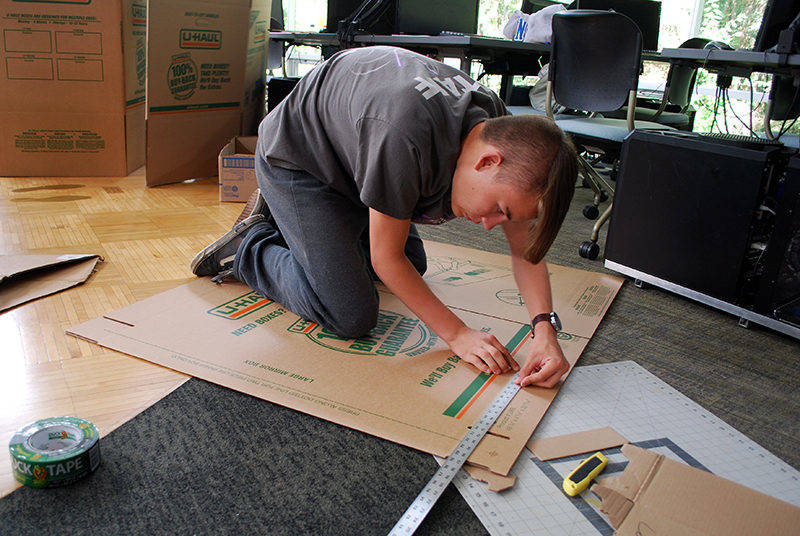
"caption": "Sam Larson, 15, measures a section of his cardboard canoe during ANSEP’s summer Acceleration Academy at the University of Alaska in July 2018. ",
"description": null,
"title": "Lillian-Mongeau-Mongeau_NativeSTEM_photo6-800x0-c-default",
"credit": "The Hechinger Report/Lillian Mongeau",
"status": "inherit",
"isLoading": false,
"fetchFailed": false
},
"mindshift_52624": {
"type": "attachments",
"id": "mindshift_52624",
"meta": {
"index": "attachments_1716263798",
"site": "mindshift",
"id": "52624",
"found": true
},
"parent": 52620,
"imgSizes": {
"small": {
"file": "https://ww2.kqed.org/app/uploads/sites/23/2018/11/Emily2-520x290.jpg",
"width": 520,
"mimeType": "image/jpeg",
"height": 290
},
"twentyfourteen-full-width": {
"file": "https://ww2.kqed.org/app/uploads/sites/23/2018/11/Emily2-1034x576.jpg",
"width": 1034,
"mimeType": "image/jpeg",
"height": 576
},
"thumbnail": {
"file": "https://ww2.kqed.org/app/uploads/sites/23/2018/11/Emily2-160x89.jpg",
"width": 160,
"mimeType": "image/jpeg",
"height": 89
},
"fd-sm": {
"file": "https://ww2.kqed.org/app/uploads/sites/23/2018/11/Emily2-960x536.jpg",
"width": 960,
"mimeType": "image/jpeg",
"height": 536
},
"post-thumbnail": {
"file": "https://ww2.kqed.org/app/uploads/sites/23/2018/11/Emily2-672x372.jpg",
"width": 672,
"mimeType": "image/jpeg",
"height": 372
},
"xsmall": {
"file": "https://ww2.kqed.org/app/uploads/sites/23/2018/11/Emily2-375x209.jpg",
"width": 375,
"mimeType": "image/jpeg",
"height": 209
},
"kqedFullSize": {
"file": "https://ww2.kqed.org/app/uploads/sites/23/2018/11/Emily2.jpg",
"width": 1034,
"height": 577
},
"large": {
"file": "https://ww2.kqed.org/app/uploads/sites/23/2018/11/Emily2-1020x569.jpg",
"width": 1020,
"mimeType": "image/jpeg",
"height": 569
},
"guest-author-50": {
"file": "https://ww2.kqed.org/app/uploads/sites/23/2018/11/Emily2-50x50.jpg",
"width": 50,
"mimeType": "image/jpeg",
"height": 50
},
"guest-author-96": {
"file": "https://ww2.kqed.org/app/uploads/sites/23/2018/11/Emily2-96x96.jpg",
"width": 96,
"mimeType": "image/jpeg",
"height": 96
},
"medium": {
"file": "https://ww2.kqed.org/app/uploads/sites/23/2018/11/Emily2-800x446.jpg",
"width": 800,
"mimeType": "image/jpeg",
"height": 446
},
"guest-author-64": {
"file": "https://ww2.kqed.org/app/uploads/sites/23/2018/11/Emily2-64x64.jpg",
"width": 64,
"mimeType": "image/jpeg",
"height": 64
},
"guest-author-32": {
"file": "https://ww2.kqed.org/app/uploads/sites/23/2018/11/Emily2-32x32.jpg",
"width": 32,
"mimeType": "image/jpeg",
"height": 32
},
"detail": {
"file": "https://ww2.kqed.org/app/uploads/sites/23/2018/11/Emily2-150x150.jpg",
"width": 150,
"mimeType": "image/jpeg",
"height": 150
},
"medium_large": {
"file": "https://ww2.kqed.org/app/uploads/sites/23/2018/11/Emily2-768x429.jpg",
"width": 768,
"mimeType": "image/jpeg",
"height": 429
},
"guest-author-128": {
"file": "https://ww2.kqed.org/app/uploads/sites/23/2018/11/Emily2-128x128.jpg",
"width": 128,
"mimeType": "image/jpeg",
"height": 128
},
"xxsmall": {
"file": "https://ww2.kqed.org/app/uploads/sites/23/2018/11/Emily2-240x134.jpg",
"width": 240,
"mimeType": "image/jpeg",
"height": 134
}
},
"publishDate": 1543536835,
"modified": 1543536886,
"caption": "Emily Esfahani Smith on the TED stage.",
"description": null,
"title": "Emily2",
"credit": "\u003ca href=\"https://www.ted.com/talks/emily_esfahani_smith_there_s_more_to_life_than_being_happy?referrer=playlist-how_to_notice_and_build_joy_into_your_life#t-544952\">TED\u003c/a>",
"status": "inherit",
"isLoading": false,
"fetchFailed": false
},
"mindshift_52666": {
"type": "attachments",
"id": "mindshift_52666",
"meta": {
"index": "attachments_1716263798",
"site": "mindshift",
"id": "52666",
"found": true
},
"parent": 52665,
"imgSizes": {
"small": {
"file": "https://ww2.kqed.org/app/uploads/sites/23/2018/12/therapy_enl-b2277c138a1784e37cbdb4aee0ee636420d06f35-520x347.jpg",
"width": 520,
"mimeType": "image/jpeg",
"height": 347
},
"twentyfourteen-full-width": {
"file": "https://ww2.kqed.org/app/uploads/sites/23/2018/12/therapy_enl-b2277c138a1784e37cbdb4aee0ee636420d06f35-1038x576.jpg",
"width": 1038,
"mimeType": "image/jpeg",
"height": 576
},
"thumbnail": {
"file": "https://ww2.kqed.org/app/uploads/sites/23/2018/12/therapy_enl-b2277c138a1784e37cbdb4aee0ee636420d06f35-160x107.jpg",
"width": 160,
"mimeType": "image/jpeg",
"height": 107
},
"fd-sm": {
"file": "https://ww2.kqed.org/app/uploads/sites/23/2018/12/therapy_enl-b2277c138a1784e37cbdb4aee0ee636420d06f35-960x641.jpg",
"width": 960,
"mimeType": "image/jpeg",
"height": 641
},
"post-thumbnail": {
"file": "https://ww2.kqed.org/app/uploads/sites/23/2018/12/therapy_enl-b2277c138a1784e37cbdb4aee0ee636420d06f35-672x372.jpg",
"width": 672,
"mimeType": "image/jpeg",
"height": 372
},
"xsmall": {
"file": "https://ww2.kqed.org/app/uploads/sites/23/2018/12/therapy_enl-b2277c138a1784e37cbdb4aee0ee636420d06f35-375x250.jpg",
"width": 375,
"mimeType": "image/jpeg",
"height": 250
},
"kqedFullSize": {
"file": "https://ww2.kqed.org/app/uploads/sites/23/2018/12/therapy_enl-b2277c138a1784e37cbdb4aee0ee636420d06f35-e1544101083535.jpg",
"width": 1920,
"height": 1281
},
"large": {
"file": "https://ww2.kqed.org/app/uploads/sites/23/2018/12/therapy_enl-b2277c138a1784e37cbdb4aee0ee636420d06f35-1020x681.jpg",
"width": 1020,
"mimeType": "image/jpeg",
"height": 681
},
"xlarge": {
"file": "https://ww2.kqed.org/app/uploads/sites/23/2018/12/therapy_enl-b2277c138a1784e37cbdb4aee0ee636420d06f35-1180x787.jpg",
"width": 1180,
"mimeType": "image/jpeg",
"height": 787
},
"complete_open_graph": {
"file": "https://ww2.kqed.org/app/uploads/sites/23/2018/12/therapy_enl-b2277c138a1784e37cbdb4aee0ee636420d06f35-1200x801.jpg",
"width": 1200,
"mimeType": "image/jpeg",
"height": 801
},
"guest-author-50": {
"file": "https://ww2.kqed.org/app/uploads/sites/23/2018/12/therapy_enl-b2277c138a1784e37cbdb4aee0ee636420d06f35-50x50.jpg",
"width": 50,
"mimeType": "image/jpeg",
"height": 50
},
"guest-author-96": {
"file": "https://ww2.kqed.org/app/uploads/sites/23/2018/12/therapy_enl-b2277c138a1784e37cbdb4aee0ee636420d06f35-96x96.jpg",
"width": 96,
"mimeType": "image/jpeg",
"height": 96
},
"medium": {
"file": "https://ww2.kqed.org/app/uploads/sites/23/2018/12/therapy_enl-b2277c138a1784e37cbdb4aee0ee636420d06f35-800x534.jpg",
"width": 800,
"mimeType": "image/jpeg",
"height": 534
},
"guest-author-64": {
"file": "https://ww2.kqed.org/app/uploads/sites/23/2018/12/therapy_enl-b2277c138a1784e37cbdb4aee0ee636420d06f35-64x64.jpg",
"width": 64,
"mimeType": "image/jpeg",
"height": 64
},
"guest-author-32": {
"file": "https://ww2.kqed.org/app/uploads/sites/23/2018/12/therapy_enl-b2277c138a1784e37cbdb4aee0ee636420d06f35-32x32.jpg",
"width": 32,
"mimeType": "image/jpeg",
"height": 32
},
"fd-lrg": {
"file": "https://ww2.kqed.org/app/uploads/sites/23/2018/12/therapy_enl-b2277c138a1784e37cbdb4aee0ee636420d06f35-1920x1281.jpg",
"width": 1920,
"mimeType": "image/jpeg",
"height": 1281
},
"fd-med": {
"file": "https://ww2.kqed.org/app/uploads/sites/23/2018/12/therapy_enl-b2277c138a1784e37cbdb4aee0ee636420d06f35-1180x787.jpg",
"width": 1180,
"mimeType": "image/jpeg",
"height": 787
},
"full-width": {
"file": "https://ww2.kqed.org/app/uploads/sites/23/2018/12/therapy_enl-b2277c138a1784e37cbdb4aee0ee636420d06f35-1920x1281.jpg",
"width": 1920,
"mimeType": "image/jpeg",
"height": 1281
},
"detail": {
"file": "https://ww2.kqed.org/app/uploads/sites/23/2018/12/therapy_enl-b2277c138a1784e37cbdb4aee0ee636420d06f35-150x150.jpg",
"width": 150,
"mimeType": "image/jpeg",
"height": 150
},
"medium_large": {
"file": "https://ww2.kqed.org/app/uploads/sites/23/2018/12/therapy_enl-b2277c138a1784e37cbdb4aee0ee636420d06f35-768x513.jpg",
"width": 768,
"mimeType": "image/jpeg",
"height": 513
},
"guest-author-128": {
"file": "https://ww2.kqed.org/app/uploads/sites/23/2018/12/therapy_enl-b2277c138a1784e37cbdb4aee0ee636420d06f35-128x128.jpg",
"width": 128,
"mimeType": "image/jpeg",
"height": 128
},
"xxsmall": {
"file": "https://ww2.kqed.org/app/uploads/sites/23/2018/12/therapy_enl-b2277c138a1784e37cbdb4aee0ee636420d06f35-240x160.jpg",
"width": 240,
"mimeType": "image/jpeg",
"height": 160
}
},
"publishDate": 1544101004,
"modified": 1544101108,
"caption": "Offering therapy to children in need at school makes sense, says Sarah Nadeau, who adopted two girls from a family that struggled with addiction, because sometimes school is the only stable place they have.",
"description": null,
"title": "Offering therapy to children in need at school makes sense, says Sarah Nadeau, who adopted two girls from a family that struggled with addiction, because sometimes school is the only stable place they have.",
"credit": "Getty Images",
"status": "inherit",
"isLoading": false,
"fetchFailed": false
},
"mindshift_52661": {
"type": "attachments",
"id": "mindshift_52661",
"meta": {
"index": "attachments_1716263798",
"site": "mindshift",
"id": "52661",
"found": true
},
"parent": 52660,
"imgSizes": {
"small": {
"file": "https://ww2.kqed.org/app/uploads/sites/23/2018/12/sbakal_ivyleague_custom-277d95e247dbce3b33ee003b9ad160a7d8b466ee-520x692.jpe",
"width": 520,
"mimeType": "image/jpeg",
"height": 692
},
"twentyfourteen-full-width": {
"file": "https://ww2.kqed.org/app/uploads/sites/23/2018/12/sbakal_ivyleague_custom-277d95e247dbce3b33ee003b9ad160a7d8b466ee-1038x576.jpe",
"width": 1038,
"mimeType": "image/jpeg",
"height": 576
},
"thumbnail": {
"file": "https://ww2.kqed.org/app/uploads/sites/23/2018/12/sbakal_ivyleague_custom-277d95e247dbce3b33ee003b9ad160a7d8b466ee-160x213.jpe",
"width": 160,
"mimeType": "image/jpeg",
"height": 213
},
"fd-sm": {
"file": "https://ww2.kqed.org/app/uploads/sites/23/2018/12/sbakal_ivyleague_custom-277d95e247dbce3b33ee003b9ad160a7d8b466ee-960x1277.jpe",
"width": 960,
"mimeType": "image/jpeg",
"height": 1277
},
"post-thumbnail": {
"file": "https://ww2.kqed.org/app/uploads/sites/23/2018/12/sbakal_ivyleague_custom-277d95e247dbce3b33ee003b9ad160a7d8b466ee-672x372.jpe",
"width": 672,
"mimeType": "image/jpeg",
"height": 372
},
"xsmall": {
"file": "https://ww2.kqed.org/app/uploads/sites/23/2018/12/sbakal_ivyleague_custom-277d95e247dbce3b33ee003b9ad160a7d8b466ee-375x499.jpe",
"width": 375,
"mimeType": "image/jpeg",
"height": 499
},
"kqedFullSize": {
"file": "https://ww2.kqed.org/app/uploads/sites/23/2018/12/sbakal_ivyleague_custom-277d95e247dbce3b33ee003b9ad160a7d8b466ee-e1543992849731.jpe",
"width": 1920,
"height": 2553
},
"large": {
"file": "https://ww2.kqed.org/app/uploads/sites/23/2018/12/sbakal_ivyleague_custom-277d95e247dbce3b33ee003b9ad160a7d8b466ee-1020x1356.jpe",
"width": 1020,
"mimeType": "image/jpeg",
"height": 1356
},
"xlarge": {
"file": "https://ww2.kqed.org/app/uploads/sites/23/2018/12/sbakal_ivyleague_custom-277d95e247dbce3b33ee003b9ad160a7d8b466ee-1180x1569.jpe",
"width": 1180,
"mimeType": "image/jpeg",
"height": 1569
},
"complete_open_graph": {
"file": "https://ww2.kqed.org/app/uploads/sites/23/2018/12/sbakal_ivyleague_custom-277d95e247dbce3b33ee003b9ad160a7d8b466ee-902x1200.jpe",
"width": 902,
"mimeType": "image/jpeg",
"height": 1200
},
"guest-author-50": {
"file": "https://ww2.kqed.org/app/uploads/sites/23/2018/12/sbakal_ivyleague_custom-277d95e247dbce3b33ee003b9ad160a7d8b466ee-50x50.jpe",
"width": 50,
"mimeType": "image/jpeg",
"height": 50
},
"guest-author-96": {
"file": "https://ww2.kqed.org/app/uploads/sites/23/2018/12/sbakal_ivyleague_custom-277d95e247dbce3b33ee003b9ad160a7d8b466ee-96x96.jpe",
"width": 96,
"mimeType": "image/jpeg",
"height": 96
},
"medium": {
"file": "https://ww2.kqed.org/app/uploads/sites/23/2018/12/sbakal_ivyleague_custom-277d95e247dbce3b33ee003b9ad160a7d8b466ee-800x1064.jpe",
"width": 800,
"mimeType": "image/jpeg",
"height": 1064
},
"guest-author-64": {
"file": "https://ww2.kqed.org/app/uploads/sites/23/2018/12/sbakal_ivyleague_custom-277d95e247dbce3b33ee003b9ad160a7d8b466ee-64x64.jpe",
"width": 64,
"mimeType": "image/jpeg",
"height": 64
},
"guest-author-32": {
"file": "https://ww2.kqed.org/app/uploads/sites/23/2018/12/sbakal_ivyleague_custom-277d95e247dbce3b33ee003b9ad160a7d8b466ee-32x32.jpe",
"width": 32,
"mimeType": "image/jpeg",
"height": 32
},
"fd-lrg": {
"file": "https://ww2.kqed.org/app/uploads/sites/23/2018/12/sbakal_ivyleague_custom-277d95e247dbce3b33ee003b9ad160a7d8b466ee-1920x2553.jpe",
"width": 1920,
"mimeType": "image/jpeg",
"height": 2553
},
"fd-med": {
"file": "https://ww2.kqed.org/app/uploads/sites/23/2018/12/sbakal_ivyleague_custom-277d95e247dbce3b33ee003b9ad160a7d8b466ee-1180x1569.jpe",
"width": 1180,
"mimeType": "image/jpeg",
"height": 1569
},
"full-width": {
"file": "https://ww2.kqed.org/app/uploads/sites/23/2018/12/sbakal_ivyleague_custom-277d95e247dbce3b33ee003b9ad160a7d8b466ee-1920x2553.jpe",
"width": 1920,
"mimeType": "image/jpeg",
"height": 2553
},
"detail": {
"file": "https://ww2.kqed.org/app/uploads/sites/23/2018/12/sbakal_ivyleague_custom-277d95e247dbce3b33ee003b9ad160a7d8b466ee-150x150.jpe",
"width": 150,
"mimeType": "image/jpeg",
"height": 150
},
"medium_large": {
"file": "https://ww2.kqed.org/app/uploads/sites/23/2018/12/sbakal_ivyleague_custom-277d95e247dbce3b33ee003b9ad160a7d8b466ee-768x1021.jpe",
"width": 768,
"mimeType": "image/jpeg",
"height": 1021
},
"guest-author-128": {
"file": "https://ww2.kqed.org/app/uploads/sites/23/2018/12/sbakal_ivyleague_custom-277d95e247dbce3b33ee003b9ad160a7d8b466ee-128x128.jpe",
"width": 128,
"mimeType": "image/jpeg",
"height": 128
},
"xxsmall": {
"file": "https://ww2.kqed.org/app/uploads/sites/23/2018/12/sbakal_ivyleague_custom-277d95e247dbce3b33ee003b9ad160a7d8b466ee-240x319.jpe",
"width": 240,
"mimeType": "image/jpeg",
"height": 319
}
},
"publishDate": 1543992815,
"modified": 1543992859,
"caption": null,
"description": "Student moving from darkness to light.",
"title": "Student moving from darkness to light.",
"credit": "Scott Bakal for NPR",
"status": "inherit",
"isLoading": false,
"fetchFailed": false
},
"mindshift_52633": {
"type": "attachments",
"id": "mindshift_52633",
"meta": {
"index": "attachments_1716263798",
"site": "mindshift",
"id": "52633",
"found": true
},
"parent": 52626,
"imgSizes": {
"small": {
"file": "https://ww2.kqed.org/app/uploads/sites/23/2018/11/iStock-484376236-520x347.jpg",
"width": 520,
"mimeType": "image/jpeg",
"height": 347
},
"twentyfourteen-full-width": {
"file": "https://ww2.kqed.org/app/uploads/sites/23/2018/11/iStock-484376236-1038x576.jpg",
"width": 1038,
"mimeType": "image/jpeg",
"height": 576
},
"thumbnail": {
"file": "https://ww2.kqed.org/app/uploads/sites/23/2018/11/iStock-484376236-160x107.jpg",
"width": 160,
"mimeType": "image/jpeg",
"height": 107
},
"fd-sm": {
"file": "https://ww2.kqed.org/app/uploads/sites/23/2018/11/iStock-484376236-960x640.jpg",
"width": 960,
"mimeType": "image/jpeg",
"height": 640
},
"post-thumbnail": {
"file": "https://ww2.kqed.org/app/uploads/sites/23/2018/11/iStock-484376236-672x372.jpg",
"width": 672,
"mimeType": "image/jpeg",
"height": 372
},
"xsmall": {
"file": "https://ww2.kqed.org/app/uploads/sites/23/2018/11/iStock-484376236-375x250.jpg",
"width": 375,
"mimeType": "image/jpeg",
"height": 250
},
"kqedFullSize": {
"file": "https://ww2.kqed.org/app/uploads/sites/23/2018/11/iStock-484376236-e1543569209773.jpg",
"width": 1920,
"height": 1280
},
"large": {
"file": "https://ww2.kqed.org/app/uploads/sites/23/2018/11/iStock-484376236-1020x680.jpg",
"width": 1020,
"mimeType": "image/jpeg",
"height": 680
},
"xlarge": {
"file": "https://ww2.kqed.org/app/uploads/sites/23/2018/11/iStock-484376236-1180x787.jpg",
"width": 1180,
"mimeType": "image/jpeg",
"height": 787
},
"complete_open_graph": {
"file": "https://ww2.kqed.org/app/uploads/sites/23/2018/11/iStock-484376236-1200x800.jpg",
"width": 1200,
"mimeType": "image/jpeg",
"height": 800
},
"guest-author-50": {
"file": "https://ww2.kqed.org/app/uploads/sites/23/2018/11/iStock-484376236-50x50.jpg",
"width": 50,
"mimeType": "image/jpeg",
"height": 50
},
"guest-author-96": {
"file": "https://ww2.kqed.org/app/uploads/sites/23/2018/11/iStock-484376236-96x96.jpg",
"width": 96,
"mimeType": "image/jpeg",
"height": 96
},
"medium": {
"file": "https://ww2.kqed.org/app/uploads/sites/23/2018/11/iStock-484376236-800x533.jpg",
"width": 800,
"mimeType": "image/jpeg",
"height": 533
},
"guest-author-64": {
"file": "https://ww2.kqed.org/app/uploads/sites/23/2018/11/iStock-484376236-64x64.jpg",
"width": 64,
"mimeType": "image/jpeg",
"height": 64
},
"guest-author-32": {
"file": "https://ww2.kqed.org/app/uploads/sites/23/2018/11/iStock-484376236-32x32.jpg",
"width": 32,
"mimeType": "image/jpeg",
"height": 32
},
"fd-lrg": {
"file": "https://ww2.kqed.org/app/uploads/sites/23/2018/11/iStock-484376236-1920x1280.jpg",
"width": 1920,
"mimeType": "image/jpeg",
"height": 1280
},
"fd-med": {
"file": "https://ww2.kqed.org/app/uploads/sites/23/2018/11/iStock-484376236-1180x787.jpg",
"width": 1180,
"mimeType": "image/jpeg",
"height": 787
},
"full-width": {
"file": "https://ww2.kqed.org/app/uploads/sites/23/2018/11/iStock-484376236-1920x1280.jpg",
"width": 1920,
"mimeType": "image/jpeg",
"height": 1280
},
"detail": {
"file": "https://ww2.kqed.org/app/uploads/sites/23/2018/11/iStock-484376236-150x150.jpg",
"width": 150,
"mimeType": "image/jpeg",
"height": 150
},
"medium_large": {
"file": "https://ww2.kqed.org/app/uploads/sites/23/2018/11/iStock-484376236-768x512.jpg",
"width": 768,
"mimeType": "image/jpeg",
"height": 512
},
"guest-author-128": {
"file": "https://ww2.kqed.org/app/uploads/sites/23/2018/11/iStock-484376236-128x128.jpg",
"width": 128,
"mimeType": "image/jpeg",
"height": 128
},
"xxsmall": {
"file": "https://ww2.kqed.org/app/uploads/sites/23/2018/11/iStock-484376236-240x160.jpg",
"width": 240,
"mimeType": "image/jpeg",
"height": 160
}
},
"publishDate": 1543569180,
"modified": 1543569221,
"caption": null,
"description": null,
"title": "Engineer And Apprentice Planning CNC Machinery Project",
"credit": "iStock/monkeybusinessimages",
"status": "inherit",
"isLoading": false,
"fetchFailed": false
},
"mindshift_52603": {
"type": "attachments",
"id": "mindshift_52603",
"meta": {
"index": "attachments_1716263798",
"site": "mindshift",
"id": "52603",
"found": true
},
"parent": 52590,
"imgSizes": {
"small": {
"file": "https://ww2.kqed.org/app/uploads/sites/23/2018/11/debate-520x347.jpg",
"width": 520,
"mimeType": "image/jpeg",
"height": 347
},
"twentyfourteen-full-width": {
"file": "https://ww2.kqed.org/app/uploads/sites/23/2018/11/debate-1038x576.jpg",
"width": 1038,
"mimeType": "image/jpeg",
"height": 576
},
"thumbnail": {
"file": "https://ww2.kqed.org/app/uploads/sites/23/2018/11/debate-160x107.jpg",
"width": 160,
"mimeType": "image/jpeg",
"height": 107
},
"fd-sm": {
"file": "https://ww2.kqed.org/app/uploads/sites/23/2018/11/debate-960x640.jpg",
"width": 960,
"mimeType": "image/jpeg",
"height": 640
},
"post-thumbnail": {
"file": "https://ww2.kqed.org/app/uploads/sites/23/2018/11/debate-672x372.jpg",
"width": 672,
"mimeType": "image/jpeg",
"height": 372
},
"xsmall": {
"file": "https://ww2.kqed.org/app/uploads/sites/23/2018/11/debate-375x250.jpg",
"width": 375,
"mimeType": "image/jpeg",
"height": 250
},
"kqedFullSize": {
"file": "https://ww2.kqed.org/app/uploads/sites/23/2018/11/debate.jpg",
"width": 1296,
"height": 864
},
"large": {
"file": "https://ww2.kqed.org/app/uploads/sites/23/2018/11/debate-1020x680.jpg",
"width": 1020,
"mimeType": "image/jpeg",
"height": 680
},
"xlarge": {
"file": "https://ww2.kqed.org/app/uploads/sites/23/2018/11/debate-1180x787.jpg",
"width": 1180,
"mimeType": "image/jpeg",
"height": 787
},
"complete_open_graph": {
"file": "https://ww2.kqed.org/app/uploads/sites/23/2018/11/debate-1200x800.jpg",
"width": 1200,
"mimeType": "image/jpeg",
"height": 800
},
"guest-author-50": {
"file": "https://ww2.kqed.org/app/uploads/sites/23/2018/11/debate-50x50.jpg",
"width": 50,
"mimeType": "image/jpeg",
"height": 50
},
"guest-author-96": {
"file": "https://ww2.kqed.org/app/uploads/sites/23/2018/11/debate-96x96.jpg",
"width": 96,
"mimeType": "image/jpeg",
"height": 96
},
"medium": {
"file": "https://ww2.kqed.org/app/uploads/sites/23/2018/11/debate-800x533.jpg",
"width": 800,
"mimeType": "image/jpeg",
"height": 533
},
"guest-author-64": {
"file": "https://ww2.kqed.org/app/uploads/sites/23/2018/11/debate-64x64.jpg",
"width": 64,
"mimeType": "image/jpeg",
"height": 64
},
"guest-author-32": {
"file": "https://ww2.kqed.org/app/uploads/sites/23/2018/11/debate-32x32.jpg",
"width": 32,
"mimeType": "image/jpeg",
"height": 32
},
"fd-med": {
"file": "https://ww2.kqed.org/app/uploads/sites/23/2018/11/debate-1180x787.jpg",
"width": 1180,
"mimeType": "image/jpeg",
"height": 787
},
"detail": {
"file": "https://ww2.kqed.org/app/uploads/sites/23/2018/11/debate-150x150.jpg",
"width": 150,
"mimeType": "image/jpeg",
"height": 150
},
"medium_large": {
"file": "https://ww2.kqed.org/app/uploads/sites/23/2018/11/debate-768x512.jpg",
"width": 768,
"mimeType": "image/jpeg",
"height": 512
},
"guest-author-128": {
"file": "https://ww2.kqed.org/app/uploads/sites/23/2018/11/debate-128x128.jpg",
"width": 128,
"mimeType": "image/jpeg",
"height": 128
},
"xxsmall": {
"file": "https://ww2.kqed.org/app/uploads/sites/23/2018/11/debate-240x160.jpg",
"width": 240,
"mimeType": "image/jpeg",
"height": 160
}
},
"publishDate": 1543452105,
"modified": 1543452129,
"caption": null,
"description": null,
"title": "debate",
"credit": "flyparade/iStock",
"status": "inherit",
"isLoading": false,
"fetchFailed": false
},
"mindshift_52573": {
"type": "attachments",
"id": "mindshift_52573",
"meta": {
"index": "attachments_1716263798",
"site": "mindshift",
"id": "52573",
"found": true
},
"parent": 52393,
"imgSizes": {
"small": {
"file": "https://ww2.kqed.org/app/uploads/sites/23/2018/11/reluctant-hmwk-520x347.jpg",
"width": 520,
"mimeType": "image/jpeg",
"height": 347
},
"twentyfourteen-full-width": {
"file": "https://ww2.kqed.org/app/uploads/sites/23/2018/11/reluctant-hmwk-1038x576.jpg",
"width": 1038,
"mimeType": "image/jpeg",
"height": 576
},
"thumbnail": {
"file": "https://ww2.kqed.org/app/uploads/sites/23/2018/11/reluctant-hmwk-160x107.jpg",
"width": 160,
"mimeType": "image/jpeg",
"height": 107
},
"fd-sm": {
"file": "https://ww2.kqed.org/app/uploads/sites/23/2018/11/reluctant-hmwk-960x640.jpg",
"width": 960,
"mimeType": "image/jpeg",
"height": 640
},
"post-thumbnail": {
"file": "https://ww2.kqed.org/app/uploads/sites/23/2018/11/reluctant-hmwk-672x372.jpg",
"width": 672,
"mimeType": "image/jpeg",
"height": 372
},
"xsmall": {
"file": "https://ww2.kqed.org/app/uploads/sites/23/2018/11/reluctant-hmwk-375x250.jpg",
"width": 375,
"mimeType": "image/jpeg",
"height": 250
},
"kqedFullSize": {
"file": "https://ww2.kqed.org/app/uploads/sites/23/2018/11/reluctant-hmwk.jpg",
"width": 2121,
"height": 1414
},
"large": {
"file": "https://ww2.kqed.org/app/uploads/sites/23/2018/11/reluctant-hmwk-1020x680.jpg",
"width": 1020,
"mimeType": "image/jpeg",
"height": 680
},
"xlarge": {
"file": "https://ww2.kqed.org/app/uploads/sites/23/2018/11/reluctant-hmwk-1180x787.jpg",
"width": 1180,
"mimeType": "image/jpeg",
"height": 787
},
"complete_open_graph": {
"file": "https://ww2.kqed.org/app/uploads/sites/23/2018/11/reluctant-hmwk-1200x800.jpg",
"width": 1200,
"mimeType": "image/jpeg",
"height": 800
},
"guest-author-50": {
"file": "https://ww2.kqed.org/app/uploads/sites/23/2018/11/reluctant-hmwk-50x50.jpg",
"width": 50,
"mimeType": "image/jpeg",
"height": 50
},
"guest-author-96": {
"file": "https://ww2.kqed.org/app/uploads/sites/23/2018/11/reluctant-hmwk-96x96.jpg",
"width": 96,
"mimeType": "image/jpeg",
"height": 96
},
"medium": {
"file": "https://ww2.kqed.org/app/uploads/sites/23/2018/11/reluctant-hmwk-800x533.jpg",
"width": 800,
"mimeType": "image/jpeg",
"height": 533
},
"guest-author-64": {
"file": "https://ww2.kqed.org/app/uploads/sites/23/2018/11/reluctant-hmwk-64x64.jpg",
"width": 64,
"mimeType": "image/jpeg",
"height": 64
},
"guest-author-32": {
"file": "https://ww2.kqed.org/app/uploads/sites/23/2018/11/reluctant-hmwk-32x32.jpg",
"width": 32,
"mimeType": "image/jpeg",
"height": 32
},
"fd-lrg": {
"file": "https://ww2.kqed.org/app/uploads/sites/23/2018/11/reluctant-hmwk-1920x1280.jpg",
"width": 1920,
"mimeType": "image/jpeg",
"height": 1280
},
"fd-med": {
"file": "https://ww2.kqed.org/app/uploads/sites/23/2018/11/reluctant-hmwk-1180x787.jpg",
"width": 1180,
"mimeType": "image/jpeg",
"height": 787
},
"full-width": {
"file": "https://ww2.kqed.org/app/uploads/sites/23/2018/11/reluctant-hmwk-1920x1280.jpg",
"width": 1920,
"mimeType": "image/jpeg",
"height": 1280
},
"detail": {
"file": "https://ww2.kqed.org/app/uploads/sites/23/2018/11/reluctant-hmwk-150x150.jpg",
"width": 150,
"mimeType": "image/jpeg",
"height": 150
},
"medium_large": {
"file": "https://ww2.kqed.org/app/uploads/sites/23/2018/11/reluctant-hmwk-768x512.jpg",
"width": 768,
"mimeType": "image/jpeg",
"height": 512
},
"guest-author-128": {
"file": "https://ww2.kqed.org/app/uploads/sites/23/2018/11/reluctant-hmwk-128x128.jpg",
"width": 128,
"mimeType": "image/jpeg",
"height": 128
},
"xxsmall": {
"file": "https://ww2.kqed.org/app/uploads/sites/23/2018/11/reluctant-hmwk-240x160.jpg",
"width": 240,
"mimeType": "image/jpeg",
"height": 160
}
},
"publishDate": 1543215287,
"modified": 1543215586,
"caption": null,
"description": null,
"title": "Mother and daughter drawing",
"credit": "PIKSEL/iStock",
"status": "inherit",
"isLoading": false,
"fetchFailed": false
}
},
"audioPlayerReducer": {
"postId": "stream_live",
"isPaused": true,
"isPlaying": false,
"pfsActive": false,
"pledgeModalIsOpen": true,
"playerDrawerIsOpen": false,
"liveAudioPlayStartedAt": 0,
"liveAudioPlayContext": ""
},
"authorsReducer": {
"byline_mindshift_52762": {
"type": "authors",
"id": "byline_mindshift_52762",
"meta": {
"override": true
},
"slug": "byline_mindshift_52762",
"name": "Maanvi Singh",
"isLoading": false
},
"byline_mindshift_52754": {
"type": "authors",
"id": "byline_mindshift_52754",
"meta": {
"override": true
},
"slug": "byline_mindshift_52754",
"name": "Cheryl Platzman Weinstock",
"isLoading": false
},
"byline_mindshift_52749": {
"type": "authors",
"id": "byline_mindshift_52749",
"meta": {
"override": true
},
"slug": "byline_mindshift_52749",
"name": "Sara Ernst",
"isLoading": false
},
"byline_mindshift_52737": {
"type": "authors",
"id": "byline_mindshift_52737",
"meta": {
"override": true
},
"slug": "byline_mindshift_52737",
"name": "Patti Neighmond",
"isLoading": false
},
"byline_mindshift_52712": {
"type": "authors",
"id": "byline_mindshift_52712",
"meta": {
"override": true
},
"slug": "byline_mindshift_52712",
"name": "\u003ca href=\"https://hechingerreport.org/\">Lillian Mongeau, The Hechinger Report\u003c/a>",
"isLoading": false
},
"byline_mindshift_52665": {
"type": "authors",
"id": "byline_mindshift_52665",
"meta": {
"override": true
},
"slug": "byline_mindshift_52665",
"name": "Rachel Gotbaum",
"isLoading": false
},
"byline_mindshift_52660": {
"type": "authors",
"id": "byline_mindshift_52660",
"meta": {
"override": true
},
"slug": "byline_mindshift_52660",
"name": "Elissa Nadworny",
"isLoading": false
},
"byline_mindshift_52626": {
"type": "authors",
"id": "byline_mindshift_52626",
"meta": {
"override": true
},
"slug": "byline_mindshift_52626",
"name": "\u003ca href=\"https://hechingerreport.org/\">Sarah Gonser, The Hechinger Report\u003c/a>",
"isLoading": false
},
"katrinaschwartz": {
"type": "authors",
"id": "234",
"meta": {
"index": "authors_1716337520",
"id": "234",
"found": true
},
"name": "Katrina Schwartz",
"firstName": "Katrina",
"lastName": "Schwartz",
"slug": "katrinaschwartz",
"email": "kschwartz@kqed.org",
"display_author_email": false,
"staff_mastheads": [
"news"
],
"title": "Producer",
"bio": "Katrina Schwartz is a journalist based in San Francisco. She's worked at KPCC public radio in LA and has reported on air and online for KQED since 2010. She covered how teaching and learning is changing for MindShift between 2012 and 2020. She is the co-host of the MindShift podcast and now produces KQED's Bay Curious podcast.",
"avatar": "https://secure.gravatar.com/avatar/edb4ee79070447a018538c9aae6eeecf28786515b8a0c30e43b6b7dce5aa44c8?s=600&d=blank&r=g",
"twitter": "kschwart",
"bluesky": null,
"facebook": null,
"instagram": null,
"linkedin": null,
"sites": [
{
"site": "",
"roles": [
"editor"
]
},
{
"site": "news",
"roles": [
"editor"
]
},
{
"site": "mindshift",
"roles": [
"administrator"
]
},
{
"site": "stateofhealth",
"roles": [
"author"
]
},
{
"site": "science",
"roles": [
"editor"
]
}
],
"headData": {
"title": "Katrina Schwartz | KQED",
"description": "Producer",
"ogImgSrc": "https://secure.gravatar.com/avatar/edb4ee79070447a018538c9aae6eeecf28786515b8a0c30e43b6b7dce5aa44c8?s=600&d=blank&r=g",
"twImgSrc": "https://secure.gravatar.com/avatar/edb4ee79070447a018538c9aae6eeecf28786515b8a0c30e43b6b7dce5aa44c8?s=600&d=blank&r=g"
},
"isLoading": false,
"link": "/author/katrinaschwartz"
}
},
"pagesReducer": {
"mindshift_category_big-ideas": {
"type": "terms",
"id": "mindshift_192",
"meta": {
"index": "terms_1716263798",
"site": "mindshift",
"id": "192",
"score": 14.406702
},
"featImg": null,
"name": "Big Ideas",
"description": "The latest findings from experts in the field related to the future of learning.",
"taxonomy": "category",
"headData": {
"twImgId": null,
"twTitle": null,
"ogTitle": null,
"ogImgId": null,
"twDescription": null,
"description": "The latest findings from experts in the field related to the future of learning.",
"title": "Big Ideas Archives | KQED Mindshift",
"ogDescription": null
},
"ttid": 192,
"slug": "big-ideas",
"isLoading": false,
"title": "Big Ideas",
"pageMeta": {
"site": "mindshift",
"WpPageTemplate": "page-topic-editorial",
"currentPage": 21
},
"blocks": [
{
"blockName": "kqed/company-paragraph",
"content": "The latest findings from experts in the field related to the future of learning."
},
{
"blockName": "kqed/post-list",
"attrs": {
"layout": "cardArticle2",
"query": "posts/mindshift?category=big-ideas",
"seeMore": false,
"paginated": true,
"page": 21
}
},
{
"blockName": "kqed/ad"
}
]
}
},
"pfsSessionReducer": {},
"postsReducer": {
"stream_live": {
"type": "live",
"id": "stream_live",
"audioUrl": "https://streams.kqed.org/kqedradio",
"title": "Live Stream",
"excerpt": "Live Stream information currently unavailable.",
"link": "/radio",
"featImg": "",
"label": {
"name": "KQED Live",
"link": "/"
}
},
"stream_kqedNewscast": {
"type": "posts",
"id": "stream_kqedNewscast",
"audioUrl": "https://www.kqed.org/.stream/anon/radio/RDnews/newscast.mp3?_=1",
"title": "KQED Newscast",
"featImg": "",
"label": {
"name": "88.5 FM",
"link": "/"
}
},
"mindshift_52762": {
"type": "posts",
"id": "mindshift_52762",
"meta": {
"index": "posts_1716263798",
"site": "mindshift",
"id": "52762",
"score": null,
"sort": [
1545776239000
]
},
"parent": 0,
"labelTerm": {
"site": "mindshift"
},
"blocks": [],
"publishDate": 1545776239,
"format": "standard",
"disqusTitle": "How Writing Down What You're Thankful For Can Be Good For Mental and Physical Health",
"title": "How Writing Down What You're Thankful For Can Be Good For Mental and Physical Health",
"headTitle": "MindShift | KQED News",
"content": "\u003cp>Over this past year, lifestyle blogger Aileen Xu has kept a monthly gratitude list.\u003c/p>\n\u003cp>Sometimes it was the big stuff: \"I'm grateful that my family is so understanding. I'm grateful so many people care.\"\u003c/p>\n\u003cp>And sometimes it was life's little blessings: \"July 2018: I'm grateful for good hair after I shower.\"\u003c/p>\n\u003cp>Xu started making such lists when she was in college, \"at a point when I was just not in a very good place in my life.\" Now, the 28-year-old \u003ca href=\"https://www.lavendaire.com\">lifestyle blogger\u003c/a> and YouTuber recommends the practice to her nearly 750,000 subscribers.\u003c/p>\n\u003cp>It wasn't a hard sell.\u003c/p>\n\u003cp>[ad fullwidth]\u003c/p>\n\u003cp>\"I think just over the last few years there's been more of a trend to focus on gratitude,\" says psychologist \u003ca href=\"https://psychology.yale.edu/people/laurie-santos\">Laurie Santos\u003c/a>, who teaches a course on the science of well-being and happiness at Yale.\u003c/p>\n\u003cp>Gratitude is being endorsed by \u003ca href=\"https://www.mindbodygreen.com/0-27712/this-one-habit-can-improve-your-relationships-your-resilience-even-your-sleep.html\">wellness blogs\u003c/a> and \u003ca href=\"https://www.menshealth.com/health/a25562952/gratitude-secret-to-happiness/\">magazines\u003c/a>. You can buy different kinds of specific gratitude journals, or download apps that remind you to jot down your blessings.\u003c/p>\n\u003cp>\"Those types of products can remind us to take time to be grateful,\" Santos says. \"But it's also important to remember that gratitude is free.\"\u003c/p>\n\u003cp>And noting your gratitude seems to pay off: There's a \u003ca href=\"https://greatergood.berkeley.edu/pdfs/GratitudePDFs/2Wood-GratitudeWell-BeingReview.pdf\">growing body of research\u003c/a> on the benefits of gratitude. Studies have found that giving thanks and counting blessings can help people \u003ca href=\"https://www.sciencedirect.com/science/article/pii/S0022399908004224\">sleep better\u003c/a>, \u003ca href=\"https://www.sciencedirect.com/science/article/abs/pii/S0092656607001286?via%3Dihub\">lower stress\u003c/a> and improve interpersonal relationships. Earlier this year, a \u003ca href=\"https://www.tandfonline.com/doi/full/10.1080/17439760.2018.1497688\">study\u003c/a> found that keeping a gratitude journal decreased materialism and bolstered generosity among adolescents.\u003c/p>\n\u003cp>In \u003ca href=\"https://www.sciencedirect.com/science/article/pii/S0022103117308569\">another study\u003c/a> from August, high school students who were asked to keep gratitude journals also reported healthier eating. There's also some evidence it could \u003ca href=\"https://www.npr.org/sections/health-shots/2015/11/23/456656055/gratitude-is-good-for-the-soul-and-it-helps-the-heart-too\">lower your risk of heart disease\u003c/a> and \u003ca href=\"https://link.springer.com/article/10.1007/s12144-018-9847-1\">lower symptoms of depression\u003c/a> for some people.\u003c/p>\n\u003cp>That's why gratitude features heavily in Santos' happiness class. \"It's one of the practices that really wins out from the field of positive psychology,\" she says, because it takes very little time, and \"the benefits are so powerful.\"\u003c/p>\n\u003cp>Making gratitude lists is one way of accessing those benefits. You could thank God or the universe. You could keep your gratitude private or share it with others. The best way of accessing and expressing gratitude may be different for each person.\u003c/p>\n\u003cp>Santos' students, in addition to keeping gratitude journals, are asked to write a thank you letter and then read it out loud to the recipient. \"I can show measurable improvements in well-being even \u003ca href=\"https://link.springer.com/article/10.1007/s10902-012-9380-0\">a month after\u003c/a> you've done this,\" Santos says.\u003c/p>\n\u003cp>What works for some people may not work for others. To find your best method, \"[r]eally think about what feels right and what feels natural or meaningful to you,\" says \u003ca href=\"http://sonjalyubomirsky.com/\">Sonja Lyubomirsky\u003c/a>, a professor of psychology at the \u003ca href=\"https://www.ucr.edu/\">University of California, Riverside\u003c/a>, who studies happiness and gratitude.\u003c/p>\n\u003cp>Some may find that a daily dose of gratitude in the morning can be transformative. \"It helps me feel awake and abundantly joyful,\" says \u003ca href=\"https://www.backstage.com/u/sam-khazai/\">Sam Khazai\u003c/a>, a 38-year-old actor based in New York, who uses a journal that prompts him to list three things he's grateful for each day.\u003c/p>\n\u003cp>\"I know it sounds kind of meta,\" he says. \"But practicing gratitude, it brings me so much gratitude in and of itself.\"\u003c/p>\n\u003cp>There have been times, however, when he has skipped a day or even several days when he's felt especially down. \"Or if I don't skip those days, I've straight up lied to my own gratitude journal ... I've filled it with things I hoped to be grateful for,\" he says — but he didn't feel grateful, and forcing it felt bad.\u003c/p>\n\u003cp>\"Gratitude is a very rich emotion, but it's also kind of a complicated one,\" notes Lyubomirsky. \"Sometimes when you express gratitude, you could also feel humbled or indebted or embarrassed. So it doesn't always feel pleasant.\"\u003c/p>\n\u003cp>In one \u003ca href=\"http://sonjalyubomirsky.com/files/2012/09/Nelson-Kurtz-Lyubomirsky-in-press.pdf\">study\u003c/a> Lyubomirsky and her colleagues found that counting blessings once a week boosted happiness, but doing so three times a week didn't. \"That suggests that for most people, at least on average, three times a week was too much,\" she says. \"And too much gratitude can sort of backfire.\"\u003c/p>\n\u003cp>There's also a lack of research on how gratitude exercises affect people with clinical depression, anxiety or suicidal tendencies, Lyubomirsky says. \"If you're depressed, and you're asked to express gratitude ... you might have trouble thinking of what you're grateful for, or you may feel really guilty you haven't paid back that person you're grateful for.\"\u003c/p>\n\u003cp>Indeed, for all the research on the broad benefits of expressing gratitude, \u003ca href=\"https://www.npr.org/sections/health-shots/2016/12/26/505682977/feeling-less-than-grateful-some-people-are-just-wired-that-way\">there's also evidence \u003c/a>that it isn't for everyone. And it isn't a panacea — it can't make injustice, loss, or pain disappear.\u003c/p>\n\u003cp>What gratitude can do is give us hope. \"The research shows that focusing on the positive, in addition to the negative, can boost our mood more than we expect,\" says Santos.\u003c/p>\n\u003cp>In Oakland, Calif., 31-year-old mental health counselor \u003ca href=\"https://www.consejeraencontrol.com\">Zeyda Garcia\u003c/a> agrees. During really tough times, like when she'd lost a job and was sleeping on her friend's mom's couch — she felt like she was reaching for reasons to be grateful.\u003c/p>\n\u003cp>But she still tried to find some. \"Even if it's just — I'm grateful for the sun that's shining or being able to wake up,\" she says. It felt hokey, and \"kind of fake, a little bit.\"\u003c/p>\n\u003cp>\u003c/p>\n\u003cp>But ultimately, it helped. \"It allowed me to ground myself,\" she says. \"It allowed me to remember what was going well, in a world full of chaos.\"\u003c/p>\n\u003cdiv class=\"fullattribution\">Copyright 2018 NPR. To see more, visit https://www.npr.org.\u003cimg src=\"https://www.google-analytics.com/__utm.gif?utmac=UA-5828686-4&utmdt=If+You+Feel+Thankful%2C+Write+It+Down.+It%27s+Good+For+Your+Health&utme=8(APIKey)9(MDAxOTAwOTE4MDEyMTkxMDAzNjczZDljZA004)\">\u003c/div>\n\n",
"disqusIdentifier": "52762 https://ww2.kqed.org/mindshift/?p=52762",
"disqusUrl": "https://ww2.kqed.org/mindshift/2018/12/25/how-writing-down-what-youre-thankful-for-can-be-good-for-mental-and-physical-health/",
"stats": {
"hasVideo": false,
"hasChartOrMap": false,
"hasAudio": false,
"hasPolis": false,
"wordCount": 952,
"hasGoogleForm": false,
"hasGallery": false,
"hasHearkenModule": false,
"iframeSrcs": [],
"paragraphCount": 27
},
"modified": 1545776239,
"excerpt": "A growing body of research shows keeping a log of what you are thankful for can lower stress, help you sleep better, and may even reduce the risk of heart disease. But it's not for everyone.",
"headData": {
"twImgId": "",
"twTitle": "",
"ogTitle": "",
"ogImgId": "",
"twDescription": "",
"description": "A growing body of research shows keeping a log of what you are thankful for can lower stress, help you sleep better, and may even reduce the risk of heart disease. But it's not for everyone.",
"title": "How Writing Down What You're Thankful For Can Be Good For Mental and Physical Health | KQED",
"ogDescription": "",
"schema": {
"@context": "https://schema.org",
"@type": "Article",
"headline": "How Writing Down What You're Thankful For Can Be Good For Mental and Physical Health",
"datePublished": "2018-12-25T14:17:19-08:00",
"dateModified": "2018-12-25T14:17:19-08:00",
"image": "https://cdn.kqed.org/wp-content/uploads/2020/02/KQED-OG-Image@1x.png"
}
},
"guestAuthors": [],
"slug": "how-writing-down-what-youre-thankful-for-can-be-good-for-mental-and-physical-health",
"status": "publish",
"nprApiLink": "http://api.npr.org/query?id=678232331&apiKey=MDAxOTAwOTE4MDEyMTkxMDAzNjczZDljZA004",
"nprByline": "Maanvi Singh",
"nprStoryDate": "Mon, 24 Dec 2018 05:01:16 -0500",
"nprLastModifiedDate": "Mon, 24 Dec 2018 09:51:35 -0500",
"nprHtmlLink": "https://www.npr.org/sections/health-shots/2018/12/24/678232331/if-you-feel-thankful-write-it-down-its-good-for-your-health?ft=nprml&f=678232331",
"nprAudio": "https://ondemand.npr.org/anon.npr-mp3/npr/me/2018/12/20181224_me_if_you_feel_thankful_write_it_down_its_good_for_your_health.mp3?orgId=1&topicId=1128&d=234&p=3&story=678232331&ft=nprml&f=678232331",
"audioTrackLength": 235,
"nprImageAgency": "Kristen Uroda for NPR",
"nprAudioM3u": "http://api.npr.org/m3u/1679764939-894645.m3u?orgId=1&topicId=1128&d=234&p=3&story=678232331&ft=nprml&f=678232331",
"nprStoryId": "678232331",
"nprRetrievedStory": "1",
"nprPubDate": "Mon, 24 Dec 2018 09:51:00 -0500",
"path": "/mindshift/52762/how-writing-down-what-youre-thankful-for-can-be-good-for-mental-and-physical-health",
"audioUrl": "https://ondemand.npr.org/anon.npr-mp3/npr/me/2018/12/20181224_me_if_you_feel_thankful_write_it_down_its_good_for_your_health.mp3?orgId=1&topicId=1128&d=234&p=3&story=678232331&ft=nprml&f=678232331",
"parsedContent": [
{
"type": "contentString",
"content": "\u003cdiv class=\"post-body\">\u003cp>\u003cp>Over this past year, lifestyle blogger Aileen Xu has kept a monthly gratitude list.\u003c/p>\n\u003cp>Sometimes it was the big stuff: \"I'm grateful that my family is so understanding. I'm grateful so many people care.\"\u003c/p>\n\u003cp>And sometimes it was life's little blessings: \"July 2018: I'm grateful for good hair after I shower.\"\u003c/p>\n\u003cp>Xu started making such lists when she was in college, \"at a point when I was just not in a very good place in my life.\" Now, the 28-year-old \u003ca href=\"https://www.lavendaire.com\">lifestyle blogger\u003c/a> and YouTuber recommends the practice to her nearly 750,000 subscribers.\u003c/p>\n\u003cp>It wasn't a hard sell.\u003c/p>\n\u003cp>\u003c/p>\u003c/div>",
"attributes": {
"named": {},
"numeric": []
}
},
{
"type": "component",
"content": "",
"name": "ad",
"attributes": {
"named": {
"label": "fullwidth"
},
"numeric": [
"fullwidth"
]
}
},
{
"type": "contentString",
"content": "\u003cdiv class=\"post-body\">\u003cp>\u003c/p>\n\u003cp>\"I think just over the last few years there's been more of a trend to focus on gratitude,\" says psychologist \u003ca href=\"https://psychology.yale.edu/people/laurie-santos\">Laurie Santos\u003c/a>, who teaches a course on the science of well-being and happiness at Yale.\u003c/p>\n\u003cp>Gratitude is being endorsed by \u003ca href=\"https://www.mindbodygreen.com/0-27712/this-one-habit-can-improve-your-relationships-your-resilience-even-your-sleep.html\">wellness blogs\u003c/a> and \u003ca href=\"https://www.menshealth.com/health/a25562952/gratitude-secret-to-happiness/\">magazines\u003c/a>. You can buy different kinds of specific gratitude journals, or download apps that remind you to jot down your blessings.\u003c/p>\n\u003cp>\"Those types of products can remind us to take time to be grateful,\" Santos says. \"But it's also important to remember that gratitude is free.\"\u003c/p>\n\u003cp>And noting your gratitude seems to pay off: There's a \u003ca href=\"https://greatergood.berkeley.edu/pdfs/GratitudePDFs/2Wood-GratitudeWell-BeingReview.pdf\">growing body of research\u003c/a> on the benefits of gratitude. Studies have found that giving thanks and counting blessings can help people \u003ca href=\"https://www.sciencedirect.com/science/article/pii/S0022399908004224\">sleep better\u003c/a>, \u003ca href=\"https://www.sciencedirect.com/science/article/abs/pii/S0092656607001286?via%3Dihub\">lower stress\u003c/a> and improve interpersonal relationships. Earlier this year, a \u003ca href=\"https://www.tandfonline.com/doi/full/10.1080/17439760.2018.1497688\">study\u003c/a> found that keeping a gratitude journal decreased materialism and bolstered generosity among adolescents.\u003c/p>\n\u003cp>In \u003ca href=\"https://www.sciencedirect.com/science/article/pii/S0022103117308569\">another study\u003c/a> from August, high school students who were asked to keep gratitude journals also reported healthier eating. There's also some evidence it could \u003ca href=\"https://www.npr.org/sections/health-shots/2015/11/23/456656055/gratitude-is-good-for-the-soul-and-it-helps-the-heart-too\">lower your risk of heart disease\u003c/a> and \u003ca href=\"https://link.springer.com/article/10.1007/s12144-018-9847-1\">lower symptoms of depression\u003c/a> for some people.\u003c/p>\n\u003cp>That's why gratitude features heavily in Santos' happiness class. \"It's one of the practices that really wins out from the field of positive psychology,\" she says, because it takes very little time, and \"the benefits are so powerful.\"\u003c/p>\n\u003cp>Making gratitude lists is one way of accessing those benefits. You could thank God or the universe. You could keep your gratitude private or share it with others. The best way of accessing and expressing gratitude may be different for each person.\u003c/p>\n\u003cp>Santos' students, in addition to keeping gratitude journals, are asked to write a thank you letter and then read it out loud to the recipient. \"I can show measurable improvements in well-being even \u003ca href=\"https://link.springer.com/article/10.1007/s10902-012-9380-0\">a month after\u003c/a> you've done this,\" Santos says.\u003c/p>\n\u003cp>What works for some people may not work for others. To find your best method, \"[r]eally think about what feels right and what feels natural or meaningful to you,\" says \u003ca href=\"http://sonjalyubomirsky.com/\">Sonja Lyubomirsky\u003c/a>, a professor of psychology at the \u003ca href=\"https://www.ucr.edu/\">University of California, Riverside\u003c/a>, who studies happiness and gratitude.\u003c/p>\n\u003cp>Some may find that a daily dose of gratitude in the morning can be transformative. \"It helps me feel awake and abundantly joyful,\" says \u003ca href=\"https://www.backstage.com/u/sam-khazai/\">Sam Khazai\u003c/a>, a 38-year-old actor based in New York, who uses a journal that prompts him to list three things he's grateful for each day.\u003c/p>\n\u003cp>\"I know it sounds kind of meta,\" he says. \"But practicing gratitude, it brings me so much gratitude in and of itself.\"\u003c/p>\n\u003cp>There have been times, however, when he has skipped a day or even several days when he's felt especially down. \"Or if I don't skip those days, I've straight up lied to my own gratitude journal ... I've filled it with things I hoped to be grateful for,\" he says — but he didn't feel grateful, and forcing it felt bad.\u003c/p>\n\u003cp>\"Gratitude is a very rich emotion, but it's also kind of a complicated one,\" notes Lyubomirsky. \"Sometimes when you express gratitude, you could also feel humbled or indebted or embarrassed. So it doesn't always feel pleasant.\"\u003c/p>\n\u003cp>In one \u003ca href=\"http://sonjalyubomirsky.com/files/2012/09/Nelson-Kurtz-Lyubomirsky-in-press.pdf\">study\u003c/a> Lyubomirsky and her colleagues found that counting blessings once a week boosted happiness, but doing so three times a week didn't. \"That suggests that for most people, at least on average, three times a week was too much,\" she says. \"And too much gratitude can sort of backfire.\"\u003c/p>\n\u003cp>There's also a lack of research on how gratitude exercises affect people with clinical depression, anxiety or suicidal tendencies, Lyubomirsky says. \"If you're depressed, and you're asked to express gratitude ... you might have trouble thinking of what you're grateful for, or you may feel really guilty you haven't paid back that person you're grateful for.\"\u003c/p>\n\u003cp>Indeed, for all the research on the broad benefits of expressing gratitude, \u003ca href=\"https://www.npr.org/sections/health-shots/2016/12/26/505682977/feeling-less-than-grateful-some-people-are-just-wired-that-way\">there's also evidence \u003c/a>that it isn't for everyone. And it isn't a panacea — it can't make injustice, loss, or pain disappear.\u003c/p>\n\u003cp>What gratitude can do is give us hope. \"The research shows that focusing on the positive, in addition to the negative, can boost our mood more than we expect,\" says Santos.\u003c/p>\n\u003cp>In Oakland, Calif., 31-year-old mental health counselor \u003ca href=\"https://www.consejeraencontrol.com\">Zeyda Garcia\u003c/a> agrees. During really tough times, like when she'd lost a job and was sleeping on her friend's mom's couch — she felt like she was reaching for reasons to be grateful.\u003c/p>\n\u003cp>But she still tried to find some. \"Even if it's just — I'm grateful for the sun that's shining or being able to wake up,\" she says. It felt hokey, and \"kind of fake, a little bit.\"\u003c/p>\n\u003cp>\u003c/p>\n\u003cp>But ultimately, it helped. \"It allowed me to ground myself,\" she says. \"It allowed me to remember what was going well, in a world full of chaos.\"\u003c/p>\n\u003cdiv class=\"fullattribution\">Copyright 2018 NPR. To see more, visit https://www.npr.org.\u003cimg src=\"https://www.google-analytics.com/__utm.gif?utmac=UA-5828686-4&utmdt=If+You+Feel+Thankful%2C+Write+It+Down.+It%27s+Good+For+Your+Health&utme=8(APIKey)9(MDAxOTAwOTE4MDEyMTkxMDAzNjczZDljZA004)\">\u003c/div>\n\n\u003c/div>\u003c/p>",
"attributes": {
"named": {},
"numeric": []
}
}
],
"link": "/mindshift/52762/how-writing-down-what-youre-thankful-for-can-be-good-for-mental-and-physical-health",
"authors": [
"byline_mindshift_52762"
],
"categories": [
"mindshift_192"
],
"tags": [
"mindshift_20784",
"mindshift_1040",
"mindshift_21133",
"mindshift_20865"
],
"featImg": "mindshift_52763",
"label": "mindshift"
},
"mindshift_52754": {
"type": "posts",
"id": "mindshift_52754",
"meta": {
"index": "posts_1716263798",
"site": "mindshift",
"id": "52754",
"score": null,
"sort": [
1545292163000
]
},
"parent": 0,
"labelTerm": {
"site": "mindshift"
},
"blocks": [],
"publishDate": 1545292163,
"format": "standard",
"disqusTitle": "A New Way To Get College Students Through A Psychiatric Crisis — And Back To School",
"title": "A New Way To Get College Students Through A Psychiatric Crisis — And Back To School",
"headTitle": "MindShift | KQED News",
"content": "\u003cp>Sometimes a psychiatric crisis can be triggered by something small. For Alexia Phillips, 21, it was a heated argument with a close family member in February 2017. She remembers the fight blew up before she left the house to go to classes at Queens College in Flushing, New York.\u003c/p>\n\u003cp>By midday, Phillips, then a sophomore, says she began to cry loudly and uncontrollably.\u003c/p>\n\u003cp>\"It really triggered me. I just got really angry really fast...I was crying so much I couldn't breathe and couldn't talk. I didn't know how to handle it,\" she says.\u003c/p>\n\u003cp>As she would come to understand later, Phillips was experiencing symptoms of her underlying borderline personality disorder, anxiety and depression. But at the time, all she knew was she felt too overwhelmed to go home, or to go to class. She also didn't want anyone to see her like that. Finally, she went to her college counseling center for the first time and asked for help.\u003c/p>\n\u003cp>Minutes later, Phillips' counselor, a college public safety officer and a paramedic trained to deal with psychiatric crises, calmly and unobtrusively escorted her to the back of the college through a quiet hallway door that led out to a parked ambulance sent from Zucker Hillside Hospital. She was ferried — without the lights or sirens — to be assessed at the hospital's special program for college students.\u003c/p>\n\u003cp>[ad fullwidth]\u003c/p>\n\u003cp>This kind of response to a student crisis is unusual. In a lot of colleges, if staff think the student who's having a crisis may be unsafe, they have little choice but to call 911. Many schools lack resources to address serious crises and students are left to navigate the health care system on their own.\u003c/p>\n\u003cp>But Queens College is part of the \u003ca href=\"https://www.northwell.edu/behavioral-health/programs-services/behavioral-health-college-partnership\">Behavioral Health College Partnership\u003c/a>, an innovative mental health program run by Northwell Health, a health care system in New York, in partnership with more than 77 colleges in the New York metropolitan area. The program provides behavioral health care tailored to college students' lives, including emergency evaluations, counseling, and inpatient treatment.\u003c/p>\n\u003cp>Laura Braider, a psychologist and director of the Behavioral Health College Partnership says she launched the partnership in 2009 with Blaine Greenwald, a psychiatrist at Northwell Health because she wanted to create a more therapeutic approach to handling student breakdowns.\u003c/p>\n\u003cp>\"We saw a lack of ability to effectively treat college students in need of care. These students are not adults and not children and need specialized programming to meet their needs,\" says Braider.\u003c/p>\n\u003cp>Their approach starts at the moment of crisis — avoiding that 911 call which Braider says can be mortifying for students — and extends through inpatient care if needed, including support for the transition back to campus. It's designed to make it possible for students to get treatment and then reintegrate into their academic life with as little disruption as possible.\u003c/p>\n\u003cp>\"We try to minimize any secondary trauma to students who are already overwhelmed,\" says Braider.\u003c/p>\n\u003cp>More than 3,200 students have been admitted to the program since it began.\u003c/p>\n\u003cp>For students who need inpatient care, the program has a special unit at Zucker Hospital — a friendly dorm-like environment where students can keep a sense of normalcy as they stabilize.\u003c/p>\n\u003cp>Dr. Marta J. Hopkinson, a psychiatrist and director of mental health at the University Health Center at the University of Maryland in College Park says specialized programs like the Behavioral Health College Partnership fill an important void for college students.\u003c/p>\n\u003cp>The number of students coming to college with mental health issues has increased over the years and counseling centers are struggling with the demands of these students when they're in crisis, says Hopkinson who is also the chair of the mental health section at the American College Health Association.\u003c/p>\n\u003cp>\"Most schools can't expand enough to meet the demands of all the students who want and need psychotherapy,\" she says. \"We're all working to prevent these kids from falling through the cracks.\"\u003c/p>\n\u003cp>\u003cstrong>Making it on their own\u003c/strong>\u003c/p>\n\u003cp>College is a vulnerable time for a student's mental health. Many serious psychiatric illnesses, including major depression, anxiety disorders and substance abuse also \u003ca href=\"https://www.nami.org/find-support/teens-and-young-adults\">present themselves between the ages\u003c/a> of 14 and 25, according to the National Alliance on Mental Health.\u003c/p>\n\u003cp>One in three college freshmen worldwide report having a major mental health disorder; the most prevalent being depressive disorder followed by an anxiety or substance use disorder, according to \u003ca href=\"https://www.apa.org/pubs/journals/releases/abn-abn0000362.pdf\">a study published\u003c/a> in the \u003cem>Journal of Abnormal Psychology\u003c/em> in September.\u003c/p>\n\u003cp>And suicide is the \u003ca href=\"https://www.cdc.gov/injury/wisqars/pdf/leading_causes_of_death_by_age_group_2016-508.pdf\">second leading cause of death\u003c/a> among college-aged people, according to the Centers for Disease Control and Prevention.\u003c/p>\n\u003cp>But colleges often struggle to provide effective treatment options, says \u003ca href=\"https://www.columbiapsychiatry.org/profile/randy-p-auerbach-phd\">Randy P. Auerbach\u003c/a>, an associate professor in the psychiatry department at Columbia University College of Physicians and Surgeons and lead author of the study on the prevalence of mental disorders.\u003c/p>\n\u003cp>\"Only a minority of students are seeking out treatment, creating a conundrum on campus,\" he says. \"Lots of administrators everywhere are scrambling to find innovative ways to reach students in need.\"\u003c/p>\n\u003cp>Typically, when college students need acute hospitalization for a psychiatric problem they're put in psychiatric services with other adults with serious mental health problems. These can be \"fairly frightening places\" says \u003ca href=\"https://www.jedfoundation.org/people/dr-victor-schwartz/\">Dr. Victor Schwartz\u003c/a>, the chief medical officer at The Jed Foundation, a nonprofit that supports campus efforts to improve mental health services and prevent suicide. \"They can be particularly upsetting for a college kid with transient problems or in the early stages of a mental illness,\" he says.\u003c/p>\n\u003cp>In contrast, the Behavioral Health College Partnership treats students at a specialized hospital unit within Zucker Hospital that's only for young people. It looks and feels like a dorm. Patients have double rooms where they can settle in with their favorite stuffed animals and other comforting items. There's a common area with TV, an exercise bike, a ping pong table and a piano. Students can grab snacks and beverages any time, and they eat together in a lunchroom environment.\u003c/p>\n\u003cp>Arriving in this environment was a welcome relief for Alexia Phillips after her crisis. She had never been in a psychiatric facility before. \"All I knew was what I learned from movies I saw about it so I was terrified,\" she says.\u003c/p>\n\u003cp>But once Phillips got settled into the specialized college wing, she says she enjoyed it. \"It was more like being in a college dorm,\" she says. \"Everyone was really nice and I made friends there. The kids were all like me. We could talk openly about how we felt.\"\u003c/p>\n\u003cp>More importantly, Phillips, who had been going to outpatient therapy for being bullied and for cutting before her psychiatric crisis, was relieved to finally get a diagnosis for her problems. She started into dialectical behavior therapy, known to be effective for borderline personality disorder and mood disorders.\u003c/p>\n\u003cp>\"I got good therapy and good medication,\" she says.\u003c/p>\n\u003cp>\u003cstrong>Transitioning back to school\u003c/strong>\u003c/p>\n\u003cp>Many colleges will refuse to take back students who have a suicide attempt, because of liability concerns. And being out of school to get treated for a mental health crisis can set students back academically; some will struggle to get back on track to finish their school semester.\u003c/p>\n\u003cp>To prevent this, the Northwell mental health partnership focuses on family and school engagement, staying in touch with the school counselors and administration throughout the treatment process.\u003c/p>\n\u003cp>It starts when a student is being transported to the hospital; their college prepares and sends a history of the student, including any substance abuse, past psychiatric treatment and other risk factors for suicide.\u003c/p>\n\u003cp>\"Without collateral material from the school we're not seeing the big picture,\" Braider says.\u003c/p>\n\u003cp>Braider believes allowing \"communication to seamlessly flow\" between the hospital, college, the student and their family during hospitalization benefits everyone. And, colleges respect their assessment of the student's readiness to return to campus life.\u003c/p>\n\u003cp>\"Once the hospital gives us their report when a student is released saying that the student is well and ready to be integrated back into school we accept that. We work hard to get the student back into school,\" says Dr. Barbara Moore, a psychologist and director of Queens College Counseling, Health and Wellness Center which has been involved with the mental health partnership since 2011.\u003c/p>\n\u003cp>When the student is stabilized, a liaison contacts all the teachers and works out a protocol for what how they can catch up academically.\u003c/p>\n\u003cp>Not every student comes right back, however. If they missed too many classes Moore says she might encourage a student to take an incomplete to make up the work without pressure.\u003c/p>\n\u003cp>\"We try the best way we can to figure out a transition that works well for them,\" she says.\u003c/p>\n\u003cp>The partnership's approach worked well for Damian Escobar when he had a serious crisis in November. Escobar, 18, a freshman at Hofstra University in Hempstead, New York, says he became \"really stressed\" trying to keep his grades up to retain his scholarship.\u003c/p>\n\u003cp>Escobar, who had been already diagnosed with depression and anxiety before he began college, had failed to keep several appointments at Hofstra's counseling center.\u003c/p>\n\u003cp>\"I went to classes and just sat there. I wasn't doing anything. I was too depressed to talk about my issues,\" he says. He felt he couldn't talk to his mom about it.\u003c/p>\n\u003cp>Eventually, Escobar began having suicidal thoughts and attempted suicide.\u003c/p>\n\u003cp>Escobar heard about the program and his mother and grandmother drove him to the collegiate unit at Zucker Hospital. He received daily therapy and was involved in family meetings and coaching. About 10 days later, he felt ready to get back to school.\u003c/p>\n\u003cp>Before being released, he worked with the partnership's college liaison, Danielle Cimafonte, to figure out how to relieve some of his stress. He dropped one of his five classes without penalty and is back at Hofstra.\u003c/p>\n\u003cp>\"When I came out of the hospital I was like a completely changed person. After my treatment and new medications my mood became completely different,\" says Escobar.\u003c/p>\n\u003cp>His depression made him shy and sheltered. After his hospitalization he went back to school and back to being the \"loud and open like the guy he used to be.\"\u003c/p>\n\u003cp>It worked for Alexia Phillips too, who went back to school after her stay at Zucker Hospital. She says she feared the medications she was prescribed on the unit would turn her into a zombie.\u003c/p>\n\u003cp>\"But I'm just the same way I was. It's just helping me with my depression,\" she says.\u003c/p>\n\u003cp>It has been a year that she stopped cutting herself.\u003c/p>\n\u003chr>\n\u003cp>[ad floatright]\u003c/p>\n\u003cp>\u003cem>Cheryl Platzman Weinstock is a journalist who reports on health and science research and its impact on society. \u003c/em>\u003c/p>\n\u003cdiv class=\"fullattribution\">Copyright 2018 NPR. To see more, visit https://www.npr.org.\u003cimg src=\"https://www.google-analytics.com/__utm.gif?utmac=UA-5828686-4&utmdt=A+New+Way+To+Get+College+Students+Through+A+Psychiatric+Crisis+%E2%80%94+And+Back+To+School&utme=8(APIKey)9(MDAxOTAwOTE4MDEyMTkxMDAzNjczZDljZA004)\">\u003c/div>\n\n",
"disqusIdentifier": "52754 https://ww2.kqed.org/mindshift/?p=52754",
"disqusUrl": "https://ww2.kqed.org/mindshift/2018/12/19/a-new-way-to-get-college-students-through-a-psychiatric-crisis-and-back-to-school/",
"stats": {
"hasVideo": false,
"hasChartOrMap": false,
"hasAudio": false,
"hasPolis": false,
"wordCount": 1804,
"hasGoogleForm": false,
"hasGallery": false,
"hasHearkenModule": false,
"iframeSrcs": [],
"paragraphCount": 52
},
"modified": 1545292163,
"excerpt": "A partnership between a mental health care provider and colleges is redefining emergency mental health care on campus – helping students get needed care without losing track of their academic goals. ",
"headData": {
"twImgId": "",
"twTitle": "",
"ogTitle": "",
"ogImgId": "",
"twDescription": "",
"description": "A partnership between a mental health care provider and colleges is redefining emergency mental health care on campus – helping students get needed care without losing track of their academic goals. ",
"title": "A New Way To Get College Students Through A Psychiatric Crisis — And Back To School | KQED",
"ogDescription": "",
"schema": {
"@context": "https://schema.org",
"@type": "Article",
"headline": "A New Way To Get College Students Through A Psychiatric Crisis — And Back To School",
"datePublished": "2018-12-19T23:49:23-08:00",
"dateModified": "2018-12-19T23:49:23-08:00",
"image": "https://cdn.kqed.org/wp-content/uploads/2020/02/KQED-OG-Image@1x.png"
}
},
"guestAuthors": [],
"slug": "a-new-way-to-get-college-students-through-a-psychiatric-crisis-and-back-to-school",
"status": "publish",
"nprApiLink": "http://api.npr.org/query?id=674212217&apiKey=MDAxOTAwOTE4MDEyMTkxMDAzNjczZDljZA004",
"nprByline": "Cheryl Platzman Weinstock",
"nprStoryDate": "Tue, 18 Dec 2018 10:00:49 -0500",
"nprLastModifiedDate": "Tue, 18 Dec 2018 10:00:49 -0500",
"nprHtmlLink": "https://www.npr.org/sections/health-shots/2018/12/18/674212217/a-new-way-to-get-college-students-through-a-psychiatric-crisis-and-back-to-schoo?ft=nprml&f=674212217",
"nprImageAgency": "Janice Chang for NPR",
"nprStoryId": "674212217",
"nprRetrievedStory": "1",
"nprPubDate": "Tue, 18 Dec 2018 10:00:00 -0500",
"path": "/mindshift/52754/a-new-way-to-get-college-students-through-a-psychiatric-crisis-and-back-to-school",
"audioTrackLength": null,
"parsedContent": [
{
"type": "contentString",
"content": "\u003cdiv class=\"post-body\">\u003cp>\u003cp>Sometimes a psychiatric crisis can be triggered by something small. For Alexia Phillips, 21, it was a heated argument with a close family member in February 2017. She remembers the fight blew up before she left the house to go to classes at Queens College in Flushing, New York.\u003c/p>\n\u003cp>By midday, Phillips, then a sophomore, says she began to cry loudly and uncontrollably.\u003c/p>\n\u003cp>\"It really triggered me. I just got really angry really fast...I was crying so much I couldn't breathe and couldn't talk. I didn't know how to handle it,\" she says.\u003c/p>\n\u003cp>As she would come to understand later, Phillips was experiencing symptoms of her underlying borderline personality disorder, anxiety and depression. But at the time, all she knew was she felt too overwhelmed to go home, or to go to class. She also didn't want anyone to see her like that. Finally, she went to her college counseling center for the first time and asked for help.\u003c/p>\n\u003cp>Minutes later, Phillips' counselor, a college public safety officer and a paramedic trained to deal with psychiatric crises, calmly and unobtrusively escorted her to the back of the college through a quiet hallway door that led out to a parked ambulance sent from Zucker Hillside Hospital. She was ferried — without the lights or sirens — to be assessed at the hospital's special program for college students.\u003c/p>\n\u003cp>\u003c/p>\u003c/div>",
"attributes": {
"named": {},
"numeric": []
}
},
{
"type": "component",
"content": "",
"name": "ad",
"attributes": {
"named": {
"label": "fullwidth"
},
"numeric": [
"fullwidth"
]
}
},
{
"type": "contentString",
"content": "\u003cdiv class=\"post-body\">\u003cp>\u003c/p>\n\u003cp>This kind of response to a student crisis is unusual. In a lot of colleges, if staff think the student who's having a crisis may be unsafe, they have little choice but to call 911. Many schools lack resources to address serious crises and students are left to navigate the health care system on their own.\u003c/p>\n\u003cp>But Queens College is part of the \u003ca href=\"https://www.northwell.edu/behavioral-health/programs-services/behavioral-health-college-partnership\">Behavioral Health College Partnership\u003c/a>, an innovative mental health program run by Northwell Health, a health care system in New York, in partnership with more than 77 colleges in the New York metropolitan area. The program provides behavioral health care tailored to college students' lives, including emergency evaluations, counseling, and inpatient treatment.\u003c/p>\n\u003cp>Laura Braider, a psychologist and director of the Behavioral Health College Partnership says she launched the partnership in 2009 with Blaine Greenwald, a psychiatrist at Northwell Health because she wanted to create a more therapeutic approach to handling student breakdowns.\u003c/p>\n\u003cp>\"We saw a lack of ability to effectively treat college students in need of care. These students are not adults and not children and need specialized programming to meet their needs,\" says Braider.\u003c/p>\n\u003cp>Their approach starts at the moment of crisis — avoiding that 911 call which Braider says can be mortifying for students — and extends through inpatient care if needed, including support for the transition back to campus. It's designed to make it possible for students to get treatment and then reintegrate into their academic life with as little disruption as possible.\u003c/p>\n\u003cp>\"We try to minimize any secondary trauma to students who are already overwhelmed,\" says Braider.\u003c/p>\n\u003cp>More than 3,200 students have been admitted to the program since it began.\u003c/p>\n\u003cp>For students who need inpatient care, the program has a special unit at Zucker Hospital — a friendly dorm-like environment where students can keep a sense of normalcy as they stabilize.\u003c/p>\n\u003cp>Dr. Marta J. Hopkinson, a psychiatrist and director of mental health at the University Health Center at the University of Maryland in College Park says specialized programs like the Behavioral Health College Partnership fill an important void for college students.\u003c/p>\n\u003cp>The number of students coming to college with mental health issues has increased over the years and counseling centers are struggling with the demands of these students when they're in crisis, says Hopkinson who is also the chair of the mental health section at the American College Health Association.\u003c/p>\n\u003cp>\"Most schools can't expand enough to meet the demands of all the students who want and need psychotherapy,\" she says. \"We're all working to prevent these kids from falling through the cracks.\"\u003c/p>\n\u003cp>\u003cstrong>Making it on their own\u003c/strong>\u003c/p>\n\u003cp>College is a vulnerable time for a student's mental health. Many serious psychiatric illnesses, including major depression, anxiety disorders and substance abuse also \u003ca href=\"https://www.nami.org/find-support/teens-and-young-adults\">present themselves between the ages\u003c/a> of 14 and 25, according to the National Alliance on Mental Health.\u003c/p>\n\u003cp>One in three college freshmen worldwide report having a major mental health disorder; the most prevalent being depressive disorder followed by an anxiety or substance use disorder, according to \u003ca href=\"https://www.apa.org/pubs/journals/releases/abn-abn0000362.pdf\">a study published\u003c/a> in the \u003cem>Journal of Abnormal Psychology\u003c/em> in September.\u003c/p>\n\u003cp>And suicide is the \u003ca href=\"https://www.cdc.gov/injury/wisqars/pdf/leading_causes_of_death_by_age_group_2016-508.pdf\">second leading cause of death\u003c/a> among college-aged people, according to the Centers for Disease Control and Prevention.\u003c/p>\n\u003cp>But colleges often struggle to provide effective treatment options, says \u003ca href=\"https://www.columbiapsychiatry.org/profile/randy-p-auerbach-phd\">Randy P. Auerbach\u003c/a>, an associate professor in the psychiatry department at Columbia University College of Physicians and Surgeons and lead author of the study on the prevalence of mental disorders.\u003c/p>\n\u003cp>\"Only a minority of students are seeking out treatment, creating a conundrum on campus,\" he says. \"Lots of administrators everywhere are scrambling to find innovative ways to reach students in need.\"\u003c/p>\n\u003cp>Typically, when college students need acute hospitalization for a psychiatric problem they're put in psychiatric services with other adults with serious mental health problems. These can be \"fairly frightening places\" says \u003ca href=\"https://www.jedfoundation.org/people/dr-victor-schwartz/\">Dr. Victor Schwartz\u003c/a>, the chief medical officer at The Jed Foundation, a nonprofit that supports campus efforts to improve mental health services and prevent suicide. \"They can be particularly upsetting for a college kid with transient problems or in the early stages of a mental illness,\" he says.\u003c/p>\n\u003cp>In contrast, the Behavioral Health College Partnership treats students at a specialized hospital unit within Zucker Hospital that's only for young people. It looks and feels like a dorm. Patients have double rooms where they can settle in with their favorite stuffed animals and other comforting items. There's a common area with TV, an exercise bike, a ping pong table and a piano. Students can grab snacks and beverages any time, and they eat together in a lunchroom environment.\u003c/p>\n\u003cp>Arriving in this environment was a welcome relief for Alexia Phillips after her crisis. She had never been in a psychiatric facility before. \"All I knew was what I learned from movies I saw about it so I was terrified,\" she says.\u003c/p>\n\u003cp>But once Phillips got settled into the specialized college wing, she says she enjoyed it. \"It was more like being in a college dorm,\" she says. \"Everyone was really nice and I made friends there. The kids were all like me. We could talk openly about how we felt.\"\u003c/p>\n\u003cp>More importantly, Phillips, who had been going to outpatient therapy for being bullied and for cutting before her psychiatric crisis, was relieved to finally get a diagnosis for her problems. She started into dialectical behavior therapy, known to be effective for borderline personality disorder and mood disorders.\u003c/p>\n\u003cp>\"I got good therapy and good medication,\" she says.\u003c/p>\n\u003cp>\u003cstrong>Transitioning back to school\u003c/strong>\u003c/p>\n\u003cp>Many colleges will refuse to take back students who have a suicide attempt, because of liability concerns. And being out of school to get treated for a mental health crisis can set students back academically; some will struggle to get back on track to finish their school semester.\u003c/p>\n\u003cp>To prevent this, the Northwell mental health partnership focuses on family and school engagement, staying in touch with the school counselors and administration throughout the treatment process.\u003c/p>\n\u003cp>It starts when a student is being transported to the hospital; their college prepares and sends a history of the student, including any substance abuse, past psychiatric treatment and other risk factors for suicide.\u003c/p>\n\u003cp>\"Without collateral material from the school we're not seeing the big picture,\" Braider says.\u003c/p>\n\u003cp>Braider believes allowing \"communication to seamlessly flow\" between the hospital, college, the student and their family during hospitalization benefits everyone. And, colleges respect their assessment of the student's readiness to return to campus life.\u003c/p>\n\u003cp>\"Once the hospital gives us their report when a student is released saying that the student is well and ready to be integrated back into school we accept that. We work hard to get the student back into school,\" says Dr. Barbara Moore, a psychologist and director of Queens College Counseling, Health and Wellness Center which has been involved with the mental health partnership since 2011.\u003c/p>\n\u003cp>When the student is stabilized, a liaison contacts all the teachers and works out a protocol for what how they can catch up academically.\u003c/p>\n\u003cp>Not every student comes right back, however. If they missed too many classes Moore says she might encourage a student to take an incomplete to make up the work without pressure.\u003c/p>\n\u003cp>\"We try the best way we can to figure out a transition that works well for them,\" she says.\u003c/p>\n\u003cp>The partnership's approach worked well for Damian Escobar when he had a serious crisis in November. Escobar, 18, a freshman at Hofstra University in Hempstead, New York, says he became \"really stressed\" trying to keep his grades up to retain his scholarship.\u003c/p>\n\u003cp>Escobar, who had been already diagnosed with depression and anxiety before he began college, had failed to keep several appointments at Hofstra's counseling center.\u003c/p>\n\u003cp>\"I went to classes and just sat there. I wasn't doing anything. I was too depressed to talk about my issues,\" he says. He felt he couldn't talk to his mom about it.\u003c/p>\n\u003cp>Eventually, Escobar began having suicidal thoughts and attempted suicide.\u003c/p>\n\u003cp>Escobar heard about the program and his mother and grandmother drove him to the collegiate unit at Zucker Hospital. He received daily therapy and was involved in family meetings and coaching. About 10 days later, he felt ready to get back to school.\u003c/p>\n\u003cp>Before being released, he worked with the partnership's college liaison, Danielle Cimafonte, to figure out how to relieve some of his stress. He dropped one of his five classes without penalty and is back at Hofstra.\u003c/p>\n\u003cp>\"When I came out of the hospital I was like a completely changed person. After my treatment and new medications my mood became completely different,\" says Escobar.\u003c/p>\n\u003cp>His depression made him shy and sheltered. After his hospitalization he went back to school and back to being the \"loud and open like the guy he used to be.\"\u003c/p>\n\u003cp>It worked for Alexia Phillips too, who went back to school after her stay at Zucker Hospital. She says she feared the medications she was prescribed on the unit would turn her into a zombie.\u003c/p>\n\u003cp>\"But I'm just the same way I was. It's just helping me with my depression,\" she says.\u003c/p>\n\u003cp>It has been a year that she stopped cutting herself.\u003c/p>\n\u003chr>\n\u003cp>\u003c/p>\u003c/div>",
"attributes": {
"named": {},
"numeric": []
}
},
{
"type": "component",
"content": "",
"name": "ad",
"attributes": {
"named": {
"label": "floatright"
},
"numeric": [
"floatright"
]
}
},
{
"type": "contentString",
"content": "\u003cdiv class=\"post-body\">\u003cp>\u003c/p>\n\u003cp>\u003cem>Cheryl Platzman Weinstock is a journalist who reports on health and science research and its impact on society. \u003c/em>\u003c/p>\n\u003cdiv class=\"fullattribution\">Copyright 2018 NPR. To see more, visit https://www.npr.org.\u003cimg src=\"https://www.google-analytics.com/__utm.gif?utmac=UA-5828686-4&utmdt=A+New+Way+To+Get+College+Students+Through+A+Psychiatric+Crisis+%E2%80%94+And+Back+To+School&utme=8(APIKey)9(MDAxOTAwOTE4MDEyMTkxMDAzNjczZDljZA004)\">\u003c/div>\n\n\u003c/div>\u003c/p>",
"attributes": {
"named": {},
"numeric": []
}
}
],
"link": "/mindshift/52754/a-new-way-to-get-college-students-through-a-psychiatric-crisis-and-back-to-school",
"authors": [
"byline_mindshift_52754"
],
"categories": [
"mindshift_192"
],
"tags": [
"mindshift_20784",
"mindshift_1040",
"mindshift_68",
"mindshift_20865"
],
"featImg": "mindshift_52755",
"label": "mindshift"
},
"mindshift_52749": {
"type": "posts",
"id": "mindshift_52749",
"meta": {
"index": "posts_1716263798",
"site": "mindshift",
"id": "52749",
"score": null,
"sort": [
1545114795000
]
},
"parent": 0,
"labelTerm": {
"site": "mindshift"
},
"blocks": [],
"publishDate": 1545114795,
"format": "standard",
"disqusTitle": "How To Make Sure Your Math Anxiety Doesn't Make Your Kids Hate Math",
"title": "How To Make Sure Your Math Anxiety Doesn't Make Your Kids Hate Math",
"headTitle": "MindShift | KQED News",
"content": "\u003cp>A spike in blood pressure. A racing heart rate. Sweaty palms.\u003c/p>\n\u003cp>For many adults, this is what they feel when faced with difficult math.\u003c/p>\n\u003cp>But for kids, math anxiety isn't just a feeling, it can affect their ability to do well in school. This fear tends to creep up on students when performance matters the most, like during exams or while speaking in class.\u003c/p>\n\u003cp>One reason for a kid's math anxiety? How their parents feel about the subject.\u003c/p>\n\u003cp>\"A parent might say, 'oh I'm not a math person, it's okay if you're not good at math either,' \" Sian Beilock, cognitive scientist and President of Barnard College, says. \"It can send a signal to kids about whether they can succeed.\"\u003c/p>\n\u003cp>[ad fullwidth]\u003c/p>\n\u003cp>But \u003ca href=\"http://psycnet.apa.org/record/2018-48187-001\">new research\u003c/a> from Beilock and her team shows that parents don't have to overcome their fear of math to help their child succeed, as long they changed their \u003cem>attitudes \u003c/em>about the subject.\u003c/p>\n\u003cp>The researchers gave families in the Chicago area math-related bedtime stories to read at night, through an iPad app called Bedtime Math. The stories featured fun facts about walking frogs or the world's largest cupcake. After reading the stories with their parents, kids answered questions about what they just read, practicing simple addition or measuring the amount of an ingredient. Families did this for a total of three years — while kids grew from first to third grade — because this is when kids tend to solidify their fear of math.\u003c/p>\n\u003cp>After a year of reading these\u003ca href=\"https://www.npr.org/sections/ed/2015/10/08/446490524/where-the-wild-fractions-are-the-power-of-a-bedtime-math-story\"> stories\u003c/a>, parents felt more confident in their children's math potential and valued the importance of math skills more. Now, after three years, when those students were tested on their math ability, they did just as well as the kids whose parents felt confident about math.\u003c/p>\n\u003cp>One caveat: Two years into the study, families rarely used the app (less than once a week) and parents still felt anxious about their own math skills. Using the app to read bedtime stories didn't get rid of math anxiety — it was a way for families to normalize math at home and foster a relaxed dialogue around the subject. There's more than one way to do it: Beilock suggests other fun activities like puzzles and cooking give families an opportunity to talk about math.\u003c/p>\n\u003cp>Creating an environment in which math is part of everyday life won't transform kids into overnight math sensations, but perhaps it can help kids realize math is a subject for curiosity, discussion and growth.\u003c/p>\n\u003cp>\u003c/p>\n\u003cp>\"It's almost socially acceptable to be anxious about math,\" in a way that doesn't apply to reading, Beilock says. But early math skills form an important foundation for academic success and have \u003ca href=\"http://psycnet.apa.org/doiLanding?doi=10.1037%2F0012-1649.43.6.1428\">predicted \u003c/a>achievement later in school, including reading skills.\u003c/p>\n\u003cdiv class=\"fullattribution\">Copyright 2018 NPR. To see more, visit https://www.npr.org.\u003cimg src=\"https://www.google-analytics.com/__utm.gif?utmac=UA-5828686-4&utmdt=How+To+Make+Sure+Your+Math+Anxiety+Doesn%27t+Make+Your+Kids+Hate+Math&utme=8(APIKey)9(MDAxOTAwOTE4MDEyMTkxMDAzNjczZDljZA004)\">\u003c/div>\n\n",
"disqusIdentifier": "52749 https://ww2.kqed.org/mindshift/?p=52749",
"disqusUrl": "https://ww2.kqed.org/mindshift/2018/12/17/how-to-make-sure-your-math-anxiety-doesnt-make-your-kids-hate-math/",
"stats": {
"hasVideo": false,
"hasChartOrMap": false,
"hasAudio": false,
"hasPolis": false,
"wordCount": 480,
"hasGoogleForm": false,
"hasGallery": false,
"hasHearkenModule": false,
"iframeSrcs": [],
"paragraphCount": 13
},
"modified": 1545114795,
"excerpt": "A new study shows that creating an environment in which math is part of everyday life, can help kids do better in the subject.",
"headData": {
"twImgId": "",
"twTitle": "",
"ogTitle": "",
"ogImgId": "",
"twDescription": "",
"description": "A new study shows that creating an environment in which math is part of everyday life, can help kids do better in the subject.",
"title": "How To Make Sure Your Math Anxiety Doesn't Make Your Kids Hate Math | KQED",
"ogDescription": "",
"schema": {
"@context": "https://schema.org",
"@type": "Article",
"headline": "How To Make Sure Your Math Anxiety Doesn't Make Your Kids Hate Math",
"datePublished": "2018-12-17T22:33:15-08:00",
"dateModified": "2018-12-17T22:33:15-08:00",
"image": "https://cdn.kqed.org/wp-content/uploads/2020/02/KQED-OG-Image@1x.png"
}
},
"guestAuthors": [],
"slug": "how-to-make-sure-your-math-anxiety-doesnt-make-your-kids-hate-math",
"status": "publish",
"nprApiLink": "http://api.npr.org/query?id=676188220&apiKey=MDAxOTAwOTE4MDEyMTkxMDAzNjczZDljZA004",
"nprByline": "Sara Ernst",
"nprStoryDate": "Sun, 16 Dec 2018 06:00:21 -0500",
"nprLastModifiedDate": "Sun, 16 Dec 2018 06:00:21 -0500",
"nprHtmlLink": "https://www.npr.org/2018/12/16/676188220/how-to-make-sure-your-math-anxiety-doesn-t-make-your-kids-hate-math?ft=nprml&f=676188220",
"nprImageAgency": "NPR",
"nprImageCredit": "LA Johnson",
"nprStoryId": "676188220",
"nprRetrievedStory": "1",
"nprPubDate": "Sun, 16 Dec 2018 06:00:00 -0500",
"path": "/mindshift/52749/how-to-make-sure-your-math-anxiety-doesnt-make-your-kids-hate-math",
"audioTrackLength": null,
"parsedContent": [
{
"type": "contentString",
"content": "\u003cdiv class=\"post-body\">\u003cp>\u003cp>A spike in blood pressure. A racing heart rate. Sweaty palms.\u003c/p>\n\u003cp>For many adults, this is what they feel when faced with difficult math.\u003c/p>\n\u003cp>But for kids, math anxiety isn't just a feeling, it can affect their ability to do well in school. This fear tends to creep up on students when performance matters the most, like during exams or while speaking in class.\u003c/p>\n\u003cp>One reason for a kid's math anxiety? How their parents feel about the subject.\u003c/p>\n\u003cp>\"A parent might say, 'oh I'm not a math person, it's okay if you're not good at math either,' \" Sian Beilock, cognitive scientist and President of Barnard College, says. \"It can send a signal to kids about whether they can succeed.\"\u003c/p>\n\u003cp>\u003c/p>\u003c/div>",
"attributes": {
"named": {},
"numeric": []
}
},
{
"type": "component",
"content": "",
"name": "ad",
"attributes": {
"named": {
"label": "fullwidth"
},
"numeric": [
"fullwidth"
]
}
},
{
"type": "contentString",
"content": "\u003cdiv class=\"post-body\">\u003cp>\u003c/p>\n\u003cp>But \u003ca href=\"http://psycnet.apa.org/record/2018-48187-001\">new research\u003c/a> from Beilock and her team shows that parents don't have to overcome their fear of math to help their child succeed, as long they changed their \u003cem>attitudes \u003c/em>about the subject.\u003c/p>\n\u003cp>The researchers gave families in the Chicago area math-related bedtime stories to read at night, through an iPad app called Bedtime Math. The stories featured fun facts about walking frogs or the world's largest cupcake. After reading the stories with their parents, kids answered questions about what they just read, practicing simple addition or measuring the amount of an ingredient. Families did this for a total of three years — while kids grew from first to third grade — because this is when kids tend to solidify their fear of math.\u003c/p>\n\u003cp>After a year of reading these\u003ca href=\"https://www.npr.org/sections/ed/2015/10/08/446490524/where-the-wild-fractions-are-the-power-of-a-bedtime-math-story\"> stories\u003c/a>, parents felt more confident in their children's math potential and valued the importance of math skills more. Now, after three years, when those students were tested on their math ability, they did just as well as the kids whose parents felt confident about math.\u003c/p>\n\u003cp>One caveat: Two years into the study, families rarely used the app (less than once a week) and parents still felt anxious about their own math skills. Using the app to read bedtime stories didn't get rid of math anxiety — it was a way for families to normalize math at home and foster a relaxed dialogue around the subject. There's more than one way to do it: Beilock suggests other fun activities like puzzles and cooking give families an opportunity to talk about math.\u003c/p>\n\u003cp>Creating an environment in which math is part of everyday life won't transform kids into overnight math sensations, but perhaps it can help kids realize math is a subject for curiosity, discussion and growth.\u003c/p>\n\u003cp>\u003c/p>\n\u003cp>\"It's almost socially acceptable to be anxious about math,\" in a way that doesn't apply to reading, Beilock says. But early math skills form an important foundation for academic success and have \u003ca href=\"http://psycnet.apa.org/doiLanding?doi=10.1037%2F0012-1649.43.6.1428\">predicted \u003c/a>achievement later in school, including reading skills.\u003c/p>\n\u003cdiv class=\"fullattribution\">Copyright 2018 NPR. To see more, visit https://www.npr.org.\u003cimg src=\"https://www.google-analytics.com/__utm.gif?utmac=UA-5828686-4&utmdt=How+To+Make+Sure+Your+Math+Anxiety+Doesn%27t+Make+Your+Kids+Hate+Math&utme=8(APIKey)9(MDAxOTAwOTE4MDEyMTkxMDAzNjczZDljZA004)\">\u003c/div>\n\n\u003c/div>\u003c/p>",
"attributes": {
"named": {},
"numeric": []
}
}
],
"link": "/mindshift/52749/how-to-make-sure-your-math-anxiety-doesnt-make-your-kids-hate-math",
"authors": [
"byline_mindshift_52749"
],
"categories": [
"mindshift_192"
],
"tags": [
"mindshift_20784",
"mindshift_1040",
"mindshift_392",
"mindshift_20893"
],
"featImg": "mindshift_52750",
"label": "mindshift"
},
"mindshift_52669": {
"type": "posts",
"id": "mindshift_52669",
"meta": {
"index": "posts_1716263798",
"site": "mindshift",
"id": "52669",
"score": null,
"sort": [
1545030477000
]
},
"parent": 0,
"labelTerm": {
"site": "mindshift"
},
"blocks": [],
"publishDate": 1545030477,
"format": "standard",
"disqusTitle": "Themes This Year: School Culture, Student Behavior And Inspirational Teaching",
"title": "Themes This Year: School Culture, Student Behavior And Inspirational Teaching",
"headTitle": "MindShift | KQED News",
"content": "\u003cp>Looking back at the most popular articles published on MindShift offers an interesting glimpse into the concerns, aspirations and focus areas for educators. Every year is different; sometimes readers favor outlier ideas or something \u003ca href=\"https://www.kqed.org/mindshift/38938/unexpected-tools-that-are-influencing-the-future-of-education\" target=\"_blank\" rel=\"noopener\">inspiring\u003c/a> that caught the collective fancy. Other years, the most popular articles \u003ca href=\"https://www.kqed.org/mindshift/47195/ten-issues-capturing-the-minds-of-educators-and-parents-this-year\" target=\"_blank\" rel=\"noopener\">cluster around themes\u003c/a>. This is one of those years: trauma in the classroom, building school culture, strategies to handle difficult student behaviors, teacher self-care and ideas to reach every learner all resonated with MindShift readers.\u003c/p>\n\u003cp>\u003cstrong>SCHOOL CULTURE\u003c/strong>\u003c/p>\n\u003cp>Building a\u003ca href=\"https://www.kqed.org/mindshift/51746/what-makes-a-good-school-culture\" target=\"_blank\" rel=\"noopener\"> strong school culture\u003c/a> is at the foundation of many innovative teaching and leadership strategies, so it’s no surprise that educators want to know how school leaders do it. A strong school culture helps students and teachers feel that they belong to a \u003ca href=\"https://www.kqed.org/mindshift/52413/how-teachers-designed-a-school-centered-on-caring-relationships\" target=\"_blank\" rel=\"noopener\">positive community with an identity\u003c/a>. It helps retain good teachers and makes students feel safe enough to be vulnerable with teachers and \u003ca href=\"https://www.kqed.org/mindshift/52150/why-ninth-grade-can-be-a-big-shock-for-high-school-students\" target=\"_blank\" rel=\"noopener\">take risks in the classroom in front of peers\u003c/a>. Schools with a strong culture enable students to feel known, heard and cared for by the community and by their teachers.\u003c/p>\n\u003cp>Creating that kind of positive school culture at a school that hasn’t traditionally had it is hard work. It often requires a visionary leader who is willing to set aside the supposed “truths” of education and think differently about the situation. And sometimes the most surprising tactics work. That’s probably why \u003ca href=\"https://www.kqed.org/mindshift/50874/what-happens-to-student-behavior-when-schools-prioritize-art\" target=\"_blank\" rel=\"noopener\">readers were so drawn to an excerpt\u003c/a> from Sir Ken Robinson’s new book, \"\u003cem>\u003ca href=\"https://www.penguinrandomhouse.com/books/315396/you-your-child-and-school-by-sir-ken-robinson-phd-and-lou-aronica/9780670016723/\" target=\"_blank\" rel=\"noopener\">You, Your Child, and School: Navigating Your Way to the Best Education\u003c/a>.\"\u003c/em>\u003c/p>\n\u003cp>Robinson highlights a principal at a high-poverty school in a rough neighborhood who came up with a surprising strategy to turn his school around. Instead of spending $250,000 a year on security guards for his elementary school, this principal spent those funds on arts programs. That was the first step in a multi-year effort that focused on arts-integration, data-informed school improvement efforts and individual supports for students. Now the school is doing much better. Robinson uses this to make the case that visionary creative thinking can change education. He writes:\u003c/p>\n\u003cblockquote>\u003cp>“The problem is not usually the students; it is the system. Change the system in the right ways and many of the problems of poor behavior, low motivation, and disengagement tend to disappear. It can be the system itself that creates the problems.”\u003c/p>\u003c/blockquote>\n\u003cp>\u003ca href=\"https://www.kqed.org/mindshift/50960/how-being-part-of-a-house-within-a-school-helps-students-gain-a-sense-of-belonging\" target=\"_blank\" rel=\"noopener\">Some schools are turning to a “house-system,”\u003c/a> a bit like Hogwarts, to create smaller communities within schools. Members of a house support one another to create an instant family at school. Houses are multi-age and provide opportunities for older students to mentor younger ones. They often also allow teachers to get to know a smaller group of students, making it easier to collaborate on interventions and supports as a team.\u003c/p>\n\u003cp>[ad fullwidth]\u003c/p>\n\u003cp>“The houses are not just a thing that you do,” said Jennifer Kloczko, principal of Stoneridge Elementary School in Roseville, California. “It’s really your whole school culture.”\u003c/p>\n\u003cfigure id=\"attachment_50650\" class=\"wp-caption alignnone\" style=\"max-width: 1920px\">\u003ca href=\"https://www.kqed.org/mindshift/50580/making-comfort-dogs-an-everyday-part-of-school\">\u003cimg class=\"wp-image-50650 size-full\" src=\"https://ww2.kqed.org/mindshift/wp-content/uploads/sites/23/2018/02/Nina-on-Railsplitters-avenue-e1519629175521.png\" alt=\"\" width=\"1920\" height=\"1081\">\u003c/a>\u003cfigcaption class=\"wp-caption-text\">Nina, a boxer/beagle comfort dog, spends most days socializing, sitting with students during counseling sessions and lightening the mood at Abraham Lincoln High School in Brooklyn. \u003ccite>(Courtesy of David Robinson)\u003c/cite>\u003c/figcaption>\u003c/figure>\n\u003cp>Other \u003ca href=\"https://www.kqed.org/mindshift/50580/making-comfort-dogs-an-everyday-part-of-school\" target=\"_blank\" rel=\"noopener\">schools are experimenting with using comfort dogs\u003c/a> to make students feel more at home with challenging academic and emotional tasks. Some counselors have found students more willing to open up about their lives when a dog is present. And teachers are seeing students who hate reading \u003ca href=\"https://www.kqed.org/mindshift/47522/how-reading-aloud-to-therapy-dogs-can-help-struggling-kids\" target=\"_blank\" rel=\"noopener\">happily sounding out words to a doe-eyed dog\u003c/a> who isn’t judgmental and doesn’t get frustrated at their pace.\u003c/p>\n\u003cp>“They don’t care if you’re good at basketball, or a great reader, or popular,” said Jeff Sindler, head of school at Burgundy Farm Country Day School. “They just want to be loved—equal opportunity.”\u003c/p>\n\u003cp>Of course, bringing dogs to school raises questions about allergies and ensuring those who have a fear of dogs also feel comfortable. Educators are dealing with that by choosing hypoallergenic breeds, restricting dogs to certain predetermined spaces, and making sure pups are always on a short leash and accompanied by an owner.\u003c/p>\n\u003cp>\u003cstrong>STUDENT BEHAVIOR\u003c/strong>\u003c/p>\n\u003cp>Although there are many factors that influence how students behave in the classroom, often behavior is tied to school culture. Each student is an individual with a personal history and story unique from his or her peers, making the challenge of responding to disruptive student behavior one of the hardest parts of teaching. And as educators begin to realize how many of their students have experienced significant trauma, they’re quickly realizing the job can no longer be solely about imparting content.\u003c/p>\n\u003cp>The medical community has begun to document significant and often chronic negative effects of trauma on a person’s health. Dr. Nadine Burke Harris, a San Francisco pediatrician, has been a leader in this area -- using her clinical experiences to \u003ca href=\"https://www.kqed.org/mindshift/49894/how-trauma-abuse-and-neglect-in-childhood-connects-to-serious-diseases-in-adults\" target=\"_blank\" rel=\"noopener\">connect the health and educational challenges she sees in patients to the adversity they have faced in their young lives\u003c/a>.\u003c/p>\n\u003cp>Her book, \u003cem>\u003ca href=\"https://www.amazon.com/Deepest-Well-Long-Term-Childhood-Adversity/dp/0544828704/ref=tmm_hrd_swatch_0?_encoding=UTF8&qid=&sr=\" target=\"_blank\" rel=\"noopener\">The Deepest Well: Healing the Long-Term Effects of Childhood Adversity\u003c/a>\u003c/em>, Burke Harris chronicles the history of trauma studies, highlighting that the initial study correlating trauma with negative health outcomes took place in a mostly white, mostly middle-class community. She has helped educators realize that a trauma-informed approaches to teaching are needed everywhere, not only in schools serving high-poverty populations. To reach all children, this is where teaching needs to go.\u003c/p>\n\u003cfigure id=\"attachment_50731\" class=\"wp-caption alignnone\" style=\"max-width: 1920px\">\u003ca href=\"https://www.kqed.org/mindshift/49558/a-deeper-look-at-the-whole-school-approach-to-behavior\">\u003cimg class=\"wp-image-50731 size-full\" src=\"https://ww2.kqed.org/mindshift/wp-content/uploads/sites/23/2018/02/Essien-9-1-e1520545659287.jpg\" alt=\"\" width=\"1920\" height=\"1280\">\u003c/a>\u003cfigcaption class=\"wp-caption-text\">Principal Michael Essien helps ensure a smooth passing period at Martin Luther King Jr. Academic Middle School, which included temporarily confiscating a ball from a student. \u003ccite>(Samantha Shanahan/KQED)\u003c/cite>\u003c/figcaption>\u003c/figure>\n\u003cp>At Martin Luther King, Jr. Middle School in San Francisco, Principal Michael Essien has taken a hard look at how trauma has touched the lives of his students. He and his staff have \u003ca href=\"https://www.kqed.org/mindshift/49558/a-deeper-look-at-the-whole-school-approach-to-behavior\" target=\"_blank\" rel=\"noopener\">reimagined their support services\u003c/a> in recognition that teachers needed more help in the classroom to deal with disruptive behaviors that made it hard to teach. Rather than sending disruptive students out of class, \u003ca href=\"https://www.kqed.org/mindshift/49123/a-whole-school-approach-to-behavior-issues\" target=\"_blank\" rel=\"noopener\">counselors “push-in” to the classroom\u003c/a>, either helping to run class while the teacher talks with the student, or working to deescalate the situation and get the student back on task.\u003c/p>\n\u003cp>“We were asking teachers to do too many things,” Essien said. “They need to be rigorous in their instruction; they need to be big brother/big sister; they need to be counselors; they need to be therapists. And how are teachers supposed to do all of that and still deliver a quality lesson? There was just too much.”\u003c/p>\n\u003cp>The push-in system has helped teachers feel supported and less burned out, but has also brought counselors and teachers closer; they’re learning from one another. Students have learned that acting out in class won’t get them out of a tough lesson anymore and behavior issues have gone down. Even better, it has helped make the whole school staff feel like they are on the same team when it comes to helping students handle their emotions and keeping them in class learning.\u003c/p>\n\u003cp>While educators are eager for strategies like the one used at MLK Middle School because it could be replicated elsewhere, they also recognize the crucial role parents play when it comes to student behavior. Adults often complain that children’s behavior has changed over the years, pointing to changes in society and parenting as potential culprits.\u003c/p>\n\u003cp>Katherine Reynolds Lewis wrote a book about what she calls a “crisis of self-regulation” that she’s seeing in her own children and in schools around the country. She blames a decrease in play, an explosion of technology and social media use, and says children need to feel like contributing members of a larger community.\u003c/p>\n\u003cp>\"They're not asked to do anything to contribute to a neighborhood or family or community,\" Lewis said. \"And that really erodes their sense of self-worth — just as it would with an adult being unemployed.\"\u003c/p>\n\u003cp>\u003ca href=\"https://www.kqed.org/mindshift/51329/why-children-arent-behaving-and-what-you-can-do-about-it\" target=\"_blank\" rel=\"noopener\">Lewis contends there are simple things parents can do\u003c/a> to help children build self-regulation and have more of a sense of control over their own lives. Giving them time to play with friends in an unprogrammed way, making sure they have chores that contribute to the work of the family, giving them a little \u003ca href=\"https://www.kqed.org/mindshift/51693/why-stepping-back-can-empower-kids-in-an-anxious-world\" target=\"_blank\" rel=\"noopener\">more power over their lives\u003c/a>, and \u003ca href=\"https://www.kqed.org/mindshift/48578/how-ending-behavior-rewards-helped-one-school-focus-on-student-motivation-and-character\" target=\"_blank\" rel=\"noopener\">resisting the lure of rewards\u003c/a> for behaving well are just a few strategies she recommends.\u003c/p>\n\u003cp>\u003ca href=\"https://www.kqed.org/mindshift/52281/secondary-traumatic-stress-for-educators-understanding-and-mitigating-the-effects\">\u003cimg class=\"alignnone size-full wp-image-52292\" src=\"https://ww2.kqed.org/mindshift/wp-content/uploads/sites/23/2018/10/iStock-869452690-e1538974227788.jpg\" alt=\"\" width=\"1920\" height=\"1401\">\u003c/a>\u003c/p>\n\u003cp>\u003cstrong>SELF CARE\u003c/strong>\u003c/p>\n\u003cp>Creating community at the school and classroom level, teaching content in effective and engaging ways, and recognizing student behaviors as symptoms of other issues are all emotionally draining tasks. And, for some teachers, these types of caregiving aren’t what they thought teaching would be about, so taking on those roles requires an identity shift. It all takes a toll on teachers, who care deeply about their students.\u003c/p>\n\u003cp>Many teachers are experiencing the kind of secondary post-traumatic stress disorder documented in other caregiving professions like nursing, firefighting and social work. Symptoms include withdrawing from friends and family; feeling unexplainably irritable or angry or numb; inability to focus; blaming others; feeling hopeless or isolated or guilty about not doing enough; struggling to concentrate; being unable to sleep; overeating or not eating enough; and continually and persistently worrying about students, when they’re at home and even in their sleep.\u003c/p>\n\u003cp>When educators read that list in \u003ca href=\"https://www.kqed.org/mindshift/52281/secondary-traumatic-stress-for-educators-understanding-and-mitigating-the-effects\" target=\"_blank\" rel=\"noopener\">Jessica Lander’s article about secondary post-traumatic stress in schools \u003c/a>there was a \u003ca href=\"https://www.facebook.com/MindShift.KQED/posts/1846379128731331?__xts__%5B0%5D=68.ARDo-4-At3sdpHQJDzka9G2GaRo3XIxMuhRQdkORuXAdJ6XeH3LBujagKtjy4xUxRxVNdqhMFa8OF_ZoYJMYXOH20YyH4gYXnHm1isrIOm1KdvgciM-7p5FMOg61xkTTG3fhi9b3kpc7gRHy5gsHQX4_g7BF5Y6U4rwmjisueiwHnOZ6oslu4uANgdMWyk3pm6-tWjNTgt36pcRb9UiM0ILTSsgKd6nXmidImlzw2jKLGoPZgv-tTiBeel8MrUGhnodpFclaV960BZ5aYDN5FbNRHTWLKMaWXyaKrX4BefgKxeCQK1aSIRuSwGyRVG0tcCqlnWV9iOwhLx8hj8uVfGSdLQ&__tn__=-R\">collective “ah-ha” on social media\u003c/a>. Many people wrote they finally had a name for what they’d been feeling and expressed a sense of relief that these are common reactions to working with children who have experienced trauma over a long period of time.\u003c/p>\n\u003cp>Recognizing the problem is the first step, followed by strategies to create supportive communities and mitigate the effects. Educators must take care of themselves in order to continue being a positive force in the lives of students.\u003c/p>\n\u003cp>\u003cstrong>INNOVATIVE TEACHING STRATEGIES\u003c/strong>\u003c/p>\n\u003cp>MindShift readers are always looking for new ideas to push their practice and up their game. That showed in many of the most popular posts from this year highlighting specific strategies to make students feel welcome in the classroom and to take on new challenges -- \u003ca href=\"https://www.kqed.org/mindshift/52183/teachers-strategies-for-pronouncing-and-remembering-students-names-correctly\" target=\"_blank\" rel=\"noopener\">starting with learning the correct way to pronounce their names\u003c/a>.\u003c/p>\n\u003cp>Teachers have to learn names quickly at the start of the year, and some have over a hundred students. Taking the extra time to correctly pronounce all student names can go a long way to validate their cultures and identities. In school, many children will not see their culture reflected in the history and reading materials; they won’t see teachers and administrators who look like them; and they may not hear their first language spoken. All of these are not-so-subtle signs to kids that the space doesn’t belong to them. When teachers can’t be bothered to learn how to pronounce their names correctly, that can exacerbate that feeling of isolation.\u003c/p>\n\u003cp>“How would you like me to say your child’s name?” is the specific wording Dr. Rita Kohli recommends for parents, and the following for students:\u003c/p>\n\u003cp>“I don’t know how to say your name yet, can you explain it to me? I’m working on learning it, and it’s important to me to say it the way it’s meant to be said, the way your parents say it.”\u003c/p>\n\u003cp>Then try the name. Ask if you’re right. Try again, “no matter how long it takes.” Once you’ve got the proper pronunciation, repeat it aloud. Eighth-grade science teacher Carry Hansen, who also coaches cross-country and track as well as coordinating the advisory program for Trinity Valley School in Fort Worth, Texas, recommends using kids’ names as much as possible, almost as obnoxiously as a telemarketer would, until they sink in.\u003c/p>\n\u003cp>But student identities aren’t only defined by their culture. Personalities also differ, with the introvert-extrovert divide topping the list of ways that students interact differently in the classroom. School is a social place, heaven to an extrovert, but full of potential minefields for an introvert. There are \u003ca href=\"https://www.kqed.org/mindshift/51811/six-strategies-to-help-introverts-thrive-at-school-and-feel-understood\" target=\"_blank\" rel=\"noopener\">many strategies teachers can use to ensure introverted students feel safe\u003c/a>, comfortable and able to participate in the life of the classroom.\u003c/p>\n\u003cp>But even as educators seek to make students feel that the classroom belongs to them, that they are welcome and that they belong, it’s also important for teachers to push students to try new things. In many schools, educators are recognizing that their students have lacked the opportunity to direct their own learning and have become accustomed to following directions. That makes for a quiet and orderly classroom, but it isn’t necessarily the best way to prepare students for a world in which the problems are complex and the jobs require self-starters to identify problems and work collaboratively to develop solutions.\u003c/p>\n\u003cp>Many teachers are building in opportunities for students to ask questions they’re interested in, investigate the answers, and create demonstrations of what they’ve learned that excites them. But the move from a teacher-led classroom to a more student-directed one isn’t always easy. That’s why Trevor MacKenzie and Rebecca Bathurst-Hunt \u003ca href=\"https://www.kqed.org/mindshift/50620/how-to-ease-students-into-independent-inquiry-projects\" target=\"_blank\" rel=\"noopener\">recommend a gradual release of responsibility so students gain the skills\u003c/a> they need to “dive into inquiry” without getting so frustrated along the way that they give up.\u003c/p>\n\u003cp>[ad floatright]\u003c/p>\n\u003cp>If this year has taught us nothing else, it has reaffirmed the complexity and difficulty of great teaching. The array of issues educators must think about to meet the needs of students is staggering, and the fact so many show up in the classroom every day with grace, humor, and compassion is an inspiration to all of us at MindShift.\u003c/p>\n\n",
"disqusIdentifier": "52669 https://ww2.kqed.org/mindshift/?p=52669",
"disqusUrl": "https://ww2.kqed.org/mindshift/2018/12/16/themes-this-year-school-culture-student-behavior-and-inspirational-teaching/",
"stats": {
"hasVideo": false,
"hasChartOrMap": false,
"hasAudio": false,
"hasPolis": false,
"wordCount": 2362,
"hasGoogleForm": false,
"hasGallery": false,
"hasHearkenModule": false,
"iframeSrcs": [],
"paragraphCount": 40
},
"modified": 1545030477,
"excerpt": "Building strong school culture that supports students to be intrinsically motivated and self-driven, while taking care of teachers' mental health, are themes that caught the imaginations of educators this year.",
"headData": {
"twImgId": "",
"twTitle": "",
"ogTitle": "",
"ogImgId": "",
"twDescription": "",
"description": "Building strong school culture that supports students to be intrinsically motivated and self-driven, while taking care of teachers' mental health, are themes that caught the imaginations of educators this year.",
"title": "Themes This Year: School Culture, Student Behavior And Inspirational Teaching | KQED",
"ogDescription": "",
"schema": {
"@context": "https://schema.org",
"@type": "Article",
"headline": "Themes This Year: School Culture, Student Behavior And Inspirational Teaching",
"datePublished": "2018-12-16T23:07:57-08:00",
"dateModified": "2018-12-16T23:07:57-08:00",
"image": "https://cdn.kqed.org/wp-content/uploads/2020/02/KQED-OG-Image@1x.png"
}
},
"guestAuthors": [],
"slug": "themes-this-year-school-culture-student-behavior-and-inspirational-teaching",
"status": "publish",
"path": "/mindshift/52669/themes-this-year-school-culture-student-behavior-and-inspirational-teaching",
"audioTrackLength": null,
"parsedContent": [
{
"type": "contentString",
"content": "\u003cdiv class=\"post-body\">\u003cp>\u003cp>Looking back at the most popular articles published on MindShift offers an interesting glimpse into the concerns, aspirations and focus areas for educators. Every year is different; sometimes readers favor outlier ideas or something \u003ca href=\"https://www.kqed.org/mindshift/38938/unexpected-tools-that-are-influencing-the-future-of-education\" target=\"_blank\" rel=\"noopener\">inspiring\u003c/a> that caught the collective fancy. Other years, the most popular articles \u003ca href=\"https://www.kqed.org/mindshift/47195/ten-issues-capturing-the-minds-of-educators-and-parents-this-year\" target=\"_blank\" rel=\"noopener\">cluster around themes\u003c/a>. This is one of those years: trauma in the classroom, building school culture, strategies to handle difficult student behaviors, teacher self-care and ideas to reach every learner all resonated with MindShift readers.\u003c/p>\n\u003cp>\u003cstrong>SCHOOL CULTURE\u003c/strong>\u003c/p>\n\u003cp>Building a\u003ca href=\"https://www.kqed.org/mindshift/51746/what-makes-a-good-school-culture\" target=\"_blank\" rel=\"noopener\"> strong school culture\u003c/a> is at the foundation of many innovative teaching and leadership strategies, so it’s no surprise that educators want to know how school leaders do it. A strong school culture helps students and teachers feel that they belong to a \u003ca href=\"https://www.kqed.org/mindshift/52413/how-teachers-designed-a-school-centered-on-caring-relationships\" target=\"_blank\" rel=\"noopener\">positive community with an identity\u003c/a>. It helps retain good teachers and makes students feel safe enough to be vulnerable with teachers and \u003ca href=\"https://www.kqed.org/mindshift/52150/why-ninth-grade-can-be-a-big-shock-for-high-school-students\" target=\"_blank\" rel=\"noopener\">take risks in the classroom in front of peers\u003c/a>. Schools with a strong culture enable students to feel known, heard and cared for by the community and by their teachers.\u003c/p>\n\u003cp>Creating that kind of positive school culture at a school that hasn’t traditionally had it is hard work. It often requires a visionary leader who is willing to set aside the supposed “truths” of education and think differently about the situation. And sometimes the most surprising tactics work. That’s probably why \u003ca href=\"https://www.kqed.org/mindshift/50874/what-happens-to-student-behavior-when-schools-prioritize-art\" target=\"_blank\" rel=\"noopener\">readers were so drawn to an excerpt\u003c/a> from Sir Ken Robinson’s new book, \"\u003cem>\u003ca href=\"https://www.penguinrandomhouse.com/books/315396/you-your-child-and-school-by-sir-ken-robinson-phd-and-lou-aronica/9780670016723/\" target=\"_blank\" rel=\"noopener\">You, Your Child, and School: Navigating Your Way to the Best Education\u003c/a>.\"\u003c/em>\u003c/p>\n\u003cp>Robinson highlights a principal at a high-poverty school in a rough neighborhood who came up with a surprising strategy to turn his school around. Instead of spending $250,000 a year on security guards for his elementary school, this principal spent those funds on arts programs. That was the first step in a multi-year effort that focused on arts-integration, data-informed school improvement efforts and individual supports for students. Now the school is doing much better. Robinson uses this to make the case that visionary creative thinking can change education. He writes:\u003c/p>\n\u003cblockquote>\u003cp>“The problem is not usually the students; it is the system. Change the system in the right ways and many of the problems of poor behavior, low motivation, and disengagement tend to disappear. It can be the system itself that creates the problems.”\u003c/p>\u003c/blockquote>\n\u003cp>\u003ca href=\"https://www.kqed.org/mindshift/50960/how-being-part-of-a-house-within-a-school-helps-students-gain-a-sense-of-belonging\" target=\"_blank\" rel=\"noopener\">Some schools are turning to a “house-system,”\u003c/a> a bit like Hogwarts, to create smaller communities within schools. Members of a house support one another to create an instant family at school. Houses are multi-age and provide opportunities for older students to mentor younger ones. They often also allow teachers to get to know a smaller group of students, making it easier to collaborate on interventions and supports as a team.\u003c/p>\n\u003cp>\u003c/p>\u003c/div>",
"attributes": {
"named": {},
"numeric": []
}
},
{
"type": "component",
"content": "",
"name": "ad",
"attributes": {
"named": {
"label": "fullwidth"
},
"numeric": [
"fullwidth"
]
}
},
{
"type": "contentString",
"content": "\u003cdiv class=\"post-body\">\u003cp>\u003c/p>\n\u003cp>“The houses are not just a thing that you do,” said Jennifer Kloczko, principal of Stoneridge Elementary School in Roseville, California. “It’s really your whole school culture.”\u003c/p>\n\u003cfigure id=\"attachment_50650\" class=\"wp-caption alignnone\" style=\"max-width: 1920px\">\u003ca href=\"https://www.kqed.org/mindshift/50580/making-comfort-dogs-an-everyday-part-of-school\">\u003cimg class=\"wp-image-50650 size-full\" src=\"https://ww2.kqed.org/mindshift/wp-content/uploads/sites/23/2018/02/Nina-on-Railsplitters-avenue-e1519629175521.png\" alt=\"\" width=\"1920\" height=\"1081\">\u003c/a>\u003cfigcaption class=\"wp-caption-text\">Nina, a boxer/beagle comfort dog, spends most days socializing, sitting with students during counseling sessions and lightening the mood at Abraham Lincoln High School in Brooklyn. \u003ccite>(Courtesy of David Robinson)\u003c/cite>\u003c/figcaption>\u003c/figure>\n\u003cp>Other \u003ca href=\"https://www.kqed.org/mindshift/50580/making-comfort-dogs-an-everyday-part-of-school\" target=\"_blank\" rel=\"noopener\">schools are experimenting with using comfort dogs\u003c/a> to make students feel more at home with challenging academic and emotional tasks. Some counselors have found students more willing to open up about their lives when a dog is present. And teachers are seeing students who hate reading \u003ca href=\"https://www.kqed.org/mindshift/47522/how-reading-aloud-to-therapy-dogs-can-help-struggling-kids\" target=\"_blank\" rel=\"noopener\">happily sounding out words to a doe-eyed dog\u003c/a> who isn’t judgmental and doesn’t get frustrated at their pace.\u003c/p>\n\u003cp>“They don’t care if you’re good at basketball, or a great reader, or popular,” said Jeff Sindler, head of school at Burgundy Farm Country Day School. “They just want to be loved—equal opportunity.”\u003c/p>\n\u003cp>Of course, bringing dogs to school raises questions about allergies and ensuring those who have a fear of dogs also feel comfortable. Educators are dealing with that by choosing hypoallergenic breeds, restricting dogs to certain predetermined spaces, and making sure pups are always on a short leash and accompanied by an owner.\u003c/p>\n\u003cp>\u003cstrong>STUDENT BEHAVIOR\u003c/strong>\u003c/p>\n\u003cp>Although there are many factors that influence how students behave in the classroom, often behavior is tied to school culture. Each student is an individual with a personal history and story unique from his or her peers, making the challenge of responding to disruptive student behavior one of the hardest parts of teaching. And as educators begin to realize how many of their students have experienced significant trauma, they’re quickly realizing the job can no longer be solely about imparting content.\u003c/p>\n\u003cp>The medical community has begun to document significant and often chronic negative effects of trauma on a person’s health. Dr. Nadine Burke Harris, a San Francisco pediatrician, has been a leader in this area -- using her clinical experiences to \u003ca href=\"https://www.kqed.org/mindshift/49894/how-trauma-abuse-and-neglect-in-childhood-connects-to-serious-diseases-in-adults\" target=\"_blank\" rel=\"noopener\">connect the health and educational challenges she sees in patients to the adversity they have faced in their young lives\u003c/a>.\u003c/p>\n\u003cp>Her book, \u003cem>\u003ca href=\"https://www.amazon.com/Deepest-Well-Long-Term-Childhood-Adversity/dp/0544828704/ref=tmm_hrd_swatch_0?_encoding=UTF8&qid=&sr=\" target=\"_blank\" rel=\"noopener\">The Deepest Well: Healing the Long-Term Effects of Childhood Adversity\u003c/a>\u003c/em>, Burke Harris chronicles the history of trauma studies, highlighting that the initial study correlating trauma with negative health outcomes took place in a mostly white, mostly middle-class community. She has helped educators realize that a trauma-informed approaches to teaching are needed everywhere, not only in schools serving high-poverty populations. To reach all children, this is where teaching needs to go.\u003c/p>\n\u003cfigure id=\"attachment_50731\" class=\"wp-caption alignnone\" style=\"max-width: 1920px\">\u003ca href=\"https://www.kqed.org/mindshift/49558/a-deeper-look-at-the-whole-school-approach-to-behavior\">\u003cimg class=\"wp-image-50731 size-full\" src=\"https://ww2.kqed.org/mindshift/wp-content/uploads/sites/23/2018/02/Essien-9-1-e1520545659287.jpg\" alt=\"\" width=\"1920\" height=\"1280\">\u003c/a>\u003cfigcaption class=\"wp-caption-text\">Principal Michael Essien helps ensure a smooth passing period at Martin Luther King Jr. Academic Middle School, which included temporarily confiscating a ball from a student. \u003ccite>(Samantha Shanahan/KQED)\u003c/cite>\u003c/figcaption>\u003c/figure>\n\u003cp>At Martin Luther King, Jr. Middle School in San Francisco, Principal Michael Essien has taken a hard look at how trauma has touched the lives of his students. He and his staff have \u003ca href=\"https://www.kqed.org/mindshift/49558/a-deeper-look-at-the-whole-school-approach-to-behavior\" target=\"_blank\" rel=\"noopener\">reimagined their support services\u003c/a> in recognition that teachers needed more help in the classroom to deal with disruptive behaviors that made it hard to teach. Rather than sending disruptive students out of class, \u003ca href=\"https://www.kqed.org/mindshift/49123/a-whole-school-approach-to-behavior-issues\" target=\"_blank\" rel=\"noopener\">counselors “push-in” to the classroom\u003c/a>, either helping to run class while the teacher talks with the student, or working to deescalate the situation and get the student back on task.\u003c/p>\n\u003cp>“We were asking teachers to do too many things,” Essien said. “They need to be rigorous in their instruction; they need to be big brother/big sister; they need to be counselors; they need to be therapists. And how are teachers supposed to do all of that and still deliver a quality lesson? There was just too much.”\u003c/p>\n\u003cp>The push-in system has helped teachers feel supported and less burned out, but has also brought counselors and teachers closer; they’re learning from one another. Students have learned that acting out in class won’t get them out of a tough lesson anymore and behavior issues have gone down. Even better, it has helped make the whole school staff feel like they are on the same team when it comes to helping students handle their emotions and keeping them in class learning.\u003c/p>\n\u003cp>While educators are eager for strategies like the one used at MLK Middle School because it could be replicated elsewhere, they also recognize the crucial role parents play when it comes to student behavior. Adults often complain that children’s behavior has changed over the years, pointing to changes in society and parenting as potential culprits.\u003c/p>\n\u003cp>Katherine Reynolds Lewis wrote a book about what she calls a “crisis of self-regulation” that she’s seeing in her own children and in schools around the country. She blames a decrease in play, an explosion of technology and social media use, and says children need to feel like contributing members of a larger community.\u003c/p>\n\u003cp>\"They're not asked to do anything to contribute to a neighborhood or family or community,\" Lewis said. \"And that really erodes their sense of self-worth — just as it would with an adult being unemployed.\"\u003c/p>\n\u003cp>\u003ca href=\"https://www.kqed.org/mindshift/51329/why-children-arent-behaving-and-what-you-can-do-about-it\" target=\"_blank\" rel=\"noopener\">Lewis contends there are simple things parents can do\u003c/a> to help children build self-regulation and have more of a sense of control over their own lives. Giving them time to play with friends in an unprogrammed way, making sure they have chores that contribute to the work of the family, giving them a little \u003ca href=\"https://www.kqed.org/mindshift/51693/why-stepping-back-can-empower-kids-in-an-anxious-world\" target=\"_blank\" rel=\"noopener\">more power over their lives\u003c/a>, and \u003ca href=\"https://www.kqed.org/mindshift/48578/how-ending-behavior-rewards-helped-one-school-focus-on-student-motivation-and-character\" target=\"_blank\" rel=\"noopener\">resisting the lure of rewards\u003c/a> for behaving well are just a few strategies she recommends.\u003c/p>\n\u003cp>\u003ca href=\"https://www.kqed.org/mindshift/52281/secondary-traumatic-stress-for-educators-understanding-and-mitigating-the-effects\">\u003cimg class=\"alignnone size-full wp-image-52292\" src=\"https://ww2.kqed.org/mindshift/wp-content/uploads/sites/23/2018/10/iStock-869452690-e1538974227788.jpg\" alt=\"\" width=\"1920\" height=\"1401\">\u003c/a>\u003c/p>\n\u003cp>\u003cstrong>SELF CARE\u003c/strong>\u003c/p>\n\u003cp>Creating community at the school and classroom level, teaching content in effective and engaging ways, and recognizing student behaviors as symptoms of other issues are all emotionally draining tasks. And, for some teachers, these types of caregiving aren’t what they thought teaching would be about, so taking on those roles requires an identity shift. It all takes a toll on teachers, who care deeply about their students.\u003c/p>\n\u003cp>Many teachers are experiencing the kind of secondary post-traumatic stress disorder documented in other caregiving professions like nursing, firefighting and social work. Symptoms include withdrawing from friends and family; feeling unexplainably irritable or angry or numb; inability to focus; blaming others; feeling hopeless or isolated or guilty about not doing enough; struggling to concentrate; being unable to sleep; overeating or not eating enough; and continually and persistently worrying about students, when they’re at home and even in their sleep.\u003c/p>\n\u003cp>When educators read that list in \u003ca href=\"https://www.kqed.org/mindshift/52281/secondary-traumatic-stress-for-educators-understanding-and-mitigating-the-effects\" target=\"_blank\" rel=\"noopener\">Jessica Lander’s article about secondary post-traumatic stress in schools \u003c/a>there was a \u003ca href=\"https://www.facebook.com/MindShift.KQED/posts/1846379128731331?__xts__%5B0%5D=68.ARDo-4-At3sdpHQJDzka9G2GaRo3XIxMuhRQdkORuXAdJ6XeH3LBujagKtjy4xUxRxVNdqhMFa8OF_ZoYJMYXOH20YyH4gYXnHm1isrIOm1KdvgciM-7p5FMOg61xkTTG3fhi9b3kpc7gRHy5gsHQX4_g7BF5Y6U4rwmjisueiwHnOZ6oslu4uANgdMWyk3pm6-tWjNTgt36pcRb9UiM0ILTSsgKd6nXmidImlzw2jKLGoPZgv-tTiBeel8MrUGhnodpFclaV960BZ5aYDN5FbNRHTWLKMaWXyaKrX4BefgKxeCQK1aSIRuSwGyRVG0tcCqlnWV9iOwhLx8hj8uVfGSdLQ&__tn__=-R\">collective “ah-ha” on social media\u003c/a>. Many people wrote they finally had a name for what they’d been feeling and expressed a sense of relief that these are common reactions to working with children who have experienced trauma over a long period of time.\u003c/p>\n\u003cp>Recognizing the problem is the first step, followed by strategies to create supportive communities and mitigate the effects. Educators must take care of themselves in order to continue being a positive force in the lives of students.\u003c/p>\n\u003cp>\u003cstrong>INNOVATIVE TEACHING STRATEGIES\u003c/strong>\u003c/p>\n\u003cp>MindShift readers are always looking for new ideas to push their practice and up their game. That showed in many of the most popular posts from this year highlighting specific strategies to make students feel welcome in the classroom and to take on new challenges -- \u003ca href=\"https://www.kqed.org/mindshift/52183/teachers-strategies-for-pronouncing-and-remembering-students-names-correctly\" target=\"_blank\" rel=\"noopener\">starting with learning the correct way to pronounce their names\u003c/a>.\u003c/p>\n\u003cp>Teachers have to learn names quickly at the start of the year, and some have over a hundred students. Taking the extra time to correctly pronounce all student names can go a long way to validate their cultures and identities. In school, many children will not see their culture reflected in the history and reading materials; they won’t see teachers and administrators who look like them; and they may not hear their first language spoken. All of these are not-so-subtle signs to kids that the space doesn’t belong to them. When teachers can’t be bothered to learn how to pronounce their names correctly, that can exacerbate that feeling of isolation.\u003c/p>\n\u003cp>“How would you like me to say your child’s name?” is the specific wording Dr. Rita Kohli recommends for parents, and the following for students:\u003c/p>\n\u003cp>“I don’t know how to say your name yet, can you explain it to me? I’m working on learning it, and it’s important to me to say it the way it’s meant to be said, the way your parents say it.”\u003c/p>\n\u003cp>Then try the name. Ask if you’re right. Try again, “no matter how long it takes.” Once you’ve got the proper pronunciation, repeat it aloud. Eighth-grade science teacher Carry Hansen, who also coaches cross-country and track as well as coordinating the advisory program for Trinity Valley School in Fort Worth, Texas, recommends using kids’ names as much as possible, almost as obnoxiously as a telemarketer would, until they sink in.\u003c/p>\n\u003cp>But student identities aren’t only defined by their culture. Personalities also differ, with the introvert-extrovert divide topping the list of ways that students interact differently in the classroom. School is a social place, heaven to an extrovert, but full of potential minefields for an introvert. There are \u003ca href=\"https://www.kqed.org/mindshift/51811/six-strategies-to-help-introverts-thrive-at-school-and-feel-understood\" target=\"_blank\" rel=\"noopener\">many strategies teachers can use to ensure introverted students feel safe\u003c/a>, comfortable and able to participate in the life of the classroom.\u003c/p>\n\u003cp>But even as educators seek to make students feel that the classroom belongs to them, that they are welcome and that they belong, it’s also important for teachers to push students to try new things. In many schools, educators are recognizing that their students have lacked the opportunity to direct their own learning and have become accustomed to following directions. That makes for a quiet and orderly classroom, but it isn’t necessarily the best way to prepare students for a world in which the problems are complex and the jobs require self-starters to identify problems and work collaboratively to develop solutions.\u003c/p>\n\u003cp>Many teachers are building in opportunities for students to ask questions they’re interested in, investigate the answers, and create demonstrations of what they’ve learned that excites them. But the move from a teacher-led classroom to a more student-directed one isn’t always easy. That’s why Trevor MacKenzie and Rebecca Bathurst-Hunt \u003ca href=\"https://www.kqed.org/mindshift/50620/how-to-ease-students-into-independent-inquiry-projects\" target=\"_blank\" rel=\"noopener\">recommend a gradual release of responsibility so students gain the skills\u003c/a> they need to “dive into inquiry” without getting so frustrated along the way that they give up.\u003c/p>\n\u003cp>\u003c/p>\u003c/div>",
"attributes": {
"named": {},
"numeric": []
}
},
{
"type": "component",
"content": "",
"name": "ad",
"attributes": {
"named": {
"label": "floatright"
},
"numeric": [
"floatright"
]
}
},
{
"type": "contentString",
"content": "\u003cdiv class=\"post-body\">\u003cp>\u003c/p>\n\u003cp>If this year has taught us nothing else, it has reaffirmed the complexity and difficulty of great teaching. The array of issues educators must think about to meet the needs of students is staggering, and the fact so many show up in the classroom every day with grace, humor, and compassion is an inspiration to all of us at MindShift.\u003c/p>\n\n\u003c/div>\u003c/p>",
"attributes": {
"named": {},
"numeric": []
}
}
],
"link": "/mindshift/52669/themes-this-year-school-culture-student-behavior-and-inspirational-teaching",
"authors": [
"234"
],
"categories": [
"mindshift_192",
"mindshift_193"
],
"tags": [
"mindshift_21198",
"mindshift_21027",
"mindshift_20784",
"mindshift_1040",
"mindshift_797",
"mindshift_20970",
"mindshift_486",
"mindshift_20999"
],
"featImg": "mindshift_52672",
"label": "mindshift"
},
"mindshift_52737": {
"type": "posts",
"id": "mindshift_52737",
"meta": {
"index": "posts_1716263798",
"site": "mindshift",
"id": "52737",
"score": null,
"sort": [
1544685807000
]
},
"parent": 0,
"labelTerm": {
"site": "mindshift"
},
"blocks": [],
"publishDate": 1544685807,
"format": "standard",
"disqusTitle": "How A Later School Start Time Pays Off For Teens",
"title": "How A Later School Start Time Pays Off For Teens",
"headTitle": "MindShift | KQED News",
"content": "\u003cp>Many American teenagers try to put in a full day of school, homework, after-school activities, sports and college prep \u003ca href=\"http://sleepfoundation.org/sites/default/files/2006_summary_of_findings.pdf\">on too little sleep\u003c/a>. As evidence grows that chronic sleep deprivation puts teens \u003ca href=\"http://pediatrics.aappublications.org/content/134/3/642\">at risk\u003c/a> for physical and mental health problems, there is increasing pressure on school districts around the country to consider a later start time.\u003c/p>\n\u003cp>In Seattle, school and city officials recently made the shift. Beginning with the 2016-2017 school year, the district moved the official start times for middle and high schools nearly an hour later, from 7:50 a.m. to 8:45 a.m. This was no easy feat; it meant rescheduling extracurricular activities and bus routes. But the bottom line goal was met: Teenagers used the extra time to sleep in.\u003c/p>\n\u003cp>Researchers at the University of Washington studied the high school students both before and after the start-time change. Their findings appear in \u003ca href=\"http://advances.sciencemag.org/content/4/12/eaau6200\">a study published Wednesday \u003c/a>in the journal \u003cem>Science Advances\u003c/em>. They found students got 34 minutes more sleep on average with the later school start time. This boosted their total nightly sleep from 6 hours and 50 minutes to 7 hours and 24 minutes.\u003c/p>\n\u003cp>\"This study shows a significant improvement in the sleep duration of students, all by delaying school start times so they're more in line with the natural wake-up times of adolescents,\" says senior author \u003ca href=\"https://www.biology.washington.edu/people/profile/horacio-de-la-iglesia\">Horacio de la Iglesia\u003c/a>, a University of Washington researcher and professor of biology.\u003c/p>\n\u003cp>The study also found an improvement in grades and a reduction in tardiness and absences.\u003c/p>\n\u003cp>[ad fullwidth]\u003c/p>\n\u003cp>Seattle's switch to later start times is still unusual for school districts around the country, where school typically starts around 8 a.m. In 2014, the American Academy of Pediatrics issued a \u003ca href=\"http://pediatrics.aappublications.org/content/134/3/642\">policy statement\u003c/a> calling on school districts to move start times to 8:30 a.m. or later for middle and high schools so that students can get at least 8 1/2 hours of sleep a night. But according to the National Center For Education Statistics, only \u003ca href=\"https://nces.ed.gov/surveys/ntps/tables/ms_hs_start_time_082817.asp\">17 percent\u003c/a> of public middle and high schools, including some school districts in Minnesota and Kentucky, start at 8:30 a.m. or later.\u003c/p>\n\u003cp>Getting a little extra sleep in the morning can be vital for teens, explains de la Iglesia. Once children reach puberty, their biological clock changes. \"They fall asleep later than older adults and young kids,\" he says.\u003c/p>\n\u003cp>Teens' biological bedtime is more like midnight, he says, and if parents expect them to go to sleep at 10 p.m., it often doesn't work. \"They'll just lay in bed and not fall asleep,\" he says. Of course, this means teens need to sleep later in the morning. \"To ask a teen to be up and alert at 7:30 a.m. is like asking an adult to be active and alert at 5:30 a.m.,\" says de la Iglesia.\u003c/p>\n\u003cp>In the study, researchers compared two separate groups of sophomores enrolled in biology classes at two Seattle high schools, Franklin High School and Roosevelt High School. The first group of 92 students, drawn from both schools, wore wrist monitors to track their sleep for two-week periods in the spring of 2016, when school still started at 7:50 a.m. The wrist monitors collected information about light and activity levels every 15 seconds so researchers could determine when students were awake and when they were asleep.\u003c/p>\n\u003cp>In 2017, after schools changed start times to nearly one hour later, researchers looked at a group of 88 students taking the same biology classes. They also wore wrist activity monitors and kept a sleep diary.\u003c/p>\n\u003cp>You might think that when school starts later, teens will just stay up later. But that's not what researchers found. Bedtimes stayed relatively constant and kids caught some extra sleep in the mornings. \"We've put them in between a rock and a hard place where their biology to go to bed later fights with societal expectations,\" says lead researcher \u003ca href=\"https://www.biology.washington.edu/people/profile/gideon-dunster\">Gideon Dunster\u003c/a>, a graduate student studying sleep at the University of Washington.\u003c/p>\n\u003cp>\"Thirty-four minutes of extra sleep each night is a huge impact to see from a single intervention,\" says de la Iglesia.\u003c/p>\n\u003cp>The study also shows a link between getting more sleep and better academic performance. Students who took the biology class after the later start time got final grades that were 4.5 percent higher than students who took the class when it started earlier. That could be the difference between an A and a B, says de la Iglesia. He says sleep deprivation makes it more difficult to learn and to retain new information.\u003c/p>\n\u003cp>Even though researchers can't be sure that more sleep gave students an academic edge, the school's biology teachers say the difference was striking.\u003c/p>\n\u003cp>\"When we started at 7:50 a.m. there would always be stragglers who were having a hard time getting here,\" says Cindy Jatul, who teaches biology at Roosevelt High School. Students were groggy and noticeably different from students who took her class later in the day. \"For example, if I gave them a project in the lab, they would be the most likely class to mess up,\" she says.\u003c/p>\n\u003cp>Franklin High School science teacher A.J. Katzaroff says \"there was lots of yawning\" when school started at 7:50 a.m. Students had a hard time engaging in the work or in brief discussions, which is extremely unfortunate. \"Some of the best practices in science education have students talk, discuss and investigate together and those are all very hard when the brain is not fully powered,\" Katzaroff says.\u003c/p>\n\u003cp>After the time switch, many more kids were able to engage in deeper thought and scientific discourse. Katzaroff says. The number of students who were tardy or absent also decreased significantly, putting Franklin High School — which is in a low-income neighborhood — on par with students from a higher-income neighborhood. The later school start time gave them a better opportunity to make it to school on time.\u003c/p>\n\u003cp>\"We need to give every bit of equity we can for kids in lower socio-economic families,\" says \u003ca href=\"https://www.seattlechildrens.org/directory/cora-collette-breuner/\">Dr. Cora Collette Breuner\u003c/a>, spokesperson for the American Academy of Pediatrics and professor of pediatrics at the University of Washington School of Medicine. Breuner was not involved in the study.\u003c/p>\n\u003cp>Breuner calls the findings \"exciting\" and says that while an extra 34 minutes of sleep might not sound like a lot to the average person, when it comes to sleep \"every minute counts.\"\u003c/p>\n\u003cp>[ad floatright]\u003c/p>\n\u003cp>Breuner says that while only a handful of school districts nationwide have switched to later start times, that is changing \"as counties and cities like Seattle make changes and see positive benefit.\"\u003c/p>\n\u003cdiv class=\"fullattribution\">Copyright 2018 NPR. To see more, visit https://www.npr.org.\u003cimg src=\"https://www.google-analytics.com/__utm.gif?utmac=UA-5828686-4&utmdt=Sleepless+No+More+In+Seattle+%E2%80%94+Later+School+Start+Time+Pays+Off+For+Teens+&utme=8(APIKey)9(MDAxOTAwOTE4MDEyMTkxMDAzNjczZDljZA004)\">\u003c/div>\n\n",
"disqusIdentifier": "52737 https://ww2.kqed.org/mindshift/?p=52737",
"disqusUrl": "https://ww2.kqed.org/mindshift/2018/12/12/how-a-later-school-start-time-pays-off-for-teens/",
"stats": {
"hasVideo": false,
"hasChartOrMap": false,
"hasAudio": false,
"hasPolis": false,
"wordCount": 1136,
"hasGoogleForm": false,
"hasGallery": false,
"hasHearkenModule": false,
"iframeSrcs": [],
"paragraphCount": 22
},
"modified": 1544685807,
"excerpt": "American teens are chronically sleep deprived, in part because of early school start times. But how much difference can a later start make? As Seattle's school district found out, it can help a lot.",
"headData": {
"twImgId": "",
"twTitle": "",
"ogTitle": "",
"ogImgId": "",
"twDescription": "",
"description": "American teens are chronically sleep deprived, in part because of early school start times. But how much difference can a later start make? As Seattle's school district found out, it can help a lot.",
"title": "How A Later School Start Time Pays Off For Teens | KQED",
"ogDescription": "",
"schema": {
"@context": "https://schema.org",
"@type": "Article",
"headline": "How A Later School Start Time Pays Off For Teens",
"datePublished": "2018-12-12T23:23:27-08:00",
"dateModified": "2018-12-12T23:23:27-08:00",
"image": "https://cdn.kqed.org/wp-content/uploads/2020/02/KQED-OG-Image@1x.png"
}
},
"guestAuthors": [],
"slug": "how-a-later-school-start-time-pays-off-for-teens",
"status": "publish",
"nprApiLink": "http://api.npr.org/query?id=676118782&apiKey=MDAxOTAwOTE4MDEyMTkxMDAzNjczZDljZA004",
"nprByline": "Patti Neighmond",
"nprStoryDate": "Wed, 12 Dec 2018 14:21:17 -0500",
"nprLastModifiedDate": "Wed, 12 Dec 2018 16:11:57 -0500",
"nprHtmlLink": "https://www.npr.org/sections/health-shots/2018/12/12/676118782/sleepless-no-more-in-seattle-later-school-start-time-pays-off-for-teens?ft=nprml&f=676118782",
"nprImageAgency": "Jasper Cole/Getty Images",
"nprStoryId": "676118782",
"nprRetrievedStory": "1",
"nprPubDate": "Wed, 12 Dec 2018 16:11:00 -0500",
"path": "/mindshift/52737/how-a-later-school-start-time-pays-off-for-teens",
"audioTrackLength": null,
"parsedContent": [
{
"type": "contentString",
"content": "\u003cdiv class=\"post-body\">\u003cp>\u003cp>Many American teenagers try to put in a full day of school, homework, after-school activities, sports and college prep \u003ca href=\"http://sleepfoundation.org/sites/default/files/2006_summary_of_findings.pdf\">on too little sleep\u003c/a>. As evidence grows that chronic sleep deprivation puts teens \u003ca href=\"http://pediatrics.aappublications.org/content/134/3/642\">at risk\u003c/a> for physical and mental health problems, there is increasing pressure on school districts around the country to consider a later start time.\u003c/p>\n\u003cp>In Seattle, school and city officials recently made the shift. Beginning with the 2016-2017 school year, the district moved the official start times for middle and high schools nearly an hour later, from 7:50 a.m. to 8:45 a.m. This was no easy feat; it meant rescheduling extracurricular activities and bus routes. But the bottom line goal was met: Teenagers used the extra time to sleep in.\u003c/p>\n\u003cp>Researchers at the University of Washington studied the high school students both before and after the start-time change. Their findings appear in \u003ca href=\"http://advances.sciencemag.org/content/4/12/eaau6200\">a study published Wednesday \u003c/a>in the journal \u003cem>Science Advances\u003c/em>. They found students got 34 minutes more sleep on average with the later school start time. This boosted their total nightly sleep from 6 hours and 50 minutes to 7 hours and 24 minutes.\u003c/p>\n\u003cp>\"This study shows a significant improvement in the sleep duration of students, all by delaying school start times so they're more in line with the natural wake-up times of adolescents,\" says senior author \u003ca href=\"https://www.biology.washington.edu/people/profile/horacio-de-la-iglesia\">Horacio de la Iglesia\u003c/a>, a University of Washington researcher and professor of biology.\u003c/p>\n\u003cp>The study also found an improvement in grades and a reduction in tardiness and absences.\u003c/p>\n\u003cp>\u003c/p>\u003c/div>",
"attributes": {
"named": {},
"numeric": []
}
},
{
"type": "component",
"content": "",
"name": "ad",
"attributes": {
"named": {
"label": "fullwidth"
},
"numeric": [
"fullwidth"
]
}
},
{
"type": "contentString",
"content": "\u003cdiv class=\"post-body\">\u003cp>\u003c/p>\n\u003cp>Seattle's switch to later start times is still unusual for school districts around the country, where school typically starts around 8 a.m. In 2014, the American Academy of Pediatrics issued a \u003ca href=\"http://pediatrics.aappublications.org/content/134/3/642\">policy statement\u003c/a> calling on school districts to move start times to 8:30 a.m. or later for middle and high schools so that students can get at least 8 1/2 hours of sleep a night. But according to the National Center For Education Statistics, only \u003ca href=\"https://nces.ed.gov/surveys/ntps/tables/ms_hs_start_time_082817.asp\">17 percent\u003c/a> of public middle and high schools, including some school districts in Minnesota and Kentucky, start at 8:30 a.m. or later.\u003c/p>\n\u003cp>Getting a little extra sleep in the morning can be vital for teens, explains de la Iglesia. Once children reach puberty, their biological clock changes. \"They fall asleep later than older adults and young kids,\" he says.\u003c/p>\n\u003cp>Teens' biological bedtime is more like midnight, he says, and if parents expect them to go to sleep at 10 p.m., it often doesn't work. \"They'll just lay in bed and not fall asleep,\" he says. Of course, this means teens need to sleep later in the morning. \"To ask a teen to be up and alert at 7:30 a.m. is like asking an adult to be active and alert at 5:30 a.m.,\" says de la Iglesia.\u003c/p>\n\u003cp>In the study, researchers compared two separate groups of sophomores enrolled in biology classes at two Seattle high schools, Franklin High School and Roosevelt High School. The first group of 92 students, drawn from both schools, wore wrist monitors to track their sleep for two-week periods in the spring of 2016, when school still started at 7:50 a.m. The wrist monitors collected information about light and activity levels every 15 seconds so researchers could determine when students were awake and when they were asleep.\u003c/p>\n\u003cp>In 2017, after schools changed start times to nearly one hour later, researchers looked at a group of 88 students taking the same biology classes. They also wore wrist activity monitors and kept a sleep diary.\u003c/p>\n\u003cp>You might think that when school starts later, teens will just stay up later. But that's not what researchers found. Bedtimes stayed relatively constant and kids caught some extra sleep in the mornings. \"We've put them in between a rock and a hard place where their biology to go to bed later fights with societal expectations,\" says lead researcher \u003ca href=\"https://www.biology.washington.edu/people/profile/gideon-dunster\">Gideon Dunster\u003c/a>, a graduate student studying sleep at the University of Washington.\u003c/p>\n\u003cp>\"Thirty-four minutes of extra sleep each night is a huge impact to see from a single intervention,\" says de la Iglesia.\u003c/p>\n\u003cp>The study also shows a link between getting more sleep and better academic performance. Students who took the biology class after the later start time got final grades that were 4.5 percent higher than students who took the class when it started earlier. That could be the difference between an A and a B, says de la Iglesia. He says sleep deprivation makes it more difficult to learn and to retain new information.\u003c/p>\n\u003cp>Even though researchers can't be sure that more sleep gave students an academic edge, the school's biology teachers say the difference was striking.\u003c/p>\n\u003cp>\"When we started at 7:50 a.m. there would always be stragglers who were having a hard time getting here,\" says Cindy Jatul, who teaches biology at Roosevelt High School. Students were groggy and noticeably different from students who took her class later in the day. \"For example, if I gave them a project in the lab, they would be the most likely class to mess up,\" she says.\u003c/p>\n\u003cp>Franklin High School science teacher A.J. Katzaroff says \"there was lots of yawning\" when school started at 7:50 a.m. Students had a hard time engaging in the work or in brief discussions, which is extremely unfortunate. \"Some of the best practices in science education have students talk, discuss and investigate together and those are all very hard when the brain is not fully powered,\" Katzaroff says.\u003c/p>\n\u003cp>After the time switch, many more kids were able to engage in deeper thought and scientific discourse. Katzaroff says. The number of students who were tardy or absent also decreased significantly, putting Franklin High School — which is in a low-income neighborhood — on par with students from a higher-income neighborhood. The later school start time gave them a better opportunity to make it to school on time.\u003c/p>\n\u003cp>\"We need to give every bit of equity we can for kids in lower socio-economic families,\" says \u003ca href=\"https://www.seattlechildrens.org/directory/cora-collette-breuner/\">Dr. Cora Collette Breuner\u003c/a>, spokesperson for the American Academy of Pediatrics and professor of pediatrics at the University of Washington School of Medicine. Breuner was not involved in the study.\u003c/p>\n\u003cp>Breuner calls the findings \"exciting\" and says that while an extra 34 minutes of sleep might not sound like a lot to the average person, when it comes to sleep \"every minute counts.\"\u003c/p>\n\u003cp>\u003c/p>\u003c/div>",
"attributes": {
"named": {},
"numeric": []
}
},
{
"type": "component",
"content": "",
"name": "ad",
"attributes": {
"named": {
"label": "floatright"
},
"numeric": [
"floatright"
]
}
},
{
"type": "contentString",
"content": "\u003cdiv class=\"post-body\">\u003cp>\u003c/p>\n\u003cp>Breuner says that while only a handful of school districts nationwide have switched to later start times, that is changing \"as counties and cities like Seattle make changes and see positive benefit.\"\u003c/p>\n\u003cdiv class=\"fullattribution\">Copyright 2018 NPR. To see more, visit https://www.npr.org.\u003cimg src=\"https://www.google-analytics.com/__utm.gif?utmac=UA-5828686-4&utmdt=Sleepless+No+More+In+Seattle+%E2%80%94+Later+School+Start+Time+Pays+Off+For+Teens+&utme=8(APIKey)9(MDAxOTAwOTE4MDEyMTkxMDAzNjczZDljZA004)\">\u003c/div>\n\n\u003c/div>\u003c/p>",
"attributes": {
"named": {},
"numeric": []
}
}
],
"link": "/mindshift/52737/how-a-later-school-start-time-pays-off-for-teens",
"authors": [
"byline_mindshift_52737"
],
"categories": [
"mindshift_192"
],
"tags": [
"mindshift_20784",
"mindshift_1040",
"mindshift_20865",
"mindshift_990",
"mindshift_21159"
],
"featImg": "mindshift_52738",
"label": "mindshift"
},
"mindshift_52712": {
"type": "posts",
"id": "mindshift_52712",
"meta": {
"index": "posts_1716263798",
"site": "mindshift",
"id": "52712",
"score": null,
"sort": [
1544599887000
]
},
"parent": 0,
"labelTerm": {
"site": "mindshift"
},
"blocks": [],
"publishDate": 1544599887,
"format": "standard",
"disqusTitle": "How Alaska Native Students Pursue STEM, With Great Success",
"title": "How Alaska Native Students Pursue STEM, With Great Success",
"headTitle": "MindShift | KQED News",
"content": "\u003cp>ANCHORAGE, Alaska — Sam Larson was looking for loopholes.\u003c/p>\n\u003cp>Crouched on the floor of a sunny student building at the University of Alaska, Anchorage, Sam was surrounded by cardboard, scissors, rulers and about a dozen other high school students. All of them were attending a residential summer “Acceleration Academy” hosted at the university by the Alaska Native Science and Engineering Program, or ANSEP. On this July day, with pop music playing in the background, Sam and his classmates were trying to build cardboard canoes capable of transporting at least one paddling student to a target and back.\u003c/p>\n\u003cp>Sam, 15, brandished the list of rules for the Cardboard Canoe STEM Lab. (STEM is short for science, technology, engineering and math.) He had read them carefully. Jotted at the bottom were his notes about possible loopholes that had already been scuttled: “No swimming boats. No surfboard styles. Yes to rafts.”\u003c/p>\n\u003cp>Back in his hometown of Homer, a cruise-stop town on the southern coast of Alaska, Sam’s father runs an internet provider service and his grandfather owns a mechanic’s shop. But moments like this one, where he has the opportunity to use math and science to solve a complex problem with his own unique solution, have led Sam to want a different life, a life most of his ancestors couldn’t have pursued. He plans to be an engineer.\u003c/p>\n\u003cp>Like 80 percent of the students enrolled in ANSEP, Sam is Alaska Native. Children with his ethnic background are much more likely than their white peers to \u003ca href=\"http://www.pewresearch.org/fact-tank/2014/06/13/1-in-4-native-americans-and-alaska-natives-are-living-in-poverty/\">grow up in poverty\u003c/a>, \u003ca href=\"https://www.nationsreportcard.gov/math_2017/#/nation/achievement?grade=8\">fail standardized assessments of math proficiency\u003c/a> and skip college. The ANSEP kids are proof that such statistics are only true until they are not.\u003c/p>\n\u003cp>[ad fullwidth]\u003c/p>\n\u003cp>Ayiana Browning, 15, Sam’s canoe-building partner, worked on paddles and explained all the things she loved about Acceleration Academy. In addition to the college-level math classes and the STEM labs like this one, the students had been paintballing, hiking and out for fro-yo (twice).\u003c/p>\n\u003cp>“It’s so fun,” said Ayiana, who comes from the Iñupiaq culture and lives in Kotzebue, a coastal town just north of the Bering Strait. “You learn a lot not just about math and science, but also about yourself.”\u003c/p>\n\u003cp>“You take super hard math classes,” Sam added with a grin. Sam, who is also from the Iñupiaq culture, loves math. “It’s not up to interpretation,” he said. “It’s an exact science.”\u003c/p>\n\u003cp>Most of the \u003ca href=\"http://www.alaskanative.net/en/main-nav/education-and-programs/cultures-of-alaska/\">11 distinct Alaska Native cultures\u003c/a> are represented among ANSEP’s students. Enrolled students also claim American Indian, Russian, Mexican, and Filipino roots, among others. Despite the variety, Sam and Ayiana have the glowing look of people who have found their people. “Once you’re here,” Sam said, “it’s a family.”\u003c/p>\n\u003cp>In an odd twist, that family owes its start to one white guy’s search for an engineer with Native roots.\u003c/p>\n\u003cp>Herb Schroeder, who became a professor of engineering at the University of Alaska in 1991, spent his early career researching rural sanitation. A few years later, research complete, Schroeder reflected that relationships between the sanitation engineers and the people living in Alaska Native villages had been fraught. In part, he thought, this was because most public health service engineers were non-Native. Schroeder decided his next goal should be to “make” some Alaska Native engineers. There were only a few Alaska Native students majoring in any engineering discipline enrolled at the time and Schroeder could not find a single Alaska Native person in the state or country who held an engineering Ph.D.\u003c/p>\n\u003cp>Horrified, Schroeder decided to start a scholarship for Alaska Native engineering majors. Once he’d secured an initial corporate gift of $100,000, Schroeder said university officials told him they weren’t interested. “We’re not going to dumb down our school and have a bunch of Natives here,” he remembers being told.\u003c/p>\n\u003cp>“I was very irritated at the time,” Schroeder said. “What I encountered was subjugation on a massive scale.”\u003c/p>\n\u003cfigure id=\"attachment_52714\" class=\"wp-caption alignnone\" style=\"max-width: 800px\">\u003cimg class=\"size-full wp-image-52714\" src=\"https://ww2.kqed.org/mindshift/wp-content/uploads/sites/23/2018/12/Lillian-Mongeau-Mongeau_NativeSTEM_photo2-800x0-c-default.jpg\" alt=\"\" width=\"800\" height=\"533\" srcset=\"https://ww2.kqed.org/app/uploads/sites/23/2018/12/Lillian-Mongeau-Mongeau_NativeSTEM_photo2-800x0-c-default.jpg 800w, https://ww2.kqed.org/app/uploads/sites/23/2018/12/Lillian-Mongeau-Mongeau_NativeSTEM_photo2-800x0-c-default-160x107.jpg 160w, https://ww2.kqed.org/app/uploads/sites/23/2018/12/Lillian-Mongeau-Mongeau_NativeSTEM_photo2-800x0-c-default-768x512.jpg 768w, https://ww2.kqed.org/app/uploads/sites/23/2018/12/Lillian-Mongeau-Mongeau_NativeSTEM_photo2-800x0-c-default-240x160.jpg 240w, https://ww2.kqed.org/app/uploads/sites/23/2018/12/Lillian-Mongeau-Mongeau_NativeSTEM_photo2-800x0-c-default-375x250.jpg 375w, https://ww2.kqed.org/app/uploads/sites/23/2018/12/Lillian-Mongeau-Mongeau_NativeSTEM_photo2-800x0-c-default-520x346.jpg 520w\" sizes=\"(max-width: 800px) 100vw, 800px\">\u003cfigcaption class=\"wp-caption-text\">ANSEP Acceleration Academy students work on a STEM lab building cardboard canoes in the University of Alaska, Anchorage building dedicated for their use. \u003ccite>(The Hechinger Report/Lillian Mongeau)\u003c/cite>\u003c/figcaption>\u003c/figure>\n\u003cp>Refusing to subscribe to an idea he found ludicrous — that Alaska Native people as a group weren’t smart enough to succeed in science or engineering — Schroeder plowed ahead with his plans, offering a single scholarship in 1995, the year in which ANSEP officially began. Initially, he offered the scholarship along with help enrolling in remedial math classes the summer before students’ freshman year in college. When Schroeder finally concluded in 2009 that there weren’t enough university freshmen of Alaska Native descent prepared to succeed in college-level science and engineering courses, he (and the staff who had joined him by then) started a high school program. When they quickly discovered there weren’t enough high school students who’d completed algebra by ninth grade, a critical step on the road to a successful STEM degree, the group started a middle school program.\u003c/p>\n\u003cp>ANSEP now serves 2,500 students, from middle school through graduate school. As a group, the students, who refer to Schroeder as Herb and to their program by its acronym, outperform most of the rest of the country on measures of math and science. By the end of middle school, 77 percent have completed algebra, a feat only 26 percent of the nation’s eighth-graders achieve. By college graduation, all participating students have held at least one internship in either scientific research or engineering. Two of the program’s graduates are now the first Alaska Natives in the world, Schroeder thinks, to hold doctorate’s in their fields. Another ANSEP grad has begun doctoral work in Colorado and a fourth has been accepted to a doctoral program at the University of California, Berkeley.\u003c/p>\n\u003cp>Given the poverty, prejudice and generational trauma faced by many children of Alaska Native descent, a program that serves them this well is a role model. At a \u003ca href=\"http://www.ansep.net/press-releases/ansep-to-host-nine-universities-at-inaugural-dissemination-conference-in-2018-in-anchorage\">conference in January\u003c/a>, ANSEP leaders offered representatives from universities and departments of education in nine states a look at what has fueled their success in the hopes that it will be replicated.\u003c/p>\n\u003cp>The achievements of ANSEP were “inspiring and at the same time intimidating,” Chris Botanga, an associate professor of genetics at the predominantly black Chicago State University, wrote in an email. Nevertheless, Botanga has begun looking for money to fund a similar endeavor in Illinois.\u003c/p>\n\u003cfigure id=\"attachment_52720\" class=\"wp-caption alignnone\" style=\"max-width: 800px\">\u003cimg class=\"size-full wp-image-52720\" src=\"https://ww2.kqed.org/mindshift/wp-content/uploads/sites/23/2018/12/Lillian-Mongeau-Mongeau_NativeSTEM-photo1-800x0-c-default.jpg\" alt=\"\" width=\"800\" height=\"535\" srcset=\"https://ww2.kqed.org/app/uploads/sites/23/2018/12/Lillian-Mongeau-Mongeau_NativeSTEM-photo1-800x0-c-default.jpg 800w, https://ww2.kqed.org/app/uploads/sites/23/2018/12/Lillian-Mongeau-Mongeau_NativeSTEM-photo1-800x0-c-default-160x107.jpg 160w, https://ww2.kqed.org/app/uploads/sites/23/2018/12/Lillian-Mongeau-Mongeau_NativeSTEM-photo1-800x0-c-default-768x514.jpg 768w, https://ww2.kqed.org/app/uploads/sites/23/2018/12/Lillian-Mongeau-Mongeau_NativeSTEM-photo1-800x0-c-default-240x161.jpg 240w, https://ww2.kqed.org/app/uploads/sites/23/2018/12/Lillian-Mongeau-Mongeau_NativeSTEM-photo1-800x0-c-default-375x251.jpg 375w, https://ww2.kqed.org/app/uploads/sites/23/2018/12/Lillian-Mongeau-Mongeau_NativeSTEM-photo1-800x0-c-default-520x348.jpg 520w\" sizes=\"(max-width: 800px) 100vw, 800px\">\u003cfigcaption class=\"wp-caption-text\">ANSEP Bridge Intern Ariel Schneider, 18, looks out over the Arctic Ocean from the Native village of Utqiaġvek, the most northern town in the United States. In the summer of 2018, Schneider worked with the U.S. Fish and Wildlife Service to map Steller’s eider nests. \u003ccite>(The Hechinger Report/Lillian Mongeau)\u003c/cite>\u003c/figcaption>\u003c/figure>\n\u003cp>Conference attendee Overtoun Jenda, a professor of mathematics at Auburn University in Alabama, and his team have already put on an inaugural engineering summer camp for 30 sixth- though ninth-grade students living in Alabama’s rural Black Belt.\u003c/p>\n\u003cp>Teams in South Carolina, Montana and Texas have also begun work on pilot projects and on pulling together funds to better serve rural students, American Indian students and female Hispanic students, respectively.\u003c/p>\n\u003cp>“The thing that stuck with me the most is just how much of a community the ANSEP program has built,” Cole Garman, a conference attendee and college intern at the North Dakota Department of Public Instruction, wrote in an email. “They weren’t just there to get their education and get out, the students who participate in ANSEP really care” about their fellow students’ success.\u003c/p>\n\u003cp>That’s by design. Students are required to help each other with studying, homework and STEM labs. Like the program’s other primary tenets — high expectations, mentorship and frequent opportunities for success — the power of teamwork is not a radical idea in the world of education. And yet, all four are deployed with stunning success at ANSEP.\u003c/p>\n\u003cp>Because a lack of resources is the primary barrier to students living in poverty, every part of the multi-year ANSEP program — from sleep-away camps to textbooks — is provided free of charge. (University students must stay in “good standing,” \u003ca href=\"http://www.ansep.net/university-graduate/university-graduate\">a combination of participation and academic requirements\u003c/a>, to maintain their full scholarships.)\u003c/p>\n\u003cp>The majority (70 percent) of ANSEP’s $7.6 million budget in 2017 came through state and federal sources, including a few individual Alaskan school districts, the University of Alaska, the National Park Service, the U.S. Fish and Wildlife Service and the National Oceanic and Atmospheric Administration, among others. Philanthropic and private funders provided the remaining 30 percent of the budget, according to a fiscal report provided by the program’s leaders.\u003c/p>\n\u003cp>ANSEP is always looking for additional support and new funding models. The latest innovation is a partnership model that allows the program to run year-round Acceleration Academies in two Alaska school districts. Last summer, ANSEP fell $1 million short on their Acceleration Academy budget and 150 eligible students were unable to attend. For 2019, ANSEP leaders are trying to raise $3 to $4 million more because they will have 300 to 400 more qualified students graduating from their Middle School Academy. Simultaneously, they are working to boost Middle School Academy attendance to 500 a year.\u003c/p>\n\u003cfigure id=\"attachment_52716\" class=\"wp-caption alignnone\" style=\"max-width: 800px\">\u003cimg class=\"size-full wp-image-52716\" src=\"https://ww2.kqed.org/mindshift/wp-content/uploads/sites/23/2018/12/Lillian-Mongeau-Mongeau_NativeSTEM_photo5-800x0-c-default.jpg\" alt=\"\" width=\"800\" height=\"535\" srcset=\"https://ww2.kqed.org/app/uploads/sites/23/2018/12/Lillian-Mongeau-Mongeau_NativeSTEM_photo5-800x0-c-default.jpg 800w, https://ww2.kqed.org/app/uploads/sites/23/2018/12/Lillian-Mongeau-Mongeau_NativeSTEM_photo5-800x0-c-default-160x107.jpg 160w, https://ww2.kqed.org/app/uploads/sites/23/2018/12/Lillian-Mongeau-Mongeau_NativeSTEM_photo5-800x0-c-default-768x514.jpg 768w, https://ww2.kqed.org/app/uploads/sites/23/2018/12/Lillian-Mongeau-Mongeau_NativeSTEM_photo5-800x0-c-default-240x161.jpg 240w, https://ww2.kqed.org/app/uploads/sites/23/2018/12/Lillian-Mongeau-Mongeau_NativeSTEM_photo5-800x0-c-default-375x251.jpg 375w, https://ww2.kqed.org/app/uploads/sites/23/2018/12/Lillian-Mongeau-Mongeau_NativeSTEM_photo5-800x0-c-default-520x348.jpg 520w\" sizes=\"(max-width: 800px) 100vw, 800px\">\u003cfigcaption class=\"wp-caption-text\">Acceleration Academy student Jill Jacobs (right), 16, works with classmate Mackenzie Smith, 17, to build a cardboard canoe. The two have known each other for three years. “You make lifelong friends,” Jill said. \u003ccite>(The Hechinger Report/Lillian Mongeau)\u003c/cite>\u003c/figcaption>\u003c/figure>\n\u003cp>Jill Jacobs, 16, said it was the Middle School Academy’s make-your-own computer day that changed her life. Jill had signed up for the academy on a whim, only to find herself seated at a table with a few fellow students and some computer innards she’d never seen before. Like every ANSEP student before them, Jill and her classmates were told that if they could use those parts, and the others that they’d be handed, to build a personal computer, they could take it home. If they could pass Algebra I by the end of eighth grade, the promise continued, they could keep the computer for good. With help from her team and an instructor, Jill built her computer, went home and signed up for Algebra I.\u003c/p>\n\u003cp>“Seeing what you could do with your own hands and your mind,” Jill said, created a switch in her thinking. Without ANSEP, she said, “I think I’d be in the lower classes. I don’t think I’d push myself.”\u003c/p>\n\u003cp>Now a high school junior, Jill has already earned 11 college credits through the University of Alaska system and boasts a 4.0 GPA. Her plan is to graduate college early, which will save time and money on her path to becoming an ophthalmologist. She has come to love math. “I like solving a really hard problem,” she said. “That second it clicks and you understand — it’s the best feeling.”\u003c/p>\n\u003cp>Despite her academic success, she doesn’t love school. Jill, who lives in the small central Alaskan city of Fairbanks and comes from the Yup’ik culture, said she often feels out of place and worries her teachers expect her to fail. “I just want to prove them wrong,” she said. “My race doesn’t define me.”\u003c/p>\n\u003cp>Other students echoed Jill’s concerns about being viewed through the stereotype of Alaska Native people, which, they reported, was of “a wandering drunk.”\u003c/p>\n\u003cp>“Just the fact that students recognize the negative stereotype is evidence that it’s a challenge,” said Michael Bourdukofsky, a civil engineer and the chief operating officer of ANSEP.\u003c/p>\n\u003cp>The phenomenon of students performing less well on any number of tasks when reminded of negative stereotypes associated with their identity is so well documented by social scientists that it has a name: \u003ca href=\"https://diversity.arizona.edu/sites/default/files/stereotype_threat_overview.pdf\">stereotype threat\u003c/a>.\u003c/p>\n\u003cp>Alaska Native students are particularly at risk of stereotype threat when it comes to their confidence in math and science. A \u003ca href=\"http://www.ansep.net/documents/ANSEP_Brief_07December_ReaderSpreads_v3.pdf\">2015 evaluation of ANSEP\u003c/a> by the Urban Institute, a think tank focused on economic and social policy research, reports that “though Alaska Natives make up 15 percent of Alaska’s population and 10 percent of the workforce, they are only 6 percent of the state’s workers in computer, engineering, and science occupations.” The evaluation also found that Alaska Native students, who make up 23 percent of the student population in Alaska, accounted for just 12 percent of students enrolled in middle school algebra in 2010-12, and just 5 percent of students enrolled in high school calculus.\u003c/p>\n\u003cp>ANSEP students far outperform their peers. In addition to their high rates of success with middle and high school math, 62 percent graduate college once they start. Nationally, \u003ca href=\"https://nces.ed.gov/programs/digest/d16/tables/dt16_326.10.asp\">41 percent\u003c/a> of American Indian and Alaska Native students graduate college within six years. (And that’s of those who attend college — just \u003ca href=\"http://pnpi.org/native-american-students/\">16 percent\u003c/a> of Native Americans, of any culture or tribe, had attained at least a bachelor’s degree in 2017.)\u003c/p>\n\u003cp>Getting ANSEP students, especially those from tiny rural villages, to college takes more than an early introduction to differential equations, Bourdukofsky said. They also have to learn the fine art of meeting new people and, eventually, networking.\u003c/p>\n\u003cp>“It’s really tough to make this transition from hundreds of people to thousands of people,” he said. “The sooner they can have that experience and succeed — it will only help them in the long run.”\u003c/p>\n\u003cp>Bourdukofsky should know. A member of the Unangax culture, he grew up on St. Paul Island, located in the Bering Sea between the U.S. and Russia and home to just 500 souls. After attending high school in Anchorage, he arrived at the University of Alaska as a freshman in 1998, just a few years after ANSEP launched.\u003c/p>\n\u003cp>“They already had the weekly meetings, which were a time to connect with each other and with professional engineers,” Bourdukofsky said. All of his internships came from those meetings, he said.\u003c/p>\n\u003cfigure id=\"attachment_52715\" class=\"wp-caption alignnone\" style=\"max-width: 800px\">\u003cimg class=\"size-full wp-image-52715\" src=\"https://ww2.kqed.org/mindshift/wp-content/uploads/sites/23/2018/12/Lillian-Mongeau-Mongeau_NativeSTEM_photo3-800x0-c-default.jpg\" alt=\"\" width=\"800\" height=\"535\" srcset=\"https://ww2.kqed.org/app/uploads/sites/23/2018/12/Lillian-Mongeau-Mongeau_NativeSTEM_photo3-800x0-c-default.jpg 800w, https://ww2.kqed.org/app/uploads/sites/23/2018/12/Lillian-Mongeau-Mongeau_NativeSTEM_photo3-800x0-c-default-160x107.jpg 160w, https://ww2.kqed.org/app/uploads/sites/23/2018/12/Lillian-Mongeau-Mongeau_NativeSTEM_photo3-800x0-c-default-768x514.jpg 768w, https://ww2.kqed.org/app/uploads/sites/23/2018/12/Lillian-Mongeau-Mongeau_NativeSTEM_photo3-800x0-c-default-240x161.jpg 240w, https://ww2.kqed.org/app/uploads/sites/23/2018/12/Lillian-Mongeau-Mongeau_NativeSTEM_photo3-800x0-c-default-375x251.jpg 375w, https://ww2.kqed.org/app/uploads/sites/23/2018/12/Lillian-Mongeau-Mongeau_NativeSTEM_photo3-800x0-c-default-520x348.jpg 520w\" sizes=\"(max-width: 800px) 100vw, 800px\">\u003cfigcaption class=\"wp-caption-text\">Caitlyn Twito, 18, stands in the DNA lab where she completed her Summer Bridge internship before enrolling as a nursing student at the University of Alaska, Anchorage. \u003ccite>(The Hechinger Report/Lillian Mongeau)\u003c/cite>\u003c/figcaption>\u003c/figure>\n\u003cp>Another important element of those gatherings? Food.\u003c/p>\n\u003cp>Augustine Hamner, 19, said she loves the ANSEP food. Sitting two miles away from the UAA campus in the well-appointed cafeteria of BP, the major gas and oil company where she spent the summer as an engineering intern, Hamner said the Friday pizza is one of her favorite things about being part of ANSEP’s University Success program. She also is pleased that “older friends” are always available at ANSEP’s dedicated campus building to lend an ear or a hand. Last July, Hamner, a member of the Yup’ik and Iñupiaq cultures who lives in Anchorage, was on her second internship.\u003c/p>\n\u003cp>Across town at the low-slung Department of U.S. Fish and Wildlife building, Caitlyn Twito, 18, was starting her first.\u003c/p>\n\u003cp>A participant in ANSEP’s Summer Bridge internship program for rising college freshmen, Twito had been spending her summer extracting DNA from fish, instead of hauling them out of the Kuskokwim River in the Yukon Delta, as she usually does.\u003c/p>\n\u003cp>Twito, who identifies as both Yup’ik and white, is studying biology in the name of helping her family and friends. Her younger brother had to spend the first summer of his life in a Neonatal Intensive Care Unit. The closest NICU to home was nearly 400 miles away in Anchorage, with no road between the two towns. It was a hard time for her family and it inspired her to become a nurse and work in her hometown. It will be nice, she said, to care for people she knows.\u003c/p>\n\u003cp>Though many students mentioned a desire to return home after college graduation, ANSEP does not explicitly encourage any one future path.\u003c/p>\n\u003cp>Back at the ANSEP building on UAA’s campus, Charitie Ropati, 17, and two classmates worked on the readings for a summer course on Native culture. Like the advanced math classes, the Alaska Native Studies class counts towards college credit for Acceleration Academy students who successfully complete it.\u003c/p>\n\u003cp>“If you want an advantage, you have to live here [in Anchorage] and leave part of your life behind,” said Charatie, who is from the Yup’ik culture and also has Mexican and Samoan roots. Her mother moved here years ago and Charatie knows village life only as a frequent visitor. She said that a choice like the one her mother made is not without consequences. “If you want to advance in the Western world you have to sacrifice your indigenous self, at least in part,” she said.\u003c/p>\n\u003cfigure id=\"attachment_52718\" class=\"wp-caption alignnone\" style=\"max-width: 800px\">\u003cimg class=\"size-full wp-image-52718\" src=\"https://ww2.kqed.org/mindshift/wp-content/uploads/sites/23/2018/12/Lillian-Mongeau-Mongeau_NativeSTEM_photo7-800x0-c-default.jpg\" alt=\"\" width=\"800\" height=\"536\" srcset=\"https://ww2.kqed.org/app/uploads/sites/23/2018/12/Lillian-Mongeau-Mongeau_NativeSTEM_photo7-800x0-c-default.jpg 800w, https://ww2.kqed.org/app/uploads/sites/23/2018/12/Lillian-Mongeau-Mongeau_NativeSTEM_photo7-800x0-c-default-160x107.jpg 160w, https://ww2.kqed.org/app/uploads/sites/23/2018/12/Lillian-Mongeau-Mongeau_NativeSTEM_photo7-800x0-c-default-768x515.jpg 768w, https://ww2.kqed.org/app/uploads/sites/23/2018/12/Lillian-Mongeau-Mongeau_NativeSTEM_photo7-800x0-c-default-240x161.jpg 240w, https://ww2.kqed.org/app/uploads/sites/23/2018/12/Lillian-Mongeau-Mongeau_NativeSTEM_photo7-800x0-c-default-375x251.jpg 375w, https://ww2.kqed.org/app/uploads/sites/23/2018/12/Lillian-Mongeau-Mongeau_NativeSTEM_photo7-800x0-c-default-520x348.jpg 520w\" sizes=\"(max-width: 800px) 100vw, 800px\">\u003cfigcaption class=\"wp-caption-text\">Parker Pickett, 18, stands with Evangeline Dooc (left) and Lauryn Yates (center), both 18, his fellow U.S. Geological Service interns outside the agency’s Anchorage office. In a departure from their parents’ career paths, all three ANSEP students plan to pursue careers in the natural sciences. “The opportunities I have been given are things (my parents) weren’t able to have,” Yates said. \u003ccite>(The Hechinger Report/Lillian Mongeau)\u003c/cite>\u003c/figcaption>\u003c/figure>\n\u003cp>A year ahead of Charatie in school, Parker Pickett, 18, said his Native identity is “one of the drivers for me in science. I’m very passionate about climate change. My family talks about how seal skin vests they’re making now don’t last as long as ones they made even 20 years ago.”\u003c/p>\n\u003cp>Pickett was a Summer Bridge intern at the U.S. Geological Survey where he spent many days last summer in an office staring at a screen that showed a sort of stop-motion film of one black brant goose nest on the North Slope, home to the Alaska National Wildlife Refuge as well as the majority of the state’s vast oil reserves. Pickett, whose family is from the Siberian Yup’ik, Athabaskan and Iñupiaq cultures, can’t wait to join his advisors on a field excursion to see the geese up close.\u003c/p>\n\u003cp>“It’s almost like torture, looking at pictures of where I want to go,” Pickett said in the days before heading north.\u003c/p>\n\u003cp>Like many ANSEP students, Pickett’s interest in science was sparked by college coursework he completed as a high school student. But what really pulled him in was hands-on experience. First, a professor reached out to him for help with a bird dissection that included removing a sample from the oil glands in the feathers. Then he spent a summer on St. Lawrence Island helping his uncle, who is a paid guide for the University of Alaska, Fairbanks, show scientists around. Pickett was hooked.\u003c/p>\n\u003cp>Randall Friendly, 22, who started attending ANSEP programs as a high school student, also loves the hands-on nature of the biological sciences. He grew up living a subsistence lifestyle in the small community of Tuntutuliak on the Kuskokwim River in the Yukon Delta. “I thought it was important to know some other backgrounds of the animals I hunt in a different aspect than the culture I grew up with,” he said. “Then, out of all, working with birds was the most intriguing to me.”\u003c/p>\n\u003cp>Now, he is nearly done earning a biology degree (with a minor in math) at the University of Alaska, Anchorage. Friendly, who is from the Yup’ik culture, spent his last collegiate summer in Utqiaġvek, formerly Barrow, the northernmost town in the United States. Friendly found it hard to sleep in the unceasing daylight 773 miles north of his hometown, but he enjoyed his internship researching the nesting habits of Steller’s eider, a rare type of arctic duck that lives here.\u003c/p>\n\u003cfigure id=\"attachment_52719\" class=\"wp-caption alignnone\" style=\"max-width: 800px\">\u003cimg class=\"size-full wp-image-52719\" src=\"https://ww2.kqed.org/mindshift/wp-content/uploads/sites/23/2018/12/Lillian-Mongeau-Mongeau_NativeSTEM_photo8-800x0-c-default.jpg\" alt=\"\" width=\"800\" height=\"535\" srcset=\"https://ww2.kqed.org/app/uploads/sites/23/2018/12/Lillian-Mongeau-Mongeau_NativeSTEM_photo8-800x0-c-default.jpg 800w, https://ww2.kqed.org/app/uploads/sites/23/2018/12/Lillian-Mongeau-Mongeau_NativeSTEM_photo8-800x0-c-default-160x107.jpg 160w, https://ww2.kqed.org/app/uploads/sites/23/2018/12/Lillian-Mongeau-Mongeau_NativeSTEM_photo8-800x0-c-default-768x514.jpg 768w, https://ww2.kqed.org/app/uploads/sites/23/2018/12/Lillian-Mongeau-Mongeau_NativeSTEM_photo8-800x0-c-default-240x161.jpg 240w, https://ww2.kqed.org/app/uploads/sites/23/2018/12/Lillian-Mongeau-Mongeau_NativeSTEM_photo8-800x0-c-default-375x251.jpg 375w, https://ww2.kqed.org/app/uploads/sites/23/2018/12/Lillian-Mongeau-Mongeau_NativeSTEM_photo8-800x0-c-default-520x348.jpg 520w\" sizes=\"(max-width: 800px) 100vw, 800px\">\u003cfigcaption class=\"wp-caption-text\">Standing outside a home in Utqiaġvek, Alaska, ANSEP student and U.S. Fish and Wildlife intern Randall Friendly (far right), 22, listens as local Ernest Nageak (blue hood) talks about the boat crew that caught these two seals. Both Alaska Native men, who grew up hundreds of miles apart, participate with their families in the subsistence lifestyle practiced by their ancestors. \u003ccite>(The Hechinger Report/Lillian Mongeau)\u003c/cite>\u003c/figcaption>\u003c/figure>\n\u003cp>Riding down a rough road on the edge of the dark Arctic Sea, Friendly said that, after just a short time in Utqiaġvik, he’d learned to identify different types of eider by the shape of a bird’s head or the movement of its wing. He no longer needed to be close enough to see its coloring, he said, which is a help on a rainy day when everything appears in shades of gray except for the stripes of bright blue in the floating sea ice.\u003c/p>\n\u003cp>In the face of assertions that ANSEP students like Friendly are exceptional in a way that most rural Alaska Native students can’t emulate, ANSEP founder Schroeder is adamant that any student who receives the kind of support ANSEP offers can succeed.\u003c/p>\n\u003cp>“Now that we’re doing so well, we’re told it’s cream-skimming,” Schroeder said of the charge that the program is only serving the strongest students. “Well, where did the cream come from? There is no cream. We ignite that spark that illuminates a vision for their lives.”\u003c/p>\n\u003cp>Schroeder thinks that offering the necessary level of support to every student in Alaska would be possible if students were challenged regularly with hands-on, project-based math and science experiences in every public school. He thinks lectures should be outlawed and peer-led study sessions should be mandatory. While acknowledging the high teacher turnover rate and other challenges faced by Alaskan schools, Schroeder says it’s also time to stop blaming kids’ home lives for their lack of success.\u003c/p>\n\u003cp>“When you talk to educators, it’s always about how families are screwed up,” he said. “It’s never about the teaching model.”\u003c/p>\n\u003cp>Whatever the exact alchemy of teaching model, community building, high expectations and student inspiration, ANSEP makes a difference for the majority of students who participate in it. Sam Larson began his canoe lab looking for loopholes, but he and his fellow ANSEP students may have already found the biggest loophole of all: A program that grants them the opportunity to build on their natural strengths and defy anyone who thinks an old stereotype might define them.\u003c/p>\n\u003cp>\u003cem>This story about the \u003ca href=\"https://hechingerreport.org/alaska-native-students-pursue-stem-with-great-success/\">Alaska Native Science and Engineering Program\u003c/a>was produced by \u003c/em>\u003ca href=\"https://hechingerreport.org/\">\u003cu>The Hechinger Report\u003c/u>\u003c/a>\u003cem>, a nonprofit, independent news organization focused on inequality and innovation in education. Sign up for the \u003c/em>\u003ca href=\"http://hechingerreport.us2.list-manage1.com/subscribe?u=66c306eebb323868c3ce353c1&id=d3ee4c3e04\">\u003cu>Hechinger newsletter\u003c/u>.\u003c/a>\u003c/p>\n\u003cp>[ad floatright]\u003c/p>\n\u003cp> \u003c/p>\n\n",
"disqusIdentifier": "52712 https://ww2.kqed.org/mindshift/?p=52712",
"disqusUrl": "https://ww2.kqed.org/mindshift/2018/12/11/how-alaska-native-students-pursue-stem-with-great-success/",
"stats": {
"hasVideo": false,
"hasChartOrMap": false,
"hasAudio": false,
"hasPolis": false,
"wordCount": 3925,
"hasGoogleForm": false,
"hasGallery": false,
"hasHearkenModule": false,
"iframeSrcs": [],
"paragraphCount": 60
},
"modified": 1544599887,
"excerpt": "Pushing back against stereotypes, students in the Alaska Native Science and Engineering Program outperform students of all backgrounds in math and science",
"headData": {
"twImgId": "",
"twTitle": "",
"ogTitle": "",
"ogImgId": "",
"twDescription": "",
"description": "Pushing back against stereotypes, students in the Alaska Native Science and Engineering Program outperform students of all backgrounds in math and science",
"title": "How Alaska Native Students Pursue STEM, With Great Success | KQED",
"ogDescription": "",
"schema": {
"@context": "https://schema.org",
"@type": "Article",
"headline": "How Alaska Native Students Pursue STEM, With Great Success",
"datePublished": "2018-12-11T23:31:27-08:00",
"dateModified": "2018-12-11T23:31:27-08:00",
"image": "https://cdn.kqed.org/wp-content/uploads/2020/02/KQED-OG-Image@1x.png"
}
},
"guestAuthors": [],
"slug": "how-alaska-native-students-pursue-stem-with-great-success",
"status": "publish",
"nprByline": "\u003ca href=\"https://hechingerreport.org/\">Lillian Mongeau, The Hechinger Report\u003c/a>",
"path": "/mindshift/52712/how-alaska-native-students-pursue-stem-with-great-success",
"audioTrackLength": null,
"parsedContent": [
{
"type": "contentString",
"content": "\u003cdiv class=\"post-body\">\u003cp>\u003cp>ANCHORAGE, Alaska — Sam Larson was looking for loopholes.\u003c/p>\n\u003cp>Crouched on the floor of a sunny student building at the University of Alaska, Anchorage, Sam was surrounded by cardboard, scissors, rulers and about a dozen other high school students. All of them were attending a residential summer “Acceleration Academy” hosted at the university by the Alaska Native Science and Engineering Program, or ANSEP. On this July day, with pop music playing in the background, Sam and his classmates were trying to build cardboard canoes capable of transporting at least one paddling student to a target and back.\u003c/p>\n\u003cp>Sam, 15, brandished the list of rules for the Cardboard Canoe STEM Lab. (STEM is short for science, technology, engineering and math.) He had read them carefully. Jotted at the bottom were his notes about possible loopholes that had already been scuttled: “No swimming boats. No surfboard styles. Yes to rafts.”\u003c/p>\n\u003cp>Back in his hometown of Homer, a cruise-stop town on the southern coast of Alaska, Sam’s father runs an internet provider service and his grandfather owns a mechanic’s shop. But moments like this one, where he has the opportunity to use math and science to solve a complex problem with his own unique solution, have led Sam to want a different life, a life most of his ancestors couldn’t have pursued. He plans to be an engineer.\u003c/p>\n\u003cp>Like 80 percent of the students enrolled in ANSEP, Sam is Alaska Native. Children with his ethnic background are much more likely than their white peers to \u003ca href=\"http://www.pewresearch.org/fact-tank/2014/06/13/1-in-4-native-americans-and-alaska-natives-are-living-in-poverty/\">grow up in poverty\u003c/a>, \u003ca href=\"https://www.nationsreportcard.gov/math_2017/#/nation/achievement?grade=8\">fail standardized assessments of math proficiency\u003c/a> and skip college. The ANSEP kids are proof that such statistics are only true until they are not.\u003c/p>\n\u003cp>\u003c/p>\u003c/div>",
"attributes": {
"named": {},
"numeric": []
}
},
{
"type": "component",
"content": "",
"name": "ad",
"attributes": {
"named": {
"label": "fullwidth"
},
"numeric": [
"fullwidth"
]
}
},
{
"type": "contentString",
"content": "\u003cdiv class=\"post-body\">\u003cp>\u003c/p>\n\u003cp>Ayiana Browning, 15, Sam’s canoe-building partner, worked on paddles and explained all the things she loved about Acceleration Academy. In addition to the college-level math classes and the STEM labs like this one, the students had been paintballing, hiking and out for fro-yo (twice).\u003c/p>\n\u003cp>“It’s so fun,” said Ayiana, who comes from the Iñupiaq culture and lives in Kotzebue, a coastal town just north of the Bering Strait. “You learn a lot not just about math and science, but also about yourself.”\u003c/p>\n\u003cp>“You take super hard math classes,” Sam added with a grin. Sam, who is also from the Iñupiaq culture, loves math. “It’s not up to interpretation,” he said. “It’s an exact science.”\u003c/p>\n\u003cp>Most of the \u003ca href=\"http://www.alaskanative.net/en/main-nav/education-and-programs/cultures-of-alaska/\">11 distinct Alaska Native cultures\u003c/a> are represented among ANSEP’s students. Enrolled students also claim American Indian, Russian, Mexican, and Filipino roots, among others. Despite the variety, Sam and Ayiana have the glowing look of people who have found their people. “Once you’re here,” Sam said, “it’s a family.”\u003c/p>\n\u003cp>In an odd twist, that family owes its start to one white guy’s search for an engineer with Native roots.\u003c/p>\n\u003cp>Herb Schroeder, who became a professor of engineering at the University of Alaska in 1991, spent his early career researching rural sanitation. A few years later, research complete, Schroeder reflected that relationships between the sanitation engineers and the people living in Alaska Native villages had been fraught. In part, he thought, this was because most public health service engineers were non-Native. Schroeder decided his next goal should be to “make” some Alaska Native engineers. There were only a few Alaska Native students majoring in any engineering discipline enrolled at the time and Schroeder could not find a single Alaska Native person in the state or country who held an engineering Ph.D.\u003c/p>\n\u003cp>Horrified, Schroeder decided to start a scholarship for Alaska Native engineering majors. Once he’d secured an initial corporate gift of $100,000, Schroeder said university officials told him they weren’t interested. “We’re not going to dumb down our school and have a bunch of Natives here,” he remembers being told.\u003c/p>\n\u003cp>“I was very irritated at the time,” Schroeder said. “What I encountered was subjugation on a massive scale.”\u003c/p>\n\u003cfigure id=\"attachment_52714\" class=\"wp-caption alignnone\" style=\"max-width: 800px\">\u003cimg class=\"size-full wp-image-52714\" src=\"https://ww2.kqed.org/mindshift/wp-content/uploads/sites/23/2018/12/Lillian-Mongeau-Mongeau_NativeSTEM_photo2-800x0-c-default.jpg\" alt=\"\" width=\"800\" height=\"533\" srcset=\"https://ww2.kqed.org/app/uploads/sites/23/2018/12/Lillian-Mongeau-Mongeau_NativeSTEM_photo2-800x0-c-default.jpg 800w, https://ww2.kqed.org/app/uploads/sites/23/2018/12/Lillian-Mongeau-Mongeau_NativeSTEM_photo2-800x0-c-default-160x107.jpg 160w, https://ww2.kqed.org/app/uploads/sites/23/2018/12/Lillian-Mongeau-Mongeau_NativeSTEM_photo2-800x0-c-default-768x512.jpg 768w, https://ww2.kqed.org/app/uploads/sites/23/2018/12/Lillian-Mongeau-Mongeau_NativeSTEM_photo2-800x0-c-default-240x160.jpg 240w, https://ww2.kqed.org/app/uploads/sites/23/2018/12/Lillian-Mongeau-Mongeau_NativeSTEM_photo2-800x0-c-default-375x250.jpg 375w, https://ww2.kqed.org/app/uploads/sites/23/2018/12/Lillian-Mongeau-Mongeau_NativeSTEM_photo2-800x0-c-default-520x346.jpg 520w\" sizes=\"(max-width: 800px) 100vw, 800px\">\u003cfigcaption class=\"wp-caption-text\">ANSEP Acceleration Academy students work on a STEM lab building cardboard canoes in the University of Alaska, Anchorage building dedicated for their use. \u003ccite>(The Hechinger Report/Lillian Mongeau)\u003c/cite>\u003c/figcaption>\u003c/figure>\n\u003cp>Refusing to subscribe to an idea he found ludicrous — that Alaska Native people as a group weren’t smart enough to succeed in science or engineering — Schroeder plowed ahead with his plans, offering a single scholarship in 1995, the year in which ANSEP officially began. Initially, he offered the scholarship along with help enrolling in remedial math classes the summer before students’ freshman year in college. When Schroeder finally concluded in 2009 that there weren’t enough university freshmen of Alaska Native descent prepared to succeed in college-level science and engineering courses, he (and the staff who had joined him by then) started a high school program. When they quickly discovered there weren’t enough high school students who’d completed algebra by ninth grade, a critical step on the road to a successful STEM degree, the group started a middle school program.\u003c/p>\n\u003cp>ANSEP now serves 2,500 students, from middle school through graduate school. As a group, the students, who refer to Schroeder as Herb and to their program by its acronym, outperform most of the rest of the country on measures of math and science. By the end of middle school, 77 percent have completed algebra, a feat only 26 percent of the nation’s eighth-graders achieve. By college graduation, all participating students have held at least one internship in either scientific research or engineering. Two of the program’s graduates are now the first Alaska Natives in the world, Schroeder thinks, to hold doctorate’s in their fields. Another ANSEP grad has begun doctoral work in Colorado and a fourth has been accepted to a doctoral program at the University of California, Berkeley.\u003c/p>\n\u003cp>Given the poverty, prejudice and generational trauma faced by many children of Alaska Native descent, a program that serves them this well is a role model. At a \u003ca href=\"http://www.ansep.net/press-releases/ansep-to-host-nine-universities-at-inaugural-dissemination-conference-in-2018-in-anchorage\">conference in January\u003c/a>, ANSEP leaders offered representatives from universities and departments of education in nine states a look at what has fueled their success in the hopes that it will be replicated.\u003c/p>\n\u003cp>The achievements of ANSEP were “inspiring and at the same time intimidating,” Chris Botanga, an associate professor of genetics at the predominantly black Chicago State University, wrote in an email. Nevertheless, Botanga has begun looking for money to fund a similar endeavor in Illinois.\u003c/p>\n\u003cfigure id=\"attachment_52720\" class=\"wp-caption alignnone\" style=\"max-width: 800px\">\u003cimg class=\"size-full wp-image-52720\" src=\"https://ww2.kqed.org/mindshift/wp-content/uploads/sites/23/2018/12/Lillian-Mongeau-Mongeau_NativeSTEM-photo1-800x0-c-default.jpg\" alt=\"\" width=\"800\" height=\"535\" srcset=\"https://ww2.kqed.org/app/uploads/sites/23/2018/12/Lillian-Mongeau-Mongeau_NativeSTEM-photo1-800x0-c-default.jpg 800w, https://ww2.kqed.org/app/uploads/sites/23/2018/12/Lillian-Mongeau-Mongeau_NativeSTEM-photo1-800x0-c-default-160x107.jpg 160w, https://ww2.kqed.org/app/uploads/sites/23/2018/12/Lillian-Mongeau-Mongeau_NativeSTEM-photo1-800x0-c-default-768x514.jpg 768w, https://ww2.kqed.org/app/uploads/sites/23/2018/12/Lillian-Mongeau-Mongeau_NativeSTEM-photo1-800x0-c-default-240x161.jpg 240w, https://ww2.kqed.org/app/uploads/sites/23/2018/12/Lillian-Mongeau-Mongeau_NativeSTEM-photo1-800x0-c-default-375x251.jpg 375w, https://ww2.kqed.org/app/uploads/sites/23/2018/12/Lillian-Mongeau-Mongeau_NativeSTEM-photo1-800x0-c-default-520x348.jpg 520w\" sizes=\"(max-width: 800px) 100vw, 800px\">\u003cfigcaption class=\"wp-caption-text\">ANSEP Bridge Intern Ariel Schneider, 18, looks out over the Arctic Ocean from the Native village of Utqiaġvek, the most northern town in the United States. In the summer of 2018, Schneider worked with the U.S. Fish and Wildlife Service to map Steller’s eider nests. \u003ccite>(The Hechinger Report/Lillian Mongeau)\u003c/cite>\u003c/figcaption>\u003c/figure>\n\u003cp>Conference attendee Overtoun Jenda, a professor of mathematics at Auburn University in Alabama, and his team have already put on an inaugural engineering summer camp for 30 sixth- though ninth-grade students living in Alabama’s rural Black Belt.\u003c/p>\n\u003cp>Teams in South Carolina, Montana and Texas have also begun work on pilot projects and on pulling together funds to better serve rural students, American Indian students and female Hispanic students, respectively.\u003c/p>\n\u003cp>“The thing that stuck with me the most is just how much of a community the ANSEP program has built,” Cole Garman, a conference attendee and college intern at the North Dakota Department of Public Instruction, wrote in an email. “They weren’t just there to get their education and get out, the students who participate in ANSEP really care” about their fellow students’ success.\u003c/p>\n\u003cp>That’s by design. Students are required to help each other with studying, homework and STEM labs. Like the program’s other primary tenets — high expectations, mentorship and frequent opportunities for success — the power of teamwork is not a radical idea in the world of education. And yet, all four are deployed with stunning success at ANSEP.\u003c/p>\n\u003cp>Because a lack of resources is the primary barrier to students living in poverty, every part of the multi-year ANSEP program — from sleep-away camps to textbooks — is provided free of charge. (University students must stay in “good standing,” \u003ca href=\"http://www.ansep.net/university-graduate/university-graduate\">a combination of participation and academic requirements\u003c/a>, to maintain their full scholarships.)\u003c/p>\n\u003cp>The majority (70 percent) of ANSEP’s $7.6 million budget in 2017 came through state and federal sources, including a few individual Alaskan school districts, the University of Alaska, the National Park Service, the U.S. Fish and Wildlife Service and the National Oceanic and Atmospheric Administration, among others. Philanthropic and private funders provided the remaining 30 percent of the budget, according to a fiscal report provided by the program’s leaders.\u003c/p>\n\u003cp>ANSEP is always looking for additional support and new funding models. The latest innovation is a partnership model that allows the program to run year-round Acceleration Academies in two Alaska school districts. Last summer, ANSEP fell $1 million short on their Acceleration Academy budget and 150 eligible students were unable to attend. For 2019, ANSEP leaders are trying to raise $3 to $4 million more because they will have 300 to 400 more qualified students graduating from their Middle School Academy. Simultaneously, they are working to boost Middle School Academy attendance to 500 a year.\u003c/p>\n\u003cfigure id=\"attachment_52716\" class=\"wp-caption alignnone\" style=\"max-width: 800px\">\u003cimg class=\"size-full wp-image-52716\" src=\"https://ww2.kqed.org/mindshift/wp-content/uploads/sites/23/2018/12/Lillian-Mongeau-Mongeau_NativeSTEM_photo5-800x0-c-default.jpg\" alt=\"\" width=\"800\" height=\"535\" srcset=\"https://ww2.kqed.org/app/uploads/sites/23/2018/12/Lillian-Mongeau-Mongeau_NativeSTEM_photo5-800x0-c-default.jpg 800w, https://ww2.kqed.org/app/uploads/sites/23/2018/12/Lillian-Mongeau-Mongeau_NativeSTEM_photo5-800x0-c-default-160x107.jpg 160w, https://ww2.kqed.org/app/uploads/sites/23/2018/12/Lillian-Mongeau-Mongeau_NativeSTEM_photo5-800x0-c-default-768x514.jpg 768w, https://ww2.kqed.org/app/uploads/sites/23/2018/12/Lillian-Mongeau-Mongeau_NativeSTEM_photo5-800x0-c-default-240x161.jpg 240w, https://ww2.kqed.org/app/uploads/sites/23/2018/12/Lillian-Mongeau-Mongeau_NativeSTEM_photo5-800x0-c-default-375x251.jpg 375w, https://ww2.kqed.org/app/uploads/sites/23/2018/12/Lillian-Mongeau-Mongeau_NativeSTEM_photo5-800x0-c-default-520x348.jpg 520w\" sizes=\"(max-width: 800px) 100vw, 800px\">\u003cfigcaption class=\"wp-caption-text\">Acceleration Academy student Jill Jacobs (right), 16, works with classmate Mackenzie Smith, 17, to build a cardboard canoe. The two have known each other for three years. “You make lifelong friends,” Jill said. \u003ccite>(The Hechinger Report/Lillian Mongeau)\u003c/cite>\u003c/figcaption>\u003c/figure>\n\u003cp>Jill Jacobs, 16, said it was the Middle School Academy’s make-your-own computer day that changed her life. Jill had signed up for the academy on a whim, only to find herself seated at a table with a few fellow students and some computer innards she’d never seen before. Like every ANSEP student before them, Jill and her classmates were told that if they could use those parts, and the others that they’d be handed, to build a personal computer, they could take it home. If they could pass Algebra I by the end of eighth grade, the promise continued, they could keep the computer for good. With help from her team and an instructor, Jill built her computer, went home and signed up for Algebra I.\u003c/p>\n\u003cp>“Seeing what you could do with your own hands and your mind,” Jill said, created a switch in her thinking. Without ANSEP, she said, “I think I’d be in the lower classes. I don’t think I’d push myself.”\u003c/p>\n\u003cp>Now a high school junior, Jill has already earned 11 college credits through the University of Alaska system and boasts a 4.0 GPA. Her plan is to graduate college early, which will save time and money on her path to becoming an ophthalmologist. She has come to love math. “I like solving a really hard problem,” she said. “That second it clicks and you understand — it’s the best feeling.”\u003c/p>\n\u003cp>Despite her academic success, she doesn’t love school. Jill, who lives in the small central Alaskan city of Fairbanks and comes from the Yup’ik culture, said she often feels out of place and worries her teachers expect her to fail. “I just want to prove them wrong,” she said. “My race doesn’t define me.”\u003c/p>\n\u003cp>Other students echoed Jill’s concerns about being viewed through the stereotype of Alaska Native people, which, they reported, was of “a wandering drunk.”\u003c/p>\n\u003cp>“Just the fact that students recognize the negative stereotype is evidence that it’s a challenge,” said Michael Bourdukofsky, a civil engineer and the chief operating officer of ANSEP.\u003c/p>\n\u003cp>The phenomenon of students performing less well on any number of tasks when reminded of negative stereotypes associated with their identity is so well documented by social scientists that it has a name: \u003ca href=\"https://diversity.arizona.edu/sites/default/files/stereotype_threat_overview.pdf\">stereotype threat\u003c/a>.\u003c/p>\n\u003cp>Alaska Native students are particularly at risk of stereotype threat when it comes to their confidence in math and science. A \u003ca href=\"http://www.ansep.net/documents/ANSEP_Brief_07December_ReaderSpreads_v3.pdf\">2015 evaluation of ANSEP\u003c/a> by the Urban Institute, a think tank focused on economic and social policy research, reports that “though Alaska Natives make up 15 percent of Alaska’s population and 10 percent of the workforce, they are only 6 percent of the state’s workers in computer, engineering, and science occupations.” The evaluation also found that Alaska Native students, who make up 23 percent of the student population in Alaska, accounted for just 12 percent of students enrolled in middle school algebra in 2010-12, and just 5 percent of students enrolled in high school calculus.\u003c/p>\n\u003cp>ANSEP students far outperform their peers. In addition to their high rates of success with middle and high school math, 62 percent graduate college once they start. Nationally, \u003ca href=\"https://nces.ed.gov/programs/digest/d16/tables/dt16_326.10.asp\">41 percent\u003c/a> of American Indian and Alaska Native students graduate college within six years. (And that’s of those who attend college — just \u003ca href=\"http://pnpi.org/native-american-students/\">16 percent\u003c/a> of Native Americans, of any culture or tribe, had attained at least a bachelor’s degree in 2017.)\u003c/p>\n\u003cp>Getting ANSEP students, especially those from tiny rural villages, to college takes more than an early introduction to differential equations, Bourdukofsky said. They also have to learn the fine art of meeting new people and, eventually, networking.\u003c/p>\n\u003cp>“It’s really tough to make this transition from hundreds of people to thousands of people,” he said. “The sooner they can have that experience and succeed — it will only help them in the long run.”\u003c/p>\n\u003cp>Bourdukofsky should know. A member of the Unangax culture, he grew up on St. Paul Island, located in the Bering Sea between the U.S. and Russia and home to just 500 souls. After attending high school in Anchorage, he arrived at the University of Alaska as a freshman in 1998, just a few years after ANSEP launched.\u003c/p>\n\u003cp>“They already had the weekly meetings, which were a time to connect with each other and with professional engineers,” Bourdukofsky said. All of his internships came from those meetings, he said.\u003c/p>\n\u003cfigure id=\"attachment_52715\" class=\"wp-caption alignnone\" style=\"max-width: 800px\">\u003cimg class=\"size-full wp-image-52715\" src=\"https://ww2.kqed.org/mindshift/wp-content/uploads/sites/23/2018/12/Lillian-Mongeau-Mongeau_NativeSTEM_photo3-800x0-c-default.jpg\" alt=\"\" width=\"800\" height=\"535\" srcset=\"https://ww2.kqed.org/app/uploads/sites/23/2018/12/Lillian-Mongeau-Mongeau_NativeSTEM_photo3-800x0-c-default.jpg 800w, https://ww2.kqed.org/app/uploads/sites/23/2018/12/Lillian-Mongeau-Mongeau_NativeSTEM_photo3-800x0-c-default-160x107.jpg 160w, https://ww2.kqed.org/app/uploads/sites/23/2018/12/Lillian-Mongeau-Mongeau_NativeSTEM_photo3-800x0-c-default-768x514.jpg 768w, https://ww2.kqed.org/app/uploads/sites/23/2018/12/Lillian-Mongeau-Mongeau_NativeSTEM_photo3-800x0-c-default-240x161.jpg 240w, https://ww2.kqed.org/app/uploads/sites/23/2018/12/Lillian-Mongeau-Mongeau_NativeSTEM_photo3-800x0-c-default-375x251.jpg 375w, https://ww2.kqed.org/app/uploads/sites/23/2018/12/Lillian-Mongeau-Mongeau_NativeSTEM_photo3-800x0-c-default-520x348.jpg 520w\" sizes=\"(max-width: 800px) 100vw, 800px\">\u003cfigcaption class=\"wp-caption-text\">Caitlyn Twito, 18, stands in the DNA lab where she completed her Summer Bridge internship before enrolling as a nursing student at the University of Alaska, Anchorage. \u003ccite>(The Hechinger Report/Lillian Mongeau)\u003c/cite>\u003c/figcaption>\u003c/figure>\n\u003cp>Another important element of those gatherings? Food.\u003c/p>\n\u003cp>Augustine Hamner, 19, said she loves the ANSEP food. Sitting two miles away from the UAA campus in the well-appointed cafeteria of BP, the major gas and oil company where she spent the summer as an engineering intern, Hamner said the Friday pizza is one of her favorite things about being part of ANSEP’s University Success program. She also is pleased that “older friends” are always available at ANSEP’s dedicated campus building to lend an ear or a hand. Last July, Hamner, a member of the Yup’ik and Iñupiaq cultures who lives in Anchorage, was on her second internship.\u003c/p>\n\u003cp>Across town at the low-slung Department of U.S. Fish and Wildlife building, Caitlyn Twito, 18, was starting her first.\u003c/p>\n\u003cp>A participant in ANSEP’s Summer Bridge internship program for rising college freshmen, Twito had been spending her summer extracting DNA from fish, instead of hauling them out of the Kuskokwim River in the Yukon Delta, as she usually does.\u003c/p>\n\u003cp>Twito, who identifies as both Yup’ik and white, is studying biology in the name of helping her family and friends. Her younger brother had to spend the first summer of his life in a Neonatal Intensive Care Unit. The closest NICU to home was nearly 400 miles away in Anchorage, with no road between the two towns. It was a hard time for her family and it inspired her to become a nurse and work in her hometown. It will be nice, she said, to care for people she knows.\u003c/p>\n\u003cp>Though many students mentioned a desire to return home after college graduation, ANSEP does not explicitly encourage any one future path.\u003c/p>\n\u003cp>Back at the ANSEP building on UAA’s campus, Charitie Ropati, 17, and two classmates worked on the readings for a summer course on Native culture. Like the advanced math classes, the Alaska Native Studies class counts towards college credit for Acceleration Academy students who successfully complete it.\u003c/p>\n\u003cp>“If you want an advantage, you have to live here [in Anchorage] and leave part of your life behind,” said Charatie, who is from the Yup’ik culture and also has Mexican and Samoan roots. Her mother moved here years ago and Charatie knows village life only as a frequent visitor. She said that a choice like the one her mother made is not without consequences. “If you want to advance in the Western world you have to sacrifice your indigenous self, at least in part,” she said.\u003c/p>\n\u003cfigure id=\"attachment_52718\" class=\"wp-caption alignnone\" style=\"max-width: 800px\">\u003cimg class=\"size-full wp-image-52718\" src=\"https://ww2.kqed.org/mindshift/wp-content/uploads/sites/23/2018/12/Lillian-Mongeau-Mongeau_NativeSTEM_photo7-800x0-c-default.jpg\" alt=\"\" width=\"800\" height=\"536\" srcset=\"https://ww2.kqed.org/app/uploads/sites/23/2018/12/Lillian-Mongeau-Mongeau_NativeSTEM_photo7-800x0-c-default.jpg 800w, https://ww2.kqed.org/app/uploads/sites/23/2018/12/Lillian-Mongeau-Mongeau_NativeSTEM_photo7-800x0-c-default-160x107.jpg 160w, https://ww2.kqed.org/app/uploads/sites/23/2018/12/Lillian-Mongeau-Mongeau_NativeSTEM_photo7-800x0-c-default-768x515.jpg 768w, https://ww2.kqed.org/app/uploads/sites/23/2018/12/Lillian-Mongeau-Mongeau_NativeSTEM_photo7-800x0-c-default-240x161.jpg 240w, https://ww2.kqed.org/app/uploads/sites/23/2018/12/Lillian-Mongeau-Mongeau_NativeSTEM_photo7-800x0-c-default-375x251.jpg 375w, https://ww2.kqed.org/app/uploads/sites/23/2018/12/Lillian-Mongeau-Mongeau_NativeSTEM_photo7-800x0-c-default-520x348.jpg 520w\" sizes=\"(max-width: 800px) 100vw, 800px\">\u003cfigcaption class=\"wp-caption-text\">Parker Pickett, 18, stands with Evangeline Dooc (left) and Lauryn Yates (center), both 18, his fellow U.S. Geological Service interns outside the agency’s Anchorage office. In a departure from their parents’ career paths, all three ANSEP students plan to pursue careers in the natural sciences. “The opportunities I have been given are things (my parents) weren’t able to have,” Yates said. \u003ccite>(The Hechinger Report/Lillian Mongeau)\u003c/cite>\u003c/figcaption>\u003c/figure>\n\u003cp>A year ahead of Charatie in school, Parker Pickett, 18, said his Native identity is “one of the drivers for me in science. I’m very passionate about climate change. My family talks about how seal skin vests they’re making now don’t last as long as ones they made even 20 years ago.”\u003c/p>\n\u003cp>Pickett was a Summer Bridge intern at the U.S. Geological Survey where he spent many days last summer in an office staring at a screen that showed a sort of stop-motion film of one black brant goose nest on the North Slope, home to the Alaska National Wildlife Refuge as well as the majority of the state’s vast oil reserves. Pickett, whose family is from the Siberian Yup’ik, Athabaskan and Iñupiaq cultures, can’t wait to join his advisors on a field excursion to see the geese up close.\u003c/p>\n\u003cp>“It’s almost like torture, looking at pictures of where I want to go,” Pickett said in the days before heading north.\u003c/p>\n\u003cp>Like many ANSEP students, Pickett’s interest in science was sparked by college coursework he completed as a high school student. But what really pulled him in was hands-on experience. First, a professor reached out to him for help with a bird dissection that included removing a sample from the oil glands in the feathers. Then he spent a summer on St. Lawrence Island helping his uncle, who is a paid guide for the University of Alaska, Fairbanks, show scientists around. Pickett was hooked.\u003c/p>\n\u003cp>Randall Friendly, 22, who started attending ANSEP programs as a high school student, also loves the hands-on nature of the biological sciences. He grew up living a subsistence lifestyle in the small community of Tuntutuliak on the Kuskokwim River in the Yukon Delta. “I thought it was important to know some other backgrounds of the animals I hunt in a different aspect than the culture I grew up with,” he said. “Then, out of all, working with birds was the most intriguing to me.”\u003c/p>\n\u003cp>Now, he is nearly done earning a biology degree (with a minor in math) at the University of Alaska, Anchorage. Friendly, who is from the Yup’ik culture, spent his last collegiate summer in Utqiaġvek, formerly Barrow, the northernmost town in the United States. Friendly found it hard to sleep in the unceasing daylight 773 miles north of his hometown, but he enjoyed his internship researching the nesting habits of Steller’s eider, a rare type of arctic duck that lives here.\u003c/p>\n\u003cfigure id=\"attachment_52719\" class=\"wp-caption alignnone\" style=\"max-width: 800px\">\u003cimg class=\"size-full wp-image-52719\" src=\"https://ww2.kqed.org/mindshift/wp-content/uploads/sites/23/2018/12/Lillian-Mongeau-Mongeau_NativeSTEM_photo8-800x0-c-default.jpg\" alt=\"\" width=\"800\" height=\"535\" srcset=\"https://ww2.kqed.org/app/uploads/sites/23/2018/12/Lillian-Mongeau-Mongeau_NativeSTEM_photo8-800x0-c-default.jpg 800w, https://ww2.kqed.org/app/uploads/sites/23/2018/12/Lillian-Mongeau-Mongeau_NativeSTEM_photo8-800x0-c-default-160x107.jpg 160w, https://ww2.kqed.org/app/uploads/sites/23/2018/12/Lillian-Mongeau-Mongeau_NativeSTEM_photo8-800x0-c-default-768x514.jpg 768w, https://ww2.kqed.org/app/uploads/sites/23/2018/12/Lillian-Mongeau-Mongeau_NativeSTEM_photo8-800x0-c-default-240x161.jpg 240w, https://ww2.kqed.org/app/uploads/sites/23/2018/12/Lillian-Mongeau-Mongeau_NativeSTEM_photo8-800x0-c-default-375x251.jpg 375w, https://ww2.kqed.org/app/uploads/sites/23/2018/12/Lillian-Mongeau-Mongeau_NativeSTEM_photo8-800x0-c-default-520x348.jpg 520w\" sizes=\"(max-width: 800px) 100vw, 800px\">\u003cfigcaption class=\"wp-caption-text\">Standing outside a home in Utqiaġvek, Alaska, ANSEP student and U.S. Fish and Wildlife intern Randall Friendly (far right), 22, listens as local Ernest Nageak (blue hood) talks about the boat crew that caught these two seals. Both Alaska Native men, who grew up hundreds of miles apart, participate with their families in the subsistence lifestyle practiced by their ancestors. \u003ccite>(The Hechinger Report/Lillian Mongeau)\u003c/cite>\u003c/figcaption>\u003c/figure>\n\u003cp>Riding down a rough road on the edge of the dark Arctic Sea, Friendly said that, after just a short time in Utqiaġvik, he’d learned to identify different types of eider by the shape of a bird’s head or the movement of its wing. He no longer needed to be close enough to see its coloring, he said, which is a help on a rainy day when everything appears in shades of gray except for the stripes of bright blue in the floating sea ice.\u003c/p>\n\u003cp>In the face of assertions that ANSEP students like Friendly are exceptional in a way that most rural Alaska Native students can’t emulate, ANSEP founder Schroeder is adamant that any student who receives the kind of support ANSEP offers can succeed.\u003c/p>\n\u003cp>“Now that we’re doing so well, we’re told it’s cream-skimming,” Schroeder said of the charge that the program is only serving the strongest students. “Well, where did the cream come from? There is no cream. We ignite that spark that illuminates a vision for their lives.”\u003c/p>\n\u003cp>Schroeder thinks that offering the necessary level of support to every student in Alaska would be possible if students were challenged regularly with hands-on, project-based math and science experiences in every public school. He thinks lectures should be outlawed and peer-led study sessions should be mandatory. While acknowledging the high teacher turnover rate and other challenges faced by Alaskan schools, Schroeder says it’s also time to stop blaming kids’ home lives for their lack of success.\u003c/p>\n\u003cp>“When you talk to educators, it’s always about how families are screwed up,” he said. “It’s never about the teaching model.”\u003c/p>\n\u003cp>Whatever the exact alchemy of teaching model, community building, high expectations and student inspiration, ANSEP makes a difference for the majority of students who participate in it. Sam Larson began his canoe lab looking for loopholes, but he and his fellow ANSEP students may have already found the biggest loophole of all: A program that grants them the opportunity to build on their natural strengths and defy anyone who thinks an old stereotype might define them.\u003c/p>\n\u003cp>\u003cem>This story about the \u003ca href=\"https://hechingerreport.org/alaska-native-students-pursue-stem-with-great-success/\">Alaska Native Science and Engineering Program\u003c/a>was produced by \u003c/em>\u003ca href=\"https://hechingerreport.org/\">\u003cu>The Hechinger Report\u003c/u>\u003c/a>\u003cem>, a nonprofit, independent news organization focused on inequality and innovation in education. Sign up for the \u003c/em>\u003ca href=\"http://hechingerreport.us2.list-manage1.com/subscribe?u=66c306eebb323868c3ce353c1&id=d3ee4c3e04\">\u003cu>Hechinger newsletter\u003c/u>.\u003c/a>\u003c/p>\n\u003cp>\u003c/p>\u003c/div>",
"attributes": {
"named": {},
"numeric": []
}
},
{
"type": "component",
"content": "",
"name": "ad",
"attributes": {
"named": {
"label": "floatright"
},
"numeric": [
"floatright"
]
}
},
{
"type": "contentString",
"content": "\u003cdiv class=\"post-body\">\u003cp>\u003c/p>\n\u003cp> \u003c/p>\n\n\u003c/div>\u003c/p>",
"attributes": {
"named": {},
"numeric": []
}
}
],
"link": "/mindshift/52712/how-alaska-native-students-pursue-stem-with-great-success",
"authors": [
"byline_mindshift_52712"
],
"categories": [
"mindshift_192"
],
"tags": [
"mindshift_20701",
"mindshift_20784",
"mindshift_1040",
"mindshift_310",
"mindshift_47",
"mindshift_391",
"mindshift_21053",
"mindshift_21105"
],
"featImg": "mindshift_52717",
"label": "mindshift"
},
"mindshift_52620": {
"type": "posts",
"id": "mindshift_52620",
"meta": {
"index": "posts_1716263798",
"site": "mindshift",
"id": "52620",
"score": null,
"sort": [
1544424899000
]
},
"parent": 0,
"labelTerm": {
"site": "mindshift"
},
"blocks": [],
"publishDate": 1544424899,
"format": "standard",
"disqusTitle": "Four Pillars of a Meaningful Life That Could Be Part of Every Learning Community",
"title": "Four Pillars of a Meaningful Life That Could Be Part of Every Learning Community",
"headTitle": "MindShift | KQED News",
"content": "\u003cp>When Emily Esfahani Smith went to college and embarked on her adult life she thought the key to a happy life was success. She was looking for the perfect job, boyfriend and apartment. But the longer she chased the things she thought would make her happy, the more anxious and adrift she felt. So she decided to go to graduate school to study positive psychology and figure out once and for all what makes people happy. But what she learned was that many people feel hopeless, depressed and alone.\u003c/p>\n\u003cp>\"There's an emptiness gnawing away at people and you don't have to be clinically depressed to feel it,\" Esfahani Smith said in a \u003ca href=\"https://www.ted.com/talks/emily_esfahani_smith_there_s_more_to_life_than_being_happy?referrer=playlist-how_to_notice_and_build_joy_into_your_life#t-631723\" target=\"_blank\" rel=\"noopener\">TED talk\u003c/a>.\u003c/p>\n\u003cp>And the research shows that what predicts this despair is not a lack of happiness, it's a lack of having meaning in life. Psychologists often define happiness as feeling good in the present moment, whereas meaning gets at something deeper. The psychologist \u003ca href=\"https://www.authentichappiness.sas.upenn.edu/faculty-profile/profile-dr-martin-seligman\" target=\"_blank\" rel=\"noopener\">Martin Seligman\u003c/a> said meaning comes from belonging to and serving something beyond yourself, and from developing something within you.\u003c/p>\n\u003cp>Esfahani Smith spent five years reading the research in neuroscience, psychology, philosophy, and interviewing hundreds of people to try to figure out how we can each lead more meaningful lives. She says meaning can be created by focusing on four pillars, although they don't all have to be present for every person.\u003c/p>\n\u003cp>\u003cstrong>1. Belonging.\u003c/strong> \"Belonging comes from being in relationships where you are valued for who you are intrinsically and where you value others as well,\" Esfahani Smith said. She cautions the \"cheap\" type of belonging that revolves around being valued for what you believe or who you hate, and that real belonging comes from love. She also says belonging is a choice; people can cultivate belonging in a community.\u003c/p>\n\u003cp>[ad fullwidth]\u003c/p>\n\u003cp>\u003cstrong>2. \u003ca href=\"https://www.kqed.org/mindshift/tag/purpose\" target=\"_blank\" rel=\"noopener\">Purpose\u003c/a>.\u003c/strong> This is not the same thing as a job that makes you happy. \"The key to purpose is using your strengths to serve others,\" she said. For many people, that happens through work, which means economic problems like low workforce involvement or lack of engagement at work are existential problems too. \"Purpose gives you something to live for, some 'why' that drives you forward,\" Esfahani Smith said. For many people, purpose comes from being a good parent, for example.\u003c/p>\n\u003cp>\u003cstrong>3. Transcendence.\u003c/strong> Transcendence is when \"you're lifted above the hustle and bustle of daily life, your sense of self fades away and you feel connected to a higher reality,\" Esfahani Smith said. For some that might be looking at art, or worshipping at church or maybe taking a walk in the woods.\u003c/p>\n\u003cp>\u003cstrong>4. Storytelling.\u003c/strong> She says this one often surprises people, but the story we tell ourselves about ourselves is powerful and can change. \"Creating a narrative about the things in your life brings clarity. It helps you understand how you became you,\" Esfahani Smith said. \"But we don't always realize that we're the authors of our own stories and can change the way we're telling them. Your life isn't just a list of events. You can edit, interpret and retell your story even as you're constrained by the facts.\"\u003c/p>\n\u003cp>\u003c!-- iframe plugin v.4.3 wordpress.org/plugins/iframe/ -->\u003cbr>\n\u003ciframe src=\"https://embed.ted.com/talks/emily_esfahani_smith_there_s_more_to_life_than_being_happy\" width=\"640\" height=\"360\" frameborder=\"0\" scrolling=\"no\" class=\"iframe-class\">\u003c/iframe>\u003c/p>\n\u003cp>In other words, we can all reflect on the experiences that shaped us, the things we lost, and the things we gained and \u003ca href=\"https://ideas.ted.com/the-two-kinds-of-stories-we-tell-about-ourselves/\" target=\"_blank\" rel=\"noopener\">tell a story about who we became from those experiences\u003c/a>. The psychologist \u003ca href=\"https://www.psychology.northwestern.edu/people/faculty/core/profiles/dan-mcadams.html\" target=\"_blank\" rel=\"noopener\">Dan McAdams\u003c/a> has found that people who lead meaningful lives tend to tell stories about themselves defined by redemption, growth and love.\u003c/p>\n\u003cp>\u003c/p>\n\u003cp>These pillars can be used in communities both good and bad. They're the qualities of gangs and cults that lead people to live and die for them. But they could also be incredibly positive in learning communities like schools.\u003c/p>\n\n",
"disqusIdentifier": "52620 https://ww2.kqed.org/mindshift/?p=52620",
"disqusUrl": "https://ww2.kqed.org/mindshift/2018/12/09/four-pillars-of-a-meaningful-life-that-could-be-part-of-every-learning-community/",
"stats": {
"hasVideo": false,
"hasChartOrMap": true,
"hasAudio": false,
"hasPolis": false,
"wordCount": 626,
"hasGoogleForm": false,
"hasGallery": false,
"hasHearkenModule": false,
"iframeSrcs": [
"https://embed.ted.com/talks/emily_esfahani_smith_there_s_more_to_life_than_being_happy"
],
"paragraphCount": 13
},
"modified": 1544468035,
"excerpt": "The four keys to leading a meaningful life and how we can work to manifest them in our families and institutions.",
"headData": {
"twImgId": "",
"twTitle": "",
"ogTitle": "",
"ogImgId": "",
"twDescription": "",
"description": "The four keys to leading a meaningful life and how we can work to manifest them in our families and institutions.",
"title": "Four Pillars of a Meaningful Life That Could Be Part of Every Learning Community | KQED",
"ogDescription": "",
"schema": {
"@context": "https://schema.org",
"@type": "Article",
"headline": "Four Pillars of a Meaningful Life That Could Be Part of Every Learning Community",
"datePublished": "2018-12-09T22:54:59-08:00",
"dateModified": "2018-12-10T10:53:55-08:00",
"image": "https://cdn.kqed.org/wp-content/uploads/2020/02/KQED-OG-Image@1x.png"
}
},
"guestAuthors": [],
"slug": "four-pillars-of-a-meaningful-life-that-could-be-part-of-every-learning-community",
"status": "publish",
"path": "/mindshift/52620/four-pillars-of-a-meaningful-life-that-could-be-part-of-every-learning-community",
"audioTrackLength": null,
"parsedContent": [
{
"type": "contentString",
"content": "\u003cdiv class=\"post-body\">\u003cp>\u003cp>When Emily Esfahani Smith went to college and embarked on her adult life she thought the key to a happy life was success. She was looking for the perfect job, boyfriend and apartment. But the longer she chased the things she thought would make her happy, the more anxious and adrift she felt. So she decided to go to graduate school to study positive psychology and figure out once and for all what makes people happy. But what she learned was that many people feel hopeless, depressed and alone.\u003c/p>\n\u003cp>\"There's an emptiness gnawing away at people and you don't have to be clinically depressed to feel it,\" Esfahani Smith said in a \u003ca href=\"https://www.ted.com/talks/emily_esfahani_smith_there_s_more_to_life_than_being_happy?referrer=playlist-how_to_notice_and_build_joy_into_your_life#t-631723\" target=\"_blank\" rel=\"noopener\">TED talk\u003c/a>.\u003c/p>\n\u003cp>And the research shows that what predicts this despair is not a lack of happiness, it's a lack of having meaning in life. Psychologists often define happiness as feeling good in the present moment, whereas meaning gets at something deeper. The psychologist \u003ca href=\"https://www.authentichappiness.sas.upenn.edu/faculty-profile/profile-dr-martin-seligman\" target=\"_blank\" rel=\"noopener\">Martin Seligman\u003c/a> said meaning comes from belonging to and serving something beyond yourself, and from developing something within you.\u003c/p>\n\u003cp>Esfahani Smith spent five years reading the research in neuroscience, psychology, philosophy, and interviewing hundreds of people to try to figure out how we can each lead more meaningful lives. She says meaning can be created by focusing on four pillars, although they don't all have to be present for every person.\u003c/p>\n\u003cp>\u003cstrong>1. Belonging.\u003c/strong> \"Belonging comes from being in relationships where you are valued for who you are intrinsically and where you value others as well,\" Esfahani Smith said. She cautions the \"cheap\" type of belonging that revolves around being valued for what you believe or who you hate, and that real belonging comes from love. She also says belonging is a choice; people can cultivate belonging in a community.\u003c/p>\n\u003cp>\u003c/p>\u003c/div>",
"attributes": {
"named": {},
"numeric": []
}
},
{
"type": "component",
"content": "",
"name": "ad",
"attributes": {
"named": {
"label": "fullwidth"
},
"numeric": [
"fullwidth"
]
}
},
{
"type": "contentString",
"content": "\u003cdiv class=\"post-body\">\u003cp>\u003c/p>\n\u003cp>\u003cstrong>2. \u003ca href=\"https://www.kqed.org/mindshift/tag/purpose\" target=\"_blank\" rel=\"noopener\">Purpose\u003c/a>.\u003c/strong> This is not the same thing as a job that makes you happy. \"The key to purpose is using your strengths to serve others,\" she said. For many people, that happens through work, which means economic problems like low workforce involvement or lack of engagement at work are existential problems too. \"Purpose gives you something to live for, some 'why' that drives you forward,\" Esfahani Smith said. For many people, purpose comes from being a good parent, for example.\u003c/p>\n\u003cp>\u003cstrong>3. Transcendence.\u003c/strong> Transcendence is when \"you're lifted above the hustle and bustle of daily life, your sense of self fades away and you feel connected to a higher reality,\" Esfahani Smith said. For some that might be looking at art, or worshipping at church or maybe taking a walk in the woods.\u003c/p>\n\u003cp>\u003cstrong>4. Storytelling.\u003c/strong> She says this one often surprises people, but the story we tell ourselves about ourselves is powerful and can change. \"Creating a narrative about the things in your life brings clarity. It helps you understand how you became you,\" Esfahani Smith said. \"But we don't always realize that we're the authors of our own stories and can change the way we're telling them. Your life isn't just a list of events. You can edit, interpret and retell your story even as you're constrained by the facts.\"\u003c/p>\n\u003cp>\u003c!-- iframe plugin v.4.3 wordpress.org/plugins/iframe/ -->\u003cbr>\n\u003ciframe src=\"https://embed.ted.com/talks/emily_esfahani_smith_there_s_more_to_life_than_being_happy\" width=\"640\" height=\"360\" frameborder=\"0\" scrolling=\"no\" class=\"iframe-class\">\u003c/iframe>\u003c/p>\n\u003cp>In other words, we can all reflect on the experiences that shaped us, the things we lost, and the things we gained and \u003ca href=\"https://ideas.ted.com/the-two-kinds-of-stories-we-tell-about-ourselves/\" target=\"_blank\" rel=\"noopener\">tell a story about who we became from those experiences\u003c/a>. The psychologist \u003ca href=\"https://www.psychology.northwestern.edu/people/faculty/core/profiles/dan-mcadams.html\" target=\"_blank\" rel=\"noopener\">Dan McAdams\u003c/a> has found that people who lead meaningful lives tend to tell stories about themselves defined by redemption, growth and love.\u003c/p>\n\u003cp>\u003c/p>\n\u003cp>These pillars can be used in communities both good and bad. They're the qualities of gangs and cults that lead people to live and die for them. But they could also be incredibly positive in learning communities like schools.\u003c/p>\n\n\u003c/div>\u003c/p>",
"attributes": {
"named": {},
"numeric": []
}
}
],
"link": "/mindshift/52620/four-pillars-of-a-meaningful-life-that-could-be-part-of-every-learning-community",
"authors": [
"234"
],
"categories": [
"mindshift_192"
],
"tags": [
"mindshift_20784",
"mindshift_1040",
"mindshift_21092",
"mindshift_486"
],
"featImg": "mindshift_52624",
"label": "mindshift"
},
"mindshift_52665": {
"type": "posts",
"id": "mindshift_52665",
"meta": {
"index": "posts_1716263798",
"site": "mindshift",
"id": "52665",
"score": null,
"sort": [
1544101137000
]
},
"parent": 0,
"labelTerm": {
"site": "mindshift"
},
"blocks": [],
"publishDate": 1544101137,
"format": "standard",
"disqusTitle": "School-Based Counselors Help Kids Cope With Fallout From Drug Addiction",
"title": "School-Based Counselors Help Kids Cope With Fallout From Drug Addiction",
"headTitle": "MindShift | KQED News",
"content": "\u003cp>When Maddy Nadeau was a toddler, her mother wasn't able to care for her. \"I remember Mom was always locking herself in her room and she didn't take care of me. My mom just wasn't around at the time,\" she says.\u003c/p>\n\u003cp>Every day, her older sister Devon came home from elementary school and made sure Maddy had something to eat.\u003c/p>\n\u003cp>\"Devon would come home from school and fix them cold hot dogs or a bowl of cereal — very simple items that both of them could eat,\" says Sarah Nadeau, who fostered the girls and later adopted them.\u003c/p>\n\u003cp>The girls' parents struggled with drug addiction, and for several years, the sisters moved in with different relatives and eventually, foster homes. Nadeau says when they arrived at her home, both girls were anxious and depressed and had a hard time focusing in school — especially Maddy, who had been exposed to drugs in utero.\u003c/p>\n\u003cp>\"That makes it very difficult for her brain to settle down enough to do more than one task at a time,\" Nadeau says.\u003c/p>\n\u003cp>[ad fullwidth]\u003c/p>\n\u003cp>The Nadeaus live on Cape Cod, which has some of the highest numbers of deaths due to opioid overdoses in Massachusetts. It's also where a growing number of schools are hiring treatment counselors to work with teachers and their students whose families are battling addiction. The counselors work at the schools but are employed by \u003ca href=\"http://gosnold.org\">Gosnold\u003c/a>, the largest provider of addiction services on the Cape.\u003c/p>\n\u003cp>In October, Congress authorized \u003ca href=\"http://blogs.edweek.org/edweek/campaign-k-12/2018/10/opioid-schools-congress-mental-health-education.html?print=1\">$50 million \u003c/a>a year for the next five years to fund mental health services to help school districts treat students who have experienced trauma due to the opioid epidemic.\u003c/p>\n\u003cp>And an increasing number of school districts across the country are starting not only to screen and treat at-risk kids for opioid addiction, but also access mental health counseling specifically for students whose families and communities are consumed by opioid abuse.\u003c/p>\n\u003cp>\"Schools have more kids who cannot access the learning environment,\" says \u003ca href=\"http://www.medschool.umaryland.edu/profiles/Hoover-Sharon/\">Sharon Hoover\u003c/a>, co-director of The National Center for School Mental Health at the University of Maryland School of Medicine. Children are \"suffering from family substance abuse and schools are feeling the burden.\"\u003c/p>\n\u003cp>Hoover says bringing counselors and psychiatrists into the schools is an effective approach.\u003c/p>\n\u003cp>\"This is considered a preferable model of care,\" she says. \"The kids show up for treatment services because they're not relying on a family member to take them somewhere in the community.\"\u003c/p>\n\u003cp>These programs are new, but data shows that school counseling for kids at risk for substance abuse leads to less absenteeism and better school performance.\u003c/p>\n\u003cp>In Massachusetts, the schools using the Gosnold counselors report that their students are doing better academically and emotionally.\u003c/p>\n\u003cp>Sarah Nadeau says that has been the case for both Maddy and her older sister, who are leading more stable lives since they began seeing the Gosnold counselors at school every week.\u003c/p>\n\u003cp>\"Their day runs smoother. They can get out their anxiety while they're in school instead of bottling it up, and then go back to class and continue learning,\" she says.\u003c/p>\n\u003cp>K'yan Kelly is a Gosnold counselor who works at Lawrence Middle School in Falmouth, Mass. She sees Maddy Nadeau at least once a week.\u003c/p>\n\u003cp>She recently increased the number of days she works at the school because she says so many children are experiencing the chaos of addiction, including the fear that their parents might not survive an overdose.\u003c/p>\n\u003cp>\"The unknown of whether a parent will live is a certain kind of trauma,\" says Kelly. Also, \"if you are a child who has experienced trauma, school itself can have a lot of demands.\"\u003c/p>\n\u003cp>The counselors are also there to support the teachers, who must navigate how to educate kids whose families are consumed by addiction.\u003c/p>\n\u003cp>\"It's a lot. You're dealing with addiction, you're dealing with trauma, you're dealing with loss and that's what they're up against, a lot of these kids,\" says Carolyn Alves. Alves has been teaching for 17 years, most of them at Lawrence Middle School.\u003c/p>\n\u003cp>She has seen an increasing number of students who are living in foster care or have moved in with other family members because their parents are dead, in jail, or struggling with active addiction.\u003c/p>\n\u003cp>\"You know that what they need is a lot bigger than what you can give to them as their teachers,\" she says.\u003c/p>\n\u003cp>Each school pays Gosnold a fee for its counselors. Private insurance covers the student's individual sessions. If insurance won't cover the therapy, Gosnold will absorb the cost. Last year, 17 schools on Cape Cod used Gosnold counselors, this year there are more than 50 schools offering these services to students throughout Massachusetts.\u003c/p>\n\u003cp>\"I wish that more schools offered it because the epidemic is everywhere,\" says Sarah Nadeau. \"For a lot of these kids, school is the only place that is stable. They get their lunch here, they get their education here, so why not give them their support while they're here at the school?\"\u003c/p>\n\u003cp>\u003c/p>\n\u003cp>\u003cem>This story was produced in partnership with \u003c/em>\u003ca href=\"https://hechingerreport.org/addiction-counselors-embed-in-schools-dealing-with-the-opioid-crisis/\">The Hechinger Report\u003c/a>,\u003cem> a nonprofit, independent news organization focused on inequality and innovation in education.\u003c/em>\u003c/p>\n\u003cdiv class=\"fullattribution\">Copyright 2018 NPR. To see more, visit https://www.npr.org.\u003cimg src=\"https://www.google-analytics.com/__utm.gif?utmac=UA-5828686-4&utmdt=School-Based+Counselors+Help+Kids+Cope+With+Fallout+From+Drug+Addiction&utme=8(APIKey)9(MDAxOTAwOTE4MDEyMTkxMDAzNjczZDljZA004)\">\u003c/div>\n\n",
"disqusIdentifier": "52665 https://ww2.kqed.org/mindshift/?p=52665",
"disqusUrl": "https://ww2.kqed.org/mindshift/2018/12/06/school-based-counselors-help-kids-cope-with-fallout-from-drug-addiction/",
"stats": {
"hasVideo": false,
"hasChartOrMap": false,
"hasAudio": false,
"hasPolis": false,
"wordCount": 879,
"hasGoogleForm": false,
"hasGallery": false,
"hasHearkenModule": false,
"iframeSrcs": [],
"paragraphCount": 27
},
"modified": 1544101137,
"excerpt": "More than 50 Massachusetts schools are participating in a new program that brings counselors in to help children deal with the stress and trauma of living in families struggling with drug addiction.",
"headData": {
"twImgId": "",
"twTitle": "",
"ogTitle": "",
"ogImgId": "",
"twDescription": "",
"description": "More than 50 Massachusetts schools are participating in a new program that brings counselors in to help children deal with the stress and trauma of living in families struggling with drug addiction.",
"title": "School-Based Counselors Help Kids Cope With Fallout From Drug Addiction | KQED",
"ogDescription": "",
"schema": {
"@context": "https://schema.org",
"@type": "Article",
"headline": "School-Based Counselors Help Kids Cope With Fallout From Drug Addiction",
"datePublished": "2018-12-06T04:58:57-08:00",
"dateModified": "2018-12-06T04:58:57-08:00",
"image": "https://cdn.kqed.org/wp-content/uploads/2020/02/KQED-OG-Image@1x.png"
}
},
"guestAuthors": [],
"slug": "school-based-counselors-help-kids-cope-with-fallout-from-drug-addiction",
"status": "publish",
"nprApiLink": "http://api.npr.org/query?id=665307551&apiKey=MDAxOTAwOTE4MDEyMTkxMDAzNjczZDljZA004",
"nprByline": "Rachel Gotbaum",
"nprStoryDate": "Wed, 05 Dec 2018 05:00:26 -0500",
"nprLastModifiedDate": "Wed, 05 Dec 2018 09:05:35 -0500",
"nprHtmlLink": "https://www.npr.org/sections/health-shots/2018/12/05/665307551/school-based-counselors-help-kids-cope-with-fallout-from-drug-addiction?ft=nprml&f=665307551",
"nprImageAgency": "Getty Images",
"nprStoryId": "665307551",
"nprRetrievedStory": "1",
"nprPubDate": "Wed, 05 Dec 2018 09:05:00 -0500",
"path": "/mindshift/52665/school-based-counselors-help-kids-cope-with-fallout-from-drug-addiction",
"audioTrackLength": null,
"parsedContent": [
{
"type": "contentString",
"content": "\u003cdiv class=\"post-body\">\u003cp>\u003cp>When Maddy Nadeau was a toddler, her mother wasn't able to care for her. \"I remember Mom was always locking herself in her room and she didn't take care of me. My mom just wasn't around at the time,\" she says.\u003c/p>\n\u003cp>Every day, her older sister Devon came home from elementary school and made sure Maddy had something to eat.\u003c/p>\n\u003cp>\"Devon would come home from school and fix them cold hot dogs or a bowl of cereal — very simple items that both of them could eat,\" says Sarah Nadeau, who fostered the girls and later adopted them.\u003c/p>\n\u003cp>The girls' parents struggled with drug addiction, and for several years, the sisters moved in with different relatives and eventually, foster homes. Nadeau says when they arrived at her home, both girls were anxious and depressed and had a hard time focusing in school — especially Maddy, who had been exposed to drugs in utero.\u003c/p>\n\u003cp>\"That makes it very difficult for her brain to settle down enough to do more than one task at a time,\" Nadeau says.\u003c/p>\n\u003cp>\u003c/p>\u003c/div>",
"attributes": {
"named": {},
"numeric": []
}
},
{
"type": "component",
"content": "",
"name": "ad",
"attributes": {
"named": {
"label": "fullwidth"
},
"numeric": [
"fullwidth"
]
}
},
{
"type": "contentString",
"content": "\u003cdiv class=\"post-body\">\u003cp>\u003c/p>\n\u003cp>The Nadeaus live on Cape Cod, which has some of the highest numbers of deaths due to opioid overdoses in Massachusetts. It's also where a growing number of schools are hiring treatment counselors to work with teachers and their students whose families are battling addiction. The counselors work at the schools but are employed by \u003ca href=\"http://gosnold.org\">Gosnold\u003c/a>, the largest provider of addiction services on the Cape.\u003c/p>\n\u003cp>In October, Congress authorized \u003ca href=\"http://blogs.edweek.org/edweek/campaign-k-12/2018/10/opioid-schools-congress-mental-health-education.html?print=1\">$50 million \u003c/a>a year for the next five years to fund mental health services to help school districts treat students who have experienced trauma due to the opioid epidemic.\u003c/p>\n\u003cp>And an increasing number of school districts across the country are starting not only to screen and treat at-risk kids for opioid addiction, but also access mental health counseling specifically for students whose families and communities are consumed by opioid abuse.\u003c/p>\n\u003cp>\"Schools have more kids who cannot access the learning environment,\" says \u003ca href=\"http://www.medschool.umaryland.edu/profiles/Hoover-Sharon/\">Sharon Hoover\u003c/a>, co-director of The National Center for School Mental Health at the University of Maryland School of Medicine. Children are \"suffering from family substance abuse and schools are feeling the burden.\"\u003c/p>\n\u003cp>Hoover says bringing counselors and psychiatrists into the schools is an effective approach.\u003c/p>\n\u003cp>\"This is considered a preferable model of care,\" she says. \"The kids show up for treatment services because they're not relying on a family member to take them somewhere in the community.\"\u003c/p>\n\u003cp>These programs are new, but data shows that school counseling for kids at risk for substance abuse leads to less absenteeism and better school performance.\u003c/p>\n\u003cp>In Massachusetts, the schools using the Gosnold counselors report that their students are doing better academically and emotionally.\u003c/p>\n\u003cp>Sarah Nadeau says that has been the case for both Maddy and her older sister, who are leading more stable lives since they began seeing the Gosnold counselors at school every week.\u003c/p>\n\u003cp>\"Their day runs smoother. They can get out their anxiety while they're in school instead of bottling it up, and then go back to class and continue learning,\" she says.\u003c/p>\n\u003cp>K'yan Kelly is a Gosnold counselor who works at Lawrence Middle School in Falmouth, Mass. She sees Maddy Nadeau at least once a week.\u003c/p>\n\u003cp>She recently increased the number of days she works at the school because she says so many children are experiencing the chaos of addiction, including the fear that their parents might not survive an overdose.\u003c/p>\n\u003cp>\"The unknown of whether a parent will live is a certain kind of trauma,\" says Kelly. Also, \"if you are a child who has experienced trauma, school itself can have a lot of demands.\"\u003c/p>\n\u003cp>The counselors are also there to support the teachers, who must navigate how to educate kids whose families are consumed by addiction.\u003c/p>\n\u003cp>\"It's a lot. You're dealing with addiction, you're dealing with trauma, you're dealing with loss and that's what they're up against, a lot of these kids,\" says Carolyn Alves. Alves has been teaching for 17 years, most of them at Lawrence Middle School.\u003c/p>\n\u003cp>She has seen an increasing number of students who are living in foster care or have moved in with other family members because their parents are dead, in jail, or struggling with active addiction.\u003c/p>\n\u003cp>\"You know that what they need is a lot bigger than what you can give to them as their teachers,\" she says.\u003c/p>\n\u003cp>Each school pays Gosnold a fee for its counselors. Private insurance covers the student's individual sessions. If insurance won't cover the therapy, Gosnold will absorb the cost. Last year, 17 schools on Cape Cod used Gosnold counselors, this year there are more than 50 schools offering these services to students throughout Massachusetts.\u003c/p>\n\u003cp>\"I wish that more schools offered it because the epidemic is everywhere,\" says Sarah Nadeau. \"For a lot of these kids, school is the only place that is stable. They get their lunch here, they get their education here, so why not give them their support while they're here at the school?\"\u003c/p>\n\u003cp>\u003c/p>\n\u003cp>\u003cem>This story was produced in partnership with \u003c/em>\u003ca href=\"https://hechingerreport.org/addiction-counselors-embed-in-schools-dealing-with-the-opioid-crisis/\">The Hechinger Report\u003c/a>,\u003cem> a nonprofit, independent news organization focused on inequality and innovation in education.\u003c/em>\u003c/p>\n\u003cdiv class=\"fullattribution\">Copyright 2018 NPR. To see more, visit https://www.npr.org.\u003cimg src=\"https://www.google-analytics.com/__utm.gif?utmac=UA-5828686-4&utmdt=School-Based+Counselors+Help+Kids+Cope+With+Fallout+From+Drug+Addiction&utme=8(APIKey)9(MDAxOTAwOTE4MDEyMTkxMDAzNjczZDljZA004)\">\u003c/div>\n\n\u003c/div>\u003c/p>",
"attributes": {
"named": {},
"numeric": []
}
}
],
"link": "/mindshift/52665/school-based-counselors-help-kids-cope-with-fallout-from-drug-addiction",
"authors": [
"byline_mindshift_52665"
],
"categories": [
"mindshift_192"
],
"tags": [
"mindshift_20784",
"mindshift_1040",
"mindshift_20865"
],
"featImg": "mindshift_52666",
"label": "mindshift"
},
"mindshift_52660": {
"type": "posts",
"id": "mindshift_52660",
"meta": {
"index": "posts_1716263798",
"site": "mindshift",
"id": "52660",
"score": null,
"sort": [
1543993019000
]
},
"parent": 0,
"labelTerm": {
"site": "mindshift"
},
"blocks": [],
"publishDate": 1543993019,
"format": "standard",
"disqusTitle": "Top Colleges Seeking Diversity From A New Source: Transfer Students",
"title": "Top Colleges Seeking Diversity From A New Source: Transfer Students",
"headTitle": "MindShift | KQED News",
"content": "\u003cp>When applying to many of the nation's top universities, if you aren't accepted in that first, extremely competitive, round of admissions, you're not likely to get in. But some institutions are trying to change that.\u003c/p>\n\u003cp>This fall semester, Princeton University offered admission to 13 transfer students, the first transfer admissions in nearly three decades. In reinstating the school's transfer program, they wanted to encourage applicants from low-income families, the military and from community colleges.\u003c/p>\n\u003cp>It's a part of the wave of attempts by elite schools to diversify their campuses. Just 3 percent of enrollment at these top colleges are students from low-income students. And a proven ground for recruiting smart, low-income students is through transfers, especially from community colleges.\u003c/p>\n\u003cp>\"They're bringing perspectives out of their experience that would otherwise be lacking here,\" says Keith Shaw, the director of Princeton's transfer, veteran and non-traditional student programs. Of the 13 students offered admission this fall, nine accepted. They include military veterans, young families and older students.\u003c/p>\n\u003cp>\"It's not like you admit nine students, and it's suddenly wildly changed the campus culture,\" Shaw explains. But, he says, having those students on campus, \"goes a long way towards changing the campus culture and making it a little bit more reflective of the broader American public that it's drawing on.\"\u003c/p>\n\u003cp>[ad fullwidth]\u003c/p>\n\u003cp>Private colleges across the county have embraced this method: Amherst College in Massachusetts hosts job fairs and open houses for community college students; the University of Southern California has one of the largest transfer programs among elite schools, with \u003ca href=\"https://www.latimes.com/local/lanow/la-me-usc-transfers-20170605-story.html\">about 1,500 students\u003c/a> getting slots each year. In Minnesota, several of the state's private colleges have transfer agreements with local community colleges, and similar agreements are happening across the country.\u003c/p>\n\u003cp>\"Diverse students are the fastest growing demographic in the U.S.,\" says Heather Durosko from the National Association for College Admission Counseling. \"It's really important for our colleges recognizing that trend to realize that more and more of their students are going to be coming from that pathway.\"\u003c/p>\n\u003cp>Here's a look at the \u003ca href=\"https://www.npr.org/sections/ed/2018/09/04/638561407/todays-college-students-arent-who-you-think-they-are\">numbers\u003c/a>:\u003c/p>\n\u003cul>\n\u003cli>Community colleges enroll 41 percent of all U.S. undergraduates.\u003c/li>\n\u003cli>56 percent of Native American undergrads are enrolled in community colleges.\u003c/li>\n\u003cli>52 percent of Hispanic undergrads are enrolled in community colleges.\u003c/li>\n\u003cli>43 percent of African American undergrads are enrolled in community colleges.\u003c/li>\n\u003c/ul>\n\u003cp>And admissions offices are paying attention: 9 in 10 regard transfer students as considerably or moderately important to overall enrollment goals, according to \u003ca href=\"https://www.nacacnet.org/globalassets/documents/publications/research/2018_soca/soca18.pdf\">NACAC's \"State of College Admission\" report\u003c/a>. And 64 percent of admissions directors indicated that their college will make greater efforts to recruit transfer students, according to a survey of admissions directors by\u003cem> Inside Higher Ed\u003c/em>.\u003c/p>\n\u003cp>Private colleges are also hiring admissions officers dedicated exclusively to transfers and community college students. At Amherst, that person is Lexi Hurd. Every November, the top New England college hosts an open house for prospective community college students.\u003c/p>\n\u003cp>\"I'm glad you're all here,\" she told the students who attended the event this fall, \"it's a risk to even come here and think about a place like Amherst in your educational journey.\"\u003c/p>\n\u003cp>She answered lots of questions about the admissions process — and gave advice about how to make the application work for an older student bringing different experiences than the traditional 18-year-old applying straight from high school.\u003c/p>\n\u003cp>\"If you're working, please put that in [the application], if you have family responsibilities, please put that it there. \"\u003c/p>\n\u003cp>The small size of the study body came up several times — Amherst typically only offers transfer spots to a few dozen students. And that's true for many of the elite schools: In addition to having smaller enrollments than most public institutions, in general, transfer spots are often very limited. Many of these top schools also have access to endowments that help cover tuition for transfer students — another important factor, as many students choose community college because of finances.\u003c/p>\n\u003cp>Maria Aybar, now a junior at Amherst, counts herself among the lucky few. She came to the U.S. with her mother from the Dominican Republic when she was a teenager. In high school, her English wasn't that great — and when it came time for college, she was a bit lost.\u003c/p>\n\u003cp>\"The SAT's, why do I have to take them?\" she recalls thinking, \"How do you apply for colleges? Why there are so many colleges in this country? There are so many things that you just don't know.\"\u003c/p>\n\u003cp>So, like a lot of her peers, she enrolled at a community college. There, she improved her writing, took honors classes and worked towards an associates degree. Three and a half years later — she transferred to Amherst.\u003c/p>\n\u003cp>\"I never thought I would go to an elite school, as they call them,\" she says, laughing.\u003c/p>\n\u003cp>But looking back, getting in was the easy part. Right before Maria Aybar started classes, her mom lost her job.\u003c/p>\n\u003cp>\"It was hard for me to be here and have food on my plate when I wasn't sure how my mom was doing,\" she remembers. Her mom eventually found work, but then the heavy course load took over, amid the constant self-doubts of, \"am I really good enough to be here?\"\u003c/p>\n\u003cp>\"Here, students they talk a certain way,\" Aybar explains. \"They have these huge words they constantly use in class and they're able to make these amazing connections. You think: 'I can't do that.' But it's actually not that you can't do it, it's that you have not been prepared for that.\"\u003c/p>\n\u003cp>Support for transfer students once they enroll is key, explains Princeton's Keith Shaw. On the elite New Jersey campus, the transfer program is just one part of a broader suite of initiatives, he says. And students who enroll as transfer students have summer programs to help them get them ready for life in the Ivy League, including math and science introductions to ready them for the rigorous coursework and volume.\u003c/p>\n\u003cp>At Amherst, things eventually got better for Maria Aybar. She says all the resources available on campus helped.\u003c/p>\n\u003cp>I asked her: When you were in high school, would you have believed all this? That you're now a junior at Amherst? She shakes her head and starts to tear up.\u003c/p>\n\u003cp>[ad floatright]\u003c/p>\n\u003cp>\"When you have big dreams and you don't have the resources for it, you feel trapped and you feel that nothing is ever going to change,\" she says, \"so being able to be here and to fulfill my dream of education means the world to me.\"\u003c/p>\n\u003cdiv class=\"fullattribution\">Copyright 2018 NPR. To see more, visit https://www.npr.org.\u003cimg src=\"https://www.google-analytics.com/__utm.gif?utmac=UA-5828686-4&utmdt=Top+Colleges+Seeking+Diversity+From+A+New+Source%3A+Transfer+Students&utme=8(APIKey)9(MDAxOTAwOTE4MDEyMTkxMDAzNjczZDljZA004)\">\u003c/div>\n\n",
"disqusIdentifier": "52660 https://ww2.kqed.org/mindshift/?p=52660",
"disqusUrl": "https://ww2.kqed.org/mindshift/2018/12/04/top-colleges-seeking-diversity-from-a-new-source-transfer-students/",
"stats": {
"hasVideo": false,
"hasChartOrMap": false,
"hasAudio": false,
"hasPolis": false,
"wordCount": 1129,
"hasGoogleForm": false,
"hasGallery": false,
"hasHearkenModule": false,
"iframeSrcs": [],
"paragraphCount": 27
},
"modified": 1543993019,
"excerpt": "This fall, Princeton University admitted its first transfer students in nearly three decades. And they're not the only elite schools looking to community colleges and military bases to recruit.",
"headData": {
"twImgId": "",
"twTitle": "",
"ogTitle": "",
"ogImgId": "",
"twDescription": "",
"description": "This fall, Princeton University admitted its first transfer students in nearly three decades. And they're not the only elite schools looking to community colleges and military bases to recruit.",
"title": "Top Colleges Seeking Diversity From A New Source: Transfer Students | KQED",
"ogDescription": "",
"schema": {
"@context": "https://schema.org",
"@type": "Article",
"headline": "Top Colleges Seeking Diversity From A New Source: Transfer Students",
"datePublished": "2018-12-04T22:56:59-08:00",
"dateModified": "2018-12-04T22:56:59-08:00",
"image": "https://cdn.kqed.org/wp-content/uploads/2020/02/KQED-OG-Image@1x.png"
}
},
"guestAuthors": [],
"slug": "top-colleges-seeking-diversity-from-a-new-source-transfer-students",
"status": "publish",
"nprApiLink": "http://api.npr.org/query?id=667381514&apiKey=MDAxOTAwOTE4MDEyMTkxMDAzNjczZDljZA004",
"nprByline": "Elissa Nadworny",
"nprStoryDate": "Tue, 04 Dec 2018 17:06:00 -0500",
"nprLastModifiedDate": "Tue, 04 Dec 2018 19:54:15 -0500",
"nprHtmlLink": "https://www.npr.org/2018/12/04/667381514/top-colleges-seeking-diversity-from-a-new-source-transfer-students?ft=nprml&f=667381514",
"nprAudio": "https://ondemand.npr.org/anon.npr-mp3/npr/atc/2018/12/20181204_atc_top_colleges_seeking_diversity_from_a_new_source_transfer_students.mp3?orgId=1&topicId=1013&aggIds=644376494&d=250&p=2&story=667381514&ft=nprml&f=667381514",
"audioTrackLength": 250,
"nprImageAgency": "Scott Bakal for NPR",
"nprAudioM3u": "http://api.npr.org/m3u/1673398059-9967f3.m3u?orgId=1&topicId=1013&aggIds=644376494&d=250&p=2&story=667381514&ft=nprml&f=667381514",
"nprStoryId": "667381514",
"nprRetrievedStory": "1",
"nprPubDate": "Tue, 04 Dec 2018 18:07:00 -0500",
"path": "/mindshift/52660/top-colleges-seeking-diversity-from-a-new-source-transfer-students",
"audioUrl": "https://ondemand.npr.org/anon.npr-mp3/npr/atc/2018/12/20181204_atc_top_colleges_seeking_diversity_from_a_new_source_transfer_students.mp3?orgId=1&topicId=1013&aggIds=644376494&d=250&p=2&story=667381514&ft=nprml&f=667381514",
"parsedContent": [
{
"type": "contentString",
"content": "\u003cdiv class=\"post-body\">\u003cp>\u003cp>When applying to many of the nation's top universities, if you aren't accepted in that first, extremely competitive, round of admissions, you're not likely to get in. But some institutions are trying to change that.\u003c/p>\n\u003cp>This fall semester, Princeton University offered admission to 13 transfer students, the first transfer admissions in nearly three decades. In reinstating the school's transfer program, they wanted to encourage applicants from low-income families, the military and from community colleges.\u003c/p>\n\u003cp>It's a part of the wave of attempts by elite schools to diversify their campuses. Just 3 percent of enrollment at these top colleges are students from low-income students. And a proven ground for recruiting smart, low-income students is through transfers, especially from community colleges.\u003c/p>\n\u003cp>\"They're bringing perspectives out of their experience that would otherwise be lacking here,\" says Keith Shaw, the director of Princeton's transfer, veteran and non-traditional student programs. Of the 13 students offered admission this fall, nine accepted. They include military veterans, young families and older students.\u003c/p>\n\u003cp>\"It's not like you admit nine students, and it's suddenly wildly changed the campus culture,\" Shaw explains. But, he says, having those students on campus, \"goes a long way towards changing the campus culture and making it a little bit more reflective of the broader American public that it's drawing on.\"\u003c/p>\n\u003cp>\u003c/p>\u003c/div>",
"attributes": {
"named": {},
"numeric": []
}
},
{
"type": "component",
"content": "",
"name": "ad",
"attributes": {
"named": {
"label": "fullwidth"
},
"numeric": [
"fullwidth"
]
}
},
{
"type": "contentString",
"content": "\u003cdiv class=\"post-body\">\u003cp>\u003c/p>\n\u003cp>Private colleges across the county have embraced this method: Amherst College in Massachusetts hosts job fairs and open houses for community college students; the University of Southern California has one of the largest transfer programs among elite schools, with \u003ca href=\"https://www.latimes.com/local/lanow/la-me-usc-transfers-20170605-story.html\">about 1,500 students\u003c/a> getting slots each year. In Minnesota, several of the state's private colleges have transfer agreements with local community colleges, and similar agreements are happening across the country.\u003c/p>\n\u003cp>\"Diverse students are the fastest growing demographic in the U.S.,\" says Heather Durosko from the National Association for College Admission Counseling. \"It's really important for our colleges recognizing that trend to realize that more and more of their students are going to be coming from that pathway.\"\u003c/p>\n\u003cp>Here's a look at the \u003ca href=\"https://www.npr.org/sections/ed/2018/09/04/638561407/todays-college-students-arent-who-you-think-they-are\">numbers\u003c/a>:\u003c/p>\n\u003cul>\n\u003cli>Community colleges enroll 41 percent of all U.S. undergraduates.\u003c/li>\n\u003cli>56 percent of Native American undergrads are enrolled in community colleges.\u003c/li>\n\u003cli>52 percent of Hispanic undergrads are enrolled in community colleges.\u003c/li>\n\u003cli>43 percent of African American undergrads are enrolled in community colleges.\u003c/li>\n\u003c/ul>\n\u003cp>And admissions offices are paying attention: 9 in 10 regard transfer students as considerably or moderately important to overall enrollment goals, according to \u003ca href=\"https://www.nacacnet.org/globalassets/documents/publications/research/2018_soca/soca18.pdf\">NACAC's \"State of College Admission\" report\u003c/a>. And 64 percent of admissions directors indicated that their college will make greater efforts to recruit transfer students, according to a survey of admissions directors by\u003cem> Inside Higher Ed\u003c/em>.\u003c/p>\n\u003cp>Private colleges are also hiring admissions officers dedicated exclusively to transfers and community college students. At Amherst, that person is Lexi Hurd. Every November, the top New England college hosts an open house for prospective community college students.\u003c/p>\n\u003cp>\"I'm glad you're all here,\" she told the students who attended the event this fall, \"it's a risk to even come here and think about a place like Amherst in your educational journey.\"\u003c/p>\n\u003cp>She answered lots of questions about the admissions process — and gave advice about how to make the application work for an older student bringing different experiences than the traditional 18-year-old applying straight from high school.\u003c/p>\n\u003cp>\"If you're working, please put that in [the application], if you have family responsibilities, please put that it there. \"\u003c/p>\n\u003cp>The small size of the study body came up several times — Amherst typically only offers transfer spots to a few dozen students. And that's true for many of the elite schools: In addition to having smaller enrollments than most public institutions, in general, transfer spots are often very limited. Many of these top schools also have access to endowments that help cover tuition for transfer students — another important factor, as many students choose community college because of finances.\u003c/p>\n\u003cp>Maria Aybar, now a junior at Amherst, counts herself among the lucky few. She came to the U.S. with her mother from the Dominican Republic when she was a teenager. In high school, her English wasn't that great — and when it came time for college, she was a bit lost.\u003c/p>\n\u003cp>\"The SAT's, why do I have to take them?\" she recalls thinking, \"How do you apply for colleges? Why there are so many colleges in this country? There are so many things that you just don't know.\"\u003c/p>\n\u003cp>So, like a lot of her peers, she enrolled at a community college. There, she improved her writing, took honors classes and worked towards an associates degree. Three and a half years later — she transferred to Amherst.\u003c/p>\n\u003cp>\"I never thought I would go to an elite school, as they call them,\" she says, laughing.\u003c/p>\n\u003cp>But looking back, getting in was the easy part. Right before Maria Aybar started classes, her mom lost her job.\u003c/p>\n\u003cp>\"It was hard for me to be here and have food on my plate when I wasn't sure how my mom was doing,\" she remembers. Her mom eventually found work, but then the heavy course load took over, amid the constant self-doubts of, \"am I really good enough to be here?\"\u003c/p>\n\u003cp>\"Here, students they talk a certain way,\" Aybar explains. \"They have these huge words they constantly use in class and they're able to make these amazing connections. You think: 'I can't do that.' But it's actually not that you can't do it, it's that you have not been prepared for that.\"\u003c/p>\n\u003cp>Support for transfer students once they enroll is key, explains Princeton's Keith Shaw. On the elite New Jersey campus, the transfer program is just one part of a broader suite of initiatives, he says. And students who enroll as transfer students have summer programs to help them get them ready for life in the Ivy League, including math and science introductions to ready them for the rigorous coursework and volume.\u003c/p>\n\u003cp>At Amherst, things eventually got better for Maria Aybar. She says all the resources available on campus helped.\u003c/p>\n\u003cp>I asked her: When you were in high school, would you have believed all this? That you're now a junior at Amherst? She shakes her head and starts to tear up.\u003c/p>\n\u003cp>\u003c/p>\u003c/div>",
"attributes": {
"named": {},
"numeric": []
}
},
{
"type": "component",
"content": "",
"name": "ad",
"attributes": {
"named": {
"label": "floatright"
},
"numeric": [
"floatright"
]
}
},
{
"type": "contentString",
"content": "\u003cdiv class=\"post-body\">\u003cp>\u003c/p>\n\u003cp>\"When you have big dreams and you don't have the resources for it, you feel trapped and you feel that nothing is ever going to change,\" she says, \"so being able to be here and to fulfill my dream of education means the world to me.\"\u003c/p>\n\u003cdiv class=\"fullattribution\">Copyright 2018 NPR. To see more, visit https://www.npr.org.\u003cimg src=\"https://www.google-analytics.com/__utm.gif?utmac=UA-5828686-4&utmdt=Top+Colleges+Seeking+Diversity+From+A+New+Source%3A+Transfer+Students&utme=8(APIKey)9(MDAxOTAwOTE4MDEyMTkxMDAzNjczZDljZA004)\">\u003c/div>\n\n\u003c/div>\u003c/p>",
"attributes": {
"named": {},
"numeric": []
}
}
],
"link": "/mindshift/52660/top-colleges-seeking-diversity-from-a-new-source-transfer-students",
"authors": [
"byline_mindshift_52660"
],
"categories": [
"mindshift_192"
],
"tags": [
"mindshift_20966",
"mindshift_20784",
"mindshift_1040",
"mindshift_68"
],
"featImg": "mindshift_52661",
"label": "mindshift"
},
"mindshift_52626": {
"type": "posts",
"id": "mindshift_52626",
"meta": {
"index": "posts_1716263798",
"site": "mindshift",
"id": "52626",
"score": null,
"sort": [
1543569690000
]
},
"parent": 0,
"labelTerm": {
"site": "mindshift"
},
"blocks": [],
"publishDate": 1543569690,
"format": "standard",
"disqusTitle": "How Teens are Learning Crucial ‘Soft Skills’ Before Their Internships Start",
"title": "How Teens are Learning Crucial ‘Soft Skills’ Before Their Internships Start",
"headTitle": "MindShift | KQED News",
"content": "\u003cp>\u003cem>Editor’s note: This story about \u003c/em>\u003ca href=\"https://hechingerreport.org/businesses-say-students-arent-mastering-basic-workplace-skills-are-they-right/\">\u003cem>soft skills\u003c/em>\u003c/a>\u003cem> is part of \u003c/em>\u003ca href=\"http://hechingerreport.org/map-to-the-middle-class/\">\u003cem>Map to the Middle Class\u003c/em>\u003c/a>\u003cem>, a \u003c/em>\u003ca href=\"https://hechingerreport.org/\">Hechinger Report\u003c/a>\u003cem> series examining how schools can prepare students for the good middle-class jobs of the future.\u003c/em>\u003c/p>\n\u003cp>When Emma Campbell began planning how to spend her summer, one thing was clear: To drive to the stables to go riding and get to and from home and her gym, she’d need to buy a lot of gas for her car, and to do that — she’d need a job. After finishing her junior year at Coventry High School, a large public school in Rhode Island, she figured her best shot at summer employment would be at Dunkin’ Donuts, or maybe a local coffee shop. But then she received an email from her guidance counselor about a new summer internship program that connected high schoolers from across the state with paid internships in local businesses, and the idea of pouring coffee all summer was dumped.\u003c/p>\n\u003cp>Working in an office instead of a restaurant “would probably be a much better experience,” said Campbell, who is 17 and dreams of becoming a scientist. Even so, the prospect of spending the summer working alongside seasoned professionals terrified her.\u003c/p>\n\u003cp>Luckily, the internship program, called Prepare Rhode Island, was designed to anticipate the nervousness a student like Campbell might experience — as well as the inevitable host of faux pas, communication disconnects and other workplace etiquette snafus that can occur when teenagers enter professional work settings. To help ward off such problems, the program featured an orientation and interview process to carefully match students with local businesses. Next, and perhaps most importantly, the 162 students who made the cut attended a five-day boot camp in which they learned crucial workplace skills such as goal setting, effective communication, teamwork, public speaking, conflict resolution and critical thinking.\u003c/p>\n\u003cfigure id=\"attachment_52629\" class=\"wp-caption alignright\" style=\"max-width: 220px\">\u003cimg class=\"wp-image-52629\" src=\"https://ww2.kqed.org/mindshift/wp-content/uploads/sites/23/2018/11/Sarah-Gonser-SoftSkils1-e1543567990159.jpg\" alt=\"\" width=\"220\" height=\"314\" srcset=\"https://ww2.kqed.org/app/uploads/sites/23/2018/11/Sarah-Gonser-SoftSkils1-e1543567990159.jpg 1753w, https://ww2.kqed.org/app/uploads/sites/23/2018/11/Sarah-Gonser-SoftSkils1-e1543567990159-160x228.jpg 160w, https://ww2.kqed.org/app/uploads/sites/23/2018/11/Sarah-Gonser-SoftSkils1-e1543567990159-800x1140.jpg 800w, https://ww2.kqed.org/app/uploads/sites/23/2018/11/Sarah-Gonser-SoftSkils1-e1543567990159-768x1095.jpg 768w, https://ww2.kqed.org/app/uploads/sites/23/2018/11/Sarah-Gonser-SoftSkils1-e1543567990159-1020x1454.jpg 1020w, https://ww2.kqed.org/app/uploads/sites/23/2018/11/Sarah-Gonser-SoftSkils1-e1543567990159-842x1200.jpg 842w, https://ww2.kqed.org/app/uploads/sites/23/2018/11/Sarah-Gonser-SoftSkils1-e1543567990159-1180x1682.jpg 1180w, https://ww2.kqed.org/app/uploads/sites/23/2018/11/Sarah-Gonser-SoftSkils1-e1543567990159-960x1369.jpg 960w, https://ww2.kqed.org/app/uploads/sites/23/2018/11/Sarah-Gonser-SoftSkils1-e1543567990159-240x342.jpg 240w, https://ww2.kqed.org/app/uploads/sites/23/2018/11/Sarah-Gonser-SoftSkils1-e1543567990159-375x535.jpg 375w, https://ww2.kqed.org/app/uploads/sites/23/2018/11/Sarah-Gonser-SoftSkils1-e1543567990159-520x741.jpg 520w\" sizes=\"(max-width: 220px) 100vw, 220px\">\u003cfigcaption class=\"wp-caption-text\">Emma Campbell, 17, a senior at Coventry High School, interned at Amgen last summer via PrepareRI, a statewide workforce prep program for Rhode Island students. \u003ccite>(Courtesy of Michele Carey Balme)\u003c/cite>\u003c/figcaption>\u003c/figure>\n\u003cp>“It was incredibly intimidating at first,” Campbell recalled of the boot camp and its various challenges, such as attending a networking lunch with local heads of industry. “But it pushed me out of my comfort zone, made me get used to things like being able to communicate with people openly.”\u003c/p>\n\u003cp>[ad fullwidth]\u003c/p>\n\u003cp>As the labor market tightens, businesses are on the hunt, looking to fill jobs with young people coming out of schools and colleges. While there’s been a \u003ca href=\"https://www.bls.gov/spotlight/2017/science-technology-engineering-and-mathematics-stem-occupations-past-present-and-future/pdf/science-technology-engineering-and-mathematics-stem-occupations-past-present-and-future.pdf\">lot of talk\u003c/a> about the \u003ca href=\"https://hechingerreport.org/without-changes-education-future-work-will-leave-people-behind/\">demand\u003c/a> for \u003ca href=\"https://hechingerreport.org/one-reason-students-arent-prepared-for-stem-careers-no-physics-in-high-school/\">technical capabilities\u003c/a> among this burgeoning pool of labor, employers complain that students lack fundamental skills: things like being able to collaborate, communicate, think critically and interact effectively with coworkers.\u003c/p>\n\u003cp>In response, some states have added requirements that schools teach these skills, sometimes referred to as “soft skills” or “\u003ca href=\"https://cte.ed.gov/initiatives/employability-skills-framework\">employability skills\u003c/a>.” States are adopting online curricula, or in some cases, developing their own programs from the ground up. But some education experts argue that too much of the burden for training people on the professional skills they need is falling on educators. For this training to be truly effective, they say, schools also need help from local industries to provide rigorous real-life workplace learning experiences. Programs like Prepare Rhode Island can offer an ideal way to get kids into the workplace, while sharing the responsibility for their training with employers, experts say.\u003c/p>\n\u003cp>This year, after a two-year survey of 1,100 employers in the state, the Georgia Department of Labor concluded that 85 percent of the businesses surveyed were deeply concerned with workers’ poor soft skills and work ethic. Topmost among employer worries were attendance and punctuality, attitude and respect, discipline and character. Among the findings, 87 percent of employers expressed concerns about their workers’ abilities to engage in creative thinking and problem solving.\u003c/p>\n\u003cp>“In the workforce shortage we’re facing right now, soft skills are very much one of the biggest concerns,” said Mark Butler, commissioner for the Georgia Department of Labor, who is spearheading the state’s Business Employability Skills Training, a soft skills program that, he said, is now in 200 high schools and 30 middle schools and is expected to expand to elementary school. “The biggest reason people aren’t getting work right now is not so much a lack of technical training, it’s really their lack of soft skills. Most employers are desperate for workers, and willing to train people to do those jobs. Where they’re struggling is to correct some of the behavior issues.”\u003c/p>\n\u003cp>After agreeing to take on 10 summer interns from the Prepare Rhode Island program last summer, Cathy Desjarlais, a human resources manager at biotech company Amgen’s Rhode Island site, had reservations about the new interns, apprehensive they would display the behavior issues Butler described. “Would they come appropriately dressed, would they behave appropriately in our corporate setting — even just walking through the hallways — they are high school students and this would be, for many of them, their first work experience in a corporate setting,” said Desjarlais. “My main concern was how they’d adapt to the workplace and could they behave.”\u003c/p>\n\u003cfigure id=\"attachment_52630\" class=\"wp-caption alignnone\" style=\"max-width: 800px\">\u003cimg class=\"size-full wp-image-52630\" src=\"https://ww2.kqed.org/mindshift/wp-content/uploads/sites/23/2018/11/soft-skills-graphic.png\" alt=\"\" width=\"800\" height=\"600\" srcset=\"https://ww2.kqed.org/app/uploads/sites/23/2018/11/soft-skills-graphic.png 800w, https://ww2.kqed.org/app/uploads/sites/23/2018/11/soft-skills-graphic-160x120.png 160w, https://ww2.kqed.org/app/uploads/sites/23/2018/11/soft-skills-graphic-768x576.png 768w, https://ww2.kqed.org/app/uploads/sites/23/2018/11/soft-skills-graphic-240x180.png 240w, https://ww2.kqed.org/app/uploads/sites/23/2018/11/soft-skills-graphic-375x281.png 375w, https://ww2.kqed.org/app/uploads/sites/23/2018/11/soft-skills-graphic-520x390.png 520w\" sizes=\"(max-width: 800px) 100vw, 800px\">\u003cfigcaption class=\"wp-caption-text\">Here are the skills businesses look for in young people\u003c/figcaption>\u003c/figure>\n\u003cp>Research suggests Desjarlais was right to be concerned. When the National Association of Colleges \u003ca href=\"http://www.naceweb.org/career-readiness/competencies/are-college-graduates-career-ready/\">surveyed\u003c/a> employers and graduating college seniors last year, it discovered a broad disconnect between how each party perceived students’ competencies in areas such as oral and written communication, career management and leadership. The greatest discrepancy concerned students’ professionalism and work ethic: While nearly 90 percent of students rated themselves as proficient in this area, only 42 percent of employers in fact considered them such.\u003c/p>\n\u003cp>Some experts, though, point out that employer handwringing over young people’s lack of preparedness isn’t novel. “Industry and education people want to talk about 21st-century skills and soft skills and lump them all together as if we’re talking about something new,” said Grover Whitehurst, senior fellow in economic studies for the Brookings Institution, a Washington think tank. “These are also 19th-century skills.”\u003c/p>\n\u003cp>Peter Cappelli, a professor at the University of Pennsylvania’s Wharton School, disputes the notion that young people today have less ability to engage effectively in a workplace than those of prior generations. “Employers have always complained that young people lack maturity. That’s because they are young,” Cappelli said.\u003c/p>\n\u003cp>Still, as employers clamor for workers with these aptitudes, more and more states are integrating soft skills instruction into the K-12 curriculum. Indiana, for example, passed a \u003ca href=\"http://iga.in.gov/static-documents/0/6/f/e/06fefe81/SB0297.05.ENRH.pdf\">law\u003c/a> this spring requiring all schools to begin teaching employability skills by the beginning of 2019. California is exploring how to best teach these skills to students through the \u003ca href=\"https://www.mdrc.org/project/new-world-work#overview\">New World of Work program\u003c/a>, a U.S. Department of Education-funded project currently being piloted at nine community colleges that includes a classroom curriculum, workplace learning and a credential. While many state programs bear similarities to U.S. Department of Education \u003ca href=\"https://cte.ed.gov/initiatives/employability-skills-framework\">recommendations\u003c/a> for career and technical education programs, individual states tweak components to suit their industry sectors.\u003c/p>\n\u003cp>Prepare Rhode Island, for example, is a direct response to the state’s looming workforce shortage. By 2020, the state estimates \u003ca href=\"http://economicprogressri.org/wp-content/uploads/2018/01/SOW2017-Full-Updated-Report-for-web-FINAL.pdf\">70 percent\u003c/a> of its jobs will require either an industry-recognized certificate or a post-secondary degree, and yet, less than 45 percent of the state’s residents have any education beyond high school. The state is pouring money into myriad job-training efforts — including $3 million into a variety of youth initiatives this year, $739,228 of which funded the Prepare Rhode Island boot camp and internship, according to Heather Hudson, executive director of the Governor’s Workforce Board, the state agency behind the effort.\u003c/p>\n\u003cp>The Workforce Board chose an independent nonprofit to operate the internship program and act as a middleman between schools and local businesses. That took some of the burden off teachers and school administrators who are already stretched thin, say the program’s backers. “While our educational system is in the mix here, changing that system just takes longer than the timeframe we have to ramp up,” said Nina Pande, executive director of the nonprofit, Skills for Rhode Island’s Future. “So we’re supplementing to make sure our children don’t fall even farther behind in understanding what the workplace will demand of them when they graduate.”\u003c/p>\n\u003cp>The nonprofit was charged with vetting the interns, bringing local industry into the mix, as well as providing training, covering liability and paying the interns an above-minimum wage of $11.25 per hour for two months of summer work. Not having to deal with all those concerns, said Amgen’s Desjarlais, went a long way toward convincing her company to participate. “There has to be something in it for both parties, especially if you’re working to get the corporation to recognize the benefit,” she said. “It’s tough for employers to say no to a program where all you need to do is take the interns on. I think if there’s incentive, that will help open doors.”\u003c/p>\n\u003cfigure id=\"attachment_52628\" class=\"wp-caption alignright\" style=\"max-width: 233px\">\u003cimg class=\"size-full wp-image-52628\" src=\"https://ww2.kqed.org/mindshift/wp-content/uploads/sites/23/2018/11/Sarah-Gonser-SoftSkills2d-e1543567824254.jpg\" alt=\"\" width=\"233\" height=\"316\" srcset=\"https://ww2.kqed.org/app/uploads/sites/23/2018/11/Sarah-Gonser-SoftSkills2d-e1543567824254.jpg 233w, https://ww2.kqed.org/app/uploads/sites/23/2018/11/Sarah-Gonser-SoftSkills2d-e1543567824254-160x217.jpg 160w\" sizes=\"(max-width: 233px) 100vw, 233px\">\u003cfigcaption class=\"wp-caption-text\">Nariq Richardson, 18, is a senior at Rhode Island’s Academy for Career Exploration. A summer internship at Gilbane, a construction company, inspired him to seriously consider a career in the field, maybe as a project manager or architect. \u003ccite>(Courtesy of Vilson Gamez)\u003c/cite>\u003c/figcaption>\u003c/figure>\n\u003cp>Nariq Richardson, a senior at Academy for Career Exploration, a high school in Providence, spent his summer internship at Gilbane, a local construction company. At Gilbane, Richardson worked on a variety of tasks, including inserting hyperlinks into the firm’s blueprints and documenting construction progress with 360-degree photos he took at a job site. “That was my first real, paying job. I was really nervous, but I gained a lot of confidence,” said the 18-year-old.\u003c/p>\n\u003cp>Before the internship, Richardson had envisioned a technical career like computer programming. But Prepare Rhode Island taught him that he can excel in multitasking, working with colleagues and problem solving. Now he’s thinking of going into the construction field, he said, “maybe as a project manager or architect.”\u003c/p>\n\u003cp>\u003cem>This story about \u003c/em>\u003ca href=\"https://hechingerreport.org/businesses-say-students-arent-mastering-basic-workplace-skills-are-they-right/\">\u003cem>soft skills\u003c/em>\u003c/a>\u003cem> was produced by \u003c/em>\u003ca href=\"http://hechingerreport.org/\">The Hechinger Report\u003c/a>\u003cem>, a nonprofit, independent news organization focused on inequality and innovation in education. Sign up for \u003c/em>\u003ca href=\"http://eepurl.com/c36ixT\">\u003cem>Hechinger’s newsletter\u003c/em>\u003c/a>\u003cem>.\u003c/em>\u003c/p>\n\u003cp>[ad floatright]\u003c/p>\n\u003cp> \u003c/p>\n\n",
"disqusIdentifier": "52626 https://ww2.kqed.org/mindshift/?p=52626",
"disqusUrl": "https://ww2.kqed.org/mindshift/2018/11/30/how-teens-are-learning-crucial-soft-skills-before-their-internships-start/",
"stats": {
"hasVideo": false,
"hasChartOrMap": false,
"hasAudio": false,
"hasPolis": false,
"wordCount": 1795,
"hasGoogleForm": false,
"hasGallery": false,
"hasHearkenModule": false,
"iframeSrcs": [],
"paragraphCount": 22
},
"modified": 1543569690,
"excerpt": "As employers clamor for better-prepared workers, some states tiptoe into teaching kids employability skills. ",
"headData": {
"twImgId": "",
"twTitle": "",
"ogTitle": "",
"ogImgId": "",
"twDescription": "",
"description": "As employers clamor for better-prepared workers, some states tiptoe into teaching kids employability skills. ",
"title": "How Teens are Learning Crucial ‘Soft Skills’ Before Their Internships Start | KQED",
"ogDescription": "",
"schema": {
"@context": "https://schema.org",
"@type": "Article",
"headline": "How Teens are Learning Crucial ‘Soft Skills’ Before Their Internships Start",
"datePublished": "2018-11-30T01:21:30-08:00",
"dateModified": "2018-11-30T01:21:30-08:00",
"image": "https://cdn.kqed.org/wp-content/uploads/2020/02/KQED-OG-Image@1x.png"
}
},
"guestAuthors": [],
"slug": "how-teens-are-learning-crucial-soft-skills-before-their-internships-start",
"status": "publish",
"nprByline": "\u003ca href=\"https://hechingerreport.org/\">Sarah Gonser, The Hechinger Report\u003c/a>",
"path": "/mindshift/52626/how-teens-are-learning-crucial-soft-skills-before-their-internships-start",
"audioTrackLength": null,
"parsedContent": [
{
"type": "contentString",
"content": "\u003cdiv class=\"post-body\">\u003cp>\u003cp>\u003cem>Editor’s note: This story about \u003c/em>\u003ca href=\"https://hechingerreport.org/businesses-say-students-arent-mastering-basic-workplace-skills-are-they-right/\">\u003cem>soft skills\u003c/em>\u003c/a>\u003cem> is part of \u003c/em>\u003ca href=\"http://hechingerreport.org/map-to-the-middle-class/\">\u003cem>Map to the Middle Class\u003c/em>\u003c/a>\u003cem>, a \u003c/em>\u003ca href=\"https://hechingerreport.org/\">Hechinger Report\u003c/a>\u003cem> series examining how schools can prepare students for the good middle-class jobs of the future.\u003c/em>\u003c/p>\n\u003cp>When Emma Campbell began planning how to spend her summer, one thing was clear: To drive to the stables to go riding and get to and from home and her gym, she’d need to buy a lot of gas for her car, and to do that — she’d need a job. After finishing her junior year at Coventry High School, a large public school in Rhode Island, she figured her best shot at summer employment would be at Dunkin’ Donuts, or maybe a local coffee shop. But then she received an email from her guidance counselor about a new summer internship program that connected high schoolers from across the state with paid internships in local businesses, and the idea of pouring coffee all summer was dumped.\u003c/p>\n\u003cp>Working in an office instead of a restaurant “would probably be a much better experience,” said Campbell, who is 17 and dreams of becoming a scientist. Even so, the prospect of spending the summer working alongside seasoned professionals terrified her.\u003c/p>\n\u003cp>Luckily, the internship program, called Prepare Rhode Island, was designed to anticipate the nervousness a student like Campbell might experience — as well as the inevitable host of faux pas, communication disconnects and other workplace etiquette snafus that can occur when teenagers enter professional work settings. To help ward off such problems, the program featured an orientation and interview process to carefully match students with local businesses. Next, and perhaps most importantly, the 162 students who made the cut attended a five-day boot camp in which they learned crucial workplace skills such as goal setting, effective communication, teamwork, public speaking, conflict resolution and critical thinking.\u003c/p>\n\u003cfigure id=\"attachment_52629\" class=\"wp-caption alignright\" style=\"max-width: 220px\">\u003cimg class=\"wp-image-52629\" src=\"https://ww2.kqed.org/mindshift/wp-content/uploads/sites/23/2018/11/Sarah-Gonser-SoftSkils1-e1543567990159.jpg\" alt=\"\" width=\"220\" height=\"314\" srcset=\"https://ww2.kqed.org/app/uploads/sites/23/2018/11/Sarah-Gonser-SoftSkils1-e1543567990159.jpg 1753w, https://ww2.kqed.org/app/uploads/sites/23/2018/11/Sarah-Gonser-SoftSkils1-e1543567990159-160x228.jpg 160w, https://ww2.kqed.org/app/uploads/sites/23/2018/11/Sarah-Gonser-SoftSkils1-e1543567990159-800x1140.jpg 800w, https://ww2.kqed.org/app/uploads/sites/23/2018/11/Sarah-Gonser-SoftSkils1-e1543567990159-768x1095.jpg 768w, https://ww2.kqed.org/app/uploads/sites/23/2018/11/Sarah-Gonser-SoftSkils1-e1543567990159-1020x1454.jpg 1020w, https://ww2.kqed.org/app/uploads/sites/23/2018/11/Sarah-Gonser-SoftSkils1-e1543567990159-842x1200.jpg 842w, https://ww2.kqed.org/app/uploads/sites/23/2018/11/Sarah-Gonser-SoftSkils1-e1543567990159-1180x1682.jpg 1180w, https://ww2.kqed.org/app/uploads/sites/23/2018/11/Sarah-Gonser-SoftSkils1-e1543567990159-960x1369.jpg 960w, https://ww2.kqed.org/app/uploads/sites/23/2018/11/Sarah-Gonser-SoftSkils1-e1543567990159-240x342.jpg 240w, https://ww2.kqed.org/app/uploads/sites/23/2018/11/Sarah-Gonser-SoftSkils1-e1543567990159-375x535.jpg 375w, https://ww2.kqed.org/app/uploads/sites/23/2018/11/Sarah-Gonser-SoftSkils1-e1543567990159-520x741.jpg 520w\" sizes=\"(max-width: 220px) 100vw, 220px\">\u003cfigcaption class=\"wp-caption-text\">Emma Campbell, 17, a senior at Coventry High School, interned at Amgen last summer via PrepareRI, a statewide workforce prep program for Rhode Island students. \u003ccite>(Courtesy of Michele Carey Balme)\u003c/cite>\u003c/figcaption>\u003c/figure>\n\u003cp>“It was incredibly intimidating at first,” Campbell recalled of the boot camp and its various challenges, such as attending a networking lunch with local heads of industry. “But it pushed me out of my comfort zone, made me get used to things like being able to communicate with people openly.”\u003c/p>\n\u003cp>\u003c/p>\u003c/div>",
"attributes": {
"named": {},
"numeric": []
}
},
{
"type": "component",
"content": "",
"name": "ad",
"attributes": {
"named": {
"label": "fullwidth"
},
"numeric": [
"fullwidth"
]
}
},
{
"type": "contentString",
"content": "\u003cdiv class=\"post-body\">\u003cp>\u003c/p>\n\u003cp>As the labor market tightens, businesses are on the hunt, looking to fill jobs with young people coming out of schools and colleges. While there’s been a \u003ca href=\"https://www.bls.gov/spotlight/2017/science-technology-engineering-and-mathematics-stem-occupations-past-present-and-future/pdf/science-technology-engineering-and-mathematics-stem-occupations-past-present-and-future.pdf\">lot of talk\u003c/a> about the \u003ca href=\"https://hechingerreport.org/without-changes-education-future-work-will-leave-people-behind/\">demand\u003c/a> for \u003ca href=\"https://hechingerreport.org/one-reason-students-arent-prepared-for-stem-careers-no-physics-in-high-school/\">technical capabilities\u003c/a> among this burgeoning pool of labor, employers complain that students lack fundamental skills: things like being able to collaborate, communicate, think critically and interact effectively with coworkers.\u003c/p>\n\u003cp>In response, some states have added requirements that schools teach these skills, sometimes referred to as “soft skills” or “\u003ca href=\"https://cte.ed.gov/initiatives/employability-skills-framework\">employability skills\u003c/a>.” States are adopting online curricula, or in some cases, developing their own programs from the ground up. But some education experts argue that too much of the burden for training people on the professional skills they need is falling on educators. For this training to be truly effective, they say, schools also need help from local industries to provide rigorous real-life workplace learning experiences. Programs like Prepare Rhode Island can offer an ideal way to get kids into the workplace, while sharing the responsibility for their training with employers, experts say.\u003c/p>\n\u003cp>This year, after a two-year survey of 1,100 employers in the state, the Georgia Department of Labor concluded that 85 percent of the businesses surveyed were deeply concerned with workers’ poor soft skills and work ethic. Topmost among employer worries were attendance and punctuality, attitude and respect, discipline and character. Among the findings, 87 percent of employers expressed concerns about their workers’ abilities to engage in creative thinking and problem solving.\u003c/p>\n\u003cp>“In the workforce shortage we’re facing right now, soft skills are very much one of the biggest concerns,” said Mark Butler, commissioner for the Georgia Department of Labor, who is spearheading the state’s Business Employability Skills Training, a soft skills program that, he said, is now in 200 high schools and 30 middle schools and is expected to expand to elementary school. “The biggest reason people aren’t getting work right now is not so much a lack of technical training, it’s really their lack of soft skills. Most employers are desperate for workers, and willing to train people to do those jobs. Where they’re struggling is to correct some of the behavior issues.”\u003c/p>\n\u003cp>After agreeing to take on 10 summer interns from the Prepare Rhode Island program last summer, Cathy Desjarlais, a human resources manager at biotech company Amgen’s Rhode Island site, had reservations about the new interns, apprehensive they would display the behavior issues Butler described. “Would they come appropriately dressed, would they behave appropriately in our corporate setting — even just walking through the hallways — they are high school students and this would be, for many of them, their first work experience in a corporate setting,” said Desjarlais. “My main concern was how they’d adapt to the workplace and could they behave.”\u003c/p>\n\u003cfigure id=\"attachment_52630\" class=\"wp-caption alignnone\" style=\"max-width: 800px\">\u003cimg class=\"size-full wp-image-52630\" src=\"https://ww2.kqed.org/mindshift/wp-content/uploads/sites/23/2018/11/soft-skills-graphic.png\" alt=\"\" width=\"800\" height=\"600\" srcset=\"https://ww2.kqed.org/app/uploads/sites/23/2018/11/soft-skills-graphic.png 800w, https://ww2.kqed.org/app/uploads/sites/23/2018/11/soft-skills-graphic-160x120.png 160w, https://ww2.kqed.org/app/uploads/sites/23/2018/11/soft-skills-graphic-768x576.png 768w, https://ww2.kqed.org/app/uploads/sites/23/2018/11/soft-skills-graphic-240x180.png 240w, https://ww2.kqed.org/app/uploads/sites/23/2018/11/soft-skills-graphic-375x281.png 375w, https://ww2.kqed.org/app/uploads/sites/23/2018/11/soft-skills-graphic-520x390.png 520w\" sizes=\"(max-width: 800px) 100vw, 800px\">\u003cfigcaption class=\"wp-caption-text\">Here are the skills businesses look for in young people\u003c/figcaption>\u003c/figure>\n\u003cp>Research suggests Desjarlais was right to be concerned. When the National Association of Colleges \u003ca href=\"http://www.naceweb.org/career-readiness/competencies/are-college-graduates-career-ready/\">surveyed\u003c/a> employers and graduating college seniors last year, it discovered a broad disconnect between how each party perceived students’ competencies in areas such as oral and written communication, career management and leadership. The greatest discrepancy concerned students’ professionalism and work ethic: While nearly 90 percent of students rated themselves as proficient in this area, only 42 percent of employers in fact considered them such.\u003c/p>\n\u003cp>Some experts, though, point out that employer handwringing over young people’s lack of preparedness isn’t novel. “Industry and education people want to talk about 21st-century skills and soft skills and lump them all together as if we’re talking about something new,” said Grover Whitehurst, senior fellow in economic studies for the Brookings Institution, a Washington think tank. “These are also 19th-century skills.”\u003c/p>\n\u003cp>Peter Cappelli, a professor at the University of Pennsylvania’s Wharton School, disputes the notion that young people today have less ability to engage effectively in a workplace than those of prior generations. “Employers have always complained that young people lack maturity. That’s because they are young,” Cappelli said.\u003c/p>\n\u003cp>Still, as employers clamor for workers with these aptitudes, more and more states are integrating soft skills instruction into the K-12 curriculum. Indiana, for example, passed a \u003ca href=\"http://iga.in.gov/static-documents/0/6/f/e/06fefe81/SB0297.05.ENRH.pdf\">law\u003c/a> this spring requiring all schools to begin teaching employability skills by the beginning of 2019. California is exploring how to best teach these skills to students through the \u003ca href=\"https://www.mdrc.org/project/new-world-work#overview\">New World of Work program\u003c/a>, a U.S. Department of Education-funded project currently being piloted at nine community colleges that includes a classroom curriculum, workplace learning and a credential. While many state programs bear similarities to U.S. Department of Education \u003ca href=\"https://cte.ed.gov/initiatives/employability-skills-framework\">recommendations\u003c/a> for career and technical education programs, individual states tweak components to suit their industry sectors.\u003c/p>\n\u003cp>Prepare Rhode Island, for example, is a direct response to the state’s looming workforce shortage. By 2020, the state estimates \u003ca href=\"http://economicprogressri.org/wp-content/uploads/2018/01/SOW2017-Full-Updated-Report-for-web-FINAL.pdf\">70 percent\u003c/a> of its jobs will require either an industry-recognized certificate or a post-secondary degree, and yet, less than 45 percent of the state’s residents have any education beyond high school. The state is pouring money into myriad job-training efforts — including $3 million into a variety of youth initiatives this year, $739,228 of which funded the Prepare Rhode Island boot camp and internship, according to Heather Hudson, executive director of the Governor’s Workforce Board, the state agency behind the effort.\u003c/p>\n\u003cp>The Workforce Board chose an independent nonprofit to operate the internship program and act as a middleman between schools and local businesses. That took some of the burden off teachers and school administrators who are already stretched thin, say the program’s backers. “While our educational system is in the mix here, changing that system just takes longer than the timeframe we have to ramp up,” said Nina Pande, executive director of the nonprofit, Skills for Rhode Island’s Future. “So we’re supplementing to make sure our children don’t fall even farther behind in understanding what the workplace will demand of them when they graduate.”\u003c/p>\n\u003cp>The nonprofit was charged with vetting the interns, bringing local industry into the mix, as well as providing training, covering liability and paying the interns an above-minimum wage of $11.25 per hour for two months of summer work. Not having to deal with all those concerns, said Amgen’s Desjarlais, went a long way toward convincing her company to participate. “There has to be something in it for both parties, especially if you’re working to get the corporation to recognize the benefit,” she said. “It’s tough for employers to say no to a program where all you need to do is take the interns on. I think if there’s incentive, that will help open doors.”\u003c/p>\n\u003cfigure id=\"attachment_52628\" class=\"wp-caption alignright\" style=\"max-width: 233px\">\u003cimg class=\"size-full wp-image-52628\" src=\"https://ww2.kqed.org/mindshift/wp-content/uploads/sites/23/2018/11/Sarah-Gonser-SoftSkills2d-e1543567824254.jpg\" alt=\"\" width=\"233\" height=\"316\" srcset=\"https://ww2.kqed.org/app/uploads/sites/23/2018/11/Sarah-Gonser-SoftSkills2d-e1543567824254.jpg 233w, https://ww2.kqed.org/app/uploads/sites/23/2018/11/Sarah-Gonser-SoftSkills2d-e1543567824254-160x217.jpg 160w\" sizes=\"(max-width: 233px) 100vw, 233px\">\u003cfigcaption class=\"wp-caption-text\">Nariq Richardson, 18, is a senior at Rhode Island’s Academy for Career Exploration. A summer internship at Gilbane, a construction company, inspired him to seriously consider a career in the field, maybe as a project manager or architect. \u003ccite>(Courtesy of Vilson Gamez)\u003c/cite>\u003c/figcaption>\u003c/figure>\n\u003cp>Nariq Richardson, a senior at Academy for Career Exploration, a high school in Providence, spent his summer internship at Gilbane, a local construction company. At Gilbane, Richardson worked on a variety of tasks, including inserting hyperlinks into the firm’s blueprints and documenting construction progress with 360-degree photos he took at a job site. “That was my first real, paying job. I was really nervous, but I gained a lot of confidence,” said the 18-year-old.\u003c/p>\n\u003cp>Before the internship, Richardson had envisioned a technical career like computer programming. But Prepare Rhode Island taught him that he can excel in multitasking, working with colleagues and problem solving. Now he’s thinking of going into the construction field, he said, “maybe as a project manager or architect.”\u003c/p>\n\u003cp>\u003cem>This story about \u003c/em>\u003ca href=\"https://hechingerreport.org/businesses-say-students-arent-mastering-basic-workplace-skills-are-they-right/\">\u003cem>soft skills\u003c/em>\u003c/a>\u003cem> was produced by \u003c/em>\u003ca href=\"http://hechingerreport.org/\">The Hechinger Report\u003c/a>\u003cem>, a nonprofit, independent news organization focused on inequality and innovation in education. Sign up for \u003c/em>\u003ca href=\"http://eepurl.com/c36ixT\">\u003cem>Hechinger’s newsletter\u003c/em>\u003c/a>\u003cem>.\u003c/em>\u003c/p>\n\u003cp>\u003c/p>\u003c/div>",
"attributes": {
"named": {},
"numeric": []
}
},
{
"type": "component",
"content": "",
"name": "ad",
"attributes": {
"named": {
"label": "floatright"
},
"numeric": [
"floatright"
]
}
},
{
"type": "contentString",
"content": "\u003cdiv class=\"post-body\">\u003cp>\u003c/p>\n\u003cp> \u003c/p>\n\n\u003c/div>\u003c/p>",
"attributes": {
"named": {},
"numeric": []
}
}
],
"link": "/mindshift/52626/how-teens-are-learning-crucial-soft-skills-before-their-internships-start",
"authors": [
"byline_mindshift_52626"
],
"categories": [
"mindshift_192"
],
"tags": [
"mindshift_843",
"mindshift_891",
"mindshift_20784",
"mindshift_1040",
"mindshift_20848",
"mindshift_21235",
"mindshift_21037",
"mindshift_21234"
],
"featImg": "mindshift_52633",
"label": "mindshift"
},
"mindshift_52590": {
"type": "posts",
"id": "mindshift_52590",
"meta": {
"index": "posts_1716263798",
"site": "mindshift",
"id": "52590",
"score": null,
"sort": [
1543496698000
]
},
"parent": 0,
"labelTerm": {
"site": "mindshift"
},
"blocks": [],
"publishDate": 1543496698,
"format": "standard",
"disqusTitle": "Why Debate May Be the Best Way to Save Constructive Disagreement",
"title": "Why Debate May Be the Best Way to Save Constructive Disagreement",
"headTitle": "MindShift | KQED News",
"content": "\u003cp>Julia Dhar claims: \"My mission in life is to help people disagree productively, to find ways to bring truth to light, to bring ideas to life.\" And as a former debate star, she thinks the skills she learned debating could be the key to help everyone find some common ground.\u003c/p>\n\u003cp>In her \u003ca href=\"https://www.ted.com/talks/julia_dhar_how_to_disagree_productively_and_find_common_ground#t-657238\" target=\"_blank\" rel=\"noopener\">TED Talk\u003c/a>, Dhar describes how in debate it doesn't make sense to attack the opponent personally because that person did not choose to argue for one side or another -- it's determined randomly. The only way to win in a debate is to discuss the ideas clearly and impersonally. It's reminiscent of a saying at some education conferences: \"be tough on the ideas, soft on the person.\"\u003c/p>\n\u003cp>\"People who disagree the most productively start by finding common ground, no matter how narrow it is. They identify the thing we all agree on and go from there....what they're doing is inviting us into a shared reality,\" Dhar said. The conflict is still there, but the shared reality gives people a place to talk about it. She thinks people could be using formal debate structure to productively disagree at every level -- over the dinner table, at staff meetings, on TV.\u003c/p>\n\u003cp>\"It might sound impossible or naive to imagine that you could ever take that notion outside of the high school auditorium,\" Dhar said. But it is possible. She works with teams to come up with new ideas. And she always starts by soliciting ideas anonymously because she's found that very often the ideas that the whole group finds most interesting, the ones most likely to move forward, come from people who might have a hard time being heard in the traditional workplace structures. That bias demonstrates how when identity is attached to an idea it's often no longer just about the idea.\u003c/p>\n\u003cp>\"The thing debate allows us to do as human beings is open ourselves, really open ourselves up, to the possibility that we might be wrong. The humility of uncertainty,\" Dhar said.\u003c/p>\n\u003cp>[ad fullwidth]\u003c/p>\n\u003cp>She said one reason it's so hard to discuss ideas is that we get attached to them, feel that they are part of us. But after years of debating, she's argued for both sides of almost every controversial issue. And she says it switches a cognitive switch that turns off ones' suspicions about the people who hold ideas that are different from ones' own. And that produces \"intellectual humility,\" which is good for better evaluating a broad range of evidence, doing so more objectively, and reacting less defensively when confronted with a conflicting viewpoint.\u003c/p>\n\u003cp>\u003c!-- iframe plugin v.4.3 wordpress.org/plugins/iframe/ -->\u003cbr>\n\u003ciframe src=\"https://embed.ted.com/talks/julia_dhar_how_to_disagree_productively_and_find_common_ground\" width=\"640\" height=\"360\" frameborder=\"0\" scrolling=\"no\" class=\"iframe-class\">\u003c/iframe>\u003c/p>\n\u003cp>\"All of our conferences could have at their centerpiece a debate over the biggest, most controversial ideas in the field. Each of our weekly team meetings could devote ten minute to a debate about a proposal to change the way in which that team works. And as innovative ideas go, this one is both easy and free,\" Dhar said.\u003c/p>\n\u003cp>\u003c/p>\n\u003cp>Has anyone tried using a formal debate structure in school staff meetings? Perhaps around a big change proposal? Or could more formal classroom debates be a way to increase critical thinking? Check out Julia Dhar's whole talk.\u003c/p>\n\n",
"disqusIdentifier": "52590 https://ww2.kqed.org/mindshift/?p=52590",
"disqusUrl": "https://ww2.kqed.org/mindshift/2018/11/29/why-debate-may-be-the-best-way-to-save-constructive-disagreement/",
"stats": {
"hasVideo": false,
"hasChartOrMap": true,
"hasAudio": false,
"hasPolis": false,
"wordCount": 534,
"hasGoogleForm": false,
"hasGallery": false,
"hasHearkenModule": false,
"iframeSrcs": [
"https://embed.ted.com/talks/julia_dhar_how_to_disagree_productively_and_find_common_ground"
],
"paragraphCount": 11
},
"modified": 1543496698,
"excerpt": "Schools have had debate teams for decades, but maybe the structured format should be more widely in classrooms, staff meetings, and even public discourse.",
"headData": {
"twImgId": "",
"twTitle": "",
"ogTitle": "",
"ogImgId": "",
"twDescription": "",
"description": "Schools have had debate teams for decades, but maybe the structured format should be more widely in classrooms, staff meetings, and even public discourse.",
"title": "Why Debate May Be the Best Way to Save Constructive Disagreement | KQED",
"ogDescription": "",
"schema": {
"@context": "https://schema.org",
"@type": "Article",
"headline": "Why Debate May Be the Best Way to Save Constructive Disagreement",
"datePublished": "2018-11-29T05:04:58-08:00",
"dateModified": "2018-11-29T05:04:58-08:00",
"image": "https://cdn.kqed.org/wp-content/uploads/2020/02/KQED-OG-Image@1x.png"
}
},
"guestAuthors": [],
"slug": "why-debate-may-be-the-best-way-to-save-constructive-disagreement",
"status": "publish",
"path": "/mindshift/52590/why-debate-may-be-the-best-way-to-save-constructive-disagreement",
"audioTrackLength": null,
"parsedContent": [
{
"type": "contentString",
"content": "\u003cdiv class=\"post-body\">\u003cp>\u003cp>Julia Dhar claims: \"My mission in life is to help people disagree productively, to find ways to bring truth to light, to bring ideas to life.\" And as a former debate star, she thinks the skills she learned debating could be the key to help everyone find some common ground.\u003c/p>\n\u003cp>In her \u003ca href=\"https://www.ted.com/talks/julia_dhar_how_to_disagree_productively_and_find_common_ground#t-657238\" target=\"_blank\" rel=\"noopener\">TED Talk\u003c/a>, Dhar describes how in debate it doesn't make sense to attack the opponent personally because that person did not choose to argue for one side or another -- it's determined randomly. The only way to win in a debate is to discuss the ideas clearly and impersonally. It's reminiscent of a saying at some education conferences: \"be tough on the ideas, soft on the person.\"\u003c/p>\n\u003cp>\"People who disagree the most productively start by finding common ground, no matter how narrow it is. They identify the thing we all agree on and go from there....what they're doing is inviting us into a shared reality,\" Dhar said. The conflict is still there, but the shared reality gives people a place to talk about it. She thinks people could be using formal debate structure to productively disagree at every level -- over the dinner table, at staff meetings, on TV.\u003c/p>\n\u003cp>\"It might sound impossible or naive to imagine that you could ever take that notion outside of the high school auditorium,\" Dhar said. But it is possible. She works with teams to come up with new ideas. And she always starts by soliciting ideas anonymously because she's found that very often the ideas that the whole group finds most interesting, the ones most likely to move forward, come from people who might have a hard time being heard in the traditional workplace structures. That bias demonstrates how when identity is attached to an idea it's often no longer just about the idea.\u003c/p>\n\u003cp>\"The thing debate allows us to do as human beings is open ourselves, really open ourselves up, to the possibility that we might be wrong. The humility of uncertainty,\" Dhar said.\u003c/p>\n\u003cp>\u003c/p>\u003c/div>",
"attributes": {
"named": {},
"numeric": []
}
},
{
"type": "component",
"content": "",
"name": "ad",
"attributes": {
"named": {
"label": "fullwidth"
},
"numeric": [
"fullwidth"
]
}
},
{
"type": "contentString",
"content": "\u003cdiv class=\"post-body\">\u003cp>\u003c/p>\n\u003cp>She said one reason it's so hard to discuss ideas is that we get attached to them, feel that they are part of us. But after years of debating, she's argued for both sides of almost every controversial issue. And she says it switches a cognitive switch that turns off ones' suspicions about the people who hold ideas that are different from ones' own. And that produces \"intellectual humility,\" which is good for better evaluating a broad range of evidence, doing so more objectively, and reacting less defensively when confronted with a conflicting viewpoint.\u003c/p>\n\u003cp>\u003c!-- iframe plugin v.4.3 wordpress.org/plugins/iframe/ -->\u003cbr>\n\u003ciframe src=\"https://embed.ted.com/talks/julia_dhar_how_to_disagree_productively_and_find_common_ground\" width=\"640\" height=\"360\" frameborder=\"0\" scrolling=\"no\" class=\"iframe-class\">\u003c/iframe>\u003c/p>\n\u003cp>\"All of our conferences could have at their centerpiece a debate over the biggest, most controversial ideas in the field. Each of our weekly team meetings could devote ten minute to a debate about a proposal to change the way in which that team works. And as innovative ideas go, this one is both easy and free,\" Dhar said.\u003c/p>\n\u003cp>\u003c/p>\n\u003cp>Has anyone tried using a formal debate structure in school staff meetings? Perhaps around a big change proposal? Or could more formal classroom debates be a way to increase critical thinking? Check out Julia Dhar's whole talk.\u003c/p>\n\n\u003c/div>\u003c/p>",
"attributes": {
"named": {},
"numeric": []
}
}
],
"link": "/mindshift/52590/why-debate-may-be-the-best-way-to-save-constructive-disagreement",
"authors": [
"234"
],
"categories": [
"mindshift_192"
],
"tags": [
"mindshift_21087",
"mindshift_843",
"mindshift_21233",
"mindshift_20784",
"mindshift_1040"
],
"featImg": "mindshift_52603",
"label": "mindshift"
},
"mindshift_52393": {
"type": "posts",
"id": "mindshift_52393",
"meta": {
"index": "posts_1716263798",
"site": "mindshift",
"id": "52393",
"score": null,
"sort": [
1543215644000
]
},
"parent": 0,
"labelTerm": {
"site": "mindshift"
},
"blocks": [],
"publishDate": 1543215644,
"format": "standard",
"disqusTitle": "How Parents Can Create a Nightly Homework Ritual for Reluctant Children",
"title": "How Parents Can Create a Nightly Homework Ritual for Reluctant Children",
"headTitle": "MindShift | KQED News",
"content": "\u003cp>\u003cstrong>By \u003ca href=\"https://www.gse.harvard.edu/news/ed/18/08/prime-time-parenting\">Heather Miller\u003c/a>\u003c/strong>\u003c/p>\n\u003cp>It’s hard to fault the child who resists doing homework. After all, she has already put in a long day at school, probably been involved in afterschool activities, and, as the late afternoon spills into evening, now faces a pile of assignments. Parents feel it, too — it’s no one’s favorite time of day.\u003c/p>\n\u003cp>But despite its bad rap, homework plays an important role in ensuring that students can execute tasks independently. When it’s thoughtfully assigned, homework provides deeper engagement with material introduced in class. And even when it’s \"just\" worksheets, homework can build the automatic habits and the basic skills required to tackle more interesting endeavors. Finally, homework is a nightly test of grit. Adult life brings its share of tasks that are both compulsory and unenjoyable. Developing the discipline to fulfill our responsibilities, regardless of whether they thrill us, begins in middle childhood.\u003c/p>\n\u003cp>So how to help the avoidant child embrace the challenge, rather than resist it?\u003c/p>\n\u003cp>The first step, especially with kids 13 and under, is to have them do their homework at a communal space, like a dining room or kitchen table. If other children are in the home, they can all do their homework at the same table, and the parent can sit nearby to support the work effort. This alleviates some of the loneliness a reluctant child might associate with assignments. The alternative — doing homework at a bedroom desk — can result in the child guiltily avoiding the work for as long as possible. Like all forms of procrastination, this has the effect of making the entire process take much longer than it needs to.\u003c/p>\n\u003cp>[ad fullwidth]\u003c/p>\n\u003cp>Many parents are under the impression that they shouldn’t have anything to do with their children's homework. This comes from schools emphasizing that homework is a child's responsibility, not the parents'. While it is absolutely true that parents should not do their children's homework, there \u003cem>is\u003c/em> a role for parents — one that's perhaps best described as “homework project manager.” Parents can be monitoring, organizing, motivating, and praising the homework effort as it gets done. And yes, that means sitting with your child to help them stay focused and on task. Your presence sends the message that homework is important business, not to be taken lightly.\u003c/p>\n\u003cp>Once you’re sitting down with your child, ask him to unload his school bag and talk you through his various assignments. Maybe he has a school planner with all his homework listed, or a printout from school, or perhaps his work is listed on the classroom website. Many children attend an afterschool program where, in theory, they are doing homework. They’ll often claim that they’ve done all their homework, even though they’ve only done some. Together, make a quick and easy “Done/To Do” list. Writing down what she has finished will give her a sense of satisfaction. Identifying what she still needs to do will help her to focus on the remaining assignments. Over time, this practice will help your child build an understanding that large tasks are completed incrementally.\u003c/p>\n\u003cp>Next, ask your child to put the assignments in the order he’d like to do them. Encourage him to explain his thinking. Doing this helps a child feel in control of the evening’s tasks and prompts him to reflect on his work style. Discuss the first task of the night together. Ask your child to think about the supplies he is likely to need, and ensure they’re at the ready. This “pre-work” work helps a child think through a task, understand it, and prepare to execute it with gusto.\u003c/p>\n\u003cp>Last but not least, introduce a timer to the evening’s proceedings. Challenge your child to estimate how long the first assignment will take. Then ask, “Do you want me to set the timer for the full amount of time you think you’ll need, or a smaller amount?” Then, set the timer with the understanding that the child must work without interruption until the timer goes off. Even questions are verboten while the timer runs. The goal here is to enable the child to solve problems independently, through concentration. This not only builds concentration powers, it builds creativity, critical thinking, resilience, and resourcefulness. In my experience, the theatricality of being timed helps relax children who would otherwise feel daunted by a mountain of homework.\u003c/p>\n\u003cp>As each piece of work gets done, parents can add meaningful positive reinforcement. Exclaiming, “Another assignment done! And done well!” helps your child feel like what they are doing matters.\u003c/p>\n\u003cp>\u003c/p>\n\u003cp>By turning the homework ritual into a series of conversations about what needs to be done, how, and for how long, children feel less “alone” with their nightly work, they relish the company and support of their parent, and they complete the work much more efficiently and at a higher standard than they might otherwise.\u003c/p>\n\u003cdiv class=\"uk-media-detail__about-author__teaser\">\u003cem>\u003ca href=\"https://www.gse.harvard.edu/news/ed/18/08/prime-time-parenting\">Heather Miller\u003c/a> is the director of LePage-Miller, an education firm based in New York City. She is the author of Prime Time Parenting, a guide to parenting in the digital age, with a focus on developing evening routines that work for kids and parents. This post originally appeared in\u003c/em>\u003cem> \u003ca href=\"https://www.gse.harvard.edu/uk\">Usable Knowledge\u003c/a>, which translates education research and well-tested practices so they're accessible to practitioners, policymakers, and parents. \u003ca href=\"https://www.gse.harvard.edu/uk\">Usable Knowledge \u003c/a>is based at the Harvard Graduate School of Education. \u003c/em>\u003c/div>\n\n",
"disqusIdentifier": "52393 https://ww2.kqed.org/mindshift/?p=52393",
"disqusUrl": "https://ww2.kqed.org/mindshift/2018/11/25/how-parents-can-create-a-nightly-homework-ritual-for-reluctant-children/",
"stats": {
"hasVideo": false,
"hasChartOrMap": false,
"hasAudio": false,
"hasPolis": false,
"wordCount": 945,
"hasGoogleForm": false,
"hasGallery": false,
"hasHearkenModule": false,
"iframeSrcs": [],
"paragraphCount": 13
},
"modified": 1543215644,
"excerpt": "A mountain of homework at the end of a long day can feel like insurmountable. Here are some tips to help kids feel less alone and more empowered to tackle their work. ",
"headData": {
"twImgId": "",
"twTitle": "",
"ogTitle": "",
"ogImgId": "",
"twDescription": "",
"description": "A mountain of homework at the end of a long day can feel like insurmountable. Here are some tips to help kids feel less alone and more empowered to tackle their work. ",
"title": "How Parents Can Create a Nightly Homework Ritual for Reluctant Children | KQED",
"ogDescription": "",
"schema": {
"@context": "https://schema.org",
"@type": "Article",
"headline": "How Parents Can Create a Nightly Homework Ritual for Reluctant Children",
"datePublished": "2018-11-25T23:00:44-08:00",
"dateModified": "2018-11-25T23:00:44-08:00",
"image": "https://cdn.kqed.org/wp-content/uploads/2020/02/KQED-OG-Image@1x.png"
}
},
"guestAuthors": [],
"slug": "how-parents-can-create-a-nightly-homework-ritual-for-reluctant-children",
"status": "publish",
"path": "/mindshift/52393/how-parents-can-create-a-nightly-homework-ritual-for-reluctant-children",
"audioTrackLength": null,
"parsedContent": [
{
"type": "contentString",
"content": "\u003cdiv class=\"post-body\">\u003cp>\u003cp>\u003cstrong>By \u003ca href=\"https://www.gse.harvard.edu/news/ed/18/08/prime-time-parenting\">Heather Miller\u003c/a>\u003c/strong>\u003c/p>\n\u003cp>It’s hard to fault the child who resists doing homework. After all, she has already put in a long day at school, probably been involved in afterschool activities, and, as the late afternoon spills into evening, now faces a pile of assignments. Parents feel it, too — it’s no one’s favorite time of day.\u003c/p>\n\u003cp>But despite its bad rap, homework plays an important role in ensuring that students can execute tasks independently. When it’s thoughtfully assigned, homework provides deeper engagement with material introduced in class. And even when it’s \"just\" worksheets, homework can build the automatic habits and the basic skills required to tackle more interesting endeavors. Finally, homework is a nightly test of grit. Adult life brings its share of tasks that are both compulsory and unenjoyable. Developing the discipline to fulfill our responsibilities, regardless of whether they thrill us, begins in middle childhood.\u003c/p>\n\u003cp>So how to help the avoidant child embrace the challenge, rather than resist it?\u003c/p>\n\u003cp>The first step, especially with kids 13 and under, is to have them do their homework at a communal space, like a dining room or kitchen table. If other children are in the home, they can all do their homework at the same table, and the parent can sit nearby to support the work effort. This alleviates some of the loneliness a reluctant child might associate with assignments. The alternative — doing homework at a bedroom desk — can result in the child guiltily avoiding the work for as long as possible. Like all forms of procrastination, this has the effect of making the entire process take much longer than it needs to.\u003c/p>\n\u003cp>\u003c/p>\u003c/div>",
"attributes": {
"named": {},
"numeric": []
}
},
{
"type": "component",
"content": "",
"name": "ad",
"attributes": {
"named": {
"label": "fullwidth"
},
"numeric": [
"fullwidth"
]
}
},
{
"type": "contentString",
"content": "\u003cdiv class=\"post-body\">\u003cp>\u003c/p>\n\u003cp>Many parents are under the impression that they shouldn’t have anything to do with their children's homework. This comes from schools emphasizing that homework is a child's responsibility, not the parents'. While it is absolutely true that parents should not do their children's homework, there \u003cem>is\u003c/em> a role for parents — one that's perhaps best described as “homework project manager.” Parents can be monitoring, organizing, motivating, and praising the homework effort as it gets done. And yes, that means sitting with your child to help them stay focused and on task. Your presence sends the message that homework is important business, not to be taken lightly.\u003c/p>\n\u003cp>Once you’re sitting down with your child, ask him to unload his school bag and talk you through his various assignments. Maybe he has a school planner with all his homework listed, or a printout from school, or perhaps his work is listed on the classroom website. Many children attend an afterschool program where, in theory, they are doing homework. They’ll often claim that they’ve done all their homework, even though they’ve only done some. Together, make a quick and easy “Done/To Do” list. Writing down what she has finished will give her a sense of satisfaction. Identifying what she still needs to do will help her to focus on the remaining assignments. Over time, this practice will help your child build an understanding that large tasks are completed incrementally.\u003c/p>\n\u003cp>Next, ask your child to put the assignments in the order he’d like to do them. Encourage him to explain his thinking. Doing this helps a child feel in control of the evening’s tasks and prompts him to reflect on his work style. Discuss the first task of the night together. Ask your child to think about the supplies he is likely to need, and ensure they’re at the ready. This “pre-work” work helps a child think through a task, understand it, and prepare to execute it with gusto.\u003c/p>\n\u003cp>Last but not least, introduce a timer to the evening’s proceedings. Challenge your child to estimate how long the first assignment will take. Then ask, “Do you want me to set the timer for the full amount of time you think you’ll need, or a smaller amount?” Then, set the timer with the understanding that the child must work without interruption until the timer goes off. Even questions are verboten while the timer runs. The goal here is to enable the child to solve problems independently, through concentration. This not only builds concentration powers, it builds creativity, critical thinking, resilience, and resourcefulness. In my experience, the theatricality of being timed helps relax children who would otherwise feel daunted by a mountain of homework.\u003c/p>\n\u003cp>As each piece of work gets done, parents can add meaningful positive reinforcement. Exclaiming, “Another assignment done! And done well!” helps your child feel like what they are doing matters.\u003c/p>\n\u003cp>\u003c/p>\n\u003cp>By turning the homework ritual into a series of conversations about what needs to be done, how, and for how long, children feel less “alone” with their nightly work, they relish the company and support of their parent, and they complete the work much more efficiently and at a higher standard than they might otherwise.\u003c/p>\n\u003cdiv class=\"uk-media-detail__about-author__teaser\">\u003cem>\u003ca href=\"https://www.gse.harvard.edu/news/ed/18/08/prime-time-parenting\">Heather Miller\u003c/a> is the director of LePage-Miller, an education firm based in New York City. She is the author of Prime Time Parenting, a guide to parenting in the digital age, with a focus on developing evening routines that work for kids and parents. This post originally appeared in\u003c/em>\u003cem> \u003ca href=\"https://www.gse.harvard.edu/uk\">Usable Knowledge\u003c/a>, which translates education research and well-tested practices so they're accessible to practitioners, policymakers, and parents. \u003ca href=\"https://www.gse.harvard.edu/uk\">Usable Knowledge \u003c/a>is based at the Harvard Graduate School of Education. \u003c/em>\u003c/div>\n\n\u003c/div>\u003c/p>",
"attributes": {
"named": {},
"numeric": []
}
}
],
"link": "/mindshift/52393/how-parents-can-create-a-nightly-homework-ritual-for-reluctant-children",
"authors": [
"4354"
],
"categories": [
"mindshift_192",
"mindshift_193"
],
"tags": [
"mindshift_20955",
"mindshift_20784",
"mindshift_1040",
"mindshift_563",
"mindshift_20568"
],
"featImg": "mindshift_52573",
"label": "mindshift"
}
},
"podcastsReducer": {
"isFetching": false,
"fetchFailed": false,
"hasFetched": false,
"podcasts": {}
},
"radioProgramsReducer": {
"isFetching": false,
"fetchFailed": false,
"hasFetched": false,
"radioPrograms": {}
},
"radioSearchSegmentsReducer": {},
"programsReducer": {
"all-things-considered": {
"id": "all-things-considered",
"title": "All Things Considered",
"info": "Every weekday, \u003cem>All Things Considered\u003c/em> hosts Robert Siegel, Audie Cornish, Ari Shapiro, and Kelly McEvers present the program's trademark mix of news, interviews, commentaries, reviews, and offbeat features. Michel Martin hosts on the weekends.",
"airtime": "MON-FRI 1pm-2pm, 4:30pm-6:30pm\u003cbr />SAT-SUN 5pm-6pm",
"imageSrc": "https://cdn.kqed.org/wp-content/uploads/2024/04/All-Things-Considered-Podcast-Tile-360x360-1.jpg",
"officialWebsiteLink": "https://www.npr.org/programs/all-things-considered/",
"meta": {
"site": "news",
"source": "npr"
},
"link": "/radio/program/all-things-considered"
},
"american-suburb-podcast": {
"id": "american-suburb-podcast",
"title": "American Suburb: The Podcast",
"tagline": "The flip side of gentrification, told through one town",
"info": "Gentrification is changing cities across America, forcing people from neighborhoods they have long called home. Call them the displaced. Now those priced out of the Bay Area are looking for a better life in an unlikely place. American Suburb follows this migration to one California town along the Delta, 45 miles from San Francisco. But is this once sleepy suburb ready for them?",
"imageSrc": "https://cdn.kqed.org/wp-content/uploads/2024/04/American-Suburb-Podcast-Tile-703x703-1.jpg",
"officialWebsiteLink": "/news/series/american-suburb-podcast",
"meta": {
"site": "news",
"source": "kqed",
"order": 19
},
"link": "/news/series/american-suburb-podcast/",
"subscribe": {
"npr": "https://rpb3r.app.goo.gl/RBrW",
"apple": "https://itunes.apple.com/WebObjects/MZStore.woa/wa/viewPodcast?mt=2&id=1287748328",
"tuneIn": "https://tunein.com/radio/American-Suburb-p1086805/",
"rss": "https://ww2.kqed.org/news/series/american-suburb-podcast/feed/podcast",
"google": "https://podcasts.google.com/feed/aHR0cHM6Ly9mZWVkcy5tZWdhcGhvbmUuZm0vS1FJTkMzMDExODgxNjA5"
}
},
"baycurious": {
"id": "baycurious",
"title": "Bay Curious",
"tagline": "Exploring the Bay Area, one question at a time",
"info": "KQED’s new podcast, Bay Curious, gets to the bottom of the mysteries — both profound and peculiar — that give the Bay Area its unique identity. And we’ll do it with your help! You ask the questions. You decide what Bay Curious investigates. And you join us on the journey to find the answers.",
"imageSrc": "https://cdn.kqed.org/wp-content/uploads/2024/04/Bay-Curious-Podcast-Tile-703x703-1.jpg",
"imageAlt": "KQED Bay Curious",
"officialWebsiteLink": "/news/series/baycurious",
"meta": {
"site": "news",
"source": "kqed",
"order": 3
},
"link": "/podcasts/baycurious",
"subscribe": {
"apple": "https://podcasts.apple.com/us/podcast/bay-curious/id1172473406",
"npr": "https://www.npr.org/podcasts/500557090/bay-curious",
"rss": "https://ww2.kqed.org/news/category/bay-curious-podcast/feed/podcast",
"amazon": "https://music.amazon.com/podcasts/9a90d476-aa04-455d-9a4c-0871ed6216d4/bay-curious",
"stitcher": "https://www.stitcher.com/podcast/kqed/bay-curious",
"spotify": "https://open.spotify.com/show/6O76IdmhixfijmhTZLIJ8k"
}
},
"bbc-world-service": {
"id": "bbc-world-service",
"title": "BBC World Service",
"info": "The day's top stories from BBC News compiled twice daily in the week, once at weekends.",
"airtime": "MON-FRI 9pm-10pm, TUE-FRI 1am-2am",
"imageSrc": "https://cdn.kqed.org/wp-content/uploads/2024/04/BBC-World-Service-Podcast-Tile-360x360-1.jpg",
"officialWebsiteLink": "https://www.bbc.co.uk/sounds/play/live:bbc_world_service",
"meta": {
"site": "news",
"source": "BBC World Service"
},
"link": "/radio/program/bbc-world-service",
"subscribe": {
"apple": "https://itunes.apple.com/us/podcast/global-news-podcast/id135067274?mt=2",
"tuneIn": "https://tunein.com/radio/BBC-World-Service-p455581/",
"rss": "https://podcasts.files.bbci.co.uk/p02nq0gn.rss"
}
},
"californiareport": {
"id": "californiareport",
"title": "The California Report",
"tagline": "California, day by day",
"info": "KQED’s statewide radio news program providing daily coverage of issues, trends and public policy decisions.",
"imageSrc": "https://cdn.kqed.org/wp-content/uploads/2024/04/The-California-Report-Podcast-Tile-703x703-1.jpg",
"imageAlt": "KQED The California Report",
"officialWebsiteLink": "/californiareport",
"meta": {
"site": "news",
"source": "kqed",
"order": 8
},
"link": "/californiareport",
"subscribe": {
"apple": "https://podcasts.apple.com/us/podcast/kqeds-the-california-report/id79681292",
"amazon": "https://music.amazon.com/podcasts/26099305-72af-4542-9dde-ac1807fe36d5/kqed-s-the-california-report",
"npr": "https://www.npr.org/podcasts/432285393/the-california-report",
"stitcher": "https://www.stitcher.com/podcast/kqedfm-kqeds-the-california-report-podcast-8838",
"rss": "https://ww2.kqed.org/news/tag/tcram/feed/podcast"
}
},
"californiareportmagazine": {
"id": "californiareportmagazine",
"title": "The California Report Magazine",
"tagline": "Your state, your stories",
"info": "Every week, The California Report Magazine takes you on a road trip for the ears: to visit the places and meet the people who make California unique. The in-depth storytelling podcast from the California Report.",
"airtime": "FRI 4:30pm-5pm, 6:30pm-7pm, 11pm-11:30pm",
"imageSrc": "https://cdn.kqed.org/wp-content/uploads/2024/04/The-California-Report-Magazine-Podcast-Tile-703x703-1.jpg",
"imageAlt": "KQED The California Report Magazine",
"officialWebsiteLink": "/californiareportmagazine",
"meta": {
"site": "news",
"source": "kqed",
"order": 10
},
"link": "/californiareportmagazine",
"subscribe": {
"apple": "https://podcasts.apple.com/us/podcast/the-california-report-magazine/id1314750545",
"google": "https://podcasts.google.com/feed/aHR0cHM6Ly9mZWVkcy5tZWdhcGhvbmUuZm0vS1FJTkM3NjkwNjk1OTAz",
"npr": "https://www.npr.org/podcasts/564733126/the-california-report-magazine",
"stitcher": "https://www.stitcher.com/podcast/kqed/the-california-report-magazine",
"rss": "https://ww2.kqed.org/news/tag/tcrmag/feed/podcast"
}
},
"city-arts": {
"id": "city-arts",
"title": "City Arts & Lectures",
"info": "A one-hour radio program to hear celebrated writers, artists and thinkers address contemporary ideas and values, often discussing the creative process. Please note: tapes or transcripts are not available",
"imageSrc": "https://ww2.kqed.org/radio/wp-content/uploads/sites/50/2018/05/cityartsandlecture-300x300.jpg",
"officialWebsiteLink": "https://www.cityarts.net/",
"airtime": "SUN 1pm-2pm, TUE 10pm, WED 1am",
"meta": {
"site": "news",
"source": "City Arts & Lectures"
},
"link": "https://www.cityarts.net",
"subscribe": {
"tuneIn": "https://tunein.com/radio/City-Arts-and-Lectures-p692/",
"rss": "https://www.cityarts.net/feed/"
}
},
"closealltabs": {
"id": "closealltabs",
"title": "Close All Tabs",
"tagline": "Your irreverent guide to the trends redefining our world",
"info": "Close All Tabs breaks down how digital culture shapes our world through thoughtful insights and irreverent humor.",
"imageSrc": "https://cdn.kqed.org/wp-content/uploads/2025/02/CAT_2_Tile-scaled.jpg",
"imageAlt": "KQED Close All Tabs",
"officialWebsiteLink": "/podcasts/closealltabs",
"meta": {
"site": "news",
"source": "kqed",
"order": 1
},
"link": "/podcasts/closealltabs",
"subscribe": {
"apple": "https://podcasts.apple.com/us/podcast/close-all-tabs/id214663465",
"rss": "https://feeds.megaphone.fm/KQINC6993880386",
"amazon": "https://music.amazon.com/podcasts/92d9d4ac-67a3-4eed-b10a-fb45d45b1ef2/close-all-tabs",
"spotify": "https://open.spotify.com/show/6LAJFHnGK1pYXYzv6SIol6?si=deb0cae19813417c"
}
},
"code-switch-life-kit": {
"id": "code-switch-life-kit",
"title": "Code Switch / Life Kit",
"info": "\u003cem>Code Switch\u003c/em>, which listeners will hear in the first part of the hour, has fearless and much-needed conversations about race. Hosted by journalists of color, the show tackles the subject of race head-on, exploring how it impacts every part of society — from politics and pop culture to history, sports and more.\u003cbr />\u003cbr />\u003cem>Life Kit\u003c/em>, which will be in the second part of the hour, guides you through spaces and feelings no one prepares you for — from finances to mental health, from workplace microaggressions to imposter syndrome, from relationships to parenting. The show features experts with real world experience and shares their knowledge. Because everyone needs a little help being human.\u003cbr />\u003cbr />\u003ca href=\"https://www.npr.org/podcasts/510312/codeswitch\">\u003cem>Code Switch\u003c/em> offical site and podcast\u003c/a>\u003cbr />\u003ca href=\"https://www.npr.org/lifekit\">\u003cem>Life Kit\u003c/em> offical site and podcast\u003c/a>\u003cbr />",
"airtime": "SUN 9pm-10pm",
"imageSrc": "https://cdn.kqed.org/wp-content/uploads/2024/04/Code-Switch-Life-Kit-Podcast-Tile-360x360-1.jpg",
"meta": {
"site": "radio",
"source": "npr"
},
"link": "/radio/program/code-switch-life-kit",
"subscribe": {
"apple": "https://podcasts.apple.com/podcast/1112190608?mt=2&at=11l79Y&ct=nprdirectory",
"google": "https://podcasts.google.com/feed/aHR0cHM6Ly93d3cubnByLm9yZy9yc3MvcG9kY2FzdC5waHA_aWQ9NTEwMzEy",
"spotify": "https://open.spotify.com/show/3bExJ9JQpkwNhoHvaIIuyV",
"rss": "https://feeds.npr.org/510312/podcast.xml"
}
},
"commonwealth-club": {
"id": "commonwealth-club",
"title": "Commonwealth Club of California Podcast",
"info": "The Commonwealth Club of California is the nation's oldest and largest public affairs forum. As a non-partisan forum, The Club brings to the public airwaves diverse viewpoints on important topics. The Club's weekly radio broadcast - the oldest in the U.S., dating back to 1924 - is carried across the nation on public radio stations and is now podcasting. Our website archive features audio of our recent programs, as well as selected speeches from our long and distinguished history. This podcast feed is usually updated twice a week and is always un-edited.",
"airtime": "THU 10pm, FRI 1am",
"imageSrc": "https://cdn.kqed.org/wp-content/uploads/2024/04/Commonwealth-Club-Podcast-Tile-360x360-1.jpg",
"officialWebsiteLink": "https://www.commonwealthclub.org/podcasts",
"meta": {
"site": "news",
"source": "Commonwealth Club of California"
},
"link": "/radio/program/commonwealth-club",
"subscribe": {
"apple": "https://itunes.apple.com/us/podcast/commonwealth-club-of-california-podcast/id976334034?mt=2",
"google": "https://podcasts.google.com/feed/aHR0cDovL3d3dy5jb21tb253ZWFsdGhjbHViLm9yZy9hdWRpby9wb2RjYXN0L3dlZWtseS54bWw",
"tuneIn": "https://tunein.com/radio/Commonwealth-Club-of-California-p1060/"
}
},
"forum": {
"id": "forum",
"title": "Forum",
"tagline": "The conversation starts here",
"info": "KQED’s live call-in program discussing local, state, national and international issues, as well as in-depth interviews.",
"airtime": "MON-FRI 9am-11am, 10pm-11pm",
"imageSrc": "https://cdn.kqed.org/wp-content/uploads/2024/04/Forum-Podcast-Tile-703x703-1.jpg",
"imageAlt": "KQED Forum with Mina Kim and Alexis Madrigal",
"officialWebsiteLink": "/forum",
"meta": {
"site": "news",
"source": "kqed",
"order": 9
},
"link": "/forum",
"subscribe": {
"apple": "https://podcasts.apple.com/us/podcast/kqeds-forum/id73329719",
"google": "https://podcasts.google.com/feed/aHR0cHM6Ly9mZWVkcy5tZWdhcGhvbmUuZm0vS1FJTkM5NTU3MzgxNjMz",
"npr": "https://www.npr.org/podcasts/432307980/forum",
"stitcher": "https://www.stitcher.com/podcast/kqedfm-kqeds-forum-podcast",
"rss": "https://feeds.megaphone.fm/KQINC9557381633"
}
},
"freakonomics-radio": {
"id": "freakonomics-radio",
"title": "Freakonomics Radio",
"info": "Freakonomics Radio is a one-hour award-winning podcast and public-radio project hosted by Stephen Dubner, with co-author Steve Levitt as a regular guest. It is produced in partnership with WNYC.",
"imageSrc": "https://ww2.kqed.org/news/wp-content/uploads/sites/10/2018/05/freakonomicsRadio.png",
"officialWebsiteLink": "http://freakonomics.com/",
"airtime": "SUN 1am-2am, SAT 3pm-4pm",
"meta": {
"site": "radio",
"source": "WNYC"
},
"link": "/radio/program/freakonomics-radio",
"subscribe": {
"npr": "https://rpb3r.app.goo.gl/4s8b",
"apple": "https://itunes.apple.com/us/podcast/freakonomics-radio/id354668519",
"tuneIn": "https://tunein.com/podcasts/WNYC-Podcasts/Freakonomics-Radio-p272293/",
"rss": "https://feeds.feedburner.com/freakonomicsradio"
}
},
"fresh-air": {
"id": "fresh-air",
"title": "Fresh Air",
"info": "Hosted by Terry Gross, \u003cem>Fresh Air from WHYY\u003c/em> is the Peabody Award-winning weekday magazine of contemporary arts and issues. One of public radio's most popular programs, Fresh Air features intimate conversations with today's biggest luminaries.",
"airtime": "MON-FRI 7pm-8pm",
"imageSrc": "https://cdn.kqed.org/wp-content/uploads/2024/04/Fresh-Air-Podcast-Tile-360x360-1.jpg",
"officialWebsiteLink": "https://www.npr.org/programs/fresh-air/",
"meta": {
"site": "radio",
"source": "npr"
},
"link": "/radio/program/fresh-air",
"subscribe": {
"npr": "https://rpb3r.app.goo.gl/4s8b",
"apple": "https://itunes.apple.com/WebObjects/MZStore.woa/wa/viewPodcast?s=143441&mt=2&id=214089682&at=11l79Y&ct=nprdirectory",
"tuneIn": "https://tunein.com/radio/Fresh-Air-p17/",
"rss": "https://feeds.npr.org/381444908/podcast.xml"
}
},
"here-and-now": {
"id": "here-and-now",
"title": "Here & Now",
"info": "A live production of NPR and WBUR Boston, in collaboration with stations across the country, Here & Now reflects the fluid world of news as it's happening in the middle of the day, with timely, in-depth news, interviews and conversation. Hosted by Robin Young, Jeremy Hobson and Tonya Mosley.",
"airtime": "MON-THU 11am-12pm",
"imageSrc": "https://cdn.kqed.org/wp-content/uploads/2024/04/Here-And-Now-Podcast-Tile-360x360-1.jpg",
"officialWebsiteLink": "http://www.wbur.org/hereandnow",
"meta": {
"site": "news",
"source": "npr"
},
"link": "/radio/program/here-and-now",
"subsdcribe": {
"apple": "https://itunes.apple.com/WebObjects/MZStore.woa/wa/viewPodcast?mt=2&id=426698661",
"tuneIn": "https://tunein.com/radio/Here--Now-p211/",
"rss": "https://feeds.npr.org/510051/podcast.xml"
}
},
"hidden-brain": {
"id": "hidden-brain",
"title": "Hidden Brain",
"info": "Shankar Vedantam uses science and storytelling to reveal the unconscious patterns that drive human behavior, shape our choices and direct our relationships.",
"imageSrc": "https://ww2.kqed.org/radio/wp-content/uploads/sites/50/2018/05/hiddenbrain.jpg",
"officialWebsiteLink": "https://www.npr.org/series/423302056/hidden-brain",
"airtime": "SUN 7pm-8pm",
"meta": {
"site": "news",
"source": "NPR"
},
"link": "/radio/program/hidden-brain",
"subscribe": {
"apple": "https://itunes.apple.com/us/podcast/hidden-brain/id1028908750?mt=2",
"tuneIn": "https://tunein.com/podcasts/Science-Podcasts/Hidden-Brain-p787503/",
"rss": "https://feeds.npr.org/510308/podcast.xml"
}
},
"how-i-built-this": {
"id": "how-i-built-this",
"title": "How I Built This with Guy Raz",
"info": "Guy Raz dives into the stories behind some of the world's best known companies. How I Built This weaves a narrative journey about innovators, entrepreneurs and idealists—and the movements they built.",
"imageSrc": "https://ww2.kqed.org/news/wp-content/uploads/sites/10/2018/05/howIBuiltThis.png",
"officialWebsiteLink": "https://www.npr.org/podcasts/510313/how-i-built-this",
"airtime": "SUN 7:30pm-8pm",
"meta": {
"site": "news",
"source": "npr"
},
"link": "/radio/program/how-i-built-this",
"subscribe": {
"npr": "https://rpb3r.app.goo.gl/3zxy",
"apple": "https://itunes.apple.com/us/podcast/how-i-built-this-with-guy-raz/id1150510297?mt=2",
"tuneIn": "https://tunein.com/podcasts/Arts--Culture-Podcasts/How-I-Built-This-p910896/",
"rss": "https://feeds.npr.org/510313/podcast.xml"
}
},
"hyphenacion": {
"id": "hyphenacion",
"title": "Hyphenación",
"tagline": "Where conversation and cultura meet",
"info": "What kind of no sabo word is Hyphenación? For us, it’s about living within a hyphenation. Like being a third-gen Mexican-American from the Texas border now living that Bay Area Chicano life. Like Xorje! Each week we bring together a couple of hyphenated Latinos to talk all about personal life choices: family, careers, relationships, belonging … everything is on the table. ",
"imageSrc": "https://cdn.kqed.org/wp-content/uploads/2025/03/Hyphenacion_FinalAssets_PodcastTile.png",
"imageAlt": "KQED Hyphenación",
"officialWebsiteLink": "/podcasts/hyphenacion",
"meta": {
"site": "news",
"source": "kqed",
"order": 15
},
"link": "/podcasts/hyphenacion",
"subscribe": {
"apple": "https://podcasts.apple.com/us/podcast/hyphenaci%C3%B3n/id1191591838",
"spotify": "https://open.spotify.com/show/2p3Fifq96nw9BPcmFdIq0o?si=39209f7b25774f38",
"youtube": "https://www.youtube.com/c/kqedarts",
"amazon": "https://music.amazon.com/podcasts/6c3dd23c-93fb-4aab-97ba-1725fa6315f1/hyphenaci%C3%B3n",
"rss": "https://feeds.megaphone.fm/KQINC2275451163"
}
},
"jerrybrown": {
"id": "jerrybrown",
"title": "The Political Mind of Jerry Brown",
"tagline": "Lessons from a lifetime in politics",
"info": "The Political Mind of Jerry Brown brings listeners the wisdom of the former Governor, Mayor, and presidential candidate. Scott Shafer interviewed Brown for more than 40 hours, covering the former governor's life and half-century in the political game – and Brown has some lessons he'd like to share. ",
"imageSrc": "https://cdn.kqed.org/wp-content/uploads/2024/04/The-Political-Mind-of-Jerry-Brown-Podcast-Tile-703x703-1.jpg",
"imageAlt": "KQED The Political Mind of Jerry Brown",
"officialWebsiteLink": "/podcasts/jerrybrown",
"meta": {
"site": "news",
"source": "kqed",
"order": 18
},
"link": "/podcasts/jerrybrown",
"subscribe": {
"npr": "https://www.npr.org/podcasts/790253322/the-political-mind-of-jerry-brown",
"apple": "https://itunes.apple.com/us/podcast/id1492194549",
"rss": "https://ww2.kqed.org/news/series/jerrybrown/feed/podcast/",
"tuneIn": "http://tun.in/pjGcK",
"stitcher": "https://www.stitcher.com/podcast/kqed/the-political-mind-of-jerry-brown",
"spotify": "https://open.spotify.com/show/54C1dmuyFyKMFttY6X2j6r?si=K8SgRCoISNK6ZbjpXrX5-w",
"amazon": "https://music.amazon.com/podcasts/44420f75-3b0e-4301-ab3b-16da6b09e543/the-political-mind-of-jerry-brown"
}
},
"latino-usa": {
"id": "latino-usa",
"title": "Latino USA",
"airtime": "MON 1am-2am, SUN 6pm-7pm",
"info": "Latino USA, the radio journal of news and culture, is the only national, English-language radio program produced from a Latino perspective.",
"imageSrc": "https://ww2.kqed.org/radio/wp-content/uploads/sites/50/2018/04/latinoUsa.jpg",
"officialWebsiteLink": "http://latinousa.org/",
"meta": {
"site": "news",
"source": "npr"
},
"link": "/radio/program/latino-usa",
"subscribe": {
"npr": "https://rpb3r.app.goo.gl/xtTd",
"apple": "https://itunes.apple.com/WebObjects/MZStore.woa/wa/viewPodcast?s=143441&mt=2&id=79681317&at=11l79Y&ct=nprdirectory",
"tuneIn": "https://tunein.com/radio/Latino-USA-p621/",
"rss": "https://feeds.npr.org/510016/podcast.xml"
}
},
"marketplace": {
"id": "marketplace",
"title": "Marketplace",
"info": "Our flagship program, helmed by Kai Ryssdal, examines what the day in money delivered, through stories, conversations, newsworthy numbers and more. Updated Monday through Friday at about 3:30 p.m. PT.",
"airtime": "MON-FRI 4pm-4:30pm, MON-WED 6:30pm-7pm",
"imageSrc": "https://cdn.kqed.org/wp-content/uploads/2024/04/Marketplace-Podcast-Tile-360x360-1.jpg",
"officialWebsiteLink": "https://www.marketplace.org/",
"meta": {
"site": "news",
"source": "American Public Media"
},
"link": "/radio/program/marketplace",
"subscribe": {
"apple": "https://itunes.apple.com/WebObjects/MZStore.woa/wa/viewPodcast?s=143441&mt=2&id=201853034&at=11l79Y&ct=nprdirectory",
"tuneIn": "https://tunein.com/radio/APM-Marketplace-p88/",
"rss": "https://feeds.publicradio.org/public_feeds/marketplace-pm/rss/rss"
}
},
"masters-of-scale": {
"id": "masters-of-scale",
"title": "Masters of Scale",
"info": "Masters of Scale is an original podcast in which LinkedIn co-founder and Greylock Partner Reid Hoffman sets out to describe and prove theories that explain how great entrepreneurs take their companies from zero to a gazillion in ingenious fashion.",
"airtime": "Every other Wednesday June 12 through October 16 at 8pm (repeats Thursdays at 2am)",
"imageSrc": "https://cdn.kqed.org/wp-content/uploads/2024/04/Masters-of-Scale-Podcast-Tile-360x360-1.jpg",
"officialWebsiteLink": "https://mastersofscale.com/",
"meta": {
"site": "radio",
"source": "WaitWhat"
},
"link": "/radio/program/masters-of-scale",
"subscribe": {
"apple": "http://mastersofscale.app.link/",
"rss": "https://rss.art19.com/masters-of-scale"
}
},
"mindshift": {
"id": "mindshift",
"title": "MindShift",
"tagline": "A podcast about the future of learning and how we raise our kids",
"info": "The MindShift podcast explores the innovations in education that are shaping how kids learn. Hosts Ki Sung and Katrina Schwartz introduce listeners to educators, researchers, parents and students who are developing effective ways to improve how kids learn. We cover topics like how fed-up administrators are developing surprising tactics to deal with classroom disruptions; how listening to podcasts are helping kids develop reading skills; the consequences of overparenting; and why interdisciplinary learning can engage students on all ends of the traditional achievement spectrum. This podcast is part of the MindShift education site, a division of KQED News. KQED is an NPR/PBS member station based in San Francisco. You can also visit the MindShift website for episodes and supplemental blog posts or tweet us \u003ca href=\"https://twitter.com/MindShiftKQED\">@MindShiftKQED\u003c/a> or visit us at \u003ca href=\"/mindshift\">MindShift.KQED.org\u003c/a>",
"imageSrc": "https://cdn.kqed.org/wp-content/uploads/2024/04/Mindshift-Podcast-Tile-703x703-1.jpg",
"imageAlt": "KQED MindShift: How We Will Learn",
"officialWebsiteLink": "/mindshift/",
"meta": {
"site": "news",
"source": "kqed",
"order": 12
},
"link": "/podcasts/mindshift",
"subscribe": {
"apple": "https://podcasts.apple.com/us/podcast/mindshift-podcast/id1078765985",
"google": "https://podcasts.google.com/feed/aHR0cHM6Ly9mZWVkcy5tZWdhcGhvbmUuZm0vS1FJTkM1NzY0NjAwNDI5",
"npr": "https://www.npr.org/podcasts/464615685/mind-shift-podcast",
"stitcher": "https://www.stitcher.com/podcast/kqed/stories-teachers-share",
"spotify": "https://open.spotify.com/show/0MxSpNYZKNprFLCl7eEtyx"
}
},
"morning-edition": {
"id": "morning-edition",
"title": "Morning Edition",
"info": "\u003cem>Morning Edition\u003c/em> takes listeners around the country and the world with multi-faceted stories and commentaries every weekday. Hosts Steve Inskeep, David Greene and Rachel Martin bring you the latest breaking news and features to prepare you for the day.",
"airtime": "MON-FRI 3am-9am",
"imageSrc": "https://cdn.kqed.org/wp-content/uploads/2024/04/Morning-Edition-Podcast-Tile-360x360-1.jpg",
"officialWebsiteLink": "https://www.npr.org/programs/morning-edition/",
"meta": {
"site": "news",
"source": "npr"
},
"link": "/radio/program/morning-edition"
},
"onourwatch": {
"id": "onourwatch",
"title": "On Our Watch",
"tagline": "Deeply-reported investigative journalism",
"info": "For decades, the process for how police police themselves has been inconsistent – if not opaque. In some states, like California, these proceedings were completely hidden. After a new police transparency law unsealed scores of internal affairs files, our reporters set out to examine these cases and the shadow world of police discipline. On Our Watch brings listeners into the rooms where officers are questioned and witnesses are interrogated to find out who this system is really protecting. Is it the officers, or the public they've sworn to serve?",
"imageSrc": "https://cdn.kqed.org/wp-content/uploads/2024/04/On-Our-Watch-Podcast-Tile-703x703-1.jpg",
"imageAlt": "On Our Watch from NPR and KQED",
"officialWebsiteLink": "/podcasts/onourwatch",
"meta": {
"site": "news",
"source": "kqed",
"order": 11
},
"link": "/podcasts/onourwatch",
"subscribe": {
"apple": "https://podcasts.apple.com/podcast/id1567098962",
"google": "https://podcasts.google.com/feed/aHR0cHM6Ly9mZWVkcy5ucHIub3JnLzUxMDM2MC9wb2RjYXN0LnhtbD9zYz1nb29nbGVwb2RjYXN0cw",
"npr": "https://rpb3r.app.goo.gl/onourwatch",
"spotify": "https://open.spotify.com/show/0OLWoyizopu6tY1XiuX70x",
"tuneIn": "https://tunein.com/radio/On-Our-Watch-p1436229/",
"stitcher": "https://www.stitcher.com/show/on-our-watch",
"rss": "https://feeds.npr.org/510360/podcast.xml"
}
},
"on-the-media": {
"id": "on-the-media",
"title": "On The Media",
"info": "Our weekly podcast explores how the media 'sausage' is made, casts an incisive eye on fluctuations in the marketplace of ideas, and examines threats to the freedom of information and expression in America and abroad. For one hour a week, the show tries to lift the veil from the process of \"making media,\" especially news media, because it's through that lens that we see the world and the world sees us",
"airtime": "SUN 2pm-3pm, MON 12am-1am",
"imageSrc": "https://ww2.kqed.org/radio/wp-content/uploads/sites/50/2018/04/onTheMedia.png",
"officialWebsiteLink": "https://www.wnycstudios.org/shows/otm",
"meta": {
"site": "news",
"source": "wnyc"
},
"link": "/radio/program/on-the-media",
"subscribe": {
"apple": "https://itunes.apple.com/us/podcast/on-the-media/id73330715?mt=2",
"tuneIn": "https://tunein.com/radio/On-the-Media-p69/",
"rss": "http://feeds.wnyc.org/onthemedia"
}
},
"pbs-newshour": {
"id": "pbs-newshour",
"title": "PBS NewsHour",
"info": "Analysis, background reports and updates from the PBS NewsHour putting today's news in context.",
"airtime": "MON-FRI 3pm-4pm",
"imageSrc": "https://cdn.kqed.org/wp-content/uploads/2024/04/PBS-News-Hour-Podcast-Tile-360x360-1.jpg",
"officialWebsiteLink": "https://www.pbs.org/newshour/",
"meta": {
"site": "news",
"source": "pbs"
},
"link": "/radio/program/pbs-newshour",
"subscribe": {
"apple": "https://itunes.apple.com/us/podcast/pbs-newshour-full-show/id394432287?mt=2",
"tuneIn": "https://tunein.com/radio/PBS-NewsHour---Full-Show-p425698/",
"rss": "https://www.pbs.org/newshour/feeds/rss/podcasts/show"
}
},
"perspectives": {
"id": "perspectives",
"title": "Perspectives",
"tagline": "KQED's series of daily listener commentaries since 1991",
"info": "KQED's series of daily listener commentaries since 1991.",
"imageSrc": "https://cdn.kqed.org/wp-content/uploads/2025/01/Perspectives_Tile_Final.jpg",
"imageAlt": "KQED Perspectives",
"officialWebsiteLink": "/perspectives/",
"meta": {
"site": "radio",
"source": "kqed",
"order": 14
},
"link": "/perspectives",
"subscribe": {
"apple": "https://podcasts.apple.com/us/podcast/id73801135",
"npr": "https://www.npr.org/podcasts/432309616/perspectives",
"rss": "https://ww2.kqed.org/perspectives/category/perspectives/feed/",
"google": "https://podcasts.google.com/feed/aHR0cHM6Ly93dzIua3FlZC5vcmcvcGVyc3BlY3RpdmVzL2NhdGVnb3J5L3BlcnNwZWN0aXZlcy9mZWVkLw"
}
},
"planet-money": {
"id": "planet-money",
"title": "Planet Money",
"info": "The economy explained. Imagine you could call up a friend and say, Meet me at the bar and tell me what's going on with the economy. Now imagine that's actually a fun evening.",
"airtime": "SUN 3pm-4pm",
"imageSrc": "https://ww2.kqed.org/radio/wp-content/uploads/sites/50/2018/04/planetmoney.jpg",
"officialWebsiteLink": "https://www.npr.org/sections/money/",
"meta": {
"site": "news",
"source": "npr"
},
"link": "/radio/program/planet-money",
"subscribe": {
"npr": "https://rpb3r.app.goo.gl/M4f5",
"apple": "https://itunes.apple.com/us/podcast/planet-money/id290783428?mt=2",
"tuneIn": "https://tunein.com/podcasts/Business--Economics-Podcasts/Planet-Money-p164680/",
"rss": "https://feeds.npr.org/510289/podcast.xml"
}
},
"politicalbreakdown": {
"id": "politicalbreakdown",
"title": "Political Breakdown",
"tagline": "Politics from a personal perspective",
"info": "Political Breakdown is a new series that explores the political intersection of California and the nation. Each week hosts Scott Shafer and Marisa Lagos are joined with a new special guest to unpack politics -- with personality — and offer an insider’s glimpse at how politics happens.",
"airtime": "THU 6:30pm-7pm",
"imageSrc": "https://cdn.kqed.org/wp-content/uploads/2024/04/Political-Breakdown-2024-Podcast-Tile-703x703-1.jpg",
"imageAlt": "KQED Political Breakdown",
"officialWebsiteLink": "/podcasts/politicalbreakdown",
"meta": {
"site": "radio",
"source": "kqed",
"order": 5
},
"link": "/podcasts/politicalbreakdown",
"subscribe": {
"apple": "https://podcasts.apple.com/us/podcast/political-breakdown/id1327641087",
"amazon": "https://music.amazon.com/podcasts/e0c2d153-ad36-4c8d-901d-f1da6a724824/political-breakdown",
"npr": "https://www.npr.org/podcasts/572155894/political-breakdown",
"stitcher": "https://www.stitcher.com/podcast/kqed/political-breakdown",
"spotify": "https://open.spotify.com/show/07RVyIjIdk2WDuVehvBMoN",
"rss": "https://ww2.kqed.org/news/tag/political-breakdown/feed/podcast"
}
},
"possible": {
"id": "possible",
"title": "Possible",
"info": "Possible is hosted by entrepreneur Reid Hoffman and writer Aria Finger. Together in Possible, Hoffman and Finger lead enlightening discussions about building a brighter collective future. The show features interviews with visionary guests like Trevor Noah, Sam Altman and Janette Sadik-Khan. Possible paints an optimistic portrait of the world we can create through science, policy, business, art and our shared humanity. It asks: What if everything goes right for once? How can we get there? Each episode also includes a short fiction story generated by advanced AI GPT-4, serving as a thought-provoking springboard to speculate how humanity could leverage technology for good.",
"airtime": "SUN 2pm",
"imageSrc": "https://cdn.kqed.org/wp-content/uploads/2024/04/Possible-Podcast-Tile-360x360-1.jpg",
"officialWebsiteLink": "https://www.possible.fm/",
"meta": {
"site": "news",
"source": "Possible"
},
"link": "/radio/program/possible",
"subscribe": {
"apple": "https://podcasts.apple.com/us/podcast/possible/id1677184070",
"spotify": "https://open.spotify.com/show/730YpdUSNlMyPQwNnyjp4k"
}
},
"pri-the-world": {
"id": "pri-the-world",
"title": "PRI's The World: Latest Edition",
"info": "Each weekday, host Marco Werman and his team of producers bring you the world's most interesting stories in an hour of radio that reminds us just how small our planet really is.",
"airtime": "MON-FRI 2pm-3pm",
"imageSrc": "https://cdn.kqed.org/wp-content/uploads/2024/04/The-World-Podcast-Tile-360x360-1.jpg",
"officialWebsiteLink": "https://www.pri.org/programs/the-world",
"meta": {
"site": "news",
"source": "PRI"
},
"link": "/radio/program/pri-the-world",
"subscribe": {
"apple": "https://itunes.apple.com/us/podcast/pris-the-world-latest-edition/id278196007?mt=2",
"tuneIn": "https://tunein.com/podcasts/News--Politics-Podcasts/PRIs-The-World-p24/",
"rss": "http://feeds.feedburner.com/pri/theworld"
}
},
"radiolab": {
"id": "radiolab",
"title": "Radiolab",
"info": "A two-time Peabody Award-winner, Radiolab is an investigation told through sounds and stories, and centered around one big idea. In the Radiolab world, information sounds like music and science and culture collide. Hosted by Jad Abumrad and Robert Krulwich, the show is designed for listeners who demand skepticism, but appreciate wonder. WNYC Studios is the producer of other leading podcasts including Freakonomics Radio, Death, Sex & Money, On the Media and many more.",
"airtime": "SUN 12am-1am, SAT 2pm-3pm",
"imageSrc": "https://ww2.kqed.org/radio/wp-content/uploads/sites/50/2018/04/radiolab1400.png",
"officialWebsiteLink": "https://www.wnycstudios.org/shows/radiolab/",
"meta": {
"site": "science",
"source": "WNYC"
},
"link": "/radio/program/radiolab",
"subscribe": {
"apple": "https://itunes.apple.com/us/podcast/radiolab/id152249110?mt=2",
"tuneIn": "https://tunein.com/radio/RadioLab-p68032/",
"rss": "https://feeds.wnyc.org/radiolab"
}
},
"reveal": {
"id": "reveal",
"title": "Reveal",
"info": "Created by The Center for Investigative Reporting and PRX, Reveal is public radios first one-hour weekly radio show and podcast dedicated to investigative reporting. Credible, fact based and without a partisan agenda, Reveal combines the power and artistry of driveway moment storytelling with data-rich reporting on critically important issues. The result is stories that inform and inspire, arming our listeners with information to right injustices, hold the powerful accountable and improve lives.Reveal is hosted by Al Letson and showcases the award-winning work of CIR and newsrooms large and small across the nation. In a radio and podcast market crowded with choices, Reveal focuses on important and often surprising stories that illuminate the world for our listeners.",
"airtime": "SAT 4pm-5pm",
"imageSrc": "https://ww2.kqed.org/radio/wp-content/uploads/sites/50/2018/04/reveal300px.png",
"officialWebsiteLink": "https://www.revealnews.org/episodes/",
"meta": {
"site": "news",
"source": "npr"
},
"link": "/radio/program/reveal",
"subscribe": {
"apple": "https://itunes.apple.com/us/podcast/reveal/id886009669",
"tuneIn": "https://tunein.com/radio/Reveal-p679597/",
"rss": "http://feeds.revealradio.org/revealpodcast"
}
},
"rightnowish": {
"id": "rightnowish",
"title": "Rightnowish",
"tagline": "Art is where you find it",
"info": "Rightnowish digs into life in the Bay Area right now… ish. Journalist Pendarvis Harshaw takes us to galleries painted on the sides of liquor stores in West Oakland. We'll dance in warehouses in the Bayview, make smoothies with kids in South Berkeley, and listen to classical music in a 1984 Cutlass Supreme in Richmond. Every week, Pen talks to movers and shakers about how the Bay Area shapes what they create, and how they shape the place we call home.",
"imageSrc": "https://cdn.kqed.org/wp-content/uploads/2024/04/Rightnowish-Podcast-Tile-500x500-1.jpg",
"imageAlt": "KQED Rightnowish with Pendarvis Harshaw",
"officialWebsiteLink": "/podcasts/rightnowish",
"meta": {
"site": "arts",
"source": "kqed",
"order": 16
},
"link": "/podcasts/rightnowish",
"subscribe": {
"npr": "https://www.npr.org/podcasts/721590300/rightnowish",
"rss": "https://ww2.kqed.org/arts/programs/rightnowish/feed/podcast",
"apple": "https://podcasts.apple.com/us/podcast/rightnowish/id1482187648",
"stitcher": "https://www.stitcher.com/podcast/kqed/rightnowish",
"google": "https://podcasts.google.com/feed/aHR0cHM6Ly9mZWVkcy5tZWdhcGhvbmUuZm0vS1FJTkMxMjU5MTY3NDc4",
"spotify": "https://open.spotify.com/show/7kEJuafTzTVan7B78ttz1I"
}
},
"science-friday": {
"id": "science-friday",
"title": "Science Friday",
"info": "Science Friday is a weekly science talk show, broadcast live over public radio stations nationwide. Each week, the show focuses on science topics that are in the news and tries to bring an educated, balanced discussion to bear on the scientific issues at hand. Panels of expert guests join host Ira Flatow, a veteran science journalist, to discuss science and to take questions from listeners during the call-in portion of the program.",
"airtime": "FRI 11am-1pm",
"imageSrc": "https://cdn.kqed.org/wp-content/uploads/2024/04/Science-Friday-Podcast-Tile-360x360-1.jpg",
"officialWebsiteLink": "https://www.wnycstudios.org/shows/science-friday",
"meta": {
"site": "news",
"source": "npr"
},
"link": "/radio/program/science-friday",
"subscribe": {
"apple": "https://itunes.apple.com/WebObjects/MZStore.woa/wa/viewPodcast?s=143441&mt=2&id=73329284&at=11l79Y&ct=nprdirectory",
"tuneIn": "https://tunein.com/radio/Science-Friday-p394/",
"rss": "http://feeds.wnyc.org/science-friday"
}
},
"snap-judgment": {
"id": "snap-judgment",
"title": "Snap Judgment",
"tagline": "Real stories with killer beats",
"info": "The Snap Judgment radio show and podcast mixes real stories with killer beats to produce cinematic, dramatic radio. Snap's musical brand of storytelling dares listeners to see the world through the eyes of another. This is storytelling... with a BEAT!! Snap first aired on public radio stations nationwide in July 2010. Today, Snap Judgment airs on over 450 public radio stations and is brought to the airwaves by KQED & PRX.",
"airtime": "SAT 1pm-2pm, 9pm-10pm",
"imageSrc": "https://cdn.kqed.org/wp-content/uploads/2024/05/Snap-Judgment-Podcast-Tile-703x703-1.jpg",
"imageAlt": "KQED Snap Judgment",
"officialWebsiteLink": "https://snapjudgment.org",
"meta": {
"site": "arts",
"source": "kqed",
"order": 4
},
"link": "https://snapjudgment.org",
"subscribe": {
"apple": "https://podcasts.apple.com/us/podcast/snap-judgment/id283657561",
"npr": "https://www.npr.org/podcasts/449018144/snap-judgment",
"stitcher": "https://www.pandora.com/podcast/snap-judgment/PC:241?source=stitcher-sunset",
"spotify": "https://open.spotify.com/show/3Cct7ZWmxHNAtLgBTqjC5v",
"rss": "https://snap.feed.snapjudgment.org/"
}
},
"soldout": {
"id": "soldout",
"title": "SOLD OUT: Rethinking Housing in America",
"tagline": "A new future for housing",
"info": "Sold Out: Rethinking Housing in America",
"imageSrc": "https://cdn.kqed.org/wp-content/uploads/2024/04/Sold-Out-Podcast-Tile-703x703-1.jpg",
"imageAlt": "KQED Sold Out: Rethinking Housing in America",
"officialWebsiteLink": "/podcasts/soldout",
"meta": {
"site": "news",
"source": "kqed",
"order": 13
},
"link": "/podcasts/soldout",
"subscribe": {
"npr": "https://www.npr.org/podcasts/911586047/s-o-l-d-o-u-t-a-new-future-for-housing",
"apple": "https://podcasts.apple.com/us/podcast/introducing-sold-out-rethinking-housing-in-america/id1531354937",
"rss": "https://feeds.megaphone.fm/soldout",
"spotify": "https://open.spotify.com/show/38dTBSk2ISFoPiyYNoKn1X",
"stitcher": "https://www.stitcher.com/podcast/kqed/sold-out-rethinking-housing-in-america",
"tunein": "https://tunein.com/radio/SOLD-OUT-Rethinking-Housing-in-America-p1365871/"
}
},
"spooked": {
"id": "spooked",
"title": "Spooked",
"tagline": "True-life supernatural stories",
"info": "",
"imageSrc": "https://cdn.kqed.org/wp-content/uploads/2024/10/Spooked-Podcast-Tile-703x703-1.jpg",
"imageAlt": "KQED Spooked",
"officialWebsiteLink": "https://spookedpodcast.org/",
"meta": {
"site": "news",
"source": "kqed",
"order": 7
},
"link": "https://spookedpodcast.org/",
"subscribe": {
"apple": "https://podcasts.apple.com/us/podcast/spooked/id1279361017",
"npr": "https://www.npr.org/podcasts/549547848/snap-judgment-presents-spooked",
"spotify": "https://open.spotify.com/show/76571Rfl3m7PLJQZKQIGCT",
"rss": "https://feeds.simplecast.com/TBotaapn"
}
},
"tech-nation": {
"id": "tech-nation",
"title": "Tech Nation Radio Podcast",
"info": "Tech Nation is a weekly public radio program, hosted by Dr. Moira Gunn. Founded in 1993, it has grown from a simple interview show to a multi-faceted production, featuring conversations with noted technology and science leaders, and a weekly science and technology-related commentary.",
"airtime": "FRI 10pm",
"imageSrc": "https://cdn.kqed.org/wp-content/uploads/2024/04/Tech-Nation-Radio-Podcast-Tile-360x360-1.jpg",
"officialWebsiteLink": "http://technation.podomatic.com/",
"meta": {
"site": "science",
"source": "Tech Nation Media"
},
"link": "/radio/program/tech-nation",
"subscribe": {
"rss": "https://technation.podomatic.com/rss2.xml"
}
},
"ted-radio-hour": {
"id": "ted-radio-hour",
"title": "TED Radio Hour",
"info": "The TED Radio Hour is a journey through fascinating ideas, astonishing inventions, fresh approaches to old problems, and new ways to think and create.",
"airtime": "SUN 3pm-4pm, SAT 10pm-11pm",
"imageSrc": "https://ww2.kqed.org/radio/wp-content/uploads/sites/50/2018/04/tedRadioHour.jpg",
"officialWebsiteLink": "https://www.npr.org/programs/ted-radio-hour/?showDate=2018-06-22",
"meta": {
"site": "news",
"source": "npr"
},
"link": "/radio/program/ted-radio-hour",
"subscribe": {
"npr": "https://rpb3r.app.goo.gl/8vsS",
"apple": "https://itunes.apple.com/WebObjects/MZStore.woa/wa/viewPodcast?s=143441&mt=2&id=523121474&at=11l79Y&ct=nprdirectory",
"tuneIn": "https://tunein.com/radio/TED-Radio-Hour-p418021/",
"rss": "https://feeds.npr.org/510298/podcast.xml"
}
},
"thebay": {
"id": "thebay",
"title": "The Bay",
"tagline": "Local news to keep you rooted",
"info": "Host Devin Katayama walks you through the biggest story of the day with reporters and newsmakers.",
"imageSrc": "https://cdn.kqed.org/wp-content/uploads/2024/04/The-Bay-Podcast-Tile-703x703-1.jpg",
"imageAlt": "KQED The Bay",
"officialWebsiteLink": "/podcasts/thebay",
"meta": {
"site": "radio",
"source": "kqed",
"order": 2
},
"link": "/podcasts/thebay",
"subscribe": {
"apple": "https://podcasts.apple.com/us/podcast/the-bay/id1350043452",
"amazon": "https://music.amazon.com/podcasts/d800ea4c-7a2c-42f2-b861-edaf78a5db0b/the-bay",
"npr": "https://www.npr.org/podcasts/586725995/the-bay",
"stitcher": "https://www.stitcher.com/podcast/kqed/the-bay",
"spotify": "https://open.spotify.com/show/4BIKBKIujizLHlIlBNaAqQ",
"rss": "https://feeds.megaphone.fm/KQINC8259786327"
}
},
"thelatest": {
"id": "thelatest",
"title": "The Latest",
"tagline": "Trusted local news in real time",
"info": "",
"imageSrc": "https://cdn.kqed.org/wp-content/uploads/2025/05/The-Latest-2025-Podcast-Tile-703x703-1.jpg",
"imageAlt": "KQED The Latest",
"officialWebsiteLink": "/thelatest",
"meta": {
"site": "news",
"source": "kqed",
"order": 6
},
"link": "/thelatest",
"subscribe": {
"apple": "https://podcasts.apple.com/us/podcast/the-latest-from-kqed/id1197721799",
"npr": "https://www.npr.org/podcasts/1257949365/the-latest-from-k-q-e-d",
"spotify": "https://open.spotify.com/show/5KIIXMgM9GTi5AepwOYvIZ?si=bd3053fec7244dba",
"rss": "https://feeds.megaphone.fm/KQINC9137121918"
}
},
"theleap": {
"id": "theleap",
"title": "The Leap",
"tagline": "What if you closed your eyes, and jumped?",
"info": "Stories about people making dramatic, risky changes, told by award-winning public radio reporter Judy Campbell.",
"imageSrc": "https://cdn.kqed.org/wp-content/uploads/2024/04/The-Leap-Podcast-Tile-703x703-1.jpg",
"imageAlt": "KQED The Leap",
"officialWebsiteLink": "/podcasts/theleap",
"meta": {
"site": "news",
"source": "kqed",
"order": 17
},
"link": "/podcasts/theleap",
"subscribe": {
"apple": "https://podcasts.apple.com/us/podcast/the-leap/id1046668171",
"npr": "https://www.npr.org/podcasts/447248267/the-leap",
"stitcher": "https://www.stitcher.com/podcast/kqed/the-leap",
"spotify": "https://open.spotify.com/show/3sSlVHHzU0ytLwuGs1SD1U",
"rss": "https://ww2.kqed.org/news/programs/the-leap/feed/podcast"
}
},
"the-moth-radio-hour": {
"id": "the-moth-radio-hour",
"title": "The Moth Radio Hour",
"info": "Since its launch in 1997, The Moth has presented thousands of true stories, told live and without notes, to standing-room-only crowds worldwide. Moth storytellers stand alone, under a spotlight, with only a microphone and a roomful of strangers. The storyteller and the audience embark on a high-wire act of shared experience which is both terrifying and exhilarating. Since 2008, The Moth podcast has featured many of our favorite stories told live on Moth stages around the country. For information on all of our programs and live events, visit themoth.org.",
"airtime": "SAT 8pm-9pm and SUN 11am-12pm",
"imageSrc": "https://ww2.kqed.org/radio/wp-content/uploads/sites/50/2018/04/theMoth.jpg",
"officialWebsiteLink": "https://themoth.org/",
"meta": {
"site": "arts",
"source": "prx"
},
"link": "/radio/program/the-moth-radio-hour",
"subscribe": {
"apple": "https://itunes.apple.com/us/podcast/the-moth-podcast/id275699983?mt=2",
"tuneIn": "https://tunein.com/radio/The-Moth-p273888/",
"rss": "http://feeds.themoth.org/themothpodcast"
}
},
"the-new-yorker-radio-hour": {
"id": "the-new-yorker-radio-hour",
"title": "The New Yorker Radio Hour",
"info": "The New Yorker Radio Hour is a weekly program presented by the magazine's editor, David Remnick, and produced by WNYC Studios and The New Yorker. Each episode features a diverse mix of interviews, profiles, storytelling, and an occasional burst of humor inspired by the magazine, and shaped by its writers, artists, and editors. This isn't a radio version of a magazine, but something all its own, reflecting the rich possibilities of audio storytelling and conversation. Theme music for the show was composed and performed by Merrill Garbus of tUnE-YArDs.",
"airtime": "SAT 10am-11am",
"imageSrc": "https://cdn.kqed.org/wp-content/uploads/2024/04/The-New-Yorker-Podcast-Tile-360x360-1.jpg",
"officialWebsiteLink": "https://www.wnycstudios.org/shows/tnyradiohour",
"meta": {
"site": "arts",
"source": "WNYC"
},
"link": "/radio/program/the-new-yorker-radio-hour",
"subscribe": {
"apple": "https://itunes.apple.com/us/podcast/id1050430296",
"tuneIn": "https://tunein.com/podcasts/WNYC-Podcasts/New-Yorker-Radio-Hour-p803804/",
"rss": "https://feeds.feedburner.com/newyorkerradiohour"
}
},
"the-sam-sanders-show": {
"id": "the-sam-sanders-show",
"title": "The Sam Sanders Show",
"info": "One of public radio's most dynamic voices, Sam Sanders helped launch The NPR Politics Podcast and hosted NPR's hit show It's Been A Minute. Now, the award-winning host returns with something brand new, The Sam Sanders Show. Every week, Sam Sanders and friends dig into the culture that shapes our lives: what's driving the biggest trends, how artists really think, and even the memes you can't stop scrolling past. Sam is beloved for his way of unpacking the world and bringing you up close to fresh currents and engaging conversations. The Sam Sanders Show is smart, funny and always a good time.",
"airtime": "FRI 12-1pm AND SAT 11am-12pm",
"imageSrc": "https://cdn.kqed.org/wp-content/uploads/2025/11/The-Sam-Sanders-Show-Podcast-Tile-400x400-1.jpg",
"officialWebsiteLink": "https://www.kcrw.com/shows/the-sam-sanders-show/latest",
"meta": {
"site": "arts",
"source": "KCRW"
},
"link": "https://www.kcrw.com/shows/the-sam-sanders-show/latest",
"subscribe": {
"rss": "https://feed.cdnstream1.com/zjb/feed/download/ac/28/59/ac28594c-e1d0-4231-8728-61865cdc80e8.xml"
}
},
"the-splendid-table": {
"id": "the-splendid-table",
"title": "The Splendid Table",
"info": "\u003cem>The Splendid Table\u003c/em> hosts our nation's conversations about cooking, sustainability and food culture.",
"imageSrc": "https://cdn.kqed.org/wp-content/uploads/2024/04/The-Splendid-Table-Podcast-Tile-360x360-1.jpg",
"officialWebsiteLink": "https://www.splendidtable.org/",
"airtime": "SUN 10-11 pm",
"meta": {
"site": "radio",
"source": "npr"
},
"link": "/radio/program/the-splendid-table"
},
"this-american-life": {
"id": "this-american-life",
"title": "This American Life",
"info": "This American Life is a weekly public radio show, heard by 2.2 million people on more than 500 stations. Another 2.5 million people download the weekly podcast. It is hosted by Ira Glass, produced in collaboration with Chicago Public Media, delivered to stations by PRX The Public Radio Exchange, and has won all of the major broadcasting awards.",
"airtime": "SAT 12pm-1pm, 7pm-8pm",
"imageSrc": "https://ww2.kqed.org/radio/wp-content/uploads/sites/50/2018/04/thisAmericanLife.png",
"officialWebsiteLink": "https://www.thisamericanlife.org/",
"meta": {
"site": "news",
"source": "wbez"
},
"link": "/radio/program/this-american-life",
"subscribe": {
"apple": "https://itunes.apple.com/WebObjects/MZStore.woa/wa/viewPodcast?s=143441&mt=2&id=201671138&at=11l79Y&ct=nprdirectory",
"rss": "https://www.thisamericanlife.org/podcast/rss.xml"
}
},
"tinydeskradio": {
"id": "tinydeskradio",
"title": "Tiny Desk Radio",
"info": "We're bringing the best of Tiny Desk to the airwaves, only on public radio.",
"airtime": "SUN 8pm and SAT 9pm",
"imageSrc": "https://cdn.kqed.org/wp-content/uploads/2025/04/300x300-For-Member-Station-Logo-Tiny-Desk-Radio-@2x.png",
"officialWebsiteLink": "https://www.npr.org/series/g-s1-52030/tiny-desk-radio",
"meta": {
"site": "news",
"source": "npr"
},
"link": "/radio/program/tinydeskradio",
"subscribe": {
"rss": "https://feeds.npr.org/g-s1-52030/rss.xml"
}
},
"wait-wait-dont-tell-me": {
"id": "wait-wait-dont-tell-me",
"title": "Wait Wait... Don't Tell Me!",
"info": "Peter Sagal and Bill Kurtis host the weekly NPR News quiz show alongside some of the best and brightest news and entertainment personalities.",
"airtime": "SUN 10am-11am, SAT 11am-12pm, SAT 6pm-7pm",
"imageSrc": "https://cdn.kqed.org/wp-content/uploads/2024/04/Wait-Wait-Podcast-Tile-300x300-1.jpg",
"officialWebsiteLink": "https://www.npr.org/programs/wait-wait-dont-tell-me/",
"meta": {
"site": "news",
"source": "npr"
},
"link": "/radio/program/wait-wait-dont-tell-me",
"subscribe": {
"npr": "https://rpb3r.app.goo.gl/Xogv",
"apple": "https://itunes.apple.com/WebObjects/MZStore.woa/wa/viewPodcast?s=143441&mt=2&id=121493804&at=11l79Y&ct=nprdirectory",
"tuneIn": "https://tunein.com/radio/Wait-Wait-Dont-Tell-Me-p46/",
"rss": "https://feeds.npr.org/344098539/podcast.xml"
}
},
"weekend-edition-saturday": {
"id": "weekend-edition-saturday",
"title": "Weekend Edition Saturday",
"info": "Weekend Edition Saturday wraps up the week's news and offers a mix of analysis and features on a wide range of topics, including arts, sports, entertainment, and human interest stories. The two-hour program is hosted by NPR's Peabody Award-winning Scott Simon.",
"airtime": "SAT 5am-10am",
"imageSrc": "https://cdn.kqed.org/wp-content/uploads/2024/04/Weekend-Edition-Podcast-Tile-360x360-1.jpg",
"officialWebsiteLink": "https://www.npr.org/programs/weekend-edition-saturday/",
"meta": {
"site": "news",
"source": "npr"
},
"link": "/radio/program/weekend-edition-saturday"
},
"weekend-edition-sunday": {
"id": "weekend-edition-sunday",
"title": "Weekend Edition Sunday",
"info": "Weekend Edition Sunday features interviews with newsmakers, artists, scientists, politicians, musicians, writers, theologians and historians. The program has covered news events from Nelson Mandela's 1990 release from a South African prison to the capture of Saddam Hussein.",
"airtime": "SUN 5am-10am",
"imageSrc": "https://cdn.kqed.org/wp-content/uploads/2024/04/Weekend-Edition-Podcast-Tile-360x360-1.jpg",
"officialWebsiteLink": "https://www.npr.org/programs/weekend-edition-sunday/",
"meta": {
"site": "news",
"source": "npr"
},
"link": "/radio/program/weekend-edition-sunday"
}
},
"racesReducer": {},
"racesGenElectionReducer": {},
"racesGenElection2026Reducer": {},
"racesGenElection2026PresidentialReducer": {},
"radioSchedulesReducer": {},
"listsReducer": {
"posts/mindshift?category=big-ideas": {
"isFetching": false,
"latestQuery": {
"from": 240,
"size": 12
},
"vitalsOnly": false,
"totalRequested": 12,
"isLoading": false,
"isLoadingMore": true,
"total": {
"value": 993,
"relation": "eq"
},
"items": [
"mindshift_52762",
"mindshift_52754",
"mindshift_52749",
"mindshift_52669",
"mindshift_52737",
"mindshift_52712",
"mindshift_52620",
"mindshift_52665",
"mindshift_52660",
"mindshift_52626",
"mindshift_52590",
"mindshift_52393"
],
"complete": true
}
},
"recallGuideReducer": {
"intros": {},
"policy": {},
"candidates": {}
},
"savedArticleReducer": {
"articles": [],
"status": {}
},
"newslettersReducer": {
"isFetching": false,
"fetchFailed": false,
"hasFetched": false,
"newsletters": {},
"isSubscribing": false,
"isUnsubscribing": false,
"subscribedNewsletters": {}
},
"termsReducer": {
"about": {
"name": "About",
"type": "terms",
"id": "about",
"slug": "about",
"link": "/about",
"taxonomy": "site"
},
"arts": {
"name": "Arts & Culture",
"grouping": [
"arts",
"pop",
"trulyca"
],
"description": "KQED Arts provides daily in-depth coverage of the Bay Area's music, art, film, performing arts, literature and arts news, as well as cultural commentary and criticism.",
"type": "terms",
"id": "arts",
"slug": "arts",
"link": "/arts",
"taxonomy": "site"
},
"artschool": {
"name": "Art School",
"parent": "arts",
"type": "terms",
"id": "artschool",
"slug": "artschool",
"link": "/artschool",
"taxonomy": "site"
},
"bayareabites": {
"name": "KQED food",
"grouping": [
"food",
"bayareabites",
"checkplease"
],
"parent": "food",
"type": "terms",
"id": "bayareabites",
"slug": "bayareabites",
"link": "/food",
"taxonomy": "site"
},
"bayareahiphop": {
"name": "Bay Area Hiphop",
"type": "terms",
"id": "bayareahiphop",
"slug": "bayareahiphop",
"link": "/bayareahiphop",
"taxonomy": "site"
},
"campaign21": {
"name": "Campaign 21",
"type": "terms",
"id": "campaign21",
"slug": "campaign21",
"link": "/campaign21",
"taxonomy": "site"
},
"careers": {
"name": "Careers",
"type": "terms",
"id": "careers",
"slug": "careers",
"link": "/careers",
"taxonomy": "site"
},
"checkplease": {
"name": "KQED food",
"grouping": [
"food",
"bayareabites",
"checkplease"
],
"parent": "food",
"type": "terms",
"id": "checkplease",
"slug": "checkplease",
"link": "/food",
"taxonomy": "site"
},
"education": {
"name": "Education",
"grouping": [
"education"
],
"type": "terms",
"id": "education",
"slug": "education",
"link": "/education",
"taxonomy": "site"
},
"elections": {
"name": "Elections",
"type": "terms",
"id": "elections",
"slug": "elections",
"link": "/elections",
"taxonomy": "site"
},
"events": {
"name": "Events",
"type": "terms",
"id": "events",
"slug": "events",
"link": "/events",
"taxonomy": "site"
},
"event": {
"name": "Event",
"alias": "events",
"type": "terms",
"id": "event",
"slug": "event",
"link": "/event",
"taxonomy": "site"
},
"filmschoolshorts": {
"name": "Film School Shorts",
"type": "terms",
"id": "filmschoolshorts",
"slug": "filmschoolshorts",
"link": "/filmschoolshorts",
"taxonomy": "site"
},
"food": {
"name": "KQED food",
"grouping": [
"food",
"bayareabites",
"checkplease"
],
"type": "terms",
"id": "food",
"slug": "food",
"link": "/food",
"taxonomy": "site"
},
"forum": {
"name": "Forum",
"relatedContentQuery": "posts/forum?",
"parent": "news",
"type": "terms",
"id": "forum",
"slug": "forum",
"link": "/forum",
"taxonomy": "site"
},
"futureofyou": {
"name": "Future of You",
"grouping": [
"science",
"futureofyou"
],
"parent": "science",
"type": "terms",
"id": "futureofyou",
"slug": "futureofyou",
"link": "/futureofyou",
"taxonomy": "site"
},
"jpepinheart": {
"name": "KQED food",
"relatedContentQuery": "posts/food,bayareabites,checkplease",
"parent": "food",
"type": "terms",
"id": "jpepinheart",
"slug": "jpepinheart",
"link": "/food",
"taxonomy": "site"
},
"liveblog": {
"name": "Live Blog",
"type": "terms",
"id": "liveblog",
"slug": "liveblog",
"link": "/liveblog",
"taxonomy": "site"
},
"livetv": {
"name": "Live TV",
"parent": "tv",
"type": "terms",
"id": "livetv",
"slug": "livetv",
"link": "/livetv",
"taxonomy": "site"
},
"lowdown": {
"name": "The Lowdown",
"relatedContentQuery": "posts/lowdown?",
"parent": "news",
"type": "terms",
"id": "lowdown",
"slug": "lowdown",
"link": "/lowdown",
"taxonomy": "site"
},
"mindshift": {
"name": "Mindshift",
"parent": "news",
"description": "MindShift explores the future of education by highlighting the innovative – and sometimes counterintuitive – ways educators and parents are helping all children succeed.",
"type": "terms",
"id": "mindshift",
"slug": "mindshift",
"link": "/mindshift",
"taxonomy": "site"
},
"news": {
"name": "News",
"grouping": [
"news",
"forum"
],
"type": "terms",
"id": "news",
"slug": "news",
"link": "/news",
"taxonomy": "site"
},
"newsletters": {
"name": "newsletters",
"type": "terms",
"id": "newsletters",
"slug": "newsletters",
"link": "/newsletters",
"taxonomy": "site"
},
"perspectives": {
"name": "Perspectives",
"parent": "radio",
"type": "terms",
"id": "perspectives",
"slug": "perspectives",
"link": "/perspectives",
"taxonomy": "site"
},
"podcasts": {
"name": "Podcasts",
"type": "terms",
"id": "podcasts",
"slug": "podcasts",
"link": "/podcasts",
"taxonomy": "site"
},
"pop": {
"name": "Pop",
"parent": "arts",
"type": "terms",
"id": "pop",
"slug": "pop",
"link": "/pop",
"taxonomy": "site"
},
"pressroom": {
"name": "Pressroom",
"type": "terms",
"id": "pressroom",
"slug": "pressroom",
"link": "/pressroom",
"taxonomy": "site"
},
"quest": {
"name": "Quest",
"parent": "science",
"type": "terms",
"id": "quest",
"slug": "quest",
"link": "/quest",
"taxonomy": "site"
},
"radio": {
"name": "Radio",
"grouping": [
"forum",
"perspectives"
],
"description": "Listen to KQED Public Radio – home of Forum and The California Report – on 88.5 FM in San Francisco, 89.3 FM in Sacramento, 88.3 FM in Santa Rosa and 88.1 FM in Martinez.",
"type": "terms",
"id": "radio",
"slug": "radio",
"link": "/radio",
"taxonomy": "site"
},
"root": {
"name": "KQED",
"image": "https://ww2.kqed.org/app/uploads/2020/02/KQED-OG-Image@1x.png",
"imageWidth": 1200,
"imageHeight": 630,
"headData": {
"title": "KQED | News, Radio, Podcasts, TV | Public Media for Northern California",
"description": "KQED provides public radio, television, and independent reporting on issues that matter to the Bay Area. We’re the NPR and PBS member station for Northern California."
},
"type": "terms",
"id": "root",
"slug": "root",
"link": "/root",
"taxonomy": "site"
},
"science": {
"name": "Science",
"grouping": [
"science",
"futureofyou"
],
"description": "KQED Science brings you award-winning science and environment coverage from the Bay Area and beyond.",
"type": "terms",
"id": "science",
"slug": "science",
"link": "/science",
"taxonomy": "site"
},
"stateofhealth": {
"name": "State of Health",
"parent": "science",
"type": "terms",
"id": "stateofhealth",
"slug": "stateofhealth",
"link": "/stateofhealth",
"taxonomy": "site"
},
"support": {
"name": "Support",
"type": "terms",
"id": "support",
"slug": "support",
"link": "/support",
"taxonomy": "site"
},
"thedolist": {
"name": "The Do List",
"parent": "arts",
"type": "terms",
"id": "thedolist",
"slug": "thedolist",
"link": "/thedolist",
"taxonomy": "site"
},
"trulyca": {
"name": "Truly CA",
"grouping": [
"arts",
"pop",
"trulyca"
],
"parent": "arts",
"type": "terms",
"id": "trulyca",
"slug": "trulyca",
"link": "/trulyca",
"taxonomy": "site"
},
"tv": {
"name": "TV",
"type": "terms",
"id": "tv",
"slug": "tv",
"link": "/tv",
"taxonomy": "site"
},
"voterguide": {
"name": "Voter Guide",
"parent": "elections",
"alias": "elections",
"type": "terms",
"id": "voterguide",
"slug": "voterguide",
"link": "/voterguide",
"taxonomy": "site"
},
"guiaelectoral": {
"name": "Guia Electoral",
"parent": "elections",
"alias": "elections",
"type": "terms",
"id": "guiaelectoral",
"slug": "guiaelectoral",
"link": "/guiaelectoral",
"taxonomy": "site"
},
"mindshift_category_big-ideas": {
"isLoading": true
},
"mindshift_192": {
"type": "terms",
"id": "mindshift_192",
"meta": {
"index": "terms_1716263798",
"site": "mindshift",
"id": "192",
"found": true
},
"relationships": {},
"featImg": null,
"name": "Big Ideas",
"description": "The latest findings from experts in the field related to the future of learning.",
"taxonomy": "category",
"headData": {
"twImgId": null,
"twTitle": null,
"ogTitle": null,
"ogImgId": null,
"twDescription": null,
"description": "The latest findings from experts in the field related to the future of learning.",
"title": "Big Ideas Archives | KQED Mindshift",
"ogDescription": null
},
"ttid": 192,
"slug": "big-ideas",
"isLoading": false,
"link": "/mindshift/category/big-ideas"
},
"mindshift_20784": {
"type": "terms",
"id": "mindshift_20784",
"meta": {
"index": "terms_1716263798",
"site": "mindshift",
"id": "20784",
"found": true
},
"relationships": {},
"featImg": null,
"name": "featured",
"description": null,
"taxonomy": "tag",
"headData": {
"twImgId": null,
"twTitle": null,
"ogTitle": null,
"ogImgId": null,
"twDescription": null,
"description": null,
"title": "featured Archives | KQED Mindshift",
"ogDescription": null
},
"ttid": 20061,
"slug": "featured",
"isLoading": false,
"link": "/mindshift/tag/featured"
},
"mindshift_1040": {
"type": "terms",
"id": "mindshift_1040",
"meta": {
"index": "terms_1716263798",
"site": "mindshift",
"id": "1040",
"found": true
},
"relationships": {},
"featImg": null,
"name": "full-image",
"description": null,
"taxonomy": "tag",
"headData": {
"twImgId": null,
"twTitle": null,
"ogTitle": null,
"ogImgId": null,
"twDescription": null,
"description": null,
"title": "full-image Archives | KQED Mindshift",
"ogDescription": null
},
"ttid": 1045,
"slug": "full-image",
"isLoading": false,
"link": "/mindshift/tag/full-image"
},
"mindshift_21133": {
"type": "terms",
"id": "mindshift_21133",
"meta": {
"index": "terms_1716263798",
"site": "mindshift",
"id": "21133",
"found": true
},
"relationships": {},
"featImg": null,
"name": "gratitude",
"description": null,
"taxonomy": "tag",
"headData": {
"twImgId": null,
"twTitle": null,
"ogTitle": null,
"ogImgId": null,
"twDescription": null,
"description": null,
"title": "gratitude Archives | KQED Mindshift",
"ogDescription": null
},
"ttid": 20405,
"slug": "gratitude",
"isLoading": false,
"link": "/mindshift/tag/gratitude"
},
"mindshift_20865": {
"type": "terms",
"id": "mindshift_20865",
"meta": {
"index": "terms_1716263798",
"site": "mindshift",
"id": "20865",
"found": true
},
"relationships": {},
"featImg": null,
"name": "mental health",
"description": null,
"taxonomy": "tag",
"headData": {
"twImgId": null,
"twTitle": null,
"ogTitle": null,
"ogImgId": null,
"twDescription": null,
"description": null,
"title": "mental health Archives - KQED Mindshift",
"ogDescription": null
},
"ttid": 20143,
"slug": "mental-health",
"isLoading": false,
"link": "/mindshift/tag/mental-health"
},
"mindshift_68": {
"type": "terms",
"id": "mindshift_68",
"meta": {
"index": "terms_1716263798",
"site": "mindshift",
"id": "68",
"found": true
},
"relationships": {},
"featImg": null,
"name": "Higher Education",
"description": null,
"taxonomy": "tag",
"headData": {
"twImgId": null,
"twTitle": null,
"ogTitle": null,
"ogImgId": null,
"twDescription": null,
"description": null,
"title": "Higher Education Archives - KQED Mindshift",
"ogDescription": null
},
"ttid": 68,
"slug": "higher-education",
"isLoading": false,
"link": "/mindshift/tag/higher-education"
},
"mindshift_392": {
"type": "terms",
"id": "mindshift_392",
"meta": {
"index": "terms_1716263798",
"site": "mindshift",
"id": "392",
"found": true
},
"relationships": {},
"featImg": null,
"name": "math",
"description": null,
"taxonomy": "tag",
"headData": {
"twImgId": null,
"twTitle": null,
"ogTitle": null,
"ogImgId": null,
"twDescription": null,
"description": null,
"title": "math Archives - KQED Mindshift",
"ogDescription": null
},
"ttid": 393,
"slug": "math",
"isLoading": false,
"link": "/mindshift/tag/math"
},
"mindshift_20893": {
"type": "terms",
"id": "mindshift_20893",
"meta": {
"index": "terms_1716263798",
"site": "mindshift",
"id": "20893",
"found": true
},
"relationships": {},
"featImg": null,
"name": "math anxiety",
"description": null,
"taxonomy": "tag",
"headData": {
"twImgId": null,
"twTitle": null,
"ogTitle": null,
"ogImgId": null,
"twDescription": null,
"description": null,
"title": "math anxiety Archives | KQED Mindshift",
"ogDescription": null
},
"ttid": 20171,
"slug": "math-anxiety",
"isLoading": false,
"link": "/mindshift/tag/math-anxiety"
},
"mindshift_193": {
"type": "terms",
"id": "mindshift_193",
"meta": {
"index": "terms_1716263798",
"site": "mindshift",
"id": "193",
"found": true
},
"relationships": {},
"featImg": null,
"name": "Teaching Strategies",
"description": "Innovative ideas - projects, processes, curricula, and more - that are transforming how we teach and learn.",
"taxonomy": "category",
"headData": {
"twImgId": null,
"twTitle": null,
"ogTitle": null,
"ogImgId": null,
"twDescription": null,
"description": "Innovative ideas - projects, processes, curricula, and more - that are transforming how we teach and learn.",
"title": "Teaching Strategies Archives | KQED Mindshift",
"ogDescription": null
},
"ttid": 193,
"slug": "teaching-strategies",
"isLoading": false,
"link": "/mindshift/category/teaching-strategies"
},
"mindshift_21198": {
"type": "terms",
"id": "mindshift_21198",
"meta": {
"index": "terms_1716263798",
"site": "mindshift",
"id": "21198",
"found": true
},
"relationships": {},
"featImg": null,
"name": "behavior",
"description": null,
"taxonomy": "tag",
"headData": {
"twImgId": null,
"twTitle": null,
"ogTitle": null,
"ogImgId": null,
"twDescription": null,
"description": null,
"title": "behavior Archives | KQED Mindshift",
"ogDescription": null
},
"ttid": 20470,
"slug": "behavior",
"isLoading": false,
"link": "/mindshift/tag/behavior"
},
"mindshift_21027": {
"type": "terms",
"id": "mindshift_21027",
"meta": {
"index": "terms_1716263798",
"site": "mindshift",
"id": "21027",
"found": true
},
"relationships": {},
"featImg": null,
"name": "burnout",
"description": null,
"taxonomy": "tag",
"headData": {
"twImgId": null,
"twTitle": null,
"ogTitle": null,
"ogImgId": null,
"twDescription": null,
"description": null,
"title": "burnout Archives | KQED Mindshift",
"ogDescription": null
},
"ttid": 20299,
"slug": "burnout",
"isLoading": false,
"link": "/mindshift/tag/burnout"
},
"mindshift_797": {
"type": "terms",
"id": "mindshift_797",
"meta": {
"index": "terms_1716263798",
"site": "mindshift",
"id": "797",
"found": true
},
"relationships": {},
"featImg": null,
"name": "inquiry learning",
"description": null,
"taxonomy": "tag",
"headData": {
"twImgId": null,
"twTitle": null,
"ogTitle": null,
"ogImgId": null,
"twDescription": null,
"description": null,
"title": "inquiry learning Archives - KQED Mindshift",
"ogDescription": null
},
"ttid": 800,
"slug": "inquiry-learning",
"isLoading": false,
"link": "/mindshift/tag/inquiry-learning"
},
"mindshift_20970": {
"type": "terms",
"id": "mindshift_20970",
"meta": {
"index": "terms_1716263798",
"site": "mindshift",
"id": "20970",
"found": true
},
"relationships": {},
"featImg": null,
"name": "introvert",
"description": null,
"taxonomy": "tag",
"headData": {
"twImgId": null,
"twTitle": null,
"ogTitle": null,
"ogImgId": null,
"twDescription": null,
"description": null,
"title": "introvert Archives | KQED Mindshift",
"ogDescription": null
},
"ttid": 20242,
"slug": "introvert",
"isLoading": false,
"link": "/mindshift/tag/introvert"
},
"mindshift_486": {
"type": "terms",
"id": "mindshift_486",
"meta": {
"index": "terms_1716263798",
"site": "mindshift",
"id": "486",
"found": true
},
"relationships": {},
"featImg": null,
"name": "school culture",
"description": null,
"taxonomy": "tag",
"headData": {
"twImgId": null,
"twTitle": null,
"ogTitle": null,
"ogImgId": null,
"twDescription": null,
"description": null,
"title": "school culture Archives | KQED Mindshift",
"ogDescription": null
},
"ttid": 489,
"slug": "school-culture",
"isLoading": false,
"link": "/mindshift/tag/school-culture"
},
"mindshift_20999": {
"type": "terms",
"id": "mindshift_20999",
"meta": {
"index": "terms_1716263798",
"site": "mindshift",
"id": "20999",
"found": true
},
"relationships": {},
"featImg": null,
"name": "trauma-informed teaching",
"description": null,
"taxonomy": "tag",
"headData": {
"twImgId": null,
"twTitle": null,
"ogTitle": null,
"ogImgId": null,
"twDescription": null,
"description": null,
"title": "trauma-informed teaching Archives | KQED Mindshift",
"ogDescription": null
},
"ttid": 20271,
"slug": "trauma-informed-teaching",
"isLoading": false,
"link": "/mindshift/tag/trauma-informed-teaching"
},
"mindshift_990": {
"type": "terms",
"id": "mindshift_990",
"meta": {
"index": "terms_1716263798",
"site": "mindshift",
"id": "990",
"found": true
},
"relationships": {},
"featImg": null,
"name": "sleep and learning",
"description": null,
"taxonomy": "tag",
"headData": {
"twImgId": null,
"twTitle": null,
"ogTitle": null,
"ogImgId": null,
"twDescription": null,
"description": null,
"title": "sleep and learning Archives | KQED Mindshift",
"ogDescription": null
},
"ttid": 995,
"slug": "sleep-and-learning",
"isLoading": false,
"link": "/mindshift/tag/sleep-and-learning"
},
"mindshift_21159": {
"type": "terms",
"id": "mindshift_21159",
"meta": {
"index": "terms_1716263798",
"site": "mindshift",
"id": "21159",
"found": true
},
"relationships": {},
"featImg": null,
"name": "teenage brain",
"description": null,
"taxonomy": "tag",
"headData": {
"twImgId": null,
"twTitle": null,
"ogTitle": null,
"ogImgId": null,
"twDescription": null,
"description": null,
"title": "teenage brain Archives | KQED Mindshift",
"ogDescription": null
},
"ttid": 20431,
"slug": "teenage-brain",
"isLoading": false,
"link": "/mindshift/tag/teenage-brain"
},
"mindshift_20701": {
"type": "terms",
"id": "mindshift_20701",
"meta": {
"index": "terms_1716263798",
"site": "mindshift",
"id": "20701",
"found": true
},
"relationships": {},
"featImg": null,
"name": "equity",
"description": null,
"taxonomy": "tag",
"headData": {
"twImgId": null,
"twTitle": null,
"ogTitle": null,
"ogImgId": null,
"twDescription": null,
"description": null,
"title": "equity Archives - KQED Mindshift",
"ogDescription": null
},
"ttid": 19978,
"slug": "equity",
"isLoading": false,
"link": "/mindshift/tag/equity"
},
"mindshift_310": {
"type": "terms",
"id": "mindshift_310",
"meta": {
"index": "terms_1716263798",
"site": "mindshift",
"id": "310",
"found": true
},
"relationships": {},
"featImg": null,
"name": "Hechinger",
"description": null,
"taxonomy": "tag",
"headData": {
"twImgId": null,
"twTitle": null,
"ogTitle": null,
"ogImgId": null,
"twDescription": null,
"description": null,
"title": "Hechinger Archives | KQED Mindshift",
"ogDescription": null
},
"ttid": 311,
"slug": "hechinger",
"isLoading": false,
"link": "/mindshift/tag/hechinger"
},
"mindshift_47": {
"type": "terms",
"id": "mindshift_47",
"meta": {
"index": "terms_1716263798",
"site": "mindshift",
"id": "47",
"found": true
},
"relationships": {},
"featImg": null,
"name": "STEM",
"description": null,
"taxonomy": "tag",
"headData": {
"twImgId": null,
"twTitle": null,
"ogTitle": null,
"ogImgId": null,
"twDescription": null,
"description": null,
"title": "STEM Archives - KQED Mindshift",
"ogDescription": null
},
"ttid": 47,
"slug": "stem",
"isLoading": false,
"link": "/mindshift/tag/stem"
},
"mindshift_391": {
"type": "terms",
"id": "mindshift_391",
"meta": {
"index": "terms_1716263798",
"site": "mindshift",
"id": "391",
"found": true
},
"relationships": {},
"featImg": null,
"name": "STEM education",
"description": null,
"taxonomy": "tag",
"headData": {
"twImgId": null,
"twTitle": null,
"ogTitle": null,
"ogImgId": null,
"twDescription": null,
"description": null,
"title": "STEM education Archives | KQED Mindshift",
"ogDescription": null
},
"ttid": 392,
"slug": "stem-education",
"isLoading": false,
"link": "/mindshift/tag/stem-education"
},
"mindshift_21053": {
"type": "terms",
"id": "mindshift_21053",
"meta": {
"index": "terms_1716263798",
"site": "mindshift",
"id": "21053",
"found": true
},
"relationships": {},
"featImg": null,
"name": "stereotype threat",
"description": null,
"taxonomy": "tag",
"headData": {
"twImgId": null,
"twTitle": null,
"ogTitle": null,
"ogImgId": null,
"twDescription": null,
"description": null,
"title": "stereotype threat Archives | KQED Mindshift",
"ogDescription": null
},
"ttid": 20325,
"slug": "stereotype-threat",
"isLoading": false,
"link": "/mindshift/tag/stereotype-threat"
},
"mindshift_21105": {
"type": "terms",
"id": "mindshift_21105",
"meta": {
"index": "terms_1716263798",
"site": "mindshift",
"id": "21105",
"found": true
},
"relationships": {},
"featImg": null,
"name": "trauma",
"description": null,
"taxonomy": "tag",
"headData": {
"twImgId": null,
"twTitle": null,
"ogTitle": null,
"ogImgId": null,
"twDescription": null,
"description": null,
"title": "trauma Archives | KQED Mindshift",
"ogDescription": null
},
"ttid": 20377,
"slug": "trauma",
"isLoading": false,
"link": "/mindshift/tag/trauma"
},
"mindshift_21092": {
"type": "terms",
"id": "mindshift_21092",
"meta": {
"index": "terms_1716263798",
"site": "mindshift",
"id": "21092",
"found": true
},
"relationships": {},
"featImg": null,
"name": "purpose",
"description": null,
"taxonomy": "tag",
"headData": {
"twImgId": null,
"twTitle": null,
"ogTitle": null,
"ogImgId": null,
"twDescription": null,
"description": null,
"title": "purpose Archives | KQED Mindshift",
"ogDescription": null
},
"ttid": 20364,
"slug": "purpose",
"isLoading": false,
"link": "/mindshift/tag/purpose"
},
"mindshift_20966": {
"type": "terms",
"id": "mindshift_20966",
"meta": {
"index": "terms_1716263798",
"site": "mindshift",
"id": "20966",
"found": true
},
"relationships": {},
"featImg": null,
"name": "community college",
"description": null,
"taxonomy": "tag",
"headData": {
"twImgId": null,
"twTitle": null,
"ogTitle": null,
"ogImgId": null,
"twDescription": null,
"description": null,
"title": "community college Archives | KQED Mindshift",
"ogDescription": null
},
"ttid": 20238,
"slug": "community-college",
"isLoading": false,
"link": "/mindshift/tag/community-college"
},
"mindshift_843": {
"type": "terms",
"id": "mindshift_843",
"meta": {
"index": "terms_1716263798",
"site": "mindshift",
"id": "843",
"found": true
},
"relationships": {},
"featImg": null,
"name": "critical thinking",
"description": null,
"taxonomy": "tag",
"headData": {
"twImgId": null,
"twTitle": null,
"ogTitle": null,
"ogImgId": null,
"twDescription": null,
"description": null,
"title": "critical thinking Archives | KQED Mindshift",
"ogDescription": null
},
"ttid": 846,
"slug": "critical-thinking",
"isLoading": false,
"link": "/mindshift/tag/critical-thinking"
},
"mindshift_891": {
"type": "terms",
"id": "mindshift_891",
"meta": {
"index": "terms_1716263798",
"site": "mindshift",
"id": "891",
"found": true
},
"relationships": {},
"featImg": null,
"name": "employment",
"description": null,
"taxonomy": "tag",
"headData": {
"twImgId": null,
"twTitle": null,
"ogTitle": null,
"ogImgId": null,
"twDescription": null,
"description": null,
"title": "employment Archives | KQED Mindshift",
"ogDescription": null
},
"ttid": 895,
"slug": "employment",
"isLoading": false,
"link": "/mindshift/tag/employment"
},
"mindshift_20848": {
"type": "terms",
"id": "mindshift_20848",
"meta": {
"index": "terms_1716263798",
"site": "mindshift",
"id": "20848",
"found": true
},
"relationships": {},
"featImg": null,
"name": "internship",
"description": null,
"taxonomy": "tag",
"headData": {
"twImgId": null,
"twTitle": null,
"ogTitle": null,
"ogImgId": null,
"twDescription": null,
"description": null,
"title": "internship Archives | KQED Mindshift",
"ogDescription": null
},
"ttid": 20126,
"slug": "internship",
"isLoading": false,
"link": "/mindshift/tag/internship"
},
"mindshift_21235": {
"type": "terms",
"id": "mindshift_21235",
"meta": {
"index": "terms_1716263798",
"site": "mindshift",
"id": "21235",
"found": true
},
"relationships": {},
"featImg": null,
"name": "Prepare Rhode Island",
"description": null,
"taxonomy": "tag",
"headData": {
"twImgId": null,
"twTitle": null,
"ogTitle": null,
"ogImgId": null,
"twDescription": null,
"description": null,
"title": "Prepare Rhode Island Archives | KQED Mindshift",
"ogDescription": null
},
"ttid": 20507,
"slug": "prepare-rhode-island",
"isLoading": false,
"link": "/mindshift/tag/prepare-rhode-island"
},
"mindshift_21037": {
"type": "terms",
"id": "mindshift_21037",
"meta": {
"index": "terms_1716263798",
"site": "mindshift",
"id": "21037",
"found": true
},
"relationships": {},
"featImg": null,
"name": "public speaking",
"description": null,
"taxonomy": "tag",
"headData": {
"twImgId": null,
"twTitle": null,
"ogTitle": null,
"ogImgId": null,
"twDescription": null,
"description": null,
"title": "public speaking Archives | KQED Mindshift",
"ogDescription": null
},
"ttid": 20309,
"slug": "public-speaking",
"isLoading": false,
"link": "/mindshift/tag/public-speaking"
},
"mindshift_21234": {
"type": "terms",
"id": "mindshift_21234",
"meta": {
"index": "terms_1716263798",
"site": "mindshift",
"id": "21234",
"found": true
},
"relationships": {},
"featImg": null,
"name": "soft skills",
"description": null,
"taxonomy": "tag",
"headData": {
"twImgId": null,
"twTitle": null,
"ogTitle": null,
"ogImgId": null,
"twDescription": null,
"description": null,
"title": "soft skills Archives | KQED Mindshift",
"ogDescription": null
},
"ttid": 20506,
"slug": "soft-skills",
"isLoading": false,
"link": "/mindshift/tag/soft-skills"
},
"mindshift_21087": {
"type": "terms",
"id": "mindshift_21087",
"meta": {
"index": "terms_1716263798",
"site": "mindshift",
"id": "21087",
"found": true
},
"relationships": {},
"featImg": null,
"name": "cognitive empathy",
"description": null,
"taxonomy": "tag",
"headData": {
"twImgId": null,
"twTitle": null,
"ogTitle": null,
"ogImgId": null,
"twDescription": null,
"description": null,
"title": "cognitive empathy Archives | KQED Mindshift",
"ogDescription": null
},
"ttid": 20359,
"slug": "cognitive-empathy",
"isLoading": false,
"link": "/mindshift/tag/cognitive-empathy"
},
"mindshift_21233": {
"type": "terms",
"id": "mindshift_21233",
"meta": {
"index": "terms_1716263798",
"site": "mindshift",
"id": "21233",
"found": true
},
"relationships": {},
"featImg": null,
"name": "debate",
"description": null,
"taxonomy": "tag",
"headData": {
"twImgId": null,
"twTitle": null,
"ogTitle": null,
"ogImgId": null,
"twDescription": null,
"description": null,
"title": "debate Archives | KQED Mindshift",
"ogDescription": null
},
"ttid": 20505,
"slug": "debate",
"isLoading": false,
"link": "/mindshift/tag/debate"
},
"mindshift_20955": {
"type": "terms",
"id": "mindshift_20955",
"meta": {
"index": "terms_1716263798",
"site": "mindshift",
"id": "20955",
"found": true
},
"relationships": {},
"featImg": null,
"name": "executive function",
"description": null,
"taxonomy": "tag",
"headData": {
"twImgId": null,
"twTitle": null,
"ogTitle": null,
"ogImgId": null,
"twDescription": null,
"description": null,
"title": "executive function Archives | KQED Mindshift",
"ogDescription": null
},
"ttid": 20227,
"slug": "executive-function",
"isLoading": false,
"link": "/mindshift/tag/executive-function"
},
"mindshift_563": {
"type": "terms",
"id": "mindshift_563",
"meta": {
"index": "terms_1716263798",
"site": "mindshift",
"id": "563",
"found": true
},
"relationships": {},
"featImg": null,
"name": "homework",
"description": null,
"taxonomy": "tag",
"headData": {
"twImgId": null,
"twTitle": null,
"ogTitle": null,
"ogImgId": null,
"twDescription": null,
"description": null,
"title": "homework Archives | KQED Mindshift",
"ogDescription": null
},
"ttid": 566,
"slug": "homework",
"isLoading": false,
"link": "/mindshift/tag/homework"
},
"mindshift_20568": {
"type": "terms",
"id": "mindshift_20568",
"meta": {
"index": "terms_1716263798",
"site": "mindshift",
"id": "20568",
"found": true
},
"relationships": {},
"featImg": null,
"name": "parenting",
"description": null,
"taxonomy": "tag",
"headData": {
"twImgId": null,
"twTitle": null,
"ogTitle": null,
"ogImgId": null,
"twDescription": null,
"description": null,
"title": "parenting Archives - KQED Mindshift",
"ogDescription": null
},
"ttid": 19845,
"slug": "parenting",
"isLoading": false,
"link": "/mindshift/tag/parenting"
}
},
"userPermissionsReducer": {
"wpLoggedIn": false
},
"eventsReducer": {},
"fssReducer": {},
"tvDailyScheduleReducer": {},
"tvWeeklyScheduleReducer": {},
"tvPrimetimeScheduleReducer": {},
"tvMonthlyScheduleReducer": {},
"userAccountReducer": {
"user": {
"email": null,
"emailStatus": "EMAIL_UNVALIDATED",
"loggedStatus": "LOGGED_OUT",
"loggingChecked": false,
"articles": [],
"firstName": null,
"lastName": null,
"phoneNumber": null,
"fetchingMembership": false,
"membershipError": false,
"memberships": [
{
"id": null,
"startDate": null,
"firstName": null,
"lastName": null,
"familyNumber": null,
"memberNumber": null,
"memberSince": null,
"expirationDate": null,
"pfsEligible": false,
"isSustaining": false,
"membershipLevel": "Prospect",
"membershipStatus": "Non Member",
"lastGiftDate": null,
"renewalDate": null,
"lastDonationAmount": null
}
]
},
"authModal": {
"isOpen": false,
"view": "LANDING_VIEW"
},
"error": null
},
"youthMediaReducer": {},
"checkPleaseReducer": {
"filterData": {
"region": {
"key": "Restaurant Region",
"filters": [
"Any Region"
]
},
"cuisine": {
"key": "Restaurant Cuisine",
"filters": [
"Any Cuisine"
]
}
},
"restaurantDataById": {},
"restaurantIdsSorted": [],
"error": null
},
"userAgentReducer": {
"userAgent": "Mozilla/5.0 AppleWebKit/537.36 (KHTML, like Gecko; compatible; ClaudeBot/1.0; +claudebot@anthropic.com)",
"isBot": true
},
"requestOutcomesReducer": {
"notFound": []
}
}