window.__IS_SSR__=true
window.__INITIAL_STATE__={
"attachmentsReducer": {
"audio_0": {
"type": "attachments",
"id": "audio_0",
"imgSizes": {
"kqedFullSize": {
"file": "https://ww2.kqed.org/news/wp-content/themes/KQED-unified/img/audio_bgs/background0.jpg"
}
}
},
"audio_1": {
"type": "attachments",
"id": "audio_1",
"imgSizes": {
"kqedFullSize": {
"file": "https://ww2.kqed.org/news/wp-content/themes/KQED-unified/img/audio_bgs/background1.jpg"
}
}
},
"audio_2": {
"type": "attachments",
"id": "audio_2",
"imgSizes": {
"kqedFullSize": {
"file": "https://ww2.kqed.org/news/wp-content/themes/KQED-unified/img/audio_bgs/background2.jpg"
}
}
},
"audio_3": {
"type": "attachments",
"id": "audio_3",
"imgSizes": {
"kqedFullSize": {
"file": "https://ww2.kqed.org/news/wp-content/themes/KQED-unified/img/audio_bgs/background3.jpg"
}
}
},
"audio_4": {
"type": "attachments",
"id": "audio_4",
"imgSizes": {
"kqedFullSize": {
"file": "https://ww2.kqed.org/news/wp-content/themes/KQED-unified/img/audio_bgs/background4.jpg"
}
}
},
"placeholder": {
"type": "attachments",
"id": "placeholder",
"imgSizes": {
"thumbnail": {
"file": "https://cdn.kqed.org/wp-content/uploads/2024/12/KQED-Default-Image-816638274-2000x1333-1-160x107.jpg",
"width": 160,
"height": 107,
"mimeType": "image/jpeg"
},
"medium": {
"file": "https://cdn.kqed.org/wp-content/uploads/2024/12/KQED-Default-Image-816638274-2000x1333-1-800x533.jpg",
"width": 800,
"height": 533,
"mimeType": "image/jpeg"
},
"medium_large": {
"file": "https://cdn.kqed.org/wp-content/uploads/2024/12/KQED-Default-Image-816638274-2000x1333-1-768x512.jpg",
"width": 768,
"height": 512,
"mimeType": "image/jpeg"
},
"large": {
"file": "https://cdn.kqed.org/wp-content/uploads/2024/12/KQED-Default-Image-816638274-2000x1333-1-1020x680.jpg",
"width": 1020,
"height": 680,
"mimeType": "image/jpeg"
},
"1536x1536": {
"file": "https://cdn.kqed.org/wp-content/uploads/2024/12/KQED-Default-Image-816638274-2000x1333-1-1536x1024.jpg",
"width": 1536,
"height": 1024,
"mimeType": "image/jpeg"
},
"fd-lrg": {
"file": "https://cdn.kqed.org/wp-content/uploads/2024/12/KQED-Default-Image-816638274-2000x1333-1-1536x1024.jpg",
"width": 1536,
"height": 1024,
"mimeType": "image/jpeg"
},
"fd-med": {
"file": "https://cdn.kqed.org/wp-content/uploads/2024/12/KQED-Default-Image-816638274-2000x1333-1-1020x680.jpg",
"width": 1020,
"height": 680,
"mimeType": "image/jpeg"
},
"fd-sm": {
"file": "https://cdn.kqed.org/wp-content/uploads/2024/12/KQED-Default-Image-816638274-2000x1333-1-800x533.jpg",
"width": 800,
"height": 533,
"mimeType": "image/jpeg"
},
"post-thumbnail": {
"file": "https://cdn.kqed.org/wp-content/uploads/2024/12/KQED-Default-Image-816638274-2000x1333-1-672x372.jpg",
"width": 672,
"height": 372,
"mimeType": "image/jpeg"
},
"twentyfourteen-full-width": {
"file": "https://cdn.kqed.org/wp-content/uploads/2024/12/KQED-Default-Image-816638274-2000x1333-1-1038x576.jpg",
"width": 1038,
"height": 576,
"mimeType": "image/jpeg"
},
"xxsmall": {
"file": "https://cdn.kqed.org/wp-content/uploads/2024/12/KQED-Default-Image-816638274-2000x1333-1-160x107.jpg",
"width": 160,
"height": 107,
"mimeType": "image/jpeg"
},
"xsmall": {
"file": "https://cdn.kqed.org/wp-content/uploads/2024/12/KQED-Default-Image-816638274-2000x1333-1-672x372.jpg",
"width": 672,
"height": 372,
"mimeType": "image/jpeg"
},
"small": {
"file": "https://cdn.kqed.org/wp-content/uploads/2024/12/KQED-Default-Image-816638274-2000x1333-1-672x372.jpg",
"width": 672,
"height": 372,
"mimeType": "image/jpeg"
},
"xlarge": {
"file": "https://cdn.kqed.org/wp-content/uploads/2024/12/KQED-Default-Image-816638274-2000x1333-1-1020x680.jpg",
"width": 1020,
"height": 680,
"mimeType": "image/jpeg"
},
"full-width": {
"file": "https://cdn.kqed.org/wp-content/uploads/2024/12/KQED-Default-Image-816638274-2000x1333-1-1920x1280.jpg",
"width": 1920,
"height": 1280,
"mimeType": "image/jpeg"
},
"guest-author-32": {
"file": "https://cdn.kqed.org/wp-content/uploads/2025/01/KQED-Default-Image-816638274-1333x1333-1-160x160.jpg",
"width": 32,
"height": 32,
"mimeType": "image/jpeg"
},
"guest-author-50": {
"file": "https://cdn.kqed.org/wp-content/uploads/2025/01/KQED-Default-Image-816638274-1333x1333-1-160x160.jpg",
"width": 50,
"height": 50,
"mimeType": "image/jpeg"
},
"guest-author-64": {
"file": "https://cdn.kqed.org/wp-content/uploads/2025/01/KQED-Default-Image-816638274-1333x1333-1-160x160.jpg",
"width": 64,
"height": 64,
"mimeType": "image/jpeg"
},
"guest-author-96": {
"file": "https://cdn.kqed.org/wp-content/uploads/2025/01/KQED-Default-Image-816638274-1333x1333-1-160x160.jpg",
"width": 96,
"height": 96,
"mimeType": "image/jpeg"
},
"guest-author-128": {
"file": "https://cdn.kqed.org/wp-content/uploads/2025/01/KQED-Default-Image-816638274-1333x1333-1-160x160.jpg",
"width": 128,
"height": 128,
"mimeType": "image/jpeg"
},
"detail": {
"file": "https://cdn.kqed.org/wp-content/uploads/2025/01/KQED-Default-Image-816638274-1333x1333-1-160x160.jpg",
"width": 160,
"height": 160,
"mimeType": "image/jpeg"
},
"kqedFullSize": {
"file": "https://cdn.kqed.org/wp-content/uploads/2024/12/KQED-Default-Image-816638274-2000x1333-1.jpg",
"width": 2000,
"height": 1333
}
}
},
"futureofyou_162449": {
"type": "attachments",
"id": "futureofyou_162449",
"meta": {
"index": "attachments_1716263798",
"site": "futureofyou",
"id": "162449",
"found": true
},
"parent": 162446,
"imgSizes": {
"twentyfourteen-full-width": {
"file": "https://ww2.kqed.org/app/uploads/sites/13/2016/05/Gary-Schwitzer-1038x576.jpg",
"width": 1038,
"mimeType": "image/jpeg",
"height": 576
},
"thumbnail": {
"file": "https://ww2.kqed.org/app/uploads/sites/13/2016/05/Gary-Schwitzer-400x265.jpg",
"width": 400,
"mimeType": "image/jpeg",
"height": 265
},
"fd-sm": {
"file": "https://ww2.kqed.org/app/uploads/sites/13/2016/05/Gary-Schwitzer-960x636.jpg",
"width": 960,
"mimeType": "image/jpeg",
"height": 636
},
"post-thumbnail": {
"file": "https://ww2.kqed.org/app/uploads/sites/13/2016/05/Gary-Schwitzer-672x372.jpg",
"width": 672,
"mimeType": "image/jpeg",
"height": 372
},
"kqedFullSize": {
"file": "https://ww2.kqed.org/app/uploads/sites/13/2016/05/Gary-Schwitzer.jpg",
"width": 1280,
"height": 848
},
"large": {
"file": "https://ww2.kqed.org/app/uploads/sites/13/2016/05/Gary-Schwitzer-1180x782.jpg",
"width": 1180,
"mimeType": "image/jpeg",
"height": 782
},
"guest-author-96": {
"file": "https://ww2.kqed.org/app/uploads/sites/13/2016/05/Gary-Schwitzer-96x96.jpg",
"width": 96,
"mimeType": "image/jpeg",
"height": 96
},
"medium": {
"file": "https://ww2.kqed.org/app/uploads/sites/13/2016/05/Gary-Schwitzer-800x530.jpg",
"width": 800,
"mimeType": "image/jpeg",
"height": 530
},
"guest-author-64": {
"file": "https://ww2.kqed.org/app/uploads/sites/13/2016/05/Gary-Schwitzer-64x64.jpg",
"width": 64,
"mimeType": "image/jpeg",
"height": 64
},
"guest-author-32": {
"file": "https://ww2.kqed.org/app/uploads/sites/13/2016/05/Gary-Schwitzer-32x32.jpg",
"width": 32,
"mimeType": "image/jpeg",
"height": 32
},
"fd-med": {
"file": "https://ww2.kqed.org/app/uploads/sites/13/2016/05/Gary-Schwitzer-1180x782.jpg",
"width": 1180,
"mimeType": "image/jpeg",
"height": 782
},
"detail": {
"file": "https://ww2.kqed.org/app/uploads/sites/13/2016/05/Gary-Schwitzer-150x150.jpg",
"width": 150,
"mimeType": "image/jpeg",
"height": 150
},
"medium_large": {
"file": "https://ww2.kqed.org/app/uploads/sites/13/2016/05/Gary-Schwitzer-768x509.jpg",
"width": 768,
"mimeType": "image/jpeg",
"height": 509
},
"guest-author-128": {
"file": "https://ww2.kqed.org/app/uploads/sites/13/2016/05/Gary-Schwitzer-128x128.jpg",
"width": 128,
"mimeType": "image/jpeg",
"height": 128
}
},
"publishDate": 1463089898,
"modified": 1463089977,
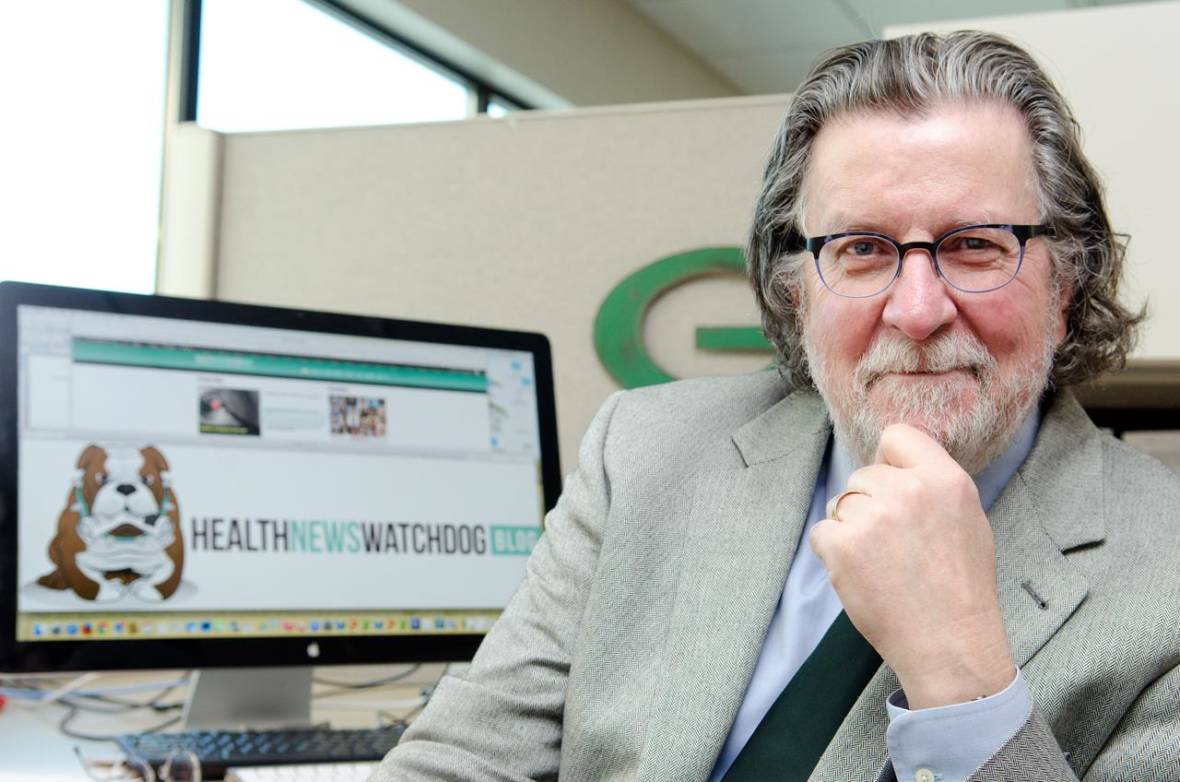
"caption": "Health News Review publisher Gary Schwitzer.",
"description": null,
"title": "Gary Schwitzer",
"credit": null,
"status": "inherit",
"isLoading": false,
"fetchFailed": false
},
"futureofyou_162416": {
"type": "attachments",
"id": "futureofyou_162416",
"meta": {
"index": "attachments_1716263798",
"site": "futureofyou",
"id": "162416",
"found": true
},
"parent": 162391,
"imgSizes": {
"twentyfourteen-full-width": {
"file": "https://ww2.kqed.org/app/uploads/sites/13/2016/05/alzheimergraphic-1038x576.jpg",
"width": 1038,
"mimeType": "image/jpeg",
"height": 576
},
"thumbnail": {
"file": "https://ww2.kqed.org/app/uploads/sites/13/2016/05/alzheimergraphic-400x374.jpg",
"width": 400,
"mimeType": "image/jpeg",
"height": 374
},
"fd-sm": {
"file": "https://ww2.kqed.org/app/uploads/sites/13/2016/05/alzheimergraphic-960x898.jpg",
"width": 960,
"mimeType": "image/jpeg",
"height": 898
},
"post-thumbnail": {
"file": "https://ww2.kqed.org/app/uploads/sites/13/2016/05/alzheimergraphic-672x372.jpg",
"width": 672,
"mimeType": "image/jpeg",
"height": 372
},
"kqedFullSize": {
"file": "https://ww2.kqed.org/app/uploads/sites/13/2016/05/alzheimergraphic.jpg",
"width": 1180,
"height": 1104
},
"large": {
"file": "https://ww2.kqed.org/app/uploads/sites/13/2016/05/alzheimergraphic-1180x1104.jpg",
"width": 1180,
"mimeType": "image/jpeg",
"height": 1104
},
"guest-author-96": {
"file": "https://ww2.kqed.org/app/uploads/sites/13/2016/05/alzheimergraphic-96x96.jpg",
"width": 96,
"mimeType": "image/jpeg",
"height": 96
},
"medium": {
"file": "https://ww2.kqed.org/app/uploads/sites/13/2016/05/alzheimergraphic-641x600.jpg",
"width": 641,
"mimeType": "image/jpeg",
"height": 600
},
"guest-author-64": {
"file": "https://ww2.kqed.org/app/uploads/sites/13/2016/05/alzheimergraphic-64x64.jpg",
"width": 64,
"mimeType": "image/jpeg",
"height": 64
},
"guest-author-32": {
"file": "https://ww2.kqed.org/app/uploads/sites/13/2016/05/alzheimergraphic-32x32.jpg",
"width": 32,
"mimeType": "image/jpeg",
"height": 32
},
"fd-med": {
"file": "https://ww2.kqed.org/app/uploads/sites/13/2016/05/alzheimergraphic-1180x1104.jpg",
"width": 1180,
"mimeType": "image/jpeg",
"height": 1104
},
"detail": {
"file": "https://ww2.kqed.org/app/uploads/sites/13/2016/05/alzheimergraphic-150x150.jpg",
"width": 150,
"mimeType": "image/jpeg",
"height": 150
},
"medium_large": {
"file": "https://ww2.kqed.org/app/uploads/sites/13/2016/05/alzheimergraphic-768x719.jpg",
"width": 768,
"mimeType": "image/jpeg",
"height": 719
},
"guest-author-128": {
"file": "https://ww2.kqed.org/app/uploads/sites/13/2016/05/alzheimergraphic-128x128.jpg",
"width": 128,
"mimeType": "image/jpeg",
"height": 128
}
},
"publishDate": 1463084298,
"modified": 1463084736,
"caption": null,
"description": null,
"title": "Dementia Disease",
"credit": "iStock",
"status": "inherit",
"isLoading": false,
"fetchFailed": false
},
"futureofyou_159086": {
"type": "attachments",
"id": "futureofyou_159086",
"meta": {
"index": "attachments_1716263798",
"site": "futureofyou",
"id": "159086",
"found": true
},
"parent": 159085,
"imgSizes": {
"twentyfourteen-full-width": {
"file": "https://ww2.kqed.org/app/uploads/sites/13/2016/05/syringe-eye_enl-30fa575eea3958ddd851b4dc2decb1e5d5327896-1038x576.jpg",
"width": 1038,
"mimeType": "image/jpeg",
"height": 576
},
"thumbnail": {
"file": "https://ww2.kqed.org/app/uploads/sites/13/2016/05/syringe-eye_enl-30fa575eea3958ddd851b4dc2decb1e5d5327896-400x266.jpg",
"width": 400,
"mimeType": "image/jpeg",
"height": 266
},
"fd-sm": {
"file": "https://ww2.kqed.org/app/uploads/sites/13/2016/05/syringe-eye_enl-30fa575eea3958ddd851b4dc2decb1e5d5327896-960x639.jpg",
"width": 960,
"mimeType": "image/jpeg",
"height": 639
},
"post-thumbnail": {
"file": "https://ww2.kqed.org/app/uploads/sites/13/2016/05/syringe-eye_enl-30fa575eea3958ddd851b4dc2decb1e5d5327896-672x372.jpg",
"width": 672,
"mimeType": "image/jpeg",
"height": 372
},
"kqedFullSize": {
"file": "https://ww2.kqed.org/app/uploads/sites/13/2016/05/syringe-eye_enl-30fa575eea3958ddd851b4dc2decb1e5d5327896.jpg",
"width": 2122,
"height": 1413
},
"large": {
"file": "https://ww2.kqed.org/app/uploads/sites/13/2016/05/syringe-eye_enl-30fa575eea3958ddd851b4dc2decb1e5d5327896-1180x786.jpg",
"width": 1180,
"mimeType": "image/jpeg",
"height": 786
},
"guest-author-96": {
"file": "https://ww2.kqed.org/app/uploads/sites/13/2016/05/syringe-eye_enl-30fa575eea3958ddd851b4dc2decb1e5d5327896-96x96.jpg",
"width": 96,
"mimeType": "image/jpeg",
"height": 96
},
"medium": {
"file": "https://ww2.kqed.org/app/uploads/sites/13/2016/05/syringe-eye_enl-30fa575eea3958ddd851b4dc2decb1e5d5327896-800x533.jpg",
"width": 800,
"mimeType": "image/jpeg",
"height": 533
},
"guest-author-64": {
"file": "https://ww2.kqed.org/app/uploads/sites/13/2016/05/syringe-eye_enl-30fa575eea3958ddd851b4dc2decb1e5d5327896-64x64.jpg",
"width": 64,
"mimeType": "image/jpeg",
"height": 64
},
"guest-author-32": {
"file": "https://ww2.kqed.org/app/uploads/sites/13/2016/05/syringe-eye_enl-30fa575eea3958ddd851b4dc2decb1e5d5327896-32x32.jpg",
"width": 32,
"mimeType": "image/jpeg",
"height": 32
},
"fd-lrg": {
"file": "https://ww2.kqed.org/app/uploads/sites/13/2016/05/syringe-eye_enl-30fa575eea3958ddd851b4dc2decb1e5d5327896-1920x1278.jpg",
"width": 1920,
"mimeType": "image/jpeg",
"height": 1278
},
"fd-med": {
"file": "https://ww2.kqed.org/app/uploads/sites/13/2016/05/syringe-eye_enl-30fa575eea3958ddd851b4dc2decb1e5d5327896-1180x786.jpg",
"width": 1180,
"mimeType": "image/jpeg",
"height": 786
},
"detail": {
"file": "https://ww2.kqed.org/app/uploads/sites/13/2016/05/syringe-eye_enl-30fa575eea3958ddd851b4dc2decb1e5d5327896-150x150.jpg",
"width": 150,
"mimeType": "image/jpeg",
"height": 150
},
"medium_large": {
"file": "https://ww2.kqed.org/app/uploads/sites/13/2016/05/syringe-eye_enl-30fa575eea3958ddd851b4dc2decb1e5d5327896-768x511.jpg",
"width": 768,
"mimeType": "image/jpeg",
"height": 511
},
"guest-author-128": {
"file": "https://ww2.kqed.org/app/uploads/sites/13/2016/05/syringe-eye_enl-30fa575eea3958ddd851b4dc2decb1e5d5327896-128x128.jpg",
"width": 128,
"mimeType": "image/jpeg",
"height": 128
}
},
"publishDate": 1462561666,
"modified": 1462561666,
"caption": null,
"description": "Treatment for age-related macular degeneration requires injections in the eyeball.",
"title": "Treatment for age-related macular degeneration requires injections in the eyeball.",
"credit": null,
"status": "inherit",
"isLoading": false,
"fetchFailed": false
},
"futureofyou_157427": {
"type": "attachments",
"id": "futureofyou_157427",
"meta": {
"index": "attachments_1716263798",
"site": "futureofyou",
"id": "157427",
"found": true
},
"parent": 156660,
"imgSizes": {
"twentyfourteen-full-width": {
"file": "https://ww2.kqed.org/app/uploads/sites/13/2016/05/14256046417_5a3538a4fb_k-1038x576.jpg",
"width": 1038,
"mimeType": "image/jpeg",
"height": 576
},
"thumbnail": {
"file": "https://ww2.kqed.org/app/uploads/sites/13/2016/05/14256046417_5a3538a4fb_k-400x300.jpg",
"width": 400,
"mimeType": "image/jpeg",
"height": 300
},
"fd-sm": {
"file": "https://ww2.kqed.org/app/uploads/sites/13/2016/05/14256046417_5a3538a4fb_k-960x720.jpg",
"width": 960,
"mimeType": "image/jpeg",
"height": 720
},
"post-thumbnail": {
"file": "https://ww2.kqed.org/app/uploads/sites/13/2016/05/14256046417_5a3538a4fb_k-672x372.jpg",
"width": 672,
"mimeType": "image/jpeg",
"height": 372
},
"kqedFullSize": {
"file": "https://ww2.kqed.org/app/uploads/sites/13/2016/05/14256046417_5a3538a4fb_k-e1500913863142.jpg",
"width": 1920,
"height": 1440
},
"large": {
"file": "https://ww2.kqed.org/app/uploads/sites/13/2016/05/14256046417_5a3538a4fb_k-1180x885.jpg",
"width": 1180,
"mimeType": "image/jpeg",
"height": 885
},
"guest-author-96": {
"file": "https://ww2.kqed.org/app/uploads/sites/13/2016/05/14256046417_5a3538a4fb_k-96x96.jpg",
"width": 96,
"mimeType": "image/jpeg",
"height": 96
},
"medium": {
"file": "https://ww2.kqed.org/app/uploads/sites/13/2016/05/14256046417_5a3538a4fb_k-800x600.jpg",
"width": 800,
"mimeType": "image/jpeg",
"height": 600
},
"guest-author-64": {
"file": "https://ww2.kqed.org/app/uploads/sites/13/2016/05/14256046417_5a3538a4fb_k-64x64.jpg",
"width": 64,
"mimeType": "image/jpeg",
"height": 64
},
"guest-author-32": {
"file": "https://ww2.kqed.org/app/uploads/sites/13/2016/05/14256046417_5a3538a4fb_k-32x32.jpg",
"width": 32,
"mimeType": "image/jpeg",
"height": 32
},
"fd-lrg": {
"file": "https://ww2.kqed.org/app/uploads/sites/13/2016/05/14256046417_5a3538a4fb_k-1920x1440.jpg",
"width": 1920,
"mimeType": "image/jpeg",
"height": 1440
},
"fd-med": {
"file": "https://ww2.kqed.org/app/uploads/sites/13/2016/05/14256046417_5a3538a4fb_k-1180x885.jpg",
"width": 1180,
"mimeType": "image/jpeg",
"height": 885
},
"detail": {
"file": "https://ww2.kqed.org/app/uploads/sites/13/2016/05/14256046417_5a3538a4fb_k-150x150.jpg",
"width": 150,
"mimeType": "image/jpeg",
"height": 150
},
"medium_large": {
"file": "https://ww2.kqed.org/app/uploads/sites/13/2016/05/14256046417_5a3538a4fb_k-768x576.jpg",
"width": 768,
"mimeType": "image/jpeg",
"height": 576
},
"guest-author-128": {
"file": "https://ww2.kqed.org/app/uploads/sites/13/2016/05/14256046417_5a3538a4fb_k-128x128.jpg",
"width": 128,
"mimeType": "image/jpeg",
"height": 128
}
},
"publishDate": 1462326150,
"modified": 1462326200,
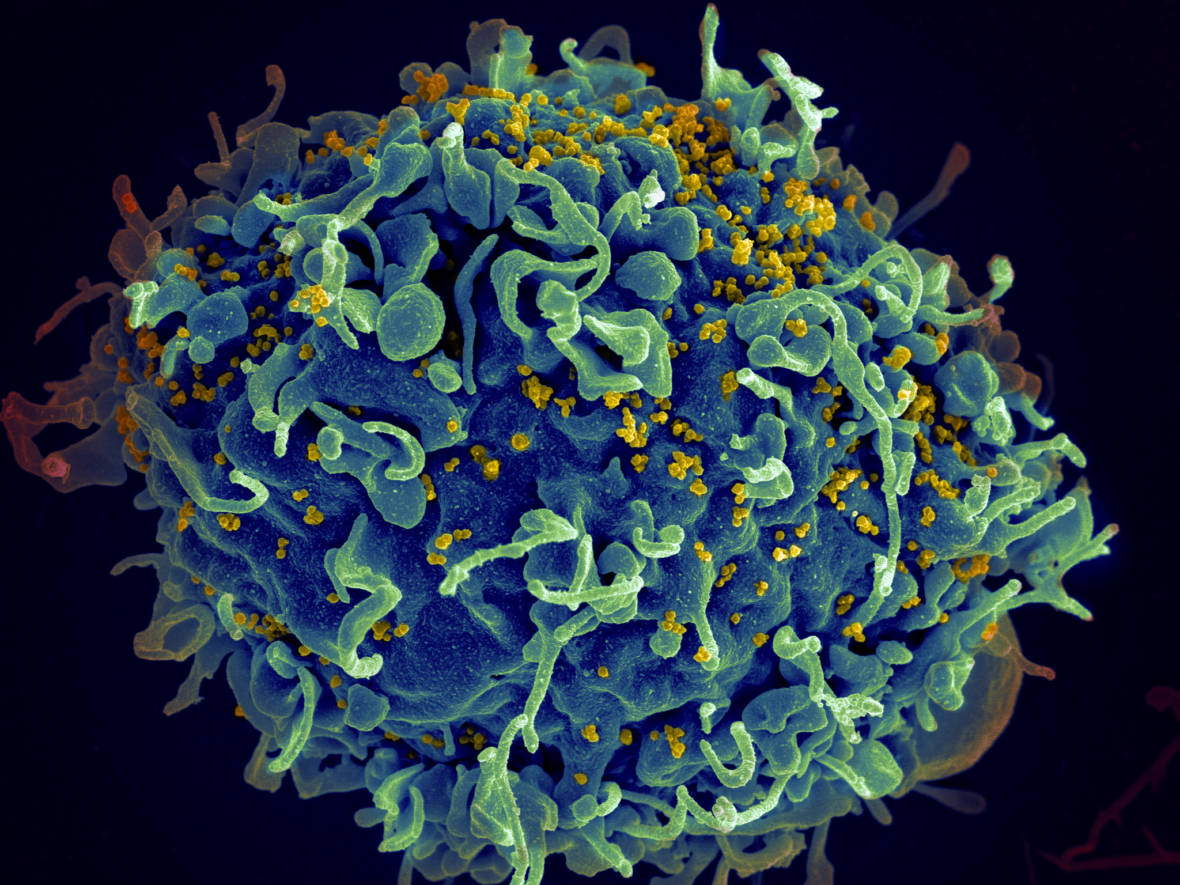
"caption": "This human T cell (blue) is under attack by HIV (yellow), the virus that causes AIDS. ",
"description": null,
"title": "HIV",
"credit": "Seth Pincus, Elizabeth Fischer and Austin Athman/NIH",
"status": "inherit",
"isLoading": false,
"fetchFailed": false
},
"futureofyou_158465": {
"type": "attachments",
"id": "futureofyou_158465",
"meta": {
"index": "attachments_1716263798",
"site": "futureofyou",
"id": "158465",
"found": true
},
"parent": 158021,
"imgSizes": {
"twentyfourteen-full-width": {
"file": "https://ww2.kqed.org/app/uploads/sites/13/2016/05/robot-837x576.jpg",
"width": 837,
"mimeType": "image/jpeg",
"height": 576
},
"thumbnail": {
"file": "https://ww2.kqed.org/app/uploads/sites/13/2016/05/robot-400x312.jpg",
"width": 400,
"mimeType": "image/jpeg",
"height": 312
},
"post-thumbnail": {
"file": "https://ww2.kqed.org/app/uploads/sites/13/2016/05/robot-672x372.jpg",
"width": 672,
"mimeType": "image/jpeg",
"height": 372
},
"kqedFullSize": {
"file": "https://ww2.kqed.org/app/uploads/sites/13/2016/05/robot.jpg",
"width": 837,
"height": 652
},
"guest-author-96": {
"file": "https://ww2.kqed.org/app/uploads/sites/13/2016/05/robot-96x96.jpg",
"width": 96,
"mimeType": "image/jpeg",
"height": 96
},
"medium": {
"file": "https://ww2.kqed.org/app/uploads/sites/13/2016/05/robot-770x600.jpg",
"width": 770,
"mimeType": "image/jpeg",
"height": 600
},
"guest-author-64": {
"file": "https://ww2.kqed.org/app/uploads/sites/13/2016/05/robot-64x64.jpg",
"width": 64,
"mimeType": "image/jpeg",
"height": 64
},
"detail": {
"file": "https://ww2.kqed.org/app/uploads/sites/13/2016/05/robot-150x150.jpg",
"width": 150,
"mimeType": "image/jpeg",
"height": 150
},
"guest-author-32": {
"file": "https://ww2.kqed.org/app/uploads/sites/13/2016/05/robot-32x32.jpg",
"width": 32,
"mimeType": "image/jpeg",
"height": 32
},
"medium_large": {
"file": "https://ww2.kqed.org/app/uploads/sites/13/2016/05/robot-768x598.jpg",
"width": 768,
"mimeType": "image/jpeg",
"height": 598
},
"guest-author-128": {
"file": "https://ww2.kqed.org/app/uploads/sites/13/2016/05/robot-128x128.jpg",
"width": 128,
"mimeType": "image/jpeg",
"height": 128
}
},
"publishDate": 1462469390,
"modified": 1462469405,
"caption": null,
"description": null,
"title": "robot",
"credit": "Wall Street Journal video",
"status": "inherit",
"isLoading": false,
"fetchFailed": false
},
"futureofyou_158491": {
"type": "attachments",
"id": "futureofyou_158491",
"meta": {
"index": "attachments_1716263798",
"site": "futureofyou",
"id": "158491",
"found": true
},
"parent": 158490,
"imgSizes": {
"twentyfourteen-full-width": {
"file": "https://ww2.kqed.org/app/uploads/sites/13/2016/05/embryo-1_wide-8e69c8f5caa145f92d5b8051db410a5ee62a1ffc-1038x576.jpg",
"width": 1038,
"mimeType": "image/jpeg",
"height": 576
},
"thumbnail": {
"file": "https://ww2.kqed.org/app/uploads/sites/13/2016/05/embryo-1_wide-8e69c8f5caa145f92d5b8051db410a5ee62a1ffc-400x225.jpg",
"width": 400,
"mimeType": "image/jpeg",
"height": 225
},
"fd-sm": {
"file": "https://ww2.kqed.org/app/uploads/sites/13/2016/05/embryo-1_wide-8e69c8f5caa145f92d5b8051db410a5ee62a1ffc-960x540.jpg",
"width": 960,
"mimeType": "image/jpeg",
"height": 540
},
"post-thumbnail": {
"file": "https://ww2.kqed.org/app/uploads/sites/13/2016/05/embryo-1_wide-8e69c8f5caa145f92d5b8051db410a5ee62a1ffc-672x372.jpg",
"width": 672,
"mimeType": "image/jpeg",
"height": 372
},
"kqedFullSize": {
"file": "https://ww2.kqed.org/app/uploads/sites/13/2016/05/embryo-1_wide-8e69c8f5caa145f92d5b8051db410a5ee62a1ffc.jpg",
"width": 1816,
"height": 1021
},
"large": {
"file": "https://ww2.kqed.org/app/uploads/sites/13/2016/05/embryo-1_wide-8e69c8f5caa145f92d5b8051db410a5ee62a1ffc-1180x663.jpg",
"width": 1180,
"mimeType": "image/jpeg",
"height": 663
},
"guest-author-96": {
"file": "https://ww2.kqed.org/app/uploads/sites/13/2016/05/embryo-1_wide-8e69c8f5caa145f92d5b8051db410a5ee62a1ffc-96x96.jpg",
"width": 96,
"mimeType": "image/jpeg",
"height": 96
},
"medium": {
"file": "https://ww2.kqed.org/app/uploads/sites/13/2016/05/embryo-1_wide-8e69c8f5caa145f92d5b8051db410a5ee62a1ffc-800x450.jpg",
"width": 800,
"mimeType": "image/jpeg",
"height": 450
},
"guest-author-64": {
"file": "https://ww2.kqed.org/app/uploads/sites/13/2016/05/embryo-1_wide-8e69c8f5caa145f92d5b8051db410a5ee62a1ffc-64x64.jpg",
"width": 64,
"mimeType": "image/jpeg",
"height": 64
},
"guest-author-32": {
"file": "https://ww2.kqed.org/app/uploads/sites/13/2016/05/embryo-1_wide-8e69c8f5caa145f92d5b8051db410a5ee62a1ffc-32x32.jpg",
"width": 32,
"mimeType": "image/jpeg",
"height": 32
},
"fd-med": {
"file": "https://ww2.kqed.org/app/uploads/sites/13/2016/05/embryo-1_wide-8e69c8f5caa145f92d5b8051db410a5ee62a1ffc-1180x663.jpg",
"width": 1180,
"mimeType": "image/jpeg",
"height": 663
},
"detail": {
"file": "https://ww2.kqed.org/app/uploads/sites/13/2016/05/embryo-1_wide-8e69c8f5caa145f92d5b8051db410a5ee62a1ffc-150x150.jpg",
"width": 150,
"mimeType": "image/jpeg",
"height": 150
},
"medium_large": {
"file": "https://ww2.kqed.org/app/uploads/sites/13/2016/05/embryo-1_wide-8e69c8f5caa145f92d5b8051db410a5ee62a1ffc-768x432.jpg",
"width": 768,
"mimeType": "image/jpeg",
"height": 432
},
"guest-author-128": {
"file": "https://ww2.kqed.org/app/uploads/sites/13/2016/05/embryo-1_wide-8e69c8f5caa145f92d5b8051db410a5ee62a1ffc-128x128.jpg",
"width": 128,
"mimeType": "image/jpeg",
"height": 128
}
},
"publishDate": 1462472378,
"modified": 1462473180,
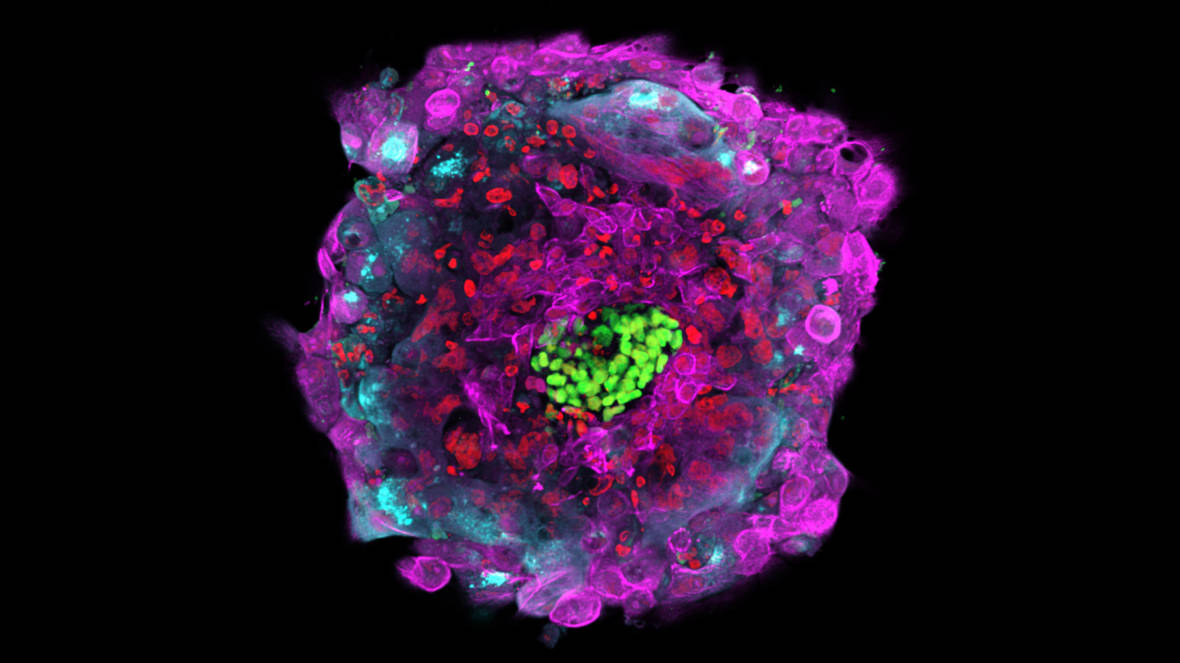
"caption": "Molecular markers show structures and cell types within a human embryo, shown here 12 days after fertilization. The epiblast, for example, appears in green.",
"description": "Molecular markers show structures and cell types within a human embryo, shown here 12 days after fertilization. The epiblast, for example, appears in gree",
"title": "Molecular markers show structures and cell types within a human embryo, shown here 12 days after fertilization. The epiblast, for example, appears in green.",
"credit": "Gist Croft, Alessia Deglincerti, and Ali H. Brivanlou/The Rockefeller University",
"status": "inherit",
"isLoading": false,
"fetchFailed": false
},
"futureofyou_157145": {
"type": "attachments",
"id": "futureofyou_157145",
"meta": {
"index": "attachments_1716263798",
"site": "futureofyou",
"id": "157145",
"found": true
},
"parent": 157144,
"imgSizes": {
"twentyfourteen-full-width": {
"file": "https://ww2.kqed.org/app/uploads/sites/13/2016/05/gettyimages-149257405-8937a96792d6dfafe470b626032e6cca77d9aa82-1038x576.jpg",
"width": 1038,
"mimeType": "image/jpeg",
"height": 576
},
"thumbnail": {
"file": "https://ww2.kqed.org/app/uploads/sites/13/2016/05/gettyimages-149257405-8937a96792d6dfafe470b626032e6cca77d9aa82-400x300.jpg",
"width": 400,
"mimeType": "image/jpeg",
"height": 300
},
"fd-sm": {
"file": "https://ww2.kqed.org/app/uploads/sites/13/2016/05/gettyimages-149257405-8937a96792d6dfafe470b626032e6cca77d9aa82-960x720.jpg",
"width": 960,
"mimeType": "image/jpeg",
"height": 720
},
"post-thumbnail": {
"file": "https://ww2.kqed.org/app/uploads/sites/13/2016/05/gettyimages-149257405-8937a96792d6dfafe470b626032e6cca77d9aa82-672x372.jpg",
"width": 672,
"mimeType": "image/jpeg",
"height": 372
},
"kqedFullSize": {
"file": "https://ww2.kqed.org/app/uploads/sites/13/2016/05/gettyimages-149257405-8937a96792d6dfafe470b626032e6cca77d9aa82.jpg",
"width": 4556,
"height": 3417
},
"large": {
"file": "https://ww2.kqed.org/app/uploads/sites/13/2016/05/gettyimages-149257405-8937a96792d6dfafe470b626032e6cca77d9aa82-1180x885.jpg",
"width": 1180,
"mimeType": "image/jpeg",
"height": 885
},
"guest-author-96": {
"file": "https://ww2.kqed.org/app/uploads/sites/13/2016/05/gettyimages-149257405-8937a96792d6dfafe470b626032e6cca77d9aa82-96x96.jpg",
"width": 96,
"mimeType": "image/jpeg",
"height": 96
},
"medium": {
"file": "https://ww2.kqed.org/app/uploads/sites/13/2016/05/gettyimages-149257405-8937a96792d6dfafe470b626032e6cca77d9aa82-800x600.jpg",
"width": 800,
"mimeType": "image/jpeg",
"height": 600
},
"guest-author-64": {
"file": "https://ww2.kqed.org/app/uploads/sites/13/2016/05/gettyimages-149257405-8937a96792d6dfafe470b626032e6cca77d9aa82-64x64.jpg",
"width": 64,
"mimeType": "image/jpeg",
"height": 64
},
"guest-author-32": {
"file": "https://ww2.kqed.org/app/uploads/sites/13/2016/05/gettyimages-149257405-8937a96792d6dfafe470b626032e6cca77d9aa82-32x32.jpg",
"width": 32,
"mimeType": "image/jpeg",
"height": 32
},
"fd-lrg": {
"file": "https://ww2.kqed.org/app/uploads/sites/13/2016/05/gettyimages-149257405-8937a96792d6dfafe470b626032e6cca77d9aa82-1920x1440.jpg",
"width": 1920,
"mimeType": "image/jpeg",
"height": 1440
},
"fd-med": {
"file": "https://ww2.kqed.org/app/uploads/sites/13/2016/05/gettyimages-149257405-8937a96792d6dfafe470b626032e6cca77d9aa82-1180x885.jpg",
"width": 1180,
"mimeType": "image/jpeg",
"height": 885
},
"detail": {
"file": "https://ww2.kqed.org/app/uploads/sites/13/2016/05/gettyimages-149257405-8937a96792d6dfafe470b626032e6cca77d9aa82-150x150.jpg",
"width": 150,
"mimeType": "image/jpeg",
"height": 150
},
"medium_large": {
"file": "https://ww2.kqed.org/app/uploads/sites/13/2016/05/gettyimages-149257405-8937a96792d6dfafe470b626032e6cca77d9aa82-768x576.jpg",
"width": 768,
"mimeType": "image/jpeg",
"height": 576
},
"guest-author-128": {
"file": "https://ww2.kqed.org/app/uploads/sites/13/2016/05/gettyimages-149257405-8937a96792d6dfafe470b626032e6cca77d9aa82-128x128.jpg",
"width": 128,
"mimeType": "image/jpeg",
"height": 128
}
},
"publishDate": 1462292104,
"modified": 1462292310,
"caption": "Having a human help coach participants in the online program probably made a difference, researchers say.",
"description": null,
"title": "Having a real human help coach participants in the online program probably made a difference, the researchers say.",
"credit": "WIN-Initiative RM/Getty Images",
"status": "inherit",
"isLoading": false,
"fetchFailed": false
},
"futureofyou_154866": {
"type": "attachments",
"id": "futureofyou_154866",
"meta": {
"index": "attachments_1716263798",
"site": "futureofyou",
"id": "154866",
"found": true
},
"parent": 154865,
"imgSizes": {
"twentyfourteen-full-width": {
"file": "https://ww2.kqed.org/app/uploads/sites/13/2016/04/guxfnulaip_actual-1038x576.jpg",
"width": 1038,
"mimeType": "image/jpeg",
"height": 576
},
"thumbnail": {
"file": "https://ww2.kqed.org/app/uploads/sites/13/2016/04/guxfnulaip_actual-400x300.jpg",
"width": 400,
"mimeType": "image/jpeg",
"height": 300
},
"fd-sm": {
"file": "https://ww2.kqed.org/app/uploads/sites/13/2016/04/guxfnulaip_actual-960x720.jpg",
"width": 960,
"mimeType": "image/jpeg",
"height": 720
},
"post-thumbnail": {
"file": "https://ww2.kqed.org/app/uploads/sites/13/2016/04/guxfnulaip_actual-672x372.jpg",
"width": 672,
"mimeType": "image/jpeg",
"height": 372
},
"kqedFullSize": {
"file": "https://ww2.kqed.org/app/uploads/sites/13/2016/04/guxfnulaip_actual.jpg",
"width": 2048,
"height": 1536
},
"large": {
"file": "https://ww2.kqed.org/app/uploads/sites/13/2016/04/guxfnulaip_actual-1180x885.jpg",
"width": 1180,
"mimeType": "image/jpeg",
"height": 885
},
"guest-author-96": {
"file": "https://ww2.kqed.org/app/uploads/sites/13/2016/04/guxfnulaip_actual-96x96.jpg",
"width": 96,
"mimeType": "image/jpeg",
"height": 96
},
"medium": {
"file": "https://ww2.kqed.org/app/uploads/sites/13/2016/04/guxfnulaip_actual-800x600.jpg",
"width": 800,
"mimeType": "image/jpeg",
"height": 600
},
"guest-author-64": {
"file": "https://ww2.kqed.org/app/uploads/sites/13/2016/04/guxfnulaip_actual-64x64.jpg",
"width": 64,
"mimeType": "image/jpeg",
"height": 64
},
"guest-author-32": {
"file": "https://ww2.kqed.org/app/uploads/sites/13/2016/04/guxfnulaip_actual-32x32.jpg",
"width": 32,
"mimeType": "image/jpeg",
"height": 32
},
"fd-lrg": {
"file": "https://ww2.kqed.org/app/uploads/sites/13/2016/04/guxfnulaip_actual-1920x1440.jpg",
"width": 1920,
"mimeType": "image/jpeg",
"height": 1440
},
"fd-med": {
"file": "https://ww2.kqed.org/app/uploads/sites/13/2016/04/guxfnulaip_actual-1180x885.jpg",
"width": 1180,
"mimeType": "image/jpeg",
"height": 885
},
"detail": {
"file": "https://ww2.kqed.org/app/uploads/sites/13/2016/04/guxfnulaip_actual-150x150.jpg",
"width": 150,
"mimeType": "image/jpeg",
"height": 150
},
"medium_large": {
"file": "https://ww2.kqed.org/app/uploads/sites/13/2016/04/guxfnulaip_actual-768x576.jpg",
"width": 768,
"mimeType": "image/jpeg",
"height": 576
},
"guest-author-128": {
"file": "https://ww2.kqed.org/app/uploads/sites/13/2016/04/guxfnulaip_actual-128x128.jpg",
"width": 128,
"mimeType": "image/jpeg",
"height": 128
}
},
"publishDate": 1461966998,
"modified": 1461967046,
"caption": "Head-mounted cameras enable psychologists to track how the movement of caregivers' eyes affect infants' attention.",
"description": null,
"title": "guxfnulaip_actual",
"credit": "Chen Yu",
"status": "inherit",
"isLoading": false,
"fetchFailed": false
},
"futureofyou_152799": {
"type": "attachments",
"id": "futureofyou_152799",
"meta": {
"index": "attachments_1716263798",
"site": "futureofyou",
"id": "152799",
"found": true
},
"parent": 152236,
"imgSizes": {
"twentyfourteen-full-width": {
"file": "https://ww2.kqed.org/app/uploads/sites/13/2016/04/3DprintCas9-1038x576.jpg",
"width": 1038,
"mimeType": "image/jpeg",
"height": 576
},
"thumbnail": {
"file": "https://ww2.kqed.org/app/uploads/sites/13/2016/04/3DprintCas9-400x259.jpg",
"width": 400,
"mimeType": "image/jpeg",
"height": 259
},
"fd-sm": {
"file": "https://ww2.kqed.org/app/uploads/sites/13/2016/04/3DprintCas9-960x621.jpg",
"width": 960,
"mimeType": "image/jpeg",
"height": 621
},
"post-thumbnail": {
"file": "https://ww2.kqed.org/app/uploads/sites/13/2016/04/3DprintCas9-672x372.jpg",
"width": 672,
"mimeType": "image/jpeg",
"height": 372
},
"kqedFullSize": {
"file": "https://ww2.kqed.org/app/uploads/sites/13/2016/04/3DprintCas9.jpg",
"width": 1920,
"height": 1242
},
"large": {
"file": "https://ww2.kqed.org/app/uploads/sites/13/2016/04/3DprintCas9-1180x763.jpg",
"width": 1180,
"mimeType": "image/jpeg",
"height": 763
},
"guest-author-96": {
"file": "https://ww2.kqed.org/app/uploads/sites/13/2016/04/3DprintCas9-96x96.jpg",
"width": 96,
"mimeType": "image/jpeg",
"height": 96
},
"medium": {
"file": "https://ww2.kqed.org/app/uploads/sites/13/2016/04/3DprintCas9-800x518.jpg",
"width": 800,
"mimeType": "image/jpeg",
"height": 518
},
"guest-author-64": {
"file": "https://ww2.kqed.org/app/uploads/sites/13/2016/04/3DprintCas9-64x64.jpg",
"width": 64,
"mimeType": "image/jpeg",
"height": 64
},
"guest-author-32": {
"file": "https://ww2.kqed.org/app/uploads/sites/13/2016/04/3DprintCas9-32x32.jpg",
"width": 32,
"mimeType": "image/jpeg",
"height": 32
},
"fd-lrg": {
"file": "https://ww2.kqed.org/app/uploads/sites/13/2016/04/3DprintCas9-1920x1242.jpg",
"width": 1920,
"mimeType": "image/jpeg",
"height": 1242
},
"fd-med": {
"file": "https://ww2.kqed.org/app/uploads/sites/13/2016/04/3DprintCas9-1180x763.jpg",
"width": 1180,
"mimeType": "image/jpeg",
"height": 763
},
"detail": {
"file": "https://ww2.kqed.org/app/uploads/sites/13/2016/04/3DprintCas9-75x75.jpg",
"width": 75,
"mimeType": "image/jpeg",
"height": 75
},
"medium_large": {
"file": "https://ww2.kqed.org/app/uploads/sites/13/2016/04/3DprintCas9-768x497.jpg",
"width": 768,
"mimeType": "image/jpeg",
"height": 497
},
"guest-author-128": {
"file": "https://ww2.kqed.org/app/uploads/sites/13/2016/04/3DprintCas9-128x128.jpg",
"width": 128,
"mimeType": "image/jpeg",
"height": 128
}
},
"publishDate": 1461684331,
"modified": 1461684424,
"caption": "A 3D representation of Cas9, the part of CRISPR/Cas9 that changes the DNA. Created with a 3D printer.",
"description": null,
"title": "3DprintCas9",
"credit": "NIH Image Gallery",
"status": "inherit",
"isLoading": false,
"fetchFailed": false
},
"futureofyou_152997": {
"type": "attachments",
"id": "futureofyou_152997",
"meta": {
"index": "attachments_1716263798",
"site": "futureofyou",
"id": "152997",
"found": true
},
"parent": 152996,
"imgSizes": {
"twentyfourteen-full-width": {
"file": "https://ww2.kqed.org/app/uploads/sites/13/2016/04/taking-tablet_enl-907e50d1ee6faa98288e1583b5c9a2a386b03db4-1038x576.jpg",
"width": 1038,
"mimeType": "image/jpeg",
"height": 576
},
"thumbnail": {
"file": "https://ww2.kqed.org/app/uploads/sites/13/2016/04/taking-tablet_enl-907e50d1ee6faa98288e1583b5c9a2a386b03db4-400x268.jpg",
"width": 400,
"mimeType": "image/jpeg",
"height": 268
},
"fd-sm": {
"file": "https://ww2.kqed.org/app/uploads/sites/13/2016/04/taking-tablet_enl-907e50d1ee6faa98288e1583b5c9a2a386b03db4-960x644.jpg",
"width": 960,
"mimeType": "image/jpeg",
"height": 644
},
"post-thumbnail": {
"file": "https://ww2.kqed.org/app/uploads/sites/13/2016/04/taking-tablet_enl-907e50d1ee6faa98288e1583b5c9a2a386b03db4-672x372.jpg",
"width": 672,
"mimeType": "image/jpeg",
"height": 372
},
"kqedFullSize": {
"file": "https://ww2.kqed.org/app/uploads/sites/13/2016/04/taking-tablet_enl-907e50d1ee6faa98288e1583b5c9a2a386b03db4.jpg",
"width": 2000,
"height": 1342
},
"large": {
"file": "https://ww2.kqed.org/app/uploads/sites/13/2016/04/taking-tablet_enl-907e50d1ee6faa98288e1583b5c9a2a386b03db4-1180x792.jpg",
"width": 1180,
"mimeType": "image/jpeg",
"height": 792
},
"guest-author-96": {
"file": "https://ww2.kqed.org/app/uploads/sites/13/2016/04/taking-tablet_enl-907e50d1ee6faa98288e1583b5c9a2a386b03db4-96x96.jpg",
"width": 96,
"mimeType": "image/jpeg",
"height": 96
},
"medium": {
"file": "https://ww2.kqed.org/app/uploads/sites/13/2016/04/taking-tablet_enl-907e50d1ee6faa98288e1583b5c9a2a386b03db4-800x537.jpg",
"width": 800,
"mimeType": "image/jpeg",
"height": 537
},
"guest-author-64": {
"file": "https://ww2.kqed.org/app/uploads/sites/13/2016/04/taking-tablet_enl-907e50d1ee6faa98288e1583b5c9a2a386b03db4-64x64.jpg",
"width": 64,
"mimeType": "image/jpeg",
"height": 64
},
"guest-author-32": {
"file": "https://ww2.kqed.org/app/uploads/sites/13/2016/04/taking-tablet_enl-907e50d1ee6faa98288e1583b5c9a2a386b03db4-32x32.jpg",
"width": 32,
"mimeType": "image/jpeg",
"height": 32
},
"fd-lrg": {
"file": "https://ww2.kqed.org/app/uploads/sites/13/2016/04/taking-tablet_enl-907e50d1ee6faa98288e1583b5c9a2a386b03db4-1920x1288.jpg",
"width": 1920,
"mimeType": "image/jpeg",
"height": 1288
},
"fd-med": {
"file": "https://ww2.kqed.org/app/uploads/sites/13/2016/04/taking-tablet_enl-907e50d1ee6faa98288e1583b5c9a2a386b03db4-1180x792.jpg",
"width": 1180,
"mimeType": "image/jpeg",
"height": 792
},
"detail": {
"file": "https://ww2.kqed.org/app/uploads/sites/13/2016/04/taking-tablet_enl-907e50d1ee6faa98288e1583b5c9a2a386b03db4-150x150.jpg",
"width": 150,
"mimeType": "image/jpeg",
"height": 150
},
"medium_large": {
"file": "https://ww2.kqed.org/app/uploads/sites/13/2016/04/taking-tablet_enl-907e50d1ee6faa98288e1583b5c9a2a386b03db4-768x515.jpg",
"width": 768,
"mimeType": "image/jpeg",
"height": 515
},
"guest-author-128": {
"file": "https://ww2.kqed.org/app/uploads/sites/13/2016/04/taking-tablet_enl-907e50d1ee6faa98288e1583b5c9a2a386b03db4-128x128.jpg",
"width": 128,
"mimeType": "image/jpeg",
"height": 128
}
},
"publishDate": 1461709287,
"modified": 1461709663,
"caption": null,
"description": "Which would you choose — a daily tablet or a trip to the doctor for an allergy sho",
"title": "Which would you choose — a daily tablet or a trip to the doctor for an allergy shot?",
"credit": "Eddie Lawrence/Dorling Kindersley/Getty Images",
"status": "inherit",
"isLoading": false,
"fetchFailed": false
},
"futureofyou_152834": {
"type": "attachments",
"id": "futureofyou_152834",
"meta": {
"index": "attachments_1716263798",
"site": "futureofyou",
"id": "152834",
"found": true
},
"parent": 152831,
"imgSizes": {
"twentyfourteen-full-width": {
"file": "https://ww2.kqed.org/app/uploads/sites/13/2016/04/Duchenne-muscular-dystrophy-1038x576.jpg",
"width": 1038,
"mimeType": "image/jpeg",
"height": 576
},
"thumbnail": {
"file": "https://ww2.kqed.org/app/uploads/sites/13/2016/04/Duchenne-muscular-dystrophy-400x266.jpg",
"width": 400,
"mimeType": "image/jpeg",
"height": 266
},
"fd-sm": {
"file": "https://ww2.kqed.org/app/uploads/sites/13/2016/04/Duchenne-muscular-dystrophy-960x639.jpg",
"width": 960,
"mimeType": "image/jpeg",
"height": 639
},
"post-thumbnail": {
"file": "https://ww2.kqed.org/app/uploads/sites/13/2016/04/Duchenne-muscular-dystrophy-672x372.jpg",
"width": 672,
"mimeType": "image/jpeg",
"height": 372
},
"kqedFullSize": {
"file": "https://ww2.kqed.org/app/uploads/sites/13/2016/04/Duchenne-muscular-dystrophy.jpg",
"width": 1809,
"height": 1204
},
"large": {
"file": "https://ww2.kqed.org/app/uploads/sites/13/2016/04/Duchenne-muscular-dystrophy-1180x785.jpg",
"width": 1180,
"mimeType": "image/jpeg",
"height": 785
},
"guest-author-96": {
"file": "https://ww2.kqed.org/app/uploads/sites/13/2016/04/Duchenne-muscular-dystrophy-96x96.jpg",
"width": 96,
"mimeType": "image/jpeg",
"height": 96
},
"medium": {
"file": "https://ww2.kqed.org/app/uploads/sites/13/2016/04/Duchenne-muscular-dystrophy-800x532.jpg",
"width": 800,
"mimeType": "image/jpeg",
"height": 532
},
"guest-author-64": {
"file": "https://ww2.kqed.org/app/uploads/sites/13/2016/04/Duchenne-muscular-dystrophy-64x64.jpg",
"width": 64,
"mimeType": "image/jpeg",
"height": 64
},
"guest-author-32": {
"file": "https://ww2.kqed.org/app/uploads/sites/13/2016/04/Duchenne-muscular-dystrophy-32x32.jpg",
"width": 32,
"mimeType": "image/jpeg",
"height": 32
},
"fd-med": {
"file": "https://ww2.kqed.org/app/uploads/sites/13/2016/04/Duchenne-muscular-dystrophy-1180x785.jpg",
"width": 1180,
"mimeType": "image/jpeg",
"height": 785
},
"detail": {
"file": "https://ww2.kqed.org/app/uploads/sites/13/2016/04/Duchenne-muscular-dystrophy-75x75.jpg",
"width": 75,
"mimeType": "image/jpeg",
"height": 75
},
"medium_large": {
"file": "https://ww2.kqed.org/app/uploads/sites/13/2016/04/Duchenne-muscular-dystrophy-768x511.jpg",
"width": 768,
"mimeType": "image/jpeg",
"height": 511
},
"guest-author-128": {
"file": "https://ww2.kqed.org/app/uploads/sites/13/2016/04/Duchenne-muscular-dystrophy-128x128.jpg",
"width": 128,
"mimeType": "image/jpeg",
"height": 128
}
},
"publishDate": 1461690052,
"modified": 1461690197,
"caption": "Cross section of degenerated muscle, from a deceased muscular dystrophy patient. ",
"description": null,
"title": "Duchenne-muscular-dystrophy",
"credit": "Dr. Edwin P. Ewing, Jr./CDC",
"status": "inherit",
"isLoading": false,
"fetchFailed": false
},
"futureofyou_152826": {
"type": "attachments",
"id": "futureofyou_152826",
"meta": {
"index": "attachments_1716263798",
"site": "futureofyou",
"id": "152826",
"found": true
},
"parent": 152825,
"imgSizes": {
"twentyfourteen-full-width": {
"file": "https://ww2.kqed.org/app/uploads/sites/13/2016/04/a-z-50_wide-c20f429e5991650ceb57340ba81efdd83e31a936-1038x576.jpg",
"width": 1038,
"mimeType": "image/jpeg",
"height": 576
},
"thumbnail": {
"file": "https://ww2.kqed.org/app/uploads/sites/13/2016/04/a-z-50_wide-c20f429e5991650ceb57340ba81efdd83e31a936-400x225.jpg",
"width": 400,
"mimeType": "image/jpeg",
"height": 225
},
"fd-sm": {
"file": "https://ww2.kqed.org/app/uploads/sites/13/2016/04/a-z-50_wide-c20f429e5991650ceb57340ba81efdd83e31a936-960x540.jpg",
"width": 960,
"mimeType": "image/jpeg",
"height": 540
},
"post-thumbnail": {
"file": "https://ww2.kqed.org/app/uploads/sites/13/2016/04/a-z-50_wide-c20f429e5991650ceb57340ba81efdd83e31a936-672x372.jpg",
"width": 672,
"mimeType": "image/jpeg",
"height": 372
},
"kqedFullSize": {
"file": "https://ww2.kqed.org/app/uploads/sites/13/2016/04/a-z-50_wide-c20f429e5991650ceb57340ba81efdd83e31a936-e1461687849335.jpg",
"width": 1920,
"height": 1080
},
"large": {
"file": "https://ww2.kqed.org/app/uploads/sites/13/2016/04/a-z-50_wide-c20f429e5991650ceb57340ba81efdd83e31a936-1180x663.jpg",
"width": 1180,
"mimeType": "image/jpeg",
"height": 663
},
"guest-author-96": {
"file": "https://ww2.kqed.org/app/uploads/sites/13/2016/04/a-z-50_wide-c20f429e5991650ceb57340ba81efdd83e31a936-96x96.jpg",
"width": 96,
"mimeType": "image/jpeg",
"height": 96
},
"medium": {
"file": "https://ww2.kqed.org/app/uploads/sites/13/2016/04/a-z-50_wide-c20f429e5991650ceb57340ba81efdd83e31a936-800x450.jpg",
"width": 800,
"mimeType": "image/jpeg",
"height": 450
},
"guest-author-64": {
"file": "https://ww2.kqed.org/app/uploads/sites/13/2016/04/a-z-50_wide-c20f429e5991650ceb57340ba81efdd83e31a936-64x64.jpg",
"width": 64,
"mimeType": "image/jpeg",
"height": 64
},
"guest-author-32": {
"file": "https://ww2.kqed.org/app/uploads/sites/13/2016/04/a-z-50_wide-c20f429e5991650ceb57340ba81efdd83e31a936-32x32.jpg",
"width": 32,
"mimeType": "image/jpeg",
"height": 32
},
"fd-lrg": {
"file": "https://ww2.kqed.org/app/uploads/sites/13/2016/04/a-z-50_wide-c20f429e5991650ceb57340ba81efdd83e31a936-1920x1080.jpg",
"width": 1920,
"mimeType": "image/jpeg",
"height": 1080
},
"fd-med": {
"file": "https://ww2.kqed.org/app/uploads/sites/13/2016/04/a-z-50_wide-c20f429e5991650ceb57340ba81efdd83e31a936-1180x663.jpg",
"width": 1180,
"mimeType": "image/jpeg",
"height": 663
},
"detail": {
"file": "https://ww2.kqed.org/app/uploads/sites/13/2016/04/a-z-50_wide-c20f429e5991650ceb57340ba81efdd83e31a936-75x75.jpg",
"width": 75,
"mimeType": "image/jpeg",
"height": 75
},
"medium_large": {
"file": "https://ww2.kqed.org/app/uploads/sites/13/2016/04/a-z-50_wide-c20f429e5991650ceb57340ba81efdd83e31a936-768x432.jpg",
"width": 768,
"mimeType": "image/jpeg",
"height": 432
},
"guest-author-128": {
"file": "https://ww2.kqed.org/app/uploads/sites/13/2016/04/a-z-50_wide-c20f429e5991650ceb57340ba81efdd83e31a936-128x128.jpg",
"width": 128,
"mimeType": "image/jpeg",
"height": 128
}
},
"publishDate": 1461687824,
"modified": 1461687824,
"caption": null,
"description": "Joseph Daniel Fiedler for NPR",
"title": "Joseph Daniel Fiedler for NPR",
"credit": null,
"status": "inherit",
"isLoading": false,
"fetchFailed": false
}
},
"audioPlayerReducer": {
"postId": "stream_live",
"isPaused": true,
"isPlaying": false,
"pfsActive": false,
"pledgeModalIsOpen": true,
"playerDrawerIsOpen": false,
"liveAudioPlayStartedAt": 0,
"liveAudioPlayContext": ""
},
"authorsReducer": {
"byline_futureofyou_162391": {
"type": "authors",
"id": "byline_futureofyou_162391",
"meta": {
"override": true
},
"slug": "byline_futureofyou_162391",
"name": "Lauren Neergaard\u003cbr />Associated Press",
"isLoading": false
},
"byline_futureofyou_159085": {
"type": "authors",
"id": "byline_futureofyou_159085",
"meta": {
"override": true
},
"slug": "byline_futureofyou_159085",
"name": "Julie Rosenthal\u003cbr />NPR Shots",
"isLoading": false
},
"byline_futureofyou_158490": {
"type": "authors",
"id": "byline_futureofyou_158490",
"meta": {
"override": true
},
"slug": "byline_futureofyou_158490",
"name": "Rob Stein\u003cbr />NPR Shots",
"isLoading": false
},
"byline_futureofyou_157144": {
"type": "authors",
"id": "byline_futureofyou_157144",
"meta": {
"override": true
},
"slug": "byline_futureofyou_157144",
"name": "Katherine Du\u003cbr />NPR Shots",
"isLoading": false
},
"byline_futureofyou_152236": {
"type": "authors",
"id": "byline_futureofyou_152236",
"meta": {
"override": true
},
"slug": "byline_futureofyou_152236",
"name": "Barry Starr\u003cbr />Tech Museum & Stanford University",
"isLoading": false
},
"byline_futureofyou_152996": {
"type": "authors",
"id": "byline_futureofyou_152996",
"meta": {
"override": true
},
"slug": "byline_futureofyou_152996",
"name": "Nancy Shute\u003cbr />NPR Shots",
"isLoading": false
},
"byline_futureofyou_152831": {
"type": "authors",
"id": "byline_futureofyou_152831",
"meta": {
"override": true
},
"slug": "byline_futureofyou_152831",
"name": "Matthew Perrone\u003cbr />Associated Press",
"isLoading": false
},
"byline_futureofyou_152825": {
"type": "authors",
"id": "byline_futureofyou_152825",
"meta": {
"override": true
},
"slug": "byline_futureofyou_152825",
"name": "Michaeleen Doucleff\u003cbr />NPR Goats and Soda",
"isLoading": false
},
"jbrooks": {
"type": "authors",
"id": "80",
"meta": {
"index": "authors_1716337520",
"id": "80",
"found": true
},
"name": "Jon Brooks",
"firstName": "Jon",
"lastName": "Brooks",
"slug": "jbrooks",
"email": "jbrooks@kqed.org",
"display_author_email": true,
"staff_mastheads": [
"science"
],
"title": "Digital Editor",
"bio": "Jon Brooks is a former Digital Editor for KQED Science. He is the former editor of KQED’s daily news blog, News Fix. In 2014, he won a California Journalism Award for his coverage of ride services like Uber and Lyft and the taxi industry. A veteran blogger, he previously worked for Yahoo! in various news writing and editing roles. Jon is also a playwright whose work has been produced in San Francisco, New York, Italy, and around the U.S. He has written about film for his own blog and studied film at Boston University.",
"avatar": "https://secure.gravatar.com/avatar/98887f7ed1c876ed414d4c915e969584?s=600&d=blank&r=g",
"twitter": "jbrooksfoy",
"facebook": null,
"instagram": null,
"linkedin": null,
"sites": [
{
"site": "arts",
"roles": [
"Contributor",
"editor"
]
},
{
"site": "news",
"roles": [
"author"
]
},
{
"site": "futureofyou",
"roles": [
"administrator"
]
},
{
"site": "mindshift",
"roles": [
"editor"
]
},
{
"site": "stateofhealth",
"roles": [
"editor"
]
},
{
"site": "science",
"roles": [
"administrator"
]
},
{
"site": "quest",
"roles": [
"editor"
]
}
],
"headData": {
"title": "Jon Brooks | KQED",
"description": "Digital Editor",
"ogImgSrc": "https://secure.gravatar.com/avatar/98887f7ed1c876ed414d4c915e969584?s=600&d=blank&r=g",
"twImgSrc": "https://secure.gravatar.com/avatar/98887f7ed1c876ed414d4c915e969584?s=600&d=blank&r=g"
},
"isLoading": false,
"link": "/author/jbrooks"
},
"dventon": {
"type": "authors",
"id": "11088",
"meta": {
"index": "authors_1716337520",
"id": "11088",
"found": true
},
"name": "Danielle Venton",
"firstName": "Danielle",
"lastName": "Venton",
"slug": "dventon",
"email": "dventon@kqed.org",
"display_author_email": true,
"staff_mastheads": [
"science"
],
"title": "Science reporter",
"bio": "Danielle Venton is a reporter for KQED Science. She covers wildfires, space and oceans (though she is prone to sea sickness).\r\n\r\nBefore joining KQED in 2015, Danielle was a staff reporter at KRCB in Sonoma County and a freelancer. She studied science communication at UC Santa Cruz and formerly worked at CERN in Geneva, Switzerland where she wrote about computing. She lives in Sonoma County and enjoys backpacking.",
"avatar": "https://secure.gravatar.com/avatar/37b292b5c40c8d93959c4f48d73b5286f41b7abd8588277e941905a3ed4c801c?s=600&d=blank&r=g",
"twitter": "DanielleVenton",
"bluesky": null,
"facebook": null,
"instagram": null,
"linkedin": null,
"sites": [
{
"site": "arts",
"roles": [
"contributor"
]
},
{
"site": "news",
"roles": [
"editor"
]
},
{
"site": "futureofyou",
"roles": [
"editor"
]
},
{
"site": "science",
"roles": [
"editor"
]
},
{
"site": "liveblog",
"roles": [
"contributor"
]
}
],
"headData": {
"title": "Danielle Venton | KQED",
"description": "Science reporter",
"ogImgSrc": "https://secure.gravatar.com/avatar/37b292b5c40c8d93959c4f48d73b5286f41b7abd8588277e941905a3ed4c801c?s=600&d=blank&r=g",
"twImgSrc": "https://secure.gravatar.com/avatar/37b292b5c40c8d93959c4f48d73b5286f41b7abd8588277e941905a3ed4c801c?s=600&d=blank&r=g"
},
"isLoading": false,
"link": "/author/dventon"
},
"lesleymcclurg": {
"type": "authors",
"id": "11229",
"meta": {
"index": "authors_1716337520",
"id": "11229",
"found": true
},
"name": "Lesley McClurg",
"firstName": "Lesley",
"lastName": "McClurg",
"slug": "lesleymcclurg",
"email": "lmcclurg@KQED.org",
"display_author_email": false,
"staff_mastheads": [
"news",
"science"
],
"title": "KQED Health Correspondent",
"bio": "Lesley McClurg is a health correspondent and fill-in host whose work is regularly rebroadcast on NPR and PBS programs. She’s earned multiple regional Emmy awards, a national and a regional Edward R. Murrow award, and was named Best Beat Reporter by the Association of Health Care Journalists. The Society of Professional Journalists has recognized her work several times, and the Society of Environmental Journalists spotlighted her coverage of California’s historic drought.\r\n\r\nBefore joining KQED in 2016, Lesley covered food and sustainability for Capital Public Radio, environmental issues for Colorado Public Radio, and reported for KUOW and KCTS 9 in Seattle. Away from the newsroom, she loves skiing with her daughter, mountain biking with her partner, and playing with Ollie, the family’s goldendoodle. On deadline, she runs almost entirely on chocolate chips.\r\n\r\n ",
"avatar": "https://secure.gravatar.com/avatar/bab49e972ea10c774fe0f5e29dba1722b158f7c0d58a360923d1389d380b2978?s=600&d=blank&r=g",
"twitter": "lesleywmcclurg",
"bluesky": null,
"facebook": null,
"instagram": null,
"linkedin": null,
"sites": [
{
"site": "arts",
"roles": [
"author"
]
},
{
"site": "news",
"roles": [
"editor"
]
},
{
"site": "futureofyou",
"roles": [
"editor"
]
},
{
"site": "stateofhealth",
"roles": [
"author"
]
},
{
"site": "science",
"roles": [
"editor"
]
},
{
"site": "quest",
"roles": [
"subscriber"
]
},
{
"site": "forum",
"roles": [
"administrator"
]
},
{
"site": "liveblog",
"roles": [
"author"
]
}
],
"headData": {
"title": "Lesley McClurg | KQED",
"description": "KQED Health Correspondent",
"ogImgSrc": "https://secure.gravatar.com/avatar/bab49e972ea10c774fe0f5e29dba1722b158f7c0d58a360923d1389d380b2978?s=600&d=blank&r=g",
"twImgSrc": "https://secure.gravatar.com/avatar/bab49e972ea10c774fe0f5e29dba1722b158f7c0d58a360923d1389d380b2978?s=600&d=blank&r=g"
},
"isLoading": false,
"link": "/author/lesleymcclurg"
}
},
"pagesReducer": {
"futureofyou_category_hopehype": {
"type": "terms",
"id": "futureofyou_1062",
"meta": {
"index": "terms_1716263798",
"site": "futureofyou",
"id": "1062",
"score": 13.896381
},
"featImg": null,
"name": "Hope/Hype",
"description": null,
"taxonomy": "category",
"headData": {
"twImgId": null,
"twTitle": null,
"ogTitle": null,
"ogImgId": null,
"twDescription": null,
"description": null,
"title": "Hope/Hype Archives | KQED Arts",
"ogDescription": null
},
"ttid": 1062,
"slug": "hopehype",
"isLoading": false,
"title": "Hope/Hype",
"pageMeta": {
"site": "futureofyou",
"WpPageTemplate": "page-topic-editorial",
"currentPage": 20
},
"blocks": [
{
"blockName": "kqed/post-list",
"attrs": {
"layout": "cardArticle2",
"query": "posts/futureofyou?category=hopehype",
"seeMore": false,
"paginated": true,
"page": 20
}
},
{
"blockName": "kqed/ad"
}
]
}
},
"pfsSessionReducer": {},
"postsReducer": {
"stream_live": {
"type": "live",
"id": "stream_live",
"audioUrl": "https://streams.kqed.org/kqedradio",
"title": "Live Stream",
"excerpt": "Live Stream information currently unavailable.",
"link": "/radio",
"featImg": "",
"label": {
"name": "KQED Live",
"link": "/"
}
},
"stream_kqedNewscast": {
"type": "posts",
"id": "stream_kqedNewscast",
"audioUrl": "https://www.kqed.org/.stream/anon/radio/RDnews/newscast.mp3?_=1",
"title": "KQED Newscast",
"featImg": "",
"label": {
"name": "88.5 FM",
"link": "/"
}
},
"futureofyou_162446": {
"type": "posts",
"id": "futureofyou_162446",
"meta": {
"index": "posts_1716263798",
"site": "futureofyou",
"id": "162446",
"score": null,
"sort": [
1463415044000
]
},
"parent": 0,
"labelTerm": {
"site": "futureofyou"
},
"blocks": [],
"publishDate": 1463415044,
"format": "standard",
"disqusTitle": "Does Health Journalism Do More Harm Than Good?",
"title": "Does Health Journalism Do More Harm Than Good?",
"headTitle": "KQED Future of You | KQED Science",
"content": "\u003cp>If you are one of the millions of people who has seen \u003ca href=\"http://ww2.kqed.org/stateofhealth/2016/05/09/john-oliver-takes-on-sloppy-state-of-science-coverage/\">John Oliver's recent skewering \u003c/a> of the way scientific and health studies are reported by the media (\"New study shows drinking a glass of wine is just as good as spending an hour at the gym\"), you have probably laughed yourself into an uproarious stupor by now.\u003c/p>\n\u003cp>If you are an actual health care journalist, however, perhaps you have watched it with somewhat less abandon, meaning, peeking through the fingers on your hand, which was covering your face.\u003c/p>\n\u003cp>https://www.youtube.com/watch?v=0Rnq1NpHdmw\u003c/p>\n\u003cp>One of the consultants on the Oliver segment was \u003ca href=\"http://www.healthnewsreview.org/about-us/reviewers/gary-schwitzer/\">Gary Schwitzer\u003c/a>, the publisher of \u003ca href=\"http://www.healthnewsreview.org/\">Health News Review\u003c/a> and a longtime health journalist who now teaches at the University of Minnesota's School of Public Health. For 10 years, now, Health News Review has been critiquing and rating media coverage on medical studies and health issues. The site's \u003ca href=\"http://www.healthnewsreview.org/about-us/reviewers/\">reviewers\u003c/a>, many of whom are medical professionals and academics, assess each news item and press release on \u003ca href=\"http://www.healthnewsreview.org/about-us/how-we-rate-stories/\">10 criteria\u003c/a>, including apparent grasp of the research's validity, use of independent sources, and whether any new approach described is compared to existing alternatives.\u003c/p>\n\u003cp>Not that I was overly eager to make my presence known to Gary, but since \"Future of You\" covers some of the latest developments in medicine and health, we wanted to know just what was eating him about health reporters, anyway.\u003c/p>\n\u003cp>[ad fullwidth]\u003c/p>\n\u003cp>Here is the transcript of our conversation, edited for length and readability.\u003c/p>\n\u003cp>\u003cstrong>Jon Brooks: \u003c/strong>What are some of the worst-reported health stories you've seen?\u003c/p>\n\u003cp>\u003cstrong>Gary Schwitzer\u003c/strong>: There’s one they used in the John Oliver program -- a study that was reported as \"smelling farts cures cancer.\" At the time, I did a \u003ca href=\"https://www.google.com/search?q=smelling+farts+cance\">Google search\u003c/a> and got more than 300,000 returns on \"farts cure cancer.\"\u003c/p>\n\u003caside class=\"pullquote alignright\">\"If you’re not turning to independent experts, chances are you’re going to pass along a conflicted message from somebody with a vested interest.\"\u003c/aside>\n\u003cp>What is especially troublesome is this came from the most basic \u003ca href=\"http://www.exeter.ac.uk/news/research/title_393168_en.html\">research study\u003c/a> that was not ready for prime time, about some biochemical responses to hydrogen sulfide in the lab. But the \u003ca href=\"http://www.exeter.ac.uk/news/research/title_393168_en.html\">news release\u003c/a> used the word “flatulence” in the first sentence, and bingo, the media was off and running. On the web, click rate is the coin of the realm, and using \"fart\" means you’re going to win the race that day. And it all came from a news release about research that is so far from any human application it's ridiculous.\u003c/p>\n\u003cp>More seriously, I look at a lot of media stories about screening tests. We often end up only getting stories about the benefits of screening. We ought to be getting messages about the trade-offs involved, because while there is something you stand to gain in any screening test, there is also something you stand to lose. When you cast the net wide, you are going to catch what doctors often call \"\u003ca href=\"http://www.aafp.org/afp/2014/1201/p784.html\">incidentalomas\u003c/a>,\" causing further testing and treatment that is unnecessary.\u003c/p>\n\u003cp>If you have been indoctrinating the public to think everybody ought to be screened for everything, you are already framing the issue as, \"If you find something, you better do something.\"\u003c/p>\n\u003cp>\u003cstrong>JB: \u003c/strong>What are some of the common errors that health reporters make?\u003c/p>\n\u003caside class=\"pullquote alignright\">\"We treat anything published in a journal as if it’s from Moses coming down the mountaintop with a set of stone tablets.\"\u003c/aside>\n\u003cp>\u003cstrong>GS\u003c/strong>: Single source journalism is not good journalism in any field, but in the area of health care it’s malpractice. There are conflicts of interest around every corner. If you’re not turning to independent experts, chances are you’re going to pass along a conflicted message from somebody with a vested interest. In health care news, if your mother tells you something, you'd better check it with five sources. Another problem: We treat anything published in a journal as if it's from Moses coming down the mountaintop with a set of stone tablets. Journals were never meant to be sources for the 24-hour news cycle -- they are meant to be a forum for discussion among scientists.\u003c/p>\n\u003cp>We are entitled to eavesdrop on those conversations, but we shouldn't do it if we don't know the limitations and caveats. What's the quality of the evidence? What do independent experts say? Maybe this was statistically significant \u003ca href=\"http://www.uccs.edu/lbecker/clinsig.html\">but was it \u003cem>clinically\u003c/em> significant\u003c/a>? Did it really make a difference in somebody's life? Anybody writing about these studies on a platform that reaches people has power, and can do more harm than good.\u003c/p>\n\u003cp>\u003cstrong>JB\u003c/strong>: So looking over the state of things today, would you say that health journalism \u003cem>is\u003c/em> causing more harm than good in terms of informing the public?\u003c/p>\n\u003cp>\u003cstrong>GS\u003c/strong>: Yes. We are seeing some of the best health care journalism, but far too much of the worst. There are these mountain peaks of excellence, like what \u003ca href=\"https://www.propublica.org/\">ProPublica\u003c/a> and \u003ca href=\"http://khn.org/\">Kaiser Health News\u003c/a> do, and a lot of what we get on \u003ca href=\"http://www.npr.org/sections/health-shots/\">public radio\u003c/a>. \u003cem>(Editor's note: He really said this, without me saying \"ahem.\")\u003c/em> But the valleys between these peaks are becoming wider and deeper. I call it the daily drumbeat of dreck, and it overwhelms the occasional peaks of excellence and the good that is done.\u003c/p>\n\u003cp>\u003cstrong>JB\u003c/strong>: If you're a news consumer, what are some red flags you should pay attention to in assessing the validity of a health news story?\u003c/p>\n\u003caside class=\"pullquote alignright\">A university press release about a brand of chocolate milk's beneficial effect on kids with concussions causes a scandal.\u003c/aside>\n\u003cp>\u003cstrong>GS\u003c/strong>: I think our \u003ca href=\"http://www.healthnewsreview.org/about-us/review-criteria/\">10 review criteria\u003c/a> for journalists are good for the public, too, in evaluating claims they hear in the media, or from any source, including your own doctor. And if you ever hear that something \"might be a game changer\" or \"might be a new \u003ca href=\"https://en.wikipedia.org/wiki/Standard_of_care#Medical_standard_of_care\">standard of care\u003c/a>,\" I invite people to substitute \"might not be,\" because you'd be on equally safe or shaky ground.\u003c/p>\n\u003cp>\u003cstrong>JB\u003c/strong>: In thinking about the \"farts-cure-cancer\" story, do you think media people at universities and research institutions need to be more responsible?\u003c/p>\n\u003cp>\u003cstrong>GS\u003c/strong>: Obviously, but let's not stop there. There are many different stages in the dissemination of health information to the public. In many cases the media people do go back to the researcher, and the researcher is enamored with how his or her work has been made to look good. Everybody wins in their eyes. More publicity means they might get more research funding, and their home institution is happy because of that publicity and funding. And all through this food chain we lose sight of the health care consumer at the end of the line, who doesn’t know about all this spin happening upstream, that much of what they’re being fed is contaminated.\u003c/p>\n\u003cp>The \u003ca href=\"http://nymag.com/scienceofus/2016/01/chocolate-milk-concussion-scandal.html\">chocolate milk-concussion \u003c/a>news out of the University of Maryland is a classic case. It started with a news release saying a particular brand of chocolate milk was helping kids who had concussions from football, but it mentioned no data or details. We \u003ca href=\"http://www.healthnewsreview.org/news-release-review/concussion-related-measures-improved-high-school-football-players-drank-new-chocolate-milk-umd-study-shows/\">reviewed the press release\u003c/a> then went to the researcher and university, asking for the data, but we got stonewalled.\u003c/p>\n\u003cp>Soon other news organizations \u003ca href=\"https://www.statnews.com/2016/01/11/chocolate-milk-concussion/\">picked up\u003c/a> on the story, and the university announced an internal review. In March, it released its \u003ca href=\"http://umdrightnow.umd.edu/sites/umdrightnow.umd.edu/files/16-03-24-report-final.pdf\">report\u003c/a>, and it was a scathing self-reflection, in which they admitted the research was schlocky, conflicts of interests that should have been reported, and no clear lines of authority for who approved news releases. In this case the researcher himself had been given the final say on a release that made his own work look more sensational than it really was. That's probably the most dramatic example we have written about concerning the contamination of the food chain.\u003c/p>\n\u003chr>\n\u003cp>At that point, we ended the conversation, and I felt a deep desire for a transfer to the sports desk. (We don't have one.)\u003c/p>\n\u003cp>But there was one thing I had forgotten to ask Schwitzer during our interview: Did any news organizations actually\u003cem> take the bait\u003c/em> of the chocolate milk press release?\u003c/p>\n\u003cp>Health News Review found two news stories based on the release, he said in a follow-up email, one of which came out in the midst of all the negative media coverage about the incident.\u003c/p>\n\u003cp>Schwitzer said, \"It was as if that writer lived in a cave.\"\u003c/p>\n\u003cp>Heeding Schwitzer's guideline on eschewing single-source journalism, I asked our own veteran health journalist, Lisa Aliferis, the editor of KQED's \u003ca href=\"http://ww2.kqed.org/stateofhealth/\">State of Health blog\u003c/a>, what she thought.\u003c/p>\n\u003cp>\"Spot on,\" she said of Health News Review's 10 criteria for journalists. \"While constraints on time don't allow every story to take into account all 10, it's something we should aspire to.\"\u003c/p>\n\u003cp>She said consumers of health news can get good information if they pick the right sources -- those which consistently report the nuances of any particular treatment or \"breakthrough.\"\u003c/p>\n\u003cp>[ad floatright]\u003c/p>\n\u003cp>\"If it sounds too good to be true, it is,\" she said.\u003c/p>\n\n",
"disqusIdentifier": "162446 http://ww2.kqed.org/futureofyou/?p=162446",
"disqusUrl": "https://ww2.kqed.org/futureofyou/2016/05/16/is-health-journalism-doing-more-harm-than-good/",
"stats": {
"hasVideo": true,
"hasChartOrMap": false,
"hasAudio": false,
"hasPolis": false,
"wordCount": 1610,
"hasGoogleForm": false,
"hasGallery": false,
"hasHearkenModule": false,
"iframeSrcs": [],
"paragraphCount": 31
},
"modified": 1476850527,
"excerpt": "Meet Gary Schwitzer, publisher of Health News Review, which critiques news stories related to health care.",
"headData": {
"twImgId": "",
"twTitle": "",
"ogTitle": "",
"ogImgId": "",
"twDescription": "",
"description": "Meet Gary Schwitzer, publisher of Health News Review, which critiques news stories related to health care.",
"title": "Does Health Journalism Do More Harm Than Good? | KQED",
"ogDescription": "",
"schema": {
"@context": "https://schema.org",
"@type": "Article",
"headline": "Does Health Journalism Do More Harm Than Good?",
"datePublished": "2016-05-16T09:10:44-07:00",
"dateModified": "2016-10-18T21:15:27-07:00",
"image": "https://cdn.kqed.org/wp-content/uploads/2020/02/KQED-OG-Image@1x.png"
}
},
"guestAuthors": [],
"slug": "is-health-journalism-doing-more-harm-than-good",
"status": "publish",
"path": "/futureofyou/162446/is-health-journalism-doing-more-harm-than-good",
"audioTrackLength": null,
"parsedContent": [
{
"type": "contentString",
"content": "\u003cdiv class=\"post-body\">\u003cp>\u003cp>If you are one of the millions of people who has seen \u003ca href=\"http://ww2.kqed.org/stateofhealth/2016/05/09/john-oliver-takes-on-sloppy-state-of-science-coverage/\">John Oliver's recent skewering \u003c/a> of the way scientific and health studies are reported by the media (\"New study shows drinking a glass of wine is just as good as spending an hour at the gym\"), you have probably laughed yourself into an uproarious stupor by now.\u003c/p>\n\u003cp>If you are an actual health care journalist, however, perhaps you have watched it with somewhat less abandon, meaning, peeking through the fingers on your hand, which was covering your face.\u003c/p>\u003c/p>\u003cp>\u003cspan class='utils-parseShortcode-shortcodes-__youtubeShortcode__embedYoutube'>\n \u003cspan class='utils-parseShortcode-shortcodes-__youtubeShortcode__embedYoutubeInside'>\n \u003ciframe\n loading='lazy'\n class='utils-parseShortcode-shortcodes-__youtubeShortcode__youtubePlayer'\n type='text/html'\n src='//www.youtube.com/embed/0Rnq1NpHdmw'\n title='//www.youtube.com/embed/0Rnq1NpHdmw'\n allowfullscreen='true'\n style='border:0;'>\u003c/iframe>\n \u003c/span>\n \u003c/span>\u003c/p>\u003cp>\u003cp>One of the consultants on the Oliver segment was \u003ca href=\"http://www.healthnewsreview.org/about-us/reviewers/gary-schwitzer/\">Gary Schwitzer\u003c/a>, the publisher of \u003ca href=\"http://www.healthnewsreview.org/\">Health News Review\u003c/a> and a longtime health journalist who now teaches at the University of Minnesota's School of Public Health. For 10 years, now, Health News Review has been critiquing and rating media coverage on medical studies and health issues. The site's \u003ca href=\"http://www.healthnewsreview.org/about-us/reviewers/\">reviewers\u003c/a>, many of whom are medical professionals and academics, assess each news item and press release on \u003ca href=\"http://www.healthnewsreview.org/about-us/how-we-rate-stories/\">10 criteria\u003c/a>, including apparent grasp of the research's validity, use of independent sources, and whether any new approach described is compared to existing alternatives.\u003c/p>\n\u003cp>Not that I was overly eager to make my presence known to Gary, but since \"Future of You\" covers some of the latest developments in medicine and health, we wanted to know just what was eating him about health reporters, anyway.\u003c/p>\n\u003cp>\u003c/p>\u003c/div>",
"attributes": {
"named": {},
"numeric": []
}
},
{
"type": "component",
"content": "",
"name": "ad",
"attributes": {
"named": {
"label": "fullwidth"
},
"numeric": [
"fullwidth"
]
}
},
{
"type": "contentString",
"content": "\u003cdiv class=\"post-body\">\u003cp>\u003c/p>\n\u003cp>Here is the transcript of our conversation, edited for length and readability.\u003c/p>\n\u003cp>\u003cstrong>Jon Brooks: \u003c/strong>What are some of the worst-reported health stories you've seen?\u003c/p>\n\u003cp>\u003cstrong>Gary Schwitzer\u003c/strong>: There’s one they used in the John Oliver program -- a study that was reported as \"smelling farts cures cancer.\" At the time, I did a \u003ca href=\"https://www.google.com/search?q=smelling+farts+cance\">Google search\u003c/a> and got more than 300,000 returns on \"farts cure cancer.\"\u003c/p>\n\u003caside class=\"pullquote alignright\">\"If you’re not turning to independent experts, chances are you’re going to pass along a conflicted message from somebody with a vested interest.\"\u003c/aside>\n\u003cp>What is especially troublesome is this came from the most basic \u003ca href=\"http://www.exeter.ac.uk/news/research/title_393168_en.html\">research study\u003c/a> that was not ready for prime time, about some biochemical responses to hydrogen sulfide in the lab. But the \u003ca href=\"http://www.exeter.ac.uk/news/research/title_393168_en.html\">news release\u003c/a> used the word “flatulence” in the first sentence, and bingo, the media was off and running. On the web, click rate is the coin of the realm, and using \"fart\" means you’re going to win the race that day. And it all came from a news release about research that is so far from any human application it's ridiculous.\u003c/p>\n\u003cp>More seriously, I look at a lot of media stories about screening tests. We often end up only getting stories about the benefits of screening. We ought to be getting messages about the trade-offs involved, because while there is something you stand to gain in any screening test, there is also something you stand to lose. When you cast the net wide, you are going to catch what doctors often call \"\u003ca href=\"http://www.aafp.org/afp/2014/1201/p784.html\">incidentalomas\u003c/a>,\" causing further testing and treatment that is unnecessary.\u003c/p>\n\u003cp>If you have been indoctrinating the public to think everybody ought to be screened for everything, you are already framing the issue as, \"If you find something, you better do something.\"\u003c/p>\n\u003cp>\u003cstrong>JB: \u003c/strong>What are some of the common errors that health reporters make?\u003c/p>\n\u003caside class=\"pullquote alignright\">\"We treat anything published in a journal as if it’s from Moses coming down the mountaintop with a set of stone tablets.\"\u003c/aside>\n\u003cp>\u003cstrong>GS\u003c/strong>: Single source journalism is not good journalism in any field, but in the area of health care it’s malpractice. There are conflicts of interest around every corner. If you’re not turning to independent experts, chances are you’re going to pass along a conflicted message from somebody with a vested interest. In health care news, if your mother tells you something, you'd better check it with five sources. Another problem: We treat anything published in a journal as if it's from Moses coming down the mountaintop with a set of stone tablets. Journals were never meant to be sources for the 24-hour news cycle -- they are meant to be a forum for discussion among scientists.\u003c/p>\n\u003cp>We are entitled to eavesdrop on those conversations, but we shouldn't do it if we don't know the limitations and caveats. What's the quality of the evidence? What do independent experts say? Maybe this was statistically significant \u003ca href=\"http://www.uccs.edu/lbecker/clinsig.html\">but was it \u003cem>clinically\u003c/em> significant\u003c/a>? Did it really make a difference in somebody's life? Anybody writing about these studies on a platform that reaches people has power, and can do more harm than good.\u003c/p>\n\u003cp>\u003cstrong>JB\u003c/strong>: So looking over the state of things today, would you say that health journalism \u003cem>is\u003c/em> causing more harm than good in terms of informing the public?\u003c/p>\n\u003cp>\u003cstrong>GS\u003c/strong>: Yes. We are seeing some of the best health care journalism, but far too much of the worst. There are these mountain peaks of excellence, like what \u003ca href=\"https://www.propublica.org/\">ProPublica\u003c/a> and \u003ca href=\"http://khn.org/\">Kaiser Health News\u003c/a> do, and a lot of what we get on \u003ca href=\"http://www.npr.org/sections/health-shots/\">public radio\u003c/a>. \u003cem>(Editor's note: He really said this, without me saying \"ahem.\")\u003c/em> But the valleys between these peaks are becoming wider and deeper. I call it the daily drumbeat of dreck, and it overwhelms the occasional peaks of excellence and the good that is done.\u003c/p>\n\u003cp>\u003cstrong>JB\u003c/strong>: If you're a news consumer, what are some red flags you should pay attention to in assessing the validity of a health news story?\u003c/p>\n\u003caside class=\"pullquote alignright\">A university press release about a brand of chocolate milk's beneficial effect on kids with concussions causes a scandal.\u003c/aside>\n\u003cp>\u003cstrong>GS\u003c/strong>: I think our \u003ca href=\"http://www.healthnewsreview.org/about-us/review-criteria/\">10 review criteria\u003c/a> for journalists are good for the public, too, in evaluating claims they hear in the media, or from any source, including your own doctor. And if you ever hear that something \"might be a game changer\" or \"might be a new \u003ca href=\"https://en.wikipedia.org/wiki/Standard_of_care#Medical_standard_of_care\">standard of care\u003c/a>,\" I invite people to substitute \"might not be,\" because you'd be on equally safe or shaky ground.\u003c/p>\n\u003cp>\u003cstrong>JB\u003c/strong>: In thinking about the \"farts-cure-cancer\" story, do you think media people at universities and research institutions need to be more responsible?\u003c/p>\n\u003cp>\u003cstrong>GS\u003c/strong>: Obviously, but let's not stop there. There are many different stages in the dissemination of health information to the public. In many cases the media people do go back to the researcher, and the researcher is enamored with how his or her work has been made to look good. Everybody wins in their eyes. More publicity means they might get more research funding, and their home institution is happy because of that publicity and funding. And all through this food chain we lose sight of the health care consumer at the end of the line, who doesn’t know about all this spin happening upstream, that much of what they’re being fed is contaminated.\u003c/p>\n\u003cp>The \u003ca href=\"http://nymag.com/scienceofus/2016/01/chocolate-milk-concussion-scandal.html\">chocolate milk-concussion \u003c/a>news out of the University of Maryland is a classic case. It started with a news release saying a particular brand of chocolate milk was helping kids who had concussions from football, but it mentioned no data or details. We \u003ca href=\"http://www.healthnewsreview.org/news-release-review/concussion-related-measures-improved-high-school-football-players-drank-new-chocolate-milk-umd-study-shows/\">reviewed the press release\u003c/a> then went to the researcher and university, asking for the data, but we got stonewalled.\u003c/p>\n\u003cp>Soon other news organizations \u003ca href=\"https://www.statnews.com/2016/01/11/chocolate-milk-concussion/\">picked up\u003c/a> on the story, and the university announced an internal review. In March, it released its \u003ca href=\"http://umdrightnow.umd.edu/sites/umdrightnow.umd.edu/files/16-03-24-report-final.pdf\">report\u003c/a>, and it was a scathing self-reflection, in which they admitted the research was schlocky, conflicts of interests that should have been reported, and no clear lines of authority for who approved news releases. In this case the researcher himself had been given the final say on a release that made his own work look more sensational than it really was. That's probably the most dramatic example we have written about concerning the contamination of the food chain.\u003c/p>\n\u003chr>\n\u003cp>At that point, we ended the conversation, and I felt a deep desire for a transfer to the sports desk. (We don't have one.)\u003c/p>\n\u003cp>But there was one thing I had forgotten to ask Schwitzer during our interview: Did any news organizations actually\u003cem> take the bait\u003c/em> of the chocolate milk press release?\u003c/p>\n\u003cp>Health News Review found two news stories based on the release, he said in a follow-up email, one of which came out in the midst of all the negative media coverage about the incident.\u003c/p>\n\u003cp>Schwitzer said, \"It was as if that writer lived in a cave.\"\u003c/p>\n\u003cp>Heeding Schwitzer's guideline on eschewing single-source journalism, I asked our own veteran health journalist, Lisa Aliferis, the editor of KQED's \u003ca href=\"http://ww2.kqed.org/stateofhealth/\">State of Health blog\u003c/a>, what she thought.\u003c/p>\n\u003cp>\"Spot on,\" she said of Health News Review's 10 criteria for journalists. \"While constraints on time don't allow every story to take into account all 10, it's something we should aspire to.\"\u003c/p>\n\u003cp>She said consumers of health news can get good information if they pick the right sources -- those which consistently report the nuances of any particular treatment or \"breakthrough.\"\u003c/p>\n\u003cp>\u003c/p>\u003c/div>",
"attributes": {
"named": {},
"numeric": []
}
},
{
"type": "component",
"content": "",
"name": "ad",
"attributes": {
"named": {
"label": "floatright"
},
"numeric": [
"floatright"
]
}
},
{
"type": "contentString",
"content": "\u003cdiv class=\"post-body\">\u003cp>\u003c/p>\n\u003cp>\"If it sounds too good to be true, it is,\" she said.\u003c/p>\n\n\u003c/div>\u003c/p>",
"attributes": {
"named": {},
"numeric": []
}
}
],
"link": "/futureofyou/162446/is-health-journalism-doing-more-harm-than-good",
"authors": [
"80"
],
"categories": [
"futureofyou_1062"
],
"tags": [
"futureofyou_921",
"futureofyou_922"
],
"featImg": "futureofyou_162449",
"label": "futureofyou"
},
"futureofyou_162391": {
"type": "posts",
"id": "futureofyou_162391",
"meta": {
"index": "posts_1716263798",
"site": "futureofyou",
"id": "162391",
"score": null,
"sort": [
1463084359000
]
},
"parent": 0,
"labelTerm": {
"site": "futureofyou"
},
"blocks": [],
"publishDate": 1463084359,
"format": "standard",
"disqusTitle": "New Scans Point to More Accurate Biomarker For Alzheimer's Decline",
"title": "New Scans Point to More Accurate Biomarker For Alzheimer's Decline",
"headTitle": "KQED Future of You | KQED Science",
"content": "\u003cp>Scientists are peeking inside living brains to watch for the first time as a toxic duo of plaques and tangles interact to drive Alzheimer's disease — and those tangles may predict early symptoms, a finding with implications for better treatments.\u003c/p>\n\u003cp>[contextly_sidebar id=\"ovFUA0q9fvGcevjT6eqacob1Qm2Ngcts\"]It's not clear exactly what causes Alzheimer's. Its best-known hallmark is the sticky amyloid that builds into plaques coating patients' brains, but people can harbor a lot of that gunk before losing memories.\u003c/p>\n\u003cp>Now new PET scans show those plaques' co-conspirator — the tangle-causing protein tau — is a better marker of patients' cognitive decline and the beginning of symptoms than amyloid alone. That's especially true when tau spreads to a particular brain region important for memory, researchers reported Wednesday in the journal Science Translational Medicine.\u003c/p>\n\u003cp>\"It's a location, location, location kind of business,\" said Dr. Beau Ances of Washington University in St. Louis, who led the work. The plaque \"starts setting up the situation, and tau is almost the executioner.\"\u003c/p>\n\u003cp>The new study is very small and more research is required to confirm the findings. But it highlights the importance of developing drugs that could target both amyloid and tau buildup, something researchers hope one day could help healthy but at-risk people stave off the earliest symptoms of Alzheimer's.\u003c/p>\n\u003caside class=\"pullquote alignright\">The findings from a small study suggest that while amyloid is an early sign of Alzheimer’s risk, the toxic protein tau spreading to the wrong spot is the interaction that tips the person over.\u003c/aside>\n\u003cp>This is exactly the type of information we're going to need\" for better treatments, said Alzheimer's Association chief science officer Maria Carrillo, who wasn't involved in the new study. \"It's cool to see the utility of this new imaging technology actually being deployed and used.\"About 5 million people in the U.S. are living with Alzheimer's, a number expected to more than double by 2050 as the population ages. Today's medications only temporarily ease symptoms, and finding new ones is complicated by the fact that Alzheimer's quietly ravages the brain a decade or two before symptoms appear.\u003c/p>\n\u003cp>[ad fullwidth]\u003c/p>\n\u003cp>Doctors have long known that many older adults harbor amyloid plaques that increase their risk of developing Alzheimer's but don't guarantee they'll get it. The latest theory: Amyloid sparks a smoldering risk while tau pushes patients over the edge.\u003c/p>\n\u003cp>Only recently have scientists developed a way to perform PET scans to see tau deposits like they can see amyloid buildup, so they can test that theory. Currently, the expensive scans are used only for research — doctors don't know enough yet to use them for routine patient care.\u003c/p>\n\u003cp>Ances' team analyzed both amyloid and tau PET scans from 10 patients with mild Alzheimer's and 36 apparently healthy older adults. They compared patterns of amyloid and tau deposits with a battery of standard memory tests.\u003c/p>\n\u003cp>Sure enough, the Alzheimer's patients had a lot of amyloid in their brains, as did some healthy people who scored fine on the memory testing. Some cognitively normal people also had bits of tau deposits.\u003c/p>\n\u003cp>But tau tangles that clustered in the temporal lobe, a region linked to memory, most closely matched cognitive impairment on those memory tests, the researchers reported.\u003c/p>\n\u003cp>The findings suggest that while amyloid is an early sign of Alzheimer's risk and people can tolerate some tau tangles, the toxic tau spreading to the wrong spot is the \"interaction to tip the person over,\" Ances said.\u003c/p>\n\u003cp>He plans to study larger groups of people to better understand that decline into full-blown Alzheimer's.\u003c/p>\n\u003cp>The approach \"is very important, both to understand the basic disease process and in development of new therapies,\" said Dr. R. Scott Turner of Georgetown University. He wasn't involved in Wednesday's research but is using PET scans of amyloid and tau in a different study, to see if an experimental anti-amyloid drug protects against Alzheimer's.\u003c/p>\n\u003cp>\u003c/p>\n\u003cp>A number of drugs that target amyloid build-up have failed in recent years; many researchers think the treatment wasn't started early enough, before patients showed symptoms. A handful of anti-tau drugs also are being developed.\u003c/p>\n\n",
"disqusIdentifier": "162391 http://ww2.kqed.org/futureofyou/?p=162391",
"disqusUrl": "https://ww2.kqed.org/futureofyou/2016/05/12/new-scans-point-to-better-biomarker-for-alzheimers-decline/",
"stats": {
"hasVideo": false,
"hasChartOrMap": false,
"hasAudio": false,
"hasPolis": false,
"wordCount": 713,
"hasGoogleForm": false,
"hasGallery": false,
"hasHearkenModule": false,
"iframeSrcs": [],
"paragraphCount": 17
},
"modified": 1476850581,
"excerpt": "It's not clear what causes Alzheimer's, but It's best known hallmark is amyloid plaque in the brain. Now, PET scans show that the protein tau may be a better marker.",
"headData": {
"twImgId": "",
"twTitle": "",
"ogTitle": "",
"ogImgId": "",
"twDescription": "",
"description": "It's not clear what causes Alzheimer's, but It's best known hallmark is amyloid plaque in the brain. Now, PET scans show that the protein tau may be a better marker.",
"title": "New Scans Point to More Accurate Biomarker For Alzheimer's Decline | KQED",
"ogDescription": "",
"schema": {
"@context": "https://schema.org",
"@type": "Article",
"headline": "New Scans Point to More Accurate Biomarker For Alzheimer's Decline",
"datePublished": "2016-05-12T13:19:19-07:00",
"dateModified": "2016-10-18T21:16:21-07:00",
"image": "https://cdn.kqed.org/wp-content/uploads/2020/02/KQED-OG-Image@1x.png"
}
},
"guestAuthors": [],
"slug": "new-scans-point-to-better-biomarker-for-alzheimers-decline",
"status": "publish",
"nprByline": "Lauren Neergaard\u003cbr />Associated Press",
"path": "/futureofyou/162391/new-scans-point-to-better-biomarker-for-alzheimers-decline",
"audioTrackLength": null,
"parsedContent": [
{
"type": "contentString",
"content": "\u003cdiv class=\"post-body\">\u003cp>\u003cp>Scientists are peeking inside living brains to watch for the first time as a toxic duo of plaques and tangles interact to drive Alzheimer's disease — and those tangles may predict early symptoms, a finding with implications for better treatments.\u003c/p>\n\u003cp>\u003c/p>\u003cp>\u003c/p>\u003cp>It's not clear exactly what causes Alzheimer's. Its best-known hallmark is the sticky amyloid that builds into plaques coating patients' brains, but people can harbor a lot of that gunk before losing memories.\u003c/p>\n\u003cp>Now new PET scans show those plaques' co-conspirator — the tangle-causing protein tau — is a better marker of patients' cognitive decline and the beginning of symptoms than amyloid alone. That's especially true when tau spreads to a particular brain region important for memory, researchers reported Wednesday in the journal Science Translational Medicine.\u003c/p>\n\u003cp>\"It's a location, location, location kind of business,\" said Dr. Beau Ances of Washington University in St. Louis, who led the work. The plaque \"starts setting up the situation, and tau is almost the executioner.\"\u003c/p>\n\u003cp>The new study is very small and more research is required to confirm the findings. But it highlights the importance of developing drugs that could target both amyloid and tau buildup, something researchers hope one day could help healthy but at-risk people stave off the earliest symptoms of Alzheimer's.\u003c/p>\n\u003caside class=\"pullquote alignright\">The findings from a small study suggest that while amyloid is an early sign of Alzheimer’s risk, the toxic protein tau spreading to the wrong spot is the interaction that tips the person over.\u003c/aside>\n\u003cp>This is exactly the type of information we're going to need\" for better treatments, said Alzheimer's Association chief science officer Maria Carrillo, who wasn't involved in the new study. \"It's cool to see the utility of this new imaging technology actually being deployed and used.\"About 5 million people in the U.S. are living with Alzheimer's, a number expected to more than double by 2050 as the population ages. Today's medications only temporarily ease symptoms, and finding new ones is complicated by the fact that Alzheimer's quietly ravages the brain a decade or two before symptoms appear.\u003c/p>\n\u003cp>\u003c/p>\u003c/div>",
"attributes": {
"named": {},
"numeric": []
}
},
{
"type": "component",
"content": "",
"name": "ad",
"attributes": {
"named": {
"label": "fullwidth"
},
"numeric": [
"fullwidth"
]
}
},
{
"type": "contentString",
"content": "\u003cdiv class=\"post-body\">\u003cp>\u003c/p>\n\u003cp>Doctors have long known that many older adults harbor amyloid plaques that increase their risk of developing Alzheimer's but don't guarantee they'll get it. The latest theory: Amyloid sparks a smoldering risk while tau pushes patients over the edge.\u003c/p>\n\u003cp>Only recently have scientists developed a way to perform PET scans to see tau deposits like they can see amyloid buildup, so they can test that theory. Currently, the expensive scans are used only for research — doctors don't know enough yet to use them for routine patient care.\u003c/p>\n\u003cp>Ances' team analyzed both amyloid and tau PET scans from 10 patients with mild Alzheimer's and 36 apparently healthy older adults. They compared patterns of amyloid and tau deposits with a battery of standard memory tests.\u003c/p>\n\u003cp>Sure enough, the Alzheimer's patients had a lot of amyloid in their brains, as did some healthy people who scored fine on the memory testing. Some cognitively normal people also had bits of tau deposits.\u003c/p>\n\u003cp>But tau tangles that clustered in the temporal lobe, a region linked to memory, most closely matched cognitive impairment on those memory tests, the researchers reported.\u003c/p>\n\u003cp>The findings suggest that while amyloid is an early sign of Alzheimer's risk and people can tolerate some tau tangles, the toxic tau spreading to the wrong spot is the \"interaction to tip the person over,\" Ances said.\u003c/p>\n\u003cp>He plans to study larger groups of people to better understand that decline into full-blown Alzheimer's.\u003c/p>\n\u003cp>The approach \"is very important, both to understand the basic disease process and in development of new therapies,\" said Dr. R. Scott Turner of Georgetown University. He wasn't involved in Wednesday's research but is using PET scans of amyloid and tau in a different study, to see if an experimental anti-amyloid drug protects against Alzheimer's.\u003c/p>\n\u003cp>\u003c/p>\n\u003cp>A number of drugs that target amyloid build-up have failed in recent years; many researchers think the treatment wasn't started early enough, before patients showed symptoms. A handful of anti-tau drugs also are being developed.\u003c/p>\n\n\u003c/div>\u003c/p>",
"attributes": {
"named": {},
"numeric": []
}
}
],
"link": "/futureofyou/162391/new-scans-point-to-better-biomarker-for-alzheimers-decline",
"authors": [
"byline_futureofyou_162391"
],
"categories": [
"futureofyou_1062"
],
"tags": [
"futureofyou_999"
],
"featImg": "futureofyou_162416",
"label": "futureofyou"
},
"futureofyou_159085": {
"type": "posts",
"id": "futureofyou_159085",
"meta": {
"index": "posts_1716263798",
"site": "futureofyou",
"id": "159085",
"score": null,
"sort": [
1462562453000
]
},
"parent": 0,
"labelTerm": {
"site": "futureofyou"
},
"blocks": [],
"publishDate": 1462562453,
"format": "standard",
"disqusTitle": "Treatment Means Not All Macular Degeneration Sufferers Need Go Blind",
"title": "Treatment Means Not All Macular Degeneration Sufferers Need Go Blind",
"headTitle": "KQED Future of You | KQED Science",
"content": "\u003cp>Ten years may not seem like a long time, but in my field, ophthalmology, it has made the difference between going blind and still being able to drive.\u003c/p>\n\u003cp>Ten years ago, if you developed wet age-related macular degeneration, a disease that wreaks havoc on central vision and limits the ability to read, recognize faces and generally see up close, there wasn't much we could do. If you were lucky and had a specific form of the disease, the best we had to offer was a laser treatment called photodynamic therapy, or PDT. Sadly, it didn't really do enough to help save vision; most people's sight still worsened.\u003c/p>\n\u003cp>Then some brilliant minds applied principles of cancer therapy to come up with a treatment that could actually \u003cem>improve\u003c/em> vision in people with wet AMD. They realized that the two diseases had an important trait in common — they both involved the growth of new blood vessels, whether in tumor cells or in the retina. They used a colon cancer drug that attacks these new blood vessels in tumors to target the similar vessels in wet AMD. I feel lucky to be practicing today and to be able to offer my patients such a game-changing treatment.\u003c/p>\n\u003cp>Still, it's not without difficulty. The treatment involves injections of medicine into the eye, sometimes on a monthly basis. Lest you run screaming from your computer or smartphone at the mention of eye injections, it sounds quite a bit scarier than it actually is. Of course that's easy for me to say, but when the alternative is going blind, it changes your perspective.\u003c/p>\n\u003cp>Nonetheless, these injections are a huge burden on patients and their families. Family members often have to take time off work to drive their loved ones to their frequent appointments, or patients may still be working themselves and have to leave work.\u003c/p>\n\u003cp>[ad fullwidth]\u003c/p>\n\u003cp>Then there's the \u003ca href=\"http://www.aao.org/eye-health/diseases/avastin-eylea-lucentis-difference\">cost issue\u003c/a>. Avastin, the colon cancer drug, costs about $50 per dose when used \"off label\" in the eye. The other two medications, Lucentis and Eylea, which were developed specifically for use in the eye, cost around $2,000 and $1,800, per dose, respectively.\u003c/p>\n\u003cp>Most ophthalmologists start with Avastin. If they need to switch medications, even if patients have Medicare there can be significant costs to the patients themselves. I have had patients who couldn't afford the switch when they needed it. Even the lower-cost Avastin adds up, especially for those on a fixed retirement income. And some patients can't even afford the less expensive medication when it needs to be repeated every month.\u003c/p>\n\u003cp>Then there is the public health cost. Since 11 million people have AMD and many could benefit from treatment, it's an issue not just for patients but for taxpayers and the health care system.\u003c/p>\n\u003cp>But back to the good news. This week, a large study of Avastin and Lucentis, the Comparison of AMD Treatment Trials, came out with data that looked at how people did after five years of treatment.\u003c/p>\n\u003cp>The researchers first compared the two treatments and found them to be similar. They then followed 647 of the original 1,185 patients in the study after the trial ended. The patients were still receiving treatments and being followed by their ophthalmologists, but were not necessarily on the same medication or treatment plan as they were while in the study. The \u003ca href=\"http://www.aaojournal.org/article/S0161-6420(16)30092-6/abstract\">results\u003c/a> were published Monday in the journal \u003cem>Ophthalmology\u003c/em>.\u003c/p>\n\u003cp>At five years, about half of patients still had vision good enough to meet most states' driving requirements, 20/40 or better, and 10 percent had what we consider normal: 20/20 vision. This would have been unheard of in the days before these injections. The PDT laser didn't come remotely close to helping that many people.\u003c/p>\n\u003cp>Of course, that means that about half of the patients aren't able to drive and do not have such excellent vision. Twenty percent of those people have 20/200 vision or worse, which qualifies as legally blind in the U.S. And while the new data are hopeful, as a doctor who sees these legally blind patients as well as those who do so well, it's hard not to get stuck on those 20 percent, those that are left behind.\u003c/p>\n\u003cp>We haven't yet figured out how to get at all the different aspects of AMD, including the \"dry\" form, for which there is no treatment. These patients are still suffering. Certainly we are trying to find answers, and studies are being launched to look at those who are still losing vision. I can only hope that 10 years from now, we'll have an answer to that, too.\u003c/p>\n\u003cp>\u003c/p>\n\u003cp>\u003cem>Julie Rosenthal is an ophthalmologist at the University of Michigan Kellogg Eye Center who specializes in diseases of the retina and vitreous.\u003c/em>\u003c/p>\n\u003cdiv class=\"fullattribution\">Copyright 2016 NPR. To see more, visit http://www.npr.org/.\u003cimg src=\"http://www.google-analytics.com/__utm.gif?utmac=UA-5828686-4&utmdt=How+A+Cancer+Drug+Has+Saved+People+From+Going+Blind&utme=8(APIKey)9(MDAxOTAwOTE4MDEyMTkxMDAzNjczZDljZA004)\">\u003c/div>\n\n",
"disqusIdentifier": "159085 http://ww2.kqed.org/futureofyou/?p=159085",
"disqusUrl": "https://ww2.kqed.org/futureofyou/2016/05/06/treatment-means-not-all-macular-degeneration-sufferers-have-to-go-blind/",
"stats": {
"hasVideo": false,
"hasChartOrMap": false,
"hasAudio": false,
"hasPolis": false,
"wordCount": 821,
"hasGoogleForm": false,
"hasGallery": false,
"hasHearkenModule": false,
"iframeSrcs": [],
"paragraphCount": 16
},
"modified": 1476850905,
"excerpt": "Ten years ago, there wasn't much doctors could do to keep people with age-related macular degeneration from going blind. A colon cancer drug changed all that. ",
"headData": {
"twImgId": "",
"twTitle": "",
"ogTitle": "",
"ogImgId": "",
"twDescription": "",
"description": "Ten years ago, there wasn't much doctors could do to keep people with age-related macular degeneration from going blind. A colon cancer drug changed all that. ",
"title": "Treatment Means Not All Macular Degeneration Sufferers Need Go Blind | KQED",
"ogDescription": "",
"schema": {
"@context": "https://schema.org",
"@type": "Article",
"headline": "Treatment Means Not All Macular Degeneration Sufferers Need Go Blind",
"datePublished": "2016-05-06T12:20:53-07:00",
"dateModified": "2016-10-18T21:21:45-07:00",
"image": "https://cdn.kqed.org/wp-content/uploads/2020/02/KQED-OG-Image@1x.png"
}
},
"guestAuthors": [],
"slug": "treatment-means-not-all-macular-degeneration-sufferers-have-to-go-blind",
"status": "publish",
"nprApiLink": "http://api.npr.org/query?id=476722315&apiKey=MDAxOTAwOTE4MDEyMTkxMDAzNjczZDljZA004",
"nprByline": "Julie Rosenthal\u003cbr />NPR Shots",
"nprStoryDate": "Fri, 06 May 2016 10:30:00 -0400",
"nprLastModifiedDate": "Fri, 06 May 2016 15:02:01 -0400",
"nprHtmlLink": "http://www.npr.org/sections/health-shots/2016/05/06/476722315/how-a-cancer-drug-has-saved-people-from-going-blind?ft=nprml&f=476722315",
"nprImageAgency": "Getty Images",
"nprImageCredit": "Peter Cade",
"nprStoryId": "476722315",
"nprRetrievedStory": "1",
"nprPubDate": "Fri, 06 May 2016 15:02:00 -0400",
"path": "/futureofyou/159085/treatment-means-not-all-macular-degeneration-sufferers-have-to-go-blind",
"audioTrackLength": null,
"parsedContent": [
{
"type": "contentString",
"content": "\u003cdiv class=\"post-body\">\u003cp>\u003cp>Ten years may not seem like a long time, but in my field, ophthalmology, it has made the difference between going blind and still being able to drive.\u003c/p>\n\u003cp>Ten years ago, if you developed wet age-related macular degeneration, a disease that wreaks havoc on central vision and limits the ability to read, recognize faces and generally see up close, there wasn't much we could do. If you were lucky and had a specific form of the disease, the best we had to offer was a laser treatment called photodynamic therapy, or PDT. Sadly, it didn't really do enough to help save vision; most people's sight still worsened.\u003c/p>\n\u003cp>Then some brilliant minds applied principles of cancer therapy to come up with a treatment that could actually \u003cem>improve\u003c/em> vision in people with wet AMD. They realized that the two diseases had an important trait in common — they both involved the growth of new blood vessels, whether in tumor cells or in the retina. They used a colon cancer drug that attacks these new blood vessels in tumors to target the similar vessels in wet AMD. I feel lucky to be practicing today and to be able to offer my patients such a game-changing treatment.\u003c/p>\n\u003cp>Still, it's not without difficulty. The treatment involves injections of medicine into the eye, sometimes on a monthly basis. Lest you run screaming from your computer or smartphone at the mention of eye injections, it sounds quite a bit scarier than it actually is. Of course that's easy for me to say, but when the alternative is going blind, it changes your perspective.\u003c/p>\n\u003cp>Nonetheless, these injections are a huge burden on patients and their families. Family members often have to take time off work to drive their loved ones to their frequent appointments, or patients may still be working themselves and have to leave work.\u003c/p>\n\u003cp>\u003c/p>\u003c/div>",
"attributes": {
"named": {},
"numeric": []
}
},
{
"type": "component",
"content": "",
"name": "ad",
"attributes": {
"named": {
"label": "fullwidth"
},
"numeric": [
"fullwidth"
]
}
},
{
"type": "contentString",
"content": "\u003cdiv class=\"post-body\">\u003cp>\u003c/p>\n\u003cp>Then there's the \u003ca href=\"http://www.aao.org/eye-health/diseases/avastin-eylea-lucentis-difference\">cost issue\u003c/a>. Avastin, the colon cancer drug, costs about $50 per dose when used \"off label\" in the eye. The other two medications, Lucentis and Eylea, which were developed specifically for use in the eye, cost around $2,000 and $1,800, per dose, respectively.\u003c/p>\n\u003cp>Most ophthalmologists start with Avastin. If they need to switch medications, even if patients have Medicare there can be significant costs to the patients themselves. I have had patients who couldn't afford the switch when they needed it. Even the lower-cost Avastin adds up, especially for those on a fixed retirement income. And some patients can't even afford the less expensive medication when it needs to be repeated every month.\u003c/p>\n\u003cp>Then there is the public health cost. Since 11 million people have AMD and many could benefit from treatment, it's an issue not just for patients but for taxpayers and the health care system.\u003c/p>\n\u003cp>But back to the good news. This week, a large study of Avastin and Lucentis, the Comparison of AMD Treatment Trials, came out with data that looked at how people did after five years of treatment.\u003c/p>\n\u003cp>The researchers first compared the two treatments and found them to be similar. They then followed 647 of the original 1,185 patients in the study after the trial ended. The patients were still receiving treatments and being followed by their ophthalmologists, but were not necessarily on the same medication or treatment plan as they were while in the study. The \u003ca href=\"http://www.aaojournal.org/article/S0161-6420(16)30092-6/abstract\">results\u003c/a> were published Monday in the journal \u003cem>Ophthalmology\u003c/em>.\u003c/p>\n\u003cp>At five years, about half of patients still had vision good enough to meet most states' driving requirements, 20/40 or better, and 10 percent had what we consider normal: 20/20 vision. This would have been unheard of in the days before these injections. The PDT laser didn't come remotely close to helping that many people.\u003c/p>\n\u003cp>Of course, that means that about half of the patients aren't able to drive and do not have such excellent vision. Twenty percent of those people have 20/200 vision or worse, which qualifies as legally blind in the U.S. And while the new data are hopeful, as a doctor who sees these legally blind patients as well as those who do so well, it's hard not to get stuck on those 20 percent, those that are left behind.\u003c/p>\n\u003cp>We haven't yet figured out how to get at all the different aspects of AMD, including the \"dry\" form, for which there is no treatment. These patients are still suffering. Certainly we are trying to find answers, and studies are being launched to look at those who are still losing vision. I can only hope that 10 years from now, we'll have an answer to that, too.\u003c/p>\n\u003cp>\u003c/p>\n\u003cp>\u003cem>Julie Rosenthal is an ophthalmologist at the University of Michigan Kellogg Eye Center who specializes in diseases of the retina and vitreous.\u003c/em>\u003c/p>\n\u003cdiv class=\"fullattribution\">Copyright 2016 NPR. To see more, visit http://www.npr.org/.\u003cimg src=\"http://www.google-analytics.com/__utm.gif?utmac=UA-5828686-4&utmdt=How+A+Cancer+Drug+Has+Saved+People+From+Going+Blind&utme=8(APIKey)9(MDAxOTAwOTE4MDEyMTkxMDAzNjczZDljZA004)\">\u003c/div>\n\n\u003c/div>\u003c/p>",
"attributes": {
"named": {},
"numeric": []
}
}
],
"link": "/futureofyou/159085/treatment-means-not-all-macular-degeneration-sufferers-have-to-go-blind",
"authors": [
"byline_futureofyou_159085"
],
"categories": [
"futureofyou_1062"
],
"tags": [
"futureofyou_907"
],
"featImg": "futureofyou_159086",
"label": "futureofyou"
},
"futureofyou_156660": {
"type": "posts",
"id": "futureofyou_156660",
"meta": {
"index": "posts_1716263798",
"site": "futureofyou",
"id": "156660",
"score": null,
"sort": [
1462516162000
]
},
"parent": 0,
"labelTerm": {},
"blocks": [],
"publishDate": 1462516162,
"format": "standard",
"disqusTitle": "Can CRISPR Slay HIV? Scientists Take a New Tack",
"title": "Can CRISPR Slay HIV? Scientists Take a New Tack",
"headTitle": "KQED Future of You | KQED Science",
"content": "\u003cp>Viruses like HIV and Hepatitis B—some of the world's most intractable maladies—may have a powerful foe in the gene-editing tool CRISPR. Researchers across the world are looking for the best techniques to turn CRISPR into an effective virus slayer, a role that this tool and its henchman, the Cas9 protein, play rather naturally.\u003c/p>\n\u003cp>\"Before we adapted it to do genome editing,\" says George Church of Harvard University, one of the founders of the technology, \"it was basically killing whichever virus it didn't like.\"\u003c/p>\n\u003cp>Now that scientists have learned to harness CRISPR/Cas9, they're hoping someday they'll be able to cure patients of HIV or hepatitis just by snipping the viral DNA out of their cells.\u003c/p>\n\u003cp>Research in this field has taken off. And, despite some twists and turns, many in the field seem confident that the new crop of gene-editing tools related to CRISPR will eventually prove strong enough to face down the power of viral replication.\u003c/p>\n\u003cp>\u003cstrong>HIV Fights Back\u003c/strong>\u003c/p>\n\u003cp>[ad fullwidth]\u003c/p>\n\u003cp>\"Theoretically, Cas9 is an ideal tool to do the job to cleave and remove HIV DNA,\" says Chen Liang of McGill University.\u003c/p>\n\u003cp>Yet in a \u003ca href=\"http://www.cell.com/cell-reports/abstract/S2211-1247(16)30298-4\" target=\"_blank\">study published\u003c/a> by Liang and collaborators last month, \u003ca href=\"http://ww2.kqed.org/futureofyou/2016/04/07/hiv-defeats-crispr-for-now/\" target=\"_blank\">HIV emerged\u003c/a> from the attack able to replicate and resist further intrusions by CRISPR.\u003c/p>\n\u003cfigure id=\"attachment_157425\" class=\"wp-caption aligncenter\" style=\"max-width: 691px\">\u003ca href=\"http://ww2.kqed.org/futureofyou/wp-content/uploads/sites/13/2016/05/26184375732_e2325a371f_b.jpg\">\u003cimg class=\"size-medium wp-image-157425\" src=\"http://ww2.kqed.org/futureofyou/wp-content/uploads/sites/13/2016/05/26184375732_e2325a371f_b-691x600.jpg\" alt=\"This rendering shows HIV virions (red) on bridges between an infected T cell (gold) and uninfected brain cell (blue) in vitro. \" width=\"691\" height=\"600\" srcset=\"https://ww2.kqed.org/app/uploads/sites/13/2016/05/26184375732_e2325a371f_b-691x600.jpg 691w, https://ww2.kqed.org/app/uploads/sites/13/2016/05/26184375732_e2325a371f_b-400x347.jpg 400w, https://ww2.kqed.org/app/uploads/sites/13/2016/05/26184375732_e2325a371f_b-768x667.jpg 768w, https://ww2.kqed.org/app/uploads/sites/13/2016/05/26184375732_e2325a371f_b-960x833.jpg 960w, https://ww2.kqed.org/app/uploads/sites/13/2016/05/26184375732_e2325a371f_b.jpg 1024w\" sizes=\"(max-width: 691px) 100vw, 691px\">\u003c/a>\u003cfigcaption class=\"wp-caption-text\">This rendering shows HIV (red) on bridges between an infected T cell (gold) and uninfected brain cell (blue) in vitro. \u003ccite>(NIH)\u003c/cite>\u003c/figcaption>\u003c/figure>\n\u003cp>In the experiment, Liang used CRISPR/Cas9 to target and snip out a section of the virus' DNA that's essential for replication. Initially, it worked. Viral replication went way down. But then, the virus began to spread again.\u003c/p>\n\u003cp>Their findings essentially mirrored \u003ca href=\"http://www.nature.com/mt/journal/v24/n3/full/mt201624a.html\" target=\"_blank\">a study\u003c/a> published in February by researchers at the University of Amsterdam who also found CRISPR/Cas9 could target HIV, but that HIV could become resistant.\u003c/p>\n\u003cp>HIV is notorious for mutating and dodging attempts to kill it, so Liang says he more or less expected to see it pop up again in the T-cells.\u003c/p>\n\u003cp>\"When we use a new approach [to kill HIV], over time, under the pressure either from drugs or from CRISPR/Cas9 the virus can develop resistance,\" says Liang.\u003c/p>\n\u003cp>But when his team sequenced the \"escaped\" HIV, what they found surprised them.\u003c/p>\n\u003cp>Let's take a look deep inside a cell, to see what Liang's team discovered.\u003c/p>\n\u003cp>When researchers identify the genetic sequences they want to modify, they dose the cells with the Cas9 enzyme and its guide RNA. The guide RNA contains a sequence that matches the part of DNA researchers want to cut out. Once guide RNA lines up with its mirror, Cas9 acts as a pair of DNA scissors, effectively cutting out that piece of HIV DNA.\u003c/p>\n\u003cfigure id=\"attachment_100149\" class=\"wp-caption aligncenter\" style=\"max-width: 800px\">\u003ca href=\"http://ww2.kqed.org/futureofyou/wp-content/uploads/sites/13/2016/01/crispr-graphic.png\">\u003cimg class=\"size-medium wp-image-100149\" src=\"http://ww2.kqed.org/futureofyou/wp-content/uploads/sites/13/2016/01/crispr-graphic-800x425.png\" alt=\"A graphic illustration of the enzyme Cas9, in the background, clipping a strand of DNA in order to remove a mutated sequence that could cause disease.\" width=\"800\" height=\"425\" srcset=\"https://ww2.kqed.org/app/uploads/sites/13/2016/01/crispr-graphic-800x425.png 800w, https://ww2.kqed.org/app/uploads/sites/13/2016/01/crispr-graphic-400x213.png 400w, https://ww2.kqed.org/app/uploads/sites/13/2016/01/crispr-graphic-768x408.png 768w, https://ww2.kqed.org/app/uploads/sites/13/2016/01/crispr-graphic-1180x627.png 1180w, https://ww2.kqed.org/app/uploads/sites/13/2016/01/crispr-graphic-960x510.png 960w, https://ww2.kqed.org/app/uploads/sites/13/2016/01/crispr-graphic.png 1197w\" sizes=\"(max-width: 800px) 100vw, 800px\">\u003c/a>\u003cfigcaption class=\"wp-caption-text\">A graphic illustration of the enzyme Cas9, in the background, clipping a strand of DNA in order to remove a mutated sequence that could cause disease. \u003ccite>(UC Berkeley)\u003c/cite>\u003c/figcaption>\u003c/figure>\n\u003cp>Sensing a break, the cell's own repair mechanisms then patch up the two ends. But that process of repairing the HIV DNA can randomly introduce mutations. Small pieces of DNA can be left out. New pieces of DNA, even just single nucleotides, can be inserted in.\u003c/p>\n\u003cp>Major mutations in the DNA of the virus, Liang's team found, were lethal to it. But if the repair process introduced only tiny mutations (say, a single nucleotide) the virus could often still replicate. Liang says these random mutations are \"the twist in the story.\"\u003c/p>\n\u003cp>So the team sequenced the mutated HIV—the HIV that survived CRISPR and continued to replicate—to find out what was going on. And they found a bunch of mutations where Cas9 was meant to cleave the DNA. As a result, the guide RNA could no longer recognize the target viral sequence. The HIV had become effectively resistant to Cas9.\u003c/p>\n\u003cp>The results, Liang says, doesn't mean CRISPR/Cas9 cannot be used to fight HIV.\u003c/p>\n\u003cp>\"Now we know what the limitation is,\" he says, \"we can come up with ways to go around and fix the problem.\"\u003c/p>\n\u003cp>In the team's current work, they're targeting several sections of DNA at once, rather than attacking just one region.\u003c/p>\n\u003cp>\"It's very similar to introducing a 'cocktail' therapy,\" he says. \"If you use one drug you can only repress the disease for a short time. If you use two or three you can suppress it for a much longer time.\"\u003c/p>\n\u003cp>Liang and collaborators hope to publish their results in the fall. They're among many groups trying similar approaches.\u003c/p>\n\u003cp>Meanwhile, the first gene therapy for HIV could come not from CRISPR, but from an older tool that's farther along. \"Zinc-finger nuclease,\" one of the original gene-editing techniques, has shown promise in helping patients fight HIV by rendering T cells \u003ca href=\"http://www.nature.com/news/gene-editing-method-tackles-hiv-in-first-clinical-test-1.14813\" target=\"_blank\">resistant to infection\u003c/a>. A phase 2 clinical trial is \u003ca href=\"http://investor.sangamo.com/releasedetail.cfm?ReleaseID=946687\" target=\"_blank\">now under way\u003c/a>.\u003c/p>\n\u003cfigure id=\"attachment_157432\" class=\"wp-caption aligncenter\" style=\"max-width: 800px\">\u003ca href=\"http://ww2.kqed.org/futureofyou/wp-content/uploads/sites/13/2016/05/5279776905_4f0477d2fc_b.jpg\">\u003cimg class=\"size-medium wp-image-157432\" src=\"http://ww2.kqed.org/futureofyou/wp-content/uploads/sites/13/2016/05/5279776905_4f0477d2fc_b-800x534.jpg\" alt=\"Electron microscope image of the hepatitis B virus (HBV). Hepatitis B causes inflammation of the liver and can cause both acute and chronic disease.\" width=\"800\" height=\"534\" srcset=\"https://ww2.kqed.org/app/uploads/sites/13/2016/05/5279776905_4f0477d2fc_b-800x534.jpg 800w, https://ww2.kqed.org/app/uploads/sites/13/2016/05/5279776905_4f0477d2fc_b-400x267.jpg 400w, https://ww2.kqed.org/app/uploads/sites/13/2016/05/5279776905_4f0477d2fc_b-768x512.jpg 768w, https://ww2.kqed.org/app/uploads/sites/13/2016/05/5279776905_4f0477d2fc_b-960x640.jpg 960w, https://ww2.kqed.org/app/uploads/sites/13/2016/05/5279776905_4f0477d2fc_b.jpg 1024w\" sizes=\"(max-width: 800px) 100vw, 800px\">\u003c/a>\u003cfigcaption class=\"wp-caption-text\">Electron microscope image of the hepatitis B virus (HBV). Hepatitis B causes inflammation of the liver and can cause both acute and chronic disease. \u003ccite>(Allain Grillet/Sanofi Pasteur/Flickr Creative Commons)\u003c/cite>\u003c/figcaption>\u003c/figure>\n\u003cp>\u003cstrong>Fighting Viruses Far and Wide\u003cbr>\n\u003c/strong>\u003cbr>\nHelp could also be on the way for the 250 million people who are chronically infected with Hepatitis B. Last summer several groups \u003ca href=\"http://www.nature.com/articles/srep10833\" target=\"_blank\">reported\u003c/a> they had used CRISPR/Cas9 to suppress the virus' replication in the lab.\u003c/p>\n\u003cp>Nor is it only human viruses that stand to be affected by the new world of gene editing.\u003c/p>\n\u003cp>A virus causing reproductive failure and respiratory tract illness in young pigs costs billions in losses each year around the globe. But biologists at the University of Missouri have used CRISPR to \u003ca href=\"http://www.nature.com/nbt/journal/v34/n1/full/nbt.3434.html\" target=\"_blank\">breed pigs\u003c/a> that are resistant to porcine reproductive and respiratory syndrome virus. The edited piglets don't have the receptor protein on their cells that allows the virus in. (Most of this receptor's \u003ca href=\"ftp://orbis.lfhk.cuni.cz/Acta_Medica/2009/2009_57.pdf\" target=\"_blank\">functions are still unclear\u003c/a>, but carrying it isn't essential for life.)\u003c/p>\n\u003cp>Evidence is accumulating, says Church, that gene editing will be effective in tackling viruses, at least in the lab. But that doesn't mean, he says, that these diseases will be cured.\u003c/p>\n\u003cp>Church points out that the only approved gene therapy (a treatment for a rare genetic disorder that causes fat to build up in the blood) \u003ca href=\"https://globalgenes.org/raredaily/first-gene-therapy-drug-approved-europe-set-launch-priced-u-s-1-4-million/\" target=\"_blank\">costs more than $1 million\u003c/a> for the possibility of a permanent cure.\u003c/p>\n\u003cp>[ad floatright]\u003c/p>\n\u003cp>For solving global viral pandemics, he says, \"I think the challenge will really be more economic than technical.\"\u003c/p>\n\n",
"disqusIdentifier": "156660 http://ww2.kqed.org/futureofyou/?p=156660",
"disqusUrl": "https://ww2.kqed.org/futureofyou/2016/05/05/can-crispr-slay-hiv-scientists-take-a-new-tack/",
"stats": {
"hasVideo": false,
"hasChartOrMap": false,
"hasAudio": false,
"hasPolis": false,
"wordCount": 1094,
"hasGoogleForm": false,
"hasGallery": false,
"hasHearkenModule": false,
"iframeSrcs": [],
"paragraphCount": 31
},
"modified": 1476850957,
"excerpt": "Recent studies showed HIV can defeat the gene-editing tool CRISPR, but scientists think they've discovered why.",
"headData": {
"twImgId": "",
"twTitle": "",
"ogTitle": "",
"ogImgId": "",
"twDescription": "",
"description": "Recent studies showed HIV can defeat the gene-editing tool CRISPR, but scientists think they've discovered why.",
"title": "Can CRISPR Slay HIV? Scientists Take a New Tack | KQED",
"ogDescription": "",
"schema": {
"@context": "https://schema.org",
"@type": "Article",
"headline": "Can CRISPR Slay HIV? Scientists Take a New Tack",
"datePublished": "2016-05-05T23:29:22-07:00",
"dateModified": "2016-10-18T21:22:37-07:00",
"image": "https://cdn.kqed.org/wp-content/uploads/2020/02/KQED-OG-Image@1x.png"
}
},
"guestAuthors": [],
"slug": "can-crispr-slay-hiv-scientists-take-a-new-tack",
"status": "publish",
"customPermalink": "2016/05/04/can-crispr-slay-hiv-scientists-take-a-new-tack/",
"source": "Big Ideas",
"path": "/futureofyou/156660/can-crispr-slay-hiv-scientists-take-a-new-tack",
"audioTrackLength": null,
"parsedContent": [
{
"type": "contentString",
"content": "\u003cdiv class=\"post-body\">\u003cp>\u003cp>Viruses like HIV and Hepatitis B—some of the world's most intractable maladies—may have a powerful foe in the gene-editing tool CRISPR. Researchers across the world are looking for the best techniques to turn CRISPR into an effective virus slayer, a role that this tool and its henchman, the Cas9 protein, play rather naturally.\u003c/p>\n\u003cp>\"Before we adapted it to do genome editing,\" says George Church of Harvard University, one of the founders of the technology, \"it was basically killing whichever virus it didn't like.\"\u003c/p>\n\u003cp>Now that scientists have learned to harness CRISPR/Cas9, they're hoping someday they'll be able to cure patients of HIV or hepatitis just by snipping the viral DNA out of their cells.\u003c/p>\n\u003cp>Research in this field has taken off. And, despite some twists and turns, many in the field seem confident that the new crop of gene-editing tools related to CRISPR will eventually prove strong enough to face down the power of viral replication.\u003c/p>\n\u003cp>\u003cstrong>HIV Fights Back\u003c/strong>\u003c/p>\n\u003cp>\u003c/p>\u003c/div>",
"attributes": {
"named": {},
"numeric": []
}
},
{
"type": "component",
"content": "",
"name": "ad",
"attributes": {
"named": {
"label": "fullwidth"
},
"numeric": [
"fullwidth"
]
}
},
{
"type": "contentString",
"content": "\u003cdiv class=\"post-body\">\u003cp>\u003c/p>\n\u003cp>\"Theoretically, Cas9 is an ideal tool to do the job to cleave and remove HIV DNA,\" says Chen Liang of McGill University.\u003c/p>\n\u003cp>Yet in a \u003ca href=\"http://www.cell.com/cell-reports/abstract/S2211-1247(16)30298-4\" target=\"_blank\">study published\u003c/a> by Liang and collaborators last month, \u003ca href=\"http://ww2.kqed.org/futureofyou/2016/04/07/hiv-defeats-crispr-for-now/\" target=\"_blank\">HIV emerged\u003c/a> from the attack able to replicate and resist further intrusions by CRISPR.\u003c/p>\n\u003cfigure id=\"attachment_157425\" class=\"wp-caption aligncenter\" style=\"max-width: 691px\">\u003ca href=\"http://ww2.kqed.org/futureofyou/wp-content/uploads/sites/13/2016/05/26184375732_e2325a371f_b.jpg\">\u003cimg class=\"size-medium wp-image-157425\" src=\"http://ww2.kqed.org/futureofyou/wp-content/uploads/sites/13/2016/05/26184375732_e2325a371f_b-691x600.jpg\" alt=\"This rendering shows HIV virions (red) on bridges between an infected T cell (gold) and uninfected brain cell (blue) in vitro. \" width=\"691\" height=\"600\" srcset=\"https://ww2.kqed.org/app/uploads/sites/13/2016/05/26184375732_e2325a371f_b-691x600.jpg 691w, https://ww2.kqed.org/app/uploads/sites/13/2016/05/26184375732_e2325a371f_b-400x347.jpg 400w, https://ww2.kqed.org/app/uploads/sites/13/2016/05/26184375732_e2325a371f_b-768x667.jpg 768w, https://ww2.kqed.org/app/uploads/sites/13/2016/05/26184375732_e2325a371f_b-960x833.jpg 960w, https://ww2.kqed.org/app/uploads/sites/13/2016/05/26184375732_e2325a371f_b.jpg 1024w\" sizes=\"(max-width: 691px) 100vw, 691px\">\u003c/a>\u003cfigcaption class=\"wp-caption-text\">This rendering shows HIV (red) on bridges between an infected T cell (gold) and uninfected brain cell (blue) in vitro. \u003ccite>(NIH)\u003c/cite>\u003c/figcaption>\u003c/figure>\n\u003cp>In the experiment, Liang used CRISPR/Cas9 to target and snip out a section of the virus' DNA that's essential for replication. Initially, it worked. Viral replication went way down. But then, the virus began to spread again.\u003c/p>\n\u003cp>Their findings essentially mirrored \u003ca href=\"http://www.nature.com/mt/journal/v24/n3/full/mt201624a.html\" target=\"_blank\">a study\u003c/a> published in February by researchers at the University of Amsterdam who also found CRISPR/Cas9 could target HIV, but that HIV could become resistant.\u003c/p>\n\u003cp>HIV is notorious for mutating and dodging attempts to kill it, so Liang says he more or less expected to see it pop up again in the T-cells.\u003c/p>\n\u003cp>\"When we use a new approach [to kill HIV], over time, under the pressure either from drugs or from CRISPR/Cas9 the virus can develop resistance,\" says Liang.\u003c/p>\n\u003cp>But when his team sequenced the \"escaped\" HIV, what they found surprised them.\u003c/p>\n\u003cp>Let's take a look deep inside a cell, to see what Liang's team discovered.\u003c/p>\n\u003cp>When researchers identify the genetic sequences they want to modify, they dose the cells with the Cas9 enzyme and its guide RNA. The guide RNA contains a sequence that matches the part of DNA researchers want to cut out. Once guide RNA lines up with its mirror, Cas9 acts as a pair of DNA scissors, effectively cutting out that piece of HIV DNA.\u003c/p>\n\u003cfigure id=\"attachment_100149\" class=\"wp-caption aligncenter\" style=\"max-width: 800px\">\u003ca href=\"http://ww2.kqed.org/futureofyou/wp-content/uploads/sites/13/2016/01/crispr-graphic.png\">\u003cimg class=\"size-medium wp-image-100149\" src=\"http://ww2.kqed.org/futureofyou/wp-content/uploads/sites/13/2016/01/crispr-graphic-800x425.png\" alt=\"A graphic illustration of the enzyme Cas9, in the background, clipping a strand of DNA in order to remove a mutated sequence that could cause disease.\" width=\"800\" height=\"425\" srcset=\"https://ww2.kqed.org/app/uploads/sites/13/2016/01/crispr-graphic-800x425.png 800w, https://ww2.kqed.org/app/uploads/sites/13/2016/01/crispr-graphic-400x213.png 400w, https://ww2.kqed.org/app/uploads/sites/13/2016/01/crispr-graphic-768x408.png 768w, https://ww2.kqed.org/app/uploads/sites/13/2016/01/crispr-graphic-1180x627.png 1180w, https://ww2.kqed.org/app/uploads/sites/13/2016/01/crispr-graphic-960x510.png 960w, https://ww2.kqed.org/app/uploads/sites/13/2016/01/crispr-graphic.png 1197w\" sizes=\"(max-width: 800px) 100vw, 800px\">\u003c/a>\u003cfigcaption class=\"wp-caption-text\">A graphic illustration of the enzyme Cas9, in the background, clipping a strand of DNA in order to remove a mutated sequence that could cause disease. \u003ccite>(UC Berkeley)\u003c/cite>\u003c/figcaption>\u003c/figure>\n\u003cp>Sensing a break, the cell's own repair mechanisms then patch up the two ends. But that process of repairing the HIV DNA can randomly introduce mutations. Small pieces of DNA can be left out. New pieces of DNA, even just single nucleotides, can be inserted in.\u003c/p>\n\u003cp>Major mutations in the DNA of the virus, Liang's team found, were lethal to it. But if the repair process introduced only tiny mutations (say, a single nucleotide) the virus could often still replicate. Liang says these random mutations are \"the twist in the story.\"\u003c/p>\n\u003cp>So the team sequenced the mutated HIV—the HIV that survived CRISPR and continued to replicate—to find out what was going on. And they found a bunch of mutations where Cas9 was meant to cleave the DNA. As a result, the guide RNA could no longer recognize the target viral sequence. The HIV had become effectively resistant to Cas9.\u003c/p>\n\u003cp>The results, Liang says, doesn't mean CRISPR/Cas9 cannot be used to fight HIV.\u003c/p>\n\u003cp>\"Now we know what the limitation is,\" he says, \"we can come up with ways to go around and fix the problem.\"\u003c/p>\n\u003cp>In the team's current work, they're targeting several sections of DNA at once, rather than attacking just one region.\u003c/p>\n\u003cp>\"It's very similar to introducing a 'cocktail' therapy,\" he says. \"If you use one drug you can only repress the disease for a short time. If you use two or three you can suppress it for a much longer time.\"\u003c/p>\n\u003cp>Liang and collaborators hope to publish their results in the fall. They're among many groups trying similar approaches.\u003c/p>\n\u003cp>Meanwhile, the first gene therapy for HIV could come not from CRISPR, but from an older tool that's farther along. \"Zinc-finger nuclease,\" one of the original gene-editing techniques, has shown promise in helping patients fight HIV by rendering T cells \u003ca href=\"http://www.nature.com/news/gene-editing-method-tackles-hiv-in-first-clinical-test-1.14813\" target=\"_blank\">resistant to infection\u003c/a>. A phase 2 clinical trial is \u003ca href=\"http://investor.sangamo.com/releasedetail.cfm?ReleaseID=946687\" target=\"_blank\">now under way\u003c/a>.\u003c/p>\n\u003cfigure id=\"attachment_157432\" class=\"wp-caption aligncenter\" style=\"max-width: 800px\">\u003ca href=\"http://ww2.kqed.org/futureofyou/wp-content/uploads/sites/13/2016/05/5279776905_4f0477d2fc_b.jpg\">\u003cimg class=\"size-medium wp-image-157432\" src=\"http://ww2.kqed.org/futureofyou/wp-content/uploads/sites/13/2016/05/5279776905_4f0477d2fc_b-800x534.jpg\" alt=\"Electron microscope image of the hepatitis B virus (HBV). Hepatitis B causes inflammation of the liver and can cause both acute and chronic disease.\" width=\"800\" height=\"534\" srcset=\"https://ww2.kqed.org/app/uploads/sites/13/2016/05/5279776905_4f0477d2fc_b-800x534.jpg 800w, https://ww2.kqed.org/app/uploads/sites/13/2016/05/5279776905_4f0477d2fc_b-400x267.jpg 400w, https://ww2.kqed.org/app/uploads/sites/13/2016/05/5279776905_4f0477d2fc_b-768x512.jpg 768w, https://ww2.kqed.org/app/uploads/sites/13/2016/05/5279776905_4f0477d2fc_b-960x640.jpg 960w, https://ww2.kqed.org/app/uploads/sites/13/2016/05/5279776905_4f0477d2fc_b.jpg 1024w\" sizes=\"(max-width: 800px) 100vw, 800px\">\u003c/a>\u003cfigcaption class=\"wp-caption-text\">Electron microscope image of the hepatitis B virus (HBV). Hepatitis B causes inflammation of the liver and can cause both acute and chronic disease. \u003ccite>(Allain Grillet/Sanofi Pasteur/Flickr Creative Commons)\u003c/cite>\u003c/figcaption>\u003c/figure>\n\u003cp>\u003cstrong>Fighting Viruses Far and Wide\u003cbr>\n\u003c/strong>\u003cbr>\nHelp could also be on the way for the 250 million people who are chronically infected with Hepatitis B. Last summer several groups \u003ca href=\"http://www.nature.com/articles/srep10833\" target=\"_blank\">reported\u003c/a> they had used CRISPR/Cas9 to suppress the virus' replication in the lab.\u003c/p>\n\u003cp>Nor is it only human viruses that stand to be affected by the new world of gene editing.\u003c/p>\n\u003cp>A virus causing reproductive failure and respiratory tract illness in young pigs costs billions in losses each year around the globe. But biologists at the University of Missouri have used CRISPR to \u003ca href=\"http://www.nature.com/nbt/journal/v34/n1/full/nbt.3434.html\" target=\"_blank\">breed pigs\u003c/a> that are resistant to porcine reproductive and respiratory syndrome virus. The edited piglets don't have the receptor protein on their cells that allows the virus in. (Most of this receptor's \u003ca href=\"ftp://orbis.lfhk.cuni.cz/Acta_Medica/2009/2009_57.pdf\" target=\"_blank\">functions are still unclear\u003c/a>, but carrying it isn't essential for life.)\u003c/p>\n\u003cp>Evidence is accumulating, says Church, that gene editing will be effective in tackling viruses, at least in the lab. But that doesn't mean, he says, that these diseases will be cured.\u003c/p>\n\u003cp>Church points out that the only approved gene therapy (a treatment for a rare genetic disorder that causes fat to build up in the blood) \u003ca href=\"https://globalgenes.org/raredaily/first-gene-therapy-drug-approved-europe-set-launch-priced-u-s-1-4-million/\" target=\"_blank\">costs more than $1 million\u003c/a> for the possibility of a permanent cure.\u003c/p>\n\u003cp>\u003c/p>\u003c/div>",
"attributes": {
"named": {},
"numeric": []
}
},
{
"type": "component",
"content": "",
"name": "ad",
"attributes": {
"named": {
"label": "floatright"
},
"numeric": [
"floatright"
]
}
},
{
"type": "contentString",
"content": "\u003cdiv class=\"post-body\">\u003cp>\u003c/p>\n\u003cp>For solving global viral pandemics, he says, \"I think the challenge will really be more economic than technical.\"\u003c/p>\n\n\u003c/div>\u003c/p>",
"attributes": {
"named": {},
"numeric": []
}
}
],
"link": "/futureofyou/156660/can-crispr-slay-hiv-scientists-take-a-new-tack",
"authors": [
"11088"
],
"categories": [
"futureofyou_1062",
"futureofyou_1064"
],
"tags": [
"futureofyou_94",
"futureofyou_295",
"futureofyou_651"
],
"featImg": "futureofyou_157427",
"label": "source_futureofyou_156660"
},
"futureofyou_158021": {
"type": "posts",
"id": "futureofyou_158021",
"meta": {
"index": "posts_1716263798",
"site": "futureofyou",
"id": "158021",
"score": null,
"sort": [
1462478439000
]
},
"parent": 0,
"labelTerm": {
"site": "futureofyou"
},
"blocks": [],
"publishDate": 1462478439,
"format": "standard",
"disqusTitle": "Autonomous Robot Sutures 'Superior' to Humans'",
"title": "Autonomous Robot Sutures 'Superior' to Humans'",
"headTitle": "KQED Future of You | KQED Science",
"content": "\u003cp>Boy, here are three words you don't often see together:\u003c/p>\n\u003cp>Autonomous. Robot. Surgery.\u003c/p>\n\u003cp>Some think it could be coming our way -- at some point. The possibility came closer to reality after the Smart Tissue Autonomous Robot, or STAR, performed a suture on a pig's bowel, as documented in a \u003ca href=\"http://stm.sciencemag.org/content/8/337/337ra64.full\" target=\"_blank\">paper\u003c/a> published in Science Translational Medicine.\u003c/p>\n\u003cp>\"Despite dynamic scene changes and tissue movement during surgery, we demonstrate that the outcome of supervised autonomous procedures is superior to surgery performed by expert surgeons ...\" the paper says. \"These results demonstrate the potential for autonomous robots to improve the efficacy, consistency, functional outcome, and accessibility of surgical techniques.\"\u003c/p>\n\u003cp>Here's a video report on SMART from The Wall Street Journal:\u003c/p>\n\u003cp>[ad fullwidth]\u003c/p>\n\u003cp>https://www.youtube.com/watch?v=-5lzGk7dgCQ\u003c/p>\n\u003cp>Cool! If you're not a surgeon, that is.\u003c/p>\n\u003cp>Wired, though, says those in the profession shouldn't pawn their forceps quite yet. Their article is headlined \"\u003ca href=\"http://www.wired.com/2016/05/robot-surgeon/\" target=\"_blank\">Why An Autonomous Robot Won't Replace Your Surgeon Anytime Soon\u003c/a>.\"\u003c/p>\n\u003cblockquote>\u003cp>\"... STAR was still dependent on a surgeon to make the initial incision, take out the bowel, and line up the pieces before it fired up its autonomous suturing algorithm. “When you drive a car you use cruise control. The same logic would apply for surgical technology,” says Peter Kim, a pediatric surgeon on the STAR team.\u003c/p>\u003c/blockquote>\n\u003cp>And although \u003ca href=\"http://spectrum.ieee.org/the-human-os/robotics/medical-robots/autonomous-robot-surgeon-bests-human-surgeons-in-world-first\" target=\"_blank\">IEEE Spectrum\u003c/a> gleefully reports \"Autonomous Robot Surgeon Bests Humans in World First\" (exclamation point implied), one expert who was interviewed party-pooped the development:\u003c/p>\n\u003cblockquote>\u003cp>Blake Hannaford, a pioneer of autonomous surgical robotics at the University of Washington ... questioned the clinical significance of the task that STAR performed. “While in a technical sense, semi-autonomous suturing is a ‘grand challenge’ problem of surgical robotics, clinically much suturing and bowel anastomosis is done by staplers which can do the whole thing in seconds,” he wrote in an email. “Clearly the task they chose does not justify the elaborate equipment they used.”\u003c/p>\u003c/blockquote>\n\u003cp>Okay.\u003c/p>\n\u003cp>But let's face it: Sooner or later, the \u003ca href=\"http://ww2.kqed.org/futureofyou/2016/04/28/when-a-robot-counts-out-your-pills-what-will-your-pharmacist-do/\" target=\"_blank\">robots\u003c/a> are \u003ca href=\"http://ww2.kqed.org/futureofyou/2016/03/01/hospital-uses-robots-instead-of-people-to-cart-things-around/\" target=\"_blank\">moving\u003c/a> into \u003ca href=\"http://ww2.kqed.org/futureofyou/robotics-surgeons-google-jandj\" target=\"_blank\">health care\u003c/a>.\u003c/p>\n\u003cp>\u003c/p>\n\u003cp>Prepare.\u003c/p>\n\n",
"disqusIdentifier": "158021 http://ww2.kqed.org/futureofyou/?p=158021",
"disqusUrl": "https://ww2.kqed.org/futureofyou/2016/05/05/autonomous-robot-sutures-superior-to-humans/",
"stats": {
"hasVideo": true,
"hasChartOrMap": false,
"hasAudio": false,
"hasPolis": false,
"wordCount": 355,
"hasGoogleForm": false,
"hasGallery": false,
"hasHearkenModule": false,
"iframeSrcs": [],
"paragraphCount": 15
},
"modified": 1476851244,
"excerpt": "Under human supervision, the Smart Tissue Autonomous Robot performed a suture on a pig's bowel that researchers say is better than an expert surgeon's.",
"headData": {
"twImgId": "",
"twTitle": "",
"ogTitle": "",
"ogImgId": "",
"twDescription": "",
"description": "Under human supervision, the Smart Tissue Autonomous Robot performed a suture on a pig's bowel that researchers say is better than an expert surgeon's.",
"title": "Autonomous Robot Sutures 'Superior' to Humans' | KQED",
"ogDescription": "",
"schema": {
"@context": "https://schema.org",
"@type": "Article",
"headline": "Autonomous Robot Sutures 'Superior' to Humans'",
"datePublished": "2016-05-05T13:00:39-07:00",
"dateModified": "2016-10-18T21:27:24-07:00",
"image": "https://cdn.kqed.org/wp-content/uploads/2020/02/KQED-OG-Image@1x.png"
}
},
"guestAuthors": [],
"slug": "autonomous-robot-sutures-superior-to-humans",
"status": "publish",
"path": "/futureofyou/158021/autonomous-robot-sutures-superior-to-humans",
"audioTrackLength": null,
"parsedContent": [
{
"type": "contentString",
"content": "\u003cdiv class=\"post-body\">\u003cp>\u003cp>Boy, here are three words you don't often see together:\u003c/p>\n\u003cp>Autonomous. Robot. Surgery.\u003c/p>\n\u003cp>Some think it could be coming our way -- at some point. The possibility came closer to reality after the Smart Tissue Autonomous Robot, or STAR, performed a suture on a pig's bowel, as documented in a \u003ca href=\"http://stm.sciencemag.org/content/8/337/337ra64.full\" target=\"_blank\">paper\u003c/a> published in Science Translational Medicine.\u003c/p>\n\u003cp>\"Despite dynamic scene changes and tissue movement during surgery, we demonstrate that the outcome of supervised autonomous procedures is superior to surgery performed by expert surgeons ...\" the paper says. \"These results demonstrate the potential for autonomous robots to improve the efficacy, consistency, functional outcome, and accessibility of surgical techniques.\"\u003c/p>\n\u003cp>Here's a video report on SMART from The Wall Street Journal:\u003c/p>\n\u003cp>\u003c/p>\u003c/div>",
"attributes": {
"named": {},
"numeric": []
}
},
{
"type": "component",
"content": "",
"name": "ad",
"attributes": {
"named": {
"label": "fullwidth"
},
"numeric": [
"fullwidth"
]
}
},
{
"type": "contentString",
"content": "\u003cdiv class=\"post-body\">\u003cp>\u003c/p>\u003c/p>\u003cp>\u003cspan class='utils-parseShortcode-shortcodes-__youtubeShortcode__embedYoutube'>\n \u003cspan class='utils-parseShortcode-shortcodes-__youtubeShortcode__embedYoutubeInside'>\n \u003ciframe\n loading='lazy'\n class='utils-parseShortcode-shortcodes-__youtubeShortcode__youtubePlayer'\n type='text/html'\n src='//www.youtube.com/embed/-5lzGk7dgCQ'\n title='//www.youtube.com/embed/-5lzGk7dgCQ'\n allowfullscreen='true'\n style='border:0;'>\u003c/iframe>\n \u003c/span>\n \u003c/span>\u003c/p>\u003cp>\u003cp>Cool! If you're not a surgeon, that is.\u003c/p>\n\u003cp>Wired, though, says those in the profession shouldn't pawn their forceps quite yet. Their article is headlined \"\u003ca href=\"http://www.wired.com/2016/05/robot-surgeon/\" target=\"_blank\">Why An Autonomous Robot Won't Replace Your Surgeon Anytime Soon\u003c/a>.\"\u003c/p>\n\u003cblockquote>\u003cp>\"... STAR was still dependent on a surgeon to make the initial incision, take out the bowel, and line up the pieces before it fired up its autonomous suturing algorithm. “When you drive a car you use cruise control. The same logic would apply for surgical technology,” says Peter Kim, a pediatric surgeon on the STAR team.\u003c/p>\u003c/blockquote>\n\u003cp>And although \u003ca href=\"http://spectrum.ieee.org/the-human-os/robotics/medical-robots/autonomous-robot-surgeon-bests-human-surgeons-in-world-first\" target=\"_blank\">IEEE Spectrum\u003c/a> gleefully reports \"Autonomous Robot Surgeon Bests Humans in World First\" (exclamation point implied), one expert who was interviewed party-pooped the development:\u003c/p>\n\u003cblockquote>\u003cp>Blake Hannaford, a pioneer of autonomous surgical robotics at the University of Washington ... questioned the clinical significance of the task that STAR performed. “While in a technical sense, semi-autonomous suturing is a ‘grand challenge’ problem of surgical robotics, clinically much suturing and bowel anastomosis is done by staplers which can do the whole thing in seconds,” he wrote in an email. “Clearly the task they chose does not justify the elaborate equipment they used.”\u003c/p>\u003c/blockquote>\n\u003cp>Okay.\u003c/p>\n\u003cp>But let's face it: Sooner or later, the \u003ca href=\"http://ww2.kqed.org/futureofyou/2016/04/28/when-a-robot-counts-out-your-pills-what-will-your-pharmacist-do/\" target=\"_blank\">robots\u003c/a> are \u003ca href=\"http://ww2.kqed.org/futureofyou/2016/03/01/hospital-uses-robots-instead-of-people-to-cart-things-around/\" target=\"_blank\">moving\u003c/a> into \u003ca href=\"http://ww2.kqed.org/futureofyou/robotics-surgeons-google-jandj\" target=\"_blank\">health care\u003c/a>.\u003c/p>\n\u003cp>\u003c/p>\n\u003cp>Prepare.\u003c/p>\n\n\u003c/div>\u003c/p>",
"attributes": {
"named": {},
"numeric": []
}
}
],
"link": "/futureofyou/158021/autonomous-robot-sutures-superior-to-humans",
"authors": [
"80"
],
"categories": [
"futureofyou_1062"
],
"tags": [
"futureofyou_80",
"futureofyou_129",
"futureofyou_722"
],
"featImg": "futureofyou_158465",
"label": "futureofyou"
},
"futureofyou_158490": {
"type": "posts",
"id": "futureofyou_158490",
"meta": {
"index": "posts_1716263798",
"site": "futureofyou",
"id": "158490",
"score": null,
"sort": [
1462473204000
]
},
"parent": 0,
"labelTerm": {
"site": "futureofyou"
},
"blocks": [],
"publishDate": 1462473204,
"format": "standard",
"disqusTitle": "Renewed Debate as Human Embryo's Life Outside Womb is Prolonged",
"title": "Renewed Debate as Human Embryo's Life Outside Womb is Prolonged",
"headTitle": "KQED Future of You | KQED Science",
"content": "\u003cp>Scientists have been able to make and study human embryos in their labs for decades. But they have never been able to keep them alive outside a woman's womb for more than about a week.\u003c/p>\n\u003cp>That limitation meant scientists were unable to conduct a range of detailed research into early human development.\u003c/p>\n\u003cp>But now researchers say they have discovered a way to keep human embryos alive in the laboratory about a week longer than ever before, and through a critical period of development.\u003c/p>\n\u003cp>It's a step they say will yield important insights into human development and could lead to a better understanding of the factors that cause miscarriages and birth defects.\u003c/p>\n\u003cp>\"All of this research which we do in the lab should have enormous benefit,\" says \u003ca href=\"http://www.gurdon.cam.ac.uk/~zernickagoetzlab/\">Magdelena Zernicka-Goetz\u003c/a>, a professor of developmental biology at the University of Cambridge in England who helped conduct the research.\u003c/p>\n\u003cp>[ad fullwidth]\u003c/p>\n\u003cp>But the advance is reviving a debate about the ethics of conducting experiments on human embryos in the laboratory.\u003c/p>\n\u003cp>Specifically, the move has raised questions about whether to change a long-standing rule that has limited research on human embryos to the first 14 days of their development.\u003c/p>\n\u003cp>The research, published Wednesday in two papers in \u003ca href=\"10.1038/nature17948\">Nature\u003c/a> and \u003ca href=\"http://nature.com/articles/doi:10.1038/ncb3347\">Nature Cell Biology\u003c/a>, builds on a recent discovery by Zernicka-Goetz's group showing how to keep mouse embryos alive longer in the lab.\u003c/p>\n\u003cp>The researchers developed a specific mix of amino acids, hormones and growth factors that \"would allow embryos to feel as good as they would feel in the body of the mother,\" Zernicka-Goetz says.\u003c/p>\n\u003cp>The next big question was: Would the same mix work to keep \u003cem>human\u003c/em> embryos alive longer? Until now, the upper limit for human embryos was about seven days.\u003c/p>\n\u003cp>Zernicka-Goetz's group and a separate team at Rockefeller University in New York decided to try.\u003c/p>\n\u003cp>And it worked. Human embryos kept developing in the lab for about another week.\u003c/p>\n\u003cp>Zernicka-Goetz says being able to go past the previous limit is \"extremely important\" from a scientific point of view.\u003c/p>\n\u003cp>That's because the seventh day of development is the time when the human embryo becomes embedded within the body of the mother — when it becomes implanted in the womb.\u003c/p>\n\u003cp>Scientists had thought embryos could only keep developing if they were safely in the womb and receiving instructions from the mother's body.\u003c/p>\n\u003cp>But the embryos in the studies implanted in the dish as they would in the womb. Then they started organizing themselves into the very early stages of different complex organs and tissues and structures in the body, the researchers report.\u003c/p>\n\u003cp>\"That was a big eureka moment in the lab,\" says \u003ca href=\"http://www.rockefeller.edu/research/faculty/labheads/AliBrivanlou/#content\">Ali Brinvalou\u003c/a>, an embryologist at Rockefeller University in New York.\u003c/p>\n\u003cp>\"All the information necessary and sufficient to have the embryo move forward is already contained within those handful of cells,\" he says. \"That was a very big surprise to us and to the field.\"\u003c/p>\n\u003cp>Researchers know relatively little about how a tiny ball of cells that makes up an embryo starts to become a complex human.\u003c/p>\n\u003cp>It's been a complete \"black box,\" Brinvalou says.\u003c/p>\n\u003cp>\"I find this to be alarming and I find it to be a bit embarrassing,\" he says, \"because I know more about the fruit fly and the frog and the fish and the bird than I know about my own [human] development.\"\u003c/p>\n\u003cp>The advance should help scientists investigate many long-standing questions, including: Why do so many pregnancies end in miscarriages? How could infertility treatments be improved? What causes birth defects? How do embryonic stem cells really work?\u003c/p>\n\u003cp>\"We will learn things we cannot even imagine,\" Brinvalou says. \"It's as if you say: 'If I look at new sets of Hubble Space Telescope pictures that I haven't seen yet, what will I learn from them?' It's difficult to say until you look at them.\"\u003c/p>\n\u003cp>Other researchers agree the advance is very promising. In a \u003ca href=\"http://nature.com/articles/doi:10.1038/533169a\">commentary\u003c/a> accompanying the research, \u003ca href=\"http://www.sickkids.ca/AboutSickKids/Directory/People/R/Janet-Rossant.html\">Janet Rossant\u003c/a> of The Hospital for Sick Children in Toronto says the work could \"provide important information\" to researchers.\u003c/p>\n\u003cp>And that leads back to the current status of the 14-day rule.\u003c/p>\n\u003cp>\"If there's no other way to retrieve valuable information that could be good for humankind, I think it's definitely worth discussing the possibility of renegotiating where that stopping point ought to be,\" says \u003ca href=\"https://case.edu/medicine/bioethics/about/faculty--staff/hyun.html\">Insoo Hyun\u003c/a>, a bioethicist at Case Western Reserve University.\u003c/p>\n\u003cp>For those who think experimenting on human embryos is morally wrong, going even further is deeply troubling.\u003c/p>\n\u003cp>\"The 14-day rule has kept it pretty limited in terms of what scientists could do. Once that goes, then it begins to sort of say: 'It's open season on human embryos. Anything goes,' \" says \u003ca href=\"https://divinity.uchicago.edu/daniel-p-sulmasy\">Daniel Sulmasy\u003c/a>, a doctor and bioethicist at the University of Chicago.\u003c/p>\n\u003cp>\"The question has to be: 'Are there any limits to what we will do to human beings in order to gain scientific knowledge?' And then who counts as a human being?\" says Sulmasy.\u003c/p>\n\u003cp>The 14-day rule was established at a time when it was impossible to keep embryos alive in the lab even that long.\u003c/p>\n\u003cp>In the current research, both groups of scientists stopped the embryos from developing past 14 days because of the long-standing rule. But the new work suggests they could have kept the embryos alive longer.\u003c/p>\n\u003cp>The 14-day mark was also picked originally because it was thought that was about the time when embryos tend to form the \"primitive streak,\" which is a structure that starts to give the embryo more of a structure and individuality.\u003c/p>\n\u003cp>\"Policymakers and others have looked at that developmental time point and thought: That might actually be significant for peoples' moral beliefs if they think that's when you get a unique individual who finally appears for the first time,\" Hyun says\u003c/p>\n\u003cp>But Hyun argues in an \u003ca href=\"http://www.nature.com/articles/doi:10.1038/nature17894\">article\u003c/a> accompanying the new research that the latest advance means it may be time to rethink that rule.\u003c/p>\n\u003cp>\"Now there will be further questions about whether or not there would be good scientific reasons for moving that line out a little bit farther,\" Hyun tells \u003cem>Shots\u003c/em>. \"What is the purpose of the 14-day rule in today's scientific environment and do we want to keep it?\"\u003c/p>\n\u003cp>[ad floatright]\u003c/p>\n\u003cp>Hyun stresses, however, that any change to the 14-day rule would require the same kind of careful, coordinated international debate that created the rule in the first place, to satisfy moral qualms.\u003c/p>\n\u003cdiv class=\"fullattribution\">Copyright 2016 NPR. To see more, visit http://www.npr.org/.\u003cimg src=\"http://www.google-analytics.com/__utm.gif?utmac=UA-5828686-4&utmdt=Advance+In+Human+Embryo+Research+Rekindles+Ethical+Debate&utme=8(APIKey)9(MDAxOTAwOTE4MDEyMTkxMDAzNjczZDljZA004)\">\u003c/div>\n\n",
"disqusIdentifier": "158490 http://ww2.kqed.org/futureofyou/?p=158490",
"disqusUrl": "https://ww2.kqed.org/futureofyou/2016/05/05/renewed-debate-over-prolonged-life-of-human-embryo-outside-womb/",
"stats": {
"hasVideo": false,
"hasChartOrMap": false,
"hasAudio": false,
"hasPolis": false,
"wordCount": 1096,
"hasGoogleForm": false,
"hasGallery": false,
"hasHearkenModule": false,
"iframeSrcs": [],
"paragraphCount": 38
},
"modified": 1476851299,
"excerpt": "Scientists have been able to keep human embryos alive twice as long as before, reviving a debate about the ethics of conducting experiments on them in the laboratory.",
"headData": {
"twImgId": "",
"twTitle": "",
"ogTitle": "",
"ogImgId": "",
"twDescription": "",
"description": "Scientists have been able to keep human embryos alive twice as long as before, reviving a debate about the ethics of conducting experiments on them in the laboratory.",
"title": "Renewed Debate as Human Embryo's Life Outside Womb is Prolonged | KQED",
"ogDescription": "",
"schema": {
"@context": "https://schema.org",
"@type": "Article",
"headline": "Renewed Debate as Human Embryo's Life Outside Womb is Prolonged",
"datePublished": "2016-05-05T11:33:24-07:00",
"dateModified": "2016-10-18T21:28:19-07:00",
"image": "https://cdn.kqed.org/wp-content/uploads/2020/02/KQED-OG-Image@1x.png"
}
},
"guestAuthors": [],
"slug": "renewed-debate-over-prolonged-life-of-human-embryo-outside-womb",
"status": "publish",
"nprApiLink": "http://api.npr.org/query?id=476539552&apiKey=MDAxOTAwOTE4MDEyMTkxMDAzNjczZDljZA004",
"nprByline": "Rob Stein\u003cbr />NPR Shots",
"nprStoryDate": "Wed, 04 May 2016 13:04:00 -0400",
"nprLastModifiedDate": "Wed, 04 May 2016 21:25:58 -0400",
"nprHtmlLink": "http://www.npr.org/sections/health-shots/2016/05/04/476539552/advance-in-human-embryo-research-rekindles-ethical-debate?ft=nprml&f=476539552",
"nprAudio": "http://pd.npr.org/anon.npr-mp3/npr/atc/2016/05/20160504_atc_advance_in_human_embryo_research_rekindles_ethical_debate.mp3?orgId=1&topicId=1128&d=278&p=2&story=476539552&t=progseg&e=476714410&seg=14&ft=nprml&f=476539552",
"nprImageAgency": "Gist Croft, Alessia Deglincerti, and Ali H. Brivanlou/The Rockefeller University",
"nprAudioM3u": "http://api.npr.org/m3u/1476783639-ca3f19.m3u?orgId=1&topicId=1128&d=278&p=2&story=476539552&t=progseg&e=476714410&seg=14&ft=nprml&f=476539552",
"nprStoryId": "476539552",
"nprRetrievedStory": "1",
"nprPubDate": "Wed, 04 May 2016 21:25:00 -0400",
"path": "/futureofyou/158490/renewed-debate-over-prolonged-life-of-human-embryo-outside-womb",
"audioUrl": "http://pd.npr.org/anon.npr-mp3/npr/atc/2016/05/20160504_atc_advance_in_human_embryo_research_rekindles_ethical_debate.mp3?orgId=1&topicId=1128&d=278&p=2&story=476539552&t=progseg&e=476714410&seg=14&ft=nprml&f=476539552",
"audioTrackLength": null,
"parsedContent": [
{
"type": "contentString",
"content": "\u003cdiv class=\"post-body\">\u003cp>\u003cp>Scientists have been able to make and study human embryos in their labs for decades. But they have never been able to keep them alive outside a woman's womb for more than about a week.\u003c/p>\n\u003cp>That limitation meant scientists were unable to conduct a range of detailed research into early human development.\u003c/p>\n\u003cp>But now researchers say they have discovered a way to keep human embryos alive in the laboratory about a week longer than ever before, and through a critical period of development.\u003c/p>\n\u003cp>It's a step they say will yield important insights into human development and could lead to a better understanding of the factors that cause miscarriages and birth defects.\u003c/p>\n\u003cp>\"All of this research which we do in the lab should have enormous benefit,\" says \u003ca href=\"http://www.gurdon.cam.ac.uk/~zernickagoetzlab/\">Magdelena Zernicka-Goetz\u003c/a>, a professor of developmental biology at the University of Cambridge in England who helped conduct the research.\u003c/p>\n\u003cp>\u003c/p>\u003c/div>",
"attributes": {
"named": {},
"numeric": []
}
},
{
"type": "component",
"content": "",
"name": "ad",
"attributes": {
"named": {
"label": "fullwidth"
},
"numeric": [
"fullwidth"
]
}
},
{
"type": "contentString",
"content": "\u003cdiv class=\"post-body\">\u003cp>\u003c/p>\n\u003cp>But the advance is reviving a debate about the ethics of conducting experiments on human embryos in the laboratory.\u003c/p>\n\u003cp>Specifically, the move has raised questions about whether to change a long-standing rule that has limited research on human embryos to the first 14 days of their development.\u003c/p>\n\u003cp>The research, published Wednesday in two papers in \u003ca href=\"10.1038/nature17948\">Nature\u003c/a> and \u003ca href=\"http://nature.com/articles/doi:10.1038/ncb3347\">Nature Cell Biology\u003c/a>, builds on a recent discovery by Zernicka-Goetz's group showing how to keep mouse embryos alive longer in the lab.\u003c/p>\n\u003cp>The researchers developed a specific mix of amino acids, hormones and growth factors that \"would allow embryos to feel as good as they would feel in the body of the mother,\" Zernicka-Goetz says.\u003c/p>\n\u003cp>The next big question was: Would the same mix work to keep \u003cem>human\u003c/em> embryos alive longer? Until now, the upper limit for human embryos was about seven days.\u003c/p>\n\u003cp>Zernicka-Goetz's group and a separate team at Rockefeller University in New York decided to try.\u003c/p>\n\u003cp>And it worked. Human embryos kept developing in the lab for about another week.\u003c/p>\n\u003cp>Zernicka-Goetz says being able to go past the previous limit is \"extremely important\" from a scientific point of view.\u003c/p>\n\u003cp>That's because the seventh day of development is the time when the human embryo becomes embedded within the body of the mother — when it becomes implanted in the womb.\u003c/p>\n\u003cp>Scientists had thought embryos could only keep developing if they were safely in the womb and receiving instructions from the mother's body.\u003c/p>\n\u003cp>But the embryos in the studies implanted in the dish as they would in the womb. Then they started organizing themselves into the very early stages of different complex organs and tissues and structures in the body, the researchers report.\u003c/p>\n\u003cp>\"That was a big eureka moment in the lab,\" says \u003ca href=\"http://www.rockefeller.edu/research/faculty/labheads/AliBrivanlou/#content\">Ali Brinvalou\u003c/a>, an embryologist at Rockefeller University in New York.\u003c/p>\n\u003cp>\"All the information necessary and sufficient to have the embryo move forward is already contained within those handful of cells,\" he says. \"That was a very big surprise to us and to the field.\"\u003c/p>\n\u003cp>Researchers know relatively little about how a tiny ball of cells that makes up an embryo starts to become a complex human.\u003c/p>\n\u003cp>It's been a complete \"black box,\" Brinvalou says.\u003c/p>\n\u003cp>\"I find this to be alarming and I find it to be a bit embarrassing,\" he says, \"because I know more about the fruit fly and the frog and the fish and the bird than I know about my own [human] development.\"\u003c/p>\n\u003cp>The advance should help scientists investigate many long-standing questions, including: Why do so many pregnancies end in miscarriages? How could infertility treatments be improved? What causes birth defects? How do embryonic stem cells really work?\u003c/p>\n\u003cp>\"We will learn things we cannot even imagine,\" Brinvalou says. \"It's as if you say: 'If I look at new sets of Hubble Space Telescope pictures that I haven't seen yet, what will I learn from them?' It's difficult to say until you look at them.\"\u003c/p>\n\u003cp>Other researchers agree the advance is very promising. In a \u003ca href=\"http://nature.com/articles/doi:10.1038/533169a\">commentary\u003c/a> accompanying the research, \u003ca href=\"http://www.sickkids.ca/AboutSickKids/Directory/People/R/Janet-Rossant.html\">Janet Rossant\u003c/a> of The Hospital for Sick Children in Toronto says the work could \"provide important information\" to researchers.\u003c/p>\n\u003cp>And that leads back to the current status of the 14-day rule.\u003c/p>\n\u003cp>\"If there's no other way to retrieve valuable information that could be good for humankind, I think it's definitely worth discussing the possibility of renegotiating where that stopping point ought to be,\" says \u003ca href=\"https://case.edu/medicine/bioethics/about/faculty--staff/hyun.html\">Insoo Hyun\u003c/a>, a bioethicist at Case Western Reserve University.\u003c/p>\n\u003cp>For those who think experimenting on human embryos is morally wrong, going even further is deeply troubling.\u003c/p>\n\u003cp>\"The 14-day rule has kept it pretty limited in terms of what scientists could do. Once that goes, then it begins to sort of say: 'It's open season on human embryos. Anything goes,' \" says \u003ca href=\"https://divinity.uchicago.edu/daniel-p-sulmasy\">Daniel Sulmasy\u003c/a>, a doctor and bioethicist at the University of Chicago.\u003c/p>\n\u003cp>\"The question has to be: 'Are there any limits to what we will do to human beings in order to gain scientific knowledge?' And then who counts as a human being?\" says Sulmasy.\u003c/p>\n\u003cp>The 14-day rule was established at a time when it was impossible to keep embryos alive in the lab even that long.\u003c/p>\n\u003cp>In the current research, both groups of scientists stopped the embryos from developing past 14 days because of the long-standing rule. But the new work suggests they could have kept the embryos alive longer.\u003c/p>\n\u003cp>The 14-day mark was also picked originally because it was thought that was about the time when embryos tend to form the \"primitive streak,\" which is a structure that starts to give the embryo more of a structure and individuality.\u003c/p>\n\u003cp>\"Policymakers and others have looked at that developmental time point and thought: That might actually be significant for peoples' moral beliefs if they think that's when you get a unique individual who finally appears for the first time,\" Hyun says\u003c/p>\n\u003cp>But Hyun argues in an \u003ca href=\"http://www.nature.com/articles/doi:10.1038/nature17894\">article\u003c/a> accompanying the new research that the latest advance means it may be time to rethink that rule.\u003c/p>\n\u003cp>\"Now there will be further questions about whether or not there would be good scientific reasons for moving that line out a little bit farther,\" Hyun tells \u003cem>Shots\u003c/em>. \"What is the purpose of the 14-day rule in today's scientific environment and do we want to keep it?\"\u003c/p>\n\u003cp>\u003c/p>\u003c/div>",
"attributes": {
"named": {},
"numeric": []
}
},
{
"type": "component",
"content": "",
"name": "ad",
"attributes": {
"named": {
"label": "floatright"
},
"numeric": [
"floatright"
]
}
},
{
"type": "contentString",
"content": "\u003cdiv class=\"post-body\">\u003cp>\u003c/p>\n\u003cp>Hyun stresses, however, that any change to the 14-day rule would require the same kind of careful, coordinated international debate that created the rule in the first place, to satisfy moral qualms.\u003c/p>\n\u003cdiv class=\"fullattribution\">Copyright 2016 NPR. To see more, visit http://www.npr.org/.\u003cimg src=\"http://www.google-analytics.com/__utm.gif?utmac=UA-5828686-4&utmdt=Advance+In+Human+Embryo+Research+Rekindles+Ethical+Debate&utme=8(APIKey)9(MDAxOTAwOTE4MDEyMTkxMDAzNjczZDljZA004)\">\u003c/div>\n\n\u003c/div>\u003c/p>",
"attributes": {
"named": {},
"numeric": []
}
}
],
"link": "/futureofyou/158490/renewed-debate-over-prolonged-life-of-human-embryo-outside-womb",
"authors": [
"byline_futureofyou_158490"
],
"categories": [
"futureofyou_1062"
],
"tags": [
"futureofyou_396",
"futureofyou_903",
"futureofyou_80"
],
"featImg": "futureofyou_158491",
"label": "futureofyou"
},
"futureofyou_157144": {
"type": "posts",
"id": "futureofyou_157144",
"meta": {
"index": "posts_1716263798",
"site": "futureofyou",
"id": "157144",
"score": null,
"sort": [
1462292313000
]
},
"parent": 0,
"labelTerm": {
"site": "futureofyou"
},
"blocks": [],
"publishDate": 1462292313,
"format": "standard",
"disqusTitle": "Online Program Shows Promise For Treating Depression",
"title": "Online Program Shows Promise For Treating Depression",
"headTitle": "KQED Future of You | KQED Science",
"content": "\u003cp>Working through a self-help program online can prevent or delay major depression disorder in people who are vulnerable, a study finds. Similar programs have been used to treat depression, but this may be the first one tested to prevent it, the researchers say.\u003c/p>\n\u003cp>Online programs for mental health problems can be as effective as face-to-face treatment and offer some advantages: Low cost, available at any time and customizable. But they're not panaceas.\u003c/p>\n\u003cp>In this experiment, half of the participants were asked to do six half-hour-long exercises that were based on cognitive behavioral therapy and problem-solving therapy, which are techniques commonly used for in-person therapy.\u003c/p>\n\u003cp>In the cognitive behavioral therapy, participants were asked to identify positive activities they used to engage in and then are asked to actively plan those activities again. At the next session, participants reflect on their experiences.\u003c/p>\n\u003cp>For the problem-solving therapy, people were asked to create a list of the things that matter most to them in their lives and brainstorm on how to incorporate those things into daily life. They next were asked to categorize problems and worries into \"manageable\" and \"unmanageable;\" the main focus in problem-solving therapy is to tackle those problems that are considered manageable.\u003c/p>\n\u003cp>[ad fullwidth]\u003c/p>\n\u003cp>Both cognitive-behavioral therapy and problem-solving therapy are intended to change negative thinking in order to alter mood and behavior.\u003c/p>\n\u003cp>After completing each exercise, participants in the intervention group received written individualized feedback from an online trainer. The trainers did not offer any therapeutic advice, only motivation and encouragement to continue the exercises. Participants also could repeat the online sessions as often as they liked.\u003c/p>\n\u003cp>The control group received information about depression but was under no obligation to read it.\u003c/p>\n\u003cp>The study, which was conducted by researchers from Leuphana University in Lueneburg, Germany, recruited 406 people with subthreshold depression, which is defined as having some symptoms of depression but not enough to be diagnosed with major depressive disorder. It was \u003ca href=\"http://jama.jamanetwork.com/article.aspx?articleid=2518266\">published\u003c/a> Tuesday in \u003cem>JAMA\u003c/em>, the journal of the American Medical Association.\u003c/p>\n\u003cp>Of the 406 participants that began the study, 335 completed the telephone follow-up at the end of 12 months. Twenty-seven percent in the intervention group experienced depression compared with 41 percent in the control group.\u003c/p>\n\u003cp>It is unclear if the people who went on to develop major depressive disorder had experienced it before. Lead author \u003ca href=\"http://fox.leuphana.de/portal/de/persons/claudia-buntrock(8d1eda51-f2ab-49e7-bbbd-069d85ae083f).html\">Claudia Buntrock\u003c/a>, a PhD candidate in clinical psychology at Leuphana, says that because the study only tracked participants' mental health over the course of 12 months, the long-term effectiveness of the intervention is unknown.\u003c/p>\n\u003cp>It's also not clear if this kind of program could be scaled up. It took the trainers about 30 minutes to provide feedback for each session, and they also stayed in touch with participants via instant messaging, Buntrock says.\u003c/p>\n\u003cp>Other \u003ca href=\"http://www.npr.org/sections/health-shots/2015/11/12/455743090/depressed-look-for-help-from-a-human-not-a-computer\">experiments \u003c/a>with online therapy have found that people didn't continue it if it wasn't guided by an actual human. One reason could be that when people are depressed, they can have a hard time getting motivated to do things.\u003c/p>\n\u003cp>\"More studies are needed to evaluate the preventive effects of unguided web-based interventions on the onset of major depressive disorder,\" Buntrock wrote in an email. Still, Buntrock seems pleased with the results, especially since the German insurance company BARMER GEK that sponsored the trial is now providing it to its customers.\u003c/p>\n\u003cp>\u003c/p>\n\u003cp>\"I was surprised by the big response to our study,\" Buntrock wrote. \"And of course, I'm surprised about what happens now; that a health insurance company offers the intervention to its members. It's a success story you might dream of when you start, but it actually seeing to happen is a great feeling.\"\u003c/p>\n\u003chr>\n\u003cdiv class=\"fullattribution\">Copyright 2016 NPR. To see more, visit http://www.npr.org/.\u003cimg src=\"http://www.google-analytics.com/__utm.gif?utmac=UA-5828686-4&utmdt=An+Online+Program+May+Help+Prevent+Depression+In+Some+People&utme=8(APIKey)9(MDAxOTAwOTE4MDEyMTkxMDAzNjczZDljZA004)\">\u003c/div>\n\n",
"disqusIdentifier": "157144 http://ww2.kqed.org/futureofyou/?p=157144",
"disqusUrl": "https://ww2.kqed.org/futureofyou/2016/05/03/online-program-shows-promise-for-treating-depression/",
"stats": {
"hasVideo": false,
"hasChartOrMap": false,
"hasAudio": false,
"hasPolis": false,
"wordCount": 637,
"hasGoogleForm": false,
"hasGallery": false,
"hasHearkenModule": false,
"iframeSrcs": [],
"paragraphCount": 17
},
"modified": 1476851423,
"excerpt": "People asked to do six 30-minute sessions that included cognitive behavioral therapy and problem-solving therapy were less likely to develop major depression.",
"headData": {
"twImgId": "",
"twTitle": "",
"ogTitle": "",
"ogImgId": "",
"twDescription": "",
"description": "People asked to do six 30-minute sessions that included cognitive behavioral therapy and problem-solving therapy were less likely to develop major depression.",
"title": "Online Program Shows Promise For Treating Depression | KQED",
"ogDescription": "",
"schema": {
"@context": "https://schema.org",
"@type": "Article",
"headline": "Online Program Shows Promise For Treating Depression",
"datePublished": "2016-05-03T09:18:33-07:00",
"dateModified": "2016-10-18T21:30:23-07:00",
"image": "https://cdn.kqed.org/wp-content/uploads/2020/02/KQED-OG-Image@1x.png"
}
},
"guestAuthors": [],
"slug": "online-program-shows-promise-for-treating-depression",
"status": "publish",
"nprApiLink": "http://api.npr.org/query?id=476591196&apiKey=MDAxOTAwOTE4MDEyMTkxMDAzNjczZDljZA004",
"nprByline": "Katherine Du\u003cbr />NPR Shots",
"nprStoryDate": "Tue, 03 May 2016 11:07:00 -0400",
"nprLastModifiedDate": "Tue, 03 May 2016 11:52:32 -0400",
"nprHtmlLink": "http://www.npr.org/sections/health-shots/2016/05/03/476591196/online-depression-prevention-programs?ft=nprml&f=476591196",
"nprImageAgency": "WIN-Initiative RM/Getty Images",
"nprStoryId": "476591196",
"nprRetrievedStory": "1",
"nprPubDate": "Tue, 03 May 2016 11:52:00 -0400",
"path": "/futureofyou/157144/online-program-shows-promise-for-treating-depression",
"audioTrackLength": null,
"parsedContent": [
{
"type": "contentString",
"content": "\u003cdiv class=\"post-body\">\u003cp>\u003cp>Working through a self-help program online can prevent or delay major depression disorder in people who are vulnerable, a study finds. Similar programs have been used to treat depression, but this may be the first one tested to prevent it, the researchers say.\u003c/p>\n\u003cp>Online programs for mental health problems can be as effective as face-to-face treatment and offer some advantages: Low cost, available at any time and customizable. But they're not panaceas.\u003c/p>\n\u003cp>In this experiment, half of the participants were asked to do six half-hour-long exercises that were based on cognitive behavioral therapy and problem-solving therapy, which are techniques commonly used for in-person therapy.\u003c/p>\n\u003cp>In the cognitive behavioral therapy, participants were asked to identify positive activities they used to engage in and then are asked to actively plan those activities again. At the next session, participants reflect on their experiences.\u003c/p>\n\u003cp>For the problem-solving therapy, people were asked to create a list of the things that matter most to them in their lives and brainstorm on how to incorporate those things into daily life. They next were asked to categorize problems and worries into \"manageable\" and \"unmanageable;\" the main focus in problem-solving therapy is to tackle those problems that are considered manageable.\u003c/p>\n\u003cp>\u003c/p>\u003c/div>",
"attributes": {
"named": {},
"numeric": []
}
},
{
"type": "component",
"content": "",
"name": "ad",
"attributes": {
"named": {
"label": "fullwidth"
},
"numeric": [
"fullwidth"
]
}
},
{
"type": "contentString",
"content": "\u003cdiv class=\"post-body\">\u003cp>\u003c/p>\n\u003cp>Both cognitive-behavioral therapy and problem-solving therapy are intended to change negative thinking in order to alter mood and behavior.\u003c/p>\n\u003cp>After completing each exercise, participants in the intervention group received written individualized feedback from an online trainer. The trainers did not offer any therapeutic advice, only motivation and encouragement to continue the exercises. Participants also could repeat the online sessions as often as they liked.\u003c/p>\n\u003cp>The control group received information about depression but was under no obligation to read it.\u003c/p>\n\u003cp>The study, which was conducted by researchers from Leuphana University in Lueneburg, Germany, recruited 406 people with subthreshold depression, which is defined as having some symptoms of depression but not enough to be diagnosed with major depressive disorder. It was \u003ca href=\"http://jama.jamanetwork.com/article.aspx?articleid=2518266\">published\u003c/a> Tuesday in \u003cem>JAMA\u003c/em>, the journal of the American Medical Association.\u003c/p>\n\u003cp>Of the 406 participants that began the study, 335 completed the telephone follow-up at the end of 12 months. Twenty-seven percent in the intervention group experienced depression compared with 41 percent in the control group.\u003c/p>\n\u003cp>It is unclear if the people who went on to develop major depressive disorder had experienced it before. Lead author \u003ca href=\"http://fox.leuphana.de/portal/de/persons/claudia-buntrock(8d1eda51-f2ab-49e7-bbbd-069d85ae083f).html\">Claudia Buntrock\u003c/a>, a PhD candidate in clinical psychology at Leuphana, says that because the study only tracked participants' mental health over the course of 12 months, the long-term effectiveness of the intervention is unknown.\u003c/p>\n\u003cp>It's also not clear if this kind of program could be scaled up. It took the trainers about 30 minutes to provide feedback for each session, and they also stayed in touch with participants via instant messaging, Buntrock says.\u003c/p>\n\u003cp>Other \u003ca href=\"http://www.npr.org/sections/health-shots/2015/11/12/455743090/depressed-look-for-help-from-a-human-not-a-computer\">experiments \u003c/a>with online therapy have found that people didn't continue it if it wasn't guided by an actual human. One reason could be that when people are depressed, they can have a hard time getting motivated to do things.\u003c/p>\n\u003cp>\"More studies are needed to evaluate the preventive effects of unguided web-based interventions on the onset of major depressive disorder,\" Buntrock wrote in an email. Still, Buntrock seems pleased with the results, especially since the German insurance company BARMER GEK that sponsored the trial is now providing it to its customers.\u003c/p>\n\u003cp>\u003c/p>\n\u003cp>\"I was surprised by the big response to our study,\" Buntrock wrote. \"And of course, I'm surprised about what happens now; that a health insurance company offers the intervention to its members. It's a success story you might dream of when you start, but it actually seeing to happen is a great feeling.\"\u003c/p>\n\u003chr>\n\u003cdiv class=\"fullattribution\">Copyright 2016 NPR. To see more, visit http://www.npr.org/.\u003cimg src=\"http://www.google-analytics.com/__utm.gif?utmac=UA-5828686-4&utmdt=An+Online+Program+May+Help+Prevent+Depression+In+Some+People&utme=8(APIKey)9(MDAxOTAwOTE4MDEyMTkxMDAzNjczZDljZA004)\">\u003c/div>\n\n\u003c/div>\u003c/p>",
"attributes": {
"named": {},
"numeric": []
}
}
],
"link": "/futureofyou/157144/online-program-shows-promise-for-treating-depression",
"authors": [
"byline_futureofyou_157144"
],
"categories": [
"futureofyou_1060",
"futureofyou_1062"
],
"tags": [
"futureofyou_592"
],
"featImg": "futureofyou_157145",
"label": "futureofyou"
},
"futureofyou_154865": {
"type": "posts",
"id": "futureofyou_154865",
"meta": {
"index": "posts_1716263798",
"site": "futureofyou",
"id": "154865",
"score": null,
"sort": [
1462229672000
]
},
"parent": 0,
"labelTerm": {
"site": "futureofyou"
},
"blocks": [],
"publishDate": 1462229672,
"format": "standard",
"disqusTitle": "Let Infants Take the Lead During Playtime, Study Says",
"title": "Let Infants Take the Lead During Playtime, Study Says",
"headTitle": "KQED Future of You | KQED Science",
"content": "\u003cp>When the toys are out in the playroom, it’s time to put the smartphone away, according to a new \u003ca href=\"http://www.cell.com/current-biology/fulltext/S0960-9822%2816%2930202-0\">study\u003c/a> published in \u003cem>Current Biology.\u003c/em>\u003c/p>\n\u003caside class=\"pullquote alignright\">\"The ability of children to sustain attention is known as a strong indicator for later success in areas such as language acquisition, problem-solving and other key cognitive development milestones.\"\u003ccite>Chen Yu, Indiana University Psychologist\u003c/cite>\u003c/aside>\n\u003cp>Psychologists at Indiana University found that when parents focus their eyes on a toy, infants will also concentrate on it. The reverse is also true: If parents look away from the object, children will similarly lose interest in it.\u003c/p>\n\u003cp>“The key is 10, 20 or 30 minutes of engaged play every day with a child,\" says \u003ca href=\"http://psych.indiana.edu/faculty/smith4.php\">Linda Smith\u003c/a>, an IU psychology professor and the study's co-author. \"When you think about how often parents interact with their children and you double that amount each day, you’re increasing the brain focus long-term.\"\u003c/p>\n\u003cp>\u003cb>The Lab as Playground\u003c/b>\u003c/p>\n\u003cp>Researchers studied the relationship between infant attention span and caretaker involvement by mounting cameras on the heads of 36 one-year-olds and their parents. Scientists tracked the gaze of both parents and children during play sessions for six minutes.\u003c/p>\n\u003cp>[ad fullwidth]\u003c/p>\n\u003cp>The sample consisted of 36 parent-infant duos, with the infants ranging in age from 11 to 13 months.\u003c/p>\n\u003cp>Most caregivers fell into two primary groups: those who let the children lead the play session and those who tried to direct it. Researchers did not give the parents any specific direction as to how they should interact.\u003c/p>\n\u003cp>\u003cstrong>Mutual Gaze Prolongs Babies' Attention Spans\u003c/strong>\u003c/p>\n\u003cp>The caregivers who were most successful in sustaining the children’s attention were those who followed a child’s natural interest in a toy and then jumped in by naming the object and encouraging play.\u003c/p>\n\u003cp>If both a child and parent initially paid attention to the same object for more than 3.6 second, the infant’s gaze lingered an average of 2.3 second, or about four times, longer than the gaze of babies whose parents averted their eyes sooner.\u003c/p>\n\u003cp>\u003cb>A Moment Makes a Difference\u003c/b>\u003c/p>\n\u003cp>A few seconds may seem inconsequential. But when you multiply\u003cstrong> \u003c/strong>a few moments over and over in daily play sessions during a critical stage in mental development, it can make a profound difference, says \u003ca href=\"http://psych.indiana.edu/faculty/chenyu.php\">Chen Yu\u003c/a>, who led the study.\u003c/p>\n\u003cp>\"The ability of children to sustain attention is known as a \u003ca href=\"http://onlinelibrary.wiley.com/doi/10.1111/j.1467-8624.1990.tb02760.x/abstract\" target=\"_blank\">strong indicator\u003c/a> for later success in areas such as language acquisition, problem-solving and other key cognitive development milestones.\"\u003c/p>\n\u003cp>The team will soon publish follow-up research looking at the children's development at age two. Yu says that study found that children with engaged parents had a larger vocabulary than children with parents who did not. Yu wouldn't disclose how many more words, but he called the difference 'substantial.' \u003cstrong>\u003cbr>\n\u003c/strong>\u003c/p>\n\u003cp>The shortest attention spans in the study were observed in a third group, in which caregivers weren't very engaged with the children. These distracted caregivers tended to sit back and not play along, or simply look elsewhere during the exercise.\u003c/p>\n\u003cp>\"When you've got someone who isn't responsive to a child's behavior,\" Yu says, \"it could be a real red flag for future problems.\" He cites \u003cspan class=\"st\">Attention-Deficit/Hyperactivity Disorder\u003c/span> or behavior issues as potential outcomes for kids who don't learn to sustain focus.\u003c/p>\n\u003cp>\u003cb>Results Counter Traditional Thinking\u003c/b>\u003c/p>\n\u003cp>Historically scientists thought biology was responsible for a child's attention span -- some babies are just born more inclined to stay focused. But the researchers contend their study shows that focus can be influenced and increased through social interaction.\u003c/p>\n\u003cp>\u003c/p>\n\u003cp>\"Showing that what a parent pays attention to minute by minute and second by second actually influences what a child is paying attention to may seem intuitive,\" said\u003ca href=\"http://www.neuroscience.cam.ac.uk/directory/profile.php?samwass\"> Sam Wass\u003c/a>, a University of Cambridge neuroscientist whose commentary appears in the same journal, \"but social influences on attention are potentially very important and ignored by most scientists.\"\u003c/p>\n\n",
"disqusIdentifier": "154865 http://ww2.kqed.org/futureofyou/?p=154865",
"disqusUrl": "https://ww2.kqed.org/futureofyou/2016/05/02/let-infants-lead-during-playtime-study-says/",
"stats": {
"hasVideo": false,
"hasChartOrMap": false,
"hasAudio": false,
"hasPolis": false,
"wordCount": 691,
"hasGoogleForm": false,
"hasGallery": false,
"hasHearkenModule": false,
"iframeSrcs": [],
"paragraphCount": 21
},
"modified": 1476851507,
"excerpt": "Looking at the same object as your children during playtime could help increase their attention span. ",
"headData": {
"twImgId": "",
"twTitle": "",
"ogTitle": "",
"ogImgId": "",
"twDescription": "",
"description": "Looking at the same object as your children during playtime could help increase their attention span. ",
"title": "Let Infants Take the Lead During Playtime, Study Says | KQED",
"ogDescription": "",
"schema": {
"@context": "https://schema.org",
"@type": "Article",
"headline": "Let Infants Take the Lead During Playtime, Study Says",
"datePublished": "2016-05-02T15:54:32-07:00",
"dateModified": "2016-10-18T21:31:47-07:00",
"image": "https://cdn.kqed.org/wp-content/uploads/2020/02/KQED-OG-Image@1x.png"
}
},
"guestAuthors": [],
"slug": "let-infants-lead-during-playtime-study-says",
"status": "publish",
"path": "/futureofyou/154865/let-infants-lead-during-playtime-study-says",
"audioTrackLength": null,
"parsedContent": [
{
"type": "contentString",
"content": "\u003cdiv class=\"post-body\">\u003cp>\u003cp>When the toys are out in the playroom, it’s time to put the smartphone away, according to a new \u003ca href=\"http://www.cell.com/current-biology/fulltext/S0960-9822%2816%2930202-0\">study\u003c/a> published in \u003cem>Current Biology.\u003c/em>\u003c/p>\n\u003caside class=\"pullquote alignright\">\"The ability of children to sustain attention is known as a strong indicator for later success in areas such as language acquisition, problem-solving and other key cognitive development milestones.\"\u003ccite>Chen Yu, Indiana University Psychologist\u003c/cite>\u003c/aside>\n\u003cp>Psychologists at Indiana University found that when parents focus their eyes on a toy, infants will also concentrate on it. The reverse is also true: If parents look away from the object, children will similarly lose interest in it.\u003c/p>\n\u003cp>“The key is 10, 20 or 30 minutes of engaged play every day with a child,\" says \u003ca href=\"http://psych.indiana.edu/faculty/smith4.php\">Linda Smith\u003c/a>, an IU psychology professor and the study's co-author. \"When you think about how often parents interact with their children and you double that amount each day, you’re increasing the brain focus long-term.\"\u003c/p>\n\u003cp>\u003cb>The Lab as Playground\u003c/b>\u003c/p>\n\u003cp>Researchers studied the relationship between infant attention span and caretaker involvement by mounting cameras on the heads of 36 one-year-olds and their parents. Scientists tracked the gaze of both parents and children during play sessions for six minutes.\u003c/p>\n\u003cp>\u003c/p>\u003c/div>",
"attributes": {
"named": {},
"numeric": []
}
},
{
"type": "component",
"content": "",
"name": "ad",
"attributes": {
"named": {
"label": "fullwidth"
},
"numeric": [
"fullwidth"
]
}
},
{
"type": "contentString",
"content": "\u003cdiv class=\"post-body\">\u003cp>\u003c/p>\n\u003cp>The sample consisted of 36 parent-infant duos, with the infants ranging in age from 11 to 13 months.\u003c/p>\n\u003cp>Most caregivers fell into two primary groups: those who let the children lead the play session and those who tried to direct it. Researchers did not give the parents any specific direction as to how they should interact.\u003c/p>\n\u003cp>\u003cstrong>Mutual Gaze Prolongs Babies' Attention Spans\u003c/strong>\u003c/p>\n\u003cp>The caregivers who were most successful in sustaining the children’s attention were those who followed a child’s natural interest in a toy and then jumped in by naming the object and encouraging play.\u003c/p>\n\u003cp>If both a child and parent initially paid attention to the same object for more than 3.6 second, the infant’s gaze lingered an average of 2.3 second, or about four times, longer than the gaze of babies whose parents averted their eyes sooner.\u003c/p>\n\u003cp>\u003cb>A Moment Makes a Difference\u003c/b>\u003c/p>\n\u003cp>A few seconds may seem inconsequential. But when you multiply\u003cstrong> \u003c/strong>a few moments over and over in daily play sessions during a critical stage in mental development, it can make a profound difference, says \u003ca href=\"http://psych.indiana.edu/faculty/chenyu.php\">Chen Yu\u003c/a>, who led the study.\u003c/p>\n\u003cp>\"The ability of children to sustain attention is known as a \u003ca href=\"http://onlinelibrary.wiley.com/doi/10.1111/j.1467-8624.1990.tb02760.x/abstract\" target=\"_blank\">strong indicator\u003c/a> for later success in areas such as language acquisition, problem-solving and other key cognitive development milestones.\"\u003c/p>\n\u003cp>The team will soon publish follow-up research looking at the children's development at age two. Yu says that study found that children with engaged parents had a larger vocabulary than children with parents who did not. Yu wouldn't disclose how many more words, but he called the difference 'substantial.' \u003cstrong>\u003cbr>\n\u003c/strong>\u003c/p>\n\u003cp>The shortest attention spans in the study were observed in a third group, in which caregivers weren't very engaged with the children. These distracted caregivers tended to sit back and not play along, or simply look elsewhere during the exercise.\u003c/p>\n\u003cp>\"When you've got someone who isn't responsive to a child's behavior,\" Yu says, \"it could be a real red flag for future problems.\" He cites \u003cspan class=\"st\">Attention-Deficit/Hyperactivity Disorder\u003c/span> or behavior issues as potential outcomes for kids who don't learn to sustain focus.\u003c/p>\n\u003cp>\u003cb>Results Counter Traditional Thinking\u003c/b>\u003c/p>\n\u003cp>Historically scientists thought biology was responsible for a child's attention span -- some babies are just born more inclined to stay focused. But the researchers contend their study shows that focus can be influenced and increased through social interaction.\u003c/p>\n\u003cp>\u003c/p>\n\u003cp>\"Showing that what a parent pays attention to minute by minute and second by second actually influences what a child is paying attention to may seem intuitive,\" said\u003ca href=\"http://www.neuroscience.cam.ac.uk/directory/profile.php?samwass\"> Sam Wass\u003c/a>, a University of Cambridge neuroscientist whose commentary appears in the same journal, \"but social influences on attention are potentially very important and ignored by most scientists.\"\u003c/p>\n\n\u003c/div>\u003c/p>",
"attributes": {
"named": {},
"numeric": []
}
}
],
"link": "/futureofyou/154865/let-infants-lead-during-playtime-study-says",
"authors": [
"11229"
],
"categories": [
"futureofyou_1062"
],
"featImg": "futureofyou_154866",
"label": "futureofyou"
},
"futureofyou_152236": {
"type": "posts",
"id": "futureofyou_152236",
"meta": {
"index": "posts_1716263798",
"site": "futureofyou",
"id": "152236",
"score": null,
"sort": [
1461954736000
]
},
"parent": 0,
"labelTerm": {
"site": "futureofyou"
},
"blocks": [],
"publishDate": 1461954736,
"format": "standard",
"disqusTitle": "How New CRISPR/Cas9 Technique Could Be a Game Changer in Curing Genetic Diseases",
"title": "How New CRISPR/Cas9 Technique Could Be a Game Changer in Curing Genetic Diseases",
"headTitle": "KQED Future of You | KQED Science",
"content": "\u003cp>\u003ca href=\"http://gizmodo.com/everything-you-need-to-know-about-crispr-the-new-tool-1702114381\">CRISPR/Cas9\u003c/a> has gotten so much attention lately that even a pop culture hit like \"\u003ca href=\"http://ww2.kqed.org/futureofyou/2016/02/25/how-crispr-made-it-onto-the-x-files/\" target=\"_blank\">The X-Files\" has taken note.\u003c/a> The revolutionary DNA-editing tool is appreciably simpler and more versatile than the techniques scientists had previously\u003cstrong> \u003c/strong>used to alter unwanted DNA.\u003c/p>\n\u003caside class=\"pullquote alignright\">It's like instead of correcting a spelling error by copying and pasting a whole new section that includes the right letter, you can just delete the single incorrect letter and insert the right one.\u003c/aside>\n\u003cp>And now a new process devised by researchers at Dr. David Liu's lab at Harvard University,\u003ca href=\"http://www.ncbi.nlm.nih.gov/pubmed/27096365\"> described\u003c/a> in the journal \u003ca href=\"http://www.nature.com/index.html\">\u003cem>Nature \u003c/em>\u003c/a>last week, appears to make CRISPR/Cas9 more efficient at fixing DNA while causing less collateral damage to boot.\u003c/p>\n\u003cp>While this new version cannot fix as many broken genes as the original, on balance it appears to be a better-behaved genome editing tool, potentially giving scientists a real chance to cure certain genetic diseases.\u003c/p>\n\u003cp>The new technique is so much more precise, you can think of it this way: Where the old system is the equivalent of correcting a single spelling error by copying and pasting a whole new section that includes the right letter, this new technique enables you to make the correction by simply deleting the incorrect letter and substituting the right one.\u003c/p>\n\u003cp>\u003cstrong>The Impact of CRISPR/Cas9\u003c/strong>\u003c/p>\n\u003cp>[ad fullwidth]\u003c/p>\n\u003cp>Even before the development of this new technique, CRISPR/Cas9's ability to easily tweak the DNA in a living cell has been \u003ca href=\"http://www.npr.org/sections/health-shots/2015/12/28/460705645/gene-editing-tool-hailed-as-a-breakthrough-and-it-really-is-one\">transforming biology\u003c/a>. For example, it is now easier to test the function of genes in animals, there have been \u003ca href=\"http://www.fastcoexist.com/3059228/what-does-the-new-crispr-edited-mushroom-mean-for-agriculture\" target=\"_blank\">impacts on agriculture\u003c/a>, and the technique is even being used in exotic applications like \u003ca href=\"http://www.livescience.com/50275-bringing-back-woolly-mammoth-dna.html\" target=\"_blank\">inserting the DNA of extinct woolly mammoths into elephants.\u003c/a>\u003c/p>\n\u003cp>CRISPR/Cas9 will almost certainly transform medicine, as well, giving scientists the ability to treat or cure genetic diseases through the repair of broken genes. Scientists have even tentatively begun to \u003ca href=\"http://futurism.com/scientists-successfully-genetically-modify-human-embryos-hiv/\">tweak DNA in human embryos\u003c/a> as a first step toward curing severe genetic illnesses before they occur.\u003c/p>\n\u003cp>\u003cstrong>The Old Way\u003c/strong>\u003c/p>\n\u003cp>CRISPR/Cas9 edits genes by using three components.\u003c/p>\n\u003cp>RNA, a close relative to DNA, is used as a precise targeting device to home in on a gene that needs correcting. Cas9, an enzyme, travels with the RNA and makes a cut in the DNA at a specific, problematic spot. New, added DNA that has the corrected sequence -- the third component -- is then used by the cell's internal machinery to correct the gene.\u003c/p>\n\u003cp>A key strength of this technique is its ability to send Cas9 where it should and nowhere else -- most of the time. But its efficiency in editing, however, is not as topnotch. Usually only a few cells end up with the desired change, so that in many cases no effect can be seen.\u003c/p>\n\u003cp>Even more problematic is that more often than not, after Cas9 cuts the original DNA, the cell -- in a sort of panic -- will immediately try to fill the gap, adding to or subtracting from the gene's code, potentially damaging the DNA further.\u003c/p>\n\u003cp>\u003cstrong>Now! New and Improved!\u003c/strong>\u003c/p>\n\u003cp>To solve this problem, the Harvard researchers created two radically changed versions of Cas9, which they called BE2 and BE3. Both are much better at changing the DNA and less likely to damage it.\u003c/p>\n\u003cp>The scientists started by using a form of Cas9 that could be directed to the right place in the genome but could not cut DNA. To this inactive Cas9 they added an enzyme (\u003ca href=\"https://en.wikipedia.org/wiki/Cytidine_deaminase\">cytidine deaminase\u003c/a>). This changes an unwanted C -- a molecule called cytosine that is one of the four bases found in someone's genetic code -- into a U, a base found in RNA that is\u003cstrong> \u003c/strong>very similar to a T (thymine), another DNA base.\u003c/p>\n\u003cp>They called this new version BE1. Essentially, BE1 changes Cs to Ts without an incision -- and the resulting damage -- in the DNA.\u003c/p>\n\u003cfigure id=\"attachment_152267\" class=\"wp-caption aligncenter\" style=\"max-width: 800px\">\u003cimg class=\"size-medium wp-image-152267\" src=\"http://ww2.kqed.org/futureofyou/wp-content/uploads/sites/13/2016/04/Alzheimer-800x496.jpg\" alt=\"This new Cas9 can target a common mutation in the APOE gene that increases risk for Alzheimer's. (Pixabay)\" width=\"800\" height=\"496\" srcset=\"https://ww2.kqed.org/app/uploads/sites/13/2016/04/Alzheimer.jpg 800w, https://ww2.kqed.org/app/uploads/sites/13/2016/04/Alzheimer-400x248.jpg 400w, https://ww2.kqed.org/app/uploads/sites/13/2016/04/Alzheimer-768x476.jpg 768w\" sizes=\"(max-width: 800px) 100vw, 800px\">\u003cfigcaption class=\"wp-caption-text\">This new Cas9 can target a common mutation in the APOE gene that increases risk for Alzheimer's. (\u003ca href=\"https://pixabay.com/static/uploads/photo/2012/10/31/05/55/alzheimers-63610_960_720.jpg\">Pixabay\u003c/a>)\u003c/figcaption>\u003c/figure>\n\u003cp>But although BE1 worked very well in a test tube, it didn't perform as well in a cell. That's because cells frequently like to replace the newly added U with the old C. (Click \u003ca href=\"https://en.wikipedia.org/wiki/Deamination#Cytosine\">\u003cu>here\u003c/u>\u003c/a> for why the cell has such a system.)\u003c/p>\n\u003cp>The researchers fixed this problem by kludging onto BE1 something from bacteria called uracil DNA glycosylase inhibitor (UGI), which makes it more difficult for the cell to put back the C. This new version, which still does not cut the DNA, was called BE2.\u003c/p>\n\u003cp>In a final step to make an even better tool, they tweaked Cas9 one last time, partially restoring its ability to cut DNA. However, in this version, Cas9 was engineered to cut only a single strand of DNA, opposite the C. Because cells have a much more precise system for this type of repair, less damage is done. This version was called BE3.\u003c/p>\n\u003cp>This new technique is fundamentally different from the old one. Instead of cutting the DNA and relying on the cell's machinery to repair a gene, BE2 and BE3 actually go in and swap out a single letter of DNA.\u003c/p>\n\u003cp>You can see the advantages of BE2 and BE3 over the old Cas9 in the following results obtained after editing a particular DNA site:\u003c/p>\n\u003ctable>\n\u003ctbody>\n\u003ctr>\n\u003ctd width=\"79\">\u003c/td>\n\u003ctd width=\"120\">% Cells with a Fixed Gene\u003c/td>\n\u003ctd width=\"174\">% Cells with a Damaged Gene\u003c/td>\n\u003ctd width=\"162\">% Cells with an Unaffected Gene\u003c/td>\n\u003c/tr>\n\u003ctr>\n\u003ctd width=\"79\">Old Cas9\u003c/td>\n\u003ctd width=\"120\">0.5\u003c/td>\n\u003ctd width=\"174\">4.3\u003c/td>\n\u003ctd width=\"162\">95.2\u003c/td>\n\u003c/tr>\n\u003ctr>\n\u003ctd width=\"79\">BE2\u003c/td>\n\u003ctd width=\"120\">20\u003c/td>\n\u003ctd width=\"174\">Less than 0.1\u003c/td>\n\u003ctd width=\"162\">79.9\u003c/td>\n\u003c/tr>\n\u003ctr>\n\u003ctd width=\"79\">BE3\u003c/td>\n\u003ctd width=\"120\">37\u003c/td>\n\u003ctd width=\"174\">1.3\u003c/td>\n\u003ctd width=\"162\">61.7\u003c/td>\n\u003c/tr>\n\u003c/tbody>\n\u003c/table>\n\u003cp>Similarly, improved efficiency was seen at 14 other locations in the DNA of six different genes, with the number of cells repaired hitting a high of 75 percent.\u003c/p>\n\u003cp>These improvements are significant enough that the new versions might be able to cure a disease whereas the old Cas9 might fall short.\u003c/p>\n\u003cp>If these results can be repeated at other sites, it looks like the lab will have built a better CRISPR mousetrap.\u003c/p>\n\u003cp>The disadvantage of the new technique is that unlike old-school Cas9, neither BE2 nor BE3 will work on every gene or piece of DNA. Only those genes with mutations in which a C has been changed to a T can be fixed.\u003c/p>\n\u003cp>Because DNA is made up of four bases -- A and G in addition to C and T -- the inability to repair more than one permutation is definitely limiting. But it still means a lot of repaired genes. The authors, in fact, compiled a list of 300-900 mutations in genes that cause diseases like cystic fibrosis and Leigh disease and can be fixed with these new versions of Cas9.\u003c/p>\n\u003cp>Videos: How CRISPR works\u003c/p>\n\u003cp>[vimeo 118031032 w=640 h=360]\u003c/p>\n\u003cp> \u003c/p>\n\u003cp>[ad floatright]\u003c/p>\n\u003cp>[youtube https://www.youtube.com/watch?v=2pp17E4E-O8&w=560&h=315]\u003c/p>\n\n",
"disqusIdentifier": "152236 http://ww2.kqed.org/futureofyou/?p=152236",
"disqusUrl": "https://ww2.kqed.org/futureofyou/2016/04/29/how-a-new-crisprcas9-technique-may-get-us-closer-to-curing-genetic-diseases/",
"stats": {
"hasVideo": true,
"hasChartOrMap": false,
"hasAudio": false,
"hasPolis": false,
"wordCount": 1221,
"hasGoogleForm": false,
"hasGallery": false,
"hasHearkenModule": false,
"iframeSrcs": [],
"paragraphCount": 31
},
"modified": 1476851572,
"excerpt": "The new process is much more precise and causes less collateral damage to corrected DNA.",
"headData": {
"twImgId": "",
"twTitle": "",
"ogTitle": "",
"ogImgId": "",
"twDescription": "",
"description": "The new process is much more precise and causes less collateral damage to corrected DNA.",
"title": "How New CRISPR/Cas9 Technique Could Be a Game Changer in Curing Genetic Diseases | KQED",
"ogDescription": "",
"schema": {
"@context": "https://schema.org",
"@type": "Article",
"headline": "How New CRISPR/Cas9 Technique Could Be a Game Changer in Curing Genetic Diseases",
"datePublished": "2016-04-29T11:32:16-07:00",
"dateModified": "2016-10-18T21:32:52-07:00",
"image": "https://cdn.kqed.org/wp-content/uploads/2020/02/KQED-OG-Image@1x.png"
}
},
"guestAuthors": [],
"slug": "how-a-new-crisprcas9-technique-may-get-us-closer-to-curing-genetic-diseases",
"status": "publish",
"nprByline": "Barry Starr\u003cbr />Tech Museum & Stanford University",
"path": "/futureofyou/152236/how-a-new-crisprcas9-technique-may-get-us-closer-to-curing-genetic-diseases",
"audioTrackLength": null,
"parsedContent": [
{
"type": "contentString",
"content": "\u003cdiv class=\"post-body\">\u003cp>\u003cp>\u003ca href=\"http://gizmodo.com/everything-you-need-to-know-about-crispr-the-new-tool-1702114381\">CRISPR/Cas9\u003c/a> has gotten so much attention lately that even a pop culture hit like \"\u003ca href=\"http://ww2.kqed.org/futureofyou/2016/02/25/how-crispr-made-it-onto-the-x-files/\" target=\"_blank\">The X-Files\" has taken note.\u003c/a> The revolutionary DNA-editing tool is appreciably simpler and more versatile than the techniques scientists had previously\u003cstrong> \u003c/strong>used to alter unwanted DNA.\u003c/p>\n\u003caside class=\"pullquote alignright\">It's like instead of correcting a spelling error by copying and pasting a whole new section that includes the right letter, you can just delete the single incorrect letter and insert the right one.\u003c/aside>\n\u003cp>And now a new process devised by researchers at Dr. David Liu's lab at Harvard University,\u003ca href=\"http://www.ncbi.nlm.nih.gov/pubmed/27096365\"> described\u003c/a> in the journal \u003ca href=\"http://www.nature.com/index.html\">\u003cem>Nature \u003c/em>\u003c/a>last week, appears to make CRISPR/Cas9 more efficient at fixing DNA while causing less collateral damage to boot.\u003c/p>\n\u003cp>While this new version cannot fix as many broken genes as the original, on balance it appears to be a better-behaved genome editing tool, potentially giving scientists a real chance to cure certain genetic diseases.\u003c/p>\n\u003cp>The new technique is so much more precise, you can think of it this way: Where the old system is the equivalent of correcting a single spelling error by copying and pasting a whole new section that includes the right letter, this new technique enables you to make the correction by simply deleting the incorrect letter and substituting the right one.\u003c/p>\n\u003cp>\u003cstrong>The Impact of CRISPR/Cas9\u003c/strong>\u003c/p>\n\u003cp>\u003c/p>\u003c/div>",
"attributes": {
"named": {},
"numeric": []
}
},
{
"type": "component",
"content": "",
"name": "ad",
"attributes": {
"named": {
"label": "fullwidth"
},
"numeric": [
"fullwidth"
]
}
},
{
"type": "contentString",
"content": "\u003cdiv class=\"post-body\">\u003cp>\u003c/p>\n\u003cp>Even before the development of this new technique, CRISPR/Cas9's ability to easily tweak the DNA in a living cell has been \u003ca href=\"http://www.npr.org/sections/health-shots/2015/12/28/460705645/gene-editing-tool-hailed-as-a-breakthrough-and-it-really-is-one\">transforming biology\u003c/a>. For example, it is now easier to test the function of genes in animals, there have been \u003ca href=\"http://www.fastcoexist.com/3059228/what-does-the-new-crispr-edited-mushroom-mean-for-agriculture\" target=\"_blank\">impacts on agriculture\u003c/a>, and the technique is even being used in exotic applications like \u003ca href=\"http://www.livescience.com/50275-bringing-back-woolly-mammoth-dna.html\" target=\"_blank\">inserting the DNA of extinct woolly mammoths into elephants.\u003c/a>\u003c/p>\n\u003cp>CRISPR/Cas9 will almost certainly transform medicine, as well, giving scientists the ability to treat or cure genetic diseases through the repair of broken genes. Scientists have even tentatively begun to \u003ca href=\"http://futurism.com/scientists-successfully-genetically-modify-human-embryos-hiv/\">tweak DNA in human embryos\u003c/a> as a first step toward curing severe genetic illnesses before they occur.\u003c/p>\n\u003cp>\u003cstrong>The Old Way\u003c/strong>\u003c/p>\n\u003cp>CRISPR/Cas9 edits genes by using three components.\u003c/p>\n\u003cp>RNA, a close relative to DNA, is used as a precise targeting device to home in on a gene that needs correcting. Cas9, an enzyme, travels with the RNA and makes a cut in the DNA at a specific, problematic spot. New, added DNA that has the corrected sequence -- the third component -- is then used by the cell's internal machinery to correct the gene.\u003c/p>\n\u003cp>A key strength of this technique is its ability to send Cas9 where it should and nowhere else -- most of the time. But its efficiency in editing, however, is not as topnotch. Usually only a few cells end up with the desired change, so that in many cases no effect can be seen.\u003c/p>\n\u003cp>Even more problematic is that more often than not, after Cas9 cuts the original DNA, the cell -- in a sort of panic -- will immediately try to fill the gap, adding to or subtracting from the gene's code, potentially damaging the DNA further.\u003c/p>\n\u003cp>\u003cstrong>Now! New and Improved!\u003c/strong>\u003c/p>\n\u003cp>To solve this problem, the Harvard researchers created two radically changed versions of Cas9, which they called BE2 and BE3. Both are much better at changing the DNA and less likely to damage it.\u003c/p>\n\u003cp>The scientists started by using a form of Cas9 that could be directed to the right place in the genome but could not cut DNA. To this inactive Cas9 they added an enzyme (\u003ca href=\"https://en.wikipedia.org/wiki/Cytidine_deaminase\">cytidine deaminase\u003c/a>). This changes an unwanted C -- a molecule called cytosine that is one of the four bases found in someone's genetic code -- into a U, a base found in RNA that is\u003cstrong> \u003c/strong>very similar to a T (thymine), another DNA base.\u003c/p>\n\u003cp>They called this new version BE1. Essentially, BE1 changes Cs to Ts without an incision -- and the resulting damage -- in the DNA.\u003c/p>\n\u003cfigure id=\"attachment_152267\" class=\"wp-caption aligncenter\" style=\"max-width: 800px\">\u003cimg class=\"size-medium wp-image-152267\" src=\"http://ww2.kqed.org/futureofyou/wp-content/uploads/sites/13/2016/04/Alzheimer-800x496.jpg\" alt=\"This new Cas9 can target a common mutation in the APOE gene that increases risk for Alzheimer's. (Pixabay)\" width=\"800\" height=\"496\" srcset=\"https://ww2.kqed.org/app/uploads/sites/13/2016/04/Alzheimer.jpg 800w, https://ww2.kqed.org/app/uploads/sites/13/2016/04/Alzheimer-400x248.jpg 400w, https://ww2.kqed.org/app/uploads/sites/13/2016/04/Alzheimer-768x476.jpg 768w\" sizes=\"(max-width: 800px) 100vw, 800px\">\u003cfigcaption class=\"wp-caption-text\">This new Cas9 can target a common mutation in the APOE gene that increases risk for Alzheimer's. (\u003ca href=\"https://pixabay.com/static/uploads/photo/2012/10/31/05/55/alzheimers-63610_960_720.jpg\">Pixabay\u003c/a>)\u003c/figcaption>\u003c/figure>\n\u003cp>But although BE1 worked very well in a test tube, it didn't perform as well in a cell. That's because cells frequently like to replace the newly added U with the old C. (Click \u003ca href=\"https://en.wikipedia.org/wiki/Deamination#Cytosine\">\u003cu>here\u003c/u>\u003c/a> for why the cell has such a system.)\u003c/p>\n\u003cp>The researchers fixed this problem by kludging onto BE1 something from bacteria called uracil DNA glycosylase inhibitor (UGI), which makes it more difficult for the cell to put back the C. This new version, which still does not cut the DNA, was called BE2.\u003c/p>\n\u003cp>In a final step to make an even better tool, they tweaked Cas9 one last time, partially restoring its ability to cut DNA. However, in this version, Cas9 was engineered to cut only a single strand of DNA, opposite the C. Because cells have a much more precise system for this type of repair, less damage is done. This version was called BE3.\u003c/p>\n\u003cp>This new technique is fundamentally different from the old one. Instead of cutting the DNA and relying on the cell's machinery to repair a gene, BE2 and BE3 actually go in and swap out a single letter of DNA.\u003c/p>\n\u003cp>You can see the advantages of BE2 and BE3 over the old Cas9 in the following results obtained after editing a particular DNA site:\u003c/p>\n\u003ctable>\n\u003ctbody>\n\u003ctr>\n\u003ctd width=\"79\">\u003c/td>\n\u003ctd width=\"120\">% Cells with a Fixed Gene\u003c/td>\n\u003ctd width=\"174\">% Cells with a Damaged Gene\u003c/td>\n\u003ctd width=\"162\">% Cells with an Unaffected Gene\u003c/td>\n\u003c/tr>\n\u003ctr>\n\u003ctd width=\"79\">Old Cas9\u003c/td>\n\u003ctd width=\"120\">0.5\u003c/td>\n\u003ctd width=\"174\">4.3\u003c/td>\n\u003ctd width=\"162\">95.2\u003c/td>\n\u003c/tr>\n\u003ctr>\n\u003ctd width=\"79\">BE2\u003c/td>\n\u003ctd width=\"120\">20\u003c/td>\n\u003ctd width=\"174\">Less than 0.1\u003c/td>\n\u003ctd width=\"162\">79.9\u003c/td>\n\u003c/tr>\n\u003ctr>\n\u003ctd width=\"79\">BE3\u003c/td>\n\u003ctd width=\"120\">37\u003c/td>\n\u003ctd width=\"174\">1.3\u003c/td>\n\u003ctd width=\"162\">61.7\u003c/td>\n\u003c/tr>\n\u003c/tbody>\n\u003c/table>\n\u003cp>Similarly, improved efficiency was seen at 14 other locations in the DNA of six different genes, with the number of cells repaired hitting a high of 75 percent.\u003c/p>\n\u003cp>These improvements are significant enough that the new versions might be able to cure a disease whereas the old Cas9 might fall short.\u003c/p>\n\u003cp>If these results can be repeated at other sites, it looks like the lab will have built a better CRISPR mousetrap.\u003c/p>\n\u003cp>The disadvantage of the new technique is that unlike old-school Cas9, neither BE2 nor BE3 will work on every gene or piece of DNA. Only those genes with mutations in which a C has been changed to a T can be fixed.\u003c/p>\n\u003cp>Because DNA is made up of four bases -- A and G in addition to C and T -- the inability to repair more than one permutation is definitely limiting. But it still means a lot of repaired genes. The authors, in fact, compiled a list of 300-900 mutations in genes that cause diseases like cystic fibrosis and Leigh disease and can be fixed with these new versions of Cas9.\u003c/p>\n\u003cp>Videos: How CRISPR works\u003c/p>\n\u003cp>\u003c/p>\u003c/div>",
"attributes": {
"named": {},
"numeric": []
}
},
{
"type": "component",
"content": "",
"name": "vimeo",
"attributes": {
"named": {
"w": "640",
"h": "360",
"label": "118031032"
},
"numeric": [
"118031032"
]
}
},
{
"type": "contentString",
"content": "\u003cdiv class=\"post-body\">\u003cp>\u003c/p>\n\u003cp> \u003c/p>\n\u003cp>\u003c/p>\u003c/div>",
"attributes": {
"named": {},
"numeric": []
}
},
{
"type": "component",
"content": "",
"name": "ad",
"attributes": {
"named": {
"label": "floatright"
},
"numeric": [
"floatright"
]
}
},
{
"type": "contentString",
"content": "\u003cdiv class=\"post-body\">\u003cp>\u003c/p>\n\u003cp>\u003c/p>\u003cp>\u003cspan class='utils-parseShortcode-shortcodes-__youtubeShortcode__embedYoutube'>\n \u003cspan class='utils-parseShortcode-shortcodes-__youtubeShortcode__embedYoutubeInside'>\n \u003ciframe\n loading='lazy'\n class='utils-parseShortcode-shortcodes-__youtubeShortcode__youtubePlayer'\n type='text/html'\n src='//www.youtube.com/embed/2pp17E4E-O8'\n title='//www.youtube.com/embed/2pp17E4E-O8'\n allowfullscreen='true'\n style='border:0;'>\u003c/iframe>\n \u003c/span>\n \u003c/span>\u003c/p>\u003cp>\u003c/p>\n\n\u003c/div>\u003c/p>",
"attributes": {
"named": {},
"numeric": []
}
}
],
"link": "/futureofyou/152236/how-a-new-crisprcas9-technique-may-get-us-closer-to-curing-genetic-diseases",
"authors": [
"byline_futureofyou_152236"
],
"categories": [
"futureofyou_1062",
"futureofyou_1064"
],
"tags": [
"futureofyou_896",
"futureofyou_94",
"futureofyou_120",
"futureofyou_80"
],
"featImg": "futureofyou_152799",
"label": "futureofyou"
},
"futureofyou_152996": {
"type": "posts",
"id": "futureofyou_152996",
"meta": {
"index": "posts_1716263798",
"site": "futureofyou",
"id": "152996",
"score": null,
"sort": [
1461709666000
]
},
"parent": 0,
"labelTerm": {
"site": "futureofyou"
},
"blocks": [],
"publishDate": 1461709666,
"format": "standard",
"disqusTitle": "Immunotherapy Tablets Lower Asthma Risk For Those With Dust Mite Allergy",
"title": "Immunotherapy Tablets Lower Asthma Risk For Those With Dust Mite Allergy",
"headTitle": "KQED Future of You | KQED Science",
"content": "\u003cp>Immunotherapy tablets are starting to edge out shots as a treatment for allergies. And it looks like the pills can help reduce the frequency of asthma attacks, too.\u003c/p>\n\u003cp>Scientists reported Tuesday that immunotherapy tablets for dust mite allergy reduced the risk of an attack in people with moderate to severe asthma. The \u003ca href=\"http://jama.jamanetwork.com/article.aspx?articleid=2516714\">results \u003c/a>were published in \u003cem>JAMA\u003c/em>, the journal of the American Medical Association.\u003c/p>\n\u003cp>Allergies are a big trigger of asthma, and allergy to \u003ca href=\"https://www.nlm.nih.gov/medlineplus/ency/patientinstructions/000487.htm\">dust mites\u003c/a>, tiny insects that live in homes, is the most common allergic asthma trigger.\u003c/p>\n\u003cp>The 693 people who completed the study had asthma that wasn't well controlled by inhaled corticosteroids. Half of the participants took a pill made of dust-mite allergen daily, letting it dissolve under the tongue. The immunotherapy tablet significantly reduced the risk of a moderate or severe asthma attack.\u003c/p>\n\u003cp>It's the first time sublingual immunotherapy tablets (often referred to as SLIT) have been tested as an asthma treatment, according to \u003ca href=\"http://cpr.uni-rostock.de/metadata/cpr_person_00002070\">Dr. J. Christian Virchow\u003c/a>, a professor of pulmonology at the University of Rostock in Germany and lead author of the study.\u003c/p>\n\u003cp>[ad fullwidth]\u003c/p>\n\u003cp>\"It's the first large-scale study and I should be modest, but I think it's a bit of a milestone,\" Virchow told Shots. Earlier studies didn't look specifically at how immunotherapy shots affected asthma, he says. Rather they studied allergic rhinitis and then sifted out the people with asthma after the fact.\u003c/p>\n\u003cp>Allergy \u003ca href=\"https://www.nlm.nih.gov/medlineplus/ency/patientinstructions/000405.htm\">shots \u003c/a>that inject an allergen extract under the skin have long been used to treat asthma, allergies and eczema, but they're a pain in many ways. So patients and doctors have been eager to see if the tablets could work as well to tame the runaway immune response that causes allergic symptoms.\u003c/p>\n\u003cp>In 2014, the Food and Drug Administration \u003ca href=\"http://www.npr.org/sections/health-shots/2014/04/03/298732248/a-pill-for-grass-allergies-may-replace-shots-for-some\">approved \u003c/a>Oralair for grass allergies. It was the first sublingual allergy immunotherapy tablet approved for use in the United States. It then approved \u003ca href=\"http://www.fda.gov/BiologicsBloodVaccines/Allergenics/ucm393185.htm\">Grastek\u003c/a>, also for grass allergies, and \u003ca href=\"http://www.fda.gov/BiologicsBloodVaccines/Allergenics/ucm433965.htm\">Ragwitek\u003c/a>, for, you guessed it, ragweed.\u003c/p>\n\u003cp>The tablets typically are to be taken daily for three years, with protection from symptoms continuing after that. They're about as effective as allergy shots, and less likely to prompt \u003ca href=\"http://acaai.org/allergies/treatment/allergy-shots-immunotherapy\">anaphylactic shock\u003c/a>. The risk of a rare life-threatening reaction is one big reason that allergy shots are given at a doctor's office.\u003c/p>\n\u003cp>None of the participants in the study had serious side effects. Some had local side effects like swelling of the lips and tongue or an itchy throat.\u003c/p>\n\u003cp>The dust mite tablets for asthma haven't been tested in children, but Virchow says he thinks the treatment might actually work better for them than for adults. The people in the study had had asthma for a mean of 13 years, he says, and may not have responded as well as a child who was recently diagnosed. \"But we need to have a study in children.\"\u003c/p>\n\u003cp>\u003c/p>\n\u003cp>\"More research needs to be done\" is a cliche of biomedicine, but here's a case where it's really true, according to an \u003ca href=\"http://jama.jamanetwork.com/article.aspx?articleid=2516688\">editorial\u003c/a> that accompanies this study. Most people with allergies are allergic to more than one substance. As more sublingual allergen tablets are tested and approved, patients should be able to tailor their allergy or asthma treatment in a way that's been impossible before.\u003c/p>\n\u003cdiv class=\"fullattribution\">Copyright 2016 NPR. To see more, visit http://www.npr.org/.\u003cimg src=\"http://www.google-analytics.com/__utm.gif?utmac=UA-5828686-4&utmdt=Immunotherapy+Tablets+For+Dust+Mite+Allergy+Reduce+Asthma+Risk&utme=8(APIKey)9(MDAxOTAwOTE4MDEyMTkxMDAzNjczZDljZA004)\">\u003c/div>\n\n",
"disqusIdentifier": "152996 http://ww2.kqed.org/futureofyou/?p=152996",
"disqusUrl": "https://ww2.kqed.org/futureofyou/2016/04/26/immunotherapy-tablets-lower-asthma-risk-for-those-with-dust-mite-allergy/",
"stats": {
"hasVideo": false,
"hasChartOrMap": false,
"hasAudio": false,
"hasPolis": false,
"wordCount": 563,
"hasGoogleForm": false,
"hasGallery": false,
"hasHearkenModule": false,
"iframeSrcs": [],
"paragraphCount": 14
},
"modified": 1476851690,
"excerpt": "Dust mite allergies are a common trigger for asthma. A new form of immunotherapy that relies on oral tablets rather than shots reduces the risk of a moderate or severe asthma attack, a study finds.",
"headData": {
"twImgId": "",
"twTitle": "",
"ogTitle": "",
"ogImgId": "",
"twDescription": "",
"description": "Dust mite allergies are a common trigger for asthma. A new form of immunotherapy that relies on oral tablets rather than shots reduces the risk of a moderate or severe asthma attack, a study finds.",
"title": "Immunotherapy Tablets Lower Asthma Risk For Those With Dust Mite Allergy | KQED",
"ogDescription": "",
"schema": {
"@context": "https://schema.org",
"@type": "Article",
"headline": "Immunotherapy Tablets Lower Asthma Risk For Those With Dust Mite Allergy",
"datePublished": "2016-04-26T15:27:46-07:00",
"dateModified": "2016-10-18T21:34:50-07:00",
"image": "https://cdn.kqed.org/wp-content/uploads/2020/02/KQED-OG-Image@1x.png"
}
},
"guestAuthors": [],
"slug": "immunotherapy-tablets-lower-asthma-risk-for-those-with-dust-mite-allergy",
"status": "publish",
"nprApiLink": "http://api.npr.org/query?id=475729612&apiKey=MDAxOTAwOTE4MDEyMTkxMDAzNjczZDljZA004",
"nprByline": "Nancy Shute\u003cbr />NPR Shots",
"nprStoryDate": "Tue, 26 Apr 2016 12:37:00 -0400",
"nprLastModifiedDate": "Tue, 26 Apr 2016 16:20:39 -0400",
"nprHtmlLink": "http://www.npr.org/sections/health-shots/2016/04/26/475729612/immunotherapy-tablets-for-dust-mite-allergy-reduce-asthma-risk?ft=nprml&f=475729612",
"nprImageAgency": "Dorling Kindersley/Getty Images",
"nprImageCredit": "Eddie Lawrence",
"nprStoryId": "475729612",
"nprRetrievedStory": "1",
"nprPubDate": "Tue, 26 Apr 2016 16:20:00 -0400",
"path": "/futureofyou/152996/immunotherapy-tablets-lower-asthma-risk-for-those-with-dust-mite-allergy",
"audioTrackLength": null,
"parsedContent": [
{
"type": "contentString",
"content": "\u003cdiv class=\"post-body\">\u003cp>\u003cp>Immunotherapy tablets are starting to edge out shots as a treatment for allergies. And it looks like the pills can help reduce the frequency of asthma attacks, too.\u003c/p>\n\u003cp>Scientists reported Tuesday that immunotherapy tablets for dust mite allergy reduced the risk of an attack in people with moderate to severe asthma. The \u003ca href=\"http://jama.jamanetwork.com/article.aspx?articleid=2516714\">results \u003c/a>were published in \u003cem>JAMA\u003c/em>, the journal of the American Medical Association.\u003c/p>\n\u003cp>Allergies are a big trigger of asthma, and allergy to \u003ca href=\"https://www.nlm.nih.gov/medlineplus/ency/patientinstructions/000487.htm\">dust mites\u003c/a>, tiny insects that live in homes, is the most common allergic asthma trigger.\u003c/p>\n\u003cp>The 693 people who completed the study had asthma that wasn't well controlled by inhaled corticosteroids. Half of the participants took a pill made of dust-mite allergen daily, letting it dissolve under the tongue. The immunotherapy tablet significantly reduced the risk of a moderate or severe asthma attack.\u003c/p>\n\u003cp>It's the first time sublingual immunotherapy tablets (often referred to as SLIT) have been tested as an asthma treatment, according to \u003ca href=\"http://cpr.uni-rostock.de/metadata/cpr_person_00002070\">Dr. J. Christian Virchow\u003c/a>, a professor of pulmonology at the University of Rostock in Germany and lead author of the study.\u003c/p>\n\u003cp>\u003c/p>\u003c/div>",
"attributes": {
"named": {},
"numeric": []
}
},
{
"type": "component",
"content": "",
"name": "ad",
"attributes": {
"named": {
"label": "fullwidth"
},
"numeric": [
"fullwidth"
]
}
},
{
"type": "contentString",
"content": "\u003cdiv class=\"post-body\">\u003cp>\u003c/p>\n\u003cp>\"It's the first large-scale study and I should be modest, but I think it's a bit of a milestone,\" Virchow told Shots. Earlier studies didn't look specifically at how immunotherapy shots affected asthma, he says. Rather they studied allergic rhinitis and then sifted out the people with asthma after the fact.\u003c/p>\n\u003cp>Allergy \u003ca href=\"https://www.nlm.nih.gov/medlineplus/ency/patientinstructions/000405.htm\">shots \u003c/a>that inject an allergen extract under the skin have long been used to treat asthma, allergies and eczema, but they're a pain in many ways. So patients and doctors have been eager to see if the tablets could work as well to tame the runaway immune response that causes allergic symptoms.\u003c/p>\n\u003cp>In 2014, the Food and Drug Administration \u003ca href=\"http://www.npr.org/sections/health-shots/2014/04/03/298732248/a-pill-for-grass-allergies-may-replace-shots-for-some\">approved \u003c/a>Oralair for grass allergies. It was the first sublingual allergy immunotherapy tablet approved for use in the United States. It then approved \u003ca href=\"http://www.fda.gov/BiologicsBloodVaccines/Allergenics/ucm393185.htm\">Grastek\u003c/a>, also for grass allergies, and \u003ca href=\"http://www.fda.gov/BiologicsBloodVaccines/Allergenics/ucm433965.htm\">Ragwitek\u003c/a>, for, you guessed it, ragweed.\u003c/p>\n\u003cp>The tablets typically are to be taken daily for three years, with protection from symptoms continuing after that. They're about as effective as allergy shots, and less likely to prompt \u003ca href=\"http://acaai.org/allergies/treatment/allergy-shots-immunotherapy\">anaphylactic shock\u003c/a>. The risk of a rare life-threatening reaction is one big reason that allergy shots are given at a doctor's office.\u003c/p>\n\u003cp>None of the participants in the study had serious side effects. Some had local side effects like swelling of the lips and tongue or an itchy throat.\u003c/p>\n\u003cp>The dust mite tablets for asthma haven't been tested in children, but Virchow says he thinks the treatment might actually work better for them than for adults. The people in the study had had asthma for a mean of 13 years, he says, and may not have responded as well as a child who was recently diagnosed. \"But we need to have a study in children.\"\u003c/p>\n\u003cp>\u003c/p>\n\u003cp>\"More research needs to be done\" is a cliche of biomedicine, but here's a case where it's really true, according to an \u003ca href=\"http://jama.jamanetwork.com/article.aspx?articleid=2516688\">editorial\u003c/a> that accompanies this study. Most people with allergies are allergic to more than one substance. As more sublingual allergen tablets are tested and approved, patients should be able to tailor their allergy or asthma treatment in a way that's been impossible before.\u003c/p>\n\u003cdiv class=\"fullattribution\">Copyright 2016 NPR. To see more, visit http://www.npr.org/.\u003cimg src=\"http://www.google-analytics.com/__utm.gif?utmac=UA-5828686-4&utmdt=Immunotherapy+Tablets+For+Dust+Mite+Allergy+Reduce+Asthma+Risk&utme=8(APIKey)9(MDAxOTAwOTE4MDEyMTkxMDAzNjczZDljZA004)\">\u003c/div>\n\n\u003c/div>\u003c/p>",
"attributes": {
"named": {},
"numeric": []
}
}
],
"link": "/futureofyou/152996/immunotherapy-tablets-lower-asthma-risk-for-those-with-dust-mite-allergy",
"authors": [
"byline_futureofyou_152996"
],
"categories": [
"futureofyou_1062"
],
"tags": [
"futureofyou_891",
"futureofyou_892",
"futureofyou_686"
],
"featImg": "futureofyou_152997",
"label": "futureofyou"
},
"futureofyou_152831": {
"type": "posts",
"id": "futureofyou_152831",
"meta": {
"index": "posts_1716263798",
"site": "futureofyou",
"id": "152831",
"score": null,
"sort": [
1461690253000
]
},
"parent": 0,
"labelTerm": {
"site": "futureofyou"
},
"blocks": [],
"publishDate": 1461690253,
"format": "standard",
"disqusTitle": "Disappointing Patients, an FDA Panel Rejects Muscular Dystrophy Drug",
"title": "Disappointing Patients, an FDA Panel Rejects Muscular Dystrophy Drug",
"headTitle": "KQED Future of You | KQED Science",
"content": "\u003cp>Federal health advisers voted against an experimental treatment for muscular dystrophy on Monday, the latest in a series of setbacks for the Sarepta Therapeutics' drug, which has become a rallying point for patients and families affected by the deadly disease.\u003c/p>\n\u003caside class=\"pullquote alignright\">\"There does not appear to be any evidence of efficacy for eteplirsen.\"\u003c/aside>\n\u003cp>The panel of Food and Drug Administration experts voted 7-3 that the drug, eteplirsen, was not shown to be effective for treating the debilitating degenerative disease. Three panelists abstained from voting.\u003c/p>\n\u003cp>While not binding, the panel's view carries weight in FDA's final decision whether to approve a drug.\u003c/p>\n\u003cp>The vote followed a decidedly negative FDA review posted online last week that concluded that \"there does not appear to be any evidence of efficacy for eteplirsen.\"\u003c/p>\n\u003cp>\"I was not convinced the data was there to prove something based on one, poorly controlled study,\" said Professor Richard Kryscio of the University of Kentucky, who voted against the drug.\u003c/p>\n\u003cp>[ad fullwidth]\u003c/p>\n\u003cp>[soundcloud url=\"https://api.soundcloud.com/tracks/234680288\" params=\"color=ff5500&auto_play=false&hide_related=false&show_comments=true&show_user=true&show_reposts=false\" width=\"100%\" height=\"166\" iframe=\"true\" /]\u003c/p>\n\u003cp>Families and patients affected by muscular dystrophy packed the FDA committee meeting, often applauding comments from Sarepta scientists while openly rebuking FDA regulators. More than 50 speakers addressed the FDA during a public comment period that stretched on for hours and included patients, physicians, politicians and even several parents from the United Kingdom who said they would relocate their families to the U.S. if Sarepta's drug is approved here.\u003c/p>\n\u003cp>Panelists acknowledged the anecdotes, including several teenage boys who said the drug helped them maintain their strength, though a majority of experts said those results were not reflected in Sarepta's data.\u003c/p>\n\u003cp>\"Unfortunately, what I would consider meaningful evidence from the testimony of the families is not properly measured in the study,\" said Dr. Chiadi Onyike of Johns Hopkins University.\u003c/p>\n\u003cp>Eteplirsen is an injectable drug intended to treat a subset of patients with Duchenne muscular dystrophy, a fatal genetic disease that causes increasing muscle weakness and eventually the loss of basic movement. The disease affects one of every 3,600 boys worldwide and usually causes death by age 25, according to the National Institutes of Health. There are no drugs that treat the underlying disease, though steroid drugs can slow the loss of muscle strength.\u003c/p>\n\u003cp>Sarepta's drug is thought to produce a functional protein called dystrophin, which plays a role in muscle fibers.\u003c/p>\n\u003cp>However, the FDA found numerous problems with the company's study that made it difficult to determine how much dystrophin the drug actually produces, and what, if any, benefit that gives to patients. The company's primary study included just 12 patients and appeared to show an increase in dystrophin of less than 1 percent.\u003c/p>\n\u003cp>But because of how the trial was structured, the FDA said, comparing study participants to typical muscular dystrophy patients would be an \"apples to oranges\" comparison. Moreover, regulators said the study showed no significant improvement on its primary goal: performance on a six-minute walking test.\u003c/p>\n\u003cp>FDA officials showed an unusual degree of candor and emotion over the course of the nearly 12-hour meeting, even addressing the audience directly — something extremely rare within the confines of federal meetings.\u003c/p>\n\u003cp>At one point, FDA Deputy Division Director Eric Bastings told audience members that he understood their fight, noting that his own family sought out experimental treatments for a sister who was stricken with a rare illness. But he said that experience could not cloud his judgment as a medical reviewer.\u003c/p>\n\u003cp>\"My role, regardless of the pressure that has been placed on my division, is to present scientific conclusions,\" Bastings said. \"We are a science-based organization.\"\u003c/p>\n\u003cp>FDA staff emphasized that the agency \"strongly encouraged\" Sarepta to conduct a larger, more comprehensive study of its drug with a randomly selected control group of patients receiving a placebo — considered the gold-standard of study design.\u003c/p>\n\u003cp>\u003c/p>\n\u003cp>The FDA is scheduled to make a decision on whether to approve Sarepta's drug by May 26.\u003c/p>\n\n",
"disqusIdentifier": "152831 http://ww2.kqed.org/futureofyou/?p=152831",
"disqusUrl": "https://ww2.kqed.org/futureofyou/2016/04/26/disappointing-patients-fda-panel-rejects-muscular-dystrophy-drug/",
"stats": {
"hasVideo": false,
"hasChartOrMap": false,
"hasAudio": false,
"hasPolis": false,
"wordCount": 687,
"hasGoogleForm": false,
"hasGallery": false,
"hasHearkenModule": false,
"iframeSrcs": [],
"paragraphCount": 20
},
"modified": 1476851802,
"excerpt": "While not binding, the panel's view carries weight in FDA's final decision whether to approve a drug.",
"headData": {
"twImgId": "",
"twTitle": "",
"ogTitle": "",
"ogImgId": "",
"twDescription": "",
"description": "While not binding, the panel's view carries weight in FDA's final decision whether to approve a drug.",
"title": "Disappointing Patients, an FDA Panel Rejects Muscular Dystrophy Drug | KQED",
"ogDescription": "",
"schema": {
"@context": "https://schema.org",
"@type": "Article",
"headline": "Disappointing Patients, an FDA Panel Rejects Muscular Dystrophy Drug",
"datePublished": "2016-04-26T10:04:13-07:00",
"dateModified": "2016-10-18T21:36:42-07:00",
"image": "https://cdn.kqed.org/wp-content/uploads/2020/02/KQED-OG-Image@1x.png"
}
},
"guestAuthors": [],
"slug": "disappointing-patients-fda-panel-rejects-muscular-dystrophy-drug",
"status": "publish",
"nprByline": "Matthew Perrone\u003cbr />Associated Press",
"path": "/futureofyou/152831/disappointing-patients-fda-panel-rejects-muscular-dystrophy-drug",
"audioTrackLength": null,
"parsedContent": [
{
"type": "contentString",
"content": "\u003cdiv class=\"post-body\">\u003cp>\u003cp>Federal health advisers voted against an experimental treatment for muscular dystrophy on Monday, the latest in a series of setbacks for the Sarepta Therapeutics' drug, which has become a rallying point for patients and families affected by the deadly disease.\u003c/p>\n\u003caside class=\"pullquote alignright\">\"There does not appear to be any evidence of efficacy for eteplirsen.\"\u003c/aside>\n\u003cp>The panel of Food and Drug Administration experts voted 7-3 that the drug, eteplirsen, was not shown to be effective for treating the debilitating degenerative disease. Three panelists abstained from voting.\u003c/p>\n\u003cp>While not binding, the panel's view carries weight in FDA's final decision whether to approve a drug.\u003c/p>\n\u003cp>The vote followed a decidedly negative FDA review posted online last week that concluded that \"there does not appear to be any evidence of efficacy for eteplirsen.\"\u003c/p>\n\u003cp>\"I was not convinced the data was there to prove something based on one, poorly controlled study,\" said Professor Richard Kryscio of the University of Kentucky, who voted against the drug.\u003c/p>\n\u003cp>\u003c/p>\u003c/div>",
"attributes": {
"named": {},
"numeric": []
}
},
{
"type": "component",
"content": "",
"name": "ad",
"attributes": {
"named": {
"label": "fullwidth"
},
"numeric": [
"fullwidth"
]
}
},
{
"type": "contentString",
"content": "\u003cdiv class=\"post-body\">\u003cp>\u003c/p>\n\u003cp>\u003c/p>\u003cp>\u003cdiv class='utils-parseShortcode-shortcodes-__shortcodes__shortcodeWrapper'>\n \u003ciframe width='100%' height='166'\n scrolling='no' frameborder='no'\n src='https://w.soundcloud.com/player/?url=https://api.soundcloud.com/tracks/234680288&visual=true&color=ff5500&auto_play=false&hide_related=false&show_comments=true&show_user=true&show_reposts=false'\n title='https://api.soundcloud.com/tracks/234680288'>\n \u003c/iframe>\n \u003c/div>\u003c/p>\u003cp>\u003c/p>\n\u003cp>Families and patients affected by muscular dystrophy packed the FDA committee meeting, often applauding comments from Sarepta scientists while openly rebuking FDA regulators. More than 50 speakers addressed the FDA during a public comment period that stretched on for hours and included patients, physicians, politicians and even several parents from the United Kingdom who said they would relocate their families to the U.S. if Sarepta's drug is approved here.\u003c/p>\n\u003cp>Panelists acknowledged the anecdotes, including several teenage boys who said the drug helped them maintain their strength, though a majority of experts said those results were not reflected in Sarepta's data.\u003c/p>\n\u003cp>\"Unfortunately, what I would consider meaningful evidence from the testimony of the families is not properly measured in the study,\" said Dr. Chiadi Onyike of Johns Hopkins University.\u003c/p>\n\u003cp>Eteplirsen is an injectable drug intended to treat a subset of patients with Duchenne muscular dystrophy, a fatal genetic disease that causes increasing muscle weakness and eventually the loss of basic movement. The disease affects one of every 3,600 boys worldwide and usually causes death by age 25, according to the National Institutes of Health. There are no drugs that treat the underlying disease, though steroid drugs can slow the loss of muscle strength.\u003c/p>\n\u003cp>Sarepta's drug is thought to produce a functional protein called dystrophin, which plays a role in muscle fibers.\u003c/p>\n\u003cp>However, the FDA found numerous problems with the company's study that made it difficult to determine how much dystrophin the drug actually produces, and what, if any, benefit that gives to patients. The company's primary study included just 12 patients and appeared to show an increase in dystrophin of less than 1 percent.\u003c/p>\n\u003cp>But because of how the trial was structured, the FDA said, comparing study participants to typical muscular dystrophy patients would be an \"apples to oranges\" comparison. Moreover, regulators said the study showed no significant improvement on its primary goal: performance on a six-minute walking test.\u003c/p>\n\u003cp>FDA officials showed an unusual degree of candor and emotion over the course of the nearly 12-hour meeting, even addressing the audience directly — something extremely rare within the confines of federal meetings.\u003c/p>\n\u003cp>At one point, FDA Deputy Division Director Eric Bastings told audience members that he understood their fight, noting that his own family sought out experimental treatments for a sister who was stricken with a rare illness. But he said that experience could not cloud his judgment as a medical reviewer.\u003c/p>\n\u003cp>\"My role, regardless of the pressure that has been placed on my division, is to present scientific conclusions,\" Bastings said. \"We are a science-based organization.\"\u003c/p>\n\u003cp>FDA staff emphasized that the agency \"strongly encouraged\" Sarepta to conduct a larger, more comprehensive study of its drug with a randomly selected control group of patients receiving a placebo — considered the gold-standard of study design.\u003c/p>\n\u003cp>\u003c/p>\n\u003cp>The FDA is scheduled to make a decision on whether to approve Sarepta's drug by May 26.\u003c/p>\n\n\u003c/div>\u003c/p>",
"attributes": {
"named": {},
"numeric": []
}
}
],
"link": "/futureofyou/152831/disappointing-patients-fda-panel-rejects-muscular-dystrophy-drug",
"authors": [
"byline_futureofyou_152831"
],
"categories": [
"futureofyou_1062"
],
"tags": [
"futureofyou_890",
"futureofyou_888",
"futureofyou_889"
],
"featImg": "futureofyou_152834",
"label": "futureofyou"
},
"futureofyou_152825": {
"type": "posts",
"id": "futureofyou_152825",
"meta": {
"index": "posts_1716263798",
"site": "futureofyou",
"id": "152825",
"score": null,
"sort": [
1461687982000
]
},
"parent": 0,
"labelTerm": {
"site": "futureofyou"
},
"blocks": [],
"publishDate": 1461687982,
"format": "standard",
"disqusTitle": "People Who Are HIV-Positive May Age Faster",
"title": "People Who Are HIV-Positive May Age Faster",
"headTitle": "KQED Future of You | KQED Science",
"content": "\u003cp>Having HIV — or getting treatment for it — speeds up the aging process by about five years, on average, scientists report in a new study.\u003c/p>\n\u003cp>The \u003ca href=\"http://www.cell.com/molecular-cell/abstract/S1097-2765(16)30002-8\">findings\u003c/a>, published in the journal \u003cem>Molecular Cell\u003c/em>, fit with what doctors have seen in clinics: HIV-positive people tend to get hit earlier in life with age-related diseases, such as osteoporosis, heart disease and dementia.\u003c/p>\n\u003cp>But the study also opens up the possibility of addressing a broader question: How to measure a disease's impact on aging.\u003c/p>\n\u003cp>\"We all know that some people appear to age faster than others,\" says \u003ca href=\"http://healthsciences.ucsd.edu/som/medicine/research/labs/ideker/Pages/default.aspx\">Trey Ideker\u003c/a>, a biologist at the University of California, San Diego, who co-led the study. \"There are external signs of aging, like gray hair and wrinkles. But the inside of our bodies also show signs.\"\u003c/p>\n\u003cp>One of those signals is hidden in our genomes — not the genetic code itself but how the genome is decorated.\u003c/p>\n\u003cp>[ad fullwidth]\u003c/p>\n\u003cp>Before you're born, your DNA gets decorated with little tags, called \u003ca href=\"http://www.ncbi.nlm.nih.gov/pmc/articles/PMC3174260/\">methylation\u003c/a>, which help turn genes on and off. As you age, some tags fall off. Others get added. By looking at the pattern of these tags, Ideker and his colleagues \u003ca href=\"http://www.cell.com/molecular-cell/abstract/S1097-2765(12)00893-3?_returnURL=http%3A%2F%2Flinkinghub.elsevier.com%2Fretrieve%2Fpii%2FS1097276512008933%3Fshowall%3Dtrue\">found\u003c/a> they could estimate how fast a person is aging.\u003c/p>\n\u003cp>\"And that measurement is better at predicting when someone will die than their chronological age — or the number of years they've been on Earth,\" Ideker says.\u003c/p>\n\u003cp>For instance, say you're 50 years old, but your DNA tags look like you're 55. Then your body is aging about 10 percent faster than the average 50-year-old's body. And you might want to get screened for age-related diseases five years earlier.\u003c/p>\n\u003cp>That's exactly what Ideker and his team found for men with HIV.\u003c/p>\n\u003cp>The team analyzed more than 25,000 DNA tags on the genomes of 137 HIV-positive men. The researchers then used the patterns in the tags to estimate each man's \"biological age\" compared to his chronological age.\u003c/p>\n\u003cp>On average, each man's DNA looked like he was about five years older than his actual age. And it didn't matter if he had had HIV for more than a decade or if he was only recently infected. The bump in biological age was about the same.\u003c/p>\n\u003cp>All the men in the study were taking antiretroviral drugs. So Ideker and his team couldn't tell whether the age advancement is linked to the HIV infection itself or the drugs used to treat it.\u003c/p>\n\u003cp>Still, though, \u003ca href=\"http://www.unmc.edu/pharmacology/faculty/primary-faculty/fox/\">Dr. Howard Fox\u003c/a> at the University of Nebraska Medical Center hopes the findings will help promote a healthy lifestyle among people who are aging with HIV.\u003c/p>\n\u003cp>\u003c/p>\n\u003cp>\"People think, 'I'm taking my retroviral drugs so there's no need to worry about my health,' \" says Fox, who co-led the current study with Ideker. \"But HIV puts you at an increased risk for other diseases. Whatever you can do to slow down the aging process — exercise, eating right — will help to offset this.\"\u003c/p>\n\u003cdiv class=\"fullattribution\">Copyright 2016 NPR. To see more, visit http://www.npr.org/.\u003cimg src=\"http://www.google-analytics.com/__utm.gif?utmac=UA-5828686-4&utmdt=People+Who+Are+HIV-Positive+May+Be+Aging+Faster+Than+Their+Peers&utme=8(APIKey)9(MDAxOTAwOTE4MDEyMTkxMDAzNjczZDljZA004)\">\u003c/div>\n\n",
"disqusIdentifier": "152825 http://ww2.kqed.org/futureofyou/?p=152825",
"disqusUrl": "https://ww2.kqed.org/futureofyou/2016/04/26/people-who-are-hiv-positive-may-be-aging-faster/",
"stats": {
"hasVideo": false,
"hasChartOrMap": false,
"hasAudio": false,
"hasPolis": false,
"wordCount": 519,
"hasGoogleForm": false,
"hasGallery": false,
"hasHearkenModule": false,
"iframeSrcs": [],
"paragraphCount": 16
},
"modified": 1476852113,
"excerpt": "A study finds that HIV infection — or the treatment for it — can have an impact on the way the body ages.",
"headData": {
"twImgId": "",
"twTitle": "",
"ogTitle": "",
"ogImgId": "",
"twDescription": "",
"description": "A study finds that HIV infection — or the treatment for it — can have an impact on the way the body ages.",
"title": "People Who Are HIV-Positive May Age Faster | KQED",
"ogDescription": "",
"schema": {
"@context": "https://schema.org",
"@type": "Article",
"headline": "People Who Are HIV-Positive May Age Faster",
"datePublished": "2016-04-26T09:26:22-07:00",
"dateModified": "2016-10-18T21:41:53-07:00",
"image": "https://cdn.kqed.org/wp-content/uploads/2020/02/KQED-OG-Image@1x.png"
}
},
"guestAuthors": [],
"slug": "people-who-are-hiv-positive-may-be-aging-faster",
"status": "publish",
"nprApiLink": "http://api.npr.org/query?id=474843768&apiKey=MDAxOTAwOTE4MDEyMTkxMDAzNjczZDljZA004",
"nprByline": "Michaeleen Doucleff\u003cbr />NPR Goats and Soda",
"nprStoryDate": "Tue, 26 Apr 2016 09:16:00 -0400",
"nprLastModifiedDate": "Tue, 26 Apr 2016 11:58:46 -0400",
"nprHtmlLink": "http://www.npr.org/sections/goatsandsoda/2016/04/26/474843768/people-who-are-hiv-positive-may-be-aging-faster-than-their-peers?ft=nprml&f=474843768",
"nprImageAgency": "Joseph Daniel Fiedler for NPR",
"nprStoryId": "474843768",
"nprRetrievedStory": "1",
"nprPubDate": "Tue, 26 Apr 2016 11:58:00 -0400",
"path": "/futureofyou/152825/people-who-are-hiv-positive-may-be-aging-faster",
"audioTrackLength": null,
"parsedContent": [
{
"type": "contentString",
"content": "\u003cdiv class=\"post-body\">\u003cp>\u003cp>Having HIV — or getting treatment for it — speeds up the aging process by about five years, on average, scientists report in a new study.\u003c/p>\n\u003cp>The \u003ca href=\"http://www.cell.com/molecular-cell/abstract/S1097-2765(16)30002-8\">findings\u003c/a>, published in the journal \u003cem>Molecular Cell\u003c/em>, fit with what doctors have seen in clinics: HIV-positive people tend to get hit earlier in life with age-related diseases, such as osteoporosis, heart disease and dementia.\u003c/p>\n\u003cp>But the study also opens up the possibility of addressing a broader question: How to measure a disease's impact on aging.\u003c/p>\n\u003cp>\"We all know that some people appear to age faster than others,\" says \u003ca href=\"http://healthsciences.ucsd.edu/som/medicine/research/labs/ideker/Pages/default.aspx\">Trey Ideker\u003c/a>, a biologist at the University of California, San Diego, who co-led the study. \"There are external signs of aging, like gray hair and wrinkles. But the inside of our bodies also show signs.\"\u003c/p>\n\u003cp>One of those signals is hidden in our genomes — not the genetic code itself but how the genome is decorated.\u003c/p>\n\u003cp>\u003c/p>\u003c/div>",
"attributes": {
"named": {},
"numeric": []
}
},
{
"type": "component",
"content": "",
"name": "ad",
"attributes": {
"named": {
"label": "fullwidth"
},
"numeric": [
"fullwidth"
]
}
},
{
"type": "contentString",
"content": "\u003cdiv class=\"post-body\">\u003cp>\u003c/p>\n\u003cp>Before you're born, your DNA gets decorated with little tags, called \u003ca href=\"http://www.ncbi.nlm.nih.gov/pmc/articles/PMC3174260/\">methylation\u003c/a>, which help turn genes on and off. As you age, some tags fall off. Others get added. By looking at the pattern of these tags, Ideker and his colleagues \u003ca href=\"http://www.cell.com/molecular-cell/abstract/S1097-2765(12)00893-3?_returnURL=http%3A%2F%2Flinkinghub.elsevier.com%2Fretrieve%2Fpii%2FS1097276512008933%3Fshowall%3Dtrue\">found\u003c/a> they could estimate how fast a person is aging.\u003c/p>\n\u003cp>\"And that measurement is better at predicting when someone will die than their chronological age — or the number of years they've been on Earth,\" Ideker says.\u003c/p>\n\u003cp>For instance, say you're 50 years old, but your DNA tags look like you're 55. Then your body is aging about 10 percent faster than the average 50-year-old's body. And you might want to get screened for age-related diseases five years earlier.\u003c/p>\n\u003cp>That's exactly what Ideker and his team found for men with HIV.\u003c/p>\n\u003cp>The team analyzed more than 25,000 DNA tags on the genomes of 137 HIV-positive men. The researchers then used the patterns in the tags to estimate each man's \"biological age\" compared to his chronological age.\u003c/p>\n\u003cp>On average, each man's DNA looked like he was about five years older than his actual age. And it didn't matter if he had had HIV for more than a decade or if he was only recently infected. The bump in biological age was about the same.\u003c/p>\n\u003cp>All the men in the study were taking antiretroviral drugs. So Ideker and his team couldn't tell whether the age advancement is linked to the HIV infection itself or the drugs used to treat it.\u003c/p>\n\u003cp>Still, though, \u003ca href=\"http://www.unmc.edu/pharmacology/faculty/primary-faculty/fox/\">Dr. Howard Fox\u003c/a> at the University of Nebraska Medical Center hopes the findings will help promote a healthy lifestyle among people who are aging with HIV.\u003c/p>\n\u003cp>\u003c/p>\n\u003cp>\"People think, 'I'm taking my retroviral drugs so there's no need to worry about my health,' \" says Fox, who co-led the current study with Ideker. \"But HIV puts you at an increased risk for other diseases. Whatever you can do to slow down the aging process — exercise, eating right — will help to offset this.\"\u003c/p>\n\u003cdiv class=\"fullattribution\">Copyright 2016 NPR. To see more, visit http://www.npr.org/.\u003cimg src=\"http://www.google-analytics.com/__utm.gif?utmac=UA-5828686-4&utmdt=People+Who+Are+HIV-Positive+May+Be+Aging+Faster+Than+Their+Peers&utme=8(APIKey)9(MDAxOTAwOTE4MDEyMTkxMDAzNjczZDljZA004)\">\u003c/div>\n\n\u003c/div>\u003c/p>",
"attributes": {
"named": {},
"numeric": []
}
}
],
"link": "/futureofyou/152825/people-who-are-hiv-positive-may-be-aging-faster",
"authors": [
"byline_futureofyou_152825"
],
"categories": [
"futureofyou_1062"
],
"tags": [
"futureofyou_650",
"futureofyou_17",
"futureofyou_120",
"futureofyou_651"
],
"featImg": "futureofyou_152826",
"label": "futureofyou"
}
},
"podcastsReducer": {
"isFetching": false,
"fetchFailed": false,
"hasFetched": false,
"podcasts": {}
},
"radioProgramsReducer": {
"isFetching": false,
"fetchFailed": false,
"hasFetched": false,
"radioPrograms": {}
},
"radioSearchSegmentsReducer": {},
"programsReducer": {
"all-things-considered": {
"id": "all-things-considered",
"title": "All Things Considered",
"info": "Every weekday, \u003cem>All Things Considered\u003c/em> hosts Robert Siegel, Audie Cornish, Ari Shapiro, and Kelly McEvers present the program's trademark mix of news, interviews, commentaries, reviews, and offbeat features. Michel Martin hosts on the weekends.",
"airtime": "MON-FRI 1pm-2pm, 4:30pm-6:30pm\u003cbr />SAT-SUN 5pm-6pm",
"imageSrc": "https://cdn.kqed.org/wp-content/uploads/2024/04/All-Things-Considered-Podcast-Tile-360x360-1.jpg",
"officialWebsiteLink": "https://www.npr.org/programs/all-things-considered/",
"meta": {
"site": "news",
"source": "npr"
},
"link": "/radio/program/all-things-considered"
},
"american-suburb-podcast": {
"id": "american-suburb-podcast",
"title": "American Suburb: The Podcast",
"tagline": "The flip side of gentrification, told through one town",
"info": "Gentrification is changing cities across America, forcing people from neighborhoods they have long called home. Call them the displaced. Now those priced out of the Bay Area are looking for a better life in an unlikely place. American Suburb follows this migration to one California town along the Delta, 45 miles from San Francisco. But is this once sleepy suburb ready for them?",
"imageSrc": "https://cdn.kqed.org/wp-content/uploads/2024/04/American-Suburb-Podcast-Tile-703x703-1.jpg",
"officialWebsiteLink": "/news/series/american-suburb-podcast",
"meta": {
"site": "news",
"source": "kqed",
"order": 19
},
"link": "/news/series/american-suburb-podcast/",
"subscribe": {
"npr": "https://rpb3r.app.goo.gl/RBrW",
"apple": "https://itunes.apple.com/WebObjects/MZStore.woa/wa/viewPodcast?mt=2&id=1287748328",
"tuneIn": "https://tunein.com/radio/American-Suburb-p1086805/",
"rss": "https://ww2.kqed.org/news/series/american-suburb-podcast/feed/podcast",
"google": "https://podcasts.google.com/feed/aHR0cHM6Ly9mZWVkcy5tZWdhcGhvbmUuZm0vS1FJTkMzMDExODgxNjA5"
}
},
"baycurious": {
"id": "baycurious",
"title": "Bay Curious",
"tagline": "Exploring the Bay Area, one question at a time",
"info": "KQED’s new podcast, Bay Curious, gets to the bottom of the mysteries — both profound and peculiar — that give the Bay Area its unique identity. And we’ll do it with your help! You ask the questions. You decide what Bay Curious investigates. And you join us on the journey to find the answers.",
"imageSrc": "https://cdn.kqed.org/wp-content/uploads/2024/04/Bay-Curious-Podcast-Tile-703x703-1.jpg",
"imageAlt": "KQED Bay Curious",
"officialWebsiteLink": "/news/series/baycurious",
"meta": {
"site": "news",
"source": "kqed",
"order": 3
},
"link": "/podcasts/baycurious",
"subscribe": {
"apple": "https://podcasts.apple.com/us/podcast/bay-curious/id1172473406",
"npr": "https://www.npr.org/podcasts/500557090/bay-curious",
"rss": "https://ww2.kqed.org/news/category/bay-curious-podcast/feed/podcast",
"amazon": "https://music.amazon.com/podcasts/9a90d476-aa04-455d-9a4c-0871ed6216d4/bay-curious",
"stitcher": "https://www.stitcher.com/podcast/kqed/bay-curious",
"spotify": "https://open.spotify.com/show/6O76IdmhixfijmhTZLIJ8k"
}
},
"bbc-world-service": {
"id": "bbc-world-service",
"title": "BBC World Service",
"info": "The day's top stories from BBC News compiled twice daily in the week, once at weekends.",
"airtime": "MON-FRI 9pm-10pm, TUE-FRI 1am-2am",
"imageSrc": "https://cdn.kqed.org/wp-content/uploads/2024/04/BBC-World-Service-Podcast-Tile-360x360-1.jpg",
"officialWebsiteLink": "https://www.bbc.co.uk/sounds/play/live:bbc_world_service",
"meta": {
"site": "news",
"source": "BBC World Service"
},
"link": "/radio/program/bbc-world-service",
"subscribe": {
"apple": "https://itunes.apple.com/us/podcast/global-news-podcast/id135067274?mt=2",
"tuneIn": "https://tunein.com/radio/BBC-World-Service-p455581/",
"rss": "https://podcasts.files.bbci.co.uk/p02nq0gn.rss"
}
},
"californiareport": {
"id": "californiareport",
"title": "The California Report",
"tagline": "California, day by day",
"info": "KQED’s statewide radio news program providing daily coverage of issues, trends and public policy decisions.",
"imageSrc": "https://cdn.kqed.org/wp-content/uploads/2024/04/The-California-Report-Podcast-Tile-703x703-1.jpg",
"imageAlt": "KQED The California Report",
"officialWebsiteLink": "/californiareport",
"meta": {
"site": "news",
"source": "kqed",
"order": 8
},
"link": "/californiareport",
"subscribe": {
"apple": "https://podcasts.apple.com/us/podcast/kqeds-the-california-report/id79681292",
"amazon": "https://music.amazon.com/podcasts/26099305-72af-4542-9dde-ac1807fe36d5/kqed-s-the-california-report",
"npr": "https://www.npr.org/podcasts/432285393/the-california-report",
"stitcher": "https://www.stitcher.com/podcast/kqedfm-kqeds-the-california-report-podcast-8838",
"rss": "https://ww2.kqed.org/news/tag/tcram/feed/podcast"
}
},
"californiareportmagazine": {
"id": "californiareportmagazine",
"title": "The California Report Magazine",
"tagline": "Your state, your stories",
"info": "Every week, The California Report Magazine takes you on a road trip for the ears: to visit the places and meet the people who make California unique. The in-depth storytelling podcast from the California Report.",
"airtime": "FRI 4:30pm-5pm, 6:30pm-7pm, 11pm-11:30pm",
"imageSrc": "https://cdn.kqed.org/wp-content/uploads/2024/04/The-California-Report-Magazine-Podcast-Tile-703x703-1.jpg",
"imageAlt": "KQED The California Report Magazine",
"officialWebsiteLink": "/californiareportmagazine",
"meta": {
"site": "news",
"source": "kqed",
"order": 10
},
"link": "/californiareportmagazine",
"subscribe": {
"apple": "https://podcasts.apple.com/us/podcast/the-california-report-magazine/id1314750545",
"google": "https://podcasts.google.com/feed/aHR0cHM6Ly9mZWVkcy5tZWdhcGhvbmUuZm0vS1FJTkM3NjkwNjk1OTAz",
"npr": "https://www.npr.org/podcasts/564733126/the-california-report-magazine",
"stitcher": "https://www.stitcher.com/podcast/kqed/the-california-report-magazine",
"rss": "https://ww2.kqed.org/news/tag/tcrmag/feed/podcast"
}
},
"city-arts": {
"id": "city-arts",
"title": "City Arts & Lectures",
"info": "A one-hour radio program to hear celebrated writers, artists and thinkers address contemporary ideas and values, often discussing the creative process. Please note: tapes or transcripts are not available",
"imageSrc": "https://ww2.kqed.org/radio/wp-content/uploads/sites/50/2018/05/cityartsandlecture-300x300.jpg",
"officialWebsiteLink": "https://www.cityarts.net/",
"airtime": "SUN 1pm-2pm, TUE 10pm, WED 1am",
"meta": {
"site": "news",
"source": "City Arts & Lectures"
},
"link": "https://www.cityarts.net",
"subscribe": {
"tuneIn": "https://tunein.com/radio/City-Arts-and-Lectures-p692/",
"rss": "https://www.cityarts.net/feed/"
}
},
"closealltabs": {
"id": "closealltabs",
"title": "Close All Tabs",
"tagline": "Your irreverent guide to the trends redefining our world",
"info": "Close All Tabs breaks down how digital culture shapes our world through thoughtful insights and irreverent humor.",
"imageSrc": "https://cdn.kqed.org/wp-content/uploads/2025/02/CAT_2_Tile-scaled.jpg",
"imageAlt": "KQED Close All Tabs",
"officialWebsiteLink": "/podcasts/closealltabs",
"meta": {
"site": "news",
"source": "kqed",
"order": 1
},
"link": "/podcasts/closealltabs",
"subscribe": {
"apple": "https://podcasts.apple.com/us/podcast/close-all-tabs/id214663465",
"rss": "https://feeds.megaphone.fm/KQINC6993880386",
"amazon": "https://music.amazon.com/podcasts/92d9d4ac-67a3-4eed-b10a-fb45d45b1ef2/close-all-tabs",
"spotify": "https://open.spotify.com/show/6LAJFHnGK1pYXYzv6SIol6?si=deb0cae19813417c"
}
},
"code-switch-life-kit": {
"id": "code-switch-life-kit",
"title": "Code Switch / Life Kit",
"info": "\u003cem>Code Switch\u003c/em>, which listeners will hear in the first part of the hour, has fearless and much-needed conversations about race. Hosted by journalists of color, the show tackles the subject of race head-on, exploring how it impacts every part of society — from politics and pop culture to history, sports and more.\u003cbr />\u003cbr />\u003cem>Life Kit\u003c/em>, which will be in the second part of the hour, guides you through spaces and feelings no one prepares you for — from finances to mental health, from workplace microaggressions to imposter syndrome, from relationships to parenting. The show features experts with real world experience and shares their knowledge. Because everyone needs a little help being human.\u003cbr />\u003cbr />\u003ca href=\"https://www.npr.org/podcasts/510312/codeswitch\">\u003cem>Code Switch\u003c/em> offical site and podcast\u003c/a>\u003cbr />\u003ca href=\"https://www.npr.org/lifekit\">\u003cem>Life Kit\u003c/em> offical site and podcast\u003c/a>\u003cbr />",
"airtime": "SUN 9pm-10pm",
"imageSrc": "https://cdn.kqed.org/wp-content/uploads/2024/04/Code-Switch-Life-Kit-Podcast-Tile-360x360-1.jpg",
"meta": {
"site": "radio",
"source": "npr"
},
"link": "/radio/program/code-switch-life-kit",
"subscribe": {
"apple": "https://podcasts.apple.com/podcast/1112190608?mt=2&at=11l79Y&ct=nprdirectory",
"google": "https://podcasts.google.com/feed/aHR0cHM6Ly93d3cubnByLm9yZy9yc3MvcG9kY2FzdC5waHA_aWQ9NTEwMzEy",
"spotify": "https://open.spotify.com/show/3bExJ9JQpkwNhoHvaIIuyV",
"rss": "https://feeds.npr.org/510312/podcast.xml"
}
},
"commonwealth-club": {
"id": "commonwealth-club",
"title": "Commonwealth Club of California Podcast",
"info": "The Commonwealth Club of California is the nation's oldest and largest public affairs forum. As a non-partisan forum, The Club brings to the public airwaves diverse viewpoints on important topics. The Club's weekly radio broadcast - the oldest in the U.S., dating back to 1924 - is carried across the nation on public radio stations and is now podcasting. Our website archive features audio of our recent programs, as well as selected speeches from our long and distinguished history. This podcast feed is usually updated twice a week and is always un-edited.",
"airtime": "THU 10pm, FRI 1am",
"imageSrc": "https://cdn.kqed.org/wp-content/uploads/2024/04/Commonwealth-Club-Podcast-Tile-360x360-1.jpg",
"officialWebsiteLink": "https://www.commonwealthclub.org/podcasts",
"meta": {
"site": "news",
"source": "Commonwealth Club of California"
},
"link": "/radio/program/commonwealth-club",
"subscribe": {
"apple": "https://itunes.apple.com/us/podcast/commonwealth-club-of-california-podcast/id976334034?mt=2",
"google": "https://podcasts.google.com/feed/aHR0cDovL3d3dy5jb21tb253ZWFsdGhjbHViLm9yZy9hdWRpby9wb2RjYXN0L3dlZWtseS54bWw",
"tuneIn": "https://tunein.com/radio/Commonwealth-Club-of-California-p1060/"
}
},
"forum": {
"id": "forum",
"title": "Forum",
"tagline": "The conversation starts here",
"info": "KQED’s live call-in program discussing local, state, national and international issues, as well as in-depth interviews.",
"airtime": "MON-FRI 9am-11am, 10pm-11pm",
"imageSrc": "https://cdn.kqed.org/wp-content/uploads/2024/04/Forum-Podcast-Tile-703x703-1.jpg",
"imageAlt": "KQED Forum with Mina Kim and Alexis Madrigal",
"officialWebsiteLink": "/forum",
"meta": {
"site": "news",
"source": "kqed",
"order": 9
},
"link": "/forum",
"subscribe": {
"apple": "https://podcasts.apple.com/us/podcast/kqeds-forum/id73329719",
"google": "https://podcasts.google.com/feed/aHR0cHM6Ly9mZWVkcy5tZWdhcGhvbmUuZm0vS1FJTkM5NTU3MzgxNjMz",
"npr": "https://www.npr.org/podcasts/432307980/forum",
"stitcher": "https://www.stitcher.com/podcast/kqedfm-kqeds-forum-podcast",
"rss": "https://feeds.megaphone.fm/KQINC9557381633"
}
},
"freakonomics-radio": {
"id": "freakonomics-radio",
"title": "Freakonomics Radio",
"info": "Freakonomics Radio is a one-hour award-winning podcast and public-radio project hosted by Stephen Dubner, with co-author Steve Levitt as a regular guest. It is produced in partnership with WNYC.",
"imageSrc": "https://ww2.kqed.org/news/wp-content/uploads/sites/10/2018/05/freakonomicsRadio.png",
"officialWebsiteLink": "http://freakonomics.com/",
"airtime": "SUN 1am-2am, SAT 3pm-4pm",
"meta": {
"site": "radio",
"source": "WNYC"
},
"link": "/radio/program/freakonomics-radio",
"subscribe": {
"npr": "https://rpb3r.app.goo.gl/4s8b",
"apple": "https://itunes.apple.com/us/podcast/freakonomics-radio/id354668519",
"tuneIn": "https://tunein.com/podcasts/WNYC-Podcasts/Freakonomics-Radio-p272293/",
"rss": "https://feeds.feedburner.com/freakonomicsradio"
}
},
"fresh-air": {
"id": "fresh-air",
"title": "Fresh Air",
"info": "Hosted by Terry Gross, \u003cem>Fresh Air from WHYY\u003c/em> is the Peabody Award-winning weekday magazine of contemporary arts and issues. One of public radio's most popular programs, Fresh Air features intimate conversations with today's biggest luminaries.",
"airtime": "MON-FRI 7pm-8pm",
"imageSrc": "https://cdn.kqed.org/wp-content/uploads/2024/04/Fresh-Air-Podcast-Tile-360x360-1.jpg",
"officialWebsiteLink": "https://www.npr.org/programs/fresh-air/",
"meta": {
"site": "radio",
"source": "npr"
},
"link": "/radio/program/fresh-air",
"subscribe": {
"npr": "https://rpb3r.app.goo.gl/4s8b",
"apple": "https://itunes.apple.com/WebObjects/MZStore.woa/wa/viewPodcast?s=143441&mt=2&id=214089682&at=11l79Y&ct=nprdirectory",
"tuneIn": "https://tunein.com/radio/Fresh-Air-p17/",
"rss": "https://feeds.npr.org/381444908/podcast.xml"
}
},
"here-and-now": {
"id": "here-and-now",
"title": "Here & Now",
"info": "A live production of NPR and WBUR Boston, in collaboration with stations across the country, Here & Now reflects the fluid world of news as it's happening in the middle of the day, with timely, in-depth news, interviews and conversation. Hosted by Robin Young, Jeremy Hobson and Tonya Mosley.",
"airtime": "MON-THU 11am-12pm",
"imageSrc": "https://cdn.kqed.org/wp-content/uploads/2024/04/Here-And-Now-Podcast-Tile-360x360-1.jpg",
"officialWebsiteLink": "http://www.wbur.org/hereandnow",
"meta": {
"site": "news",
"source": "npr"
},
"link": "/radio/program/here-and-now",
"subsdcribe": {
"apple": "https://itunes.apple.com/WebObjects/MZStore.woa/wa/viewPodcast?mt=2&id=426698661",
"tuneIn": "https://tunein.com/radio/Here--Now-p211/",
"rss": "https://feeds.npr.org/510051/podcast.xml"
}
},
"hidden-brain": {
"id": "hidden-brain",
"title": "Hidden Brain",
"info": "Shankar Vedantam uses science and storytelling to reveal the unconscious patterns that drive human behavior, shape our choices and direct our relationships.",
"imageSrc": "https://ww2.kqed.org/radio/wp-content/uploads/sites/50/2018/05/hiddenbrain.jpg",
"officialWebsiteLink": "https://www.npr.org/series/423302056/hidden-brain",
"airtime": "SUN 7pm-8pm",
"meta": {
"site": "news",
"source": "NPR"
},
"link": "/radio/program/hidden-brain",
"subscribe": {
"apple": "https://itunes.apple.com/us/podcast/hidden-brain/id1028908750?mt=2",
"tuneIn": "https://tunein.com/podcasts/Science-Podcasts/Hidden-Brain-p787503/",
"rss": "https://feeds.npr.org/510308/podcast.xml"
}
},
"how-i-built-this": {
"id": "how-i-built-this",
"title": "How I Built This with Guy Raz",
"info": "Guy Raz dives into the stories behind some of the world's best known companies. How I Built This weaves a narrative journey about innovators, entrepreneurs and idealists—and the movements they built.",
"imageSrc": "https://ww2.kqed.org/news/wp-content/uploads/sites/10/2018/05/howIBuiltThis.png",
"officialWebsiteLink": "https://www.npr.org/podcasts/510313/how-i-built-this",
"airtime": "SUN 7:30pm-8pm",
"meta": {
"site": "news",
"source": "npr"
},
"link": "/radio/program/how-i-built-this",
"subscribe": {
"npr": "https://rpb3r.app.goo.gl/3zxy",
"apple": "https://itunes.apple.com/us/podcast/how-i-built-this-with-guy-raz/id1150510297?mt=2",
"tuneIn": "https://tunein.com/podcasts/Arts--Culture-Podcasts/How-I-Built-This-p910896/",
"rss": "https://feeds.npr.org/510313/podcast.xml"
}
},
"hyphenacion": {
"id": "hyphenacion",
"title": "Hyphenación",
"tagline": "Where conversation and cultura meet",
"info": "What kind of no sabo word is Hyphenación? For us, it’s about living within a hyphenation. Like being a third-gen Mexican-American from the Texas border now living that Bay Area Chicano life. Like Xorje! Each week we bring together a couple of hyphenated Latinos to talk all about personal life choices: family, careers, relationships, belonging … everything is on the table. ",
"imageSrc": "https://cdn.kqed.org/wp-content/uploads/2025/03/Hyphenacion_FinalAssets_PodcastTile.png",
"imageAlt": "KQED Hyphenación",
"officialWebsiteLink": "/podcasts/hyphenacion",
"meta": {
"site": "news",
"source": "kqed",
"order": 15
},
"link": "/podcasts/hyphenacion",
"subscribe": {
"apple": "https://podcasts.apple.com/us/podcast/hyphenaci%C3%B3n/id1191591838",
"spotify": "https://open.spotify.com/show/2p3Fifq96nw9BPcmFdIq0o?si=39209f7b25774f38",
"youtube": "https://www.youtube.com/c/kqedarts",
"amazon": "https://music.amazon.com/podcasts/6c3dd23c-93fb-4aab-97ba-1725fa6315f1/hyphenaci%C3%B3n",
"rss": "https://feeds.megaphone.fm/KQINC2275451163"
}
},
"jerrybrown": {
"id": "jerrybrown",
"title": "The Political Mind of Jerry Brown",
"tagline": "Lessons from a lifetime in politics",
"info": "The Political Mind of Jerry Brown brings listeners the wisdom of the former Governor, Mayor, and presidential candidate. Scott Shafer interviewed Brown for more than 40 hours, covering the former governor's life and half-century in the political game – and Brown has some lessons he'd like to share. ",
"imageSrc": "https://cdn.kqed.org/wp-content/uploads/2024/04/The-Political-Mind-of-Jerry-Brown-Podcast-Tile-703x703-1.jpg",
"imageAlt": "KQED The Political Mind of Jerry Brown",
"officialWebsiteLink": "/podcasts/jerrybrown",
"meta": {
"site": "news",
"source": "kqed",
"order": 18
},
"link": "/podcasts/jerrybrown",
"subscribe": {
"npr": "https://www.npr.org/podcasts/790253322/the-political-mind-of-jerry-brown",
"apple": "https://itunes.apple.com/us/podcast/id1492194549",
"rss": "https://ww2.kqed.org/news/series/jerrybrown/feed/podcast/",
"tuneIn": "http://tun.in/pjGcK",
"stitcher": "https://www.stitcher.com/podcast/kqed/the-political-mind-of-jerry-brown",
"spotify": "https://open.spotify.com/show/54C1dmuyFyKMFttY6X2j6r?si=K8SgRCoISNK6ZbjpXrX5-w",
"amazon": "https://music.amazon.com/podcasts/44420f75-3b0e-4301-ab3b-16da6b09e543/the-political-mind-of-jerry-brown"
}
},
"latino-usa": {
"id": "latino-usa",
"title": "Latino USA",
"airtime": "MON 1am-2am, SUN 6pm-7pm",
"info": "Latino USA, the radio journal of news and culture, is the only national, English-language radio program produced from a Latino perspective.",
"imageSrc": "https://ww2.kqed.org/radio/wp-content/uploads/sites/50/2018/04/latinoUsa.jpg",
"officialWebsiteLink": "http://latinousa.org/",
"meta": {
"site": "news",
"source": "npr"
},
"link": "/radio/program/latino-usa",
"subscribe": {
"npr": "https://rpb3r.app.goo.gl/xtTd",
"apple": "https://itunes.apple.com/WebObjects/MZStore.woa/wa/viewPodcast?s=143441&mt=2&id=79681317&at=11l79Y&ct=nprdirectory",
"tuneIn": "https://tunein.com/radio/Latino-USA-p621/",
"rss": "https://feeds.npr.org/510016/podcast.xml"
}
},
"marketplace": {
"id": "marketplace",
"title": "Marketplace",
"info": "Our flagship program, helmed by Kai Ryssdal, examines what the day in money delivered, through stories, conversations, newsworthy numbers and more. Updated Monday through Friday at about 3:30 p.m. PT.",
"airtime": "MON-FRI 4pm-4:30pm, MON-WED 6:30pm-7pm",
"imageSrc": "https://cdn.kqed.org/wp-content/uploads/2024/04/Marketplace-Podcast-Tile-360x360-1.jpg",
"officialWebsiteLink": "https://www.marketplace.org/",
"meta": {
"site": "news",
"source": "American Public Media"
},
"link": "/radio/program/marketplace",
"subscribe": {
"apple": "https://itunes.apple.com/WebObjects/MZStore.woa/wa/viewPodcast?s=143441&mt=2&id=201853034&at=11l79Y&ct=nprdirectory",
"tuneIn": "https://tunein.com/radio/APM-Marketplace-p88/",
"rss": "https://feeds.publicradio.org/public_feeds/marketplace-pm/rss/rss"
}
},
"masters-of-scale": {
"id": "masters-of-scale",
"title": "Masters of Scale",
"info": "Masters of Scale is an original podcast in which LinkedIn co-founder and Greylock Partner Reid Hoffman sets out to describe and prove theories that explain how great entrepreneurs take their companies from zero to a gazillion in ingenious fashion.",
"airtime": "Every other Wednesday June 12 through October 16 at 8pm (repeats Thursdays at 2am)",
"imageSrc": "https://cdn.kqed.org/wp-content/uploads/2024/04/Masters-of-Scale-Podcast-Tile-360x360-1.jpg",
"officialWebsiteLink": "https://mastersofscale.com/",
"meta": {
"site": "radio",
"source": "WaitWhat"
},
"link": "/radio/program/masters-of-scale",
"subscribe": {
"apple": "http://mastersofscale.app.link/",
"rss": "https://rss.art19.com/masters-of-scale"
}
},
"mindshift": {
"id": "mindshift",
"title": "MindShift",
"tagline": "A podcast about the future of learning and how we raise our kids",
"info": "The MindShift podcast explores the innovations in education that are shaping how kids learn. Hosts Ki Sung and Katrina Schwartz introduce listeners to educators, researchers, parents and students who are developing effective ways to improve how kids learn. We cover topics like how fed-up administrators are developing surprising tactics to deal with classroom disruptions; how listening to podcasts are helping kids develop reading skills; the consequences of overparenting; and why interdisciplinary learning can engage students on all ends of the traditional achievement spectrum. This podcast is part of the MindShift education site, a division of KQED News. KQED is an NPR/PBS member station based in San Francisco. You can also visit the MindShift website for episodes and supplemental blog posts or tweet us \u003ca href=\"https://twitter.com/MindShiftKQED\">@MindShiftKQED\u003c/a> or visit us at \u003ca href=\"/mindshift\">MindShift.KQED.org\u003c/a>",
"imageSrc": "https://cdn.kqed.org/wp-content/uploads/2024/04/Mindshift-Podcast-Tile-703x703-1.jpg",
"imageAlt": "KQED MindShift: How We Will Learn",
"officialWebsiteLink": "/mindshift/",
"meta": {
"site": "news",
"source": "kqed",
"order": 12
},
"link": "/podcasts/mindshift",
"subscribe": {
"apple": "https://podcasts.apple.com/us/podcast/mindshift-podcast/id1078765985",
"google": "https://podcasts.google.com/feed/aHR0cHM6Ly9mZWVkcy5tZWdhcGhvbmUuZm0vS1FJTkM1NzY0NjAwNDI5",
"npr": "https://www.npr.org/podcasts/464615685/mind-shift-podcast",
"stitcher": "https://www.stitcher.com/podcast/kqed/stories-teachers-share",
"spotify": "https://open.spotify.com/show/0MxSpNYZKNprFLCl7eEtyx"
}
},
"morning-edition": {
"id": "morning-edition",
"title": "Morning Edition",
"info": "\u003cem>Morning Edition\u003c/em> takes listeners around the country and the world with multi-faceted stories and commentaries every weekday. Hosts Steve Inskeep, David Greene and Rachel Martin bring you the latest breaking news and features to prepare you for the day.",
"airtime": "MON-FRI 3am-9am",
"imageSrc": "https://cdn.kqed.org/wp-content/uploads/2024/04/Morning-Edition-Podcast-Tile-360x360-1.jpg",
"officialWebsiteLink": "https://www.npr.org/programs/morning-edition/",
"meta": {
"site": "news",
"source": "npr"
},
"link": "/radio/program/morning-edition"
},
"onourwatch": {
"id": "onourwatch",
"title": "On Our Watch",
"tagline": "Deeply-reported investigative journalism",
"info": "For decades, the process for how police police themselves has been inconsistent – if not opaque. In some states, like California, these proceedings were completely hidden. After a new police transparency law unsealed scores of internal affairs files, our reporters set out to examine these cases and the shadow world of police discipline. On Our Watch brings listeners into the rooms where officers are questioned and witnesses are interrogated to find out who this system is really protecting. Is it the officers, or the public they've sworn to serve?",
"imageSrc": "https://cdn.kqed.org/wp-content/uploads/2024/04/On-Our-Watch-Podcast-Tile-703x703-1.jpg",
"imageAlt": "On Our Watch from NPR and KQED",
"officialWebsiteLink": "/podcasts/onourwatch",
"meta": {
"site": "news",
"source": "kqed",
"order": 11
},
"link": "/podcasts/onourwatch",
"subscribe": {
"apple": "https://podcasts.apple.com/podcast/id1567098962",
"google": "https://podcasts.google.com/feed/aHR0cHM6Ly9mZWVkcy5ucHIub3JnLzUxMDM2MC9wb2RjYXN0LnhtbD9zYz1nb29nbGVwb2RjYXN0cw",
"npr": "https://rpb3r.app.goo.gl/onourwatch",
"spotify": "https://open.spotify.com/show/0OLWoyizopu6tY1XiuX70x",
"tuneIn": "https://tunein.com/radio/On-Our-Watch-p1436229/",
"stitcher": "https://www.stitcher.com/show/on-our-watch",
"rss": "https://feeds.npr.org/510360/podcast.xml"
}
},
"on-the-media": {
"id": "on-the-media",
"title": "On The Media",
"info": "Our weekly podcast explores how the media 'sausage' is made, casts an incisive eye on fluctuations in the marketplace of ideas, and examines threats to the freedom of information and expression in America and abroad. For one hour a week, the show tries to lift the veil from the process of \"making media,\" especially news media, because it's through that lens that we see the world and the world sees us",
"airtime": "SUN 2pm-3pm, MON 12am-1am",
"imageSrc": "https://ww2.kqed.org/radio/wp-content/uploads/sites/50/2018/04/onTheMedia.png",
"officialWebsiteLink": "https://www.wnycstudios.org/shows/otm",
"meta": {
"site": "news",
"source": "wnyc"
},
"link": "/radio/program/on-the-media",
"subscribe": {
"apple": "https://itunes.apple.com/us/podcast/on-the-media/id73330715?mt=2",
"tuneIn": "https://tunein.com/radio/On-the-Media-p69/",
"rss": "http://feeds.wnyc.org/onthemedia"
}
},
"pbs-newshour": {
"id": "pbs-newshour",
"title": "PBS NewsHour",
"info": "Analysis, background reports and updates from the PBS NewsHour putting today's news in context.",
"airtime": "MON-FRI 3pm-4pm",
"imageSrc": "https://cdn.kqed.org/wp-content/uploads/2024/04/PBS-News-Hour-Podcast-Tile-360x360-1.jpg",
"officialWebsiteLink": "https://www.pbs.org/newshour/",
"meta": {
"site": "news",
"source": "pbs"
},
"link": "/radio/program/pbs-newshour",
"subscribe": {
"apple": "https://itunes.apple.com/us/podcast/pbs-newshour-full-show/id394432287?mt=2",
"tuneIn": "https://tunein.com/radio/PBS-NewsHour---Full-Show-p425698/",
"rss": "https://www.pbs.org/newshour/feeds/rss/podcasts/show"
}
},
"perspectives": {
"id": "perspectives",
"title": "Perspectives",
"tagline": "KQED's series of daily listener commentaries since 1991",
"info": "KQED's series of daily listener commentaries since 1991.",
"imageSrc": "https://cdn.kqed.org/wp-content/uploads/2025/01/Perspectives_Tile_Final.jpg",
"imageAlt": "KQED Perspectives",
"officialWebsiteLink": "/perspectives/",
"meta": {
"site": "radio",
"source": "kqed",
"order": 14
},
"link": "/perspectives",
"subscribe": {
"apple": "https://podcasts.apple.com/us/podcast/id73801135",
"npr": "https://www.npr.org/podcasts/432309616/perspectives",
"rss": "https://ww2.kqed.org/perspectives/category/perspectives/feed/",
"google": "https://podcasts.google.com/feed/aHR0cHM6Ly93dzIua3FlZC5vcmcvcGVyc3BlY3RpdmVzL2NhdGVnb3J5L3BlcnNwZWN0aXZlcy9mZWVkLw"
}
},
"planet-money": {
"id": "planet-money",
"title": "Planet Money",
"info": "The economy explained. Imagine you could call up a friend and say, Meet me at the bar and tell me what's going on with the economy. Now imagine that's actually a fun evening.",
"airtime": "SUN 3pm-4pm",
"imageSrc": "https://ww2.kqed.org/radio/wp-content/uploads/sites/50/2018/04/planetmoney.jpg",
"officialWebsiteLink": "https://www.npr.org/sections/money/",
"meta": {
"site": "news",
"source": "npr"
},
"link": "/radio/program/planet-money",
"subscribe": {
"npr": "https://rpb3r.app.goo.gl/M4f5",
"apple": "https://itunes.apple.com/us/podcast/planet-money/id290783428?mt=2",
"tuneIn": "https://tunein.com/podcasts/Business--Economics-Podcasts/Planet-Money-p164680/",
"rss": "https://feeds.npr.org/510289/podcast.xml"
}
},
"politicalbreakdown": {
"id": "politicalbreakdown",
"title": "Political Breakdown",
"tagline": "Politics from a personal perspective",
"info": "Political Breakdown is a new series that explores the political intersection of California and the nation. Each week hosts Scott Shafer and Marisa Lagos are joined with a new special guest to unpack politics -- with personality — and offer an insider’s glimpse at how politics happens.",
"airtime": "THU 6:30pm-7pm",
"imageSrc": "https://cdn.kqed.org/wp-content/uploads/2024/04/Political-Breakdown-2024-Podcast-Tile-703x703-1.jpg",
"imageAlt": "KQED Political Breakdown",
"officialWebsiteLink": "/podcasts/politicalbreakdown",
"meta": {
"site": "radio",
"source": "kqed",
"order": 5
},
"link": "/podcasts/politicalbreakdown",
"subscribe": {
"apple": "https://podcasts.apple.com/us/podcast/political-breakdown/id1327641087",
"amazon": "https://music.amazon.com/podcasts/e0c2d153-ad36-4c8d-901d-f1da6a724824/political-breakdown",
"npr": "https://www.npr.org/podcasts/572155894/political-breakdown",
"stitcher": "https://www.stitcher.com/podcast/kqed/political-breakdown",
"spotify": "https://open.spotify.com/show/07RVyIjIdk2WDuVehvBMoN",
"rss": "https://ww2.kqed.org/news/tag/political-breakdown/feed/podcast"
}
},
"possible": {
"id": "possible",
"title": "Possible",
"info": "Possible is hosted by entrepreneur Reid Hoffman and writer Aria Finger. Together in Possible, Hoffman and Finger lead enlightening discussions about building a brighter collective future. The show features interviews with visionary guests like Trevor Noah, Sam Altman and Janette Sadik-Khan. Possible paints an optimistic portrait of the world we can create through science, policy, business, art and our shared humanity. It asks: What if everything goes right for once? How can we get there? Each episode also includes a short fiction story generated by advanced AI GPT-4, serving as a thought-provoking springboard to speculate how humanity could leverage technology for good.",
"airtime": "SUN 2pm",
"imageSrc": "https://cdn.kqed.org/wp-content/uploads/2024/04/Possible-Podcast-Tile-360x360-1.jpg",
"officialWebsiteLink": "https://www.possible.fm/",
"meta": {
"site": "news",
"source": "Possible"
},
"link": "/radio/program/possible",
"subscribe": {
"apple": "https://podcasts.apple.com/us/podcast/possible/id1677184070",
"spotify": "https://open.spotify.com/show/730YpdUSNlMyPQwNnyjp4k"
}
},
"pri-the-world": {
"id": "pri-the-world",
"title": "PRI's The World: Latest Edition",
"info": "Each weekday, host Marco Werman and his team of producers bring you the world's most interesting stories in an hour of radio that reminds us just how small our planet really is.",
"airtime": "MON-FRI 2pm-3pm",
"imageSrc": "https://cdn.kqed.org/wp-content/uploads/2024/04/The-World-Podcast-Tile-360x360-1.jpg",
"officialWebsiteLink": "https://www.pri.org/programs/the-world",
"meta": {
"site": "news",
"source": "PRI"
},
"link": "/radio/program/pri-the-world",
"subscribe": {
"apple": "https://itunes.apple.com/us/podcast/pris-the-world-latest-edition/id278196007?mt=2",
"tuneIn": "https://tunein.com/podcasts/News--Politics-Podcasts/PRIs-The-World-p24/",
"rss": "http://feeds.feedburner.com/pri/theworld"
}
},
"radiolab": {
"id": "radiolab",
"title": "Radiolab",
"info": "A two-time Peabody Award-winner, Radiolab is an investigation told through sounds and stories, and centered around one big idea. In the Radiolab world, information sounds like music and science and culture collide. Hosted by Jad Abumrad and Robert Krulwich, the show is designed for listeners who demand skepticism, but appreciate wonder. WNYC Studios is the producer of other leading podcasts including Freakonomics Radio, Death, Sex & Money, On the Media and many more.",
"airtime": "SUN 12am-1am, SAT 2pm-3pm",
"imageSrc": "https://ww2.kqed.org/radio/wp-content/uploads/sites/50/2018/04/radiolab1400.png",
"officialWebsiteLink": "https://www.wnycstudios.org/shows/radiolab/",
"meta": {
"site": "science",
"source": "WNYC"
},
"link": "/radio/program/radiolab",
"subscribe": {
"apple": "https://itunes.apple.com/us/podcast/radiolab/id152249110?mt=2",
"tuneIn": "https://tunein.com/radio/RadioLab-p68032/",
"rss": "https://feeds.wnyc.org/radiolab"
}
},
"reveal": {
"id": "reveal",
"title": "Reveal",
"info": "Created by The Center for Investigative Reporting and PRX, Reveal is public radios first one-hour weekly radio show and podcast dedicated to investigative reporting. Credible, fact based and without a partisan agenda, Reveal combines the power and artistry of driveway moment storytelling with data-rich reporting on critically important issues. The result is stories that inform and inspire, arming our listeners with information to right injustices, hold the powerful accountable and improve lives.Reveal is hosted by Al Letson and showcases the award-winning work of CIR and newsrooms large and small across the nation. In a radio and podcast market crowded with choices, Reveal focuses on important and often surprising stories that illuminate the world for our listeners.",
"airtime": "SAT 4pm-5pm",
"imageSrc": "https://ww2.kqed.org/radio/wp-content/uploads/sites/50/2018/04/reveal300px.png",
"officialWebsiteLink": "https://www.revealnews.org/episodes/",
"meta": {
"site": "news",
"source": "npr"
},
"link": "/radio/program/reveal",
"subscribe": {
"apple": "https://itunes.apple.com/us/podcast/reveal/id886009669",
"tuneIn": "https://tunein.com/radio/Reveal-p679597/",
"rss": "http://feeds.revealradio.org/revealpodcast"
}
},
"rightnowish": {
"id": "rightnowish",
"title": "Rightnowish",
"tagline": "Art is where you find it",
"info": "Rightnowish digs into life in the Bay Area right now… ish. Journalist Pendarvis Harshaw takes us to galleries painted on the sides of liquor stores in West Oakland. We'll dance in warehouses in the Bayview, make smoothies with kids in South Berkeley, and listen to classical music in a 1984 Cutlass Supreme in Richmond. Every week, Pen talks to movers and shakers about how the Bay Area shapes what they create, and how they shape the place we call home.",
"imageSrc": "https://cdn.kqed.org/wp-content/uploads/2024/04/Rightnowish-Podcast-Tile-500x500-1.jpg",
"imageAlt": "KQED Rightnowish with Pendarvis Harshaw",
"officialWebsiteLink": "/podcasts/rightnowish",
"meta": {
"site": "arts",
"source": "kqed",
"order": 16
},
"link": "/podcasts/rightnowish",
"subscribe": {
"npr": "https://www.npr.org/podcasts/721590300/rightnowish",
"rss": "https://ww2.kqed.org/arts/programs/rightnowish/feed/podcast",
"apple": "https://podcasts.apple.com/us/podcast/rightnowish/id1482187648",
"stitcher": "https://www.stitcher.com/podcast/kqed/rightnowish",
"google": "https://podcasts.google.com/feed/aHR0cHM6Ly9mZWVkcy5tZWdhcGhvbmUuZm0vS1FJTkMxMjU5MTY3NDc4",
"spotify": "https://open.spotify.com/show/7kEJuafTzTVan7B78ttz1I"
}
},
"science-friday": {
"id": "science-friday",
"title": "Science Friday",
"info": "Science Friday is a weekly science talk show, broadcast live over public radio stations nationwide. Each week, the show focuses on science topics that are in the news and tries to bring an educated, balanced discussion to bear on the scientific issues at hand. Panels of expert guests join host Ira Flatow, a veteran science journalist, to discuss science and to take questions from listeners during the call-in portion of the program.",
"airtime": "FRI 11am-1pm",
"imageSrc": "https://cdn.kqed.org/wp-content/uploads/2024/04/Science-Friday-Podcast-Tile-360x360-1.jpg",
"officialWebsiteLink": "https://www.wnycstudios.org/shows/science-friday",
"meta": {
"site": "news",
"source": "npr"
},
"link": "/radio/program/science-friday",
"subscribe": {
"apple": "https://itunes.apple.com/WebObjects/MZStore.woa/wa/viewPodcast?s=143441&mt=2&id=73329284&at=11l79Y&ct=nprdirectory",
"tuneIn": "https://tunein.com/radio/Science-Friday-p394/",
"rss": "http://feeds.wnyc.org/science-friday"
}
},
"snap-judgment": {
"id": "snap-judgment",
"title": "Snap Judgment",
"tagline": "Real stories with killer beats",
"info": "The Snap Judgment radio show and podcast mixes real stories with killer beats to produce cinematic, dramatic radio. Snap's musical brand of storytelling dares listeners to see the world through the eyes of another. This is storytelling... with a BEAT!! Snap first aired on public radio stations nationwide in July 2010. Today, Snap Judgment airs on over 450 public radio stations and is brought to the airwaves by KQED & PRX.",
"airtime": "SAT 1pm-2pm, 9pm-10pm",
"imageSrc": "https://cdn.kqed.org/wp-content/uploads/2024/05/Snap-Judgment-Podcast-Tile-703x703-1.jpg",
"imageAlt": "KQED Snap Judgment",
"officialWebsiteLink": "https://snapjudgment.org",
"meta": {
"site": "arts",
"source": "kqed",
"order": 4
},
"link": "https://snapjudgment.org",
"subscribe": {
"apple": "https://podcasts.apple.com/us/podcast/snap-judgment/id283657561",
"npr": "https://www.npr.org/podcasts/449018144/snap-judgment",
"stitcher": "https://www.pandora.com/podcast/snap-judgment/PC:241?source=stitcher-sunset",
"spotify": "https://open.spotify.com/show/3Cct7ZWmxHNAtLgBTqjC5v",
"rss": "https://snap.feed.snapjudgment.org/"
}
},
"soldout": {
"id": "soldout",
"title": "SOLD OUT: Rethinking Housing in America",
"tagline": "A new future for housing",
"info": "Sold Out: Rethinking Housing in America",
"imageSrc": "https://cdn.kqed.org/wp-content/uploads/2024/04/Sold-Out-Podcast-Tile-703x703-1.jpg",
"imageAlt": "KQED Sold Out: Rethinking Housing in America",
"officialWebsiteLink": "/podcasts/soldout",
"meta": {
"site": "news",
"source": "kqed",
"order": 13
},
"link": "/podcasts/soldout",
"subscribe": {
"npr": "https://www.npr.org/podcasts/911586047/s-o-l-d-o-u-t-a-new-future-for-housing",
"apple": "https://podcasts.apple.com/us/podcast/introducing-sold-out-rethinking-housing-in-america/id1531354937",
"rss": "https://feeds.megaphone.fm/soldout",
"spotify": "https://open.spotify.com/show/38dTBSk2ISFoPiyYNoKn1X",
"stitcher": "https://www.stitcher.com/podcast/kqed/sold-out-rethinking-housing-in-america",
"tunein": "https://tunein.com/radio/SOLD-OUT-Rethinking-Housing-in-America-p1365871/"
}
},
"spooked": {
"id": "spooked",
"title": "Spooked",
"tagline": "True-life supernatural stories",
"info": "",
"imageSrc": "https://cdn.kqed.org/wp-content/uploads/2024/10/Spooked-Podcast-Tile-703x703-1.jpg",
"imageAlt": "KQED Spooked",
"officialWebsiteLink": "https://spookedpodcast.org/",
"meta": {
"site": "news",
"source": "kqed",
"order": 7
},
"link": "https://spookedpodcast.org/",
"subscribe": {
"apple": "https://podcasts.apple.com/us/podcast/spooked/id1279361017",
"npr": "https://www.npr.org/podcasts/549547848/snap-judgment-presents-spooked",
"spotify": "https://open.spotify.com/show/76571Rfl3m7PLJQZKQIGCT",
"rss": "https://feeds.simplecast.com/TBotaapn"
}
},
"tech-nation": {
"id": "tech-nation",
"title": "Tech Nation Radio Podcast",
"info": "Tech Nation is a weekly public radio program, hosted by Dr. Moira Gunn. Founded in 1993, it has grown from a simple interview show to a multi-faceted production, featuring conversations with noted technology and science leaders, and a weekly science and technology-related commentary.",
"airtime": "FRI 10pm",
"imageSrc": "https://cdn.kqed.org/wp-content/uploads/2024/04/Tech-Nation-Radio-Podcast-Tile-360x360-1.jpg",
"officialWebsiteLink": "http://technation.podomatic.com/",
"meta": {
"site": "science",
"source": "Tech Nation Media"
},
"link": "/radio/program/tech-nation",
"subscribe": {
"rss": "https://technation.podomatic.com/rss2.xml"
}
},
"ted-radio-hour": {
"id": "ted-radio-hour",
"title": "TED Radio Hour",
"info": "The TED Radio Hour is a journey through fascinating ideas, astonishing inventions, fresh approaches to old problems, and new ways to think and create.",
"airtime": "SUN 3pm-4pm, SAT 10pm-11pm",
"imageSrc": "https://ww2.kqed.org/radio/wp-content/uploads/sites/50/2018/04/tedRadioHour.jpg",
"officialWebsiteLink": "https://www.npr.org/programs/ted-radio-hour/?showDate=2018-06-22",
"meta": {
"site": "news",
"source": "npr"
},
"link": "/radio/program/ted-radio-hour",
"subscribe": {
"npr": "https://rpb3r.app.goo.gl/8vsS",
"apple": "https://itunes.apple.com/WebObjects/MZStore.woa/wa/viewPodcast?s=143441&mt=2&id=523121474&at=11l79Y&ct=nprdirectory",
"tuneIn": "https://tunein.com/radio/TED-Radio-Hour-p418021/",
"rss": "https://feeds.npr.org/510298/podcast.xml"
}
},
"thebay": {
"id": "thebay",
"title": "The Bay",
"tagline": "Local news to keep you rooted",
"info": "Host Devin Katayama walks you through the biggest story of the day with reporters and newsmakers.",
"imageSrc": "https://cdn.kqed.org/wp-content/uploads/2024/04/The-Bay-Podcast-Tile-703x703-1.jpg",
"imageAlt": "KQED The Bay",
"officialWebsiteLink": "/podcasts/thebay",
"meta": {
"site": "radio",
"source": "kqed",
"order": 2
},
"link": "/podcasts/thebay",
"subscribe": {
"apple": "https://podcasts.apple.com/us/podcast/the-bay/id1350043452",
"amazon": "https://music.amazon.com/podcasts/d800ea4c-7a2c-42f2-b861-edaf78a5db0b/the-bay",
"npr": "https://www.npr.org/podcasts/586725995/the-bay",
"stitcher": "https://www.stitcher.com/podcast/kqed/the-bay",
"spotify": "https://open.spotify.com/show/4BIKBKIujizLHlIlBNaAqQ",
"rss": "https://feeds.megaphone.fm/KQINC8259786327"
}
},
"thelatest": {
"id": "thelatest",
"title": "The Latest",
"tagline": "Trusted local news in real time",
"info": "",
"imageSrc": "https://cdn.kqed.org/wp-content/uploads/2025/05/The-Latest-2025-Podcast-Tile-703x703-1.jpg",
"imageAlt": "KQED The Latest",
"officialWebsiteLink": "/thelatest",
"meta": {
"site": "news",
"source": "kqed",
"order": 6
},
"link": "/thelatest",
"subscribe": {
"apple": "https://podcasts.apple.com/us/podcast/the-latest-from-kqed/id1197721799",
"npr": "https://www.npr.org/podcasts/1257949365/the-latest-from-k-q-e-d",
"spotify": "https://open.spotify.com/show/5KIIXMgM9GTi5AepwOYvIZ?si=bd3053fec7244dba",
"rss": "https://feeds.megaphone.fm/KQINC9137121918"
}
},
"theleap": {
"id": "theleap",
"title": "The Leap",
"tagline": "What if you closed your eyes, and jumped?",
"info": "Stories about people making dramatic, risky changes, told by award-winning public radio reporter Judy Campbell.",
"imageSrc": "https://cdn.kqed.org/wp-content/uploads/2024/04/The-Leap-Podcast-Tile-703x703-1.jpg",
"imageAlt": "KQED The Leap",
"officialWebsiteLink": "/podcasts/theleap",
"meta": {
"site": "news",
"source": "kqed",
"order": 17
},
"link": "/podcasts/theleap",
"subscribe": {
"apple": "https://podcasts.apple.com/us/podcast/the-leap/id1046668171",
"npr": "https://www.npr.org/podcasts/447248267/the-leap",
"stitcher": "https://www.stitcher.com/podcast/kqed/the-leap",
"spotify": "https://open.spotify.com/show/3sSlVHHzU0ytLwuGs1SD1U",
"rss": "https://ww2.kqed.org/news/programs/the-leap/feed/podcast"
}
},
"the-moth-radio-hour": {
"id": "the-moth-radio-hour",
"title": "The Moth Radio Hour",
"info": "Since its launch in 1997, The Moth has presented thousands of true stories, told live and without notes, to standing-room-only crowds worldwide. Moth storytellers stand alone, under a spotlight, with only a microphone and a roomful of strangers. The storyteller and the audience embark on a high-wire act of shared experience which is both terrifying and exhilarating. Since 2008, The Moth podcast has featured many of our favorite stories told live on Moth stages around the country. For information on all of our programs and live events, visit themoth.org.",
"airtime": "SAT 8pm-9pm and SUN 11am-12pm",
"imageSrc": "https://ww2.kqed.org/radio/wp-content/uploads/sites/50/2018/04/theMoth.jpg",
"officialWebsiteLink": "https://themoth.org/",
"meta": {
"site": "arts",
"source": "prx"
},
"link": "/radio/program/the-moth-radio-hour",
"subscribe": {
"apple": "https://itunes.apple.com/us/podcast/the-moth-podcast/id275699983?mt=2",
"tuneIn": "https://tunein.com/radio/The-Moth-p273888/",
"rss": "http://feeds.themoth.org/themothpodcast"
}
},
"the-new-yorker-radio-hour": {
"id": "the-new-yorker-radio-hour",
"title": "The New Yorker Radio Hour",
"info": "The New Yorker Radio Hour is a weekly program presented by the magazine's editor, David Remnick, and produced by WNYC Studios and The New Yorker. Each episode features a diverse mix of interviews, profiles, storytelling, and an occasional burst of humor inspired by the magazine, and shaped by its writers, artists, and editors. This isn't a radio version of a magazine, but something all its own, reflecting the rich possibilities of audio storytelling and conversation. Theme music for the show was composed and performed by Merrill Garbus of tUnE-YArDs.",
"airtime": "SAT 10am-11am",
"imageSrc": "https://cdn.kqed.org/wp-content/uploads/2024/04/The-New-Yorker-Podcast-Tile-360x360-1.jpg",
"officialWebsiteLink": "https://www.wnycstudios.org/shows/tnyradiohour",
"meta": {
"site": "arts",
"source": "WNYC"
},
"link": "/radio/program/the-new-yorker-radio-hour",
"subscribe": {
"apple": "https://itunes.apple.com/us/podcast/id1050430296",
"tuneIn": "https://tunein.com/podcasts/WNYC-Podcasts/New-Yorker-Radio-Hour-p803804/",
"rss": "https://feeds.feedburner.com/newyorkerradiohour"
}
},
"the-sam-sanders-show": {
"id": "the-sam-sanders-show",
"title": "The Sam Sanders Show",
"info": "One of public radio's most dynamic voices, Sam Sanders helped launch The NPR Politics Podcast and hosted NPR's hit show It's Been A Minute. Now, the award-winning host returns with something brand new, The Sam Sanders Show. Every week, Sam Sanders and friends dig into the culture that shapes our lives: what's driving the biggest trends, how artists really think, and even the memes you can't stop scrolling past. Sam is beloved for his way of unpacking the world and bringing you up close to fresh currents and engaging conversations. The Sam Sanders Show is smart, funny and always a good time.",
"airtime": "FRI 12-1pm AND SAT 11am-12pm",
"imageSrc": "https://cdn.kqed.org/wp-content/uploads/2025/11/The-Sam-Sanders-Show-Podcast-Tile-400x400-1.jpg",
"officialWebsiteLink": "https://www.kcrw.com/shows/the-sam-sanders-show/latest",
"meta": {
"site": "arts",
"source": "KCRW"
},
"link": "https://www.kcrw.com/shows/the-sam-sanders-show/latest",
"subscribe": {
"rss": "https://feed.cdnstream1.com/zjb/feed/download/ac/28/59/ac28594c-e1d0-4231-8728-61865cdc80e8.xml"
}
},
"the-splendid-table": {
"id": "the-splendid-table",
"title": "The Splendid Table",
"info": "\u003cem>The Splendid Table\u003c/em> hosts our nation's conversations about cooking, sustainability and food culture.",
"imageSrc": "https://cdn.kqed.org/wp-content/uploads/2024/04/The-Splendid-Table-Podcast-Tile-360x360-1.jpg",
"officialWebsiteLink": "https://www.splendidtable.org/",
"airtime": "SUN 10-11 pm",
"meta": {
"site": "radio",
"source": "npr"
},
"link": "/radio/program/the-splendid-table"
},
"this-american-life": {
"id": "this-american-life",
"title": "This American Life",
"info": "This American Life is a weekly public radio show, heard by 2.2 million people on more than 500 stations. Another 2.5 million people download the weekly podcast. It is hosted by Ira Glass, produced in collaboration with Chicago Public Media, delivered to stations by PRX The Public Radio Exchange, and has won all of the major broadcasting awards.",
"airtime": "SAT 12pm-1pm, 7pm-8pm",
"imageSrc": "https://ww2.kqed.org/radio/wp-content/uploads/sites/50/2018/04/thisAmericanLife.png",
"officialWebsiteLink": "https://www.thisamericanlife.org/",
"meta": {
"site": "news",
"source": "wbez"
},
"link": "/radio/program/this-american-life",
"subscribe": {
"apple": "https://itunes.apple.com/WebObjects/MZStore.woa/wa/viewPodcast?s=143441&mt=2&id=201671138&at=11l79Y&ct=nprdirectory",
"rss": "https://www.thisamericanlife.org/podcast/rss.xml"
}
},
"tinydeskradio": {
"id": "tinydeskradio",
"title": "Tiny Desk Radio",
"info": "We're bringing the best of Tiny Desk to the airwaves, only on public radio.",
"airtime": "SUN 8pm and SAT 9pm",
"imageSrc": "https://cdn.kqed.org/wp-content/uploads/2025/04/300x300-For-Member-Station-Logo-Tiny-Desk-Radio-@2x.png",
"officialWebsiteLink": "https://www.npr.org/series/g-s1-52030/tiny-desk-radio",
"meta": {
"site": "news",
"source": "npr"
},
"link": "/radio/program/tinydeskradio",
"subscribe": {
"rss": "https://feeds.npr.org/g-s1-52030/rss.xml"
}
},
"wait-wait-dont-tell-me": {
"id": "wait-wait-dont-tell-me",
"title": "Wait Wait... Don't Tell Me!",
"info": "Peter Sagal and Bill Kurtis host the weekly NPR News quiz show alongside some of the best and brightest news and entertainment personalities.",
"airtime": "SUN 10am-11am, SAT 11am-12pm, SAT 6pm-7pm",
"imageSrc": "https://cdn.kqed.org/wp-content/uploads/2024/04/Wait-Wait-Podcast-Tile-300x300-1.jpg",
"officialWebsiteLink": "https://www.npr.org/programs/wait-wait-dont-tell-me/",
"meta": {
"site": "news",
"source": "npr"
},
"link": "/radio/program/wait-wait-dont-tell-me",
"subscribe": {
"npr": "https://rpb3r.app.goo.gl/Xogv",
"apple": "https://itunes.apple.com/WebObjects/MZStore.woa/wa/viewPodcast?s=143441&mt=2&id=121493804&at=11l79Y&ct=nprdirectory",
"tuneIn": "https://tunein.com/radio/Wait-Wait-Dont-Tell-Me-p46/",
"rss": "https://feeds.npr.org/344098539/podcast.xml"
}
},
"weekend-edition-saturday": {
"id": "weekend-edition-saturday",
"title": "Weekend Edition Saturday",
"info": "Weekend Edition Saturday wraps up the week's news and offers a mix of analysis and features on a wide range of topics, including arts, sports, entertainment, and human interest stories. The two-hour program is hosted by NPR's Peabody Award-winning Scott Simon.",
"airtime": "SAT 5am-10am",
"imageSrc": "https://cdn.kqed.org/wp-content/uploads/2024/04/Weekend-Edition-Podcast-Tile-360x360-1.jpg",
"officialWebsiteLink": "https://www.npr.org/programs/weekend-edition-saturday/",
"meta": {
"site": "news",
"source": "npr"
},
"link": "/radio/program/weekend-edition-saturday"
},
"weekend-edition-sunday": {
"id": "weekend-edition-sunday",
"title": "Weekend Edition Sunday",
"info": "Weekend Edition Sunday features interviews with newsmakers, artists, scientists, politicians, musicians, writers, theologians and historians. The program has covered news events from Nelson Mandela's 1990 release from a South African prison to the capture of Saddam Hussein.",
"airtime": "SUN 5am-10am",
"imageSrc": "https://cdn.kqed.org/wp-content/uploads/2024/04/Weekend-Edition-Podcast-Tile-360x360-1.jpg",
"officialWebsiteLink": "https://www.npr.org/programs/weekend-edition-sunday/",
"meta": {
"site": "news",
"source": "npr"
},
"link": "/radio/program/weekend-edition-sunday"
}
},
"racesReducer": {},
"racesGenElectionReducer": {},
"racesGenElection2026Reducer": {},
"racesGenElection2026PresidentialReducer": {},
"radioSchedulesReducer": {},
"listsReducer": {
"posts/futureofyou?category=hopehype": {
"isFetching": false,
"latestQuery": {
"from": 228,
"size": 12
},
"vitalsOnly": false,
"totalRequested": 12,
"isLoading": false,
"isLoadingMore": true,
"total": {
"value": 292,
"relation": "eq"
},
"items": [
"futureofyou_162446",
"futureofyou_162391",
"futureofyou_159085",
"futureofyou_156660",
"futureofyou_158021",
"futureofyou_158490",
"futureofyou_157144",
"futureofyou_154865",
"futureofyou_152236",
"futureofyou_152996",
"futureofyou_152831",
"futureofyou_152825"
],
"complete": true
}
},
"recallGuideReducer": {
"intros": {},
"policy": {},
"candidates": {}
},
"savedArticleReducer": {
"articles": [],
"status": {}
},
"newslettersReducer": {
"isFetching": false,
"fetchFailed": false,
"hasFetched": false,
"newsletters": {},
"isSubscribing": false,
"isUnsubscribing": false,
"subscribedNewsletters": {}
},
"termsReducer": {
"about": {
"name": "About",
"type": "terms",
"id": "about",
"slug": "about",
"link": "/about",
"taxonomy": "site"
},
"arts": {
"name": "Arts & Culture",
"grouping": [
"arts",
"pop",
"trulyca"
],
"description": "KQED Arts provides daily in-depth coverage of the Bay Area's music, art, film, performing arts, literature and arts news, as well as cultural commentary and criticism.",
"type": "terms",
"id": "arts",
"slug": "arts",
"link": "/arts",
"taxonomy": "site"
},
"artschool": {
"name": "Art School",
"parent": "arts",
"type": "terms",
"id": "artschool",
"slug": "artschool",
"link": "/artschool",
"taxonomy": "site"
},
"bayareabites": {
"name": "KQED food",
"grouping": [
"food",
"bayareabites",
"checkplease"
],
"parent": "food",
"type": "terms",
"id": "bayareabites",
"slug": "bayareabites",
"link": "/food",
"taxonomy": "site"
},
"bayareahiphop": {
"name": "Bay Area Hiphop",
"type": "terms",
"id": "bayareahiphop",
"slug": "bayareahiphop",
"link": "/bayareahiphop",
"taxonomy": "site"
},
"campaign21": {
"name": "Campaign 21",
"type": "terms",
"id": "campaign21",
"slug": "campaign21",
"link": "/campaign21",
"taxonomy": "site"
},
"careers": {
"name": "Careers",
"type": "terms",
"id": "careers",
"slug": "careers",
"link": "/careers",
"taxonomy": "site"
},
"checkplease": {
"name": "KQED food",
"grouping": [
"food",
"bayareabites",
"checkplease"
],
"parent": "food",
"type": "terms",
"id": "checkplease",
"slug": "checkplease",
"link": "/food",
"taxonomy": "site"
},
"education": {
"name": "Education",
"grouping": [
"education"
],
"type": "terms",
"id": "education",
"slug": "education",
"link": "/education",
"taxonomy": "site"
},
"elections": {
"name": "Elections",
"type": "terms",
"id": "elections",
"slug": "elections",
"link": "/elections",
"taxonomy": "site"
},
"events": {
"name": "Events",
"type": "terms",
"id": "events",
"slug": "events",
"link": "/events",
"taxonomy": "site"
},
"event": {
"name": "Event",
"alias": "events",
"type": "terms",
"id": "event",
"slug": "event",
"link": "/event",
"taxonomy": "site"
},
"filmschoolshorts": {
"name": "Film School Shorts",
"type": "terms",
"id": "filmschoolshorts",
"slug": "filmschoolshorts",
"link": "/filmschoolshorts",
"taxonomy": "site"
},
"food": {
"name": "KQED food",
"grouping": [
"food",
"bayareabites",
"checkplease"
],
"type": "terms",
"id": "food",
"slug": "food",
"link": "/food",
"taxonomy": "site"
},
"forum": {
"name": "Forum",
"relatedContentQuery": "posts/forum?",
"parent": "news",
"type": "terms",
"id": "forum",
"slug": "forum",
"link": "/forum",
"taxonomy": "site"
},
"futureofyou": {
"name": "Future of You",
"grouping": [
"science",
"futureofyou"
],
"parent": "science",
"type": "terms",
"id": "futureofyou",
"slug": "futureofyou",
"link": "/futureofyou",
"taxonomy": "site"
},
"jpepinheart": {
"name": "KQED food",
"relatedContentQuery": "posts/food,bayareabites,checkplease",
"parent": "food",
"type": "terms",
"id": "jpepinheart",
"slug": "jpepinheart",
"link": "/food",
"taxonomy": "site"
},
"liveblog": {
"name": "Live Blog",
"type": "terms",
"id": "liveblog",
"slug": "liveblog",
"link": "/liveblog",
"taxonomy": "site"
},
"livetv": {
"name": "Live TV",
"parent": "tv",
"type": "terms",
"id": "livetv",
"slug": "livetv",
"link": "/livetv",
"taxonomy": "site"
},
"lowdown": {
"name": "The Lowdown",
"relatedContentQuery": "posts/lowdown?",
"parent": "news",
"type": "terms",
"id": "lowdown",
"slug": "lowdown",
"link": "/lowdown",
"taxonomy": "site"
},
"mindshift": {
"name": "Mindshift",
"parent": "news",
"description": "MindShift explores the future of education by highlighting the innovative – and sometimes counterintuitive – ways educators and parents are helping all children succeed.",
"type": "terms",
"id": "mindshift",
"slug": "mindshift",
"link": "/mindshift",
"taxonomy": "site"
},
"news": {
"name": "News",
"grouping": [
"news",
"forum"
],
"type": "terms",
"id": "news",
"slug": "news",
"link": "/news",
"taxonomy": "site"
},
"newsletters": {
"name": "newsletters",
"type": "terms",
"id": "newsletters",
"slug": "newsletters",
"link": "/newsletters",
"taxonomy": "site"
},
"perspectives": {
"name": "Perspectives",
"parent": "radio",
"type": "terms",
"id": "perspectives",
"slug": "perspectives",
"link": "/perspectives",
"taxonomy": "site"
},
"podcasts": {
"name": "Podcasts",
"type": "terms",
"id": "podcasts",
"slug": "podcasts",
"link": "/podcasts",
"taxonomy": "site"
},
"pop": {
"name": "Pop",
"parent": "arts",
"type": "terms",
"id": "pop",
"slug": "pop",
"link": "/pop",
"taxonomy": "site"
},
"pressroom": {
"name": "Pressroom",
"type": "terms",
"id": "pressroom",
"slug": "pressroom",
"link": "/pressroom",
"taxonomy": "site"
},
"quest": {
"name": "Quest",
"parent": "science",
"type": "terms",
"id": "quest",
"slug": "quest",
"link": "/quest",
"taxonomy": "site"
},
"radio": {
"name": "Radio",
"grouping": [
"forum",
"perspectives"
],
"description": "Listen to KQED Public Radio – home of Forum and The California Report – on 88.5 FM in San Francisco, 89.3 FM in Sacramento, 88.3 FM in Santa Rosa and 88.1 FM in Martinez.",
"type": "terms",
"id": "radio",
"slug": "radio",
"link": "/radio",
"taxonomy": "site"
},
"root": {
"name": "KQED",
"image": "https://ww2.kqed.org/app/uploads/2020/02/KQED-OG-Image@1x.png",
"imageWidth": 1200,
"imageHeight": 630,
"headData": {
"title": "KQED | News, Radio, Podcasts, TV | Public Media for Northern California",
"description": "KQED provides public radio, television, and independent reporting on issues that matter to the Bay Area. We’re the NPR and PBS member station for Northern California."
},
"type": "terms",
"id": "root",
"slug": "root",
"link": "/root",
"taxonomy": "site"
},
"science": {
"name": "Science",
"grouping": [
"science",
"futureofyou"
],
"description": "KQED Science brings you award-winning science and environment coverage from the Bay Area and beyond.",
"type": "terms",
"id": "science",
"slug": "science",
"link": "/science",
"taxonomy": "site"
},
"stateofhealth": {
"name": "State of Health",
"parent": "science",
"type": "terms",
"id": "stateofhealth",
"slug": "stateofhealth",
"link": "/stateofhealth",
"taxonomy": "site"
},
"support": {
"name": "Support",
"type": "terms",
"id": "support",
"slug": "support",
"link": "/support",
"taxonomy": "site"
},
"thedolist": {
"name": "The Do List",
"parent": "arts",
"type": "terms",
"id": "thedolist",
"slug": "thedolist",
"link": "/thedolist",
"taxonomy": "site"
},
"trulyca": {
"name": "Truly CA",
"grouping": [
"arts",
"pop",
"trulyca"
],
"parent": "arts",
"type": "terms",
"id": "trulyca",
"slug": "trulyca",
"link": "/trulyca",
"taxonomy": "site"
},
"tv": {
"name": "TV",
"type": "terms",
"id": "tv",
"slug": "tv",
"link": "/tv",
"taxonomy": "site"
},
"voterguide": {
"name": "Voter Guide",
"parent": "elections",
"alias": "elections",
"type": "terms",
"id": "voterguide",
"slug": "voterguide",
"link": "/voterguide",
"taxonomy": "site"
},
"guiaelectoral": {
"name": "Guia Electoral",
"parent": "elections",
"alias": "elections",
"type": "terms",
"id": "guiaelectoral",
"slug": "guiaelectoral",
"link": "/guiaelectoral",
"taxonomy": "site"
},
"futureofyou_category_hopehype": {
"isLoading": true
},
"futureofyou_1062": {
"type": "terms",
"id": "futureofyou_1062",
"meta": {
"index": "terms_1716263798",
"site": "futureofyou",
"id": "1062",
"found": true
},
"relationships": {},
"featImg": null,
"name": "Hope/Hype",
"description": null,
"taxonomy": "category",
"headData": {
"twImgId": null,
"twTitle": null,
"ogTitle": null,
"ogImgId": null,
"twDescription": null,
"description": null,
"title": "Hope/Hype Archives | KQED Arts",
"ogDescription": null
},
"ttid": 1062,
"slug": "hopehype",
"isLoading": false,
"link": "/futureofyou/category/hopehype"
},
"source_futureofyou_156660": {
"type": "terms",
"id": "source_futureofyou_156660",
"meta": {
"override": true
},
"name": "Big Ideas",
"isLoading": false
},
"futureofyou_921": {
"type": "terms",
"id": "futureofyou_921",
"meta": {
"index": "terms_1716263798",
"site": "futureofyou",
"id": "921",
"found": true
},
"relationships": {},
"featImg": null,
"name": "Gary Schwitzer",
"description": null,
"taxonomy": "tag",
"headData": {
"twImgId": null,
"twTitle": null,
"ogTitle": null,
"ogImgId": null,
"twDescription": null,
"description": null,
"title": "Gary Schwitzer Archives | KQED Arts",
"ogDescription": null
},
"ttid": 921,
"slug": "gary-schwitzer",
"isLoading": false,
"link": "/futureofyou/tag/gary-schwitzer"
},
"futureofyou_922": {
"type": "terms",
"id": "futureofyou_922",
"meta": {
"index": "terms_1716263798",
"site": "futureofyou",
"id": "922",
"found": true
},
"relationships": {},
"featImg": null,
"name": "Health News Review",
"description": null,
"taxonomy": "tag",
"headData": {
"twImgId": null,
"twTitle": null,
"ogTitle": null,
"ogImgId": null,
"twDescription": null,
"description": null,
"title": "Health News Review Archives | KQED Arts",
"ogDescription": null
},
"ttid": 922,
"slug": "health-news-review",
"isLoading": false,
"link": "/futureofyou/tag/health-news-review"
},
"futureofyou_999": {
"type": "terms",
"id": "futureofyou_999",
"meta": {
"index": "terms_1716263798",
"site": "futureofyou",
"id": "999",
"found": true
},
"relationships": {},
"featImg": null,
"name": "Alzheimer's",
"description": null,
"taxonomy": "tag",
"headData": {
"twImgId": null,
"twTitle": null,
"ogTitle": null,
"ogImgId": null,
"twDescription": null,
"description": null,
"title": "Alzheimer's Archives | KQED Arts",
"ogDescription": null
},
"ttid": 999,
"slug": "alzheimers",
"isLoading": false,
"link": "/futureofyou/tag/alzheimers"
},
"futureofyou_907": {
"type": "terms",
"id": "futureofyou_907",
"meta": {
"index": "terms_1716263798",
"site": "futureofyou",
"id": "907",
"found": true
},
"relationships": {},
"featImg": null,
"name": "macular degeneration",
"description": null,
"taxonomy": "tag",
"headData": {
"twImgId": null,
"twTitle": null,
"ogTitle": null,
"ogImgId": null,
"twDescription": null,
"description": null,
"title": "macular degeneration Archives | KQED Arts",
"ogDescription": null
},
"ttid": 907,
"slug": "macular-degeneration",
"isLoading": false,
"link": "/futureofyou/tag/macular-degeneration"
},
"futureofyou_1064": {
"type": "terms",
"id": "futureofyou_1064",
"meta": {
"index": "terms_1716263798",
"site": "futureofyou",
"id": "1064",
"found": true
},
"relationships": {},
"featImg": null,
"name": "Your Genes",
"description": null,
"taxonomy": "category",
"headData": {
"twImgId": null,
"twTitle": null,
"ogTitle": null,
"ogImgId": null,
"twDescription": null,
"description": null,
"title": "Your Genes Archives | KQED Arts",
"ogDescription": null
},
"ttid": 1064,
"slug": "your-genes",
"isLoading": false,
"link": "/futureofyou/category/your-genes"
},
"futureofyou_94": {
"type": "terms",
"id": "futureofyou_94",
"meta": {
"index": "terms_1716263798",
"site": "futureofyou",
"id": "94",
"found": true
},
"relationships": {},
"featImg": null,
"name": "CRISPR",
"description": null,
"taxonomy": "tag",
"headData": {
"twImgId": null,
"twTitle": null,
"ogTitle": null,
"ogImgId": null,
"twDescription": null,
"description": null,
"title": "CRISPR Archives | KQED Arts",
"ogDescription": null
},
"ttid": 94,
"slug": "crispr",
"isLoading": false,
"link": "/futureofyou/tag/crispr"
},
"futureofyou_295": {
"type": "terms",
"id": "futureofyou_295",
"meta": {
"index": "terms_1716263798",
"site": "futureofyou",
"id": "295",
"found": true
},
"relationships": {},
"featImg": null,
"name": "gene editing",
"description": null,
"taxonomy": "tag",
"headData": {
"twImgId": null,
"twTitle": null,
"ogTitle": null,
"ogImgId": null,
"twDescription": null,
"description": null,
"title": "gene editing Archives | KQED Arts",
"ogDescription": null
},
"ttid": 295,
"slug": "gene-editing",
"isLoading": false,
"link": "/futureofyou/tag/gene-editing"
},
"futureofyou_651": {
"type": "terms",
"id": "futureofyou_651",
"meta": {
"index": "terms_1716263798",
"site": "futureofyou",
"id": "651",
"found": true
},
"relationships": {},
"featImg": null,
"name": "HIV",
"description": null,
"taxonomy": "tag",
"headData": {
"twImgId": null,
"twTitle": null,
"ogTitle": null,
"ogImgId": null,
"twDescription": null,
"description": null,
"title": "HIV Archives | KQED Arts",
"ogDescription": null
},
"ttid": 651,
"slug": "hiv",
"isLoading": false,
"link": "/futureofyou/tag/hiv"
},
"futureofyou_80": {
"type": "terms",
"id": "futureofyou_80",
"meta": {
"index": "terms_1716263798",
"site": "futureofyou",
"id": "80",
"found": true
},
"relationships": {},
"featImg": null,
"name": "kqedscience",
"description": null,
"taxonomy": "tag",
"headData": {
"twImgId": null,
"twTitle": null,
"ogTitle": null,
"ogImgId": null,
"twDescription": null,
"description": null,
"title": "kqedscience Archives | KQED Arts",
"ogDescription": null
},
"ttid": 80,
"slug": "kqedscience",
"isLoading": false,
"link": "/futureofyou/tag/kqedscience"
},
"futureofyou_129": {
"type": "terms",
"id": "futureofyou_129",
"meta": {
"index": "terms_1716263798",
"site": "futureofyou",
"id": "129",
"found": true
},
"relationships": {},
"featImg": null,
"name": "robotics",
"description": null,
"taxonomy": "tag",
"headData": {
"twImgId": null,
"twTitle": null,
"ogTitle": null,
"ogImgId": null,
"twDescription": null,
"description": null,
"title": "robotics Archives | KQED Arts",
"ogDescription": null
},
"ttid": 129,
"slug": "robotics",
"isLoading": false,
"link": "/futureofyou/tag/robotics"
},
"futureofyou_722": {
"type": "terms",
"id": "futureofyou_722",
"meta": {
"index": "terms_1716263798",
"site": "futureofyou",
"id": "722",
"found": true
},
"relationships": {},
"featImg": null,
"name": "robots",
"description": null,
"taxonomy": "tag",
"headData": {
"twImgId": null,
"twTitle": null,
"ogTitle": null,
"ogImgId": null,
"twDescription": null,
"description": null,
"title": "robots Archives | KQED Arts",
"ogDescription": null
},
"ttid": 722,
"slug": "robots",
"isLoading": false,
"link": "/futureofyou/tag/robots"
},
"futureofyou_396": {
"type": "terms",
"id": "futureofyou_396",
"meta": {
"index": "terms_1716263798",
"site": "futureofyou",
"id": "396",
"found": true
},
"relationships": {},
"featImg": null,
"name": "bioethics",
"description": null,
"taxonomy": "tag",
"headData": {
"twImgId": null,
"twTitle": null,
"ogTitle": null,
"ogImgId": null,
"twDescription": null,
"description": null,
"title": "bioethics Archives | KQED Arts",
"ogDescription": null
},
"ttid": 396,
"slug": "bioethics",
"isLoading": false,
"link": "/futureofyou/tag/bioethics"
},
"futureofyou_903": {
"type": "terms",
"id": "futureofyou_903",
"meta": {
"index": "terms_1716263798",
"site": "futureofyou",
"id": "903",
"found": true
},
"relationships": {},
"featImg": null,
"name": "human embryo",
"description": null,
"taxonomy": "tag",
"headData": {
"twImgId": null,
"twTitle": null,
"ogTitle": null,
"ogImgId": null,
"twDescription": null,
"description": null,
"title": "human embryo Archives | KQED Arts",
"ogDescription": null
},
"ttid": 903,
"slug": "human-embryo",
"isLoading": false,
"link": "/futureofyou/tag/human-embryo"
},
"futureofyou_1060": {
"type": "terms",
"id": "futureofyou_1060",
"meta": {
"index": "terms_1716263798",
"site": "futureofyou",
"id": "1060",
"found": true
},
"relationships": {},
"featImg": null,
"name": "DIY Health",
"description": null,
"taxonomy": "category",
"headData": {
"twImgId": null,
"twTitle": null,
"ogTitle": null,
"ogImgId": null,
"twDescription": null,
"description": null,
"title": "DIY Health Archives | KQED Arts",
"ogDescription": null
},
"ttid": 1060,
"slug": "diy-health",
"isLoading": false,
"link": "/futureofyou/category/diy-health"
},
"futureofyou_592": {
"type": "terms",
"id": "futureofyou_592",
"meta": {
"index": "terms_1716263798",
"site": "futureofyou",
"id": "592",
"found": true
},
"relationships": {},
"featImg": null,
"name": "depression",
"description": null,
"taxonomy": "tag",
"headData": {
"twImgId": null,
"twTitle": null,
"ogTitle": null,
"ogImgId": null,
"twDescription": null,
"description": null,
"title": "depression Archives | KQED Arts",
"ogDescription": null
},
"ttid": 592,
"slug": "depression",
"isLoading": false,
"link": "/futureofyou/tag/depression"
},
"futureofyou_896": {
"type": "terms",
"id": "futureofyou_896",
"meta": {
"index": "terms_1716263798",
"site": "futureofyou",
"id": "896",
"found": true
},
"relationships": {},
"featImg": null,
"name": "Cas9",
"description": null,
"taxonomy": "tag",
"headData": {
"twImgId": null,
"twTitle": null,
"ogTitle": null,
"ogImgId": null,
"twDescription": null,
"description": null,
"title": "Cas9 Archives | KQED Arts",
"ogDescription": null
},
"ttid": 896,
"slug": "cas9",
"isLoading": false,
"link": "/futureofyou/tag/cas9"
},
"futureofyou_120": {
"type": "terms",
"id": "futureofyou_120",
"meta": {
"index": "terms_1716263798",
"site": "futureofyou",
"id": "120",
"found": true
},
"relationships": {},
"featImg": null,
"name": "genetics",
"description": null,
"taxonomy": "tag",
"headData": {
"twImgId": null,
"twTitle": null,
"ogTitle": null,
"ogImgId": null,
"twDescription": null,
"description": null,
"title": "genetics Archives | KQED Arts",
"ogDescription": null
},
"ttid": 120,
"slug": "genetics",
"isLoading": false,
"link": "/futureofyou/tag/genetics"
},
"futureofyou_891": {
"type": "terms",
"id": "futureofyou_891",
"meta": {
"index": "terms_1716263798",
"site": "futureofyou",
"id": "891",
"found": true
},
"relationships": {},
"featImg": null,
"name": "allergies",
"description": null,
"taxonomy": "tag",
"headData": {
"twImgId": null,
"twTitle": null,
"ogTitle": null,
"ogImgId": null,
"twDescription": null,
"description": null,
"title": "allergies Archives | KQED Arts",
"ogDescription": null
},
"ttid": 891,
"slug": "allergies",
"isLoading": false,
"link": "/futureofyou/tag/allergies"
},
"futureofyou_892": {
"type": "terms",
"id": "futureofyou_892",
"meta": {
"index": "terms_1716263798",
"site": "futureofyou",
"id": "892",
"found": true
},
"relationships": {},
"featImg": null,
"name": "dust mites",
"description": null,
"taxonomy": "tag",
"headData": {
"twImgId": null,
"twTitle": null,
"ogTitle": null,
"ogImgId": null,
"twDescription": null,
"description": null,
"title": "dust mites Archives | KQED Arts",
"ogDescription": null
},
"ttid": 892,
"slug": "dust-mites",
"isLoading": false,
"link": "/futureofyou/tag/dust-mites"
},
"futureofyou_686": {
"type": "terms",
"id": "futureofyou_686",
"meta": {
"index": "terms_1716263798",
"site": "futureofyou",
"id": "686",
"found": true
},
"relationships": {},
"featImg": null,
"name": "immunotherapy",
"description": null,
"taxonomy": "tag",
"headData": {
"twImgId": null,
"twTitle": null,
"ogTitle": null,
"ogImgId": null,
"twDescription": null,
"description": null,
"title": "immunotherapy Archives | KQED Arts",
"ogDescription": null
},
"ttid": 686,
"slug": "immunotherapy",
"isLoading": false,
"link": "/futureofyou/tag/immunotherapy"
},
"futureofyou_890": {
"type": "terms",
"id": "futureofyou_890",
"meta": {
"index": "terms_1716263798",
"site": "futureofyou",
"id": "890",
"found": true
},
"relationships": {},
"featImg": null,
"name": "Eteplirsen",
"description": null,
"taxonomy": "tag",
"headData": {
"twImgId": null,
"twTitle": null,
"ogTitle": null,
"ogImgId": null,
"twDescription": null,
"description": null,
"title": "Eteplirsen Archives | KQED Arts",
"ogDescription": null
},
"ttid": 890,
"slug": "eteplirsen",
"isLoading": false,
"link": "/futureofyou/tag/eteplirsen"
},
"futureofyou_888": {
"type": "terms",
"id": "futureofyou_888",
"meta": {
"index": "terms_1716263798",
"site": "futureofyou",
"id": "888",
"found": true
},
"relationships": {},
"featImg": null,
"name": "muscular dystrophy",
"description": null,
"taxonomy": "tag",
"headData": {
"twImgId": null,
"twTitle": null,
"ogTitle": null,
"ogImgId": null,
"twDescription": null,
"description": null,
"title": "muscular dystrophy Archives | KQED Arts",
"ogDescription": null
},
"ttid": 888,
"slug": "muscular-dystrophy",
"isLoading": false,
"link": "/futureofyou/tag/muscular-dystrophy"
},
"futureofyou_889": {
"type": "terms",
"id": "futureofyou_889",
"meta": {
"index": "terms_1716263798",
"site": "futureofyou",
"id": "889",
"found": true
},
"relationships": {},
"featImg": null,
"name": "Sarepta Therapeutics",
"description": null,
"taxonomy": "tag",
"headData": {
"twImgId": null,
"twTitle": null,
"ogTitle": null,
"ogImgId": null,
"twDescription": null,
"description": null,
"title": "Sarepta Therapeutics Archives | KQED Arts",
"ogDescription": null
},
"ttid": 889,
"slug": "sarepta-therapeutics",
"isLoading": false,
"link": "/futureofyou/tag/sarepta-therapeutics"
},
"futureofyou_650": {
"type": "terms",
"id": "futureofyou_650",
"meta": {
"index": "terms_1716263798",
"site": "futureofyou",
"id": "650",
"found": true
},
"relationships": {},
"featImg": null,
"name": "AIDS",
"description": null,
"taxonomy": "tag",
"headData": {
"twImgId": null,
"twTitle": null,
"ogTitle": null,
"ogImgId": null,
"twDescription": null,
"description": null,
"title": "AIDS Archives | KQED Arts",
"ogDescription": null
},
"ttid": 650,
"slug": "aids",
"isLoading": false,
"link": "/futureofyou/tag/aids"
},
"futureofyou_17": {
"type": "terms",
"id": "futureofyou_17",
"meta": {
"index": "terms_1716263798",
"site": "futureofyou",
"id": "17",
"found": true
},
"relationships": {},
"featImg": null,
"name": "DNA",
"description": null,
"taxonomy": "tag",
"headData": {
"twImgId": null,
"twTitle": null,
"ogTitle": null,
"ogImgId": null,
"twDescription": null,
"description": null,
"title": "DNA Archives | KQED Arts",
"ogDescription": null
},
"ttid": 17,
"slug": "dna",
"isLoading": false,
"link": "/futureofyou/tag/dna"
}
},
"userPermissionsReducer": {
"wpLoggedIn": false
},
"eventsReducer": {},
"fssReducer": {},
"tvDailyScheduleReducer": {},
"tvWeeklyScheduleReducer": {},
"tvPrimetimeScheduleReducer": {},
"tvMonthlyScheduleReducer": {},
"userAccountReducer": {
"user": {
"email": null,
"emailStatus": "EMAIL_UNVALIDATED",
"loggedStatus": "LOGGED_OUT",
"loggingChecked": false,
"articles": [],
"firstName": null,
"lastName": null,
"phoneNumber": null,
"fetchingMembership": false,
"membershipError": false,
"memberships": [
{
"id": null,
"startDate": null,
"firstName": null,
"lastName": null,
"familyNumber": null,
"memberNumber": null,
"memberSince": null,
"expirationDate": null,
"pfsEligible": false,
"isSustaining": false,
"membershipLevel": "Prospect",
"membershipStatus": "Non Member",
"lastGiftDate": null,
"renewalDate": null,
"lastDonationAmount": null
}
]
},
"authModal": {
"isOpen": false,
"view": "LANDING_VIEW"
},
"error": null
},
"youthMediaReducer": {},
"checkPleaseReducer": {
"filterData": {
"region": {
"key": "Restaurant Region",
"filters": [
"Any Region"
]
},
"cuisine": {
"key": "Restaurant Cuisine",
"filters": [
"Any Cuisine"
]
}
},
"restaurantDataById": {},
"restaurantIdsSorted": [],
"error": null
},
"userAgentReducer": {
"userAgent": "Mozilla/5.0 AppleWebKit/537.36 (KHTML, like Gecko; compatible; ClaudeBot/1.0; +claudebot@anthropic.com)",
"isBot": true
},
"requestOutcomesReducer": {
"notFound": []
}
}