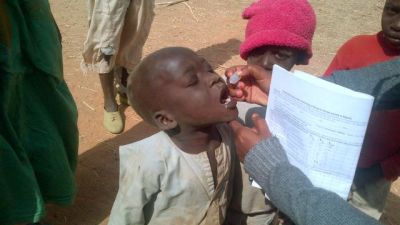
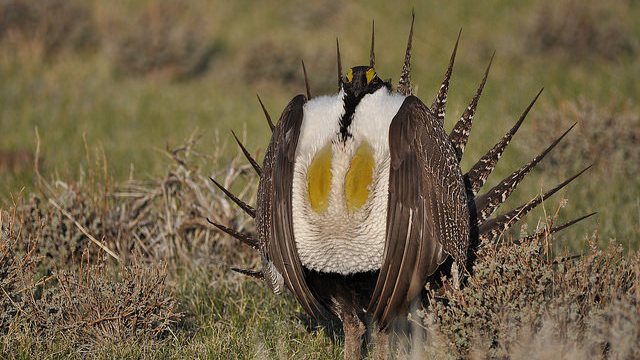
window.__IS_SSR__=true
window.__INITIAL_STATE__={
"attachmentsReducer": {
"audio_0": {
"type": "attachments",
"id": "audio_0",
"imgSizes": {
"kqedFullSize": {
"file": "https://ww2.kqed.org/news/wp-content/themes/KQED-unified/img/audio_bgs/background0.jpg"
}
}
},
"audio_1": {
"type": "attachments",
"id": "audio_1",
"imgSizes": {
"kqedFullSize": {
"file": "https://ww2.kqed.org/news/wp-content/themes/KQED-unified/img/audio_bgs/background1.jpg"
}
}
},
"audio_2": {
"type": "attachments",
"id": "audio_2",
"imgSizes": {
"kqedFullSize": {
"file": "https://ww2.kqed.org/news/wp-content/themes/KQED-unified/img/audio_bgs/background2.jpg"
}
}
},
"audio_3": {
"type": "attachments",
"id": "audio_3",
"imgSizes": {
"kqedFullSize": {
"file": "https://ww2.kqed.org/news/wp-content/themes/KQED-unified/img/audio_bgs/background3.jpg"
}
}
},
"audio_4": {
"type": "attachments",
"id": "audio_4",
"imgSizes": {
"kqedFullSize": {
"file": "https://ww2.kqed.org/news/wp-content/themes/KQED-unified/img/audio_bgs/background4.jpg"
}
}
},
"placeholder": {
"type": "attachments",
"id": "placeholder",
"imgSizes": {
"thumbnail": {
"file": "https://cdn.kqed.org/wp-content/uploads/2024/12/KQED-Default-Image-816638274-2000x1333-1-160x107.jpg",
"width": 160,
"height": 107,
"mimeType": "image/jpeg"
},
"medium": {
"file": "https://cdn.kqed.org/wp-content/uploads/2024/12/KQED-Default-Image-816638274-2000x1333-1-800x533.jpg",
"width": 800,
"height": 533,
"mimeType": "image/jpeg"
},
"medium_large": {
"file": "https://cdn.kqed.org/wp-content/uploads/2024/12/KQED-Default-Image-816638274-2000x1333-1-768x512.jpg",
"width": 768,
"height": 512,
"mimeType": "image/jpeg"
},
"large": {
"file": "https://cdn.kqed.org/wp-content/uploads/2024/12/KQED-Default-Image-816638274-2000x1333-1-1020x680.jpg",
"width": 1020,
"height": 680,
"mimeType": "image/jpeg"
},
"1536x1536": {
"file": "https://cdn.kqed.org/wp-content/uploads/2024/12/KQED-Default-Image-816638274-2000x1333-1-1536x1024.jpg",
"width": 1536,
"height": 1024,
"mimeType": "image/jpeg"
},
"fd-lrg": {
"file": "https://cdn.kqed.org/wp-content/uploads/2024/12/KQED-Default-Image-816638274-2000x1333-1-1536x1024.jpg",
"width": 1536,
"height": 1024,
"mimeType": "image/jpeg"
},
"fd-med": {
"file": "https://cdn.kqed.org/wp-content/uploads/2024/12/KQED-Default-Image-816638274-2000x1333-1-1020x680.jpg",
"width": 1020,
"height": 680,
"mimeType": "image/jpeg"
},
"fd-sm": {
"file": "https://cdn.kqed.org/wp-content/uploads/2024/12/KQED-Default-Image-816638274-2000x1333-1-800x533.jpg",
"width": 800,
"height": 533,
"mimeType": "image/jpeg"
},
"post-thumbnail": {
"file": "https://cdn.kqed.org/wp-content/uploads/2024/12/KQED-Default-Image-816638274-2000x1333-1-672x372.jpg",
"width": 672,
"height": 372,
"mimeType": "image/jpeg"
},
"twentyfourteen-full-width": {
"file": "https://cdn.kqed.org/wp-content/uploads/2024/12/KQED-Default-Image-816638274-2000x1333-1-1038x576.jpg",
"width": 1038,
"height": 576,
"mimeType": "image/jpeg"
},
"xxsmall": {
"file": "https://cdn.kqed.org/wp-content/uploads/2024/12/KQED-Default-Image-816638274-2000x1333-1-160x107.jpg",
"width": 160,
"height": 107,
"mimeType": "image/jpeg"
},
"xsmall": {
"file": "https://cdn.kqed.org/wp-content/uploads/2024/12/KQED-Default-Image-816638274-2000x1333-1-672x372.jpg",
"width": 672,
"height": 372,
"mimeType": "image/jpeg"
},
"small": {
"file": "https://cdn.kqed.org/wp-content/uploads/2024/12/KQED-Default-Image-816638274-2000x1333-1-672x372.jpg",
"width": 672,
"height": 372,
"mimeType": "image/jpeg"
},
"xlarge": {
"file": "https://cdn.kqed.org/wp-content/uploads/2024/12/KQED-Default-Image-816638274-2000x1333-1-1020x680.jpg",
"width": 1020,
"height": 680,
"mimeType": "image/jpeg"
},
"full-width": {
"file": "https://cdn.kqed.org/wp-content/uploads/2024/12/KQED-Default-Image-816638274-2000x1333-1-1920x1280.jpg",
"width": 1920,
"height": 1280,
"mimeType": "image/jpeg"
},
"guest-author-32": {
"file": "https://cdn.kqed.org/wp-content/uploads/2025/01/KQED-Default-Image-816638274-1333x1333-1-160x160.jpg",
"width": 32,
"height": 32,
"mimeType": "image/jpeg"
},
"guest-author-50": {
"file": "https://cdn.kqed.org/wp-content/uploads/2025/01/KQED-Default-Image-816638274-1333x1333-1-160x160.jpg",
"width": 50,
"height": 50,
"mimeType": "image/jpeg"
},
"guest-author-64": {
"file": "https://cdn.kqed.org/wp-content/uploads/2025/01/KQED-Default-Image-816638274-1333x1333-1-160x160.jpg",
"width": 64,
"height": 64,
"mimeType": "image/jpeg"
},
"guest-author-96": {
"file": "https://cdn.kqed.org/wp-content/uploads/2025/01/KQED-Default-Image-816638274-1333x1333-1-160x160.jpg",
"width": 96,
"height": 96,
"mimeType": "image/jpeg"
},
"guest-author-128": {
"file": "https://cdn.kqed.org/wp-content/uploads/2025/01/KQED-Default-Image-816638274-1333x1333-1-160x160.jpg",
"width": 128,
"height": 128,
"mimeType": "image/jpeg"
},
"detail": {
"file": "https://cdn.kqed.org/wp-content/uploads/2025/01/KQED-Default-Image-816638274-1333x1333-1-160x160.jpg",
"width": 160,
"height": 160,
"mimeType": "image/jpeg"
},
"kqedFullSize": {
"file": "https://cdn.kqed.org/wp-content/uploads/2024/12/KQED-Default-Image-816638274-2000x1333-1.jpg",
"width": 2000,
"height": 1333
}
}
},
"education_19156": {
"type": "attachments",
"id": "education_19156",
"meta": {
"index": "attachments_1716263798",
"site": "education",
"id": "19156",
"found": true
},
"parent": 19155,
"imgSizes": {
"thumbnail": {
"file": "https://ww2.kqed.org/app/uploads/sites/38/2015/10/19155-thumb-400x225.jpg",
"width": 400,
"mimeType": "image/jpeg",
"height": 225
},
"kqedFullSize": {
"file": "https://ww2.kqed.org/app/uploads/sites/38/2015/10/19155-thumb.jpg",
"width": 400,
"height": 225
},
"guest-author-96": {
"file": "https://ww2.kqed.org/app/uploads/sites/38/2015/10/19155-thumb-96x96.jpg",
"width": 96,
"mimeType": "image/jpeg",
"height": 96
},
"guest-author-64": {
"file": "https://ww2.kqed.org/app/uploads/sites/38/2015/10/19155-thumb-64x64.jpg",
"width": 64,
"mimeType": "image/jpeg",
"height": 64
},
"detail": {
"file": "https://ww2.kqed.org/app/uploads/sites/38/2015/10/19155-thumb-75x75.jpg",
"width": 75,
"mimeType": "image/jpeg",
"height": 75
},
"guest-author-32": {
"file": "https://ww2.kqed.org/app/uploads/sites/38/2015/10/19155-thumb-32x32.jpg",
"width": 32,
"mimeType": "image/jpeg",
"height": 32
},
"guest-author-128": {
"file": "https://ww2.kqed.org/app/uploads/sites/38/2015/10/19155-thumb-128x128.jpg",
"width": 128,
"mimeType": "image/jpeg",
"height": 128
}
},
"publishDate": 1445896543,
"modified": 1445896543,
"caption": null,
"description": null,
"title": "Thumbnail for 19155",
"credit": null,
"status": "inherit",
"isLoading": false,
"fetchFailed": false
},
"education_24926": {
"type": "attachments",
"id": "education_24926",
"meta": {
"index": "attachments_1716263798",
"site": "education",
"id": "24926",
"found": true
},
"parent": 24925,
"imgSizes": {
"thumbnail": {
"file": "https://ww2.kqed.org/app/uploads/sites/38/2015/11/Sage-grouse-1-400x225.jpg",
"width": 400,
"mimeType": "image/jpeg",
"height": 225
},
"kqedFullSize": {
"file": "https://ww2.kqed.org/app/uploads/sites/38/2015/11/Sage-grouse-1.jpg",
"width": 640,
"height": 360
},
"guest-author-96": {
"file": "https://ww2.kqed.org/app/uploads/sites/38/2015/11/Sage-grouse-1-96x96.jpg",
"width": 96,
"mimeType": "image/jpeg",
"height": 96
},
"guest-author-64": {
"file": "https://ww2.kqed.org/app/uploads/sites/38/2015/11/Sage-grouse-1-64x64.jpg",
"width": 64,
"mimeType": "image/jpeg",
"height": 64
},
"detail": {
"file": "https://ww2.kqed.org/app/uploads/sites/38/2015/11/Sage-grouse-1-75x75.jpg",
"width": 75,
"mimeType": "image/jpeg",
"height": 75
},
"guest-author-32": {
"file": "https://ww2.kqed.org/app/uploads/sites/38/2015/11/Sage-grouse-1-32x32.jpg",
"width": 32,
"mimeType": "image/jpeg",
"height": 32
},
"guest-author-128": {
"file": "https://ww2.kqed.org/app/uploads/sites/38/2015/11/Sage-grouse-1-128x128.jpg",
"width": 128,
"mimeType": "image/jpeg",
"height": 128
}
},
"publishDate": 1446519826,
"modified": 1446519889,
"caption": "A male greater sage grouse struts at a lek, near Bridgeport, CA to attract a mate. ",
"description": null,
"title": "Sage-grouse-1",
"credit": "Photo by Jeannie Stafford, U.S. Fish and Wildlife Service.",
"status": "inherit",
"isLoading": false,
"fetchFailed": false
},
"education_18994": {
"type": "attachments",
"id": "education_18994",
"meta": {
"index": "attachments_1716263798",
"site": "education",
"id": "18994",
"found": true
},
"parent": 14359,
"imgSizes": {
"thumbnail": {
"file": "https://ww2.kqed.org/app/uploads/sites/38/2015/08/IMG_7906-400x225.jpg",
"width": 400,
"mimeType": "image/jpeg",
"height": 225
},
"kqedFullSize": {
"file": "https://ww2.kqed.org/app/uploads/sites/38/2015/08/IMG_7906.jpg",
"width": 640,
"height": 360
},
"guest-author-96": {
"file": "https://ww2.kqed.org/app/uploads/sites/38/2015/08/IMG_7906-96x96.jpg",
"width": 96,
"mimeType": "image/jpeg",
"height": 96
},
"guest-author-64": {
"file": "https://ww2.kqed.org/app/uploads/sites/38/2015/08/IMG_7906-64x64.jpg",
"width": 64,
"mimeType": "image/jpeg",
"height": 64
},
"detail": {
"file": "https://ww2.kqed.org/app/uploads/sites/38/2015/08/IMG_7906-75x75.jpg",
"width": 75,
"mimeType": "image/jpeg",
"height": 75
},
"guest-author-32": {
"file": "https://ww2.kqed.org/app/uploads/sites/38/2015/08/IMG_7906-32x32.jpg",
"width": 32,
"mimeType": "image/jpeg",
"height": 32
},
"guest-author-128": {
"file": "https://ww2.kqed.org/app/uploads/sites/38/2015/08/IMG_7906-128x128.jpg",
"width": 128,
"mimeType": "image/jpeg",
"height": 128
}
},
"publishDate": 1442617993,
"modified": 1442617993,
"caption": null,
"description": null,
"title": "IMG_7906",
"credit": null,
"status": "inherit",
"isLoading": false,
"fetchFailed": false
},
"education_17605": {
"type": "attachments",
"id": "education_17605",
"meta": {
"index": "attachments_1716263798",
"site": "education",
"id": "17605",
"found": true
},
"parent": 17424,
"imgSizes": {
"thumbnail": {
"file": "https://ww2.kqed.org/app/uploads/sites/38/2015/05/Foldscope_CU_small_white-400x225.jpg",
"width": 400,
"mimeType": "image/jpeg",
"height": 225
},
"kqedFullSize": {
"file": "https://ww2.kqed.org/app/uploads/sites/38/2015/05/Foldscope_CU_small_white.jpg",
"width": 640,
"height": 360
},
"guest-author-96": {
"file": "https://ww2.kqed.org/app/uploads/sites/38/2015/05/Foldscope_CU_small_white-96x96.jpg",
"width": 96,
"mimeType": "image/jpeg",
"height": 96
},
"guest-author-64": {
"file": "https://ww2.kqed.org/app/uploads/sites/38/2015/05/Foldscope_CU_small_white-64x64.jpg",
"width": 64,
"mimeType": "image/jpeg",
"height": 64
},
"detail": {
"file": "https://ww2.kqed.org/app/uploads/sites/38/2015/05/Foldscope_CU_small_white-75x75.jpg",
"width": 75,
"mimeType": "image/jpeg",
"height": 75
},
"guest-author-32": {
"file": "https://ww2.kqed.org/app/uploads/sites/38/2015/05/Foldscope_CU_small_white-32x32.jpg",
"width": 32,
"mimeType": "image/jpeg",
"height": 32
},
"guest-author-128": {
"file": "https://ww2.kqed.org/app/uploads/sites/38/2015/05/Foldscope_CU_small_white-128x128.jpg",
"width": 128,
"mimeType": "image/jpeg",
"height": 128
}
},
"publishDate": 1433547898,
"modified": 1433547973,
"caption": "The Foldscope, an origami microscope.",
"description": null,
"title": "Foldscope_CU_small_white",
"credit": null,
"status": "inherit",
"isLoading": false,
"fetchFailed": false
},
"education_15213": {
"type": "attachments",
"id": "education_15213",
"meta": {
"index": "attachments_1716263798",
"site": "education",
"id": "15213",
"found": true
},
"parent": 15189,
"imgSizes": {
"thumbnail": {
"file": "https://ww2.kqed.org/app/uploads/sites/38/2014/12/DoNow_image-400x225.png",
"width": 400,
"mimeType": "image/png",
"height": 225
},
"kqedFullSize": {
"file": "https://ww2.kqed.org/app/uploads/sites/38/2014/12/DoNow_image.png",
"width": 640,
"height": 360
},
"guest-author-96": {
"file": "https://ww2.kqed.org/app/uploads/sites/38/2014/12/DoNow_image-96x96.png",
"width": 96,
"mimeType": "image/png",
"height": 96
},
"guest-author-64": {
"file": "https://ww2.kqed.org/app/uploads/sites/38/2014/12/DoNow_image-64x64.png",
"width": 64,
"mimeType": "image/png",
"height": 64
},
"detail": {
"file": "https://ww2.kqed.org/app/uploads/sites/38/2014/12/DoNow_image-75x75.png",
"width": 75,
"mimeType": "image/png",
"height": 75
},
"guest-author-32": {
"file": "https://ww2.kqed.org/app/uploads/sites/38/2014/12/DoNow_image-32x32.png",
"width": 32,
"mimeType": "image/png",
"height": 32
},
"guest-author-128": {
"file": "https://ww2.kqed.org/app/uploads/sites/38/2014/12/DoNow_image-128x128.png",
"width": 128,
"mimeType": "image/png",
"height": 128
}
},
"publishDate": 1417631673,
"modified": 1417631673,
"caption": null,
"description": null,
"title": "DoNow_image",
"credit": null,
"status": "inherit",
"isLoading": false,
"fetchFailed": false
},
"education_2500": {
"type": "attachments",
"id": "education_2500",
"meta": {
"index": "attachments_1716263798",
"site": "education",
"id": "2500",
"found": true
},
"parent": 2494,
"imgSizes": {
"thumbnail": {
"file": "https://ww2.kqed.org/app/uploads/sites/38/2012/05/cyberbullying1-400x263.jpg",
"width": 400,
"mimeType": "image/jpeg",
"height": 263
},
"post-thumbnail": {
"file": "https://ww2.kqed.org/app/uploads/sites/38/2012/05/cyberbullying1-640x372.jpg",
"width": 640,
"mimeType": "image/jpeg",
"height": 372
},
"kqedFullSize": {
"file": "https://ww2.kqed.org/app/uploads/sites/38/2012/05/cyberbullying1.jpg",
"width": 640,
"height": 420
},
"guest-author-96": {
"file": "https://ww2.kqed.org/app/uploads/sites/38/2012/05/cyberbullying1-96x96.jpg",
"width": 96,
"mimeType": "image/jpeg",
"height": 96
},
"guest-author-64": {
"file": "https://ww2.kqed.org/app/uploads/sites/38/2012/05/cyberbullying1-64x64.jpg",
"width": 64,
"mimeType": "image/jpeg",
"height": 64
},
"detail": {
"file": "https://ww2.kqed.org/app/uploads/sites/38/2012/05/cyberbullying1-75x75.jpg",
"width": 75,
"mimeType": "image/jpeg",
"height": 75
},
"guest-author-32": {
"file": "https://ww2.kqed.org/app/uploads/sites/38/2012/05/cyberbullying1-32x32.jpg",
"width": 32,
"mimeType": "image/jpeg",
"height": 32
},
"guest-author-128": {
"file": "https://ww2.kqed.org/app/uploads/sites/38/2012/05/cyberbullying1-128x128.jpg",
"width": 128,
"mimeType": "image/jpeg",
"height": 128
}
},
"publishDate": 1338047972,
"modified": 1338047972,
"caption": null,
"description": null,
"title": "cyberbullying",
"credit": null,
"status": "inherit",
"isLoading": false,
"fetchFailed": false
}
},
"audioPlayerReducer": {
"postId": "stream_live",
"isPaused": true,
"isPlaying": false,
"pfsActive": false,
"pledgeModalIsOpen": true,
"playerDrawerIsOpen": false,
"liveAudioPlayStartedAt": 0,
"liveAudioPlayContext": ""
},
"authorsReducer": {
"byline_education_14359": {
"type": "authors",
"id": "byline_education_14359",
"meta": {
"override": true
},
"slug": "byline_education_14359",
"name": "Randy Depew",
"isLoading": false
},
"mattwilliams": {
"type": "authors",
"id": "5232",
"meta": {
"index": "authors_1716337520",
"id": "5232",
"found": true
},
"name": "Matthew Williams",
"firstName": "Matthew",
"lastName": "Williams",
"slug": "mattwilliams",
"email": "mwilliams@kqed.org",
"display_author_email": false,
"staff_mastheads": [],
"title": null,
"bio": "Matthew Williams is a filmmaker and media educator who has recently transplanted to Oakland from Los Angeles. He believes that you are what you eat and feels everyone should have a multitude of dietary options for self-realization. Matthew is the Educational Technologist at KQED.",
"avatar": "https://secure.gravatar.com/avatar/76ed000536cf07023cbb91b346b00c29?s=600&d=blank&r=g",
"twitter": null,
"facebook": null,
"instagram": null,
"linkedin": null,
"sites": [
{
"site": "education",
"roles": [
"subscriber"
]
}
],
"headData": {
"title": "Matthew Williams | KQED",
"description": null,
"ogImgSrc": "https://secure.gravatar.com/avatar/76ed000536cf07023cbb91b346b00c29?s=600&d=blank&r=g",
"twImgSrc": "https://secure.gravatar.com/avatar/76ed000536cf07023cbb91b346b00c29?s=600&d=blank&r=g"
},
"isLoading": false,
"link": "/author/mattwilliams"
},
"lfarrar": {
"type": "authors",
"id": "6544",
"meta": {
"index": "authors_1716337520",
"id": "6544",
"found": true
},
"name": "Lauren Farrar",
"firstName": "Lauren",
"lastName": "Farrar",
"slug": "lfarrar",
"email": "lfarrar@kqed.org",
"display_author_email": false,
"staff_mastheads": [],
"title": "KQED Contributor",
"bio": "Lauren has a background in biology, education, and filmmaking. She has had the privilege to work on a diverse array of educational endeavors and is currently a producer for KQED Learning's YouTube series \u003cem>Above the Noise\u003c/em>. Lauren's career has taken her to the deepest parts of the ocean to film deep sea hydrothermal vents for classroom webcasts, into the pool to film synchronized swimmers to teach about the pH scale, and on roller coasters to create a video about activation energy. And, she’s done it all for the sake of education. Lauren loves communicating science! Follow her on twitter @LFarrarAtWork",
"avatar": "https://secure.gravatar.com/avatar/580c4ece9fa0756ef42202cdcf4146d1?s=600&d=blank&r=g",
"twitter": null,
"facebook": null,
"instagram": null,
"linkedin": null,
"sites": [
{
"site": "news",
"roles": []
},
{
"site": "lowdown",
"roles": []
},
{
"site": "education",
"roles": []
},
{
"site": "quest",
"roles": []
}
],
"headData": {
"title": "Lauren Farrar | KQED",
"description": "KQED Contributor",
"ogImgSrc": "https://secure.gravatar.com/avatar/580c4ece9fa0756ef42202cdcf4146d1?s=600&d=blank&r=g",
"twImgSrc": "https://secure.gravatar.com/avatar/580c4ece9fa0756ef42202cdcf4146d1?s=600&d=blank&r=g"
},
"isLoading": false,
"link": "/author/lfarrar"
},
"maxineeinhorn": {
"type": "authors",
"id": "9253",
"meta": {
"index": "authors_1716337520",
"id": "9253",
"found": true
},
"name": "Maxine Einhorn",
"firstName": "Maxine",
"lastName": "Einhorn",
"slug": "maxineeinhorn",
"email": "meinhorn@kqed.org",
"display_author_email": false,
"staff_mastheads": [],
"title": null,
"bio": "Maxine Einhorn is from London and has lived in the Bay Area for 12 years. She has worked in adult education in London,UK, for over twenty years as a tenured instructor and department manager. She has an MA in Film and TV from University of London and has taught, moderated and appraised academic work in film studies and media literacy at undergraduate and college level. She runs the ESL/ Post Secondary project at KQED which offers media-rich resources for and created by ESL educators.",
"avatar": "https://secure.gravatar.com/avatar/b7c9dcaa117d83010ef551d91331c9d9?s=600&d=blank&r=g",
"twitter": null,
"facebook": null,
"instagram": null,
"linkedin": null,
"sites": [
{
"site": "education",
"roles": [
"editor"
]
}
],
"headData": {
"title": "Maxine Einhorn | KQED",
"description": null,
"ogImgSrc": "https://secure.gravatar.com/avatar/b7c9dcaa117d83010ef551d91331c9d9?s=600&d=blank&r=g",
"twImgSrc": "https://secure.gravatar.com/avatar/b7c9dcaa117d83010ef551d91331c9d9?s=600&d=blank&r=g"
},
"isLoading": false,
"link": "/author/maxineeinhorn"
},
"sencer": {
"type": "authors",
"id": "9628",
"meta": {
"index": "authors_1716337520",
"id": "9628",
"found": true
},
"name": "SENCER",
"firstName": "SENCER",
"lastName": null,
"slug": "sencer",
"email": "scienceed@kqed.org",
"display_author_email": false,
"staff_mastheads": [],
"title": null,
"bio": null,
"avatar": "https://secure.gravatar.com/avatar/b6cc1c0f53a1420c02e9279b9405ec9a?s=600&d=blank&r=g",
"twitter": null,
"facebook": null,
"instagram": null,
"linkedin": null,
"sites": [
{
"site": "education",
"roles": [
"author"
]
}
],
"headData": {
"title": "SENCER | KQED",
"description": null,
"ogImgSrc": "https://secure.gravatar.com/avatar/b6cc1c0f53a1420c02e9279b9405ec9a?s=600&d=blank&r=g",
"twImgSrc": "https://secure.gravatar.com/avatar/b6cc1c0f53a1420c02e9279b9405ec9a?s=600&d=blank&r=g"
},
"isLoading": false,
"link": "/author/sencer"
}
},
"pagesReducer": {
"education_tag_do-now-u": {
"type": "terms",
"id": "education_2516",
"meta": {
"index": "terms_1716263798",
"site": "education",
"id": "2516",
"score": 10.406385
},
"featImg": null,
"name": "Do Now U",
"description": null,
"taxonomy": "tag",
"headData": {
"twImgId": null,
"twTitle": null,
"ogTitle": null,
"ogImgId": null,
"twDescription": null,
"description": null,
"title": "Do Now U | KQED Education",
"ogDescription": null
},
"ttid": 2505,
"slug": "do-now-u",
"isLoading": false,
"title": "Do Now U",
"pageMeta": {
"site": "education",
"WpPageTemplate": "page-topic-company",
"currentPage": 4
},
"blocks": [
{
"blockName": "kqed/post-list",
"attrs": {
"layout": "cardCompany2",
"query": "posts/education?tag=do-now-u",
"seeMore": false,
"paginated": true,
"page": 4
}
},
{
"blockName": "kqed/ad"
}
]
}
},
"pfsSessionReducer": {},
"postsReducer": {
"stream_live": {
"type": "live",
"id": "stream_live",
"audioUrl": "https://hls.kqed.org/hls/kqed_app/playlist.m3u8",
"title": "Live Stream",
"excerpt": "Live Stream information currently unavailable.",
"link": "/radio",
"featImg": "",
"label": {
"name": "KQED Live",
"link": "/"
}
},
"stream_kqedNewscast": {
"type": "posts",
"id": "stream_kqedNewscast",
"audioUrl": "https://www.kqed.org/.stream/anon/radio/RDnews/newscast.mp3?_=1",
"title": "KQED Newscast",
"featImg": "",
"label": {
"name": "88.5 FM",
"link": "/"
}
},
"education_19155": {
"type": "posts",
"id": "education_19155",
"meta": {
"index": "posts_1716263798",
"site": "education",
"id": "19155",
"score": null,
"sort": [
1444210543000
]
},
"parent": 0,
"labelTerm": {},
"blocks": [],
"publishDate": 1444210543,
"format": "standard",
"title": "The Fate of Polio: Eradication or Elimination?",
"headTitle": "The Fate of Polio: Eradication or Elimination? | KQED",
"content": "\u003cp>\u003c!-- iframe plugin v.4.3 wordpress.org/plugins/iframe/ -->\u003cbr>\n\u003ciframe loading=\"lazy\" src=\"http://www.npr.org/player/embed/417113319/417675921\" width=\"100%\" height=\"290\" frameborder=\"0\" scrolling=\"no\" title=\"NPR embedded audio player\" class=\"iframe-class\">\u003c/iframe>\u003c/p>\n\u003chr>\n\u003ch2>\u003cstrong>Do Now U\u003c/strong>\u003c/h2>\n\u003cp>\u003cspan style=\"font-weight: 400\">Should global efforts to completely eradicate polio continue or is elimination of the disease enough? \u003cstrong>#DoNowUPolio \u003c/strong>\u003c/span>\u003c/p>\n\u003chr>\n\u003ch2>\u003cstrong>How to Do Now \u003c/strong>\u003c/h2>\n\u003cp>To respond to the Do Now U, you can comment below or post your response on social media platforms such as Twitter, Instagram, Tumblr, Vine, Flickr, Google +, etc. \u003cstrong>Just be sure to include \u003cem>#DoNowUPolio\u003c/em> and \u003cem>@KQEDedspace\u003c/em> in your posts.\u003c/strong>\u003c/p>\n\u003chr>\n\u003ch2>Learn More about Polio and Disease Eradication\u003c/h2>\n\u003cp>An Egyptian tablet from around 1400 BCE depicts the first \u003ca href=\"http://www.unicef.org/immunization/files/The_Story_of_the_End_of_Polio.pdf\" target=\"_blank\" rel=\"noopener noreferrer\">ancient polio victim\u003c/a>, a man with his leg deformed by what appears to be wild poliovirus (WPV). Even though polio has been around for a long time, it became a real issue in the 20th century when epidemics broke out in Europe. Most polio victims show minor \u003ca href=\"http://www.polioeradication.org/Polioandprevention.aspx\" target=\"_blank\" rel=\"noopener noreferrer\">symptoms\u003c/a>, if any at all. The worst effects of polio occur in about 1 percent of infections, when the disease enters the central nervous system, causing paralytic disease or paralysis. Polio is typically transmitted by contaminated food and water sources and, in the years preceding 1961 when Albert Sabin developed a cost-effective \u003ca href=\"http://www.ncbi.nlm.nih.gov/pubmed/25864107\" target=\"_blank\" rel=\"noopener noreferrer\">polio vaccine\u003c/a>, half a million people died or became paralyzed because of polio per year.\u003c/p>\n\u003cp>The \u003ca href=\"http://www.polioeradication.org/Aboutus/Ourmission.aspx\" target=\"_blank\" rel=\"noopener noreferrer\">Global Polio Eradication Initiative\u003c/a> (GPEI), which includes immunization and education campaigns, has decreased polio cases about 99 percent since 1988. Despite great progress, in 2000 (the \u003ca href=\"http://www.who.int/mediacentre/factsheets/fs114/en/\" target=\"_blank\" rel=\"noopener noreferrer\">World Health Organization’s\u003c/a> target year for complete elimination), polio cases were still reported within 23 nations. As we continue to push back an anticipated date for eradication, some ask why hasn’t polio been eradicated and \u003ca href=\"http://www.sciencemag.org/content/312/5775/852.full\" target=\"_blank\" rel=\"noopener noreferrer\">whether or not eradication should be the goal\u003c/a> at all. In the field of infectious diseases, scientists \u003ca href=\"http://www.npr.org/sections/goatsandsoda/2015/01/14/377182067/control-eliminate-eradicate-a-disease-whats-the-difference\" target=\"_blank\" rel=\"noopener noreferrer\">differentiate\u003c/a> between control (reducing the incidence of a disease); elimination (stopping transmission of the disease in specific geographic areas); and eradication (reaching zero cases worldwide). So far, only one disease, smallpox, has been eradicated. We’ve become effective at the control and elimination of polio, but the eradication of the final 1 percent of WPV cases in the three remaining endemic countries (\u003ca href=\"http://www.polioeradication.org/Keycountries/Pakistan.aspx\" target=\"_blank\" rel=\"noopener noreferrer\">Pakistan\u003c/a>, \u003ca href=\"http://www.polioeradication.org/Keycountries/Nigeria.aspx\" target=\"_blank\" rel=\"noopener noreferrer\">Nigeria\u003c/a>, and \u003ca href=\"http://www.polioeradication.org/Keycountries/Afghanistan.aspx\" target=\"_blank\" rel=\"noopener noreferrer\">Afghanistan\u003c/a>) will be challenging.\u003c/p>\n\u003cfigure id=\"attachment_108298\" class=\"wp-caption alignleft\" style=\"max-width: 616px\">\u003cimg loading=\"lazy\" decoding=\"async\" class=\"size-full wp-image-108298\" src=\"http://ww2.kqed.org/education/wp-content/uploads/sites/38/2015/10/polio-map_1988-2014_616x312.jpg\" alt=\"Worldwide progress against polio. \" width=\"616\" height=\"312\" srcset=\"https://cdn.kqed.org/wp-content/uploads/sites/38/2015/10/polio-map_1988-2014_616x312.jpg 616w, https://cdn.kqed.org/wp-content/uploads/sites/38/2015/10/polio-map_1988-2014_616x312-400x203.jpg 400w\" sizes=\"(max-width: 616px) 100vw, 616px\">\u003cfigcaption class=\"wp-caption-text\">Worldwide progress against polio. \u003ccite>(Source: \u003ca href=\"http://www.cdc.gov/polio/progress/\" target=\"_blank\">CDC\u003c/a>)\u003c/cite>\u003c/figcaption>\u003c/figure>\n\u003cp>Smallpox is the only disease to be completely eradicated, and since it is easy to identify, the entire 10-year process cost only $100 million. Because so many polio cases are invisible, the campaign to detect, contain and eliminate polio has lasted 27 years and has cost $4 billion. Complete eradication and necessary follow-up is predicted to cost an additional \u003ca href=\"http://www.sciencemag.org/content/312/5775/852.full\" target=\"_blank\" rel=\"noopener noreferrer\">$1.2 billion\u003c/a> and will depend heavily upon foreign aid. The two existing types of polio vaccines present a difficult trade-off: live oral polio vaccines (OPVs) are inexpensive and easy to distribute but pose a small risk of \u003ca href=\"http://www.nytimes.com/2015/09/08/health/west-african-child-is-paralyzed-by-vaccine-derived-polio.html?emc=edit_th_20150908&nl=todaysheadlines&nlid=34759170\" target=\"_blank\" rel=\"noopener noreferrer\">vaccine-derived infection\u003c/a>. Inactivated polio vaccines (IPVs) are safer but expensive and require training to distribute. Complete polio eradication will be impossible unless the expensive transition to IPVs is made. Instability in \u003ca href=\"http://www.npr.org/sections/goatsandsoda/2014/07/28/330767266/taliban-in-pakistan-derails-world-polio-eradication\" target=\"_blank\" rel=\"noopener noreferrer\">conflict areas\u003c/a>, and \u003ca href=\"http://content.time.com/time/health/article/0,8599,1540477,00.html\" target=\"_blank\" rel=\"noopener noreferrer\">misinformation\u003c/a> leading to people resisting or \u003ca href=\"http://www.ncbi.nlm.nih.gov/pmc/articles/PMC1831725/\" target=\"_blank\" rel=\"noopener noreferrer\">refusing the vaccine\u003c/a> further \u003ca href=\"http://worldnews.nbcnews.com/_news/2012/12/20/16039942-rumors-of-plot-to-sterilize-muslims-with-polio-vaccine-spark-killings-in-pakistan?lite\" target=\"_blank\" rel=\"noopener noreferrer\">complicate\u003c/a> polio’s endgame.\u003c/p>\n\u003cp>[ad fullwidth]\u003c/p>\n\u003cp>Even though wiping out polio may seem like the obvious choice, the funds required for complete eradication have not yet been committed. Spending aid on polio eradication has opportunity costs: a loss of resources devoted to the research and elimination of other infectious diseases that contribute to the global health burden (e.g. respiratory infections, HIV/AIDs, malaria, tuberculosis, diarrheal diseases). However, according to \u003ca href=\"http://www.who.int/mediacentre/factsheets/fs114/en/\" target=\"_blank\" rel=\"noopener noreferrer\">WHO\u003c/a>, the eradication of polio would mark “the delivery of a major global public good that will benefit all people, equally, no matter where they live. Economic modelling has found that…[eradication] would save at least US$ 40-50 billion over the next 20 years, most in low-income countries. Most importantly, success will mean that no child will ever again suffer the terrible effects of lifelong polio-paralysis.”\u003c/p>\n\u003cp>How do we balance short- and long-term financial and health burdens? Should we make the final push to eradicate polio, or will smallpox be the only disease of its kind?\u003c/p>\n\u003chr>\n\u003ch2>\u003cstrong>More Resources\u003c/strong>\u003c/h2>\n\u003cp>\u003cstrong>VIDEO: CSIS Smart Global Health: \u003ca href=\"https://youtu.be/mGOMfAtE7Lk\">Global Polio Eradication\u003c/a>\u003c/strong>\u003cbr>\nThe Global Polio Eradication Initiative outlines a comprehensive plan for wiping out the last 1% of polio cases.\u003c/p>\n\u003cp>\u003cstrong>ARTICLE: NPR: \u003ca href=\"http://www.npr.org/sections/goatsandsoda/2015/01/14/377182067/control-eliminate-eradicate-a-disease-whats-the-difference\">Control, Eliminate, Eradicate A Disease: What’s The Difference?\u003c/a>\u003c/strong>\u003cbr>\nWhen talking about ridding the world of infectious diseases, scientists use the terms “control,” “eliminate” and “eradicate.” Find out how they differ.\u003c/p>\n\u003cp>\u003cstrong>WEBSITE: World Health Organization: \u003ca href=\"http://www.who.int/mediacentre/factsheets/fs114/en/\">Poliomyelitis\u003c/a>\u003c/strong>\u003cbr>\nThis fact sheet contains information on the polio disease and on the Global Polio Eradication Initiative.\u003c/p>\n\u003cp>\u003cstrong>AUDIO: NPR: \u003ca href=\"http://www.npr.org/sections/goatsandsoda/2014/07/28/330767266/taliban-in-pakistan-derails-world-polio-eradication\">Taliban In Pakistan Derail World Polio Eradication\u003c/a>\u003c/strong>\u003cbr>\nThis story, from 2014, discusses how the prohibition of polio vaccines by the Taliban affected polio cases in Pakistan.\u003c/p>\n\u003chr>\n\u003cp>Go here for\u003ca href=\"http://staging-blogs.kqed.org/education/about-do-now/\"> best practices \u003c/a>for using Do Now, using \u003ca href=\"http://staging-blogs.kqed.org/education/how-to-use-twitter-in-your-teaching-practice/\">Twitter for teaching\u003c/a>, and using other \u003ca href=\"http://staging-blogs.kqed.org/education/category/tools/\">digital tools\u003c/a>.\u003c/p>\n\u003chr>\n\u003cp>\u003cem>This post was written by the following students at Duke University: Virginia Reid, Celia Mizelle, Andrew Padilla and Thomas Luo.\u003c/em>\u003c/p>\n\u003cp>\u003c/p>\n\u003cp>KQED Do Now U is a bi-weekly activity in collaboration with \u003ca href=\"http://sencer.net/\" target=\"_blank\" rel=\"noopener noreferrer\">SENCER\u003c/a>. SENCER is a community of transformation that consists of educators and administrators in the higher and informal education sectors. SENCER aims to create an intelligent, educated, and empowered citizenry through advancing knowledge in the STEM fields and beyond. SENCER courses show students the direct connections between subject content and the real world issues they care about, and invite students to use these connections to solve today’s most pressing problems.\u003c/p>\n\n",
"stats": {
"hasVideo": false,
"hasChartOrMap": false,
"hasAudio": false,
"hasPolis": false,
"wordCount": 911,
"hasGoogleForm": false,
"hasGallery": false,
"hasHearkenModule": false,
"iframeSrcs": [],
"paragraphCount": 17
},
"modified": 1704763373,
"excerpt": "\u003cdiv>\r\n\u003cdiv>\r\n\u003cp>Captured in the Local Government Area of Bagwai, in the Kano State of northern Nigeria, January, 2013, this image depicts Nigerian Field Epidemiology Training Program resident, Dr. Binta Bako Sule, in the process of administering the oral polio vaccine to a previously missed child, during a National-Stop Transmission of Polio \u003ca href=\"http://ww2.kqed.org/education/2015/10/07/the-fate-of-polio-eradication-or-elimination/\" target=\"_self\" id=\"rssmi_more\" rel=\"noopener\"> ...read more\u003c/a>",
"headData": {
"twImgId": "",
"twTitle": "",
"ogTitle": "",
"ogImgId": "",
"twDescription": "",
"description": "\r\n\r\nCaptured in the Local Government Area of Bagwai, in the Kano State of northern Nigeria, January, 2013, this image depicts Nigerian Field Epidemiology Training Program resident, Dr. Binta Bako Sule, in the process of administering the oral polio vaccine to a previously missed child, during a National-Stop Transmission of Polio ...read more",
"title": "The Fate of Polio: Eradication or Elimination? | KQED",
"ogDescription": "",
"schema": {
"@context": "https://schema.org",
"@type": "Article",
"headline": "The Fate of Polio: Eradication or Elimination?",
"datePublished": "2015-10-07T02:35:43-07:00",
"dateModified": "2024-01-08T17:22:53-08:00",
"image": "https://cdn.kqed.org/wp-content/uploads/2020/02/KQED-OG-Image@1x.png"
}
},
"guestAuthors": [],
"slug": "the-fate-of-polio-eradication-or-elimination",
"status": "publish",
"sourceUrl": "https://ww2.kqed.org/education/tag/do-now-u/",
"sticky": false,
"source": "Do Now U",
"path": "/education/19155/the-fate-of-polio-eradication-or-elimination",
"audioTrackLength": null,
"parsedContent": [
{
"type": "contentString",
"content": "\u003cdiv class=\"post-body\">\u003cp>\u003cp>\u003c!-- iframe plugin v.4.3 wordpress.org/plugins/iframe/ -->\u003cbr>\n\u003ciframe loading=\"lazy\" src=\"http://www.npr.org/player/embed/417113319/417675921\" width=\"100%\" height=\"290\" frameborder=\"0\" scrolling=\"no\" title=\"NPR embedded audio player\" class=\"iframe-class\">\u003c/iframe>\u003c/p>\n\u003chr>\n\u003ch2>\u003cstrong>Do Now U\u003c/strong>\u003c/h2>\n\u003cp>\u003cspan style=\"font-weight: 400\">Should global efforts to completely eradicate polio continue or is elimination of the disease enough? \u003cstrong>#DoNowUPolio \u003c/strong>\u003c/span>\u003c/p>\n\u003chr>\n\u003ch2>\u003cstrong>How to Do Now \u003c/strong>\u003c/h2>\n\u003cp>To respond to the Do Now U, you can comment below or post your response on social media platforms such as Twitter, Instagram, Tumblr, Vine, Flickr, Google +, etc. \u003cstrong>Just be sure to include \u003cem>#DoNowUPolio\u003c/em> and \u003cem>@KQEDedspace\u003c/em> in your posts.\u003c/strong>\u003c/p>\n\u003chr>\n\u003ch2>Learn More about Polio and Disease Eradication\u003c/h2>\n\u003cp>An Egyptian tablet from around 1400 BCE depicts the first \u003ca href=\"http://www.unicef.org/immunization/files/The_Story_of_the_End_of_Polio.pdf\" target=\"_blank\" rel=\"noopener noreferrer\">ancient polio victim\u003c/a>, a man with his leg deformed by what appears to be wild poliovirus (WPV). Even though polio has been around for a long time, it became a real issue in the 20th century when epidemics broke out in Europe. Most polio victims show minor \u003ca href=\"http://www.polioeradication.org/Polioandprevention.aspx\" target=\"_blank\" rel=\"noopener noreferrer\">symptoms\u003c/a>, if any at all. The worst effects of polio occur in about 1 percent of infections, when the disease enters the central nervous system, causing paralytic disease or paralysis. Polio is typically transmitted by contaminated food and water sources and, in the years preceding 1961 when Albert Sabin developed a cost-effective \u003ca href=\"http://www.ncbi.nlm.nih.gov/pubmed/25864107\" target=\"_blank\" rel=\"noopener noreferrer\">polio vaccine\u003c/a>, half a million people died or became paralyzed because of polio per year.\u003c/p>\n\u003cp>The \u003ca href=\"http://www.polioeradication.org/Aboutus/Ourmission.aspx\" target=\"_blank\" rel=\"noopener noreferrer\">Global Polio Eradication Initiative\u003c/a> (GPEI), which includes immunization and education campaigns, has decreased polio cases about 99 percent since 1988. Despite great progress, in 2000 (the \u003ca href=\"http://www.who.int/mediacentre/factsheets/fs114/en/\" target=\"_blank\" rel=\"noopener noreferrer\">World Health Organization’s\u003c/a> target year for complete elimination), polio cases were still reported within 23 nations. As we continue to push back an anticipated date for eradication, some ask why hasn’t polio been eradicated and \u003ca href=\"http://www.sciencemag.org/content/312/5775/852.full\" target=\"_blank\" rel=\"noopener noreferrer\">whether or not eradication should be the goal\u003c/a> at all. In the field of infectious diseases, scientists \u003ca href=\"http://www.npr.org/sections/goatsandsoda/2015/01/14/377182067/control-eliminate-eradicate-a-disease-whats-the-difference\" target=\"_blank\" rel=\"noopener noreferrer\">differentiate\u003c/a> between control (reducing the incidence of a disease); elimination (stopping transmission of the disease in specific geographic areas); and eradication (reaching zero cases worldwide). So far, only one disease, smallpox, has been eradicated. We’ve become effective at the control and elimination of polio, but the eradication of the final 1 percent of WPV cases in the three remaining endemic countries (\u003ca href=\"http://www.polioeradication.org/Keycountries/Pakistan.aspx\" target=\"_blank\" rel=\"noopener noreferrer\">Pakistan\u003c/a>, \u003ca href=\"http://www.polioeradication.org/Keycountries/Nigeria.aspx\" target=\"_blank\" rel=\"noopener noreferrer\">Nigeria\u003c/a>, and \u003ca href=\"http://www.polioeradication.org/Keycountries/Afghanistan.aspx\" target=\"_blank\" rel=\"noopener noreferrer\">Afghanistan\u003c/a>) will be challenging.\u003c/p>\n\u003cfigure id=\"attachment_108298\" class=\"wp-caption alignleft\" style=\"max-width: 616px\">\u003cimg loading=\"lazy\" decoding=\"async\" class=\"size-full wp-image-108298\" src=\"http://ww2.kqed.org/education/wp-content/uploads/sites/38/2015/10/polio-map_1988-2014_616x312.jpg\" alt=\"Worldwide progress against polio. \" width=\"616\" height=\"312\" srcset=\"https://cdn.kqed.org/wp-content/uploads/sites/38/2015/10/polio-map_1988-2014_616x312.jpg 616w, https://cdn.kqed.org/wp-content/uploads/sites/38/2015/10/polio-map_1988-2014_616x312-400x203.jpg 400w\" sizes=\"(max-width: 616px) 100vw, 616px\">\u003cfigcaption class=\"wp-caption-text\">Worldwide progress against polio. \u003ccite>(Source: \u003ca href=\"http://www.cdc.gov/polio/progress/\" target=\"_blank\">CDC\u003c/a>)\u003c/cite>\u003c/figcaption>\u003c/figure>\n\u003cp>Smallpox is the only disease to be completely eradicated, and since it is easy to identify, the entire 10-year process cost only $100 million. Because so many polio cases are invisible, the campaign to detect, contain and eliminate polio has lasted 27 years and has cost $4 billion. Complete eradication and necessary follow-up is predicted to cost an additional \u003ca href=\"http://www.sciencemag.org/content/312/5775/852.full\" target=\"_blank\" rel=\"noopener noreferrer\">$1.2 billion\u003c/a> and will depend heavily upon foreign aid. The two existing types of polio vaccines present a difficult trade-off: live oral polio vaccines (OPVs) are inexpensive and easy to distribute but pose a small risk of \u003ca href=\"http://www.nytimes.com/2015/09/08/health/west-african-child-is-paralyzed-by-vaccine-derived-polio.html?emc=edit_th_20150908&nl=todaysheadlines&nlid=34759170\" target=\"_blank\" rel=\"noopener noreferrer\">vaccine-derived infection\u003c/a>. Inactivated polio vaccines (IPVs) are safer but expensive and require training to distribute. Complete polio eradication will be impossible unless the expensive transition to IPVs is made. Instability in \u003ca href=\"http://www.npr.org/sections/goatsandsoda/2014/07/28/330767266/taliban-in-pakistan-derails-world-polio-eradication\" target=\"_blank\" rel=\"noopener noreferrer\">conflict areas\u003c/a>, and \u003ca href=\"http://content.time.com/time/health/article/0,8599,1540477,00.html\" target=\"_blank\" rel=\"noopener noreferrer\">misinformation\u003c/a> leading to people resisting or \u003ca href=\"http://www.ncbi.nlm.nih.gov/pmc/articles/PMC1831725/\" target=\"_blank\" rel=\"noopener noreferrer\">refusing the vaccine\u003c/a> further \u003ca href=\"http://worldnews.nbcnews.com/_news/2012/12/20/16039942-rumors-of-plot-to-sterilize-muslims-with-polio-vaccine-spark-killings-in-pakistan?lite\" target=\"_blank\" rel=\"noopener noreferrer\">complicate\u003c/a> polio’s endgame.\u003c/p>\n\u003cp>\u003c/p>\u003c/div>",
"attributes": {
"named": {},
"numeric": []
}
},
{
"type": "component",
"content": "",
"name": "ad",
"attributes": {
"named": {
"label": "fullwidth"
},
"numeric": [
"fullwidth"
]
}
},
{
"type": "contentString",
"content": "\u003cdiv class=\"post-body\">\u003cp>\u003c/p>\n\u003cp>Even though wiping out polio may seem like the obvious choice, the funds required for complete eradication have not yet been committed. Spending aid on polio eradication has opportunity costs: a loss of resources devoted to the research and elimination of other infectious diseases that contribute to the global health burden (e.g. respiratory infections, HIV/AIDs, malaria, tuberculosis, diarrheal diseases). However, according to \u003ca href=\"http://www.who.int/mediacentre/factsheets/fs114/en/\" target=\"_blank\" rel=\"noopener noreferrer\">WHO\u003c/a>, the eradication of polio would mark “the delivery of a major global public good that will benefit all people, equally, no matter where they live. Economic modelling has found that…[eradication] would save at least US$ 40-50 billion over the next 20 years, most in low-income countries. Most importantly, success will mean that no child will ever again suffer the terrible effects of lifelong polio-paralysis.”\u003c/p>\n\u003cp>How do we balance short- and long-term financial and health burdens? Should we make the final push to eradicate polio, or will smallpox be the only disease of its kind?\u003c/p>\n\u003chr>\n\u003ch2>\u003cstrong>More Resources\u003c/strong>\u003c/h2>\n\u003cp>\u003cstrong>VIDEO: CSIS Smart Global Health: \u003ca href=\"https://youtu.be/mGOMfAtE7Lk\">Global Polio Eradication\u003c/a>\u003c/strong>\u003cbr>\nThe Global Polio Eradication Initiative outlines a comprehensive plan for wiping out the last 1% of polio cases.\u003c/p>\n\u003cp>\u003cstrong>ARTICLE: NPR: \u003ca href=\"http://www.npr.org/sections/goatsandsoda/2015/01/14/377182067/control-eliminate-eradicate-a-disease-whats-the-difference\">Control, Eliminate, Eradicate A Disease: What’s The Difference?\u003c/a>\u003c/strong>\u003cbr>\nWhen talking about ridding the world of infectious diseases, scientists use the terms “control,” “eliminate” and “eradicate.” Find out how they differ.\u003c/p>\n\u003cp>\u003cstrong>WEBSITE: World Health Organization: \u003ca href=\"http://www.who.int/mediacentre/factsheets/fs114/en/\">Poliomyelitis\u003c/a>\u003c/strong>\u003cbr>\nThis fact sheet contains information on the polio disease and on the Global Polio Eradication Initiative.\u003c/p>\n\u003cp>\u003cstrong>AUDIO: NPR: \u003ca href=\"http://www.npr.org/sections/goatsandsoda/2014/07/28/330767266/taliban-in-pakistan-derails-world-polio-eradication\">Taliban In Pakistan Derail World Polio Eradication\u003c/a>\u003c/strong>\u003cbr>\nThis story, from 2014, discusses how the prohibition of polio vaccines by the Taliban affected polio cases in Pakistan.\u003c/p>\n\u003chr>\n\u003cp>Go here for\u003ca href=\"http://staging-blogs.kqed.org/education/about-do-now/\"> best practices \u003c/a>for using Do Now, using \u003ca href=\"http://staging-blogs.kqed.org/education/how-to-use-twitter-in-your-teaching-practice/\">Twitter for teaching\u003c/a>, and using other \u003ca href=\"http://staging-blogs.kqed.org/education/category/tools/\">digital tools\u003c/a>.\u003c/p>\n\u003chr>\n\u003cp>\u003cem>This post was written by the following students at Duke University: Virginia Reid, Celia Mizelle, Andrew Padilla and Thomas Luo.\u003c/em>\u003c/p>\n\u003cp>\u003c/p>\n\u003cp>KQED Do Now U is a bi-weekly activity in collaboration with \u003ca href=\"http://sencer.net/\" target=\"_blank\" rel=\"noopener noreferrer\">SENCER\u003c/a>. SENCER is a community of transformation that consists of educators and administrators in the higher and informal education sectors. SENCER aims to create an intelligent, educated, and empowered citizenry through advancing knowledge in the STEM fields and beyond. SENCER courses show students the direct connections between subject content and the real world issues they care about, and invite students to use these connections to solve today’s most pressing problems.\u003c/p>\n\n\u003c/div>\u003c/p>",
"attributes": {
"named": {},
"numeric": []
}
}
],
"link": "/education/19155/the-fate-of-polio-eradication-or-elimination",
"authors": [
"9628"
],
"series": [
"education_2837"
],
"categories": [
"education_49"
],
"tags": [
"education_2516",
"education_573"
],
"collections": [
"education_2403"
],
"featImg": "education_19156",
"label": "source_education_19155"
},
"education_24925": {
"type": "posts",
"id": "education_24925",
"meta": {
"index": "posts_1716263798",
"site": "education",
"id": "24925",
"score": null,
"sort": [
1443146663000
]
},
"parent": 0,
"labelTerm": {},
"blocks": [],
"publishDate": 1443146663,
"format": "standard",
"title": "How Would You Balance Wildlife Conservation with Economic Growth?",
"headTitle": "How Would You Balance Wildlife Conservation with Economic Growth? | KQED",
"content": "\u003cp>\u003cstrong>Featured Media Resource: AUDIO: \u003ca href=\"http://www.npr.org/2015/09/23/442761559/court-challenges-will-be-next-battle-in-sage-grouse-conservation-saga\" target=\"_blank\" rel=\"noopener\">Lawsuits Will Be Next Battle In Sage Grouse Conservation Saga\u003c/a> (NPR)\u003c/strong>\u003cbr>\n\u003cem>The U.S. Fish and Wildlife Service decided not to protect the sage grouse under the Endangered Species Act, but there are already challenges to the decision. \u003c/em>\u003c/p>\n\u003chr>\n\u003ch2>\u003cstrong>Do Now U\u003c/strong>\u003c/h2>\n\u003cp>\u003cspan style=\"font-weight: 400\">Should the greater sage grouse have been listed as endangered? What is more important, the health of an ecosystem or an economy? Do you think this is a false duality? \u003cem>\u003cstrong>#DoNowUGrouse \u003c/strong>\u003c/em>\u003c/span>\u003c/p>\n\u003chr>\n\u003ch2>\u003cstrong>How to Do Now \u003c/strong>\u003c/h2>\n\u003cp>To respond to the Do Now U, you can comment below or post your response on social media platforms such as Twitter, Instagram, Tumblr, Vine, Flickr, Google +, etc. \u003cstrong>Just be sure to include \u003cem>#DoNowUGrouse\u003c/em> and \u003cem>@KQEDedspace\u003c/em> in your posts.\u003c/strong>\u003c/p>\n\u003chr>\n\u003ch2>Learn More about the Sage Grouse Decision\u003c/h2>\n\u003cp>On September 22, 2015, the \u003ca href=\"http://www.fws.gov/greatersagegrouse/\" target=\"_blank\" rel=\"noopener\">U.S. Fish and Wildlife Service announced\u003c/a> that an endangered species listing is “not warranted” for the greater sage grouse, an iconic species of the American West. Findings state that the bird is well distributed across much of its range, is “relatively abundant” and is not at risk of extinction now or in the foreseeable future. The decision followed years of a passionate debate between environmentalists, scientists, landowners, ranchers, the oil industry and others across the West.\u003c/p>\n\u003cp>People advocating for the bird to be listed under the Endangered Species Act (ESA) pointed to the decline of the population. There are about \u003ca href=\"http://www.npr.org/2015/09/01/435491783/fight-to-save-the-sage-grouse-finds-friends-in-all-corners-of-the-west\" target=\"_blank\" rel=\"noopener\">400,000 sage grouse remaining\u003c/a>, a fraction of what the population once was. Over a span of only seven years from 2006-2013, the population decreased by more than 50 percent. Studies in the mid-2000s proved that this rapid decline was mainly due to the negative effects of oil retrieval and gas in these states. The \u003ca href=\"http://www.pbs.org/wnet/nature/sagebrush-sea-full-episode/12341/\" target=\"_blank\" rel=\"noopener\">sagebrush ecosystem\u003c/a>, the backdrop of old Westerns, once covered 500,000 square miles. Now, it’s size has shrunk by half, and it is greatly fragmented. It is a diverse ecosystem that supports 350 species, including migrating birds and pronghorn antelope. Natural gas, oil, coal, cattle ranches, and other building projects have fragmented the system, leading to roadkill and devastating barriers. Greater sage grouse rely on extensive amounts of sagebrush for survival and have had their short distance migration impeded. They must move to wetter areas in summer, many of which have been taken over by humans. The greater sage grouse is an “umbrella” species, which means its health is indicative of the health of the entire ecosystem. According to the \u003ca href=\"http://www.washingtonpost.com/news/energy-environment/wp/2015/09/02/the-western-sagebrush-is-a-backdrop-in-every-epic-cowboy-movie-can-it-be-saved\" target=\"_blank\" rel=\"noopener\">Washington Post\u003c/a>, a listing of the greater sage grouse would have put into place mandatory protection efforts that would have, in effect, conserved the sagebrush ecosystem.\u003c/p>\n\u003cfigure id=\"attachment_39429\" class=\"wp-caption alignleft\" style=\"max-width: 400px\">[media-credit standalone=0 name=\" Tom Koerner/USFWS\" align=\"alignleft\" width=\"400\"]\u003ca href=\"http://ww2.kqed.org/education/wp-content/uploads/sites/38/2015/09/15692397085_a64c09a2d3_z.jpg\">\u003cimg loading=\"lazy\" decoding=\"async\" class=\"size-thumbnail wp-image-39429\" src=\"http://ww2.kqed.org/education/wp-content/uploads/sites/38/2015/09/15692397085_a64c09a2d3_z-400x290.jpg\" alt=\"Greater Sage Grouse, Seedskadee National Wildlife Refuge.\" width=\"400\" height=\"290\" srcset=\"https://cdn.kqed.org/wp-content/uploads/sites/38/2015/09/15692397085_a64c09a2d3_z-400x290.jpg 400w, https://cdn.kqed.org/wp-content/uploads/sites/38/2015/09/15692397085_a64c09a2d3_z.jpg 640w\" sizes=\"(max-width: 400px) 100vw, 400px\">\u003c/a>[/media-credit]\u003cfigcaption class=\"wp-caption-text\">Greater Sage Grouse, Seedskadee National Wildlife Refuge. \u003ccite>( Tom Koerner/USFWS)\u003c/cite>\u003c/figcaption>\u003c/figure>\n\u003cp>Industries were opposed to an ESA listing for the sage grouse, saying that the birds weren’t in risk of going extinct and a listing would have cost billions of dollars to the economy of the rural West. Protecting the greater sage grouse under the ESA would have severely limited activities within its sagebrush habitat, such as cattle grazing and energy development. The economic implications of shutting down development in this area would be massive. There are solar and wind farms across the range, drilling for oil and natural gas, and even a gold mine in Nevada. The 11 states where sage grouse live–Montana, Idaho, Wyoming, Oregon, Nevada, Washington, California, Utah, Colorado, South Dakota and North Dakota–would have also been economically impacted by an ESA listing of the bird. “If the hunters can’t hunt, if the miners can’t mine, if you don’t have that capital, then you lose, “ said \u003ca href=\"http://www.washingtonpost.com/blogs/govbeat/wp/2014/05/11/western-states-worry-decision-on-birds-fate-could-cost-billions-in-development/\" target=\"_blank\" rel=\"noopener\">Leo Drozdoff\u003c/a>, director of the Nevada Department of Conservation and Natural Resources. The 11 states would have been looking at a $1 billion tab in conservation costs, which Drozdoff referred to as “almost insurmountable.” The states set up a task force in 2011 to work with the Fish and Wildlife Service to coordinate conservation plans in order to avoid a listing.\u003c/p>\n\u003cp>[ad fullwidth]\u003c/p>\n\u003cp>The non-listing will not be without some controversy. Some people would like to see stronger protection of the sagebrush ecosystem. A \u003ca href=\"http://www.pewtrusts.org/~/media/assets/2015/04/garton-et-al-2015-greater-sagegrouse-population-dynamics-and-persistence-31815.pdf?la=en\" target=\"_blank\" rel=\"noopener\">recent study\u003c/a> commissioned through the PEW Charitable Trust carefully examined populations throughout the extensive range of the bird and concluded that presently small populations throughout the range continue to decline despite current conservation efforts. Other people favor oil and gas development, and ranching interests and already view the current conservation effort as too severe on industry.\u003c/p>\n\u003cp>What do you think? Should the greater sage grouse have been listed as endangered? What is more important, the health of an ecosystem or an economy? Do you think this is a false duality?\u003c/p>\n\u003chr>\n\u003ch2>\u003cstrong>More Resources\u003c/strong>\u003c/h2>\n\u003cp>\u003cstrong>VIDEO: U.S. Department of the Interior: \u003ca href=\"https://www.doi.gov/video/greater-sage-grouse-does-not-require-endangered-species-act-protection\" target=\"_blank\" rel=\"noopener\">The Greater Sage-grouse Does Not Require Endangered Species Act Protection\u003c/a>\u003c/strong>\u003cbr>\nInterior Secretary Jewell explains the decision not to list the sage grouse as endangered.\u003c/p>\n\u003cp>\u003cstrong>VIDEO: NPR: \u003ca href=\"http://www.npr.org/2015/09/01/435491783/fight-to-save-the-sage-grouse-finds-friends-in-all-corners-of-the-west\" target=\"_blank\" rel=\"noopener\">Fight To Save The Sage Grouse Finds Friends In All Corners Of The West\u003c/a>\u003c/strong>\u003cbr>\nThis piece explains how the sage grouse and many other species rely on the sagebrush, and the current turmoil in regards to both the economy and the ecosystem.\u003c/p>\n\u003cp>\u003cstrong>VIDEO: Pew: \u003ca href=\"https://www.youtube.com/watch?v=saNs0TSZsLE\" target=\"_blank\" rel=\"noopener\">Protecting the Wild West and Greater Sage Grouse\u003c/a>\u003c/strong>\u003cbr>\nHear from Ken Rait, a director of Pew’s U.S. public lands project, as he explains why Pew is taking action to protect greater sage-grouse.\u003c/p>\n\u003cp>\u003cstrong>PDF: National Agricultural & Rural Development Policy Center: \u003ca href=\"http://www.nardep.info/uploads/Brief33_ImplicationsListingSageGrouse.pdf\" target=\"_blank\" rel=\"noopener\">Implications of a Greater Sage-Grouse Listing on Western Energy Development\u003c/a>\u003c/strong>\u003cbr>\nThis document shows the issues with the sage grouse listing from the perspective of economic priority, and possible mitigation approaches.\u003c/p>\n\u003cp> \u003c/p>\n\u003cp>Go here for\u003ca href=\"http://ww2.kqed.org/education/about-do-now/\"> best practices \u003c/a>for using Do Now, using \u003ca href=\"http://ww2.kqed.org/education/how-to-use-twitter-in-your-teaching-practice/\">Twitter for teaching\u003c/a>, and using other \u003ca href=\"http://ww2.kqed.org/education/category/tools/\">digital tools\u003c/a>.\u003c/p>\n\u003chr>\n\u003cp>\u003cem>KQED Do Now U is a bi-weekly activity in collaboration with \u003ca href=\"http://sencer.net/\" target=\"_blank\" rel=\"noopener\">SENCER\u003c/a>.\u003c/em>\u003c/p>\n\u003cp>\u003c/p>\n\u003cp>This post was developed by the following students at \u003ca href=\"https://www2.gmu.edu/\" target=\"_blank\" rel=\"noopener\">George Mason University\u003c/a>: Joy Vander Clute, Claire Haftt, Andrea Freedy and Sarmad Butt.\u003c/p>\n\n",
"stats": {
"hasVideo": false,
"hasChartOrMap": false,
"hasAudio": false,
"hasPolis": false,
"wordCount": 1014,
"hasGoogleForm": false,
"hasGallery": false,
"hasHearkenModule": false,
"iframeSrcs": [],
"paragraphCount": 17
},
"modified": 1704763413,
"excerpt": null,
"headData": {
"twImgId": "",
"twTitle": "",
"ogTitle": "",
"ogImgId": "",
"twDescription": "",
"description": "Featured Media Resource: AUDIO: Lawsuits Will Be Next Battle In Sage Grouse Conservation Saga (NPR) The U.S. Fish and Wildlife Service decided not to protect the sage grouse under the Endangered Species Act, but there are already challenges to the decision. Do Now U Should the greater sage grouse have been listed as endangered? What",
"title": "How Would You Balance Wildlife Conservation with Economic Growth? | KQED",
"ogDescription": "",
"schema": {
"@context": "https://schema.org",
"@type": "Article",
"headline": "How Would You Balance Wildlife Conservation with Economic Growth?",
"datePublished": "2015-09-24T19:04:23-07:00",
"dateModified": "2024-01-08T17:23:33-08:00",
"image": "https://cdn.kqed.org/wp-content/uploads/2020/02/KQED-OG-Image@1x.png"
}
},
"guestAuthors": [],
"slug": "how-would-you-balance-wildlife-conservation-with-economic-growth",
"status": "publish",
"sourceUrl": "https://ww2.kqed.org/education/tag/do-now-u/",
"sticky": false,
"source": "Do Now U",
"path": "/education/24925/how-would-you-balance-wildlife-conservation-with-economic-growth",
"audioTrackLength": null,
"parsedContent": [
{
"type": "contentString",
"content": "\u003cdiv class=\"post-body\">\u003cp>\u003cp>\u003cstrong>Featured Media Resource: AUDIO: \u003ca href=\"http://www.npr.org/2015/09/23/442761559/court-challenges-will-be-next-battle-in-sage-grouse-conservation-saga\" target=\"_blank\" rel=\"noopener\">Lawsuits Will Be Next Battle In Sage Grouse Conservation Saga\u003c/a> (NPR)\u003c/strong>\u003cbr>\n\u003cem>The U.S. Fish and Wildlife Service decided not to protect the sage grouse under the Endangered Species Act, but there are already challenges to the decision. \u003c/em>\u003c/p>\n\u003chr>\n\u003ch2>\u003cstrong>Do Now U\u003c/strong>\u003c/h2>\n\u003cp>\u003cspan style=\"font-weight: 400\">Should the greater sage grouse have been listed as endangered? What is more important, the health of an ecosystem or an economy? Do you think this is a false duality? \u003cem>\u003cstrong>#DoNowUGrouse \u003c/strong>\u003c/em>\u003c/span>\u003c/p>\n\u003chr>\n\u003ch2>\u003cstrong>How to Do Now \u003c/strong>\u003c/h2>\n\u003cp>To respond to the Do Now U, you can comment below or post your response on social media platforms such as Twitter, Instagram, Tumblr, Vine, Flickr, Google +, etc. \u003cstrong>Just be sure to include \u003cem>#DoNowUGrouse\u003c/em> and \u003cem>@KQEDedspace\u003c/em> in your posts.\u003c/strong>\u003c/p>\n\u003chr>\n\u003ch2>Learn More about the Sage Grouse Decision\u003c/h2>\n\u003cp>On September 22, 2015, the \u003ca href=\"http://www.fws.gov/greatersagegrouse/\" target=\"_blank\" rel=\"noopener\">U.S. Fish and Wildlife Service announced\u003c/a> that an endangered species listing is “not warranted” for the greater sage grouse, an iconic species of the American West. Findings state that the bird is well distributed across much of its range, is “relatively abundant” and is not at risk of extinction now or in the foreseeable future. The decision followed years of a passionate debate between environmentalists, scientists, landowners, ranchers, the oil industry and others across the West.\u003c/p>\n\u003cp>People advocating for the bird to be listed under the Endangered Species Act (ESA) pointed to the decline of the population. There are about \u003ca href=\"http://www.npr.org/2015/09/01/435491783/fight-to-save-the-sage-grouse-finds-friends-in-all-corners-of-the-west\" target=\"_blank\" rel=\"noopener\">400,000 sage grouse remaining\u003c/a>, a fraction of what the population once was. Over a span of only seven years from 2006-2013, the population decreased by more than 50 percent. Studies in the mid-2000s proved that this rapid decline was mainly due to the negative effects of oil retrieval and gas in these states. The \u003ca href=\"http://www.pbs.org/wnet/nature/sagebrush-sea-full-episode/12341/\" target=\"_blank\" rel=\"noopener\">sagebrush ecosystem\u003c/a>, the backdrop of old Westerns, once covered 500,000 square miles. Now, it’s size has shrunk by half, and it is greatly fragmented. It is a diverse ecosystem that supports 350 species, including migrating birds and pronghorn antelope. Natural gas, oil, coal, cattle ranches, and other building projects have fragmented the system, leading to roadkill and devastating barriers. Greater sage grouse rely on extensive amounts of sagebrush for survival and have had their short distance migration impeded. They must move to wetter areas in summer, many of which have been taken over by humans. The greater sage grouse is an “umbrella” species, which means its health is indicative of the health of the entire ecosystem. According to the \u003ca href=\"http://www.washingtonpost.com/news/energy-environment/wp/2015/09/02/the-western-sagebrush-is-a-backdrop-in-every-epic-cowboy-movie-can-it-be-saved\" target=\"_blank\" rel=\"noopener\">Washington Post\u003c/a>, a listing of the greater sage grouse would have put into place mandatory protection efforts that would have, in effect, conserved the sagebrush ecosystem.\u003c/p>\n\u003cfigure id=\"attachment_39429\" class=\"wp-caption alignleft\" style=\"max-width: 400px\">[media-credit standalone=0 name=\" Tom Koerner/USFWS\" align=\"alignleft\" width=\"400\"]\u003ca href=\"http://ww2.kqed.org/education/wp-content/uploads/sites/38/2015/09/15692397085_a64c09a2d3_z.jpg\">\u003cimg loading=\"lazy\" decoding=\"async\" class=\"size-thumbnail wp-image-39429\" src=\"http://ww2.kqed.org/education/wp-content/uploads/sites/38/2015/09/15692397085_a64c09a2d3_z-400x290.jpg\" alt=\"Greater Sage Grouse, Seedskadee National Wildlife Refuge.\" width=\"400\" height=\"290\" srcset=\"https://cdn.kqed.org/wp-content/uploads/sites/38/2015/09/15692397085_a64c09a2d3_z-400x290.jpg 400w, https://cdn.kqed.org/wp-content/uploads/sites/38/2015/09/15692397085_a64c09a2d3_z.jpg 640w\" sizes=\"(max-width: 400px) 100vw, 400px\">\u003c/a>[/media-credit]\u003cfigcaption class=\"wp-caption-text\">Greater Sage Grouse, Seedskadee National Wildlife Refuge. \u003ccite>( Tom Koerner/USFWS)\u003c/cite>\u003c/figcaption>\u003c/figure>\n\u003cp>Industries were opposed to an ESA listing for the sage grouse, saying that the birds weren’t in risk of going extinct and a listing would have cost billions of dollars to the economy of the rural West. Protecting the greater sage grouse under the ESA would have severely limited activities within its sagebrush habitat, such as cattle grazing and energy development. The economic implications of shutting down development in this area would be massive. There are solar and wind farms across the range, drilling for oil and natural gas, and even a gold mine in Nevada. The 11 states where sage grouse live–Montana, Idaho, Wyoming, Oregon, Nevada, Washington, California, Utah, Colorado, South Dakota and North Dakota–would have also been economically impacted by an ESA listing of the bird. “If the hunters can’t hunt, if the miners can’t mine, if you don’t have that capital, then you lose, “ said \u003ca href=\"http://www.washingtonpost.com/blogs/govbeat/wp/2014/05/11/western-states-worry-decision-on-birds-fate-could-cost-billions-in-development/\" target=\"_blank\" rel=\"noopener\">Leo Drozdoff\u003c/a>, director of the Nevada Department of Conservation and Natural Resources. The 11 states would have been looking at a $1 billion tab in conservation costs, which Drozdoff referred to as “almost insurmountable.” The states set up a task force in 2011 to work with the Fish and Wildlife Service to coordinate conservation plans in order to avoid a listing.\u003c/p>\n\u003cp>\u003c/p>\u003c/div>",
"attributes": {
"named": {},
"numeric": []
}
},
{
"type": "component",
"content": "",
"name": "ad",
"attributes": {
"named": {
"label": "fullwidth"
},
"numeric": [
"fullwidth"
]
}
},
{
"type": "contentString",
"content": "\u003cdiv class=\"post-body\">\u003cp>\u003c/p>\n\u003cp>The non-listing will not be without some controversy. Some people would like to see stronger protection of the sagebrush ecosystem. A \u003ca href=\"http://www.pewtrusts.org/~/media/assets/2015/04/garton-et-al-2015-greater-sagegrouse-population-dynamics-and-persistence-31815.pdf?la=en\" target=\"_blank\" rel=\"noopener\">recent study\u003c/a> commissioned through the PEW Charitable Trust carefully examined populations throughout the extensive range of the bird and concluded that presently small populations throughout the range continue to decline despite current conservation efforts. Other people favor oil and gas development, and ranching interests and already view the current conservation effort as too severe on industry.\u003c/p>\n\u003cp>What do you think? Should the greater sage grouse have been listed as endangered? What is more important, the health of an ecosystem or an economy? Do you think this is a false duality?\u003c/p>\n\u003chr>\n\u003ch2>\u003cstrong>More Resources\u003c/strong>\u003c/h2>\n\u003cp>\u003cstrong>VIDEO: U.S. Department of the Interior: \u003ca href=\"https://www.doi.gov/video/greater-sage-grouse-does-not-require-endangered-species-act-protection\" target=\"_blank\" rel=\"noopener\">The Greater Sage-grouse Does Not Require Endangered Species Act Protection\u003c/a>\u003c/strong>\u003cbr>\nInterior Secretary Jewell explains the decision not to list the sage grouse as endangered.\u003c/p>\n\u003cp>\u003cstrong>VIDEO: NPR: \u003ca href=\"http://www.npr.org/2015/09/01/435491783/fight-to-save-the-sage-grouse-finds-friends-in-all-corners-of-the-west\" target=\"_blank\" rel=\"noopener\">Fight To Save The Sage Grouse Finds Friends In All Corners Of The West\u003c/a>\u003c/strong>\u003cbr>\nThis piece explains how the sage grouse and many other species rely on the sagebrush, and the current turmoil in regards to both the economy and the ecosystem.\u003c/p>\n\u003cp>\u003cstrong>VIDEO: Pew: \u003ca href=\"https://www.youtube.com/watch?v=saNs0TSZsLE\" target=\"_blank\" rel=\"noopener\">Protecting the Wild West and Greater Sage Grouse\u003c/a>\u003c/strong>\u003cbr>\nHear from Ken Rait, a director of Pew’s U.S. public lands project, as he explains why Pew is taking action to protect greater sage-grouse.\u003c/p>\n\u003cp>\u003cstrong>PDF: National Agricultural & Rural Development Policy Center: \u003ca href=\"http://www.nardep.info/uploads/Brief33_ImplicationsListingSageGrouse.pdf\" target=\"_blank\" rel=\"noopener\">Implications of a Greater Sage-Grouse Listing on Western Energy Development\u003c/a>\u003c/strong>\u003cbr>\nThis document shows the issues with the sage grouse listing from the perspective of economic priority, and possible mitigation approaches.\u003c/p>\n\u003cp> \u003c/p>\n\u003cp>Go here for\u003ca href=\"http://ww2.kqed.org/education/about-do-now/\"> best practices \u003c/a>for using Do Now, using \u003ca href=\"http://ww2.kqed.org/education/how-to-use-twitter-in-your-teaching-practice/\">Twitter for teaching\u003c/a>, and using other \u003ca href=\"http://ww2.kqed.org/education/category/tools/\">digital tools\u003c/a>.\u003c/p>\n\u003chr>\n\u003cp>\u003cem>KQED Do Now U is a bi-weekly activity in collaboration with \u003ca href=\"http://sencer.net/\" target=\"_blank\" rel=\"noopener\">SENCER\u003c/a>.\u003c/em>\u003c/p>\n\u003cp>\u003c/p>\n\u003cp>This post was developed by the following students at \u003ca href=\"https://www2.gmu.edu/\" target=\"_blank\" rel=\"noopener\">George Mason University\u003c/a>: Joy Vander Clute, Claire Haftt, Andrea Freedy and Sarmad Butt.\u003c/p>\n\n\u003c/div>\u003c/p>",
"attributes": {
"named": {},
"numeric": []
}
}
],
"link": "/education/24925/how-would-you-balance-wildlife-conservation-with-economic-growth",
"authors": [
"9628"
],
"series": [
"education_2837"
],
"categories": [
"education_1",
"education_49"
],
"tags": [
"education_2516"
],
"collections": [
"education_2403"
],
"featImg": "education_24926",
"label": "source_education_24925"
},
"education_14359": {
"type": "posts",
"id": "education_14359",
"meta": {
"index": "posts_1716263798",
"site": "education",
"id": "14359",
"score": null,
"sort": [
1441046974000
]
},
"parent": 0,
"labelTerm": {
"site": "education",
"term": 52
},
"blocks": [],
"publishDate": 1441046974,
"format": "standard",
"title": "Get Paid to Be a KQED Teacher Maven",
"headTitle": "Get Paid to Be a KQED Teacher Maven | KQED",
"content": "\u003cp>\u003cstrong>\u003ca href=\"https://docs.google.com/forms/d/1OWCaSGQhQ52eghSvUWFC_tQqHxeBUV16hGrrtI1EJNs/viewform?usp=send_form\" target=\"_blank\" rel=\"noopener\">Apply to join our professional learning network here!\u003c/a>\u003c/strong>\u003c/p>\n\u003cp>As a member of KQED’s professional learning network, you will gain experience integrating media more effectively and more often into your classroom to better engage your students. You will also receive a $200 stipend for your time and energy!\u003c/p>\n\u003cp>\u003cb>Why Get Involved?\u003c/b>\u003c/p>\n\u003cul>\n\u003cul>\n\u003cli>Engage with a network of like-minded educators. Share best practices for teaching and learning with public media resources.\u003c/li>\n\u003cli style=\"font-weight: 400\">\u003cspan style=\"font-weight: 400\">Connect with KQED Education producers, and get inspired to bring new tools and practices back to your classroom.\u003c/span>\u003c/li>\n\u003cli style=\"font-weight: 400\">\u003cspan style=\"font-weight: 400\">Receive free professional development, including the opportunity to attend and present at local, regional and national education conferences.\u003c/span>\u003c/li>\n\u003cli style=\"font-weight: 400\">\u003cspan style=\"font-weight: 400\">Learn best practices for using social media and open educational resources in your classroom.\u003c/span>\u003c/li>\n\u003c/ul>\n\u003c/ul>\n\u003cp>\u003cb>What Will I Do?\u003c/b>\u003c/p>\n\u003cp>\u003cstrong>First, choose one of the four working groups to join:\u003c/strong>\u003c/p>\n\u003cul>\n\u003cli>\u003cspan style=\"font-weight: 400\">\u003cstrong>News & Civics: \u003c/strong>Bay Area middle and high school educators from a diverse range of schools will learn to integrate current events into their curriculum and will share innovative approaches with the community using content from our news education blog \u003ca href=\"http://ww2.kqed.org/lowdown/\">The Lowdown\u003c/a>.\u003c/span>\u003c/li>\n\u003cli>\u003cstrong>Science/STEM: \u003c/strong>Middle and high school science educators from around the country will learn to integrate our Engineering e-book series and other resources from our \u003ca href=\"http://science.kqed.org/quest/collections/\">QUEST collections\u003c/a> into their curriculum.\u003c/li>\n\u003cli>\u003cspan style=\"font-weight: 400\">\u003cspan style=\"font-weight: 400\">\u003cstrong>Arts & Popular Culture\u003c/strong>: Middle and high school teachers from around the country will learn to use \u003c/span>\u003c/span>\u003ca href=\"http://www.KQED.org/artschool\">Art School videos\u003c/a> in class and guide students through the video lessons, or develop and share their own activities that expand on the content in the video.\u003c/li>\n\u003cli>\u003cb>Do Now: \u003c/b>Every week, m\u003cspan style=\"font-weight: 400\">iddle and high school teachers around the nation will explore current issues and have digital conversations using social media. Teachers will learn how to use \u003ca href=\"http://ww2.kqed.org/education/category/do-now/\">Do Now\u003c/a> with their students to create media rich responses, gaining digital media production skills. \u003c/span>\u003c/li>\n\u003c/ul>\n\u003cp>\u003cstrong>Then, as a member of KQED working groups, your activities might include:\u003c/strong>\u003c/p>\n\u003cul>\n\u003cli>Participation in KQED professional learning opportunities about using media in the classroom, both online and face-to-face, led by our content area leaders.\u003c/li>\n\u003cli>\u003cspan style=\"font-weight: 400\">Providing feedback on KQED Education Resources and participate in evaluation activities.\u003c/span>\u003c/li>\n\u003cli>Share best practices with other teachers about how to use KQED Education content in their classrooms.\u003c/li>\n\u003cli>Presenting at a conferences, educator events, or school events about arts and media and your approach to using KQED content in the classroom.\u003c/li>\n\u003c/ul>\n\u003cp>\u003cb>I’m sold! Now what?\u003c/b>\u003cbr>\n\u003cspan style=\"font-weight: 400\">If you are ready to get on board, please fill out the form linked below. If you have already participated and know other educators who may be interested, please pass this email along to them. Help KQED continue to reach more teachers and students around the country!\u003c/span>\u003c/p>\n\u003cp>[ad fullwidth]\u003c/p>\n\u003cp>\u003c/p>\n\u003cp>\u003cstrong>\u003ca href=\"https://docs.google.com/forms/d/1OWCaSGQhQ52eghSvUWFC_tQqHxeBUV16hGrrtI1EJNs/viewform?usp=send_form\" target=\"_blank\" rel=\"noopener\">Apply to join our professional learning network here!\u003c/a>\u003c/strong>\u003c/p>\n\n",
"stats": {
"hasVideo": false,
"hasChartOrMap": false,
"hasAudio": false,
"hasPolis": false,
"wordCount": 450,
"hasGoogleForm": false,
"hasGallery": false,
"hasHearkenModule": false,
"iframeSrcs": [],
"paragraphCount": 10
},
"modified": 1704763467,
"excerpt": "Apply to join our professional learning network and gain experience integrating media more smartly and more often into your classroom to better engage your students. ",
"headData": {
"twImgId": "",
"twTitle": "",
"ogTitle": "",
"ogImgId": "",
"twDescription": "",
"description": "Apply to join our professional learning network and gain experience integrating media more smartly and more often into your classroom to better engage your students. ",
"title": "Get Paid to Be a KQED Teacher Maven | KQED",
"ogDescription": "",
"schema": {
"@context": "https://schema.org",
"@type": "Article",
"headline": "Get Paid to Be a KQED Teacher Maven",
"datePublished": "2015-08-31T11:49:34-07:00",
"dateModified": "2024-01-08T17:24:27-08:00",
"image": "https://cdn.kqed.org/wp-content/uploads/2020/02/KQED-OG-Image@1x.png"
}
},
"guestAuthors": [],
"slug": "working-groups",
"status": "publish",
"nprByline": "Randy Depew",
"sticky": false,
"WpOldSlug": "apply-to-be-a-part-of-kqed-educations-teacher-working-groups",
"path": "/education/14359/working-groups",
"audioTrackLength": null,
"parsedContent": [
{
"type": "contentString",
"content": "\u003cdiv class=\"post-body\">\u003cp>\u003cp>\u003cstrong>\u003ca href=\"https://docs.google.com/forms/d/1OWCaSGQhQ52eghSvUWFC_tQqHxeBUV16hGrrtI1EJNs/viewform?usp=send_form\" target=\"_blank\" rel=\"noopener\">Apply to join our professional learning network here!\u003c/a>\u003c/strong>\u003c/p>\n\u003cp>As a member of KQED’s professional learning network, you will gain experience integrating media more effectively and more often into your classroom to better engage your students. You will also receive a $200 stipend for your time and energy!\u003c/p>\n\u003cp>\u003cb>Why Get Involved?\u003c/b>\u003c/p>\n\u003cul>\n\u003cul>\n\u003cli>Engage with a network of like-minded educators. Share best practices for teaching and learning with public media resources.\u003c/li>\n\u003cli style=\"font-weight: 400\">\u003cspan style=\"font-weight: 400\">Connect with KQED Education producers, and get inspired to bring new tools and practices back to your classroom.\u003c/span>\u003c/li>\n\u003cli style=\"font-weight: 400\">\u003cspan style=\"font-weight: 400\">Receive free professional development, including the opportunity to attend and present at local, regional and national education conferences.\u003c/span>\u003c/li>\n\u003cli style=\"font-weight: 400\">\u003cspan style=\"font-weight: 400\">Learn best practices for using social media and open educational resources in your classroom.\u003c/span>\u003c/li>\n\u003c/ul>\n\u003c/ul>\n\u003cp>\u003cb>What Will I Do?\u003c/b>\u003c/p>\n\u003cp>\u003cstrong>First, choose one of the four working groups to join:\u003c/strong>\u003c/p>\n\u003cul>\n\u003cli>\u003cspan style=\"font-weight: 400\">\u003cstrong>News & Civics: \u003c/strong>Bay Area middle and high school educators from a diverse range of schools will learn to integrate current events into their curriculum and will share innovative approaches with the community using content from our news education blog \u003ca href=\"http://ww2.kqed.org/lowdown/\">The Lowdown\u003c/a>.\u003c/span>\u003c/li>\n\u003cli>\u003cstrong>Science/STEM: \u003c/strong>Middle and high school science educators from around the country will learn to integrate our Engineering e-book series and other resources from our \u003ca href=\"http://science.kqed.org/quest/collections/\">QUEST collections\u003c/a> into their curriculum.\u003c/li>\n\u003cli>\u003cspan style=\"font-weight: 400\">\u003cspan style=\"font-weight: 400\">\u003cstrong>Arts & Popular Culture\u003c/strong>: Middle and high school teachers from around the country will learn to use \u003c/span>\u003c/span>\u003ca href=\"http://www.KQED.org/artschool\">Art School videos\u003c/a> in class and guide students through the video lessons, or develop and share their own activities that expand on the content in the video.\u003c/li>\n\u003cli>\u003cb>Do Now: \u003c/b>Every week, m\u003cspan style=\"font-weight: 400\">iddle and high school teachers around the nation will explore current issues and have digital conversations using social media. Teachers will learn how to use \u003ca href=\"http://ww2.kqed.org/education/category/do-now/\">Do Now\u003c/a> with their students to create media rich responses, gaining digital media production skills. \u003c/span>\u003c/li>\n\u003c/ul>\n\u003cp>\u003cstrong>Then, as a member of KQED working groups, your activities might include:\u003c/strong>\u003c/p>\n\u003cul>\n\u003cli>Participation in KQED professional learning opportunities about using media in the classroom, both online and face-to-face, led by our content area leaders.\u003c/li>\n\u003cli>\u003cspan style=\"font-weight: 400\">Providing feedback on KQED Education Resources and participate in evaluation activities.\u003c/span>\u003c/li>\n\u003cli>Share best practices with other teachers about how to use KQED Education content in their classrooms.\u003c/li>\n\u003cli>Presenting at a conferences, educator events, or school events about arts and media and your approach to using KQED content in the classroom.\u003c/li>\n\u003c/ul>\n\u003cp>\u003cb>I’m sold! Now what?\u003c/b>\u003cbr>\n\u003cspan style=\"font-weight: 400\">If you are ready to get on board, please fill out the form linked below. If you have already participated and know other educators who may be interested, please pass this email along to them. Help KQED continue to reach more teachers and students around the country!\u003c/span>\u003c/p>\n\u003cp>\u003c/p>\u003c/div>",
"attributes": {
"named": {},
"numeric": []
}
},
{
"type": "component",
"content": "",
"name": "ad",
"attributes": {
"named": {
"label": "fullwidth"
},
"numeric": [
"fullwidth"
]
}
},
{
"type": "contentString",
"content": "\u003cdiv class=\"post-body\">\u003cp>\u003c/p>\n\u003cp>\u003c/p>\n\u003cp>\u003cstrong>\u003ca href=\"https://docs.google.com/forms/d/1OWCaSGQhQ52eghSvUWFC_tQqHxeBUV16hGrrtI1EJNs/viewform?usp=send_form\" target=\"_blank\" rel=\"noopener\">Apply to join our professional learning network here!\u003c/a>\u003c/strong>\u003c/p>\n\n\u003c/div>\u003c/p>",
"attributes": {
"named": {},
"numeric": []
}
}
],
"link": "/education/14359/working-groups",
"authors": [
"byline_education_14359"
],
"series": [
"education_52"
],
"categories": [
"education_1"
],
"tags": [
"education_2516",
"education_5",
"education_1320",
"education_745",
"education_3379",
"education_916"
],
"featImg": "education_18994",
"label": "education_52"
},
"education_17424": {
"type": "posts",
"id": "education_17424",
"meta": {
"index": "posts_1716263798",
"site": "education",
"id": "17424",
"score": null,
"sort": [
1432663223000
]
},
"parent": 0,
"labelTerm": {
"site": "education",
"term": 2837
},
"blocks": [],
"publishDate": 1432663223,
"format": "video",
"title": "What Would You Explore with a Foldscope?",
"headTitle": "What Would You Explore with a Foldscope? | KQED",
"content": "\u003cp>\u003cem>Manu Prakash, a bioengineer at Stanford has designed an origami paper microscope called a Foldscope. He hopes students and life-long learners throughout the world will use them to explore and answer their own questions.\u003c/em>\u003c/p>\n\u003chr>\n\u003ch2>\u003cstrong>Do Now\u003c/strong>\u003c/h2>\n\u003cp>What would you want to explore with a Foldscope? \u003cstrong>#DoNowMicro\u003c/strong>\u003c/p>\n\u003ch2>\u003cstrong>How to Do Now \u003c/strong>\u003c/h2>\n\u003cp>To respond to the Do Now, you can comment below or post your response on social media platforms such as Twitter, Instagram, Tumblr, Vine, Flickr, Google +, etc. \u003cstrong>Just be sure to include \u003ci>#DoNowMicro \u003c/i>in your posts.\u003c/strong>\u003c/p>\n\u003cp>Go here for\u003ca href=\"http://ww2.kqed.org/education/about-do-now/\"> best practices \u003c/a>for using Do Now, using \u003ca href=\"http://ww2.kqed.org/education/how-to-use-twitter-in-your-teaching-practice/\">Twitter for teaching\u003c/a>, and using other \u003ca href=\"http://ww2.kqed.org/education/category/tools/\">digital tools\u003c/a>.\u003c/p>\n\u003chr>\n\u003ch2>\u003cstrong>Learn More about Foldscopes \u003c/strong>\u003c/h2>\n\u003cp>Have you ever wondered what is in a drop of pond or ocean water? What the inside of a worm looks like? What dust is made of? What pollen looks like? What other questions do you have about the microscopic world?\u003c/p>\n\u003cp>[ad fullwidth]\u003c/p>\n\u003cp>Manu Prakash, a bioengineer at Stanford University, has designed an inexpensive, origami microscope to allow people from around the world to explore, make discoveries and answer questions like these. The microscopes are made out of waterproof paper, assembled by the end-user, lightweight, small enough to fit in your pocket and cost less than $1 to produce. Prakash calls them Foldscopes, and they were born out of a desire to make scientific tools accessible to all.\u003c/p>\n\u003cp>\u003ca href=\"http://ww2.kqed.org/education/wp-content/uploads/sites/38/2015/07/Mau-Prakash.jpg\">\u003cimg loading=\"lazy\" decoding=\"async\" class=\" wp-image-18183\" src=\"http://ww2.kqed.org/education/wp-content/uploads/sites/38/2015/07/Mau-Prakash-640x352.jpg\" alt=\"Manu Prakash shows how to use his Foldscope.\" width=\"353\" height=\"194\">\u003c/a> Manu Prakash shows health care workers in developing countries how to use his Foldscope.\u003c/p>\n\u003cp>In designing the Foldscope, Prakash wanted to create an instrument that could be used both by healthcare workers in developing countries and remote areas, as well as by people who might not otherwise get the opportunity to look at the microscopic world. Foldscopes are currently in trials to be approved as diagnostic tools for diseases like malaria and African sleeping sickness. And, through the \u003ca href=\"http://www.foldscope.com/\">Ten Thousand Microscope project\u003c/a>, Prakash has shipped approximately 50,000 Foldscopes to students and lifelong learners in more than 130 countries who submitted ideas for experiments or questions that they would like to answer using the Foldscopes.\u003c/p>\n\u003cp>\u003ca href=\"http://ww2.kqed.org/education/wp-content/uploads/sites/38/2015/05/10Kmicroscopes-e1438149637808.jpg\">\u003cimg loading=\"lazy\" decoding=\"async\" class=\"wp-image-18169 \" src=\"http://ww2.kqed.org/education/wp-content/uploads/sites/38/2015/05/10Kmicroscopes-479x360.jpg\" alt=\"10K Microscopes: an experiment to crowd-source a biology microscopy manual\" width=\"271\" height=\"204\">\u003c/a> 10K Microscopes: experiment to crowd-source a biology microscopy manual\u003c/p>\n\u003cp>Many recipients are already reporting their findings on Prakash’s \u003ca href=\"http://microcosmos.foldscope.com/\"> website\u003c/a>. He hopes that this will create a network of learners asking questions, sharing experiments and getting inspired by science.\u003c/p>\n\u003cp>At the basic level, the Foldscope requires no external power or light source; you simply insert a sample slide into the Foldscope, hold it up to a light source and look through the tiny, salt grain-size lens. However, the Foldscope can be modified. For example, Prakash’s team has added external watch batteries, lights, filters and different lenses to make different versions of the Foldscope. You can even attach a smartphone to the microscope in order to record images. He hopes that children, hackers and tinkerers around the world will add to the Foldscope and explore new modes of microscopy.\u003c/p>\n\u003ch2>\u003c/h2>\n\u003cp> \u003c/p>\n\u003chr>\n\u003ch2>\u003cstrong>More Resources\u003c/strong>\u003c/h2>\n\u003cp>\u003cstrong>ARTICLE: \u003ca href=\"http://sciencelearn.org.nz/Contexts/Exploring-with-Microscopes/NZ-Research/Exploring-with-Microscopes\">Exploring with Microscopes\u003c/a> (Science Learning)\u003c/strong>\u003cbr>\nThis article provides an overview of how microscopes can be used and includes links to examples of how scientists are using microscopes in their work.\u003c/p>\n\u003cp>\u003cstrong>VIDEO: \u003ca href=\"http://science.kqed.org/quest/video/science-spotlight-bending-light-with-a-new-kind-of-microscope/\">Science Spotlight:Bending Light with a New Kind of Microscope?\u003c/a> (KQED QUEST)\u003c/strong>\u003cbr>\nLearn how microscopes work by using lenses to bend light to magnify objects.\u003c/p>\n\u003cp>\u003cstrong>ARTICLE:\u003ca href=\"http://www.gizmag.com/smartphone-lens-microscope-university-houston/37394/\"> Smartphone Microscope Lens that Costs Just Pennies to Make\u003c/a> (gizmag)\u003c/strong>\u003cbr>\nResearchers at University of Houston have created cheap lenses that attach to your smartphone to turn it into a microscope.\u003c/p>\n\u003cp>\u003cstrong>ARTICLE:\u003ca href=\"http://www.examiner.com/article/50-things-to-look-at-under-a-microscope\"> 50 Things to Look at Under a Microscope \u003c/a> (Examiner.com)\u003c/strong>\u003cbr>\nHere are 50 ideas for things you could look at under a microscope.\u003c/p>\n\u003cp>\u003c/p>\n\u003cp>\u003cstrong>ARTICLE:\u003ca href=\"http://www.hometrainingtools.com/a/microscope-slide-making-ideas\"> Microscope Slide Making Ideas \u003c/a> (Home Science Tools)\u003c/strong>\u003cbr>\nThis article provides tips on making slides and ideas for various objects to view underneath a microscope.\u003c/p>\n\u003chr>\n\n",
"stats": {
"hasVideo": false,
"hasChartOrMap": false,
"hasAudio": false,
"hasPolis": false,
"wordCount": 629,
"hasGoogleForm": false,
"hasGallery": false,
"hasHearkenModule": false,
"iframeSrcs": [],
"paragraphCount": 18
},
"modified": 1704763650,
"excerpt": "A bioengineer at Stanford University has designed an inexpensive, origami microscope--called a Foldscope--to allow people from around the world to make discoveries and answer their own questions. What would you explore with a Foldscope?",
"headData": {
"twImgId": "",
"twTitle": "",
"ogTitle": "",
"ogImgId": "",
"twDescription": "",
"description": "A bioengineer at Stanford University has designed an inexpensive, origami microscope--called a Foldscope--to allow people from around the world to make discoveries and answer their own questions. What would you explore with a Foldscope?",
"title": "What Would You Explore with a Foldscope? | KQED",
"ogDescription": "",
"schema": {
"@context": "https://schema.org",
"@type": "Article",
"headline": "What Would You Explore with a Foldscope?",
"datePublished": "2015-05-26T11:00:23-07:00",
"dateModified": "2024-01-08T17:27:30-08:00",
"image": "https://cdn.kqed.org/wp-content/uploads/2020/02/KQED-OG-Image@1x.png"
}
},
"guestAuthors": [],
"slug": "what-would-you-explore-with-a-foldscope",
"status": "publish",
"videoEmbed": "https://youtu.be/pTZ30O0HP0c",
"sticky": false,
"path": "/education/17424/what-would-you-explore-with-a-foldscope",
"audioTrackLength": null,
"parsedContent": [
{
"type": "contentString",
"content": "\u003cdiv class=\"post-body\">\u003cp>\u003cp>\u003cem>Manu Prakash, a bioengineer at Stanford has designed an origami paper microscope called a Foldscope. He hopes students and life-long learners throughout the world will use them to explore and answer their own questions.\u003c/em>\u003c/p>\n\u003chr>\n\u003ch2>\u003cstrong>Do Now\u003c/strong>\u003c/h2>\n\u003cp>What would you want to explore with a Foldscope? \u003cstrong>#DoNowMicro\u003c/strong>\u003c/p>\n\u003ch2>\u003cstrong>How to Do Now \u003c/strong>\u003c/h2>\n\u003cp>To respond to the Do Now, you can comment below or post your response on social media platforms such as Twitter, Instagram, Tumblr, Vine, Flickr, Google +, etc. \u003cstrong>Just be sure to include \u003ci>#DoNowMicro \u003c/i>in your posts.\u003c/strong>\u003c/p>\n\u003cp>Go here for\u003ca href=\"http://ww2.kqed.org/education/about-do-now/\"> best practices \u003c/a>for using Do Now, using \u003ca href=\"http://ww2.kqed.org/education/how-to-use-twitter-in-your-teaching-practice/\">Twitter for teaching\u003c/a>, and using other \u003ca href=\"http://ww2.kqed.org/education/category/tools/\">digital tools\u003c/a>.\u003c/p>\n\u003chr>\n\u003ch2>\u003cstrong>Learn More about Foldscopes \u003c/strong>\u003c/h2>\n\u003cp>Have you ever wondered what is in a drop of pond or ocean water? What the inside of a worm looks like? What dust is made of? What pollen looks like? What other questions do you have about the microscopic world?\u003c/p>\n\u003cp>\u003c/p>\u003c/div>",
"attributes": {
"named": {},
"numeric": []
}
},
{
"type": "component",
"content": "",
"name": "ad",
"attributes": {
"named": {
"label": "fullwidth"
},
"numeric": [
"fullwidth"
]
}
},
{
"type": "contentString",
"content": "\u003cdiv class=\"post-body\">\u003cp>\u003c/p>\n\u003cp>Manu Prakash, a bioengineer at Stanford University, has designed an inexpensive, origami microscope to allow people from around the world to explore, make discoveries and answer questions like these. The microscopes are made out of waterproof paper, assembled by the end-user, lightweight, small enough to fit in your pocket and cost less than $1 to produce. Prakash calls them Foldscopes, and they were born out of a desire to make scientific tools accessible to all.\u003c/p>\n\u003cp>\u003ca href=\"http://ww2.kqed.org/education/wp-content/uploads/sites/38/2015/07/Mau-Prakash.jpg\">\u003cimg loading=\"lazy\" decoding=\"async\" class=\" wp-image-18183\" src=\"http://ww2.kqed.org/education/wp-content/uploads/sites/38/2015/07/Mau-Prakash-640x352.jpg\" alt=\"Manu Prakash shows how to use his Foldscope.\" width=\"353\" height=\"194\">\u003c/a> Manu Prakash shows health care workers in developing countries how to use his Foldscope.\u003c/p>\n\u003cp>In designing the Foldscope, Prakash wanted to create an instrument that could be used both by healthcare workers in developing countries and remote areas, as well as by people who might not otherwise get the opportunity to look at the microscopic world. Foldscopes are currently in trials to be approved as diagnostic tools for diseases like malaria and African sleeping sickness. And, through the \u003ca href=\"http://www.foldscope.com/\">Ten Thousand Microscope project\u003c/a>, Prakash has shipped approximately 50,000 Foldscopes to students and lifelong learners in more than 130 countries who submitted ideas for experiments or questions that they would like to answer using the Foldscopes.\u003c/p>\n\u003cp>\u003ca href=\"http://ww2.kqed.org/education/wp-content/uploads/sites/38/2015/05/10Kmicroscopes-e1438149637808.jpg\">\u003cimg loading=\"lazy\" decoding=\"async\" class=\"wp-image-18169 \" src=\"http://ww2.kqed.org/education/wp-content/uploads/sites/38/2015/05/10Kmicroscopes-479x360.jpg\" alt=\"10K Microscopes: an experiment to crowd-source a biology microscopy manual\" width=\"271\" height=\"204\">\u003c/a> 10K Microscopes: experiment to crowd-source a biology microscopy manual\u003c/p>\n\u003cp>Many recipients are already reporting their findings on Prakash’s \u003ca href=\"http://microcosmos.foldscope.com/\"> website\u003c/a>. He hopes that this will create a network of learners asking questions, sharing experiments and getting inspired by science.\u003c/p>\n\u003cp>At the basic level, the Foldscope requires no external power or light source; you simply insert a sample slide into the Foldscope, hold it up to a light source and look through the tiny, salt grain-size lens. However, the Foldscope can be modified. For example, Prakash’s team has added external watch batteries, lights, filters and different lenses to make different versions of the Foldscope. You can even attach a smartphone to the microscope in order to record images. He hopes that children, hackers and tinkerers around the world will add to the Foldscope and explore new modes of microscopy.\u003c/p>\n\u003ch2>\u003c/h2>\n\u003cp> \u003c/p>\n\u003chr>\n\u003ch2>\u003cstrong>More Resources\u003c/strong>\u003c/h2>\n\u003cp>\u003cstrong>ARTICLE: \u003ca href=\"http://sciencelearn.org.nz/Contexts/Exploring-with-Microscopes/NZ-Research/Exploring-with-Microscopes\">Exploring with Microscopes\u003c/a> (Science Learning)\u003c/strong>\u003cbr>\nThis article provides an overview of how microscopes can be used and includes links to examples of how scientists are using microscopes in their work.\u003c/p>\n\u003cp>\u003cstrong>VIDEO: \u003ca href=\"http://science.kqed.org/quest/video/science-spotlight-bending-light-with-a-new-kind-of-microscope/\">Science Spotlight:Bending Light with a New Kind of Microscope?\u003c/a> (KQED QUEST)\u003c/strong>\u003cbr>\nLearn how microscopes work by using lenses to bend light to magnify objects.\u003c/p>\n\u003cp>\u003cstrong>ARTICLE:\u003ca href=\"http://www.gizmag.com/smartphone-lens-microscope-university-houston/37394/\"> Smartphone Microscope Lens that Costs Just Pennies to Make\u003c/a> (gizmag)\u003c/strong>\u003cbr>\nResearchers at University of Houston have created cheap lenses that attach to your smartphone to turn it into a microscope.\u003c/p>\n\u003cp>\u003cstrong>ARTICLE:\u003ca href=\"http://www.examiner.com/article/50-things-to-look-at-under-a-microscope\"> 50 Things to Look at Under a Microscope \u003c/a> (Examiner.com)\u003c/strong>\u003cbr>\nHere are 50 ideas for things you could look at under a microscope.\u003c/p>\n\u003cp>\u003c/p>\n\u003cp>\u003cstrong>ARTICLE:\u003ca href=\"http://www.hometrainingtools.com/a/microscope-slide-making-ideas\"> Microscope Slide Making Ideas \u003c/a> (Home Science Tools)\u003c/strong>\u003cbr>\nThis article provides tips on making slides and ideas for various objects to view underneath a microscope.\u003c/p>\n\u003chr>\n\n\u003c/div>\u003c/p>",
"attributes": {
"named": {},
"numeric": []
}
}
],
"link": "/education/17424/what-would-you-explore-with-a-foldscope",
"authors": [
"6544"
],
"series": [
"education_2837"
],
"categories": [
"education_1",
"education_49"
],
"tags": [
"education_2516",
"education_5",
"education_1320"
],
"collections": [
"education_2403"
],
"featImg": "education_17605",
"label": "education_2837"
},
"education_15189": {
"type": "posts",
"id": "education_15189",
"meta": {
"index": "posts_1716263798",
"site": "education",
"id": "15189",
"score": null,
"sort": [
1417632325000
]
},
"parent": 0,
"labelTerm": {
"site": "education",
"term": 52
},
"blocks": [],
"publishDate": 1417632325,
"format": "aside",
"title": "Apply for KQED Do Now Working Group for this Spring",
"headTitle": "Apply for KQED Do Now Working Group for this Spring | KQED",
"content": "\u003cp>\u003cstrong>KQED Education is looking for highly engaged educators who are interested in integrating innovative pedagogical approaches to learning where students can connect, collaborate, and debate with their peers from around the country on current events.\u003c/strong>\u003c/p>\n\u003cp>\u003ca href=\"http://ww2.kqed.org/education/category/do-now/\">KQED Do Now\u003c/a> is a weekly activity for high school students around the nation to explore current issues and have digital conversations using social media. It is a simple and excellent way for educators to integrate civic engagement and 21st Century skills into the curriculum. This project has grown to a national level with the help from our recent partnerships with the \u003ca href=\"http://www.nwp.org\">National Writing Project\u003c/a>, \u003ca href=\"http://www.pbs.org/newshour/extra/\">PBS NewsHour Extra\u003c/a>, \u003ca href=\"http://calacademy.org\">California Academy of Sciences\u003c/a>, and \u003ca href=\"http://www.twitter.com\">Twitter\u003c/a>.\u003c/p>\n\u003cp>\u003cstrong>[The application is at the bottom of this page.]\u003c/strong>\u003c/p>\n\u003cp>We are making a big effort to find educators who represent a diverse range of learning environments in the following areas:\u003c/p>\n\u003cp>\u003cstrong>Social Studies/Civics, Language Arts, Arts, Technology, Science, and Health\u003c/strong>\u003c/p>\n\u003cp>[ad fullwidth]\u003c/p>\n\u003cp>You do not have to be tech-savvy or come from a learning center with an incredible offering of computer equipment and resources for your students. The activity is super flexible and can be implemented in a number of ways, with or without mobile devices, on or off sites like Twitter.\u003c/p>\n\u003cp>We will be creating 3 working groups: 1) Civics, Government & Policy 2) Science/STEM 3) Arts & Popular Culture.\u003c/p>\n\u003cp>The working groups will be held during the Spring semester from January to June and will be hosted entirely online. Those who get accepted and participate will be given a $150 stipend at the conclusion of the project.\u003c/p>\n\u003cp>The time commitment for this project is as follows:\u003c/p>\n\u003cul>\n\u003cli>1, 2-hour orientation/webinar in early January (TBD).\u003c/li>\n\u003cli>1, mid-semester session in mid-March (TBD). This session will be asynchronous and you will be given a week to look at the materials and fill out a survey. The time commitment should not exceed 2 hours.\u003c/li>\n\u003cli>1, end of the semester session in early June (TBD). Again, this session will be asynchronous and you will be given a week to look at the materials and fill out a survey. The time commitment should not exceed 2 hours.\u003c/li>\n\u003cli>You will have to commit at least a portion of one class/one teaching period per week through out the spring semester for this project.\u003c/li>\n\u003cli>You will have to moderate your students responses online each week.\u003c/li>\n\u003cli>Become a Do Now leader/advocate for future iterations of this activity.\u003c/li>\n\u003c/ul>\n\u003cp>\u003cstrong> If you are interested in joining the working group for KQED Do Now, please fill out the form below. If you have already participated and know of educators who may be interested, please pass this email along to them. Note: Previous members of the KQED Do Now working groups will not be accepted.\u003c/strong>\u003c/p>\n\u003cp>\u003cstrong>The application deadline is January 4.\u003c/strong>\u003c/p>\n\u003cp>\u003ciframe loading=\"lazy\" src=\"https://docs.google.com/forms/d/1k6rgRhLe31_1U524dYWbsmjBbWTVveGTIyclof0Xy0A/viewform?embedded=true\" width=\"640\" height=\"2075\" frameborder=\"0\" marginheight=\"0\" marginwidth=\"0\">Loading…\u003c/iframe>\u003c/p>\n\u003cp>Visit our \u003ca href=\"http://ww2.kqed.org/education/about-do-now/\">About Do Now page\u003c/a> to learn more.\u003c/p>\n\u003cp>\u003c/p>\n\u003cp>The Do Now discussion can reach beyond the classroom and connect students far and wide. If you have any questions, email Matthew Williams at at \u003ca href=\"mailto:mwilliams@kqed.org\">mwilliams@kqed.org\u003c/a>.\u003c/p>\n\n",
"stats": {
"hasVideo": false,
"hasChartOrMap": false,
"hasAudio": false,
"hasPolis": false,
"wordCount": 503,
"hasGoogleForm": false,
"hasGallery": false,
"hasHearkenModule": false,
"iframeSrcs": [],
"paragraphCount": 16
},
"modified": 1704764007,
"excerpt": "KQED Education is looking for highly engaged educators to join our KQED Do Now working group. If you are interested in integrating innovative pedagogical approaches to learning where students can connect, collaborate, and debate with their peers from around the country on current events.",
"headData": {
"twImgId": "",
"twTitle": "",
"ogTitle": "",
"ogImgId": "",
"twDescription": "",
"description": "KQED Education is looking for highly engaged educators to join our KQED Do Now working group. If you are interested in integrating innovative pedagogical approaches to learning where students can connect, collaborate, and debate with their peers from around the country on current events.",
"title": "Apply for KQED Do Now Working Group for this Spring | KQED",
"ogDescription": "",
"schema": {
"@context": "https://schema.org",
"@type": "Article",
"headline": "Apply for KQED Do Now Working Group for this Spring",
"datePublished": "2014-12-03T10:45:25-08:00",
"dateModified": "2024-01-08T17:33:27-08:00",
"image": "https://cdn.kqed.org/wp-content/uploads/2020/02/KQED-OG-Image@1x.png"
}
},
"guestAuthors": [],
"slug": "kqed-do-now-working-group-spring-2015",
"status": "publish",
"sticky": false,
"path": "/education/15189/kqed-do-now-working-group-spring-2015",
"audioTrackLength": null,
"parsedContent": [
{
"type": "contentString",
"content": "\u003cdiv class=\"post-body\">\u003cp>\u003cp>\u003cstrong>KQED Education is looking for highly engaged educators who are interested in integrating innovative pedagogical approaches to learning where students can connect, collaborate, and debate with their peers from around the country on current events.\u003c/strong>\u003c/p>\n\u003cp>\u003ca href=\"http://ww2.kqed.org/education/category/do-now/\">KQED Do Now\u003c/a> is a weekly activity for high school students around the nation to explore current issues and have digital conversations using social media. It is a simple and excellent way for educators to integrate civic engagement and 21st Century skills into the curriculum. This project has grown to a national level with the help from our recent partnerships with the \u003ca href=\"http://www.nwp.org\">National Writing Project\u003c/a>, \u003ca href=\"http://www.pbs.org/newshour/extra/\">PBS NewsHour Extra\u003c/a>, \u003ca href=\"http://calacademy.org\">California Academy of Sciences\u003c/a>, and \u003ca href=\"http://www.twitter.com\">Twitter\u003c/a>.\u003c/p>\n\u003cp>\u003cstrong>[The application is at the bottom of this page.]\u003c/strong>\u003c/p>\n\u003cp>We are making a big effort to find educators who represent a diverse range of learning environments in the following areas:\u003c/p>\n\u003cp>\u003cstrong>Social Studies/Civics, Language Arts, Arts, Technology, Science, and Health\u003c/strong>\u003c/p>\n\u003cp>\u003c/p>\u003c/div>",
"attributes": {
"named": {},
"numeric": []
}
},
{
"type": "component",
"content": "",
"name": "ad",
"attributes": {
"named": {
"label": "fullwidth"
},
"numeric": [
"fullwidth"
]
}
},
{
"type": "contentString",
"content": "\u003cdiv class=\"post-body\">\u003cp>\u003c/p>\n\u003cp>You do not have to be tech-savvy or come from a learning center with an incredible offering of computer equipment and resources for your students. The activity is super flexible and can be implemented in a number of ways, with or without mobile devices, on or off sites like Twitter.\u003c/p>\n\u003cp>We will be creating 3 working groups: 1) Civics, Government & Policy 2) Science/STEM 3) Arts & Popular Culture.\u003c/p>\n\u003cp>The working groups will be held during the Spring semester from January to June and will be hosted entirely online. Those who get accepted and participate will be given a $150 stipend at the conclusion of the project.\u003c/p>\n\u003cp>The time commitment for this project is as follows:\u003c/p>\n\u003cul>\n\u003cli>1, 2-hour orientation/webinar in early January (TBD).\u003c/li>\n\u003cli>1, mid-semester session in mid-March (TBD). This session will be asynchronous and you will be given a week to look at the materials and fill out a survey. The time commitment should not exceed 2 hours.\u003c/li>\n\u003cli>1, end of the semester session in early June (TBD). Again, this session will be asynchronous and you will be given a week to look at the materials and fill out a survey. The time commitment should not exceed 2 hours.\u003c/li>\n\u003cli>You will have to commit at least a portion of one class/one teaching period per week through out the spring semester for this project.\u003c/li>\n\u003cli>You will have to moderate your students responses online each week.\u003c/li>\n\u003cli>Become a Do Now leader/advocate for future iterations of this activity.\u003c/li>\n\u003c/ul>\n\u003cp>\u003cstrong> If you are interested in joining the working group for KQED Do Now, please fill out the form below. If you have already participated and know of educators who may be interested, please pass this email along to them. Note: Previous members of the KQED Do Now working groups will not be accepted.\u003c/strong>\u003c/p>\n\u003cp>\u003cstrong>The application deadline is January 4.\u003c/strong>\u003c/p>\n\u003cp>\u003ciframe loading=\"lazy\" src=\"https://docs.google.com/forms/d/1k6rgRhLe31_1U524dYWbsmjBbWTVveGTIyclof0Xy0A/viewform?embedded=true\" width=\"640\" height=\"2075\" frameborder=\"0\" marginheight=\"0\" marginwidth=\"0\">Loading…\u003c/iframe>\u003c/p>\n\u003cp>Visit our \u003ca href=\"http://ww2.kqed.org/education/about-do-now/\">About Do Now page\u003c/a> to learn more.\u003c/p>\n\u003cp>\u003c/p>\n\u003cp>The Do Now discussion can reach beyond the classroom and connect students far and wide. If you have any questions, email Matthew Williams at at \u003ca href=\"mailto:mwilliams@kqed.org\">mwilliams@kqed.org\u003c/a>.\u003c/p>\n\n\u003c/div>\u003c/p>",
"attributes": {
"named": {},
"numeric": []
}
}
],
"link": "/education/15189/kqed-do-now-working-group-spring-2015",
"authors": [
"5232"
],
"series": [
"education_52"
],
"categories": [
"education_1"
],
"tags": [
"education_2516",
"education_5",
"education_1320",
"education_685",
"education_746",
"education_3379",
"education_916",
"education_1050",
"education_1123"
],
"featImg": "education_15213",
"label": "education_52"
},
"education_2494": {
"type": "posts",
"id": "education_2494",
"meta": {
"index": "posts_1716263798",
"site": "education",
"id": "2494",
"score": null,
"sort": [
1338048143000
]
},
"parent": 0,
"labelTerm": {
"site": "education",
"term": 2837
},
"blocks": [],
"publishDate": 1338048143,
"format": "aside",
"title": "Do Now #33: Cyberbullying",
"headTitle": "Do Now #33: Cyberbullying | KQED",
"content": "\u003cp>\u003ca href=\"http://ww2.kqed.org/education/wp-content/uploads/sites/38/2012/05/cyberbullying1.jpg\">\u003cimg loading=\"lazy\" decoding=\"async\" class=\"alignleft size-full wp-image-2500\" title=\"cyberbullying\" src=\"http://ww2.kqed.org/education/wp-content/uploads/sites/38/2012/05/cyberbullying1.jpg\" alt=\"\" width=\"640\" height=\"420\" srcset=\"https://cdn.kqed.org/wp-content/uploads/sites/38/2012/05/cyberbullying1.jpg 640w, https://cdn.kqed.org/wp-content/uploads/sites/38/2012/05/cyberbullying1-400x263.jpg 400w\" sizes=\"(max-width: 640px) 100vw, 640px\">\u003c/a>\u003c/p>\n\u003chr>\n\u003ch2>\u003cstrong>To respond to the Do Now, you can comment below or tweet your response. Be sure to begin your tweet with \u003cem>@KQEDEdspace\u003c/em> and end it with \u003cem>#KQEDDoNow\u003c/em>\u003c/strong>\u003c/h2>\n\u003cp>For more info on how to use Twitter, click \u003ca href=\"http://ww2.kqed.org/education/about-using-twitter/\">here\u003c/a>.\u003c/p>\n\u003chr>\n\u003ch2>\u003cstrong>Do Now\u003c/strong>\u003c/h2>\n\u003cp>We have all met bullies face to face – but what about online? Do you feel safe online? And how can you protect yourself from online bullies?\u003c/p>\n\u003ch2>\u003cstrong>Introduction\u003c/strong>\u003c/h2>\n\u003cp>More than half of American teens are concerned about online safety and know someone their age who has been by cyberbullied. Nearly a third have been targets themselves.\u003cbr>\nThe issue is in the national spotlight as Rutgers University student, Dharun Ravi, is convicted of a “bias crime” for spying on his gay roommate Tyler Clementi (18), using a webcam to record him kissing another man, and then urging fellow students to view the images. Clementi committed suicide by jumping off the George Washington Bridge. Ravi, convicted of “bias intimidation and invasion of privacy,” has now been sentenced to 30 days in jail, far less than the maximum of 10 years.\u003cbr>\nThere are a number of issues here. It has been argued that technology and social networks have increased the incidence of cyberbullying and the exposure of children and teens to harassment, sexual predators and bullies. This concern had led to initiatives such as legislation proposed in California (SB242) to enact privacy policies and practices for social networking sites.\u003c/p>\n\u003cp>\u003c!--more-->\u003c/p>\n\u003cp>[ad fullwidth]\u003c/p>\n\u003cp>In terms of the cyber-bullies themselves, lawmakers in at least five states, Delaware, Indiana, Kentucky, Maine and New York, aim to introduce stronger penalties for the types of digital bullying that led students in several states to commit suicide. North Carolina criminalized cyber-bullying in 2009 to, making it a misdemeanor for youths under 18.\u003c/p>\n\u003cp>But can privacy policies and penalties introduced by legislation, sufficiently protect victims of cyber-bullying? Are there strategies that parents and young people can work on together to prevent, stop or report cyber-bullying? And how can schools and teachers address bullying by adopting policies and making sure they work?\u003c/p>\n\u003ch2>\u003cstrong>Resources\u003c/strong>\u003c/h2>\n\u003cp>[youtube https://www.youtube.com/watch?v=Lh94sNbdRCU]\u003cbr>\n\u003cstrong>\u003cbr>\nPBS NewsHour segment \u003ca href=\"http://www.pbs.org/newshour/bb/law/jan-june12/rutgers_05-21.html\">Why Rutgers Webcam Case Gleaned National Attention\u003c/a>\u003c/strong> – May 21, 2012\u003cbr>\nFormer Rutgers University student Dharun Ravi was sentenced to 30 days in prison for using a webcam to spy on his gay roommate, who later jumped to his death from a bridge. Jeffrey Brown and The New York Times’ Kate Zernike discuss the ruling and its implications.\u003c/p>\n\u003chr>\n\u003ch2>\u003cstrong>To respond to the Do Now, you can comment below or tweet your response. Be sure to begin your tweet with \u003cem>@KQEDEdspace\u003c/em> and end it with \u003cem>#KQEDDoNow\u003c/em>\u003c/strong>\u003c/h2>\n\u003cp>For more info on how to use Twitter, click \u003ca href=\"http://ww2.kqed.org/education/about-using-twitter/\">here\u003c/a>.\u003c/p>\n\u003chr>\n\u003ch2>\u003cstrong>More Resources\u003c/strong>\u003c/h2>\n\u003cp>\u003cstrong>KQED Education’s \u003ca href=\"http://www.kqed.org/assets/pdf/education/educators/esl/newmedlit-cyberbullying.pdf\">How Cyber-Bullying Happens and How to Stop It\u003c/a>\u003c/strong>\u003cbr>\nTry out the activities in this lesson on cyberbullying.\u003c/p>\n\u003cp>\u003cstrong>\u003ca href=\"http://blogs.kqed.org/mindshift/\">KQED MindShift\u003c/a> resources on Cyberbullying\u003c/strong>\u003cbr>\n\u003ca href=\"http://blogs.kqed.org/mindshift/2011/05/how-well-are-schools-teaching-cyber-safety-and-ethics/\">How Well Are Schools Teaching Cyber Safety and Ethics?\u003c/a>\u003cbr>\n\u003ca href=\"http://blogs.kqed.org/mindshift/2010/12/5-apps-that-could-help-to-stop-cyberbullying/\">5 Apps That Could Help to Stop Cyber-bullying\u003c/a>\u003c/p>\n\u003cp> \u003c/p>\n\u003ch1>\u003cstrong>Student’s Tweets for Do Now #33\u003c/strong>\u003c/h1>\n\u003cp>\u003c/p>\n\u003cp>http://storify.com/kqeddonow/do-now-33-cyberbullying\u003c/p>\n\n",
"stats": {
"hasVideo": true,
"hasChartOrMap": false,
"hasAudio": false,
"hasPolis": false,
"wordCount": 519,
"hasGoogleForm": false,
"hasGallery": false,
"hasHearkenModule": false,
"iframeSrcs": [],
"paragraphCount": 13
},
"modified": 1704765301,
"excerpt": null,
"headData": {
"twImgId": "",
"twTitle": "",
"ogTitle": "",
"ogImgId": "",
"twDescription": "",
"description": "To respond to the Do Now, you can comment below or tweet your response. Be sure to begin your tweet with @KQEDEdspace and end it with #KQEDDoNow For more info on how to use Twitter, click here. Do Now We have all met bullies face to face – but what about online? Do you feel",
"title": "Do Now #33: Cyberbullying | KQED",
"ogDescription": "",
"schema": {
"@context": "https://schema.org",
"@type": "Article",
"headline": "Do Now #33: Cyberbullying",
"datePublished": "2012-05-26T09:02:23-07:00",
"dateModified": "2024-01-08T17:55:01-08:00",
"image": "https://cdn.kqed.org/wp-content/uploads/2020/02/KQED-OG-Image@1x.png"
}
},
"guestAuthors": [],
"slug": "do-now-33-cyberbullying",
"status": "publish",
"sticky": false,
"path": "/education/2494/do-now-33-cyberbullying",
"audioTrackLength": null,
"parsedContent": [
{
"type": "contentString",
"content": "\u003cdiv class=\"post-body\">\u003cp>\u003cp>\u003ca href=\"http://ww2.kqed.org/education/wp-content/uploads/sites/38/2012/05/cyberbullying1.jpg\">\u003cimg loading=\"lazy\" decoding=\"async\" class=\"alignleft size-full wp-image-2500\" title=\"cyberbullying\" src=\"http://ww2.kqed.org/education/wp-content/uploads/sites/38/2012/05/cyberbullying1.jpg\" alt=\"\" width=\"640\" height=\"420\" srcset=\"https://cdn.kqed.org/wp-content/uploads/sites/38/2012/05/cyberbullying1.jpg 640w, https://cdn.kqed.org/wp-content/uploads/sites/38/2012/05/cyberbullying1-400x263.jpg 400w\" sizes=\"(max-width: 640px) 100vw, 640px\">\u003c/a>\u003c/p>\n\u003chr>\n\u003ch2>\u003cstrong>To respond to the Do Now, you can comment below or tweet your response. Be sure to begin your tweet with \u003cem>@KQEDEdspace\u003c/em> and end it with \u003cem>#KQEDDoNow\u003c/em>\u003c/strong>\u003c/h2>\n\u003cp>For more info on how to use Twitter, click \u003ca href=\"http://ww2.kqed.org/education/about-using-twitter/\">here\u003c/a>.\u003c/p>\n\u003chr>\n\u003ch2>\u003cstrong>Do Now\u003c/strong>\u003c/h2>\n\u003cp>We have all met bullies face to face – but what about online? Do you feel safe online? And how can you protect yourself from online bullies?\u003c/p>\n\u003ch2>\u003cstrong>Introduction\u003c/strong>\u003c/h2>\n\u003cp>More than half of American teens are concerned about online safety and know someone their age who has been by cyberbullied. Nearly a third have been targets themselves.\u003cbr>\nThe issue is in the national spotlight as Rutgers University student, Dharun Ravi, is convicted of a “bias crime” for spying on his gay roommate Tyler Clementi (18), using a webcam to record him kissing another man, and then urging fellow students to view the images. Clementi committed suicide by jumping off the George Washington Bridge. Ravi, convicted of “bias intimidation and invasion of privacy,” has now been sentenced to 30 days in jail, far less than the maximum of 10 years.\u003cbr>\nThere are a number of issues here. It has been argued that technology and social networks have increased the incidence of cyberbullying and the exposure of children and teens to harassment, sexual predators and bullies. This concern had led to initiatives such as legislation proposed in California (SB242) to enact privacy policies and practices for social networking sites.\u003c/p>\n\u003cp>\u003c!--more-->\u003c/p>\n\u003cp>\u003c/p>\u003c/div>",
"attributes": {
"named": {},
"numeric": []
}
},
{
"type": "component",
"content": "",
"name": "ad",
"attributes": {
"named": {
"label": "fullwidth"
},
"numeric": [
"fullwidth"
]
}
},
{
"type": "contentString",
"content": "\u003cdiv class=\"post-body\">\u003cp>\u003c/p>\n\u003cp>In terms of the cyber-bullies themselves, lawmakers in at least five states, Delaware, Indiana, Kentucky, Maine and New York, aim to introduce stronger penalties for the types of digital bullying that led students in several states to commit suicide. North Carolina criminalized cyber-bullying in 2009 to, making it a misdemeanor for youths under 18.\u003c/p>\n\u003cp>But can privacy policies and penalties introduced by legislation, sufficiently protect victims of cyber-bullying? Are there strategies that parents and young people can work on together to prevent, stop or report cyber-bullying? And how can schools and teachers address bullying by adopting policies and making sure they work?\u003c/p>\n\u003ch2>\u003cstrong>Resources\u003c/strong>\u003c/h2>\n\u003cp>\u003c/p>\u003cp>\u003cspan class='utils-parseShortcode-shortcodes-__youtubeShortcode__embedYoutube'>\n \u003cspan class='utils-parseShortcode-shortcodes-__youtubeShortcode__embedYoutubeInside'>\n \u003ciframe\n loading='lazy'\n class='utils-parseShortcode-shortcodes-__youtubeShortcode__youtubePlayer'\n type='text/html'\n src='//www.youtube.com/embed/Lh94sNbdRCU'\n title='//www.youtube.com/embed/Lh94sNbdRCU'\n allowfullscreen='true'\n style='border:0;'>\u003c/iframe>\n \u003c/span>\n \u003c/span>\u003c/p>\u003cp>\u003cbr>\n\u003cstrong>\u003cbr>\nPBS NewsHour segment \u003ca href=\"http://www.pbs.org/newshour/bb/law/jan-june12/rutgers_05-21.html\">Why Rutgers Webcam Case Gleaned National Attention\u003c/a>\u003c/strong> – May 21, 2012\u003cbr>\nFormer Rutgers University student Dharun Ravi was sentenced to 30 days in prison for using a webcam to spy on his gay roommate, who later jumped to his death from a bridge. Jeffrey Brown and The New York Times’ Kate Zernike discuss the ruling and its implications.\u003c/p>\n\u003chr>\n\u003ch2>\u003cstrong>To respond to the Do Now, you can comment below or tweet your response. Be sure to begin your tweet with \u003cem>@KQEDEdspace\u003c/em> and end it with \u003cem>#KQEDDoNow\u003c/em>\u003c/strong>\u003c/h2>\n\u003cp>For more info on how to use Twitter, click \u003ca href=\"http://ww2.kqed.org/education/about-using-twitter/\">here\u003c/a>.\u003c/p>\n\u003chr>\n\u003ch2>\u003cstrong>More Resources\u003c/strong>\u003c/h2>\n\u003cp>\u003cstrong>KQED Education’s \u003ca href=\"http://www.kqed.org/assets/pdf/education/educators/esl/newmedlit-cyberbullying.pdf\">How Cyber-Bullying Happens and How to Stop It\u003c/a>\u003c/strong>\u003cbr>\nTry out the activities in this lesson on cyberbullying.\u003c/p>\n\u003cp>\u003cstrong>\u003ca href=\"http://blogs.kqed.org/mindshift/\">KQED MindShift\u003c/a> resources on Cyberbullying\u003c/strong>\u003cbr>\n\u003ca href=\"http://blogs.kqed.org/mindshift/2011/05/how-well-are-schools-teaching-cyber-safety-and-ethics/\">How Well Are Schools Teaching Cyber Safety and Ethics?\u003c/a>\u003cbr>\n\u003ca href=\"http://blogs.kqed.org/mindshift/2010/12/5-apps-that-could-help-to-stop-cyberbullying/\">5 Apps That Could Help to Stop Cyber-bullying\u003c/a>\u003c/p>\n\u003cp> \u003c/p>\n\u003ch1>\u003cstrong>Student’s Tweets for Do Now #33\u003c/strong>\u003c/h1>\n\u003cp>\u003c/p>\n\u003cp>http://storify.com/kqeddonow/do-now-33-cyberbullying\u003c/p>\n\n\u003c/div>\u003c/p>",
"attributes": {
"named": {},
"numeric": []
}
}
],
"link": "/education/2494/do-now-33-cyberbullying",
"authors": [
"9253"
],
"series": [
"education_2837"
],
"categories": [
"education_1",
"education_50"
],
"tags": [
"education_2516"
],
"collections": [
"education_2403"
],
"featImg": "education_2500",
"label": "education_2837"
}
},
"podcastsReducer": {
"isFetching": false,
"fetchFailed": false,
"hasFetched": false,
"podcasts": {}
},
"radioProgramsReducer": {
"isFetching": false,
"fetchFailed": false,
"hasFetched": false,
"radioPrograms": {}
},
"radioSearchSegmentsReducer": {},
"programsReducer": {
"all-things-considered": {
"id": "all-things-considered",
"title": "All Things Considered",
"info": "Every weekday, \u003cem>All Things Considered\u003c/em> hosts Robert Siegel, Audie Cornish, Ari Shapiro, and Kelly McEvers present the program's trademark mix of news, interviews, commentaries, reviews, and offbeat features. Michel Martin hosts on the weekends.",
"airtime": "MON-FRI 1pm-2pm, 4:30pm-6:30pm\u003cbr />SAT-SUN 5pm-6pm",
"imageSrc": "https://cdn.kqed.org/wp-content/uploads/2024/04/All-Things-Considered-Podcast-Tile-360x360-1.jpg",
"officialWebsiteLink": "https://www.npr.org/programs/all-things-considered/",
"meta": {
"site": "news",
"source": "npr"
},
"link": "/radio/program/all-things-considered"
},
"american-suburb-podcast": {
"id": "american-suburb-podcast",
"title": "American Suburb: The Podcast",
"tagline": "The flip side of gentrification, told through one town",
"info": "Gentrification is changing cities across America, forcing people from neighborhoods they have long called home. Call them the displaced. Now those priced out of the Bay Area are looking for a better life in an unlikely place. American Suburb follows this migration to one California town along the Delta, 45 miles from San Francisco. But is this once sleepy suburb ready for them?",
"imageSrc": "https://cdn.kqed.org/wp-content/uploads/2024/04/American-Suburb-Podcast-Tile-703x703-1.jpg",
"officialWebsiteLink": "/news/series/american-suburb-podcast",
"meta": {
"site": "news",
"source": "kqed",
"order": 19
},
"link": "/news/series/american-suburb-podcast/",
"subscribe": {
"npr": "https://rpb3r.app.goo.gl/RBrW",
"apple": "https://itunes.apple.com/WebObjects/MZStore.woa/wa/viewPodcast?mt=2&id=1287748328",
"tuneIn": "https://tunein.com/radio/American-Suburb-p1086805/",
"rss": "https://ww2.kqed.org/news/series/american-suburb-podcast/feed/podcast",
"google": "https://podcasts.google.com/feed/aHR0cHM6Ly9mZWVkcy5tZWdhcGhvbmUuZm0vS1FJTkMzMDExODgxNjA5"
}
},
"baycurious": {
"id": "baycurious",
"title": "Bay Curious",
"tagline": "Exploring the Bay Area, one question at a time",
"info": "KQED’s new podcast, Bay Curious, gets to the bottom of the mysteries — both profound and peculiar — that give the Bay Area its unique identity. And we’ll do it with your help! You ask the questions. You decide what Bay Curious investigates. And you join us on the journey to find the answers.",
"imageSrc": "https://cdn.kqed.org/wp-content/uploads/2024/04/Bay-Curious-Podcast-Tile-703x703-1.jpg",
"imageAlt": "KQED Bay Curious",
"officialWebsiteLink": "/news/series/baycurious",
"meta": {
"site": "news",
"source": "kqed",
"order": 3
},
"link": "/podcasts/baycurious",
"subscribe": {
"apple": "https://podcasts.apple.com/us/podcast/bay-curious/id1172473406",
"npr": "https://www.npr.org/podcasts/500557090/bay-curious",
"rss": "https://ww2.kqed.org/news/category/bay-curious-podcast/feed/podcast",
"amazon": "https://music.amazon.com/podcasts/9a90d476-aa04-455d-9a4c-0871ed6216d4/bay-curious",
"stitcher": "https://www.stitcher.com/podcast/kqed/bay-curious",
"spotify": "https://open.spotify.com/show/6O76IdmhixfijmhTZLIJ8k"
}
},
"bbc-world-service": {
"id": "bbc-world-service",
"title": "BBC World Service",
"info": "The day's top stories from BBC News compiled twice daily in the week, once at weekends.",
"airtime": "MON-FRI 9pm-10pm, TUE-FRI 1am-2am",
"imageSrc": "https://cdn.kqed.org/wp-content/uploads/2024/04/BBC-World-Service-Podcast-Tile-360x360-1.jpg",
"officialWebsiteLink": "https://www.bbc.co.uk/sounds/play/live:bbc_world_service",
"meta": {
"site": "news",
"source": "BBC World Service"
},
"link": "/radio/program/bbc-world-service",
"subscribe": {
"apple": "https://itunes.apple.com/us/podcast/global-news-podcast/id135067274?mt=2",
"tuneIn": "https://tunein.com/radio/BBC-World-Service-p455581/",
"rss": "https://podcasts.files.bbci.co.uk/p02nq0gn.rss"
}
},
"californiareport": {
"id": "californiareport",
"title": "The California Report",
"tagline": "California, day by day",
"info": "KQED’s statewide radio news program providing daily coverage of issues, trends and public policy decisions.",
"imageSrc": "https://cdn.kqed.org/wp-content/uploads/2024/04/The-California-Report-Podcast-Tile-703x703-1.jpg",
"imageAlt": "KQED The California Report",
"officialWebsiteLink": "/californiareport",
"meta": {
"site": "news",
"source": "kqed",
"order": 8
},
"link": "/californiareport",
"subscribe": {
"apple": "https://podcasts.apple.com/us/podcast/kqeds-the-california-report/id79681292",
"amazon": "https://music.amazon.com/podcasts/26099305-72af-4542-9dde-ac1807fe36d5/kqed-s-the-california-report",
"npr": "https://www.npr.org/podcasts/432285393/the-california-report",
"stitcher": "https://www.stitcher.com/podcast/kqedfm-kqeds-the-california-report-podcast-8838",
"rss": "https://ww2.kqed.org/news/tag/tcram/feed/podcast"
}
},
"californiareportmagazine": {
"id": "californiareportmagazine",
"title": "The California Report Magazine",
"tagline": "Your state, your stories",
"info": "Every week, The California Report Magazine takes you on a road trip for the ears: to visit the places and meet the people who make California unique. The in-depth storytelling podcast from the California Report.",
"airtime": "FRI 4:30pm-5pm, 6:30pm-7pm, 11pm-11:30pm",
"imageSrc": "https://cdn.kqed.org/wp-content/uploads/2024/04/The-California-Report-Magazine-Podcast-Tile-703x703-1.jpg",
"imageAlt": "KQED The California Report Magazine",
"officialWebsiteLink": "/californiareportmagazine",
"meta": {
"site": "news",
"source": "kqed",
"order": 10
},
"link": "/californiareportmagazine",
"subscribe": {
"apple": "https://podcasts.apple.com/us/podcast/the-california-report-magazine/id1314750545",
"google": "https://podcasts.google.com/feed/aHR0cHM6Ly9mZWVkcy5tZWdhcGhvbmUuZm0vS1FJTkM3NjkwNjk1OTAz",
"npr": "https://www.npr.org/podcasts/564733126/the-california-report-magazine",
"stitcher": "https://www.stitcher.com/podcast/kqed/the-california-report-magazine",
"rss": "https://ww2.kqed.org/news/tag/tcrmag/feed/podcast"
}
},
"city-arts": {
"id": "city-arts",
"title": "City Arts & Lectures",
"info": "A one-hour radio program to hear celebrated writers, artists and thinkers address contemporary ideas and values, often discussing the creative process. Please note: tapes or transcripts are not available",
"imageSrc": "https://ww2.kqed.org/radio/wp-content/uploads/sites/50/2018/05/cityartsandlecture-300x300.jpg",
"officialWebsiteLink": "https://www.cityarts.net/",
"airtime": "SUN 1pm-2pm, TUE 10pm, WED 1am",
"meta": {
"site": "news",
"source": "City Arts & Lectures"
},
"link": "https://www.cityarts.net",
"subscribe": {
"tuneIn": "https://tunein.com/radio/City-Arts-and-Lectures-p692/",
"rss": "https://www.cityarts.net/feed/"
}
},
"closealltabs": {
"id": "closealltabs",
"title": "Close All Tabs",
"tagline": "Your irreverent guide to the trends redefining our world",
"info": "Close All Tabs breaks down how digital culture shapes our world through thoughtful insights and irreverent humor.",
"imageSrc": "https://cdn.kqed.org/wp-content/uploads/2025/02/CAT_2_Tile-scaled.jpg",
"imageAlt": "KQED Close All Tabs",
"officialWebsiteLink": "/podcasts/closealltabs",
"meta": {
"site": "news",
"source": "kqed",
"order": 1
},
"link": "/podcasts/closealltabs",
"subscribe": {
"apple": "https://podcasts.apple.com/us/podcast/close-all-tabs/id214663465",
"rss": "https://feeds.megaphone.fm/KQINC6993880386",
"amazon": "https://music.amazon.com/podcasts/92d9d4ac-67a3-4eed-b10a-fb45d45b1ef2/close-all-tabs",
"spotify": "https://open.spotify.com/show/6LAJFHnGK1pYXYzv6SIol6?si=deb0cae19813417c"
}
},
"code-switch-life-kit": {
"id": "code-switch-life-kit",
"title": "Code Switch / Life Kit",
"info": "\u003cem>Code Switch\u003c/em>, which listeners will hear in the first part of the hour, has fearless and much-needed conversations about race. Hosted by journalists of color, the show tackles the subject of race head-on, exploring how it impacts every part of society — from politics and pop culture to history, sports and more.\u003cbr />\u003cbr />\u003cem>Life Kit\u003c/em>, which will be in the second part of the hour, guides you through spaces and feelings no one prepares you for — from finances to mental health, from workplace microaggressions to imposter syndrome, from relationships to parenting. The show features experts with real world experience and shares their knowledge. Because everyone needs a little help being human.\u003cbr />\u003cbr />\u003ca href=\"https://www.npr.org/podcasts/510312/codeswitch\">\u003cem>Code Switch\u003c/em> offical site and podcast\u003c/a>\u003cbr />\u003ca href=\"https://www.npr.org/lifekit\">\u003cem>Life Kit\u003c/em> offical site and podcast\u003c/a>\u003cbr />",
"airtime": "SUN 9pm-10pm",
"imageSrc": "https://cdn.kqed.org/wp-content/uploads/2024/04/Code-Switch-Life-Kit-Podcast-Tile-360x360-1.jpg",
"meta": {
"site": "radio",
"source": "npr"
},
"link": "/radio/program/code-switch-life-kit",
"subscribe": {
"apple": "https://podcasts.apple.com/podcast/1112190608?mt=2&at=11l79Y&ct=nprdirectory",
"google": "https://podcasts.google.com/feed/aHR0cHM6Ly93d3cubnByLm9yZy9yc3MvcG9kY2FzdC5waHA_aWQ9NTEwMzEy",
"spotify": "https://open.spotify.com/show/3bExJ9JQpkwNhoHvaIIuyV",
"rss": "https://feeds.npr.org/510312/podcast.xml"
}
},
"commonwealth-club": {
"id": "commonwealth-club",
"title": "Commonwealth Club of California Podcast",
"info": "The Commonwealth Club of California is the nation's oldest and largest public affairs forum. As a non-partisan forum, The Club brings to the public airwaves diverse viewpoints on important topics. The Club's weekly radio broadcast - the oldest in the U.S., dating back to 1924 - is carried across the nation on public radio stations and is now podcasting. Our website archive features audio of our recent programs, as well as selected speeches from our long and distinguished history. This podcast feed is usually updated twice a week and is always un-edited.",
"airtime": "THU 10pm, FRI 1am",
"imageSrc": "https://cdn.kqed.org/wp-content/uploads/2024/04/Commonwealth-Club-Podcast-Tile-360x360-1.jpg",
"officialWebsiteLink": "https://www.commonwealthclub.org/podcasts",
"meta": {
"site": "news",
"source": "Commonwealth Club of California"
},
"link": "/radio/program/commonwealth-club",
"subscribe": {
"apple": "https://itunes.apple.com/us/podcast/commonwealth-club-of-california-podcast/id976334034?mt=2",
"google": "https://podcasts.google.com/feed/aHR0cDovL3d3dy5jb21tb253ZWFsdGhjbHViLm9yZy9hdWRpby9wb2RjYXN0L3dlZWtseS54bWw",
"tuneIn": "https://tunein.com/radio/Commonwealth-Club-of-California-p1060/"
}
},
"forum": {
"id": "forum",
"title": "Forum",
"tagline": "The conversation starts here",
"info": "KQED’s live call-in program discussing local, state, national and international issues, as well as in-depth interviews.",
"airtime": "MON-FRI 9am-11am, 10pm-11pm",
"imageSrc": "https://cdn.kqed.org/wp-content/uploads/2024/04/Forum-Podcast-Tile-703x703-1.jpg",
"imageAlt": "KQED Forum with Mina Kim and Alexis Madrigal",
"officialWebsiteLink": "/forum",
"meta": {
"site": "news",
"source": "kqed",
"order": 9
},
"link": "/forum",
"subscribe": {
"apple": "https://podcasts.apple.com/us/podcast/kqeds-forum/id73329719",
"google": "https://podcasts.google.com/feed/aHR0cHM6Ly9mZWVkcy5tZWdhcGhvbmUuZm0vS1FJTkM5NTU3MzgxNjMz",
"npr": "https://www.npr.org/podcasts/432307980/forum",
"stitcher": "https://www.stitcher.com/podcast/kqedfm-kqeds-forum-podcast",
"rss": "https://feeds.megaphone.fm/KQINC9557381633"
}
},
"freakonomics-radio": {
"id": "freakonomics-radio",
"title": "Freakonomics Radio",
"info": "Freakonomics Radio is a one-hour award-winning podcast and public-radio project hosted by Stephen Dubner, with co-author Steve Levitt as a regular guest. It is produced in partnership with WNYC.",
"imageSrc": "https://ww2.kqed.org/news/wp-content/uploads/sites/10/2018/05/freakonomicsRadio.png",
"officialWebsiteLink": "http://freakonomics.com/",
"airtime": "SUN 1am-2am, SAT 3pm-4pm",
"meta": {
"site": "radio",
"source": "WNYC"
},
"link": "/radio/program/freakonomics-radio",
"subscribe": {
"npr": "https://rpb3r.app.goo.gl/4s8b",
"apple": "https://itunes.apple.com/us/podcast/freakonomics-radio/id354668519",
"tuneIn": "https://tunein.com/podcasts/WNYC-Podcasts/Freakonomics-Radio-p272293/",
"rss": "https://feeds.feedburner.com/freakonomicsradio"
}
},
"fresh-air": {
"id": "fresh-air",
"title": "Fresh Air",
"info": "Hosted by Terry Gross, \u003cem>Fresh Air from WHYY\u003c/em> is the Peabody Award-winning weekday magazine of contemporary arts and issues. One of public radio's most popular programs, Fresh Air features intimate conversations with today's biggest luminaries.",
"airtime": "MON-FRI 7pm-8pm",
"imageSrc": "https://cdn.kqed.org/wp-content/uploads/2024/04/Fresh-Air-Podcast-Tile-360x360-1.jpg",
"officialWebsiteLink": "https://www.npr.org/programs/fresh-air/",
"meta": {
"site": "radio",
"source": "npr"
},
"link": "/radio/program/fresh-air",
"subscribe": {
"npr": "https://rpb3r.app.goo.gl/4s8b",
"apple": "https://itunes.apple.com/WebObjects/MZStore.woa/wa/viewPodcast?s=143441&mt=2&id=214089682&at=11l79Y&ct=nprdirectory",
"tuneIn": "https://tunein.com/radio/Fresh-Air-p17/",
"rss": "https://feeds.npr.org/381444908/podcast.xml"
}
},
"here-and-now": {
"id": "here-and-now",
"title": "Here & Now",
"info": "A live production of NPR and WBUR Boston, in collaboration with stations across the country, Here & Now reflects the fluid world of news as it's happening in the middle of the day, with timely, in-depth news, interviews and conversation. Hosted by Robin Young, Jeremy Hobson and Tonya Mosley.",
"airtime": "MON-THU 11am-12pm",
"imageSrc": "https://cdn.kqed.org/wp-content/uploads/2024/04/Here-And-Now-Podcast-Tile-360x360-1.jpg",
"officialWebsiteLink": "http://www.wbur.org/hereandnow",
"meta": {
"site": "news",
"source": "npr"
},
"link": "/radio/program/here-and-now",
"subsdcribe": {
"apple": "https://itunes.apple.com/WebObjects/MZStore.woa/wa/viewPodcast?mt=2&id=426698661",
"tuneIn": "https://tunein.com/radio/Here--Now-p211/",
"rss": "https://feeds.npr.org/510051/podcast.xml"
}
},
"hidden-brain": {
"id": "hidden-brain",
"title": "Hidden Brain",
"info": "Shankar Vedantam uses science and storytelling to reveal the unconscious patterns that drive human behavior, shape our choices and direct our relationships.",
"imageSrc": "https://ww2.kqed.org/radio/wp-content/uploads/sites/50/2018/05/hiddenbrain.jpg",
"officialWebsiteLink": "https://www.npr.org/series/423302056/hidden-brain",
"airtime": "SUN 7pm-8pm",
"meta": {
"site": "news",
"source": "NPR"
},
"link": "/radio/program/hidden-brain",
"subscribe": {
"apple": "https://itunes.apple.com/us/podcast/hidden-brain/id1028908750?mt=2",
"tuneIn": "https://tunein.com/podcasts/Science-Podcasts/Hidden-Brain-p787503/",
"rss": "https://feeds.npr.org/510308/podcast.xml"
}
},
"how-i-built-this": {
"id": "how-i-built-this",
"title": "How I Built This with Guy Raz",
"info": "Guy Raz dives into the stories behind some of the world's best known companies. How I Built This weaves a narrative journey about innovators, entrepreneurs and idealists—and the movements they built.",
"imageSrc": "https://ww2.kqed.org/news/wp-content/uploads/sites/10/2018/05/howIBuiltThis.png",
"officialWebsiteLink": "https://www.npr.org/podcasts/510313/how-i-built-this",
"airtime": "SUN 7:30pm-8pm",
"meta": {
"site": "news",
"source": "npr"
},
"link": "/radio/program/how-i-built-this",
"subscribe": {
"npr": "https://rpb3r.app.goo.gl/3zxy",
"apple": "https://itunes.apple.com/us/podcast/how-i-built-this-with-guy-raz/id1150510297?mt=2",
"tuneIn": "https://tunein.com/podcasts/Arts--Culture-Podcasts/How-I-Built-This-p910896/",
"rss": "https://feeds.npr.org/510313/podcast.xml"
}
},
"hyphenacion": {
"id": "hyphenacion",
"title": "Hyphenación",
"tagline": "Where conversation and cultura meet",
"info": "What kind of no sabo word is Hyphenación? For us, it’s about living within a hyphenation. Like being a third-gen Mexican-American from the Texas border now living that Bay Area Chicano life. Like Xorje! Each week we bring together a couple of hyphenated Latinos to talk all about personal life choices: family, careers, relationships, belonging … everything is on the table. ",
"imageSrc": "https://cdn.kqed.org/wp-content/uploads/2025/03/Hyphenacion_FinalAssets_PodcastTile.png",
"imageAlt": "KQED Hyphenación",
"officialWebsiteLink": "/podcasts/hyphenacion",
"meta": {
"site": "news",
"source": "kqed",
"order": 15
},
"link": "/podcasts/hyphenacion",
"subscribe": {
"apple": "https://podcasts.apple.com/us/podcast/hyphenaci%C3%B3n/id1191591838",
"spotify": "https://open.spotify.com/show/2p3Fifq96nw9BPcmFdIq0o?si=39209f7b25774f38",
"youtube": "https://www.youtube.com/c/kqedarts",
"amazon": "https://music.amazon.com/podcasts/6c3dd23c-93fb-4aab-97ba-1725fa6315f1/hyphenaci%C3%B3n",
"rss": "https://feeds.megaphone.fm/KQINC2275451163"
}
},
"jerrybrown": {
"id": "jerrybrown",
"title": "The Political Mind of Jerry Brown",
"tagline": "Lessons from a lifetime in politics",
"info": "The Political Mind of Jerry Brown brings listeners the wisdom of the former Governor, Mayor, and presidential candidate. Scott Shafer interviewed Brown for more than 40 hours, covering the former governor's life and half-century in the political game – and Brown has some lessons he'd like to share. ",
"imageSrc": "https://cdn.kqed.org/wp-content/uploads/2024/04/The-Political-Mind-of-Jerry-Brown-Podcast-Tile-703x703-1.jpg",
"imageAlt": "KQED The Political Mind of Jerry Brown",
"officialWebsiteLink": "/podcasts/jerrybrown",
"meta": {
"site": "news",
"source": "kqed",
"order": 18
},
"link": "/podcasts/jerrybrown",
"subscribe": {
"npr": "https://www.npr.org/podcasts/790253322/the-political-mind-of-jerry-brown",
"apple": "https://itunes.apple.com/us/podcast/id1492194549",
"rss": "https://ww2.kqed.org/news/series/jerrybrown/feed/podcast/",
"tuneIn": "http://tun.in/pjGcK",
"stitcher": "https://www.stitcher.com/podcast/kqed/the-political-mind-of-jerry-brown",
"spotify": "https://open.spotify.com/show/54C1dmuyFyKMFttY6X2j6r?si=K8SgRCoISNK6ZbjpXrX5-w",
"amazon": "https://music.amazon.com/podcasts/44420f75-3b0e-4301-ab3b-16da6b09e543/the-political-mind-of-jerry-brown"
}
},
"latino-usa": {
"id": "latino-usa",
"title": "Latino USA",
"airtime": "MON 1am-2am, SUN 6pm-7pm",
"info": "Latino USA, the radio journal of news and culture, is the only national, English-language radio program produced from a Latino perspective.",
"imageSrc": "https://ww2.kqed.org/radio/wp-content/uploads/sites/50/2018/04/latinoUsa.jpg",
"officialWebsiteLink": "http://latinousa.org/",
"meta": {
"site": "news",
"source": "npr"
},
"link": "/radio/program/latino-usa",
"subscribe": {
"npr": "https://rpb3r.app.goo.gl/xtTd",
"apple": "https://itunes.apple.com/WebObjects/MZStore.woa/wa/viewPodcast?s=143441&mt=2&id=79681317&at=11l79Y&ct=nprdirectory",
"tuneIn": "https://tunein.com/radio/Latino-USA-p621/",
"rss": "https://feeds.npr.org/510016/podcast.xml"
}
},
"marketplace": {
"id": "marketplace",
"title": "Marketplace",
"info": "Our flagship program, helmed by Kai Ryssdal, examines what the day in money delivered, through stories, conversations, newsworthy numbers and more. Updated Monday through Friday at about 3:30 p.m. PT.",
"airtime": "MON-FRI 4pm-4:30pm, MON-WED 6:30pm-7pm",
"imageSrc": "https://cdn.kqed.org/wp-content/uploads/2024/04/Marketplace-Podcast-Tile-360x360-1.jpg",
"officialWebsiteLink": "https://www.marketplace.org/",
"meta": {
"site": "news",
"source": "American Public Media"
},
"link": "/radio/program/marketplace",
"subscribe": {
"apple": "https://itunes.apple.com/WebObjects/MZStore.woa/wa/viewPodcast?s=143441&mt=2&id=201853034&at=11l79Y&ct=nprdirectory",
"tuneIn": "https://tunein.com/radio/APM-Marketplace-p88/",
"rss": "https://feeds.publicradio.org/public_feeds/marketplace-pm/rss/rss"
}
},
"masters-of-scale": {
"id": "masters-of-scale",
"title": "Masters of Scale",
"info": "Masters of Scale is an original podcast in which LinkedIn co-founder and Greylock Partner Reid Hoffman sets out to describe and prove theories that explain how great entrepreneurs take their companies from zero to a gazillion in ingenious fashion.",
"airtime": "Every other Wednesday June 12 through October 16 at 8pm (repeats Thursdays at 2am)",
"imageSrc": "https://cdn.kqed.org/wp-content/uploads/2024/04/Masters-of-Scale-Podcast-Tile-360x360-1.jpg",
"officialWebsiteLink": "https://mastersofscale.com/",
"meta": {
"site": "radio",
"source": "WaitWhat"
},
"link": "/radio/program/masters-of-scale",
"subscribe": {
"apple": "http://mastersofscale.app.link/",
"rss": "https://rss.art19.com/masters-of-scale"
}
},
"mindshift": {
"id": "mindshift",
"title": "MindShift",
"tagline": "A podcast about the future of learning and how we raise our kids",
"info": "The MindShift podcast explores the innovations in education that are shaping how kids learn. Hosts Ki Sung and Katrina Schwartz introduce listeners to educators, researchers, parents and students who are developing effective ways to improve how kids learn. We cover topics like how fed-up administrators are developing surprising tactics to deal with classroom disruptions; how listening to podcasts are helping kids develop reading skills; the consequences of overparenting; and why interdisciplinary learning can engage students on all ends of the traditional achievement spectrum. This podcast is part of the MindShift education site, a division of KQED News. KQED is an NPR/PBS member station based in San Francisco. You can also visit the MindShift website for episodes and supplemental blog posts or tweet us \u003ca href=\"https://twitter.com/MindShiftKQED\">@MindShiftKQED\u003c/a> or visit us at \u003ca href=\"/mindshift\">MindShift.KQED.org\u003c/a>",
"imageSrc": "https://cdn.kqed.org/wp-content/uploads/2024/04/Mindshift-Podcast-Tile-703x703-1.jpg",
"imageAlt": "KQED MindShift: How We Will Learn",
"officialWebsiteLink": "/mindshift/",
"meta": {
"site": "news",
"source": "kqed",
"order": 12
},
"link": "/podcasts/mindshift",
"subscribe": {
"apple": "https://podcasts.apple.com/us/podcast/mindshift-podcast/id1078765985",
"google": "https://podcasts.google.com/feed/aHR0cHM6Ly9mZWVkcy5tZWdhcGhvbmUuZm0vS1FJTkM1NzY0NjAwNDI5",
"npr": "https://www.npr.org/podcasts/464615685/mind-shift-podcast",
"stitcher": "https://www.stitcher.com/podcast/kqed/stories-teachers-share",
"spotify": "https://open.spotify.com/show/0MxSpNYZKNprFLCl7eEtyx"
}
},
"morning-edition": {
"id": "morning-edition",
"title": "Morning Edition",
"info": "\u003cem>Morning Edition\u003c/em> takes listeners around the country and the world with multi-faceted stories and commentaries every weekday. Hosts Steve Inskeep, David Greene and Rachel Martin bring you the latest breaking news and features to prepare you for the day.",
"airtime": "MON-FRI 3am-9am",
"imageSrc": "https://cdn.kqed.org/wp-content/uploads/2024/04/Morning-Edition-Podcast-Tile-360x360-1.jpg",
"officialWebsiteLink": "https://www.npr.org/programs/morning-edition/",
"meta": {
"site": "news",
"source": "npr"
},
"link": "/radio/program/morning-edition"
},
"onourwatch": {
"id": "onourwatch",
"title": "On Our Watch",
"tagline": "Deeply-reported investigative journalism",
"info": "For decades, the process for how police police themselves has been inconsistent – if not opaque. In some states, like California, these proceedings were completely hidden. After a new police transparency law unsealed scores of internal affairs files, our reporters set out to examine these cases and the shadow world of police discipline. On Our Watch brings listeners into the rooms where officers are questioned and witnesses are interrogated to find out who this system is really protecting. Is it the officers, or the public they've sworn to serve?",
"imageSrc": "https://cdn.kqed.org/wp-content/uploads/2024/04/On-Our-Watch-Podcast-Tile-703x703-1.jpg",
"imageAlt": "On Our Watch from NPR and KQED",
"officialWebsiteLink": "/podcasts/onourwatch",
"meta": {
"site": "news",
"source": "kqed",
"order": 11
},
"link": "/podcasts/onourwatch",
"subscribe": {
"apple": "https://podcasts.apple.com/podcast/id1567098962",
"google": "https://podcasts.google.com/feed/aHR0cHM6Ly9mZWVkcy5ucHIub3JnLzUxMDM2MC9wb2RjYXN0LnhtbD9zYz1nb29nbGVwb2RjYXN0cw",
"npr": "https://rpb3r.app.goo.gl/onourwatch",
"spotify": "https://open.spotify.com/show/0OLWoyizopu6tY1XiuX70x",
"tuneIn": "https://tunein.com/radio/On-Our-Watch-p1436229/",
"stitcher": "https://www.stitcher.com/show/on-our-watch",
"rss": "https://feeds.npr.org/510360/podcast.xml"
}
},
"on-the-media": {
"id": "on-the-media",
"title": "On The Media",
"info": "Our weekly podcast explores how the media 'sausage' is made, casts an incisive eye on fluctuations in the marketplace of ideas, and examines threats to the freedom of information and expression in America and abroad. For one hour a week, the show tries to lift the veil from the process of \"making media,\" especially news media, because it's through that lens that we see the world and the world sees us",
"airtime": "SUN 2pm-3pm, MON 12am-1am",
"imageSrc": "https://ww2.kqed.org/radio/wp-content/uploads/sites/50/2018/04/onTheMedia.png",
"officialWebsiteLink": "https://www.wnycstudios.org/shows/otm",
"meta": {
"site": "news",
"source": "wnyc"
},
"link": "/radio/program/on-the-media",
"subscribe": {
"apple": "https://itunes.apple.com/us/podcast/on-the-media/id73330715?mt=2",
"tuneIn": "https://tunein.com/radio/On-the-Media-p69/",
"rss": "http://feeds.wnyc.org/onthemedia"
}
},
"pbs-newshour": {
"id": "pbs-newshour",
"title": "PBS NewsHour",
"info": "Analysis, background reports and updates from the PBS NewsHour putting today's news in context.",
"airtime": "MON-FRI 3pm-4pm",
"imageSrc": "https://cdn.kqed.org/wp-content/uploads/2024/04/PBS-News-Hour-Podcast-Tile-360x360-1.jpg",
"officialWebsiteLink": "https://www.pbs.org/newshour/",
"meta": {
"site": "news",
"source": "pbs"
},
"link": "/radio/program/pbs-newshour",
"subscribe": {
"apple": "https://itunes.apple.com/us/podcast/pbs-newshour-full-show/id394432287?mt=2",
"tuneIn": "https://tunein.com/radio/PBS-NewsHour---Full-Show-p425698/",
"rss": "https://www.pbs.org/newshour/feeds/rss/podcasts/show"
}
},
"perspectives": {
"id": "perspectives",
"title": "Perspectives",
"tagline": "KQED's series of daily listener commentaries since 1991",
"info": "KQED's series of daily listener commentaries since 1991.",
"imageSrc": "https://cdn.kqed.org/wp-content/uploads/2025/01/Perspectives_Tile_Final.jpg",
"imageAlt": "KQED Perspectives",
"officialWebsiteLink": "/perspectives/",
"meta": {
"site": "radio",
"source": "kqed",
"order": 14
},
"link": "/perspectives",
"subscribe": {
"apple": "https://podcasts.apple.com/us/podcast/id73801135",
"npr": "https://www.npr.org/podcasts/432309616/perspectives",
"rss": "https://ww2.kqed.org/perspectives/category/perspectives/feed/",
"google": "https://podcasts.google.com/feed/aHR0cHM6Ly93dzIua3FlZC5vcmcvcGVyc3BlY3RpdmVzL2NhdGVnb3J5L3BlcnNwZWN0aXZlcy9mZWVkLw"
}
},
"planet-money": {
"id": "planet-money",
"title": "Planet Money",
"info": "The economy explained. Imagine you could call up a friend and say, Meet me at the bar and tell me what's going on with the economy. Now imagine that's actually a fun evening.",
"airtime": "SUN 3pm-4pm",
"imageSrc": "https://ww2.kqed.org/radio/wp-content/uploads/sites/50/2018/04/planetmoney.jpg",
"officialWebsiteLink": "https://www.npr.org/sections/money/",
"meta": {
"site": "news",
"source": "npr"
},
"link": "/radio/program/planet-money",
"subscribe": {
"npr": "https://rpb3r.app.goo.gl/M4f5",
"apple": "https://itunes.apple.com/us/podcast/planet-money/id290783428?mt=2",
"tuneIn": "https://tunein.com/podcasts/Business--Economics-Podcasts/Planet-Money-p164680/",
"rss": "https://feeds.npr.org/510289/podcast.xml"
}
},
"politicalbreakdown": {
"id": "politicalbreakdown",
"title": "Political Breakdown",
"tagline": "Politics from a personal perspective",
"info": "Political Breakdown is a new series that explores the political intersection of California and the nation. Each week hosts Scott Shafer and Marisa Lagos are joined with a new special guest to unpack politics -- with personality — and offer an insider’s glimpse at how politics happens.",
"airtime": "THU 6:30pm-7pm",
"imageSrc": "https://cdn.kqed.org/wp-content/uploads/2024/04/Political-Breakdown-2024-Podcast-Tile-703x703-1.jpg",
"imageAlt": "KQED Political Breakdown",
"officialWebsiteLink": "/podcasts/politicalbreakdown",
"meta": {
"site": "radio",
"source": "kqed",
"order": 5
},
"link": "/podcasts/politicalbreakdown",
"subscribe": {
"apple": "https://podcasts.apple.com/us/podcast/political-breakdown/id1327641087",
"amazon": "https://music.amazon.com/podcasts/e0c2d153-ad36-4c8d-901d-f1da6a724824/political-breakdown",
"npr": "https://www.npr.org/podcasts/572155894/political-breakdown",
"stitcher": "https://www.stitcher.com/podcast/kqed/political-breakdown",
"spotify": "https://open.spotify.com/show/07RVyIjIdk2WDuVehvBMoN",
"rss": "https://ww2.kqed.org/news/tag/political-breakdown/feed/podcast"
}
},
"possible": {
"id": "possible",
"title": "Possible",
"info": "Possible is hosted by entrepreneur Reid Hoffman and writer Aria Finger. Together in Possible, Hoffman and Finger lead enlightening discussions about building a brighter collective future. The show features interviews with visionary guests like Trevor Noah, Sam Altman and Janette Sadik-Khan. Possible paints an optimistic portrait of the world we can create through science, policy, business, art and our shared humanity. It asks: What if everything goes right for once? How can we get there? Each episode also includes a short fiction story generated by advanced AI GPT-4, serving as a thought-provoking springboard to speculate how humanity could leverage technology for good.",
"airtime": "SUN 2pm",
"imageSrc": "https://cdn.kqed.org/wp-content/uploads/2024/04/Possible-Podcast-Tile-360x360-1.jpg",
"officialWebsiteLink": "https://www.possible.fm/",
"meta": {
"site": "news",
"source": "Possible"
},
"link": "/radio/program/possible",
"subscribe": {
"apple": "https://podcasts.apple.com/us/podcast/possible/id1677184070",
"spotify": "https://open.spotify.com/show/730YpdUSNlMyPQwNnyjp4k"
}
},
"pri-the-world": {
"id": "pri-the-world",
"title": "PRI's The World: Latest Edition",
"info": "Each weekday, host Marco Werman and his team of producers bring you the world's most interesting stories in an hour of radio that reminds us just how small our planet really is.",
"airtime": "MON-FRI 2pm-3pm",
"imageSrc": "https://cdn.kqed.org/wp-content/uploads/2024/04/The-World-Podcast-Tile-360x360-1.jpg",
"officialWebsiteLink": "https://www.pri.org/programs/the-world",
"meta": {
"site": "news",
"source": "PRI"
},
"link": "/radio/program/pri-the-world",
"subscribe": {
"apple": "https://itunes.apple.com/us/podcast/pris-the-world-latest-edition/id278196007?mt=2",
"tuneIn": "https://tunein.com/podcasts/News--Politics-Podcasts/PRIs-The-World-p24/",
"rss": "http://feeds.feedburner.com/pri/theworld"
}
},
"radiolab": {
"id": "radiolab",
"title": "Radiolab",
"info": "A two-time Peabody Award-winner, Radiolab is an investigation told through sounds and stories, and centered around one big idea. In the Radiolab world, information sounds like music and science and culture collide. Hosted by Jad Abumrad and Robert Krulwich, the show is designed for listeners who demand skepticism, but appreciate wonder. WNYC Studios is the producer of other leading podcasts including Freakonomics Radio, Death, Sex & Money, On the Media and many more.",
"airtime": "SUN 12am-1am, SAT 2pm-3pm",
"imageSrc": "https://ww2.kqed.org/radio/wp-content/uploads/sites/50/2018/04/radiolab1400.png",
"officialWebsiteLink": "https://www.wnycstudios.org/shows/radiolab/",
"meta": {
"site": "science",
"source": "WNYC"
},
"link": "/radio/program/radiolab",
"subscribe": {
"apple": "https://itunes.apple.com/us/podcast/radiolab/id152249110?mt=2",
"tuneIn": "https://tunein.com/radio/RadioLab-p68032/",
"rss": "https://feeds.wnyc.org/radiolab"
}
},
"reveal": {
"id": "reveal",
"title": "Reveal",
"info": "Created by The Center for Investigative Reporting and PRX, Reveal is public radios first one-hour weekly radio show and podcast dedicated to investigative reporting. Credible, fact based and without a partisan agenda, Reveal combines the power and artistry of driveway moment storytelling with data-rich reporting on critically important issues. The result is stories that inform and inspire, arming our listeners with information to right injustices, hold the powerful accountable and improve lives.Reveal is hosted by Al Letson and showcases the award-winning work of CIR and newsrooms large and small across the nation. In a radio and podcast market crowded with choices, Reveal focuses on important and often surprising stories that illuminate the world for our listeners.",
"airtime": "SAT 4pm-5pm",
"imageSrc": "https://ww2.kqed.org/radio/wp-content/uploads/sites/50/2018/04/reveal300px.png",
"officialWebsiteLink": "https://www.revealnews.org/episodes/",
"meta": {
"site": "news",
"source": "npr"
},
"link": "/radio/program/reveal",
"subscribe": {
"apple": "https://itunes.apple.com/us/podcast/reveal/id886009669",
"tuneIn": "https://tunein.com/radio/Reveal-p679597/",
"rss": "http://feeds.revealradio.org/revealpodcast"
}
},
"rightnowish": {
"id": "rightnowish",
"title": "Rightnowish",
"tagline": "Art is where you find it",
"info": "Rightnowish digs into life in the Bay Area right now… ish. Journalist Pendarvis Harshaw takes us to galleries painted on the sides of liquor stores in West Oakland. We'll dance in warehouses in the Bayview, make smoothies with kids in South Berkeley, and listen to classical music in a 1984 Cutlass Supreme in Richmond. Every week, Pen talks to movers and shakers about how the Bay Area shapes what they create, and how they shape the place we call home.",
"imageSrc": "https://cdn.kqed.org/wp-content/uploads/2024/04/Rightnowish-Podcast-Tile-500x500-1.jpg",
"imageAlt": "KQED Rightnowish with Pendarvis Harshaw",
"officialWebsiteLink": "/podcasts/rightnowish",
"meta": {
"site": "arts",
"source": "kqed",
"order": 16
},
"link": "/podcasts/rightnowish",
"subscribe": {
"npr": "https://www.npr.org/podcasts/721590300/rightnowish",
"rss": "https://ww2.kqed.org/arts/programs/rightnowish/feed/podcast",
"apple": "https://podcasts.apple.com/us/podcast/rightnowish/id1482187648",
"stitcher": "https://www.stitcher.com/podcast/kqed/rightnowish",
"google": "https://podcasts.google.com/feed/aHR0cHM6Ly9mZWVkcy5tZWdhcGhvbmUuZm0vS1FJTkMxMjU5MTY3NDc4",
"spotify": "https://open.spotify.com/show/7kEJuafTzTVan7B78ttz1I"
}
},
"science-friday": {
"id": "science-friday",
"title": "Science Friday",
"info": "Science Friday is a weekly science talk show, broadcast live over public radio stations nationwide. Each week, the show focuses on science topics that are in the news and tries to bring an educated, balanced discussion to bear on the scientific issues at hand. Panels of expert guests join host Ira Flatow, a veteran science journalist, to discuss science and to take questions from listeners during the call-in portion of the program.",
"airtime": "FRI 11am-1pm",
"imageSrc": "https://cdn.kqed.org/wp-content/uploads/2024/04/Science-Friday-Podcast-Tile-360x360-1.jpg",
"officialWebsiteLink": "https://www.wnycstudios.org/shows/science-friday",
"meta": {
"site": "news",
"source": "npr"
},
"link": "/radio/program/science-friday",
"subscribe": {
"apple": "https://itunes.apple.com/WebObjects/MZStore.woa/wa/viewPodcast?s=143441&mt=2&id=73329284&at=11l79Y&ct=nprdirectory",
"tuneIn": "https://tunein.com/radio/Science-Friday-p394/",
"rss": "http://feeds.wnyc.org/science-friday"
}
},
"snap-judgment": {
"id": "snap-judgment",
"title": "Snap Judgment",
"tagline": "Real stories with killer beats",
"info": "The Snap Judgment radio show and podcast mixes real stories with killer beats to produce cinematic, dramatic radio. Snap's musical brand of storytelling dares listeners to see the world through the eyes of another. This is storytelling... with a BEAT!! Snap first aired on public radio stations nationwide in July 2010. Today, Snap Judgment airs on over 450 public radio stations and is brought to the airwaves by KQED & PRX.",
"airtime": "SAT 1pm-2pm, 9pm-10pm",
"imageSrc": "https://cdn.kqed.org/wp-content/uploads/2024/05/Snap-Judgment-Podcast-Tile-703x703-1.jpg",
"imageAlt": "KQED Snap Judgment",
"officialWebsiteLink": "https://snapjudgment.org",
"meta": {
"site": "arts",
"source": "kqed",
"order": 4
},
"link": "https://snapjudgment.org",
"subscribe": {
"apple": "https://podcasts.apple.com/us/podcast/snap-judgment/id283657561",
"npr": "https://www.npr.org/podcasts/449018144/snap-judgment",
"stitcher": "https://www.pandora.com/podcast/snap-judgment/PC:241?source=stitcher-sunset",
"spotify": "https://open.spotify.com/show/3Cct7ZWmxHNAtLgBTqjC5v",
"rss": "https://snap.feed.snapjudgment.org/"
}
},
"soldout": {
"id": "soldout",
"title": "SOLD OUT: Rethinking Housing in America",
"tagline": "A new future for housing",
"info": "Sold Out: Rethinking Housing in America",
"imageSrc": "https://cdn.kqed.org/wp-content/uploads/2024/04/Sold-Out-Podcast-Tile-703x703-1.jpg",
"imageAlt": "KQED Sold Out: Rethinking Housing in America",
"officialWebsiteLink": "/podcasts/soldout",
"meta": {
"site": "news",
"source": "kqed",
"order": 13
},
"link": "/podcasts/soldout",
"subscribe": {
"npr": "https://www.npr.org/podcasts/911586047/s-o-l-d-o-u-t-a-new-future-for-housing",
"apple": "https://podcasts.apple.com/us/podcast/introducing-sold-out-rethinking-housing-in-america/id1531354937",
"rss": "https://feeds.megaphone.fm/soldout",
"spotify": "https://open.spotify.com/show/38dTBSk2ISFoPiyYNoKn1X",
"stitcher": "https://www.stitcher.com/podcast/kqed/sold-out-rethinking-housing-in-america",
"tunein": "https://tunein.com/radio/SOLD-OUT-Rethinking-Housing-in-America-p1365871/"
}
},
"spooked": {
"id": "spooked",
"title": "Spooked",
"tagline": "True-life supernatural stories",
"info": "",
"imageSrc": "https://cdn.kqed.org/wp-content/uploads/2024/10/Spooked-Podcast-Tile-703x703-1.jpg",
"imageAlt": "KQED Spooked",
"officialWebsiteLink": "https://spookedpodcast.org/",
"meta": {
"site": "news",
"source": "kqed",
"order": 7
},
"link": "https://spookedpodcast.org/",
"subscribe": {
"apple": "https://podcasts.apple.com/us/podcast/spooked/id1279361017",
"npr": "https://www.npr.org/podcasts/549547848/snap-judgment-presents-spooked",
"spotify": "https://open.spotify.com/show/76571Rfl3m7PLJQZKQIGCT",
"rss": "https://feeds.simplecast.com/TBotaapn"
}
},
"tech-nation": {
"id": "tech-nation",
"title": "Tech Nation Radio Podcast",
"info": "Tech Nation is a weekly public radio program, hosted by Dr. Moira Gunn. Founded in 1993, it has grown from a simple interview show to a multi-faceted production, featuring conversations with noted technology and science leaders, and a weekly science and technology-related commentary.",
"airtime": "FRI 10pm",
"imageSrc": "https://cdn.kqed.org/wp-content/uploads/2024/04/Tech-Nation-Radio-Podcast-Tile-360x360-1.jpg",
"officialWebsiteLink": "http://technation.podomatic.com/",
"meta": {
"site": "science",
"source": "Tech Nation Media"
},
"link": "/radio/program/tech-nation",
"subscribe": {
"rss": "https://technation.podomatic.com/rss2.xml"
}
},
"ted-radio-hour": {
"id": "ted-radio-hour",
"title": "TED Radio Hour",
"info": "The TED Radio Hour is a journey through fascinating ideas, astonishing inventions, fresh approaches to old problems, and new ways to think and create.",
"airtime": "SUN 3pm-4pm, SAT 10pm-11pm",
"imageSrc": "https://ww2.kqed.org/radio/wp-content/uploads/sites/50/2018/04/tedRadioHour.jpg",
"officialWebsiteLink": "https://www.npr.org/programs/ted-radio-hour/?showDate=2018-06-22",
"meta": {
"site": "news",
"source": "npr"
},
"link": "/radio/program/ted-radio-hour",
"subscribe": {
"npr": "https://rpb3r.app.goo.gl/8vsS",
"apple": "https://itunes.apple.com/WebObjects/MZStore.woa/wa/viewPodcast?s=143441&mt=2&id=523121474&at=11l79Y&ct=nprdirectory",
"tuneIn": "https://tunein.com/radio/TED-Radio-Hour-p418021/",
"rss": "https://feeds.npr.org/510298/podcast.xml"
}
},
"thebay": {
"id": "thebay",
"title": "The Bay",
"tagline": "Local news to keep you rooted",
"info": "Host Devin Katayama walks you through the biggest story of the day with reporters and newsmakers.",
"imageSrc": "https://cdn.kqed.org/wp-content/uploads/2024/04/The-Bay-Podcast-Tile-703x703-1.jpg",
"imageAlt": "KQED The Bay",
"officialWebsiteLink": "/podcasts/thebay",
"meta": {
"site": "radio",
"source": "kqed",
"order": 2
},
"link": "/podcasts/thebay",
"subscribe": {
"apple": "https://podcasts.apple.com/us/podcast/the-bay/id1350043452",
"amazon": "https://music.amazon.com/podcasts/d800ea4c-7a2c-42f2-b861-edaf78a5db0b/the-bay",
"npr": "https://www.npr.org/podcasts/586725995/the-bay",
"stitcher": "https://www.stitcher.com/podcast/kqed/the-bay",
"spotify": "https://open.spotify.com/show/4BIKBKIujizLHlIlBNaAqQ",
"rss": "https://feeds.megaphone.fm/KQINC8259786327"
}
},
"thelatest": {
"id": "thelatest",
"title": "The Latest",
"tagline": "Trusted local news in real time",
"info": "",
"imageSrc": "https://cdn.kqed.org/wp-content/uploads/2025/05/The-Latest-2025-Podcast-Tile-703x703-1.jpg",
"imageAlt": "KQED The Latest",
"officialWebsiteLink": "/thelatest",
"meta": {
"site": "news",
"source": "kqed",
"order": 6
},
"link": "/thelatest",
"subscribe": {
"apple": "https://podcasts.apple.com/us/podcast/the-latest-from-kqed/id1197721799",
"npr": "https://www.npr.org/podcasts/1257949365/the-latest-from-k-q-e-d",
"spotify": "https://open.spotify.com/show/5KIIXMgM9GTi5AepwOYvIZ?si=bd3053fec7244dba",
"rss": "https://feeds.megaphone.fm/KQINC9137121918"
}
},
"theleap": {
"id": "theleap",
"title": "The Leap",
"tagline": "What if you closed your eyes, and jumped?",
"info": "Stories about people making dramatic, risky changes, told by award-winning public radio reporter Judy Campbell.",
"imageSrc": "https://cdn.kqed.org/wp-content/uploads/2024/04/The-Leap-Podcast-Tile-703x703-1.jpg",
"imageAlt": "KQED The Leap",
"officialWebsiteLink": "/podcasts/theleap",
"meta": {
"site": "news",
"source": "kqed",
"order": 17
},
"link": "/podcasts/theleap",
"subscribe": {
"apple": "https://podcasts.apple.com/us/podcast/the-leap/id1046668171",
"npr": "https://www.npr.org/podcasts/447248267/the-leap",
"stitcher": "https://www.stitcher.com/podcast/kqed/the-leap",
"spotify": "https://open.spotify.com/show/3sSlVHHzU0ytLwuGs1SD1U",
"rss": "https://ww2.kqed.org/news/programs/the-leap/feed/podcast"
}
},
"the-moth-radio-hour": {
"id": "the-moth-radio-hour",
"title": "The Moth Radio Hour",
"info": "Since its launch in 1997, The Moth has presented thousands of true stories, told live and without notes, to standing-room-only crowds worldwide. Moth storytellers stand alone, under a spotlight, with only a microphone and a roomful of strangers. The storyteller and the audience embark on a high-wire act of shared experience which is both terrifying and exhilarating. Since 2008, The Moth podcast has featured many of our favorite stories told live on Moth stages around the country. For information on all of our programs and live events, visit themoth.org.",
"airtime": "SAT 8pm-9pm and SUN 11am-12pm",
"imageSrc": "https://ww2.kqed.org/radio/wp-content/uploads/sites/50/2018/04/theMoth.jpg",
"officialWebsiteLink": "https://themoth.org/",
"meta": {
"site": "arts",
"source": "prx"
},
"link": "/radio/program/the-moth-radio-hour",
"subscribe": {
"apple": "https://itunes.apple.com/us/podcast/the-moth-podcast/id275699983?mt=2",
"tuneIn": "https://tunein.com/radio/The-Moth-p273888/",
"rss": "http://feeds.themoth.org/themothpodcast"
}
},
"the-new-yorker-radio-hour": {
"id": "the-new-yorker-radio-hour",
"title": "The New Yorker Radio Hour",
"info": "The New Yorker Radio Hour is a weekly program presented by the magazine's editor, David Remnick, and produced by WNYC Studios and The New Yorker. Each episode features a diverse mix of interviews, profiles, storytelling, and an occasional burst of humor inspired by the magazine, and shaped by its writers, artists, and editors. This isn't a radio version of a magazine, but something all its own, reflecting the rich possibilities of audio storytelling and conversation. Theme music for the show was composed and performed by Merrill Garbus of tUnE-YArDs.",
"airtime": "SAT 10am-11am",
"imageSrc": "https://cdn.kqed.org/wp-content/uploads/2024/04/The-New-Yorker-Podcast-Tile-360x360-1.jpg",
"officialWebsiteLink": "https://www.wnycstudios.org/shows/tnyradiohour",
"meta": {
"site": "arts",
"source": "WNYC"
},
"link": "/radio/program/the-new-yorker-radio-hour",
"subscribe": {
"apple": "https://itunes.apple.com/us/podcast/id1050430296",
"tuneIn": "https://tunein.com/podcasts/WNYC-Podcasts/New-Yorker-Radio-Hour-p803804/",
"rss": "https://feeds.feedburner.com/newyorkerradiohour"
}
},
"the-sam-sanders-show": {
"id": "the-sam-sanders-show",
"title": "The Sam Sanders Show",
"info": "One of public radio's most dynamic voices, Sam Sanders helped launch The NPR Politics Podcast and hosted NPR's hit show It's Been A Minute. Now, the award-winning host returns with something brand new, The Sam Sanders Show. Every week, Sam Sanders and friends dig into the culture that shapes our lives: what's driving the biggest trends, how artists really think, and even the memes you can't stop scrolling past. Sam is beloved for his way of unpacking the world and bringing you up close to fresh currents and engaging conversations. The Sam Sanders Show is smart, funny and always a good time.",
"airtime": "FRI 12-1pm AND SAT 11am-12pm",
"imageSrc": "https://cdn.kqed.org/wp-content/uploads/2025/11/The-Sam-Sanders-Show-Podcast-Tile-400x400-1.jpg",
"officialWebsiteLink": "https://www.kcrw.com/shows/the-sam-sanders-show/latest",
"meta": {
"site": "arts",
"source": "KCRW"
},
"link": "https://www.kcrw.com/shows/the-sam-sanders-show/latest",
"subscribe": {
"rss": "https://feed.cdnstream1.com/zjb/feed/download/ac/28/59/ac28594c-e1d0-4231-8728-61865cdc80e8.xml"
}
},
"the-splendid-table": {
"id": "the-splendid-table",
"title": "The Splendid Table",
"info": "\u003cem>The Splendid Table\u003c/em> hosts our nation's conversations about cooking, sustainability and food culture.",
"imageSrc": "https://cdn.kqed.org/wp-content/uploads/2024/04/The-Splendid-Table-Podcast-Tile-360x360-1.jpg",
"officialWebsiteLink": "https://www.splendidtable.org/",
"airtime": "SUN 10-11 pm",
"meta": {
"site": "radio",
"source": "npr"
},
"link": "/radio/program/the-splendid-table"
},
"this-american-life": {
"id": "this-american-life",
"title": "This American Life",
"info": "This American Life is a weekly public radio show, heard by 2.2 million people on more than 500 stations. Another 2.5 million people download the weekly podcast. It is hosted by Ira Glass, produced in collaboration with Chicago Public Media, delivered to stations by PRX The Public Radio Exchange, and has won all of the major broadcasting awards.",
"airtime": "SAT 12pm-1pm, 7pm-8pm",
"imageSrc": "https://ww2.kqed.org/radio/wp-content/uploads/sites/50/2018/04/thisAmericanLife.png",
"officialWebsiteLink": "https://www.thisamericanlife.org/",
"meta": {
"site": "news",
"source": "wbez"
},
"link": "/radio/program/this-american-life",
"subscribe": {
"apple": "https://itunes.apple.com/WebObjects/MZStore.woa/wa/viewPodcast?s=143441&mt=2&id=201671138&at=11l79Y&ct=nprdirectory",
"rss": "https://www.thisamericanlife.org/podcast/rss.xml"
}
},
"tinydeskradio": {
"id": "tinydeskradio",
"title": "Tiny Desk Radio",
"info": "We're bringing the best of Tiny Desk to the airwaves, only on public radio.",
"airtime": "SUN 8pm and SAT 9pm",
"imageSrc": "https://cdn.kqed.org/wp-content/uploads/2025/04/300x300-For-Member-Station-Logo-Tiny-Desk-Radio-@2x.png",
"officialWebsiteLink": "https://www.npr.org/series/g-s1-52030/tiny-desk-radio",
"meta": {
"site": "news",
"source": "npr"
},
"link": "/radio/program/tinydeskradio",
"subscribe": {
"rss": "https://feeds.npr.org/g-s1-52030/rss.xml"
}
},
"wait-wait-dont-tell-me": {
"id": "wait-wait-dont-tell-me",
"title": "Wait Wait... Don't Tell Me!",
"info": "Peter Sagal and Bill Kurtis host the weekly NPR News quiz show alongside some of the best and brightest news and entertainment personalities.",
"airtime": "SUN 10am-11am, SAT 11am-12pm, SAT 6pm-7pm",
"imageSrc": "https://cdn.kqed.org/wp-content/uploads/2024/04/Wait-Wait-Podcast-Tile-300x300-1.jpg",
"officialWebsiteLink": "https://www.npr.org/programs/wait-wait-dont-tell-me/",
"meta": {
"site": "news",
"source": "npr"
},
"link": "/radio/program/wait-wait-dont-tell-me",
"subscribe": {
"npr": "https://rpb3r.app.goo.gl/Xogv",
"apple": "https://itunes.apple.com/WebObjects/MZStore.woa/wa/viewPodcast?s=143441&mt=2&id=121493804&at=11l79Y&ct=nprdirectory",
"tuneIn": "https://tunein.com/radio/Wait-Wait-Dont-Tell-Me-p46/",
"rss": "https://feeds.npr.org/344098539/podcast.xml"
}
},
"weekend-edition-saturday": {
"id": "weekend-edition-saturday",
"title": "Weekend Edition Saturday",
"info": "Weekend Edition Saturday wraps up the week's news and offers a mix of analysis and features on a wide range of topics, including arts, sports, entertainment, and human interest stories. The two-hour program is hosted by NPR's Peabody Award-winning Scott Simon.",
"airtime": "SAT 5am-10am",
"imageSrc": "https://cdn.kqed.org/wp-content/uploads/2024/04/Weekend-Edition-Podcast-Tile-360x360-1.jpg",
"officialWebsiteLink": "https://www.npr.org/programs/weekend-edition-saturday/",
"meta": {
"site": "news",
"source": "npr"
},
"link": "/radio/program/weekend-edition-saturday"
},
"weekend-edition-sunday": {
"id": "weekend-edition-sunday",
"title": "Weekend Edition Sunday",
"info": "Weekend Edition Sunday features interviews with newsmakers, artists, scientists, politicians, musicians, writers, theologians and historians. The program has covered news events from Nelson Mandela's 1990 release from a South African prison to the capture of Saddam Hussein.",
"airtime": "SUN 5am-10am",
"imageSrc": "https://cdn.kqed.org/wp-content/uploads/2024/04/Weekend-Edition-Podcast-Tile-360x360-1.jpg",
"officialWebsiteLink": "https://www.npr.org/programs/weekend-edition-sunday/",
"meta": {
"site": "news",
"source": "npr"
},
"link": "/radio/program/weekend-edition-sunday"
}
},
"racesReducer": {},
"racesGenElectionReducer": {},
"racesGenElection2026Reducer": {},
"racesGenElection2026PresidentialReducer": {},
"radioSchedulesReducer": {},
"listsReducer": {
"posts/education?tag=do-now-u": {
"isFetching": false,
"latestQuery": {
"from": 27,
"size": 9
},
"vitalsOnly": false,
"totalRequested": 6,
"isLoading": false,
"isLoadingMore": true,
"total": {
"value": 33,
"relation": "eq"
},
"items": [
"education_19155",
"education_24925",
"education_14359",
"education_17424",
"education_15189",
"education_2494"
],
"complete": true
}
},
"recallGuideReducer": {
"intros": {},
"policy": {},
"candidates": {}
},
"savedArticleReducer": {
"articles": [],
"status": {}
},
"newslettersReducer": {
"isFetching": false,
"fetchFailed": false,
"hasFetched": false,
"newsletters": {},
"isSubscribing": false,
"isUnsubscribing": false,
"subscribedNewsletters": {}
},
"termsReducer": {
"about": {
"name": "About",
"type": "terms",
"id": "about",
"slug": "about",
"link": "/about",
"taxonomy": "site"
},
"arts": {
"name": "Arts & Culture",
"grouping": [
"arts",
"pop",
"trulyca"
],
"description": "KQED Arts provides daily in-depth coverage of the Bay Area's music, art, film, performing arts, literature and arts news, as well as cultural commentary and criticism.",
"type": "terms",
"id": "arts",
"slug": "arts",
"link": "/arts",
"taxonomy": "site"
},
"artschool": {
"name": "Art School",
"parent": "arts",
"type": "terms",
"id": "artschool",
"slug": "artschool",
"link": "/artschool",
"taxonomy": "site"
},
"bayareabites": {
"name": "KQED food",
"grouping": [
"food",
"bayareabites",
"checkplease"
],
"parent": "food",
"type": "terms",
"id": "bayareabites",
"slug": "bayareabites",
"link": "/food",
"taxonomy": "site"
},
"bayareahiphop": {
"name": "Bay Area Hiphop",
"type": "terms",
"id": "bayareahiphop",
"slug": "bayareahiphop",
"link": "/bayareahiphop",
"taxonomy": "site"
},
"campaign21": {
"name": "Campaign 21",
"type": "terms",
"id": "campaign21",
"slug": "campaign21",
"link": "/campaign21",
"taxonomy": "site"
},
"careers": {
"name": "Careers",
"type": "terms",
"id": "careers",
"slug": "careers",
"link": "/careers",
"taxonomy": "site"
},
"checkplease": {
"name": "KQED food",
"grouping": [
"food",
"bayareabites",
"checkplease"
],
"parent": "food",
"type": "terms",
"id": "checkplease",
"slug": "checkplease",
"link": "/food",
"taxonomy": "site"
},
"education": {
"name": "Education",
"grouping": [
"education"
],
"type": "terms",
"id": "education",
"slug": "education",
"link": "/education",
"taxonomy": "site"
},
"elections": {
"name": "Elections",
"type": "terms",
"id": "elections",
"slug": "elections",
"link": "/elections",
"taxonomy": "site"
},
"events": {
"name": "Events",
"type": "terms",
"id": "events",
"slug": "events",
"link": "/events",
"taxonomy": "site"
},
"event": {
"name": "Event",
"alias": "events",
"type": "terms",
"id": "event",
"slug": "event",
"link": "/event",
"taxonomy": "site"
},
"filmschoolshorts": {
"name": "Film School Shorts",
"type": "terms",
"id": "filmschoolshorts",
"slug": "filmschoolshorts",
"link": "/filmschoolshorts",
"taxonomy": "site"
},
"food": {
"name": "KQED food",
"grouping": [
"food",
"bayareabites",
"checkplease"
],
"type": "terms",
"id": "food",
"slug": "food",
"link": "/food",
"taxonomy": "site"
},
"forum": {
"name": "Forum",
"relatedContentQuery": "posts/forum?",
"parent": "news",
"type": "terms",
"id": "forum",
"slug": "forum",
"link": "/forum",
"taxonomy": "site"
},
"futureofyou": {
"name": "Future of You",
"grouping": [
"science",
"futureofyou"
],
"parent": "science",
"type": "terms",
"id": "futureofyou",
"slug": "futureofyou",
"link": "/futureofyou",
"taxonomy": "site"
},
"jpepinheart": {
"name": "KQED food",
"relatedContentQuery": "posts/food,bayareabites,checkplease",
"parent": "food",
"type": "terms",
"id": "jpepinheart",
"slug": "jpepinheart",
"link": "/food",
"taxonomy": "site"
},
"liveblog": {
"name": "Live Blog",
"type": "terms",
"id": "liveblog",
"slug": "liveblog",
"link": "/liveblog",
"taxonomy": "site"
},
"livetv": {
"name": "Live TV",
"parent": "tv",
"type": "terms",
"id": "livetv",
"slug": "livetv",
"link": "/livetv",
"taxonomy": "site"
},
"lowdown": {
"name": "The Lowdown",
"relatedContentQuery": "posts/lowdown?",
"parent": "news",
"type": "terms",
"id": "lowdown",
"slug": "lowdown",
"link": "/lowdown",
"taxonomy": "site"
},
"mindshift": {
"name": "Mindshift",
"parent": "news",
"description": "MindShift explores the future of education by highlighting the innovative – and sometimes counterintuitive – ways educators and parents are helping all children succeed.",
"type": "terms",
"id": "mindshift",
"slug": "mindshift",
"link": "/mindshift",
"taxonomy": "site"
},
"news": {
"name": "News",
"grouping": [
"news",
"forum"
],
"type": "terms",
"id": "news",
"slug": "news",
"link": "/news",
"taxonomy": "site"
},
"newsletters": {
"name": "newsletters",
"type": "terms",
"id": "newsletters",
"slug": "newsletters",
"link": "/newsletters",
"taxonomy": "site"
},
"perspectives": {
"name": "Perspectives",
"parent": "radio",
"type": "terms",
"id": "perspectives",
"slug": "perspectives",
"link": "/perspectives",
"taxonomy": "site"
},
"podcasts": {
"name": "Podcasts",
"type": "terms",
"id": "podcasts",
"slug": "podcasts",
"link": "/podcasts",
"taxonomy": "site"
},
"pop": {
"name": "Pop",
"parent": "arts",
"type": "terms",
"id": "pop",
"slug": "pop",
"link": "/pop",
"taxonomy": "site"
},
"pressroom": {
"name": "Pressroom",
"type": "terms",
"id": "pressroom",
"slug": "pressroom",
"link": "/pressroom",
"taxonomy": "site"
},
"quest": {
"name": "Quest",
"parent": "science",
"type": "terms",
"id": "quest",
"slug": "quest",
"link": "/quest",
"taxonomy": "site"
},
"radio": {
"name": "Radio",
"grouping": [
"forum",
"perspectives"
],
"description": "Listen to KQED Public Radio – home of Forum and The California Report – on 88.5 FM in San Francisco, 89.3 FM in Sacramento, 88.3 FM in Santa Rosa and 88.1 FM in Martinez.",
"type": "terms",
"id": "radio",
"slug": "radio",
"link": "/radio",
"taxonomy": "site"
},
"root": {
"name": "KQED",
"image": "https://ww2.kqed.org/app/uploads/2020/02/KQED-OG-Image@1x.png",
"imageWidth": 1200,
"imageHeight": 630,
"headData": {
"title": "KQED | News, Radio, Podcasts, TV | Public Media for Northern California",
"description": "KQED provides public radio, television, and independent reporting on issues that matter to the Bay Area. We’re the NPR and PBS member station for Northern California."
},
"type": "terms",
"id": "root",
"slug": "root",
"link": "/root",
"taxonomy": "site"
},
"science": {
"name": "Science",
"grouping": [
"science",
"futureofyou"
],
"description": "KQED Science brings you award-winning science and environment coverage from the Bay Area and beyond.",
"type": "terms",
"id": "science",
"slug": "science",
"link": "/science",
"taxonomy": "site"
},
"stateofhealth": {
"name": "State of Health",
"parent": "science",
"type": "terms",
"id": "stateofhealth",
"slug": "stateofhealth",
"link": "/stateofhealth",
"taxonomy": "site"
},
"support": {
"name": "Support",
"type": "terms",
"id": "support",
"slug": "support",
"link": "/support",
"taxonomy": "site"
},
"thedolist": {
"name": "The Do List",
"parent": "arts",
"type": "terms",
"id": "thedolist",
"slug": "thedolist",
"link": "/thedolist",
"taxonomy": "site"
},
"trulyca": {
"name": "Truly CA",
"grouping": [
"arts",
"pop",
"trulyca"
],
"parent": "arts",
"type": "terms",
"id": "trulyca",
"slug": "trulyca",
"link": "/trulyca",
"taxonomy": "site"
},
"tv": {
"name": "TV",
"type": "terms",
"id": "tv",
"slug": "tv",
"link": "/tv",
"taxonomy": "site"
},
"voterguide": {
"name": "Voter Guide",
"parent": "elections",
"alias": "elections",
"type": "terms",
"id": "voterguide",
"slug": "voterguide",
"link": "/voterguide",
"taxonomy": "site"
},
"guiaelectoral": {
"name": "Guia Electoral",
"parent": "elections",
"alias": "elections",
"type": "terms",
"id": "guiaelectoral",
"slug": "guiaelectoral",
"link": "/guiaelectoral",
"taxonomy": "site"
},
"education_tag_do-now-u": {
"isLoading": true
},
"education_2516": {
"type": "terms",
"id": "education_2516",
"meta": {
"index": "terms_1716263798",
"site": "education",
"id": "2516",
"found": true
},
"relationships": {},
"featImg": null,
"name": "Do Now U",
"description": null,
"taxonomy": "tag",
"headData": {
"twImgId": null,
"twTitle": null,
"ogTitle": null,
"ogImgId": null,
"twDescription": null,
"description": null,
"title": "Do Now U | KQED Education",
"ogDescription": null
},
"ttid": 2505,
"slug": "do-now-u",
"isLoading": false,
"link": "/education/tag/do-now-u"
},
"source_education_19155": {
"type": "terms",
"id": "source_education_19155",
"meta": {
"override": true
},
"name": "Do Now U",
"link": "https://ww2.kqed.org/education/tag/do-now-u/",
"isLoading": false
},
"source_education_24925": {
"type": "terms",
"id": "source_education_24925",
"meta": {
"override": true
},
"name": "Do Now U",
"link": "https://ww2.kqed.org/education/tag/do-now-u/",
"isLoading": false
},
"education_2837": {
"type": "terms",
"id": "education_2837",
"meta": {
"index": "terms_1716263798",
"site": "education",
"id": "2837",
"found": true
},
"relationships": {},
"featImg": null,
"name": "Lesson Plans",
"description": "Find lesson plans for high school and middle school that encourage critical thinking and are relevant to current events in social studies, science, and arts.",
"taxonomy": "series",
"headData": {
"twImgId": null,
"twTitle": null,
"ogTitle": null,
"ogImgId": null,
"twDescription": null,
"description": "Find lesson plans for high school and middle school that encourage critical thinking and are relevant to current events in social studies, science, and arts.",
"title": "Lesson Plans | KQED Education",
"ogDescription": null
},
"ttid": 2826,
"slug": "lesson-plans",
"isLoading": false,
"link": "/education/series/lesson-plans"
},
"education_49": {
"type": "terms",
"id": "education_49",
"meta": {
"index": "terms_1716263798",
"site": "education",
"id": "49",
"found": true
},
"relationships": {},
"featImg": null,
"name": "Science",
"description": "Find science lesson plans and teaching resources for high school and middle school on topics like engineering, climate change, pollution, and more.",
"taxonomy": "category",
"headData": {
"twImgId": null,
"twTitle": null,
"ogTitle": null,
"ogImgId": null,
"twDescription": null,
"description": "Find science lesson plans and teaching resources for high school and middle school on topics like engineering, climate change, pollution, and more.",
"title": "Science | KQED Education",
"ogDescription": null
},
"ttid": 57,
"slug": "science-education",
"isLoading": false,
"link": "/education/category/science-education"
},
"education_573": {
"type": "terms",
"id": "education_573",
"meta": {
"index": "terms_1716263798",
"site": "education",
"id": "573",
"found": true
},
"relationships": {},
"featImg": null,
"name": "Health",
"description": null,
"taxonomy": "tag",
"headData": {
"twImgId": null,
"twTitle": null,
"ogTitle": null,
"ogImgId": null,
"twDescription": null,
"description": null,
"title": "Health | KQED Education",
"ogDescription": null
},
"ttid": 583,
"slug": "health",
"isLoading": false,
"link": "/education/tag/health"
},
"education_2403": {
"type": "terms",
"id": "education_2403",
"meta": {
"index": "terms_1716263798",
"site": "education",
"id": "2403",
"found": true
},
"relationships": {},
"featImg": "https://ww2.kqed.org/app/uploads/sites/38/2015/11/DoNow.png",
"name": "Do Now",
"description": "As of summer 2017, we are no longer publishing new content for Do Now. If you enjoyed Do Now but want fresh, timely topics, please join us on our new student discussion platform \u003ca href=\"https://learn.kqed.org/\">KQED Learn\u003c/a>, where you'll find bi-weekly prompts and multimedia responses from students across the country.\r\n\r\nIf you need access to a specific Do Now post from our archive, please contact our Youth Media team at \u003ca href=\"mailto:donow@kqed.org\">donow@kqed.org\u003c/a>.\r\n\r\nFor more updates about our resources, sign up for our weekly newsletter using the form in the right column of this page.",
"taxonomy": "collection",
"headData": {
"twImgId": null,
"twTitle": null,
"ogTitle": null,
"ogImgId": null,
"twDescription": null,
"description": "As of summer 2017, we are no longer publishing new content for Do Now. If you enjoyed Do Now but want fresh, timely topics, please join us on our new student discussion platform KQED Learn, where you'll find bi-weekly prompts and multimedia responses from students across the country. If you need access to a specific Do Now post from our archive, please contact our Youth Media team at donow@kqed.org. For more updates about our resources, sign up for our weekly newsletter using the form in the right column of this page.",
"title": "Do Now | KQED Education",
"ogDescription": null
},
"ttid": 2403,
"slug": "do-now",
"isLoading": false,
"link": "/education/collection/do-now"
},
"education_1": {
"type": "terms",
"id": "education_1",
"meta": {
"index": "terms_1716263798",
"site": "education",
"id": "1",
"found": true
},
"relationships": {},
"name": "Education Blog",
"slug": "blog",
"taxonomy": "category",
"description": "Sign up for the \u003ca href=\"https://www.kqed.org/newsletters/kqed-education\" target=\"_blank\" rel=\"noopener noreferrer\">KQED Education newsletter\u003c/a>.",
"featImg": null,
"headData": {
"title": "Bay Area Education Insights: Stories & Resources from KQED's Blog",
"description": "Discover insightful articles, captivating stories, and practical resources for educators, parents, and learners of all ages.",
"ogTitle": null,
"ogDescription": null,
"ogImgId": null,
"twTitle": null,
"twDescription": null,
"twImgId": null,
"socialTitle": "Bay Area Education Insights: Stories & Resources from KQED's Blog"
},
"ttid": 1,
"isLoading": false,
"link": "/education/category/blog"
},
"education_52": {
"type": "terms",
"id": "education_52",
"meta": {
"index": "terms_1716263798",
"site": "education",
"id": "52",
"found": true
},
"relationships": {},
"name": "Professional Learning",
"slug": "professional-learning",
"taxonomy": "series",
"description": "Learn more about our free courses and workshops and how to earn graduate units at \u003ca href=\"https://teach.kqed.org/\">TEACH.kqed.org\u003c/a>.",
"featImg": null,
"headData": {
"title": "Professional Learning | KQED Education",
"description": "Free courses and workshops on media making, media literacy, GenAI, and civic engagement--and earn graduate units for professional advancement.",
"ogTitle": null,
"ogDescription": null,
"ogImgId": null,
"twTitle": null,
"twDescription": null,
"twImgId": null
},
"ttid": 60,
"isLoading": false,
"link": "/education/series/professional-learning"
},
"education_5": {
"type": "terms",
"id": "education_5",
"meta": {
"index": "terms_1716263798",
"site": "education",
"id": "5",
"found": true
},
"relationships": {},
"featImg": null,
"name": "featured",
"description": null,
"taxonomy": "tag",
"headData": {
"twImgId": null,
"twTitle": null,
"ogTitle": null,
"ogImgId": null,
"twDescription": null,
"description": null,
"title": "featured | KQED Education",
"ogDescription": null
},
"ttid": 6,
"slug": "featured",
"isLoading": false,
"link": "/education/tag/featured"
},
"education_1320": {
"type": "terms",
"id": "education_1320",
"meta": {
"index": "terms_1716263798",
"site": "education",
"id": "1320",
"found": true
},
"relationships": {},
"featImg": null,
"name": "full-image",
"description": null,
"taxonomy": "tag",
"headData": {
"twImgId": null,
"twTitle": null,
"ogTitle": null,
"ogImgId": null,
"twDescription": null,
"description": null,
"title": "full-image | KQED Education",
"ogDescription": null
},
"ttid": 1334,
"slug": "full-image",
"isLoading": false,
"link": "/education/tag/full-image"
},
"education_745": {
"type": "terms",
"id": "education_745",
"meta": {
"index": "terms_1716263798",
"site": "education",
"id": "745",
"found": true
},
"relationships": {},
"featImg": null,
"name": "media literacy",
"description": null,
"taxonomy": "tag",
"headData": {
"twImgId": null,
"twTitle": null,
"ogTitle": null,
"ogImgId": null,
"twDescription": null,
"description": null,
"title": "media literacy | KQED Education",
"ogDescription": null
},
"ttid": 756,
"slug": "media-literacy",
"isLoading": false,
"link": "/education/tag/media-literacy"
},
"education_3379": {
"type": "terms",
"id": "education_3379",
"meta": {
"index": "terms_1716263798",
"site": "education",
"id": "3379",
"found": true
},
"relationships": {},
"featImg": null,
"name": "online trainings",
"description": null,
"taxonomy": "tag",
"headData": {
"twImgId": null,
"twTitle": null,
"ogTitle": null,
"ogImgId": null,
"twDescription": null,
"description": null,
"title": "online trainings | KQED Education",
"ogDescription": null
},
"ttid": 3368,
"slug": "online-trainings",
"isLoading": false,
"link": "/education/tag/online-trainings"
},
"education_916": {
"type": "terms",
"id": "education_916",
"meta": {
"index": "terms_1716263798",
"site": "education",
"id": "916",
"found": true
},
"relationships": {},
"featImg": null,
"name": "professional development",
"description": null,
"taxonomy": "tag",
"headData": {
"twImgId": null,
"twTitle": null,
"ogTitle": null,
"ogImgId": null,
"twDescription": null,
"description": null,
"title": "professional development | KQED Education",
"ogDescription": null
},
"ttid": 928,
"slug": "professional-development",
"isLoading": false,
"link": "/education/tag/professional-development"
},
"education_685": {
"type": "terms",
"id": "education_685",
"meta": {
"index": "terms_1716263798",
"site": "education",
"id": "685",
"found": true
},
"relationships": {},
"featImg": null,
"name": "learning",
"description": null,
"taxonomy": "tag",
"headData": {
"twImgId": null,
"twTitle": null,
"ogTitle": null,
"ogImgId": null,
"twDescription": null,
"description": null,
"title": "learning | KQED Education",
"ogDescription": null
},
"ttid": 696,
"slug": "learning",
"isLoading": false,
"link": "/education/tag/learning"
},
"education_746": {
"type": "terms",
"id": "education_746",
"meta": {
"index": "terms_1716263798",
"site": "education",
"id": "746",
"found": true
},
"relationships": {},
"featImg": null,
"name": "media making",
"description": null,
"taxonomy": "tag",
"headData": {
"twImgId": null,
"twTitle": null,
"ogTitle": null,
"ogImgId": null,
"twDescription": null,
"description": null,
"title": "media making | KQED Education",
"ogDescription": null
},
"ttid": 757,
"slug": "media-making",
"isLoading": false,
"link": "/education/tag/media-making"
},
"education_1050": {
"type": "terms",
"id": "education_1050",
"meta": {
"index": "terms_1716263798",
"site": "education",
"id": "1050",
"found": true
},
"relationships": {},
"featImg": null,
"name": "social media",
"description": null,
"taxonomy": "tag",
"headData": {
"twImgId": null,
"twTitle": null,
"ogTitle": null,
"ogImgId": null,
"twDescription": null,
"description": null,
"title": "social media | KQED Education",
"ogDescription": null
},
"ttid": 1063,
"slug": "social-media",
"isLoading": false,
"link": "/education/tag/social-media"
},
"education_1123": {
"type": "terms",
"id": "education_1123",
"meta": {
"index": "terms_1716263798",
"site": "education",
"id": "1123",
"found": true
},
"relationships": {},
"featImg": null,
"name": "teaching",
"description": null,
"taxonomy": "tag",
"headData": {
"twImgId": null,
"twTitle": null,
"ogTitle": null,
"ogImgId": null,
"twDescription": null,
"description": null,
"title": "teaching | KQED Education",
"ogDescription": null
},
"ttid": 1136,
"slug": "teaching",
"isLoading": false,
"link": "/education/tag/teaching"
},
"education_50": {
"type": "terms",
"id": "education_50",
"meta": {
"index": "terms_1716263798",
"site": "education",
"id": "50",
"found": true
},
"relationships": {},
"featImg": null,
"name": "News & Civics",
"description": "Find civics lesson plans and teaching resources for high school and middle school, including lesson plan ideas on the latest news topics.",
"taxonomy": "category",
"headData": {
"twImgId": null,
"twTitle": null,
"ogTitle": null,
"ogImgId": null,
"twDescription": null,
"description": "Find civics lesson plans and teaching resources for high school and middle school, including lesson plan ideas on the latest news topics.",
"title": "News & Civics | KQED Education",
"ogDescription": null
},
"ttid": 58,
"slug": "news-and-civics",
"isLoading": false,
"link": "/education/category/news-and-civics"
}
},
"userPermissionsReducer": {
"wpLoggedIn": false
},
"eventsReducer": {},
"fssReducer": {},
"tvDailyScheduleReducer": {},
"tvWeeklyScheduleReducer": {},
"tvPrimetimeScheduleReducer": {},
"tvMonthlyScheduleReducer": {},
"userAccountReducer": {
"user": {
"email": null,
"emailStatus": "EMAIL_UNVALIDATED",
"loggedStatus": "LOGGED_OUT",
"loggingChecked": false,
"articles": [],
"firstName": null,
"lastName": null,
"phoneNumber": null,
"fetchingMembership": false,
"membershipError": false,
"memberships": [
{
"id": null,
"startDate": null,
"firstName": null,
"lastName": null,
"familyNumber": null,
"memberNumber": null,
"memberSince": null,
"expirationDate": null,
"pfsEligible": false,
"isSustaining": false,
"membershipLevel": "Prospect",
"membershipStatus": "Non Member",
"lastGiftDate": null,
"renewalDate": null,
"lastDonationAmount": null
}
]
},
"authModal": {
"isOpen": false,
"view": "LANDING_VIEW"
},
"error": null
},
"youthMediaReducer": {},
"checkPleaseReducer": {
"filterData": {
"region": {
"key": "Restaurant Region",
"filters": [
"Any Region"
]
},
"cuisine": {
"key": "Restaurant Cuisine",
"filters": [
"Any Cuisine"
]
}
},
"restaurantDataById": {},
"restaurantIdsSorted": [],
"error": null
},
"userAgentReducer": {
"userAgent": "Mozilla/5.0 AppleWebKit/537.36 (KHTML, like Gecko; compatible; ClaudeBot/1.0; +claudebot@anthropic.com)",
"isBot": true
},
"requestOutcomesReducer": {
"notFound": []
},
"navPromosReducer": {
"isFetching": false,
"fetchFailed": false,
"hasFetched": true,
"promos": {
"news": {
"name": "2026 Voter Guide",
"link": "/voterguide",
"imageURL": "https://cdn.kqed.org/wp-content/uploads/2026/10/Nav-News-Nov2026ElectionCoverage@2x-7bd4aad4.png",
"description": "Get informed in minutes with our Voter Guide for California’s November 3 election."
},
"podcasts-radio": {},
"video-tv": {},
"events": {},
"support": {}
}
}
}