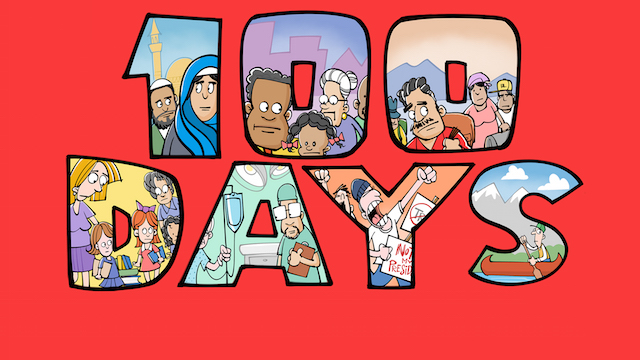
window.__IS_SSR__=true
window.__INITIAL_STATE__={
"attachmentsReducer": {
"audio_0": {
"type": "attachments",
"id": "audio_0",
"imgSizes": {
"kqedFullSize": {
"file": "https://ww2.kqed.org/news/wp-content/themes/KQED-unified/img/audio_bgs/background0.jpg"
}
}
},
"audio_1": {
"type": "attachments",
"id": "audio_1",
"imgSizes": {
"kqedFullSize": {
"file": "https://ww2.kqed.org/news/wp-content/themes/KQED-unified/img/audio_bgs/background1.jpg"
}
}
},
"audio_2": {
"type": "attachments",
"id": "audio_2",
"imgSizes": {
"kqedFullSize": {
"file": "https://ww2.kqed.org/news/wp-content/themes/KQED-unified/img/audio_bgs/background2.jpg"
}
}
},
"audio_3": {
"type": "attachments",
"id": "audio_3",
"imgSizes": {
"kqedFullSize": {
"file": "https://ww2.kqed.org/news/wp-content/themes/KQED-unified/img/audio_bgs/background3.jpg"
}
}
},
"audio_4": {
"type": "attachments",
"id": "audio_4",
"imgSizes": {
"kqedFullSize": {
"file": "https://ww2.kqed.org/news/wp-content/themes/KQED-unified/img/audio_bgs/background4.jpg"
}
}
},
"placeholder": {
"type": "attachments",
"id": "placeholder",
"imgSizes": {
"thumbnail": {
"file": "https://cdn.kqed.org/wp-content/uploads/2024/12/KQED-Default-Image-816638274-2000x1333-1-160x107.jpg",
"width": 160,
"height": 107,
"mimeType": "image/jpeg"
},
"medium": {
"file": "https://cdn.kqed.org/wp-content/uploads/2024/12/KQED-Default-Image-816638274-2000x1333-1-800x533.jpg",
"width": 800,
"height": 533,
"mimeType": "image/jpeg"
},
"medium_large": {
"file": "https://cdn.kqed.org/wp-content/uploads/2024/12/KQED-Default-Image-816638274-2000x1333-1-768x512.jpg",
"width": 768,
"height": 512,
"mimeType": "image/jpeg"
},
"large": {
"file": "https://cdn.kqed.org/wp-content/uploads/2024/12/KQED-Default-Image-816638274-2000x1333-1-1020x680.jpg",
"width": 1020,
"height": 680,
"mimeType": "image/jpeg"
},
"1536x1536": {
"file": "https://cdn.kqed.org/wp-content/uploads/2024/12/KQED-Default-Image-816638274-2000x1333-1-1536x1024.jpg",
"width": 1536,
"height": 1024,
"mimeType": "image/jpeg"
},
"fd-lrg": {
"file": "https://cdn.kqed.org/wp-content/uploads/2024/12/KQED-Default-Image-816638274-2000x1333-1-1536x1024.jpg",
"width": 1536,
"height": 1024,
"mimeType": "image/jpeg"
},
"fd-med": {
"file": "https://cdn.kqed.org/wp-content/uploads/2024/12/KQED-Default-Image-816638274-2000x1333-1-1020x680.jpg",
"width": 1020,
"height": 680,
"mimeType": "image/jpeg"
},
"fd-sm": {
"file": "https://cdn.kqed.org/wp-content/uploads/2024/12/KQED-Default-Image-816638274-2000x1333-1-800x533.jpg",
"width": 800,
"height": 533,
"mimeType": "image/jpeg"
},
"post-thumbnail": {
"file": "https://cdn.kqed.org/wp-content/uploads/2024/12/KQED-Default-Image-816638274-2000x1333-1-672x372.jpg",
"width": 672,
"height": 372,
"mimeType": "image/jpeg"
},
"twentyfourteen-full-width": {
"file": "https://cdn.kqed.org/wp-content/uploads/2024/12/KQED-Default-Image-816638274-2000x1333-1-1038x576.jpg",
"width": 1038,
"height": 576,
"mimeType": "image/jpeg"
},
"xxsmall": {
"file": "https://cdn.kqed.org/wp-content/uploads/2024/12/KQED-Default-Image-816638274-2000x1333-1-160x107.jpg",
"width": 160,
"height": 107,
"mimeType": "image/jpeg"
},
"xsmall": {
"file": "https://cdn.kqed.org/wp-content/uploads/2024/12/KQED-Default-Image-816638274-2000x1333-1-672x372.jpg",
"width": 672,
"height": 372,
"mimeType": "image/jpeg"
},
"small": {
"file": "https://cdn.kqed.org/wp-content/uploads/2024/12/KQED-Default-Image-816638274-2000x1333-1-672x372.jpg",
"width": 672,
"height": 372,
"mimeType": "image/jpeg"
},
"xlarge": {
"file": "https://cdn.kqed.org/wp-content/uploads/2024/12/KQED-Default-Image-816638274-2000x1333-1-1020x680.jpg",
"width": 1020,
"height": 680,
"mimeType": "image/jpeg"
},
"full-width": {
"file": "https://cdn.kqed.org/wp-content/uploads/2024/12/KQED-Default-Image-816638274-2000x1333-1-1920x1280.jpg",
"width": 1920,
"height": 1280,
"mimeType": "image/jpeg"
},
"guest-author-32": {
"file": "https://cdn.kqed.org/wp-content/uploads/2025/01/KQED-Default-Image-816638274-1333x1333-1-160x160.jpg",
"width": 32,
"height": 32,
"mimeType": "image/jpeg"
},
"guest-author-50": {
"file": "https://cdn.kqed.org/wp-content/uploads/2025/01/KQED-Default-Image-816638274-1333x1333-1-160x160.jpg",
"width": 50,
"height": 50,
"mimeType": "image/jpeg"
},
"guest-author-64": {
"file": "https://cdn.kqed.org/wp-content/uploads/2025/01/KQED-Default-Image-816638274-1333x1333-1-160x160.jpg",
"width": 64,
"height": 64,
"mimeType": "image/jpeg"
},
"guest-author-96": {
"file": "https://cdn.kqed.org/wp-content/uploads/2025/01/KQED-Default-Image-816638274-1333x1333-1-160x160.jpg",
"width": 96,
"height": 96,
"mimeType": "image/jpeg"
},
"guest-author-128": {
"file": "https://cdn.kqed.org/wp-content/uploads/2025/01/KQED-Default-Image-816638274-1333x1333-1-160x160.jpg",
"width": 128,
"height": 128,
"mimeType": "image/jpeg"
},
"detail": {
"file": "https://cdn.kqed.org/wp-content/uploads/2025/01/KQED-Default-Image-816638274-1333x1333-1-160x160.jpg",
"width": 160,
"height": 160,
"mimeType": "image/jpeg"
},
"kqedFullSize": {
"file": "https://cdn.kqed.org/wp-content/uploads/2024/12/KQED-Default-Image-816638274-2000x1333-1.jpg",
"width": 2000,
"height": 1333
}
}
},
"artschool_999": {
"type": "attachments",
"id": "artschool_999",
"meta": {
"index": "attachments_1716263798",
"site": "artschool",
"id": "999",
"found": true
},
"parent": 996,
"imgSizes": {
"small": {
"file": "https://ww2.kqed.org/app/uploads/sites/4/2017/01/100days_final01BG1-copy-520x293.jpg",
"width": 520,
"mimeType": "image/jpeg",
"height": 293
},
"thumbnail": {
"file": "https://ww2.kqed.org/app/uploads/sites/4/2017/01/100days_final01BG1-copy-160x90.jpg",
"width": 160,
"mimeType": "image/jpeg",
"height": 90
},
"xsmall": {
"file": "https://ww2.kqed.org/app/uploads/sites/4/2017/01/100days_final01BG1-copy-375x211.jpg",
"width": 375,
"mimeType": "image/jpeg",
"height": 211
},
"kqedFullSize": {
"file": "https://ww2.kqed.org/app/uploads/sites/4/2017/01/100days_final01BG1-copy.jpg",
"width": 640,
"height": 360
},
"guest-author-50": {
"file": "https://ww2.kqed.org/app/uploads/sites/4/2017/01/100days_final01BG1-copy-50x50.jpg",
"width": 50,
"mimeType": "image/jpeg",
"height": 50
},
"guest-author-96": {
"file": "https://ww2.kqed.org/app/uploads/sites/4/2017/01/100days_final01BG1-copy-96x96.jpg",
"width": 96,
"mimeType": "image/jpeg",
"height": 96
},
"guest-author-64": {
"file": "https://ww2.kqed.org/app/uploads/sites/4/2017/01/100days_final01BG1-copy-64x64.jpg",
"width": 64,
"mimeType": "image/jpeg",
"height": 64
},
"detail": {
"file": "https://ww2.kqed.org/app/uploads/sites/4/2017/01/100days_final01BG1-copy-150x150.jpg",
"width": 150,
"mimeType": "image/jpeg",
"height": 150
},
"guest-author-32": {
"file": "https://ww2.kqed.org/app/uploads/sites/4/2017/01/100days_final01BG1-copy-32x32.jpg",
"width": 32,
"mimeType": "image/jpeg",
"height": 32
},
"guest-author-128": {
"file": "https://ww2.kqed.org/app/uploads/sites/4/2017/01/100days_final01BG1-copy-128x128.jpg",
"width": 128,
"mimeType": "image/jpeg",
"height": 128
},
"xxsmall": {
"file": "https://ww2.kqed.org/app/uploads/sites/4/2017/01/100days_final01BG1-copy-240x135.jpg",
"width": 240,
"mimeType": "image/jpeg",
"height": 135
}
},
"publishDate": 1485222920,
"modified": 1485223421,
"caption": "Illustration by Mark Fiore/KQED",
"description": null,
"title": "100days_final01BG1 copy",
"credit": null,
"status": "inherit",
"isLoading": false,
"fetchFailed": false
},
"lowdown_25207": {
"type": "attachments",
"id": "lowdown_25207",
"meta": {
"index": "attachments_1716263798",
"site": "lowdown",
"id": "25207",
"found": true
},
"parent": 25170,
"imgSizes": {
"small": {
"file": "https://ww2.kqed.org/app/uploads/sites/26/2017/01/Inauguration-01-20-2009-520x293.jpg",
"width": 520,
"mimeType": "image/jpeg",
"height": 293
},
"thumbnail": {
"file": "https://ww2.kqed.org/app/uploads/sites/26/2017/01/Inauguration-01-20-2009-160x90.jpg",
"width": 160,
"mimeType": "image/jpeg",
"height": 90
},
"xsmall": {
"file": "https://ww2.kqed.org/app/uploads/sites/26/2017/01/Inauguration-01-20-2009-375x211.jpg",
"width": 375,
"mimeType": "image/jpeg",
"height": 211
},
"kqedFullSize": {
"file": "https://ww2.kqed.org/app/uploads/sites/26/2017/01/Inauguration-01-20-2009.jpg",
"width": 624,
"height": 351
},
"guest-author-50": {
"file": "https://ww2.kqed.org/app/uploads/sites/26/2017/01/Inauguration-01-20-2009-50x50.jpg",
"width": 50,
"mimeType": "image/jpeg",
"height": 50
},
"guest-author-96": {
"file": "https://ww2.kqed.org/app/uploads/sites/26/2017/01/Inauguration-01-20-2009-96x96.jpg",
"width": 96,
"mimeType": "image/jpeg",
"height": 96
},
"guest-author-64": {
"file": "https://ww2.kqed.org/app/uploads/sites/26/2017/01/Inauguration-01-20-2009-64x64.jpg",
"width": 64,
"mimeType": "image/jpeg",
"height": 64
},
"detail": {
"file": "https://ww2.kqed.org/app/uploads/sites/26/2017/01/Inauguration-01-20-2009-150x150.jpg",
"width": 150,
"mimeType": "image/jpeg",
"height": 150
},
"guest-author-32": {
"file": "https://ww2.kqed.org/app/uploads/sites/26/2017/01/Inauguration-01-20-2009-32x32.jpg",
"width": 32,
"mimeType": "image/jpeg",
"height": 32
},
"guest-author-128": {
"file": "https://ww2.kqed.org/app/uploads/sites/26/2017/01/Inauguration-01-20-2009-128x128.jpg",
"width": 128,
"mimeType": "image/jpeg",
"height": 128
},
"xxsmall": {
"file": "https://ww2.kqed.org/app/uploads/sites/26/2017/01/Inauguration-01-20-2009-240x135.jpg",
"width": 240,
"mimeType": "image/jpeg",
"height": 135
}
},
"publishDate": 1485203829,
"modified": 1485203871,
"caption": null,
"description": null,
"title": "Inauguration-01-20-2009",
"credit": "whitehouse.gov",
"status": "inherit",
"isLoading": false,
"fetchFailed": false
},
"lowdown_25135": {
"type": "attachments",
"id": "lowdown_25135",
"meta": {
"index": "attachments_1716263798",
"site": "lowdown",
"id": "25135",
"found": true
},
"parent": 25126,
"imgSizes": {
"small": {
"file": "https://ww2.kqed.org/app/uploads/sites/26/2017/01/barack-obama-ffe5cdcc-8e39-4cba-8d2c-ce5699e89ff8-520x273.jpeg",
"width": 520,
"mimeType": "image/jpeg",
"height": 273
},
"twentyfourteen-full-width": {
"file": "https://ww2.kqed.org/app/uploads/sites/26/2017/01/barack-obama-ffe5cdcc-8e39-4cba-8d2c-ce5699e89ff8-1038x576.jpeg",
"width": 1038,
"mimeType": "image/jpeg",
"height": 576
},
"thumbnail": {
"file": "https://ww2.kqed.org/app/uploads/sites/26/2017/01/barack-obama-ffe5cdcc-8e39-4cba-8d2c-ce5699e89ff8-160x84.jpeg",
"width": 160,
"mimeType": "image/jpeg",
"height": 84
},
"fd-sm": {
"file": "https://ww2.kqed.org/app/uploads/sites/26/2017/01/barack-obama-ffe5cdcc-8e39-4cba-8d2c-ce5699e89ff8-960x504.jpeg",
"width": 960,
"mimeType": "image/jpeg",
"height": 504
},
"post-thumbnail": {
"file": "https://ww2.kqed.org/app/uploads/sites/26/2017/01/barack-obama-ffe5cdcc-8e39-4cba-8d2c-ce5699e89ff8-672x372.jpeg",
"width": 672,
"mimeType": "image/jpeg",
"height": 372
},
"xsmall": {
"file": "https://ww2.kqed.org/app/uploads/sites/26/2017/01/barack-obama-ffe5cdcc-8e39-4cba-8d2c-ce5699e89ff8-375x197.jpeg",
"width": 375,
"mimeType": "image/jpeg",
"height": 197
},
"kqedFullSize": {
"file": "https://ww2.kqed.org/app/uploads/sites/26/2017/01/barack-obama-ffe5cdcc-8e39-4cba-8d2c-ce5699e89ff8.jpeg",
"width": 1200,
"height": 630
},
"large": {
"file": "https://ww2.kqed.org/app/uploads/sites/26/2017/01/barack-obama-ffe5cdcc-8e39-4cba-8d2c-ce5699e89ff8-1020x536.jpeg",
"width": 1020,
"mimeType": "image/jpeg",
"height": 536
},
"xlarge": {
"file": "https://ww2.kqed.org/app/uploads/sites/26/2017/01/barack-obama-ffe5cdcc-8e39-4cba-8d2c-ce5699e89ff8-1180x620.jpeg",
"width": 1180,
"mimeType": "image/jpeg",
"height": 620
},
"guest-author-50": {
"file": "https://ww2.kqed.org/app/uploads/sites/26/2017/01/barack-obama-ffe5cdcc-8e39-4cba-8d2c-ce5699e89ff8-50x50.jpeg",
"width": 50,
"mimeType": "image/jpeg",
"height": 50
},
"guest-author-96": {
"file": "https://ww2.kqed.org/app/uploads/sites/26/2017/01/barack-obama-ffe5cdcc-8e39-4cba-8d2c-ce5699e89ff8-96x96.jpeg",
"width": 96,
"mimeType": "image/jpeg",
"height": 96
},
"medium": {
"file": "https://ww2.kqed.org/app/uploads/sites/26/2017/01/barack-obama-ffe5cdcc-8e39-4cba-8d2c-ce5699e89ff8-800x420.jpeg",
"width": 800,
"mimeType": "image/jpeg",
"height": 420
},
"guest-author-64": {
"file": "https://ww2.kqed.org/app/uploads/sites/26/2017/01/barack-obama-ffe5cdcc-8e39-4cba-8d2c-ce5699e89ff8-64x64.jpeg",
"width": 64,
"mimeType": "image/jpeg",
"height": 64
},
"guest-author-32": {
"file": "https://ww2.kqed.org/app/uploads/sites/26/2017/01/barack-obama-ffe5cdcc-8e39-4cba-8d2c-ce5699e89ff8-32x32.jpeg",
"width": 32,
"mimeType": "image/jpeg",
"height": 32
},
"fd-med": {
"file": "https://ww2.kqed.org/app/uploads/sites/26/2017/01/barack-obama-ffe5cdcc-8e39-4cba-8d2c-ce5699e89ff8-1180x620.jpeg",
"width": 1180,
"mimeType": "image/jpeg",
"height": 620
},
"detail": {
"file": "https://ww2.kqed.org/app/uploads/sites/26/2017/01/barack-obama-ffe5cdcc-8e39-4cba-8d2c-ce5699e89ff8-150x150.jpeg",
"width": 150,
"mimeType": "image/jpeg",
"height": 150
},
"medium_large": {
"file": "https://ww2.kqed.org/app/uploads/sites/26/2017/01/barack-obama-ffe5cdcc-8e39-4cba-8d2c-ce5699e89ff8-768x403.jpeg",
"width": 768,
"mimeType": "image/jpeg",
"height": 403
},
"guest-author-128": {
"file": "https://ww2.kqed.org/app/uploads/sites/26/2017/01/barack-obama-ffe5cdcc-8e39-4cba-8d2c-ce5699e89ff8-128x128.jpeg",
"width": 128,
"mimeType": "image/jpeg",
"height": 128
},
"xxsmall": {
"file": "https://ww2.kqed.org/app/uploads/sites/26/2017/01/barack-obama-ffe5cdcc-8e39-4cba-8d2c-ce5699e89ff8-240x126.jpeg",
"width": 240,
"mimeType": "image/jpeg",
"height": 126
}
},
"publishDate": 1484883053,
"modified": 1484883081,
"caption": "Obama addressing Congress in 2009 and again in 2016.",
"description": null,
"title": "barack-obama-ffe5cdcc-8e39-4cba-8d2c-ce5699e89ff8",
"credit": "Getty Images",
"status": "inherit",
"isLoading": false,
"fetchFailed": false
},
"education_390902": {
"type": "attachments",
"id": "education_390902",
"meta": {
"index": "attachments_1716263798",
"site": "education",
"id": "390902",
"found": true
},
"parent": 390864,
"imgSizes": {
"small": {
"file": "https://ww2.kqed.org/app/uploads/sites/38/2017/01/011_Black_History_MASTER200101023B12-520x293.png",
"width": 520,
"mimeType": "image/png",
"height": 293
},
"thumbnail": {
"file": "https://ww2.kqed.org/app/uploads/sites/38/2017/01/011_Black_History_MASTER200101023B12-160x90.png",
"width": 160,
"mimeType": "image/png",
"height": 90
},
"xsmall": {
"file": "https://ww2.kqed.org/app/uploads/sites/38/2017/01/011_Black_History_MASTER200101023B12-375x211.png",
"width": 375,
"mimeType": "image/png",
"height": 211
},
"kqedFullSize": {
"file": "https://ww2.kqed.org/app/uploads/sites/38/2017/01/011_Black_History_MASTER200101023B12.png",
"width": 640,
"height": 360
},
"guest-author-50": {
"file": "https://ww2.kqed.org/app/uploads/sites/38/2017/01/011_Black_History_MASTER200101023B12-50x50.png",
"width": 50,
"mimeType": "image/png",
"height": 50
},
"guest-author-96": {
"file": "https://ww2.kqed.org/app/uploads/sites/38/2017/01/011_Black_History_MASTER200101023B12-96x96.png",
"width": 96,
"mimeType": "image/png",
"height": 96
},
"guest-author-64": {
"file": "https://ww2.kqed.org/app/uploads/sites/38/2017/01/011_Black_History_MASTER200101023B12-64x64.png",
"width": 64,
"mimeType": "image/png",
"height": 64
},
"detail": {
"file": "https://ww2.kqed.org/app/uploads/sites/38/2017/01/011_Black_History_MASTER200101023B12-150x150.png",
"width": 150,
"mimeType": "image/png",
"height": 150
},
"guest-author-32": {
"file": "https://ww2.kqed.org/app/uploads/sites/38/2017/01/011_Black_History_MASTER200101023B12-32x32.png",
"width": 32,
"mimeType": "image/png",
"height": 32
},
"guest-author-128": {
"file": "https://ww2.kqed.org/app/uploads/sites/38/2017/01/011_Black_History_MASTER200101023B12-128x128.png",
"width": 128,
"mimeType": "image/png",
"height": 128
},
"xxsmall": {
"file": "https://ww2.kqed.org/app/uploads/sites/38/2017/01/011_Black_History_MASTER200101023B12-240x135.png",
"width": 240,
"mimeType": "image/png",
"height": 135
}
},
"publishDate": 1484778075,
"modified": 1612570070,
"caption": "Still photo from the video All About the Holidays: Black History Month",
"description": null,
"title": "011_Black_History_MASTER200101023B12",
"credit": "PBS",
"status": "inherit",
"altTag": null,
"isLoading": false,
"fetchFailed": false
},
"lowdown_9232": {
"type": "attachments",
"id": "lowdown_9232",
"meta": {
"index": "attachments_1716263798",
"site": "lowdown",
"id": "9232",
"found": true
},
"parent": 9030,
"imgSizes": {
"thumbnail": {
"file": "https://ww2.kqed.org/app/uploads/sites/26/2013/09/1963-e1418943788899-400x250.jpg",
"width": 400,
"mimeType": "image/jpeg",
"height": 250
},
"fd-sm": {
"file": "https://ww2.kqed.org/app/uploads/sites/26/2013/09/1963-e1418943788899-320x200.jpg",
"width": 320,
"mimeType": "image/jpeg",
"height": 200
},
"post-thumbnail": {
"file": "https://ww2.kqed.org/app/uploads/sites/26/2013/09/1963-e1418943788899-620x372.jpg",
"width": 620,
"mimeType": "image/jpeg",
"height": 372
},
"kqedFullSize": {
"file": "https://ww2.kqed.org/app/uploads/sites/26/2013/09/1963-e1418943788899.jpg",
"width": 620,
"height": 388
},
"guest-author-96": {
"file": "https://ww2.kqed.org/app/uploads/sites/26/2013/09/1963-e1418943788899-96x96.jpg",
"width": 96,
"mimeType": "image/jpeg",
"height": 96
},
"guest-author-64": {
"file": "https://ww2.kqed.org/app/uploads/sites/26/2013/09/1963-e1418943788899-64x64.jpg",
"width": 64,
"mimeType": "image/jpeg",
"height": 64
},
"detail": {
"file": "https://ww2.kqed.org/app/uploads/sites/26/2013/09/1963-e1418943788899-75x75.jpg",
"width": 75,
"mimeType": "image/jpeg",
"height": 75
},
"guest-author-32": {
"file": "https://ww2.kqed.org/app/uploads/sites/26/2013/09/1963-e1418943788899-32x32.jpg",
"width": 32,
"mimeType": "image/jpeg",
"height": 32
},
"guest-author-128": {
"file": "https://ww2.kqed.org/app/uploads/sites/26/2013/09/1963-e1418943788899-128x128.jpg",
"width": 128,
"mimeType": "image/jpeg",
"height": 128
}
},
"publishDate": 1378341821,
"modified": 1378341821,
"caption": null,
"description": "(FILES) US civil rights leader Martin Luther KIng (3rd from L) walks with supporters during the \"March on Washington\" 28 August, 1963 after which, King delivered the \"I Have a Dream\" speech from the steps of the LIncoln Memorial. 28 August, 2003 marks the 40th anniversary of the famous speech, which is credited with mobilizing supporters of desegregation and prompted the 1964 Civil Rights Act. King was assassinated on 04 April 1968 in Memphis, Tennessee. James Earl Ray confessed to shooting King and was sentenced to 99 years in prison. AFP PHOTO/FILES (Photo credit should read -/AFP/Getty Images)",
"title": "1963",
"credit": null,
"status": "inherit",
"isLoading": false,
"fetchFailed": false
},
"lowdown_24977": {
"type": "attachments",
"id": "lowdown_24977",
"meta": {
"index": "attachments_1716263798",
"site": "lowdown",
"id": "24977",
"found": true
},
"parent": 24954,
"imgSizes": {
"small": {
"file": "https://ww2.kqed.org/app/uploads/sites/26/2017/01/16540850364_86cb597ec4_k-520x347.jpg",
"width": 520,
"mimeType": "image/jpeg",
"height": 347
},
"twentyfourteen-full-width": {
"file": "https://ww2.kqed.org/app/uploads/sites/26/2017/01/16540850364_86cb597ec4_k-1038x576.jpg",
"width": 1038,
"mimeType": "image/jpeg",
"height": 576
},
"thumbnail": {
"file": "https://ww2.kqed.org/app/uploads/sites/26/2017/01/16540850364_86cb597ec4_k-160x107.jpg",
"width": 160,
"mimeType": "image/jpeg",
"height": 107
},
"fd-sm": {
"file": "https://ww2.kqed.org/app/uploads/sites/26/2017/01/16540850364_86cb597ec4_k-960x640.jpg",
"width": 960,
"mimeType": "image/jpeg",
"height": 640
},
"post-thumbnail": {
"file": "https://ww2.kqed.org/app/uploads/sites/26/2017/01/16540850364_86cb597ec4_k-672x372.jpg",
"width": 672,
"mimeType": "image/jpeg",
"height": 372
},
"xsmall": {
"file": "https://ww2.kqed.org/app/uploads/sites/26/2017/01/16540850364_86cb597ec4_k-375x250.jpg",
"width": 375,
"mimeType": "image/jpeg",
"height": 250
},
"kqedFullSize": {
"file": "https://ww2.kqed.org/app/uploads/sites/26/2017/01/16540850364_86cb597ec4_k.jpg",
"width": 2048,
"height": 1365
},
"large": {
"file": "https://ww2.kqed.org/app/uploads/sites/26/2017/01/16540850364_86cb597ec4_k-1020x680.jpg",
"width": 1020,
"mimeType": "image/jpeg",
"height": 680
},
"xlarge": {
"file": "https://ww2.kqed.org/app/uploads/sites/26/2017/01/16540850364_86cb597ec4_k-1180x786.jpg",
"width": 1180,
"mimeType": "image/jpeg",
"height": 786
},
"guest-author-50": {
"file": "https://ww2.kqed.org/app/uploads/sites/26/2017/01/16540850364_86cb597ec4_k-50x50.jpg",
"width": 50,
"mimeType": "image/jpeg",
"height": 50
},
"guest-author-96": {
"file": "https://ww2.kqed.org/app/uploads/sites/26/2017/01/16540850364_86cb597ec4_k-96x96.jpg",
"width": 96,
"mimeType": "image/jpeg",
"height": 96
},
"medium": {
"file": "https://ww2.kqed.org/app/uploads/sites/26/2017/01/16540850364_86cb597ec4_k-800x533.jpg",
"width": 800,
"mimeType": "image/jpeg",
"height": 533
},
"guest-author-64": {
"file": "https://ww2.kqed.org/app/uploads/sites/26/2017/01/16540850364_86cb597ec4_k-64x64.jpg",
"width": 64,
"mimeType": "image/jpeg",
"height": 64
},
"guest-author-32": {
"file": "https://ww2.kqed.org/app/uploads/sites/26/2017/01/16540850364_86cb597ec4_k-32x32.jpg",
"width": 32,
"mimeType": "image/jpeg",
"height": 32
},
"fd-lrg": {
"file": "https://ww2.kqed.org/app/uploads/sites/26/2017/01/16540850364_86cb597ec4_k-1920x1280.jpg",
"width": 1920,
"mimeType": "image/jpeg",
"height": 1280
},
"fd-med": {
"file": "https://ww2.kqed.org/app/uploads/sites/26/2017/01/16540850364_86cb597ec4_k-1180x786.jpg",
"width": 1180,
"mimeType": "image/jpeg",
"height": 786
},
"full-width": {
"file": "https://ww2.kqed.org/app/uploads/sites/26/2017/01/16540850364_86cb597ec4_k-1920x1280.jpg",
"width": 1920,
"mimeType": "image/jpeg",
"height": 1280
},
"detail": {
"file": "https://ww2.kqed.org/app/uploads/sites/26/2017/01/16540850364_86cb597ec4_k-150x150.jpg",
"width": 150,
"mimeType": "image/jpeg",
"height": 150
},
"medium_large": {
"file": "https://ww2.kqed.org/app/uploads/sites/26/2017/01/16540850364_86cb597ec4_k-768x512.jpg",
"width": 768,
"mimeType": "image/jpeg",
"height": 512
},
"guest-author-128": {
"file": "https://ww2.kqed.org/app/uploads/sites/26/2017/01/16540850364_86cb597ec4_k-128x128.jpg",
"width": 128,
"mimeType": "image/jpeg",
"height": 128
},
"xxsmall": {
"file": "https://ww2.kqed.org/app/uploads/sites/26/2017/01/16540850364_86cb597ec4_k-240x160.jpg",
"width": 240,
"mimeType": "image/jpeg",
"height": 160
}
},
"publishDate": 1483579651,
"modified": 1483579746,
"caption": "March for a $15/hour minimum wage at the University of Minnesota in 2015.",
"description": null,
"title": "16540850364_86cb597ec4_k",
"credit": "\u003ca href=\"https://www.flickr.com/photos/fibonacciblue/16540850364/in/photostream/\" target= \"_blank\">Fibonacci Blue\u003c/a>",
"status": "inherit",
"isLoading": false,
"fetchFailed": false
},
"education_372943": {
"type": "attachments",
"id": "education_372943",
"meta": {
"index": "attachments_1716263798",
"site": "education",
"id": "372943",
"found": true
},
"parent": 372862,
"imgSizes": {
"small": {
"file": "https://ww2.kqed.org/app/uploads/sites/38/2016/12/scape360-520x293.jpg",
"width": 520,
"mimeType": "image/jpeg",
"height": 293
},
"thumbnail": {
"file": "https://ww2.kqed.org/app/uploads/sites/38/2016/12/scape360-160x90.jpg",
"width": 160,
"mimeType": "image/jpeg",
"height": 90
},
"xsmall": {
"file": "https://ww2.kqed.org/app/uploads/sites/38/2016/12/scape360-375x211.jpg",
"width": 375,
"mimeType": "image/jpeg",
"height": 211
},
"kqedFullSize": {
"file": "https://ww2.kqed.org/app/uploads/sites/38/2016/12/scape360.jpg",
"width": 640,
"height": 360
},
"guest-author-50": {
"file": "https://ww2.kqed.org/app/uploads/sites/38/2016/12/scape360-50x50.jpg",
"width": 50,
"mimeType": "image/jpeg",
"height": 50
},
"guest-author-96": {
"file": "https://ww2.kqed.org/app/uploads/sites/38/2016/12/scape360-96x96.jpg",
"width": 96,
"mimeType": "image/jpeg",
"height": 96
},
"guest-author-64": {
"file": "https://ww2.kqed.org/app/uploads/sites/38/2016/12/scape360-64x64.jpg",
"width": 64,
"mimeType": "image/jpeg",
"height": 64
},
"detail": {
"file": "https://ww2.kqed.org/app/uploads/sites/38/2016/12/scape360-150x150.jpg",
"width": 150,
"mimeType": "image/jpeg",
"height": 150
},
"guest-author-32": {
"file": "https://ww2.kqed.org/app/uploads/sites/38/2016/12/scape360-32x32.jpg",
"width": 32,
"mimeType": "image/jpeg",
"height": 32
},
"guest-author-128": {
"file": "https://ww2.kqed.org/app/uploads/sites/38/2016/12/scape360-128x128.jpg",
"width": 128,
"mimeType": "image/jpeg",
"height": 128
},
"xxsmall": {
"file": "https://ww2.kqed.org/app/uploads/sites/38/2016/12/scape360-240x135.jpg",
"width": 240,
"mimeType": "image/jpeg",
"height": 135
}
},
"publishDate": 1483048922,
"modified": 1483048922,
"caption": null,
"description": null,
"title": "scape360",
"credit": null,
"status": "inherit",
"isLoading": false,
"fetchFailed": false
},
"lowdown_8009": {
"type": "attachments",
"id": "lowdown_8009",
"meta": {
"index": "attachments_1716263798",
"site": "lowdown",
"id": "8009",
"found": true
},
"parent": 7943,
"imgSizes": {
"thumbnail": {
"file": "https://ww2.kqed.org/app/uploads/sites/26/2013/06/bang_garment_workers-400x262.jpg",
"width": 400,
"mimeType": "image/jpeg",
"height": 262
},
"fd-sm": {
"file": "https://ww2.kqed.org/app/uploads/sites/26/2013/06/bang_garment_workers-320x210.jpg",
"width": 320,
"mimeType": "image/jpeg",
"height": 210
},
"post-thumbnail": {
"file": "https://ww2.kqed.org/app/uploads/sites/26/2013/06/bang_garment_workers-624x372.jpg",
"width": 624,
"mimeType": "image/jpeg",
"height": 372
},
"kqedFullSize": {
"file": "https://ww2.kqed.org/app/uploads/sites/26/2013/06/bang_garment_workers.jpg",
"width": 624,
"height": 409
},
"guest-author-96": {
"file": "https://ww2.kqed.org/app/uploads/sites/26/2013/06/bang_garment_workers-96x96.jpg",
"width": 96,
"mimeType": "image/jpeg",
"height": 96
},
"guest-author-64": {
"file": "https://ww2.kqed.org/app/uploads/sites/26/2013/06/bang_garment_workers-64x64.jpg",
"width": 64,
"mimeType": "image/jpeg",
"height": 64
},
"detail": {
"file": "https://ww2.kqed.org/app/uploads/sites/26/2013/06/bang_garment_workers-75x75.jpg",
"width": 75,
"mimeType": "image/jpeg",
"height": 75
},
"guest-author-32": {
"file": "https://ww2.kqed.org/app/uploads/sites/26/2013/06/bang_garment_workers-32x32.jpg",
"width": 32,
"mimeType": "image/jpeg",
"height": 32
},
"guest-author-128": {
"file": "https://ww2.kqed.org/app/uploads/sites/26/2013/06/bang_garment_workers-128x128.jpg",
"width": 128,
"mimeType": "image/jpeg",
"height": 128
}
},
"publishDate": 1370307807,
"modified": 1482357921,
"caption": null,
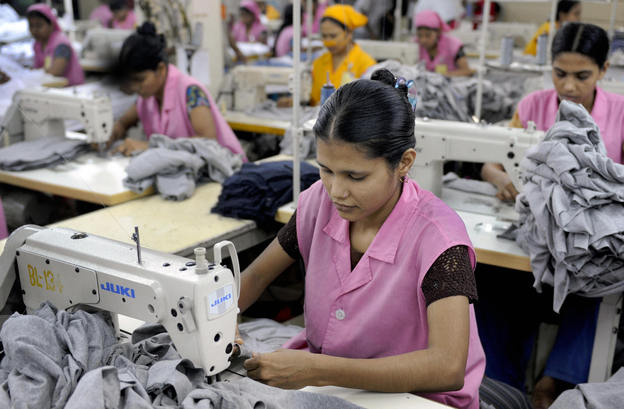
"description": "Garment workers sew T-shirts at a factory in Dhaka, Bangladesh, in 2009. Bangladesh, the world's second-largest clothing exporter, has lured clothing makers through a combination of low wages and light regulation.",
"title": "bang_garment_workers",
"credit": "AFP/Getty Images ",
"status": "inherit",
"isLoading": false,
"fetchFailed": false
},
"lowdown_24893": {
"type": "attachments",
"id": "lowdown_24893",
"meta": {
"index": "attachments_1716263798",
"site": "lowdown",
"id": "24893",
"found": true
},
"parent": 24439,
"imgSizes": {
"small": {
"file": "https://ww2.kqed.org/app/uploads/sites/26/2016/12/final-elector-map-520x332.png",
"width": 520,
"mimeType": "image/png",
"height": 332
},
"twentyfourteen-full-width": {
"file": "https://ww2.kqed.org/app/uploads/sites/26/2016/12/final-elector-map-1038x576.png",
"width": 1038,
"mimeType": "image/png",
"height": 576
},
"thumbnail": {
"file": "https://ww2.kqed.org/app/uploads/sites/26/2016/12/final-elector-map-160x102.png",
"width": 160,
"mimeType": "image/png",
"height": 102
},
"fd-sm": {
"file": "https://ww2.kqed.org/app/uploads/sites/26/2016/12/final-elector-map-960x613.png",
"width": 960,
"mimeType": "image/png",
"height": 613
},
"post-thumbnail": {
"file": "https://ww2.kqed.org/app/uploads/sites/26/2016/12/final-elector-map-672x372.png",
"width": 672,
"mimeType": "image/png",
"height": 372
},
"xsmall": {
"file": "https://ww2.kqed.org/app/uploads/sites/26/2016/12/final-elector-map-375x239.png",
"width": 375,
"mimeType": "image/png",
"height": 239
},
"kqedFullSize": {
"file": "https://ww2.kqed.org/app/uploads/sites/26/2016/12/final-elector-map.png",
"width": 1050,
"height": 670
},
"large": {
"file": "https://ww2.kqed.org/app/uploads/sites/26/2016/12/final-elector-map-1020x651.png",
"width": 1020,
"mimeType": "image/png",
"height": 651
},
"guest-author-50": {
"file": "https://ww2.kqed.org/app/uploads/sites/26/2016/12/final-elector-map-50x50.png",
"width": 50,
"mimeType": "image/png",
"height": 50
},
"guest-author-96": {
"file": "https://ww2.kqed.org/app/uploads/sites/26/2016/12/final-elector-map-96x96.png",
"width": 96,
"mimeType": "image/png",
"height": 96
},
"medium": {
"file": "https://ww2.kqed.org/app/uploads/sites/26/2016/12/final-elector-map-800x510.png",
"width": 800,
"mimeType": "image/png",
"height": 510
},
"guest-author-64": {
"file": "https://ww2.kqed.org/app/uploads/sites/26/2016/12/final-elector-map-64x64.png",
"width": 64,
"mimeType": "image/png",
"height": 64
},
"guest-author-32": {
"file": "https://ww2.kqed.org/app/uploads/sites/26/2016/12/final-elector-map-32x32.png",
"width": 32,
"mimeType": "image/png",
"height": 32
},
"detail": {
"file": "https://ww2.kqed.org/app/uploads/sites/26/2016/12/final-elector-map-150x150.png",
"width": 150,
"mimeType": "image/png",
"height": 150
},
"medium_large": {
"file": "https://ww2.kqed.org/app/uploads/sites/26/2016/12/final-elector-map-768x490.png",
"width": 768,
"mimeType": "image/png",
"height": 490
},
"guest-author-128": {
"file": "https://ww2.kqed.org/app/uploads/sites/26/2016/12/final-elector-map-128x128.png",
"width": 128,
"mimeType": "image/png",
"height": 128
},
"xxsmall": {
"file": "https://ww2.kqed.org/app/uploads/sites/26/2016/12/final-elector-map-240x153.png",
"width": 240,
"mimeType": "image/png",
"height": 153
}
},
"publishDate": 1482194273,
"modified": 1482194273,
"caption": null,
"description": null,
"title": "final-elector-map",
"credit": null,
"status": "inherit",
"isLoading": false,
"fetchFailed": false
}
},
"audioPlayerReducer": {
"postId": "stream_live",
"isPaused": true,
"isPlaying": false,
"pfsActive": false,
"pledgeModalIsOpen": true,
"playerDrawerIsOpen": false,
"liveAudioPlayStartedAt": 0,
"liveAudioPlayContext": ""
},
"authorsReducer": {
"matthewgreen": {
"type": "authors",
"id": "1263",
"meta": {
"index": "authors_1716337520",
"id": "1263",
"found": true
},
"name": "Matthew Green",
"firstName": "Matthew",
"lastName": "Green",
"slug": "matthewgreen",
"email": "mgreen@kqed.org",
"display_author_email": false,
"staff_mastheads": [],
"title": "KQED Editor/Reporter",
"bio": "Matthew Green is a digital media producer for KQED News. He previously produced \u003ca href=\"http://www.kqed.org/lowdown\">The Lowdown\u003c/a>, KQED’s multimedia news education blog. Matthew's written for numerous Bay Area publications, including the Oakland Tribune and San Francisco Chronicle. He also taught journalism classes at Fremont High School in East Oakland.\r\n\r\nEmail: mgreen@kqed.org; Twitter: @MGreenKQED",
"avatar": "https://secure.gravatar.com/avatar/3bf498d1267ca02c8494f33d8cfc575e?s=600&d=blank&r=g",
"twitter": "MGreenKQED",
"facebook": null,
"instagram": null,
"linkedin": null,
"sites": [
{
"site": "news",
"roles": []
},
{
"site": "lowdown",
"roles": []
},
{
"site": "science",
"roles": []
},
{
"site": "education",
"roles": []
},
{
"site": "quest",
"roles": []
},
{
"site": "liveblog",
"roles": []
}
],
"headData": {
"title": "Matthew Green | KQED",
"description": "KQED Editor/Reporter",
"ogImgSrc": "https://secure.gravatar.com/avatar/3bf498d1267ca02c8494f33d8cfc575e?s=600&d=blank&r=g",
"twImgSrc": "https://secure.gravatar.com/avatar/3bf498d1267ca02c8494f33d8cfc575e?s=600&d=blank&r=g"
},
"isLoading": false,
"link": "/author/matthewgreen"
},
"almetriavaba": {
"type": "authors",
"id": "9323",
"meta": {
"index": "authors_1716337520",
"id": "9323",
"found": true
},
"name": "Almetria Vaba",
"firstName": "Almetria",
"lastName": "Vaba",
"slug": "almetriavaba",
"email": "avaba@kqed.org",
"display_author_email": false,
"staff_mastheads": [],
"title": "KQED Contributor",
"bio": "Almetria Vaba is the director for education partnerships and distribution at KQED. In her role, she leads collaborative efforts with education agencies, public media stations and other non profit organizations.",
"avatar": "https://secure.gravatar.com/avatar/d96f15109ffaefc23a215a8b8ac1424b7de62311c3469b8f2efafe917214c31d?s=600&d=mm&r=g",
"twitter": "metravaba",
"bluesky": null,
"facebook": null,
"instagram": null,
"linkedin": null,
"sites": [
{
"site": "arts",
"roles": [
"author"
]
},
{
"site": "artschool",
"roles": [
"editor"
]
},
{
"site": "news",
"roles": [
"author"
]
},
{
"site": "futureofyou",
"roles": [
"author"
]
},
{
"site": "mindshift",
"roles": [
"author"
]
},
{
"site": "lowdown",
"roles": [
"author"
]
},
{
"site": "stateofhealth",
"roles": [
"author"
]
},
{
"site": "spark",
"roles": [
"author"
]
},
{
"site": "science",
"roles": [
"author"
]
},
{
"site": "education",
"roles": [
"editor"
]
},
{
"site": "quest",
"roles": [
"editor"
]
},
{
"site": "food",
"roles": [
"author"
]
},
{
"site": "perspectives",
"roles": [
"editor"
]
},
{
"site": "youthmedia",
"roles": [
"administrator"
]
}
],
"headData": {
"title": "Almetria Vaba | KQED",
"description": "KQED Contributor",
"ogImgSrc": "https://secure.gravatar.com/avatar/d96f15109ffaefc23a215a8b8ac1424b7de62311c3469b8f2efafe917214c31d?s=600&d=mm&r=g",
"twImgSrc": "https://secure.gravatar.com/avatar/d96f15109ffaefc23a215a8b8ac1424b7de62311c3469b8f2efafe917214c31d?s=600&d=mm&r=g"
},
"isLoading": false,
"link": "/author/almetriavaba"
},
"fabbott": {
"type": "authors",
"id": "11320",
"meta": {
"index": "authors_1716337520",
"id": "11320",
"found": true
},
"name": "Farrin Abbott",
"firstName": "Farrin",
"lastName": "Abbott",
"slug": "fabbott",
"email": "fabbott@kqed.org",
"display_author_email": false,
"staff_mastheads": [],
"title": "KQED Contributor",
"bio": "Farrin Abbott is the video producer for KQED's Art School! In her free time she's usually making videos, troubleshooting workflows and riding a bicycle (often at the same time).",
"avatar": "https://secure.gravatar.com/avatar/285014925bf772ece3c10c157a72c29558860bb14257948418ee9d58155ec7ff?s=600&d=blank&r=g",
"twitter": "KQEDartschool",
"bluesky": null,
"facebook": null,
"instagram": null,
"linkedin": null,
"sites": [
{
"site": "arts",
"roles": [
"subscriber"
]
},
{
"site": "artschool",
"roles": [
"editor"
]
},
{
"site": "education",
"roles": [
"author"
]
}
],
"headData": {
"title": "Farrin Abbott | KQED",
"description": "KQED Contributor",
"ogImgSrc": "https://secure.gravatar.com/avatar/285014925bf772ece3c10c157a72c29558860bb14257948418ee9d58155ec7ff?s=600&d=blank&r=g",
"twImgSrc": "https://secure.gravatar.com/avatar/285014925bf772ece3c10c157a72c29558860bb14257948418ee9d58155ec7ff?s=600&d=blank&r=g"
},
"isLoading": false,
"link": "/author/fabbott"
}
},
"pagesReducer": {
"education_series_videos-and-interactives": {
"type": "terms",
"id": "education_2838",
"meta": {
"index": "terms_1716263798",
"site": "education",
"id": "2838",
"score": 15.74877
},
"featImg": null,
"name": "Videos & Interactives",
"description": null,
"taxonomy": "series",
"headData": {
"twImgId": null,
"twTitle": null,
"ogTitle": null,
"ogImgId": null,
"twDescription": null,
"description": null,
"title": "Videos & Interactives | KQED Education",
"ogDescription": null
},
"ttid": 2827,
"slug": "videos-and-interactives",
"isLoading": false,
"title": "Videos & Interactives",
"pageMeta": {
"site": "education",
"WpPageTemplate": "page-topic-company",
"currentPage": 4
},
"blocks": [
{
"blockName": "kqed/post-list",
"attrs": {
"layout": "cardCompany2",
"query": "posts/education?series=videos-and-interactives",
"seeMore": false,
"paginated": true,
"page": 4
}
},
{
"blockName": "kqed/ad"
}
]
}
},
"pfsSessionReducer": {},
"postsReducer": {
"stream_live": {
"type": "live",
"id": "stream_live",
"audioUrl": "https://streams.kqed.org/kqedradio",
"title": "Live Stream",
"excerpt": "Live Stream information currently unavailable.",
"link": "/radio",
"featImg": "",
"label": {
"name": "KQED Live",
"link": "/"
}
},
"stream_kqedNewscast": {
"type": "posts",
"id": "stream_kqedNewscast",
"audioUrl": "https://www.kqed.org/.stream/anon/radio/RDnews/newscast.mp3?_=1",
"title": "KQED Newscast",
"featImg": "",
"label": {
"name": "88.5 FM",
"link": "/"
}
},
"artschool_996": {
"type": "posts",
"id": "artschool_996",
"meta": {
"index": "posts_1716263798",
"site": "artschool",
"id": "996",
"score": null,
"sort": [
1485223158000
]
},
"parent": 0,
"labelTerm": {
"site": "artschool"
},
"blocks": [],
"publishDate": 1485223158,
"format": "standard",
"disqusTitle": "Artists of All Ages: Add Your Work to KQED’s “Art in the Age of Trump”",
"title": "Artists of All Ages: Add Your Work to KQED’s “Art in the Age of Trump”",
"headTitle": "KQED Art School | KQED Arts",
"content": "\u003cp>KQED Arts is calling on Bay Area artists of all ages to contribute to their series “\u003ca href=\"http://ww2.kqed.org/arts/2017/01/18/first-100-days-art-in-the-age-of-trump/\">First 100 Days: Art in the Age of Trump\u003c/a>” to help capture this moment in American history.\u003c/p>\n\u003cp>Since FDR, a new president’s first 100 days have served to define the incoming administration, setting the stage for upcoming changes and challenges. The “First 100 Days” series asks artists to respond to this historic time, which runs from the inauguration through April 29. According to KQED’s senior arts editor Chloe Veltman, the hope is to publish a continuous stream of digital content focusing on issues that matter to artists and voters alike, such as the economy, immigration, and the environment. Ideally, submissions will address issues rather than simply lampooning political personalities or their appearance.\u003c/p>\n\u003cp>For inspiration, check out our video about creating political art, which features the work of internationally known artists like Banksy, Ai Wei Wei and Shepard Fairey.\u003c/p>\n\u003cp>[youtube https://www.youtube.com/watch?v=JMVd5k2a2IM]\u003cbr>\nStudents of all ages are encouraged to submit their work (use the submission form below).\u003c/p>\n\u003cp>\u003c!-- iframe plugin v.4.3 wordpress.org/plugins/iframe/ -->\u003cbr>\n\u003ciframe src=\"https://docs.google.com/forms/d/e/1FAIpQLSfeIngg5WJjEDtvvrNoLakI5vln04VHkuBJx83HWMlpadEs4g/viewform?embedded=true\" width=\"800\" height=\"600\" frameborder=\"0\" marginheight=\"0\" marginwidth=\"0\" scrolling=\"yes\" class=\"iframe-class\">\u003c/iframe>\u003c/p>\n\u003cp>[ad fullwidth]\u003c/p>\u003cp>\u003c/p>\n",
"disqusIdentifier": "996 https://ww2.kqed.org/artschool/?p=996",
"disqusUrl": "https://ww2.kqed.org/artschool/2017/01/23/artists-of-all-ages-add-your-work-to-kqeds-art-in-the-age-of-trump/",
"stats": {
"hasVideo": true,
"hasChartOrMap": false,
"hasAudio": false,
"hasPolis": false,
"wordCount": 187,
"hasGoogleForm": false,
"hasGallery": false,
"hasHearkenModule": false,
"iframeSrcs": [],
"paragraphCount": 7
},
"modified": 1485224148,
"excerpt": null,
"headData": {
"twImgId": "",
"twTitle": "",
"ogTitle": "",
"ogImgId": "",
"twDescription": "",
"description": "KQED Arts is calling on Bay Area artists of all ages to contribute to their series “First 100 Days: Art in the Age of Trump” to help capture this moment in American history. Since FDR, a new president’s first 100 days have served to define the incoming administration, setting the stage for upcoming changes and",
"title": "Artists of All Ages: Add Your Work to KQED’s “Art in the Age of Trump” | KQED",
"ogDescription": "",
"schema": {
"@context": "https://schema.org",
"@type": "Article",
"headline": "Artists of All Ages: Add Your Work to KQED’s “Art in the Age of Trump”",
"datePublished": "2017-01-23T17:59:18-08:00",
"dateModified": "2017-01-23T18:15:48-08:00",
"image": "https://cdn.kqed.org/wp-content/uploads/2020/02/KQED-OG-Image@1x.png"
}
},
"guestAuthors": [],
"slug": "artists-of-all-ages-add-your-work-to-kqeds-art-in-the-age-of-trump",
"status": "publish",
"path": "/artschool/996/artists-of-all-ages-add-your-work-to-kqeds-art-in-the-age-of-trump",
"audioTrackLength": null,
"parsedContent": [
{
"type": "contentString",
"content": "\u003cdiv class=\"post-body\">\u003cp>\u003cp>KQED Arts is calling on Bay Area artists of all ages to contribute to their series “\u003ca href=\"http://ww2.kqed.org/arts/2017/01/18/first-100-days-art-in-the-age-of-trump/\">First 100 Days: Art in the Age of Trump\u003c/a>” to help capture this moment in American history.\u003c/p>\n\u003cp>Since FDR, a new president’s first 100 days have served to define the incoming administration, setting the stage for upcoming changes and challenges. The “First 100 Days” series asks artists to respond to this historic time, which runs from the inauguration through April 29. According to KQED’s senior arts editor Chloe Veltman, the hope is to publish a continuous stream of digital content focusing on issues that matter to artists and voters alike, such as the economy, immigration, and the environment. Ideally, submissions will address issues rather than simply lampooning political personalities or their appearance.\u003c/p>\n\u003cp>For inspiration, check out our video about creating political art, which features the work of internationally known artists like Banksy, Ai Wei Wei and Shepard Fairey.\u003c/p>\n\u003cp>\u003c/p>\u003cp>\u003cspan class='utils-parseShortcode-shortcodes-__youtubeShortcode__embedYoutube'>\n \u003cspan class='utils-parseShortcode-shortcodes-__youtubeShortcode__embedYoutubeInside'>\n \u003ciframe\n loading='lazy'\n class='utils-parseShortcode-shortcodes-__youtubeShortcode__youtubePlayer'\n type='text/html'\n src='//www.youtube.com/embed/JMVd5k2a2IM'\n title='//www.youtube.com/embed/JMVd5k2a2IM'\n allowfullscreen='true'\n style='border:0;'>\u003c/iframe>\n \u003c/span>\n \u003c/span>\u003c/p>\u003cp>\u003cbr>\nStudents of all ages are encouraged to submit their work (use the submission form below).\u003c/p>\n\u003cp>\u003c!-- iframe plugin v.4.3 wordpress.org/plugins/iframe/ -->\u003cbr>\n\u003ciframe src=\"https://docs.google.com/forms/d/e/1FAIpQLSfeIngg5WJjEDtvvrNoLakI5vln04VHkuBJx83HWMlpadEs4g/viewform?embedded=true\" width=\"800\" height=\"600\" frameborder=\"0\" marginheight=\"0\" marginwidth=\"0\" scrolling=\"yes\" class=\"iframe-class\">\u003c/iframe>\u003c/p>\n\u003cp>\u003c/p>\u003c/div>",
"attributes": {
"named": {},
"numeric": []
}
},
{
"type": "component",
"content": "",
"name": "ad",
"attributes": {
"named": {
"label": "fullwidth"
},
"numeric": [
"fullwidth"
]
}
},
{
"type": "contentString",
"content": "\u003cdiv class=\"post-body\">\u003cp>\u003c/p>\u003cp>\u003c/p>\n\u003c/div>\u003c/p>",
"attributes": {
"named": {},
"numeric": []
}
}
],
"link": "/artschool/996/artists-of-all-ages-add-your-work-to-kqeds-art-in-the-age-of-trump",
"authors": [
"11320"
],
"categories": [
"artschool_7"
],
"tags": [
"artschool_40"
],
"featImg": "artschool_999",
"label": "artschool"
},
"lowdown_25170": {
"type": "posts",
"id": "lowdown_25170",
"meta": {
"index": "posts_1716263798",
"site": "lowdown",
"id": "25170",
"score": null,
"sort": [
1485203879000
]
},
"parent": 0,
"labelTerm": {
"site": "lowdown"
},
"blocks": [],
"publishDate": 1485203879,
"format": "aside",
"disqusTitle": "Opposing Visions: Comparing Trump and Obama's Inauguration Addresses",
"title": "Opposing Visions: Comparing Trump and Obama's Inauguration Addresses",
"headTitle": "The Lowdown | KQED News",
"content": "\u003cp>\u003c!--more-->\u003c/p>\n\u003cp>\u003ciframe class=\"juxtapose\" src=\"https://cdn.knightlab.com/libs/juxtapose/latest/embed/index.html?uid=2e3da4f0-df78-11e6-8b75-0edaf8f81e27\" width=\"100%\" height=\"547\" frameborder=\"0\">\u003c/iframe>\u003c/p>\n\u003cp>The \"peaceful transfer of power\" has been made.\u003c/p>\n\u003cp>And what a transition, met with \u003ca href=\"https://www.nytimes.com/2017/01/22/us/after-success-of-womens-march-a-question-remains-whats-next.html?hp&action=click&pgtype=Homepage&clickSource=story-heading&module=photo-spot-region®ion=top-news&WT.nav=top-news&_r=0\" target=\"_blank\">massive protests\u003c/a> clogging the streets of cities across the nation and the world.\u003c/p>\n\u003cp>It's hard to imagine two men whose worldviews, rhetorical style and general demeanor contrast more dramatically than Barack Obama and Donald Trump. It's a point that was blatantly underscored Friday when Trump delivered his inauguration address (and yes, despite claims to the contrary, his crowd was significantly slimmer than the throngs who squeezed on the National Mall to see Obama in 2009; the photos don't lie).\u003c/p>\n\u003cp>[ad fullwidth]\u003c/p>\n\u003cp>Trump's relatively concise speech, \u003ca href=\"http://www.cnn.com/2017/01/20/politics/trump-inaugural-address/\" target=\"_blank\">the 58th inaugural address\u003c/a> in the history of the United States, was the bleakest to date. In it, the 45th president reinforced the themes of isolationism and nationalism that formed the bedrock of his campaign, painting a dark landscape of an ailing nation, crippled by global forces and in desperate need of resuscitation. As the \u003ca href=\"https://www.washingtonpost.com/news/the-fix/wp/2017/01/20/trumps-inaugural-address-was-demonstrably-bleak/?utm_term=.eea573df0db6\" target=\"_blank\">Washington Post notes\u003c/a>, Trump embraced terms that have never been uttered in any previous inaugural address, including descriptors like: \"ravages,\" \"tombstones,\" \"robbed,\" \"carnage,\" \"trapped,\" \"hardships\" and \"bleed.\"\u003c/p>\n\u003cp>When Obama took the oath eight years ago, he stood in the same spot, hand on the same bible. But the \u003ca href=\"https://obamawhitehouse.archives.gov/blog/2009/01/21/president-barack-obamas-inaugural-address\" target=\"_blank\">message he delivered\u003c/a> was strikingly different in vision and tone, one that acknowledged the many challenges the nation faced, but was centered on themes of optimism, reconstruction and global cooperation.\u003c/p>\n\u003cp>Here's how the two presidents differed in their approach to various key themes.\u003c/p>\n\u003cdiv style=\"float: left; width: 50%;\">\u003ciframe src=\"https://www.youtube.com/embed/WdBku7djC4s\" width=\"500\" height=\"315\" frameborder=\"0\" allowfullscreen=\"allowfullscreen\">\u003c/iframe>\u003c/div>\n\u003cdiv style=\"float: right; width: 50%;\">\u003ciframe src=\"https://www.youtube.com/embed/-1ljmtaibC4\" width=\"500\" height=\"315\" frameborder=\"0\" allowfullscreen=\"allowfullscreen\">\u003c/iframe>\u003c/div>\n\u003cp> \u003c/p>\n\u003ch4>On the nation's most pressing challenges\u003c/h4>\n\u003cp>\u003cstrong>TRUMP\u003c/strong>: \"Americans want great schools for their children, safe neighborhoods for their families, and good jobs for themselves. These are the just and reasonable demands of a righteous public. But for too many of our citizens, a different reality exists: Mothers and children trapped in poverty in our inner cities; rusted-out factories scattered like tombstones across the landscape of our nation; an education system flush with cash, but which leaves our young and beautiful students deprived of knowledge; and the crime and gangs and drugs that have stolen too many lives and robbed our country of so much unrealized potential. This American carnage stops right here and stops right now.\"\u003c/p>\n\u003cp>\u003cstrong>OBAMA\u003c/strong>: Our economy is badly weakened, a consequence of greed and irresponsibility on the part of some, but also our collective failure to make hard choices and prepare the nation for a new age. Homes have been lost, jobs shed, businesses shuttered. Our health care is too costly, our schools fail too many – and each day brings further evidence that the ways we use energy strengthen our adversaries and threaten our planet.\u003c/p>\n\u003ch4>On the path forward\u003c/h4>\n\u003cp>\u003cstrong>TRUMP\u003c/strong>: From this day forward, a new vision will govern our land. From this moment on, it's going to be America First. Every decision on trade, on taxes, on immigration, on foreign affairs, will be made to benefit American workers and American families. We must protect our borders from the ravages of other countries making our products, stealing our companies, and destroying our jobs. Protection will lead to great prosperity and strength.\u003c/p>\n\u003cp>\u003cstrong>OBAMA\u003c/strong>: But our time of standing pat, of protecting narrow interests and putting off unpleasant decisions – that time has surely passed. Starting today, we must pick ourselves up, dust ourselves off, and begin again the work of remaking America. For everywhere we look, there is work to be done. The state of our economy calls for action, bold and swift. And we will act, not only to create new jobs, but to lay a new foundation for growth. We will build the roads and bridges, the electric grids and digital lines that feed our commerce and bind us together. We'll restore science to its rightful place, and wield technology's wonders to raise health care's quality and lower its cost. We will harness the sun and the winds and the soil to fuel our cars and run our factories. And we will transform our schools and colleges and universities to meet the demands of a new age. All this we can do. All this we will do.\u003c/p>\n\u003ch4>On globalism\u003c/h4>\n\u003cp>\u003cstrong>TRUMP\u003c/strong>: We’ve made other countries rich while the wealth, strength, and confidence of our country has disappeared over the horizon. One by one, the factories shuttered and left our shores, with not even a thought about the millions upon millions of American workers left behind. The wealth of our middle class has been ripped from their homes and then redistributed across the entire world ... We will follow two simple rules: Buy American and Hire American. We will seek friendship and goodwill with the nations of the world – but we do so with the understanding that it is the right of all nations to put their own interests first.\u003c/p>\n\u003cp>\u003cstrong>OBAMA\u003c/strong>: To the people of poor nations, we pledge to work alongside you to make your farms flourish and let clean waters flow; to nourish starved bodies and feed hungry minds. And to those nations like ours that enjoy relative plenty, we say we can no longer afford indifference to the suffering outside our borders, nor can we consume the world's resources without regard to effect. For the world has changed, and we must change with it.\u003c/p>\n\u003ch4>On Islamic relations\u003c/h4>\n\u003cp>\u003cstrong>TRUMP\u003c/strong>: We do not seek to impose our way of life on anyone, but rather to let it shine as an example for everyone to follow. We will reinforce old alliances and form new ones – and unite the civilized world against Radical Islamic Terrorism, which we will eradicate completely from the face of the Earth.\u003c/p>\n\u003cp>\u003cstrong>OBAMA\u003c/strong>: To the Muslim world, we seek a new way forward, based on mutual interest and mutual respect. To those leaders around the globe who seek to sow conflict, or blame their society's ills on the West, know that your people will judge you on what you can build, not what you destroy.\u003c/p>\n\u003ch4>On government\u003c/h4>\n\u003cp>\u003cstrong>TRUMP\u003c/strong>: For too long, a small group in our nation's Capital has reaped the rewards of government while the people have borne the cost. Washington flourished -- but the people did not share in its wealth. Politicians prospered -- but the jobs left, and the factories closed.The establishment protected itself, but not the citizens of our country. Their victories have not been your victories; their triumphs have not been your triumphs; and while they celebrated in our nation's capital, there was little to celebrate for struggling families all across our land ... What truly matters is not which party controls our government, but whether our government is controlled by the people. January 20th 2017, will be remembered as the day the people became the rulers of this nation again.\"\u003c/p>\n\u003cp>\u003cstrong>OBAMA\u003c/strong>: The question we ask today is not whether our government is too big or too small, but whether it works -- whether it helps families find jobs at a decent wage, care they can afford, a retirement that is dignified. Where the answer is yes, we intend to move forward. Where the answer is no, programs will end. And those of us who manage the public's dollars will be held to account, to spend wisely, reform bad habits, and do our business in the light of day, because only then can we restore the vital trust between a people and their government.\u003c/p>\n\u003ch4>On American values\u003c/h4>\n\u003cp>\u003cstrong>TRUMP\u003c/strong>: At the bedrock of our politics will be a total allegiance to the United States of America, and through our loyalty to our country, we will rediscover our loyalty to each other. When you open your heart to patriotism, there is no room for prejudice.\u003c/p>\n\u003cp>\u003cstrong>OBAMA\u003c/strong>: But those values upon which our success depends – honesty and hard work, courage and fair play, tolerance and curiosity, loyalty and patriotism – these things are old. These things are true. They have been the quiet force of progress throughout our history\u003c/p>\n\u003ch4>Closing statement\u003c/h4>\n\u003cp>\u003cstrong>TRUMP\u003c/strong>: Together, We Will Make America Strong Again. We Will Make America Wealthy Again. We Will Make America Proud Again. We Will Make America Safe Again. And, Yes, Together, We Will Make America Great Again.\u003c/p>\n\u003cp>[ad floatright]\u003c/p>\n\u003cp>\u003cstrong>OBAMA\u003c/strong>: America: In the face of our common dangers, in this winter of our hardship, let us remember these timeless words. With hope and virtue, let us brave once more the icy currents, and endure what storms may come. Let it be said by our children's children that when we were tested we refused to let this journey end, that we did not turn back nor did we falter; and with eyes fixed on the horizon and God's grace upon us, we carried forth that great gift of freedom and delivered it safely to future generations.\u003c/p>\n\n",
"disqusIdentifier": "25170 https://ww2.kqed.org/lowdown/?p=25170",
"disqusUrl": "https://ww2.kqed.org/lowdown/2017/01/23/slightly-different-visions-comparing-trump-and-obama-inauguration-speeches/",
"stats": {
"hasVideo": true,
"hasChartOrMap": true,
"hasAudio": false,
"hasPolis": false,
"wordCount": 1459,
"hasGoogleForm": false,
"hasGallery": false,
"hasHearkenModule": false,
"iframeSrcs": [
"https://cdn.knightlab.com/libs/juxtapose/latest/embed/index.html",
"https://www.youtube.com/embed/WdBku7djC4s",
"https://www.youtube.com/embed/-1ljmtaibC4"
],
"paragraphCount": 24
},
"modified": 1485280995,
"excerpt": null,
"headData": {
"twImgId": "",
"twTitle": "",
"ogTitle": "",
"ogImgId": "",
"twDescription": "",
"description": "",
"title": "Opposing Visions: Comparing Trump and Obama's Inauguration Addresses | KQED",
"ogDescription": "",
"schema": {
"@context": "https://schema.org",
"@type": "Article",
"headline": "Opposing Visions: Comparing Trump and Obama's Inauguration Addresses",
"datePublished": "2017-01-23T12:37:59-08:00",
"dateModified": "2017-01-24T10:03:15-08:00",
"image": "https://cdn.kqed.org/wp-content/uploads/2020/02/KQED-OG-Image@1x.png"
}
},
"guestAuthors": [],
"slug": "slightly-different-visions-comparing-trump-and-obama-inauguration-speeches",
"status": "publish",
"path": "/lowdown/25170/slightly-different-visions-comparing-trump-and-obama-inauguration-speeches",
"audioTrackLength": null,
"parsedContent": [
{
"type": "contentString",
"content": "\u003cdiv class=\"post-body\">\u003cp>\u003cp>\u003c!--more-->\u003c/p>\n\u003cp>\u003ciframe class=\"juxtapose\" src=\"https://cdn.knightlab.com/libs/juxtapose/latest/embed/index.html?uid=2e3da4f0-df78-11e6-8b75-0edaf8f81e27\" width=\"100%\" height=\"547\" frameborder=\"0\">\u003c/iframe>\u003c/p>\n\u003cp>The \"peaceful transfer of power\" has been made.\u003c/p>\n\u003cp>And what a transition, met with \u003ca href=\"https://www.nytimes.com/2017/01/22/us/after-success-of-womens-march-a-question-remains-whats-next.html?hp&action=click&pgtype=Homepage&clickSource=story-heading&module=photo-spot-region®ion=top-news&WT.nav=top-news&_r=0\" target=\"_blank\">massive protests\u003c/a> clogging the streets of cities across the nation and the world.\u003c/p>\n\u003cp>It's hard to imagine two men whose worldviews, rhetorical style and general demeanor contrast more dramatically than Barack Obama and Donald Trump. It's a point that was blatantly underscored Friday when Trump delivered his inauguration address (and yes, despite claims to the contrary, his crowd was significantly slimmer than the throngs who squeezed on the National Mall to see Obama in 2009; the photos don't lie).\u003c/p>\n\u003cp>\u003c/p>\u003c/div>",
"attributes": {
"named": {},
"numeric": []
}
},
{
"type": "component",
"content": "",
"name": "ad",
"attributes": {
"named": {
"label": "fullwidth"
},
"numeric": [
"fullwidth"
]
}
},
{
"type": "contentString",
"content": "\u003cdiv class=\"post-body\">\u003cp>\u003c/p>\n\u003cp>Trump's relatively concise speech, \u003ca href=\"http://www.cnn.com/2017/01/20/politics/trump-inaugural-address/\" target=\"_blank\">the 58th inaugural address\u003c/a> in the history of the United States, was the bleakest to date. In it, the 45th president reinforced the themes of isolationism and nationalism that formed the bedrock of his campaign, painting a dark landscape of an ailing nation, crippled by global forces and in desperate need of resuscitation. As the \u003ca href=\"https://www.washingtonpost.com/news/the-fix/wp/2017/01/20/trumps-inaugural-address-was-demonstrably-bleak/?utm_term=.eea573df0db6\" target=\"_blank\">Washington Post notes\u003c/a>, Trump embraced terms that have never been uttered in any previous inaugural address, including descriptors like: \"ravages,\" \"tombstones,\" \"robbed,\" \"carnage,\" \"trapped,\" \"hardships\" and \"bleed.\"\u003c/p>\n\u003cp>When Obama took the oath eight years ago, he stood in the same spot, hand on the same bible. But the \u003ca href=\"https://obamawhitehouse.archives.gov/blog/2009/01/21/president-barack-obamas-inaugural-address\" target=\"_blank\">message he delivered\u003c/a> was strikingly different in vision and tone, one that acknowledged the many challenges the nation faced, but was centered on themes of optimism, reconstruction and global cooperation.\u003c/p>\n\u003cp>Here's how the two presidents differed in their approach to various key themes.\u003c/p>\n\u003cdiv style=\"float: left; width: 50%;\">\u003ciframe src=\"https://www.youtube.com/embed/WdBku7djC4s\" width=\"500\" height=\"315\" frameborder=\"0\" allowfullscreen=\"allowfullscreen\">\u003c/iframe>\u003c/div>\n\u003cdiv style=\"float: right; width: 50%;\">\u003ciframe src=\"https://www.youtube.com/embed/-1ljmtaibC4\" width=\"500\" height=\"315\" frameborder=\"0\" allowfullscreen=\"allowfullscreen\">\u003c/iframe>\u003c/div>\n\u003cp> \u003c/p>\n\u003ch4>On the nation's most pressing challenges\u003c/h4>\n\u003cp>\u003cstrong>TRUMP\u003c/strong>: \"Americans want great schools for their children, safe neighborhoods for their families, and good jobs for themselves. These are the just and reasonable demands of a righteous public. But for too many of our citizens, a different reality exists: Mothers and children trapped in poverty in our inner cities; rusted-out factories scattered like tombstones across the landscape of our nation; an education system flush with cash, but which leaves our young and beautiful students deprived of knowledge; and the crime and gangs and drugs that have stolen too many lives and robbed our country of so much unrealized potential. This American carnage stops right here and stops right now.\"\u003c/p>\n\u003cp>\u003cstrong>OBAMA\u003c/strong>: Our economy is badly weakened, a consequence of greed and irresponsibility on the part of some, but also our collective failure to make hard choices and prepare the nation for a new age. Homes have been lost, jobs shed, businesses shuttered. Our health care is too costly, our schools fail too many – and each day brings further evidence that the ways we use energy strengthen our adversaries and threaten our planet.\u003c/p>\n\u003ch4>On the path forward\u003c/h4>\n\u003cp>\u003cstrong>TRUMP\u003c/strong>: From this day forward, a new vision will govern our land. From this moment on, it's going to be America First. Every decision on trade, on taxes, on immigration, on foreign affairs, will be made to benefit American workers and American families. We must protect our borders from the ravages of other countries making our products, stealing our companies, and destroying our jobs. Protection will lead to great prosperity and strength.\u003c/p>\n\u003cp>\u003cstrong>OBAMA\u003c/strong>: But our time of standing pat, of protecting narrow interests and putting off unpleasant decisions – that time has surely passed. Starting today, we must pick ourselves up, dust ourselves off, and begin again the work of remaking America. For everywhere we look, there is work to be done. The state of our economy calls for action, bold and swift. And we will act, not only to create new jobs, but to lay a new foundation for growth. We will build the roads and bridges, the electric grids and digital lines that feed our commerce and bind us together. We'll restore science to its rightful place, and wield technology's wonders to raise health care's quality and lower its cost. We will harness the sun and the winds and the soil to fuel our cars and run our factories. And we will transform our schools and colleges and universities to meet the demands of a new age. All this we can do. All this we will do.\u003c/p>\n\u003ch4>On globalism\u003c/h4>\n\u003cp>\u003cstrong>TRUMP\u003c/strong>: We’ve made other countries rich while the wealth, strength, and confidence of our country has disappeared over the horizon. One by one, the factories shuttered and left our shores, with not even a thought about the millions upon millions of American workers left behind. The wealth of our middle class has been ripped from their homes and then redistributed across the entire world ... We will follow two simple rules: Buy American and Hire American. We will seek friendship and goodwill with the nations of the world – but we do so with the understanding that it is the right of all nations to put their own interests first.\u003c/p>\n\u003cp>\u003cstrong>OBAMA\u003c/strong>: To the people of poor nations, we pledge to work alongside you to make your farms flourish and let clean waters flow; to nourish starved bodies and feed hungry minds. And to those nations like ours that enjoy relative plenty, we say we can no longer afford indifference to the suffering outside our borders, nor can we consume the world's resources without regard to effect. For the world has changed, and we must change with it.\u003c/p>\n\u003ch4>On Islamic relations\u003c/h4>\n\u003cp>\u003cstrong>TRUMP\u003c/strong>: We do not seek to impose our way of life on anyone, but rather to let it shine as an example for everyone to follow. We will reinforce old alliances and form new ones – and unite the civilized world against Radical Islamic Terrorism, which we will eradicate completely from the face of the Earth.\u003c/p>\n\u003cp>\u003cstrong>OBAMA\u003c/strong>: To the Muslim world, we seek a new way forward, based on mutual interest and mutual respect. To those leaders around the globe who seek to sow conflict, or blame their society's ills on the West, know that your people will judge you on what you can build, not what you destroy.\u003c/p>\n\u003ch4>On government\u003c/h4>\n\u003cp>\u003cstrong>TRUMP\u003c/strong>: For too long, a small group in our nation's Capital has reaped the rewards of government while the people have borne the cost. Washington flourished -- but the people did not share in its wealth. Politicians prospered -- but the jobs left, and the factories closed.The establishment protected itself, but not the citizens of our country. Their victories have not been your victories; their triumphs have not been your triumphs; and while they celebrated in our nation's capital, there was little to celebrate for struggling families all across our land ... What truly matters is not which party controls our government, but whether our government is controlled by the people. January 20th 2017, will be remembered as the day the people became the rulers of this nation again.\"\u003c/p>\n\u003cp>\u003cstrong>OBAMA\u003c/strong>: The question we ask today is not whether our government is too big or too small, but whether it works -- whether it helps families find jobs at a decent wage, care they can afford, a retirement that is dignified. Where the answer is yes, we intend to move forward. Where the answer is no, programs will end. And those of us who manage the public's dollars will be held to account, to spend wisely, reform bad habits, and do our business in the light of day, because only then can we restore the vital trust between a people and their government.\u003c/p>\n\u003ch4>On American values\u003c/h4>\n\u003cp>\u003cstrong>TRUMP\u003c/strong>: At the bedrock of our politics will be a total allegiance to the United States of America, and through our loyalty to our country, we will rediscover our loyalty to each other. When you open your heart to patriotism, there is no room for prejudice.\u003c/p>\n\u003cp>\u003cstrong>OBAMA\u003c/strong>: But those values upon which our success depends – honesty and hard work, courage and fair play, tolerance and curiosity, loyalty and patriotism – these things are old. These things are true. They have been the quiet force of progress throughout our history\u003c/p>\n\u003ch4>Closing statement\u003c/h4>\n\u003cp>\u003cstrong>TRUMP\u003c/strong>: Together, We Will Make America Strong Again. We Will Make America Wealthy Again. We Will Make America Proud Again. We Will Make America Safe Again. And, Yes, Together, We Will Make America Great Again.\u003c/p>\n\u003cp>\u003c/p>\u003c/div>",
"attributes": {
"named": {},
"numeric": []
}
},
{
"type": "component",
"content": "",
"name": "ad",
"attributes": {
"named": {
"label": "floatright"
},
"numeric": [
"floatright"
]
}
},
{
"type": "contentString",
"content": "\u003cdiv class=\"post-body\">\u003cp>\u003c/p>\n\u003cp>\u003cstrong>OBAMA\u003c/strong>: America: In the face of our common dangers, in this winter of our hardship, let us remember these timeless words. With hope and virtue, let us brave once more the icy currents, and endure what storms may come. Let it be said by our children's children that when we were tested we refused to let this journey end, that we did not turn back nor did we falter; and with eyes fixed on the horizon and God's grace upon us, we carried forth that great gift of freedom and delivered it safely to future generations.\u003c/p>\n\n\u003c/div>\u003c/p>",
"attributes": {
"named": {},
"numeric": []
}
}
],
"link": "/lowdown/25170/slightly-different-visions-comparing-trump-and-obama-inauguration-speeches",
"authors": [
"1263"
],
"categories": [
"lowdown_457"
],
"tags": [
"lowdown_2337",
"lowdown_2583"
],
"featImg": "lowdown_25207",
"label": "lowdown"
},
"lowdown_25126": {
"type": "posts",
"id": "lowdown_25126",
"meta": {
"index": "posts_1716263798",
"site": "lowdown",
"id": "25126",
"score": null,
"sort": [
1484883113000
]
},
"parent": 0,
"labelTerm": {
"site": "lowdown"
},
"blocks": [],
"publishDate": 1484883113,
"format": "standard",
"disqusTitle": "TIMELINE: The Obama Years, A Retrospective (with Lesson Plan)",
"title": "TIMELINE: The Obama Years, A Retrospective (with Lesson Plan)",
"headTitle": "The Lowdown | KQED News",
"content": "\u003cp>\u003c!--more-->\u003c/p>\n\u003cdiv>\n\u003caside class=\"alignright\">\n\u003cdiv>\u003cspan style=\"font-size: x-large;\">\u003cspan style=\"color: #993300;\">Teach with the Lowdown\u003c/span>\u003c/span>\u003c/div>\n\u003cp>\u003cimg class=\"alignnone wp-image-22868\" src=\"http://ww2.kqed.org/lowdown/wp-content/uploads/sites/26/2016/07/hands-e1469568663680-400x143.jpg\" width=\"340\" height=\"122\" srcset=\"https://ww2.kqed.org/app/uploads/sites/26/2016/07/hands-e1469568663680-400x143.jpg 400w, https://ww2.kqed.org/app/uploads/sites/26/2016/07/hands-e1469568663680-800x286.jpg 800w, https://ww2.kqed.org/app/uploads/sites/26/2016/07/hands-e1469568663680-768x274.jpg 768w, https://ww2.kqed.org/app/uploads/sites/26/2016/07/hands-e1469568663680.jpg 957w\" sizes=\"(max-width: 340px) 100vw, 340px\">Suggestions for nonfiction analysis, writing/discussion prompts and multimedia projects. Browse our lesson plan collection \u003ca href=\"https://ww2.kqed.org/lowdown/category/lesson-plans-and-guides/\" target=\"_blank\">here\u003c/a>.\u003c/p>\n\u003cul>\n\u003cli>\u003ca href=\"https://ww2.kqed.org/lowdown/wp-content/uploads/sites/26/2017/01/Obama-legacy-lesson-plan.pdf\" target=\"_blank\">Lesson Plan: Obama's Legacy (PDF)\u003c/a>\u003c/li>\n\u003c/ul>\n\u003c/aside>\n\u003c/div>\n\u003cp>President Barack Obama gave his farewell address last week in Chicago. Thursday was his last full day in office before handing the keys to his successor, Donald Trump, a man with a vastly different worldview and vision for the country.\u003c/p>\n\u003cp>Love him or hate him, no one can deny that Obama was a busy man in his eight years in the White House. The first African-American to be elected president, he triumphantly entered office on the promise of “hope and change,” armed with a boldly ambitious agenda to heal an anxious nation ready to move away from economic hardship and war. Expectations for the charismatic new president were almost impossibly high, guaranteeing at least some degree of disappointment and passionate reactions from both his strongest supporters and fiercest detractors.\u003c/p>\n\u003cp>As does every president, Obama had his fair share of achievements and setbacks. He inherited a cauldron of quandaries, including two long running wars and the worst economic recession since the Great Depression. In light of such obstacles, Obama racked up a legitimately impressive set of accomplishments ... regardless of what you thought of them. Among the most notable: he helped rescue the hemorrhaging economy from the brink of collapse; withdrew thousands of US troops from two war zones and inked a landmark healthcare reform law providing health insurance to more than 20 million Americans.\u003c/p>\n\u003cp>But Obama also experienced multiple failures and defeats, particularly in the legislative arena, where Republican leaders, determined to rebuild their base and block his agenda, mounted formidable opposition. And while he campaigned on the promise of a post-racial, post-partisan age of “one America,” the nation under his leadership in many ways grew more divisive and turbulent, as did the Middle East and other conflict-ridden regions of the world he aspired to reach out to.\u003c/p>\n\u003cp>[ad fullwidth]\u003c/p>\n\u003cp>\u003c/p>\n\u003cp>This timeline marks just some of the major milestones -- the good, the bad, the ugly -- of Obama’s active and turbulent eight years as the nation’s 44th president: how he changed America and the world, and how it in turn changed him.\u003c/p>\n\u003cdiv id=\"section2\" class=\"main\">\u003c/div>\n\u003cdiv class=\"fullWidthWrapper\">\n\u003cdiv class=\"withMargin\">\u003ciframe src=\"https://cdn.knightlab.com/libs/timeline3/latest/embed/index.html?source=12X_fzXI2_Aomvw80NXhCNzqMMFfMVVAEKEZfvNcG8Zs&font=Default&lang=en&initial_zoom=2&height=900\" width=\"1200\" height=\"900\" frameborder=\"0\" allowfullscreen=\"allowfullscreen\">\u003c/iframe>\u003c/div>\n\u003c/div>\n\n",
"disqusIdentifier": "25126 http://ww2.kqed.org/lowdown/?p=25126",
"disqusUrl": "https://ww2.kqed.org/lowdown/2017/01/19/timeline-the-obama-years-with-lesson-plan/",
"stats": {
"hasVideo": false,
"hasChartOrMap": true,
"hasAudio": false,
"hasPolis": false,
"wordCount": 379,
"hasGoogleForm": false,
"hasGallery": false,
"hasHearkenModule": false,
"iframeSrcs": [
"https://cdn.knightlab.com/libs/timeline3/latest/embed/index.html"
],
"paragraphCount": 9
},
"modified": 1521831133,
"excerpt": "Charting the major milestones of President Obama's eight years at the helm.",
"headData": {
"twImgId": "",
"twTitle": "",
"ogTitle": "",
"ogImgId": "",
"twDescription": "",
"description": "Charting the major milestones of President Obama's eight years at the helm.",
"title": "TIMELINE: The Obama Years, A Retrospective (with Lesson Plan) | KQED",
"ogDescription": "",
"schema": {
"@context": "https://schema.org",
"@type": "Article",
"headline": "TIMELINE: The Obama Years, A Retrospective (with Lesson Plan)",
"datePublished": "2017-01-19T19:31:53-08:00",
"dateModified": "2018-03-23T11:52:13-07:00",
"image": "https://cdn.kqed.org/wp-content/uploads/2020/02/KQED-OG-Image@1x.png"
}
},
"guestAuthors": [],
"slug": "timeline-the-obama-years-with-lesson-plan",
"status": "publish",
"path": "/lowdown/25126/timeline-the-obama-years-with-lesson-plan",
"audioTrackLength": null,
"parsedContent": [
{
"type": "contentString",
"content": "\u003cdiv class=\"post-body\">\u003cp>\u003cp>\u003c!--more-->\u003c/p>\n\u003cdiv>\n\u003caside class=\"alignright\">\n\u003cdiv>\u003cspan style=\"font-size: x-large;\">\u003cspan style=\"color: #993300;\">Teach with the Lowdown\u003c/span>\u003c/span>\u003c/div>\n\u003cp>\u003cimg class=\"alignnone wp-image-22868\" src=\"http://ww2.kqed.org/lowdown/wp-content/uploads/sites/26/2016/07/hands-e1469568663680-400x143.jpg\" width=\"340\" height=\"122\" srcset=\"https://ww2.kqed.org/app/uploads/sites/26/2016/07/hands-e1469568663680-400x143.jpg 400w, https://ww2.kqed.org/app/uploads/sites/26/2016/07/hands-e1469568663680-800x286.jpg 800w, https://ww2.kqed.org/app/uploads/sites/26/2016/07/hands-e1469568663680-768x274.jpg 768w, https://ww2.kqed.org/app/uploads/sites/26/2016/07/hands-e1469568663680.jpg 957w\" sizes=\"(max-width: 340px) 100vw, 340px\">Suggestions for nonfiction analysis, writing/discussion prompts and multimedia projects. Browse our lesson plan collection \u003ca href=\"https://ww2.kqed.org/lowdown/category/lesson-plans-and-guides/\" target=\"_blank\">here\u003c/a>.\u003c/p>\n\u003cul>\n\u003cli>\u003ca href=\"https://ww2.kqed.org/lowdown/wp-content/uploads/sites/26/2017/01/Obama-legacy-lesson-plan.pdf\" target=\"_blank\">Lesson Plan: Obama's Legacy (PDF)\u003c/a>\u003c/li>\n\u003c/ul>\n\u003c/aside>\n\u003c/div>\n\u003cp>President Barack Obama gave his farewell address last week in Chicago. Thursday was his last full day in office before handing the keys to his successor, Donald Trump, a man with a vastly different worldview and vision for the country.\u003c/p>\n\u003cp>Love him or hate him, no one can deny that Obama was a busy man in his eight years in the White House. The first African-American to be elected president, he triumphantly entered office on the promise of “hope and change,” armed with a boldly ambitious agenda to heal an anxious nation ready to move away from economic hardship and war. Expectations for the charismatic new president were almost impossibly high, guaranteeing at least some degree of disappointment and passionate reactions from both his strongest supporters and fiercest detractors.\u003c/p>\n\u003cp>As does every president, Obama had his fair share of achievements and setbacks. He inherited a cauldron of quandaries, including two long running wars and the worst economic recession since the Great Depression. In light of such obstacles, Obama racked up a legitimately impressive set of accomplishments ... regardless of what you thought of them. Among the most notable: he helped rescue the hemorrhaging economy from the brink of collapse; withdrew thousands of US troops from two war zones and inked a landmark healthcare reform law providing health insurance to more than 20 million Americans.\u003c/p>\n\u003cp>But Obama also experienced multiple failures and defeats, particularly in the legislative arena, where Republican leaders, determined to rebuild their base and block his agenda, mounted formidable opposition. And while he campaigned on the promise of a post-racial, post-partisan age of “one America,” the nation under his leadership in many ways grew more divisive and turbulent, as did the Middle East and other conflict-ridden regions of the world he aspired to reach out to.\u003c/p>\n\u003cp>\u003c/p>\u003c/div>",
"attributes": {
"named": {},
"numeric": []
}
},
{
"type": "component",
"content": "",
"name": "ad",
"attributes": {
"named": {
"label": "fullwidth"
},
"numeric": [
"fullwidth"
]
}
},
{
"type": "contentString",
"content": "\u003cdiv class=\"post-body\">\u003cp>\u003c/p>\n\u003cp>\u003c/p>\n\u003cp>This timeline marks just some of the major milestones -- the good, the bad, the ugly -- of Obama’s active and turbulent eight years as the nation’s 44th president: how he changed America and the world, and how it in turn changed him.\u003c/p>\n\u003cdiv id=\"section2\" class=\"main\">\u003c/div>\n\u003cdiv class=\"fullWidthWrapper\">\n\u003cdiv class=\"withMargin\">\u003ciframe src=\"https://cdn.knightlab.com/libs/timeline3/latest/embed/index.html?source=12X_fzXI2_Aomvw80NXhCNzqMMFfMVVAEKEZfvNcG8Zs&font=Default&lang=en&initial_zoom=2&height=900\" width=\"1200\" height=\"900\" frameborder=\"0\" allowfullscreen=\"allowfullscreen\">\u003c/iframe>\u003c/div>\n\u003c/div>\n\n\u003c/div>\u003c/p>",
"attributes": {
"named": {},
"numeric": []
}
}
],
"link": "/lowdown/25126/timeline-the-obama-years-with-lesson-plan",
"authors": [
"1263"
],
"categories": [
"lowdown_2399",
"lowdown_1",
"lowdown_2392",
"lowdown_243"
],
"tags": [
"lowdown_2337",
"lowdown_2581"
],
"featImg": "lowdown_25135",
"label": "lowdown"
},
"education_390864": {
"type": "posts",
"id": "education_390864",
"meta": {
"index": "posts_1716263798",
"site": "education",
"id": "390864",
"score": null,
"sort": [
1484804919000
]
},
"parent": 0,
"labelTerm": {
"site": "education",
"term": 2838
},
"blocks": [],
"publishDate": 1484804919,
"format": "standard",
"title": "50 Resources for Black History Month",
"headTitle": "50 Resources for Black History Month | KQED",
"content": "\u003cp>February is a month devoted to honoring the important roles African-Americans play in the history of the United States. Across the country, schools and communities organize to learn more about black history and culture. Use the \u003cem>PBS All About the Holidays\u003c/em> video to get a 90 second overview of why black history is celebrated. And dive deeper with black history collections highlighting videos and lessons found in PBS LearningMedia.\u003c/p>\n\u003cp>The collections listed below can add additional depth and dimension to American history lessons including the \u003cem>More than a Month\u003c/em> collection highlighting issues around cultural acknowledgement. And, check out our \u003ca href=\"https://www.pinterest.com/kqededucation/celebrate-black-history/\">Pinterest board\u003c/a> for even more Black History Month resources.\u003c/p>\n\u003cp>PBS has a wealth of resources for student exploration that can extend well beyond Black History Month. Sign up for a free PBS LearningMedia account to create your own interactive lessons and collections.\u003c/p>\n\u003cp>\u003cstrong>\u003ca href=\"http://ca.pbslearningmedia.org/resource/fa375094-c2f2-48eb-b65b-51861b5666e0/black-history-month-all-about-the-holidays/\">All About the Holidays: Black History Month\u003c/a>\u003c/strong>\u003c/p>\n\u003cp>Use this 90 second video to generate ideas for how Black History Month can be recognized in your community.\u003c/p>\n\u003cp>[ad fullwidth]\u003c/p>\n\u003cp>\u003cstrong>\u003ca href=\"https://ww2.kqed.org/education/2016/01/28/depth-and-dimension-with-five-black-history-month-lessons/\">Depth and Dimension with Five Black History Month Lessons\u003c/a>\u003c/strong>\u003c/p>\n\u003cp>This collection of resources highlights key events, movements, and traditions as well as notable leaders, poets, and musicians.\u003c/p>\n\u003cp>\u003cstrong>\u003ca href=\"https://ww2.kqed.org/education/2014/01/30/black-history-month-dig-deeper-with-8-pbs-learningmedia-collections/\">PBS Documentary Collections\u003c/a>\u003c/strong>\u003c/p>\n\u003cp>PBS LearningMedia provides several notable collections from award winning documentaries around black history. These collections feature extensive multimedia resources, lesson plans and student guides that extend learning beyond Black History Month.\u003c/p>\n\u003cp>\u003cstrong>\u003ca href=\"https://ww2.kqed.org/education/2015/01/21/more-than-a-month-three-resources-for-exploring-cultural-acknowledgement/\">More Than a Month Collection\u003c/a>\u003c/strong>\u003c/p>\n\u003cp>Addresses a wide range of themes of the African-American experience from 1500 to the present and explore cultural appropriation with these resources.\u003c/p>\n\u003cp>\u003c/p>\n\u003cp>Additional Black History Month resources are highlighted on our \u003ca href=\"https://www.pinterest.com/kqededucation/celebrate-black-history/\">Pinterest board\u003c/a>.\u003c/p>\n\n",
"stats": {
"hasVideo": false,
"hasChartOrMap": false,
"hasAudio": false,
"hasPolis": false,
"wordCount": 271,
"hasGoogleForm": false,
"hasGallery": false,
"hasHearkenModule": false,
"iframeSrcs": [],
"paragraphCount": 14
},
"modified": 1704762032,
"excerpt": null,
"headData": {
"twImgId": "",
"twTitle": "",
"ogTitle": "",
"ogImgId": "",
"twDescription": "",
"description": "February is a month devoted to honoring the important roles African-Americans play in the history of the United States. Across the country, schools and communities organize to learn more about black history and culture. Use the PBS All About the Holidays video to get a 90 second overview of why black history is celebrated. And",
"title": "50 Resources for Black History Month | KQED",
"ogDescription": "",
"schema": {
"@context": "https://schema.org",
"@type": "Article",
"headline": "50 Resources for Black History Month",
"datePublished": "2017-01-18T21:48:39-08:00",
"dateModified": "2024-01-08T17:00:32-08:00",
"image": "https://cdn.kqed.org/wp-content/uploads/2020/02/KQED-OG-Image@1x.png"
}
},
"guestAuthors": [],
"slug": "50-resources-for-black-history-month",
"status": "publish",
"sticky": false,
"path": "/education/390864/50-resources-for-black-history-month",
"audioTrackLength": null,
"parsedContent": [
{
"type": "contentString",
"content": "\u003cdiv class=\"post-body\">\u003cp>\u003cp>February is a month devoted to honoring the important roles African-Americans play in the history of the United States. Across the country, schools and communities organize to learn more about black history and culture. Use the \u003cem>PBS All About the Holidays\u003c/em> video to get a 90 second overview of why black history is celebrated. And dive deeper with black history collections highlighting videos and lessons found in PBS LearningMedia.\u003c/p>\n\u003cp>The collections listed below can add additional depth and dimension to American history lessons including the \u003cem>More than a Month\u003c/em> collection highlighting issues around cultural acknowledgement. And, check out our \u003ca href=\"https://www.pinterest.com/kqededucation/celebrate-black-history/\">Pinterest board\u003c/a> for even more Black History Month resources.\u003c/p>\n\u003cp>PBS has a wealth of resources for student exploration that can extend well beyond Black History Month. Sign up for a free PBS LearningMedia account to create your own interactive lessons and collections.\u003c/p>\n\u003cp>\u003cstrong>\u003ca href=\"http://ca.pbslearningmedia.org/resource/fa375094-c2f2-48eb-b65b-51861b5666e0/black-history-month-all-about-the-holidays/\">All About the Holidays: Black History Month\u003c/a>\u003c/strong>\u003c/p>\n\u003cp>Use this 90 second video to generate ideas for how Black History Month can be recognized in your community.\u003c/p>\n\u003cp>\u003c/p>\u003c/div>",
"attributes": {
"named": {},
"numeric": []
}
},
{
"type": "component",
"content": "",
"name": "ad",
"attributes": {
"named": {
"label": "fullwidth"
},
"numeric": [
"fullwidth"
]
}
},
{
"type": "contentString",
"content": "\u003cdiv class=\"post-body\">\u003cp>\u003c/p>\n\u003cp>\u003cstrong>\u003ca href=\"https://ww2.kqed.org/education/2016/01/28/depth-and-dimension-with-five-black-history-month-lessons/\">Depth and Dimension with Five Black History Month Lessons\u003c/a>\u003c/strong>\u003c/p>\n\u003cp>This collection of resources highlights key events, movements, and traditions as well as notable leaders, poets, and musicians.\u003c/p>\n\u003cp>\u003cstrong>\u003ca href=\"https://ww2.kqed.org/education/2014/01/30/black-history-month-dig-deeper-with-8-pbs-learningmedia-collections/\">PBS Documentary Collections\u003c/a>\u003c/strong>\u003c/p>\n\u003cp>PBS LearningMedia provides several notable collections from award winning documentaries around black history. These collections feature extensive multimedia resources, lesson plans and student guides that extend learning beyond Black History Month.\u003c/p>\n\u003cp>\u003cstrong>\u003ca href=\"https://ww2.kqed.org/education/2015/01/21/more-than-a-month-three-resources-for-exploring-cultural-acknowledgement/\">More Than a Month Collection\u003c/a>\u003c/strong>\u003c/p>\n\u003cp>Addresses a wide range of themes of the African-American experience from 1500 to the present and explore cultural appropriation with these resources.\u003c/p>\n\u003cp>\u003c/p>\n\u003cp>Additional Black History Month resources are highlighted on our \u003ca href=\"https://www.pinterest.com/kqededucation/celebrate-black-history/\">Pinterest board\u003c/a>.\u003c/p>\n\n\u003c/div>\u003c/p>",
"attributes": {
"named": {},
"numeric": []
}
}
],
"link": "/education/390864/50-resources-for-black-history-month",
"authors": [
"9323"
],
"series": [
"education_2838"
],
"categories": [
"education_1"
],
"tags": [
"education_5",
"education_1320"
],
"collections": [
"education_2405"
],
"featImg": "education_390902",
"label": "education_2838"
},
"lowdown_9030": {
"type": "posts",
"id": "lowdown_9030",
"meta": {
"index": "posts_1716263798",
"site": "lowdown",
"id": "9030",
"score": null,
"sort": [
1484100005000
]
},
"parent": 0,
"labelTerm": {
"site": "lowdown"
},
"blocks": [],
"publishDate": 1484100005,
"format": "aside",
"disqusTitle": "Unfinished Business: Would Martin Luther King Be Satisfied with the Pace of Progress?",
"title": "Unfinished Business: Would Martin Luther King Be Satisfied with the Pace of Progress?",
"headTitle": "The Lowdown | KQED News",
"content": "\u003cblockquote>\u003cp>“What good is having the right to sit at a lunch counter if you can’t afford to buy a hamburger?”\u003c/p>\n\u003cp>— Martin Luther King, Jr.\u003c/p>\u003c/blockquote>\n\u003cdiv>\n\u003caside class=\"alignright\">\n\u003cdiv>\u003cspan style=\"font-size: x-large\">\u003cspan style=\"color: #993300\">Teach with the Lowdown\u003c/span>\u003c/span>\u003c/div>\n\u003cp>\u003cimg class=\"alignnone wp-image-22868\" src=\"http://ww2.kqed.org/lowdown/wp-content/uploads/sites/26/2016/07/hands-e1469568663680-400x143.jpg\" width=\"340\" height=\"122\" srcset=\"https://ww2.kqed.org/app/uploads/sites/26/2016/07/hands-e1469568663680-400x143.jpg 400w, https://ww2.kqed.org/app/uploads/sites/26/2016/07/hands-e1469568663680-800x286.jpg 800w, https://ww2.kqed.org/app/uploads/sites/26/2016/07/hands-e1469568663680-768x274.jpg 768w, https://ww2.kqed.org/app/uploads/sites/26/2016/07/hands-e1469568663680.jpg 957w\" sizes=\"(max-width: 340px) 100vw, 340px\">Suggestions for nonfiction analysis, writing/discussion prompts and multimedia projects. Browse our lesson plan collection \u003ca href=\"https://ww2.kqed.org/lowdown/category/lesson-plans-and-guides/\" target=\"_blank\" rel=\"noopener noreferrer\">here\u003c/a>.\u003c/p>\n\u003cul>\n\u003cli>\u003ca href=\"http://ww2.kqed.org/lowdown/wp-content/uploads/sites/26/2015/01/MLK-Jr-plan.pdf\" target=\"_blank\" rel=\"noopener noreferrer\">Lesson Plan: Unfinished Business (PDF)\u003c/a>\u003c/li>\n\u003c/ul>\n\u003c/aside>\n\u003c/div>\n\u003cp> \u003c/p>\n\u003cp>In late August 1963, on the 100th anniversary of the \u003ca href=\"http://www.archives.gov/exhibits/featured_documents/emancipation_proclamation/\" target=\"_blank\" rel=\"noopener noreferrer\">Emancipation Proclamation\u003c/a>, a quarter million demonstrators converged on the National Mall in the nation's capital to partake in what would become one of the largest human rights demonstrations in United States history.\u003c/p>\n\u003cp>The March on Washington for Jobs and Freedom drew a majority African American presence. Demonstrators arrived by the busload -- many from Southern states where Jim Crow segregation policies were still alive and well -- to demand an improvement in civil and economic rights. They marched peacefully towards the Lincoln Memorial, where they listened to the impassioned speeches of some of most outspoken civil rights leaders of the day. Most famously, Martin Luther King, Jr. delivered his seminal \u003ca href=\"http://www.americanrhetoric.com/speeches/mlkihaveadream.htm\" target=\"_blank\" rel=\"noopener noreferrer\">\"I Have a Dream\"\u003c/a> address.\u003c/p>\n\u003cp>King and other leaders of the march articulated a clear, carefully crafted set of demands, underscoring, as King stated, \"the fierce urgency of now.\"\u003c!--more-->\u003c/p>\n\u003cp>\u003ca href=\"http://ww2.kqed.org/lowdown/wp-content/uploads/sites/26/2013/08/MarchDemands.jpg\">\u003cimg class=\"alignright wp-image-9119 size-medium\" src=\"http://ww2.kqed.org/lowdown/wp-content/uploads/sites/26/2013/08/MarchDemands-300x365.jpg\" alt=\"\" width=\"246\" height=\"300\">\u003c/a>The mandates included the passage of new binding pieces of civil rights legislation that, among other things, guaranteed voting rights, increased political representation in Congress, eliminated school segregation and imposed heavy financial and legal penalties against agencies that violated the Equal Protection Clause.\u003c/p>\n\u003cp>But equally important, although often overshadowed, was the demand for greater economic equality. The movement's leaders called for a federal jobs program and a nearly two-fold increase in the national minimum wage, to $2 an hour (equivalent to about $13 today). Leaders also urged federal enforcement to curtail employment discrimination, as well as policies and programs that would increase access to decent housing and adequate public accommodations.\u003c/p>\n\u003cp>In \u003ca href=\"https://templatelab.com/dream-speech/\">his speech \u003c/a>that day, King emphasized the urgency of these goals :\u003c/p>\n\u003cblockquote>\u003cp>\"But one hundred years later, the Negro still is not free. One hundred years later, the life of the Negro is still sadly crippled by the manacles of segregation and the chains of discrimination. One hundred years later, the Negro lives on a lonely island of poverty in the midst of a vast ocean of material prosperity. One hundred years later, the Negro is still languished in the corners of American society and finds himself an exile in his own land. And so we've come here today to dramatize a shameful condition.\"\u003c/p>\u003c/blockquote>\n\u003cp>[contextly_sidebar id=\"Rk9WMEPBGJL28DFQLESewAYrTDb6BtTp\"]\u003c/p>\n\u003cp>The ongoing actions of the Civil Rights Movement were indisputably successful in prompting tremendous progress: less than a year later, congress passed the sweeping \u003ca href=\"http://www.ourdocuments.gov/doc.php?flash=true&doc=97\" target=\"_blank\" rel=\"noopener noreferrer\">Civil Rights Act of 1964\u003c/a>, and by 1965, the \u003ca href=\"http://www.justice.gov/crt/about/vot/intro/intro_b.php\" target=\"_blank\" rel=\"noopener noreferrer\">Voting Rights Act\u003c/a> was signed into law as well (although it was largely dismantled by the Supreme Court in 2013). Today, 50 years hence, the results of these victories, and the subsequent gains in equality are evident, marked not least by the election of America's first black president, a milestone nearly unimaginable in King's day.\u003c/p>\n\u003cp>Today, high school graduation rates among blacks have nearly quadrupled. Black voter participation has grown markedly, as has life expectancy.\u003c/p>\n\u003cp>On August 28, 2013, thousands gathered on the National Mall to commemorate the 1963 march and the tremendous impact it had. Some of the featured speakers, though, noted that many of the 1963 demands have still not been met, particularly along economic lines. Standing in the footsteps of King at the Lincoln Memorial, \u003ca href=\"http://www.washingtonpost.com/politics/transcript-president-obamas-speech-on-the-50th-anniversary-of-the-march-on-washington/2013/08/28/0138e01e-0ffb-11e3-8cdd-bcdc09410972_story.html\" target=\"_blank\" rel=\"noopener noreferrer\">President Obama underscored this sentiment\u003c/a>:\u003c/p>\n\u003cblockquote>\u003cp>\"In some ways, though, the securing of civil rights, voting rights, the eradication of legalized discrimination -- the very significance of these victories may have obscured a second goal of the march, for the men and women who gathered 50 years ago were not there in search of some abstract idea. They were there seeking jobs as well as justice not just the absence of oppression but the presence of economic opportunity. For what does it profit a man, Dr. King would ask, to sit at an integrated lunch counter if he can't afford the meal?\"\u003c/p>\u003c/blockquote>\n\u003cp>\u003ca href=\"http://ww2.kqed.org/lowdown/wp-content/uploads/sites/26/2015/01/unfinished-march-infographic-final.png\">\u003cimg class=\"alignright size-thumbnail wp-image-25036\" src=\"http://ww2.kqed.org/lowdown/wp-content/uploads/sites/26/2015/01/unfinished-march-infographic-final-160x929.png\" alt=\"unfinished-march-infographic-final\" width=\"160\" height=\"929\" srcset=\"https://ww2.kqed.org/app/uploads/sites/26/2015/01/unfinished-march-infographic-final-160x929.png 160w, https://ww2.kqed.org/app/uploads/sites/26/2015/01/unfinished-march-infographic-final-240x1394.png 240w, https://ww2.kqed.org/app/uploads/sites/26/2015/01/unfinished-march-infographic-final-375x2178.png 375w, https://ww2.kqed.org/app/uploads/sites/26/2015/01/unfinished-march-infographic-final-520x3020.png 520w, https://ww2.kqed.org/app/uploads/sites/26/2015/01/unfinished-march-infographic-final.png 648w\" sizes=\"(max-width: 160px) 100vw, 160px\">\u003c/a>Even as an increasing number of African Americans today have successfully risen the class ladder, attaining prominent positions in politics, business, and academia, huge economic gaps remain between the black and white population in America. The majority of black children today grow up in areas of concentrated poverty and attend segregated, often severely under-resourced schools. The unemployment rate among African-Americans is double that of whites, and more than a third of black adults with jobs work for poverty level wages, according to the liberal-leaning \u003ca href=\"http://www.unfinishedmarch.com/\" target=\"_blank\" rel=\"noopener noreferrer\">Economic Policy Institute\u003c/a>. (The infographic, at right -- produced by EPI -- illustrates some of the March's \"unfinished business\").\u003c/p>\n\u003cp>Meanwhile, the black poverty rate is more than double that of whites, while average annual household income is almost $30,000 less, according to \u003ca href=\"http://www.pewsocialtrends.org/2013/08/22/race-demographics/\" target=\"_blank\" rel=\"noopener noreferrer\">Pew Research\u003c/a>. Today, African-Americans are also disproportionately represented in the nation's prison population: the rate of imprisonment among adult black males is more than six times that of white males, according to the \u003ca href=\"http://www.bjs.gov/index.cfm?ty=pbse&sid=40\" target=\"_blank\" rel=\"noopener noreferrer\">U.S. Bureau of Justice Statistics\u003c/a>. Blacks are also victims of homicide at \u003ca href=\"http://projects.wsj.com/murderdata/?mg=inert-wsj#view=all\" target=\"_blank\" rel=\"noopener noreferrer\">significantly higher rates\u003c/a> than any other race.\u003c/p>\n\u003cp>The series of interactive charts below illustrates where certain primarily economic gaps between America's white and black population have narrowed, widened, or remained pretty much the same. This is obviously not a comprehensive list.\u003c/p>\n\u003cp>Most of the data was collected by \u003ca href=\"http://www.pewsocialtrends.org/2016/06/27/1-demographic-trends-and-economic-well-being/\" target=\"_blank\" rel=\"noopener noreferrer\">Pew Research\u003c/a>, which offers a more detailed analysis of some of these figures, including relative rates for Hispanics and Asians, where data are available.\u003c/p>\n\u003cp>\u003cem>Note: In 2015, there were about 46.3 million black people living in the United States, comprising more than 13 percent of the population, according to the\u003ca href=\"http://quickfacts.census.gov/qfd/states/00000.html\" target=\"_blank\" rel=\"noopener noreferrer\"> U.S. Census\u003c/a>. In contrast, there were roughly 195.5 million non-Hispanic whites in 2015, or roughly 61 percent of the population. Unless otherwise noted, the figures below include rates for total white and black populations (not just non-Hispanic).\u003c/em>\u003c/p>\n\u003cp> \u003c/p>\n\u003ch3>\u003cstrong>Where gaps have narrowed\u003c/strong>\u003c/h3>\n\u003cp>\u003c!-- iframe plugin v.4.3 wordpress.org/plugins/iframe/ -->\u003cbr>\n\u003ciframe src=\"https://cf.datawrapper.de/wuRoV/1/\" width=\"620\" height=\"620\" frameborder=\"0\" scrolling=\"yes\" class=\"iframe-class\">\u003c/iframe>\u003c/p>\n\u003cp>\u003c!-- iframe plugin v.4.3 wordpress.org/plugins/iframe/ -->\u003cbr>\n\u003ciframe src=\"//datawrapper.dwcdn.net/XZ4FB/24/\" frameborder=\"0\" allowtransparency=\"true\" allowfullscreen=\"allowfullscreen\" webkitallowfullscreen=\"webkitallowfullscreen\" mozallowfullscreen=\"mozallowfullscreen\" oallowfullscreen=\"oallowfullscreen\" msallowfullscreen=\"msallowfullscreen\" width=\"620\" height=\"620\" scrolling=\"yes\" class=\"iframe-class\">\u003c/iframe>\u003c/p>\n\u003cp>\u003c!-- iframe plugin v.4.3 wordpress.org/plugins/iframe/ -->\u003cbr>\n\u003ciframe src=\"//datawrapper.dwcdn.net/dXgY6/4/\" frameborder=\"0\" allowtransparency=\"true\" allowfullscreen=\"allowfullscreen\" webkitallowfullscreen=\"webkitallowfullscreen\" mozallowfullscreen=\"mozallowfullscreen\" oallowfullscreen=\"oallowfullscreen\" msallowfullscreen=\"msallowfullscreen\" width=\"620\" height=\"620\" scrolling=\"yes\" class=\"iframe-class\">\u003c/iframe>\u003c/p>\n\u003cp>\u003c!-- iframe plugin v.4.3 wordpress.org/plugins/iframe/ -->\u003cbr>\n\u003ciframe src=\"//datawrapper.dwcdn.net/q1sM1/5/\" width=\"620\" height=\"620\" frameborder=\"0\" allowfullscreen=\"allowfullscreen\" scrolling=\"yes\" class=\"iframe-class\">\u003c/iframe>\u003c/p>\n\u003ch3>Where gaps have widened or stayed the same\u003c/h3>\n\u003cp>\u003cspan style=\"font-family: Helvetica Neue,Arial;font-size: x-large\">Income and wealth\u003c/span>\u003c/p>\n\u003cp>One of the biggest indications of continued, and in some instances widening, economic inequality between blacks and whites is changing median net worth, with net worth defined as assets (what you own) minus debt (what you owe). In 1984, the median net worth of black households was less than 1/10th (9%) that of white households, according to \u003ca href=\"http://www.pewresearch.org/fact-tank/2014/12/12/racial-wealth-gaps-great-recession/\" target=\"_blank\" rel=\"noopener noreferrer\">Pew Research\u003c/a>. But since then, the gap has widened even further (as it has between white and Hispanic households). By 2013, the net worth of white households had risen to 13 times that of black households.\u003c/p>\n\u003cp>\u003ca href=\"http://ww2.kqed.org/lowdown/wp-content/uploads/sites/26/2017/01/household-income.png\">\u003cimg class=\"alignnone wp-image-25018 size-full\" src=\"https://ww2.kqed.org/app/uploads/sites/26/2017/01/household-income.png\" alt=\"household-income\" width=\"421\" height=\"560\" srcset=\"https://ww2.kqed.org/app/uploads/sites/26/2017/01/household-income.png 421w, https://ww2.kqed.org/app/uploads/sites/26/2017/01/household-income-160x213.png 160w, https://ww2.kqed.org/app/uploads/sites/26/2017/01/household-income-240x319.png 240w, https://ww2.kqed.org/app/uploads/sites/26/2017/01/household-income-375x499.png 375w\" sizes=\"(max-width: 421px) 100vw, 421px\">\u003c/a>\u003ca href=\"http://ww2.kqed.org/lowdown/wp-content/uploads/sites/26/2017/01/wealth.png\">\u003cimg class=\"alignnone wp-image-25021 size-full\" src=\"https://ww2.kqed.org/app/uploads/sites/26/2017/01/wealth.png\" alt=\"wealth\" width=\"310\" height=\"496\" srcset=\"https://ww2.kqed.org/app/uploads/sites/26/2017/01/wealth.png 310w, https://ww2.kqed.org/app/uploads/sites/26/2017/01/wealth-160x256.png 160w, https://ww2.kqed.org/app/uploads/sites/26/2017/01/wealth-240x384.png 240w\" sizes=\"(max-width: 310px) 100vw, 310px\">\u003c/a>\u003c/p>\n\u003cp>\u003c!-- iframe plugin v.4.3 wordpress.org/plugins/iframe/ -->\u003cbr>\n\u003ciframe src=\"//datawrapper.dwcdn.net/pns7D/6/\" width=\"620\" height=\"620\" frameborder=\"0\" allowfullscreen=\"allowfullscreen\" scrolling=\"yes\" class=\"iframe-class\">\u003c/iframe>\u003c/p>\n\u003cp>\u003c!-- iframe plugin v.4.3 wordpress.org/plugins/iframe/ -->\u003cbr>\n\u003ciframe src=\"//datawrapper.dwcdn.net/O8OeO/5/\" width=\"620\" height=\"620\" frameborder=\"0\" allowfullscreen=\"allowfullscreen\" scrolling=\"yes\" class=\"iframe-class\">\u003c/iframe>\u003c/p>\n\u003cp>\u003c!-- iframe plugin v.4.3 wordpress.org/plugins/iframe/ -->\u003cbr>\n\u003ciframe src=\"//datawrapper.dwcdn.net/urP8E/4/\" width=\"620\" height=\"620\" frameborder=\"0\" allowfullscreen=\"allowfullscreen\" scrolling=\"yes\" class=\"iframe-class\">\u003c/iframe>\u003c/p>\n\u003cp>[ad fullwidth]\u003c/p>\n\u003cp>[ad floatright]\u003c/p>\n",
"disqusIdentifier": "9030 http://blogs.kqed.org/lowdown/?p=9030",
"disqusUrl": "https://ww2.kqed.org/lowdown/2017/01/10/50-years-later-many-of-the-march-on-washingtons-goals-remain-elusive/",
"stats": {
"hasVideo": false,
"hasChartOrMap": true,
"hasAudio": false,
"hasPolis": false,
"wordCount": 1129,
"hasGoogleForm": false,
"hasGallery": false,
"hasHearkenModule": false,
"iframeSrcs": [
"https://cf.datawrapper.de/wuRoV/1/",
"//datawrapper.dwcdn.net/XZ4FB/24/",
"//datawrapper.dwcdn.net/dXgY6/4/",
"//datawrapper.dwcdn.net/q1sM1/5/",
"//datawrapper.dwcdn.net/pns7D/6/",
"//datawrapper.dwcdn.net/O8OeO/5/",
"//datawrapper.dwcdn.net/urP8E/4/"
],
"paragraphCount": 32
},
"modified": 1641593213,
"excerpt": "The Civil Rights Movement had clear goals for economic equality, many of which remain unmet. ",
"headData": {
"twImgId": "",
"twTitle": "",
"ogTitle": "",
"ogImgId": "",
"twDescription": "",
"description": "The Civil Rights Movement had clear goals for economic equality, many of which remain unmet. ",
"title": "Unfinished Business: Would Martin Luther King Be Satisfied with the Pace of Progress? - The Lowdown",
"ogDescription": "",
"schema": {
"@context": "https://schema.org",
"@type": "Article",
"headline": "Unfinished Business: Would Martin Luther King Be Satisfied with the Pace of Progress?",
"datePublished": "2017-01-10T18:00:05-08:00",
"dateModified": "2022-01-07T14:06:53-08:00",
"image": "https://cdn.kqed.org/wp-content/uploads/2020/02/KQED-OG-Image@1x.png"
}
},
"guestAuthors": [],
"slug": "50-years-later-many-of-the-march-on-washingtons-goals-remain-elusive",
"status": "publish",
"excludeFromSiteSearch": "Include",
"path": "/lowdown/9030/50-years-later-many-of-the-march-on-washingtons-goals-remain-elusive",
"audioTrackLength": null,
"parsedContent": [
{
"type": "contentString",
"content": "\u003cdiv class=\"post-body\">\u003cp>\u003cblockquote>\u003cp>“What good is having the right to sit at a lunch counter if you can’t afford to buy a hamburger?”\u003c/p>\n\u003cp>— Martin Luther King, Jr.\u003c/p>\u003c/blockquote>\n\u003cdiv>\n\u003caside class=\"alignright\">\n\u003cdiv>\u003cspan style=\"font-size: x-large\">\u003cspan style=\"color: #993300\">Teach with the Lowdown\u003c/span>\u003c/span>\u003c/div>\n\u003cp>\u003cimg class=\"alignnone wp-image-22868\" src=\"http://ww2.kqed.org/lowdown/wp-content/uploads/sites/26/2016/07/hands-e1469568663680-400x143.jpg\" width=\"340\" height=\"122\" srcset=\"https://ww2.kqed.org/app/uploads/sites/26/2016/07/hands-e1469568663680-400x143.jpg 400w, https://ww2.kqed.org/app/uploads/sites/26/2016/07/hands-e1469568663680-800x286.jpg 800w, https://ww2.kqed.org/app/uploads/sites/26/2016/07/hands-e1469568663680-768x274.jpg 768w, https://ww2.kqed.org/app/uploads/sites/26/2016/07/hands-e1469568663680.jpg 957w\" sizes=\"(max-width: 340px) 100vw, 340px\">Suggestions for nonfiction analysis, writing/discussion prompts and multimedia projects. Browse our lesson plan collection \u003ca href=\"https://ww2.kqed.org/lowdown/category/lesson-plans-and-guides/\" target=\"_blank\" rel=\"noopener noreferrer\">here\u003c/a>.\u003c/p>\n\u003cul>\n\u003cli>\u003ca href=\"http://ww2.kqed.org/lowdown/wp-content/uploads/sites/26/2015/01/MLK-Jr-plan.pdf\" target=\"_blank\" rel=\"noopener noreferrer\">Lesson Plan: Unfinished Business (PDF)\u003c/a>\u003c/li>\n\u003c/ul>\n\u003c/aside>\n\u003c/div>\n\u003cp> \u003c/p>\n\u003cp>In late August 1963, on the 100th anniversary of the \u003ca href=\"http://www.archives.gov/exhibits/featured_documents/emancipation_proclamation/\" target=\"_blank\" rel=\"noopener noreferrer\">Emancipation Proclamation\u003c/a>, a quarter million demonstrators converged on the National Mall in the nation's capital to partake in what would become one of the largest human rights demonstrations in United States history.\u003c/p>\n\u003cp>The March on Washington for Jobs and Freedom drew a majority African American presence. Demonstrators arrived by the busload -- many from Southern states where Jim Crow segregation policies were still alive and well -- to demand an improvement in civil and economic rights. They marched peacefully towards the Lincoln Memorial, where they listened to the impassioned speeches of some of most outspoken civil rights leaders of the day. Most famously, Martin Luther King, Jr. delivered his seminal \u003ca href=\"http://www.americanrhetoric.com/speeches/mlkihaveadream.htm\" target=\"_blank\" rel=\"noopener noreferrer\">\"I Have a Dream\"\u003c/a> address.\u003c/p>\n\u003cp>King and other leaders of the march articulated a clear, carefully crafted set of demands, underscoring, as King stated, \"the fierce urgency of now.\"\u003c!--more-->\u003c/p>\n\u003cp>\u003ca href=\"http://ww2.kqed.org/lowdown/wp-content/uploads/sites/26/2013/08/MarchDemands.jpg\">\u003cimg class=\"alignright wp-image-9119 size-medium\" src=\"http://ww2.kqed.org/lowdown/wp-content/uploads/sites/26/2013/08/MarchDemands-300x365.jpg\" alt=\"\" width=\"246\" height=\"300\">\u003c/a>The mandates included the passage of new binding pieces of civil rights legislation that, among other things, guaranteed voting rights, increased political representation in Congress, eliminated school segregation and imposed heavy financial and legal penalties against agencies that violated the Equal Protection Clause.\u003c/p>\n\u003cp>But equally important, although often overshadowed, was the demand for greater economic equality. The movement's leaders called for a federal jobs program and a nearly two-fold increase in the national minimum wage, to $2 an hour (equivalent to about $13 today). Leaders also urged federal enforcement to curtail employment discrimination, as well as policies and programs that would increase access to decent housing and adequate public accommodations.\u003c/p>\n\u003cp>In \u003ca href=\"https://templatelab.com/dream-speech/\">his speech \u003c/a>that day, King emphasized the urgency of these goals :\u003c/p>\n\u003cblockquote>\u003cp>\"But one hundred years later, the Negro still is not free. One hundred years later, the life of the Negro is still sadly crippled by the manacles of segregation and the chains of discrimination. One hundred years later, the Negro lives on a lonely island of poverty in the midst of a vast ocean of material prosperity. One hundred years later, the Negro is still languished in the corners of American society and finds himself an exile in his own land. And so we've come here today to dramatize a shameful condition.\"\u003c/p>\u003c/blockquote>\n\u003cp>\u003c/p>\u003cp>\u003c/p>\u003cp>\u003c/p>\n\u003cp>The ongoing actions of the Civil Rights Movement were indisputably successful in prompting tremendous progress: less than a year later, congress passed the sweeping \u003ca href=\"http://www.ourdocuments.gov/doc.php?flash=true&doc=97\" target=\"_blank\" rel=\"noopener noreferrer\">Civil Rights Act of 1964\u003c/a>, and by 1965, the \u003ca href=\"http://www.justice.gov/crt/about/vot/intro/intro_b.php\" target=\"_blank\" rel=\"noopener noreferrer\">Voting Rights Act\u003c/a> was signed into law as well (although it was largely dismantled by the Supreme Court in 2013). Today, 50 years hence, the results of these victories, and the subsequent gains in equality are evident, marked not least by the election of America's first black president, a milestone nearly unimaginable in King's day.\u003c/p>\n\u003cp>Today, high school graduation rates among blacks have nearly quadrupled. Black voter participation has grown markedly, as has life expectancy.\u003c/p>\n\u003cp>On August 28, 2013, thousands gathered on the National Mall to commemorate the 1963 march and the tremendous impact it had. Some of the featured speakers, though, noted that many of the 1963 demands have still not been met, particularly along economic lines. Standing in the footsteps of King at the Lincoln Memorial, \u003ca href=\"http://www.washingtonpost.com/politics/transcript-president-obamas-speech-on-the-50th-anniversary-of-the-march-on-washington/2013/08/28/0138e01e-0ffb-11e3-8cdd-bcdc09410972_story.html\" target=\"_blank\" rel=\"noopener noreferrer\">President Obama underscored this sentiment\u003c/a>:\u003c/p>\n\u003cblockquote>\u003cp>\"In some ways, though, the securing of civil rights, voting rights, the eradication of legalized discrimination -- the very significance of these victories may have obscured a second goal of the march, for the men and women who gathered 50 years ago were not there in search of some abstract idea. They were there seeking jobs as well as justice not just the absence of oppression but the presence of economic opportunity. For what does it profit a man, Dr. King would ask, to sit at an integrated lunch counter if he can't afford the meal?\"\u003c/p>\u003c/blockquote>\n\u003cp>\u003ca href=\"http://ww2.kqed.org/lowdown/wp-content/uploads/sites/26/2015/01/unfinished-march-infographic-final.png\">\u003cimg class=\"alignright size-thumbnail wp-image-25036\" src=\"http://ww2.kqed.org/lowdown/wp-content/uploads/sites/26/2015/01/unfinished-march-infographic-final-160x929.png\" alt=\"unfinished-march-infographic-final\" width=\"160\" height=\"929\" srcset=\"https://ww2.kqed.org/app/uploads/sites/26/2015/01/unfinished-march-infographic-final-160x929.png 160w, https://ww2.kqed.org/app/uploads/sites/26/2015/01/unfinished-march-infographic-final-240x1394.png 240w, https://ww2.kqed.org/app/uploads/sites/26/2015/01/unfinished-march-infographic-final-375x2178.png 375w, https://ww2.kqed.org/app/uploads/sites/26/2015/01/unfinished-march-infographic-final-520x3020.png 520w, https://ww2.kqed.org/app/uploads/sites/26/2015/01/unfinished-march-infographic-final.png 648w\" sizes=\"(max-width: 160px) 100vw, 160px\">\u003c/a>Even as an increasing number of African Americans today have successfully risen the class ladder, attaining prominent positions in politics, business, and academia, huge economic gaps remain between the black and white population in America. The majority of black children today grow up in areas of concentrated poverty and attend segregated, often severely under-resourced schools. The unemployment rate among African-Americans is double that of whites, and more than a third of black adults with jobs work for poverty level wages, according to the liberal-leaning \u003ca href=\"http://www.unfinishedmarch.com/\" target=\"_blank\" rel=\"noopener noreferrer\">Economic Policy Institute\u003c/a>. (The infographic, at right -- produced by EPI -- illustrates some of the March's \"unfinished business\").\u003c/p>\n\u003cp>Meanwhile, the black poverty rate is more than double that of whites, while average annual household income is almost $30,000 less, according to \u003ca href=\"http://www.pewsocialtrends.org/2013/08/22/race-demographics/\" target=\"_blank\" rel=\"noopener noreferrer\">Pew Research\u003c/a>. Today, African-Americans are also disproportionately represented in the nation's prison population: the rate of imprisonment among adult black males is more than six times that of white males, according to the \u003ca href=\"http://www.bjs.gov/index.cfm?ty=pbse&sid=40\" target=\"_blank\" rel=\"noopener noreferrer\">U.S. Bureau of Justice Statistics\u003c/a>. Blacks are also victims of homicide at \u003ca href=\"http://projects.wsj.com/murderdata/?mg=inert-wsj#view=all\" target=\"_blank\" rel=\"noopener noreferrer\">significantly higher rates\u003c/a> than any other race.\u003c/p>\n\u003cp>The series of interactive charts below illustrates where certain primarily economic gaps between America's white and black population have narrowed, widened, or remained pretty much the same. This is obviously not a comprehensive list.\u003c/p>\n\u003cp>Most of the data was collected by \u003ca href=\"http://www.pewsocialtrends.org/2016/06/27/1-demographic-trends-and-economic-well-being/\" target=\"_blank\" rel=\"noopener noreferrer\">Pew Research\u003c/a>, which offers a more detailed analysis of some of these figures, including relative rates for Hispanics and Asians, where data are available.\u003c/p>\n\u003cp>\u003cem>Note: In 2015, there were about 46.3 million black people living in the United States, comprising more than 13 percent of the population, according to the\u003ca href=\"http://quickfacts.census.gov/qfd/states/00000.html\" target=\"_blank\" rel=\"noopener noreferrer\"> U.S. Census\u003c/a>. In contrast, there were roughly 195.5 million non-Hispanic whites in 2015, or roughly 61 percent of the population. Unless otherwise noted, the figures below include rates for total white and black populations (not just non-Hispanic).\u003c/em>\u003c/p>\n\u003cp> \u003c/p>\n\u003ch3>\u003cstrong>Where gaps have narrowed\u003c/strong>\u003c/h3>\n\u003cp>\u003c!-- iframe plugin v.4.3 wordpress.org/plugins/iframe/ -->\u003cbr>\n\u003ciframe src=\"https://cf.datawrapper.de/wuRoV/1/\" width=\"620\" height=\"620\" frameborder=\"0\" scrolling=\"yes\" class=\"iframe-class\">\u003c/iframe>\u003c/p>\n\u003cp>\u003c!-- iframe plugin v.4.3 wordpress.org/plugins/iframe/ -->\u003cbr>\n\u003ciframe src=\"//datawrapper.dwcdn.net/XZ4FB/24/\" frameborder=\"0\" allowtransparency=\"true\" allowfullscreen=\"allowfullscreen\" webkitallowfullscreen=\"webkitallowfullscreen\" mozallowfullscreen=\"mozallowfullscreen\" oallowfullscreen=\"oallowfullscreen\" msallowfullscreen=\"msallowfullscreen\" width=\"620\" height=\"620\" scrolling=\"yes\" class=\"iframe-class\">\u003c/iframe>\u003c/p>\n\u003cp>\u003c!-- iframe plugin v.4.3 wordpress.org/plugins/iframe/ -->\u003cbr>\n\u003ciframe src=\"//datawrapper.dwcdn.net/dXgY6/4/\" frameborder=\"0\" allowtransparency=\"true\" allowfullscreen=\"allowfullscreen\" webkitallowfullscreen=\"webkitallowfullscreen\" mozallowfullscreen=\"mozallowfullscreen\" oallowfullscreen=\"oallowfullscreen\" msallowfullscreen=\"msallowfullscreen\" width=\"620\" height=\"620\" scrolling=\"yes\" class=\"iframe-class\">\u003c/iframe>\u003c/p>\n\u003cp>\u003c!-- iframe plugin v.4.3 wordpress.org/plugins/iframe/ -->\u003cbr>\n\u003ciframe src=\"//datawrapper.dwcdn.net/q1sM1/5/\" width=\"620\" height=\"620\" frameborder=\"0\" allowfullscreen=\"allowfullscreen\" scrolling=\"yes\" class=\"iframe-class\">\u003c/iframe>\u003c/p>\n\u003ch3>Where gaps have widened or stayed the same\u003c/h3>\n\u003cp>\u003cspan style=\"font-family: Helvetica Neue,Arial;font-size: x-large\">Income and wealth\u003c/span>\u003c/p>\n\u003cp>One of the biggest indications of continued, and in some instances widening, economic inequality between blacks and whites is changing median net worth, with net worth defined as assets (what you own) minus debt (what you owe). In 1984, the median net worth of black households was less than 1/10th (9%) that of white households, according to \u003ca href=\"http://www.pewresearch.org/fact-tank/2014/12/12/racial-wealth-gaps-great-recession/\" target=\"_blank\" rel=\"noopener noreferrer\">Pew Research\u003c/a>. But since then, the gap has widened even further (as it has between white and Hispanic households). By 2013, the net worth of white households had risen to 13 times that of black households.\u003c/p>\n\u003cp>\u003ca href=\"http://ww2.kqed.org/lowdown/wp-content/uploads/sites/26/2017/01/household-income.png\">\u003cimg class=\"alignnone wp-image-25018 size-full\" src=\"https://ww2.kqed.org/app/uploads/sites/26/2017/01/household-income.png\" alt=\"household-income\" width=\"421\" height=\"560\" srcset=\"https://ww2.kqed.org/app/uploads/sites/26/2017/01/household-income.png 421w, https://ww2.kqed.org/app/uploads/sites/26/2017/01/household-income-160x213.png 160w, https://ww2.kqed.org/app/uploads/sites/26/2017/01/household-income-240x319.png 240w, https://ww2.kqed.org/app/uploads/sites/26/2017/01/household-income-375x499.png 375w\" sizes=\"(max-width: 421px) 100vw, 421px\">\u003c/a>\u003ca href=\"http://ww2.kqed.org/lowdown/wp-content/uploads/sites/26/2017/01/wealth.png\">\u003cimg class=\"alignnone wp-image-25021 size-full\" src=\"https://ww2.kqed.org/app/uploads/sites/26/2017/01/wealth.png\" alt=\"wealth\" width=\"310\" height=\"496\" srcset=\"https://ww2.kqed.org/app/uploads/sites/26/2017/01/wealth.png 310w, https://ww2.kqed.org/app/uploads/sites/26/2017/01/wealth-160x256.png 160w, https://ww2.kqed.org/app/uploads/sites/26/2017/01/wealth-240x384.png 240w\" sizes=\"(max-width: 310px) 100vw, 310px\">\u003c/a>\u003c/p>\n\u003cp>\u003c!-- iframe plugin v.4.3 wordpress.org/plugins/iframe/ -->\u003cbr>\n\u003ciframe src=\"//datawrapper.dwcdn.net/pns7D/6/\" width=\"620\" height=\"620\" frameborder=\"0\" allowfullscreen=\"allowfullscreen\" scrolling=\"yes\" class=\"iframe-class\">\u003c/iframe>\u003c/p>\n\u003cp>\u003c!-- iframe plugin v.4.3 wordpress.org/plugins/iframe/ -->\u003cbr>\n\u003ciframe src=\"//datawrapper.dwcdn.net/O8OeO/5/\" width=\"620\" height=\"620\" frameborder=\"0\" allowfullscreen=\"allowfullscreen\" scrolling=\"yes\" class=\"iframe-class\">\u003c/iframe>\u003c/p>\n\u003cp>\u003c!-- iframe plugin v.4.3 wordpress.org/plugins/iframe/ -->\u003cbr>\n\u003ciframe src=\"//datawrapper.dwcdn.net/urP8E/4/\" width=\"620\" height=\"620\" frameborder=\"0\" allowfullscreen=\"allowfullscreen\" scrolling=\"yes\" class=\"iframe-class\">\u003c/iframe>\u003c/p>\n\u003cp>\u003c/p>\u003c/div>",
"attributes": {
"named": {},
"numeric": []
}
},
{
"type": "component",
"content": "",
"name": "ad",
"attributes": {
"named": {
"label": "fullwidth"
},
"numeric": [
"fullwidth"
]
}
},
{
"type": "contentString",
"content": "\u003cdiv class=\"post-body\">\u003cp>\u003c/p>\n\u003cp>\u003c/p>\u003c/div>",
"attributes": {
"named": {},
"numeric": []
}
},
{
"type": "component",
"content": "",
"name": "ad",
"attributes": {
"named": {
"label": "floatright"
},
"numeric": [
"floatright"
]
}
},
{
"type": "contentString",
"content": "\u003cdiv class=\"post-body\">\u003cp>\u003c/p>\n\u003c/div>\u003c/p>",
"attributes": {
"named": {},
"numeric": []
}
}
],
"link": "/lowdown/9030/50-years-later-many-of-the-march-on-washingtons-goals-remain-elusive",
"authors": [
"1263"
],
"categories": [
"lowdown_391",
"lowdown_256",
"lowdown_2390",
"lowdown_2399"
],
"tags": [
"lowdown_50",
"lowdown_402",
"lowdown_2337",
"lowdown_401",
"lowdown_53"
],
"featImg": "lowdown_9232",
"label": "lowdown"
},
"lowdown_24954": {
"type": "posts",
"id": "lowdown_24954",
"meta": {
"index": "posts_1716263798",
"site": "lowdown",
"id": "24954",
"score": null,
"sort": [
1483588802000
]
},
"parent": 0,
"labelTerm": {
"site": "lowdown"
},
"blocks": [],
"publishDate": 1483588802,
"format": "standard",
"disqusTitle": "MAP: Raising the Minimum Wage (with Lesson Plan)",
"title": "MAP: Raising the Minimum Wage (with Lesson Plan)",
"headTitle": "The Lowdown | KQED News",
"content": "\u003cp>\u003c!--more-->\u003c/p>\n\u003cp>[http_redir]\u003c/p>\n\u003cdiv>\n\u003caside class=\"alignright\">\n\u003cdiv>\u003cspan style=\"font-size: x-large;\">\u003cspan style=\"color: #993300;\">Teach with the Lowdown\u003c/span>\u003c/span>\u003c/div>\n\u003cp>\u003cimg class=\"alignnone wp-image-22868\" src=\"http://ww2.kqed.org/lowdown/wp-content/uploads/sites/26/2016/07/hands-e1469568663680-400x143.jpg\" width=\"340\" height=\"122\" srcset=\"https://ww2.kqed.org/app/uploads/sites/26/2016/07/hands-e1469568663680-400x143.jpg 400w, https://ww2.kqed.org/app/uploads/sites/26/2016/07/hands-e1469568663680-800x286.jpg 800w, https://ww2.kqed.org/app/uploads/sites/26/2016/07/hands-e1469568663680-768x274.jpg 768w, https://ww2.kqed.org/app/uploads/sites/26/2016/07/hands-e1469568663680.jpg 957w\" sizes=\"(max-width: 340px) 100vw, 340px\">Suggestions for nonfiction analysis, writing/discussion prompts and multimedia projects. Browse our lesson plan collection \u003ca href=\"https://ww2.kqed.org/lowdown/category/lesson-plans-and-guides/\" target=\"_blank\">here\u003c/a>.\u003c/p>\n\u003cul>\n\u003cli>\u003ca href=\"https://ww2.kqed.org/lowdown/wp-content/uploads/sites/26/2017/01/Minimum-Wage-lesson-plan.pdf\" target=\"_blank\">Lesson Plan: Raising the Minimum Wage (PDF)\u003c/a>\u003c/li>\n\u003c/ul>\n\u003c/aside>\n\u003c/div>\n\u003cp>More than 4 million low-wage workers started out the new year with a pay hike.\u003c/p>\n\u003cp>Minimum wages in 19 states went up on January 1, adding more than $4.2 billion in additional wages, according to an analysis by the liberal-leaning \u003ca href=\"http://www.epi.org/blog/the-new-year-brings-higher-wages-for-4-3-million-workers-across-the-country/\" target=\"_blank\">Economic Policy Institute\u003c/a>. In seven of these states, the increases were modest -- just 5 to 10 cents -- the result of inflation indexing as measured by the federal \u003ca href=\"https://www.bls.gov/cpi/\" target=\"_blank\">Consumer Price Index\u003c/a>.\u003c/p>\n\u003cp>But in the 12 states where wage increases came about through voter approved ballot measures or legislation, minimum wage workers received a significant jump overnight in hourly earnings: anywhere from 40 cents in Michigan and 50 cents in California, to a whopping $1.95 in Arizona. In most of these states, wages will also continue to increase annually.\u003c/p>\n\u003ch4>States with minimum wage increases\u003c/h4>\n\u003cp>(includes Oregon and Maryland, where wages will increase in July)\u003c/p>\n\u003cdiv align=\"center\">\u003ciframe src=\"https://mgreen.carto.com/builder/28e69c3c-d217-11e6-b4df-0e233c30368f/embed\" width=\"1000\" height=\"800\" frameborder=\"0\" allowfullscreen=\"allowfullscreen\">\u003c/iframe>\u003c/div>\n\u003cp>\u003cspan style=\"font-size: small;\">Map data sources: \u003ca href=\"http://www.epi.org/blog/the-new-year-brings-higher-wages-for-4-3-million-workers-across-the-country/\" target=\"_blank\">Economic Policy Institute\u003c/a>; \u003ca href=\"http://www.ncsl.org/research/labor-and-employment/state-minimum-wage-chart.aspx\" target=\"_blank\">National Conference of State Legislatures\u003c/a>\u003c/span>\u003c/p>\n\u003cp>[ad fullwidth]\u003c/p>\n\u003cp>Twenty-nine states and the District of Columbia have minimum wages higher than the federal minimum, which has stayed at $7.25 since 2009. Additionally, 35 localities -- including Oakland, Berkeley, San Francisco and several other cities in the Bay Area -- have minimum wages well above their state's rate.\u003c/p>\n\u003cp>During the 2016 presidential campaign, Democratic candidates Bernie Sanders and Hillary Clinton both supported a significant raise in the the federal minimum wage, a proposal that most Republican leaders oppose. With President-elect Donald Trump unlikely to support any increase, the federal minimum is probably not going to change anytime soon, leaving future wage increases up to the states.\u003c/p>\n\u003cdiv class=\"fullWidthWrapper\">\n\u003cdiv class=\"withMargin\">\u003ciframe class=\"newsbound-embedded\" src=\"//stacker.newsbound.com/stacks/kqed/kqed_wage/editor/embed?embed=true\" name=\"nb-stack\" width=\"1000\" height=\"563\" frameborder=\"0\" allowfullscreen=\"allowfullscreen\">\u003c/iframe>\u003c/div>\n\u003c/div>\n\u003cp>\u003c/p>\n\u003cp> \u003c/p>\n\u003ch4>Minimum wage by state (effective Jan. 1, 2017)\u003c/h4>\n\u003cdiv class=\"fullWidthWrapper\">\n\u003cdiv class=\"withMargin\">\u003ciframe src=\"https://mgreen.carto.com/builder/c92d8de0-d244-11e6-a654-0ef24382571b/embed\" width=\"1000\" height=\"800\" frameborder=\"0\" allowfullscreen=\"allowfullscreen\">\u003c/iframe>\u003c/div>\n\u003c/div>\n\n",
"disqusIdentifier": "24954 http://ww2.kqed.org/lowdown/?p=24954",
"disqusUrl": "https://ww2.kqed.org/lowdown/2017/01/04/raising-the-minimum-wage-how-millions-of-workers-started-2017-with-a-bigger-paycheck-with-lesson-plan/",
"stats": {
"hasVideo": false,
"hasChartOrMap": true,
"hasAudio": false,
"hasPolis": false,
"wordCount": 307,
"hasGoogleForm": false,
"hasGallery": false,
"hasHearkenModule": false,
"iframeSrcs": [
"https://mgreen.carto.com/builder/28e69c3c-d217-11e6-b4df-0e233c30368f/embed",
"//stacker.newsbound.com/stacks/kqed/kqed_wage/editor/embed",
"https://mgreen.carto.com/builder/c92d8de0-d244-11e6-a654-0ef24382571b/embed"
],
"paragraphCount": 12
},
"modified": 1521834078,
"excerpt": null,
"headData": {
"twImgId": "",
"twTitle": "",
"ogTitle": "",
"ogImgId": "",
"twDescription": "",
"description": "",
"title": "MAP: Raising the Minimum Wage (with Lesson Plan) | KQED",
"ogDescription": "",
"schema": {
"@context": "https://schema.org",
"@type": "Article",
"headline": "MAP: Raising the Minimum Wage (with Lesson Plan)",
"datePublished": "2017-01-04T20:00:02-08:00",
"dateModified": "2018-03-23T12:41:18-07:00",
"image": "https://cdn.kqed.org/wp-content/uploads/2020/02/KQED-OG-Image@1x.png"
}
},
"guestAuthors": [],
"slug": "raising-the-minimum-wage-how-millions-of-workers-started-2017-with-a-bigger-paycheck-with-lesson-plan",
"status": "publish",
"path": "/lowdown/24954/raising-the-minimum-wage-how-millions-of-workers-started-2017-with-a-bigger-paycheck-with-lesson-plan",
"audioTrackLength": null,
"parsedContent": [
{
"type": "contentString",
"content": "\u003cdiv class=\"post-body\">\u003cp>\u003cp>\u003c!--more-->\u003c/p>\n\u003cp>[http_redir]\u003c/p>\n\u003cdiv>\n\u003caside class=\"alignright\">\n\u003cdiv>\u003cspan style=\"font-size: x-large;\">\u003cspan style=\"color: #993300;\">Teach with the Lowdown\u003c/span>\u003c/span>\u003c/div>\n\u003cp>\u003cimg class=\"alignnone wp-image-22868\" src=\"http://ww2.kqed.org/lowdown/wp-content/uploads/sites/26/2016/07/hands-e1469568663680-400x143.jpg\" width=\"340\" height=\"122\" srcset=\"https://ww2.kqed.org/app/uploads/sites/26/2016/07/hands-e1469568663680-400x143.jpg 400w, https://ww2.kqed.org/app/uploads/sites/26/2016/07/hands-e1469568663680-800x286.jpg 800w, https://ww2.kqed.org/app/uploads/sites/26/2016/07/hands-e1469568663680-768x274.jpg 768w, https://ww2.kqed.org/app/uploads/sites/26/2016/07/hands-e1469568663680.jpg 957w\" sizes=\"(max-width: 340px) 100vw, 340px\">Suggestions for nonfiction analysis, writing/discussion prompts and multimedia projects. Browse our lesson plan collection \u003ca href=\"https://ww2.kqed.org/lowdown/category/lesson-plans-and-guides/\" target=\"_blank\">here\u003c/a>.\u003c/p>\n\u003cul>\n\u003cli>\u003ca href=\"https://ww2.kqed.org/lowdown/wp-content/uploads/sites/26/2017/01/Minimum-Wage-lesson-plan.pdf\" target=\"_blank\">Lesson Plan: Raising the Minimum Wage (PDF)\u003c/a>\u003c/li>\n\u003c/ul>\n\u003c/aside>\n\u003c/div>\n\u003cp>More than 4 million low-wage workers started out the new year with a pay hike.\u003c/p>\n\u003cp>Minimum wages in 19 states went up on January 1, adding more than $4.2 billion in additional wages, according to an analysis by the liberal-leaning \u003ca href=\"http://www.epi.org/blog/the-new-year-brings-higher-wages-for-4-3-million-workers-across-the-country/\" target=\"_blank\">Economic Policy Institute\u003c/a>. In seven of these states, the increases were modest -- just 5 to 10 cents -- the result of inflation indexing as measured by the federal \u003ca href=\"https://www.bls.gov/cpi/\" target=\"_blank\">Consumer Price Index\u003c/a>.\u003c/p>\n\u003cp>But in the 12 states where wage increases came about through voter approved ballot measures or legislation, minimum wage workers received a significant jump overnight in hourly earnings: anywhere from 40 cents in Michigan and 50 cents in California, to a whopping $1.95 in Arizona. In most of these states, wages will also continue to increase annually.\u003c/p>\n\u003ch4>States with minimum wage increases\u003c/h4>\n\u003cp>(includes Oregon and Maryland, where wages will increase in July)\u003c/p>\n\u003cdiv align=\"center\">\u003ciframe src=\"https://mgreen.carto.com/builder/28e69c3c-d217-11e6-b4df-0e233c30368f/embed\" width=\"1000\" height=\"800\" frameborder=\"0\" allowfullscreen=\"allowfullscreen\">\u003c/iframe>\u003c/div>\n\u003cp>\u003cspan style=\"font-size: small;\">Map data sources: \u003ca href=\"http://www.epi.org/blog/the-new-year-brings-higher-wages-for-4-3-million-workers-across-the-country/\" target=\"_blank\">Economic Policy Institute\u003c/a>; \u003ca href=\"http://www.ncsl.org/research/labor-and-employment/state-minimum-wage-chart.aspx\" target=\"_blank\">National Conference of State Legislatures\u003c/a>\u003c/span>\u003c/p>\n\u003cp>\u003c/p>\u003c/div>",
"attributes": {
"named": {},
"numeric": []
}
},
{
"type": "component",
"content": "",
"name": "ad",
"attributes": {
"named": {
"label": "fullwidth"
},
"numeric": [
"fullwidth"
]
}
},
{
"type": "contentString",
"content": "\u003cdiv class=\"post-body\">\u003cp>\u003c/p>\n\u003cp>Twenty-nine states and the District of Columbia have minimum wages higher than the federal minimum, which has stayed at $7.25 since 2009. Additionally, 35 localities -- including Oakland, Berkeley, San Francisco and several other cities in the Bay Area -- have minimum wages well above their state's rate.\u003c/p>\n\u003cp>During the 2016 presidential campaign, Democratic candidates Bernie Sanders and Hillary Clinton both supported a significant raise in the the federal minimum wage, a proposal that most Republican leaders oppose. With President-elect Donald Trump unlikely to support any increase, the federal minimum is probably not going to change anytime soon, leaving future wage increases up to the states.\u003c/p>\n\u003cdiv class=\"fullWidthWrapper\">\n\u003cdiv class=\"withMargin\">\u003ciframe class=\"newsbound-embedded\" src=\"//stacker.newsbound.com/stacks/kqed/kqed_wage/editor/embed?embed=true\" name=\"nb-stack\" width=\"1000\" height=\"563\" frameborder=\"0\" allowfullscreen=\"allowfullscreen\">\u003c/iframe>\u003c/div>\n\u003c/div>\n\u003cp>\u003c/p>\n\u003cp> \u003c/p>\n\u003ch4>Minimum wage by state (effective Jan. 1, 2017)\u003c/h4>\n\u003cdiv class=\"fullWidthWrapper\">\n\u003cdiv class=\"withMargin\">\u003ciframe src=\"https://mgreen.carto.com/builder/c92d8de0-d244-11e6-a654-0ef24382571b/embed\" width=\"1000\" height=\"800\" frameborder=\"0\" allowfullscreen=\"allowfullscreen\">\u003c/iframe>\u003c/div>\n\u003c/div>\n\n\u003c/div>\u003c/p>",
"attributes": {
"named": {},
"numeric": []
}
}
],
"link": "/lowdown/24954/raising-the-minimum-wage-how-millions-of-workers-started-2017-with-a-bigger-paycheck-with-lesson-plan",
"authors": [
"1263"
],
"categories": [
"lowdown_435"
],
"tags": [
"lowdown_2337",
"lowdown_2580"
],
"featImg": "lowdown_24977",
"label": "lowdown"
},
"education_372862": {
"type": "posts",
"id": "education_372862",
"meta": {
"index": "posts_1716263798",
"site": "education",
"id": "372862",
"score": null,
"sort": [
1483048959000
]
},
"parent": 0,
"labelTerm": {
"site": "education",
"term": 2838
},
"blocks": [],
"publishDate": 1483048959,
"format": "standard",
"title": "Culture Creates Community: 10 Videos for Building Community Through Art",
"headTitle": "Culture Creates Community: 10 Videos for Building Community Through Art | KQED",
"content": "\u003cp>Show students how art can serve as a vehicle for self-expression and community-building with this\u003ca href=\"http://www.pbslearningmedia.org/collection/culture-creates-community/\"> video collection from KQED\u003c/a>. Featured resources spotlight artists who maintain or adapt traditional art forms, from bluegrass to tintype portraits.\u003c/p>\n\u003cp>\u003ca href=\"http://ca.pbslearningmedia.org/collection/culture-creates-community/\">\u003cstrong>Culture Creates Community\u003c/strong>\u003c/a> is one of a \u003ca href=\"http://ca.pbslearningmedia.org/search/?q=kqed&selected_facets=supplemental_curriculum_hierarchy_nodes%3A2663&selected_facets=&selected_facets=&selected_facets=media_type_exact%3ACollection&display=kqed\">series of KQED Arts collections \u003c/a>in PBS LearningMedia that have been created to help educators find the best arts-focused PBS resources to enrich learning experiences and integrate the arts into classroom curricula of all subjects.\u003c/p>\n\u003cp>\u003cstrong>\u003ca href=\"http://ca.pbslearningmedia.org/collection/culture-creates-community/\">Culture Creates Community\u003c/a>\u003c/strong>\u003c/p>\n\u003cp>\u003cstrong>\u003ca href=\"http://ca.pbslearningmedia.org/resource/19dd299c-eee7-4c0d-873a-4adb25a8584f/the-art-of-screaming-in-color-scape-martinez-graffiti-artist/\">The Art of Screaming in Color: Scape Martinez, Graffiti Artist\u003c/a>\u003c/strong>\u003c/p>\n\u003cp>Graffiti artist Edward Martinez adopted the alter-ego “Scape,” as an acronym for “Screaming, Creative, and Positive Energy”. That energy is evident both in his vividly pulsating paintings and in his work with under-served youth in East Palo Alto, California.\u003c/p>\n\u003cp>[ad fullwidth]\u003c/p>\n\u003cp>[youtube https://www.youtube.com/watch?v=B9RXJ6OpZkg]\u003c/p>\n\u003cp>\u003cstrong>\u003ca href=\"http://ca.pbslearningmedia.org/resource/b770252b-6d89-4bba-9435-bb93df76d11b/laurie-lewis-brings-berkeley-roots-to-bluegrass/\">Laurie Lewis Brings Berkeley Roots to Bluegrass\u003c/a>\u003c/strong>\u003c/p>\n\u003cp>Laurie Lewis is a San Francisco Bay Area bluegrass legend. The Grammy-winning singer, songwriter, and multi-instrumentalist continues to craft a unique sound of her own while helping to guide the next generation of Bay Area roots musicians.\u003c/p>\n\u003cp>\u003cstrong>\u003ca href=\"http://ca.pbslearningmedia.org/resource/d2c8b872-0267-4f9d-9b32-7b32a2840e0f/photographer-on-a-mission-ed-drew/\">Photographer on a Mission: Ed Drew\u003c/a>\u003c/strong>\u003c/p>\n\u003cp>Ed Drew’s tintype portraits of his fellow soldiers in Afghanistan evoked the timelessness of war. Once he returned to the United States, Drew turned his lens toward an organic garden project that’s empowering at-risk youth.\u003c/p>\n\u003cp>\u003cstrong>\u003ca href=\"http://ca.pbslearningmedia.org/resource/8947eb61-13f4-4a3b-8b96-e45cfe051f4c/zubair-simab-bridging-cultures-with-the-stroke-of-a-pen/\">Bridging Cultures with the Stroke of a Pen: Zubair Simab\u003c/a>\u003c/strong>\u003c/p>\n\u003cp>With his calligraphy, Zubair Simab seeks both to preserve the ancient art of beautifying Arabic texts and to build understanding among cultures. Zubair fled when the Soviet Union invaded Afghanistan at 17, eventually emigrating to the Bay Area.\u003c/p>\n\u003cp>\u003cstrong>\u003ca href=\"http://ca.pbslearningmedia.org/resource/7cb903c2-3deb-4417-aa5c-2b1f368ce440/santa-cruz-quilter-helps-piece-together-the-lost-art-of-hawaiian-kapa/\">Santa Cruz Quilter Helps Piece Together the Lost Art of Hawaiian Kapa\u003c/a>\u003c/strong>\u003c/p>\n\u003cp>Kapa is the traditional Hawaiian cloth made from tree bark. Wendeanne Ke`aka Stitt makes kapa today using natural dyes and ancient techniques.\u003c/p>\n\u003cp>\u003cstrong>\u003ca href=\"http://ca.pbslearningmedia.org/resource/7a8c005b-5127-4728-ad4e-7d2434446df3/cambodias-dark-past-behind-her-a-dancer-steps-into-the-light/\">Cambodia’s Dark Past Behind Her, A Dancer Steps into the Light\u003c/a>\u003c/strong>\u003c/p>\n\u003cp>Charya Burt trained in and taught classical Cambodian dance in Phnom Penh, where her family suffered oppression by the Khmer Rouge. Now in the Bay Area, she’s passing on her art — and pushing it in new directions.\u003c/p>\n\u003cp>\u003cstrong>\u003ca href=\"http://ca.pbslearningmedia.org/resource/39c8fdec-67bc-4159-8812-d37baee2239a/kei-lun-lion-dancers-find-new-meaning-in-ancient-steps/\">Kei Lun Lion Dancers Find New Meaning in Ancient Steps\u003c/a>\u003c/strong>\u003c/p>\n\u003cp>There are several lion dance troupes in the Bay Area. What sets Kei Lun apart is the group’s dedication to passing on ancient Chinese stories, told through the art of lion dance. In the traditional lion dance, props are used that represent different meanings.\u003c/p>\n\u003cp>\u003cstrong>\u003ca href=\"http://ca.pbslearningmedia.org/resource/752fbb83-667a-4426-8fe8-91d159856288/in-the-studio-with-ala-ebtekar/\">Drawing From American Hip-Hop and Iranian Culture with Ala Ebtekar\u003c/a>\u003c/strong>\u003c/p>\n\u003cp>Ala Ebtekar experiments with different art forms and has been inspired by literary narratives since he was very young. He grew up as a graffiti writer and DJ, and later pursued painting studies in Iran.\u003c/p>\n\u003cp>\u003cstrong>\u003ca href=\"http://ca.pbslearningmedia.org/resource/44bf1319-d079-46b9-bea3-7790dc7c5524/america-nomad-music/\">Americana Music with American Nomad\u003c/a>\u003c/strong>\u003c/p>\n\u003cp>American Nomad is a band that keeps Americana music alive by mixing contemporary and traditional approaches. Join them as they share their approach to songwriting, recording, and performing.\u003c/p>\n\u003cp>\u003cstrong>\u003ca href=\"http://ca.pbslearningmedia.org/resource/ma_li/chinese-born-artist-ma-li-makes-treasure-from-trash/\">Chinese-Born Artist Ma Li Makes Treasure from Trash\u003c/a>\u003c/strong>\u003c/p>\n\u003cp>\u003c/p>\n\u003cp>Crafted from recycled materials, Ma Li’s dream-like sculptures celebrate individual freedom, imagination and play.\u003c/p>\n\n",
"stats": {
"hasVideo": true,
"hasChartOrMap": false,
"hasAudio": false,
"hasPolis": false,
"wordCount": 538,
"hasGoogleForm": false,
"hasGallery": false,
"hasHearkenModule": false,
"iframeSrcs": [],
"paragraphCount": 26
},
"modified": 1704762062,
"excerpt": null,
"headData": {
"twImgId": "",
"twTitle": "",
"ogTitle": "",
"ogImgId": "",
"twDescription": "",
"description": "Show students how art can serve as a vehicle for self-expression and community-building with this video collection from KQED. Featured resources spotlight artists who maintain or adapt traditional art forms, from bluegrass to tintype portraits. Culture Creates Community is one of a series of KQED Arts collections in PBS LearningMedia that have been created to",
"title": "Culture Creates Community: 10 Videos for Building Community Through Art | KQED",
"ogDescription": "",
"schema": {
"@context": "https://schema.org",
"@type": "Article",
"headline": "Culture Creates Community: 10 Videos for Building Community Through Art",
"datePublished": "2016-12-29T14:02:39-08:00",
"dateModified": "2024-01-08T17:01:02-08:00",
"image": "https://cdn.kqed.org/wp-content/uploads/2020/02/KQED-OG-Image@1x.png"
}
},
"guestAuthors": [],
"slug": "culture-creates-community-10-videos-for-building-community-through-art",
"status": "publish",
"sticky": false,
"path": "/education/372862/culture-creates-community-10-videos-for-building-community-through-art",
"audioTrackLength": null,
"parsedContent": [
{
"type": "contentString",
"content": "\u003cdiv class=\"post-body\">\u003cp>\u003cp>Show students how art can serve as a vehicle for self-expression and community-building with this\u003ca href=\"http://www.pbslearningmedia.org/collection/culture-creates-community/\"> video collection from KQED\u003c/a>. Featured resources spotlight artists who maintain or adapt traditional art forms, from bluegrass to tintype portraits.\u003c/p>\n\u003cp>\u003ca href=\"http://ca.pbslearningmedia.org/collection/culture-creates-community/\">\u003cstrong>Culture Creates Community\u003c/strong>\u003c/a> is one of a \u003ca href=\"http://ca.pbslearningmedia.org/search/?q=kqed&selected_facets=supplemental_curriculum_hierarchy_nodes%3A2663&selected_facets=&selected_facets=&selected_facets=media_type_exact%3ACollection&display=kqed\">series of KQED Arts collections \u003c/a>in PBS LearningMedia that have been created to help educators find the best arts-focused PBS resources to enrich learning experiences and integrate the arts into classroom curricula of all subjects.\u003c/p>\n\u003cp>\u003cstrong>\u003ca href=\"http://ca.pbslearningmedia.org/collection/culture-creates-community/\">Culture Creates Community\u003c/a>\u003c/strong>\u003c/p>\n\u003cp>\u003cstrong>\u003ca href=\"http://ca.pbslearningmedia.org/resource/19dd299c-eee7-4c0d-873a-4adb25a8584f/the-art-of-screaming-in-color-scape-martinez-graffiti-artist/\">The Art of Screaming in Color: Scape Martinez, Graffiti Artist\u003c/a>\u003c/strong>\u003c/p>\n\u003cp>Graffiti artist Edward Martinez adopted the alter-ego “Scape,” as an acronym for “Screaming, Creative, and Positive Energy”. That energy is evident both in his vividly pulsating paintings and in his work with under-served youth in East Palo Alto, California.\u003c/p>\n\u003cp>\u003c/p>\u003c/div>",
"attributes": {
"named": {},
"numeric": []
}
},
{
"type": "component",
"content": "",
"name": "ad",
"attributes": {
"named": {
"label": "fullwidth"
},
"numeric": [
"fullwidth"
]
}
},
{
"type": "contentString",
"content": "\u003cdiv class=\"post-body\">\u003cp>\u003c/p>\n\u003cp>\u003c/p>\u003cp>\u003cspan class='utils-parseShortcode-shortcodes-__youtubeShortcode__embedYoutube'>\n \u003cspan class='utils-parseShortcode-shortcodes-__youtubeShortcode__embedYoutubeInside'>\n \u003ciframe\n loading='lazy'\n class='utils-parseShortcode-shortcodes-__youtubeShortcode__youtubePlayer'\n type='text/html'\n src='//www.youtube.com/embed/B9RXJ6OpZkg'\n title='//www.youtube.com/embed/B9RXJ6OpZkg'\n allowfullscreen='true'\n style='border:0;'>\u003c/iframe>\n \u003c/span>\n \u003c/span>\u003c/p>\u003cp>\u003c/p>\n\u003cp>\u003cstrong>\u003ca href=\"http://ca.pbslearningmedia.org/resource/b770252b-6d89-4bba-9435-bb93df76d11b/laurie-lewis-brings-berkeley-roots-to-bluegrass/\">Laurie Lewis Brings Berkeley Roots to Bluegrass\u003c/a>\u003c/strong>\u003c/p>\n\u003cp>Laurie Lewis is a San Francisco Bay Area bluegrass legend. The Grammy-winning singer, songwriter, and multi-instrumentalist continues to craft a unique sound of her own while helping to guide the next generation of Bay Area roots musicians.\u003c/p>\n\u003cp>\u003cstrong>\u003ca href=\"http://ca.pbslearningmedia.org/resource/d2c8b872-0267-4f9d-9b32-7b32a2840e0f/photographer-on-a-mission-ed-drew/\">Photographer on a Mission: Ed Drew\u003c/a>\u003c/strong>\u003c/p>\n\u003cp>Ed Drew’s tintype portraits of his fellow soldiers in Afghanistan evoked the timelessness of war. Once he returned to the United States, Drew turned his lens toward an organic garden project that’s empowering at-risk youth.\u003c/p>\n\u003cp>\u003cstrong>\u003ca href=\"http://ca.pbslearningmedia.org/resource/8947eb61-13f4-4a3b-8b96-e45cfe051f4c/zubair-simab-bridging-cultures-with-the-stroke-of-a-pen/\">Bridging Cultures with the Stroke of a Pen: Zubair Simab\u003c/a>\u003c/strong>\u003c/p>\n\u003cp>With his calligraphy, Zubair Simab seeks both to preserve the ancient art of beautifying Arabic texts and to build understanding among cultures. Zubair fled when the Soviet Union invaded Afghanistan at 17, eventually emigrating to the Bay Area.\u003c/p>\n\u003cp>\u003cstrong>\u003ca href=\"http://ca.pbslearningmedia.org/resource/7cb903c2-3deb-4417-aa5c-2b1f368ce440/santa-cruz-quilter-helps-piece-together-the-lost-art-of-hawaiian-kapa/\">Santa Cruz Quilter Helps Piece Together the Lost Art of Hawaiian Kapa\u003c/a>\u003c/strong>\u003c/p>\n\u003cp>Kapa is the traditional Hawaiian cloth made from tree bark. Wendeanne Ke`aka Stitt makes kapa today using natural dyes and ancient techniques.\u003c/p>\n\u003cp>\u003cstrong>\u003ca href=\"http://ca.pbslearningmedia.org/resource/7a8c005b-5127-4728-ad4e-7d2434446df3/cambodias-dark-past-behind-her-a-dancer-steps-into-the-light/\">Cambodia’s Dark Past Behind Her, A Dancer Steps into the Light\u003c/a>\u003c/strong>\u003c/p>\n\u003cp>Charya Burt trained in and taught classical Cambodian dance in Phnom Penh, where her family suffered oppression by the Khmer Rouge. Now in the Bay Area, she’s passing on her art — and pushing it in new directions.\u003c/p>\n\u003cp>\u003cstrong>\u003ca href=\"http://ca.pbslearningmedia.org/resource/39c8fdec-67bc-4159-8812-d37baee2239a/kei-lun-lion-dancers-find-new-meaning-in-ancient-steps/\">Kei Lun Lion Dancers Find New Meaning in Ancient Steps\u003c/a>\u003c/strong>\u003c/p>\n\u003cp>There are several lion dance troupes in the Bay Area. What sets Kei Lun apart is the group’s dedication to passing on ancient Chinese stories, told through the art of lion dance. In the traditional lion dance, props are used that represent different meanings.\u003c/p>\n\u003cp>\u003cstrong>\u003ca href=\"http://ca.pbslearningmedia.org/resource/752fbb83-667a-4426-8fe8-91d159856288/in-the-studio-with-ala-ebtekar/\">Drawing From American Hip-Hop and Iranian Culture with Ala Ebtekar\u003c/a>\u003c/strong>\u003c/p>\n\u003cp>Ala Ebtekar experiments with different art forms and has been inspired by literary narratives since he was very young. He grew up as a graffiti writer and DJ, and later pursued painting studies in Iran.\u003c/p>\n\u003cp>\u003cstrong>\u003ca href=\"http://ca.pbslearningmedia.org/resource/44bf1319-d079-46b9-bea3-7790dc7c5524/america-nomad-music/\">Americana Music with American Nomad\u003c/a>\u003c/strong>\u003c/p>\n\u003cp>American Nomad is a band that keeps Americana music alive by mixing contemporary and traditional approaches. Join them as they share their approach to songwriting, recording, and performing.\u003c/p>\n\u003cp>\u003cstrong>\u003ca href=\"http://ca.pbslearningmedia.org/resource/ma_li/chinese-born-artist-ma-li-makes-treasure-from-trash/\">Chinese-Born Artist Ma Li Makes Treasure from Trash\u003c/a>\u003c/strong>\u003c/p>\n\u003cp>\u003c/p>\n\u003cp>Crafted from recycled materials, Ma Li’s dream-like sculptures celebrate individual freedom, imagination and play.\u003c/p>\n\n\u003c/div>\u003c/p>",
"attributes": {
"named": {},
"numeric": []
}
}
],
"link": "/education/372862/culture-creates-community-10-videos-for-building-community-through-art",
"authors": [
"9323"
],
"series": [
"education_2838"
],
"categories": [
"education_1"
],
"tags": [
"education_1320"
],
"collections": [
"education_2405"
],
"featImg": "education_372943",
"label": "education_2838"
},
"lowdown_7912": {
"type": "posts",
"id": "lowdown_7912",
"meta": {
"index": "posts_1716263798",
"site": "lowdown",
"id": "7912",
"score": null,
"sort": [
1482292825000
]
},
"parent": 0,
"labelTerm": {
"site": "lowdown"
},
"blocks": [],
"publishDate": 1482292825,
"format": "aside",
"disqusTitle": "The High Cost of Cheap Fashion (with Lesson Plan)",
"title": "The High Cost of Cheap Fashion (with Lesson Plan)",
"headTitle": "The Lowdown | KQED News",
"content": "\u003cp>\u003c!--more-->\u003c/p>\n\u003cp>https://youtu.be/RKXdLIr4GtE\u003c/p>\n\u003cdiv>\n\u003caside class=\"alignright\">\n\u003cdiv>\u003cspan style=\"font-size: x-large\">\u003cspan style=\"color: #993300\">Teach with the Lowdown\u003c/span>\u003c/span>\u003c/div>\n\u003cp>\u003cimg class=\"alignnone wp-image-22868\" src=\"http://ww2.kqed.org/lowdown/wp-content/uploads/sites/26/2016/07/hands-e1469568663680-400x143.jpg\" width=\"340\" height=\"122\" srcset=\"https://ww2.kqed.org/app/uploads/sites/26/2016/07/hands-e1469568663680-400x143.jpg 400w, https://ww2.kqed.org/app/uploads/sites/26/2016/07/hands-e1469568663680-800x286.jpg 800w, https://ww2.kqed.org/app/uploads/sites/26/2016/07/hands-e1469568663680-768x274.jpg 768w, https://ww2.kqed.org/app/uploads/sites/26/2016/07/hands-e1469568663680.jpg 957w\" sizes=\"(max-width: 340px) 100vw, 340px\">Suggestions for nonfiction analysis, writing/discussion prompts and multimedia projects. Browse our lesson plan collection \u003ca href=\"https://ww2.kqed.org/lowdown/category/lesson-plans-and-guides/\" target=\"_blank\">here\u003c/a>.\u003c/p>\n\u003cul>\n\u003cli>\u003ca href=\"http://ww2.kqed.org/lowdown/wp-content/uploads/sites/26/2015/05/The-Global-Textile-Economy_Ko.pdf\" target=\"_blank\">Lesson Plan: The Global Apparel Industry (PDF)\u003c/a>\u003c/li>\n\u003c/ul>\n\u003c/aside>\n\u003c/div>\n\u003cp>\u003cem>Note: This is an updated version of a post originally published in 2013.\u003c/em>\u003c/p>\n\u003cp>Everyone likes a good deal, especially during the cutthroat holiday shopping season.\u003c/p>\n\u003cp>And that's why you've likely flocked to clothing stores like H&M and Old Navy, where the selection is expansive and astoundingly inexpensive.\u003c/p>\n\u003cp>[ad fullwidth]\u003c/p>\n\u003cp>T-shirts for five bucks; jeans and dresses for under 20. It’s almost as though you can’t afford not to buy it.\u003c/p>\n\u003cp>Americans, on average, now \u003ca href=\"https://www.bls.gov/spotlight/2012/fashion/\" target=\"_blank\">spend \u003c/a>a significantly smaller portion of their incomes on clothing, yet have more expansive wardrobes than ever before.\u003c/p>\n\u003cp>Buying a whole new wardrobe is almost cheaper than the cost of washing your old one (a bit of an exaggeration, but not all that far off).\u003c/p>\n\u003cp>But those deals don't come without a catch. \u003c!--more-->\u003c/p>\n\u003ch4>\u003cstrong>Out of sight, out of mind\u003c/strong>\u003c/h4>\n\u003cp>One consequence of cheap clothing received international attention in 2013, when an eight-story garment factory in Bangladesh collapsed, killing more than 1,100 workers who were manufacturing clothing for American and European retailers.\u003c/p>\n\u003cp>Bangladeshi garment workers, the majority of them women, receive among the world’s lowest wages. At the time of the disaster, the minimum wage was roughly $38 per month. In November 2013, amid local labor unrest and international pressure, \u003ca href=\"https://www.bloomberg.com/news/articles/2013-11-13/bangladesh-garment-factories-to-stay-shut-amid-worker-protests\" target=\"_blank\">it was increased\u003c/a> to $68 per month.\u003c/p>\n\u003cfigure id=\"attachment_7916\" class=\"wp-caption alignright\" style=\"max-width: 800px\">\u003ca href=\"http://ww2.kqed.org/lowdown/wp-content/uploads/sites/26/2013/05/Dhaka_Savar_Building_Collapse.jpg\">\u003cimg class=\"wp-image-7916 size-medium\" src=\"http://ww2.kqed.org/lowdown/wp-content/uploads/sites/26/2013/05/Dhaka_Savar_Building_Collapse-800x534.jpg\" alt=\"The collapsed Rana Plaza in Bangladesh, where more than 1,100 garment workers were killed in 2013. (Wikipedia)\" width=\"800\" height=\"534\" srcset=\"https://ww2.kqed.org/app/uploads/sites/26/2013/05/Dhaka_Savar_Building_Collapse.jpg 800w, https://ww2.kqed.org/app/uploads/sites/26/2013/05/Dhaka_Savar_Building_Collapse-400x267.jpg 400w, https://ww2.kqed.org/app/uploads/sites/26/2013/05/Dhaka_Savar_Building_Collapse-768x513.jpg 768w, https://ww2.kqed.org/app/uploads/sites/26/2013/05/Dhaka_Savar_Building_Collapse-320x214.jpg 320w\" sizes=\"(max-width: 800px) 100vw, 800px\">\u003c/a>\u003cfigcaption class=\"wp-caption-text\">The collapsed Rana Plaza in Bangladesh, where more than 1,100 garment workers died in 2013. (Wikipedia)\u003c/figcaption>\u003c/figure>\n\u003cp>Rana Plaza, the building near Dhaka that collapsed, was owned by a local politician who illegally built three additional floors onto the structure and installed heavy textile machinery. Even after large cracks were found in the walls the day before the disaster, factory supervisors – under pressure to fill orders - ignored warnings to vacate the building, and ordered workers to continue production.\u003c/p>\n\u003cp>This was the deadliest industrial disaster in Bangladesh’s history, but certainly not the only one in recent memory. Just the year before, \u003ca href=\"http://www.nytimes.com/2012/12/18/world/asia/bangladesh-factory-fire-caused-by-gross-negligence.html\">112 garment workers were killed\u003c/a> in a factory fire near Dhaka, when supervisors ignored fire alarms and prevented workers from leaving their sewing machines.\u003c/p>\n\u003ch4>\u003cstrong> Why Bangladesh?\u003c/strong>\u003c/h4>\n\u003cp>Labor and production costs are dirt cheap. Making clothes in Bangladesh costs less than just about anywhere else in the world.\u003c/p>\n\u003cp>Take a quick look at the tags on your clothing. There's a good chance at least some of them were made in Bangladesh. Since the 1990s, Bangladesh’s ready-made garment industry has exploded, and now generates close to $20 billion a year in exports. It's now one of the \u003ca href=\"http://www.worldbank.org/en/news/press-release/2015/10/21/international-regional-trade-is-key-to-faster-growth-for-bangladesh-says-new-world-bank-report\" target=\"_blank\">largest apparel exporters in the world\u003c/a>, second only to China (which still far outpaces any other nation in exports, but has lost a good deal of contracts to Bangladesh, where production costs are even cheaper). Bangladesh is currently the \u003ca href=\"http://fivethirtyeight.com/datalab/where-the-u-s-gets-its-clothing-one-year-after-the-bangladesh-factory-collapse/\" target=\"_blank\">third-largest apparel importer\u003c/a> to the United States, after China and Vietnam.\u003c/p>\n\u003cp>Meanwhile, employment in the U.S. apparel manufacturing industry has declined by more than 80 percent in the last two decades, from about 900,000 to 150,000 jobs, according to the \u003ca href=\"https://www.bls.gov/spotlight/2012/fashion/\" target=\"_blank\">Bureau of Labor Statistics\u003c/a>. As recently as 1980, 70 percent of clothes sold in the United States were made domestically. Today, that's down to about 2 percent.\u003c/p>\n\u003cp>[\u003ca href=\"http://ww2.kqed.org/lowdown/2013/05/24/madeinamerica/\" target=\"_blank\">RELATED: Why America Stopped Making Its Own Clothes\u003c/a>]\u003c/p>\n\u003ch4>\u003cstrong>Fast Fashion\u003c/strong>\u003c/h4>\n\u003cp>Most large clothing brands used to have seasonal fashion lines that would remain on the shelves for at least few months. But go into an H&M store today and then go back again a week or two later, and you’ll likely find a completely changed inventory. This is the concept behind fast fashion, pioneered over the last 15 years by European brands like H&M and Zana, and to a lesser extent, The Gap, Benetton, Urban Outfitters and Forever 21. The idea is to capture the latest design trends and whisk them from the catwalk to the store, producing trendy but generally low-quality garments in the fastest, most cost-effective way possible.\u003c/p>\n\u003cp>In an interview with \u003ca href=\"http://www.npr.org/2013/03/11/174013774/in-trendy-world-of-fast-fashion-styles-arent-made-to-last\">NPR\u003c/a>, Elizabeth Cline, author of \u003cem>\u003ca href=\"http://www.overdressedthebook.com/\">Overdressed: The Shockingly High Price of Fast Fashion\u003c/a>\u003c/em>, explained that stores like H&M produce hundreds of millions of garments per year. \"They put a small markup on the clothes and earn their profit out of selling an ocean of clothing,\" she says. H&M has about 2,800 stores in 48 markets and it's growing fast, especially in China and the United States.\u003c/p>\n\u003cp>[soundcloud url=\"https://api.soundcloud.com/tracks/170511842\" params=\"color=ff5500&auto_play=false&hide_related=false&show_comments=true&show_user=true&show_reposts=false\" width=\"100%\" height=\"166\" iframe=\"true\" /]\u003c/p>\n\u003cp>But with companies making billions and consumers getting great deals, the cost has to be absorbed somewhere. And that’s where cheap factories in developing countries like Bangladesh come into the fray, often to the detriment of workers and the \u003ca href=\"http://www.esquire.com/style/news/a50655/fast-fashion-environment/\" target=\"_blank\"> environment\u003c/a>.\u003c/p>\n\u003ch4>\u003cstrong>So who’s to blame?\u003c/strong>\u003c/h4>\n\u003cp>There’s no simple answer. It’s easy to blame the big clothing companies, many of whom reap enormous profits, fully aware of the decrepit conditions where their products are made. After the huge factory fire last November, a number of major clothing brands and retailers rejected a union-sponsored proposal to improve safety throughout Bangladesh's garment industry, the \u003ca href=\"http://www.cnbc.com/id/100679902\">Associated Press reported\u003c/a>. Instead, companies expanded a patchwork system of private audits and training, which labor groups allege do little and lack any real enforcement mechanism.\u003c/p>\n\u003cp>The textile factories are almost all locally owned and managed, allowing Western retailers to maintain a distance from them and turn a blind eye to factory-floor conditions. And blame, of course, can also be directed at the factory owners and Bangladeshi government officials who knowingly exploit and endanger the workforce.\u003c/p>\n\u003cp>[\u003ca href=\"http://ww2.kqed.org/lowdown/2015/03/18/making-your-t-shirt-a-journey-around-the-world/\" target=\"_blank\">RELATED: Where Was Your T-Shirt Made?\u003c/a>]\u003c/p>\n\u003cp>In the wake of the Rana Plaza disaster, a growing number of major designers, including H&M, Zana and Benetton, signed on to a legally binding agreement to pay for major safety improvements. And since then,\u003ca href=\"http://in%20the%20Bangladeshi%20factories%20where%20their%20clothing%20is%20made,\" target=\"_blank\"> fire and safety assessments\u003c/a> have been conducted in several thousand Bangladeshi factories where their clothing is made.\u003c/p>\n\u003cp>But only a \u003ca href=\"http://bangladeshaccord.org/signatories/\" target=\"_blank\">small group of American companies\u003c/a> signed on.\u003c/p>\n\u003cp>The Gap, Wal-Mart, Sears and Target are among the major American clothing retailers that balked at joining the accord, despite relying heavily on Bangladeshi suppliers. Some companies counter that they have their own safety improvement measures in place, while others, like Disney, have announced that they will leave Bangladesh altogether.\u003c/p>\n\u003cp>Western companies are often quick to argue that although wages and working conditions in Bangladesh are far from ideal, they’re a lot better than they would be if the garment industry wasn’t there at all. Western demand has created jobs and training for millions of people, particularly women, offering a greater degree of independence and economic security. Since the arrival of textile manufacturing in the late 1970s, Bangladesh’s \u003ca href=\"http://data.worldbank.org/country/bangladesh\">poverty rate\u003c/a> has fallen from about 70 percent to less than 40 percent. And even though \u003ca href=\"http://www.bbc.co.uk/news/world-south-asia-12650940\">about half the country\u003c/a> still lives on less than a dollar a day, income has risen markedly for large swaths of the population. Health and education have improved incrementally as well.\u003c/p>\n\u003ch4>\u003cstrong>What role do you play?\u003c/strong>\u003c/h4>\n\u003cp>And then there’s us. Consumers in Western nations now buy more clothes than ever before, according to Cline, particularly cheap clothes that aren’t made to last. Factory conditions would likely improve if consumers were to demand it, especially if we were willing to pay more for our clothes and absorb some of the costs .\u003c/p>\n\u003cp>But that's easier said than done. It’s one thing to be horrified by Bangladesh’s recent tragedy and to hope conditions improve. It’s quite another thing, though, to choose to pay more for clothes that were ethically manufactured. With the exception of the worst tragedies that grab our attention, most of the inequities in this system are out of sight, out of mind. Which makes it all too easy to pretend they don’t exist.\u003c/p>\n\u003cp>Which begs the question: How much more would you be willing to pay to know your clothes were being produced in an ethical manner?\u003c/p>\n\u003cp>\u003ca href=\"http://www.npr.org/blogs/money/2013/05/14/184019151/episode-458-bangladeshs-t-shirt-economy\" target=\"_blank\">NPR's Planet Money\u003c/a> show is documenting how T-shirts around the world are made.\u003c/p>\n\u003ch4>\u003cstrong>Resources to further explore this issue\u003cbr>\n\u003c/strong>\u003c/h4>\n\u003cp>\u003cem>Lesson plan suggestions for using this issue in the classroom\u003c/em>\u003c/p>\n\u003cul>\n\u003cli>\u003ca href=\"http://learning.blogs.nytimes.com/2013/05/14/corporate-irresponsibility-fashions-hidden-cost-in-bangladeshs-garment-industry/\">NY Times Learning Network\u003c/a>\u003c/li>\n\u003cli>\u003ca href=\"http://www.pbs.org/newshour/extra/daily_videos/garment-industry-under-scrutiny-after-factory-collapse-in-bangladesh/\">PBS NewsHour Extra\u003c/a>\u003c/li>\n\u003c/ul>\n\u003cp>\u003cstrong>\u003cem>International labor rights advocacy groups\u003c/em>\u003c/strong>\u003c/p>\n\u003cul>\n\u003cli>\u003ca title=\"International Labor Rights Fund\" href=\"http://www.laborrights.org/sites/default/files/publications-and-resources/DeadlySecrets.pdf\">International Labor Rights Fund\u003c/a>\u003c/li>\n\u003cli>\u003ca title=\"Fair Labor Association\" href=\"http://www.fairlabor.org/\">Fair Labor Association\u003c/a>\u003c/li>\n\u003cli>\u003ca href=\"http://www.industriall-union.org/\">IndustriAll Global Union\u003c/a>\u003c/li>\n\u003cli>\u003ca title=\"International Labour Organization\" href=\"http://www.ilo.org/global/lang--en/index.htm\">International Labour Organization (a United Nations organization)\u003c/a>\u003c/li>\n\u003c/ul>\n\u003cp>\u003cem>Sites that help track product origins in the global supply chain\u003c/em>\u003c/p>\n\u003cul>\n\u003cli>\u003ca href=\"https://sourcemap.com/\">SourceMap\u003c/a>\u003c/li>\n\u003cli>\u003ca href=\"http://www.importgenius.com/\">ImportGenius \u003c/a>\u003c/li>\n\u003cli>\u003ca href=\"http://www.piers.com/\">Piers\u003c/a>\u003c/li>\n\u003c/ul>\n\u003cp>[ad floatright]\u003c/p>\n\u003cp>\u003cem>Corporate responsibility statements from some major clothing retailers\u003c/em>\u003c/p>\n\u003cul>\n\u003cli>\u003ca href=\"http://about.hm.com/AboutSection/en/About/Sustainability/Commitments/Be-Ethical.html\">H&M\u003c/a>\u003c/li>\n\u003cli>\u003ca href=\"http://www.gapinc.com/content/csr/html/OurResponsibility.html\">Gap\u003c/a>\u003c/li>\n\u003cli>\u003ca href=\"http://corporate.walmart.com/microsites/global-responsibility-report-2013/\">Wal-Mart\u003c/a>\u003c/li>\n\u003cli>\u003ca href=\"https://corporate.target.com/corporate-responsibility\">Target\u003c/a>\u003c/li>\n\u003c/ul>\n\n",
"disqusIdentifier": "7912 http://blogs.kqed.org/lowdown/?p=7912",
"disqusUrl": "https://ww2.kqed.org/lowdown/2016/12/20/who-made-your-t-shirt-the-hidden-cost-of-cheap-fashion/",
"stats": {
"hasVideo": false,
"hasChartOrMap": false,
"hasAudio": false,
"hasPolis": false,
"wordCount": 1503,
"hasGoogleForm": false,
"hasGallery": false,
"hasHearkenModule": false,
"iframeSrcs": [],
"paragraphCount": 38
},
"modified": 1482468692,
"excerpt": null,
"headData": {
"twImgId": "",
"twTitle": "",
"ogTitle": "",
"ogImgId": "",
"twDescription": "",
"description": "",
"title": "The High Cost of Cheap Fashion (with Lesson Plan) | KQED",
"ogDescription": "",
"schema": {
"@context": "https://schema.org",
"@type": "Article",
"headline": "The High Cost of Cheap Fashion (with Lesson Plan)",
"datePublished": "2016-12-20T20:00:25-08:00",
"dateModified": "2016-12-22T20:51:32-08:00",
"image": "https://cdn.kqed.org/wp-content/uploads/2020/02/KQED-OG-Image@1x.png"
}
},
"guestAuthors": [],
"slug": "who-made-your-t-shirt-the-hidden-cost-of-cheap-fashion",
"status": "publish",
"path": "/lowdown/7912/who-made-your-t-shirt-the-hidden-cost-of-cheap-fashion",
"audioTrackLength": null,
"parsedContent": [
{
"type": "contentString",
"content": "\u003cdiv class=\"post-body\">\u003cp>\u003cp>\u003c!--more-->\u003c/p>\u003c/p>\u003cp>\u003cspan class='utils-parseShortcode-shortcodes-__youtubeShortcode__embedYoutube'>\n \u003cspan class='utils-parseShortcode-shortcodes-__youtubeShortcode__embedYoutubeInside'>\n \u003ciframe\n loading='lazy'\n class='utils-parseShortcode-shortcodes-__youtubeShortcode__youtubePlayer'\n type='text/html'\n src='//www.youtube.com/embed/RKXdLIr4GtE'\n title='//www.youtube.com/embed/RKXdLIr4GtE'\n allowfullscreen='true'\n style='border:0;'>\u003c/iframe>\n \u003c/span>\n \u003c/span>\u003c/p>\u003cp>\u003cdiv>\n\u003caside class=\"alignright\">\n\u003cdiv>\u003cspan style=\"font-size: x-large\">\u003cspan style=\"color: #993300\">Teach with the Lowdown\u003c/span>\u003c/span>\u003c/div>\n\u003cp>\u003cimg class=\"alignnone wp-image-22868\" src=\"http://ww2.kqed.org/lowdown/wp-content/uploads/sites/26/2016/07/hands-e1469568663680-400x143.jpg\" width=\"340\" height=\"122\" srcset=\"https://ww2.kqed.org/app/uploads/sites/26/2016/07/hands-e1469568663680-400x143.jpg 400w, https://ww2.kqed.org/app/uploads/sites/26/2016/07/hands-e1469568663680-800x286.jpg 800w, https://ww2.kqed.org/app/uploads/sites/26/2016/07/hands-e1469568663680-768x274.jpg 768w, https://ww2.kqed.org/app/uploads/sites/26/2016/07/hands-e1469568663680.jpg 957w\" sizes=\"(max-width: 340px) 100vw, 340px\">Suggestions for nonfiction analysis, writing/discussion prompts and multimedia projects. Browse our lesson plan collection \u003ca href=\"https://ww2.kqed.org/lowdown/category/lesson-plans-and-guides/\" target=\"_blank\">here\u003c/a>.\u003c/p>\n\u003cul>\n\u003cli>\u003ca href=\"http://ww2.kqed.org/lowdown/wp-content/uploads/sites/26/2015/05/The-Global-Textile-Economy_Ko.pdf\" target=\"_blank\">Lesson Plan: The Global Apparel Industry (PDF)\u003c/a>\u003c/li>\n\u003c/ul>\n\u003c/aside>\n\u003c/div>\n\u003cp>\u003cem>Note: This is an updated version of a post originally published in 2013.\u003c/em>\u003c/p>\n\u003cp>Everyone likes a good deal, especially during the cutthroat holiday shopping season.\u003c/p>\n\u003cp>And that's why you've likely flocked to clothing stores like H&M and Old Navy, where the selection is expansive and astoundingly inexpensive.\u003c/p>\n\u003cp>\u003c/p>\u003c/div>",
"attributes": {
"named": {},
"numeric": []
}
},
{
"type": "component",
"content": "",
"name": "ad",
"attributes": {
"named": {
"label": "fullwidth"
},
"numeric": [
"fullwidth"
]
}
},
{
"type": "contentString",
"content": "\u003cdiv class=\"post-body\">\u003cp>\u003c/p>\n\u003cp>T-shirts for five bucks; jeans and dresses for under 20. It’s almost as though you can’t afford not to buy it.\u003c/p>\n\u003cp>Americans, on average, now \u003ca href=\"https://www.bls.gov/spotlight/2012/fashion/\" target=\"_blank\">spend \u003c/a>a significantly smaller portion of their incomes on clothing, yet have more expansive wardrobes than ever before.\u003c/p>\n\u003cp>Buying a whole new wardrobe is almost cheaper than the cost of washing your old one (a bit of an exaggeration, but not all that far off).\u003c/p>\n\u003cp>But those deals don't come without a catch. \u003c!--more-->\u003c/p>\n\u003ch4>\u003cstrong>Out of sight, out of mind\u003c/strong>\u003c/h4>\n\u003cp>One consequence of cheap clothing received international attention in 2013, when an eight-story garment factory in Bangladesh collapsed, killing more than 1,100 workers who were manufacturing clothing for American and European retailers.\u003c/p>\n\u003cp>Bangladeshi garment workers, the majority of them women, receive among the world’s lowest wages. At the time of the disaster, the minimum wage was roughly $38 per month. In November 2013, amid local labor unrest and international pressure, \u003ca href=\"https://www.bloomberg.com/news/articles/2013-11-13/bangladesh-garment-factories-to-stay-shut-amid-worker-protests\" target=\"_blank\">it was increased\u003c/a> to $68 per month.\u003c/p>\n\u003cfigure id=\"attachment_7916\" class=\"wp-caption alignright\" style=\"max-width: 800px\">\u003ca href=\"http://ww2.kqed.org/lowdown/wp-content/uploads/sites/26/2013/05/Dhaka_Savar_Building_Collapse.jpg\">\u003cimg class=\"wp-image-7916 size-medium\" src=\"http://ww2.kqed.org/lowdown/wp-content/uploads/sites/26/2013/05/Dhaka_Savar_Building_Collapse-800x534.jpg\" alt=\"The collapsed Rana Plaza in Bangladesh, where more than 1,100 garment workers were killed in 2013. (Wikipedia)\" width=\"800\" height=\"534\" srcset=\"https://ww2.kqed.org/app/uploads/sites/26/2013/05/Dhaka_Savar_Building_Collapse.jpg 800w, https://ww2.kqed.org/app/uploads/sites/26/2013/05/Dhaka_Savar_Building_Collapse-400x267.jpg 400w, https://ww2.kqed.org/app/uploads/sites/26/2013/05/Dhaka_Savar_Building_Collapse-768x513.jpg 768w, https://ww2.kqed.org/app/uploads/sites/26/2013/05/Dhaka_Savar_Building_Collapse-320x214.jpg 320w\" sizes=\"(max-width: 800px) 100vw, 800px\">\u003c/a>\u003cfigcaption class=\"wp-caption-text\">The collapsed Rana Plaza in Bangladesh, where more than 1,100 garment workers died in 2013. (Wikipedia)\u003c/figcaption>\u003c/figure>\n\u003cp>Rana Plaza, the building near Dhaka that collapsed, was owned by a local politician who illegally built three additional floors onto the structure and installed heavy textile machinery. Even after large cracks were found in the walls the day before the disaster, factory supervisors – under pressure to fill orders - ignored warnings to vacate the building, and ordered workers to continue production.\u003c/p>\n\u003cp>This was the deadliest industrial disaster in Bangladesh’s history, but certainly not the only one in recent memory. Just the year before, \u003ca href=\"http://www.nytimes.com/2012/12/18/world/asia/bangladesh-factory-fire-caused-by-gross-negligence.html\">112 garment workers were killed\u003c/a> in a factory fire near Dhaka, when supervisors ignored fire alarms and prevented workers from leaving their sewing machines.\u003c/p>\n\u003ch4>\u003cstrong> Why Bangladesh?\u003c/strong>\u003c/h4>\n\u003cp>Labor and production costs are dirt cheap. Making clothes in Bangladesh costs less than just about anywhere else in the world.\u003c/p>\n\u003cp>Take a quick look at the tags on your clothing. There's a good chance at least some of them were made in Bangladesh. Since the 1990s, Bangladesh’s ready-made garment industry has exploded, and now generates close to $20 billion a year in exports. It's now one of the \u003ca href=\"http://www.worldbank.org/en/news/press-release/2015/10/21/international-regional-trade-is-key-to-faster-growth-for-bangladesh-says-new-world-bank-report\" target=\"_blank\">largest apparel exporters in the world\u003c/a>, second only to China (which still far outpaces any other nation in exports, but has lost a good deal of contracts to Bangladesh, where production costs are even cheaper). Bangladesh is currently the \u003ca href=\"http://fivethirtyeight.com/datalab/where-the-u-s-gets-its-clothing-one-year-after-the-bangladesh-factory-collapse/\" target=\"_blank\">third-largest apparel importer\u003c/a> to the United States, after China and Vietnam.\u003c/p>\n\u003cp>Meanwhile, employment in the U.S. apparel manufacturing industry has declined by more than 80 percent in the last two decades, from about 900,000 to 150,000 jobs, according to the \u003ca href=\"https://www.bls.gov/spotlight/2012/fashion/\" target=\"_blank\">Bureau of Labor Statistics\u003c/a>. As recently as 1980, 70 percent of clothes sold in the United States were made domestically. Today, that's down to about 2 percent.\u003c/p>\n\u003cp>[\u003ca href=\"http://ww2.kqed.org/lowdown/2013/05/24/madeinamerica/\" target=\"_blank\">RELATED: Why America Stopped Making Its Own Clothes\u003c/a>]\u003c/p>\n\u003ch4>\u003cstrong>Fast Fashion\u003c/strong>\u003c/h4>\n\u003cp>Most large clothing brands used to have seasonal fashion lines that would remain on the shelves for at least few months. But go into an H&M store today and then go back again a week or two later, and you’ll likely find a completely changed inventory. This is the concept behind fast fashion, pioneered over the last 15 years by European brands like H&M and Zana, and to a lesser extent, The Gap, Benetton, Urban Outfitters and Forever 21. The idea is to capture the latest design trends and whisk them from the catwalk to the store, producing trendy but generally low-quality garments in the fastest, most cost-effective way possible.\u003c/p>\n\u003cp>In an interview with \u003ca href=\"http://www.npr.org/2013/03/11/174013774/in-trendy-world-of-fast-fashion-styles-arent-made-to-last\">NPR\u003c/a>, Elizabeth Cline, author of \u003cem>\u003ca href=\"http://www.overdressedthebook.com/\">Overdressed: The Shockingly High Price of Fast Fashion\u003c/a>\u003c/em>, explained that stores like H&M produce hundreds of millions of garments per year. \"They put a small markup on the clothes and earn their profit out of selling an ocean of clothing,\" she says. H&M has about 2,800 stores in 48 markets and it's growing fast, especially in China and the United States.\u003c/p>\n\u003cp>\u003c/p>\u003cp>\u003cdiv class='utils-parseShortcode-shortcodes-__shortcodes__shortcodeWrapper'>\n \u003ciframe width='100%' height='166'\n scrolling='no' frameborder='no'\n src='https://w.soundcloud.com/player/?url=https://api.soundcloud.com/tracks/170511842&visual=true&color=ff5500&auto_play=false&hide_related=false&show_comments=true&show_user=true&show_reposts=false'\n title='https://api.soundcloud.com/tracks/170511842'>\n \u003c/iframe>\n \u003c/div>\u003c/p>\u003cp>\u003c/p>\n\u003cp>But with companies making billions and consumers getting great deals, the cost has to be absorbed somewhere. And that’s where cheap factories in developing countries like Bangladesh come into the fray, often to the detriment of workers and the \u003ca href=\"http://www.esquire.com/style/news/a50655/fast-fashion-environment/\" target=\"_blank\"> environment\u003c/a>.\u003c/p>\n\u003ch4>\u003cstrong>So who’s to blame?\u003c/strong>\u003c/h4>\n\u003cp>There’s no simple answer. It’s easy to blame the big clothing companies, many of whom reap enormous profits, fully aware of the decrepit conditions where their products are made. After the huge factory fire last November, a number of major clothing brands and retailers rejected a union-sponsored proposal to improve safety throughout Bangladesh's garment industry, the \u003ca href=\"http://www.cnbc.com/id/100679902\">Associated Press reported\u003c/a>. Instead, companies expanded a patchwork system of private audits and training, which labor groups allege do little and lack any real enforcement mechanism.\u003c/p>\n\u003cp>The textile factories are almost all locally owned and managed, allowing Western retailers to maintain a distance from them and turn a blind eye to factory-floor conditions. And blame, of course, can also be directed at the factory owners and Bangladeshi government officials who knowingly exploit and endanger the workforce.\u003c/p>\n\u003cp>[\u003ca href=\"http://ww2.kqed.org/lowdown/2015/03/18/making-your-t-shirt-a-journey-around-the-world/\" target=\"_blank\">RELATED: Where Was Your T-Shirt Made?\u003c/a>]\u003c/p>\n\u003cp>In the wake of the Rana Plaza disaster, a growing number of major designers, including H&M, Zana and Benetton, signed on to a legally binding agreement to pay for major safety improvements. And since then,\u003ca href=\"http://in%20the%20Bangladeshi%20factories%20where%20their%20clothing%20is%20made,\" target=\"_blank\"> fire and safety assessments\u003c/a> have been conducted in several thousand Bangladeshi factories where their clothing is made.\u003c/p>\n\u003cp>But only a \u003ca href=\"http://bangladeshaccord.org/signatories/\" target=\"_blank\">small group of American companies\u003c/a> signed on.\u003c/p>\n\u003cp>The Gap, Wal-Mart, Sears and Target are among the major American clothing retailers that balked at joining the accord, despite relying heavily on Bangladeshi suppliers. Some companies counter that they have their own safety improvement measures in place, while others, like Disney, have announced that they will leave Bangladesh altogether.\u003c/p>\n\u003cp>Western companies are often quick to argue that although wages and working conditions in Bangladesh are far from ideal, they’re a lot better than they would be if the garment industry wasn’t there at all. Western demand has created jobs and training for millions of people, particularly women, offering a greater degree of independence and economic security. Since the arrival of textile manufacturing in the late 1970s, Bangladesh’s \u003ca href=\"http://data.worldbank.org/country/bangladesh\">poverty rate\u003c/a> has fallen from about 70 percent to less than 40 percent. And even though \u003ca href=\"http://www.bbc.co.uk/news/world-south-asia-12650940\">about half the country\u003c/a> still lives on less than a dollar a day, income has risen markedly for large swaths of the population. Health and education have improved incrementally as well.\u003c/p>\n\u003ch4>\u003cstrong>What role do you play?\u003c/strong>\u003c/h4>\n\u003cp>And then there’s us. Consumers in Western nations now buy more clothes than ever before, according to Cline, particularly cheap clothes that aren’t made to last. Factory conditions would likely improve if consumers were to demand it, especially if we were willing to pay more for our clothes and absorb some of the costs .\u003c/p>\n\u003cp>But that's easier said than done. It’s one thing to be horrified by Bangladesh’s recent tragedy and to hope conditions improve. It’s quite another thing, though, to choose to pay more for clothes that were ethically manufactured. With the exception of the worst tragedies that grab our attention, most of the inequities in this system are out of sight, out of mind. Which makes it all too easy to pretend they don’t exist.\u003c/p>\n\u003cp>Which begs the question: How much more would you be willing to pay to know your clothes were being produced in an ethical manner?\u003c/p>\n\u003cp>\u003ca href=\"http://www.npr.org/blogs/money/2013/05/14/184019151/episode-458-bangladeshs-t-shirt-economy\" target=\"_blank\">NPR's Planet Money\u003c/a> show is documenting how T-shirts around the world are made.\u003c/p>\n\u003ch4>\u003cstrong>Resources to further explore this issue\u003cbr>\n\u003c/strong>\u003c/h4>\n\u003cp>\u003cem>Lesson plan suggestions for using this issue in the classroom\u003c/em>\u003c/p>\n\u003cul>\n\u003cli>\u003ca href=\"http://learning.blogs.nytimes.com/2013/05/14/corporate-irresponsibility-fashions-hidden-cost-in-bangladeshs-garment-industry/\">NY Times Learning Network\u003c/a>\u003c/li>\n\u003cli>\u003ca href=\"http://www.pbs.org/newshour/extra/daily_videos/garment-industry-under-scrutiny-after-factory-collapse-in-bangladesh/\">PBS NewsHour Extra\u003c/a>\u003c/li>\n\u003c/ul>\n\u003cp>\u003cstrong>\u003cem>International labor rights advocacy groups\u003c/em>\u003c/strong>\u003c/p>\n\u003cul>\n\u003cli>\u003ca title=\"International Labor Rights Fund\" href=\"http://www.laborrights.org/sites/default/files/publications-and-resources/DeadlySecrets.pdf\">International Labor Rights Fund\u003c/a>\u003c/li>\n\u003cli>\u003ca title=\"Fair Labor Association\" href=\"http://www.fairlabor.org/\">Fair Labor Association\u003c/a>\u003c/li>\n\u003cli>\u003ca href=\"http://www.industriall-union.org/\">IndustriAll Global Union\u003c/a>\u003c/li>\n\u003cli>\u003ca title=\"International Labour Organization\" href=\"http://www.ilo.org/global/lang--en/index.htm\">International Labour Organization (a United Nations organization)\u003c/a>\u003c/li>\n\u003c/ul>\n\u003cp>\u003cem>Sites that help track product origins in the global supply chain\u003c/em>\u003c/p>\n\u003cul>\n\u003cli>\u003ca href=\"https://sourcemap.com/\">SourceMap\u003c/a>\u003c/li>\n\u003cli>\u003ca href=\"http://www.importgenius.com/\">ImportGenius \u003c/a>\u003c/li>\n\u003cli>\u003ca href=\"http://www.piers.com/\">Piers\u003c/a>\u003c/li>\n\u003c/ul>\n\u003cp>\u003c/p>\u003c/div>",
"attributes": {
"named": {},
"numeric": []
}
},
{
"type": "component",
"content": "",
"name": "ad",
"attributes": {
"named": {
"label": "floatright"
},
"numeric": [
"floatright"
]
}
},
{
"type": "contentString",
"content": "\u003cdiv class=\"post-body\">\u003cp>\u003c/p>\n\u003cp>\u003cem>Corporate responsibility statements from some major clothing retailers\u003c/em>\u003c/p>\n\u003cul>\n\u003cli>\u003ca href=\"http://about.hm.com/AboutSection/en/About/Sustainability/Commitments/Be-Ethical.html\">H&M\u003c/a>\u003c/li>\n\u003cli>\u003ca href=\"http://www.gapinc.com/content/csr/html/OurResponsibility.html\">Gap\u003c/a>\u003c/li>\n\u003cli>\u003ca href=\"http://corporate.walmart.com/microsites/global-responsibility-report-2013/\">Wal-Mart\u003c/a>\u003c/li>\n\u003cli>\u003ca href=\"https://corporate.target.com/corporate-responsibility\">Target\u003c/a>\u003c/li>\n\u003c/ul>\n\n\u003c/div>\u003c/p>",
"attributes": {
"named": {},
"numeric": []
}
}
],
"link": "/lowdown/7912/who-made-your-t-shirt-the-hidden-cost-of-cheap-fashion",
"authors": [
"1263"
],
"categories": [
"lowdown_245",
"lowdown_256",
"lowdown_491",
"lowdown_2402",
"lowdown_2399"
],
"tags": [
"lowdown_357",
"lowdown_359",
"lowdown_358",
"lowdown_2337",
"lowdown_360"
],
"featImg": "lowdown_8009",
"label": "lowdown"
},
"lowdown_24439": {
"type": "posts",
"id": "lowdown_24439",
"meta": {
"index": "posts_1716263798",
"site": "lowdown",
"id": "24439",
"score": null,
"sort": [
1482026457000
]
},
"parent": 0,
"labelTerm": {
"site": "lowdown"
},
"blocks": [],
"publishDate": 1482026457,
"format": "standard",
"disqusTitle": "How the Electoral College Could -- But Won't -- Stop Trump from Becoming President (with Lesson Plan)",
"title": "How the Electoral College Could -- But Won't -- Stop Trump from Becoming President (with Lesson Plan)",
"headTitle": "The Lowdown | KQED News",
"content": "\u003cp>\u003c!--more-->\u003c/p>\n\u003cdiv>\n\u003caside class=\"alignright\">\n\u003cdiv>\u003cspan style=\"font-size: x-large;\">\u003cspan style=\"color: #993300;\">Teach with the Lowdown\u003c/span>\u003c/span>\u003c/div>\n\u003cp>\u003cimg class=\"alignnone wp-image-22868\" src=\"http://ww2.kqed.org/lowdown/wp-content/uploads/sites/26/2016/07/hands-e1469568663680-400x143.jpg\" width=\"340\" height=\"122\" srcset=\"https://ww2.kqed.org/app/uploads/sites/26/2016/07/hands-e1469568663680-400x143.jpg 400w, https://ww2.kqed.org/app/uploads/sites/26/2016/07/hands-e1469568663680-800x286.jpg 800w, https://ww2.kqed.org/app/uploads/sites/26/2016/07/hands-e1469568663680-768x274.jpg 768w, https://ww2.kqed.org/app/uploads/sites/26/2016/07/hands-e1469568663680.jpg 957w\" sizes=\"(max-width: 340px) 100vw, 340px\">Suggestions for nonfiction analysis, writing/discussion prompts and multimedia projects. Browse our lesson plan collection \u003ca href=\"https://ww2.kqed.org/lowdown/category/lesson-plans-and-guides/\" target=\"_blank\">here\u003c/a>.\u003c/p>\n\u003cul>\n\u003cli>\u003ca href=\"http://ww2.kqed.org/lowdown/wp-content/uploads/sites/26/2016/11/Electoral-college-lesson-plan.pdf\" target=\"_blank\">Lesson Plan: Debating the Electoral College (PDF)\u003c/a>\u003c/li>\n\u003c/ul>\n\u003c/aside>\n\u003c/div>\n\u003cp style=\"text-align: left;\">The real presidential election happens on Monday.\u003c/p>\n\u003cp style=\"text-align: left;\">No foolin'!\u003c/p>\n\u003cp>That's when 538 members of the Electoral College meet in their respective state capitols to cast votes for the next president. It's these folks, not the presidential candidates, who we actually voted for on Election Day; they're the ones charged with representing the lot of us in picking the next president. The winner is then officially declared during a joint session of Congress on January 6.\u003c/p>\n\u003cp>During most election years, this process is little more than a blip on the radar, a largely symbolic event that receives little public attention. Typically, the electors merely reaffirm the will of the voters and make the results official.\u003c/p>\n\u003cp>[ad fullwidth]\u003c/p>\n\u003cp>But the 2016 Election has been anything but typical.\u003c/p>\n\u003cp>To start, President-elect Donald Trump didn't win the popular vote; nearly 3 million more people voted for his opponent Hillary Clinton. Trump was also an unusually controversial and divisive candidate, whose fiery, racially-infused campaign rhetoric emboldened white nationalists and other hate groups. Critics label him a dangerous trickster with no government experience and deep financial conflicts of interest who poses a serious threat to America's democratic institutions.\u003c/p>\n\u003cp>Add to this, the flurry of recent headlines pointing to further evidence that Russia did indeed \u003ca href=\"https://www.washingtonpost.com/politics/clinton-blames-putins-personal-grudge-against-her-for-election-interference/2016/12/16/12f36250-c3be-11e6-8422-eac61c0ef74d_story.html?utm_term=.d290f248b12b\" target=\"_blank\">interfere in the election\u003c/a>, in part to help Donald Trump win the White House, a longstanding allegation now supported by both the CIA and FBI.\u003c/p>\n\u003cp>As such, opponents are waging a last-ditch effort to block Trump's election, imploring electors to vote their conscience and choose someone -- anyone -- other than him. For weeks, electors have been besieged by emails, phone calls and even a \u003ca href=\"http://www.realclearpolitics.com/video/2016/12/14/celebrities_led_by_martin_sheen_beg_republican_electors_not_to_vote_for_trump.html\" target=\"_blank\">celebrity video plea\u003c/a>. But for that to happen, at least 37 electors in states that Trump won would have to abandon their party's nominee, denying him the requisite 270 electoral votes he needs to win the White House.\u003c/p>\n\u003cp>One Republican elector in Texas has already publicly announced \u003ca href=\"http://www.cnn.com/2016/12/07/politics/texas-elector-says-he-still-wont-vote-trump/\" target=\"_blank\">his decision \u003c/a>to not support Trump. And electors in three states have gone to court for the authority to vote as they please.\u003c/p>\n\u003cp>Nevertheless, the prospect of that many electors turning their backs on Trump is highly unlikely. But constitutionally, it remains possible. And that's giving Trump's opponents enough hope to keep fighting.\u003c/p>\n\u003cp>Some background ...\u003c/p>\n\u003cp>\"The electoral college is a disaster for a democracy.\"\u003c/p>\n\u003cp>That was a \u003ca href=\"https://twitter.com/realDonaldTrump/status/266038556504494082\" target=\"_blank\">tweet\u003c/a> from Donald Trump on the eve of the 2012 election after it was predicted that President Obama would win the electoral vote despite possibly losing the popular vote to Mitt Romney (which he didn't).\u003c/p>\n\u003cp>He also tweeted: \"We can't let this happen. We should march on Washington and stop this travesty. Our nation is totally divided!\"\u003c/p>\n\u003cblockquote class=\"twitter-tweet\" data-lang=\"en\">\n\u003cp dir=\"ltr\" lang=\"en\">The electoral college is a disaster for a democracy.\u003c/p>\n\u003cp>— Donald J. Trump (@realDonaldTrump) \u003ca href=\"https://twitter.com/realDonaldTrump/status/266038556504494082\">November 7, 2012\u003c/a>\u003c/p>\u003c/blockquote>\n\u003cp>\u003cscript src=\"//platform.twitter.com/widgets.js\" async=\"\" charset=\"utf-8\">\u003c/script>\u003c/p>\n\u003cp>But what a difference four years can make. Trump has since had a dramatic change of heart.\u003c/p>\n\u003cblockquote class=\"twitter-tweet\">\u003cp>The Electoral College is actually genius in that it brings all states, including the smaller ones, into play. Campaigning is much different!\u003c/p>\n\u003cp>— Donald J. Trump (@realDonaldTrump) \u003ca href=\"https://twitter.com/realDonaldTrump/status/798521053551140864\">November 15, 2016\u003c/a>\u003c/p>\u003c/blockquote>\n\u003cp>After all, he has the Electoral College to thank for his unexpected victory, one of the biggest political upsets in U.S. history.\u003c/p>\n\u003cp>Trump won the race despite losing the popular vote to Hillary Clinton by what will likely be more than 2 million votes, after all the returns are counted, according to a \u003ca href=\"http://www.nytimes.com/2016/11/11/opinion/clintons-substantial-popular-vote-win.html?_r=0\" target=\"_blank\">New York Times estimate\u003c/a>. As of Tuesday, Clinton was ahead by \u003ca href=\"http://www.npr.org/2016/11/22/503052632/two-weeks-after-election-day-california-continues-counting-ballots\" target=\"_blank\">almost 1.75 million votes\u003c/a>, with at least 2 million ballots still to be counted in Democrat-heavy California. That makes Trump the unlikely beneficiary of a confounding election process that, as a candidate, he consistently claimed was \"rigged\" against him.\u003c/p>\n\u003cp>https://youtu.be/UvzARzuxvbM\u003c/p>\n\u003ch4>Electoral math\u003c/h4>\n\u003cp>So how, in the most famous democracy in the world, where everyone's vote is considered equal and the majority supposedly rules, is the loser of the national popular vote able to win the presidency?\u003c/p>\n\u003cp>Bottom line, Trump might not have gotten the most votes, but he won them in the places that counted most -- albeit, by razor-thin margins. At the end of the day, Trump prevailed in most of the large, crucial battleground states, including Florida, Pennsylvania and Ohio, all of which went for Obama in the last two presidential elections. It’s no coincidence that the candidates spent an inordinate amount of time on the campaign trail in this handful of “swing states,” which ultimately decided the election. So, at the end of the day, regardless of how many more popular votes Clinton received, she won only 232 electoral votes to Trump’s 306 (assuming Michigan, which still hasn’t finalized its vote count, goes his way).\u003c/p>\n\u003cp>This is only the fifth time that the winner of the presidential election has lost the popular vote, but it’s also the second in less than 20 years: The last time, of course, was the hotly contested 2000 election, which Al Gore narrowly lost to George W. Bush despite winning more popular votes. And as happened then, the outcome of the 2016 contest has again renewed a chorus of demands to reform or flat-out eliminate a system that critics consider outdated and squarely undemocratic.\u003c/p>\n\u003ch4>Some democracy, but not too much\u003c/h4>\n\u003cp>The electoral process is all based on a set of rules drawn up more than 200 years ago by the founding fathers, a group of brilliant, wealthy white men who sought to create a system of government that reflected the will of the people ... but only up to a point. Give the voters (who at that point were limited to other wealthy white men) decision-making power, but keep that power in check in case they don't choose wisely.\u003c/p>\n\u003cp>https://youtu.be/Z9v9PEng7Xo\u003c/p>\n\u003cp>In other words, the framers were pretty apprehensive about the idea of a direct democracy; the people should have power but not too much power. In the Constitution, they laid out a system of representative democracy, in which the people don’t make the big decisions themselves, but rather vote for qualified representatives to decide for them. As it is with Congress and the Senate, it's also the rationale behind the Electoral College, the system we still use to elect the president.\u003c/p>\n\u003cp>As the breakout Broadway star and Founding Father Alexander Hamilton wrote in \"\u003ca href=\"http://avalon.law.yale.edu/18th_century/fed68.asp\">The Federalist Papers: No. 68\u003c/a>,\" the purpose of the Electoral College is to preserve “the sense of the people,” while also ensuring that a president is chosen “by men most capable of analyzing the qualities adapted to the station, and acting under circumstances favorable to deliberation, and to a judicious combination of all the reasons and inducements which were proper to govern their choice. A small number of persons, selected by their fellow-citizens from the general mass, will be most likely to possess the information and discernment requisite to such complicated investigations.”\u003c/p>\n\u003cp>He continues: “The process of election affords a moral certainty, that the office of President will never fall to the lot of any man who is not in an eminent degree endowed with the requisite qualifications. Talents for low intrigue, and the little arts of popularity, may alone suffice to elevate a man to the first honors in a single State; but it will require other talents, and a different kind of merit, to establish him in the esteem and confidence of the whole Union, or of so considerable a portion of it as would be necessary to make him a successful candidate for the distinguished office of President of the United States.”\u003c/p>\n\u003ch4>Vestige of slavery\u003c/h4>\n\u003cp>Some constitutional scholars note that slavery was also a major impetus for the creation of the Electoral College and the method of legislative apportionment. When the Constitution was drafted in 1787, a large majority of the nation’s fledgling citizenry lived in northern cities like Philadelphia and Boston, dwarfing the white population of the agrarian South. To give the South more influence, James Madison and other influential slave-holding members of the Constitutional Convention advocated for counting slaves, who made up an \u003ca href=\"https://books.google.com/books?id=6gbQHxb_P0QC&lpg=RA3-PA358&dq=three-fifths%20compromise%20%2240%20percent%22&pg=RA3-PA358#v=onepage&q=three-fifths%20compromise%20%2240%20percent%22&f=falsehttp://www.crf-usa.org/black-history-month/the-constitution-and-slavery\" target=\"_blank\">estimated 40 percent\u003c/a> of the South’s population.\u003c/p>\n\u003cp>As Michael Klarman, a Harvard Law School professor, explains in \"\u003ca href=\"https://www.amazon.com/Framers-Coup-Making-United-Constitution/dp/019994203X\" target=\"_blank\">The Framer’s Coup\u003c/a>,\" the framers “rejected direct election of the president mostly because they distrusted the people and because Southern slaves would not count in a direct vote.”\u003c/p>\n\u003cp>In the famously reached compromise, the framers determined that each slave would be counted as \u003ca href=\"http://www.smithsonianmag.com/history/electoral-college-has-been-divisive-day-one-180961171/\" target=\"_blank\">three-fifths\u003c/a> of a person, a major power grab for Southern states, which were guaranteed much stronger national influence.\u003c/p>\n\u003cp>Klarman concludes: “The malapportionment in the Electoral College, which never had a very good justification, continues to exert influence today.”\u003c/p>\n\u003ch4>A brief electoral refresher\u003c/h4>\n\u003cp>OK, so if you happened to snooze through high school government class, here’s a quick and dirty Electoral College refresher (for a more detailed explainer on the process, check out \u003ca href=\"https://ww2.kqed.org/lowdown/2016/10/13/what-is-the-electoral-college-and-is-it-time-to-get-rid-of-it/\" target=\"_blank\">this earlier piece\u003c/a>):\u003c/p>\n\u003cp>When Americans go to the polls to “elect” a president, they’re not actually voting for the president, but rather a particular \u003ca href=\"http://www.politico.com/magazine/thepeoplewhopickthepresident/2016\" target=\"_blank\">slate of electors\u003c/a>, a somewhat random assortment of state party insiders, donors, and in some cases, fringe activists who have pledged to support the candidate from their party who wins the most votes in that state. The magic number is 270: Get that many electoral votes and you’re in the White House.\u003c/p>\n\u003cp>The number of electors in each state is based on the size of its congressional delegation (U.S. senators and representatives), which in turn is based on the state’s population. However, this has become a point of contention. Because every state, no matter how small, is guaranteed at least three electors (based on a minimum of two senators and one representative), a vote in sparsely populated states like Wyoming or North Dakota is technically worth more than a vote in crowded states like California or New York. (\u003ca href=\"https://thenib.com/the-electoral-college-isn-t-working-here-s-how-it-might-die\" target=\"_blank\">This cartoon\u003c/a> by Andy Warner nicely illustrates the concept).\u003c/p>\n\u003cp>The electors then meet in their respective states 41 days after the general election (this year, it will be on Dec. 19), where they cast a ballot for the president and a second for vice president. As expressed by Hamilton, the founders envisioned the Electoral College consisting of statewide groups of deliberative bodies who would carefully consider the wisdom of the people’s choice, but be willing and empowered to change course if they deemed that choice foolhardy.\u003c/p>\n\u003cp>In modern-day elections, however, this process has largely become a formality. Unlike Hamilton's vision, the electors who represent us today are all but anonymous; even the most informed voters would likely be hard-pressed to know who their state electors are. (If you are curious about this, check out Politico's interesting guide to \"\u003ca href=\"http://www.politico.com/magazine/thepeoplewhopickthepresident/2016\" target=\"_blank\">The People Who Pick the President\u003c/a>\".) In fact, it can be argued that much of today's system bears little resemblance to the way the founders envisioned it.\u003c/p>\n\u003cp>In every state except for Maine and Nebraska, the candidate who wins the most votes (that is, a plurality) is supposed to receive all of that state’s electoral votes, regardless of how narrow the victory. It’s a winner-take-all system, which means that candidates may win some states by wide margins (as did Donald Trump in most Southern states like Tennessee and Alabama) and others by very slim ones (as he did in Florida, Pennsylvania and Wisconsin). And that’s what made it possible for Trump to win the Electoral College but lose the popular vote.\u003c/p>\n\u003cp>Defenders of the Electoral College argue that it forces candidates to pay attention to a wider swath of the country rather than focusing exclusively on densely populated urban centers. Advocates also say that the electoral system keeps presidential elections efficient, preventing the massive task of having to conduct a national recount in a close race.\u003c/p>\n\u003cdiv>\n\u003caside class=\"alignright\">\u003ciframe src=\"https://www.wnyc.org/widgets/ondemand_player/takeaway/#file=/audio/json/680147/&share=1\" width=\"100%\" height=\"130\" frameborder=\"0\" scrolling=\"no\">\u003c/iframe>\u003c/aside>\n\u003c/div>\n\u003ch4>Calls for reform\u003c/h4>\n\u003cp>But in the wake of this election, a growing chorus of discontented citizens are pushing against the status quo.\u003c/p>\n\u003cp>One \u003ca href=\"https://www.change.org/p/electoral-college-electors-electoral-college-make-hillary-clinton-president-on-december-19\" target=\"_blank\">online petition\u003c/a> has already gathered more than 4.5 million signatures since the election. It urges electors from some of the states Trump won to cast their electoral votes for Hillary Clinton.\u003c/p>\n\u003cp>“Mr. Trump is unfit to serve,” the petition states. “Secretary Clinton WON THE POPULAR VOTE and should be President.”\u003c/p>\n\u003cp>Although electors in some states are required to take a pledge to support their party’s presidential and vice presidential nominees – and some states can even replace or fine so-called faithless electors up to $1,000 for not voting for in line, there is no actual “Constitutional provision or Federal law that requires Electors to vote according to the results of the popular vote in their states,” according to the \u003ca href=\"https://www.archives.gov/federal-register/electoral-college/electors.html\" target=\"_blank\">National Archives and Records Administration\u003c/a>.\u003c/p>\n\u003cp>There have been a total of 157 faithless electors in U.S. history, according to the group \u003ca href=\"http://www.fairvote.org/faithless_electors\">FairVote\u003c/a> (which notes that 71 of those votes were changed because the original candidate died before the votes were cast). None has ever been prosecuted for failing to vote as pledged. And \u003ca href=\"http://www.factcheck.org/2016/11/could-electoral-college-elect-clinton/\">more than 20 states\u003c/a> have no state law or required pledge.\u003c/p>\n\u003cp>So technically, this could happen. But don’t hold your breath. At least 38 Republican electors would need to switch party allegiances to give Clinton the necessary 270 votes. You probably have a better chance of winning the Powerball lottery than seeing that happen. And even if there were enough Republican defectors to deny Trump the necessary 270 votes, they almost certainly would vote for another Republican candidate over Clinton. On the incredibly slight off-chance that neither candidate won 270 votes, the election would be decided by the Republican-controlled Congress.\u003c/p>\n\u003cp>Among the growing cadre of Electoral College critics (who are mostly Democrats), many are calling for changes to future elections. They include outgoing Sen. Barbara Boxer (D-California) who last week introduced \"Hail Mary\" legislation to eliminate the Electoral College altogether in favor of the popular vote.\u003c/p>\n\u003cp>\"This is the only office in the land where you can get more votes and still lose the presidency,\" she said in \u003ca href=\"https://www.boxer.senate.gov/?p=release&id=3355http://www.nytimes.com/2016/11/11/opinion/clintons-substantial-popular-vote-win.html?_r=0\" target=\"_blank\">a press release\u003c/a>. \"The Electoral College is an outdated, undemocratic system that does not reflect our modern society, and it needs to change immediately. Every American should be guaranteed that their vote counts.\"\u003c/p>\n\u003cp>The legislation calls for amending the Constitution, which would require a two-thirds majority vote in both the House and Senate, and ratification by three-fourths of the states.\u003c/p>\n\u003cp>Not likely to happen anytime soon.\u003c/p>\n\u003cp>Such discontent with the system is nothing new. There have been more than \u003ca href=\"https://www.archives.gov/federal-register/electoral-college/faq.html\" target=\"_blank\">700 proposed constitutional amendments\u003c/a> to either “reform or eliminate” the Electoral College in the last 200 years. Obviously, none have been successful. But some have come close: In 1969, an \u003ca href=\"https://library.cqpress.com/cqalmanac/document.php?id=cqal70-1291702\" target=\"_blank\">amendment \u003c/a>to abolish was endorsed by President Richard Nixon, and passed overwhelmingly in the House (338 to 70), but was ultimately filibustered and killed in the Senate.\u003c/p>\n\u003ch4>State's take action\u003c/h4>\n\u003cp>[ad floatright]\u003c/p>\n\u003cp>One of the most realistic hopes for reformers is the \u003ca href=\"http://www.nationalpopularvote.com/\">National Popular Vote Interstate Compact\u003c/a>, an agreement among states to give all their respective electoral votes to whichever presidential candidate wins the national popular vote. Since 2006, when the agreement was drafted, 10 mostly Democratic states and the District of Columbia have joined, amounting to 165 electoral votes. Legislation is also pending in Michigan and Pennsylvania (which would add another 36 votes). The agreement, though, would only take effect when enough states sign on to amount to 270 electoral votes, guaranteeing that the winner of the popular vote would also win the election.\u003c/p>\n\n",
"disqusIdentifier": "24439 http://ww2.kqed.org/lowdown/?p=24439",
"disqusUrl": "https://ww2.kqed.org/lowdown/2016/12/17/is-it-time-for-the-u-s-to-graduate-from-the-electoral-college-with-lesson-plan/",
"stats": {
"hasVideo": false,
"hasChartOrMap": true,
"hasAudio": false,
"hasPolis": false,
"wordCount": 2667,
"hasGoogleForm": false,
"hasGallery": false,
"hasHearkenModule": false,
"iframeSrcs": [
"https://www.wnyc.org/widgets/ondemand_player/takeaway/#file=/audio/json/680147/&share=1"
],
"paragraphCount": 53
},
"modified": 1482303846,
"excerpt": null,
"headData": {
"twImgId": "",
"twTitle": "",
"ogTitle": "",
"ogImgId": "",
"twDescription": "",
"description": "",
"title": "How the Electoral College Could -- But Won't -- Stop Trump from Becoming President (with Lesson Plan) | KQED",
"ogDescription": "",
"schema": {
"@context": "https://schema.org",
"@type": "Article",
"headline": "How the Electoral College Could -- But Won't -- Stop Trump from Becoming President (with Lesson Plan)",
"datePublished": "2016-12-17T18:00:57-08:00",
"dateModified": "2016-12-20T23:04:06-08:00",
"image": "https://cdn.kqed.org/wp-content/uploads/2020/02/KQED-OG-Image@1x.png"
}
},
"guestAuthors": [],
"slug": "is-it-time-for-the-u-s-to-graduate-from-the-electoral-college-with-lesson-plan",
"status": "publish",
"path": "/lowdown/24439/is-it-time-for-the-u-s-to-graduate-from-the-electoral-college-with-lesson-plan",
"audioTrackLength": null,
"parsedContent": [
{
"type": "contentString",
"content": "\u003cdiv class=\"post-body\">\u003cp>\u003cp>\u003c!--more-->\u003c/p>\n\u003cdiv>\n\u003caside class=\"alignright\">\n\u003cdiv>\u003cspan style=\"font-size: x-large;\">\u003cspan style=\"color: #993300;\">Teach with the Lowdown\u003c/span>\u003c/span>\u003c/div>\n\u003cp>\u003cimg class=\"alignnone wp-image-22868\" src=\"http://ww2.kqed.org/lowdown/wp-content/uploads/sites/26/2016/07/hands-e1469568663680-400x143.jpg\" width=\"340\" height=\"122\" srcset=\"https://ww2.kqed.org/app/uploads/sites/26/2016/07/hands-e1469568663680-400x143.jpg 400w, https://ww2.kqed.org/app/uploads/sites/26/2016/07/hands-e1469568663680-800x286.jpg 800w, https://ww2.kqed.org/app/uploads/sites/26/2016/07/hands-e1469568663680-768x274.jpg 768w, https://ww2.kqed.org/app/uploads/sites/26/2016/07/hands-e1469568663680.jpg 957w\" sizes=\"(max-width: 340px) 100vw, 340px\">Suggestions for nonfiction analysis, writing/discussion prompts and multimedia projects. Browse our lesson plan collection \u003ca href=\"https://ww2.kqed.org/lowdown/category/lesson-plans-and-guides/\" target=\"_blank\">here\u003c/a>.\u003c/p>\n\u003cul>\n\u003cli>\u003ca href=\"http://ww2.kqed.org/lowdown/wp-content/uploads/sites/26/2016/11/Electoral-college-lesson-plan.pdf\" target=\"_blank\">Lesson Plan: Debating the Electoral College (PDF)\u003c/a>\u003c/li>\n\u003c/ul>\n\u003c/aside>\n\u003c/div>\n\u003cp style=\"text-align: left;\">The real presidential election happens on Monday.\u003c/p>\n\u003cp style=\"text-align: left;\">No foolin'!\u003c/p>\n\u003cp>That's when 538 members of the Electoral College meet in their respective state capitols to cast votes for the next president. It's these folks, not the presidential candidates, who we actually voted for on Election Day; they're the ones charged with representing the lot of us in picking the next president. The winner is then officially declared during a joint session of Congress on January 6.\u003c/p>\n\u003cp>During most election years, this process is little more than a blip on the radar, a largely symbolic event that receives little public attention. Typically, the electors merely reaffirm the will of the voters and make the results official.\u003c/p>\n\u003cp>\u003c/p>\u003c/div>",
"attributes": {
"named": {},
"numeric": []
}
},
{
"type": "component",
"content": "",
"name": "ad",
"attributes": {
"named": {
"label": "fullwidth"
},
"numeric": [
"fullwidth"
]
}
},
{
"type": "contentString",
"content": "\u003cdiv class=\"post-body\">\u003cp>\u003c/p>\n\u003cp>But the 2016 Election has been anything but typical.\u003c/p>\n\u003cp>To start, President-elect Donald Trump didn't win the popular vote; nearly 3 million more people voted for his opponent Hillary Clinton. Trump was also an unusually controversial and divisive candidate, whose fiery, racially-infused campaign rhetoric emboldened white nationalists and other hate groups. Critics label him a dangerous trickster with no government experience and deep financial conflicts of interest who poses a serious threat to America's democratic institutions.\u003c/p>\n\u003cp>Add to this, the flurry of recent headlines pointing to further evidence that Russia did indeed \u003ca href=\"https://www.washingtonpost.com/politics/clinton-blames-putins-personal-grudge-against-her-for-election-interference/2016/12/16/12f36250-c3be-11e6-8422-eac61c0ef74d_story.html?utm_term=.d290f248b12b\" target=\"_blank\">interfere in the election\u003c/a>, in part to help Donald Trump win the White House, a longstanding allegation now supported by both the CIA and FBI.\u003c/p>\n\u003cp>As such, opponents are waging a last-ditch effort to block Trump's election, imploring electors to vote their conscience and choose someone -- anyone -- other than him. For weeks, electors have been besieged by emails, phone calls and even a \u003ca href=\"http://www.realclearpolitics.com/video/2016/12/14/celebrities_led_by_martin_sheen_beg_republican_electors_not_to_vote_for_trump.html\" target=\"_blank\">celebrity video plea\u003c/a>. But for that to happen, at least 37 electors in states that Trump won would have to abandon their party's nominee, denying him the requisite 270 electoral votes he needs to win the White House.\u003c/p>\n\u003cp>One Republican elector in Texas has already publicly announced \u003ca href=\"http://www.cnn.com/2016/12/07/politics/texas-elector-says-he-still-wont-vote-trump/\" target=\"_blank\">his decision \u003c/a>to not support Trump. And electors in three states have gone to court for the authority to vote as they please.\u003c/p>\n\u003cp>Nevertheless, the prospect of that many electors turning their backs on Trump is highly unlikely. But constitutionally, it remains possible. And that's giving Trump's opponents enough hope to keep fighting.\u003c/p>\n\u003cp>Some background ...\u003c/p>\n\u003cp>\"The electoral college is a disaster for a democracy.\"\u003c/p>\n\u003cp>That was a \u003ca href=\"https://twitter.com/realDonaldTrump/status/266038556504494082\" target=\"_blank\">tweet\u003c/a> from Donald Trump on the eve of the 2012 election after it was predicted that President Obama would win the electoral vote despite possibly losing the popular vote to Mitt Romney (which he didn't).\u003c/p>\n\u003cp>He also tweeted: \"We can't let this happen. We should march on Washington and stop this travesty. Our nation is totally divided!\"\u003c/p>\n\u003cblockquote class=\"twitter-tweet\" data-lang=\"en\">\n\u003cp dir=\"ltr\" lang=\"en\">The electoral college is a disaster for a democracy.\u003c/p>\n\u003cp>— Donald J. Trump (@realDonaldTrump) \u003ca href=\"https://twitter.com/realDonaldTrump/status/266038556504494082\">November 7, 2012\u003c/a>\u003c/p>\u003c/blockquote>\n\u003cp>\u003cscript src=\"//platform.twitter.com/widgets.js\" async=\"\" charset=\"utf-8\">\u003c/script>\u003c/p>\n\u003cp>But what a difference four years can make. Trump has since had a dramatic change of heart.\u003c/p>\n\u003cblockquote class=\"twitter-tweet\">\u003cp>The Electoral College is actually genius in that it brings all states, including the smaller ones, into play. Campaigning is much different!\u003c/p>\n\u003cp>— Donald J. Trump (@realDonaldTrump) \u003ca href=\"https://twitter.com/realDonaldTrump/status/798521053551140864\">November 15, 2016\u003c/a>\u003c/p>\u003c/blockquote>\n\u003cp>After all, he has the Electoral College to thank for his unexpected victory, one of the biggest political upsets in U.S. history.\u003c/p>\n\u003cp>Trump won the race despite losing the popular vote to Hillary Clinton by what will likely be more than 2 million votes, after all the returns are counted, according to a \u003ca href=\"http://www.nytimes.com/2016/11/11/opinion/clintons-substantial-popular-vote-win.html?_r=0\" target=\"_blank\">New York Times estimate\u003c/a>. As of Tuesday, Clinton was ahead by \u003ca href=\"http://www.npr.org/2016/11/22/503052632/two-weeks-after-election-day-california-continues-counting-ballots\" target=\"_blank\">almost 1.75 million votes\u003c/a>, with at least 2 million ballots still to be counted in Democrat-heavy California. That makes Trump the unlikely beneficiary of a confounding election process that, as a candidate, he consistently claimed was \"rigged\" against him.\u003c/p>\u003c/p>\u003cp>\u003cspan class='utils-parseShortcode-shortcodes-__youtubeShortcode__embedYoutube'>\n \u003cspan class='utils-parseShortcode-shortcodes-__youtubeShortcode__embedYoutubeInside'>\n \u003ciframe\n loading='lazy'\n class='utils-parseShortcode-shortcodes-__youtubeShortcode__youtubePlayer'\n type='text/html'\n src='//www.youtube.com/embed/UvzARzuxvbM'\n title='//www.youtube.com/embed/UvzARzuxvbM'\n allowfullscreen='true'\n style='border:0;'>\u003c/iframe>\n \u003c/span>\n \u003c/span>\u003c/p>\u003cp>\u003ch4>Electoral math\u003c/h4>\n\u003cp>So how, in the most famous democracy in the world, where everyone's vote is considered equal and the majority supposedly rules, is the loser of the national popular vote able to win the presidency?\u003c/p>\n\u003cp>Bottom line, Trump might not have gotten the most votes, but he won them in the places that counted most -- albeit, by razor-thin margins. At the end of the day, Trump prevailed in most of the large, crucial battleground states, including Florida, Pennsylvania and Ohio, all of which went for Obama in the last two presidential elections. It’s no coincidence that the candidates spent an inordinate amount of time on the campaign trail in this handful of “swing states,” which ultimately decided the election. So, at the end of the day, regardless of how many more popular votes Clinton received, she won only 232 electoral votes to Trump’s 306 (assuming Michigan, which still hasn’t finalized its vote count, goes his way).\u003c/p>\n\u003cp>This is only the fifth time that the winner of the presidential election has lost the popular vote, but it’s also the second in less than 20 years: The last time, of course, was the hotly contested 2000 election, which Al Gore narrowly lost to George W. Bush despite winning more popular votes. And as happened then, the outcome of the 2016 contest has again renewed a chorus of demands to reform or flat-out eliminate a system that critics consider outdated and squarely undemocratic.\u003c/p>\n\u003ch4>Some democracy, but not too much\u003c/h4>\n\u003cp>The electoral process is all based on a set of rules drawn up more than 200 years ago by the founding fathers, a group of brilliant, wealthy white men who sought to create a system of government that reflected the will of the people ... but only up to a point. Give the voters (who at that point were limited to other wealthy white men) decision-making power, but keep that power in check in case they don't choose wisely.\u003c/p>\u003c/p>\u003cp>\u003cspan class='utils-parseShortcode-shortcodes-__youtubeShortcode__embedYoutube'>\n \u003cspan class='utils-parseShortcode-shortcodes-__youtubeShortcode__embedYoutubeInside'>\n \u003ciframe\n loading='lazy'\n class='utils-parseShortcode-shortcodes-__youtubeShortcode__youtubePlayer'\n type='text/html'\n src='//www.youtube.com/embed/Z9v9PEng7Xo'\n title='//www.youtube.com/embed/Z9v9PEng7Xo'\n allowfullscreen='true'\n style='border:0;'>\u003c/iframe>\n \u003c/span>\n \u003c/span>\u003c/p>\u003cp>\u003cp>In other words, the framers were pretty apprehensive about the idea of a direct democracy; the people should have power but not too much power. In the Constitution, they laid out a system of representative democracy, in which the people don’t make the big decisions themselves, but rather vote for qualified representatives to decide for them. As it is with Congress and the Senate, it's also the rationale behind the Electoral College, the system we still use to elect the president.\u003c/p>\n\u003cp>As the breakout Broadway star and Founding Father Alexander Hamilton wrote in \"\u003ca href=\"http://avalon.law.yale.edu/18th_century/fed68.asp\">The Federalist Papers: No. 68\u003c/a>,\" the purpose of the Electoral College is to preserve “the sense of the people,” while also ensuring that a president is chosen “by men most capable of analyzing the qualities adapted to the station, and acting under circumstances favorable to deliberation, and to a judicious combination of all the reasons and inducements which were proper to govern their choice. A small number of persons, selected by their fellow-citizens from the general mass, will be most likely to possess the information and discernment requisite to such complicated investigations.”\u003c/p>\n\u003cp>He continues: “The process of election affords a moral certainty, that the office of President will never fall to the lot of any man who is not in an eminent degree endowed with the requisite qualifications. Talents for low intrigue, and the little arts of popularity, may alone suffice to elevate a man to the first honors in a single State; but it will require other talents, and a different kind of merit, to establish him in the esteem and confidence of the whole Union, or of so considerable a portion of it as would be necessary to make him a successful candidate for the distinguished office of President of the United States.”\u003c/p>\n\u003ch4>Vestige of slavery\u003c/h4>\n\u003cp>Some constitutional scholars note that slavery was also a major impetus for the creation of the Electoral College and the method of legislative apportionment. When the Constitution was drafted in 1787, a large majority of the nation’s fledgling citizenry lived in northern cities like Philadelphia and Boston, dwarfing the white population of the agrarian South. To give the South more influence, James Madison and other influential slave-holding members of the Constitutional Convention advocated for counting slaves, who made up an \u003ca href=\"https://books.google.com/books?id=6gbQHxb_P0QC&lpg=RA3-PA358&dq=three-fifths%20compromise%20%2240%20percent%22&pg=RA3-PA358#v=onepage&q=three-fifths%20compromise%20%2240%20percent%22&f=falsehttp://www.crf-usa.org/black-history-month/the-constitution-and-slavery\" target=\"_blank\">estimated 40 percent\u003c/a> of the South’s population.\u003c/p>\n\u003cp>As Michael Klarman, a Harvard Law School professor, explains in \"\u003ca href=\"https://www.amazon.com/Framers-Coup-Making-United-Constitution/dp/019994203X\" target=\"_blank\">The Framer’s Coup\u003c/a>,\" the framers “rejected direct election of the president mostly because they distrusted the people and because Southern slaves would not count in a direct vote.”\u003c/p>\n\u003cp>In the famously reached compromise, the framers determined that each slave would be counted as \u003ca href=\"http://www.smithsonianmag.com/history/electoral-college-has-been-divisive-day-one-180961171/\" target=\"_blank\">three-fifths\u003c/a> of a person, a major power grab for Southern states, which were guaranteed much stronger national influence.\u003c/p>\n\u003cp>Klarman concludes: “The malapportionment in the Electoral College, which never had a very good justification, continues to exert influence today.”\u003c/p>\n\u003ch4>A brief electoral refresher\u003c/h4>\n\u003cp>OK, so if you happened to snooze through high school government class, here’s a quick and dirty Electoral College refresher (for a more detailed explainer on the process, check out \u003ca href=\"https://ww2.kqed.org/lowdown/2016/10/13/what-is-the-electoral-college-and-is-it-time-to-get-rid-of-it/\" target=\"_blank\">this earlier piece\u003c/a>):\u003c/p>\n\u003cp>When Americans go to the polls to “elect” a president, they’re not actually voting for the president, but rather a particular \u003ca href=\"http://www.politico.com/magazine/thepeoplewhopickthepresident/2016\" target=\"_blank\">slate of electors\u003c/a>, a somewhat random assortment of state party insiders, donors, and in some cases, fringe activists who have pledged to support the candidate from their party who wins the most votes in that state. The magic number is 270: Get that many electoral votes and you’re in the White House.\u003c/p>\n\u003cp>The number of electors in each state is based on the size of its congressional delegation (U.S. senators and representatives), which in turn is based on the state’s population. However, this has become a point of contention. Because every state, no matter how small, is guaranteed at least three electors (based on a minimum of two senators and one representative), a vote in sparsely populated states like Wyoming or North Dakota is technically worth more than a vote in crowded states like California or New York. (\u003ca href=\"https://thenib.com/the-electoral-college-isn-t-working-here-s-how-it-might-die\" target=\"_blank\">This cartoon\u003c/a> by Andy Warner nicely illustrates the concept).\u003c/p>\n\u003cp>The electors then meet in their respective states 41 days after the general election (this year, it will be on Dec. 19), where they cast a ballot for the president and a second for vice president. As expressed by Hamilton, the founders envisioned the Electoral College consisting of statewide groups of deliberative bodies who would carefully consider the wisdom of the people’s choice, but be willing and empowered to change course if they deemed that choice foolhardy.\u003c/p>\n\u003cp>In modern-day elections, however, this process has largely become a formality. Unlike Hamilton's vision, the electors who represent us today are all but anonymous; even the most informed voters would likely be hard-pressed to know who their state electors are. (If you are curious about this, check out Politico's interesting guide to \"\u003ca href=\"http://www.politico.com/magazine/thepeoplewhopickthepresident/2016\" target=\"_blank\">The People Who Pick the President\u003c/a>\".) In fact, it can be argued that much of today's system bears little resemblance to the way the founders envisioned it.\u003c/p>\n\u003cp>In every state except for Maine and Nebraska, the candidate who wins the most votes (that is, a plurality) is supposed to receive all of that state’s electoral votes, regardless of how narrow the victory. It’s a winner-take-all system, which means that candidates may win some states by wide margins (as did Donald Trump in most Southern states like Tennessee and Alabama) and others by very slim ones (as he did in Florida, Pennsylvania and Wisconsin). And that’s what made it possible for Trump to win the Electoral College but lose the popular vote.\u003c/p>\n\u003cp>Defenders of the Electoral College argue that it forces candidates to pay attention to a wider swath of the country rather than focusing exclusively on densely populated urban centers. Advocates also say that the electoral system keeps presidential elections efficient, preventing the massive task of having to conduct a national recount in a close race.\u003c/p>\n\u003cdiv>\n\u003caside class=\"alignright\">\u003ciframe src=\"https://www.wnyc.org/widgets/ondemand_player/takeaway/#file=/audio/json/680147/&share=1\" width=\"100%\" height=\"130\" frameborder=\"0\" scrolling=\"no\">\u003c/iframe>\u003c/aside>\n\u003c/div>\n\u003ch4>Calls for reform\u003c/h4>\n\u003cp>But in the wake of this election, a growing chorus of discontented citizens are pushing against the status quo.\u003c/p>\n\u003cp>One \u003ca href=\"https://www.change.org/p/electoral-college-electors-electoral-college-make-hillary-clinton-president-on-december-19\" target=\"_blank\">online petition\u003c/a> has already gathered more than 4.5 million signatures since the election. It urges electors from some of the states Trump won to cast their electoral votes for Hillary Clinton.\u003c/p>\n\u003cp>“Mr. Trump is unfit to serve,” the petition states. “Secretary Clinton WON THE POPULAR VOTE and should be President.”\u003c/p>\n\u003cp>Although electors in some states are required to take a pledge to support their party’s presidential and vice presidential nominees – and some states can even replace or fine so-called faithless electors up to $1,000 for not voting for in line, there is no actual “Constitutional provision or Federal law that requires Electors to vote according to the results of the popular vote in their states,” according to the \u003ca href=\"https://www.archives.gov/federal-register/electoral-college/electors.html\" target=\"_blank\">National Archives and Records Administration\u003c/a>.\u003c/p>\n\u003cp>There have been a total of 157 faithless electors in U.S. history, according to the group \u003ca href=\"http://www.fairvote.org/faithless_electors\">FairVote\u003c/a> (which notes that 71 of those votes were changed because the original candidate died before the votes were cast). None has ever been prosecuted for failing to vote as pledged. And \u003ca href=\"http://www.factcheck.org/2016/11/could-electoral-college-elect-clinton/\">more than 20 states\u003c/a> have no state law or required pledge.\u003c/p>\n\u003cp>So technically, this could happen. But don’t hold your breath. At least 38 Republican electors would need to switch party allegiances to give Clinton the necessary 270 votes. You probably have a better chance of winning the Powerball lottery than seeing that happen. And even if there were enough Republican defectors to deny Trump the necessary 270 votes, they almost certainly would vote for another Republican candidate over Clinton. On the incredibly slight off-chance that neither candidate won 270 votes, the election would be decided by the Republican-controlled Congress.\u003c/p>\n\u003cp>Among the growing cadre of Electoral College critics (who are mostly Democrats), many are calling for changes to future elections. They include outgoing Sen. Barbara Boxer (D-California) who last week introduced \"Hail Mary\" legislation to eliminate the Electoral College altogether in favor of the popular vote.\u003c/p>\n\u003cp>\"This is the only office in the land where you can get more votes and still lose the presidency,\" she said in \u003ca href=\"https://www.boxer.senate.gov/?p=release&id=3355http://www.nytimes.com/2016/11/11/opinion/clintons-substantial-popular-vote-win.html?_r=0\" target=\"_blank\">a press release\u003c/a>. \"The Electoral College is an outdated, undemocratic system that does not reflect our modern society, and it needs to change immediately. Every American should be guaranteed that their vote counts.\"\u003c/p>\n\u003cp>The legislation calls for amending the Constitution, which would require a two-thirds majority vote in both the House and Senate, and ratification by three-fourths of the states.\u003c/p>\n\u003cp>Not likely to happen anytime soon.\u003c/p>\n\u003cp>Such discontent with the system is nothing new. There have been more than \u003ca href=\"https://www.archives.gov/federal-register/electoral-college/faq.html\" target=\"_blank\">700 proposed constitutional amendments\u003c/a> to either “reform or eliminate” the Electoral College in the last 200 years. Obviously, none have been successful. But some have come close: In 1969, an \u003ca href=\"https://library.cqpress.com/cqalmanac/document.php?id=cqal70-1291702\" target=\"_blank\">amendment \u003c/a>to abolish was endorsed by President Richard Nixon, and passed overwhelmingly in the House (338 to 70), but was ultimately filibustered and killed in the Senate.\u003c/p>\n\u003ch4>State's take action\u003c/h4>\n\u003cp>\u003c/p>\u003c/div>",
"attributes": {
"named": {},
"numeric": []
}
},
{
"type": "component",
"content": "",
"name": "ad",
"attributes": {
"named": {
"label": "floatright"
},
"numeric": [
"floatright"
]
}
},
{
"type": "contentString",
"content": "\u003cdiv class=\"post-body\">\u003cp>\u003c/p>\n\u003cp>One of the most realistic hopes for reformers is the \u003ca href=\"http://www.nationalpopularvote.com/\">National Popular Vote Interstate Compact\u003c/a>, an agreement among states to give all their respective electoral votes to whichever presidential candidate wins the national popular vote. Since 2006, when the agreement was drafted, 10 mostly Democratic states and the District of Columbia have joined, amounting to 165 electoral votes. Legislation is also pending in Michigan and Pennsylvania (which would add another 36 votes). The agreement, though, would only take effect when enough states sign on to amount to 270 electoral votes, guaranteeing that the winner of the popular vote would also win the election.\u003c/p>\n\n\u003c/div>\u003c/p>",
"attributes": {
"named": {},
"numeric": []
}
}
],
"link": "/lowdown/24439/is-it-time-for-the-u-s-to-graduate-from-the-electoral-college-with-lesson-plan",
"authors": [
"1263"
],
"categories": [
"lowdown_2498",
"lowdown_2398",
"lowdown_2399",
"lowdown_2391"
],
"tags": [
"lowdown_173",
"lowdown_2337",
"lowdown_2575"
],
"featImg": "lowdown_24893",
"label": "lowdown"
}
},
"podcastsReducer": {
"isFetching": false,
"fetchFailed": false,
"hasFetched": false,
"podcasts": {}
},
"radioProgramsReducer": {
"isFetching": false,
"fetchFailed": false,
"hasFetched": false,
"radioPrograms": {}
},
"radioSearchSegmentsReducer": {},
"programsReducer": {
"all-things-considered": {
"id": "all-things-considered",
"title": "All Things Considered",
"info": "Every weekday, \u003cem>All Things Considered\u003c/em> hosts Robert Siegel, Audie Cornish, Ari Shapiro, and Kelly McEvers present the program's trademark mix of news, interviews, commentaries, reviews, and offbeat features. Michel Martin hosts on the weekends.",
"airtime": "MON-FRI 1pm-2pm, 4:30pm-6:30pm\u003cbr />SAT-SUN 5pm-6pm",
"imageSrc": "https://cdn.kqed.org/wp-content/uploads/2024/04/All-Things-Considered-Podcast-Tile-360x360-1.jpg",
"officialWebsiteLink": "https://www.npr.org/programs/all-things-considered/",
"meta": {
"site": "news",
"source": "npr"
},
"link": "/radio/program/all-things-considered"
},
"american-suburb-podcast": {
"id": "american-suburb-podcast",
"title": "American Suburb: The Podcast",
"tagline": "The flip side of gentrification, told through one town",
"info": "Gentrification is changing cities across America, forcing people from neighborhoods they have long called home. Call them the displaced. Now those priced out of the Bay Area are looking for a better life in an unlikely place. American Suburb follows this migration to one California town along the Delta, 45 miles from San Francisco. But is this once sleepy suburb ready for them?",
"imageSrc": "https://cdn.kqed.org/wp-content/uploads/2024/04/American-Suburb-Podcast-Tile-703x703-1.jpg",
"officialWebsiteLink": "/news/series/american-suburb-podcast",
"meta": {
"site": "news",
"source": "kqed",
"order": 19
},
"link": "/news/series/american-suburb-podcast/",
"subscribe": {
"npr": "https://rpb3r.app.goo.gl/RBrW",
"apple": "https://itunes.apple.com/WebObjects/MZStore.woa/wa/viewPodcast?mt=2&id=1287748328",
"tuneIn": "https://tunein.com/radio/American-Suburb-p1086805/",
"rss": "https://ww2.kqed.org/news/series/american-suburb-podcast/feed/podcast",
"google": "https://podcasts.google.com/feed/aHR0cHM6Ly9mZWVkcy5tZWdhcGhvbmUuZm0vS1FJTkMzMDExODgxNjA5"
}
},
"baycurious": {
"id": "baycurious",
"title": "Bay Curious",
"tagline": "Exploring the Bay Area, one question at a time",
"info": "KQED’s new podcast, Bay Curious, gets to the bottom of the mysteries — both profound and peculiar — that give the Bay Area its unique identity. And we’ll do it with your help! You ask the questions. You decide what Bay Curious investigates. And you join us on the journey to find the answers.",
"imageSrc": "https://cdn.kqed.org/wp-content/uploads/2024/04/Bay-Curious-Podcast-Tile-703x703-1.jpg",
"imageAlt": "KQED Bay Curious",
"officialWebsiteLink": "/news/series/baycurious",
"meta": {
"site": "news",
"source": "kqed",
"order": 3
},
"link": "/podcasts/baycurious",
"subscribe": {
"apple": "https://podcasts.apple.com/us/podcast/bay-curious/id1172473406",
"npr": "https://www.npr.org/podcasts/500557090/bay-curious",
"rss": "https://ww2.kqed.org/news/category/bay-curious-podcast/feed/podcast",
"amazon": "https://music.amazon.com/podcasts/9a90d476-aa04-455d-9a4c-0871ed6216d4/bay-curious",
"stitcher": "https://www.stitcher.com/podcast/kqed/bay-curious",
"spotify": "https://open.spotify.com/show/6O76IdmhixfijmhTZLIJ8k"
}
},
"bbc-world-service": {
"id": "bbc-world-service",
"title": "BBC World Service",
"info": "The day's top stories from BBC News compiled twice daily in the week, once at weekends.",
"airtime": "MON-FRI 9pm-10pm, TUE-FRI 1am-2am",
"imageSrc": "https://cdn.kqed.org/wp-content/uploads/2024/04/BBC-World-Service-Podcast-Tile-360x360-1.jpg",
"officialWebsiteLink": "https://www.bbc.co.uk/sounds/play/live:bbc_world_service",
"meta": {
"site": "news",
"source": "BBC World Service"
},
"link": "/radio/program/bbc-world-service",
"subscribe": {
"apple": "https://itunes.apple.com/us/podcast/global-news-podcast/id135067274?mt=2",
"tuneIn": "https://tunein.com/radio/BBC-World-Service-p455581/",
"rss": "https://podcasts.files.bbci.co.uk/p02nq0gn.rss"
}
},
"californiareport": {
"id": "californiareport",
"title": "The California Report",
"tagline": "California, day by day",
"info": "KQED’s statewide radio news program providing daily coverage of issues, trends and public policy decisions.",
"imageSrc": "https://cdn.kqed.org/wp-content/uploads/2024/04/The-California-Report-Podcast-Tile-703x703-1.jpg",
"imageAlt": "KQED The California Report",
"officialWebsiteLink": "/californiareport",
"meta": {
"site": "news",
"source": "kqed",
"order": 8
},
"link": "/californiareport",
"subscribe": {
"apple": "https://podcasts.apple.com/us/podcast/kqeds-the-california-report/id79681292",
"amazon": "https://music.amazon.com/podcasts/26099305-72af-4542-9dde-ac1807fe36d5/kqed-s-the-california-report",
"npr": "https://www.npr.org/podcasts/432285393/the-california-report",
"stitcher": "https://www.stitcher.com/podcast/kqedfm-kqeds-the-california-report-podcast-8838",
"rss": "https://ww2.kqed.org/news/tag/tcram/feed/podcast"
}
},
"californiareportmagazine": {
"id": "californiareportmagazine",
"title": "The California Report Magazine",
"tagline": "Your state, your stories",
"info": "Every week, The California Report Magazine takes you on a road trip for the ears: to visit the places and meet the people who make California unique. The in-depth storytelling podcast from the California Report.",
"airtime": "FRI 4:30pm-5pm, 6:30pm-7pm, 11pm-11:30pm",
"imageSrc": "https://cdn.kqed.org/wp-content/uploads/2024/04/The-California-Report-Magazine-Podcast-Tile-703x703-1.jpg",
"imageAlt": "KQED The California Report Magazine",
"officialWebsiteLink": "/californiareportmagazine",
"meta": {
"site": "news",
"source": "kqed",
"order": 10
},
"link": "/californiareportmagazine",
"subscribe": {
"apple": "https://podcasts.apple.com/us/podcast/the-california-report-magazine/id1314750545",
"google": "https://podcasts.google.com/feed/aHR0cHM6Ly9mZWVkcy5tZWdhcGhvbmUuZm0vS1FJTkM3NjkwNjk1OTAz",
"npr": "https://www.npr.org/podcasts/564733126/the-california-report-magazine",
"stitcher": "https://www.stitcher.com/podcast/kqed/the-california-report-magazine",
"rss": "https://ww2.kqed.org/news/tag/tcrmag/feed/podcast"
}
},
"city-arts": {
"id": "city-arts",
"title": "City Arts & Lectures",
"info": "A one-hour radio program to hear celebrated writers, artists and thinkers address contemporary ideas and values, often discussing the creative process. Please note: tapes or transcripts are not available",
"imageSrc": "https://ww2.kqed.org/radio/wp-content/uploads/sites/50/2018/05/cityartsandlecture-300x300.jpg",
"officialWebsiteLink": "https://www.cityarts.net/",
"airtime": "SUN 1pm-2pm, TUE 10pm, WED 1am",
"meta": {
"site": "news",
"source": "City Arts & Lectures"
},
"link": "https://www.cityarts.net",
"subscribe": {
"tuneIn": "https://tunein.com/radio/City-Arts-and-Lectures-p692/",
"rss": "https://www.cityarts.net/feed/"
}
},
"closealltabs": {
"id": "closealltabs",
"title": "Close All Tabs",
"tagline": "Your irreverent guide to the trends redefining our world",
"info": "Close All Tabs breaks down how digital culture shapes our world through thoughtful insights and irreverent humor.",
"imageSrc": "https://cdn.kqed.org/wp-content/uploads/2025/02/CAT_2_Tile-scaled.jpg",
"imageAlt": "KQED Close All Tabs",
"officialWebsiteLink": "/podcasts/closealltabs",
"meta": {
"site": "news",
"source": "kqed",
"order": 1
},
"link": "/podcasts/closealltabs",
"subscribe": {
"apple": "https://podcasts.apple.com/us/podcast/close-all-tabs/id214663465",
"rss": "https://feeds.megaphone.fm/KQINC6993880386",
"amazon": "https://music.amazon.com/podcasts/92d9d4ac-67a3-4eed-b10a-fb45d45b1ef2/close-all-tabs",
"spotify": "https://open.spotify.com/show/6LAJFHnGK1pYXYzv6SIol6?si=deb0cae19813417c"
}
},
"code-switch-life-kit": {
"id": "code-switch-life-kit",
"title": "Code Switch / Life Kit",
"info": "\u003cem>Code Switch\u003c/em>, which listeners will hear in the first part of the hour, has fearless and much-needed conversations about race. Hosted by journalists of color, the show tackles the subject of race head-on, exploring how it impacts every part of society — from politics and pop culture to history, sports and more.\u003cbr />\u003cbr />\u003cem>Life Kit\u003c/em>, which will be in the second part of the hour, guides you through spaces and feelings no one prepares you for — from finances to mental health, from workplace microaggressions to imposter syndrome, from relationships to parenting. The show features experts with real world experience and shares their knowledge. Because everyone needs a little help being human.\u003cbr />\u003cbr />\u003ca href=\"https://www.npr.org/podcasts/510312/codeswitch\">\u003cem>Code Switch\u003c/em> offical site and podcast\u003c/a>\u003cbr />\u003ca href=\"https://www.npr.org/lifekit\">\u003cem>Life Kit\u003c/em> offical site and podcast\u003c/a>\u003cbr />",
"airtime": "SUN 9pm-10pm",
"imageSrc": "https://cdn.kqed.org/wp-content/uploads/2024/04/Code-Switch-Life-Kit-Podcast-Tile-360x360-1.jpg",
"meta": {
"site": "radio",
"source": "npr"
},
"link": "/radio/program/code-switch-life-kit",
"subscribe": {
"apple": "https://podcasts.apple.com/podcast/1112190608?mt=2&at=11l79Y&ct=nprdirectory",
"google": "https://podcasts.google.com/feed/aHR0cHM6Ly93d3cubnByLm9yZy9yc3MvcG9kY2FzdC5waHA_aWQ9NTEwMzEy",
"spotify": "https://open.spotify.com/show/3bExJ9JQpkwNhoHvaIIuyV",
"rss": "https://feeds.npr.org/510312/podcast.xml"
}
},
"commonwealth-club": {
"id": "commonwealth-club",
"title": "Commonwealth Club of California Podcast",
"info": "The Commonwealth Club of California is the nation's oldest and largest public affairs forum. As a non-partisan forum, The Club brings to the public airwaves diverse viewpoints on important topics. The Club's weekly radio broadcast - the oldest in the U.S., dating back to 1924 - is carried across the nation on public radio stations and is now podcasting. Our website archive features audio of our recent programs, as well as selected speeches from our long and distinguished history. This podcast feed is usually updated twice a week and is always un-edited.",
"airtime": "THU 10pm, FRI 1am",
"imageSrc": "https://cdn.kqed.org/wp-content/uploads/2024/04/Commonwealth-Club-Podcast-Tile-360x360-1.jpg",
"officialWebsiteLink": "https://www.commonwealthclub.org/podcasts",
"meta": {
"site": "news",
"source": "Commonwealth Club of California"
},
"link": "/radio/program/commonwealth-club",
"subscribe": {
"apple": "https://itunes.apple.com/us/podcast/commonwealth-club-of-california-podcast/id976334034?mt=2",
"google": "https://podcasts.google.com/feed/aHR0cDovL3d3dy5jb21tb253ZWFsdGhjbHViLm9yZy9hdWRpby9wb2RjYXN0L3dlZWtseS54bWw",
"tuneIn": "https://tunein.com/radio/Commonwealth-Club-of-California-p1060/"
}
},
"forum": {
"id": "forum",
"title": "Forum",
"tagline": "The conversation starts here",
"info": "KQED’s live call-in program discussing local, state, national and international issues, as well as in-depth interviews.",
"airtime": "MON-FRI 9am-11am, 10pm-11pm",
"imageSrc": "https://cdn.kqed.org/wp-content/uploads/2024/04/Forum-Podcast-Tile-703x703-1.jpg",
"imageAlt": "KQED Forum with Mina Kim and Alexis Madrigal",
"officialWebsiteLink": "/forum",
"meta": {
"site": "news",
"source": "kqed",
"order": 9
},
"link": "/forum",
"subscribe": {
"apple": "https://podcasts.apple.com/us/podcast/kqeds-forum/id73329719",
"google": "https://podcasts.google.com/feed/aHR0cHM6Ly9mZWVkcy5tZWdhcGhvbmUuZm0vS1FJTkM5NTU3MzgxNjMz",
"npr": "https://www.npr.org/podcasts/432307980/forum",
"stitcher": "https://www.stitcher.com/podcast/kqedfm-kqeds-forum-podcast",
"rss": "https://feeds.megaphone.fm/KQINC9557381633"
}
},
"freakonomics-radio": {
"id": "freakonomics-radio",
"title": "Freakonomics Radio",
"info": "Freakonomics Radio is a one-hour award-winning podcast and public-radio project hosted by Stephen Dubner, with co-author Steve Levitt as a regular guest. It is produced in partnership with WNYC.",
"imageSrc": "https://ww2.kqed.org/news/wp-content/uploads/sites/10/2018/05/freakonomicsRadio.png",
"officialWebsiteLink": "http://freakonomics.com/",
"airtime": "SUN 1am-2am, SAT 3pm-4pm",
"meta": {
"site": "radio",
"source": "WNYC"
},
"link": "/radio/program/freakonomics-radio",
"subscribe": {
"npr": "https://rpb3r.app.goo.gl/4s8b",
"apple": "https://itunes.apple.com/us/podcast/freakonomics-radio/id354668519",
"tuneIn": "https://tunein.com/podcasts/WNYC-Podcasts/Freakonomics-Radio-p272293/",
"rss": "https://feeds.feedburner.com/freakonomicsradio"
}
},
"fresh-air": {
"id": "fresh-air",
"title": "Fresh Air",
"info": "Hosted by Terry Gross, \u003cem>Fresh Air from WHYY\u003c/em> is the Peabody Award-winning weekday magazine of contemporary arts and issues. One of public radio's most popular programs, Fresh Air features intimate conversations with today's biggest luminaries.",
"airtime": "MON-FRI 7pm-8pm",
"imageSrc": "https://cdn.kqed.org/wp-content/uploads/2024/04/Fresh-Air-Podcast-Tile-360x360-1.jpg",
"officialWebsiteLink": "https://www.npr.org/programs/fresh-air/",
"meta": {
"site": "radio",
"source": "npr"
},
"link": "/radio/program/fresh-air",
"subscribe": {
"npr": "https://rpb3r.app.goo.gl/4s8b",
"apple": "https://itunes.apple.com/WebObjects/MZStore.woa/wa/viewPodcast?s=143441&mt=2&id=214089682&at=11l79Y&ct=nprdirectory",
"tuneIn": "https://tunein.com/radio/Fresh-Air-p17/",
"rss": "https://feeds.npr.org/381444908/podcast.xml"
}
},
"here-and-now": {
"id": "here-and-now",
"title": "Here & Now",
"info": "A live production of NPR and WBUR Boston, in collaboration with stations across the country, Here & Now reflects the fluid world of news as it's happening in the middle of the day, with timely, in-depth news, interviews and conversation. Hosted by Robin Young, Jeremy Hobson and Tonya Mosley.",
"airtime": "MON-THU 11am-12pm",
"imageSrc": "https://cdn.kqed.org/wp-content/uploads/2024/04/Here-And-Now-Podcast-Tile-360x360-1.jpg",
"officialWebsiteLink": "http://www.wbur.org/hereandnow",
"meta": {
"site": "news",
"source": "npr"
},
"link": "/radio/program/here-and-now",
"subsdcribe": {
"apple": "https://itunes.apple.com/WebObjects/MZStore.woa/wa/viewPodcast?mt=2&id=426698661",
"tuneIn": "https://tunein.com/radio/Here--Now-p211/",
"rss": "https://feeds.npr.org/510051/podcast.xml"
}
},
"hidden-brain": {
"id": "hidden-brain",
"title": "Hidden Brain",
"info": "Shankar Vedantam uses science and storytelling to reveal the unconscious patterns that drive human behavior, shape our choices and direct our relationships.",
"imageSrc": "https://ww2.kqed.org/radio/wp-content/uploads/sites/50/2018/05/hiddenbrain.jpg",
"officialWebsiteLink": "https://www.npr.org/series/423302056/hidden-brain",
"airtime": "SUN 7pm-8pm",
"meta": {
"site": "news",
"source": "NPR"
},
"link": "/radio/program/hidden-brain",
"subscribe": {
"apple": "https://itunes.apple.com/us/podcast/hidden-brain/id1028908750?mt=2",
"tuneIn": "https://tunein.com/podcasts/Science-Podcasts/Hidden-Brain-p787503/",
"rss": "https://feeds.npr.org/510308/podcast.xml"
}
},
"how-i-built-this": {
"id": "how-i-built-this",
"title": "How I Built This with Guy Raz",
"info": "Guy Raz dives into the stories behind some of the world's best known companies. How I Built This weaves a narrative journey about innovators, entrepreneurs and idealists—and the movements they built.",
"imageSrc": "https://ww2.kqed.org/news/wp-content/uploads/sites/10/2018/05/howIBuiltThis.png",
"officialWebsiteLink": "https://www.npr.org/podcasts/510313/how-i-built-this",
"airtime": "SUN 7:30pm-8pm",
"meta": {
"site": "news",
"source": "npr"
},
"link": "/radio/program/how-i-built-this",
"subscribe": {
"npr": "https://rpb3r.app.goo.gl/3zxy",
"apple": "https://itunes.apple.com/us/podcast/how-i-built-this-with-guy-raz/id1150510297?mt=2",
"tuneIn": "https://tunein.com/podcasts/Arts--Culture-Podcasts/How-I-Built-This-p910896/",
"rss": "https://feeds.npr.org/510313/podcast.xml"
}
},
"hyphenacion": {
"id": "hyphenacion",
"title": "Hyphenación",
"tagline": "Where conversation and cultura meet",
"info": "What kind of no sabo word is Hyphenación? For us, it’s about living within a hyphenation. Like being a third-gen Mexican-American from the Texas border now living that Bay Area Chicano life. Like Xorje! Each week we bring together a couple of hyphenated Latinos to talk all about personal life choices: family, careers, relationships, belonging … everything is on the table. ",
"imageSrc": "https://cdn.kqed.org/wp-content/uploads/2025/03/Hyphenacion_FinalAssets_PodcastTile.png",
"imageAlt": "KQED Hyphenación",
"officialWebsiteLink": "/podcasts/hyphenacion",
"meta": {
"site": "news",
"source": "kqed",
"order": 15
},
"link": "/podcasts/hyphenacion",
"subscribe": {
"apple": "https://podcasts.apple.com/us/podcast/hyphenaci%C3%B3n/id1191591838",
"spotify": "https://open.spotify.com/show/2p3Fifq96nw9BPcmFdIq0o?si=39209f7b25774f38",
"youtube": "https://www.youtube.com/c/kqedarts",
"amazon": "https://music.amazon.com/podcasts/6c3dd23c-93fb-4aab-97ba-1725fa6315f1/hyphenaci%C3%B3n",
"rss": "https://feeds.megaphone.fm/KQINC2275451163"
}
},
"jerrybrown": {
"id": "jerrybrown",
"title": "The Political Mind of Jerry Brown",
"tagline": "Lessons from a lifetime in politics",
"info": "The Political Mind of Jerry Brown brings listeners the wisdom of the former Governor, Mayor, and presidential candidate. Scott Shafer interviewed Brown for more than 40 hours, covering the former governor's life and half-century in the political game – and Brown has some lessons he'd like to share. ",
"imageSrc": "https://cdn.kqed.org/wp-content/uploads/2024/04/The-Political-Mind-of-Jerry-Brown-Podcast-Tile-703x703-1.jpg",
"imageAlt": "KQED The Political Mind of Jerry Brown",
"officialWebsiteLink": "/podcasts/jerrybrown",
"meta": {
"site": "news",
"source": "kqed",
"order": 18
},
"link": "/podcasts/jerrybrown",
"subscribe": {
"npr": "https://www.npr.org/podcasts/790253322/the-political-mind-of-jerry-brown",
"apple": "https://itunes.apple.com/us/podcast/id1492194549",
"rss": "https://ww2.kqed.org/news/series/jerrybrown/feed/podcast/",
"tuneIn": "http://tun.in/pjGcK",
"stitcher": "https://www.stitcher.com/podcast/kqed/the-political-mind-of-jerry-brown",
"spotify": "https://open.spotify.com/show/54C1dmuyFyKMFttY6X2j6r?si=K8SgRCoISNK6ZbjpXrX5-w",
"amazon": "https://music.amazon.com/podcasts/44420f75-3b0e-4301-ab3b-16da6b09e543/the-political-mind-of-jerry-brown"
}
},
"latino-usa": {
"id": "latino-usa",
"title": "Latino USA",
"airtime": "MON 1am-2am, SUN 6pm-7pm",
"info": "Latino USA, the radio journal of news and culture, is the only national, English-language radio program produced from a Latino perspective.",
"imageSrc": "https://ww2.kqed.org/radio/wp-content/uploads/sites/50/2018/04/latinoUsa.jpg",
"officialWebsiteLink": "http://latinousa.org/",
"meta": {
"site": "news",
"source": "npr"
},
"link": "/radio/program/latino-usa",
"subscribe": {
"npr": "https://rpb3r.app.goo.gl/xtTd",
"apple": "https://itunes.apple.com/WebObjects/MZStore.woa/wa/viewPodcast?s=143441&mt=2&id=79681317&at=11l79Y&ct=nprdirectory",
"tuneIn": "https://tunein.com/radio/Latino-USA-p621/",
"rss": "https://feeds.npr.org/510016/podcast.xml"
}
},
"marketplace": {
"id": "marketplace",
"title": "Marketplace",
"info": "Our flagship program, helmed by Kai Ryssdal, examines what the day in money delivered, through stories, conversations, newsworthy numbers and more. Updated Monday through Friday at about 3:30 p.m. PT.",
"airtime": "MON-FRI 4pm-4:30pm, MON-WED 6:30pm-7pm",
"imageSrc": "https://cdn.kqed.org/wp-content/uploads/2024/04/Marketplace-Podcast-Tile-360x360-1.jpg",
"officialWebsiteLink": "https://www.marketplace.org/",
"meta": {
"site": "news",
"source": "American Public Media"
},
"link": "/radio/program/marketplace",
"subscribe": {
"apple": "https://itunes.apple.com/WebObjects/MZStore.woa/wa/viewPodcast?s=143441&mt=2&id=201853034&at=11l79Y&ct=nprdirectory",
"tuneIn": "https://tunein.com/radio/APM-Marketplace-p88/",
"rss": "https://feeds.publicradio.org/public_feeds/marketplace-pm/rss/rss"
}
},
"masters-of-scale": {
"id": "masters-of-scale",
"title": "Masters of Scale",
"info": "Masters of Scale is an original podcast in which LinkedIn co-founder and Greylock Partner Reid Hoffman sets out to describe and prove theories that explain how great entrepreneurs take their companies from zero to a gazillion in ingenious fashion.",
"airtime": "Every other Wednesday June 12 through October 16 at 8pm (repeats Thursdays at 2am)",
"imageSrc": "https://cdn.kqed.org/wp-content/uploads/2024/04/Masters-of-Scale-Podcast-Tile-360x360-1.jpg",
"officialWebsiteLink": "https://mastersofscale.com/",
"meta": {
"site": "radio",
"source": "WaitWhat"
},
"link": "/radio/program/masters-of-scale",
"subscribe": {
"apple": "http://mastersofscale.app.link/",
"rss": "https://rss.art19.com/masters-of-scale"
}
},
"mindshift": {
"id": "mindshift",
"title": "MindShift",
"tagline": "A podcast about the future of learning and how we raise our kids",
"info": "The MindShift podcast explores the innovations in education that are shaping how kids learn. Hosts Ki Sung and Katrina Schwartz introduce listeners to educators, researchers, parents and students who are developing effective ways to improve how kids learn. We cover topics like how fed-up administrators are developing surprising tactics to deal with classroom disruptions; how listening to podcasts are helping kids develop reading skills; the consequences of overparenting; and why interdisciplinary learning can engage students on all ends of the traditional achievement spectrum. This podcast is part of the MindShift education site, a division of KQED News. KQED is an NPR/PBS member station based in San Francisco. You can also visit the MindShift website for episodes and supplemental blog posts or tweet us \u003ca href=\"https://twitter.com/MindShiftKQED\">@MindShiftKQED\u003c/a> or visit us at \u003ca href=\"/mindshift\">MindShift.KQED.org\u003c/a>",
"imageSrc": "https://cdn.kqed.org/wp-content/uploads/2024/04/Mindshift-Podcast-Tile-703x703-1.jpg",
"imageAlt": "KQED MindShift: How We Will Learn",
"officialWebsiteLink": "/mindshift/",
"meta": {
"site": "news",
"source": "kqed",
"order": 12
},
"link": "/podcasts/mindshift",
"subscribe": {
"apple": "https://podcasts.apple.com/us/podcast/mindshift-podcast/id1078765985",
"google": "https://podcasts.google.com/feed/aHR0cHM6Ly9mZWVkcy5tZWdhcGhvbmUuZm0vS1FJTkM1NzY0NjAwNDI5",
"npr": "https://www.npr.org/podcasts/464615685/mind-shift-podcast",
"stitcher": "https://www.stitcher.com/podcast/kqed/stories-teachers-share",
"spotify": "https://open.spotify.com/show/0MxSpNYZKNprFLCl7eEtyx"
}
},
"morning-edition": {
"id": "morning-edition",
"title": "Morning Edition",
"info": "\u003cem>Morning Edition\u003c/em> takes listeners around the country and the world with multi-faceted stories and commentaries every weekday. Hosts Steve Inskeep, David Greene and Rachel Martin bring you the latest breaking news and features to prepare you for the day.",
"airtime": "MON-FRI 3am-9am",
"imageSrc": "https://cdn.kqed.org/wp-content/uploads/2024/04/Morning-Edition-Podcast-Tile-360x360-1.jpg",
"officialWebsiteLink": "https://www.npr.org/programs/morning-edition/",
"meta": {
"site": "news",
"source": "npr"
},
"link": "/radio/program/morning-edition"
},
"onourwatch": {
"id": "onourwatch",
"title": "On Our Watch",
"tagline": "Deeply-reported investigative journalism",
"info": "For decades, the process for how police police themselves has been inconsistent – if not opaque. In some states, like California, these proceedings were completely hidden. After a new police transparency law unsealed scores of internal affairs files, our reporters set out to examine these cases and the shadow world of police discipline. On Our Watch brings listeners into the rooms where officers are questioned and witnesses are interrogated to find out who this system is really protecting. Is it the officers, or the public they've sworn to serve?",
"imageSrc": "https://cdn.kqed.org/wp-content/uploads/2024/04/On-Our-Watch-Podcast-Tile-703x703-1.jpg",
"imageAlt": "On Our Watch from NPR and KQED",
"officialWebsiteLink": "/podcasts/onourwatch",
"meta": {
"site": "news",
"source": "kqed",
"order": 11
},
"link": "/podcasts/onourwatch",
"subscribe": {
"apple": "https://podcasts.apple.com/podcast/id1567098962",
"google": "https://podcasts.google.com/feed/aHR0cHM6Ly9mZWVkcy5ucHIub3JnLzUxMDM2MC9wb2RjYXN0LnhtbD9zYz1nb29nbGVwb2RjYXN0cw",
"npr": "https://rpb3r.app.goo.gl/onourwatch",
"spotify": "https://open.spotify.com/show/0OLWoyizopu6tY1XiuX70x",
"tuneIn": "https://tunein.com/radio/On-Our-Watch-p1436229/",
"stitcher": "https://www.stitcher.com/show/on-our-watch",
"rss": "https://feeds.npr.org/510360/podcast.xml"
}
},
"on-the-media": {
"id": "on-the-media",
"title": "On The Media",
"info": "Our weekly podcast explores how the media 'sausage' is made, casts an incisive eye on fluctuations in the marketplace of ideas, and examines threats to the freedom of information and expression in America and abroad. For one hour a week, the show tries to lift the veil from the process of \"making media,\" especially news media, because it's through that lens that we see the world and the world sees us",
"airtime": "SUN 2pm-3pm, MON 12am-1am",
"imageSrc": "https://ww2.kqed.org/radio/wp-content/uploads/sites/50/2018/04/onTheMedia.png",
"officialWebsiteLink": "https://www.wnycstudios.org/shows/otm",
"meta": {
"site": "news",
"source": "wnyc"
},
"link": "/radio/program/on-the-media",
"subscribe": {
"apple": "https://itunes.apple.com/us/podcast/on-the-media/id73330715?mt=2",
"tuneIn": "https://tunein.com/radio/On-the-Media-p69/",
"rss": "http://feeds.wnyc.org/onthemedia"
}
},
"pbs-newshour": {
"id": "pbs-newshour",
"title": "PBS NewsHour",
"info": "Analysis, background reports and updates from the PBS NewsHour putting today's news in context.",
"airtime": "MON-FRI 3pm-4pm",
"imageSrc": "https://cdn.kqed.org/wp-content/uploads/2024/04/PBS-News-Hour-Podcast-Tile-360x360-1.jpg",
"officialWebsiteLink": "https://www.pbs.org/newshour/",
"meta": {
"site": "news",
"source": "pbs"
},
"link": "/radio/program/pbs-newshour",
"subscribe": {
"apple": "https://itunes.apple.com/us/podcast/pbs-newshour-full-show/id394432287?mt=2",
"tuneIn": "https://tunein.com/radio/PBS-NewsHour---Full-Show-p425698/",
"rss": "https://www.pbs.org/newshour/feeds/rss/podcasts/show"
}
},
"perspectives": {
"id": "perspectives",
"title": "Perspectives",
"tagline": "KQED's series of daily listener commentaries since 1991",
"info": "KQED's series of daily listener commentaries since 1991.",
"imageSrc": "https://cdn.kqed.org/wp-content/uploads/2025/01/Perspectives_Tile_Final.jpg",
"imageAlt": "KQED Perspectives",
"officialWebsiteLink": "/perspectives/",
"meta": {
"site": "radio",
"source": "kqed",
"order": 14
},
"link": "/perspectives",
"subscribe": {
"apple": "https://podcasts.apple.com/us/podcast/id73801135",
"npr": "https://www.npr.org/podcasts/432309616/perspectives",
"rss": "https://ww2.kqed.org/perspectives/category/perspectives/feed/",
"google": "https://podcasts.google.com/feed/aHR0cHM6Ly93dzIua3FlZC5vcmcvcGVyc3BlY3RpdmVzL2NhdGVnb3J5L3BlcnNwZWN0aXZlcy9mZWVkLw"
}
},
"planet-money": {
"id": "planet-money",
"title": "Planet Money",
"info": "The economy explained. Imagine you could call up a friend and say, Meet me at the bar and tell me what's going on with the economy. Now imagine that's actually a fun evening.",
"airtime": "SUN 3pm-4pm",
"imageSrc": "https://ww2.kqed.org/radio/wp-content/uploads/sites/50/2018/04/planetmoney.jpg",
"officialWebsiteLink": "https://www.npr.org/sections/money/",
"meta": {
"site": "news",
"source": "npr"
},
"link": "/radio/program/planet-money",
"subscribe": {
"npr": "https://rpb3r.app.goo.gl/M4f5",
"apple": "https://itunes.apple.com/us/podcast/planet-money/id290783428?mt=2",
"tuneIn": "https://tunein.com/podcasts/Business--Economics-Podcasts/Planet-Money-p164680/",
"rss": "https://feeds.npr.org/510289/podcast.xml"
}
},
"politicalbreakdown": {
"id": "politicalbreakdown",
"title": "Political Breakdown",
"tagline": "Politics from a personal perspective",
"info": "Political Breakdown is a new series that explores the political intersection of California and the nation. Each week hosts Scott Shafer and Marisa Lagos are joined with a new special guest to unpack politics -- with personality — and offer an insider’s glimpse at how politics happens.",
"airtime": "THU 6:30pm-7pm",
"imageSrc": "https://cdn.kqed.org/wp-content/uploads/2024/04/Political-Breakdown-2024-Podcast-Tile-703x703-1.jpg",
"imageAlt": "KQED Political Breakdown",
"officialWebsiteLink": "/podcasts/politicalbreakdown",
"meta": {
"site": "radio",
"source": "kqed",
"order": 5
},
"link": "/podcasts/politicalbreakdown",
"subscribe": {
"apple": "https://podcasts.apple.com/us/podcast/political-breakdown/id1327641087",
"amazon": "https://music.amazon.com/podcasts/e0c2d153-ad36-4c8d-901d-f1da6a724824/political-breakdown",
"npr": "https://www.npr.org/podcasts/572155894/political-breakdown",
"stitcher": "https://www.stitcher.com/podcast/kqed/political-breakdown",
"spotify": "https://open.spotify.com/show/07RVyIjIdk2WDuVehvBMoN",
"rss": "https://ww2.kqed.org/news/tag/political-breakdown/feed/podcast"
}
},
"possible": {
"id": "possible",
"title": "Possible",
"info": "Possible is hosted by entrepreneur Reid Hoffman and writer Aria Finger. Together in Possible, Hoffman and Finger lead enlightening discussions about building a brighter collective future. The show features interviews with visionary guests like Trevor Noah, Sam Altman and Janette Sadik-Khan. Possible paints an optimistic portrait of the world we can create through science, policy, business, art and our shared humanity. It asks: What if everything goes right for once? How can we get there? Each episode also includes a short fiction story generated by advanced AI GPT-4, serving as a thought-provoking springboard to speculate how humanity could leverage technology for good.",
"airtime": "SUN 2pm",
"imageSrc": "https://cdn.kqed.org/wp-content/uploads/2024/04/Possible-Podcast-Tile-360x360-1.jpg",
"officialWebsiteLink": "https://www.possible.fm/",
"meta": {
"site": "news",
"source": "Possible"
},
"link": "/radio/program/possible",
"subscribe": {
"apple": "https://podcasts.apple.com/us/podcast/possible/id1677184070",
"spotify": "https://open.spotify.com/show/730YpdUSNlMyPQwNnyjp4k"
}
},
"pri-the-world": {
"id": "pri-the-world",
"title": "PRI's The World: Latest Edition",
"info": "Each weekday, host Marco Werman and his team of producers bring you the world's most interesting stories in an hour of radio that reminds us just how small our planet really is.",
"airtime": "MON-FRI 2pm-3pm",
"imageSrc": "https://cdn.kqed.org/wp-content/uploads/2024/04/The-World-Podcast-Tile-360x360-1.jpg",
"officialWebsiteLink": "https://www.pri.org/programs/the-world",
"meta": {
"site": "news",
"source": "PRI"
},
"link": "/radio/program/pri-the-world",
"subscribe": {
"apple": "https://itunes.apple.com/us/podcast/pris-the-world-latest-edition/id278196007?mt=2",
"tuneIn": "https://tunein.com/podcasts/News--Politics-Podcasts/PRIs-The-World-p24/",
"rss": "http://feeds.feedburner.com/pri/theworld"
}
},
"radiolab": {
"id": "radiolab",
"title": "Radiolab",
"info": "A two-time Peabody Award-winner, Radiolab is an investigation told through sounds and stories, and centered around one big idea. In the Radiolab world, information sounds like music and science and culture collide. Hosted by Jad Abumrad and Robert Krulwich, the show is designed for listeners who demand skepticism, but appreciate wonder. WNYC Studios is the producer of other leading podcasts including Freakonomics Radio, Death, Sex & Money, On the Media and many more.",
"airtime": "SUN 12am-1am, SAT 2pm-3pm",
"imageSrc": "https://ww2.kqed.org/radio/wp-content/uploads/sites/50/2018/04/radiolab1400.png",
"officialWebsiteLink": "https://www.wnycstudios.org/shows/radiolab/",
"meta": {
"site": "science",
"source": "WNYC"
},
"link": "/radio/program/radiolab",
"subscribe": {
"apple": "https://itunes.apple.com/us/podcast/radiolab/id152249110?mt=2",
"tuneIn": "https://tunein.com/radio/RadioLab-p68032/",
"rss": "https://feeds.wnyc.org/radiolab"
}
},
"reveal": {
"id": "reveal",
"title": "Reveal",
"info": "Created by The Center for Investigative Reporting and PRX, Reveal is public radios first one-hour weekly radio show and podcast dedicated to investigative reporting. Credible, fact based and without a partisan agenda, Reveal combines the power and artistry of driveway moment storytelling with data-rich reporting on critically important issues. The result is stories that inform and inspire, arming our listeners with information to right injustices, hold the powerful accountable and improve lives.Reveal is hosted by Al Letson and showcases the award-winning work of CIR and newsrooms large and small across the nation. In a radio and podcast market crowded with choices, Reveal focuses on important and often surprising stories that illuminate the world for our listeners.",
"airtime": "SAT 4pm-5pm",
"imageSrc": "https://ww2.kqed.org/radio/wp-content/uploads/sites/50/2018/04/reveal300px.png",
"officialWebsiteLink": "https://www.revealnews.org/episodes/",
"meta": {
"site": "news",
"source": "npr"
},
"link": "/radio/program/reveal",
"subscribe": {
"apple": "https://itunes.apple.com/us/podcast/reveal/id886009669",
"tuneIn": "https://tunein.com/radio/Reveal-p679597/",
"rss": "http://feeds.revealradio.org/revealpodcast"
}
},
"rightnowish": {
"id": "rightnowish",
"title": "Rightnowish",
"tagline": "Art is where you find it",
"info": "Rightnowish digs into life in the Bay Area right now… ish. Journalist Pendarvis Harshaw takes us to galleries painted on the sides of liquor stores in West Oakland. We'll dance in warehouses in the Bayview, make smoothies with kids in South Berkeley, and listen to classical music in a 1984 Cutlass Supreme in Richmond. Every week, Pen talks to movers and shakers about how the Bay Area shapes what they create, and how they shape the place we call home.",
"imageSrc": "https://cdn.kqed.org/wp-content/uploads/2024/04/Rightnowish-Podcast-Tile-500x500-1.jpg",
"imageAlt": "KQED Rightnowish with Pendarvis Harshaw",
"officialWebsiteLink": "/podcasts/rightnowish",
"meta": {
"site": "arts",
"source": "kqed",
"order": 16
},
"link": "/podcasts/rightnowish",
"subscribe": {
"npr": "https://www.npr.org/podcasts/721590300/rightnowish",
"rss": "https://ww2.kqed.org/arts/programs/rightnowish/feed/podcast",
"apple": "https://podcasts.apple.com/us/podcast/rightnowish/id1482187648",
"stitcher": "https://www.stitcher.com/podcast/kqed/rightnowish",
"google": "https://podcasts.google.com/feed/aHR0cHM6Ly9mZWVkcy5tZWdhcGhvbmUuZm0vS1FJTkMxMjU5MTY3NDc4",
"spotify": "https://open.spotify.com/show/7kEJuafTzTVan7B78ttz1I"
}
},
"science-friday": {
"id": "science-friday",
"title": "Science Friday",
"info": "Science Friday is a weekly science talk show, broadcast live over public radio stations nationwide. Each week, the show focuses on science topics that are in the news and tries to bring an educated, balanced discussion to bear on the scientific issues at hand. Panels of expert guests join host Ira Flatow, a veteran science journalist, to discuss science and to take questions from listeners during the call-in portion of the program.",
"airtime": "FRI 11am-1pm",
"imageSrc": "https://cdn.kqed.org/wp-content/uploads/2024/04/Science-Friday-Podcast-Tile-360x360-1.jpg",
"officialWebsiteLink": "https://www.wnycstudios.org/shows/science-friday",
"meta": {
"site": "news",
"source": "npr"
},
"link": "/radio/program/science-friday",
"subscribe": {
"apple": "https://itunes.apple.com/WebObjects/MZStore.woa/wa/viewPodcast?s=143441&mt=2&id=73329284&at=11l79Y&ct=nprdirectory",
"tuneIn": "https://tunein.com/radio/Science-Friday-p394/",
"rss": "http://feeds.wnyc.org/science-friday"
}
},
"snap-judgment": {
"id": "snap-judgment",
"title": "Snap Judgment",
"tagline": "Real stories with killer beats",
"info": "The Snap Judgment radio show and podcast mixes real stories with killer beats to produce cinematic, dramatic radio. Snap's musical brand of storytelling dares listeners to see the world through the eyes of another. This is storytelling... with a BEAT!! Snap first aired on public radio stations nationwide in July 2010. Today, Snap Judgment airs on over 450 public radio stations and is brought to the airwaves by KQED & PRX.",
"airtime": "SAT 1pm-2pm, 9pm-10pm",
"imageSrc": "https://cdn.kqed.org/wp-content/uploads/2024/05/Snap-Judgment-Podcast-Tile-703x703-1.jpg",
"imageAlt": "KQED Snap Judgment",
"officialWebsiteLink": "https://snapjudgment.org",
"meta": {
"site": "arts",
"source": "kqed",
"order": 4
},
"link": "https://snapjudgment.org",
"subscribe": {
"apple": "https://podcasts.apple.com/us/podcast/snap-judgment/id283657561",
"npr": "https://www.npr.org/podcasts/449018144/snap-judgment",
"stitcher": "https://www.pandora.com/podcast/snap-judgment/PC:241?source=stitcher-sunset",
"spotify": "https://open.spotify.com/show/3Cct7ZWmxHNAtLgBTqjC5v",
"rss": "https://snap.feed.snapjudgment.org/"
}
},
"soldout": {
"id": "soldout",
"title": "SOLD OUT: Rethinking Housing in America",
"tagline": "A new future for housing",
"info": "Sold Out: Rethinking Housing in America",
"imageSrc": "https://cdn.kqed.org/wp-content/uploads/2024/04/Sold-Out-Podcast-Tile-703x703-1.jpg",
"imageAlt": "KQED Sold Out: Rethinking Housing in America",
"officialWebsiteLink": "/podcasts/soldout",
"meta": {
"site": "news",
"source": "kqed",
"order": 13
},
"link": "/podcasts/soldout",
"subscribe": {
"npr": "https://www.npr.org/podcasts/911586047/s-o-l-d-o-u-t-a-new-future-for-housing",
"apple": "https://podcasts.apple.com/us/podcast/introducing-sold-out-rethinking-housing-in-america/id1531354937",
"rss": "https://feeds.megaphone.fm/soldout",
"spotify": "https://open.spotify.com/show/38dTBSk2ISFoPiyYNoKn1X",
"stitcher": "https://www.stitcher.com/podcast/kqed/sold-out-rethinking-housing-in-america",
"tunein": "https://tunein.com/radio/SOLD-OUT-Rethinking-Housing-in-America-p1365871/"
}
},
"spooked": {
"id": "spooked",
"title": "Spooked",
"tagline": "True-life supernatural stories",
"info": "",
"imageSrc": "https://cdn.kqed.org/wp-content/uploads/2024/10/Spooked-Podcast-Tile-703x703-1.jpg",
"imageAlt": "KQED Spooked",
"officialWebsiteLink": "https://spookedpodcast.org/",
"meta": {
"site": "news",
"source": "kqed",
"order": 7
},
"link": "https://spookedpodcast.org/",
"subscribe": {
"apple": "https://podcasts.apple.com/us/podcast/spooked/id1279361017",
"npr": "https://www.npr.org/podcasts/549547848/snap-judgment-presents-spooked",
"spotify": "https://open.spotify.com/show/76571Rfl3m7PLJQZKQIGCT",
"rss": "https://feeds.simplecast.com/TBotaapn"
}
},
"tech-nation": {
"id": "tech-nation",
"title": "Tech Nation Radio Podcast",
"info": "Tech Nation is a weekly public radio program, hosted by Dr. Moira Gunn. Founded in 1993, it has grown from a simple interview show to a multi-faceted production, featuring conversations with noted technology and science leaders, and a weekly science and technology-related commentary.",
"airtime": "FRI 10pm",
"imageSrc": "https://cdn.kqed.org/wp-content/uploads/2024/04/Tech-Nation-Radio-Podcast-Tile-360x360-1.jpg",
"officialWebsiteLink": "http://technation.podomatic.com/",
"meta": {
"site": "science",
"source": "Tech Nation Media"
},
"link": "/radio/program/tech-nation",
"subscribe": {
"rss": "https://technation.podomatic.com/rss2.xml"
}
},
"ted-radio-hour": {
"id": "ted-radio-hour",
"title": "TED Radio Hour",
"info": "The TED Radio Hour is a journey through fascinating ideas, astonishing inventions, fresh approaches to old problems, and new ways to think and create.",
"airtime": "SUN 3pm-4pm, SAT 10pm-11pm",
"imageSrc": "https://ww2.kqed.org/radio/wp-content/uploads/sites/50/2018/04/tedRadioHour.jpg",
"officialWebsiteLink": "https://www.npr.org/programs/ted-radio-hour/?showDate=2018-06-22",
"meta": {
"site": "news",
"source": "npr"
},
"link": "/radio/program/ted-radio-hour",
"subscribe": {
"npr": "https://rpb3r.app.goo.gl/8vsS",
"apple": "https://itunes.apple.com/WebObjects/MZStore.woa/wa/viewPodcast?s=143441&mt=2&id=523121474&at=11l79Y&ct=nprdirectory",
"tuneIn": "https://tunein.com/radio/TED-Radio-Hour-p418021/",
"rss": "https://feeds.npr.org/510298/podcast.xml"
}
},
"thebay": {
"id": "thebay",
"title": "The Bay",
"tagline": "Local news to keep you rooted",
"info": "Host Devin Katayama walks you through the biggest story of the day with reporters and newsmakers.",
"imageSrc": "https://cdn.kqed.org/wp-content/uploads/2024/04/The-Bay-Podcast-Tile-703x703-1.jpg",
"imageAlt": "KQED The Bay",
"officialWebsiteLink": "/podcasts/thebay",
"meta": {
"site": "radio",
"source": "kqed",
"order": 2
},
"link": "/podcasts/thebay",
"subscribe": {
"apple": "https://podcasts.apple.com/us/podcast/the-bay/id1350043452",
"amazon": "https://music.amazon.com/podcasts/d800ea4c-7a2c-42f2-b861-edaf78a5db0b/the-bay",
"npr": "https://www.npr.org/podcasts/586725995/the-bay",
"stitcher": "https://www.stitcher.com/podcast/kqed/the-bay",
"spotify": "https://open.spotify.com/show/4BIKBKIujizLHlIlBNaAqQ",
"rss": "https://feeds.megaphone.fm/KQINC8259786327"
}
},
"thelatest": {
"id": "thelatest",
"title": "The Latest",
"tagline": "Trusted local news in real time",
"info": "",
"imageSrc": "https://cdn.kqed.org/wp-content/uploads/2025/05/The-Latest-2025-Podcast-Tile-703x703-1.jpg",
"imageAlt": "KQED The Latest",
"officialWebsiteLink": "/thelatest",
"meta": {
"site": "news",
"source": "kqed",
"order": 6
},
"link": "/thelatest",
"subscribe": {
"apple": "https://podcasts.apple.com/us/podcast/the-latest-from-kqed/id1197721799",
"npr": "https://www.npr.org/podcasts/1257949365/the-latest-from-k-q-e-d",
"spotify": "https://open.spotify.com/show/5KIIXMgM9GTi5AepwOYvIZ?si=bd3053fec7244dba",
"rss": "https://feeds.megaphone.fm/KQINC9137121918"
}
},
"theleap": {
"id": "theleap",
"title": "The Leap",
"tagline": "What if you closed your eyes, and jumped?",
"info": "Stories about people making dramatic, risky changes, told by award-winning public radio reporter Judy Campbell.",
"imageSrc": "https://cdn.kqed.org/wp-content/uploads/2024/04/The-Leap-Podcast-Tile-703x703-1.jpg",
"imageAlt": "KQED The Leap",
"officialWebsiteLink": "/podcasts/theleap",
"meta": {
"site": "news",
"source": "kqed",
"order": 17
},
"link": "/podcasts/theleap",
"subscribe": {
"apple": "https://podcasts.apple.com/us/podcast/the-leap/id1046668171",
"npr": "https://www.npr.org/podcasts/447248267/the-leap",
"stitcher": "https://www.stitcher.com/podcast/kqed/the-leap",
"spotify": "https://open.spotify.com/show/3sSlVHHzU0ytLwuGs1SD1U",
"rss": "https://ww2.kqed.org/news/programs/the-leap/feed/podcast"
}
},
"the-moth-radio-hour": {
"id": "the-moth-radio-hour",
"title": "The Moth Radio Hour",
"info": "Since its launch in 1997, The Moth has presented thousands of true stories, told live and without notes, to standing-room-only crowds worldwide. Moth storytellers stand alone, under a spotlight, with only a microphone and a roomful of strangers. The storyteller and the audience embark on a high-wire act of shared experience which is both terrifying and exhilarating. Since 2008, The Moth podcast has featured many of our favorite stories told live on Moth stages around the country. For information on all of our programs and live events, visit themoth.org.",
"airtime": "SAT 8pm-9pm and SUN 11am-12pm",
"imageSrc": "https://ww2.kqed.org/radio/wp-content/uploads/sites/50/2018/04/theMoth.jpg",
"officialWebsiteLink": "https://themoth.org/",
"meta": {
"site": "arts",
"source": "prx"
},
"link": "/radio/program/the-moth-radio-hour",
"subscribe": {
"apple": "https://itunes.apple.com/us/podcast/the-moth-podcast/id275699983?mt=2",
"tuneIn": "https://tunein.com/radio/The-Moth-p273888/",
"rss": "http://feeds.themoth.org/themothpodcast"
}
},
"the-new-yorker-radio-hour": {
"id": "the-new-yorker-radio-hour",
"title": "The New Yorker Radio Hour",
"info": "The New Yorker Radio Hour is a weekly program presented by the magazine's editor, David Remnick, and produced by WNYC Studios and The New Yorker. Each episode features a diverse mix of interviews, profiles, storytelling, and an occasional burst of humor inspired by the magazine, and shaped by its writers, artists, and editors. This isn't a radio version of a magazine, but something all its own, reflecting the rich possibilities of audio storytelling and conversation. Theme music for the show was composed and performed by Merrill Garbus of tUnE-YArDs.",
"airtime": "SAT 10am-11am",
"imageSrc": "https://cdn.kqed.org/wp-content/uploads/2024/04/The-New-Yorker-Podcast-Tile-360x360-1.jpg",
"officialWebsiteLink": "https://www.wnycstudios.org/shows/tnyradiohour",
"meta": {
"site": "arts",
"source": "WNYC"
},
"link": "/radio/program/the-new-yorker-radio-hour",
"subscribe": {
"apple": "https://itunes.apple.com/us/podcast/id1050430296",
"tuneIn": "https://tunein.com/podcasts/WNYC-Podcasts/New-Yorker-Radio-Hour-p803804/",
"rss": "https://feeds.feedburner.com/newyorkerradiohour"
}
},
"the-sam-sanders-show": {
"id": "the-sam-sanders-show",
"title": "The Sam Sanders Show",
"info": "One of public radio's most dynamic voices, Sam Sanders helped launch The NPR Politics Podcast and hosted NPR's hit show It's Been A Minute. Now, the award-winning host returns with something brand new, The Sam Sanders Show. Every week, Sam Sanders and friends dig into the culture that shapes our lives: what's driving the biggest trends, how artists really think, and even the memes you can't stop scrolling past. Sam is beloved for his way of unpacking the world and bringing you up close to fresh currents and engaging conversations. The Sam Sanders Show is smart, funny and always a good time.",
"airtime": "FRI 12-1pm AND SAT 11am-12pm",
"imageSrc": "https://cdn.kqed.org/wp-content/uploads/2025/11/The-Sam-Sanders-Show-Podcast-Tile-400x400-1.jpg",
"officialWebsiteLink": "https://www.kcrw.com/shows/the-sam-sanders-show/latest",
"meta": {
"site": "arts",
"source": "KCRW"
},
"link": "https://www.kcrw.com/shows/the-sam-sanders-show/latest",
"subscribe": {
"rss": "https://feed.cdnstream1.com/zjb/feed/download/ac/28/59/ac28594c-e1d0-4231-8728-61865cdc80e8.xml"
}
},
"the-splendid-table": {
"id": "the-splendid-table",
"title": "The Splendid Table",
"info": "\u003cem>The Splendid Table\u003c/em> hosts our nation's conversations about cooking, sustainability and food culture.",
"imageSrc": "https://cdn.kqed.org/wp-content/uploads/2024/04/The-Splendid-Table-Podcast-Tile-360x360-1.jpg",
"officialWebsiteLink": "https://www.splendidtable.org/",
"airtime": "SUN 10-11 pm",
"meta": {
"site": "radio",
"source": "npr"
},
"link": "/radio/program/the-splendid-table"
},
"this-american-life": {
"id": "this-american-life",
"title": "This American Life",
"info": "This American Life is a weekly public radio show, heard by 2.2 million people on more than 500 stations. Another 2.5 million people download the weekly podcast. It is hosted by Ira Glass, produced in collaboration with Chicago Public Media, delivered to stations by PRX The Public Radio Exchange, and has won all of the major broadcasting awards.",
"airtime": "SAT 12pm-1pm, 7pm-8pm",
"imageSrc": "https://ww2.kqed.org/radio/wp-content/uploads/sites/50/2018/04/thisAmericanLife.png",
"officialWebsiteLink": "https://www.thisamericanlife.org/",
"meta": {
"site": "news",
"source": "wbez"
},
"link": "/radio/program/this-american-life",
"subscribe": {
"apple": "https://itunes.apple.com/WebObjects/MZStore.woa/wa/viewPodcast?s=143441&mt=2&id=201671138&at=11l79Y&ct=nprdirectory",
"rss": "https://www.thisamericanlife.org/podcast/rss.xml"
}
},
"tinydeskradio": {
"id": "tinydeskradio",
"title": "Tiny Desk Radio",
"info": "We're bringing the best of Tiny Desk to the airwaves, only on public radio.",
"airtime": "SUN 8pm and SAT 9pm",
"imageSrc": "https://cdn.kqed.org/wp-content/uploads/2025/04/300x300-For-Member-Station-Logo-Tiny-Desk-Radio-@2x.png",
"officialWebsiteLink": "https://www.npr.org/series/g-s1-52030/tiny-desk-radio",
"meta": {
"site": "news",
"source": "npr"
},
"link": "/radio/program/tinydeskradio",
"subscribe": {
"rss": "https://feeds.npr.org/g-s1-52030/rss.xml"
}
},
"wait-wait-dont-tell-me": {
"id": "wait-wait-dont-tell-me",
"title": "Wait Wait... Don't Tell Me!",
"info": "Peter Sagal and Bill Kurtis host the weekly NPR News quiz show alongside some of the best and brightest news and entertainment personalities.",
"airtime": "SUN 10am-11am, SAT 11am-12pm, SAT 6pm-7pm",
"imageSrc": "https://cdn.kqed.org/wp-content/uploads/2024/04/Wait-Wait-Podcast-Tile-300x300-1.jpg",
"officialWebsiteLink": "https://www.npr.org/programs/wait-wait-dont-tell-me/",
"meta": {
"site": "news",
"source": "npr"
},
"link": "/radio/program/wait-wait-dont-tell-me",
"subscribe": {
"npr": "https://rpb3r.app.goo.gl/Xogv",
"apple": "https://itunes.apple.com/WebObjects/MZStore.woa/wa/viewPodcast?s=143441&mt=2&id=121493804&at=11l79Y&ct=nprdirectory",
"tuneIn": "https://tunein.com/radio/Wait-Wait-Dont-Tell-Me-p46/",
"rss": "https://feeds.npr.org/344098539/podcast.xml"
}
},
"weekend-edition-saturday": {
"id": "weekend-edition-saturday",
"title": "Weekend Edition Saturday",
"info": "Weekend Edition Saturday wraps up the week's news and offers a mix of analysis and features on a wide range of topics, including arts, sports, entertainment, and human interest stories. The two-hour program is hosted by NPR's Peabody Award-winning Scott Simon.",
"airtime": "SAT 5am-10am",
"imageSrc": "https://cdn.kqed.org/wp-content/uploads/2024/04/Weekend-Edition-Podcast-Tile-360x360-1.jpg",
"officialWebsiteLink": "https://www.npr.org/programs/weekend-edition-saturday/",
"meta": {
"site": "news",
"source": "npr"
},
"link": "/radio/program/weekend-edition-saturday"
},
"weekend-edition-sunday": {
"id": "weekend-edition-sunday",
"title": "Weekend Edition Sunday",
"info": "Weekend Edition Sunday features interviews with newsmakers, artists, scientists, politicians, musicians, writers, theologians and historians. The program has covered news events from Nelson Mandela's 1990 release from a South African prison to the capture of Saddam Hussein.",
"airtime": "SUN 5am-10am",
"imageSrc": "https://cdn.kqed.org/wp-content/uploads/2024/04/Weekend-Edition-Podcast-Tile-360x360-1.jpg",
"officialWebsiteLink": "https://www.npr.org/programs/weekend-edition-sunday/",
"meta": {
"site": "news",
"source": "npr"
},
"link": "/radio/program/weekend-edition-sunday"
}
},
"racesReducer": {},
"racesGenElectionReducer": {},
"racesGenElection2026Reducer": {},
"racesGenElection2026PresidentialReducer": {},
"radioSchedulesReducer": {},
"listsReducer": {
"posts/education?series=videos-and-interactives": {
"isFetching": false,
"latestQuery": {
"from": 27,
"size": 9
},
"vitalsOnly": false,
"totalRequested": 9,
"isLoading": false,
"isLoadingMore": true,
"total": {
"value": 413,
"relation": "eq"
},
"items": [
"artschool_996",
"lowdown_25170",
"lowdown_25126",
"education_390864",
"lowdown_9030",
"lowdown_24954",
"education_372862",
"lowdown_7912",
"lowdown_24439"
],
"complete": true
}
},
"recallGuideReducer": {
"intros": {},
"policy": {},
"candidates": {}
},
"savedArticleReducer": {
"articles": [],
"status": {}
},
"newslettersReducer": {
"isFetching": false,
"fetchFailed": false,
"hasFetched": false,
"newsletters": {},
"isSubscribing": false,
"isUnsubscribing": false,
"subscribedNewsletters": {}
},
"termsReducer": {
"about": {
"name": "About",
"type": "terms",
"id": "about",
"slug": "about",
"link": "/about",
"taxonomy": "site"
},
"arts": {
"name": "Arts & Culture",
"grouping": [
"arts",
"pop",
"trulyca"
],
"description": "KQED Arts provides daily in-depth coverage of the Bay Area's music, art, film, performing arts, literature and arts news, as well as cultural commentary and criticism.",
"type": "terms",
"id": "arts",
"slug": "arts",
"link": "/arts",
"taxonomy": "site"
},
"artschool": {
"name": "Art School",
"parent": "arts",
"type": "terms",
"id": "artschool",
"slug": "artschool",
"link": "/artschool",
"taxonomy": "site"
},
"bayareabites": {
"name": "KQED food",
"grouping": [
"food",
"bayareabites",
"checkplease"
],
"parent": "food",
"type": "terms",
"id": "bayareabites",
"slug": "bayareabites",
"link": "/food",
"taxonomy": "site"
},
"bayareahiphop": {
"name": "Bay Area Hiphop",
"type": "terms",
"id": "bayareahiphop",
"slug": "bayareahiphop",
"link": "/bayareahiphop",
"taxonomy": "site"
},
"campaign21": {
"name": "Campaign 21",
"type": "terms",
"id": "campaign21",
"slug": "campaign21",
"link": "/campaign21",
"taxonomy": "site"
},
"careers": {
"name": "Careers",
"type": "terms",
"id": "careers",
"slug": "careers",
"link": "/careers",
"taxonomy": "site"
},
"checkplease": {
"name": "KQED food",
"grouping": [
"food",
"bayareabites",
"checkplease"
],
"parent": "food",
"type": "terms",
"id": "checkplease",
"slug": "checkplease",
"link": "/food",
"taxonomy": "site"
},
"education": {
"name": "Education",
"grouping": [
"education"
],
"type": "terms",
"id": "education",
"slug": "education",
"link": "/education",
"taxonomy": "site"
},
"elections": {
"name": "Elections",
"type": "terms",
"id": "elections",
"slug": "elections",
"link": "/elections",
"taxonomy": "site"
},
"events": {
"name": "Events",
"type": "terms",
"id": "events",
"slug": "events",
"link": "/events",
"taxonomy": "site"
},
"event": {
"name": "Event",
"alias": "events",
"type": "terms",
"id": "event",
"slug": "event",
"link": "/event",
"taxonomy": "site"
},
"filmschoolshorts": {
"name": "Film School Shorts",
"type": "terms",
"id": "filmschoolshorts",
"slug": "filmschoolshorts",
"link": "/filmschoolshorts",
"taxonomy": "site"
},
"food": {
"name": "KQED food",
"grouping": [
"food",
"bayareabites",
"checkplease"
],
"type": "terms",
"id": "food",
"slug": "food",
"link": "/food",
"taxonomy": "site"
},
"forum": {
"name": "Forum",
"relatedContentQuery": "posts/forum?",
"parent": "news",
"type": "terms",
"id": "forum",
"slug": "forum",
"link": "/forum",
"taxonomy": "site"
},
"futureofyou": {
"name": "Future of You",
"grouping": [
"science",
"futureofyou"
],
"parent": "science",
"type": "terms",
"id": "futureofyou",
"slug": "futureofyou",
"link": "/futureofyou",
"taxonomy": "site"
},
"jpepinheart": {
"name": "KQED food",
"relatedContentQuery": "posts/food,bayareabites,checkplease",
"parent": "food",
"type": "terms",
"id": "jpepinheart",
"slug": "jpepinheart",
"link": "/food",
"taxonomy": "site"
},
"liveblog": {
"name": "Live Blog",
"type": "terms",
"id": "liveblog",
"slug": "liveblog",
"link": "/liveblog",
"taxonomy": "site"
},
"livetv": {
"name": "Live TV",
"parent": "tv",
"type": "terms",
"id": "livetv",
"slug": "livetv",
"link": "/livetv",
"taxonomy": "site"
},
"lowdown": {
"name": "The Lowdown",
"relatedContentQuery": "posts/lowdown?",
"parent": "news",
"type": "terms",
"id": "lowdown",
"slug": "lowdown",
"link": "/lowdown",
"taxonomy": "site"
},
"mindshift": {
"name": "Mindshift",
"parent": "news",
"description": "MindShift explores the future of education by highlighting the innovative – and sometimes counterintuitive – ways educators and parents are helping all children succeed.",
"type": "terms",
"id": "mindshift",
"slug": "mindshift",
"link": "/mindshift",
"taxonomy": "site"
},
"news": {
"name": "News",
"grouping": [
"news",
"forum"
],
"type": "terms",
"id": "news",
"slug": "news",
"link": "/news",
"taxonomy": "site"
},
"newsletters": {
"name": "newsletters",
"type": "terms",
"id": "newsletters",
"slug": "newsletters",
"link": "/newsletters",
"taxonomy": "site"
},
"perspectives": {
"name": "Perspectives",
"parent": "radio",
"type": "terms",
"id": "perspectives",
"slug": "perspectives",
"link": "/perspectives",
"taxonomy": "site"
},
"podcasts": {
"name": "Podcasts",
"type": "terms",
"id": "podcasts",
"slug": "podcasts",
"link": "/podcasts",
"taxonomy": "site"
},
"pop": {
"name": "Pop",
"parent": "arts",
"type": "terms",
"id": "pop",
"slug": "pop",
"link": "/pop",
"taxonomy": "site"
},
"pressroom": {
"name": "Pressroom",
"type": "terms",
"id": "pressroom",
"slug": "pressroom",
"link": "/pressroom",
"taxonomy": "site"
},
"quest": {
"name": "Quest",
"parent": "science",
"type": "terms",
"id": "quest",
"slug": "quest",
"link": "/quest",
"taxonomy": "site"
},
"radio": {
"name": "Radio",
"grouping": [
"forum",
"perspectives"
],
"description": "Listen to KQED Public Radio – home of Forum and The California Report – on 88.5 FM in San Francisco, 89.3 FM in Sacramento, 88.3 FM in Santa Rosa and 88.1 FM in Martinez.",
"type": "terms",
"id": "radio",
"slug": "radio",
"link": "/radio",
"taxonomy": "site"
},
"root": {
"name": "KQED",
"image": "https://ww2.kqed.org/app/uploads/2020/02/KQED-OG-Image@1x.png",
"imageWidth": 1200,
"imageHeight": 630,
"headData": {
"title": "KQED | News, Radio, Podcasts, TV | Public Media for Northern California",
"description": "KQED provides public radio, television, and independent reporting on issues that matter to the Bay Area. We’re the NPR and PBS member station for Northern California."
},
"type": "terms",
"id": "root",
"slug": "root",
"link": "/root",
"taxonomy": "site"
},
"science": {
"name": "Science",
"grouping": [
"science",
"futureofyou"
],
"description": "KQED Science brings you award-winning science and environment coverage from the Bay Area and beyond.",
"type": "terms",
"id": "science",
"slug": "science",
"link": "/science",
"taxonomy": "site"
},
"stateofhealth": {
"name": "State of Health",
"parent": "science",
"type": "terms",
"id": "stateofhealth",
"slug": "stateofhealth",
"link": "/stateofhealth",
"taxonomy": "site"
},
"support": {
"name": "Support",
"type": "terms",
"id": "support",
"slug": "support",
"link": "/support",
"taxonomy": "site"
},
"thedolist": {
"name": "The Do List",
"parent": "arts",
"type": "terms",
"id": "thedolist",
"slug": "thedolist",
"link": "/thedolist",
"taxonomy": "site"
},
"trulyca": {
"name": "Truly CA",
"grouping": [
"arts",
"pop",
"trulyca"
],
"parent": "arts",
"type": "terms",
"id": "trulyca",
"slug": "trulyca",
"link": "/trulyca",
"taxonomy": "site"
},
"tv": {
"name": "TV",
"type": "terms",
"id": "tv",
"slug": "tv",
"link": "/tv",
"taxonomy": "site"
},
"voterguide": {
"name": "Voter Guide",
"parent": "elections",
"alias": "elections",
"type": "terms",
"id": "voterguide",
"slug": "voterguide",
"link": "/voterguide",
"taxonomy": "site"
},
"guiaelectoral": {
"name": "Guia Electoral",
"parent": "elections",
"alias": "elections",
"type": "terms",
"id": "guiaelectoral",
"slug": "guiaelectoral",
"link": "/guiaelectoral",
"taxonomy": "site"
},
"education_series_videos-and-interactives": {
"isLoading": true
},
"education_2838": {
"type": "terms",
"id": "education_2838",
"meta": {
"index": "terms_1716263798",
"site": "education",
"id": "2838",
"found": true
},
"relationships": {},
"featImg": null,
"name": "Videos & Interactives",
"description": null,
"taxonomy": "series",
"headData": {
"twImgId": null,
"twTitle": null,
"ogTitle": null,
"ogImgId": null,
"twDescription": null,
"description": null,
"title": "Videos & Interactives | KQED Education",
"ogDescription": null
},
"ttid": 2827,
"slug": "videos-and-interactives",
"isLoading": false,
"link": "/education/series/videos-and-interactives"
},
"artschool_7": {
"type": "terms",
"id": "artschool_7",
"meta": {
"index": "terms_1716263798",
"site": "artschool",
"id": "7",
"found": true
},
"relationships": {},
"featImg": null,
"name": "Multimedia",
"description": null,
"taxonomy": "category",
"headData": {
"twImgId": null,
"twTitle": null,
"ogTitle": null,
"ogImgId": null,
"twDescription": null,
"description": null,
"title": "Multimedia Archives | KQED Arts",
"ogDescription": null
},
"ttid": 7,
"slug": "multimedia",
"isLoading": false,
"link": "/artschool/category/multimedia"
},
"artschool_40": {
"type": "terms",
"id": "artschool_40",
"meta": {
"index": "terms_1716263798",
"site": "artschool",
"id": "40",
"found": true
},
"relationships": {},
"featImg": null,
"name": "ntv",
"description": null,
"taxonomy": "tag",
"headData": {
"twImgId": null,
"twTitle": null,
"ogTitle": null,
"ogImgId": null,
"twDescription": null,
"description": null,
"title": "ntv Archives | KQED Arts",
"ogDescription": null
},
"ttid": 40,
"slug": "ntv",
"isLoading": false,
"link": "/artschool/tag/ntv"
},
"lowdown_457": {
"type": "terms",
"id": "lowdown_457",
"meta": {
"index": "terms_1716263798",
"site": "lowdown",
"id": "457",
"found": true
},
"relationships": {},
"featImg": null,
"name": "Multimedia",
"description": "A collection of original and featured multimedia resources ",
"taxonomy": "category",
"headData": {
"twImgId": null,
"twTitle": null,
"ogTitle": null,
"ogImgId": null,
"twDescription": null,
"description": "A collection of original and featured multimedia resources",
"title": "Multimedia Archives | KQED Arts",
"ogDescription": null
},
"ttid": 462,
"slug": "multimedia",
"isLoading": false,
"link": "/lowdown/category/multimedia"
},
"lowdown_2337": {
"type": "terms",
"id": "lowdown_2337",
"meta": {
"index": "terms_1716263798",
"site": "lowdown",
"id": "2337",
"found": true
},
"relationships": {},
"featImg": null,
"name": "featured",
"description": null,
"taxonomy": "tag",
"headData": {
"twImgId": null,
"twTitle": null,
"ogTitle": null,
"ogImgId": null,
"twDescription": null,
"description": null,
"title": "featured Archives | KQED Arts",
"ogDescription": null
},
"ttid": 2349,
"slug": "featured",
"isLoading": false,
"link": "/lowdown/tag/featured"
},
"lowdown_2583": {
"type": "terms",
"id": "lowdown_2583",
"meta": {
"index": "terms_1716263798",
"site": "lowdown",
"id": "2583",
"found": true
},
"relationships": {},
"featImg": null,
"name": "inauguration",
"description": null,
"taxonomy": "tag",
"headData": {
"twImgId": null,
"twTitle": null,
"ogTitle": null,
"ogImgId": null,
"twDescription": null,
"description": null,
"title": "inauguration Archives | KQED Arts",
"ogDescription": null
},
"ttid": 2593,
"slug": "inauguration",
"isLoading": false,
"link": "/lowdown/tag/inauguration"
},
"lowdown_2399": {
"type": "terms",
"id": "lowdown_2399",
"meta": {
"index": "terms_1716263798",
"site": "lowdown",
"id": "2399",
"found": true
},
"relationships": {},
"featImg": null,
"name": "Lesson Plans and Educator Guides",
"description": null,
"taxonomy": "category",
"headData": {
"twImgId": null,
"twTitle": null,
"ogTitle": null,
"ogImgId": null,
"twDescription": null,
"description": null,
"title": "Lesson Plans and Educator Guides Archives | KQED Arts",
"ogDescription": null
},
"ttid": 2409,
"slug": "lesson-plans-and-guides",
"isLoading": false,
"link": "/lowdown/category/lesson-plans-and-guides"
},
"lowdown_1": {
"type": "terms",
"id": "lowdown_1",
"meta": {
"index": "terms_1716263798",
"site": "lowdown",
"id": "1",
"found": true
},
"relationships": {},
"featImg": null,
"name": "Lowdown",
"description": null,
"taxonomy": "category",
"headData": {
"twImgId": null,
"twTitle": null,
"ogTitle": null,
"ogImgId": null,
"twDescription": null,
"description": null,
"title": "Lowdown Archives | KQED Arts",
"ogDescription": null
},
"ttid": 1,
"slug": "lowdown",
"isLoading": false,
"link": "/lowdown/category/lowdown"
},
"lowdown_2392": {
"type": "terms",
"id": "lowdown_2392",
"meta": {
"index": "terms_1716263798",
"site": "lowdown",
"id": "2392",
"found": true
},
"relationships": {},
"featImg": null,
"name": "Political Parties & Campaigns",
"description": null,
"taxonomy": "category",
"headData": {
"twImgId": null,
"twTitle": null,
"ogTitle": null,
"ogImgId": null,
"twDescription": null,
"description": null,
"title": "Political Parties & Campaigns Archives | KQED Arts",
"ogDescription": null
},
"ttid": 2402,
"slug": "the-parties",
"isLoading": false,
"link": "/lowdown/category/the-parties"
},
"lowdown_243": {
"type": "terms",
"id": "lowdown_243",
"meta": {
"index": "terms_1716263798",
"site": "lowdown",
"id": "243",
"found": true
},
"relationships": {},
"featImg": null,
"name": "Timelines & Visualizations",
"description": "Includes multimedia timelines, Prezis, and additional exploratory presentation formats",
"taxonomy": "category",
"headData": {
"twImgId": null,
"twTitle": null,
"ogTitle": null,
"ogImgId": null,
"twDescription": null,
"description": "Includes multimedia timelines, Prezis, and additional exploratory presentation formats",
"title": "Timelines & Visualizations Archives | KQED Arts",
"ogDescription": null
},
"ttid": 245,
"slug": "multimedia-presentations",
"isLoading": false,
"link": "/lowdown/category/multimedia-presentations"
},
"lowdown_2581": {
"type": "terms",
"id": "lowdown_2581",
"meta": {
"index": "terms_1716263798",
"site": "lowdown",
"id": "2581",
"found": true
},
"relationships": {},
"featImg": null,
"name": "obama legacy",
"description": null,
"taxonomy": "tag",
"headData": {
"twImgId": null,
"twTitle": null,
"ogTitle": null,
"ogImgId": null,
"twDescription": null,
"description": null,
"title": "obama legacy Archives | KQED Arts",
"ogDescription": null
},
"ttid": 2591,
"slug": "obama-legacy",
"isLoading": false,
"link": "/lowdown/tag/obama-legacy"
},
"education_1": {
"type": "terms",
"id": "education_1",
"meta": {
"index": "terms_1716263798",
"site": "education",
"id": "1",
"found": true
},
"relationships": {},
"name": "Education Blog",
"slug": "blog",
"taxonomy": "category",
"description": "Sign up for the \u003ca href=\"https://www.kqed.org/newsletters/kqed-education\" target=\"_blank\" rel=\"noopener noreferrer\">KQED Education newsletter\u003c/a>.",
"featImg": null,
"headData": {
"title": "Bay Area Education Insights: Stories & Resources from KQED's Blog",
"description": "Discover insightful articles, captivating stories, and practical resources for educators, parents, and learners of all ages.",
"ogTitle": null,
"ogDescription": null,
"ogImgId": null,
"twTitle": null,
"twDescription": null,
"twImgId": null,
"socialTitle": "Bay Area Education Insights: Stories & Resources from KQED's Blog"
},
"ttid": 1,
"isLoading": false,
"link": "/education/category/blog"
},
"education_5": {
"type": "terms",
"id": "education_5",
"meta": {
"index": "terms_1716263798",
"site": "education",
"id": "5",
"found": true
},
"relationships": {},
"featImg": null,
"name": "featured",
"description": null,
"taxonomy": "tag",
"headData": {
"twImgId": null,
"twTitle": null,
"ogTitle": null,
"ogImgId": null,
"twDescription": null,
"description": null,
"title": "featured | KQED Education",
"ogDescription": null
},
"ttid": 6,
"slug": "featured",
"isLoading": false,
"link": "/education/tag/featured"
},
"education_1320": {
"type": "terms",
"id": "education_1320",
"meta": {
"index": "terms_1716263798",
"site": "education",
"id": "1320",
"found": true
},
"relationships": {},
"featImg": null,
"name": "full-image",
"description": null,
"taxonomy": "tag",
"headData": {
"twImgId": null,
"twTitle": null,
"ogTitle": null,
"ogImgId": null,
"twDescription": null,
"description": null,
"title": "full-image | KQED Education",
"ogDescription": null
},
"ttid": 1334,
"slug": "full-image",
"isLoading": false,
"link": "/education/tag/full-image"
},
"education_2405": {
"type": "terms",
"id": "education_2405",
"meta": {
"index": "terms_1716263798",
"site": "education",
"id": "2405",
"found": true
},
"relationships": {},
"featImg": "https://ww2.kqed.org/app/uploads/sites/38/2013/08/pbs-learningmedia-150x150-150x150.jpg",
"name": "PBS LearningMedia",
"description": null,
"taxonomy": "collection",
"headData": {
"twImgId": null,
"twTitle": null,
"ogTitle": null,
"ogImgId": null,
"twDescription": null,
"description": null,
"title": "PBS LearningMedia | KQED Education",
"ogDescription": null
},
"ttid": 2405,
"slug": "pbs-learning-media",
"isLoading": false,
"link": "/education/collection/pbs-learning-media"
},
"lowdown_391": {
"type": "terms",
"id": "lowdown_391",
"meta": {
"index": "terms_1716263798",
"site": "lowdown",
"id": "391",
"found": true
},
"relationships": {},
"featImg": null,
"name": "By the Numbers",
"description": "Interactive charts and videos explaining the math of news",
"taxonomy": "category",
"headData": {
"twImgId": null,
"twTitle": null,
"ogTitle": null,
"ogImgId": null,
"twDescription": null,
"description": "Interactive charts and videos explaining the math of news",
"title": "By the Numbers Archives | KQED Arts",
"ogDescription": null
},
"ttid": 394,
"slug": "math-assets",
"isLoading": false,
"link": "/lowdown/category/math-assets"
},
"lowdown_256": {
"type": "terms",
"id": "lowdown_256",
"meta": {
"index": "terms_1716263798",
"site": "lowdown",
"id": "256",
"found": true
},
"relationships": {},
"featImg": null,
"name": "Charts & Infographics",
"description": "Charts and infographics illustrating key statistics",
"taxonomy": "category",
"headData": {
"twImgId": null,
"twTitle": null,
"ogTitle": null,
"ogImgId": null,
"twDescription": null,
"description": "Charts and infographics illustrating key statistics",
"title": "Charts & Infographics Archives | KQED Arts",
"ogDescription": null
},
"ttid": 258,
"slug": "charts",
"isLoading": false,
"link": "/lowdown/category/charts"
},
"lowdown_2390": {
"type": "terms",
"id": "lowdown_2390",
"meta": {
"index": "terms_1716263798",
"site": "lowdown",
"id": "2390",
"found": true
},
"relationships": {},
"featImg": null,
"name": "Civil Rights Struggles",
"description": null,
"taxonomy": "category",
"headData": {
"twImgId": null,
"twTitle": null,
"ogTitle": null,
"ogImgId": null,
"twDescription": null,
"description": null,
"title": "Civil Rights Struggles Archives | KQED Arts",
"ogDescription": null
},
"ttid": 2400,
"slug": "civil-rights-struggles",
"isLoading": false,
"link": "/lowdown/category/civil-rights-struggles"
},
"lowdown_50": {
"type": "terms",
"id": "lowdown_50",
"meta": {
"index": "terms_1716263798",
"site": "lowdown",
"id": "50",
"found": true
},
"relationships": {},
"featImg": null,
"name": "civil rights",
"description": null,
"taxonomy": "tag",
"headData": {
"twImgId": null,
"twTitle": null,
"ogTitle": null,
"ogImgId": null,
"twDescription": null,
"description": null,
"title": "civil rights Archives | KQED Arts",
"ogDescription": null
},
"ttid": 50,
"slug": "civil-rights",
"isLoading": false,
"link": "/lowdown/tag/civil-rights"
},
"lowdown_402": {
"type": "terms",
"id": "lowdown_402",
"meta": {
"index": "terms_1716263798",
"site": "lowdown",
"id": "402",
"found": true
},
"relationships": {},
"featImg": null,
"name": "equality",
"description": null,
"taxonomy": "tag",
"headData": {
"twImgId": null,
"twTitle": null,
"ogTitle": null,
"ogImgId": null,
"twDescription": null,
"description": null,
"title": "equality Archives | KQED Arts",
"ogDescription": null
},
"ttid": 405,
"slug": "equality",
"isLoading": false,
"link": "/lowdown/tag/equality"
},
"lowdown_401": {
"type": "terms",
"id": "lowdown_401",
"meta": {
"index": "terms_1716263798",
"site": "lowdown",
"id": "401",
"found": true
},
"relationships": {},
"featImg": null,
"name": "March on Washington",
"description": null,
"taxonomy": "tag",
"headData": {
"twImgId": null,
"twTitle": null,
"ogTitle": null,
"ogImgId": null,
"twDescription": null,
"description": null,
"title": "March on Washington Archives | KQED Arts",
"ogDescription": null
},
"ttid": 404,
"slug": "march-on-washington",
"isLoading": false,
"link": "/lowdown/tag/march-on-washington"
},
"lowdown_53": {
"type": "terms",
"id": "lowdown_53",
"meta": {
"index": "terms_1716263798",
"site": "lowdown",
"id": "53",
"found": true
},
"relationships": {},
"featImg": null,
"name": "martin luther king",
"description": null,
"taxonomy": "tag",
"headData": {
"twImgId": null,
"twTitle": null,
"ogTitle": null,
"ogImgId": null,
"twDescription": null,
"description": null,
"title": "martin luther king Archives | KQED Arts",
"ogDescription": null
},
"ttid": 53,
"slug": "martin-luther-king",
"isLoading": false,
"link": "/lowdown/tag/martin-luther-king"
},
"lowdown_435": {
"type": "terms",
"id": "lowdown_435",
"meta": {
"index": "terms_1716263798",
"site": "lowdown",
"id": "435",
"found": true
},
"relationships": {},
"featImg": null,
"name": "Labor & Minimum Wage",
"description": null,
"taxonomy": "category",
"headData": {
"twImgId": null,
"twTitle": null,
"ogTitle": null,
"ogImgId": null,
"twDescription": null,
"description": null,
"title": "Labor & Minimum Wage Archives | KQED Arts",
"ogDescription": null
},
"ttid": 438,
"slug": "minumum-wage",
"isLoading": false,
"link": "/lowdown/category/minumum-wage"
},
"lowdown_2580": {
"type": "terms",
"id": "lowdown_2580",
"meta": {
"index": "terms_1716263798",
"site": "lowdown",
"id": "2580",
"found": true
},
"relationships": {},
"featImg": null,
"name": "pay",
"description": null,
"taxonomy": "tag",
"headData": {
"twImgId": null,
"twTitle": null,
"ogTitle": null,
"ogImgId": null,
"twDescription": null,
"description": null,
"title": "pay Archives | KQED Arts",
"ogDescription": null
},
"ttid": 2590,
"slug": "pay",
"isLoading": false,
"link": "/lowdown/tag/pay"
},
"lowdown_245": {
"type": "terms",
"id": "lowdown_245",
"meta": {
"index": "terms_1716263798",
"site": "lowdown",
"id": "245",
"found": true
},
"relationships": {},
"featImg": null,
"name": "All Videos",
"description": "A collection of embedded short news clips, animations, commentary and originally-produced videos ",
"taxonomy": "category",
"headData": {
"twImgId": null,
"twTitle": null,
"ogTitle": null,
"ogImgId": null,
"twDescription": null,
"description": "A collection of embedded short news clips, animations, commentary and originally-produced videos",
"title": "All Videos Archives | KQED Arts",
"ogDescription": null
},
"ttid": 247,
"slug": "video",
"isLoading": false,
"link": "/lowdown/category/video"
},
"lowdown_491": {
"type": "terms",
"id": "lowdown_491",
"meta": {
"index": "terms_1716263798",
"site": "lowdown",
"id": "491",
"found": true
},
"relationships": {},
"featImg": null,
"name": "High Cost of Cheap Fashion",
"description": "Where does your clothing come from? Learn about the high cost of cheap fashion.",
"taxonomy": "category",
"headData": {
"twImgId": null,
"twTitle": null,
"ogTitle": null,
"ogImgId": null,
"twDescription": null,
"description": "Where does your clothing come from? Learn about the high cost of cheap fashion.",
"title": "High Cost of Cheap Fashion Archives | KQED Arts",
"ogDescription": null
},
"ttid": 496,
"slug": "high-cost-of-cheap-fashion",
"isLoading": false,
"link": "/lowdown/category/high-cost-of-cheap-fashion"
},
"lowdown_2402": {
"type": "terms",
"id": "lowdown_2402",
"meta": {
"index": "terms_1716263798",
"site": "lowdown",
"id": "2402",
"found": true
},
"relationships": {},
"featImg": null,
"name": "Human Rights",
"description": null,
"taxonomy": "category",
"headData": {
"twImgId": null,
"twTitle": null,
"ogTitle": null,
"ogImgId": null,
"twDescription": null,
"description": null,
"title": "Human Rights Archives | KQED Arts",
"ogDescription": null
},
"ttid": 2412,
"slug": "human-rights",
"isLoading": false,
"link": "/lowdown/category/human-rights"
},
"lowdown_357": {
"type": "terms",
"id": "lowdown_357",
"meta": {
"index": "terms_1716263798",
"site": "lowdown",
"id": "357",
"found": true
},
"relationships": {},
"featImg": null,
"name": "Bangladesh",
"description": null,
"taxonomy": "tag",
"headData": {
"twImgId": null,
"twTitle": null,
"ogTitle": null,
"ogImgId": null,
"twDescription": null,
"description": null,
"title": "Bangladesh Archives | KQED Arts",
"ogDescription": null
},
"ttid": 360,
"slug": "bangladesh",
"isLoading": false,
"link": "/lowdown/tag/bangladesh"
},
"lowdown_359": {
"type": "terms",
"id": "lowdown_359",
"meta": {
"index": "terms_1716263798",
"site": "lowdown",
"id": "359",
"found": true
},
"relationships": {},
"featImg": null,
"name": "clothing",
"description": null,
"taxonomy": "tag",
"headData": {
"twImgId": null,
"twTitle": null,
"ogTitle": null,
"ogImgId": null,
"twDescription": null,
"description": null,
"title": "clothing Archives | KQED Arts",
"ogDescription": null
},
"ttid": 362,
"slug": "clothing",
"isLoading": false,
"link": "/lowdown/tag/clothing"
},
"lowdown_358": {
"type": "terms",
"id": "lowdown_358",
"meta": {
"index": "terms_1716263798",
"site": "lowdown",
"id": "358",
"found": true
},
"relationships": {},
"featImg": null,
"name": "fast fashion",
"description": null,
"taxonomy": "tag",
"headData": {
"twImgId": null,
"twTitle": null,
"ogTitle": null,
"ogImgId": null,
"twDescription": null,
"description": null,
"title": "fast fashion Archives | KQED Arts",
"ogDescription": null
},
"ttid": 361,
"slug": "fast-fashion",
"isLoading": false,
"link": "/lowdown/tag/fast-fashion"
},
"lowdown_360": {
"type": "terms",
"id": "lowdown_360",
"meta": {
"index": "terms_1716263798",
"site": "lowdown",
"id": "360",
"found": true
},
"relationships": {},
"featImg": null,
"name": "workers",
"description": null,
"taxonomy": "tag",
"headData": {
"twImgId": null,
"twTitle": null,
"ogTitle": null,
"ogImgId": null,
"twDescription": null,
"description": null,
"title": "workers Archives | KQED Arts",
"ogDescription": null
},
"ttid": 363,
"slug": "workers",
"isLoading": false,
"link": "/lowdown/tag/workers"
},
"lowdown_2498": {
"type": "terms",
"id": "lowdown_2498",
"meta": {
"index": "terms_1716263798",
"site": "lowdown",
"id": "2498",
"found": true
},
"relationships": {},
"featImg": null,
"name": "2016 Election",
"description": null,
"taxonomy": "category",
"headData": {
"twImgId": null,
"twTitle": null,
"ogTitle": null,
"ogImgId": null,
"twDescription": null,
"description": null,
"title": "2016 Election Archives | KQED Arts",
"ogDescription": null
},
"ttid": 2508,
"slug": "election-2016",
"isLoading": false,
"link": "/lowdown/category/election-2016"
},
"lowdown_2398": {
"type": "terms",
"id": "lowdown_2398",
"meta": {
"index": "terms_1716263798",
"site": "lowdown",
"id": "2398",
"found": true
},
"relationships": {},
"featImg": null,
"name": "Electoral Process",
"description": null,
"taxonomy": "category",
"headData": {
"twImgId": null,
"twTitle": null,
"ogTitle": null,
"ogImgId": null,
"twDescription": null,
"description": null,
"title": "Electoral Process Archives | KQED Arts",
"ogDescription": null
},
"ttid": 2408,
"slug": "electoral-process",
"isLoading": false,
"link": "/lowdown/category/electoral-process"
},
"lowdown_2391": {
"type": "terms",
"id": "lowdown_2391",
"meta": {
"index": "terms_1716263798",
"site": "lowdown",
"id": "2391",
"found": true
},
"relationships": {},
"featImg": null,
"name": "Politics & Elections",
"description": null,
"taxonomy": "category",
"headData": {
"twImgId": null,
"twTitle": null,
"ogTitle": null,
"ogImgId": null,
"twDescription": null,
"description": null,
"title": "Politics & Elections Archives | KQED Arts",
"ogDescription": null
},
"ttid": 2401,
"slug": "politics-and-elections",
"isLoading": false,
"link": "/lowdown/category/politics-and-elections"
},
"lowdown_173": {
"type": "terms",
"id": "lowdown_173",
"meta": {
"index": "terms_1716263798",
"site": "lowdown",
"id": "173",
"found": true
},
"relationships": {},
"featImg": null,
"name": "electoral college",
"description": null,
"taxonomy": "tag",
"headData": {
"twImgId": null,
"twTitle": null,
"ogTitle": null,
"ogImgId": null,
"twDescription": null,
"description": null,
"title": "electoral college Archives | KQED Arts",
"ogDescription": null
},
"ttid": 175,
"slug": "electoral-college",
"isLoading": false,
"link": "/lowdown/tag/electoral-college"
},
"lowdown_2575": {
"type": "terms",
"id": "lowdown_2575",
"meta": {
"index": "terms_1716263798",
"site": "lowdown",
"id": "2575",
"found": true
},
"relationships": {},
"featImg": null,
"name": "popular vote",
"description": null,
"taxonomy": "tag",
"headData": {
"twImgId": null,
"twTitle": null,
"ogTitle": null,
"ogImgId": null,
"twDescription": null,
"description": null,
"title": "popular vote Archives | KQED Arts",
"ogDescription": null
},
"ttid": 2585,
"slug": "popular-vote",
"isLoading": false,
"link": "/lowdown/tag/popular-vote"
}
},
"userPermissionsReducer": {
"wpLoggedIn": false
},
"eventsReducer": {},
"fssReducer": {},
"tvDailyScheduleReducer": {},
"tvWeeklyScheduleReducer": {},
"tvPrimetimeScheduleReducer": {},
"tvMonthlyScheduleReducer": {},
"userAccountReducer": {
"user": {
"email": null,
"emailStatus": "EMAIL_UNVALIDATED",
"loggedStatus": "LOGGED_OUT",
"loggingChecked": false,
"articles": [],
"firstName": null,
"lastName": null,
"phoneNumber": null,
"fetchingMembership": false,
"membershipError": false,
"memberships": [
{
"id": null,
"startDate": null,
"firstName": null,
"lastName": null,
"familyNumber": null,
"memberNumber": null,
"memberSince": null,
"expirationDate": null,
"pfsEligible": false,
"isSustaining": false,
"membershipLevel": "Prospect",
"membershipStatus": "Non Member",
"lastGiftDate": null,
"renewalDate": null,
"lastDonationAmount": null
}
]
},
"authModal": {
"isOpen": false,
"view": "LANDING_VIEW"
},
"error": null
},
"youthMediaReducer": {},
"checkPleaseReducer": {
"filterData": {
"region": {
"key": "Restaurant Region",
"filters": [
"Any Region"
]
},
"cuisine": {
"key": "Restaurant Cuisine",
"filters": [
"Any Cuisine"
]
}
},
"restaurantDataById": {},
"restaurantIdsSorted": [],
"error": null
},
"userAgentReducer": {
"userAgent": "Mozilla/5.0 AppleWebKit/537.36 (KHTML, like Gecko; compatible; ClaudeBot/1.0; +claudebot@anthropic.com)",
"isBot": true
},
"requestOutcomesReducer": {
"notFound": []
}
}