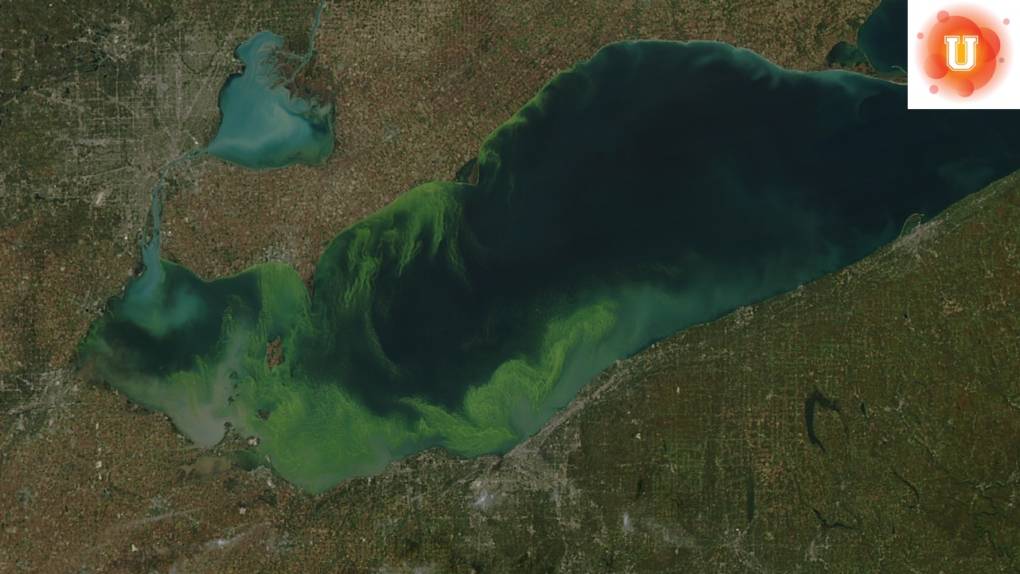
Find lesson plans for high school and middle school that encourage critical thinking and are relevant to current events in social studies, science, and arts.
window.__IS_SSR__=true
window.__INITIAL_STATE__={
"attachmentsReducer": {
"audio_0": {
"type": "attachments",
"id": "audio_0",
"imgSizes": {
"kqedFullSize": {
"file": "https://ww2.kqed.org/news/wp-content/themes/KQED-unified/img/audio_bgs/background0.jpg"
}
}
},
"audio_1": {
"type": "attachments",
"id": "audio_1",
"imgSizes": {
"kqedFullSize": {
"file": "https://ww2.kqed.org/news/wp-content/themes/KQED-unified/img/audio_bgs/background1.jpg"
}
}
},
"audio_2": {
"type": "attachments",
"id": "audio_2",
"imgSizes": {
"kqedFullSize": {
"file": "https://ww2.kqed.org/news/wp-content/themes/KQED-unified/img/audio_bgs/background2.jpg"
}
}
},
"audio_3": {
"type": "attachments",
"id": "audio_3",
"imgSizes": {
"kqedFullSize": {
"file": "https://ww2.kqed.org/news/wp-content/themes/KQED-unified/img/audio_bgs/background3.jpg"
}
}
},
"audio_4": {
"type": "attachments",
"id": "audio_4",
"imgSizes": {
"kqedFullSize": {
"file": "https://ww2.kqed.org/news/wp-content/themes/KQED-unified/img/audio_bgs/background4.jpg"
}
}
},
"placeholder": {
"type": "attachments",
"id": "placeholder",
"imgSizes": {
"thumbnail": {
"file": "https://cdn.kqed.org/wp-content/uploads/2024/12/KQED-Default-Image-816638274-2000x1333-1-160x107.jpg",
"width": 160,
"height": 107,
"mimeType": "image/jpeg"
},
"medium": {
"file": "https://cdn.kqed.org/wp-content/uploads/2024/12/KQED-Default-Image-816638274-2000x1333-1-800x533.jpg",
"width": 800,
"height": 533,
"mimeType": "image/jpeg"
},
"medium_large": {
"file": "https://cdn.kqed.org/wp-content/uploads/2024/12/KQED-Default-Image-816638274-2000x1333-1-768x512.jpg",
"width": 768,
"height": 512,
"mimeType": "image/jpeg"
},
"large": {
"file": "https://cdn.kqed.org/wp-content/uploads/2024/12/KQED-Default-Image-816638274-2000x1333-1-1020x680.jpg",
"width": 1020,
"height": 680,
"mimeType": "image/jpeg"
},
"1536x1536": {
"file": "https://cdn.kqed.org/wp-content/uploads/2024/12/KQED-Default-Image-816638274-2000x1333-1-1536x1024.jpg",
"width": 1536,
"height": 1024,
"mimeType": "image/jpeg"
},
"fd-lrg": {
"file": "https://cdn.kqed.org/wp-content/uploads/2024/12/KQED-Default-Image-816638274-2000x1333-1-1536x1024.jpg",
"width": 1536,
"height": 1024,
"mimeType": "image/jpeg"
},
"fd-med": {
"file": "https://cdn.kqed.org/wp-content/uploads/2024/12/KQED-Default-Image-816638274-2000x1333-1-1020x680.jpg",
"width": 1020,
"height": 680,
"mimeType": "image/jpeg"
},
"fd-sm": {
"file": "https://cdn.kqed.org/wp-content/uploads/2024/12/KQED-Default-Image-816638274-2000x1333-1-800x533.jpg",
"width": 800,
"height": 533,
"mimeType": "image/jpeg"
},
"post-thumbnail": {
"file": "https://cdn.kqed.org/wp-content/uploads/2024/12/KQED-Default-Image-816638274-2000x1333-1-672x372.jpg",
"width": 672,
"height": 372,
"mimeType": "image/jpeg"
},
"twentyfourteen-full-width": {
"file": "https://cdn.kqed.org/wp-content/uploads/2024/12/KQED-Default-Image-816638274-2000x1333-1-1038x576.jpg",
"width": 1038,
"height": 576,
"mimeType": "image/jpeg"
},
"xxsmall": {
"file": "https://cdn.kqed.org/wp-content/uploads/2024/12/KQED-Default-Image-816638274-2000x1333-1-160x107.jpg",
"width": 160,
"height": 107,
"mimeType": "image/jpeg"
},
"xsmall": {
"file": "https://cdn.kqed.org/wp-content/uploads/2024/12/KQED-Default-Image-816638274-2000x1333-1-672x372.jpg",
"width": 672,
"height": 372,
"mimeType": "image/jpeg"
},
"small": {
"file": "https://cdn.kqed.org/wp-content/uploads/2024/12/KQED-Default-Image-816638274-2000x1333-1-672x372.jpg",
"width": 672,
"height": 372,
"mimeType": "image/jpeg"
},
"xlarge": {
"file": "https://cdn.kqed.org/wp-content/uploads/2024/12/KQED-Default-Image-816638274-2000x1333-1-1020x680.jpg",
"width": 1020,
"height": 680,
"mimeType": "image/jpeg"
},
"full-width": {
"file": "https://cdn.kqed.org/wp-content/uploads/2024/12/KQED-Default-Image-816638274-2000x1333-1-1920x1280.jpg",
"width": 1920,
"height": 1280,
"mimeType": "image/jpeg"
},
"guest-author-32": {
"file": "https://cdn.kqed.org/wp-content/uploads/2025/01/KQED-Default-Image-816638274-1333x1333-1-160x160.jpg",
"width": 32,
"height": 32,
"mimeType": "image/jpeg"
},
"guest-author-50": {
"file": "https://cdn.kqed.org/wp-content/uploads/2025/01/KQED-Default-Image-816638274-1333x1333-1-160x160.jpg",
"width": 50,
"height": 50,
"mimeType": "image/jpeg"
},
"guest-author-64": {
"file": "https://cdn.kqed.org/wp-content/uploads/2025/01/KQED-Default-Image-816638274-1333x1333-1-160x160.jpg",
"width": 64,
"height": 64,
"mimeType": "image/jpeg"
},
"guest-author-96": {
"file": "https://cdn.kqed.org/wp-content/uploads/2025/01/KQED-Default-Image-816638274-1333x1333-1-160x160.jpg",
"width": 96,
"height": 96,
"mimeType": "image/jpeg"
},
"guest-author-128": {
"file": "https://cdn.kqed.org/wp-content/uploads/2025/01/KQED-Default-Image-816638274-1333x1333-1-160x160.jpg",
"width": 128,
"height": 128,
"mimeType": "image/jpeg"
},
"detail": {
"file": "https://cdn.kqed.org/wp-content/uploads/2025/01/KQED-Default-Image-816638274-1333x1333-1-160x160.jpg",
"width": 160,
"height": 160,
"mimeType": "image/jpeg"
},
"kqedFullSize": {
"file": "https://cdn.kqed.org/wp-content/uploads/2024/12/KQED-Default-Image-816638274-2000x1333-1.jpg",
"width": 2000,
"height": 1333
}
}
},
"education_432225": {
"type": "attachments",
"id": "education_432225",
"meta": {
"index": "attachments_1716263798",
"site": "education",
"id": "432225",
"found": true
},
"parent": 431926,
"imgSizes": {
"small": {
"file": "https://ww2.kqed.org/app/uploads/sites/38/2017/03/Lake-Erie-algae-bloom-520x293.jpg",
"width": 520,
"mimeType": "image/jpeg",
"height": 293
},
"twentyfourteen-full-width": {
"file": "https://ww2.kqed.org/app/uploads/sites/38/2017/03/Lake-Erie-algae-bloom-1038x576.jpg",
"width": 1038,
"mimeType": "image/jpeg",
"height": 576
},
"thumbnail": {
"file": "https://ww2.kqed.org/app/uploads/sites/38/2017/03/Lake-Erie-algae-bloom-160x90.jpg",
"width": 160,
"mimeType": "image/jpeg",
"height": 90
},
"fd-sm": {
"file": "https://ww2.kqed.org/app/uploads/sites/38/2017/03/Lake-Erie-algae-bloom-960x540.jpg",
"width": 960,
"mimeType": "image/jpeg",
"height": 540
},
"post-thumbnail": {
"file": "https://ww2.kqed.org/app/uploads/sites/38/2017/03/Lake-Erie-algae-bloom-672x372.jpg",
"width": 672,
"mimeType": "image/jpeg",
"height": 372
},
"xsmall": {
"file": "https://ww2.kqed.org/app/uploads/sites/38/2017/03/Lake-Erie-algae-bloom-375x211.jpg",
"width": 375,
"mimeType": "image/jpeg",
"height": 211
},
"kqedFullSize": {
"file": "https://ww2.kqed.org/app/uploads/sites/38/2017/03/Lake-Erie-algae-bloom.jpg",
"width": 1281,
"height": 721
},
"large": {
"file": "https://ww2.kqed.org/app/uploads/sites/38/2017/03/Lake-Erie-algae-bloom-1020x574.jpg",
"width": 1020,
"mimeType": "image/jpeg",
"height": 574
},
"xlarge": {
"file": "https://ww2.kqed.org/app/uploads/sites/38/2017/03/Lake-Erie-algae-bloom-1180x664.jpg",
"width": 1180,
"mimeType": "image/jpeg",
"height": 664
},
"guest-author-50": {
"file": "https://ww2.kqed.org/app/uploads/sites/38/2017/03/Lake-Erie-algae-bloom-50x50.jpg",
"width": 50,
"mimeType": "image/jpeg",
"height": 50
},
"guest-author-96": {
"file": "https://ww2.kqed.org/app/uploads/sites/38/2017/03/Lake-Erie-algae-bloom-96x96.jpg",
"width": 96,
"mimeType": "image/jpeg",
"height": 96
},
"medium": {
"file": "https://ww2.kqed.org/app/uploads/sites/38/2017/03/Lake-Erie-algae-bloom-800x450.jpg",
"width": 800,
"mimeType": "image/jpeg",
"height": 450
},
"guest-author-64": {
"file": "https://ww2.kqed.org/app/uploads/sites/38/2017/03/Lake-Erie-algae-bloom-64x64.jpg",
"width": 64,
"mimeType": "image/jpeg",
"height": 64
},
"guest-author-32": {
"file": "https://ww2.kqed.org/app/uploads/sites/38/2017/03/Lake-Erie-algae-bloom-32x32.jpg",
"width": 32,
"mimeType": "image/jpeg",
"height": 32
},
"fd-med": {
"file": "https://ww2.kqed.org/app/uploads/sites/38/2017/03/Lake-Erie-algae-bloom-1180x664.jpg",
"width": 1180,
"mimeType": "image/jpeg",
"height": 664
},
"detail": {
"file": "https://ww2.kqed.org/app/uploads/sites/38/2017/03/Lake-Erie-algae-bloom-150x150.jpg",
"width": 150,
"mimeType": "image/jpeg",
"height": 150
},
"medium_large": {
"file": "https://ww2.kqed.org/app/uploads/sites/38/2017/03/Lake-Erie-algae-bloom-768x432.jpg",
"width": 768,
"mimeType": "image/jpeg",
"height": 432
},
"guest-author-128": {
"file": "https://ww2.kqed.org/app/uploads/sites/38/2017/03/Lake-Erie-algae-bloom-128x128.jpg",
"width": 128,
"mimeType": "image/jpeg",
"height": 128
},
"xxsmall": {
"file": "https://ww2.kqed.org/app/uploads/sites/38/2017/03/Lake-Erie-algae-bloom-240x135.jpg",
"width": 240,
"mimeType": "image/jpeg",
"height": 135
}
},
"publishDate": 1488935202,
"modified": 1488935240,
"caption": "Toxic algae bloom in Lake Erie in October, 2011.",
"description": null,
"title": "Lake Erie algae bloom",
"credit": "NASA",
"status": "inherit",
"isLoading": false,
"fetchFailed": false
},
"lowdown_30301": {
"type": "attachments",
"id": "lowdown_30301",
"meta": {
"index": "attachments_1716263798",
"site": "lowdown",
"id": "30301",
"found": true
},
"parent": 26074,
"imgSizes": {
"small": {
"file": "https://ww2.kqed.org/app/uploads/sites/26/2017/06/maxresdefault-2-520x293.jpg",
"width": 520,
"mimeType": "image/jpeg",
"height": 293
},
"twentyfourteen-full-width": {
"file": "https://ww2.kqed.org/app/uploads/sites/26/2017/06/maxresdefault-2-1038x576.jpg",
"width": 1038,
"mimeType": "image/jpeg",
"height": 576
},
"thumbnail": {
"file": "https://ww2.kqed.org/app/uploads/sites/26/2017/06/maxresdefault-2-160x90.jpg",
"width": 160,
"mimeType": "image/jpeg",
"height": 90
},
"fd-sm": {
"file": "https://ww2.kqed.org/app/uploads/sites/26/2017/06/maxresdefault-2-960x540.jpg",
"width": 960,
"mimeType": "image/jpeg",
"height": 540
},
"post-thumbnail": {
"file": "https://ww2.kqed.org/app/uploads/sites/26/2017/06/maxresdefault-2-672x372.jpg",
"width": 672,
"mimeType": "image/jpeg",
"height": 372
},
"xsmall": {
"file": "https://ww2.kqed.org/app/uploads/sites/26/2017/06/maxresdefault-2-375x211.jpg",
"width": 375,
"mimeType": "image/jpeg",
"height": 211
},
"kqedFullSize": {
"file": "https://ww2.kqed.org/app/uploads/sites/26/2017/06/maxresdefault-2.jpg",
"width": 1280,
"height": 720
},
"large": {
"file": "https://ww2.kqed.org/app/uploads/sites/26/2017/06/maxresdefault-2-1020x574.jpg",
"width": 1020,
"mimeType": "image/jpeg",
"height": 574
},
"xlarge": {
"file": "https://ww2.kqed.org/app/uploads/sites/26/2017/06/maxresdefault-2-1180x664.jpg",
"width": 1180,
"mimeType": "image/jpeg",
"height": 664
},
"guest-author-50": {
"file": "https://ww2.kqed.org/app/uploads/sites/26/2017/06/maxresdefault-2-50x50.jpg",
"width": 50,
"mimeType": "image/jpeg",
"height": 50
},
"guest-author-96": {
"file": "https://ww2.kqed.org/app/uploads/sites/26/2017/06/maxresdefault-2-96x96.jpg",
"width": 96,
"mimeType": "image/jpeg",
"height": 96
},
"medium": {
"file": "https://ww2.kqed.org/app/uploads/sites/26/2017/06/maxresdefault-2-800x450.jpg",
"width": 800,
"mimeType": "image/jpeg",
"height": 450
},
"guest-author-64": {
"file": "https://ww2.kqed.org/app/uploads/sites/26/2017/06/maxresdefault-2-64x64.jpg",
"width": 64,
"mimeType": "image/jpeg",
"height": 64
},
"guest-author-32": {
"file": "https://ww2.kqed.org/app/uploads/sites/26/2017/06/maxresdefault-2-32x32.jpg",
"width": 32,
"mimeType": "image/jpeg",
"height": 32
},
"fd-med": {
"file": "https://ww2.kqed.org/app/uploads/sites/26/2017/06/maxresdefault-2-1180x664.jpg",
"width": 1180,
"mimeType": "image/jpeg",
"height": 664
},
"detail": {
"file": "https://ww2.kqed.org/app/uploads/sites/26/2017/06/maxresdefault-2-150x150.jpg",
"width": 150,
"mimeType": "image/jpeg",
"height": 150
},
"medium_large": {
"file": "https://ww2.kqed.org/app/uploads/sites/26/2017/06/maxresdefault-2-768x432.jpg",
"width": 768,
"mimeType": "image/jpeg",
"height": 432
},
"guest-author-128": {
"file": "https://ww2.kqed.org/app/uploads/sites/26/2017/06/maxresdefault-2-128x128.jpg",
"width": 128,
"mimeType": "image/jpeg",
"height": 128
},
"xxsmall": {
"file": "https://ww2.kqed.org/app/uploads/sites/26/2017/06/maxresdefault-2-240x135.jpg",
"width": 240,
"mimeType": "image/jpeg",
"height": 135
}
},
"publishDate": 1520018494,
"modified": 1520018494,
"caption": null,
"description": null,
"title": "maxresdefault (2)",
"credit": null,
"status": "inherit",
"isLoading": false,
"fetchFailed": false
},
"education_427702": {
"type": "attachments",
"id": "education_427702",
"meta": {
"index": "attachments_1716263798",
"site": "education",
"id": "427702",
"found": true
},
"parent": 426792,
"imgSizes": {
"small": {
"file": "https://ww2.kqed.org/app/uploads/sites/38/2017/03/Red_carpet_2086731832_2-520x345.jpg",
"width": 520,
"mimeType": "image/jpeg",
"height": 345
},
"twentyfourteen-full-width": {
"file": "https://ww2.kqed.org/app/uploads/sites/38/2017/03/Red_carpet_2086731832_2-1038x576.jpg",
"width": 1038,
"mimeType": "image/jpeg",
"height": 576
},
"thumbnail": {
"file": "https://ww2.kqed.org/app/uploads/sites/38/2017/03/Red_carpet_2086731832_2-160x106.jpg",
"width": 160,
"mimeType": "image/jpeg",
"height": 106
},
"fd-sm": {
"file": "https://ww2.kqed.org/app/uploads/sites/38/2017/03/Red_carpet_2086731832_2-960x636.jpg",
"width": 960,
"mimeType": "image/jpeg",
"height": 636
},
"post-thumbnail": {
"file": "https://ww2.kqed.org/app/uploads/sites/38/2017/03/Red_carpet_2086731832_2-672x372.jpg",
"width": 672,
"mimeType": "image/jpeg",
"height": 372
},
"xsmall": {
"file": "https://ww2.kqed.org/app/uploads/sites/38/2017/03/Red_carpet_2086731832_2-375x248.jpg",
"width": 375,
"mimeType": "image/jpeg",
"height": 248
},
"kqedFullSize": {
"file": "https://ww2.kqed.org/app/uploads/sites/38/2017/03/Red_carpet_2086731832_2.jpg",
"width": 1565,
"height": 1037
},
"large": {
"file": "https://ww2.kqed.org/app/uploads/sites/38/2017/03/Red_carpet_2086731832_2-1020x676.jpg",
"width": 1020,
"mimeType": "image/jpeg",
"height": 676
},
"xlarge": {
"file": "https://ww2.kqed.org/app/uploads/sites/38/2017/03/Red_carpet_2086731832_2-1180x782.jpg",
"width": 1180,
"mimeType": "image/jpeg",
"height": 782
},
"guest-author-50": {
"file": "https://ww2.kqed.org/app/uploads/sites/38/2017/03/Red_carpet_2086731832_2-50x50.jpg",
"width": 50,
"mimeType": "image/jpeg",
"height": 50
},
"guest-author-96": {
"file": "https://ww2.kqed.org/app/uploads/sites/38/2017/03/Red_carpet_2086731832_2-96x96.jpg",
"width": 96,
"mimeType": "image/jpeg",
"height": 96
},
"medium": {
"file": "https://ww2.kqed.org/app/uploads/sites/38/2017/03/Red_carpet_2086731832_2-800x530.jpg",
"width": 800,
"mimeType": "image/jpeg",
"height": 530
},
"guest-author-64": {
"file": "https://ww2.kqed.org/app/uploads/sites/38/2017/03/Red_carpet_2086731832_2-64x64.jpg",
"width": 64,
"mimeType": "image/jpeg",
"height": 64
},
"guest-author-32": {
"file": "https://ww2.kqed.org/app/uploads/sites/38/2017/03/Red_carpet_2086731832_2-32x32.jpg",
"width": 32,
"mimeType": "image/jpeg",
"height": 32
},
"fd-med": {
"file": "https://ww2.kqed.org/app/uploads/sites/38/2017/03/Red_carpet_2086731832_2-1180x782.jpg",
"width": 1180,
"mimeType": "image/jpeg",
"height": 782
},
"detail": {
"file": "https://ww2.kqed.org/app/uploads/sites/38/2017/03/Red_carpet_2086731832_2-150x150.jpg",
"width": 150,
"mimeType": "image/jpeg",
"height": 150
},
"medium_large": {
"file": "https://ww2.kqed.org/app/uploads/sites/38/2017/03/Red_carpet_2086731832_2-768x509.jpg",
"width": 768,
"mimeType": "image/jpeg",
"height": 509
},
"guest-author-128": {
"file": "https://ww2.kqed.org/app/uploads/sites/38/2017/03/Red_carpet_2086731832_2-128x128.jpg",
"width": 128,
"mimeType": "image/jpeg",
"height": 128
},
"xxsmall": {
"file": "https://ww2.kqed.org/app/uploads/sites/38/2017/03/Red_carpet_2086731832_2-240x159.jpg",
"width": 240,
"mimeType": "image/jpeg",
"height": 159
}
},
"publishDate": 1488494525,
"modified": 1488494525,
"caption": null,
"description": null,
"title": "Red_carpet_(2086731832)_(2)",
"credit": null,
"status": "inherit",
"isLoading": false,
"fetchFailed": false
},
"lowdown_30908": {
"type": "attachments",
"id": "lowdown_30908",
"meta": {
"index": "attachments_1716263798",
"site": "lowdown",
"id": "30908",
"found": true
},
"parent": 25945,
"imgSizes": {
"small": {
"file": "https://ww2.kqed.org/app/uploads/sites/26/2017/05/trump-cabinet_8046869_3ccdf7ba579e87891e644780d4b9098714684d63-1180x1505-520x344.png",
"width": 520,
"mimeType": "image/png",
"height": 344
},
"twentyfourteen-full-width": {
"file": "https://ww2.kqed.org/app/uploads/sites/26/2017/05/trump-cabinet_8046869_3ccdf7ba579e87891e644780d4b9098714684d63-1180x1505-1038x576.png",
"width": 1038,
"mimeType": "image/png",
"height": 576
},
"thumbnail": {
"file": "https://ww2.kqed.org/app/uploads/sites/26/2017/05/trump-cabinet_8046869_3ccdf7ba579e87891e644780d4b9098714684d63-1180x1505-160x106.png",
"width": 160,
"mimeType": "image/png",
"height": 106
},
"fd-sm": {
"file": "https://ww2.kqed.org/app/uploads/sites/26/2017/05/trump-cabinet_8046869_3ccdf7ba579e87891e644780d4b9098714684d63-1180x1505-960x635.png",
"width": 960,
"mimeType": "image/png",
"height": 635
},
"post-thumbnail": {
"file": "https://ww2.kqed.org/app/uploads/sites/26/2017/05/trump-cabinet_8046869_3ccdf7ba579e87891e644780d4b9098714684d63-1180x1505-672x372.png",
"width": 672,
"mimeType": "image/png",
"height": 372
},
"xsmall": {
"file": "https://ww2.kqed.org/app/uploads/sites/26/2017/05/trump-cabinet_8046869_3ccdf7ba579e87891e644780d4b9098714684d63-1180x1505-375x248.png",
"width": 375,
"mimeType": "image/png",
"height": 248
},
"kqedFullSize": {
"file": "https://ww2.kqed.org/app/uploads/sites/26/2017/05/trump-cabinet_8046869_3ccdf7ba579e87891e644780d4b9098714684d63-1180x1505.png",
"width": 1180,
"height": 781
},
"large": {
"file": "https://ww2.kqed.org/app/uploads/sites/26/2017/05/trump-cabinet_8046869_3ccdf7ba579e87891e644780d4b9098714684d63-1180x1505-1020x675.png",
"width": 1020,
"mimeType": "image/png",
"height": 675
},
"xlarge": {
"file": "https://ww2.kqed.org/app/uploads/sites/26/2017/05/trump-cabinet_8046869_3ccdf7ba579e87891e644780d4b9098714684d63-1180x1505-1180x781.png",
"width": 1180,
"mimeType": "image/png",
"height": 781
},
"guest-author-50": {
"file": "https://ww2.kqed.org/app/uploads/sites/26/2017/05/trump-cabinet_8046869_3ccdf7ba579e87891e644780d4b9098714684d63-1180x1505-50x50.png",
"width": 50,
"mimeType": "image/png",
"height": 50
},
"guest-author-96": {
"file": "https://ww2.kqed.org/app/uploads/sites/26/2017/05/trump-cabinet_8046869_3ccdf7ba579e87891e644780d4b9098714684d63-1180x1505-96x96.png",
"width": 96,
"mimeType": "image/png",
"height": 96
},
"medium": {
"file": "https://ww2.kqed.org/app/uploads/sites/26/2017/05/trump-cabinet_8046869_3ccdf7ba579e87891e644780d4b9098714684d63-1180x1505-800x529.png",
"width": 800,
"mimeType": "image/png",
"height": 529
},
"guest-author-64": {
"file": "https://ww2.kqed.org/app/uploads/sites/26/2017/05/trump-cabinet_8046869_3ccdf7ba579e87891e644780d4b9098714684d63-1180x1505-64x64.png",
"width": 64,
"mimeType": "image/png",
"height": 64
},
"guest-author-32": {
"file": "https://ww2.kqed.org/app/uploads/sites/26/2017/05/trump-cabinet_8046869_3ccdf7ba579e87891e644780d4b9098714684d63-1180x1505-32x32.png",
"width": 32,
"mimeType": "image/png",
"height": 32
},
"fd-med": {
"file": "https://ww2.kqed.org/app/uploads/sites/26/2017/05/trump-cabinet_8046869_3ccdf7ba579e87891e644780d4b9098714684d63-1180x1505-1180x781.png",
"width": 1180,
"mimeType": "image/png",
"height": 781
},
"detail": {
"file": "https://ww2.kqed.org/app/uploads/sites/26/2017/05/trump-cabinet_8046869_3ccdf7ba579e87891e644780d4b9098714684d63-1180x1505-150x150.png",
"width": 150,
"mimeType": "image/png",
"height": 150
},
"medium_large": {
"file": "https://ww2.kqed.org/app/uploads/sites/26/2017/05/trump-cabinet_8046869_3ccdf7ba579e87891e644780d4b9098714684d63-1180x1505-768x508.png",
"width": 768,
"mimeType": "image/png",
"height": 508
},
"guest-author-128": {
"file": "https://ww2.kqed.org/app/uploads/sites/26/2017/05/trump-cabinet_8046869_3ccdf7ba579e87891e644780d4b9098714684d63-1180x1505-128x128.png",
"width": 128,
"mimeType": "image/png",
"height": 128
},
"xxsmall": {
"file": "https://ww2.kqed.org/app/uploads/sites/26/2017/05/trump-cabinet_8046869_3ccdf7ba579e87891e644780d4b9098714684d63-1180x1505-240x159.png",
"width": 240,
"mimeType": "image/png",
"height": 159
}
},
"publishDate": 1524776108,
"modified": 1524776108,
"caption": null,
"description": null,
"title": "trump-cabinet_8046869_3ccdf7ba579e87891e644780d4b9098714684d63-1180x1505",
"credit": null,
"status": "inherit",
"isLoading": false,
"fetchFailed": false
},
"lowdown_25854": {
"type": "attachments",
"id": "lowdown_25854",
"meta": {
"index": "attachments_1716263798",
"site": "lowdown",
"id": "25854",
"found": true
},
"parent": 25829,
"imgSizes": {
"small": {
"file": "https://ww2.kqed.org/app/uploads/sites/26/2017/02/58ac02da3-520x347.jpeg",
"width": 520,
"mimeType": "image/jpeg",
"height": 347
},
"twentyfourteen-full-width": {
"file": "https://ww2.kqed.org/app/uploads/sites/26/2017/02/58ac02da3-966x576.jpeg",
"width": 966,
"mimeType": "image/jpeg",
"height": 576
},
"thumbnail": {
"file": "https://ww2.kqed.org/app/uploads/sites/26/2017/02/58ac02da3-160x107.jpeg",
"width": 160,
"mimeType": "image/jpeg",
"height": 107
},
"fd-sm": {
"file": "https://ww2.kqed.org/app/uploads/sites/26/2017/02/58ac02da3-960x640.jpeg",
"width": 960,
"mimeType": "image/jpeg",
"height": 640
},
"post-thumbnail": {
"file": "https://ww2.kqed.org/app/uploads/sites/26/2017/02/58ac02da3-672x372.jpeg",
"width": 672,
"mimeType": "image/jpeg",
"height": 372
},
"xsmall": {
"file": "https://ww2.kqed.org/app/uploads/sites/26/2017/02/58ac02da3-375x250.jpeg",
"width": 375,
"mimeType": "image/jpeg",
"height": 250
},
"kqedFullSize": {
"file": "https://ww2.kqed.org/app/uploads/sites/26/2017/02/58ac02da3.jpeg",
"width": 966,
"height": 644
},
"guest-author-50": {
"file": "https://ww2.kqed.org/app/uploads/sites/26/2017/02/58ac02da3-50x50.jpeg",
"width": 50,
"mimeType": "image/jpeg",
"height": 50
},
"guest-author-96": {
"file": "https://ww2.kqed.org/app/uploads/sites/26/2017/02/58ac02da3-96x96.jpeg",
"width": 96,
"mimeType": "image/jpeg",
"height": 96
},
"medium": {
"file": "https://ww2.kqed.org/app/uploads/sites/26/2017/02/58ac02da3-800x533.jpeg",
"width": 800,
"mimeType": "image/jpeg",
"height": 533
},
"guest-author-64": {
"file": "https://ww2.kqed.org/app/uploads/sites/26/2017/02/58ac02da3-64x64.jpeg",
"width": 64,
"mimeType": "image/jpeg",
"height": 64
},
"guest-author-32": {
"file": "https://ww2.kqed.org/app/uploads/sites/26/2017/02/58ac02da3-32x32.jpeg",
"width": 32,
"mimeType": "image/jpeg",
"height": 32
},
"detail": {
"file": "https://ww2.kqed.org/app/uploads/sites/26/2017/02/58ac02da3-150x150.jpeg",
"width": 150,
"mimeType": "image/jpeg",
"height": 150
},
"medium_large": {
"file": "https://ww2.kqed.org/app/uploads/sites/26/2017/02/58ac02da3-768x512.jpeg",
"width": 768,
"mimeType": "image/jpeg",
"height": 512
},
"guest-author-128": {
"file": "https://ww2.kqed.org/app/uploads/sites/26/2017/02/58ac02da3-128x128.jpeg",
"width": 128,
"mimeType": "image/jpeg",
"height": 128
},
"xxsmall": {
"file": "https://ww2.kqed.org/app/uploads/sites/26/2017/02/58ac02da3-240x160.jpeg",
"width": 240,
"mimeType": "image/jpeg",
"height": 160
}
},
"publishDate": 1487743194,
"modified": 1487744610,
"caption": "An Iraqi family who fled fighting in Mosul collect aid items at Hasansham camp, Iraq, January 23 2017. They had fled militant held west Mosul three days before by crossing the Tigris River at night in a small wooden boat. ",
"description": null,
"title": "58ac02da3",
"credit": "Ivor Prickett/UNHCR",
"status": "inherit",
"isLoading": false,
"fetchFailed": false
},
"education_413906": {
"type": "attachments",
"id": "education_413906",
"meta": {
"index": "attachments_1716263798",
"site": "education",
"id": "413906",
"found": true
},
"parent": 413104,
"imgSizes": {
"small": {
"file": "https://ww2.kqed.org/app/uploads/sites/38/2017/02/Pig_logo-520x390.jpg",
"width": 520,
"mimeType": "image/jpeg",
"height": 390
},
"twentyfourteen-full-width": {
"file": "https://ww2.kqed.org/app/uploads/sites/38/2017/02/Pig_logo-1038x576.jpg",
"width": 1038,
"mimeType": "image/jpeg",
"height": 576
},
"thumbnail": {
"file": "https://ww2.kqed.org/app/uploads/sites/38/2017/02/Pig_logo-160x120.jpg",
"width": 160,
"mimeType": "image/jpeg",
"height": 120
},
"fd-sm": {
"file": "https://ww2.kqed.org/app/uploads/sites/38/2017/02/Pig_logo-960x720.jpg",
"width": 960,
"mimeType": "image/jpeg",
"height": 720
},
"post-thumbnail": {
"file": "https://ww2.kqed.org/app/uploads/sites/38/2017/02/Pig_logo-672x372.jpg",
"width": 672,
"mimeType": "image/jpeg",
"height": 372
},
"xsmall": {
"file": "https://ww2.kqed.org/app/uploads/sites/38/2017/02/Pig_logo-375x281.jpg",
"width": 375,
"mimeType": "image/jpeg",
"height": 281
},
"kqedFullSize": {
"file": "https://ww2.kqed.org/app/uploads/sites/38/2017/02/Pig_logo-e1490311162248.jpg",
"width": 1920,
"height": 1440
},
"large": {
"file": "https://ww2.kqed.org/app/uploads/sites/38/2017/02/Pig_logo-1020x765.jpg",
"width": 1020,
"mimeType": "image/jpeg",
"height": 765
},
"xlarge": {
"file": "https://ww2.kqed.org/app/uploads/sites/38/2017/02/Pig_logo-1180x885.jpg",
"width": 1180,
"mimeType": "image/jpeg",
"height": 885
},
"guest-author-50": {
"file": "https://ww2.kqed.org/app/uploads/sites/38/2017/02/Pig_logo-50x50.jpg",
"width": 50,
"mimeType": "image/jpeg",
"height": 50
},
"guest-author-96": {
"file": "https://ww2.kqed.org/app/uploads/sites/38/2017/02/Pig_logo-96x96.jpg",
"width": 96,
"mimeType": "image/jpeg",
"height": 96
},
"medium": {
"file": "https://ww2.kqed.org/app/uploads/sites/38/2017/02/Pig_logo-800x600.jpg",
"width": 800,
"mimeType": "image/jpeg",
"height": 600
},
"guest-author-64": {
"file": "https://ww2.kqed.org/app/uploads/sites/38/2017/02/Pig_logo-64x64.jpg",
"width": 64,
"mimeType": "image/jpeg",
"height": 64
},
"guest-author-32": {
"file": "https://ww2.kqed.org/app/uploads/sites/38/2017/02/Pig_logo-32x32.jpg",
"width": 32,
"mimeType": "image/jpeg",
"height": 32
},
"fd-lrg": {
"file": "https://ww2.kqed.org/app/uploads/sites/38/2017/02/Pig_logo-1920x1440.jpg",
"width": 1920,
"mimeType": "image/jpeg",
"height": 1440
},
"fd-med": {
"file": "https://ww2.kqed.org/app/uploads/sites/38/2017/02/Pig_logo-1180x885.jpg",
"width": 1180,
"mimeType": "image/jpeg",
"height": 885
},
"full-width": {
"file": "https://ww2.kqed.org/app/uploads/sites/38/2017/02/Pig_logo-1920x1440.jpg",
"width": 1920,
"mimeType": "image/jpeg",
"height": 1440
},
"detail": {
"file": "https://ww2.kqed.org/app/uploads/sites/38/2017/02/Pig_logo-150x150.jpg",
"width": 150,
"mimeType": "image/jpeg",
"height": 150
},
"medium_large": {
"file": "https://ww2.kqed.org/app/uploads/sites/38/2017/02/Pig_logo-768x576.jpg",
"width": 768,
"mimeType": "image/jpeg",
"height": 576
},
"guest-author-128": {
"file": "https://ww2.kqed.org/app/uploads/sites/38/2017/02/Pig_logo-128x128.jpg",
"width": 128,
"mimeType": "image/jpeg",
"height": 128
},
"xxsmall": {
"file": "https://ww2.kqed.org/app/uploads/sites/38/2017/02/Pig_logo-240x180.jpg",
"width": 240,
"mimeType": "image/jpeg",
"height": 180
}
},
"publishDate": 1487114108,
"modified": 1487114135,
"caption": null,
"description": null,
"title": "Pig_logo",
"credit": "Joshua Berry / Flickr",
"status": "inherit",
"isLoading": false,
"fetchFailed": false
},
"lowdown_25744": {
"type": "attachments",
"id": "lowdown_25744",
"meta": {
"index": "attachments_1716263798",
"site": "lowdown",
"id": "25744",
"found": true
},
"parent": 25716,
"imgSizes": {
"small": {
"file": "https://ww2.kqed.org/app/uploads/sites/26/2017/02/faceoff_reduced-520x227.png",
"width": 520,
"mimeType": "image/png",
"height": 227
},
"thumbnail": {
"file": "https://ww2.kqed.org/app/uploads/sites/26/2017/02/faceoff_reduced-160x70.png",
"width": 160,
"mimeType": "image/png",
"height": 70
},
"fd-sm": {
"file": "https://ww2.kqed.org/app/uploads/sites/26/2017/02/faceoff_reduced-960x420.png",
"width": 960,
"mimeType": "image/png",
"height": 420
},
"post-thumbnail": {
"file": "https://ww2.kqed.org/app/uploads/sites/26/2017/02/faceoff_reduced-672x372.png",
"width": 672,
"mimeType": "image/png",
"height": 372
},
"xsmall": {
"file": "https://ww2.kqed.org/app/uploads/sites/26/2017/02/faceoff_reduced-375x164.png",
"width": 375,
"mimeType": "image/png",
"height": 164
},
"kqedFullSize": {
"file": "https://ww2.kqed.org/app/uploads/sites/26/2017/02/faceoff_reduced.png",
"width": 1000,
"height": 437
},
"guest-author-50": {
"file": "https://ww2.kqed.org/app/uploads/sites/26/2017/02/faceoff_reduced-50x50.png",
"width": 50,
"mimeType": "image/png",
"height": 50
},
"guest-author-96": {
"file": "https://ww2.kqed.org/app/uploads/sites/26/2017/02/faceoff_reduced-96x96.png",
"width": 96,
"mimeType": "image/png",
"height": 96
},
"medium": {
"file": "https://ww2.kqed.org/app/uploads/sites/26/2017/02/faceoff_reduced-800x350.png",
"width": 800,
"mimeType": "image/png",
"height": 350
},
"guest-author-64": {
"file": "https://ww2.kqed.org/app/uploads/sites/26/2017/02/faceoff_reduced-64x64.png",
"width": 64,
"mimeType": "image/png",
"height": 64
},
"guest-author-32": {
"file": "https://ww2.kqed.org/app/uploads/sites/26/2017/02/faceoff_reduced-32x32.png",
"width": 32,
"mimeType": "image/png",
"height": 32
},
"detail": {
"file": "https://ww2.kqed.org/app/uploads/sites/26/2017/02/faceoff_reduced-150x150.png",
"width": 150,
"mimeType": "image/png",
"height": 150
},
"medium_large": {
"file": "https://ww2.kqed.org/app/uploads/sites/26/2017/02/faceoff_reduced-768x336.png",
"width": 768,
"mimeType": "image/png",
"height": 336
},
"guest-author-128": {
"file": "https://ww2.kqed.org/app/uploads/sites/26/2017/02/faceoff_reduced-128x128.png",
"width": 128,
"mimeType": "image/png",
"height": 128
},
"xxsmall": {
"file": "https://ww2.kqed.org/app/uploads/sites/26/2017/02/faceoff_reduced-240x105.png",
"width": 240,
"mimeType": "image/png",
"height": 105
}
},
"publishDate": 1487105782,
"modified": 1487181407,
"caption": null,
"description": null,
"title": "faceoff_reduced",
"credit": "Matt Dunning",
"status": "inherit",
"isLoading": false,
"fetchFailed": false
},
"education_410252": {
"type": "attachments",
"id": "education_410252",
"meta": {
"index": "attachments_1716263798",
"site": "education",
"id": "410252",
"found": true
},
"parent": 409400,
"imgSizes": {
"small": {
"file": "https://ww2.kqed.org/app/uploads/sites/38/2017/02/Working_together_to_help_Syrian_refugee_children_in_Lebanon_15089979007-520x346.jpg",
"width": 520,
"mimeType": "image/jpeg",
"height": 346
},
"thumbnail": {
"file": "https://ww2.kqed.org/app/uploads/sites/38/2017/02/Working_together_to_help_Syrian_refugee_children_in_Lebanon_15089979007-160x107.jpg",
"width": 160,
"mimeType": "image/jpeg",
"height": 107
},
"post-thumbnail": {
"file": "https://ww2.kqed.org/app/uploads/sites/38/2017/02/Working_together_to_help_Syrian_refugee_children_in_Lebanon_15089979007-672x372.jpg",
"width": 672,
"mimeType": "image/jpeg",
"height": 372
},
"xsmall": {
"file": "https://ww2.kqed.org/app/uploads/sites/38/2017/02/Working_together_to_help_Syrian_refugee_children_in_Lebanon_15089979007-375x250.jpg",
"width": 375,
"mimeType": "image/jpeg",
"height": 250
},
"kqedFullSize": {
"file": "https://ww2.kqed.org/app/uploads/sites/38/2017/02/Working_together_to_help_Syrian_refugee_children_in_Lebanon_15089979007.jpg",
"width": 800,
"height": 533
},
"guest-author-50": {
"file": "https://ww2.kqed.org/app/uploads/sites/38/2017/02/Working_together_to_help_Syrian_refugee_children_in_Lebanon_15089979007-50x50.jpg",
"width": 50,
"mimeType": "image/jpeg",
"height": 50
},
"guest-author-96": {
"file": "https://ww2.kqed.org/app/uploads/sites/38/2017/02/Working_together_to_help_Syrian_refugee_children_in_Lebanon_15089979007-96x96.jpg",
"width": 96,
"mimeType": "image/jpeg",
"height": 96
},
"medium": {
"file": "https://ww2.kqed.org/app/uploads/sites/38/2017/02/Working_together_to_help_Syrian_refugee_children_in_Lebanon_15089979007-800x533.jpg",
"width": 800,
"mimeType": "image/jpeg",
"height": 533
},
"guest-author-64": {
"file": "https://ww2.kqed.org/app/uploads/sites/38/2017/02/Working_together_to_help_Syrian_refugee_children_in_Lebanon_15089979007-64x64.jpg",
"width": 64,
"mimeType": "image/jpeg",
"height": 64
},
"guest-author-32": {
"file": "https://ww2.kqed.org/app/uploads/sites/38/2017/02/Working_together_to_help_Syrian_refugee_children_in_Lebanon_15089979007-32x32.jpg",
"width": 32,
"mimeType": "image/jpeg",
"height": 32
},
"detail": {
"file": "https://ww2.kqed.org/app/uploads/sites/38/2017/02/Working_together_to_help_Syrian_refugee_children_in_Lebanon_15089979007-150x150.jpg",
"width": 150,
"mimeType": "image/jpeg",
"height": 150
},
"medium_large": {
"file": "https://ww2.kqed.org/app/uploads/sites/38/2017/02/Working_together_to_help_Syrian_refugee_children_in_Lebanon_15089979007-768x512.jpg",
"width": 768,
"mimeType": "image/jpeg",
"height": 512
},
"guest-author-128": {
"file": "https://ww2.kqed.org/app/uploads/sites/38/2017/02/Working_together_to_help_Syrian_refugee_children_in_Lebanon_15089979007-128x128.jpg",
"width": 128,
"mimeType": "image/jpeg",
"height": 128
},
"xxsmall": {
"file": "https://ww2.kqed.org/app/uploads/sites/38/2017/02/Working_together_to_help_Syrian_refugee_children_in_Lebanon_15089979007-240x160.jpg",
"width": 240,
"mimeType": "image/jpeg",
"height": 160
}
},
"publishDate": 1486752597,
"modified": 1486752611,
"caption": null,
"description": null,
"title": "Working together to help Syrian refugee children in Lebanon",
"credit": null,
"status": "inherit",
"isLoading": false,
"fetchFailed": false
},
"lowdown_25488": {
"type": "attachments",
"id": "lowdown_25488",
"meta": {
"index": "attachments_1716263798",
"site": "lowdown",
"id": "25488",
"found": true
},
"parent": 25469,
"imgSizes": {
"small": {
"file": "https://ww2.kqed.org/app/uploads/sites/26/2017/01/logo-collage-520x345.jpg",
"width": 520,
"mimeType": "image/jpeg",
"height": 345
},
"thumbnail": {
"file": "https://ww2.kqed.org/app/uploads/sites/26/2017/01/logo-collage-160x106.jpg",
"width": 160,
"mimeType": "image/jpeg",
"height": 106
},
"post-thumbnail": {
"file": "https://ww2.kqed.org/app/uploads/sites/26/2017/01/logo-collage-672x372.jpg",
"width": 672,
"mimeType": "image/jpeg",
"height": 372
},
"xsmall": {
"file": "https://ww2.kqed.org/app/uploads/sites/26/2017/01/logo-collage-375x249.jpg",
"width": 375,
"mimeType": "image/jpeg",
"height": 249
},
"kqedFullSize": {
"file": "https://ww2.kqed.org/app/uploads/sites/26/2017/01/logo-collage.jpg",
"width": 730,
"height": 484
},
"guest-author-50": {
"file": "https://ww2.kqed.org/app/uploads/sites/26/2017/01/logo-collage-50x50.jpg",
"width": 50,
"mimeType": "image/jpeg",
"height": 50
},
"guest-author-96": {
"file": "https://ww2.kqed.org/app/uploads/sites/26/2017/01/logo-collage-96x96.jpg",
"width": 96,
"mimeType": "image/jpeg",
"height": 96
},
"guest-author-64": {
"file": "https://ww2.kqed.org/app/uploads/sites/26/2017/01/logo-collage-64x64.jpg",
"width": 64,
"mimeType": "image/jpeg",
"height": 64
},
"detail": {
"file": "https://ww2.kqed.org/app/uploads/sites/26/2017/01/logo-collage-150x150.jpg",
"width": 150,
"mimeType": "image/jpeg",
"height": 150
},
"guest-author-32": {
"file": "https://ww2.kqed.org/app/uploads/sites/26/2017/01/logo-collage-32x32.jpg",
"width": 32,
"mimeType": "image/jpeg",
"height": 32
},
"guest-author-128": {
"file": "https://ww2.kqed.org/app/uploads/sites/26/2017/01/logo-collage-128x128.jpg",
"width": 128,
"mimeType": "image/jpeg",
"height": 128
},
"xxsmall": {
"file": "https://ww2.kqed.org/app/uploads/sites/26/2017/01/logo-collage-240x159.jpg",
"width": 240,
"mimeType": "image/jpeg",
"height": 159
}
},
"publishDate": 1485909636,
"modified": 1485909636,
"caption": null,
"description": null,
"title": "logo collage",
"credit": null,
"status": "inherit",
"isLoading": false,
"fetchFailed": false
}
},
"audioPlayerReducer": {
"postId": "stream_live",
"isPaused": true,
"isPlaying": false,
"pfsActive": false,
"pledgeModalIsOpen": true,
"playerDrawerIsOpen": false,
"liveAudioPlayStartedAt": 0,
"liveAudioPlayContext": ""
},
"authorsReducer": {
"matthewgreen": {
"type": "authors",
"id": "1263",
"meta": {
"index": "authors_1716337520",
"id": "1263",
"found": true
},
"name": "Matthew Green",
"firstName": "Matthew",
"lastName": "Green",
"slug": "matthewgreen",
"email": "mgreen@kqed.org",
"display_author_email": false,
"staff_mastheads": [],
"title": "KQED Editor/Reporter",
"bio": "Matthew Green is a digital media producer for KQED News. He previously produced \u003ca href=\"http://www.kqed.org/lowdown\">The Lowdown\u003c/a>, KQED’s multimedia news education blog. Matthew's written for numerous Bay Area publications, including the Oakland Tribune and San Francisco Chronicle. He also taught journalism classes at Fremont High School in East Oakland.\r\n\r\nEmail: mgreen@kqed.org; Twitter: @MGreenKQED",
"avatar": "https://secure.gravatar.com/avatar/3bf498d1267ca02c8494f33d8cfc575e?s=600&d=blank&r=g",
"twitter": "MGreenKQED",
"facebook": null,
"instagram": null,
"linkedin": null,
"sites": [
{
"site": "news",
"roles": []
},
{
"site": "lowdown",
"roles": []
},
{
"site": "science",
"roles": []
},
{
"site": "education",
"roles": []
},
{
"site": "quest",
"roles": []
},
{
"site": "liveblog",
"roles": []
}
],
"headData": {
"title": "Matthew Green | KQED",
"description": "KQED Editor/Reporter",
"ogImgSrc": "https://secure.gravatar.com/avatar/3bf498d1267ca02c8494f33d8cfc575e?s=600&d=blank&r=g",
"twImgSrc": "https://secure.gravatar.com/avatar/3bf498d1267ca02c8494f33d8cfc575e?s=600&d=blank&r=g"
},
"isLoading": false,
"link": "/author/matthewgreen"
},
"charukukreja": {
"type": "authors",
"id": "8658",
"meta": {
"index": "authors_1716337520",
"id": "8658",
"found": true
},
"name": "Charu Kukreja",
"firstName": "Charu",
"lastName": "Kukreja",
"slug": "charukukreja",
"email": "charu@dcrdesign.net",
"display_author_email": false,
"staff_mastheads": [],
"title": null,
"bio": "Charu is a writer, designer & urban planner based in Los Angeles, CA",
"avatar": "https://secure.gravatar.com/avatar/242498bfba464209ac2dea7d895a5fd4?s=600&d=blank&r=g",
"twitter": "charukukreja",
"facebook": null,
"instagram": null,
"linkedin": null,
"sites": [
{
"site": "lowdown",
"roles": [
"editor"
]
}
],
"headData": {
"title": "Charu Kukreja | KQED",
"description": null,
"ogImgSrc": "https://secure.gravatar.com/avatar/242498bfba464209ac2dea7d895a5fd4?s=600&d=blank&r=g",
"twImgSrc": "https://secure.gravatar.com/avatar/242498bfba464209ac2dea7d895a5fd4?s=600&d=blank&r=g"
},
"isLoading": false,
"link": "/author/charukukreja"
},
"sencer": {
"type": "authors",
"id": "9628",
"meta": {
"index": "authors_1716337520",
"id": "9628",
"found": true
},
"name": "SENCER",
"firstName": "SENCER",
"lastName": null,
"slug": "sencer",
"email": "scienceed@kqed.org",
"display_author_email": false,
"staff_mastheads": [],
"title": null,
"bio": null,
"avatar": "https://secure.gravatar.com/avatar/b6cc1c0f53a1420c02e9279b9405ec9a?s=600&d=blank&r=g",
"twitter": null,
"facebook": null,
"instagram": null,
"linkedin": null,
"sites": [
{
"site": "education",
"roles": [
"author"
]
}
],
"headData": {
"title": "SENCER | KQED",
"description": null,
"ogImgSrc": "https://secure.gravatar.com/avatar/b6cc1c0f53a1420c02e9279b9405ec9a?s=600&d=blank&r=g",
"twImgSrc": "https://secure.gravatar.com/avatar/b6cc1c0f53a1420c02e9279b9405ec9a?s=600&d=blank&r=g"
},
"isLoading": false,
"link": "/author/sencer"
},
"cignant": {
"type": "authors",
"id": "11207",
"meta": {
"index": "authors_1716337520",
"id": "11207",
"found": true
},
"name": "Chanelle Ignant",
"firstName": "Chanelle",
"lastName": "Ignant",
"slug": "cignant",
"email": "cignant@KQED.org",
"display_author_email": false,
"staff_mastheads": [],
"title": "KQED Contributor",
"bio": "Chanelle is the Youth Media Specialist for KQED. She has worked with various Bay Area youth media organizations and is an independent media maker.",
"avatar": "https://secure.gravatar.com/avatar/89efb7b8c7b3a7dc5b89a558612c83fc?s=600&d=mm&r=g",
"twitter": "chi_was_here",
"bluesky": null,
"facebook": null,
"instagram": null,
"linkedin": null,
"sites": [
{
"site": "news",
"roles": []
},
{
"site": "lowdown",
"roles": [
"editor"
]
},
{
"site": "education",
"roles": []
},
{
"site": "quest",
"roles": [
"editor"
]
}
],
"headData": {
"title": "Chanelle Ignant | KQED",
"description": "KQED Contributor",
"ogImgSrc": "https://secure.gravatar.com/avatar/89efb7b8c7b3a7dc5b89a558612c83fc?s=600&d=mm&r=g",
"twImgSrc": "https://secure.gravatar.com/avatar/89efb7b8c7b3a7dc5b89a558612c83fc?s=600&d=mm&r=g"
},
"isLoading": false,
"link": "/author/cignant"
},
"rroberson": {
"type": "authors",
"id": "11274",
"meta": {
"index": "authors_1716337520",
"id": "11274",
"found": true
},
"name": "Rachel Roberson",
"firstName": "Rachel",
"lastName": "Roberson",
"slug": "rroberson",
"email": "rroberson@kqed.org",
"display_author_email": false,
"staff_mastheads": [],
"title": null,
"bio": "Rachel Roberson is KQED's news education manager. Previously, she was a reading, writing and social studies teacher leader on three continents, having served on the founding staff of KIPP Bayview Academy in San Francisco before moving to schools in Abu Dhabi and Austin, Texas. She started her teaching career as a Peace Corps volunteer in Cameroon. Before she was a teacher, Rachel was a journalist in the East Bay.",
"avatar": "https://secure.gravatar.com/avatar/d0516373a400e4059f65bd29bc026a20?s=600&d=mm&r=g",
"twitter": null,
"facebook": null,
"instagram": null,
"linkedin": null,
"sites": [
{
"site": "news",
"roles": [
"editor"
]
},
{
"site": "lowdown",
"roles": [
"editor"
]
},
{
"site": "stateofhealth",
"roles": [
"editor"
]
},
{
"site": "science",
"roles": [
"editor"
]
},
{
"site": "education",
"roles": [
"editor"
]
},
{
"site": "perspectives",
"roles": [
"editor"
]
},
{
"site": "youthmedia",
"roles": [
"editor"
]
}
],
"headData": {
"title": "Rachel Roberson | KQED",
"description": null,
"ogImgSrc": "https://secure.gravatar.com/avatar/d0516373a400e4059f65bd29bc026a20?s=600&d=mm&r=g",
"twImgSrc": "https://secure.gravatar.com/avatar/d0516373a400e4059f65bd29bc026a20?s=600&d=mm&r=g"
},
"isLoading": false,
"link": "/author/rroberson"
}
},
"pagesReducer": {
"education_series_lesson-plans": {
"type": "terms",
"id": "education_2837",
"meta": {
"index": "terms_1716263798",
"site": "education",
"id": "2837",
"score": 14.649652
},
"featImg": null,
"name": "Lesson Plans",
"description": "Find lesson plans for high school and middle school that encourage critical thinking and are relevant to current events in social studies, science, and arts.",
"taxonomy": "series",
"headData": {
"twImgId": null,
"twTitle": null,
"ogTitle": null,
"ogImgId": null,
"twDescription": null,
"description": "Find lesson plans for high school and middle school that encourage critical thinking and are relevant to current events in social studies, science, and arts.",
"title": "Lesson Plans | KQED Education",
"ogDescription": null
},
"ttid": 2826,
"slug": "lesson-plans",
"isLoading": false,
"title": "Lesson Plans",
"pageMeta": {
"site": "education",
"WpPageTemplate": "page-topic-company",
"currentPage": 7
},
"blocks": [
{
"blockName": "kqed/company-paragraph",
"content": "Find lesson plans for high school and middle school that encourage critical thinking and are relevant to current events in social studies, science, and arts."
},
{
"blockName": "kqed/post-list",
"attrs": {
"layout": "cardCompany2",
"query": "posts/education?series=lesson-plans",
"seeMore": false,
"paginated": true,
"page": 7
}
},
{
"blockName": "kqed/ad"
}
]
}
},
"pfsSessionReducer": {},
"postsReducer": {
"stream_live": {
"type": "live",
"id": "stream_live",
"audioUrl": "https://streams.kqed.org/kqedradio",
"title": "Live Stream",
"excerpt": "Live Stream information currently unavailable.",
"link": "/radio",
"featImg": "",
"label": {
"name": "KQED Live",
"link": "/"
}
},
"stream_kqedNewscast": {
"type": "posts",
"id": "stream_kqedNewscast",
"audioUrl": "https://www.kqed.org/.stream/anon/radio/RDnews/newscast.mp3?_=1",
"title": "KQED Newscast",
"featImg": "",
"label": {
"name": "88.5 FM",
"link": "/"
}
},
"education_431926": {
"type": "posts",
"id": "education_431926",
"meta": {
"index": "posts_1716263798",
"site": "education",
"id": "431926",
"score": null,
"sort": [
1488978029000
]
},
"parent": 0,
"labelTerm": {},
"blocks": [],
"publishDate": 1488978029,
"format": "standard",
"title": "Should the U.S. Government Restrict Fertilizer Use to Improve Water Quality?",
"headTitle": "Should the U.S. Government Restrict Fertilizer Use to Improve Water Quality? | KQED",
"content": "\u003cp>\u003cem>This post is part of KQED’s \u003ca href=\"http://ww2.kqed.org/education/tag/do-now-u/\">Do Now U\u003c/a> project. Do Now U is a biweekly activity for students and the public to engage and respond to current issues using social media. Do Now U aims to build civic engagement and digital literacy for learners of all ages. This post was developed by Collin Grayless, Aryn Long Suiter, Mariah Rodriguez and Robert Jackson, students in James Speer’s “Introduction to Environmental Sciences” class at Indiana State University.\u003c/em>\u003c/p>\n\u003cp>\u003cstrong>Featured Media Resource\u003cbr>\nAUDIO: NPR\u003c/strong>\u003cbr>\n\u003ca href=\"http://www.npr.org/sections/thesalt/2014/08/08/338936920/lake-eries-toxic-bloom-has-ohio-famers-on-the-defensive\">Lake Erie’s Toxic Bloom Has Ohio Farmers on the Defensive\u003c/a>\u003cbr>\nThis report from 2014 discusses the pollution of Toledo, Ohio’s drinking water and steps that farmers have been taking to reduce fertilizer runoff into Lake Erie.\u003c/p>\n\u003chr>\n\u003ch2>\u003cstrong>Do Now U\u003c/strong>\u003c/h2>\n\u003cp>Should the U.S. government restrict fertilizer use to improve water quality? Why or why not?\u003cstrong> #DoNowUFertilizer\u003c/strong>\u003c/p>\n\u003chr>\n\u003ch2>\u003cstrong>How to Do Now\u003c/strong>\u003c/h2>\n\u003cp>To respond to the Do Now U, you can comment below or post your response on Twitter. \u003cstrong>Just be sure to include \u003cem>#DoNowUFertilizer\u003c/em> and \u003cem>@KQEDedspace\u003c/em> in your posts.\u003c/strong>\u003c/p>\n\u003chr>\n\u003ch2>Learn More About Artificial Fertilizers\u003c/h2>\n\u003cp>\u003cspan style=\"font-weight: 400\">Fertilizers have been used in agriculture since the beginning of domestication when animal manure was used to enrich the organic matter in soils. In the modern day, farmers use artificially produced fertilizer such as nitrogen, phosphorous, and potassium to increase growth and yield of their plants. Fertilizers can provide a benefit, but they can also contaminate freshwater and damage an area’s ecosystems. \u003c/span>\u003cspan style=\"font-weight: 400\">Nitrogen is a key element in fertilizer and provides necessary nutrients that encourage plant growth and increase yields. However, high concentrations contaminate surface and groundwater supplies. Phosphorus is naturally found in mineral deposits, but overuse causes an imbalance and creates water pollution. These three elements are also responsible for\u003c/span>\u003ca href=\"https://www.sciencedaily.com/terms/eutrophication.htm\"> \u003cspan style=\"font-weight: 400\">eutrophication\u003c/span>\u003c/a>\u003cspan style=\"font-weight: 400\"> in bodies of water. This is a process in which excess nutrients cause rapid growth of algae. As a result, the water turns green and becomes cloudy. As the algae die and decompose, the water is depleted of oxygen for fish and other species. \u003c/span>\u003cspan style=\"font-weight: 400\">Because this is\u003c/span>\u003ca href=\"https://www.epa.gov/nps/what-nonpoint-source\"> \u003cspan style=\"font-weight: 400\">nonpoint source pollution\u003c/span>\u003c/a>\u003cspan style=\"font-weight: 400\">, meaning that it comes from the broad landscape rather than an identifiable source like a pipe or smokestack, it is harder to keep track of and especially hard to regulate and reduce. \u003c/span>\u003c/p>\n\u003cp>[ad fullwidth]\u003c/p>\n\u003cp>[media-credit name=\"U.S. EPA\" link=\"https://cfpub.epa.gov/roe/indicator_pdf.cfm?i=55\" align=\"alignright\" width=\"640\"]\u003ca href=\"https://ww2.kqed.org/education/wp-content/uploads/sites/38/2017/03/Fertilizer-graph.png\">\u003cimg loading=\"lazy\" decoding=\"async\" class=\"size-large wp-image-432051\" src=\"https://ww2.kqed.org/education/wp-content/uploads/sites/38/2017/03/Fertilizer-graph-1020x824.png\" alt=\"Fertilizer graph\" width=\"640\" height=\"517\" srcset=\"https://cdn.kqed.org/wp-content/uploads/sites/38/2017/03/Fertilizer-graph-1020x824.png 1020w, https://cdn.kqed.org/wp-content/uploads/sites/38/2017/03/Fertilizer-graph-160x129.png 160w, https://cdn.kqed.org/wp-content/uploads/sites/38/2017/03/Fertilizer-graph-800x647.png 800w, https://cdn.kqed.org/wp-content/uploads/sites/38/2017/03/Fertilizer-graph-768x621.png 768w, https://cdn.kqed.org/wp-content/uploads/sites/38/2017/03/Fertilizer-graph-960x776.png 960w, https://cdn.kqed.org/wp-content/uploads/sites/38/2017/03/Fertilizer-graph-240x194.png 240w, https://cdn.kqed.org/wp-content/uploads/sites/38/2017/03/Fertilizer-graph-375x303.png 375w, https://cdn.kqed.org/wp-content/uploads/sites/38/2017/03/Fertilizer-graph-520x420.png 520w, https://cdn.kqed.org/wp-content/uploads/sites/38/2017/03/Fertilizer-graph.png 1111w\" sizes=\"(max-width: 640px) 100vw, 640px\">\u003c/a>[/media-credit]\u003c/p>\n\u003cp>\u003ca href=\"https://www.ers.usda.gov/topics/farm-practices-management/chemical-inputs/fertilizer-use-markets/\">\u003cspan style=\"font-weight: 400\">Fertilizer provides the elements that the plants use\u003c/span>\u003c/a>\u003cspan style=\"font-weight: 400\"> in order to make them grow faster, better, and healthier. Fertilizers are merely nutrients applied to cultivated fields to increase required elements found naturally in the soil. The use of fertilizer has permitted farmers to continuously attain rich harvests on the same land for years, thus reducing the need for clearing new lands. If farmland is overused from growing too many crops year after year without a chance for the soil to lay fallow and rest, the soils can become depleted of nutrients. This would potentially require farmers to move to new areas, which could result in clearing a new area of land. In this case, this also would leave the prior cropland bare and exposed to erosion. Other benefits of fertilizers are that they can increase the aesthetics of yards, golf courses, and other landscaped areas by making them fuller and greener. Proponents of fertilizer use say that it is necessary for our agricultural system and should not be regulated because if farmers put too little fertilizer on their crops, their yields could be greatly reduced or they could lose their crops all together.\u003c/span>\u003c/p>\n\u003cfigure id=\"attachment_432055\" class=\"wp-caption alignright\" style=\"max-width: 960px\">\u003ca href=\"https://ww2.kqed.org/education/wp-content/uploads/sites/38/2017/03/nutrient-pollution.jpg\">\u003cimg loading=\"lazy\" decoding=\"async\" class=\"size-full wp-image-432055\" src=\"https://ww2.kqed.org/education/wp-content/uploads/sites/38/2017/03/nutrient-pollution.jpg\" alt=\"This illustration shows the amount of silt, mud and debris in Chesapeake Bay waterways before (right) and after (left) exceptionally heavy rainfall in 2011. Nutrients from fertilizers also runoff land in this manner.\" width=\"960\" height=\"376\" srcset=\"https://cdn.kqed.org/wp-content/uploads/sites/38/2017/03/nutrient-pollution.jpg 960w, https://cdn.kqed.org/wp-content/uploads/sites/38/2017/03/nutrient-pollution-160x63.jpg 160w, https://cdn.kqed.org/wp-content/uploads/sites/38/2017/03/nutrient-pollution-800x313.jpg 800w, https://cdn.kqed.org/wp-content/uploads/sites/38/2017/03/nutrient-pollution-768x301.jpg 768w, https://cdn.kqed.org/wp-content/uploads/sites/38/2017/03/nutrient-pollution-240x94.jpg 240w, https://cdn.kqed.org/wp-content/uploads/sites/38/2017/03/nutrient-pollution-375x147.jpg 375w, https://cdn.kqed.org/wp-content/uploads/sites/38/2017/03/nutrient-pollution-520x204.jpg 520w\" sizes=\"(max-width: 960px) 100vw, 960px\">\u003c/a>\u003cfigcaption class=\"wp-caption-text\">This illustration shows the amount of silt, mud and debris in Chesapeake Bay waterways before (right) and after (left) exceptionally heavy rainfall in 2011. Nutrients from fertilizers also runoff land in this manner. \u003ccite>(NOAA)\u003c/cite>\u003c/figcaption>\u003c/figure>\n\u003cp>\u003cspan style=\"font-weight: 400\">On the other hand, fertilizers are expensive and often over-applied. By using less of it on their crops, farmers could save money, which would be good for the ecosystem as well. Overuse of fertilizer results in eutrophication of local ponds and dead zones. \u003c/span>\u003ca href=\"http://oceanservice.noaa.gov/facts/deadzone.html\">\u003cspan style=\"font-weight: 400\">Dead zones\u003c/span>\u003c/a>\u003cspan style=\"font-weight: 400\"> are low-oxygen areas in lakes and oceans where little life exists. There are \u003c/span>\u003ca href=\"http://science.sciencemag.org/content/321/5891/926\">\u003cspan style=\"font-weight: 400\">more than 400\u003c/span>\u003c/a>\u003cspan style=\"font-weight: 400\"> dead zones worldwide, equaling more than 94,000 square miles of ocean. The\u003c/span>\u003ca href=\"http://oceanservice.noaa.gov/facts/deadzone.html\"> \u003cspan style=\"font-weight: 400\">dead zone in the Gulf of Mexico\u003c/span>\u003c/a>\u003cspan style=\"font-weight: 400\"> is roughly the size of New Jersey, and it continues to grow. Another harmful effect of the algal blooms due to fertilizer runoff is that the algae covers the surface of the water making it harder for sunlight to penetrate and reducing the ability of underwater plants to perform photosynthesis. A few species of algae are known to produce toxins that can kill fish, birds and mammals, which can potentially cause health problems for humans when we eat those animals. In addition, these toxins, as well as excess nutrients from fertilizers, can contaminate drinking water supplies. Proponents of government regulation of artificial fertilizer use say the damage outweighs the gains and rules are necessary to reduce the effects of pollution throughout the United States. There are also alternatives to using artificial fertilizers, such as returning to\u003c/span>\u003ca href=\"http://www.fao.org/organicag/oa-faq/oa-faq6/en/\"> \u003cspan style=\"font-weight: 400\">organic farming\u003c/span>\u003c/a>\u003cspan style=\"font-weight: 400\"> and even pursuing\u003c/span>\u003ca href=\"https://permacultureprinciples.com/\"> \u003cspan style=\"font-weight: 400\">permaculture\u003c/span>\u003c/a>\u003cspan style=\"font-weight: 400\">, which can produce high yields of edible foods on smaller areas of land.\u003c/span>\u003c/p>\n\u003cp>\u003cspan style=\"font-weight: 400\">What do you think? Are the benefits of using fertilizer on crops and landscapes worth the negative effects on ecosystems? Should the government restrict fertilizer use to improve the water quality of lakes and coastal areas?\u003c/span>\u003c/p>\n\u003chr>\n\u003ch2>\u003cstrong>More Resources\u003c/strong>\u003c/h2>\n\u003cp>\u003cb>Audio: NPR\u003c/b>\u003cbr>\n\u003ca href=\"http://www.npr.org/sections/thesalt/2013/07/09/199095108/Whats-In-The-Water-Searching-Midwest-Streams-For-Crop-Runoff\">What Is Farm Runoff Doing To The Water? Scientists Wade In\u003c/a>\u003cbr>\nLearn how scientists tested streams for pesticides and fertilizers, and to see how they may be affecting aquatic life.\u003c/p>\n\u003cp>\u003cb>Website: University of Vermont\u003c/b>\u003cbr>\n\u003ca href=\"http://www.uvm.edu/~vlrs/doc/lawnfert.htm\">Environmental Impacts of Lawn Fertilizer\u003c/a>\u003cbr>\nRead how lawn fertilizer affects groundwater, our water supply and the environment.\u003c/p>\n\u003cp>\u003cb>Video: Piotr Sokolowski\u003c/b>\u003cbr>\n\u003ca href=\"https://youtu.be/L2ImgVwv5qM\">Eutrophication Animation\u003c/a>\u003cbr>\nLearn about the process of eutrophication with this short animation.\u003c/p>\n\u003chr>\n\u003cp>Find\u003ca href=\"http://ww2.kqed.org/education/about-do-now/\"> best practices \u003c/a>for using Do Now, using \u003ca href=\"http://ww2.kqed.org/education/how-to-use-twitter-in-your-teaching-practice/\">Twitter for teaching\u003c/a>, and using other \u003ca href=\"http://ww2.kqed.org/education/category/tools/\">digital tools\u003c/a>.\u003c/p>\n\u003chr>\n\u003cp>[ad floatright]\u003c/p>\n\u003cp>KQED Do Now U is a biweekly activity in collaboration with \u003ca href=\"http://sencer.net/\" target=\"_blank\" rel=\"noopener noreferrer\">SENCER\u003c/a>. SENCER is a community of transformation that consists of educators and administrators in the higher and informal education sectors. SENCER aims to create an intelligent, educated, and empowered citizenry through advancing knowledge in the STEM fields and beyond. SENCER courses show students the direct connections between subject content and the real world issues they care about, and invite students to use these connections to solve today’s most pressing problems.\u003c/p>\n\n",
"stats": {
"hasVideo": false,
"hasChartOrMap": false,
"hasAudio": false,
"hasPolis": false,
"wordCount": 1085,
"hasGoogleForm": false,
"hasGallery": false,
"hasHearkenModule": false,
"iframeSrcs": [],
"paragraphCount": 16
},
"modified": 1704761913,
"excerpt": "Artificial fertilizers benefit farmers with the ability to grow crops on the same land year after year, but they can also contaminate freshwater and damage an area’s ecosystems. Do you think there should be more regulations on fertilizer use?",
"headData": {
"twImgId": "",
"twTitle": "",
"ogTitle": "",
"ogImgId": "",
"twDescription": "",
"description": "Artificial fertilizers benefit farmers with the ability to grow crops on the same land year after year, but they can also contaminate freshwater and damage an area’s ecosystems. Do you think there should be more regulations on fertilizer use?",
"title": "Should the U.S. Government Restrict Fertilizer Use to Improve Water Quality? | KQED",
"ogDescription": "",
"schema": {
"@context": "https://schema.org",
"@type": "Article",
"headline": "Should the U.S. Government Restrict Fertilizer Use to Improve Water Quality?",
"datePublished": "2017-03-08T05:00:29-08:00",
"dateModified": "2024-01-08T16:58:33-08:00",
"image": "https://cdn.kqed.org/wp-content/uploads/2020/02/KQED-OG-Image@1x.png"
}
},
"guestAuthors": [],
"slug": "should-the-u-s-government-restrict-fertilizer-use-to-improve-water-quality",
"status": "publish",
"sourceUrl": "https://ww2.kqed.org/education/tag/do-now-u/",
"sticky": false,
"source": "Do Now U",
"path": "/education/431926/should-the-u-s-government-restrict-fertilizer-use-to-improve-water-quality",
"audioTrackLength": null,
"parsedContent": [
{
"type": "contentString",
"content": "\u003cdiv class=\"post-body\">\u003cp>\u003cp>\u003cem>This post is part of KQED’s \u003ca href=\"http://ww2.kqed.org/education/tag/do-now-u/\">Do Now U\u003c/a> project. Do Now U is a biweekly activity for students and the public to engage and respond to current issues using social media. Do Now U aims to build civic engagement and digital literacy for learners of all ages. This post was developed by Collin Grayless, Aryn Long Suiter, Mariah Rodriguez and Robert Jackson, students in James Speer’s “Introduction to Environmental Sciences” class at Indiana State University.\u003c/em>\u003c/p>\n\u003cp>\u003cstrong>Featured Media Resource\u003cbr>\nAUDIO: NPR\u003c/strong>\u003cbr>\n\u003ca href=\"http://www.npr.org/sections/thesalt/2014/08/08/338936920/lake-eries-toxic-bloom-has-ohio-famers-on-the-defensive\">Lake Erie’s Toxic Bloom Has Ohio Farmers on the Defensive\u003c/a>\u003cbr>\nThis report from 2014 discusses the pollution of Toledo, Ohio’s drinking water and steps that farmers have been taking to reduce fertilizer runoff into Lake Erie.\u003c/p>\n\u003chr>\n\u003ch2>\u003cstrong>Do Now U\u003c/strong>\u003c/h2>\n\u003cp>Should the U.S. government restrict fertilizer use to improve water quality? Why or why not?\u003cstrong> #DoNowUFertilizer\u003c/strong>\u003c/p>\n\u003chr>\n\u003ch2>\u003cstrong>How to Do Now\u003c/strong>\u003c/h2>\n\u003cp>To respond to the Do Now U, you can comment below or post your response on Twitter. \u003cstrong>Just be sure to include \u003cem>#DoNowUFertilizer\u003c/em> and \u003cem>@KQEDedspace\u003c/em> in your posts.\u003c/strong>\u003c/p>\n\u003chr>\n\u003ch2>Learn More About Artificial Fertilizers\u003c/h2>\n\u003cp>\u003cspan style=\"font-weight: 400\">Fertilizers have been used in agriculture since the beginning of domestication when animal manure was used to enrich the organic matter in soils. In the modern day, farmers use artificially produced fertilizer such as nitrogen, phosphorous, and potassium to increase growth and yield of their plants. Fertilizers can provide a benefit, but they can also contaminate freshwater and damage an area’s ecosystems. \u003c/span>\u003cspan style=\"font-weight: 400\">Nitrogen is a key element in fertilizer and provides necessary nutrients that encourage plant growth and increase yields. However, high concentrations contaminate surface and groundwater supplies. Phosphorus is naturally found in mineral deposits, but overuse causes an imbalance and creates water pollution. These three elements are also responsible for\u003c/span>\u003ca href=\"https://www.sciencedaily.com/terms/eutrophication.htm\"> \u003cspan style=\"font-weight: 400\">eutrophication\u003c/span>\u003c/a>\u003cspan style=\"font-weight: 400\"> in bodies of water. This is a process in which excess nutrients cause rapid growth of algae. As a result, the water turns green and becomes cloudy. As the algae die and decompose, the water is depleted of oxygen for fish and other species. \u003c/span>\u003cspan style=\"font-weight: 400\">Because this is\u003c/span>\u003ca href=\"https://www.epa.gov/nps/what-nonpoint-source\"> \u003cspan style=\"font-weight: 400\">nonpoint source pollution\u003c/span>\u003c/a>\u003cspan style=\"font-weight: 400\">, meaning that it comes from the broad landscape rather than an identifiable source like a pipe or smokestack, it is harder to keep track of and especially hard to regulate and reduce. \u003c/span>\u003c/p>\n\u003cp>\u003c/p>\u003c/div>",
"attributes": {
"named": {},
"numeric": []
}
},
{
"type": "component",
"content": "",
"name": "ad",
"attributes": {
"named": {
"label": "fullwidth"
},
"numeric": [
"fullwidth"
]
}
},
{
"type": "contentString",
"content": "\u003cdiv class=\"post-body\">\u003cp>\u003c/p>\n\u003cp>[media-credit name=\"U.S. EPA\" link=\"https://cfpub.epa.gov/roe/indicator_pdf.cfm?i=55\" align=\"alignright\" width=\"640\"]\u003ca href=\"https://ww2.kqed.org/education/wp-content/uploads/sites/38/2017/03/Fertilizer-graph.png\">\u003cimg loading=\"lazy\" decoding=\"async\" class=\"size-large wp-image-432051\" src=\"https://ww2.kqed.org/education/wp-content/uploads/sites/38/2017/03/Fertilizer-graph-1020x824.png\" alt=\"Fertilizer graph\" width=\"640\" height=\"517\" srcset=\"https://cdn.kqed.org/wp-content/uploads/sites/38/2017/03/Fertilizer-graph-1020x824.png 1020w, https://cdn.kqed.org/wp-content/uploads/sites/38/2017/03/Fertilizer-graph-160x129.png 160w, https://cdn.kqed.org/wp-content/uploads/sites/38/2017/03/Fertilizer-graph-800x647.png 800w, https://cdn.kqed.org/wp-content/uploads/sites/38/2017/03/Fertilizer-graph-768x621.png 768w, https://cdn.kqed.org/wp-content/uploads/sites/38/2017/03/Fertilizer-graph-960x776.png 960w, https://cdn.kqed.org/wp-content/uploads/sites/38/2017/03/Fertilizer-graph-240x194.png 240w, https://cdn.kqed.org/wp-content/uploads/sites/38/2017/03/Fertilizer-graph-375x303.png 375w, https://cdn.kqed.org/wp-content/uploads/sites/38/2017/03/Fertilizer-graph-520x420.png 520w, https://cdn.kqed.org/wp-content/uploads/sites/38/2017/03/Fertilizer-graph.png 1111w\" sizes=\"(max-width: 640px) 100vw, 640px\">\u003c/a>[/media-credit]\u003c/p>\n\u003cp>\u003ca href=\"https://www.ers.usda.gov/topics/farm-practices-management/chemical-inputs/fertilizer-use-markets/\">\u003cspan style=\"font-weight: 400\">Fertilizer provides the elements that the plants use\u003c/span>\u003c/a>\u003cspan style=\"font-weight: 400\"> in order to make them grow faster, better, and healthier. Fertilizers are merely nutrients applied to cultivated fields to increase required elements found naturally in the soil. The use of fertilizer has permitted farmers to continuously attain rich harvests on the same land for years, thus reducing the need for clearing new lands. If farmland is overused from growing too many crops year after year without a chance for the soil to lay fallow and rest, the soils can become depleted of nutrients. This would potentially require farmers to move to new areas, which could result in clearing a new area of land. In this case, this also would leave the prior cropland bare and exposed to erosion. Other benefits of fertilizers are that they can increase the aesthetics of yards, golf courses, and other landscaped areas by making them fuller and greener. Proponents of fertilizer use say that it is necessary for our agricultural system and should not be regulated because if farmers put too little fertilizer on their crops, their yields could be greatly reduced or they could lose their crops all together.\u003c/span>\u003c/p>\n\u003cfigure id=\"attachment_432055\" class=\"wp-caption alignright\" style=\"max-width: 960px\">\u003ca href=\"https://ww2.kqed.org/education/wp-content/uploads/sites/38/2017/03/nutrient-pollution.jpg\">\u003cimg loading=\"lazy\" decoding=\"async\" class=\"size-full wp-image-432055\" src=\"https://ww2.kqed.org/education/wp-content/uploads/sites/38/2017/03/nutrient-pollution.jpg\" alt=\"This illustration shows the amount of silt, mud and debris in Chesapeake Bay waterways before (right) and after (left) exceptionally heavy rainfall in 2011. Nutrients from fertilizers also runoff land in this manner.\" width=\"960\" height=\"376\" srcset=\"https://cdn.kqed.org/wp-content/uploads/sites/38/2017/03/nutrient-pollution.jpg 960w, https://cdn.kqed.org/wp-content/uploads/sites/38/2017/03/nutrient-pollution-160x63.jpg 160w, https://cdn.kqed.org/wp-content/uploads/sites/38/2017/03/nutrient-pollution-800x313.jpg 800w, https://cdn.kqed.org/wp-content/uploads/sites/38/2017/03/nutrient-pollution-768x301.jpg 768w, https://cdn.kqed.org/wp-content/uploads/sites/38/2017/03/nutrient-pollution-240x94.jpg 240w, https://cdn.kqed.org/wp-content/uploads/sites/38/2017/03/nutrient-pollution-375x147.jpg 375w, https://cdn.kqed.org/wp-content/uploads/sites/38/2017/03/nutrient-pollution-520x204.jpg 520w\" sizes=\"(max-width: 960px) 100vw, 960px\">\u003c/a>\u003cfigcaption class=\"wp-caption-text\">This illustration shows the amount of silt, mud and debris in Chesapeake Bay waterways before (right) and after (left) exceptionally heavy rainfall in 2011. Nutrients from fertilizers also runoff land in this manner. \u003ccite>(NOAA)\u003c/cite>\u003c/figcaption>\u003c/figure>\n\u003cp>\u003cspan style=\"font-weight: 400\">On the other hand, fertilizers are expensive and often over-applied. By using less of it on their crops, farmers could save money, which would be good for the ecosystem as well. Overuse of fertilizer results in eutrophication of local ponds and dead zones. \u003c/span>\u003ca href=\"http://oceanservice.noaa.gov/facts/deadzone.html\">\u003cspan style=\"font-weight: 400\">Dead zones\u003c/span>\u003c/a>\u003cspan style=\"font-weight: 400\"> are low-oxygen areas in lakes and oceans where little life exists. There are \u003c/span>\u003ca href=\"http://science.sciencemag.org/content/321/5891/926\">\u003cspan style=\"font-weight: 400\">more than 400\u003c/span>\u003c/a>\u003cspan style=\"font-weight: 400\"> dead zones worldwide, equaling more than 94,000 square miles of ocean. The\u003c/span>\u003ca href=\"http://oceanservice.noaa.gov/facts/deadzone.html\"> \u003cspan style=\"font-weight: 400\">dead zone in the Gulf of Mexico\u003c/span>\u003c/a>\u003cspan style=\"font-weight: 400\"> is roughly the size of New Jersey, and it continues to grow. Another harmful effect of the algal blooms due to fertilizer runoff is that the algae covers the surface of the water making it harder for sunlight to penetrate and reducing the ability of underwater plants to perform photosynthesis. A few species of algae are known to produce toxins that can kill fish, birds and mammals, which can potentially cause health problems for humans when we eat those animals. In addition, these toxins, as well as excess nutrients from fertilizers, can contaminate drinking water supplies. Proponents of government regulation of artificial fertilizer use say the damage outweighs the gains and rules are necessary to reduce the effects of pollution throughout the United States. There are also alternatives to using artificial fertilizers, such as returning to\u003c/span>\u003ca href=\"http://www.fao.org/organicag/oa-faq/oa-faq6/en/\"> \u003cspan style=\"font-weight: 400\">organic farming\u003c/span>\u003c/a>\u003cspan style=\"font-weight: 400\"> and even pursuing\u003c/span>\u003ca href=\"https://permacultureprinciples.com/\"> \u003cspan style=\"font-weight: 400\">permaculture\u003c/span>\u003c/a>\u003cspan style=\"font-weight: 400\">, which can produce high yields of edible foods on smaller areas of land.\u003c/span>\u003c/p>\n\u003cp>\u003cspan style=\"font-weight: 400\">What do you think? Are the benefits of using fertilizer on crops and landscapes worth the negative effects on ecosystems? Should the government restrict fertilizer use to improve the water quality of lakes and coastal areas?\u003c/span>\u003c/p>\n\u003chr>\n\u003ch2>\u003cstrong>More Resources\u003c/strong>\u003c/h2>\n\u003cp>\u003cb>Audio: NPR\u003c/b>\u003cbr>\n\u003ca href=\"http://www.npr.org/sections/thesalt/2013/07/09/199095108/Whats-In-The-Water-Searching-Midwest-Streams-For-Crop-Runoff\">What Is Farm Runoff Doing To The Water? Scientists Wade In\u003c/a>\u003cbr>\nLearn how scientists tested streams for pesticides and fertilizers, and to see how they may be affecting aquatic life.\u003c/p>\n\u003cp>\u003cb>Website: University of Vermont\u003c/b>\u003cbr>\n\u003ca href=\"http://www.uvm.edu/~vlrs/doc/lawnfert.htm\">Environmental Impacts of Lawn Fertilizer\u003c/a>\u003cbr>\nRead how lawn fertilizer affects groundwater, our water supply and the environment.\u003c/p>\n\u003cp>\u003cb>Video: Piotr Sokolowski\u003c/b>\u003cbr>\n\u003ca href=\"https://youtu.be/L2ImgVwv5qM\">Eutrophication Animation\u003c/a>\u003cbr>\nLearn about the process of eutrophication with this short animation.\u003c/p>\n\u003chr>\n\u003cp>Find\u003ca href=\"http://ww2.kqed.org/education/about-do-now/\"> best practices \u003c/a>for using Do Now, using \u003ca href=\"http://ww2.kqed.org/education/how-to-use-twitter-in-your-teaching-practice/\">Twitter for teaching\u003c/a>, and using other \u003ca href=\"http://ww2.kqed.org/education/category/tools/\">digital tools\u003c/a>.\u003c/p>\n\u003chr>\n\u003cp>\u003c/p>\u003c/div>",
"attributes": {
"named": {},
"numeric": []
}
},
{
"type": "component",
"content": "",
"name": "ad",
"attributes": {
"named": {
"label": "floatright"
},
"numeric": [
"floatright"
]
}
},
{
"type": "contentString",
"content": "\u003cdiv class=\"post-body\">\u003cp>\u003c/p>\n\u003cp>KQED Do Now U is a biweekly activity in collaboration with \u003ca href=\"http://sencer.net/\" target=\"_blank\" rel=\"noopener noreferrer\">SENCER\u003c/a>. SENCER is a community of transformation that consists of educators and administrators in the higher and informal education sectors. SENCER aims to create an intelligent, educated, and empowered citizenry through advancing knowledge in the STEM fields and beyond. SENCER courses show students the direct connections between subject content and the real world issues they care about, and invite students to use these connections to solve today’s most pressing problems.\u003c/p>\n\n\u003c/div>\u003c/p>",
"attributes": {
"named": {},
"numeric": []
}
}
],
"link": "/education/431926/should-the-u-s-government-restrict-fertilizer-use-to-improve-water-quality",
"authors": [
"9628"
],
"series": [
"education_2837"
],
"categories": [
"education_49"
],
"tags": [
"education_2516",
"education_5"
],
"collections": [
"education_2403"
],
"featImg": "education_432225",
"label": "source_education_431926"
},
"lowdown_26074": {
"type": "posts",
"id": "lowdown_26074",
"meta": {
"index": "posts_1716263798",
"site": "lowdown",
"id": "26074",
"score": null,
"sort": [
1496772006000
]
},
"parent": 0,
"labelTerm": {
"site": "lowdown"
},
"blocks": [],
"publishDate": 1496772006,
"format": "video",
"disqusTitle": "The Strange Geometry of Gerrymandering (with Lesson Plan)",
"title": "The Strange Geometry of Gerrymandering (with Lesson Plan)",
"headTitle": "The Lowdown | KQED News",
"content": "\u003cp>\u003c!--more-->\u003c/p>\n\u003cdiv>\n\u003caside class=\"alignright\">\n\u003cdiv>\u003cspan style=\"font-size: x-large;\">\u003cspan style=\"color: #993300;\">Teach with the Lowdown\u003c/span>\u003c/span>\u003cimg class=\"alignnone wp-image-22868\" src=\"http://ww2.kqed.org/lowdown/wp-content/uploads/sites/26/2016/07/hands-e1469568663680-400x143.jpg\" width=\"340\" height=\"122\" srcset=\"https://ww2.kqed.org/app/uploads/sites/26/2016/07/hands-e1469568663680-400x143.jpg 400w, https://ww2.kqed.org/app/uploads/sites/26/2016/07/hands-e1469568663680-800x286.jpg 800w, https://ww2.kqed.org/app/uploads/sites/26/2016/07/hands-e1469568663680-768x274.jpg 768w, https://ww2.kqed.org/app/uploads/sites/26/2016/07/hands-e1469568663680.jpg 957w\" sizes=\"(max-width: 340px) 100vw, 340px\">\u003c/div>\n\u003cp>Suggestions for nonfiction analysis, writing/discussion prompts and multimedia projects. Browse our entire lesson plan collection \u003ca href=\"https://ww2.kqed.org/lowdown/category/lesson-plans-and-guides/\" target=\"_blank\" rel=\"noopener noreferrer\">here\u003c/a>.\u003c/p>\n\u003cul>\n\u003cli>\u003ca href=\"https://ww2.kqed.org/lowdown/wp-content/uploads/sites/26/2017/03/Gerrymandering-lesson-plan-updated.pdf\" target=\"_blank\" rel=\"noopener noreferrer\">Lesson Plan: Redistricting and Gerrymandering (PDF)\u003c/a>\u003c/li>\n\u003cli>\u003ca href=\"https://ww2.kqed.org/education/wp-content/uploads/sites/38/2017/07/Above-the-Noise-Classroom-Guide.pdf\" target=\"new\">Above the Noise Classroom Discussion Guide\u003c/a>\u003c/li>\n\u003cli>\u003ca href=\"https://ww2.kqed.org/education/wp-content/uploads/sites/38/2017/07/Above-the-Noise-Student-Viewing-Notes.pdf\" target=\"new\">Student Video Viewing Notes Handout\u003c/a>\u003c/li>\n\u003c/ul>\n\u003c/aside>\n\u003c/div>\n\u003cp>Should politicians be able to create state voting districts that benefit their own parties?\u003c/p>\n\u003cp>That's the key question the Supreme Court \u003ca href=\"https://www.washingtonpost.com/politics/courts_law/supreme-court-to-hear-potentially-landmark-case-on-partisan-gerrymandering/2017/06/19/d525237e-5435-11e7-b38e-35fd8e0c288f_story.html?utm_term=.135f76c788c6\" target=\"_blank\" rel=\"noopener noreferrer\">will take up\u003c/a> during its next term, which begins in October. At stake is the future of gerrymandering, an entrenched electoral tactic practiced in most states wherein the majority party redraws district lines every 10 years to consolidate power.\u003c/p>\n\u003cp>In several recent cases, the High Court has prohibited state parties from considering the racial makeup of communities when drawing district maps. But it has not ruled against straight-up partisan gerrymandering: when parties draw lines for pure political advantage. The court's decision could reshape how U.S. elections are conducted.\u003c/p>\n\u003cp>In separate opinions in May and June, the court \u003ca href=\"https://www.reuters.com/article/us-usa-court-election-idUSKBN18W1TF\" target=\"_blank\" rel=\"noopener noreferrer\">struck down\u003c/a> two North Carolina congressional districts and 28 state legislative districts, ruling that race played a major role in drawing the lines.\u003c/p>\n\u003cp>[ad fullwidth]\u003c/p>\n\u003cp class=\"story-body-text story-content\">The court also recently invalidated how the Republican-controlled legislatures in \u003ca href=\"https://www.nytimes.com/2015/03/26/us/supreme-court-rules-against-alabama-in-redistricting-case.html\">Alabama\u003c/a> and \u003ca href=\"https://www.nytimes.com/2017/03/01/us/politics/supreme-court-virginia-house-delegates-gerrymandering.html\">Virginia\u003c/a> drew some of their legislative districts, determining that, as in North Carolina, black voters were intentionally packed into a handful of districts, unconstitutionally weakening the power of their vote. The \u003ca href=\"https://www.texastribune.org/2017/05/01/federal-court-sets-july-trial-date-texas-redistricting-case/\" target=\"_blank\" rel=\"noopener noreferrer\">Texas legislature\u003c/a> has faced similar setbacks: A federal court in March determined that Republican lawmakers there drew the state's congressional map in a way that also intentionally discriminated against minority voters.\u003c/p>\n\u003cfigure id=\"attachment_2250\" class=\"wp-caption alignright\" style=\"max-width: 565px\">\u003ca href=\"https://ww2.kqed.org/lowdown/wp-content/uploads/sites/26/2012/06/gerrymandering-e1432169819715.png\">\u003cimg class=\"size-full wp-image-2250\" src=\"https://ww2.kqed.org/lowdown/wp-content/uploads/sites/26/2012/06/gerrymandering-e1432169819715.png\" alt=\"\" width=\"565\" height=\"338\" srcset=\"https://ww2.kqed.org/app/uploads/sites/26/2012/06/gerrymandering-e1432169819715.png 565w, https://ww2.kqed.org/app/uploads/sites/26/2012/06/gerrymandering-e1432169819715-400x239.png 400w\" sizes=\"(max-width: 565px) 100vw, 565px\">\u003c/a>\u003cfigcaption class=\"wp-caption-text\">A political cartoon from 1812 criticizing Massachusetts state senate electoral districts drawn by the legislature to favor candidates in Gov. Elbridge Gerry's party. \u003ccite>(Wikimedia Commons)\u003c/cite>\u003c/figcaption>\u003c/figure>\n\u003cp class=\"story-body-text story-content\">Gerrymandering dates back to Massachusetts Gov. Elbridge Gerry, who in 1812 engineered the drafting of his state's electoral districts to directly benefit his own party. The strange shapes of the new district maps, it was said, resembled a salamander. Hence ... the gerrymander.\u003c/p>\n\u003cp>It's par for the course in the opaque ritual known as redistricting. Following the census every 10 years, states redraw their congressional and legislative boundaries so that all districts have roughly equal populations. But as long as they contain the same number of people, those districts can be reconfigured in any number of ways, shapes and forms. If you put your mind to it, you can come up with some seriously creative cartography.\u003c/p>\n\u003cdiv style=\"text-align: center;\">\n\u003caside class=\"alignright\">Test out your district drawing chops\u003ca href=\"http://polytrope.com/district/\" target=\"_blank\" rel=\"noopener noreferrer\">\u003cimg class=\"aligncenter wp-image-27291 size-full\" src=\"https://ww2.kqed.org/lowdown/wp-content/uploads/sites/26/2017/06/district_256.jpg\" alt=\"\" width=\"256\" height=\"256\" srcset=\"https://ww2.kqed.org/app/uploads/sites/26/2017/06/district_256.jpg 256w, https://ww2.kqed.org/app/uploads/sites/26/2017/06/district_256-160x160.jpg 160w, https://ww2.kqed.org/app/uploads/sites/26/2017/06/district_256-240x240.jpg 240w, https://ww2.kqed.org/app/uploads/sites/26/2017/06/district_256-32x32.jpg 32w, https://ww2.kqed.org/app/uploads/sites/26/2017/06/district_256-50x50.jpg 50w, https://ww2.kqed.org/app/uploads/sites/26/2017/06/district_256-64x64.jpg 64w, https://ww2.kqed.org/app/uploads/sites/26/2017/06/district_256-96x96.jpg 96w, https://ww2.kqed.org/app/uploads/sites/26/2017/06/district_256-128x128.jpg 128w, https://ww2.kqed.org/app/uploads/sites/26/2017/06/district_256-150x150.jpg 150w\" sizes=\"(max-width: 256px) 100vw, 256px\">\u003c/a>\u003c/aside>\n\u003c/div>\n\u003cp>In a whopping \u003ca href=\"https://ballotpedia.org/State-by-state_redistricting_procedures\" target=\"_blank\" rel=\"noopener noreferrer\">37 states\u003c/a>, the party that controls the statehouse also controls the redistricting process, something that sets the U.S. apart from virtually every other democracy in the world.\u003c/p>\n\u003cp>This, of course, guarantees some degree of seemingly unfair partisan edge. The party in control is likely to redraw district lines in a way that ensures they'll control the most seats, even if they win fewer overall votes. But here's the rub: Partisan gerrymandering is generally permitted as long as there's no evidence that it discriminates against specific populations.\u003c/p>\n\u003cp>The states under recent legal scrutiny all argued, albeit unsuccessfully, that, while their district maps were drawn to give the majority party a clear electoral advantage, there was no intent to racially discriminate.\u003c/p>\n\u003cdiv>\n\u003caside class=\"alignright\">Common gerrymandering tactics\n\u003cp>\u003cstrong>Cracking\u003c/strong>: Splitting a community into multiple districts to reduce its political influence. Prior to the 1965 Voting Rights Act, African-Americans throughout the South were frequently split apart by district lines in order to prevent them from electing their own candidates.\u003c/p>\n\u003cp>\u003cstrong>Packing\u003c/strong>: Isolating “unfriendly” voters into one political district to minimize their influence in neighboring district races. When racially motivated, this process is called “bleaching.”\u003c/p>\n\u003cp>\u003cstrong>Hijacking\u003c/strong>: Intentionally drawing lines that put two unfavorable incumbents into the same district to compete against each other.\u003cstrong>Kidnapping\u003c/strong>: Intentionally drawing new district lines that place an unwanted incumbent in a district where he/she doesn’t live.\u003c/p>\n\u003cp>\u003ciframe src=\"https://www.youtube.com/embed/_-p66V9VsZM\" width=\"380\" height=\"214\" frameborder=\"0\" allowfullscreen=\"allowfullscreen\">\u003c/iframe>\u003c/p>\n\u003c/aside>\n\u003c/div>\n\u003cp>This process has huge impact on the balance of power in our political system and plays a large role in determining how much our votes actually count on Election Day.\u003c/p>\n\u003cp>Take the 2014 midterms. It was a rough one for Democrats. They lost their Senate majority, slipped further into the minority in the House and got clobbered in \u003ca href=\"http://www.politico.com/story/2014/11/democrats-lose-big-in-statehouses-too-112650?o=0\">state elections\u003c/a>, where Republicans took 31 out of 50 governorships and secured a record 68 state legislatures.\u003c/p>\n\u003cp>But as Evan Bonsall and Victor Agbafe write in the \u003ca href=\"http://harvardpolitics.com/united-states/redrawing-america-gerrymandering-matters/\" target=\"_blank\" rel=\"noopener noreferrer\">Harvard Political Review\u003c/a>, a quick voting analysis suggests there was some serious political rigging at play. Looking at total votes cast nationwide in the 2014 U.S. House elections, they found that Democrats actually received \u003ca href=\"http://www.politifact.com/texas/statements/2013/nov/26/lloyd-doggett/democrats-outpolled-republicans-who-landed-33-seat/\">1.4 million more votes\u003c/a> than Republicans, even though Republicans won 46 more seats. These disparities were similar in state legislative elections, where Republicans won 948 more \u003ca href=\"http://www.ncsl.org/Portals/1/Documents/Elections/Legis_Control_2015_Feb4_11am.pdf\">statehouse seats\u003c/a> despite receiving fewer popular votes overall.\u003c/p>\n\u003cp>The authors note that Democrats are far from blameless. Election results were often skewed in their favor from the 1960s to the 1990s, and states like Illinois and Maryland are still heavily gerrymandered to protect Democratic majorities.\u003c/p>\n\u003cp>So prevalent is the process that former President Barack Obama is teaming up with Eric Holder, his old attorney general, to try to change how political districts are formed.\u003c/p>\n\u003cp>With an eye on 2021, when states next redraw their lines, Holder has stepped up to lead the \u003ca href=\"https://democraticredistricting.com/\">National Democratic Redistricting Committee\u003c/a>, a newly formed political group pushing redistricting reform. He argues that redistricting efforts are often unfair and undemocratic, orchestrated by Republicans to help solidify their power.\u003c/p>\n\u003cp>“[Obama] thinks, and I think, that this is something that threatens our democracy,” Holder \u003ca href=\"https://www.nytimes.com/2017/01/11/us/eric-holder-to-lead-democrats-attack-on-republican-gerrymandering.html\">told the New York Times\u003c/a>. “We have a system now where the politicians are picking their voters, as opposed to voters making selections about who they want to represent them.”\u003c/p>\n\u003cp>For more on the strange geometry of redistricting and gerrymandering, check out this great interactive by Newsbound. Note that this resource was originally produced for \u003ca href=\"http://www.changeil.org/\" target=\"_blank\" rel=\"noopener noreferrer\">Change Illinois\u003c/a>, a group that advocates for state political reform (hence the Illinois references). It's since been updated -- with editorial input from yours truly -- to present a more balanced analysis.\u003c/p>\n\u003cp>\u003c/p>\n\u003cp>And if you're still hungry for more, check out \u003ca href=\"https://ww2.kqed.org/lowdown/category/politics-and-elections/redistricting/\" target=\"_blank\" rel=\"noopener noreferrer\">this related collection\u003c/a> of Lowdown posts from 2012.\u003c/p>\n\u003cdiv class=\"fullWidthWrapper\">\n\u003cdiv class=\"withMargin\">\n\u003c!-- iframe plugin v.4.3 wordpress.org/plugins/iframe/ -->\u003cbr>\n\u003ciframe width=\"1000\" height=\"563\" src=\"//content.newsbound.com/public/redistrict/redistrict_us/index.html?embed=true\" name=\"nb-stack\" class=\"newsbound-embedded\" frameborder=\"0\" scrolling=\"yes\">\u003c/iframe>\n\u003c/div>\n\u003c/div>\n\n",
"disqusIdentifier": "26074 https://ww2.kqed.org/lowdown/?p=26074",
"disqusUrl": "https://ww2.kqed.org/lowdown/2017/06/06/redistricting-how-the-maps-of-power-are-drawn-with-lesson-plan/",
"stats": {
"hasVideo": true,
"hasChartOrMap": true,
"hasAudio": false,
"hasPolis": false,
"wordCount": 1053,
"hasGoogleForm": false,
"hasGallery": false,
"hasHearkenModule": false,
"iframeSrcs": [
"https://www.youtube.com/embed/_-p66V9VsZM",
"//content.newsbound.com/public/redistrict/redistrict_us/index.html"
],
"paragraphCount": 25
},
"modified": 1523465347,
"excerpt": null,
"headData": {
"twImgId": "",
"twTitle": "",
"ogTitle": "",
"ogImgId": "",
"twDescription": "",
"description": "",
"title": "The Strange Geometry of Gerrymandering (with Lesson Plan) | KQED",
"ogDescription": "",
"schema": {
"@context": "https://schema.org",
"@type": "Article",
"headline": "The Strange Geometry of Gerrymandering (with Lesson Plan)",
"datePublished": "2017-06-06T11:00:06-07:00",
"dateModified": "2018-04-11T09:49:07-07:00",
"image": "https://cdn.kqed.org/wp-content/uploads/2020/02/KQED-OG-Image@1x.png"
}
},
"guestAuthors": [],
"slug": "redistricting-how-the-maps-of-power-are-drawn-with-lesson-plan",
"status": "publish",
"videoEmbed": "https://youtu.be/ieB3ukWB3tQ",
"path": "/lowdown/26074/redistricting-how-the-maps-of-power-are-drawn-with-lesson-plan",
"audioTrackLength": null,
"parsedContent": [
{
"type": "contentString",
"content": "\u003cdiv class=\"post-body\">\u003cp>\u003cp>\u003c!--more-->\u003c/p>\n\u003cdiv>\n\u003caside class=\"alignright\">\n\u003cdiv>\u003cspan style=\"font-size: x-large;\">\u003cspan style=\"color: #993300;\">Teach with the Lowdown\u003c/span>\u003c/span>\u003cimg class=\"alignnone wp-image-22868\" src=\"http://ww2.kqed.org/lowdown/wp-content/uploads/sites/26/2016/07/hands-e1469568663680-400x143.jpg\" width=\"340\" height=\"122\" srcset=\"https://ww2.kqed.org/app/uploads/sites/26/2016/07/hands-e1469568663680-400x143.jpg 400w, https://ww2.kqed.org/app/uploads/sites/26/2016/07/hands-e1469568663680-800x286.jpg 800w, https://ww2.kqed.org/app/uploads/sites/26/2016/07/hands-e1469568663680-768x274.jpg 768w, https://ww2.kqed.org/app/uploads/sites/26/2016/07/hands-e1469568663680.jpg 957w\" sizes=\"(max-width: 340px) 100vw, 340px\">\u003c/div>\n\u003cp>Suggestions for nonfiction analysis, writing/discussion prompts and multimedia projects. Browse our entire lesson plan collection \u003ca href=\"https://ww2.kqed.org/lowdown/category/lesson-plans-and-guides/\" target=\"_blank\" rel=\"noopener noreferrer\">here\u003c/a>.\u003c/p>\n\u003cul>\n\u003cli>\u003ca href=\"https://ww2.kqed.org/lowdown/wp-content/uploads/sites/26/2017/03/Gerrymandering-lesson-plan-updated.pdf\" target=\"_blank\" rel=\"noopener noreferrer\">Lesson Plan: Redistricting and Gerrymandering (PDF)\u003c/a>\u003c/li>\n\u003cli>\u003ca href=\"https://ww2.kqed.org/education/wp-content/uploads/sites/38/2017/07/Above-the-Noise-Classroom-Guide.pdf\" target=\"new\">Above the Noise Classroom Discussion Guide\u003c/a>\u003c/li>\n\u003cli>\u003ca href=\"https://ww2.kqed.org/education/wp-content/uploads/sites/38/2017/07/Above-the-Noise-Student-Viewing-Notes.pdf\" target=\"new\">Student Video Viewing Notes Handout\u003c/a>\u003c/li>\n\u003c/ul>\n\u003c/aside>\n\u003c/div>\n\u003cp>Should politicians be able to create state voting districts that benefit their own parties?\u003c/p>\n\u003cp>That's the key question the Supreme Court \u003ca href=\"https://www.washingtonpost.com/politics/courts_law/supreme-court-to-hear-potentially-landmark-case-on-partisan-gerrymandering/2017/06/19/d525237e-5435-11e7-b38e-35fd8e0c288f_story.html?utm_term=.135f76c788c6\" target=\"_blank\" rel=\"noopener noreferrer\">will take up\u003c/a> during its next term, which begins in October. At stake is the future of gerrymandering, an entrenched electoral tactic practiced in most states wherein the majority party redraws district lines every 10 years to consolidate power.\u003c/p>\n\u003cp>In several recent cases, the High Court has prohibited state parties from considering the racial makeup of communities when drawing district maps. But it has not ruled against straight-up partisan gerrymandering: when parties draw lines for pure political advantage. The court's decision could reshape how U.S. elections are conducted.\u003c/p>\n\u003cp>In separate opinions in May and June, the court \u003ca href=\"https://www.reuters.com/article/us-usa-court-election-idUSKBN18W1TF\" target=\"_blank\" rel=\"noopener noreferrer\">struck down\u003c/a> two North Carolina congressional districts and 28 state legislative districts, ruling that race played a major role in drawing the lines.\u003c/p>\n\u003cp>\u003c/p>\u003c/div>",
"attributes": {
"named": {},
"numeric": []
}
},
{
"type": "component",
"content": "",
"name": "ad",
"attributes": {
"named": {
"label": "fullwidth"
},
"numeric": [
"fullwidth"
]
}
},
{
"type": "contentString",
"content": "\u003cdiv class=\"post-body\">\u003cp>\u003c/p>\n\u003cp class=\"story-body-text story-content\">The court also recently invalidated how the Republican-controlled legislatures in \u003ca href=\"https://www.nytimes.com/2015/03/26/us/supreme-court-rules-against-alabama-in-redistricting-case.html\">Alabama\u003c/a> and \u003ca href=\"https://www.nytimes.com/2017/03/01/us/politics/supreme-court-virginia-house-delegates-gerrymandering.html\">Virginia\u003c/a> drew some of their legislative districts, determining that, as in North Carolina, black voters were intentionally packed into a handful of districts, unconstitutionally weakening the power of their vote. The \u003ca href=\"https://www.texastribune.org/2017/05/01/federal-court-sets-july-trial-date-texas-redistricting-case/\" target=\"_blank\" rel=\"noopener noreferrer\">Texas legislature\u003c/a> has faced similar setbacks: A federal court in March determined that Republican lawmakers there drew the state's congressional map in a way that also intentionally discriminated against minority voters.\u003c/p>\n\u003cfigure id=\"attachment_2250\" class=\"wp-caption alignright\" style=\"max-width: 565px\">\u003ca href=\"https://ww2.kqed.org/lowdown/wp-content/uploads/sites/26/2012/06/gerrymandering-e1432169819715.png\">\u003cimg class=\"size-full wp-image-2250\" src=\"https://ww2.kqed.org/lowdown/wp-content/uploads/sites/26/2012/06/gerrymandering-e1432169819715.png\" alt=\"\" width=\"565\" height=\"338\" srcset=\"https://ww2.kqed.org/app/uploads/sites/26/2012/06/gerrymandering-e1432169819715.png 565w, https://ww2.kqed.org/app/uploads/sites/26/2012/06/gerrymandering-e1432169819715-400x239.png 400w\" sizes=\"(max-width: 565px) 100vw, 565px\">\u003c/a>\u003cfigcaption class=\"wp-caption-text\">A political cartoon from 1812 criticizing Massachusetts state senate electoral districts drawn by the legislature to favor candidates in Gov. Elbridge Gerry's party. \u003ccite>(Wikimedia Commons)\u003c/cite>\u003c/figcaption>\u003c/figure>\n\u003cp class=\"story-body-text story-content\">Gerrymandering dates back to Massachusetts Gov. Elbridge Gerry, who in 1812 engineered the drafting of his state's electoral districts to directly benefit his own party. The strange shapes of the new district maps, it was said, resembled a salamander. Hence ... the gerrymander.\u003c/p>\n\u003cp>It's par for the course in the opaque ritual known as redistricting. Following the census every 10 years, states redraw their congressional and legislative boundaries so that all districts have roughly equal populations. But as long as they contain the same number of people, those districts can be reconfigured in any number of ways, shapes and forms. If you put your mind to it, you can come up with some seriously creative cartography.\u003c/p>\n\u003cdiv style=\"text-align: center;\">\n\u003caside class=\"alignright\">Test out your district drawing chops\u003ca href=\"http://polytrope.com/district/\" target=\"_blank\" rel=\"noopener noreferrer\">\u003cimg class=\"aligncenter wp-image-27291 size-full\" src=\"https://ww2.kqed.org/lowdown/wp-content/uploads/sites/26/2017/06/district_256.jpg\" alt=\"\" width=\"256\" height=\"256\" srcset=\"https://ww2.kqed.org/app/uploads/sites/26/2017/06/district_256.jpg 256w, https://ww2.kqed.org/app/uploads/sites/26/2017/06/district_256-160x160.jpg 160w, https://ww2.kqed.org/app/uploads/sites/26/2017/06/district_256-240x240.jpg 240w, https://ww2.kqed.org/app/uploads/sites/26/2017/06/district_256-32x32.jpg 32w, https://ww2.kqed.org/app/uploads/sites/26/2017/06/district_256-50x50.jpg 50w, https://ww2.kqed.org/app/uploads/sites/26/2017/06/district_256-64x64.jpg 64w, https://ww2.kqed.org/app/uploads/sites/26/2017/06/district_256-96x96.jpg 96w, https://ww2.kqed.org/app/uploads/sites/26/2017/06/district_256-128x128.jpg 128w, https://ww2.kqed.org/app/uploads/sites/26/2017/06/district_256-150x150.jpg 150w\" sizes=\"(max-width: 256px) 100vw, 256px\">\u003c/a>\u003c/aside>\n\u003c/div>\n\u003cp>In a whopping \u003ca href=\"https://ballotpedia.org/State-by-state_redistricting_procedures\" target=\"_blank\" rel=\"noopener noreferrer\">37 states\u003c/a>, the party that controls the statehouse also controls the redistricting process, something that sets the U.S. apart from virtually every other democracy in the world.\u003c/p>\n\u003cp>This, of course, guarantees some degree of seemingly unfair partisan edge. The party in control is likely to redraw district lines in a way that ensures they'll control the most seats, even if they win fewer overall votes. But here's the rub: Partisan gerrymandering is generally permitted as long as there's no evidence that it discriminates against specific populations.\u003c/p>\n\u003cp>The states under recent legal scrutiny all argued, albeit unsuccessfully, that, while their district maps were drawn to give the majority party a clear electoral advantage, there was no intent to racially discriminate.\u003c/p>\n\u003cdiv>\n\u003caside class=\"alignright\">Common gerrymandering tactics\n\u003cp>\u003cstrong>Cracking\u003c/strong>: Splitting a community into multiple districts to reduce its political influence. Prior to the 1965 Voting Rights Act, African-Americans throughout the South were frequently split apart by district lines in order to prevent them from electing their own candidates.\u003c/p>\n\u003cp>\u003cstrong>Packing\u003c/strong>: Isolating “unfriendly” voters into one political district to minimize their influence in neighboring district races. When racially motivated, this process is called “bleaching.”\u003c/p>\n\u003cp>\u003cstrong>Hijacking\u003c/strong>: Intentionally drawing lines that put two unfavorable incumbents into the same district to compete against each other.\u003cstrong>Kidnapping\u003c/strong>: Intentionally drawing new district lines that place an unwanted incumbent in a district where he/she doesn’t live.\u003c/p>\n\u003cp>\u003ciframe src=\"https://www.youtube.com/embed/_-p66V9VsZM\" width=\"380\" height=\"214\" frameborder=\"0\" allowfullscreen=\"allowfullscreen\">\u003c/iframe>\u003c/p>\n\u003c/aside>\n\u003c/div>\n\u003cp>This process has huge impact on the balance of power in our political system and plays a large role in determining how much our votes actually count on Election Day.\u003c/p>\n\u003cp>Take the 2014 midterms. It was a rough one for Democrats. They lost their Senate majority, slipped further into the minority in the House and got clobbered in \u003ca href=\"http://www.politico.com/story/2014/11/democrats-lose-big-in-statehouses-too-112650?o=0\">state elections\u003c/a>, where Republicans took 31 out of 50 governorships and secured a record 68 state legislatures.\u003c/p>\n\u003cp>But as Evan Bonsall and Victor Agbafe write in the \u003ca href=\"http://harvardpolitics.com/united-states/redrawing-america-gerrymandering-matters/\" target=\"_blank\" rel=\"noopener noreferrer\">Harvard Political Review\u003c/a>, a quick voting analysis suggests there was some serious political rigging at play. Looking at total votes cast nationwide in the 2014 U.S. House elections, they found that Democrats actually received \u003ca href=\"http://www.politifact.com/texas/statements/2013/nov/26/lloyd-doggett/democrats-outpolled-republicans-who-landed-33-seat/\">1.4 million more votes\u003c/a> than Republicans, even though Republicans won 46 more seats. These disparities were similar in state legislative elections, where Republicans won 948 more \u003ca href=\"http://www.ncsl.org/Portals/1/Documents/Elections/Legis_Control_2015_Feb4_11am.pdf\">statehouse seats\u003c/a> despite receiving fewer popular votes overall.\u003c/p>\n\u003cp>The authors note that Democrats are far from blameless. Election results were often skewed in their favor from the 1960s to the 1990s, and states like Illinois and Maryland are still heavily gerrymandered to protect Democratic majorities.\u003c/p>\n\u003cp>So prevalent is the process that former President Barack Obama is teaming up with Eric Holder, his old attorney general, to try to change how political districts are formed.\u003c/p>\n\u003cp>With an eye on 2021, when states next redraw their lines, Holder has stepped up to lead the \u003ca href=\"https://democraticredistricting.com/\">National Democratic Redistricting Committee\u003c/a>, a newly formed political group pushing redistricting reform. He argues that redistricting efforts are often unfair and undemocratic, orchestrated by Republicans to help solidify their power.\u003c/p>\n\u003cp>“[Obama] thinks, and I think, that this is something that threatens our democracy,” Holder \u003ca href=\"https://www.nytimes.com/2017/01/11/us/eric-holder-to-lead-democrats-attack-on-republican-gerrymandering.html\">told the New York Times\u003c/a>. “We have a system now where the politicians are picking their voters, as opposed to voters making selections about who they want to represent them.”\u003c/p>\n\u003cp>For more on the strange geometry of redistricting and gerrymandering, check out this great interactive by Newsbound. Note that this resource was originally produced for \u003ca href=\"http://www.changeil.org/\" target=\"_blank\" rel=\"noopener noreferrer\">Change Illinois\u003c/a>, a group that advocates for state political reform (hence the Illinois references). It's since been updated -- with editorial input from yours truly -- to present a more balanced analysis.\u003c/p>\n\u003cp>\u003c/p>\n\u003cp>And if you're still hungry for more, check out \u003ca href=\"https://ww2.kqed.org/lowdown/category/politics-and-elections/redistricting/\" target=\"_blank\" rel=\"noopener noreferrer\">this related collection\u003c/a> of Lowdown posts from 2012.\u003c/p>\n\u003cdiv class=\"fullWidthWrapper\">\n\u003cdiv class=\"withMargin\">\n\u003c!-- iframe plugin v.4.3 wordpress.org/plugins/iframe/ -->\u003cbr>\n\u003ciframe width=\"1000\" height=\"563\" src=\"//content.newsbound.com/public/redistrict/redistrict_us/index.html?embed=true\" name=\"nb-stack\" class=\"newsbound-embedded\" frameborder=\"0\" scrolling=\"yes\">\u003c/iframe>\n\u003c/div>\n\u003c/div>\n\n\u003c/div>\u003c/p>",
"attributes": {
"named": {},
"numeric": []
}
}
],
"link": "/lowdown/26074/redistricting-how-the-maps-of-power-are-drawn-with-lesson-plan",
"authors": [
"1263"
],
"categories": [
"lowdown_2618",
"lowdown_2399",
"lowdown_2394"
],
"tags": [
"lowdown_2337",
"lowdown_125"
],
"featImg": "lowdown_30301",
"label": "lowdown"
},
"education_426792": {
"type": "posts",
"id": "education_426792",
"meta": {
"index": "posts_1716263798",
"site": "education",
"id": "426792",
"score": null,
"sort": [
1488564343000
]
},
"parent": 0,
"labelTerm": {
"site": "education",
"term": 2837
},
"blocks": [],
"publishDate": 1488564343,
"format": "standard",
"title": "What Would A Truly Diverse Hollywood Look Like?",
"headTitle": "What Would A Truly Diverse Hollywood Look Like? | KQED",
"content": "\u003cp>\u003cstrong>Featured Resource: \u003c/strong>[ESSAY] “Representation” by Anoushka Ambavanekar\u003c/p>\n\u003cp>\u003cspan style=\"font-weight: 400\">Anoushka Ambavanekar is a freshman at Vista Del Lago High School in Folsom, CA. Read her take on minority representation in Hollywood below.\u003c/span>\u003c/p>\n\u003chr>\n\u003ch2>\u003cb>Do Now\u003c/b>\u003c/h2>\n\u003cp>What would a truly diverse Hollywood ideally look like? What are examples of inclusive storytelling? \u003cb>#DoNowHollywood\u003c/b>\u003c/p>\n\u003ch2>\u003cstrong>How to Do Now\u003c/strong>\u003c/h2>\n\u003cp>Do Now by posting a video response in this week’s \u003ca href=\"https://flipgrid.com/2d5e09\">Flipgrid\u003c/a>.\u003c/p>\n\u003cp>You can also post your response on Twitter or in the comment section below. \u003cstrong>B\u003c/strong>\u003cstrong>e sure to include #DoNowHollywood\u003ci> \u003c/i>in your tweet\u003ci>.\u003c/i>\u003c/strong>\u003c/p>\n\u003cp>[ad fullwidth]\u003c/p>\n\u003cp>Go here for\u003ca href=\"http://ww2.kqed.org/education/about-do-now/\"> more tips \u003c/a>for using Do Now, using \u003ca href=\"http://ww2.kqed.org/education/how-to-use-twitter-in-your-teaching-practice/\">Twitter for teaching\u003c/a>, and using other \u003ca href=\"http://ww2.kqed.org/education/category/tools/\">digital tools\u003c/a>.\u003c/p>\n\u003chr>\n\u003ch2>\u003cstrong>Lights, Camera…Diversity?\u003c/strong>\u003c/h2>\n\u003cp>Hollywood has an inclusivity problem, \u003ca href=\"http://annenberg.usc.edu/pages/~/media/MDSCI/Dr%20Stacy%20L%20Smith%20Inequality%20in%20800%20Films%20FINAL.ashx\">according to a 2016 study\u003c/a> by the University of Southern California’s Annenberg School for Communication and Journalism. The study, conducted by USC’s Media, Diversity, and Social Change Initiative, examined North America’s 100 top-grossing films of 2015, and found that 68.8 percent of speaking or named characters were male and 73.7 percent were white. In the films analyzed, “12.2 percent of speaking characters were Black, 5.3 percent were Latino, 3.9 were Asian American, less than one percent were Middle Eastern, less than one percent were Native Hawaiian or Pacific Islander, and 3.6 percent were of other or mixed race,” according to the report.\u003c/p>\n\u003cp>Social media campaigns like 2015’s \u003ca href=\"http://www.latimes.com/entertainment/envelope/la-et-mn-april-reign-oscars-so-white-diversity-20160114-story.html\">#OscarsSoWhite\u003c/a> helped raise awareness of the issue, leading to the Academy of Motion Pictures Arts and Sciences, the Oscars voting body, to examine its membership and invite \u003ca href=\"http://www.hollywoodreporter.com/news/oscars-academy-unveils-new-members-907361\">more representatives from diverse communities\u003c/a>.\u003c/p>\n\u003cp>While the 2017 Oscars saw a\u003ca href=\"http://ew.com/awards/2017/02/26/oscars-2017-black-acting-winners/\"> record number of wins for Black artists\u003c/a>, other minorities have yet to see much representation on Hollywood’s biggest stage.\u003c/p>\n\u003cp>[media-credit id=11207 align=\"aligncenter\" width=\"1632\"]\u003cimg loading=\"lazy\" decoding=\"async\" class=\"wp-image-427706 size-full\" src=\"https://ww2.kqed.org/education/wp-content/uploads/sites/38/2017/03/USC-Diversity-Data.png\" alt=\"USC Diversity Data\" width=\"1632\" height=\"750\" srcset=\"https://cdn.kqed.org/wp-content/uploads/sites/38/2017/03/USC-Diversity-Data.png 1632w, https://cdn.kqed.org/wp-content/uploads/sites/38/2017/03/USC-Diversity-Data-160x74.png 160w, https://cdn.kqed.org/wp-content/uploads/sites/38/2017/03/USC-Diversity-Data-800x368.png 800w, https://cdn.kqed.org/wp-content/uploads/sites/38/2017/03/USC-Diversity-Data-768x353.png 768w, https://cdn.kqed.org/wp-content/uploads/sites/38/2017/03/USC-Diversity-Data-1020x469.png 1020w, https://cdn.kqed.org/wp-content/uploads/sites/38/2017/03/USC-Diversity-Data-1180x542.png 1180w, https://cdn.kqed.org/wp-content/uploads/sites/38/2017/03/USC-Diversity-Data-960x441.png 960w, https://cdn.kqed.org/wp-content/uploads/sites/38/2017/03/USC-Diversity-Data-240x110.png 240w, https://cdn.kqed.org/wp-content/uploads/sites/38/2017/03/USC-Diversity-Data-375x172.png 375w, https://cdn.kqed.org/wp-content/uploads/sites/38/2017/03/USC-Diversity-Data-520x239.png 520w\" sizes=\"(max-width: 1632px) 100vw, 1632px\">[/media-credit]\u003c/p>\n\u003cp>As one student sees it, this means progress in the industry, but not enough.\u003c/p>\n\u003ch3>“Representation” by Anoushka Ambavanekar\u003c/h3>\n\u003cblockquote>\u003cp>\u003cspan style=\"font-weight: 400\">My name is Anoushka Ambavanekar and I am a 15 year old Indian kid born in America. As a child, it was hard to find people who looked like me in the media and on TV. Most white kids had their pick of heroes. They wanted to be like Cinderella and Aurora, or Superman and Batman. For many kids of color like me, we didn’t have our pick of role models. The characters that we \u003c/span>\u003ci>\u003cspan style=\"font-weight: 400\">did\u003c/span>\u003c/i>\u003cspan style=\"font-weight: 400\"> see were all stereotyped versions of us. Whenever I would see an Indian character, I would get excited, until I realized that they were just another stereotypical “nerdy and smart” kid. As I grew older, things did not really change immensely. I started to see a little more representation of people of color in side characters, but rarely in the spotlight. \u003c/span>\u003c/p>\n\u003cp>\u003cspan style=\"font-weight: 400\">Today, there are a few shows that can be found starring people of color in non-stereotypical roles like \u003c/span>\u003ci>\u003cspan style=\"font-weight: 400\">Master of None, Quantico, Scandal, \u003c/span>\u003c/i>\u003cspan style=\"font-weight: 400\">and \u003c/span>\u003ci>\u003cspan style=\"font-weight: 400\">Grey’s Anatomy.\u003c/span>\u003c/i>\u003cspan style=\"font-weight: 400\"> However, TV shows still do not represent the full diversity of America.\u003c/span>\u003c/p>\n\u003cp>\u003cspan style=\"font-weight: 400\"> I remember watching the #OscarsSoWhite trend go viral last year. When the Oscars said they were going to do something about it, I was excited. I thought they would finally take the time to recognize the lack of people of color that are displayed in movies. However, they brought in \u003c/span>\u003ci>\u003cspan style=\"font-weight: 400\">all\u003c/span>\u003c/i>\u003cspan style=\"font-weight: 400\"> black speakers to talk about the lack of black people in the media. I was extremely disappointed. They had made things, quite literally, black and white. Even now, there is an immense lack of representation of many races in the media, including South Asians, East Asians, Latinos, Native Americans, and many more.\u003c/span>\u003c/p>\n\u003cp>\u003cspan style=\"font-weight: 400\"> With a wide variety of racial minorities in the media and on TV, kids like me would have more role models to pick from and look up to. Seeing this year’s Oscars nominees, I can see that some progress has been made. There was a wide variety of black nominees in various categories, resulting in a record number of wins by black artists. However, there was a grand total of one Asian, and no Latinos, Native Americans, or other minorities, outside of the foreign language categories. While we have made a large step in the right direction, we still have a long way to go.\u003c/span>\u003c/p>\u003c/blockquote>\n\u003cp>What’s your take on this issue? What would a truly diverse Hollywood ideally look like?\u003c/p>\n\u003chr>\n\u003ch2>\u003cstrong>More Resources\u003c/strong>\u003c/h2>\n\u003cp>\u003cstrong>VIDEO: \u003ca href=\"https://www.ted.com/talks/stacy_smith_the_data_behind_hollywood_s_sexism#t-316752\">The Data Behind Hollywood’s Sexism\u003c/a> (TED)\u003c/strong>\u003cbr>\n\u003c!-- iframe plugin v.4.3 wordpress.org/plugins/iframe/ -->\u003cbr>\n\u003ciframe loading=\"lazy\" src=\"https://embed.ted.com/talks/stacy_smith_the_data_behind_hollywood_s_sexism\" width=\"540\" height=\"300\" frameborder=\"0\" scrolling=\"no\" class=\"iframe-class\">\u003c/iframe>\u003c/p>\n\u003cp>\u003cem>The entire video is 15 minutes and 44 seconds. For brevity, we recommend watching until the 5:30 mark.\u003c/em>\u003c/p>\n\u003cp>\u003cstrong>ARTICLE: \u003ca href=\"http://www.nbcnews.com/news/asian-america/little-meaningful-change-hollywood-diversity-report-n644031\">Little “Meaningful Change’ In Hollywood Diversity: Report \u003c/a>\u003c/strong>\u003cstrong>(NBC News)\u003c/strong>\u003cbr>\n“We’re seeing entrenched inequality,” Stacy L. Smith, a USC professor and the study’s lead author, told the Associated Press. “Whether we’re studying gender, race, ethnicity, LGBT or characters with disabilities, we’re really seeing exclusionary forces leaving out anybody that’s not a straight, white, able-bodied man.\u003c/p>\n\u003cp>\u003cstrong>INTERACTIVE: \u003ca href=\"https://www.nytimes.com/interactive/2016/02/24/arts/hollywood-diversity-inclusion.html?_r=0\">What It’s Really Like to Work in Hollywood* (If You’re Not a Straight White Man)\u003c/a> (The New York Times)\u003c/strong>\u003cbr>\n“Here, 27 industry players reveal the stories behind the numbers — their personal experiences of not feeling seen, heard or accepted, and how they pushed forward.”\u003c/p>\n\u003cp>\u003c/p>\n\u003cp>\u003cstrong>ARTICLE: \u003ca href=\"http://money.cnn.com/2017/02/21/media/female-film-protagonist-study/\">Films In 2016 Saw A Record Number of Female Lead Roles \u003c/a>(CNN Media)\u003c/strong>\u003c/p>\n\n",
"stats": {
"hasVideo": false,
"hasChartOrMap": true,
"hasAudio": false,
"hasPolis": false,
"wordCount": 927,
"hasGoogleForm": false,
"hasGallery": false,
"hasHearkenModule": false,
"iframeSrcs": [
"https://embed.ted.com/talks/stacy_smith_the_data_behind_hollywood_s_sexism"
],
"paragraphCount": 23
},
"modified": 1704761929,
"excerpt": "What would a truly diverse Hollywood ideally look like? What are examples of inclusive storytelling? #DoNowHollywood",
"headData": {
"twImgId": "",
"twTitle": "",
"ogTitle": "",
"ogImgId": "",
"twDescription": "",
"description": "What would a truly diverse Hollywood ideally look like? What are examples of inclusive storytelling? #DoNowHollywood",
"title": "What Would A Truly Diverse Hollywood Look Like? | KQED",
"ogDescription": "",
"schema": {
"@context": "https://schema.org",
"@type": "Article",
"headline": "What Would A Truly Diverse Hollywood Look Like?",
"datePublished": "2017-03-03T10:05:43-08:00",
"dateModified": "2024-01-08T16:58:49-08:00",
"image": "https://cdn.kqed.org/wp-content/uploads/2020/02/KQED-OG-Image@1x.png"
}
},
"guestAuthors": [],
"slug": "what-would-a-truly-diverse-hollywood-look-like",
"status": "publish",
"videoEmbed": "https://www.youtube.com/watch?v=9Rf-K2DWoWY",
"sticky": false,
"WpOldSlug": "representation",
"path": "/education/426792/what-would-a-truly-diverse-hollywood-look-like",
"audioTrackLength": null,
"parsedContent": [
{
"type": "contentString",
"content": "\u003cdiv class=\"post-body\">\u003cp>\u003cp>\u003cstrong>Featured Resource: \u003c/strong>[ESSAY] “Representation” by Anoushka Ambavanekar\u003c/p>\n\u003cp>\u003cspan style=\"font-weight: 400\">Anoushka Ambavanekar is a freshman at Vista Del Lago High School in Folsom, CA. Read her take on minority representation in Hollywood below.\u003c/span>\u003c/p>\n\u003chr>\n\u003ch2>\u003cb>Do Now\u003c/b>\u003c/h2>\n\u003cp>What would a truly diverse Hollywood ideally look like? What are examples of inclusive storytelling? \u003cb>#DoNowHollywood\u003c/b>\u003c/p>\n\u003ch2>\u003cstrong>How to Do Now\u003c/strong>\u003c/h2>\n\u003cp>Do Now by posting a video response in this week’s \u003ca href=\"https://flipgrid.com/2d5e09\">Flipgrid\u003c/a>.\u003c/p>\n\u003cp>You can also post your response on Twitter or in the comment section below. \u003cstrong>B\u003c/strong>\u003cstrong>e sure to include #DoNowHollywood\u003ci> \u003c/i>in your tweet\u003ci>.\u003c/i>\u003c/strong>\u003c/p>\n\u003cp>\u003c/p>\u003c/div>",
"attributes": {
"named": {},
"numeric": []
}
},
{
"type": "component",
"content": "",
"name": "ad",
"attributes": {
"named": {
"label": "fullwidth"
},
"numeric": [
"fullwidth"
]
}
},
{
"type": "contentString",
"content": "\u003cdiv class=\"post-body\">\u003cp>\u003c/p>\n\u003cp>Go here for\u003ca href=\"http://ww2.kqed.org/education/about-do-now/\"> more tips \u003c/a>for using Do Now, using \u003ca href=\"http://ww2.kqed.org/education/how-to-use-twitter-in-your-teaching-practice/\">Twitter for teaching\u003c/a>, and using other \u003ca href=\"http://ww2.kqed.org/education/category/tools/\">digital tools\u003c/a>.\u003c/p>\n\u003chr>\n\u003ch2>\u003cstrong>Lights, Camera…Diversity?\u003c/strong>\u003c/h2>\n\u003cp>Hollywood has an inclusivity problem, \u003ca href=\"http://annenberg.usc.edu/pages/~/media/MDSCI/Dr%20Stacy%20L%20Smith%20Inequality%20in%20800%20Films%20FINAL.ashx\">according to a 2016 study\u003c/a> by the University of Southern California’s Annenberg School for Communication and Journalism. The study, conducted by USC’s Media, Diversity, and Social Change Initiative, examined North America’s 100 top-grossing films of 2015, and found that 68.8 percent of speaking or named characters were male and 73.7 percent were white. In the films analyzed, “12.2 percent of speaking characters were Black, 5.3 percent were Latino, 3.9 were Asian American, less than one percent were Middle Eastern, less than one percent were Native Hawaiian or Pacific Islander, and 3.6 percent were of other or mixed race,” according to the report.\u003c/p>\n\u003cp>Social media campaigns like 2015’s \u003ca href=\"http://www.latimes.com/entertainment/envelope/la-et-mn-april-reign-oscars-so-white-diversity-20160114-story.html\">#OscarsSoWhite\u003c/a> helped raise awareness of the issue, leading to the Academy of Motion Pictures Arts and Sciences, the Oscars voting body, to examine its membership and invite \u003ca href=\"http://www.hollywoodreporter.com/news/oscars-academy-unveils-new-members-907361\">more representatives from diverse communities\u003c/a>.\u003c/p>\n\u003cp>While the 2017 Oscars saw a\u003ca href=\"http://ew.com/awards/2017/02/26/oscars-2017-black-acting-winners/\"> record number of wins for Black artists\u003c/a>, other minorities have yet to see much representation on Hollywood’s biggest stage.\u003c/p>\n\u003cp>[media-credit id=11207 align=\"aligncenter\" width=\"1632\"]\u003cimg loading=\"lazy\" decoding=\"async\" class=\"wp-image-427706 size-full\" src=\"https://ww2.kqed.org/education/wp-content/uploads/sites/38/2017/03/USC-Diversity-Data.png\" alt=\"USC Diversity Data\" width=\"1632\" height=\"750\" srcset=\"https://cdn.kqed.org/wp-content/uploads/sites/38/2017/03/USC-Diversity-Data.png 1632w, https://cdn.kqed.org/wp-content/uploads/sites/38/2017/03/USC-Diversity-Data-160x74.png 160w, https://cdn.kqed.org/wp-content/uploads/sites/38/2017/03/USC-Diversity-Data-800x368.png 800w, https://cdn.kqed.org/wp-content/uploads/sites/38/2017/03/USC-Diversity-Data-768x353.png 768w, https://cdn.kqed.org/wp-content/uploads/sites/38/2017/03/USC-Diversity-Data-1020x469.png 1020w, https://cdn.kqed.org/wp-content/uploads/sites/38/2017/03/USC-Diversity-Data-1180x542.png 1180w, https://cdn.kqed.org/wp-content/uploads/sites/38/2017/03/USC-Diversity-Data-960x441.png 960w, https://cdn.kqed.org/wp-content/uploads/sites/38/2017/03/USC-Diversity-Data-240x110.png 240w, https://cdn.kqed.org/wp-content/uploads/sites/38/2017/03/USC-Diversity-Data-375x172.png 375w, https://cdn.kqed.org/wp-content/uploads/sites/38/2017/03/USC-Diversity-Data-520x239.png 520w\" sizes=\"(max-width: 1632px) 100vw, 1632px\">[/media-credit]\u003c/p>\n\u003cp>As one student sees it, this means progress in the industry, but not enough.\u003c/p>\n\u003ch3>“Representation” by Anoushka Ambavanekar\u003c/h3>\n\u003cblockquote>\u003cp>\u003cspan style=\"font-weight: 400\">My name is Anoushka Ambavanekar and I am a 15 year old Indian kid born in America. As a child, it was hard to find people who looked like me in the media and on TV. Most white kids had their pick of heroes. They wanted to be like Cinderella and Aurora, or Superman and Batman. For many kids of color like me, we didn’t have our pick of role models. The characters that we \u003c/span>\u003ci>\u003cspan style=\"font-weight: 400\">did\u003c/span>\u003c/i>\u003cspan style=\"font-weight: 400\"> see were all stereotyped versions of us. Whenever I would see an Indian character, I would get excited, until I realized that they were just another stereotypical “nerdy and smart” kid. As I grew older, things did not really change immensely. I started to see a little more representation of people of color in side characters, but rarely in the spotlight. \u003c/span>\u003c/p>\n\u003cp>\u003cspan style=\"font-weight: 400\">Today, there are a few shows that can be found starring people of color in non-stereotypical roles like \u003c/span>\u003ci>\u003cspan style=\"font-weight: 400\">Master of None, Quantico, Scandal, \u003c/span>\u003c/i>\u003cspan style=\"font-weight: 400\">and \u003c/span>\u003ci>\u003cspan style=\"font-weight: 400\">Grey’s Anatomy.\u003c/span>\u003c/i>\u003cspan style=\"font-weight: 400\"> However, TV shows still do not represent the full diversity of America.\u003c/span>\u003c/p>\n\u003cp>\u003cspan style=\"font-weight: 400\"> I remember watching the #OscarsSoWhite trend go viral last year. When the Oscars said they were going to do something about it, I was excited. I thought they would finally take the time to recognize the lack of people of color that are displayed in movies. However, they brought in \u003c/span>\u003ci>\u003cspan style=\"font-weight: 400\">all\u003c/span>\u003c/i>\u003cspan style=\"font-weight: 400\"> black speakers to talk about the lack of black people in the media. I was extremely disappointed. They had made things, quite literally, black and white. Even now, there is an immense lack of representation of many races in the media, including South Asians, East Asians, Latinos, Native Americans, and many more.\u003c/span>\u003c/p>\n\u003cp>\u003cspan style=\"font-weight: 400\"> With a wide variety of racial minorities in the media and on TV, kids like me would have more role models to pick from and look up to. Seeing this year’s Oscars nominees, I can see that some progress has been made. There was a wide variety of black nominees in various categories, resulting in a record number of wins by black artists. However, there was a grand total of one Asian, and no Latinos, Native Americans, or other minorities, outside of the foreign language categories. While we have made a large step in the right direction, we still have a long way to go.\u003c/span>\u003c/p>\u003c/blockquote>\n\u003cp>What’s your take on this issue? What would a truly diverse Hollywood ideally look like?\u003c/p>\n\u003chr>\n\u003ch2>\u003cstrong>More Resources\u003c/strong>\u003c/h2>\n\u003cp>\u003cstrong>VIDEO: \u003ca href=\"https://www.ted.com/talks/stacy_smith_the_data_behind_hollywood_s_sexism#t-316752\">The Data Behind Hollywood’s Sexism\u003c/a> (TED)\u003c/strong>\u003cbr>\n\u003c!-- iframe plugin v.4.3 wordpress.org/plugins/iframe/ -->\u003cbr>\n\u003ciframe loading=\"lazy\" src=\"https://embed.ted.com/talks/stacy_smith_the_data_behind_hollywood_s_sexism\" width=\"540\" height=\"300\" frameborder=\"0\" scrolling=\"no\" class=\"iframe-class\">\u003c/iframe>\u003c/p>\n\u003cp>\u003cem>The entire video is 15 minutes and 44 seconds. For brevity, we recommend watching until the 5:30 mark.\u003c/em>\u003c/p>\n\u003cp>\u003cstrong>ARTICLE: \u003ca href=\"http://www.nbcnews.com/news/asian-america/little-meaningful-change-hollywood-diversity-report-n644031\">Little “Meaningful Change’ In Hollywood Diversity: Report \u003c/a>\u003c/strong>\u003cstrong>(NBC News)\u003c/strong>\u003cbr>\n“We’re seeing entrenched inequality,” Stacy L. Smith, a USC professor and the study’s lead author, told the Associated Press. “Whether we’re studying gender, race, ethnicity, LGBT or characters with disabilities, we’re really seeing exclusionary forces leaving out anybody that’s not a straight, white, able-bodied man.\u003c/p>\n\u003cp>\u003cstrong>INTERACTIVE: \u003ca href=\"https://www.nytimes.com/interactive/2016/02/24/arts/hollywood-diversity-inclusion.html?_r=0\">What It’s Really Like to Work in Hollywood* (If You’re Not a Straight White Man)\u003c/a> (The New York Times)\u003c/strong>\u003cbr>\n“Here, 27 industry players reveal the stories behind the numbers — their personal experiences of not feeling seen, heard or accepted, and how they pushed forward.”\u003c/p>\n\u003cp>\u003c/p>\n\u003cp>\u003cstrong>ARTICLE: \u003ca href=\"http://money.cnn.com/2017/02/21/media/female-film-protagonist-study/\">Films In 2016 Saw A Record Number of Female Lead Roles \u003c/a>(CNN Media)\u003c/strong>\u003c/p>\n\n\u003c/div>\u003c/p>",
"attributes": {
"named": {},
"numeric": []
}
}
],
"link": "/education/426792/what-would-a-truly-diverse-hollywood-look-like",
"authors": [
"11207"
],
"series": [
"education_2837"
],
"categories": [
"education_1"
],
"collections": [
"education_2403"
],
"featImg": "education_427702",
"label": "education_2837"
},
"lowdown_25945": {
"type": "posts",
"id": "lowdown_25945",
"meta": {
"index": "posts_1716263798",
"site": "lowdown",
"id": "25945",
"score": null,
"sort": [
1495148444000
]
},
"parent": 0,
"labelTerm": {
"site": "lowdown"
},
"blocks": [],
"publishDate": 1495148444,
"format": "standard",
"disqusTitle": "GRAPHIC: Who's Who in the President's Cabinet? (with Lesson Plan)",
"title": "GRAPHIC: Who's Who in the President's Cabinet? (with Lesson Plan)",
"headTitle": "The Lowdown | KQED News",
"content": "\u003cp>\u003c!--more-->\u003c/p>\n\u003cdiv>\n\u003caside class=\"alignright\">\n\u003cdiv>\u003cspan style=\"font-size: x-large;\">\u003cspan style=\"color: #993300;\">Teach with the Lowdown\u003c/span>\u003c/span>\u003c/div>\n\u003cp>\u003cimg class=\"alignnone wp-image-22868\" src=\"http://ww2.kqed.org/lowdown/wp-content/uploads/sites/26/2016/07/hands-e1469568663680-400x143.jpg\" width=\"340\" height=\"122\" srcset=\"https://ww2.kqed.org/app/uploads/sites/26/2016/07/hands-e1469568663680-400x143.jpg 400w, https://ww2.kqed.org/app/uploads/sites/26/2016/07/hands-e1469568663680-800x286.jpg 800w, https://ww2.kqed.org/app/uploads/sites/26/2016/07/hands-e1469568663680-768x274.jpg 768w, https://ww2.kqed.org/app/uploads/sites/26/2016/07/hands-e1469568663680.jpg 957w\" sizes=\"(max-width: 340px) 100vw, 340px\">Suggestions for nonfiction analysis, writing/discussion prompts and multimedia projects. Browse our lesson plan collection \u003ca href=\"https://ww2.kqed.org/lowdown/category/lesson-plans-and-guides/\" target=\"_blank\" rel=\"noopener noreferrer\">here\u003c/a>.\u003c/p>\n\u003cul>\n\u003cli>\u003ca href=\"https://ww2.kqed.org/lowdown/wp-content/uploads/sites/26/2017/02/Trump-cabinet-lesson-plan-2.pdf\" target=\"_blank\" rel=\"noopener noreferrer\">Lesson Plan: The President's Cabinet (PDF)\u003c/a>\u003c/li>\n\u003c/ul>\n\u003c/aside>\n\u003c/div>\n\u003cp>With all the drama surrounding the White House right now, it's easy to lose track of what's going in the rest of the vast executive branch.\u003c/p>\n\u003cp>Cabinet secretaries head up their own executive departments and serve as the president’s advisers on major policy issues. There are 16 official Cabinet positions (including vice president) and eight Cabinet-level positions, all of which require Senate confirmation.\u003c/p>\n\u003cp>New presidents must also \u003ca href=\"https://www.washingtonpost.com/graphics/politics/trump-administration-appointee-tracker/database/?tid=graphics-story\" target=\"_blank\" rel=\"noopener noreferrer\">nominate about 1,200\u003c/a> other lower-level executive branch positions, including deputy and assistant secretaries, heads of agencies and ambassadors. All of them require Senate confirmation as well. As of mid-May, the Trump administration had still not even chosen nominees for a strikingly large number of these still-vacant positions.\u003c/p>\n\u003cp>The president also appoints key advisers to the White House staff who don’t require Senate confirmation, including chief of staff, press secretary and major strategists (like Steve Bannon and Jared Kushner).\u003c/p>\n\u003cp>[ad fullwidth]\u003c/p>\n\u003cp>As part of the executive branch, members of the president’s Cabinet don't make any laws. They do, however, oversee massive government departments with thousands of employees and multi-billion dollar budgets, thereby shaping how laws and regulations are implemented and enforced.\u003c/p>\n\u003cp>More than a third of those serving in President Trump’s Cabinet do not have any government experience. And several of those who do -- including Energy Department nominee Rick Perry and Environmental Protection Agency Administrator Scott Pruitt -- have openly expressed disdain for the departments they’re now preparing to lead.\u003c/p>\n\u003cp>Trump's Cabinet is the whitest, most male-dominated group in decades. It's also the wealthiest Cabinet in history, with close ties to Wall Street and corporate America, including two billionaires and at least a dozen millionaires, with a \u003ca href=\"http://st%20a%20dozen%20millionaires,%20with%20a%20combined%20net%20worth%20of%20about%20%246.1%20billion\" target=\"_blank\" rel=\"noopener noreferrer\">combined net worth\u003c/a> of about $6.1 billion. Many faced tough questioning from Democrats about their complex financial and political connections. It wasn't until late April, more than three months after Trump's inauguration, that the Senate confirmed the last of nominees was confirmed, rounding out the Cabinet.\u003c/p>\n\u003ch2 id=\"Issues\">\u003c/h2>\n\u003cp> \u003c/p>\n\u003ch4 style=\"text-align: center;\">Cabinet and Cabinet-Level Positions\u003c/h4>\n\u003cp>\u003cem>\u003cspan style=\"font-size: large;\">(Note: this is the original list of confirmed appointees; recent changes are mentioned below)\u003c/span>\u003c/em>\u003c/p>\n\u003cp>\u003ca href=\"#Tillerson\">\u003cimg class=\"alignnone wp-image-26006 size-thumbnail\" src=\"https://ww2.kqed.org/lowdown/wp-content/uploads/sites/26/2017/02/Tillerson-160x223.png\" alt=\"Tillerson\" width=\"160\" height=\"223\" srcset=\"https://ww2.kqed.org/app/uploads/sites/26/2017/02/Tillerson-160x223.png 160w, https://ww2.kqed.org/app/uploads/sites/26/2017/02/Tillerson-240x334.png 240w, https://ww2.kqed.org/app/uploads/sites/26/2017/02/Tillerson.png 256w\" sizes=\"(max-width: 160px) 100vw, 160px\">\u003c/a>\u003ca href=\"#Zinke\">\u003cimg class=\"alignnone wp-image-26095 size-thumbnail\" src=\"https://ww2.kqed.org/lowdown/wp-content/uploads/sites/26/2017/02/Zinke-1-160x223.png\" alt=\"Zinke\" width=\"160\" height=\"223\" srcset=\"https://ww2.kqed.org/app/uploads/sites/26/2017/02/Zinke-1-160x223.png 160w, https://ww2.kqed.org/app/uploads/sites/26/2017/02/Zinke-1-240x334.png 240w, https://ww2.kqed.org/app/uploads/sites/26/2017/02/Zinke-1.png 256w\" sizes=\"(max-width: 160px) 100vw, 160px\">\u003c/a>\u003ca href=\"#Shulkin\">\u003cimg class=\"alignnone wp-image-26004 size-thumbnail\" src=\"https://ww2.kqed.org/lowdown/wp-content/uploads/sites/26/2017/02/Shulkin-160x223.png\" alt=\"Shulkin\" width=\"160\" height=\"223\" srcset=\"https://ww2.kqed.org/app/uploads/sites/26/2017/02/Shulkin-160x223.png 160w, https://ww2.kqed.org/app/uploads/sites/26/2017/02/Shulkin-240x334.png 240w, https://ww2.kqed.org/app/uploads/sites/26/2017/02/Shulkin.png 256w\" sizes=\"(max-width: 160px) 100vw, 160px\">\u003c/a>\u003ca href=\"#Sessions\">\u003cimg class=\"alignnone wp-image-26003 size-thumbnail\" src=\"https://ww2.kqed.org/lowdown/wp-content/uploads/sites/26/2017/02/Sessions-160x223.png\" alt=\"Sessions\" width=\"160\" height=\"223\" srcset=\"https://ww2.kqed.org/app/uploads/sites/26/2017/02/Sessions-160x223.png 160w, https://ww2.kqed.org/app/uploads/sites/26/2017/02/Sessions-240x334.png 240w, https://ww2.kqed.org/app/uploads/sites/26/2017/02/Sessions.png 256w\" sizes=\"(max-width: 160px) 100vw, 160px\">\u003c/a>\u003ca href=\"#Ross\">\u003cimg class=\"alignnone wp-image-26014 size-thumbnail\" src=\"https://ww2.kqed.org/lowdown/wp-content/uploads/sites/26/2017/02/Ross_Updated-160x223.png\" alt=\"Ross_Updated\" width=\"160\" height=\"223\" srcset=\"https://ww2.kqed.org/app/uploads/sites/26/2017/02/Ross_Updated-160x223.png 160w, https://ww2.kqed.org/app/uploads/sites/26/2017/02/Ross_Updated-240x334.png 240w, https://ww2.kqed.org/app/uploads/sites/26/2017/02/Ross_Updated.png 256w\" sizes=\"(max-width: 160px) 100vw, 160px\">\u003c/a>\u003ca href=\"#Price\">\u003cimg class=\"alignnone wp-image-25999 size-thumbnail\" src=\"https://ww2.kqed.org/lowdown/wp-content/uploads/sites/26/2017/02/Price-160x223.png\" alt=\"Price\" width=\"160\" height=\"223\" srcset=\"https://ww2.kqed.org/app/uploads/sites/26/2017/02/Price-160x223.png 160w, https://ww2.kqed.org/app/uploads/sites/26/2017/02/Price-240x334.png 240w, https://ww2.kqed.org/app/uploads/sites/26/2017/02/Price.png 256w\" sizes=\"(max-width: 160px) 100vw, 160px\">\u003c/a>\u003ca href=\"#Chao\">\u003cimg class=\"alignnone wp-image-25986 size-thumbnail\" src=\"https://ww2.kqed.org/lowdown/wp-content/uploads/sites/26/2017/02/Chao-160x223.png\" alt=\"Chao\" width=\"160\" height=\"223\" srcset=\"https://ww2.kqed.org/app/uploads/sites/26/2017/02/Chao-160x223.png 160w, https://ww2.kqed.org/app/uploads/sites/26/2017/02/Chao-240x334.png 240w, https://ww2.kqed.org/app/uploads/sites/26/2017/02/Chao.png 256w\" sizes=\"(max-width: 160px) 100vw, 160px\">\u003c/a>\u003ca href=\"#Acosta\">\u003cimg class=\"alignnone wp-image-26963\" src=\"https://ww2.kqed.org/lowdown/wp-content/uploads/sites/26/2017/02/Acosta-3-160x223.jpg\" alt=\"\" width=\"158\" height=\"220\" srcset=\"https://ww2.kqed.org/app/uploads/sites/26/2017/02/Acosta-3-160x223.jpg 160w, https://ww2.kqed.org/app/uploads/sites/26/2017/02/Acosta-3-240x334.jpg 240w, https://ww2.kqed.org/app/uploads/sites/26/2017/02/Acosta-3.jpg 256w\" sizes=\"(max-width: 158px) 100vw, 158px\">\u003c/a>\u003ca href=\"#Perry\">\u003cimg class=\"alignnone size-thumbnail wp-image-26105\" src=\"https://ww2.kqed.org/lowdown/wp-content/uploads/sites/26/2017/02/Perry-1-160x223.png\" alt=\"Perry\" width=\"160\" height=\"223\" srcset=\"https://ww2.kqed.org/app/uploads/sites/26/2017/02/Perry-1-160x223.png 160w, https://ww2.kqed.org/app/uploads/sites/26/2017/02/Perry-1-240x334.png 240w, https://ww2.kqed.org/app/uploads/sites/26/2017/02/Perry-1.png 256w\" sizes=\"(max-width: 160px) 100vw, 160px\">\u003c/a>\u003ca href=\"#Perdue\">\u003cimg class=\"alignnone wp-image-26956 size-thumbnail\" src=\"https://ww2.kqed.org/lowdown/wp-content/uploads/sites/26/2017/02/Perdue-1-160x223.png\" alt=\"\" width=\"160\" height=\"223\" srcset=\"https://ww2.kqed.org/app/uploads/sites/26/2017/02/Perdue-1-160x223.png 160w, https://ww2.kqed.org/app/uploads/sites/26/2017/02/Perdue-1-240x334.png 240w, https://ww2.kqed.org/app/uploads/sites/26/2017/02/Perdue-1.png 256w\" sizes=\"(max-width: 160px) 100vw, 160px\">\u003c/a>\u003ca href=\"#DeVos\">\u003cimg class=\"alignnone wp-image-25988 size-thumbnail\" src=\"https://ww2.kqed.org/lowdown/wp-content/uploads/sites/26/2017/02/DeVos-160x223.png\" alt=\"DeVos\" width=\"160\" height=\"223\" srcset=\"https://ww2.kqed.org/app/uploads/sites/26/2017/02/DeVos-160x223.png 160w, https://ww2.kqed.org/app/uploads/sites/26/2017/02/DeVos-240x334.png 240w, https://ww2.kqed.org/app/uploads/sites/26/2017/02/DeVos.png 256w\" sizes=\"(max-width: 160px) 100vw, 160px\">\u003c/a>\u003ca href=\"#Carson\">\u003cimg class=\"alignnone size-thumbnail wp-image-26092\" src=\"https://ww2.kqed.org/lowdown/wp-content/uploads/sites/26/2017/02/Carson-1-160x223.png\" alt=\"Carson\" width=\"160\" height=\"223\" srcset=\"https://ww2.kqed.org/app/uploads/sites/26/2017/02/Carson-1-160x223.png 160w, https://ww2.kqed.org/app/uploads/sites/26/2017/02/Carson-1-240x334.png 240w, https://ww2.kqed.org/app/uploads/sites/26/2017/02/Carson-1.png 256w\" sizes=\"(max-width: 160px) 100vw, 160px\">\u003c/a>\u003ca href=\"#Mattis\">\u003cimg class=\"alignnone wp-image-25992 size-thumbnail\" src=\"https://ww2.kqed.org/lowdown/wp-content/uploads/sites/26/2017/02/Mattis-160x223.png\" alt=\"Mattis\" width=\"160\" height=\"223\" srcset=\"https://ww2.kqed.org/app/uploads/sites/26/2017/02/Mattis-160x223.png 160w, https://ww2.kqed.org/app/uploads/sites/26/2017/02/Mattis-240x334.png 240w, https://ww2.kqed.org/app/uploads/sites/26/2017/02/Mattis.png 256w\" sizes=\"(max-width: 160px) 100vw, 160px\">\u003c/a>\u003ca href=\"#Kelly\">\u003cimg class=\"alignnone wp-image-25990 size-thumbnail\" src=\"https://ww2.kqed.org/lowdown/wp-content/uploads/sites/26/2017/02/Kelly-160x223.png\" alt=\"Kelly\" width=\"160\" height=\"223\" srcset=\"https://ww2.kqed.org/app/uploads/sites/26/2017/02/Kelly-160x223.png 160w, https://ww2.kqed.org/app/uploads/sites/26/2017/02/Kelly-240x334.png 240w, https://ww2.kqed.org/app/uploads/sites/26/2017/02/Kelly.png 256w\" sizes=\"(max-width: 160px) 100vw, 160px\">\u003c/a>\u003ca href=\"#Pruitt\">\u003cimg class=\"alignnone wp-image-26001 size-thumbnail\" src=\"https://ww2.kqed.org/lowdown/wp-content/uploads/sites/26/2017/02/Pruitt-160x223.png\" alt=\"\" width=\"160\" height=\"223\" srcset=\"https://ww2.kqed.org/app/uploads/sites/26/2017/02/Pruitt-160x223.png 160w, https://ww2.kqed.org/app/uploads/sites/26/2017/02/Pruitt-240x334.png 240w, https://ww2.kqed.org/app/uploads/sites/26/2017/02/Pruitt.png 256w\" sizes=\"(max-width: 160px) 100vw, 160px\">\u003c/a>\u003ca href=\"#McMahon\">\u003cimg class=\"alignnone wp-image-25993 size-thumbnail\" src=\"https://ww2.kqed.org/lowdown/wp-content/uploads/sites/26/2017/02/McMahon-160x223.png\" alt=\"\" width=\"160\" height=\"223\" srcset=\"https://ww2.kqed.org/app/uploads/sites/26/2017/02/McMahon-160x223.png 160w, https://ww2.kqed.org/app/uploads/sites/26/2017/02/McMahon-240x334.png 240w, https://ww2.kqed.org/app/uploads/sites/26/2017/02/McMahon.png 256w\" sizes=\"(max-width: 160px) 100vw, 160px\">\u003c/a>\u003ca href=\"#Pompeo\">\u003cimg class=\"alignnone wp-image-25998 size-thumbnail\" src=\"https://ww2.kqed.org/lowdown/wp-content/uploads/sites/26/2017/02/Pompeo-160x223.png\" alt=\"\" width=\"160\" height=\"223\" srcset=\"https://ww2.kqed.org/app/uploads/sites/26/2017/02/Pompeo-160x223.png 160w, https://ww2.kqed.org/app/uploads/sites/26/2017/02/Pompeo-240x334.png 240w, https://ww2.kqed.org/app/uploads/sites/26/2017/02/Pompeo.png 256w\" sizes=\"(max-width: 160px) 100vw, 160px\">\u003c/a>\u003ca href=\"#Haley\">\u003cimg class=\"alignnone wp-image-25989 size-thumbnail\" src=\"https://ww2.kqed.org/lowdown/wp-content/uploads/sites/26/2017/02/Haley-160x223.png\" alt=\"\" width=\"160\" height=\"223\" srcset=\"https://ww2.kqed.org/app/uploads/sites/26/2017/02/Haley-160x223.png 160w, https://ww2.kqed.org/app/uploads/sites/26/2017/02/Haley-240x334.png 240w, https://ww2.kqed.org/app/uploads/sites/26/2017/02/Haley.png 256w\" sizes=\"(max-width: 160px) 100vw, 160px\">\u003c/a>\u003ca href=\"#Lighthizer\">\u003cimg class=\"alignnone size-thumbnail wp-image-27007\" src=\"https://ww2.kqed.org/lowdown/wp-content/uploads/sites/26/2017/05/Lighthizer-160x222.png\" alt=\"\" width=\"160\" height=\"222\" srcset=\"https://ww2.kqed.org/app/uploads/sites/26/2017/05/Lighthizer-160x222.png 160w, https://ww2.kqed.org/app/uploads/sites/26/2017/05/Lighthizer-240x333.png 240w, https://ww2.kqed.org/app/uploads/sites/26/2017/05/Lighthizer.png 257w\" sizes=\"(max-width: 160px) 100vw, 160px\">\u003c/a>\u003ca href=\"#Coats\">\u003cimg class=\"alignnone size-thumbnail wp-image-27009\" src=\"https://ww2.kqed.org/lowdown/wp-content/uploads/sites/26/2017/05/Coats-160x222.png\" alt=\"\" width=\"160\" height=\"222\" srcset=\"https://ww2.kqed.org/app/uploads/sites/26/2017/05/Coats-160x222.png 160w, https://ww2.kqed.org/app/uploads/sites/26/2017/05/Coats-240x333.png 240w, https://ww2.kqed.org/app/uploads/sites/26/2017/05/Coats.png 257w\" sizes=\"(max-width: 160px) 100vw, 160px\">\u003c/a>\u003c/p>\n\u003ch1 id=\"Tillerson\">\u003c/h1>\n\u003cp> \u003c/p>\n\u003cp>\u003ca href=\"https://ww2.kqed.org/lowdown/wp-content/uploads/sites/26/2017/02/Tillerson_Profile1.png\">\u003cimg class=\"alignnone size-full wp-image-26042\" src=\"https://ww2.kqed.org/lowdown/wp-content/uploads/sites/26/2017/02/Tillerson_Profile1.png\" alt=\"Tillerson_Profile1\" width=\"995\" height=\"400\" srcset=\"https://ww2.kqed.org/app/uploads/sites/26/2017/02/Tillerson_Profile1.png 995w, https://ww2.kqed.org/app/uploads/sites/26/2017/02/Tillerson_Profile1-160x64.png 160w, https://ww2.kqed.org/app/uploads/sites/26/2017/02/Tillerson_Profile1-800x322.png 800w, https://ww2.kqed.org/app/uploads/sites/26/2017/02/Tillerson_Profile1-768x309.png 768w, https://ww2.kqed.org/app/uploads/sites/26/2017/02/Tillerson_Profile1-960x386.png 960w, https://ww2.kqed.org/app/uploads/sites/26/2017/02/Tillerson_Profile1-240x96.png 240w, https://ww2.kqed.org/app/uploads/sites/26/2017/02/Tillerson_Profile1-375x151.png 375w, https://ww2.kqed.org/app/uploads/sites/26/2017/02/Tillerson_Profile1-520x209.png 520w\" sizes=\"(max-width: 995px) 100vw, 995px\">\u003c/a>\u003c/p>\n\u003cp>The secretary of state is the highest-ranking member in the Cabinet, and as the nation's top diplomat, is responsible for advising the president on foreign matters, and carrying out the administration’s foreign policy through the U.S. Department of State and the Foreign Service. This position oversees 30,000 employees in almost every country in the world, with a budget of roughly $35 billion.\u003c/p>\n\u003cp>As the face of U.S. foreign policy, the secretary of state often plays a key role negotiating international agreements on a wide range of issues, including the environment, security and nuclear weapons. As secretary of state under President Obama, John Kerry played a large role advancing international climate change policies -- including the 2015 Paris climate agreement -- as well as negotiating a major nuclear deal with Iran.\u003c/p>\n\u003cp>During his Senate confirmation hearing, Tillerson was questioned about his ties to Russian President Vladimir Putin, and potential conflicts of interest he could face as the former CEO of the world’s largest oil and gas company.\u003c/p>\n\u003cp>Among the first Cabinet members to be confirmed, Tillerson must now perform a tricky balancing act in maintaining strong relations among America’s allies while also representing a president whose support of isolationist policies has ruffled feathers around the world.\u003c/p>\n\u003cp>Although Tillerson does side with Trump on many issues, he did express divergent views from his boss during his confirmation hearing, voicing support for NATO, action on climate change and continued economic sanctions against Russia.\u003c/p>\n\u003ch3>\u003ca href=\"#Issues\">Back to the Cabinet\u003c/a>\u003c/h3>\n\u003cp> \u003c/p>\n\u003ch1 id=\"Mnuchin\">\u003c/h1>\n\u003cp>\u003ca href=\"https://ww2.kqed.org/lowdown/wp-content/uploads/sites/26/2017/02/Mnuchin_profile.png\">\u003cimg class=\"alignnone size-full wp-image-26030\" src=\"https://ww2.kqed.org/lowdown/wp-content/uploads/sites/26/2017/02/Mnuchin_profile.png\" alt=\"Mnuchin_profile\" width=\"1000\" height=\"400\" srcset=\"https://ww2.kqed.org/app/uploads/sites/26/2017/02/Mnuchin_profile.png 1000w, https://ww2.kqed.org/app/uploads/sites/26/2017/02/Mnuchin_profile-160x64.png 160w, https://ww2.kqed.org/app/uploads/sites/26/2017/02/Mnuchin_profile-800x320.png 800w, https://ww2.kqed.org/app/uploads/sites/26/2017/02/Mnuchin_profile-768x307.png 768w, https://ww2.kqed.org/app/uploads/sites/26/2017/02/Mnuchin_profile-960x384.png 960w, https://ww2.kqed.org/app/uploads/sites/26/2017/02/Mnuchin_profile-240x96.png 240w, https://ww2.kqed.org/app/uploads/sites/26/2017/02/Mnuchin_profile-375x150.png 375w, https://ww2.kqed.org/app/uploads/sites/26/2017/02/Mnuchin_profile-520x208.png 520w\" sizes=\"(max-width: 1000px) 100vw, 1000px\">\u003c/a>\u003c/p>\n\u003cp>As the principal economic adviser to the president, the Treasury secretary tracks money and financial matters of national interest. Among other duties, the secretary is a key adviser and spokesman on trade deals, the public debt and tax reform. He manages 10 special bureaus, including the Internal Revenue Service (IRS) and the U.S. Mint (the secretary’s signature is on all new printed money), and oversees more than 100,000 employees and a budget of roughly $13 billion.\u003c/p>\n\u003cp>This position is often in the spotlight in times of financial crisis, as was the case during the economic recession in 2008-2009 and the decision to bail out the banks. Alexander Hamilton served as America’s first (and arguably most famous) Treasury secretary, responsible for consolidating the debt of the 13 colonies after the Revolutionary War.\u003c/p>\n\u003cp>Like Tillerson, Mnuchin was also probed by the Senate on his business dealings and personal finances. Among other things, he was strongly criticized by Democrats for his failure to disclose nearly $100 million in assets, as well as profits he made on foreclosures during the 2008-2009 economic collapse. Democrats on the Senate Finance Committee twice boycotted a vote on his confirmation – but in a rare move, Republicans sent his nomination to the full Senate without their approval.\u003c/p>\n\u003cp>Although Mnuchin doesn’t have any prior experience in government, he will likely have a strong hand in the president’s plans to rewrite the tax code, roll back financial regulations and renegotiate international trade policies.\u003c/p>\n\u003ch3>\u003ca href=\"#Issues\">Back to the Cabinet\u003c/a>\u003c/h3>\n\u003cp> \u003c/p>\n\u003cp> \u003c/p>\n\u003cp>\u003ca href=\"https://ww2.kqed.org/lowdown/wp-content/uploads/sites/26/2017/02/Mattis_profile.png\">\u003cimg class=\"alignnone size-full wp-image-26028\" src=\"https://ww2.kqed.org/lowdown/wp-content/uploads/sites/26/2017/02/Mattis_profile.png\" alt=\"Mattis_profile\" width=\"1000\" height=\"400\" srcset=\"https://ww2.kqed.org/app/uploads/sites/26/2017/02/Mattis_profile.png 1000w, https://ww2.kqed.org/app/uploads/sites/26/2017/02/Mattis_profile-160x64.png 160w, https://ww2.kqed.org/app/uploads/sites/26/2017/02/Mattis_profile-800x320.png 800w, https://ww2.kqed.org/app/uploads/sites/26/2017/02/Mattis_profile-768x307.png 768w, https://ww2.kqed.org/app/uploads/sites/26/2017/02/Mattis_profile-960x384.png 960w, https://ww2.kqed.org/app/uploads/sites/26/2017/02/Mattis_profile-240x96.png 240w, https://ww2.kqed.org/app/uploads/sites/26/2017/02/Mattis_profile-375x150.png 375w, https://ww2.kqed.org/app/uploads/sites/26/2017/02/Mattis_profile-520x208.png 520w\" sizes=\"(max-width: 1000px) 100vw, 1000px\">\u003c/a>\u003cbr>\nSecond only to the president in military authority, the Defense secretary exercises “command and control” over the U.S. Armed forces (Army, Marine Corps, Navy and Air Force). The position oversees the Department of Defense, the largest U.S. government agency, with more than two million soldiers and civilians around the world and a budget of roughly $600 billion per year (the largest of any military force in the world) -- which Trump wants to increase by $54 billion.\u003c/p>\n\u003cp>The top adviser on decisions regarding U.S. military strategy and actions, this position is particularly important during times of war. Under President George W. Bush, Defense Secretary Donald Rumsfeld led the planning and execution of the 2001 invasion of Afghanistan (immediately following the Sept.11 terror attacks) and the 2003 invasion of Iraq.\u003c/p>\n\u003cp>Mattis, a retired 4-star general, is one of only a small handful of Trump’s Cabinet nominees to receive broad bipartisan support. During his confirmation hearing in the Senate Armed Forces Committee, he advocated stepping up military attacks on ISIS in the Middle East, in line with Trump’s proposed policies. However, he broke with the president in declaring Russia a major threat to U.S. security.\u003c/p>\n\u003cp>Mattis recently traveled to Brussels to advance Trump’s plan to reform NATO, an international military alliance. The administration is threatening to alter the U.S. relationship with the organization if other countries do not increase their spending budgets to 2 percent of total GDP, as promised. The U.S. currently spends more than twice as much as all other NATO countries combined.\u003c/p>\n\u003ch3>\u003ca href=\"#Issues\">Back to the Cabinet\u003c/a>\u003c/h3>\n\u003cp> \u003c/p>\n\u003ch1 id=\"Sessions\">\u003c/h1>\n\u003cp>\u003ca href=\"https://ww2.kqed.org/lowdown/wp-content/uploads/sites/26/2017/02/Sessions_Profile.png\">\u003cimg class=\"alignnone size-full wp-image-26039\" src=\"https://ww2.kqed.org/lowdown/wp-content/uploads/sites/26/2017/02/Sessions_Profile.png\" alt=\"Sessions_Profile\" width=\"1000\" height=\"400\" srcset=\"https://ww2.kqed.org/app/uploads/sites/26/2017/02/Sessions_Profile.png 1000w, https://ww2.kqed.org/app/uploads/sites/26/2017/02/Sessions_Profile-160x64.png 160w, https://ww2.kqed.org/app/uploads/sites/26/2017/02/Sessions_Profile-800x320.png 800w, https://ww2.kqed.org/app/uploads/sites/26/2017/02/Sessions_Profile-768x307.png 768w, https://ww2.kqed.org/app/uploads/sites/26/2017/02/Sessions_Profile-960x384.png 960w, https://ww2.kqed.org/app/uploads/sites/26/2017/02/Sessions_Profile-240x96.png 240w, https://ww2.kqed.org/app/uploads/sites/26/2017/02/Sessions_Profile-375x150.png 375w, https://ww2.kqed.org/app/uploads/sites/26/2017/02/Sessions_Profile-520x208.png 520w\" sizes=\"(max-width: 1000px) 100vw, 1000px\">\u003c/a>\u003c/p>\n\u003cp>As the nation’s chief law enforcement officer and lawyer, the attorney general oversees the U.S. Department of Justice, which is comprised of 40 agencies, including the Federal Bureau of Investigations, the Federal Bureau of Prisons, the Drug Enforcement Agency and immigration courts.\u003c/p>\n\u003cp>The attorney general has oversight on a wide range of federal crimes, and as such can play a broad role in shaping national policy. During the Obama administration, the attorney general’s office (led by Eric Holder and Loretta Lynch) prioritized its focus on criminal justice reform by investigating multiple police departments, reducing the enforcement of certain drug laws and phasing out the federal use of private prisons.\u003c/p>\n\u003cp>During his Senate hearing, Sessions faced intense opposition from Democrats, mostly because of his staunch conservatism and mixed record on civil rights. Most notably, as a U.S. attorney in Alabama in 1985, \u003ca href=\"https://www.nytimes.com/2017/01/09/magazine/the-voter-fraud-case-jeff-sessions-lost-and-cant-escape.html\" target=\"_blank\" rel=\"noopener noreferrer\">he prosecuted\u003c/a> three African-American civil rights activists, accusing them of voter fraud. The following year he was nominated to be a federal district judge, but rejected by the Senate.\u003c/p>\n\u003cp>As attorney general, Sessions will be in charge of advancing and defending key aspects of Trump’s “law and order” criminal justice platform and enforcing his tough immigration policies.\u003c/p>\n\u003cp>One of Sessions’ first actions was to reverse the Obama administration’s plan to end private prisons. He has also hinted at more support for law enforcement officials and tougher enforcement of drug laws, including heightened enforcement of marijuana (which is legal, to varying degrees, in 28 states), though no official plans have been released to date.\u003c/p>\n\u003cp>Less than a month into the job, though, Sessions found himself under fire following a \u003ca href=\"https://www.washingtonpost.com/world/national-security/sessions-spoke-twice-with-russian-ambassador-during-trumps-presidential-campaign-justice-officials-say/2017/03/01/77205eda-feac-11e6-99b4-9e613afeb09f_story.html?hpid=hp_hp-top-table-main_no-name%3Ahomepage%2Fstory&tid=a_inl&utm_term=.56eae0665fc0\" target=\"_blank\" rel=\"noopener noreferrer\">Washington Post report\u003c/a> that he met twice last year with Russia's ambassador to the United States, a nugget he failed to disclose during his confirmation hearing. Amid mounting pressure, Sessions on March 2 announced that he was \u003ca href=\"https://www.nytimes.com/2017/03/02/us/politics/jeff-sessions-russia-trump-investigation-democrats.html\" target=\"_blank\" rel=\"noopener noreferrer\">recusing himself\u003c/a> from any current or future investigation into Russian interference in the 2016 presidential election. Meanwhile, top Democratic leaders, including Nancy Pelosi and Chuck Schumer -- the House and Senate minority leaders -- \u003ca href=\"http://www.cnn.com/2017/03/01/politics/jeff-sessions-russian-ambassador-meetings/\" target=\"_blank\" rel=\"noopener noreferrer\">called \u003c/a>for Sessions to resign.\u003c/p>\n\u003ch3>\u003ca href=\"#Issues\">Back to the Cabinet\u003c/a>\u003c/h3>\n\u003cp> \u003c/p>\n\u003ch1 id=\"Zinke\">\u003c/h1>\n\u003cp>\u003ca href=\"https://ww2.kqed.org/lowdown/wp-content/uploads/sites/26/2017/02/Zinke_Profile.png\">\u003cimg class=\"alignnone size-full wp-image-26094\" src=\"https://ww2.kqed.org/lowdown/wp-content/uploads/sites/26/2017/02/Zinke_Profile.png\" alt=\"Zinke_Profile\" width=\"1000\" height=\"400\" srcset=\"https://ww2.kqed.org/app/uploads/sites/26/2017/02/Zinke_Profile.png 1000w, https://ww2.kqed.org/app/uploads/sites/26/2017/02/Zinke_Profile-160x64.png 160w, https://ww2.kqed.org/app/uploads/sites/26/2017/02/Zinke_Profile-800x320.png 800w, https://ww2.kqed.org/app/uploads/sites/26/2017/02/Zinke_Profile-768x307.png 768w, https://ww2.kqed.org/app/uploads/sites/26/2017/02/Zinke_Profile-960x384.png 960w, https://ww2.kqed.org/app/uploads/sites/26/2017/02/Zinke_Profile-240x96.png 240w, https://ww2.kqed.org/app/uploads/sites/26/2017/02/Zinke_Profile-375x150.png 375w, https://ww2.kqed.org/app/uploads/sites/26/2017/02/Zinke_Profile-520x208.png 520w\" sizes=\"(max-width: 1000px) 100vw, 1000px\">\u003c/a>\u003cbr>\nThe Department of Interior is the principal conservation agency of the United States. The secretary oversees management and conservation of millions of acres of federal land and natural resources (about 20 percent of all U.S. land) through agencies including the Bureau of Land Management, the U.S. Geological Survey and the National Park Service. The department has a budget of roughly $16 billion, although it also raises billions from activities such as “energy, mineral, grazing and timber leases as well as recreational permits and land sales.”\u003c/p>\n\u003cp>The secretary plays a key role in controlling development of the county’s natural resources - over 20 percent of natural gas and oil and 40 percent of the nation’s coal is mined from federal lands. The secretary is also a key communicator with the public in regard to the administration’s official policy positions on issues like climate change and natural resource management.\u003c/p>\n\u003cp>Zinke was confirmed by the Senate on March 1 with less rancor than some of Trump's other nominees. At his \u003ca href=\"https://www.energy.senate.gov/public/index.cfm/2017/1/nomination-hearing-of-the-honorable-ryan-zinke-to-be-the-secretary-of-the-interior\" target=\"_blank\" rel=\"noopener noreferrer\">confirmation hearing\u003c/a>, the former Montana congressman, who has \u003ca href=\"https://www.washingtonpost.com/news/energy-environment/wp/2017/01/17/ryan-zinke-says-humans-influence-climate-change-scientists-say-were-the-dominant-cause/?utm_term=.41e691cda8ce\" target=\"_blank\" rel=\"noopener noreferrer\">previously questioned\u003c/a> climate science, said he now believes that humans do have an \"influence\" on climate.\u003c/p>\n\u003cp>He also said he opposes selling federal land to states or private owners, even though he voted in Congress to ease those same rules.\u003c/p>\n\u003cp>But Zinke also made his support quite clear for expanding leases to oil and gas development on public land as a way of boosting domestic energy production, a clear departure from the Obama administration's efforts to scale back drilling on federal land.\u003c/p>\n\u003ch3>\u003ca href=\"#Issues\">Back to the Cabinet\u003c/a>\u003c/h3>\n\u003cp> \u003c/p>\n\u003ch1 id=\"Ross\">\u003c/h1>\n\u003cp>\u003ca href=\"https://ww2.kqed.org/lowdown/wp-content/uploads/sites/26/2017/02/Ross_profile.png\">\u003cimg class=\"alignnone size-full wp-image-26038\" src=\"https://ww2.kqed.org/lowdown/wp-content/uploads/sites/26/2017/02/Ross_profile.png\" alt=\"Ross_profile\" width=\"995\" height=\"400\" srcset=\"https://ww2.kqed.org/app/uploads/sites/26/2017/02/Ross_profile.png 995w, https://ww2.kqed.org/app/uploads/sites/26/2017/02/Ross_profile-160x64.png 160w, https://ww2.kqed.org/app/uploads/sites/26/2017/02/Ross_profile-800x322.png 800w, https://ww2.kqed.org/app/uploads/sites/26/2017/02/Ross_profile-768x309.png 768w, https://ww2.kqed.org/app/uploads/sites/26/2017/02/Ross_profile-960x386.png 960w, https://ww2.kqed.org/app/uploads/sites/26/2017/02/Ross_profile-240x96.png 240w, https://ww2.kqed.org/app/uploads/sites/26/2017/02/Ross_profile-375x151.png 375w, https://ww2.kqed.org/app/uploads/sites/26/2017/02/Ross_profile-520x209.png 520w\" sizes=\"(max-width: 995px) 100vw, 995px\">\u003c/a>\u003c/p>\n\u003cp>The Commerce secretary is in charge of promoting U.S. business interests domestically and abroad and “promoting economic development and technological innovation.” With 38,000 employees and a budget of roughly $6.5 billion, the department includes 12 special bureaus with wide-ranging duties, from economic and demographic data collection (U.S. Census Bureau) to weather monitoring (National Oceanic and Atmospheric Administration).\u003c/p>\n\u003cp>Penny Pritzker, former Commerce secretary under Obama, advanced a number of public-private partnerships in an effort to boost U.S. manufacturing.\u003c/p>\n\u003cp>At his Senate subcommittee hearing, Ross largely backed President Trump’s stance on trade, despite having made much of his fortune by opening factories overseas. He says that as Commerce secretary, he’ll support Trump’s agenda to toughen international trade policies and craft agreements that protect and create more jobs for American workers.\u003c/p>\n\u003cp>Ross also wants to crack down on what he calls China’s unfair trade practices and, like the president, pledges to make bold changes to the North American Free Trade Agreement (NAFTA). At his confirmation hearing, Ross said: “We cannot afford trade that is inherently bad for American workers and for American businesses.”\u003c/p>\n\u003cp>Traditionally, the Commerce secretary has less influence on economic policy than the Treasury secretary and other White House economic staff. Many political observers, though, predict that Ross will take on an expanded role in the Trump administration, given the president’s focus on redrawing trade agreements.\u003c/p>\n\u003ch3>\u003ca href=\"#Issues\">Back to the Cabinet\u003c/a>\u003c/h3>\n\u003cp> \u003c/p>\n\u003ch1 id=\"Acosta\">\u003c/h1>\n\u003cp>\u003ca href=\"https://ww2.kqed.org/lowdown/wp-content/uploads/sites/26/2017/02/Acosta_Profile.png\">\u003cimg class=\"alignnone wp-image-26973 size-full\" src=\"https://ww2.kqed.org/lowdown/wp-content/uploads/sites/26/2017/02/Acosta_profile-1.png\" alt=\"\" width=\"1000\" height=\"400\" srcset=\"https://ww2.kqed.org/app/uploads/sites/26/2017/02/Acosta_profile-1.png 1000w, https://ww2.kqed.org/app/uploads/sites/26/2017/02/Acosta_profile-1-160x64.png 160w, https://ww2.kqed.org/app/uploads/sites/26/2017/02/Acosta_profile-1-800x320.png 800w, https://ww2.kqed.org/app/uploads/sites/26/2017/02/Acosta_profile-1-768x307.png 768w, https://ww2.kqed.org/app/uploads/sites/26/2017/02/Acosta_profile-1-960x384.png 960w, https://ww2.kqed.org/app/uploads/sites/26/2017/02/Acosta_profile-1-240x96.png 240w, https://ww2.kqed.org/app/uploads/sites/26/2017/02/Acosta_profile-1-375x150.png 375w, https://ww2.kqed.org/app/uploads/sites/26/2017/02/Acosta_profile-1-520x208.png 520w\" sizes=\"(max-width: 1000px) 100vw, 1000px\">\u003c/a>\u003c/p>\n\u003cp>The Labor secretary heads a department that oversees workplace standards, worker protections, job training programs and employment statistics (Bureau of Labor Statistics).\u003c/p>\n\u003cp>The secretary can be involved in mediation between large employers and their employees - for example, Labor Secretary Tom Perez (under Obama) settled a dispute between workers, unions and management at \u003ca href=\"https://www.dol.gov/newsroom/releases/opa/opa20160527\">Verizon\u003c/a> during his tenure. Perez also proposed \u003ca href=\"https://mic.com/articles/159787/what-does-the-secretary-of-labor-do-5-things-you-should-know#.5kOvwRgEr\">changes\u003c/a> to the Fair Labor Standards Act, which establishes minimum wage, overtime pay and other important employment standards.\u003c/p>\n\u003cp>Acosta is Trump’s \u003ca href=\"https://www.nytimes.com/2017/02/16/us/politics/alexander-acosta-labor-secretary-trump.html\">second pick\u003c/a> for the post - Andrew Pudzer, the first, withdrew his nomination amid controversy. Considered a more moderate candidate with broader bipartisan support, Acosta is in charge of advancing \u003ca href=\"http://www.politico.com/story/2016/12/trump-unions-war-232382\" target=\"_blank\" rel=\"noopener noreferrer\">Trump’s agenda\u003c/a> to boost job development and reduce workplace regulations and union influence.\u003c/p>\n\u003cp>Formerly the dean of Florida International University’s law school, Acosta was also briefly a member of the National Labor Relations Board under President George W. Bush and then went on to serve as U.S. attorney in the Bush's Justice Department.\u003c/p>\n\u003cp>Acosta is the only Latino member of Trump's Cabinet.\u003c/p>\n\u003ch3>\u003ca href=\"#Issues\">Back to the Cabinet\u003c/a>\u003c/h3>\n\u003cp> \u003c/p>\n\u003ch1 id=\"Price\">\u003c/h1>\n\u003cp>\u003ca href=\"https://ww2.kqed.org/lowdown/wp-content/uploads/sites/26/2017/02/Price_profile.png\">\u003cimg class=\"alignnone size-full wp-image-26035\" src=\"https://ww2.kqed.org/lowdown/wp-content/uploads/sites/26/2017/02/Price_profile.png\" alt=\"Price_profile\" width=\"1000\" height=\"400\" srcset=\"https://ww2.kqed.org/app/uploads/sites/26/2017/02/Price_profile.png 1000w, https://ww2.kqed.org/app/uploads/sites/26/2017/02/Price_profile-160x64.png 160w, https://ww2.kqed.org/app/uploads/sites/26/2017/02/Price_profile-800x320.png 800w, https://ww2.kqed.org/app/uploads/sites/26/2017/02/Price_profile-768x307.png 768w, https://ww2.kqed.org/app/uploads/sites/26/2017/02/Price_profile-960x384.png 960w, https://ww2.kqed.org/app/uploads/sites/26/2017/02/Price_profile-240x96.png 240w, https://ww2.kqed.org/app/uploads/sites/26/2017/02/Price_profile-375x150.png 375w, https://ww2.kqed.org/app/uploads/sites/26/2017/02/Price_profile-520x208.png 520w\" sizes=\"(max-width: 1000px) 100vw, 1000px\">\u003c/a>\u003c/p>\n\u003cp>\u003cstrong>UPDATE (Sept. 29)\u003c/strong>: \u003cem>Tom Price \u003ca href=\"https://www.washingtonpost.com/news/post-politics/wp/2017/09/29/trump-to-decide-friday-night-whether-to-fire-hhs-secretary-price/?utm_term=.b249ec1e7281\" target=\"_blank\" rel=\"noopener\">resigned on Sept. 29\u003c/a>, amid sharp criticism over spending hundreds of thousands of taxpayer dollars on private charter flights. In January 2018, the Senate confirmed Alex Azar, the former president of the U.S. arm of pharmaceutical giant Eli Lilly & Co. \u003ca href=\"https://www.npr.org/sections/health-shots/2018/01/24/580381981/former-drug-industry-executive-will-lead-dept-of-health-and-human-services\" target=\"_blank\" rel=\"noopener\">According to NPR\u003c/a>: \"Azar will oversee the Food and Drug Administration, which regulates prescription drugs including those produced by his former employer. He'll also oversee Medicare and Medicaid, which together spend hundreds of billions of dollars each year on prescription medications.\" \u003c/em>\u003c/p>\n\u003cp>The Health and Human Services secretary is responsible for carrying out the administration’s plans on health, welfare and other income security programs. The post oversees a huge budget of over $1 trillion and 11 operating divisions including the Food & Drug Administration, Centers for Disease Control and Prevention, the National Institutes of Health and the Centers for Medicare and Medicaid Services (which administers health care for over 130 million Americans).\u003c/p>\n\u003cp>The Affordable Care Act, or \"Obamacare,\" greatly \u003ca href=\"http://www.pbs.org/newshour/bb/hhs-secretary-tom-price-significant-powers-change-health-care/\">expanded the powers\u003c/a> of this position, allowing the secretary to influence the implementation of important details of the law, including how Medicaid funds are distributed to the states.\u003c/p>\n\u003cp>Among other duties, Price will be tasked with implementing Trump’s plan to “repeal and replace” Obamacare. Although he has been a strong critic of the law in the past, and advocates for “free-market” solutions, he has not revealed a comprehensive plan for reform to date.\u003c/p>\n\u003ch3>\u003ca href=\"#Issues\">Back to the Cabinet\u003c/a>\u003c/h3>\n\u003cp> \u003c/p>\n\u003ch1 id=\"Carson\">\u003c/h1>\n\u003cp> \u003c/p>\n\u003cp>\u003cimg class=\"alignnone wp-image-26093 size-full\" src=\"https://ww2.kqed.org/lowdown/wp-content/uploads/sites/26/2017/02/Carson_Profile-1.png\" alt=\"Carson_Profile\" width=\"995\" height=\"400\" srcset=\"https://ww2.kqed.org/app/uploads/sites/26/2017/02/Carson_Profile-1.png 995w, https://ww2.kqed.org/app/uploads/sites/26/2017/02/Carson_Profile-1-160x64.png 160w, https://ww2.kqed.org/app/uploads/sites/26/2017/02/Carson_Profile-1-800x322.png 800w, https://ww2.kqed.org/app/uploads/sites/26/2017/02/Carson_Profile-1-768x309.png 768w, https://ww2.kqed.org/app/uploads/sites/26/2017/02/Carson_Profile-1-960x386.png 960w, https://ww2.kqed.org/app/uploads/sites/26/2017/02/Carson_Profile-1-240x96.png 240w, https://ww2.kqed.org/app/uploads/sites/26/2017/02/Carson_Profile-1-375x151.png 375w, https://ww2.kqed.org/app/uploads/sites/26/2017/02/Carson_Profile-1-520x209.png 520w\" sizes=\"(max-width: 995px) 100vw, 995px\">\u003c/p>\n\u003cp>The secretary leads the Department of Housing and Urban Development (HUD), which oversees public housing, fair-housing laws, home loan programs for lower- and middle-income families, and administers community development grants. The department operates on an annual budget of nearly $50 billion.\u003c/p>\n\u003cp>The bulk of the department’s \u003ca href=\"https://portal.hud.gov/hudportal/documents/huddoc?id=ProposedFY17FactSheet.pdf\">budget\u003c/a> goes toward providing housing assistance, including public housing, to over 4.5 million low-income families across the country.\u003c/p>\n\u003cp>Carson, a retired neurosurgeon, who made his own bid for president last year, grew up in a low-income neighborhood in Detroit (though, not public housing) and is Trump’s only African-American Cabinet pick. He was confirmed by the Senate on March 2, despite being criticized by Democrats for having no prior experience in government or housing policy.\u003c/p>\n\u003cp>Although known for his comments urging an end to reliance on \u003ca href=\"https://www.nytimes.com/2017/01/12/us/politics/ben-carsons-hud-housing-nominee-hearing.html\">public assistance\u003c/a>, Carson acknowledged the importance of “safety net” programs during his Senate hearing. His vision for the agency includes expanding private sector involvement in public housing and community development programs.\u003c/p>\n\u003ch3>\u003ca href=\"#Issues\">Back to the Cabinet\u003c/a>\u003c/h3>\n\u003cp> \u003c/p>\n\u003ch1 id=\"Chao\">\u003c/h1>\n\u003cp>\u003ca href=\"https://ww2.kqed.org/lowdown/wp-content/uploads/sites/26/2017/02/Chao_profile.png\">\u003cimg class=\"alignnone size-full wp-image-26022\" src=\"https://ww2.kqed.org/lowdown/wp-content/uploads/sites/26/2017/02/Chao_profile.png\" alt=\"Chao_profile\" width=\"995\" height=\"400\" srcset=\"https://ww2.kqed.org/app/uploads/sites/26/2017/02/Chao_profile.png 995w, https://ww2.kqed.org/app/uploads/sites/26/2017/02/Chao_profile-160x64.png 160w, https://ww2.kqed.org/app/uploads/sites/26/2017/02/Chao_profile-800x322.png 800w, https://ww2.kqed.org/app/uploads/sites/26/2017/02/Chao_profile-768x309.png 768w, https://ww2.kqed.org/app/uploads/sites/26/2017/02/Chao_profile-960x386.png 960w, https://ww2.kqed.org/app/uploads/sites/26/2017/02/Chao_profile-240x96.png 240w, https://ww2.kqed.org/app/uploads/sites/26/2017/02/Chao_profile-375x151.png 375w, https://ww2.kqed.org/app/uploads/sites/26/2017/02/Chao_profile-520x209.png 520w\" sizes=\"(max-width: 995px) 100vw, 995px\">\u003c/a>\u003c/p>\n\u003cp>The Transportation secretary heads -- you guessed it -- the Department of Transportation. With a budget of nearly $100 billion, the department includes the Federal Aviation Agency, Federal Highway Association, the National Highway Traffic Safety Administration and eight other transportation agencies.\u003c/p>\n\u003cp>Under the \u003ca href=\"https://www.transportation.gov/fastlane/recovery-act-still-paying-dividends\">American Recovery and Reinvestment Act\u003c/a>, which Obama signed into law in 2009 to help jump-start the free-falling economy, the department received a major boost for road and bridge repair projects, transit expansion and new transportation facilities. A major aspect of the secretary’s job involves \u003ca href=\"https://www.nytimes.com/2016/11/29/us/politics/elaine-chao-transportation-trump.html\">allocating funds\u003c/a>, setting timelines and proposing financing options for transportation projects across the country.\u003c/p>\n\u003cp>The wife of Senate Majority Leader Mitch McConnell (R-KY), Chao is one of the few Cabinet members who received \u003ca href=\"https://www.washingtonpost.com/local/trafficandcommuting/trumps-transportation-secretary-pick-elaine-chao-confirmed-in-senate-with-some-top-democrats-balking/2017/01/31/a15c7604-df42-11e6-ad42-f3375f271c9c_story.html?utm_term=.0f2aaf62afc8\">broad support\u003c/a> in the Senate, largely due to her experience as Labor secretary under President George W. Bush. As Transportation secretary, Chao will be one of the key members of Trump’s cabinet tasked with advancing his campaign pledge to invest $1 trillion into roads, bridges and other infrastructure.\u003c/p>\n\u003ch3>\u003ca href=\"#Issues\">Back to the Cabinet\u003c/a>\u003c/h3>\n\u003cp> \u003c/p>\n\u003ch1 id=\"DeVos\">\u003c/h1>\n\u003cp>\u003ca href=\"https://ww2.kqed.org/lowdown/wp-content/uploads/sites/26/2017/02/Devos_profile.png\">\u003cimg class=\"alignnone size-full wp-image-26024\" src=\"https://ww2.kqed.org/lowdown/wp-content/uploads/sites/26/2017/02/Devos_profile.png\" alt=\"Devos_profile\" width=\"995\" height=\"400\" srcset=\"https://ww2.kqed.org/app/uploads/sites/26/2017/02/Devos_profile.png 995w, https://ww2.kqed.org/app/uploads/sites/26/2017/02/Devos_profile-160x64.png 160w, https://ww2.kqed.org/app/uploads/sites/26/2017/02/Devos_profile-800x322.png 800w, https://ww2.kqed.org/app/uploads/sites/26/2017/02/Devos_profile-768x309.png 768w, https://ww2.kqed.org/app/uploads/sites/26/2017/02/Devos_profile-960x386.png 960w, https://ww2.kqed.org/app/uploads/sites/26/2017/02/Devos_profile-240x96.png 240w, https://ww2.kqed.org/app/uploads/sites/26/2017/02/Devos_profile-375x151.png 375w, https://ww2.kqed.org/app/uploads/sites/26/2017/02/Devos_profile-520x209.png 520w\" sizes=\"(max-width: 995px) 100vw, 995px\">\u003c/a>\u003c/p>\n\u003cp>As the head of the Department of Education (the smallest cabinet-level department), the Education secretary advises the president on federal education policies and administers federal aid to local schools. The DOE also administers Pell Grants, which account for the largest share of the department’s budget, a nearly $23 billion program that provides financial aids to lower-income college students.\u003c/p>\n\u003cp>Although most public and charter k-12 schools receive the brunt of their funding from local and state taxes, a small but notable amount comes from the federal government (and is largely directed at low-income families). The DOE is also tasked with handling \u003ca href=\"http://www.businessinsider.com/what-does-secretary-of-education-do-betsy-devos-2017-2\">discrimination cases\u003c/a> though its Office of Civil Rights. Notably, the ACLU sued the department in 2014 on behalf of a transgender student who was blocked by his school from using the bathroom that corresponded with his gender identity.\u003c/p>\n\u003cp>DeVos, a billionaire philanthropist, was sharply criticized during her Senate hearing for her lack of experience and knowledge of public education standards. Her confirmation has been regarded as the most controversial of Trump’s picks to date, with Vice President Mike Pence breaking a Senate tie to cast the deciding vote in her favor.\u003c/p>\n\u003cp>Trump has repeatedly suggested reducing or \u003ca href=\"http://www.businessinsider.com/what-the-department-of-education-does-2016-11\">eliminating\u003c/a> the Department of Education, favoring state and local administration of schools (rather than federal). While it appears the department will remain for now, DeVos is not supportive of traditional public education; she strongly advocates for school voucher programs, which would expand alternatives to public education (like charter schools), and allow K-12 students to attend private and religious schools funded with public dollars.\u003c/p>\n\u003ch3>\u003ca href=\"#Issues\">Back to the Cabinet\u003c/a>\u003c/h3>\n\u003cp> \u003c/p>\n\u003ch1 id=\"Perry\">\u003c/h1>\n\u003cp>\u003cimg class=\"alignnone size-full wp-image-26104\" src=\"https://ww2.kqed.org/lowdown/wp-content/uploads/sites/26/2017/02/Perry_profile-1.png\" alt=\"Perry_profile\" width=\"995\" height=\"400\" srcset=\"https://ww2.kqed.org/app/uploads/sites/26/2017/02/Perry_profile-1.png 995w, https://ww2.kqed.org/app/uploads/sites/26/2017/02/Perry_profile-1-160x64.png 160w, https://ww2.kqed.org/app/uploads/sites/26/2017/02/Perry_profile-1-800x322.png 800w, https://ww2.kqed.org/app/uploads/sites/26/2017/02/Perry_profile-1-768x309.png 768w, https://ww2.kqed.org/app/uploads/sites/26/2017/02/Perry_profile-1-960x386.png 960w, https://ww2.kqed.org/app/uploads/sites/26/2017/02/Perry_profile-1-240x96.png 240w, https://ww2.kqed.org/app/uploads/sites/26/2017/02/Perry_profile-1-375x151.png 375w, https://ww2.kqed.org/app/uploads/sites/26/2017/02/Perry_profile-1-520x209.png 520w\" sizes=\"(max-width: 995px) 100vw, 995px\">The secretary leads the Department of Energy, with a focus on promoting new technologies, providing related education and overseeing nuclear energy programs. The secretary also works with heads of federal intelligence agencies to closely monitor compliance with domestic and international nuclear agreements. The majority of the department's budget is allocated to \u003ca href=\"http://www.cbsnews.com/news/what-does-energy-department-do/\">national security\u003c/a> (i.e. nuclear weapon programs).\u003c/p>\n\u003cp>The department was created in the early 1970s (under President Jimmy Carter) in response to an oil embargo that nearly quadrupled the price of oil, sending the global and national energy sectors into shock. President’s generally set the agenda for Energy secretaries - under Obama, the department focused on \u003ca href=\"http://thehill.com/policy/energy-environment/271364-obamas-energy-efficiency-rules-will-last-secretary-says\">clean energy\u003c/a> research and development.\u003c/p>\n\u003cp>During his 2012 presidential run, Perry actually vowed to eliminate the Energy Department (and notoriously forgot the name of it during a primary debate). More recently, he's demonstrated \u003ca href=\"https://www.nytimes.com/2017/01/18/us/politics/rick-perry-energy-secretary-donald-trump.html\">apparent confusion\u003c/a> about the responsibilities he would have as secretary. Nevertheless, Perry \u003ca href=\"http://www.cbsnews.com/news/rick-perry-confirmation-vote-former-texas-governor-heads-to-full-senate/\">cleared\u003c/a> the Senate Committee on Energy and Natural Resources and was confirmed by the full Senate on March 2.\u003c/p>\n\u003cp>As Governor of Texas, Perry was an advocate for the fossil fuel industry and maintains strong personal and business ties to major Texas \u003ca href=\"http://www.pbs.org/newshour/rundown/perry-oil-industry-energy-department/\">oil companies\u003c/a>. He was, however, also supportive of some renewable energy development.\u003c/p>\n\u003cp>In keeping with Trump's priorities to expand domestic energy production by increasing fossil fuel production, Perry will likely steer the department away from the larger Obama-era focus on renewable energy development.\u003c/p>\n\u003cp> \u003c/p>\n\u003ch3>\u003ca href=\"#Issues\">Back to the Cabinet\u003c/a>\u003c/h3>\n\u003cp> \u003c/p>\n\u003ch1 id=\"Shulkin\">\u003c/h1>\n\u003cp> \u003c/p>\n\u003cp>\u003ca href=\"https://ww2.kqed.org/lowdown/wp-content/uploads/sites/26/2017/02/Shulkin_profile.png\">\u003cimg class=\"alignnone size-full wp-image-26040\" src=\"https://ww2.kqed.org/lowdown/wp-content/uploads/sites/26/2017/02/Shulkin_profile.png\" alt=\"Shulkin_profile\" width=\"995\" height=\"400\" srcset=\"https://ww2.kqed.org/app/uploads/sites/26/2017/02/Shulkin_profile.png 995w, https://ww2.kqed.org/app/uploads/sites/26/2017/02/Shulkin_profile-160x64.png 160w, https://ww2.kqed.org/app/uploads/sites/26/2017/02/Shulkin_profile-800x322.png 800w, https://ww2.kqed.org/app/uploads/sites/26/2017/02/Shulkin_profile-768x309.png 768w, https://ww2.kqed.org/app/uploads/sites/26/2017/02/Shulkin_profile-960x386.png 960w, https://ww2.kqed.org/app/uploads/sites/26/2017/02/Shulkin_profile-240x96.png 240w, https://ww2.kqed.org/app/uploads/sites/26/2017/02/Shulkin_profile-375x151.png 375w, https://ww2.kqed.org/app/uploads/sites/26/2017/02/Shulkin_profile-520x209.png 520w\" sizes=\"(max-width: 995px) 100vw, 995px\">\u003c/a>\u003c/p>\n\u003cp>As the head of the Department of Veterans Affairs (VA), the secretary oversees health care and other benefits for people who have served in the military. The VA employs roughly 300,000 employees and controls a budget of about $150 billion.\u003c/p>\n\u003cp>The department was created in 1930 (12 years after World War I) and grew exponentially following a sharp rise in the number of U.S. veterans after World War II. The \u003ca href=\"https://www.va.gov/health/findcare.asp\">VA health care system\u003c/a> (one of three subdivisions of the department) is the largest integrated health care system in the U.S., providing care for roughly 9 million veterans each year.\u003c/p>\n\u003cp>A holdover from the Obama administration, Shulkin is Trump’s only nominee to date approved unanimously by the Senate. As secretary, he will be tasked with improving care for veterans, which Trump says was sorely neglected under the Obama administration. Shulkin has promised “major reform and transformation of the VA” including increased options for veterans to receive \u003ca href=\"http://www.usatoday.com/story/news/politics/2017/02/01/david-shulkin-veterans-affairs-nominee-faster-change-more-choice-veterans/97348212/\">private sector\u003c/a> medical care.\u003c/p>\n\u003ch3>\u003ca href=\"#Issues\">Back to the Cabinet\u003c/a>\u003c/h3>\n\u003cp> \u003c/p>\n\u003ch1 id=\"Kelly\">\u003c/h1>\n\u003cp>\u003ca href=\"https://ww2.kqed.org/lowdown/wp-content/uploads/sites/26/2017/02/Kelly_profile.png\">\u003cimg class=\"alignnone size-full wp-image-26026\" src=\"https://ww2.kqed.org/lowdown/wp-content/uploads/sites/26/2017/02/Kelly_profile.png\" alt=\"Kelly_profile\" width=\"995\" height=\"400\" srcset=\"https://ww2.kqed.org/app/uploads/sites/26/2017/02/Kelly_profile.png 995w, https://ww2.kqed.org/app/uploads/sites/26/2017/02/Kelly_profile-160x64.png 160w, https://ww2.kqed.org/app/uploads/sites/26/2017/02/Kelly_profile-800x322.png 800w, https://ww2.kqed.org/app/uploads/sites/26/2017/02/Kelly_profile-768x309.png 768w, https://ww2.kqed.org/app/uploads/sites/26/2017/02/Kelly_profile-960x386.png 960w, https://ww2.kqed.org/app/uploads/sites/26/2017/02/Kelly_profile-240x96.png 240w, https://ww2.kqed.org/app/uploads/sites/26/2017/02/Kelly_profile-375x151.png 375w, https://ww2.kqed.org/app/uploads/sites/26/2017/02/Kelly_profile-520x209.png 520w\" sizes=\"(max-width: 995px) 100vw, 995px\">\u003c/a>\u003cbr>\n\u003cstrong>UPDATE (July 28)\u003c/strong>\u003cem>: After a short stint leading the Department of Homeland Security, Kelly was \u003ca href=\"https://www.washingtonpost.com/news/post-politics/wp/2017/07/28/trump-names-homeland-security-secretary-john-kelly-as-white-house-chief-of-staff-ousting-reince-priebus/?utm_term=.ebdaff753dc2\" target=\"_blank\" rel=\"noopener noreferrer\">appointed by Trump\u003c/a> to be White House chief of staff, replacing Reince Priebus. \u003ca href=\"https://www.dhs.gov/person/elaine-c-duke\" target=\"_blank\" rel=\"noopener noreferrer\">Elaine Duke\u003c/a> initially served as acting secretary of the department. On Dec. 5, the Senate confirmed \u003ca href=\"http://thehill.com/blogs/floor-action/senate/363399-senate-confirms-trumps-homeland-security-secretary\" target=\"_blank\" rel=\"noopener\">Kirstjen Nielsen\u003c/a> by a vote of 62-37. Nielsen previously served on George W. Bush’s homeland security council, worked under Kelly at the DHS earlier this year, and most recently was his chief of staff at the White House.\u003c/em>\u003c/p>\n\u003cp>As head of the Department of Homeland Security, the secretary is responsible for protecting domestic safety. The department’s broad responsibilities include fighting terrorism, securing the border, immigration and customs enforcement, cybersecurity, and disaster prevention and management.\u003c/p>\n\u003cp>The department was created under President George W. Bush to consolidate homeland security efforts after the 9/11 terrorist attacks. It’s comprised of seven agencies, including Immigration and Customs Enforcement and the Transportation Security Administration (airport security).\u003c/p>\n\u003cp>Kelly will oversee the third largest federal department, and be responsible for advancing some of Trump’s controversial actions on immigration and border security. During his confirmation \u003ca href=\"http://www.npr.org/2017/01/10/509128004/trumps-homeland-security-pick-faces-confirmation-hearing-today\">hearing\u003c/a> however, Kelly appeared to break with his boss, downplaying the importance of a U.S.- Mexico border wall and pushing back on proposed policies to restrict immigration of Muslims and to revive \u003ca href=\"http://www.cnn.com/2017/01/10/politics/john-kelly-homeland-security-senate-confirmation-hearing/\">torture\u003c/a> techniques in the fight against terrorism.\u003c/p>\n\u003cp>He also recently promised more \u003ca href=\"http://www.cnn.com/2017/02/26/politics/kelly-travel-immigration-governors/\">moderate \u003c/a>laws on deportations and travel following public outcry in response to a series of \u003ca href=\"http://www.cnn.com/2017/01/26/politics/executive-orders-presidents-actions-presidential-memoranda/\">executive orders \u003c/a>signed last month by Trump.\u003c/p>\n\u003ch3>\u003ca href=\"#Issues\">Back to the Cabinet\u003c/a>\u003c/h3>\n\u003cp> \u003c/p>\n\u003ch1 id=\"Perdue\">\u003c/h1>\n\u003cp>\u003cimg class=\"alignnone size-full wp-image-26974\" src=\"https://ww2.kqed.org/lowdown/wp-content/uploads/sites/26/2017/02/Perdue_profile-2.png\" alt=\"\" width=\"995\" height=\"400\" srcset=\"https://ww2.kqed.org/app/uploads/sites/26/2017/02/Perdue_profile-2.png 995w, https://ww2.kqed.org/app/uploads/sites/26/2017/02/Perdue_profile-2-160x64.png 160w, https://ww2.kqed.org/app/uploads/sites/26/2017/02/Perdue_profile-2-800x322.png 800w, https://ww2.kqed.org/app/uploads/sites/26/2017/02/Perdue_profile-2-768x309.png 768w, https://ww2.kqed.org/app/uploads/sites/26/2017/02/Perdue_profile-2-960x386.png 960w, https://ww2.kqed.org/app/uploads/sites/26/2017/02/Perdue_profile-2-240x96.png 240w, https://ww2.kqed.org/app/uploads/sites/26/2017/02/Perdue_profile-2-375x151.png 375w, https://ww2.kqed.org/app/uploads/sites/26/2017/02/Perdue_profile-2-520x209.png 520w\" sizes=\"(max-width: 995px) 100vw, 995px\">\u003cbr>\nThe Department of Agriculture oversees the country’s massive farming industry. Among other things, the department provides subsidies and support to farmers and agribusiness, nutritional aid to low-income families and it administers agricultural trade policies.\u003c/p>\n\u003cp>Roughly 80 percent of the department’s budget goes to food assistance programs (formerly known as food stamps) which provide for more than 40 million low-income people across the nation.\u003c/p>\n\u003cp>The department also oversees the U.S. Forest Service, which manages nearly 200 million acres of public land.\u003c/p>\n\u003cp>As head of the department, Perdue, a former agricultural businessman, will likely look to reduce \u003ca href=\"https://www.forbes.com/sites/nikolaikuznetsov/2017/02/10/the-next-agriculture-secretary-could-be-great-for-agribusinesses/#6b89f10530d5\">farming industry regulations \u003c/a>and renegotiate agricultural trade agreements.\u003c/p>\n\u003ch3>\u003ca href=\"#Issues\">Back to the Cabinet\u003c/a>\u003c/h3>\n\u003cp> \u003c/p>\n\u003ch1 id=\"Pruitt\">\u003c/h1>\n\u003cp>\u003cimg class=\"alignnone size-full wp-image-26037\" src=\"https://ww2.kqed.org/lowdown/wp-content/uploads/sites/26/2017/02/Pruitt_Profile.png\" alt=\"\" width=\"995\" height=\"400\" srcset=\"https://ww2.kqed.org/app/uploads/sites/26/2017/02/Pruitt_Profile.png 995w, https://ww2.kqed.org/app/uploads/sites/26/2017/02/Pruitt_Profile-160x64.png 160w, https://ww2.kqed.org/app/uploads/sites/26/2017/02/Pruitt_Profile-800x322.png 800w, https://ww2.kqed.org/app/uploads/sites/26/2017/02/Pruitt_Profile-768x309.png 768w, https://ww2.kqed.org/app/uploads/sites/26/2017/02/Pruitt_Profile-960x386.png 960w, https://ww2.kqed.org/app/uploads/sites/26/2017/02/Pruitt_Profile-240x96.png 240w, https://ww2.kqed.org/app/uploads/sites/26/2017/02/Pruitt_Profile-375x151.png 375w, https://ww2.kqed.org/app/uploads/sites/26/2017/02/Pruitt_Profile-520x209.png 520w\" sizes=\"(max-width: 995px) 100vw, 995px\">\u003c/p>\n\u003cp>The EPA administrator is responsible for guiding federal environmental policy and enforcing the Clean Air and Clean Water Acts and other environmental regulations. Under the Obama administration, the agency took steps to combat climate change by trying to regulate carbon emissions and promote renewable energy.\u003c/p>\n\u003cp>Pruitt is a \u003ca href=\"http://web.archive.org/web/20170108114336/https:/www.ok.gov/oag/Media/About_the_AG/\">self-described\u003c/a> “leading advocate against the EPA activist agenda.” As Oklahoma attorney general, he sued the agency multiple times, and has made it clear that he wants to reform the agency by significantly reducing its reach. Pruitt also has strong ties to the fossil fuel industry, and says he wants to roll back federal environmental regulations, particularly when they hinder domestic energy production. He is a strong advocate for state and local control over environmental laws.\u003c/p>\n\u003ch3>\u003ca href=\"#Issues\">Back to the Cabinet\u003c/a>\u003c/h3>\n\u003cp> \u003c/p>\n\u003ch1 id=\"McMahon\">\u003c/h1>\n\u003cp>\u003cimg class=\"alignnone size-full wp-image-27011\" src=\"https://ww2.kqed.org/lowdown/wp-content/uploads/sites/26/2017/05/McMahon_profile.png\" alt=\"\" width=\"996\" height=\"401\" srcset=\"https://ww2.kqed.org/app/uploads/sites/26/2017/05/McMahon_profile.png 996w, https://ww2.kqed.org/app/uploads/sites/26/2017/05/McMahon_profile-160x64.png 160w, https://ww2.kqed.org/app/uploads/sites/26/2017/05/McMahon_profile-800x322.png 800w, https://ww2.kqed.org/app/uploads/sites/26/2017/05/McMahon_profile-768x309.png 768w, https://ww2.kqed.org/app/uploads/sites/26/2017/05/McMahon_profile-960x387.png 960w, https://ww2.kqed.org/app/uploads/sites/26/2017/05/McMahon_profile-240x97.png 240w, https://ww2.kqed.org/app/uploads/sites/26/2017/05/McMahon_profile-375x151.png 375w, https://ww2.kqed.org/app/uploads/sites/26/2017/05/McMahon_profile-520x209.png 520w\" sizes=\"(max-width: 996px) 100vw, 996px\">\u003c/p>\n\u003cp>The Small Business Administration is responsible for providing loans, securing government contract work and generally advocating for small business interests.\u003c/p>\n\u003cp>The former CEO of World Wrestling Entertainment, McMahon is a billionaire businesswoman with no government experience. A key player on Trump’s economic team, she is tasked with cutting back \u003ca href=\"https://www.yahoo.com/news/exclusive-trump-chooses-pro-wrestling-magnate-linda-mcmahon-213126676--finance.html\">federal regulations\u003c/a> on small businesses, promoting job growth and supporting entrepreneurship.\u003c/p>\n\u003ch3>\u003ca href=\"#Issues\">Back to the Cabinet\u003c/a>\u003c/h3>\n\u003cp> \u003c/p>\n\u003ch1 id=\"Pompeo\">\u003c/h1>\n\u003cp>\u003cimg class=\"alignnone size-full wp-image-26034\" src=\"https://ww2.kqed.org/lowdown/wp-content/uploads/sites/26/2017/02/Pompeo_profile.png\" alt=\"\" width=\"995\" height=\"400\" srcset=\"https://ww2.kqed.org/app/uploads/sites/26/2017/02/Pompeo_profile.png 995w, https://ww2.kqed.org/app/uploads/sites/26/2017/02/Pompeo_profile-160x64.png 160w, https://ww2.kqed.org/app/uploads/sites/26/2017/02/Pompeo_profile-800x322.png 800w, https://ww2.kqed.org/app/uploads/sites/26/2017/02/Pompeo_profile-768x309.png 768w, https://ww2.kqed.org/app/uploads/sites/26/2017/02/Pompeo_profile-960x386.png 960w, https://ww2.kqed.org/app/uploads/sites/26/2017/02/Pompeo_profile-240x96.png 240w, https://ww2.kqed.org/app/uploads/sites/26/2017/02/Pompeo_profile-375x151.png 375w, https://ww2.kqed.org/app/uploads/sites/26/2017/02/Pompeo_profile-520x209.png 520w\" sizes=\"(max-width: 995px) 100vw, 995px\">\u003c/p>\n\u003cp>The head of the CIA oversees a huge network of intelligence agents positioned around the world, with the intent of protecting national security. The director is responsible for providing regular intelligence briefings to the president and his staff.\u003c/p>\n\u003cp>Pompeo took over the CIA in the midst of a \u003ca href=\"http://www.pbs.org/newshour/updates/trumps-relationship-intelligence-community-off-rocky-start/\">strained relationship\u003c/a> between the agency and the White House. Trump had initially dismissed agency intelligence reports that Russian agents likely hacked the U.S. presidential election. While supportive of the president in general, Pompeo says he backs the CIA’s Russia findings. During his confirmation hearings, Pompeo also said that he would not resume the use of enhanced interrogation techniques (like waterboarding) that Trump has advocated for.\u003c/p>\n\u003ch3>\u003ca href=\"#Issues\">Back to the Cabinet\u003c/a>\u003c/h3>\n\u003cp> \u003c/p>\n\u003ch1 id=\"Haley\">\u003c/h1>\n\u003cp>\u003cimg class=\"alignnone size-full wp-image-26025\" src=\"https://ww2.kqed.org/lowdown/wp-content/uploads/sites/26/2017/02/Haley_profile.png\" alt=\"\" width=\"995\" height=\"400\" srcset=\"https://ww2.kqed.org/app/uploads/sites/26/2017/02/Haley_profile.png 995w, https://ww2.kqed.org/app/uploads/sites/26/2017/02/Haley_profile-160x64.png 160w, https://ww2.kqed.org/app/uploads/sites/26/2017/02/Haley_profile-800x322.png 800w, https://ww2.kqed.org/app/uploads/sites/26/2017/02/Haley_profile-768x309.png 768w, https://ww2.kqed.org/app/uploads/sites/26/2017/02/Haley_profile-960x386.png 960w, https://ww2.kqed.org/app/uploads/sites/26/2017/02/Haley_profile-240x96.png 240w, https://ww2.kqed.org/app/uploads/sites/26/2017/02/Haley_profile-375x151.png 375w, https://ww2.kqed.org/app/uploads/sites/26/2017/02/Haley_profile-520x209.png 520w\" sizes=\"(max-width: 995px) 100vw, 995px\">\u003cbr>\nAlthough the secretary of state takes the lead on establishing foreign policy, the UN ambassador is responsible for interpreting U.S. policy positions and building international support in the UN’s General Assembly and Security Council.\u003c/p>\n\u003cp>Unlike many of Trump’s nominees, Haley received \u003ca href=\"https://www.washingtonpost.com/world/national-security/as-us-ambassador-to-un-nikki-haley-would-face-worlds-most-intractable-conflicts/2016/11/23/4ae99573-7661-416a-97d7-dee36793ae10_story.html?utm_term=.a78c1f36747c\">broad support\u003c/a> in the Senate and was confirmed quickly, despite her lack of foreign policy experience. Although she agrees with Trump on a number of key foreign policy issues, including opposition to the Iran Nuclear deal, she has also shown a willingness to disagree with him on certain issues, including her denunciation of Russian President Vladimir Putin’s “acts of aggression” in Eastern Ukraine.\u003c/p>\n\u003ch3>\u003ca href=\"#Issues\">Back to the Cabinet\u003c/a>\u003c/h3>\n\u003cp> \u003c/p>\n\u003ch1 id=\"Lighthizer\">\u003c/h1>\n\u003cp>\u003cimg class=\"alignnone size-full wp-image-27008\" src=\"https://ww2.kqed.org/lowdown/wp-content/uploads/sites/26/2017/05/Lighthizer_profile.png\" alt=\"\" width=\"996\" height=\"400\" srcset=\"https://ww2.kqed.org/app/uploads/sites/26/2017/05/Lighthizer_profile.png 996w, https://ww2.kqed.org/app/uploads/sites/26/2017/05/Lighthizer_profile-160x64.png 160w, https://ww2.kqed.org/app/uploads/sites/26/2017/05/Lighthizer_profile-800x321.png 800w, https://ww2.kqed.org/app/uploads/sites/26/2017/05/Lighthizer_profile-768x308.png 768w, https://ww2.kqed.org/app/uploads/sites/26/2017/05/Lighthizer_profile-960x386.png 960w, https://ww2.kqed.org/app/uploads/sites/26/2017/05/Lighthizer_profile-240x96.png 240w, https://ww2.kqed.org/app/uploads/sites/26/2017/05/Lighthizer_profile-375x151.png 375w, https://ww2.kqed.org/app/uploads/sites/26/2017/05/Lighthizer_profile-520x209.png 520w\" sizes=\"(max-width: 996px) 100vw, 996px\">\u003c/p>\n\u003cp>The trade representative is member of the president’s economic team, advises on domestic and international trade policies.\u003c/p>\n\u003cp>Lighthizer shares Trump’s \u003ca href=\"https://www.nytimes.com/2017/01/03/us/politics/trump-robert-lighthizer-trade-mexico.html\">protectionist approach\u003c/a> to the U.S. economy. With the goal of protecting American jobs, he is tasked with negotiating and enforcing existing trade agreements, forging new ones, and potentially raising import taxes. Lighthizer will likely play a key role in Trump’s promise to renegotiate the terms of the North American Free Trade Agreement.\u003c/p>\n\u003ch3>\u003ca href=\"#Issues\">Back to the Cabinet\u003c/a>\u003c/h3>\n\u003cp> \u003c/p>\n\u003ch1 id=\"Coats\">\u003c/h1>\n\u003cp>\u003cimg class=\"alignnone size-full wp-image-27010\" src=\"https://ww2.kqed.org/lowdown/wp-content/uploads/sites/26/2017/05/Coats_profile.png\" alt=\"\" width=\"996\" height=\"401\" srcset=\"https://ww2.kqed.org/app/uploads/sites/26/2017/05/Coats_profile.png 996w, https://ww2.kqed.org/app/uploads/sites/26/2017/05/Coats_profile-160x64.png 160w, https://ww2.kqed.org/app/uploads/sites/26/2017/05/Coats_profile-800x322.png 800w, https://ww2.kqed.org/app/uploads/sites/26/2017/05/Coats_profile-768x309.png 768w, https://ww2.kqed.org/app/uploads/sites/26/2017/05/Coats_profile-960x387.png 960w, https://ww2.kqed.org/app/uploads/sites/26/2017/05/Coats_profile-240x97.png 240w, https://ww2.kqed.org/app/uploads/sites/26/2017/05/Coats_profile-375x151.png 375w, https://ww2.kqed.org/app/uploads/sites/26/2017/05/Coats_profile-520x209.png 520w\" sizes=\"(max-width: 996px) 100vw, 996px\">\u003c/p>\n\u003cp>The intelligence director is responsible for coordinating the intelligence gathering and analysis of the country’s 16 civilian and military spy agencies, including the CIA, NSA and FBI. Created in 2004, partly in in reaction to criticism that the nation’s spy agencies had failed to detect and prevent the 9/11 terrorist attacks, the post is intended to be the president's primary interpreter on national intelligence.\u003c/p>\n\u003cp>[ad floatright]\u003c/p>\n\u003cp>Confirmed with broad bipartisan support, Coats served as a two-time Republican Senator from Indiana, where he was a member of the Senate Intelligence Committee.\u003c/p>\n\u003ch3>\u003ca href=\"#Issues\">Back to the Cabinet\u003c/a>\u003c/h3>\n\n",
"disqusIdentifier": "25945 https://ww2.kqed.org/lowdown/?p=25945",
"disqusUrl": "https://ww2.kqed.org/lowdown/2017/05/18/whos-in-the-presidents-cabinet-and-what-do-they-do-with-lesson-plan/",
"stats": {
"hasVideo": false,
"hasChartOrMap": false,
"hasAudio": false,
"hasPolis": false,
"wordCount": 4568,
"hasGoogleForm": false,
"hasGallery": false,
"hasHearkenModule": false,
"iframeSrcs": [],
"paragraphCount": 106
},
"modified": 1524776132,
"excerpt": null,
"headData": {
"twImgId": "",
"twTitle": "",
"ogTitle": "",
"ogImgId": "",
"twDescription": "",
"description": "",
"title": "GRAPHIC: Who's Who in the President's Cabinet? (with Lesson Plan) | KQED",
"ogDescription": "",
"schema": {
"@context": "https://schema.org",
"@type": "Article",
"headline": "GRAPHIC: Who's Who in the President's Cabinet? (with Lesson Plan)",
"datePublished": "2017-05-18T16:00:44-07:00",
"dateModified": "2018-04-26T13:55:32-07:00",
"image": "https://cdn.kqed.org/wp-content/uploads/2020/02/KQED-OG-Image@1x.png"
}
},
"guestAuthors": [],
"slug": "whos-in-the-presidents-cabinet-and-what-do-they-do-with-lesson-plan",
"status": "publish",
"path": "/lowdown/25945/whos-in-the-presidents-cabinet-and-what-do-they-do-with-lesson-plan",
"audioTrackLength": null,
"parsedContent": [
{
"type": "contentString",
"content": "\u003cdiv class=\"post-body\">\u003cp>\u003cp>\u003c!--more-->\u003c/p>\n\u003cdiv>\n\u003caside class=\"alignright\">\n\u003cdiv>\u003cspan style=\"font-size: x-large;\">\u003cspan style=\"color: #993300;\">Teach with the Lowdown\u003c/span>\u003c/span>\u003c/div>\n\u003cp>\u003cimg class=\"alignnone wp-image-22868\" src=\"http://ww2.kqed.org/lowdown/wp-content/uploads/sites/26/2016/07/hands-e1469568663680-400x143.jpg\" width=\"340\" height=\"122\" srcset=\"https://ww2.kqed.org/app/uploads/sites/26/2016/07/hands-e1469568663680-400x143.jpg 400w, https://ww2.kqed.org/app/uploads/sites/26/2016/07/hands-e1469568663680-800x286.jpg 800w, https://ww2.kqed.org/app/uploads/sites/26/2016/07/hands-e1469568663680-768x274.jpg 768w, https://ww2.kqed.org/app/uploads/sites/26/2016/07/hands-e1469568663680.jpg 957w\" sizes=\"(max-width: 340px) 100vw, 340px\">Suggestions for nonfiction analysis, writing/discussion prompts and multimedia projects. Browse our lesson plan collection \u003ca href=\"https://ww2.kqed.org/lowdown/category/lesson-plans-and-guides/\" target=\"_blank\" rel=\"noopener noreferrer\">here\u003c/a>.\u003c/p>\n\u003cul>\n\u003cli>\u003ca href=\"https://ww2.kqed.org/lowdown/wp-content/uploads/sites/26/2017/02/Trump-cabinet-lesson-plan-2.pdf\" target=\"_blank\" rel=\"noopener noreferrer\">Lesson Plan: The President's Cabinet (PDF)\u003c/a>\u003c/li>\n\u003c/ul>\n\u003c/aside>\n\u003c/div>\n\u003cp>With all the drama surrounding the White House right now, it's easy to lose track of what's going in the rest of the vast executive branch.\u003c/p>\n\u003cp>Cabinet secretaries head up their own executive departments and serve as the president’s advisers on major policy issues. There are 16 official Cabinet positions (including vice president) and eight Cabinet-level positions, all of which require Senate confirmation.\u003c/p>\n\u003cp>New presidents must also \u003ca href=\"https://www.washingtonpost.com/graphics/politics/trump-administration-appointee-tracker/database/?tid=graphics-story\" target=\"_blank\" rel=\"noopener noreferrer\">nominate about 1,200\u003c/a> other lower-level executive branch positions, including deputy and assistant secretaries, heads of agencies and ambassadors. All of them require Senate confirmation as well. As of mid-May, the Trump administration had still not even chosen nominees for a strikingly large number of these still-vacant positions.\u003c/p>\n\u003cp>The president also appoints key advisers to the White House staff who don’t require Senate confirmation, including chief of staff, press secretary and major strategists (like Steve Bannon and Jared Kushner).\u003c/p>\n\u003cp>\u003c/p>\u003c/div>",
"attributes": {
"named": {},
"numeric": []
}
},
{
"type": "component",
"content": "",
"name": "ad",
"attributes": {
"named": {
"label": "fullwidth"
},
"numeric": [
"fullwidth"
]
}
},
{
"type": "contentString",
"content": "\u003cdiv class=\"post-body\">\u003cp>\u003c/p>\n\u003cp>As part of the executive branch, members of the president’s Cabinet don't make any laws. They do, however, oversee massive government departments with thousands of employees and multi-billion dollar budgets, thereby shaping how laws and regulations are implemented and enforced.\u003c/p>\n\u003cp>More than a third of those serving in President Trump’s Cabinet do not have any government experience. And several of those who do -- including Energy Department nominee Rick Perry and Environmental Protection Agency Administrator Scott Pruitt -- have openly expressed disdain for the departments they’re now preparing to lead.\u003c/p>\n\u003cp>Trump's Cabinet is the whitest, most male-dominated group in decades. It's also the wealthiest Cabinet in history, with close ties to Wall Street and corporate America, including two billionaires and at least a dozen millionaires, with a \u003ca href=\"http://st%20a%20dozen%20millionaires,%20with%20a%20combined%20net%20worth%20of%20about%20%246.1%20billion\" target=\"_blank\" rel=\"noopener noreferrer\">combined net worth\u003c/a> of about $6.1 billion. Many faced tough questioning from Democrats about their complex financial and political connections. It wasn't until late April, more than three months after Trump's inauguration, that the Senate confirmed the last of nominees was confirmed, rounding out the Cabinet.\u003c/p>\n\u003ch2 id=\"Issues\">\u003c/h2>\n\u003cp> \u003c/p>\n\u003ch4 style=\"text-align: center;\">Cabinet and Cabinet-Level Positions\u003c/h4>\n\u003cp>\u003cem>\u003cspan style=\"font-size: large;\">(Note: this is the original list of confirmed appointees; recent changes are mentioned below)\u003c/span>\u003c/em>\u003c/p>\n\u003cp>\u003ca href=\"#Tillerson\">\u003cimg class=\"alignnone wp-image-26006 size-thumbnail\" src=\"https://ww2.kqed.org/lowdown/wp-content/uploads/sites/26/2017/02/Tillerson-160x223.png\" alt=\"Tillerson\" width=\"160\" height=\"223\" srcset=\"https://ww2.kqed.org/app/uploads/sites/26/2017/02/Tillerson-160x223.png 160w, https://ww2.kqed.org/app/uploads/sites/26/2017/02/Tillerson-240x334.png 240w, https://ww2.kqed.org/app/uploads/sites/26/2017/02/Tillerson.png 256w\" sizes=\"(max-width: 160px) 100vw, 160px\">\u003c/a>\u003ca href=\"#Zinke\">\u003cimg class=\"alignnone wp-image-26095 size-thumbnail\" src=\"https://ww2.kqed.org/lowdown/wp-content/uploads/sites/26/2017/02/Zinke-1-160x223.png\" alt=\"Zinke\" width=\"160\" height=\"223\" srcset=\"https://ww2.kqed.org/app/uploads/sites/26/2017/02/Zinke-1-160x223.png 160w, https://ww2.kqed.org/app/uploads/sites/26/2017/02/Zinke-1-240x334.png 240w, https://ww2.kqed.org/app/uploads/sites/26/2017/02/Zinke-1.png 256w\" sizes=\"(max-width: 160px) 100vw, 160px\">\u003c/a>\u003ca href=\"#Shulkin\">\u003cimg class=\"alignnone wp-image-26004 size-thumbnail\" src=\"https://ww2.kqed.org/lowdown/wp-content/uploads/sites/26/2017/02/Shulkin-160x223.png\" alt=\"Shulkin\" width=\"160\" height=\"223\" srcset=\"https://ww2.kqed.org/app/uploads/sites/26/2017/02/Shulkin-160x223.png 160w, https://ww2.kqed.org/app/uploads/sites/26/2017/02/Shulkin-240x334.png 240w, https://ww2.kqed.org/app/uploads/sites/26/2017/02/Shulkin.png 256w\" sizes=\"(max-width: 160px) 100vw, 160px\">\u003c/a>\u003ca href=\"#Sessions\">\u003cimg class=\"alignnone wp-image-26003 size-thumbnail\" src=\"https://ww2.kqed.org/lowdown/wp-content/uploads/sites/26/2017/02/Sessions-160x223.png\" alt=\"Sessions\" width=\"160\" height=\"223\" srcset=\"https://ww2.kqed.org/app/uploads/sites/26/2017/02/Sessions-160x223.png 160w, https://ww2.kqed.org/app/uploads/sites/26/2017/02/Sessions-240x334.png 240w, https://ww2.kqed.org/app/uploads/sites/26/2017/02/Sessions.png 256w\" sizes=\"(max-width: 160px) 100vw, 160px\">\u003c/a>\u003ca href=\"#Ross\">\u003cimg class=\"alignnone wp-image-26014 size-thumbnail\" src=\"https://ww2.kqed.org/lowdown/wp-content/uploads/sites/26/2017/02/Ross_Updated-160x223.png\" alt=\"Ross_Updated\" width=\"160\" height=\"223\" srcset=\"https://ww2.kqed.org/app/uploads/sites/26/2017/02/Ross_Updated-160x223.png 160w, https://ww2.kqed.org/app/uploads/sites/26/2017/02/Ross_Updated-240x334.png 240w, https://ww2.kqed.org/app/uploads/sites/26/2017/02/Ross_Updated.png 256w\" sizes=\"(max-width: 160px) 100vw, 160px\">\u003c/a>\u003ca href=\"#Price\">\u003cimg class=\"alignnone wp-image-25999 size-thumbnail\" src=\"https://ww2.kqed.org/lowdown/wp-content/uploads/sites/26/2017/02/Price-160x223.png\" alt=\"Price\" width=\"160\" height=\"223\" srcset=\"https://ww2.kqed.org/app/uploads/sites/26/2017/02/Price-160x223.png 160w, https://ww2.kqed.org/app/uploads/sites/26/2017/02/Price-240x334.png 240w, https://ww2.kqed.org/app/uploads/sites/26/2017/02/Price.png 256w\" sizes=\"(max-width: 160px) 100vw, 160px\">\u003c/a>\u003ca href=\"#Chao\">\u003cimg class=\"alignnone wp-image-25986 size-thumbnail\" src=\"https://ww2.kqed.org/lowdown/wp-content/uploads/sites/26/2017/02/Chao-160x223.png\" alt=\"Chao\" width=\"160\" height=\"223\" srcset=\"https://ww2.kqed.org/app/uploads/sites/26/2017/02/Chao-160x223.png 160w, https://ww2.kqed.org/app/uploads/sites/26/2017/02/Chao-240x334.png 240w, https://ww2.kqed.org/app/uploads/sites/26/2017/02/Chao.png 256w\" sizes=\"(max-width: 160px) 100vw, 160px\">\u003c/a>\u003ca href=\"#Acosta\">\u003cimg class=\"alignnone wp-image-26963\" src=\"https://ww2.kqed.org/lowdown/wp-content/uploads/sites/26/2017/02/Acosta-3-160x223.jpg\" alt=\"\" width=\"158\" height=\"220\" srcset=\"https://ww2.kqed.org/app/uploads/sites/26/2017/02/Acosta-3-160x223.jpg 160w, https://ww2.kqed.org/app/uploads/sites/26/2017/02/Acosta-3-240x334.jpg 240w, https://ww2.kqed.org/app/uploads/sites/26/2017/02/Acosta-3.jpg 256w\" sizes=\"(max-width: 158px) 100vw, 158px\">\u003c/a>\u003ca href=\"#Perry\">\u003cimg class=\"alignnone size-thumbnail wp-image-26105\" src=\"https://ww2.kqed.org/lowdown/wp-content/uploads/sites/26/2017/02/Perry-1-160x223.png\" alt=\"Perry\" width=\"160\" height=\"223\" srcset=\"https://ww2.kqed.org/app/uploads/sites/26/2017/02/Perry-1-160x223.png 160w, https://ww2.kqed.org/app/uploads/sites/26/2017/02/Perry-1-240x334.png 240w, https://ww2.kqed.org/app/uploads/sites/26/2017/02/Perry-1.png 256w\" sizes=\"(max-width: 160px) 100vw, 160px\">\u003c/a>\u003ca href=\"#Perdue\">\u003cimg class=\"alignnone wp-image-26956 size-thumbnail\" src=\"https://ww2.kqed.org/lowdown/wp-content/uploads/sites/26/2017/02/Perdue-1-160x223.png\" alt=\"\" width=\"160\" height=\"223\" srcset=\"https://ww2.kqed.org/app/uploads/sites/26/2017/02/Perdue-1-160x223.png 160w, https://ww2.kqed.org/app/uploads/sites/26/2017/02/Perdue-1-240x334.png 240w, https://ww2.kqed.org/app/uploads/sites/26/2017/02/Perdue-1.png 256w\" sizes=\"(max-width: 160px) 100vw, 160px\">\u003c/a>\u003ca href=\"#DeVos\">\u003cimg class=\"alignnone wp-image-25988 size-thumbnail\" src=\"https://ww2.kqed.org/lowdown/wp-content/uploads/sites/26/2017/02/DeVos-160x223.png\" alt=\"DeVos\" width=\"160\" height=\"223\" srcset=\"https://ww2.kqed.org/app/uploads/sites/26/2017/02/DeVos-160x223.png 160w, https://ww2.kqed.org/app/uploads/sites/26/2017/02/DeVos-240x334.png 240w, https://ww2.kqed.org/app/uploads/sites/26/2017/02/DeVos.png 256w\" sizes=\"(max-width: 160px) 100vw, 160px\">\u003c/a>\u003ca href=\"#Carson\">\u003cimg class=\"alignnone size-thumbnail wp-image-26092\" src=\"https://ww2.kqed.org/lowdown/wp-content/uploads/sites/26/2017/02/Carson-1-160x223.png\" alt=\"Carson\" width=\"160\" height=\"223\" srcset=\"https://ww2.kqed.org/app/uploads/sites/26/2017/02/Carson-1-160x223.png 160w, https://ww2.kqed.org/app/uploads/sites/26/2017/02/Carson-1-240x334.png 240w, https://ww2.kqed.org/app/uploads/sites/26/2017/02/Carson-1.png 256w\" sizes=\"(max-width: 160px) 100vw, 160px\">\u003c/a>\u003ca href=\"#Mattis\">\u003cimg class=\"alignnone wp-image-25992 size-thumbnail\" src=\"https://ww2.kqed.org/lowdown/wp-content/uploads/sites/26/2017/02/Mattis-160x223.png\" alt=\"Mattis\" width=\"160\" height=\"223\" srcset=\"https://ww2.kqed.org/app/uploads/sites/26/2017/02/Mattis-160x223.png 160w, https://ww2.kqed.org/app/uploads/sites/26/2017/02/Mattis-240x334.png 240w, https://ww2.kqed.org/app/uploads/sites/26/2017/02/Mattis.png 256w\" sizes=\"(max-width: 160px) 100vw, 160px\">\u003c/a>\u003ca href=\"#Kelly\">\u003cimg class=\"alignnone wp-image-25990 size-thumbnail\" src=\"https://ww2.kqed.org/lowdown/wp-content/uploads/sites/26/2017/02/Kelly-160x223.png\" alt=\"Kelly\" width=\"160\" height=\"223\" srcset=\"https://ww2.kqed.org/app/uploads/sites/26/2017/02/Kelly-160x223.png 160w, https://ww2.kqed.org/app/uploads/sites/26/2017/02/Kelly-240x334.png 240w, https://ww2.kqed.org/app/uploads/sites/26/2017/02/Kelly.png 256w\" sizes=\"(max-width: 160px) 100vw, 160px\">\u003c/a>\u003ca href=\"#Pruitt\">\u003cimg class=\"alignnone wp-image-26001 size-thumbnail\" src=\"https://ww2.kqed.org/lowdown/wp-content/uploads/sites/26/2017/02/Pruitt-160x223.png\" alt=\"\" width=\"160\" height=\"223\" srcset=\"https://ww2.kqed.org/app/uploads/sites/26/2017/02/Pruitt-160x223.png 160w, https://ww2.kqed.org/app/uploads/sites/26/2017/02/Pruitt-240x334.png 240w, https://ww2.kqed.org/app/uploads/sites/26/2017/02/Pruitt.png 256w\" sizes=\"(max-width: 160px) 100vw, 160px\">\u003c/a>\u003ca href=\"#McMahon\">\u003cimg class=\"alignnone wp-image-25993 size-thumbnail\" src=\"https://ww2.kqed.org/lowdown/wp-content/uploads/sites/26/2017/02/McMahon-160x223.png\" alt=\"\" width=\"160\" height=\"223\" srcset=\"https://ww2.kqed.org/app/uploads/sites/26/2017/02/McMahon-160x223.png 160w, https://ww2.kqed.org/app/uploads/sites/26/2017/02/McMahon-240x334.png 240w, https://ww2.kqed.org/app/uploads/sites/26/2017/02/McMahon.png 256w\" sizes=\"(max-width: 160px) 100vw, 160px\">\u003c/a>\u003ca href=\"#Pompeo\">\u003cimg class=\"alignnone wp-image-25998 size-thumbnail\" src=\"https://ww2.kqed.org/lowdown/wp-content/uploads/sites/26/2017/02/Pompeo-160x223.png\" alt=\"\" width=\"160\" height=\"223\" srcset=\"https://ww2.kqed.org/app/uploads/sites/26/2017/02/Pompeo-160x223.png 160w, https://ww2.kqed.org/app/uploads/sites/26/2017/02/Pompeo-240x334.png 240w, https://ww2.kqed.org/app/uploads/sites/26/2017/02/Pompeo.png 256w\" sizes=\"(max-width: 160px) 100vw, 160px\">\u003c/a>\u003ca href=\"#Haley\">\u003cimg class=\"alignnone wp-image-25989 size-thumbnail\" src=\"https://ww2.kqed.org/lowdown/wp-content/uploads/sites/26/2017/02/Haley-160x223.png\" alt=\"\" width=\"160\" height=\"223\" srcset=\"https://ww2.kqed.org/app/uploads/sites/26/2017/02/Haley-160x223.png 160w, https://ww2.kqed.org/app/uploads/sites/26/2017/02/Haley-240x334.png 240w, https://ww2.kqed.org/app/uploads/sites/26/2017/02/Haley.png 256w\" sizes=\"(max-width: 160px) 100vw, 160px\">\u003c/a>\u003ca href=\"#Lighthizer\">\u003cimg class=\"alignnone size-thumbnail wp-image-27007\" src=\"https://ww2.kqed.org/lowdown/wp-content/uploads/sites/26/2017/05/Lighthizer-160x222.png\" alt=\"\" width=\"160\" height=\"222\" srcset=\"https://ww2.kqed.org/app/uploads/sites/26/2017/05/Lighthizer-160x222.png 160w, https://ww2.kqed.org/app/uploads/sites/26/2017/05/Lighthizer-240x333.png 240w, https://ww2.kqed.org/app/uploads/sites/26/2017/05/Lighthizer.png 257w\" sizes=\"(max-width: 160px) 100vw, 160px\">\u003c/a>\u003ca href=\"#Coats\">\u003cimg class=\"alignnone size-thumbnail wp-image-27009\" src=\"https://ww2.kqed.org/lowdown/wp-content/uploads/sites/26/2017/05/Coats-160x222.png\" alt=\"\" width=\"160\" height=\"222\" srcset=\"https://ww2.kqed.org/app/uploads/sites/26/2017/05/Coats-160x222.png 160w, https://ww2.kqed.org/app/uploads/sites/26/2017/05/Coats-240x333.png 240w, https://ww2.kqed.org/app/uploads/sites/26/2017/05/Coats.png 257w\" sizes=\"(max-width: 160px) 100vw, 160px\">\u003c/a>\u003c/p>\n\u003ch1 id=\"Tillerson\">\u003c/h1>\n\u003cp> \u003c/p>\n\u003cp>\u003ca href=\"https://ww2.kqed.org/lowdown/wp-content/uploads/sites/26/2017/02/Tillerson_Profile1.png\">\u003cimg class=\"alignnone size-full wp-image-26042\" src=\"https://ww2.kqed.org/lowdown/wp-content/uploads/sites/26/2017/02/Tillerson_Profile1.png\" alt=\"Tillerson_Profile1\" width=\"995\" height=\"400\" srcset=\"https://ww2.kqed.org/app/uploads/sites/26/2017/02/Tillerson_Profile1.png 995w, https://ww2.kqed.org/app/uploads/sites/26/2017/02/Tillerson_Profile1-160x64.png 160w, https://ww2.kqed.org/app/uploads/sites/26/2017/02/Tillerson_Profile1-800x322.png 800w, https://ww2.kqed.org/app/uploads/sites/26/2017/02/Tillerson_Profile1-768x309.png 768w, https://ww2.kqed.org/app/uploads/sites/26/2017/02/Tillerson_Profile1-960x386.png 960w, https://ww2.kqed.org/app/uploads/sites/26/2017/02/Tillerson_Profile1-240x96.png 240w, https://ww2.kqed.org/app/uploads/sites/26/2017/02/Tillerson_Profile1-375x151.png 375w, https://ww2.kqed.org/app/uploads/sites/26/2017/02/Tillerson_Profile1-520x209.png 520w\" sizes=\"(max-width: 995px) 100vw, 995px\">\u003c/a>\u003c/p>\n\u003cp>The secretary of state is the highest-ranking member in the Cabinet, and as the nation's top diplomat, is responsible for advising the president on foreign matters, and carrying out the administration’s foreign policy through the U.S. Department of State and the Foreign Service. This position oversees 30,000 employees in almost every country in the world, with a budget of roughly $35 billion.\u003c/p>\n\u003cp>As the face of U.S. foreign policy, the secretary of state often plays a key role negotiating international agreements on a wide range of issues, including the environment, security and nuclear weapons. As secretary of state under President Obama, John Kerry played a large role advancing international climate change policies -- including the 2015 Paris climate agreement -- as well as negotiating a major nuclear deal with Iran.\u003c/p>\n\u003cp>During his Senate confirmation hearing, Tillerson was questioned about his ties to Russian President Vladimir Putin, and potential conflicts of interest he could face as the former CEO of the world’s largest oil and gas company.\u003c/p>\n\u003cp>Among the first Cabinet members to be confirmed, Tillerson must now perform a tricky balancing act in maintaining strong relations among America’s allies while also representing a president whose support of isolationist policies has ruffled feathers around the world.\u003c/p>\n\u003cp>Although Tillerson does side with Trump on many issues, he did express divergent views from his boss during his confirmation hearing, voicing support for NATO, action on climate change and continued economic sanctions against Russia.\u003c/p>\n\u003ch3>\u003ca href=\"#Issues\">Back to the Cabinet\u003c/a>\u003c/h3>\n\u003cp> \u003c/p>\n\u003ch1 id=\"Mnuchin\">\u003c/h1>\n\u003cp>\u003ca href=\"https://ww2.kqed.org/lowdown/wp-content/uploads/sites/26/2017/02/Mnuchin_profile.png\">\u003cimg class=\"alignnone size-full wp-image-26030\" src=\"https://ww2.kqed.org/lowdown/wp-content/uploads/sites/26/2017/02/Mnuchin_profile.png\" alt=\"Mnuchin_profile\" width=\"1000\" height=\"400\" srcset=\"https://ww2.kqed.org/app/uploads/sites/26/2017/02/Mnuchin_profile.png 1000w, https://ww2.kqed.org/app/uploads/sites/26/2017/02/Mnuchin_profile-160x64.png 160w, https://ww2.kqed.org/app/uploads/sites/26/2017/02/Mnuchin_profile-800x320.png 800w, https://ww2.kqed.org/app/uploads/sites/26/2017/02/Mnuchin_profile-768x307.png 768w, https://ww2.kqed.org/app/uploads/sites/26/2017/02/Mnuchin_profile-960x384.png 960w, https://ww2.kqed.org/app/uploads/sites/26/2017/02/Mnuchin_profile-240x96.png 240w, https://ww2.kqed.org/app/uploads/sites/26/2017/02/Mnuchin_profile-375x150.png 375w, https://ww2.kqed.org/app/uploads/sites/26/2017/02/Mnuchin_profile-520x208.png 520w\" sizes=\"(max-width: 1000px) 100vw, 1000px\">\u003c/a>\u003c/p>\n\u003cp>As the principal economic adviser to the president, the Treasury secretary tracks money and financial matters of national interest. Among other duties, the secretary is a key adviser and spokesman on trade deals, the public debt and tax reform. He manages 10 special bureaus, including the Internal Revenue Service (IRS) and the U.S. Mint (the secretary’s signature is on all new printed money), and oversees more than 100,000 employees and a budget of roughly $13 billion.\u003c/p>\n\u003cp>This position is often in the spotlight in times of financial crisis, as was the case during the economic recession in 2008-2009 and the decision to bail out the banks. Alexander Hamilton served as America’s first (and arguably most famous) Treasury secretary, responsible for consolidating the debt of the 13 colonies after the Revolutionary War.\u003c/p>\n\u003cp>Like Tillerson, Mnuchin was also probed by the Senate on his business dealings and personal finances. Among other things, he was strongly criticized by Democrats for his failure to disclose nearly $100 million in assets, as well as profits he made on foreclosures during the 2008-2009 economic collapse. Democrats on the Senate Finance Committee twice boycotted a vote on his confirmation – but in a rare move, Republicans sent his nomination to the full Senate without their approval.\u003c/p>\n\u003cp>Although Mnuchin doesn’t have any prior experience in government, he will likely have a strong hand in the president’s plans to rewrite the tax code, roll back financial regulations and renegotiate international trade policies.\u003c/p>\n\u003ch3>\u003ca href=\"#Issues\">Back to the Cabinet\u003c/a>\u003c/h3>\n\u003cp> \u003c/p>\n\u003cp> \u003c/p>\n\u003cp>\u003ca href=\"https://ww2.kqed.org/lowdown/wp-content/uploads/sites/26/2017/02/Mattis_profile.png\">\u003cimg class=\"alignnone size-full wp-image-26028\" src=\"https://ww2.kqed.org/lowdown/wp-content/uploads/sites/26/2017/02/Mattis_profile.png\" alt=\"Mattis_profile\" width=\"1000\" height=\"400\" srcset=\"https://ww2.kqed.org/app/uploads/sites/26/2017/02/Mattis_profile.png 1000w, https://ww2.kqed.org/app/uploads/sites/26/2017/02/Mattis_profile-160x64.png 160w, https://ww2.kqed.org/app/uploads/sites/26/2017/02/Mattis_profile-800x320.png 800w, https://ww2.kqed.org/app/uploads/sites/26/2017/02/Mattis_profile-768x307.png 768w, https://ww2.kqed.org/app/uploads/sites/26/2017/02/Mattis_profile-960x384.png 960w, https://ww2.kqed.org/app/uploads/sites/26/2017/02/Mattis_profile-240x96.png 240w, https://ww2.kqed.org/app/uploads/sites/26/2017/02/Mattis_profile-375x150.png 375w, https://ww2.kqed.org/app/uploads/sites/26/2017/02/Mattis_profile-520x208.png 520w\" sizes=\"(max-width: 1000px) 100vw, 1000px\">\u003c/a>\u003cbr>\nSecond only to the president in military authority, the Defense secretary exercises “command and control” over the U.S. Armed forces (Army, Marine Corps, Navy and Air Force). The position oversees the Department of Defense, the largest U.S. government agency, with more than two million soldiers and civilians around the world and a budget of roughly $600 billion per year (the largest of any military force in the world) -- which Trump wants to increase by $54 billion.\u003c/p>\n\u003cp>The top adviser on decisions regarding U.S. military strategy and actions, this position is particularly important during times of war. Under President George W. Bush, Defense Secretary Donald Rumsfeld led the planning and execution of the 2001 invasion of Afghanistan (immediately following the Sept.11 terror attacks) and the 2003 invasion of Iraq.\u003c/p>\n\u003cp>Mattis, a retired 4-star general, is one of only a small handful of Trump’s Cabinet nominees to receive broad bipartisan support. During his confirmation hearing in the Senate Armed Forces Committee, he advocated stepping up military attacks on ISIS in the Middle East, in line with Trump’s proposed policies. However, he broke with the president in declaring Russia a major threat to U.S. security.\u003c/p>\n\u003cp>Mattis recently traveled to Brussels to advance Trump’s plan to reform NATO, an international military alliance. The administration is threatening to alter the U.S. relationship with the organization if other countries do not increase their spending budgets to 2 percent of total GDP, as promised. The U.S. currently spends more than twice as much as all other NATO countries combined.\u003c/p>\n\u003ch3>\u003ca href=\"#Issues\">Back to the Cabinet\u003c/a>\u003c/h3>\n\u003cp> \u003c/p>\n\u003ch1 id=\"Sessions\">\u003c/h1>\n\u003cp>\u003ca href=\"https://ww2.kqed.org/lowdown/wp-content/uploads/sites/26/2017/02/Sessions_Profile.png\">\u003cimg class=\"alignnone size-full wp-image-26039\" src=\"https://ww2.kqed.org/lowdown/wp-content/uploads/sites/26/2017/02/Sessions_Profile.png\" alt=\"Sessions_Profile\" width=\"1000\" height=\"400\" srcset=\"https://ww2.kqed.org/app/uploads/sites/26/2017/02/Sessions_Profile.png 1000w, https://ww2.kqed.org/app/uploads/sites/26/2017/02/Sessions_Profile-160x64.png 160w, https://ww2.kqed.org/app/uploads/sites/26/2017/02/Sessions_Profile-800x320.png 800w, https://ww2.kqed.org/app/uploads/sites/26/2017/02/Sessions_Profile-768x307.png 768w, https://ww2.kqed.org/app/uploads/sites/26/2017/02/Sessions_Profile-960x384.png 960w, https://ww2.kqed.org/app/uploads/sites/26/2017/02/Sessions_Profile-240x96.png 240w, https://ww2.kqed.org/app/uploads/sites/26/2017/02/Sessions_Profile-375x150.png 375w, https://ww2.kqed.org/app/uploads/sites/26/2017/02/Sessions_Profile-520x208.png 520w\" sizes=\"(max-width: 1000px) 100vw, 1000px\">\u003c/a>\u003c/p>\n\u003cp>As the nation’s chief law enforcement officer and lawyer, the attorney general oversees the U.S. Department of Justice, which is comprised of 40 agencies, including the Federal Bureau of Investigations, the Federal Bureau of Prisons, the Drug Enforcement Agency and immigration courts.\u003c/p>\n\u003cp>The attorney general has oversight on a wide range of federal crimes, and as such can play a broad role in shaping national policy. During the Obama administration, the attorney general’s office (led by Eric Holder and Loretta Lynch) prioritized its focus on criminal justice reform by investigating multiple police departments, reducing the enforcement of certain drug laws and phasing out the federal use of private prisons.\u003c/p>\n\u003cp>During his Senate hearing, Sessions faced intense opposition from Democrats, mostly because of his staunch conservatism and mixed record on civil rights. Most notably, as a U.S. attorney in Alabama in 1985, \u003ca href=\"https://www.nytimes.com/2017/01/09/magazine/the-voter-fraud-case-jeff-sessions-lost-and-cant-escape.html\" target=\"_blank\" rel=\"noopener noreferrer\">he prosecuted\u003c/a> three African-American civil rights activists, accusing them of voter fraud. The following year he was nominated to be a federal district judge, but rejected by the Senate.\u003c/p>\n\u003cp>As attorney general, Sessions will be in charge of advancing and defending key aspects of Trump’s “law and order” criminal justice platform and enforcing his tough immigration policies.\u003c/p>\n\u003cp>One of Sessions’ first actions was to reverse the Obama administration’s plan to end private prisons. He has also hinted at more support for law enforcement officials and tougher enforcement of drug laws, including heightened enforcement of marijuana (which is legal, to varying degrees, in 28 states), though no official plans have been released to date.\u003c/p>\n\u003cp>Less than a month into the job, though, Sessions found himself under fire following a \u003ca href=\"https://www.washingtonpost.com/world/national-security/sessions-spoke-twice-with-russian-ambassador-during-trumps-presidential-campaign-justice-officials-say/2017/03/01/77205eda-feac-11e6-99b4-9e613afeb09f_story.html?hpid=hp_hp-top-table-main_no-name%3Ahomepage%2Fstory&tid=a_inl&utm_term=.56eae0665fc0\" target=\"_blank\" rel=\"noopener noreferrer\">Washington Post report\u003c/a> that he met twice last year with Russia's ambassador to the United States, a nugget he failed to disclose during his confirmation hearing. Amid mounting pressure, Sessions on March 2 announced that he was \u003ca href=\"https://www.nytimes.com/2017/03/02/us/politics/jeff-sessions-russia-trump-investigation-democrats.html\" target=\"_blank\" rel=\"noopener noreferrer\">recusing himself\u003c/a> from any current or future investigation into Russian interference in the 2016 presidential election. Meanwhile, top Democratic leaders, including Nancy Pelosi and Chuck Schumer -- the House and Senate minority leaders -- \u003ca href=\"http://www.cnn.com/2017/03/01/politics/jeff-sessions-russian-ambassador-meetings/\" target=\"_blank\" rel=\"noopener noreferrer\">called \u003c/a>for Sessions to resign.\u003c/p>\n\u003ch3>\u003ca href=\"#Issues\">Back to the Cabinet\u003c/a>\u003c/h3>\n\u003cp> \u003c/p>\n\u003ch1 id=\"Zinke\">\u003c/h1>\n\u003cp>\u003ca href=\"https://ww2.kqed.org/lowdown/wp-content/uploads/sites/26/2017/02/Zinke_Profile.png\">\u003cimg class=\"alignnone size-full wp-image-26094\" src=\"https://ww2.kqed.org/lowdown/wp-content/uploads/sites/26/2017/02/Zinke_Profile.png\" alt=\"Zinke_Profile\" width=\"1000\" height=\"400\" srcset=\"https://ww2.kqed.org/app/uploads/sites/26/2017/02/Zinke_Profile.png 1000w, https://ww2.kqed.org/app/uploads/sites/26/2017/02/Zinke_Profile-160x64.png 160w, https://ww2.kqed.org/app/uploads/sites/26/2017/02/Zinke_Profile-800x320.png 800w, https://ww2.kqed.org/app/uploads/sites/26/2017/02/Zinke_Profile-768x307.png 768w, https://ww2.kqed.org/app/uploads/sites/26/2017/02/Zinke_Profile-960x384.png 960w, https://ww2.kqed.org/app/uploads/sites/26/2017/02/Zinke_Profile-240x96.png 240w, https://ww2.kqed.org/app/uploads/sites/26/2017/02/Zinke_Profile-375x150.png 375w, https://ww2.kqed.org/app/uploads/sites/26/2017/02/Zinke_Profile-520x208.png 520w\" sizes=\"(max-width: 1000px) 100vw, 1000px\">\u003c/a>\u003cbr>\nThe Department of Interior is the principal conservation agency of the United States. The secretary oversees management and conservation of millions of acres of federal land and natural resources (about 20 percent of all U.S. land) through agencies including the Bureau of Land Management, the U.S. Geological Survey and the National Park Service. The department has a budget of roughly $16 billion, although it also raises billions from activities such as “energy, mineral, grazing and timber leases as well as recreational permits and land sales.”\u003c/p>\n\u003cp>The secretary plays a key role in controlling development of the county’s natural resources - over 20 percent of natural gas and oil and 40 percent of the nation’s coal is mined from federal lands. The secretary is also a key communicator with the public in regard to the administration’s official policy positions on issues like climate change and natural resource management.\u003c/p>\n\u003cp>Zinke was confirmed by the Senate on March 1 with less rancor than some of Trump's other nominees. At his \u003ca href=\"https://www.energy.senate.gov/public/index.cfm/2017/1/nomination-hearing-of-the-honorable-ryan-zinke-to-be-the-secretary-of-the-interior\" target=\"_blank\" rel=\"noopener noreferrer\">confirmation hearing\u003c/a>, the former Montana congressman, who has \u003ca href=\"https://www.washingtonpost.com/news/energy-environment/wp/2017/01/17/ryan-zinke-says-humans-influence-climate-change-scientists-say-were-the-dominant-cause/?utm_term=.41e691cda8ce\" target=\"_blank\" rel=\"noopener noreferrer\">previously questioned\u003c/a> climate science, said he now believes that humans do have an \"influence\" on climate.\u003c/p>\n\u003cp>He also said he opposes selling federal land to states or private owners, even though he voted in Congress to ease those same rules.\u003c/p>\n\u003cp>But Zinke also made his support quite clear for expanding leases to oil and gas development on public land as a way of boosting domestic energy production, a clear departure from the Obama administration's efforts to scale back drilling on federal land.\u003c/p>\n\u003ch3>\u003ca href=\"#Issues\">Back to the Cabinet\u003c/a>\u003c/h3>\n\u003cp> \u003c/p>\n\u003ch1 id=\"Ross\">\u003c/h1>\n\u003cp>\u003ca href=\"https://ww2.kqed.org/lowdown/wp-content/uploads/sites/26/2017/02/Ross_profile.png\">\u003cimg class=\"alignnone size-full wp-image-26038\" src=\"https://ww2.kqed.org/lowdown/wp-content/uploads/sites/26/2017/02/Ross_profile.png\" alt=\"Ross_profile\" width=\"995\" height=\"400\" srcset=\"https://ww2.kqed.org/app/uploads/sites/26/2017/02/Ross_profile.png 995w, https://ww2.kqed.org/app/uploads/sites/26/2017/02/Ross_profile-160x64.png 160w, https://ww2.kqed.org/app/uploads/sites/26/2017/02/Ross_profile-800x322.png 800w, https://ww2.kqed.org/app/uploads/sites/26/2017/02/Ross_profile-768x309.png 768w, https://ww2.kqed.org/app/uploads/sites/26/2017/02/Ross_profile-960x386.png 960w, https://ww2.kqed.org/app/uploads/sites/26/2017/02/Ross_profile-240x96.png 240w, https://ww2.kqed.org/app/uploads/sites/26/2017/02/Ross_profile-375x151.png 375w, https://ww2.kqed.org/app/uploads/sites/26/2017/02/Ross_profile-520x209.png 520w\" sizes=\"(max-width: 995px) 100vw, 995px\">\u003c/a>\u003c/p>\n\u003cp>The Commerce secretary is in charge of promoting U.S. business interests domestically and abroad and “promoting economic development and technological innovation.” With 38,000 employees and a budget of roughly $6.5 billion, the department includes 12 special bureaus with wide-ranging duties, from economic and demographic data collection (U.S. Census Bureau) to weather monitoring (National Oceanic and Atmospheric Administration).\u003c/p>\n\u003cp>Penny Pritzker, former Commerce secretary under Obama, advanced a number of public-private partnerships in an effort to boost U.S. manufacturing.\u003c/p>\n\u003cp>At his Senate subcommittee hearing, Ross largely backed President Trump’s stance on trade, despite having made much of his fortune by opening factories overseas. He says that as Commerce secretary, he’ll support Trump’s agenda to toughen international trade policies and craft agreements that protect and create more jobs for American workers.\u003c/p>\n\u003cp>Ross also wants to crack down on what he calls China’s unfair trade practices and, like the president, pledges to make bold changes to the North American Free Trade Agreement (NAFTA). At his confirmation hearing, Ross said: “We cannot afford trade that is inherently bad for American workers and for American businesses.”\u003c/p>\n\u003cp>Traditionally, the Commerce secretary has less influence on economic policy than the Treasury secretary and other White House economic staff. Many political observers, though, predict that Ross will take on an expanded role in the Trump administration, given the president’s focus on redrawing trade agreements.\u003c/p>\n\u003ch3>\u003ca href=\"#Issues\">Back to the Cabinet\u003c/a>\u003c/h3>\n\u003cp> \u003c/p>\n\u003ch1 id=\"Acosta\">\u003c/h1>\n\u003cp>\u003ca href=\"https://ww2.kqed.org/lowdown/wp-content/uploads/sites/26/2017/02/Acosta_Profile.png\">\u003cimg class=\"alignnone wp-image-26973 size-full\" src=\"https://ww2.kqed.org/lowdown/wp-content/uploads/sites/26/2017/02/Acosta_profile-1.png\" alt=\"\" width=\"1000\" height=\"400\" srcset=\"https://ww2.kqed.org/app/uploads/sites/26/2017/02/Acosta_profile-1.png 1000w, https://ww2.kqed.org/app/uploads/sites/26/2017/02/Acosta_profile-1-160x64.png 160w, https://ww2.kqed.org/app/uploads/sites/26/2017/02/Acosta_profile-1-800x320.png 800w, https://ww2.kqed.org/app/uploads/sites/26/2017/02/Acosta_profile-1-768x307.png 768w, https://ww2.kqed.org/app/uploads/sites/26/2017/02/Acosta_profile-1-960x384.png 960w, https://ww2.kqed.org/app/uploads/sites/26/2017/02/Acosta_profile-1-240x96.png 240w, https://ww2.kqed.org/app/uploads/sites/26/2017/02/Acosta_profile-1-375x150.png 375w, https://ww2.kqed.org/app/uploads/sites/26/2017/02/Acosta_profile-1-520x208.png 520w\" sizes=\"(max-width: 1000px) 100vw, 1000px\">\u003c/a>\u003c/p>\n\u003cp>The Labor secretary heads a department that oversees workplace standards, worker protections, job training programs and employment statistics (Bureau of Labor Statistics).\u003c/p>\n\u003cp>The secretary can be involved in mediation between large employers and their employees - for example, Labor Secretary Tom Perez (under Obama) settled a dispute between workers, unions and management at \u003ca href=\"https://www.dol.gov/newsroom/releases/opa/opa20160527\">Verizon\u003c/a> during his tenure. Perez also proposed \u003ca href=\"https://mic.com/articles/159787/what-does-the-secretary-of-labor-do-5-things-you-should-know#.5kOvwRgEr\">changes\u003c/a> to the Fair Labor Standards Act, which establishes minimum wage, overtime pay and other important employment standards.\u003c/p>\n\u003cp>Acosta is Trump’s \u003ca href=\"https://www.nytimes.com/2017/02/16/us/politics/alexander-acosta-labor-secretary-trump.html\">second pick\u003c/a> for the post - Andrew Pudzer, the first, withdrew his nomination amid controversy. Considered a more moderate candidate with broader bipartisan support, Acosta is in charge of advancing \u003ca href=\"http://www.politico.com/story/2016/12/trump-unions-war-232382\" target=\"_blank\" rel=\"noopener noreferrer\">Trump’s agenda\u003c/a> to boost job development and reduce workplace regulations and union influence.\u003c/p>\n\u003cp>Formerly the dean of Florida International University’s law school, Acosta was also briefly a member of the National Labor Relations Board under President George W. Bush and then went on to serve as U.S. attorney in the Bush's Justice Department.\u003c/p>\n\u003cp>Acosta is the only Latino member of Trump's Cabinet.\u003c/p>\n\u003ch3>\u003ca href=\"#Issues\">Back to the Cabinet\u003c/a>\u003c/h3>\n\u003cp> \u003c/p>\n\u003ch1 id=\"Price\">\u003c/h1>\n\u003cp>\u003ca href=\"https://ww2.kqed.org/lowdown/wp-content/uploads/sites/26/2017/02/Price_profile.png\">\u003cimg class=\"alignnone size-full wp-image-26035\" src=\"https://ww2.kqed.org/lowdown/wp-content/uploads/sites/26/2017/02/Price_profile.png\" alt=\"Price_profile\" width=\"1000\" height=\"400\" srcset=\"https://ww2.kqed.org/app/uploads/sites/26/2017/02/Price_profile.png 1000w, https://ww2.kqed.org/app/uploads/sites/26/2017/02/Price_profile-160x64.png 160w, https://ww2.kqed.org/app/uploads/sites/26/2017/02/Price_profile-800x320.png 800w, https://ww2.kqed.org/app/uploads/sites/26/2017/02/Price_profile-768x307.png 768w, https://ww2.kqed.org/app/uploads/sites/26/2017/02/Price_profile-960x384.png 960w, https://ww2.kqed.org/app/uploads/sites/26/2017/02/Price_profile-240x96.png 240w, https://ww2.kqed.org/app/uploads/sites/26/2017/02/Price_profile-375x150.png 375w, https://ww2.kqed.org/app/uploads/sites/26/2017/02/Price_profile-520x208.png 520w\" sizes=\"(max-width: 1000px) 100vw, 1000px\">\u003c/a>\u003c/p>\n\u003cp>\u003cstrong>UPDATE (Sept. 29)\u003c/strong>: \u003cem>Tom Price \u003ca href=\"https://www.washingtonpost.com/news/post-politics/wp/2017/09/29/trump-to-decide-friday-night-whether-to-fire-hhs-secretary-price/?utm_term=.b249ec1e7281\" target=\"_blank\" rel=\"noopener\">resigned on Sept. 29\u003c/a>, amid sharp criticism over spending hundreds of thousands of taxpayer dollars on private charter flights. In January 2018, the Senate confirmed Alex Azar, the former president of the U.S. arm of pharmaceutical giant Eli Lilly & Co. \u003ca href=\"https://www.npr.org/sections/health-shots/2018/01/24/580381981/former-drug-industry-executive-will-lead-dept-of-health-and-human-services\" target=\"_blank\" rel=\"noopener\">According to NPR\u003c/a>: \"Azar will oversee the Food and Drug Administration, which regulates prescription drugs including those produced by his former employer. He'll also oversee Medicare and Medicaid, which together spend hundreds of billions of dollars each year on prescription medications.\" \u003c/em>\u003c/p>\n\u003cp>The Health and Human Services secretary is responsible for carrying out the administration’s plans on health, welfare and other income security programs. The post oversees a huge budget of over $1 trillion and 11 operating divisions including the Food & Drug Administration, Centers for Disease Control and Prevention, the National Institutes of Health and the Centers for Medicare and Medicaid Services (which administers health care for over 130 million Americans).\u003c/p>\n\u003cp>The Affordable Care Act, or \"Obamacare,\" greatly \u003ca href=\"http://www.pbs.org/newshour/bb/hhs-secretary-tom-price-significant-powers-change-health-care/\">expanded the powers\u003c/a> of this position, allowing the secretary to influence the implementation of important details of the law, including how Medicaid funds are distributed to the states.\u003c/p>\n\u003cp>Among other duties, Price will be tasked with implementing Trump’s plan to “repeal and replace” Obamacare. Although he has been a strong critic of the law in the past, and advocates for “free-market” solutions, he has not revealed a comprehensive plan for reform to date.\u003c/p>\n\u003ch3>\u003ca href=\"#Issues\">Back to the Cabinet\u003c/a>\u003c/h3>\n\u003cp> \u003c/p>\n\u003ch1 id=\"Carson\">\u003c/h1>\n\u003cp> \u003c/p>\n\u003cp>\u003cimg class=\"alignnone wp-image-26093 size-full\" src=\"https://ww2.kqed.org/lowdown/wp-content/uploads/sites/26/2017/02/Carson_Profile-1.png\" alt=\"Carson_Profile\" width=\"995\" height=\"400\" srcset=\"https://ww2.kqed.org/app/uploads/sites/26/2017/02/Carson_Profile-1.png 995w, https://ww2.kqed.org/app/uploads/sites/26/2017/02/Carson_Profile-1-160x64.png 160w, https://ww2.kqed.org/app/uploads/sites/26/2017/02/Carson_Profile-1-800x322.png 800w, https://ww2.kqed.org/app/uploads/sites/26/2017/02/Carson_Profile-1-768x309.png 768w, https://ww2.kqed.org/app/uploads/sites/26/2017/02/Carson_Profile-1-960x386.png 960w, https://ww2.kqed.org/app/uploads/sites/26/2017/02/Carson_Profile-1-240x96.png 240w, https://ww2.kqed.org/app/uploads/sites/26/2017/02/Carson_Profile-1-375x151.png 375w, https://ww2.kqed.org/app/uploads/sites/26/2017/02/Carson_Profile-1-520x209.png 520w\" sizes=\"(max-width: 995px) 100vw, 995px\">\u003c/p>\n\u003cp>The secretary leads the Department of Housing and Urban Development (HUD), which oversees public housing, fair-housing laws, home loan programs for lower- and middle-income families, and administers community development grants. The department operates on an annual budget of nearly $50 billion.\u003c/p>\n\u003cp>The bulk of the department’s \u003ca href=\"https://portal.hud.gov/hudportal/documents/huddoc?id=ProposedFY17FactSheet.pdf\">budget\u003c/a> goes toward providing housing assistance, including public housing, to over 4.5 million low-income families across the country.\u003c/p>\n\u003cp>Carson, a retired neurosurgeon, who made his own bid for president last year, grew up in a low-income neighborhood in Detroit (though, not public housing) and is Trump’s only African-American Cabinet pick. He was confirmed by the Senate on March 2, despite being criticized by Democrats for having no prior experience in government or housing policy.\u003c/p>\n\u003cp>Although known for his comments urging an end to reliance on \u003ca href=\"https://www.nytimes.com/2017/01/12/us/politics/ben-carsons-hud-housing-nominee-hearing.html\">public assistance\u003c/a>, Carson acknowledged the importance of “safety net” programs during his Senate hearing. His vision for the agency includes expanding private sector involvement in public housing and community development programs.\u003c/p>\n\u003ch3>\u003ca href=\"#Issues\">Back to the Cabinet\u003c/a>\u003c/h3>\n\u003cp> \u003c/p>\n\u003ch1 id=\"Chao\">\u003c/h1>\n\u003cp>\u003ca href=\"https://ww2.kqed.org/lowdown/wp-content/uploads/sites/26/2017/02/Chao_profile.png\">\u003cimg class=\"alignnone size-full wp-image-26022\" src=\"https://ww2.kqed.org/lowdown/wp-content/uploads/sites/26/2017/02/Chao_profile.png\" alt=\"Chao_profile\" width=\"995\" height=\"400\" srcset=\"https://ww2.kqed.org/app/uploads/sites/26/2017/02/Chao_profile.png 995w, https://ww2.kqed.org/app/uploads/sites/26/2017/02/Chao_profile-160x64.png 160w, https://ww2.kqed.org/app/uploads/sites/26/2017/02/Chao_profile-800x322.png 800w, https://ww2.kqed.org/app/uploads/sites/26/2017/02/Chao_profile-768x309.png 768w, https://ww2.kqed.org/app/uploads/sites/26/2017/02/Chao_profile-960x386.png 960w, https://ww2.kqed.org/app/uploads/sites/26/2017/02/Chao_profile-240x96.png 240w, https://ww2.kqed.org/app/uploads/sites/26/2017/02/Chao_profile-375x151.png 375w, https://ww2.kqed.org/app/uploads/sites/26/2017/02/Chao_profile-520x209.png 520w\" sizes=\"(max-width: 995px) 100vw, 995px\">\u003c/a>\u003c/p>\n\u003cp>The Transportation secretary heads -- you guessed it -- the Department of Transportation. With a budget of nearly $100 billion, the department includes the Federal Aviation Agency, Federal Highway Association, the National Highway Traffic Safety Administration and eight other transportation agencies.\u003c/p>\n\u003cp>Under the \u003ca href=\"https://www.transportation.gov/fastlane/recovery-act-still-paying-dividends\">American Recovery and Reinvestment Act\u003c/a>, which Obama signed into law in 2009 to help jump-start the free-falling economy, the department received a major boost for road and bridge repair projects, transit expansion and new transportation facilities. A major aspect of the secretary’s job involves \u003ca href=\"https://www.nytimes.com/2016/11/29/us/politics/elaine-chao-transportation-trump.html\">allocating funds\u003c/a>, setting timelines and proposing financing options for transportation projects across the country.\u003c/p>\n\u003cp>The wife of Senate Majority Leader Mitch McConnell (R-KY), Chao is one of the few Cabinet members who received \u003ca href=\"https://www.washingtonpost.com/local/trafficandcommuting/trumps-transportation-secretary-pick-elaine-chao-confirmed-in-senate-with-some-top-democrats-balking/2017/01/31/a15c7604-df42-11e6-ad42-f3375f271c9c_story.html?utm_term=.0f2aaf62afc8\">broad support\u003c/a> in the Senate, largely due to her experience as Labor secretary under President George W. Bush. As Transportation secretary, Chao will be one of the key members of Trump’s cabinet tasked with advancing his campaign pledge to invest $1 trillion into roads, bridges and other infrastructure.\u003c/p>\n\u003ch3>\u003ca href=\"#Issues\">Back to the Cabinet\u003c/a>\u003c/h3>\n\u003cp> \u003c/p>\n\u003ch1 id=\"DeVos\">\u003c/h1>\n\u003cp>\u003ca href=\"https://ww2.kqed.org/lowdown/wp-content/uploads/sites/26/2017/02/Devos_profile.png\">\u003cimg class=\"alignnone size-full wp-image-26024\" src=\"https://ww2.kqed.org/lowdown/wp-content/uploads/sites/26/2017/02/Devos_profile.png\" alt=\"Devos_profile\" width=\"995\" height=\"400\" srcset=\"https://ww2.kqed.org/app/uploads/sites/26/2017/02/Devos_profile.png 995w, https://ww2.kqed.org/app/uploads/sites/26/2017/02/Devos_profile-160x64.png 160w, https://ww2.kqed.org/app/uploads/sites/26/2017/02/Devos_profile-800x322.png 800w, https://ww2.kqed.org/app/uploads/sites/26/2017/02/Devos_profile-768x309.png 768w, https://ww2.kqed.org/app/uploads/sites/26/2017/02/Devos_profile-960x386.png 960w, https://ww2.kqed.org/app/uploads/sites/26/2017/02/Devos_profile-240x96.png 240w, https://ww2.kqed.org/app/uploads/sites/26/2017/02/Devos_profile-375x151.png 375w, https://ww2.kqed.org/app/uploads/sites/26/2017/02/Devos_profile-520x209.png 520w\" sizes=\"(max-width: 995px) 100vw, 995px\">\u003c/a>\u003c/p>\n\u003cp>As the head of the Department of Education (the smallest cabinet-level department), the Education secretary advises the president on federal education policies and administers federal aid to local schools. The DOE also administers Pell Grants, which account for the largest share of the department’s budget, a nearly $23 billion program that provides financial aids to lower-income college students.\u003c/p>\n\u003cp>Although most public and charter k-12 schools receive the brunt of their funding from local and state taxes, a small but notable amount comes from the federal government (and is largely directed at low-income families). The DOE is also tasked with handling \u003ca href=\"http://www.businessinsider.com/what-does-secretary-of-education-do-betsy-devos-2017-2\">discrimination cases\u003c/a> though its Office of Civil Rights. Notably, the ACLU sued the department in 2014 on behalf of a transgender student who was blocked by his school from using the bathroom that corresponded with his gender identity.\u003c/p>\n\u003cp>DeVos, a billionaire philanthropist, was sharply criticized during her Senate hearing for her lack of experience and knowledge of public education standards. Her confirmation has been regarded as the most controversial of Trump’s picks to date, with Vice President Mike Pence breaking a Senate tie to cast the deciding vote in her favor.\u003c/p>\n\u003cp>Trump has repeatedly suggested reducing or \u003ca href=\"http://www.businessinsider.com/what-the-department-of-education-does-2016-11\">eliminating\u003c/a> the Department of Education, favoring state and local administration of schools (rather than federal). While it appears the department will remain for now, DeVos is not supportive of traditional public education; she strongly advocates for school voucher programs, which would expand alternatives to public education (like charter schools), and allow K-12 students to attend private and religious schools funded with public dollars.\u003c/p>\n\u003ch3>\u003ca href=\"#Issues\">Back to the Cabinet\u003c/a>\u003c/h3>\n\u003cp> \u003c/p>\n\u003ch1 id=\"Perry\">\u003c/h1>\n\u003cp>\u003cimg class=\"alignnone size-full wp-image-26104\" src=\"https://ww2.kqed.org/lowdown/wp-content/uploads/sites/26/2017/02/Perry_profile-1.png\" alt=\"Perry_profile\" width=\"995\" height=\"400\" srcset=\"https://ww2.kqed.org/app/uploads/sites/26/2017/02/Perry_profile-1.png 995w, https://ww2.kqed.org/app/uploads/sites/26/2017/02/Perry_profile-1-160x64.png 160w, https://ww2.kqed.org/app/uploads/sites/26/2017/02/Perry_profile-1-800x322.png 800w, https://ww2.kqed.org/app/uploads/sites/26/2017/02/Perry_profile-1-768x309.png 768w, https://ww2.kqed.org/app/uploads/sites/26/2017/02/Perry_profile-1-960x386.png 960w, https://ww2.kqed.org/app/uploads/sites/26/2017/02/Perry_profile-1-240x96.png 240w, https://ww2.kqed.org/app/uploads/sites/26/2017/02/Perry_profile-1-375x151.png 375w, https://ww2.kqed.org/app/uploads/sites/26/2017/02/Perry_profile-1-520x209.png 520w\" sizes=\"(max-width: 995px) 100vw, 995px\">The secretary leads the Department of Energy, with a focus on promoting new technologies, providing related education and overseeing nuclear energy programs. The secretary also works with heads of federal intelligence agencies to closely monitor compliance with domestic and international nuclear agreements. The majority of the department's budget is allocated to \u003ca href=\"http://www.cbsnews.com/news/what-does-energy-department-do/\">national security\u003c/a> (i.e. nuclear weapon programs).\u003c/p>\n\u003cp>The department was created in the early 1970s (under President Jimmy Carter) in response to an oil embargo that nearly quadrupled the price of oil, sending the global and national energy sectors into shock. President’s generally set the agenda for Energy secretaries - under Obama, the department focused on \u003ca href=\"http://thehill.com/policy/energy-environment/271364-obamas-energy-efficiency-rules-will-last-secretary-says\">clean energy\u003c/a> research and development.\u003c/p>\n\u003cp>During his 2012 presidential run, Perry actually vowed to eliminate the Energy Department (and notoriously forgot the name of it during a primary debate). More recently, he's demonstrated \u003ca href=\"https://www.nytimes.com/2017/01/18/us/politics/rick-perry-energy-secretary-donald-trump.html\">apparent confusion\u003c/a> about the responsibilities he would have as secretary. Nevertheless, Perry \u003ca href=\"http://www.cbsnews.com/news/rick-perry-confirmation-vote-former-texas-governor-heads-to-full-senate/\">cleared\u003c/a> the Senate Committee on Energy and Natural Resources and was confirmed by the full Senate on March 2.\u003c/p>\n\u003cp>As Governor of Texas, Perry was an advocate for the fossil fuel industry and maintains strong personal and business ties to major Texas \u003ca href=\"http://www.pbs.org/newshour/rundown/perry-oil-industry-energy-department/\">oil companies\u003c/a>. He was, however, also supportive of some renewable energy development.\u003c/p>\n\u003cp>In keeping with Trump's priorities to expand domestic energy production by increasing fossil fuel production, Perry will likely steer the department away from the larger Obama-era focus on renewable energy development.\u003c/p>\n\u003cp> \u003c/p>\n\u003ch3>\u003ca href=\"#Issues\">Back to the Cabinet\u003c/a>\u003c/h3>\n\u003cp> \u003c/p>\n\u003ch1 id=\"Shulkin\">\u003c/h1>\n\u003cp> \u003c/p>\n\u003cp>\u003ca href=\"https://ww2.kqed.org/lowdown/wp-content/uploads/sites/26/2017/02/Shulkin_profile.png\">\u003cimg class=\"alignnone size-full wp-image-26040\" src=\"https://ww2.kqed.org/lowdown/wp-content/uploads/sites/26/2017/02/Shulkin_profile.png\" alt=\"Shulkin_profile\" width=\"995\" height=\"400\" srcset=\"https://ww2.kqed.org/app/uploads/sites/26/2017/02/Shulkin_profile.png 995w, https://ww2.kqed.org/app/uploads/sites/26/2017/02/Shulkin_profile-160x64.png 160w, https://ww2.kqed.org/app/uploads/sites/26/2017/02/Shulkin_profile-800x322.png 800w, https://ww2.kqed.org/app/uploads/sites/26/2017/02/Shulkin_profile-768x309.png 768w, https://ww2.kqed.org/app/uploads/sites/26/2017/02/Shulkin_profile-960x386.png 960w, https://ww2.kqed.org/app/uploads/sites/26/2017/02/Shulkin_profile-240x96.png 240w, https://ww2.kqed.org/app/uploads/sites/26/2017/02/Shulkin_profile-375x151.png 375w, https://ww2.kqed.org/app/uploads/sites/26/2017/02/Shulkin_profile-520x209.png 520w\" sizes=\"(max-width: 995px) 100vw, 995px\">\u003c/a>\u003c/p>\n\u003cp>As the head of the Department of Veterans Affairs (VA), the secretary oversees health care and other benefits for people who have served in the military. The VA employs roughly 300,000 employees and controls a budget of about $150 billion.\u003c/p>\n\u003cp>The department was created in 1930 (12 years after World War I) and grew exponentially following a sharp rise in the number of U.S. veterans after World War II. The \u003ca href=\"https://www.va.gov/health/findcare.asp\">VA health care system\u003c/a> (one of three subdivisions of the department) is the largest integrated health care system in the U.S., providing care for roughly 9 million veterans each year.\u003c/p>\n\u003cp>A holdover from the Obama administration, Shulkin is Trump’s only nominee to date approved unanimously by the Senate. As secretary, he will be tasked with improving care for veterans, which Trump says was sorely neglected under the Obama administration. Shulkin has promised “major reform and transformation of the VA” including increased options for veterans to receive \u003ca href=\"http://www.usatoday.com/story/news/politics/2017/02/01/david-shulkin-veterans-affairs-nominee-faster-change-more-choice-veterans/97348212/\">private sector\u003c/a> medical care.\u003c/p>\n\u003ch3>\u003ca href=\"#Issues\">Back to the Cabinet\u003c/a>\u003c/h3>\n\u003cp> \u003c/p>\n\u003ch1 id=\"Kelly\">\u003c/h1>\n\u003cp>\u003ca href=\"https://ww2.kqed.org/lowdown/wp-content/uploads/sites/26/2017/02/Kelly_profile.png\">\u003cimg class=\"alignnone size-full wp-image-26026\" src=\"https://ww2.kqed.org/lowdown/wp-content/uploads/sites/26/2017/02/Kelly_profile.png\" alt=\"Kelly_profile\" width=\"995\" height=\"400\" srcset=\"https://ww2.kqed.org/app/uploads/sites/26/2017/02/Kelly_profile.png 995w, https://ww2.kqed.org/app/uploads/sites/26/2017/02/Kelly_profile-160x64.png 160w, https://ww2.kqed.org/app/uploads/sites/26/2017/02/Kelly_profile-800x322.png 800w, https://ww2.kqed.org/app/uploads/sites/26/2017/02/Kelly_profile-768x309.png 768w, https://ww2.kqed.org/app/uploads/sites/26/2017/02/Kelly_profile-960x386.png 960w, https://ww2.kqed.org/app/uploads/sites/26/2017/02/Kelly_profile-240x96.png 240w, https://ww2.kqed.org/app/uploads/sites/26/2017/02/Kelly_profile-375x151.png 375w, https://ww2.kqed.org/app/uploads/sites/26/2017/02/Kelly_profile-520x209.png 520w\" sizes=\"(max-width: 995px) 100vw, 995px\">\u003c/a>\u003cbr>\n\u003cstrong>UPDATE (July 28)\u003c/strong>\u003cem>: After a short stint leading the Department of Homeland Security, Kelly was \u003ca href=\"https://www.washingtonpost.com/news/post-politics/wp/2017/07/28/trump-names-homeland-security-secretary-john-kelly-as-white-house-chief-of-staff-ousting-reince-priebus/?utm_term=.ebdaff753dc2\" target=\"_blank\" rel=\"noopener noreferrer\">appointed by Trump\u003c/a> to be White House chief of staff, replacing Reince Priebus. \u003ca href=\"https://www.dhs.gov/person/elaine-c-duke\" target=\"_blank\" rel=\"noopener noreferrer\">Elaine Duke\u003c/a> initially served as acting secretary of the department. On Dec. 5, the Senate confirmed \u003ca href=\"http://thehill.com/blogs/floor-action/senate/363399-senate-confirms-trumps-homeland-security-secretary\" target=\"_blank\" rel=\"noopener\">Kirstjen Nielsen\u003c/a> by a vote of 62-37. Nielsen previously served on George W. Bush’s homeland security council, worked under Kelly at the DHS earlier this year, and most recently was his chief of staff at the White House.\u003c/em>\u003c/p>\n\u003cp>As head of the Department of Homeland Security, the secretary is responsible for protecting domestic safety. The department’s broad responsibilities include fighting terrorism, securing the border, immigration and customs enforcement, cybersecurity, and disaster prevention and management.\u003c/p>\n\u003cp>The department was created under President George W. Bush to consolidate homeland security efforts after the 9/11 terrorist attacks. It’s comprised of seven agencies, including Immigration and Customs Enforcement and the Transportation Security Administration (airport security).\u003c/p>\n\u003cp>Kelly will oversee the third largest federal department, and be responsible for advancing some of Trump’s controversial actions on immigration and border security. During his confirmation \u003ca href=\"http://www.npr.org/2017/01/10/509128004/trumps-homeland-security-pick-faces-confirmation-hearing-today\">hearing\u003c/a> however, Kelly appeared to break with his boss, downplaying the importance of a U.S.- Mexico border wall and pushing back on proposed policies to restrict immigration of Muslims and to revive \u003ca href=\"http://www.cnn.com/2017/01/10/politics/john-kelly-homeland-security-senate-confirmation-hearing/\">torture\u003c/a> techniques in the fight against terrorism.\u003c/p>\n\u003cp>He also recently promised more \u003ca href=\"http://www.cnn.com/2017/02/26/politics/kelly-travel-immigration-governors/\">moderate \u003c/a>laws on deportations and travel following public outcry in response to a series of \u003ca href=\"http://www.cnn.com/2017/01/26/politics/executive-orders-presidents-actions-presidential-memoranda/\">executive orders \u003c/a>signed last month by Trump.\u003c/p>\n\u003ch3>\u003ca href=\"#Issues\">Back to the Cabinet\u003c/a>\u003c/h3>\n\u003cp> \u003c/p>\n\u003ch1 id=\"Perdue\">\u003c/h1>\n\u003cp>\u003cimg class=\"alignnone size-full wp-image-26974\" src=\"https://ww2.kqed.org/lowdown/wp-content/uploads/sites/26/2017/02/Perdue_profile-2.png\" alt=\"\" width=\"995\" height=\"400\" srcset=\"https://ww2.kqed.org/app/uploads/sites/26/2017/02/Perdue_profile-2.png 995w, https://ww2.kqed.org/app/uploads/sites/26/2017/02/Perdue_profile-2-160x64.png 160w, https://ww2.kqed.org/app/uploads/sites/26/2017/02/Perdue_profile-2-800x322.png 800w, https://ww2.kqed.org/app/uploads/sites/26/2017/02/Perdue_profile-2-768x309.png 768w, https://ww2.kqed.org/app/uploads/sites/26/2017/02/Perdue_profile-2-960x386.png 960w, https://ww2.kqed.org/app/uploads/sites/26/2017/02/Perdue_profile-2-240x96.png 240w, https://ww2.kqed.org/app/uploads/sites/26/2017/02/Perdue_profile-2-375x151.png 375w, https://ww2.kqed.org/app/uploads/sites/26/2017/02/Perdue_profile-2-520x209.png 520w\" sizes=\"(max-width: 995px) 100vw, 995px\">\u003cbr>\nThe Department of Agriculture oversees the country’s massive farming industry. Among other things, the department provides subsidies and support to farmers and agribusiness, nutritional aid to low-income families and it administers agricultural trade policies.\u003c/p>\n\u003cp>Roughly 80 percent of the department’s budget goes to food assistance programs (formerly known as food stamps) which provide for more than 40 million low-income people across the nation.\u003c/p>\n\u003cp>The department also oversees the U.S. Forest Service, which manages nearly 200 million acres of public land.\u003c/p>\n\u003cp>As head of the department, Perdue, a former agricultural businessman, will likely look to reduce \u003ca href=\"https://www.forbes.com/sites/nikolaikuznetsov/2017/02/10/the-next-agriculture-secretary-could-be-great-for-agribusinesses/#6b89f10530d5\">farming industry regulations \u003c/a>and renegotiate agricultural trade agreements.\u003c/p>\n\u003ch3>\u003ca href=\"#Issues\">Back to the Cabinet\u003c/a>\u003c/h3>\n\u003cp> \u003c/p>\n\u003ch1 id=\"Pruitt\">\u003c/h1>\n\u003cp>\u003cimg class=\"alignnone size-full wp-image-26037\" src=\"https://ww2.kqed.org/lowdown/wp-content/uploads/sites/26/2017/02/Pruitt_Profile.png\" alt=\"\" width=\"995\" height=\"400\" srcset=\"https://ww2.kqed.org/app/uploads/sites/26/2017/02/Pruitt_Profile.png 995w, https://ww2.kqed.org/app/uploads/sites/26/2017/02/Pruitt_Profile-160x64.png 160w, https://ww2.kqed.org/app/uploads/sites/26/2017/02/Pruitt_Profile-800x322.png 800w, https://ww2.kqed.org/app/uploads/sites/26/2017/02/Pruitt_Profile-768x309.png 768w, https://ww2.kqed.org/app/uploads/sites/26/2017/02/Pruitt_Profile-960x386.png 960w, https://ww2.kqed.org/app/uploads/sites/26/2017/02/Pruitt_Profile-240x96.png 240w, https://ww2.kqed.org/app/uploads/sites/26/2017/02/Pruitt_Profile-375x151.png 375w, https://ww2.kqed.org/app/uploads/sites/26/2017/02/Pruitt_Profile-520x209.png 520w\" sizes=\"(max-width: 995px) 100vw, 995px\">\u003c/p>\n\u003cp>The EPA administrator is responsible for guiding federal environmental policy and enforcing the Clean Air and Clean Water Acts and other environmental regulations. Under the Obama administration, the agency took steps to combat climate change by trying to regulate carbon emissions and promote renewable energy.\u003c/p>\n\u003cp>Pruitt is a \u003ca href=\"http://web.archive.org/web/20170108114336/https:/www.ok.gov/oag/Media/About_the_AG/\">self-described\u003c/a> “leading advocate against the EPA activist agenda.” As Oklahoma attorney general, he sued the agency multiple times, and has made it clear that he wants to reform the agency by significantly reducing its reach. Pruitt also has strong ties to the fossil fuel industry, and says he wants to roll back federal environmental regulations, particularly when they hinder domestic energy production. He is a strong advocate for state and local control over environmental laws.\u003c/p>\n\u003ch3>\u003ca href=\"#Issues\">Back to the Cabinet\u003c/a>\u003c/h3>\n\u003cp> \u003c/p>\n\u003ch1 id=\"McMahon\">\u003c/h1>\n\u003cp>\u003cimg class=\"alignnone size-full wp-image-27011\" src=\"https://ww2.kqed.org/lowdown/wp-content/uploads/sites/26/2017/05/McMahon_profile.png\" alt=\"\" width=\"996\" height=\"401\" srcset=\"https://ww2.kqed.org/app/uploads/sites/26/2017/05/McMahon_profile.png 996w, https://ww2.kqed.org/app/uploads/sites/26/2017/05/McMahon_profile-160x64.png 160w, https://ww2.kqed.org/app/uploads/sites/26/2017/05/McMahon_profile-800x322.png 800w, https://ww2.kqed.org/app/uploads/sites/26/2017/05/McMahon_profile-768x309.png 768w, https://ww2.kqed.org/app/uploads/sites/26/2017/05/McMahon_profile-960x387.png 960w, https://ww2.kqed.org/app/uploads/sites/26/2017/05/McMahon_profile-240x97.png 240w, https://ww2.kqed.org/app/uploads/sites/26/2017/05/McMahon_profile-375x151.png 375w, https://ww2.kqed.org/app/uploads/sites/26/2017/05/McMahon_profile-520x209.png 520w\" sizes=\"(max-width: 996px) 100vw, 996px\">\u003c/p>\n\u003cp>The Small Business Administration is responsible for providing loans, securing government contract work and generally advocating for small business interests.\u003c/p>\n\u003cp>The former CEO of World Wrestling Entertainment, McMahon is a billionaire businesswoman with no government experience. A key player on Trump’s economic team, she is tasked with cutting back \u003ca href=\"https://www.yahoo.com/news/exclusive-trump-chooses-pro-wrestling-magnate-linda-mcmahon-213126676--finance.html\">federal regulations\u003c/a> on small businesses, promoting job growth and supporting entrepreneurship.\u003c/p>\n\u003ch3>\u003ca href=\"#Issues\">Back to the Cabinet\u003c/a>\u003c/h3>\n\u003cp> \u003c/p>\n\u003ch1 id=\"Pompeo\">\u003c/h1>\n\u003cp>\u003cimg class=\"alignnone size-full wp-image-26034\" src=\"https://ww2.kqed.org/lowdown/wp-content/uploads/sites/26/2017/02/Pompeo_profile.png\" alt=\"\" width=\"995\" height=\"400\" srcset=\"https://ww2.kqed.org/app/uploads/sites/26/2017/02/Pompeo_profile.png 995w, https://ww2.kqed.org/app/uploads/sites/26/2017/02/Pompeo_profile-160x64.png 160w, https://ww2.kqed.org/app/uploads/sites/26/2017/02/Pompeo_profile-800x322.png 800w, https://ww2.kqed.org/app/uploads/sites/26/2017/02/Pompeo_profile-768x309.png 768w, https://ww2.kqed.org/app/uploads/sites/26/2017/02/Pompeo_profile-960x386.png 960w, https://ww2.kqed.org/app/uploads/sites/26/2017/02/Pompeo_profile-240x96.png 240w, https://ww2.kqed.org/app/uploads/sites/26/2017/02/Pompeo_profile-375x151.png 375w, https://ww2.kqed.org/app/uploads/sites/26/2017/02/Pompeo_profile-520x209.png 520w\" sizes=\"(max-width: 995px) 100vw, 995px\">\u003c/p>\n\u003cp>The head of the CIA oversees a huge network of intelligence agents positioned around the world, with the intent of protecting national security. The director is responsible for providing regular intelligence briefings to the president and his staff.\u003c/p>\n\u003cp>Pompeo took over the CIA in the midst of a \u003ca href=\"http://www.pbs.org/newshour/updates/trumps-relationship-intelligence-community-off-rocky-start/\">strained relationship\u003c/a> between the agency and the White House. Trump had initially dismissed agency intelligence reports that Russian agents likely hacked the U.S. presidential election. While supportive of the president in general, Pompeo says he backs the CIA’s Russia findings. During his confirmation hearings, Pompeo also said that he would not resume the use of enhanced interrogation techniques (like waterboarding) that Trump has advocated for.\u003c/p>\n\u003ch3>\u003ca href=\"#Issues\">Back to the Cabinet\u003c/a>\u003c/h3>\n\u003cp> \u003c/p>\n\u003ch1 id=\"Haley\">\u003c/h1>\n\u003cp>\u003cimg class=\"alignnone size-full wp-image-26025\" src=\"https://ww2.kqed.org/lowdown/wp-content/uploads/sites/26/2017/02/Haley_profile.png\" alt=\"\" width=\"995\" height=\"400\" srcset=\"https://ww2.kqed.org/app/uploads/sites/26/2017/02/Haley_profile.png 995w, https://ww2.kqed.org/app/uploads/sites/26/2017/02/Haley_profile-160x64.png 160w, https://ww2.kqed.org/app/uploads/sites/26/2017/02/Haley_profile-800x322.png 800w, https://ww2.kqed.org/app/uploads/sites/26/2017/02/Haley_profile-768x309.png 768w, https://ww2.kqed.org/app/uploads/sites/26/2017/02/Haley_profile-960x386.png 960w, https://ww2.kqed.org/app/uploads/sites/26/2017/02/Haley_profile-240x96.png 240w, https://ww2.kqed.org/app/uploads/sites/26/2017/02/Haley_profile-375x151.png 375w, https://ww2.kqed.org/app/uploads/sites/26/2017/02/Haley_profile-520x209.png 520w\" sizes=\"(max-width: 995px) 100vw, 995px\">\u003cbr>\nAlthough the secretary of state takes the lead on establishing foreign policy, the UN ambassador is responsible for interpreting U.S. policy positions and building international support in the UN’s General Assembly and Security Council.\u003c/p>\n\u003cp>Unlike many of Trump’s nominees, Haley received \u003ca href=\"https://www.washingtonpost.com/world/national-security/as-us-ambassador-to-un-nikki-haley-would-face-worlds-most-intractable-conflicts/2016/11/23/4ae99573-7661-416a-97d7-dee36793ae10_story.html?utm_term=.a78c1f36747c\">broad support\u003c/a> in the Senate and was confirmed quickly, despite her lack of foreign policy experience. Although she agrees with Trump on a number of key foreign policy issues, including opposition to the Iran Nuclear deal, she has also shown a willingness to disagree with him on certain issues, including her denunciation of Russian President Vladimir Putin’s “acts of aggression” in Eastern Ukraine.\u003c/p>\n\u003ch3>\u003ca href=\"#Issues\">Back to the Cabinet\u003c/a>\u003c/h3>\n\u003cp> \u003c/p>\n\u003ch1 id=\"Lighthizer\">\u003c/h1>\n\u003cp>\u003cimg class=\"alignnone size-full wp-image-27008\" src=\"https://ww2.kqed.org/lowdown/wp-content/uploads/sites/26/2017/05/Lighthizer_profile.png\" alt=\"\" width=\"996\" height=\"400\" srcset=\"https://ww2.kqed.org/app/uploads/sites/26/2017/05/Lighthizer_profile.png 996w, https://ww2.kqed.org/app/uploads/sites/26/2017/05/Lighthizer_profile-160x64.png 160w, https://ww2.kqed.org/app/uploads/sites/26/2017/05/Lighthizer_profile-800x321.png 800w, https://ww2.kqed.org/app/uploads/sites/26/2017/05/Lighthizer_profile-768x308.png 768w, https://ww2.kqed.org/app/uploads/sites/26/2017/05/Lighthizer_profile-960x386.png 960w, https://ww2.kqed.org/app/uploads/sites/26/2017/05/Lighthizer_profile-240x96.png 240w, https://ww2.kqed.org/app/uploads/sites/26/2017/05/Lighthizer_profile-375x151.png 375w, https://ww2.kqed.org/app/uploads/sites/26/2017/05/Lighthizer_profile-520x209.png 520w\" sizes=\"(max-width: 996px) 100vw, 996px\">\u003c/p>\n\u003cp>The trade representative is member of the president’s economic team, advises on domestic and international trade policies.\u003c/p>\n\u003cp>Lighthizer shares Trump’s \u003ca href=\"https://www.nytimes.com/2017/01/03/us/politics/trump-robert-lighthizer-trade-mexico.html\">protectionist approach\u003c/a> to the U.S. economy. With the goal of protecting American jobs, he is tasked with negotiating and enforcing existing trade agreements, forging new ones, and potentially raising import taxes. Lighthizer will likely play a key role in Trump’s promise to renegotiate the terms of the North American Free Trade Agreement.\u003c/p>\n\u003ch3>\u003ca href=\"#Issues\">Back to the Cabinet\u003c/a>\u003c/h3>\n\u003cp> \u003c/p>\n\u003ch1 id=\"Coats\">\u003c/h1>\n\u003cp>\u003cimg class=\"alignnone size-full wp-image-27010\" src=\"https://ww2.kqed.org/lowdown/wp-content/uploads/sites/26/2017/05/Coats_profile.png\" alt=\"\" width=\"996\" height=\"401\" srcset=\"https://ww2.kqed.org/app/uploads/sites/26/2017/05/Coats_profile.png 996w, https://ww2.kqed.org/app/uploads/sites/26/2017/05/Coats_profile-160x64.png 160w, https://ww2.kqed.org/app/uploads/sites/26/2017/05/Coats_profile-800x322.png 800w, https://ww2.kqed.org/app/uploads/sites/26/2017/05/Coats_profile-768x309.png 768w, https://ww2.kqed.org/app/uploads/sites/26/2017/05/Coats_profile-960x387.png 960w, https://ww2.kqed.org/app/uploads/sites/26/2017/05/Coats_profile-240x97.png 240w, https://ww2.kqed.org/app/uploads/sites/26/2017/05/Coats_profile-375x151.png 375w, https://ww2.kqed.org/app/uploads/sites/26/2017/05/Coats_profile-520x209.png 520w\" sizes=\"(max-width: 996px) 100vw, 996px\">\u003c/p>\n\u003cp>The intelligence director is responsible for coordinating the intelligence gathering and analysis of the country’s 16 civilian and military spy agencies, including the CIA, NSA and FBI. Created in 2004, partly in in reaction to criticism that the nation’s spy agencies had failed to detect and prevent the 9/11 terrorist attacks, the post is intended to be the president's primary interpreter on national intelligence.\u003c/p>\n\u003cp>\u003c/p>\u003c/div>",
"attributes": {
"named": {},
"numeric": []
}
},
{
"type": "component",
"content": "",
"name": "ad",
"attributes": {
"named": {
"label": "floatright"
},
"numeric": [
"floatright"
]
}
},
{
"type": "contentString",
"content": "\u003cdiv class=\"post-body\">\u003cp>\u003c/p>\n\u003cp>Confirmed with broad bipartisan support, Coats served as a two-time Republican Senator from Indiana, where he was a member of the Senate Intelligence Committee.\u003c/p>\n\u003ch3>\u003ca href=\"#Issues\">Back to the Cabinet\u003c/a>\u003c/h3>\n\n\u003c/div>\u003c/p>",
"attributes": {
"named": {},
"numeric": []
}
}
],
"link": "/lowdown/25945/whos-in-the-presidents-cabinet-and-what-do-they-do-with-lesson-plan",
"authors": [
"8658"
],
"categories": [
"lowdown_2399",
"lowdown_2593"
],
"tags": [
"lowdown_236",
"lowdown_2337",
"lowdown_2595"
],
"featImg": "lowdown_30908",
"label": "lowdown"
},
"lowdown_25829": {
"type": "posts",
"id": "lowdown_25829",
"meta": {
"index": "posts_1716263798",
"site": "lowdown",
"id": "25829",
"score": null,
"sort": [
1487745992000
]
},
"parent": 0,
"labelTerm": {
"site": "lowdown"
},
"blocks": [],
"publishDate": 1487745992,
"format": "standard",
"disqusTitle": "Coming to America: A History of Refugee Resettlement (with Lesson Plan)",
"title": "Coming to America: A History of Refugee Resettlement (with Lesson Plan)",
"headTitle": "The Lowdown | KQED News",
"content": "\u003cp>\u003c!--more-->\u003c/p>\n\u003cp>The following timeline traces the capricious history of America’s refugee policy since World War II. It’s adapted from \u003ca href=\"https://ww2.kqed.org/news/2017/02/04/howd-we-get-here-a-history-of-refugee-resettlement-in-the-u-s/\" target=\"_blank\">a post\u003c/a> by KQED Health Editor Carrie Feibel.\u003c/p>\n\u003cp>For decades, the United States has been the world's top resettlement destination for refugees.\u003c/p>\n\u003cp>Since 1975, more than 3 million refugees have been admitted and resettled here.\u003c/p>\n\u003cp>But the prospect of admitting refugees into the country has always been controversial. And rates have fluctuated widely over the years -- from more than 207,000 admissions in 1980 to roughly 27,000 in 2002 -- a direct reflection of world events and shifting U.S. priorities.\u003c/p>\n\u003cdiv class=\"fullWidthWrapper\">\n\u003cdiv class=\"withMargin\">\u003ciframe src=\"https://cdn.knightlab.com/libs/timeline3/latest/embed/index.html?source=1y9z7Q5KXlXNMOkom1122pXsVXcT77GVte0UCvbyqxpY&font=Default&lang=en&initial_zoom=2&height=\" width=\"1200\" height=\"650\" frameborder=\"0\" allowfullscreen=\"allowfullscreen\">\u003c/iframe>\u003c/div>\n\u003c/div>\n\u003cdiv>\n\u003caside class=\"alignright\">\n\u003cdiv>\u003cspan style=\"font-size: x-large;\">\u003cspan style=\"color: #993300;\">Teach with the Lowdown\u003c/span>\u003c/span>\u003c/div>\n\u003cp>\u003cimg class=\"alignnone wp-image-22868\" src=\"http://ww2.kqed.org/lowdown/wp-content/uploads/sites/26/2016/07/hands-e1469568663680-400x143.jpg\" width=\"340\" height=\"122\" srcset=\"https://ww2.kqed.org/app/uploads/sites/26/2016/07/hands-e1469568663680-400x143.jpg 400w, https://ww2.kqed.org/app/uploads/sites/26/2016/07/hands-e1469568663680-800x286.jpg 800w, https://ww2.kqed.org/app/uploads/sites/26/2016/07/hands-e1469568663680-768x274.jpg 768w, https://ww2.kqed.org/app/uploads/sites/26/2016/07/hands-e1469568663680.jpg 957w\" sizes=\"(max-width: 340px) 100vw, 340px\">Suggestions for nonfiction analysis, writing/discussion prompts and multimedia projects. Browse our lesson plan collection \u003ca href=\"https://ww2.kqed.org/lowdown/category/lesson-plans-and-guides/\" target=\"_blank\">here\u003c/a>.\u003c/p>\n\u003cul>\n\u003cli>\u003ca href=\"https://ww2.kqed.org/lowdown/wp-content/uploads/sites/26/2017/02/Refugee-timeline-lesson-plan.pdf\" target=\"_blank\">Lesson Plan: History of U.S. Refugee Resettlement (PDF)\u003c/a>\u003c/li>\n\u003cli>\u003ca href=\"https://ww2.kqed.org/lowdown/wp-content/uploads/sites/26/2017/02/Refugee-timeline-scavenger-hunt.pdf\" target=\"_blank\">Graphic Organizer: Refugee Timeline Scavenger Hunt\u003c/a>\u003c/li>\n\u003cli>\u003ca href=\"https://ww2.kqed.org/lowdown/tag/refugees/\" target=\"\">More Lowdown posts about refugees\u003c/a>\u003c/li>\n\u003c/ul>\n\u003cp style=\"text-align: center;\">\u003cb>Next Tuesday (2/28/17): The President's Cabinet\u003c/b>\u003c/p>\n\u003c/aside>\n\u003c/div>\n\u003cfigure id=\"attachment_25851\" class=\"wp-caption alignright\" style=\"max-width: 391px\">\u003ca href=\"https://ww2.kqed.org/lowdown/wp-content/uploads/sites/26/2017/02/Screen-Shot-2017-02-21-at-9.44.38-PM.png\">\u003cimg class=\"wp-image-25851\" src=\"https://ww2.kqed.org/lowdown/wp-content/uploads/sites/26/2017/02/Screen-Shot-2017-02-21-at-9.44.38-PM.png\" alt=\"Screen Shot 2017-02-21 at 9.44.38 PM\" width=\"391\" height=\"432\" srcset=\"https://ww2.kqed.org/app/uploads/sites/26/2017/02/Screen-Shot-2017-02-21-at-9.44.38-PM.png 592w, https://ww2.kqed.org/app/uploads/sites/26/2017/02/Screen-Shot-2017-02-21-at-9.44.38-PM-160x177.png 160w, https://ww2.kqed.org/app/uploads/sites/26/2017/02/Screen-Shot-2017-02-21-at-9.44.38-PM-240x266.png 240w, https://ww2.kqed.org/app/uploads/sites/26/2017/02/Screen-Shot-2017-02-21-at-9.44.38-PM-375x415.png 375w, https://ww2.kqed.org/app/uploads/sites/26/2017/02/Screen-Shot-2017-02-21-at-9.44.38-PM-520x575.png 520w\" sizes=\"(max-width: 391px) 100vw, 391px\">\u003c/a>\u003cfigcaption class=\"wp-caption-text\">Illustration by Andy Warner\u003c/figcaption>\u003c/figure>\n\u003cp>Today, refugees trying to enter the United States are again the subject of intense political debate, in part a response to the worst refugee crisis in decades and ongoing terrorism concerns. During his first week in office, President Trump signed an executive order to temporarily block refugees from entering the country and slash the admissions cap by more than half. The administration justifies its actions on public safety grounds, arguing that refugees from unstable, war-torn nations could be potential terrorist threats in the U.S. But refugee advocates counter that new arrivals already go through an extremely thorough vetting process, and that incidents of violent crime committed by refugees are exceptionally rare.\u003c/p>\n\u003cp>[ad fullwidth]\u003c/p>\n\u003cp>\u003c/p>\n\u003cp>\u003ca href=\"https://ww2.kqed.org/lowdown/2017/02/03/refugees-in-the-united-states/\" target=\"_blank\">RELATED: Where recent refugees come from and where they've been resettled\u003c/a>\u003c/p>\n\n",
"disqusIdentifier": "25829 https://ww2.kqed.org/lowdown/?p=25829",
"disqusUrl": "https://ww2.kqed.org/lowdown/2017/02/21/coming-to-america-a-history-of-refugee-resettlement-since-world-war-ii-with-lesson-plan/",
"stats": {
"hasVideo": false,
"hasChartOrMap": true,
"hasAudio": false,
"hasPolis": false,
"wordCount": 284,
"hasGoogleForm": false,
"hasGallery": false,
"hasHearkenModule": false,
"iframeSrcs": [
"https://cdn.knightlab.com/libs/timeline3/latest/embed/index.html"
],
"paragraphCount": 10
},
"modified": 1524506155,
"excerpt": null,
"headData": {
"twImgId": "",
"twTitle": "",
"ogTitle": "",
"ogImgId": "",
"twDescription": "",
"description": "",
"title": "Coming to America: A History of Refugee Resettlement (with Lesson Plan) | KQED",
"ogDescription": "",
"schema": {
"@context": "https://schema.org",
"@type": "Article",
"headline": "Coming to America: A History of Refugee Resettlement (with Lesson Plan)",
"datePublished": "2017-02-21T22:46:32-08:00",
"dateModified": "2018-04-23T10:55:55-07:00",
"image": "https://cdn.kqed.org/wp-content/uploads/2020/02/KQED-OG-Image@1x.png"
}
},
"guestAuthors": [],
"slug": "coming-to-america-a-history-of-refugee-resettlement-since-world-war-ii-with-lesson-plan",
"status": "publish",
"path": "/lowdown/25829/coming-to-america-a-history-of-refugee-resettlement-since-world-war-ii-with-lesson-plan",
"audioTrackLength": null,
"parsedContent": [
{
"type": "contentString",
"content": "\u003cdiv class=\"post-body\">\u003cp>\u003cp>\u003c!--more-->\u003c/p>\n\u003cp>The following timeline traces the capricious history of America’s refugee policy since World War II. It’s adapted from \u003ca href=\"https://ww2.kqed.org/news/2017/02/04/howd-we-get-here-a-history-of-refugee-resettlement-in-the-u-s/\" target=\"_blank\">a post\u003c/a> by KQED Health Editor Carrie Feibel.\u003c/p>\n\u003cp>For decades, the United States has been the world's top resettlement destination for refugees.\u003c/p>\n\u003cp>Since 1975, more than 3 million refugees have been admitted and resettled here.\u003c/p>\n\u003cp>But the prospect of admitting refugees into the country has always been controversial. And rates have fluctuated widely over the years -- from more than 207,000 admissions in 1980 to roughly 27,000 in 2002 -- a direct reflection of world events and shifting U.S. priorities.\u003c/p>\n\u003cdiv class=\"fullWidthWrapper\">\n\u003cdiv class=\"withMargin\">\u003ciframe src=\"https://cdn.knightlab.com/libs/timeline3/latest/embed/index.html?source=1y9z7Q5KXlXNMOkom1122pXsVXcT77GVte0UCvbyqxpY&font=Default&lang=en&initial_zoom=2&height=\" width=\"1200\" height=\"650\" frameborder=\"0\" allowfullscreen=\"allowfullscreen\">\u003c/iframe>\u003c/div>\n\u003c/div>\n\u003cdiv>\n\u003caside class=\"alignright\">\n\u003cdiv>\u003cspan style=\"font-size: x-large;\">\u003cspan style=\"color: #993300;\">Teach with the Lowdown\u003c/span>\u003c/span>\u003c/div>\n\u003cp>\u003cimg class=\"alignnone wp-image-22868\" src=\"http://ww2.kqed.org/lowdown/wp-content/uploads/sites/26/2016/07/hands-e1469568663680-400x143.jpg\" width=\"340\" height=\"122\" srcset=\"https://ww2.kqed.org/app/uploads/sites/26/2016/07/hands-e1469568663680-400x143.jpg 400w, https://ww2.kqed.org/app/uploads/sites/26/2016/07/hands-e1469568663680-800x286.jpg 800w, https://ww2.kqed.org/app/uploads/sites/26/2016/07/hands-e1469568663680-768x274.jpg 768w, https://ww2.kqed.org/app/uploads/sites/26/2016/07/hands-e1469568663680.jpg 957w\" sizes=\"(max-width: 340px) 100vw, 340px\">Suggestions for nonfiction analysis, writing/discussion prompts and multimedia projects. Browse our lesson plan collection \u003ca href=\"https://ww2.kqed.org/lowdown/category/lesson-plans-and-guides/\" target=\"_blank\">here\u003c/a>.\u003c/p>\n\u003cul>\n\u003cli>\u003ca href=\"https://ww2.kqed.org/lowdown/wp-content/uploads/sites/26/2017/02/Refugee-timeline-lesson-plan.pdf\" target=\"_blank\">Lesson Plan: History of U.S. Refugee Resettlement (PDF)\u003c/a>\u003c/li>\n\u003cli>\u003ca href=\"https://ww2.kqed.org/lowdown/wp-content/uploads/sites/26/2017/02/Refugee-timeline-scavenger-hunt.pdf\" target=\"_blank\">Graphic Organizer: Refugee Timeline Scavenger Hunt\u003c/a>\u003c/li>\n\u003cli>\u003ca href=\"https://ww2.kqed.org/lowdown/tag/refugees/\" target=\"\">More Lowdown posts about refugees\u003c/a>\u003c/li>\n\u003c/ul>\n\u003cp style=\"text-align: center;\">\u003cb>Next Tuesday (2/28/17): The President's Cabinet\u003c/b>\u003c/p>\n\u003c/aside>\n\u003c/div>\n\u003cfigure id=\"attachment_25851\" class=\"wp-caption alignright\" style=\"max-width: 391px\">\u003ca href=\"https://ww2.kqed.org/lowdown/wp-content/uploads/sites/26/2017/02/Screen-Shot-2017-02-21-at-9.44.38-PM.png\">\u003cimg class=\"wp-image-25851\" src=\"https://ww2.kqed.org/lowdown/wp-content/uploads/sites/26/2017/02/Screen-Shot-2017-02-21-at-9.44.38-PM.png\" alt=\"Screen Shot 2017-02-21 at 9.44.38 PM\" width=\"391\" height=\"432\" srcset=\"https://ww2.kqed.org/app/uploads/sites/26/2017/02/Screen-Shot-2017-02-21-at-9.44.38-PM.png 592w, https://ww2.kqed.org/app/uploads/sites/26/2017/02/Screen-Shot-2017-02-21-at-9.44.38-PM-160x177.png 160w, https://ww2.kqed.org/app/uploads/sites/26/2017/02/Screen-Shot-2017-02-21-at-9.44.38-PM-240x266.png 240w, https://ww2.kqed.org/app/uploads/sites/26/2017/02/Screen-Shot-2017-02-21-at-9.44.38-PM-375x415.png 375w, https://ww2.kqed.org/app/uploads/sites/26/2017/02/Screen-Shot-2017-02-21-at-9.44.38-PM-520x575.png 520w\" sizes=\"(max-width: 391px) 100vw, 391px\">\u003c/a>\u003cfigcaption class=\"wp-caption-text\">Illustration by Andy Warner\u003c/figcaption>\u003c/figure>\n\u003cp>Today, refugees trying to enter the United States are again the subject of intense political debate, in part a response to the worst refugee crisis in decades and ongoing terrorism concerns. During his first week in office, President Trump signed an executive order to temporarily block refugees from entering the country and slash the admissions cap by more than half. The administration justifies its actions on public safety grounds, arguing that refugees from unstable, war-torn nations could be potential terrorist threats in the U.S. But refugee advocates counter that new arrivals already go through an extremely thorough vetting process, and that incidents of violent crime committed by refugees are exceptionally rare.\u003c/p>\n\u003cp>\u003c/p>\u003c/div>",
"attributes": {
"named": {},
"numeric": []
}
},
{
"type": "component",
"content": "",
"name": "ad",
"attributes": {
"named": {
"label": "fullwidth"
},
"numeric": [
"fullwidth"
]
}
},
{
"type": "contentString",
"content": "\u003cdiv class=\"post-body\">\u003cp>\u003c/p>\n\u003cp>\u003c/p>\n\u003cp>\u003ca href=\"https://ww2.kqed.org/lowdown/2017/02/03/refugees-in-the-united-states/\" target=\"_blank\">RELATED: Where recent refugees come from and where they've been resettled\u003c/a>\u003c/p>\n\n\u003c/div>\u003c/p>",
"attributes": {
"named": {},
"numeric": []
}
}
],
"link": "/lowdown/25829/coming-to-america-a-history-of-refugee-resettlement-since-world-war-ii-with-lesson-plan",
"authors": [
"1263"
],
"categories": [
"lowdown_2406",
"lowdown_2362",
"lowdown_2399",
"lowdown_243"
],
"tags": [
"lowdown_2337",
"lowdown_2465"
],
"featImg": "lowdown_25854",
"label": "lowdown"
},
"education_413104": {
"type": "posts",
"id": "education_413104",
"meta": {
"index": "posts_1716263798",
"site": "education",
"id": "413104",
"score": null,
"sort": [
1487163621000
]
},
"parent": 0,
"labelTerm": {},
"blocks": [],
"publishDate": 1487163621,
"format": "standard",
"title": "Should Pigs Be Used to Grow Human Organs?",
"headTitle": "Should Pigs Be Used to Grow Human Organs? | KQED",
"content": "\u003cp>\u003cem>This post is part of KQED’s \u003ca href=\"http://ww2.kqed.org/education/tag/do-now-u/\">Do Now U\u003c/a> project. Do Now U is a biweekly activity for students and the public to engage and respond to current issues using social media. Do Now U aims to build civic engagement and digital literacy for learners of all ages. This post was written by Dani Schroeder, Gabrielle Kern and Bradley Mullings, students in Kimberly Vogt’s “Experimental Design and Statistical Analysis for Biologists” class at Marian University.\u003c/em>\u003c/p>\n\u003cp>\u003c!-- iframe plugin v.4.3 wordpress.org/plugins/iframe/ -->\u003cbr>\n\u003ciframe loading=\"lazy\" width=\"640\" height=\"360\" src=\"https://www.youtube.com/embed/TF-vyCkdAFM\" frameborder=\"0\" scrolling=\"yes\" class=\"iframe-class\">\u003c/iframe>\u003c/p>\n\u003cp>\u003cstrong>Featured Media Resource\u003cbr>\nVIDEO: BBC News\u003c/strong>\u003cbr>\n\u003ca href=\"https://youtu.be/TF-vyCkdAFM\">Could Pigs Be Used to Grow Human Organs for Transplant?\u003c/a>\u003cbr>\n\u003cspan style=\"font-weight: 400\">Get an overview of the use of pigs as biological incubators for human organs.\u003c/span>\u003c/p>\n\u003chr>\n\u003ch2>\u003cstrong>Do Now U\u003c/strong>\u003c/h2>\n\u003cp>Should pigs be used to grow human organs for people who need transplants? Why or why not?\u003cstrong> #DoNowUPigs\u003c/strong>\u003c/p>\n\u003chr>\n\u003ch2>\u003cstrong>How to Do Now\u003c/strong>\u003c/h2>\n\u003cp>To respond to the Do Now U, you can comment below or post your response on Twitter. \u003cstrong>Just be sure to include \u003cem>#DoNowUPigs\u003c/em> and \u003cem>@KQEDedspace\u003c/em> in your posts.\u003c/strong>\u003c/p>\n\u003cp>[ad fullwidth]\u003c/p>\n\u003cp>You can also record a video response on \u003ca href=\"https://flipgrid.com/f998eb\">Flipgrid\u003c/a>. (Learn how to use Flipgrid \u003ca href=\"https://ww2.kqed.org/education/2016/10/20/introducing-flipgrid-for-do-now/\">here\u003c/a>.)\u003c/p>\n\u003chr>\n\u003ch2>Learn More About Growing Human Organs in Pigs\u003c/h2>\n\u003cp>\u003cspan style=\"font-weight: 400\">Recently, \u003ca href=\"http://www.cell.com/cell/fulltext/S0092-8674(16)31752-4\">research\u003c/a> has begun into the use of pigs to grow human organs. This is done in\u003c/span>\u003ca href=\"http://www.bbc.com/news/health-36437428\">\u003cspan style=\"font-weight: 400\"> two stages\u003c/span>\u003c/a>\u003cspan style=\"font-weight: 400\">. The first stage uses a technique known as \u003c/span>\u003ca href=\"https://ww2.kqed.org/futureofyou/2016/04/29/how-a-new-crisprcas9-technique-may-get-us-closer-to-curing-genetic-diseases/\">\u003cspan style=\"font-weight: 400\">CRISPR gene editing\u003c/span>\u003c/a>\u003cspan style=\"font-weight: 400\">, which removes the gene necessary to grow a specific organ in a pig embryo. In stage two, human stem cells (which are capable of developing the respective human organ) are injected into the pig embryo. The embryo is then implanted into a sow. The idea is that the human organ would grow inside the embryo. If this research is successful, it would mean that human organs could be grown inside of live pigs for future harvest and organ donation. This research could lead to an increase in the accessibility of organs required for transplant. However, there is also quite a bit of controversy surrounding the ethics of using pigs as biological incubators for human organs.\u003c/span>\u003c/p>\n\u003cp>\u003cspan style=\"font-weight: 400\">There are multiple reasons why people support the idea of growing human organs in pigs. According to the \u003c/span>\u003ca href=\"http://www.americantransplantfoundation.org/about-transplant/facts-and-myths/\">\u003cspan style=\"font-weight: 400\">American Transplant Foundation\u003c/span>\u003c/a>\u003cspan style=\"font-weight: 400\">, 22 people die everyday waiting for organ donations. People could face a time period of anywhere from four months to five years waiting for a vital organ. During the wait, many people have to face a reduced quality of life due to worsening symptoms, while still others face death. Supporters of the research contend that it is worth the risks as long as human lives could be saved. Growing organs using pigs as biological incubators would make a greater number of organs more readily available for harvesting, therefore benefiting those waiting for vital organ donations. Using this method, there is the potential to grow human organs in a shorter time frame than occurs in humans, due to the shorter gestational period of pigs. Another benefit would be the possibility for customization. With current methods of transplantation, after patients receive a donated organ, they spend the rest of their lives taking immune suppressing drugs so that their bodies won’t reject the organ. This \u003c/span>\u003ca href=\"http://www.bbc.com/news/health-36437428\">\u003cspan style=\"font-weight: 400\">new research method\u003c/span>\u003c/a>\u003cspan style=\"font-weight: 400\">, however, could use stem cells from the future organ recipient in the pig embryo, which could create an organ that would be a better match than what is achievable with traditional transplant methods. The research into this field of possibilities is promising, however it is still a ways off from becoming reality.\u003c/span>\u003c/p>\n\u003cp>\u003cspan style=\"font-weight: 400\">There are technical and ethical reasons why people may be opposed to growing human organs in pigs. One risk includes the possibility of the pig fetuses developing more \u003c/span>\u003ca href=\"http://www.bbc.com/news/health-36437428\">\u003cspan style=\"font-weight: 400\">human-like brains\u003c/span>\u003c/a>\u003cspan style=\"font-weight: 400\"> due to the stem cells inserted into the fetuses. Scientists conducting the research have aborted the embryos after \u003c/span>\u003ca href=\"http://www.cell.com/cell/fulltext/S0092-8674(16)31752-4\">\u003cspan style=\"font-weight: 400\">three to four weeks\u003c/span>\u003c/a>\u003cspan style=\"font-weight: 400\">, preventing the possibility of creating viable pigs with human-like traits. Even with the ability to customize organs using the recipient’s own cells, what if during the growth period the organ is somewhat altered because of the pig’s DNA? Additionally, there are ethical concerns to using pigs as biological incubators for human organs. These pigs would be bred for the sole purpose of growing organs before being killed to harvest the organs for donation. This model warrants the consideration of the biological incubator business growing into the next generation of factory farms. Additionally, if this new research leads to success in practice, some fear that this could eventually lead to growing human fetuses with the intent of harvesting their organs.\u003c/span>\u003c/p>\n\u003cp>\u003cspan style=\"font-weight: 400\">This new technique could be very beneficial to the thousands of people on organ transplant lists waiting for life-saving operations, but how ethical is this practice? What do you think? Should pigs be used as biological incubators to grow human organs?\u003c/span>\u003c/p>\n\u003chr>\n\u003ch2>\u003cstrong>More Resources\u003c/strong>\u003c/h2>\n\u003cp>\u003cb>Article: National Geographic\u003c/b>\u003cbr>\n\u003ca href=\"http://news.nationalgeographic.com/2017/01/human-pig-hybrid-embryo-chimera-organs-health-science/\">\u003cspan style=\"font-weight: 400\">Human-Pig Hybrid Created in the Lab—Here Are the Facts\u003c/span>\u003c/a>\u003cbr>\nGet more background information on the research surrounding human-pig hybrids/chimeras for growing human organs.\u003c/p>\n\u003cp>\u003cb>Video: Wellcome Trust\u003c/b>\u003cbr>\n\u003ca href=\"https://youtu.be/I5_2c52OPFw\" target=\"_blank\" rel=\"noopener noreferrer\">What Is Gene Editing and How Does It Work?\u003c/a>\u003cbr>\nLearn the basics of the CRISPR gene-editing technique, and consider the pros and cons of this technology for many uses.\u003c/p>\n\u003cp>\u003cb>Notice: National Institutes of Health (NIH)\u003c/b>\u003cbr>\n\u003ca href=\"https://grants.nih.gov/grants/guide/notice-files/NOT-OD-15-158.html\">NIH Research Involving Introduction of Human Pluripotent Cells into Non-Human Vertebrate Animal Pre-Gastrulation Embryos\u003c/a>\u003cbr>\nRead a notice from the NIH that states it will not currently fund research in which human stem cells are injected into non-human embryos.\u003c/p>\n\u003chr>\n\u003cp>Find\u003ca href=\"http://ww2.kqed.org/education/about-do-now/\"> best practices \u003c/a>for using Do Now, using \u003ca href=\"http://ww2.kqed.org/education/how-to-use-twitter-in-your-teaching-practice/\">Twitter for teaching\u003c/a>, and using other \u003ca href=\"http://ww2.kqed.org/education/category/tools/\">digital tools\u003c/a>.\u003c/p>\n\u003chr>\n\u003cp>\u003c/p>\n\u003cp>KQED Do Now U is a biweekly activity in collaboration with \u003ca href=\"http://sencer.net/\" target=\"_blank\" rel=\"noopener noreferrer\">SENCER\u003c/a>. SENCER is a community of transformation that consists of educators and administrators in the higher and informal education sectors. SENCER aims to create an intelligent, educated, and empowered citizenry through advancing knowledge in the STEM fields and beyond. SENCER courses show students the direct connections between subject content and the real world issues they care about, and invite students to use these connections to solve today’s most pressing problems.\u003c/p>\n\n",
"stats": {
"hasVideo": true,
"hasChartOrMap": false,
"hasAudio": false,
"hasPolis": false,
"wordCount": 1019,
"hasGoogleForm": false,
"hasGallery": false,
"hasHearkenModule": false,
"iframeSrcs": [],
"paragraphCount": 17
},
"modified": 1704761966,
"excerpt": "Research was recently reported about the use of pigs to grow human organs for transplant. While this is a ways off from becoming a reality, the idea raises ethical concerns. What do you think? Join the discussion.",
"headData": {
"twImgId": "",
"twTitle": "",
"ogTitle": "",
"ogImgId": "",
"twDescription": "",
"description": "Research was recently reported about the use of pigs to grow human organs for transplant. While this is a ways off from becoming a reality, the idea raises ethical concerns. What do you think? Join the discussion.",
"title": "Should Pigs Be Used to Grow Human Organs? | KQED",
"ogDescription": "",
"schema": {
"@context": "https://schema.org",
"@type": "Article",
"headline": "Should Pigs Be Used to Grow Human Organs?",
"datePublished": "2017-02-15T05:00:21-08:00",
"dateModified": "2024-01-08T16:59:26-08:00",
"image": "https://cdn.kqed.org/wp-content/uploads/2020/02/KQED-OG-Image@1x.png"
}
},
"guestAuthors": [],
"slug": "should-pigs-be-used-to-grow-human-organs",
"status": "publish",
"sourceUrl": "https://ww2.kqed.org/education/tag/do-now-u/",
"sticky": false,
"source": "Do Now U",
"path": "/education/413104/should-pigs-be-used-to-grow-human-organs",
"audioTrackLength": null,
"parsedContent": [
{
"type": "contentString",
"content": "\u003cdiv class=\"post-body\">\u003cp>\u003cp>\u003cem>This post is part of KQED’s \u003ca href=\"http://ww2.kqed.org/education/tag/do-now-u/\">Do Now U\u003c/a> project. Do Now U is a biweekly activity for students and the public to engage and respond to current issues using social media. Do Now U aims to build civic engagement and digital literacy for learners of all ages. This post was written by Dani Schroeder, Gabrielle Kern and Bradley Mullings, students in Kimberly Vogt’s “Experimental Design and Statistical Analysis for Biologists” class at Marian University.\u003c/em>\u003c/p>\n\u003cp>\u003c!-- iframe plugin v.4.3 wordpress.org/plugins/iframe/ -->\u003cbr>\n\u003ciframe loading=\"lazy\" width=\"640\" height=\"360\" src=\"https://www.youtube.com/embed/TF-vyCkdAFM\" frameborder=\"0\" scrolling=\"yes\" class=\"iframe-class\">\u003c/iframe>\u003c/p>\n\u003cp>\u003cstrong>Featured Media Resource\u003cbr>\nVIDEO: BBC News\u003c/strong>\u003cbr>\n\u003ca href=\"https://youtu.be/TF-vyCkdAFM\">Could Pigs Be Used to Grow Human Organs for Transplant?\u003c/a>\u003cbr>\n\u003cspan style=\"font-weight: 400\">Get an overview of the use of pigs as biological incubators for human organs.\u003c/span>\u003c/p>\n\u003chr>\n\u003ch2>\u003cstrong>Do Now U\u003c/strong>\u003c/h2>\n\u003cp>Should pigs be used to grow human organs for people who need transplants? Why or why not?\u003cstrong> #DoNowUPigs\u003c/strong>\u003c/p>\n\u003chr>\n\u003ch2>\u003cstrong>How to Do Now\u003c/strong>\u003c/h2>\n\u003cp>To respond to the Do Now U, you can comment below or post your response on Twitter. \u003cstrong>Just be sure to include \u003cem>#DoNowUPigs\u003c/em> and \u003cem>@KQEDedspace\u003c/em> in your posts.\u003c/strong>\u003c/p>\n\u003cp>\u003c/p>\u003c/div>",
"attributes": {
"named": {},
"numeric": []
}
},
{
"type": "component",
"content": "",
"name": "ad",
"attributes": {
"named": {
"label": "fullwidth"
},
"numeric": [
"fullwidth"
]
}
},
{
"type": "contentString",
"content": "\u003cdiv class=\"post-body\">\u003cp>\u003c/p>\n\u003cp>You can also record a video response on \u003ca href=\"https://flipgrid.com/f998eb\">Flipgrid\u003c/a>. (Learn how to use Flipgrid \u003ca href=\"https://ww2.kqed.org/education/2016/10/20/introducing-flipgrid-for-do-now/\">here\u003c/a>.)\u003c/p>\n\u003chr>\n\u003ch2>Learn More About Growing Human Organs in Pigs\u003c/h2>\n\u003cp>\u003cspan style=\"font-weight: 400\">Recently, \u003ca href=\"http://www.cell.com/cell/fulltext/S0092-8674(16)31752-4\">research\u003c/a> has begun into the use of pigs to grow human organs. This is done in\u003c/span>\u003ca href=\"http://www.bbc.com/news/health-36437428\">\u003cspan style=\"font-weight: 400\"> two stages\u003c/span>\u003c/a>\u003cspan style=\"font-weight: 400\">. The first stage uses a technique known as \u003c/span>\u003ca href=\"https://ww2.kqed.org/futureofyou/2016/04/29/how-a-new-crisprcas9-technique-may-get-us-closer-to-curing-genetic-diseases/\">\u003cspan style=\"font-weight: 400\">CRISPR gene editing\u003c/span>\u003c/a>\u003cspan style=\"font-weight: 400\">, which removes the gene necessary to grow a specific organ in a pig embryo. In stage two, human stem cells (which are capable of developing the respective human organ) are injected into the pig embryo. The embryo is then implanted into a sow. The idea is that the human organ would grow inside the embryo. If this research is successful, it would mean that human organs could be grown inside of live pigs for future harvest and organ donation. This research could lead to an increase in the accessibility of organs required for transplant. However, there is also quite a bit of controversy surrounding the ethics of using pigs as biological incubators for human organs.\u003c/span>\u003c/p>\n\u003cp>\u003cspan style=\"font-weight: 400\">There are multiple reasons why people support the idea of growing human organs in pigs. According to the \u003c/span>\u003ca href=\"http://www.americantransplantfoundation.org/about-transplant/facts-and-myths/\">\u003cspan style=\"font-weight: 400\">American Transplant Foundation\u003c/span>\u003c/a>\u003cspan style=\"font-weight: 400\">, 22 people die everyday waiting for organ donations. People could face a time period of anywhere from four months to five years waiting for a vital organ. During the wait, many people have to face a reduced quality of life due to worsening symptoms, while still others face death. Supporters of the research contend that it is worth the risks as long as human lives could be saved. Growing organs using pigs as biological incubators would make a greater number of organs more readily available for harvesting, therefore benefiting those waiting for vital organ donations. Using this method, there is the potential to grow human organs in a shorter time frame than occurs in humans, due to the shorter gestational period of pigs. Another benefit would be the possibility for customization. With current methods of transplantation, after patients receive a donated organ, they spend the rest of their lives taking immune suppressing drugs so that their bodies won’t reject the organ. This \u003c/span>\u003ca href=\"http://www.bbc.com/news/health-36437428\">\u003cspan style=\"font-weight: 400\">new research method\u003c/span>\u003c/a>\u003cspan style=\"font-weight: 400\">, however, could use stem cells from the future organ recipient in the pig embryo, which could create an organ that would be a better match than what is achievable with traditional transplant methods. The research into this field of possibilities is promising, however it is still a ways off from becoming reality.\u003c/span>\u003c/p>\n\u003cp>\u003cspan style=\"font-weight: 400\">There are technical and ethical reasons why people may be opposed to growing human organs in pigs. One risk includes the possibility of the pig fetuses developing more \u003c/span>\u003ca href=\"http://www.bbc.com/news/health-36437428\">\u003cspan style=\"font-weight: 400\">human-like brains\u003c/span>\u003c/a>\u003cspan style=\"font-weight: 400\"> due to the stem cells inserted into the fetuses. Scientists conducting the research have aborted the embryos after \u003c/span>\u003ca href=\"http://www.cell.com/cell/fulltext/S0092-8674(16)31752-4\">\u003cspan style=\"font-weight: 400\">three to four weeks\u003c/span>\u003c/a>\u003cspan style=\"font-weight: 400\">, preventing the possibility of creating viable pigs with human-like traits. Even with the ability to customize organs using the recipient’s own cells, what if during the growth period the organ is somewhat altered because of the pig’s DNA? Additionally, there are ethical concerns to using pigs as biological incubators for human organs. These pigs would be bred for the sole purpose of growing organs before being killed to harvest the organs for donation. This model warrants the consideration of the biological incubator business growing into the next generation of factory farms. Additionally, if this new research leads to success in practice, some fear that this could eventually lead to growing human fetuses with the intent of harvesting their organs.\u003c/span>\u003c/p>\n\u003cp>\u003cspan style=\"font-weight: 400\">This new technique could be very beneficial to the thousands of people on organ transplant lists waiting for life-saving operations, but how ethical is this practice? What do you think? Should pigs be used as biological incubators to grow human organs?\u003c/span>\u003c/p>\n\u003chr>\n\u003ch2>\u003cstrong>More Resources\u003c/strong>\u003c/h2>\n\u003cp>\u003cb>Article: National Geographic\u003c/b>\u003cbr>\n\u003ca href=\"http://news.nationalgeographic.com/2017/01/human-pig-hybrid-embryo-chimera-organs-health-science/\">\u003cspan style=\"font-weight: 400\">Human-Pig Hybrid Created in the Lab—Here Are the Facts\u003c/span>\u003c/a>\u003cbr>\nGet more background information on the research surrounding human-pig hybrids/chimeras for growing human organs.\u003c/p>\n\u003cp>\u003cb>Video: Wellcome Trust\u003c/b>\u003cbr>\n\u003ca href=\"https://youtu.be/I5_2c52OPFw\" target=\"_blank\" rel=\"noopener noreferrer\">What Is Gene Editing and How Does It Work?\u003c/a>\u003cbr>\nLearn the basics of the CRISPR gene-editing technique, and consider the pros and cons of this technology for many uses.\u003c/p>\n\u003cp>\u003cb>Notice: National Institutes of Health (NIH)\u003c/b>\u003cbr>\n\u003ca href=\"https://grants.nih.gov/grants/guide/notice-files/NOT-OD-15-158.html\">NIH Research Involving Introduction of Human Pluripotent Cells into Non-Human Vertebrate Animal Pre-Gastrulation Embryos\u003c/a>\u003cbr>\nRead a notice from the NIH that states it will not currently fund research in which human stem cells are injected into non-human embryos.\u003c/p>\n\u003chr>\n\u003cp>Find\u003ca href=\"http://ww2.kqed.org/education/about-do-now/\"> best practices \u003c/a>for using Do Now, using \u003ca href=\"http://ww2.kqed.org/education/how-to-use-twitter-in-your-teaching-practice/\">Twitter for teaching\u003c/a>, and using other \u003ca href=\"http://ww2.kqed.org/education/category/tools/\">digital tools\u003c/a>.\u003c/p>\n\u003chr>\n\u003cp>\u003c/p>\n\u003cp>KQED Do Now U is a biweekly activity in collaboration with \u003ca href=\"http://sencer.net/\" target=\"_blank\" rel=\"noopener noreferrer\">SENCER\u003c/a>. SENCER is a community of transformation that consists of educators and administrators in the higher and informal education sectors. SENCER aims to create an intelligent, educated, and empowered citizenry through advancing knowledge in the STEM fields and beyond. SENCER courses show students the direct connections between subject content and the real world issues they care about, and invite students to use these connections to solve today’s most pressing problems.\u003c/p>\n\n\u003c/div>\u003c/p>",
"attributes": {
"named": {},
"numeric": []
}
}
],
"link": "/education/413104/should-pigs-be-used-to-grow-human-organs",
"authors": [
"9628"
],
"series": [
"education_2837"
],
"categories": [
"education_1",
"education_49"
],
"tags": [
"education_2516",
"education_5"
],
"collections": [
"education_2403"
],
"featImg": "education_413906",
"label": "source_education_413104"
},
"lowdown_25716": {
"type": "posts",
"id": "lowdown_25716",
"meta": {
"index": "posts_1716263798",
"site": "lowdown",
"id": "25716",
"score": null,
"sort": [
1487141465000
]
},
"parent": 0,
"labelTerm": {
"site": "lowdown"
},
"blocks": [],
"publishDate": 1487141465,
"format": "standard",
"disqusTitle": "California Versus Trump: Get Ready to Rumble (with Lesson Plan)",
"title": "California Versus Trump: Get Ready to Rumble (with Lesson Plan)",
"headTitle": "The Lowdown | KQED News",
"content": "\u003cp>\u003c!--more-->\u003c/p>\n\u003cdiv>\n\u003caside class=\"alignright\"> \n\u003c/aside>\n\u003c/div>\n\u003cp>When the President of the United States is friendlier with Russia than he is with the State of California, you know we're in uncharted territory.\u003c/p>\n\u003cp>President Trump and the Golden State have made their mutual distaste for each other abundantly clear.\u003c/p>\n\u003cp>In November, California voters resoundingly rejected Trump; Hillary Clinton won the state by more than 4 million votes.\u003c/p>\n\u003cdiv>\u003cspan style=\"font-size: x-large\">\u003cspan style=\"color: #993300\">Teach with the Lowdown\u003c/span>\u003c/span>\u003c/div>\n\u003cp>\u003cimg class=\"alignnone wp-image-22868\" src=\"http://ww2.kqed.org/lowdown/wp-content/uploads/sites/26/2016/07/hands-e1469568663680-400x143.jpg\" width=\"340\" height=\"122\" srcset=\"https://ww2.kqed.org/app/uploads/sites/26/2016/07/hands-e1469568663680-400x143.jpg 400w, https://ww2.kqed.org/app/uploads/sites/26/2016/07/hands-e1469568663680-800x286.jpg 800w, https://ww2.kqed.org/app/uploads/sites/26/2016/07/hands-e1469568663680-768x274.jpg 768w, https://ww2.kqed.org/app/uploads/sites/26/2016/07/hands-e1469568663680.jpg 957w\" sizes=\"(max-width: 340px) 100vw, 340px\">Suggestions for nonfiction analysis, writing/discussion prompts and multimedia projects. Browse our lesson plan collection \u003ca href=\"https://ww2.kqed.org/lowdown/category/lesson-plans-and-guides/\" target=\"_blank\" rel=\"noopener\">here\u003c/a>.\u003c/p>\n\u003cul>\n\u003cli>\u003ca href=\"https://ww2.kqed.org/lowdown/wp-content/uploads/sites/26/2017/02/Trump-vs.-California-lesson-plan.pdf\" target=\"_blank\" rel=\"noopener\">Lesson Plan: California in the Age of Trump (PDF)\u003c/a>\u003c/li>\n\u003c/ul>\n\u003cp>\u003cstrong>Next Tuesday (2/21/17): History of U.S. refugee policy\u003c/strong>\u003c/p>\n\u003cp>[ad fullwidth]\u003c/p>\n\u003cp>A solid majority of California political leaders and residents have since vowed to resist key parts of the administration's mandate.\u003c/p>\n\u003cp>The morning after the election, California Senate President Pro Tem Kevin de León (D-Los Angeles) and state Assembly Speaker Anthony Rendon (D-Paramount) \u003ca href=\"http://sd24.senate.ca.gov/news/2016-11-09-joint-statement-california-legislative-leaders-result-presidential-election\" target=\"_blank\" rel=\"noopener\">issued a joint statement \u003c/a>expressing as much:\u003c/p>\n\u003cp>\"Today, we woke up feeling like strangers in a foreign land, because yesterday Americans expressed their views on a pluralistic and democratic society that are clearly inconsistent with the values of the people of California ... By a margin in the millions, Californians overwhelmingly rejected politics fueled by resentment, bigotry, and misogyny.\"\u003c/p>\n\u003cp>And in an impassioned State of the State address on Jan. 24, Gov. Jerry Brown \u003ca href=\"https://ww2.kqed.org/news/2017/01/24/live-brown-delivers-california-state-of-the-state-address/\" target=\"_blank\" rel=\"noopener\"> pledged war\u003c/a> against the Trump administration's policies, citing the state's leadership on key issues like climate change, women's rights and immigration. \"California is not turning back, not now, not ever,\" he declared.\u003c/p>\n\u003cp>Trump, in turn, \u003ca href=\"http://www.latimes.com/politics/washington/la-na-essential-washington-updates-trump-bill-to-make-california-a-1486330796-htmlstory.html\" target=\"_blank\" rel=\"noopener\">recently said\u003c/a> that \"California in many ways is out of control\" (although he didn't specify why). He's repeatedly threatened to withhold federal funds -- his \"weapon\" of choice --if the state or its cities defy his policies.\u003c/p>\n\u003cp>The rift is hardly surprising. California, where more than one in 10 Americans call home, has long been a Democratic stronghold. The party gained a supermajority in the state Legislature this November. With a Democratic governor at the helm, that makes the state one of only six Democratic \"trifectas\" in the country. And that puts it in a reasonably strong position to resist some of Trump's mandates.\u003c/p>\n\u003cfigure id=\"attachment_25738\" class=\"wp-caption alignnone\" style=\"max-width: 1437px\">\u003ca href=\"https://ww2.kqed.org/lowdown/wp-content/uploads/sites/26/2017/02/Cal_Overview.png\">\u003cimg class=\"wp-image-25738 size-full\" src=\"https://ww2.kqed.org/lowdown/wp-content/uploads/sites/26/2017/02/Cal_Overview.png\" alt=\"Cal_Overview\" width=\"1437\" height=\"704\" srcset=\"https://ww2.kqed.org/app/uploads/sites/26/2017/02/Cal_Overview.png 1437w, https://ww2.kqed.org/app/uploads/sites/26/2017/02/Cal_Overview-160x78.png 160w, https://ww2.kqed.org/app/uploads/sites/26/2017/02/Cal_Overview-800x392.png 800w, https://ww2.kqed.org/app/uploads/sites/26/2017/02/Cal_Overview-768x376.png 768w, https://ww2.kqed.org/app/uploads/sites/26/2017/02/Cal_Overview-1020x500.png 1020w, https://ww2.kqed.org/app/uploads/sites/26/2017/02/Cal_Overview-1180x578.png 1180w, https://ww2.kqed.org/app/uploads/sites/26/2017/02/Cal_Overview-960x470.png 960w, https://ww2.kqed.org/app/uploads/sites/26/2017/02/Cal_Overview-240x118.png 240w, https://ww2.kqed.org/app/uploads/sites/26/2017/02/Cal_Overview-375x184.png 375w, https://ww2.kqed.org/app/uploads/sites/26/2017/02/Cal_Overview-520x255.png 520w\" sizes=\"(max-width: 1437px) 100vw, 1437px\">\u003c/a>\u003cfigcaption class=\"wp-caption-text\">Source: California Secretary of State \u003ccite>(\u003ca href=\"http://www.sos.ca.gov/elections/prior-elections/statewide-election-results/general-election-november-8-2016/statement-vote/\" target=\"_blank\">Source: California Secretary of State\u003c/a>)\u003c/cite>\u003c/figcaption>\u003c/figure>\n\u003cp>The economic cost of resistance, though, could be steep (although it's entirely unclear if Trump will follow through on his threat to defund the state, and if doing so is even legal).\u003c/p>\n\u003cp>California relies on federal funding to help support a wide range of programs, including health care, education and infrastructure. Over a third of the current \u003ca href=\"http://calbudgetcenter.org/resources/federal-funds-comprise-one-third-californias-state-budget-supporting-broad-range-public-services-systems/\" target=\"_blank\" rel=\"noopener\"> state budget\u003c/a> -- close to $96 billion -- comes from Washington, according to to the California Budget and Policy Center. State residents also receive over $200 billion each year in federal benefits like Medicare (health care for the elderly) and Social Security.\u003c/p>\n\u003cfigure class=\"wp-caption alignnone\" style=\"max-width: 1437px\">\u003ca href=\"https://ww2.kqed.org/lowdown/wp-content/uploads/sites/26/2017/02/Cal_Funding.png\">\u003cimg src=\"https://ww2.kqed.org/lowdown/wp-content/uploads/sites/26/2017/02/Cal_Funding.png\" alt=\"Cal_Funding\" width=\"1437\" height=\"324\">\u003c/a>\u003cfigcaption class=\"wp-caption-text\">Source: California Budget and Policy Center; California Department of Finance\u003c/figcaption>\u003c/figure>\n\u003cp>At the same time though, California is actually less dependent on federal funding than most other states. It has the \u003ca href=\"http://www.reuters.com/article/us-california-economy-idUSKCN0Z32K2\" target=\"_blank\" rel=\"noopener\">sixth largest economy\u003c/a> in the world, generating more than \u003ca href=\"https://www.irs.gov/pub/irs-soi/15databk.pdf\" target=\"_blank\" rel=\"noopener\">$400 billion\u003c/a> in tax revenue in 2015 alone. It's among only a handful of states that \u003ca href=\"https://www.washingtonpost.com/news/politics/wp/2017/02/06/california-and-president-trump-are-going-to-war-with-each-other/?utm_term=.88f12eccea0e\" target=\"_blank\" rel=\"noopener\">gives the federal government \u003c/a>more money than it takes.\u003c/p>\n\u003ch4>How can California fight back?\u003c/h4>\n\u003cp>Yes, there is an effort underway to get\u003ca href=\"http://www.sos.ca.gov/elections/ballot-measures/initiative-and-referendum-status/initiatives-referenda-cleared-circulation/\" target=\"_blank\" rel=\"noopener\"> a measure \u003c/a>on the 2018 state ballot for California to flat-out secede from United States (a prospect that one-third of the state's residents say they'd be in favor of, according to \u003ca href=\"http://www.sacbee.com/news/politics-government/capitol-alert/article128316519.html\" target=\"_blank\" rel=\"noopener\">one recent poll\u003c/a>). But the likelihood of a \"Calexit\" is, well, pretty much nonexistent. Sorry guys.\u003c/p>\n\u003cp>That said, the state's most realistic line of defense is to sue the Trump administration. California's new attorney general, Xavier Becerra, is an outspoken critic of Trump's policies, and appears ready and willing to take the administration to court, if need be. He'll also have the support of Eric Holder, the former U.S. attorney general under President Obama, who the state Legislature \u003ca href=\"http://www.latimes.com/politics/la-pol-ca-california-legislature-eric-holder-donald-trump-20170104-story.html\" target=\"_blank\" rel=\"noopener\">recently hired\u003c/a> to provide legal muscle in the expected court battles to come.\u003c/p>\n\u003cp>A state can challenge the federal government in court if it finds laws or actions unconstitutional or an overreach of power. The Republican-controlled state of Texas (which has also intermittently flirted with the idea of secession),\u003ca href=\"https://www.texastribune.org/2017/01/17/texas-federal-government-lawsuits/%20target=\"> sued\u003c/a> the Obama administration at least 48 times (and won seven lawsuits) on issues like immigration, the environment and a host of social issues.\u003c/p>\n\u003cp>Hinting that California was \u003ca href=\"http://www.sacbee.com/news/politics-government/capitol-alert/article129921589.html\" target=\"_blank\" rel=\"noopener\"> gearing up \u003c/a> to challenge Trump's controversial actions on immigration, Becerra recently said: \"I'm not interested in the president of the United States sucker punching the people of California. That's how I feel, so that's how I'll act.\"\u003c/p>\n\u003cp>Below is an overview of four major areas -- immigration, health care, economy/trade, energy/environment -- where Democratic lawmakers and citizens are focusing their efforts against the Trump administration.\u003c/p>\n\u003ch4>IMMIGRATION\u003c/h4>\n\u003cfigure class=\"wp-caption alignnone\" style=\"max-width: 1000px\">\u003ca href=\"https://ww2.kqed.org/lowdown/wp-content/uploads/sites/26/2017/02/immigration_CAL.png\">\u003cimg src=\"https://ww2.kqed.org/lowdown/wp-content/uploads/sites/26/2017/02/immigration_CAL.png\" alt=\"immigration_CAL\" width=\"1000\" height=\"919\">\u003c/a>\u003cfigcaption class=\"wp-caption-text\">Source: Public Policy Institute of California, Pew Research Center; Migration Policy Institute\u003c/figcaption>\u003c/figure>\n\u003cp>\u003cstrong>What Trump proposes\u003c/strong>\u003c/p>\n\u003cp>Trump made \u003ca href=\"https://www.donaldjtrump.com/policies/immigration/?/positions/immigration-reform\" target=\"_blank\" rel=\"noopener\"> tough immigration policy \u003c/a> one of the cornerstones of his presidential campaign. As the Republican nominee, he promised to crack down on illegal immigration, accusing undocumented immigrants of stealing jobs from U.S. citizens, straining public resources and jeopardizing national security.\u003c/p>\n\u003cp>Although as president, Trump has softened his \u003ca href=\"http://www.cbsnews.com/news/president-elect-trump-says-how-many-immigrants-hell-deport/\" target=\"_blank\" rel=\"noopener\"> hard-line pledge\u003c/a> to deport all of the 11.3 million estimated undocumented immigrants living in the United States, he's quickly tried to follow through on various other hard-line campaign promises. Within his first week in office, he signed an order to begin construction of a U.S.-Mexico border wall, defund sanctuary cities, beef up immigration enforcement and expand the criteria of undocumented immigrants to be targeted for deportation. In his second week, he issued another even more incendiary order temporarily banning travelers from seven terror-prone countries and suspending the U.S. refugee program (key parts of this order were halted by a federal court in early February).\u003c/p>\n\u003cp>\u003cstrong>What California can do\u003c/strong>\u003c/p>\n\u003cp>Although state governments generally have little control over federal immigration policy and enforcement, Democratic lawmakers in California are promising to provide a \u003ca href=\"http://www.cnn.com/2016/12/22/politics/california-immigration-donald-trump/\" target=\"_blank\" rel=\"noopener\"> strong line of defense \u003c/a> for undocumented state residents facing deportation.\u003c/p>\n\u003cp>Proposed state bills focus on providing funding for free legal assistance and training for lawyers to better defend undocumented immigrants. Currently, less than 40 percent of immigrants facing deportation have \u003ca href=\"https://www.americanimmigrationcouncil.org/sites/default/files/research/access_to_counsel_in_immigration_court.pdf\" target=\"_blank\" rel=\"noopener\"> legal counsel, \u003c/a>according to the left-leaning American Immigration Council.\u003ca href=\"https://www.americanimmigrationcouncil.org/sites/default/files/research/access_to_counsel_in_immigration_court.pdf\" target=\"_blank\" rel=\"noopener\"> \u003c/a> Another proposed state bill would establish \u003ca href=\"http://www.latimes.com/politics/essential/la-pol-ca-essential-politics-updates-senate-leader-proposes-safe-zones-at-1481144070-htmlstory.html\" target=\"_blank\" rel=\"noopener\"> \"safe zones\" \u003c/a> prohibiting immigration enforcement in public spaces such as schools and hospitals.\u003c/p>\n\u003cp>Also at stake is federal funding for so-called \u003ca href=\"https://ww2.kqed.org/lowdown/2015/07/10/explainer-what-are-sanctuary-cities/\" target=\"_blank\" rel=\"noopener\">sanctuary cities\u003c/a> that don't fully comply with federal immigration enforcement efforts. Major cities with sanctuary policies include San Francisco, Los Angeles and Oakland -- in addition, California passed a \u003ca href=\"http://www.leginfo.ca.gov/pub/13-14/bill/asm/ab_0001-0050/ab_4_bill_20130916_enrolled.pdf\" target=\"_blank\" rel=\"noopener\"> statewide bill\u003c/a> in 2013.\u003c/p>\n\u003cp>In the face of Trump's threat to defund these jurisdictions, most of California's sanctuary cities have reaffirmed their commitment to such policies. San Francisco became the first city to sue the administration, charging that denying funding over policy disagreements is a violation of the 10th Amendment. The \u003ca href=\"https://www.universityofcalifornia.edu/sites/default/files/Statement-of-Principles-in-Support-of-Undocumented-Members-of-UC.pdf\" target=\"_blank\" rel=\"noopener\"> University of California\u003c/a> and \u003ca href=\"http://www.laweekly.com/news/california-university-leader-promises-safe-campuses-for-undocumented-students-7618087\" target=\"_blank\" rel=\"noopener\"> California State University\u003c/a> have also issued statements pledging not to cooperate with federal enforcement authorities and to continue admitting eligible students regardless of immigration status.\u003c/p>\n\u003ch4>HEALTH CARE\u003c/h4>\n\u003cfigure class=\"wp-caption alignnone\" style=\"max-width: 1437px\">\u003ca href=\"https://ww2.kqed.org/lowdown/wp-content/uploads/sites/26/2017/02/healthcare_CAL.png\">\u003cimg src=\"https://ww2.kqed.org/lowdown/wp-content/uploads/sites/26/2017/02/healthcare_CAL.png\" alt=\"healthcare_CAL\" width=\"1437\" height=\"720\">\u003c/a>\u003cfigcaption class=\"wp-caption-text\">California Health Care Foundation\u003c/figcaption>\u003c/figure>\n\u003cp>Although the Affordable Care Act (ACA) -- popularly known as Obamacare -- was signed into law in 2010 and survived two major Supreme Court challenges, it's still among the most hotly contested partisan issues in American politics. Since it went into effect in 2014, an estimated \u003ca href=\"https://www.hhs.gov/about/news/2016/03/03/20-million-people-have-gained-health-insurance-coverage-because-affordable-care-act-new-estimates\" target=\"_blank\" rel=\"noopener\">20 million \u003c/a> more Americans now have some form of health coverage.\u003c/p>\n\u003cp>\u003cstrong>What Trump proposes\u003c/strong>\u003c/p>\n\u003cp>Like much of the Republican establishment, Trump is strongly \u003ca href=\"https://www.donaldjtrump.com/positions/healthcare-reform\" target=\"_blank\" rel=\"noopener\"> opposed to the ACA\u003c/a> and has pledged to \"repeal and replace\" it. \u003ca href=\"http://www.cnn.com/2017/02/15/politics/tom-price-save-republicans-obamacare-mess/\" target=\"_blank\" rel=\"noopener\">Tom Price\u003c/a>, Trump's recently confirmed Health and Human Services Secretary, calls the law \"stifling and oppressive.\"\u003c/p>\n\u003cp>Although House Republicans have already voted to take the first steps toward repeal and Trump has already signed an executive order (largely symbolic) to limit \"burdens of the Affordable Care Act,\" a replacement plan is still unclear. Proposals include restoring \"free market principles\" by allowing people to deduct health insurance payments from their tax returns, changing federal aid to \"block grants,\" and removing barriers to entry for legal drug providers to lower prescription costs. Trump has also argued that deporting undocumented immigrants would \"relieve health care cost pressure on state and local governments.\"\u003c/p>\n\u003cp>It will be difficult to completely repeal the law; it would require 60 votes in the U.S. Senate, including the support of at least eight Democrats. More likely, the law will be picked apart piece by piece. Certain portions, such as allowing children to stay on their parents' policies until the age of 26 and requiring insurance companies to offer plans to those with existing conditions, have broad public support and are less likely to be slashed from the ACA. However, the Republican-controlled Congress will most likely reduce federal funding for state exchanges (such as Covered California) and Medicaid (Medi-Cal in California), a program for the poor and elderly, which provides health insurance for nearly one in three statewide, including undocumented immigrants.\u003c/p>\n\u003cp>\u003cstrong>What California can do\u003c/strong>\u003c/p>\n\u003cp>Most Californians are covered under their employer-sponsored health care programs. However, nearly 5 million are newly covered under the ACA. Since the law went into effect in 2014, California has signed up more people for the program than any other state in the nation. At stake is $20.5 billion in federal funding -- $15.5 billion for Medi-Cal and $5 billion in Covered California subsidies. Drastic reductions in federal funding would almost certainly deal a huge blow to the level of coverage and number of insured Californians.\u003c/p>\n\u003cp>Individuals who currently buy insurance through Covered California are already seeing a \u003ca href=\"http://www.npr.org/sections/health-shots/2016/07/19/486613011/covered-californias-health-plan-rates-to-jump-sharply-in-2017\" target=\"_blank\" rel=\"noopener\"> spike\u003c/a> in monthly premiums -- just over \u003ca href=\"https://ww2.kqed.org/stateofhealth/2016/07/18/why-obamacare-covered-california-premiums-going-up/\" target=\"_blank\" rel=\"noopener\"> 13 percent on average\u003c/a> -- due to expiring federal funding programs and rising medical costs. The impact of these increases on enrollment numbers is still unclear. However, the Urban Institute, a Washington think tank, predicts that 7.5 million Californians will be uninsured by 2021 if the ACA is repealed -- nearly double the number than if the law remains in place.\u003c/p>\n\u003cp>California's 2017 enrollment numbers will be released in March, but nationally an estimated \u003ca href=\"https://www.nytimes.com/aponline/2017/02/10/us/politics/ap-us-health-overhaul-sign-ups.html\">12.2 million\u003c/a> have signed up so far this year despite threats to discontinue the ACA. A clear majority of those enrolled - nearly 64 percent - live in states that Trump won.\u003c/p>\n\u003cp>Although the outlook is not rosy, Democratic lawmakers say they will examine \u003ca href=\"http://www.sacbee.com/news/local/health-and-medicine/ask-emily/article114059303.html\" target=\"_blank\" rel=\"noopener\"> state budgeting tools\u003c/a> to fill federal funding gaps, and that they are committed to keeping health care affordable for all Californians.\u003c/p>\n\u003ch4>ECONOMY/TRADE\u003c/h4>\n\u003cfigure id=\"attachment_25799\" class=\"wp-caption alignnone\" style=\"max-width: 1000px\">\u003ca href=\"https://ww2.kqed.org/lowdown/wp-content/uploads/sites/26/2017/02/economy_edit.png\">\u003cimg class=\"size-full wp-image-25799\" src=\"https://ww2.kqed.org/lowdown/wp-content/uploads/sites/26/2017/02/economy_edit.png\" alt=\"Source: World Bank; California Employment Development Department\" width=\"1000\" height=\"501\" srcset=\"https://ww2.kqed.org/app/uploads/sites/26/2017/02/economy_edit.png 1000w, https://ww2.kqed.org/app/uploads/sites/26/2017/02/economy_edit-160x80.png 160w, https://ww2.kqed.org/app/uploads/sites/26/2017/02/economy_edit-800x401.png 800w, https://ww2.kqed.org/app/uploads/sites/26/2017/02/economy_edit-768x385.png 768w, https://ww2.kqed.org/app/uploads/sites/26/2017/02/economy_edit-960x481.png 960w, https://ww2.kqed.org/app/uploads/sites/26/2017/02/economy_edit-240x120.png 240w, https://ww2.kqed.org/app/uploads/sites/26/2017/02/economy_edit-375x188.png 375w, https://ww2.kqed.org/app/uploads/sites/26/2017/02/economy_edit-520x261.png 520w\" sizes=\"(max-width: 1000px) 100vw, 1000px\">\u003c/a>\u003cfigcaption class=\"wp-caption-text\">Source: World Bank; California Employment Development Department\u003c/figcaption>\u003c/figure>\n\u003cp>The national economy is officially rebounding from the depths of the 2008 recession, and employment rates continue to rise. However, with the continuing loss of manufacturing jobs, wages have remained stagnant for millions of Americans, a factor that's contributed to a shrinking middle class and growing gap between rich and poor. Wealth inequality in the U.S. is now at near record highs, with about 90 percent of wealth owned by the top 0.1 percent of families, according to recent \u003ca href=\"https://www.theguardian.com/business/2014/nov/13/us-wealth-inequality-top-01-worth-as-much-as-the-bottom-90\" target=\"_blank\" rel=\"noopener\"> economic research\u003c/a>.\u003c/p>\n\u003cp>In response to public pressure, a number of states have recently raised their minimum wages, even as the federal minimum wage has been stuck at $7.25 since 2009.\u003c/p>\n\u003cp>\u003cstrong>What Trump proposes\u003c/strong>\u003c/p>\n\u003cp>Trump's \"America First\" \u003ca href=\"https://www.donaldjtrump.com/press-releases/an-america-first-economic-plan-winning-the-global-competition\" target=\"_blank\" rel=\"noopener\"> economic plan\u003c/a> includes ways to simplify the tax code, increase trade enforcement with Mexico and China and strike down federal agency regulations, which he describes as \"the anchor dragging us down.\" The president has consistently appealed to \u003ca href=\"http://fortune.com/2016/08/08/donald-trump-corporate-tax/\" target=\"_blank\" rel=\"noopener\"> big business\u003c/a>, pledging to slash the top tax rate on corporations by more than half\u003ca href=\"http://fortune.com/2016/08/08/donald-trump-corporate-tax/\" target=\"_blank\" rel=\"noopener\">.\u003c/a>\u003c/p>\n\u003cp>During the Republican presidential primary, Trump advocated \u003ca href=\"https://www.washingtonpost.com/news/fact-checker/wp/2016/08/03/a-guide-to-all-of-donald-trumps-flip-flops-on-the-minimum-wage/?utm_term=.03fd239f9e53\" target=\"_blank\" rel=\"noopener\"> strongly against\u003c/a> raising the federal minimum wage, but has since shifted his position. More recently, he suggested it should be \u003ca href=\"http://www.cnn.com/2016/07/27/politics/donald-trump-minimum-wage/\" target=\"_blank\" rel=\"noopener\"> increased\u003c/a> to \"at least $10,\" but thinks it's an issue best left to the states, not the federal government, to decide.\u003c/p>\n\u003cp>As a candidate, Trump railed against international trade deals, which he claimed has hurt U.S. workers and sent more jobs overseas. So far, President Trump seem to be sticking to his campaign pledges to withdraw from or renegotiate these agreements. During his first week in office, he signed an executive order formally withdrawing from the \u003ca href=\"https://ww2.kqed.org/lowdown/2016/07/29/the-trans-pacific-partnership-explained/\" target=\"_blank\" rel=\"noopener\"> Trans-Pacific Partnership\u003c/a>, a trade deal orchestrated by President Obama that would have lowered tariffs on imports and exports among the U.S. and 11 other Pacific Rim nations. He also promised to renegotiate the terms of the North American Free Trade Agreement.\u003c/p>\n\u003cp>\u003cstrong>What California can do\u003c/strong>\u003c/p>\n\u003cp>Californians are paying \u003ca href=\"http://www.latimes.com/business/la-fi-trump-risk-california-economy-20161206-story.html\" target=\"_blank\" rel=\"noopener\"> close attention\u003c/a> to the president's proposals to redraw trade agreements. The state economy is heavily tied to markets in Asia and Central America, and more than 40 percent of all U.S. imports come through California's ports in Long Beach and Los Angeles.\u003c/p>\n\u003cp>Some economists have predicted that trade agreements that boost U.S. exports, as the TPP proposes to do, could lead to significant job creation in wholesale trade, transportation and warehousing sectors. However, policies that increase taxes on goods made abroad -- particularly those in China and Mexico -- could potentially hurt many California businesses involved in logistics and trade. Trump has threatened a 35 percent tax on cars and parts from Mexico and a 45 percent tariff on Chinese products. (His spokesperson also recently suggested a 20 percent tax on Mexican imports in order to fund the border wall).\u003c/p>\n\u003cp>The president's tough immigration policies may also have unintended consequences for the agriculture industry, according to a recent \u003ca href=\"http://newsroom.ucla.edu/releases/ucla-anderson-forecast-new-economy-under-new-administration-trumponomics\" target=\"_blank\" rel=\"noopener\"> UCLA report\u003c/a>. About half of all agriculture workers in the state are undocumented immigrants. Deporting a portion of the workforce would likely increase the cost of fruits and vegetables nationwide.\u003c/p>\n\u003cp>Despite inaction at the federal level, \u003ca href=\"http://ww2.kqed.org/lowdown/2017/01/04/raising-the-minimum-wage-how-millions-of-workers-started-2017-with-a-bigger-paycheck-with-lesson-plan/\" target=\"_blank\" rel=\"noopener\">California's minimum wage\u003c/a> was raised to $10.50 in 2017 and is slated to reach $15 by 2022. The federal minimum wage is likely to remain at or close to its current level under the Trump administration, which some argue puts businesses in California at a competitive disadvantage. However, state leaders maintain they are committed to providing living wages to all Californians. In fact, some cities, like Los Angeles and San Francisco, have passed laws to raise the minimum wage to $15, ahead of the state's schedule.\u003c/p>\n\u003ch4>ENERGY/ENVIRONMENT\u003c/h4>\n\u003cfigure class=\"wp-caption alignnone\" style=\"max-width: 1000px\">\u003ca href=\"https://ww2.kqed.org/lowdown/wp-content/uploads/sites/26/2017/02/environment_CAL.png\">\u003cimg src=\"https://ww2.kqed.org/lowdown/wp-content/uploads/sites/26/2017/02/environment_CAL.png\" alt=\"environment_CAL\" width=\"1000\" height=\"501\">\u003c/a>\u003cfigcaption class=\"wp-caption-text\">Source: California EPA Air Resources Board & California Energy Commission\u003c/figcaption>\u003c/figure>\n\u003cp>President Obama was unable to push through any domestic climate change legislation during his presidency, but his administration continued to try to make the United States a global leader in curbing carbon emissions -- even as it remains one of the world's largest carbon emitters. At the 2015 United Nations climate change conference in Paris, the Obama administration pledged a 32 percent reduction in the nation's carbon emissions by 2030 (from 2005 levels).\u003c/p>\n\u003cp>Writing in the journal \u003cem>Science\u003c/em> ahead of his final week in office, Obama urged the incoming administration not to walk away from the Paris agreement: \"Were the United States to step away from Paris, it would lose its seat at the table to hold other countries to their commitments, demand transparency, and encourage ambition,\" \u003ca href=\"http://science.sciencemag.org/content/early/2017/01/06/science.aam6284.full\" target=\"_blank\" rel=\"noopener\"> he wrote\u003c/a>.\u003c/p>\n\u003cp>Globally, 2016 was the \u003ca href=\"https://www.nasa.gov/press-release/nasa-noaa-data-show-2016-warmest-year-on-record-globally\">hottest year\u003c/a> on record, the third year in a row of record-setting global average surface temperatures.\u003c/p>\n\u003cp>\u003cstrong>What Trump proposes\u003c/strong>\u003c/p>\n\u003cp>Despite broad scientific consensus, Trump has \u003ca href=\"http://www.politifact.com/truth-o-meter/statements/2016/jun/03/hillary-clinton/yes-donald-trump-did-call-climate-change-chinese-h/\" target=\"_blank\" rel=\"noopener\"> disputed\u003c/a> the notion that climate change is caused by human activity. He has called global warming a \"hoax\" and a \"pseudoscience\" invented by America's global competitors to stifle U.S. economic growth. As spelled out in his \"America First Energy Plan,\" \u003ca href=\"https://www.donaldjtrump.com/press-releases/an-america-first-energy-plan\" target=\"_blank\" rel=\"noopener\"> he plans\u003c/a> to renegotiate Obama's carbon reduction strategy, revive coal mining and other carbon-intensive industries and withdraw from the Paris agreement. As of the Trump administration's first day in office, any mention of climate change has been removed from the White House website.\u003c/p>\n\u003cp>The president's nomination of \u003ca href=\"https://www.washingtonpost.com/news/energy-environment/wp/2016/12/08/pruitt-trumps-epa-pick-has-both-sides-of-climate-divide-girding-for-a-major-fight/?utm_term=.581ff7d7a795\" target=\"_blank\" rel=\"noopener\"> Scott Pruitt\u003c/a> for the Environmental Protection Agency (EPA), a well-known climate change denier and state attorney general with a history of lawsuits against the EPA, has environmental activists preparing for battle.\u003c/p>\n\u003cp>Trump's recently confirmed Secretary of State \u003ca href=\"https://www.washingtonpost.com/news/the-fix/wp/2016/12/10/who-is-rex-tillerson-the-exxonmobil-chairman-who-may-become-secretary-of-state/?utm_term=.3e274e1811e1\" target=\"_blank\" rel=\"noopener\">Rex Tillerson\u003c/a>, has also given environmentalists serious cause for concern. He is, after all, the former chief executive of ExxonMobile, the largest oil and gas company in the world that's not exactly known for its pristine environmental record.\u003c/p>\n\u003cp>However, under Tillerson's leadership, the company publicly embraced the scientific consensus that climate change is linked to human activity, proposed some solutions to address the problem and issued a statement in support of the Paris agreement. And during Tillerson's January confirmation hearing, he acknowledged the validity of climate science and said he supported sticking with the Paris agreement.\u003c/p>\n\u003cp>\u003cstrong>What California can do\u003c/strong>\u003c/p>\n\u003cp>California Gov. Jerry Brown has emerged as a national and global figure in the fight to combat climate change. In response to rumors that President Trump's administration may eliminate funding for earth-science programs, including NASA satellites that provide important data for climate change research, Brown \u003ca href=\"http://www.businessinsider.com/ca-gov-jerry-brown-california-could-launch-its-own-damn-satellite-2016-12\" target=\"_blank\" rel=\"noopener\"> recently proclaimed\u003c/a>, \"If Trump turns off the satellites, California will launch its own damn satellite.\"\u003c/p>\n\u003cp>The state has extensive programs that aim to reduce carbon emissions to 40 percent below 1990 levels and increase \u003ca href=\"http://www.energy.ca.gov/renewables/tracking_progress/documents/renewable.pdf\" target=\"_blank\" rel=\"noopener\"> renewable energy use\u003c/a> to 50 percent of total generation by 2030. California's environmental regulations have historically exceeded national standards and set the benchmarks for federal policies.\u003c/p>\n\u003cp>If the U.S. \u003ca href=\"http://ww2.kqed.org/science/2016/12/12/if-trump-wont-can-california-sign-the-international-climate-treaty/\" target=\"_blank\" rel=\"noopener\"> backs out\u003c/a> of the Paris agreement, as President Trump has promised to do, California lawmakers would not be able to sign the agreement as a separate entity. The state would likely be challenged in court if it attempted to circumvent national foreign policy. However, Brown has signed the state on to its own climate movement, \u003ca href=\"http://under2mou.org/background/\" target=\"_blank\" rel=\"noopener\"> Under2 MOU\u003c/a>, an international pact to slash carbon emissions with even more ambitious emission reduction goals.\u003c/p>\n\u003cp>Leaders of the state's environmental groups and the scientific community are \u003ca href=\"https://www.nytimes.com/2016/12/26/us/california-climate-change-jerry-brown-donald-trump.html\" target=\"_blank\" rel=\"noopener\"> more concerned\u003c/a> the Trump administration may reduce funds for important research facilities, and cut federal regulations on emissions and vehicle fuel standards. Some business groups are worried that removing federal environmental protections may put California at a competitive disadvantage if other states choose to opt out of climate change policies or environmental regulations.\u003c/p>\n\u003cp>[ad floatright]\u003c/p>\n\u003cp>For now, California's political leaders remain optimistic and committed to leading the national and global campaigns to stop climate change. According to \u003ca href=\"http://www.businessinsider.com/ca-gov-jerry-brown-california-could-launch-its-own-damn-satellite-2016-12\" target=\"_blank\" rel=\"noopener\"> Gov. Brown\u003c/a>, \"We've got the scientists, we've got the lawyers, and we're ready to fight.\"\u003c/p>\n\n",
"disqusIdentifier": "25716 https://ww2.kqed.org/lowdown/?p=25716",
"disqusUrl": "https://ww2.kqed.org/lowdown/2017/02/14/california-versus-trump-with-lesson-plan/",
"stats": {
"hasVideo": false,
"hasChartOrMap": false,
"hasAudio": false,
"hasPolis": false,
"wordCount": 3111,
"hasGoogleForm": false,
"hasGallery": false,
"hasHearkenModule": false,
"iframeSrcs": [],
"paragraphCount": 65
},
"modified": 1538178383,
"excerpt": null,
"headData": {
"twImgId": "",
"twTitle": "",
"ogTitle": "",
"ogImgId": "",
"twDescription": "",
"description": "",
"title": "California Versus Trump: Get Ready to Rumble (with Lesson Plan) | KQED",
"ogDescription": "",
"schema": {
"@context": "https://schema.org",
"@type": "Article",
"headline": "California Versus Trump: Get Ready to Rumble (with Lesson Plan)",
"datePublished": "2017-02-14T22:51:05-08:00",
"dateModified": "2018-09-28T16:46:23-07:00",
"image": "https://cdn.kqed.org/wp-content/uploads/2020/02/KQED-OG-Image@1x.png"
}
},
"guestAuthors": [],
"slug": "california-versus-trump-with-lesson-plan",
"status": "publish",
"path": "/lowdown/25716/california-versus-trump-with-lesson-plan",
"audioTrackLength": null,
"parsedContent": [
{
"type": "contentString",
"content": "\u003cdiv class=\"post-body\">\u003cp>\u003cp>\u003c!--more-->\u003c/p>\n\u003cdiv>\n\u003caside class=\"alignright\"> \n\u003c/aside>\n\u003c/div>\n\u003cp>When the President of the United States is friendlier with Russia than he is with the State of California, you know we're in uncharted territory.\u003c/p>\n\u003cp>President Trump and the Golden State have made their mutual distaste for each other abundantly clear.\u003c/p>\n\u003cp>In November, California voters resoundingly rejected Trump; Hillary Clinton won the state by more than 4 million votes.\u003c/p>\n\u003cdiv>\u003cspan style=\"font-size: x-large\">\u003cspan style=\"color: #993300\">Teach with the Lowdown\u003c/span>\u003c/span>\u003c/div>\n\u003cp>\u003cimg class=\"alignnone wp-image-22868\" src=\"http://ww2.kqed.org/lowdown/wp-content/uploads/sites/26/2016/07/hands-e1469568663680-400x143.jpg\" width=\"340\" height=\"122\" srcset=\"https://ww2.kqed.org/app/uploads/sites/26/2016/07/hands-e1469568663680-400x143.jpg 400w, https://ww2.kqed.org/app/uploads/sites/26/2016/07/hands-e1469568663680-800x286.jpg 800w, https://ww2.kqed.org/app/uploads/sites/26/2016/07/hands-e1469568663680-768x274.jpg 768w, https://ww2.kqed.org/app/uploads/sites/26/2016/07/hands-e1469568663680.jpg 957w\" sizes=\"(max-width: 340px) 100vw, 340px\">Suggestions for nonfiction analysis, writing/discussion prompts and multimedia projects. Browse our lesson plan collection \u003ca href=\"https://ww2.kqed.org/lowdown/category/lesson-plans-and-guides/\" target=\"_blank\" rel=\"noopener\">here\u003c/a>.\u003c/p>\n\u003cul>\n\u003cli>\u003ca href=\"https://ww2.kqed.org/lowdown/wp-content/uploads/sites/26/2017/02/Trump-vs.-California-lesson-plan.pdf\" target=\"_blank\" rel=\"noopener\">Lesson Plan: California in the Age of Trump (PDF)\u003c/a>\u003c/li>\n\u003c/ul>\n\u003cp>\u003cstrong>Next Tuesday (2/21/17): History of U.S. refugee policy\u003c/strong>\u003c/p>\n\u003cp>\u003c/p>\u003c/div>",
"attributes": {
"named": {},
"numeric": []
}
},
{
"type": "component",
"content": "",
"name": "ad",
"attributes": {
"named": {
"label": "fullwidth"
},
"numeric": [
"fullwidth"
]
}
},
{
"type": "contentString",
"content": "\u003cdiv class=\"post-body\">\u003cp>\u003c/p>\n\u003cp>A solid majority of California political leaders and residents have since vowed to resist key parts of the administration's mandate.\u003c/p>\n\u003cp>The morning after the election, California Senate President Pro Tem Kevin de León (D-Los Angeles) and state Assembly Speaker Anthony Rendon (D-Paramount) \u003ca href=\"http://sd24.senate.ca.gov/news/2016-11-09-joint-statement-california-legislative-leaders-result-presidential-election\" target=\"_blank\" rel=\"noopener\">issued a joint statement \u003c/a>expressing as much:\u003c/p>\n\u003cp>\"Today, we woke up feeling like strangers in a foreign land, because yesterday Americans expressed their views on a pluralistic and democratic society that are clearly inconsistent with the values of the people of California ... By a margin in the millions, Californians overwhelmingly rejected politics fueled by resentment, bigotry, and misogyny.\"\u003c/p>\n\u003cp>And in an impassioned State of the State address on Jan. 24, Gov. Jerry Brown \u003ca href=\"https://ww2.kqed.org/news/2017/01/24/live-brown-delivers-california-state-of-the-state-address/\" target=\"_blank\" rel=\"noopener\"> pledged war\u003c/a> against the Trump administration's policies, citing the state's leadership on key issues like climate change, women's rights and immigration. \"California is not turning back, not now, not ever,\" he declared.\u003c/p>\n\u003cp>Trump, in turn, \u003ca href=\"http://www.latimes.com/politics/washington/la-na-essential-washington-updates-trump-bill-to-make-california-a-1486330796-htmlstory.html\" target=\"_blank\" rel=\"noopener\">recently said\u003c/a> that \"California in many ways is out of control\" (although he didn't specify why). He's repeatedly threatened to withhold federal funds -- his \"weapon\" of choice --if the state or its cities defy his policies.\u003c/p>\n\u003cp>The rift is hardly surprising. California, where more than one in 10 Americans call home, has long been a Democratic stronghold. The party gained a supermajority in the state Legislature this November. With a Democratic governor at the helm, that makes the state one of only six Democratic \"trifectas\" in the country. And that puts it in a reasonably strong position to resist some of Trump's mandates.\u003c/p>\n\u003cfigure id=\"attachment_25738\" class=\"wp-caption alignnone\" style=\"max-width: 1437px\">\u003ca href=\"https://ww2.kqed.org/lowdown/wp-content/uploads/sites/26/2017/02/Cal_Overview.png\">\u003cimg class=\"wp-image-25738 size-full\" src=\"https://ww2.kqed.org/lowdown/wp-content/uploads/sites/26/2017/02/Cal_Overview.png\" alt=\"Cal_Overview\" width=\"1437\" height=\"704\" srcset=\"https://ww2.kqed.org/app/uploads/sites/26/2017/02/Cal_Overview.png 1437w, https://ww2.kqed.org/app/uploads/sites/26/2017/02/Cal_Overview-160x78.png 160w, https://ww2.kqed.org/app/uploads/sites/26/2017/02/Cal_Overview-800x392.png 800w, https://ww2.kqed.org/app/uploads/sites/26/2017/02/Cal_Overview-768x376.png 768w, https://ww2.kqed.org/app/uploads/sites/26/2017/02/Cal_Overview-1020x500.png 1020w, https://ww2.kqed.org/app/uploads/sites/26/2017/02/Cal_Overview-1180x578.png 1180w, https://ww2.kqed.org/app/uploads/sites/26/2017/02/Cal_Overview-960x470.png 960w, https://ww2.kqed.org/app/uploads/sites/26/2017/02/Cal_Overview-240x118.png 240w, https://ww2.kqed.org/app/uploads/sites/26/2017/02/Cal_Overview-375x184.png 375w, https://ww2.kqed.org/app/uploads/sites/26/2017/02/Cal_Overview-520x255.png 520w\" sizes=\"(max-width: 1437px) 100vw, 1437px\">\u003c/a>\u003cfigcaption class=\"wp-caption-text\">Source: California Secretary of State \u003ccite>(\u003ca href=\"http://www.sos.ca.gov/elections/prior-elections/statewide-election-results/general-election-november-8-2016/statement-vote/\" target=\"_blank\">Source: California Secretary of State\u003c/a>)\u003c/cite>\u003c/figcaption>\u003c/figure>\n\u003cp>The economic cost of resistance, though, could be steep (although it's entirely unclear if Trump will follow through on his threat to defund the state, and if doing so is even legal).\u003c/p>\n\u003cp>California relies on federal funding to help support a wide range of programs, including health care, education and infrastructure. Over a third of the current \u003ca href=\"http://calbudgetcenter.org/resources/federal-funds-comprise-one-third-californias-state-budget-supporting-broad-range-public-services-systems/\" target=\"_blank\" rel=\"noopener\"> state budget\u003c/a> -- close to $96 billion -- comes from Washington, according to to the California Budget and Policy Center. State residents also receive over $200 billion each year in federal benefits like Medicare (health care for the elderly) and Social Security.\u003c/p>\n\u003cfigure class=\"wp-caption alignnone\" style=\"max-width: 1437px\">\u003ca href=\"https://ww2.kqed.org/lowdown/wp-content/uploads/sites/26/2017/02/Cal_Funding.png\">\u003cimg src=\"https://ww2.kqed.org/lowdown/wp-content/uploads/sites/26/2017/02/Cal_Funding.png\" alt=\"Cal_Funding\" width=\"1437\" height=\"324\">\u003c/a>\u003cfigcaption class=\"wp-caption-text\">Source: California Budget and Policy Center; California Department of Finance\u003c/figcaption>\u003c/figure>\n\u003cp>At the same time though, California is actually less dependent on federal funding than most other states. It has the \u003ca href=\"http://www.reuters.com/article/us-california-economy-idUSKCN0Z32K2\" target=\"_blank\" rel=\"noopener\">sixth largest economy\u003c/a> in the world, generating more than \u003ca href=\"https://www.irs.gov/pub/irs-soi/15databk.pdf\" target=\"_blank\" rel=\"noopener\">$400 billion\u003c/a> in tax revenue in 2015 alone. It's among only a handful of states that \u003ca href=\"https://www.washingtonpost.com/news/politics/wp/2017/02/06/california-and-president-trump-are-going-to-war-with-each-other/?utm_term=.88f12eccea0e\" target=\"_blank\" rel=\"noopener\">gives the federal government \u003c/a>more money than it takes.\u003c/p>\n\u003ch4>How can California fight back?\u003c/h4>\n\u003cp>Yes, there is an effort underway to get\u003ca href=\"http://www.sos.ca.gov/elections/ballot-measures/initiative-and-referendum-status/initiatives-referenda-cleared-circulation/\" target=\"_blank\" rel=\"noopener\"> a measure \u003c/a>on the 2018 state ballot for California to flat-out secede from United States (a prospect that one-third of the state's residents say they'd be in favor of, according to \u003ca href=\"http://www.sacbee.com/news/politics-government/capitol-alert/article128316519.html\" target=\"_blank\" rel=\"noopener\">one recent poll\u003c/a>). But the likelihood of a \"Calexit\" is, well, pretty much nonexistent. Sorry guys.\u003c/p>\n\u003cp>That said, the state's most realistic line of defense is to sue the Trump administration. California's new attorney general, Xavier Becerra, is an outspoken critic of Trump's policies, and appears ready and willing to take the administration to court, if need be. He'll also have the support of Eric Holder, the former U.S. attorney general under President Obama, who the state Legislature \u003ca href=\"http://www.latimes.com/politics/la-pol-ca-california-legislature-eric-holder-donald-trump-20170104-story.html\" target=\"_blank\" rel=\"noopener\">recently hired\u003c/a> to provide legal muscle in the expected court battles to come.\u003c/p>\n\u003cp>A state can challenge the federal government in court if it finds laws or actions unconstitutional or an overreach of power. The Republican-controlled state of Texas (which has also intermittently flirted with the idea of secession),\u003ca href=\"https://www.texastribune.org/2017/01/17/texas-federal-government-lawsuits/%20target=\"> sued\u003c/a> the Obama administration at least 48 times (and won seven lawsuits) on issues like immigration, the environment and a host of social issues.\u003c/p>\n\u003cp>Hinting that California was \u003ca href=\"http://www.sacbee.com/news/politics-government/capitol-alert/article129921589.html\" target=\"_blank\" rel=\"noopener\"> gearing up \u003c/a> to challenge Trump's controversial actions on immigration, Becerra recently said: \"I'm not interested in the president of the United States sucker punching the people of California. That's how I feel, so that's how I'll act.\"\u003c/p>\n\u003cp>Below is an overview of four major areas -- immigration, health care, economy/trade, energy/environment -- where Democratic lawmakers and citizens are focusing their efforts against the Trump administration.\u003c/p>\n\u003ch4>IMMIGRATION\u003c/h4>\n\u003cfigure class=\"wp-caption alignnone\" style=\"max-width: 1000px\">\u003ca href=\"https://ww2.kqed.org/lowdown/wp-content/uploads/sites/26/2017/02/immigration_CAL.png\">\u003cimg src=\"https://ww2.kqed.org/lowdown/wp-content/uploads/sites/26/2017/02/immigration_CAL.png\" alt=\"immigration_CAL\" width=\"1000\" height=\"919\">\u003c/a>\u003cfigcaption class=\"wp-caption-text\">Source: Public Policy Institute of California, Pew Research Center; Migration Policy Institute\u003c/figcaption>\u003c/figure>\n\u003cp>\u003cstrong>What Trump proposes\u003c/strong>\u003c/p>\n\u003cp>Trump made \u003ca href=\"https://www.donaldjtrump.com/policies/immigration/?/positions/immigration-reform\" target=\"_blank\" rel=\"noopener\"> tough immigration policy \u003c/a> one of the cornerstones of his presidential campaign. As the Republican nominee, he promised to crack down on illegal immigration, accusing undocumented immigrants of stealing jobs from U.S. citizens, straining public resources and jeopardizing national security.\u003c/p>\n\u003cp>Although as president, Trump has softened his \u003ca href=\"http://www.cbsnews.com/news/president-elect-trump-says-how-many-immigrants-hell-deport/\" target=\"_blank\" rel=\"noopener\"> hard-line pledge\u003c/a> to deport all of the 11.3 million estimated undocumented immigrants living in the United States, he's quickly tried to follow through on various other hard-line campaign promises. Within his first week in office, he signed an order to begin construction of a U.S.-Mexico border wall, defund sanctuary cities, beef up immigration enforcement and expand the criteria of undocumented immigrants to be targeted for deportation. In his second week, he issued another even more incendiary order temporarily banning travelers from seven terror-prone countries and suspending the U.S. refugee program (key parts of this order were halted by a federal court in early February).\u003c/p>\n\u003cp>\u003cstrong>What California can do\u003c/strong>\u003c/p>\n\u003cp>Although state governments generally have little control over federal immigration policy and enforcement, Democratic lawmakers in California are promising to provide a \u003ca href=\"http://www.cnn.com/2016/12/22/politics/california-immigration-donald-trump/\" target=\"_blank\" rel=\"noopener\"> strong line of defense \u003c/a> for undocumented state residents facing deportation.\u003c/p>\n\u003cp>Proposed state bills focus on providing funding for free legal assistance and training for lawyers to better defend undocumented immigrants. Currently, less than 40 percent of immigrants facing deportation have \u003ca href=\"https://www.americanimmigrationcouncil.org/sites/default/files/research/access_to_counsel_in_immigration_court.pdf\" target=\"_blank\" rel=\"noopener\"> legal counsel, \u003c/a>according to the left-leaning American Immigration Council.\u003ca href=\"https://www.americanimmigrationcouncil.org/sites/default/files/research/access_to_counsel_in_immigration_court.pdf\" target=\"_blank\" rel=\"noopener\"> \u003c/a> Another proposed state bill would establish \u003ca href=\"http://www.latimes.com/politics/essential/la-pol-ca-essential-politics-updates-senate-leader-proposes-safe-zones-at-1481144070-htmlstory.html\" target=\"_blank\" rel=\"noopener\"> \"safe zones\" \u003c/a> prohibiting immigration enforcement in public spaces such as schools and hospitals.\u003c/p>\n\u003cp>Also at stake is federal funding for so-called \u003ca href=\"https://ww2.kqed.org/lowdown/2015/07/10/explainer-what-are-sanctuary-cities/\" target=\"_blank\" rel=\"noopener\">sanctuary cities\u003c/a> that don't fully comply with federal immigration enforcement efforts. Major cities with sanctuary policies include San Francisco, Los Angeles and Oakland -- in addition, California passed a \u003ca href=\"http://www.leginfo.ca.gov/pub/13-14/bill/asm/ab_0001-0050/ab_4_bill_20130916_enrolled.pdf\" target=\"_blank\" rel=\"noopener\"> statewide bill\u003c/a> in 2013.\u003c/p>\n\u003cp>In the face of Trump's threat to defund these jurisdictions, most of California's sanctuary cities have reaffirmed their commitment to such policies. San Francisco became the first city to sue the administration, charging that denying funding over policy disagreements is a violation of the 10th Amendment. The \u003ca href=\"https://www.universityofcalifornia.edu/sites/default/files/Statement-of-Principles-in-Support-of-Undocumented-Members-of-UC.pdf\" target=\"_blank\" rel=\"noopener\"> University of California\u003c/a> and \u003ca href=\"http://www.laweekly.com/news/california-university-leader-promises-safe-campuses-for-undocumented-students-7618087\" target=\"_blank\" rel=\"noopener\"> California State University\u003c/a> have also issued statements pledging not to cooperate with federal enforcement authorities and to continue admitting eligible students regardless of immigration status.\u003c/p>\n\u003ch4>HEALTH CARE\u003c/h4>\n\u003cfigure class=\"wp-caption alignnone\" style=\"max-width: 1437px\">\u003ca href=\"https://ww2.kqed.org/lowdown/wp-content/uploads/sites/26/2017/02/healthcare_CAL.png\">\u003cimg src=\"https://ww2.kqed.org/lowdown/wp-content/uploads/sites/26/2017/02/healthcare_CAL.png\" alt=\"healthcare_CAL\" width=\"1437\" height=\"720\">\u003c/a>\u003cfigcaption class=\"wp-caption-text\">California Health Care Foundation\u003c/figcaption>\u003c/figure>\n\u003cp>Although the Affordable Care Act (ACA) -- popularly known as Obamacare -- was signed into law in 2010 and survived two major Supreme Court challenges, it's still among the most hotly contested partisan issues in American politics. Since it went into effect in 2014, an estimated \u003ca href=\"https://www.hhs.gov/about/news/2016/03/03/20-million-people-have-gained-health-insurance-coverage-because-affordable-care-act-new-estimates\" target=\"_blank\" rel=\"noopener\">20 million \u003c/a> more Americans now have some form of health coverage.\u003c/p>\n\u003cp>\u003cstrong>What Trump proposes\u003c/strong>\u003c/p>\n\u003cp>Like much of the Republican establishment, Trump is strongly \u003ca href=\"https://www.donaldjtrump.com/positions/healthcare-reform\" target=\"_blank\" rel=\"noopener\"> opposed to the ACA\u003c/a> and has pledged to \"repeal and replace\" it. \u003ca href=\"http://www.cnn.com/2017/02/15/politics/tom-price-save-republicans-obamacare-mess/\" target=\"_blank\" rel=\"noopener\">Tom Price\u003c/a>, Trump's recently confirmed Health and Human Services Secretary, calls the law \"stifling and oppressive.\"\u003c/p>\n\u003cp>Although House Republicans have already voted to take the first steps toward repeal and Trump has already signed an executive order (largely symbolic) to limit \"burdens of the Affordable Care Act,\" a replacement plan is still unclear. Proposals include restoring \"free market principles\" by allowing people to deduct health insurance payments from their tax returns, changing federal aid to \"block grants,\" and removing barriers to entry for legal drug providers to lower prescription costs. Trump has also argued that deporting undocumented immigrants would \"relieve health care cost pressure on state and local governments.\"\u003c/p>\n\u003cp>It will be difficult to completely repeal the law; it would require 60 votes in the U.S. Senate, including the support of at least eight Democrats. More likely, the law will be picked apart piece by piece. Certain portions, such as allowing children to stay on their parents' policies until the age of 26 and requiring insurance companies to offer plans to those with existing conditions, have broad public support and are less likely to be slashed from the ACA. However, the Republican-controlled Congress will most likely reduce federal funding for state exchanges (such as Covered California) and Medicaid (Medi-Cal in California), a program for the poor and elderly, which provides health insurance for nearly one in three statewide, including undocumented immigrants.\u003c/p>\n\u003cp>\u003cstrong>What California can do\u003c/strong>\u003c/p>\n\u003cp>Most Californians are covered under their employer-sponsored health care programs. However, nearly 5 million are newly covered under the ACA. Since the law went into effect in 2014, California has signed up more people for the program than any other state in the nation. At stake is $20.5 billion in federal funding -- $15.5 billion for Medi-Cal and $5 billion in Covered California subsidies. Drastic reductions in federal funding would almost certainly deal a huge blow to the level of coverage and number of insured Californians.\u003c/p>\n\u003cp>Individuals who currently buy insurance through Covered California are already seeing a \u003ca href=\"http://www.npr.org/sections/health-shots/2016/07/19/486613011/covered-californias-health-plan-rates-to-jump-sharply-in-2017\" target=\"_blank\" rel=\"noopener\"> spike\u003c/a> in monthly premiums -- just over \u003ca href=\"https://ww2.kqed.org/stateofhealth/2016/07/18/why-obamacare-covered-california-premiums-going-up/\" target=\"_blank\" rel=\"noopener\"> 13 percent on average\u003c/a> -- due to expiring federal funding programs and rising medical costs. The impact of these increases on enrollment numbers is still unclear. However, the Urban Institute, a Washington think tank, predicts that 7.5 million Californians will be uninsured by 2021 if the ACA is repealed -- nearly double the number than if the law remains in place.\u003c/p>\n\u003cp>California's 2017 enrollment numbers will be released in March, but nationally an estimated \u003ca href=\"https://www.nytimes.com/aponline/2017/02/10/us/politics/ap-us-health-overhaul-sign-ups.html\">12.2 million\u003c/a> have signed up so far this year despite threats to discontinue the ACA. A clear majority of those enrolled - nearly 64 percent - live in states that Trump won.\u003c/p>\n\u003cp>Although the outlook is not rosy, Democratic lawmakers say they will examine \u003ca href=\"http://www.sacbee.com/news/local/health-and-medicine/ask-emily/article114059303.html\" target=\"_blank\" rel=\"noopener\"> state budgeting tools\u003c/a> to fill federal funding gaps, and that they are committed to keeping health care affordable for all Californians.\u003c/p>\n\u003ch4>ECONOMY/TRADE\u003c/h4>\n\u003cfigure id=\"attachment_25799\" class=\"wp-caption alignnone\" style=\"max-width: 1000px\">\u003ca href=\"https://ww2.kqed.org/lowdown/wp-content/uploads/sites/26/2017/02/economy_edit.png\">\u003cimg class=\"size-full wp-image-25799\" src=\"https://ww2.kqed.org/lowdown/wp-content/uploads/sites/26/2017/02/economy_edit.png\" alt=\"Source: World Bank; California Employment Development Department\" width=\"1000\" height=\"501\" srcset=\"https://ww2.kqed.org/app/uploads/sites/26/2017/02/economy_edit.png 1000w, https://ww2.kqed.org/app/uploads/sites/26/2017/02/economy_edit-160x80.png 160w, https://ww2.kqed.org/app/uploads/sites/26/2017/02/economy_edit-800x401.png 800w, https://ww2.kqed.org/app/uploads/sites/26/2017/02/economy_edit-768x385.png 768w, https://ww2.kqed.org/app/uploads/sites/26/2017/02/economy_edit-960x481.png 960w, https://ww2.kqed.org/app/uploads/sites/26/2017/02/economy_edit-240x120.png 240w, https://ww2.kqed.org/app/uploads/sites/26/2017/02/economy_edit-375x188.png 375w, https://ww2.kqed.org/app/uploads/sites/26/2017/02/economy_edit-520x261.png 520w\" sizes=\"(max-width: 1000px) 100vw, 1000px\">\u003c/a>\u003cfigcaption class=\"wp-caption-text\">Source: World Bank; California Employment Development Department\u003c/figcaption>\u003c/figure>\n\u003cp>The national economy is officially rebounding from the depths of the 2008 recession, and employment rates continue to rise. However, with the continuing loss of manufacturing jobs, wages have remained stagnant for millions of Americans, a factor that's contributed to a shrinking middle class and growing gap between rich and poor. Wealth inequality in the U.S. is now at near record highs, with about 90 percent of wealth owned by the top 0.1 percent of families, according to recent \u003ca href=\"https://www.theguardian.com/business/2014/nov/13/us-wealth-inequality-top-01-worth-as-much-as-the-bottom-90\" target=\"_blank\" rel=\"noopener\"> economic research\u003c/a>.\u003c/p>\n\u003cp>In response to public pressure, a number of states have recently raised their minimum wages, even as the federal minimum wage has been stuck at $7.25 since 2009.\u003c/p>\n\u003cp>\u003cstrong>What Trump proposes\u003c/strong>\u003c/p>\n\u003cp>Trump's \"America First\" \u003ca href=\"https://www.donaldjtrump.com/press-releases/an-america-first-economic-plan-winning-the-global-competition\" target=\"_blank\" rel=\"noopener\"> economic plan\u003c/a> includes ways to simplify the tax code, increase trade enforcement with Mexico and China and strike down federal agency regulations, which he describes as \"the anchor dragging us down.\" The president has consistently appealed to \u003ca href=\"http://fortune.com/2016/08/08/donald-trump-corporate-tax/\" target=\"_blank\" rel=\"noopener\"> big business\u003c/a>, pledging to slash the top tax rate on corporations by more than half\u003ca href=\"http://fortune.com/2016/08/08/donald-trump-corporate-tax/\" target=\"_blank\" rel=\"noopener\">.\u003c/a>\u003c/p>\n\u003cp>During the Republican presidential primary, Trump advocated \u003ca href=\"https://www.washingtonpost.com/news/fact-checker/wp/2016/08/03/a-guide-to-all-of-donald-trumps-flip-flops-on-the-minimum-wage/?utm_term=.03fd239f9e53\" target=\"_blank\" rel=\"noopener\"> strongly against\u003c/a> raising the federal minimum wage, but has since shifted his position. More recently, he suggested it should be \u003ca href=\"http://www.cnn.com/2016/07/27/politics/donald-trump-minimum-wage/\" target=\"_blank\" rel=\"noopener\"> increased\u003c/a> to \"at least $10,\" but thinks it's an issue best left to the states, not the federal government, to decide.\u003c/p>\n\u003cp>As a candidate, Trump railed against international trade deals, which he claimed has hurt U.S. workers and sent more jobs overseas. So far, President Trump seem to be sticking to his campaign pledges to withdraw from or renegotiate these agreements. During his first week in office, he signed an executive order formally withdrawing from the \u003ca href=\"https://ww2.kqed.org/lowdown/2016/07/29/the-trans-pacific-partnership-explained/\" target=\"_blank\" rel=\"noopener\"> Trans-Pacific Partnership\u003c/a>, a trade deal orchestrated by President Obama that would have lowered tariffs on imports and exports among the U.S. and 11 other Pacific Rim nations. He also promised to renegotiate the terms of the North American Free Trade Agreement.\u003c/p>\n\u003cp>\u003cstrong>What California can do\u003c/strong>\u003c/p>\n\u003cp>Californians are paying \u003ca href=\"http://www.latimes.com/business/la-fi-trump-risk-california-economy-20161206-story.html\" target=\"_blank\" rel=\"noopener\"> close attention\u003c/a> to the president's proposals to redraw trade agreements. The state economy is heavily tied to markets in Asia and Central America, and more than 40 percent of all U.S. imports come through California's ports in Long Beach and Los Angeles.\u003c/p>\n\u003cp>Some economists have predicted that trade agreements that boost U.S. exports, as the TPP proposes to do, could lead to significant job creation in wholesale trade, transportation and warehousing sectors. However, policies that increase taxes on goods made abroad -- particularly those in China and Mexico -- could potentially hurt many California businesses involved in logistics and trade. Trump has threatened a 35 percent tax on cars and parts from Mexico and a 45 percent tariff on Chinese products. (His spokesperson also recently suggested a 20 percent tax on Mexican imports in order to fund the border wall).\u003c/p>\n\u003cp>The president's tough immigration policies may also have unintended consequences for the agriculture industry, according to a recent \u003ca href=\"http://newsroom.ucla.edu/releases/ucla-anderson-forecast-new-economy-under-new-administration-trumponomics\" target=\"_blank\" rel=\"noopener\"> UCLA report\u003c/a>. About half of all agriculture workers in the state are undocumented immigrants. Deporting a portion of the workforce would likely increase the cost of fruits and vegetables nationwide.\u003c/p>\n\u003cp>Despite inaction at the federal level, \u003ca href=\"http://ww2.kqed.org/lowdown/2017/01/04/raising-the-minimum-wage-how-millions-of-workers-started-2017-with-a-bigger-paycheck-with-lesson-plan/\" target=\"_blank\" rel=\"noopener\">California's minimum wage\u003c/a> was raised to $10.50 in 2017 and is slated to reach $15 by 2022. The federal minimum wage is likely to remain at or close to its current level under the Trump administration, which some argue puts businesses in California at a competitive disadvantage. However, state leaders maintain they are committed to providing living wages to all Californians. In fact, some cities, like Los Angeles and San Francisco, have passed laws to raise the minimum wage to $15, ahead of the state's schedule.\u003c/p>\n\u003ch4>ENERGY/ENVIRONMENT\u003c/h4>\n\u003cfigure class=\"wp-caption alignnone\" style=\"max-width: 1000px\">\u003ca href=\"https://ww2.kqed.org/lowdown/wp-content/uploads/sites/26/2017/02/environment_CAL.png\">\u003cimg src=\"https://ww2.kqed.org/lowdown/wp-content/uploads/sites/26/2017/02/environment_CAL.png\" alt=\"environment_CAL\" width=\"1000\" height=\"501\">\u003c/a>\u003cfigcaption class=\"wp-caption-text\">Source: California EPA Air Resources Board & California Energy Commission\u003c/figcaption>\u003c/figure>\n\u003cp>President Obama was unable to push through any domestic climate change legislation during his presidency, but his administration continued to try to make the United States a global leader in curbing carbon emissions -- even as it remains one of the world's largest carbon emitters. At the 2015 United Nations climate change conference in Paris, the Obama administration pledged a 32 percent reduction in the nation's carbon emissions by 2030 (from 2005 levels).\u003c/p>\n\u003cp>Writing in the journal \u003cem>Science\u003c/em> ahead of his final week in office, Obama urged the incoming administration not to walk away from the Paris agreement: \"Were the United States to step away from Paris, it would lose its seat at the table to hold other countries to their commitments, demand transparency, and encourage ambition,\" \u003ca href=\"http://science.sciencemag.org/content/early/2017/01/06/science.aam6284.full\" target=\"_blank\" rel=\"noopener\"> he wrote\u003c/a>.\u003c/p>\n\u003cp>Globally, 2016 was the \u003ca href=\"https://www.nasa.gov/press-release/nasa-noaa-data-show-2016-warmest-year-on-record-globally\">hottest year\u003c/a> on record, the third year in a row of record-setting global average surface temperatures.\u003c/p>\n\u003cp>\u003cstrong>What Trump proposes\u003c/strong>\u003c/p>\n\u003cp>Despite broad scientific consensus, Trump has \u003ca href=\"http://www.politifact.com/truth-o-meter/statements/2016/jun/03/hillary-clinton/yes-donald-trump-did-call-climate-change-chinese-h/\" target=\"_blank\" rel=\"noopener\"> disputed\u003c/a> the notion that climate change is caused by human activity. He has called global warming a \"hoax\" and a \"pseudoscience\" invented by America's global competitors to stifle U.S. economic growth. As spelled out in his \"America First Energy Plan,\" \u003ca href=\"https://www.donaldjtrump.com/press-releases/an-america-first-energy-plan\" target=\"_blank\" rel=\"noopener\"> he plans\u003c/a> to renegotiate Obama's carbon reduction strategy, revive coal mining and other carbon-intensive industries and withdraw from the Paris agreement. As of the Trump administration's first day in office, any mention of climate change has been removed from the White House website.\u003c/p>\n\u003cp>The president's nomination of \u003ca href=\"https://www.washingtonpost.com/news/energy-environment/wp/2016/12/08/pruitt-trumps-epa-pick-has-both-sides-of-climate-divide-girding-for-a-major-fight/?utm_term=.581ff7d7a795\" target=\"_blank\" rel=\"noopener\"> Scott Pruitt\u003c/a> for the Environmental Protection Agency (EPA), a well-known climate change denier and state attorney general with a history of lawsuits against the EPA, has environmental activists preparing for battle.\u003c/p>\n\u003cp>Trump's recently confirmed Secretary of State \u003ca href=\"https://www.washingtonpost.com/news/the-fix/wp/2016/12/10/who-is-rex-tillerson-the-exxonmobil-chairman-who-may-become-secretary-of-state/?utm_term=.3e274e1811e1\" target=\"_blank\" rel=\"noopener\">Rex Tillerson\u003c/a>, has also given environmentalists serious cause for concern. He is, after all, the former chief executive of ExxonMobile, the largest oil and gas company in the world that's not exactly known for its pristine environmental record.\u003c/p>\n\u003cp>However, under Tillerson's leadership, the company publicly embraced the scientific consensus that climate change is linked to human activity, proposed some solutions to address the problem and issued a statement in support of the Paris agreement. And during Tillerson's January confirmation hearing, he acknowledged the validity of climate science and said he supported sticking with the Paris agreement.\u003c/p>\n\u003cp>\u003cstrong>What California can do\u003c/strong>\u003c/p>\n\u003cp>California Gov. Jerry Brown has emerged as a national and global figure in the fight to combat climate change. In response to rumors that President Trump's administration may eliminate funding for earth-science programs, including NASA satellites that provide important data for climate change research, Brown \u003ca href=\"http://www.businessinsider.com/ca-gov-jerry-brown-california-could-launch-its-own-damn-satellite-2016-12\" target=\"_blank\" rel=\"noopener\"> recently proclaimed\u003c/a>, \"If Trump turns off the satellites, California will launch its own damn satellite.\"\u003c/p>\n\u003cp>The state has extensive programs that aim to reduce carbon emissions to 40 percent below 1990 levels and increase \u003ca href=\"http://www.energy.ca.gov/renewables/tracking_progress/documents/renewable.pdf\" target=\"_blank\" rel=\"noopener\"> renewable energy use\u003c/a> to 50 percent of total generation by 2030. California's environmental regulations have historically exceeded national standards and set the benchmarks for federal policies.\u003c/p>\n\u003cp>If the U.S. \u003ca href=\"http://ww2.kqed.org/science/2016/12/12/if-trump-wont-can-california-sign-the-international-climate-treaty/\" target=\"_blank\" rel=\"noopener\"> backs out\u003c/a> of the Paris agreement, as President Trump has promised to do, California lawmakers would not be able to sign the agreement as a separate entity. The state would likely be challenged in court if it attempted to circumvent national foreign policy. However, Brown has signed the state on to its own climate movement, \u003ca href=\"http://under2mou.org/background/\" target=\"_blank\" rel=\"noopener\"> Under2 MOU\u003c/a>, an international pact to slash carbon emissions with even more ambitious emission reduction goals.\u003c/p>\n\u003cp>Leaders of the state's environmental groups and the scientific community are \u003ca href=\"https://www.nytimes.com/2016/12/26/us/california-climate-change-jerry-brown-donald-trump.html\" target=\"_blank\" rel=\"noopener\"> more concerned\u003c/a> the Trump administration may reduce funds for important research facilities, and cut federal regulations on emissions and vehicle fuel standards. Some business groups are worried that removing federal environmental protections may put California at a competitive disadvantage if other states choose to opt out of climate change policies or environmental regulations.\u003c/p>\n\u003cp>\u003c/p>\u003c/div>",
"attributes": {
"named": {},
"numeric": []
}
},
{
"type": "component",
"content": "",
"name": "ad",
"attributes": {
"named": {
"label": "floatright"
},
"numeric": [
"floatright"
]
}
},
{
"type": "contentString",
"content": "\u003cdiv class=\"post-body\">\u003cp>\u003c/p>\n\u003cp>For now, California's political leaders remain optimistic and committed to leading the national and global campaigns to stop climate change. According to \u003ca href=\"http://www.businessinsider.com/ca-gov-jerry-brown-california-could-launch-its-own-damn-satellite-2016-12\" target=\"_blank\" rel=\"noopener\"> Gov. Brown\u003c/a>, \"We've got the scientists, we've got the lawyers, and we're ready to fight.\"\u003c/p>\n\n\u003c/div>\u003c/p>",
"attributes": {
"named": {},
"numeric": []
}
}
],
"link": "/lowdown/25716/california-versus-trump-with-lesson-plan",
"authors": [
"8658"
],
"categories": [
"lowdown_2363",
"lowdown_2399",
"lowdown_2593"
],
"tags": [
"lowdown_2337",
"lowdown_96",
"lowdown_2555"
],
"featImg": "lowdown_25744",
"label": "lowdown"
},
"education_409400": {
"type": "posts",
"id": "education_409400",
"meta": {
"index": "posts_1716263798",
"site": "education",
"id": "409400",
"score": null,
"sort": [
1486753070000
]
},
"parent": 0,
"labelTerm": {
"site": "education",
"term": 2837
},
"blocks": [],
"publishDate": 1486753070,
"format": "aside",
"title": "Would You Welcome Refugees to Your Community?",
"headTitle": "Would You Welcome Refugees to Your Community? | KQED",
"content": "\u003cdiv class=\"callout aligncenter noborder\">[vimeo 200211794 w=640 h=360]\u003c/div>\n\u003ch2>\u003cb>Learn More \u003c/b>\u003c/h2>\n\u003cp>\u003cspan style=\"font-weight: 400\">For decades, the United States has been the \u003c/span>\u003ca href=\"http://www.migrationpolicy.org/article/refugees-and-asylees-united-states\">\u003cspan style=\"font-weight: 400\">world’s top resettlement destination for refugees\u003c/span>\u003c/a>\u003cspan style=\"font-weight: 400\">, with roughly 3 million admitted here since passage of the \u003c/span>\u003ca href=\"https://www.acf.hhs.gov/orr/resource/the-refugee-act\">\u003cspan style=\"font-weight: 400\">Refugee Act\u003c/span>\u003c/a>\u003cspan style=\"font-weight: 400\"> of 1980. But as \u003c/span>\u003ca href=\"http://www.pewresearch.org/fact-tank/2017/01/30/key-facts-about-refugees-to-the-u-s/\">\u003cspan style=\"font-weight: 400\">Pew Research\u003c/span>\u003c/a>\u003cspan style=\"font-weight: 400\"> notes, refugee admission rates have fluctuated over the years, including an almost complete shutdown for three months after the 2001 terrorist attacks.\u003c/span>\u003c/p>\n\u003caside class=\"alignright\">\n\u003ch3>\u003cstrong>\u003cspan style=\"color: #000000\">Teach with the Do Now Archive\u003c/span>\u003c/strong>\u003c/h3>\n\u003cdiv>\u003cimg loading=\"lazy\" decoding=\"async\" class=\"alignnone size-full wp-image-527117\" src=\"https://ww2.kqed.org/education/wp-content/uploads/sites/38/2016/09/DoNow-1.jpg\" alt=\"\" width=\"450\" height=\"113\" srcset=\"https://cdn.kqed.org/wp-content/uploads/sites/38/2016/09/DoNow-1.jpg 450w, https://cdn.kqed.org/wp-content/uploads/sites/38/2016/09/DoNow-1-160x40.jpg 160w, https://cdn.kqed.org/wp-content/uploads/sites/38/2016/09/DoNow-1-240x60.jpg 240w, https://cdn.kqed.org/wp-content/uploads/sites/38/2016/09/DoNow-1-375x94.jpg 375w\" sizes=\"(max-width: 450px) 100vw, 450px\">\u003c/div>\n\u003cp>This article is part of our archived \u003ca href=\"https://ww2.kqed.org/education/collections/do-now/\">Do Now activity series\u003c/a>. Use this abridged version to spark a classroom discussion around the prompt:\u003c/p>\n\u003cp>\u003cem>If a large group of refugees were to suddenly move into your community, would you welcome them or would you have some serious concerns about them being there?\u003c/em>\u003c/p>\n\u003c/aside>\n\u003cp>\u003cspan style=\"font-weight: 400\">On January 27, President Trump signed a sweeping \u003c/span>\u003ca href=\"http://www.npr.org/2017/01/31/512439121/trumps-executive-order-on-immigration-annotated\">\u003cspan style=\"font-weight: 400\">executive order \u003c/span>\u003c/a>\u003cspan style=\"font-weight: 400\">suspending the entire U.S. refugee program for 120 days and cutting the maximum number of refugees allowed into the U.S. each year by more than half. It indefinitely bars all Syrian refugees, thousands of whom continue to flee their country’s bloody civil war.\u003c/span>\u003c/p>\n\u003cp>\u003cspan style=\"font-weight: 400\">Announced as a national security measure to protect the U.S. from terrorist threats, the president’s actions instantly unleashed a global outcry and fierce protests. It has also resulted in multiple lawsuits and scenes of chaos at airports around the world, where travelers have been detained and held in legal limbo.\u003c/span>\u003c/p>\n\u003cp>\u003cspan style=\"font-weight: 400\">On February 3, a U.S. district judge temporarily blocked the seven-nation ban, and allowed travelers with valid visas to resume entering the country. The judge’s ruling also temporarily reversed the ban on Syrian refugees and the prioritization of religious minorities. On February 9, The \u003c/span>\u003ca href=\"https://www.washingtonpost.com/world/national-security/federal-appeals-court-maintains-suspension-of-trumps-immigration-order/2017/02/09/e8526e70-ed47-11e6-9662-6eedf1627882_story.html?hpid=hp_hp-banner-main_trumpban-625pm%3Ahomepage%2Fstory&utm_term=.4c6ee147ccca\">\u003cspan style=\"font-weight: 400\">9th U.S. Circuit Court of Appeals\u003c/span>\u003c/a>\u003cspan style=\"font-weight: 400\"> upheld this decision, ruling against the government’s argument that the suspension be lifted for reasons of national security.\u003c/span>\u003c/p>\n\u003cp>\u003ca href=\"http://www.unhcr.org/pages/49da0e466.html\">\u003cspan style=\"font-weight: 400\">The 1951 Refugee Convention\u003c/span>\u003c/a>\u003cspan style=\"font-weight: 400\"> makes a distinction between refugees and migrants, who are defined as people who make a conscious decision to leave their countries to seek better opportunities elsewhere. Unlike migrants, most refugees are eligible for protection and support from the United Nations and its member states, though each nation has its own distinct rules and restrictions regarding the numbers of refugees they will allow to enter, and the level of support they will provide.\u003c/span>\u003c/p>\n\u003cp>[ad fullwidth]\u003c/p>\n\u003cp>\u003cspan style=\"font-weight: 400\">Accepting large numbers of refugees has never been a particularly popular option among the U.S. public. In a Pew Research poll, 54 percent of registered voters — and 87 percent of Trump supporters — said the U.S. does not have a responsibility to accept refugees from Syria. As Pew notes, “U.S. public opinion polls from previous decades show Americans have largely opposed admitting large numbers of refugees from countries where people are fleeing war and oppression.”\u003c/span>\u003c/p>\n\u003cp>\u003cspan style=\"font-weight: 400\">Around the world, immigration policies vary: \u003c/span>\u003ca href=\"http://www.migrationpolicy.org/research/german-public-opinion-immigration-and-integration\">\u003cspan style=\"font-weight: 400\">Germany\u003c/span>\u003c/a>\u003cspan style=\"font-weight: 400\"> and \u003c/span>\u003ca href=\"http://www.migrationpolicy.org/article/canadas-immigration-policy-focus-human-capital\">\u003cspan style=\"font-weight: 400\">Canada\u003c/span>\u003c/a>\u003cspan style=\"font-weight: 400\">, for example, embrace immigration and recognize the positive impact immigrants have in their societies, while in the U.K., British leaders plan to \u003c/span>\u003ca href=\"http://www.politico.eu/article/how-theresa-may-plans-to-reduce-immigration-after-brexit/\">\u003cspan style=\"font-weight: 400\">reduce net migration\u003c/span>\u003c/a>\u003cspan style=\"font-weight: 400\"> following last year’s Brexit vote.\u003c/span>\u003c/p>\n\u003chr>\n\u003ch2>\u003cstrong>Learn More…\u003c/strong>\u003c/h2>\n\u003cp>\u003cstrong>INTERACTIVE: \u003ca href=\"https://ww2.kqed.org/lowdown/2017/02/03/refugees-in-the-united-states/\">“How Many Refugees Does The U.S. Actually Let In?” \u003c/a>(The Lowdown)\u003c/strong>\u003cbr>\nLearn more about the statistics behind U.S. immigration policy.\u003c/p>\n\u003cp>\u003cstrong>VIDEO:\u003c/strong> \u003cstrong>“\u003ca href=\"https://ww2.kqed.org/arts/2017/02/08/portraits-of-an-immigrant-filled-nation-at-walter-maciel-gallery/\">Portraits of an Immigrant-Filled Nation at Walter Maciel Gallery”\u003c/a> (KQED Arts)\u003c/strong>\u003cbr>\nMore than 100 artists created portraits of immigrants and displayed them in the shape of the American flag. Learn more about the project and what each portrait means to the artists involved.\u003c/p>\n\u003cp>\u003cstrong>ARTICLE:\u003c/strong> \u003cstrong>\u003ca href=\"http://www.pewresearch.org/fact-tank/2017/02/03/young-people-less-likely-to-view-iraqi-syrian-refugees-as-major-threat-to-u-s/\">“Young People Less Likely to View Iraqi, Syrian Refugees As Major Threat to U.S.” \u003c/a>(Pew Research Center)\u003c/strong>\u003cbr>\nA recent study found that older adults were far more likely than young people to view the large number of of refugees from Iraq and Syria as a major threat. Read more about other ways the issue is dividing the nation.\u003c/p>\n\u003cp>\u003cstrong>VIDEOS: \u003ca href=\"https://srlnewamericans.tumblr.com/\">“New Americans: Stories of Immigration, Identity and Community Through the Eyes of Teenagers”\u003c/a> (PBS NewsHour Student Reporting Labs)\u003c/strong>\u003cbr>\nThis collection of student-produced videos feature the perspectives of young immigrants from around the world.\u003c/p>\n\u003cp>\u003c/p>\n\u003cp> \u003c/p>\n\n",
"stats": {
"hasVideo": true,
"hasChartOrMap": false,
"hasAudio": false,
"hasPolis": false,
"wordCount": 692,
"hasGoogleForm": false,
"hasGallery": false,
"hasHearkenModule": false,
"iframeSrcs": [],
"paragraphCount": 15
},
"modified": 1704761981,
"excerpt": "If you learned that an influx of refugees displaced by war were to relocate to your community, would you welcome them openly or would you want constraints on their integration into your community?",
"headData": {
"twImgId": "",
"twTitle": "",
"ogTitle": "",
"ogImgId": "",
"twDescription": "",
"description": "If you learned that an influx of refugees displaced by war were to relocate to your community, would you welcome them openly or would you want constraints on their integration into your community?",
"title": "Would You Welcome Refugees to Your Community? | KQED",
"ogDescription": "",
"schema": {
"@context": "https://schema.org",
"@type": "Article",
"headline": "Would You Welcome Refugees to Your Community?",
"datePublished": "2017-02-10T10:57:50-08:00",
"dateModified": "2024-01-08T16:59:41-08:00",
"image": "https://cdn.kqed.org/wp-content/uploads/2020/02/KQED-OG-Image@1x.png"
}
},
"guestAuthors": [],
"slug": "would-you-welcome-refugees-to-your-community-2",
"status": "publish",
"videoEmbed": "https://www.youtube.com/watch?v=9Rf-K2DWoWY",
"sticky": false,
"path": "/education/409400/would-you-welcome-refugees-to-your-community-2",
"audioTrackLength": null,
"parsedContent": [
{
"type": "contentString",
"content": "\u003cdiv class=\"post-body\">\u003cp>\u003cdiv class=\"callout aligncenter noborder\">\u003c/p>\u003c/div>",
"attributes": {
"named": {},
"numeric": []
}
},
{
"type": "component",
"content": "",
"name": "vimeo",
"attributes": {
"named": {
"w": "640",
"h": "360",
"label": "200211794"
},
"numeric": [
"200211794"
]
}
},
{
"type": "contentString",
"content": "\u003cdiv class=\"post-body\">\u003cp>\u003c/div>\n\u003ch2>\u003cb>Learn More \u003c/b>\u003c/h2>\n\u003cp>\u003cspan style=\"font-weight: 400\">For decades, the United States has been the \u003c/span>\u003ca href=\"http://www.migrationpolicy.org/article/refugees-and-asylees-united-states\">\u003cspan style=\"font-weight: 400\">world’s top resettlement destination for refugees\u003c/span>\u003c/a>\u003cspan style=\"font-weight: 400\">, with roughly 3 million admitted here since passage of the \u003c/span>\u003ca href=\"https://www.acf.hhs.gov/orr/resource/the-refugee-act\">\u003cspan style=\"font-weight: 400\">Refugee Act\u003c/span>\u003c/a>\u003cspan style=\"font-weight: 400\"> of 1980. But as \u003c/span>\u003ca href=\"http://www.pewresearch.org/fact-tank/2017/01/30/key-facts-about-refugees-to-the-u-s/\">\u003cspan style=\"font-weight: 400\">Pew Research\u003c/span>\u003c/a>\u003cspan style=\"font-weight: 400\"> notes, refugee admission rates have fluctuated over the years, including an almost complete shutdown for three months after the 2001 terrorist attacks.\u003c/span>\u003c/p>\n\u003caside class=\"alignright\">\n\u003ch3>\u003cstrong>\u003cspan style=\"color: #000000\">Teach with the Do Now Archive\u003c/span>\u003c/strong>\u003c/h3>\n\u003cdiv>\u003cimg loading=\"lazy\" decoding=\"async\" class=\"alignnone size-full wp-image-527117\" src=\"https://ww2.kqed.org/education/wp-content/uploads/sites/38/2016/09/DoNow-1.jpg\" alt=\"\" width=\"450\" height=\"113\" srcset=\"https://cdn.kqed.org/wp-content/uploads/sites/38/2016/09/DoNow-1.jpg 450w, https://cdn.kqed.org/wp-content/uploads/sites/38/2016/09/DoNow-1-160x40.jpg 160w, https://cdn.kqed.org/wp-content/uploads/sites/38/2016/09/DoNow-1-240x60.jpg 240w, https://cdn.kqed.org/wp-content/uploads/sites/38/2016/09/DoNow-1-375x94.jpg 375w\" sizes=\"(max-width: 450px) 100vw, 450px\">\u003c/div>\n\u003cp>This article is part of our archived \u003ca href=\"https://ww2.kqed.org/education/collections/do-now/\">Do Now activity series\u003c/a>. Use this abridged version to spark a classroom discussion around the prompt:\u003c/p>\n\u003cp>\u003cem>If a large group of refugees were to suddenly move into your community, would you welcome them or would you have some serious concerns about them being there?\u003c/em>\u003c/p>\n\u003c/aside>\n\u003cp>\u003cspan style=\"font-weight: 400\">On January 27, President Trump signed a sweeping \u003c/span>\u003ca href=\"http://www.npr.org/2017/01/31/512439121/trumps-executive-order-on-immigration-annotated\">\u003cspan style=\"font-weight: 400\">executive order \u003c/span>\u003c/a>\u003cspan style=\"font-weight: 400\">suspending the entire U.S. refugee program for 120 days and cutting the maximum number of refugees allowed into the U.S. each year by more than half. It indefinitely bars all Syrian refugees, thousands of whom continue to flee their country’s bloody civil war.\u003c/span>\u003c/p>\n\u003cp>\u003cspan style=\"font-weight: 400\">Announced as a national security measure to protect the U.S. from terrorist threats, the president’s actions instantly unleashed a global outcry and fierce protests. It has also resulted in multiple lawsuits and scenes of chaos at airports around the world, where travelers have been detained and held in legal limbo.\u003c/span>\u003c/p>\n\u003cp>\u003cspan style=\"font-weight: 400\">On February 3, a U.S. district judge temporarily blocked the seven-nation ban, and allowed travelers with valid visas to resume entering the country. The judge’s ruling also temporarily reversed the ban on Syrian refugees and the prioritization of religious minorities. On February 9, The \u003c/span>\u003ca href=\"https://www.washingtonpost.com/world/national-security/federal-appeals-court-maintains-suspension-of-trumps-immigration-order/2017/02/09/e8526e70-ed47-11e6-9662-6eedf1627882_story.html?hpid=hp_hp-banner-main_trumpban-625pm%3Ahomepage%2Fstory&utm_term=.4c6ee147ccca\">\u003cspan style=\"font-weight: 400\">9th U.S. Circuit Court of Appeals\u003c/span>\u003c/a>\u003cspan style=\"font-weight: 400\"> upheld this decision, ruling against the government’s argument that the suspension be lifted for reasons of national security.\u003c/span>\u003c/p>\n\u003cp>\u003ca href=\"http://www.unhcr.org/pages/49da0e466.html\">\u003cspan style=\"font-weight: 400\">The 1951 Refugee Convention\u003c/span>\u003c/a>\u003cspan style=\"font-weight: 400\"> makes a distinction between refugees and migrants, who are defined as people who make a conscious decision to leave their countries to seek better opportunities elsewhere. Unlike migrants, most refugees are eligible for protection and support from the United Nations and its member states, though each nation has its own distinct rules and restrictions regarding the numbers of refugees they will allow to enter, and the level of support they will provide.\u003c/span>\u003c/p>\n\u003cp>\u003c/p>\u003c/div>",
"attributes": {
"named": {},
"numeric": []
}
},
{
"type": "component",
"content": "",
"name": "ad",
"attributes": {
"named": {
"label": "fullwidth"
},
"numeric": [
"fullwidth"
]
}
},
{
"type": "contentString",
"content": "\u003cdiv class=\"post-body\">\u003cp>\u003c/p>\n\u003cp>\u003cspan style=\"font-weight: 400\">Accepting large numbers of refugees has never been a particularly popular option among the U.S. public. In a Pew Research poll, 54 percent of registered voters — and 87 percent of Trump supporters — said the U.S. does not have a responsibility to accept refugees from Syria. As Pew notes, “U.S. public opinion polls from previous decades show Americans have largely opposed admitting large numbers of refugees from countries where people are fleeing war and oppression.”\u003c/span>\u003c/p>\n\u003cp>\u003cspan style=\"font-weight: 400\">Around the world, immigration policies vary: \u003c/span>\u003ca href=\"http://www.migrationpolicy.org/research/german-public-opinion-immigration-and-integration\">\u003cspan style=\"font-weight: 400\">Germany\u003c/span>\u003c/a>\u003cspan style=\"font-weight: 400\"> and \u003c/span>\u003ca href=\"http://www.migrationpolicy.org/article/canadas-immigration-policy-focus-human-capital\">\u003cspan style=\"font-weight: 400\">Canada\u003c/span>\u003c/a>\u003cspan style=\"font-weight: 400\">, for example, embrace immigration and recognize the positive impact immigrants have in their societies, while in the U.K., British leaders plan to \u003c/span>\u003ca href=\"http://www.politico.eu/article/how-theresa-may-plans-to-reduce-immigration-after-brexit/\">\u003cspan style=\"font-weight: 400\">reduce net migration\u003c/span>\u003c/a>\u003cspan style=\"font-weight: 400\"> following last year’s Brexit vote.\u003c/span>\u003c/p>\n\u003chr>\n\u003ch2>\u003cstrong>Learn More…\u003c/strong>\u003c/h2>\n\u003cp>\u003cstrong>INTERACTIVE: \u003ca href=\"https://ww2.kqed.org/lowdown/2017/02/03/refugees-in-the-united-states/\">“How Many Refugees Does The U.S. Actually Let In?” \u003c/a>(The Lowdown)\u003c/strong>\u003cbr>\nLearn more about the statistics behind U.S. immigration policy.\u003c/p>\n\u003cp>\u003cstrong>VIDEO:\u003c/strong> \u003cstrong>“\u003ca href=\"https://ww2.kqed.org/arts/2017/02/08/portraits-of-an-immigrant-filled-nation-at-walter-maciel-gallery/\">Portraits of an Immigrant-Filled Nation at Walter Maciel Gallery”\u003c/a> (KQED Arts)\u003c/strong>\u003cbr>\nMore than 100 artists created portraits of immigrants and displayed them in the shape of the American flag. Learn more about the project and what each portrait means to the artists involved.\u003c/p>\n\u003cp>\u003cstrong>ARTICLE:\u003c/strong> \u003cstrong>\u003ca href=\"http://www.pewresearch.org/fact-tank/2017/02/03/young-people-less-likely-to-view-iraqi-syrian-refugees-as-major-threat-to-u-s/\">“Young People Less Likely to View Iraqi, Syrian Refugees As Major Threat to U.S.” \u003c/a>(Pew Research Center)\u003c/strong>\u003cbr>\nA recent study found that older adults were far more likely than young people to view the large number of of refugees from Iraq and Syria as a major threat. Read more about other ways the issue is dividing the nation.\u003c/p>\n\u003cp>\u003cstrong>VIDEOS: \u003ca href=\"https://srlnewamericans.tumblr.com/\">“New Americans: Stories of Immigration, Identity and Community Through the Eyes of Teenagers”\u003c/a> (PBS NewsHour Student Reporting Labs)\u003c/strong>\u003cbr>\nThis collection of student-produced videos feature the perspectives of young immigrants from around the world.\u003c/p>\n\u003cp>\u003c/p>\n\u003cp> \u003c/p>\n\n\u003c/div>\u003c/p>",
"attributes": {
"named": {},
"numeric": []
}
}
],
"link": "/education/409400/would-you-welcome-refugees-to-your-community-2",
"authors": [
"1263"
],
"series": [
"education_2837"
],
"categories": [
"education_50"
],
"tags": [
"education_2516",
"education_5"
],
"collections": [
"education_2403"
],
"featImg": "education_410252",
"label": "education_2837"
},
"lowdown_25469": {
"type": "posts",
"id": "lowdown_25469",
"meta": {
"index": "posts_1716263798",
"site": "lowdown",
"id": "25469",
"score": null,
"sort": [
1485909649000
]
},
"parent": 0,
"labelTerm": {
"site": "lowdown"
},
"blocks": [],
"publishDate": 1485909649,
"format": "standard",
"disqusTitle": "Politics by Design: The Art of Political Logos (with Lesson Plan)",
"title": "Politics by Design: The Art of Political Logos (with Lesson Plan)",
"headTitle": "The Lowdown | KQED News",
"content": "\u003cp>\u003c!--more-->\u003c/p>\n\u003cdiv>\n\u003caside class=\"alignright\">\n\u003cdiv>\u003cspan style=\"font-size: x-large;\">\u003cspan style=\"color: #993300;\">Teach with the Lowdown\u003c/span>\u003c/span>\u003c/div>\n\u003cp>\u003cimg class=\"alignnone wp-image-22868\" src=\"http://ww2.kqed.org/lowdown/wp-content/uploads/sites/26/2016/07/hands-e1469568663680-400x143.jpg\" width=\"340\" height=\"122\" srcset=\"https://ww2.kqed.org/app/uploads/sites/26/2016/07/hands-e1469568663680-400x143.jpg 400w, https://ww2.kqed.org/app/uploads/sites/26/2016/07/hands-e1469568663680-800x286.jpg 800w, https://ww2.kqed.org/app/uploads/sites/26/2016/07/hands-e1469568663680-768x274.jpg 768w, https://ww2.kqed.org/app/uploads/sites/26/2016/07/hands-e1469568663680.jpg 957w\" sizes=\"(max-width: 340px) 100vw, 340px\">Suggestions for nonfiction analysis, writing/discussion prompts and multimedia projects. Browse our lesson plan collection \u003ca href=\"https://ww2.kqed.org/lowdown/category/lesson-plans-and-guides/\" target=\"_blank\">here\u003c/a>.\u003c/p>\n\u003cul>\n\u003cli>\u003ca href=\"https://ww2.kqed.org/lowdown/wp-content/uploads/sites/26/2017/01/Political-logos-lesson-plan_final.pdf\" target=\"_blank\">Lesson Plan: Political logos (PDF)\u003c/a>\u003c/li>\n\u003c/ul>\n\u003c/aside>\n\u003c/div>\n\u003cp>Whether it’s the Superbowl, World Cup or World Series, sports fans never have to wonder who’s who on the field. Not with their team’s colors and carefully crafted logo plastered all over the stadium.\u003c/p>\n\u003cp>But the big game isn’t the only place where logos are visually dominant. In politics, campaign logos are one of the most recognizable visuals of an election bid, \u003ca href=\"http://www.cnn.com/2015/07/03/politics/2016-logos/\" target=\"_blank\">second only to photographs\u003c/a> of the candidate.\u003c/p>\n\u003cp>“Ultimately, a logo’s job is to build remembrance,” designer Sky Hartman told CNN in 2015. “If you can design a concept that sticks in people’s minds, you’ve been successful.”\u003c/p>\n\u003cp>Political logos, though, have only really emerged as major visual campaign tools in recent decades.\u003c/p>\n\u003cp>[ad fullwidth]\u003c/p>\n\u003cp>Most candidates nowadays typically tap the skills of high-end design firms, hoping the branding magic that have helped make MasterCard and McDonald’s instantly recognizable will rub off on them as well. The result is usually a red-white-and-blue version of a candidate's name -- or more likely \u003ca href=\"https://www.washingtonpost.com/news/the-fix/wp/2015/06/04/the-rise-of-the-single-letter-political-logos/?utm_term=.3e660c5dd7fc\">one of their initials \u003c/a>-- that tries to establish a recognizable brand by packing the essence of their candidacy in a succinct visual statement.\u003c/p>\n\u003ch4>Logo design 101\u003c/h4>\n\u003cp>Because a logo is a single image with just a few design elements, every artistic choice counts. \u003ca href=\"https://ww2.kqed.org/artschool/2016/12/16/logo-design-with-mark-winn/\">Mark Winn\u003c/a>, a Bay Area painter and designer, starts his logo design process with a written list of characteristics that he’s trying to capture. He then begins experimenting with multiple versions of a single image.\u003c/p>\n\u003cp>Like Winn’s personal logos, most political logos draw from a menu of colors, typefaces and graphic flourishes to convey something distinctive about a candidate or campaign message. With such a small canvas to work with, the slightest adjustment can pack a visual punch or even define the conversation.\u003c/p>\n\u003cfigure id=\"attachment_25476\" class=\"wp-caption alignright\" style=\"max-width: 320px\">\u003ca href=\"https://ww2.kqed.org/lowdown/wp-content/uploads/sites/26/2017/01/obama_2008_480-transparent-version.jpg.png\">\u003cimg class=\"wp-image-25476\" src=\"https://ww2.kqed.org/lowdown/wp-content/uploads/sites/26/2017/01/obama_2008_480-transparent-version.jpg.png\" alt=\"obama_2008_480 transparent version.jpg\" width=\"320\" height=\"259\" srcset=\"https://ww2.kqed.org/app/uploads/sites/26/2017/01/obama_2008_480-transparent-version.jpg.png 480w, https://ww2.kqed.org/app/uploads/sites/26/2017/01/obama_2008_480-transparent-version.jpg-160x129.png 160w, https://ww2.kqed.org/app/uploads/sites/26/2017/01/obama_2008_480-transparent-version.jpg-240x194.png 240w, https://ww2.kqed.org/app/uploads/sites/26/2017/01/obama_2008_480-transparent-version.jpg-375x303.png 375w\" sizes=\"(max-width: 320px) 100vw, 320px\">\u003c/a>\u003cfigcaption class=\"wp-caption-text\">Obama's 2008 campaign logo.\u003c/figcaption>\u003c/figure>\n\u003cp>In his 2016 presidential bid, Sen. Rand Paul (R-KY) used a logo that was praised for its italic \u003ci>slant\u003c/i>, meant to evoke action and momentum (although not enough to win him the nomination). In 2008, then-presidential candidate Barack Obama’s logo took his last name, which sounded foreign to many Americans, and transformed it into a symbol reminiscent of a rising sun, a symbol intended to convey a message of hope and change.\u003c/p>\n\u003ch4>The critics\u003c/h4>\n\u003cp>Given the amount of thought that goes into modern political logos, it’s no surprise that they are often critiqued like artistic masterpieces, with observers weighing in on every last curve of a letter or use of punctuation. During the 2016 primary season, major news outlets, including \u003ca href=\"https://www.washingtonpost.com/posteverything/wp/2015/07/31/which-2016-presidential-candidate-has-the-worst-logo/?utm_term=.067e8b1c55bb\">The Washington Post\u003c/a>, \u003ca href=\"https://www.bloomberg.com/politics/articles/2015-06-05/what-that-campaign-logo-is-really-saying-a-design-critique\">Bloomberg \u003c/a>and \u003ca href=\"http://www.cnn.com/2015/07/03/politics/2016-logos/\">CNN\u003c/a>, featured design experts who painstakingly analyzed each candidate’s logo.\u003c/p>\n\u003cp>Even late-night TV hosts Jimmy Fallon and Stephen Colbert joined in, poking fun at the exclamation point at the end of Republican presidential candidate Jeb Bush’s \u003ca href=\"http://www.adweek.com/adfreak/jeb-bush-unveiled-his-2016-logo-and-internet-shouted-unkind-things-it-165344\">logo\u003c/a>. (Eventually, even Bush \u003ca href=\"https://www.youtube.com/watch?v=kFmW21XC4Hk\">himself\u003c/a> cracked jokes at his logo’s expense).\u003c/p>\n\u003cfigure id=\"attachment_25475\" class=\"wp-caption alignright\" style=\"max-width: 289px\">\u003ca href=\"https://ww2.kqed.org/lowdown/wp-content/uploads/sites/26/2017/01/Students_for_Trump_logo_square-students-for-Trump.jpg.png\">\u003cimg class=\" wp-image-25475\" src=\"https://ww2.kqed.org/lowdown/wp-content/uploads/sites/26/2017/01/Students_for_Trump_logo_square-students-for-Trump.jpg.png\" alt=\"The original Students for Trump logo.\" width=\"289\" height=\"172\" srcset=\"https://ww2.kqed.org/app/uploads/sites/26/2017/01/Students_for_Trump_logo_square-students-for-Trump.jpg.png 1181w, https://ww2.kqed.org/app/uploads/sites/26/2017/01/Students_for_Trump_logo_square-students-for-Trump.jpg-160x96.png 160w, https://ww2.kqed.org/app/uploads/sites/26/2017/01/Students_for_Trump_logo_square-students-for-Trump.jpg-800x478.png 800w, https://ww2.kqed.org/app/uploads/sites/26/2017/01/Students_for_Trump_logo_square-students-for-Trump.jpg-768x458.png 768w, https://ww2.kqed.org/app/uploads/sites/26/2017/01/Students_for_Trump_logo_square-students-for-Trump.jpg-1020x609.png 1020w, https://ww2.kqed.org/app/uploads/sites/26/2017/01/Students_for_Trump_logo_square-students-for-Trump.jpg-1180x704.png 1180w, https://ww2.kqed.org/app/uploads/sites/26/2017/01/Students_for_Trump_logo_square-students-for-Trump.jpg-960x573.png 960w, https://ww2.kqed.org/app/uploads/sites/26/2017/01/Students_for_Trump_logo_square-students-for-Trump.jpg-240x143.png 240w, https://ww2.kqed.org/app/uploads/sites/26/2017/01/Students_for_Trump_logo_square-students-for-Trump.jpg-375x224.png 375w, https://ww2.kqed.org/app/uploads/sites/26/2017/01/Students_for_Trump_logo_square-students-for-Trump.jpg-520x310.png 520w\" sizes=\"(max-width: 289px) 100vw, 289px\">\u003c/a>\u003cfigcaption class=\"wp-caption-text\">The original Students for Trump logo. \u003ccite>(Wikipedia)\u003c/cite>\u003c/figcaption>\u003c/figure>\n\u003cp>But jibes about punctuation are mild compared to \u003ca href=\"http://www.politico.com/story/2016/07/trump-vp-pick-mike-spence-logo-225612\">the reaction\u003c/a> to the first iteration of the Trump-Pence campaign logo unveiled in August 2016.\u003c/p>\n\u003cp>The interlocking of the T in Trump and P in Pence caused a flurry of commentary, off-color jokes and artistic scorn. The flap blew over only when a second, very different image replaced the first, a notable switch given how rarely campaigns switch logos once they've gone they’ve gone public.\u003c/p>\n\u003cfigure id=\"attachment_25485\" class=\"wp-caption alignright\" style=\"max-width: 282px\">\u003ca href=\"https://ww2.kqed.org/lowdown/wp-content/uploads/sites/26/2017/01/Trump_Pence_2016_2-wikimedia-commons.jpg.png\">\u003cimg class=\" wp-image-25485\" src=\"https://ww2.kqed.org/lowdown/wp-content/uploads/sites/26/2017/01/Trump_Pence_2016_2-wikimedia-commons.jpg.png\" alt=\"The final logo.\" width=\"282\" height=\"96\" srcset=\"https://ww2.kqed.org/app/uploads/sites/26/2017/01/Trump_Pence_2016_2-wikimedia-commons.jpg.png 340w, https://ww2.kqed.org/app/uploads/sites/26/2017/01/Trump_Pence_2016_2-wikimedia-commons.jpg-160x55.png 160w, https://ww2.kqed.org/app/uploads/sites/26/2017/01/Trump_Pence_2016_2-wikimedia-commons.jpg-240x82.png 240w\" sizes=\"(max-width: 282px) 100vw, 282px\">\u003c/a>\u003cfigcaption class=\"wp-caption-text\">The second draft. \u003ccite>(Wikipedia)\u003c/cite>\u003c/figcaption>\u003c/figure>\n\u003cp>Hillary Clinton’s 2016 logo was also \u003ca href=\"http://www.politico.com/story/2015/04/design-experts-trash-hillary-clintons-new-logo-117100\">widely panned\u003c/a> for its right-pointing arrow and “FedEx feel.\" Despite the criticisms, though, the logo endured.\u003c/p>\n\u003cp>“(A logo) is only one tool and it’s not more than a means to an end,” Michael Bierut, who designed Hillary Clinton’s 2016 logo told Wired magazine in 2016. “People don’t vote for logos. They vote for candidates.”\u003c/p>\n\u003ch4>Donkey and elephants\u003c/h4>\n\u003cp>https://youtu.be/Vxe-9XgtQ44\u003c/p>\n\u003cp>Two of the most widely recognized political logos -- the Democratic donkey and the Republican elephant -- originated not from a famous design firms but rather from the \u003ca href=\"http://www.smithsonianmag.com/arts-culture/political-animals-republican-elephants-and-democratic-donkeys-89241754/\">pen of the 19th century political cartoonist\u003c/a> Thomas Nast.\u003c/p>\n\u003cp>A loyal Republican, Nast drew political cartoons that almost always depicted politicians in the rival Democratic party as stubborn donkeys with hair-trigger tempers. While he popularized the association, he wasn’t the first to link Democrats and donkeys. That can be traced back to the 1828 presidential campaign of Democrat Andrew Jackson. Rather than shying away from his opponents' efforts to compare his last name to a jackass, he boldly embraced the association and re-branded it as a symbol of loyalty and hard work.\u003c/p>\n\u003cfigure id=\"attachment_25474\" class=\"wp-caption alignright\" style=\"max-width: 461px\">\u003ca href=\"https://ww2.kqed.org/lowdown/wp-content/uploads/sites/26/2017/01/Thomas-Nast-cartoon-of-GOP-elephant-and-donkey-dressed-as-donkey.jpg\">\u003cimg class=\" wp-image-25474\" src=\"https://ww2.kqed.org/lowdown/wp-content/uploads/sites/26/2017/01/Thomas-Nast-cartoon-of-GOP-elephant-and-donkey-dressed-as-donkey.jpg\" alt=\""The Third-Term Panic" by Thomas Nast, originally published in Harper's Magazine in 1874.\" width=\"461\" height=\"308\" srcset=\"https://ww2.kqed.org/app/uploads/sites/26/2017/01/Thomas-Nast-cartoon-of-GOP-elephant-and-donkey-dressed-as-donkey.jpg 640w, https://ww2.kqed.org/app/uploads/sites/26/2017/01/Thomas-Nast-cartoon-of-GOP-elephant-and-donkey-dressed-as-donkey-160x107.jpg 160w, https://ww2.kqed.org/app/uploads/sites/26/2017/01/Thomas-Nast-cartoon-of-GOP-elephant-and-donkey-dressed-as-donkey-240x160.jpg 240w, https://ww2.kqed.org/app/uploads/sites/26/2017/01/Thomas-Nast-cartoon-of-GOP-elephant-and-donkey-dressed-as-donkey-375x250.jpg 375w, https://ww2.kqed.org/app/uploads/sites/26/2017/01/Thomas-Nast-cartoon-of-GOP-elephant-and-donkey-dressed-as-donkey-520x347.jpg 520w\" sizes=\"(max-width: 461px) 100vw, 461px\">\u003c/a>\u003cfigcaption class=\"wp-caption-text\">\"The Third-Term Panic\" by Thomas Nast, originally published in Harper's Magazine in 1874. \u003ccite>(Public domain)\u003c/cite>\u003c/figcaption>\u003c/figure>\n\u003cp>Nast also consistently used an elephant to symbolize the Republican Party. Some believe the power and strength of an elephant was meant to contrast favorably with the Democrat donkey. Others think it was a visual reminder the Union’s victory in the Civil War.\u003c/p>\n\u003cp>Regardless of the origins, Nast’s caricatures took hold and were adopted by other cartoonists, and today are still the most recognized symbols of America’s two major political parties.\u003c/p>\n\u003cp>\u003ci>Learn more about what goes into creating a logo with \u003c/i>\u003ca href=\"https://ww2.kqed.org/artschool/2016/12/16/logo-design-with-mark-winn/\">\u003ci>Bay Area artist Mark Winn\u003c/i>\u003c/a>\u003ci>. \u003c/i>\u003c/p>\n\u003cp>https://youtu.be/HqdvYyOUhZ4\u003c/p>\n\u003cp>\u003c/p>\n\u003cp>\u003cstrong>Related resources\u003c/strong>\u003c/p>\n\u003cul>\n\u003cli>\u003ca href=\"https://www.youtube.com/watch?v=Vxe-9XgtQ44\">Business Insider video: The Origins of Political Logos\u003c/a>\u003c/li>\n\u003cli>\u003ca href=\"http://www.cnn.com/2015/07/03/politics/2016-logos/\">CNN: Drawing Voters In: Campaign Logos Bring Artistic Touches to Politics\u003c/a>\u003c/li>\n\u003cli>\u003ca href=\"https://www.wired.com/2015/12/the-year-in-political-branding/\">Wired: The State of the Modern Political Logo\u003c/a>\u003c/li>\n\u003cli>\u003ca href=\"http://www.atlasobscura.com/articles/a-history-of-embarrassing-presidential-campaign-logos\">Atlas Obscura: A History of Embarrassing Presidential Campaign Logos\u003c/a>\u003c/li>\n\u003cli>\u003ca href=\"http://www.smithsonianmag.com/arts-culture/political-animals-republican-elephants-and-democratic-donkeys-89241754/\">Smithsonian: Political Animals: Republican Elephants and Democratic Donkeys\u003c/a>\u003c/li>\n\u003c/ul>\n\n",
"disqusIdentifier": "25469 https://ww2.kqed.org/lowdown/?p=25469",
"disqusUrl": "https://ww2.kqed.org/lowdown/2017/01/31/politics-by-design-the-art-of-political-logos-with-lesson-plan/",
"stats": {
"hasVideo": false,
"hasChartOrMap": false,
"hasAudio": false,
"hasPolis": false,
"wordCount": 983,
"hasGoogleForm": false,
"hasGallery": false,
"hasHearkenModule": false,
"iframeSrcs": [],
"paragraphCount": 24
},
"modified": 1485909649,
"excerpt": null,
"headData": {
"twImgId": "",
"twTitle": "",
"ogTitle": "",
"ogImgId": "",
"twDescription": "",
"description": "",
"title": "Politics by Design: The Art of Political Logos (with Lesson Plan) | KQED",
"ogDescription": "",
"schema": {
"@context": "https://schema.org",
"@type": "Article",
"headline": "Politics by Design: The Art of Political Logos (with Lesson Plan)",
"datePublished": "2017-01-31T16:40:49-08:00",
"dateModified": "2017-01-31T16:40:49-08:00",
"image": "https://cdn.kqed.org/wp-content/uploads/2020/02/KQED-OG-Image@1x.png"
}
},
"guestAuthors": [],
"slug": "politics-by-design-the-art-of-political-logos-with-lesson-plan",
"status": "publish",
"path": "/lowdown/25469/politics-by-design-the-art-of-political-logos-with-lesson-plan",
"audioTrackLength": null,
"parsedContent": [
{
"type": "contentString",
"content": "\u003cdiv class=\"post-body\">\u003cp>\u003cp>\u003c!--more-->\u003c/p>\n\u003cdiv>\n\u003caside class=\"alignright\">\n\u003cdiv>\u003cspan style=\"font-size: x-large;\">\u003cspan style=\"color: #993300;\">Teach with the Lowdown\u003c/span>\u003c/span>\u003c/div>\n\u003cp>\u003cimg class=\"alignnone wp-image-22868\" src=\"http://ww2.kqed.org/lowdown/wp-content/uploads/sites/26/2016/07/hands-e1469568663680-400x143.jpg\" width=\"340\" height=\"122\" srcset=\"https://ww2.kqed.org/app/uploads/sites/26/2016/07/hands-e1469568663680-400x143.jpg 400w, https://ww2.kqed.org/app/uploads/sites/26/2016/07/hands-e1469568663680-800x286.jpg 800w, https://ww2.kqed.org/app/uploads/sites/26/2016/07/hands-e1469568663680-768x274.jpg 768w, https://ww2.kqed.org/app/uploads/sites/26/2016/07/hands-e1469568663680.jpg 957w\" sizes=\"(max-width: 340px) 100vw, 340px\">Suggestions for nonfiction analysis, writing/discussion prompts and multimedia projects. Browse our lesson plan collection \u003ca href=\"https://ww2.kqed.org/lowdown/category/lesson-plans-and-guides/\" target=\"_blank\">here\u003c/a>.\u003c/p>\n\u003cul>\n\u003cli>\u003ca href=\"https://ww2.kqed.org/lowdown/wp-content/uploads/sites/26/2017/01/Political-logos-lesson-plan_final.pdf\" target=\"_blank\">Lesson Plan: Political logos (PDF)\u003c/a>\u003c/li>\n\u003c/ul>\n\u003c/aside>\n\u003c/div>\n\u003cp>Whether it’s the Superbowl, World Cup or World Series, sports fans never have to wonder who’s who on the field. Not with their team’s colors and carefully crafted logo plastered all over the stadium.\u003c/p>\n\u003cp>But the big game isn’t the only place where logos are visually dominant. In politics, campaign logos are one of the most recognizable visuals of an election bid, \u003ca href=\"http://www.cnn.com/2015/07/03/politics/2016-logos/\" target=\"_blank\">second only to photographs\u003c/a> of the candidate.\u003c/p>\n\u003cp>“Ultimately, a logo’s job is to build remembrance,” designer Sky Hartman told CNN in 2015. “If you can design a concept that sticks in people’s minds, you’ve been successful.”\u003c/p>\n\u003cp>Political logos, though, have only really emerged as major visual campaign tools in recent decades.\u003c/p>\n\u003cp>\u003c/p>\u003c/div>",
"attributes": {
"named": {},
"numeric": []
}
},
{
"type": "component",
"content": "",
"name": "ad",
"attributes": {
"named": {
"label": "fullwidth"
},
"numeric": [
"fullwidth"
]
}
},
{
"type": "contentString",
"content": "\u003cdiv class=\"post-body\">\u003cp>\u003c/p>\n\u003cp>Most candidates nowadays typically tap the skills of high-end design firms, hoping the branding magic that have helped make MasterCard and McDonald’s instantly recognizable will rub off on them as well. The result is usually a red-white-and-blue version of a candidate's name -- or more likely \u003ca href=\"https://www.washingtonpost.com/news/the-fix/wp/2015/06/04/the-rise-of-the-single-letter-political-logos/?utm_term=.3e660c5dd7fc\">one of their initials \u003c/a>-- that tries to establish a recognizable brand by packing the essence of their candidacy in a succinct visual statement.\u003c/p>\n\u003ch4>Logo design 101\u003c/h4>\n\u003cp>Because a logo is a single image with just a few design elements, every artistic choice counts. \u003ca href=\"https://ww2.kqed.org/artschool/2016/12/16/logo-design-with-mark-winn/\">Mark Winn\u003c/a>, a Bay Area painter and designer, starts his logo design process with a written list of characteristics that he’s trying to capture. He then begins experimenting with multiple versions of a single image.\u003c/p>\n\u003cp>Like Winn’s personal logos, most political logos draw from a menu of colors, typefaces and graphic flourishes to convey something distinctive about a candidate or campaign message. With such a small canvas to work with, the slightest adjustment can pack a visual punch or even define the conversation.\u003c/p>\n\u003cfigure id=\"attachment_25476\" class=\"wp-caption alignright\" style=\"max-width: 320px\">\u003ca href=\"https://ww2.kqed.org/lowdown/wp-content/uploads/sites/26/2017/01/obama_2008_480-transparent-version.jpg.png\">\u003cimg class=\"wp-image-25476\" src=\"https://ww2.kqed.org/lowdown/wp-content/uploads/sites/26/2017/01/obama_2008_480-transparent-version.jpg.png\" alt=\"obama_2008_480 transparent version.jpg\" width=\"320\" height=\"259\" srcset=\"https://ww2.kqed.org/app/uploads/sites/26/2017/01/obama_2008_480-transparent-version.jpg.png 480w, https://ww2.kqed.org/app/uploads/sites/26/2017/01/obama_2008_480-transparent-version.jpg-160x129.png 160w, https://ww2.kqed.org/app/uploads/sites/26/2017/01/obama_2008_480-transparent-version.jpg-240x194.png 240w, https://ww2.kqed.org/app/uploads/sites/26/2017/01/obama_2008_480-transparent-version.jpg-375x303.png 375w\" sizes=\"(max-width: 320px) 100vw, 320px\">\u003c/a>\u003cfigcaption class=\"wp-caption-text\">Obama's 2008 campaign logo.\u003c/figcaption>\u003c/figure>\n\u003cp>In his 2016 presidential bid, Sen. Rand Paul (R-KY) used a logo that was praised for its italic \u003ci>slant\u003c/i>, meant to evoke action and momentum (although not enough to win him the nomination). In 2008, then-presidential candidate Barack Obama’s logo took his last name, which sounded foreign to many Americans, and transformed it into a symbol reminiscent of a rising sun, a symbol intended to convey a message of hope and change.\u003c/p>\n\u003ch4>The critics\u003c/h4>\n\u003cp>Given the amount of thought that goes into modern political logos, it’s no surprise that they are often critiqued like artistic masterpieces, with observers weighing in on every last curve of a letter or use of punctuation. During the 2016 primary season, major news outlets, including \u003ca href=\"https://www.washingtonpost.com/posteverything/wp/2015/07/31/which-2016-presidential-candidate-has-the-worst-logo/?utm_term=.067e8b1c55bb\">The Washington Post\u003c/a>, \u003ca href=\"https://www.bloomberg.com/politics/articles/2015-06-05/what-that-campaign-logo-is-really-saying-a-design-critique\">Bloomberg \u003c/a>and \u003ca href=\"http://www.cnn.com/2015/07/03/politics/2016-logos/\">CNN\u003c/a>, featured design experts who painstakingly analyzed each candidate’s logo.\u003c/p>\n\u003cp>Even late-night TV hosts Jimmy Fallon and Stephen Colbert joined in, poking fun at the exclamation point at the end of Republican presidential candidate Jeb Bush’s \u003ca href=\"http://www.adweek.com/adfreak/jeb-bush-unveiled-his-2016-logo-and-internet-shouted-unkind-things-it-165344\">logo\u003c/a>. (Eventually, even Bush \u003ca href=\"https://www.youtube.com/watch?v=kFmW21XC4Hk\">himself\u003c/a> cracked jokes at his logo’s expense).\u003c/p>\n\u003cfigure id=\"attachment_25475\" class=\"wp-caption alignright\" style=\"max-width: 289px\">\u003ca href=\"https://ww2.kqed.org/lowdown/wp-content/uploads/sites/26/2017/01/Students_for_Trump_logo_square-students-for-Trump.jpg.png\">\u003cimg class=\" wp-image-25475\" src=\"https://ww2.kqed.org/lowdown/wp-content/uploads/sites/26/2017/01/Students_for_Trump_logo_square-students-for-Trump.jpg.png\" alt=\"The original Students for Trump logo.\" width=\"289\" height=\"172\" srcset=\"https://ww2.kqed.org/app/uploads/sites/26/2017/01/Students_for_Trump_logo_square-students-for-Trump.jpg.png 1181w, https://ww2.kqed.org/app/uploads/sites/26/2017/01/Students_for_Trump_logo_square-students-for-Trump.jpg-160x96.png 160w, https://ww2.kqed.org/app/uploads/sites/26/2017/01/Students_for_Trump_logo_square-students-for-Trump.jpg-800x478.png 800w, https://ww2.kqed.org/app/uploads/sites/26/2017/01/Students_for_Trump_logo_square-students-for-Trump.jpg-768x458.png 768w, https://ww2.kqed.org/app/uploads/sites/26/2017/01/Students_for_Trump_logo_square-students-for-Trump.jpg-1020x609.png 1020w, https://ww2.kqed.org/app/uploads/sites/26/2017/01/Students_for_Trump_logo_square-students-for-Trump.jpg-1180x704.png 1180w, https://ww2.kqed.org/app/uploads/sites/26/2017/01/Students_for_Trump_logo_square-students-for-Trump.jpg-960x573.png 960w, https://ww2.kqed.org/app/uploads/sites/26/2017/01/Students_for_Trump_logo_square-students-for-Trump.jpg-240x143.png 240w, https://ww2.kqed.org/app/uploads/sites/26/2017/01/Students_for_Trump_logo_square-students-for-Trump.jpg-375x224.png 375w, https://ww2.kqed.org/app/uploads/sites/26/2017/01/Students_for_Trump_logo_square-students-for-Trump.jpg-520x310.png 520w\" sizes=\"(max-width: 289px) 100vw, 289px\">\u003c/a>\u003cfigcaption class=\"wp-caption-text\">The original Students for Trump logo. \u003ccite>(Wikipedia)\u003c/cite>\u003c/figcaption>\u003c/figure>\n\u003cp>But jibes about punctuation are mild compared to \u003ca href=\"http://www.politico.com/story/2016/07/trump-vp-pick-mike-spence-logo-225612\">the reaction\u003c/a> to the first iteration of the Trump-Pence campaign logo unveiled in August 2016.\u003c/p>\n\u003cp>The interlocking of the T in Trump and P in Pence caused a flurry of commentary, off-color jokes and artistic scorn. The flap blew over only when a second, very different image replaced the first, a notable switch given how rarely campaigns switch logos once they've gone they’ve gone public.\u003c/p>\n\u003cfigure id=\"attachment_25485\" class=\"wp-caption alignright\" style=\"max-width: 282px\">\u003ca href=\"https://ww2.kqed.org/lowdown/wp-content/uploads/sites/26/2017/01/Trump_Pence_2016_2-wikimedia-commons.jpg.png\">\u003cimg class=\" wp-image-25485\" src=\"https://ww2.kqed.org/lowdown/wp-content/uploads/sites/26/2017/01/Trump_Pence_2016_2-wikimedia-commons.jpg.png\" alt=\"The final logo.\" width=\"282\" height=\"96\" srcset=\"https://ww2.kqed.org/app/uploads/sites/26/2017/01/Trump_Pence_2016_2-wikimedia-commons.jpg.png 340w, https://ww2.kqed.org/app/uploads/sites/26/2017/01/Trump_Pence_2016_2-wikimedia-commons.jpg-160x55.png 160w, https://ww2.kqed.org/app/uploads/sites/26/2017/01/Trump_Pence_2016_2-wikimedia-commons.jpg-240x82.png 240w\" sizes=\"(max-width: 282px) 100vw, 282px\">\u003c/a>\u003cfigcaption class=\"wp-caption-text\">The second draft. \u003ccite>(Wikipedia)\u003c/cite>\u003c/figcaption>\u003c/figure>\n\u003cp>Hillary Clinton’s 2016 logo was also \u003ca href=\"http://www.politico.com/story/2015/04/design-experts-trash-hillary-clintons-new-logo-117100\">widely panned\u003c/a> for its right-pointing arrow and “FedEx feel.\" Despite the criticisms, though, the logo endured.\u003c/p>\n\u003cp>“(A logo) is only one tool and it’s not more than a means to an end,” Michael Bierut, who designed Hillary Clinton’s 2016 logo told Wired magazine in 2016. “People don’t vote for logos. They vote for candidates.”\u003c/p>\n\u003ch4>Donkey and elephants\u003c/h4>\u003c/p>\u003cp>\u003cspan class='utils-parseShortcode-shortcodes-__youtubeShortcode__embedYoutube'>\n \u003cspan class='utils-parseShortcode-shortcodes-__youtubeShortcode__embedYoutubeInside'>\n \u003ciframe\n loading='lazy'\n class='utils-parseShortcode-shortcodes-__youtubeShortcode__youtubePlayer'\n type='text/html'\n src='//www.youtube.com/embed/Vxe-9XgtQ44'\n title='//www.youtube.com/embed/Vxe-9XgtQ44'\n allowfullscreen='true'\n style='border:0;'>\u003c/iframe>\n \u003c/span>\n \u003c/span>\u003c/p>\u003cp>\u003cp>Two of the most widely recognized political logos -- the Democratic donkey and the Republican elephant -- originated not from a famous design firms but rather from the \u003ca href=\"http://www.smithsonianmag.com/arts-culture/political-animals-republican-elephants-and-democratic-donkeys-89241754/\">pen of the 19th century political cartoonist\u003c/a> Thomas Nast.\u003c/p>\n\u003cp>A loyal Republican, Nast drew political cartoons that almost always depicted politicians in the rival Democratic party as stubborn donkeys with hair-trigger tempers. While he popularized the association, he wasn’t the first to link Democrats and donkeys. That can be traced back to the 1828 presidential campaign of Democrat Andrew Jackson. Rather than shying away from his opponents' efforts to compare his last name to a jackass, he boldly embraced the association and re-branded it as a symbol of loyalty and hard work.\u003c/p>\n\u003cfigure id=\"attachment_25474\" class=\"wp-caption alignright\" style=\"max-width: 461px\">\u003ca href=\"https://ww2.kqed.org/lowdown/wp-content/uploads/sites/26/2017/01/Thomas-Nast-cartoon-of-GOP-elephant-and-donkey-dressed-as-donkey.jpg\">\u003cimg class=\" wp-image-25474\" src=\"https://ww2.kqed.org/lowdown/wp-content/uploads/sites/26/2017/01/Thomas-Nast-cartoon-of-GOP-elephant-and-donkey-dressed-as-donkey.jpg\" alt=\""The Third-Term Panic" by Thomas Nast, originally published in Harper's Magazine in 1874.\" width=\"461\" height=\"308\" srcset=\"https://ww2.kqed.org/app/uploads/sites/26/2017/01/Thomas-Nast-cartoon-of-GOP-elephant-and-donkey-dressed-as-donkey.jpg 640w, https://ww2.kqed.org/app/uploads/sites/26/2017/01/Thomas-Nast-cartoon-of-GOP-elephant-and-donkey-dressed-as-donkey-160x107.jpg 160w, https://ww2.kqed.org/app/uploads/sites/26/2017/01/Thomas-Nast-cartoon-of-GOP-elephant-and-donkey-dressed-as-donkey-240x160.jpg 240w, https://ww2.kqed.org/app/uploads/sites/26/2017/01/Thomas-Nast-cartoon-of-GOP-elephant-and-donkey-dressed-as-donkey-375x250.jpg 375w, https://ww2.kqed.org/app/uploads/sites/26/2017/01/Thomas-Nast-cartoon-of-GOP-elephant-and-donkey-dressed-as-donkey-520x347.jpg 520w\" sizes=\"(max-width: 461px) 100vw, 461px\">\u003c/a>\u003cfigcaption class=\"wp-caption-text\">\"The Third-Term Panic\" by Thomas Nast, originally published in Harper's Magazine in 1874. \u003ccite>(Public domain)\u003c/cite>\u003c/figcaption>\u003c/figure>\n\u003cp>Nast also consistently used an elephant to symbolize the Republican Party. Some believe the power and strength of an elephant was meant to contrast favorably with the Democrat donkey. Others think it was a visual reminder the Union’s victory in the Civil War.\u003c/p>\n\u003cp>Regardless of the origins, Nast’s caricatures took hold and were adopted by other cartoonists, and today are still the most recognized symbols of America’s two major political parties.\u003c/p>\n\u003cp>\u003ci>Learn more about what goes into creating a logo with \u003c/i>\u003ca href=\"https://ww2.kqed.org/artschool/2016/12/16/logo-design-with-mark-winn/\">\u003ci>Bay Area artist Mark Winn\u003c/i>\u003c/a>\u003ci>. \u003c/i>\u003c/p>\u003c/p>\u003cp>\u003cspan class='utils-parseShortcode-shortcodes-__youtubeShortcode__embedYoutube'>\n \u003cspan class='utils-parseShortcode-shortcodes-__youtubeShortcode__embedYoutubeInside'>\n \u003ciframe\n loading='lazy'\n class='utils-parseShortcode-shortcodes-__youtubeShortcode__youtubePlayer'\n type='text/html'\n src='//www.youtube.com/embed/HqdvYyOUhZ4'\n title='//www.youtube.com/embed/HqdvYyOUhZ4'\n allowfullscreen='true'\n style='border:0;'>\u003c/iframe>\n \u003c/span>\n \u003c/span>\u003c/p>\u003cp>\u003cp>\u003c/p>\n\u003cp>\u003cstrong>Related resources\u003c/strong>\u003c/p>\n\u003cul>\n\u003cli>\u003ca href=\"https://www.youtube.com/watch?v=Vxe-9XgtQ44\">Business Insider video: The Origins of Political Logos\u003c/a>\u003c/li>\n\u003cli>\u003ca href=\"http://www.cnn.com/2015/07/03/politics/2016-logos/\">CNN: Drawing Voters In: Campaign Logos Bring Artistic Touches to Politics\u003c/a>\u003c/li>\n\u003cli>\u003ca href=\"https://www.wired.com/2015/12/the-year-in-political-branding/\">Wired: The State of the Modern Political Logo\u003c/a>\u003c/li>\n\u003cli>\u003ca href=\"http://www.atlasobscura.com/articles/a-history-of-embarrassing-presidential-campaign-logos\">Atlas Obscura: A History of Embarrassing Presidential Campaign Logos\u003c/a>\u003c/li>\n\u003cli>\u003ca href=\"http://www.smithsonianmag.com/arts-culture/political-animals-republican-elephants-and-democratic-donkeys-89241754/\">Smithsonian: Political Animals: Republican Elephants and Democratic Donkeys\u003c/a>\u003c/li>\n\u003c/ul>\n\n\u003c/div>\u003c/p>",
"attributes": {
"named": {},
"numeric": []
}
}
],
"link": "/lowdown/25469/politics-by-design-the-art-of-political-logos-with-lesson-plan",
"authors": [
"11274"
],
"categories": [
"lowdown_2399",
"lowdown_1",
"lowdown_2392"
],
"tags": [
"lowdown_2337",
"lowdown_2587"
],
"featImg": "lowdown_25488",
"label": "lowdown"
}
},
"podcastsReducer": {
"isFetching": false,
"fetchFailed": false,
"hasFetched": false,
"podcasts": {}
},
"radioProgramsReducer": {
"isFetching": false,
"fetchFailed": false,
"hasFetched": false,
"radioPrograms": {}
},
"radioSearchSegmentsReducer": {},
"programsReducer": {
"all-things-considered": {
"id": "all-things-considered",
"title": "All Things Considered",
"info": "Every weekday, \u003cem>All Things Considered\u003c/em> hosts Robert Siegel, Audie Cornish, Ari Shapiro, and Kelly McEvers present the program's trademark mix of news, interviews, commentaries, reviews, and offbeat features. Michel Martin hosts on the weekends.",
"airtime": "MON-FRI 1pm-2pm, 4:30pm-6:30pm\u003cbr />SAT-SUN 5pm-6pm",
"imageSrc": "https://cdn.kqed.org/wp-content/uploads/2024/04/All-Things-Considered-Podcast-Tile-360x360-1.jpg",
"officialWebsiteLink": "https://www.npr.org/programs/all-things-considered/",
"meta": {
"site": "news",
"source": "npr"
},
"link": "/radio/program/all-things-considered"
},
"american-suburb-podcast": {
"id": "american-suburb-podcast",
"title": "American Suburb: The Podcast",
"tagline": "The flip side of gentrification, told through one town",
"info": "Gentrification is changing cities across America, forcing people from neighborhoods they have long called home. Call them the displaced. Now those priced out of the Bay Area are looking for a better life in an unlikely place. American Suburb follows this migration to one California town along the Delta, 45 miles from San Francisco. But is this once sleepy suburb ready for them?",
"imageSrc": "https://cdn.kqed.org/wp-content/uploads/2024/04/American-Suburb-Podcast-Tile-703x703-1.jpg",
"officialWebsiteLink": "/news/series/american-suburb-podcast",
"meta": {
"site": "news",
"source": "kqed",
"order": 19
},
"link": "/news/series/american-suburb-podcast/",
"subscribe": {
"npr": "https://rpb3r.app.goo.gl/RBrW",
"apple": "https://itunes.apple.com/WebObjects/MZStore.woa/wa/viewPodcast?mt=2&id=1287748328",
"tuneIn": "https://tunein.com/radio/American-Suburb-p1086805/",
"rss": "https://ww2.kqed.org/news/series/american-suburb-podcast/feed/podcast",
"google": "https://podcasts.google.com/feed/aHR0cHM6Ly9mZWVkcy5tZWdhcGhvbmUuZm0vS1FJTkMzMDExODgxNjA5"
}
},
"baycurious": {
"id": "baycurious",
"title": "Bay Curious",
"tagline": "Exploring the Bay Area, one question at a time",
"info": "KQED’s new podcast, Bay Curious, gets to the bottom of the mysteries — both profound and peculiar — that give the Bay Area its unique identity. And we’ll do it with your help! You ask the questions. You decide what Bay Curious investigates. And you join us on the journey to find the answers.",
"imageSrc": "https://cdn.kqed.org/wp-content/uploads/2024/04/Bay-Curious-Podcast-Tile-703x703-1.jpg",
"imageAlt": "KQED Bay Curious",
"officialWebsiteLink": "/news/series/baycurious",
"meta": {
"site": "news",
"source": "kqed",
"order": 3
},
"link": "/podcasts/baycurious",
"subscribe": {
"apple": "https://podcasts.apple.com/us/podcast/bay-curious/id1172473406",
"npr": "https://www.npr.org/podcasts/500557090/bay-curious",
"rss": "https://ww2.kqed.org/news/category/bay-curious-podcast/feed/podcast",
"amazon": "https://music.amazon.com/podcasts/9a90d476-aa04-455d-9a4c-0871ed6216d4/bay-curious",
"stitcher": "https://www.stitcher.com/podcast/kqed/bay-curious",
"spotify": "https://open.spotify.com/show/6O76IdmhixfijmhTZLIJ8k"
}
},
"bbc-world-service": {
"id": "bbc-world-service",
"title": "BBC World Service",
"info": "The day's top stories from BBC News compiled twice daily in the week, once at weekends.",
"airtime": "MON-FRI 9pm-10pm, TUE-FRI 1am-2am",
"imageSrc": "https://cdn.kqed.org/wp-content/uploads/2024/04/BBC-World-Service-Podcast-Tile-360x360-1.jpg",
"officialWebsiteLink": "https://www.bbc.co.uk/sounds/play/live:bbc_world_service",
"meta": {
"site": "news",
"source": "BBC World Service"
},
"link": "/radio/program/bbc-world-service",
"subscribe": {
"apple": "https://itunes.apple.com/us/podcast/global-news-podcast/id135067274?mt=2",
"tuneIn": "https://tunein.com/radio/BBC-World-Service-p455581/",
"rss": "https://podcasts.files.bbci.co.uk/p02nq0gn.rss"
}
},
"californiareport": {
"id": "californiareport",
"title": "The California Report",
"tagline": "California, day by day",
"info": "KQED’s statewide radio news program providing daily coverage of issues, trends and public policy decisions.",
"imageSrc": "https://cdn.kqed.org/wp-content/uploads/2024/04/The-California-Report-Podcast-Tile-703x703-1.jpg",
"imageAlt": "KQED The California Report",
"officialWebsiteLink": "/californiareport",
"meta": {
"site": "news",
"source": "kqed",
"order": 8
},
"link": "/californiareport",
"subscribe": {
"apple": "https://podcasts.apple.com/us/podcast/kqeds-the-california-report/id79681292",
"amazon": "https://music.amazon.com/podcasts/26099305-72af-4542-9dde-ac1807fe36d5/kqed-s-the-california-report",
"npr": "https://www.npr.org/podcasts/432285393/the-california-report",
"stitcher": "https://www.stitcher.com/podcast/kqedfm-kqeds-the-california-report-podcast-8838",
"rss": "https://ww2.kqed.org/news/tag/tcram/feed/podcast"
}
},
"californiareportmagazine": {
"id": "californiareportmagazine",
"title": "The California Report Magazine",
"tagline": "Your state, your stories",
"info": "Every week, The California Report Magazine takes you on a road trip for the ears: to visit the places and meet the people who make California unique. The in-depth storytelling podcast from the California Report.",
"airtime": "FRI 4:30pm-5pm, 6:30pm-7pm, 11pm-11:30pm",
"imageSrc": "https://cdn.kqed.org/wp-content/uploads/2024/04/The-California-Report-Magazine-Podcast-Tile-703x703-1.jpg",
"imageAlt": "KQED The California Report Magazine",
"officialWebsiteLink": "/californiareportmagazine",
"meta": {
"site": "news",
"source": "kqed",
"order": 10
},
"link": "/californiareportmagazine",
"subscribe": {
"apple": "https://podcasts.apple.com/us/podcast/the-california-report-magazine/id1314750545",
"google": "https://podcasts.google.com/feed/aHR0cHM6Ly9mZWVkcy5tZWdhcGhvbmUuZm0vS1FJTkM3NjkwNjk1OTAz",
"npr": "https://www.npr.org/podcasts/564733126/the-california-report-magazine",
"stitcher": "https://www.stitcher.com/podcast/kqed/the-california-report-magazine",
"rss": "https://ww2.kqed.org/news/tag/tcrmag/feed/podcast"
}
},
"city-arts": {
"id": "city-arts",
"title": "City Arts & Lectures",
"info": "A one-hour radio program to hear celebrated writers, artists and thinkers address contemporary ideas and values, often discussing the creative process. Please note: tapes or transcripts are not available",
"imageSrc": "https://ww2.kqed.org/radio/wp-content/uploads/sites/50/2018/05/cityartsandlecture-300x300.jpg",
"officialWebsiteLink": "https://www.cityarts.net/",
"airtime": "SUN 1pm-2pm, TUE 10pm, WED 1am",
"meta": {
"site": "news",
"source": "City Arts & Lectures"
},
"link": "https://www.cityarts.net",
"subscribe": {
"tuneIn": "https://tunein.com/radio/City-Arts-and-Lectures-p692/",
"rss": "https://www.cityarts.net/feed/"
}
},
"closealltabs": {
"id": "closealltabs",
"title": "Close All Tabs",
"tagline": "Your irreverent guide to the trends redefining our world",
"info": "Close All Tabs breaks down how digital culture shapes our world through thoughtful insights and irreverent humor.",
"imageSrc": "https://cdn.kqed.org/wp-content/uploads/2025/02/CAT_2_Tile-scaled.jpg",
"imageAlt": "KQED Close All Tabs",
"officialWebsiteLink": "/podcasts/closealltabs",
"meta": {
"site": "news",
"source": "kqed",
"order": 1
},
"link": "/podcasts/closealltabs",
"subscribe": {
"apple": "https://podcasts.apple.com/us/podcast/close-all-tabs/id214663465",
"rss": "https://feeds.megaphone.fm/KQINC6993880386",
"amazon": "https://music.amazon.com/podcasts/92d9d4ac-67a3-4eed-b10a-fb45d45b1ef2/close-all-tabs",
"spotify": "https://open.spotify.com/show/6LAJFHnGK1pYXYzv6SIol6?si=deb0cae19813417c"
}
},
"code-switch-life-kit": {
"id": "code-switch-life-kit",
"title": "Code Switch / Life Kit",
"info": "\u003cem>Code Switch\u003c/em>, which listeners will hear in the first part of the hour, has fearless and much-needed conversations about race. Hosted by journalists of color, the show tackles the subject of race head-on, exploring how it impacts every part of society — from politics and pop culture to history, sports and more.\u003cbr />\u003cbr />\u003cem>Life Kit\u003c/em>, which will be in the second part of the hour, guides you through spaces and feelings no one prepares you for — from finances to mental health, from workplace microaggressions to imposter syndrome, from relationships to parenting. The show features experts with real world experience and shares their knowledge. Because everyone needs a little help being human.\u003cbr />\u003cbr />\u003ca href=\"https://www.npr.org/podcasts/510312/codeswitch\">\u003cem>Code Switch\u003c/em> offical site and podcast\u003c/a>\u003cbr />\u003ca href=\"https://www.npr.org/lifekit\">\u003cem>Life Kit\u003c/em> offical site and podcast\u003c/a>\u003cbr />",
"airtime": "SUN 9pm-10pm",
"imageSrc": "https://cdn.kqed.org/wp-content/uploads/2024/04/Code-Switch-Life-Kit-Podcast-Tile-360x360-1.jpg",
"meta": {
"site": "radio",
"source": "npr"
},
"link": "/radio/program/code-switch-life-kit",
"subscribe": {
"apple": "https://podcasts.apple.com/podcast/1112190608?mt=2&at=11l79Y&ct=nprdirectory",
"google": "https://podcasts.google.com/feed/aHR0cHM6Ly93d3cubnByLm9yZy9yc3MvcG9kY2FzdC5waHA_aWQ9NTEwMzEy",
"spotify": "https://open.spotify.com/show/3bExJ9JQpkwNhoHvaIIuyV",
"rss": "https://feeds.npr.org/510312/podcast.xml"
}
},
"commonwealth-club": {
"id": "commonwealth-club",
"title": "Commonwealth Club of California Podcast",
"info": "The Commonwealth Club of California is the nation's oldest and largest public affairs forum. As a non-partisan forum, The Club brings to the public airwaves diverse viewpoints on important topics. The Club's weekly radio broadcast - the oldest in the U.S., dating back to 1924 - is carried across the nation on public radio stations and is now podcasting. Our website archive features audio of our recent programs, as well as selected speeches from our long and distinguished history. This podcast feed is usually updated twice a week and is always un-edited.",
"airtime": "THU 10pm, FRI 1am",
"imageSrc": "https://cdn.kqed.org/wp-content/uploads/2024/04/Commonwealth-Club-Podcast-Tile-360x360-1.jpg",
"officialWebsiteLink": "https://www.commonwealthclub.org/podcasts",
"meta": {
"site": "news",
"source": "Commonwealth Club of California"
},
"link": "/radio/program/commonwealth-club",
"subscribe": {
"apple": "https://itunes.apple.com/us/podcast/commonwealth-club-of-california-podcast/id976334034?mt=2",
"google": "https://podcasts.google.com/feed/aHR0cDovL3d3dy5jb21tb253ZWFsdGhjbHViLm9yZy9hdWRpby9wb2RjYXN0L3dlZWtseS54bWw",
"tuneIn": "https://tunein.com/radio/Commonwealth-Club-of-California-p1060/"
}
},
"forum": {
"id": "forum",
"title": "Forum",
"tagline": "The conversation starts here",
"info": "KQED’s live call-in program discussing local, state, national and international issues, as well as in-depth interviews.",
"airtime": "MON-FRI 9am-11am, 10pm-11pm",
"imageSrc": "https://cdn.kqed.org/wp-content/uploads/2024/04/Forum-Podcast-Tile-703x703-1.jpg",
"imageAlt": "KQED Forum with Mina Kim and Alexis Madrigal",
"officialWebsiteLink": "/forum",
"meta": {
"site": "news",
"source": "kqed",
"order": 9
},
"link": "/forum",
"subscribe": {
"apple": "https://podcasts.apple.com/us/podcast/kqeds-forum/id73329719",
"google": "https://podcasts.google.com/feed/aHR0cHM6Ly9mZWVkcy5tZWdhcGhvbmUuZm0vS1FJTkM5NTU3MzgxNjMz",
"npr": "https://www.npr.org/podcasts/432307980/forum",
"stitcher": "https://www.stitcher.com/podcast/kqedfm-kqeds-forum-podcast",
"rss": "https://feeds.megaphone.fm/KQINC9557381633"
}
},
"freakonomics-radio": {
"id": "freakonomics-radio",
"title": "Freakonomics Radio",
"info": "Freakonomics Radio is a one-hour award-winning podcast and public-radio project hosted by Stephen Dubner, with co-author Steve Levitt as a regular guest. It is produced in partnership with WNYC.",
"imageSrc": "https://ww2.kqed.org/news/wp-content/uploads/sites/10/2018/05/freakonomicsRadio.png",
"officialWebsiteLink": "http://freakonomics.com/",
"airtime": "SUN 1am-2am, SAT 3pm-4pm",
"meta": {
"site": "radio",
"source": "WNYC"
},
"link": "/radio/program/freakonomics-radio",
"subscribe": {
"npr": "https://rpb3r.app.goo.gl/4s8b",
"apple": "https://itunes.apple.com/us/podcast/freakonomics-radio/id354668519",
"tuneIn": "https://tunein.com/podcasts/WNYC-Podcasts/Freakonomics-Radio-p272293/",
"rss": "https://feeds.feedburner.com/freakonomicsradio"
}
},
"fresh-air": {
"id": "fresh-air",
"title": "Fresh Air",
"info": "Hosted by Terry Gross, \u003cem>Fresh Air from WHYY\u003c/em> is the Peabody Award-winning weekday magazine of contemporary arts and issues. One of public radio's most popular programs, Fresh Air features intimate conversations with today's biggest luminaries.",
"airtime": "MON-FRI 7pm-8pm",
"imageSrc": "https://cdn.kqed.org/wp-content/uploads/2024/04/Fresh-Air-Podcast-Tile-360x360-1.jpg",
"officialWebsiteLink": "https://www.npr.org/programs/fresh-air/",
"meta": {
"site": "radio",
"source": "npr"
},
"link": "/radio/program/fresh-air",
"subscribe": {
"npr": "https://rpb3r.app.goo.gl/4s8b",
"apple": "https://itunes.apple.com/WebObjects/MZStore.woa/wa/viewPodcast?s=143441&mt=2&id=214089682&at=11l79Y&ct=nprdirectory",
"tuneIn": "https://tunein.com/radio/Fresh-Air-p17/",
"rss": "https://feeds.npr.org/381444908/podcast.xml"
}
},
"here-and-now": {
"id": "here-and-now",
"title": "Here & Now",
"info": "A live production of NPR and WBUR Boston, in collaboration with stations across the country, Here & Now reflects the fluid world of news as it's happening in the middle of the day, with timely, in-depth news, interviews and conversation. Hosted by Robin Young, Jeremy Hobson and Tonya Mosley.",
"airtime": "MON-THU 11am-12pm",
"imageSrc": "https://cdn.kqed.org/wp-content/uploads/2024/04/Here-And-Now-Podcast-Tile-360x360-1.jpg",
"officialWebsiteLink": "http://www.wbur.org/hereandnow",
"meta": {
"site": "news",
"source": "npr"
},
"link": "/radio/program/here-and-now",
"subsdcribe": {
"apple": "https://itunes.apple.com/WebObjects/MZStore.woa/wa/viewPodcast?mt=2&id=426698661",
"tuneIn": "https://tunein.com/radio/Here--Now-p211/",
"rss": "https://feeds.npr.org/510051/podcast.xml"
}
},
"hidden-brain": {
"id": "hidden-brain",
"title": "Hidden Brain",
"info": "Shankar Vedantam uses science and storytelling to reveal the unconscious patterns that drive human behavior, shape our choices and direct our relationships.",
"imageSrc": "https://ww2.kqed.org/radio/wp-content/uploads/sites/50/2018/05/hiddenbrain.jpg",
"officialWebsiteLink": "https://www.npr.org/series/423302056/hidden-brain",
"airtime": "SUN 7pm-8pm",
"meta": {
"site": "news",
"source": "NPR"
},
"link": "/radio/program/hidden-brain",
"subscribe": {
"apple": "https://itunes.apple.com/us/podcast/hidden-brain/id1028908750?mt=2",
"tuneIn": "https://tunein.com/podcasts/Science-Podcasts/Hidden-Brain-p787503/",
"rss": "https://feeds.npr.org/510308/podcast.xml"
}
},
"how-i-built-this": {
"id": "how-i-built-this",
"title": "How I Built This with Guy Raz",
"info": "Guy Raz dives into the stories behind some of the world's best known companies. How I Built This weaves a narrative journey about innovators, entrepreneurs and idealists—and the movements they built.",
"imageSrc": "https://ww2.kqed.org/news/wp-content/uploads/sites/10/2018/05/howIBuiltThis.png",
"officialWebsiteLink": "https://www.npr.org/podcasts/510313/how-i-built-this",
"airtime": "SUN 7:30pm-8pm",
"meta": {
"site": "news",
"source": "npr"
},
"link": "/radio/program/how-i-built-this",
"subscribe": {
"npr": "https://rpb3r.app.goo.gl/3zxy",
"apple": "https://itunes.apple.com/us/podcast/how-i-built-this-with-guy-raz/id1150510297?mt=2",
"tuneIn": "https://tunein.com/podcasts/Arts--Culture-Podcasts/How-I-Built-This-p910896/",
"rss": "https://feeds.npr.org/510313/podcast.xml"
}
},
"hyphenacion": {
"id": "hyphenacion",
"title": "Hyphenación",
"tagline": "Where conversation and cultura meet",
"info": "What kind of no sabo word is Hyphenación? For us, it’s about living within a hyphenation. Like being a third-gen Mexican-American from the Texas border now living that Bay Area Chicano life. Like Xorje! Each week we bring together a couple of hyphenated Latinos to talk all about personal life choices: family, careers, relationships, belonging … everything is on the table. ",
"imageSrc": "https://cdn.kqed.org/wp-content/uploads/2025/03/Hyphenacion_FinalAssets_PodcastTile.png",
"imageAlt": "KQED Hyphenación",
"officialWebsiteLink": "/podcasts/hyphenacion",
"meta": {
"site": "news",
"source": "kqed",
"order": 15
},
"link": "/podcasts/hyphenacion",
"subscribe": {
"apple": "https://podcasts.apple.com/us/podcast/hyphenaci%C3%B3n/id1191591838",
"spotify": "https://open.spotify.com/show/2p3Fifq96nw9BPcmFdIq0o?si=39209f7b25774f38",
"youtube": "https://www.youtube.com/c/kqedarts",
"amazon": "https://music.amazon.com/podcasts/6c3dd23c-93fb-4aab-97ba-1725fa6315f1/hyphenaci%C3%B3n",
"rss": "https://feeds.megaphone.fm/KQINC2275451163"
}
},
"jerrybrown": {
"id": "jerrybrown",
"title": "The Political Mind of Jerry Brown",
"tagline": "Lessons from a lifetime in politics",
"info": "The Political Mind of Jerry Brown brings listeners the wisdom of the former Governor, Mayor, and presidential candidate. Scott Shafer interviewed Brown for more than 40 hours, covering the former governor's life and half-century in the political game – and Brown has some lessons he'd like to share. ",
"imageSrc": "https://cdn.kqed.org/wp-content/uploads/2024/04/The-Political-Mind-of-Jerry-Brown-Podcast-Tile-703x703-1.jpg",
"imageAlt": "KQED The Political Mind of Jerry Brown",
"officialWebsiteLink": "/podcasts/jerrybrown",
"meta": {
"site": "news",
"source": "kqed",
"order": 18
},
"link": "/podcasts/jerrybrown",
"subscribe": {
"npr": "https://www.npr.org/podcasts/790253322/the-political-mind-of-jerry-brown",
"apple": "https://itunes.apple.com/us/podcast/id1492194549",
"rss": "https://ww2.kqed.org/news/series/jerrybrown/feed/podcast/",
"tuneIn": "http://tun.in/pjGcK",
"stitcher": "https://www.stitcher.com/podcast/kqed/the-political-mind-of-jerry-brown",
"spotify": "https://open.spotify.com/show/54C1dmuyFyKMFttY6X2j6r?si=K8SgRCoISNK6ZbjpXrX5-w",
"amazon": "https://music.amazon.com/podcasts/44420f75-3b0e-4301-ab3b-16da6b09e543/the-political-mind-of-jerry-brown"
}
},
"latino-usa": {
"id": "latino-usa",
"title": "Latino USA",
"airtime": "MON 1am-2am, SUN 6pm-7pm",
"info": "Latino USA, the radio journal of news and culture, is the only national, English-language radio program produced from a Latino perspective.",
"imageSrc": "https://ww2.kqed.org/radio/wp-content/uploads/sites/50/2018/04/latinoUsa.jpg",
"officialWebsiteLink": "http://latinousa.org/",
"meta": {
"site": "news",
"source": "npr"
},
"link": "/radio/program/latino-usa",
"subscribe": {
"npr": "https://rpb3r.app.goo.gl/xtTd",
"apple": "https://itunes.apple.com/WebObjects/MZStore.woa/wa/viewPodcast?s=143441&mt=2&id=79681317&at=11l79Y&ct=nprdirectory",
"tuneIn": "https://tunein.com/radio/Latino-USA-p621/",
"rss": "https://feeds.npr.org/510016/podcast.xml"
}
},
"marketplace": {
"id": "marketplace",
"title": "Marketplace",
"info": "Our flagship program, helmed by Kai Ryssdal, examines what the day in money delivered, through stories, conversations, newsworthy numbers and more. Updated Monday through Friday at about 3:30 p.m. PT.",
"airtime": "MON-FRI 4pm-4:30pm, MON-WED 6:30pm-7pm",
"imageSrc": "https://cdn.kqed.org/wp-content/uploads/2024/04/Marketplace-Podcast-Tile-360x360-1.jpg",
"officialWebsiteLink": "https://www.marketplace.org/",
"meta": {
"site": "news",
"source": "American Public Media"
},
"link": "/radio/program/marketplace",
"subscribe": {
"apple": "https://itunes.apple.com/WebObjects/MZStore.woa/wa/viewPodcast?s=143441&mt=2&id=201853034&at=11l79Y&ct=nprdirectory",
"tuneIn": "https://tunein.com/radio/APM-Marketplace-p88/",
"rss": "https://feeds.publicradio.org/public_feeds/marketplace-pm/rss/rss"
}
},
"masters-of-scale": {
"id": "masters-of-scale",
"title": "Masters of Scale",
"info": "Masters of Scale is an original podcast in which LinkedIn co-founder and Greylock Partner Reid Hoffman sets out to describe and prove theories that explain how great entrepreneurs take their companies from zero to a gazillion in ingenious fashion.",
"airtime": "Every other Wednesday June 12 through October 16 at 8pm (repeats Thursdays at 2am)",
"imageSrc": "https://cdn.kqed.org/wp-content/uploads/2024/04/Masters-of-Scale-Podcast-Tile-360x360-1.jpg",
"officialWebsiteLink": "https://mastersofscale.com/",
"meta": {
"site": "radio",
"source": "WaitWhat"
},
"link": "/radio/program/masters-of-scale",
"subscribe": {
"apple": "http://mastersofscale.app.link/",
"rss": "https://rss.art19.com/masters-of-scale"
}
},
"mindshift": {
"id": "mindshift",
"title": "MindShift",
"tagline": "A podcast about the future of learning and how we raise our kids",
"info": "The MindShift podcast explores the innovations in education that are shaping how kids learn. Hosts Ki Sung and Katrina Schwartz introduce listeners to educators, researchers, parents and students who are developing effective ways to improve how kids learn. We cover topics like how fed-up administrators are developing surprising tactics to deal with classroom disruptions; how listening to podcasts are helping kids develop reading skills; the consequences of overparenting; and why interdisciplinary learning can engage students on all ends of the traditional achievement spectrum. This podcast is part of the MindShift education site, a division of KQED News. KQED is an NPR/PBS member station based in San Francisco. You can also visit the MindShift website for episodes and supplemental blog posts or tweet us \u003ca href=\"https://twitter.com/MindShiftKQED\">@MindShiftKQED\u003c/a> or visit us at \u003ca href=\"/mindshift\">MindShift.KQED.org\u003c/a>",
"imageSrc": "https://cdn.kqed.org/wp-content/uploads/2024/04/Mindshift-Podcast-Tile-703x703-1.jpg",
"imageAlt": "KQED MindShift: How We Will Learn",
"officialWebsiteLink": "/mindshift/",
"meta": {
"site": "news",
"source": "kqed",
"order": 12
},
"link": "/podcasts/mindshift",
"subscribe": {
"apple": "https://podcasts.apple.com/us/podcast/mindshift-podcast/id1078765985",
"google": "https://podcasts.google.com/feed/aHR0cHM6Ly9mZWVkcy5tZWdhcGhvbmUuZm0vS1FJTkM1NzY0NjAwNDI5",
"npr": "https://www.npr.org/podcasts/464615685/mind-shift-podcast",
"stitcher": "https://www.stitcher.com/podcast/kqed/stories-teachers-share",
"spotify": "https://open.spotify.com/show/0MxSpNYZKNprFLCl7eEtyx"
}
},
"morning-edition": {
"id": "morning-edition",
"title": "Morning Edition",
"info": "\u003cem>Morning Edition\u003c/em> takes listeners around the country and the world with multi-faceted stories and commentaries every weekday. Hosts Steve Inskeep, David Greene and Rachel Martin bring you the latest breaking news and features to prepare you for the day.",
"airtime": "MON-FRI 3am-9am",
"imageSrc": "https://cdn.kqed.org/wp-content/uploads/2024/04/Morning-Edition-Podcast-Tile-360x360-1.jpg",
"officialWebsiteLink": "https://www.npr.org/programs/morning-edition/",
"meta": {
"site": "news",
"source": "npr"
},
"link": "/radio/program/morning-edition"
},
"onourwatch": {
"id": "onourwatch",
"title": "On Our Watch",
"tagline": "Deeply-reported investigative journalism",
"info": "For decades, the process for how police police themselves has been inconsistent – if not opaque. In some states, like California, these proceedings were completely hidden. After a new police transparency law unsealed scores of internal affairs files, our reporters set out to examine these cases and the shadow world of police discipline. On Our Watch brings listeners into the rooms where officers are questioned and witnesses are interrogated to find out who this system is really protecting. Is it the officers, or the public they've sworn to serve?",
"imageSrc": "https://cdn.kqed.org/wp-content/uploads/2024/04/On-Our-Watch-Podcast-Tile-703x703-1.jpg",
"imageAlt": "On Our Watch from NPR and KQED",
"officialWebsiteLink": "/podcasts/onourwatch",
"meta": {
"site": "news",
"source": "kqed",
"order": 11
},
"link": "/podcasts/onourwatch",
"subscribe": {
"apple": "https://podcasts.apple.com/podcast/id1567098962",
"google": "https://podcasts.google.com/feed/aHR0cHM6Ly9mZWVkcy5ucHIub3JnLzUxMDM2MC9wb2RjYXN0LnhtbD9zYz1nb29nbGVwb2RjYXN0cw",
"npr": "https://rpb3r.app.goo.gl/onourwatch",
"spotify": "https://open.spotify.com/show/0OLWoyizopu6tY1XiuX70x",
"tuneIn": "https://tunein.com/radio/On-Our-Watch-p1436229/",
"stitcher": "https://www.stitcher.com/show/on-our-watch",
"rss": "https://feeds.npr.org/510360/podcast.xml"
}
},
"on-the-media": {
"id": "on-the-media",
"title": "On The Media",
"info": "Our weekly podcast explores how the media 'sausage' is made, casts an incisive eye on fluctuations in the marketplace of ideas, and examines threats to the freedom of information and expression in America and abroad. For one hour a week, the show tries to lift the veil from the process of \"making media,\" especially news media, because it's through that lens that we see the world and the world sees us",
"airtime": "SUN 2pm-3pm, MON 12am-1am",
"imageSrc": "https://ww2.kqed.org/radio/wp-content/uploads/sites/50/2018/04/onTheMedia.png",
"officialWebsiteLink": "https://www.wnycstudios.org/shows/otm",
"meta": {
"site": "news",
"source": "wnyc"
},
"link": "/radio/program/on-the-media",
"subscribe": {
"apple": "https://itunes.apple.com/us/podcast/on-the-media/id73330715?mt=2",
"tuneIn": "https://tunein.com/radio/On-the-Media-p69/",
"rss": "http://feeds.wnyc.org/onthemedia"
}
},
"pbs-newshour": {
"id": "pbs-newshour",
"title": "PBS NewsHour",
"info": "Analysis, background reports and updates from the PBS NewsHour putting today's news in context.",
"airtime": "MON-FRI 3pm-4pm",
"imageSrc": "https://cdn.kqed.org/wp-content/uploads/2024/04/PBS-News-Hour-Podcast-Tile-360x360-1.jpg",
"officialWebsiteLink": "https://www.pbs.org/newshour/",
"meta": {
"site": "news",
"source": "pbs"
},
"link": "/radio/program/pbs-newshour",
"subscribe": {
"apple": "https://itunes.apple.com/us/podcast/pbs-newshour-full-show/id394432287?mt=2",
"tuneIn": "https://tunein.com/radio/PBS-NewsHour---Full-Show-p425698/",
"rss": "https://www.pbs.org/newshour/feeds/rss/podcasts/show"
}
},
"perspectives": {
"id": "perspectives",
"title": "Perspectives",
"tagline": "KQED's series of daily listener commentaries since 1991",
"info": "KQED's series of daily listener commentaries since 1991.",
"imageSrc": "https://cdn.kqed.org/wp-content/uploads/2025/01/Perspectives_Tile_Final.jpg",
"imageAlt": "KQED Perspectives",
"officialWebsiteLink": "/perspectives/",
"meta": {
"site": "radio",
"source": "kqed",
"order": 14
},
"link": "/perspectives",
"subscribe": {
"apple": "https://podcasts.apple.com/us/podcast/id73801135",
"npr": "https://www.npr.org/podcasts/432309616/perspectives",
"rss": "https://ww2.kqed.org/perspectives/category/perspectives/feed/",
"google": "https://podcasts.google.com/feed/aHR0cHM6Ly93dzIua3FlZC5vcmcvcGVyc3BlY3RpdmVzL2NhdGVnb3J5L3BlcnNwZWN0aXZlcy9mZWVkLw"
}
},
"planet-money": {
"id": "planet-money",
"title": "Planet Money",
"info": "The economy explained. Imagine you could call up a friend and say, Meet me at the bar and tell me what's going on with the economy. Now imagine that's actually a fun evening.",
"airtime": "SUN 3pm-4pm",
"imageSrc": "https://ww2.kqed.org/radio/wp-content/uploads/sites/50/2018/04/planetmoney.jpg",
"officialWebsiteLink": "https://www.npr.org/sections/money/",
"meta": {
"site": "news",
"source": "npr"
},
"link": "/radio/program/planet-money",
"subscribe": {
"npr": "https://rpb3r.app.goo.gl/M4f5",
"apple": "https://itunes.apple.com/us/podcast/planet-money/id290783428?mt=2",
"tuneIn": "https://tunein.com/podcasts/Business--Economics-Podcasts/Planet-Money-p164680/",
"rss": "https://feeds.npr.org/510289/podcast.xml"
}
},
"politicalbreakdown": {
"id": "politicalbreakdown",
"title": "Political Breakdown",
"tagline": "Politics from a personal perspective",
"info": "Political Breakdown is a new series that explores the political intersection of California and the nation. Each week hosts Scott Shafer and Marisa Lagos are joined with a new special guest to unpack politics -- with personality — and offer an insider’s glimpse at how politics happens.",
"airtime": "THU 6:30pm-7pm",
"imageSrc": "https://cdn.kqed.org/wp-content/uploads/2024/04/Political-Breakdown-2024-Podcast-Tile-703x703-1.jpg",
"imageAlt": "KQED Political Breakdown",
"officialWebsiteLink": "/podcasts/politicalbreakdown",
"meta": {
"site": "radio",
"source": "kqed",
"order": 5
},
"link": "/podcasts/politicalbreakdown",
"subscribe": {
"apple": "https://podcasts.apple.com/us/podcast/political-breakdown/id1327641087",
"amazon": "https://music.amazon.com/podcasts/e0c2d153-ad36-4c8d-901d-f1da6a724824/political-breakdown",
"npr": "https://www.npr.org/podcasts/572155894/political-breakdown",
"stitcher": "https://www.stitcher.com/podcast/kqed/political-breakdown",
"spotify": "https://open.spotify.com/show/07RVyIjIdk2WDuVehvBMoN",
"rss": "https://ww2.kqed.org/news/tag/political-breakdown/feed/podcast"
}
},
"possible": {
"id": "possible",
"title": "Possible",
"info": "Possible is hosted by entrepreneur Reid Hoffman and writer Aria Finger. Together in Possible, Hoffman and Finger lead enlightening discussions about building a brighter collective future. The show features interviews with visionary guests like Trevor Noah, Sam Altman and Janette Sadik-Khan. Possible paints an optimistic portrait of the world we can create through science, policy, business, art and our shared humanity. It asks: What if everything goes right for once? How can we get there? Each episode also includes a short fiction story generated by advanced AI GPT-4, serving as a thought-provoking springboard to speculate how humanity could leverage technology for good.",
"airtime": "SUN 2pm",
"imageSrc": "https://cdn.kqed.org/wp-content/uploads/2024/04/Possible-Podcast-Tile-360x360-1.jpg",
"officialWebsiteLink": "https://www.possible.fm/",
"meta": {
"site": "news",
"source": "Possible"
},
"link": "/radio/program/possible",
"subscribe": {
"apple": "https://podcasts.apple.com/us/podcast/possible/id1677184070",
"spotify": "https://open.spotify.com/show/730YpdUSNlMyPQwNnyjp4k"
}
},
"pri-the-world": {
"id": "pri-the-world",
"title": "PRI's The World: Latest Edition",
"info": "Each weekday, host Marco Werman and his team of producers bring you the world's most interesting stories in an hour of radio that reminds us just how small our planet really is.",
"airtime": "MON-FRI 2pm-3pm",
"imageSrc": "https://cdn.kqed.org/wp-content/uploads/2024/04/The-World-Podcast-Tile-360x360-1.jpg",
"officialWebsiteLink": "https://www.pri.org/programs/the-world",
"meta": {
"site": "news",
"source": "PRI"
},
"link": "/radio/program/pri-the-world",
"subscribe": {
"apple": "https://itunes.apple.com/us/podcast/pris-the-world-latest-edition/id278196007?mt=2",
"tuneIn": "https://tunein.com/podcasts/News--Politics-Podcasts/PRIs-The-World-p24/",
"rss": "http://feeds.feedburner.com/pri/theworld"
}
},
"radiolab": {
"id": "radiolab",
"title": "Radiolab",
"info": "A two-time Peabody Award-winner, Radiolab is an investigation told through sounds and stories, and centered around one big idea. In the Radiolab world, information sounds like music and science and culture collide. Hosted by Jad Abumrad and Robert Krulwich, the show is designed for listeners who demand skepticism, but appreciate wonder. WNYC Studios is the producer of other leading podcasts including Freakonomics Radio, Death, Sex & Money, On the Media and many more.",
"airtime": "SUN 12am-1am, SAT 2pm-3pm",
"imageSrc": "https://ww2.kqed.org/radio/wp-content/uploads/sites/50/2018/04/radiolab1400.png",
"officialWebsiteLink": "https://www.wnycstudios.org/shows/radiolab/",
"meta": {
"site": "science",
"source": "WNYC"
},
"link": "/radio/program/radiolab",
"subscribe": {
"apple": "https://itunes.apple.com/us/podcast/radiolab/id152249110?mt=2",
"tuneIn": "https://tunein.com/radio/RadioLab-p68032/",
"rss": "https://feeds.wnyc.org/radiolab"
}
},
"reveal": {
"id": "reveal",
"title": "Reveal",
"info": "Created by The Center for Investigative Reporting and PRX, Reveal is public radios first one-hour weekly radio show and podcast dedicated to investigative reporting. Credible, fact based and without a partisan agenda, Reveal combines the power and artistry of driveway moment storytelling with data-rich reporting on critically important issues. The result is stories that inform and inspire, arming our listeners with information to right injustices, hold the powerful accountable and improve lives.Reveal is hosted by Al Letson and showcases the award-winning work of CIR and newsrooms large and small across the nation. In a radio and podcast market crowded with choices, Reveal focuses on important and often surprising stories that illuminate the world for our listeners.",
"airtime": "SAT 4pm-5pm",
"imageSrc": "https://ww2.kqed.org/radio/wp-content/uploads/sites/50/2018/04/reveal300px.png",
"officialWebsiteLink": "https://www.revealnews.org/episodes/",
"meta": {
"site": "news",
"source": "npr"
},
"link": "/radio/program/reveal",
"subscribe": {
"apple": "https://itunes.apple.com/us/podcast/reveal/id886009669",
"tuneIn": "https://tunein.com/radio/Reveal-p679597/",
"rss": "http://feeds.revealradio.org/revealpodcast"
}
},
"rightnowish": {
"id": "rightnowish",
"title": "Rightnowish",
"tagline": "Art is where you find it",
"info": "Rightnowish digs into life in the Bay Area right now… ish. Journalist Pendarvis Harshaw takes us to galleries painted on the sides of liquor stores in West Oakland. We'll dance in warehouses in the Bayview, make smoothies with kids in South Berkeley, and listen to classical music in a 1984 Cutlass Supreme in Richmond. Every week, Pen talks to movers and shakers about how the Bay Area shapes what they create, and how they shape the place we call home.",
"imageSrc": "https://cdn.kqed.org/wp-content/uploads/2024/04/Rightnowish-Podcast-Tile-500x500-1.jpg",
"imageAlt": "KQED Rightnowish with Pendarvis Harshaw",
"officialWebsiteLink": "/podcasts/rightnowish",
"meta": {
"site": "arts",
"source": "kqed",
"order": 16
},
"link": "/podcasts/rightnowish",
"subscribe": {
"npr": "https://www.npr.org/podcasts/721590300/rightnowish",
"rss": "https://ww2.kqed.org/arts/programs/rightnowish/feed/podcast",
"apple": "https://podcasts.apple.com/us/podcast/rightnowish/id1482187648",
"stitcher": "https://www.stitcher.com/podcast/kqed/rightnowish",
"google": "https://podcasts.google.com/feed/aHR0cHM6Ly9mZWVkcy5tZWdhcGhvbmUuZm0vS1FJTkMxMjU5MTY3NDc4",
"spotify": "https://open.spotify.com/show/7kEJuafTzTVan7B78ttz1I"
}
},
"science-friday": {
"id": "science-friday",
"title": "Science Friday",
"info": "Science Friday is a weekly science talk show, broadcast live over public radio stations nationwide. Each week, the show focuses on science topics that are in the news and tries to bring an educated, balanced discussion to bear on the scientific issues at hand. Panels of expert guests join host Ira Flatow, a veteran science journalist, to discuss science and to take questions from listeners during the call-in portion of the program.",
"airtime": "FRI 11am-1pm",
"imageSrc": "https://cdn.kqed.org/wp-content/uploads/2024/04/Science-Friday-Podcast-Tile-360x360-1.jpg",
"officialWebsiteLink": "https://www.wnycstudios.org/shows/science-friday",
"meta": {
"site": "news",
"source": "npr"
},
"link": "/radio/program/science-friday",
"subscribe": {
"apple": "https://itunes.apple.com/WebObjects/MZStore.woa/wa/viewPodcast?s=143441&mt=2&id=73329284&at=11l79Y&ct=nprdirectory",
"tuneIn": "https://tunein.com/radio/Science-Friday-p394/",
"rss": "http://feeds.wnyc.org/science-friday"
}
},
"snap-judgment": {
"id": "snap-judgment",
"title": "Snap Judgment",
"tagline": "Real stories with killer beats",
"info": "The Snap Judgment radio show and podcast mixes real stories with killer beats to produce cinematic, dramatic radio. Snap's musical brand of storytelling dares listeners to see the world through the eyes of another. This is storytelling... with a BEAT!! Snap first aired on public radio stations nationwide in July 2010. Today, Snap Judgment airs on over 450 public radio stations and is brought to the airwaves by KQED & PRX.",
"airtime": "SAT 1pm-2pm, 9pm-10pm",
"imageSrc": "https://cdn.kqed.org/wp-content/uploads/2024/05/Snap-Judgment-Podcast-Tile-703x703-1.jpg",
"imageAlt": "KQED Snap Judgment",
"officialWebsiteLink": "https://snapjudgment.org",
"meta": {
"site": "arts",
"source": "kqed",
"order": 4
},
"link": "https://snapjudgment.org",
"subscribe": {
"apple": "https://podcasts.apple.com/us/podcast/snap-judgment/id283657561",
"npr": "https://www.npr.org/podcasts/449018144/snap-judgment",
"stitcher": "https://www.pandora.com/podcast/snap-judgment/PC:241?source=stitcher-sunset",
"spotify": "https://open.spotify.com/show/3Cct7ZWmxHNAtLgBTqjC5v",
"rss": "https://snap.feed.snapjudgment.org/"
}
},
"soldout": {
"id": "soldout",
"title": "SOLD OUT: Rethinking Housing in America",
"tagline": "A new future for housing",
"info": "Sold Out: Rethinking Housing in America",
"imageSrc": "https://cdn.kqed.org/wp-content/uploads/2024/04/Sold-Out-Podcast-Tile-703x703-1.jpg",
"imageAlt": "KQED Sold Out: Rethinking Housing in America",
"officialWebsiteLink": "/podcasts/soldout",
"meta": {
"site": "news",
"source": "kqed",
"order": 13
},
"link": "/podcasts/soldout",
"subscribe": {
"npr": "https://www.npr.org/podcasts/911586047/s-o-l-d-o-u-t-a-new-future-for-housing",
"apple": "https://podcasts.apple.com/us/podcast/introducing-sold-out-rethinking-housing-in-america/id1531354937",
"rss": "https://feeds.megaphone.fm/soldout",
"spotify": "https://open.spotify.com/show/38dTBSk2ISFoPiyYNoKn1X",
"stitcher": "https://www.stitcher.com/podcast/kqed/sold-out-rethinking-housing-in-america",
"tunein": "https://tunein.com/radio/SOLD-OUT-Rethinking-Housing-in-America-p1365871/"
}
},
"spooked": {
"id": "spooked",
"title": "Spooked",
"tagline": "True-life supernatural stories",
"info": "",
"imageSrc": "https://cdn.kqed.org/wp-content/uploads/2024/10/Spooked-Podcast-Tile-703x703-1.jpg",
"imageAlt": "KQED Spooked",
"officialWebsiteLink": "https://spookedpodcast.org/",
"meta": {
"site": "news",
"source": "kqed",
"order": 7
},
"link": "https://spookedpodcast.org/",
"subscribe": {
"apple": "https://podcasts.apple.com/us/podcast/spooked/id1279361017",
"npr": "https://www.npr.org/podcasts/549547848/snap-judgment-presents-spooked",
"spotify": "https://open.spotify.com/show/76571Rfl3m7PLJQZKQIGCT",
"rss": "https://feeds.simplecast.com/TBotaapn"
}
},
"tech-nation": {
"id": "tech-nation",
"title": "Tech Nation Radio Podcast",
"info": "Tech Nation is a weekly public radio program, hosted by Dr. Moira Gunn. Founded in 1993, it has grown from a simple interview show to a multi-faceted production, featuring conversations with noted technology and science leaders, and a weekly science and technology-related commentary.",
"airtime": "FRI 10pm",
"imageSrc": "https://cdn.kqed.org/wp-content/uploads/2024/04/Tech-Nation-Radio-Podcast-Tile-360x360-1.jpg",
"officialWebsiteLink": "http://technation.podomatic.com/",
"meta": {
"site": "science",
"source": "Tech Nation Media"
},
"link": "/radio/program/tech-nation",
"subscribe": {
"rss": "https://technation.podomatic.com/rss2.xml"
}
},
"ted-radio-hour": {
"id": "ted-radio-hour",
"title": "TED Radio Hour",
"info": "The TED Radio Hour is a journey through fascinating ideas, astonishing inventions, fresh approaches to old problems, and new ways to think and create.",
"airtime": "SUN 3pm-4pm, SAT 10pm-11pm",
"imageSrc": "https://ww2.kqed.org/radio/wp-content/uploads/sites/50/2018/04/tedRadioHour.jpg",
"officialWebsiteLink": "https://www.npr.org/programs/ted-radio-hour/?showDate=2018-06-22",
"meta": {
"site": "news",
"source": "npr"
},
"link": "/radio/program/ted-radio-hour",
"subscribe": {
"npr": "https://rpb3r.app.goo.gl/8vsS",
"apple": "https://itunes.apple.com/WebObjects/MZStore.woa/wa/viewPodcast?s=143441&mt=2&id=523121474&at=11l79Y&ct=nprdirectory",
"tuneIn": "https://tunein.com/radio/TED-Radio-Hour-p418021/",
"rss": "https://feeds.npr.org/510298/podcast.xml"
}
},
"thebay": {
"id": "thebay",
"title": "The Bay",
"tagline": "Local news to keep you rooted",
"info": "Host Devin Katayama walks you through the biggest story of the day with reporters and newsmakers.",
"imageSrc": "https://cdn.kqed.org/wp-content/uploads/2024/04/The-Bay-Podcast-Tile-703x703-1.jpg",
"imageAlt": "KQED The Bay",
"officialWebsiteLink": "/podcasts/thebay",
"meta": {
"site": "radio",
"source": "kqed",
"order": 2
},
"link": "/podcasts/thebay",
"subscribe": {
"apple": "https://podcasts.apple.com/us/podcast/the-bay/id1350043452",
"amazon": "https://music.amazon.com/podcasts/d800ea4c-7a2c-42f2-b861-edaf78a5db0b/the-bay",
"npr": "https://www.npr.org/podcasts/586725995/the-bay",
"stitcher": "https://www.stitcher.com/podcast/kqed/the-bay",
"spotify": "https://open.spotify.com/show/4BIKBKIujizLHlIlBNaAqQ",
"rss": "https://feeds.megaphone.fm/KQINC8259786327"
}
},
"thelatest": {
"id": "thelatest",
"title": "The Latest",
"tagline": "Trusted local news in real time",
"info": "",
"imageSrc": "https://cdn.kqed.org/wp-content/uploads/2025/05/The-Latest-2025-Podcast-Tile-703x703-1.jpg",
"imageAlt": "KQED The Latest",
"officialWebsiteLink": "/thelatest",
"meta": {
"site": "news",
"source": "kqed",
"order": 6
},
"link": "/thelatest",
"subscribe": {
"apple": "https://podcasts.apple.com/us/podcast/the-latest-from-kqed/id1197721799",
"npr": "https://www.npr.org/podcasts/1257949365/the-latest-from-k-q-e-d",
"spotify": "https://open.spotify.com/show/5KIIXMgM9GTi5AepwOYvIZ?si=bd3053fec7244dba",
"rss": "https://feeds.megaphone.fm/KQINC9137121918"
}
},
"theleap": {
"id": "theleap",
"title": "The Leap",
"tagline": "What if you closed your eyes, and jumped?",
"info": "Stories about people making dramatic, risky changes, told by award-winning public radio reporter Judy Campbell.",
"imageSrc": "https://cdn.kqed.org/wp-content/uploads/2024/04/The-Leap-Podcast-Tile-703x703-1.jpg",
"imageAlt": "KQED The Leap",
"officialWebsiteLink": "/podcasts/theleap",
"meta": {
"site": "news",
"source": "kqed",
"order": 17
},
"link": "/podcasts/theleap",
"subscribe": {
"apple": "https://podcasts.apple.com/us/podcast/the-leap/id1046668171",
"npr": "https://www.npr.org/podcasts/447248267/the-leap",
"stitcher": "https://www.stitcher.com/podcast/kqed/the-leap",
"spotify": "https://open.spotify.com/show/3sSlVHHzU0ytLwuGs1SD1U",
"rss": "https://ww2.kqed.org/news/programs/the-leap/feed/podcast"
}
},
"the-moth-radio-hour": {
"id": "the-moth-radio-hour",
"title": "The Moth Radio Hour",
"info": "Since its launch in 1997, The Moth has presented thousands of true stories, told live and without notes, to standing-room-only crowds worldwide. Moth storytellers stand alone, under a spotlight, with only a microphone and a roomful of strangers. The storyteller and the audience embark on a high-wire act of shared experience which is both terrifying and exhilarating. Since 2008, The Moth podcast has featured many of our favorite stories told live on Moth stages around the country. For information on all of our programs and live events, visit themoth.org.",
"airtime": "SAT 8pm-9pm and SUN 11am-12pm",
"imageSrc": "https://ww2.kqed.org/radio/wp-content/uploads/sites/50/2018/04/theMoth.jpg",
"officialWebsiteLink": "https://themoth.org/",
"meta": {
"site": "arts",
"source": "prx"
},
"link": "/radio/program/the-moth-radio-hour",
"subscribe": {
"apple": "https://itunes.apple.com/us/podcast/the-moth-podcast/id275699983?mt=2",
"tuneIn": "https://tunein.com/radio/The-Moth-p273888/",
"rss": "http://feeds.themoth.org/themothpodcast"
}
},
"the-new-yorker-radio-hour": {
"id": "the-new-yorker-radio-hour",
"title": "The New Yorker Radio Hour",
"info": "The New Yorker Radio Hour is a weekly program presented by the magazine's editor, David Remnick, and produced by WNYC Studios and The New Yorker. Each episode features a diverse mix of interviews, profiles, storytelling, and an occasional burst of humor inspired by the magazine, and shaped by its writers, artists, and editors. This isn't a radio version of a magazine, but something all its own, reflecting the rich possibilities of audio storytelling and conversation. Theme music for the show was composed and performed by Merrill Garbus of tUnE-YArDs.",
"airtime": "SAT 10am-11am",
"imageSrc": "https://cdn.kqed.org/wp-content/uploads/2024/04/The-New-Yorker-Podcast-Tile-360x360-1.jpg",
"officialWebsiteLink": "https://www.wnycstudios.org/shows/tnyradiohour",
"meta": {
"site": "arts",
"source": "WNYC"
},
"link": "/radio/program/the-new-yorker-radio-hour",
"subscribe": {
"apple": "https://itunes.apple.com/us/podcast/id1050430296",
"tuneIn": "https://tunein.com/podcasts/WNYC-Podcasts/New-Yorker-Radio-Hour-p803804/",
"rss": "https://feeds.feedburner.com/newyorkerradiohour"
}
},
"the-sam-sanders-show": {
"id": "the-sam-sanders-show",
"title": "The Sam Sanders Show",
"info": "One of public radio's most dynamic voices, Sam Sanders helped launch The NPR Politics Podcast and hosted NPR's hit show It's Been A Minute. Now, the award-winning host returns with something brand new, The Sam Sanders Show. Every week, Sam Sanders and friends dig into the culture that shapes our lives: what's driving the biggest trends, how artists really think, and even the memes you can't stop scrolling past. Sam is beloved for his way of unpacking the world and bringing you up close to fresh currents and engaging conversations. The Sam Sanders Show is smart, funny and always a good time.",
"airtime": "FRI 12-1pm AND SAT 11am-12pm",
"imageSrc": "https://cdn.kqed.org/wp-content/uploads/2025/11/The-Sam-Sanders-Show-Podcast-Tile-400x400-1.jpg",
"officialWebsiteLink": "https://www.kcrw.com/shows/the-sam-sanders-show/latest",
"meta": {
"site": "arts",
"source": "KCRW"
},
"link": "https://www.kcrw.com/shows/the-sam-sanders-show/latest",
"subscribe": {
"rss": "https://feed.cdnstream1.com/zjb/feed/download/ac/28/59/ac28594c-e1d0-4231-8728-61865cdc80e8.xml"
}
},
"the-splendid-table": {
"id": "the-splendid-table",
"title": "The Splendid Table",
"info": "\u003cem>The Splendid Table\u003c/em> hosts our nation's conversations about cooking, sustainability and food culture.",
"imageSrc": "https://cdn.kqed.org/wp-content/uploads/2024/04/The-Splendid-Table-Podcast-Tile-360x360-1.jpg",
"officialWebsiteLink": "https://www.splendidtable.org/",
"airtime": "SUN 10-11 pm",
"meta": {
"site": "radio",
"source": "npr"
},
"link": "/radio/program/the-splendid-table"
},
"this-american-life": {
"id": "this-american-life",
"title": "This American Life",
"info": "This American Life is a weekly public radio show, heard by 2.2 million people on more than 500 stations. Another 2.5 million people download the weekly podcast. It is hosted by Ira Glass, produced in collaboration with Chicago Public Media, delivered to stations by PRX The Public Radio Exchange, and has won all of the major broadcasting awards.",
"airtime": "SAT 12pm-1pm, 7pm-8pm",
"imageSrc": "https://ww2.kqed.org/radio/wp-content/uploads/sites/50/2018/04/thisAmericanLife.png",
"officialWebsiteLink": "https://www.thisamericanlife.org/",
"meta": {
"site": "news",
"source": "wbez"
},
"link": "/radio/program/this-american-life",
"subscribe": {
"apple": "https://itunes.apple.com/WebObjects/MZStore.woa/wa/viewPodcast?s=143441&mt=2&id=201671138&at=11l79Y&ct=nprdirectory",
"rss": "https://www.thisamericanlife.org/podcast/rss.xml"
}
},
"tinydeskradio": {
"id": "tinydeskradio",
"title": "Tiny Desk Radio",
"info": "We're bringing the best of Tiny Desk to the airwaves, only on public radio.",
"airtime": "SUN 8pm and SAT 9pm",
"imageSrc": "https://cdn.kqed.org/wp-content/uploads/2025/04/300x300-For-Member-Station-Logo-Tiny-Desk-Radio-@2x.png",
"officialWebsiteLink": "https://www.npr.org/series/g-s1-52030/tiny-desk-radio",
"meta": {
"site": "news",
"source": "npr"
},
"link": "/radio/program/tinydeskradio",
"subscribe": {
"rss": "https://feeds.npr.org/g-s1-52030/rss.xml"
}
},
"wait-wait-dont-tell-me": {
"id": "wait-wait-dont-tell-me",
"title": "Wait Wait... Don't Tell Me!",
"info": "Peter Sagal and Bill Kurtis host the weekly NPR News quiz show alongside some of the best and brightest news and entertainment personalities.",
"airtime": "SUN 10am-11am, SAT 11am-12pm, SAT 6pm-7pm",
"imageSrc": "https://cdn.kqed.org/wp-content/uploads/2024/04/Wait-Wait-Podcast-Tile-300x300-1.jpg",
"officialWebsiteLink": "https://www.npr.org/programs/wait-wait-dont-tell-me/",
"meta": {
"site": "news",
"source": "npr"
},
"link": "/radio/program/wait-wait-dont-tell-me",
"subscribe": {
"npr": "https://rpb3r.app.goo.gl/Xogv",
"apple": "https://itunes.apple.com/WebObjects/MZStore.woa/wa/viewPodcast?s=143441&mt=2&id=121493804&at=11l79Y&ct=nprdirectory",
"tuneIn": "https://tunein.com/radio/Wait-Wait-Dont-Tell-Me-p46/",
"rss": "https://feeds.npr.org/344098539/podcast.xml"
}
},
"weekend-edition-saturday": {
"id": "weekend-edition-saturday",
"title": "Weekend Edition Saturday",
"info": "Weekend Edition Saturday wraps up the week's news and offers a mix of analysis and features on a wide range of topics, including arts, sports, entertainment, and human interest stories. The two-hour program is hosted by NPR's Peabody Award-winning Scott Simon.",
"airtime": "SAT 5am-10am",
"imageSrc": "https://cdn.kqed.org/wp-content/uploads/2024/04/Weekend-Edition-Podcast-Tile-360x360-1.jpg",
"officialWebsiteLink": "https://www.npr.org/programs/weekend-edition-saturday/",
"meta": {
"site": "news",
"source": "npr"
},
"link": "/radio/program/weekend-edition-saturday"
},
"weekend-edition-sunday": {
"id": "weekend-edition-sunday",
"title": "Weekend Edition Sunday",
"info": "Weekend Edition Sunday features interviews with newsmakers, artists, scientists, politicians, musicians, writers, theologians and historians. The program has covered news events from Nelson Mandela's 1990 release from a South African prison to the capture of Saddam Hussein.",
"airtime": "SUN 5am-10am",
"imageSrc": "https://cdn.kqed.org/wp-content/uploads/2024/04/Weekend-Edition-Podcast-Tile-360x360-1.jpg",
"officialWebsiteLink": "https://www.npr.org/programs/weekend-edition-sunday/",
"meta": {
"site": "news",
"source": "npr"
},
"link": "/radio/program/weekend-edition-sunday"
}
},
"racesReducer": {},
"racesGenElectionReducer": {},
"racesGenElection2026Reducer": {},
"racesGenElection2026PresidentialReducer": {},
"radioSchedulesReducer": {},
"listsReducer": {
"posts/education?series=lesson-plans": {
"isFetching": false,
"latestQuery": {
"from": 54,
"size": 9
},
"vitalsOnly": false,
"totalRequested": 9,
"isLoading": false,
"isLoadingMore": true,
"total": {
"value": 143,
"relation": "eq"
},
"items": [
"education_431926",
"lowdown_26074",
"education_426792",
"lowdown_25945",
"lowdown_25829",
"education_413104",
"lowdown_25716",
"education_409400",
"lowdown_25469"
],
"complete": true
}
},
"recallGuideReducer": {
"intros": {},
"policy": {},
"candidates": {}
},
"savedArticleReducer": {
"articles": [],
"status": {}
},
"newslettersReducer": {
"isFetching": false,
"fetchFailed": false,
"hasFetched": false,
"newsletters": {},
"isSubscribing": false,
"isUnsubscribing": false,
"subscribedNewsletters": {}
},
"termsReducer": {
"about": {
"name": "About",
"type": "terms",
"id": "about",
"slug": "about",
"link": "/about",
"taxonomy": "site"
},
"arts": {
"name": "Arts & Culture",
"grouping": [
"arts",
"pop",
"trulyca"
],
"description": "KQED Arts provides daily in-depth coverage of the Bay Area's music, art, film, performing arts, literature and arts news, as well as cultural commentary and criticism.",
"type": "terms",
"id": "arts",
"slug": "arts",
"link": "/arts",
"taxonomy": "site"
},
"artschool": {
"name": "Art School",
"parent": "arts",
"type": "terms",
"id": "artschool",
"slug": "artschool",
"link": "/artschool",
"taxonomy": "site"
},
"bayareabites": {
"name": "KQED food",
"grouping": [
"food",
"bayareabites",
"checkplease"
],
"parent": "food",
"type": "terms",
"id": "bayareabites",
"slug": "bayareabites",
"link": "/food",
"taxonomy": "site"
},
"bayareahiphop": {
"name": "Bay Area Hiphop",
"type": "terms",
"id": "bayareahiphop",
"slug": "bayareahiphop",
"link": "/bayareahiphop",
"taxonomy": "site"
},
"campaign21": {
"name": "Campaign 21",
"type": "terms",
"id": "campaign21",
"slug": "campaign21",
"link": "/campaign21",
"taxonomy": "site"
},
"careers": {
"name": "Careers",
"type": "terms",
"id": "careers",
"slug": "careers",
"link": "/careers",
"taxonomy": "site"
},
"checkplease": {
"name": "KQED food",
"grouping": [
"food",
"bayareabites",
"checkplease"
],
"parent": "food",
"type": "terms",
"id": "checkplease",
"slug": "checkplease",
"link": "/food",
"taxonomy": "site"
},
"education": {
"name": "Education",
"grouping": [
"education"
],
"type": "terms",
"id": "education",
"slug": "education",
"link": "/education",
"taxonomy": "site"
},
"elections": {
"name": "Elections",
"type": "terms",
"id": "elections",
"slug": "elections",
"link": "/elections",
"taxonomy": "site"
},
"events": {
"name": "Events",
"type": "terms",
"id": "events",
"slug": "events",
"link": "/events",
"taxonomy": "site"
},
"event": {
"name": "Event",
"alias": "events",
"type": "terms",
"id": "event",
"slug": "event",
"link": "/event",
"taxonomy": "site"
},
"filmschoolshorts": {
"name": "Film School Shorts",
"type": "terms",
"id": "filmschoolshorts",
"slug": "filmschoolshorts",
"link": "/filmschoolshorts",
"taxonomy": "site"
},
"food": {
"name": "KQED food",
"grouping": [
"food",
"bayareabites",
"checkplease"
],
"type": "terms",
"id": "food",
"slug": "food",
"link": "/food",
"taxonomy": "site"
},
"forum": {
"name": "Forum",
"relatedContentQuery": "posts/forum?",
"parent": "news",
"type": "terms",
"id": "forum",
"slug": "forum",
"link": "/forum",
"taxonomy": "site"
},
"futureofyou": {
"name": "Future of You",
"grouping": [
"science",
"futureofyou"
],
"parent": "science",
"type": "terms",
"id": "futureofyou",
"slug": "futureofyou",
"link": "/futureofyou",
"taxonomy": "site"
},
"jpepinheart": {
"name": "KQED food",
"relatedContentQuery": "posts/food,bayareabites,checkplease",
"parent": "food",
"type": "terms",
"id": "jpepinheart",
"slug": "jpepinheart",
"link": "/food",
"taxonomy": "site"
},
"liveblog": {
"name": "Live Blog",
"type": "terms",
"id": "liveblog",
"slug": "liveblog",
"link": "/liveblog",
"taxonomy": "site"
},
"livetv": {
"name": "Live TV",
"parent": "tv",
"type": "terms",
"id": "livetv",
"slug": "livetv",
"link": "/livetv",
"taxonomy": "site"
},
"lowdown": {
"name": "The Lowdown",
"relatedContentQuery": "posts/lowdown?",
"parent": "news",
"type": "terms",
"id": "lowdown",
"slug": "lowdown",
"link": "/lowdown",
"taxonomy": "site"
},
"mindshift": {
"name": "Mindshift",
"parent": "news",
"description": "MindShift explores the future of education by highlighting the innovative – and sometimes counterintuitive – ways educators and parents are helping all children succeed.",
"type": "terms",
"id": "mindshift",
"slug": "mindshift",
"link": "/mindshift",
"taxonomy": "site"
},
"news": {
"name": "News",
"grouping": [
"news",
"forum"
],
"type": "terms",
"id": "news",
"slug": "news",
"link": "/news",
"taxonomy": "site"
},
"newsletters": {
"name": "newsletters",
"type": "terms",
"id": "newsletters",
"slug": "newsletters",
"link": "/newsletters",
"taxonomy": "site"
},
"perspectives": {
"name": "Perspectives",
"parent": "radio",
"type": "terms",
"id": "perspectives",
"slug": "perspectives",
"link": "/perspectives",
"taxonomy": "site"
},
"podcasts": {
"name": "Podcasts",
"type": "terms",
"id": "podcasts",
"slug": "podcasts",
"link": "/podcasts",
"taxonomy": "site"
},
"pop": {
"name": "Pop",
"parent": "arts",
"type": "terms",
"id": "pop",
"slug": "pop",
"link": "/pop",
"taxonomy": "site"
},
"pressroom": {
"name": "Pressroom",
"type": "terms",
"id": "pressroom",
"slug": "pressroom",
"link": "/pressroom",
"taxonomy": "site"
},
"quest": {
"name": "Quest",
"parent": "science",
"type": "terms",
"id": "quest",
"slug": "quest",
"link": "/quest",
"taxonomy": "site"
},
"radio": {
"name": "Radio",
"grouping": [
"forum",
"perspectives"
],
"description": "Listen to KQED Public Radio – home of Forum and The California Report – on 88.5 FM in San Francisco, 89.3 FM in Sacramento, 88.3 FM in Santa Rosa and 88.1 FM in Martinez.",
"type": "terms",
"id": "radio",
"slug": "radio",
"link": "/radio",
"taxonomy": "site"
},
"root": {
"name": "KQED",
"image": "https://ww2.kqed.org/app/uploads/2020/02/KQED-OG-Image@1x.png",
"imageWidth": 1200,
"imageHeight": 630,
"headData": {
"title": "KQED | News, Radio, Podcasts, TV | Public Media for Northern California",
"description": "KQED provides public radio, television, and independent reporting on issues that matter to the Bay Area. We’re the NPR and PBS member station for Northern California."
},
"type": "terms",
"id": "root",
"slug": "root",
"link": "/root",
"taxonomy": "site"
},
"science": {
"name": "Science",
"grouping": [
"science",
"futureofyou"
],
"description": "KQED Science brings you award-winning science and environment coverage from the Bay Area and beyond.",
"type": "terms",
"id": "science",
"slug": "science",
"link": "/science",
"taxonomy": "site"
},
"stateofhealth": {
"name": "State of Health",
"parent": "science",
"type": "terms",
"id": "stateofhealth",
"slug": "stateofhealth",
"link": "/stateofhealth",
"taxonomy": "site"
},
"support": {
"name": "Support",
"type": "terms",
"id": "support",
"slug": "support",
"link": "/support",
"taxonomy": "site"
},
"thedolist": {
"name": "The Do List",
"parent": "arts",
"type": "terms",
"id": "thedolist",
"slug": "thedolist",
"link": "/thedolist",
"taxonomy": "site"
},
"trulyca": {
"name": "Truly CA",
"grouping": [
"arts",
"pop",
"trulyca"
],
"parent": "arts",
"type": "terms",
"id": "trulyca",
"slug": "trulyca",
"link": "/trulyca",
"taxonomy": "site"
},
"tv": {
"name": "TV",
"type": "terms",
"id": "tv",
"slug": "tv",
"link": "/tv",
"taxonomy": "site"
},
"voterguide": {
"name": "Voter Guide",
"parent": "elections",
"alias": "elections",
"type": "terms",
"id": "voterguide",
"slug": "voterguide",
"link": "/voterguide",
"taxonomy": "site"
},
"guiaelectoral": {
"name": "Guia Electoral",
"parent": "elections",
"alias": "elections",
"type": "terms",
"id": "guiaelectoral",
"slug": "guiaelectoral",
"link": "/guiaelectoral",
"taxonomy": "site"
},
"education_series_lesson-plans": {
"isLoading": true
},
"education_2837": {
"type": "terms",
"id": "education_2837",
"meta": {
"index": "terms_1716263798",
"site": "education",
"id": "2837",
"found": true
},
"relationships": {},
"featImg": null,
"name": "Lesson Plans",
"description": "Find lesson plans for high school and middle school that encourage critical thinking and are relevant to current events in social studies, science, and arts.",
"taxonomy": "series",
"headData": {
"twImgId": null,
"twTitle": null,
"ogTitle": null,
"ogImgId": null,
"twDescription": null,
"description": "Find lesson plans for high school and middle school that encourage critical thinking and are relevant to current events in social studies, science, and arts.",
"title": "Lesson Plans | KQED Education",
"ogDescription": null
},
"ttid": 2826,
"slug": "lesson-plans",
"isLoading": false,
"link": "/education/series/lesson-plans"
},
"source_education_431926": {
"type": "terms",
"id": "source_education_431926",
"meta": {
"override": true
},
"name": "Do Now U",
"link": "https://ww2.kqed.org/education/tag/do-now-u/",
"isLoading": false
},
"source_education_413104": {
"type": "terms",
"id": "source_education_413104",
"meta": {
"override": true
},
"name": "Do Now U",
"link": "https://ww2.kqed.org/education/tag/do-now-u/",
"isLoading": false
},
"education_49": {
"type": "terms",
"id": "education_49",
"meta": {
"index": "terms_1716263798",
"site": "education",
"id": "49",
"found": true
},
"relationships": {},
"featImg": null,
"name": "Science",
"description": "Find science lesson plans and teaching resources for high school and middle school on topics like engineering, climate change, pollution, and more.",
"taxonomy": "category",
"headData": {
"twImgId": null,
"twTitle": null,
"ogTitle": null,
"ogImgId": null,
"twDescription": null,
"description": "Find science lesson plans and teaching resources for high school and middle school on topics like engineering, climate change, pollution, and more.",
"title": "Science | KQED Education",
"ogDescription": null
},
"ttid": 57,
"slug": "science-education",
"isLoading": false,
"link": "/education/category/science-education"
},
"education_2516": {
"type": "terms",
"id": "education_2516",
"meta": {
"index": "terms_1716263798",
"site": "education",
"id": "2516",
"found": true
},
"relationships": {},
"featImg": null,
"name": "Do Now U",
"description": null,
"taxonomy": "tag",
"headData": {
"twImgId": null,
"twTitle": null,
"ogTitle": null,
"ogImgId": null,
"twDescription": null,
"description": null,
"title": "Do Now U | KQED Education",
"ogDescription": null
},
"ttid": 2505,
"slug": "do-now-u",
"isLoading": false,
"link": "/education/tag/do-now-u"
},
"education_5": {
"type": "terms",
"id": "education_5",
"meta": {
"index": "terms_1716263798",
"site": "education",
"id": "5",
"found": true
},
"relationships": {},
"featImg": null,
"name": "featured",
"description": null,
"taxonomy": "tag",
"headData": {
"twImgId": null,
"twTitle": null,
"ogTitle": null,
"ogImgId": null,
"twDescription": null,
"description": null,
"title": "featured | KQED Education",
"ogDescription": null
},
"ttid": 6,
"slug": "featured",
"isLoading": false,
"link": "/education/tag/featured"
},
"education_2403": {
"type": "terms",
"id": "education_2403",
"meta": {
"index": "terms_1716263798",
"site": "education",
"id": "2403",
"found": true
},
"relationships": {},
"featImg": "https://ww2.kqed.org/app/uploads/sites/38/2015/11/DoNow.png",
"name": "Do Now",
"description": "As of summer 2017, we are no longer publishing new content for Do Now. If you enjoyed Do Now but want fresh, timely topics, please join us on our new student discussion platform \u003ca href=\"https://learn.kqed.org/\">KQED Learn\u003c/a>, where you'll find bi-weekly prompts and multimedia responses from students across the country.\r\n\r\nIf you need access to a specific Do Now post from our archive, please contact our Youth Media team at \u003ca href=\"mailto:donow@kqed.org\">donow@kqed.org\u003c/a>.\r\n\r\nFor more updates about our resources, sign up for our weekly newsletter using the form in the right column of this page.",
"taxonomy": "collection",
"headData": {
"twImgId": null,
"twTitle": null,
"ogTitle": null,
"ogImgId": null,
"twDescription": null,
"description": "As of summer 2017, we are no longer publishing new content for Do Now. If you enjoyed Do Now but want fresh, timely topics, please join us on our new student discussion platform KQED Learn, where you'll find bi-weekly prompts and multimedia responses from students across the country. If you need access to a specific Do Now post from our archive, please contact our Youth Media team at donow@kqed.org. For more updates about our resources, sign up for our weekly newsletter using the form in the right column of this page.",
"title": "Do Now | KQED Education",
"ogDescription": null
},
"ttid": 2403,
"slug": "do-now",
"isLoading": false,
"link": "/education/collection/do-now"
},
"lowdown_2618": {
"type": "terms",
"id": "lowdown_2618",
"meta": {
"index": "terms_1716263798",
"site": "lowdown",
"id": "2618",
"found": true
},
"relationships": {},
"featImg": null,
"name": "Above the Noise",
"description": null,
"taxonomy": "category",
"headData": {
"twImgId": null,
"twTitle": null,
"ogTitle": null,
"ogImgId": null,
"twDescription": null,
"description": null,
"title": "Above the Noise Archives | KQED Arts",
"ogDescription": null
},
"ttid": 2628,
"slug": "above-the-noise",
"isLoading": false,
"link": "/lowdown/category/above-the-noise"
},
"lowdown_2399": {
"type": "terms",
"id": "lowdown_2399",
"meta": {
"index": "terms_1716263798",
"site": "lowdown",
"id": "2399",
"found": true
},
"relationships": {},
"featImg": null,
"name": "Lesson Plans and Educator Guides",
"description": null,
"taxonomy": "category",
"headData": {
"twImgId": null,
"twTitle": null,
"ogTitle": null,
"ogImgId": null,
"twDescription": null,
"description": null,
"title": "Lesson Plans and Educator Guides Archives | KQED Arts",
"ogDescription": null
},
"ttid": 2409,
"slug": "lesson-plans-and-guides",
"isLoading": false,
"link": "/lowdown/category/lesson-plans-and-guides"
},
"lowdown_2394": {
"type": "terms",
"id": "lowdown_2394",
"meta": {
"index": "terms_1716263798",
"site": "lowdown",
"id": "2394",
"found": true
},
"relationships": {},
"featImg": null,
"name": "Redistricting",
"description": null,
"taxonomy": "category",
"headData": {
"twImgId": null,
"twTitle": null,
"ogTitle": null,
"ogImgId": null,
"twDescription": null,
"description": null,
"title": "Redistricting Archives | KQED Arts",
"ogDescription": null
},
"ttid": 2404,
"slug": "redistricting",
"isLoading": false,
"link": "/lowdown/category/redistricting"
},
"lowdown_2337": {
"type": "terms",
"id": "lowdown_2337",
"meta": {
"index": "terms_1716263798",
"site": "lowdown",
"id": "2337",
"found": true
},
"relationships": {},
"featImg": null,
"name": "featured",
"description": null,
"taxonomy": "tag",
"headData": {
"twImgId": null,
"twTitle": null,
"ogTitle": null,
"ogImgId": null,
"twDescription": null,
"description": null,
"title": "featured Archives | KQED Arts",
"ogDescription": null
},
"ttid": 2349,
"slug": "featured",
"isLoading": false,
"link": "/lowdown/tag/featured"
},
"lowdown_125": {
"type": "terms",
"id": "lowdown_125",
"meta": {
"index": "terms_1716263798",
"site": "lowdown",
"id": "125",
"found": true
},
"relationships": {},
"featImg": null,
"name": "redistricting",
"description": null,
"taxonomy": "tag",
"headData": {
"twImgId": null,
"twTitle": null,
"ogTitle": null,
"ogImgId": null,
"twDescription": null,
"description": null,
"title": "redistricting Archives | KQED Arts",
"ogDescription": null
},
"ttid": 126,
"slug": "redistricting",
"isLoading": false,
"link": "/lowdown/tag/redistricting"
},
"education_1": {
"type": "terms",
"id": "education_1",
"meta": {
"index": "terms_1716263798",
"site": "education",
"id": "1",
"found": true
},
"relationships": {},
"name": "Education Blog",
"slug": "blog",
"taxonomy": "category",
"description": "Sign up for the \u003ca href=\"https://www.kqed.org/newsletters/kqed-education\" target=\"_blank\" rel=\"noopener noreferrer\">KQED Education newsletter\u003c/a>.",
"featImg": null,
"headData": {
"title": "Bay Area Education Insights: Stories & Resources from KQED's Blog",
"description": "Discover insightful articles, captivating stories, and practical resources for educators, parents, and learners of all ages.",
"ogTitle": null,
"ogDescription": null,
"ogImgId": null,
"twTitle": null,
"twDescription": null,
"twImgId": null,
"socialTitle": "Bay Area Education Insights: Stories & Resources from KQED's Blog"
},
"ttid": 1,
"isLoading": false,
"link": "/education/category/blog"
},
"lowdown_2593": {
"type": "terms",
"id": "lowdown_2593",
"meta": {
"index": "terms_1716263798",
"site": "lowdown",
"id": "2593",
"found": true
},
"relationships": {},
"featImg": null,
"name": "The Age of Trump",
"description": null,
"taxonomy": "category",
"headData": {
"twImgId": null,
"twTitle": null,
"ogTitle": null,
"ogImgId": null,
"twDescription": null,
"description": null,
"title": "The Age of Trump Archives | KQED Arts",
"ogDescription": null
},
"ttid": 2603,
"slug": "the-age-of-trump",
"isLoading": false,
"link": "/lowdown/category/the-age-of-trump"
},
"lowdown_236": {
"type": "terms",
"id": "lowdown_236",
"meta": {
"index": "terms_1716263798",
"site": "lowdown",
"id": "236",
"found": true
},
"relationships": {},
"featImg": null,
"name": "cabinet",
"description": null,
"taxonomy": "tag",
"headData": {
"twImgId": null,
"twTitle": null,
"ogTitle": null,
"ogImgId": null,
"twDescription": null,
"description": null,
"title": "cabinet Archives | KQED Arts",
"ogDescription": null
},
"ttid": 238,
"slug": "cabinet",
"isLoading": false,
"link": "/lowdown/tag/cabinet"
},
"lowdown_2595": {
"type": "terms",
"id": "lowdown_2595",
"meta": {
"index": "terms_1716263798",
"site": "lowdown",
"id": "2595",
"found": true
},
"relationships": {},
"featImg": null,
"name": "white house",
"description": null,
"taxonomy": "tag",
"headData": {
"twImgId": null,
"twTitle": null,
"ogTitle": null,
"ogImgId": null,
"twDescription": null,
"description": null,
"title": "white house Archives | KQED Arts",
"ogDescription": null
},
"ttid": 2605,
"slug": "white-house",
"isLoading": false,
"link": "/lowdown/tag/white-house"
},
"lowdown_2406": {
"type": "terms",
"id": "lowdown_2406",
"meta": {
"index": "terms_1716263798",
"site": "lowdown",
"id": "2406",
"found": true
},
"relationships": {},
"featImg": null,
"name": "Human Geography",
"description": null,
"taxonomy": "category",
"headData": {
"twImgId": null,
"twTitle": null,
"ogTitle": null,
"ogImgId": null,
"twDescription": null,
"description": null,
"title": "Human Geography Archives | KQED Arts",
"ogDescription": null
},
"ttid": 2416,
"slug": "human-geography",
"isLoading": false,
"link": "/lowdown/category/human-geography"
},
"lowdown_2362": {
"type": "terms",
"id": "lowdown_2362",
"meta": {
"index": "terms_1716263798",
"site": "lowdown",
"id": "2362",
"found": true
},
"relationships": {},
"featImg": null,
"name": "Immigration",
"description": "America's complicated, ever-changing relationship with its most recent residents.",
"taxonomy": "category",
"headData": {
"twImgId": null,
"twTitle": null,
"ogTitle": null,
"ogImgId": null,
"twDescription": null,
"description": "America's complicated, ever-changing relationship with its most recent residents.",
"title": "Immigration Archives | KQED Arts",
"ogDescription": null
},
"ttid": 459,
"slug": "immigration",
"isLoading": false,
"link": "/lowdown/category/immigration"
},
"lowdown_243": {
"type": "terms",
"id": "lowdown_243",
"meta": {
"index": "terms_1716263798",
"site": "lowdown",
"id": "243",
"found": true
},
"relationships": {},
"featImg": null,
"name": "Timelines & Visualizations",
"description": "Includes multimedia timelines, Prezis, and additional exploratory presentation formats",
"taxonomy": "category",
"headData": {
"twImgId": null,
"twTitle": null,
"ogTitle": null,
"ogImgId": null,
"twDescription": null,
"description": "Includes multimedia timelines, Prezis, and additional exploratory presentation formats",
"title": "Timelines & Visualizations Archives | KQED Arts",
"ogDescription": null
},
"ttid": 245,
"slug": "multimedia-presentations",
"isLoading": false,
"link": "/lowdown/category/multimedia-presentations"
},
"lowdown_2465": {
"type": "terms",
"id": "lowdown_2465",
"meta": {
"index": "terms_1716263798",
"site": "lowdown",
"id": "2465",
"found": true
},
"relationships": {},
"featImg": null,
"name": "refugees",
"description": null,
"taxonomy": "tag",
"headData": {
"twImgId": null,
"twTitle": null,
"ogTitle": null,
"ogImgId": null,
"twDescription": null,
"description": null,
"title": "refugees Archives | KQED Arts",
"ogDescription": null
},
"ttid": 2475,
"slug": "refugees",
"isLoading": false,
"link": "/lowdown/tag/refugees"
},
"lowdown_2363": {
"type": "terms",
"id": "lowdown_2363",
"meta": {
"index": "terms_1716263798",
"site": "lowdown",
"id": "2363",
"found": true
},
"relationships": {},
"featImg": null,
"name": "Golden State of Mind",
"description": null,
"taxonomy": "category",
"headData": {
"twImgId": null,
"twTitle": null,
"ogTitle": null,
"ogImgId": null,
"twDescription": null,
"description": null,
"title": "Golden State of Mind Archives | KQED Arts",
"ogDescription": null
},
"ttid": 2374,
"slug": "california-dreamin",
"isLoading": false,
"link": "/lowdown/category/california-dreamin"
},
"lowdown_96": {
"type": "terms",
"id": "lowdown_96",
"meta": {
"index": "terms_1716263798",
"site": "lowdown",
"id": "96",
"found": true
},
"relationships": {},
"featImg": null,
"name": "state parks",
"description": null,
"taxonomy": "tag",
"headData": {
"twImgId": null,
"twTitle": null,
"ogTitle": null,
"ogImgId": null,
"twDescription": null,
"description": null,
"title": "state parks Archives | KQED Arts",
"ogDescription": null
},
"ttid": 97,
"slug": "state-parks",
"isLoading": false,
"link": "/lowdown/tag/state-parks"
},
"lowdown_2555": {
"type": "terms",
"id": "lowdown_2555",
"meta": {
"index": "terms_1716263798",
"site": "lowdown",
"id": "2555",
"found": true
},
"relationships": {},
"featImg": null,
"name": "trump",
"description": null,
"taxonomy": "tag",
"headData": {
"twImgId": null,
"twTitle": null,
"ogTitle": null,
"ogImgId": null,
"twDescription": null,
"description": null,
"title": "trump Archives | KQED Arts",
"ogDescription": null
},
"ttid": 2565,
"slug": "trump",
"isLoading": false,
"link": "/lowdown/tag/trump"
},
"education_50": {
"type": "terms",
"id": "education_50",
"meta": {
"index": "terms_1716263798",
"site": "education",
"id": "50",
"found": true
},
"relationships": {},
"featImg": null,
"name": "News & Civics",
"description": "Find civics lesson plans and teaching resources for high school and middle school, including lesson plan ideas on the latest news topics.",
"taxonomy": "category",
"headData": {
"twImgId": null,
"twTitle": null,
"ogTitle": null,
"ogImgId": null,
"twDescription": null,
"description": "Find civics lesson plans and teaching resources for high school and middle school, including lesson plan ideas on the latest news topics.",
"title": "News & Civics | KQED Education",
"ogDescription": null
},
"ttid": 58,
"slug": "news-and-civics",
"isLoading": false,
"link": "/education/category/news-and-civics"
},
"lowdown_1": {
"type": "terms",
"id": "lowdown_1",
"meta": {
"index": "terms_1716263798",
"site": "lowdown",
"id": "1",
"found": true
},
"relationships": {},
"featImg": null,
"name": "Lowdown",
"description": null,
"taxonomy": "category",
"headData": {
"twImgId": null,
"twTitle": null,
"ogTitle": null,
"ogImgId": null,
"twDescription": null,
"description": null,
"title": "Lowdown Archives | KQED Arts",
"ogDescription": null
},
"ttid": 1,
"slug": "lowdown",
"isLoading": false,
"link": "/lowdown/category/lowdown"
},
"lowdown_2392": {
"type": "terms",
"id": "lowdown_2392",
"meta": {
"index": "terms_1716263798",
"site": "lowdown",
"id": "2392",
"found": true
},
"relationships": {},
"featImg": null,
"name": "Political Parties & Campaigns",
"description": null,
"taxonomy": "category",
"headData": {
"twImgId": null,
"twTitle": null,
"ogTitle": null,
"ogImgId": null,
"twDescription": null,
"description": null,
"title": "Political Parties & Campaigns Archives | KQED Arts",
"ogDescription": null
},
"ttid": 2402,
"slug": "the-parties",
"isLoading": false,
"link": "/lowdown/category/the-parties"
},
"lowdown_2587": {
"type": "terms",
"id": "lowdown_2587",
"meta": {
"index": "terms_1716263798",
"site": "lowdown",
"id": "2587",
"found": true
},
"relationships": {},
"featImg": null,
"name": "political logos",
"description": null,
"taxonomy": "tag",
"headData": {
"twImgId": null,
"twTitle": null,
"ogTitle": null,
"ogImgId": null,
"twDescription": null,
"description": null,
"title": "political logos Archives | KQED Arts",
"ogDescription": null
},
"ttid": 2597,
"slug": "political-logos",
"isLoading": false,
"link": "/lowdown/tag/political-logos"
}
},
"userPermissionsReducer": {
"wpLoggedIn": false
},
"eventsReducer": {},
"fssReducer": {},
"tvDailyScheduleReducer": {},
"tvWeeklyScheduleReducer": {},
"tvPrimetimeScheduleReducer": {},
"tvMonthlyScheduleReducer": {},
"userAccountReducer": {
"user": {
"email": null,
"emailStatus": "EMAIL_UNVALIDATED",
"loggedStatus": "LOGGED_OUT",
"loggingChecked": false,
"articles": [],
"firstName": null,
"lastName": null,
"phoneNumber": null,
"fetchingMembership": false,
"membershipError": false,
"memberships": [
{
"id": null,
"startDate": null,
"firstName": null,
"lastName": null,
"familyNumber": null,
"memberNumber": null,
"memberSince": null,
"expirationDate": null,
"pfsEligible": false,
"isSustaining": false,
"membershipLevel": "Prospect",
"membershipStatus": "Non Member",
"lastGiftDate": null,
"renewalDate": null,
"lastDonationAmount": null
}
]
},
"authModal": {
"isOpen": false,
"view": "LANDING_VIEW"
},
"error": null
},
"youthMediaReducer": {},
"checkPleaseReducer": {
"filterData": {
"region": {
"key": "Restaurant Region",
"filters": [
"Any Region"
]
},
"cuisine": {
"key": "Restaurant Cuisine",
"filters": [
"Any Cuisine"
]
}
},
"restaurantDataById": {},
"restaurantIdsSorted": [],
"error": null
},
"userAgentReducer": {
"userAgent": "Mozilla/5.0 AppleWebKit/537.36 (KHTML, like Gecko; compatible; ClaudeBot/1.0; +claudebot@anthropic.com)",
"isBot": true
},
"requestOutcomesReducer": {
"notFound": []
}
}