window.__IS_SSR__=true
window.__INITIAL_STATE__={
"attachmentsReducer": {
"audio_0": {
"type": "attachments",
"id": "audio_0",
"imgSizes": {
"kqedFullSize": {
"file": "https://ww2.kqed.org/news/wp-content/themes/KQED-unified/img/audio_bgs/background0.jpg"
}
}
},
"audio_1": {
"type": "attachments",
"id": "audio_1",
"imgSizes": {
"kqedFullSize": {
"file": "https://ww2.kqed.org/news/wp-content/themes/KQED-unified/img/audio_bgs/background1.jpg"
}
}
},
"audio_2": {
"type": "attachments",
"id": "audio_2",
"imgSizes": {
"kqedFullSize": {
"file": "https://ww2.kqed.org/news/wp-content/themes/KQED-unified/img/audio_bgs/background2.jpg"
}
}
},
"audio_3": {
"type": "attachments",
"id": "audio_3",
"imgSizes": {
"kqedFullSize": {
"file": "https://ww2.kqed.org/news/wp-content/themes/KQED-unified/img/audio_bgs/background3.jpg"
}
}
},
"audio_4": {
"type": "attachments",
"id": "audio_4",
"imgSizes": {
"kqedFullSize": {
"file": "https://ww2.kqed.org/news/wp-content/themes/KQED-unified/img/audio_bgs/background4.jpg"
}
}
},
"placeholder": {
"type": "attachments",
"id": "placeholder",
"imgSizes": {
"thumbnail": {
"file": "https://cdn.kqed.org/wp-content/uploads/2024/12/KQED-Default-Image-816638274-2000x1333-1-160x107.jpg",
"width": 160,
"height": 107,
"mimeType": "image/jpeg"
},
"medium": {
"file": "https://cdn.kqed.org/wp-content/uploads/2024/12/KQED-Default-Image-816638274-2000x1333-1-800x533.jpg",
"width": 800,
"height": 533,
"mimeType": "image/jpeg"
},
"medium_large": {
"file": "https://cdn.kqed.org/wp-content/uploads/2024/12/KQED-Default-Image-816638274-2000x1333-1-768x512.jpg",
"width": 768,
"height": 512,
"mimeType": "image/jpeg"
},
"large": {
"file": "https://cdn.kqed.org/wp-content/uploads/2024/12/KQED-Default-Image-816638274-2000x1333-1-1020x680.jpg",
"width": 1020,
"height": 680,
"mimeType": "image/jpeg"
},
"1536x1536": {
"file": "https://cdn.kqed.org/wp-content/uploads/2024/12/KQED-Default-Image-816638274-2000x1333-1-1536x1024.jpg",
"width": 1536,
"height": 1024,
"mimeType": "image/jpeg"
},
"fd-lrg": {
"file": "https://cdn.kqed.org/wp-content/uploads/2024/12/KQED-Default-Image-816638274-2000x1333-1-1536x1024.jpg",
"width": 1536,
"height": 1024,
"mimeType": "image/jpeg"
},
"fd-med": {
"file": "https://cdn.kqed.org/wp-content/uploads/2024/12/KQED-Default-Image-816638274-2000x1333-1-1020x680.jpg",
"width": 1020,
"height": 680,
"mimeType": "image/jpeg"
},
"fd-sm": {
"file": "https://cdn.kqed.org/wp-content/uploads/2024/12/KQED-Default-Image-816638274-2000x1333-1-800x533.jpg",
"width": 800,
"height": 533,
"mimeType": "image/jpeg"
},
"post-thumbnail": {
"file": "https://cdn.kqed.org/wp-content/uploads/2024/12/KQED-Default-Image-816638274-2000x1333-1-672x372.jpg",
"width": 672,
"height": 372,
"mimeType": "image/jpeg"
},
"twentyfourteen-full-width": {
"file": "https://cdn.kqed.org/wp-content/uploads/2024/12/KQED-Default-Image-816638274-2000x1333-1-1038x576.jpg",
"width": 1038,
"height": 576,
"mimeType": "image/jpeg"
},
"xxsmall": {
"file": "https://cdn.kqed.org/wp-content/uploads/2024/12/KQED-Default-Image-816638274-2000x1333-1-160x107.jpg",
"width": 160,
"height": 107,
"mimeType": "image/jpeg"
},
"xsmall": {
"file": "https://cdn.kqed.org/wp-content/uploads/2024/12/KQED-Default-Image-816638274-2000x1333-1-672x372.jpg",
"width": 672,
"height": 372,
"mimeType": "image/jpeg"
},
"small": {
"file": "https://cdn.kqed.org/wp-content/uploads/2024/12/KQED-Default-Image-816638274-2000x1333-1-672x372.jpg",
"width": 672,
"height": 372,
"mimeType": "image/jpeg"
},
"xlarge": {
"file": "https://cdn.kqed.org/wp-content/uploads/2024/12/KQED-Default-Image-816638274-2000x1333-1-1020x680.jpg",
"width": 1020,
"height": 680,
"mimeType": "image/jpeg"
},
"full-width": {
"file": "https://cdn.kqed.org/wp-content/uploads/2024/12/KQED-Default-Image-816638274-2000x1333-1-1920x1280.jpg",
"width": 1920,
"height": 1280,
"mimeType": "image/jpeg"
},
"guest-author-32": {
"file": "https://cdn.kqed.org/wp-content/uploads/2025/01/KQED-Default-Image-816638274-1333x1333-1-160x160.jpg",
"width": 32,
"height": 32,
"mimeType": "image/jpeg"
},
"guest-author-50": {
"file": "https://cdn.kqed.org/wp-content/uploads/2025/01/KQED-Default-Image-816638274-1333x1333-1-160x160.jpg",
"width": 50,
"height": 50,
"mimeType": "image/jpeg"
},
"guest-author-64": {
"file": "https://cdn.kqed.org/wp-content/uploads/2025/01/KQED-Default-Image-816638274-1333x1333-1-160x160.jpg",
"width": 64,
"height": 64,
"mimeType": "image/jpeg"
},
"guest-author-96": {
"file": "https://cdn.kqed.org/wp-content/uploads/2025/01/KQED-Default-Image-816638274-1333x1333-1-160x160.jpg",
"width": 96,
"height": 96,
"mimeType": "image/jpeg"
},
"guest-author-128": {
"file": "https://cdn.kqed.org/wp-content/uploads/2025/01/KQED-Default-Image-816638274-1333x1333-1-160x160.jpg",
"width": 128,
"height": 128,
"mimeType": "image/jpeg"
},
"detail": {
"file": "https://cdn.kqed.org/wp-content/uploads/2025/01/KQED-Default-Image-816638274-1333x1333-1-160x160.jpg",
"width": 160,
"height": 160,
"mimeType": "image/jpeg"
},
"kqedFullSize": {
"file": "https://cdn.kqed.org/wp-content/uploads/2024/12/KQED-Default-Image-816638274-2000x1333-1.jpg",
"width": 2000,
"height": 1333
}
}
},
"education_530852": {
"type": "attachments",
"id": "education_530852",
"meta": {
"index": "attachments_1716263798",
"site": "education",
"id": "530852",
"found": true
},
"parent": 0,
"imgSizes": {
"small": {
"file": "https://ww2.kqed.org/app/uploads/sites/38/2018/10/ATN-Voting-thumbnail-520x293.png",
"width": 520,
"mimeType": "image/png",
"height": 293
},
"twentyfourteen-full-width": {
"file": "https://ww2.kqed.org/app/uploads/sites/38/2018/10/ATN-Voting-thumbnail-1038x576.png",
"width": 1038,
"mimeType": "image/png",
"height": 576
},
"thumbnail": {
"file": "https://ww2.kqed.org/app/uploads/sites/38/2018/10/ATN-Voting-thumbnail-160x90.png",
"width": 160,
"mimeType": "image/png",
"height": 90
},
"fd-sm": {
"file": "https://ww2.kqed.org/app/uploads/sites/38/2018/10/ATN-Voting-thumbnail-960x540.png",
"width": 960,
"mimeType": "image/png",
"height": 540
},
"post-thumbnail": {
"file": "https://ww2.kqed.org/app/uploads/sites/38/2018/10/ATN-Voting-thumbnail-672x372.png",
"width": 672,
"mimeType": "image/png",
"height": 372
},
"xsmall": {
"file": "https://ww2.kqed.org/app/uploads/sites/38/2018/10/ATN-Voting-thumbnail-375x211.png",
"width": 375,
"mimeType": "image/png",
"height": 211
},
"kqedFullSize": {
"file": "https://ww2.kqed.org/app/uploads/sites/38/2018/10/ATN-Voting-thumbnail.png",
"width": 1920,
"height": 1080
},
"large": {
"file": "https://ww2.kqed.org/app/uploads/sites/38/2018/10/ATN-Voting-thumbnail-1020x574.png",
"width": 1020,
"mimeType": "image/png",
"height": 574
},
"xlarge": {
"file": "https://ww2.kqed.org/app/uploads/sites/38/2018/10/ATN-Voting-thumbnail-1180x664.png",
"width": 1180,
"mimeType": "image/png",
"height": 664
},
"complete_open_graph": {
"file": "https://ww2.kqed.org/app/uploads/sites/38/2018/10/ATN-Voting-thumbnail-1200x675.png",
"width": 1200,
"mimeType": "image/png",
"height": 675
},
"guest-author-50": {
"file": "https://ww2.kqed.org/app/uploads/sites/38/2018/10/ATN-Voting-thumbnail-50x50.png",
"width": 50,
"mimeType": "image/png",
"height": 50
},
"guest-author-96": {
"file": "https://ww2.kqed.org/app/uploads/sites/38/2018/10/ATN-Voting-thumbnail-96x96.png",
"width": 96,
"mimeType": "image/png",
"height": 96
},
"medium": {
"file": "https://ww2.kqed.org/app/uploads/sites/38/2018/10/ATN-Voting-thumbnail-800x450.png",
"width": 800,
"mimeType": "image/png",
"height": 450
},
"guest-author-64": {
"file": "https://ww2.kqed.org/app/uploads/sites/38/2018/10/ATN-Voting-thumbnail-64x64.png",
"width": 64,
"mimeType": "image/png",
"height": 64
},
"guest-author-32": {
"file": "https://ww2.kqed.org/app/uploads/sites/38/2018/10/ATN-Voting-thumbnail-32x32.png",
"width": 32,
"mimeType": "image/png",
"height": 32
},
"fd-lrg": {
"file": "https://ww2.kqed.org/app/uploads/sites/38/2018/10/ATN-Voting-thumbnail-1920x1080.png",
"width": 1920,
"mimeType": "image/png",
"height": 1080
},
"fd-med": {
"file": "https://ww2.kqed.org/app/uploads/sites/38/2018/10/ATN-Voting-thumbnail-1180x664.png",
"width": 1180,
"mimeType": "image/png",
"height": 664
},
"full-width": {
"file": "https://ww2.kqed.org/app/uploads/sites/38/2018/10/ATN-Voting-thumbnail-1920x1080.png",
"width": 1920,
"mimeType": "image/png",
"height": 1080
},
"detail": {
"file": "https://ww2.kqed.org/app/uploads/sites/38/2018/10/ATN-Voting-thumbnail-150x150.png",
"width": 150,
"mimeType": "image/png",
"height": 150
},
"medium_large": {
"file": "https://ww2.kqed.org/app/uploads/sites/38/2018/10/ATN-Voting-thumbnail-768x432.png",
"width": 768,
"mimeType": "image/png",
"height": 432
},
"guest-author-128": {
"file": "https://ww2.kqed.org/app/uploads/sites/38/2018/10/ATN-Voting-thumbnail-128x128.png",
"width": 128,
"mimeType": "image/png",
"height": 128
},
"xxsmall": {
"file": "https://ww2.kqed.org/app/uploads/sites/38/2018/10/ATN-Voting-thumbnail-240x135.png",
"width": 240,
"mimeType": "image/png",
"height": 135
}
},
"publishDate": 1540502531,
"modified": 1540502531,
"caption": null,
"description": null,
"title": "ATN Voting thumbnail",
"credit": null,
"status": "inherit",
"isLoading": false,
"fetchFailed": false
},
"education_530804": {
"type": "attachments",
"id": "education_530804",
"meta": {
"index": "attachments_1716263798",
"site": "education",
"id": "530804",
"found": true
},
"parent": 0,
"imgSizes": {
"small": {
"file": "https://ww2.kqed.org/app/uploads/sites/38/2018/10/SAT_Thumbnail_YT-520x293.png",
"width": 520,
"mimeType": "image/png",
"height": 293
},
"twentyfourteen-full-width": {
"file": "https://ww2.kqed.org/app/uploads/sites/38/2018/10/SAT_Thumbnail_YT-1038x576.png",
"width": 1038,
"mimeType": "image/png",
"height": 576
},
"thumbnail": {
"file": "https://ww2.kqed.org/app/uploads/sites/38/2018/10/SAT_Thumbnail_YT-160x90.png",
"width": 160,
"mimeType": "image/png",
"height": 90
},
"fd-sm": {
"file": "https://ww2.kqed.org/app/uploads/sites/38/2018/10/SAT_Thumbnail_YT-960x540.png",
"width": 960,
"mimeType": "image/png",
"height": 540
},
"post-thumbnail": {
"file": "https://ww2.kqed.org/app/uploads/sites/38/2018/10/SAT_Thumbnail_YT-672x372.png",
"width": 672,
"mimeType": "image/png",
"height": 372
},
"xsmall": {
"file": "https://ww2.kqed.org/app/uploads/sites/38/2018/10/SAT_Thumbnail_YT-375x211.png",
"width": 375,
"mimeType": "image/png",
"height": 211
},
"kqedFullSize": {
"file": "https://ww2.kqed.org/app/uploads/sites/38/2018/10/SAT_Thumbnail_YT.png",
"width": 1920,
"height": 1080
},
"large": {
"file": "https://ww2.kqed.org/app/uploads/sites/38/2018/10/SAT_Thumbnail_YT-1020x574.png",
"width": 1020,
"mimeType": "image/png",
"height": 574
},
"xlarge": {
"file": "https://ww2.kqed.org/app/uploads/sites/38/2018/10/SAT_Thumbnail_YT-1180x664.png",
"width": 1180,
"mimeType": "image/png",
"height": 664
},
"complete_open_graph": {
"file": "https://ww2.kqed.org/app/uploads/sites/38/2018/10/SAT_Thumbnail_YT-1200x675.png",
"width": 1200,
"mimeType": "image/png",
"height": 675
},
"guest-author-50": {
"file": "https://ww2.kqed.org/app/uploads/sites/38/2018/10/SAT_Thumbnail_YT-50x50.png",
"width": 50,
"mimeType": "image/png",
"height": 50
},
"guest-author-96": {
"file": "https://ww2.kqed.org/app/uploads/sites/38/2018/10/SAT_Thumbnail_YT-96x96.png",
"width": 96,
"mimeType": "image/png",
"height": 96
},
"medium": {
"file": "https://ww2.kqed.org/app/uploads/sites/38/2018/10/SAT_Thumbnail_YT-800x450.png",
"width": 800,
"mimeType": "image/png",
"height": 450
},
"guest-author-64": {
"file": "https://ww2.kqed.org/app/uploads/sites/38/2018/10/SAT_Thumbnail_YT-64x64.png",
"width": 64,
"mimeType": "image/png",
"height": 64
},
"guest-author-32": {
"file": "https://ww2.kqed.org/app/uploads/sites/38/2018/10/SAT_Thumbnail_YT-32x32.png",
"width": 32,
"mimeType": "image/png",
"height": 32
},
"fd-lrg": {
"file": "https://ww2.kqed.org/app/uploads/sites/38/2018/10/SAT_Thumbnail_YT-1920x1080.png",
"width": 1920,
"mimeType": "image/png",
"height": 1080
},
"fd-med": {
"file": "https://ww2.kqed.org/app/uploads/sites/38/2018/10/SAT_Thumbnail_YT-1180x664.png",
"width": 1180,
"mimeType": "image/png",
"height": 664
},
"full-width": {
"file": "https://ww2.kqed.org/app/uploads/sites/38/2018/10/SAT_Thumbnail_YT-1920x1080.png",
"width": 1920,
"mimeType": "image/png",
"height": 1080
},
"detail": {
"file": "https://ww2.kqed.org/app/uploads/sites/38/2018/10/SAT_Thumbnail_YT-150x150.png",
"width": 150,
"mimeType": "image/png",
"height": 150
},
"medium_large": {
"file": "https://ww2.kqed.org/app/uploads/sites/38/2018/10/SAT_Thumbnail_YT-768x432.png",
"width": 768,
"mimeType": "image/png",
"height": 432
},
"guest-author-128": {
"file": "https://ww2.kqed.org/app/uploads/sites/38/2018/10/SAT_Thumbnail_YT-128x128.png",
"width": 128,
"mimeType": "image/png",
"height": 128
},
"xxsmall": {
"file": "https://ww2.kqed.org/app/uploads/sites/38/2018/10/SAT_Thumbnail_YT-240x135.png",
"width": 240,
"mimeType": "image/png",
"height": 135
}
},
"publishDate": 1539291919,
"modified": 1539291919,
"caption": null,
"description": null,
"title": "SAT_Thumbnail_YT",
"credit": null,
"status": "inherit",
"isLoading": false,
"fetchFailed": false
},
"education_530941": {
"type": "attachments",
"id": "education_530941",
"meta": {
"index": "attachments_1716263798",
"site": "education",
"id": "530941",
"found": true
},
"parent": 530938,
"imgSizes": {
"small": {
"file": "https://ww2.kqed.org/app/uploads/sites/38/2018/11/IMG_0437-520x390.jpg",
"width": 520,
"mimeType": "image/jpeg",
"height": 390
},
"twentyfourteen-full-width": {
"file": "https://ww2.kqed.org/app/uploads/sites/38/2018/11/IMG_0437-1038x576.jpg",
"width": 1038,
"mimeType": "image/jpeg",
"height": 576
},
"thumbnail": {
"file": "https://ww2.kqed.org/app/uploads/sites/38/2018/11/IMG_0437-160x120.jpg",
"width": 160,
"mimeType": "image/jpeg",
"height": 120
},
"fd-sm": {
"file": "https://ww2.kqed.org/app/uploads/sites/38/2018/11/IMG_0437-960x720.jpg",
"width": 960,
"mimeType": "image/jpeg",
"height": 720
},
"post-thumbnail": {
"file": "https://ww2.kqed.org/app/uploads/sites/38/2018/11/IMG_0437-672x372.jpg",
"width": 672,
"mimeType": "image/jpeg",
"height": 372
},
"xsmall": {
"file": "https://ww2.kqed.org/app/uploads/sites/38/2018/11/IMG_0437-375x281.jpg",
"width": 375,
"mimeType": "image/jpeg",
"height": 281
},
"kqedFullSize": {
"file": "https://ww2.kqed.org/app/uploads/sites/38/2018/11/IMG_0437.jpg",
"width": 4032,
"height": 3024
},
"large": {
"file": "https://ww2.kqed.org/app/uploads/sites/38/2018/11/IMG_0437-1020x765.jpg",
"width": 1020,
"mimeType": "image/jpeg",
"height": 765
},
"xlarge": {
"file": "https://ww2.kqed.org/app/uploads/sites/38/2018/11/IMG_0437-1180x885.jpg",
"width": 1180,
"mimeType": "image/jpeg",
"height": 885
},
"complete_open_graph": {
"file": "https://ww2.kqed.org/app/uploads/sites/38/2018/11/IMG_0437-1200x900.jpg",
"width": 1200,
"mimeType": "image/jpeg",
"height": 900
},
"guest-author-50": {
"file": "https://ww2.kqed.org/app/uploads/sites/38/2018/11/IMG_0437-50x50.jpg",
"width": 50,
"mimeType": "image/jpeg",
"height": 50
},
"guest-author-96": {
"file": "https://ww2.kqed.org/app/uploads/sites/38/2018/11/IMG_0437-96x96.jpg",
"width": 96,
"mimeType": "image/jpeg",
"height": 96
},
"medium": {
"file": "https://ww2.kqed.org/app/uploads/sites/38/2018/11/IMG_0437-800x600.jpg",
"width": 800,
"mimeType": "image/jpeg",
"height": 600
},
"guest-author-64": {
"file": "https://ww2.kqed.org/app/uploads/sites/38/2018/11/IMG_0437-64x64.jpg",
"width": 64,
"mimeType": "image/jpeg",
"height": 64
},
"guest-author-32": {
"file": "https://ww2.kqed.org/app/uploads/sites/38/2018/11/IMG_0437-32x32.jpg",
"width": 32,
"mimeType": "image/jpeg",
"height": 32
},
"fd-lrg": {
"file": "https://ww2.kqed.org/app/uploads/sites/38/2018/11/IMG_0437-1920x1440.jpg",
"width": 1920,
"mimeType": "image/jpeg",
"height": 1440
},
"fd-med": {
"file": "https://ww2.kqed.org/app/uploads/sites/38/2018/11/IMG_0437-1180x885.jpg",
"width": 1180,
"mimeType": "image/jpeg",
"height": 885
},
"full-width": {
"file": "https://ww2.kqed.org/app/uploads/sites/38/2018/11/IMG_0437-1920x1440.jpg",
"width": 1920,
"mimeType": "image/jpeg",
"height": 1440
},
"detail": {
"file": "https://ww2.kqed.org/app/uploads/sites/38/2018/11/IMG_0437-150x150.jpg",
"width": 150,
"mimeType": "image/jpeg",
"height": 150
},
"medium_large": {
"file": "https://ww2.kqed.org/app/uploads/sites/38/2018/11/IMG_0437-768x576.jpg",
"width": 768,
"mimeType": "image/jpeg",
"height": 576
},
"guest-author-128": {
"file": "https://ww2.kqed.org/app/uploads/sites/38/2018/11/IMG_0437-128x128.jpg",
"width": 128,
"mimeType": "image/jpeg",
"height": 128
},
"xxsmall": {
"file": "https://ww2.kqed.org/app/uploads/sites/38/2018/11/IMG_0437-240x180.jpg",
"width": 240,
"mimeType": "image/jpeg",
"height": 180
}
},
"publishDate": 1542324459,
"modified": 1542325032,
"caption": null,
"description": null,
"title": "IMG_0437",
"credit": null,
"status": "inherit",
"isLoading": false,
"fetchFailed": false
},
"education_530931": {
"type": "attachments",
"id": "education_530931",
"meta": {
"index": "attachments_1716263798",
"site": "education",
"id": "530931",
"found": true
},
"parent": 530928,
"imgSizes": {
"small": {
"file": "https://ww2.kqed.org/app/uploads/sites/38/2018/11/ABTN_224-520x293.png",
"width": 520,
"mimeType": "image/png",
"height": 293
},
"twentyfourteen-full-width": {
"file": "https://ww2.kqed.org/app/uploads/sites/38/2018/11/ABTN_224-1038x576.png",
"width": 1038,
"mimeType": "image/png",
"height": 576
},
"thumbnail": {
"file": "https://ww2.kqed.org/app/uploads/sites/38/2018/11/ABTN_224-160x90.png",
"width": 160,
"mimeType": "image/png",
"height": 90
},
"fd-sm": {
"file": "https://ww2.kqed.org/app/uploads/sites/38/2018/11/ABTN_224-960x540.png",
"width": 960,
"mimeType": "image/png",
"height": 540
},
"post-thumbnail": {
"file": "https://ww2.kqed.org/app/uploads/sites/38/2018/11/ABTN_224-672x372.png",
"width": 672,
"mimeType": "image/png",
"height": 372
},
"xsmall": {
"file": "https://ww2.kqed.org/app/uploads/sites/38/2018/11/ABTN_224-375x211.png",
"width": 375,
"mimeType": "image/png",
"height": 211
},
"kqedFullSize": {
"file": "https://ww2.kqed.org/app/uploads/sites/38/2018/11/ABTN_224.png",
"width": 1920,
"height": 1080
},
"large": {
"file": "https://ww2.kqed.org/app/uploads/sites/38/2018/11/ABTN_224-1020x574.png",
"width": 1020,
"mimeType": "image/png",
"height": 574
},
"xlarge": {
"file": "https://ww2.kqed.org/app/uploads/sites/38/2018/11/ABTN_224-1180x664.png",
"width": 1180,
"mimeType": "image/png",
"height": 664
},
"complete_open_graph": {
"file": "https://ww2.kqed.org/app/uploads/sites/38/2018/11/ABTN_224-1200x675.png",
"width": 1200,
"mimeType": "image/png",
"height": 675
},
"guest-author-50": {
"file": "https://ww2.kqed.org/app/uploads/sites/38/2018/11/ABTN_224-50x50.png",
"width": 50,
"mimeType": "image/png",
"height": 50
},
"guest-author-96": {
"file": "https://ww2.kqed.org/app/uploads/sites/38/2018/11/ABTN_224-96x96.png",
"width": 96,
"mimeType": "image/png",
"height": 96
},
"medium": {
"file": "https://ww2.kqed.org/app/uploads/sites/38/2018/11/ABTN_224-800x450.png",
"width": 800,
"mimeType": "image/png",
"height": 450
},
"guest-author-64": {
"file": "https://ww2.kqed.org/app/uploads/sites/38/2018/11/ABTN_224-64x64.png",
"width": 64,
"mimeType": "image/png",
"height": 64
},
"guest-author-32": {
"file": "https://ww2.kqed.org/app/uploads/sites/38/2018/11/ABTN_224-32x32.png",
"width": 32,
"mimeType": "image/png",
"height": 32
},
"fd-lrg": {
"file": "https://ww2.kqed.org/app/uploads/sites/38/2018/11/ABTN_224-1920x1080.png",
"width": 1920,
"mimeType": "image/png",
"height": 1080
},
"fd-med": {
"file": "https://ww2.kqed.org/app/uploads/sites/38/2018/11/ABTN_224-1180x664.png",
"width": 1180,
"mimeType": "image/png",
"height": 664
},
"full-width": {
"file": "https://ww2.kqed.org/app/uploads/sites/38/2018/11/ABTN_224-1920x1080.png",
"width": 1920,
"mimeType": "image/png",
"height": 1080
},
"detail": {
"file": "https://ww2.kqed.org/app/uploads/sites/38/2018/11/ABTN_224-150x150.png",
"width": 150,
"mimeType": "image/png",
"height": 150
},
"medium_large": {
"file": "https://ww2.kqed.org/app/uploads/sites/38/2018/11/ABTN_224-768x432.png",
"width": 768,
"mimeType": "image/png",
"height": 432
},
"guest-author-128": {
"file": "https://ww2.kqed.org/app/uploads/sites/38/2018/11/ABTN_224-128x128.png",
"width": 128,
"mimeType": "image/png",
"height": 128
},
"xxsmall": {
"file": "https://ww2.kqed.org/app/uploads/sites/38/2018/11/ABTN_224-240x135.png",
"width": 240,
"mimeType": "image/png",
"height": 135
}
},
"publishDate": 1542155038,
"modified": 1542155038,
"caption": null,
"description": null,
"title": "ABTN_224",
"credit": null,
"status": "inherit",
"isLoading": false,
"fetchFailed": false
},
"education_530924": {
"type": "attachments",
"id": "education_530924",
"meta": {
"index": "attachments_1716263798",
"site": "education",
"id": "530924",
"found": true
},
"parent": 530922,
"imgSizes": {
"small": {
"file": "https://ww2.kqed.org/app/uploads/sites/38/2018/11/ABTN_223-520x293.png",
"width": 520,
"mimeType": "image/png",
"height": 293
},
"twentyfourteen-full-width": {
"file": "https://ww2.kqed.org/app/uploads/sites/38/2018/11/ABTN_223-1038x576.png",
"width": 1038,
"mimeType": "image/png",
"height": 576
},
"thumbnail": {
"file": "https://ww2.kqed.org/app/uploads/sites/38/2018/11/ABTN_223-160x90.png",
"width": 160,
"mimeType": "image/png",
"height": 90
},
"fd-sm": {
"file": "https://ww2.kqed.org/app/uploads/sites/38/2018/11/ABTN_223-960x540.png",
"width": 960,
"mimeType": "image/png",
"height": 540
},
"post-thumbnail": {
"file": "https://ww2.kqed.org/app/uploads/sites/38/2018/11/ABTN_223-672x372.png",
"width": 672,
"mimeType": "image/png",
"height": 372
},
"xsmall": {
"file": "https://ww2.kqed.org/app/uploads/sites/38/2018/11/ABTN_223-375x211.png",
"width": 375,
"mimeType": "image/png",
"height": 211
},
"kqedFullSize": {
"file": "https://ww2.kqed.org/app/uploads/sites/38/2018/11/ABTN_223.png",
"width": 1920,
"height": 1080
},
"large": {
"file": "https://ww2.kqed.org/app/uploads/sites/38/2018/11/ABTN_223-1020x574.png",
"width": 1020,
"mimeType": "image/png",
"height": 574
},
"xlarge": {
"file": "https://ww2.kqed.org/app/uploads/sites/38/2018/11/ABTN_223-1180x664.png",
"width": 1180,
"mimeType": "image/png",
"height": 664
},
"complete_open_graph": {
"file": "https://ww2.kqed.org/app/uploads/sites/38/2018/11/ABTN_223-1200x675.png",
"width": 1200,
"mimeType": "image/png",
"height": 675
},
"guest-author-50": {
"file": "https://ww2.kqed.org/app/uploads/sites/38/2018/11/ABTN_223-50x50.png",
"width": 50,
"mimeType": "image/png",
"height": 50
},
"guest-author-96": {
"file": "https://ww2.kqed.org/app/uploads/sites/38/2018/11/ABTN_223-96x96.png",
"width": 96,
"mimeType": "image/png",
"height": 96
},
"medium": {
"file": "https://ww2.kqed.org/app/uploads/sites/38/2018/11/ABTN_223-800x450.png",
"width": 800,
"mimeType": "image/png",
"height": 450
},
"guest-author-64": {
"file": "https://ww2.kqed.org/app/uploads/sites/38/2018/11/ABTN_223-64x64.png",
"width": 64,
"mimeType": "image/png",
"height": 64
},
"guest-author-32": {
"file": "https://ww2.kqed.org/app/uploads/sites/38/2018/11/ABTN_223-32x32.png",
"width": 32,
"mimeType": "image/png",
"height": 32
},
"fd-lrg": {
"file": "https://ww2.kqed.org/app/uploads/sites/38/2018/11/ABTN_223-1920x1080.png",
"width": 1920,
"mimeType": "image/png",
"height": 1080
},
"fd-med": {
"file": "https://ww2.kqed.org/app/uploads/sites/38/2018/11/ABTN_223-1180x664.png",
"width": 1180,
"mimeType": "image/png",
"height": 664
},
"full-width": {
"file": "https://ww2.kqed.org/app/uploads/sites/38/2018/11/ABTN_223-1920x1080.png",
"width": 1920,
"mimeType": "image/png",
"height": 1080
},
"detail": {
"file": "https://ww2.kqed.org/app/uploads/sites/38/2018/11/ABTN_223-150x150.png",
"width": 150,
"mimeType": "image/png",
"height": 150
},
"medium_large": {
"file": "https://ww2.kqed.org/app/uploads/sites/38/2018/11/ABTN_223-768x432.png",
"width": 768,
"mimeType": "image/png",
"height": 432
},
"guest-author-128": {
"file": "https://ww2.kqed.org/app/uploads/sites/38/2018/11/ABTN_223-128x128.png",
"width": 128,
"mimeType": "image/png",
"height": 128
},
"xxsmall": {
"file": "https://ww2.kqed.org/app/uploads/sites/38/2018/11/ABTN_223-240x135.png",
"width": 240,
"mimeType": "image/png",
"height": 135
}
},
"publishDate": 1542152830,
"modified": 1542152830,
"caption": null,
"description": null,
"title": "ABTN_223",
"credit": null,
"status": "inherit",
"isLoading": false,
"fetchFailed": false
},
"education_530911": {
"type": "attachments",
"id": "education_530911",
"meta": {
"index": "attachments_1716263798",
"site": "education",
"id": "530911",
"found": true
},
"parent": 530903,
"imgSizes": {
"small": {
"file": "https://ww2.kqed.org/app/uploads/sites/38/2018/11/camera-forest-hand-93765-520x347.jpg",
"width": 520,
"mimeType": "image/jpeg",
"height": 347
},
"twentyfourteen-full-width": {
"file": "https://ww2.kqed.org/app/uploads/sites/38/2018/11/camera-forest-hand-93765-1038x576.jpg",
"width": 1038,
"mimeType": "image/jpeg",
"height": 576
},
"thumbnail": {
"file": "https://ww2.kqed.org/app/uploads/sites/38/2018/11/camera-forest-hand-93765-160x107.jpg",
"width": 160,
"mimeType": "image/jpeg",
"height": 107
},
"fd-sm": {
"file": "https://ww2.kqed.org/app/uploads/sites/38/2018/11/camera-forest-hand-93765-960x640.jpg",
"width": 960,
"mimeType": "image/jpeg",
"height": 640
},
"post-thumbnail": {
"file": "https://ww2.kqed.org/app/uploads/sites/38/2018/11/camera-forest-hand-93765-672x372.jpg",
"width": 672,
"mimeType": "image/jpeg",
"height": 372
},
"xsmall": {
"file": "https://ww2.kqed.org/app/uploads/sites/38/2018/11/camera-forest-hand-93765-375x250.jpg",
"width": 375,
"mimeType": "image/jpeg",
"height": 250
},
"kqedFullSize": {
"file": "https://ww2.kqed.org/app/uploads/sites/38/2018/11/camera-forest-hand-93765.jpg",
"width": 5184,
"height": 3456
},
"large": {
"file": "https://ww2.kqed.org/app/uploads/sites/38/2018/11/camera-forest-hand-93765-1020x680.jpg",
"width": 1020,
"mimeType": "image/jpeg",
"height": 680
},
"xlarge": {
"file": "https://ww2.kqed.org/app/uploads/sites/38/2018/11/camera-forest-hand-93765-1180x787.jpg",
"width": 1180,
"mimeType": "image/jpeg",
"height": 787
},
"complete_open_graph": {
"file": "https://ww2.kqed.org/app/uploads/sites/38/2018/11/camera-forest-hand-93765-1200x800.jpg",
"width": 1200,
"mimeType": "image/jpeg",
"height": 800
},
"guest-author-50": {
"file": "https://ww2.kqed.org/app/uploads/sites/38/2018/11/camera-forest-hand-93765-50x50.jpg",
"width": 50,
"mimeType": "image/jpeg",
"height": 50
},
"guest-author-96": {
"file": "https://ww2.kqed.org/app/uploads/sites/38/2018/11/camera-forest-hand-93765-96x96.jpg",
"width": 96,
"mimeType": "image/jpeg",
"height": 96
},
"medium": {
"file": "https://ww2.kqed.org/app/uploads/sites/38/2018/11/camera-forest-hand-93765-800x533.jpg",
"width": 800,
"mimeType": "image/jpeg",
"height": 533
},
"guest-author-64": {
"file": "https://ww2.kqed.org/app/uploads/sites/38/2018/11/camera-forest-hand-93765-64x64.jpg",
"width": 64,
"mimeType": "image/jpeg",
"height": 64
},
"guest-author-32": {
"file": "https://ww2.kqed.org/app/uploads/sites/38/2018/11/camera-forest-hand-93765-32x32.jpg",
"width": 32,
"mimeType": "image/jpeg",
"height": 32
},
"fd-lrg": {
"file": "https://ww2.kqed.org/app/uploads/sites/38/2018/11/camera-forest-hand-93765-1920x1280.jpg",
"width": 1920,
"mimeType": "image/jpeg",
"height": 1280
},
"fd-med": {
"file": "https://ww2.kqed.org/app/uploads/sites/38/2018/11/camera-forest-hand-93765-1180x787.jpg",
"width": 1180,
"mimeType": "image/jpeg",
"height": 787
},
"full-width": {
"file": "https://ww2.kqed.org/app/uploads/sites/38/2018/11/camera-forest-hand-93765-1920x1280.jpg",
"width": 1920,
"mimeType": "image/jpeg",
"height": 1280
},
"detail": {
"file": "https://ww2.kqed.org/app/uploads/sites/38/2018/11/camera-forest-hand-93765-150x150.jpg",
"width": 150,
"mimeType": "image/jpeg",
"height": 150
},
"medium_large": {
"file": "https://ww2.kqed.org/app/uploads/sites/38/2018/11/camera-forest-hand-93765-768x512.jpg",
"width": 768,
"mimeType": "image/jpeg",
"height": 512
},
"guest-author-128": {
"file": "https://ww2.kqed.org/app/uploads/sites/38/2018/11/camera-forest-hand-93765-128x128.jpg",
"width": 128,
"mimeType": "image/jpeg",
"height": 128
},
"xxsmall": {
"file": "https://ww2.kqed.org/app/uploads/sites/38/2018/11/camera-forest-hand-93765-240x160.jpg",
"width": 240,
"mimeType": "image/jpeg",
"height": 160
}
},
"publishDate": 1541720359,
"modified": 1541720416,
"caption": null,
"description": null,
"title": null,
"credit": null,
"status": "inherit",
"isLoading": false,
"fetchFailed": false
},
"education_530893": {
"type": "attachments",
"id": "education_530893",
"meta": {
"index": "attachments_1716263798",
"site": "education",
"id": "530893",
"found": true
},
"parent": 530890,
"imgSizes": {
"small": {
"file": "https://ww2.kqed.org/app/uploads/sites/38/2018/11/charter-conference-520x149.png",
"width": 520,
"mimeType": "image/png",
"height": 149
},
"thumbnail": {
"file": "https://ww2.kqed.org/app/uploads/sites/38/2018/11/charter-conference-160x46.png",
"width": 160,
"mimeType": "image/png",
"height": 46
},
"post-thumbnail": {
"file": "https://ww2.kqed.org/app/uploads/sites/38/2018/11/charter-conference-672x265.png",
"width": 672,
"mimeType": "image/png",
"height": 265
},
"xsmall": {
"file": "https://ww2.kqed.org/app/uploads/sites/38/2018/11/charter-conference-375x107.png",
"width": 375,
"mimeType": "image/png",
"height": 107
},
"kqedFullSize": {
"file": "https://ww2.kqed.org/app/uploads/sites/38/2018/11/charter-conference.png",
"width": 926,
"height": 265
},
"guest-author-50": {
"file": "https://ww2.kqed.org/app/uploads/sites/38/2018/11/charter-conference-50x50.png",
"width": 50,
"mimeType": "image/png",
"height": 50
},
"guest-author-96": {
"file": "https://ww2.kqed.org/app/uploads/sites/38/2018/11/charter-conference-96x96.png",
"width": 96,
"mimeType": "image/png",
"height": 96
},
"medium": {
"file": "https://ww2.kqed.org/app/uploads/sites/38/2018/11/charter-conference-800x229.png",
"width": 800,
"mimeType": "image/png",
"height": 229
},
"guest-author-64": {
"file": "https://ww2.kqed.org/app/uploads/sites/38/2018/11/charter-conference-64x64.png",
"width": 64,
"mimeType": "image/png",
"height": 64
},
"guest-author-32": {
"file": "https://ww2.kqed.org/app/uploads/sites/38/2018/11/charter-conference-32x32.png",
"width": 32,
"mimeType": "image/png",
"height": 32
},
"detail": {
"file": "https://ww2.kqed.org/app/uploads/sites/38/2018/11/charter-conference-150x150.png",
"width": 150,
"mimeType": "image/png",
"height": 150
},
"medium_large": {
"file": "https://ww2.kqed.org/app/uploads/sites/38/2018/11/charter-conference-768x220.png",
"width": 768,
"mimeType": "image/png",
"height": 220
},
"guest-author-128": {
"file": "https://ww2.kqed.org/app/uploads/sites/38/2018/11/charter-conference-128x128.png",
"width": 128,
"mimeType": "image/png",
"height": 128
},
"xxsmall": {
"file": "https://ww2.kqed.org/app/uploads/sites/38/2018/11/charter-conference-240x69.png",
"width": 240,
"mimeType": "image/png",
"height": 69
}
},
"publishDate": 1541176160,
"modified": 1541176160,
"caption": null,
"description": null,
"title": "charter conference",
"credit": null,
"status": "inherit",
"isLoading": false,
"fetchFailed": false
},
"education_530876": {
"type": "attachments",
"id": "education_530876",
"meta": {
"index": "attachments_1716263798",
"site": "education",
"id": "530876",
"found": true
},
"parent": 530871,
"imgSizes": {
"small": {
"file": "https://ww2.kqed.org/app/uploads/sites/38/2018/11/Issues-Guide-Cover-520x236.png",
"width": 520,
"mimeType": "image/png",
"height": 236
},
"twentyfourteen-full-width": {
"file": "https://ww2.kqed.org/app/uploads/sites/38/2018/11/Issues-Guide-Cover-1038x549.png",
"width": 1038,
"mimeType": "image/png",
"height": 549
},
"thumbnail": {
"file": "https://ww2.kqed.org/app/uploads/sites/38/2018/11/Issues-Guide-Cover-160x73.png",
"width": 160,
"mimeType": "image/png",
"height": 73
},
"fd-sm": {
"file": "https://ww2.kqed.org/app/uploads/sites/38/2018/11/Issues-Guide-Cover-960x436.png",
"width": 960,
"mimeType": "image/png",
"height": 436
},
"post-thumbnail": {
"file": "https://ww2.kqed.org/app/uploads/sites/38/2018/11/Issues-Guide-Cover-672x372.png",
"width": 672,
"mimeType": "image/png",
"height": 372
},
"xsmall": {
"file": "https://ww2.kqed.org/app/uploads/sites/38/2018/11/Issues-Guide-Cover-375x170.png",
"width": 375,
"mimeType": "image/png",
"height": 170
},
"kqedFullSize": {
"file": "https://ww2.kqed.org/app/uploads/sites/38/2018/11/Issues-Guide-Cover.png",
"width": 1208,
"height": 549
},
"large": {
"file": "https://ww2.kqed.org/app/uploads/sites/38/2018/11/Issues-Guide-Cover-1020x464.png",
"width": 1020,
"mimeType": "image/png",
"height": 464
},
"xlarge": {
"file": "https://ww2.kqed.org/app/uploads/sites/38/2018/11/Issues-Guide-Cover-1180x536.png",
"width": 1180,
"mimeType": "image/png",
"height": 536
},
"complete_open_graph": {
"file": "https://ww2.kqed.org/app/uploads/sites/38/2018/11/Issues-Guide-Cover-1200x545.png",
"width": 1200,
"mimeType": "image/png",
"height": 545
},
"guest-author-50": {
"file": "https://ww2.kqed.org/app/uploads/sites/38/2018/11/Issues-Guide-Cover-50x50.png",
"width": 50,
"mimeType": "image/png",
"height": 50
},
"guest-author-96": {
"file": "https://ww2.kqed.org/app/uploads/sites/38/2018/11/Issues-Guide-Cover-96x96.png",
"width": 96,
"mimeType": "image/png",
"height": 96
},
"medium": {
"file": "https://ww2.kqed.org/app/uploads/sites/38/2018/11/Issues-Guide-Cover-800x364.png",
"width": 800,
"mimeType": "image/png",
"height": 364
},
"guest-author-64": {
"file": "https://ww2.kqed.org/app/uploads/sites/38/2018/11/Issues-Guide-Cover-64x64.png",
"width": 64,
"mimeType": "image/png",
"height": 64
},
"guest-author-32": {
"file": "https://ww2.kqed.org/app/uploads/sites/38/2018/11/Issues-Guide-Cover-32x32.png",
"width": 32,
"mimeType": "image/png",
"height": 32
},
"fd-med": {
"file": "https://ww2.kqed.org/app/uploads/sites/38/2018/11/Issues-Guide-Cover-1180x536.png",
"width": 1180,
"mimeType": "image/png",
"height": 536
},
"detail": {
"file": "https://ww2.kqed.org/app/uploads/sites/38/2018/11/Issues-Guide-Cover-150x150.png",
"width": 150,
"mimeType": "image/png",
"height": 150
},
"medium_large": {
"file": "https://ww2.kqed.org/app/uploads/sites/38/2018/11/Issues-Guide-Cover-768x349.png",
"width": 768,
"mimeType": "image/png",
"height": 349
},
"guest-author-128": {
"file": "https://ww2.kqed.org/app/uploads/sites/38/2018/11/Issues-Guide-Cover-128x128.png",
"width": 128,
"mimeType": "image/png",
"height": 128
},
"xxsmall": {
"file": "https://ww2.kqed.org/app/uploads/sites/38/2018/11/Issues-Guide-Cover-240x109.png",
"width": 240,
"mimeType": "image/png",
"height": 109
}
},
"publishDate": 1541091634,
"modified": 1541091854,
"caption": null,
"description": null,
"title": "Issues-Guide-Cover",
"credit": null,
"status": "inherit",
"isLoading": false,
"fetchFailed": false
},
"education_530855": {
"type": "attachments",
"id": "education_530855",
"meta": {
"index": "attachments_1716263798",
"site": "education",
"id": "530855",
"found": true
},
"parent": 530846,
"imgSizes": {
"small": {
"file": "https://ww2.kqed.org/app/uploads/sites/38/2018/10/texting_stock_smaller-520x347.jpeg",
"width": 520,
"mimeType": "image/jpeg",
"height": 347
},
"twentyfourteen-full-width": {
"file": "https://ww2.kqed.org/app/uploads/sites/38/2018/10/texting_stock_smaller-1038x576.jpeg",
"width": 1038,
"mimeType": "image/jpeg",
"height": 576
},
"thumbnail": {
"file": "https://ww2.kqed.org/app/uploads/sites/38/2018/10/texting_stock_smaller-160x107.jpeg",
"width": 160,
"mimeType": "image/jpeg",
"height": 107
},
"fd-sm": {
"file": "https://ww2.kqed.org/app/uploads/sites/38/2018/10/texting_stock_smaller-960x640.jpeg",
"width": 960,
"mimeType": "image/jpeg",
"height": 640
},
"post-thumbnail": {
"file": "https://ww2.kqed.org/app/uploads/sites/38/2018/10/texting_stock_smaller-672x372.jpeg",
"width": 672,
"mimeType": "image/jpeg",
"height": 372
},
"xsmall": {
"file": "https://ww2.kqed.org/app/uploads/sites/38/2018/10/texting_stock_smaller-375x250.jpeg",
"width": 375,
"mimeType": "image/jpeg",
"height": 250
},
"kqedFullSize": {
"file": "https://ww2.kqed.org/app/uploads/sites/38/2018/10/texting_stock_smaller.jpeg",
"width": 1920,
"height": 1280
},
"large": {
"file": "https://ww2.kqed.org/app/uploads/sites/38/2018/10/texting_stock_smaller-1020x680.jpeg",
"width": 1020,
"mimeType": "image/jpeg",
"height": 680
},
"xlarge": {
"file": "https://ww2.kqed.org/app/uploads/sites/38/2018/10/texting_stock_smaller-1180x787.jpeg",
"width": 1180,
"mimeType": "image/jpeg",
"height": 787
},
"complete_open_graph": {
"file": "https://ww2.kqed.org/app/uploads/sites/38/2018/10/texting_stock_smaller-1200x800.jpeg",
"width": 1200,
"mimeType": "image/jpeg",
"height": 800
},
"guest-author-50": {
"file": "https://ww2.kqed.org/app/uploads/sites/38/2018/10/texting_stock_smaller-50x50.jpeg",
"width": 50,
"mimeType": "image/jpeg",
"height": 50
},
"guest-author-96": {
"file": "https://ww2.kqed.org/app/uploads/sites/38/2018/10/texting_stock_smaller-96x96.jpeg",
"width": 96,
"mimeType": "image/jpeg",
"height": 96
},
"medium": {
"file": "https://ww2.kqed.org/app/uploads/sites/38/2018/10/texting_stock_smaller-800x533.jpeg",
"width": 800,
"mimeType": "image/jpeg",
"height": 533
},
"guest-author-64": {
"file": "https://ww2.kqed.org/app/uploads/sites/38/2018/10/texting_stock_smaller-64x64.jpeg",
"width": 64,
"mimeType": "image/jpeg",
"height": 64
},
"guest-author-32": {
"file": "https://ww2.kqed.org/app/uploads/sites/38/2018/10/texting_stock_smaller-32x32.jpeg",
"width": 32,
"mimeType": "image/jpeg",
"height": 32
},
"fd-lrg": {
"file": "https://ww2.kqed.org/app/uploads/sites/38/2018/10/texting_stock_smaller-1920x1280.jpeg",
"width": 1920,
"mimeType": "image/jpeg",
"height": 1280
},
"fd-med": {
"file": "https://ww2.kqed.org/app/uploads/sites/38/2018/10/texting_stock_smaller-1180x787.jpeg",
"width": 1180,
"mimeType": "image/jpeg",
"height": 787
},
"full-width": {
"file": "https://ww2.kqed.org/app/uploads/sites/38/2018/10/texting_stock_smaller-1920x1280.jpeg",
"width": 1920,
"mimeType": "image/jpeg",
"height": 1280
},
"detail": {
"file": "https://ww2.kqed.org/app/uploads/sites/38/2018/10/texting_stock_smaller-150x150.jpeg",
"width": 150,
"mimeType": "image/jpeg",
"height": 150
},
"medium_large": {
"file": "https://ww2.kqed.org/app/uploads/sites/38/2018/10/texting_stock_smaller-768x512.jpeg",
"width": 768,
"mimeType": "image/jpeg",
"height": 512
},
"guest-author-128": {
"file": "https://ww2.kqed.org/app/uploads/sites/38/2018/10/texting_stock_smaller-128x128.jpeg",
"width": 128,
"mimeType": "image/jpeg",
"height": 128
},
"xxsmall": {
"file": "https://ww2.kqed.org/app/uploads/sites/38/2018/10/texting_stock_smaller-240x160.jpeg",
"width": 240,
"mimeType": "image/jpeg",
"height": 160
}
},
"publishDate": 1540505302,
"modified": 1540505344,
"caption": null,
"description": null,
"title": null,
"credit": null,
"status": "inherit",
"isLoading": false,
"fetchFailed": false
}
},
"audioPlayerReducer": {
"postId": "stream_live",
"isPaused": true,
"isPlaying": false,
"pfsActive": false,
"pledgeModalIsOpen": true,
"playerDrawerIsOpen": false,
"liveAudioPlayStartedAt": 0,
"liveAudioPlayContext": ""
},
"authorsReducer": {
"awunderlich": {
"type": "authors",
"id": "9619",
"meta": {
"index": "authors_1716337520",
"id": "9619",
"found": true
},
"name": "Annelise Wunderlich",
"firstName": "Annelise",
"lastName": "Wunderlich",
"slug": "awunderlich",
"email": "awunderlich@kqed.org",
"display_author_email": false,
"staff_mastheads": [],
"title": "KQED Contributor",
"bio": "Annelise is a documentary filmmaker, educator, and Youth Participation Manager at KQED. Her films have aired on national and regional public television outlets, and she teaches film studies at Diablo Valley College. She loves very spicy food, and traveling to places where people make it.",
"avatar": "https://secure.gravatar.com/avatar/73c6b37759848abd644aaa064ec0fb95?s=600&d=mm&r=g",
"twitter": "Annelise_KQED",
"facebook": null,
"instagram": null,
"linkedin": null,
"sites": [
{
"site": "education",
"roles": []
},
{
"site": "quest",
"roles": [
"editor"
]
}
],
"headData": {
"title": "Annelise Wunderlich | KQED",
"description": "KQED Contributor",
"ogImgSrc": "https://secure.gravatar.com/avatar/73c6b37759848abd644aaa064ec0fb95?s=600&d=mm&r=g",
"twImgSrc": "https://secure.gravatar.com/avatar/73c6b37759848abd644aaa064ec0fb95?s=600&d=mm&r=g"
},
"isLoading": false,
"link": "/author/awunderlich"
},
"dlartaud": {
"type": "authors",
"id": "10621",
"meta": {
"index": "authors_1716337520",
"id": "10621",
"found": true
},
"name": "Derek Lartaud",
"firstName": "Derek",
"lastName": "Lartaud",
"slug": "dlartaud",
"email": "dlartaud@kqed.org",
"display_author_email": true,
"staff_mastheads": [],
"title": "KQED Contributor",
"bio": "Derek Lartaud came to the Bay Area after nearly five years of researching schizophrenia and diabetes at Yale University. Determined to tell visual stories, he’s worked for the BBC, Al Jazeera America, TIME, PBS, and the Center for Investigative Reporting. He has a bachelor’s degree in neuroscience and a master’s degree in journalism. When not holding a camera or editing a story, he’s trying to rebuild his 1969 Honda CL350.",
"avatar": "https://secure.gravatar.com/avatar/e03912790b9252d0f67d68120966e449?s=600&d=mm&r=g",
"twitter": null,
"facebook": null,
"instagram": null,
"linkedin": null,
"sites": [
{
"site": "education",
"roles": [
"contributor"
]
},
{
"site": "quest",
"roles": [
"contributor"
]
},
{
"site": "food",
"roles": [
"editor"
]
}
],
"headData": {
"title": "Derek Lartaud | KQED",
"description": "KQED Contributor",
"ogImgSrc": "https://secure.gravatar.com/avatar/e03912790b9252d0f67d68120966e449?s=600&d=mm&r=g",
"twImgSrc": "https://secure.gravatar.com/avatar/e03912790b9252d0f67d68120966e449?s=600&d=mm&r=g"
},
"isLoading": false,
"link": "/author/dlartaud"
},
"bobkelly": {
"type": "authors",
"id": "11399",
"meta": {
"index": "authors_1716337520",
"id": "11399",
"found": true
},
"name": "Bob Kelly",
"firstName": "Bob",
"lastName": "Kelly",
"slug": "bobkelly",
"email": "mr.bob.kelly.55@gmail.com",
"display_author_email": false,
"staff_mastheads": [],
"title": null,
"bio": "\u003cspan style=\"font-weight: 400;\">Bob Kelly teaches U.S. History, Government, Economics, and Psychology at Minarets High School outside Yosemite National Park in the Sierra Nevada foothills of California. Bob has taught for over 20 years in all sorts of social studies content areas and school settings including Palo Alto, Mariposa, and the Central Valley. He loves blending new and old school understandings and approaches to the world we live in. He is a well-experienced teacher trainer in both history and technology integration and has been an AP reader for the U.S. History exam as well as a AP US History consultant for the College Board, a Google Apps for Education Certified Innovator, and a PBS LearningMedia Local Digital Innovator. Bob was also a football coach for over 25 years.\u003c/span>",
"avatar": "https://secure.gravatar.com/avatar/06c2bf657fd98c8004089cb8b33bd8d1?s=600&d=blank&r=g",
"twitter": null,
"facebook": null,
"instagram": null,
"linkedin": null,
"sites": [
{
"site": "education",
"roles": [
"author"
]
}
],
"headData": {
"title": "Bob Kelly | KQED",
"description": null,
"ogImgSrc": "https://secure.gravatar.com/avatar/06c2bf657fd98c8004089cb8b33bd8d1?s=600&d=blank&r=g",
"twImgSrc": "https://secure.gravatar.com/avatar/06c2bf657fd98c8004089cb8b33bd8d1?s=600&d=blank&r=g"
},
"isLoading": false,
"link": "/author/bobkelly"
},
"jbentley": {
"type": "authors",
"id": "11532",
"meta": {
"index": "authors_1716337520",
"id": "11532",
"found": true
},
"name": "Jim Bentley",
"firstName": "Jim",
"lastName": "Bentley",
"slug": "jbentley",
"email": "jamesmbentley1@gmail.com",
"display_author_email": false,
"staff_mastheads": [],
"title": null,
"bio": "Jim Bentley teaches 5th/6th grade in Elk Grove, California. He integrates research, reading, and writing with filmmaking, civic action, and environmental literacy in a project based learning classroom. Bentley is a National Faculty Member for the Buck Institute for Education and a Fellow at the National Geographic Society. As National Faculty, he leads professional development on implementation and refinement of Gold Standard Project Based Learning. As a Fellow, he's reviewed and refined National Geographic's Geo-Inquiry Process materials, trained teachers at national institutes, and worked on developing an online Geo-Inquiry course. Bentley graduated Cal Poly, San Luis Obispo with a B.S. in Social Sciences and cross-cultural studies emphasis.",
"avatar": "https://secure.gravatar.com/avatar/8486f110776b2e32bb71183c9b57ee39?s=600&d=blank&r=g",
"twitter": null,
"facebook": null,
"instagram": null,
"linkedin": null,
"sites": [
{
"site": "education",
"roles": [
"author"
]
}
],
"headData": {
"title": "Jim Bentley | KQED",
"description": null,
"ogImgSrc": "https://secure.gravatar.com/avatar/8486f110776b2e32bb71183c9b57ee39?s=600&d=blank&r=g",
"twImgSrc": "https://secure.gravatar.com/avatar/8486f110776b2e32bb71183c9b57ee39?s=600&d=blank&r=g"
},
"isLoading": false,
"link": "/author/jbentley"
},
"angiewong": {
"type": "authors",
"id": "11543",
"meta": {
"index": "authors_1716337520",
"id": "11543",
"found": true
},
"name": "Angie Wong",
"firstName": "Angie",
"lastName": "Wong",
"slug": "angiewong",
"email": "angiewong@KQED.org",
"display_author_email": false,
"staff_mastheads": [],
"title": "KQED Contributor",
"bio": null,
"avatar": "https://secure.gravatar.com/avatar/00f12d3f3f3fba0e9cccb1391046c65c?s=600&d=mm&r=g",
"twitter": null,
"facebook": null,
"instagram": null,
"linkedin": null,
"sites": [
{
"site": "education",
"roles": []
}
],
"headData": {
"title": "Angie Wong | KQED",
"description": "KQED Contributor",
"ogImgSrc": "https://secure.gravatar.com/avatar/00f12d3f3f3fba0e9cccb1391046c65c?s=600&d=mm&r=g",
"twImgSrc": "https://secure.gravatar.com/avatar/00f12d3f3f3fba0e9cccb1391046c65c?s=600&d=mm&r=g"
},
"isLoading": false,
"link": "/author/angiewong"
},
"katiekriscunas": {
"type": "authors",
"id": "11549",
"meta": {
"index": "authors_1716337520",
"id": "11549",
"found": true
},
"name": "Katie Kriscunas",
"firstName": "Katie",
"lastName": "Kriscunas",
"slug": "katiekriscunas",
"email": "kkriscunas82@gmail.com",
"display_author_email": false,
"staff_mastheads": [],
"title": null,
"bio": "Katie Kriscunas is an Environmental Science teacher at Aptos High School in Aptos, California. She has been teaching high school science since 2010, and her adaptability and innovation has earned her recognition and extensive professional development opportunities. Katie actively seeks to collaborate with various scientific organizations and educators to improve students’ engagement and achievement in the sciences. She has worked as a Teacher Fellow for the University of California Santa Cruz COSMOS Program and the University of Florida’s Great American Biotic Interchange Research Experience for Teachers. Katie has been eagerly exploring and integrating the Next Generation Science Standards into her curriculum for the past five years. This year Katie will serve as a Tech Liaison and Secondary Science Teacher Lead for her district where she will collaborate with local educators to develop relevant curriculum and an effective plan for K-12 NGSS implementation.",
"avatar": "https://secure.gravatar.com/avatar/201fe575dfdf40ad5147603ba7f1664a?s=600&d=blank&r=g",
"twitter": null,
"facebook": null,
"instagram": null,
"linkedin": null,
"sites": [
{
"site": "education",
"roles": [
"author"
]
}
],
"headData": {
"title": "Katie Kriscunas | KQED",
"description": null,
"ogImgSrc": "https://secure.gravatar.com/avatar/201fe575dfdf40ad5147603ba7f1664a?s=600&d=blank&r=g",
"twImgSrc": "https://secure.gravatar.com/avatar/201fe575dfdf40ad5147603ba7f1664a?s=600&d=blank&r=g"
},
"isLoading": false,
"link": "/author/katiekriscunas"
},
"jeremyhyler": {
"type": "authors",
"id": "11557",
"meta": {
"index": "authors_1716337520",
"id": "11557",
"found": true
},
"name": "Jeremy Hyler",
"firstName": "Jeremy",
"lastName": "Hyler",
"slug": "jeremyhyler",
"email": "almaballer40@gmail.com",
"display_author_email": false,
"staff_mastheads": [],
"title": null,
"bio": "Jeremy Hyler is a middle school English and Science teacher at Fulton Middle School in Michigan. He is a teacher consultant for the Chippewa River Writing Project and vice-president of The Assembly for the Teaching of English Grammar (ATEG), an affiliate of the National Council of Teachers of English (NCTE). Hyler has co-authored \u003cem>Create, Compose, Connect! Reading, Writing, and Learning with Digital Tools\u003c/em> (Routledge/Eye on Education, 2014) with Dr. Troy Hicks as well as \u003cem>from Texting to Teaching: Grammar Instruction in a Digital Age\u003c/em>.",
"avatar": "https://secure.gravatar.com/avatar/4d7b47fa1ab0bcaafbc1819841480efc?s=600&d=blank&r=g",
"twitter": null,
"facebook": null,
"instagram": null,
"linkedin": null,
"sites": [
{
"site": "education",
"roles": [
"author"
]
}
],
"headData": {
"title": "Jeremy Hyler | KQED",
"description": null,
"ogImgSrc": "https://secure.gravatar.com/avatar/4d7b47fa1ab0bcaafbc1819841480efc?s=600&d=blank&r=g",
"twImgSrc": "https://secure.gravatar.com/avatar/4d7b47fa1ab0bcaafbc1819841480efc?s=600&d=blank&r=g"
},
"isLoading": false,
"link": "/author/jeremyhyler"
}
},
"pagesReducer": {
"education_category_blog": {
"type": "terms",
"id": "education_1",
"meta": {
"index": "terms_1716263798",
"site": "education",
"id": "1",
"score": 13.308343
},
"name": "Education Blog",
"slug": "blog",
"taxonomy": "category",
"description": "Sign up for the \u003ca href=\"https://www.kqed.org/newsletters/kqed-education\" target=\"_blank\" rel=\"noopener noreferrer\">KQED Education newsletter\u003c/a>.",
"featImg": null,
"headData": {
"title": "Bay Area Education Insights: Stories & Resources from KQED's Blog",
"description": "Discover insightful articles, captivating stories, and practical resources for educators, parents, and learners of all ages.",
"ogTitle": null,
"ogDescription": null,
"ogImgId": null,
"twTitle": null,
"twDescription": null,
"twImgId": null,
"socialTitle": "Bay Area Education Insights: Stories & Resources from KQED's Blog"
},
"ttid": 1,
"isLoading": false,
"title": "Education Blog",
"pageMeta": {
"site": "education",
"WpPageTemplate": "page-topic-company",
"currentPage": 34
},
"blocks": [
{
"blockName": "kqed/company-paragraph",
"content": "Sign up for the \u003ca href=\"https://www.kqed.org/newsletters/kqed-education\" target=\"_blank\" rel=\"noopener noreferrer\">KQED Education newsletter\u003c/a>."
},
{
"blockName": "kqed/post-list",
"attrs": {
"layout": "cardCompany2",
"query": "posts/education?category=blog",
"seeMore": false,
"paginated": true,
"page": 34
}
},
{
"blockName": "kqed/ad"
}
]
}
},
"pfsSessionReducer": {},
"postsReducer": {
"stream_live": {
"type": "live",
"id": "stream_live",
"audioUrl": "https://streams.kqed.org/kqedradio",
"title": "Live Stream",
"excerpt": "Live Stream information currently unavailable.",
"link": "/radio",
"featImg": "",
"label": {
"name": "KQED Live",
"link": "/"
}
},
"stream_kqedNewscast": {
"type": "posts",
"id": "stream_kqedNewscast",
"audioUrl": "https://www.kqed.org/.stream/anon/radio/RDnews/newscast.mp3?_=1",
"title": "KQED Newscast",
"featImg": "",
"label": {
"name": "88.5 FM",
"link": "/"
}
},
"education_530957": {
"type": "posts",
"id": "education_530957",
"meta": {
"index": "posts_1716263798",
"site": "education",
"id": "530957",
"score": null,
"sort": [
1542390808000
]
},
"parent": 0,
"labelTerm": {
"site": "education",
"term": 2813
},
"blocks": [],
"publishDate": 1542390808,
"format": "video",
"title": "How Can We Get More Young People to Vote?",
"headTitle": "How Can We Get More Young People to Vote? | KQED",
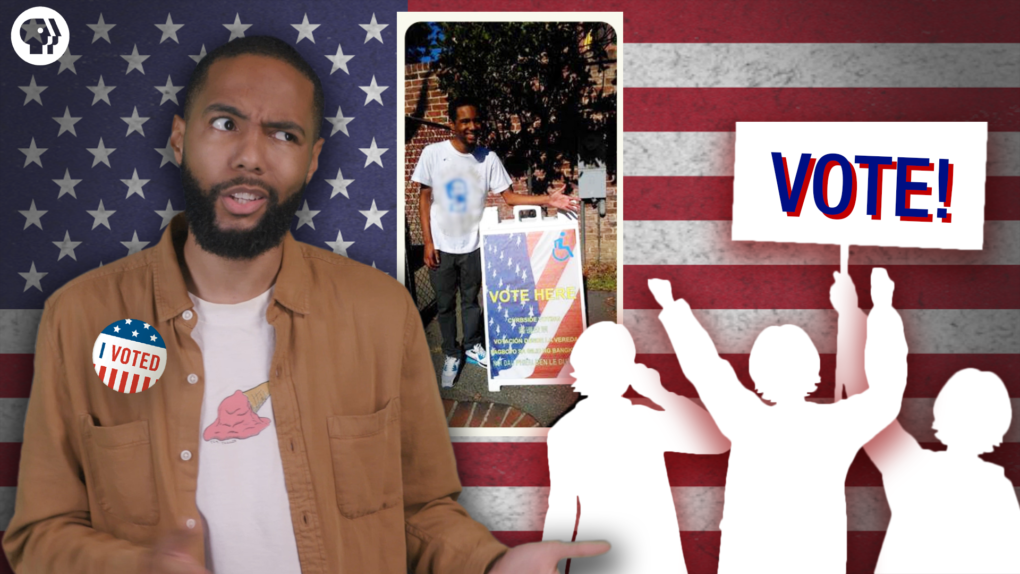
"content": "\u003cp>Voting is a really important part of the democratic process. We all know this, but in reality, many people don’t vote. That is especially true for younger generations who have historically had very low voter turnout rates in the U.S. This is kind of a big deal because younger people have a lot at stake in most elections. By 2020, there will be an estimated 22 million teens who are eligible to vote in their first elections, making it so that people under the age of 29 will represent the largest voting bloc in America. So, why don’t young people vote as much as older people?\u003c/p>\n\u003cp>There are many reasons young people don’t vote, but that doesn’t mean they aren’t politically active in other ways. Young people are engaging with the political process by protesting, boycotting, and posting to social media. While these actions are all great, the question still stands as to why young people are willing to take certain actions but not necessarily head to the polls.\u003c/p>\n\u003cblockquote>\u003cp>\u003cstrong>FOR EDUCATORS\u003c/strong>\u003cbr>\nWant to your students to discuss this Above the Noise episode with peers from around the country? Sign up for KQED Learn (\u003ca href=\"https://learn.kqed.org/\">https://learn.kqed.org/\u003c/a>) and join the conversation (\u003ca href=\"https://learn.kqed.org/topics\">https://learn.kqed.org/topics\u003c/a>)!\u003c/p>\u003c/blockquote>\n\u003cp>\u003cstrong>Are millennials the first young generation have low voter turnout?\u003c/strong>\u003c/p>\n\u003cp>No, far from it! Younger generations have always had low voter turnout rates. When the baby boomers were in their 20s, they also didn’t vote at the rates they do today. Some headlines will suggest that low voter turnout among millennials and generation z is a new thing, but this is definitely not the case.\u003c/p>\n\u003cp>\u003cstrong>What keeps young people from voting?\u003c/strong>\u003c/p>\n\u003cp>[ad fullwidth]\u003c/p>\n\u003cp>This is a complicated question with many answers that are all related to each other (watch the video to find out!), but the simple answer is that campaigns tend not to focus on issues that affect younger people because they don’t think they will vote. This, in turn, gives younger people less incentive to actually vote. It’s a bit of a self-fulfilling prophecy.\u003c/p>\n\u003cp>\u003cstrong>Where can someone register to vote?\u003c/strong>\u003c/p>\n\u003cp>It’s easy! You can go \u003ca href=\"https://vote.gov/\">here\u003c/a>: https://vote.gov/\u003c/p>\n\u003cp>\u003cstrong>FOR EDUCATORS\u003c/strong>\u003c/p>\n\u003cp>Want to your students to discuss this Above the Noise episode with peers from around the country? Sign up for KQED Learn (\u003ca href=\"https://learn.kqed.org/\">https://learn.kqed.org/\u003c/a>) and join the conversation (\u003ca href=\"https://learn.kqed.org/topics\">https://learn.kqed.org/topics\u003c/a>)!\u003c/p>\n\u003cp>\u003cstrong>SOURCES:\u003c/strong>\u003c/p>\n\u003cp>\u003ca href=\"https://www.economist.com/the-economist-explains/2014/10/29/why-young-people-dont-vote\">Why young people don’t vote\u003c/a>\u003c/p>\n\u003cp>\u003ca href=\"https://www.census.gov/newsroom/blogs/random-samplings/2017/05/voting_in_america.html\">Voting in America: A Look at the 2016 Presidential Election\u003c/a>\u003c/p>\n\u003cp>\u003ca href=\"https://www.heri.ucla.edu/monographs/TheAmericanFreshman2015.pdf\">The American Freshman: National Norms 2015\u003c/a>\u003c/p>\n\u003cp>\u003ca href=\"http://iop.harvard.edu/spring-2018-poll\">Institute of Politics Spring 2018 Youth Poll\u003c/a>\u003c/p>\n\u003cp>\u003ca href=\"https://www.census.gov/prod/2014pubs/p20-573.pdf\">Young-Adult Voting: An Analysis of Presidential Elections, 1964–2012\u003c/a>\u003c/p>\n\u003cp>\u003ca href=\"https://www.americanprogress.org/issues/education-k-12/reports/2018/02/21/446857/state-civics-education/\">The State of Civics Education\u003c/a>\u003c/p>\n\u003cp>\u003ca href=\"http://www.pewresearch.org/fact-tank/2018/04/03/millennials-approach-baby-boomers-as-largest-generation-in-u-s-electorate/\">Millennials approach Baby Boomers as America’s largest generation in the electorate\u003c/a>\u003c/p>\n\u003cp>\u003c/p>\n\u003cp>\u003ca href=\"https://medium.com/s/youthnow/ruined-entire-generation-of-young-voters-gen-z-politics-democracy-140d9ead1fa2\">The Most Powerful New Voting Bloc in America Doesn’t Vote\u003c/a>\u003c/p>\n\n",
"stats": {
"hasVideo": false,
"hasChartOrMap": false,
"hasAudio": false,
"hasPolis": false,
"wordCount": 486,
"hasGoogleForm": false,
"hasGallery": false,
"hasHearkenModule": false,
"iframeSrcs": [],
"paragraphCount": 22
},
"modified": 1704760963,
"excerpt": "Voting is a really important part of the democratic process. We all know this, but in reality, many people don’t vote. That is especially true for younger generations. Why don’t young people vote as much as older people?",
"headData": {
"twImgId": "",
"twTitle": "",
"ogTitle": "",
"ogImgId": "",
"twDescription": "",
"description": "Voting is a really important part of the democratic process. We all know this, but in reality, many people don’t vote. That is especially true for younger generations. Why don’t young people vote as much as older people?",
"title": "How Can We Get More Young People to Vote? | KQED",
"ogDescription": "",
"schema": {
"@context": "https://schema.org",
"@type": "Article",
"headline": "How Can We Get More Young People to Vote?",
"datePublished": "2018-11-16T09:53:28-08:00",
"dateModified": "2024-01-08T16:42:43-08:00",
"image": "https://cdn.kqed.org/wp-content/uploads/2020/02/KQED-OG-Image@1x.png"
}
},
"guestAuthors": [],
"slug": "how-can-we-get-more-young-people-to-vote",
"status": "publish",
"videoEmbed": "https://www.youtube.com/watch?v=p25BMBVGd0E&feature=youtu.be",
"sticky": false,
"path": "/education/530957/how-can-we-get-more-young-people-to-vote",
"audioTrackLength": null,
"parsedContent": [
{
"type": "contentString",
"content": "\u003cdiv class=\"post-body\">\u003cp>\u003cp>Voting is a really important part of the democratic process. We all know this, but in reality, many people don’t vote. That is especially true for younger generations who have historically had very low voter turnout rates in the U.S. This is kind of a big deal because younger people have a lot at stake in most elections. By 2020, there will be an estimated 22 million teens who are eligible to vote in their first elections, making it so that people under the age of 29 will represent the largest voting bloc in America. So, why don’t young people vote as much as older people?\u003c/p>\n\u003cp>There are many reasons young people don’t vote, but that doesn’t mean they aren’t politically active in other ways. Young people are engaging with the political process by protesting, boycotting, and posting to social media. While these actions are all great, the question still stands as to why young people are willing to take certain actions but not necessarily head to the polls.\u003c/p>\n\u003cblockquote>\u003cp>\u003cstrong>FOR EDUCATORS\u003c/strong>\u003cbr>\nWant to your students to discuss this Above the Noise episode with peers from around the country? Sign up for KQED Learn (\u003ca href=\"https://learn.kqed.org/\">https://learn.kqed.org/\u003c/a>) and join the conversation (\u003ca href=\"https://learn.kqed.org/topics\">https://learn.kqed.org/topics\u003c/a>)!\u003c/p>\u003c/blockquote>\n\u003cp>\u003cstrong>Are millennials the first young generation have low voter turnout?\u003c/strong>\u003c/p>\n\u003cp>No, far from it! Younger generations have always had low voter turnout rates. When the baby boomers were in their 20s, they also didn’t vote at the rates they do today. Some headlines will suggest that low voter turnout among millennials and generation z is a new thing, but this is definitely not the case.\u003c/p>\n\u003cp>\u003cstrong>What keeps young people from voting?\u003c/strong>\u003c/p>\n\u003cp>\u003c/p>\u003c/div>",
"attributes": {
"named": {},
"numeric": []
}
},
{
"type": "component",
"content": "",
"name": "ad",
"attributes": {
"named": {
"label": "fullwidth"
},
"numeric": [
"fullwidth"
]
}
},
{
"type": "contentString",
"content": "\u003cdiv class=\"post-body\">\u003cp>\u003c/p>\n\u003cp>This is a complicated question with many answers that are all related to each other (watch the video to find out!), but the simple answer is that campaigns tend not to focus on issues that affect younger people because they don’t think they will vote. This, in turn, gives younger people less incentive to actually vote. It’s a bit of a self-fulfilling prophecy.\u003c/p>\n\u003cp>\u003cstrong>Where can someone register to vote?\u003c/strong>\u003c/p>\n\u003cp>It’s easy! You can go \u003ca href=\"https://vote.gov/\">here\u003c/a>: https://vote.gov/\u003c/p>\n\u003cp>\u003cstrong>FOR EDUCATORS\u003c/strong>\u003c/p>\n\u003cp>Want to your students to discuss this Above the Noise episode with peers from around the country? Sign up for KQED Learn (\u003ca href=\"https://learn.kqed.org/\">https://learn.kqed.org/\u003c/a>) and join the conversation (\u003ca href=\"https://learn.kqed.org/topics\">https://learn.kqed.org/topics\u003c/a>)!\u003c/p>\n\u003cp>\u003cstrong>SOURCES:\u003c/strong>\u003c/p>\n\u003cp>\u003ca href=\"https://www.economist.com/the-economist-explains/2014/10/29/why-young-people-dont-vote\">Why young people don’t vote\u003c/a>\u003c/p>\n\u003cp>\u003ca href=\"https://www.census.gov/newsroom/blogs/random-samplings/2017/05/voting_in_america.html\">Voting in America: A Look at the 2016 Presidential Election\u003c/a>\u003c/p>\n\u003cp>\u003ca href=\"https://www.heri.ucla.edu/monographs/TheAmericanFreshman2015.pdf\">The American Freshman: National Norms 2015\u003c/a>\u003c/p>\n\u003cp>\u003ca href=\"http://iop.harvard.edu/spring-2018-poll\">Institute of Politics Spring 2018 Youth Poll\u003c/a>\u003c/p>\n\u003cp>\u003ca href=\"https://www.census.gov/prod/2014pubs/p20-573.pdf\">Young-Adult Voting: An Analysis of Presidential Elections, 1964–2012\u003c/a>\u003c/p>\n\u003cp>\u003ca href=\"https://www.americanprogress.org/issues/education-k-12/reports/2018/02/21/446857/state-civics-education/\">The State of Civics Education\u003c/a>\u003c/p>\n\u003cp>\u003ca href=\"http://www.pewresearch.org/fact-tank/2018/04/03/millennials-approach-baby-boomers-as-largest-generation-in-u-s-electorate/\">Millennials approach Baby Boomers as America’s largest generation in the electorate\u003c/a>\u003c/p>\n\u003cp>\u003c/p>\n\u003cp>\u003ca href=\"https://medium.com/s/youthnow/ruined-entire-generation-of-young-voters-gen-z-politics-democracy-140d9ead1fa2\">The Most Powerful New Voting Bloc in America Doesn’t Vote\u003c/a>\u003c/p>\n\n\u003c/div>\u003c/p>",
"attributes": {
"named": {},
"numeric": []
}
}
],
"link": "/education/530957/how-can-we-get-more-young-people-to-vote",
"authors": [
"9619"
],
"categories": [
"education_1"
],
"tags": [
"education_2852",
"education_2929",
"education_428",
"education_3368",
"education_666",
"education_2889",
"education_865",
"education_2908",
"education_2930",
"education_893",
"education_1201",
"education_1240"
],
"collections": [
"education_2813"
],
"featImg": "education_530852",
"label": "education_2813"
},
"education_530951": {
"type": "posts",
"id": "education_530951",
"meta": {
"index": "posts_1716263798",
"site": "education",
"id": "530951",
"score": null,
"sort": [
1542390031000
]
},
"parent": 0,
"labelTerm": {
"site": "education",
"term": 2813
},
"blocks": [],
"publishDate": 1542390031,
"format": "video",
"title": "Should Colleges Still Require the SATs and ACTs?",
"headTitle": "Should Colleges Still Require the SATs and ACTs? | KQED",
"content": "\u003cp>Taking the SAT or ACT is a rite of passage for high school students applying to college. Millions of juniors and seniors take at least one of the tests every year, albeit reluctantly, and most colleges still require it to be considered for admission. But a growing number of colleges are putting much less emphasis on test scores. Many have made the test entirely optional. The change comes as more schools question the usefulness of standardized tests in predicting college readiness.\u003c/p>\n\u003cblockquote>\u003cp>\u003cstrong>FOR EDUCATORS\u003c/strong>\u003cbr>\nWant to your students to discuss this Above the Noise episode with peers from around the country? Sign up for KQED Learn (\u003ca href=\"https://learn.kqed.org/\">https://learn.kqed.org/\u003c/a>) and join the conversation (\u003ca href=\"https://learn.kqed.org/topics\">https://learn.kqed.org/topics\u003c/a>)!\u003c/p>\u003c/blockquote>\n\u003cp>\u003cstrong>What are the main arguments for and against the SAT/ACT?\u003c/strong>\u003c/p>\n\u003cp>Critics of the test say that, as opposed to grades, it is not a particularly good predictor of college success. Some also say it discriminated against lower income students, who don’t have the same test-prep opportunities.\u003c/p>\n\u003cp>Supporters of the test say it offers another important data point among the many academic variables that colleges consider. The test, they say, is always changing to reflect current academic skills and readiness. And there is little hard evidence, they argue, that lower income students face any measurable disadvantage.\u003c/p>\n\u003cp>\u003cstrong>How many colleges have stopped requiring it?\u003c/strong>\u003c/p>\n\u003cp>[ad fullwidth]\u003c/p>\n\u003cp>Roughly 1,000 schools, mostly liberal arts colleges, give the SAT/ACT limited consideration. Some are “test-optional,” which means the applicant can decide whether or not to submit test scores.\u003c/p>\n\u003cp>\u003cstrong>When did colleges start requiring the test?\u003c/strong>\u003c/p>\n\u003cp>It began with Harvard after WWI, which adapted an army intelligence exam to attract and identify qualified applicants outside the East Coast boarding school mold. Other prestigious schools soon followed, and by the late 1940s, most colleges started to require the SAT.\u003c/p>\n\u003cp>\u003cstrong>SOURCES AND ADDITIONAL RESOURCES\u003c/strong>\u003c/p>\n\u003cp>\u003ca href=\"https://www.fairtest.org/university/optional\">1. National Center for Fair and Open Testing, Fall 2017\u003c/a>\u003c/p>\n\u003cp>\u003ca href=\"https://www.nacacnet.org/globalassets/documents/publications/research/defining-access-report-2018.pdf\">2. National Association for College Admissions Counseling: Defining Access: How Test-Optional Works, 2018\u003c/a>\u003c/p>\n\u003cp>\u003ca href=\"https://www.npr.org/sections/ed/2018/04/26/604875394/study-colleges-that-ditch-the-sat-and-act-can-enhance-diversity\">3. NPR: Colleges That Ditch the SAT and ACT Can Enhance Diversity, April 2018\u003c/a>\u003c/p>\n\u003cp>\u003ca href=\"https://research.collegeboard.org/programs/sat/data\">4. The College Board: SAT Program Participation and Performance Statistics, 2017\u003c/a>\u003c/p>\n\u003cp>\u003ca href=\"https://www.insidehighered.com/\">5. Inside Higher Ed: Renewed Debate on SAT and Wealth, September 2012\u003c/a>\u003c/p>\n\u003cp>\u003ca href=\"https://www.princetonreview.com/college/sat-test-prep\">6. The Princeton Review: SAT Prep\u003c/a>\u003c/p>\n\u003cp>\u003ca href=\"https://collegereadiness.collegeboard.org/sat/register/fees/fee-waivers\">7. College Board SAT Fee Waiver\u003c/a>\u003c/p>\n\u003cp>\u003c/p>\n\u003cp> \u003c/p>\n\n",
"stats": {
"hasVideo": false,
"hasChartOrMap": false,
"hasAudio": false,
"hasPolis": false,
"wordCount": 386,
"hasGoogleForm": false,
"hasGallery": false,
"hasHearkenModule": false,
"iframeSrcs": [],
"paragraphCount": 19
},
"modified": 1704760967,
"excerpt": "When the robots come to take our jobs, what are we all going to do to keep a roof over our heads and food on the table? That’s the question that the universal basic income (UBI) hopes to answer. Where do you stand? Is the universal basic income a good idea or bad idea?",
"headData": {
"twImgId": "",
"twTitle": "",
"ogTitle": "",
"ogImgId": "",
"twDescription": "",
"description": "When the robots come to take our jobs, what are we all going to do to keep a roof over our heads and food on the table? That’s the question that the universal basic income (UBI) hopes to answer. Where do you stand? Is the universal basic income a good idea or bad idea?",
"title": "Should Colleges Still Require the SATs and ACTs? | KQED",
"ogDescription": "",
"schema": {
"@context": "https://schema.org",
"@type": "Article",
"headline": "Should Colleges Still Require the SATs and ACTs?",
"datePublished": "2018-11-16T09:40:31-08:00",
"dateModified": "2024-01-08T16:42:47-08:00",
"image": "https://cdn.kqed.org/wp-content/uploads/2020/02/KQED-OG-Image@1x.png"
}
},
"guestAuthors": [],
"slug": "should-colleges-still-require-the-sats-and-acts",
"status": "publish",
"videoEmbed": "https://www.youtube.com/watch?v=3HUaI2ofyo8&t=1s",
"sticky": false,
"path": "/education/530951/should-colleges-still-require-the-sats-and-acts",
"audioTrackLength": null,
"parsedContent": [
{
"type": "contentString",
"content": "\u003cdiv class=\"post-body\">\u003cp>\u003cp>Taking the SAT or ACT is a rite of passage for high school students applying to college. Millions of juniors and seniors take at least one of the tests every year, albeit reluctantly, and most colleges still require it to be considered for admission. But a growing number of colleges are putting much less emphasis on test scores. Many have made the test entirely optional. The change comes as more schools question the usefulness of standardized tests in predicting college readiness.\u003c/p>\n\u003cblockquote>\u003cp>\u003cstrong>FOR EDUCATORS\u003c/strong>\u003cbr>\nWant to your students to discuss this Above the Noise episode with peers from around the country? Sign up for KQED Learn (\u003ca href=\"https://learn.kqed.org/\">https://learn.kqed.org/\u003c/a>) and join the conversation (\u003ca href=\"https://learn.kqed.org/topics\">https://learn.kqed.org/topics\u003c/a>)!\u003c/p>\u003c/blockquote>\n\u003cp>\u003cstrong>What are the main arguments for and against the SAT/ACT?\u003c/strong>\u003c/p>\n\u003cp>Critics of the test say that, as opposed to grades, it is not a particularly good predictor of college success. Some also say it discriminated against lower income students, who don’t have the same test-prep opportunities.\u003c/p>\n\u003cp>Supporters of the test say it offers another important data point among the many academic variables that colleges consider. The test, they say, is always changing to reflect current academic skills and readiness. And there is little hard evidence, they argue, that lower income students face any measurable disadvantage.\u003c/p>\n\u003cp>\u003cstrong>How many colleges have stopped requiring it?\u003c/strong>\u003c/p>\n\u003cp>\u003c/p>\u003c/div>",
"attributes": {
"named": {},
"numeric": []
}
},
{
"type": "component",
"content": "",
"name": "ad",
"attributes": {
"named": {
"label": "fullwidth"
},
"numeric": [
"fullwidth"
]
}
},
{
"type": "contentString",
"content": "\u003cdiv class=\"post-body\">\u003cp>\u003c/p>\n\u003cp>Roughly 1,000 schools, mostly liberal arts colleges, give the SAT/ACT limited consideration. Some are “test-optional,” which means the applicant can decide whether or not to submit test scores.\u003c/p>\n\u003cp>\u003cstrong>When did colleges start requiring the test?\u003c/strong>\u003c/p>\n\u003cp>It began with Harvard after WWI, which adapted an army intelligence exam to attract and identify qualified applicants outside the East Coast boarding school mold. Other prestigious schools soon followed, and by the late 1940s, most colleges started to require the SAT.\u003c/p>\n\u003cp>\u003cstrong>SOURCES AND ADDITIONAL RESOURCES\u003c/strong>\u003c/p>\n\u003cp>\u003ca href=\"https://www.fairtest.org/university/optional\">1. National Center for Fair and Open Testing, Fall 2017\u003c/a>\u003c/p>\n\u003cp>\u003ca href=\"https://www.nacacnet.org/globalassets/documents/publications/research/defining-access-report-2018.pdf\">2. National Association for College Admissions Counseling: Defining Access: How Test-Optional Works, 2018\u003c/a>\u003c/p>\n\u003cp>\u003ca href=\"https://www.npr.org/sections/ed/2018/04/26/604875394/study-colleges-that-ditch-the-sat-and-act-can-enhance-diversity\">3. NPR: Colleges That Ditch the SAT and ACT Can Enhance Diversity, April 2018\u003c/a>\u003c/p>\n\u003cp>\u003ca href=\"https://research.collegeboard.org/programs/sat/data\">4. The College Board: SAT Program Participation and Performance Statistics, 2017\u003c/a>\u003c/p>\n\u003cp>\u003ca href=\"https://www.insidehighered.com/\">5. Inside Higher Ed: Renewed Debate on SAT and Wealth, September 2012\u003c/a>\u003c/p>\n\u003cp>\u003ca href=\"https://www.princetonreview.com/college/sat-test-prep\">6. The Princeton Review: SAT Prep\u003c/a>\u003c/p>\n\u003cp>\u003ca href=\"https://collegereadiness.collegeboard.org/sat/register/fees/fee-waivers\">7. College Board SAT Fee Waiver\u003c/a>\u003c/p>\n\u003cp>\u003c/p>\n\u003cp> \u003c/p>\n\n\u003c/div>\u003c/p>",
"attributes": {
"named": {},
"numeric": []
}
}
],
"link": "/education/530951/should-colleges-still-require-the-sats-and-acts",
"authors": [
"10621"
],
"categories": [
"education_1"
],
"tags": [
"education_2852",
"education_2929",
"education_1580",
"education_745",
"education_2889",
"education_812",
"education_865",
"education_2908",
"education_2930",
"education_1240"
],
"collections": [
"education_2813"
],
"featImg": "education_530804",
"label": "education_2813"
},
"education_530938": {
"type": "posts",
"id": "education_530938",
"meta": {
"index": "posts_1716263798",
"site": "education",
"id": "530938",
"score": null,
"sort": [
1542326493000
]
},
"parent": 0,
"labelTerm": {
"site": "education",
"term": 77
},
"blocks": [],
"publishDate": 1542326493,
"format": "standard",
"title": "3 Tips for Making Movies With Students",
"headTitle": "3 Tips for Making Movies With Students | KQED",
"content": "\u003cp>Introducing filmmaking to students for the first time involves a lot of moving parts. There’s conceptualization of the story followed by storyboarding and possibly research to support the writing. There’s a script to read, revise and visualize in order to select A-roll and B-roll footage that coordinates with specific words and phrases.\u003c/p>\n\u003cp>But here’s the good news.\u003c/p>\n\u003ch2>\u003cb>Tip #1: Approach filmmaking from a literacy and storytelling lens. \u003c/b>\u003c/h2>\n\u003cp>Many skills associated with filmmaking are about \u003ci>literacy\u003c/i> and \u003ci>storytelling\u003c/i>–something you’re probably already teaching and which doesn’t have to involve any new technology.\u003c/p>\n\u003cp>View making a film as an exercise in writing a \u003ci>\u003cspan style=\"font-weight: 400\">story\u003c/span>\u003c/i>\u003cspan style=\"font-weight: 400\"> first. If it’s a nonfiction story, it’s likely going to be a \u003c/span>\u003ca href=\"https://youtu.be/31zCBVKXqJ8\">\u003cspan style=\"font-weight: 400\">documentary\u003c/span>\u003c/a>\u003cspan style=\"font-weight: 400\">, \u003c/span>\u003ca href=\"https://youtu.be/kstf0Ut2N-A\">\u003cspan style=\"font-weight: 400\">public service announcement\u003c/span>\u003c/a>\u003cspan style=\"font-weight: 400\">, \u003c/span>\u003ca href=\"https://youtu.be/WQWdd_dC2zw\">\u003cspan style=\"font-weight: 400\">informational\u003c/span>\u003c/a>\u003cspan style=\"font-weight: 400\"> or \u003c/span>\u003ca href=\"https://youtu.be/UB1Eh6ZAu7Q\">\u003cspan style=\"font-weight: 400\">how-to film\u003c/span>\u003c/a>\u003cspan style=\"font-weight: 400\">. If it’s a fictional story, then it’s more likely to be a \u003c/span>\u003ca href=\"https://www.youtube.com/playlist?list=PLSfYAM-jTq3itfGGbx6bU9oApUS87eyaM\">\u003cspan style=\"font-weight: 400\">creative expression\u003c/span>\u003c/a>\u003cspan style=\"font-weight: 400\"> type film. \u003c/span>\u003c/p>\n\u003ctable>\n\u003ctbody>\n\u003ctr>\n\u003ctd>\u003cb>Traditional Teaching Skills\u003c/b>\u003c/td>\n\u003ctd>\u003cb>Connection to Filmmaking\u003c/b>\u003c/td>\n\u003c/tr>\n\u003ctr>\n\u003ctd>\u003cspan style=\"font-weight: 400\">Reading Skills\u003c/span>\u003c/td>\n\u003ctd>\u003cspan style=\"font-weight: 400\">Reading fluently; comprehending text;\u003c/span>\u003c/td>\n\u003c/tr>\n\u003ctr>\n\u003ctd>\u003cspan style=\"font-weight: 400\">Writing Skills\u003c/span>\u003c/td>\n\u003ctd>\u003cspan style=\"font-weight: 400\">Writing informative, persuasive, narrative genres; using correct conventions, grammar, language skills, text structure, transitional words and phrases when script-writing; citing sources; revising text; \u003c/span>\u003c/td>\n\u003c/tr>\n\u003ctr>\n\u003ctd>\u003cspan style=\"font-weight: 400\">Storytelling\u003c/span>\u003c/td>\n\u003ctd>\u003cspan style=\"font-weight: 400\">Establishing a plot; developing a tone; selecting imagery to match the script; developing characters\u003c/span>\u003c/td>\n\u003c/tr>\n\u003ctr>\n\u003ctd>\u003cspan style=\"font-weight: 400\">Digital Literacy Skills\u003c/span>\u003c/td>\n\u003ctd>\u003cspan style=\"font-weight: 400\">Storyboarding a film; using video cameras to capture well-composed imagery; using video and audio editing software to construct a film; Identifying copyright of music, images or video found on the internet; researching a topic on the internet, verifying the credibility of information, attributing sources of information \u003c/span>\u003c/td>\n\u003c/tr>\n\u003c/tbody>\n\u003c/table>\n\u003cp>\u003cspan style=\"font-weight: 400\">And here’s some more good news.\u003c/span>\u003c/p>\n\u003cp>[ad fullwidth]\u003c/p>\n\u003cp>\u003cspan style=\"font-weight: 400\">There are a \u003c/span>\u003ci>\u003cspan style=\"font-weight: 400\">lot\u003c/span>\u003c/i>\u003cspan style=\"font-weight: 400\"> of free, high-quality resources on the internet to help grow your filmmaking savvy. Check out the \u003c/span>\u003ca href=\"https://www.secctv.org/seva/\">\u003cspan style=\"font-weight: 400\">Student Educational Video Awards\u003c/span>\u003c/a>\u003cspan style=\"font-weight: 400\"> (SEVA) \u003c/span>\u003ca href=\"https://www.secctv.org/seva/resources/\">\u003cspan style=\"font-weight: 400\">Resource\u003c/span>\u003c/a>\u003cspan style=\"font-weight: 400\"> page and download their free curriculum. If you can’t attend their annual \u003c/span>\u003ca href=\"https://www.secctv.org/seva/resources/\">\u003cspan style=\"font-weight: 400\">Student Media Day\u003c/span>\u003c/a>\u003cspan style=\"font-weight: 400\"> in person, you can view some of the sessions online. \u003c/span>\u003c/p>\n\u003cp>\u003cspan style=\"font-weight: 400\">Be sure to check out \u003c/span>\u003ca href=\"https://teach.kqed.org/?utm_source=ITC&utm_medium=blog\">\u003cspan style=\"font-weight: 400\">KQED Teach\u003c/span>\u003c/a>\u003cspan style=\"font-weight: 400\"> and take their \u003c/span>\u003ca href=\"https://teach.kqed.org/course/video-storytelling-essentials?utm_source=ITC&utm_medium=blog\">\u003cspan style=\"font-weight: 400\">Video Storytelling Essentials\u003c/span>\u003c/a>\u003cspan style=\"font-weight: 400\"> or \u003c/span>\u003ca href=\"https://teach.kqed.org/course/how-to-manage-assess-media-projects?utm_source=ITC&utm_medium=blog\">\u003cspan style=\"font-weight: 400\">How to Manage and Assess Media Projects\u003c/span>\u003c/a>\u003cspan style=\"font-weight: 400\">. These free, self-paced courses are excellent opportunities to acquire the necessary skills and knowledge to begin filmmaking with students.\u003c/span>\u003c/p>\n\u003ch2>\u003cb>Tip #2: Deconstruct films before you build them. \u003c/b>\u003c/h2>\n\u003cp>\u003cspan style=\"font-weight: 400\">You likely use strategies with students for analyzing texts that they read in class. So do I. For example, I’m a big fan of Kylene Beers and her \u003c/span>\u003ca href=\"https://www.heinemann.com/noticeandnote/default.aspx\">\u003cspan style=\"font-weight: 400\">Notice and Note Strategies for Close Reading\u003c/span>\u003c/a>\u003cspan style=\"font-weight: 400\"> to support readers as they interrogate text. What I like most about any good strategy is this: with practice, students use them independently so they don’t \u003c/span>\u003ci>\u003cspan style=\"font-weight: 400\">have\u003c/span>\u003c/i>\u003cspan style=\"font-weight: 400\"> to rely on a teacher. \u003c/span>\u003c/p>\n\u003cp>\u003cspan style=\"font-weight: 400\">To develop students’ ability to think cinematically, I show short films or clips of longer films to deconstruct them from a director’s perspective. I built this \u003c/span>\u003ca href=\"https://docs.google.com/document/d/1SfOMyzdSkUCyjx3lhmmi_6j6T5mpfQchVNWiSp1whtA/edit?usp=sharing\">\u003cspan style=\"font-weight: 400\">Media Analysis Document: Deconstructing Films \u003c/span>\u003c/a>\u003cspan style=\"font-weight: 400\">to help. I do this with the whole group the first time: We watch a film clip for 30 seconds to a minute, then, I pass out one analysis document to pairs of students and we rewatch the clip. I pause each time the camera changes, and we note the elapsed time to see how long the shot lasted. We discuss the angle, the type of shot, and what kind of camera movement was used if any. If these terms sound foreign, click the hyperlinks in the document for a written description and images.\u003c/span>\u003c/p>\n\u003cp>\u003cimg loading=\"lazy\" decoding=\"async\" class=\"alignnone size-full wp-image-530943\" src=\"https://ww2.kqed.org/education/wp-content/uploads/sites/38/2018/11/IMG_0409.jpg\" alt=\"\" width=\"4032\" height=\"3024\" srcset=\"https://cdn.kqed.org/wp-content/uploads/sites/38/2018/11/IMG_0409.jpg 4032w, https://cdn.kqed.org/wp-content/uploads/sites/38/2018/11/IMG_0409-160x120.jpg 160w, https://cdn.kqed.org/wp-content/uploads/sites/38/2018/11/IMG_0409-800x600.jpg 800w, https://cdn.kqed.org/wp-content/uploads/sites/38/2018/11/IMG_0409-768x576.jpg 768w, https://cdn.kqed.org/wp-content/uploads/sites/38/2018/11/IMG_0409-1020x765.jpg 1020w, https://cdn.kqed.org/wp-content/uploads/sites/38/2018/11/IMG_0409-1200x900.jpg 1200w, https://cdn.kqed.org/wp-content/uploads/sites/38/2018/11/IMG_0409-1920x1440.jpg 1920w, https://cdn.kqed.org/wp-content/uploads/sites/38/2018/11/IMG_0409-1180x885.jpg 1180w, https://cdn.kqed.org/wp-content/uploads/sites/38/2018/11/IMG_0409-960x720.jpg 960w, https://cdn.kqed.org/wp-content/uploads/sites/38/2018/11/IMG_0409-240x180.jpg 240w, https://cdn.kqed.org/wp-content/uploads/sites/38/2018/11/IMG_0409-375x281.jpg 375w, https://cdn.kqed.org/wp-content/uploads/sites/38/2018/11/IMG_0409-520x390.jpg 520w\" sizes=\"(max-width: 4032px) 100vw, 4032px\">\u003c/p>\n\u003cp>\u003cspan style=\"font-weight: 400\">Students quickly realize that most camera shots are short: typically 3 to 6 seconds. Sometimes a shot might last longer, but there has got to be something visually appealing to hold the viewer’s attention. \u003c/span>\u003c/p>\n\u003cp>\u003cspan style=\"font-weight: 400\">Here’s an idea to build even more relevancy for your students as they learn how to become filmmakers: share student-created films that won awards at the \u003c/span>\u003ca href=\"https://www.secctv.org/seva/contest-information/\">\u003cspan style=\"font-weight: 400\">SEVA\u003c/span>\u003c/a>\u003cspan style=\"font-weight: 400\"> or PBS SoCal’s \u003c/span>\u003ca href=\"http://www.mediafestival.org/\">\u003cspan style=\"font-weight: 400\">California Student Media Festival\u003c/span>\u003c/a>\u003cspan style=\"font-weight: 400\">, our nation’s oldest student film festival.\u003c/span>\u003c/p>\n\u003ch2>\u003cb>Tip #3: Skip the tutorial and jump right in! \u003c/b>\u003c/h2>\n\u003cp>\u003cspan style=\"font-weight: 400\">But then there’s editing.\u003c/span>\u003c/p>\n\u003cp>\u003cspan style=\"font-weight: 400\">Reframing familiar tasks associated with literacy and storytelling through a filmmaking lens may seem doable, but adding in the thought of learning new technology at the same time can feel overwhelming for any teacher! For some teachers, that feeling might be enough to discourage them from pivoting from media consumption to media production. \u003c/span>\u003c/p>\n\u003cp>\u003cspan style=\"font-weight: 400\">You can do this. Here’s how: Separate the tech from the traditional teaching.\u003c/span>\u003c/p>\n\u003cp>\u003cspan style=\"font-weight: 400\">This year I wanted to introduce my 5th-graders to filmmaking using a 4-shot story. It’s a concept I learned about at a National Geographic Science Storytelling Bootcamp in a room filled with National Geographic Explorers. We generally begin storyboarding with a small whiteboard. Students pitch the idea to get feedback and to allow revision. Then, they move to a paper storyboard. I created this \u003c/span>\u003ca href=\"https://docs.google.com/document/d/1lnMh22t3CVwV3jxXko8gbVTrtRgR443lmt--Kq6YZt8/edit?usp=sharing\">\u003cspan style=\"font-weight: 400\">4-shot storyboard\u003c/span>\u003c/a>\u003cspan style=\"font-weight: 400\"> you can download.\u003c/span>\u003c/p>\n\u003cp>\u003cimg loading=\"lazy\" decoding=\"async\" class=\"alignnone size-full wp-image-530940\" src=\"https://ww2.kqed.org/education/wp-content/uploads/sites/38/2018/11/IMG_90981.jpg\" alt=\"\" width=\"4032\" height=\"3024\" srcset=\"https://cdn.kqed.org/wp-content/uploads/sites/38/2018/11/IMG_90981.jpg 4032w, https://cdn.kqed.org/wp-content/uploads/sites/38/2018/11/IMG_90981-160x120.jpg 160w, https://cdn.kqed.org/wp-content/uploads/sites/38/2018/11/IMG_90981-800x600.jpg 800w, https://cdn.kqed.org/wp-content/uploads/sites/38/2018/11/IMG_90981-768x576.jpg 768w, https://cdn.kqed.org/wp-content/uploads/sites/38/2018/11/IMG_90981-1020x765.jpg 1020w, https://cdn.kqed.org/wp-content/uploads/sites/38/2018/11/IMG_90981-1200x900.jpg 1200w, https://cdn.kqed.org/wp-content/uploads/sites/38/2018/11/IMG_90981-1920x1440.jpg 1920w, https://cdn.kqed.org/wp-content/uploads/sites/38/2018/11/IMG_90981-1180x885.jpg 1180w, https://cdn.kqed.org/wp-content/uploads/sites/38/2018/11/IMG_90981-960x720.jpg 960w, https://cdn.kqed.org/wp-content/uploads/sites/38/2018/11/IMG_90981-240x180.jpg 240w, https://cdn.kqed.org/wp-content/uploads/sites/38/2018/11/IMG_90981-375x281.jpg 375w, https://cdn.kqed.org/wp-content/uploads/sites/38/2018/11/IMG_90981-520x390.jpg 520w\" sizes=\"(max-width: 4032px) 100vw, 4032px\">\u003c/p>\n\u003cp>\u003cspan style=\"font-weight: 400\">This year my class has struggled with blurting out anytime I ask a rhetorical question. \u003c/span>\u003c/p>\n\u003cp>\u003cspan style=\"font-weight: 400\">I framed this as a challenge we needed to overcome and asked if they’d be willing to create a 4-shot story to help other classes understand what a rhetorical question was. My students quickly agreed.\u003c/span>\u003c/p>\n\u003cp>We talked about how we could establish a setting, create characters and then show conflict which is overcome. We created a simple storyboard and filmed it in one day. That night I used \u003ca href=\"https://www.wevideo.com/\">WeVideo\u003c/a> to edit the footage. The next day, I told students they were going to edit what they’d shot. Their response: “We don’t know how!”\u003c/p>\n\u003cp>\u003c!-- iframe plugin v.4.3 wordpress.org/plugins/iframe/ -->\u003cbr>\n\u003ciframe loading=\"lazy\" width=\"852\" height=\"479\" scrolling=\"no\" frameborder=\"0\" style=\"border: none;\" src=\"https://www.wevideo.com/embed/#1196380189\" class=\"iframe-class\">\u003c/iframe>\u003c/p>\n\u003cp>I shared with them my version of the film and challenged them to recreate it using their own WeVideo accounts. I’d uploaded all the media we’d shot as well as my version of the finished film into a \u003ca href=\"https://wevideo.zendesk.com/hc/en-us/articles/211373138-Project-Types\">collaborative project\u003c/a>. I showed everyone how to log into their account. And then we quickly (less than 3 minutes) reviewed what the editing dashboard looks like.\u003c/p>\n\u003cp>\u003cspan style=\"font-weight: 400\">After that, they were on their own. \u003c/span>\u003c/p>\n\u003cp>\u003cspan style=\"font-weight: 400\">I positioned myself at a table in the center of the room and announced I was available for coaching or questions. Students would wander over to me, Chromebooks in hand, ask a few questions, then return to wherever they were working to tinker with this new tech tool. Throughout the room, I could hear students getting frustrated, then asking others for help, then loud “Oooohs!” and “Ahhhhhs!” Students were helping each other and feeling empowered, smart and creative. Quick tip: If you’re not 1:1, try rotating students in groups of 2 or 3 to a device in your classroom while the rest of the class works on other tasks. Set an expectation that each student will have equal time operating the device. And here’s a bonus: I’ve found rich discussions emerge when students are forced to share a device and problem solve together. \u003c/span>\u003c/p>\n\u003cp>\u003cspan style=\"font-weight: 400\">Were the projects polished? No, not all of them. But some students got close, and all had learned how to use many of the editing tools and practiced struggling through a new creative task. Take a look at \u003c/span>\u003ca href=\"https://www.wevideo.com/view/1212385910\">\u003cspan style=\"font-weight: 400\">Devin’s version \u003c/span>\u003c/a>\u003cspan style=\"font-weight: 400\">of the film (below) compared to \u003c/span>\u003ca href=\"https://www.wevideo.com/view/1196380189\">\u003cspan style=\"font-weight: 400\">mine\u003c/span>\u003c/a> (above)\u003cspan style=\"font-weight: 400\">. She did all of the editing on her own and asked just a few questions about how to adjust audio and trim clips.\u003c/span>\u003c/p>\n\u003cp>\u003c!-- iframe plugin v.4.3 wordpress.org/plugins/iframe/ -->\u003cbr>\n\u003ciframe loading=\"lazy\" width=\"852\" height=\"479\" scrolling=\"no\" frameborder=\"0\" style=\"border: none;\" src=\"https://www.wevideo.com/embed/#1212385910\" class=\"iframe-class\">\u003c/iframe>\u003c/p>\n\u003cp>Filmmaking: It’s storytelling and writing first and foremost. By studying how films are constructed and using analog tools like storyboards or digital tools like WeVideo, it means you don’t need a huge budget for expensive desktops or hard-to-learn software to transform your classroom into a film studio.\u003c/p>\n\u003cp>\u003cspan style=\"font-weight: 400\">Got questions, challenges, successes, or tips? Share them in the comments section! Want to follow my students’ filmmaking adventures in our classroom? Follow us on Twitter or Instagram at \u003ca href=\"https://twitter.com/Curiosity_Films\">@Curiosity_Films\u003c/a>.\u003c/span>\u003c/p>\n\u003cp> \u003c/p>\n\u003ch4>Editor’s Note:\u003c/h4>\n\u003cp>[ad floatright]\u003c/p>\n\u003cp>\u003cem>If you want to learn more about how to make videos in your classroom, take our free, online course \u003ca href=\"https://teach.kqed.org/course/video-storytelling-essentials?utm_source=ITC&utm_medium=blog\">Video Storytelling Essentials\u003c/a> on \u003ca href=\"https://teach.kqed.org/?utm_source=ITC&utm_medium=blog\">KQED Teach\u003c/a>.\u003c/em>\u003c/p>\n\n",
"stats": {
"hasVideo": false,
"hasChartOrMap": true,
"hasAudio": false,
"hasPolis": false,
"wordCount": 1355,
"hasGoogleForm": false,
"hasGallery": false,
"hasHearkenModule": false,
"iframeSrcs": [
"https://www.wevideo.com/embed/#1196380189",
"https://www.wevideo.com/embed/#1212385910"
],
"paragraphCount": 31
},
"modified": 1704760970,
"excerpt": null,
"headData": {
"twImgId": "",
"twTitle": "",
"ogTitle": "",
"ogImgId": "",
"twDescription": "",
"description": "Introducing filmmaking to students for the first time involves a lot of moving parts. There’s conceptualization of the story followed by storyboarding and possibly research to support the writing. There’s a script to read, revise and visualize in order to select A-roll and B-roll footage that coordinates with specific words and phrases. But here’s the",
"title": "3 Tips for Making Movies With Students | KQED",
"ogDescription": "",
"schema": {
"@context": "https://schema.org",
"@type": "Article",
"headline": "3 Tips for Making Movies With Students",
"datePublished": "2018-11-15T16:01:33-08:00",
"dateModified": "2024-01-08T16:42:50-08:00",
"image": "https://cdn.kqed.org/wp-content/uploads/2020/02/KQED-OG-Image@1x.png"
}
},
"guestAuthors": [],
"slug": "3-tips-for-making-movies-with-students",
"status": "publish",
"sticky": false,
"path": "/education/530938/3-tips-for-making-movies-with-students",
"audioTrackLength": null,
"parsedContent": [
{
"type": "contentString",
"content": "\u003cdiv class=\"post-body\">\u003cp>\u003cp>Introducing filmmaking to students for the first time involves a lot of moving parts. There’s conceptualization of the story followed by storyboarding and possibly research to support the writing. There’s a script to read, revise and visualize in order to select A-roll and B-roll footage that coordinates with specific words and phrases.\u003c/p>\n\u003cp>But here’s the good news.\u003c/p>\n\u003ch2>\u003cb>Tip #1: Approach filmmaking from a literacy and storytelling lens. \u003c/b>\u003c/h2>\n\u003cp>Many skills associated with filmmaking are about \u003ci>literacy\u003c/i> and \u003ci>storytelling\u003c/i>–something you’re probably already teaching and which doesn’t have to involve any new technology.\u003c/p>\n\u003cp>View making a film as an exercise in writing a \u003ci>\u003cspan style=\"font-weight: 400\">story\u003c/span>\u003c/i>\u003cspan style=\"font-weight: 400\"> first. If it’s a nonfiction story, it’s likely going to be a \u003c/span>\u003ca href=\"https://youtu.be/31zCBVKXqJ8\">\u003cspan style=\"font-weight: 400\">documentary\u003c/span>\u003c/a>\u003cspan style=\"font-weight: 400\">, \u003c/span>\u003ca href=\"https://youtu.be/kstf0Ut2N-A\">\u003cspan style=\"font-weight: 400\">public service announcement\u003c/span>\u003c/a>\u003cspan style=\"font-weight: 400\">, \u003c/span>\u003ca href=\"https://youtu.be/WQWdd_dC2zw\">\u003cspan style=\"font-weight: 400\">informational\u003c/span>\u003c/a>\u003cspan style=\"font-weight: 400\"> or \u003c/span>\u003ca href=\"https://youtu.be/UB1Eh6ZAu7Q\">\u003cspan style=\"font-weight: 400\">how-to film\u003c/span>\u003c/a>\u003cspan style=\"font-weight: 400\">. If it’s a fictional story, then it’s more likely to be a \u003c/span>\u003ca href=\"https://www.youtube.com/playlist?list=PLSfYAM-jTq3itfGGbx6bU9oApUS87eyaM\">\u003cspan style=\"font-weight: 400\">creative expression\u003c/span>\u003c/a>\u003cspan style=\"font-weight: 400\"> type film. \u003c/span>\u003c/p>\n\u003ctable>\n\u003ctbody>\n\u003ctr>\n\u003ctd>\u003cb>Traditional Teaching Skills\u003c/b>\u003c/td>\n\u003ctd>\u003cb>Connection to Filmmaking\u003c/b>\u003c/td>\n\u003c/tr>\n\u003ctr>\n\u003ctd>\u003cspan style=\"font-weight: 400\">Reading Skills\u003c/span>\u003c/td>\n\u003ctd>\u003cspan style=\"font-weight: 400\">Reading fluently; comprehending text;\u003c/span>\u003c/td>\n\u003c/tr>\n\u003ctr>\n\u003ctd>\u003cspan style=\"font-weight: 400\">Writing Skills\u003c/span>\u003c/td>\n\u003ctd>\u003cspan style=\"font-weight: 400\">Writing informative, persuasive, narrative genres; using correct conventions, grammar, language skills, text structure, transitional words and phrases when script-writing; citing sources; revising text; \u003c/span>\u003c/td>\n\u003c/tr>\n\u003ctr>\n\u003ctd>\u003cspan style=\"font-weight: 400\">Storytelling\u003c/span>\u003c/td>\n\u003ctd>\u003cspan style=\"font-weight: 400\">Establishing a plot; developing a tone; selecting imagery to match the script; developing characters\u003c/span>\u003c/td>\n\u003c/tr>\n\u003ctr>\n\u003ctd>\u003cspan style=\"font-weight: 400\">Digital Literacy Skills\u003c/span>\u003c/td>\n\u003ctd>\u003cspan style=\"font-weight: 400\">Storyboarding a film; using video cameras to capture well-composed imagery; using video and audio editing software to construct a film; Identifying copyright of music, images or video found on the internet; researching a topic on the internet, verifying the credibility of information, attributing sources of information \u003c/span>\u003c/td>\n\u003c/tr>\n\u003c/tbody>\n\u003c/table>\n\u003cp>\u003cspan style=\"font-weight: 400\">And here’s some more good news.\u003c/span>\u003c/p>\n\u003cp>\u003c/p>\u003c/div>",
"attributes": {
"named": {},
"numeric": []
}
},
{
"type": "component",
"content": "",
"name": "ad",
"attributes": {
"named": {
"label": "fullwidth"
},
"numeric": [
"fullwidth"
]
}
},
{
"type": "contentString",
"content": "\u003cdiv class=\"post-body\">\u003cp>\u003c/p>\n\u003cp>\u003cspan style=\"font-weight: 400\">There are a \u003c/span>\u003ci>\u003cspan style=\"font-weight: 400\">lot\u003c/span>\u003c/i>\u003cspan style=\"font-weight: 400\"> of free, high-quality resources on the internet to help grow your filmmaking savvy. Check out the \u003c/span>\u003ca href=\"https://www.secctv.org/seva/\">\u003cspan style=\"font-weight: 400\">Student Educational Video Awards\u003c/span>\u003c/a>\u003cspan style=\"font-weight: 400\"> (SEVA) \u003c/span>\u003ca href=\"https://www.secctv.org/seva/resources/\">\u003cspan style=\"font-weight: 400\">Resource\u003c/span>\u003c/a>\u003cspan style=\"font-weight: 400\"> page and download their free curriculum. If you can’t attend their annual \u003c/span>\u003ca href=\"https://www.secctv.org/seva/resources/\">\u003cspan style=\"font-weight: 400\">Student Media Day\u003c/span>\u003c/a>\u003cspan style=\"font-weight: 400\"> in person, you can view some of the sessions online. \u003c/span>\u003c/p>\n\u003cp>\u003cspan style=\"font-weight: 400\">Be sure to check out \u003c/span>\u003ca href=\"https://teach.kqed.org/?utm_source=ITC&utm_medium=blog\">\u003cspan style=\"font-weight: 400\">KQED Teach\u003c/span>\u003c/a>\u003cspan style=\"font-weight: 400\"> and take their \u003c/span>\u003ca href=\"https://teach.kqed.org/course/video-storytelling-essentials?utm_source=ITC&utm_medium=blog\">\u003cspan style=\"font-weight: 400\">Video Storytelling Essentials\u003c/span>\u003c/a>\u003cspan style=\"font-weight: 400\"> or \u003c/span>\u003ca href=\"https://teach.kqed.org/course/how-to-manage-assess-media-projects?utm_source=ITC&utm_medium=blog\">\u003cspan style=\"font-weight: 400\">How to Manage and Assess Media Projects\u003c/span>\u003c/a>\u003cspan style=\"font-weight: 400\">. These free, self-paced courses are excellent opportunities to acquire the necessary skills and knowledge to begin filmmaking with students.\u003c/span>\u003c/p>\n\u003ch2>\u003cb>Tip #2: Deconstruct films before you build them. \u003c/b>\u003c/h2>\n\u003cp>\u003cspan style=\"font-weight: 400\">You likely use strategies with students for analyzing texts that they read in class. So do I. For example, I’m a big fan of Kylene Beers and her \u003c/span>\u003ca href=\"https://www.heinemann.com/noticeandnote/default.aspx\">\u003cspan style=\"font-weight: 400\">Notice and Note Strategies for Close Reading\u003c/span>\u003c/a>\u003cspan style=\"font-weight: 400\"> to support readers as they interrogate text. What I like most about any good strategy is this: with practice, students use them independently so they don’t \u003c/span>\u003ci>\u003cspan style=\"font-weight: 400\">have\u003c/span>\u003c/i>\u003cspan style=\"font-weight: 400\"> to rely on a teacher. \u003c/span>\u003c/p>\n\u003cp>\u003cspan style=\"font-weight: 400\">To develop students’ ability to think cinematically, I show short films or clips of longer films to deconstruct them from a director’s perspective. I built this \u003c/span>\u003ca href=\"https://docs.google.com/document/d/1SfOMyzdSkUCyjx3lhmmi_6j6T5mpfQchVNWiSp1whtA/edit?usp=sharing\">\u003cspan style=\"font-weight: 400\">Media Analysis Document: Deconstructing Films \u003c/span>\u003c/a>\u003cspan style=\"font-weight: 400\">to help. I do this with the whole group the first time: We watch a film clip for 30 seconds to a minute, then, I pass out one analysis document to pairs of students and we rewatch the clip. I pause each time the camera changes, and we note the elapsed time to see how long the shot lasted. We discuss the angle, the type of shot, and what kind of camera movement was used if any. If these terms sound foreign, click the hyperlinks in the document for a written description and images.\u003c/span>\u003c/p>\n\u003cp>\u003cimg loading=\"lazy\" decoding=\"async\" class=\"alignnone size-full wp-image-530943\" src=\"https://ww2.kqed.org/education/wp-content/uploads/sites/38/2018/11/IMG_0409.jpg\" alt=\"\" width=\"4032\" height=\"3024\" srcset=\"https://cdn.kqed.org/wp-content/uploads/sites/38/2018/11/IMG_0409.jpg 4032w, https://cdn.kqed.org/wp-content/uploads/sites/38/2018/11/IMG_0409-160x120.jpg 160w, https://cdn.kqed.org/wp-content/uploads/sites/38/2018/11/IMG_0409-800x600.jpg 800w, https://cdn.kqed.org/wp-content/uploads/sites/38/2018/11/IMG_0409-768x576.jpg 768w, https://cdn.kqed.org/wp-content/uploads/sites/38/2018/11/IMG_0409-1020x765.jpg 1020w, https://cdn.kqed.org/wp-content/uploads/sites/38/2018/11/IMG_0409-1200x900.jpg 1200w, https://cdn.kqed.org/wp-content/uploads/sites/38/2018/11/IMG_0409-1920x1440.jpg 1920w, https://cdn.kqed.org/wp-content/uploads/sites/38/2018/11/IMG_0409-1180x885.jpg 1180w, https://cdn.kqed.org/wp-content/uploads/sites/38/2018/11/IMG_0409-960x720.jpg 960w, https://cdn.kqed.org/wp-content/uploads/sites/38/2018/11/IMG_0409-240x180.jpg 240w, https://cdn.kqed.org/wp-content/uploads/sites/38/2018/11/IMG_0409-375x281.jpg 375w, https://cdn.kqed.org/wp-content/uploads/sites/38/2018/11/IMG_0409-520x390.jpg 520w\" sizes=\"(max-width: 4032px) 100vw, 4032px\">\u003c/p>\n\u003cp>\u003cspan style=\"font-weight: 400\">Students quickly realize that most camera shots are short: typically 3 to 6 seconds. Sometimes a shot might last longer, but there has got to be something visually appealing to hold the viewer’s attention. \u003c/span>\u003c/p>\n\u003cp>\u003cspan style=\"font-weight: 400\">Here’s an idea to build even more relevancy for your students as they learn how to become filmmakers: share student-created films that won awards at the \u003c/span>\u003ca href=\"https://www.secctv.org/seva/contest-information/\">\u003cspan style=\"font-weight: 400\">SEVA\u003c/span>\u003c/a>\u003cspan style=\"font-weight: 400\"> or PBS SoCal’s \u003c/span>\u003ca href=\"http://www.mediafestival.org/\">\u003cspan style=\"font-weight: 400\">California Student Media Festival\u003c/span>\u003c/a>\u003cspan style=\"font-weight: 400\">, our nation’s oldest student film festival.\u003c/span>\u003c/p>\n\u003ch2>\u003cb>Tip #3: Skip the tutorial and jump right in! \u003c/b>\u003c/h2>\n\u003cp>\u003cspan style=\"font-weight: 400\">But then there’s editing.\u003c/span>\u003c/p>\n\u003cp>\u003cspan style=\"font-weight: 400\">Reframing familiar tasks associated with literacy and storytelling through a filmmaking lens may seem doable, but adding in the thought of learning new technology at the same time can feel overwhelming for any teacher! For some teachers, that feeling might be enough to discourage them from pivoting from media consumption to media production. \u003c/span>\u003c/p>\n\u003cp>\u003cspan style=\"font-weight: 400\">You can do this. Here’s how: Separate the tech from the traditional teaching.\u003c/span>\u003c/p>\n\u003cp>\u003cspan style=\"font-weight: 400\">This year I wanted to introduce my 5th-graders to filmmaking using a 4-shot story. It’s a concept I learned about at a National Geographic Science Storytelling Bootcamp in a room filled with National Geographic Explorers. We generally begin storyboarding with a small whiteboard. Students pitch the idea to get feedback and to allow revision. Then, they move to a paper storyboard. I created this \u003c/span>\u003ca href=\"https://docs.google.com/document/d/1lnMh22t3CVwV3jxXko8gbVTrtRgR443lmt--Kq6YZt8/edit?usp=sharing\">\u003cspan style=\"font-weight: 400\">4-shot storyboard\u003c/span>\u003c/a>\u003cspan style=\"font-weight: 400\"> you can download.\u003c/span>\u003c/p>\n\u003cp>\u003cimg loading=\"lazy\" decoding=\"async\" class=\"alignnone size-full wp-image-530940\" src=\"https://ww2.kqed.org/education/wp-content/uploads/sites/38/2018/11/IMG_90981.jpg\" alt=\"\" width=\"4032\" height=\"3024\" srcset=\"https://cdn.kqed.org/wp-content/uploads/sites/38/2018/11/IMG_90981.jpg 4032w, https://cdn.kqed.org/wp-content/uploads/sites/38/2018/11/IMG_90981-160x120.jpg 160w, https://cdn.kqed.org/wp-content/uploads/sites/38/2018/11/IMG_90981-800x600.jpg 800w, https://cdn.kqed.org/wp-content/uploads/sites/38/2018/11/IMG_90981-768x576.jpg 768w, https://cdn.kqed.org/wp-content/uploads/sites/38/2018/11/IMG_90981-1020x765.jpg 1020w, https://cdn.kqed.org/wp-content/uploads/sites/38/2018/11/IMG_90981-1200x900.jpg 1200w, https://cdn.kqed.org/wp-content/uploads/sites/38/2018/11/IMG_90981-1920x1440.jpg 1920w, https://cdn.kqed.org/wp-content/uploads/sites/38/2018/11/IMG_90981-1180x885.jpg 1180w, https://cdn.kqed.org/wp-content/uploads/sites/38/2018/11/IMG_90981-960x720.jpg 960w, https://cdn.kqed.org/wp-content/uploads/sites/38/2018/11/IMG_90981-240x180.jpg 240w, https://cdn.kqed.org/wp-content/uploads/sites/38/2018/11/IMG_90981-375x281.jpg 375w, https://cdn.kqed.org/wp-content/uploads/sites/38/2018/11/IMG_90981-520x390.jpg 520w\" sizes=\"(max-width: 4032px) 100vw, 4032px\">\u003c/p>\n\u003cp>\u003cspan style=\"font-weight: 400\">This year my class has struggled with blurting out anytime I ask a rhetorical question. \u003c/span>\u003c/p>\n\u003cp>\u003cspan style=\"font-weight: 400\">I framed this as a challenge we needed to overcome and asked if they’d be willing to create a 4-shot story to help other classes understand what a rhetorical question was. My students quickly agreed.\u003c/span>\u003c/p>\n\u003cp>We talked about how we could establish a setting, create characters and then show conflict which is overcome. We created a simple storyboard and filmed it in one day. That night I used \u003ca href=\"https://www.wevideo.com/\">WeVideo\u003c/a> to edit the footage. The next day, I told students they were going to edit what they’d shot. Their response: “We don’t know how!”\u003c/p>\n\u003cp>\u003c!-- iframe plugin v.4.3 wordpress.org/plugins/iframe/ -->\u003cbr>\n\u003ciframe loading=\"lazy\" width=\"852\" height=\"479\" scrolling=\"no\" frameborder=\"0\" style=\"border: none;\" src=\"https://www.wevideo.com/embed/#1196380189\" class=\"iframe-class\">\u003c/iframe>\u003c/p>\n\u003cp>I shared with them my version of the film and challenged them to recreate it using their own WeVideo accounts. I’d uploaded all the media we’d shot as well as my version of the finished film into a \u003ca href=\"https://wevideo.zendesk.com/hc/en-us/articles/211373138-Project-Types\">collaborative project\u003c/a>. I showed everyone how to log into their account. And then we quickly (less than 3 minutes) reviewed what the editing dashboard looks like.\u003c/p>\n\u003cp>\u003cspan style=\"font-weight: 400\">After that, they were on their own. \u003c/span>\u003c/p>\n\u003cp>\u003cspan style=\"font-weight: 400\">I positioned myself at a table in the center of the room and announced I was available for coaching or questions. Students would wander over to me, Chromebooks in hand, ask a few questions, then return to wherever they were working to tinker with this new tech tool. Throughout the room, I could hear students getting frustrated, then asking others for help, then loud “Oooohs!” and “Ahhhhhs!” Students were helping each other and feeling empowered, smart and creative. Quick tip: If you’re not 1:1, try rotating students in groups of 2 or 3 to a device in your classroom while the rest of the class works on other tasks. Set an expectation that each student will have equal time operating the device. And here’s a bonus: I’ve found rich discussions emerge when students are forced to share a device and problem solve together. \u003c/span>\u003c/p>\n\u003cp>\u003cspan style=\"font-weight: 400\">Were the projects polished? No, not all of them. But some students got close, and all had learned how to use many of the editing tools and practiced struggling through a new creative task. Take a look at \u003c/span>\u003ca href=\"https://www.wevideo.com/view/1212385910\">\u003cspan style=\"font-weight: 400\">Devin’s version \u003c/span>\u003c/a>\u003cspan style=\"font-weight: 400\">of the film (below) compared to \u003c/span>\u003ca href=\"https://www.wevideo.com/view/1196380189\">\u003cspan style=\"font-weight: 400\">mine\u003c/span>\u003c/a> (above)\u003cspan style=\"font-weight: 400\">. She did all of the editing on her own and asked just a few questions about how to adjust audio and trim clips.\u003c/span>\u003c/p>\n\u003cp>\u003c!-- iframe plugin v.4.3 wordpress.org/plugins/iframe/ -->\u003cbr>\n\u003ciframe loading=\"lazy\" width=\"852\" height=\"479\" scrolling=\"no\" frameborder=\"0\" style=\"border: none;\" src=\"https://www.wevideo.com/embed/#1212385910\" class=\"iframe-class\">\u003c/iframe>\u003c/p>\n\u003cp>Filmmaking: It’s storytelling and writing first and foremost. By studying how films are constructed and using analog tools like storyboards or digital tools like WeVideo, it means you don’t need a huge budget for expensive desktops or hard-to-learn software to transform your classroom into a film studio.\u003c/p>\n\u003cp>\u003cspan style=\"font-weight: 400\">Got questions, challenges, successes, or tips? Share them in the comments section! Want to follow my students’ filmmaking adventures in our classroom? Follow us on Twitter or Instagram at \u003ca href=\"https://twitter.com/Curiosity_Films\">@Curiosity_Films\u003c/a>.\u003c/span>\u003c/p>\n\u003cp> \u003c/p>\n\u003ch4>Editor’s Note:\u003c/h4>\n\u003cp>\u003c/p>\u003c/div>",
"attributes": {
"named": {},
"numeric": []
}
},
{
"type": "component",
"content": "",
"name": "ad",
"attributes": {
"named": {
"label": "floatright"
},
"numeric": [
"floatright"
]
}
},
{
"type": "contentString",
"content": "\u003cdiv class=\"post-body\">\u003cp>\u003c/p>\n\u003cp>\u003cem>If you want to learn more about how to make videos in your classroom, take our free, online course \u003ca href=\"https://teach.kqed.org/course/video-storytelling-essentials?utm_source=ITC&utm_medium=blog\">Video Storytelling Essentials\u003c/a> on \u003ca href=\"https://teach.kqed.org/?utm_source=ITC&utm_medium=blog\">KQED Teach\u003c/a>.\u003c/em>\u003c/p>\n\n\u003c/div>\u003c/p>",
"attributes": {
"named": {},
"numeric": []
}
}
],
"link": "/education/530938/3-tips-for-making-movies-with-students",
"authors": [
"11532"
],
"categories": [
"education_1"
],
"collections": [
"education_77"
],
"featImg": "education_530941",
"label": "education_77"
},
"education_530928": {
"type": "posts",
"id": "education_530928",
"meta": {
"index": "posts_1716263798",
"site": "education",
"id": "530928",
"score": null,
"sort": [
1542155212000
]
},
"parent": 0,
"labelTerm": {
"site": "education",
"term": 2813
},
"blocks": [],
"publishDate": 1542155212,
"format": "video",
"title": "Is Video Game Addiction Real?",
"headTitle": "Is Video Game Addiction Real? | KQED",
"content": "\u003cp>As the video game Fortnite is taking over the world, there’s a rising panic that some gamers are getting full-on addicted, with headlines like “Parenting the Fortnite Addict” and “I almost lost my sons to Fortnite” popping up all over the place. Even the World Health Organization is worried about video games — just recently, it officially recognized “Gaming Disorder” as a mental health condition. But it’s not that simple. The American Psychiatric Association isn’t convinced, and says there’s not enough research showing that video game addiction is its own disorder. So what’s going on? Is video game addiction REALLY a thing?\u003c/p>\n\u003cblockquote>\u003cp>\u003cstrong>FOR EDUCATORS\u003c/strong>\u003cbr>\nWant to your students to discuss this Above the Noise episode with peers from around the country? Sign up for KQED Learn (\u003ca href=\"https://learn.kqed.org/\">https://learn.kqed.org/\u003c/a>) and join the conversation (\u003ca href=\"https://learn.kqed.org/topics\">https://learn.kqed.org/topics\u003c/a>)!\u003c/p>\u003c/blockquote>\n\u003cp>\u003cstrong>What is addiction?\u003c/strong>\u003c/p>\n\u003cp>There is no universal definition of addiction that everyone agrees on, but in general, addiction is when someone uses a substance or engages in a behavior repeatedly and compulsively, and continues to do so even if other areas of their life suffer.\u003c/p>\n\u003cp>\u003cstrong>What does the research say about video game addiction? \u003c/strong>\u003c/p>\n\u003cp>Whether you can be truly “addicted” to video games in the same way that you can be addicted to heroin or alcohol is up for debate — the research is kind of all over the place. But, when researchers look at the brains of some people who have problems with gaming, the reward pathways activate in the same way as people addicted to drugs.\u003c/p>\n\u003cp>[ad fullwidth]\u003c/p>\n\u003cp>\u003cstrong>So when I can’t put my controller down because I’m REALLY into a video game, does that mean I’m addicted?\u003c/strong>\u003c/p>\n\u003cp>Games are meticulously designed to challenge and reward you at JUST the right moments to keep you playing. So when you can’t put down your controller, it COULD be that you’re just really motivated to keep playing. Which brings us to the concept of “Self Determination Theory” — one of the most widely accepted theories to explain what motivates people. Basically, there are three key characteristics of motivation — autonomy, mastery and purpose — and video games like Fortnite offer all three in abundance.\u003c/p>\n\u003cp>\u003cstrong>SOURCES\u003c/strong>\u003c/p>\n\u003cp>\u003ca href=\"https://www.ncbi.nlm.nih.gov/pmc/articles/PMC5410811/pdf/pnas.201705077.pdf\">Is video game addiction really an addiction?\u003c/a>\u003c/p>\n\u003cp>\u003ca href=\"https://www.nature.com/articles/nrn3135\">Brains on video games\u003c/a>\u003c/p>\n\u003cp>\u003ca href=\"https://www.nature.com/articles/nn1579\">The biology of addiction\u003c/a>\u003c/p>\n\u003cp>\u003ca href=\"https://www.scientificamerican.com/article/how-the-brain-gets-addicted-to-gambling/\">How the Brain Gets Addicted to Gambling\u003c/a>\u003c/p>\n\u003cp>\u003ca href=\"https://www.sciencedirect.com/science/article/pii/S0960982212001303\">Learning, Attentional Control, and Action Video Games\u003c/a>\u003c/p>\n\u003cp>\u003ca href=\"http://www.pnas.org/content/pnas/111/47/16961.full.pdf\">Action video games and perception\u003c/a>\u003c/p>\n\u003cp>\u003ca href=\"https://www.apa.org/pubs/journals/releases/amp-a0034857.pdf\">Social benefits of video games\u003c/a>\u003c/p>\n\u003cp>\u003c/p>\n\u003cp> \u003c/p>\n\n",
"stats": {
"hasVideo": false,
"hasChartOrMap": false,
"hasAudio": false,
"hasPolis": false,
"wordCount": 435,
"hasGoogleForm": false,
"hasGallery": false,
"hasHearkenModule": false,
"iframeSrcs": [],
"paragraphCount": 18
},
"modified": 1704760973,
"excerpt": "As the video game Fortnite is taking over the world, there's a rising panic that some gamers are getting full-on addicted, with headlines like “Parenting the Fortnite Addict” and “I almost lost my sons to Fortnite” popping up all over the place. Even the World Health Organization is worried about video games. So what’s going on? Is video game addiction REALLY a thing?",
"headData": {
"twImgId": "",
"twTitle": "",
"ogTitle": "",
"ogImgId": "",
"twDescription": "",
"description": "As the video game Fortnite is taking over the world, there's a rising panic that some gamers are getting full-on addicted, with headlines like “Parenting the Fortnite Addict” and “I almost lost my sons to Fortnite” popping up all over the place. Even the World Health Organization is worried about video games. So what’s going on? Is video game addiction REALLY a thing?",
"title": "Is Video Game Addiction Real? | KQED",
"ogDescription": "",
"schema": {
"@context": "https://schema.org",
"@type": "Article",
"headline": "Is Video Game Addiction Real?",
"datePublished": "2018-11-13T16:26:52-08:00",
"dateModified": "2024-01-08T16:42:53-08:00",
"image": "https://cdn.kqed.org/wp-content/uploads/2020/02/KQED-OG-Image@1x.png"
}
},
"guestAuthors": [],
"slug": "is-video-game-addiction-real",
"status": "publish",
"videoEmbed": "https://www.youtube.com/watch?v=ts8YhIr1MiQ",
"sticky": false,
"path": "/education/530928/is-video-game-addiction-real",
"audioTrackLength": null,
"parsedContent": [
{
"type": "contentString",
"content": "\u003cdiv class=\"post-body\">\u003cp>\u003cp>As the video game Fortnite is taking over the world, there’s a rising panic that some gamers are getting full-on addicted, with headlines like “Parenting the Fortnite Addict” and “I almost lost my sons to Fortnite” popping up all over the place. Even the World Health Organization is worried about video games — just recently, it officially recognized “Gaming Disorder” as a mental health condition. But it’s not that simple. The American Psychiatric Association isn’t convinced, and says there’s not enough research showing that video game addiction is its own disorder. So what’s going on? Is video game addiction REALLY a thing?\u003c/p>\n\u003cblockquote>\u003cp>\u003cstrong>FOR EDUCATORS\u003c/strong>\u003cbr>\nWant to your students to discuss this Above the Noise episode with peers from around the country? Sign up for KQED Learn (\u003ca href=\"https://learn.kqed.org/\">https://learn.kqed.org/\u003c/a>) and join the conversation (\u003ca href=\"https://learn.kqed.org/topics\">https://learn.kqed.org/topics\u003c/a>)!\u003c/p>\u003c/blockquote>\n\u003cp>\u003cstrong>What is addiction?\u003c/strong>\u003c/p>\n\u003cp>There is no universal definition of addiction that everyone agrees on, but in general, addiction is when someone uses a substance or engages in a behavior repeatedly and compulsively, and continues to do so even if other areas of their life suffer.\u003c/p>\n\u003cp>\u003cstrong>What does the research say about video game addiction? \u003c/strong>\u003c/p>\n\u003cp>Whether you can be truly “addicted” to video games in the same way that you can be addicted to heroin or alcohol is up for debate — the research is kind of all over the place. But, when researchers look at the brains of some people who have problems with gaming, the reward pathways activate in the same way as people addicted to drugs.\u003c/p>\n\u003cp>\u003c/p>\u003c/div>",
"attributes": {
"named": {},
"numeric": []
}
},
{
"type": "component",
"content": "",
"name": "ad",
"attributes": {
"named": {
"label": "fullwidth"
},
"numeric": [
"fullwidth"
]
}
},
{
"type": "contentString",
"content": "\u003cdiv class=\"post-body\">\u003cp>\u003c/p>\n\u003cp>\u003cstrong>So when I can’t put my controller down because I’m REALLY into a video game, does that mean I’m addicted?\u003c/strong>\u003c/p>\n\u003cp>Games are meticulously designed to challenge and reward you at JUST the right moments to keep you playing. So when you can’t put down your controller, it COULD be that you’re just really motivated to keep playing. Which brings us to the concept of “Self Determination Theory” — one of the most widely accepted theories to explain what motivates people. Basically, there are three key characteristics of motivation — autonomy, mastery and purpose — and video games like Fortnite offer all three in abundance.\u003c/p>\n\u003cp>\u003cstrong>SOURCES\u003c/strong>\u003c/p>\n\u003cp>\u003ca href=\"https://www.ncbi.nlm.nih.gov/pmc/articles/PMC5410811/pdf/pnas.201705077.pdf\">Is video game addiction really an addiction?\u003c/a>\u003c/p>\n\u003cp>\u003ca href=\"https://www.nature.com/articles/nrn3135\">Brains on video games\u003c/a>\u003c/p>\n\u003cp>\u003ca href=\"https://www.nature.com/articles/nn1579\">The biology of addiction\u003c/a>\u003c/p>\n\u003cp>\u003ca href=\"https://www.scientificamerican.com/article/how-the-brain-gets-addicted-to-gambling/\">How the Brain Gets Addicted to Gambling\u003c/a>\u003c/p>\n\u003cp>\u003ca href=\"https://www.sciencedirect.com/science/article/pii/S0960982212001303\">Learning, Attentional Control, and Action Video Games\u003c/a>\u003c/p>\n\u003cp>\u003ca href=\"http://www.pnas.org/content/pnas/111/47/16961.full.pdf\">Action video games and perception\u003c/a>\u003c/p>\n\u003cp>\u003ca href=\"https://www.apa.org/pubs/journals/releases/amp-a0034857.pdf\">Social benefits of video games\u003c/a>\u003c/p>\n\u003cp>\u003c/p>\n\u003cp> \u003c/p>\n\n\u003c/div>\u003c/p>",
"attributes": {
"named": {},
"numeric": []
}
}
],
"link": "/education/530928/is-video-game-addiction-real",
"authors": [
"10621"
],
"categories": [
"education_1"
],
"tags": [
"education_2852",
"education_2908"
],
"collections": [
"education_2813"
],
"featImg": "education_530931",
"label": "education_2813"
},
"education_530922": {
"type": "posts",
"id": "education_530922",
"meta": {
"index": "posts_1716263798",
"site": "education",
"id": "530922",
"score": null,
"sort": [
1542153065000
]
},
"parent": 0,
"labelTerm": {
"site": "education",
"term": 2813
},
"blocks": [],
"publishDate": 1542153065,
"format": "video",
"title": "How Is Tech Changing the Way We Read?",
"headTitle": "How Is Tech Changing the Way We Read? | KQED",
"content": "\u003cp>With the rise of social media and smartphone use, something else is happening. We are all reading fewer books than we once did. Some people are worried about what this means for the future of literature and, well, our brains. But is it true that we are really reading less?\u003c/p>\n\u003cp>Reading has been an important part of the human experience for thousands of years, but believe it or not, that’s not a long time on the evolutionary time scale. Before the internet, it made sense to read long texts in a linear fashion, but that’s now changing as people are adapting to skimming shorter texts on their computers or phones. But what does this mean for the future of books?\u003c/p>\n\u003cblockquote>\u003cp>\u003cstrong>FOR EDUCATORS\u003c/strong>\u003cbr>\nWant to your students to discuss this Above the Noise episode with peers from around the country? Sign up for KQED Learn (\u003ca href=\"https://learn.kqed.org/\">https://learn.kqed.org/\u003c/a>) and join the conversation (\u003ca href=\"https://learn.kqed.org/topics\">https://learn.kqed.org/topics\u003c/a>)!\u003c/p>\u003c/blockquote>\n\u003cp>\u003cstrong>What is literary reading?\u003c/strong>\u003c/p>\n\u003cp>Literary reading is, quite simply, the reading of any literature. This includes novels, short stories, poetry, and plays.\u003c/p>\n\u003cp>\u003cstrong>Are we reading less?\u003c/strong>\u003c/p>\n\u003cp>[ad fullwidth]\u003c/p>\n\u003cp>The rate at which Americans are reading literature for fun is down around 14% from the early 1980s. This doesn’t necessarily mean we are reading less, however. Many people still have to read for school or work. Then there are all the words, sentences, and messages we read on the internet from emails to texts to tweets. Some people believe that this means we are possibly reading more individual words than ever. It’s just being done in a different way.\u003c/p>\n\u003cp>\u003cstrong>And this is changing our brains?\u003c/strong>\u003c/p>\n\u003cp>Some neuroscientists believe that scanning shorter texts the way we do on the internet, often jumping from hyperlink to hyperlink, is actually changing the wiring in our brains. We are becoming better at searching for key terms and scanning for information, but this means it can become more difficult to read a longer text all the way through without missing major points.\u003c/p>\n\u003cp>\u003cstrong>FOR EDUCATORS\u003c/strong>\u003c/p>\n\u003cp>Join the conversation in your classroom with KQED Learn:\u003cbr>\nhttps://learn.kqed.org/\u003c/p>\n\u003cp>Want to bring Above the Noise into the classroom? Check out our lesson plan other support materials:\u003cbr>\nhttps://wp.me/p681tQ-7mU\u003c/p>\n\u003cp>\u003cstrong>SOURCES:\u003c/strong>\u003c/p>\n\u003cp>\u003ca href=\"https://www.commonsensemedia.org/research/children-teens-and-reading\">Children, Teens, and Reading \u003c/a>\u003c/p>\n\u003cp>\u003ca href=\"https://www.washingtonpost.com/news/wonk/wp/2016/09/07/the-long-steady-decline-of-literary-reading/?noredirect=on&utm_term=.f5a49d0244e7\">The long, steady decline of literary reading\u003c/a>\u003c/p>\n\u003cp>\u003ca href=\"http://www.pewresearch.org/fact-tank/2018/03/23/who-doesnt-read-books-in-america/\">Who doesn’t read books in America?\u003c/a>\u003c/p>\n\u003cp>\u003c/p>\n\u003cp>\u003ca href=\"https://www.washingtonpost.com/local/serious-reading-takes-a-hit-from-online-scanning-and-skimming-researchers-say/2014/04/06/088028d2-b5d2-11e3-b899-20667de76985_story.html?utm_term=.64c7a5c6ebef\">Serious reading takes a hit from online scanning and skimming, researchers say\u003c/a>\u003c/p>\n\n",
"stats": {
"hasVideo": false,
"hasChartOrMap": false,
"hasAudio": false,
"hasPolis": false,
"wordCount": 411,
"hasGoogleForm": false,
"hasGallery": false,
"hasHearkenModule": false,
"iframeSrcs": [],
"paragraphCount": 19
},
"modified": 1704760977,
"excerpt": "We are all reading fewer books than we once did. Some people are worried about what this means for the future of literature and, well, our brains. But is it true that we are really reading less?",
"headData": {
"twImgId": "",
"twTitle": "",
"ogTitle": "",
"ogImgId": "",
"twDescription": "",
"description": "We are all reading fewer books than we once did. Some people are worried about what this means for the future of literature and, well, our brains. But is it true that we are really reading less?",
"title": "How Is Tech Changing the Way We Read? | KQED",
"ogDescription": "",
"schema": {
"@context": "https://schema.org",
"@type": "Article",
"headline": "How Is Tech Changing the Way We Read?",
"datePublished": "2018-11-13T15:51:05-08:00",
"dateModified": "2024-01-08T16:42:57-08:00",
"image": "https://cdn.kqed.org/wp-content/uploads/2020/02/KQED-OG-Image@1x.png"
}
},
"guestAuthors": [],
"slug": "530922",
"status": "publish",
"videoEmbed": "https://youtu.be/NdZiMGcHF_g",
"sticky": false,
"path": "/education/530922/530922",
"audioTrackLength": null,
"parsedContent": [
{
"type": "contentString",
"content": "\u003cdiv class=\"post-body\">\u003cp>\u003cp>With the rise of social media and smartphone use, something else is happening. We are all reading fewer books than we once did. Some people are worried about what this means for the future of literature and, well, our brains. But is it true that we are really reading less?\u003c/p>\n\u003cp>Reading has been an important part of the human experience for thousands of years, but believe it or not, that’s not a long time on the evolutionary time scale. Before the internet, it made sense to read long texts in a linear fashion, but that’s now changing as people are adapting to skimming shorter texts on their computers or phones. But what does this mean for the future of books?\u003c/p>\n\u003cblockquote>\u003cp>\u003cstrong>FOR EDUCATORS\u003c/strong>\u003cbr>\nWant to your students to discuss this Above the Noise episode with peers from around the country? Sign up for KQED Learn (\u003ca href=\"https://learn.kqed.org/\">https://learn.kqed.org/\u003c/a>) and join the conversation (\u003ca href=\"https://learn.kqed.org/topics\">https://learn.kqed.org/topics\u003c/a>)!\u003c/p>\u003c/blockquote>\n\u003cp>\u003cstrong>What is literary reading?\u003c/strong>\u003c/p>\n\u003cp>Literary reading is, quite simply, the reading of any literature. This includes novels, short stories, poetry, and plays.\u003c/p>\n\u003cp>\u003cstrong>Are we reading less?\u003c/strong>\u003c/p>\n\u003cp>\u003c/p>\u003c/div>",
"attributes": {
"named": {},
"numeric": []
}
},
{
"type": "component",
"content": "",
"name": "ad",
"attributes": {
"named": {
"label": "fullwidth"
},
"numeric": [
"fullwidth"
]
}
},
{
"type": "contentString",
"content": "\u003cdiv class=\"post-body\">\u003cp>\u003c/p>\n\u003cp>The rate at which Americans are reading literature for fun is down around 14% from the early 1980s. This doesn’t necessarily mean we are reading less, however. Many people still have to read for school or work. Then there are all the words, sentences, and messages we read on the internet from emails to texts to tweets. Some people believe that this means we are possibly reading more individual words than ever. It’s just being done in a different way.\u003c/p>\n\u003cp>\u003cstrong>And this is changing our brains?\u003c/strong>\u003c/p>\n\u003cp>Some neuroscientists believe that scanning shorter texts the way we do on the internet, often jumping from hyperlink to hyperlink, is actually changing the wiring in our brains. We are becoming better at searching for key terms and scanning for information, but this means it can become more difficult to read a longer text all the way through without missing major points.\u003c/p>\n\u003cp>\u003cstrong>FOR EDUCATORS\u003c/strong>\u003c/p>\n\u003cp>Join the conversation in your classroom with KQED Learn:\u003cbr>\nhttps://learn.kqed.org/\u003c/p>\n\u003cp>Want to bring Above the Noise into the classroom? Check out our lesson plan other support materials:\u003cbr>\nhttps://wp.me/p681tQ-7mU\u003c/p>\n\u003cp>\u003cstrong>SOURCES:\u003c/strong>\u003c/p>\n\u003cp>\u003ca href=\"https://www.commonsensemedia.org/research/children-teens-and-reading\">Children, Teens, and Reading \u003c/a>\u003c/p>\n\u003cp>\u003ca href=\"https://www.washingtonpost.com/news/wonk/wp/2016/09/07/the-long-steady-decline-of-literary-reading/?noredirect=on&utm_term=.f5a49d0244e7\">The long, steady decline of literary reading\u003c/a>\u003c/p>\n\u003cp>\u003ca href=\"http://www.pewresearch.org/fact-tank/2018/03/23/who-doesnt-read-books-in-america/\">Who doesn’t read books in America?\u003c/a>\u003c/p>\n\u003cp>\u003c/p>\n\u003cp>\u003ca href=\"https://www.washingtonpost.com/local/serious-reading-takes-a-hit-from-online-scanning-and-skimming-researchers-say/2014/04/06/088028d2-b5d2-11e3-b899-20667de76985_story.html?utm_term=.64c7a5c6ebef\">Serious reading takes a hit from online scanning and skimming, researchers say\u003c/a>\u003c/p>\n\n\u003c/div>\u003c/p>",
"attributes": {
"named": {},
"numeric": []
}
}
],
"link": "/education/530922/530922",
"authors": [
"9619"
],
"categories": [
"education_1"
],
"tags": [
"education_2852",
"education_666",
"education_2908"
],
"collections": [
"education_2813"
],
"featImg": "education_530924",
"label": "education_2813"
},
"education_530903": {
"type": "posts",
"id": "education_530903",
"meta": {
"index": "posts_1716263798",
"site": "education",
"id": "530903",
"score": null,
"sort": [
1541720466000
]
},
"parent": 0,
"labelTerm": {
"site": "education",
"term": 77
},
"blocks": [],
"publishDate": 1541720466,
"format": "standard",
"title": "Using Video Production to Understand Climate Change",
"headTitle": "Using Video Production to Understand Climate Change | KQED",
"content": "\u003cp>\u003cspan style=\"font-weight: 400\">The Next Generation Science Standards and the California Blueprint for Environmental Literacy emphasize the need to educate students on 21\u003c/span>\u003cspan style=\"font-weight: 400\">st\u003c/span>\u003cspan style=\"font-weight: 400\"> century environmental issues. And, while the importance of such education cannot be underestimated, a challenge remains: How can I support students in constructing meaningful understanding of environmental issues that are large and politicized, such as climate change? \u003c/span>\u003c/p>\n\u003cp>\u003cspan style=\"font-weight: 400\">I redesigned much of my curriculum to reflect project-based learning. As a part of this, I challenged my students to create a public service announcement to increase the public’s understanding of the science behind climate change using the graphic design software \u003c/span>\u003ca href=\"https://spark.adobe.com/\">\u003cspan style=\"font-weight: 400\">Adobe Spark\u003c/span>\u003c/a>\u003cspan style=\"font-weight: 400\">.\u003c/span>\u003c/p>\n\u003ch2>\u003cb>The Set-Up\u003c/b>\u003c/h2>\n\u003cp>\u003cspan style=\"font-weight: 400\">I presented my students with this driving question: \u003c/span>\u003ci>\u003cspan style=\"font-weight: 400\">How can we use our understanding of climate science to create a PSA that raises awareness about the causes and consequences of climate change?\u003c/span>\u003c/i>\u003cspan style=\"font-weight: 400\"> \u003c/span>\u003c/p>\n\u003cp>\u003cspan style=\"font-weight: 400\">I placed students in skilled-based heterogeneous grouping and tasked students with developing a group contract and assigning themselves to one of \u003ca href=\"https://docs.google.com/document/d/1bKL3jkaSGkuHiJwZvk_zjzuZ_MfK6c27e_5wSa2IMWo/edit?usp=sharing\">four production project roles\u003c/a>.\u003c/span>\u003c/p>\n\u003cp>\u003ca href=\"https://docs.google.com/document/d/1bKL3jkaSGkuHiJwZvk_zjzuZ_MfK6c27e_5wSa2IMWo/edit?usp=sharing\">\u003cimg loading=\"lazy\" decoding=\"async\" class=\"alignnone wp-image-530905 size-full\" src=\"https://ww2.kqed.org/education/wp-content/uploads/sites/38/2018/11/ClimateChangePSAs.png\" width=\"968\" height=\"430\" srcset=\"https://cdn.kqed.org/wp-content/uploads/sites/38/2018/11/ClimateChangePSAs.png 968w, https://cdn.kqed.org/wp-content/uploads/sites/38/2018/11/ClimateChangePSAs-160x71.png 160w, https://cdn.kqed.org/wp-content/uploads/sites/38/2018/11/ClimateChangePSAs-800x355.png 800w, https://cdn.kqed.org/wp-content/uploads/sites/38/2018/11/ClimateChangePSAs-768x341.png 768w, https://cdn.kqed.org/wp-content/uploads/sites/38/2018/11/ClimateChangePSAs-960x426.png 960w, https://cdn.kqed.org/wp-content/uploads/sites/38/2018/11/ClimateChangePSAs-240x107.png 240w, https://cdn.kqed.org/wp-content/uploads/sites/38/2018/11/ClimateChangePSAs-375x167.png 375w, https://cdn.kqed.org/wp-content/uploads/sites/38/2018/11/ClimateChangePSAs-520x231.png 520w\" sizes=\"(max-width: 968px) 100vw, 968px\">\u003c/a>\u003c/p>\n\u003ch2>\u003cb>Pre-Production\u003c/b>\u003c/h2>\n\u003cp>\u003cspan style=\"font-weight: 400\">To promote literacy skills, all student groups were required to contribute towards the development of a draft script. To ensure students participated in developing their scripts, I had my students create and share a Google Doc amongst themselves. This Google Doc was then shared with me to oversee and assess students’ progress. \u003c/span>\u003c/p>\n\u003cp>[ad fullwidth]\u003c/p>\n\u003cp>\u003cspan style=\"font-weight: 400\">I must emphasize how important it is to have student groups create a draft script because it allows you to assess their science literacy and application of climate science concepts. You can also assist students with practicing their collaborative digital citizenship and discourse. I find the the process facilitates students’ ability to share their understandings and clarify their misunderstandings. \u003c/span>\u003c/p>\n\u003cp>\u003cspan style=\"font-weight: 400\">Aftering receiving draft scripts and providing feedback, I advised the screenwriter to review the feedback and refine their script for final submission. Additionally, I introduced the storyboard. Students do not often understand the purpose of a storyboard, which is a series of graphical representations of the script. Therefore, I have found it best to show students examples of storyboards (example: \u003c/span>\u003ca href=\"https://www.youtube.com/watch?v=fmhr-9eRk3U\">\u003cspan style=\"font-weight: 400\">Zootopia\u003c/span>\u003c/a>\u003cspan style=\"font-weight: 400\">). Then, I provided student groups with a \u003c/span>\u003ca href=\"https://docs.google.com/document/d/16ORTH32jU_ECjumlv51Xzo7JF81Mhdw2Rd9vISt5sJ8/edit?usp=sharing\">\u003cspan style=\"font-weight: 400\">template\u003c/span>\u003c/a>\u003cspan style=\"font-weight: 400\"> that the storyboard artist used to illustrate the scenes that will be filmed in conjunction with the script. Student groups were required to turn in the storyboard before they were allowed to film. \u003c/span>\u003c/p>\n\u003ch2>\u003cb>Production\u003c/b>\u003c/h2>\n\u003cp>\u003cspan style=\"font-weight: 400\">Students always want to jump to the production stage\u003c/span>\u003cspan style=\"font-weight: 400\">—\u003c/span>\u003cspan style=\"font-weight: 400\">they love to film! Remind and reinforce the value and need for a polished script and storyboard; this will ensure you get quality products from students. \u003c/span>\u003c/p>\n\u003cp>\u003cspan style=\"font-weight: 400\">When students were ready to film, I advised students to use a personal electronic device or our school’s Chromebooks. The Chromebook proved to be cumbersome to use with filming, so students primarily used a group member’s personal electronic device. The cameraperson was in charge of filming the segments, and in some cases all students became “on-camera” persons. I advised students to shoot multiple versions of the same scene and to record stock footage, so that they had enough film to edit in the post-production phase. \u003c/span>\u003c/p>\n\u003ch2>\u003cb>Post Production\u003c/b>\u003c/h2>\n\u003cp>\u003cspan style=\"font-weight: 400\">Video editing was where my students really found their element. As I had mentioned, I tasked students with creating a PSA using \u003c/span>\u003ca href=\"https://spark.adobe.com/\">\u003cspan style=\"font-weight: 400\">Adobe Spark\u003c/span>\u003c/a>\u003cspan style=\"font-weight: 400\">, a free graphic design software. However, several groups of students wished to use iMovie. It was hard for me to dissuade students from using a resource that they were comfortable with using, so I was in full support of them using any editing software. This group worked with iMovie:\u003c/span>\u003c/p>\n\u003cp>https://www.youtube.com/watch?v=iqbK9DEcXM0&feature=youtu.be\u003c/p>\n\u003cp>\u003cspan style=\"font-weight: 400\">The students that worked with Adobe Spark found it easy to navigate. Student groups uploaded their video files to their Google Drives, and were able to upload their video files from the drive to Adobe Spark. Adobe Spark allowed students to cut their video files down to desired segments and merge video files to create their public service announcement. This group worked with Adobe Spark:\u003c/span>\u003c/p>\n\u003cp>https://www.youtube.com/watch?v=6dETM57WLy0&feature=youtu.be\u003c/p>\n\u003cp>\u003cspan style=\"font-weight: 400\">Adobe Spark has audio files which students can add to their film, and students can add voice over. I’d recommend Adobe Spark as an effective tool for video production because it’s free, versatile and accessible across a variety of devices. \u003c/span>\u003c/p>\n\u003ch2>\u003cb>So why film?\u003c/b>\u003c/h2>\n\u003cp>\u003cspan style=\"font-weight: 400\">Students were thrilled with the opportunity to film. In fact, the hardest part was to get them to slow down and develop their storyline. When I present this project next year, I’d like to improve scaffolds for script writing, as many students’ literacy skills would benefit from considering the details involved in script writing. I’d also like to find software for students to create digital storyboards to better reflect industry standards.\u003c/span>\u003c/p>\n\u003cp>\u003cspan style=\"font-weight: 400\">But back to this question: why film? With Snapchat, Youtube and all the other social media outlets that feature video, students find meaning in digital media. Filming gave students a creative outlet, a platform for communicating to others and opportunities to apply different learning modalities. More importantly, the project allowed students to practice their science literacy through failure, reflection and revision. \u003c/span>\u003c/p>\n\u003cp> \u003c/p>\n\u003ch4>Editor’s Note:\u003c/h4>\n\u003cp>\u003c/p>\n\u003cp>\u003cem>If you want to learn more about how to make videos in your classroom, take our free, online course \u003ca href=\"https://teach.kqed.org/course/video-storytelling-essentials?utm_source=ITC&utm_medium=blog\">Video Storytelling Essentials\u003c/a> on \u003ca href=\"https://teach.kqed.org/?utm_source=ITC&utm_medium=blog\">KQED Teach\u003c/a>.\u003c/em>\u003c/p>\n\n",
"stats": {
"hasVideo": true,
"hasChartOrMap": false,
"hasAudio": false,
"hasPolis": false,
"wordCount": 910,
"hasGoogleForm": false,
"hasGallery": false,
"hasHearkenModule": false,
"iframeSrcs": [],
"paragraphCount": 18
},
"modified": 1704760980,
"excerpt": null,
"headData": {
"twImgId": "",
"twTitle": "",
"ogTitle": "",
"ogImgId": "",
"twDescription": "",
"description": "The Next Generation Science Standards and the California Blueprint for Environmental Literacy emphasize the need to educate students on 21st century environmental issues. And, while the importance of such education cannot be underestimated, a challenge remains: How can I support students in constructing meaningful understanding of environmental issues that are large and politicized, such as",
"title": "Using Video Production to Understand Climate Change | KQED",
"ogDescription": "",
"schema": {
"@context": "https://schema.org",
"@type": "Article",
"headline": "Using Video Production to Understand Climate Change",
"datePublished": "2018-11-08T15:41:06-08:00",
"dateModified": "2024-01-08T16:43:00-08:00",
"image": "https://cdn.kqed.org/wp-content/uploads/2020/02/KQED-OG-Image@1x.png"
}
},
"guestAuthors": [],
"slug": "using-video-production-to-understand-climate-change",
"status": "publish",
"sticky": false,
"path": "/education/530903/using-video-production-to-understand-climate-change",
"audioTrackLength": null,
"parsedContent": [
{
"type": "contentString",
"content": "\u003cdiv class=\"post-body\">\u003cp>\u003cp>\u003cspan style=\"font-weight: 400\">The Next Generation Science Standards and the California Blueprint for Environmental Literacy emphasize the need to educate students on 21\u003c/span>\u003cspan style=\"font-weight: 400\">st\u003c/span>\u003cspan style=\"font-weight: 400\"> century environmental issues. And, while the importance of such education cannot be underestimated, a challenge remains: How can I support students in constructing meaningful understanding of environmental issues that are large and politicized, such as climate change? \u003c/span>\u003c/p>\n\u003cp>\u003cspan style=\"font-weight: 400\">I redesigned much of my curriculum to reflect project-based learning. As a part of this, I challenged my students to create a public service announcement to increase the public’s understanding of the science behind climate change using the graphic design software \u003c/span>\u003ca href=\"https://spark.adobe.com/\">\u003cspan style=\"font-weight: 400\">Adobe Spark\u003c/span>\u003c/a>\u003cspan style=\"font-weight: 400\">.\u003c/span>\u003c/p>\n\u003ch2>\u003cb>The Set-Up\u003c/b>\u003c/h2>\n\u003cp>\u003cspan style=\"font-weight: 400\">I presented my students with this driving question: \u003c/span>\u003ci>\u003cspan style=\"font-weight: 400\">How can we use our understanding of climate science to create a PSA that raises awareness about the causes and consequences of climate change?\u003c/span>\u003c/i>\u003cspan style=\"font-weight: 400\"> \u003c/span>\u003c/p>\n\u003cp>\u003cspan style=\"font-weight: 400\">I placed students in skilled-based heterogeneous grouping and tasked students with developing a group contract and assigning themselves to one of \u003ca href=\"https://docs.google.com/document/d/1bKL3jkaSGkuHiJwZvk_zjzuZ_MfK6c27e_5wSa2IMWo/edit?usp=sharing\">four production project roles\u003c/a>.\u003c/span>\u003c/p>\n\u003cp>\u003ca href=\"https://docs.google.com/document/d/1bKL3jkaSGkuHiJwZvk_zjzuZ_MfK6c27e_5wSa2IMWo/edit?usp=sharing\">\u003cimg loading=\"lazy\" decoding=\"async\" class=\"alignnone wp-image-530905 size-full\" src=\"https://ww2.kqed.org/education/wp-content/uploads/sites/38/2018/11/ClimateChangePSAs.png\" width=\"968\" height=\"430\" srcset=\"https://cdn.kqed.org/wp-content/uploads/sites/38/2018/11/ClimateChangePSAs.png 968w, https://cdn.kqed.org/wp-content/uploads/sites/38/2018/11/ClimateChangePSAs-160x71.png 160w, https://cdn.kqed.org/wp-content/uploads/sites/38/2018/11/ClimateChangePSAs-800x355.png 800w, https://cdn.kqed.org/wp-content/uploads/sites/38/2018/11/ClimateChangePSAs-768x341.png 768w, https://cdn.kqed.org/wp-content/uploads/sites/38/2018/11/ClimateChangePSAs-960x426.png 960w, https://cdn.kqed.org/wp-content/uploads/sites/38/2018/11/ClimateChangePSAs-240x107.png 240w, https://cdn.kqed.org/wp-content/uploads/sites/38/2018/11/ClimateChangePSAs-375x167.png 375w, https://cdn.kqed.org/wp-content/uploads/sites/38/2018/11/ClimateChangePSAs-520x231.png 520w\" sizes=\"(max-width: 968px) 100vw, 968px\">\u003c/a>\u003c/p>\n\u003ch2>\u003cb>Pre-Production\u003c/b>\u003c/h2>\n\u003cp>\u003cspan style=\"font-weight: 400\">To promote literacy skills, all student groups were required to contribute towards the development of a draft script. To ensure students participated in developing their scripts, I had my students create and share a Google Doc amongst themselves. This Google Doc was then shared with me to oversee and assess students’ progress. \u003c/span>\u003c/p>\n\u003cp>\u003c/p>\u003c/div>",
"attributes": {
"named": {},
"numeric": []
}
},
{
"type": "component",
"content": "",
"name": "ad",
"attributes": {
"named": {
"label": "fullwidth"
},
"numeric": [
"fullwidth"
]
}
},
{
"type": "contentString",
"content": "\u003cdiv class=\"post-body\">\u003cp>\u003c/p>\n\u003cp>\u003cspan style=\"font-weight: 400\">I must emphasize how important it is to have student groups create a draft script because it allows you to assess their science literacy and application of climate science concepts. You can also assist students with practicing their collaborative digital citizenship and discourse. I find the the process facilitates students’ ability to share their understandings and clarify their misunderstandings. \u003c/span>\u003c/p>\n\u003cp>\u003cspan style=\"font-weight: 400\">Aftering receiving draft scripts and providing feedback, I advised the screenwriter to review the feedback and refine their script for final submission. Additionally, I introduced the storyboard. Students do not often understand the purpose of a storyboard, which is a series of graphical representations of the script. Therefore, I have found it best to show students examples of storyboards (example: \u003c/span>\u003ca href=\"https://www.youtube.com/watch?v=fmhr-9eRk3U\">\u003cspan style=\"font-weight: 400\">Zootopia\u003c/span>\u003c/a>\u003cspan style=\"font-weight: 400\">). Then, I provided student groups with a \u003c/span>\u003ca href=\"https://docs.google.com/document/d/16ORTH32jU_ECjumlv51Xzo7JF81Mhdw2Rd9vISt5sJ8/edit?usp=sharing\">\u003cspan style=\"font-weight: 400\">template\u003c/span>\u003c/a>\u003cspan style=\"font-weight: 400\"> that the storyboard artist used to illustrate the scenes that will be filmed in conjunction with the script. Student groups were required to turn in the storyboard before they were allowed to film. \u003c/span>\u003c/p>\n\u003ch2>\u003cb>Production\u003c/b>\u003c/h2>\n\u003cp>\u003cspan style=\"font-weight: 400\">Students always want to jump to the production stage\u003c/span>\u003cspan style=\"font-weight: 400\">—\u003c/span>\u003cspan style=\"font-weight: 400\">they love to film! Remind and reinforce the value and need for a polished script and storyboard; this will ensure you get quality products from students. \u003c/span>\u003c/p>\n\u003cp>\u003cspan style=\"font-weight: 400\">When students were ready to film, I advised students to use a personal electronic device or our school’s Chromebooks. The Chromebook proved to be cumbersome to use with filming, so students primarily used a group member’s personal electronic device. The cameraperson was in charge of filming the segments, and in some cases all students became “on-camera” persons. I advised students to shoot multiple versions of the same scene and to record stock footage, so that they had enough film to edit in the post-production phase. \u003c/span>\u003c/p>\n\u003ch2>\u003cb>Post Production\u003c/b>\u003c/h2>\n\u003cp>\u003cspan style=\"font-weight: 400\">Video editing was where my students really found their element. As I had mentioned, I tasked students with creating a PSA using \u003c/span>\u003ca href=\"https://spark.adobe.com/\">\u003cspan style=\"font-weight: 400\">Adobe Spark\u003c/span>\u003c/a>\u003cspan style=\"font-weight: 400\">, a free graphic design software. However, several groups of students wished to use iMovie. It was hard for me to dissuade students from using a resource that they were comfortable with using, so I was in full support of them using any editing software. This group worked with iMovie:\u003c/span>\u003c/p>\u003c/p>\u003cp>\u003cspan class='utils-parseShortcode-shortcodes-__youtubeShortcode__embedYoutube'>\n \u003cspan class='utils-parseShortcode-shortcodes-__youtubeShortcode__embedYoutubeInside'>\n \u003ciframe\n loading='lazy'\n class='utils-parseShortcode-shortcodes-__youtubeShortcode__youtubePlayer'\n type='text/html'\n src='//www.youtube.com/embed/iqbK9DEcXM0'\n title='//www.youtube.com/embed/iqbK9DEcXM0'\n allowfullscreen='true'\n style='border:0;'>\u003c/iframe>\n \u003c/span>\n \u003c/span>\u003c/p>\u003cp>\u003cp>\u003cspan style=\"font-weight: 400\">The students that worked with Adobe Spark found it easy to navigate. Student groups uploaded their video files to their Google Drives, and were able to upload their video files from the drive to Adobe Spark. Adobe Spark allowed students to cut their video files down to desired segments and merge video files to create their public service announcement. This group worked with Adobe Spark:\u003c/span>\u003c/p>\u003c/p>\u003cp>\u003cspan class='utils-parseShortcode-shortcodes-__youtubeShortcode__embedYoutube'>\n \u003cspan class='utils-parseShortcode-shortcodes-__youtubeShortcode__embedYoutubeInside'>\n \u003ciframe\n loading='lazy'\n class='utils-parseShortcode-shortcodes-__youtubeShortcode__youtubePlayer'\n type='text/html'\n src='//www.youtube.com/embed/6dETM57WLy0'\n title='//www.youtube.com/embed/6dETM57WLy0'\n allowfullscreen='true'\n style='border:0;'>\u003c/iframe>\n \u003c/span>\n \u003c/span>\u003c/p>\u003cp>\u003cp>\u003cspan style=\"font-weight: 400\">Adobe Spark has audio files which students can add to their film, and students can add voice over. I’d recommend Adobe Spark as an effective tool for video production because it’s free, versatile and accessible across a variety of devices. \u003c/span>\u003c/p>\n\u003ch2>\u003cb>So why film?\u003c/b>\u003c/h2>\n\u003cp>\u003cspan style=\"font-weight: 400\">Students were thrilled with the opportunity to film. In fact, the hardest part was to get them to slow down and develop their storyline. When I present this project next year, I’d like to improve scaffolds for script writing, as many students’ literacy skills would benefit from considering the details involved in script writing. I’d also like to find software for students to create digital storyboards to better reflect industry standards.\u003c/span>\u003c/p>\n\u003cp>\u003cspan style=\"font-weight: 400\">But back to this question: why film? With Snapchat, Youtube and all the other social media outlets that feature video, students find meaning in digital media. Filming gave students a creative outlet, a platform for communicating to others and opportunities to apply different learning modalities. More importantly, the project allowed students to practice their science literacy through failure, reflection and revision. \u003c/span>\u003c/p>\n\u003cp> \u003c/p>\n\u003ch4>Editor’s Note:\u003c/h4>\n\u003cp>\u003c/p>\n\u003cp>\u003cem>If you want to learn more about how to make videos in your classroom, take our free, online course \u003ca href=\"https://teach.kqed.org/course/video-storytelling-essentials?utm_source=ITC&utm_medium=blog\">Video Storytelling Essentials\u003c/a> on \u003ca href=\"https://teach.kqed.org/?utm_source=ITC&utm_medium=blog\">KQED Teach\u003c/a>.\u003c/em>\u003c/p>\n\n\u003c/div>\u003c/p>",
"attributes": {
"named": {},
"numeric": []
}
}
],
"link": "/education/530903/using-video-production-to-understand-climate-change",
"authors": [
"11549"
],
"categories": [
"education_1"
],
"collections": [
"education_77"
],
"featImg": "education_530911",
"label": "education_77"
},
"education_530890": {
"type": "posts",
"id": "education_530890",
"meta": {
"index": "posts_1716263798",
"site": "education",
"id": "530890",
"score": null,
"sort": [
1541176857000
]
},
"parent": 0,
"labelTerm": {
"site": "education",
"term": 2816
},
"blocks": [],
"publishDate": 1541176857,
"format": "image",
"title": "Connect Your Charter School with KQED",
"headTitle": "Connect Your Charter School with KQED | KQED",
"content": "\u003cp>\u003cspan style=\"font-weight: 400\">Learn how to use the latest free resources from KQED Education to boost collaborative inquiry and media literacy in the classroom. Join us at the \u003c/span>\u003ca href=\"http://www.cvent.com/events/2018-csdc-conference/custom-125-bd428d4ef87b4f049f100c2e96124459.aspx\">\u003cspan style=\"font-weight: 400\">California Charter Schools Leadership Update Conference \u003c/span>\u003c/a>\u003cspan style=\"font-weight: 400\">on December 10-11, 2018 at the San Francisco Marriott Marquis. \u003c/span>\u003cspan style=\"font-weight: 400\">This conference is where over a thousand charter school directors, CFOs, COOs, board members, lead teachers, developers and service providers gather to receive and discuss timely updates regarding critical issues relating to charter school policies. \u003c/span>\u003c/p>\n\u003cp>\u003cspan style=\"font-weight: 400\">Visit KQED at table #40 and attend our session “Collaborative Inquiry in Connected Classrooms” to learn about our free resources for inquiry learning. Find out more below! \u003c/span>\u003c/p>\n\u003cp>\u003ca href=\"https://learn.kqed.org/?utm_source=CSDC&utm_medium=email_MS-HS\">\u003cb>KQED Learn\u003c/b>\u003c/a>\u003cspan style=\"font-weight: 400\"> is our\u003c/span>\u003cb> free online space for student inquiry. \u003c/b>\u003cspan style=\"font-weight: 400\">On this site, middle and high school students begin their inquiry process with our award-winning video series Above the Noise. Then, they discuss current issues and research topics that matter to them by creating media pieces to showcase their learning. KQED Learn offers an engaging alternative to the traditional research assignment, allowing students to practice both academic and media literacy skills.\u003c/span>\u003c/p>\n\u003cp>\u003ca href=\"https://teach.kqed.org/?utm_source=CSDC&utm_medium=email_admin\">\u003cb>KQED Teach\u003c/b> \u003c/a>\u003cspan style=\"font-weight: 400\">is our hands-on professional learning platform where teachers can take\u003c/span>\u003cb> free, online courses\u003c/b>\u003cspan style=\"font-weight: 400\"> on media literacy and production. Teachers learn by doing, practicing media-making skills alongside other educators, and come away knowing how to apply their new skills to the classroom with lesson plans and other supports. Teachers can learn how to podcast, make infographics, develop a classroom blog and more!\u003c/span>\u003c/p>\n\u003cp>\u003cb>Breakout Session: Collaborative Inquiry in Connected Classrooms \u003c/b>\u003cspan style=\"font-weight: 400\">Date: Tuesday, December 11\u003c/span>\u003cbr>\n\u003cspan style=\"font-weight: 400\">Time: 3:20-4:35pm\u003c/span>\u003cbr>\n\u003cspan style=\"font-weight: 400\">Location: Salon 15, San Francisco Marriott Marquis\u003c/span>\u003c/p>\n\u003cp>[ad fullwidth]\u003c/p>\n\u003cp>\u003cspan style=\"font-weight: 400\">Learning grows from asking questions and defining problems. Whether we call it the research and writing process, the scientific process, or the engineering design process, all disciplines share a cycle of inquiry and investigation that culminates in students sharing what they have learned. Now, using tools that connect classrooms across communities and regions, students can collaborate, interact, and respond to each other’s work in a way that’s relevant and inspiring.\u003c/span>\u003c/p>\n\u003cp>\u003cspan style=\"font-weight: 400\">Going beyond the traditional research paper, science investigation, or literary essay may seem like a lot to ask, given the demands on classroom time. But by creating space for students to ask their own questions, investigate the answers, and go a step further to create shareable multimedia responses, students build both the necessary academic and media literacy skills needed to succeed.\u003c/span>\u003c/p>\n\u003cp>\u003c/p>\n\u003cp>\u003cspan style=\"font-weight: 400\">In this breakout, attendees will analyze the power of student-driven inquiry and take a closer look at inquiry projects in science, English, and social studies classes. Attendees will examine ways to use multimedia tools to make inquiry projects more engaging. Finally, attendees will explore interdisciplinary online tools and resources designed for inquiry-focused classrooms, where students can share their questions and investigations with peers throughout the country in authentic and meaningful ways. Attendees will also explore opportunities to engage in free online and self-paced professional learning to support multimedia in inquiry learning.\u003c/span>\u003c/p>\n\n",
"stats": {
"hasVideo": false,
"hasChartOrMap": false,
"hasAudio": false,
"hasPolis": false,
"wordCount": 506,
"hasGoogleForm": false,
"hasGallery": false,
"hasHearkenModule": false,
"iframeSrcs": [],
"paragraphCount": 10
},
"modified": 1704760984,
"excerpt": null,
"headData": {
"twImgId": "",
"twTitle": "",
"ogTitle": "",
"ogImgId": "",
"twDescription": "",
"description": "Learn how to use the latest free resources from KQED Education to boost collaborative inquiry and media literacy in the classroom. Join us at the California Charter Schools Leadership Update Conference on December 10-11, 2018 at the San Francisco Marriott Marquis. This conference is where over a thousand charter school directors, CFOs, COOs, board members, lead",
"title": "Connect Your Charter School with KQED | KQED",
"ogDescription": "",
"schema": {
"@context": "https://schema.org",
"@type": "Article",
"headline": "Connect Your Charter School with KQED",
"datePublished": "2018-11-02T09:40:57-07:00",
"dateModified": "2024-01-08T16:43:04-08:00",
"image": "https://cdn.kqed.org/wp-content/uploads/2020/02/KQED-OG-Image@1x.png"
}
},
"guestAuthors": [],
"slug": "connect-your-charter-school-with-kqed",
"status": "publish",
"sticky": false,
"path": "/education/530890/connect-your-charter-school-with-kqed",
"audioTrackLength": null,
"parsedContent": [
{
"type": "contentString",
"content": "\u003cdiv class=\"post-body\">\u003cp>\u003cp>\u003cspan style=\"font-weight: 400\">Learn how to use the latest free resources from KQED Education to boost collaborative inquiry and media literacy in the classroom. Join us at the \u003c/span>\u003ca href=\"http://www.cvent.com/events/2018-csdc-conference/custom-125-bd428d4ef87b4f049f100c2e96124459.aspx\">\u003cspan style=\"font-weight: 400\">California Charter Schools Leadership Update Conference \u003c/span>\u003c/a>\u003cspan style=\"font-weight: 400\">on December 10-11, 2018 at the San Francisco Marriott Marquis. \u003c/span>\u003cspan style=\"font-weight: 400\">This conference is where over a thousand charter school directors, CFOs, COOs, board members, lead teachers, developers and service providers gather to receive and discuss timely updates regarding critical issues relating to charter school policies. \u003c/span>\u003c/p>\n\u003cp>\u003cspan style=\"font-weight: 400\">Visit KQED at table #40 and attend our session “Collaborative Inquiry in Connected Classrooms” to learn about our free resources for inquiry learning. Find out more below! \u003c/span>\u003c/p>\n\u003cp>\u003ca href=\"https://learn.kqed.org/?utm_source=CSDC&utm_medium=email_MS-HS\">\u003cb>KQED Learn\u003c/b>\u003c/a>\u003cspan style=\"font-weight: 400\"> is our\u003c/span>\u003cb> free online space for student inquiry. \u003c/b>\u003cspan style=\"font-weight: 400\">On this site, middle and high school students begin their inquiry process with our award-winning video series Above the Noise. Then, they discuss current issues and research topics that matter to them by creating media pieces to showcase their learning. KQED Learn offers an engaging alternative to the traditional research assignment, allowing students to practice both academic and media literacy skills.\u003c/span>\u003c/p>\n\u003cp>\u003ca href=\"https://teach.kqed.org/?utm_source=CSDC&utm_medium=email_admin\">\u003cb>KQED Teach\u003c/b> \u003c/a>\u003cspan style=\"font-weight: 400\">is our hands-on professional learning platform where teachers can take\u003c/span>\u003cb> free, online courses\u003c/b>\u003cspan style=\"font-weight: 400\"> on media literacy and production. Teachers learn by doing, practicing media-making skills alongside other educators, and come away knowing how to apply their new skills to the classroom with lesson plans and other supports. Teachers can learn how to podcast, make infographics, develop a classroom blog and more!\u003c/span>\u003c/p>\n\u003cp>\u003cb>Breakout Session: Collaborative Inquiry in Connected Classrooms \u003c/b>\u003cspan style=\"font-weight: 400\">Date: Tuesday, December 11\u003c/span>\u003cbr>\n\u003cspan style=\"font-weight: 400\">Time: 3:20-4:35pm\u003c/span>\u003cbr>\n\u003cspan style=\"font-weight: 400\">Location: Salon 15, San Francisco Marriott Marquis\u003c/span>\u003c/p>\n\u003cp>\u003c/p>\u003c/div>",
"attributes": {
"named": {},
"numeric": []
}
},
{
"type": "component",
"content": "",
"name": "ad",
"attributes": {
"named": {
"label": "fullwidth"
},
"numeric": [
"fullwidth"
]
}
},
{
"type": "contentString",
"content": "\u003cdiv class=\"post-body\">\u003cp>\u003c/p>\n\u003cp>\u003cspan style=\"font-weight: 400\">Learning grows from asking questions and defining problems. Whether we call it the research and writing process, the scientific process, or the engineering design process, all disciplines share a cycle of inquiry and investigation that culminates in students sharing what they have learned. Now, using tools that connect classrooms across communities and regions, students can collaborate, interact, and respond to each other’s work in a way that’s relevant and inspiring.\u003c/span>\u003c/p>\n\u003cp>\u003cspan style=\"font-weight: 400\">Going beyond the traditional research paper, science investigation, or literary essay may seem like a lot to ask, given the demands on classroom time. But by creating space for students to ask their own questions, investigate the answers, and go a step further to create shareable multimedia responses, students build both the necessary academic and media literacy skills needed to succeed.\u003c/span>\u003c/p>\n\u003cp>\u003c/p>\n\u003cp>\u003cspan style=\"font-weight: 400\">In this breakout, attendees will analyze the power of student-driven inquiry and take a closer look at inquiry projects in science, English, and social studies classes. Attendees will examine ways to use multimedia tools to make inquiry projects more engaging. Finally, attendees will explore interdisciplinary online tools and resources designed for inquiry-focused classrooms, where students can share their questions and investigations with peers throughout the country in authentic and meaningful ways. Attendees will also explore opportunities to engage in free online and self-paced professional learning to support multimedia in inquiry learning.\u003c/span>\u003c/p>\n\n\u003c/div>\u003c/p>",
"attributes": {
"named": {},
"numeric": []
}
}
],
"link": "/education/530890/connect-your-charter-school-with-kqed",
"authors": [
"11543"
],
"series": [
"education_2816"
],
"categories": [
"education_1"
],
"featImg": "education_530893",
"label": "education_2816"
},
"education_530871": {
"type": "posts",
"id": "education_530871",
"meta": {
"index": "posts_1716263798",
"site": "education",
"id": "530871",
"score": null,
"sort": [
1541092440000
]
},
"parent": 0,
"labelTerm": {
"site": "education",
"term": 77
},
"blocks": [],
"publishDate": 1541092440,
"format": "standard",
"title": "Engage the Issues with Your Students by Creating an Interactive Election Guide",
"headTitle": "Engage the Issues with Your Students by Creating an Interactive Election Guide | KQED",
"content": "\u003cp>\u003cspan style=\"font-weight: 400\">Elections are one of the best ways to teach politics and government. I also tell my students that my government class is a user’s guide on how to make the best use of the government. Every two years in the fall, I combine these two ideas by having my class create an interactive voters guide. This year however, our principal upped the ante by challenging every student to be involved in our school’s Fall Showcase.\u003c/span>\u003c/p>\n\u003cp>\u003cspan style=\"font-weight: 400\">Let me back up a bit. This is my eighth year teaching at Minarets High School in the Sierra Foothills just outside of Yosemite. We were founded as a project-based, 1:1 laptop school. Another difference with our school is that we have a Fall Showcase instead of Back to School Night. Normally, select students present their best projects of the new school year to the parents and other adults attending the Showcase. It’s a great way for the students to make their projects public. Usually, the Showcase was scheduled earlier in the year, but this year with our principal’s challenge to involve every student in the Showcase it was scheduled close to election day. There was only one thing to do: roll out our election guide for the Showcase!\u003c/span>\u003c/p>\n\u003cp>\u003cspan style=\"font-weight: 400\">The first step in our process of preparing the election guide is to get a good understanding of the parties and issues. I start by giving my students a couple of different interactive surveys to give them a taste of all the different issues and how the different parties align themselves with those issues. Our first survey is the \u003c/span>\u003ca href=\"http://www.people-press.org/quiz/political-typology/\">\u003cspan style=\"font-weight: 400\">Pew Center for the People and the Press Political Typology Survey\u003c/span>\u003c/a>\u003cspan style=\"font-weight: 400\">. It asks questions across a wide range of issues, but survey-takers only have two choices and are supposed to select the answer that is closest to their view. Many students complain that they’d like more choices \u003c/span>\u003cspan style=\"font-weight: 400\">and that their views are not being represented. I tell them that they often have only two choices in American politics and they need to make what they feel is the better choice. At the end of the survey they are given a label of their political type that explains where they fit on the political spectrum. \u003c/span>\u003c/p>\n\u003cp>\u003cimg loading=\"lazy\" decoding=\"async\" class=\"alignnone size-full wp-image-530881\" src=\"https://ww2.kqed.org/education/wp-content/uploads/sites/38/2018/11/political-typology-quiz.png\" alt=\"\" width=\"1069\" height=\"571\" srcset=\"https://cdn.kqed.org/wp-content/uploads/sites/38/2018/11/political-typology-quiz.png 1069w, https://cdn.kqed.org/wp-content/uploads/sites/38/2018/11/political-typology-quiz-160x85.png 160w, https://cdn.kqed.org/wp-content/uploads/sites/38/2018/11/political-typology-quiz-800x427.png 800w, https://cdn.kqed.org/wp-content/uploads/sites/38/2018/11/political-typology-quiz-768x410.png 768w, https://cdn.kqed.org/wp-content/uploads/sites/38/2018/11/political-typology-quiz-1020x545.png 1020w, https://cdn.kqed.org/wp-content/uploads/sites/38/2018/11/political-typology-quiz-960x513.png 960w, https://cdn.kqed.org/wp-content/uploads/sites/38/2018/11/political-typology-quiz-240x128.png 240w, https://cdn.kqed.org/wp-content/uploads/sites/38/2018/11/political-typology-quiz-375x200.png 375w, https://cdn.kqed.org/wp-content/uploads/sites/38/2018/11/political-typology-quiz-520x278.png 520w\" sizes=\"(max-width: 1069px) 100vw, 1069px\">\u003c/p>\n\u003cp>\u003cspan style=\"font-weight: 400\">Once they have been categorized, I have my students answer a set of writing prompts to help them reflect and make sense of the results of the survey, which includes questions like: \u003c/span>\u003c/p>\n\u003col>\n\u003cli style=\"font-weight: 400\">\u003cspan style=\"font-weight: 400\">How accurate is your label? Why?\u003c/span>\u003c/li>\n\u003cli style=\"font-weight: 400\">\u003cspan style=\"font-weight: 400\">Were there any particular questions that were hard to answer with the choices given? Which ones were they? Why were they hard?\u003c/span>\u003c/li>\n\u003c/ol>\n\u003cp>\u003cspan style=\"font-weight: 400\">The quiz also provides a breakdown of all the questions and how they fit into the major current issues, which allows my students to understand how and why they were typed.\u003c/span>\u003c/p>\n\u003cp>[ad fullwidth]\u003c/p>\n\u003cp>\u003cspan style=\"font-weight: 400\">From there we move on to \u003c/span>\u003ca href=\"https://www.isidewith.com/political-quiz\">\u003cspan style=\"font-weight: 400\">I Side With\u003c/span>\u003c/a>\u003cspan style=\"font-weight: 400\">, which is a much more detailed and nuanced survey with multiple answers to each question and the ability for students to create their own answers. Each question also has links beneath it to “Learn More,” “Discuss,” “Stats” and “News,” which allows students to research their own answers and develop a greater understanding of the issues. There is also a slider under each set of choices to allow the students to rate how important this question is to them. There are 13 different sets of issues like National Security, Transportation, Environmental and Local with questions on our state and federal races. Once the students have answered the questions they get a rating that matches them by percentage with \u003c/span>\u003cspan style=\"font-weight: 400\">eight different parties. From there the students can see how their answers and the different parties fall on a spectrum in relation to the different sets of political issues included in the quiz. Students can also see their answers in the context of other political spectrums, ideologies or classification systems like Keynesian versus Laissez-Faire and Left Wing versus Right Wing.\u003c/span>\u003c/p>\n\u003cp>\u003cimg loading=\"lazy\" decoding=\"async\" class=\"alignnone size-full wp-image-530878\" src=\"https://ww2.kqed.org/education/wp-content/uploads/sites/38/2018/11/I-Side-With-2.png\" alt=\"\" width=\"953\" height=\"368\" srcset=\"https://cdn.kqed.org/wp-content/uploads/sites/38/2018/11/I-Side-With-2.png 953w, https://cdn.kqed.org/wp-content/uploads/sites/38/2018/11/I-Side-With-2-160x62.png 160w, https://cdn.kqed.org/wp-content/uploads/sites/38/2018/11/I-Side-With-2-800x309.png 800w, https://cdn.kqed.org/wp-content/uploads/sites/38/2018/11/I-Side-With-2-768x297.png 768w, https://cdn.kqed.org/wp-content/uploads/sites/38/2018/11/I-Side-With-2-240x93.png 240w, https://cdn.kqed.org/wp-content/uploads/sites/38/2018/11/I-Side-With-2-375x145.png 375w, https://cdn.kqed.org/wp-content/uploads/sites/38/2018/11/I-Side-With-2-520x201.png 520w\" sizes=\"(max-width: 953px) 100vw, 953px\">\u003c/p>\n\u003cp>\u003cspan style=\"font-weight: 400\">After taking the “I Side With” survey, students answer another set of questions to help them make sense of what what this all means:\u003c/span>\u003c/p>\n\u003col>\n\u003cli style=\"font-weight: 400\">\u003cspan style=\"font-weight: 400\">How did this survey compare to the other survey?\u003c/span>\u003c/li>\n\u003cli style=\"font-weight: 400\">\u003cspan style=\"font-weight: 400\">Did you like these questions better or worse than the other survey? Why?\u003c/span>\u003c/li>\n\u003cli style=\"font-weight: 400\">\u003cspan style=\"font-weight: 400\">Do you agree or disagree with the ideology you were matched with? Why?\u003c/span>\u003c/li>\n\u003c/ol>\n\u003cp>\u003cspan style=\"font-weight: 400\">The two surveys and responding to the writing prompts take the bulk of one class period.\u003c/span>\u003c/p>\n\u003cp>\u003cspan style=\"font-weight: 400\">From there we turn to the issues. I am of the firm belief that students and adults need to be aware of which issues are most important to them so that they can use those issues as a prism through which to view different candidates and propositions. With a greater understanding of the political landscape and how they fit into it under their belt from the previous day’s quizzes and discussions, my AP Government students used \u003c/span>\u003ca href=\"https://www.kqed.org/elections/props\">\u003cspan style=\"font-weight: 400\">KQED’s Voter Guide\u003c/span>\u003c/a>\u003cspan style=\"font-weight: 400\"> as a template and built \u003ca href=\"https://sites.google.com/mychawanakee.org/2018minaretselectionguideissue/home\">our own major issues guide\u003c/a>.\u003c/span>\u003c/p>\n\u003cp>\u003ca href=\"https://sites.google.com/mychawanakee.org/2018minaretselectionguideissue/climate-change\">\u003cimg loading=\"lazy\" decoding=\"async\" class=\"alignnone wp-image-530877 size-full\" src=\"https://ww2.kqed.org/education/wp-content/uploads/sites/38/2018/11/Issues-Guide.png\" width=\"1618\" height=\"835\" srcset=\"https://cdn.kqed.org/wp-content/uploads/sites/38/2018/11/Issues-Guide.png 1618w, https://cdn.kqed.org/wp-content/uploads/sites/38/2018/11/Issues-Guide-160x83.png 160w, https://cdn.kqed.org/wp-content/uploads/sites/38/2018/11/Issues-Guide-800x413.png 800w, https://cdn.kqed.org/wp-content/uploads/sites/38/2018/11/Issues-Guide-768x396.png 768w, https://cdn.kqed.org/wp-content/uploads/sites/38/2018/11/Issues-Guide-1020x526.png 1020w, https://cdn.kqed.org/wp-content/uploads/sites/38/2018/11/Issues-Guide-1200x619.png 1200w, https://cdn.kqed.org/wp-content/uploads/sites/38/2018/11/Issues-Guide-1180x609.png 1180w, https://cdn.kqed.org/wp-content/uploads/sites/38/2018/11/Issues-Guide-960x495.png 960w, https://cdn.kqed.org/wp-content/uploads/sites/38/2018/11/Issues-Guide-240x124.png 240w, https://cdn.kqed.org/wp-content/uploads/sites/38/2018/11/Issues-Guide-375x194.png 375w, https://cdn.kqed.org/wp-content/uploads/sites/38/2018/11/Issues-Guide-520x268.png 520w\" sizes=\"(max-width: 1618px) 100vw, 1618px\">\u003c/a>\u003c/p>\n\u003cp>\u003cspan style=\"font-weight: 400\">For ten issues, my students created a quick definition of each issue, found the “official” Democratic and Republican stances on that issue, wrote a quick summary of that stance and included a graphic which illustrated how the United States viewed that issue.\u003c/span>\u003c/p>\n\u003cp>\u003cspan style=\"font-weight: 400\">Using the guide they created, students then choose their three most important issues through which to judge the candidates and the propositions in the election on November 6. One more set of writing prompts helps them clarify their choice of issues and their stance. \u003c/span>\u003c/p>\n\u003cp>\u003cspan style=\"font-weight: 400\">Now that we have our issue guide created, it’s time to work on the \u003ca href=\"https://sites.google.com/mychawanakee.org/2018-minarets-interactive-elec/home\">local election guide\u003c/a>, which gives a breakdown of the candidates and propositions on our local ballot. We create a website with a page for each candidate or proposition on the ballot. For each page, my students need to find the official website for each candidate or the pro and con site for the propositions. They are also asked to find endorsements from the Fresno Bee, the San Francisco Chronicle and KQED. Finally, they are asked to find as much multimedia as they can. They are to look for mailers, print or internet ads, as well as TV ads and link it all to the website.\u003c/span>\u003c/p>\n\u003cp>\u003cspan style=\"font-weight: 400\">How do we decide who does what? I put three people in charge of each ballot issue and have students divide themselves up into writer/editor, producer and researcher roles with clear responsibilities. The writer/editor is in charge of all the text and proofreading. The producer is in charge of the visuals, multimedia and how the page fits the template. The researcher is the main go-getter in finding text, images and media while also putting together the bibliography. There are always a few issues that are left over and I give those out to kids who want extra credit.\u003c/span>\u003c/p>\n\u003cp>\u003cspan style=\"font-weight: 400\">In the past, the students were encouraged to share the website with their families, and they used the guide themselves when we conducted our own mock election at school for the seniors. Of course the handful of students who are eligible to vote are expected to use it! I use it, too. I remember pulling out my phone in the polling booth in 2016 to make sure I was voting correctly on a proposition!\u003c/span>\u003c/p>\n\u003cp>\u003cspan style=\"font-weight: 400\">This year with our Fall Showcase we are going to have laptops set up around the perimeter of the room displaying different pages from our website. At each laptop one of the students who created that page will be there to present and explain the proposition or candidate it focuses on, and the different media on the page. We will have about 80 students involved in our part of the Showcase, and we’ll be helping our community vote in an educated manner. We are also going to put the guide up on the school’s Facebook page to help the public at large when it comes time to vote.\u003c/span>\u003c/p>\n\u003cp>[ad floatright]\u003c/p>\n\u003cp>\u003cem>\u003cstrong>Editor’s Note:\u003c/strong> For more about about how young people can get involved in the political process, see our blog post on \u003ca href=\"https://ww2.kqed.org/education/2018/10/24/election-2018-resources-for-teaching-and-learning/\">Election Resources for Teaching and Learning\u003c/a>.\u003c/em>\u003c/p>\n\n",
"stats": {
"hasVideo": false,
"hasChartOrMap": false,
"hasAudio": false,
"hasPolis": false,
"wordCount": 1373,
"hasGoogleForm": false,
"hasGallery": false,
"hasHearkenModule": false,
"iframeSrcs": [],
"paragraphCount": 21
},
"modified": 1704760987,
"excerpt": null,
"headData": {
"twImgId": "",
"twTitle": "",
"ogTitle": "",
"ogImgId": "",
"twDescription": "",
"description": "Elections are one of the best ways to teach politics and government. I also tell my students that my government class is a user’s guide on how to make the best use of the government. Every two years in the fall, I combine these two ideas by having my class create an interactive voters guide.",
"title": "Engage the Issues with Your Students by Creating an Interactive Election Guide | KQED",
"ogDescription": "",
"schema": {
"@context": "https://schema.org",
"@type": "Article",
"headline": "Engage the Issues with Your Students by Creating an Interactive Election Guide",
"datePublished": "2018-11-01T10:14:00-07:00",
"dateModified": "2024-01-08T16:43:07-08:00",
"image": "https://cdn.kqed.org/wp-content/uploads/2020/02/KQED-OG-Image@1x.png"
}
},
"guestAuthors": [],
"slug": "engage-the-issues-with-your-students-by-creating-an-interactive-election-guide",
"status": "publish",
"sticky": false,
"path": "/education/530871/engage-the-issues-with-your-students-by-creating-an-interactive-election-guide",
"audioTrackLength": null,
"parsedContent": [
{
"type": "contentString",
"content": "\u003cdiv class=\"post-body\">\u003cp>\u003cp>\u003cspan style=\"font-weight: 400\">Elections are one of the best ways to teach politics and government. I also tell my students that my government class is a user’s guide on how to make the best use of the government. Every two years in the fall, I combine these two ideas by having my class create an interactive voters guide. This year however, our principal upped the ante by challenging every student to be involved in our school’s Fall Showcase.\u003c/span>\u003c/p>\n\u003cp>\u003cspan style=\"font-weight: 400\">Let me back up a bit. This is my eighth year teaching at Minarets High School in the Sierra Foothills just outside of Yosemite. We were founded as a project-based, 1:1 laptop school. Another difference with our school is that we have a Fall Showcase instead of Back to School Night. Normally, select students present their best projects of the new school year to the parents and other adults attending the Showcase. It’s a great way for the students to make their projects public. Usually, the Showcase was scheduled earlier in the year, but this year with our principal’s challenge to involve every student in the Showcase it was scheduled close to election day. There was only one thing to do: roll out our election guide for the Showcase!\u003c/span>\u003c/p>\n\u003cp>\u003cspan style=\"font-weight: 400\">The first step in our process of preparing the election guide is to get a good understanding of the parties and issues. I start by giving my students a couple of different interactive surveys to give them a taste of all the different issues and how the different parties align themselves with those issues. Our first survey is the \u003c/span>\u003ca href=\"http://www.people-press.org/quiz/political-typology/\">\u003cspan style=\"font-weight: 400\">Pew Center for the People and the Press Political Typology Survey\u003c/span>\u003c/a>\u003cspan style=\"font-weight: 400\">. It asks questions across a wide range of issues, but survey-takers only have two choices and are supposed to select the answer that is closest to their view. Many students complain that they’d like more choices \u003c/span>\u003cspan style=\"font-weight: 400\">and that their views are not being represented. I tell them that they often have only two choices in American politics and they need to make what they feel is the better choice. At the end of the survey they are given a label of their political type that explains where they fit on the political spectrum. \u003c/span>\u003c/p>\n\u003cp>\u003cimg loading=\"lazy\" decoding=\"async\" class=\"alignnone size-full wp-image-530881\" src=\"https://ww2.kqed.org/education/wp-content/uploads/sites/38/2018/11/political-typology-quiz.png\" alt=\"\" width=\"1069\" height=\"571\" srcset=\"https://cdn.kqed.org/wp-content/uploads/sites/38/2018/11/political-typology-quiz.png 1069w, https://cdn.kqed.org/wp-content/uploads/sites/38/2018/11/political-typology-quiz-160x85.png 160w, https://cdn.kqed.org/wp-content/uploads/sites/38/2018/11/political-typology-quiz-800x427.png 800w, https://cdn.kqed.org/wp-content/uploads/sites/38/2018/11/political-typology-quiz-768x410.png 768w, https://cdn.kqed.org/wp-content/uploads/sites/38/2018/11/political-typology-quiz-1020x545.png 1020w, https://cdn.kqed.org/wp-content/uploads/sites/38/2018/11/political-typology-quiz-960x513.png 960w, https://cdn.kqed.org/wp-content/uploads/sites/38/2018/11/political-typology-quiz-240x128.png 240w, https://cdn.kqed.org/wp-content/uploads/sites/38/2018/11/political-typology-quiz-375x200.png 375w, https://cdn.kqed.org/wp-content/uploads/sites/38/2018/11/political-typology-quiz-520x278.png 520w\" sizes=\"(max-width: 1069px) 100vw, 1069px\">\u003c/p>\n\u003cp>\u003cspan style=\"font-weight: 400\">Once they have been categorized, I have my students answer a set of writing prompts to help them reflect and make sense of the results of the survey, which includes questions like: \u003c/span>\u003c/p>\n\u003col>\n\u003cli style=\"font-weight: 400\">\u003cspan style=\"font-weight: 400\">How accurate is your label? Why?\u003c/span>\u003c/li>\n\u003cli style=\"font-weight: 400\">\u003cspan style=\"font-weight: 400\">Were there any particular questions that were hard to answer with the choices given? Which ones were they? Why were they hard?\u003c/span>\u003c/li>\n\u003c/ol>\n\u003cp>\u003cspan style=\"font-weight: 400\">The quiz also provides a breakdown of all the questions and how they fit into the major current issues, which allows my students to understand how and why they were typed.\u003c/span>\u003c/p>\n\u003cp>\u003c/p>\u003c/div>",
"attributes": {
"named": {},
"numeric": []
}
},
{
"type": "component",
"content": "",
"name": "ad",
"attributes": {
"named": {
"label": "fullwidth"
},
"numeric": [
"fullwidth"
]
}
},
{
"type": "contentString",
"content": "\u003cdiv class=\"post-body\">\u003cp>\u003c/p>\n\u003cp>\u003cspan style=\"font-weight: 400\">From there we move on to \u003c/span>\u003ca href=\"https://www.isidewith.com/political-quiz\">\u003cspan style=\"font-weight: 400\">I Side With\u003c/span>\u003c/a>\u003cspan style=\"font-weight: 400\">, which is a much more detailed and nuanced survey with multiple answers to each question and the ability for students to create their own answers. Each question also has links beneath it to “Learn More,” “Discuss,” “Stats” and “News,” which allows students to research their own answers and develop a greater understanding of the issues. There is also a slider under each set of choices to allow the students to rate how important this question is to them. There are 13 different sets of issues like National Security, Transportation, Environmental and Local with questions on our state and federal races. Once the students have answered the questions they get a rating that matches them by percentage with \u003c/span>\u003cspan style=\"font-weight: 400\">eight different parties. From there the students can see how their answers and the different parties fall on a spectrum in relation to the different sets of political issues included in the quiz. Students can also see their answers in the context of other political spectrums, ideologies or classification systems like Keynesian versus Laissez-Faire and Left Wing versus Right Wing.\u003c/span>\u003c/p>\n\u003cp>\u003cimg loading=\"lazy\" decoding=\"async\" class=\"alignnone size-full wp-image-530878\" src=\"https://ww2.kqed.org/education/wp-content/uploads/sites/38/2018/11/I-Side-With-2.png\" alt=\"\" width=\"953\" height=\"368\" srcset=\"https://cdn.kqed.org/wp-content/uploads/sites/38/2018/11/I-Side-With-2.png 953w, https://cdn.kqed.org/wp-content/uploads/sites/38/2018/11/I-Side-With-2-160x62.png 160w, https://cdn.kqed.org/wp-content/uploads/sites/38/2018/11/I-Side-With-2-800x309.png 800w, https://cdn.kqed.org/wp-content/uploads/sites/38/2018/11/I-Side-With-2-768x297.png 768w, https://cdn.kqed.org/wp-content/uploads/sites/38/2018/11/I-Side-With-2-240x93.png 240w, https://cdn.kqed.org/wp-content/uploads/sites/38/2018/11/I-Side-With-2-375x145.png 375w, https://cdn.kqed.org/wp-content/uploads/sites/38/2018/11/I-Side-With-2-520x201.png 520w\" sizes=\"(max-width: 953px) 100vw, 953px\">\u003c/p>\n\u003cp>\u003cspan style=\"font-weight: 400\">After taking the “I Side With” survey, students answer another set of questions to help them make sense of what what this all means:\u003c/span>\u003c/p>\n\u003col>\n\u003cli style=\"font-weight: 400\">\u003cspan style=\"font-weight: 400\">How did this survey compare to the other survey?\u003c/span>\u003c/li>\n\u003cli style=\"font-weight: 400\">\u003cspan style=\"font-weight: 400\">Did you like these questions better or worse than the other survey? Why?\u003c/span>\u003c/li>\n\u003cli style=\"font-weight: 400\">\u003cspan style=\"font-weight: 400\">Do you agree or disagree with the ideology you were matched with? Why?\u003c/span>\u003c/li>\n\u003c/ol>\n\u003cp>\u003cspan style=\"font-weight: 400\">The two surveys and responding to the writing prompts take the bulk of one class period.\u003c/span>\u003c/p>\n\u003cp>\u003cspan style=\"font-weight: 400\">From there we turn to the issues. I am of the firm belief that students and adults need to be aware of which issues are most important to them so that they can use those issues as a prism through which to view different candidates and propositions. With a greater understanding of the political landscape and how they fit into it under their belt from the previous day’s quizzes and discussions, my AP Government students used \u003c/span>\u003ca href=\"https://www.kqed.org/elections/props\">\u003cspan style=\"font-weight: 400\">KQED’s Voter Guide\u003c/span>\u003c/a>\u003cspan style=\"font-weight: 400\"> as a template and built \u003ca href=\"https://sites.google.com/mychawanakee.org/2018minaretselectionguideissue/home\">our own major issues guide\u003c/a>.\u003c/span>\u003c/p>\n\u003cp>\u003ca href=\"https://sites.google.com/mychawanakee.org/2018minaretselectionguideissue/climate-change\">\u003cimg loading=\"lazy\" decoding=\"async\" class=\"alignnone wp-image-530877 size-full\" src=\"https://ww2.kqed.org/education/wp-content/uploads/sites/38/2018/11/Issues-Guide.png\" width=\"1618\" height=\"835\" srcset=\"https://cdn.kqed.org/wp-content/uploads/sites/38/2018/11/Issues-Guide.png 1618w, https://cdn.kqed.org/wp-content/uploads/sites/38/2018/11/Issues-Guide-160x83.png 160w, https://cdn.kqed.org/wp-content/uploads/sites/38/2018/11/Issues-Guide-800x413.png 800w, https://cdn.kqed.org/wp-content/uploads/sites/38/2018/11/Issues-Guide-768x396.png 768w, https://cdn.kqed.org/wp-content/uploads/sites/38/2018/11/Issues-Guide-1020x526.png 1020w, https://cdn.kqed.org/wp-content/uploads/sites/38/2018/11/Issues-Guide-1200x619.png 1200w, https://cdn.kqed.org/wp-content/uploads/sites/38/2018/11/Issues-Guide-1180x609.png 1180w, https://cdn.kqed.org/wp-content/uploads/sites/38/2018/11/Issues-Guide-960x495.png 960w, https://cdn.kqed.org/wp-content/uploads/sites/38/2018/11/Issues-Guide-240x124.png 240w, https://cdn.kqed.org/wp-content/uploads/sites/38/2018/11/Issues-Guide-375x194.png 375w, https://cdn.kqed.org/wp-content/uploads/sites/38/2018/11/Issues-Guide-520x268.png 520w\" sizes=\"(max-width: 1618px) 100vw, 1618px\">\u003c/a>\u003c/p>\n\u003cp>\u003cspan style=\"font-weight: 400\">For ten issues, my students created a quick definition of each issue, found the “official” Democratic and Republican stances on that issue, wrote a quick summary of that stance and included a graphic which illustrated how the United States viewed that issue.\u003c/span>\u003c/p>\n\u003cp>\u003cspan style=\"font-weight: 400\">Using the guide they created, students then choose their three most important issues through which to judge the candidates and the propositions in the election on November 6. One more set of writing prompts helps them clarify their choice of issues and their stance. \u003c/span>\u003c/p>\n\u003cp>\u003cspan style=\"font-weight: 400\">Now that we have our issue guide created, it’s time to work on the \u003ca href=\"https://sites.google.com/mychawanakee.org/2018-minarets-interactive-elec/home\">local election guide\u003c/a>, which gives a breakdown of the candidates and propositions on our local ballot. We create a website with a page for each candidate or proposition on the ballot. For each page, my students need to find the official website for each candidate or the pro and con site for the propositions. They are also asked to find endorsements from the Fresno Bee, the San Francisco Chronicle and KQED. Finally, they are asked to find as much multimedia as they can. They are to look for mailers, print or internet ads, as well as TV ads and link it all to the website.\u003c/span>\u003c/p>\n\u003cp>\u003cspan style=\"font-weight: 400\">How do we decide who does what? I put three people in charge of each ballot issue and have students divide themselves up into writer/editor, producer and researcher roles with clear responsibilities. The writer/editor is in charge of all the text and proofreading. The producer is in charge of the visuals, multimedia and how the page fits the template. The researcher is the main go-getter in finding text, images and media while also putting together the bibliography. There are always a few issues that are left over and I give those out to kids who want extra credit.\u003c/span>\u003c/p>\n\u003cp>\u003cspan style=\"font-weight: 400\">In the past, the students were encouraged to share the website with their families, and they used the guide themselves when we conducted our own mock election at school for the seniors. Of course the handful of students who are eligible to vote are expected to use it! I use it, too. I remember pulling out my phone in the polling booth in 2016 to make sure I was voting correctly on a proposition!\u003c/span>\u003c/p>\n\u003cp>\u003cspan style=\"font-weight: 400\">This year with our Fall Showcase we are going to have laptops set up around the perimeter of the room displaying different pages from our website. At each laptop one of the students who created that page will be there to present and explain the proposition or candidate it focuses on, and the different media on the page. We will have about 80 students involved in our part of the Showcase, and we’ll be helping our community vote in an educated manner. We are also going to put the guide up on the school’s Facebook page to help the public at large when it comes time to vote.\u003c/span>\u003c/p>\n\u003cp>\u003c/p>\u003c/div>",
"attributes": {
"named": {},
"numeric": []
}
},
{
"type": "component",
"content": "",
"name": "ad",
"attributes": {
"named": {
"label": "floatright"
},
"numeric": [
"floatright"
]
}
},
{
"type": "contentString",
"content": "\u003cdiv class=\"post-body\">\u003cp>\u003c/p>\n\u003cp>\u003cem>\u003cstrong>Editor’s Note:\u003c/strong> For more about about how young people can get involved in the political process, see our blog post on \u003ca href=\"https://ww2.kqed.org/education/2018/10/24/election-2018-resources-for-teaching-and-learning/\">Election Resources for Teaching and Learning\u003c/a>.\u003c/em>\u003c/p>\n\n\u003c/div>\u003c/p>",
"attributes": {
"named": {},
"numeric": []
}
}
],
"link": "/education/530871/engage-the-issues-with-your-students-by-creating-an-interactive-election-guide",
"authors": [
"11399"
],
"categories": [
"education_1"
],
"collections": [
"education_77"
],
"featImg": "education_530876",
"label": "education_77"
},
"education_530846": {
"type": "posts",
"id": "education_530846",
"meta": {
"index": "posts_1716263798",
"site": "education",
"id": "530846",
"score": null,
"sort": [
1540505485000
]
},
"parent": 0,
"labelTerm": {
"site": "education",
"term": 77
},
"blocks": [],
"publishDate": 1540505485,
"format": "standard",
"title": "Does Texting Spell the Death of Students' Grammar?",
"headTitle": "Does Texting Spell the Death of Students’ Grammar? | KQED",
"content": "\u003cp>\u003cspan style=\"font-weight: 400\">Other than grammarians, I have never met a teacher who was gnawing at the bit to teach their students grammar (present company excluded). At the very least, it can be frustrating, boring and students generally don’t seem to retain any of the information we teach them. So, what are the best instructional practices to reach more of our students when it comes to grammar? This question has puzzled educators for the last 100 years. Even in the late 1800’s educators knew that students might memorize grammar rules long enough for a test but then not really know how to apply it. Today, though we have experts like \u003c/span>\u003ca href=\"https://www.heinemann.com/authors/753.aspx\">\u003cspan style=\"font-weight: 400\">Constance Weaver\u003c/span>\u003c/a>\u003cspan style=\"font-weight: 400\"> and \u003c/span>\u003ca href=\"https://www.writeguy.net/\">\u003cspan style=\"font-weight: 400\">Jeff Anderson \u003c/span>\u003c/a>\u003cspan style=\"font-weight: 400\">to help guide us through some best practices, it still feels like we are losing ground in the grammar world with our students.\u003c/span>\u003c/p>\n\u003ch2>\u003cspan style=\"font-weight: 400\">The Spaces in Which Students Write\u003c/span>\u003c/h2>\n\u003cp>\u003cspan style=\"font-weight: 400\">There is no doubt students today are much different than when I went to middle school 27 years ago. Cell phones and technology are a huge part of their lives and it’s no secret…it isn’t going away. I have always been fascinated with the implementation of technology and how students can use their devices without it being a distraction in the classroom. So why not approach grammar using students’ own experiences with digital spaces? The first concept that I wanted my students to understand was the difference between formal and informal writing. I also wanted to communicate respect for the spaces my students write in everyday. To help with this, I created a grammar template that my students could use to differentiate between the spaces they write in everyday and that I could use to teach them the necessary grammar skills they needed to be successful in high school and beyond. \u003c/span>\u003ca href=\"https://docs.google.com/presentation/d/186Kuc6vIU88w9T11EOnWlkLIPZ7YfrS4WVKKElvZu9I/edit?usp=sharing\">\u003cspan style=\"font-weight: 400\">This template\u003c/span>\u003c/a>\u003cspan style=\"font-weight: 400\"> is free to use and you can find more information on it in \u003c/span>\u003ca href=\"https://www.routledge.com/From-Texting-to-Teaching-Grammar-Instruction-in-a-Digital-Age/Hyler-Hicks/p/book/9781138949287\">\u003ci>\u003cspan style=\"font-weight: 400\">From Texting to Teaching: Grammar Instruction in a Digital Age\u003c/span>\u003c/i>\u003c/a>\u003cspan style=\"font-weight: 400\">.\u003c/span>\u003c/p>\n\u003cp>\u003ca href=\"https://ww2.kqed.org/education/wp-content/uploads/sites/38/2018/10/Grammar-Template.png\">\u003cimg loading=\"lazy\" decoding=\"async\" class=\"alignnone wp-image-530848 size-full\" src=\"https://ww2.kqed.org/education/wp-content/uploads/sites/38/2018/10/Grammar-Template.png\" width=\"512\" height=\"288\" srcset=\"https://cdn.kqed.org/wp-content/uploads/sites/38/2018/10/Grammar-Template.png 512w, https://cdn.kqed.org/wp-content/uploads/sites/38/2018/10/Grammar-Template-160x90.png 160w, https://cdn.kqed.org/wp-content/uploads/sites/38/2018/10/Grammar-Template-240x135.png 240w, https://cdn.kqed.org/wp-content/uploads/sites/38/2018/10/Grammar-Template-375x211.png 375w\" sizes=\"(max-width: 512px) 100vw, 512px\">\u003c/a>\u003c/p>\n\u003cp>\u003cspan style=\"font-weight: 400\">I always begin our grammar instruction process by having an informal conversation with my students about their writing spaces and their existing grammar skills. This past school year was no different. However, as my students worked on the grammar template throughout the year, I found myself having more and more conversations about what students actually do know about grammar. You can see an example of a completed template below where students used a sentence from \u003c/span>\u003ca href=\"https://www.amazon.com/Behind-Rebel-Lines-Incredible-Edmonds/dp/0152164278/ref=sr_1_1?ie=UTF8&qid=1538873878&sr=8-1&keywords=behind+rebel+lines\">\u003ci>\u003cspan style=\"font-weight: 400\">Behind Rebel Lines\u003c/span>\u003c/i>\u003c/a>\u003cspan style=\"font-weight: 400\"> by Seymour Reit.\u003c/span>\u003c/p>\n\u003cp>\u003ca href=\"https://ww2.kqed.org/education/wp-content/uploads/sites/38/2018/10/Template-2.png\">\u003cimg loading=\"lazy\" decoding=\"async\" class=\"alignnone wp-image-530849 size-full\" src=\"https://ww2.kqed.org/education/wp-content/uploads/sites/38/2018/10/Template-2.png\" width=\"512\" height=\"288\" srcset=\"https://cdn.kqed.org/wp-content/uploads/sites/38/2018/10/Template-2.png 512w, https://cdn.kqed.org/wp-content/uploads/sites/38/2018/10/Template-2-160x90.png 160w, https://cdn.kqed.org/wp-content/uploads/sites/38/2018/10/Template-2-240x135.png 240w, https://cdn.kqed.org/wp-content/uploads/sites/38/2018/10/Template-2-375x211.png 375w\" sizes=\"(max-width: 512px) 100vw, 512px\">\u003c/a>\u003c/p>\n\u003ch2>\u003cspan style=\"font-weight: 400\">Student Takeaways\u003c/span>\u003c/h2>\n\u003cp>\u003cspan style=\"font-weight: 400\">What I was discovering through my conversations with my students was that students have a lot of knowledge about grammar. I remember specifically one day asking students, “Why don’t you use correct grammar?”\u003c/span>\u003c/p>\n\u003cp>[ad fullwidth]\u003c/p>\n\u003cp>\u003cspan style=\"font-weight: 400\">“Mr. Hyler, we do use correct grammar. I actually get mad at my friends when they don’t use the right kind of \u003c/span>\u003ci>\u003cspan style=\"font-weight: 400\">your\u003c/span>\u003c/i>\u003cspan style=\"font-weight: 400\"> when they text me\u003c/span>\u003ci>\u003cspan style=\"font-weight: 400\">,\u003c/span>\u003c/i>\u003cspan style=\"font-weight: 400\">” responded Cassidy.\u003c/span>\u003c/p>\n\u003cp>\u003cspan style=\"font-weight: 400\">“Wait, so if you your friend doesn’t reply with \u003c/span>\u003ci>\u003cspan style=\"font-weight: 400\">you’re\u003c/span>\u003c/i>\u003cspan style=\"font-weight: 400\"> as in \u003c/span>\u003ci>\u003cspan style=\"font-weight: 400\">you are,\u003c/span>\u003c/i>\u003cspan style=\"font-weight: 400\"> that makes you upset?” I replied.\u003c/span>\u003c/p>\n\u003cp>\u003cspan style=\"font-weight: 400\">Cassidy followed up, “Yes, it’s annoying!” Her classmates echoed her response as students began talking about it amongst themselves.\u003c/span>\u003c/p>\n\u003cp>\u003cspan style=\"font-weight: 400\">The conversation continued on for about 20 minutes and although some teachers may see this as a waste of time, I wanted to understand where my student were coming from and what was going on in their world. As they talked about different issues with grammar and different ideas associated with texting, I feverishly wrote down their thoughts on sticky notes. Here is what else I learned from my students:\u003c/span>\u003c/p>\n\u003cul>\n\u003cli style=\"font-weight: 400\">\u003cspan style=\"font-weight: 400\">My students don’t like the response “K” after they have written a long text. In fact, it angers them that they don’t get a thoughtful response.\u003c/span>\u003c/li>\n\u003cli style=\"font-weight: 400\">\u003cspan style=\"font-weight: 400\">My students can differentiate between formal and informal writing and they know it depends on the audience of their writing.\u003c/span>\u003c/li>\n\u003cli style=\"font-weight: 400\">\u003cspan style=\"font-weight: 400\">It is evident students have their own “language” when it comes to texting in my school district. They may have shared abbreviations when responding to their friends, which may vary from terms used by another group of students of the same age.\u003c/span>\u003c/li>\n\u003cli style=\"font-weight: 400\">\u003cspan style=\"font-weight: 400\">Mixing up “your” and “you’re” isn’t the only grammar mistake that frustrates students. Mixing up too, two, and to can also get under some students’ skin. I found that many students don’t like the fact that their peers use the symbol 2 instead of writing it out. \u003c/span>\u003c/li>\n\u003c/ul>\n\u003ch2>\u003cspan style=\"font-weight: 400\">Final Thoughts\u003c/span>\u003c/h2>\n\u003cp>\u003c/p>\n\u003cp>\u003cspan style=\"font-weight: 400\">The more and more I talk with my students about using correct grammar without preaching to them or assigning some boring, out-of-touch lesson, I start to realize that students do know correct grammar. Furthermore, they do know the difference between formal and informal writing. Finally, technology is not to blame for the grammar issues that may face our students today. After all, I can barely remember grammar in middle school or what lessons and activities I participated in. Today, with devices in all of our hands, the question about how best to teach grammar to our students may be asked for another 100 years. \u003c/span>\u003c/p>\n\n",
"stats": {
"hasVideo": false,
"hasChartOrMap": false,
"hasAudio": false,
"hasPolis": false,
"wordCount": 864,
"hasGoogleForm": false,
"hasGallery": false,
"hasHearkenModule": false,
"iframeSrcs": [],
"paragraphCount": 13
},
"modified": 1704760990,
"excerpt": null,
"headData": {
"twImgId": "",
"twTitle": "",
"ogTitle": "",
"ogImgId": "",
"twDescription": "",
"description": "Other than grammarians, I have never met a teacher who was gnawing at the bit to teach their students grammar (present company excluded). At the very least, it can be frustrating, boring and students generally don’t seem to retain any of the information we teach them. So, what are the best instructional practices to reach",
"title": "Does Texting Spell the Death of Students' Grammar? | KQED",
"ogDescription": "",
"schema": {
"@context": "https://schema.org",
"@type": "Article",
"headline": "Does Texting Spell the Death of Students' Grammar?",
"datePublished": "2018-10-25T15:11:25-07:00",
"dateModified": "2024-01-08T16:43:10-08:00",
"image": "https://cdn.kqed.org/wp-content/uploads/2020/02/KQED-OG-Image@1x.png"
}
},
"guestAuthors": [],
"slug": "does-texting-spell-the-death-of-students-grammar",
"status": "publish",
"sticky": false,
"path": "/education/530846/does-texting-spell-the-death-of-students-grammar",
"audioTrackLength": null,
"parsedContent": [
{
"type": "contentString",
"content": "\u003cdiv class=\"post-body\">\u003cp>\u003cp>\u003cspan style=\"font-weight: 400\">Other than grammarians, I have never met a teacher who was gnawing at the bit to teach their students grammar (present company excluded). At the very least, it can be frustrating, boring and students generally don’t seem to retain any of the information we teach them. So, what are the best instructional practices to reach more of our students when it comes to grammar? This question has puzzled educators for the last 100 years. Even in the late 1800’s educators knew that students might memorize grammar rules long enough for a test but then not really know how to apply it. Today, though we have experts like \u003c/span>\u003ca href=\"https://www.heinemann.com/authors/753.aspx\">\u003cspan style=\"font-weight: 400\">Constance Weaver\u003c/span>\u003c/a>\u003cspan style=\"font-weight: 400\"> and \u003c/span>\u003ca href=\"https://www.writeguy.net/\">\u003cspan style=\"font-weight: 400\">Jeff Anderson \u003c/span>\u003c/a>\u003cspan style=\"font-weight: 400\">to help guide us through some best practices, it still feels like we are losing ground in the grammar world with our students.\u003c/span>\u003c/p>\n\u003ch2>\u003cspan style=\"font-weight: 400\">The Spaces in Which Students Write\u003c/span>\u003c/h2>\n\u003cp>\u003cspan style=\"font-weight: 400\">There is no doubt students today are much different than when I went to middle school 27 years ago. Cell phones and technology are a huge part of their lives and it’s no secret…it isn’t going away. I have always been fascinated with the implementation of technology and how students can use their devices without it being a distraction in the classroom. So why not approach grammar using students’ own experiences with digital spaces? The first concept that I wanted my students to understand was the difference between formal and informal writing. I also wanted to communicate respect for the spaces my students write in everyday. To help with this, I created a grammar template that my students could use to differentiate between the spaces they write in everyday and that I could use to teach them the necessary grammar skills they needed to be successful in high school and beyond. \u003c/span>\u003ca href=\"https://docs.google.com/presentation/d/186Kuc6vIU88w9T11EOnWlkLIPZ7YfrS4WVKKElvZu9I/edit?usp=sharing\">\u003cspan style=\"font-weight: 400\">This template\u003c/span>\u003c/a>\u003cspan style=\"font-weight: 400\"> is free to use and you can find more information on it in \u003c/span>\u003ca href=\"https://www.routledge.com/From-Texting-to-Teaching-Grammar-Instruction-in-a-Digital-Age/Hyler-Hicks/p/book/9781138949287\">\u003ci>\u003cspan style=\"font-weight: 400\">From Texting to Teaching: Grammar Instruction in a Digital Age\u003c/span>\u003c/i>\u003c/a>\u003cspan style=\"font-weight: 400\">.\u003c/span>\u003c/p>\n\u003cp>\u003ca href=\"https://ww2.kqed.org/education/wp-content/uploads/sites/38/2018/10/Grammar-Template.png\">\u003cimg loading=\"lazy\" decoding=\"async\" class=\"alignnone wp-image-530848 size-full\" src=\"https://ww2.kqed.org/education/wp-content/uploads/sites/38/2018/10/Grammar-Template.png\" width=\"512\" height=\"288\" srcset=\"https://cdn.kqed.org/wp-content/uploads/sites/38/2018/10/Grammar-Template.png 512w, https://cdn.kqed.org/wp-content/uploads/sites/38/2018/10/Grammar-Template-160x90.png 160w, https://cdn.kqed.org/wp-content/uploads/sites/38/2018/10/Grammar-Template-240x135.png 240w, https://cdn.kqed.org/wp-content/uploads/sites/38/2018/10/Grammar-Template-375x211.png 375w\" sizes=\"(max-width: 512px) 100vw, 512px\">\u003c/a>\u003c/p>\n\u003cp>\u003cspan style=\"font-weight: 400\">I always begin our grammar instruction process by having an informal conversation with my students about their writing spaces and their existing grammar skills. This past school year was no different. However, as my students worked on the grammar template throughout the year, I found myself having more and more conversations about what students actually do know about grammar. You can see an example of a completed template below where students used a sentence from \u003c/span>\u003ca href=\"https://www.amazon.com/Behind-Rebel-Lines-Incredible-Edmonds/dp/0152164278/ref=sr_1_1?ie=UTF8&qid=1538873878&sr=8-1&keywords=behind+rebel+lines\">\u003ci>\u003cspan style=\"font-weight: 400\">Behind Rebel Lines\u003c/span>\u003c/i>\u003c/a>\u003cspan style=\"font-weight: 400\"> by Seymour Reit.\u003c/span>\u003c/p>\n\u003cp>\u003ca href=\"https://ww2.kqed.org/education/wp-content/uploads/sites/38/2018/10/Template-2.png\">\u003cimg loading=\"lazy\" decoding=\"async\" class=\"alignnone wp-image-530849 size-full\" src=\"https://ww2.kqed.org/education/wp-content/uploads/sites/38/2018/10/Template-2.png\" width=\"512\" height=\"288\" srcset=\"https://cdn.kqed.org/wp-content/uploads/sites/38/2018/10/Template-2.png 512w, https://cdn.kqed.org/wp-content/uploads/sites/38/2018/10/Template-2-160x90.png 160w, https://cdn.kqed.org/wp-content/uploads/sites/38/2018/10/Template-2-240x135.png 240w, https://cdn.kqed.org/wp-content/uploads/sites/38/2018/10/Template-2-375x211.png 375w\" sizes=\"(max-width: 512px) 100vw, 512px\">\u003c/a>\u003c/p>\n\u003ch2>\u003cspan style=\"font-weight: 400\">Student Takeaways\u003c/span>\u003c/h2>\n\u003cp>\u003cspan style=\"font-weight: 400\">What I was discovering through my conversations with my students was that students have a lot of knowledge about grammar. I remember specifically one day asking students, “Why don’t you use correct grammar?”\u003c/span>\u003c/p>\n\u003cp>\u003c/p>\u003c/div>",
"attributes": {
"named": {},
"numeric": []
}
},
{
"type": "component",
"content": "",
"name": "ad",
"attributes": {
"named": {
"label": "fullwidth"
},
"numeric": [
"fullwidth"
]
}
},
{
"type": "contentString",
"content": "\u003cdiv class=\"post-body\">\u003cp>\u003c/p>\n\u003cp>\u003cspan style=\"font-weight: 400\">“Mr. Hyler, we do use correct grammar. I actually get mad at my friends when they don’t use the right kind of \u003c/span>\u003ci>\u003cspan style=\"font-weight: 400\">your\u003c/span>\u003c/i>\u003cspan style=\"font-weight: 400\"> when they text me\u003c/span>\u003ci>\u003cspan style=\"font-weight: 400\">,\u003c/span>\u003c/i>\u003cspan style=\"font-weight: 400\">” responded Cassidy.\u003c/span>\u003c/p>\n\u003cp>\u003cspan style=\"font-weight: 400\">“Wait, so if you your friend doesn’t reply with \u003c/span>\u003ci>\u003cspan style=\"font-weight: 400\">you’re\u003c/span>\u003c/i>\u003cspan style=\"font-weight: 400\"> as in \u003c/span>\u003ci>\u003cspan style=\"font-weight: 400\">you are,\u003c/span>\u003c/i>\u003cspan style=\"font-weight: 400\"> that makes you upset?” I replied.\u003c/span>\u003c/p>\n\u003cp>\u003cspan style=\"font-weight: 400\">Cassidy followed up, “Yes, it’s annoying!” Her classmates echoed her response as students began talking about it amongst themselves.\u003c/span>\u003c/p>\n\u003cp>\u003cspan style=\"font-weight: 400\">The conversation continued on for about 20 minutes and although some teachers may see this as a waste of time, I wanted to understand where my student were coming from and what was going on in their world. As they talked about different issues with grammar and different ideas associated with texting, I feverishly wrote down their thoughts on sticky notes. Here is what else I learned from my students:\u003c/span>\u003c/p>\n\u003cul>\n\u003cli style=\"font-weight: 400\">\u003cspan style=\"font-weight: 400\">My students don’t like the response “K” after they have written a long text. In fact, it angers them that they don’t get a thoughtful response.\u003c/span>\u003c/li>\n\u003cli style=\"font-weight: 400\">\u003cspan style=\"font-weight: 400\">My students can differentiate between formal and informal writing and they know it depends on the audience of their writing.\u003c/span>\u003c/li>\n\u003cli style=\"font-weight: 400\">\u003cspan style=\"font-weight: 400\">It is evident students have their own “language” when it comes to texting in my school district. They may have shared abbreviations when responding to their friends, which may vary from terms used by another group of students of the same age.\u003c/span>\u003c/li>\n\u003cli style=\"font-weight: 400\">\u003cspan style=\"font-weight: 400\">Mixing up “your” and “you’re” isn’t the only grammar mistake that frustrates students. Mixing up too, two, and to can also get under some students’ skin. I found that many students don’t like the fact that their peers use the symbol 2 instead of writing it out. \u003c/span>\u003c/li>\n\u003c/ul>\n\u003ch2>\u003cspan style=\"font-weight: 400\">Final Thoughts\u003c/span>\u003c/h2>\n\u003cp>\u003c/p>\n\u003cp>\u003cspan style=\"font-weight: 400\">The more and more I talk with my students about using correct grammar without preaching to them or assigning some boring, out-of-touch lesson, I start to realize that students do know correct grammar. Furthermore, they do know the difference between formal and informal writing. Finally, technology is not to blame for the grammar issues that may face our students today. After all, I can barely remember grammar in middle school or what lessons and activities I participated in. Today, with devices in all of our hands, the question about how best to teach grammar to our students may be asked for another 100 years. \u003c/span>\u003c/p>\n\n\u003c/div>\u003c/p>",
"attributes": {
"named": {},
"numeric": []
}
}
],
"link": "/education/530846/does-texting-spell-the-death-of-students-grammar",
"authors": [
"11557"
],
"categories": [
"education_1"
],
"collections": [
"education_77"
],
"featImg": "education_530855",
"label": "education_77"
}
},
"podcastsReducer": {
"isFetching": false,
"fetchFailed": false,
"hasFetched": false,
"podcasts": {}
},
"radioProgramsReducer": {
"isFetching": false,
"fetchFailed": false,
"hasFetched": false,
"radioPrograms": {}
},
"radioSearchSegmentsReducer": {},
"programsReducer": {
"all-things-considered": {
"id": "all-things-considered",
"title": "All Things Considered",
"info": "Every weekday, \u003cem>All Things Considered\u003c/em> hosts Robert Siegel, Audie Cornish, Ari Shapiro, and Kelly McEvers present the program's trademark mix of news, interviews, commentaries, reviews, and offbeat features. Michel Martin hosts on the weekends.",
"airtime": "MON-FRI 1pm-2pm, 4:30pm-6:30pm\u003cbr />SAT-SUN 5pm-6pm",
"imageSrc": "https://cdn.kqed.org/wp-content/uploads/2024/04/All-Things-Considered-Podcast-Tile-360x360-1.jpg",
"officialWebsiteLink": "https://www.npr.org/programs/all-things-considered/",
"meta": {
"site": "news",
"source": "npr"
},
"link": "/radio/program/all-things-considered"
},
"american-suburb-podcast": {
"id": "american-suburb-podcast",
"title": "American Suburb: The Podcast",
"tagline": "The flip side of gentrification, told through one town",
"info": "Gentrification is changing cities across America, forcing people from neighborhoods they have long called home. Call them the displaced. Now those priced out of the Bay Area are looking for a better life in an unlikely place. American Suburb follows this migration to one California town along the Delta, 45 miles from San Francisco. But is this once sleepy suburb ready for them?",
"imageSrc": "https://cdn.kqed.org/wp-content/uploads/2024/04/American-Suburb-Podcast-Tile-703x703-1.jpg",
"officialWebsiteLink": "/news/series/american-suburb-podcast",
"meta": {
"site": "news",
"source": "kqed",
"order": 19
},
"link": "/news/series/american-suburb-podcast/",
"subscribe": {
"npr": "https://rpb3r.app.goo.gl/RBrW",
"apple": "https://itunes.apple.com/WebObjects/MZStore.woa/wa/viewPodcast?mt=2&id=1287748328",
"tuneIn": "https://tunein.com/radio/American-Suburb-p1086805/",
"rss": "https://ww2.kqed.org/news/series/american-suburb-podcast/feed/podcast",
"google": "https://podcasts.google.com/feed/aHR0cHM6Ly9mZWVkcy5tZWdhcGhvbmUuZm0vS1FJTkMzMDExODgxNjA5"
}
},
"baycurious": {
"id": "baycurious",
"title": "Bay Curious",
"tagline": "Exploring the Bay Area, one question at a time",
"info": "KQED’s new podcast, Bay Curious, gets to the bottom of the mysteries — both profound and peculiar — that give the Bay Area its unique identity. And we’ll do it with your help! You ask the questions. You decide what Bay Curious investigates. And you join us on the journey to find the answers.",
"imageSrc": "https://cdn.kqed.org/wp-content/uploads/2024/04/Bay-Curious-Podcast-Tile-703x703-1.jpg",
"imageAlt": "KQED Bay Curious",
"officialWebsiteLink": "/news/series/baycurious",
"meta": {
"site": "news",
"source": "kqed",
"order": 3
},
"link": "/podcasts/baycurious",
"subscribe": {
"apple": "https://podcasts.apple.com/us/podcast/bay-curious/id1172473406",
"npr": "https://www.npr.org/podcasts/500557090/bay-curious",
"rss": "https://ww2.kqed.org/news/category/bay-curious-podcast/feed/podcast",
"amazon": "https://music.amazon.com/podcasts/9a90d476-aa04-455d-9a4c-0871ed6216d4/bay-curious",
"stitcher": "https://www.stitcher.com/podcast/kqed/bay-curious",
"spotify": "https://open.spotify.com/show/6O76IdmhixfijmhTZLIJ8k"
}
},
"bbc-world-service": {
"id": "bbc-world-service",
"title": "BBC World Service",
"info": "The day's top stories from BBC News compiled twice daily in the week, once at weekends.",
"airtime": "MON-FRI 9pm-10pm, TUE-FRI 1am-2am",
"imageSrc": "https://cdn.kqed.org/wp-content/uploads/2024/04/BBC-World-Service-Podcast-Tile-360x360-1.jpg",
"officialWebsiteLink": "https://www.bbc.co.uk/sounds/play/live:bbc_world_service",
"meta": {
"site": "news",
"source": "BBC World Service"
},
"link": "/radio/program/bbc-world-service",
"subscribe": {
"apple": "https://itunes.apple.com/us/podcast/global-news-podcast/id135067274?mt=2",
"tuneIn": "https://tunein.com/radio/BBC-World-Service-p455581/",
"rss": "https://podcasts.files.bbci.co.uk/p02nq0gn.rss"
}
},
"californiareport": {
"id": "californiareport",
"title": "The California Report",
"tagline": "California, day by day",
"info": "KQED’s statewide radio news program providing daily coverage of issues, trends and public policy decisions.",
"imageSrc": "https://cdn.kqed.org/wp-content/uploads/2024/04/The-California-Report-Podcast-Tile-703x703-1.jpg",
"imageAlt": "KQED The California Report",
"officialWebsiteLink": "/californiareport",
"meta": {
"site": "news",
"source": "kqed",
"order": 8
},
"link": "/californiareport",
"subscribe": {
"apple": "https://podcasts.apple.com/us/podcast/kqeds-the-california-report/id79681292",
"amazon": "https://music.amazon.com/podcasts/26099305-72af-4542-9dde-ac1807fe36d5/kqed-s-the-california-report",
"npr": "https://www.npr.org/podcasts/432285393/the-california-report",
"stitcher": "https://www.stitcher.com/podcast/kqedfm-kqeds-the-california-report-podcast-8838",
"rss": "https://ww2.kqed.org/news/tag/tcram/feed/podcast"
}
},
"californiareportmagazine": {
"id": "californiareportmagazine",
"title": "The California Report Magazine",
"tagline": "Your state, your stories",
"info": "Every week, The California Report Magazine takes you on a road trip for the ears: to visit the places and meet the people who make California unique. The in-depth storytelling podcast from the California Report.",
"airtime": "FRI 4:30pm-5pm, 6:30pm-7pm, 11pm-11:30pm",
"imageSrc": "https://cdn.kqed.org/wp-content/uploads/2024/04/The-California-Report-Magazine-Podcast-Tile-703x703-1.jpg",
"imageAlt": "KQED The California Report Magazine",
"officialWebsiteLink": "/californiareportmagazine",
"meta": {
"site": "news",
"source": "kqed",
"order": 10
},
"link": "/californiareportmagazine",
"subscribe": {
"apple": "https://podcasts.apple.com/us/podcast/the-california-report-magazine/id1314750545",
"google": "https://podcasts.google.com/feed/aHR0cHM6Ly9mZWVkcy5tZWdhcGhvbmUuZm0vS1FJTkM3NjkwNjk1OTAz",
"npr": "https://www.npr.org/podcasts/564733126/the-california-report-magazine",
"stitcher": "https://www.stitcher.com/podcast/kqed/the-california-report-magazine",
"rss": "https://ww2.kqed.org/news/tag/tcrmag/feed/podcast"
}
},
"city-arts": {
"id": "city-arts",
"title": "City Arts & Lectures",
"info": "A one-hour radio program to hear celebrated writers, artists and thinkers address contemporary ideas and values, often discussing the creative process. Please note: tapes or transcripts are not available",
"imageSrc": "https://ww2.kqed.org/radio/wp-content/uploads/sites/50/2018/05/cityartsandlecture-300x300.jpg",
"officialWebsiteLink": "https://www.cityarts.net/",
"airtime": "SUN 1pm-2pm, TUE 10pm, WED 1am",
"meta": {
"site": "news",
"source": "City Arts & Lectures"
},
"link": "https://www.cityarts.net",
"subscribe": {
"tuneIn": "https://tunein.com/radio/City-Arts-and-Lectures-p692/",
"rss": "https://www.cityarts.net/feed/"
}
},
"closealltabs": {
"id": "closealltabs",
"title": "Close All Tabs",
"tagline": "Your irreverent guide to the trends redefining our world",
"info": "Close All Tabs breaks down how digital culture shapes our world through thoughtful insights and irreverent humor.",
"imageSrc": "https://cdn.kqed.org/wp-content/uploads/2025/02/CAT_2_Tile-scaled.jpg",
"imageAlt": "KQED Close All Tabs",
"officialWebsiteLink": "/podcasts/closealltabs",
"meta": {
"site": "news",
"source": "kqed",
"order": 1
},
"link": "/podcasts/closealltabs",
"subscribe": {
"apple": "https://podcasts.apple.com/us/podcast/close-all-tabs/id214663465",
"rss": "https://feeds.megaphone.fm/KQINC6993880386",
"amazon": "https://music.amazon.com/podcasts/92d9d4ac-67a3-4eed-b10a-fb45d45b1ef2/close-all-tabs",
"spotify": "https://open.spotify.com/show/6LAJFHnGK1pYXYzv6SIol6?si=deb0cae19813417c"
}
},
"code-switch-life-kit": {
"id": "code-switch-life-kit",
"title": "Code Switch / Life Kit",
"info": "\u003cem>Code Switch\u003c/em>, which listeners will hear in the first part of the hour, has fearless and much-needed conversations about race. Hosted by journalists of color, the show tackles the subject of race head-on, exploring how it impacts every part of society — from politics and pop culture to history, sports and more.\u003cbr />\u003cbr />\u003cem>Life Kit\u003c/em>, which will be in the second part of the hour, guides you through spaces and feelings no one prepares you for — from finances to mental health, from workplace microaggressions to imposter syndrome, from relationships to parenting. The show features experts with real world experience and shares their knowledge. Because everyone needs a little help being human.\u003cbr />\u003cbr />\u003ca href=\"https://www.npr.org/podcasts/510312/codeswitch\">\u003cem>Code Switch\u003c/em> offical site and podcast\u003c/a>\u003cbr />\u003ca href=\"https://www.npr.org/lifekit\">\u003cem>Life Kit\u003c/em> offical site and podcast\u003c/a>\u003cbr />",
"airtime": "SUN 9pm-10pm",
"imageSrc": "https://cdn.kqed.org/wp-content/uploads/2024/04/Code-Switch-Life-Kit-Podcast-Tile-360x360-1.jpg",
"meta": {
"site": "radio",
"source": "npr"
},
"link": "/radio/program/code-switch-life-kit",
"subscribe": {
"apple": "https://podcasts.apple.com/podcast/1112190608?mt=2&at=11l79Y&ct=nprdirectory",
"google": "https://podcasts.google.com/feed/aHR0cHM6Ly93d3cubnByLm9yZy9yc3MvcG9kY2FzdC5waHA_aWQ9NTEwMzEy",
"spotify": "https://open.spotify.com/show/3bExJ9JQpkwNhoHvaIIuyV",
"rss": "https://feeds.npr.org/510312/podcast.xml"
}
},
"commonwealth-club": {
"id": "commonwealth-club",
"title": "Commonwealth Club of California Podcast",
"info": "The Commonwealth Club of California is the nation's oldest and largest public affairs forum. As a non-partisan forum, The Club brings to the public airwaves diverse viewpoints on important topics. The Club's weekly radio broadcast - the oldest in the U.S., dating back to 1924 - is carried across the nation on public radio stations and is now podcasting. Our website archive features audio of our recent programs, as well as selected speeches from our long and distinguished history. This podcast feed is usually updated twice a week and is always un-edited.",
"airtime": "THU 10pm, FRI 1am",
"imageSrc": "https://cdn.kqed.org/wp-content/uploads/2024/04/Commonwealth-Club-Podcast-Tile-360x360-1.jpg",
"officialWebsiteLink": "https://www.commonwealthclub.org/podcasts",
"meta": {
"site": "news",
"source": "Commonwealth Club of California"
},
"link": "/radio/program/commonwealth-club",
"subscribe": {
"apple": "https://itunes.apple.com/us/podcast/commonwealth-club-of-california-podcast/id976334034?mt=2",
"google": "https://podcasts.google.com/feed/aHR0cDovL3d3dy5jb21tb253ZWFsdGhjbHViLm9yZy9hdWRpby9wb2RjYXN0L3dlZWtseS54bWw",
"tuneIn": "https://tunein.com/radio/Commonwealth-Club-of-California-p1060/"
}
},
"forum": {
"id": "forum",
"title": "Forum",
"tagline": "The conversation starts here",
"info": "KQED’s live call-in program discussing local, state, national and international issues, as well as in-depth interviews.",
"airtime": "MON-FRI 9am-11am, 10pm-11pm",
"imageSrc": "https://cdn.kqed.org/wp-content/uploads/2024/04/Forum-Podcast-Tile-703x703-1.jpg",
"imageAlt": "KQED Forum with Mina Kim and Alexis Madrigal",
"officialWebsiteLink": "/forum",
"meta": {
"site": "news",
"source": "kqed",
"order": 9
},
"link": "/forum",
"subscribe": {
"apple": "https://podcasts.apple.com/us/podcast/kqeds-forum/id73329719",
"google": "https://podcasts.google.com/feed/aHR0cHM6Ly9mZWVkcy5tZWdhcGhvbmUuZm0vS1FJTkM5NTU3MzgxNjMz",
"npr": "https://www.npr.org/podcasts/432307980/forum",
"stitcher": "https://www.stitcher.com/podcast/kqedfm-kqeds-forum-podcast",
"rss": "https://feeds.megaphone.fm/KQINC9557381633"
}
},
"freakonomics-radio": {
"id": "freakonomics-radio",
"title": "Freakonomics Radio",
"info": "Freakonomics Radio is a one-hour award-winning podcast and public-radio project hosted by Stephen Dubner, with co-author Steve Levitt as a regular guest. It is produced in partnership with WNYC.",
"imageSrc": "https://ww2.kqed.org/news/wp-content/uploads/sites/10/2018/05/freakonomicsRadio.png",
"officialWebsiteLink": "http://freakonomics.com/",
"airtime": "SUN 1am-2am, SAT 3pm-4pm",
"meta": {
"site": "radio",
"source": "WNYC"
},
"link": "/radio/program/freakonomics-radio",
"subscribe": {
"npr": "https://rpb3r.app.goo.gl/4s8b",
"apple": "https://itunes.apple.com/us/podcast/freakonomics-radio/id354668519",
"tuneIn": "https://tunein.com/podcasts/WNYC-Podcasts/Freakonomics-Radio-p272293/",
"rss": "https://feeds.feedburner.com/freakonomicsradio"
}
},
"fresh-air": {
"id": "fresh-air",
"title": "Fresh Air",
"info": "Hosted by Terry Gross, \u003cem>Fresh Air from WHYY\u003c/em> is the Peabody Award-winning weekday magazine of contemporary arts and issues. One of public radio's most popular programs, Fresh Air features intimate conversations with today's biggest luminaries.",
"airtime": "MON-FRI 7pm-8pm",
"imageSrc": "https://cdn.kqed.org/wp-content/uploads/2024/04/Fresh-Air-Podcast-Tile-360x360-1.jpg",
"officialWebsiteLink": "https://www.npr.org/programs/fresh-air/",
"meta": {
"site": "radio",
"source": "npr"
},
"link": "/radio/program/fresh-air",
"subscribe": {
"npr": "https://rpb3r.app.goo.gl/4s8b",
"apple": "https://itunes.apple.com/WebObjects/MZStore.woa/wa/viewPodcast?s=143441&mt=2&id=214089682&at=11l79Y&ct=nprdirectory",
"tuneIn": "https://tunein.com/radio/Fresh-Air-p17/",
"rss": "https://feeds.npr.org/381444908/podcast.xml"
}
},
"here-and-now": {
"id": "here-and-now",
"title": "Here & Now",
"info": "A live production of NPR and WBUR Boston, in collaboration with stations across the country, Here & Now reflects the fluid world of news as it's happening in the middle of the day, with timely, in-depth news, interviews and conversation. Hosted by Robin Young, Jeremy Hobson and Tonya Mosley.",
"airtime": "MON-THU 11am-12pm",
"imageSrc": "https://cdn.kqed.org/wp-content/uploads/2024/04/Here-And-Now-Podcast-Tile-360x360-1.jpg",
"officialWebsiteLink": "http://www.wbur.org/hereandnow",
"meta": {
"site": "news",
"source": "npr"
},
"link": "/radio/program/here-and-now",
"subsdcribe": {
"apple": "https://itunes.apple.com/WebObjects/MZStore.woa/wa/viewPodcast?mt=2&id=426698661",
"tuneIn": "https://tunein.com/radio/Here--Now-p211/",
"rss": "https://feeds.npr.org/510051/podcast.xml"
}
},
"hidden-brain": {
"id": "hidden-brain",
"title": "Hidden Brain",
"info": "Shankar Vedantam uses science and storytelling to reveal the unconscious patterns that drive human behavior, shape our choices and direct our relationships.",
"imageSrc": "https://ww2.kqed.org/radio/wp-content/uploads/sites/50/2018/05/hiddenbrain.jpg",
"officialWebsiteLink": "https://www.npr.org/series/423302056/hidden-brain",
"airtime": "SUN 7pm-8pm",
"meta": {
"site": "news",
"source": "NPR"
},
"link": "/radio/program/hidden-brain",
"subscribe": {
"apple": "https://itunes.apple.com/us/podcast/hidden-brain/id1028908750?mt=2",
"tuneIn": "https://tunein.com/podcasts/Science-Podcasts/Hidden-Brain-p787503/",
"rss": "https://feeds.npr.org/510308/podcast.xml"
}
},
"how-i-built-this": {
"id": "how-i-built-this",
"title": "How I Built This with Guy Raz",
"info": "Guy Raz dives into the stories behind some of the world's best known companies. How I Built This weaves a narrative journey about innovators, entrepreneurs and idealists—and the movements they built.",
"imageSrc": "https://ww2.kqed.org/news/wp-content/uploads/sites/10/2018/05/howIBuiltThis.png",
"officialWebsiteLink": "https://www.npr.org/podcasts/510313/how-i-built-this",
"airtime": "SUN 7:30pm-8pm",
"meta": {
"site": "news",
"source": "npr"
},
"link": "/radio/program/how-i-built-this",
"subscribe": {
"npr": "https://rpb3r.app.goo.gl/3zxy",
"apple": "https://itunes.apple.com/us/podcast/how-i-built-this-with-guy-raz/id1150510297?mt=2",
"tuneIn": "https://tunein.com/podcasts/Arts--Culture-Podcasts/How-I-Built-This-p910896/",
"rss": "https://feeds.npr.org/510313/podcast.xml"
}
},
"hyphenacion": {
"id": "hyphenacion",
"title": "Hyphenación",
"tagline": "Where conversation and cultura meet",
"info": "What kind of no sabo word is Hyphenación? For us, it’s about living within a hyphenation. Like being a third-gen Mexican-American from the Texas border now living that Bay Area Chicano life. Like Xorje! Each week we bring together a couple of hyphenated Latinos to talk all about personal life choices: family, careers, relationships, belonging … everything is on the table. ",
"imageSrc": "https://cdn.kqed.org/wp-content/uploads/2025/03/Hyphenacion_FinalAssets_PodcastTile.png",
"imageAlt": "KQED Hyphenación",
"officialWebsiteLink": "/podcasts/hyphenacion",
"meta": {
"site": "news",
"source": "kqed",
"order": 15
},
"link": "/podcasts/hyphenacion",
"subscribe": {
"apple": "https://podcasts.apple.com/us/podcast/hyphenaci%C3%B3n/id1191591838",
"spotify": "https://open.spotify.com/show/2p3Fifq96nw9BPcmFdIq0o?si=39209f7b25774f38",
"youtube": "https://www.youtube.com/c/kqedarts",
"amazon": "https://music.amazon.com/podcasts/6c3dd23c-93fb-4aab-97ba-1725fa6315f1/hyphenaci%C3%B3n",
"rss": "https://feeds.megaphone.fm/KQINC2275451163"
}
},
"jerrybrown": {
"id": "jerrybrown",
"title": "The Political Mind of Jerry Brown",
"tagline": "Lessons from a lifetime in politics",
"info": "The Political Mind of Jerry Brown brings listeners the wisdom of the former Governor, Mayor, and presidential candidate. Scott Shafer interviewed Brown for more than 40 hours, covering the former governor's life and half-century in the political game – and Brown has some lessons he'd like to share. ",
"imageSrc": "https://cdn.kqed.org/wp-content/uploads/2024/04/The-Political-Mind-of-Jerry-Brown-Podcast-Tile-703x703-1.jpg",
"imageAlt": "KQED The Political Mind of Jerry Brown",
"officialWebsiteLink": "/podcasts/jerrybrown",
"meta": {
"site": "news",
"source": "kqed",
"order": 18
},
"link": "/podcasts/jerrybrown",
"subscribe": {
"npr": "https://www.npr.org/podcasts/790253322/the-political-mind-of-jerry-brown",
"apple": "https://itunes.apple.com/us/podcast/id1492194549",
"rss": "https://ww2.kqed.org/news/series/jerrybrown/feed/podcast/",
"tuneIn": "http://tun.in/pjGcK",
"stitcher": "https://www.stitcher.com/podcast/kqed/the-political-mind-of-jerry-brown",
"spotify": "https://open.spotify.com/show/54C1dmuyFyKMFttY6X2j6r?si=K8SgRCoISNK6ZbjpXrX5-w",
"amazon": "https://music.amazon.com/podcasts/44420f75-3b0e-4301-ab3b-16da6b09e543/the-political-mind-of-jerry-brown"
}
},
"latino-usa": {
"id": "latino-usa",
"title": "Latino USA",
"airtime": "MON 1am-2am, SUN 6pm-7pm",
"info": "Latino USA, the radio journal of news and culture, is the only national, English-language radio program produced from a Latino perspective.",
"imageSrc": "https://ww2.kqed.org/radio/wp-content/uploads/sites/50/2018/04/latinoUsa.jpg",
"officialWebsiteLink": "http://latinousa.org/",
"meta": {
"site": "news",
"source": "npr"
},
"link": "/radio/program/latino-usa",
"subscribe": {
"npr": "https://rpb3r.app.goo.gl/xtTd",
"apple": "https://itunes.apple.com/WebObjects/MZStore.woa/wa/viewPodcast?s=143441&mt=2&id=79681317&at=11l79Y&ct=nprdirectory",
"tuneIn": "https://tunein.com/radio/Latino-USA-p621/",
"rss": "https://feeds.npr.org/510016/podcast.xml"
}
},
"marketplace": {
"id": "marketplace",
"title": "Marketplace",
"info": "Our flagship program, helmed by Kai Ryssdal, examines what the day in money delivered, through stories, conversations, newsworthy numbers and more. Updated Monday through Friday at about 3:30 p.m. PT.",
"airtime": "MON-FRI 4pm-4:30pm, MON-WED 6:30pm-7pm",
"imageSrc": "https://cdn.kqed.org/wp-content/uploads/2024/04/Marketplace-Podcast-Tile-360x360-1.jpg",
"officialWebsiteLink": "https://www.marketplace.org/",
"meta": {
"site": "news",
"source": "American Public Media"
},
"link": "/radio/program/marketplace",
"subscribe": {
"apple": "https://itunes.apple.com/WebObjects/MZStore.woa/wa/viewPodcast?s=143441&mt=2&id=201853034&at=11l79Y&ct=nprdirectory",
"tuneIn": "https://tunein.com/radio/APM-Marketplace-p88/",
"rss": "https://feeds.publicradio.org/public_feeds/marketplace-pm/rss/rss"
}
},
"masters-of-scale": {
"id": "masters-of-scale",
"title": "Masters of Scale",
"info": "Masters of Scale is an original podcast in which LinkedIn co-founder and Greylock Partner Reid Hoffman sets out to describe and prove theories that explain how great entrepreneurs take their companies from zero to a gazillion in ingenious fashion.",
"airtime": "Every other Wednesday June 12 through October 16 at 8pm (repeats Thursdays at 2am)",
"imageSrc": "https://cdn.kqed.org/wp-content/uploads/2024/04/Masters-of-Scale-Podcast-Tile-360x360-1.jpg",
"officialWebsiteLink": "https://mastersofscale.com/",
"meta": {
"site": "radio",
"source": "WaitWhat"
},
"link": "/radio/program/masters-of-scale",
"subscribe": {
"apple": "http://mastersofscale.app.link/",
"rss": "https://rss.art19.com/masters-of-scale"
}
},
"mindshift": {
"id": "mindshift",
"title": "MindShift",
"tagline": "A podcast about the future of learning and how we raise our kids",
"info": "The MindShift podcast explores the innovations in education that are shaping how kids learn. Hosts Ki Sung and Katrina Schwartz introduce listeners to educators, researchers, parents and students who are developing effective ways to improve how kids learn. We cover topics like how fed-up administrators are developing surprising tactics to deal with classroom disruptions; how listening to podcasts are helping kids develop reading skills; the consequences of overparenting; and why interdisciplinary learning can engage students on all ends of the traditional achievement spectrum. This podcast is part of the MindShift education site, a division of KQED News. KQED is an NPR/PBS member station based in San Francisco. You can also visit the MindShift website for episodes and supplemental blog posts or tweet us \u003ca href=\"https://twitter.com/MindShiftKQED\">@MindShiftKQED\u003c/a> or visit us at \u003ca href=\"/mindshift\">MindShift.KQED.org\u003c/a>",
"imageSrc": "https://cdn.kqed.org/wp-content/uploads/2024/04/Mindshift-Podcast-Tile-703x703-1.jpg",
"imageAlt": "KQED MindShift: How We Will Learn",
"officialWebsiteLink": "/mindshift/",
"meta": {
"site": "news",
"source": "kqed",
"order": 12
},
"link": "/podcasts/mindshift",
"subscribe": {
"apple": "https://podcasts.apple.com/us/podcast/mindshift-podcast/id1078765985",
"google": "https://podcasts.google.com/feed/aHR0cHM6Ly9mZWVkcy5tZWdhcGhvbmUuZm0vS1FJTkM1NzY0NjAwNDI5",
"npr": "https://www.npr.org/podcasts/464615685/mind-shift-podcast",
"stitcher": "https://www.stitcher.com/podcast/kqed/stories-teachers-share",
"spotify": "https://open.spotify.com/show/0MxSpNYZKNprFLCl7eEtyx"
}
},
"morning-edition": {
"id": "morning-edition",
"title": "Morning Edition",
"info": "\u003cem>Morning Edition\u003c/em> takes listeners around the country and the world with multi-faceted stories and commentaries every weekday. Hosts Steve Inskeep, David Greene and Rachel Martin bring you the latest breaking news and features to prepare you for the day.",
"airtime": "MON-FRI 3am-9am",
"imageSrc": "https://cdn.kqed.org/wp-content/uploads/2024/04/Morning-Edition-Podcast-Tile-360x360-1.jpg",
"officialWebsiteLink": "https://www.npr.org/programs/morning-edition/",
"meta": {
"site": "news",
"source": "npr"
},
"link": "/radio/program/morning-edition"
},
"onourwatch": {
"id": "onourwatch",
"title": "On Our Watch",
"tagline": "Deeply-reported investigative journalism",
"info": "For decades, the process for how police police themselves has been inconsistent – if not opaque. In some states, like California, these proceedings were completely hidden. After a new police transparency law unsealed scores of internal affairs files, our reporters set out to examine these cases and the shadow world of police discipline. On Our Watch brings listeners into the rooms where officers are questioned and witnesses are interrogated to find out who this system is really protecting. Is it the officers, or the public they've sworn to serve?",
"imageSrc": "https://cdn.kqed.org/wp-content/uploads/2024/04/On-Our-Watch-Podcast-Tile-703x703-1.jpg",
"imageAlt": "On Our Watch from NPR and KQED",
"officialWebsiteLink": "/podcasts/onourwatch",
"meta": {
"site": "news",
"source": "kqed",
"order": 11
},
"link": "/podcasts/onourwatch",
"subscribe": {
"apple": "https://podcasts.apple.com/podcast/id1567098962",
"google": "https://podcasts.google.com/feed/aHR0cHM6Ly9mZWVkcy5ucHIub3JnLzUxMDM2MC9wb2RjYXN0LnhtbD9zYz1nb29nbGVwb2RjYXN0cw",
"npr": "https://rpb3r.app.goo.gl/onourwatch",
"spotify": "https://open.spotify.com/show/0OLWoyizopu6tY1XiuX70x",
"tuneIn": "https://tunein.com/radio/On-Our-Watch-p1436229/",
"stitcher": "https://www.stitcher.com/show/on-our-watch",
"rss": "https://feeds.npr.org/510360/podcast.xml"
}
},
"on-the-media": {
"id": "on-the-media",
"title": "On The Media",
"info": "Our weekly podcast explores how the media 'sausage' is made, casts an incisive eye on fluctuations in the marketplace of ideas, and examines threats to the freedom of information and expression in America and abroad. For one hour a week, the show tries to lift the veil from the process of \"making media,\" especially news media, because it's through that lens that we see the world and the world sees us",
"airtime": "SUN 2pm-3pm, MON 12am-1am",
"imageSrc": "https://ww2.kqed.org/radio/wp-content/uploads/sites/50/2018/04/onTheMedia.png",
"officialWebsiteLink": "https://www.wnycstudios.org/shows/otm",
"meta": {
"site": "news",
"source": "wnyc"
},
"link": "/radio/program/on-the-media",
"subscribe": {
"apple": "https://itunes.apple.com/us/podcast/on-the-media/id73330715?mt=2",
"tuneIn": "https://tunein.com/radio/On-the-Media-p69/",
"rss": "http://feeds.wnyc.org/onthemedia"
}
},
"pbs-newshour": {
"id": "pbs-newshour",
"title": "PBS NewsHour",
"info": "Analysis, background reports and updates from the PBS NewsHour putting today's news in context.",
"airtime": "MON-FRI 3pm-4pm",
"imageSrc": "https://cdn.kqed.org/wp-content/uploads/2024/04/PBS-News-Hour-Podcast-Tile-360x360-1.jpg",
"officialWebsiteLink": "https://www.pbs.org/newshour/",
"meta": {
"site": "news",
"source": "pbs"
},
"link": "/radio/program/pbs-newshour",
"subscribe": {
"apple": "https://itunes.apple.com/us/podcast/pbs-newshour-full-show/id394432287?mt=2",
"tuneIn": "https://tunein.com/radio/PBS-NewsHour---Full-Show-p425698/",
"rss": "https://www.pbs.org/newshour/feeds/rss/podcasts/show"
}
},
"perspectives": {
"id": "perspectives",
"title": "Perspectives",
"tagline": "KQED's series of daily listener commentaries since 1991",
"info": "KQED's series of daily listener commentaries since 1991.",
"imageSrc": "https://cdn.kqed.org/wp-content/uploads/2025/01/Perspectives_Tile_Final.jpg",
"imageAlt": "KQED Perspectives",
"officialWebsiteLink": "/perspectives/",
"meta": {
"site": "radio",
"source": "kqed",
"order": 14
},
"link": "/perspectives",
"subscribe": {
"apple": "https://podcasts.apple.com/us/podcast/id73801135",
"npr": "https://www.npr.org/podcasts/432309616/perspectives",
"rss": "https://ww2.kqed.org/perspectives/category/perspectives/feed/",
"google": "https://podcasts.google.com/feed/aHR0cHM6Ly93dzIua3FlZC5vcmcvcGVyc3BlY3RpdmVzL2NhdGVnb3J5L3BlcnNwZWN0aXZlcy9mZWVkLw"
}
},
"planet-money": {
"id": "planet-money",
"title": "Planet Money",
"info": "The economy explained. Imagine you could call up a friend and say, Meet me at the bar and tell me what's going on with the economy. Now imagine that's actually a fun evening.",
"airtime": "SUN 3pm-4pm",
"imageSrc": "https://ww2.kqed.org/radio/wp-content/uploads/sites/50/2018/04/planetmoney.jpg",
"officialWebsiteLink": "https://www.npr.org/sections/money/",
"meta": {
"site": "news",
"source": "npr"
},
"link": "/radio/program/planet-money",
"subscribe": {
"npr": "https://rpb3r.app.goo.gl/M4f5",
"apple": "https://itunes.apple.com/us/podcast/planet-money/id290783428?mt=2",
"tuneIn": "https://tunein.com/podcasts/Business--Economics-Podcasts/Planet-Money-p164680/",
"rss": "https://feeds.npr.org/510289/podcast.xml"
}
},
"politicalbreakdown": {
"id": "politicalbreakdown",
"title": "Political Breakdown",
"tagline": "Politics from a personal perspective",
"info": "Political Breakdown is a new series that explores the political intersection of California and the nation. Each week hosts Scott Shafer and Marisa Lagos are joined with a new special guest to unpack politics -- with personality — and offer an insider’s glimpse at how politics happens.",
"airtime": "THU 6:30pm-7pm",
"imageSrc": "https://cdn.kqed.org/wp-content/uploads/2024/04/Political-Breakdown-2024-Podcast-Tile-703x703-1.jpg",
"imageAlt": "KQED Political Breakdown",
"officialWebsiteLink": "/podcasts/politicalbreakdown",
"meta": {
"site": "radio",
"source": "kqed",
"order": 5
},
"link": "/podcasts/politicalbreakdown",
"subscribe": {
"apple": "https://podcasts.apple.com/us/podcast/political-breakdown/id1327641087",
"amazon": "https://music.amazon.com/podcasts/e0c2d153-ad36-4c8d-901d-f1da6a724824/political-breakdown",
"npr": "https://www.npr.org/podcasts/572155894/political-breakdown",
"stitcher": "https://www.stitcher.com/podcast/kqed/political-breakdown",
"spotify": "https://open.spotify.com/show/07RVyIjIdk2WDuVehvBMoN",
"rss": "https://ww2.kqed.org/news/tag/political-breakdown/feed/podcast"
}
},
"possible": {
"id": "possible",
"title": "Possible",
"info": "Possible is hosted by entrepreneur Reid Hoffman and writer Aria Finger. Together in Possible, Hoffman and Finger lead enlightening discussions about building a brighter collective future. The show features interviews with visionary guests like Trevor Noah, Sam Altman and Janette Sadik-Khan. Possible paints an optimistic portrait of the world we can create through science, policy, business, art and our shared humanity. It asks: What if everything goes right for once? How can we get there? Each episode also includes a short fiction story generated by advanced AI GPT-4, serving as a thought-provoking springboard to speculate how humanity could leverage technology for good.",
"airtime": "SUN 2pm",
"imageSrc": "https://cdn.kqed.org/wp-content/uploads/2024/04/Possible-Podcast-Tile-360x360-1.jpg",
"officialWebsiteLink": "https://www.possible.fm/",
"meta": {
"site": "news",
"source": "Possible"
},
"link": "/radio/program/possible",
"subscribe": {
"apple": "https://podcasts.apple.com/us/podcast/possible/id1677184070",
"spotify": "https://open.spotify.com/show/730YpdUSNlMyPQwNnyjp4k"
}
},
"pri-the-world": {
"id": "pri-the-world",
"title": "PRI's The World: Latest Edition",
"info": "Each weekday, host Marco Werman and his team of producers bring you the world's most interesting stories in an hour of radio that reminds us just how small our planet really is.",
"airtime": "MON-FRI 2pm-3pm",
"imageSrc": "https://cdn.kqed.org/wp-content/uploads/2024/04/The-World-Podcast-Tile-360x360-1.jpg",
"officialWebsiteLink": "https://www.pri.org/programs/the-world",
"meta": {
"site": "news",
"source": "PRI"
},
"link": "/radio/program/pri-the-world",
"subscribe": {
"apple": "https://itunes.apple.com/us/podcast/pris-the-world-latest-edition/id278196007?mt=2",
"tuneIn": "https://tunein.com/podcasts/News--Politics-Podcasts/PRIs-The-World-p24/",
"rss": "http://feeds.feedburner.com/pri/theworld"
}
},
"radiolab": {
"id": "radiolab",
"title": "Radiolab",
"info": "A two-time Peabody Award-winner, Radiolab is an investigation told through sounds and stories, and centered around one big idea. In the Radiolab world, information sounds like music and science and culture collide. Hosted by Jad Abumrad and Robert Krulwich, the show is designed for listeners who demand skepticism, but appreciate wonder. WNYC Studios is the producer of other leading podcasts including Freakonomics Radio, Death, Sex & Money, On the Media and many more.",
"airtime": "SUN 12am-1am, SAT 2pm-3pm",
"imageSrc": "https://ww2.kqed.org/radio/wp-content/uploads/sites/50/2018/04/radiolab1400.png",
"officialWebsiteLink": "https://www.wnycstudios.org/shows/radiolab/",
"meta": {
"site": "science",
"source": "WNYC"
},
"link": "/radio/program/radiolab",
"subscribe": {
"apple": "https://itunes.apple.com/us/podcast/radiolab/id152249110?mt=2",
"tuneIn": "https://tunein.com/radio/RadioLab-p68032/",
"rss": "https://feeds.wnyc.org/radiolab"
}
},
"reveal": {
"id": "reveal",
"title": "Reveal",
"info": "Created by The Center for Investigative Reporting and PRX, Reveal is public radios first one-hour weekly radio show and podcast dedicated to investigative reporting. Credible, fact based and without a partisan agenda, Reveal combines the power and artistry of driveway moment storytelling with data-rich reporting on critically important issues. The result is stories that inform and inspire, arming our listeners with information to right injustices, hold the powerful accountable and improve lives.Reveal is hosted by Al Letson and showcases the award-winning work of CIR and newsrooms large and small across the nation. In a radio and podcast market crowded with choices, Reveal focuses on important and often surprising stories that illuminate the world for our listeners.",
"airtime": "SAT 4pm-5pm",
"imageSrc": "https://ww2.kqed.org/radio/wp-content/uploads/sites/50/2018/04/reveal300px.png",
"officialWebsiteLink": "https://www.revealnews.org/episodes/",
"meta": {
"site": "news",
"source": "npr"
},
"link": "/radio/program/reveal",
"subscribe": {
"apple": "https://itunes.apple.com/us/podcast/reveal/id886009669",
"tuneIn": "https://tunein.com/radio/Reveal-p679597/",
"rss": "http://feeds.revealradio.org/revealpodcast"
}
},
"rightnowish": {
"id": "rightnowish",
"title": "Rightnowish",
"tagline": "Art is where you find it",
"info": "Rightnowish digs into life in the Bay Area right now… ish. Journalist Pendarvis Harshaw takes us to galleries painted on the sides of liquor stores in West Oakland. We'll dance in warehouses in the Bayview, make smoothies with kids in South Berkeley, and listen to classical music in a 1984 Cutlass Supreme in Richmond. Every week, Pen talks to movers and shakers about how the Bay Area shapes what they create, and how they shape the place we call home.",
"imageSrc": "https://cdn.kqed.org/wp-content/uploads/2024/04/Rightnowish-Podcast-Tile-500x500-1.jpg",
"imageAlt": "KQED Rightnowish with Pendarvis Harshaw",
"officialWebsiteLink": "/podcasts/rightnowish",
"meta": {
"site": "arts",
"source": "kqed",
"order": 16
},
"link": "/podcasts/rightnowish",
"subscribe": {
"npr": "https://www.npr.org/podcasts/721590300/rightnowish",
"rss": "https://ww2.kqed.org/arts/programs/rightnowish/feed/podcast",
"apple": "https://podcasts.apple.com/us/podcast/rightnowish/id1482187648",
"stitcher": "https://www.stitcher.com/podcast/kqed/rightnowish",
"google": "https://podcasts.google.com/feed/aHR0cHM6Ly9mZWVkcy5tZWdhcGhvbmUuZm0vS1FJTkMxMjU5MTY3NDc4",
"spotify": "https://open.spotify.com/show/7kEJuafTzTVan7B78ttz1I"
}
},
"science-friday": {
"id": "science-friday",
"title": "Science Friday",
"info": "Science Friday is a weekly science talk show, broadcast live over public radio stations nationwide. Each week, the show focuses on science topics that are in the news and tries to bring an educated, balanced discussion to bear on the scientific issues at hand. Panels of expert guests join host Ira Flatow, a veteran science journalist, to discuss science and to take questions from listeners during the call-in portion of the program.",
"airtime": "FRI 11am-1pm",
"imageSrc": "https://cdn.kqed.org/wp-content/uploads/2024/04/Science-Friday-Podcast-Tile-360x360-1.jpg",
"officialWebsiteLink": "https://www.wnycstudios.org/shows/science-friday",
"meta": {
"site": "news",
"source": "npr"
},
"link": "/radio/program/science-friday",
"subscribe": {
"apple": "https://itunes.apple.com/WebObjects/MZStore.woa/wa/viewPodcast?s=143441&mt=2&id=73329284&at=11l79Y&ct=nprdirectory",
"tuneIn": "https://tunein.com/radio/Science-Friday-p394/",
"rss": "http://feeds.wnyc.org/science-friday"
}
},
"snap-judgment": {
"id": "snap-judgment",
"title": "Snap Judgment",
"tagline": "Real stories with killer beats",
"info": "The Snap Judgment radio show and podcast mixes real stories with killer beats to produce cinematic, dramatic radio. Snap's musical brand of storytelling dares listeners to see the world through the eyes of another. This is storytelling... with a BEAT!! Snap first aired on public radio stations nationwide in July 2010. Today, Snap Judgment airs on over 450 public radio stations and is brought to the airwaves by KQED & PRX.",
"airtime": "SAT 1pm-2pm, 9pm-10pm",
"imageSrc": "https://cdn.kqed.org/wp-content/uploads/2024/05/Snap-Judgment-Podcast-Tile-703x703-1.jpg",
"imageAlt": "KQED Snap Judgment",
"officialWebsiteLink": "https://snapjudgment.org",
"meta": {
"site": "arts",
"source": "kqed",
"order": 4
},
"link": "https://snapjudgment.org",
"subscribe": {
"apple": "https://podcasts.apple.com/us/podcast/snap-judgment/id283657561",
"npr": "https://www.npr.org/podcasts/449018144/snap-judgment",
"stitcher": "https://www.pandora.com/podcast/snap-judgment/PC:241?source=stitcher-sunset",
"spotify": "https://open.spotify.com/show/3Cct7ZWmxHNAtLgBTqjC5v",
"rss": "https://snap.feed.snapjudgment.org/"
}
},
"soldout": {
"id": "soldout",
"title": "SOLD OUT: Rethinking Housing in America",
"tagline": "A new future for housing",
"info": "Sold Out: Rethinking Housing in America",
"imageSrc": "https://cdn.kqed.org/wp-content/uploads/2024/04/Sold-Out-Podcast-Tile-703x703-1.jpg",
"imageAlt": "KQED Sold Out: Rethinking Housing in America",
"officialWebsiteLink": "/podcasts/soldout",
"meta": {
"site": "news",
"source": "kqed",
"order": 13
},
"link": "/podcasts/soldout",
"subscribe": {
"npr": "https://www.npr.org/podcasts/911586047/s-o-l-d-o-u-t-a-new-future-for-housing",
"apple": "https://podcasts.apple.com/us/podcast/introducing-sold-out-rethinking-housing-in-america/id1531354937",
"rss": "https://feeds.megaphone.fm/soldout",
"spotify": "https://open.spotify.com/show/38dTBSk2ISFoPiyYNoKn1X",
"stitcher": "https://www.stitcher.com/podcast/kqed/sold-out-rethinking-housing-in-america",
"tunein": "https://tunein.com/radio/SOLD-OUT-Rethinking-Housing-in-America-p1365871/"
}
},
"spooked": {
"id": "spooked",
"title": "Spooked",
"tagline": "True-life supernatural stories",
"info": "",
"imageSrc": "https://cdn.kqed.org/wp-content/uploads/2024/10/Spooked-Podcast-Tile-703x703-1.jpg",
"imageAlt": "KQED Spooked",
"officialWebsiteLink": "https://spookedpodcast.org/",
"meta": {
"site": "news",
"source": "kqed",
"order": 7
},
"link": "https://spookedpodcast.org/",
"subscribe": {
"apple": "https://podcasts.apple.com/us/podcast/spooked/id1279361017",
"npr": "https://www.npr.org/podcasts/549547848/snap-judgment-presents-spooked",
"spotify": "https://open.spotify.com/show/76571Rfl3m7PLJQZKQIGCT",
"rss": "https://feeds.simplecast.com/TBotaapn"
}
},
"tech-nation": {
"id": "tech-nation",
"title": "Tech Nation Radio Podcast",
"info": "Tech Nation is a weekly public radio program, hosted by Dr. Moira Gunn. Founded in 1993, it has grown from a simple interview show to a multi-faceted production, featuring conversations with noted technology and science leaders, and a weekly science and technology-related commentary.",
"airtime": "FRI 10pm",
"imageSrc": "https://cdn.kqed.org/wp-content/uploads/2024/04/Tech-Nation-Radio-Podcast-Tile-360x360-1.jpg",
"officialWebsiteLink": "http://technation.podomatic.com/",
"meta": {
"site": "science",
"source": "Tech Nation Media"
},
"link": "/radio/program/tech-nation",
"subscribe": {
"rss": "https://technation.podomatic.com/rss2.xml"
}
},
"ted-radio-hour": {
"id": "ted-radio-hour",
"title": "TED Radio Hour",
"info": "The TED Radio Hour is a journey through fascinating ideas, astonishing inventions, fresh approaches to old problems, and new ways to think and create.",
"airtime": "SUN 3pm-4pm, SAT 10pm-11pm",
"imageSrc": "https://ww2.kqed.org/radio/wp-content/uploads/sites/50/2018/04/tedRadioHour.jpg",
"officialWebsiteLink": "https://www.npr.org/programs/ted-radio-hour/?showDate=2018-06-22",
"meta": {
"site": "news",
"source": "npr"
},
"link": "/radio/program/ted-radio-hour",
"subscribe": {
"npr": "https://rpb3r.app.goo.gl/8vsS",
"apple": "https://itunes.apple.com/WebObjects/MZStore.woa/wa/viewPodcast?s=143441&mt=2&id=523121474&at=11l79Y&ct=nprdirectory",
"tuneIn": "https://tunein.com/radio/TED-Radio-Hour-p418021/",
"rss": "https://feeds.npr.org/510298/podcast.xml"
}
},
"thebay": {
"id": "thebay",
"title": "The Bay",
"tagline": "Local news to keep you rooted",
"info": "Host Devin Katayama walks you through the biggest story of the day with reporters and newsmakers.",
"imageSrc": "https://cdn.kqed.org/wp-content/uploads/2024/04/The-Bay-Podcast-Tile-703x703-1.jpg",
"imageAlt": "KQED The Bay",
"officialWebsiteLink": "/podcasts/thebay",
"meta": {
"site": "radio",
"source": "kqed",
"order": 2
},
"link": "/podcasts/thebay",
"subscribe": {
"apple": "https://podcasts.apple.com/us/podcast/the-bay/id1350043452",
"amazon": "https://music.amazon.com/podcasts/d800ea4c-7a2c-42f2-b861-edaf78a5db0b/the-bay",
"npr": "https://www.npr.org/podcasts/586725995/the-bay",
"stitcher": "https://www.stitcher.com/podcast/kqed/the-bay",
"spotify": "https://open.spotify.com/show/4BIKBKIujizLHlIlBNaAqQ",
"rss": "https://feeds.megaphone.fm/KQINC8259786327"
}
},
"thelatest": {
"id": "thelatest",
"title": "The Latest",
"tagline": "Trusted local news in real time",
"info": "",
"imageSrc": "https://cdn.kqed.org/wp-content/uploads/2025/05/The-Latest-2025-Podcast-Tile-703x703-1.jpg",
"imageAlt": "KQED The Latest",
"officialWebsiteLink": "/thelatest",
"meta": {
"site": "news",
"source": "kqed",
"order": 6
},
"link": "/thelatest",
"subscribe": {
"apple": "https://podcasts.apple.com/us/podcast/the-latest-from-kqed/id1197721799",
"npr": "https://www.npr.org/podcasts/1257949365/the-latest-from-k-q-e-d",
"spotify": "https://open.spotify.com/show/5KIIXMgM9GTi5AepwOYvIZ?si=bd3053fec7244dba",
"rss": "https://feeds.megaphone.fm/KQINC9137121918"
}
},
"theleap": {
"id": "theleap",
"title": "The Leap",
"tagline": "What if you closed your eyes, and jumped?",
"info": "Stories about people making dramatic, risky changes, told by award-winning public radio reporter Judy Campbell.",
"imageSrc": "https://cdn.kqed.org/wp-content/uploads/2024/04/The-Leap-Podcast-Tile-703x703-1.jpg",
"imageAlt": "KQED The Leap",
"officialWebsiteLink": "/podcasts/theleap",
"meta": {
"site": "news",
"source": "kqed",
"order": 17
},
"link": "/podcasts/theleap",
"subscribe": {
"apple": "https://podcasts.apple.com/us/podcast/the-leap/id1046668171",
"npr": "https://www.npr.org/podcasts/447248267/the-leap",
"stitcher": "https://www.stitcher.com/podcast/kqed/the-leap",
"spotify": "https://open.spotify.com/show/3sSlVHHzU0ytLwuGs1SD1U",
"rss": "https://ww2.kqed.org/news/programs/the-leap/feed/podcast"
}
},
"the-moth-radio-hour": {
"id": "the-moth-radio-hour",
"title": "The Moth Radio Hour",
"info": "Since its launch in 1997, The Moth has presented thousands of true stories, told live and without notes, to standing-room-only crowds worldwide. Moth storytellers stand alone, under a spotlight, with only a microphone and a roomful of strangers. The storyteller and the audience embark on a high-wire act of shared experience which is both terrifying and exhilarating. Since 2008, The Moth podcast has featured many of our favorite stories told live on Moth stages around the country. For information on all of our programs and live events, visit themoth.org.",
"airtime": "SAT 8pm-9pm and SUN 11am-12pm",
"imageSrc": "https://ww2.kqed.org/radio/wp-content/uploads/sites/50/2018/04/theMoth.jpg",
"officialWebsiteLink": "https://themoth.org/",
"meta": {
"site": "arts",
"source": "prx"
},
"link": "/radio/program/the-moth-radio-hour",
"subscribe": {
"apple": "https://itunes.apple.com/us/podcast/the-moth-podcast/id275699983?mt=2",
"tuneIn": "https://tunein.com/radio/The-Moth-p273888/",
"rss": "http://feeds.themoth.org/themothpodcast"
}
},
"the-new-yorker-radio-hour": {
"id": "the-new-yorker-radio-hour",
"title": "The New Yorker Radio Hour",
"info": "The New Yorker Radio Hour is a weekly program presented by the magazine's editor, David Remnick, and produced by WNYC Studios and The New Yorker. Each episode features a diverse mix of interviews, profiles, storytelling, and an occasional burst of humor inspired by the magazine, and shaped by its writers, artists, and editors. This isn't a radio version of a magazine, but something all its own, reflecting the rich possibilities of audio storytelling and conversation. Theme music for the show was composed and performed by Merrill Garbus of tUnE-YArDs.",
"airtime": "SAT 10am-11am",
"imageSrc": "https://cdn.kqed.org/wp-content/uploads/2024/04/The-New-Yorker-Podcast-Tile-360x360-1.jpg",
"officialWebsiteLink": "https://www.wnycstudios.org/shows/tnyradiohour",
"meta": {
"site": "arts",
"source": "WNYC"
},
"link": "/radio/program/the-new-yorker-radio-hour",
"subscribe": {
"apple": "https://itunes.apple.com/us/podcast/id1050430296",
"tuneIn": "https://tunein.com/podcasts/WNYC-Podcasts/New-Yorker-Radio-Hour-p803804/",
"rss": "https://feeds.feedburner.com/newyorkerradiohour"
}
},
"the-sam-sanders-show": {
"id": "the-sam-sanders-show",
"title": "The Sam Sanders Show",
"info": "One of public radio's most dynamic voices, Sam Sanders helped launch The NPR Politics Podcast and hosted NPR's hit show It's Been A Minute. Now, the award-winning host returns with something brand new, The Sam Sanders Show. Every week, Sam Sanders and friends dig into the culture that shapes our lives: what's driving the biggest trends, how artists really think, and even the memes you can't stop scrolling past. Sam is beloved for his way of unpacking the world and bringing you up close to fresh currents and engaging conversations. The Sam Sanders Show is smart, funny and always a good time.",
"airtime": "FRI 12-1pm AND SAT 11am-12pm",
"imageSrc": "https://cdn.kqed.org/wp-content/uploads/2025/11/The-Sam-Sanders-Show-Podcast-Tile-400x400-1.jpg",
"officialWebsiteLink": "https://www.kcrw.com/shows/the-sam-sanders-show/latest",
"meta": {
"site": "arts",
"source": "KCRW"
},
"link": "https://www.kcrw.com/shows/the-sam-sanders-show/latest",
"subscribe": {
"rss": "https://feed.cdnstream1.com/zjb/feed/download/ac/28/59/ac28594c-e1d0-4231-8728-61865cdc80e8.xml"
}
},
"the-splendid-table": {
"id": "the-splendid-table",
"title": "The Splendid Table",
"info": "\u003cem>The Splendid Table\u003c/em> hosts our nation's conversations about cooking, sustainability and food culture.",
"imageSrc": "https://cdn.kqed.org/wp-content/uploads/2024/04/The-Splendid-Table-Podcast-Tile-360x360-1.jpg",
"officialWebsiteLink": "https://www.splendidtable.org/",
"airtime": "SUN 10-11 pm",
"meta": {
"site": "radio",
"source": "npr"
},
"link": "/radio/program/the-splendid-table"
},
"this-american-life": {
"id": "this-american-life",
"title": "This American Life",
"info": "This American Life is a weekly public radio show, heard by 2.2 million people on more than 500 stations. Another 2.5 million people download the weekly podcast. It is hosted by Ira Glass, produced in collaboration with Chicago Public Media, delivered to stations by PRX The Public Radio Exchange, and has won all of the major broadcasting awards.",
"airtime": "SAT 12pm-1pm, 7pm-8pm",
"imageSrc": "https://ww2.kqed.org/radio/wp-content/uploads/sites/50/2018/04/thisAmericanLife.png",
"officialWebsiteLink": "https://www.thisamericanlife.org/",
"meta": {
"site": "news",
"source": "wbez"
},
"link": "/radio/program/this-american-life",
"subscribe": {
"apple": "https://itunes.apple.com/WebObjects/MZStore.woa/wa/viewPodcast?s=143441&mt=2&id=201671138&at=11l79Y&ct=nprdirectory",
"rss": "https://www.thisamericanlife.org/podcast/rss.xml"
}
},
"tinydeskradio": {
"id": "tinydeskradio",
"title": "Tiny Desk Radio",
"info": "We're bringing the best of Tiny Desk to the airwaves, only on public radio.",
"airtime": "SUN 8pm and SAT 9pm",
"imageSrc": "https://cdn.kqed.org/wp-content/uploads/2025/04/300x300-For-Member-Station-Logo-Tiny-Desk-Radio-@2x.png",
"officialWebsiteLink": "https://www.npr.org/series/g-s1-52030/tiny-desk-radio",
"meta": {
"site": "news",
"source": "npr"
},
"link": "/radio/program/tinydeskradio",
"subscribe": {
"rss": "https://feeds.npr.org/g-s1-52030/rss.xml"
}
},
"wait-wait-dont-tell-me": {
"id": "wait-wait-dont-tell-me",
"title": "Wait Wait... Don't Tell Me!",
"info": "Peter Sagal and Bill Kurtis host the weekly NPR News quiz show alongside some of the best and brightest news and entertainment personalities.",
"airtime": "SUN 10am-11am, SAT 11am-12pm, SAT 6pm-7pm",
"imageSrc": "https://cdn.kqed.org/wp-content/uploads/2024/04/Wait-Wait-Podcast-Tile-300x300-1.jpg",
"officialWebsiteLink": "https://www.npr.org/programs/wait-wait-dont-tell-me/",
"meta": {
"site": "news",
"source": "npr"
},
"link": "/radio/program/wait-wait-dont-tell-me",
"subscribe": {
"npr": "https://rpb3r.app.goo.gl/Xogv",
"apple": "https://itunes.apple.com/WebObjects/MZStore.woa/wa/viewPodcast?s=143441&mt=2&id=121493804&at=11l79Y&ct=nprdirectory",
"tuneIn": "https://tunein.com/radio/Wait-Wait-Dont-Tell-Me-p46/",
"rss": "https://feeds.npr.org/344098539/podcast.xml"
}
},
"weekend-edition-saturday": {
"id": "weekend-edition-saturday",
"title": "Weekend Edition Saturday",
"info": "Weekend Edition Saturday wraps up the week's news and offers a mix of analysis and features on a wide range of topics, including arts, sports, entertainment, and human interest stories. The two-hour program is hosted by NPR's Peabody Award-winning Scott Simon.",
"airtime": "SAT 5am-10am",
"imageSrc": "https://cdn.kqed.org/wp-content/uploads/2024/04/Weekend-Edition-Podcast-Tile-360x360-1.jpg",
"officialWebsiteLink": "https://www.npr.org/programs/weekend-edition-saturday/",
"meta": {
"site": "news",
"source": "npr"
},
"link": "/radio/program/weekend-edition-saturday"
},
"weekend-edition-sunday": {
"id": "weekend-edition-sunday",
"title": "Weekend Edition Sunday",
"info": "Weekend Edition Sunday features interviews with newsmakers, artists, scientists, politicians, musicians, writers, theologians and historians. The program has covered news events from Nelson Mandela's 1990 release from a South African prison to the capture of Saddam Hussein.",
"airtime": "SUN 5am-10am",
"imageSrc": "https://cdn.kqed.org/wp-content/uploads/2024/04/Weekend-Edition-Podcast-Tile-360x360-1.jpg",
"officialWebsiteLink": "https://www.npr.org/programs/weekend-edition-sunday/",
"meta": {
"site": "news",
"source": "npr"
},
"link": "/radio/program/weekend-edition-sunday"
}
},
"racesReducer": {},
"racesGenElectionReducer": {},
"racesGenElection2026Reducer": {},
"racesGenElection2026PresidentialReducer": {},
"radioSchedulesReducer": {},
"listsReducer": {
"posts/education?category=blog": {
"isFetching": false,
"latestQuery": {
"from": 297,
"size": 9
},
"vitalsOnly": false,
"totalRequested": 9,
"isLoading": false,
"isLoadingMore": true,
"total": {
"value": 823,
"relation": "eq"
},
"items": [
"education_530957",
"education_530951",
"education_530938",
"education_530928",
"education_530922",
"education_530903",
"education_530890",
"education_530871",
"education_530846"
],
"complete": true
}
},
"recallGuideReducer": {
"intros": {},
"policy": {},
"candidates": {}
},
"savedArticleReducer": {
"articles": [],
"status": {}
},
"newslettersReducer": {
"isFetching": false,
"fetchFailed": false,
"hasFetched": false,
"newsletters": {},
"isSubscribing": false,
"isUnsubscribing": false,
"subscribedNewsletters": {}
},
"termsReducer": {
"about": {
"name": "About",
"type": "terms",
"id": "about",
"slug": "about",
"link": "/about",
"taxonomy": "site"
},
"arts": {
"name": "Arts & Culture",
"grouping": [
"arts",
"pop",
"trulyca"
],
"description": "KQED Arts provides daily in-depth coverage of the Bay Area's music, art, film, performing arts, literature and arts news, as well as cultural commentary and criticism.",
"type": "terms",
"id": "arts",
"slug": "arts",
"link": "/arts",
"taxonomy": "site"
},
"artschool": {
"name": "Art School",
"parent": "arts",
"type": "terms",
"id": "artschool",
"slug": "artschool",
"link": "/artschool",
"taxonomy": "site"
},
"bayareabites": {
"name": "KQED food",
"grouping": [
"food",
"bayareabites",
"checkplease"
],
"parent": "food",
"type": "terms",
"id": "bayareabites",
"slug": "bayareabites",
"link": "/food",
"taxonomy": "site"
},
"bayareahiphop": {
"name": "Bay Area Hiphop",
"type": "terms",
"id": "bayareahiphop",
"slug": "bayareahiphop",
"link": "/bayareahiphop",
"taxonomy": "site"
},
"campaign21": {
"name": "Campaign 21",
"type": "terms",
"id": "campaign21",
"slug": "campaign21",
"link": "/campaign21",
"taxonomy": "site"
},
"careers": {
"name": "Careers",
"type": "terms",
"id": "careers",
"slug": "careers",
"link": "/careers",
"taxonomy": "site"
},
"checkplease": {
"name": "KQED food",
"grouping": [
"food",
"bayareabites",
"checkplease"
],
"parent": "food",
"type": "terms",
"id": "checkplease",
"slug": "checkplease",
"link": "/food",
"taxonomy": "site"
},
"education": {
"name": "Education",
"grouping": [
"education"
],
"type": "terms",
"id": "education",
"slug": "education",
"link": "/education",
"taxonomy": "site"
},
"elections": {
"name": "Elections",
"type": "terms",
"id": "elections",
"slug": "elections",
"link": "/elections",
"taxonomy": "site"
},
"events": {
"name": "Events",
"type": "terms",
"id": "events",
"slug": "events",
"link": "/events",
"taxonomy": "site"
},
"event": {
"name": "Event",
"alias": "events",
"type": "terms",
"id": "event",
"slug": "event",
"link": "/event",
"taxonomy": "site"
},
"filmschoolshorts": {
"name": "Film School Shorts",
"type": "terms",
"id": "filmschoolshorts",
"slug": "filmschoolshorts",
"link": "/filmschoolshorts",
"taxonomy": "site"
},
"food": {
"name": "KQED food",
"grouping": [
"food",
"bayareabites",
"checkplease"
],
"type": "terms",
"id": "food",
"slug": "food",
"link": "/food",
"taxonomy": "site"
},
"forum": {
"name": "Forum",
"relatedContentQuery": "posts/forum?",
"parent": "news",
"type": "terms",
"id": "forum",
"slug": "forum",
"link": "/forum",
"taxonomy": "site"
},
"futureofyou": {
"name": "Future of You",
"grouping": [
"science",
"futureofyou"
],
"parent": "science",
"type": "terms",
"id": "futureofyou",
"slug": "futureofyou",
"link": "/futureofyou",
"taxonomy": "site"
},
"jpepinheart": {
"name": "KQED food",
"relatedContentQuery": "posts/food,bayareabites,checkplease",
"parent": "food",
"type": "terms",
"id": "jpepinheart",
"slug": "jpepinheart",
"link": "/food",
"taxonomy": "site"
},
"liveblog": {
"name": "Live Blog",
"type": "terms",
"id": "liveblog",
"slug": "liveblog",
"link": "/liveblog",
"taxonomy": "site"
},
"livetv": {
"name": "Live TV",
"parent": "tv",
"type": "terms",
"id": "livetv",
"slug": "livetv",
"link": "/livetv",
"taxonomy": "site"
},
"lowdown": {
"name": "The Lowdown",
"relatedContentQuery": "posts/lowdown?",
"parent": "news",
"type": "terms",
"id": "lowdown",
"slug": "lowdown",
"link": "/lowdown",
"taxonomy": "site"
},
"mindshift": {
"name": "Mindshift",
"parent": "news",
"description": "MindShift explores the future of education by highlighting the innovative – and sometimes counterintuitive – ways educators and parents are helping all children succeed.",
"type": "terms",
"id": "mindshift",
"slug": "mindshift",
"link": "/mindshift",
"taxonomy": "site"
},
"news": {
"name": "News",
"grouping": [
"news",
"forum"
],
"type": "terms",
"id": "news",
"slug": "news",
"link": "/news",
"taxonomy": "site"
},
"newsletters": {
"name": "newsletters",
"type": "terms",
"id": "newsletters",
"slug": "newsletters",
"link": "/newsletters",
"taxonomy": "site"
},
"perspectives": {
"name": "Perspectives",
"parent": "radio",
"type": "terms",
"id": "perspectives",
"slug": "perspectives",
"link": "/perspectives",
"taxonomy": "site"
},
"podcasts": {
"name": "Podcasts",
"type": "terms",
"id": "podcasts",
"slug": "podcasts",
"link": "/podcasts",
"taxonomy": "site"
},
"pop": {
"name": "Pop",
"parent": "arts",
"type": "terms",
"id": "pop",
"slug": "pop",
"link": "/pop",
"taxonomy": "site"
},
"pressroom": {
"name": "Pressroom",
"type": "terms",
"id": "pressroom",
"slug": "pressroom",
"link": "/pressroom",
"taxonomy": "site"
},
"quest": {
"name": "Quest",
"parent": "science",
"type": "terms",
"id": "quest",
"slug": "quest",
"link": "/quest",
"taxonomy": "site"
},
"radio": {
"name": "Radio",
"grouping": [
"forum",
"perspectives"
],
"description": "Listen to KQED Public Radio – home of Forum and The California Report – on 88.5 FM in San Francisco, 89.3 FM in Sacramento, 88.3 FM in Santa Rosa and 88.1 FM in Martinez.",
"type": "terms",
"id": "radio",
"slug": "radio",
"link": "/radio",
"taxonomy": "site"
},
"root": {
"name": "KQED",
"image": "https://ww2.kqed.org/app/uploads/2020/02/KQED-OG-Image@1x.png",
"imageWidth": 1200,
"imageHeight": 630,
"headData": {
"title": "KQED | News, Radio, Podcasts, TV | Public Media for Northern California",
"description": "KQED provides public radio, television, and independent reporting on issues that matter to the Bay Area. We’re the NPR and PBS member station for Northern California."
},
"type": "terms",
"id": "root",
"slug": "root",
"link": "/root",
"taxonomy": "site"
},
"science": {
"name": "Science",
"grouping": [
"science",
"futureofyou"
],
"description": "KQED Science brings you award-winning science and environment coverage from the Bay Area and beyond.",
"type": "terms",
"id": "science",
"slug": "science",
"link": "/science",
"taxonomy": "site"
},
"stateofhealth": {
"name": "State of Health",
"parent": "science",
"type": "terms",
"id": "stateofhealth",
"slug": "stateofhealth",
"link": "/stateofhealth",
"taxonomy": "site"
},
"support": {
"name": "Support",
"type": "terms",
"id": "support",
"slug": "support",
"link": "/support",
"taxonomy": "site"
},
"thedolist": {
"name": "The Do List",
"parent": "arts",
"type": "terms",
"id": "thedolist",
"slug": "thedolist",
"link": "/thedolist",
"taxonomy": "site"
},
"trulyca": {
"name": "Truly CA",
"grouping": [
"arts",
"pop",
"trulyca"
],
"parent": "arts",
"type": "terms",
"id": "trulyca",
"slug": "trulyca",
"link": "/trulyca",
"taxonomy": "site"
},
"tv": {
"name": "TV",
"type": "terms",
"id": "tv",
"slug": "tv",
"link": "/tv",
"taxonomy": "site"
},
"voterguide": {
"name": "Voter Guide",
"parent": "elections",
"alias": "elections",
"type": "terms",
"id": "voterguide",
"slug": "voterguide",
"link": "/voterguide",
"taxonomy": "site"
},
"guiaelectoral": {
"name": "Guia Electoral",
"parent": "elections",
"alias": "elections",
"type": "terms",
"id": "guiaelectoral",
"slug": "guiaelectoral",
"link": "/guiaelectoral",
"taxonomy": "site"
},
"education_category_blog": {
"isLoading": true
},
"education_1": {
"type": "terms",
"id": "education_1",
"meta": {
"index": "terms_1716263798",
"site": "education",
"id": "1",
"found": true
},
"relationships": {},
"name": "Education Blog",
"slug": "blog",
"taxonomy": "category",
"description": "Sign up for the \u003ca href=\"https://www.kqed.org/newsletters/kqed-education\" target=\"_blank\" rel=\"noopener noreferrer\">KQED Education newsletter\u003c/a>.",
"featImg": null,
"headData": {
"title": "Bay Area Education Insights: Stories & Resources from KQED's Blog",
"description": "Discover insightful articles, captivating stories, and practical resources for educators, parents, and learners of all ages.",
"ogTitle": null,
"ogDescription": null,
"ogImgId": null,
"twTitle": null,
"twDescription": null,
"twImgId": null,
"socialTitle": "Bay Area Education Insights: Stories & Resources from KQED's Blog"
},
"ttid": 1,
"isLoading": false,
"link": "/education/category/blog"
},
"education_2852": {
"type": "terms",
"id": "education_2852",
"meta": {
"index": "terms_1716263798",
"site": "education",
"id": "2852",
"found": true
},
"relationships": {},
"featImg": null,
"name": "Above the Noise",
"description": null,
"taxonomy": "tag",
"headData": {
"twImgId": null,
"twTitle": null,
"ogTitle": null,
"ogImgId": null,
"twDescription": null,
"description": null,
"title": "Above the Noise | KQED Education",
"ogDescription": null
},
"ttid": 2841,
"slug": "above-the-noise",
"isLoading": false,
"link": "/education/tag/above-the-noise"
},
"education_2929": {
"type": "terms",
"id": "education_2929",
"meta": {
"index": "terms_1716263798",
"site": "education",
"id": "2929",
"found": true
},
"relationships": {},
"featImg": null,
"name": "Bess",
"description": null,
"taxonomy": "tag",
"headData": {
"twImgId": null,
"twTitle": null,
"ogTitle": null,
"ogImgId": null,
"twDescription": null,
"description": null,
"title": "Bess | KQED Education",
"ogDescription": null
},
"ttid": 2918,
"slug": "bess",
"isLoading": false,
"link": "/education/tag/bess"
},
"education_428": {
"type": "terms",
"id": "education_428",
"meta": {
"index": "terms_1716263798",
"site": "education",
"id": "428",
"found": true
},
"relationships": {},
"featImg": null,
"name": "election",
"description": null,
"taxonomy": "tag",
"headData": {
"twImgId": null,
"twTitle": null,
"ogTitle": null,
"ogImgId": null,
"twDescription": null,
"description": null,
"title": "election | KQED Education",
"ogDescription": null
},
"ttid": 438,
"slug": "election",
"isLoading": false,
"link": "/education/tag/election"
},
"education_3368": {
"type": "terms",
"id": "education_3368",
"meta": {
"index": "terms_1716263798",
"site": "education",
"id": "3368",
"found": true
},
"relationships": {},
"featImg": null,
"name": "government",
"description": null,
"taxonomy": "tag",
"headData": {
"twImgId": null,
"twTitle": null,
"ogTitle": null,
"ogImgId": null,
"twDescription": null,
"description": null,
"title": "government | KQED Education",
"ogDescription": null
},
"ttid": 3357,
"slug": "government",
"isLoading": false,
"link": "/education/tag/government"
},
"education_666": {
"type": "terms",
"id": "education_666",
"meta": {
"index": "terms_1716263798",
"site": "education",
"id": "666",
"found": true
},
"relationships": {},
"featImg": null,
"name": "KQED",
"description": null,
"taxonomy": "tag",
"headData": {
"twImgId": null,
"twTitle": null,
"ogTitle": null,
"ogImgId": null,
"twDescription": null,
"description": null,
"title": "KQED | KQED Education",
"ogDescription": null
},
"ttid": 677,
"slug": "kqed",
"isLoading": false,
"link": "/education/tag/kqed"
},
"education_2889": {
"type": "terms",
"id": "education_2889",
"meta": {
"index": "terms_1716263798",
"site": "education",
"id": "2889",
"found": true
},
"relationships": {},
"featImg": null,
"name": "Myles Bess",
"description": null,
"taxonomy": "tag",
"headData": {
"twImgId": null,
"twTitle": null,
"socialTitle": "Discover Insights and Stories from Above the Noise host Myles Bess",
"ogTitle": null,
"ogImgId": null,
"twDescription": null,
"description": "Above the Noise host Myles Bess takes viewers on a journey to discuss controversial topics in the news and find out what's really going on.",
"metaRobotsNoIndex": "index",
"title": "Discover Insights and Stories from Above the Noise host Myles Bess",
"ogDescription": null
},
"ttid": 2878,
"slug": "myles-bess",
"isLoading": false,
"link": "/education/tag/myles-bess"
},
"education_865": {
"type": "terms",
"id": "education_865",
"meta": {
"index": "terms_1716263798",
"site": "education",
"id": "865",
"found": true
},
"relationships": {},
"featImg": null,
"name": "PBS",
"description": null,
"taxonomy": "tag",
"headData": {
"twImgId": null,
"twTitle": null,
"ogTitle": null,
"ogImgId": null,
"twDescription": null,
"description": null,
"title": "PBS | KQED Education",
"ogDescription": null
},
"ttid": 876,
"slug": "pbs",
"isLoading": false,
"link": "/education/tag/pbs"
},
"education_2908": {
"type": "terms",
"id": "education_2908",
"meta": {
"index": "terms_1716263798",
"site": "education",
"id": "2908",
"found": true
},
"relationships": {},
"featImg": null,
"name": "PBS Digital Studios",
"description": null,
"taxonomy": "tag",
"headData": {
"twImgId": null,
"twTitle": null,
"ogTitle": null,
"ogImgId": null,
"twDescription": null,
"description": null,
"title": "PBS Digital Studios | KQED Education",
"ogDescription": null
},
"ttid": 2897,
"slug": "pbs-digital-studios",
"isLoading": false,
"link": "/education/tag/pbs-digital-studios"
},
"education_2930": {
"type": "terms",
"id": "education_2930",
"meta": {
"index": "terms_1716263798",
"site": "education",
"id": "2930",
"found": true
},
"relationships": {},
"featImg": null,
"name": "PBSDS",
"description": null,
"taxonomy": "tag",
"headData": {
"twImgId": null,
"twTitle": null,
"ogTitle": null,
"ogImgId": null,
"twDescription": null,
"description": null,
"title": "PBSDS | KQED Education",
"ogDescription": null
},
"ttid": 2919,
"slug": "pbsds",
"isLoading": false,
"link": "/education/tag/pbsds"
},
"education_893": {
"type": "terms",
"id": "education_893",
"meta": {
"index": "terms_1716263798",
"site": "education",
"id": "893",
"found": true
},
"relationships": {},
"featImg": null,
"name": "Politics",
"description": null,
"taxonomy": "tag",
"headData": {
"twImgId": null,
"twTitle": null,
"ogTitle": null,
"ogImgId": null,
"twDescription": null,
"description": null,
"title": "Politics | KQED Education",
"ogDescription": null
},
"ttid": 905,
"slug": "politics",
"isLoading": false,
"link": "/education/tag/politics"
},
"education_1201": {
"type": "terms",
"id": "education_1201",
"meta": {
"index": "terms_1716263798",
"site": "education",
"id": "1201",
"found": true
},
"relationships": {},
"featImg": null,
"name": "voting",
"description": null,
"taxonomy": "tag",
"headData": {
"twImgId": null,
"twTitle": null,
"ogTitle": null,
"ogImgId": null,
"twDescription": null,
"description": null,
"title": "voting | KQED Education",
"ogDescription": null
},
"ttid": 1214,
"slug": "voting",
"isLoading": false,
"link": "/education/tag/voting"
},
"education_1240": {
"type": "terms",
"id": "education_1240",
"meta": {
"index": "terms_1716263798",
"site": "education",
"id": "1240",
"found": true
},
"relationships": {},
"featImg": null,
"name": "youth",
"description": null,
"taxonomy": "tag",
"headData": {
"twImgId": null,
"twTitle": null,
"ogTitle": null,
"ogImgId": null,
"twDescription": null,
"description": null,
"title": "youth | KQED Education",
"ogDescription": null
},
"ttid": 1254,
"slug": "youth",
"isLoading": false,
"link": "/education/tag/youth"
},
"education_2813": {
"type": "terms",
"id": "education_2813",
"meta": {
"index": "terms_1716263798",
"site": "education",
"id": "2813",
"found": true
},
"relationships": {
"ogImgId": {
"data": {
"type": "attachments",
"id": "education_536446"
}
},
"twImgId": {
"data": {
"type": "attachments",
"id": "education_536446"
}
}
},
"featImg": null,
"name": "Above the Noise",
"description": "\u003cimg style=\"float: right;margin: 0 5px 5px 5px\" src=\"https://ww2.kqed.org/app/uploads/sites/38/2023/03/ATN2021_blk_lg-160x83.png\" alt=\"\" width=\"160\" height=\"83\" />\r\n\u003ci>Above the Noise\u003c/i>, a YouTube series for teens, cuts through the hype and dives deep into the research behind the issues affecting their daily lives. The series investigates controversial subject matter to help young viewers draw their own informed conclusions while inspiring media literacy and civic engagement.\r\n\r\nFOR EDUCATORS: Join us on \u003ca href=\"https://ca.pbslearningmedia.org/collection/above-the-noise-collection/\">PBS Learning Media\u003c/a> where you'll find standards-aligned free lesson plans, viewing guides, transcripts, and more for each episode.\r\n\r\nLearn more about our \u003ca href=\"https://www.kqed.org/education/partnerships-and-funders\">partnerships and funders\u003c/a>.",
"taxonomy": "collection",
"headData": {
"twImgId": "education_536446",
"twTitle": null,
"ogTitle": null,
"ogImgId": "education_536446",
"twDescription": null,
"description": "Discover \"Above the Noise\" - a KQED education series aimed at helping teens understand the research behind controversial topics affecting their lives.",
"title": "Above the Noise - YouTube Series for Teens | KQED",
"ogDescription": null
},
"ttid": 2802,
"slug": "above-the-noise",
"isLoading": false,
"link": "/education/collection/above-the-noise"
},
"education_1580": {
"type": "terms",
"id": "education_1580",
"meta": {
"index": "terms_1716263798",
"site": "education",
"id": "1580",
"found": true
},
"relationships": {},
"featImg": null,
"name": "college",
"description": null,
"taxonomy": "tag",
"headData": {
"twImgId": null,
"twTitle": null,
"ogTitle": null,
"ogImgId": null,
"twDescription": null,
"description": null,
"title": "college | KQED Education",
"ogDescription": null
},
"ttid": 1595,
"slug": "college",
"isLoading": false,
"link": "/education/tag/college"
},
"education_745": {
"type": "terms",
"id": "education_745",
"meta": {
"index": "terms_1716263798",
"site": "education",
"id": "745",
"found": true
},
"relationships": {},
"featImg": null,
"name": "media literacy",
"description": null,
"taxonomy": "tag",
"headData": {
"twImgId": null,
"twTitle": null,
"ogTitle": null,
"ogImgId": null,
"twDescription": null,
"description": null,
"title": "media literacy | KQED Education",
"ogDescription": null
},
"ttid": 756,
"slug": "media-literacy",
"isLoading": false,
"link": "/education/tag/media-literacy"
},
"education_812": {
"type": "terms",
"id": "education_812",
"meta": {
"index": "terms_1716263798",
"site": "education",
"id": "812",
"found": true
},
"relationships": {},
"featImg": null,
"name": "news",
"description": null,
"taxonomy": "tag",
"headData": {
"twImgId": null,
"twTitle": null,
"ogTitle": null,
"ogImgId": null,
"twDescription": null,
"description": null,
"title": "news | KQED Education",
"ogDescription": null
},
"ttid": 823,
"slug": "news-2",
"isLoading": false,
"link": "/education/tag/news-2"
},
"education_77": {
"type": "terms",
"id": "education_77",
"meta": {
"index": "terms_1716263798",
"site": "education",
"id": "77",
"found": true
},
"relationships": {},
"featImg": "https://ww2.kqed.org/app/uploads/sites/38/2018/11/intheclassroom_colorgrid.jpg",
"name": "In the Classroom",
"description": "\u003cimg src=\"https://ww2.kqed.org/education/wp-content/uploads/sites/38/2018/11/intheclassroom_colorgrid-800x274.jpg\" alt=\"\" width=\"100%\" style=\"max-width: 800px\" />\r\nWritten by teachers, for teachers, KQED’s \u003ci>In the Classroom\u003c/i> shares educators’ stories bringing media and media-making into their learning environments. Whether you’re a beginning or veteran educator, we hope these stories will inspire your creativity and help you bring vital media literacy skills to your students.",
"taxonomy": "collection",
"headData": {
"twImgId": null,
"twTitle": null,
"ogTitle": null,
"ogImgId": null,
"twDescription": null,
"description": "Written by teachers, for teachers, KQED’s In the Classroom shares educators’ stories bringing media and media-making into their learning environments. Whether you’re a beginning or veteran educator, we hope these stories will inspire your creativity and help you bring vital media literacy skills to your students.",
"title": "In the Classroom | KQED Education",
"ogDescription": null
},
"ttid": 85,
"slug": "in-the-classroom",
"isLoading": false,
"link": "/education/collection/in-the-classroom"
},
"education_2816": {
"type": "terms",
"id": "education_2816",
"meta": {
"index": "terms_1716263798",
"site": "education",
"id": "2816",
"found": true
},
"relationships": {},
"featImg": null,
"name": "Community Events",
"description": null,
"taxonomy": "series",
"headData": {
"twImgId": null,
"twTitle": null,
"ogTitle": null,
"ogImgId": null,
"twDescription": null,
"description": null,
"title": "Community Events | KQED Education",
"ogDescription": null
},
"ttid": 2805,
"slug": "community-events",
"isLoading": false,
"link": "/education/series/community-events"
}
},
"userPermissionsReducer": {
"wpLoggedIn": false
},
"eventsReducer": {},
"fssReducer": {},
"tvDailyScheduleReducer": {},
"tvWeeklyScheduleReducer": {},
"tvPrimetimeScheduleReducer": {},
"tvMonthlyScheduleReducer": {},
"userAccountReducer": {
"user": {
"email": null,
"emailStatus": "EMAIL_UNVALIDATED",
"loggedStatus": "LOGGED_OUT",
"loggingChecked": false,
"articles": [],
"firstName": null,
"lastName": null,
"phoneNumber": null,
"fetchingMembership": false,
"membershipError": false,
"memberships": [
{
"id": null,
"startDate": null,
"firstName": null,
"lastName": null,
"familyNumber": null,
"memberNumber": null,
"memberSince": null,
"expirationDate": null,
"pfsEligible": false,
"isSustaining": false,
"membershipLevel": "Prospect",
"membershipStatus": "Non Member",
"lastGiftDate": null,
"renewalDate": null,
"lastDonationAmount": null
}
]
},
"authModal": {
"isOpen": false,
"view": "LANDING_VIEW"
},
"error": null
},
"youthMediaReducer": {},
"checkPleaseReducer": {
"filterData": {
"region": {
"key": "Restaurant Region",
"filters": [
"Any Region"
]
},
"cuisine": {
"key": "Restaurant Cuisine",
"filters": [
"Any Cuisine"
]
}
},
"restaurantDataById": {},
"restaurantIdsSorted": [],
"error": null
},
"userAgentReducer": {
"userAgent": "Mozilla/5.0 AppleWebKit/537.36 (KHTML, like Gecko; compatible; ClaudeBot/1.0; +claudebot@anthropic.com)",
"isBot": true
},
"requestOutcomesReducer": {
"notFound": []
}
}